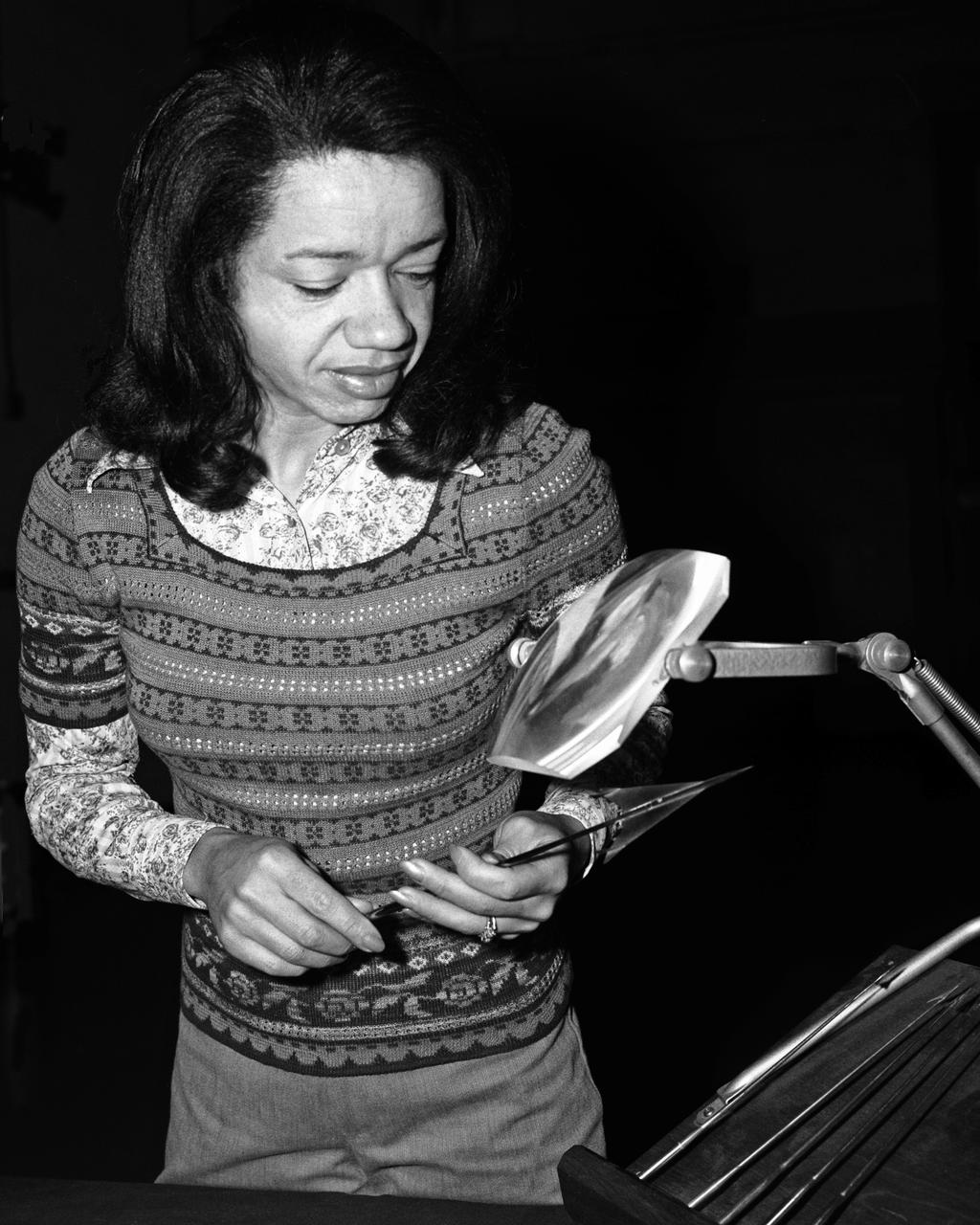
Environmental Portrait of Christine M. Darden. Supersonic Aerodynamics Branch.
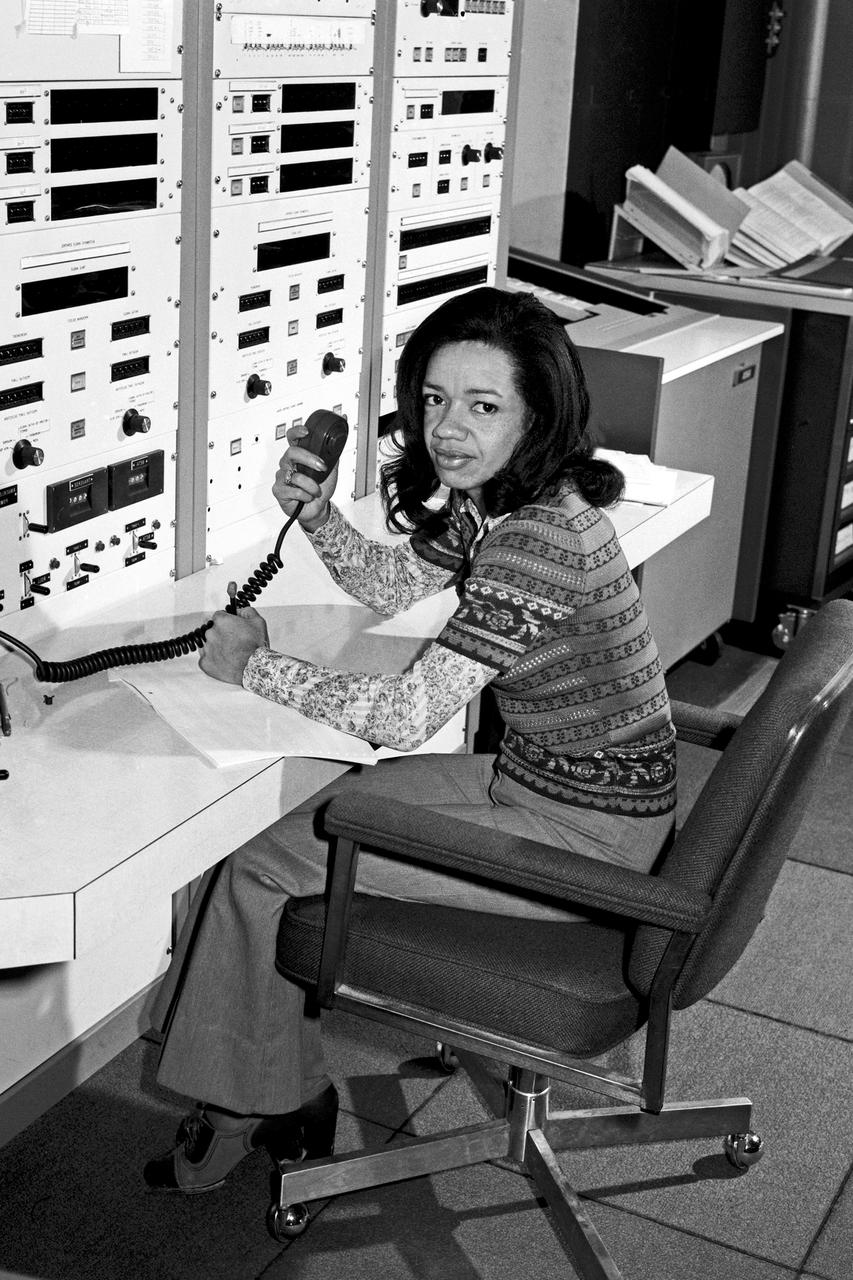
Environmental Portrait of Christine M. Darden. Supersonic Aerodynamics Branch
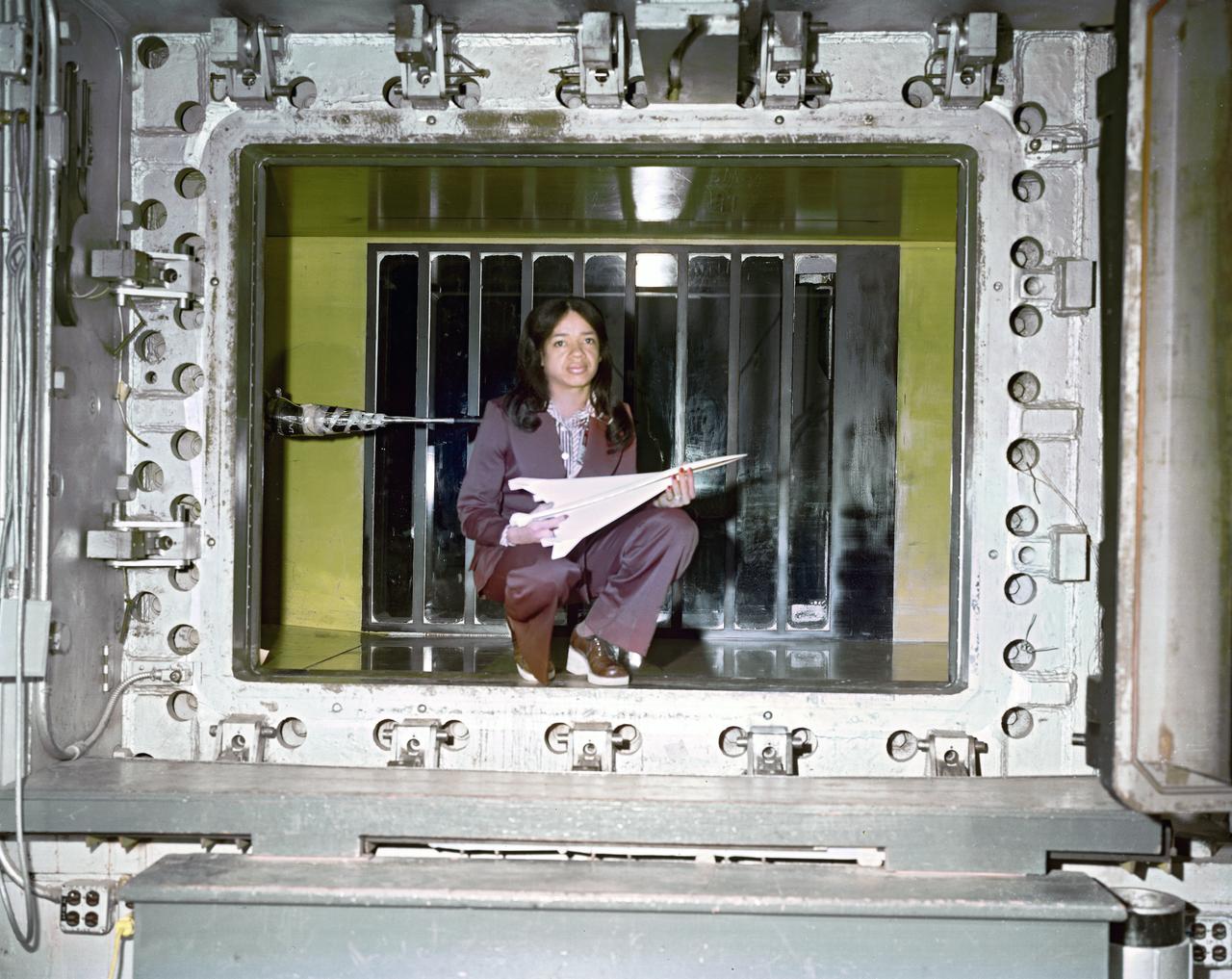
Environmental Portrait of Christine M. Darden. Sonic boom researcher, HSR, High Speed Research
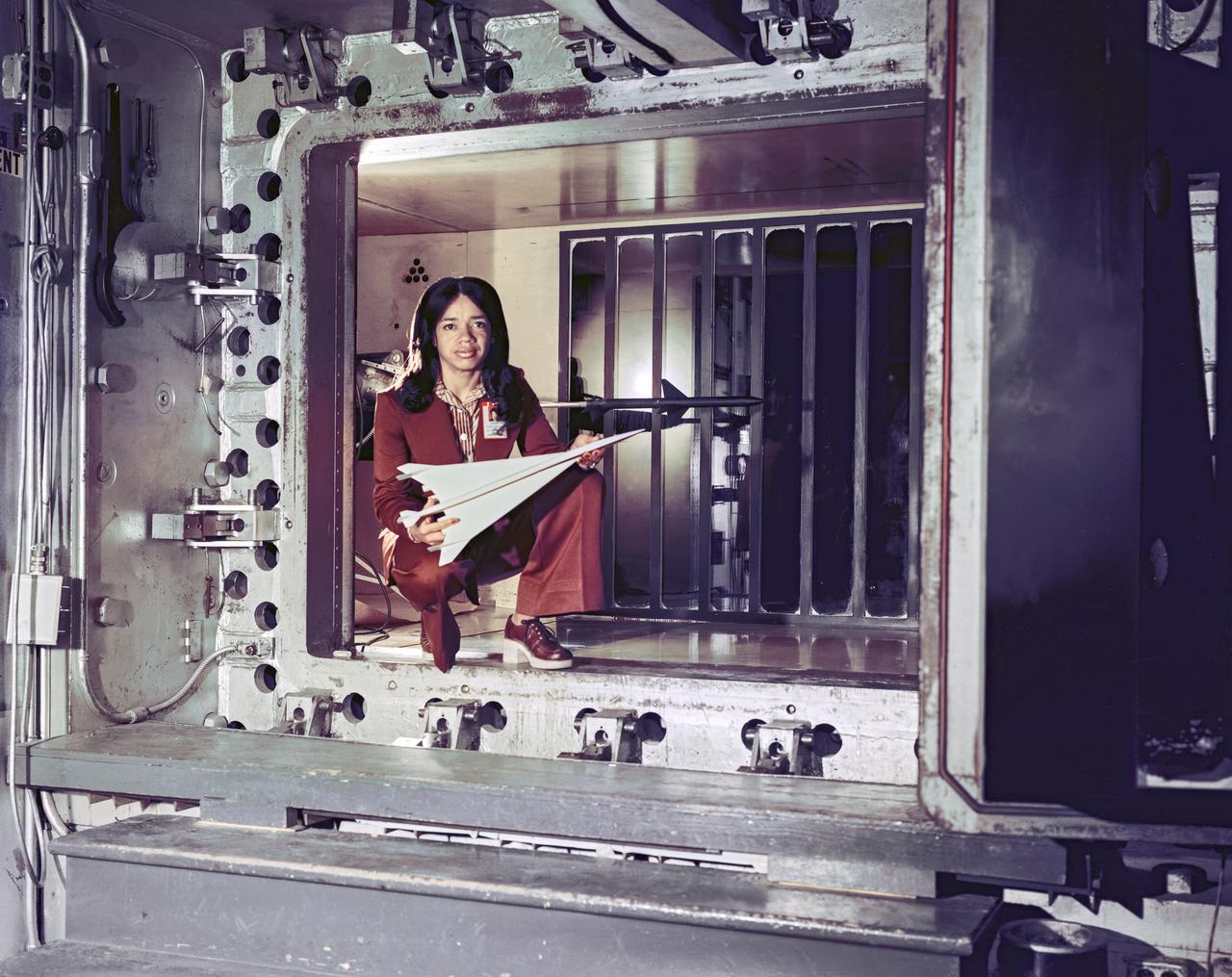
Environmental Portrait of Christine M. Darden. Sonic boom researcher, HSR, High Speed Research
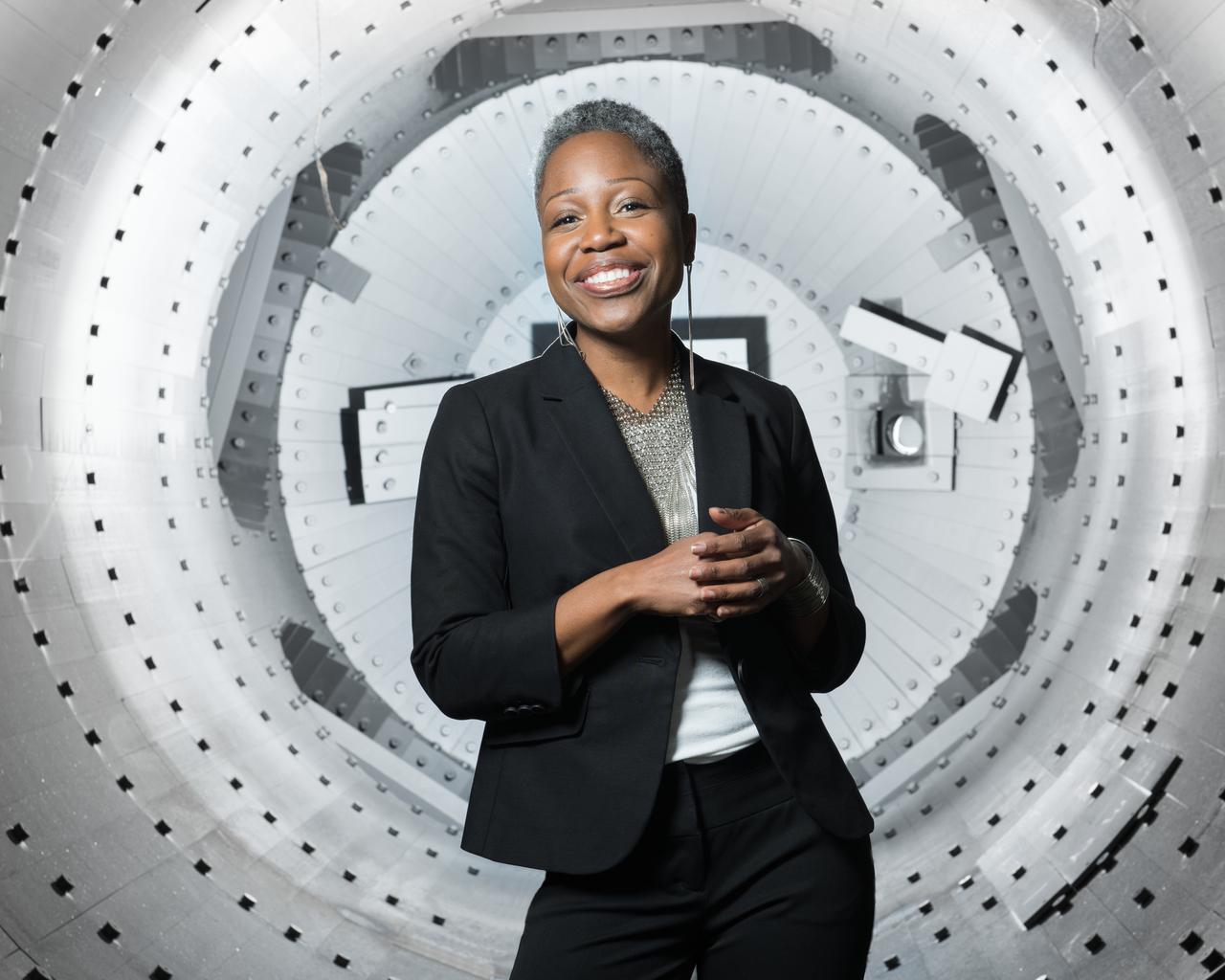
“I am a Black woman in STEM. And when I was growing up, I cannot say that I saw a lot of faces that looked like mine in STEM careers. I had some limited exposure to some notables, like Dr. Mae Jemison. But the names were few and far between of the great scientists or engineers that were Black — let alone Black females. So for me, if anybody sees my picture and says ‘yes, I see someone who looks like me working in STEM’ — that right there is very fulfilling. Just to be seen and to be visible makes a difference. "I also must provide words of encouragement because being in STEM can be difficult as is, let alone having to face the challenges of being a female in a male-dominated field. Or even being a double minority in the workplace. "It’s a matter of being really self-assured that you can do it, despite the fact that you’re going to have failures, that you’re going to have setbacks, and that you’re going have people who may not believe in you, for whatever reason. You have to be self-assured that this is what you want to do and that it can be done. This 4’11” Black woman achieved this, not knowing that STEM was going to be my path or that I was going to end up at NASA — I did it, and I believe that you can do it too — but you have to believe it for yourself.” — Mary Lobo, Director of Office of Technology Incubation and Innovation, Glenn Research Center The Facility Manager for the Space Simulation Facilities at Glenn Research Center, poses inside Vacuum Facility 16 (VF-16) for an Environmental Portrait. The lighting used in this portrait depicts the chamber as having an almost white interior when the chamber is actually almost black in color.
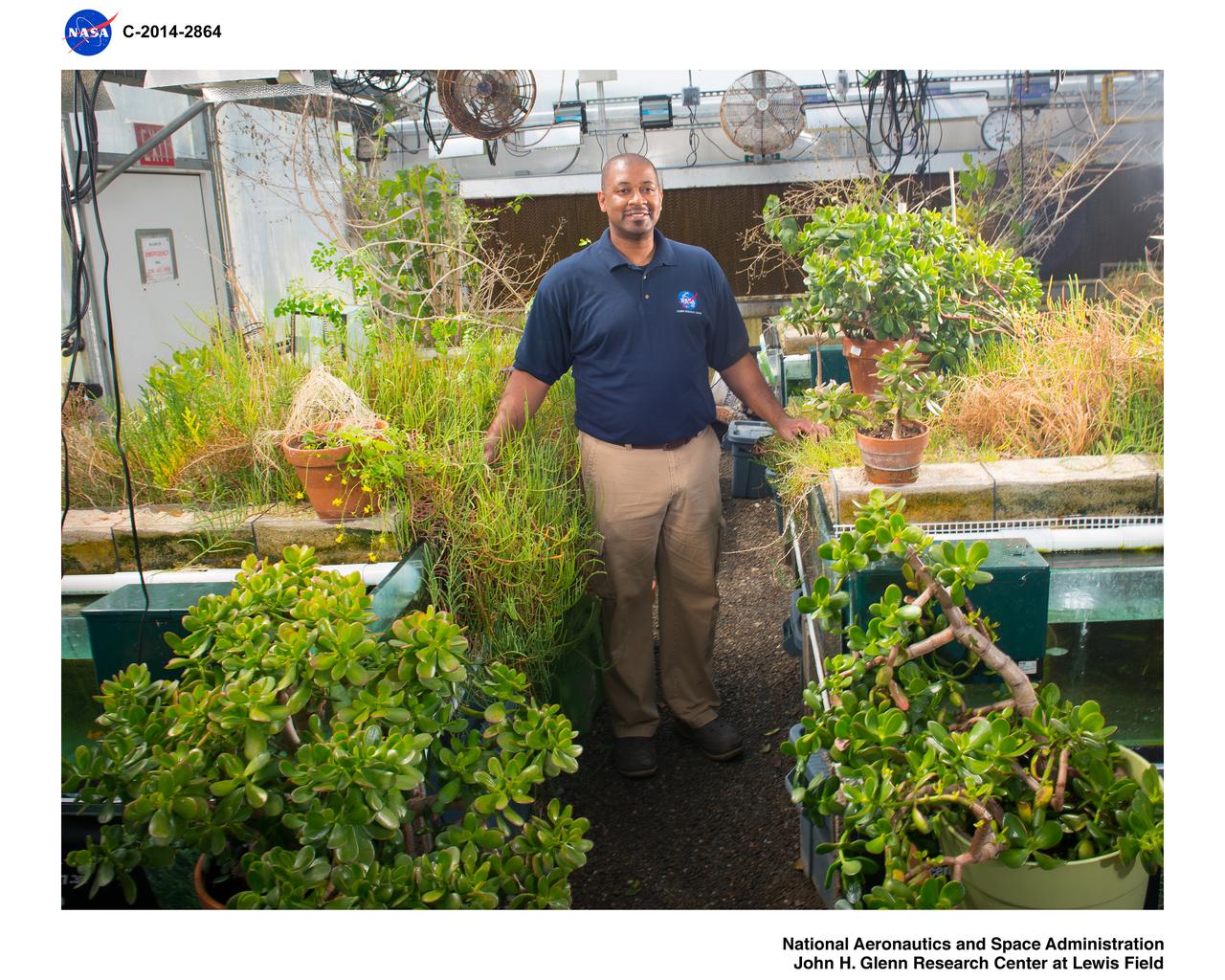
Environmental Portrait at the Green Lab
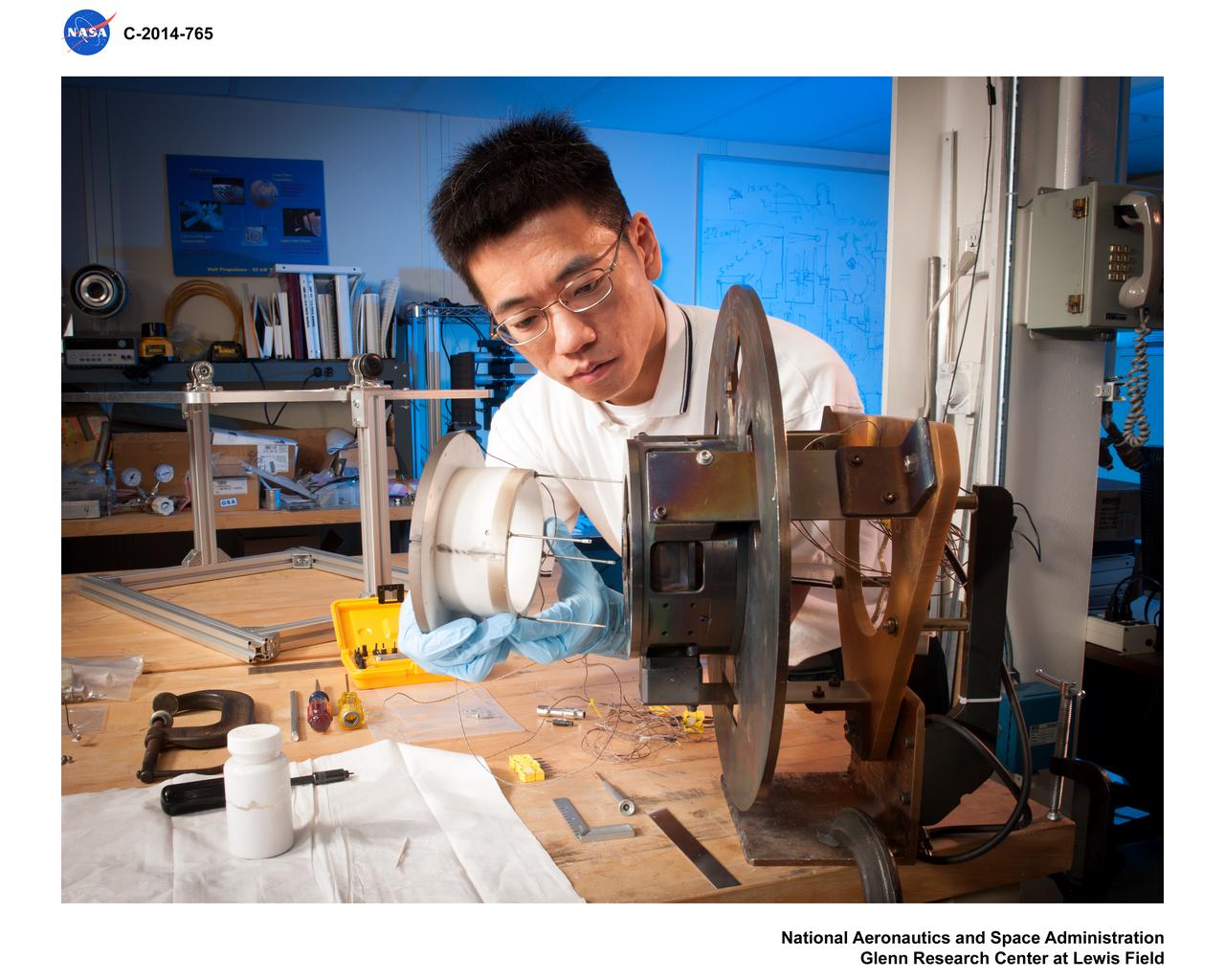
Environmental Portrait of Electrical Propulsion Researcher
![jsc2020e041336 (Sep 21, 2020) - “There are obvious highlights [about my job] and then there are some highlights that I didn’t really see coming. It’s such an honor to be just one person behind the scenes supporting the crewmembers while they’re up in space and focusing on their missions. It’s such an honor to be a part of them accomplishing their mission. The first time I got a call from space was a major highlight. Every call I’ve gotten from space since then has never gotten less exciting. The fact that I am continuously communicating with people who are living and working on the International Space Station — it’s just very surreal, it’s very mind-blowing still to this day even though I’ve been in this role for several years now. "But one of the highlights that I didn’t necessarily see coming is that a lot of the crewmembers have become mentors to me now. I look up to them for so many different reasons. And we have such a diverse corps that there’s really unlimited wisdom that I can take from listening to each crewmember’s story and from working with each crewmember. They show so much humility and perseverance. Hearing stories about their failures and their successes, watching them problem-solve and even problem-solving with them, has made me grow to be the kind of individual that I think I always wanted to become. I just never knew that I would have the opportunity to have these kinds of mentors to actually help me become that person.” — Stephanie Fernandez, Social Media and Outreach Specialist for the Astronaut Office, Johnson Space Center Image Credit: NASA / James Blair Interviewer: NASA / Thalia Patrinos](https://images-assets.nasa.gov/image/jsc2020e041336/jsc2020e041336~medium.jpg)
jsc2020e041336 (Sep 21, 2020) - “There are obvious highlights [about my job] and then there are some highlights that I didn’t really see coming. It’s such an honor to be just one person behind the scenes supporting the crewmembers while they’re up in space and focusing on their missions. It’s such an honor to be a part of them accomplishing their mission. The first time I got a call from space was a major highlight. Every call I’ve gotten from space since then has never gotten less exciting. The fact that I am continuously communicating with people who are living and working on the International Space Station — it’s just very surreal, it’s very mind-blowing still to this day even though I’ve been in this role for several years now. "But one of the highlights that I didn’t necessarily see coming is that a lot of the crewmembers have become mentors to me now. I look up to them for so many different reasons. And we have such a diverse corps that there’s really unlimited wisdom that I can take from listening to each crewmember’s story and from working with each crewmember. They show so much humility and perseverance. Hearing stories about their failures and their successes, watching them problem-solve and even problem-solving with them, has made me grow to be the kind of individual that I think I always wanted to become. I just never knew that I would have the opportunity to have these kinds of mentors to actually help me become that person.” — Stephanie Fernandez, Social Media and Outreach Specialist for the Astronaut Office, Johnson Space Center Image Credit: NASA / James Blair Interviewer: NASA / Thalia Patrinos
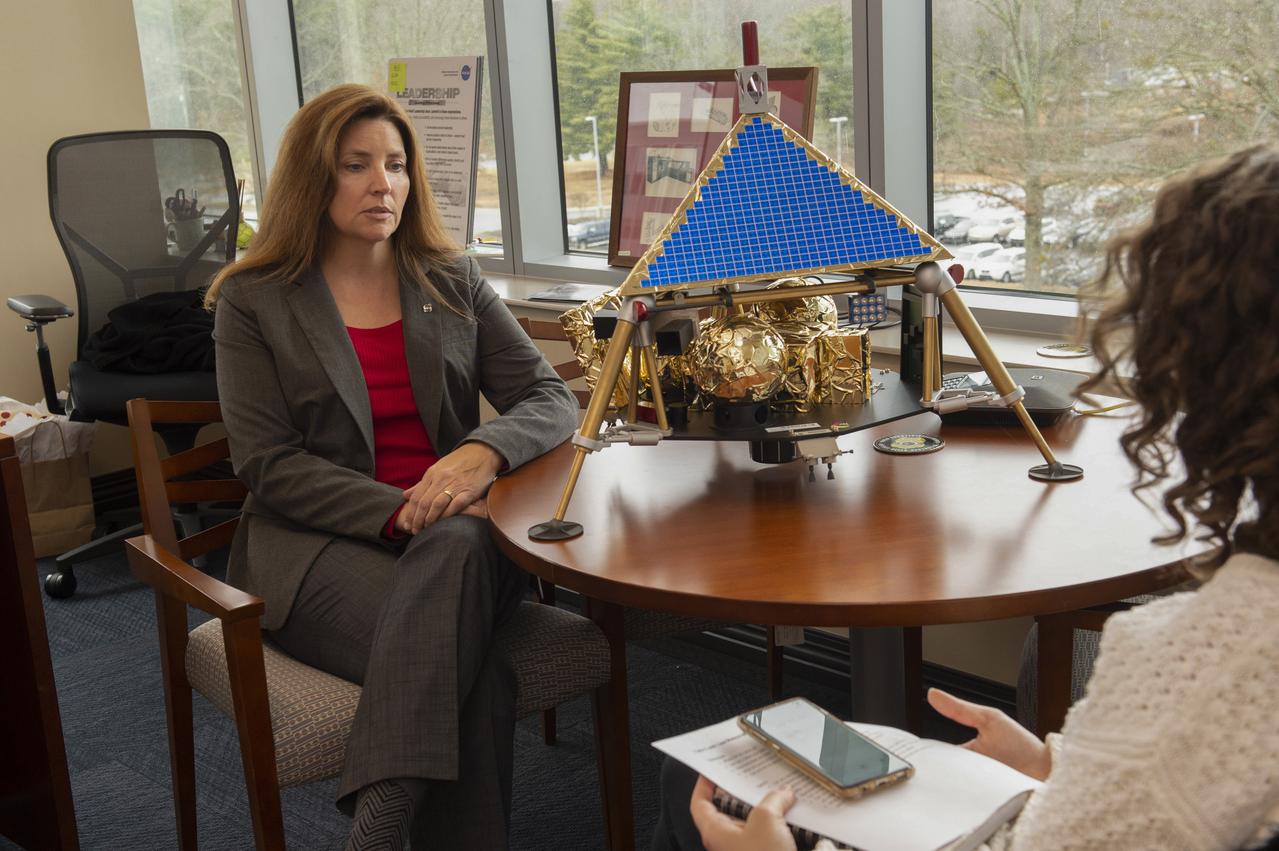
Lisa Watson-Morgan is interviewed for “TAKE FIVE†column in Marshall Star newspaper
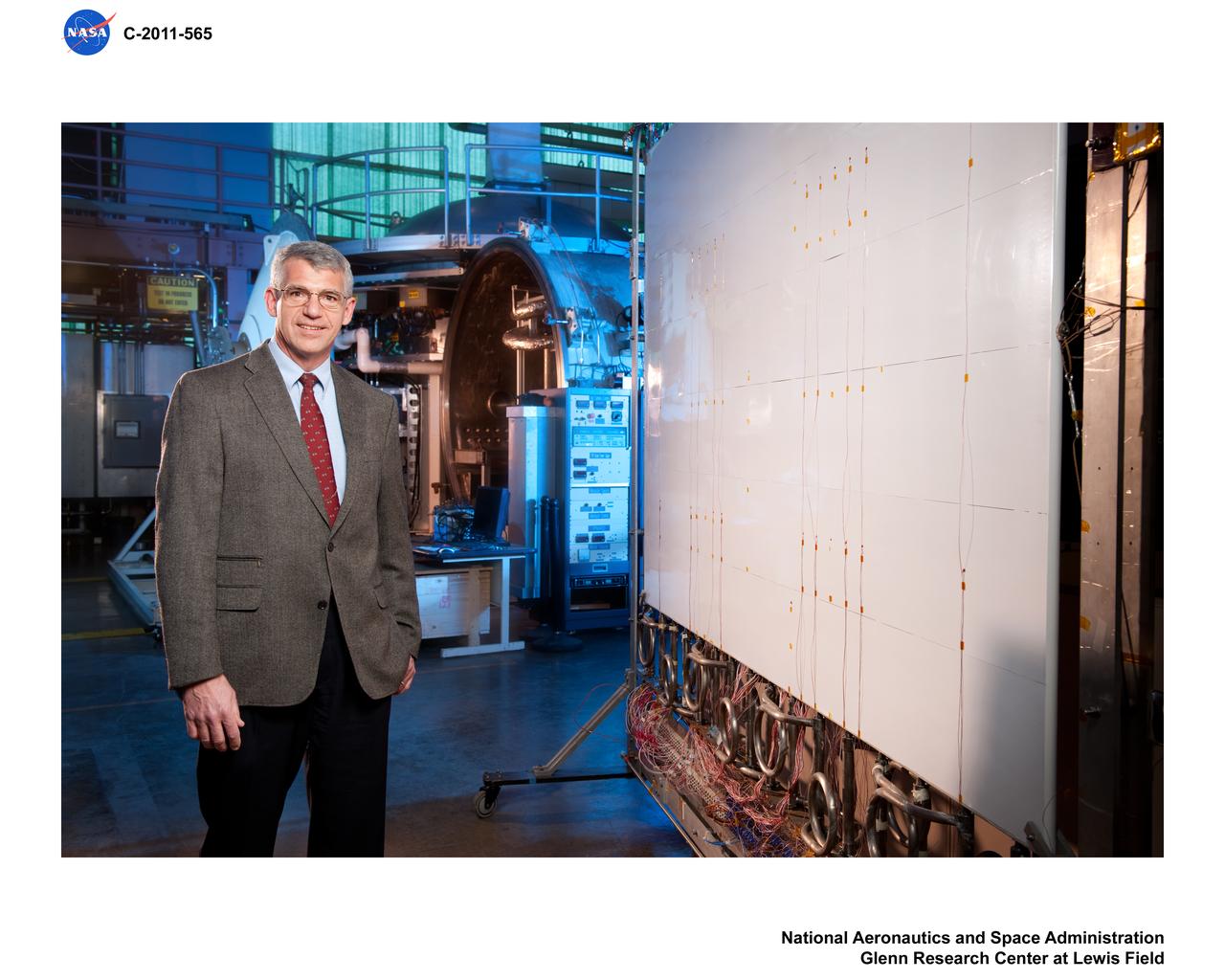
Environmental Portrait of an Advanced Capabilities Project Office Employee
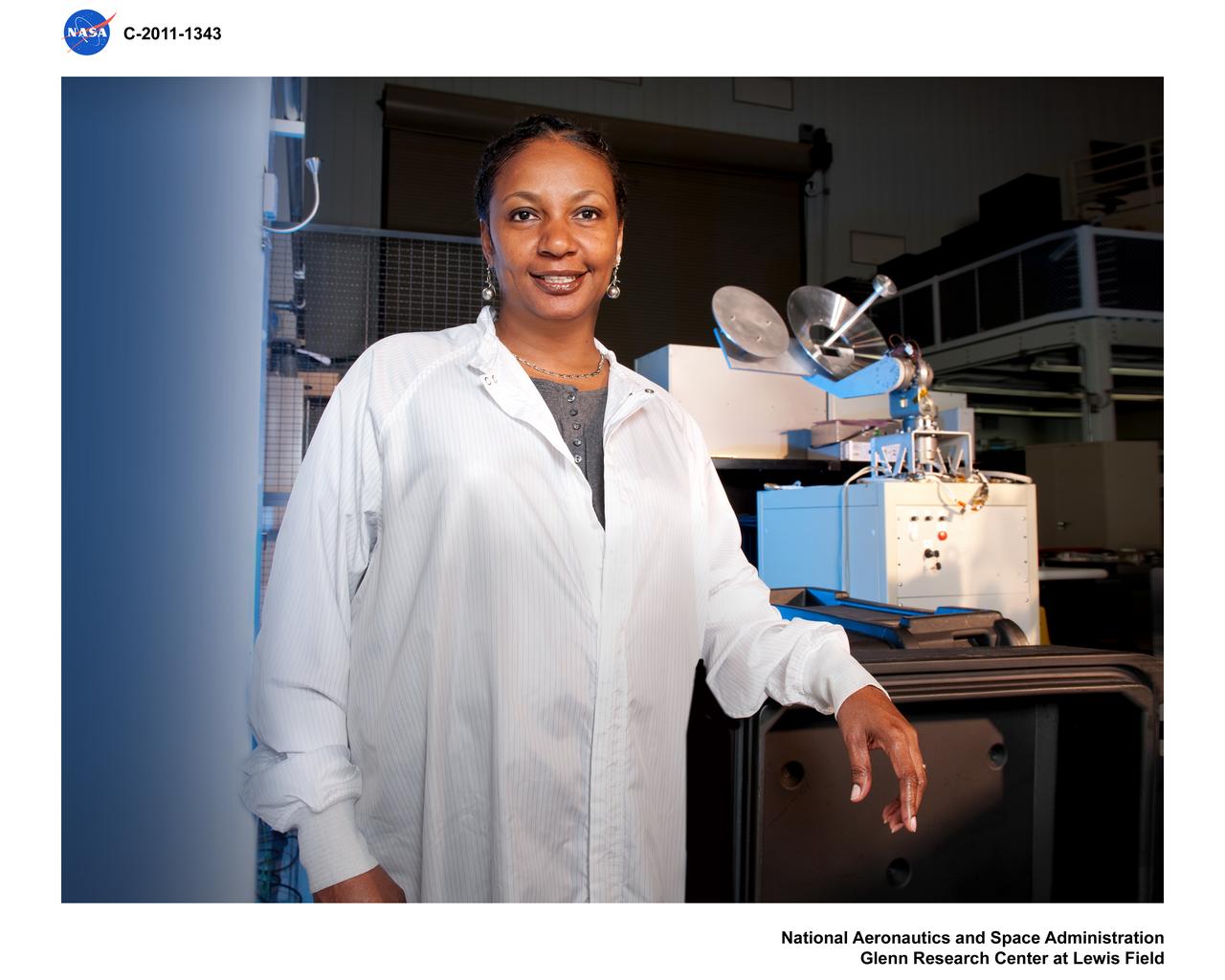
Environmental Portrait of Project Management Branch Employee
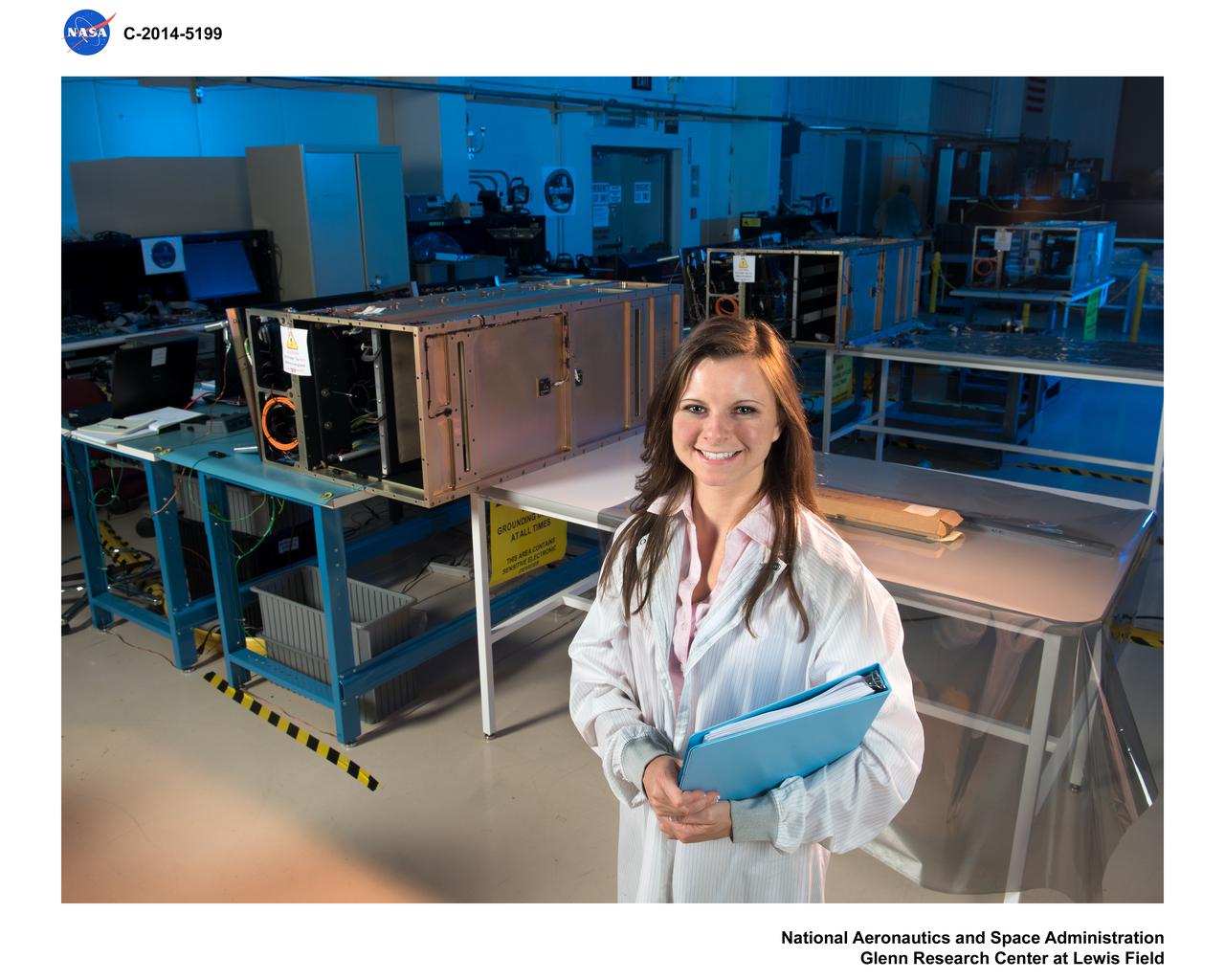
Environmental Portrait of an Electrical Power Systems Engineer
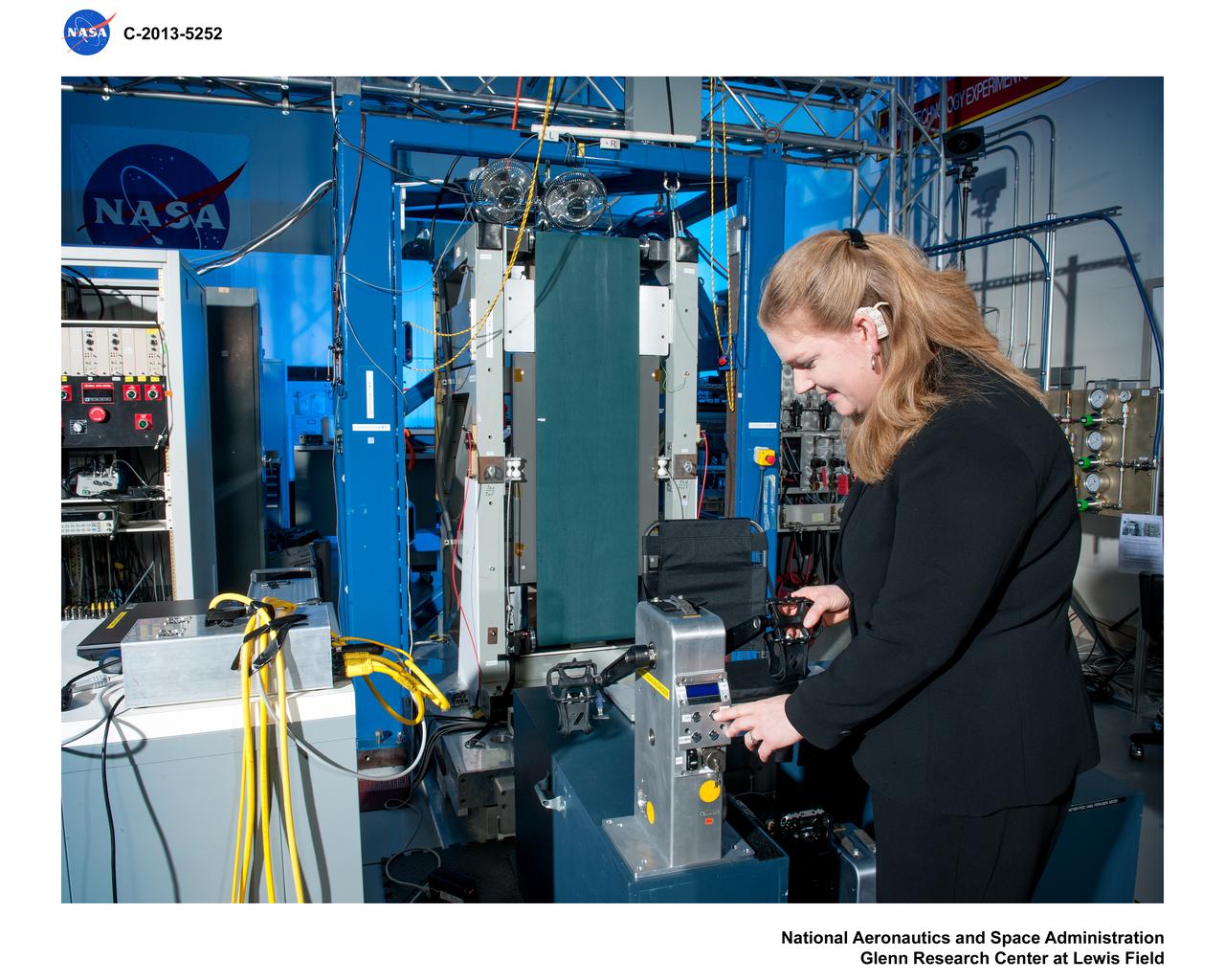
Environmental Portrait of a Structural Systems Dynamics Branch Manager
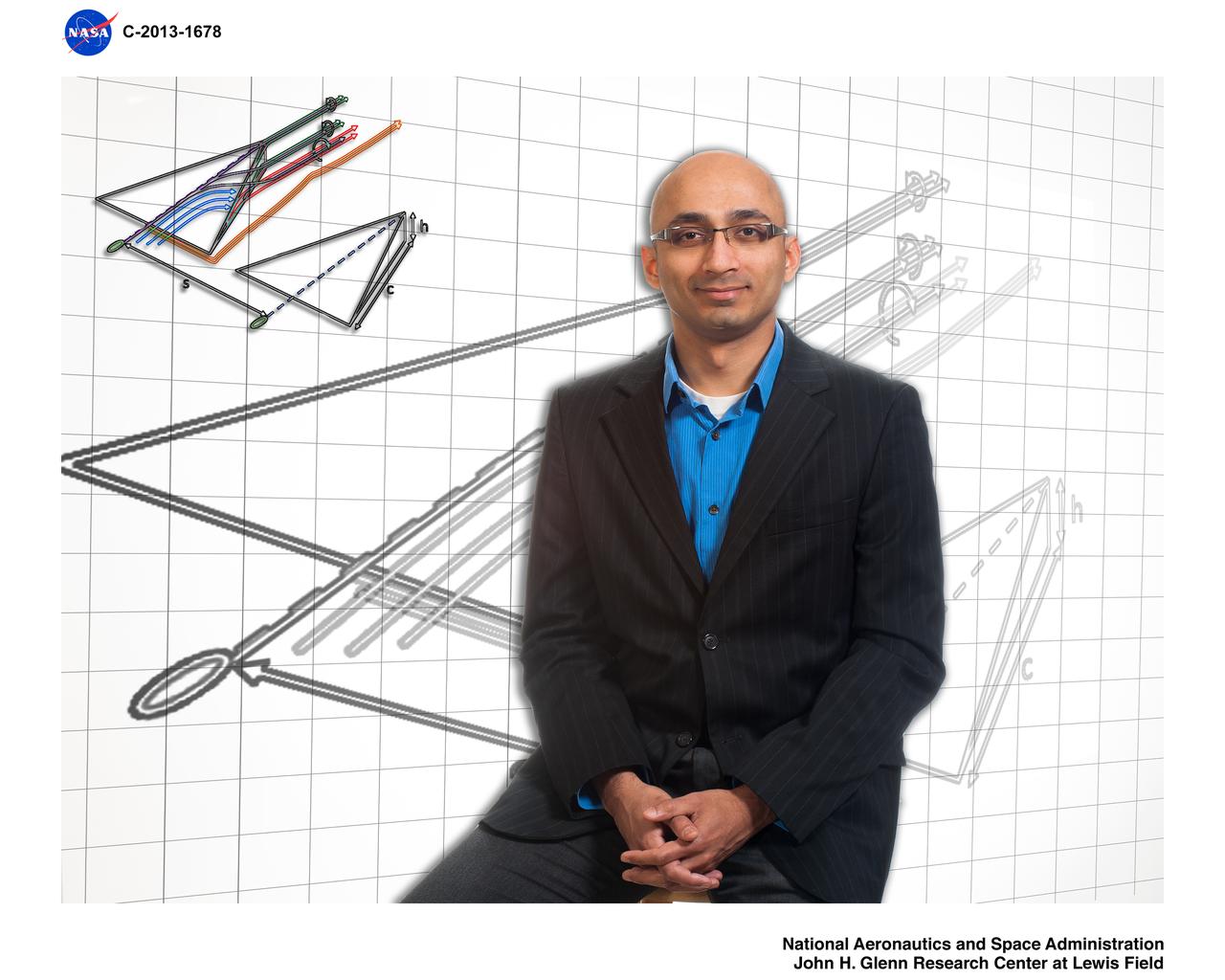
Environmental Portrait of a Propulsions Flow Dynamics Researcher
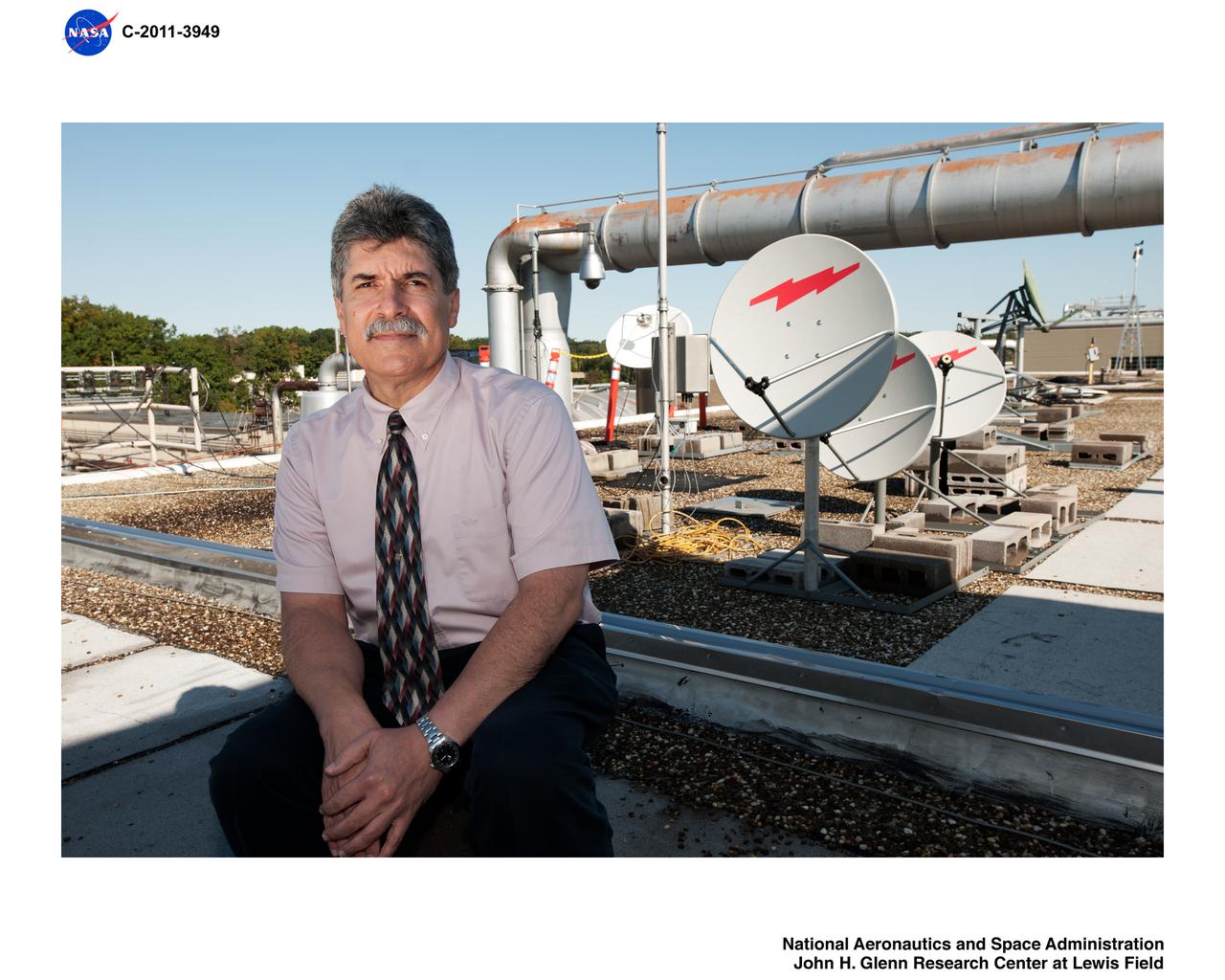
Environmental Portrait of the Antenna and Optical Systems Branch Chief
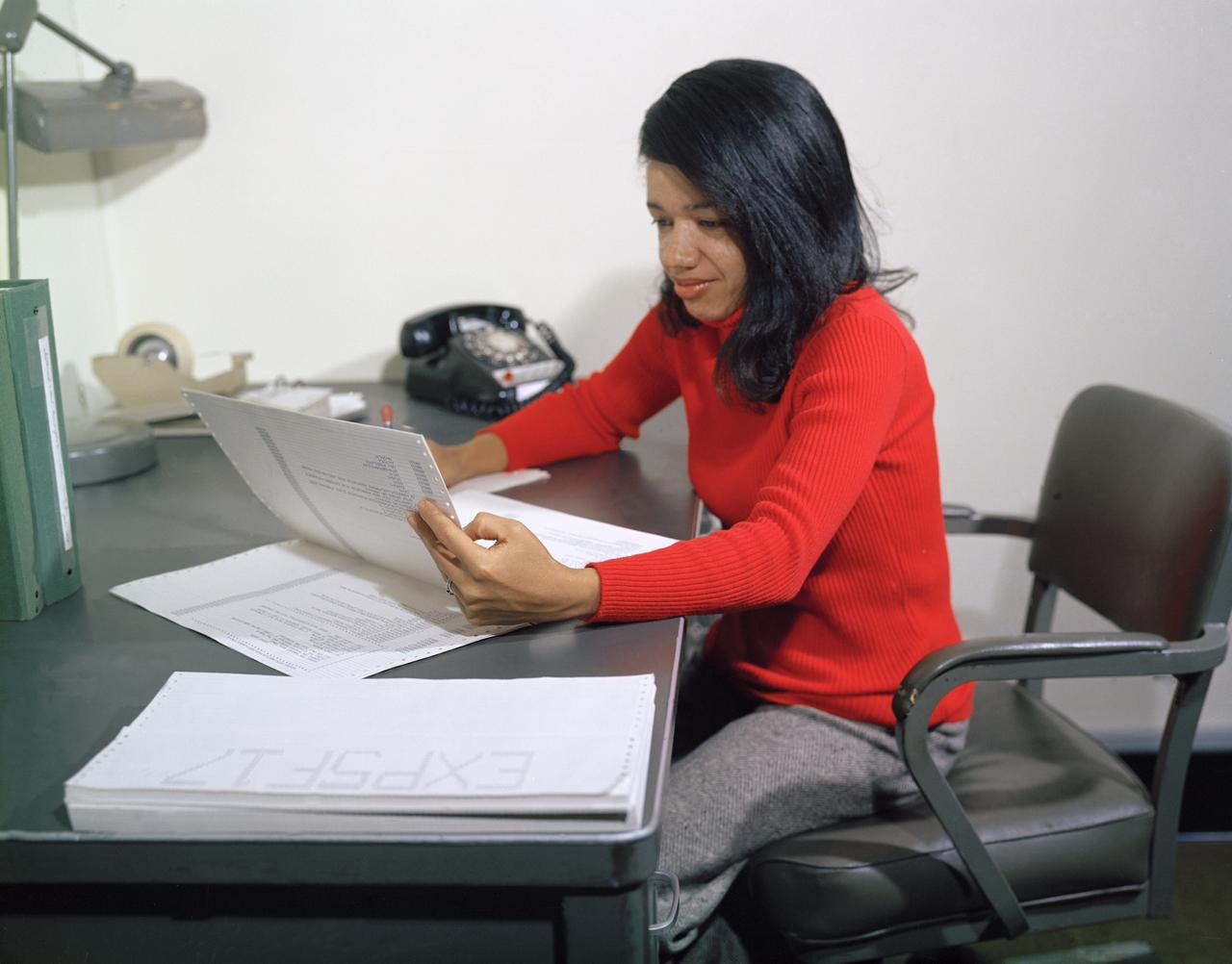
Minority Professionals at NASA Langley Research Center Christine Darden environmental portrait.
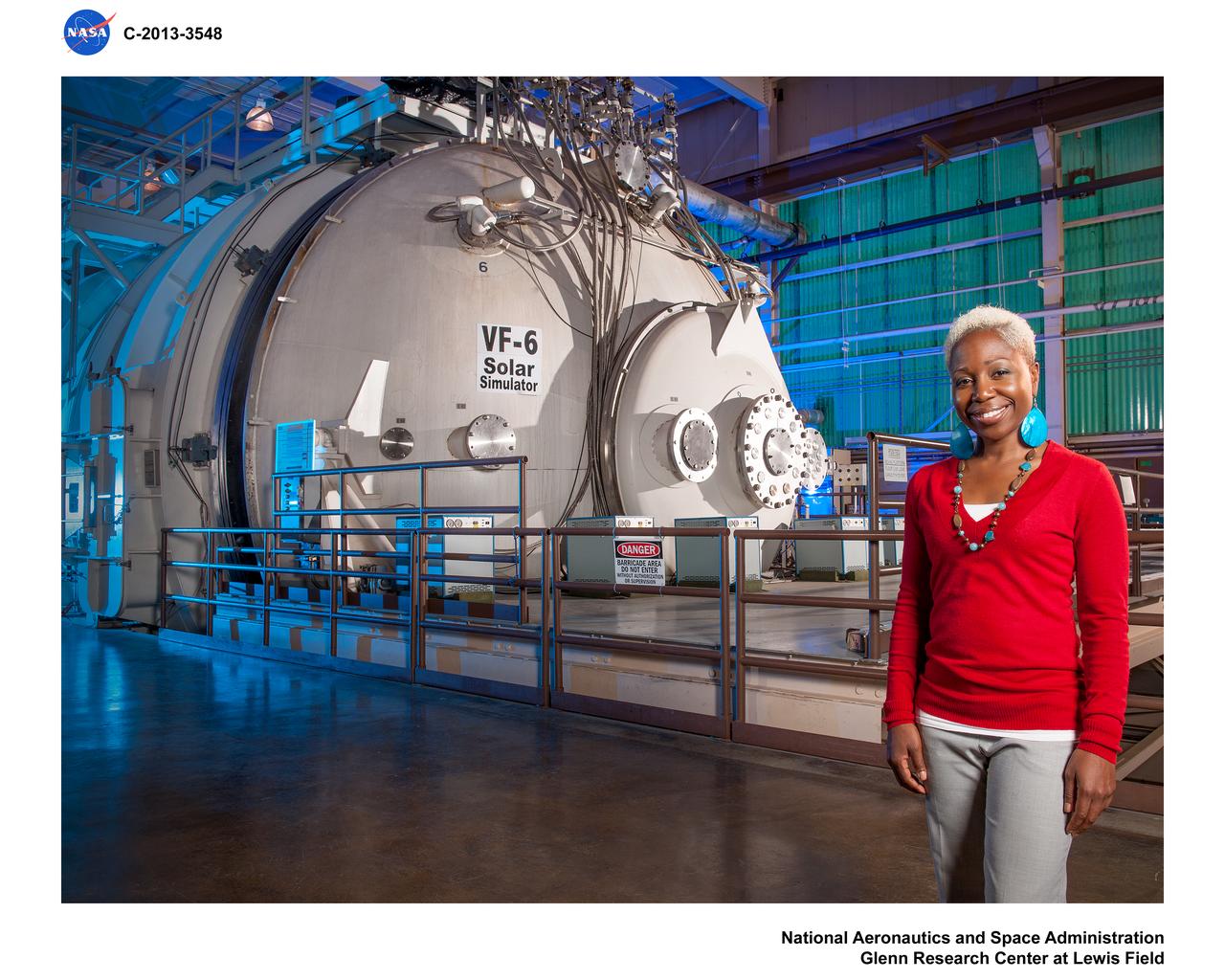
Environmental portrait of Mary Gibson and of Tank 6 (VF-6) Solar Simulator for NASA GRC Web Feature Story
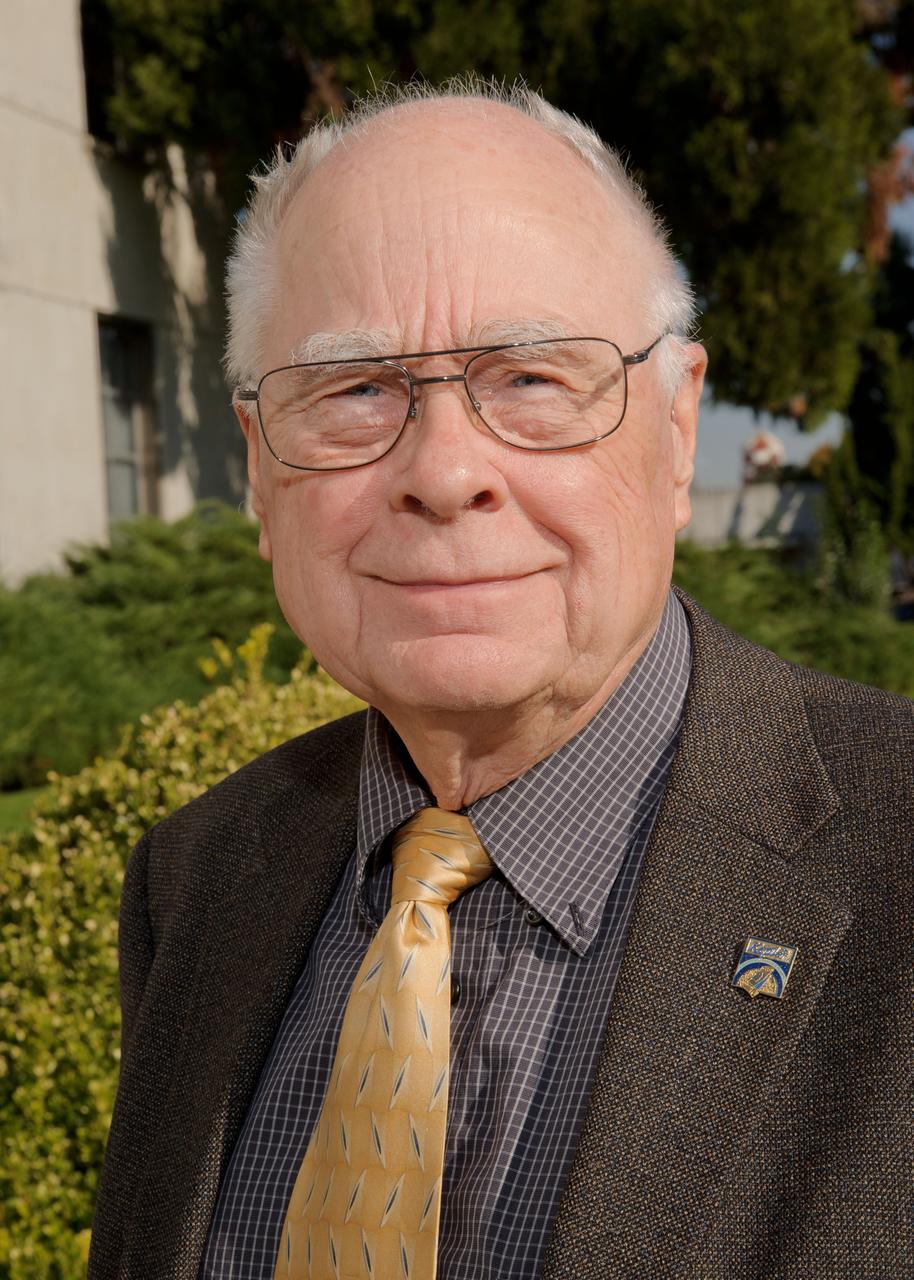
Environmental portrait of William 'Bill' Borucki, Principal Investigator for the Kepler Mission at NASA's Ames Research Center.
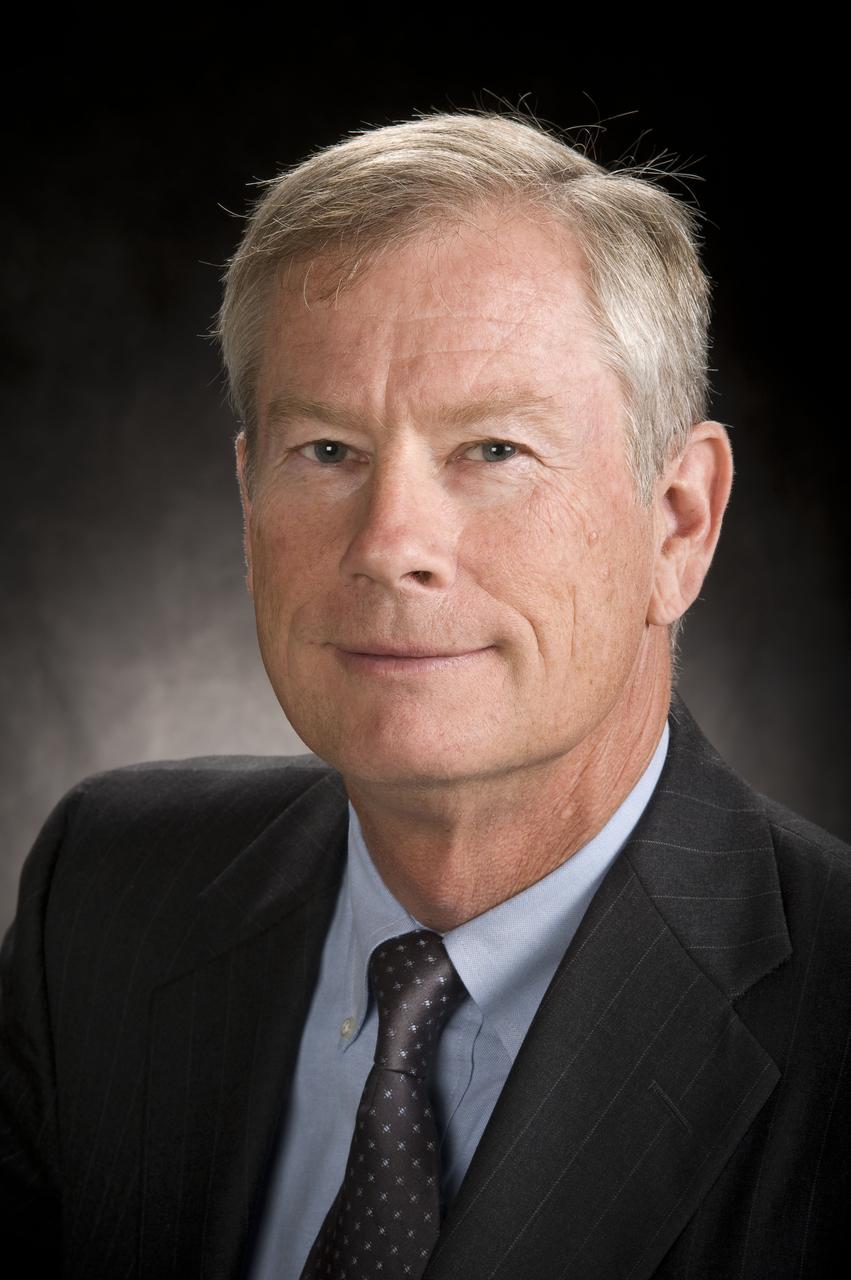
Portrait: Michael R. Dudley, Director, Safety, Environmental and Mission Assurance NASA Ames Research Center 2008
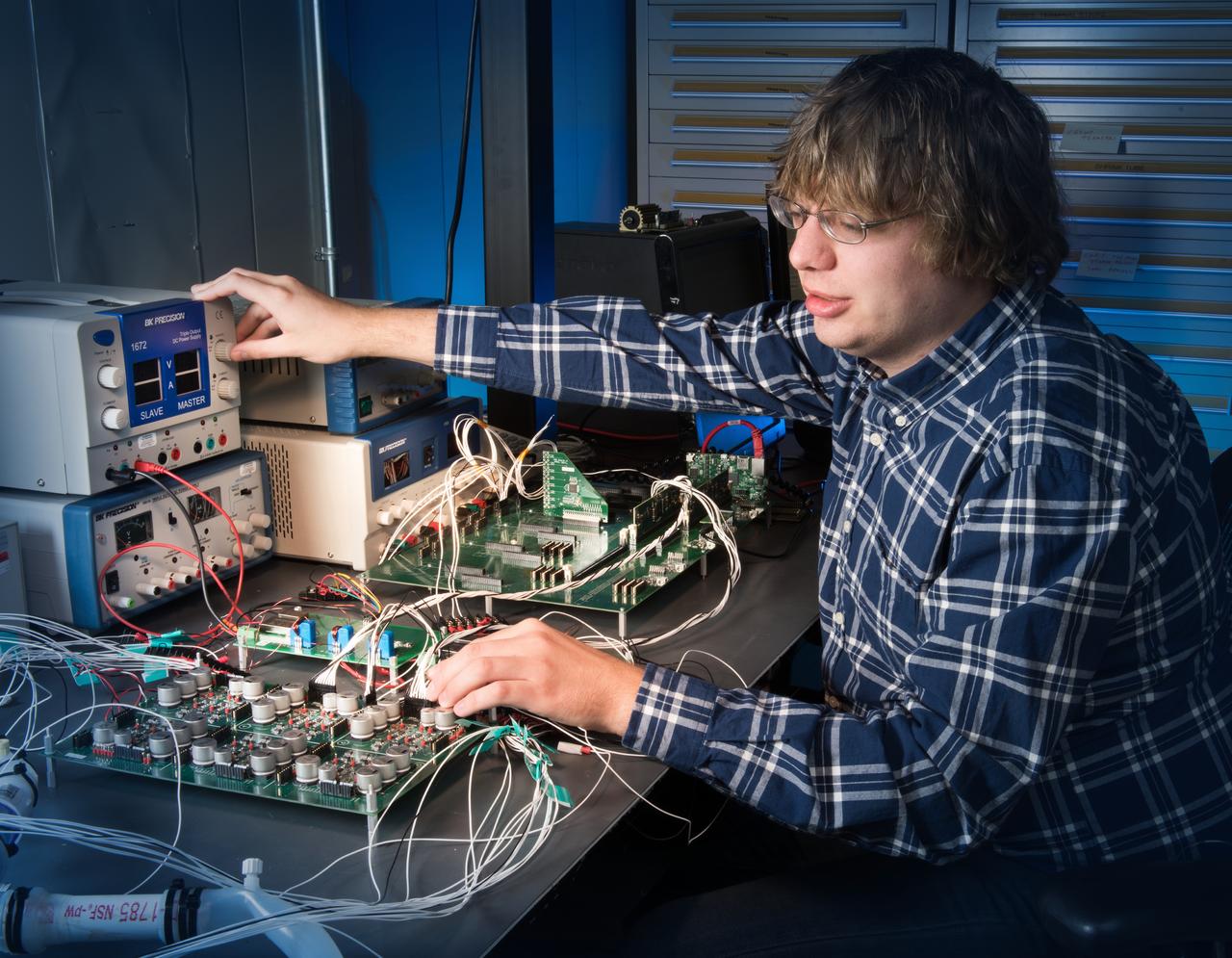
Environmental Portrait of a Telecommunications Engineer with the University of Indiana Heart Pump, Motor Controller Electronics
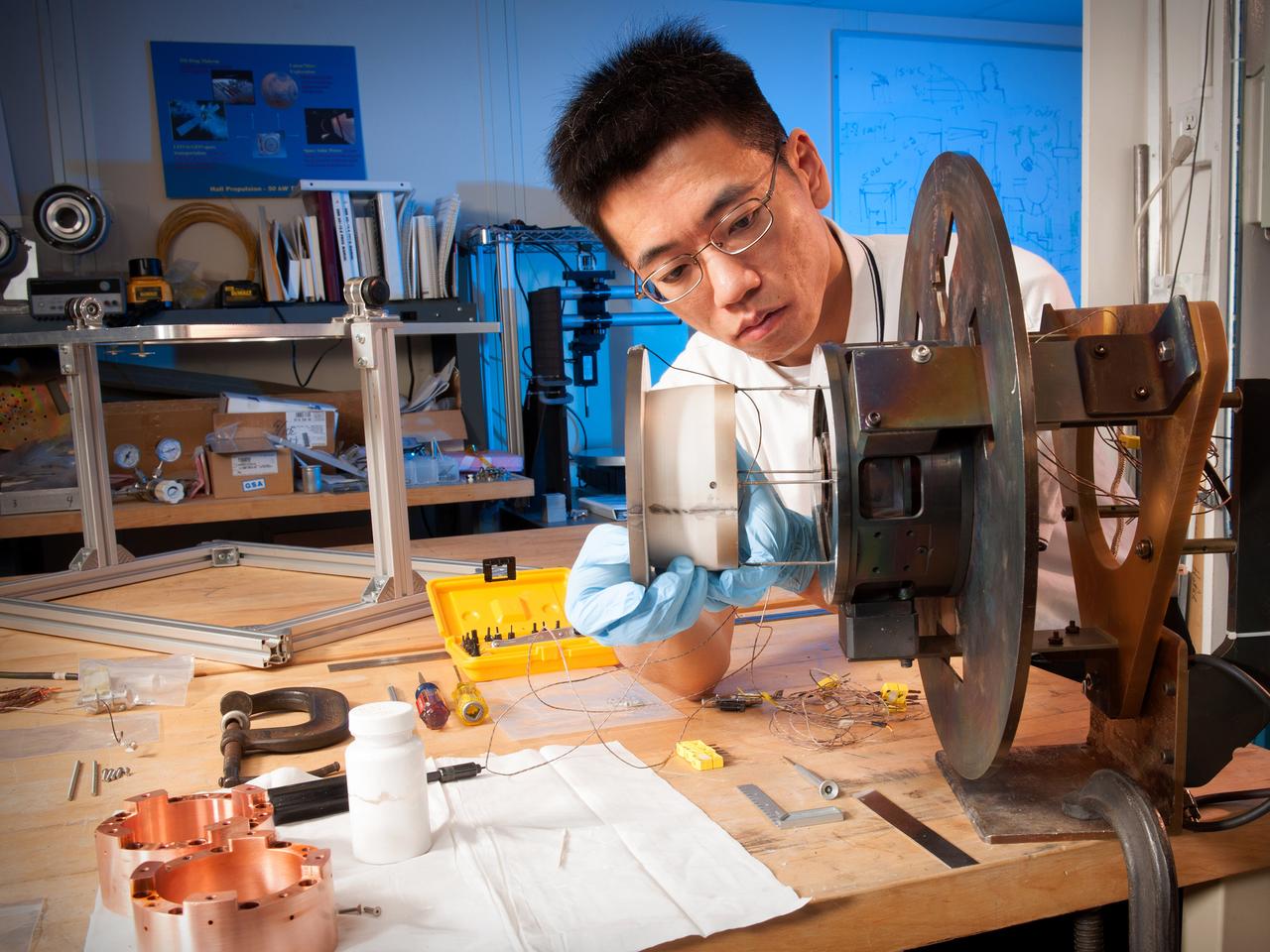
Environmental Portrait of Research Engineer Wensheng Huang working on a Hall thruster in the Electric Propulsion Laboratory at NASA Glenn Research Center.
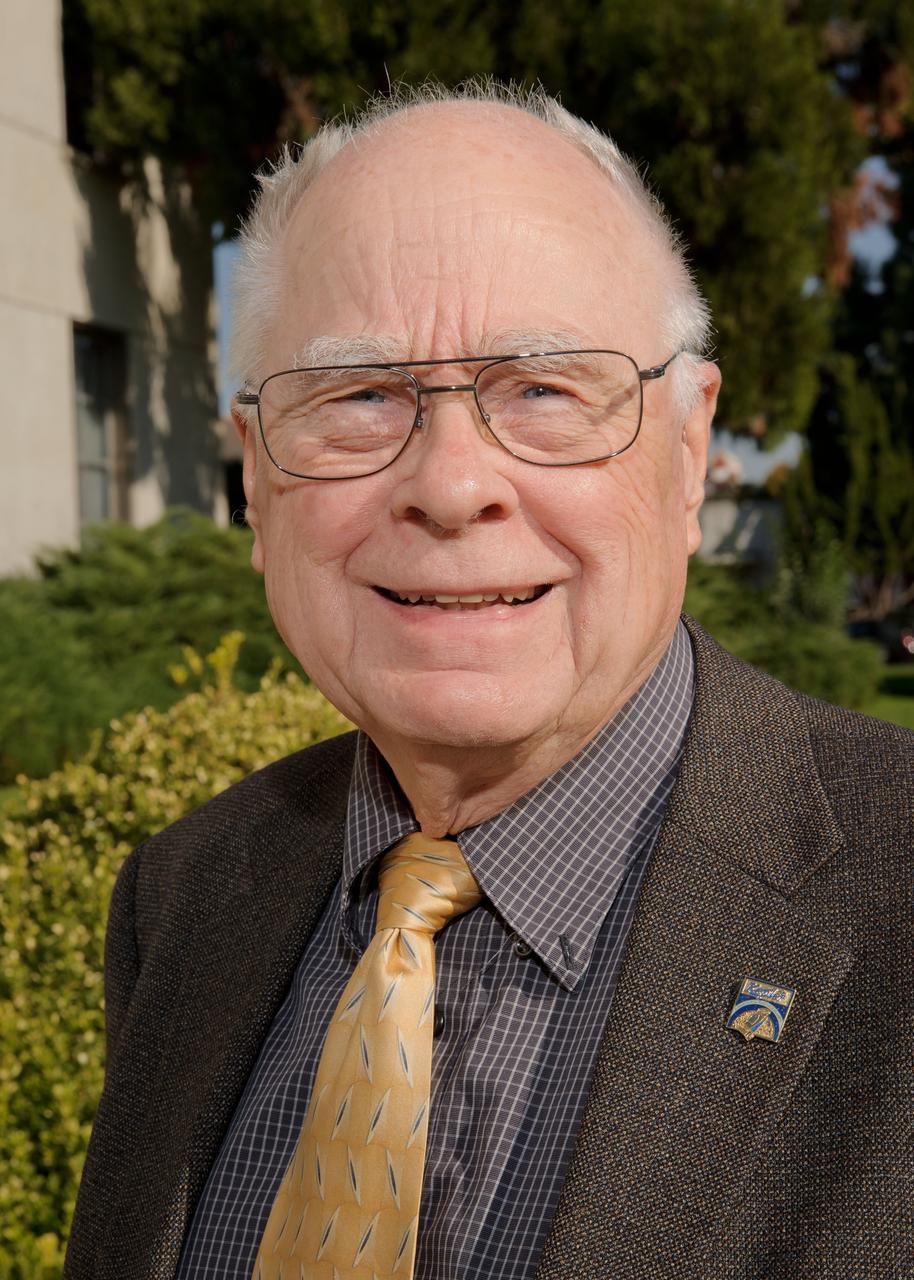
Environmental portrait of William 'Bill' Borucki, Principal Investigator for the Kepler Mission at NASA's Ames Research Center.
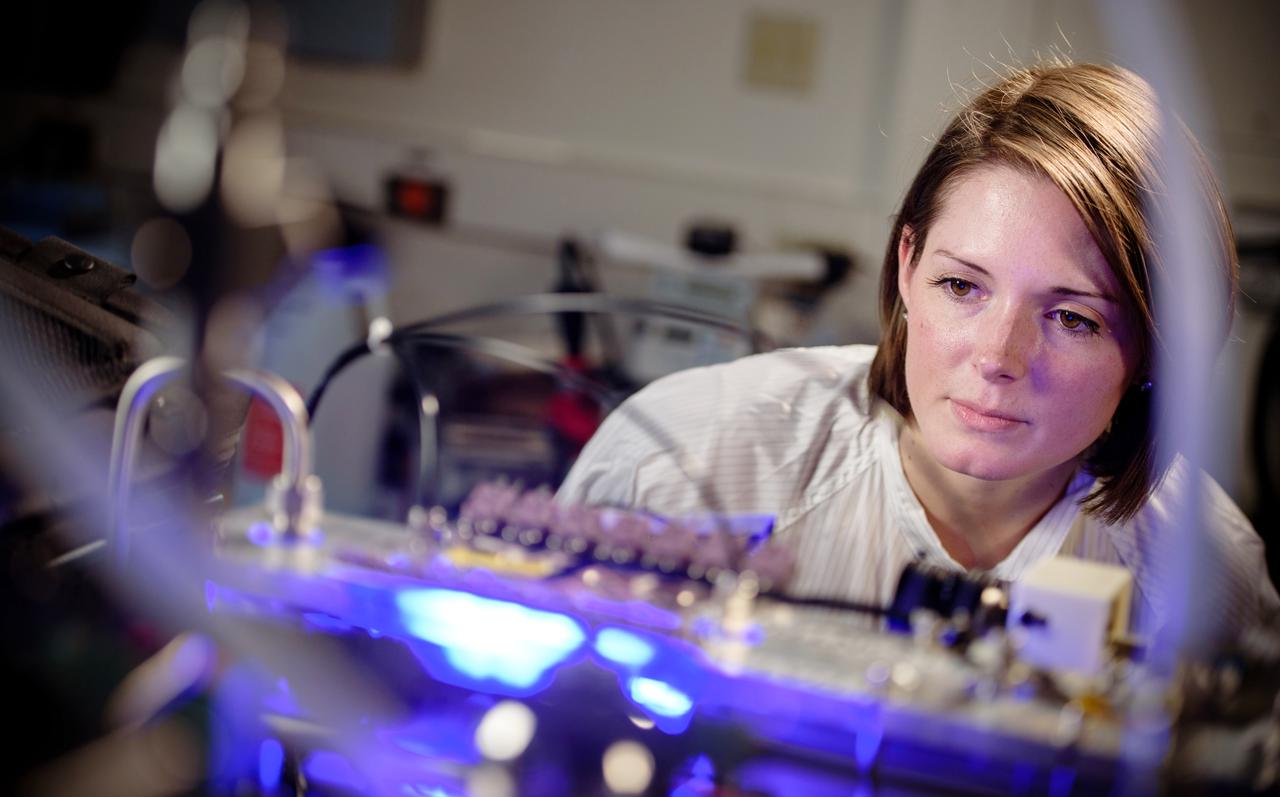
Grace Gaskin, an Aerospace Flight Systems Engineer Trainee, was sworn in as a civil servant in September 2017. After serving for 6 years in the U.S. Army she enrolled at Case Western Reserve University and will graduate in May 2018 with a degree in Chemical Engineering. As a Pathways Intern one of the many projects she has worked on is the Flow Boiling and Condensation Experiments (FBCE). The proposed research aims to develop an integrated two-phase flow boiling/condensation facility for the International Space Station (ISS) to serve as a primary platform for obtaining two-phase flow and heat transfer data in microgravity. By comparing the microgravity data against those obtained in Earth's gravity, it will be possible to ascertain the influence of body force on two-phase transport phenomena in pursuit of mechanistic models as well as correlations, and to help determine the minimum flow criteria to ensure gravity independent flow boiling and condensation.
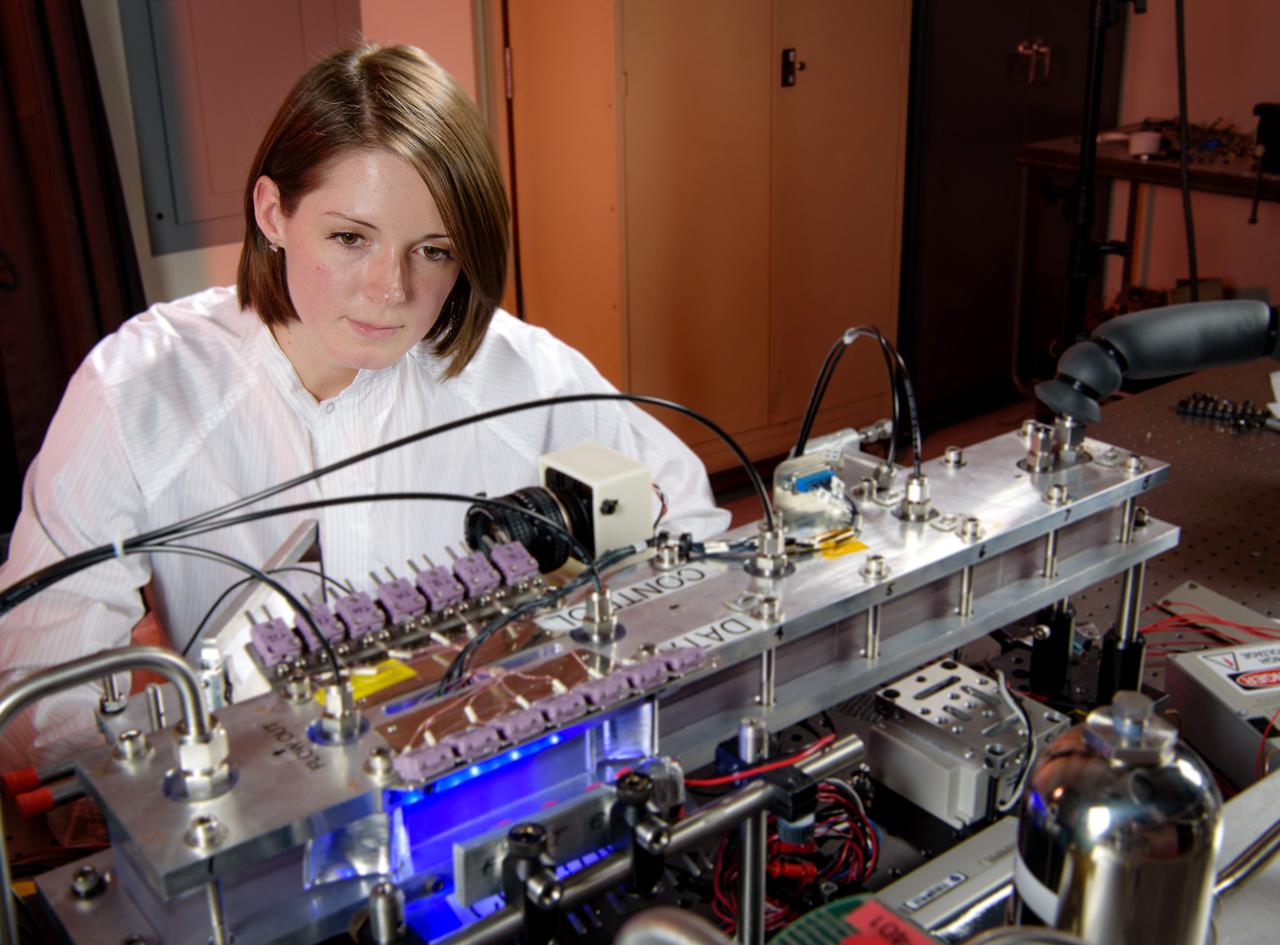
Grace Gaskin, an Aerospace Flight Systems Engineer Trainee, was sworn in as a civil servant in September 2017. After serving for 6 years in the U.S. Army she enrolled at Case Western Reserve University and will graduate in May 2018 with a degree in Chemical Engineering. As a Pathways Intern one of the many projects she has worked on is the Flow Boiling and Condensation Experiments (FBCE). The proposed research aims to develop an integrated two-phase flow boiling/condensation facility for the International Space Station (ISS) to serve as a primary platform for obtaining two-phase flow and heat transfer data in microgravity. By comparing the microgravity data against those obtained in Earth's gravity, it will be possible to ascertain the influence of body force on two-phase transport phenomena in pursuit of mechanistic models as well as correlations, and to help determine the minimum flow criteria to ensure gravity independent flow boiling and condensation.
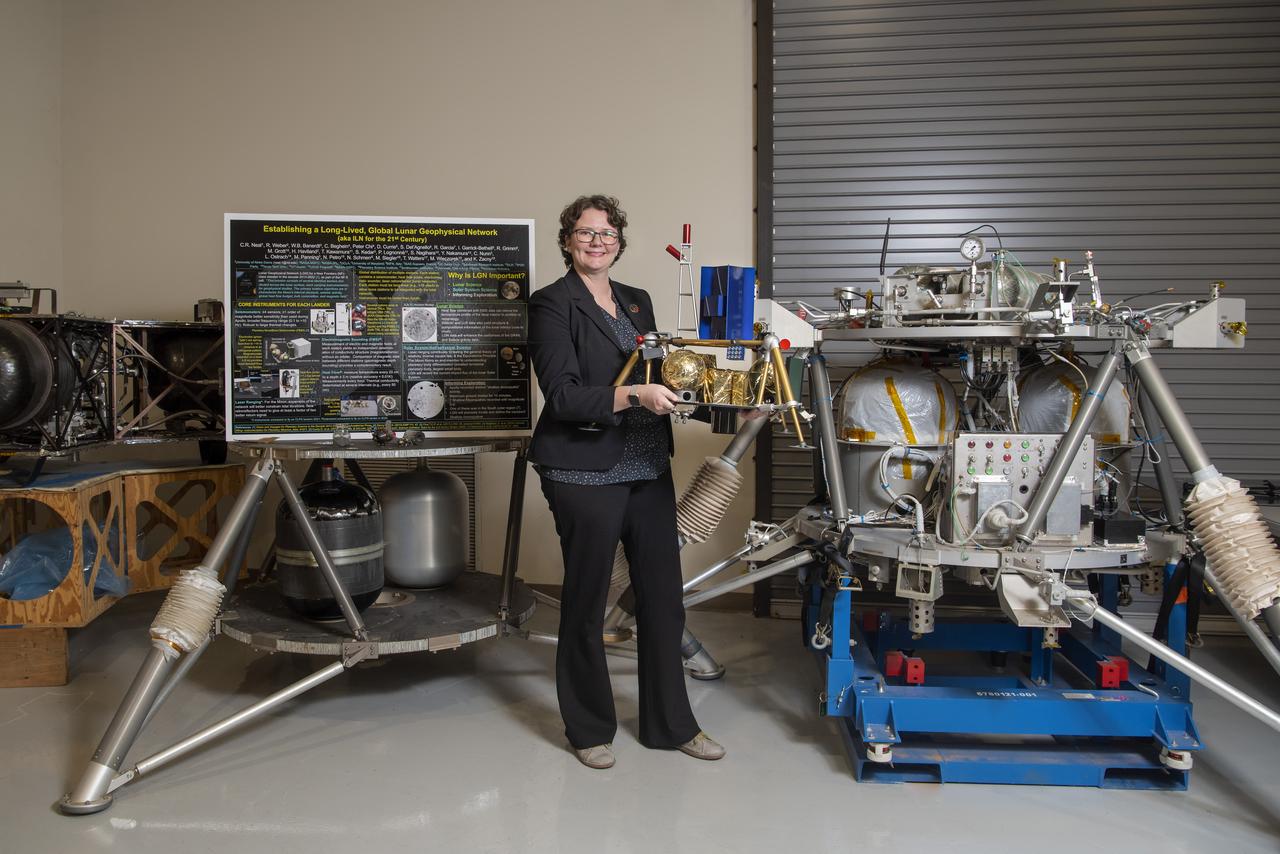
Environmental portrait of Renee Weber, commemorating her recent transition to the MSFC Chief Scientist position. Pictured with lunar lander models in the lander lab building 4747.
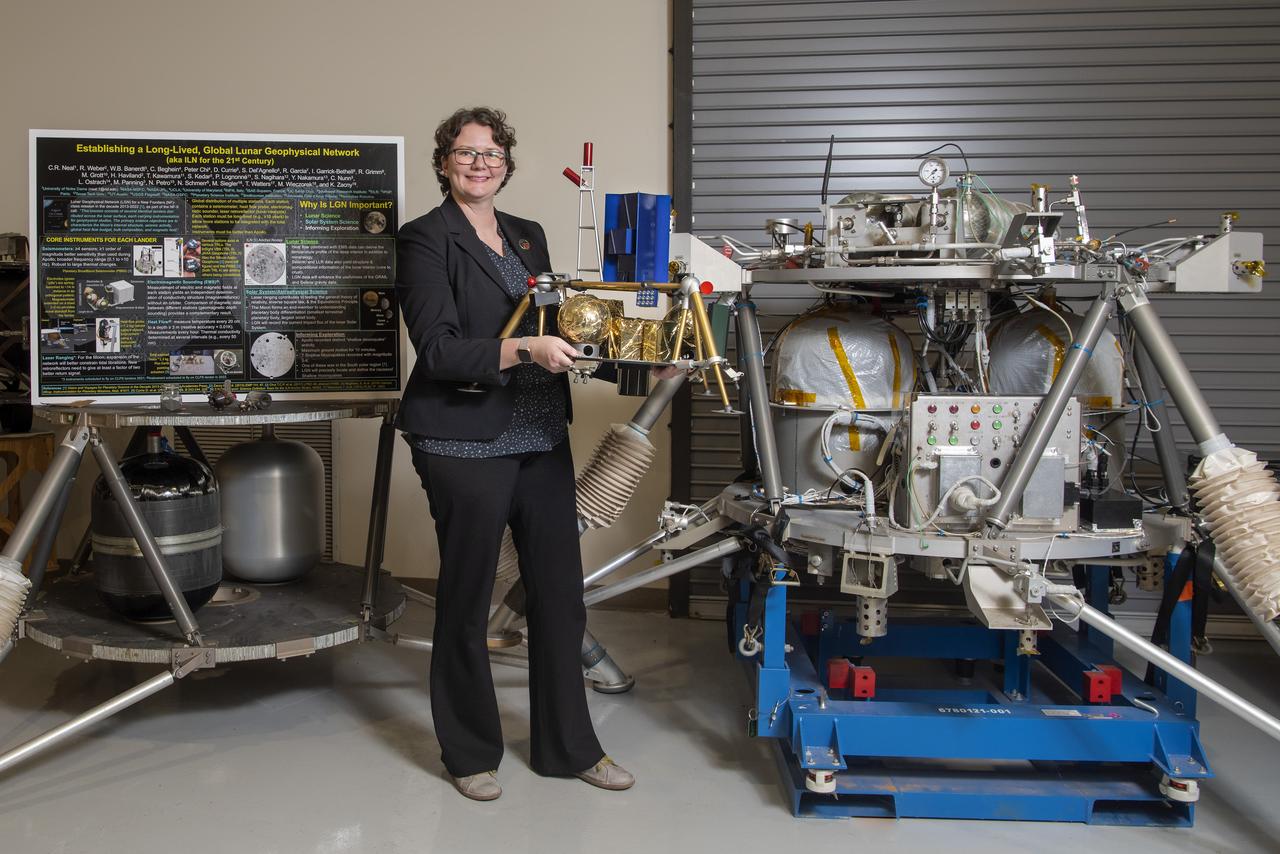
Environmental portrait of Renee Weber, commemorating her recent transition to the MSFC Chief Scientist position. Pictured with lunar lander models in the lander lab building 4747.
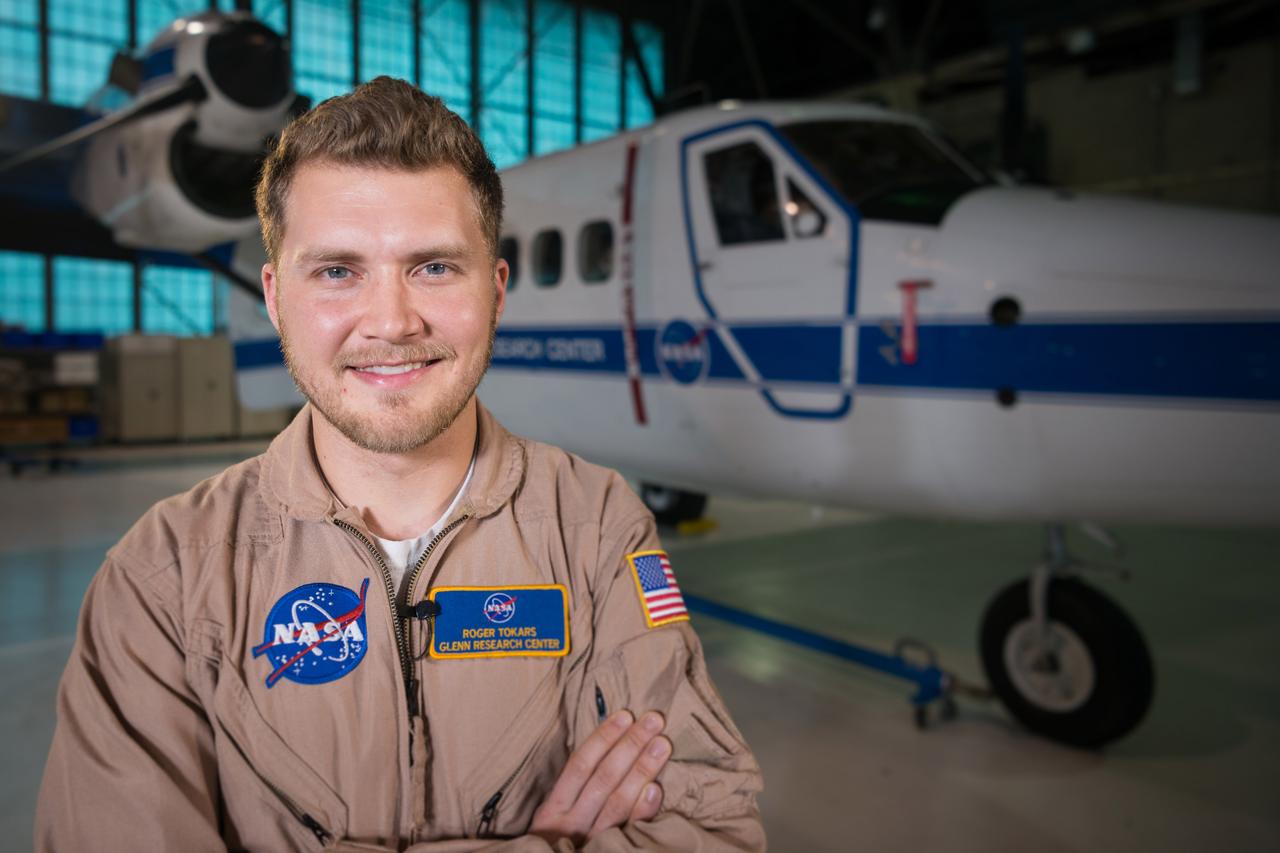
Environmental portrait of research engineer Roger Tokars in front of the Twin Otter research. This image was taken inside the Hangar at NASA Glenn Research Center.
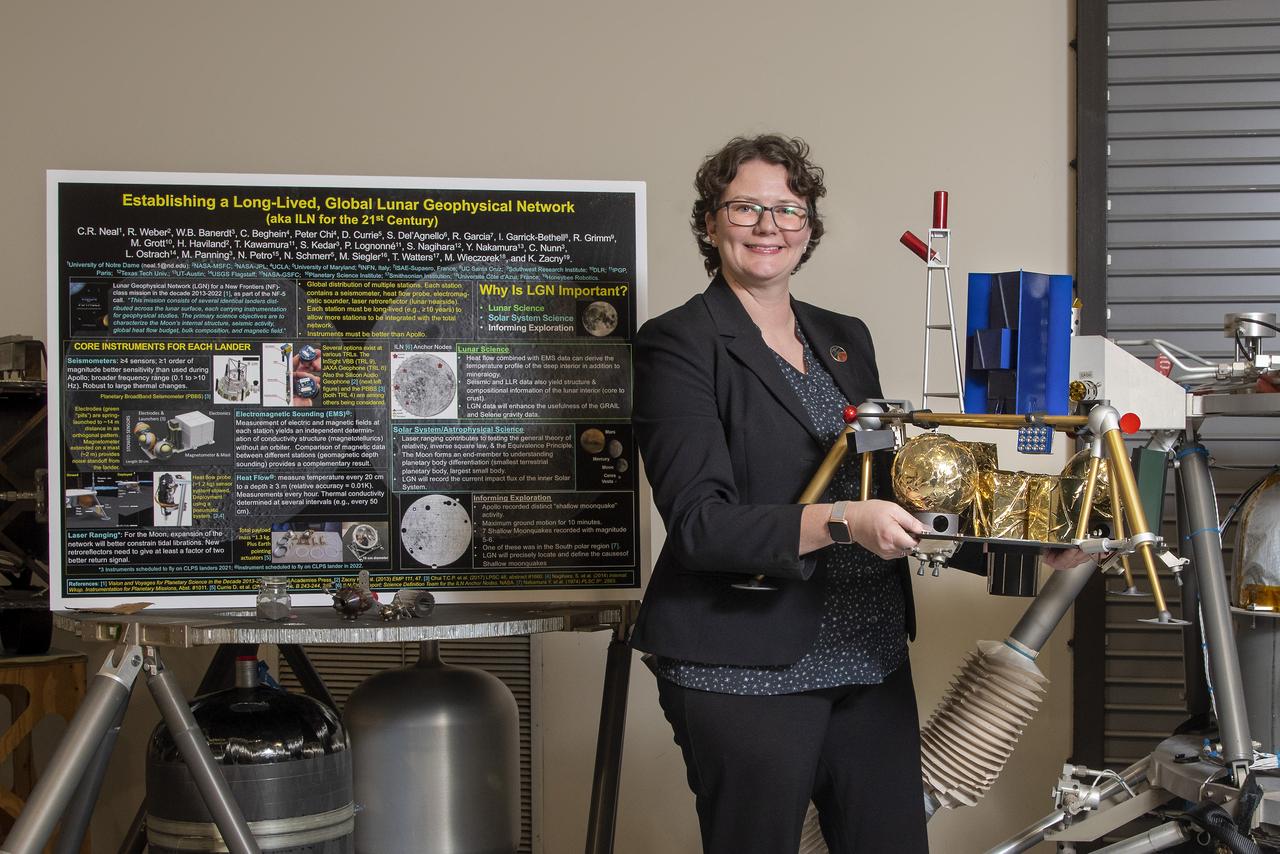
Environmental portrait of Renee Weber, commemorating her recent transition to the MSFC Chief Scientist position. Pictured with lunar lander models in the lander lab building 4747.
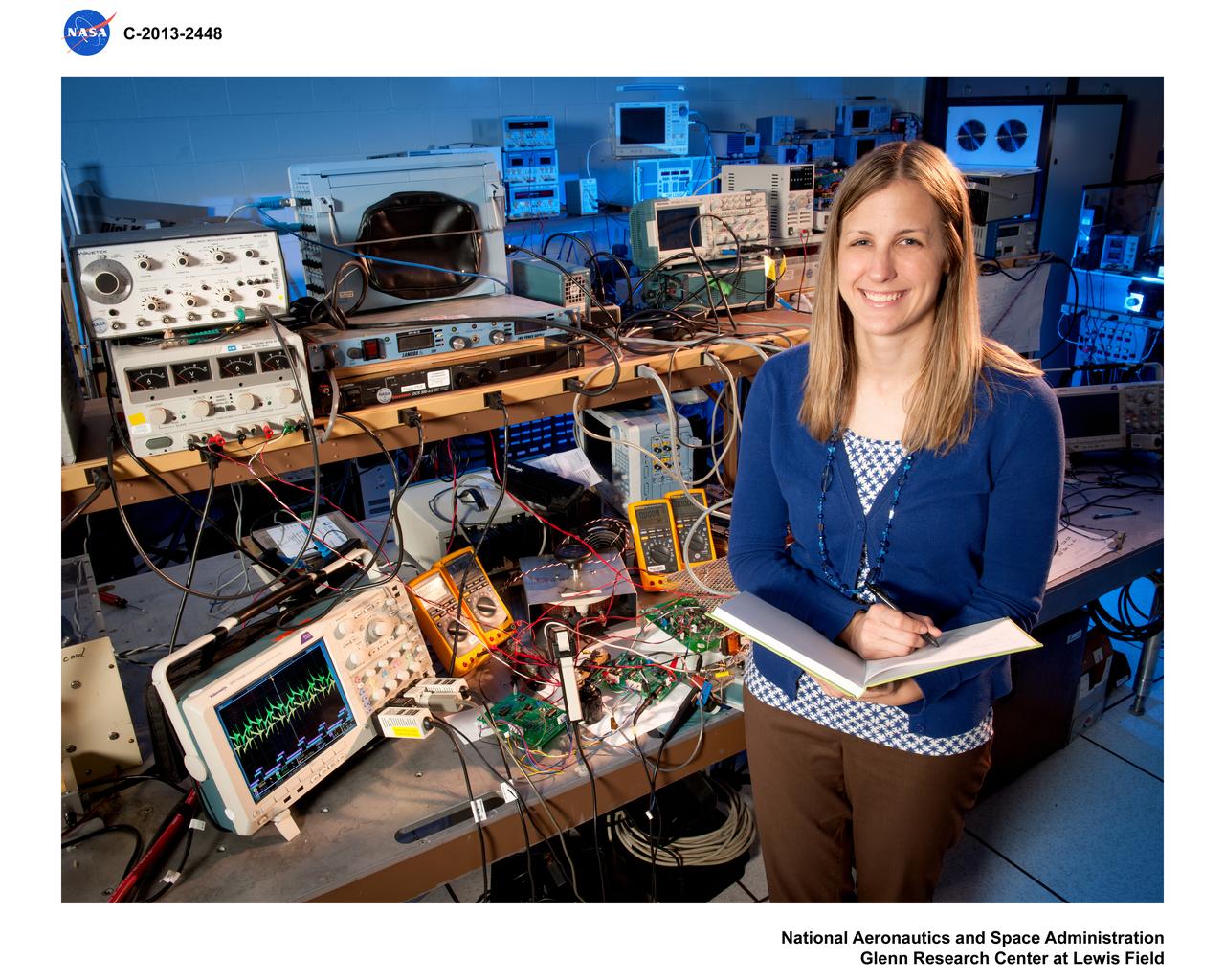
Environmental Portrait, Electrical Power Systems Employee, hardware for the High Power 300-Volt Power Processing Unit (PPU). The Printed Circuit Boards (PCBs) are the Discharge Module Inverter and the Pulse Width Modulation (PWM) Controller
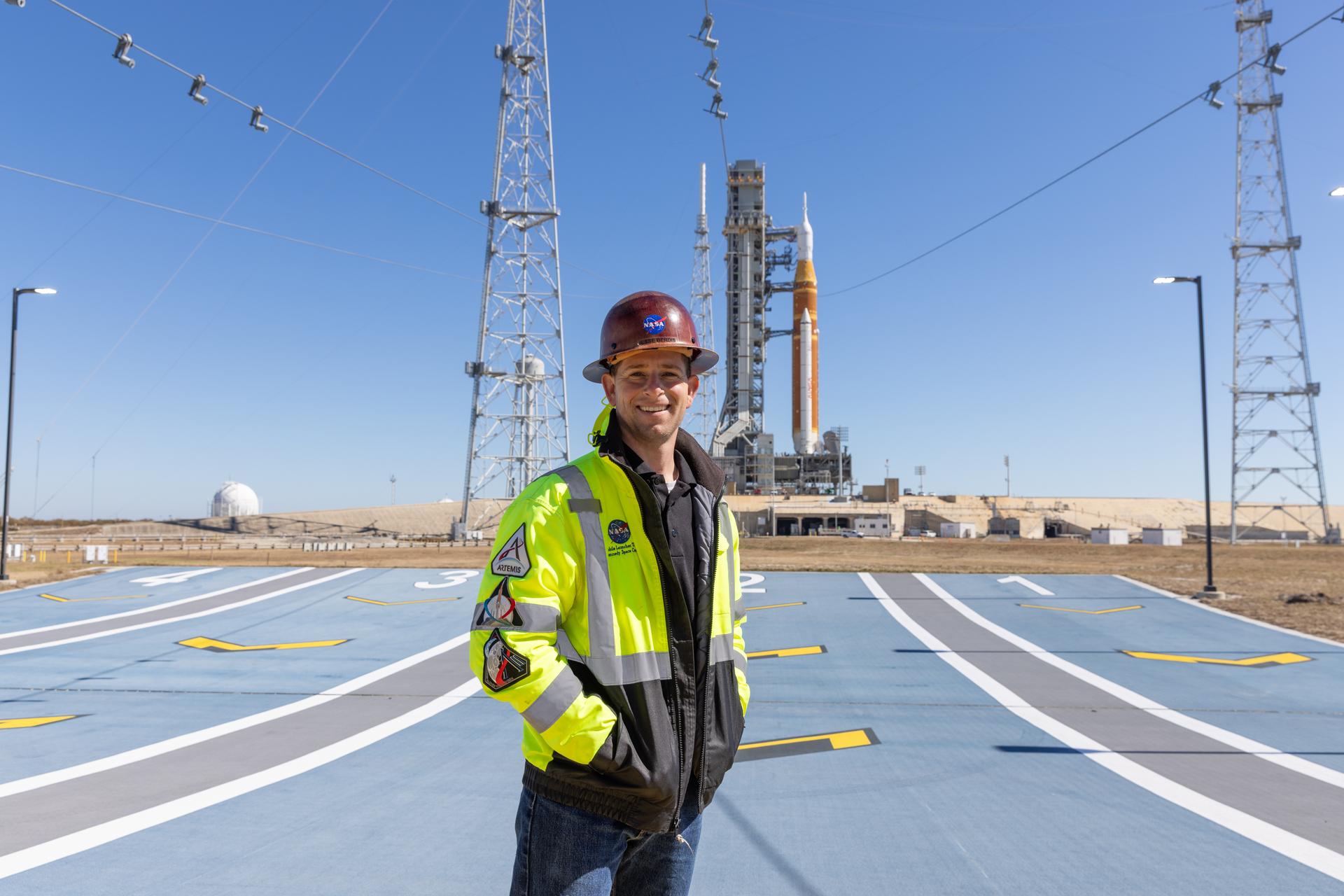
Jesse Berdis, Artemis II mobile launcher 1 deputy project manager, poses for a photo near the emergency egress system at Launch Complex 39B at NASA’s Kennedy Space Center in Florida on Friday, Feb. 6, 2026. The emergency egress system is an abort system for personnel to climb into four baskets of the mobile launcher to the base of the pad in the unlikely event of an emergency at the launch pad. Mobile launcher 1 supports the integration, testing, and checkouts of the SLS (Space Launch System) rocket and Orion spacecraft for the Artemis II mission.
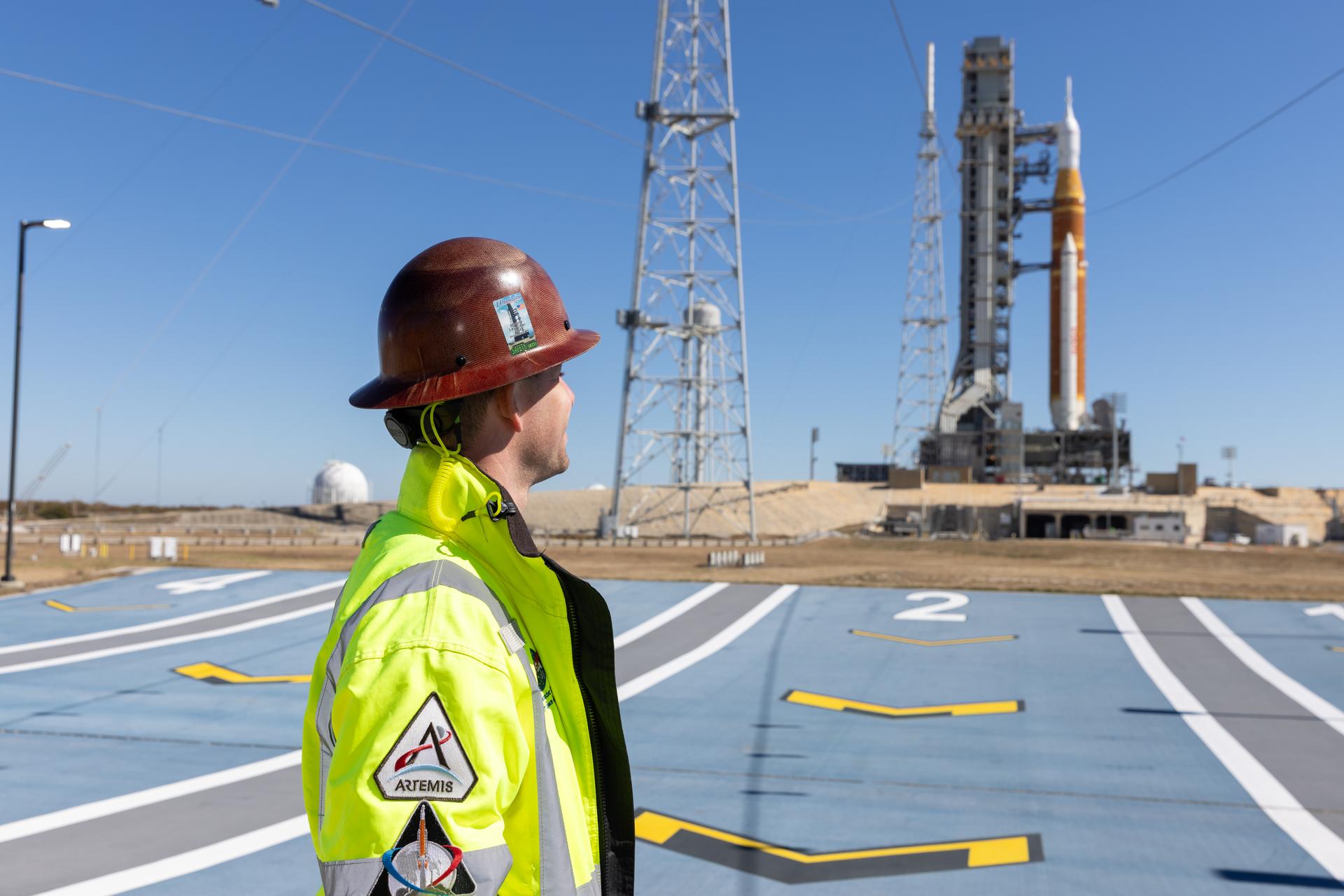
Jesse Berdis, Artemis II mobile launcher 1 deputy project manager, poses for a photo near the emergency egress system at Launch Complex 39B at NASA’s Kennedy Space Center in Florida on Friday, Feb. 6, 2026. The emergency egress system is an abort system for personnel to climb into four baskets of the mobile launcher to the base of the pad in the unlikely event of an emergency at the launch pad. Mobile launcher 1 supports the integration, testing, and checkouts of the SLS (Space Launch System) rocket and Orion spacecraft for the Artemis II mission.
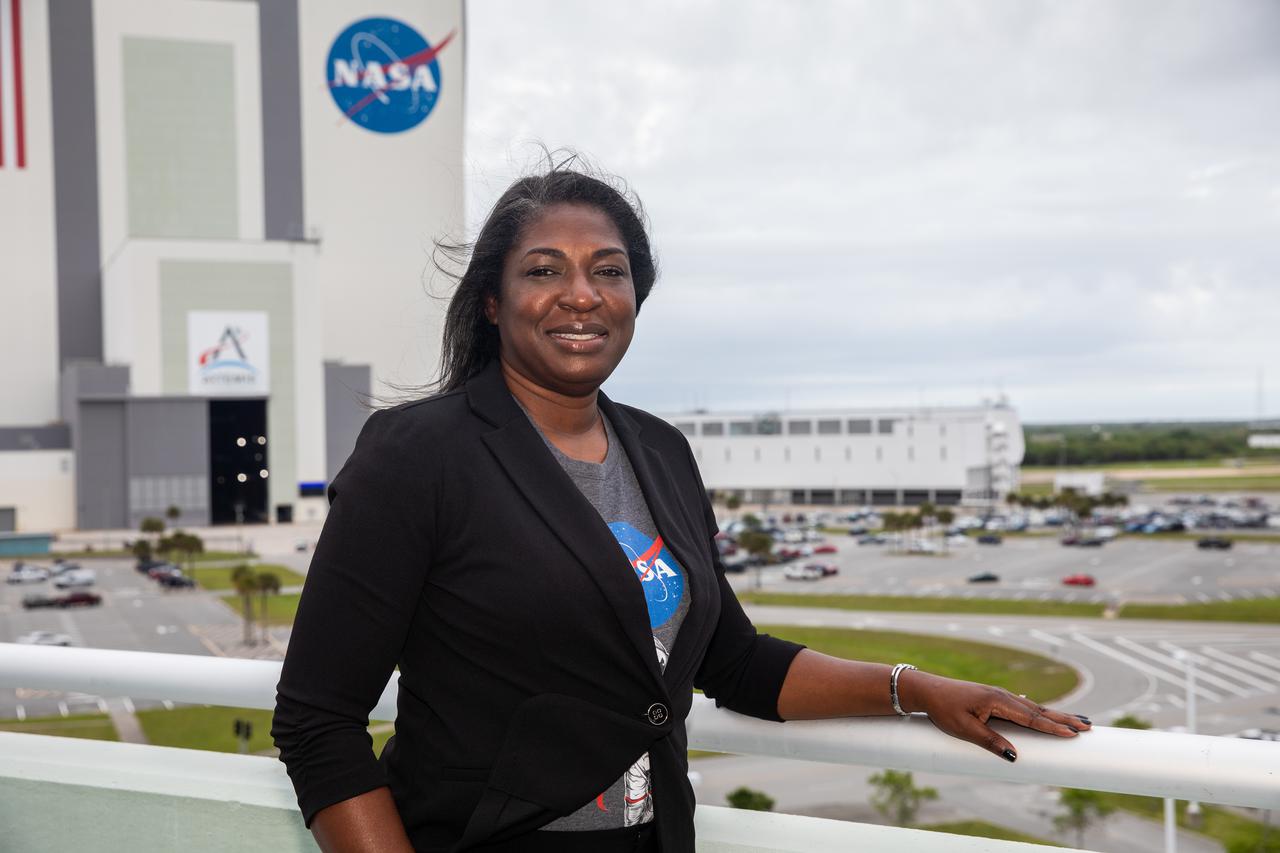
Lashanda Battle is a sustainability lead at NASA’s Kennedy Space Center. In this role, she supports NASA’s and Kennedy’s mission by promoting a better way of living at the Florida spaceport, as well as in the surrounding communities. Through different outreach opportunities, she raises awareness about sustainability initiatives and environmental stewardship.
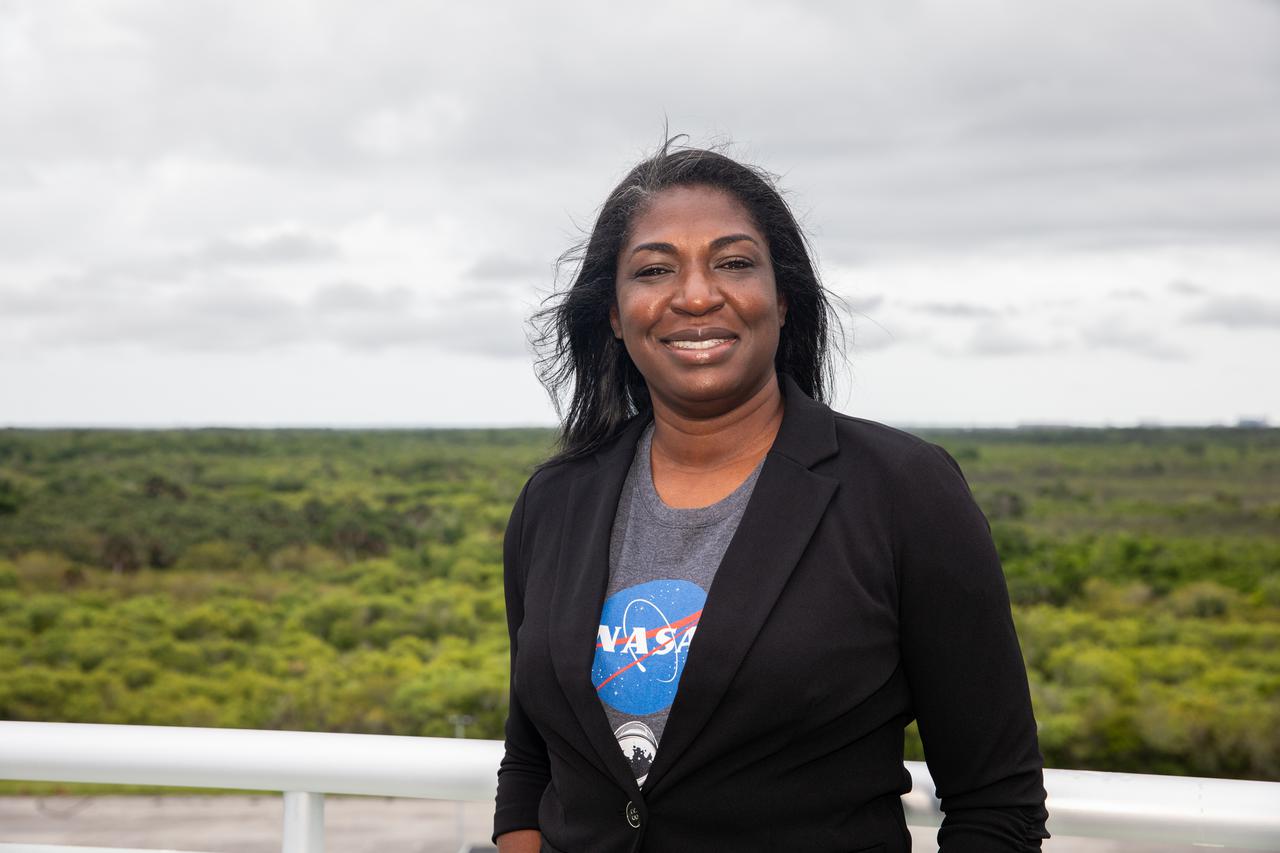
Lashanda Battle is a sustainability lead at NASA’s Kennedy Space Center. In this role, she supports NASA’s and Kennedy’s mission by promoting a better way of living at the Florida spaceport, as well as in the surrounding communities. Through different outreach opportunities, she raises awareness about sustainability initiatives and environmental stewardship.
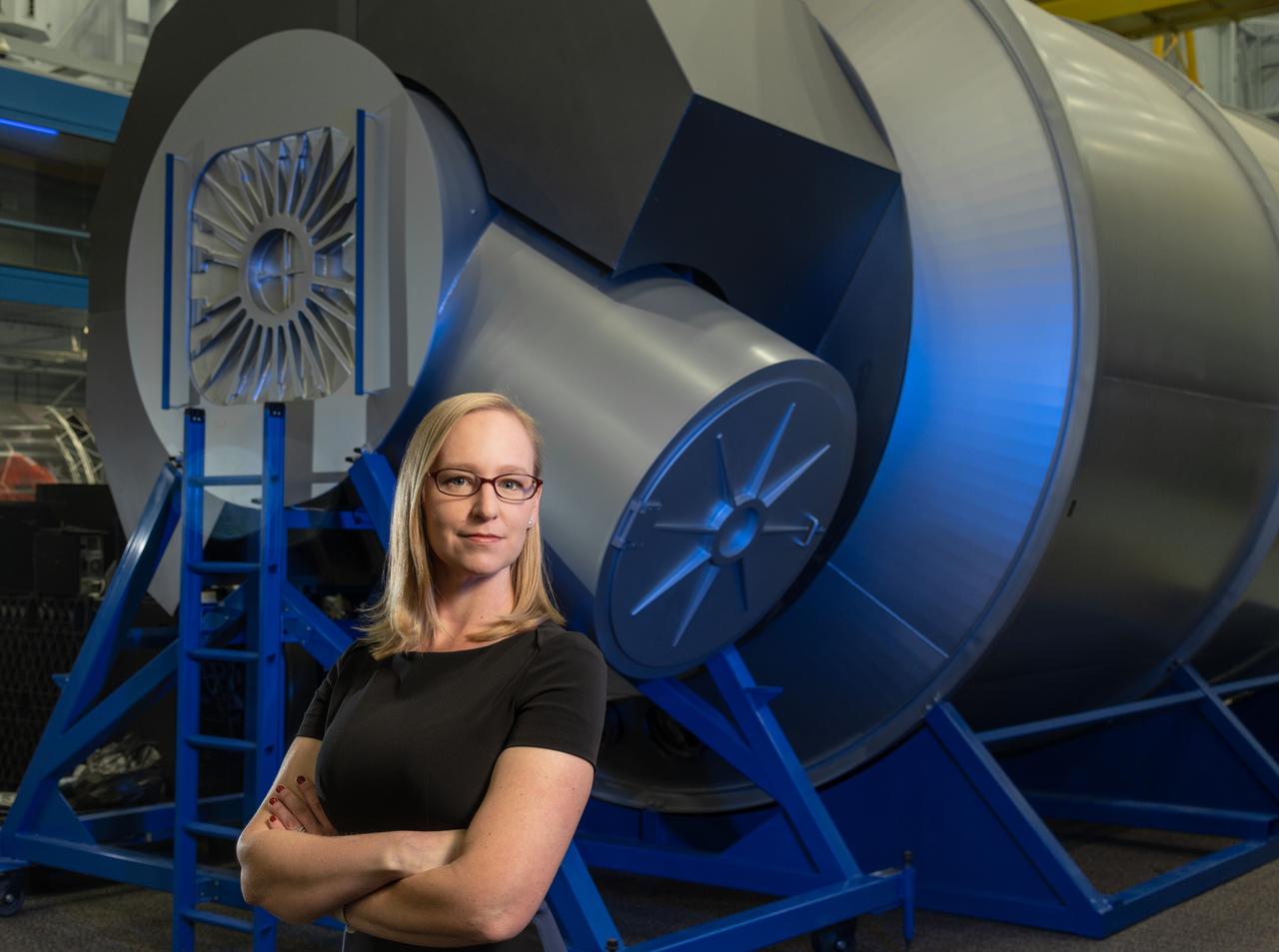
Environmental Portrait of Emma Lehnhardt, Manager of Gateway's Program Planning and Control Office (PP&C) office for Faces of NASA Project. Photo Date: March 23, 2022. Location: Building 9, SVMF - Gateway Mockup. Photographer: Robert Markowitz
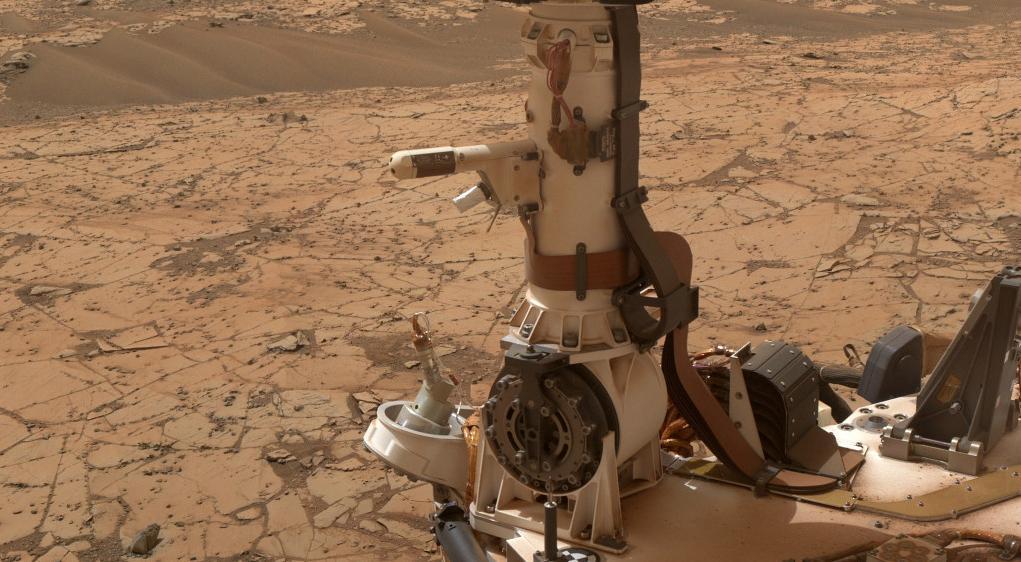
The Rover Environmental Monitoring Station (REMS) on NASA's Curiosity Mars rover includes temperature and humidity sensors mounted on the rover's mast. One of the REMS booms extends to the left from the mast in this view. Spain provided REMS to NASA's Mars Science Laboratory Project. The monitoring station has provided information about air pressure, relative humidity, air temperature, ground temperature, wind and ultraviolet radiation in all Martian seasons and at all times of day or night. This view is a detail from a January 2015 Curiosity self-portrait. The self-portrait, at PIA19142, was assembled from images taken by Curiosity's Mars Hand Lens Imager. http://photojournal.jpl.nasa.gov/catalog/PIA19164
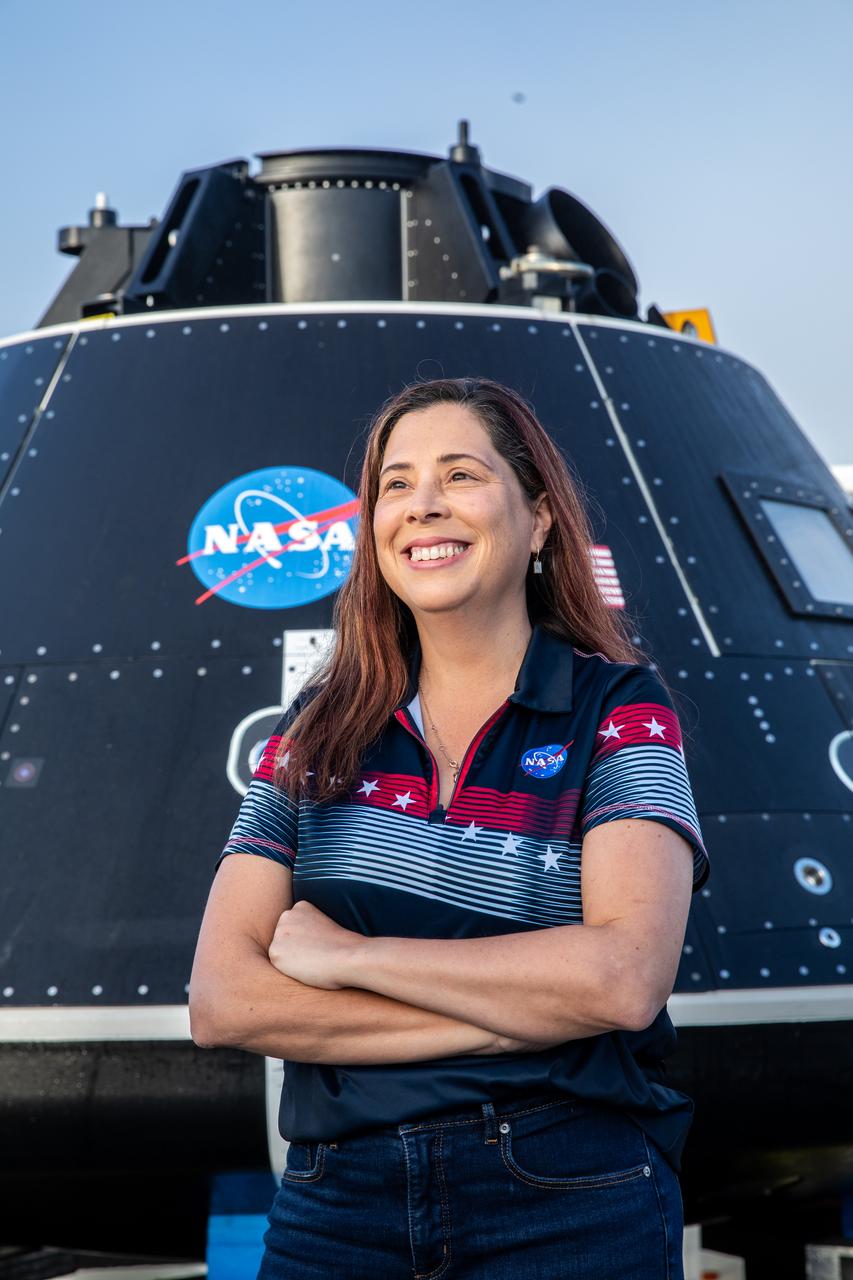
Liliana Villarreal, Artemis landing and recovery director with Exploration Ground Systems (EGS), stands in front of the Crew Module Test Article (CMTA) at the turn basin in the Launch Complex 39 area at NASA’s Kennedy Space Center in Florida on Feb. 1, 2023. The CMTA is being used to practice recovery after splashdown of the Orion spacecraft to prepare for the Artemis II crewed mission. EGS leads recovery efforts.
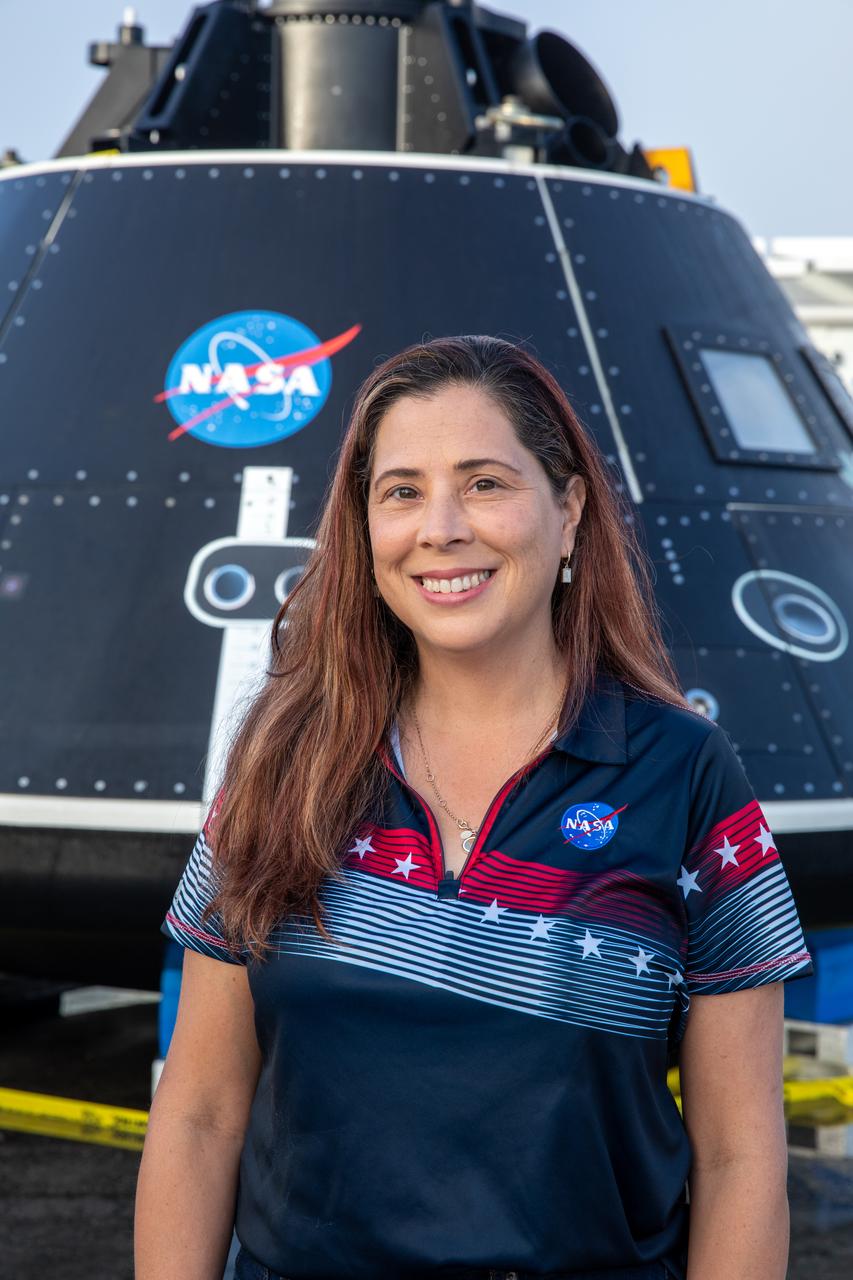
Liliana Villarreal, Artemis landing and recovery director with Exploration Ground Systems (EGS), stands in front of the Crew Module Test Article (CMTA) at the turn basin in the Launch Complex 39 area at NASA’s Kennedy Space Center in Florida on Feb. 1, 2023. The CMTA is being used to practice recovery after splashdown of the Orion spacecraft to prepare for the Artemis II crewed mission. EGS leads recovery efforts.
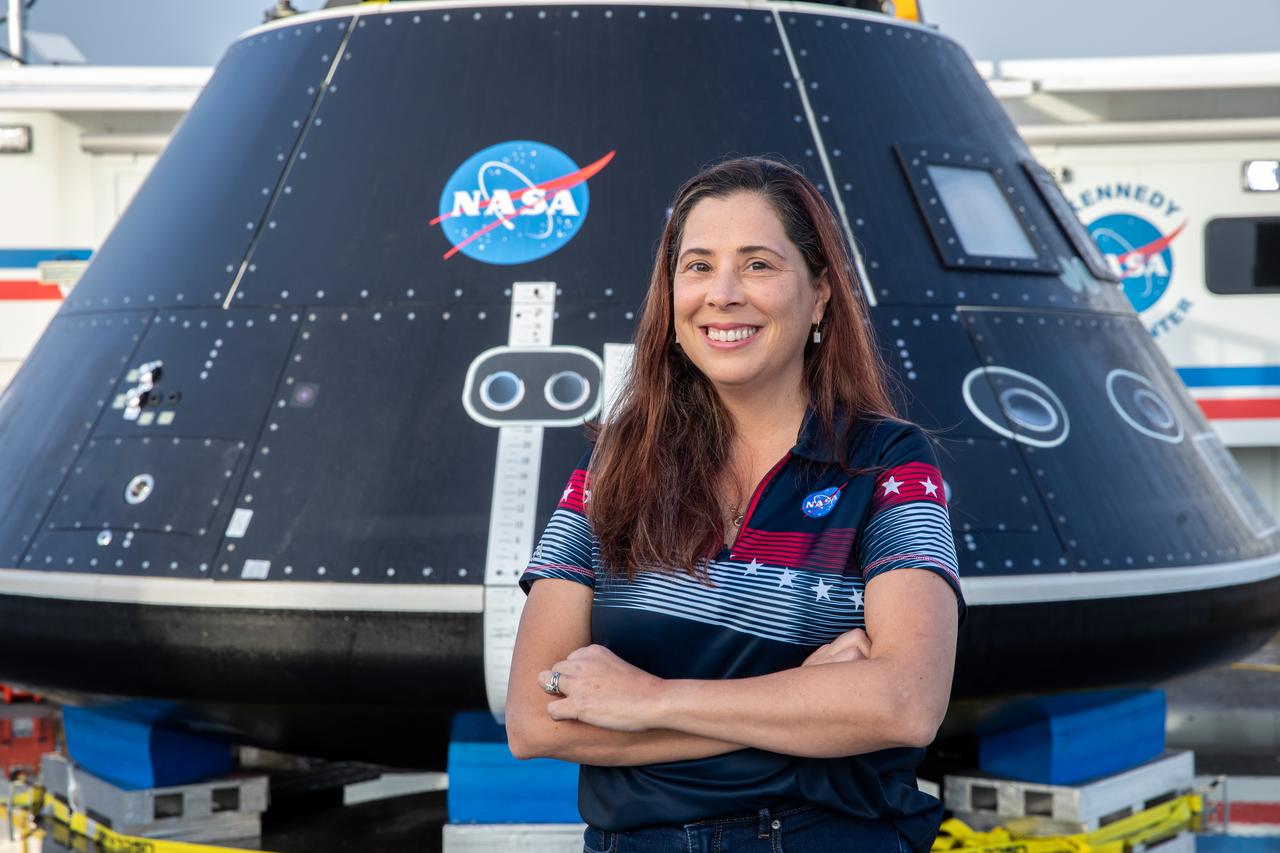
Liliana Villarreal, Artemis landing and recovery director with Exploration Ground Systems (EGS), stands in front of the Crew Module Test Article (CMTA) at the turn basin in the Launch Complex 39 area at NASA’s Kennedy Space Center in Florida on Feb. 1, 2023. The CMTA is being used to practice recovery after splashdown of the Orion spacecraft to prepare for the Artemis II crewed mission. EGS leads recovery efforts.
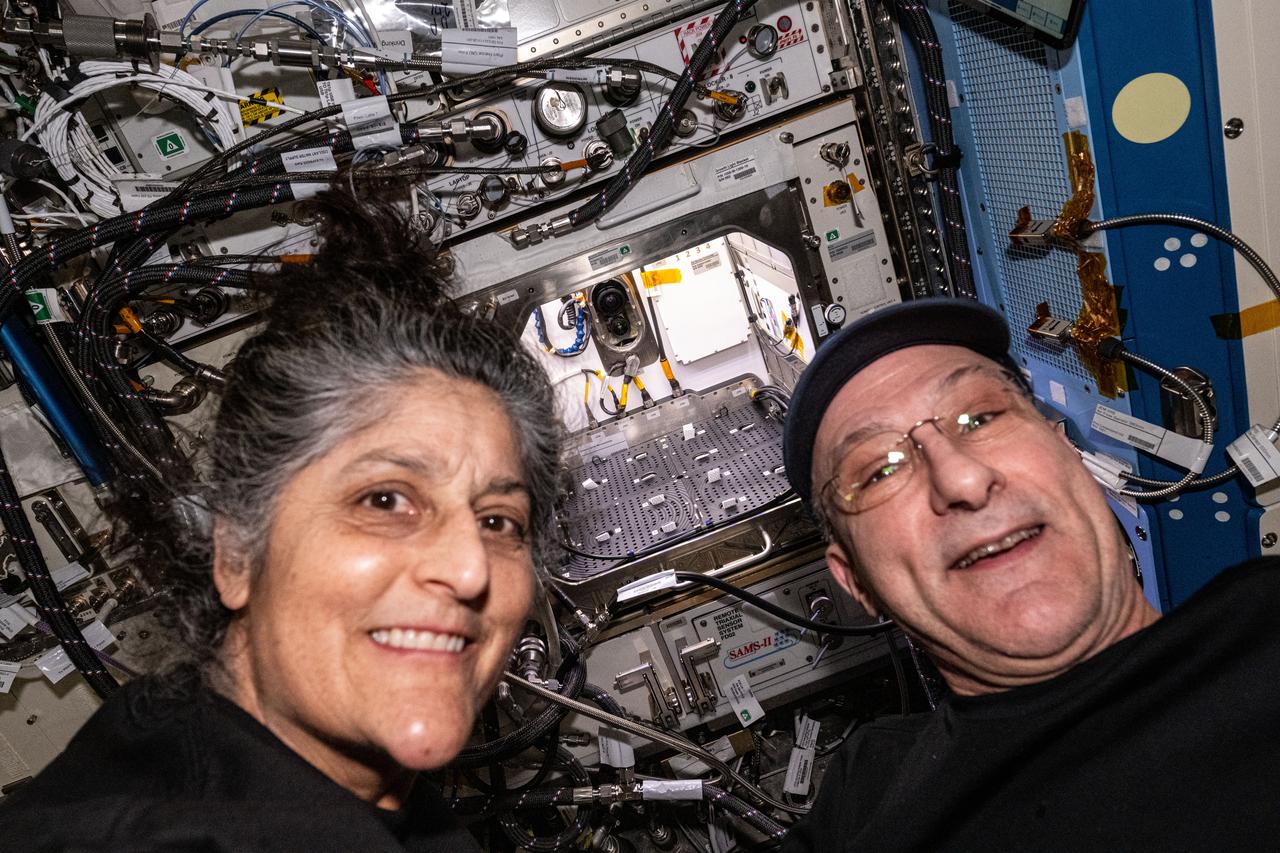
iss072e281303 (Nov. 29, 2024) --- Expedition 72 Commander Suni Williams and Flight Engineer Don Pettit, both NASA astronauts, pose for a portrait in front of the Advanced Plant Habitat located inside the International Space Station's Kibo laboratory module. The Plant Habitat provides a large, enclosed, environmentally controlled chamber designed to support commercial and fundamental plant research in microgravity.
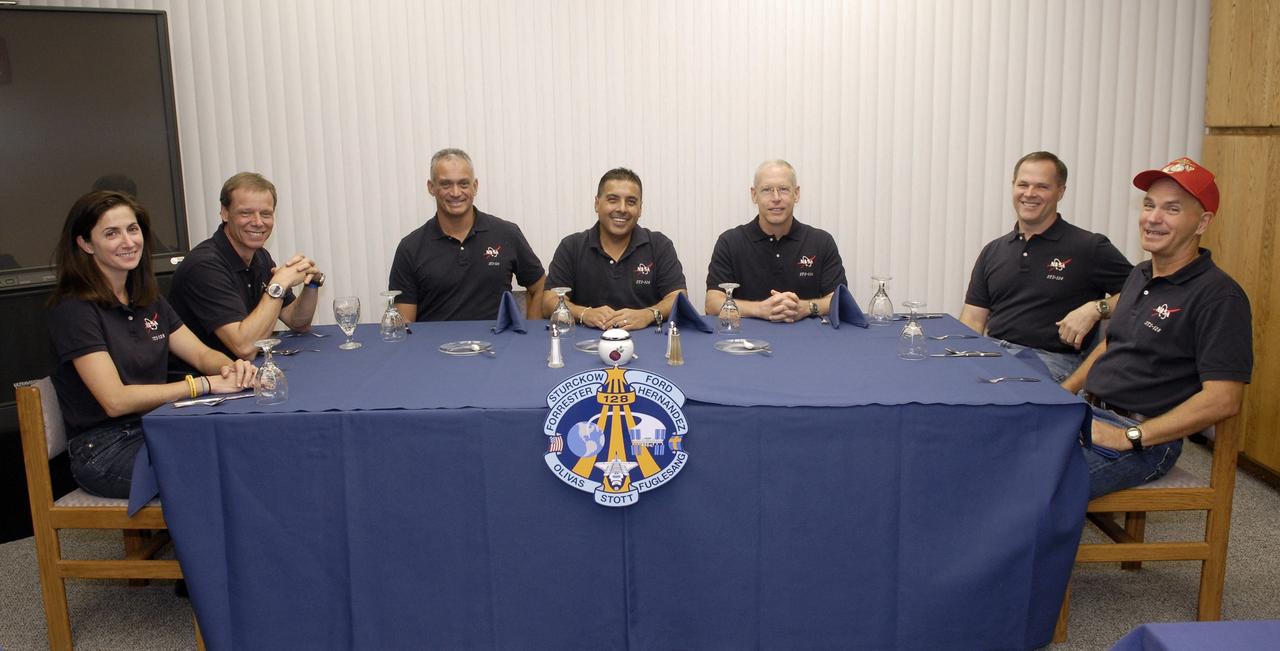
CAPE CANAVERAL, Fla. – At NASA's Kennedy Space Center in Florida, STS-128 crew members pose for the traditional portrait on launch day. From left are Mission Specialists Nicole Stott, Christer Fuglesang, John "Danny" Olivas, Jose Hernandez, and Patrick Forrester; Pilot Kevin Ford; and Commander Rick Sturckow. Next, the crew will suit up and then head to the Astrovan for the 3.4-mile drive to Launch Pad 39A. Liftoff aboard space shuttle Discovery is scheduled for 1:36 a.m. EDT Aug. 25. The 13-day mission will deliver more than 7 tons of supplies, science racks and equipment, as well as additional environmental hardware to sustain six crew members on the International Space Station. The equipment includes a freezer to store research samples, a new sleeping compartment and the COLBERT treadmill. The mission is the 128th in the Space Shuttle Program, the 37th flight of Discovery and the 30th station assembly flight. Photo credit: NASA/Kim Shiflett
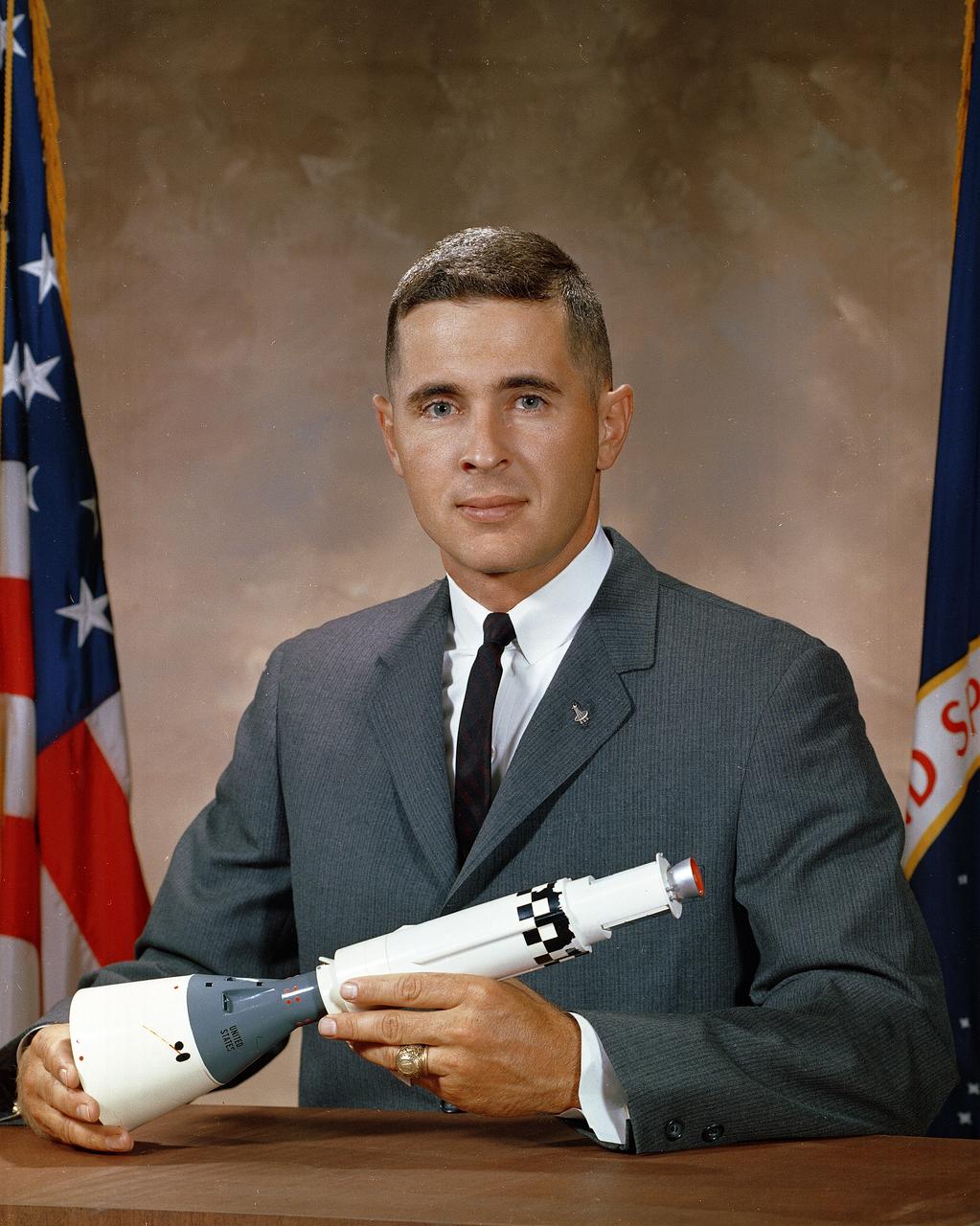
This is the official NASA portrait of astronaut William Anders. Anders was commissioned in the air Force after graduation from the Naval Academy and served as a fighter pilot in all-weather interception squadrons of the Air Defense Command. Later he was responsible for technical management of nuclear power reactor shielding and radiation effects programs while at the Air Force Weapons Laboratory in New Mexico. In 1964, Anders was selected by the National Aeronautics and Space Administration (NASA) as an astronaut with responsibilities for dosimetry, radiation effects and environmental controls. He was backup pilot for the Gemini XI, Apollo 11 flights, and served as lunar module (LM) pilot for Apollo 8, the first lunar orbit mission in December 1968. He has logged more than 6,000 hours flying time.
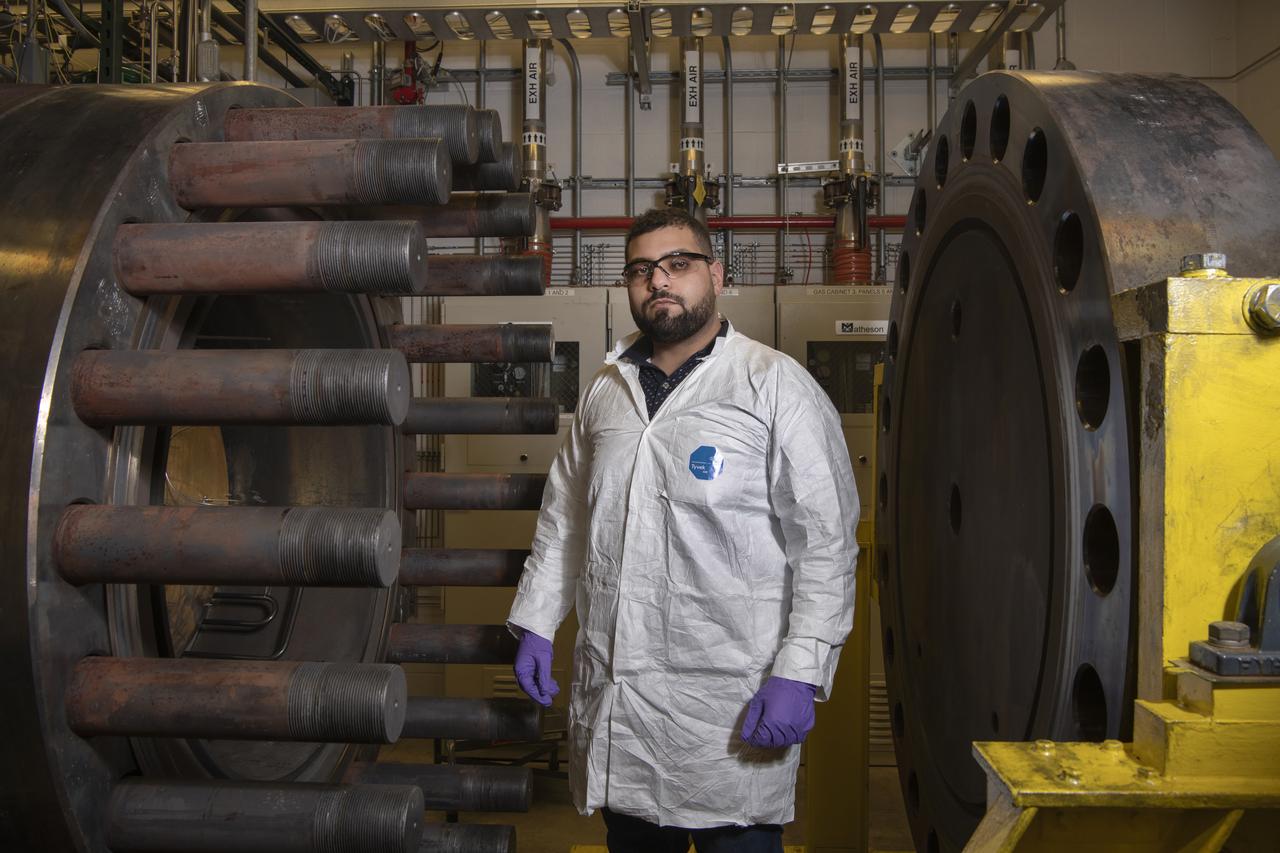
Daniel Gerges, Technician, poses for a portrait in the Glenn Extreme Environments Rig, GEER Lab
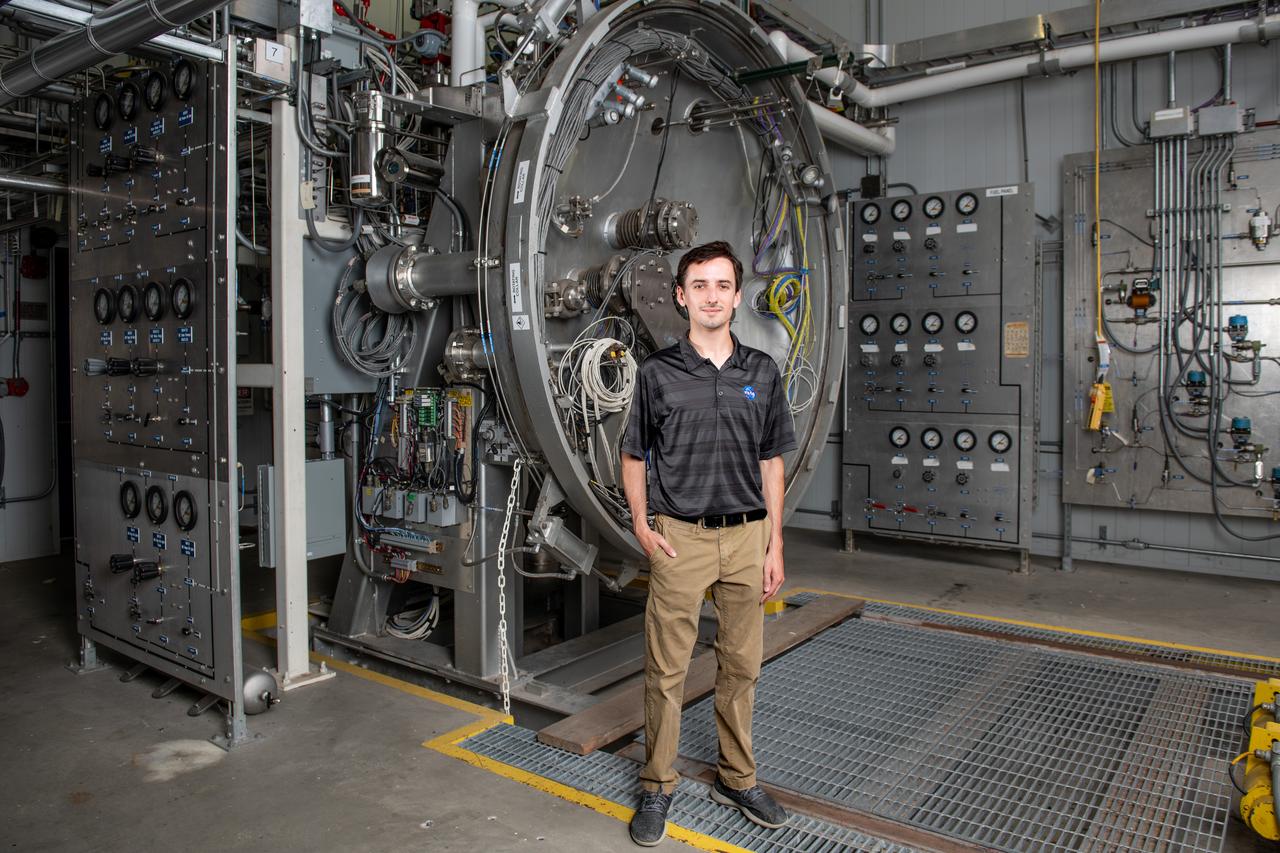
Each year, the NESC produces the NESC Technical Update, which highlights two or three individuals from each Center and includes assessments throughout the year. Because of the critical contributions to the NESC mission this year, Rob Jankovsky, NESC Chief Engineer at GRC, chose two individuals to be highlighted. This year, it is Andrew Ring and Michael Cooper. The Lead Analyst for GRC’s Chemical and Thermal Propulsion Systems branch, Mr. Michael Cooper pictured here in this environmental portrait on August 16, 2024. He is supporting NESC test operations on reaction control system thrusters for Gateway’s Power & Propulsion Element. “These thrusters are small with few moving parts, but the heat and mass transfers involved are very complex,” he said. The test campaign is putting the thrusters through a rigorous profile to simulate the lifetime they will experience over decades in space. Mr. Cooper is analyzing test data gathered on chamber pressure, temperature, flow rates, and more to develop models on thruster performance. He also built the tool that read in that data from the test stand instrumentation. Photo Credit: (NASA/Sara Lowthian-Hanna)
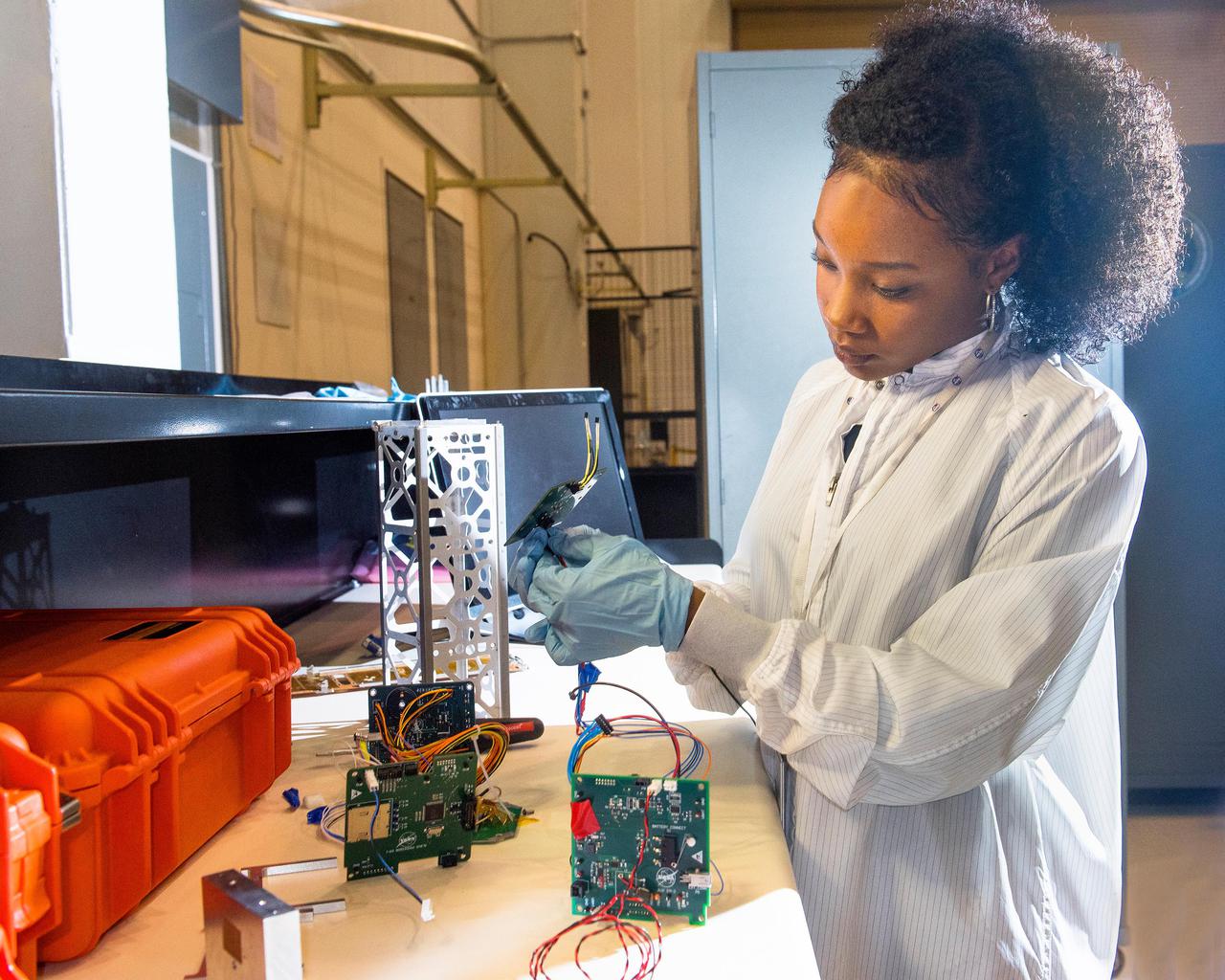
Advanced eLectrical Bus (ALBus) CubeSat: From Build to Flight A new CubeSat, launched Sunday, December 16, will test high power electric systems and the use of unique shape memory alloy (SMA) components for the first time. CubeSats are very small, lightweight satellites, about the size of a loaf of bread, and typically operate within a power range of 5-20 watts. Lower power systems are typically used in CubeSats because of size and weight limits, while higher power systems and components cause excessive heat. Completely designed and led by a team of 12 early career scientists and engineers at NASA’s Glenn Research Center in Cleveland, the Advanced Electrical Bus, or ALBus, will be the first CubeSat to demonstrate power management and distribution of a 100-watt electrical system. The CubeSat will also employ a custom-built SMA release mechanism and hinges to deploy solar arrays and conduct electricity.
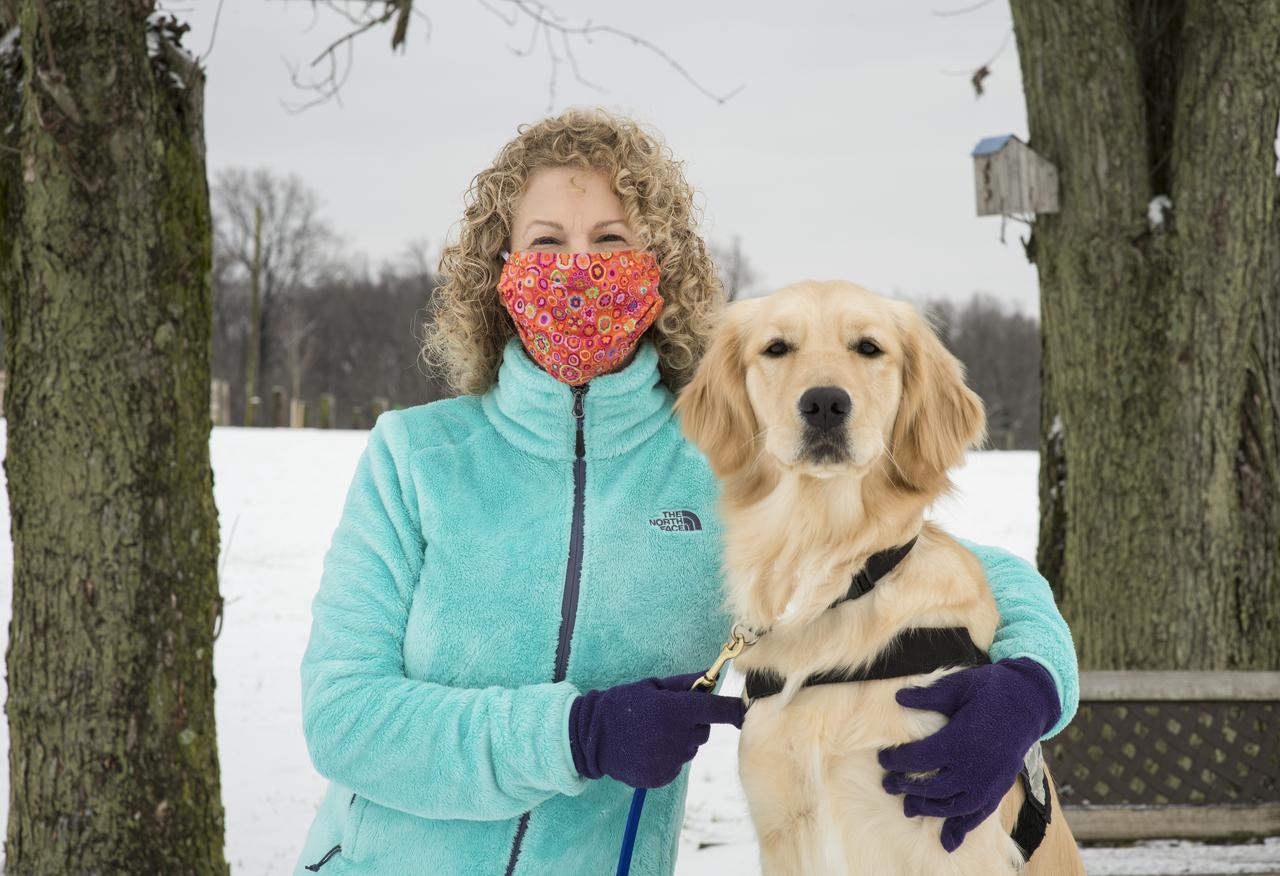
“It was part of my career, but then it was also personal. I was doing it on a volunteer basis, but it was part of my work because I was bringing my service dog in training everywhere with me, which meant to work every day and to meetings at NOAA (National Oceanic and Atmospheric Administration). And I was taking the dog across the country to meetings over at Ball Aerospace; that was all part of the training of a service dog. That was an incredible time. I really enjoyed it. “The fact that I was able to do the two combined, that to me was just such an accomplishment. To some people, it could be they got permission to do it and then that’s all they focused on was the dog, but no. I had my job I had to do. I’ve always gotten a distinguished rating in my performances my entire career, and it didn't change when I was training this service dog. “It was a challenge for sure. “After I had to turn back over the service dog I trained, it was really very difficult because the dog was with me for two years, even though I knew it was for a wonderful cause. I ended up going out and getting my own dog who I’ve trained to be a therapy dog, so now we do therapy visits with veterans, elderly, and others. ” Jean Wolfe, Program Executive for the Geostationary Operational Environmental Satellite (GOES)-R Series Program at NASA Headquarters, poses for a portrait with Bonnie, who was named for U.S. Air Force Reserve Major Bonnie Carroll, Ret., Friday, Dec. 18, 2020 at the Warrior Canine Connection in Boyds, MD. “Warrior Canine Connection enlists service members and veterans with combat stress in the critical mission of training service dogs for fellow Wounded Warriors.” Photo Credit: (NASA/Aubrey Gemignani)