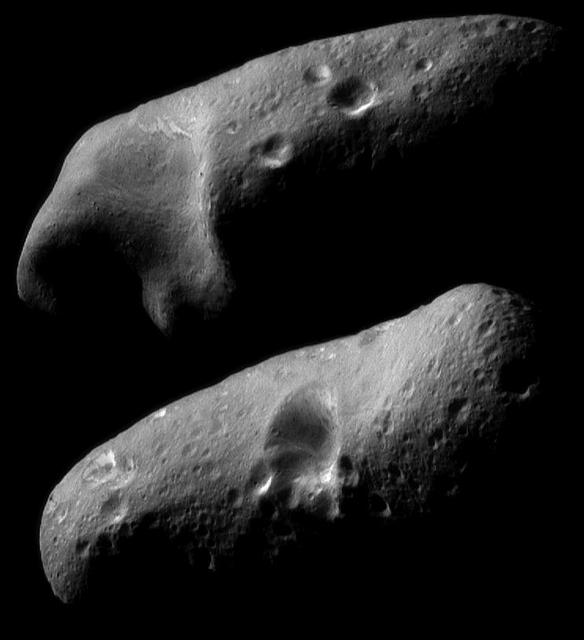
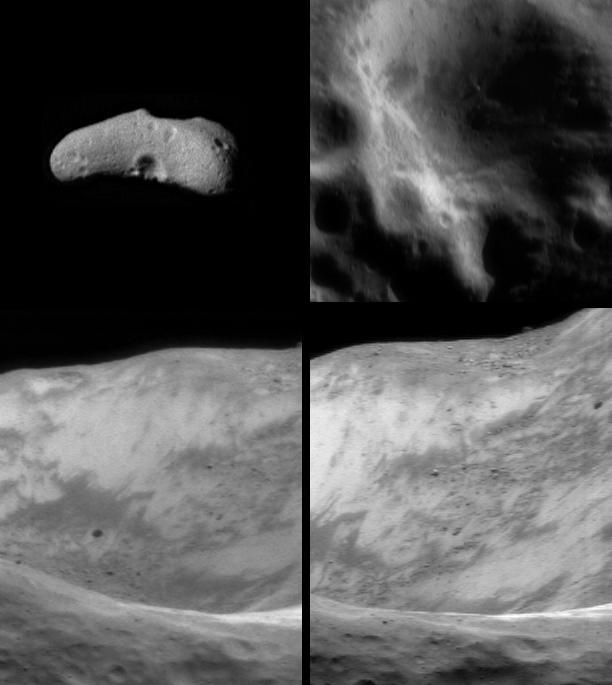
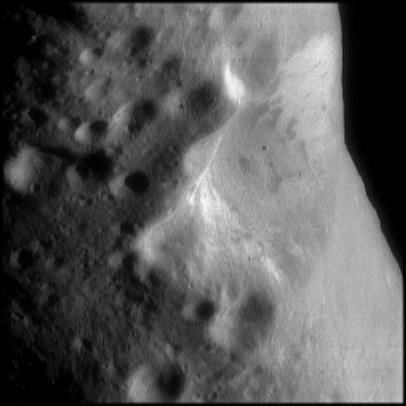
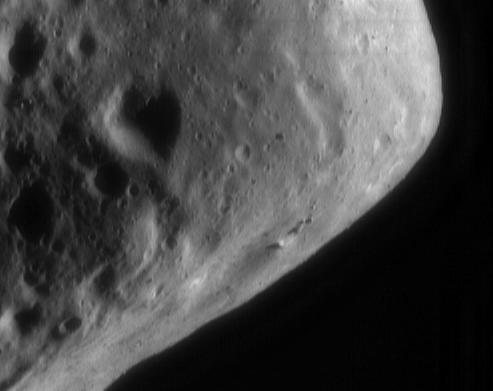
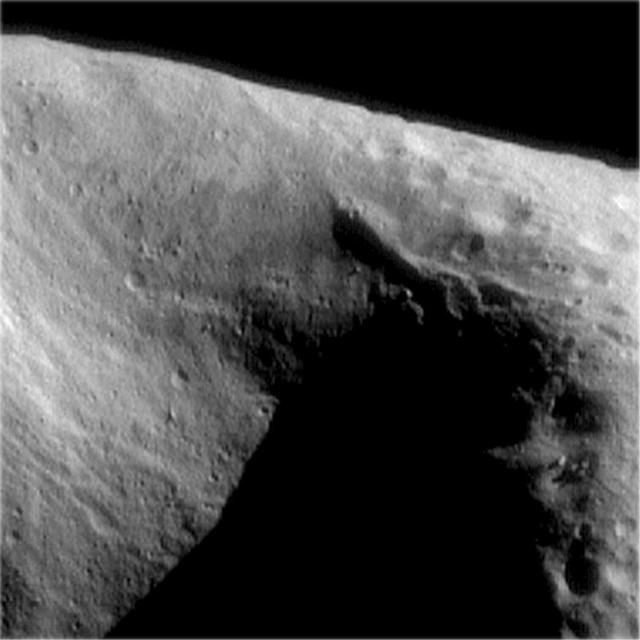
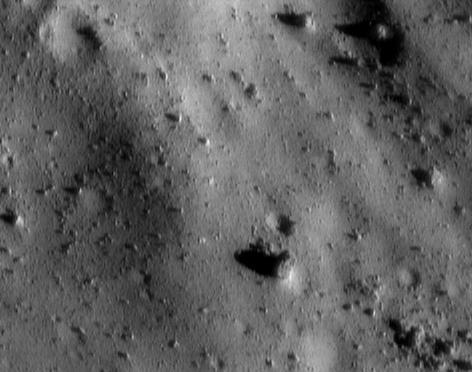
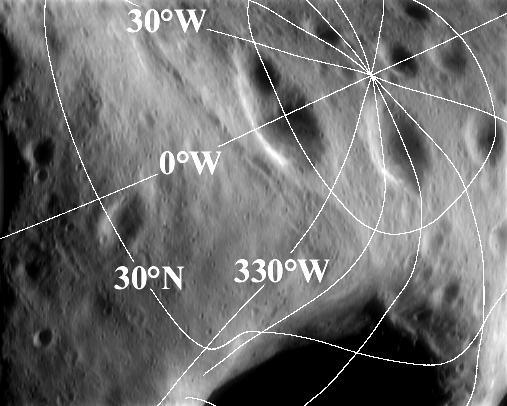
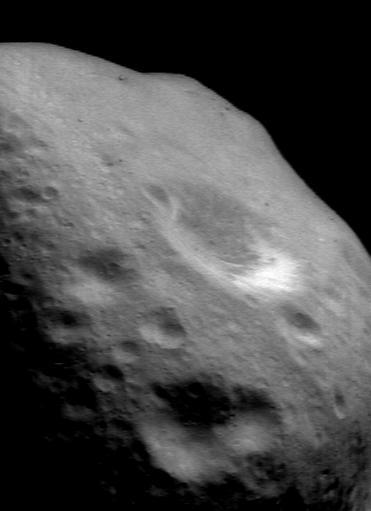
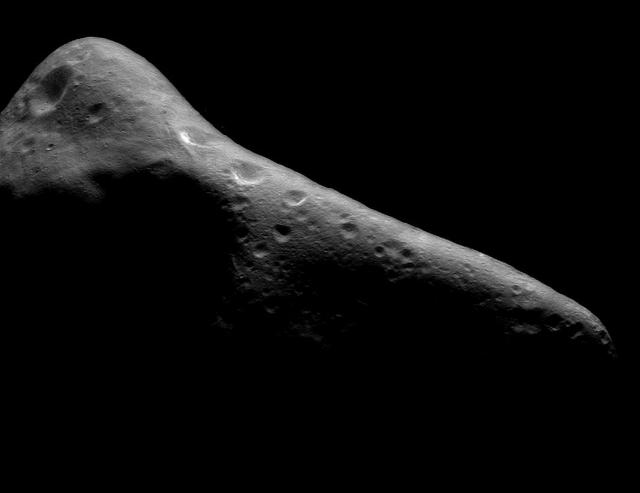
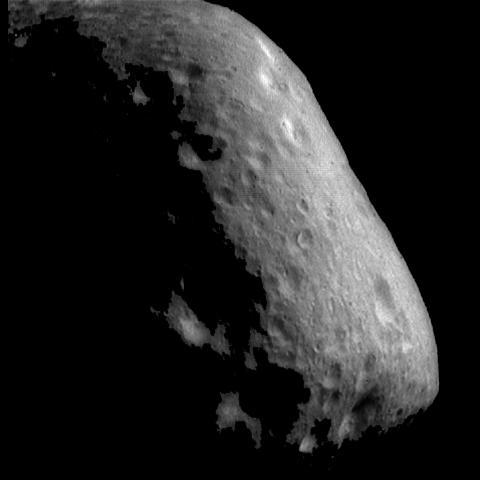
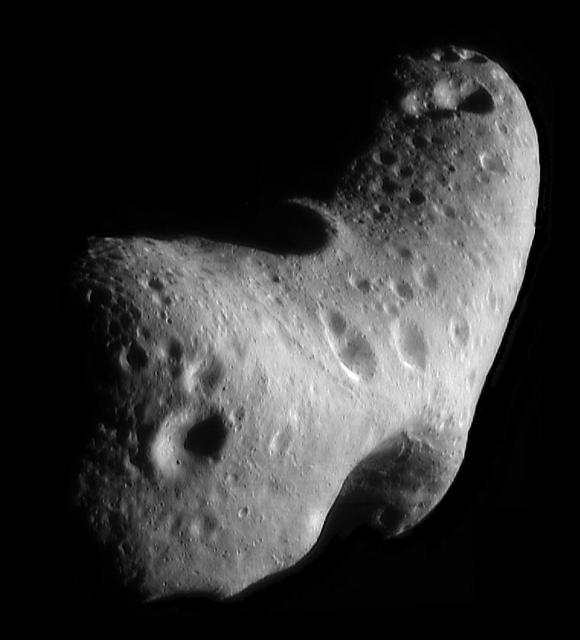
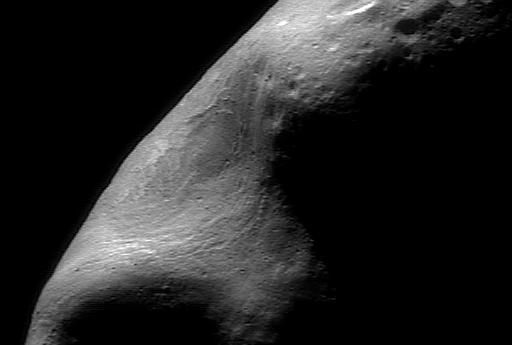
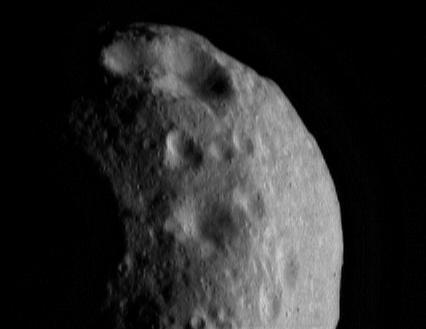
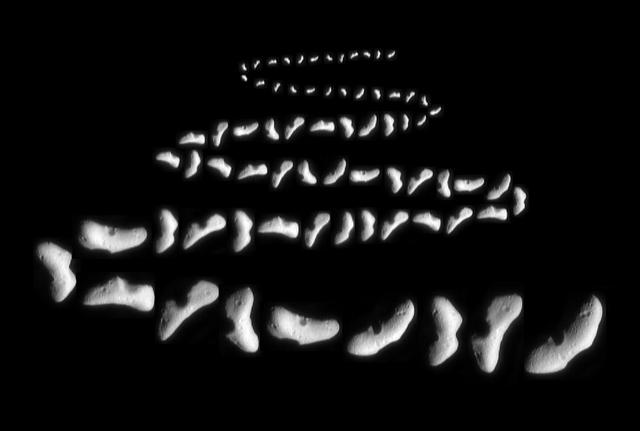
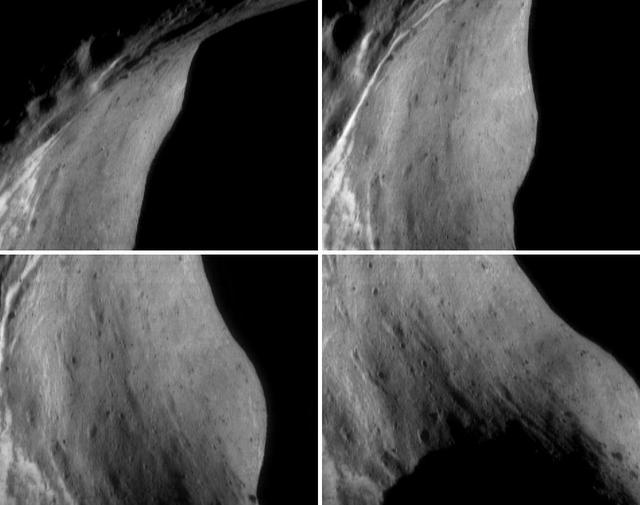
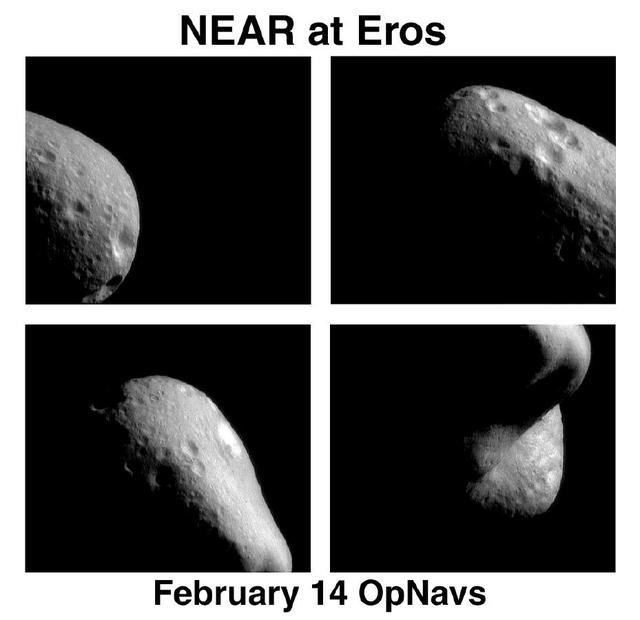
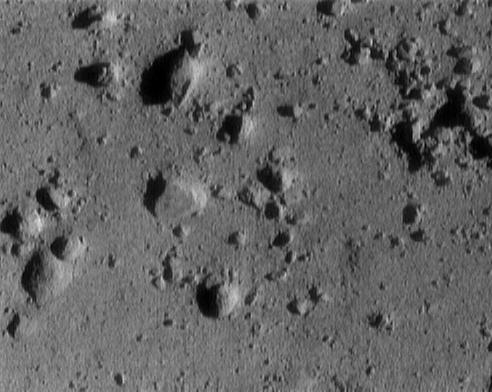
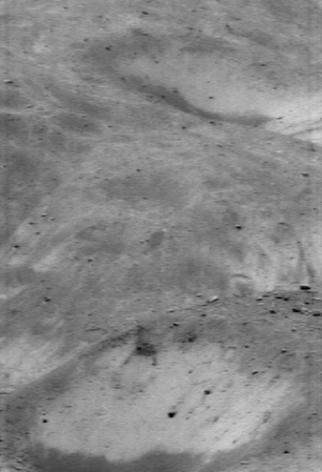
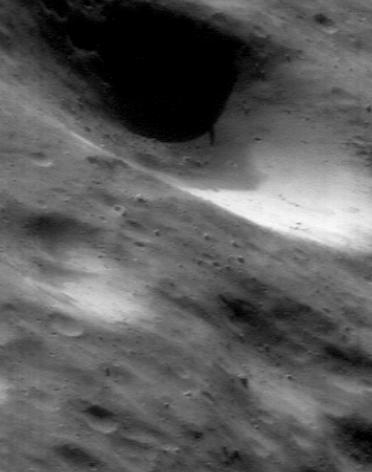
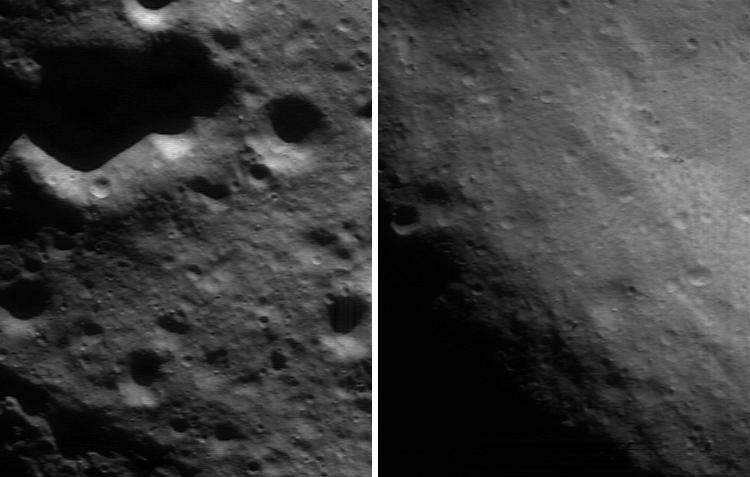
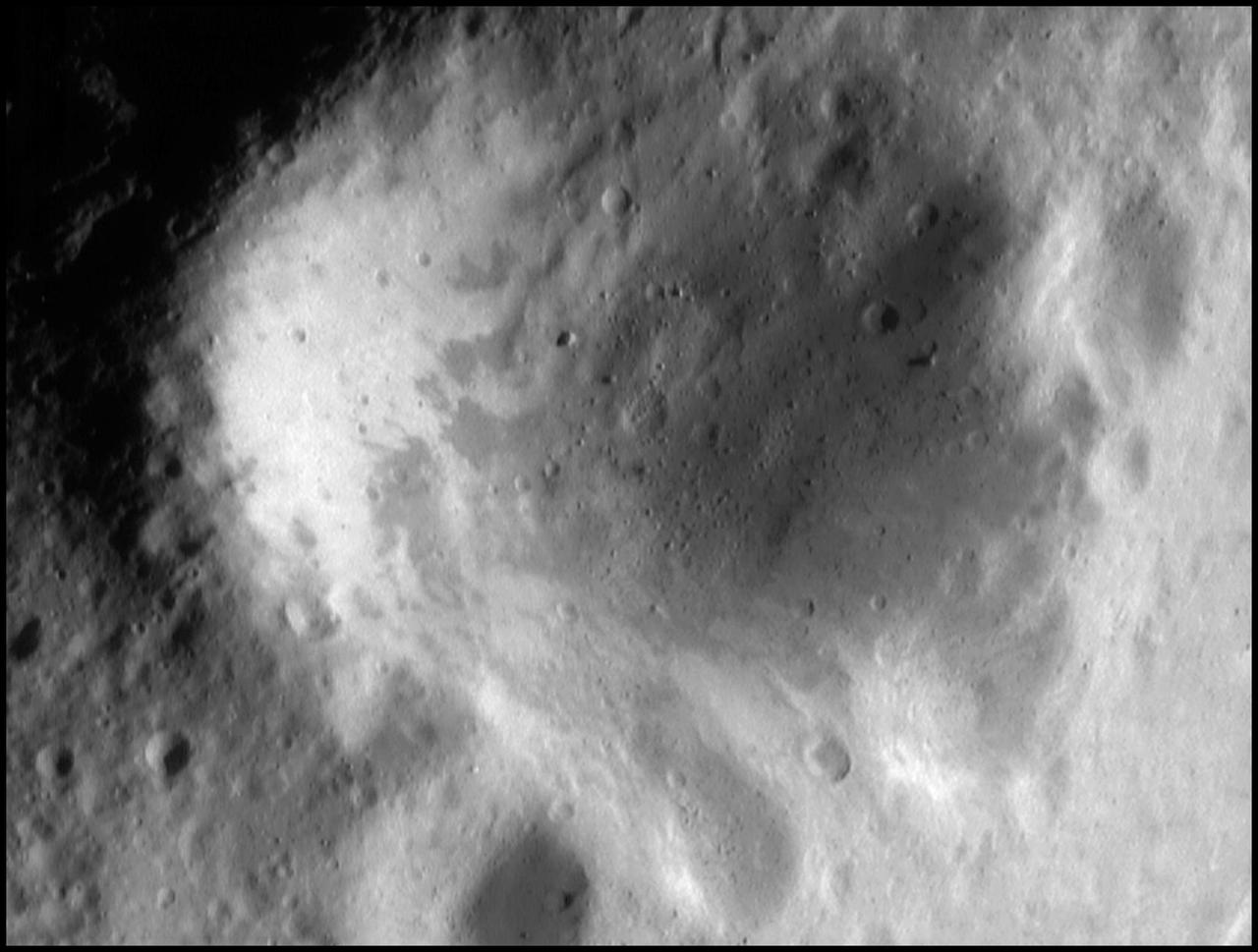
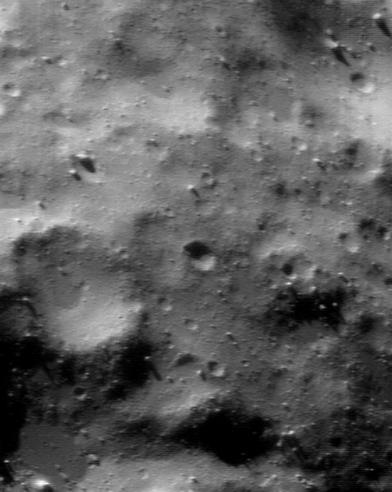
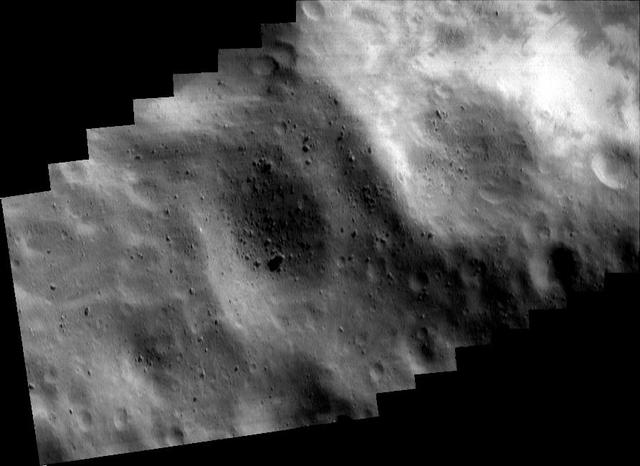
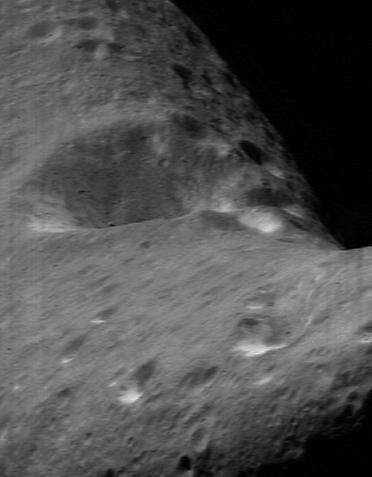
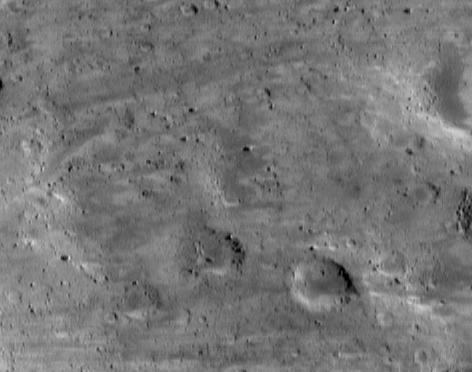
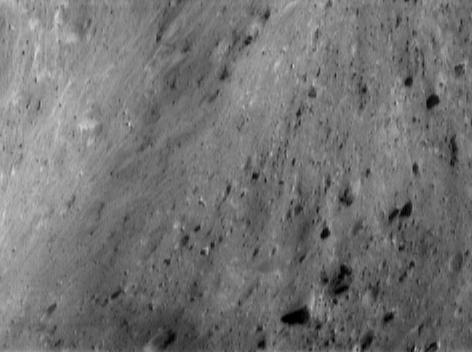
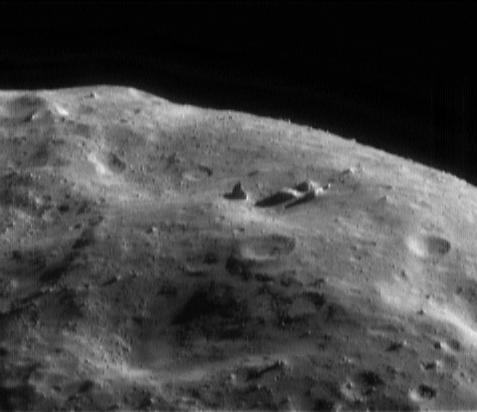
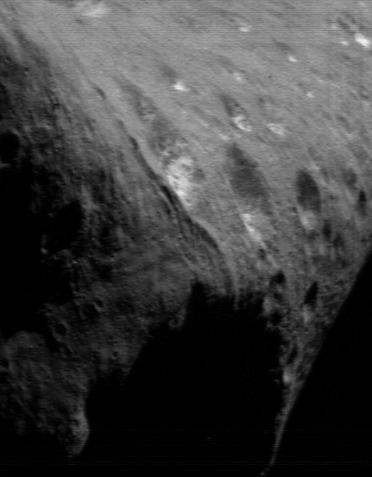
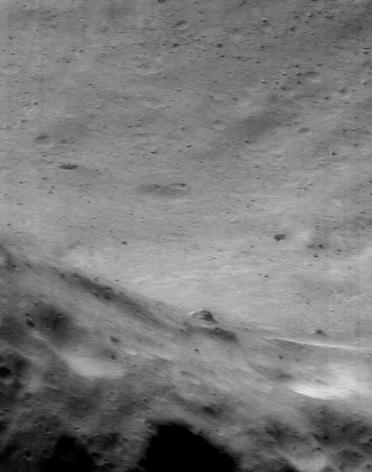
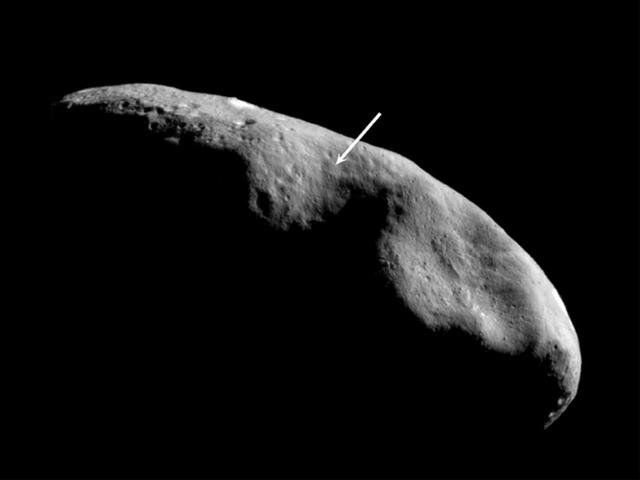
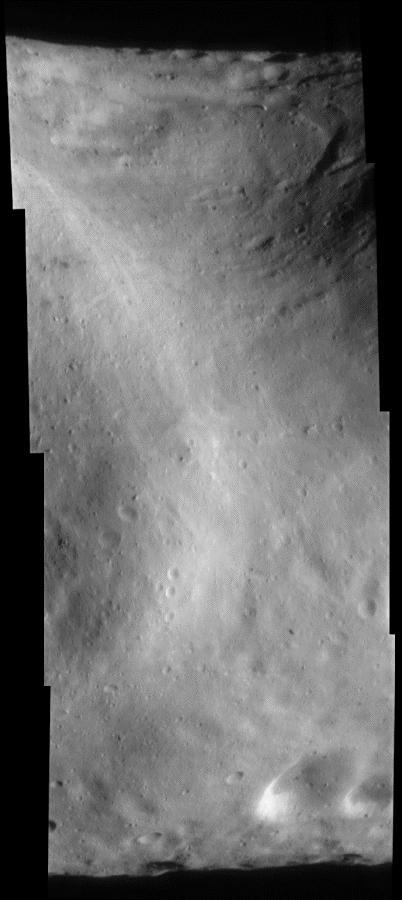
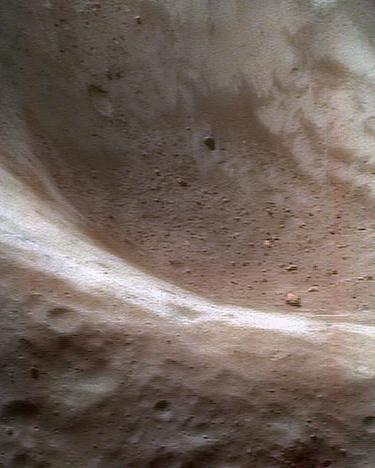
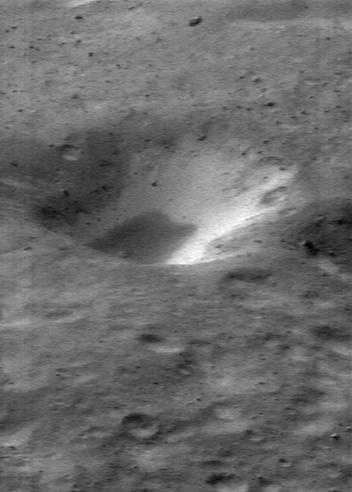
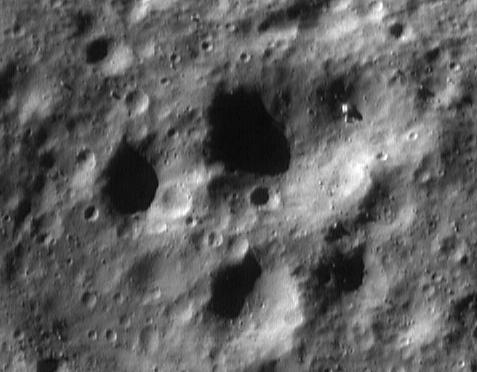
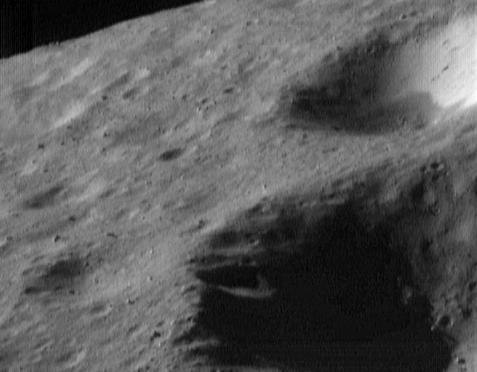
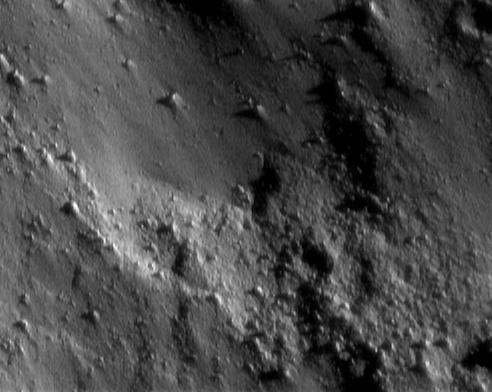
Final Eros Images: Last, Closest Image of Eros
Closing in on Eros
Closing in on Eros
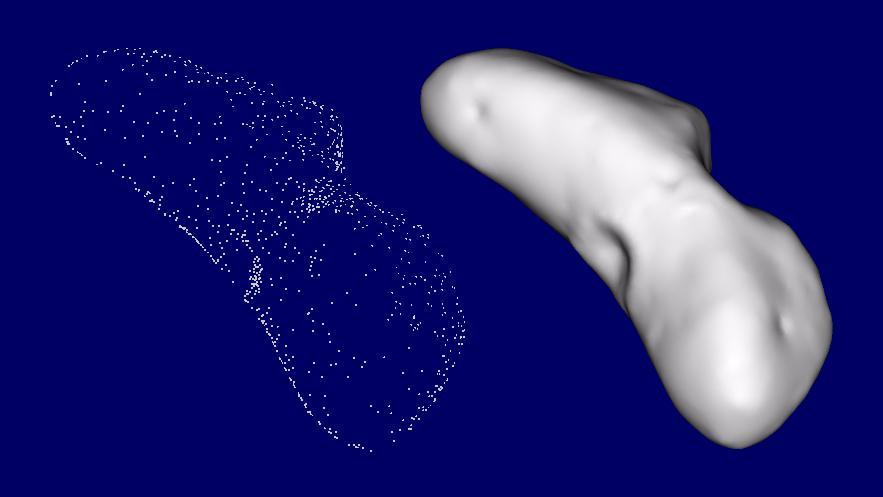
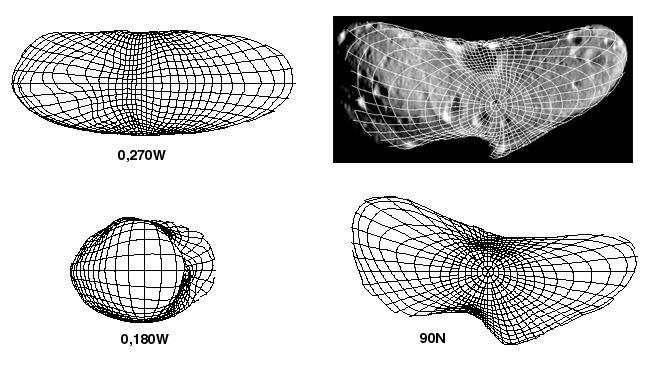
The Shape of Eros
The Shape of Eros
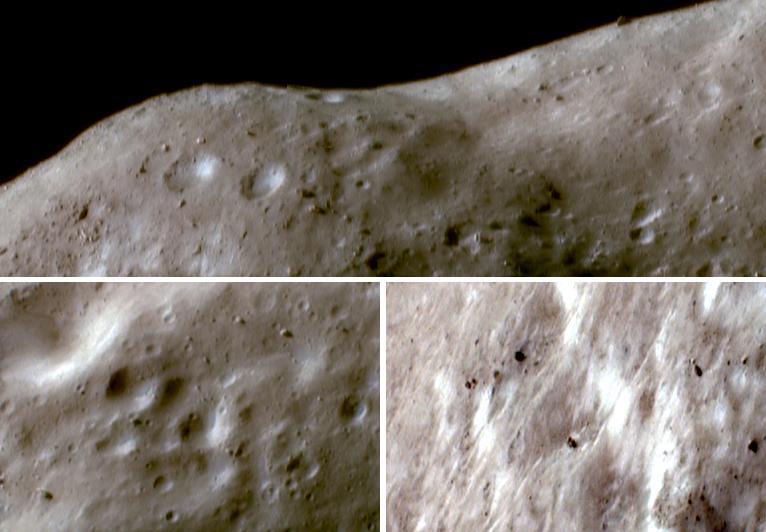
Eros in Color
Eros in Color
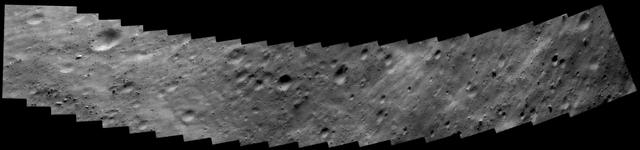
A Swath of Eros
A Swath of Eros
Sunset on Eros
Sunset on Eros
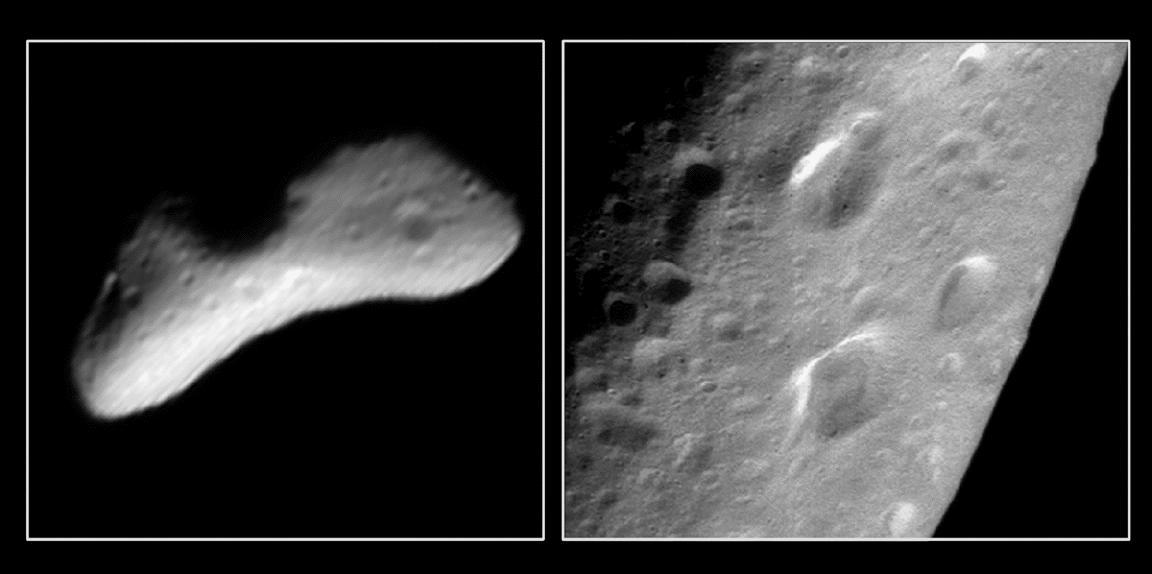
On Eros Slopes
On Eros Slopes
The Shape of Eros
The Shape of Eros
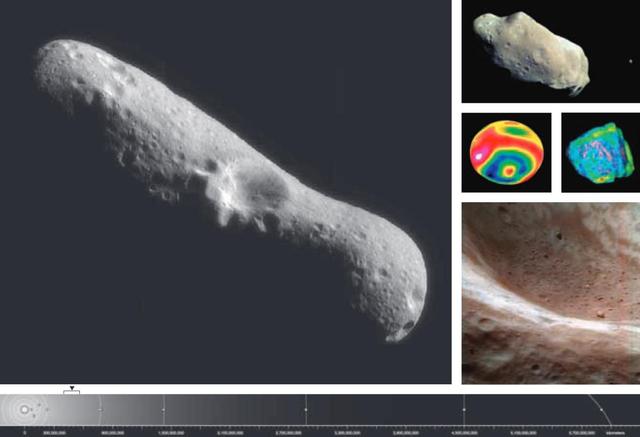
Eros Battered Surface
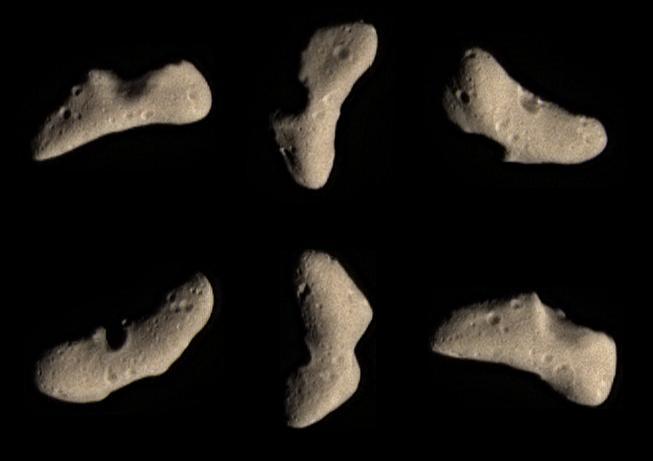
The Many Faces of Eros
Eros Bland Butterscotch Colors
An Eraser Mark on Eros
Large Crater on Eros
A Road map for Eros
A Road map for Eros
NEAR Road to Eros
NEAR Road to Eros
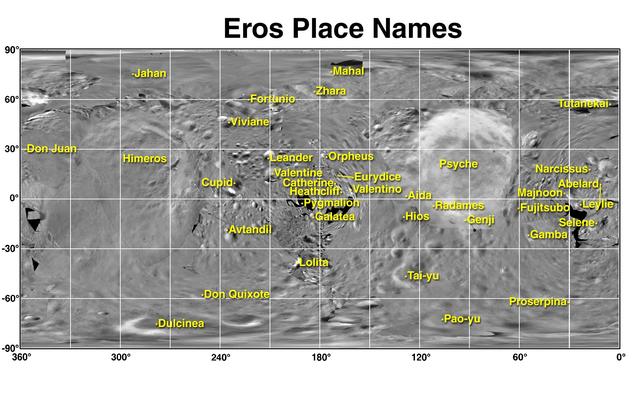
Eros Map and Place Names
Inside Eros Large Crater
A Changing Picture of Eros
The Sculptured Surface of Eros
Eros Surface Morphology
Over Eros Horizon
Over Eros Horizon
Glimpses into Eros Shadows
The Subtle Colors of Eros
Eros Color at Higher Resolution
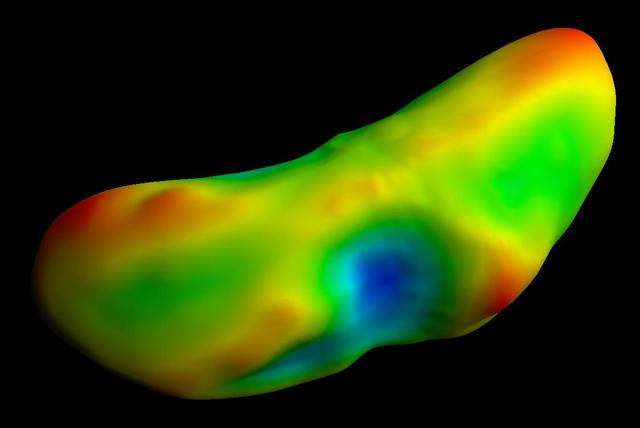
The Ups and Downs of Eros
Cratered Terrain on Eros
Eros Eastern and Western Hemispheres
Eros at Closest Approach
A Trio of Craters on Eros
Mosaic of Eros Northern Hemisphere
Tracking a Feature on Eros
Eros Angular Eastern End
Eros Up Close
Eros Up Close
Eros North Polar Region
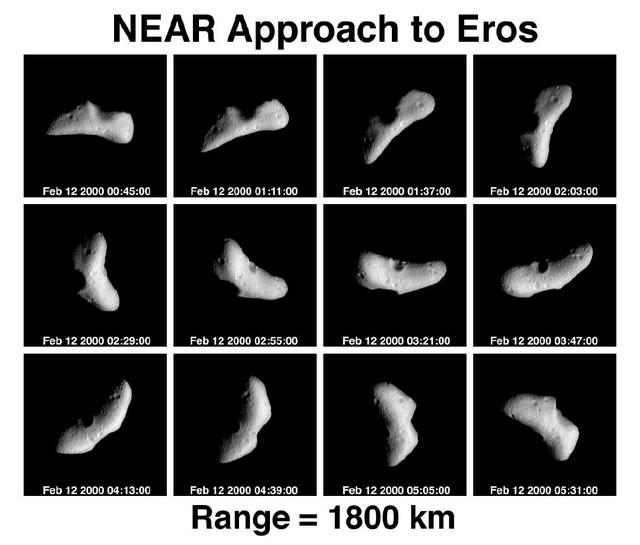
NEAR Approach to Eros
Interesting Structural Features on Eros
Common Craters Earth and Eros
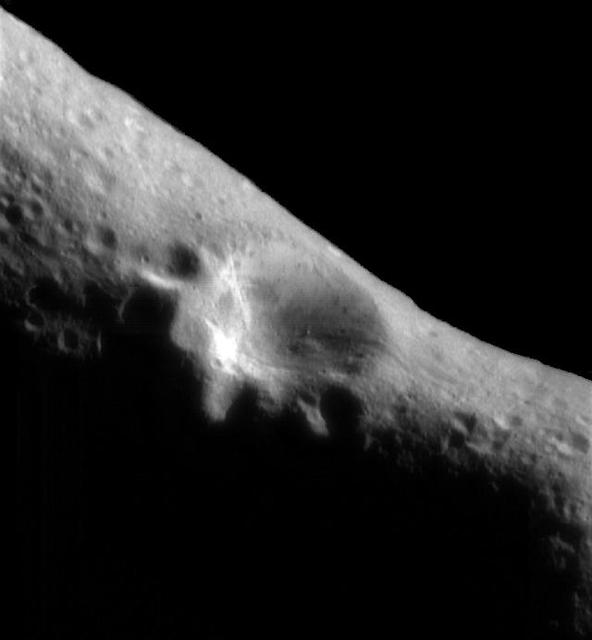
Rim of Saddle Region on Eros
Oblique View of Eros Crater
Inside Eros Giant Gouge
Eros Closest Approach Mosaic
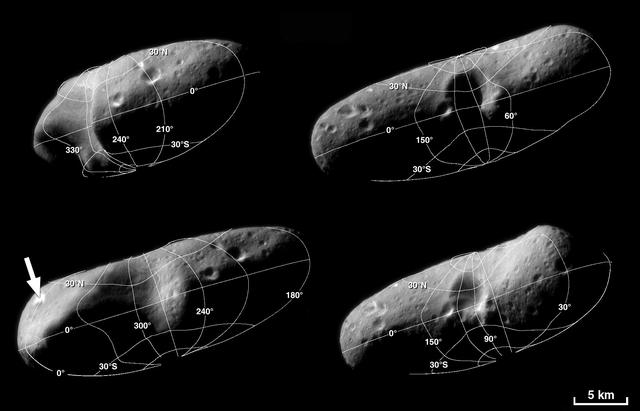
Eros Latitude and Longitude Grid
Mosaic of Eros Northern Hemisphere
Eros Aging Craters
Eros Aging Craters
Eros: The First Look from Orbit
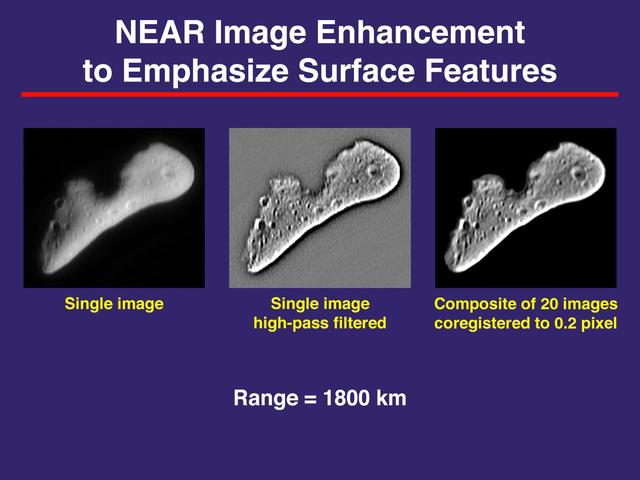
Eros Details Enhanced by Computer Processing
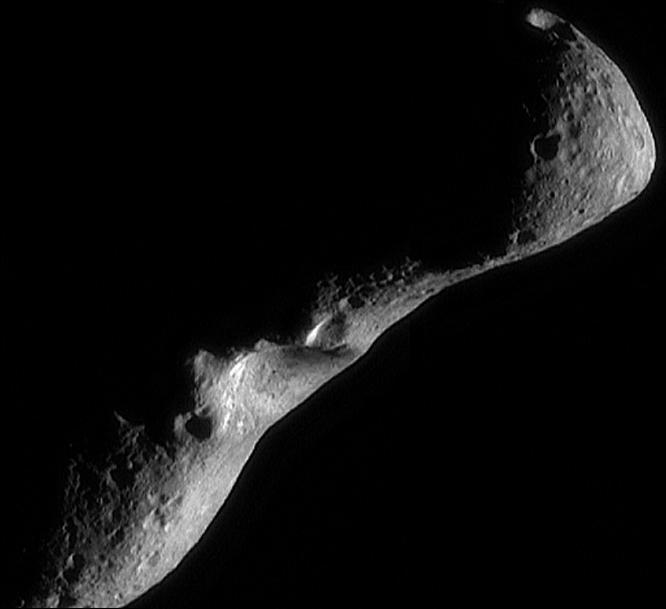
Looking Along the Southern Hemisphere of Eros
Eros Image Mosaic, Looking North
NASA Dawn asteroid lithograph of Eros and other asteroids.  http://photojournal.jpl.nasa.gov/catalog/PIA19379
Asteroid Lithograph of Eros and Other Asteroids
Eros Littered Surface from Low Altitude
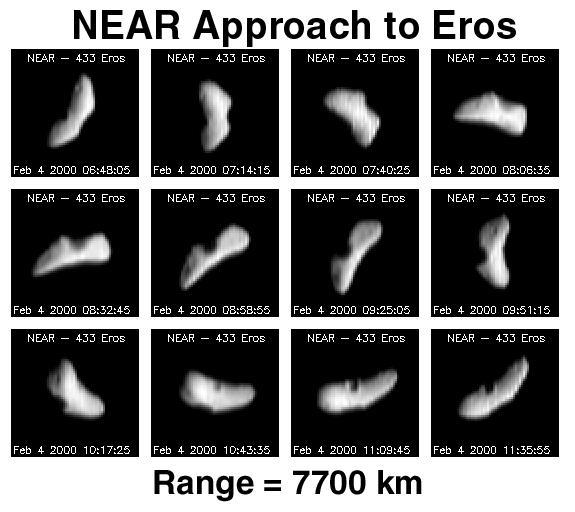
NEAR Approach to Eros - 12 Panel Rotation Sequence
NEAR First Whole-Eros Mosaic from Orbit
NEAR Historic First Image from Eros Orbit
Eros: Closest View Yet! 36 km altitude
Stereo imaging, an important tool on NASA NEAR Shoemaker for geologic analysis of Eros, provides three-dimensional information on the asteroid landforms and structures. 3D glasses are necessary to view this image.
Eros in Stereo
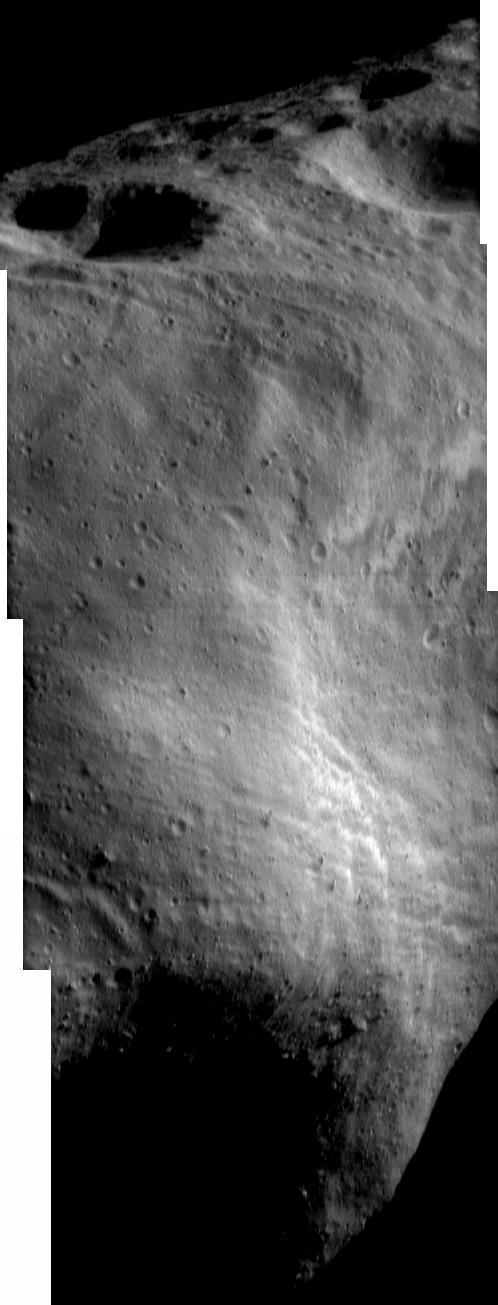
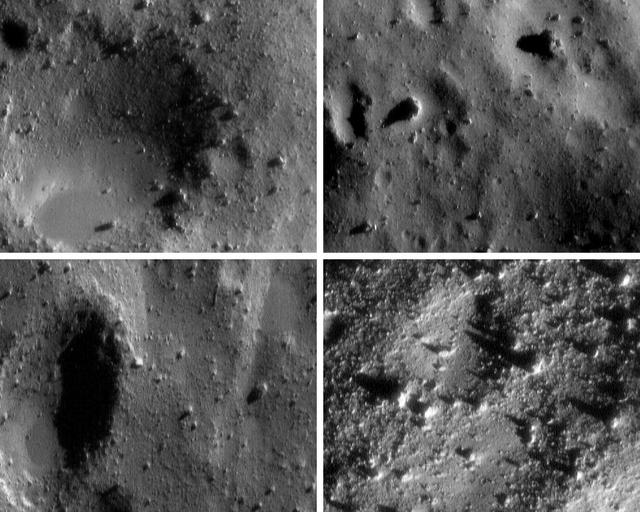
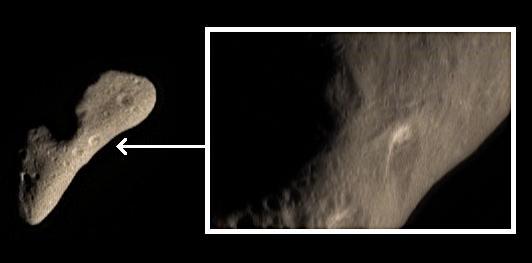
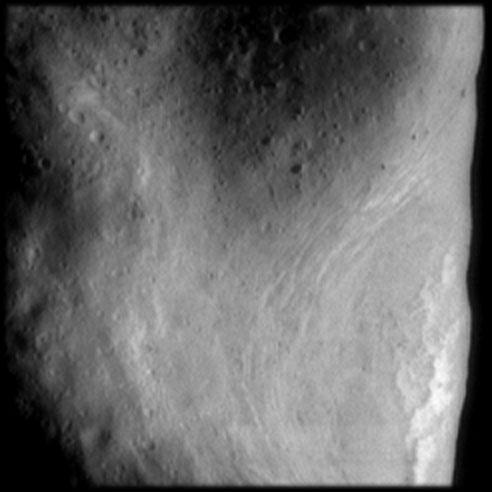
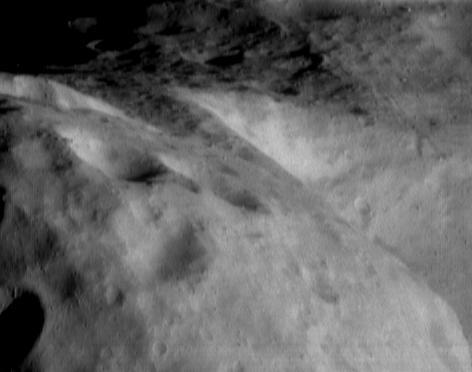
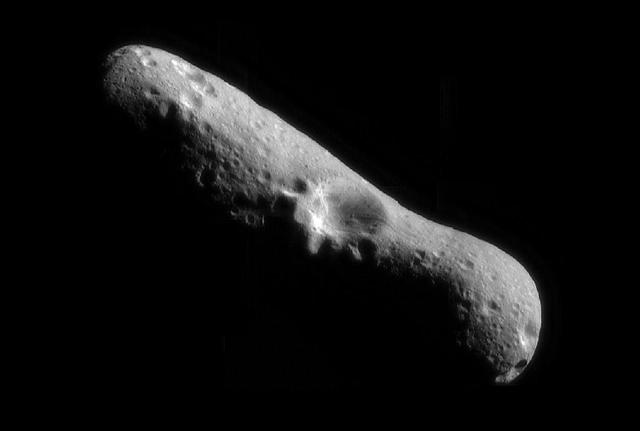
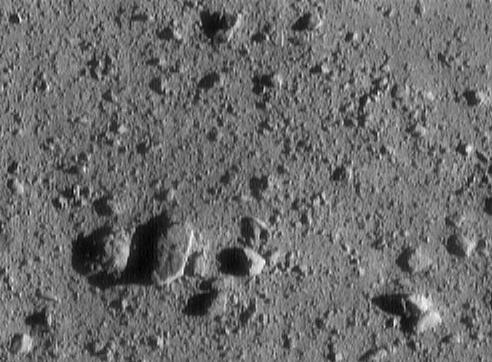
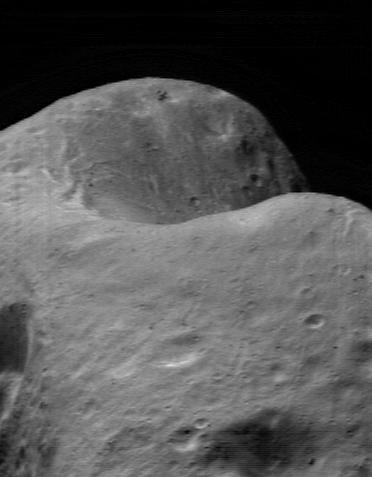
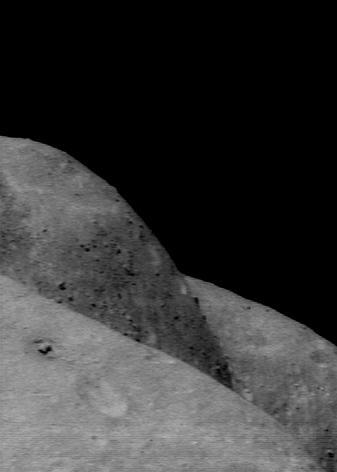
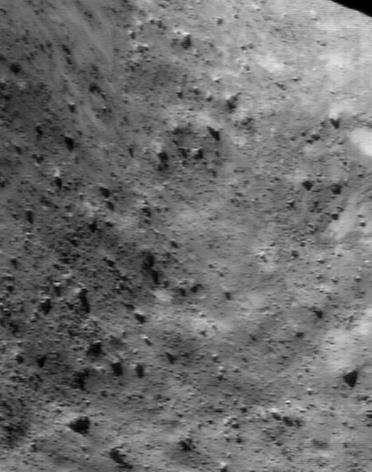
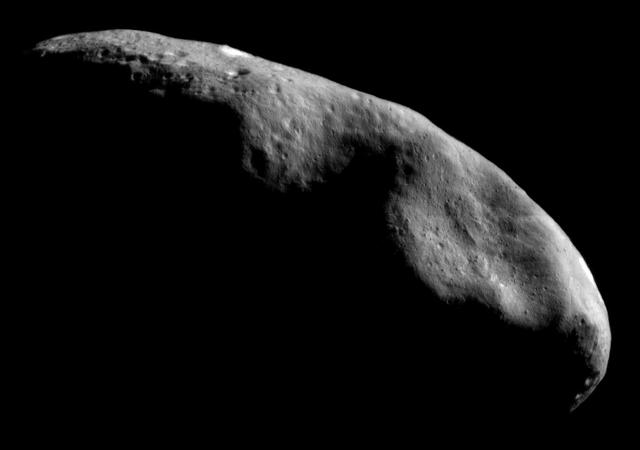
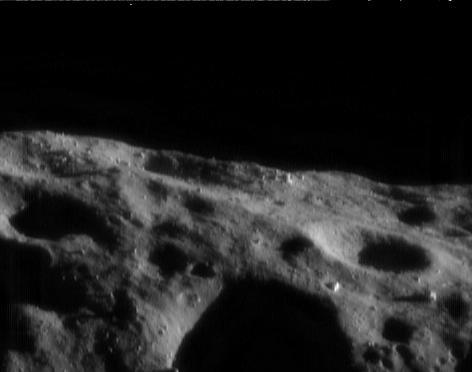
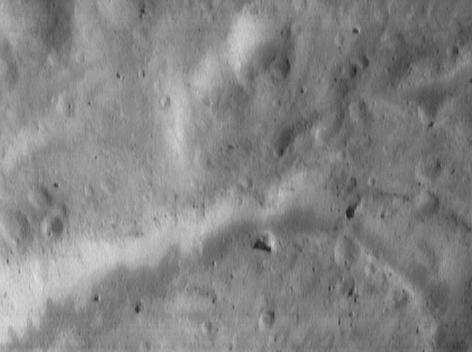
Final Eros Images: Range 1,150 meters 3,773 feet
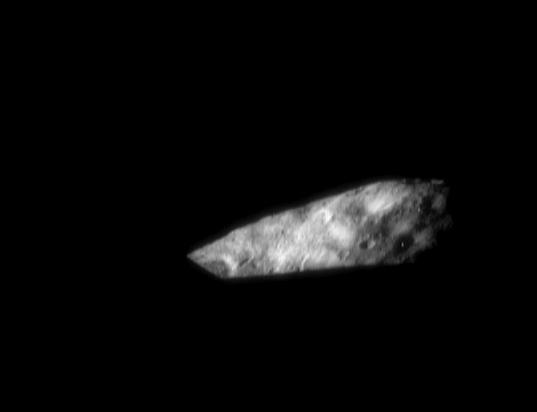
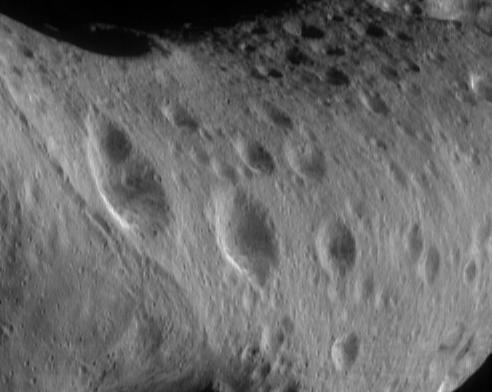
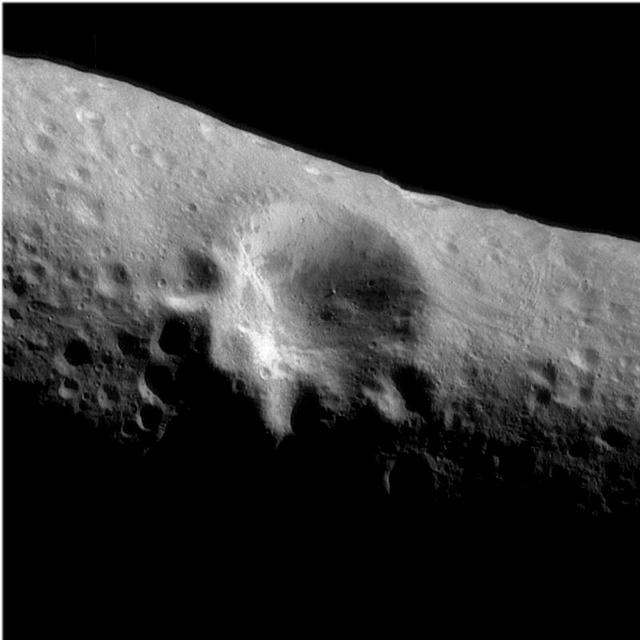
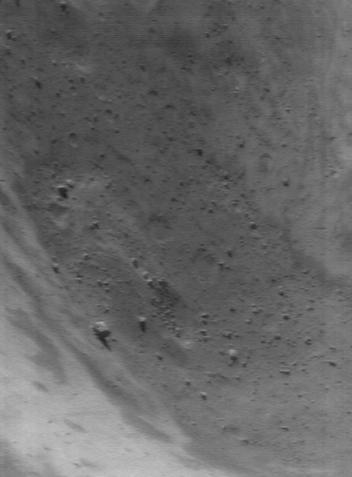
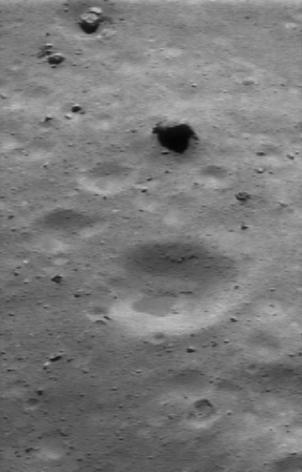
Final Eros Images: Range 250 meters 820 feet
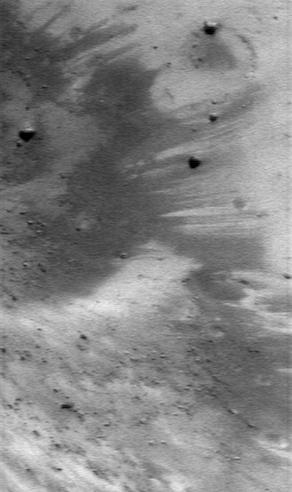
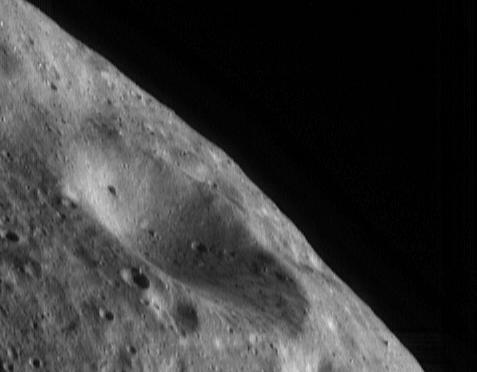
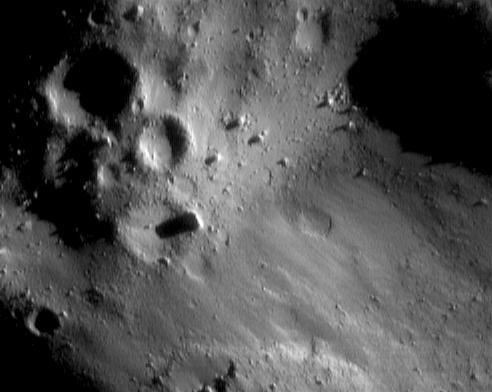
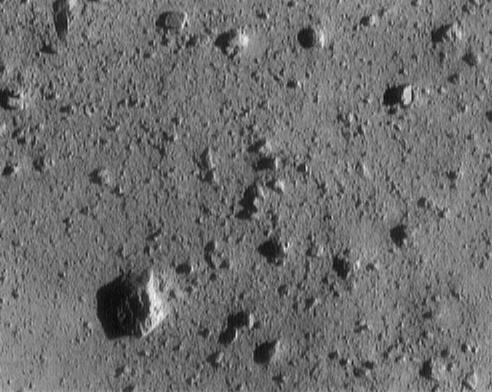
Final Eros Images: Range 700 meters 2,300 feet
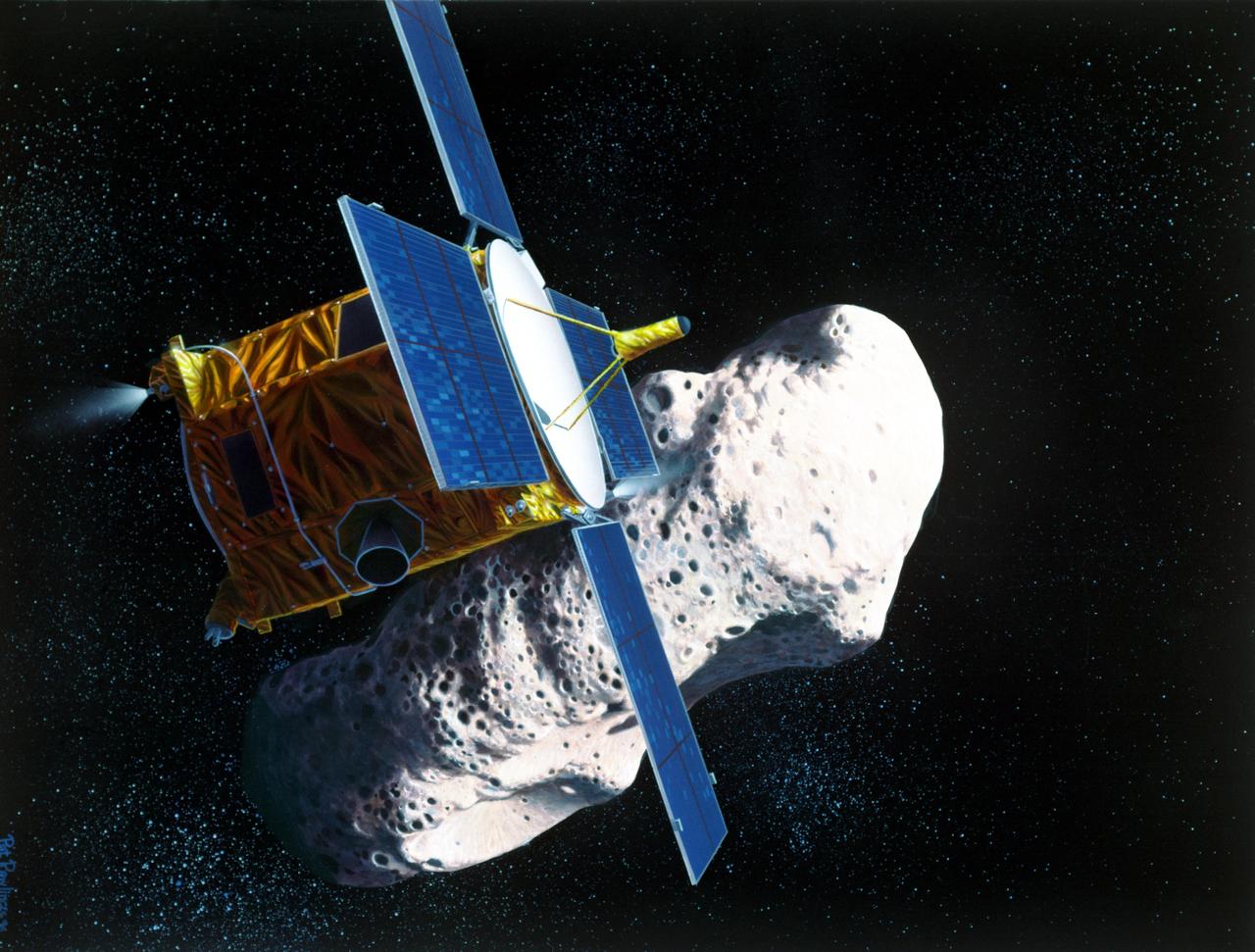
Artist rendering of the the Near Earth Asteroid Rendezvous NEAR spacecraft rendezvous with the asteroid Eros.
NASA NEAR Spacecraft Rendezvous with Asteroid Eros Artist Concept
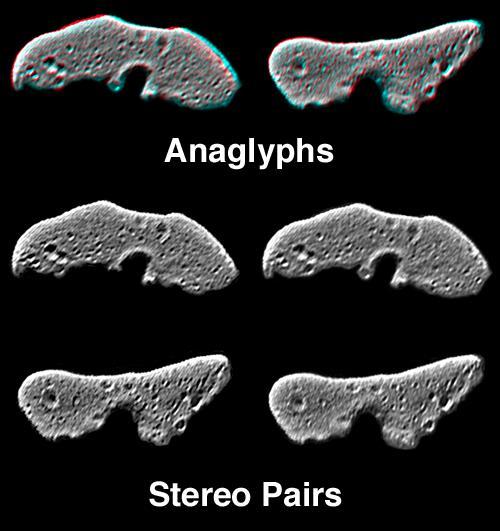
This image from NASA NEAR Shoemaker is of processed data showing Eros from slightly different perspectives is combined as anaglyphs or stereo pairs. 3D glasses are necessary to view this image.
Eros Global Morphology
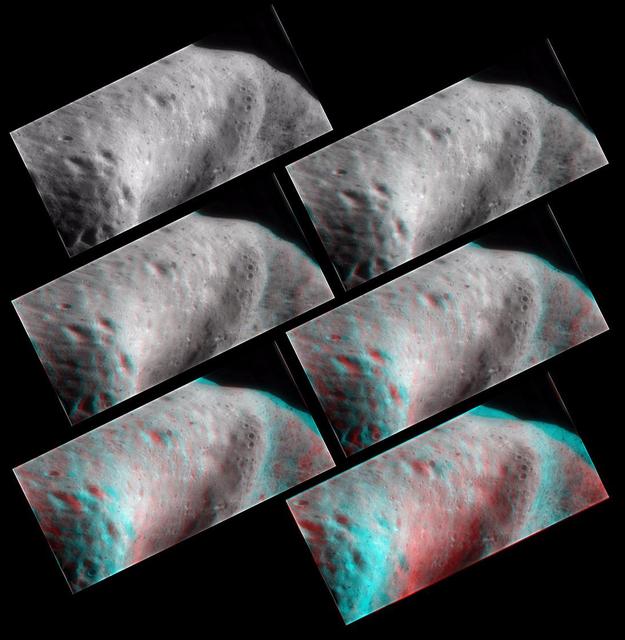
62 miles above Eros, NASA NEAR Shoemaker took several frames which were combined to create this anaglyph of the saddle region, 3D glasses are necessary to view this image.
The Saddle in 3-D
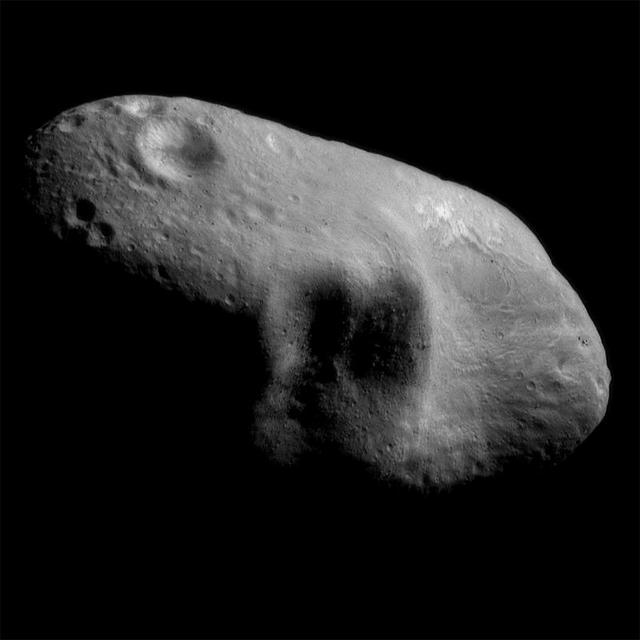
Again and again, NEAR Shoemaker's imager is being directed at the "saddle region" of Eros, to observe this feature under the widest variety of lighting conditions. This image of the saddle was taken March 22, 2000, from a range of 208 kilometers (129 miles). Generically speaking, a saddle is a low ridge connecting two mountains. The definition does not include an explanation for the origin of the curvature. Similarly, on Eros, the term "saddle region" is a description of a physical feature and doesn't imply any particular origin.  Perhaps the most frequently asked question about Eros' surface is, "What is the origin of the saddle?" Was it formed as a spallation scar resulting from the impact that created the large 5.5-kilometer (3.4-mile) diameter crater on the opposite side of the asteroid? To determine its origin will take time. Right now, the southern part of the feature is still in shadow. Over the next few months, as the Sun moves south in Eros' sky, the whole saddle will become visible. As NEAR Shoemaker continues to take more and more pictures of the saddle region, we will be better able to answer key questions about this feature.  http://photojournal.jpl.nasa.gov/catalog/PIA02900
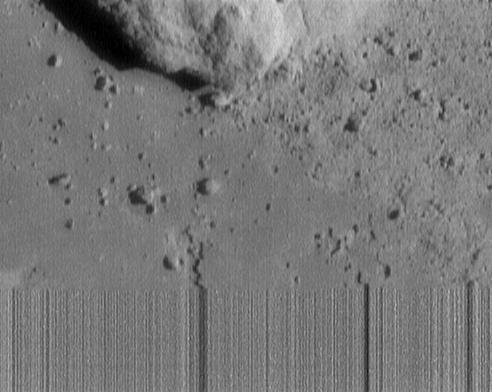
Back in the Saddle Again
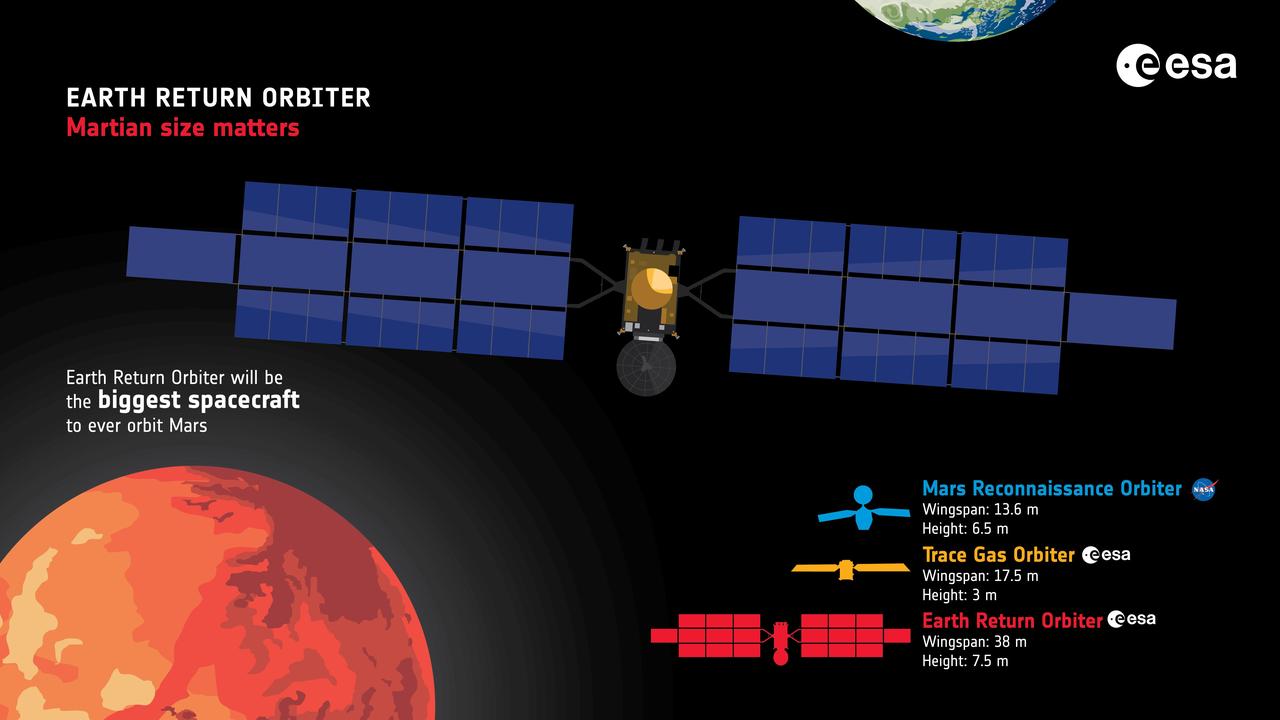
      The European Space Agency's (ESA) Earth Return Orbiter (ERO) would be the biggest spacecraft to ever orbit Mars. The spacecraft would also be the first interplanetary spacecraft to rendezvous and capture hardware launched from another planet and return it to the Earth's surface, making a full round trip to Mars and back. ERO would be a multi-stage modular spacecraft equipped with both chemical and solar electric propulsion. The electric propulsion system would be the most powerful ever flown on any previous planetary mission.      ERO would carry a radiation monitor to measure the total radiation dose experienced by the spacecraft throughout the entire mission, which in addition to monitoring the health of the ERO, should provide important information on how to design systems for future human explorers. Launch is planned in 2027, entering into Mars orbit in 2029.      The Earth Return Orbiter is part of the multi-mission Mars Sample Return campaign being planned by NASA and the European Space Agency (ESA).  https://photojournal.jpl.nasa.gov/catalog/PIA25892
Earth Return Orbiter Infographic
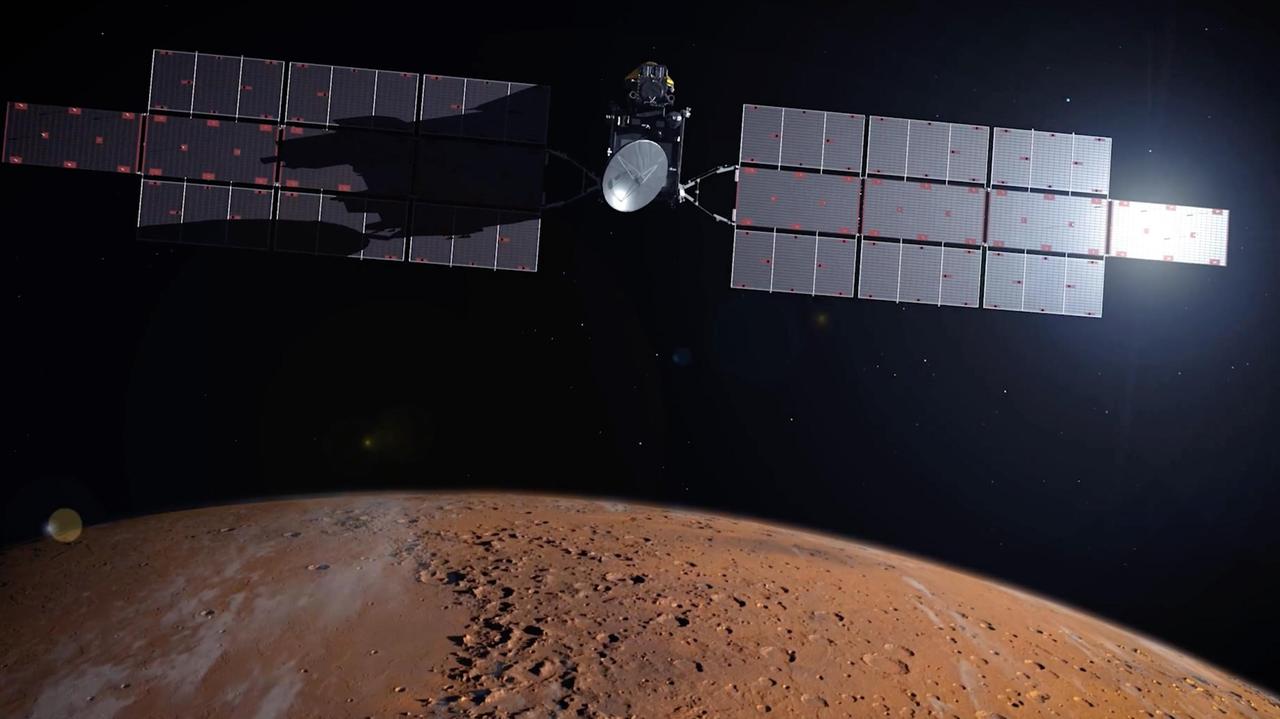
The Earth Return Orbiter (ERO) is one of the flight missions making up the Mars Sample Return campaign to bring martian rock and atmospheric samples back to Earth.  This European Space Agency (ESA) orbiter would be the first interplanetary spacecraft to capture samples in orbit and make a return trip between Earth and Mars. ERO would also be the largest spacecraft to orbit the Red Planet. In addition to the rendezvous and return mission, ERO would provide critical Mars-Earth communications coverage for NASA's Perseverance rover and the Sample Retrieval Lander to deliver the martian samples.  The Earth Return Orbiter is part of the multi-mission Mars Sample Return campaign being planned by NASA and the European Space Agency (ESA).  https://photojournal.jpl.nasa.gov/catalog/PIA25891
Artist's concept of the Earth Return Orbiter over Mars
The Earth Return Orbiter (ERO) is one of the flight missions making up the Mars Sample Return campaign to bring martian rock and atmospheric samples back to Earth. The ESA orbiter would be the first interplanetary spacecraft to capture samples in orbit and make a return trip between Earth and Mars.  The primary mission of the European spacecraft would be to find, fly to, and capture a volleyball-sized capsule called the Orbiting Sample (OS) container launched from the surface of Mars by NASA's Mars Ascent System and carrying a carefully selected set of samples previously collected on the surface of Mars by NASA's Perseverance rover.  Having already spent three years to reach Mars and perform its rendezvous and capture mission, ERO would take a further two years to fly from its operational orbit around Mars up to escape altitude and make its way back to Earth. When ERO is about three days from Earth, the Earth Entry System (EES) carrying the OS would separate from the spacecraft and be placed on a precision trajectory for Earth entry and landing.  The Earth Return Orbiter is part of the multi-mission Mars Sample Return campaign being planned by NASA and the European Space Agency (ESA).  https://photojournal.jpl.nasa.gov/catalog/PIA25893
Artist's Concept of Earth Return Orbiter Releasing Capsule containing Martian Samples
Lowest Altitude Diversity
Color Mapping the Southern Hemisphere
A Lacework Surface
A Lacework Surface
April Fool Crater
April Fool Crater
Topographic Profiles from the NEAR Laser Rangefinder
An Ancient Ridge
An Ancient Ridge
The Southern Saddle Mosaic
Rock Bands
Rock Bands
Location of the NEAR Shoemaker Landing Site
A Southern Hemisphere Overview
Looking Down
Looking Down
Sentinels
Sentinels
Light and Shadow
Light and Shadow
The Ridge at Sunrise
NEAR Shoemaker Path
NEAR Shoemaker Path
Landmarks at NEAR Shoemaker Touchdown Site
An Unusual Perspective
Down, Down, Down
Down, Down, Down
Zebra Saddle
Zebra Saddle
Here Looking at You
Here Looking at You
The Big Valley
The Big Valley
The Saddle Wall
The Saddle Wall
The Impact of Cratering
Regolith
Regolith
Southwest of the Big Crater Mosaic
Boulders, Boulders, Boulders
Color View of the Saddle
A Hint of Structure
A Hint of Structure
The View from Low Orbit
Down Slippery Slopes
Bright Crater Wall
Bright Crater Wall
Mysterious Surface Details
Packed with Boulders
Degraded Craters
Degraded Craters
The Battering and Debris