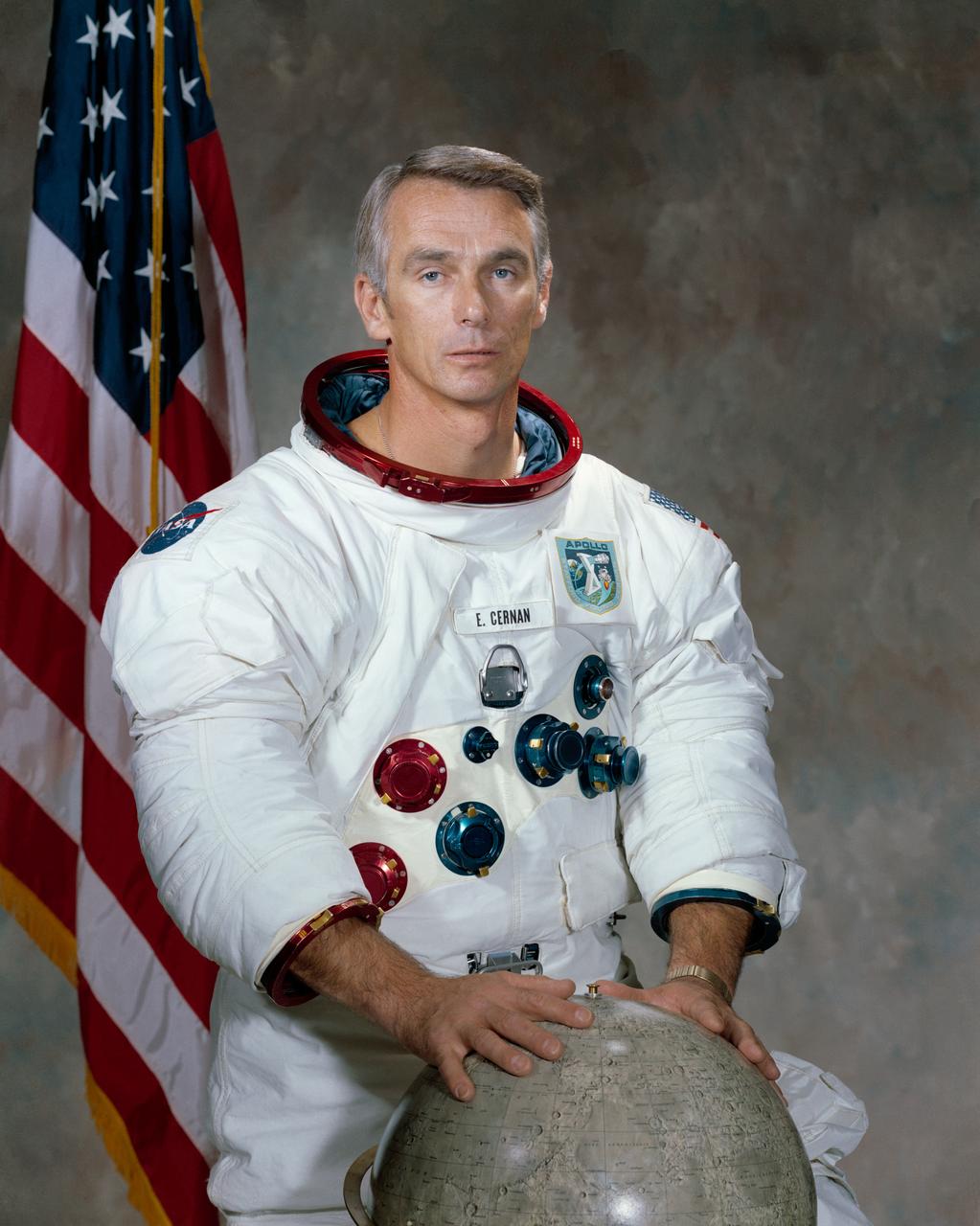
S71-51308 (21 Sept. 1971) --- Astronaut Eugene A. Cernan
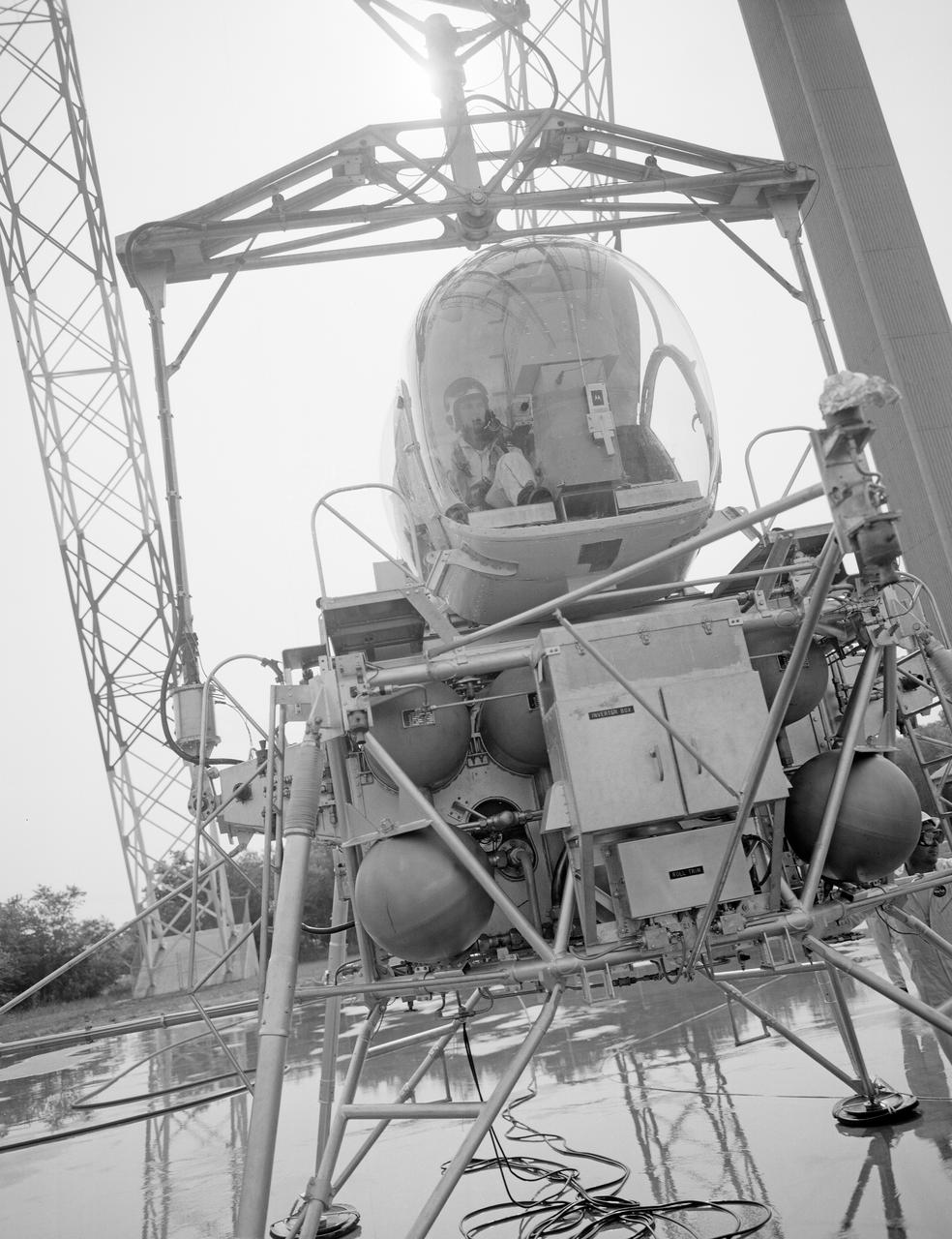
Astronaut Eugene Cernan at Lunar Lander Research Facility. Cernan under gantry, in training module. Captain Cernan was one of fourteen astronauts selected by NASA in October 1963. On his second space flight, he was lunar module pilot of Apollo 10, May 18-26, 1969, the first comprehensive lunar-orbital qualification and verification flight test of an Apollo lunar module.
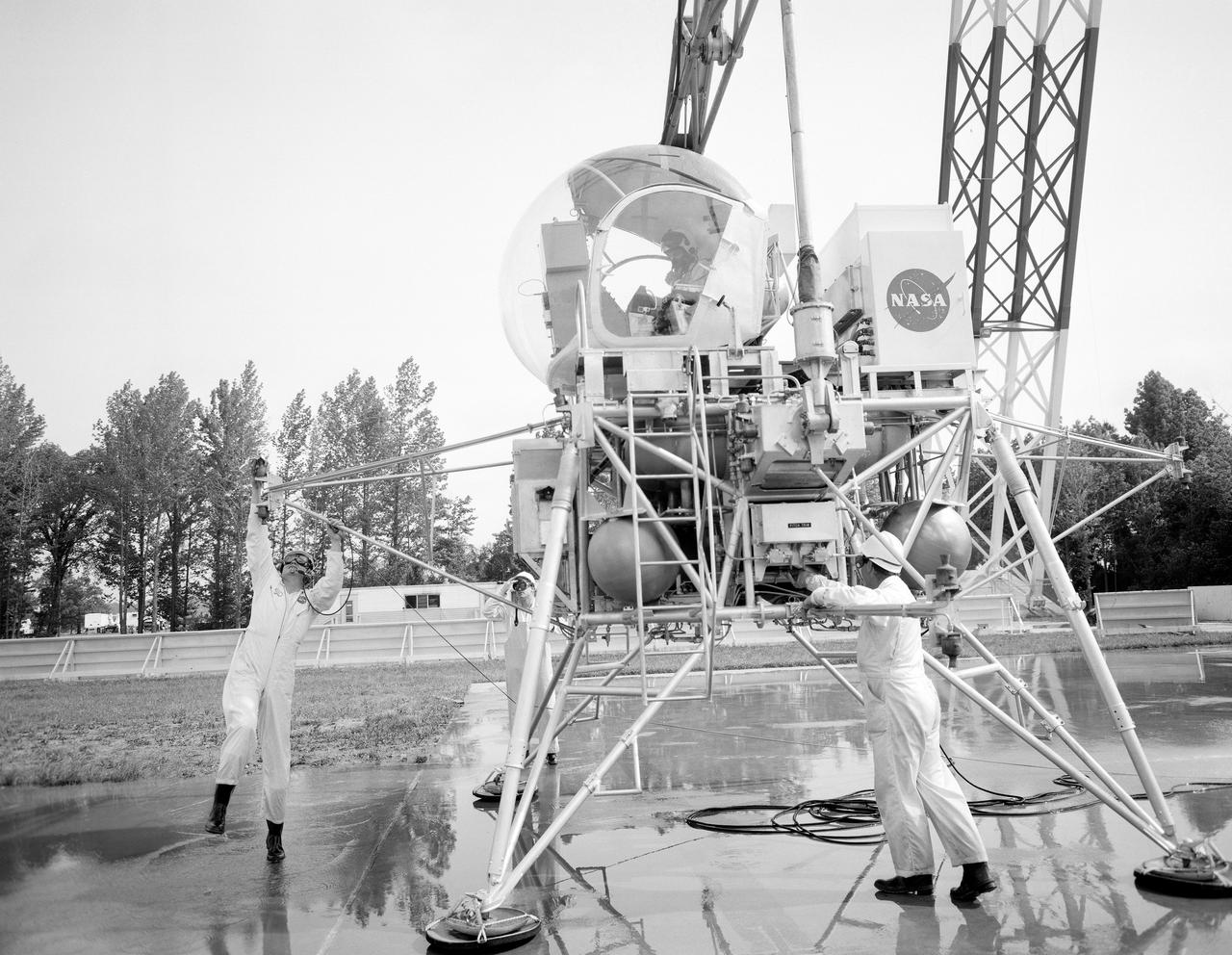
Astronaut Eugene Cernan at Lunar Lander Research Facility. Cernan under gantry, in training module. Captain Cernan was one of fourteen astronauts selected by NASA in October 1963. On his second space flight, he was lunar module pilot of Apollo 10, May 18-26, 1969, the first comprehensive lunar-orbital qualification and verification flight test of an Apollo lunar module.
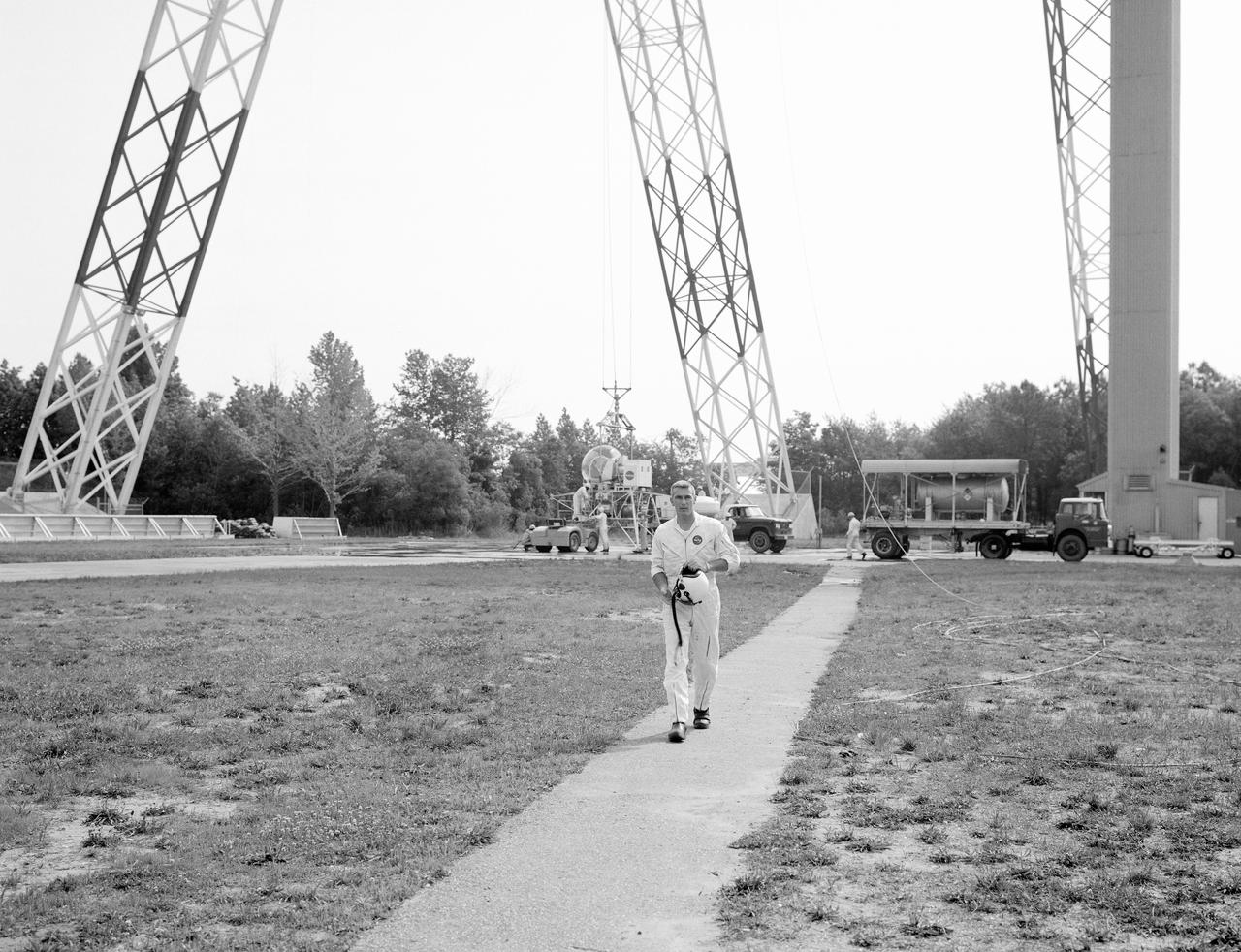
Astronaut Eugene Cernan at Lunar Lander Research Facility. Cernan under gantry, in training module. Captain Cernan was one of fourteen astronauts selected by NASA in October 1963. On his second space flight, he was lunar module pilot of Apollo 10, May 18-26, 1969, the first comprehensive lunar-orbital qualification and verification flight test of an Apollo lunar module.
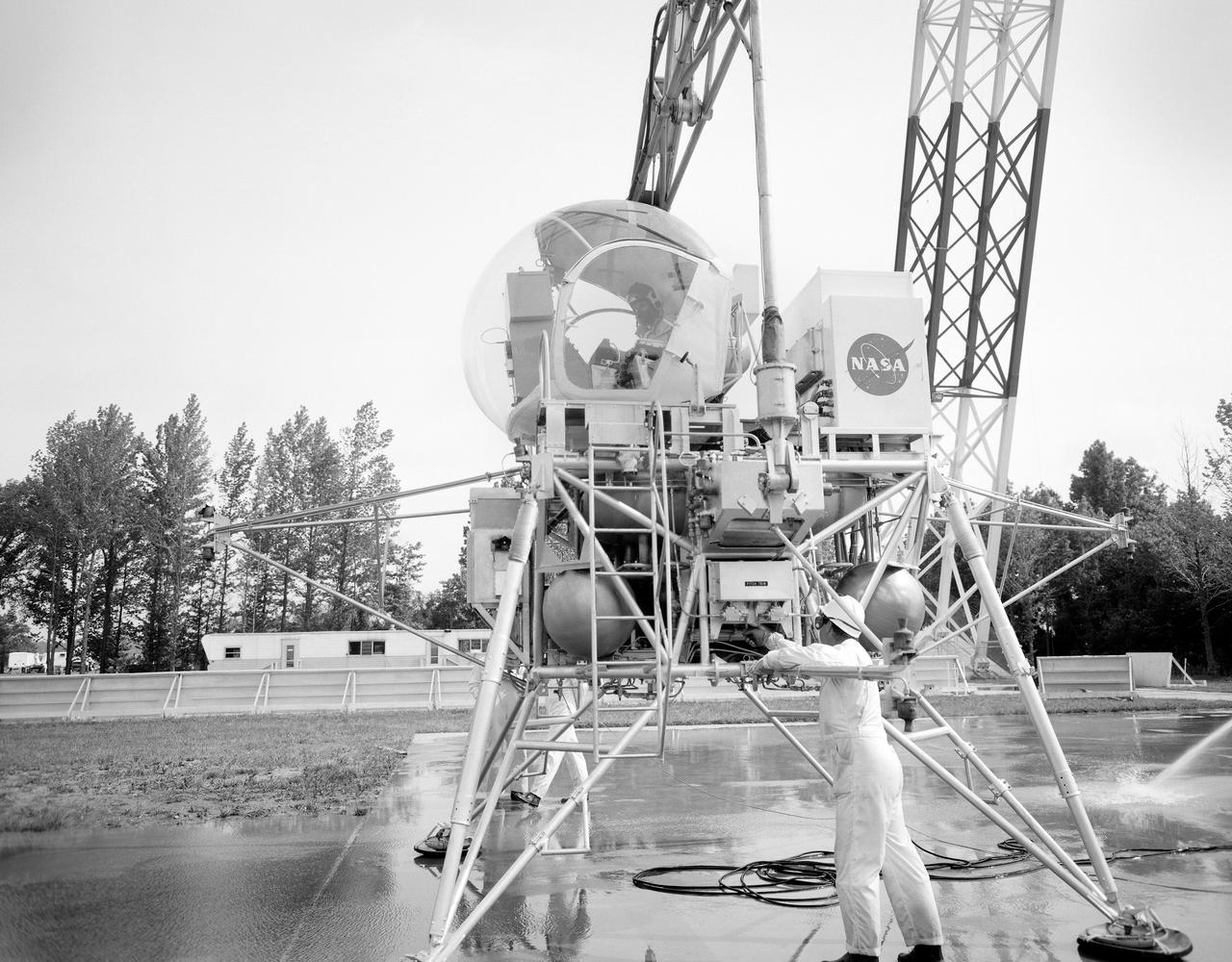
Astronaut Eugene Cernan at Lunar Lander Research Facility. Cernan under gantry, in training module. Captain Cernan was one of fourteen astronauts selected by NASA in October 1963. On his second space flight, he was lunar module pilot of Apollo 10, May 18-26, 1969, the first comprehensive lunar-orbital qualification and verification flight test of an Apollo lunar module.
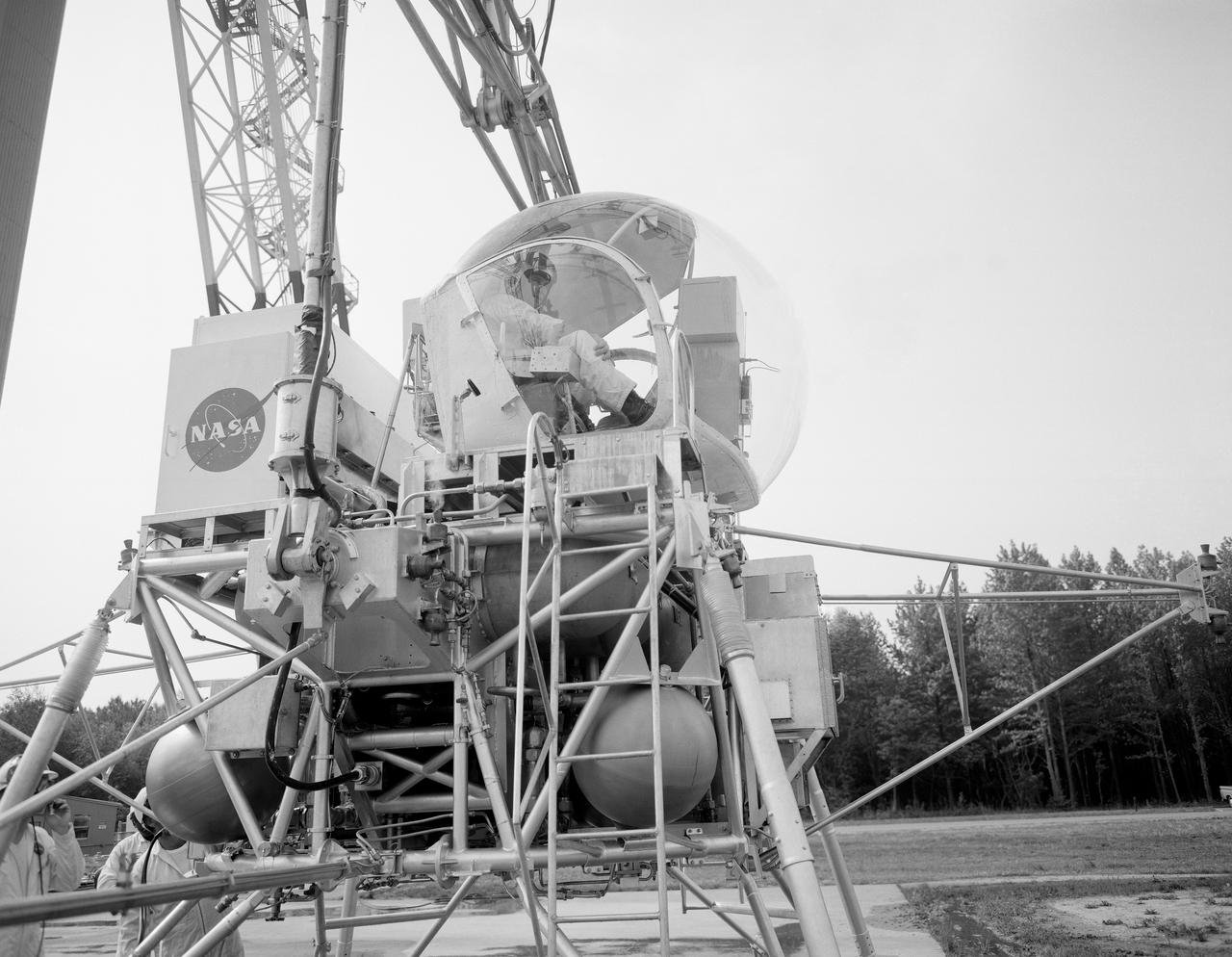
Astronaut Eugene Cernan at Lunar Lander Research Facility. Cernan under gantry, in training module. Captain Cernan was one of fourteen astronauts selected by NASA in October 1963. On his second space flight, he was lunar module pilot of Apollo 10, May 18-26, 1969, the first comprehensive lunar-orbital qualification and verification flight test of an Apollo lunar module.
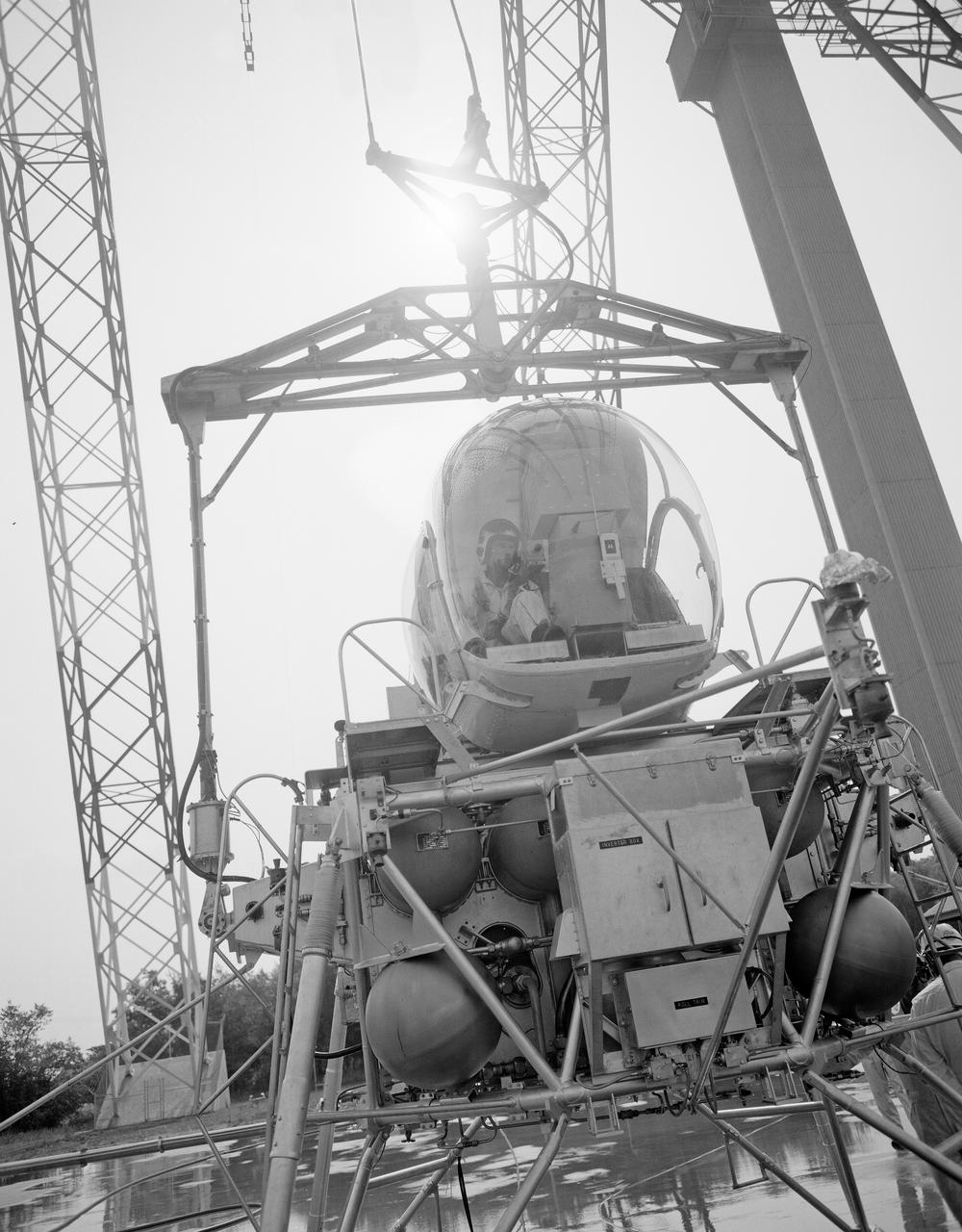
Astronaut Eugene Cernan at Lunar Lander Research Facility. Cernan under gantry, in training module. Captain Cernan was one of fourteen astronauts selected by NASA in October 1963. On his second space flight, he was lunar module pilot of Apollo 10, May 18-26, 1969, the first comprehensive lunar-orbital qualification and verification flight test of an Apollo lunar module.
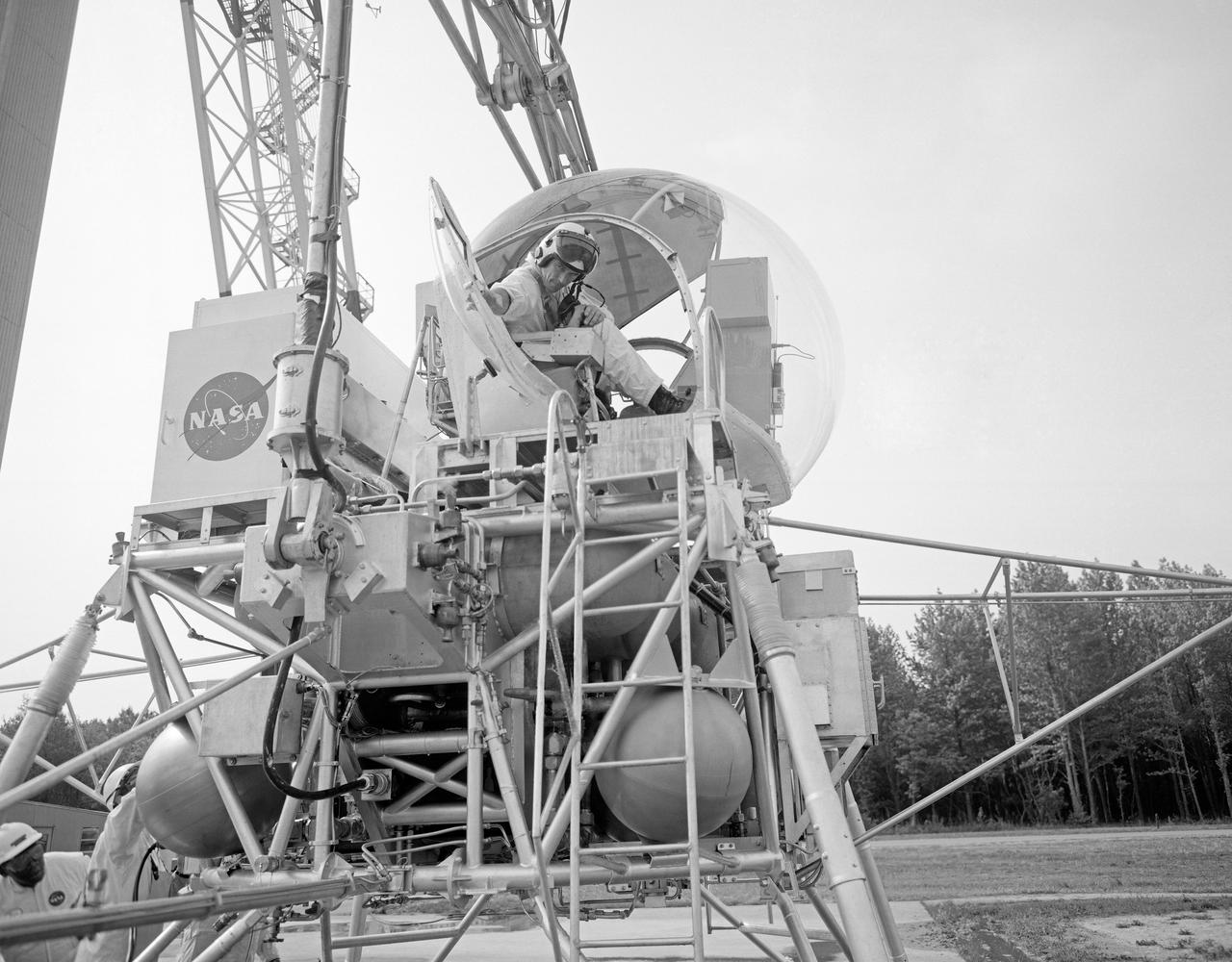
Astronaut Eugene Cernan at Lunar Lander Research Facility. Cernan under gantry, in training module. Captain Cernan was one of fourteen astronauts selected by NASA in October 1963. On his second space flight, he was lunar module pilot of Apollo 10, May 18-26, 1969, the first comprehensive lunar-orbital qualification and verification flight test of an Apollo lunar module.
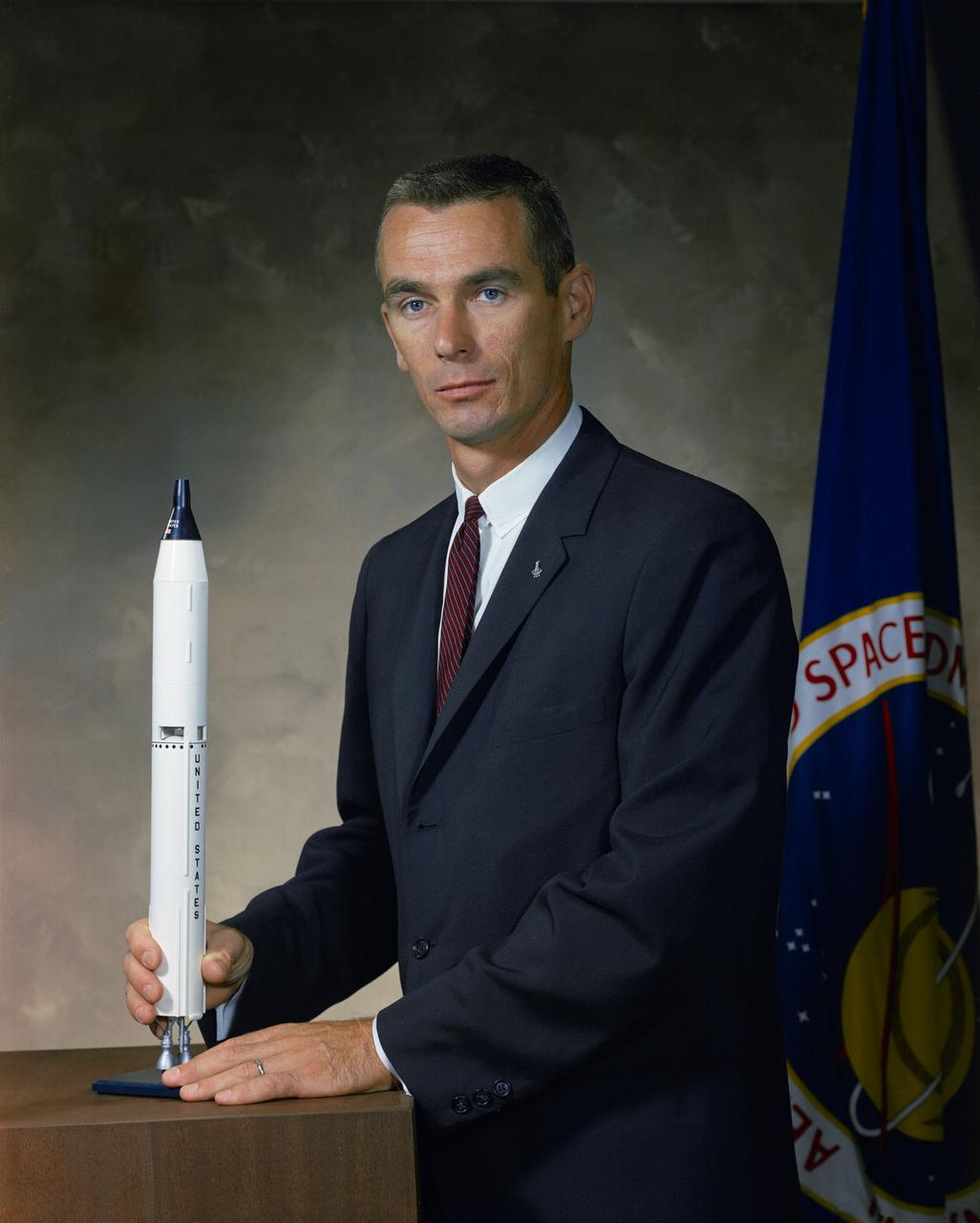
S64-31845 (10 Sept. 1964) --- Portrait of astronaut Eugene A. Cernan in civilian clothes with model of Gemini spacecraft and launch vehicle on table in front of him. Photo credit: NASA
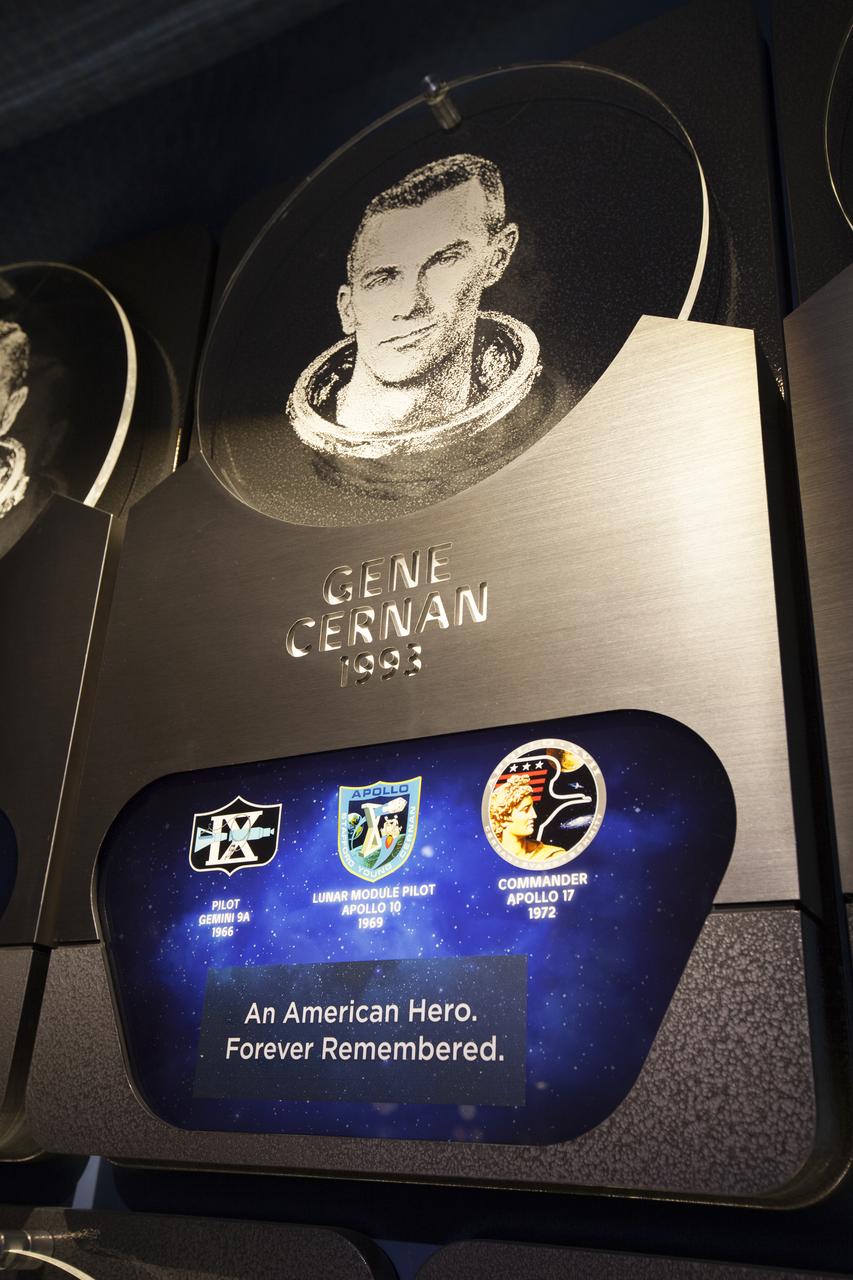
The Astronaut Hall of Fame display for astronaut Gene Cernan is shown following a remembrance ceremony Jan. 18, 2017, at NASA's Kennedy Space Center in Florida. Cernan, who flew on Gemini and Apollo missions, commanded the Apollo 17 mission and was the last person to walk on the moon.
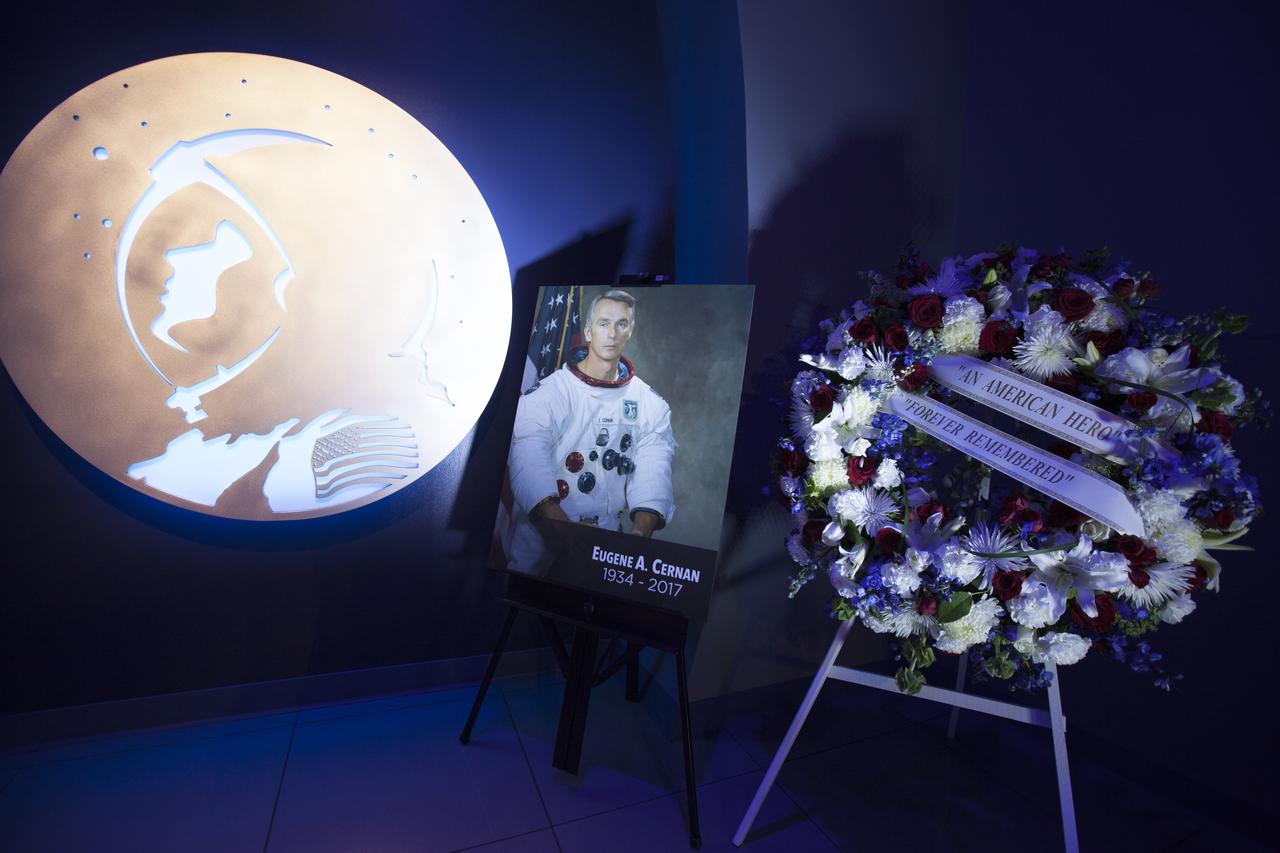
A photo of astronaut Gene Cernan is displayed alongside a memorial wreath before a remembrance ceremony Jan. 18, 2017, at NASA's Kennedy Space Center in Florida. Cernan, who flew on Gemini and Apollo missions, commanded the Apollo 17 mission and was the last person to walk on the moon.

A photo of astronaut Gene Cernan is displayed alongside a memorial wreath before a remembrance ceremony Jan. 18, 2017, at NASA's Kennedy Space Center in Florida. Cernan, who flew on Gemini and Apollo missions, commanded the Apollo 17 mission and was the last person to walk on the moon.
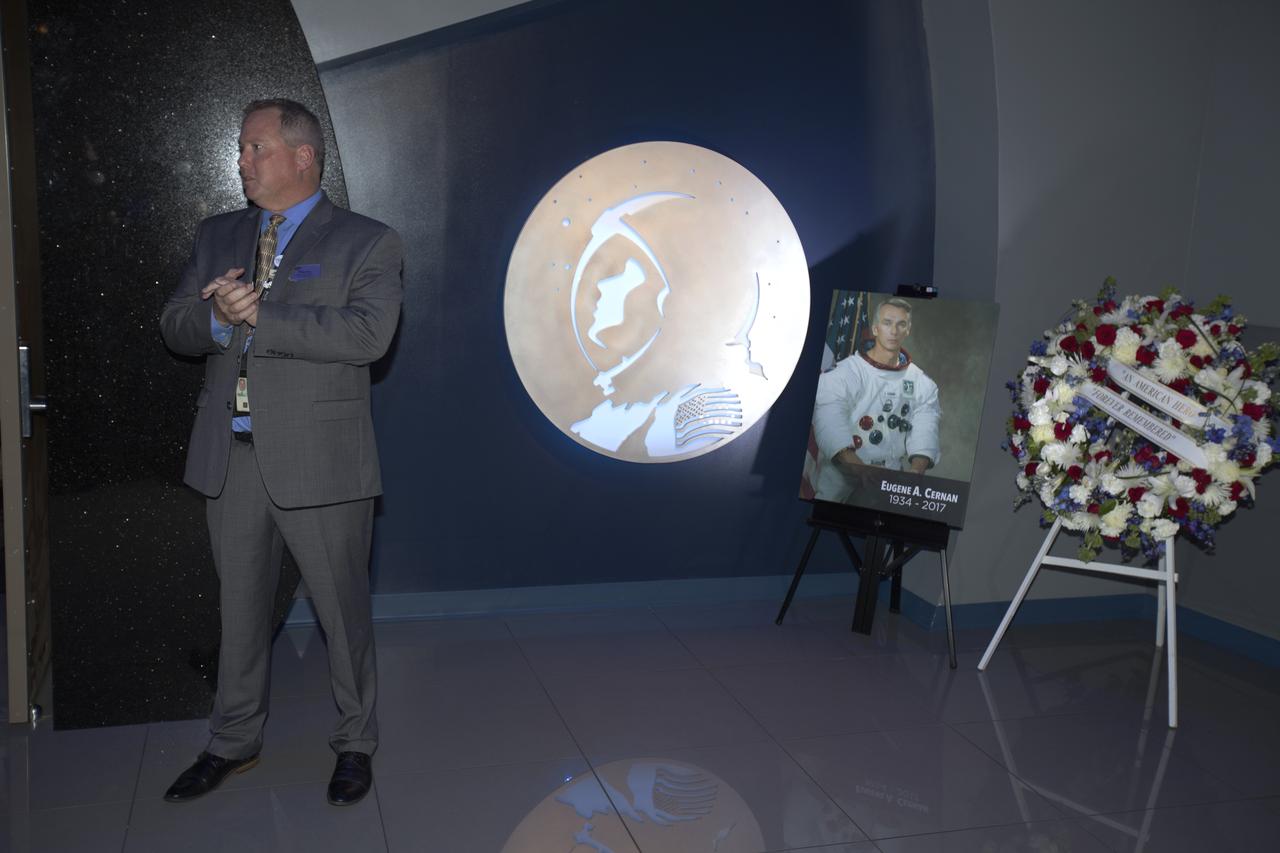
Therrin Protze, Chief Operating Officer, Delaware North Corporation Parks & Resorts at KSC, Inc., speaks during a remembrance ceremony Jan. 18, 2017, at NASA's Kennedy Space Center in Florida. Cernan, who flew on Gemini and Apollo missions, commanded the Apollo 17 mission and was the last person to walk on the moon.
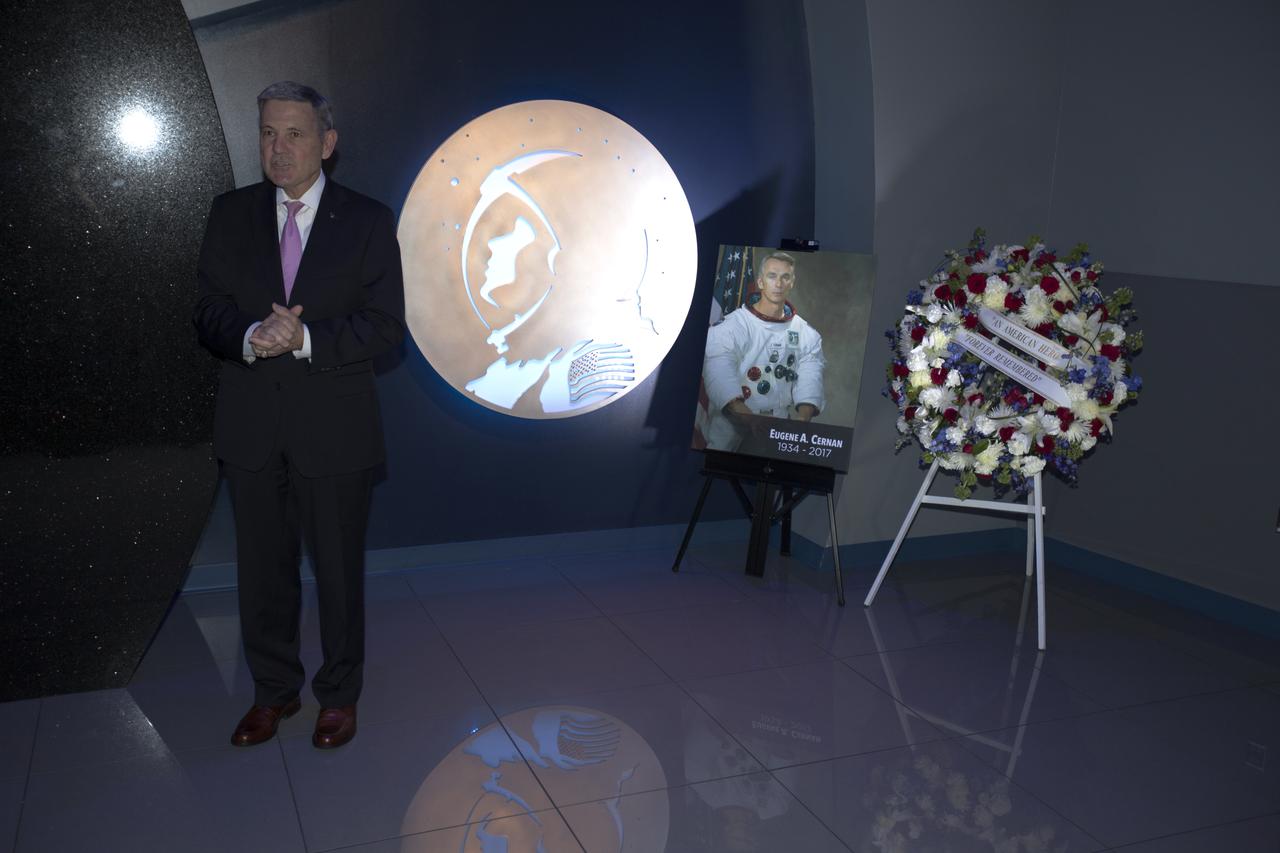
Former astronaut Bob Cabana, director of NASA's Kennedy Space Center in Florida, speaks during a remembrance ceremony Jan. 18, 2017. Cernan, who flew on Gemini and Apollo missions, commanded the Apollo 17 mission and was the last person to walk on the moon.
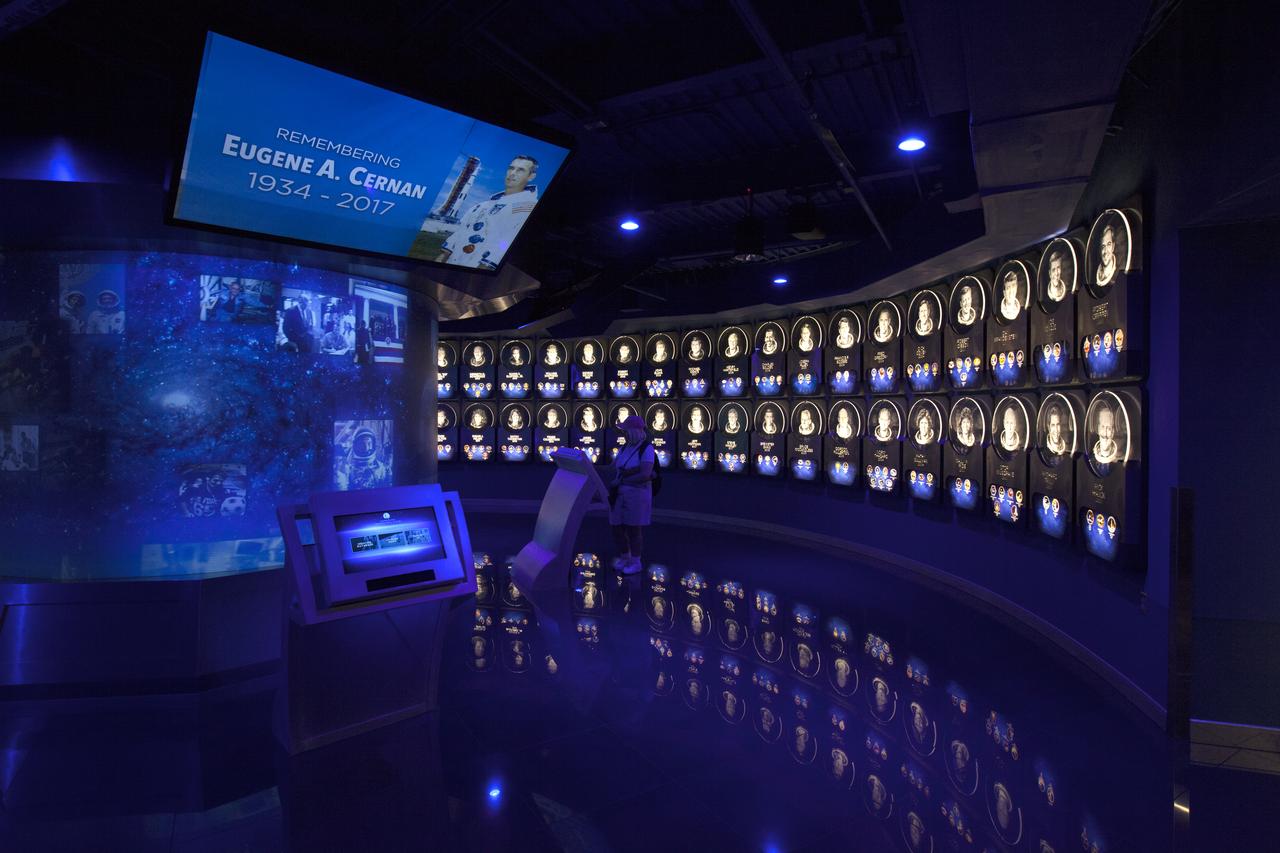
A display for astronaut Gene Cernan is shown following a remembrance ceremony Jan. 18, 2017, at NASA's Kennedy Space Center in Florida. Cernan, who flew on Gemini and Apollo missions, commanded the Apollo 17 mission and was the last person to walk on the moon.
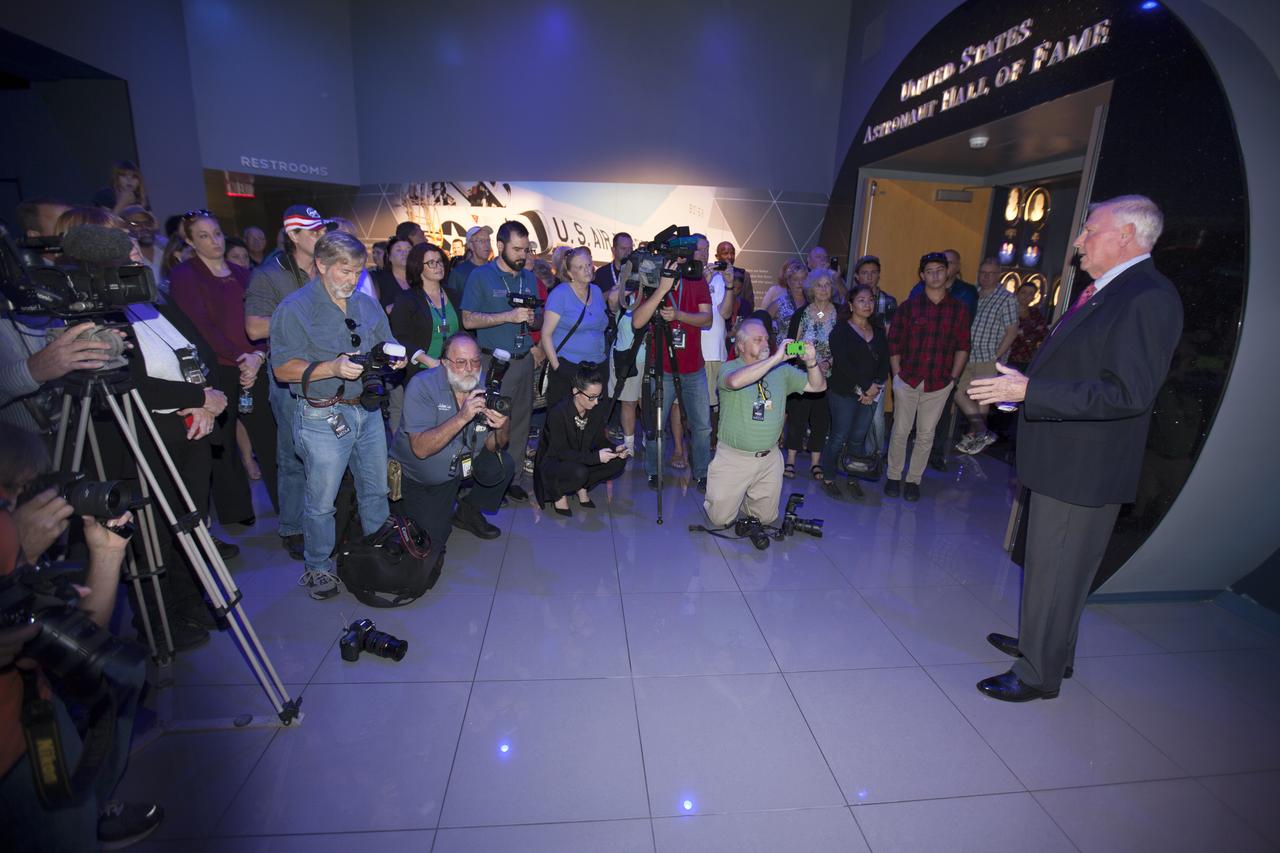
Former astronaut Jon McBride speaks during a remembrance ceremony Jan. 18, 2017, at NASA's Kennedy Space Center in Florida. Cernan, who flew on Gemini and Apollo missions, commanded the Apollo 17 mission and was the last person to walk on the moon.
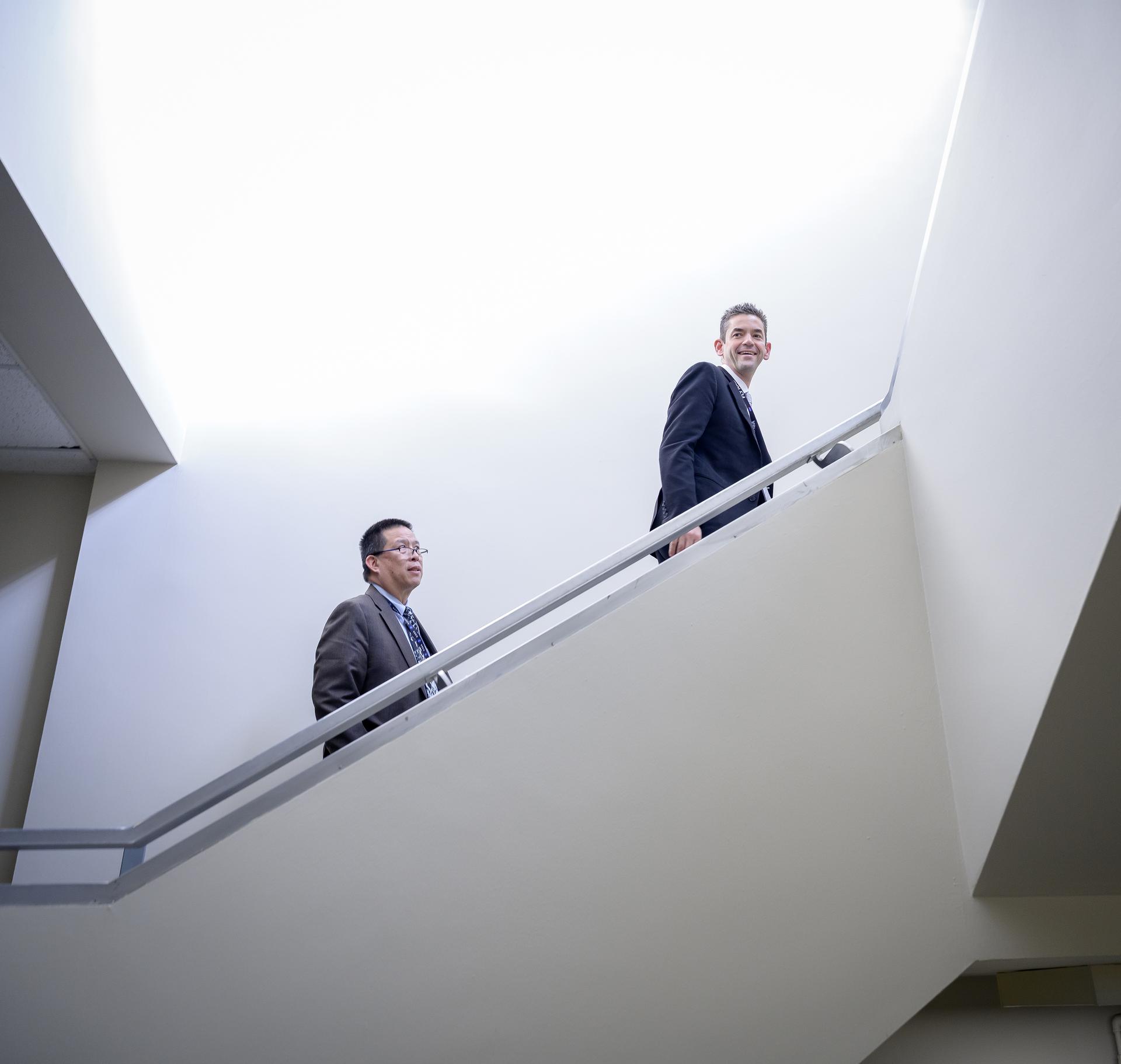
NASA Administrator Jared Isaacman, right, and Center Director Eugene Tu tour the Unitary Plan Wind Tunnel (UPWT) facility in N227.
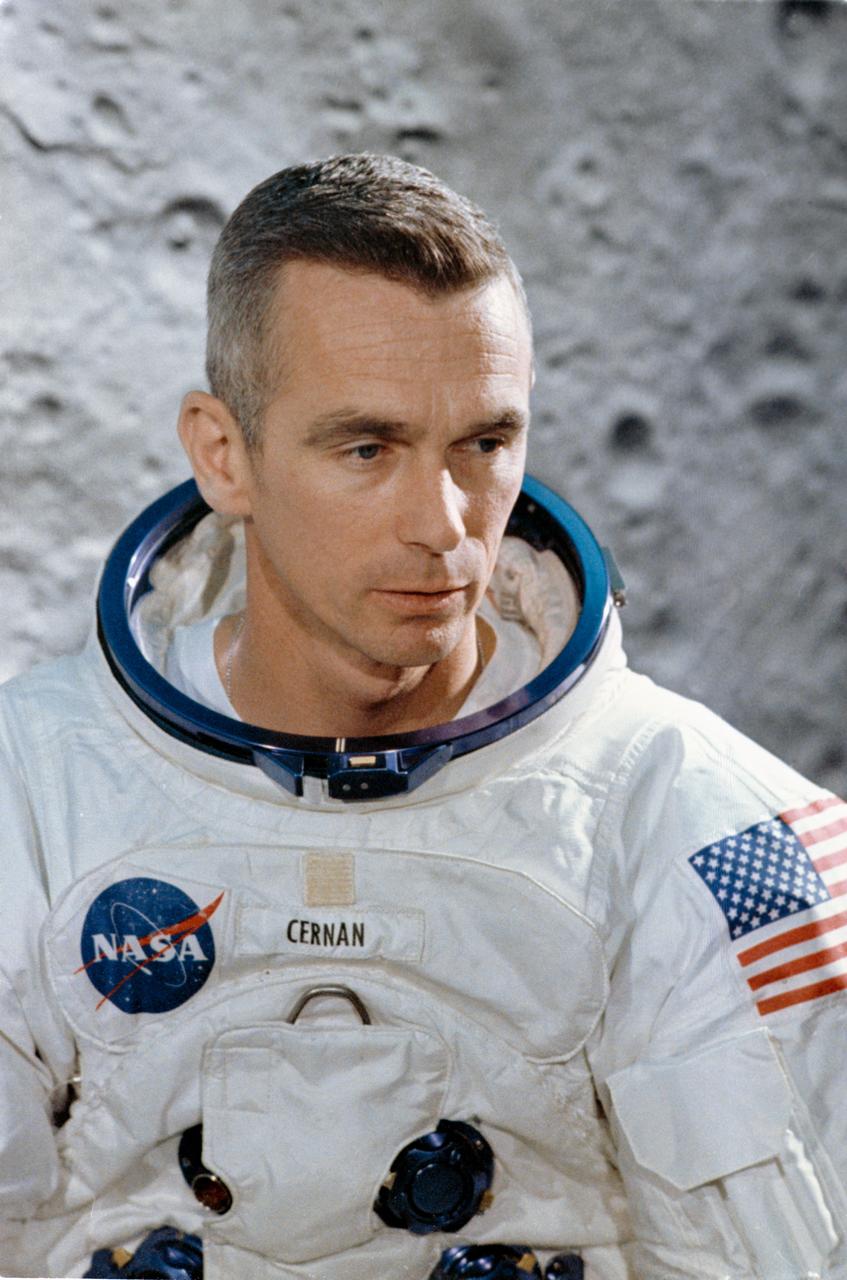
S69-32617 (April 1969) --- Astronaut Eugene A. Cernan, prime crew lunar module pilot of the Apollo 10 lunar orbit mission.
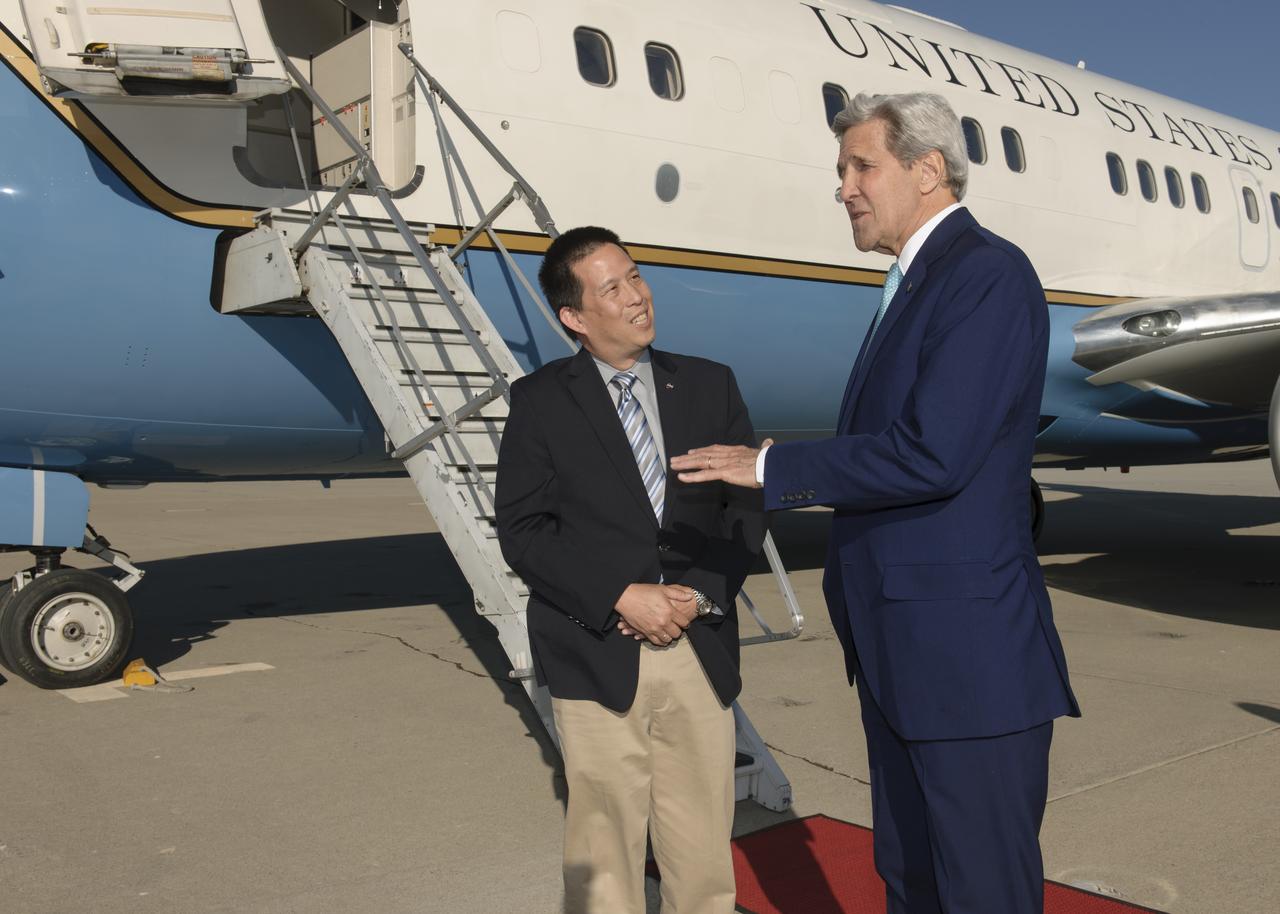
Ames Center Director Eugene Tu greeted Secretary of State John Kerry as he arrived at Moffett Field. Secretary Kerry was in Silicon Valley for events around the 2016 Global Entrepreneurship Summit.
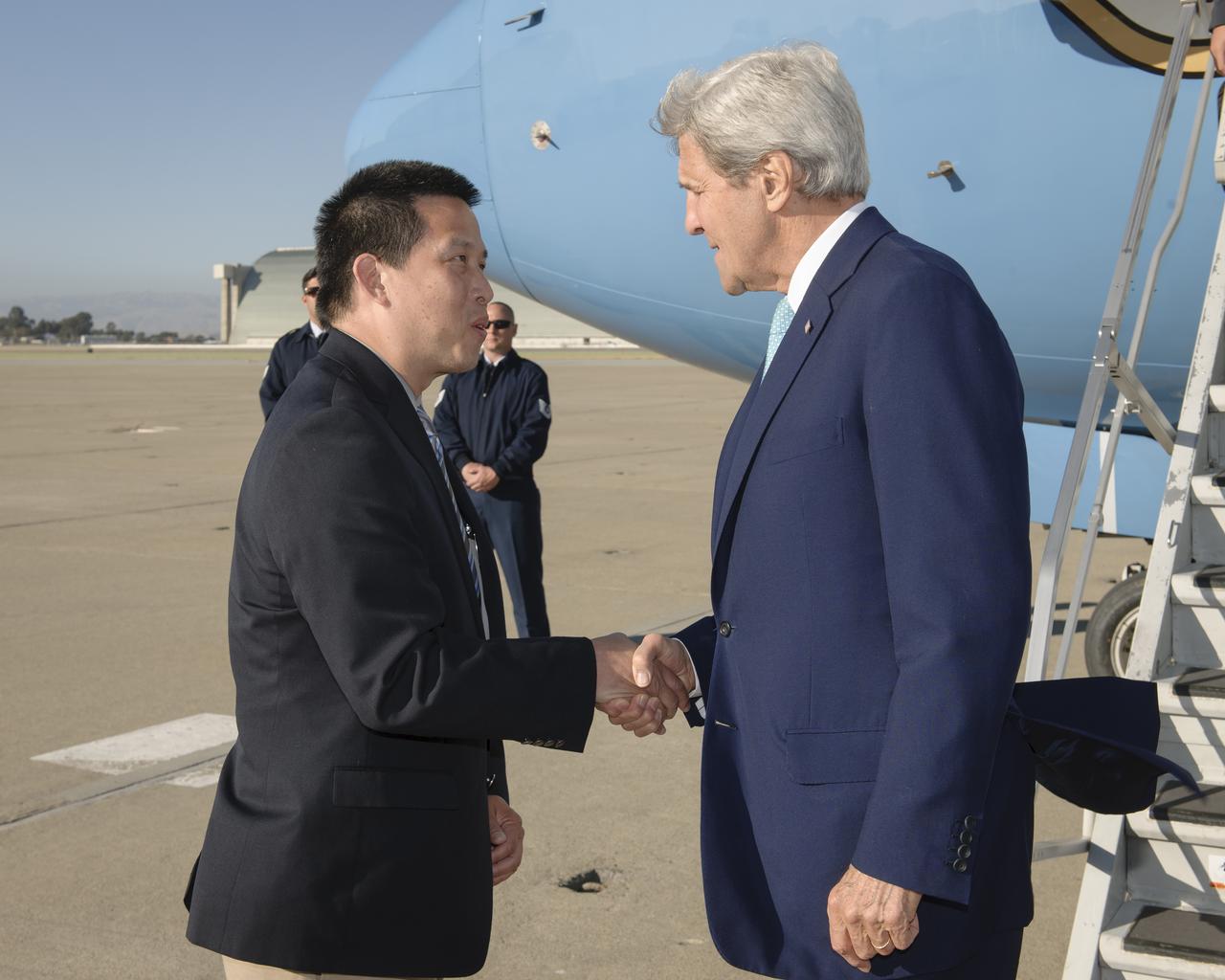
Ames Center Director Eugene Tu greeted Secretary of State John Kerry as he arrived at Moffett Field. Secretary Kerry was in Silicon Valley for events around the 2016 Global Entrepreneurship Summit.
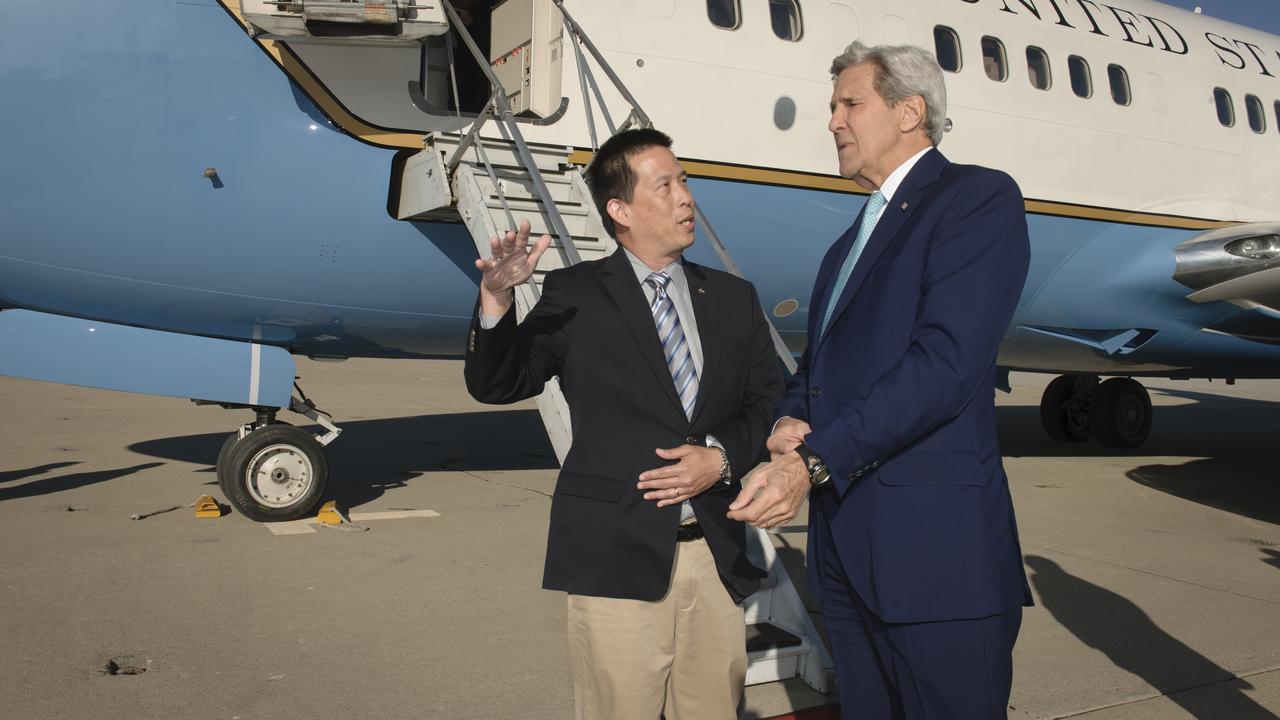
Ames Center Director Eugene Tu greeted Secretary of State John Kerry as he arrived at Moffett Field. Secretary Kerry was in Silicon Valley for events around the 2016 Global Entrepreneurship Summit.
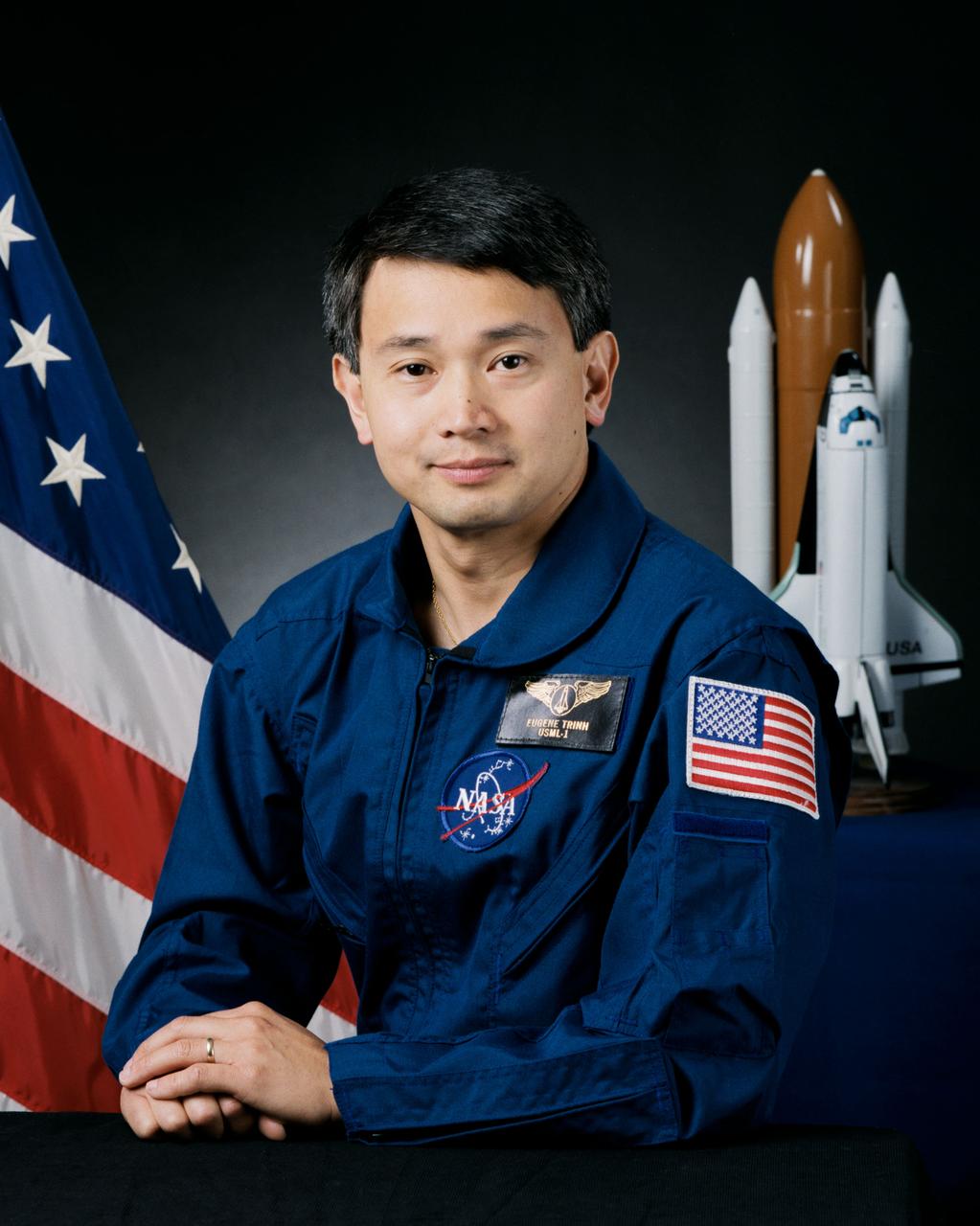
S91-46260 (1991) --- Astronaut Eugene H. Trinh, STS-50 USML payload specialist.
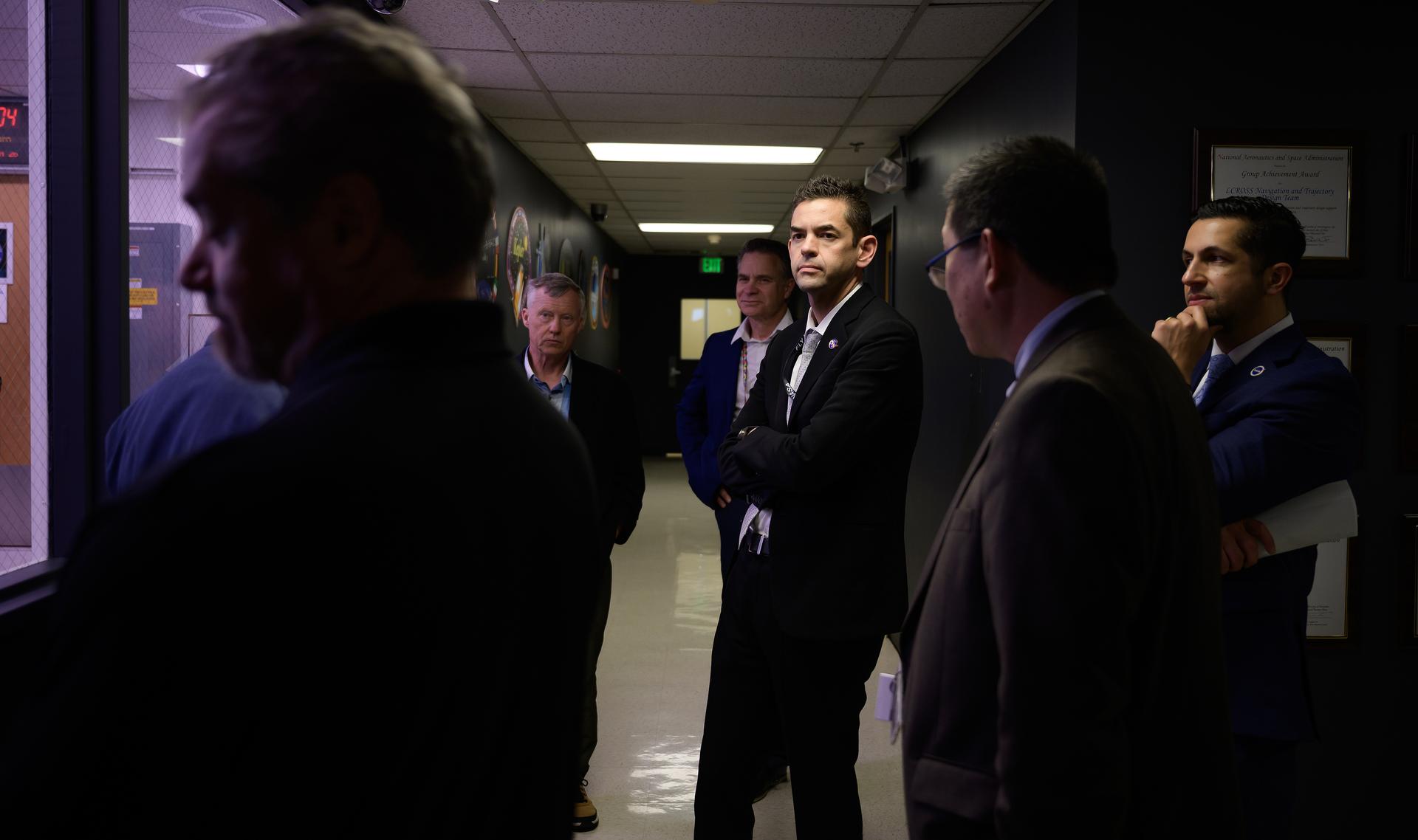
NASA Administrator Jared Isaacman, with Center Director Eugene Tu, and Associate Center Director Amir Deylami, tours the Multi-Mission Operations Center (MMOC) in N240A.
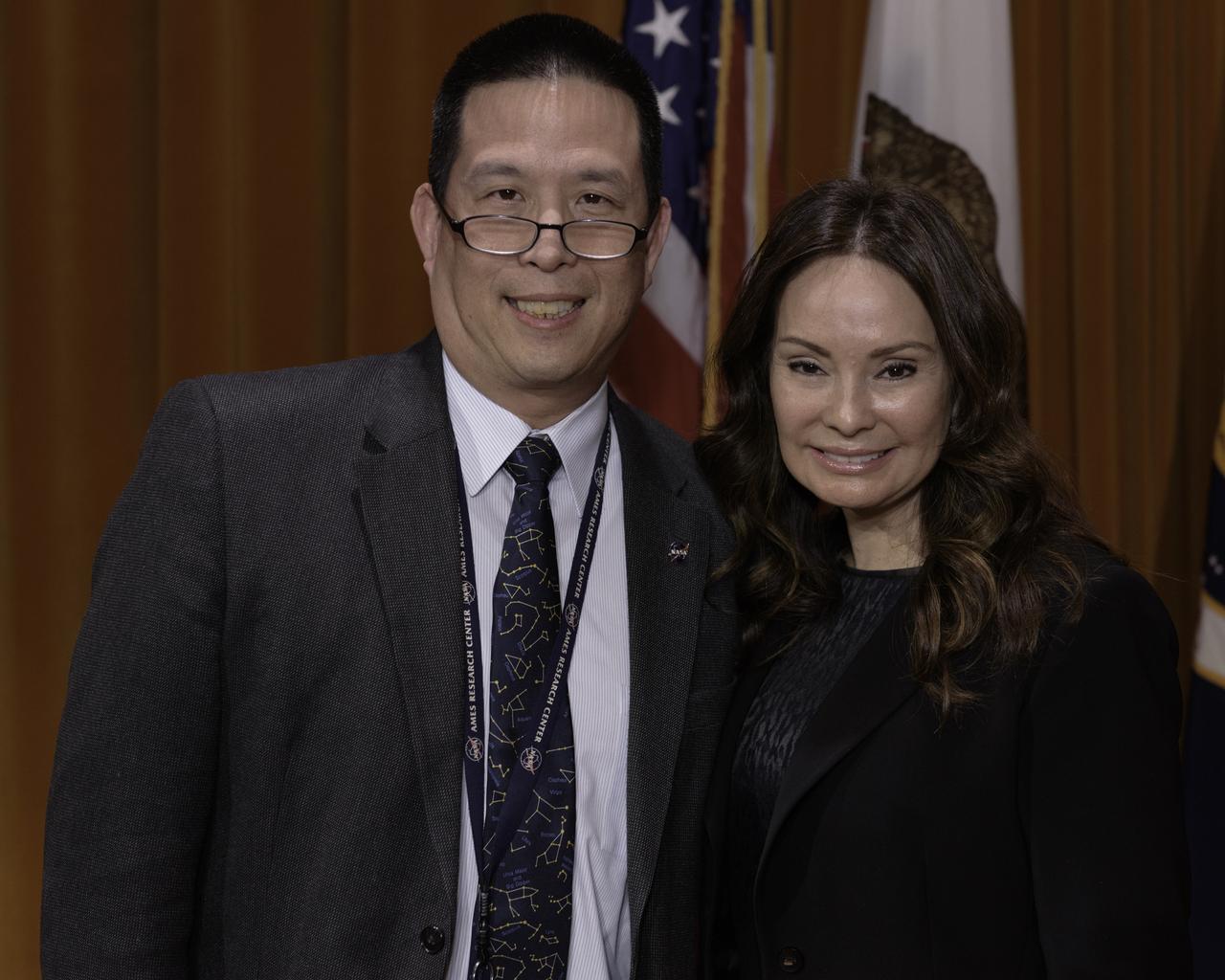
Ames Center Director, Eugene Tu (Left) with Rosie Rios, the 43rd Treasurer of the United States explores how understanding our history will provide a clearer roadmap for understanding where the country's future is heading. Presented by the Ames Women's Influence Network (WIN) and the Hispanic Advisory Committee for Employees (HACE) in the Syvertson Auditorium (N-201) at Ames Research Center. Eugene Tu, Ames Director with Rosie Rios
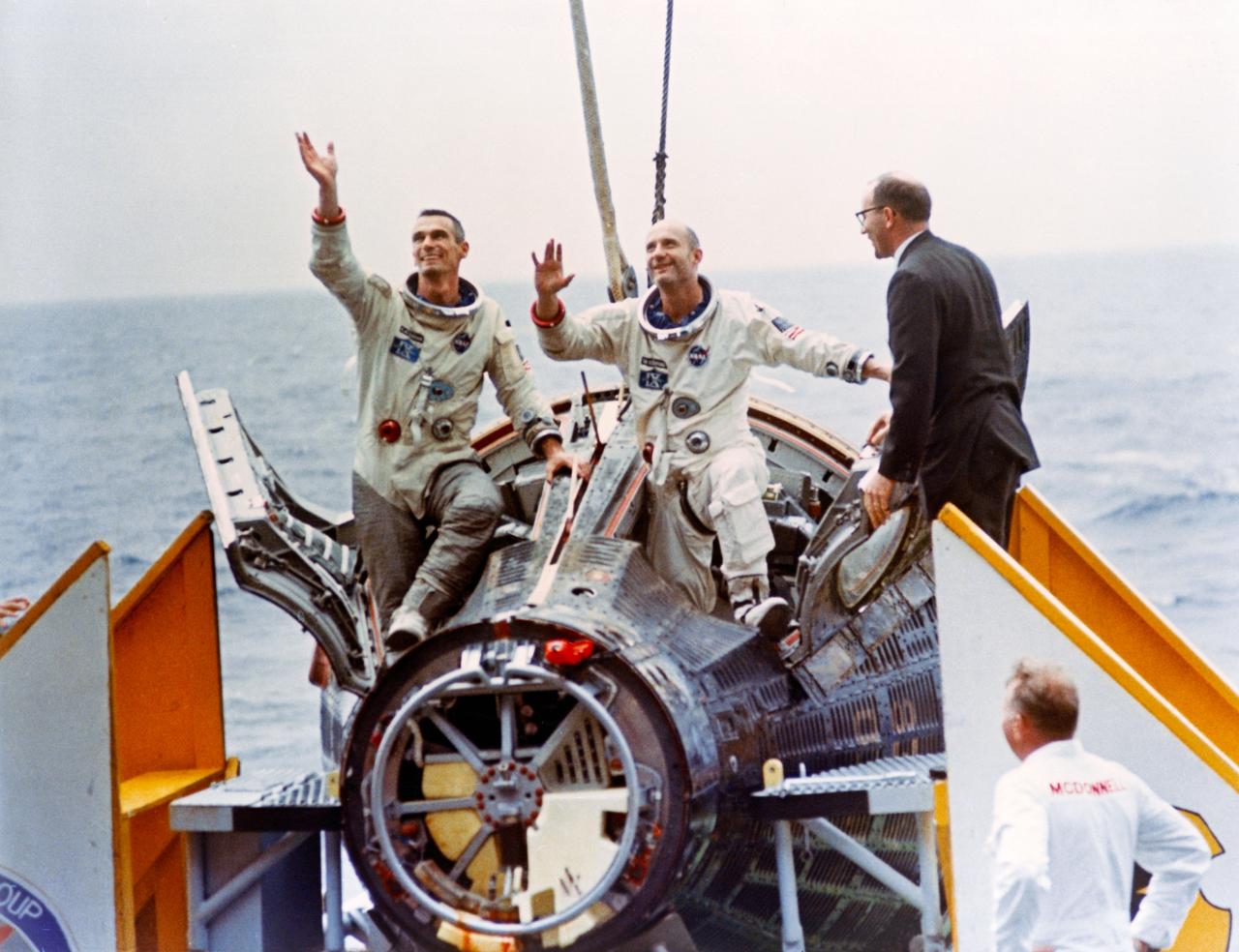
S66-34118 (6 June 1966) --- Astronauts Thomas Stafford (right) and Eugene Cernan wave to the crowd aboard the aircraft carrier USS Wasp as they emerge from their Gemini-9 capsule. John C. Stonesifer (far right), with the Manned Spacecraft Center's Landing and Recovery Division, was onboard to greet the astronauts. Photo credit: NASA
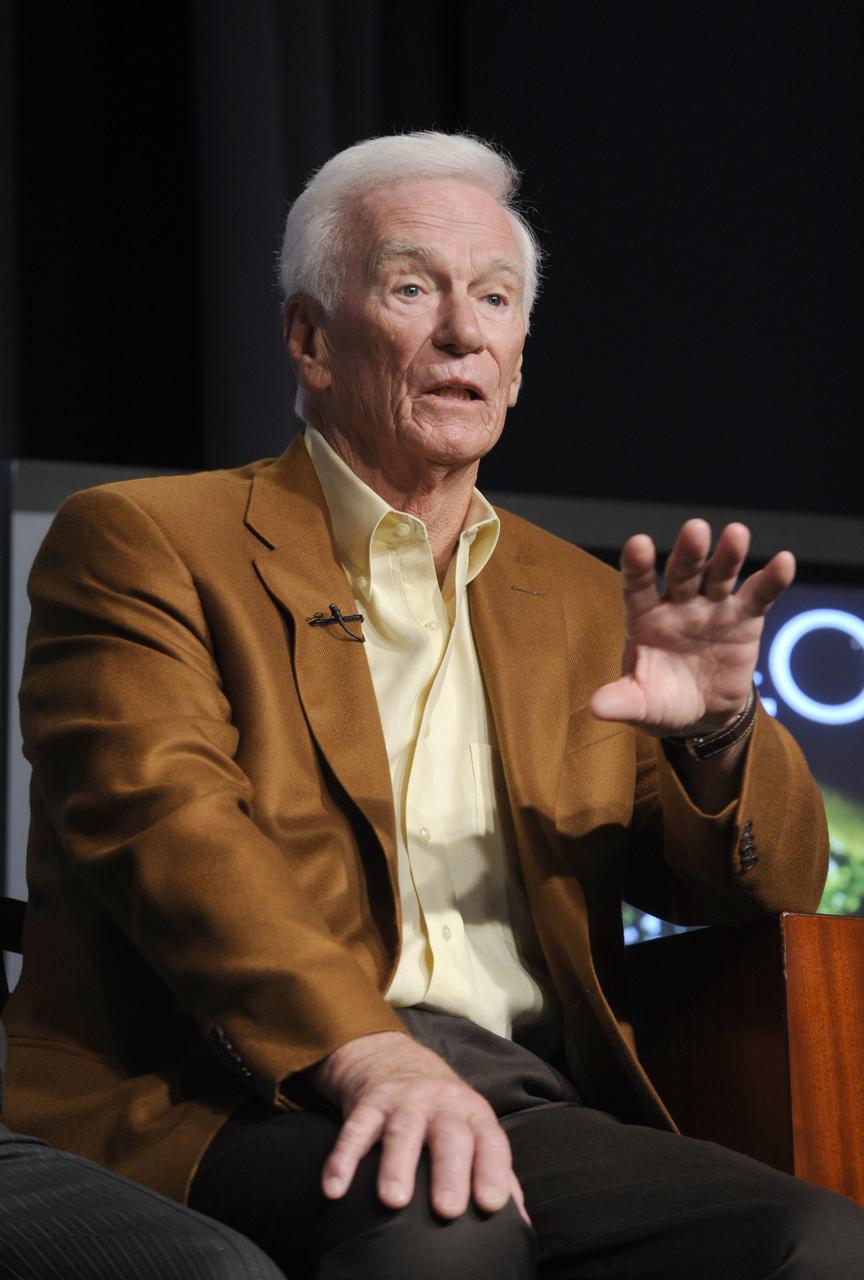
Eugene Cernan (Apollo 17) speaks during the 40th anniversary of the Apollo 11 mission and the walk on the moon press conference, Monday, July 20, 2009, at NASA Headquarters in Washington. Photo Credit: (NASA/Paul E. Alers)
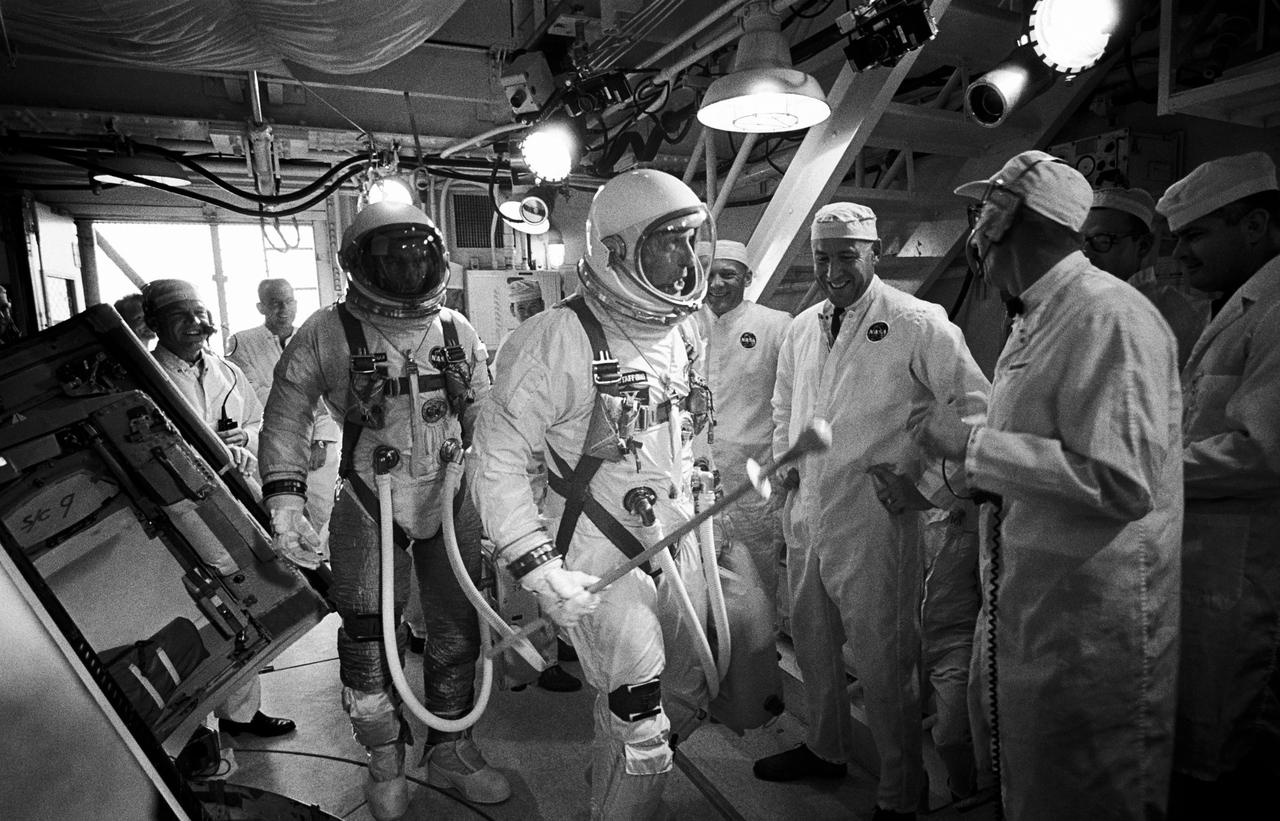
S66-34051 (3 June 1966) --- Astronauts Thomas P. Stafford and Eugene A. Cernan arrive in the White Room atop Pad 19 at the Kennedy Space Center in preparation for the launch of the Gemini-9 spaceflight. Photo credit: NASA
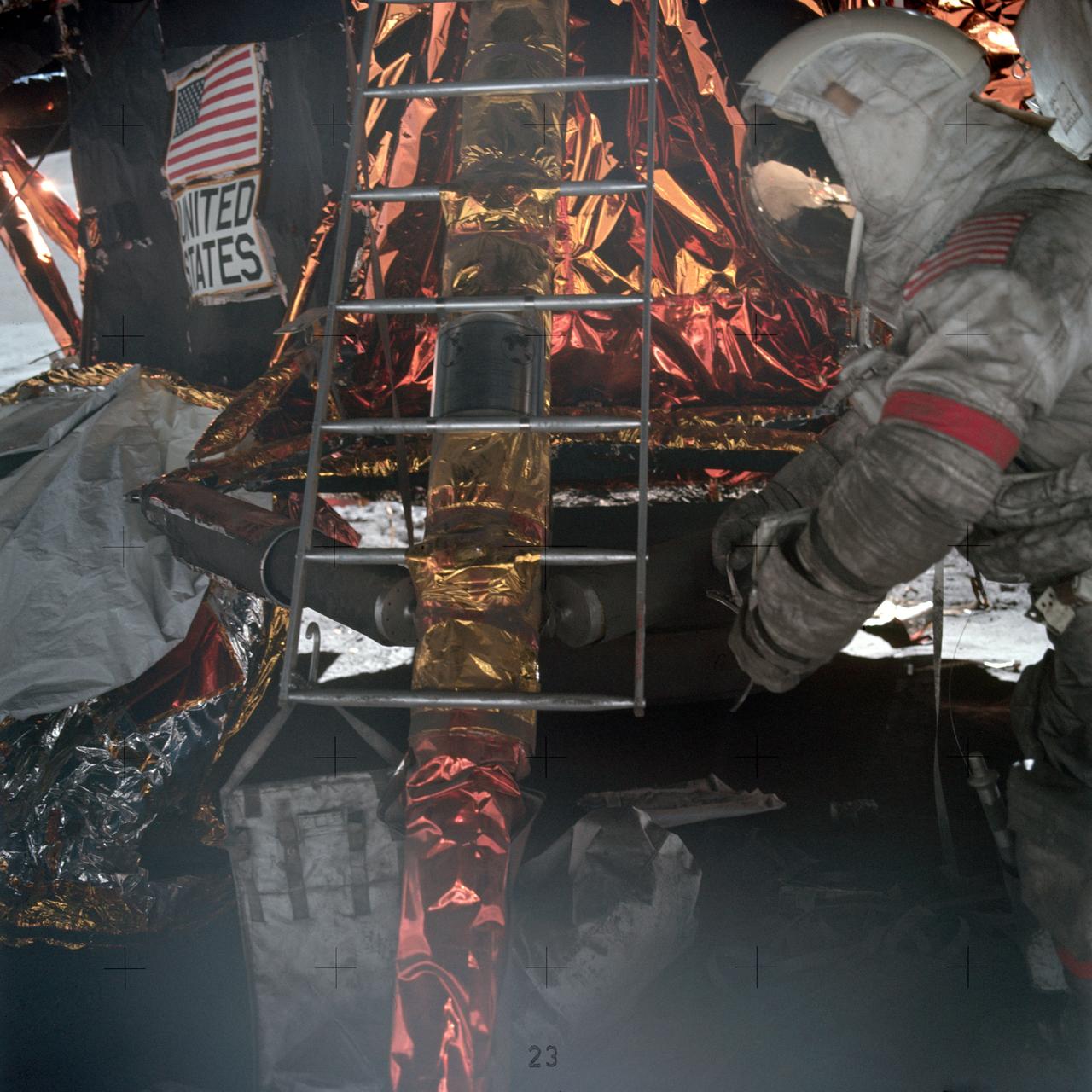
Astronaut Eugene A. Cernan, Apollo 17 commander, prepares to mount ladder to lunar module ascent stage. Note the plaque attached to the ladder which will be left with the descent stage when the mission lifts off from the lunar surface.
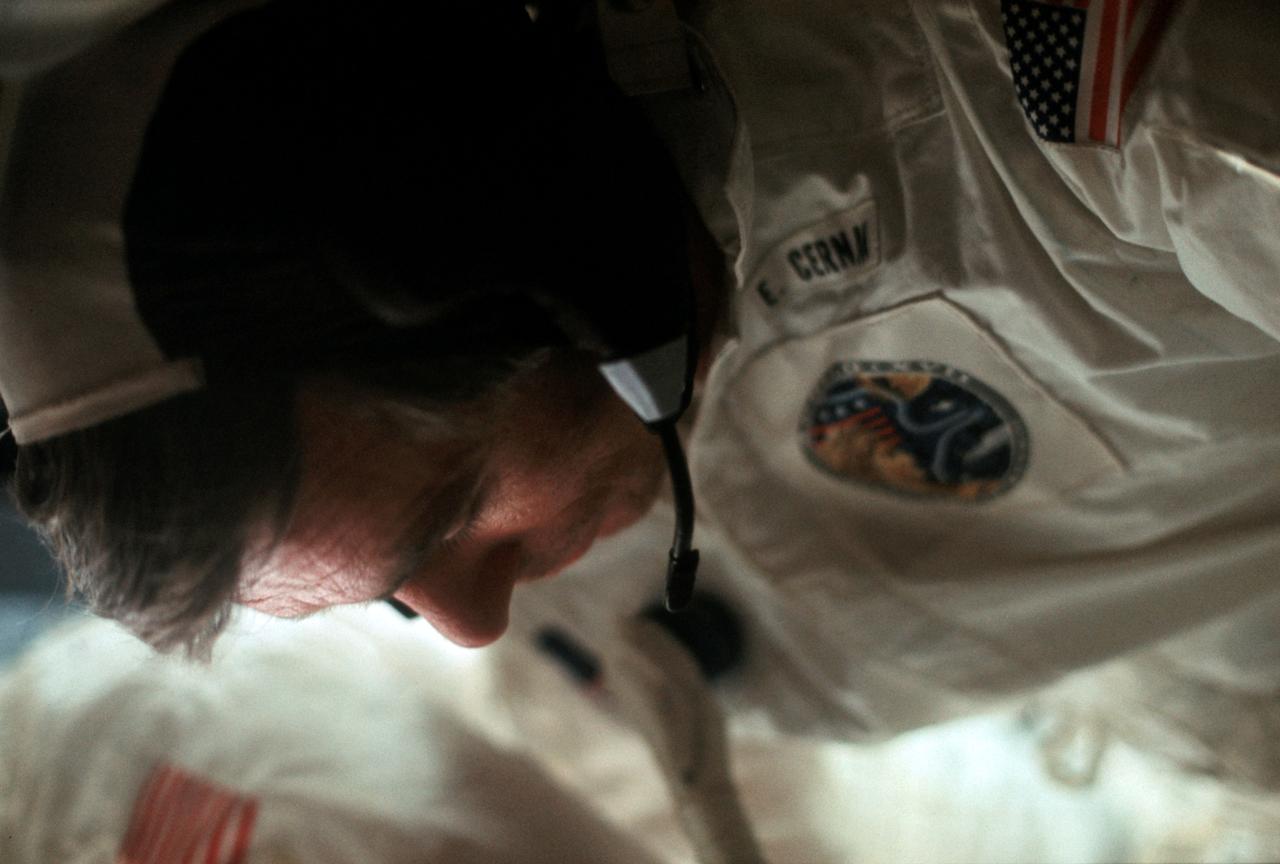
AS17-162-24050 (7-19 Dec. 1972) --- Astronaut Eugene A. Cernan appears to be relaxing in this candid photograph taken by a fellow crewman aboard the Apollo 17 spacecraft during the final lunar landing mission in NASA's Apollo program. Also, aboard Apollo 17 were astronaut Ronald E. Evans, command module pilot, and scientist-astronaut Harrison H. "Jack" Schmitt, lunar module pilot. Cernan was the mission commander.
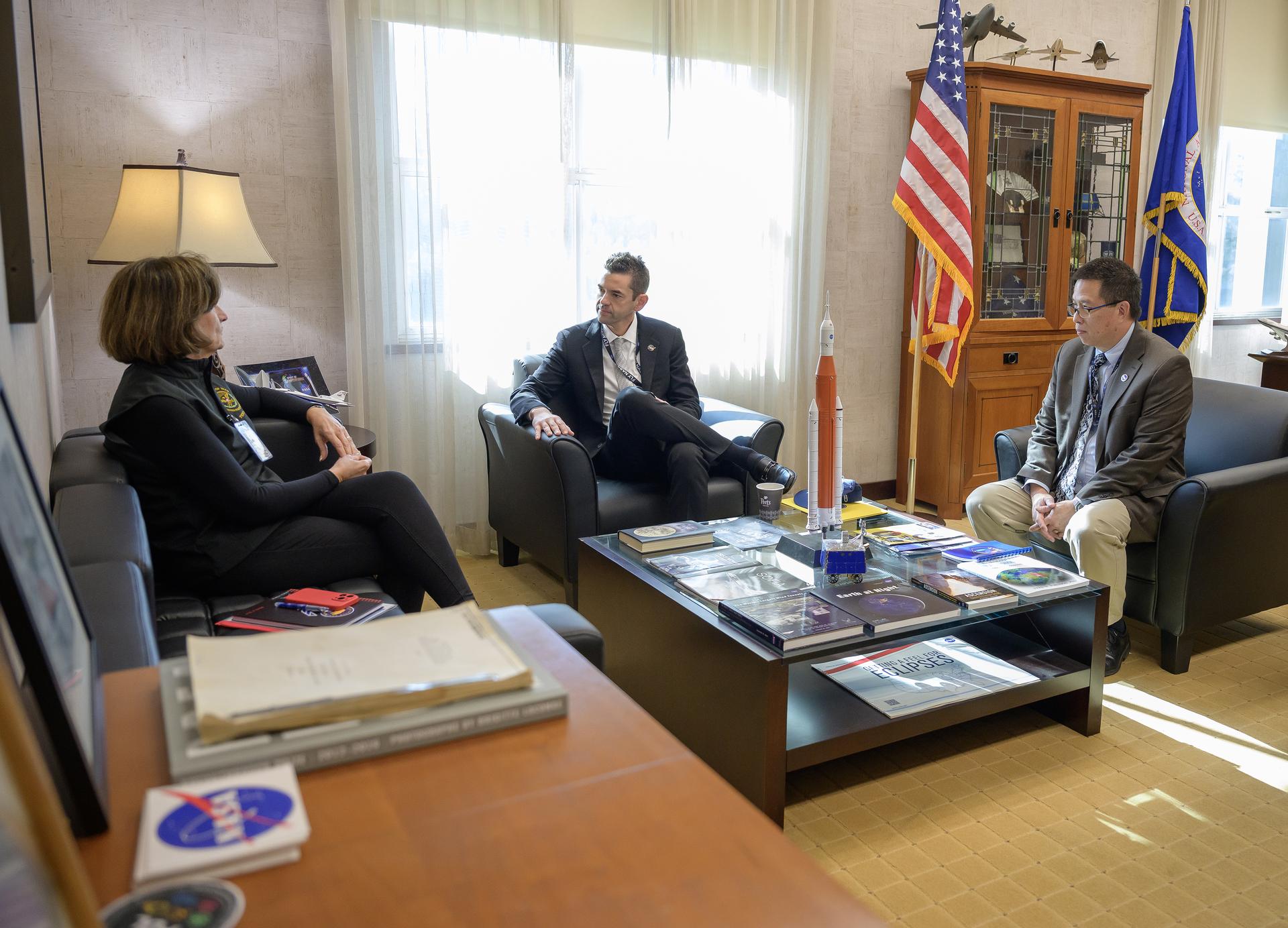
NASA Administrator Jared Isaacman meets with Berkeley Space Center leadership in the Jack Boyd Committee Room, N200. Left to right, Associate Provost Berkeley Space Center Dr. Victoria Coleman, NASA Administrator Jared Isaacman, and Center Director Eugene Tu.
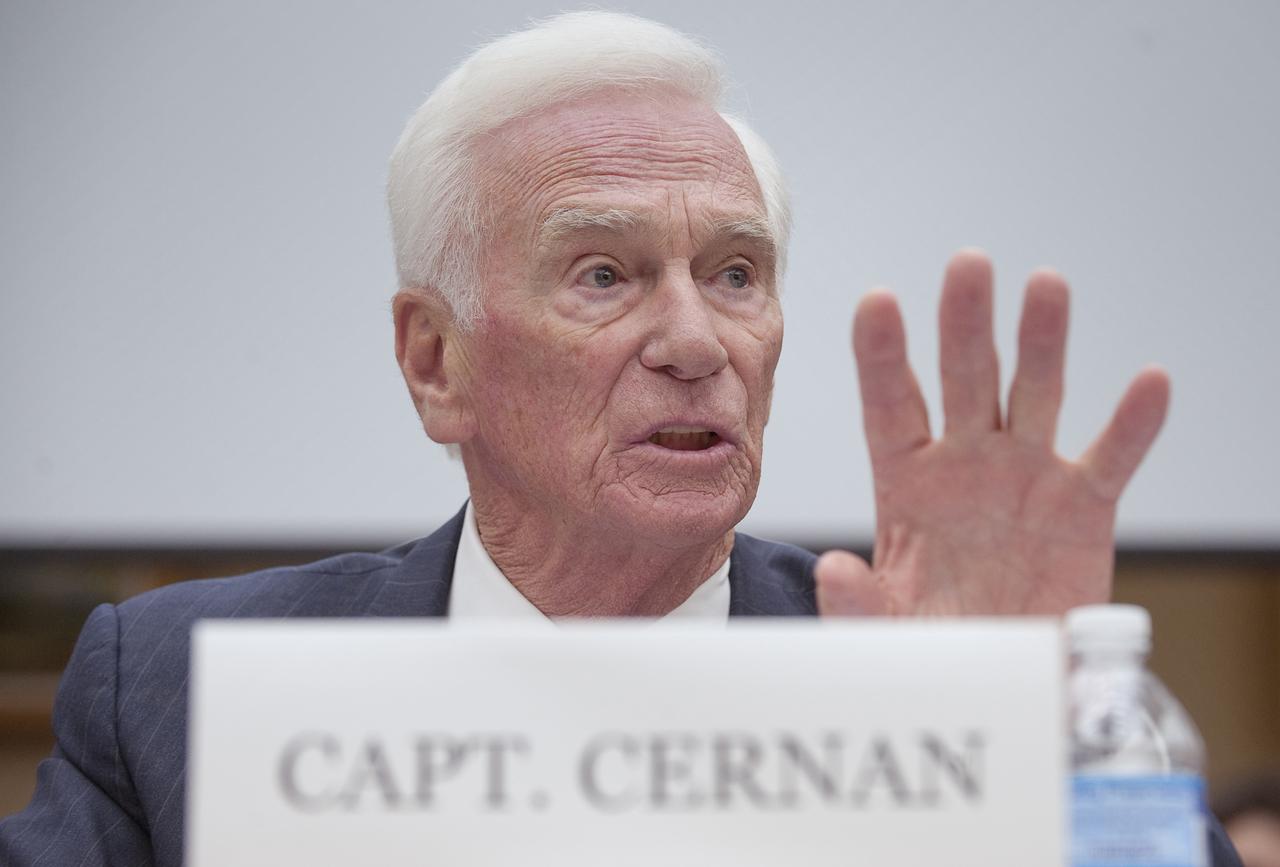
Retired Navy Captain and commander of Apollo 17 Eugene Cernan testifies during a hearing before the House Science and Technology Committee, Tuesday, May 26, 2010, at the Rayburn House office building on Capitol Hill in Washington. The hearing was to review proposed human spaceflight plan by NASA. Photo Credit: (NASA/Paul E. Alers)
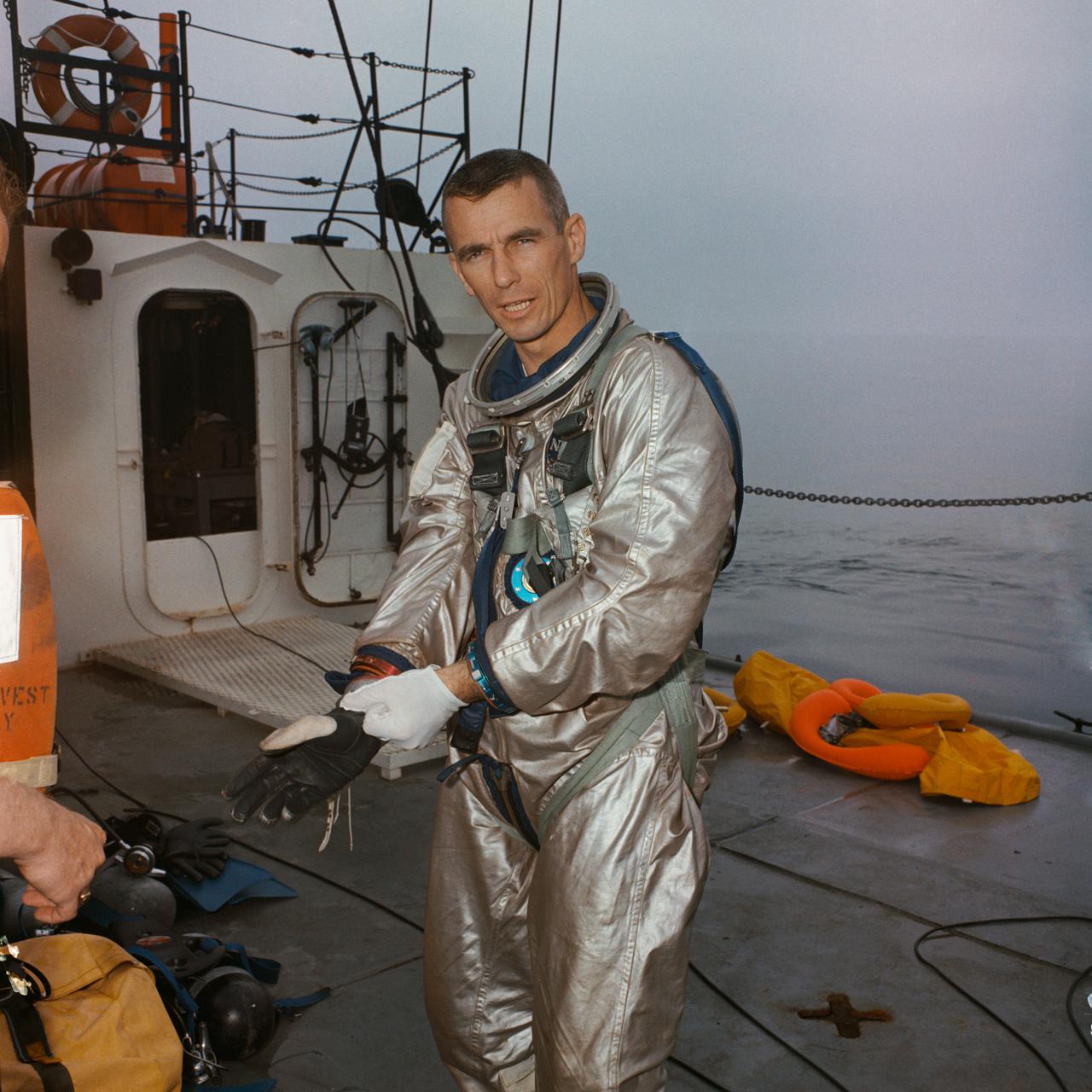
S66-29485 (9 April 1966) --- Astronaut Eugene A. Cernan, prime crew pilot of the National Aeronautics and Space Administration's Gemini-9 spaceflight, stands on deck of the NASA Motor Vessel Retriever after suiting up for water egress training in the Gulf of Mexico. Photo credit: NASA
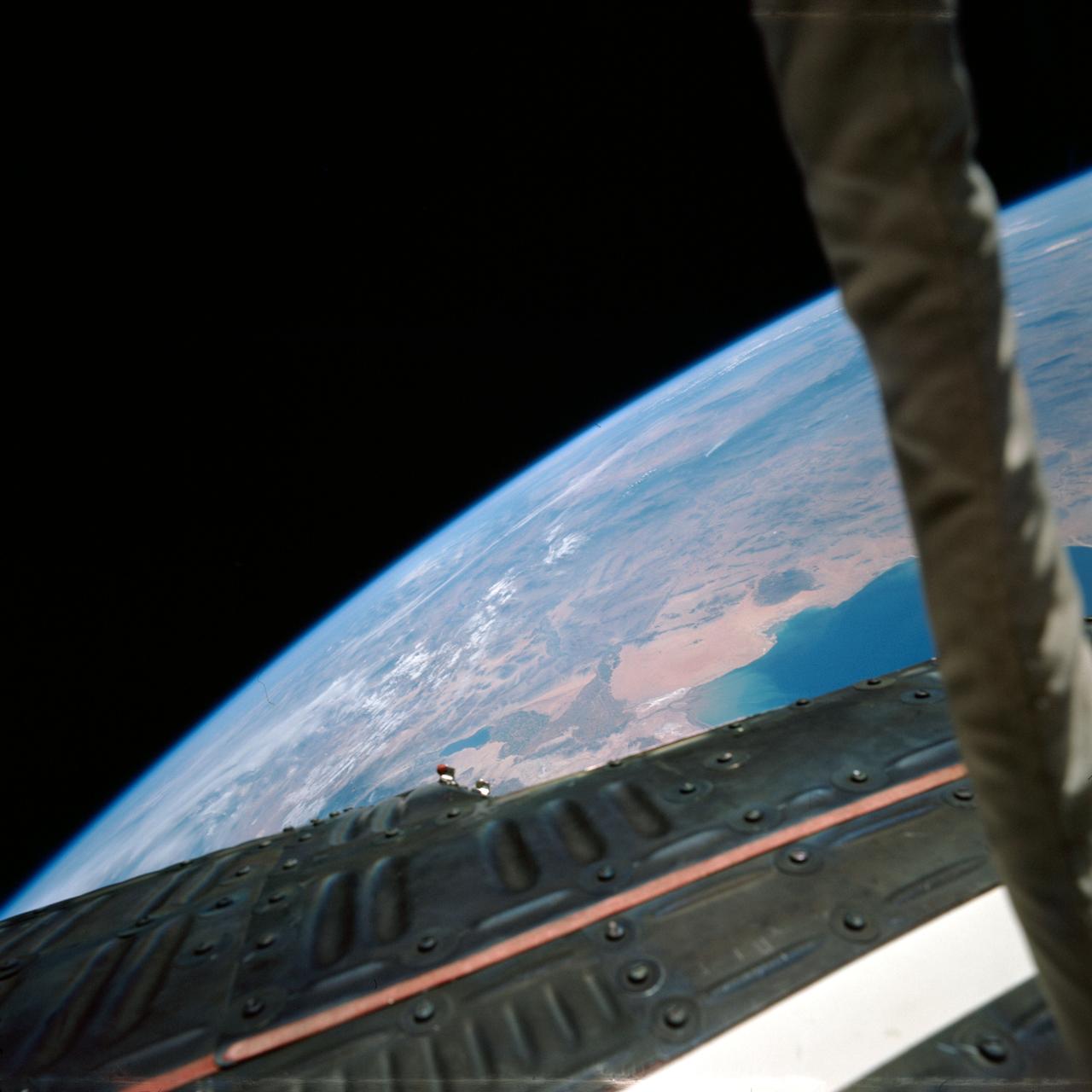
S66-38068 (5 June 1966) --- Astronaut Eugene A. Cernan took this view of the Gemini-9A spacecraft and his umbilical cord (right) over California, Arizona, and Sonora, Mexico, during his extravehicular activity (EVA) on the Gemini-9A mission. Taken during the 32nd revolution of the flight. Photo credit: NASA
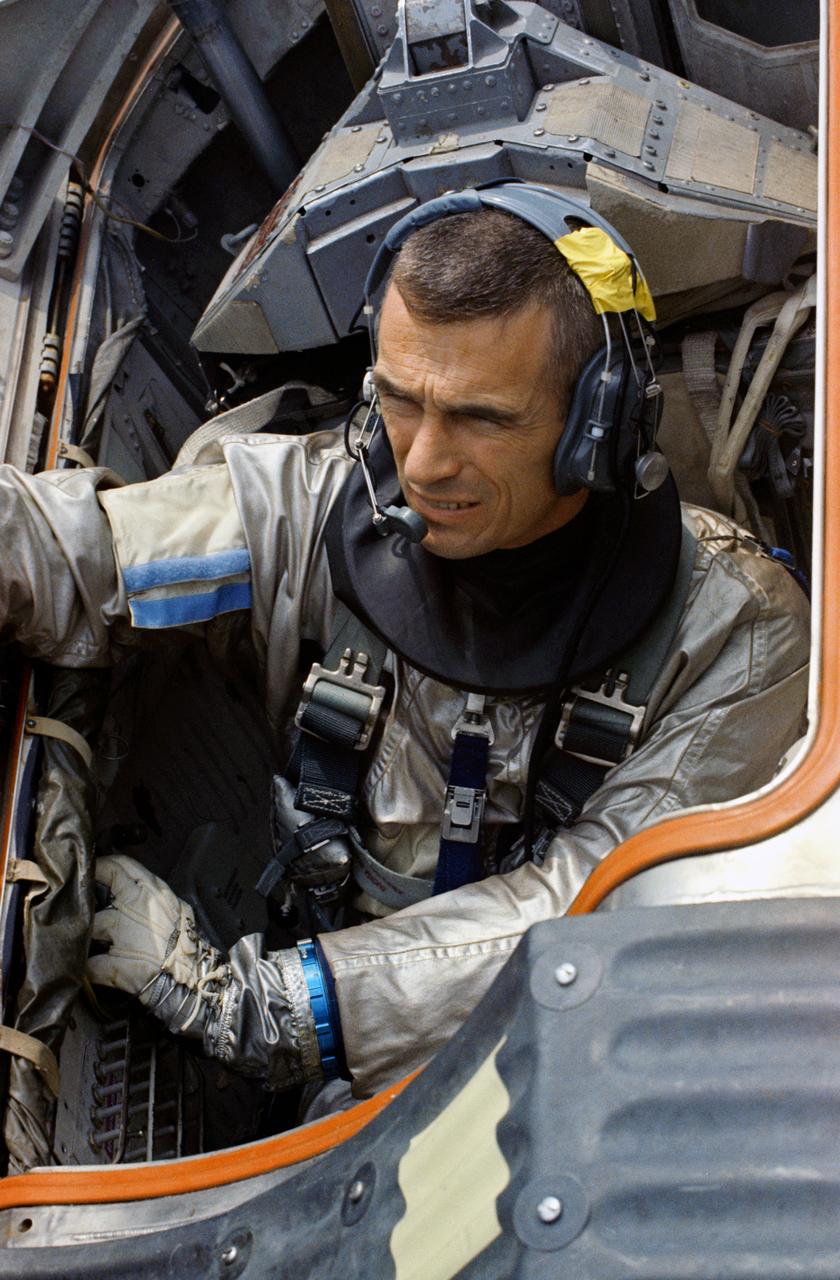
S66-29559 (9 April 1966) --- Astronaut Eugene A. Cernan, prime crew pilot of the National Aeronautics and Space Administration?s Gemini-9 spaceflight, sits in Gemini Boiler-plate during water egress training activity in the Gulf of Mexico. Photo credit: NASA
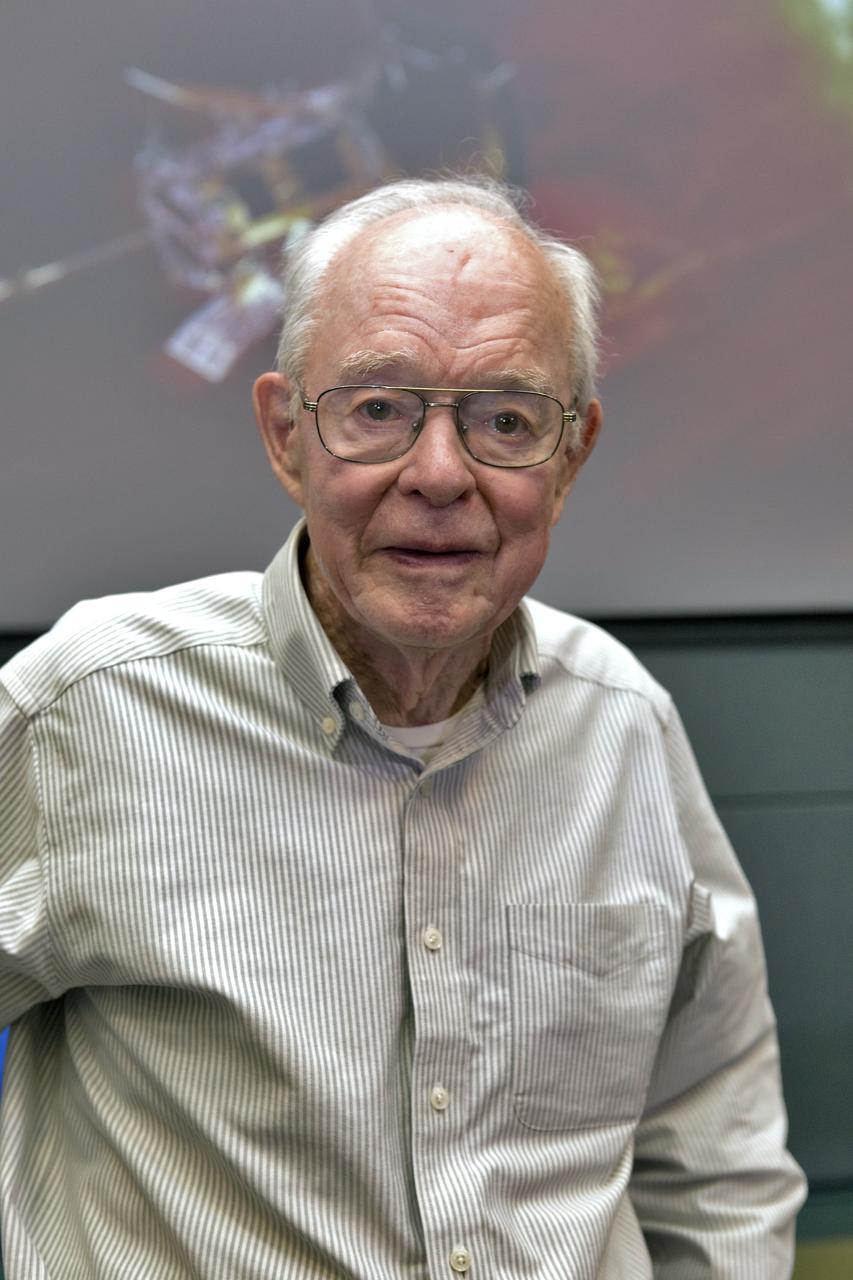
In the Kennedy Space Center’s Operations Support Building II, Dr. Eugene Parker, a pioneer in heliophysics and S. Chandrasekhar distinguished service professor emeritus for the Department of Astronomy and Astrophysics at the University of Chicago, speaks to members of news and social media in a prelaunch mission briefing about NASA's Parker Solar Probe on Thursday, Aug. 9, 2018. The spacecraft is designed to provide key observations on his groundbreaking theories about the Sun. This is the first NASA mission named for a living person. Lift off atop a United Launch Alliance Delta IV Heavy rocket will take place from Space Launch Complex 37 at Cape Canaveral Air Force Station in Florida. The spacecraft was built by Applied Physics Laboratory of Johns Hopkins University in Laurel, Maryland. The mission will perform the closest-ever observations of a star when it travels through the Sun's atmosphere, called the corona. The probe will rely on measurements and imaging to revolutionize our understanding of the corona and the Sun-Earth connection.
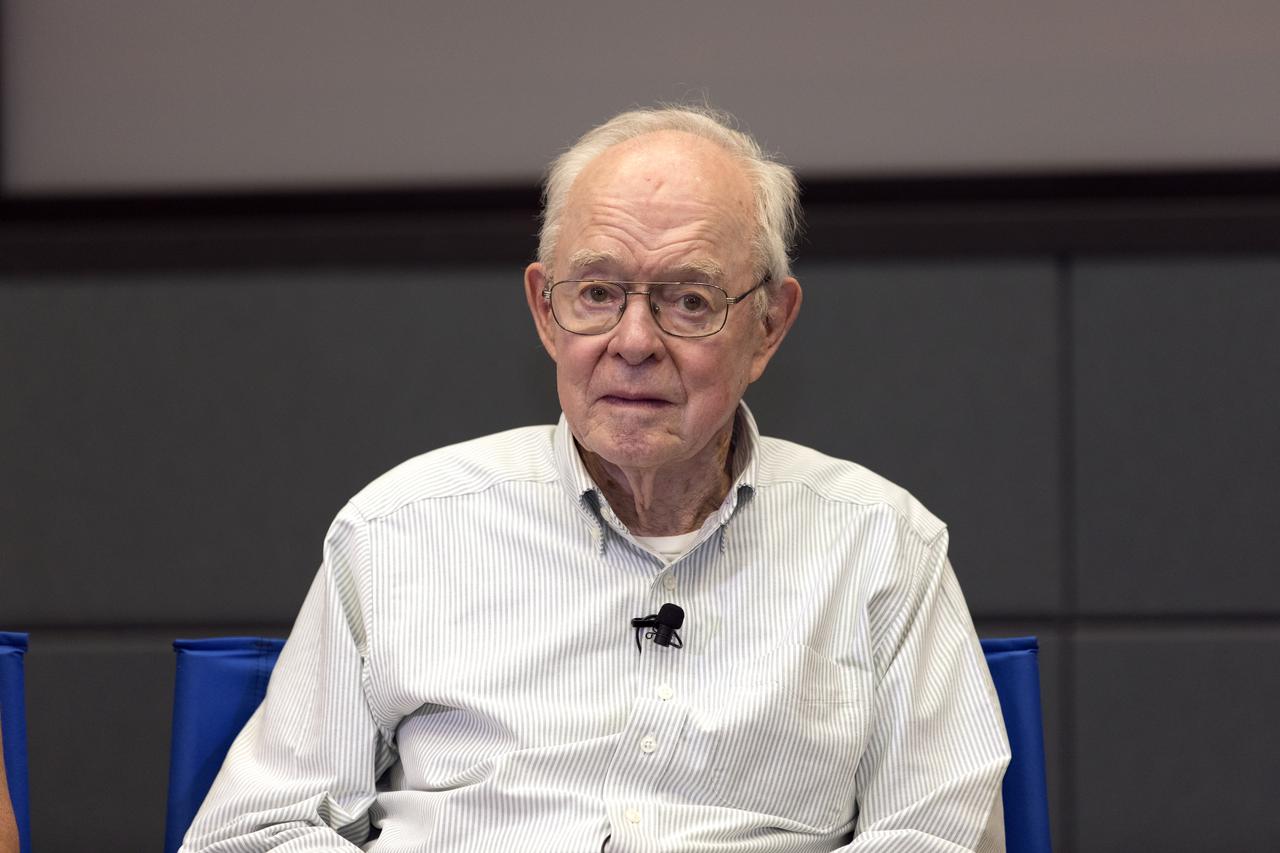
In the Kennedy Space Center’s Operations Support Building II, Dr. Eugene Parker, a pioneer in heliophysics and S. Chandrasekhar distinguished service professor emeritus for the Department of Astronomy and Astrophysics at the University of Chicago, speaks to members of news and social media in a prelaunch mission briefing about NASA's Parker Solar Probe on Thursday, Aug. 9, 2018. The spacecraft is designed to provide key observations on his groundbreaking theories about the Sun. This is the first NASA mission named for a living person. Lift off atop a United Launch Alliance Delta IV Heavy rocket will take place from Space Launch Complex 37 at Cape Canaveral Air Force Station in Florida. The spacecraft was built by Applied Physics Laboratory of Johns Hopkins University in Laurel, Maryland. The mission will perform the closest-ever observations of a star when it travels through the Sun's atmosphere, called the corona. The probe will rely on measurements and imaging to revolutionize our understanding of the corona and the Sun-Earth connection.
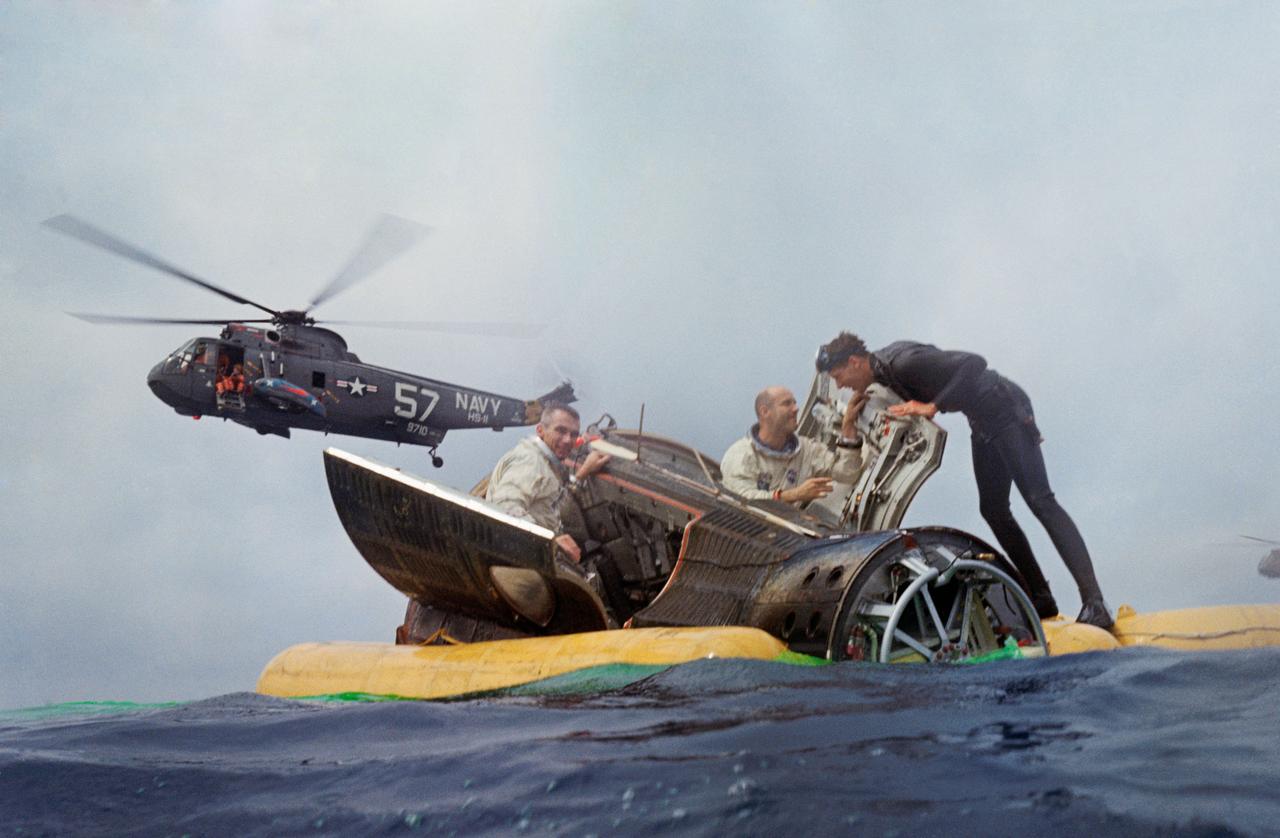
S66-34124 (6 June 1966) --- Astronauts Eugene A. Cernan and Thomas P. Stafford sit with their Gemini 9A spacecraft hatches open while awaiting the arrival of the recovery ship U.S.S. Wasp.
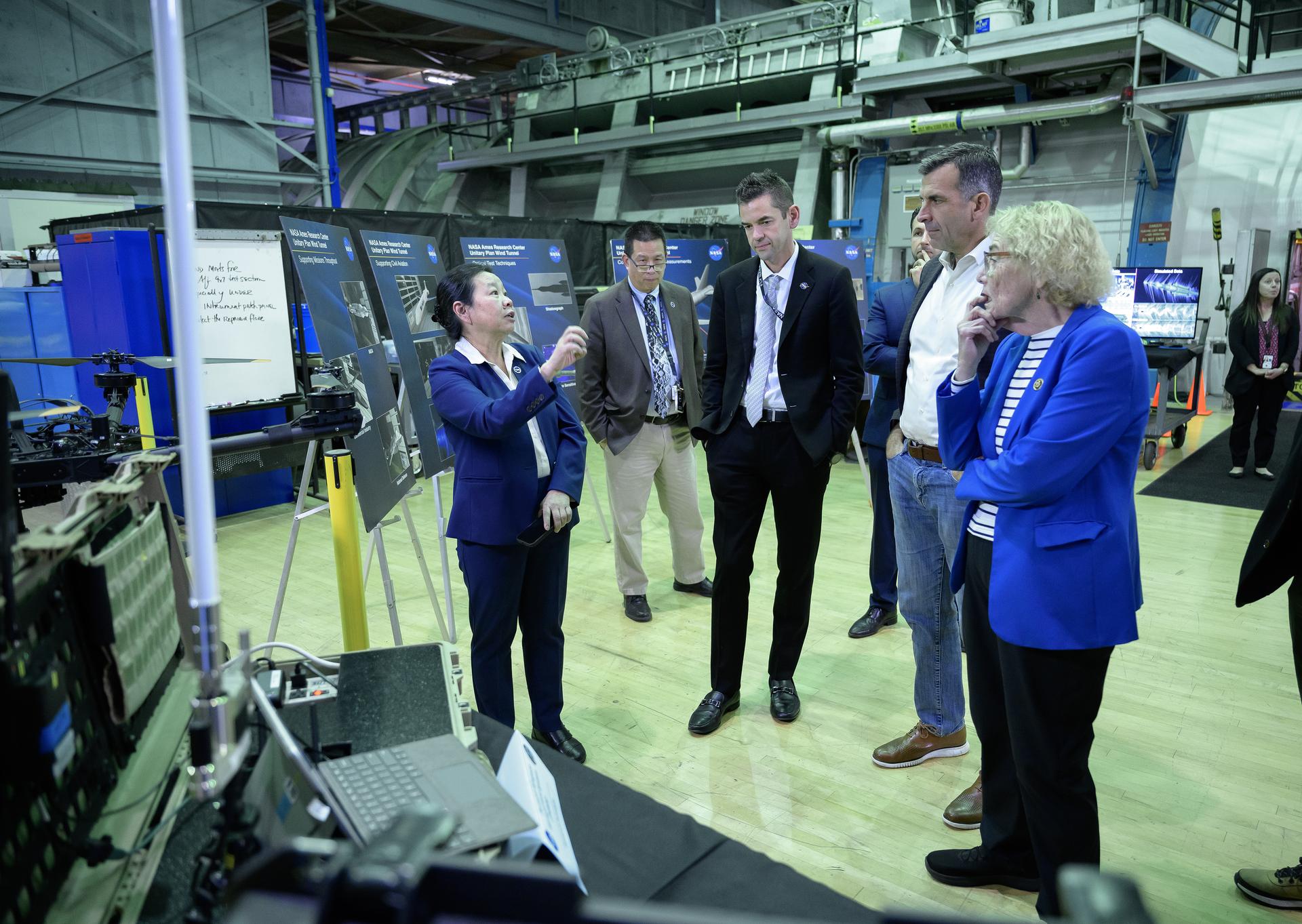
Director of Aeronautics Huy Tran, left, speaks to NASA Administrator Jared Isaacman, Congressman Sam Liccardo, and Congresswoman Zoe Lofgren, right, with Center Director Eugene Tu looking on in the back.
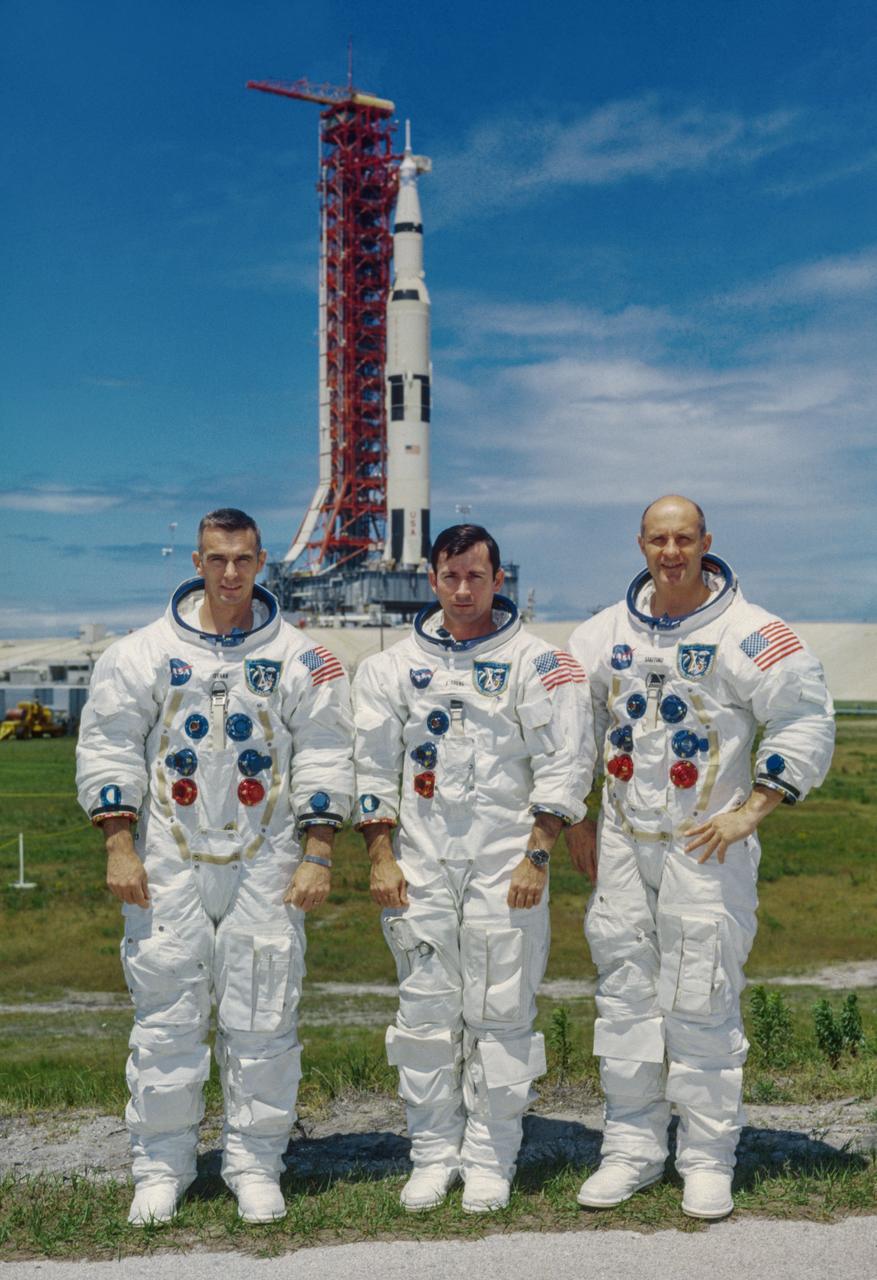
S69-34385 (13 May 1969) --- These three astronauts are the prime crew of the Apollo 10 lunar orbit mission. Left to right, are Eugene A. Cernan, lunar module pilot; John W. Young, command module pilot; and Thomas P. Stafford, commander. In the background is the Apollo 10 space vehicle on Pad B, Launch Complex 39, Kennedy Space Center, Florida.
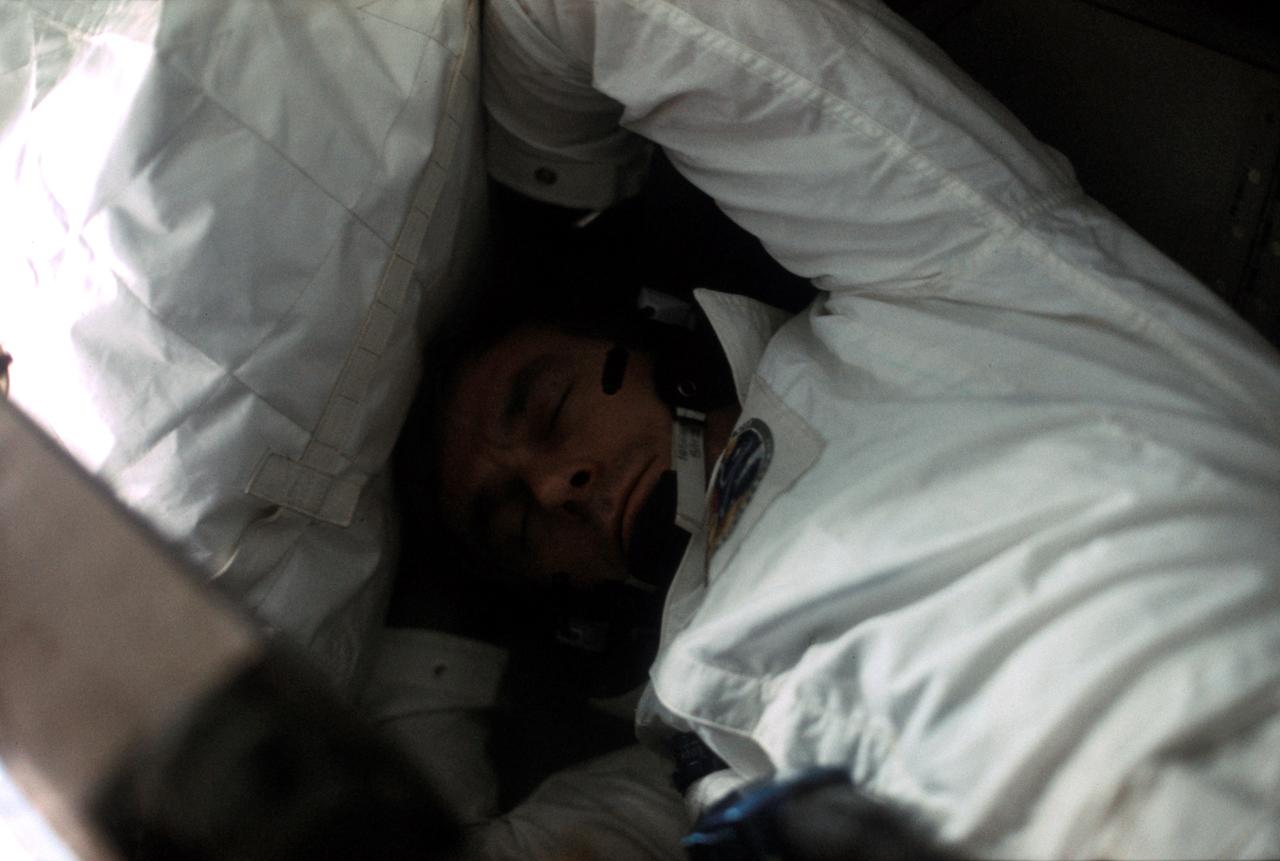
AS17-162-24049 (7-19 Dec. 1972) --- A fellow crewman took this picture of astronaut Eugene A. Cernan dozing aboard the Apollo 17 spacecraft during the final lunar landing mission in NASA's Apollo program. Also, aboard Apollo 17 were astronaut Ronald E. Evans, command module pilot, and scientist-astronaut Harrison H. "Jack" Schmitt, lunar module pilot. Cernan was the mission commander.
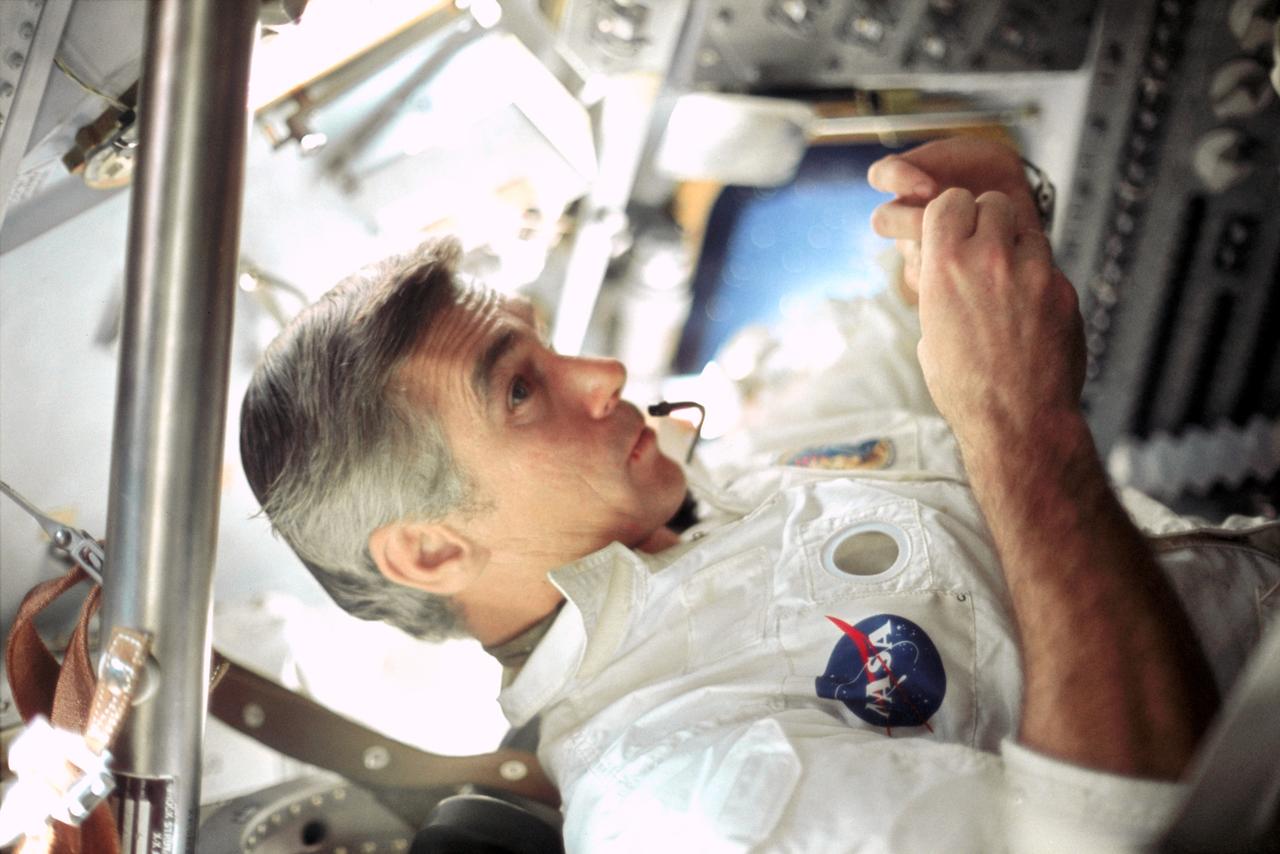
AS17-163-24122 (7-19 Dec. 1972) --- This candid photograph of astronaut Eugene A. Cernan was taken by a fellow crewman aboard the Apollo 17 spacecraft during the final lunar landing mission in NASA's Apollo program. Cernan was the mission commander. Also, aboard Apollo 17 were astronaut Ronald E. Evans, command module pilot, and scientist-astronaut Harrison H. "Jack" Schmitt, lunar module pilot.
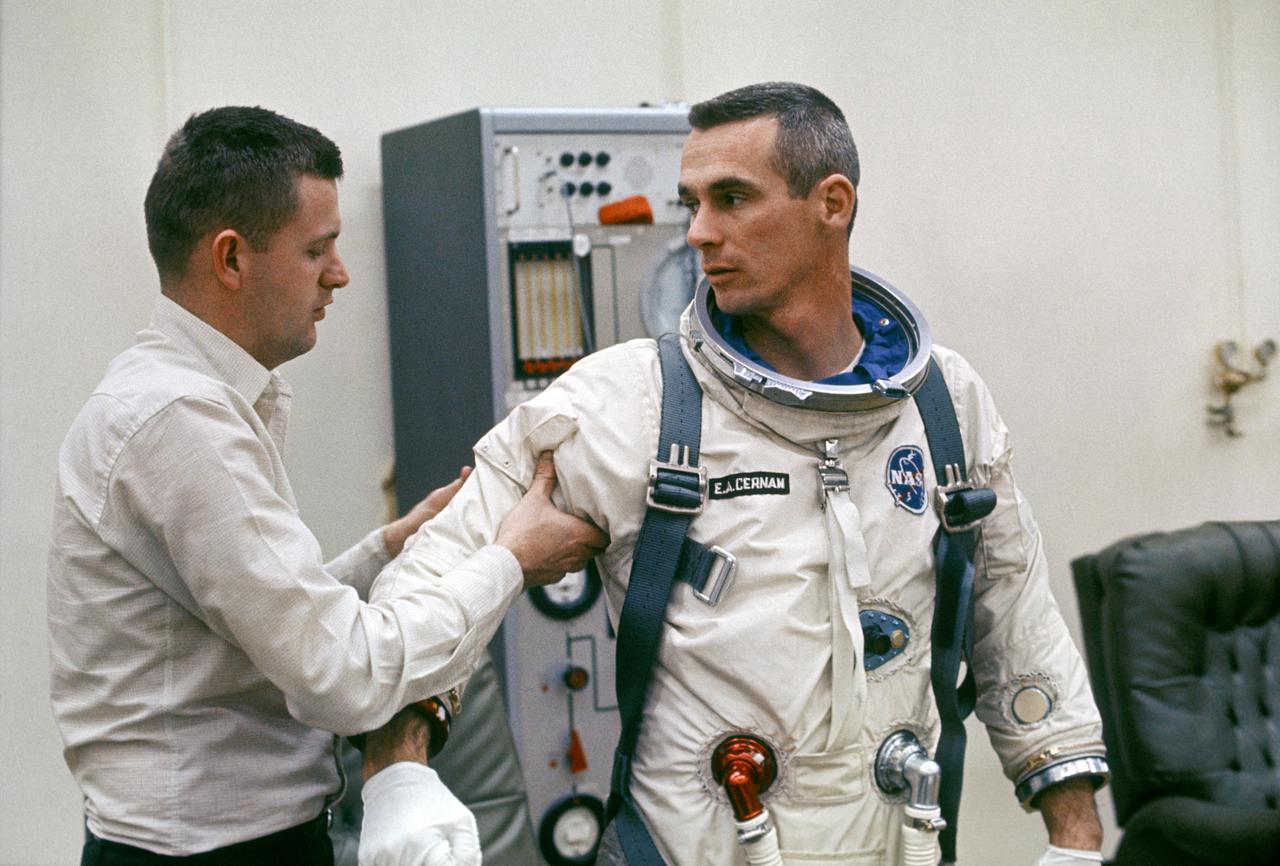
S66-27375 (19 Feb. 1966) --- Astronaut Eugene A. Cernan, pilot of the Gemini-9 spaceflight, has his suit adjusted by NASA suit technician Al Rochford during preparations for tests with the Astronaut Maneuvering Unit (AMU). The tests were conducted in Chamber B, Environmental Test Laboratory, Building 32. The AMU, which consists of a chest pack and backpack, will be used for extravehicular activity (EVA) on the Gemini-9 mission. Photo credit: NASA
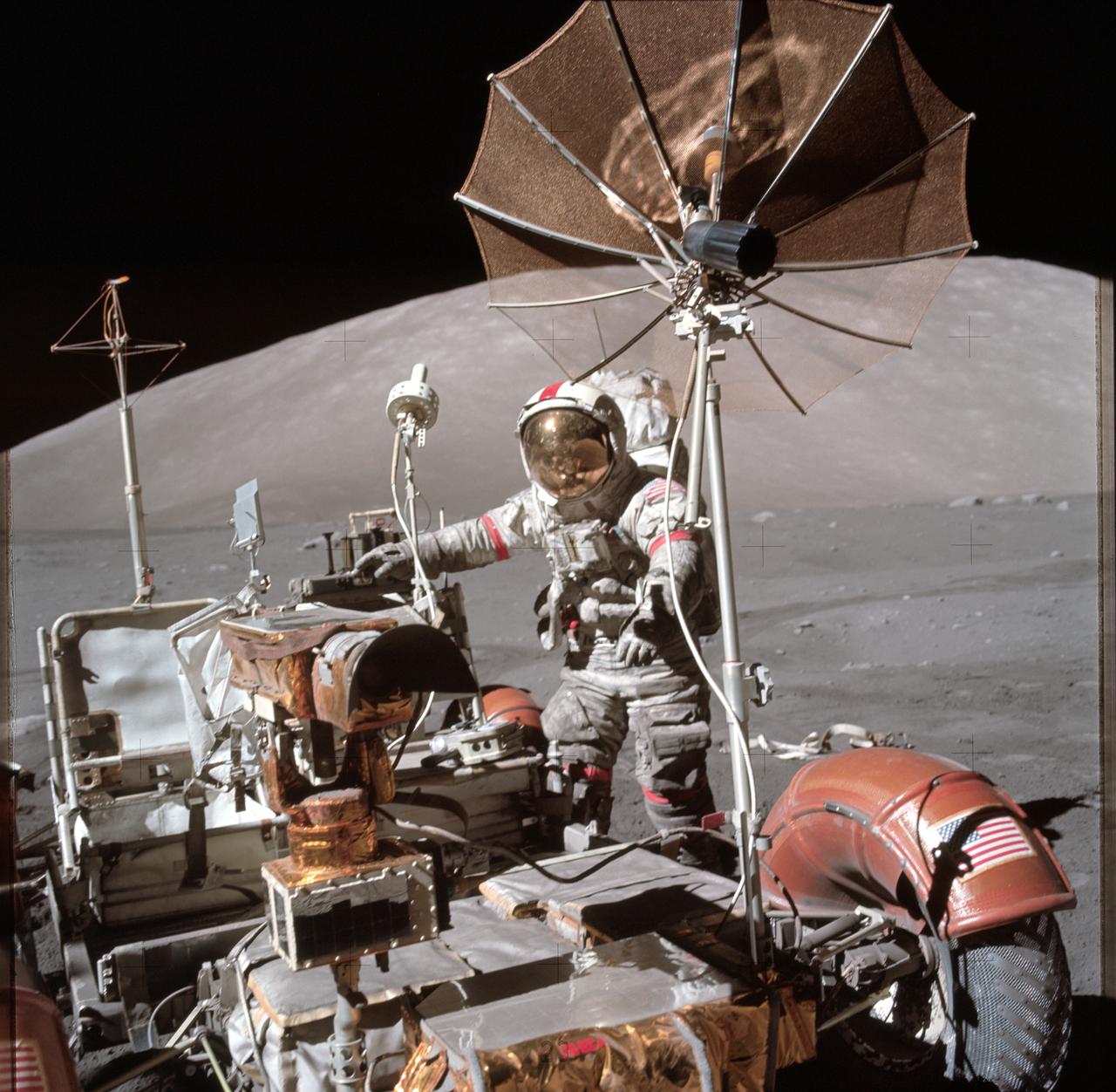
AS17-134-20476 (13 Dec. 1972) --- Astronaut Eugene A. Cernan, Apollo 17 commander, approaches the parked Lunar Roving Vehicle (LRV) on the lunar surface during the flight's third period of extravehicular activity (EVA). South Massif can be seen in the background. The photograph was taken with a hand-held Hasselblad camera by scientist-astronaut Harrison H. Schmitt, lunar module pilot. While the two explored the surface of the moon, astronaut Ronald E. Evans remained with the Command and Service Modules (CSM) in lunar orbit.
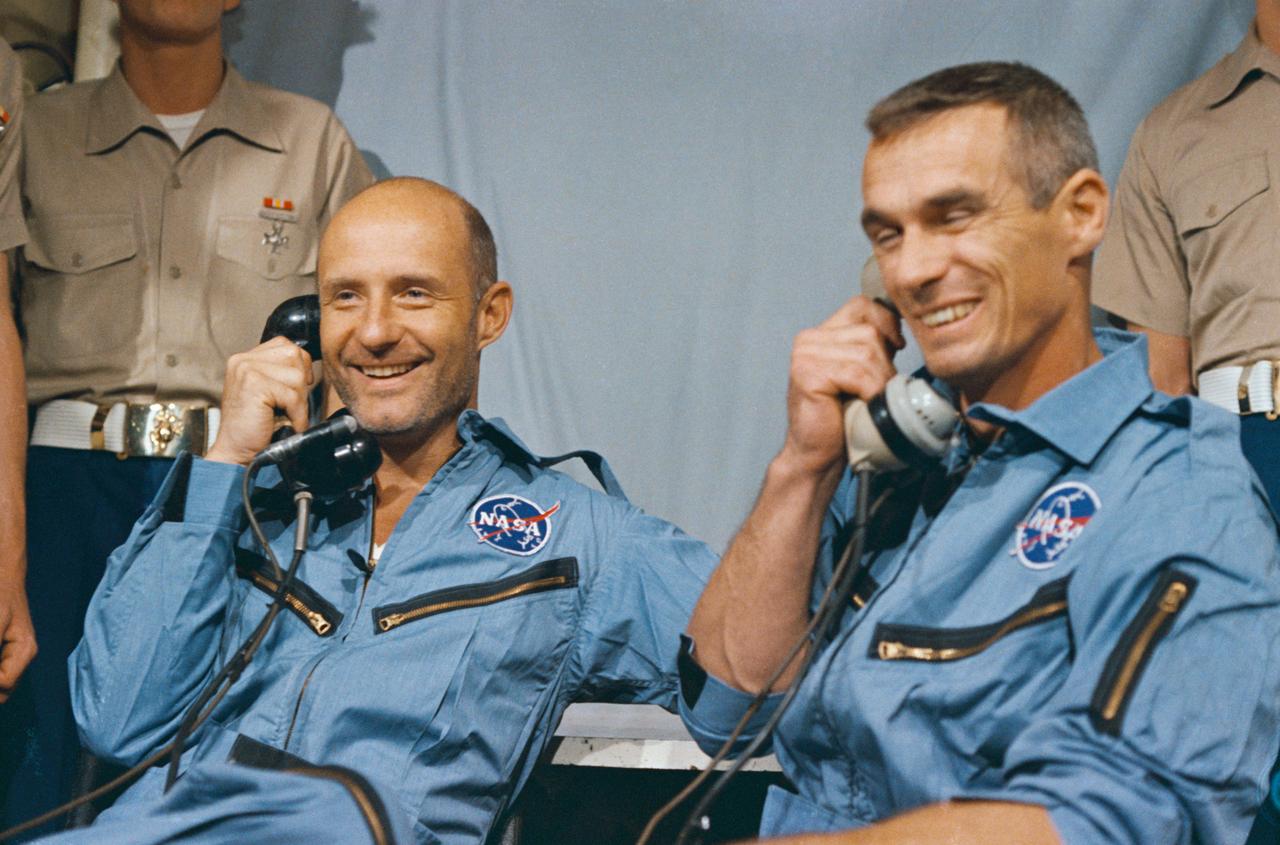
S66-34111 (6 June 1966) --- Astronauts Thomas P. Stafford (left) and Eugene A. Cernan talk to President Lyndon B. Johnson via ship-to-shore telephone from aboard the aircraft carrier USS Wasp. Gemini-9A splashed down only 3.5 miles from the recovery ship at 9 a.m. (EST), June 6, 1966, 345 miles east of Cape Kennedy, to conclude a 72-hour, 21-minute mission in space. Photo credit: NASA
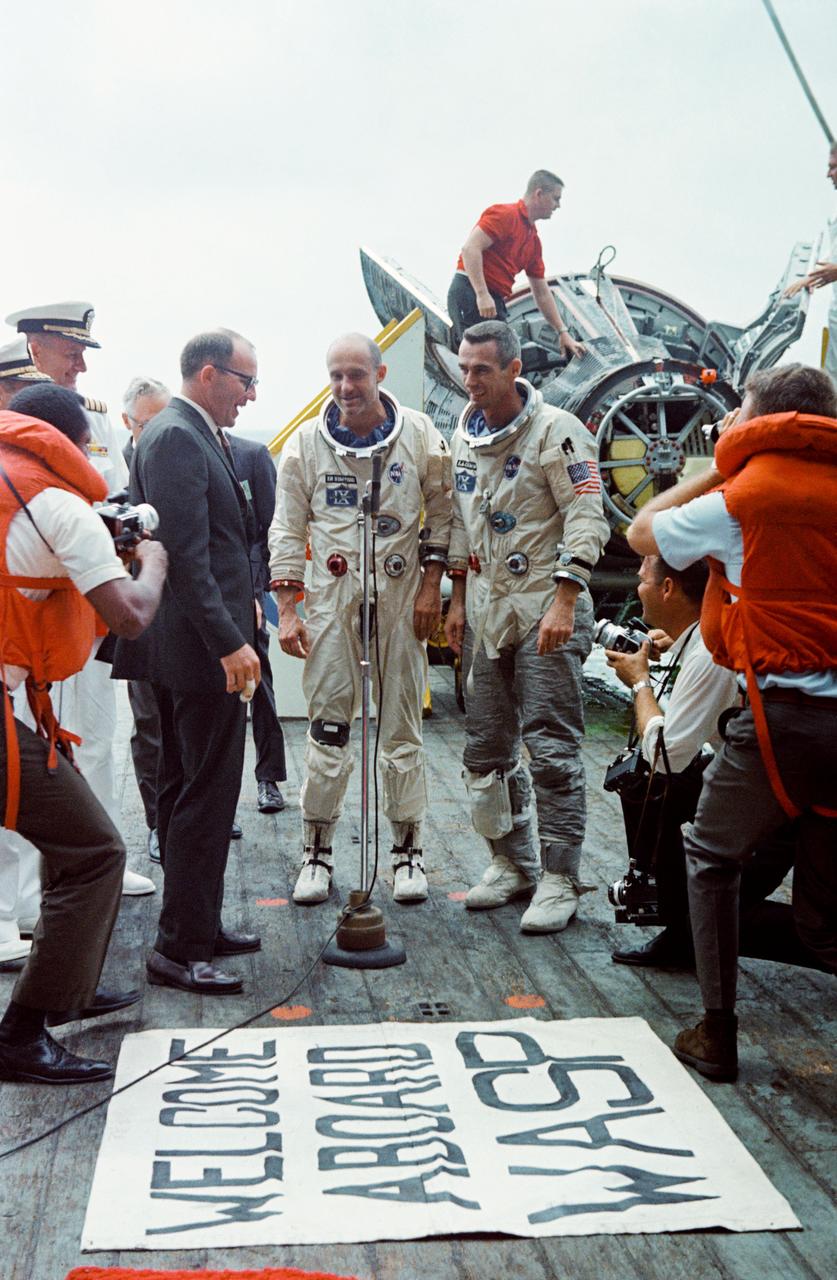
S66-34109 (6 June 1966) --- Astronauts Thomas Stafford and Eugene Cernan (right) receive a warm welcome as they arrive aboard the prime recovery ship, the aircraft carrier USS Wasp. John C. Stonesifer, with the Manned Spacecraft Center's Landing and Recovery Division, stands next to microphone at left. The Gemini-9 spacecraft can be seen in the right background of the view. Photo credit: NASA
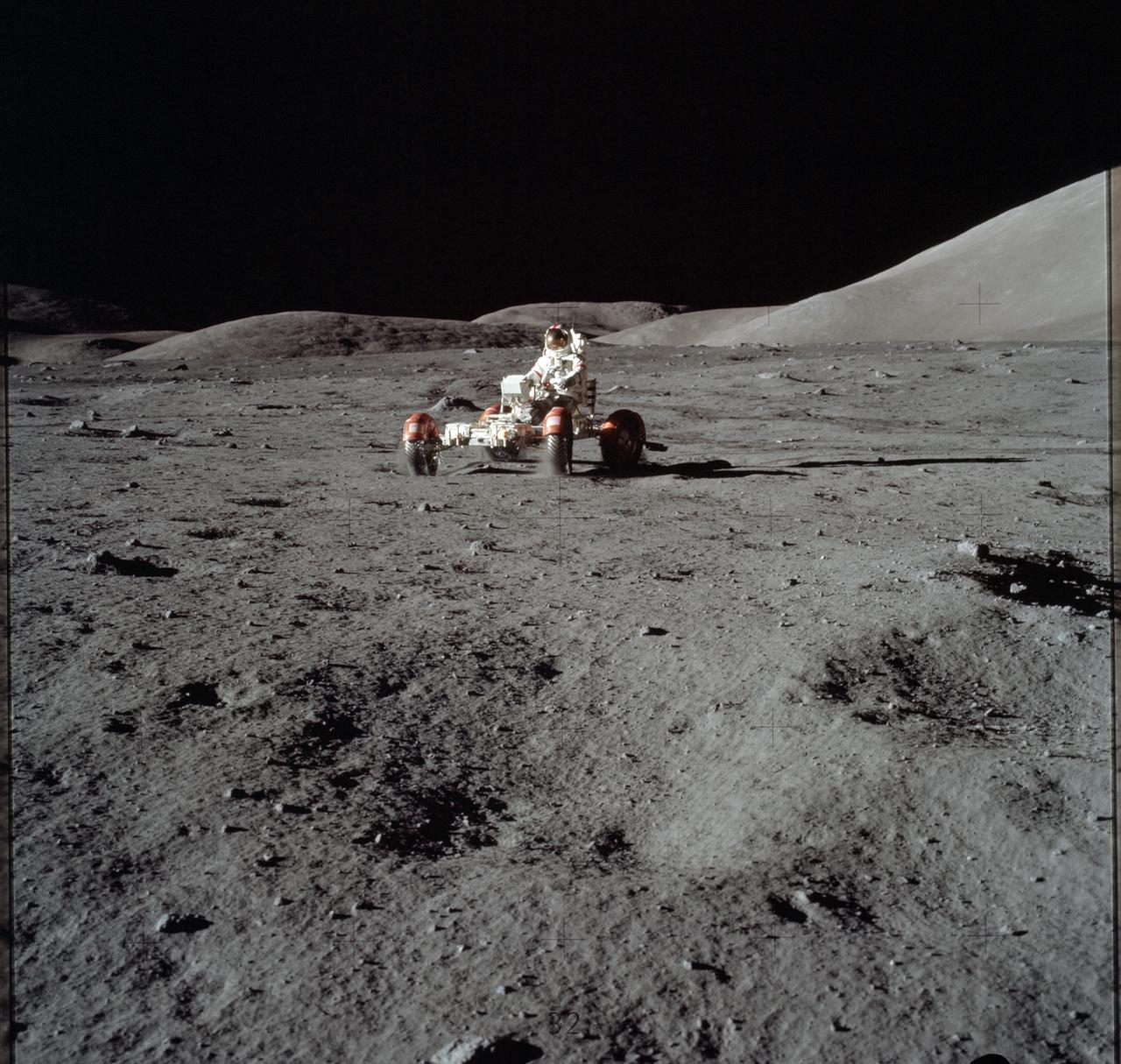
AS17-147-22523 (11 Dec. 1972) --- Astronaut Eugene A. Cernan is seen test driving the "stripped down" Lunar Rover Vehicle (LRV) prior to loading the LRV up. Equipment later loaded onto the LRV included the ground controlled television assembly, the lunar communications relay unit, the hi-gain antenna, the low-gain antenna, aft tool pallet, and lunar tools and scientific gear.
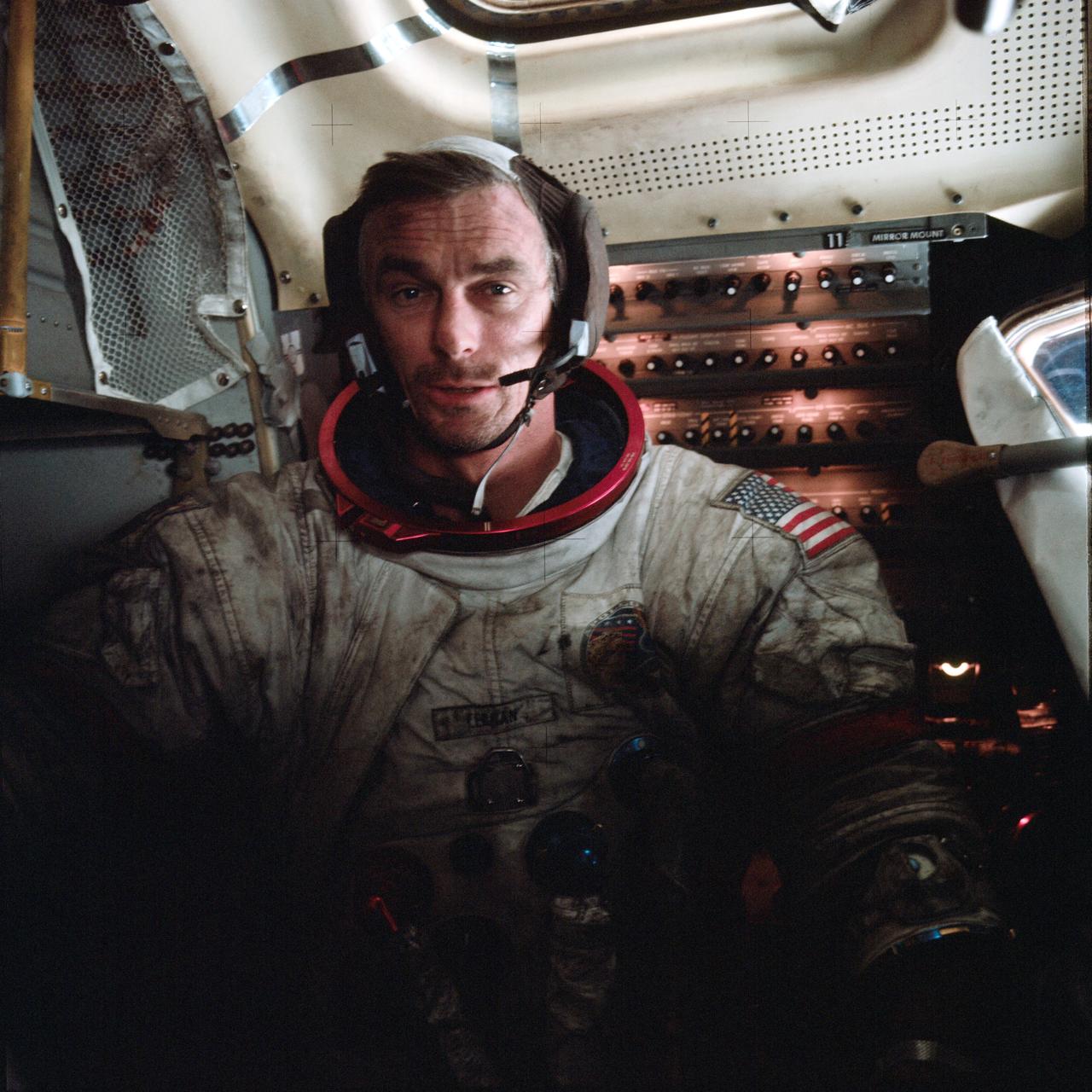
AS17-145-22224 (12 Dec. 1972) --- Astronaut Eugene A. Cernan, Apollo 17 commander, is photographed inside the lunar module on the lunar surface following the second extravehicular activity (EVA) of his mission. Note lunar dust on his suit. The photograph was taken by astronaut Harrison H. Schmitt, lunar module pilot, using a 70mm handheld Hasselblad camera and S0-368 film.
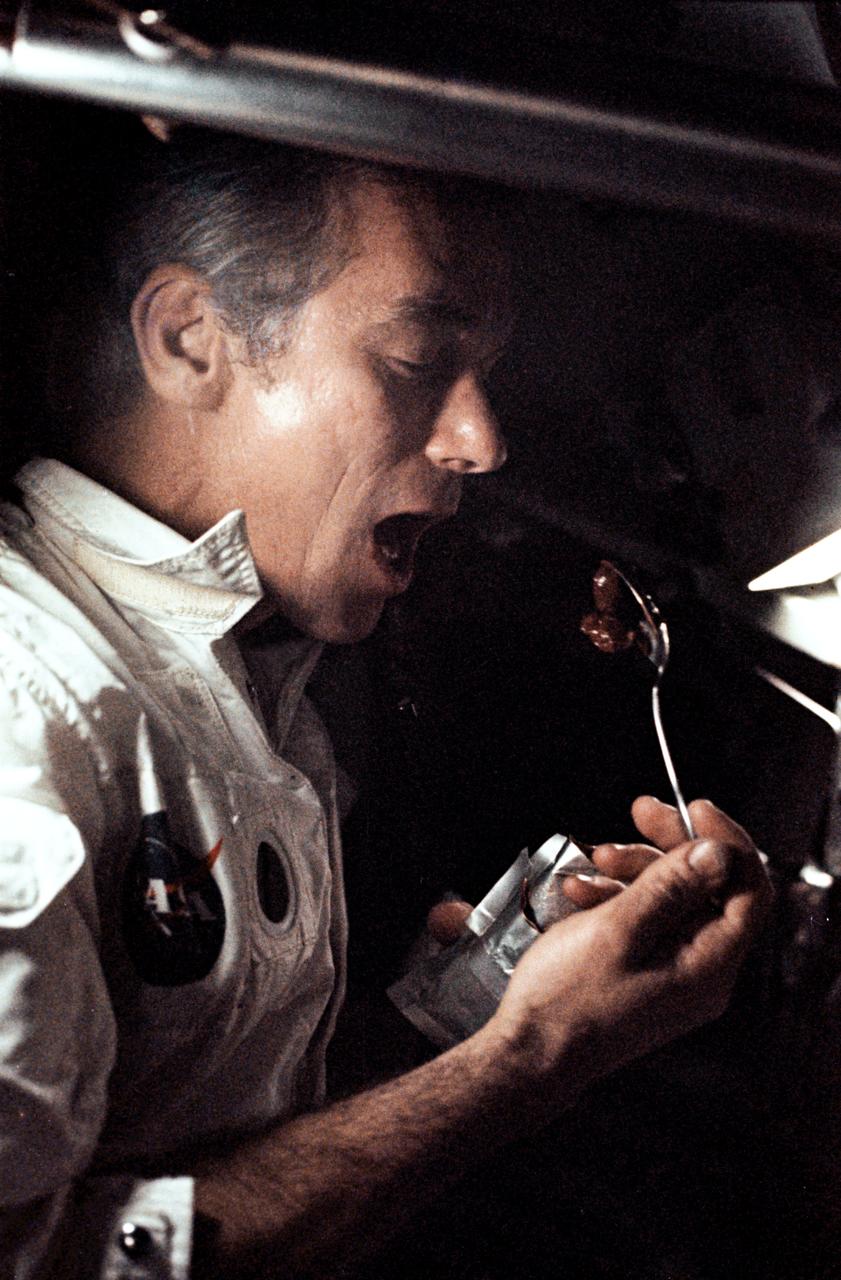
AS17-163-24129 (7-19 Dec. 1972) --- A fellow crewman took this photograph of astronaut Eugene A. Cernan eating a meal under weightlessness conditions of space during the final lunar landing mission in NASA's Apollo program. Also, aboard the Apollo 17 spacecraft were astronaut Ronald E. Evans, command module pilot, and scientist-astronaut Harrison H. "Jack" Schmitt, lunar module pilot. Cernan was the mission commander.
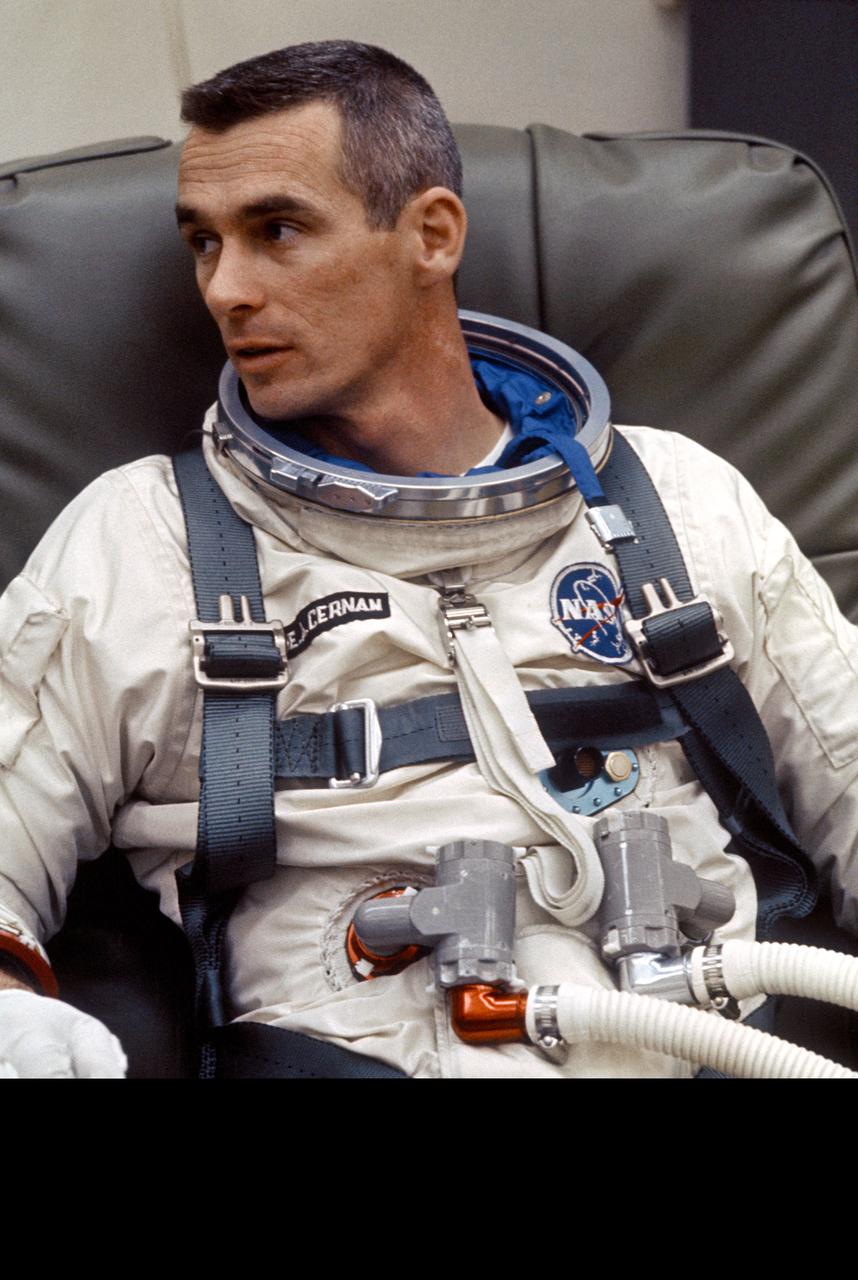
S66-27377 (19 Feb. 1966) --- Astronaut Eugene A. Cernan, pilot of the Gemini-9 spaceflight, is suited up in preparation for tests with the Astronaut Maneuvering Unit (AMU). The tests are conducted in Chamber B, Environmental Test Laboratory, Building 32. The AMU, which consists of a chest pack and a backpack, will be used for extravehicular activity (EVA) on the Gemini-9 mission. Photo credit: NASA
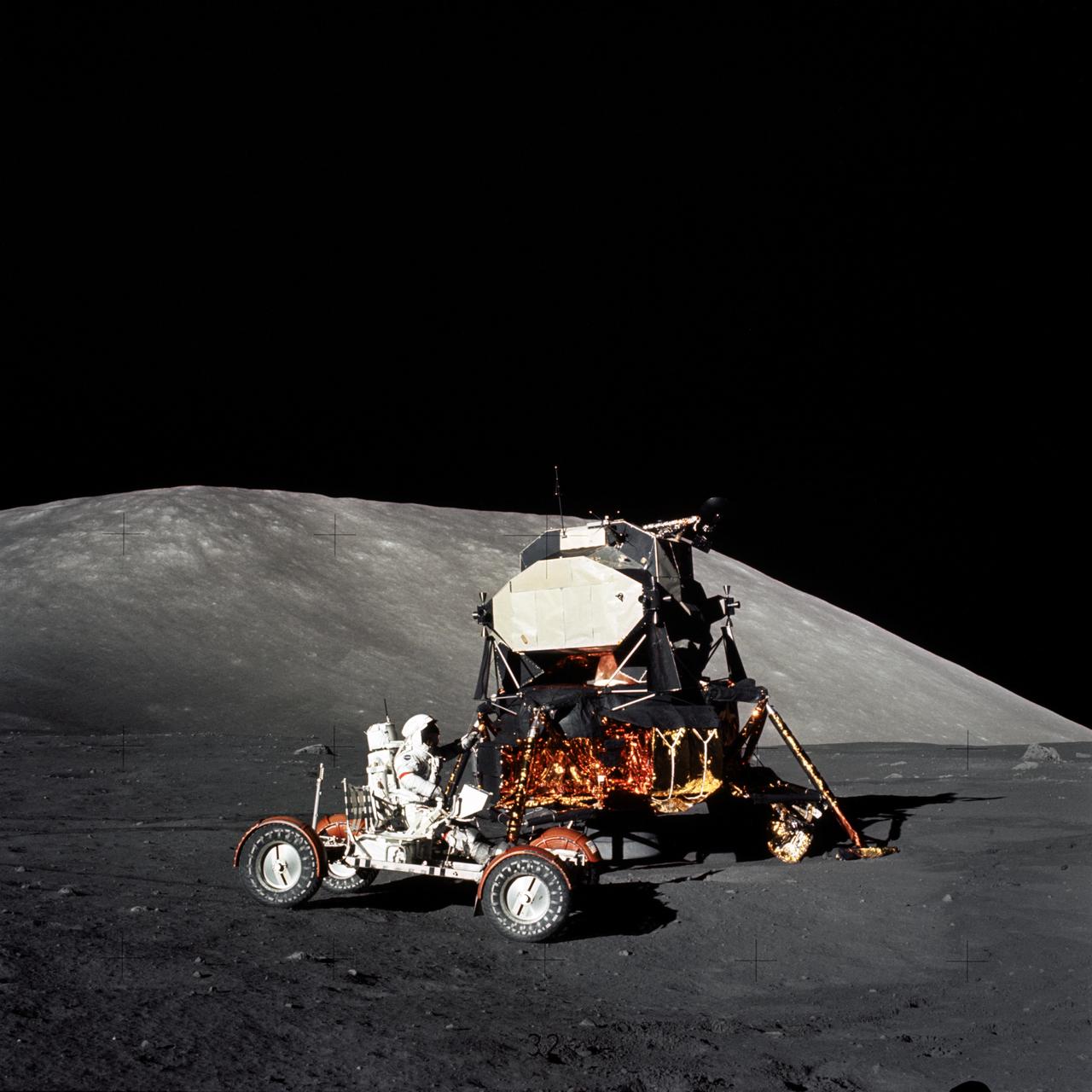
AS17-147-22527 (11 Dec. 1972) --- Astronaut Eugene A. Cernan, Apollo 17 mission commander, makes a short checkout of the Lunar Roving Vehicle during the early part of the first Apollo 17 extravehicular activity (EVA) at the Taurus-Littrow landing site. The Lunar Module is in the background. This photograph was taken by scientist-astronaut Harrison H. Schmitt, lunar module pilot.
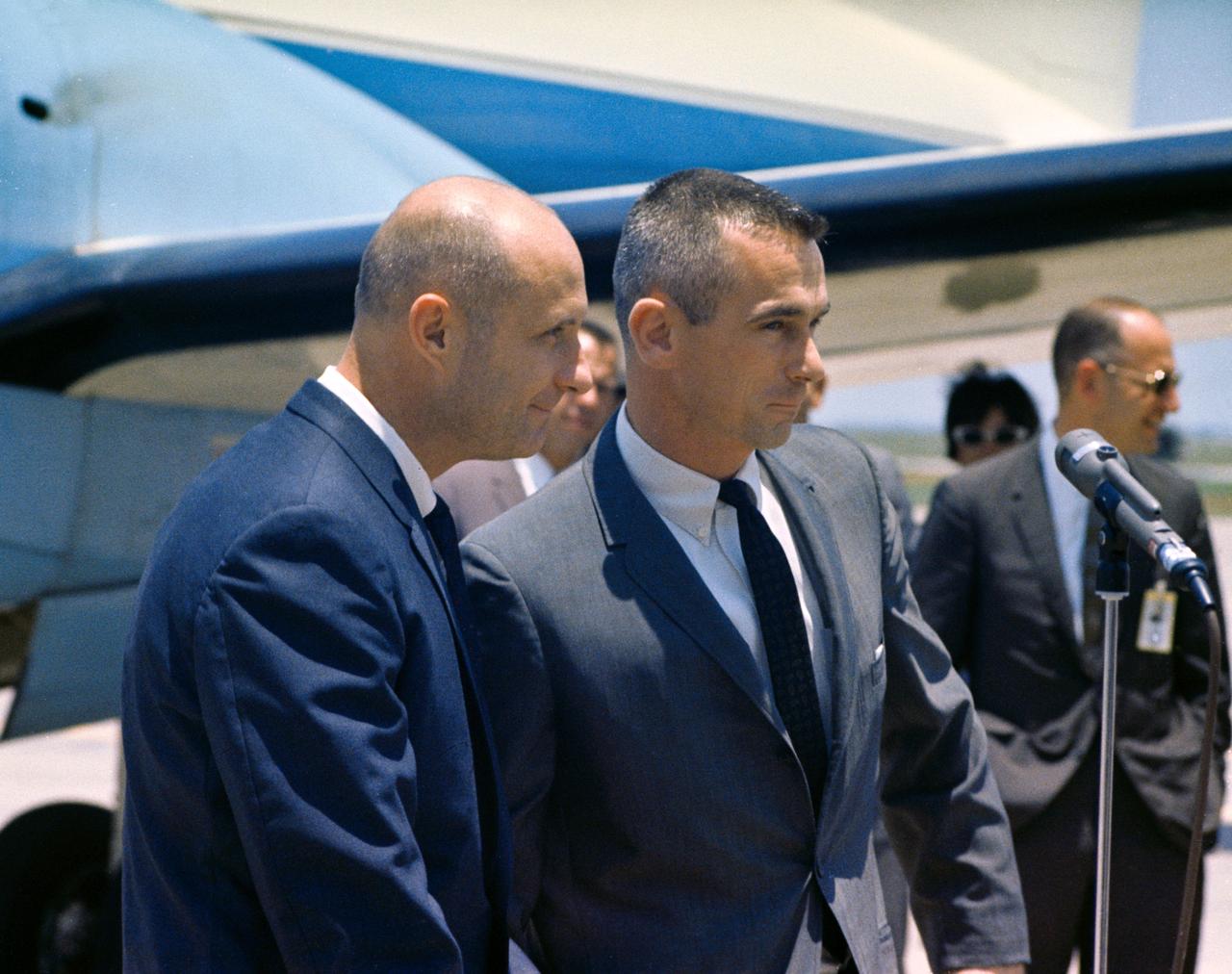
S66-32677 (10 June 1966) --- The Gemini-9A prime crew, astronaut Thomas P. Stafford (left), command pilot, and Eugene A. Cernan (right), pilot, express their feelings about being home to their families, MSC officials, newsmen, and well-wishers gathered at Ellington Air Force Base to welcome the astronauts home. Astronaut Stafford and Cernan completed their three-day mission in space on June 6, 1966. At right is George M. Low, MSC Deputy Director. Photo credit: NASA
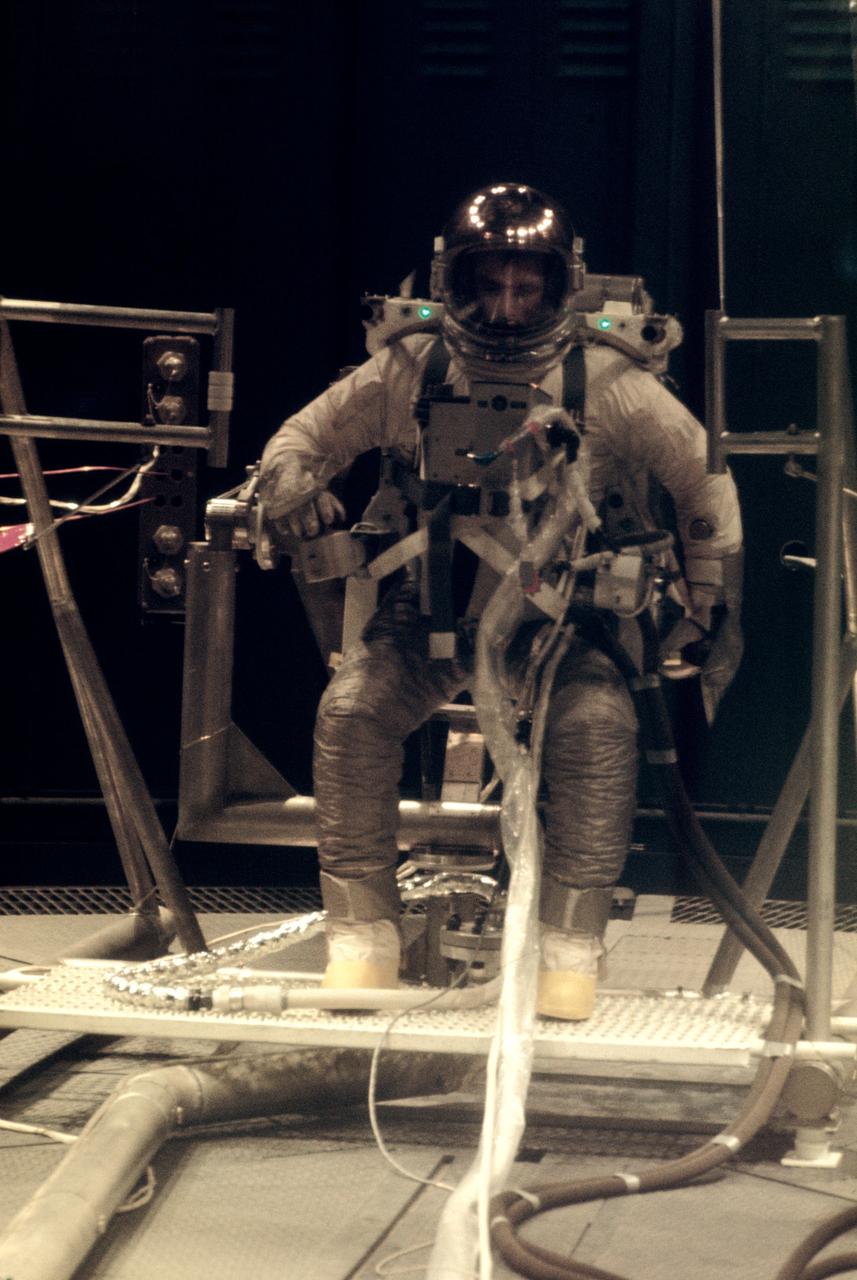
S66-27376 (19 Feb. 1966) --- Astronaut Eugene A. Cernan, pilot of the Gemini-9 spaceflight, practices with the Astronaut Maneuvering Unit during tests in Chamber B, Environmental Test Laboratory, Building 32. The AMU consists of a chest pack and a backpack. It is scheduled for use during Gemini-9 extravehicular activity (EVA). Photo credit: NASA
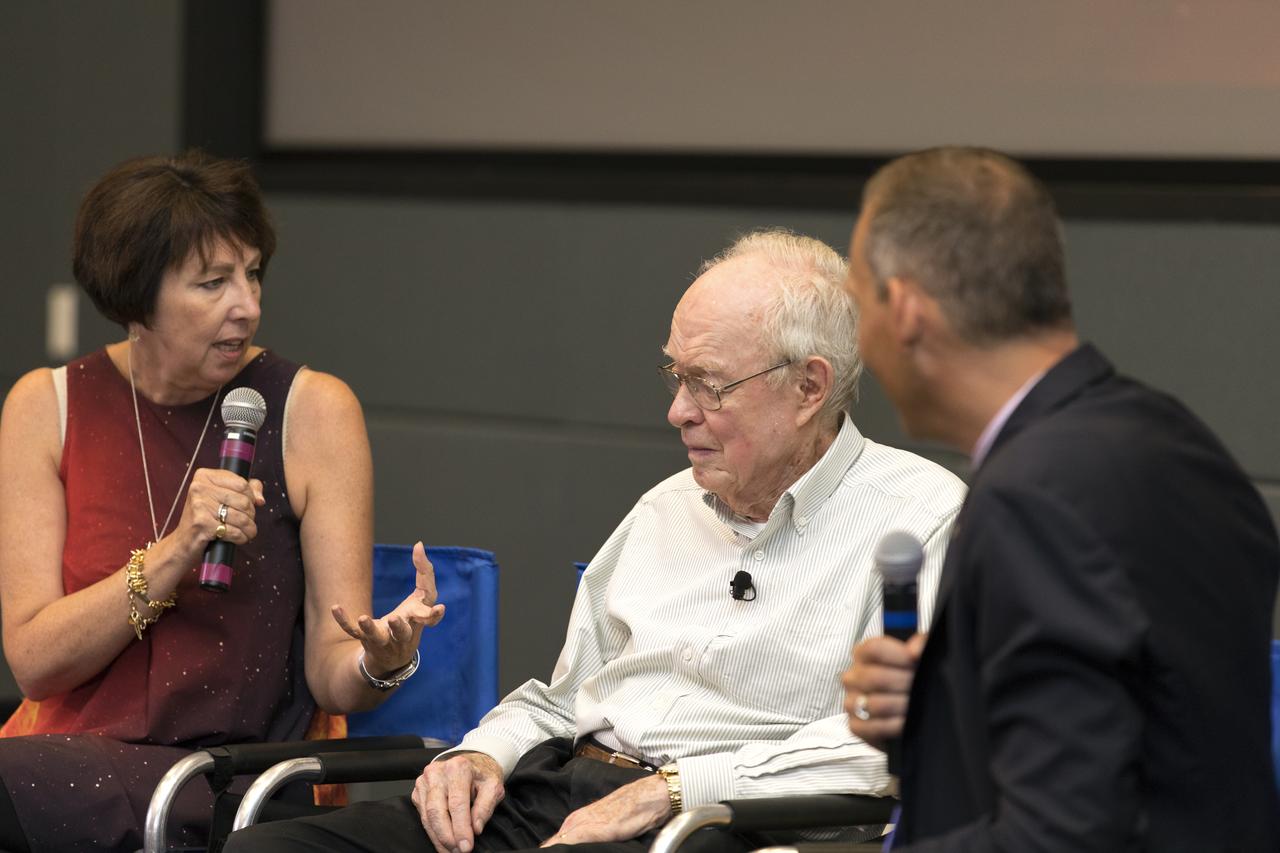
In the Kennedy Space Center's Operations and Support Building II, Thursday, Aug. 9, 2018, members of the news and social media participate in a prelaunch mission briefing on NASA's Parker Solar Probe. Briefing participants from left are: Nicky Fox, Parker Solar Probe project scientist at Johns Hopkins Applied Physics Laboratory, Dr. Eugene Parker, a pioneer in heliophysics and S. Chandrasekhar distinguished service professor emeritus for the Department of Astronomy and Astrophysics at the University of Chicago, Thomas Zurbuchen, associate administrator for NASA’s Science Mission Directorate in Washington. This is the first NASA mission named for a living person. The Parker Solar Probe is designed to provide key observations on his groundbreaking theories about the Sun. Lift off atop a United Launch Alliance Delta IV Heavy rocket will take place from Space Launch Complex 37 at Cape Canaveral Air Force Station in Florida. The spacecraft was built by Applied Physics Laboratory of Johns Hopkins University in Laurel, Maryland. The mission will perform the closest-ever observations of a star when it travels through the Sun's atmosphere, called the corona. The probe will rely on measurements and imaging to revolutionize our understanding of the corona and the Sun-Earth connection.
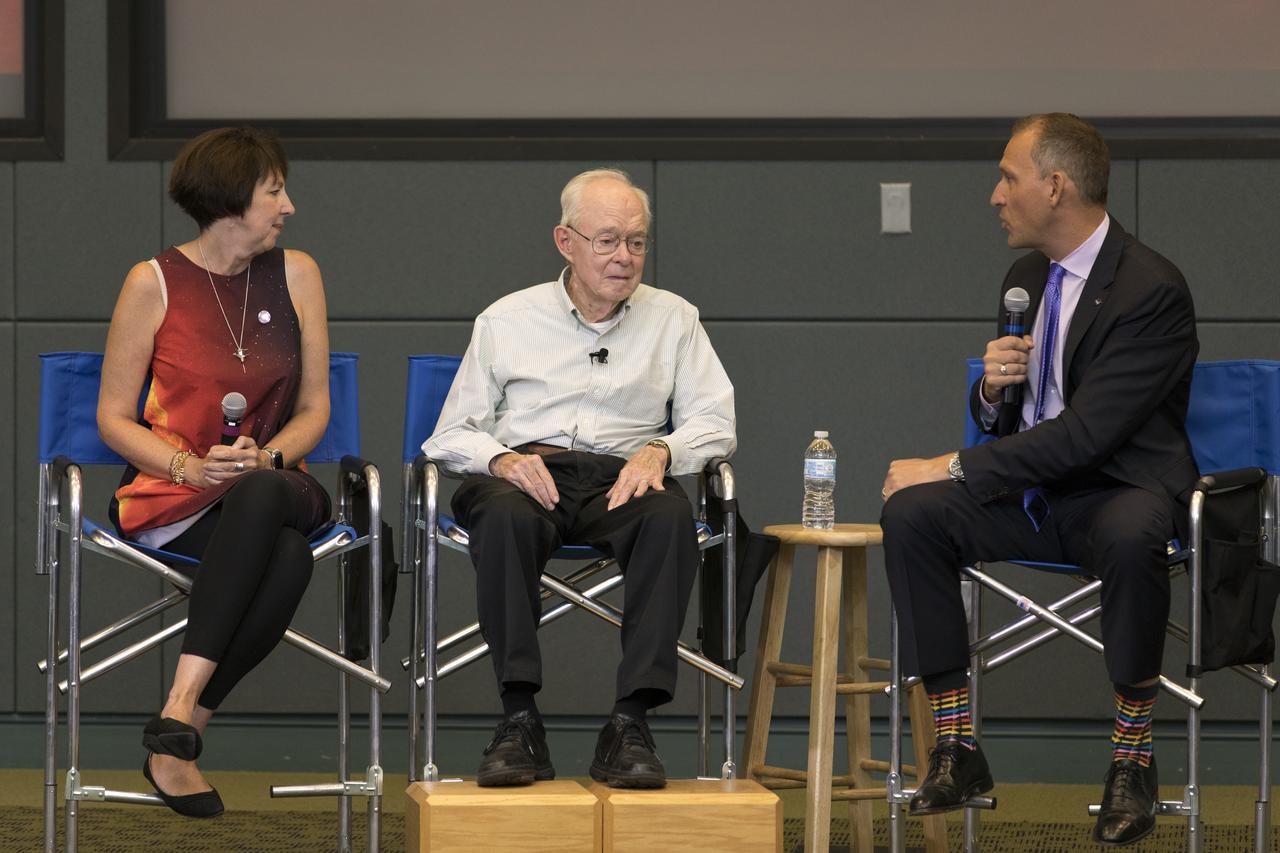
In the Kennedy Space Center's Operations and Support Building II, Thursday, Aug. 9, 2018, members of the news and social media participate in a prelaunch mission briefing on NASA's Parker Solar Probe. Briefing participants from left are: Nicky Fox, Parker Solar Probe project scientist at Johns Hopkins Applied Physics Laboratory, Dr. Eugene Parker, a pioneer in heliophysics and S. Chandrasekhar distinguished service professor emeritus for the Department of Astronomy and Astrophysics at the University of Chicago, Thomas Zurbuchen, associate administrator for NASA’s Science Mission Directorate in Washington. This is the first NASA mission named for a living person. The Parker Solar Probe is designed to provide key observations on his groundbreaking theories about the Sun. Lift off atop a United Launch Alliance Delta IV Heavy rocket will take place from Space Launch Complex 37 at Cape Canaveral Air Force Station in Florida. The spacecraft was built by Applied Physics Laboratory of Johns Hopkins University in Laurel, Maryland. The mission will perform the closest-ever observations of a star when it travels through the Sun's atmosphere, called the corona. The probe will rely on measurements and imaging to revolutionize our understanding of the corona and the Sun-Earth connection.
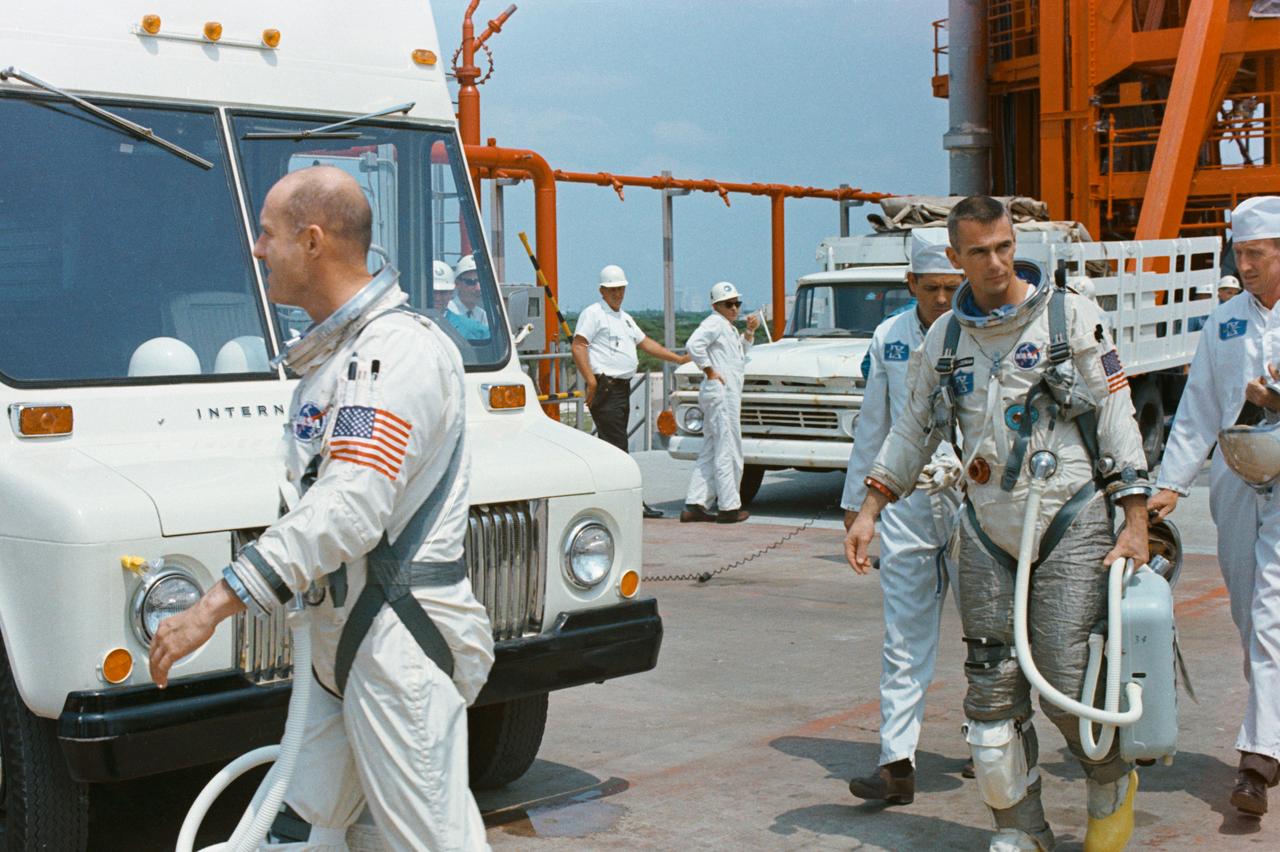
S66-34559 (17 May 1966) --- Astronauts Thomas P. Stafford (left), command pilot, and Eugene A. Cernan, pilot, walk away from Pad 19 after the Gemini-9 mission was postponed. Failure of the Agena Target Vehicle to achieve orbit caused the postponement of the mission. Photo credit: NASA
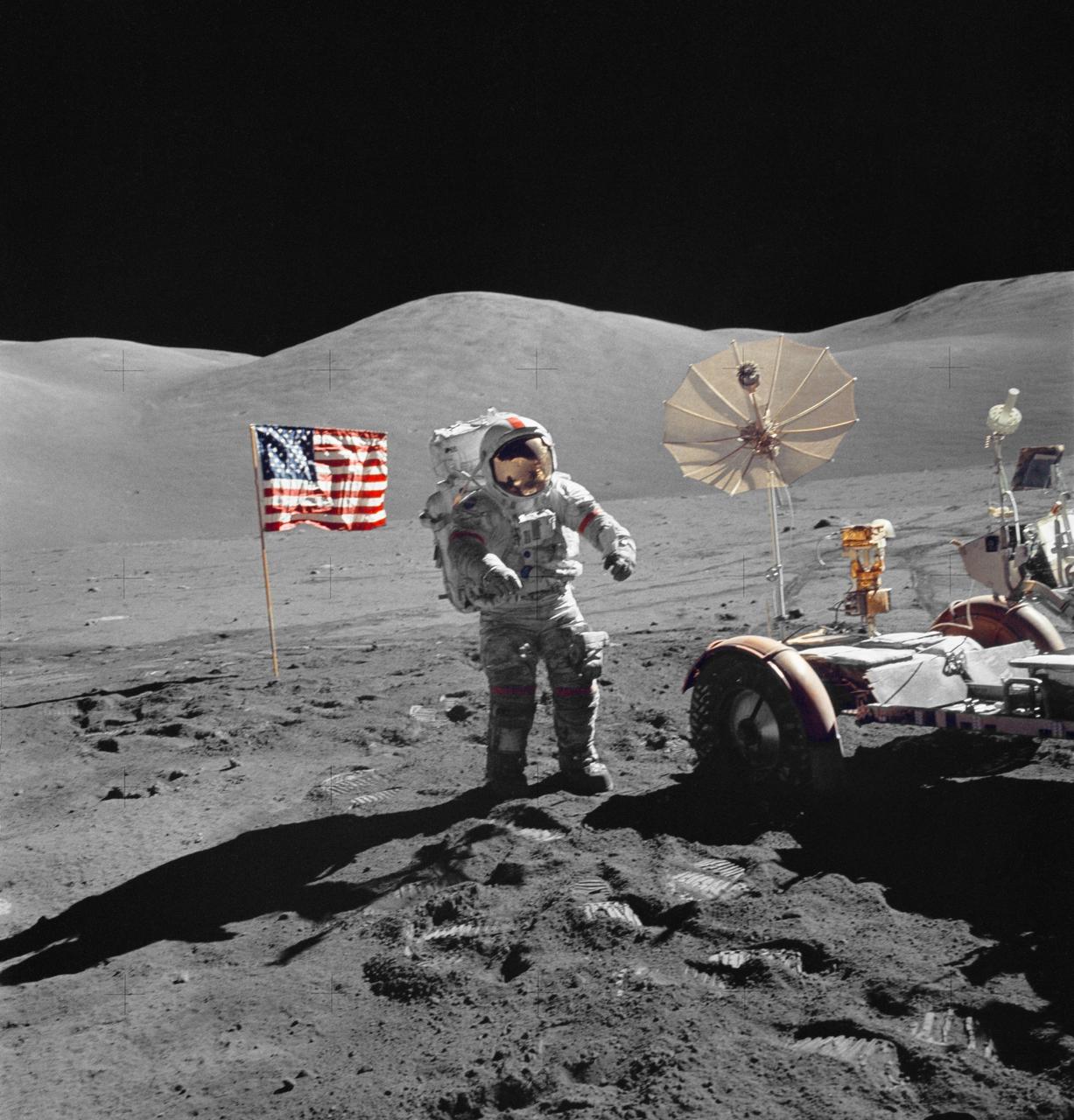
AS17-140-21388 (7-19 Dec. 1972) --- Astronaut Eugene A. Cernan, mission commander, walks toward the Lunar Roving Vehicle (LRV) during extravehicular activity (EVA) at the Taurus-Littrow landing site of NASA's sixth and final Apollo lunar landing mission. The photograph was taken by astronaut Harrison H. Schmitt, lunar module pilot. While astronauts Cernan and Schmitt descended in the Lunar Module (LM) "Challenger" to explore the Taurus-Littrow region of the moon, astronaut Ronald E. Evans, command module pilot, remained with the Command and Service Modules (CSM) "America" in lunar orbit.
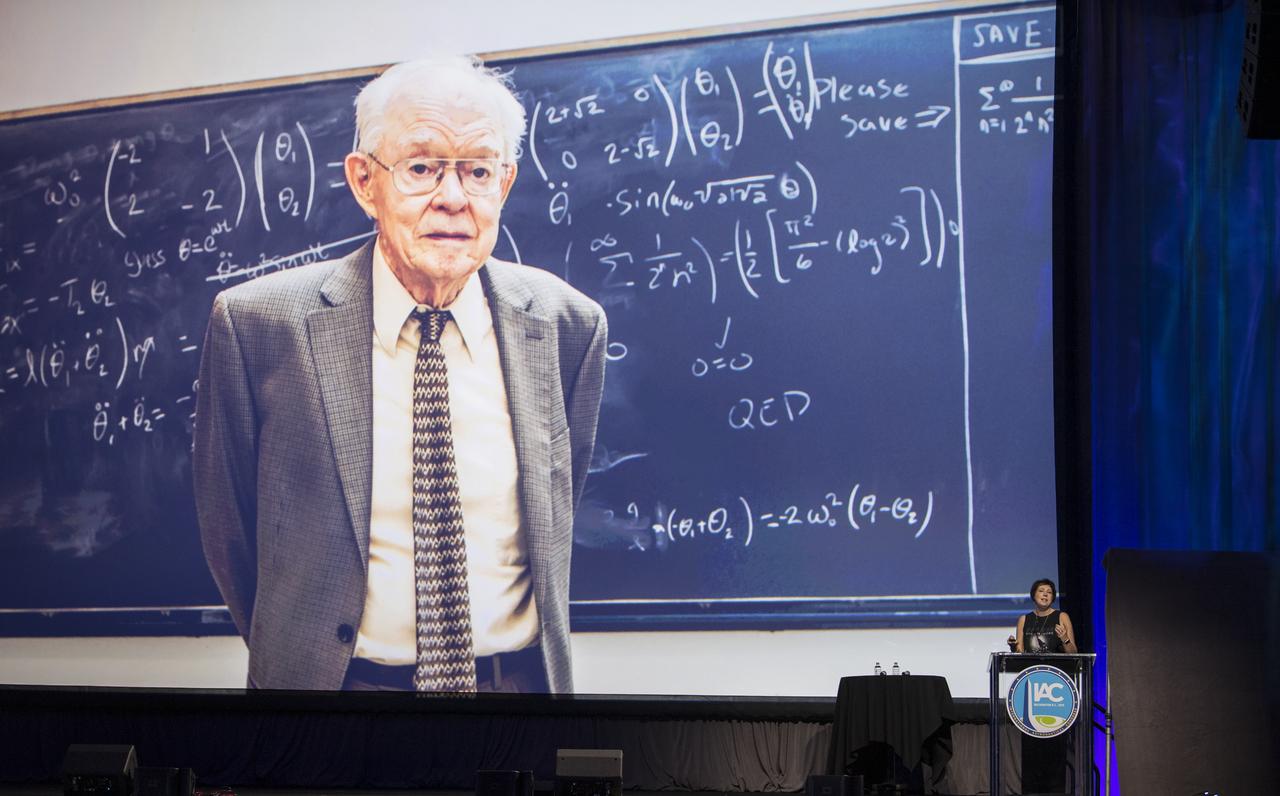
NASA director of Heliophysics division, Science Mission Directorate, Nicola Fox, shows a photo of Eugene Parker, the physicist who first predicted there was solar wind, during a presentation titled, “The Challenge of Exploring Our Sun - the 60-Year Odyssey to Parker Solar Probe,” during the 70th International Astronautical Congress, Wednesday, Oct. 23, 2019, at the Walter E. Washington Convention Center in Washington. Photo credit: (NASA/Aubrey Gemignani)
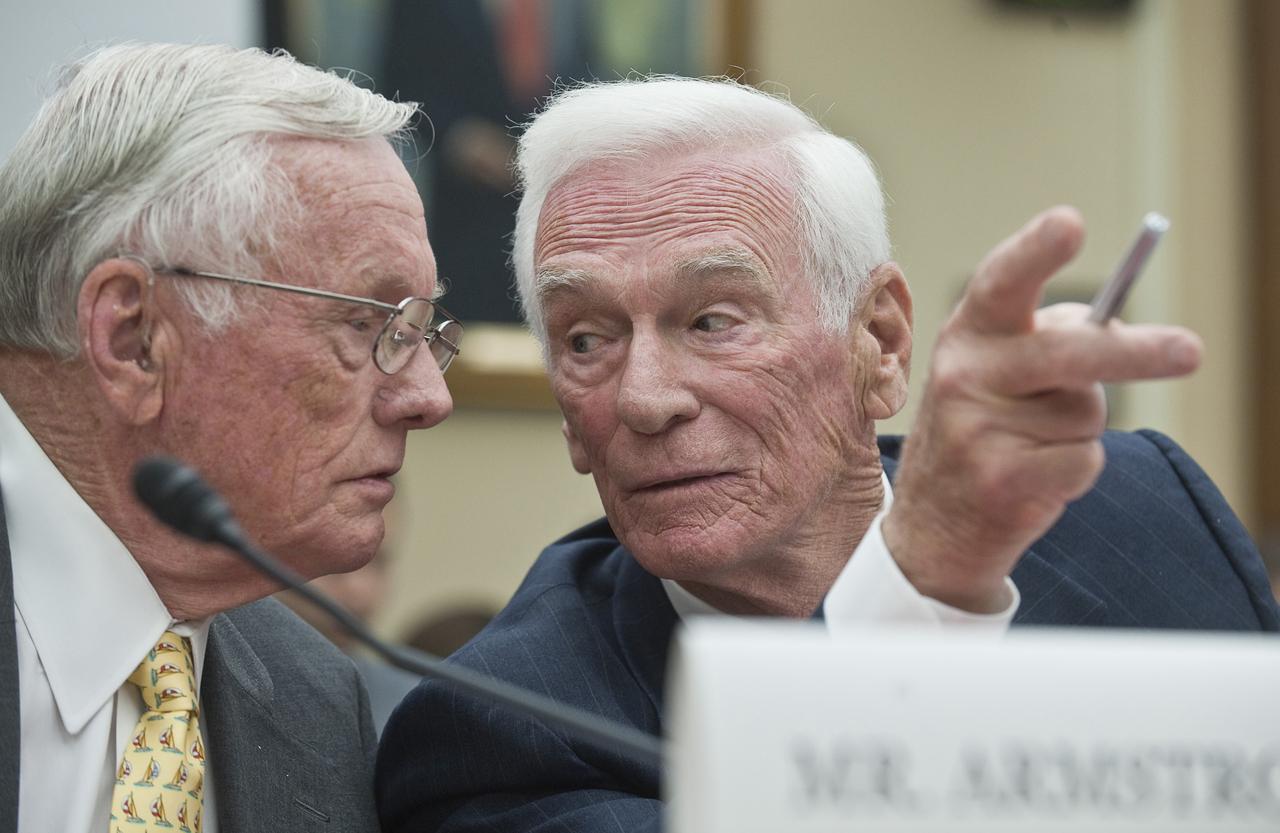
Apollo 11 Commander Neil Armstrong, left, and retired Navy Captain and commander of Apollo 17 Eugene Cernana, confer prior to testifying at a hearing before the House Science and Technology Committee, Tuesday, May 26, 2010, at the Rayburn House office building on Capitol Hill in Washington. The hearing was to review proposed human spaceflight plan by NASA. Photo Credit: (NASA/Paul E. Alers)
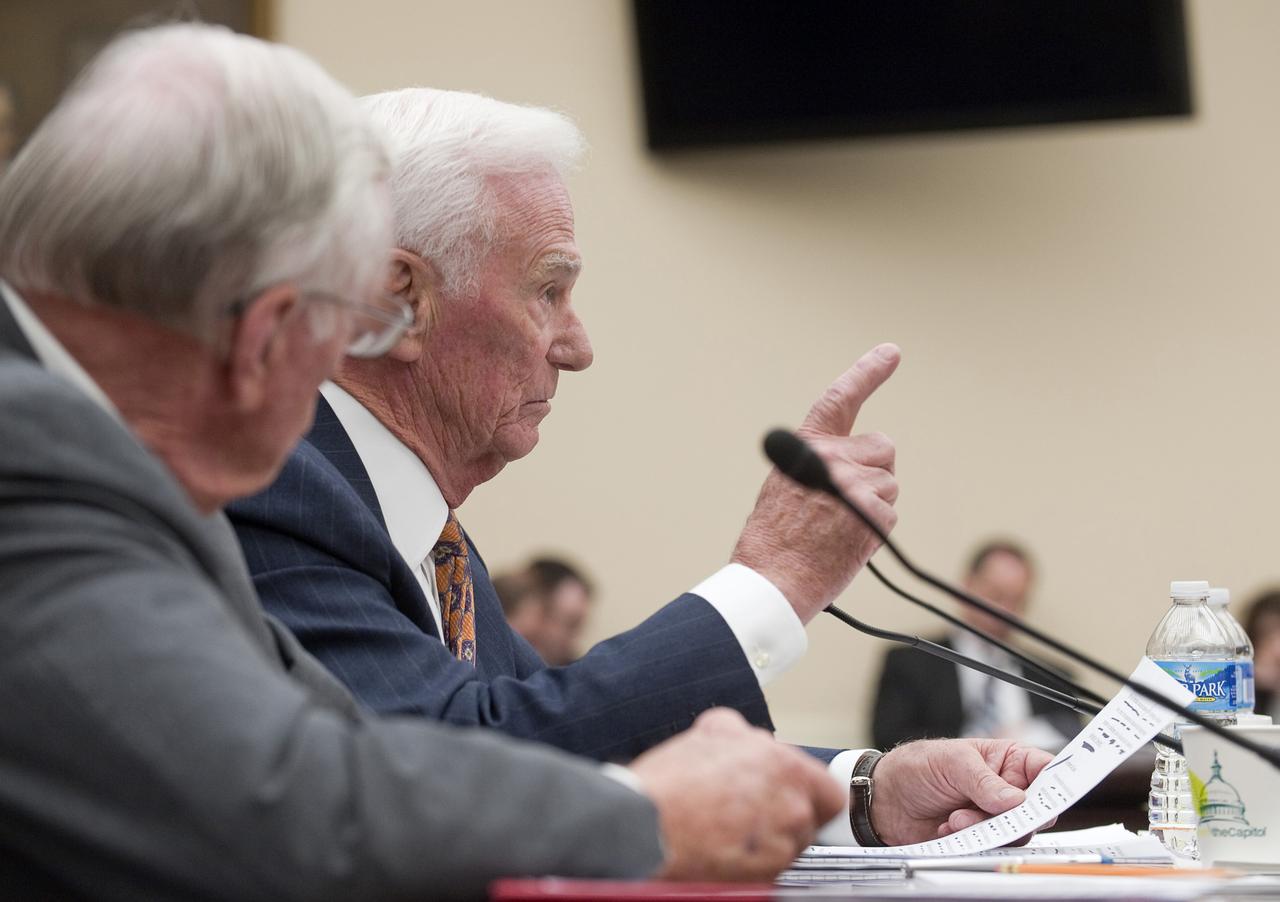
Retired Navy Captain and commander of Apollo 17 Eugene Cernan, center, testifies during a hearing before the House Science and Technology Committee, Tuesday, May 26, 2010, at the Rayburn House office building on Capitol Hill in Washington as Apollo 11 Commander Neil Armstrong, left, looks on. The hearing was to review proposed human spaceflight plan by NASA. Photo Credit: (NASA/Paul E. Alers)
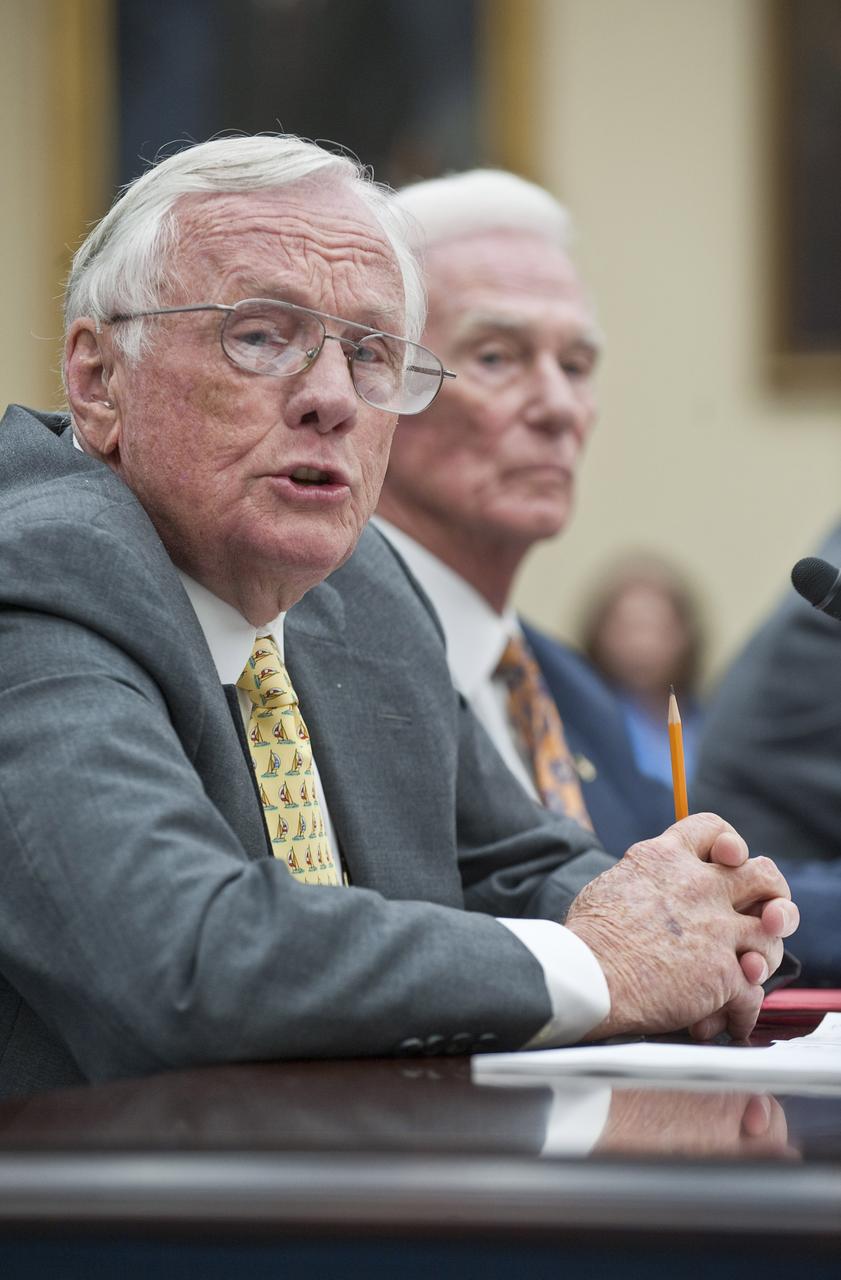
Apollo 11 Commander Neil Armstrong, left, testifies during a hearing before the House Science and Technology Committee, Tuesday, May 26, 2010, at the Rayburn House office building on Capitol Hill in Washington as retired Navy Captain and commander of Apollo 17 Eugene Cernan looks on. The hearing was to review proposed human spaceflight plan by NASA. Photo Credit: (NASA/Paul E. Alers)
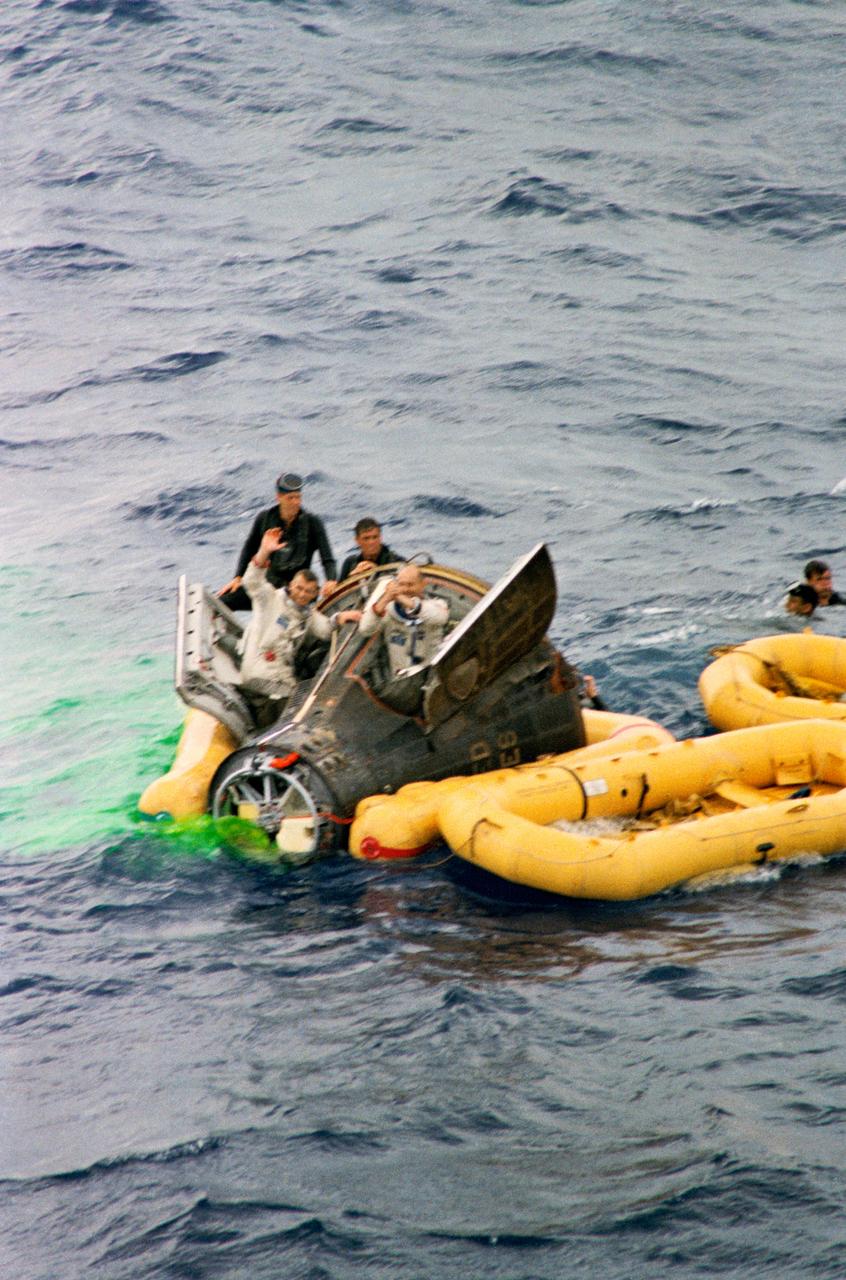
S66-34110 (6 June 1966) --- Astronauts Thomas Stafford (right) and Eugene Cernan wave to those aboard the aircraft carrier USS Wasp as the recovery ship approaches. U.S. Navy frogmen assist in the recovery operations. Gemini-9A splashed down in the Atlantic Ocean only 3.5 miles from the USS Wasp. Gemini-9 splashed down 345 miles east of Cape Kennedy at 9 a.m. (EST), June 6, 1966. Photo credit: NASA
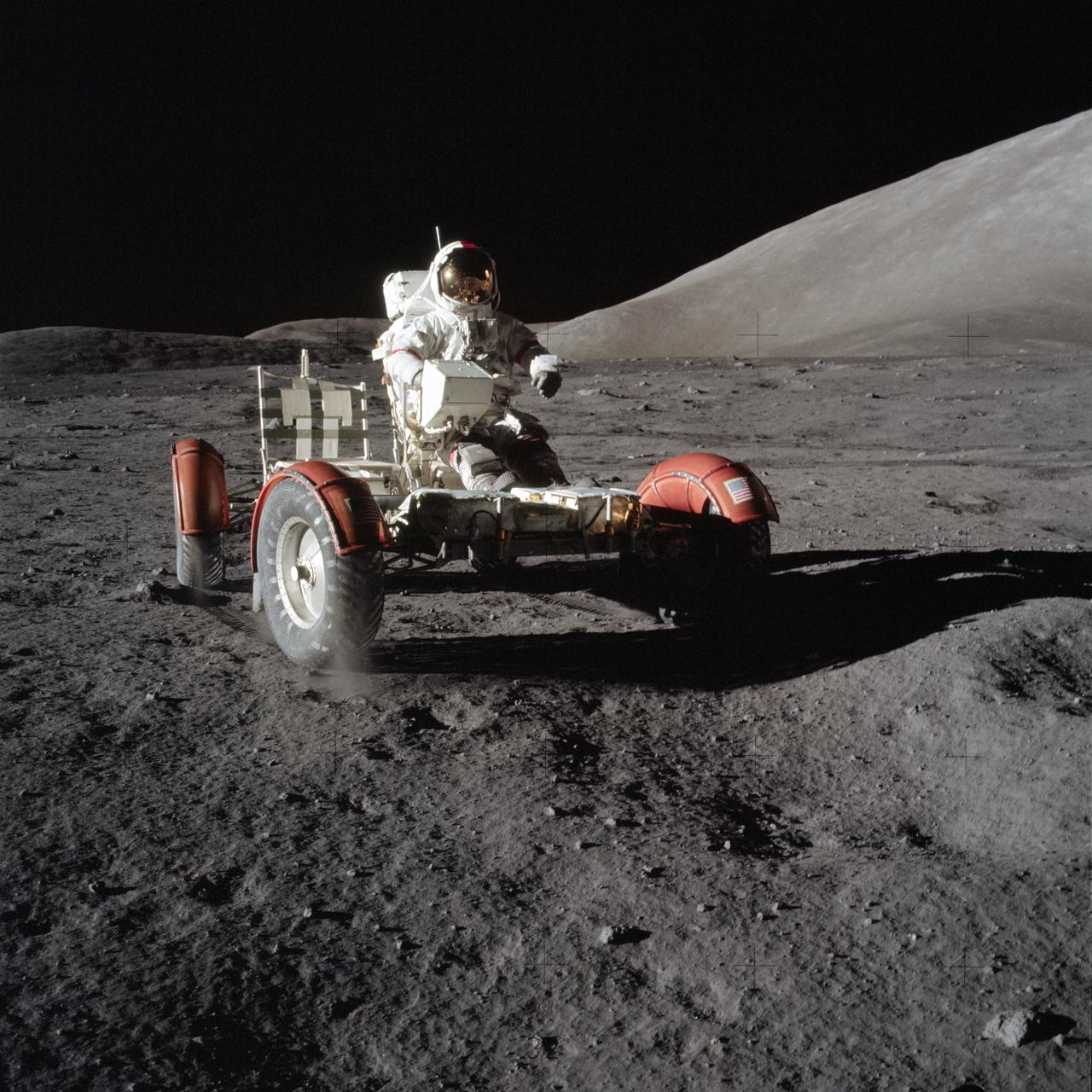
AS17-147-22526 (11 Dec. 1972) --- Astronaut Eugene A. Cernan, commander, makes a short checkout of the Lunar Roving Vehicle (LRV) during the early part of the first Apollo 17 extravehicular activity (EVA) at the Taurus-Littrow landing site. This view of the "stripped down" LRV is prior to loading up. Equipment later loaded onto the LRV included the ground-controlled television assembly, the lunar communications relay unit, hi-gain antenna, low-gain antenna, aft tool pallet, lunar tools and scientific gear. This photograph was taken by scientist-astronaut Harrison H. Schmitt, lunar module pilot. The mountain in the right background is the east end of South Massif. While astronauts Cernan and Schmitt descended in the Lunar Module (LM) "Challenger" to explore the moon, astronaut Ronald E. Evans, command module pilot, remained with the Command and Service Modules (CSM) "America" in lunar orbit.
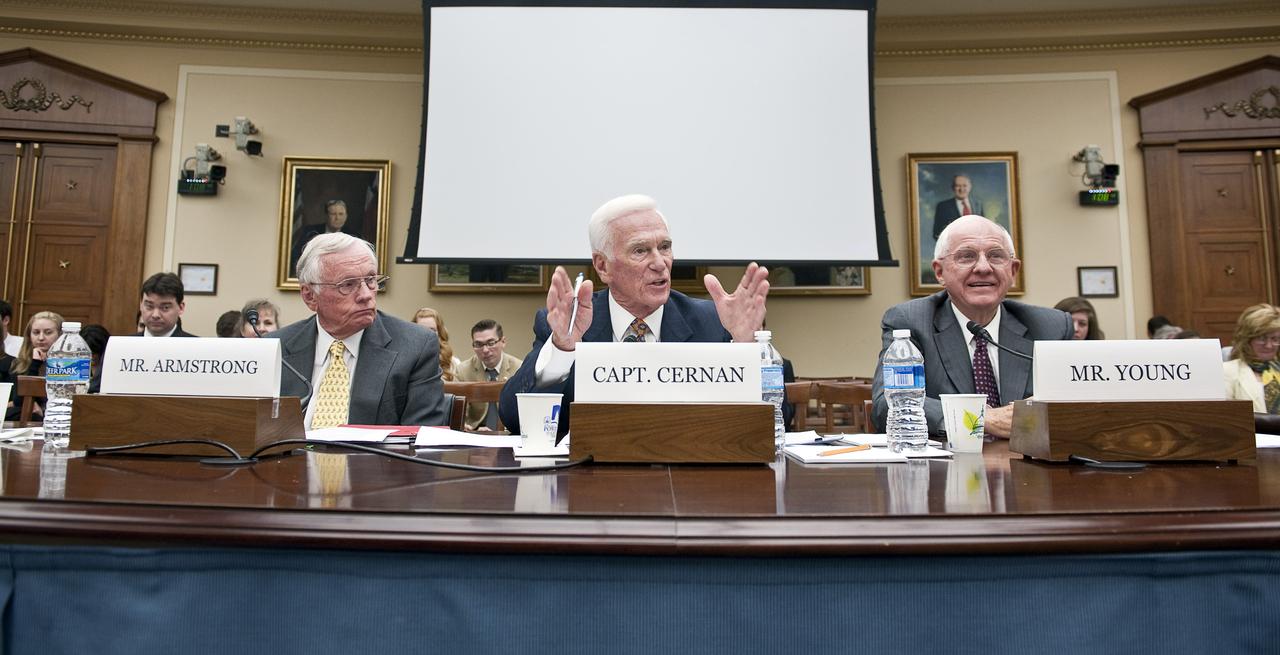
Retired Navy Captain and commander of Apollo 17 Eugene Cernan, center, is flanked by Apollo 11 Commander Neil Armstrong, left, and A. Thomas Young, as he testifies during a hearing before the House Science and Technology Committee, Tuesday, May 26, 2010, at the Rayburn House office building on Capitol Hill in Washington. The hearing was to review proposed human spaceflight plan by NASA. Photo Credit: (NASA/Paul E. Alers)

Portrait: Eugene Tu
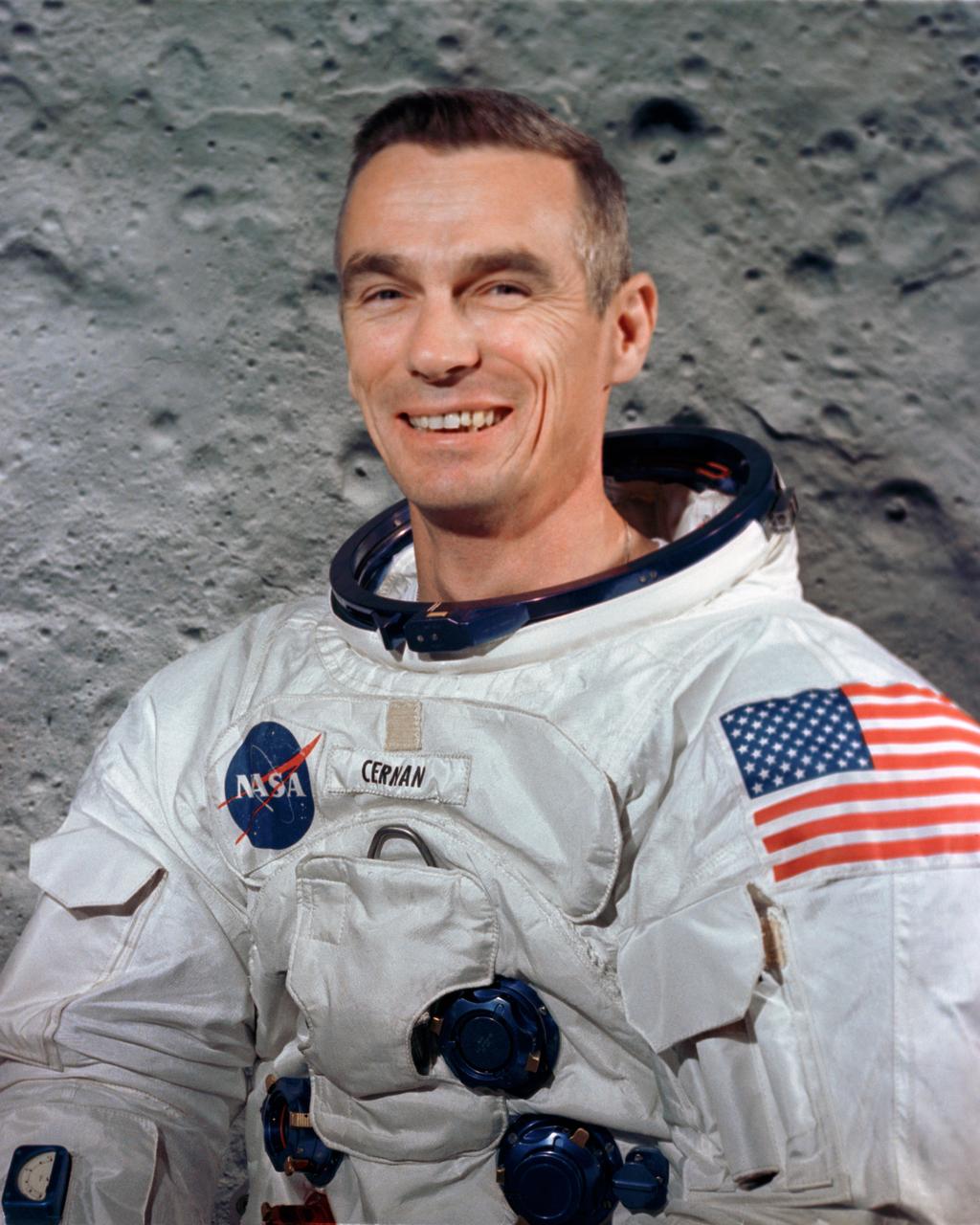
S69-32614 (April 1969) --- Astronaut Eugene A. Cernan, prime crew lunar module pilot of the Apollo 10 lunar orbit mission.
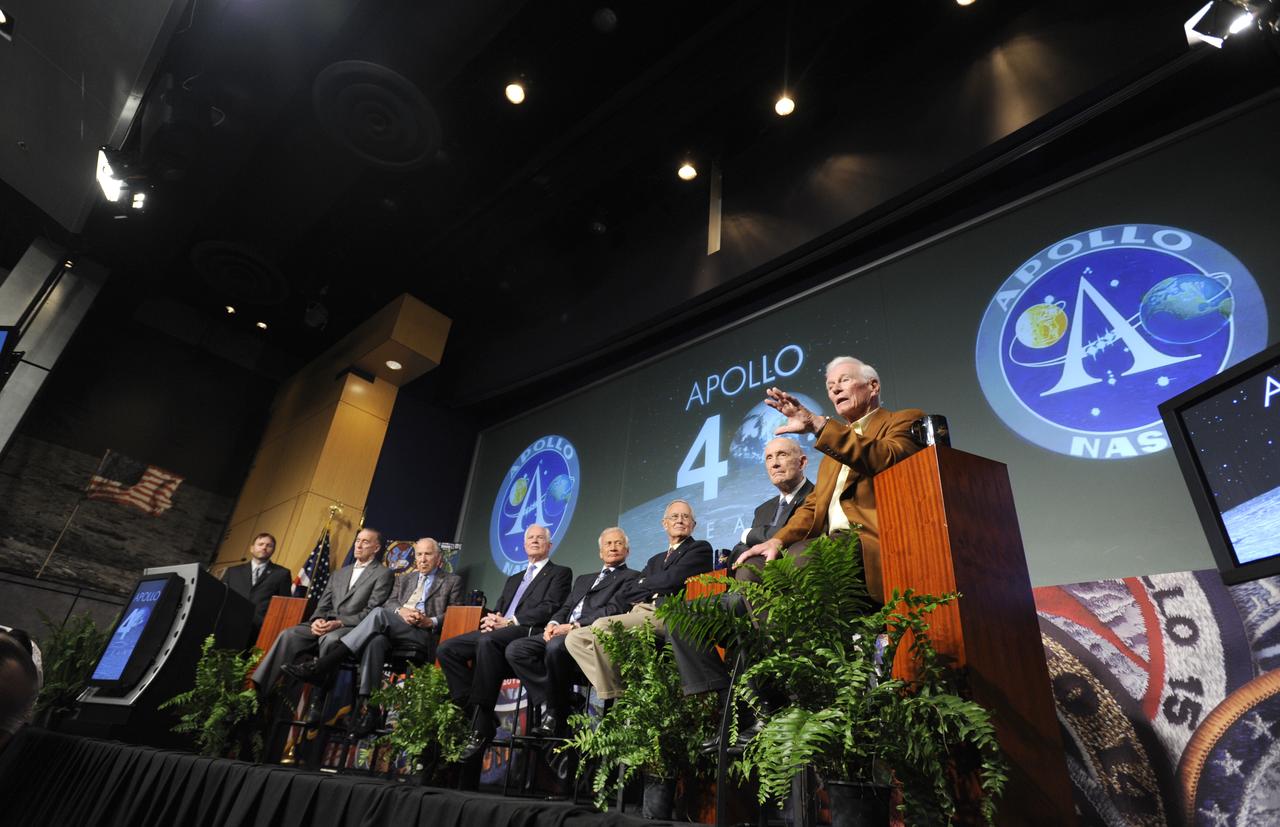
Apollo astronauts from left, Walt Cunningham (Apollo 17), James Lovell (Apollo 8 Apollo 13), David Scott (Apollo 9 Apollo 15), Buzz Aldrin (Apollo 11), Charles Duke (Apollo 16), Thomas Stafford (Apollo 10) and Eugene Cernan (Apollo 17) are seen during the 40th anniversary of the Apollo 11 mission and the walk on the moon press conference, Monday, July 20, 2009, at NASA Headquarters in Washington. Photo Credit: (NASA/Paul E. Alers)
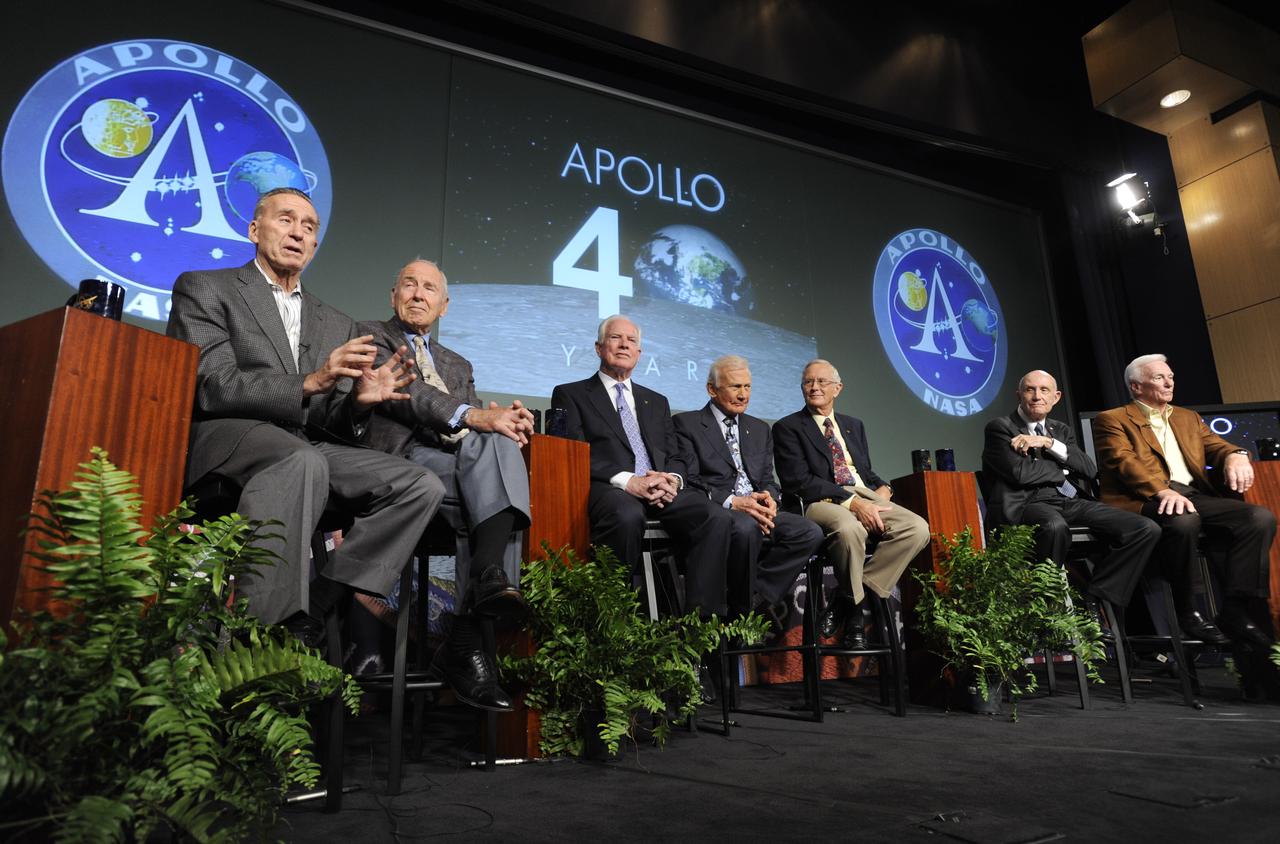
Apollo astronauts from left, Walt Cunningham (Apollo 17), James Lovell (Apollo 8 Apollo 13), David Scott (Apollo 9 Apollo 15), Buzz Aldrin (Apollo 11), Charles Duke (Apollo 16), Thomas Stafford (Apollo 10) and Eugene Cernan (Apollo 17) are seen during the 40th anniversary of the Apollo 11 mission and the walk on the moon press conference, Monday, July 20, 2009, at NASA Headquarters in Washington. Photo Credit: (NASA/Paul E. Alers)

Apollo astronauts from left, Walt Cunningham (Apollo 17), James Lovell (Apollo 8 Apollo 13), David Scott (Apollo 9 Apollo 15), Buzz Aldrin (Apollo 11), Charles Duke (Apollo 16), Thomas Stafford (Apollo 10) and Eugene Cernan (Apollo 17) are seen during the 40th anniversary of the Apollo 11 mission and the walk on the moon press conference, Monday, July 20, 2009, at NASA Headquarters in Washington. Photo Credit: (NASA/Paul E. Alers)
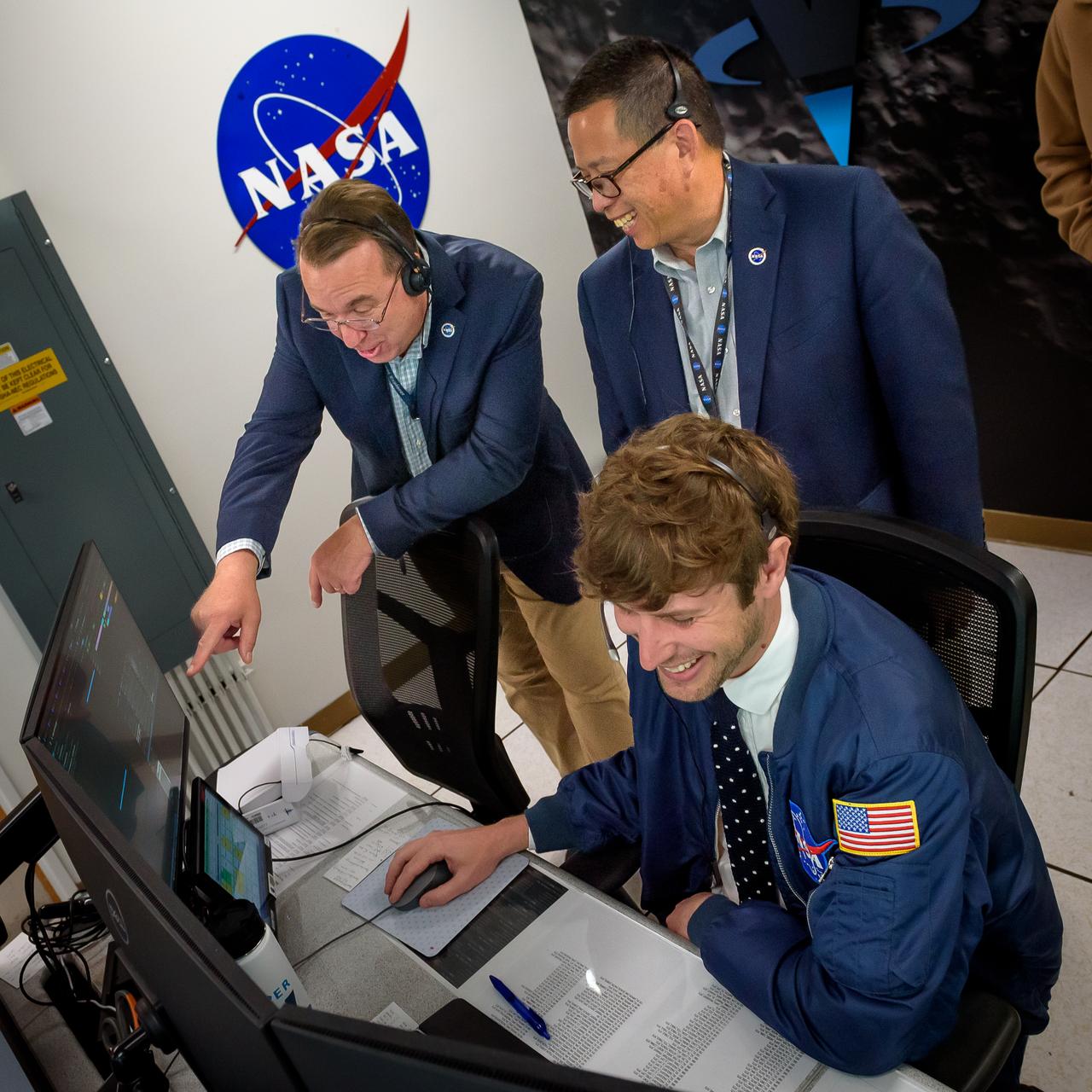
Volatiles Investigating Polar Exploration Rover (VIPER) vehicle operational readiness test in the Multi-Mission Operations Center (MMOC), N240A. Jasper Wolfe, front, with David Korsmeyer, and Eugene Tu.
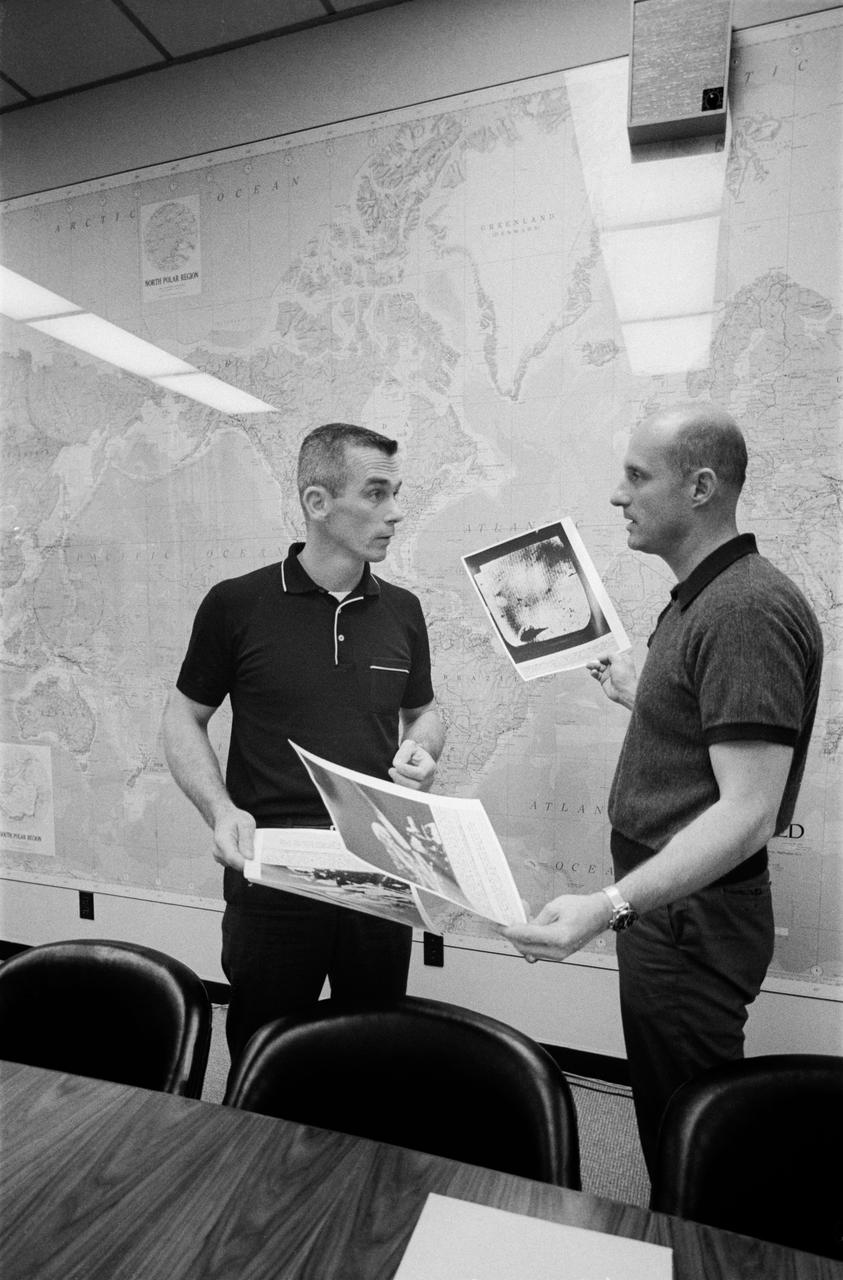
S66-32144 (2 June 1966) --- Astronauts Thomas P. Stafford (right) and Eugene A. Cernan look over pictures of the lunar surface taken by Surveyor I. Photo credit: NASA
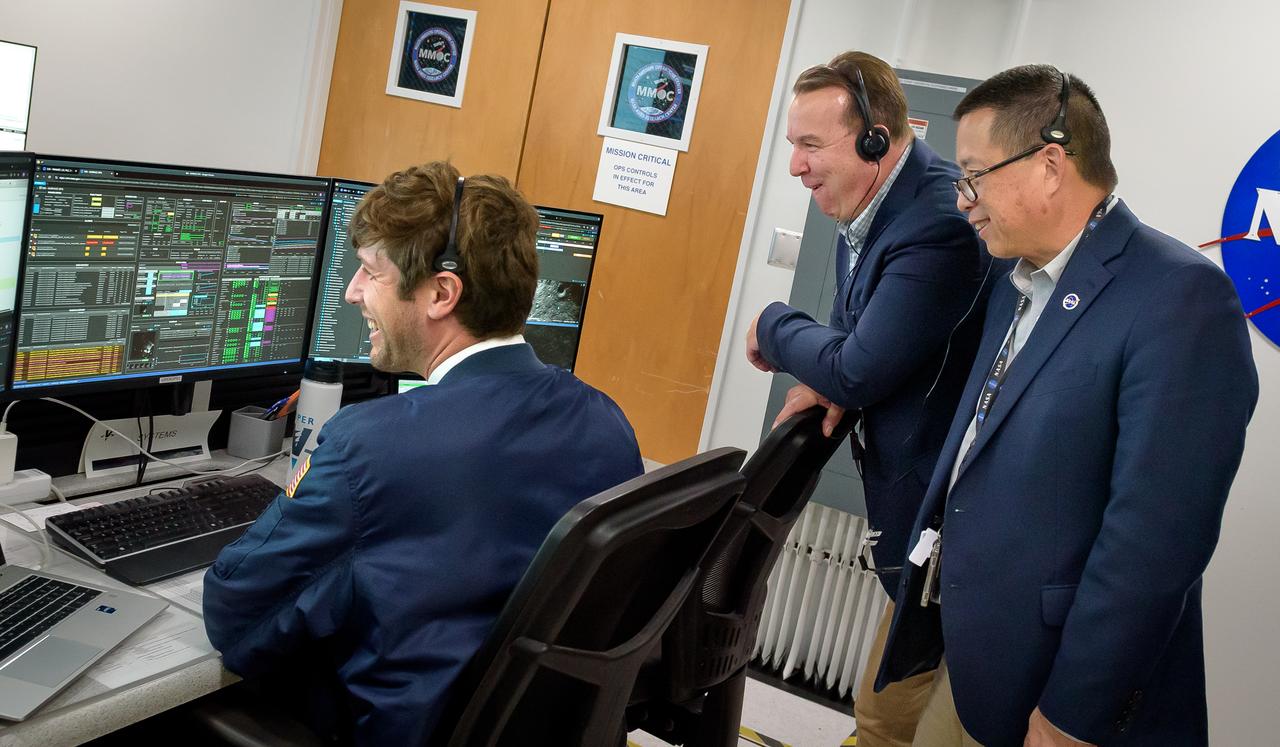
Volatiles Investigating Polar Exploration Rover (VIPER) vehicle operational readiness test in the Multi-Mission Operations Center (MMOC), N240A. Jasper Wolfe, left, with David Korsmeyer, and Eugene Tu, right.

S66-38515 (5 June 1966) --- Astronaut Eugene A. Cernan, pilot of the Gemini-9A spaceflight, is pictured outside of the spacecraft during his extravehicular activity (EVA). Photo credit: NASA
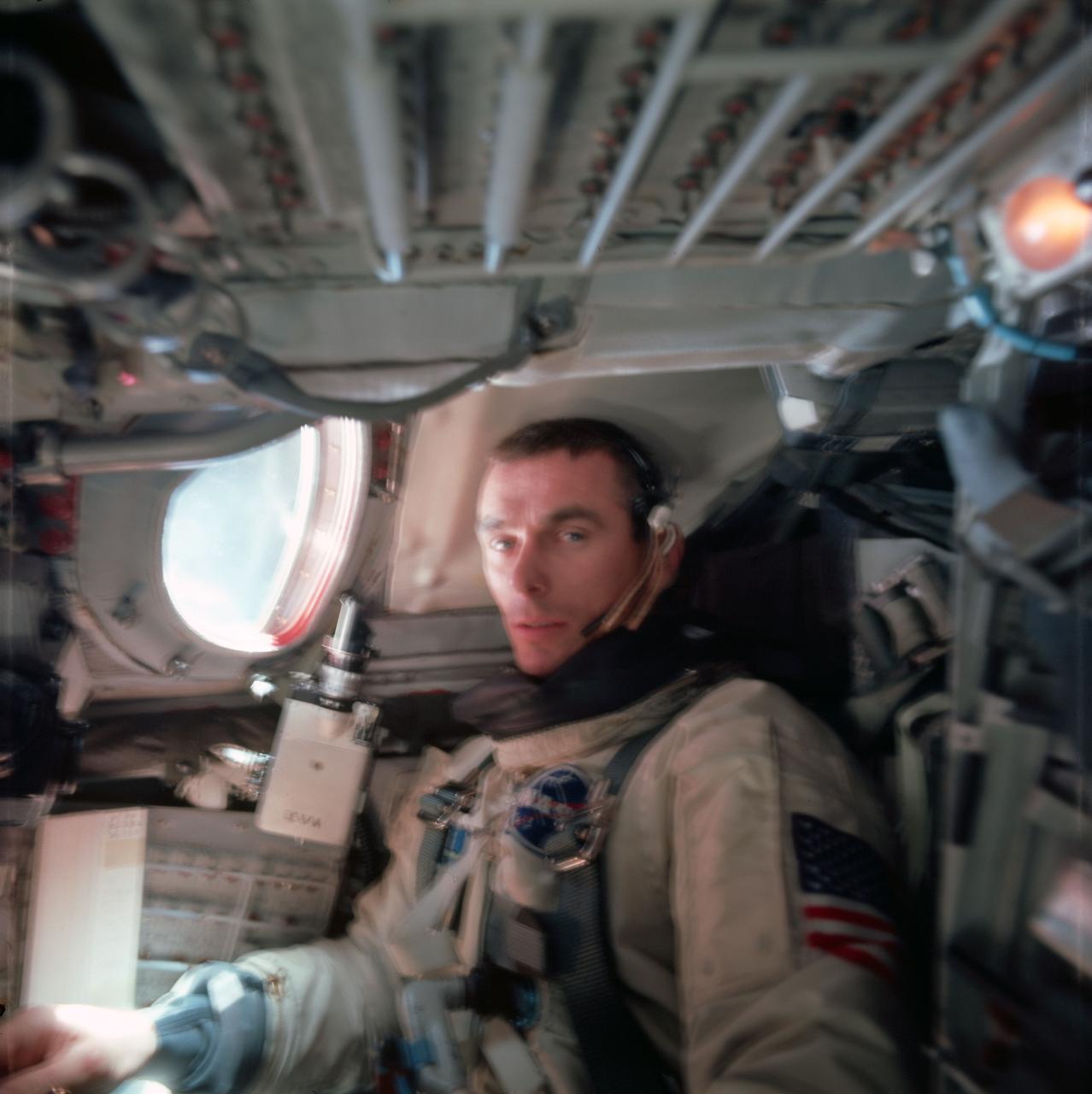
S66-38082 (3 June 1966) --- Astronaut Eugene A. Cernan, pilot of the Gemini-9A spaceflight, is photographed inside the spacecraft by the command pilot, astronaut Thomas P. Stafford during the flight. Photo credit: NASA
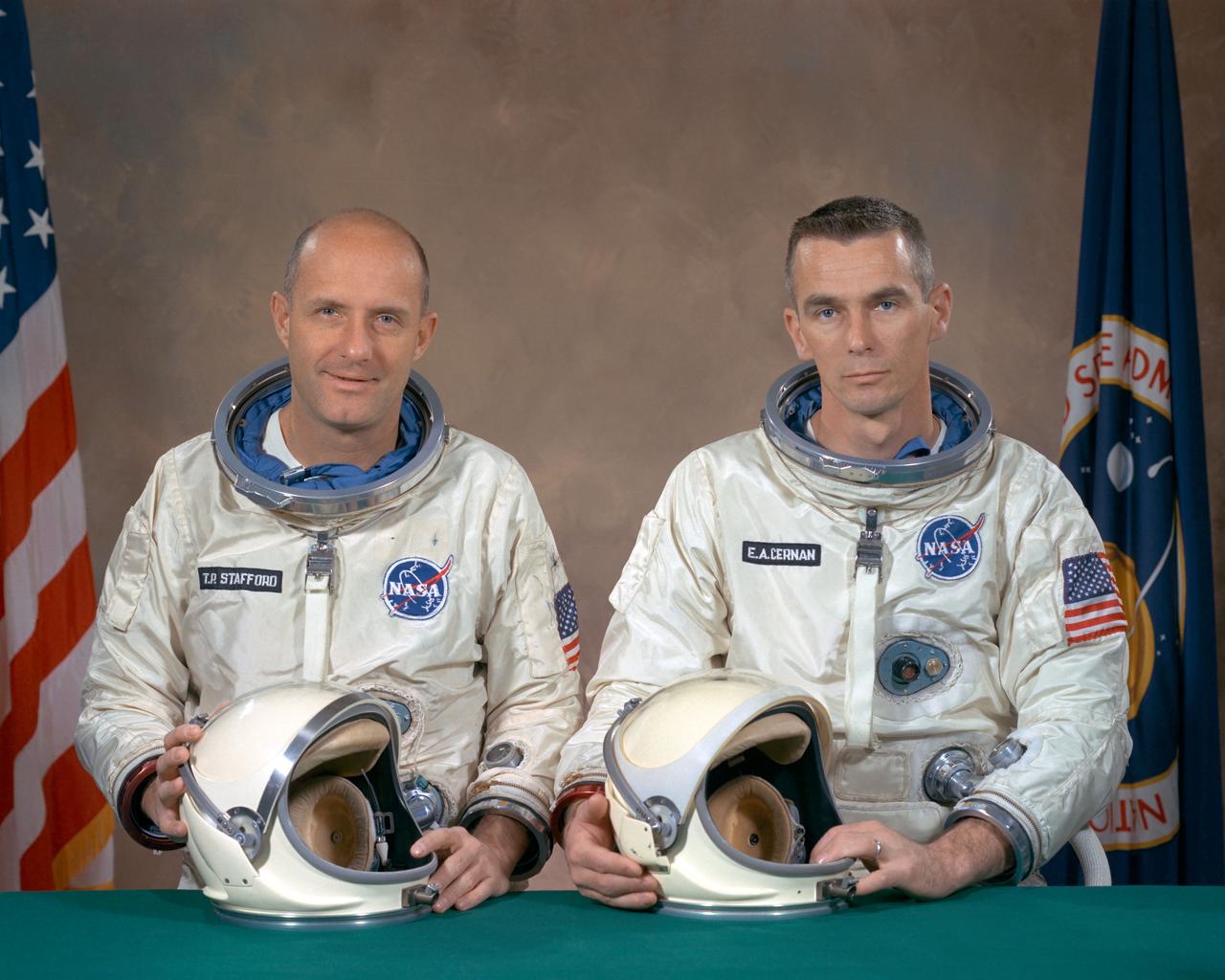
S66-15621 (January 1966) --- Gemini-9 prime crew portrait with astronauts Thomas P. Stafford (left), command pilot, and Eugene A. Cernan, pilot. Photo credit: NASA
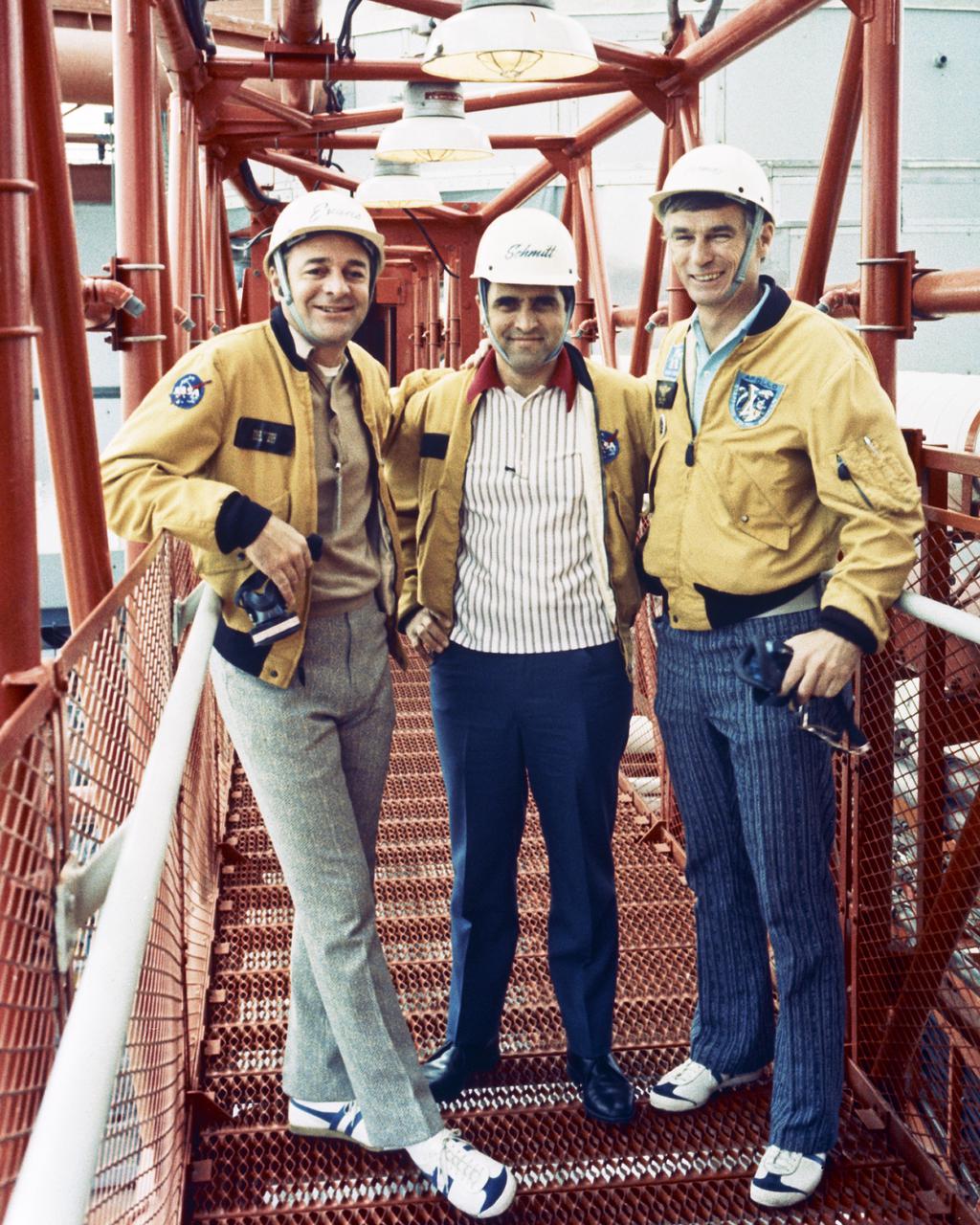
The Apollo 17 prime astronaut crew observes pre-launch activity at Complex 39A while participating in Emergency Egress Test. They are, left to right, Ronald E. Evans, Harrison H. Schmitt, and Eugene A. Cernan.
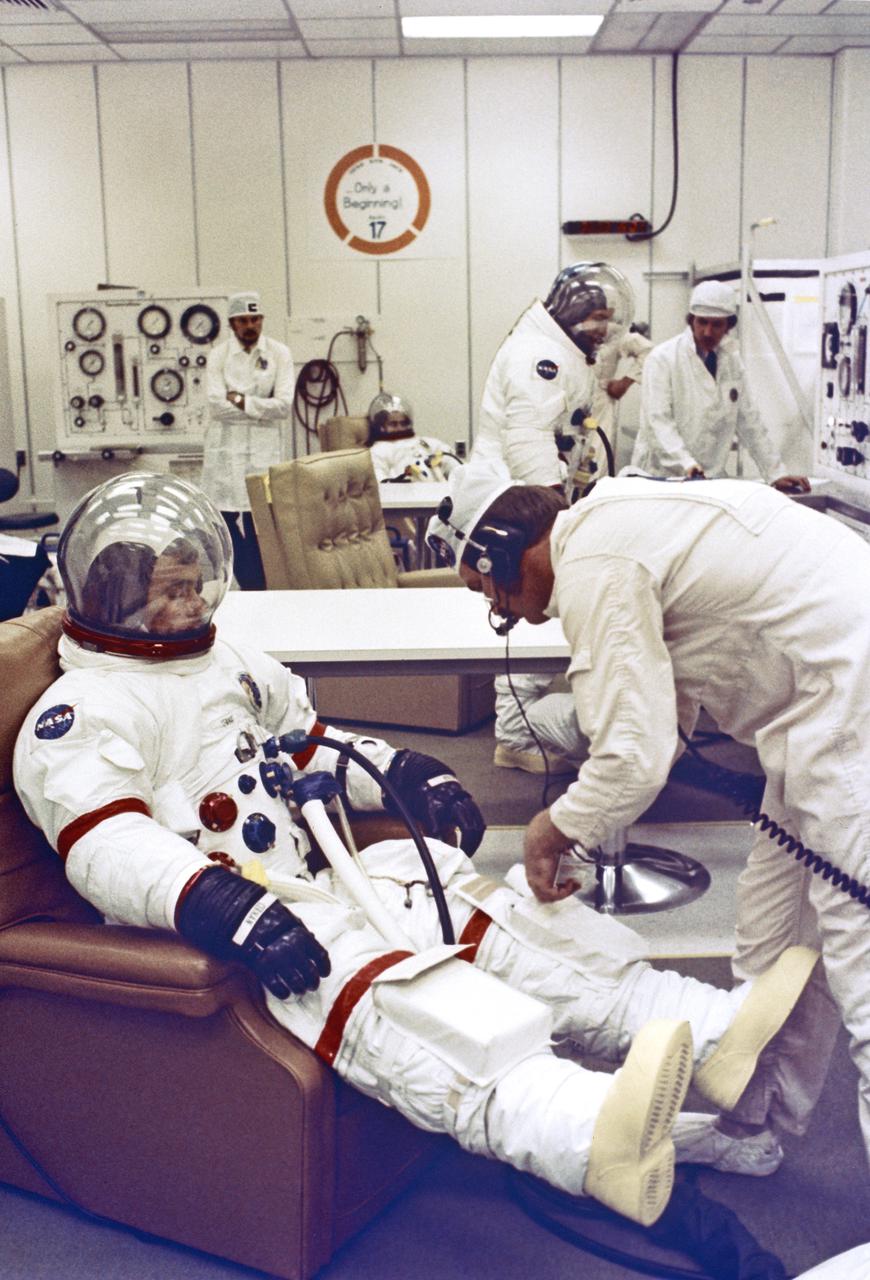
Apollo 17 Commander Eugene A. Cernan undergoes spacesuit Checkout prior to launch to the Moon tonight. In the background are Command Module Pilot Ronald E. Evans and Lunar Module Pilot Harrison H. Schmitt.
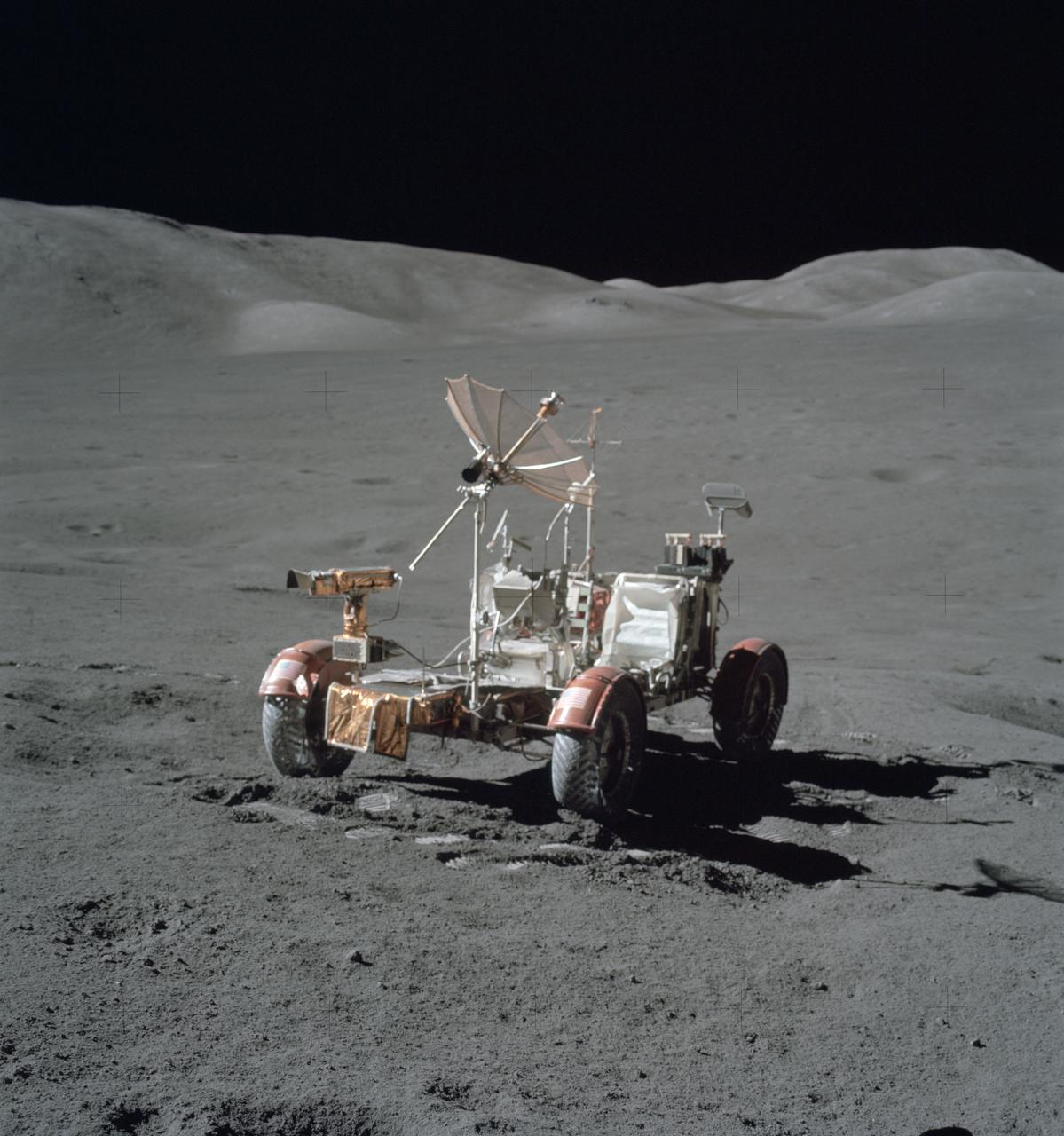
AS17-146-22367 (7-19 Dec. 1972) --- This is an excellent view of the Lunar Roving Vehicle (LRV) which was used extensively by astronauts Eugene A. Cernan and Harrison H. Schmitt at the Taurus-Littrow landing site.
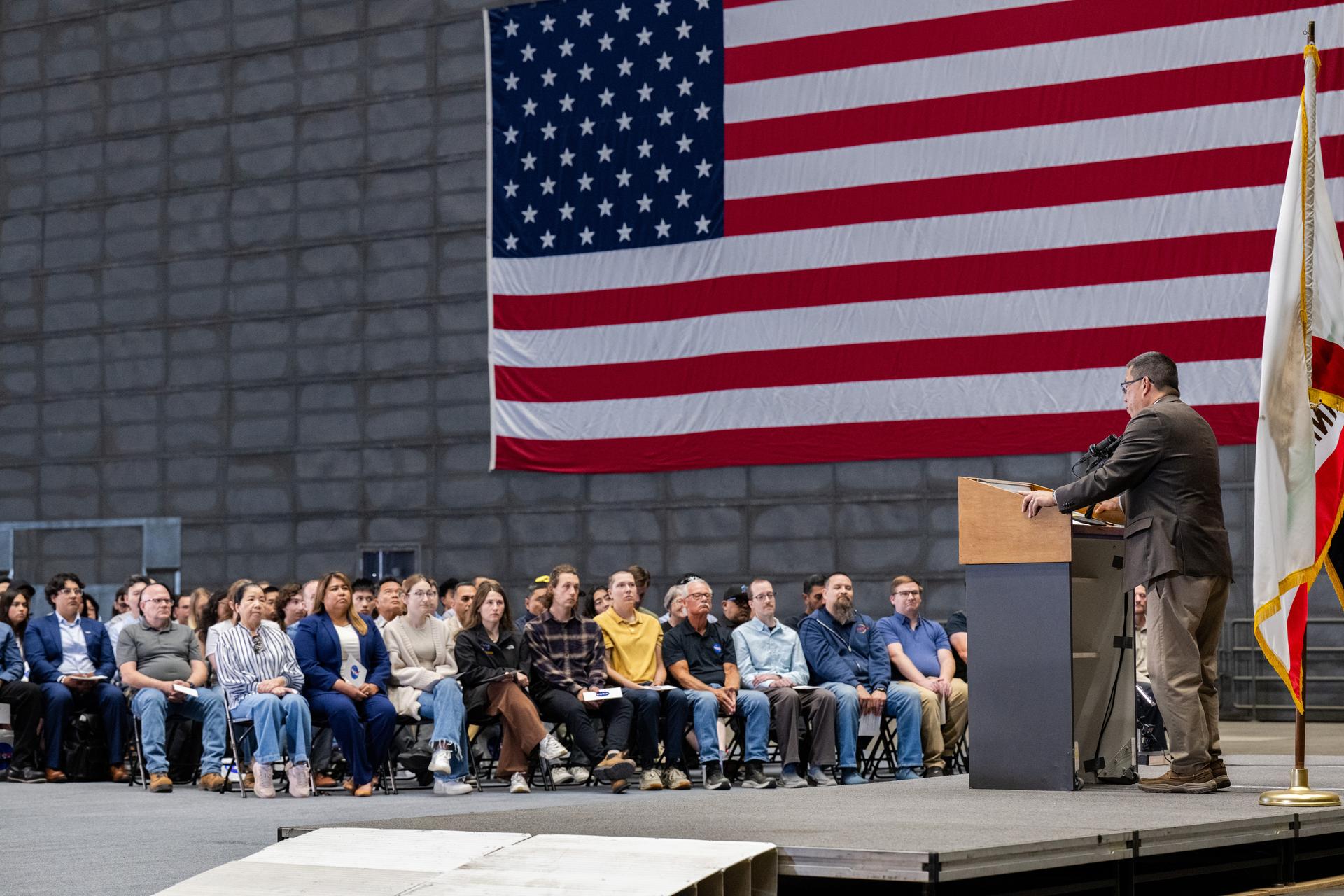
Center Director Eugene Tu speaks at the NASA Civil Servant Swearing-in Ceremony in the National Full-Scale Aerodynamics Complex (NFAC) 80-by-120-foot test section, N221.
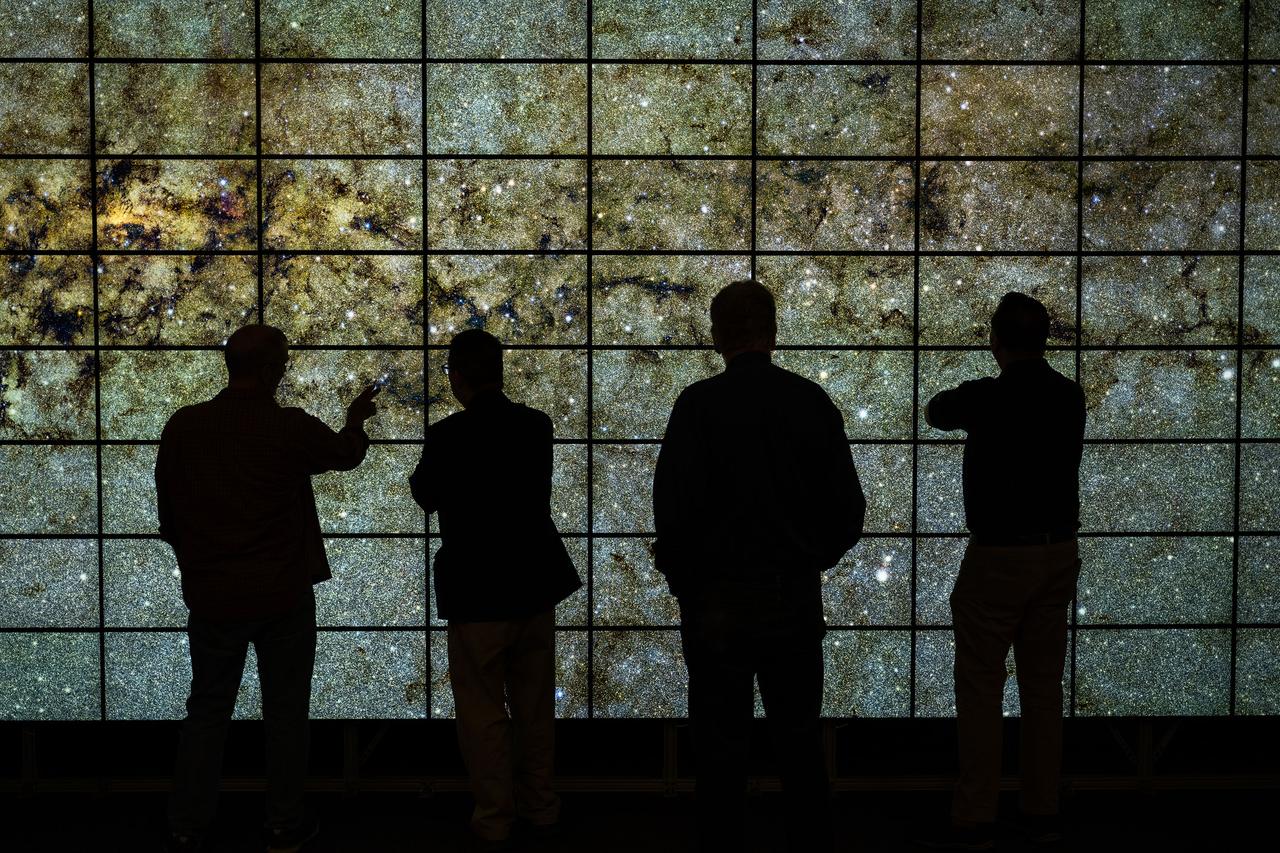
Chris Henze demonstrates the newly upgraded hyperwall visualization system to Center Director Eugene Tu, Deputy Center Director David Korsmeyer, and NAS Division management in N258.
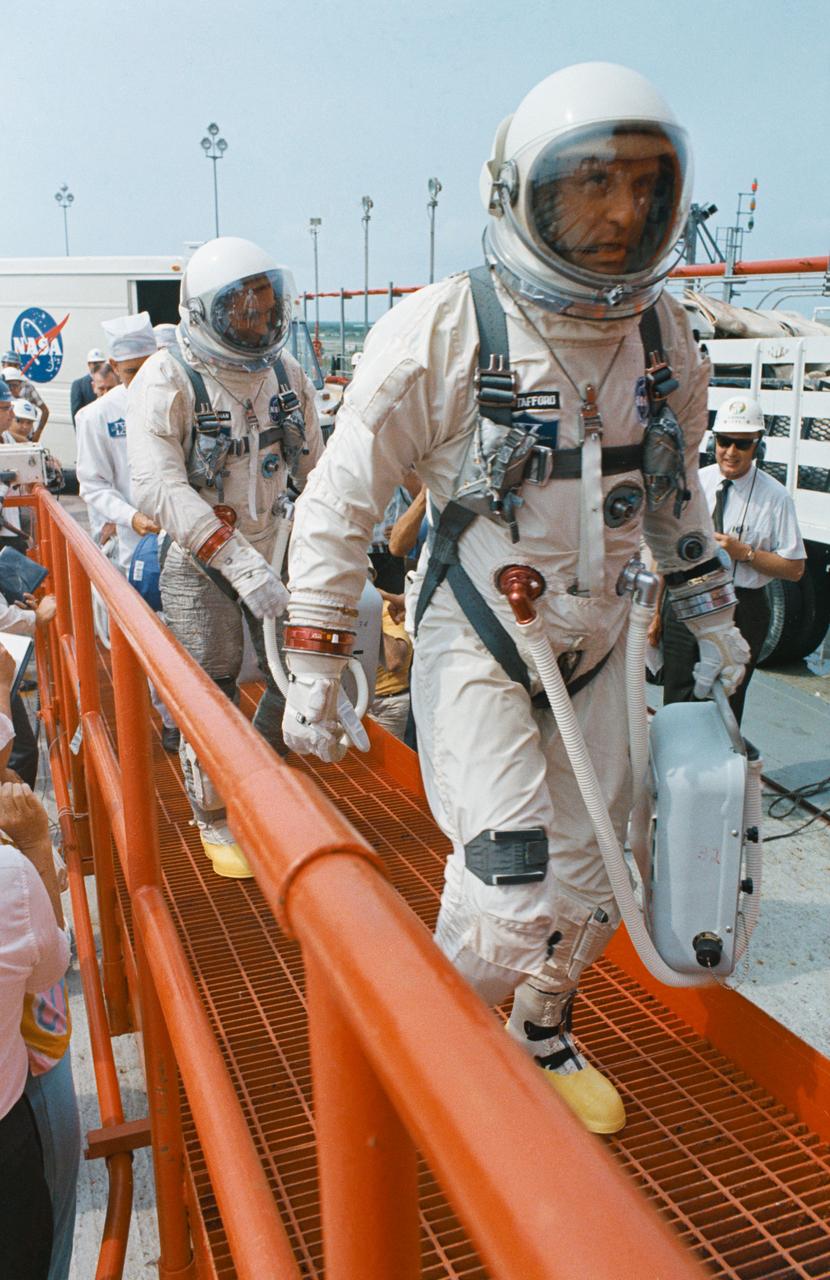
S66-32149 (3 June 1966) --- Astronauts Thomas P. Stafford (foreground), command pilot, and Eugene A. Cernan, pilot, walk up the ramp at Pad 19 during the Gemini-9A prelaunch countdown. Photo credit: NASA
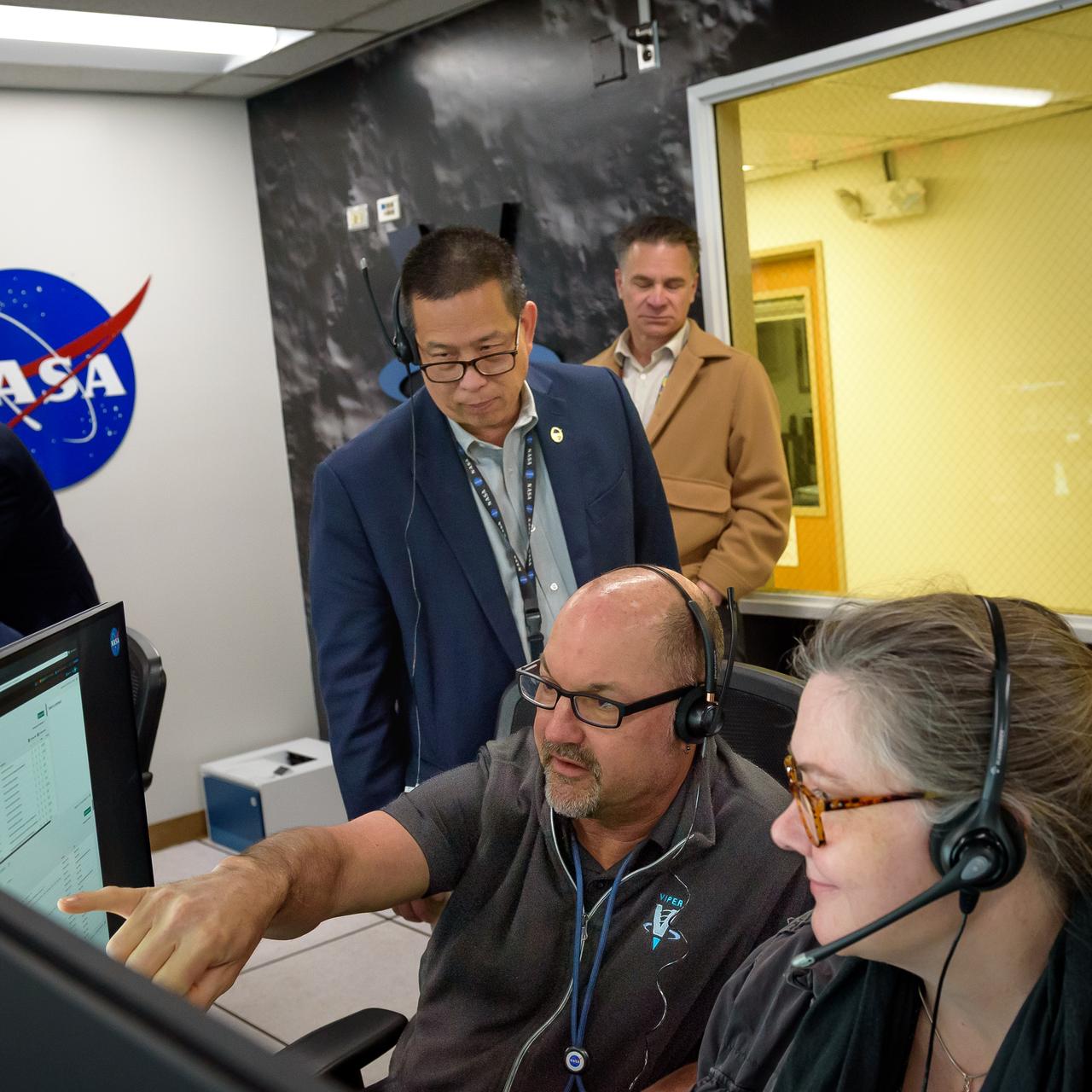
Volatiles Investigating Polar Exploration Rover (VIPER) vehicle operational readiness test in the Multi-Mission Operations Center (MMOC), N240A. On the console, Charles Hacskaylo, left, and Sybil Adams, and Eugene Tu and Dan Andrews standing behind.
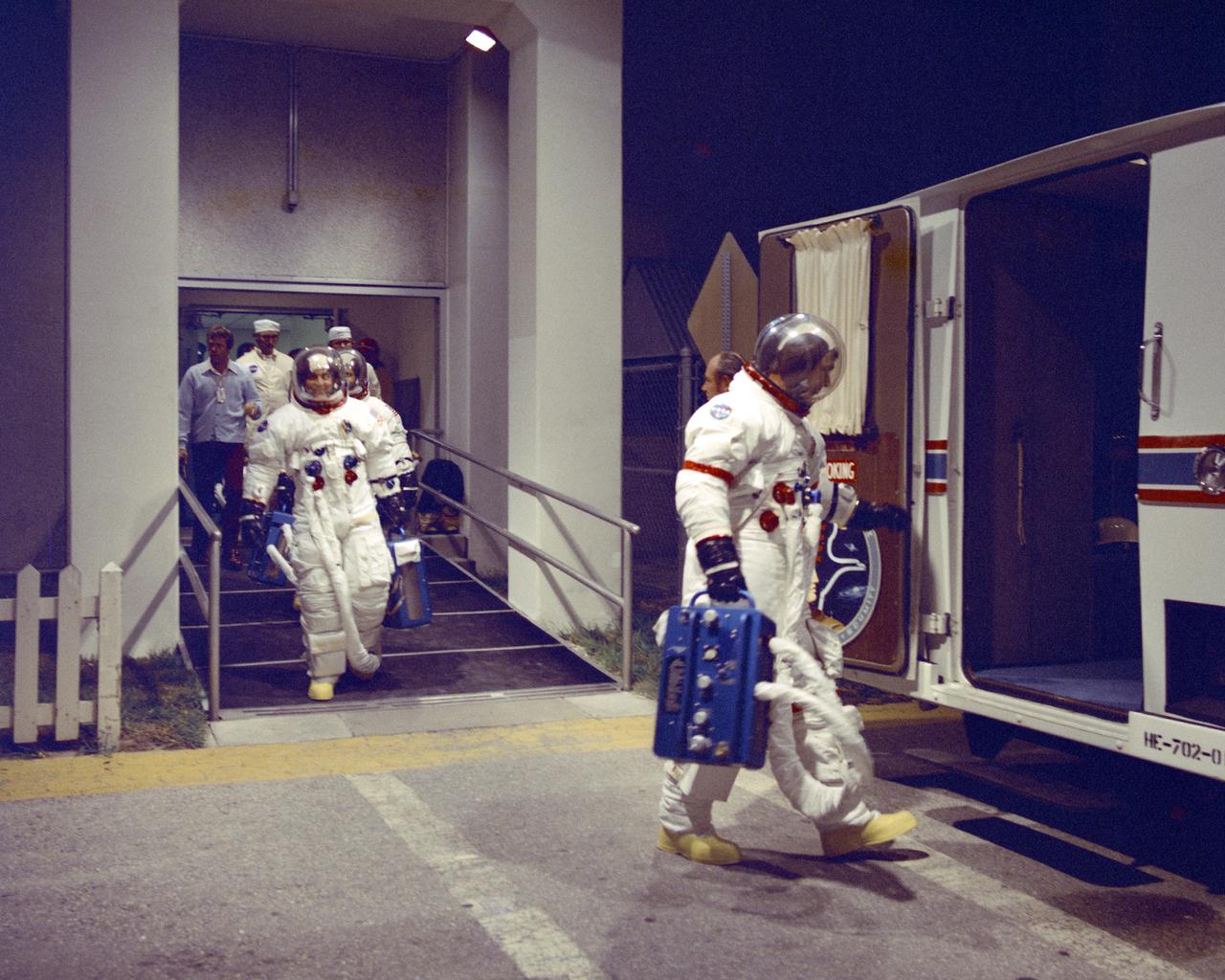
Apollo 17 Astronauts, front to rear, Eugene A. Cernan, Ronald E. Evans and Harrison H. Schmitt walk to the transfer van at start of brief ride to launch pad during countdown Demonstration test activities.
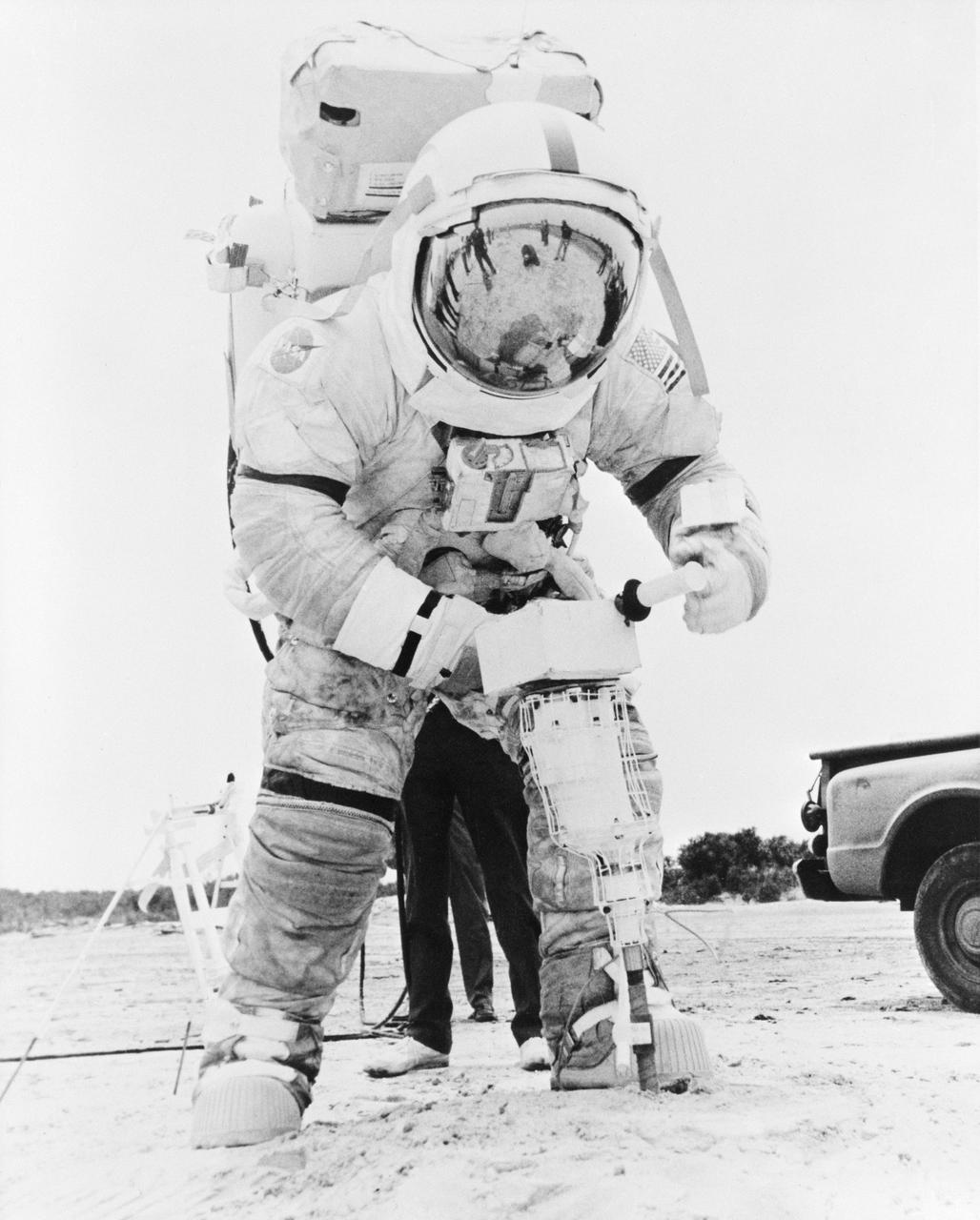
S72-44421 (June 1972) --- Astronaut Eugene A. Cernan, commander of the Apollo 17 lunar landing mission, practices with a lunar drill during lunar surface EVA simulations.
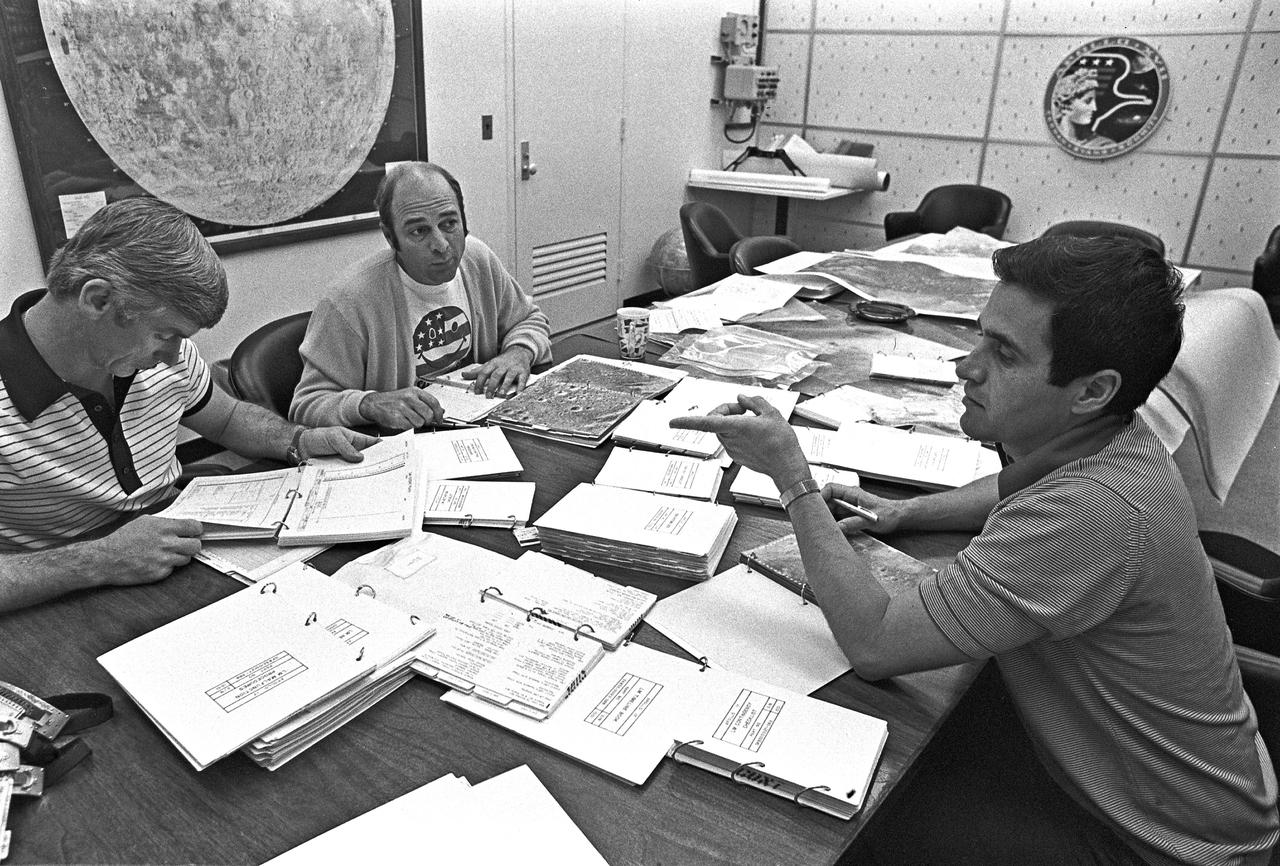
Apollo 17 Astronaut-Scientist Harrison H. Schmitt, right, reviews lunar flight plan with Mission Commander Eugene A. Cernan, left and Command Module Pilot Ronald H. Evans.
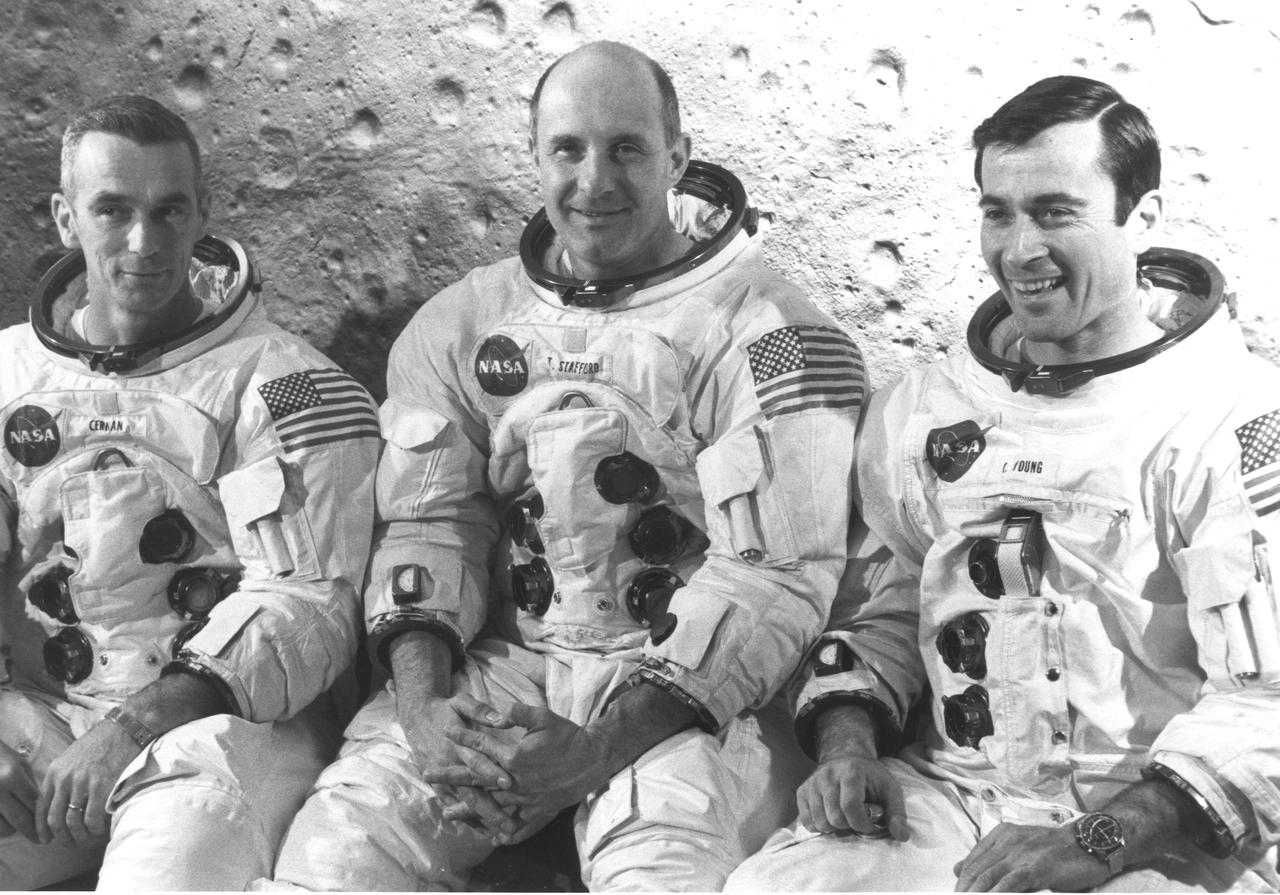
KENNEDY SPACE CENTER, FLA. -- Apollo 10 Flight Crew Training. From left re Lunar Module Pilot Eugene A. Cernan, Commander Thomas P. Stafford and Command Module Pilot John w. Young.

S73-38345 (11 Dec. 1973) --- Two of the three Apollo 17 crewmen join in commemoration of their historical lunar landing mission of one year ago by presenting to flight controllers in Mission Control Center (MCC) the U.S. flag which flew with them to the moon. Astronauts Eugene A. Cernan, center, Apollo 17 commander, and Harrison H. Schmitt, right, lunar module pilot, are shown with Eugene F. Kranz, who accepted the flag on behalf of all the flight controllers during special ceremonies in the Mission Operations Control Room (MOCR) of MCC during the third manned Skylab mission. Kranz is chief of the Flight Control Division of the Flight Operations Directorate at JSC.
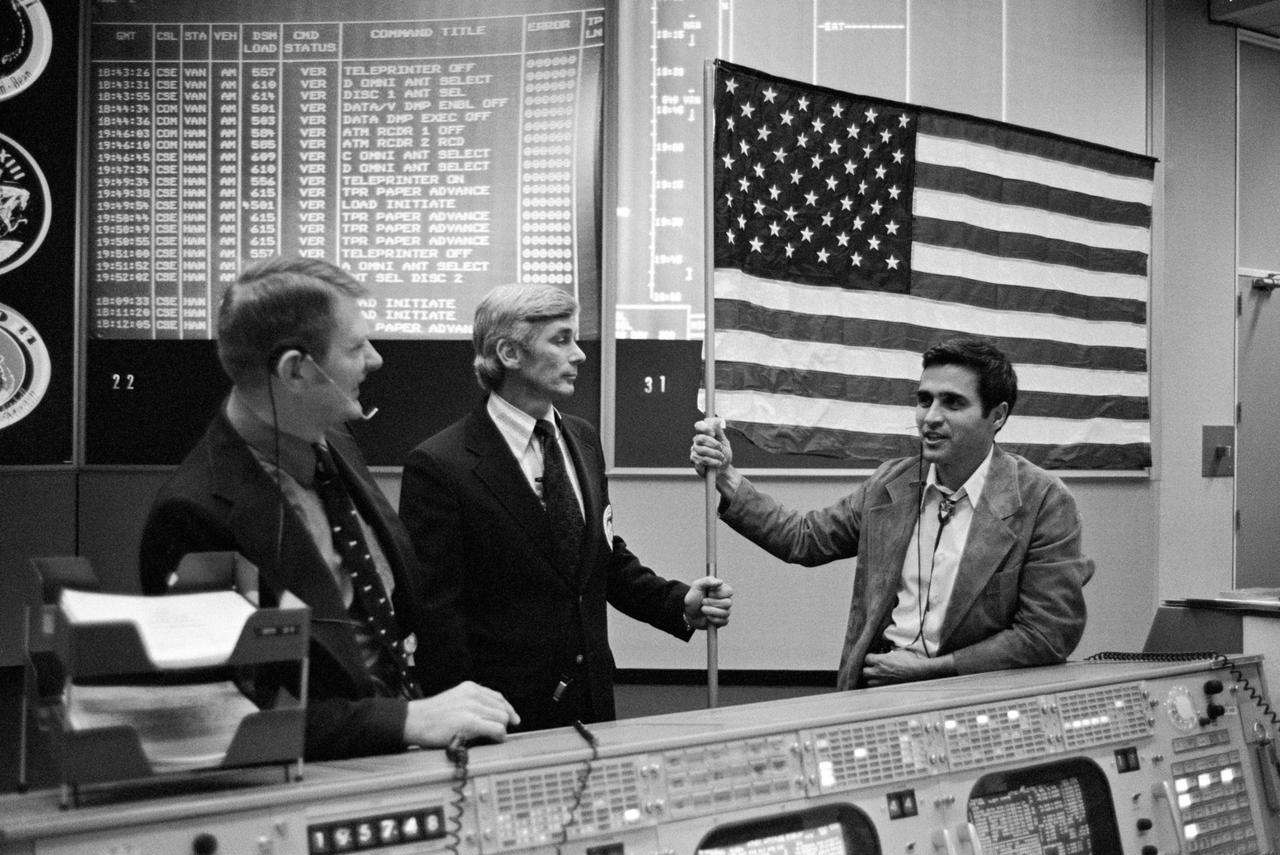
S73-38346 (11 Dec. 1973) --- Two of the three Apollo 17 crewmen join in commemoration of their historical lunar landing mission of one year ago by presenting to flight controllers in Mission Control Center (MCC) the U.S. flag which flew with them to the moon. Astronauts Eugene A. Cernan, center, Apollo 17 commander, and Harrison H. Schmitt, right, lunar module pilot, are shown with Eugene F. Kranz, who accepted the flag on behalf of all the flight controllers during special ceremonies in the Mission Operations Control Room (MOCR) of MCC during the third manned Skylab mission. Kranz is chief of the Flight Control Division of the Flight Operations Directorate at JSC.
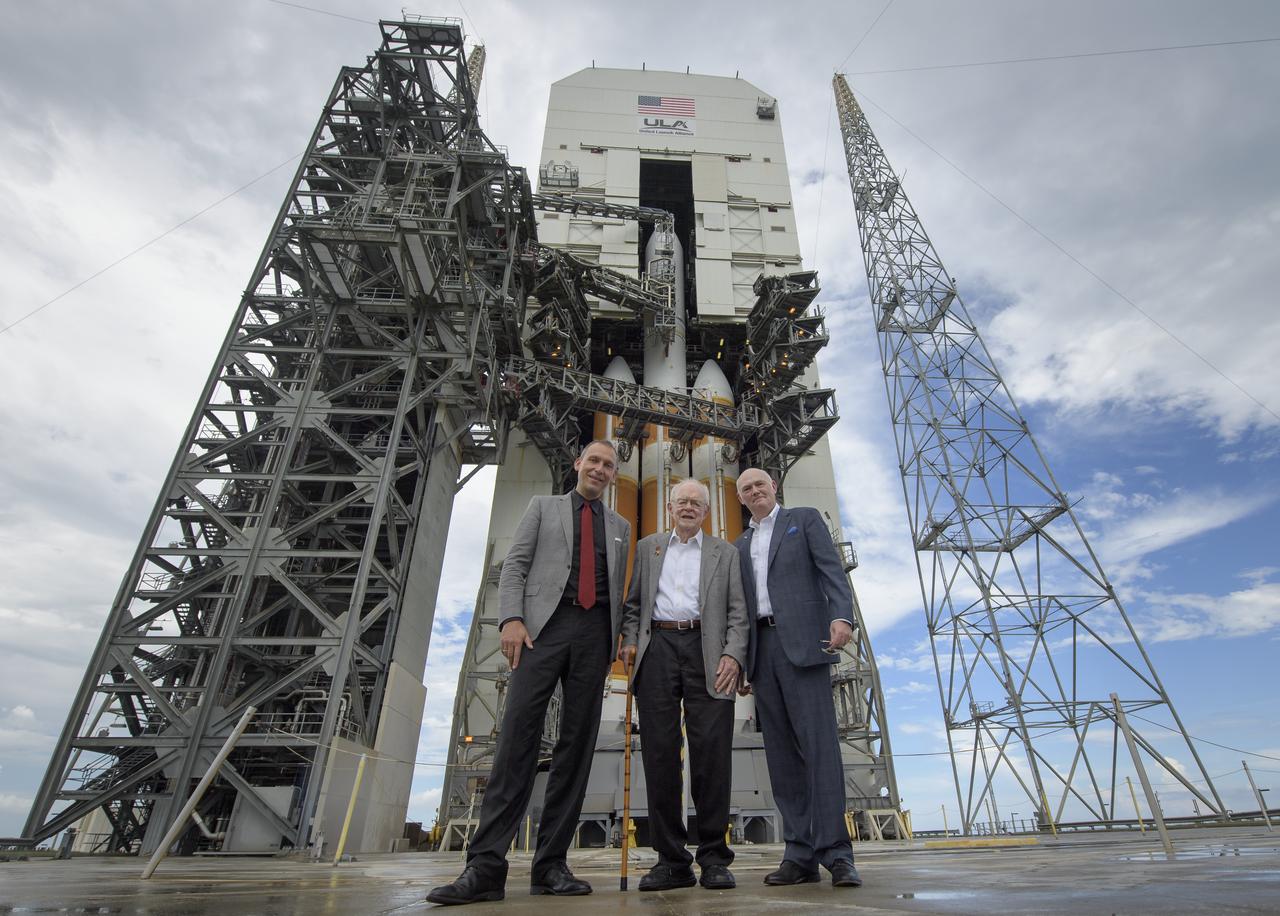
NASA Associate Administrator for the Science Mission Directorate Thomas Zurbuchen, left, American solar astrophysicist, and professor emeritus at the University of Chicago, Eugene Parker, center, and President and Chief Executive Officer for United Launch Alliance Tory Bruno pose for a group photo in front of the ULA Delta IV Heavy rocket with NASA's Parker Solar onboard, Friday, Aug. 10, 2018, Launch Complex 37 at Cape Canaveral Air Force Station, Florida. This is the first NASA mission that has been named for a living individual. Parker Solar Probe is humanity’s first-ever mission into a part of the Sun’s atmosphere called the corona. Here it will directly explore solar processes that are key to understanding and forecasting space weather events that can impact life on Earth. Photo Credit: (NASA/Bill Ingalls)

Dr. Eugene Parker, a pioneer in heliophysics and S. Chandrasekhar distinguished service professor emeritus for the Department of Astronomy and Astrophysics at the University of Chicago, watches the launch of NASA's Parker Solar Probe. This is the first agency mission named for a living person. The liftoff took place at 3:31 a.m. EDT on Sunday, Aug. 12, 2018. The spacecraft was built by the Johns Hopkins University Applied Physics Laboratory in Laurel, Maryland. The mission will perform the closest-ever observations of a star when it travels through the Sun's atmosphere, called the corona. The probe will rely on measurements and imaging to revolutionize our understanding of the corona and the Sun-Earth connection.

Dr. Eugene Parker, a pioneer in heliophysics and S. Chandrasekhar distinguished service professor emeritus for the Department of Astronomy and Astrophysics at the University of Chicago, watches the launch of NASA's Parker Solar Probe. This is the first agency mission named for a living person. The liftoff took place at 3:31 a.m. EDT on Sunday, Aug. 12, 2018. The spacecraft was built by the Johns Hopkins University Applied Physics Laboratory in Laurel, Maryland. The mission will perform the closest-ever observations of a star when it travels through the Sun's atmosphere, called the corona. The probe will rely on measurements and imaging to revolutionize our understanding of the corona and the Sun-Earth connection.
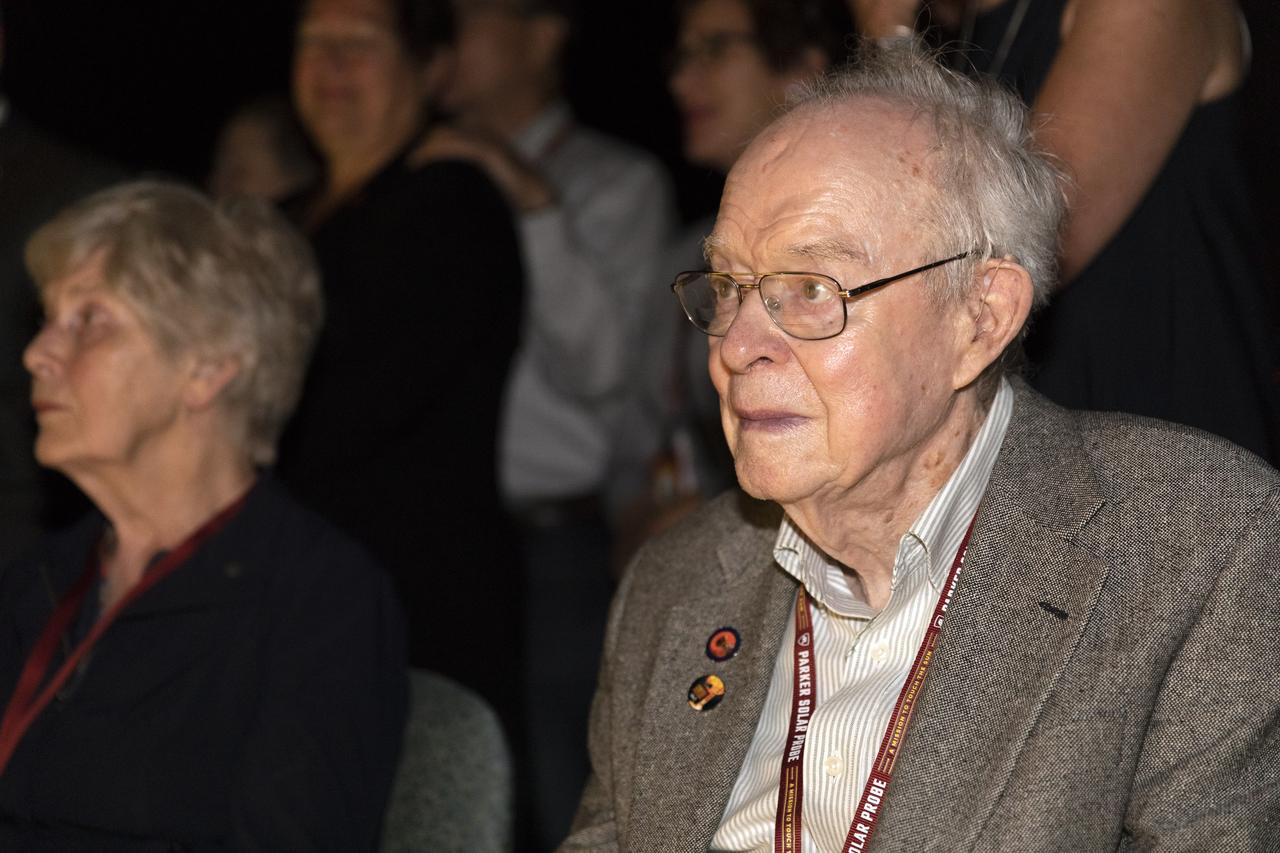
Dr. Eugene Parker, a pioneer in heliophysics and S. Chandrasekhar distinguished service professor emeritus for the Department of Astronomy and Astrophysics at the University of Chicago, watches the launch of NASA's Parker Solar Probe. This is the first agency mission named for a living person. The liftoff took place at 3:31 a.m. EDT on Sunday, Aug. 12, 2018. The spacecraft was built by the Johns Hopkins University Applied Physics Laboratory in Laurel, Maryland. The mission will perform the closest-ever observations of a star when it travels through the Sun's atmosphere, called the corona. The probe will rely on measurements and imaging to revolutionize our understanding of the corona and the Sun-Earth connection.
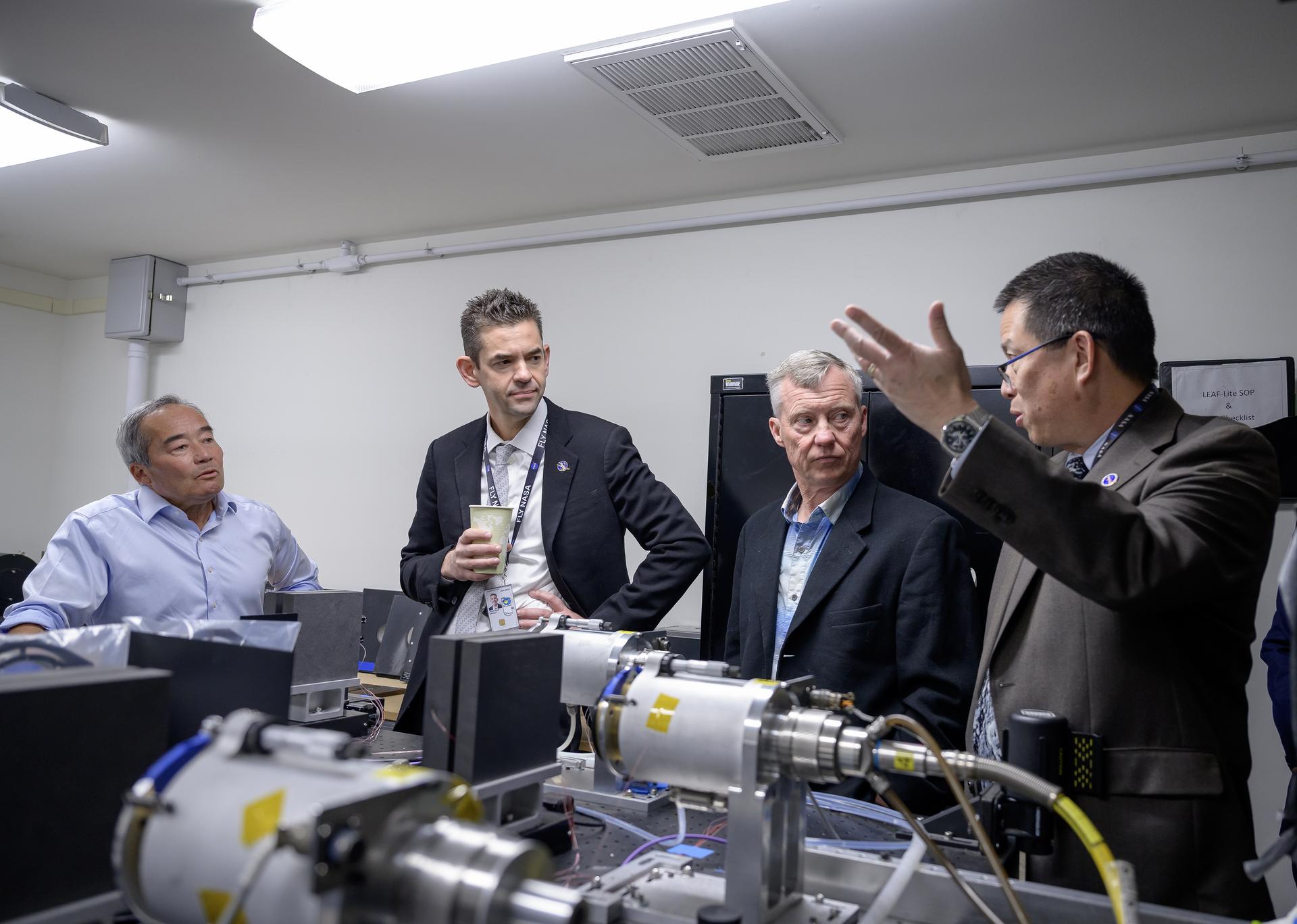
NASA Administrator Jared Isaacman visits the Arc Jet facility in N238.
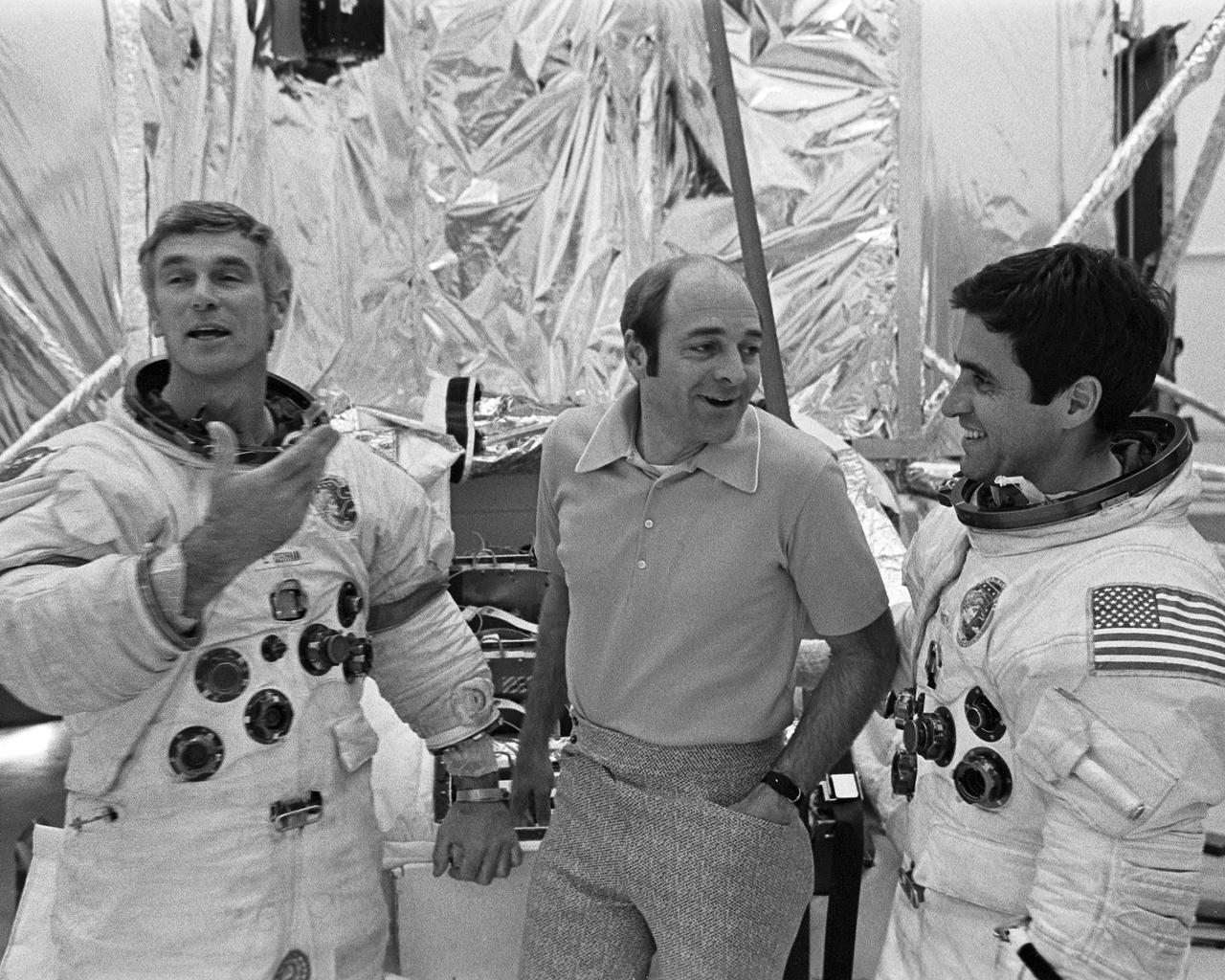
Apollo 17 Mission Commander Eugene A. Cernan, left, jokes with crewmates Ronald E. Evans, center, and Harrison H. Schmitt following training exercises today at the Florida Spaceport. Cernan and Schmitt practiced aspects of their upcoming mission in the full-scale Lunar Module Spacecraft mockup, shown in rear.
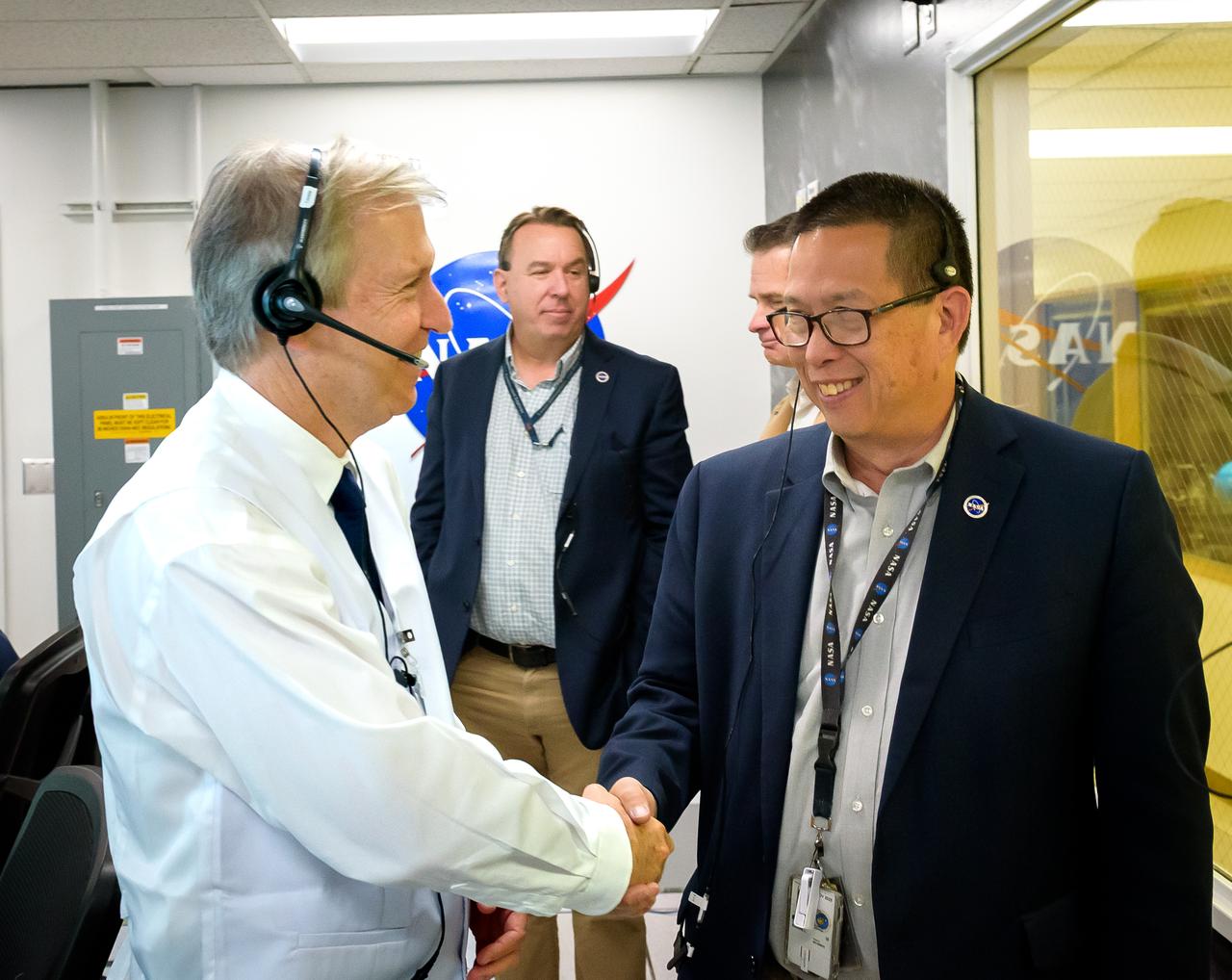
Volatiles Investigating Polar Exploration Rover (VIPER) mission systems manager Jay Trimble, left, with Center Director Eugene Tu during the vehicle operational readiness test in the Multi-Mission Operations Center (MMOC), N240A. Deputy Center Director David Korsmeyer, behind.
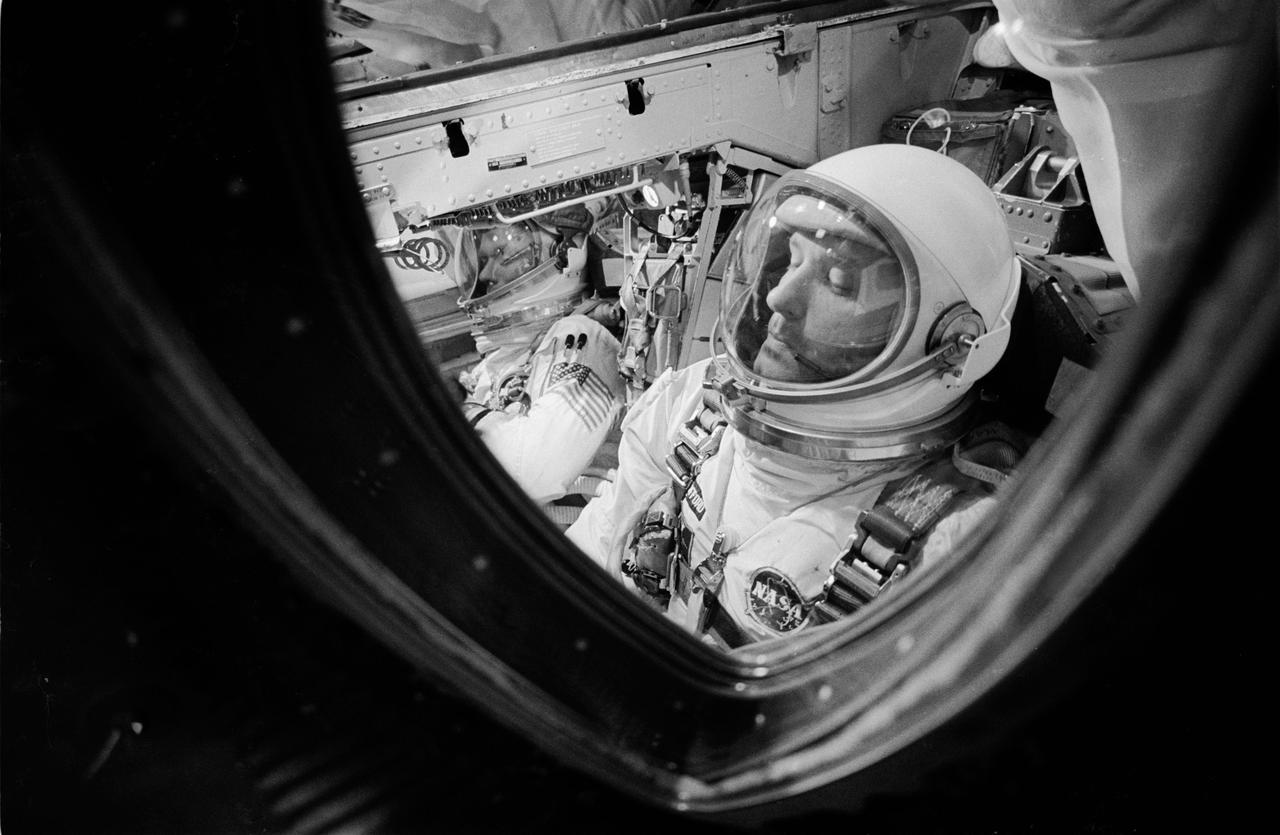
S66-34057 (3 June 1966) --- Fisheye view of astronauts Thomas P. Stafford and Eugene A. Cernan in the Gemini-9 spacecraft while hatches are sealed. They are in the White Room atop Pad 19 at the Kennedy Space Center. Photo credit: NASA
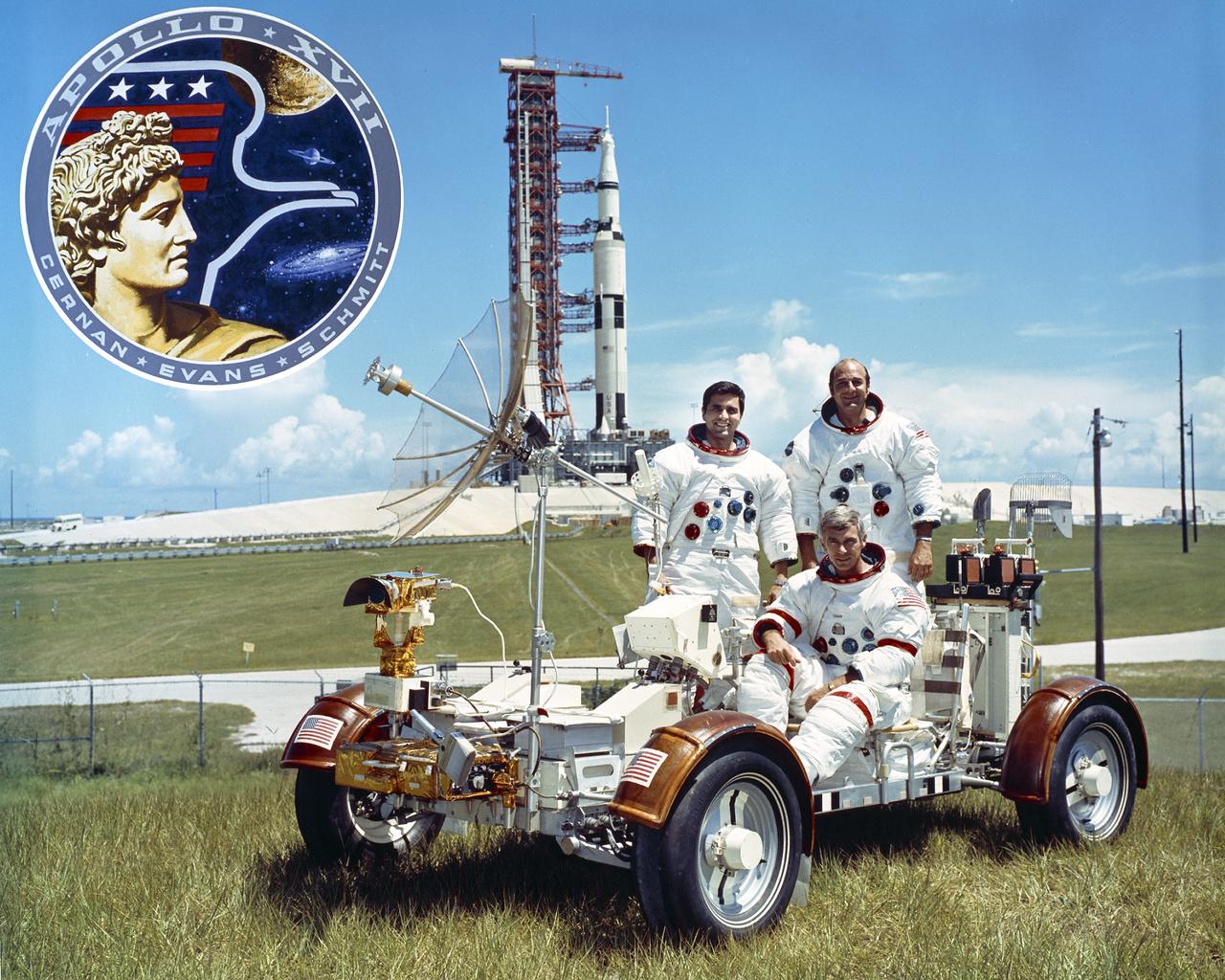
The Apollo 17 crew took time out from training for the press after the Space Vehicle for their Manned Lunar Landing Mission was moved to Complex 39A. Seated, Eugene A. Cernan, Commander standing, left to right, Dr. Harrison H. “Jack” Schmitt, Lunar Module Pilot and Ronald A. Evans, Command Module Pilot.
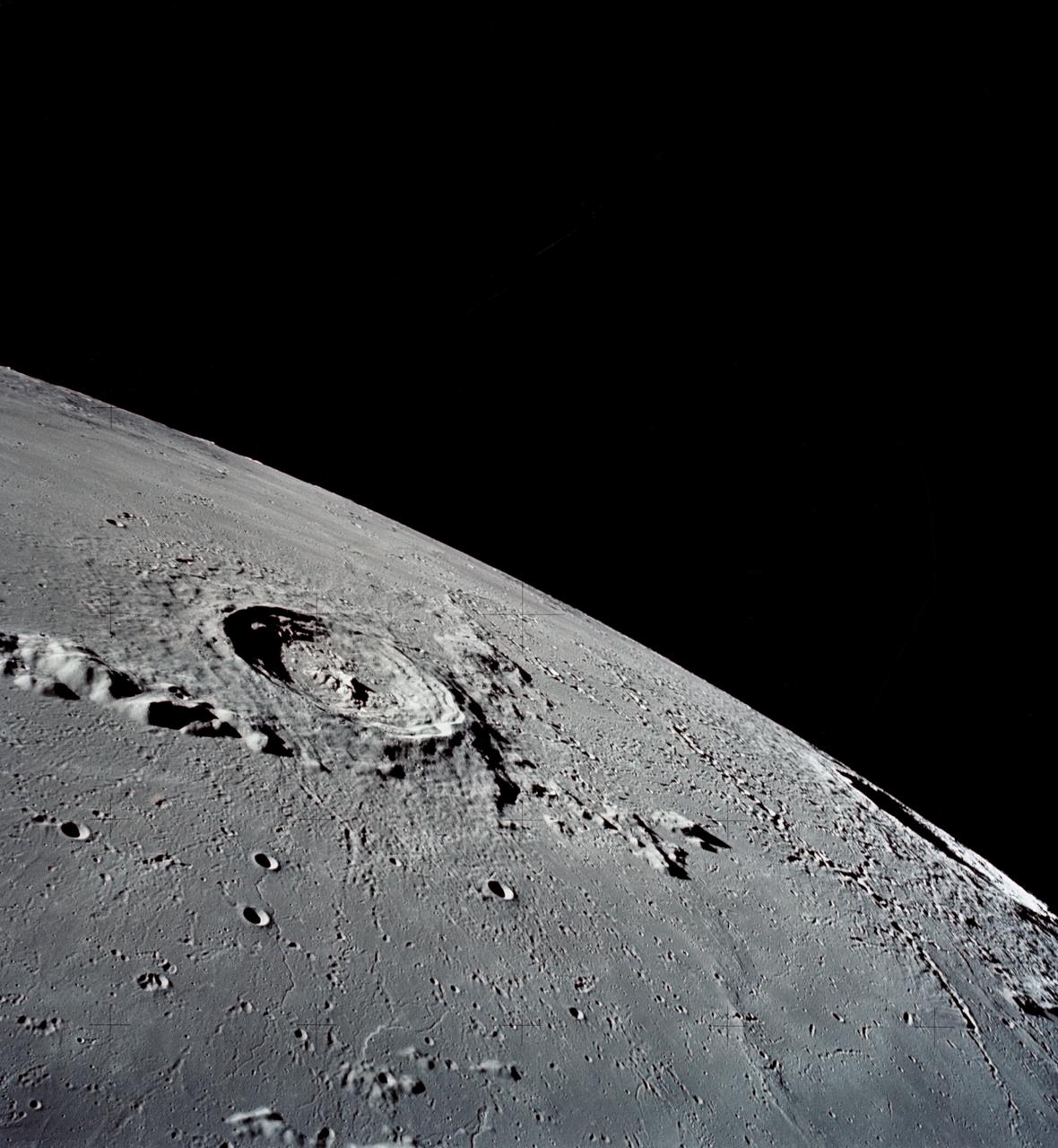
AS17-145-22285 (7-19 Dec. 1972) --- This is a view of the Eratosthenes Crater, taken looking southward from the Command and Service Module (CSM), being piloted by astronaut Ronald E. Evans. Copernicus is on the horizon. The other astronauts are Eugene A. Cernan, commander; and Harrison H. Schmitt, lunar module pilot.
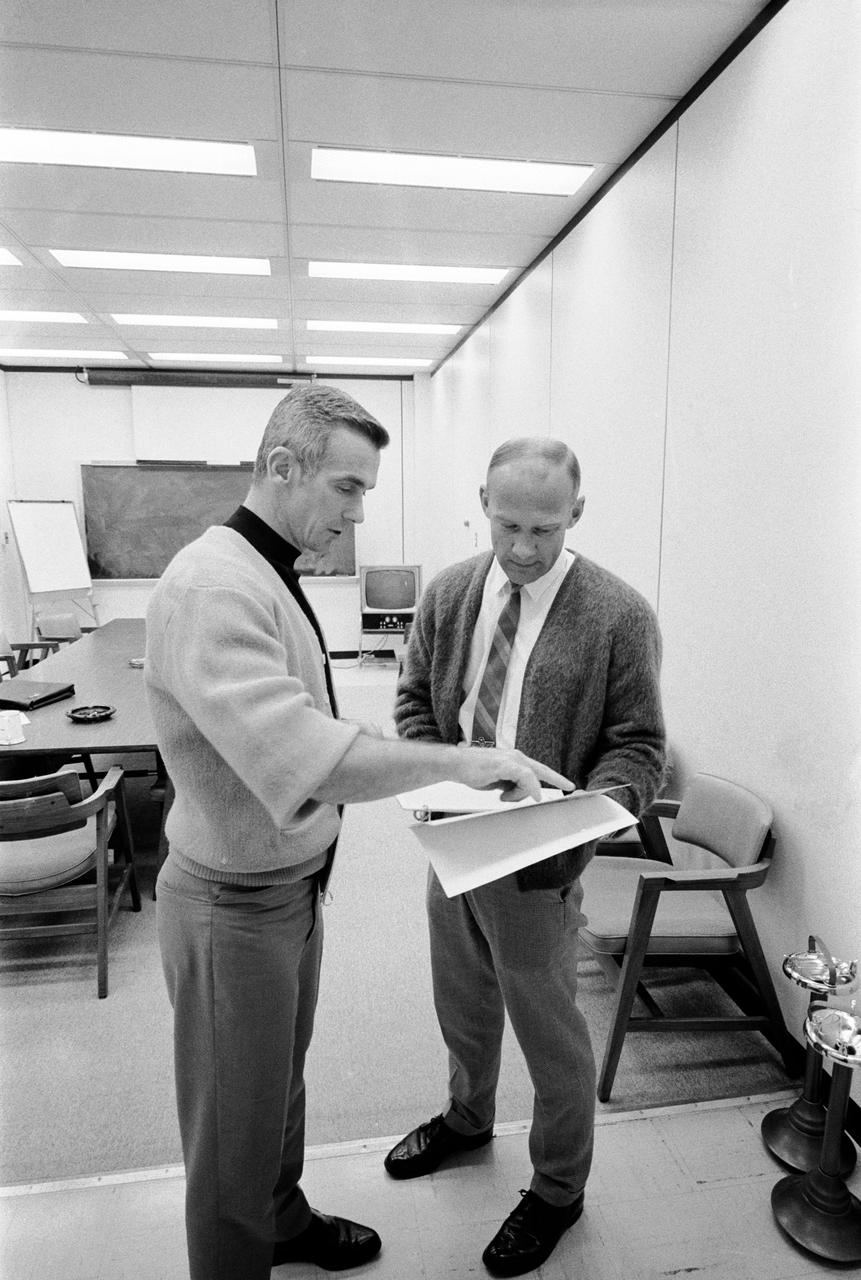
S69-35502 (June 1969) --- Astronaut Eugene A. Cernan (left), lunar module pilot of the Apollo 10 lunar orbit mission, confers with astronaut Edwin E. Aldrin Jr. during an Apollo 10 postflight de-briefing session. Aldrin is the lunar module pilot of the Apollo 11 lunar landing mission.
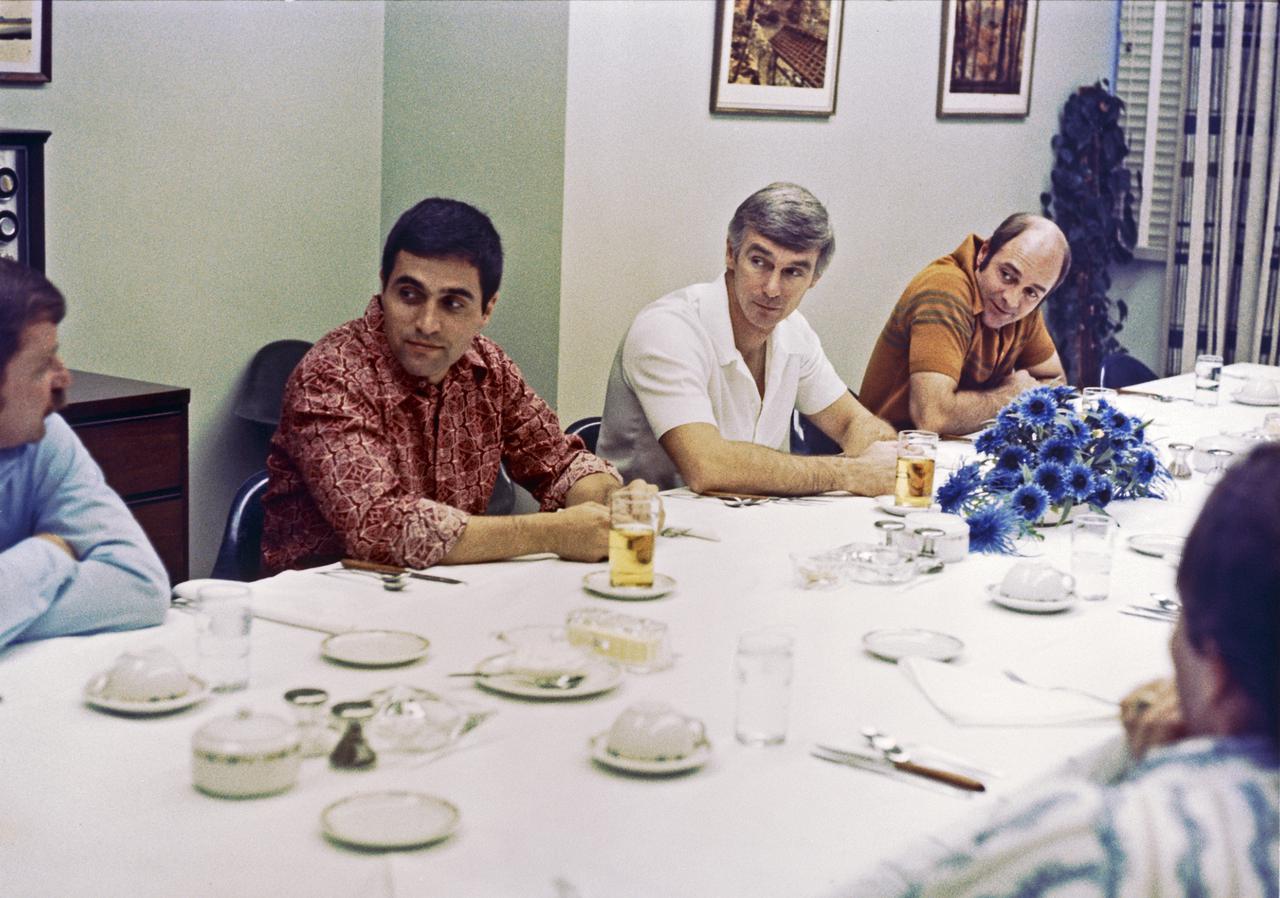
About 4 1_2 hours prior to launch to the Moon from Kennedy Space Center, the Apollo 17 astronauts relax in crew quarters during dinner. They are, left to right, Harrison H. Schmitt, Eugene A. Cernan and Ronald E. Evans.
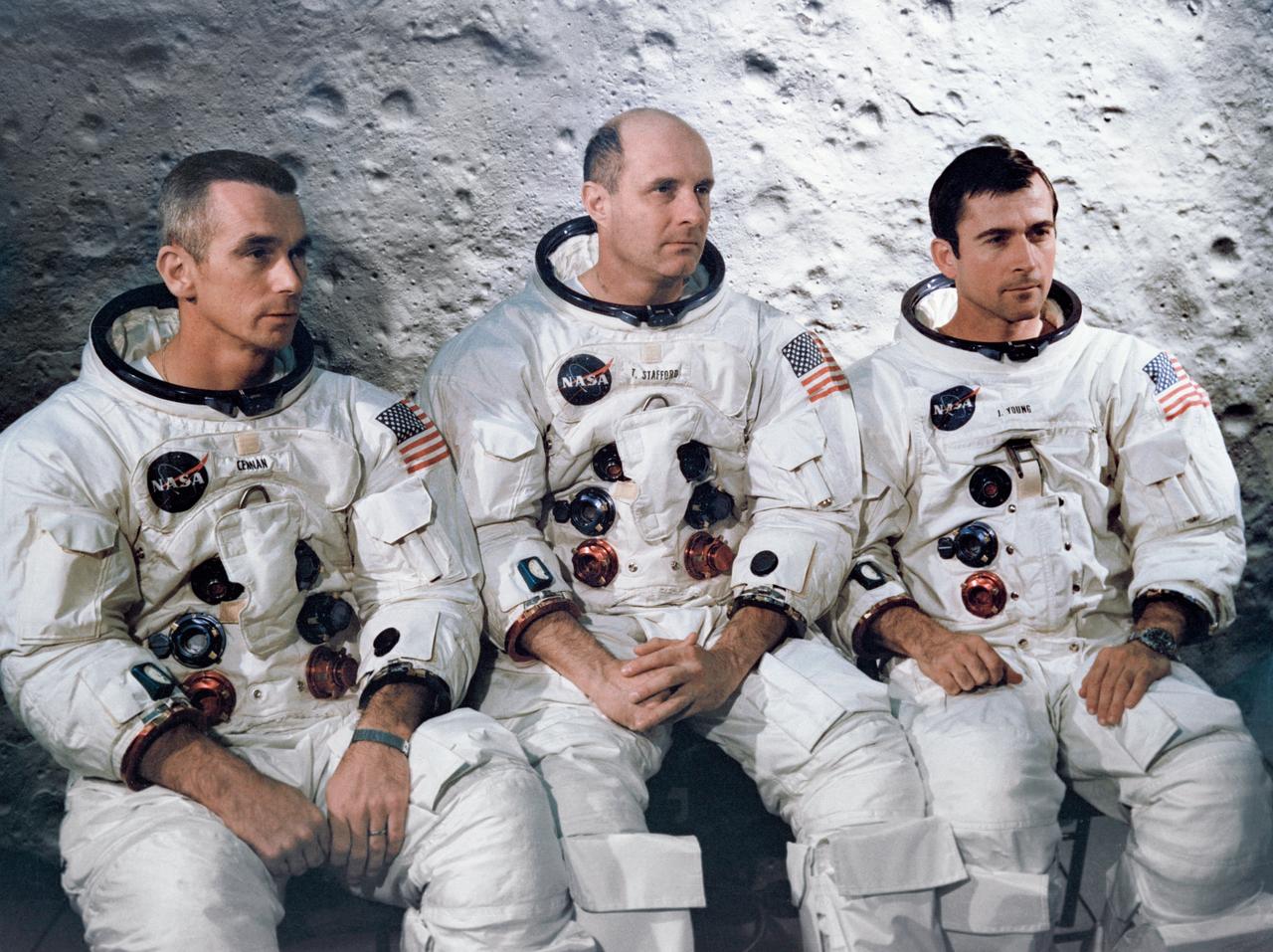
S69-32613 (April 1969) --- The prime crew of the Apollo 10 lunar orbit mission sits for photograph while at the Kennedy Space Center for preflight training. Left to right are astronauts Eugene A. Cernan, lunar module pilot; Thomas P. Stafford, commander; and John W. Young, command module pilot.