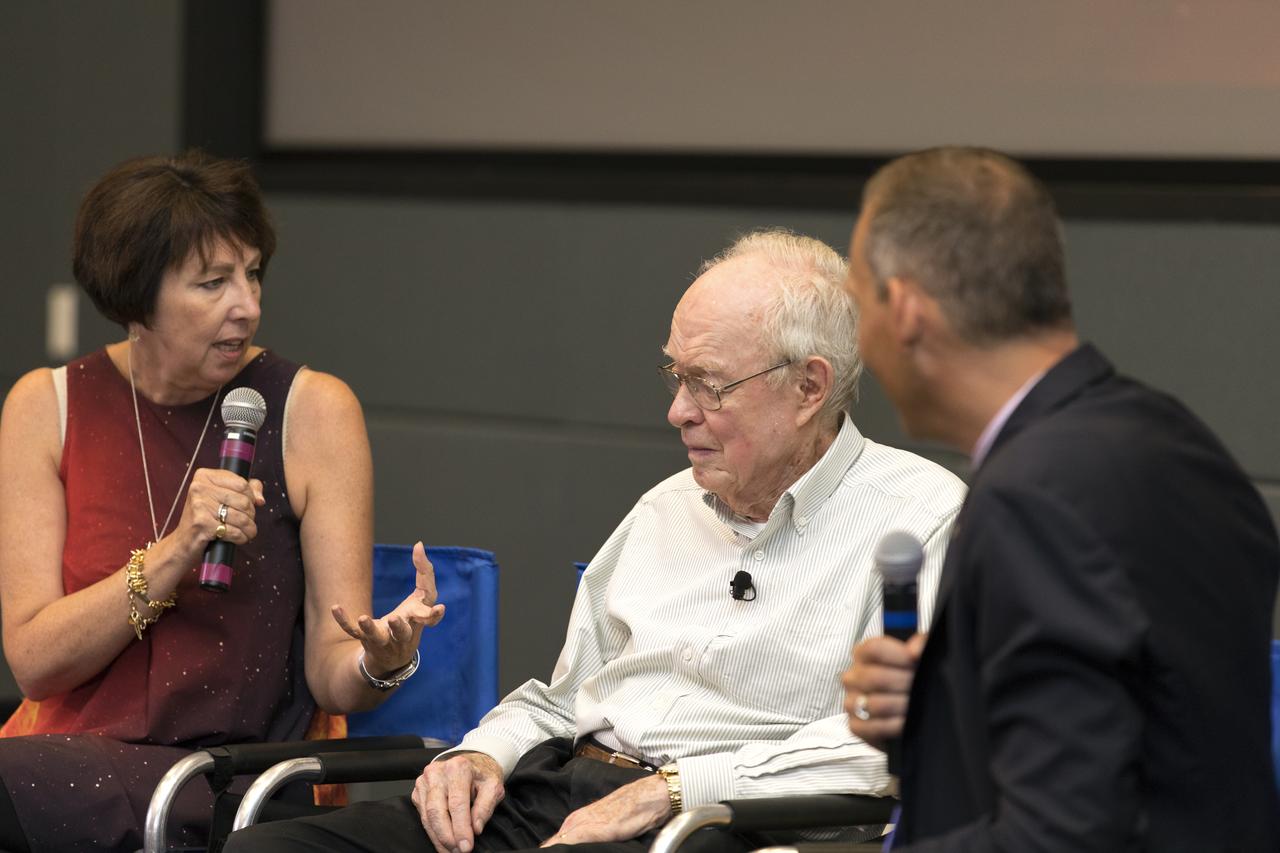
In the Kennedy Space Center's Operations and Support Building II, Thursday, Aug. 9, 2018, members of the news and social media participate in a prelaunch mission briefing on NASA's Parker Solar Probe. Briefing participants from left are: Nicky Fox, Parker Solar Probe project scientist at Johns Hopkins Applied Physics Laboratory, Dr. Eugene Parker, a pioneer in heliophysics and S. Chandrasekhar distinguished service professor emeritus for the Department of Astronomy and Astrophysics at the University of Chicago, Thomas Zurbuchen, associate administrator for NASA’s Science Mission Directorate in Washington. This is the first NASA mission named for a living person. The Parker Solar Probe is designed to provide key observations on his groundbreaking theories about the Sun. Lift off atop a United Launch Alliance Delta IV Heavy rocket will take place from Space Launch Complex 37 at Cape Canaveral Air Force Station in Florida. The spacecraft was built by Applied Physics Laboratory of Johns Hopkins University in Laurel, Maryland. The mission will perform the closest-ever observations of a star when it travels through the Sun's atmosphere, called the corona. The probe will rely on measurements and imaging to revolutionize our understanding of the corona and the Sun-Earth connection.
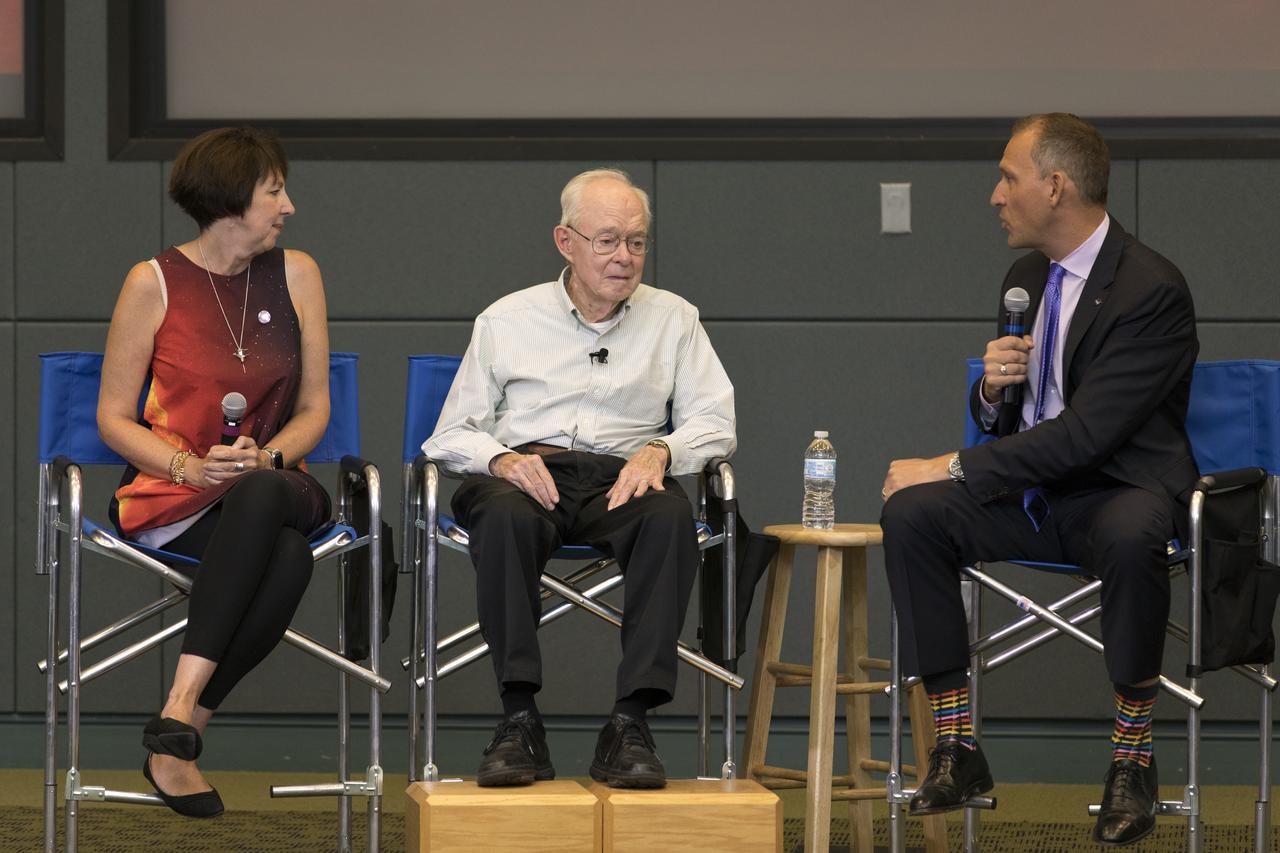
In the Kennedy Space Center's Operations and Support Building II, Thursday, Aug. 9, 2018, members of the news and social media participate in a prelaunch mission briefing on NASA's Parker Solar Probe. Briefing participants from left are: Nicky Fox, Parker Solar Probe project scientist at Johns Hopkins Applied Physics Laboratory, Dr. Eugene Parker, a pioneer in heliophysics and S. Chandrasekhar distinguished service professor emeritus for the Department of Astronomy and Astrophysics at the University of Chicago, Thomas Zurbuchen, associate administrator for NASA’s Science Mission Directorate in Washington. This is the first NASA mission named for a living person. The Parker Solar Probe is designed to provide key observations on his groundbreaking theories about the Sun. Lift off atop a United Launch Alliance Delta IV Heavy rocket will take place from Space Launch Complex 37 at Cape Canaveral Air Force Station in Florida. The spacecraft was built by Applied Physics Laboratory of Johns Hopkins University in Laurel, Maryland. The mission will perform the closest-ever observations of a star when it travels through the Sun's atmosphere, called the corona. The probe will rely on measurements and imaging to revolutionize our understanding of the corona and the Sun-Earth connection.
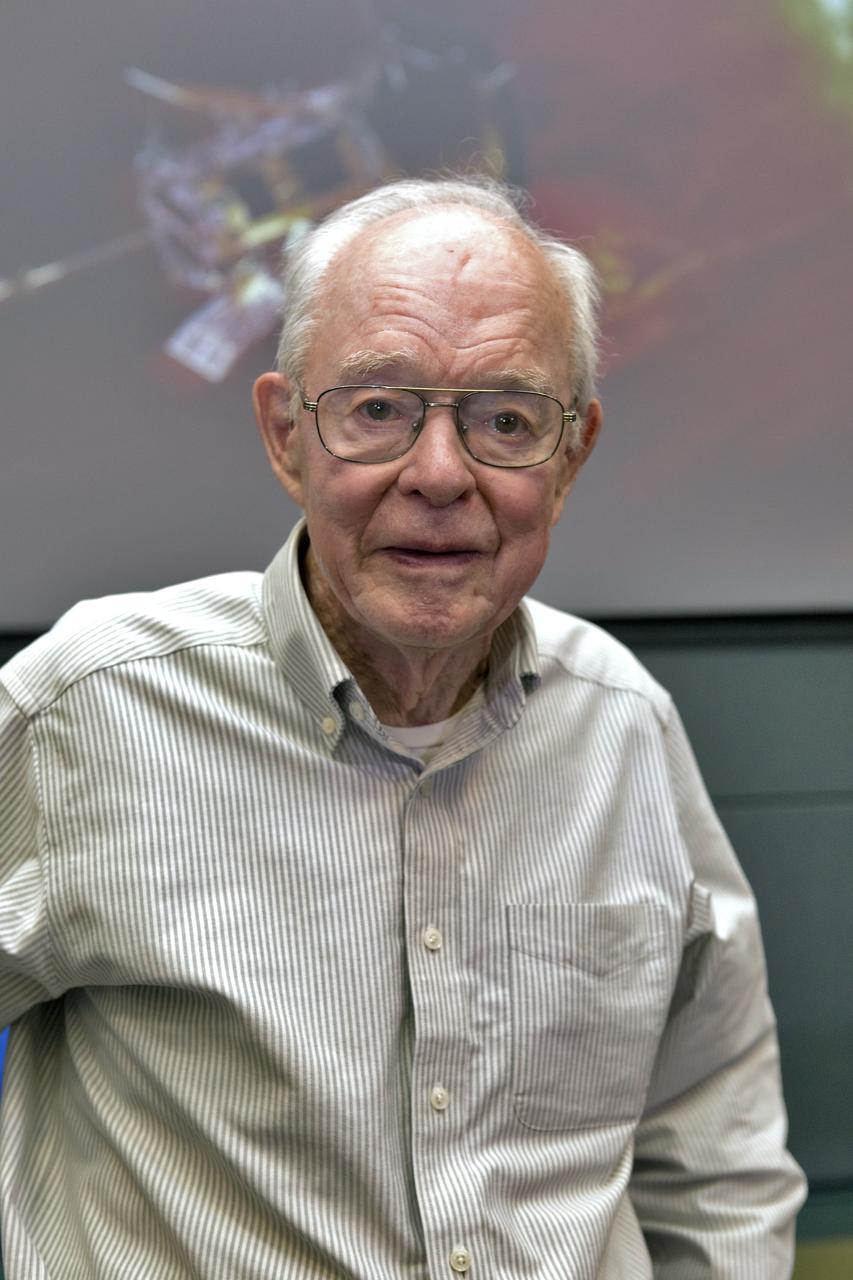
In the Kennedy Space Center’s Operations Support Building II, Dr. Eugene Parker, a pioneer in heliophysics and S. Chandrasekhar distinguished service professor emeritus for the Department of Astronomy and Astrophysics at the University of Chicago, speaks to members of news and social media in a prelaunch mission briefing about NASA's Parker Solar Probe on Thursday, Aug. 9, 2018. The spacecraft is designed to provide key observations on his groundbreaking theories about the Sun. This is the first NASA mission named for a living person. Lift off atop a United Launch Alliance Delta IV Heavy rocket will take place from Space Launch Complex 37 at Cape Canaveral Air Force Station in Florida. The spacecraft was built by Applied Physics Laboratory of Johns Hopkins University in Laurel, Maryland. The mission will perform the closest-ever observations of a star when it travels through the Sun's atmosphere, called the corona. The probe will rely on measurements and imaging to revolutionize our understanding of the corona and the Sun-Earth connection.
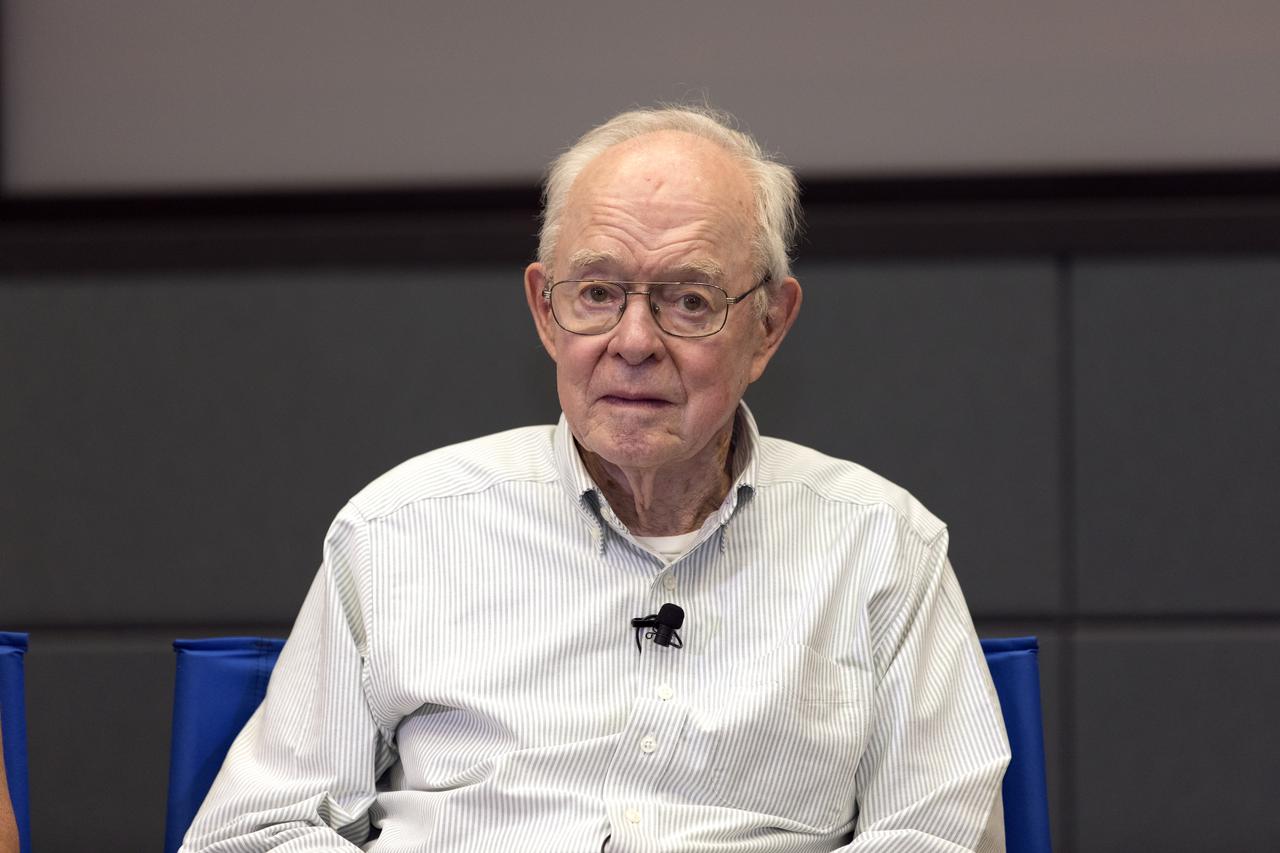
In the Kennedy Space Center’s Operations Support Building II, Dr. Eugene Parker, a pioneer in heliophysics and S. Chandrasekhar distinguished service professor emeritus for the Department of Astronomy and Astrophysics at the University of Chicago, speaks to members of news and social media in a prelaunch mission briefing about NASA's Parker Solar Probe on Thursday, Aug. 9, 2018. The spacecraft is designed to provide key observations on his groundbreaking theories about the Sun. This is the first NASA mission named for a living person. Lift off atop a United Launch Alliance Delta IV Heavy rocket will take place from Space Launch Complex 37 at Cape Canaveral Air Force Station in Florida. The spacecraft was built by Applied Physics Laboratory of Johns Hopkins University in Laurel, Maryland. The mission will perform the closest-ever observations of a star when it travels through the Sun's atmosphere, called the corona. The probe will rely on measurements and imaging to revolutionize our understanding of the corona and the Sun-Earth connection.
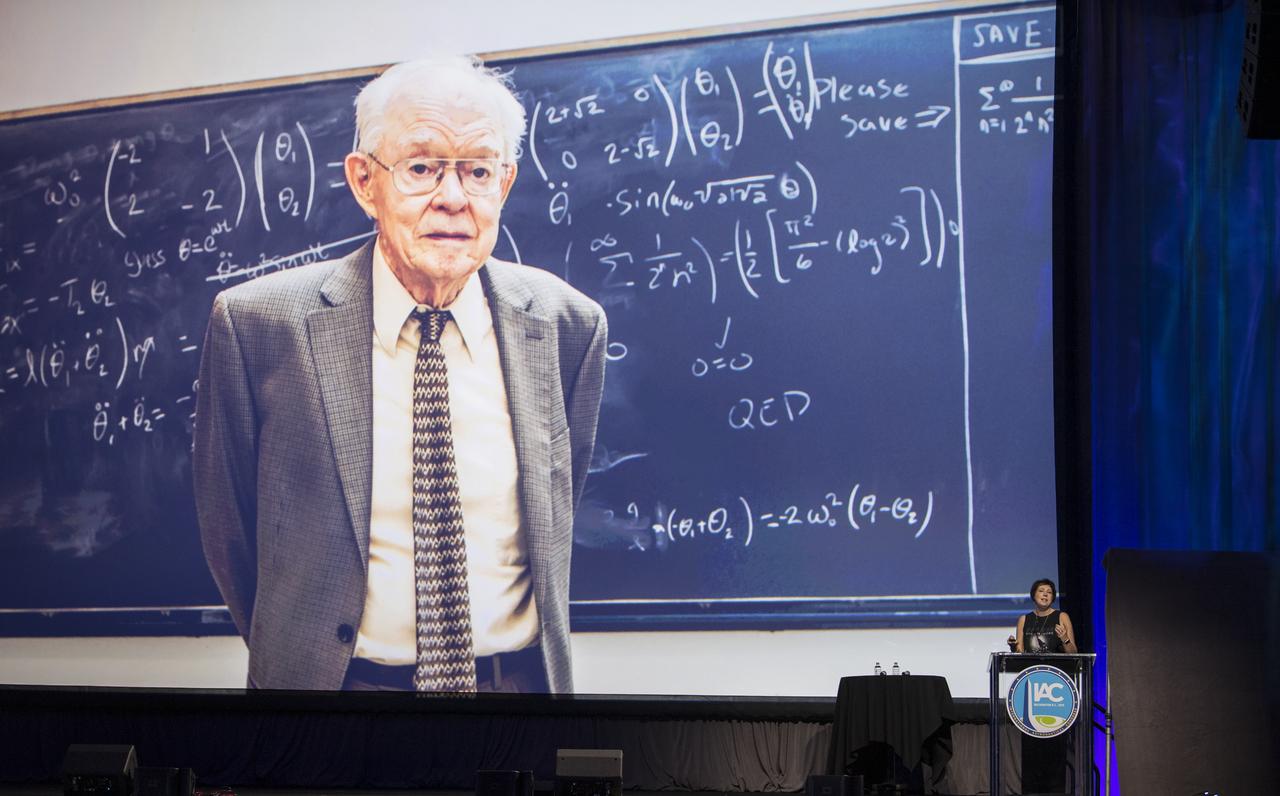
NASA director of Heliophysics division, Science Mission Directorate, Nicola Fox, shows a photo of Eugene Parker, the physicist who first predicted there was solar wind, during a presentation titled, “The Challenge of Exploring Our Sun - the 60-Year Odyssey to Parker Solar Probe,” during the 70th International Astronautical Congress, Wednesday, Oct. 23, 2019, at the Walter E. Washington Convention Center in Washington. Photo credit: (NASA/Aubrey Gemignani)
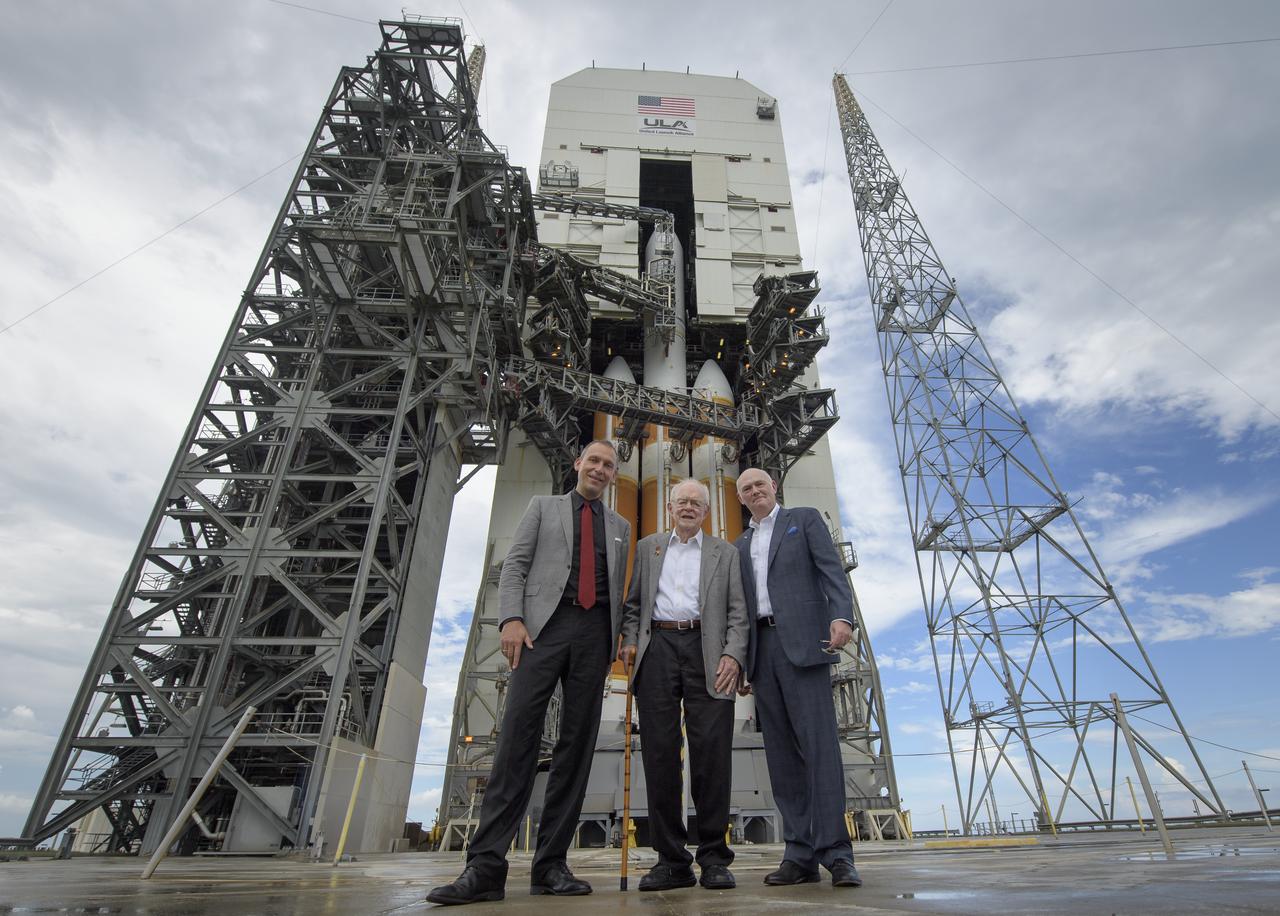
NASA Associate Administrator for the Science Mission Directorate Thomas Zurbuchen, left, American solar astrophysicist, and professor emeritus at the University of Chicago, Eugene Parker, center, and President and Chief Executive Officer for United Launch Alliance Tory Bruno pose for a group photo in front of the ULA Delta IV Heavy rocket with NASA's Parker Solar onboard, Friday, Aug. 10, 2018, Launch Complex 37 at Cape Canaveral Air Force Station, Florida. This is the first NASA mission that has been named for a living individual. Parker Solar Probe is humanity’s first-ever mission into a part of the Sun’s atmosphere called the corona. Here it will directly explore solar processes that are key to understanding and forecasting space weather events that can impact life on Earth. Photo Credit: (NASA/Bill Ingalls)
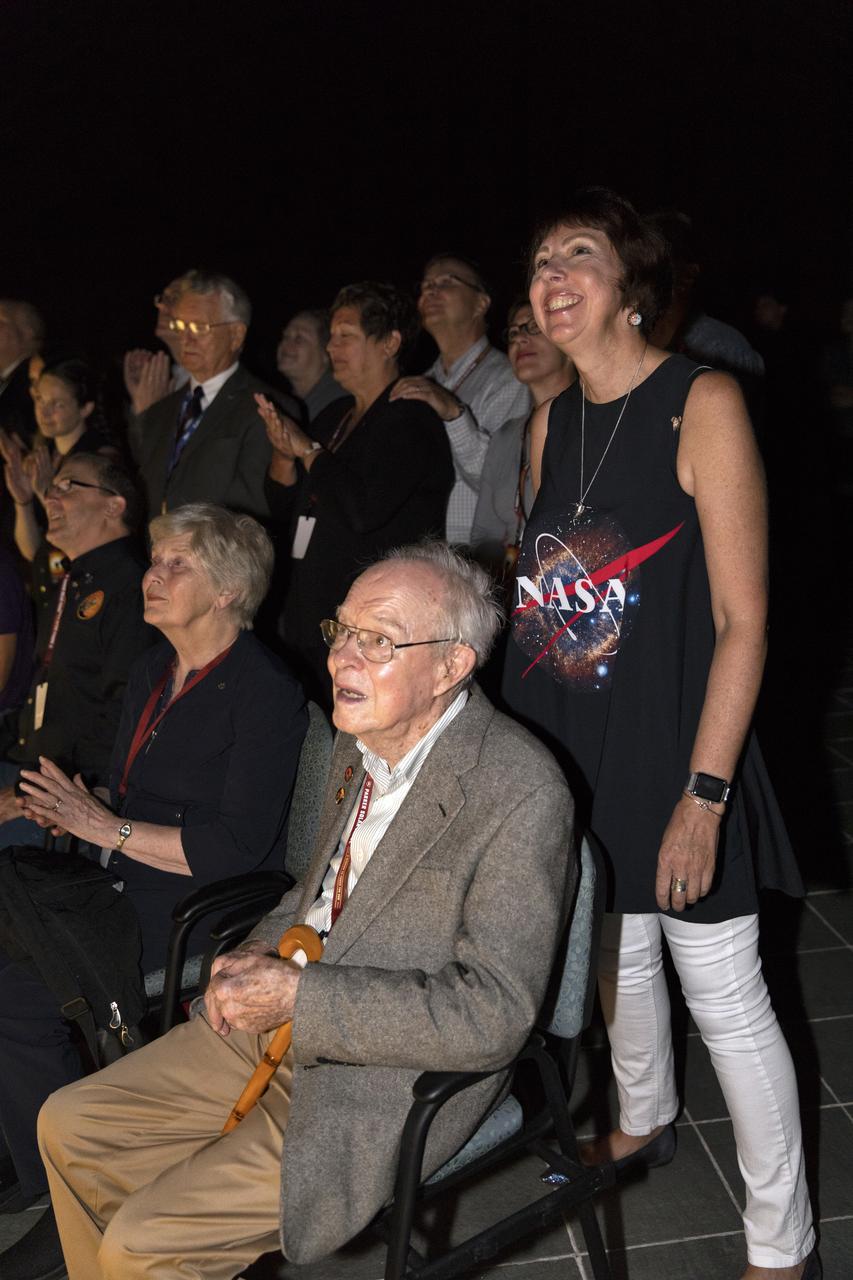
Dr. Eugene Parker (seated in the foreground), a pioneer in heliophysics and S. Chandrasekhar distinguished service professor emeritus for the Department of Astronomy and Astrophysics at the University of Chicago, watches the launch of NASA's Parker Solar Probe. This is the first agency mission named for a living person. Standing behind Parker is Nicky Fox, Parker Solar Probe project scientist at Johns Hopkins Applied Physics Laboratory. The liftoff took place at 3:31 a.m. EDT on Sunday, Aug. 12, 2018. The spacecraft was built by the Johns Hopkins University Applied Physics Laboratory in Laurel, Maryland. The mission will perform the closest-ever observations of a star when it travels through the Sun's atmosphere, called the corona. The probe will rely on measurements and imaging to revolutionize our understanding of the corona and the Sun-Earth connection.
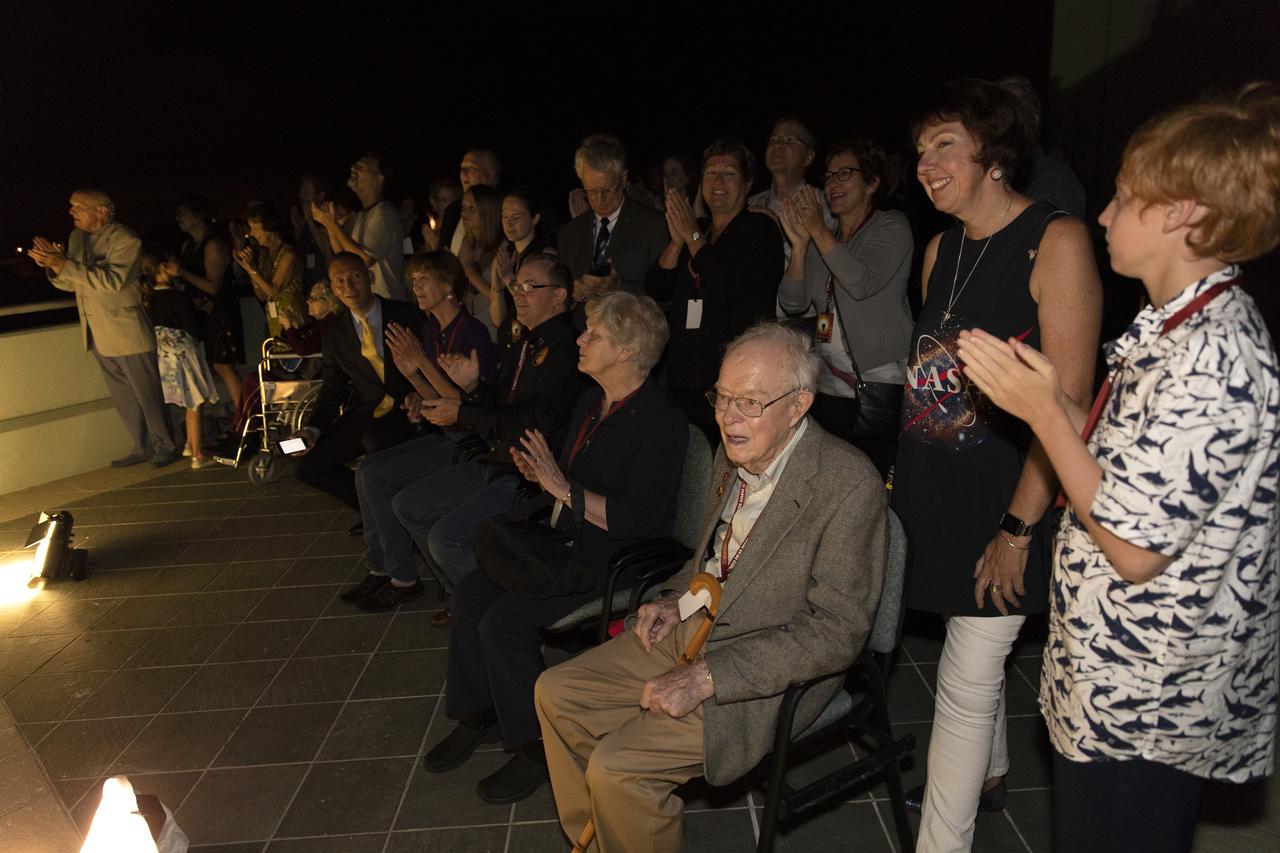
Dr. Eugene Parker (seated in the foreground), a pioneer in heliophysics and S. Chandrasekhar distinguished service professor emeritus for the Department of Astronomy and Astrophysics at the University of Chicago, watches the launch of NASA's Parker Solar Probe. This is the first agency mission named for a living person. Standing behind Parker is Nicky Fox, Parker Solar Probe project scientist at Johns Hopkins Applied Physics Laboratory. The liftoff took place at 3:31 a.m. EDT on Sunday, Aug. 12, 2018. The spacecraft was built by the Johns Hopkins University Applied Physics Laboratory in Laurel, Maryland. The mission will perform the closest-ever observations of a star when it travels through the Sun's atmosphere, called the corona. The probe will rely on measurements and imaging to revolutionize our understanding of the corona and the Sun-Earth connection.
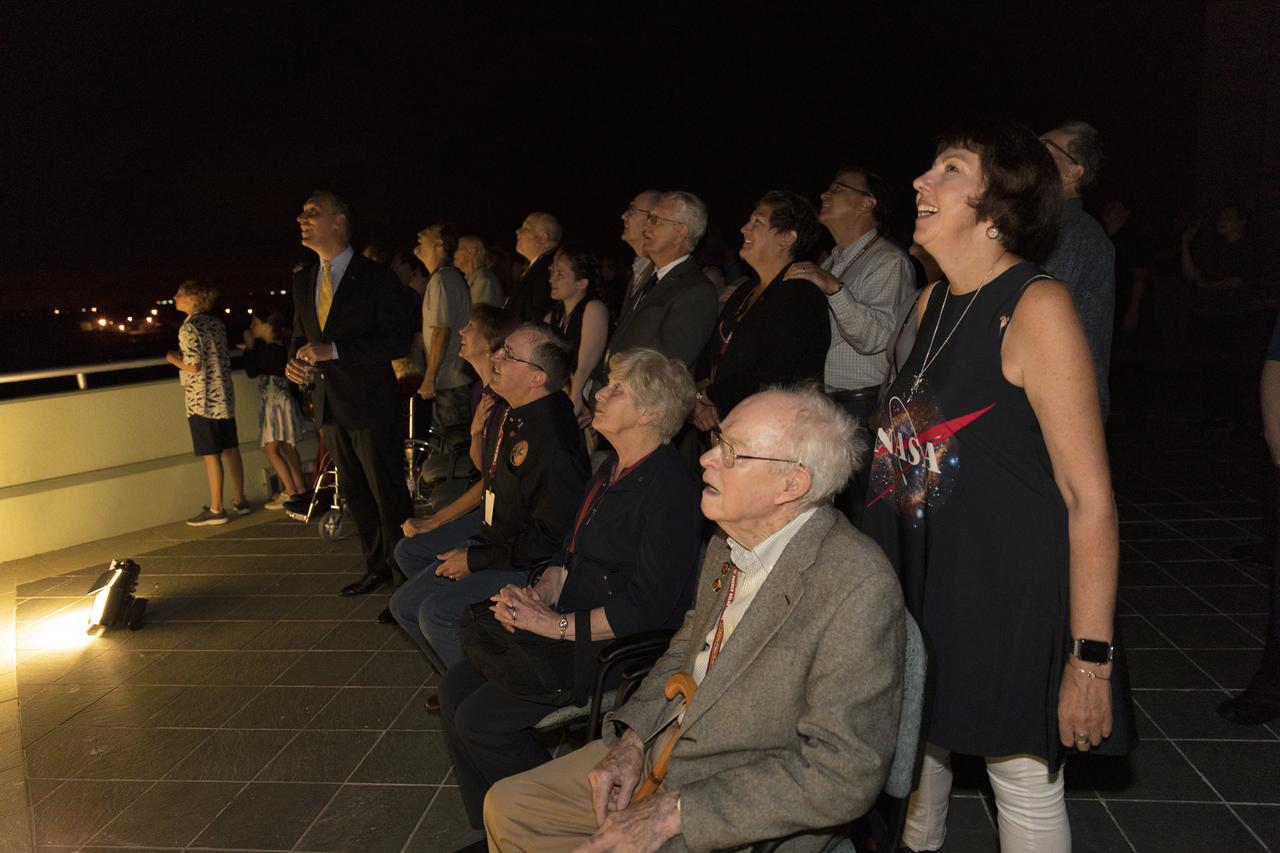
Dr. Eugene Parker (seated in the foreground), a pioneer in heliophysics and S. Chandrasekhar distinguished service professor emeritus for the Department of Astronomy and Astrophysics at the University of Chicago, watches the launch of NASA's Parker Solar Probe. This is the first agency mission named for a living person. Standing behind Parker is Nicky Fox, Parker Solar Probe project scientist at Johns Hopkins Applied Physics Laboratory. The liftoff took place at 3:31 a.m. EDT on Sunday, Aug. 12, 2018. The spacecraft was built by the Johns Hopkins University Applied Physics Laboratory in Laurel, Maryland. The mission will perform the closest-ever observations of a star when it travels through the Sun's atmosphere, called the corona. The probe will rely on measurements and imaging to revolutionize our understanding of the corona and the Sun-Earth connection.
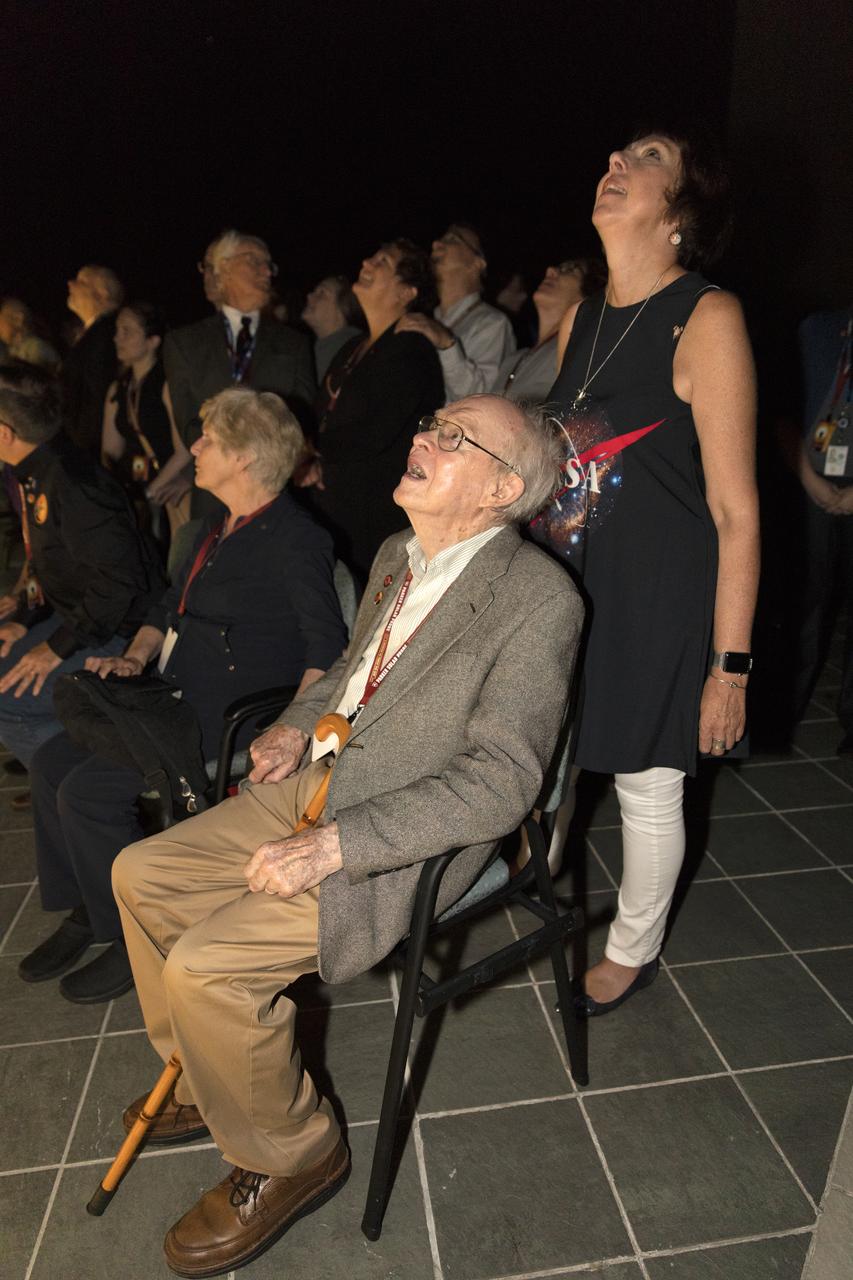
Dr. Eugene Parker (seated in the foreground), a pioneer in heliophysics and S. Chandrasekhar distinguished service professor emeritus for the Department of Astronomy and Astrophysics at the University of Chicago, watches the launch of NASA's Parker Solar Probe. This is the first agency mission named for a living person. Standing behind Parker is Nicky Fox, Parker Solar Probe project scientist at Johns Hopkins Applied Physics Laboratory. The liftoff took place at 3:31 a.m. EDT on Sunday, Aug. 12, 2018. The spacecraft was built by the Johns Hopkins University Applied Physics Laboratory in Laurel, Maryland. The mission will perform the closest-ever observations of a star when it travels through the Sun's atmosphere, called the corona. The probe will rely on measurements and imaging to revolutionize our understanding of the corona and the Sun-Earth connection.

Dr. Eugene Parker, a pioneer in heliophysics and S. Chandrasekhar distinguished service professor emeritus for the Department of Astronomy and Astrophysics at the University of Chicago, watches the launch of NASA's Parker Solar Probe. This is the first agency mission named for a living person. The liftoff took place at 3:31 a.m. EDT on Sunday, Aug. 12, 2018. The spacecraft was built by the Johns Hopkins University Applied Physics Laboratory in Laurel, Maryland. The mission will perform the closest-ever observations of a star when it travels through the Sun's atmosphere, called the corona. The probe will rely on measurements and imaging to revolutionize our understanding of the corona and the Sun-Earth connection.

Dr. Eugene Parker, a pioneer in heliophysics and S. Chandrasekhar distinguished service professor emeritus for the Department of Astronomy and Astrophysics at the University of Chicago, watches the launch of NASA's Parker Solar Probe. This is the first agency mission named for a living person. The liftoff took place at 3:31 a.m. EDT on Sunday, Aug. 12, 2018. The spacecraft was built by the Johns Hopkins University Applied Physics Laboratory in Laurel, Maryland. The mission will perform the closest-ever observations of a star when it travels through the Sun's atmosphere, called the corona. The probe will rely on measurements and imaging to revolutionize our understanding of the corona and the Sun-Earth connection.
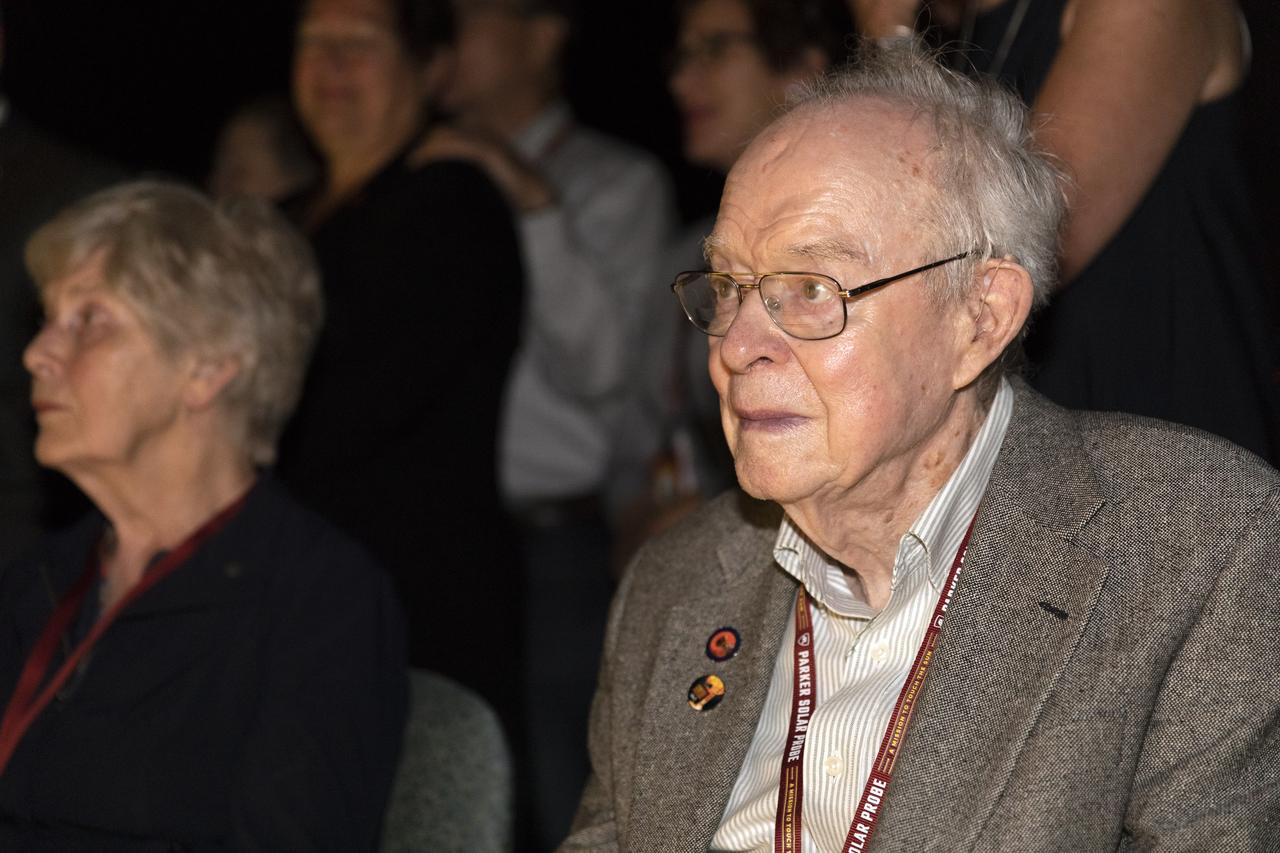
Dr. Eugene Parker, a pioneer in heliophysics and S. Chandrasekhar distinguished service professor emeritus for the Department of Astronomy and Astrophysics at the University of Chicago, watches the launch of NASA's Parker Solar Probe. This is the first agency mission named for a living person. The liftoff took place at 3:31 a.m. EDT on Sunday, Aug. 12, 2018. The spacecraft was built by the Johns Hopkins University Applied Physics Laboratory in Laurel, Maryland. The mission will perform the closest-ever observations of a star when it travels through the Sun's atmosphere, called the corona. The probe will rely on measurements and imaging to revolutionize our understanding of the corona and the Sun-Earth connection.
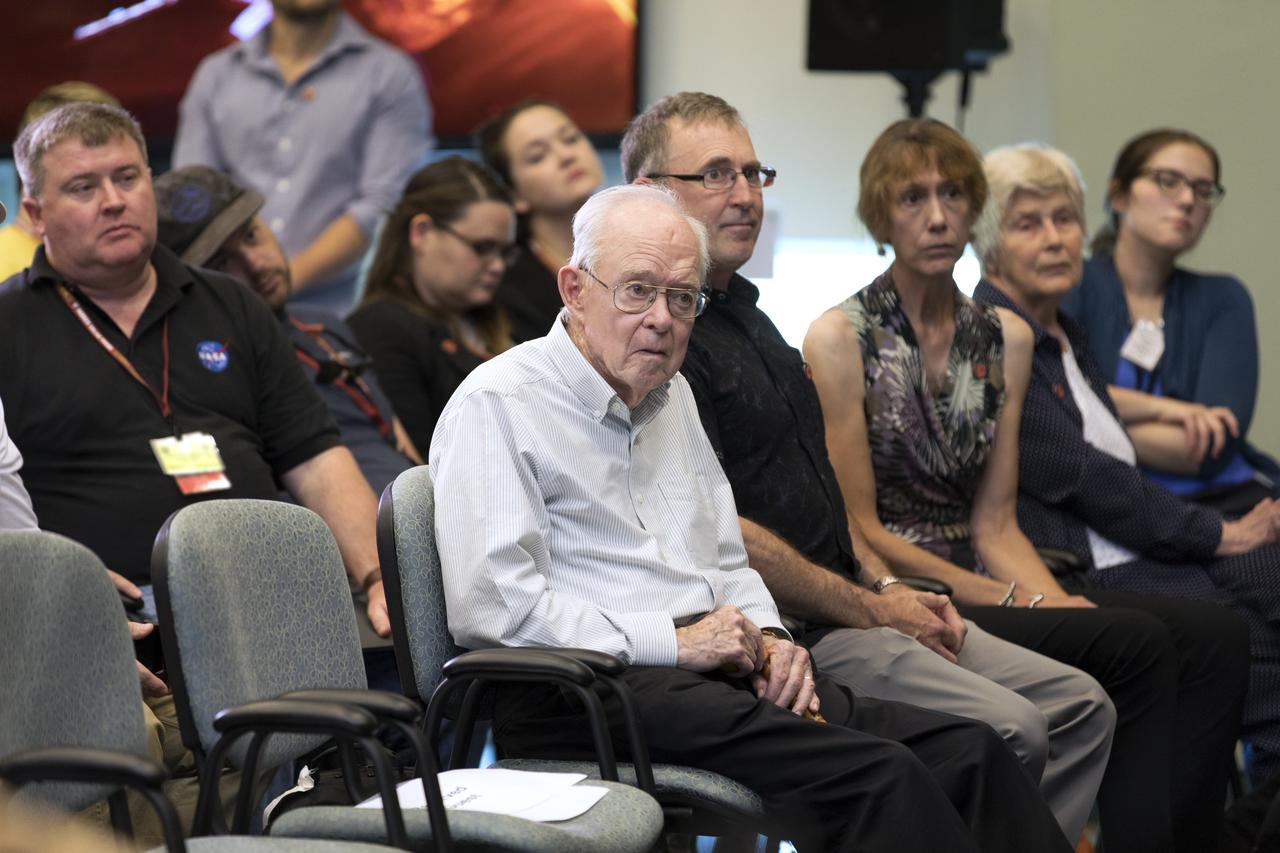
In the Kennedy Space Center's Operations and Support Building II, Thursday, Aug. 9, 2018, members of the media participate in a prelaunch mission briefing on NASA's Parker Solar Probe. Listening to the presentation is Eugene Parker, front row, far left, the S. Chandrasekhar Distinguished Service Professor Emeritus, Department of Astronomy and Astrophysics at the University of Chicago. This is the first NASA mission that has been named for a living individual. The Parker Solar Probe will lift off on a United Launch Alliance Delta IV Heavy rocket from Space Launch Complex 37 at Cape Canaveral Air Force Station in Florida. The spacecraft was built by Applied Physics Laboratory of Johns Hopkins University in Laurel, Maryland. The mission will perform the closest-ever observations of a star when it travels through the Sun's atmosphere, called the corona. The probe will rely on measurements and imaging to revolutionize our understanding of the corona and the Sun-Earth connection.
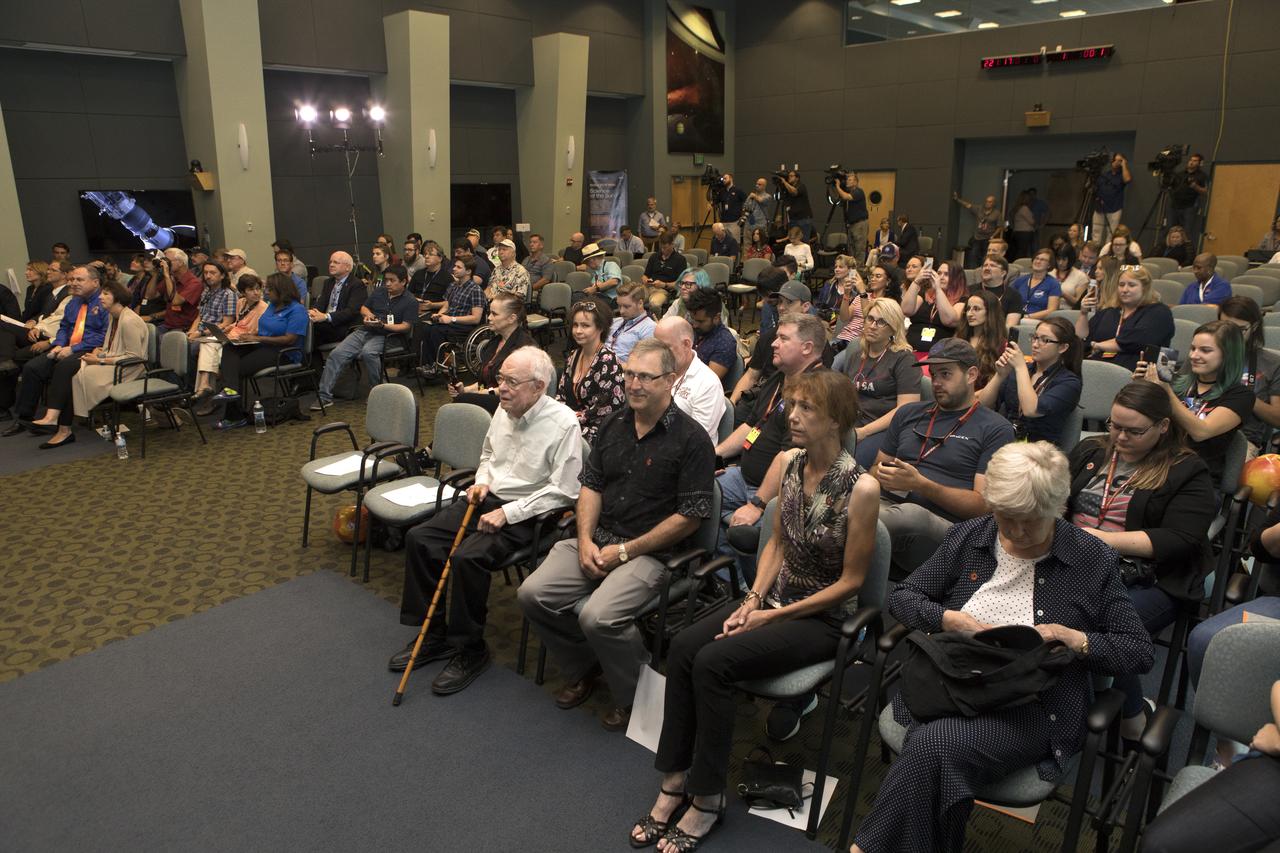
In the Kennedy Space Center's Operations and Support Building II, Thursday, Aug. 9, 2018, members of the media participate in a prelaunch mission briefing on NASA's Parker Solar Probe. Listening to the presentation is Eugene Parker, front row, far left, the S. Chandrasekhar Distinguished Service Professor Emeritus, Department of Astronomy and Astrophysics at the University of Chicago. This is the first NASA mission that has been named for a living individual. The Parker Solar Probe will lift off on a United Launch Alliance Delta IV Heavy rocket from Space Launch Complex 37 at Cape Canaveral Air Force Station in Florida. The spacecraft was built by Applied Physics Laboratory of Johns Hopkins University in Laurel, Maryland. The mission will perform the closest-ever observations of a star when it travels through the Sun's atmosphere, called the corona. The probe will rely on measurements and imaging to revolutionize our understanding of the corona and the Sun-Earth connection.
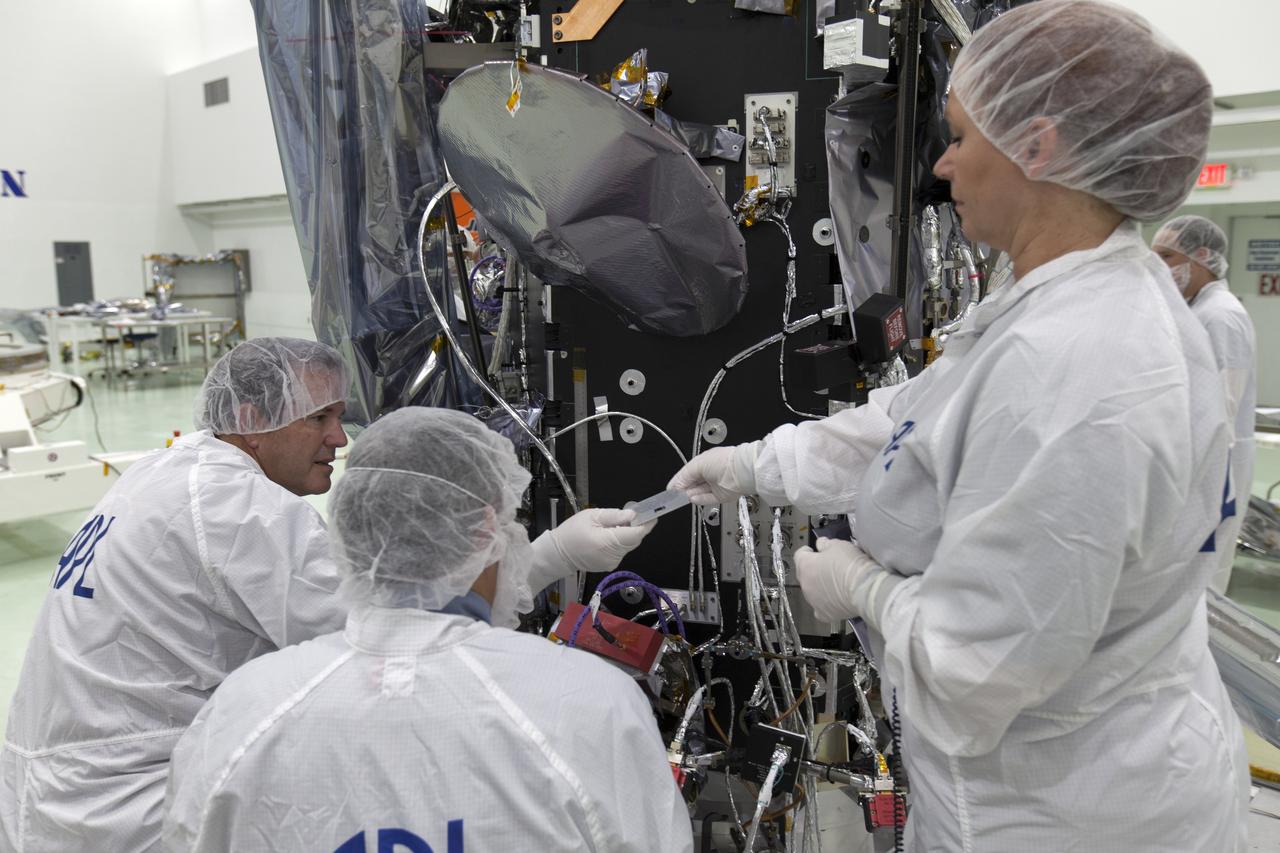
On Friday, May 18, 2018, at the Astrotech processing facility in Titusville, Florida, near NASA's Kennedy Space Center, scientists and engineers from the Applied Physics Laboratory at Johns Hopkins University install a computer chip on NASA's Parker Solar Probe. Throughout its seven-year mission, NASA’s Parker Solar Probe will swoop through the Sun’s atmosphere, carrying more than scientific instruments on this historic journey — it will also hold more than 1.1 million names submitted by the public to go to the Sun. The submitted names were loaded into a memory card and mounted on a plaque bearing a dedication to the mission’s namesake, heliophysicist Dr. Eugene Parker. The Parker Solar Probe will launch on a United Launch Alliance Delta IV Heavy rocket from Space Launch Complex 37 at Cape Canaveral Air Force Station in Florida no earlier than Aug. 4, 2018. The mission will perform the closest-ever observations of a star when it travels through the Sun's atmosphere, called the corona. The probe will rely on measurements and imaging to revolutionize our understanding of the corona and the Sun-Earth connection.
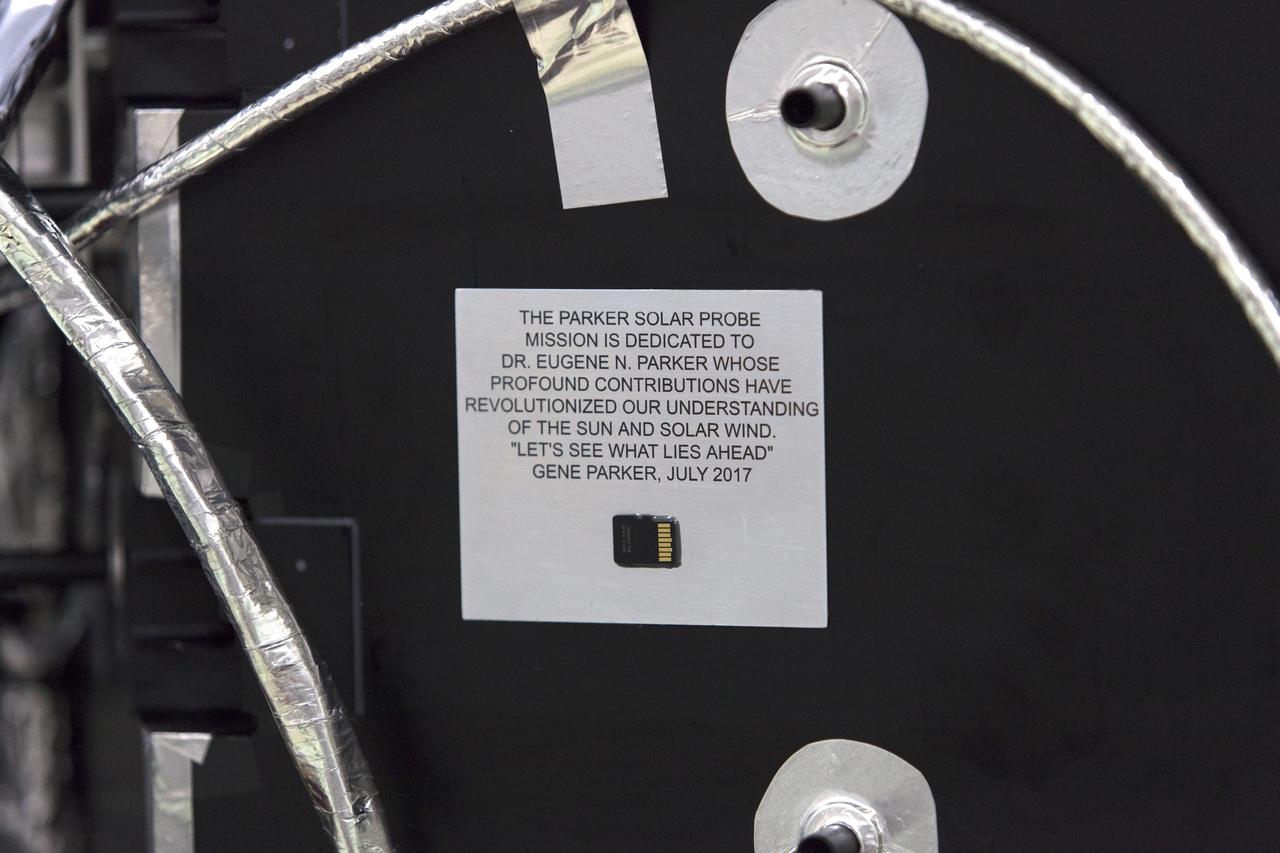
On Friday, May 18, 2018, at the Astrotech processing facility in Titusville, Florida, near NASA's Kennedy Space Center, a computer chip is installed on NASA's Parker Solar Probe. Throughout its seven-year mission, NASA’s Parker Solar Probe will swoop through the Sun’s atmosphere, carrying more than scientific instruments on this historic journey — it will also hold more than 1.1 million names submitted by the public to go to the Sun. The submitted names were loaded into a memory card and mounted on a plaque bearing a dedication to the mission’s namesake, heliophysicist Dr. Eugene Parker. The Parker Solar Probe will launch on a United Launch Alliance Delta IV Heavy rocket from Space Launch Complex 37 at Cape Canaveral Air Force Station in Florida no earlier than Aug. 4, 2018. The mission will perform the closest-ever observations of a star when it travels through the Sun's atmosphere, called the corona. The probe will rely on measurements and imaging to revolutionize our understanding of the corona and the Sun-Earth connection.

On Friday, May 18, 2018, at the Astrotech processing facility in Titusville, Florida, near NASA's Kennedy Space Center, scientists and engineers from the Applied Physics Laboratory at Johns Hopkins University install a computer chip on NASA's Parker Solar Probe. Throughout its seven-year mission, NASA’s Parker Solar Probe will swoop through the Sun’s atmosphere, carrying more than scientific instruments on this historic journey — it will also hold more than 1.1 million names submitted by the public to go to the Sun. The submitted names were loaded into a memory card and mounted on a plaque bearing a dedication to the mission’s namesake, heliophysicist Dr. Eugene Parker. The Parker Solar Probe will launch on a United Launch Alliance Delta IV Heavy rocket from Space Launch Complex 37 at Cape Canaveral Air Force Station in Florida no earlier than Aug. 4, 2018. The mission will perform the closest-ever observations of a star when it travels through the Sun's atmosphere, called the corona. The probe will rely on measurements and imaging to revolutionize our understanding of the corona and the Sun-Earth connection.
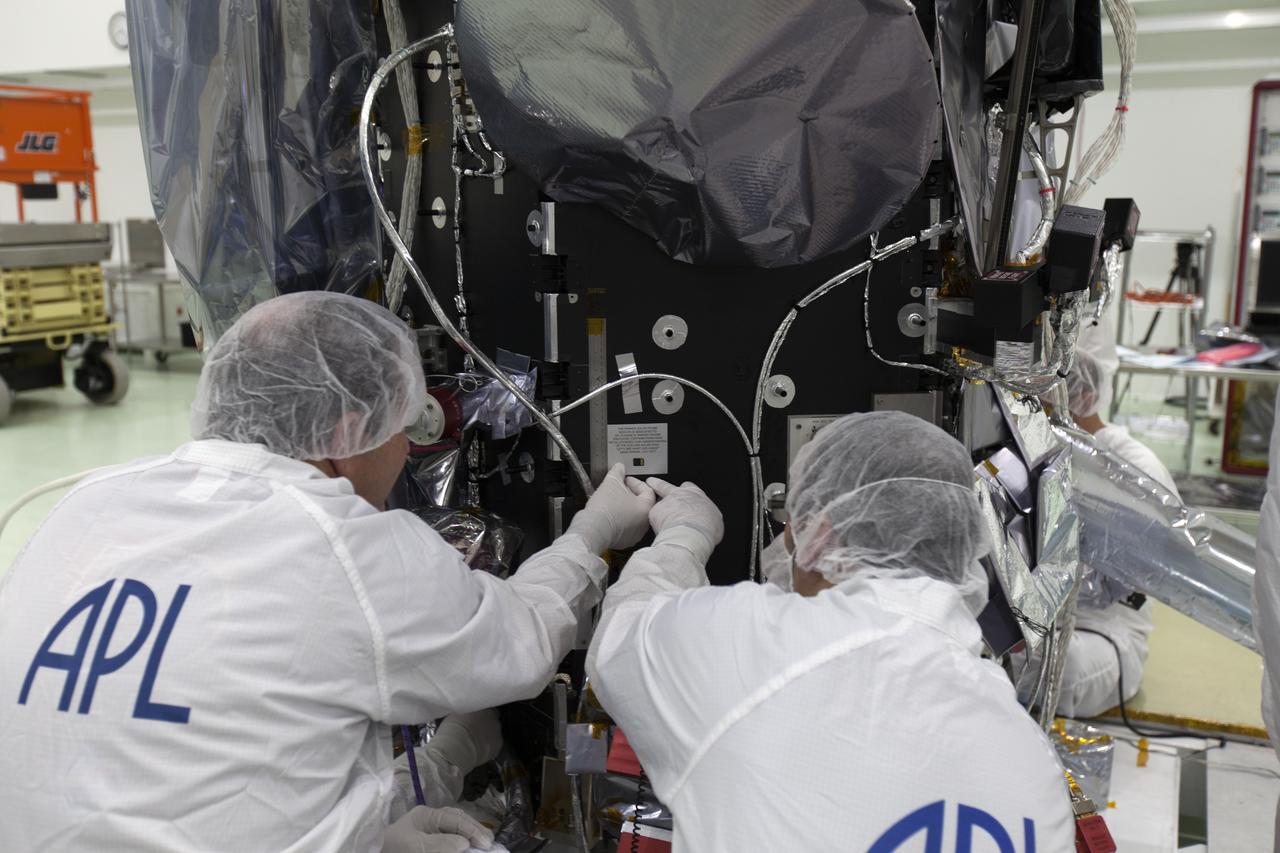
On Friday, May 18, 2018, at the Astrotech processing facility in Titusville, Florida, near NASA's Kennedy Space Center, scientists and engineers from the Applied Physics Laboratory at Johns Hopkins University install a computer chip on NASA's Parker Solar Probe. Throughout its seven-year mission, NASA’s Parker Solar Probe will swoop through the Sun’s atmosphere, carrying more than scientific instruments on this historic journey — it will also hold more than 1.1 million names submitted by the public to go to the Sun. The submitted names were loaded into a memory card and mounted on a plaque bearing a dedication to the mission’s namesake, heliophysicist Dr. Eugene Parker. The Parker Solar Probe will launch on a United Launch Alliance Delta IV Heavy rocket from Space Launch Complex 37 at Cape Canaveral Air Force Station in Florida no earlier than Aug. 4, 2018. The mission will perform the closest-ever observations of a star when it travels through the Sun's atmosphere, called the corona. The probe will rely on measurements and imaging to revolutionize our understanding of the corona and the Sun-Earth connection.