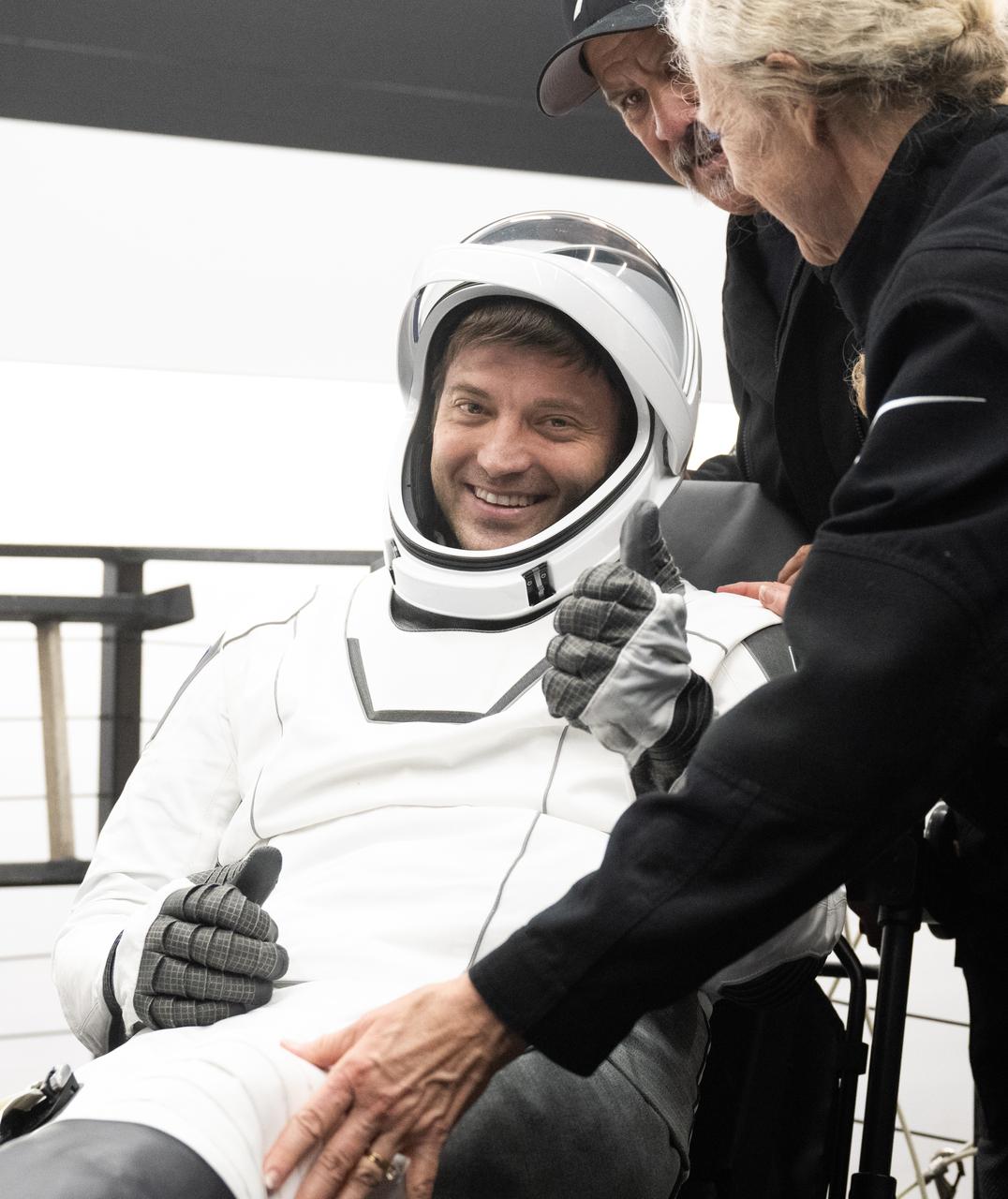
NASA astronaut Matthew Dominick is helped out of the SpaceX Dragon Endeavour spacecraft onboard the SpaceX recovery ship MEGAN after he, NASA astronauts Michael Barratt, Jeanette Epps, and Roscosmos cosmonaut Alexander Grebenkin landed in the Gulf of Mexico off the coast of Pensacola, Florida, Friday, Oct. 25, 2024. Dominick, Barratt, Epps, Grebenkin are returning after seven-months in space as part of Expedition 70 aboard the International Space Station. Photo Credit: (NASA/Joel Kowsky)

NASA astronaut Matthew Dominick is helped out of the SpaceX Dragon Endeavour spacecraft onboard the SpaceX recovery ship MEGAN after he, NASA astronauts Michael Barratt, Jeanette Epps, and Roscosmos cosmonaut Alexander Grebenkin landed in the Gulf of Mexico off the coast of Pensacola, Florida, Friday, Oct. 25, 2024. Dominick, Barratt, Epps, Grebenkin are returning after seven-months in space as part of Expedition 70 aboard the International Space Station. Photo Credit: (NASA/Joel Kowsky)

NASA astronaut Jeanette Epps is helped out of the SpaceX Dragon Endeavour spacecraft onboard the SpaceX recovery ship MEGAN after she, NASA astronaut Matthew Dominick, Michael Barratt, and Roscosmos cosmonaut Alexander Grebenkin landed in the Gulf of Mexico off the coast of Pensacola, Florida, Friday, Oct. 25, 2024. Dominick, Barratt, Epps, Grebenkin are returning after seven-months in space as part of Expedition 70 aboard the International Space Station. Photo Credit: (NASA/Joel Kowsky)

NASA astronaut Michael Barratt helped out of the SpaceX Dragon Endeavour spacecraft onboard the SpaceX recovery ship MEGAN after he, NASA astronauts Matthew Dominick, Jeanette Epps, and Roscosmos cosmonaut Alexander Grebenkin landed in the Gulf of Mexico off the coast of Pensacola, Florida, Friday, Oct. 25, 2024. Dominick, Barratt, Epps, Grebenkin are returning after seven-months in space as part of Expedition 70 aboard the International Space Station. Photo Credit: (NASA/Joel Kowsky)
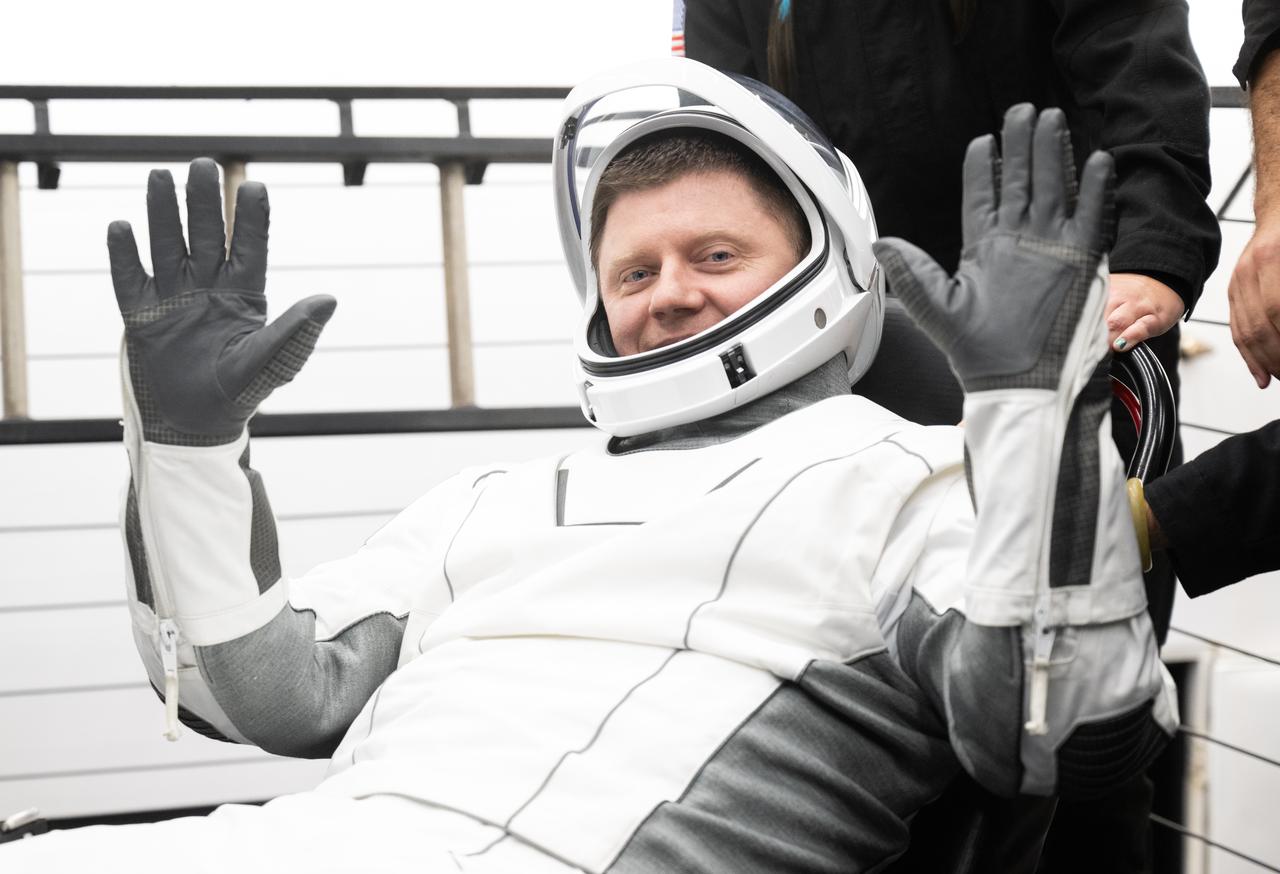
Roscosmos cosmonaut Alexander Grebenkin is helped out of the SpaceX Dragon Endeavour spacecraft onboard the SpaceX recovery ship MEGAN after he, NASA astronauts Matthew Dominick, Michael Barratt, and Jeanette Epps landed in the Gulf of Mexico off the coast of Pensacola, Florida, Friday, Oct. 25, 2024. Dominick, Barratt, Epps, Grebenkin are returning after seven-months in space as part of Expedition 70 aboard the International Space Station. Photo Credit: (NASA/Joel Kowsky)
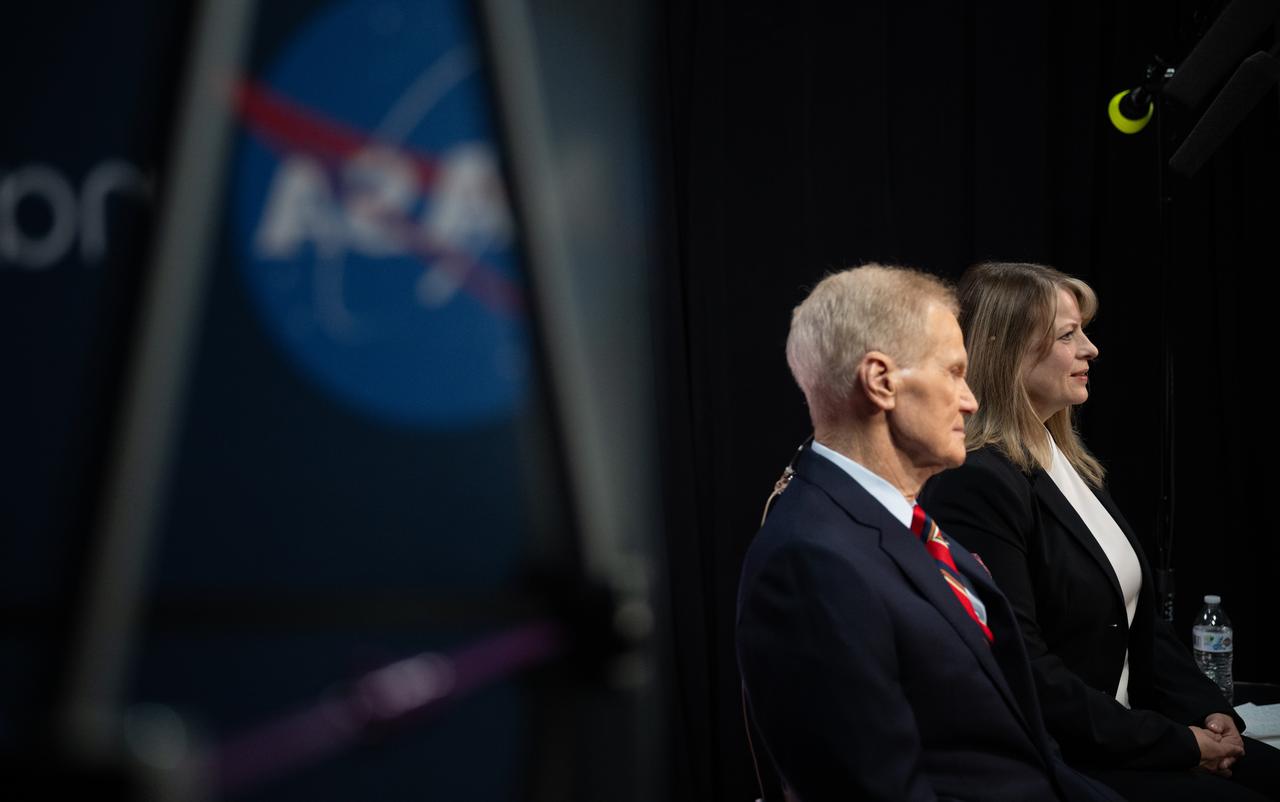
NASA Administrator Bill Nelson, left, and Lisa Carnell, director of NASA’s Biological and Physical Sciences Division are seen during an Earth-to-space call with astronauts aboard the International Space Station, Wednesday, Feb. 21, 2024, at the Mary W. Jackson NASA Headquarters building in Washington. Nelson and Carnell spoke with Expedition 70 crew members Andreas Mogenson of ESA, Jasmin Moghbeli of NASA, and Satoshi Furukawa of JAXA about recent science research and technology demonstrations aboard the orbiting laboratory. Photo Credit: (NASA/Joel Kowsky)

NASA Administrator Bill Nelson, left, and Lisa Carnell, director of NASA’s Biological and Physical Sciences Division are seen during an Earth-to-space call with astronauts aboard the International Space Station, Wednesday, Feb. 21, 2024, at the Mary W. Jackson NASA Headquarters building in Washington. Nelson and Carnell spoke with Expedition 70 crew members Andreas Mogenson of ESA, Jasmin Moghbeli of NASA, and Satoshi Furukawa of JAXA about recent science research and technology demonstrations aboard the orbiting laboratory. Photo Credit: (NASA/Joel Kowsky)
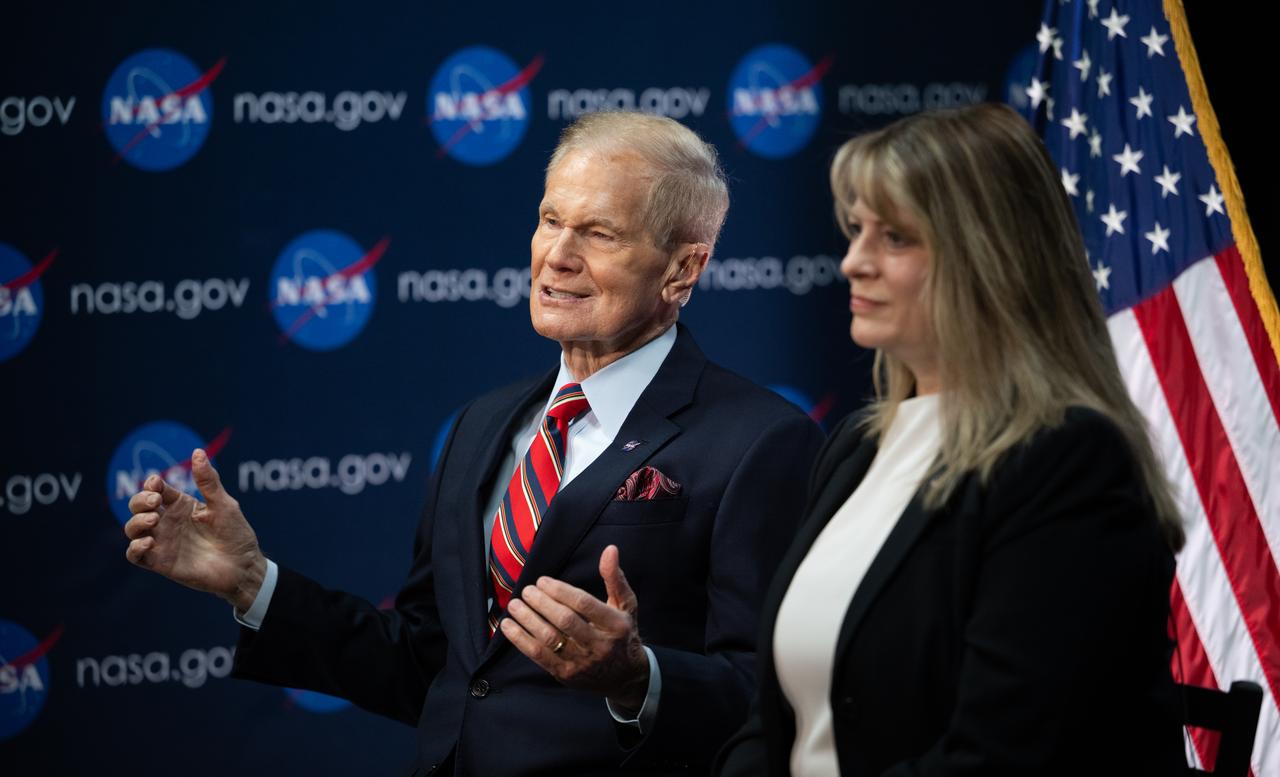
NASA Administrator Bill Nelson, left, speaks along side Lisa Carnell, director of NASA’s Biological and Physical Sciences Division during an Earth-to-space call with astronauts aboard the International Space Station, Wednesday, Feb. 21, 2024, at the Mary W. Jackson NASA Headquarters building in Washington. Nelson and Carnell spoke with Expedition 70 crew members Andreas Mogenson of ESA, Jasmin Moghbeli of NASA, and Satoshi Furukawa of JAXA about recent science research and technology demonstrations aboard the orbiting laboratory. Photo Credit: (NASA/Joel Kowsky)
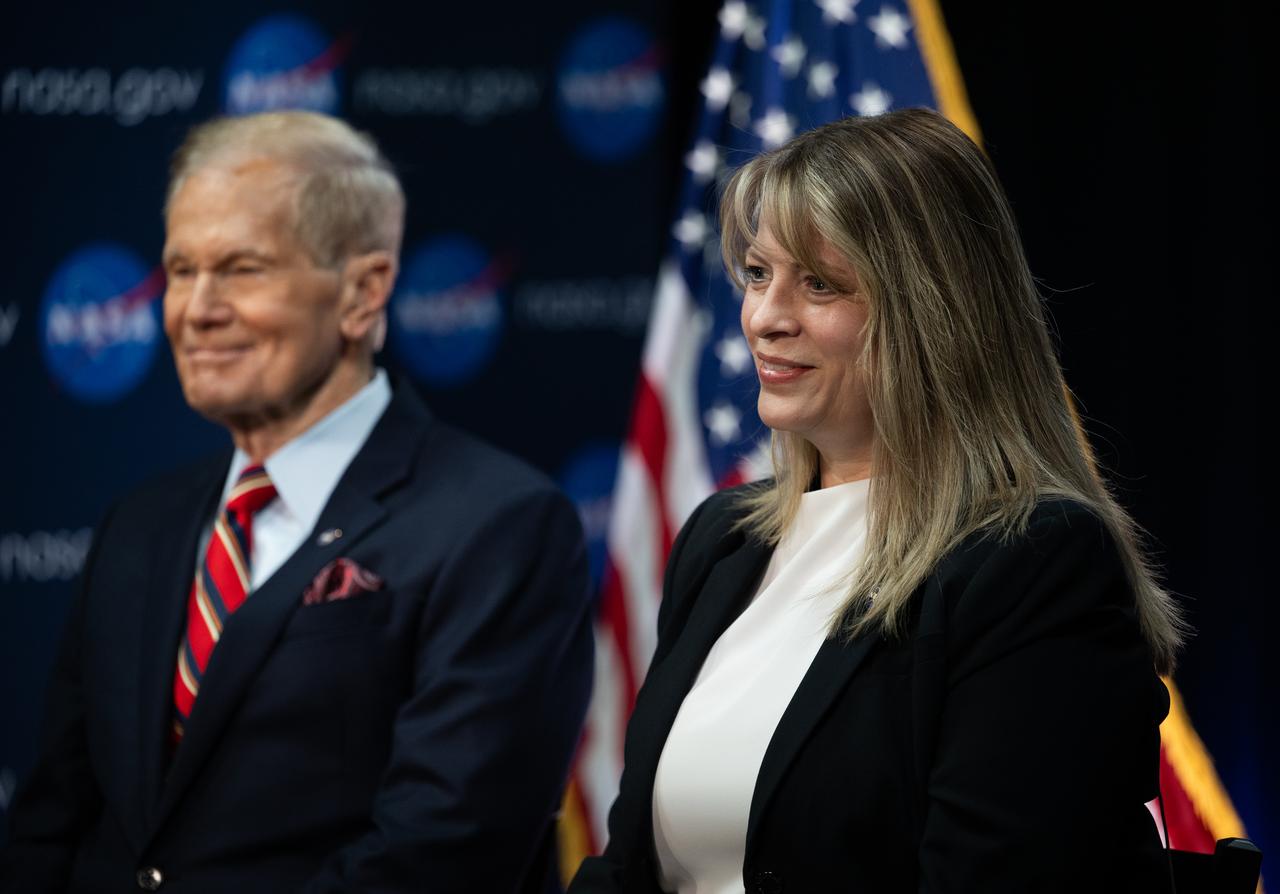
Lisa Carnell, director of NASA’s Biological and Physical Sciences Division, right, speaks along side NASA Administrator Bill Nelson during an Earth-to-space call with astronauts aboard the International Space Station, Wednesday, Feb. 21, 2024, at the Mary W. Jackson NASA Headquarters building in Washington. Nelson and Carnell spoke with Expedition 70 crew members Andreas Mogenson of ESA, Jasmin Moghbeli of NASA, and Satoshi Furukawa of JAXA about recent science research and technology demonstrations aboard the orbiting laboratory. Photo Credit: (NASA/Joel Kowsky)

NASA Administrator Bill Nelson, left, and Lisa Carnell, director of NASA’s Biological and Physical Sciences Division are seen during an Earth-to-space call with astronauts aboard the International Space Station, Wednesday, Feb. 21, 2024, at the Mary W. Jackson NASA Headquarters building in Washington. Nelson and Carnell spoke with Expedition 70 crew members Andreas Mogenson of ESA, Jasmin Moghbeli of NASA, and Satoshi Furukawa of JAXA about recent science research and technology demonstrations aboard the orbiting laboratory. Photo Credit: (NASA/Joel Kowsky)
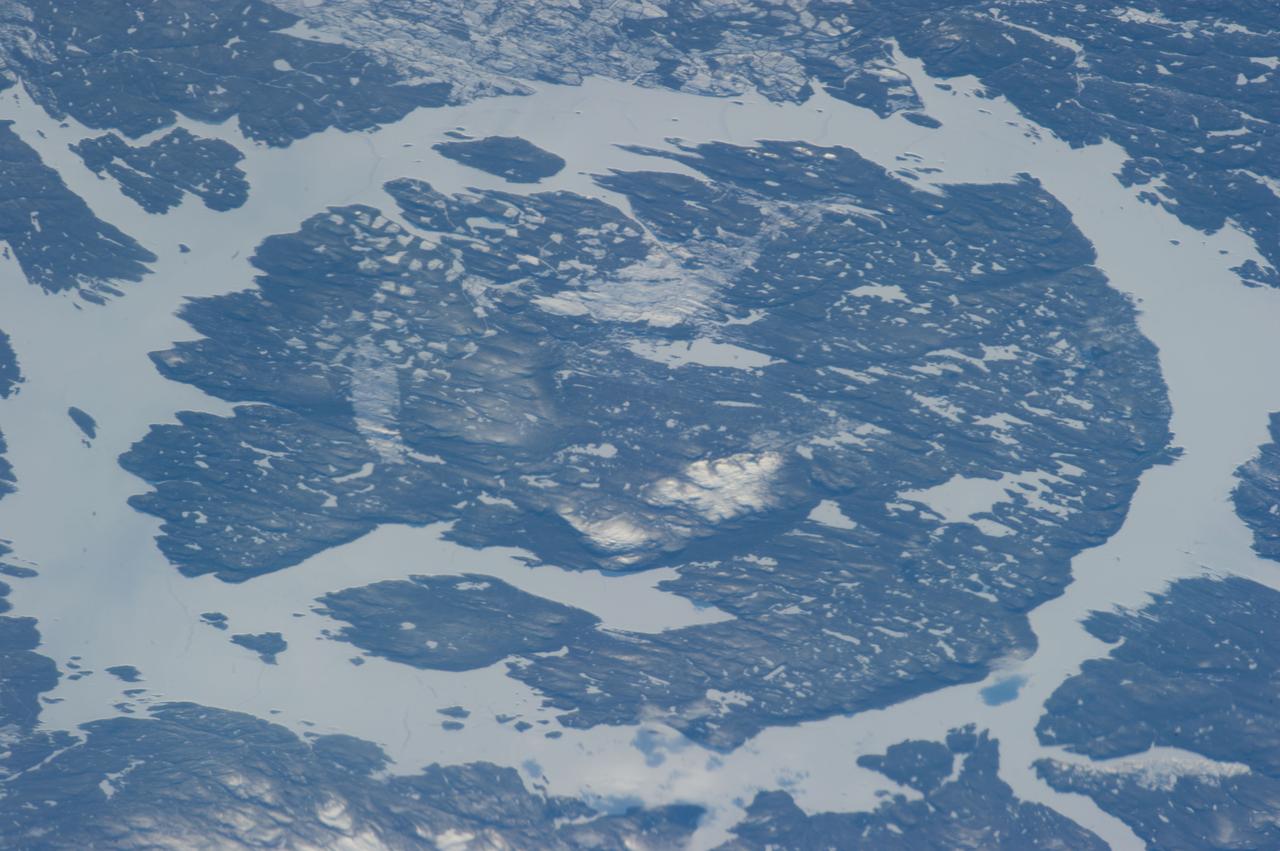
ISS034-E-056100 (21 Feb. 2013) --- One of the most recognizable natural features on Earth, when viewing from space, is the Manicouagan Crater, one of the oldest known impact craters on Earth. Photographed by one of the Expedition 34 crew members onboard the International Space Station, the crater is located primarily in Manicouagan Regional County Municipality in the Côte-Nord region of Québec, Canada, about 300 kilometers (190 miles) north of the city of Baie-Comeau. Manicouagan is one of the oldest large astroblemes still visible on the surface. The crater is a multiple-ring structure about 100 kilometers (60 miles) across, with its 70 kilometer (40 mile) diameter inner ring its most prominent feature; it contains a 70 kilometer (40 mile) diameter annular lake, the Manicouagan Reservoir, surrounding an inner island plateau.
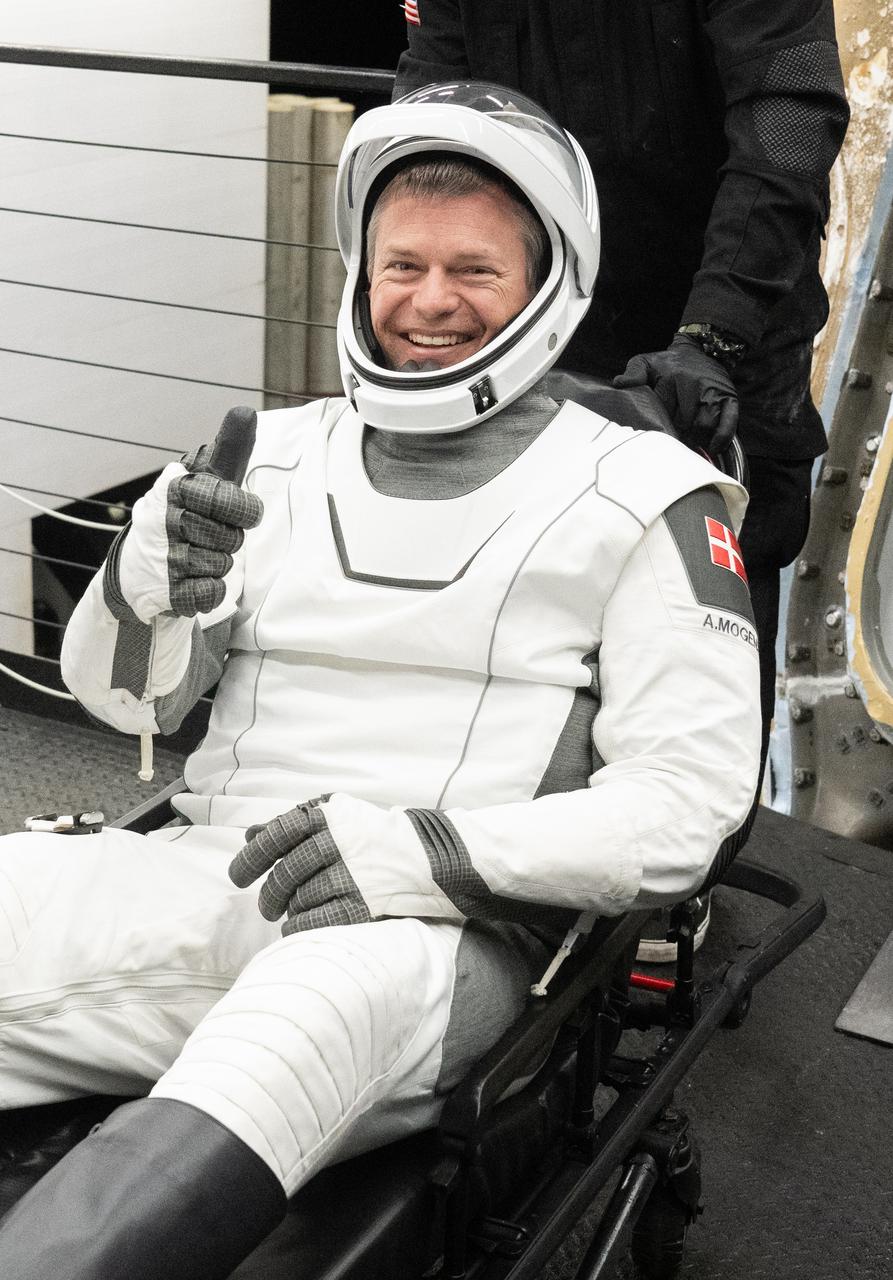
ESA (European Space Agency) astronaut Andreas Mogensen is helped out of the SpaceX Dragon Endurance spacecraft onboard the SpaceX recovery ship MEGAN after he, NASA astronaut Jasmin Moghbeli, Japan Aerospace Exploration Agency (JAXA) Satoshi Furukawa, and Roscosmos cosmonaut Konstantin Borisov landed in the Gulf of Mexico off the coast of Pensacola, Florida, Tuesday, March 12, 2024. Moghbeli, Mogensen, Furukawa, and Borisov are returning after nearly six-months in space as part of Expedition 70 aboard the International Space Station. Photo Credit: (NASA/Joel Kowsky)

Support and medical team members from NASA, ESA (European Space Agency), Japan Aerospace Exploration Agency (JAXA), and Roscosmos wait to board the helicopter with NASA astronaut Jasmin Moghbeli, ESA (European Space Agency) astronaut Andreas Mogensen, Japan Aerospace Exploration Agency (JAXA) astronaut Satoshi Furukawa, and Roscosmos cosmonaut Konstantin Borisov to return to Pensacola, Florida a few hours after landing in the Gulf of Mexico, Tuesday, March 12, 2024, onboard the SpaceX support ship MEGAN. Moghbeli, Mogensen, Furukawa, and Borisov are returning after nearly six-months in space as part of Expedition 70 aboard the International Space Station. Photo Credit: (NASA/Joel Kowsky)

Japan Aerospace Exploration Agency (JAXA) astronaut Satoshi Furukawa is helped out of the SpaceX Dragon Endurance spacecraft onboard the SpaceX recovery ship MEGAN after he, NASA astronaut Jasmin Moghbeli, ESA (European Space Agency) astronaut Andreas Mogensen, and Roscosmos cosmonaut Konstantin Borisov landed in the Gulf of Mexico off the coast of Pensacola, Florida, Tuesday, March 12, 2024. Moghbeli, Mogensen, Furukawa, and Borisov are returning after nearly six-months in space as part of Expedition 70 aboard the International Space Station. Photo Credit: (NASA/Joel Kowsky)
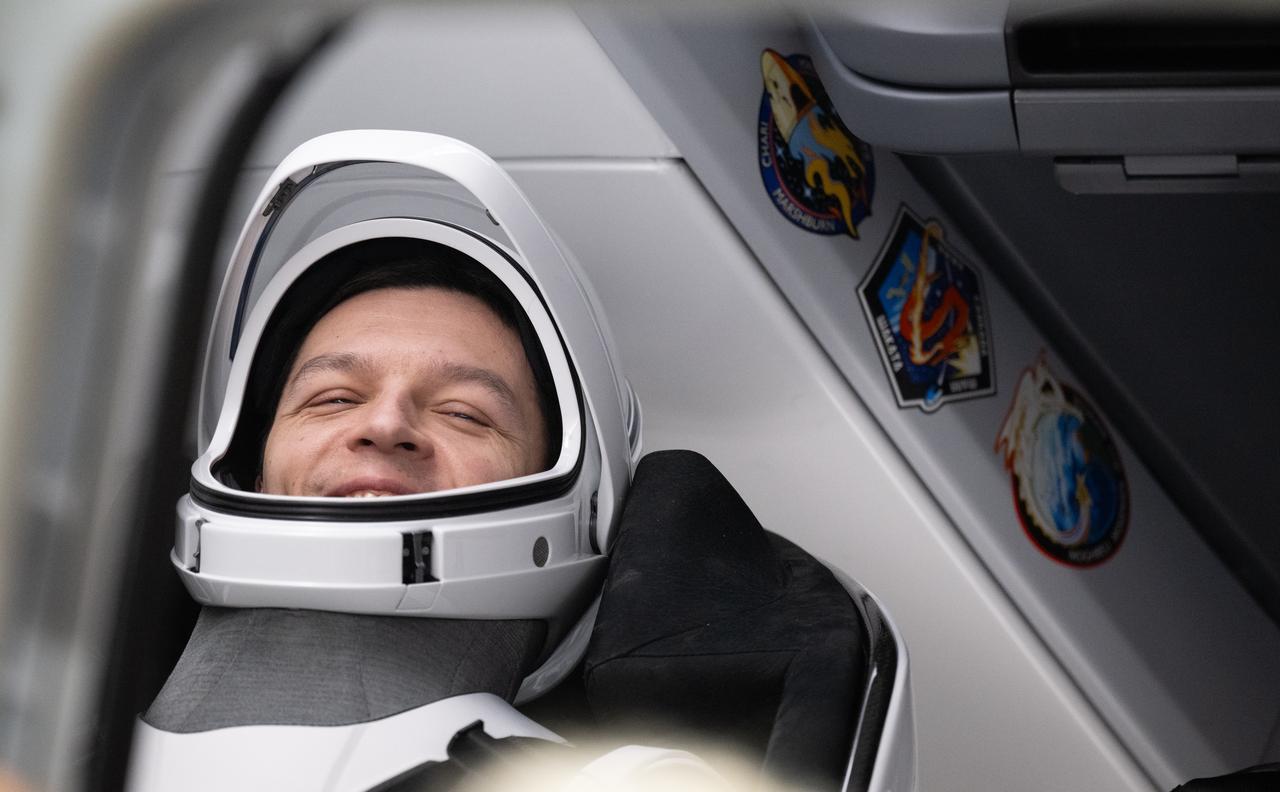
Roscosmos cosmonaut Konstantin Borisov is seen inside the SpaceX Dragon Endurance spacecraft onboard the SpaceX recovery ship MEGAN after he, NASA astronaut Jasmin Moghbeli, ESA (European Space Agency) astronaut Andreas Mogensen, and Japan Aerospace Exploration Agency (JAXA) astronaut Satoshi Furukawa landed in the Gulf of Mexico off the coast of Pensacola, Florida, Tuesday, March 12, 2024. Moghbeli, Mogensen, Furukawa, and Borisov are returning after nearly six-months in space as part of Expedition 70 aboard the International Space Station. Photo Credit: (NASA/Joel Kowsky)
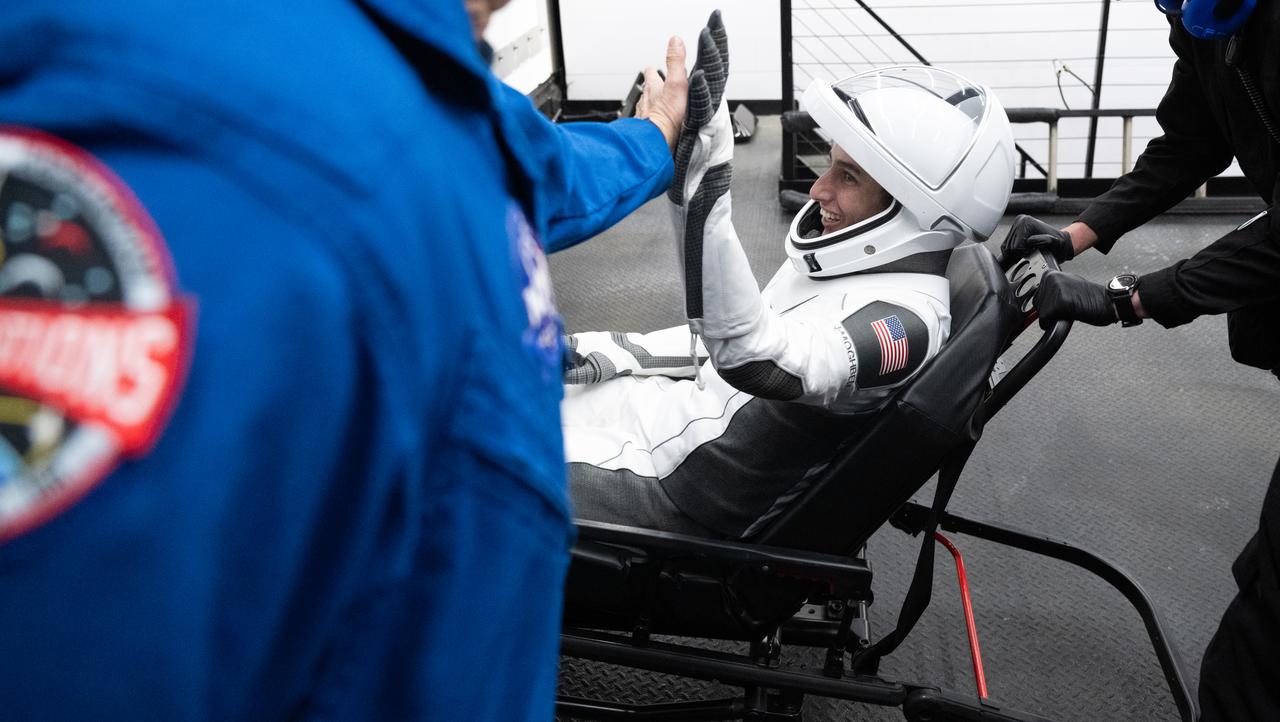
NASA astronaut Jasmin Moghbeli high fives NASA astronaut Eric Boe, Crew Recovery Coordinator, after being helped out of the SpaceX Dragon Endurance spacecraft onboard the SpaceX recovery ship MEGAN after she, ESA (European Space Agency) astronaut Andreas Mogensen, Japan Aerospace Exploration Agency (JAXA) astronaut Satoshi Furukawa, and Roscosmos cosmonaut Konstantin Borisov landed in the Gulf of Mexico off the coast of Pensacola, Florida, Tuesday, March 12, 2024. Moghbeli, Mogensen, Furukawa, and Borisov are returning after nearly six-months in space as part of Expedition 70 aboard the International Space Station. Photo Credit: (NASA/Joel Kowsky)
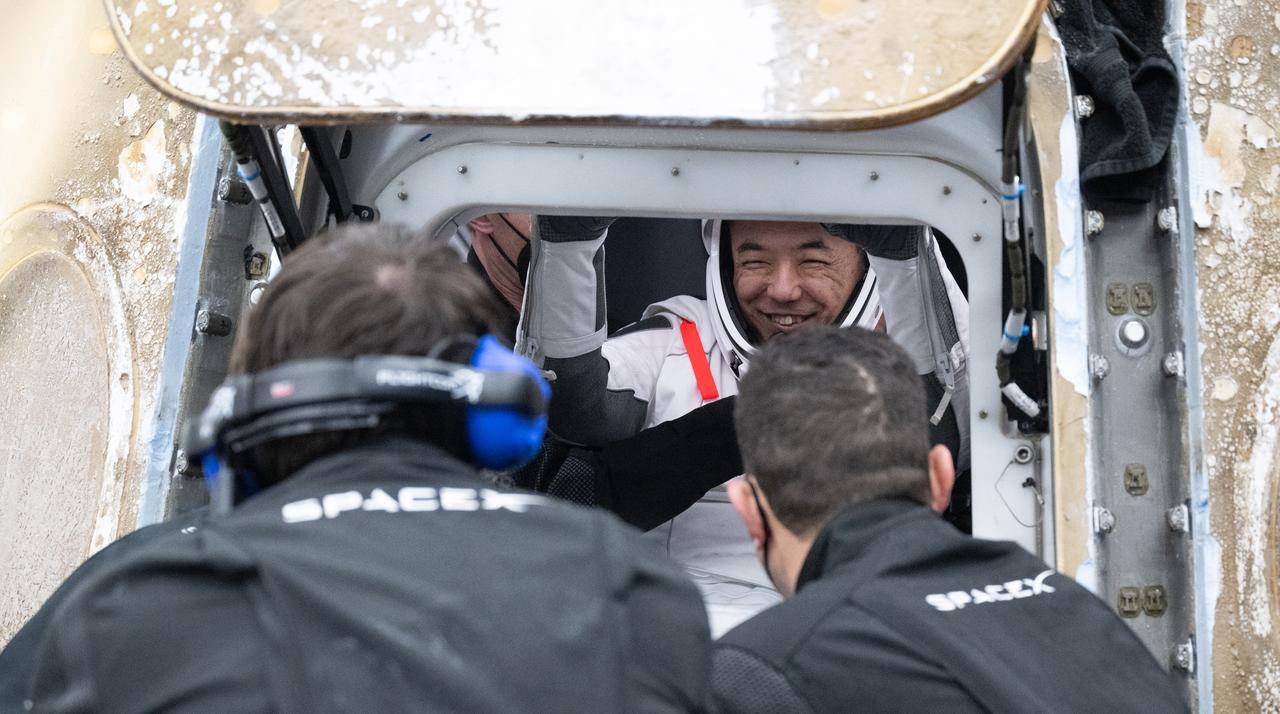
Japan Aerospace Exploration Agency (JAXA) astronaut Satoshi Furukawa is helped out of the SpaceX Dragon Endurance spacecraft onboard the SpaceX recovery ship MEGAN after he, NASA astronaut Jasmin Moghbeli, ESA (European Space Agency) astronaut Andreas Mogensen, and Roscosmos cosmonaut Konstantin Borisov landed in the Gulf of Mexico off the coast of Pensacola, Florida, Tuesday, March 12, 2024. Moghbeli, Mogensen, Furukawa, and Borisov are returning after nearly six-months in space as part of Expedition 70 aboard the International Space Station. Photo Credit: (NASA/Joel Kowsky)
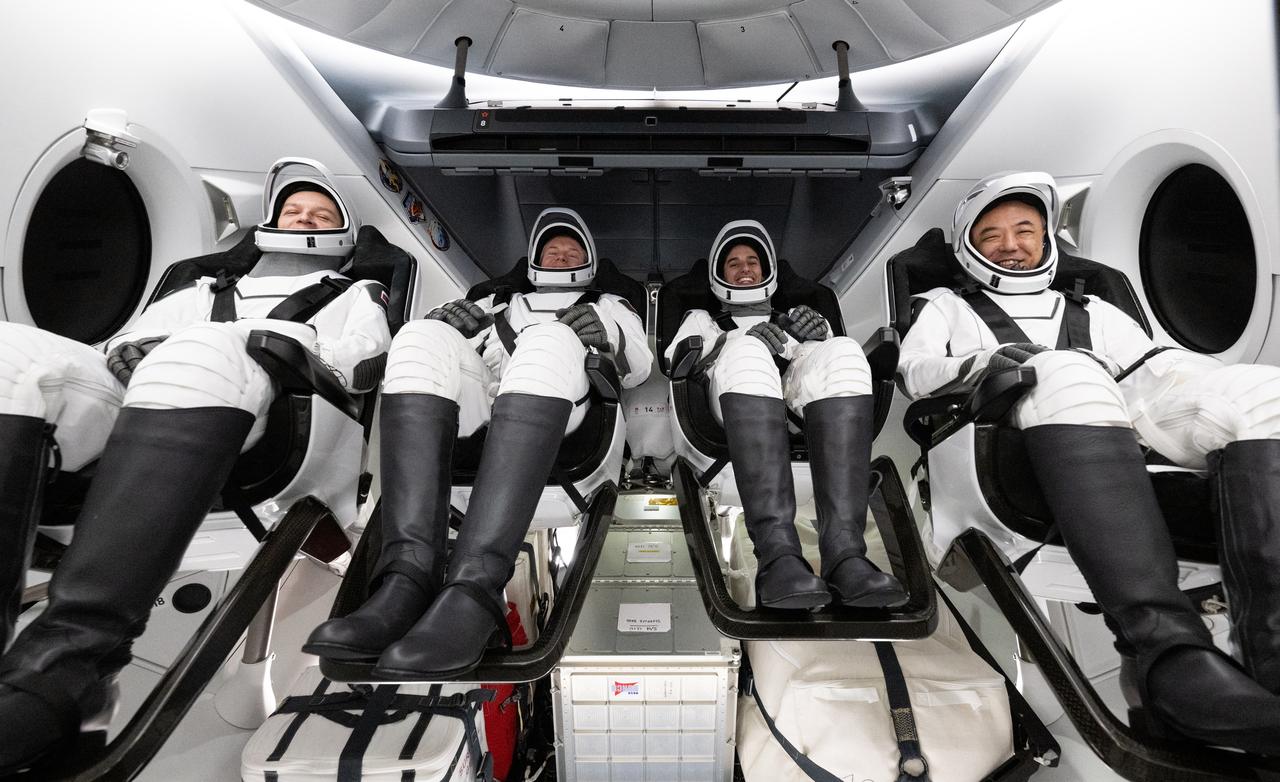
Roscosmos cosmonaut Konstantin Borisov, left, ESA (European Space Agency) astronaut Andreas Mogensen, NASA astronaut Jasmin Moghbeli, and Japan Aerospace Exploration Agency (JAXA) astronaut Satoshi Furukawa are seen inside the SpaceX Dragon Endurance spacecraft onboard the SpaceX recovery ship MEGAN shortly after having landed in the Gulf of Mexico off the coast of Pensacola, Florida, Tuesday, March 12, 2024. Moghbeli, Mogensen, Furukawa, and Borisov are returning after nearly six-months in space as part of Expedition 70 aboard the International Space Station. Photo Credit: (NASA/Joel Kowsky)

Roscosmos cosmonaut Konstantin Borisov is helped out of the SpaceX Dragon Endurance spacecraft onboard the SpaceX recovery ship MEGAN after he, NASA astronaut Jasmin Moghbeli, ESA (European Space Agency) astronaut Andreas Mogensen, and Japan Aerospace Exploration Agency (JAXA) astronaut Satoshi Furukawa landed in the Gulf of Mexico off the coast of Pensacola, Florida, Tuesday, March 12, 2024. Moghbeli, Mogensen, Furukawa, and Borisov are returning after nearly six-months in space as part of Expedition 70 aboard the International Space Station. Photo Credit: (NASA/Joel Kowsky)
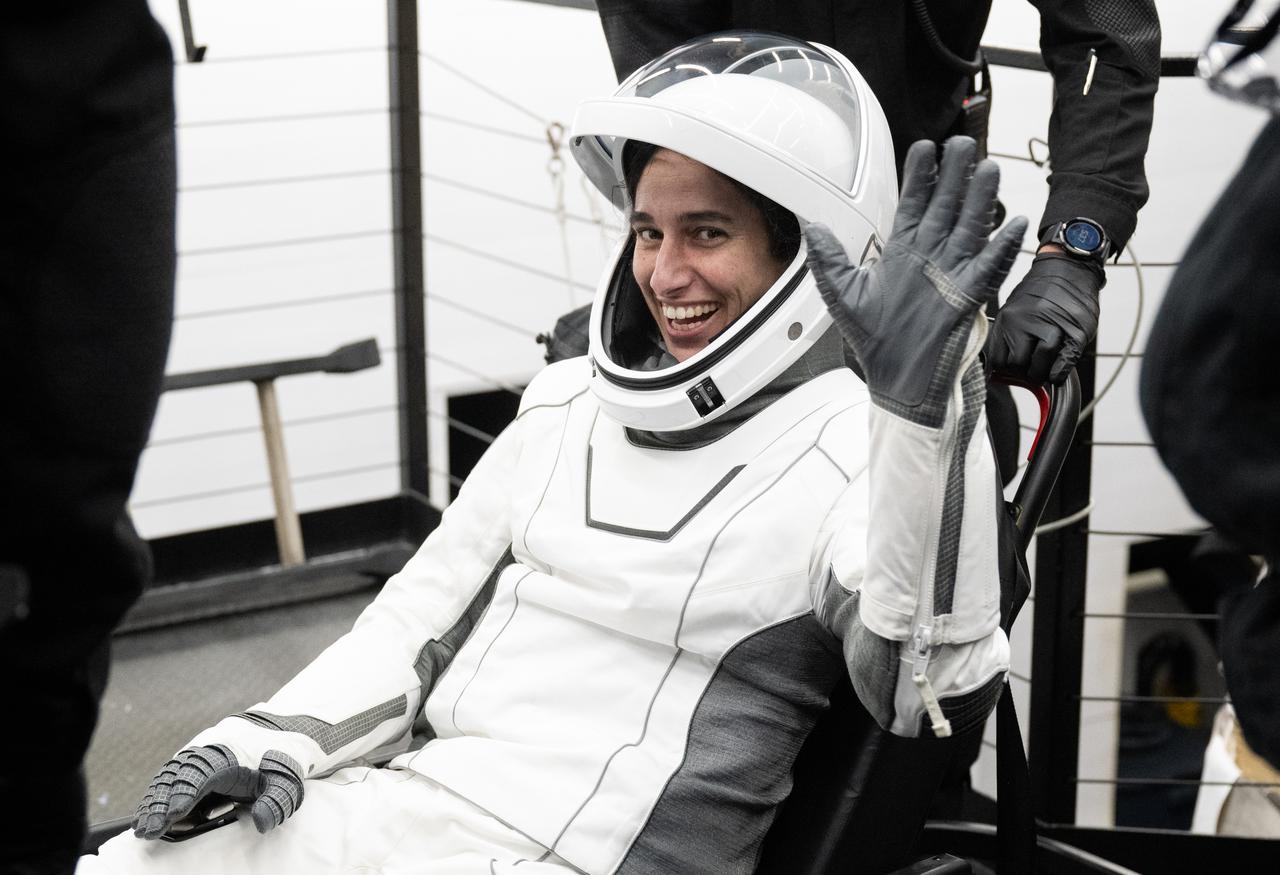
NASA astronaut Jasmin Moghbeli helped out of the SpaceX Dragon Endurance spacecraft onboard the SpaceX recovery ship MEGAN after she, ESA (European Space Agency) astronaut Andreas Mogensen, Japan Aerospace Exploration Agency (JAXA) astronaut Satoshi Furukawa, and Roscosmos cosmonaut Konstantin Borisov landed in the Gulf of Mexico off the coast of Pensacola, Florida, Tuesday, March 12, 2024. Moghbeli, Mogensen, Furukawa, and Borisov are returning after nearly six-months in space as part of Expedition 70 aboard the International Space Station. Photo Credit: (NASA/Joel Kowsky)
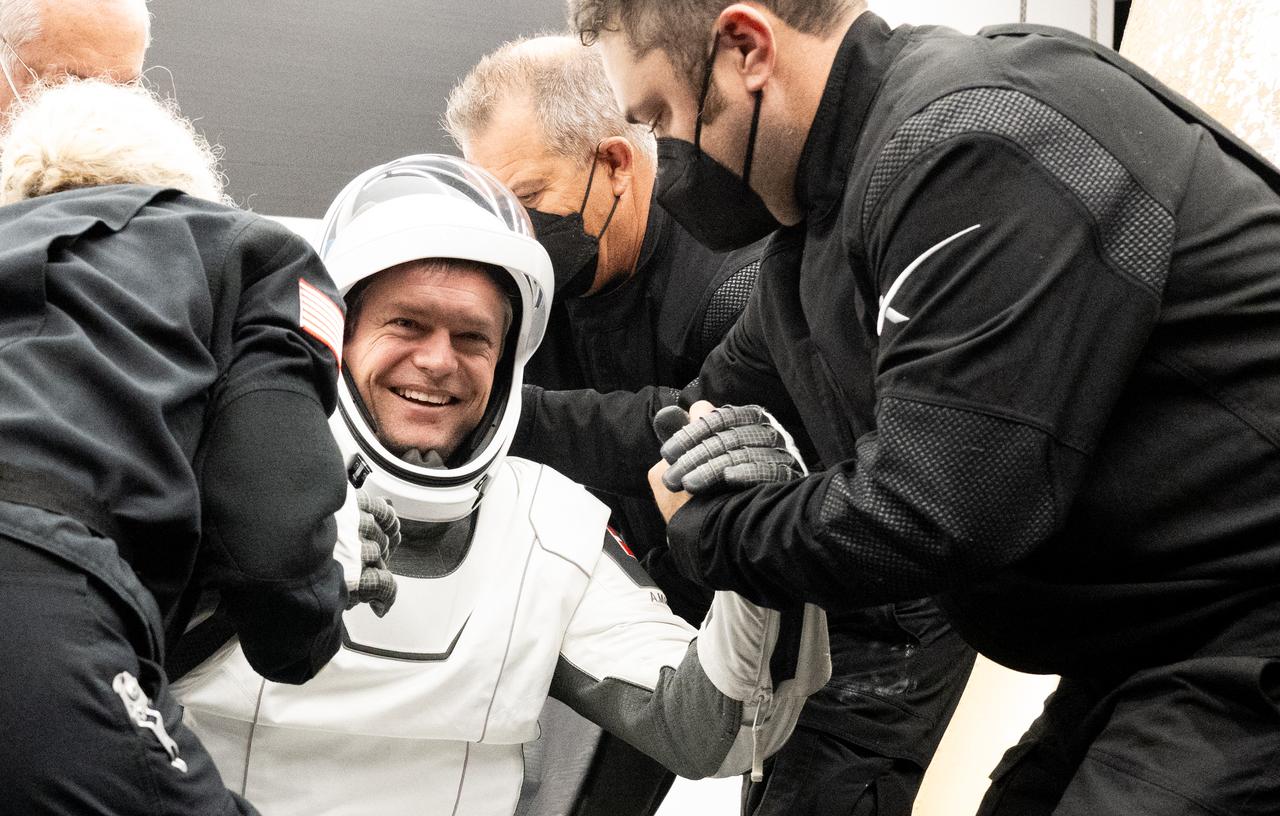
ESA (European Space Agency) astronaut Andreas Mogensen is helped out of the SpaceX Dragon Endurance spacecraft onboard the SpaceX recovery ship MEGAN after he, NASA astronaut Jasmin Moghbeli, Japan Aerospace Exploration Agency (JAXA) Satoshi Furukawa, and Roscosmos cosmonaut Konstantin Borisov landed in the Gulf of Mexico off the coast of Pensacola, Florida, Tuesday, March 12, 2024. Moghbeli, Mogensen, Furukawa, and Borisov are returning after nearly six-months in space as part of Expedition 70 aboard the International Space Station. Photo Credit: (NASA/Joel Kowsky)
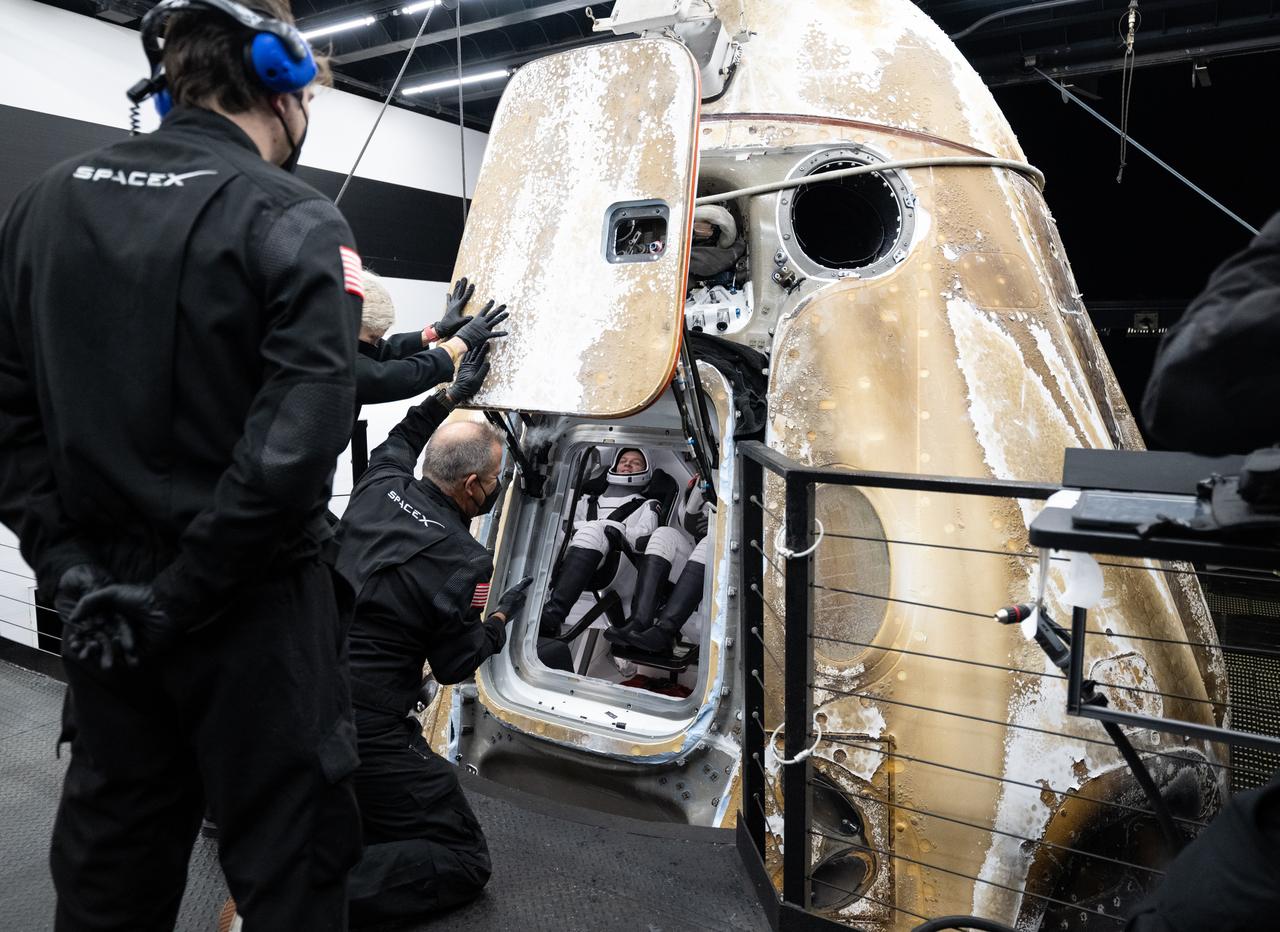
Support teams onboard the SpaceX recovery ship MEGAN work around the SpaceX Dragon Endurance spacecraft after the hatch was opened shortly after it landed with NASA astronaut Jasmin Moghbeli, ESA (European Space Agency) astronaut Andreas Mogensen, Japan Aerospace Exploration Agency (JAXA) astronaut Satoshi Furukawa, and Roscosmos cosmonaut Konstantin Borisov aboard in the Gulf of Mexico off the coast of Pensacola, Florida, Tuesday, March 12, 2024. Moghbeli, Mogensen, Furukawa, and Borisov are returning after nearly six-months in space as part of Expedition 70 aboard the International Space Station. Photo Credit: (NASA/Joel Kowsky)
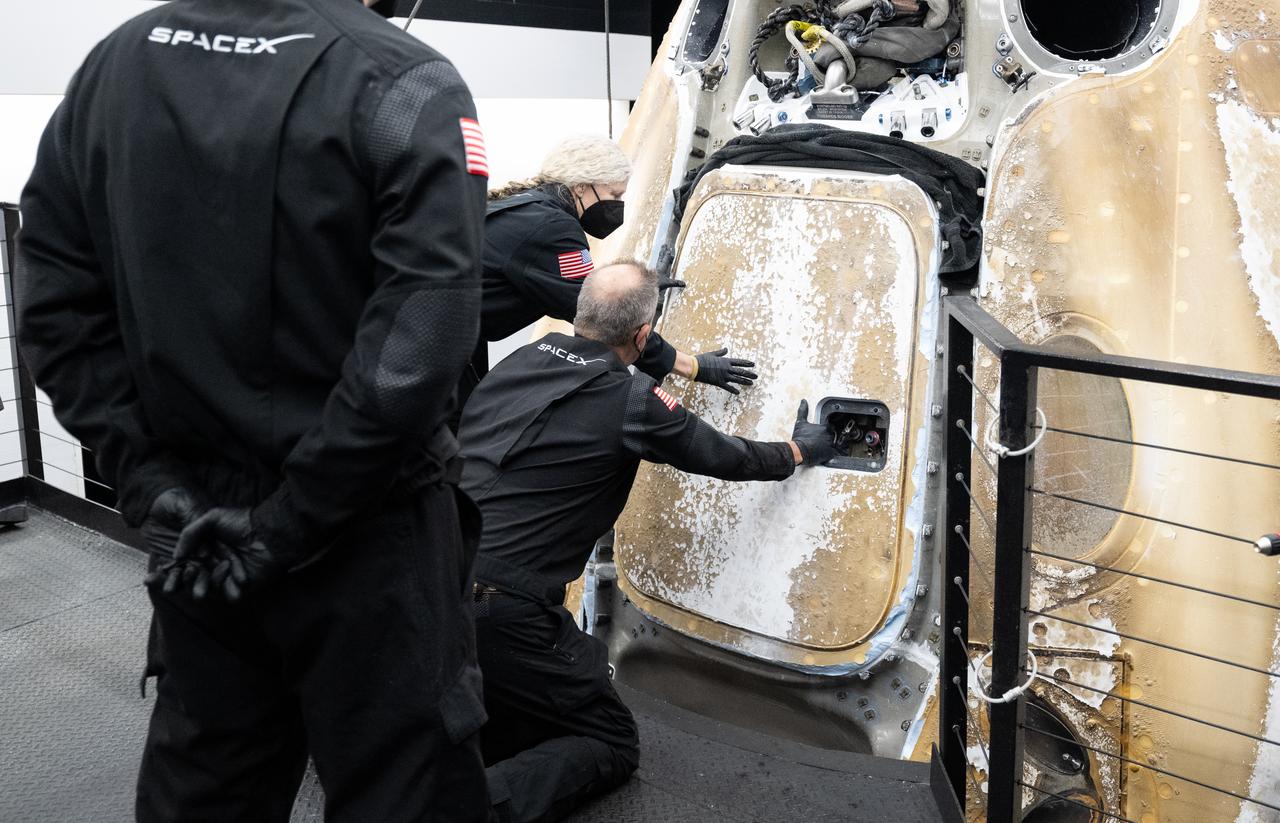
Support teams onboard the SpaceX recovery ship MEGAN work to open the hatch of the SpaceX Dragon Endurance spacecraft shortly after it landed with NASA astronaut Jasmin Moghbeli, ESA (European Space Agency) astronaut Andreas Mogensen, Japan Aerospace Exploration Agency (JAXA) astronaut Satoshi Furukawa, and Roscosmos cosmonaut Konstantin Borisov aboard in the Gulf of Mexico off the coast of Pensacola, Florida, Tuesday, March 12, 2024. Moghbeli, Mogensen, Furukawa, and Borisov are returning after nearly six-months in space as part of Expedition 70 aboard the International Space Station. Photo Credit: (NASA/Joel Kowsky)
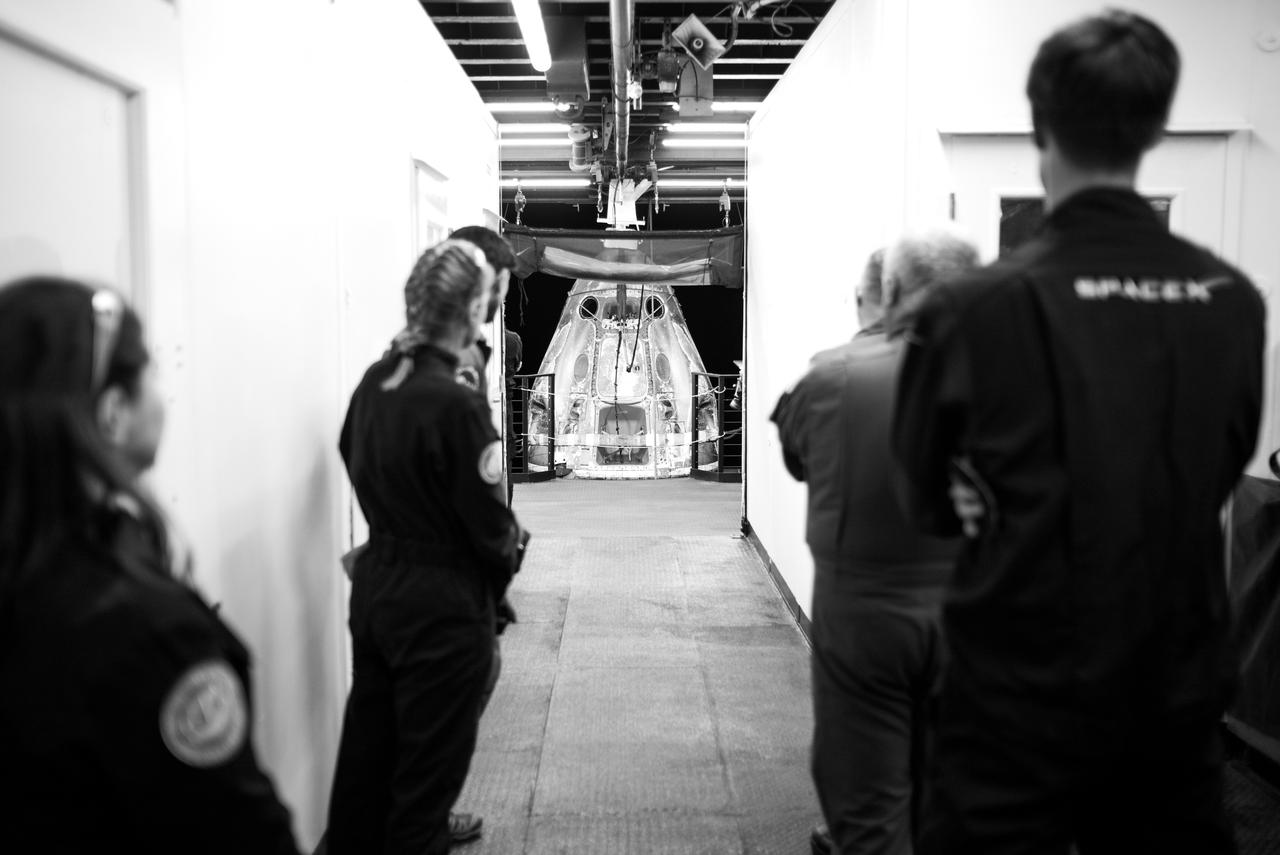
Medical teams watch as the SpaceX Dragon Endurance spacecraft is moved onboard the SpaceX recovery ship MEGAN shortly after it landed with NASA astronaut Jasmin Moghbeli, ESA (European Space Agency) astronaut Andreas Mogensen, Japan Aerospace Exploration Agency (JAXA) astronaut Satoshi Furukawa, and Roscosmos cosmonaut Konstantin Borisov aboard in the Gulf of Mexico off the coast of Pensacola, Florida, Tuesday, March 12, 2024. Moghbeli, Mogensen, Furukawa, and Borisov are returning after nearly six-months in space as part of Expedition 70 aboard the International Space Station. Photo Credit: (NASA/Joel Kowsky)
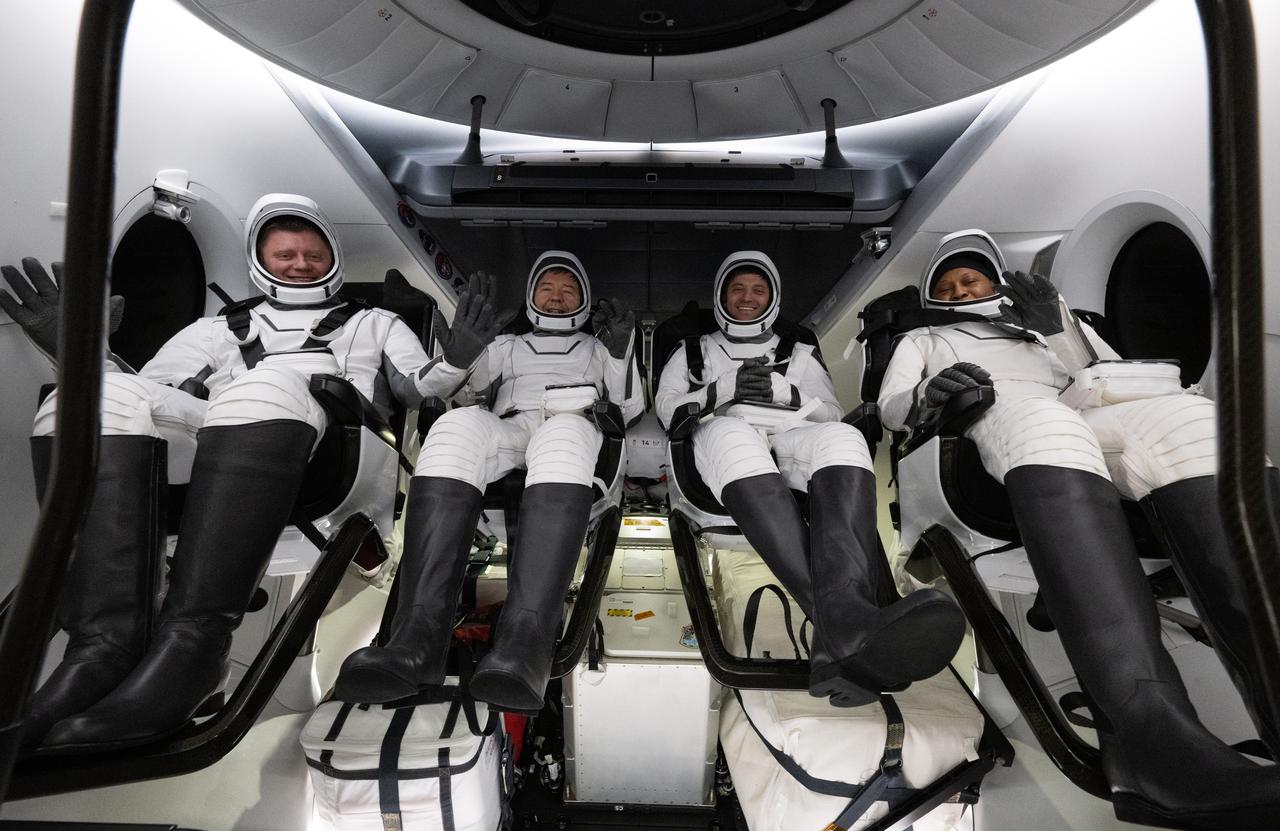
Roscosmos cosmonaut Alexander Grebenkin, left, NASA astronauts Michael Barratt, second from left, Matthew Dominick, second from right, and Jeanette Epps, right are seen inside the SpaceX Dragon Endeavour spacecraft onboard the SpaceX recovery ship MEGAN shortly after having landed in the Gulf of Mexico off the coast of Pensacola, Florida, Friday, Oct. 25, 2024. Dominick, Barratt, Epps, Grebenkin are returning after seven-months in space as part of Expedition 70 aboard the International Space Station. Photo Credit: (NASA/Joel Kowsky)
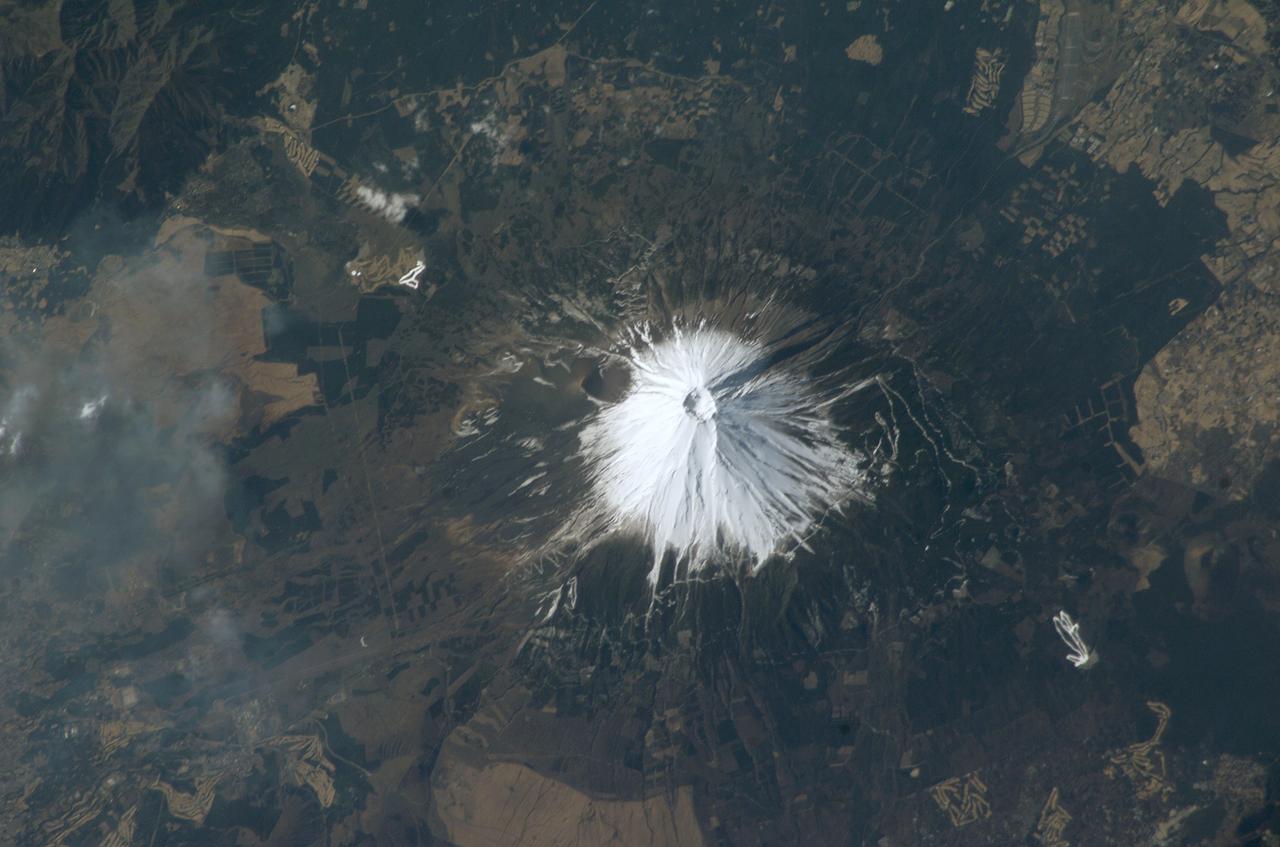
ISS008-E-17326 (28 February 2004) --- Mt. Fuji, Japan’s tallest volcano (3776 meters) and national symbol, is featured in this photo taken by an Expedition 8 crewmember onboard the International Space Station (ISS). Fuji is located about 110 kilometers (70 miles) west-southwest of Tokyo in central Honshu, Japan. The summit crater is about 250 meters deep, with a diameter of about 500 meters. Fuji last erupted in 1707 from Hoei crater, a vent on the mountain’s southeastern flank. When this image was taken, the winter snow cover highlighted trails, roads and other clearings above a certain elevation. Developments on Fuji’s lower flanks, which include military installations and tourist resorts, remained snow-free.
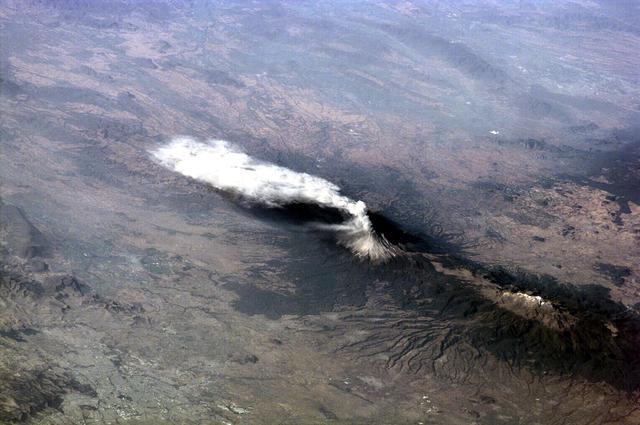
ISS01-E-5316 (23 January 2001) -- Popocatépetl, or Popo, the active volcano located about 70 kilometers southeast of Mexico City, sends a plume south on January 23, 2001. The Expedition One crew onboard the International Space Station (ISS) observed and recorded this image with a digital still camera as it orbited to the northeast of the volcano. Popo has been frequently active for six years. On this day, the eruption plume reportedly rose to more than 9 kilometers above sea level (for reference, Popo's summit elevation is 5426 meters). Note the smaller ash plume below the main plume. The perspective from the ISS allowed the crew members this unique three dimensional view. Popo is situated between two large population centers: Mexico City (more than 18 million people, and just out of this image at right) and Puebla (about 1.2 million people), partially visible at lower left.

Expedition 70 crew members Andreas Mogenson of ESA left, Jasmin Moghbeli of NASA, and Satoshi Furukawa of JAXA are seen aboard the International Space Station on a monitor as they talk with NASA Administrator Bill Nelson and Lisa Carnell, director of NASA’s Biological and Physical Sciences Division, during an Earth-to-space call, Wednesday, Feb. 21, 2024, at the Mary W. Jackson NASA Headquarters building in Washington. Nelson and Carnell spoke with Mogenson, Moghbeli, and Furukawa about recent science research and technology demonstrations aboard the orbiting laboratory. Photo Credit: (NASA/Joel Kowsky)

NASA Administrator Bill Nelson, left, and Lisa Carnell, director of NASA’s Biological and Physical Sciences Division are seen during an Earth-to-space call with Expedition 70 crew members Andreas Mogenson of ESA, Jasmin Moghbeli of NASA, and Satoshi Furukawa of JAXA aboard the International Space Station, visible on monitor to the right, Wednesday, Feb. 21, 2024, at the Mary W. Jackson NASA Headquarters building in Washington. Nelson and Carnell spoke with Mogenson, Moghbeli, and Furukawa about recent science research and technology demonstrations aboard the orbiting laboratory. Photo Credit: (NASA/Joel Kowsky)
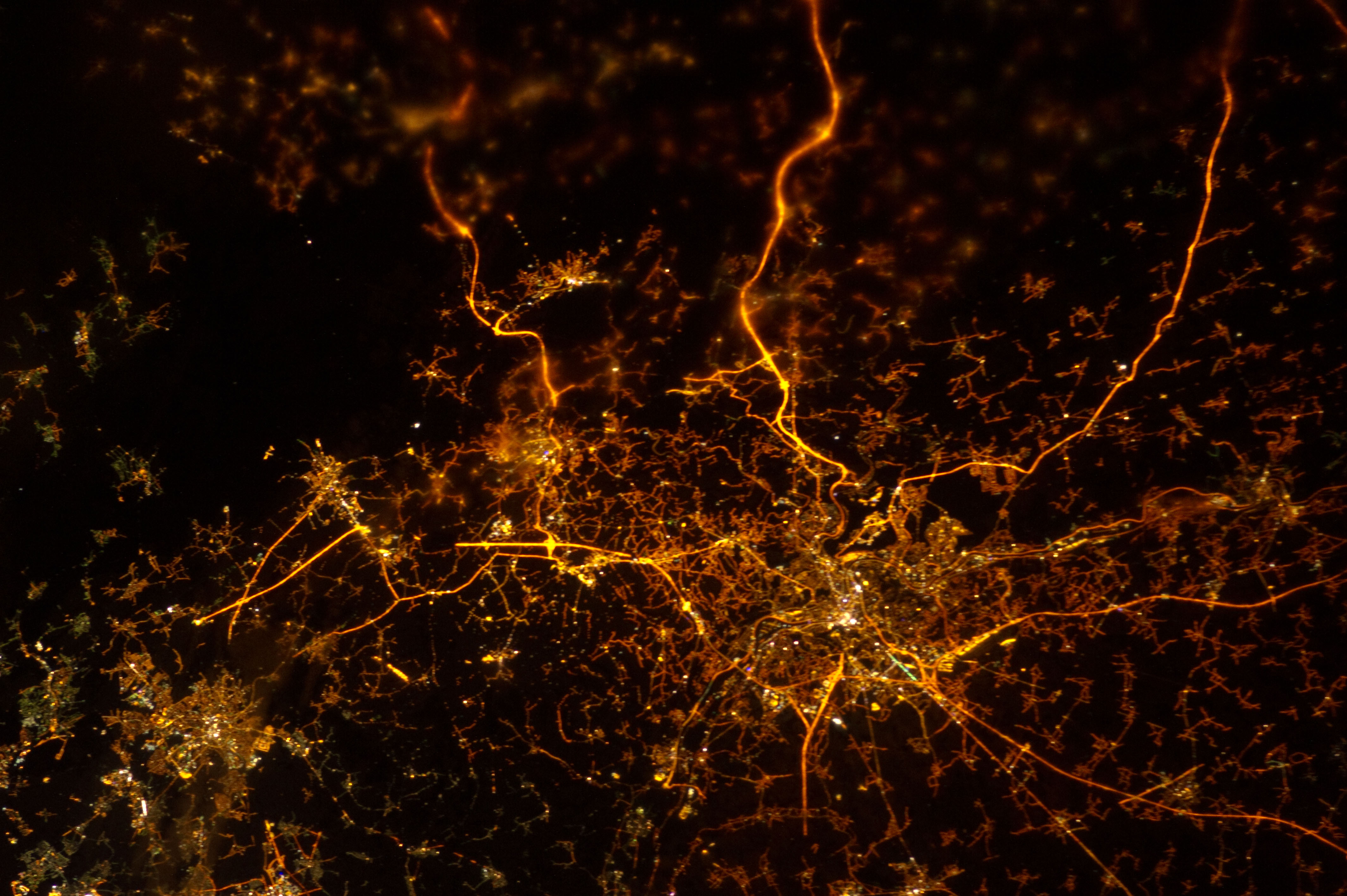
ISS034-E-005935 (8 Dec. 2012) --- A nighttime view of Liege, Belgium is featured in this image photographed by an Expedition 34 crew member on the International Space Station. To paraphrase the old expression, “all roads lead to Liege” – or at least one could get that impression from this nighttime photograph. The brightly lit core of the Liege urban area appears to lie at the center of a network of roadways—traceable by continuous orange lighting—extending outwards into the rural, and relatively dark, Belgium countryside. For a sense of scale the distance from left to right is approximately 70 kilometers. The region at upper left to the southeast of Verviers includes agricultural fields and forest; hence it appears almost uniformly dark at night. The image was taken using the European Space Agency’s Nodding mechanism, also known as the NightPod. NightPod is an electro-mechanical mount system designed to compensate digital cameras for the motion of the space station relative to Earth. The primary mission goal was to take high-resolution, long exposure digital imagery of Earth from the station’s Cupola, particularly cities at night. While the official NightPod mission has been completed, the mechanism remains onboard for crew members to use. Liege is the third most populous metropolitan region in Belgium (after Brussels and Antwerp); it includes 52 municipalities, including the nearby city of Seraing.

ISS030-E-254011 (21 April 2012) --- The Ouarkziz Impact Crater is featured in this image photographed by an Expedition 30 crew member on the International Space Station. The Ouarkziz Impact Crater is located in northwestern Algeria close to the border with Morocco. According to scientists, the crater was formed by a meteor impact less than 70 million years ago during the late Cretaceous Period of the Mesozoic Era or “Age of Dinosaurs”. Originally called Tindouf, the 3.5-kilometer in diameter impact crater (center) has been heavily eroded since its formation; however its circular morphology is highlighted by exposures of older sedimentary rock layers that form roughly northwest-to-southeast-trending ridgelines to the north and south. From the vantage point of a crew member onboard the space station, the impact crater is clearly visible with a magnifying camera lens. A geologist interpreting this image to build a working geological history of the region would conclude that the Ouarkziz impact crater is younger than the sedimentary rocks, as the rock layers had to be already present for the meteor to hit them. Likewise, a stream channel is visible cutting across the center of the impact structure (center), indicating that the channel formed after the impact had occurred. This Principal of Cross-Cutting Relationships, usually attributed to the famous 19th century geologist Charles Lyell, is a basic logic tool used by geologists to build relative sequence and history of events when investigating a region.

ISS013-E-74843 (2 Sept. 2006) --- Rio Negro in Amazonia, Brazil is featured in this image photographed by an Expedition 13 crewmember onboard the International Space Station. The wide, multi-island zone in the Rio Negro (Black River) shown in this image is one of two, long "archipelagoes" upstream of the city of Manaus (not shown) in central Amazonia. Ninety kilometers of the total 120 kilometers length of this archipelago appear in this view. On the day the photo was taken, air temperatures over the cooler river water of the archipelago were just low enough to prevent cloud formation. Over the neighboring rainforest, temperatures were warm enough to produce small convection-related clouds, known to pilots as "popcorn" cumulus. Several zones of deforestation, represented by lighter green zones along the river banks, are also visible. Two different types of river appear in this image. Flowing east-southeast (left to right) is the multi-island, Rio Negro, 20 kilometers wide near the right of the view. Two other "black" rivers, Rio Caures and Rio Jufari, join Rio Negro downstream. The second river type is the Rio Branco (White River; right) which is the largest tributary of the Rio Negro. The difference in water color is controlled by the source regions: black-water rivers derive entirely from soils of lowland forests. Water in these rivers has the color of weak tea, which appears black in images from space. By contrast, white-water rivers like the Branco carry a load of sand and mud particles, mudding the waters. The reason for the tan color is that white-water rivers rise in mountainous country where headwater streams erode exposed rock. The Amazon itself rises in the Andes Mts., where very high erosion occurs, and it is thus the most famous white river in Amazonia. This image was taken in September, near low-water stage. Pictures taken at other times show the channels much wider during high-water season (May--July) when water levels rise several meters. It was discovered recently, from high resolution GPS measurements at Manaus, that the land surface actually rises vertically a small amount in compensation when this vast mass of water drains away each season. Although small, the vertical displacement--50-70 mm--was unexpectedly large according to the scientists who performed the study.