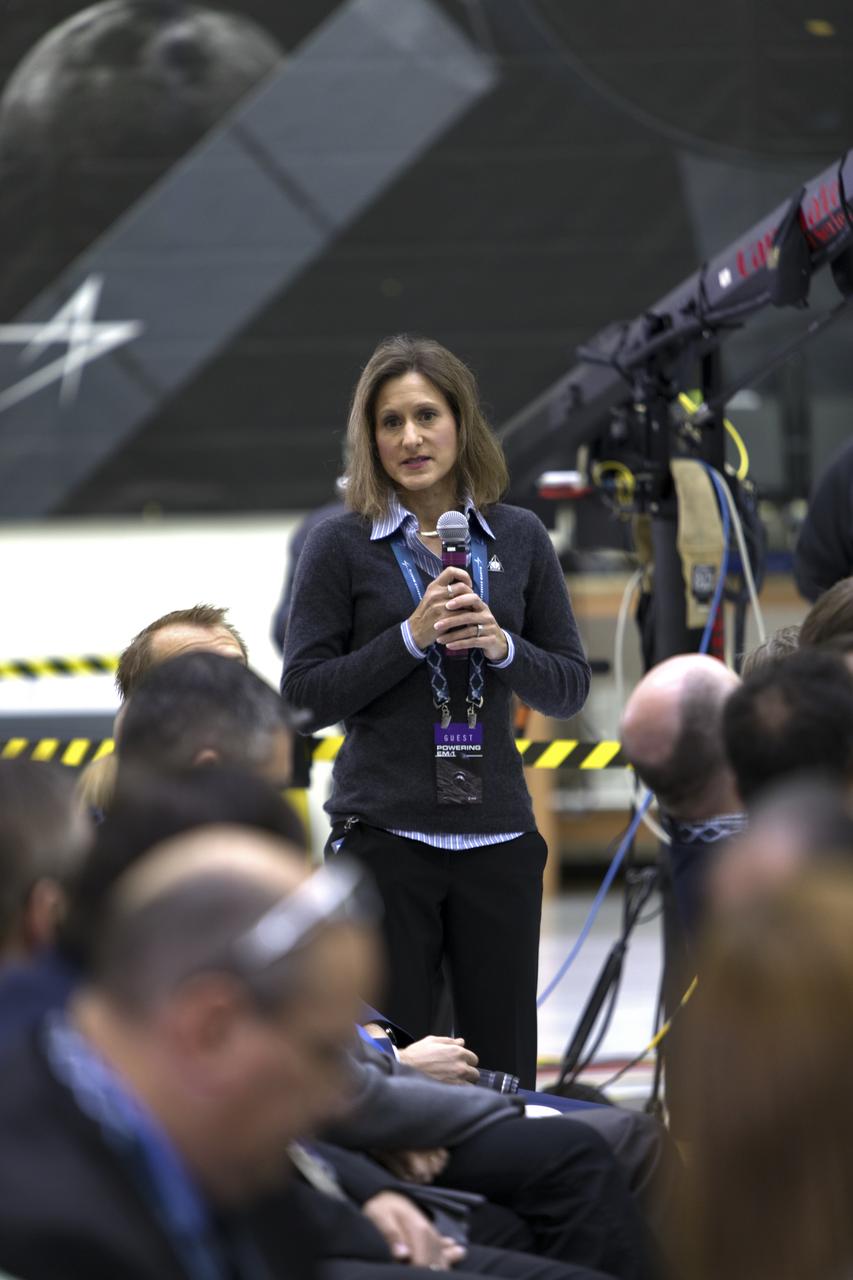
During a "Powering Exploration Mission-1" ceremony in the Neil Armstrong Operations and Checkout Building high bay at NASA's Kennedy Space Center on Nov. 16, 2018, Amy Marasia, Orion Crew Module assembly lead for Exploration Mission-1 (EM-1), explains the next steps in processing Orion and the European Service Module (ESM). The event was held to mark a major milestone, the arrival of the European Service Module for Orion's Exploration Mission-1. The service module, built by the European Space Agency, will supply the main propulsion system and power to the Orion spacecraft during EM-1, a mission to the Moon. The ESM also will house air and water for astronauts on future missions. EM-1 will be an uncrewed flight test that will provide a foundation for human deep space exploration to destinations beyond Earth orbit. EM-1 will be the first integrated test of NASA's Space Launch System, Orion and the ground systems at Kennedy.
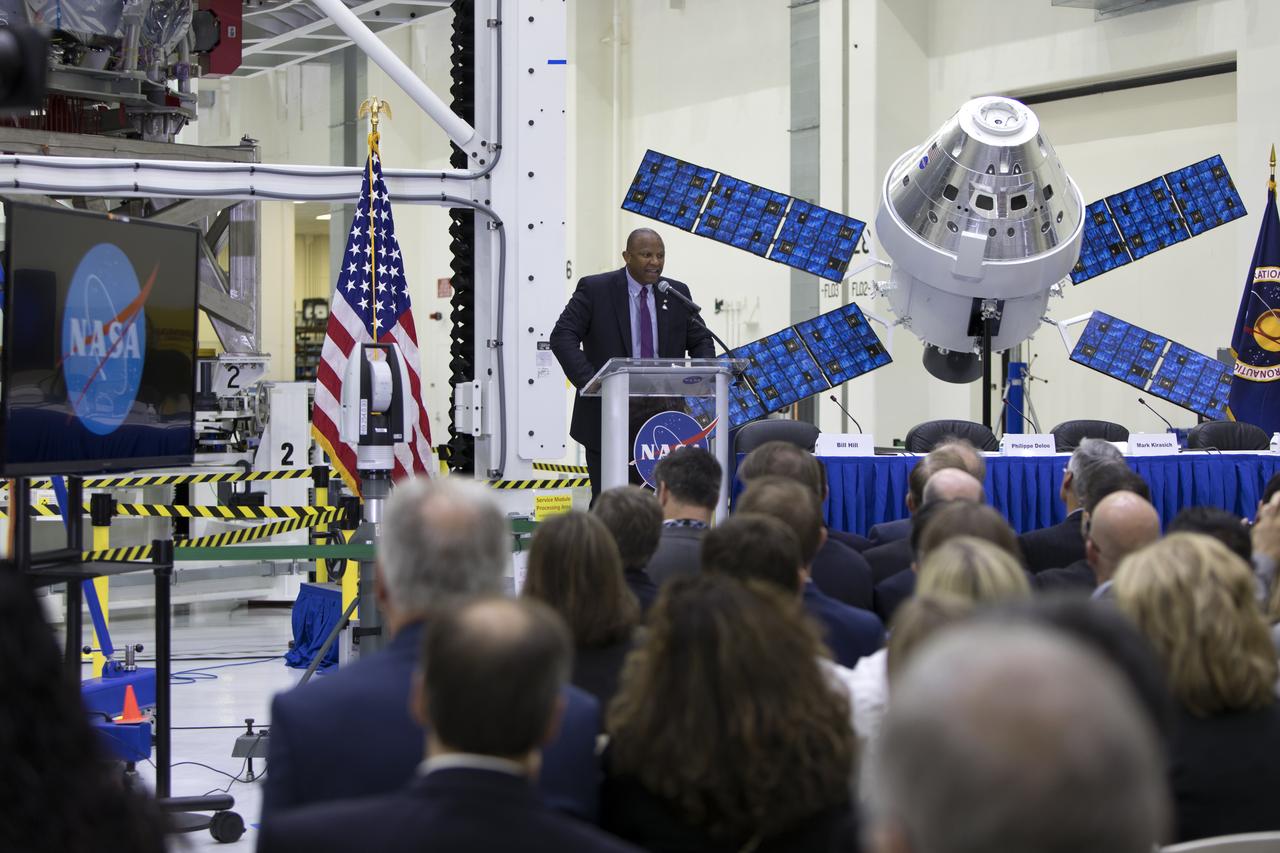
Kennedy Space Center Associate Director Kelvin Manning speaks to guests at NASA's "Powering Exploration Mission-1" ceremony in the high bay of the Neil Armstrong Operations and Checkout Building at the center on Nov. 16, 2018. The event was held to mark a major milestone, the arrival of the European Service Module (ESM) for Orion's Exploration Mission-1. The service module, built by the European Space Agency, will supply the main propulsion system and power to the Orion spacecraft during EM-1, a mission to the Moon. The ESM also will house air and water for astronauts on future missions. EM-1 will be an uncrewed flight test that will provide a foundation for human deep space exploration to destinations beyond Earth orbit. EM-1 will be the first integrated test of NASA's Space Launch System, Orion and the ground systems at Kennedy.
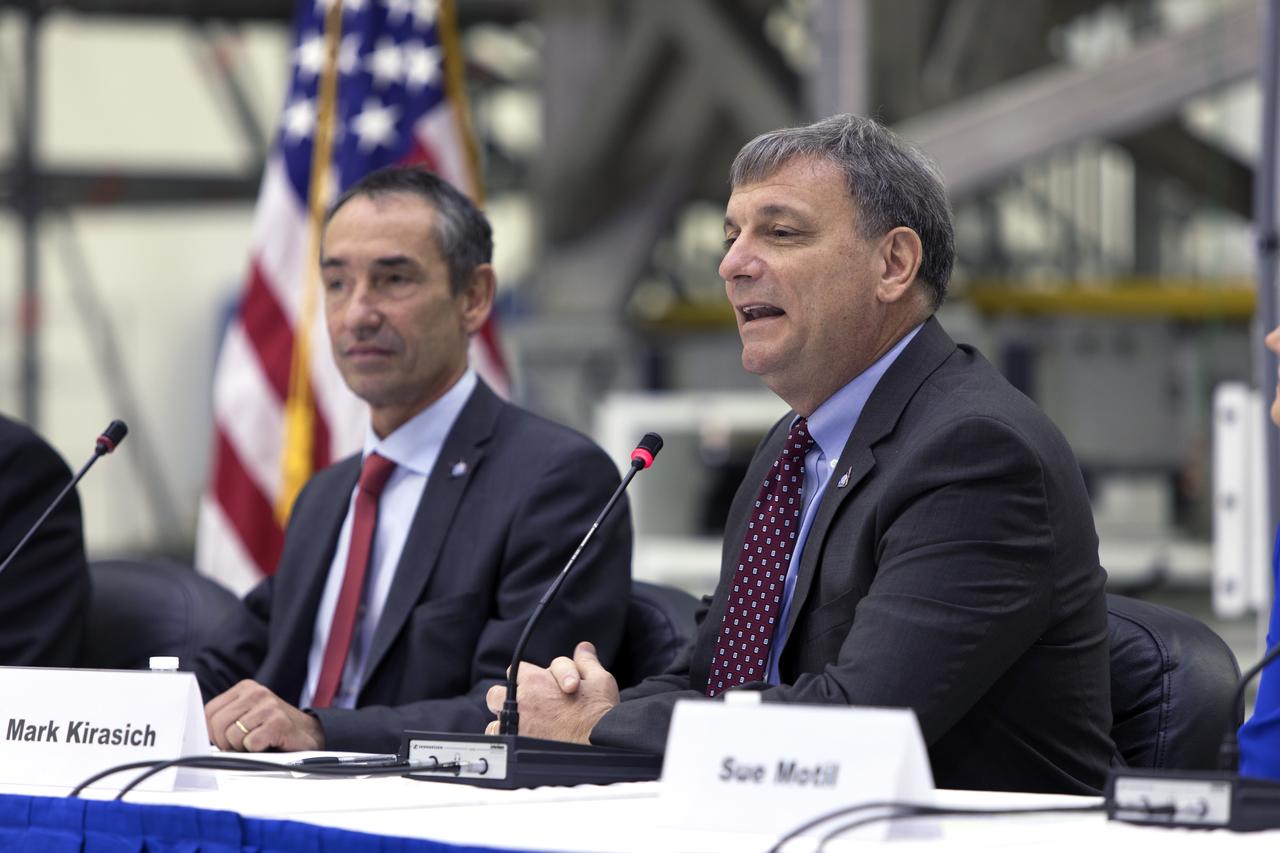
During a "Powering Exploration Mission-1" ceremony in the Neil Armstrong Operations and Checkout Building high bay at NASA's Kennedy Space Center on Nov. 16, 2018, Phillippe Deloo, left, European Service Module program manager at the European Space Agency (ESA); and Mark Kirasich, Orion Program manager at the agency's Johnson Space Center in Houston, answer questions. The event was held to mark a major milestone, the arrival of the European Service Module (ESM) for Orion's Exploration Mission-1. The service module, built by the European Space Agency, will supply the main propulsion system and power to the Orion spacecraft during EM-1, a mission to the Moon. The ESM also will house air and water for astronauts on future missions. EM-1 will be an uncrewed flight test that will provide a foundation for human deep space exploration to destinations beyond Earth orbit. EM-1 will be the first integrated test of NASA's Space Launch System, Orion and the ground systems at Kennedy.
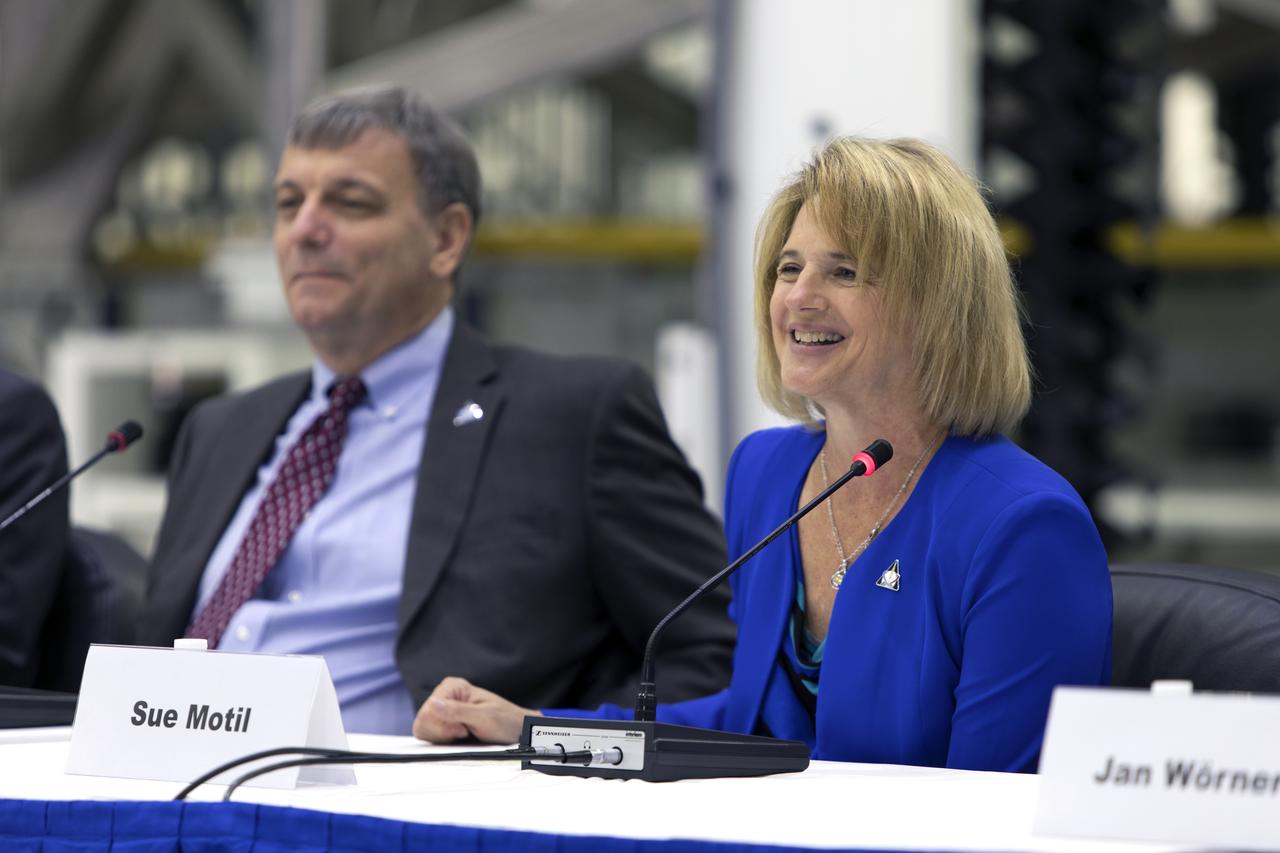
During a "Powering Exploration Mission-1" ceremony in the Neil Armstrong Operations and Checkout Building high bay at NASA's Kennedy Space Center on Nov. 16, 2018, Mark Kirasich, left, Orion Program manager at the agency's Johnson Space Center in Houston; and Sue Motil, Orion European Service Module integration manager at the agency's Glenn Research Center, answer questions. The event was held to mark a major milestone, the arrival of the European Service Module (ESM) for Orion's Exploration Mission-1. The service module, built by the European Space Agency, will supply the main propulsion system and power to the Orion spacecraft during EM-1, a mission to the Moon. The ESM also will house air and water for astronauts on future missions. EM-1 will be an uncrewed flight test that will provide a foundation for human deep space exploration to destinations beyond Earth orbit. EM-1 will be the first integrated test of NASA's Space Launch System, Orion and the ground systems at Kennedy.
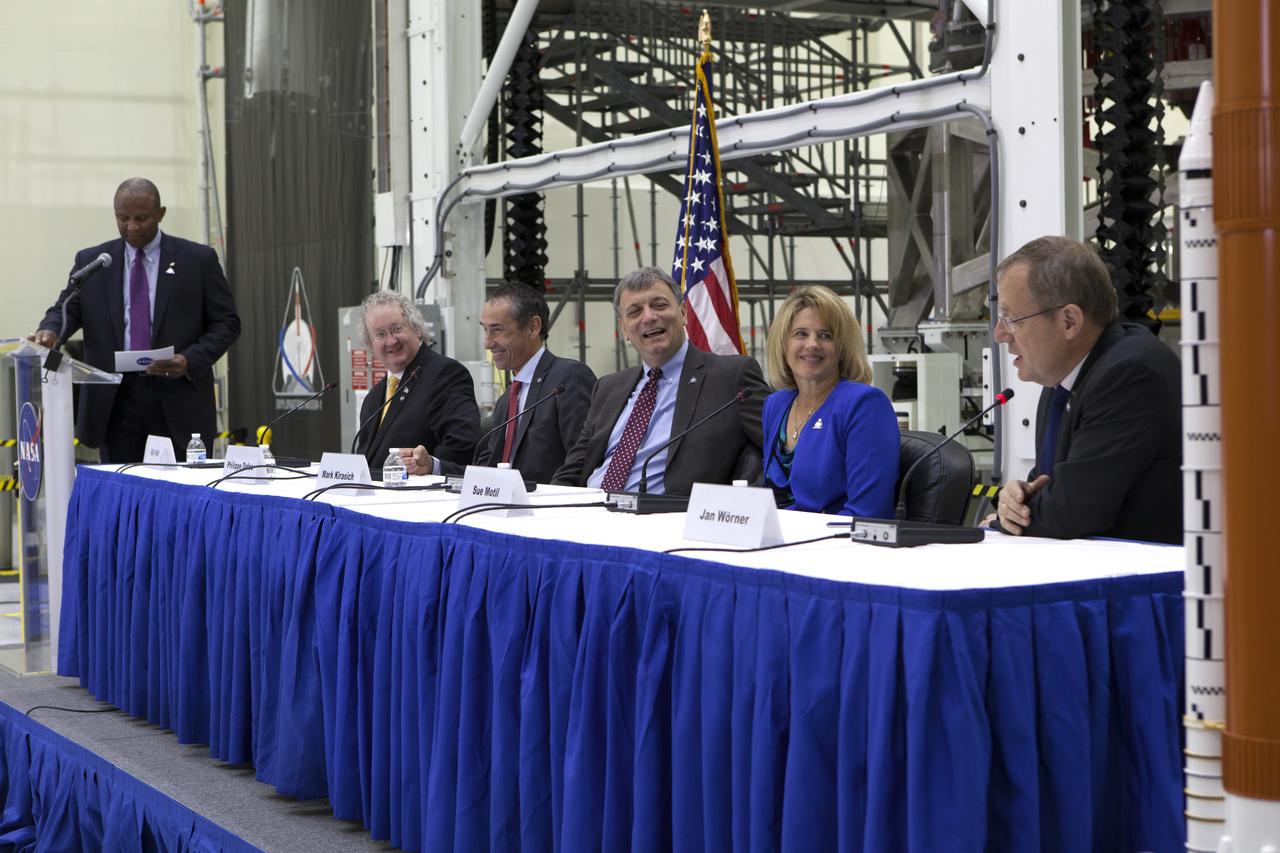
Kennedy Space Center Associate Director Kelvin Manning, far left, moderates questions to NASA and European Space Agency (ESA) senior managers during the "Powering Exploration Mission-1" ceremony in the high bay of the Neil Armstrong Operations and Checkout Building at the center on Nov. 16, 2016. From left, are Bill Hill, deputy associate administrator for Exploration Systems Development; Phillippe Deloo, European Service Module program manager at ESA; Mark Kirasich, Orion Program manager at the agency's Johnson Space Center in Houston; Sue Motil, Orion European Service Module integration manager at the agency's Glenn Research Center; and Jan Worner, ESA director general. The event was held to mark a major milestone, the arrival of the European Service Module (ESM) for Orion's Exploration Mission-1. The service module, built by the European Space Agency, will supply the main propulsion system and power to the Orion spacecraft during EM-1, a mission to the Moon. The ESM also will house air and water for astronauts on future missions. EM-1 will be an uncrewed flight test that will provide a foundation for human deep space exploration to destinations beyond Earth orbit. EM-1 will be the first integrated test of NASA's Space Launch System, Orion and the ground systems at Kennedy.
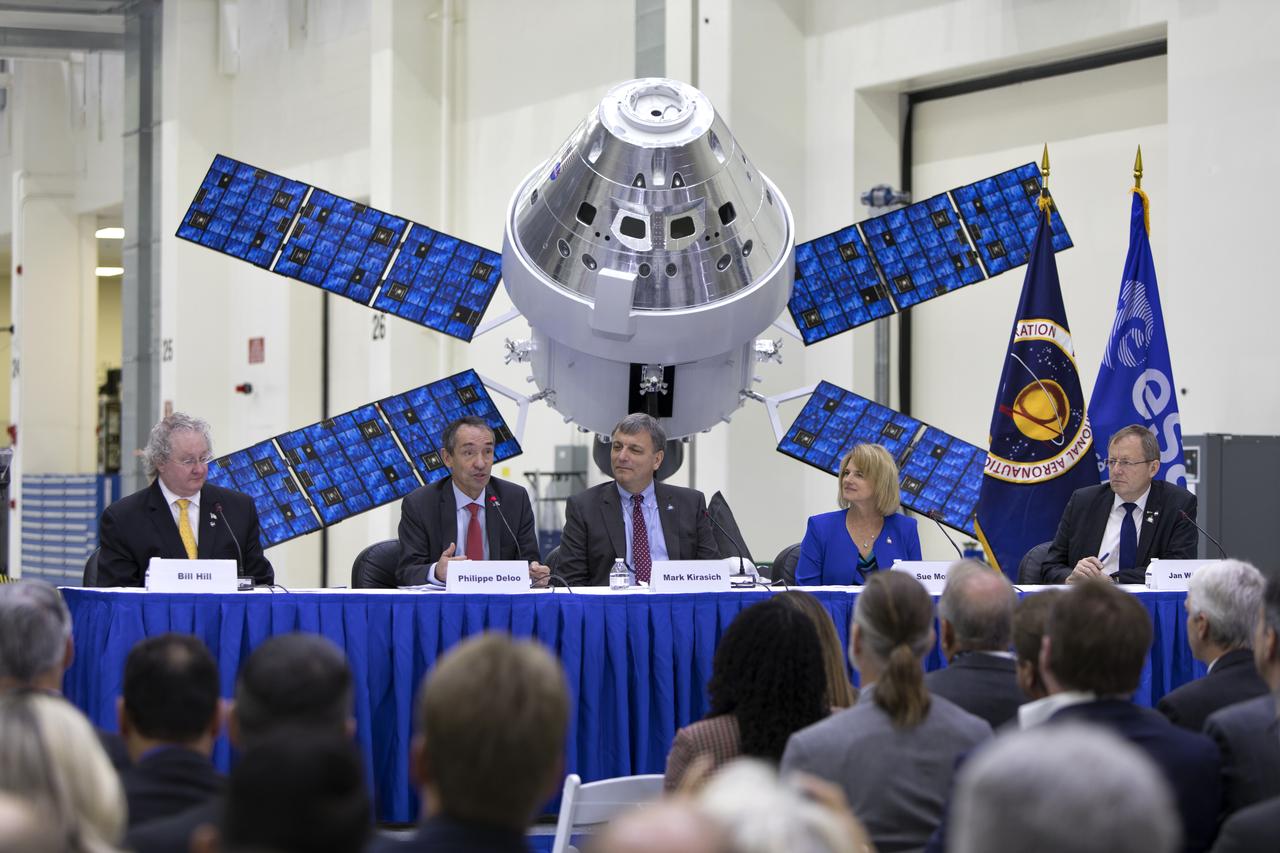
NASA and European Space Agency (ESA) senior managers answer questions during a "Powering Exploration Mission-1" ceremony in the Neil Armstrong Operations and Checkout Building high bay at NASA's Kennedy Space Center on Nov. 16, 2018. From left, are Bill Hill, deputy associate administrator for Exploration Systems Development; Phillippe Deloo, European Service Module program manager at ESA; Mark Kirasich, Orion Program manager at the agency's Johnson Space Center in Houston; Sue Motil, Orion European Service Module integration manager at the agency's Glenn Research Center; and Jan Worner, ESA director general. The event was held to mark a major milestone, the arrival of the European Service Module (ESM) for Orion's Exploration Mission-1. The service module, built by the European Space Agency, will supply the main propulsion system and power to the Orion spacecraft during EM-1, a mission to the Moon. The ESM also will house air and water for astronauts on future missions. EM-1 will be an uncrewed flight test that will provide a foundation for human deep space exploration to destinations beyond Earth orbit. EM-1 will be the first integrated test of NASA's Space Launch System, Orion and the ground systems at Kennedy.
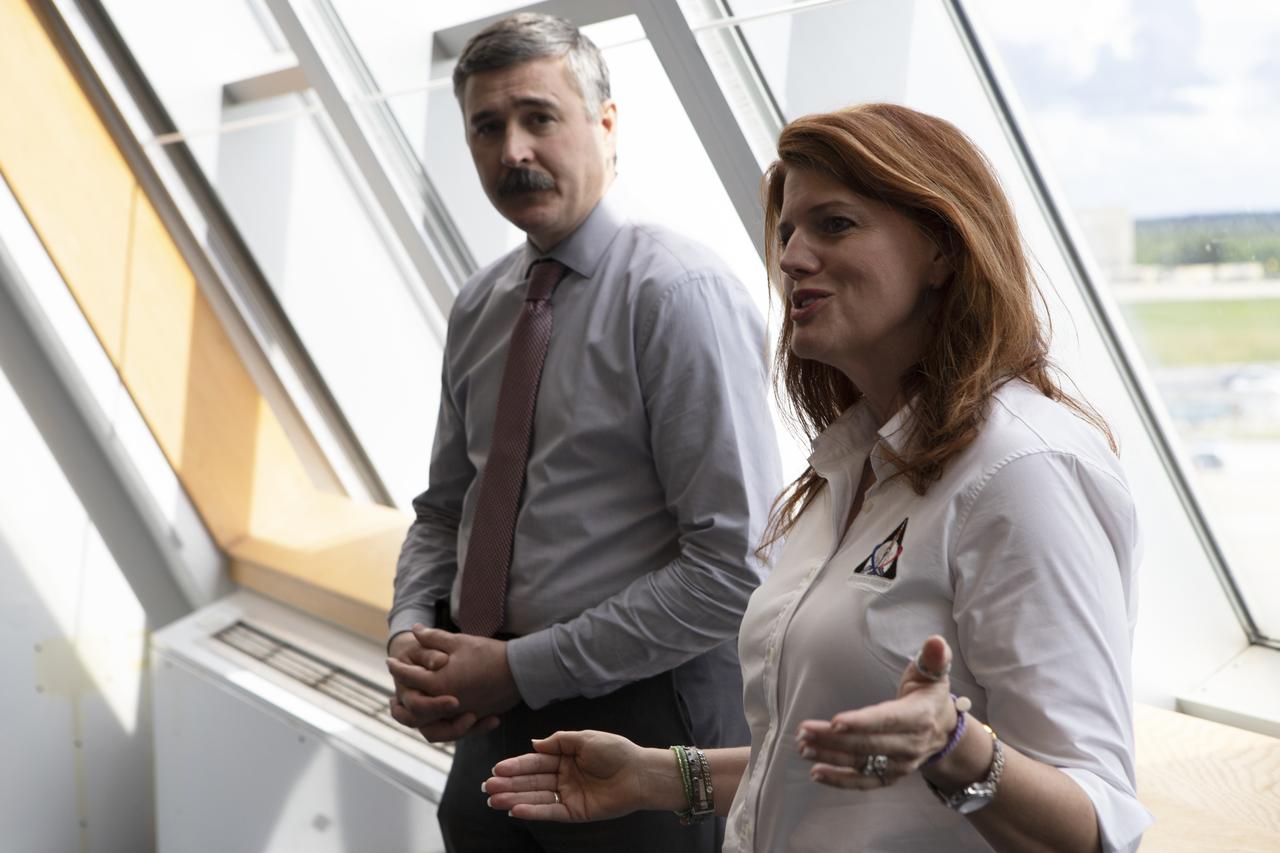
Charlie Blackwell-Thompson, Exploration Mission-1 launch director, and Michael Sarafin, EM-1 mission manager, talk to members of the media inside the Launch Control Center at NASA's Kennedy Space Center in Florida, on Sept. 8, 2018. Exploration Ground Systems is preparing the ground systems necessary to launch the agency's Space Launch System and Orion on EM-1, missions to the Moon and on to Mars.
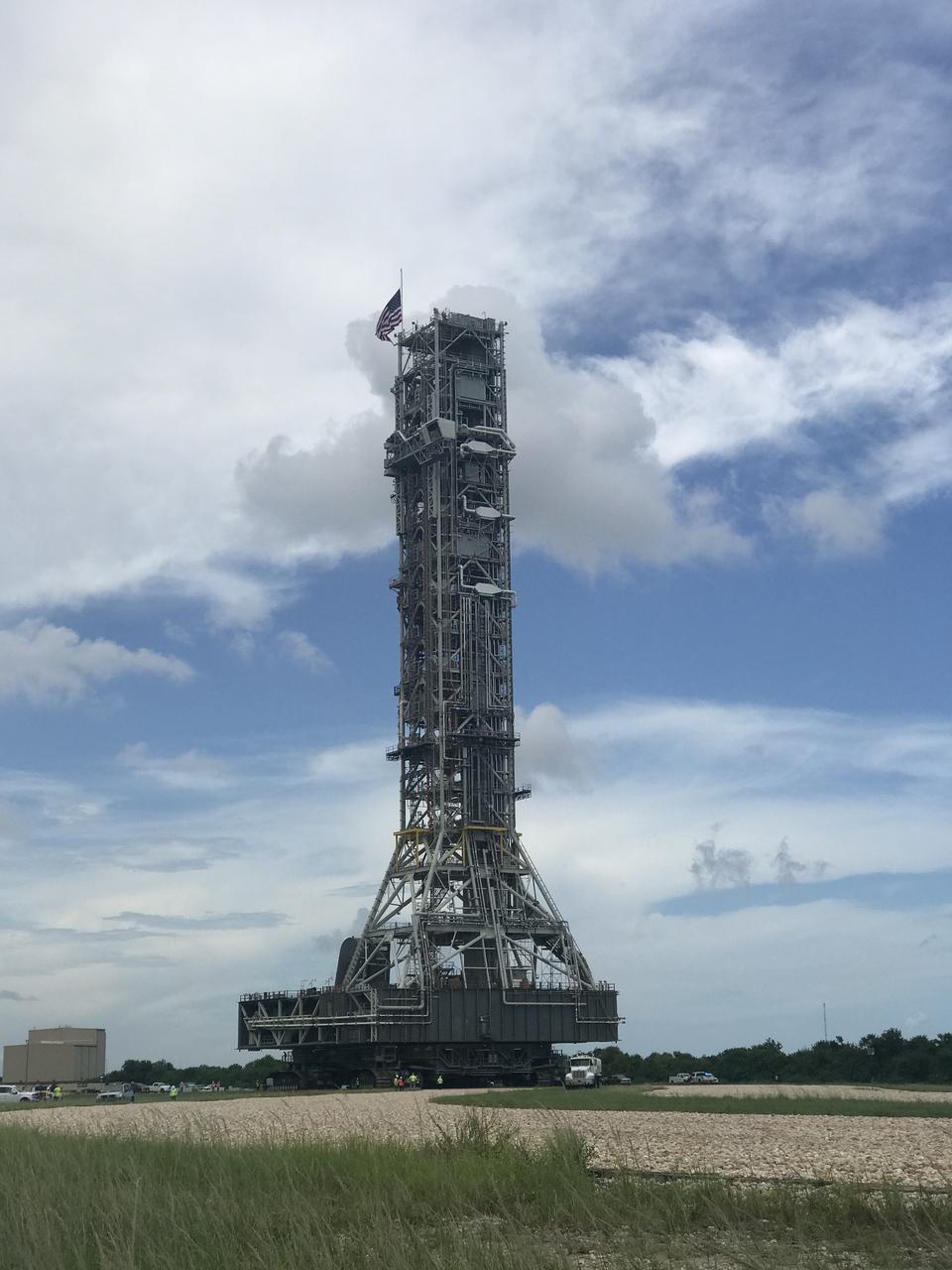
NASA's mobile launcher (ML) atop crawler-transporter 2 begins its trek to Launch Pad 39B on Aug. 30, 2018, at the agency's Kennedy Space Center in Florida. The ML will undergo a fit check on the surface of the pad, followed by several days of systems testing. The 380-foot-tall mobile launcher is equipped with the crew access arm and several umbilicals that will provide power, environmental control, pneumatics, communication and electrical connections to NASA's Space Launch System (SLS) and Orion spacecraft. Exploration Ground Systems is preparing the ground systems necessary to launch SLS and Orion on Exploration Mission-1, missions to the Moon and on to Mars.
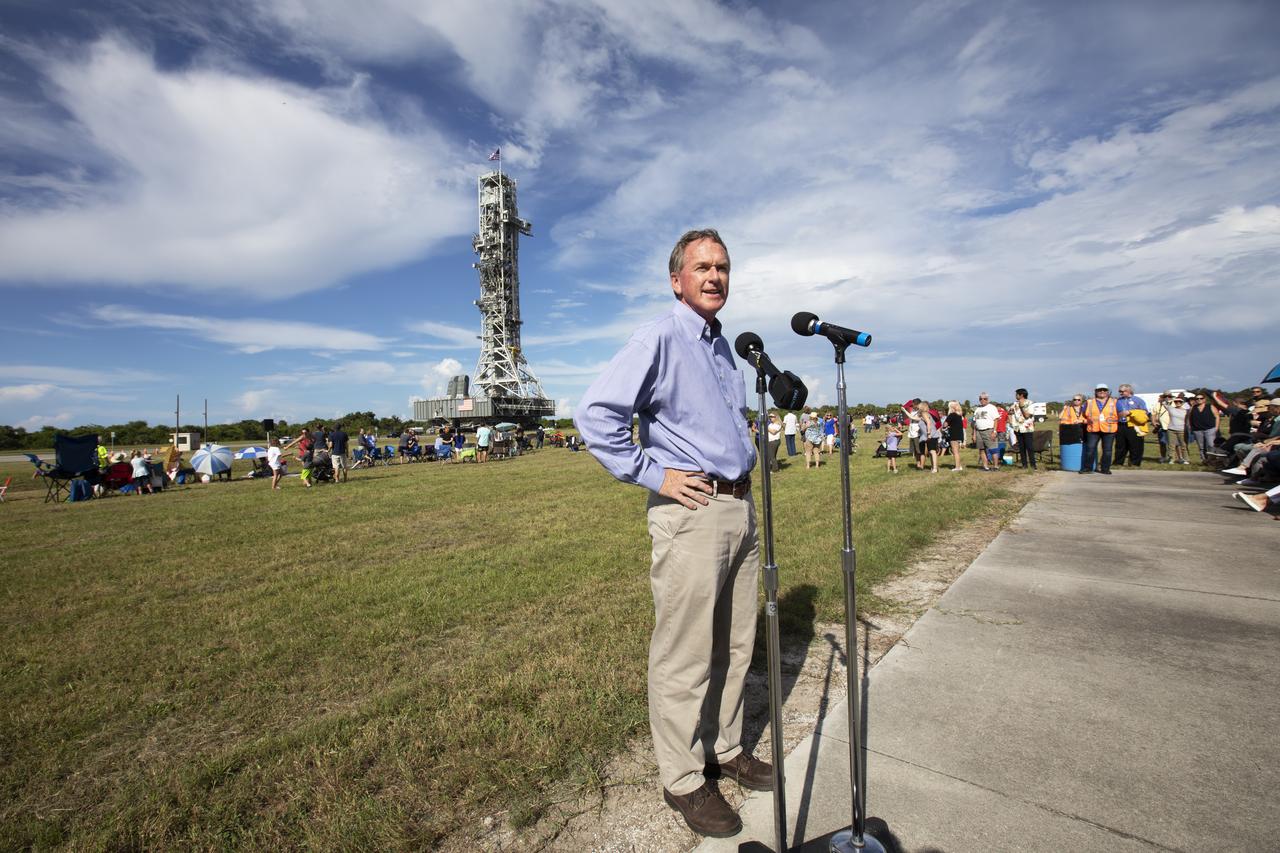
Mike Bolger, program manager of Exploration Ground Systems, speaks to workers and guests during an employee event for the mobile launcher move to the Vehicle Assembly Building (VAB) on Sept. 7, 2018, at NASA's Kennedy Space Center in Florida. The mobile launcher, atop crawler-transporter 2, began its trek from Launch Pad 39B along the crawlerway after undergoing a fit check and several days of systems testing with the pad. This is the first time that the modified mobile launcher made the trip to the pad. The 380-foot-tall mobile launcher is equipped with the crew access arm and several umbilicals that will provide power, environmental control, pneumatics, communication and electrical connections to the agency's Space Launch System and Orion spacecraft. The mobile launcher will spend seven months in the VAB undergoing testing. Exploration Ground Systems is preparing the ground systems necessary to launch SLS and Orion on Exploration Mission-1, missions to the Moon and on to Mars.
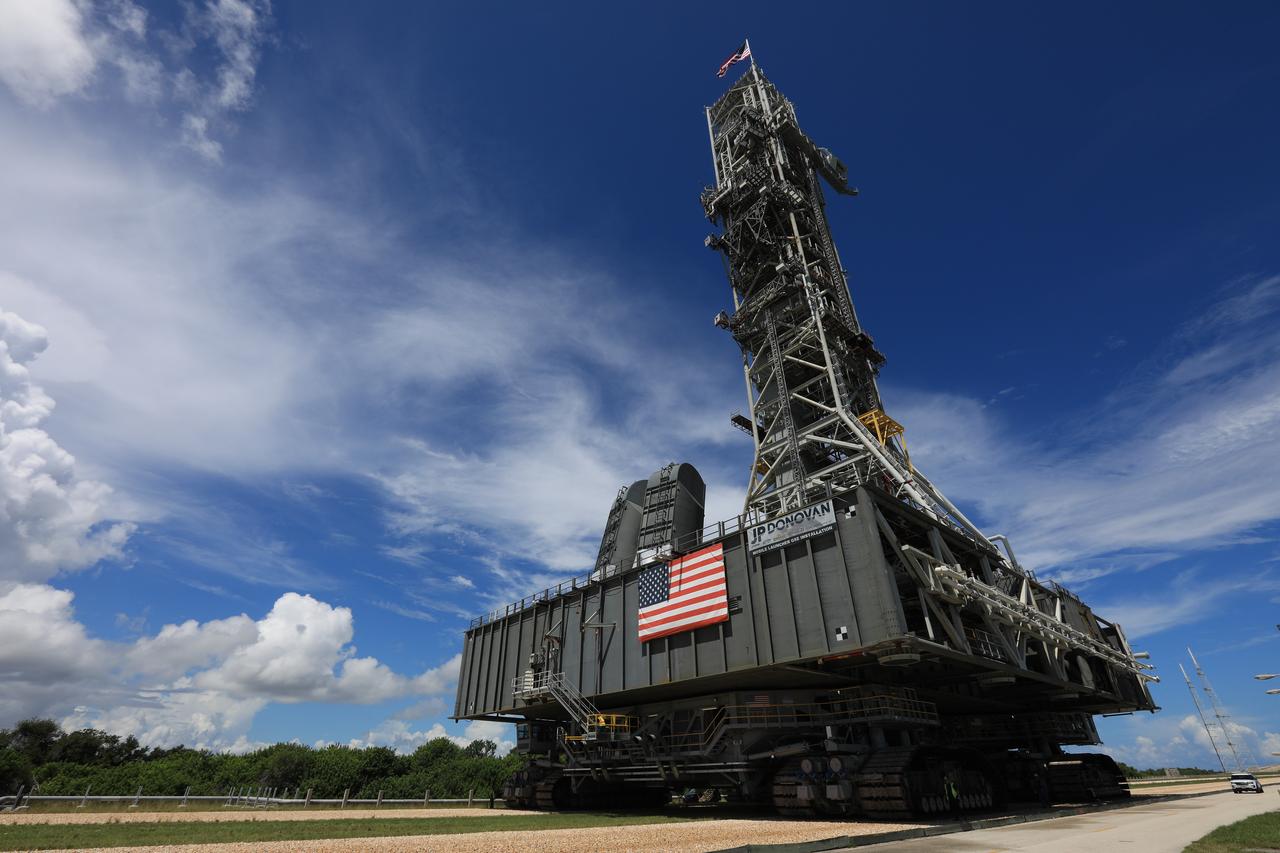
NASA's mobile launcher atop crawler-transporter 2 travels slowly along the crawlerway on Sept. 7, 2018, on its way to the Vehicle Assembly Building at NASA's Kennedy Space Center in Florida. The 380-foot-tall mobile launcher is equipped with the crew access arm and several umbilicals that will provide power, environmental control. Pneumatics, communication and electrical connections to the agency's Space Launch System and Orion spacecraft. Exploration Ground Systems is preparing the ground systems necessary to launch SLS and Orion on Exploration Mission-1, missions to the Moon and on to Mars.
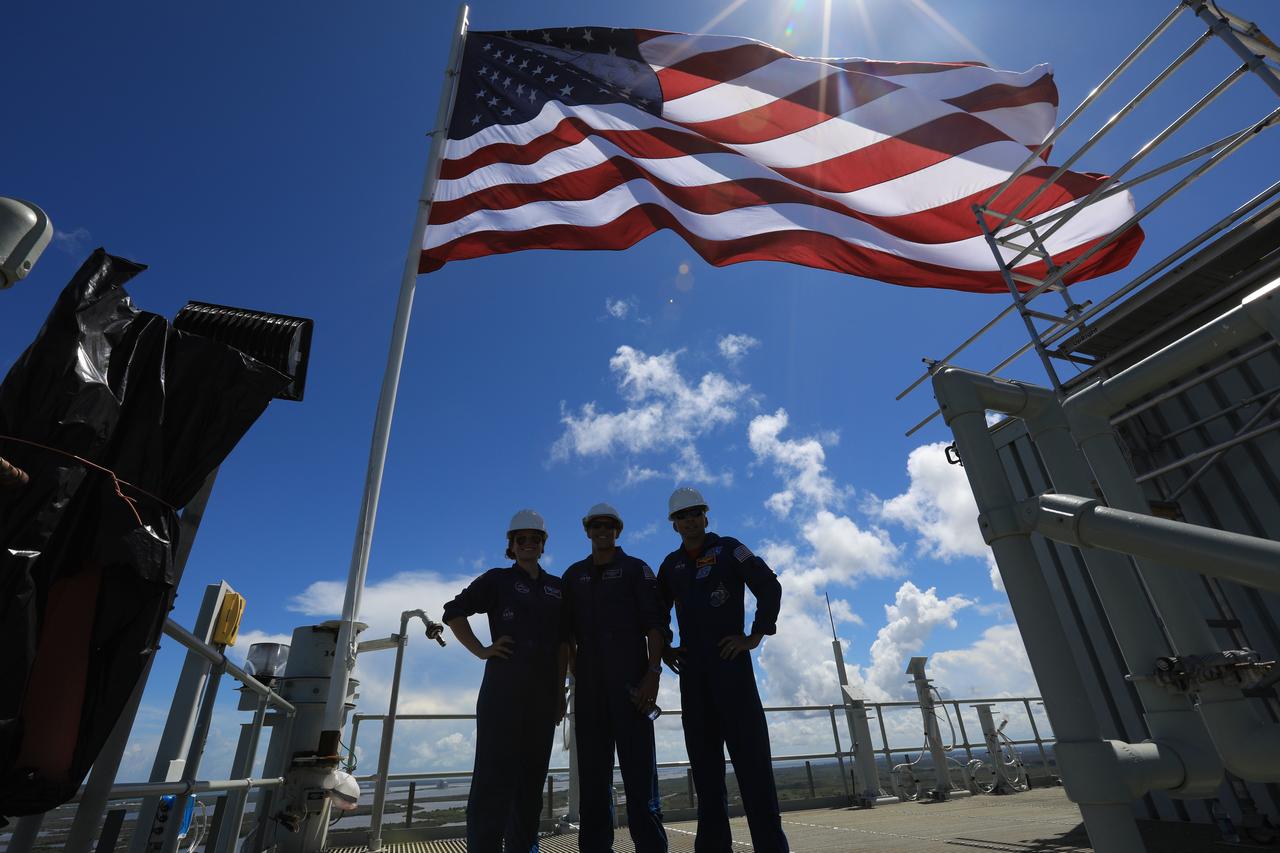
NASA's mobile launcher atop crawler-transporter 2 travels slowly along the crawlerway on Sept. 7, 2018, on its way to the Vehicle Assembly Building at NASA's Kennedy Space Center in Florida. During a portion of the trek, several NASA astronauts were aboard the mobile launcher for a bird’s eye view. The 380-foot-tall mobile launcher is equipped with the crew access arm and several umbilicals that will provide power, environmental control. Pneumatics, communication and electrical connections to the agency's Space Launch System and Orion spacecraft. Exploration Ground Systems is preparing the ground systems necessary to launch SLS and Orion on Exploration Mission-1, missions to the Moon and on to Mars.
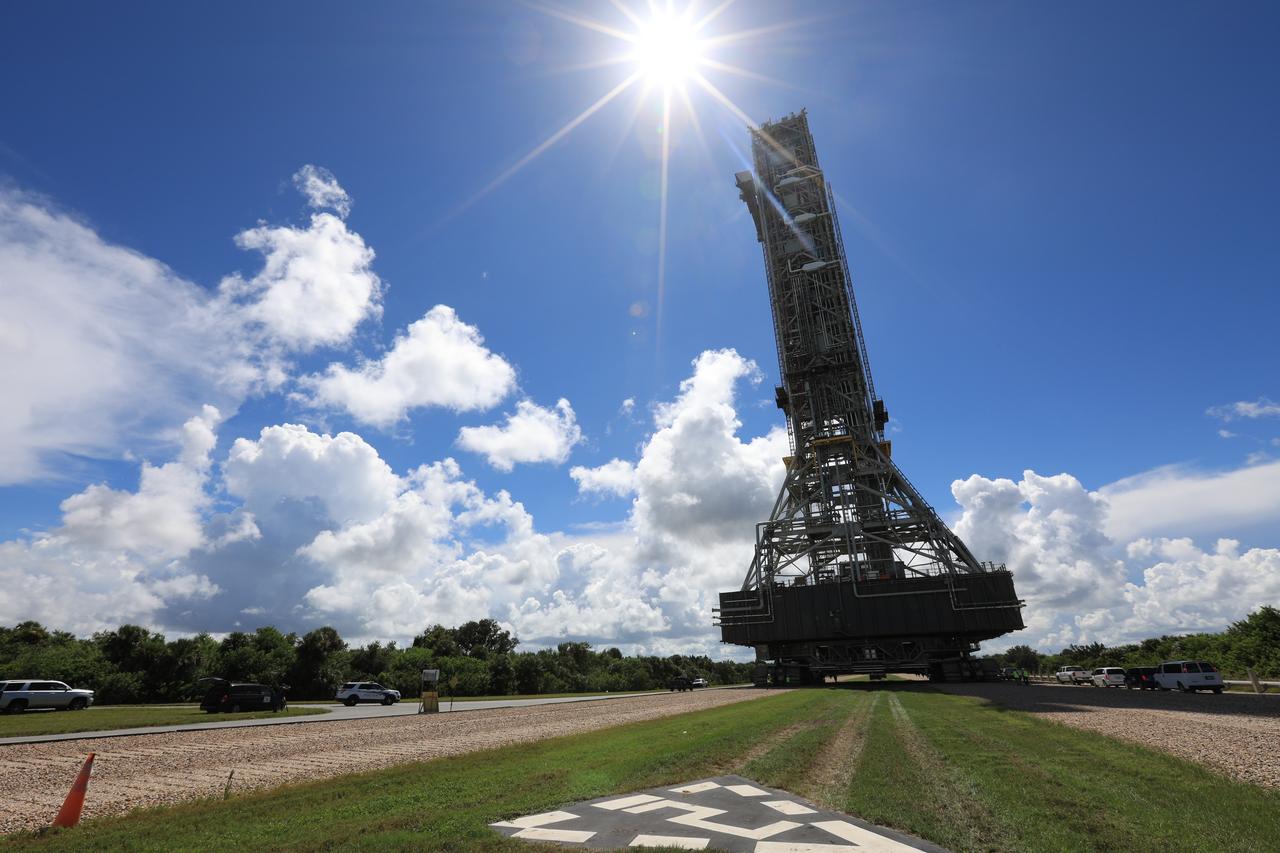
NASA's mobile launcher atop crawler-transporter 2 travels slowly along the crawlerway on Sept. 7, 2018, on its way to the Vehicle Assembly Building at NASA's Kennedy Space Center in Florida. The 380-foot-tall mobile launcher is equipped with the crew access arm and several umbilicals that will provide power, environmental control. Pneumatics, communication and electrical connections to the agency's Space Launch System and Orion spacecraft. Exploration Ground Systems is preparing the ground systems necessary to launch SLS and Orion on Exploration Mission-1, missions to the Moon and on to Mars.
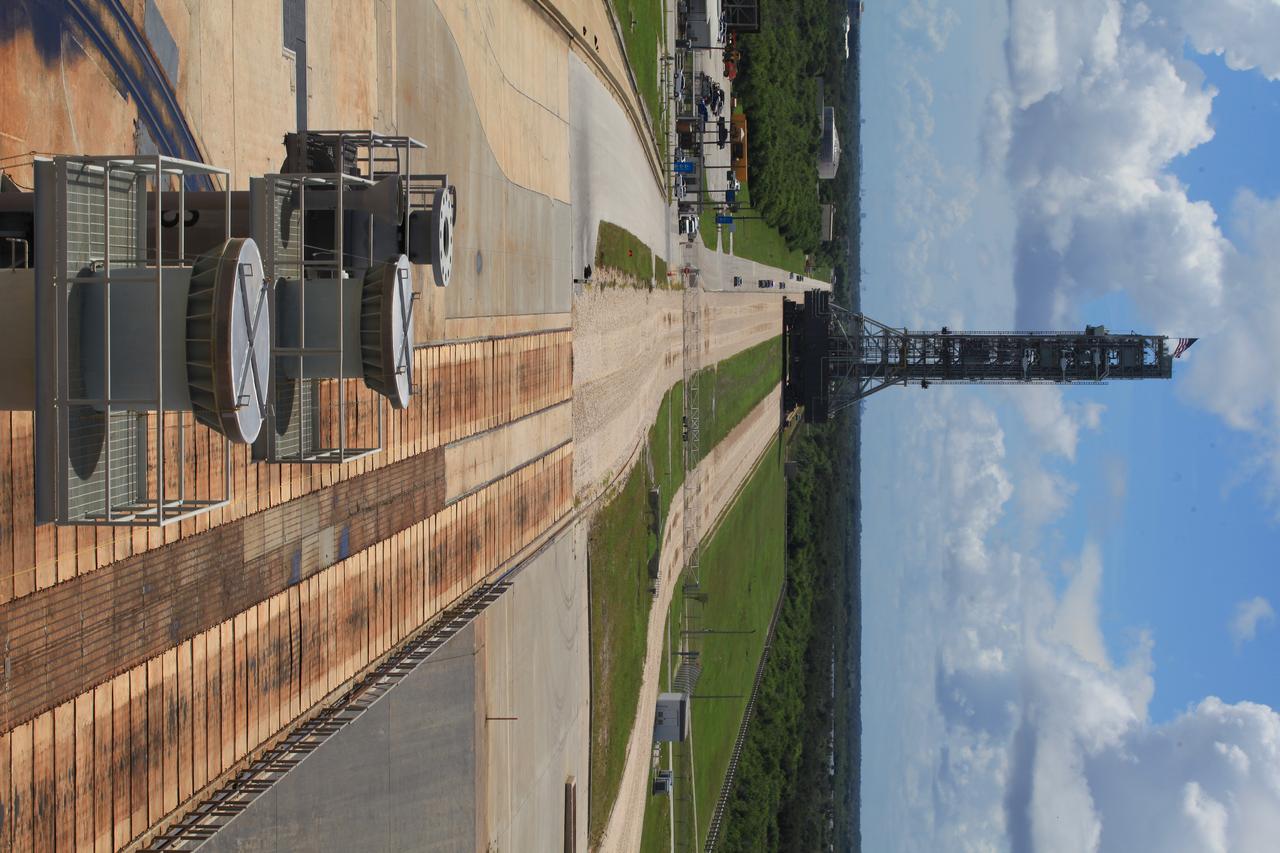
NASA's mobile launcher atop crawler-transporter 2 begins its trek off of Launch Pad 39B on Sept. 7, 2018, at NASA's Kennedy Space Center in Florida. After undergoing a fit check and several days of systems testing with the pad, the mobile launcher is on its way to the Vehicle Assembly Building. This is the first time that the modified mobile launcher made the trip to the pad. The 380-foot-tall mobile launcher is equipped with the crew access arm and several umbilicals that will provide power, environmental control. Pneumatics, communication and electrical connections to the agency's Space Launch System and Orion spacecraft. Exploration Ground Systems is preparing the ground systems necessary to launch SLS and Orion on Exploration Mission-1, missions to the Moon and on to Mars.
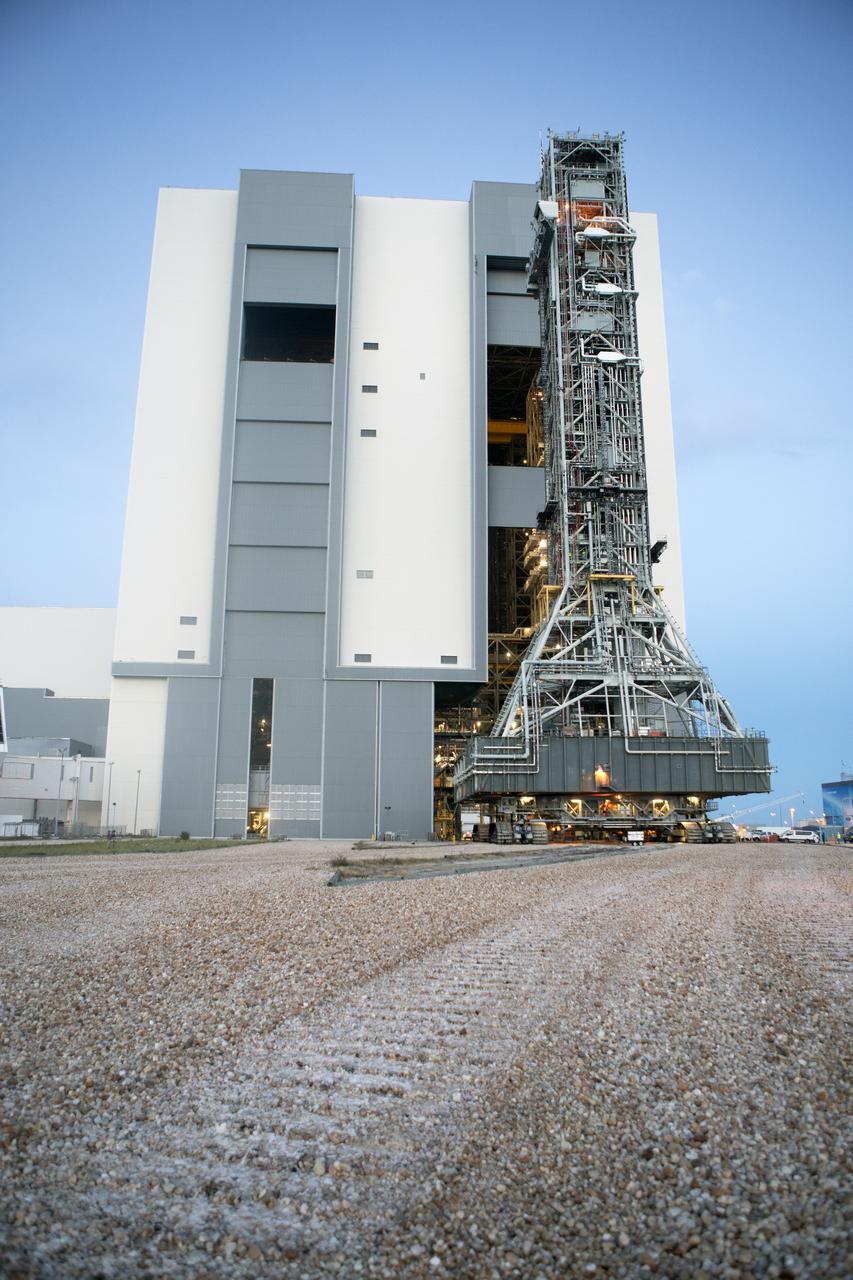
NASA's mobile launcher, atop crawler-transporter 2, is at the entrance to High Bay 3 at the Vehicle Assembly Building (VAB) on Sept. 8, 2018, at NASA's Kennedy Space Center in Florida. The mobile launcher departed Launch Pad 39B after several days of testing with the pad. This is the first time that the modified mobile launcher made the trip to the pad and the VAB. The mobile launcher will spend seven months in the VAB undergoing testing. The 380-foot-tall structure is equipped with the crew access arm and several umbilicals that will provide power, environmental control, pneumatics, communication and electrical connections to the agency's Space Launch System and Orion spacecraft. Exploration Ground Systems is preparing the ground systems necessary to launch SLS and Orion on Exploration Mission-1, missions to the Moon and on to Mars.
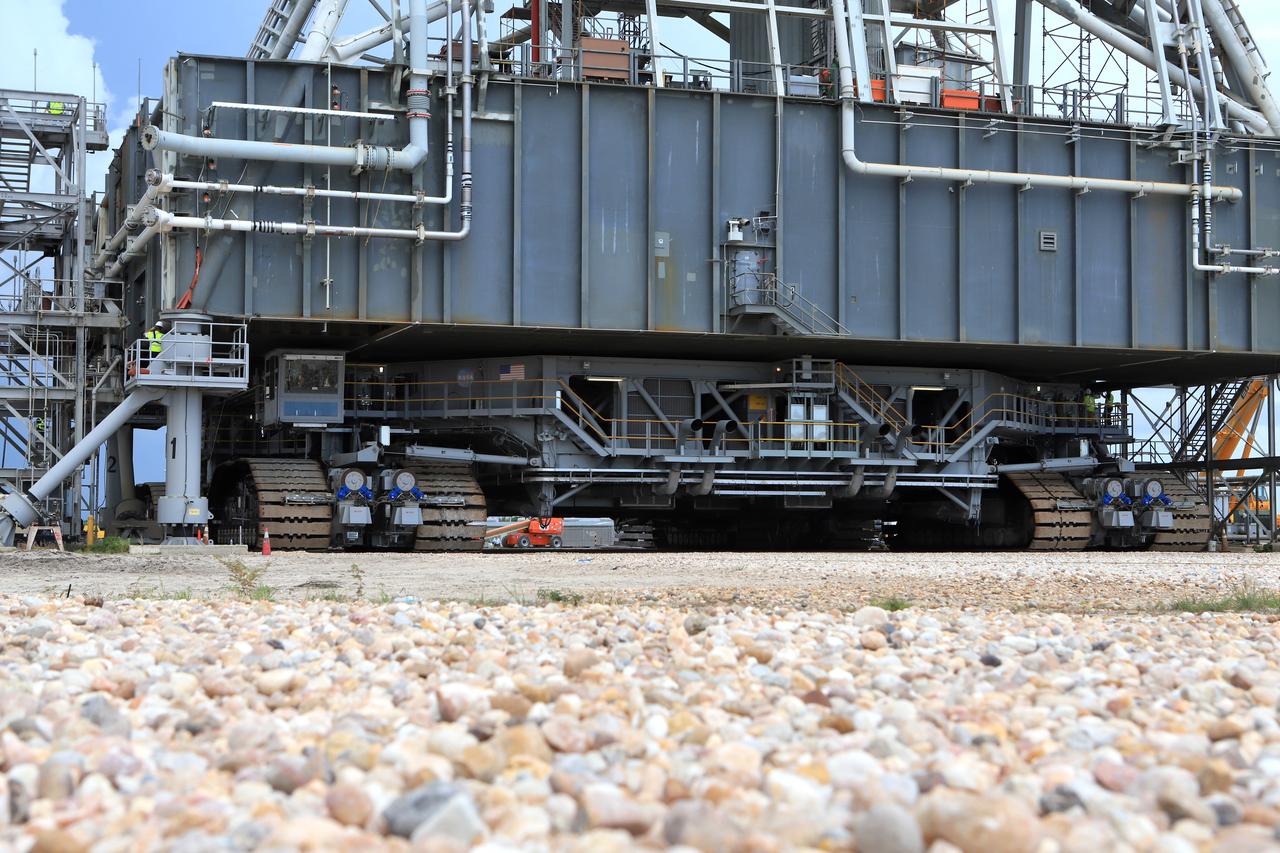
A close-up view of NASA's crawler-transporter 2 (CT-2) with the mobile launcher (ML) atop as it slowly moves along the crawlerway on its trek to Launch Pad 39B on Aug. 30, 2018, at the agency's Kennedy Space Center in Florida. CT-2 will move the ML up to the surface of the pad where it will undergo a fit check, followed by several days of systems testing. The 380-foot-tall mobile launcher is equipped with the crew access arm and several umbilicals that will provide power, environmental control, pneumatics, communication and electrical connections to NASA's Space Launch System (SLS) and Orion spacecraft. Exploration Ground Systems is preparing the ground systems necessary to launch SLS and Orion on Exploration Mission-1, missions to the Moon and on to Mars.
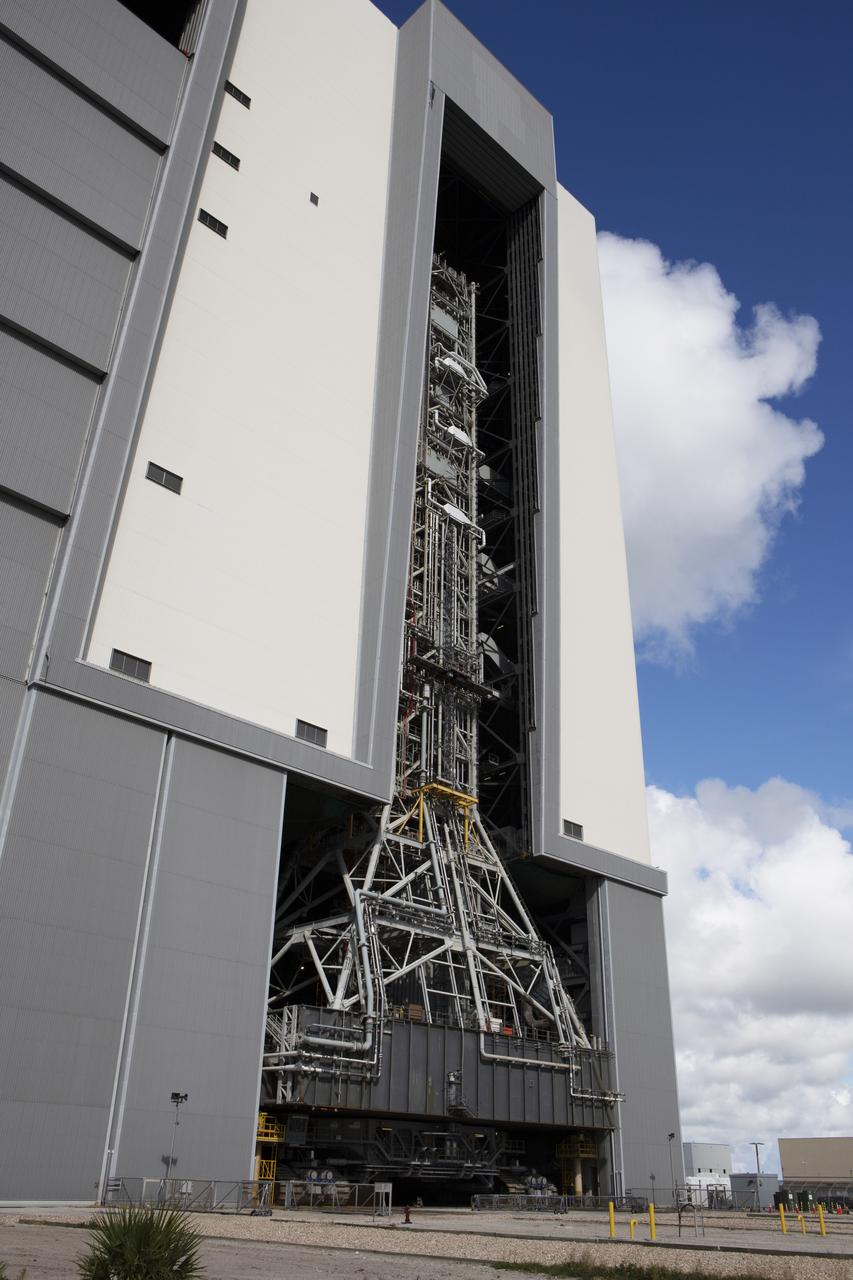
NASA's mobile launcher, atop crawler-transporter 2, moves slowly into High Bay 3 at the Vehicle Assembly Building (VAB) on Sept. 8, 2018, at NASA's Kennedy Space Center in Florida. The mobile launcher departed Launch Pad 39B after several days of testing with the pad. This is the first time that the modified mobile launcher made the trip to the pad and the VAB. The mobile launcher will spend seven months in the VAB undergoing testing. The 380-foot-tall structure is equipped with the crew access arm and several umbilicals that will provide power, environmental control, pneumatics, communication and electrical connections to the agency's Space Launch System and Orion spacecraft. Exploration Ground Systems is preparing the ground systems necessary to launch SLS and Orion on Exploration Mission-1, missions to the Moon and on to Mars.
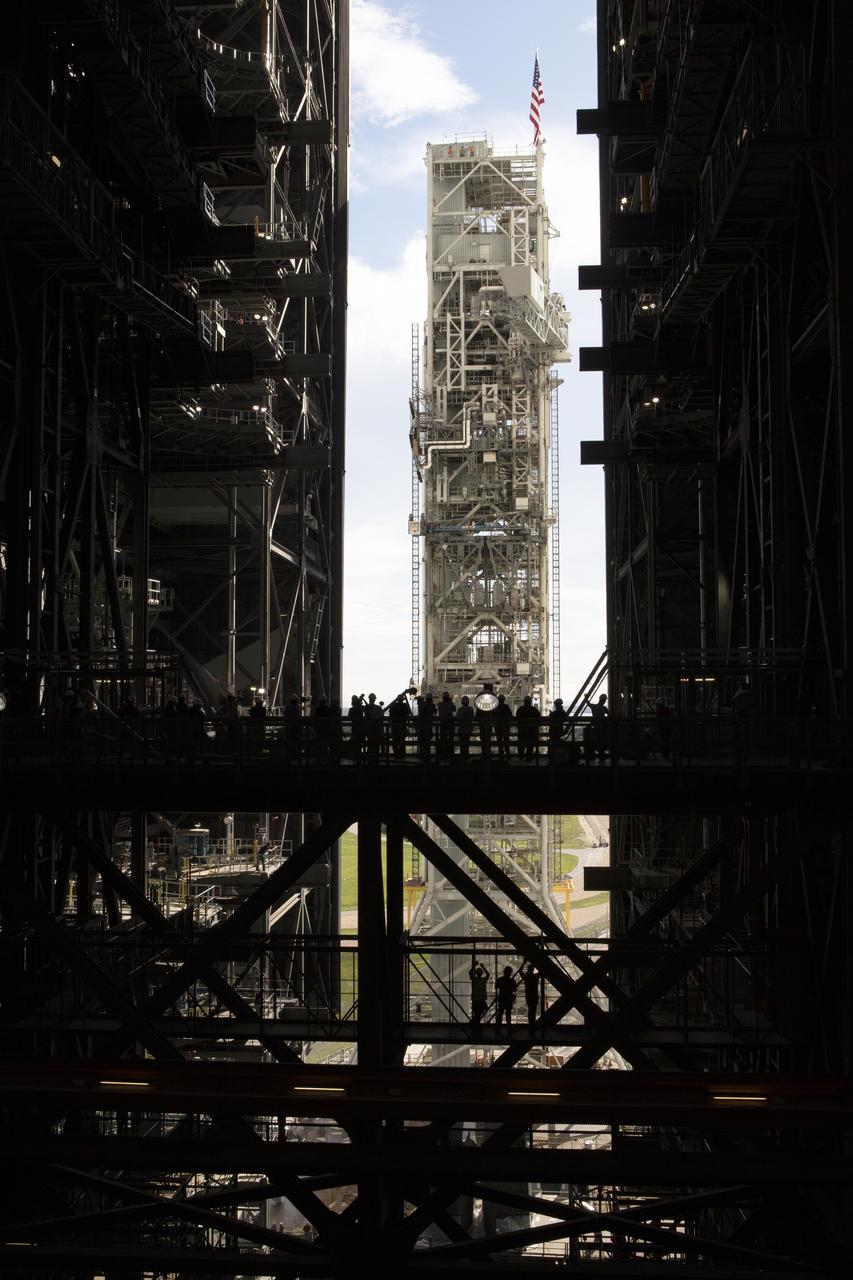
NASA's mobile launcher, atop crawler-transporter 2, moves slowly into High Bay 3 at the Vehicle Assembly Building (VAB) on Sept. 8, 2018, at NASA's Kennedy Space Center in Florida. The mobile launcher departed Launch Pad 39B after several days of testing with the pad. This is the first time that the modified mobile launcher made the trip to the pad and the VAB. The mobile launcher will spend seven months in the VAB undergoing testing. The 380-foot-tall structure is equipped with the crew access arm and several umbilicals that will provide power, environmental control, pneumatics, communication and electrical connections to the agency's Space Launch System and Orion spacecraft. Exploration Ground Systems is preparing the ground systems necessary to launch SLS and Orion on Exploration Mission-1, missions to the Moon and on to Mars.
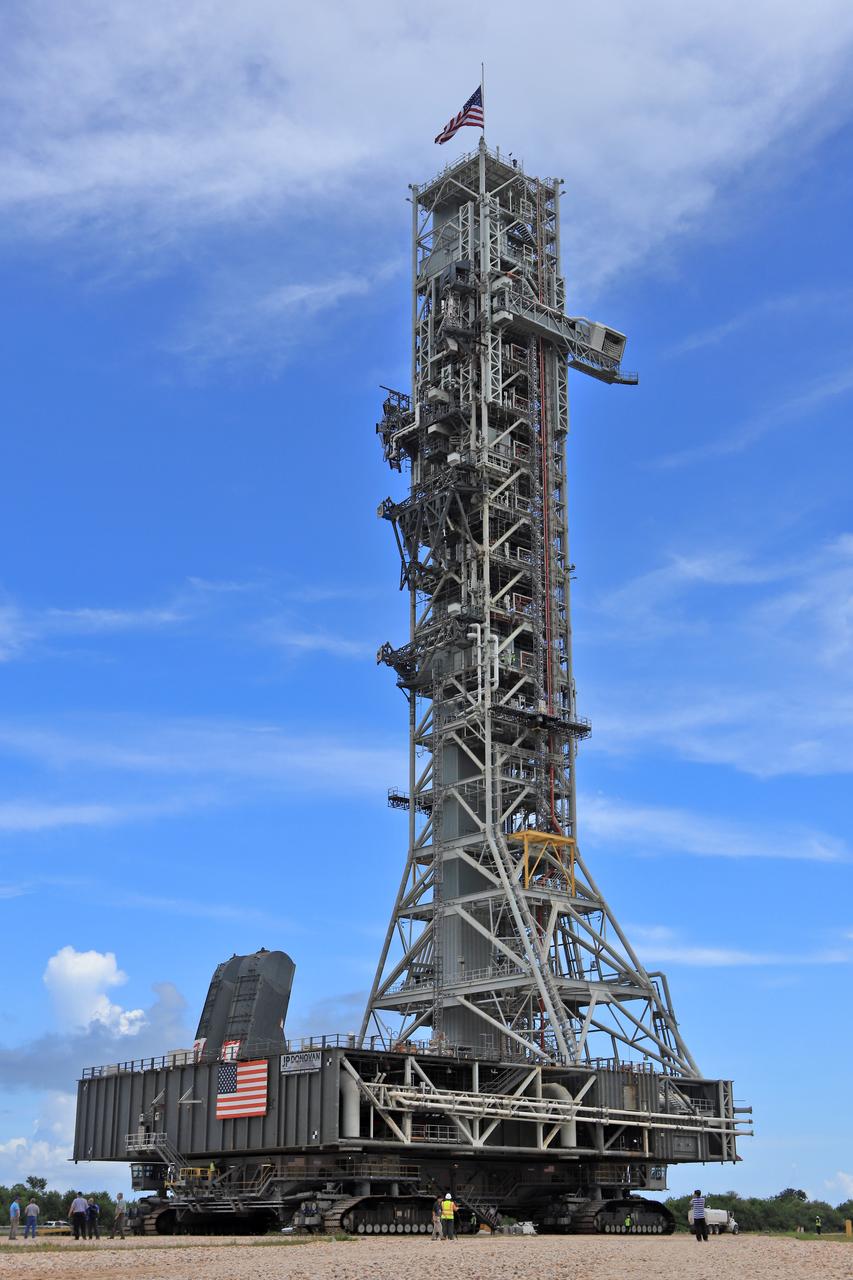
NASA's crawler-transporter 2 (CT-2) with the mobile launcher (ML) atop slowly moves along the crawlerway on its trek to Launch Pad 39B on Aug. 30, 2018, at the agency's Kennedy Space Center in Florida. CT-2 will move the ML up to the surface of the pad where it will undergo a fit check, followed by several days of systems testing. The 380-foot-tall mobile launcher is equipped with the crew access arm and several umbilicals that will provide power, environmental control, pneumatics, communication and electrical connections to NASA's Space Launch System (SLS) and Orion spacecraft. Exploration Ground Systems is preparing the ground systems necessary to launch SLS and Orion on Exploration Mission-1, missions to the Moon and on to Mars.
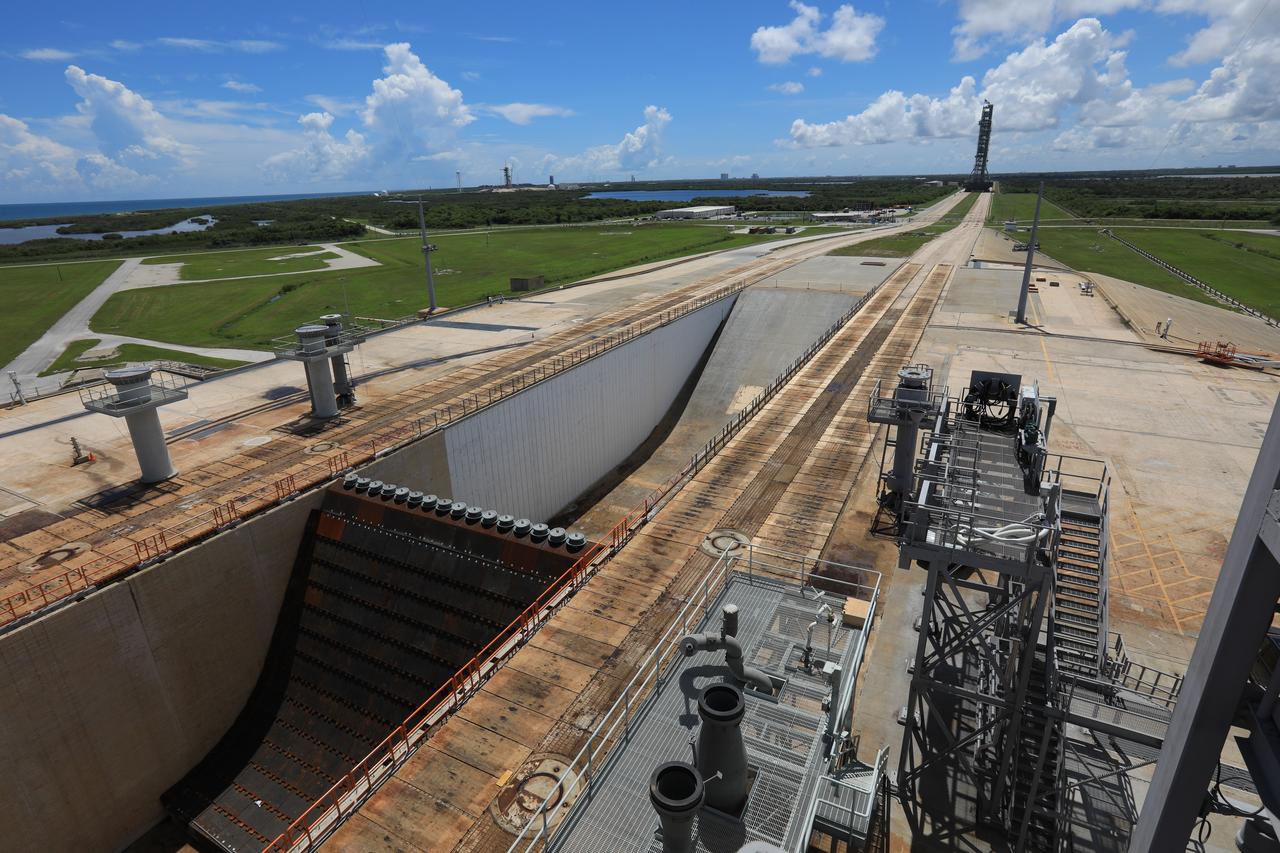
NASA's mobile launcher atop crawler-transporter 2 begins its trek off of Launch Pad 39B on Sept. 7, 2018, at NASA's Kennedy Space Center in Florida. After undergoing a fit check and several days of systems testing with the pad, the mobile launcher is on its way to the Vehicle Assembly Building. This is the first time that the modified mobile launcher made the trip to the pad. The 380-foot-tall mobile launcher is equipped with the crew access arm and several umbilicals that will provide power, environmental control. Pneumatics, communication and electrical connections to the agency's Space Launch System and Orion spacecraft. Exploration Ground Systems is preparing the ground systems necessary to launch SLS and Orion on Exploration Mission-1, missions to the Moon and on to Mars.
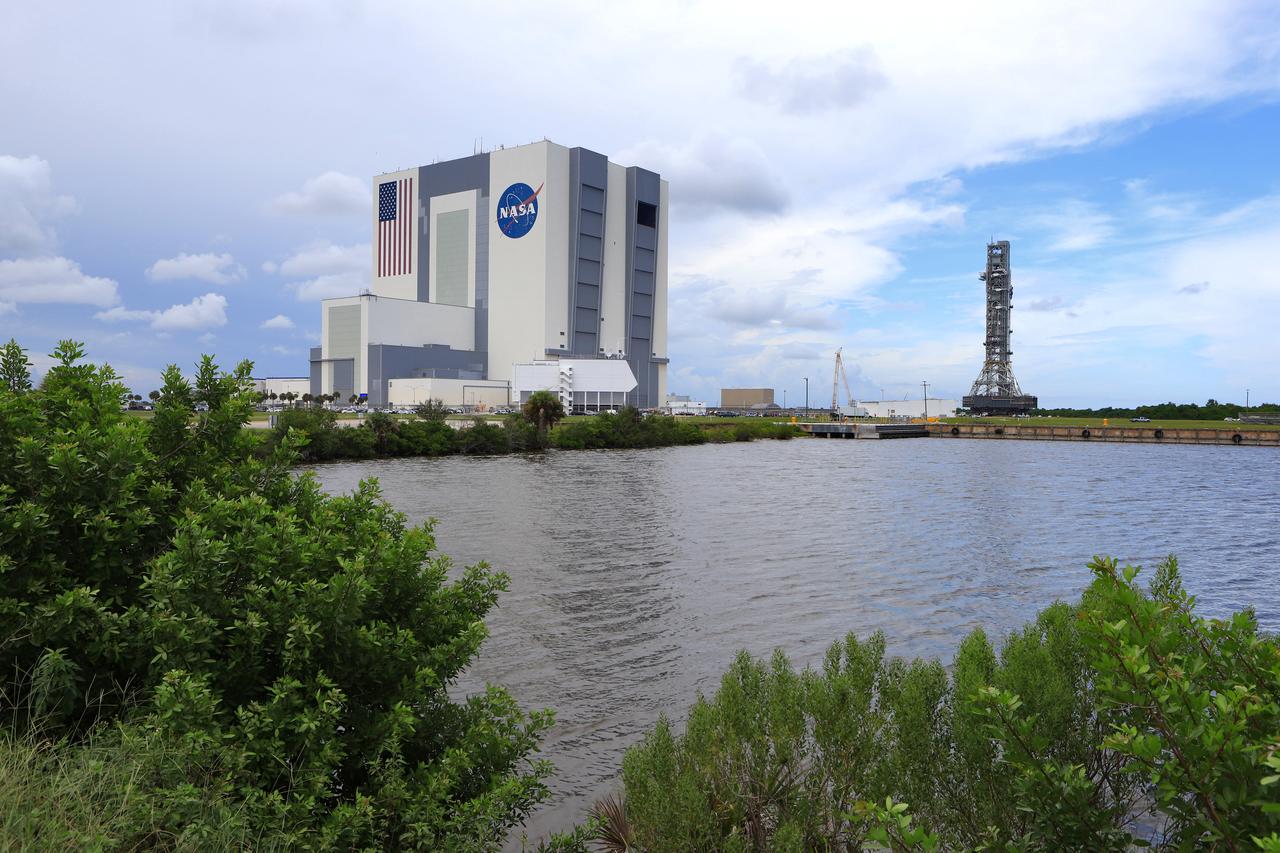
NASA's crawler-transporter 2 (CT-2) with the mobile launcher (ML) atop begins its trek along the crawlerway to Launch Pad 39B on Aug. 30, 2018, at the agency's Kennedy Space Center in Florida. At left is the iconic Vehicle Assembly Building. CT-2 will move the ML up to the surface of the pad where it will undergo a fit check, followed by several days of systems testing. The 380-foot-tall mobile launcher is equipped with the crew access arm and several umbilicals that will provide power, environmental control, pneumatics, communication and electrical connections to NASA's Space Launch System (SLS) and Orion spacecraft. Exploration Ground Systems is preparing the ground systems necessary to launch SLS and Orion on Exploration Mission-1, missions to the Moon and on to Mars.
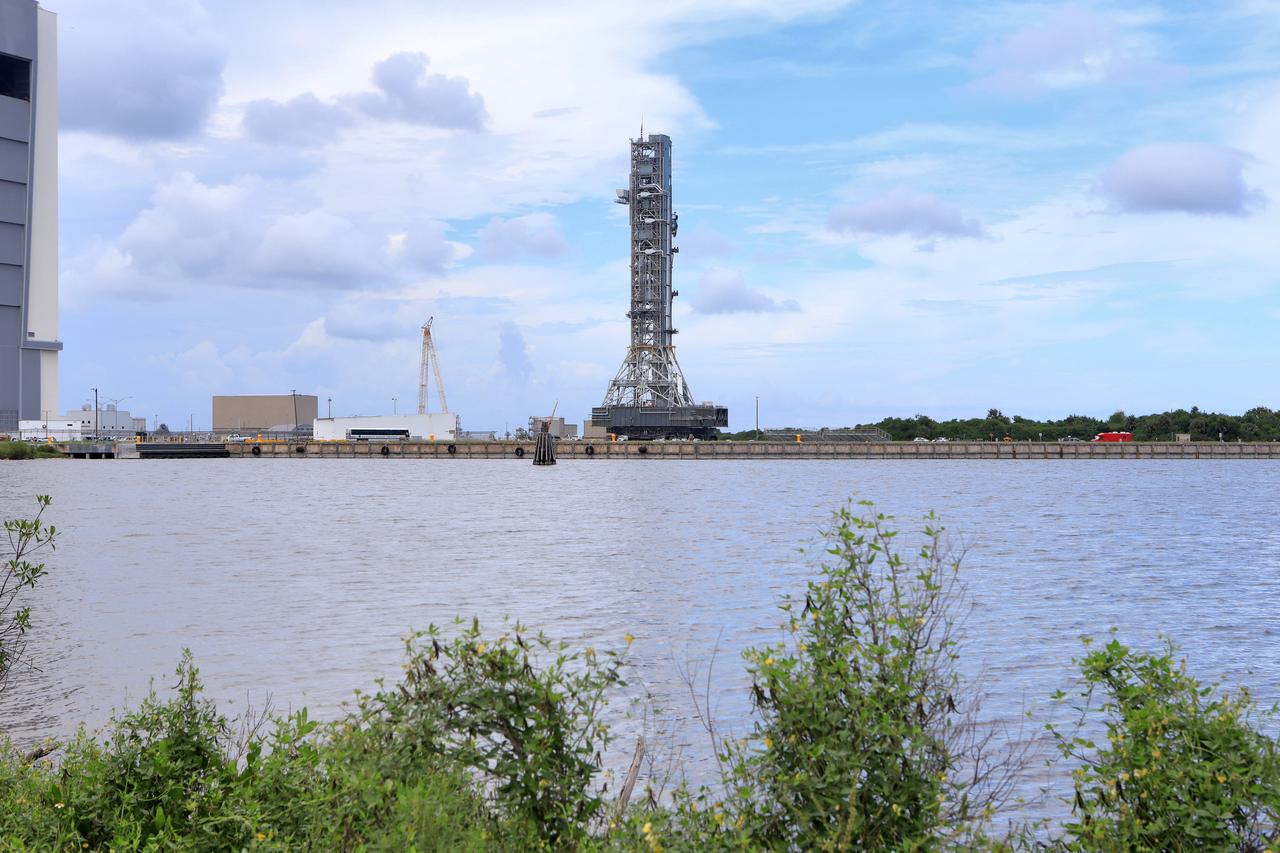
NASA's crawler-transporter 2 (CT-2) with the mobile launcher (ML) atop begins its trek along the crawlerway to Launch Pad 39B on Aug. 30, 2018, at the agency's Kennedy Space Center in Florida. CT-2 will move the ML up to the surface of the pad where it will undergo a fit check, followed by several days of systems testing. The 380-foot-tall mobile launcher is equipped with the crew access arm and several umbilicals that will provide power, environmental control, pneumatics, communication and electrical connections to NASA's Space Launch System (SLS) and Orion spacecraft. Exploration Ground Systems is preparing the ground systems necessary to launch SLS and Orion on Exploration Mission-1, missions to the Moon and on to Mars.
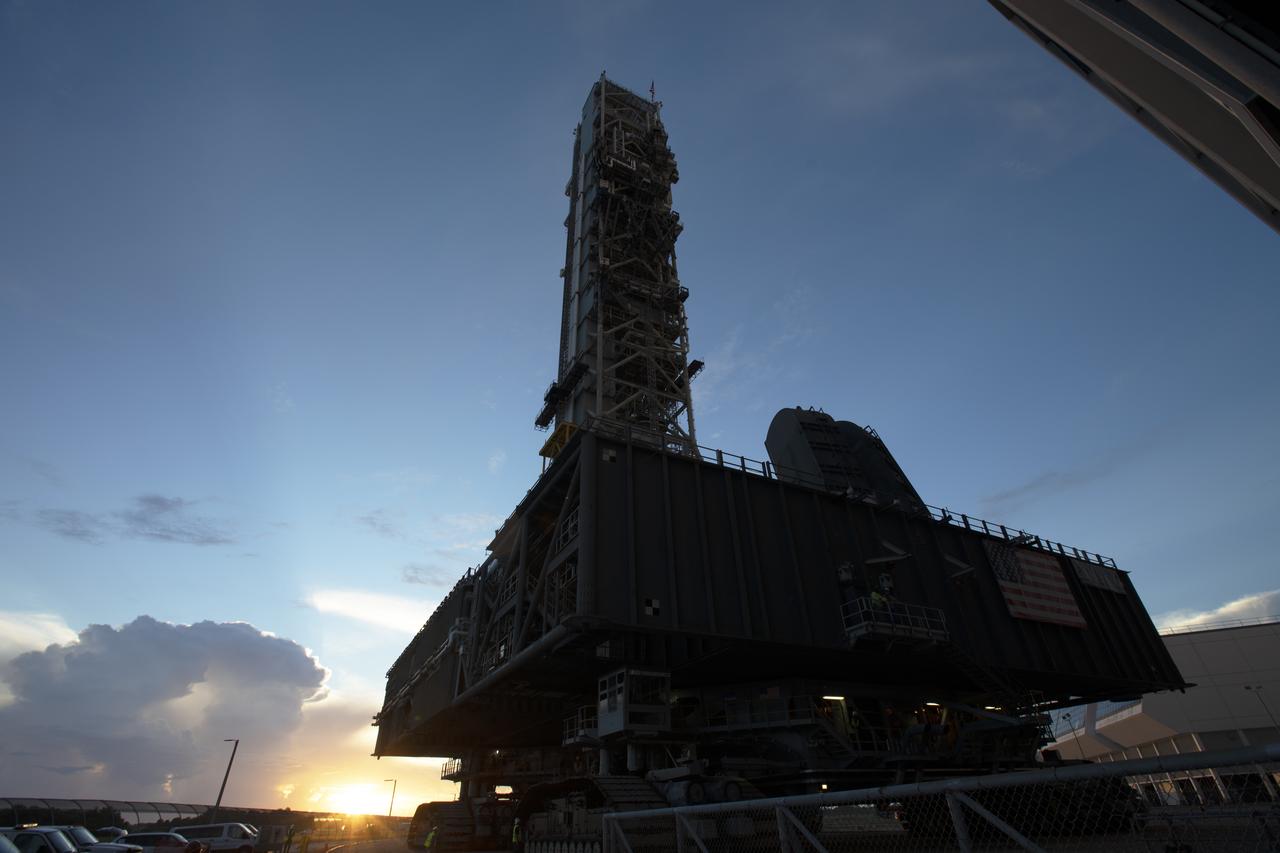
NASA's mobile launcher, atop crawler-transporter 2, is at the entrance to High Bay 3 at the Vehicle Assembly Building (VAB) at sunrise on Sept. 8, 2018, at NASA's Kennedy Space Center in Florida. The mobile launcher departed Launch Pad 39B after several days of testing with the pad. This is the first time that the modified mobile launcher made the trip to the pad and the VAB. The mobile launcher will spend seven months in the VAB undergoing testing. The 380-foot-tall structure is equipped with the crew access arm and several umbilicals that will provide power, environmental control, pneumatics, communication and electrical connections to the agency's Space Launch System and Orion spacecraft. Exploration Ground Systems is preparing the ground systems necessary to launch SLS and Orion on Exploration Mission-1, missions to the Moon and on to Mars.
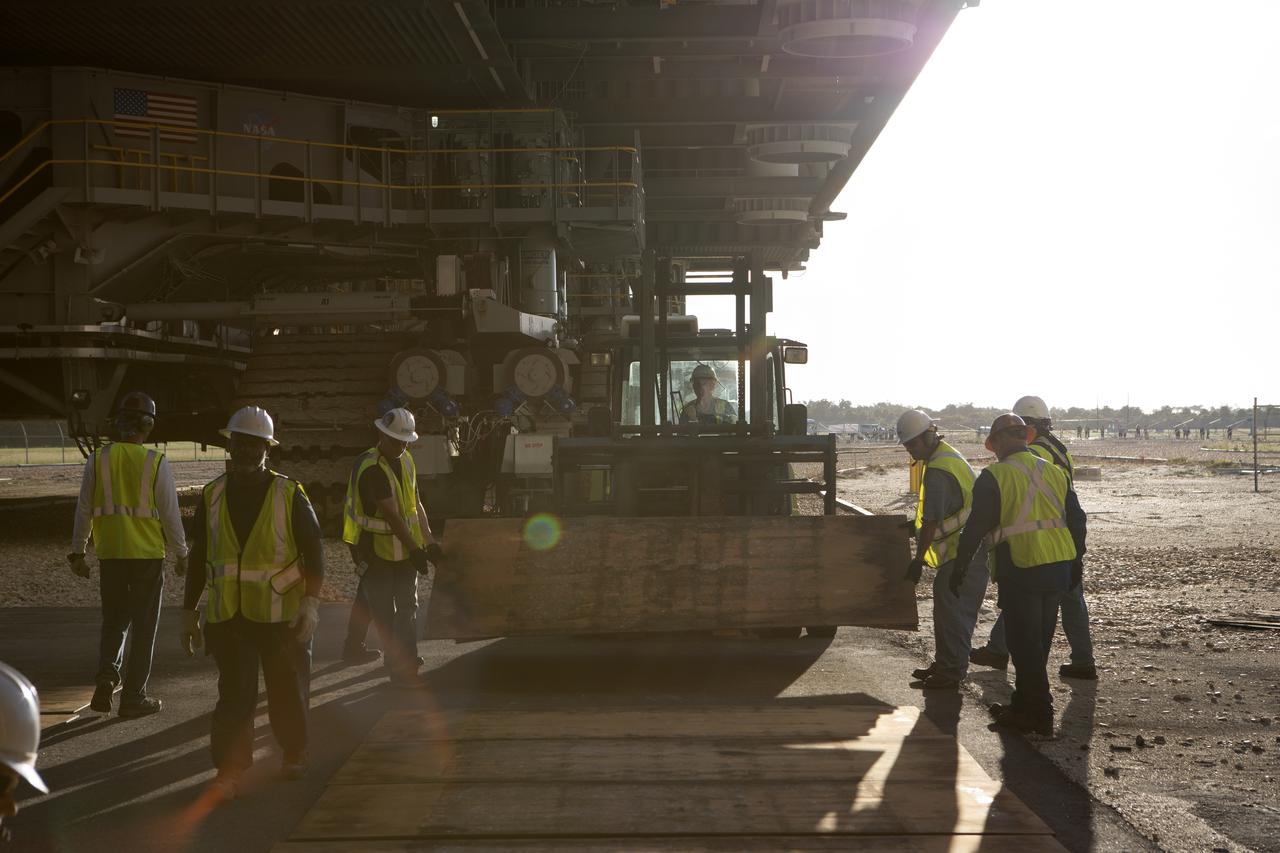
Technicians lay wooden planks down in the tracks to the entrance to High Bay 3 in the Vehicle Assembly Building (VAB), as mobile launcher, atop crawler-transporter 2, moves into the VAB on Sept. 8, 2018, at NASA's Kennedy Space Center in Florida. The mobile launcher departed Launch Pad 39B after several days of testing with the pad. This is the first time that the modified mobile launcher made the trip to the pad and the VAB. The mobile launcher will spend seven months in the VAB undergoing testing. The 380-foot-tall structure is equipped with the crew access arm and several umbilicals that will provide power, environmental control, pneumatics, communication and electrical connections to the agency's Space Launch System and Orion spacecraft. Exploration Ground Systems is preparing the ground systems necessary to launch SLS and Orion on Exploration Mission-1, missions to the Moon and on to Mars.
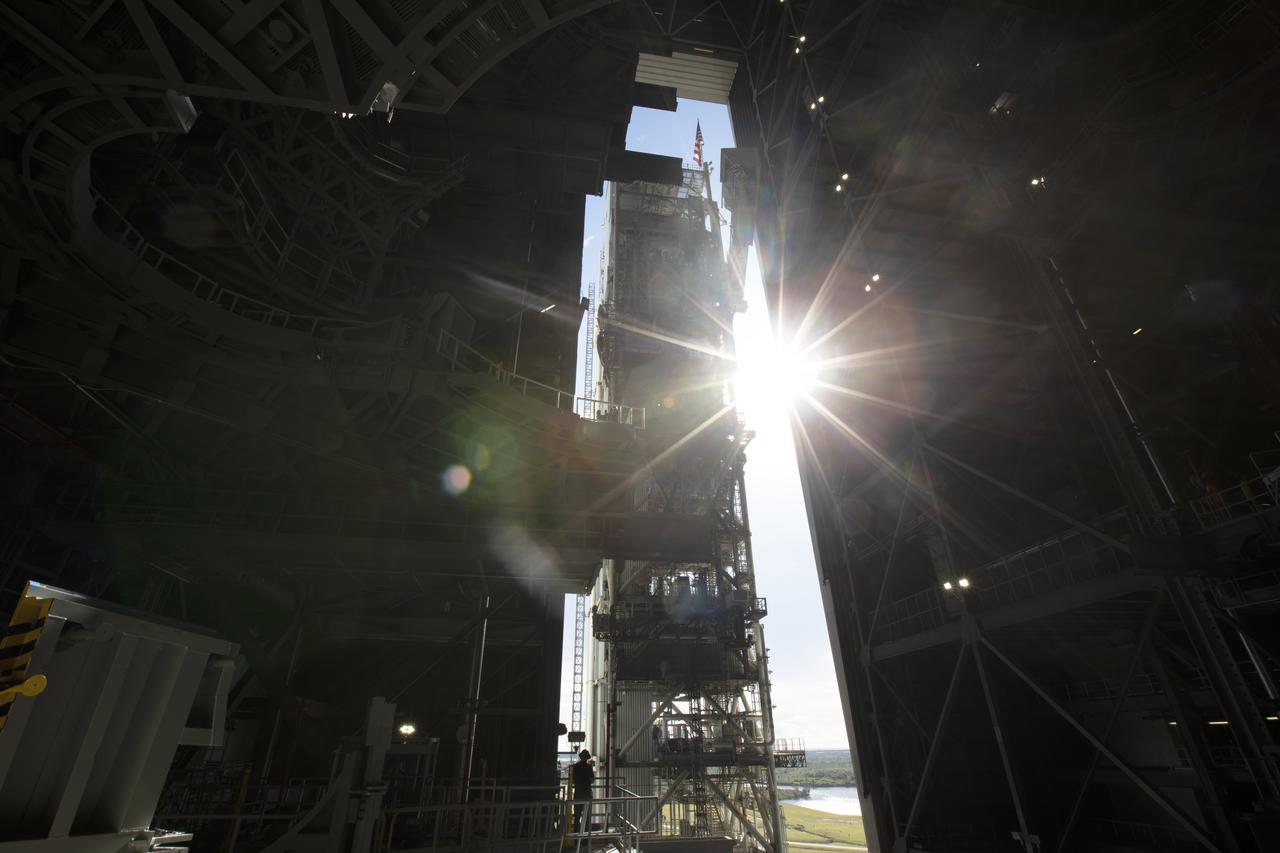
As a brilliant sun shines through, NASA's mobile launcher, atop crawler-transporter 2, begins the move into High Bay 3 at the Vehicle Assembly Building (VAB) on Sept. 8, 2018, at NASA's Kennedy Space Center in Florida. The mobile launcher departed Launch Pad 39B after several days of testing with the pad. This is the first time that the modified mobile launcher made the trip to the pad and the VAB. The mobile launcher will spend seven months in the VAB undergoing testing. The 380-foot-tall structure is equipped with the crew access arm and several umbilicals that will provide power, environmental control, pneumatics, communication and electrical connections to the agency's Space Launch System and Orion spacecraft. Exploration Ground Systems is preparing the ground systems necessary to launch SLS and Orion on Exploration Mission-1, missions to the Moon and on to Mars.
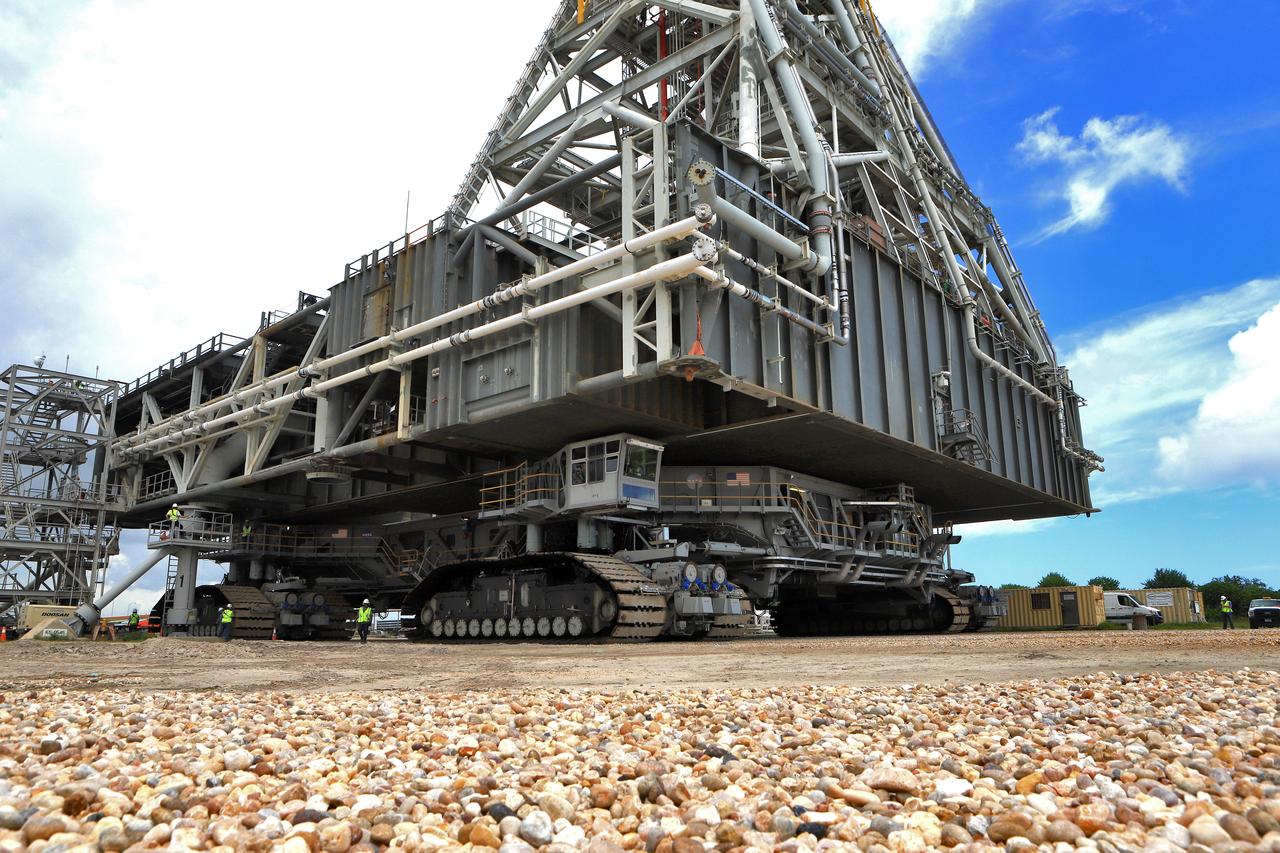
A close-up view of NASA's crawler-transporter 2 (CT-2) with the mobile launcher (ML) atop as it slowly moves along the crawlerway on its trek to Launch Pad 39B on Aug. 30, 2018, at the agency's Kennedy Space Center in Florida. CT-2 will move the ML up to the surface of the pad where it will undergo a fit check, followed by several days of systems testing. The 380-foot-tall mobile launcher is equipped with the crew access arm and several umbilicals that will provide power, environmental control, pneumatics, communication and electrical connections to NASA's Space Launch System (SLS) and Orion spacecraft. Exploration Ground Systems is preparing the ground systems necessary to launch SLS and Orion on Exploration Mission-1, missions to the Moon and on to Mars.
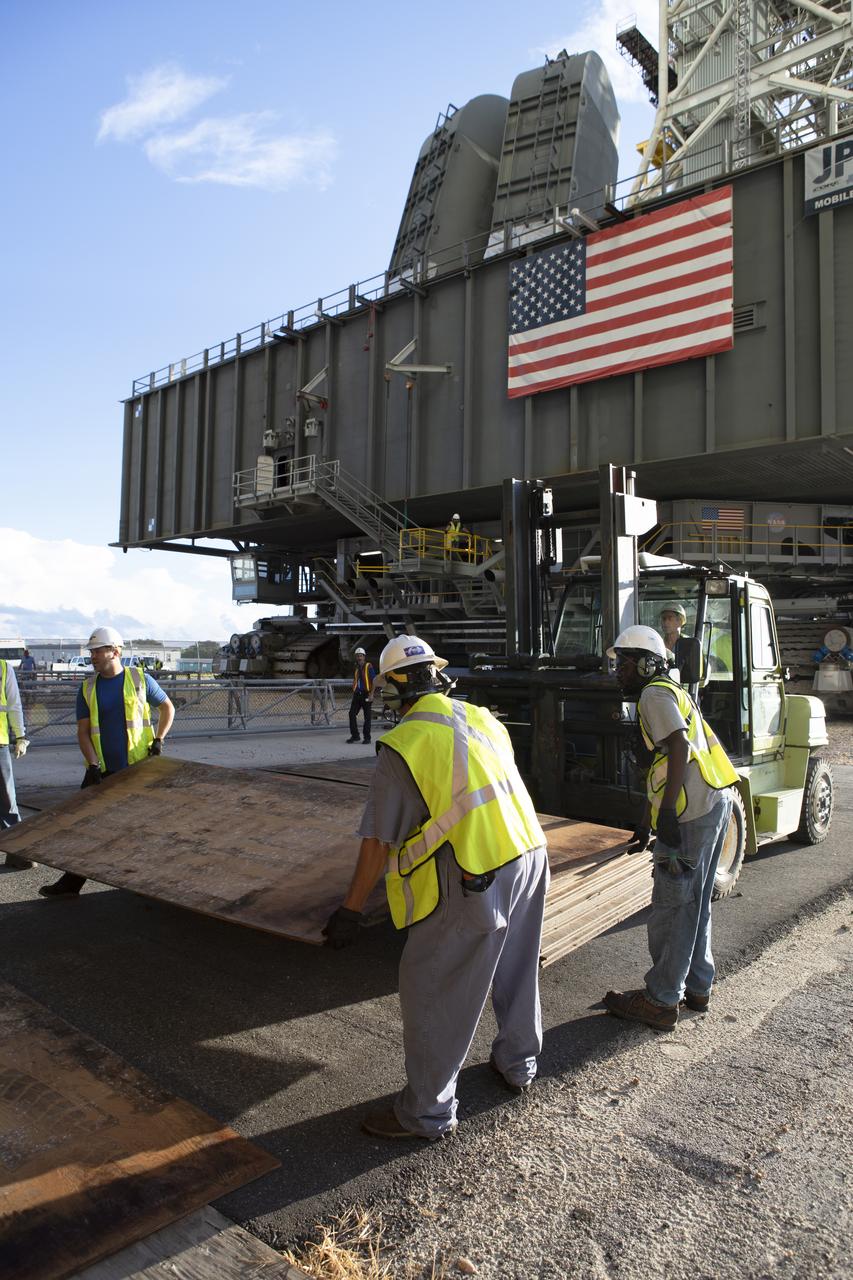
Preparations are underway to move NASA's mobile launcher, atop crawler-transporter 2, into High Bay 3 at the Vehicle Assembly Building (VAB) on Sept. 8, 2018, at NASA's Kennedy Space Center in Florida. The mobile launcher departed Launch Pad 39B after several days of testing with the pad. This is the first time that the modified mobile launcher made the trip to the pad and the VAB. The mobile launcher will spend seven months in the VAB undergoing testing. The 380-foot-tall structure is equipped with the crew access arm and several umbilicals that will provide power, environmental control, pneumatics, communication and electrical connections to the agency's Space Launch System and Orion spacecraft. Exploration Ground Systems is preparing the ground systems necessary to launch SLS and Orion on Exploration Mission-1, missions to the Moon and on to Mars.
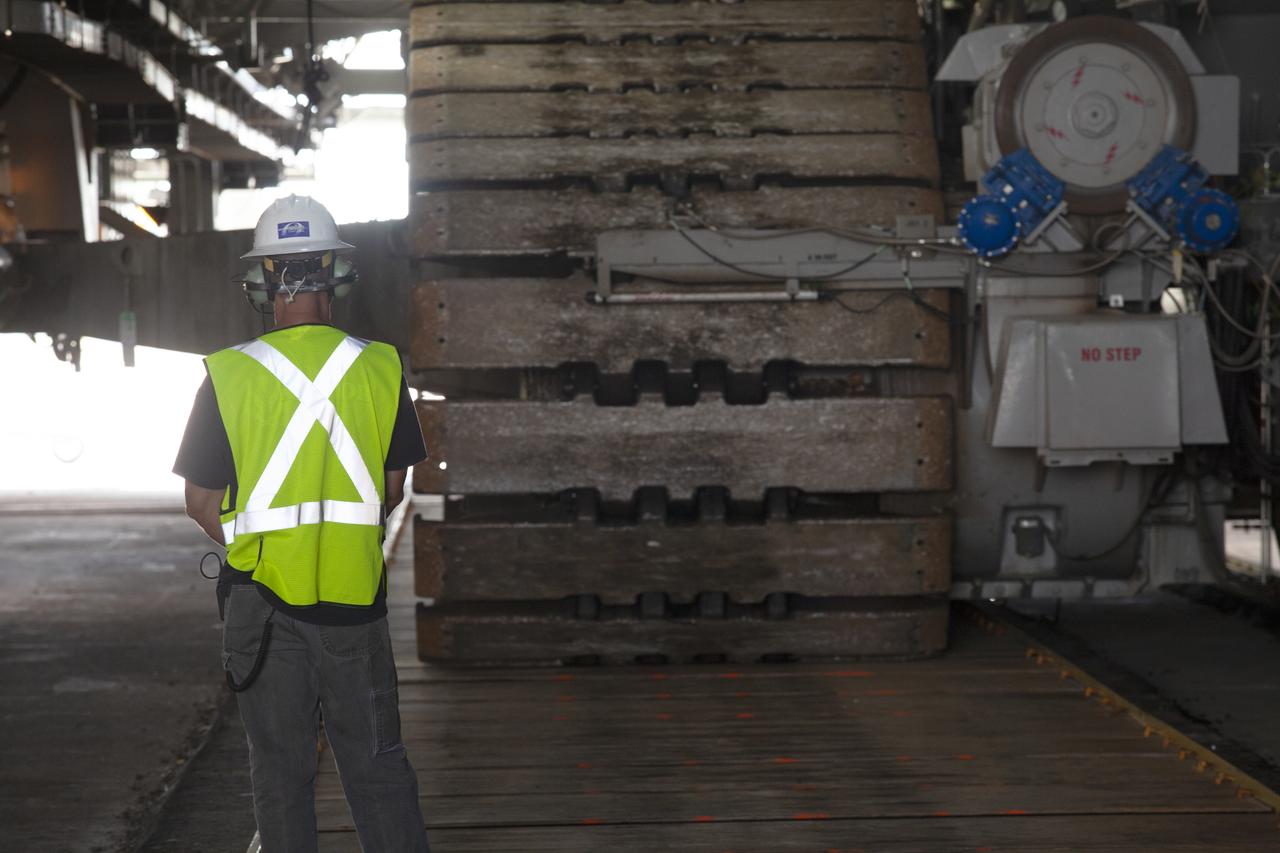
The giant cleats of crawler-transporter 2 are in view as a technician monitors the progress of the move of NASA's mobile launcher, atop the crawler, into High Bay 3 at the Vehicle Assembly Building (VAB) on Sept. 8, 2018, at NASA's Kennedy Space Center in Florida. The mobile launcher departed Launch Pad 39B after several days of testing with the pad. This is the first time that the modified mobile launcher made the trip to the pad and the VAB. The mobile launcher will spend seven months in the VAB undergoing testing. The 380-foot-tall structure is equipped with the crew access arm and several umbilicals that will provide power, environmental control, pneumatics, communication and electrical connections to the agency's Space Launch System and Orion spacecraft. Exploration Ground Systems is preparing the ground systems necessary to launch SLS and Orion on Exploration Mission-1, missions to the Moon and on to Mars.
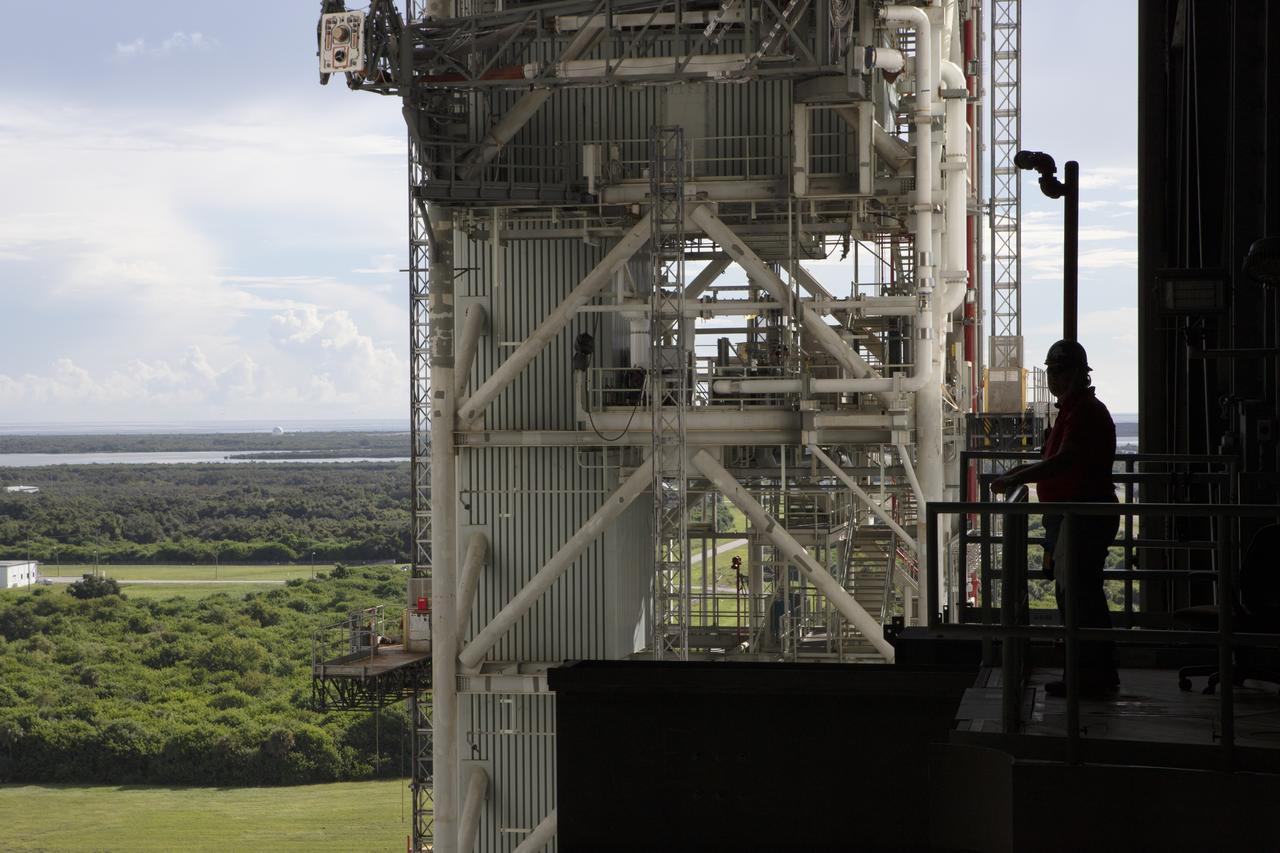
NASA's mobile launcher, atop crawler-transporter 2, moves slowly into High Bay 3 at the Vehicle Assembly Building (VAB) on Sept. 8, 2018, at NASA's Kennedy Space Center in Florida. The mobile launcher departed Launch Pad 39B after several days of testing with the pad. This is the first time that the modified mobile launcher made the trip to the pad and the VAB. The mobile launcher will spend seven months in the VAB undergoing testing. The 380-foot-tall structure is equipped with the crew access arm and several umbilicals that will provide power, environmental control, pneumatics, communication and electrical connections to the agency's Space Launch System and Orion spacecraft. Exploration Ground Systems is preparing the ground systems necessary to launch SLS and Orion on Exploration Mission-1, missions to the Moon and on to Mars.
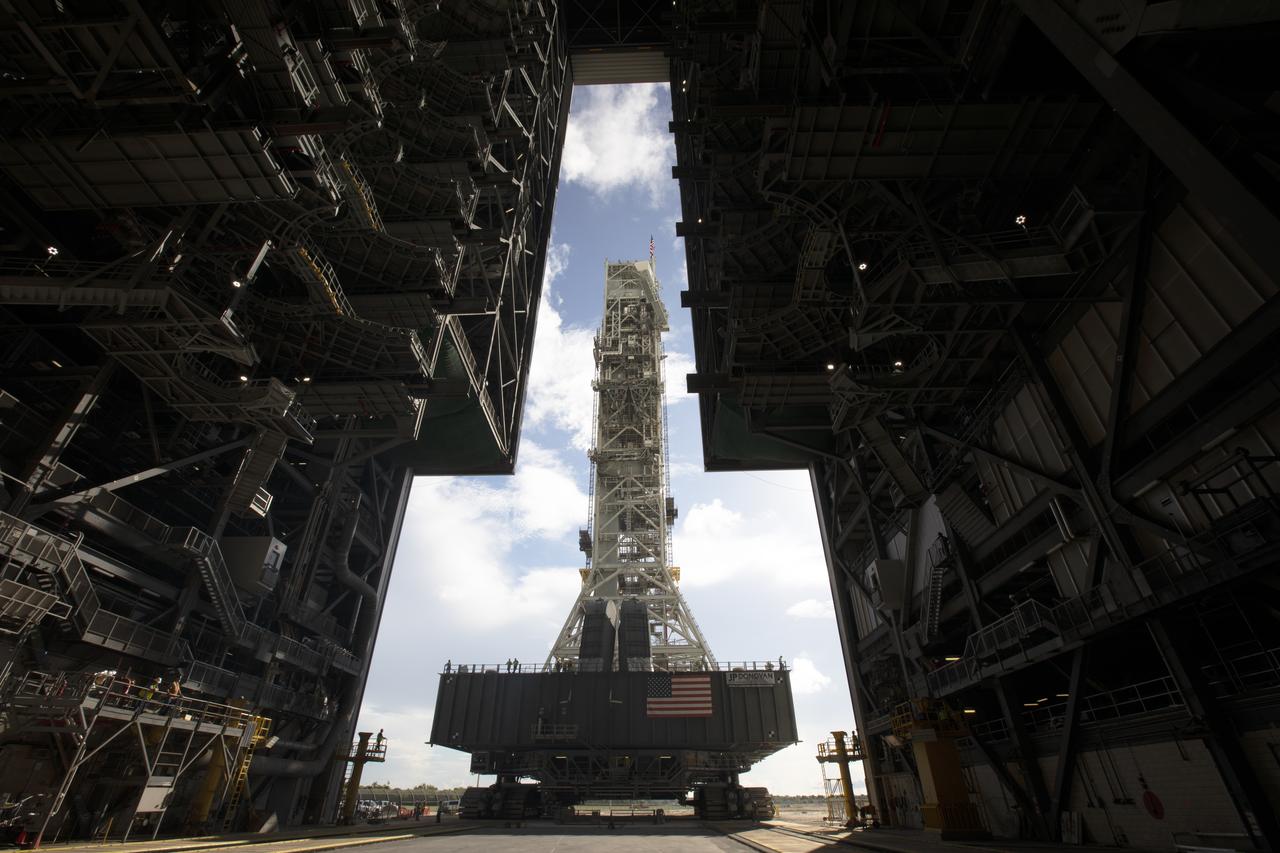
NASA's mobile launcher, atop crawler-transporter 2, begins the move into High Bay 3 at the Vehicle Assembly Building (VAB) on Sept. 8, 2018, at NASA's Kennedy Space Center in Florida. The mobile launcher departed Launch Pad 39B after several days of testing with the pad. This is the first time that the modified mobile launcher made the trip to the pad and the VAB. The mobile launcher will spend seven months in the VAB undergoing testing. The 380-foot-tall structure is equipped with the crew access arm and several umbilicals that will provide power, environmental control, pneumatics, communication and electrical connections to the agency's Space Launch System and Orion spacecraft. Exploration Ground Systems is preparing the ground systems necessary to launch SLS and Orion on Exploration Mission-1, missions to the Moon and on to Mars.
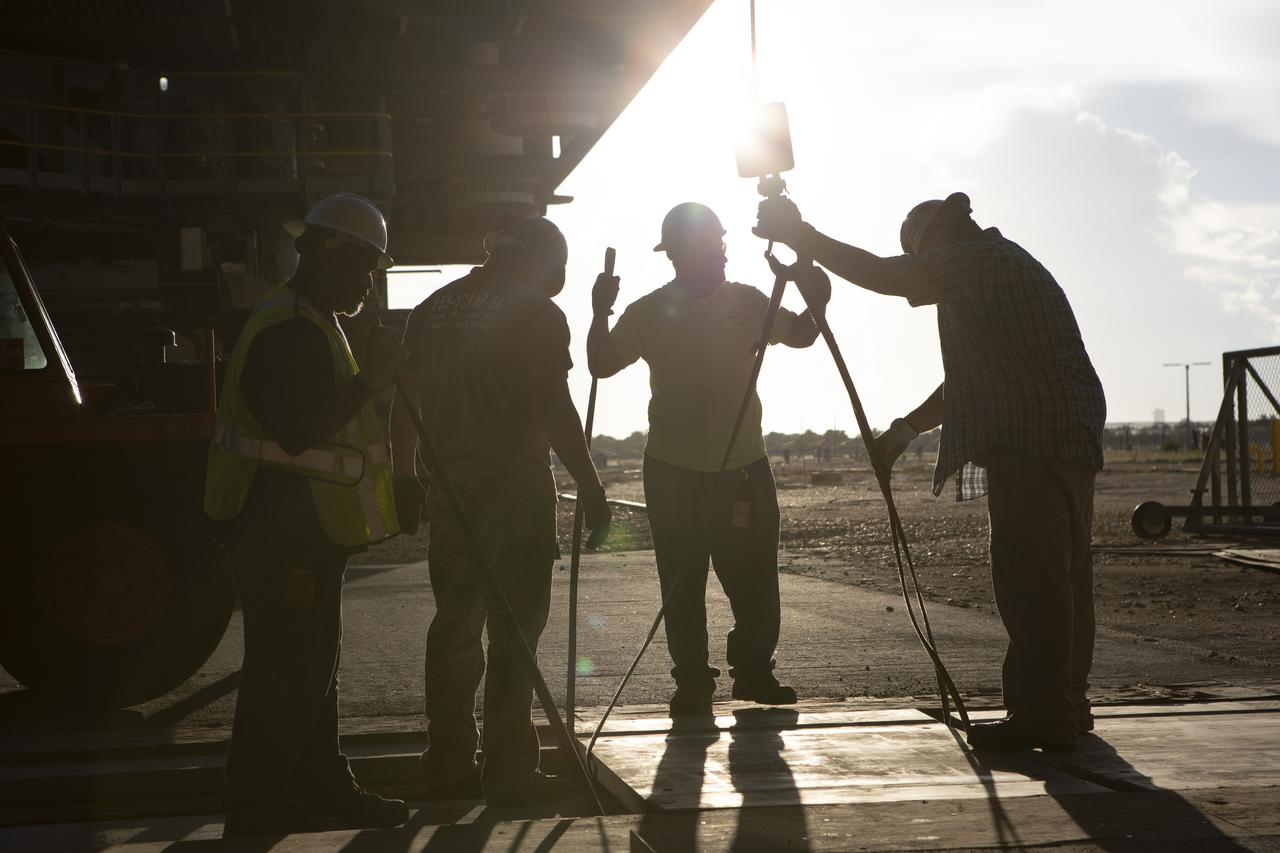
Technicians remove special planks covering tracks as NASA's mobile launcher, atop crawler-transporter 2, moves into High Bay 3 at the Vehicle Assembly Building (VAB) on Sept. 8, 2018, at NASA's Kennedy Space Center in Florida. The mobile launcher departed Launch Pad 39B after several days of testing with the pad. This is the first time that the modified mobile launcher made the trip to the pad and the VAB. The mobile launcher will spend seven months in the VAB undergoing testing. The 380-foot-tall structure is equipped with the crew access arm and several umbilicals that will provide power, environmental control, pneumatics, communication and electrical connections to the agency's Space Launch System and Orion spacecraft. Exploration Ground Systems is preparing the ground systems necessary to launch SLS and Orion on Exploration Mission-1, missions to the Moon and on to Mars.
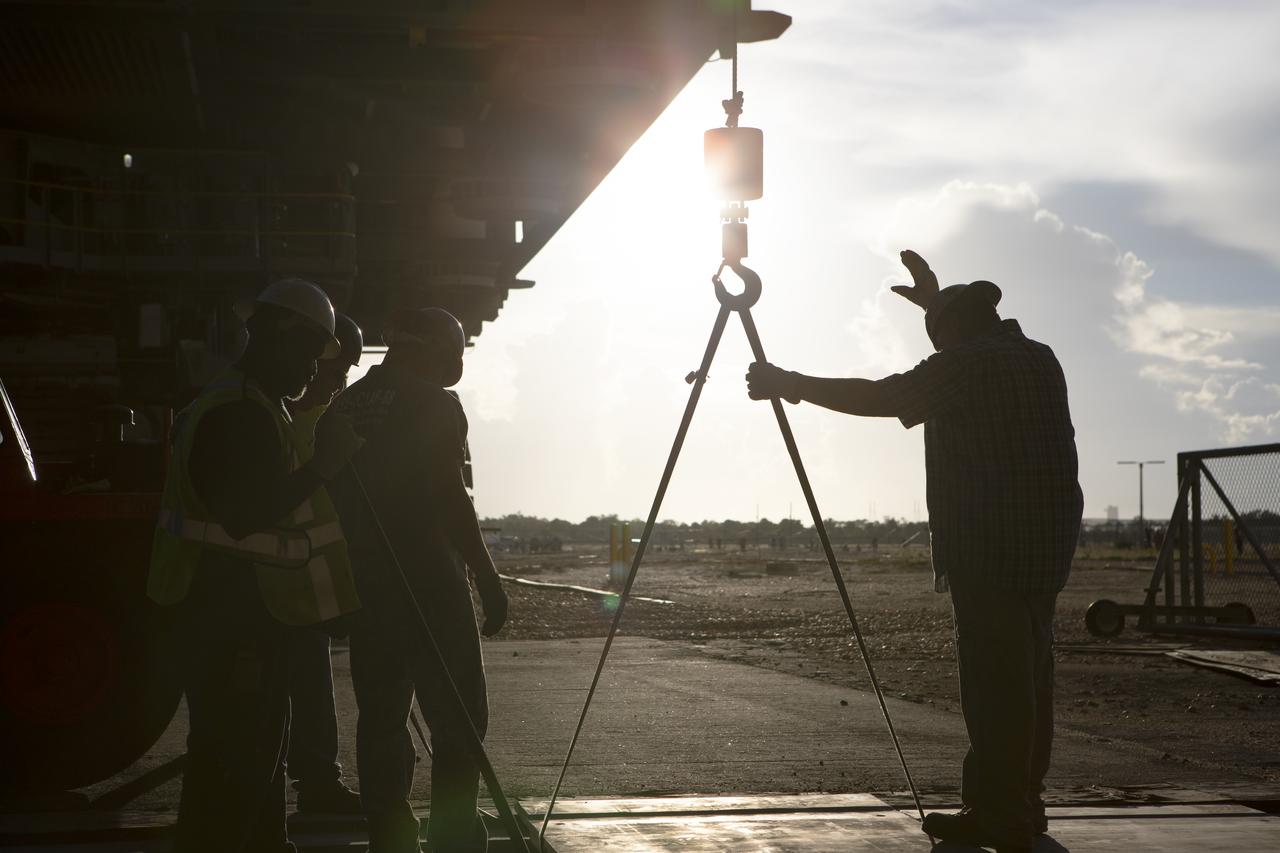
Technicians remove special planks covering tracks as NASA's mobile launcher, atop crawler-transporter 2, moves into High Bay 3 at the Vehicle Assembly Building (VAB) on Sept. 8, 2018, at NASA's Kennedy Space Center in Florida. The mobile launcher departed Launch Pad 39B after several days of testing with the pad. This is the first time that the modified mobile launcher made the trip to the pad and the VAB. The mobile launcher will spend seven months in the VAB undergoing testing. The 380-foot-tall structure is equipped with the crew access arm and several umbilicals that will provide power, environmental control, pneumatics, communication and electrical connections to the agency's Space Launch System and Orion spacecraft. Exploration Ground Systems is preparing the ground systems necessary to launch SLS and Orion on Exploration Mission-1, missions to the Moon and on to Mars.
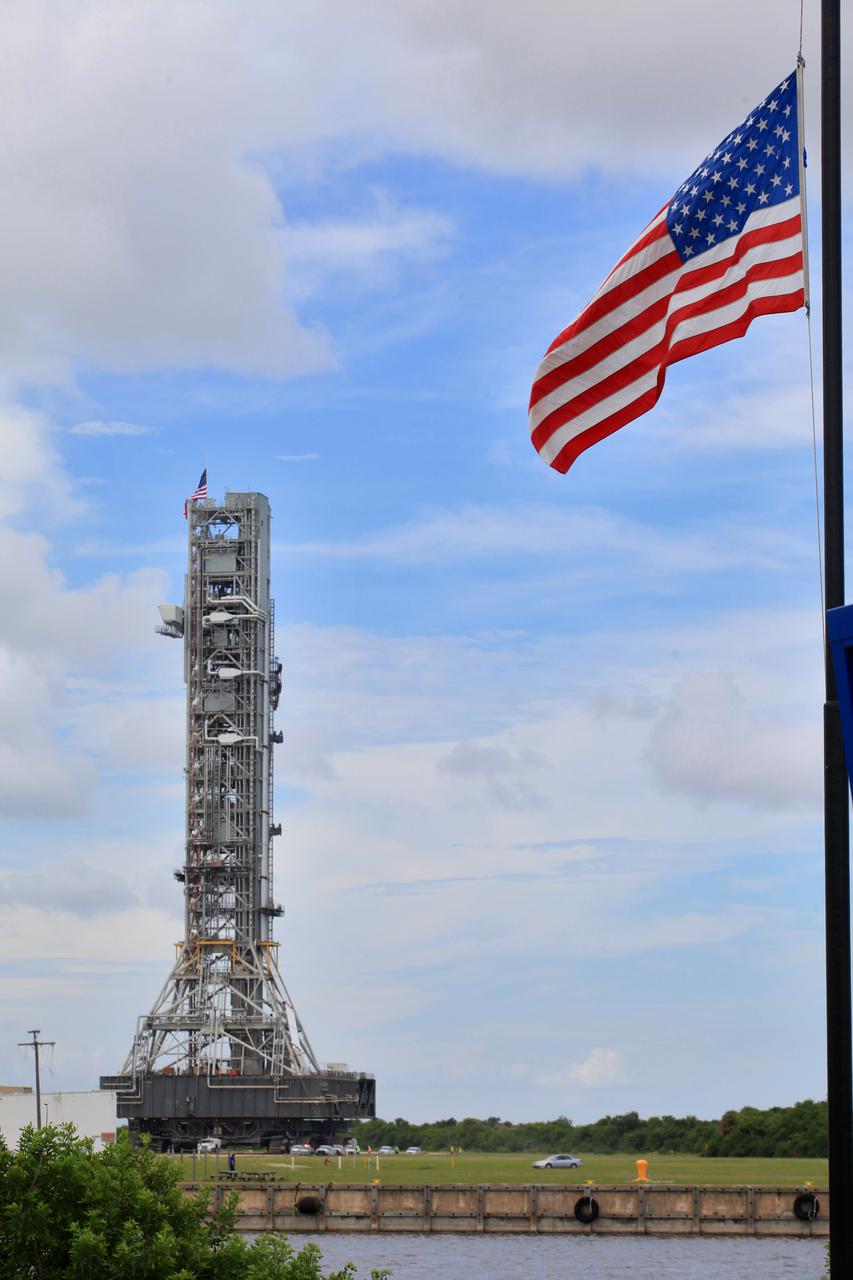
NASA's mobile launcher (ML) atop crawler-transporter 2 (CT-2) moves along the crawlerway on its trek to Launch Pad 39B on Aug. 30, 2018, at the agency's Kennedy Space Center in Florida. CT-2 will move the ML up to the surface of the pad where it will undergo a fit check, followed by several days of systems testing. The 380-foot-tall mobile launcher is equipped with the crew access arm and several umbilicals that will provide power, environmental control, pneumatics, communication and electrical connections to NASA's Space Launch System (SLS) and Orion spacecraft. Exploration Ground Systems is preparing the ground systems necessary to launch SLS and Orion on Exploration Mission-1, missions to the Moon and on to Mars.
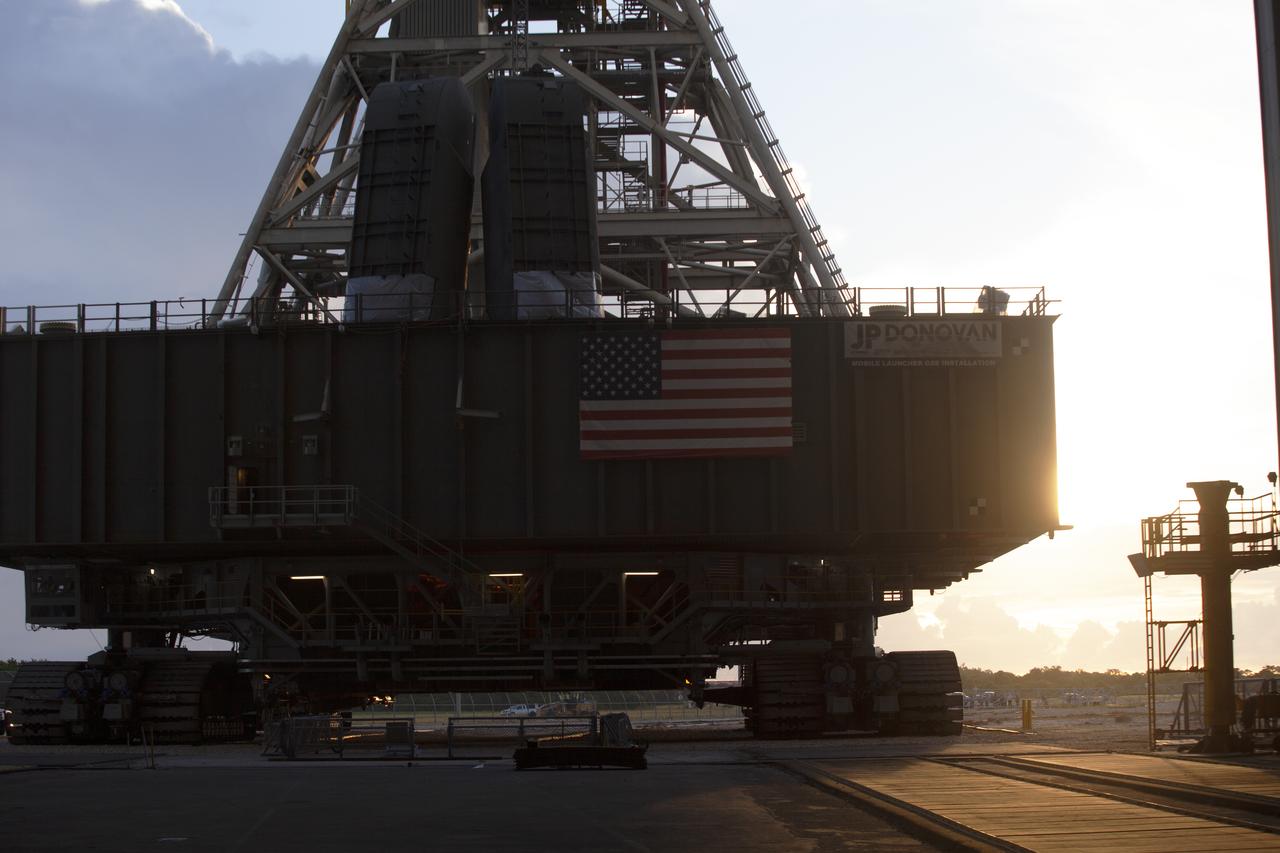
Preparations are underway to move NASA's mobile launcher, atop crawler-transporter 2, into High Bay 3 at the Vehicle Assembly Building (VAB) on Sept. 8, 2018, at NASA's Kennedy Space Center in Florida. The mobile launcher departed Launch Pad 39B after several days of testing with the pad. This is the first time that the modified mobile launcher made the trip to the pad and the VAB. The mobile launcher will spend seven months in the VAB undergoing testing. The 380-foot-tall structure is equipped with the crew access arm and several umbilicals that will provide power, environmental control, pneumatics, communication and electrical connections to the agency's Space Launch System and Orion spacecraft. Exploration Ground Systems is preparing the ground systems necessary to launch SLS and Orion on Exploration Mission-1, missions to the Moon and on to Mars.
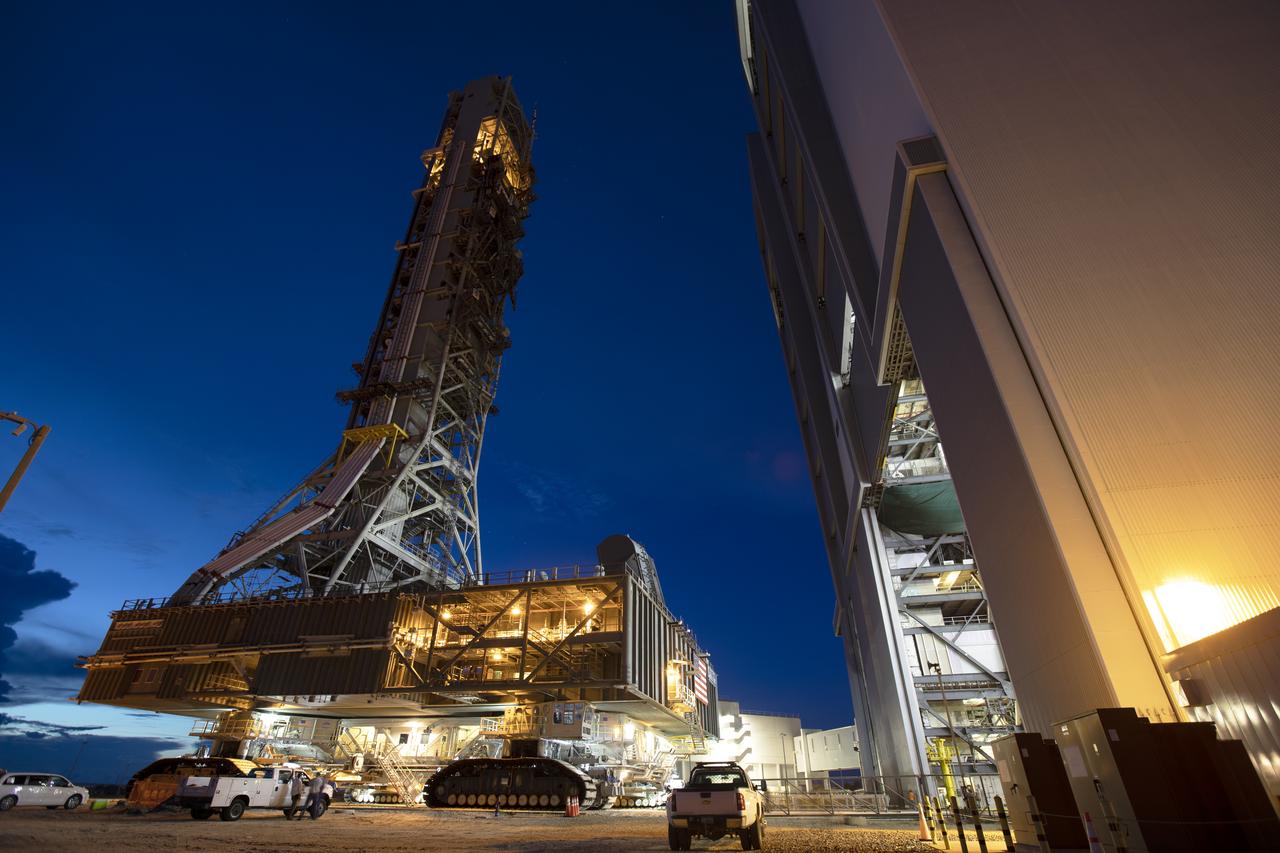
NASA's mobile launcher, atop crawler-transporter 2, is at the entrance to High Bay 3 at the Vehicle Assembly Building (VAB) just before sunrise on Sept. 8, 2018, at NASA's Kennedy Space Center in Florida. The mobile launcher departed Launch Pad 39B after several days of testing with the pad. This is the first time that the modified mobile launcher made the trip to the pad and the VAB. The mobile launcher will spend seven months in the VAB undergoing testing. The 380-foot-tall structure is equipped with the crew access arm and several umbilicals that will provide power, environmental control, pneumatics, communication and electrical connections to the agency's Space Launch System and Orion spacecraft. Exploration Ground Systems is preparing the ground systems necessary to launch SLS and Orion on Exploration Mission-1, missions to the Moon and on to Mars.
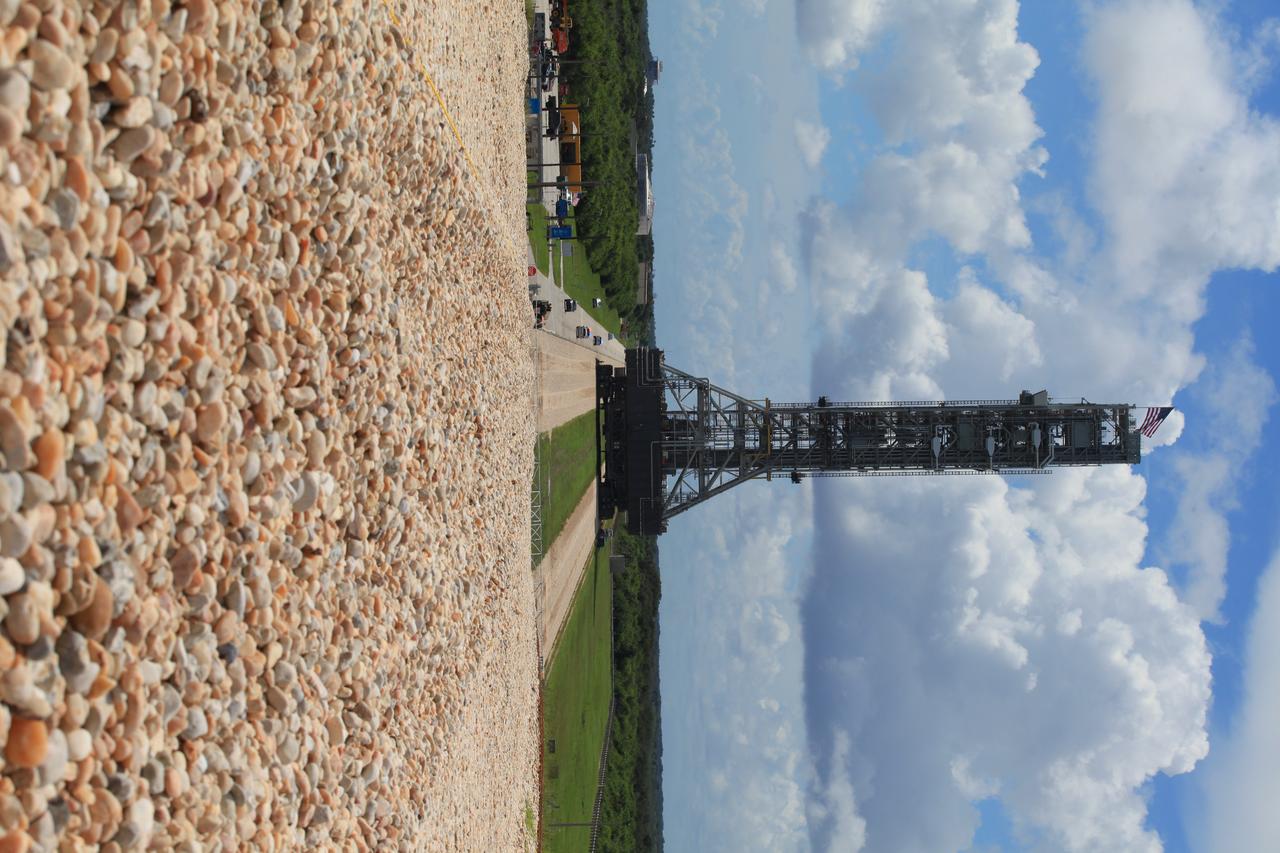
NASA's mobile launcher atop crawler-transporter 2 begins its trek off of Launch Pad 39B on Sept. 7, 2018, at NASA's Kennedy Space Center in Florida. After undergoing a fit check and several days of systems testing with the pad, the mobile launcher is on its way to the Vehicle Assembly Building. This is the first time that the modified mobile launcher made the trip to the pad. The 380-foot-tall mobile launcher is equipped with the crew access arm and several umbilicals that will provide power, environmental control. Pneumatics, communication and electrical connections to the agency's Space Launch System and Orion spacecraft. Exploration Ground Systems is preparing the ground systems necessary to launch SLS and Orion on Exploration Mission-1, missions to the Moon and on to Mars.
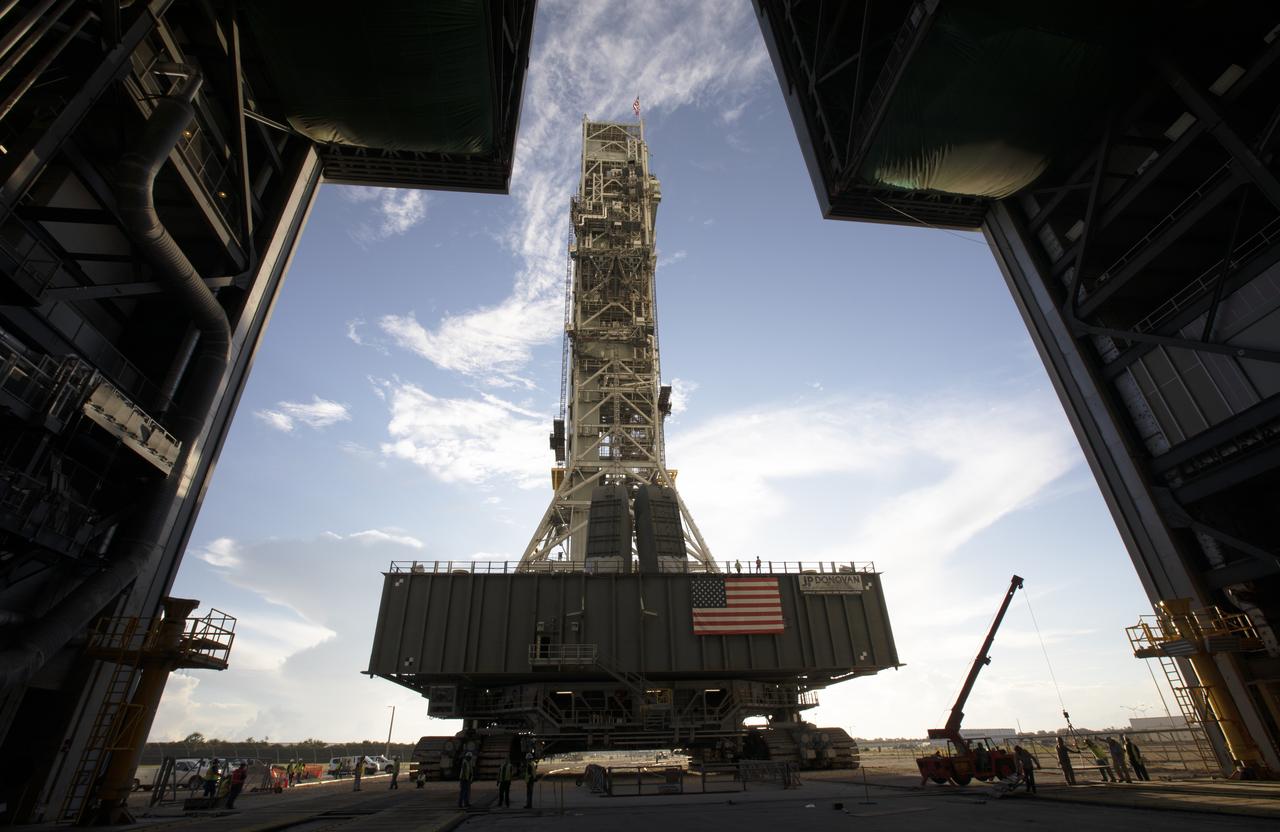
NASA's mobile launcher, atop crawler-transporter 2, is at the entrance to High Bay 3 at the Vehicle Assembly Building (VAB) on Sept. 8, 2018, at NASA's Kennedy Space Center in Florida. The mobile launcher departed Launch Pad 39B after several days of testing with the pad. This is the first time that the modified mobile launcher made the trip to the pad and the VAB. The mobile launcher will spend seven months in the VAB undergoing testing. The 380-foot-tall structure is equipped with the crew access arm and several umbilicals that will provide power, environmental control, pneumatics, communication and electrical connections to the agency's Space Launch System and Orion spacecraft. Exploration Ground Systems is preparing the ground systems necessary to launch SLS and Orion on Exploration Mission-1, missions to the Moon and on to Mars.
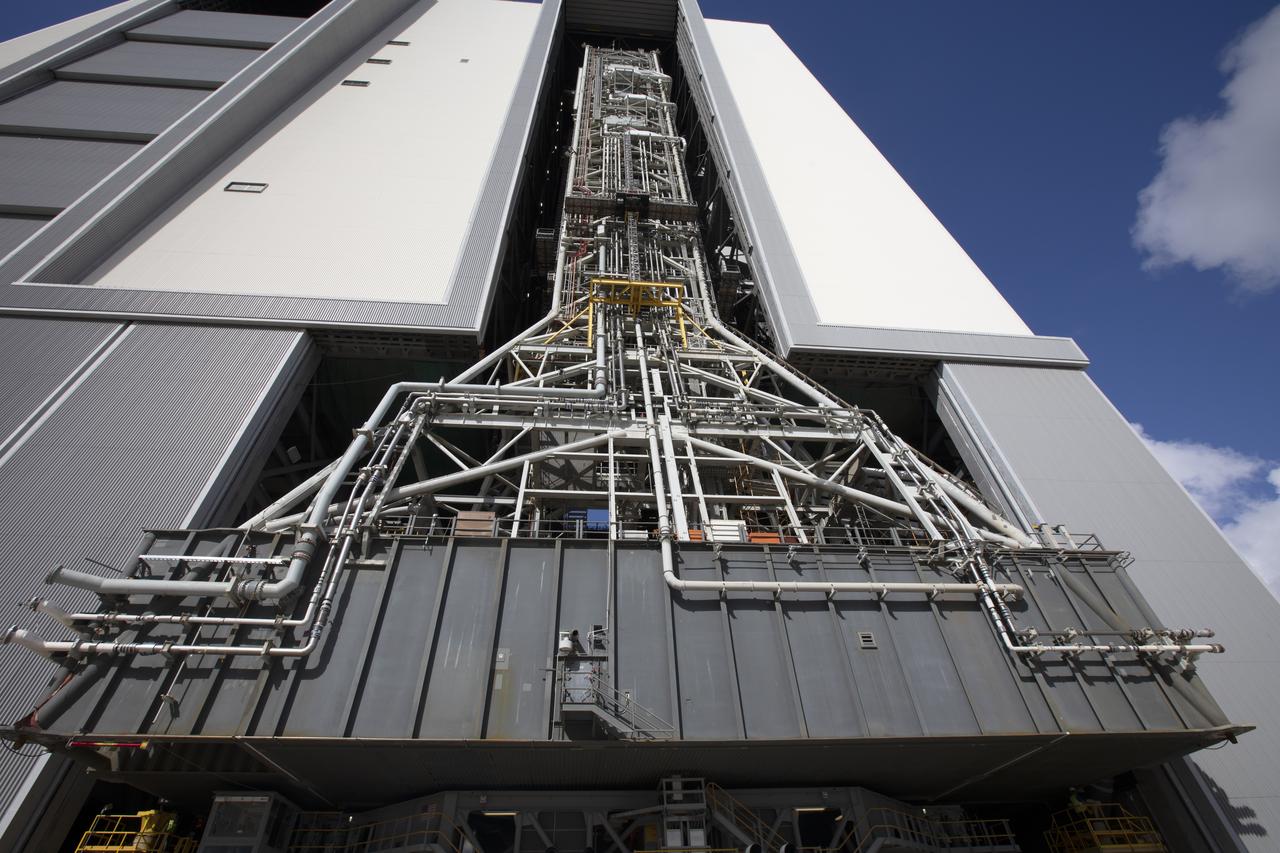
NASA's mobile launcher, atop crawler-transporter 2, moves into High Bay 3 at the Vehicle Assembly Building (VAB) on Sept. 8, 2018, at NASA's Kennedy Space Center in Florida. The mobile launcher departed Launch Pad 39B after several days of testing with the pad. This is the first time that the modified mobile launcher made the trip to the pad and the VAB. The mobile launcher will spend seven months in the VAB undergoing testing. The 380-foot-tall structure is equipped with the crew access arm and several umbilicals that will provide power, environmental control, pneumatics, communication and electrical connections to the agency's Space Launch System and Orion spacecraft. Exploration Ground Systems is preparing the ground systems necessary to launch SLS and Orion on Exploration Mission-1, missions to the Moon and on to Mars.
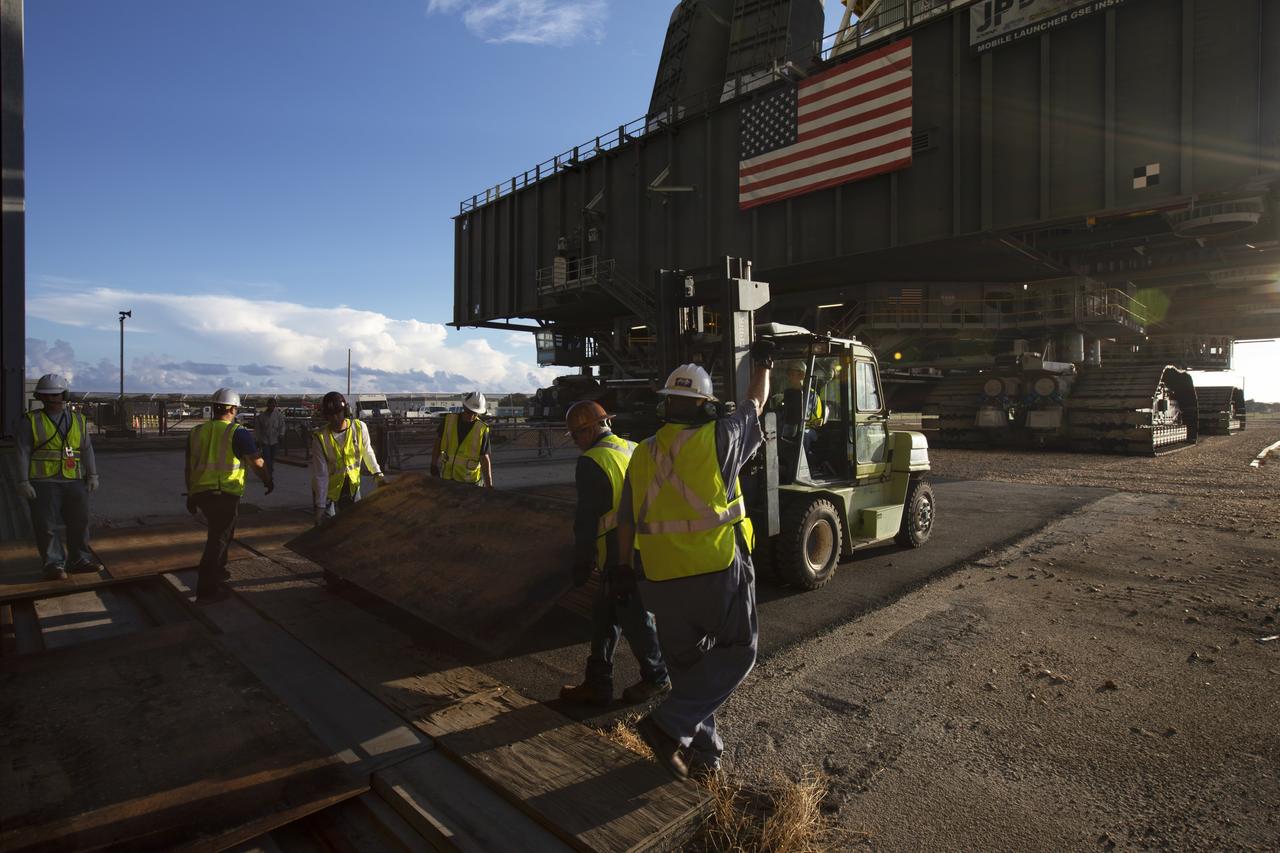
Preparations are underway to move NASA's mobile launcher, atop crawler-transporter 2, into High Bay 3 at the Vehicle Assembly Building (VAB) on Sept. 8, 2018, at NASA's Kennedy Space Center in Florida. The mobile launcher departed Launch Pad 39B after several days of testing with the pad. This is the first time that the modified mobile launcher made the trip to the pad and the VAB. The mobile launcher will spend seven months in the VAB undergoing testing. The 380-foot-tall structure is equipped with the crew access arm and several umbilicals that will provide power, environmental control, pneumatics, communication and electrical connections to the agency's Space Launch System and Orion spacecraft. Exploration Ground Systems is preparing the ground systems necessary to launch SLS and Orion on Exploration Mission-1, missions to the Moon and on to Mars.
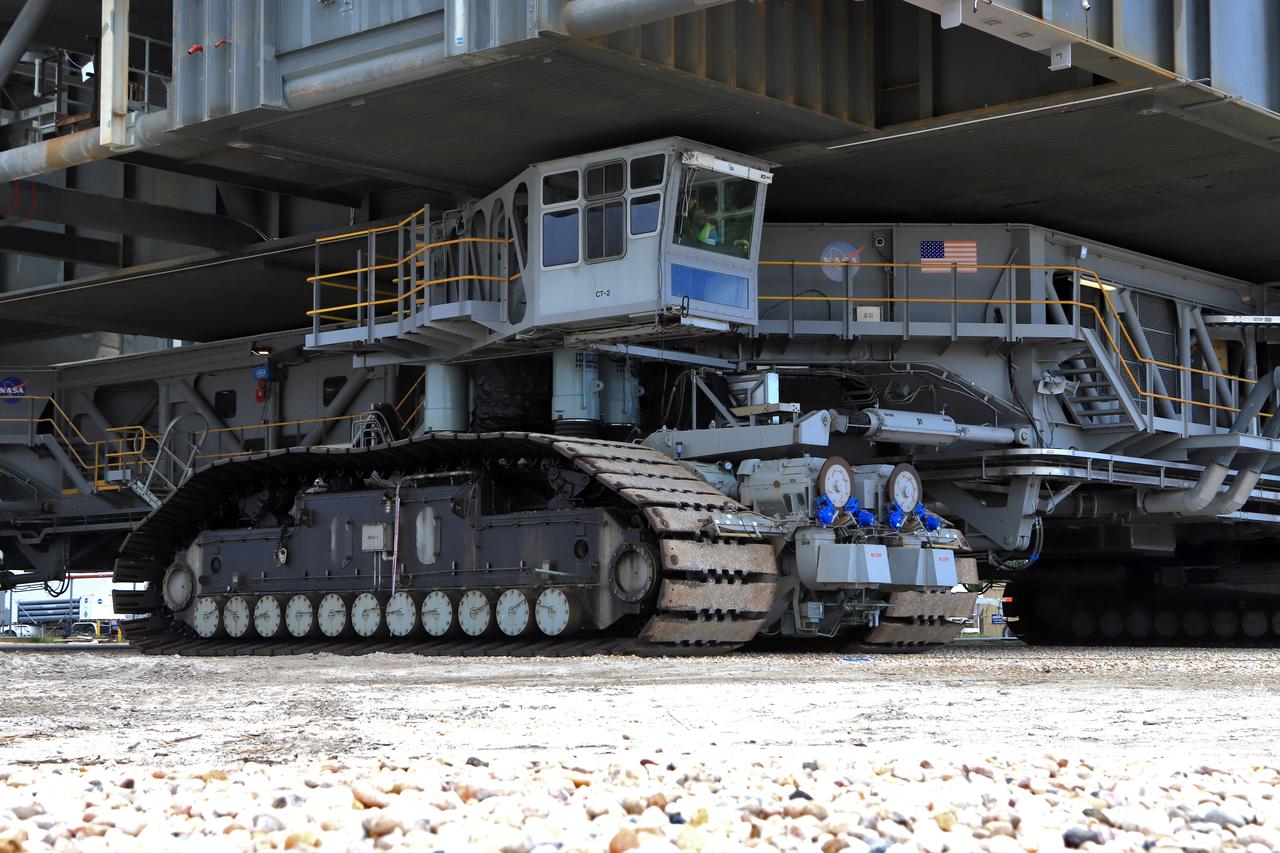
A close-up view of NASA's crawler-transporter 2 (CT-2) with the mobile launcher (ML) atop as it slowly moves along the crawlerway on its trek to Launch Pad 39B on Aug. 30, 2018, at the agency's Kennedy Space Center in Florida. CT-2 will move the ML up to the surface of the pad where it will undergo a fit check, followed by several days of systems testing. The 380-foot-tall mobile launcher is equipped with the crew access arm and several umbilicals that will provide power, environmental control, pneumatics, communication and electrical connections to NASA's Space Launch System (SLS) and Orion spacecraft. Exploration Ground Systems is preparing the ground systems necessary to launch SLS and Orion on Exploration Mission-1, missions to the Moon and on to Mars.
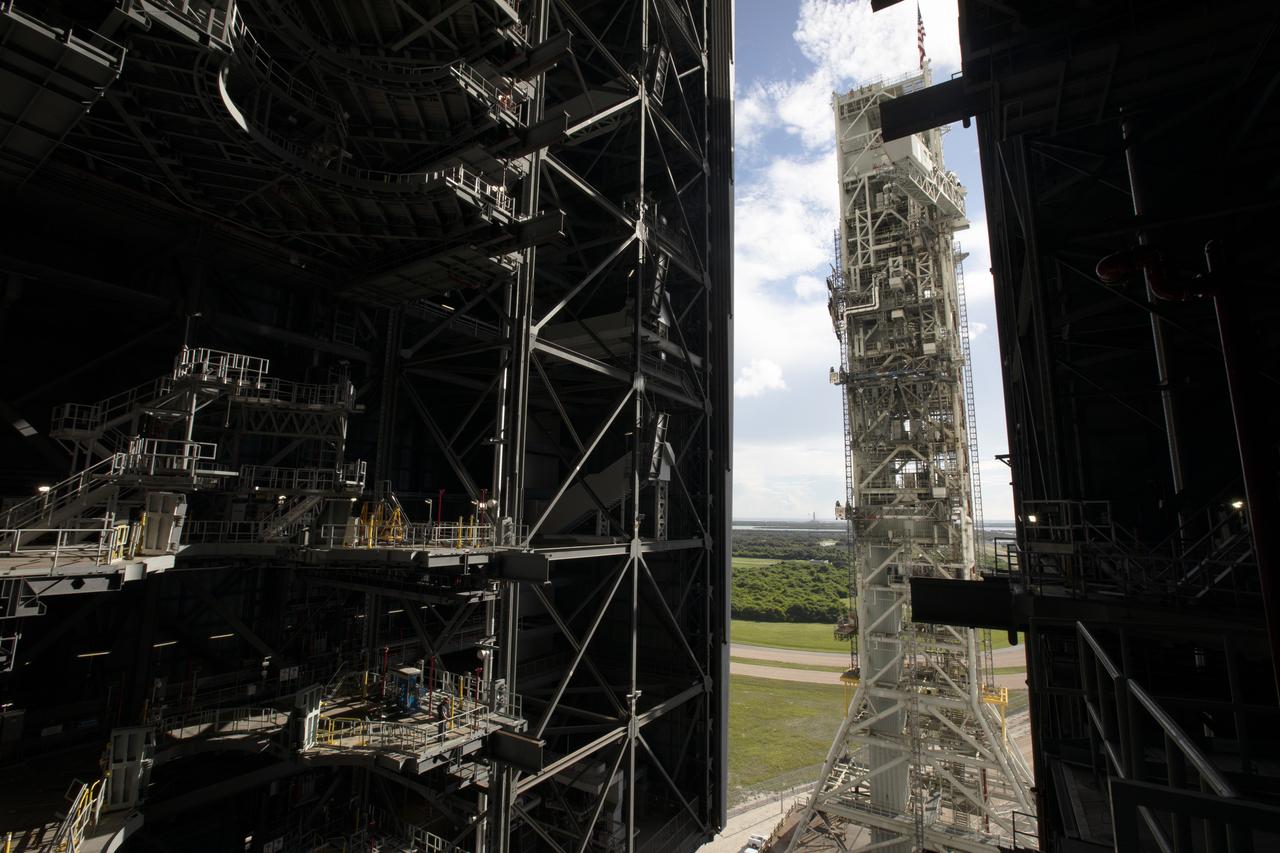
NASA's mobile launcher, atop crawler-transporter 2, begins the move into High Bay 3 at the Vehicle Assembly Building (VAB) on Sept. 8, 2018, at NASA's Kennedy Space Center in Florida. The mobile launcher departed Launch Pad 39B after several days of testing with the pad. This is the first time that the modified mobile launcher made the trip to the pad and the VAB. The mobile launcher will spend seven months in the VAB undergoing testing. The 380-foot-tall structure is equipped with the crew access arm and several umbilicals that will provide power, environmental control, pneumatics, communication and electrical connections to the agency's Space Launch System and Orion spacecraft. Exploration Ground Systems is preparing the ground systems necessary to launch SLS and Orion on Exploration Mission-1, missions to the Moon and on to Mars.
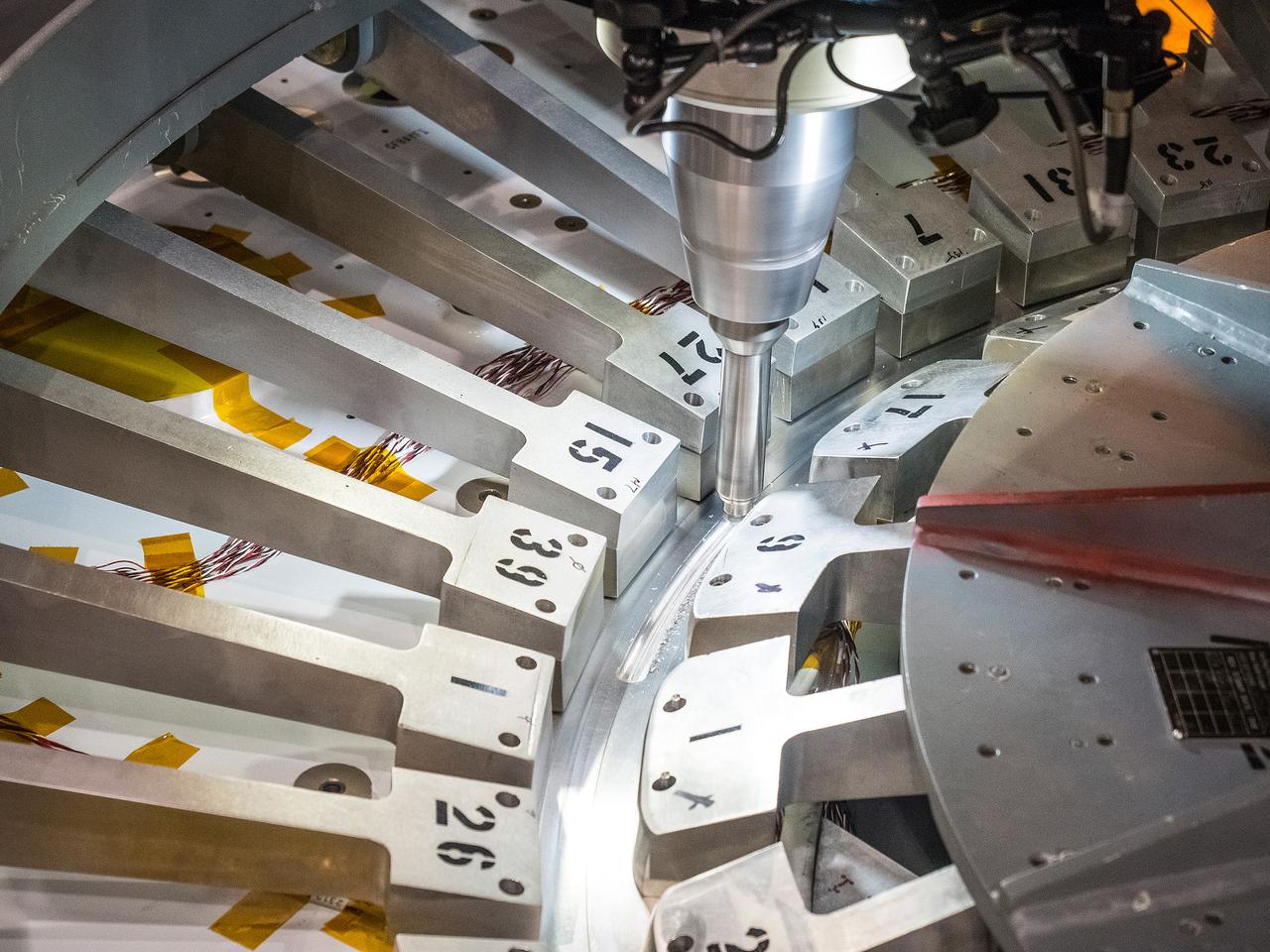
First weld of Orion Exploration Mission 1 crew module
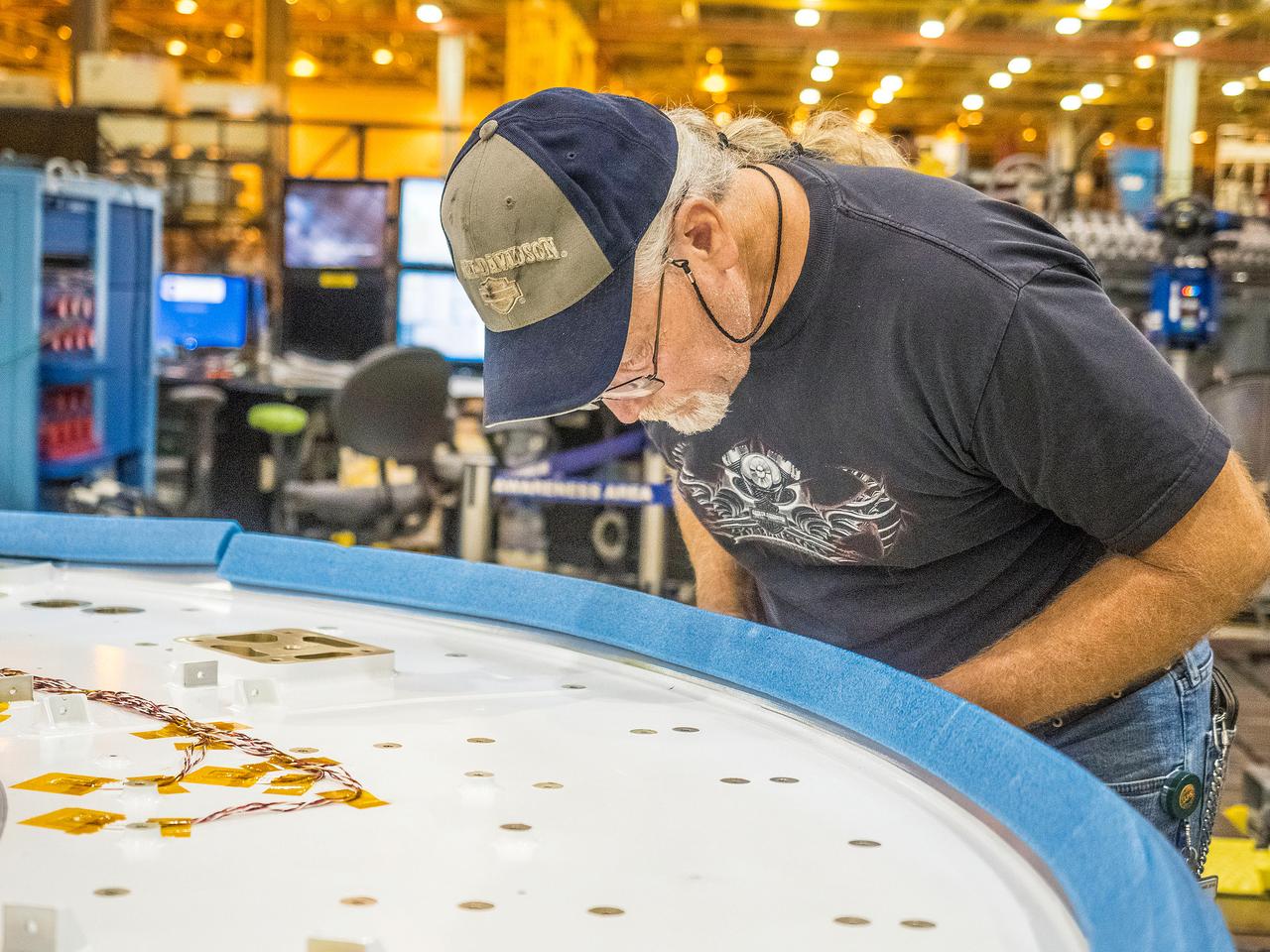
First weld of Orion Exploration Mission 1 crew module
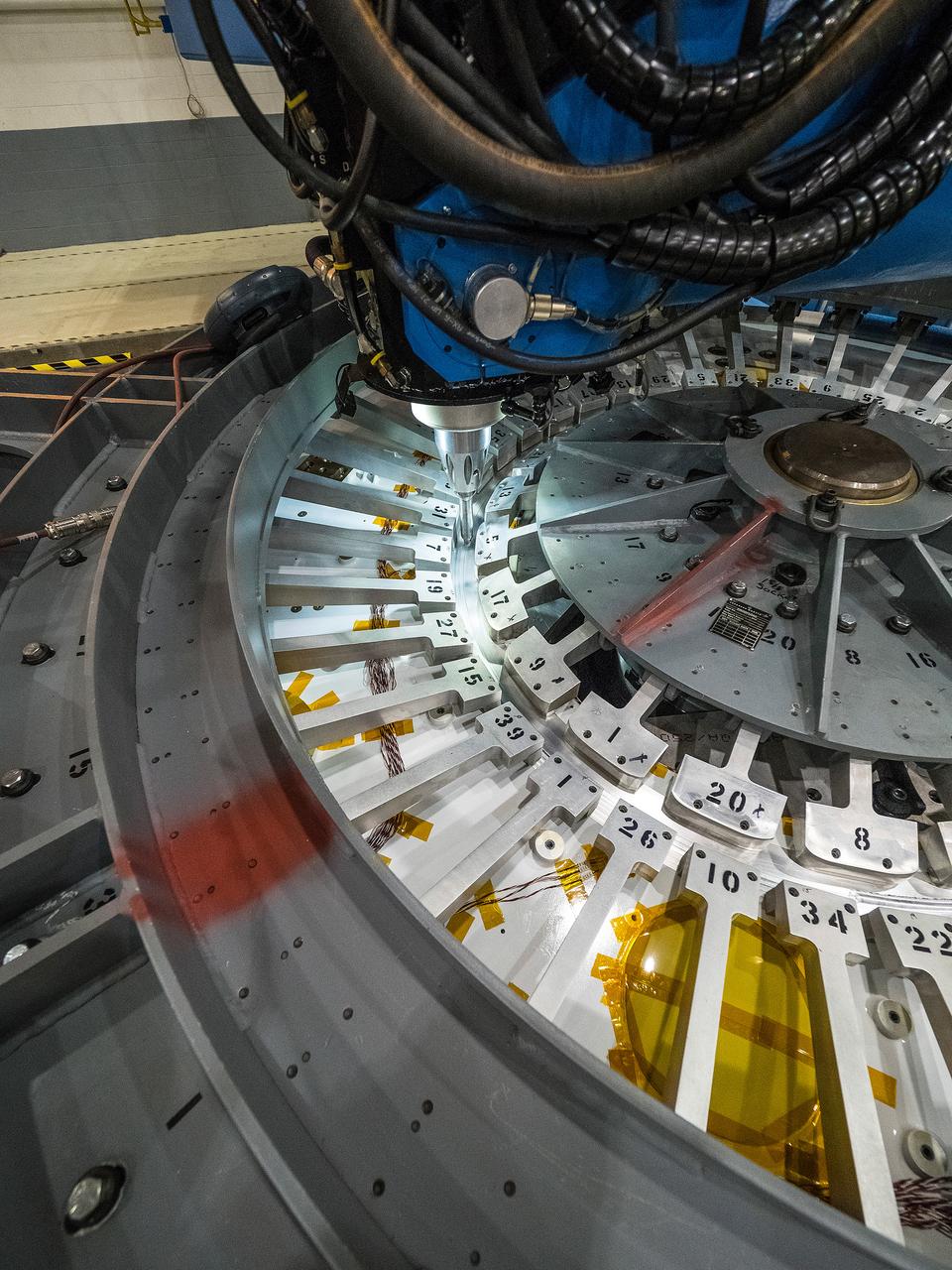
First weld of Orion Exploration Mission 1 crew module
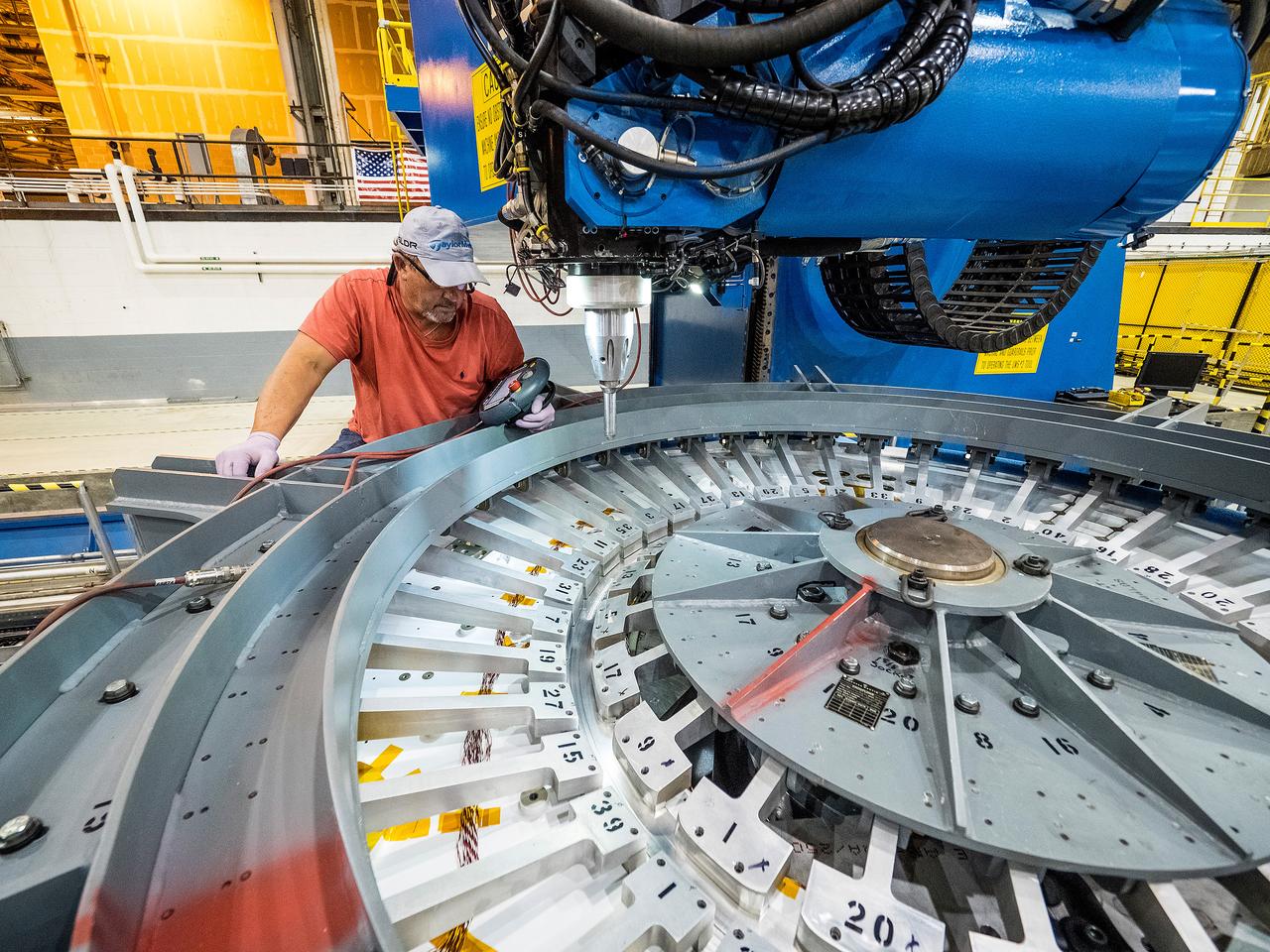
First weld of Orion Exploration Mission 1 crew module
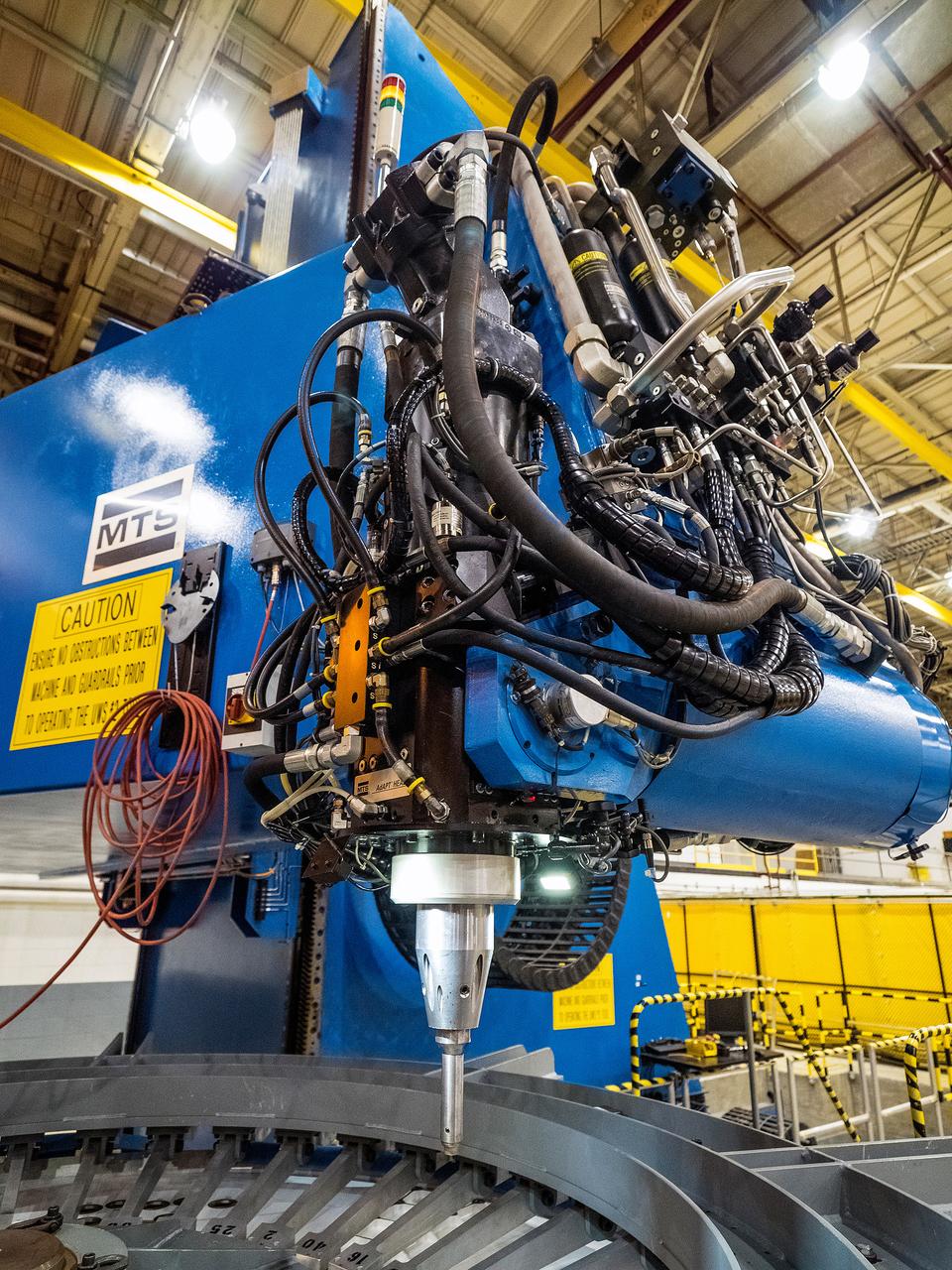
First weld of Orion Exploration Mission 1 crew module
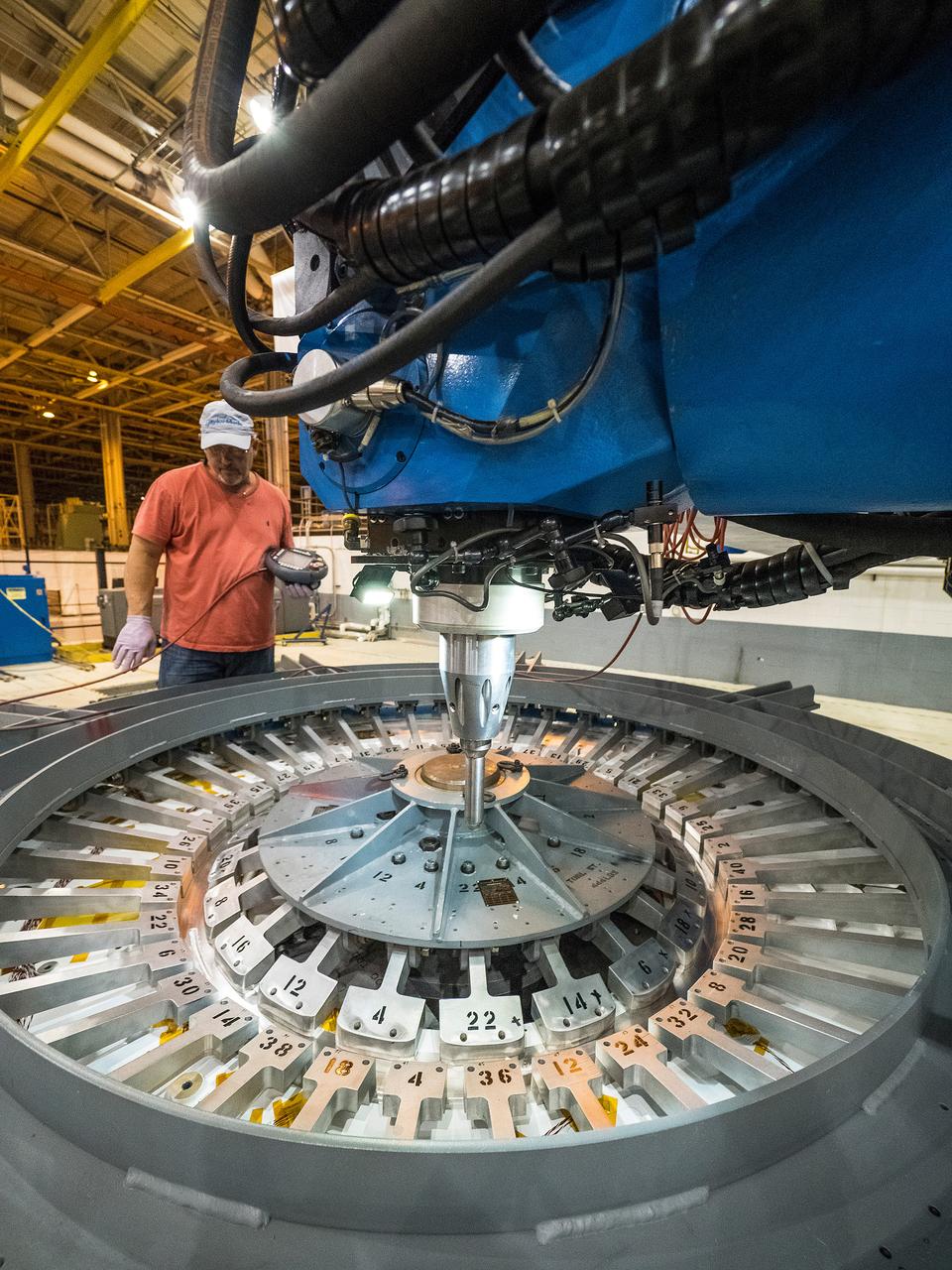
First weld of Orion Exploration Mission 1 crew module
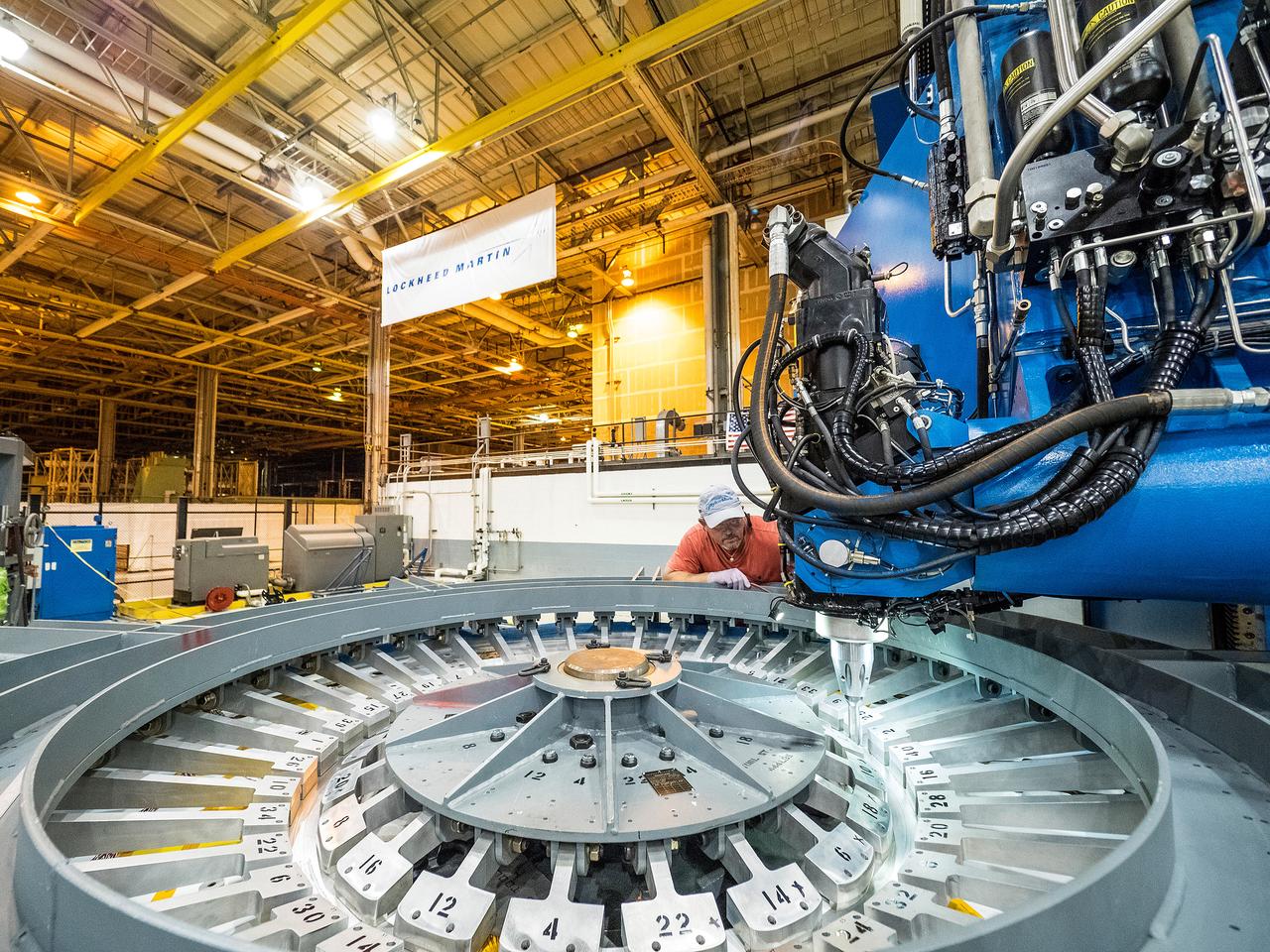
First weld of Orion Exploration Mission 1 crew module
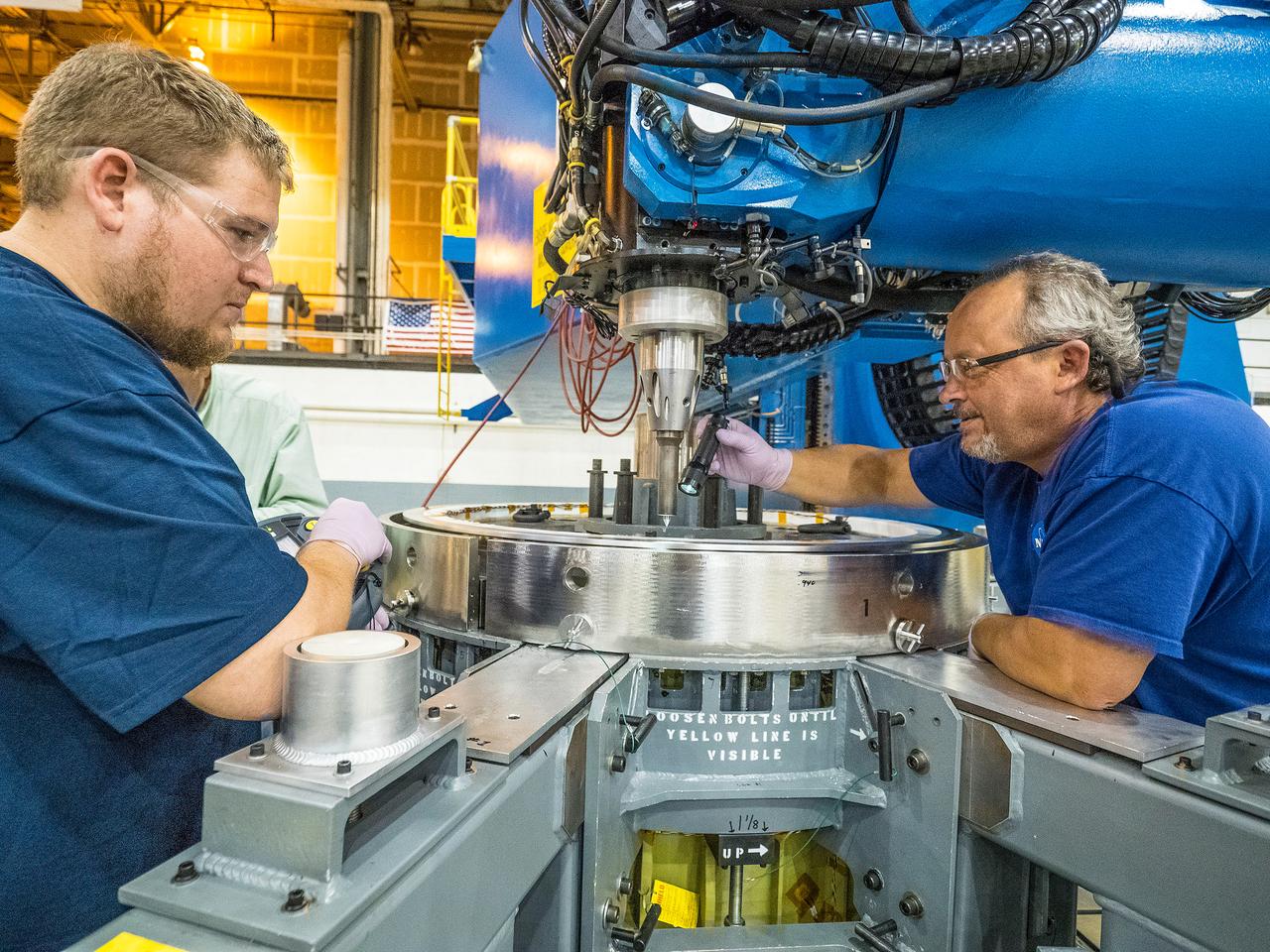
First weld of Orion Exploration Mission 1 crew module
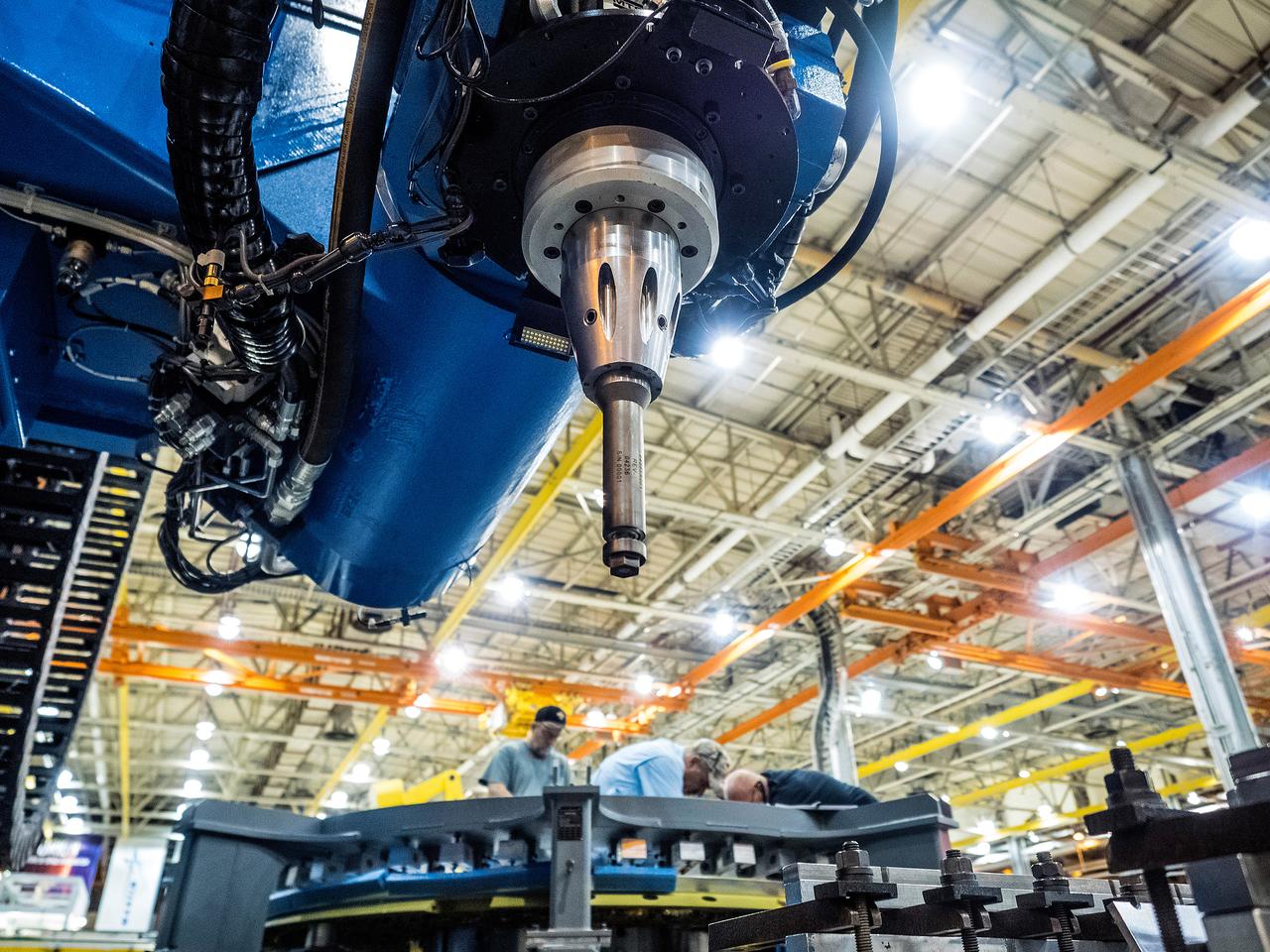
First weld of Orion Exploration Mission 1 crew module
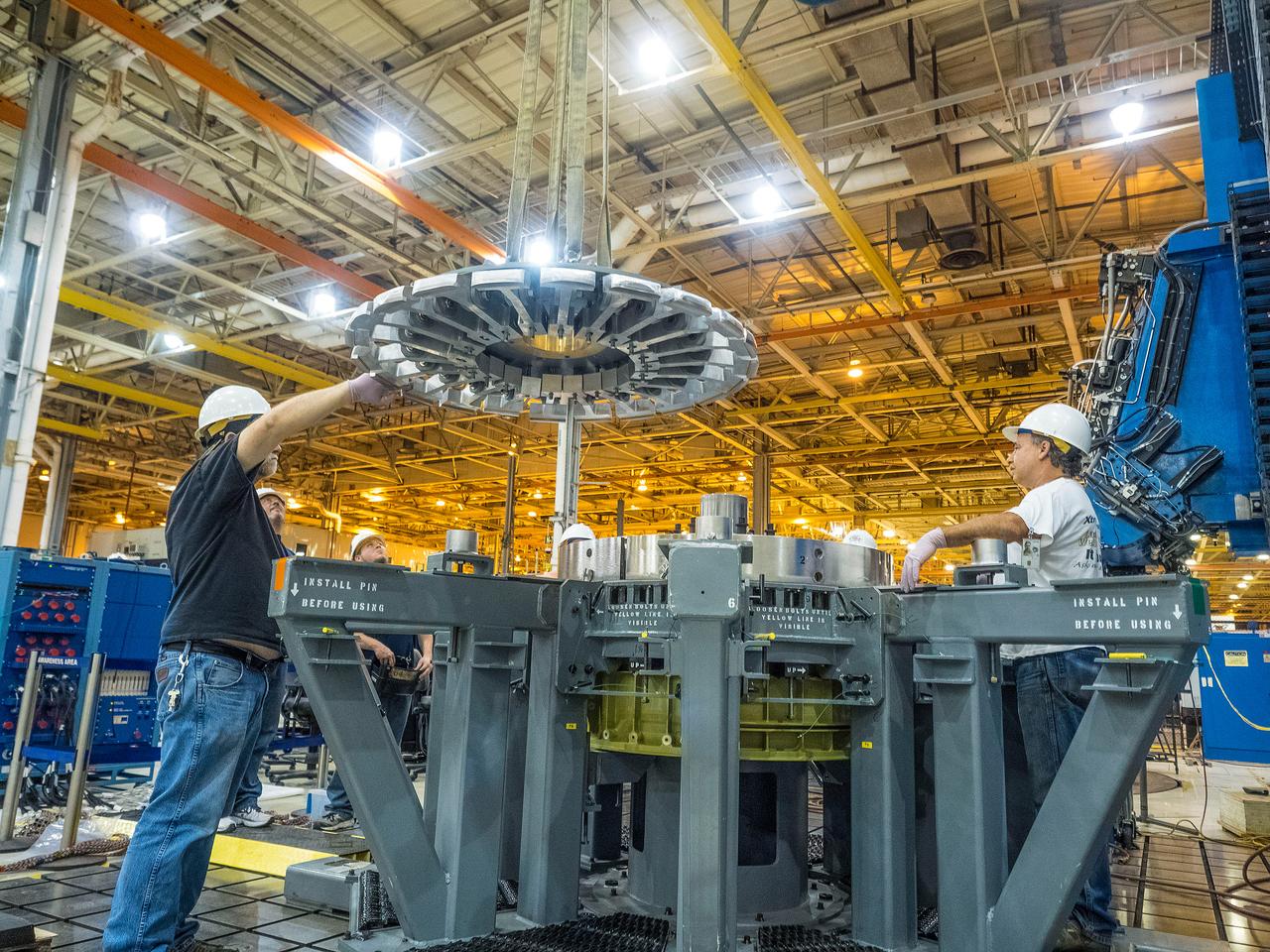
First weld of Orion Exploration Mission 1 crew module
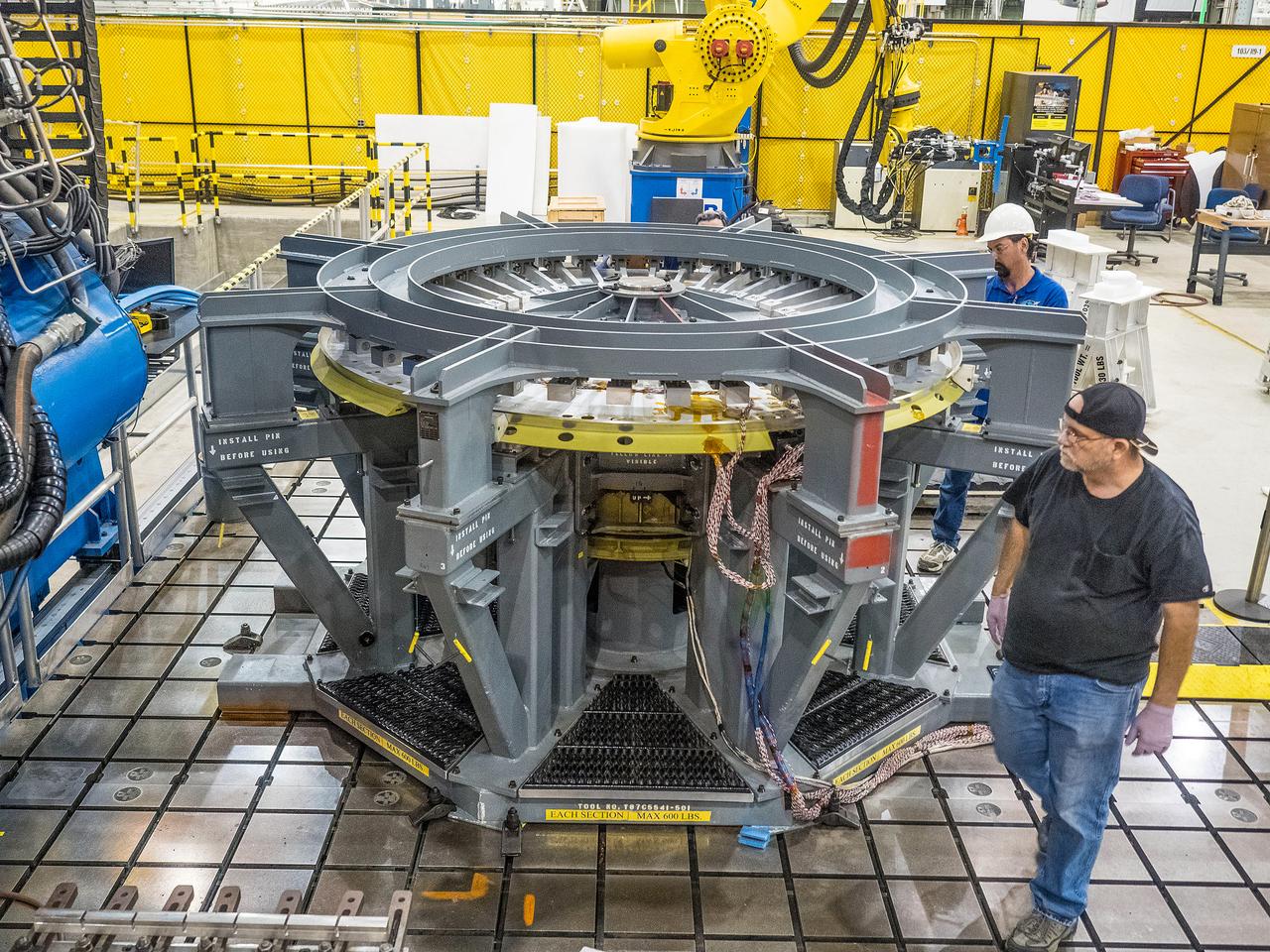
First weld of Orion Exploration Mission 1 crew module
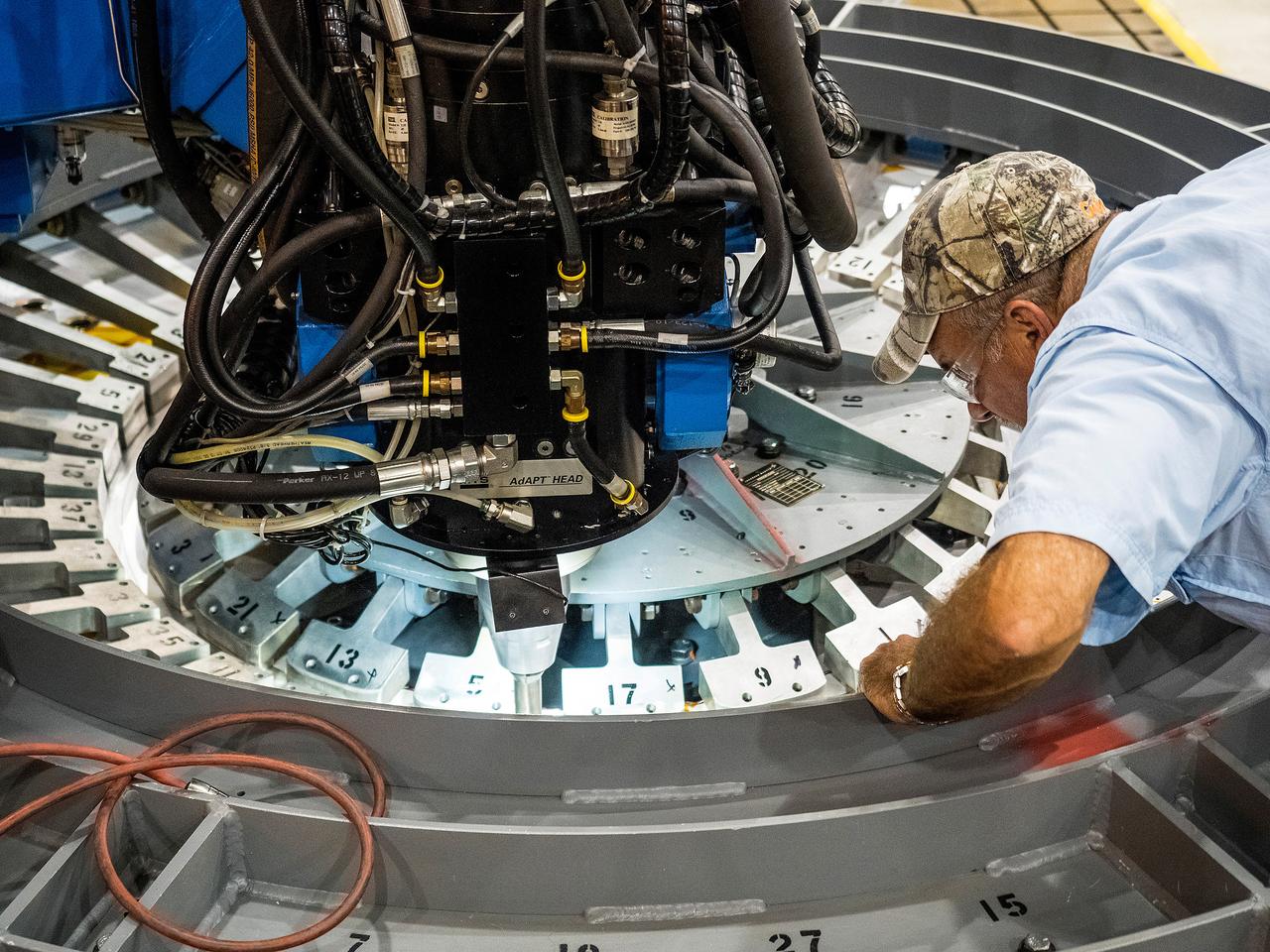
First weld of Orion Exploration Mission 1 crew module
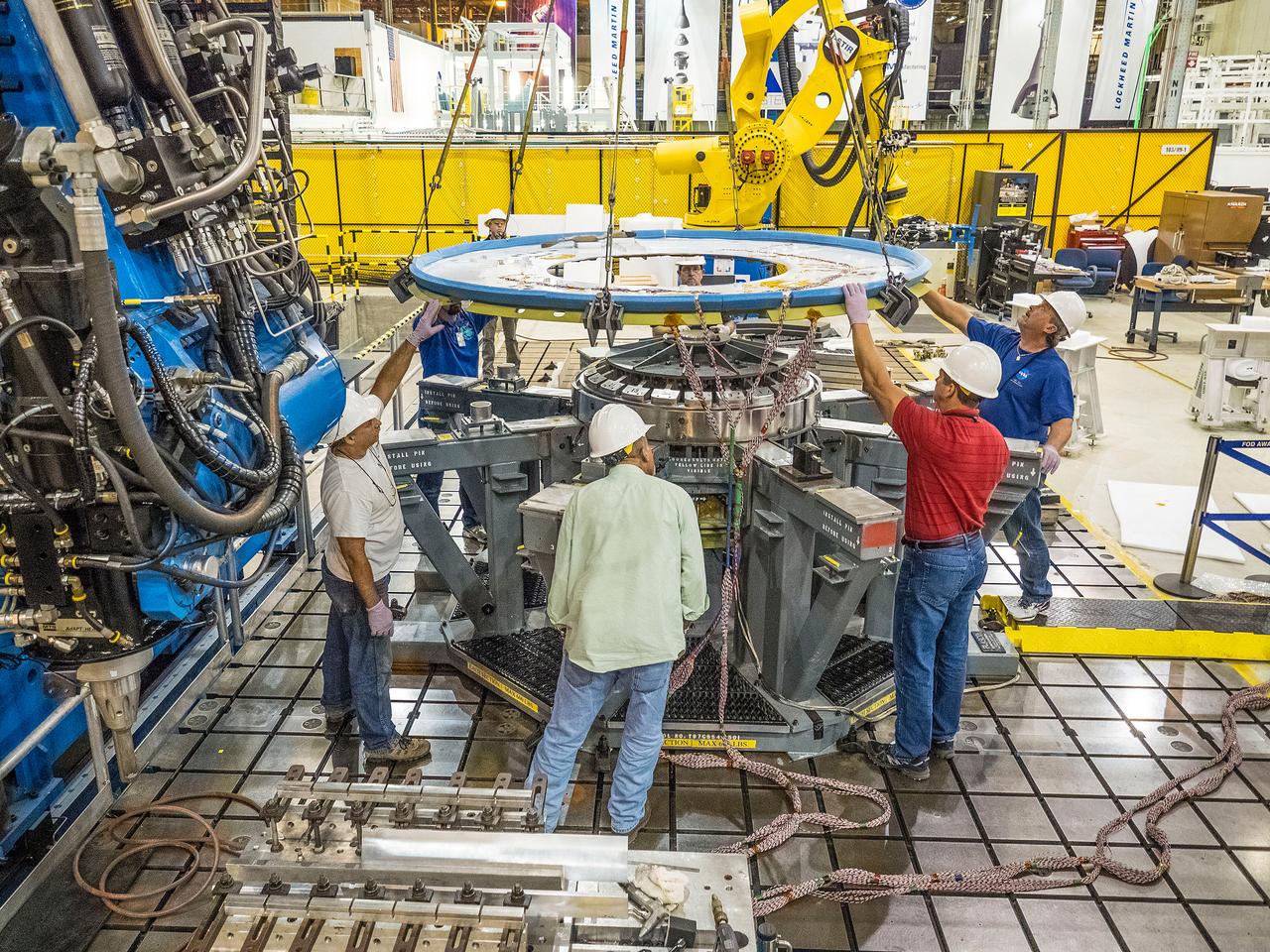
First weld of Orion Exploration Mission 1 crew module
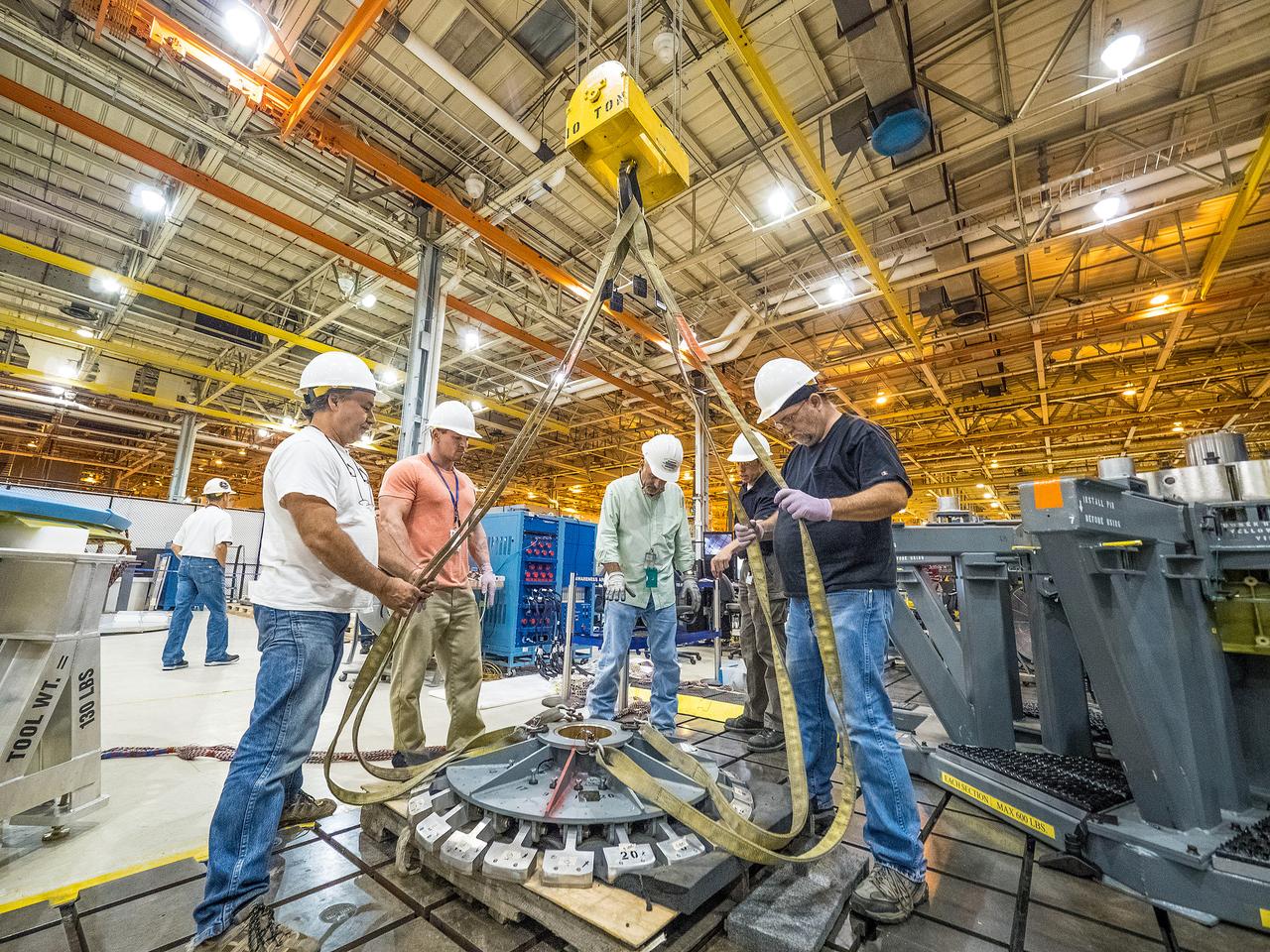
First weld of Orion Exploration Mission 1 crew module
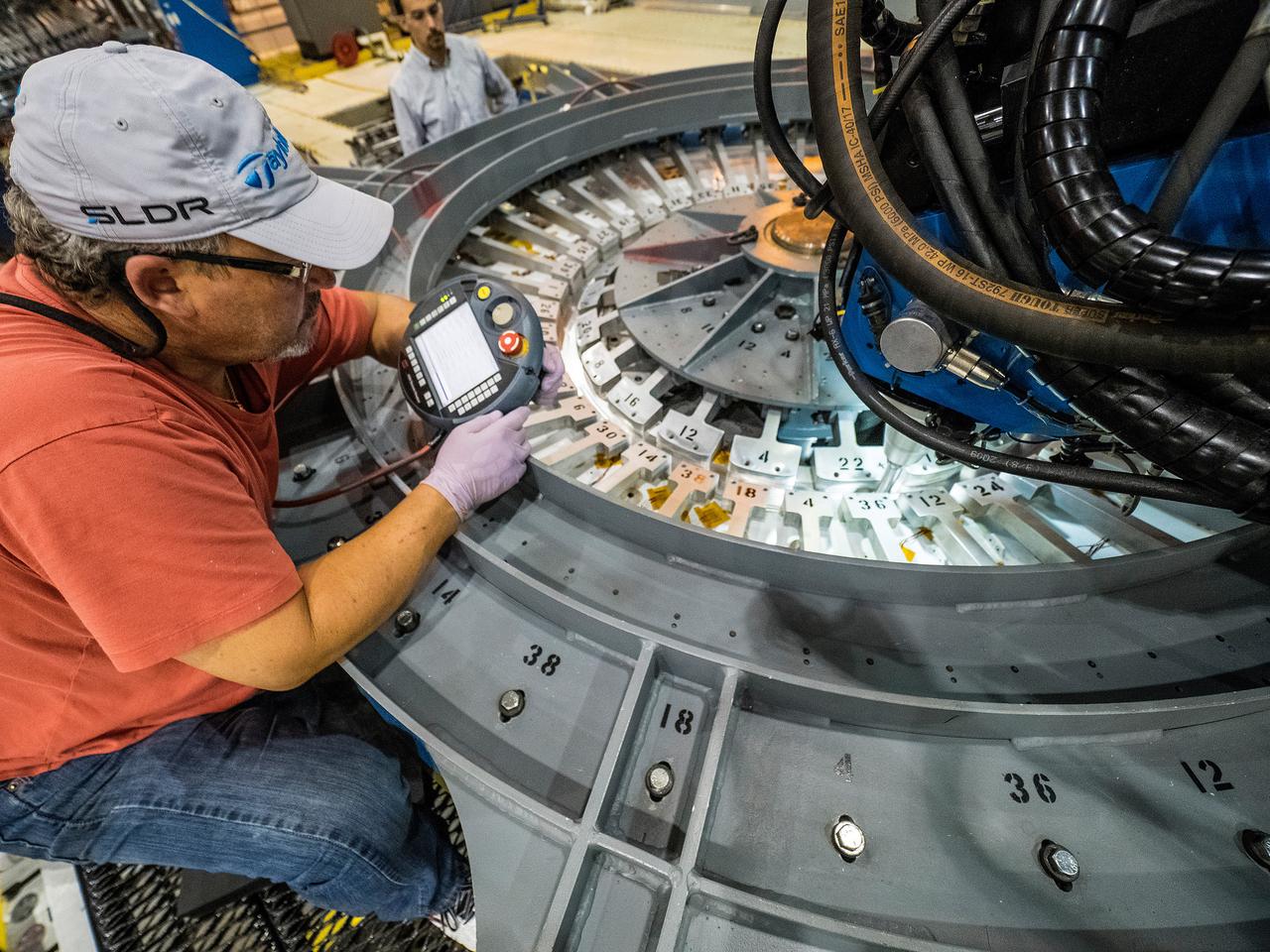
First weld of Orion Exploration Mission 1 crew module
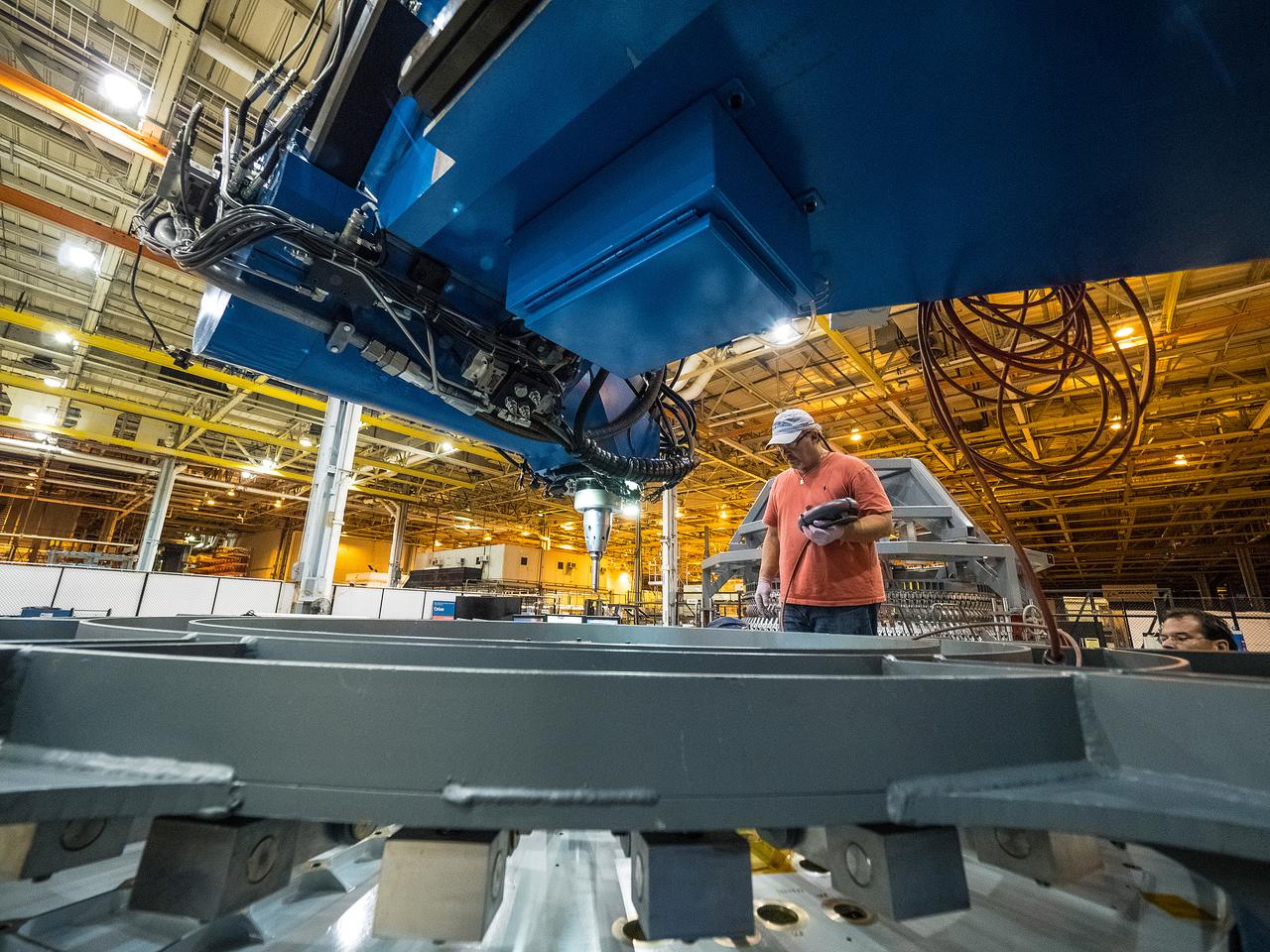
First weld of Orion Exploration Mission 1 crew module
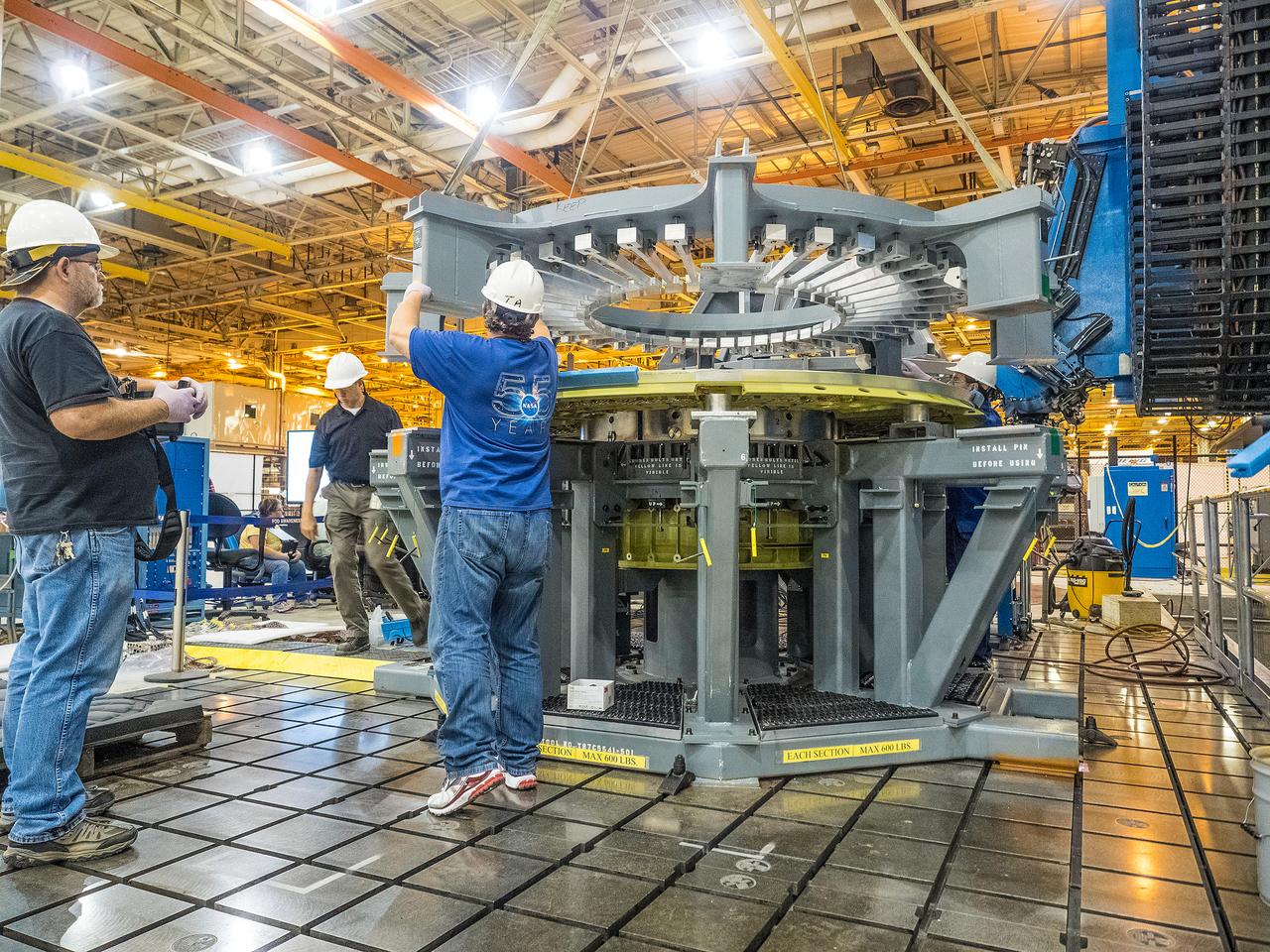
First weld of Orion Exploration Mission 1 crew module

First weld of Orion Exploration Mission 1 crew module
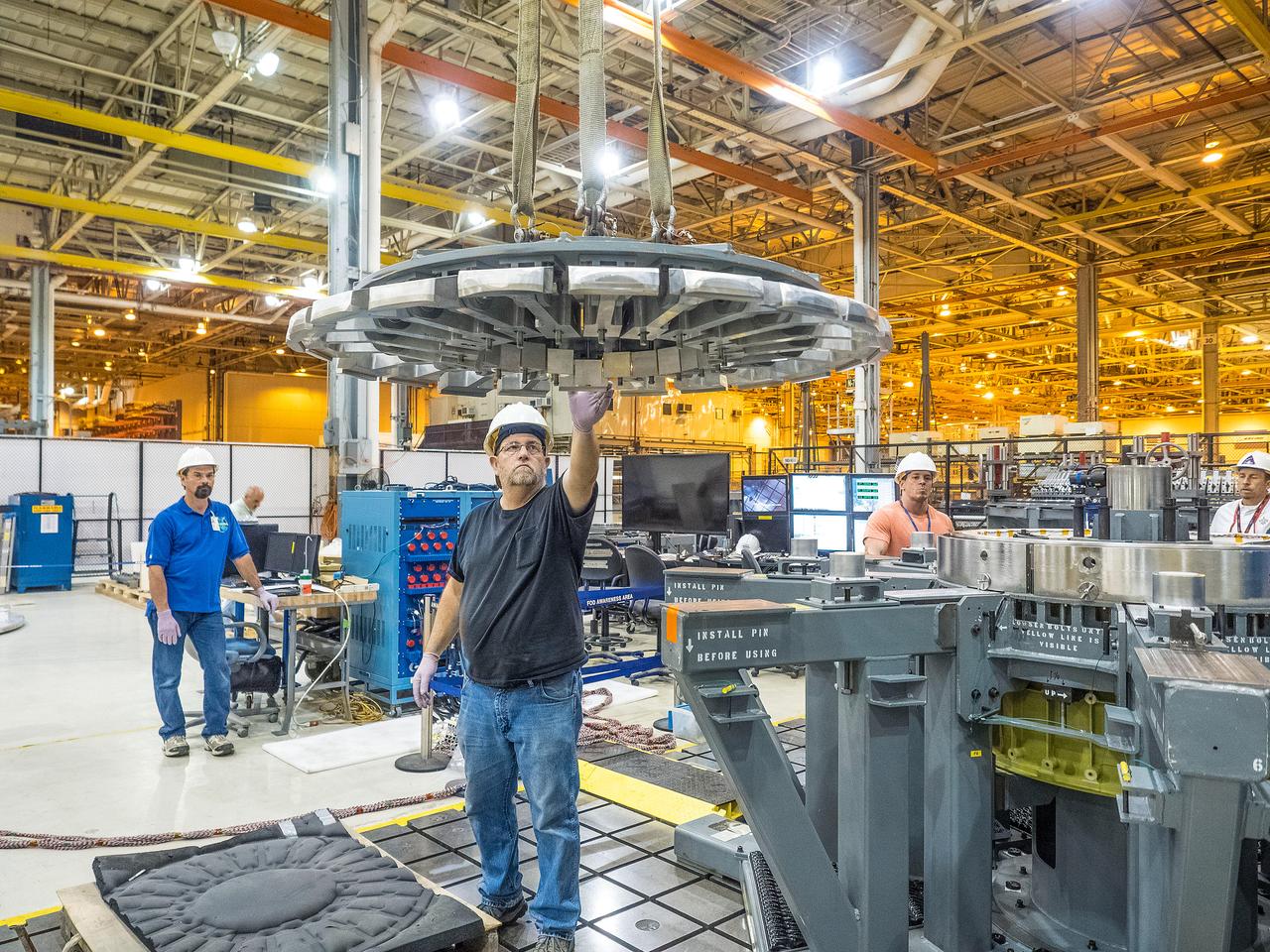
First weld of Orion Exploration Mission 1 crew module
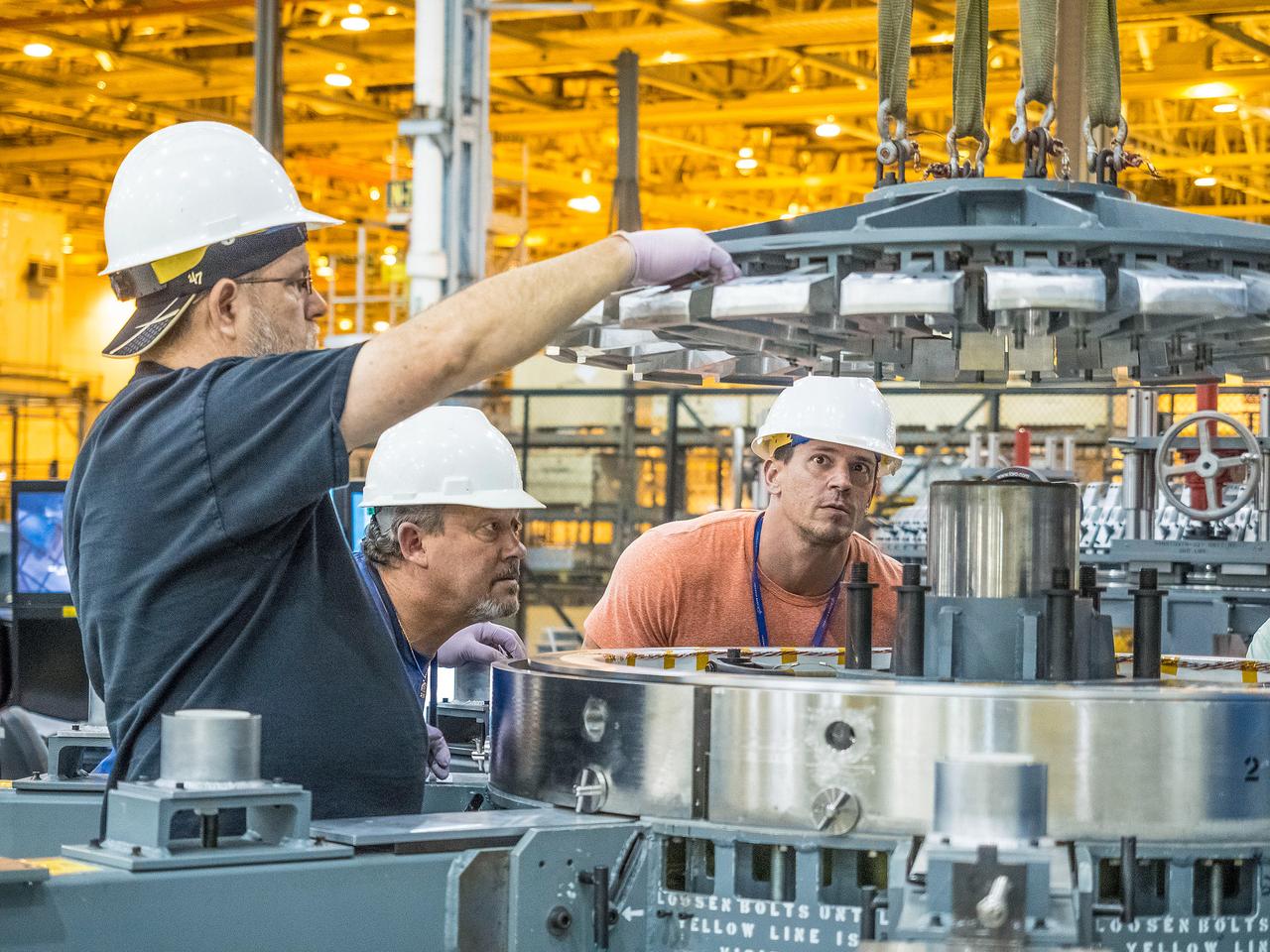
First weld of Orion Exploration Mission 1 crew module
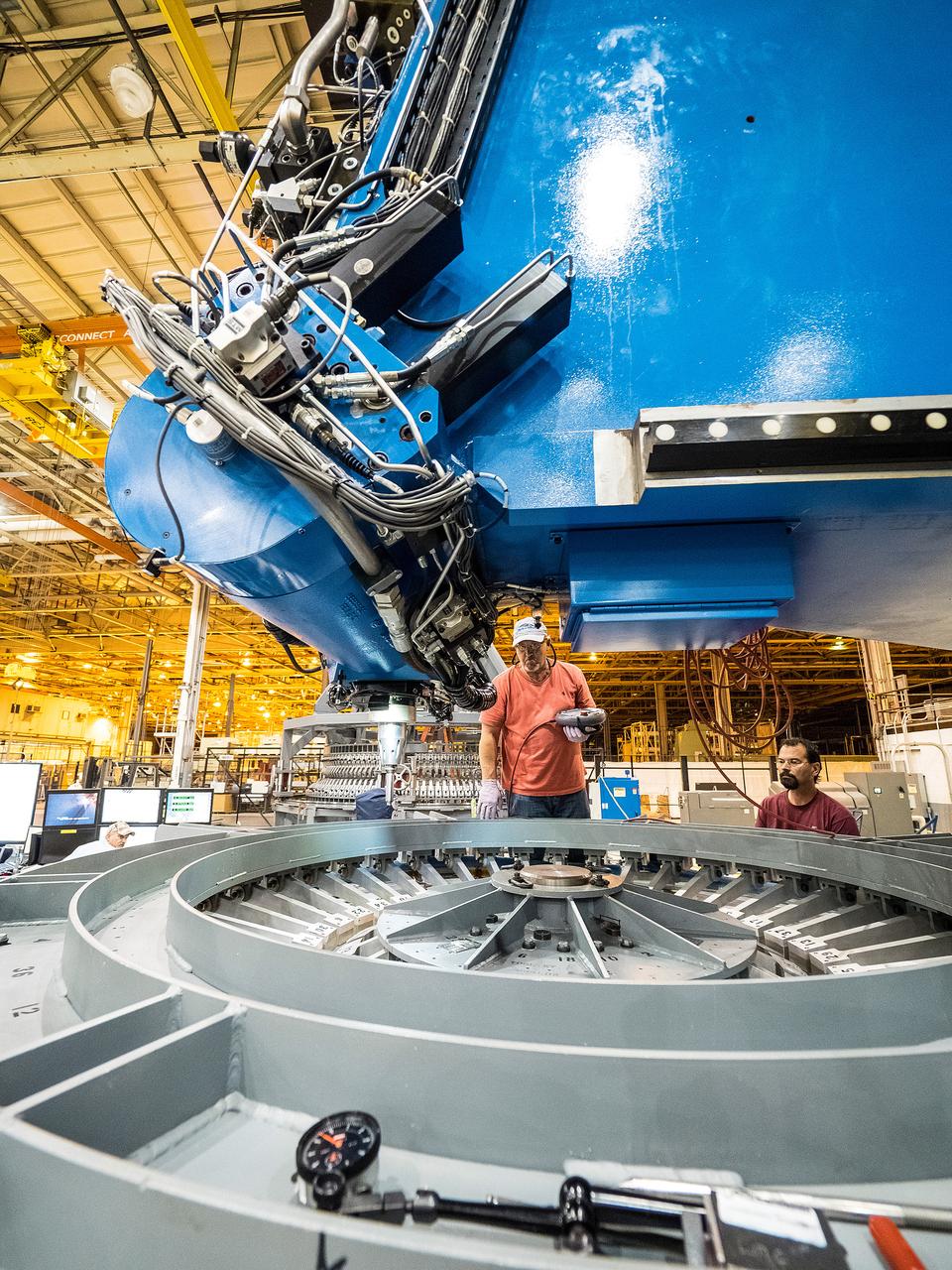
First weld of Orion Exploration Mission 1 crew module
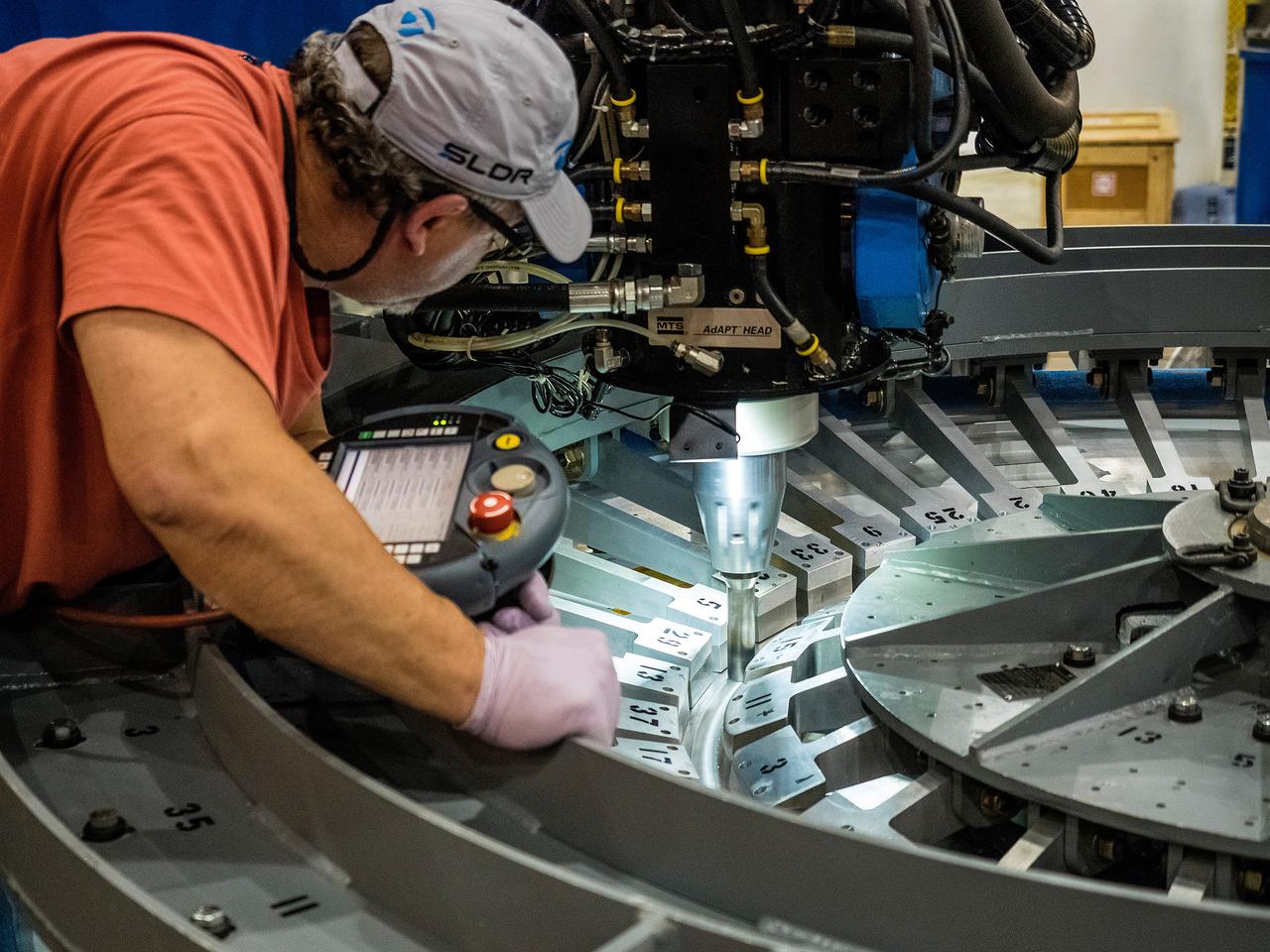
First weld of Orion Exploration Mission 1 crew module
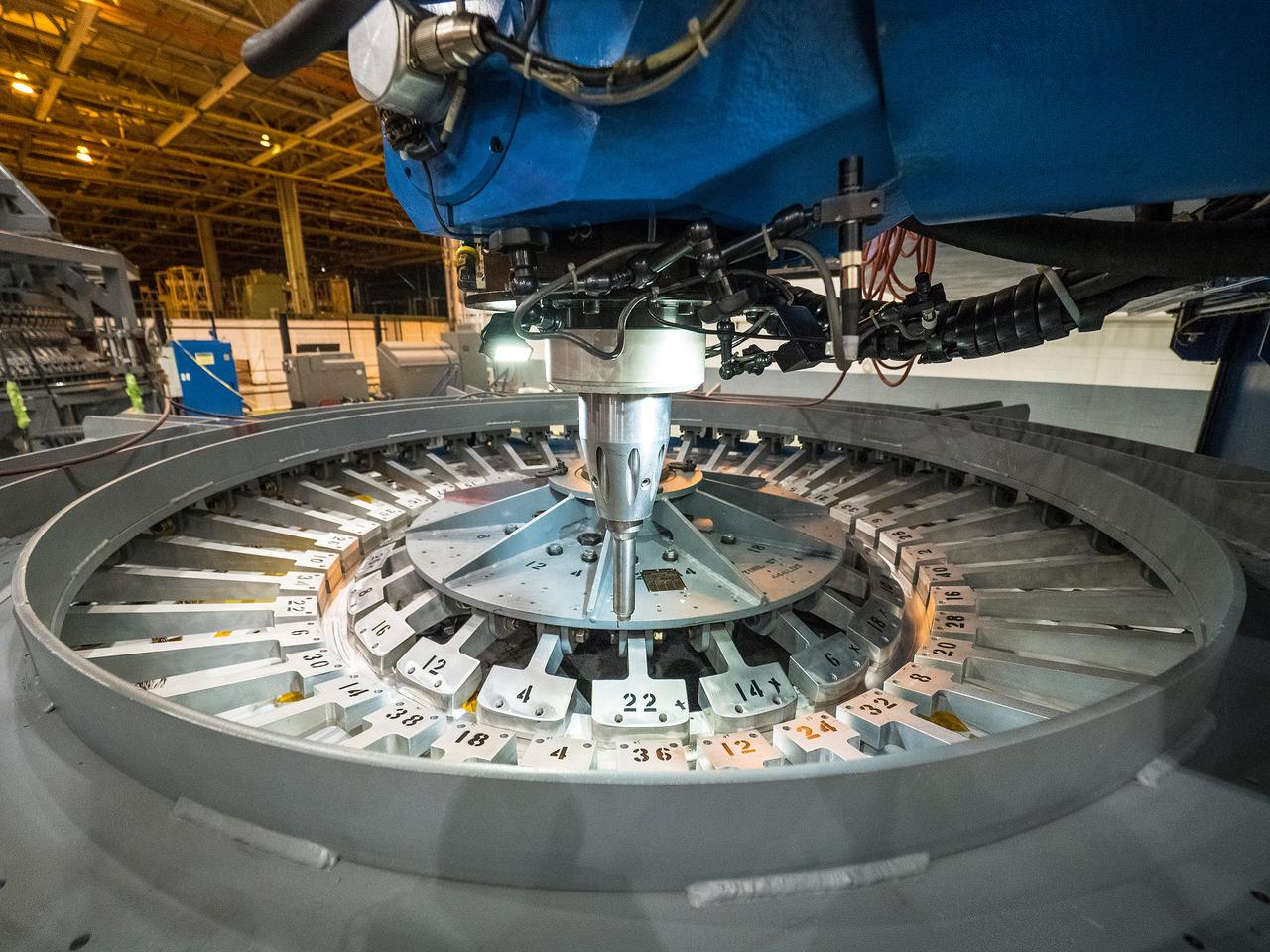
First weld of Orion Exploration Mission 1 crew module
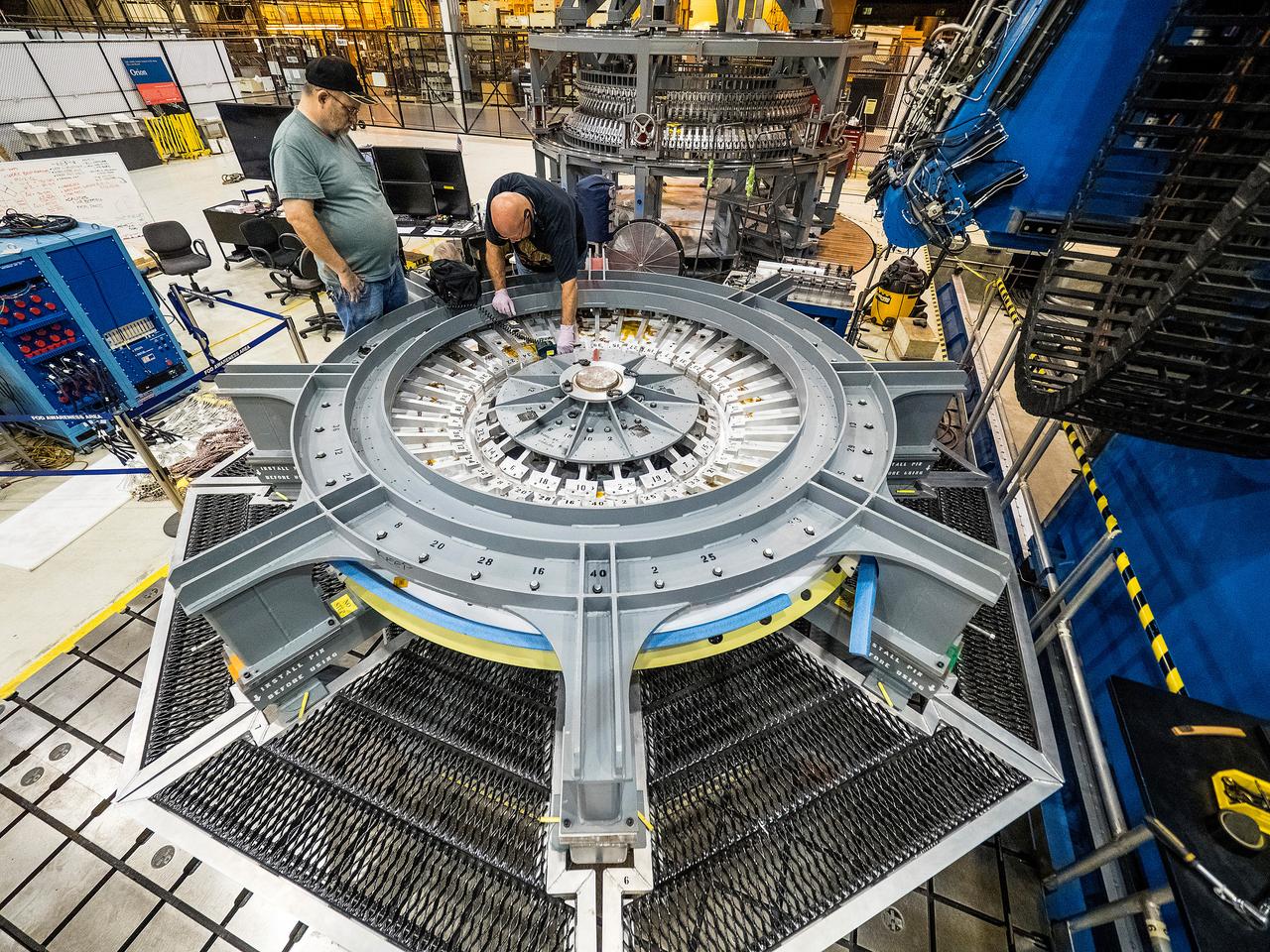
First weld of Orion Exploration Mission 1 crew module
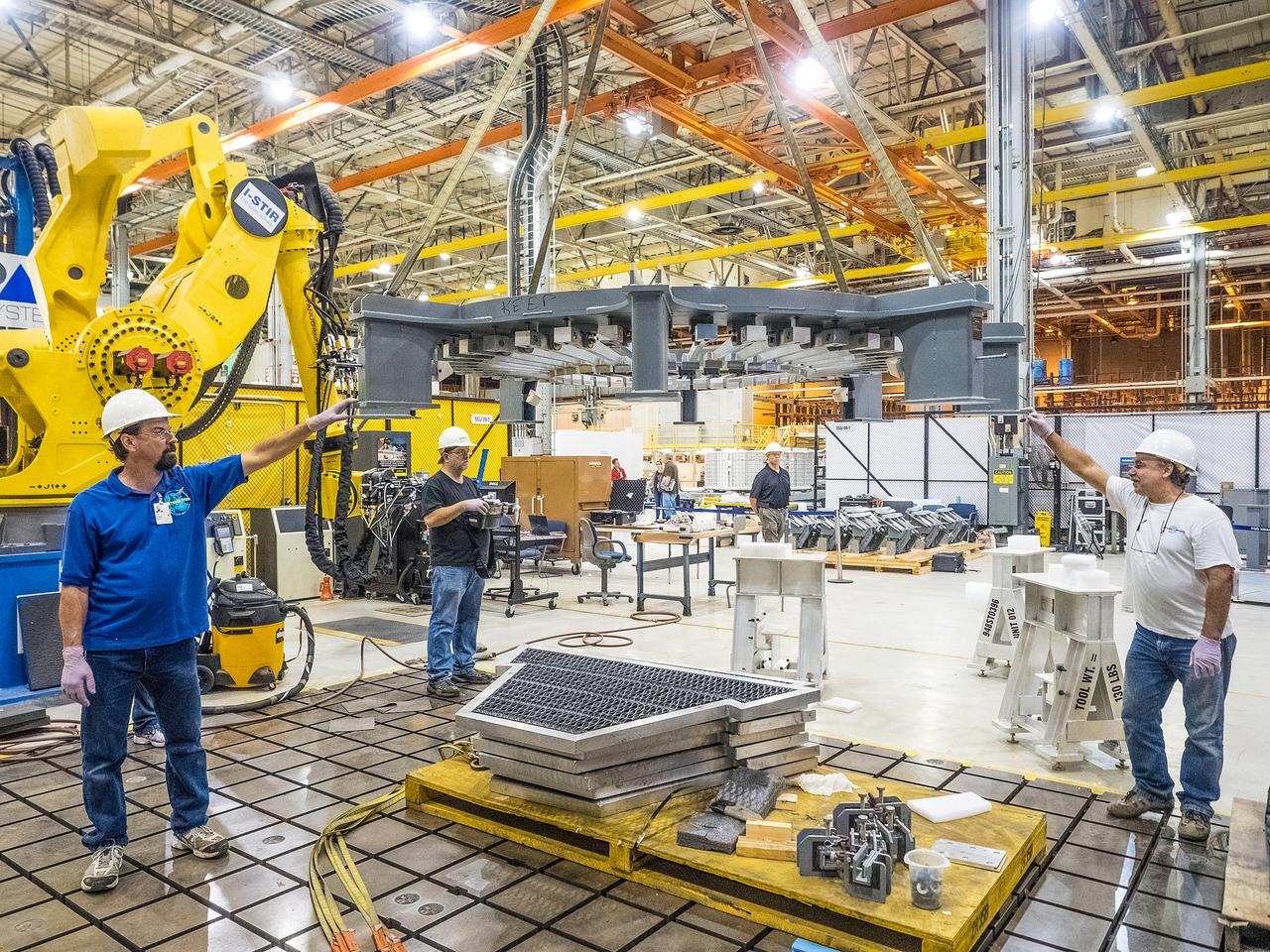
First weld of Orion Exploration Mission 1 crew module
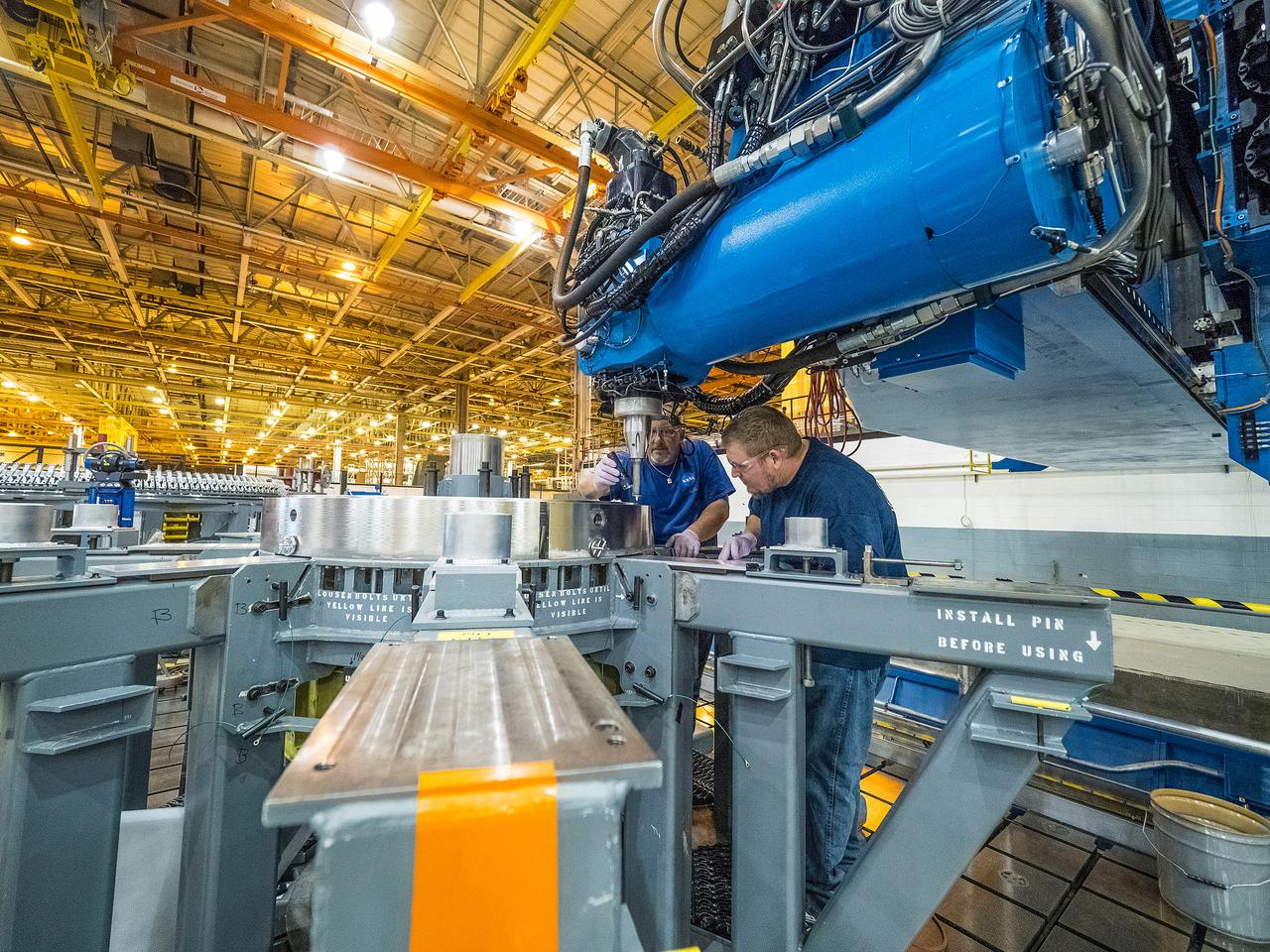
First weld of Orion Exploration Mission 1 crew module
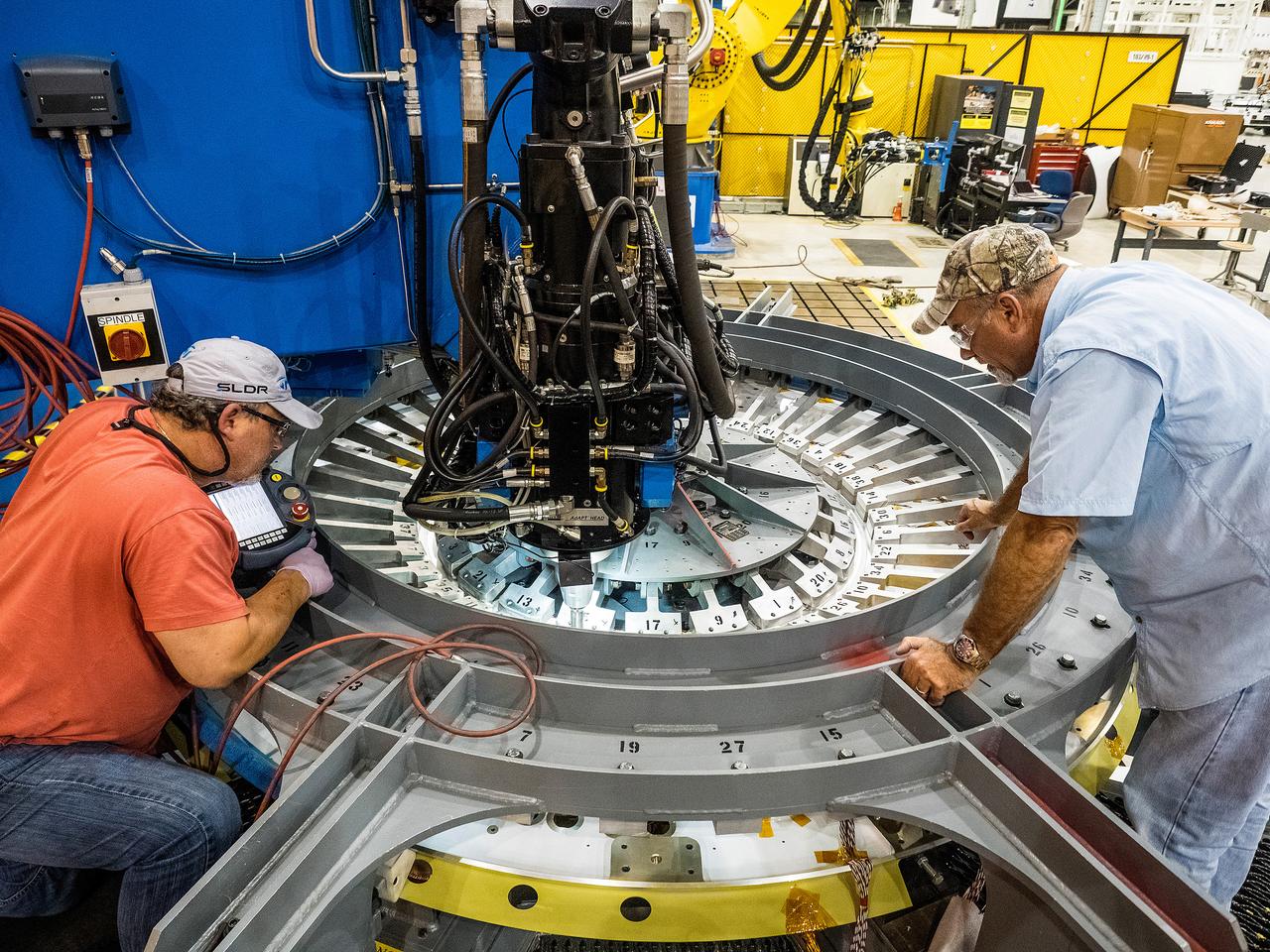
First weld of Orion Exploration Mission 1 crew module
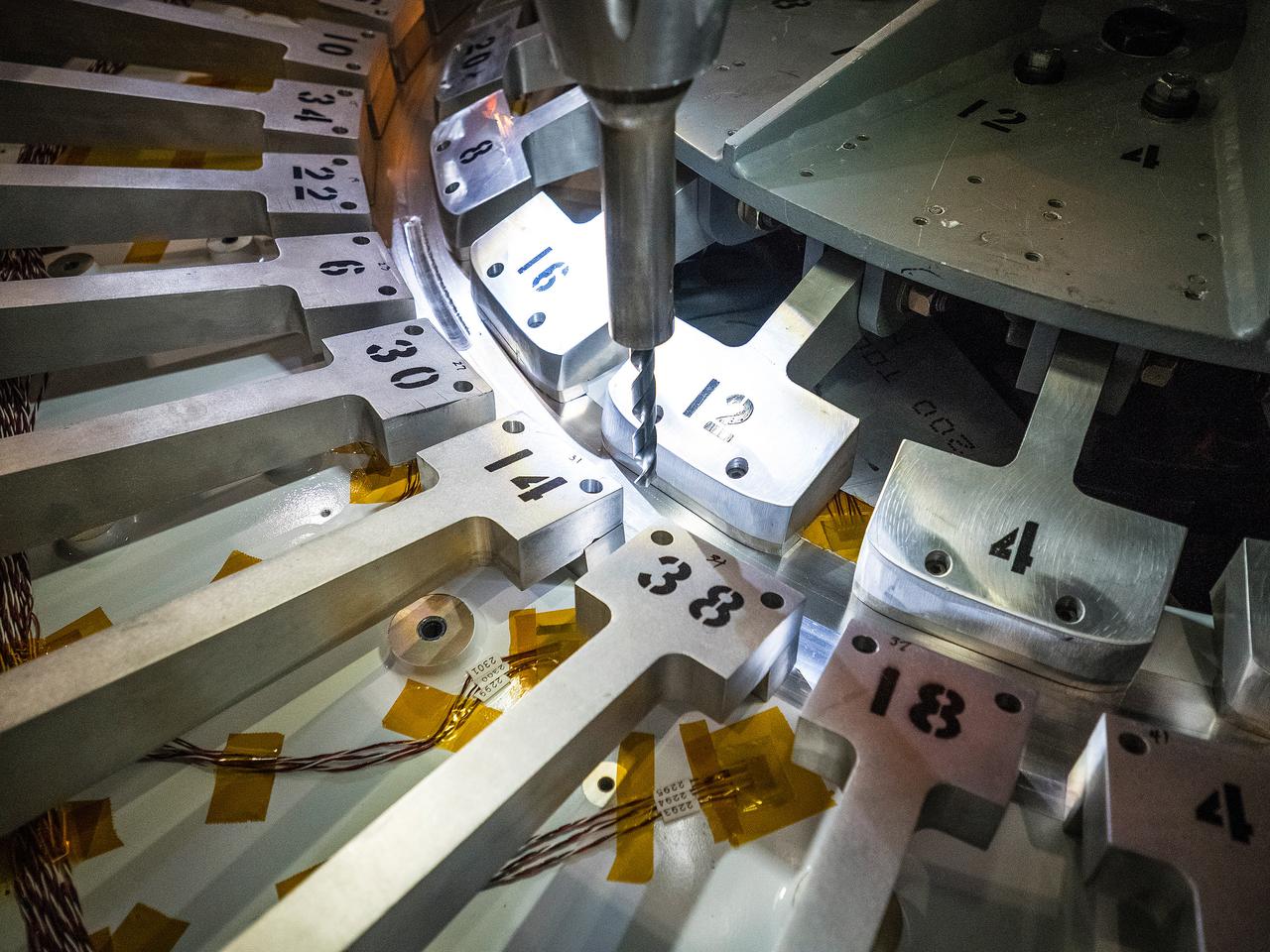
First weld of Orion Exploration Mission 1 crew module
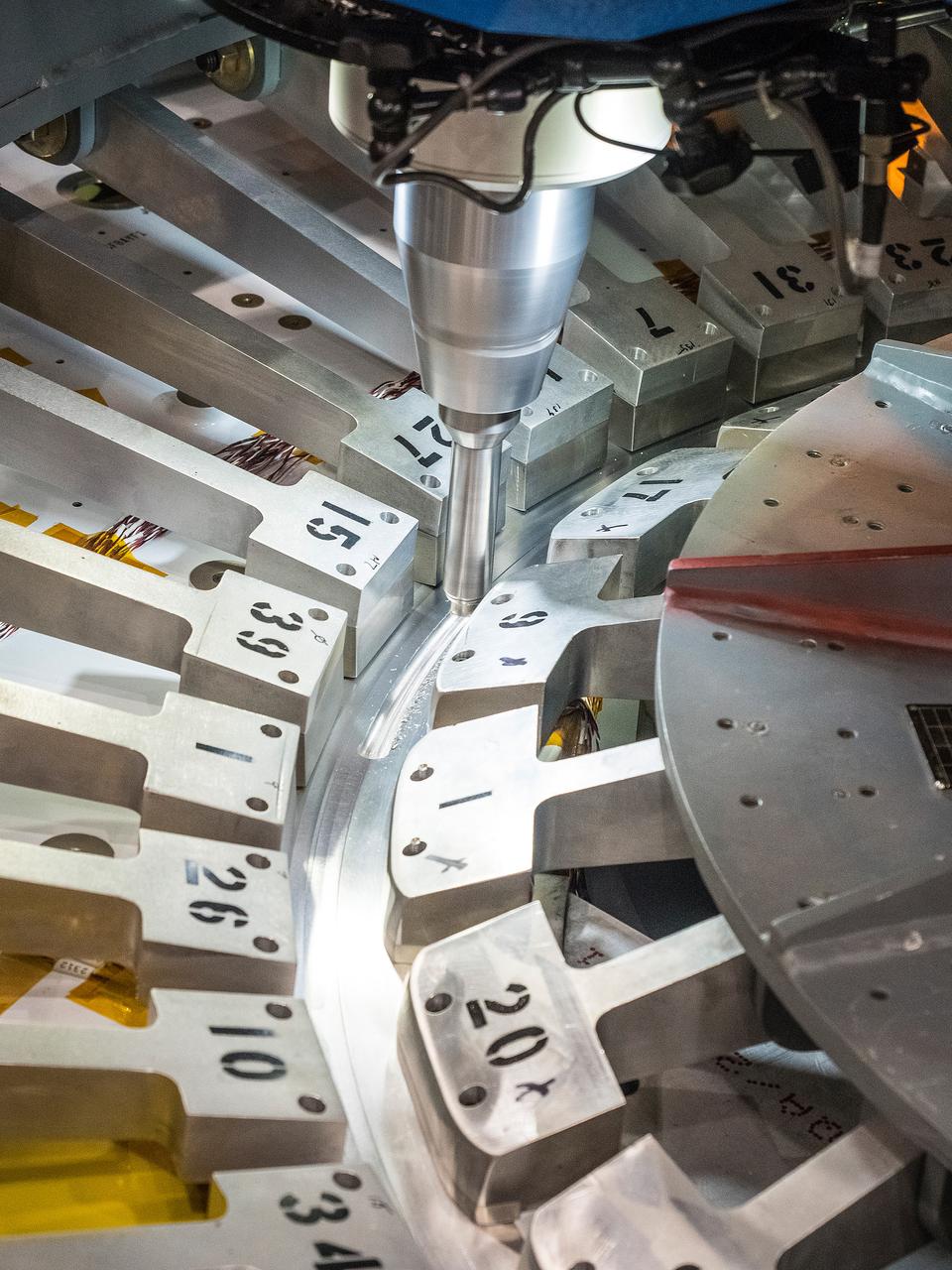
First weld of Orion Exploration Mission 1 crew module
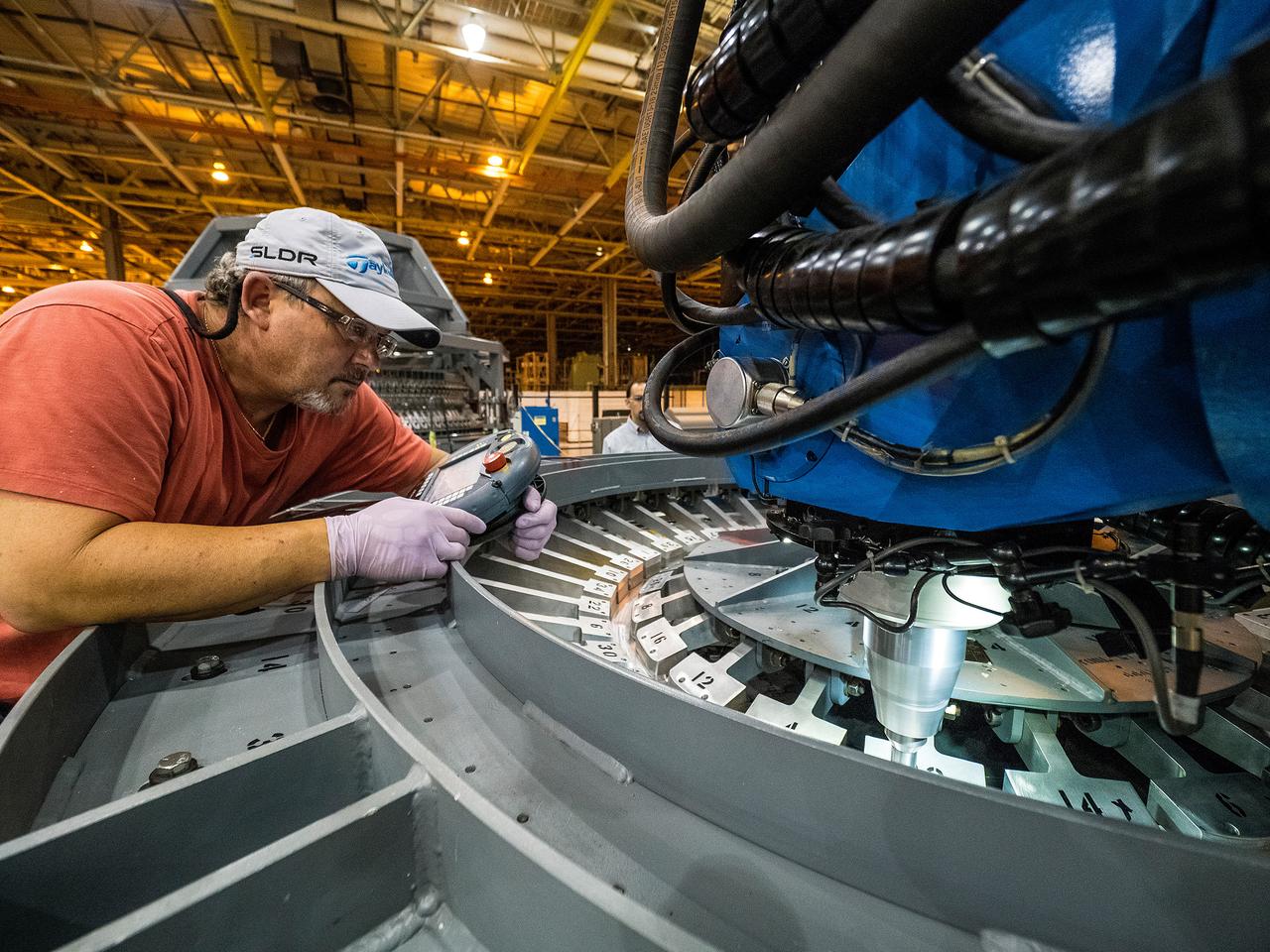
First weld of Orion Exploration Mission 1 crew module
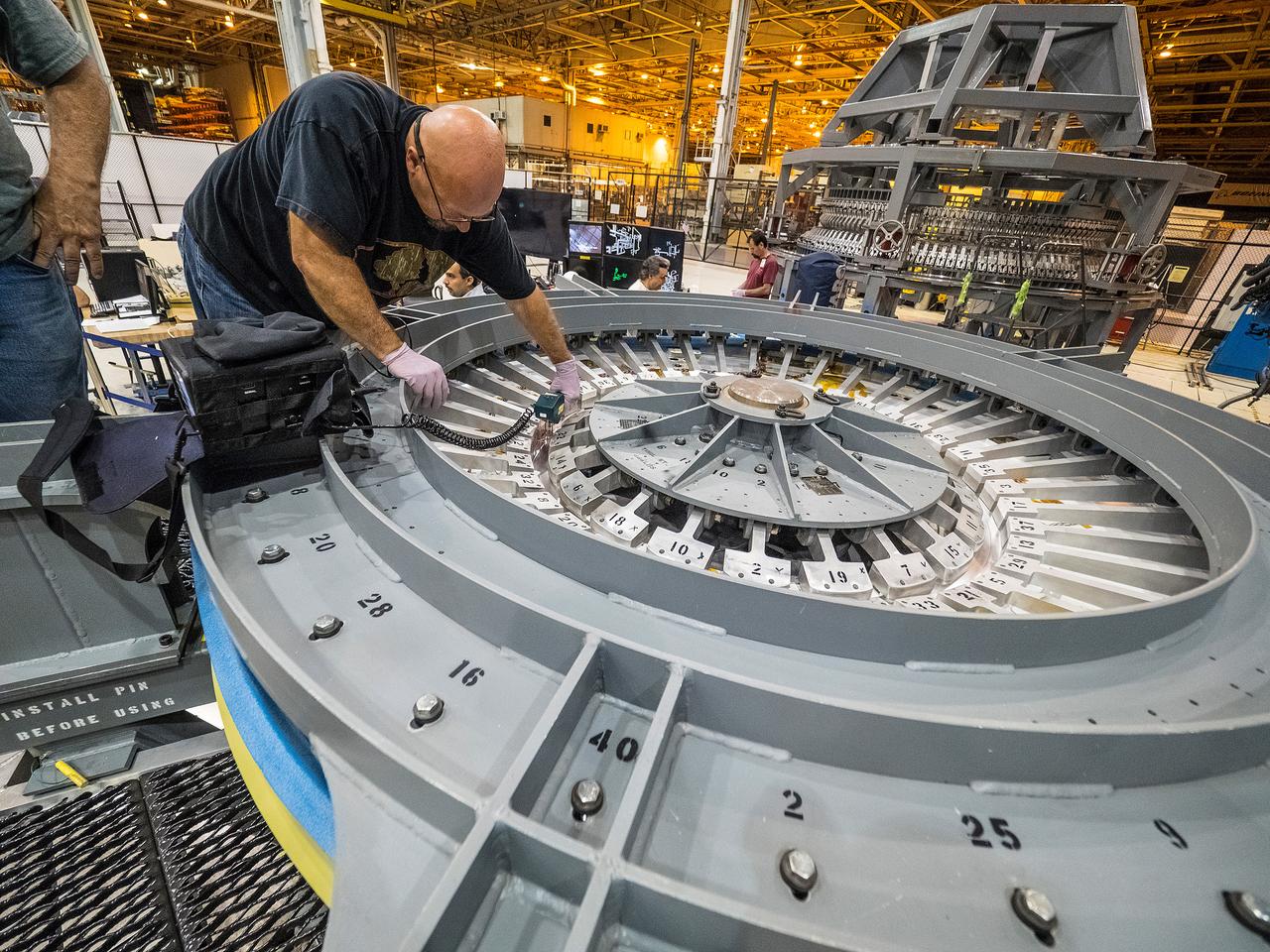
First weld of Orion Exploration Mission 1 crew module
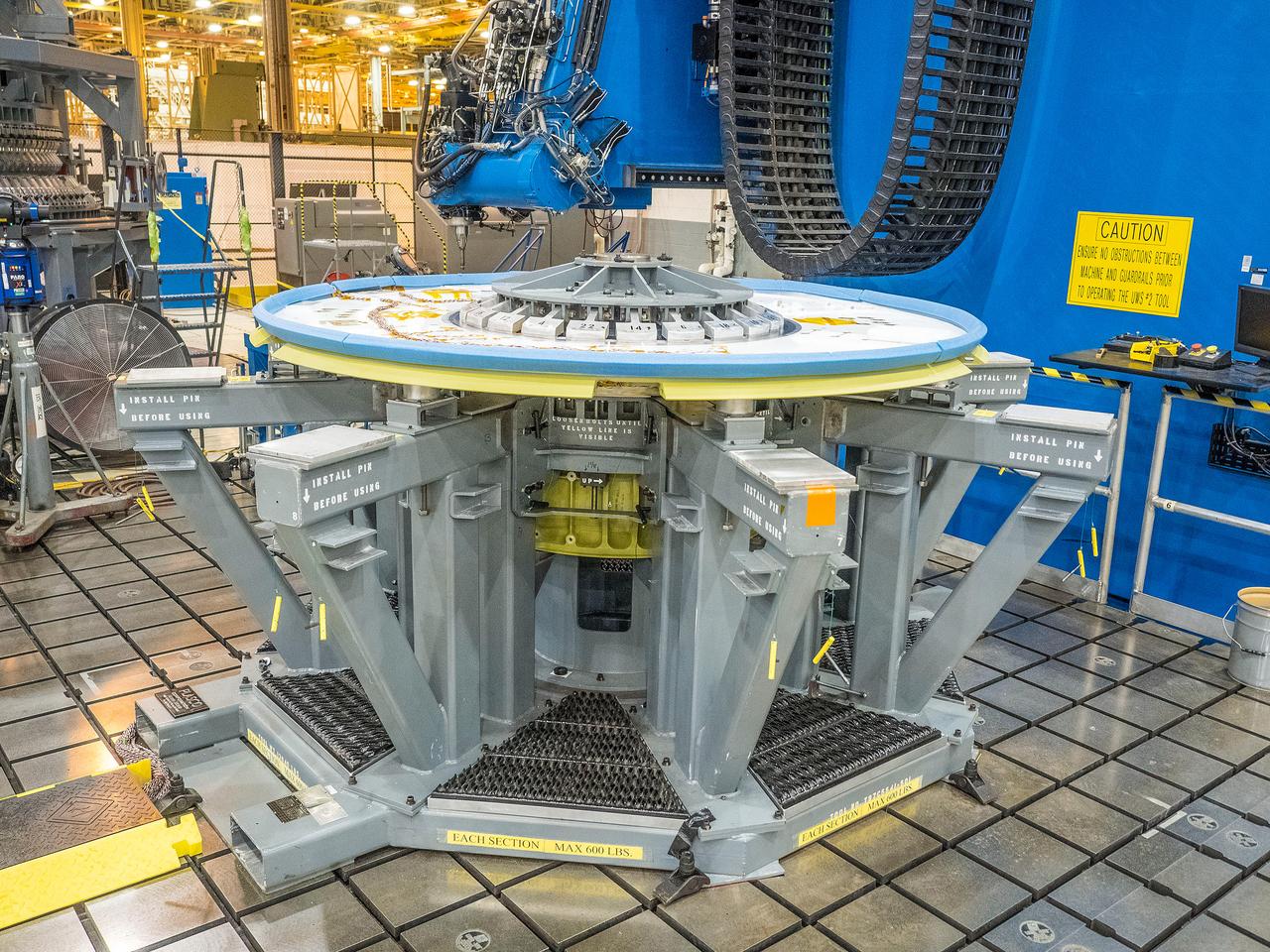
First weld of Orion Exploration Mission 1 crew module
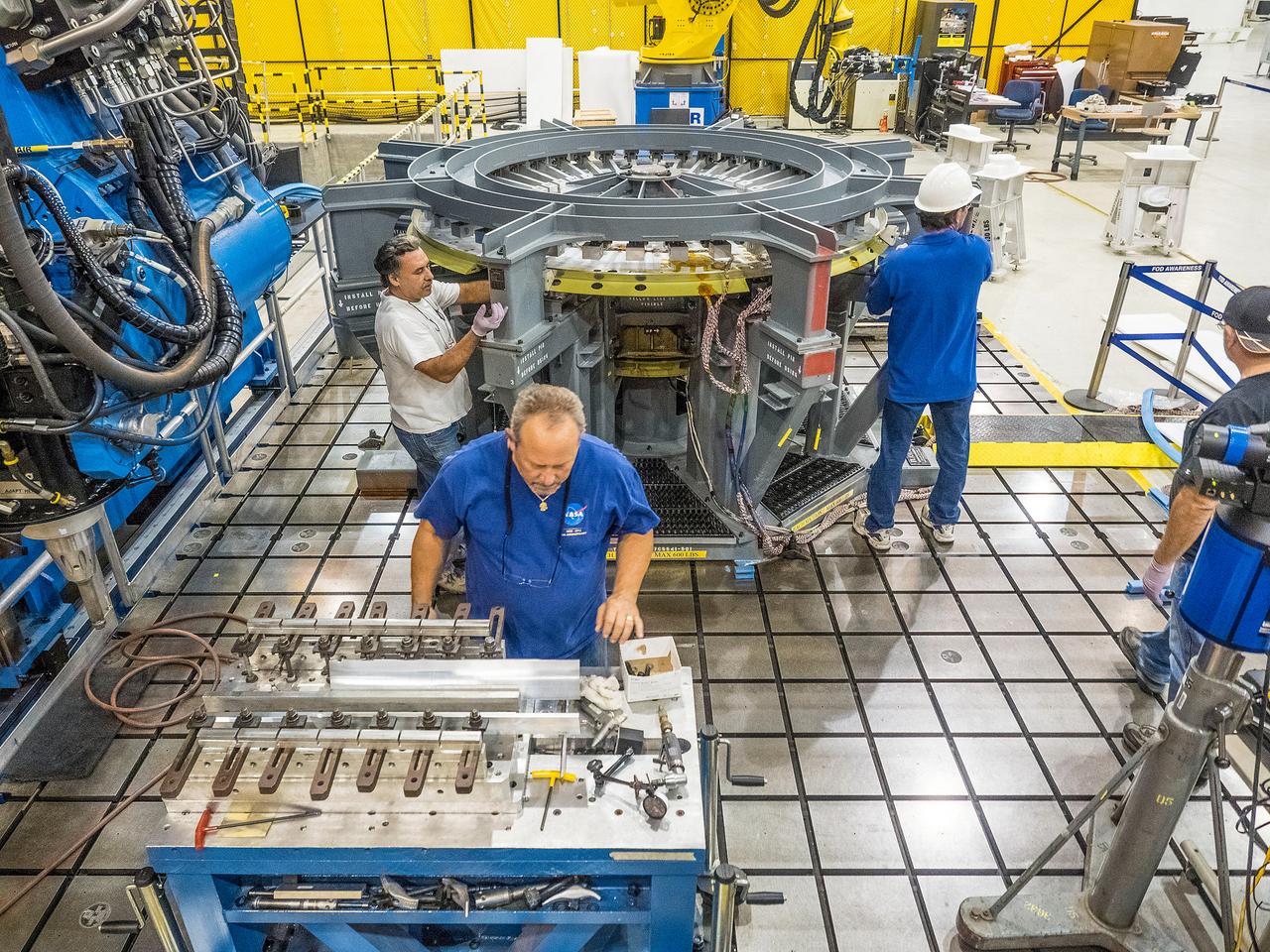
First weld of Orion Exploration Mission 1 crew module
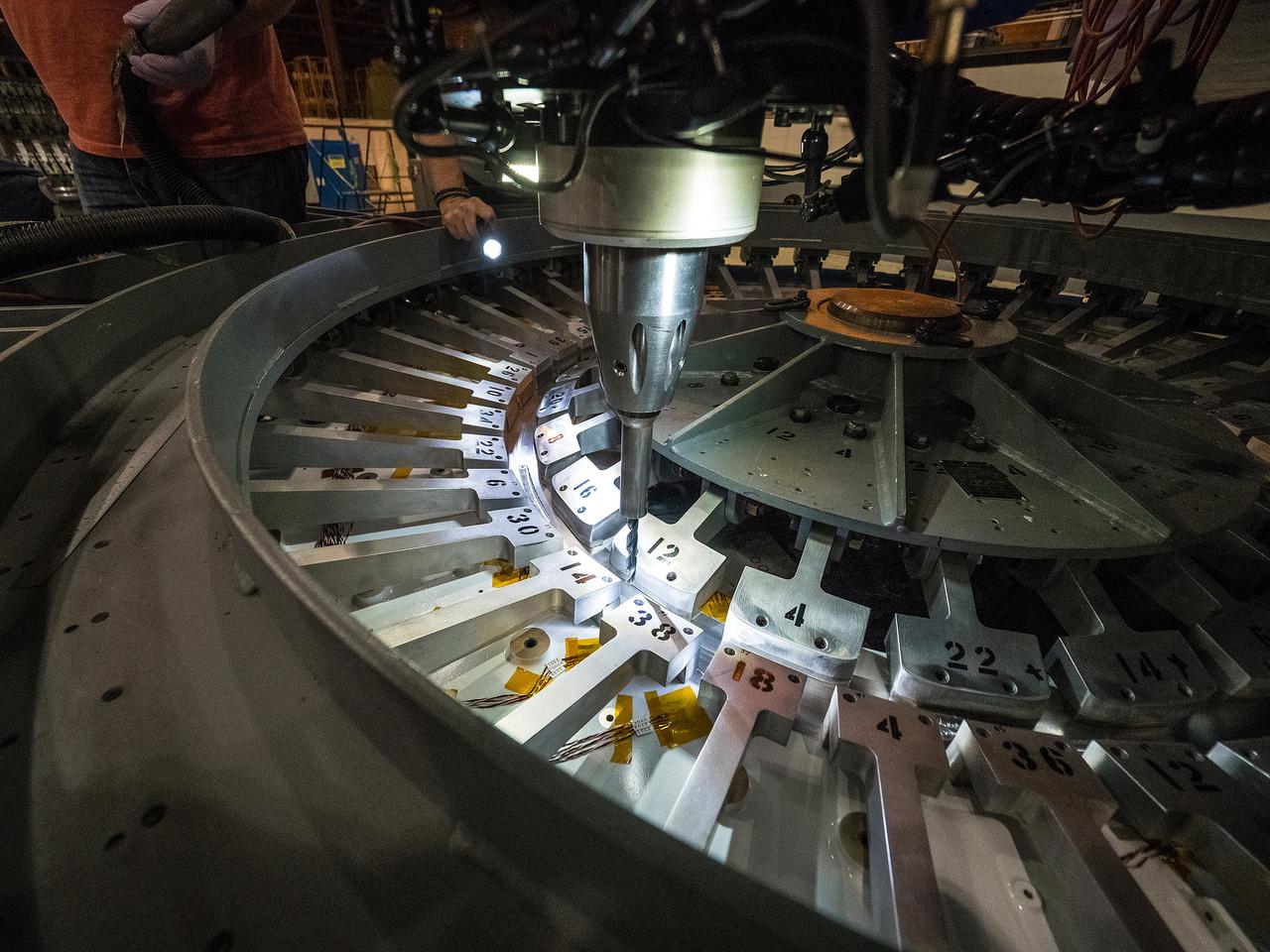
First weld of Orion Exploration Mission 1 crew module
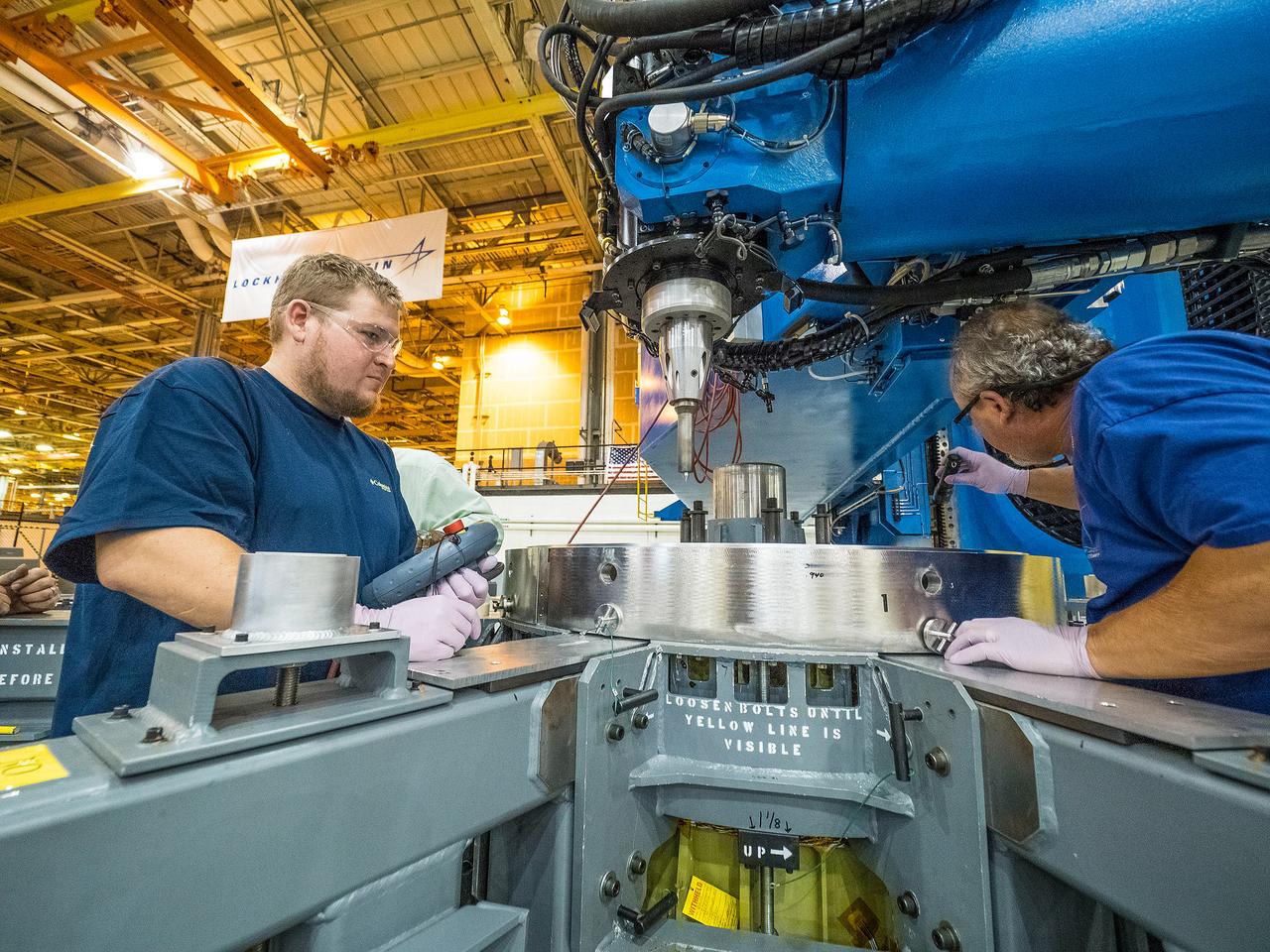
First weld of Orion Exploration Mission 1 crew module
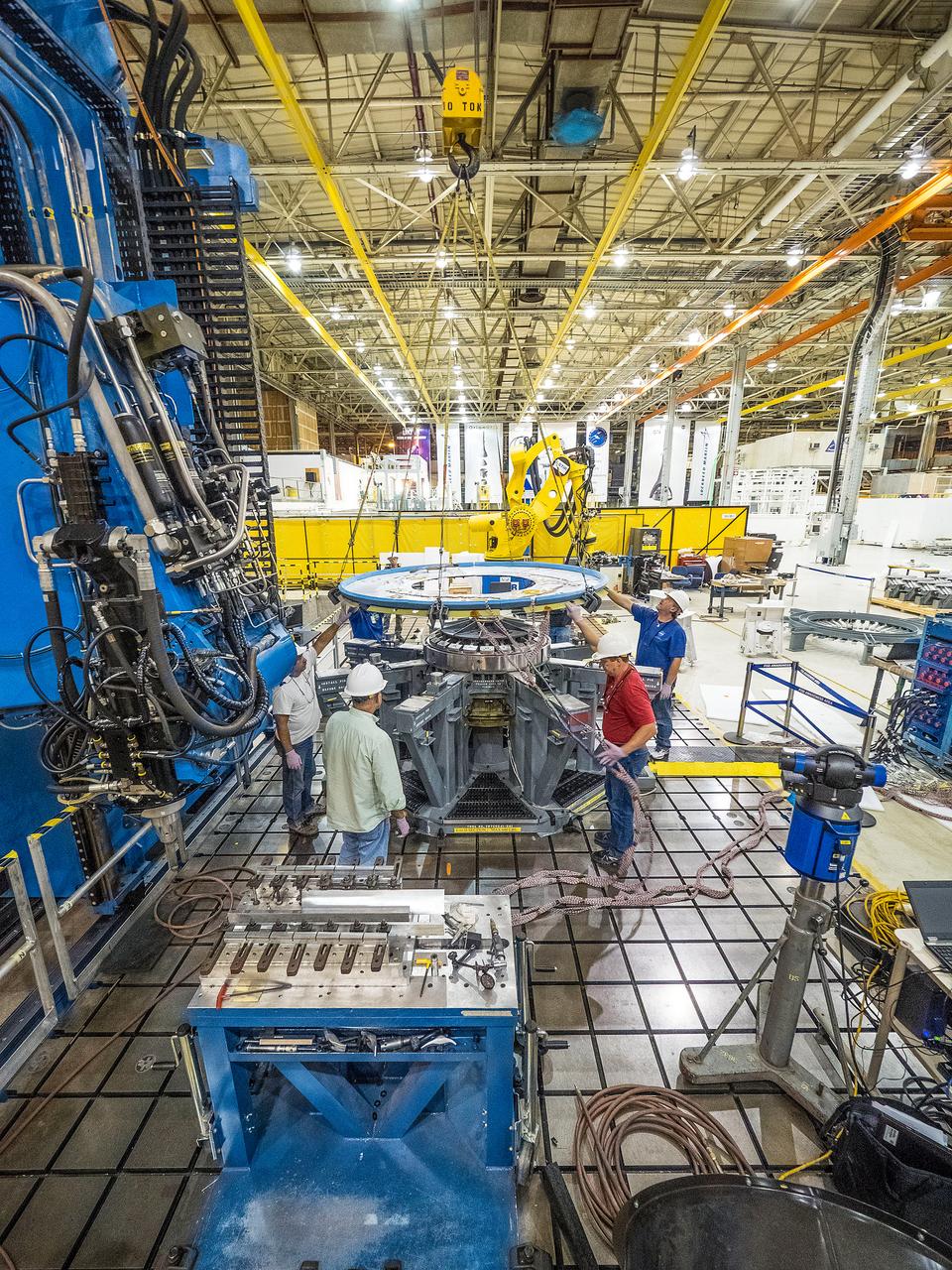
First weld of Orion Exploration Mission 1 crew module
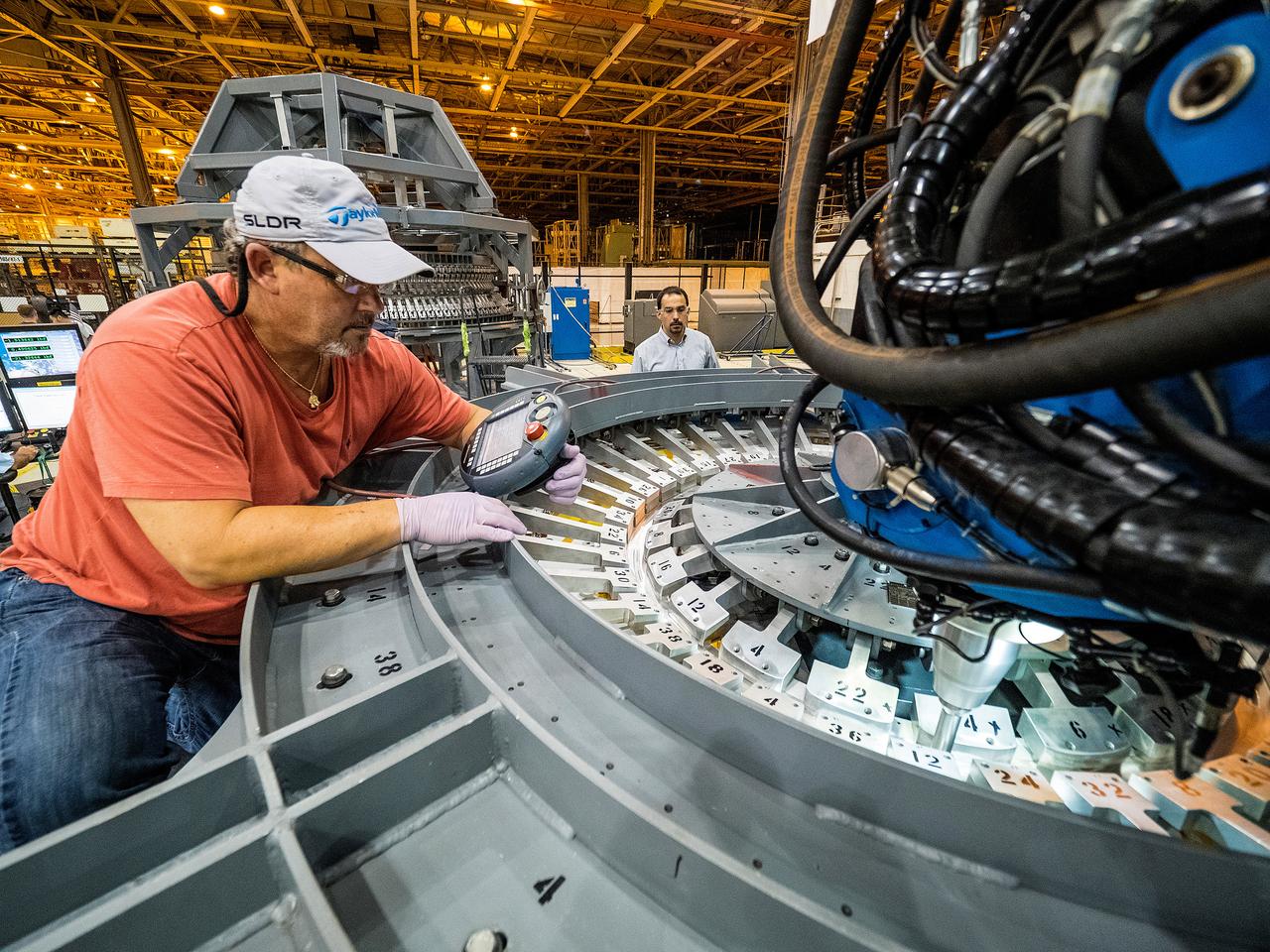
First weld of Orion Exploration Mission 1 crew module
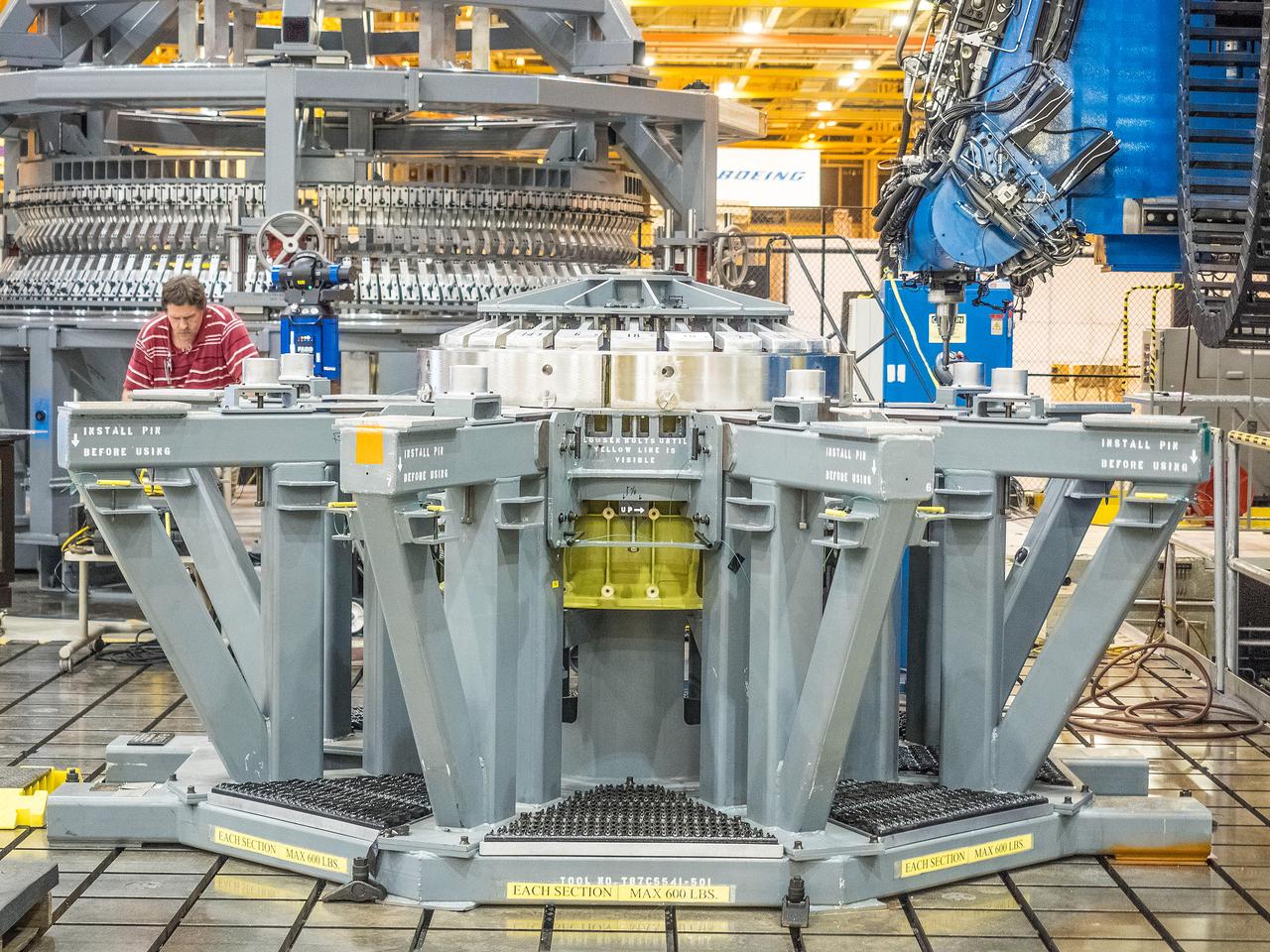
First weld of Orion Exploration Mission 1 crew module
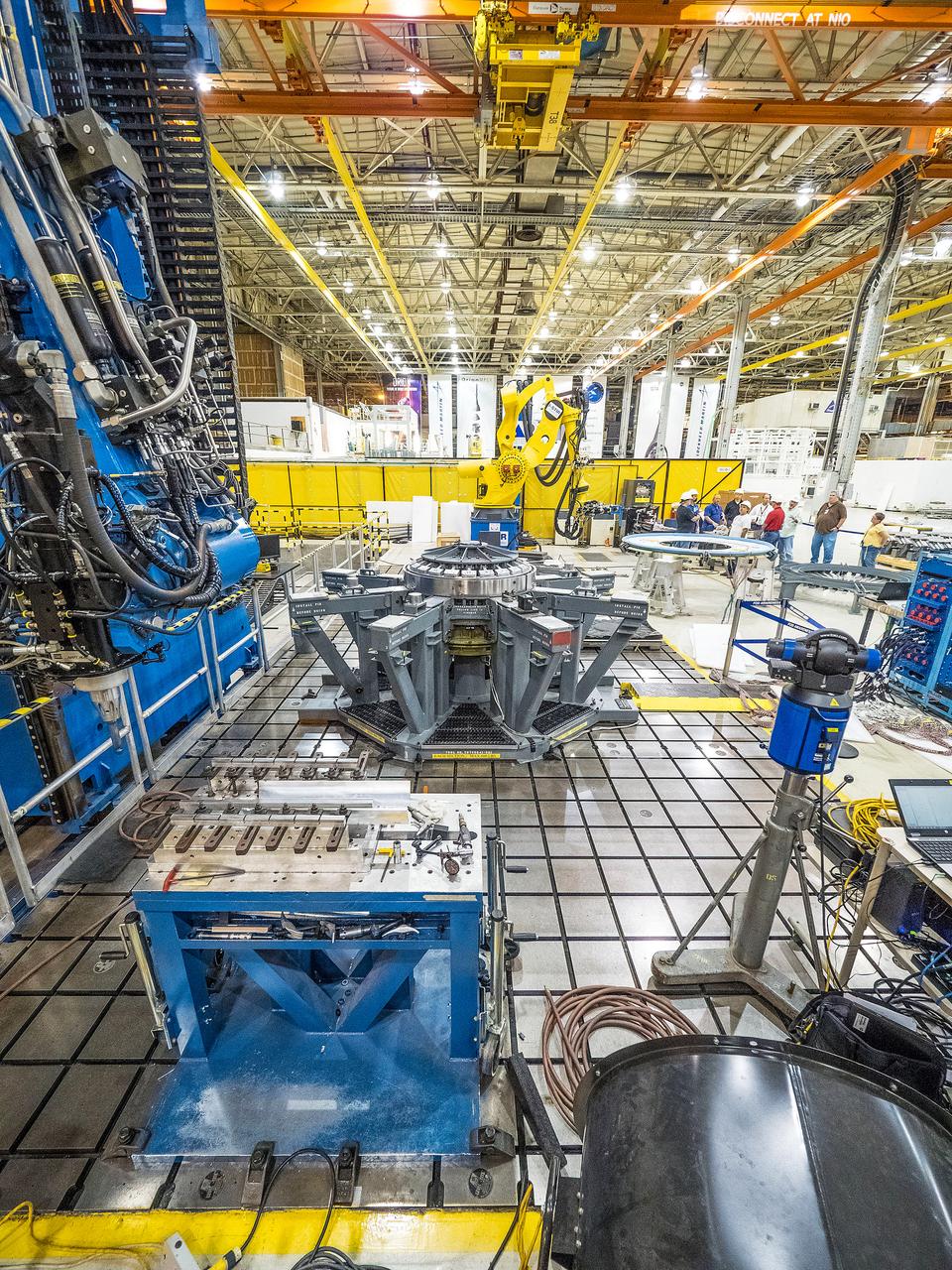
First weld of Orion Exploration Mission 1 crew module
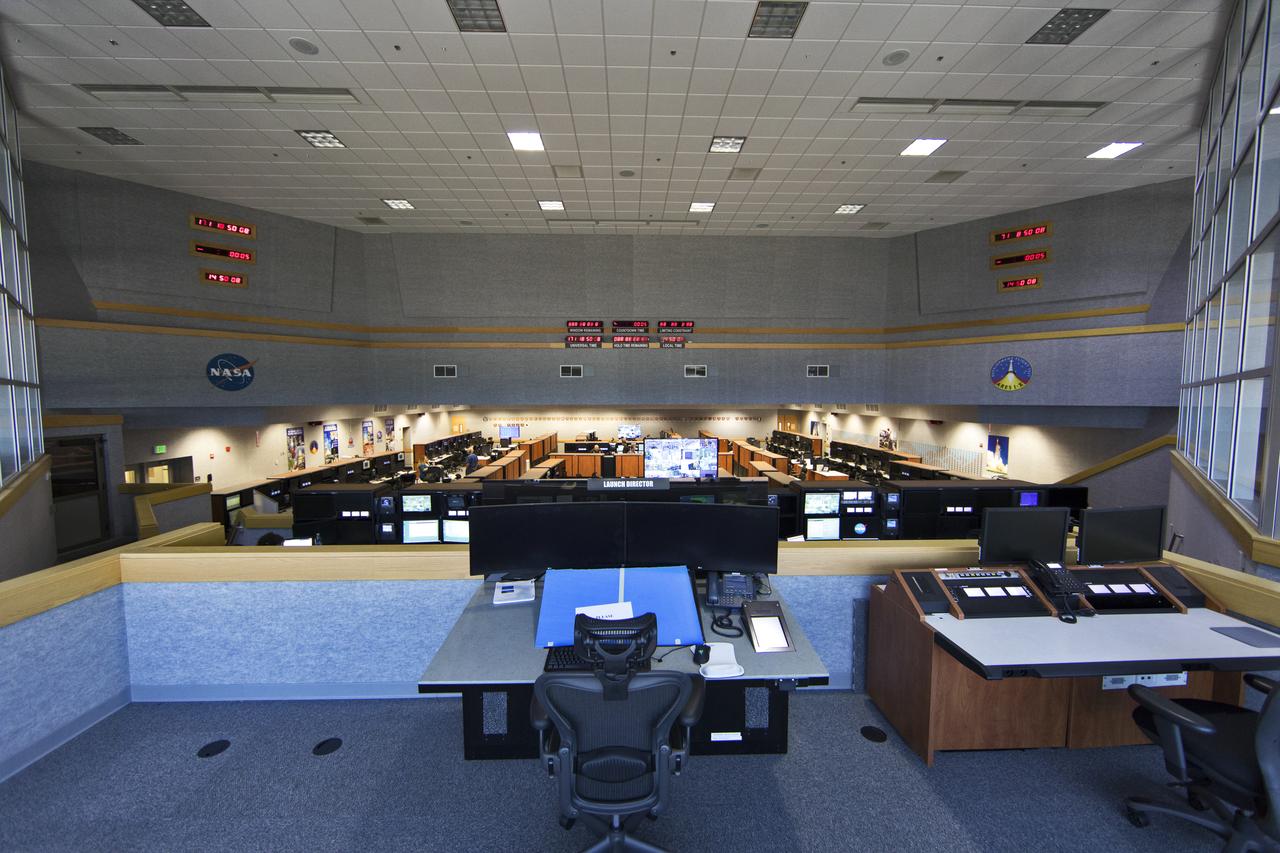
A view of Firing Room 1 in the Launch Control Center (LCC) at NASA's Kennedy Space Center in Florida. The Apollo and shuttle-era firing rooms in the LCC have been upgraded. The upper deck includes a work station in development for the EM-1 launch director. Exploration Ground Systems upgraded Firing Room 1 to support the launch of NASA's Space Launch System rocket and Orion spacecraft on Exploration Mission-1 and deep space missions.

A colorful sunrise serves as the backdrop in this view of the mobile launcher at NASA's Kennedy Space Center in Florida. The mobile launcher is equipped with a number of lines, called umbilicals, which will connect to NASA's Space Launch System (SLS) and Orion spacecraft. Exploration Ground Systems is preparing the mobile launcher and ground systems necessary to process and launch the SLS and Orion spacecraft on Exploration Mission-1 and deep space missions.

A brilliant sunrise serves as the backdrop in this panoramic view of the mobile launcher at NASA's Kennedy Space Center in Florida. The mobile launcher is equipped with a number of lines, called umbilicals, which will connect to NASA's Space Launch System (SLS) and Orion spacecraft. Exploration Ground Systems is preparing the mobile launcher and ground systems necessary to process and launch the SLS and Orion spacecraft on Exploration Mission-1 and deep space missions.

A blue sky and fluffy clouds serve as the backdrop in this view of the exterior of the Launch Control Center (LCC) at NASA's Kennedy Space Center in Florida. The Apollo and shuttle-era firing rooms in the LCC have been upgraded. Exploration Ground Systems upgraded Firing Room 1 to support the launch of NASA's Space Launch System rocket and Orion spacecraft on Exploration Mission-1 and deep space missions.
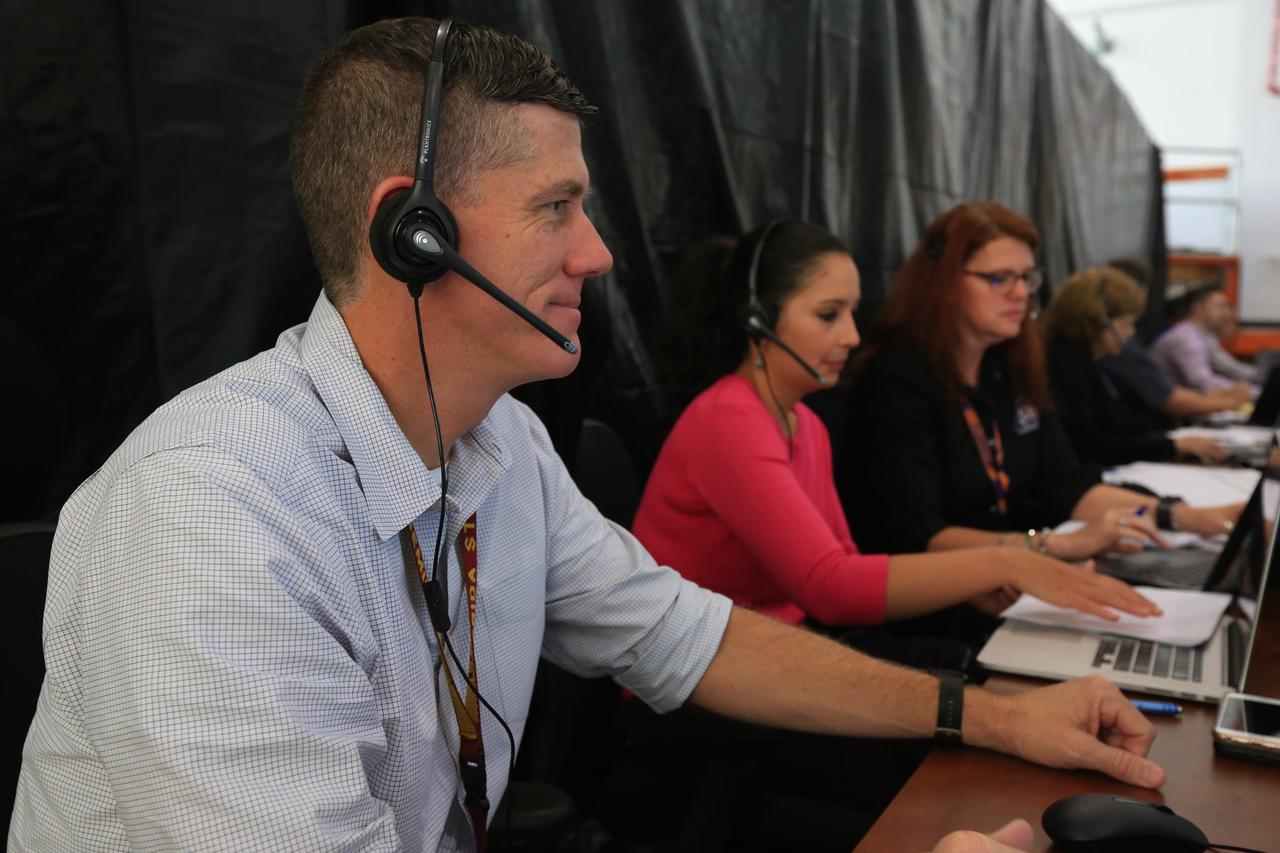
From left, Jeremy Graeber, chief NASA test director; Jessica Parsons, technical assistant to the launch director; and Charlie Blackwell-Thompson, Exploration Mission-1 (EM-1) launch director, participate in a countdown demonstration event of cryogenic propellant loading April 12, 2019, inside Firing Room 2 in the Launch Control Center at NASA’s Kennedy Space Center in Florida. The practice simulation involved loading of liquid hydrogen and liquid oxygen into the Space Launch System rocket’s core and upper stages to prepare for Exploration Mission-1 (EM-1). During the tanking exercise, the team worked through surprise issues in real-time. The practice countdown events are training opportunities coordinated by Blackwell-Thompson with Exploration Ground Systems.
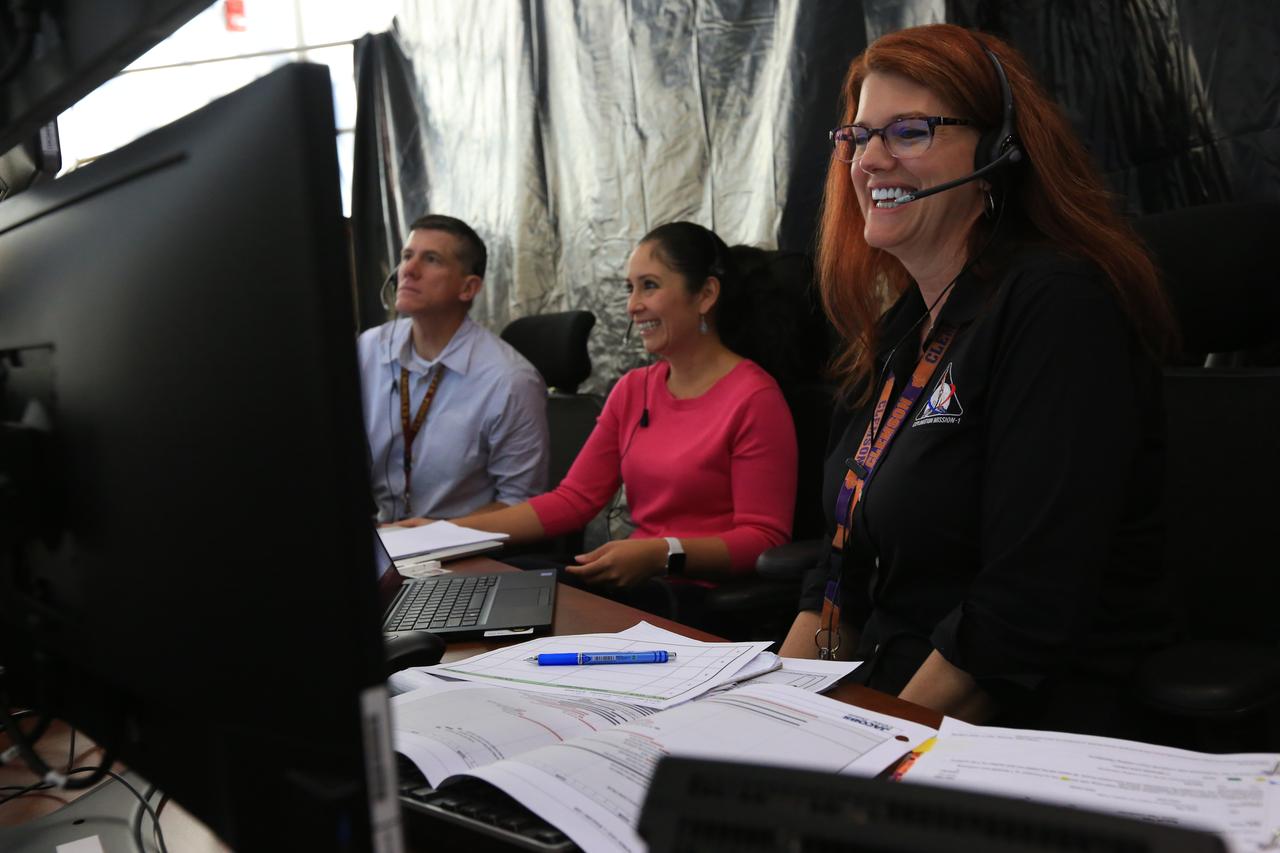
From left, Jeremy Graeber, chief NASA test director; Jessica Parsons, technical assistant to the launch director; and Charlie Blackwell-Thompson, Exploration Mission-1 (EM-1) launch director, participate in a countdown demonstration event of cryogenic propellant loading April 12, 2019, inside Firing Room 2 in the Launch Control Center at NASA’s Kennedy Space Center in Florida. The practice simulation involved loading of liquid hydrogen and liquid oxygen into the Space Launch System rocket’s core and upper stages to prepare for Exploration Mission-1 (EM-1). During the tanking exercise, the team worked through surprise issues in real-time. The practice countdown events are training opportunities coordinated by Blackwell-Thompson with Exploration Ground Systems.
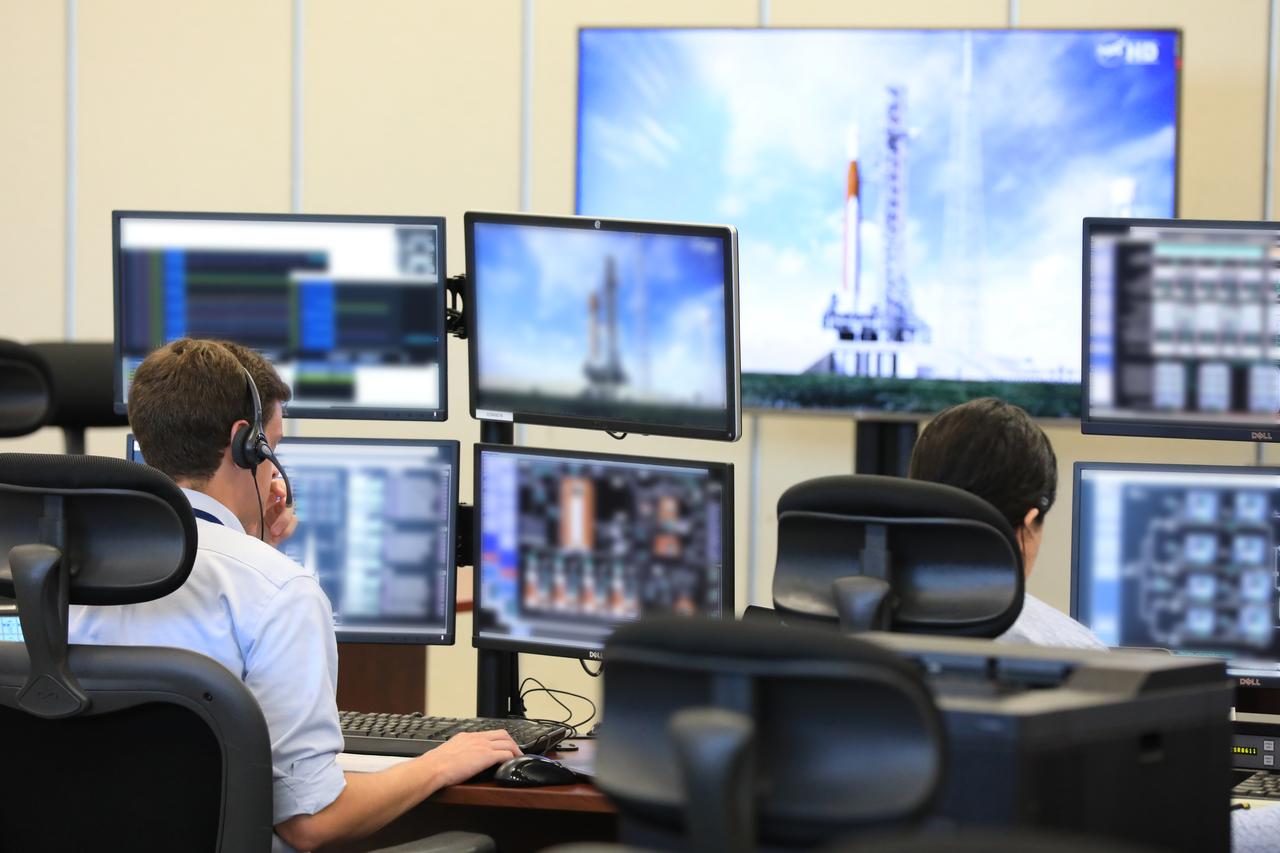
Engineers with Exploration Ground Systems monitor their consoles during a countdown demonstration event of cryogenic propellant loading April 12, 2019, inside Firing Room 2 in the Launch Control Center at NASA’s Kennedy Space Center in Florida. The practice simulation involved loading of liquid hydrogen and liquid oxygen into the Space Launch System rocket’s core and upper stages to prepare for Exploration Mission-1 (EM-1). During the tanking exercise, the team worked through surprise issues in real-time. The practice countdown events are training opportunities coordinated by EM-1 Launch Director Charlie Blackwell-Thompson with Exploration Ground Systems.
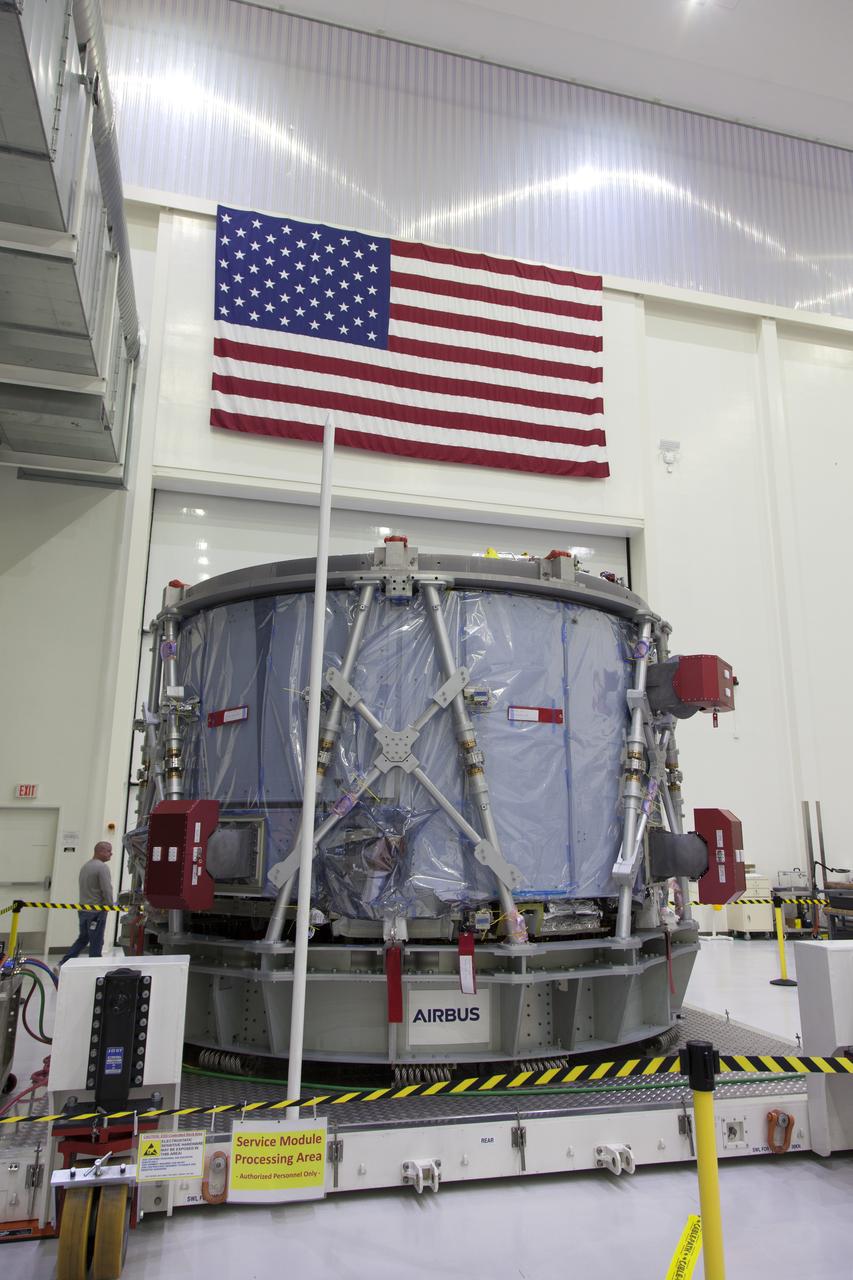
The European Service Module (ESM) is unpacked inside the Neil Armstrong Operations and Checkout Building high bay on Nov. 7, 2018, at NASA's Kennedy Space Center in Florida. The ESM is provided by the European Space Agency, and built by ESA contractor Airbus Defence and Space. It will supply the main propulsion system and power to the Orion spacecraft for Exploration Mission-1 (EM-1), a mission around the Moon. The ESM also will house air and water for astronauts on future missions. EM-1 will be an uncrewed flight test that will provide a foundation for human deep space exploration to destinations beyond Earth orbit. EM-1 will be the first integrated test of NASA's Space Launch System, Orion and the ground systems at Kennedy.
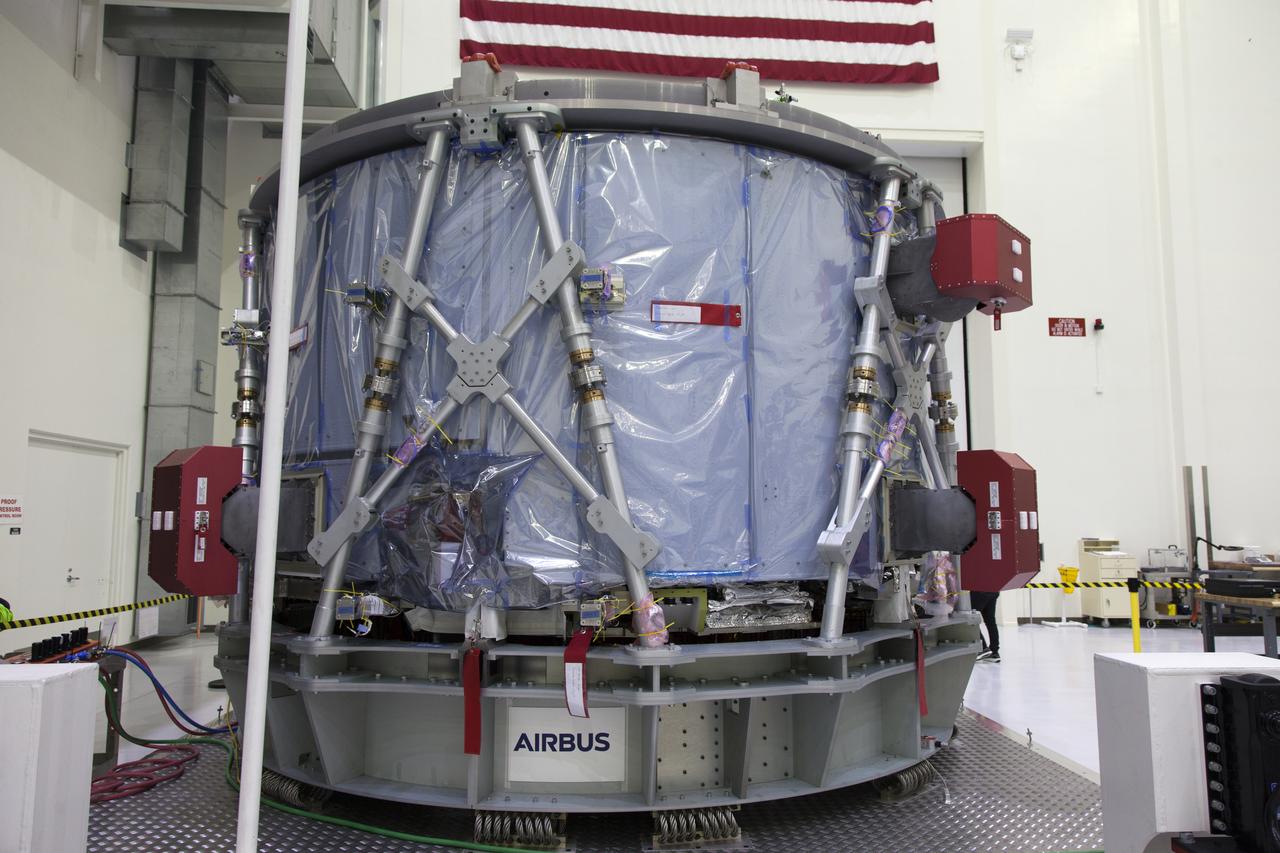
The European Service Module (ESM) is unpacked inside the Neil Armstrong Operations and Checkout Building high bay on Nov. 7, 2018, at NASA's Kennedy Space Center in Florida. The ESM is provided by the European Space Agency, and built by ESA contractor Airbus Defence and Space. It will supply the main propulsion system and power to the Orion spacecraft for Exploration Mission-1 (EM-1), a mission around the Moon. The ESM also will house air and water for astronauts on future missions. EM-1 will be an uncrewed flight test that will provide a foundation for human deep space exploration to destinations beyond Earth orbit. EM-1 will be the first integrated test of NASA's Space Launch System, Orion and the ground systems at Kennedy.
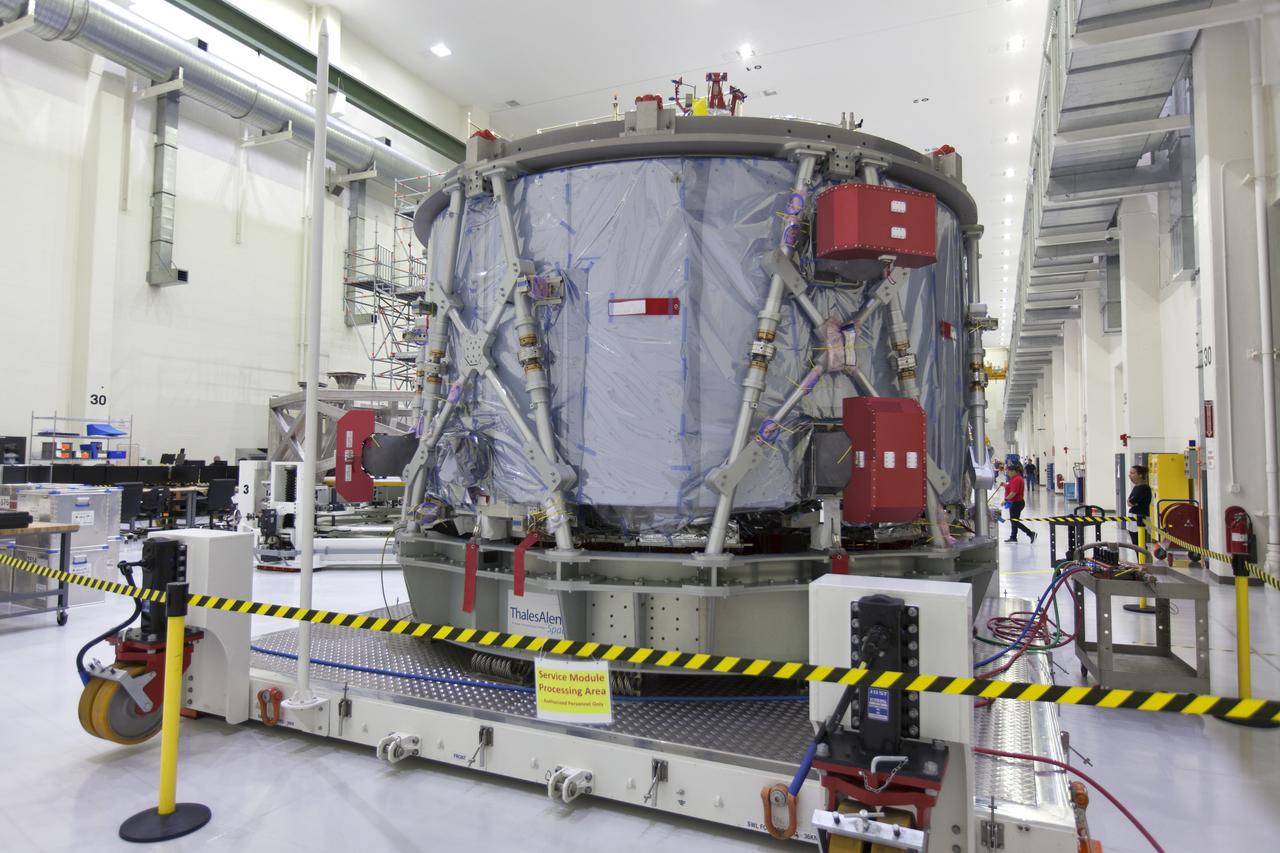
The European Service Module (ESM) is unpacked inside the Neil Armstrong Operations and Checkout Building high bay on Nov. 7, 2018, at NASA's Kennedy Space Center in Florida. The ESM is provided by the European Space Agency, and built by ESA contractor Airbus Defence and Space. It will supply the main propulsion system and power to the Orion spacecraft for Exploration Mission-1 (EM-1), a mission around the Moon. The ESM also will house air and water for astronauts on future missions. EM-1 will be an uncrewed flight test that will provide a foundation for human deep space exploration to destinations beyond Earth orbit. EM-1 will be the first integrated test of NASA's Space Launch System, Orion and the ground systems at Kennedy.
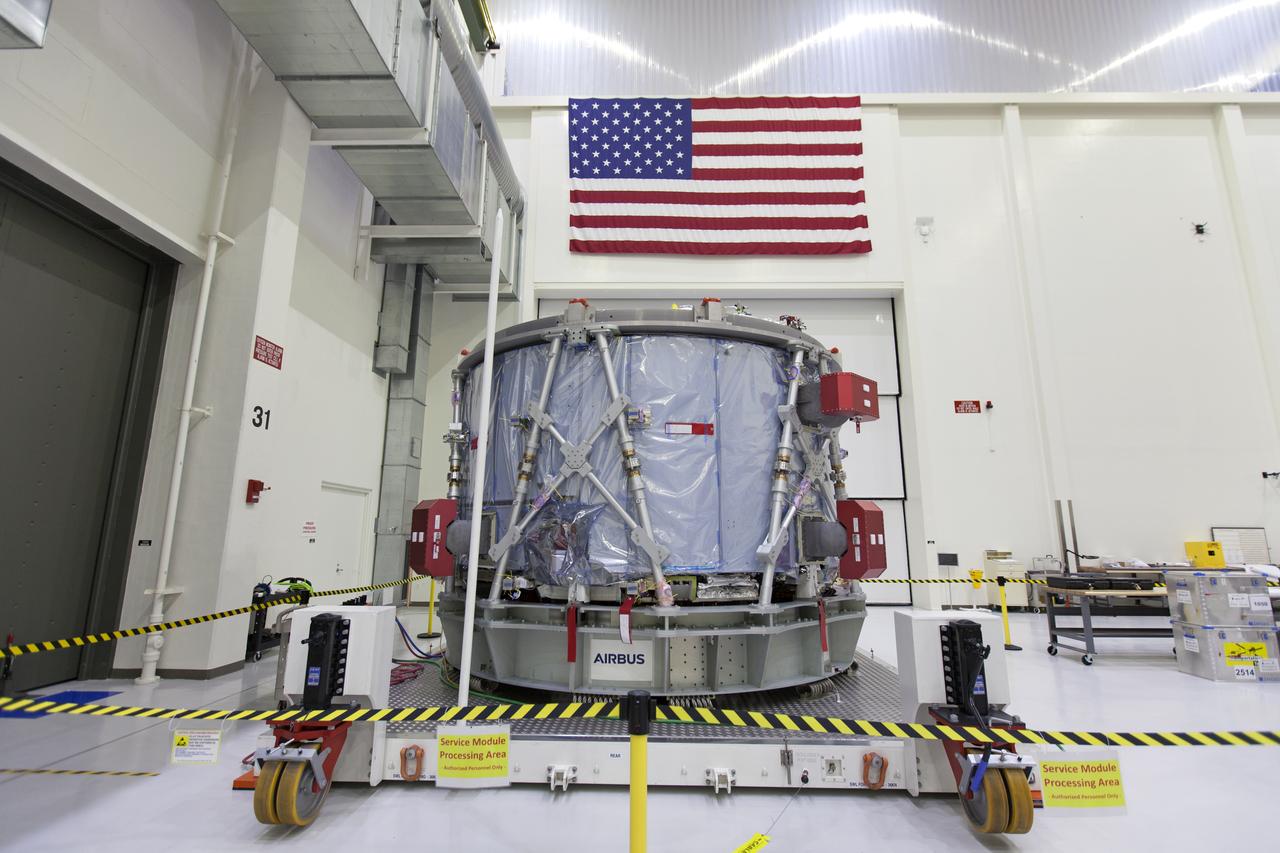
The European Service Module (ESM) is unpacked inside the Neil Armstrong Operations and Checkout Building high bay on Nov. 7, 2018, at NASA's Kennedy Space Center in Florida. The ESM is provided by the European Space Agency, and built by ESA contractor Airbus Defence and Space. It will supply the main propulsion system and power to the Orion spacecraft for Exploration Mission-1 (EM-1), a mission around the Moon. The ESM also will house air and water for astronauts on future missions. EM-1 will be an uncrewed flight test that will provide a foundation for human deep space exploration to destinations beyond Earth orbit. EM-1 will be the first integrated test of NASA's Space Launch System, Orion and the ground systems at Kennedy.

Mark Tripp, center, monitors his console in Firing Room 1 in the Launch Control Center at NASA’s Kennedy Space Center in Florida, during a terminal countdown demonstration for Exploration Mission 1, or EM-1, on Dec. 14, 2018. The launch will be the first integrated test of the Space Launch System rocket and Orion spacecraft that will eventually take astronauts beyond low-Earth orbit to destinations such as the Moon and Mars. The countdown demonstration was intended to validate the launch team's capability to perform an EM-1 countdown and respond to challenges put into the system for practice.
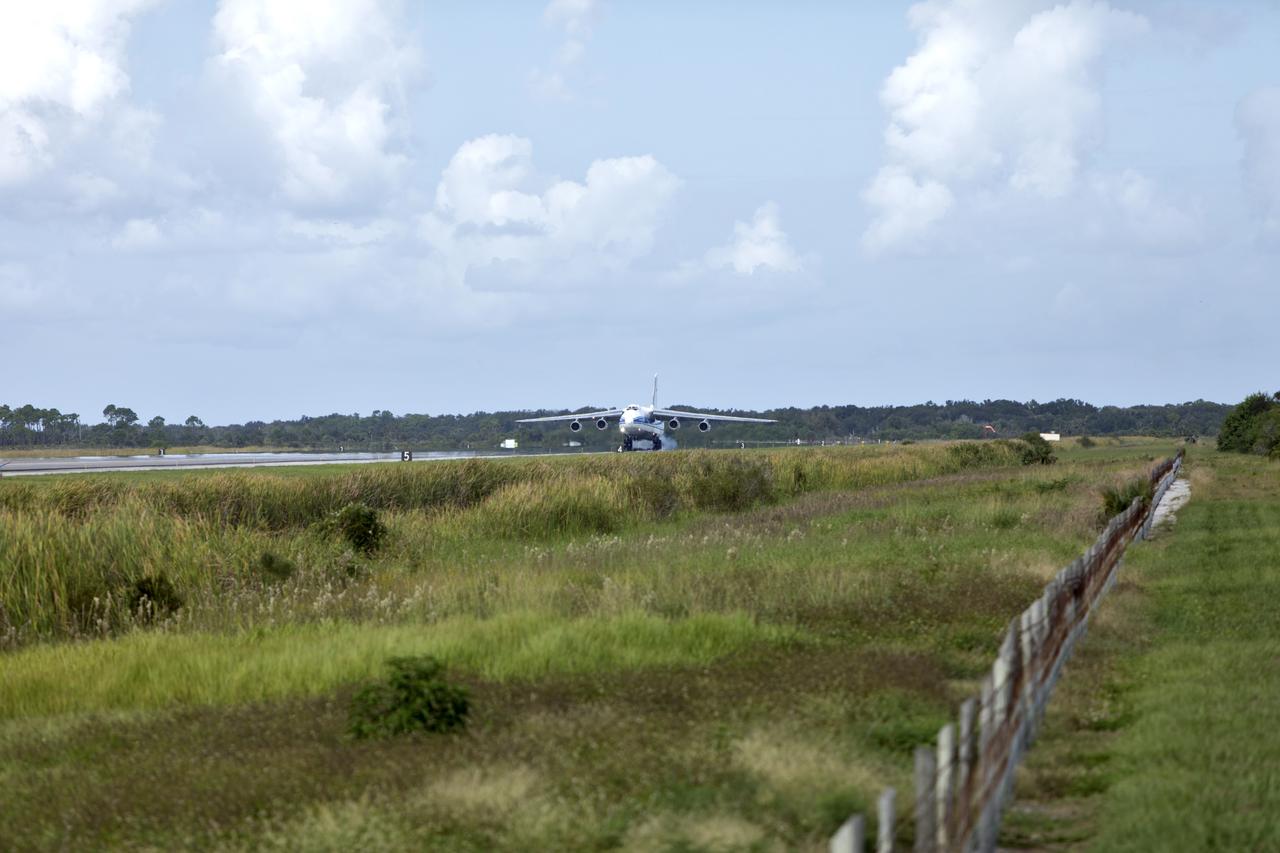
The Antonov cargo aircraft touches down at the Shuttle Landing Facility at NASA's Kennedy Space Center in Florida on Nov. 6, 2018, carrying the European Service Module (ESM) for Exploration Mission-1 (EM-1). The ESM, built by the European Space Agency, will supply the main propulsion system and power to the Orion spacecraft for Exploration Mission-1 (EM-1), a mission to the Moon. The ESM also will house air and water for astronauts on future missions. EM-1 will be an uncrewed flight test that will provide a foundation for human deep space exploration to destinations beyond Earth orbit. EM-1 will be the first integrated test of NASA's Space Launch System, Orion and the ground systems at Kennedy.
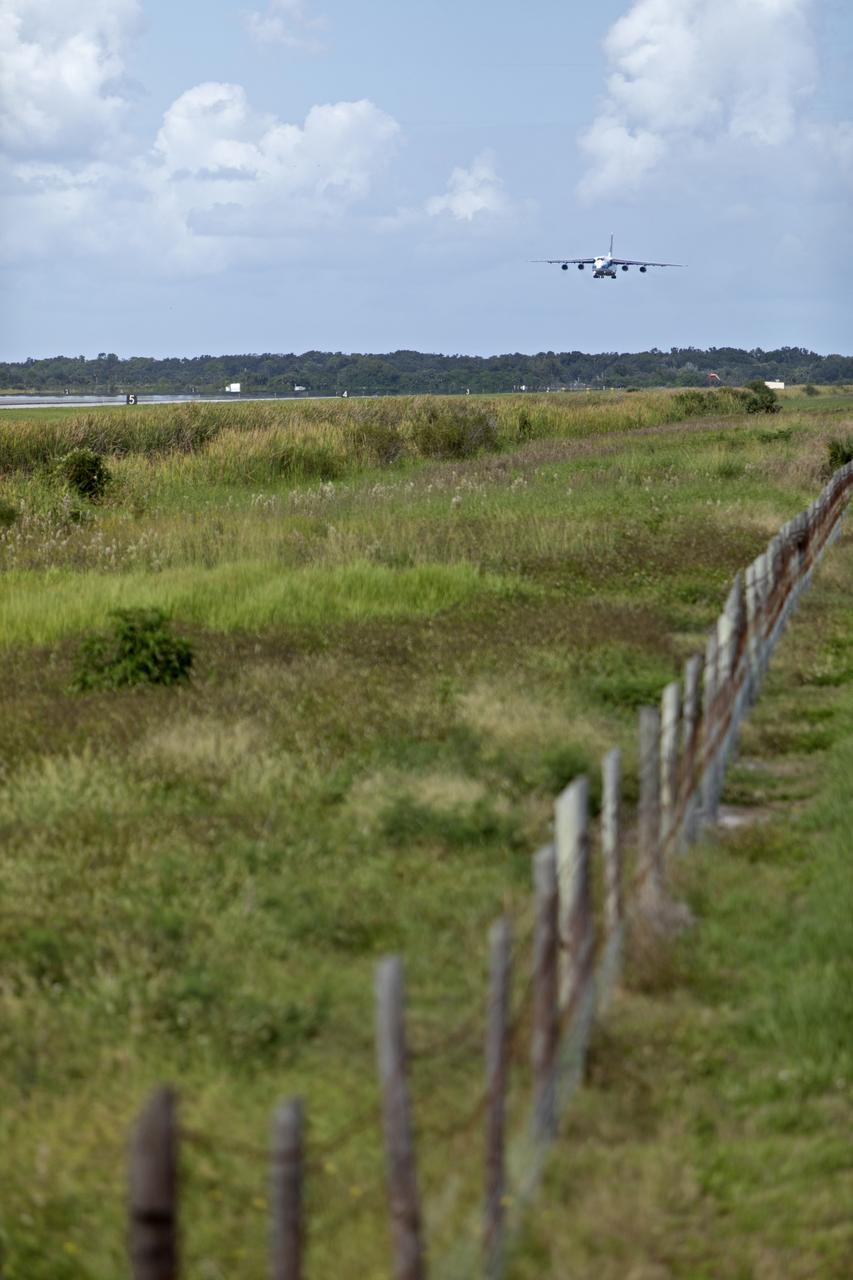
The Antonov cargo aircraft descends toward the Shuttle Landing Facility at NASA's Kennedy Space Center in Florida on Nov. 6, 2018, carrying the European Service Module (ESM) for Exploration Mission-1 (EM-1). The ESM, built by the European Space Agency, will supply the main propulsion system and power to the Orion spacecraft for Exploration Mission-1 (EM-1), a mission to the Moon. The ESM also will house air and water for astronauts on future missions. EM-1 will be an uncrewed flight test that will provide a foundation for human deep space exploration to destinations beyond Earth orbit. EM-1 will be the first integrated test of NASA's Space Launch System, Orion and the ground systems at Kennedy.
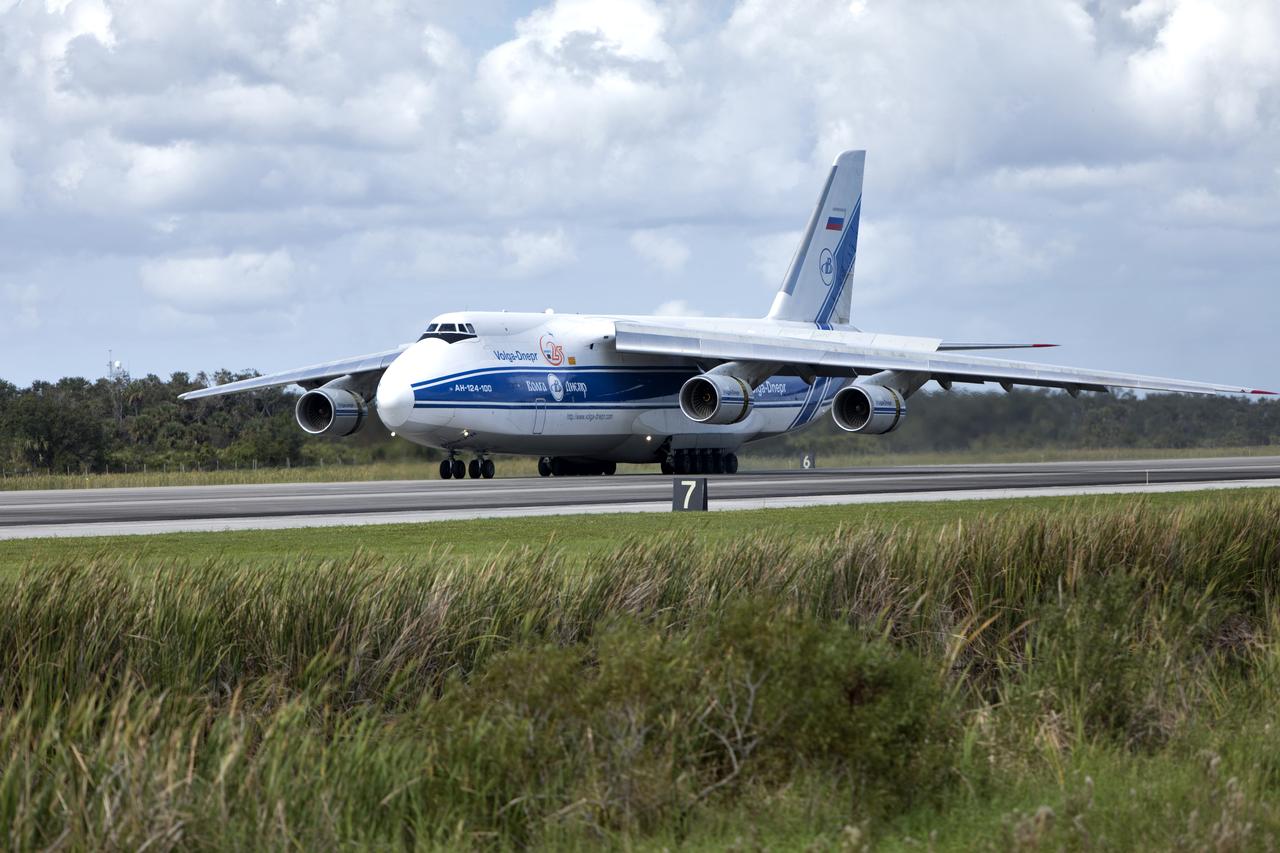
The Antonov cargo aircraft touches down at the Shuttle Landing Facility at NASA's Kennedy Space Center in Florida on Nov. 6, 2018, carrying the European Service Module (ESM) for Exploration Mission-1 (EM-1). The ESM, built by the European Space Agency, will supply the main propulsion system and power to the Orion spacecraft for Exploration Mission-1 (EM-1), a mission to the Moon. The ESM also will house air and water for astronauts on future missions. EM-1 will be an uncrewed flight test that will provide a foundation for human deep space exploration to destinations beyond Earth orbit. EM-1 will be the first integrated test of NASA's Space Launch System, Orion and the ground systems at Kennedy.
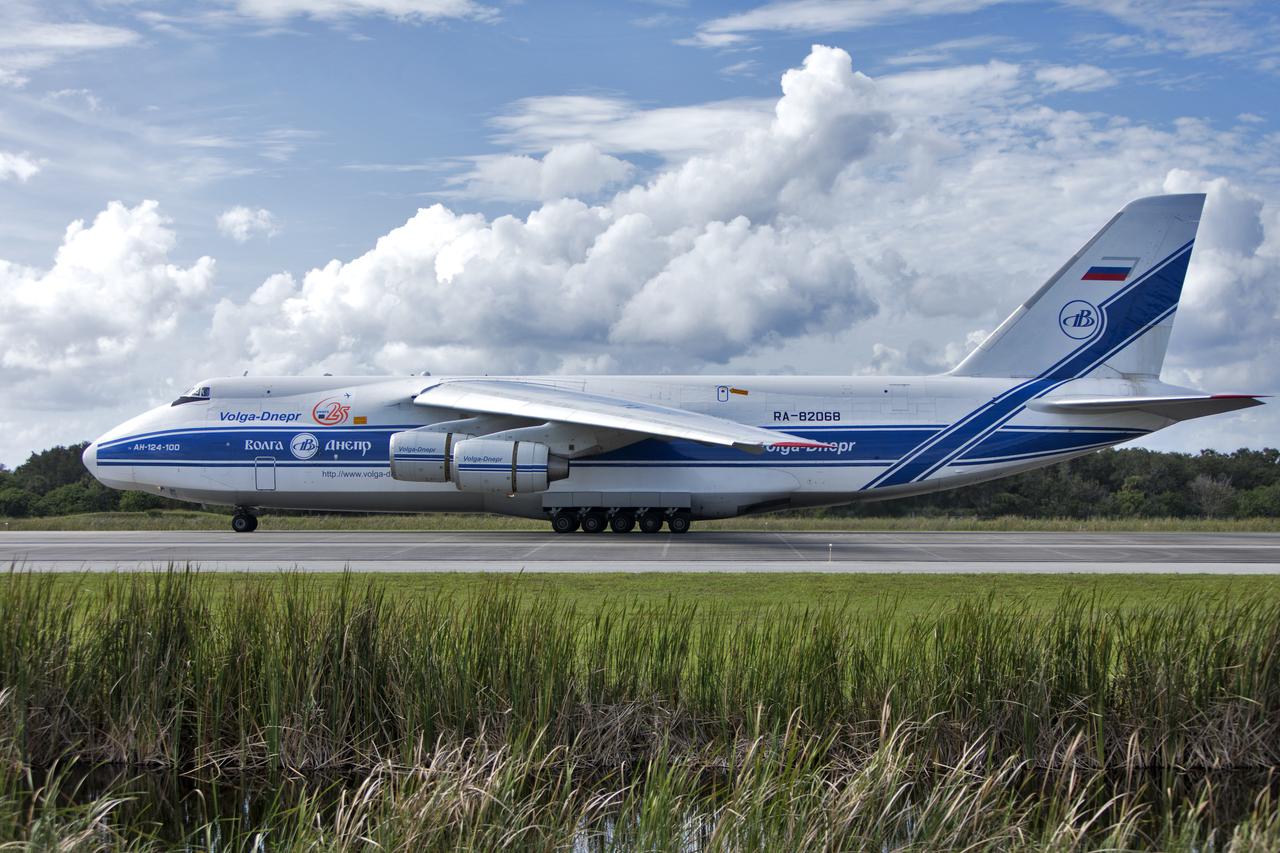
The Antonov cargo aircraft arrives at the Shuttle Landing Facility at NASA's Kennedy Space Center in Florida on Nov. 6, 2018, carrying the European Service Module (ESM) for Exploration Mission-1 (EM-1). The ESM, built by the European Space Agency, will supply the main propulsion system and power to the Orion spacecraft for Exploration Mission-1 (EM-1), a mission to the Moon. The ESM also will house air and water for astronauts on future missions. EM-1 will be an uncrewed flight test that will provide a foundation for human deep space exploration to destinations beyond Earth orbit. EM-1 will be the first integrated test of NASA's Space Launch System, Orion and the ground systems at Kennedy.
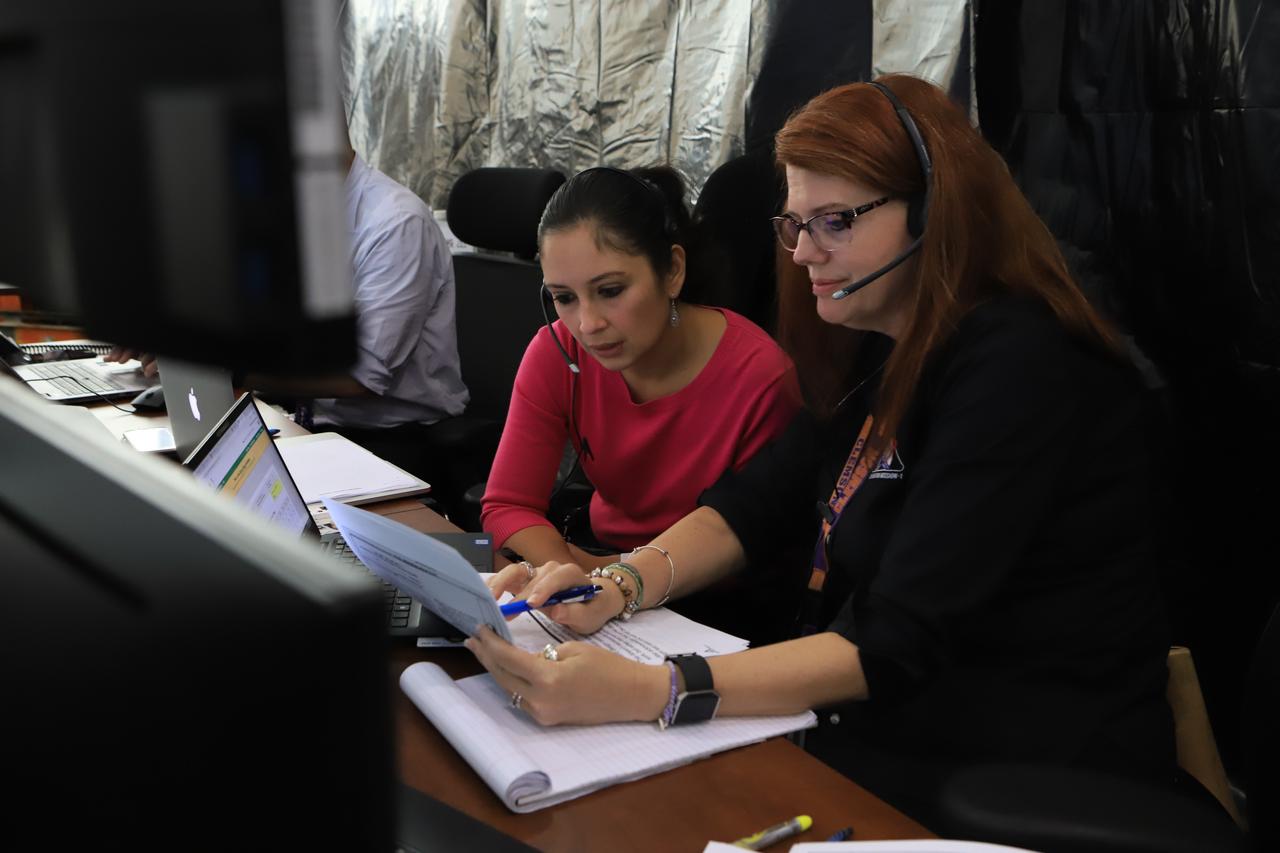
Charlie Blackwell-Thompson, right, Exploration Mission-1 (EM-1) launch director, reviews procedures during a countdown demonstration event of cryogenic propellant loading April 12, 2019, inside Firing Room 2 in the Launch Control Center at NASA’s Kennedy Space Center in Florida. The practice simulation involved loading of liquid hydrogen and liquid oxygen into the Space Launch System rocket’s core and upper stages to prepare for EM-1. During the tanking exercise, the team worked through surprise issues in real-time. The practice countdown events are training opportunities coordinated by Blackwell-Thompson with Exploration Ground Systems.
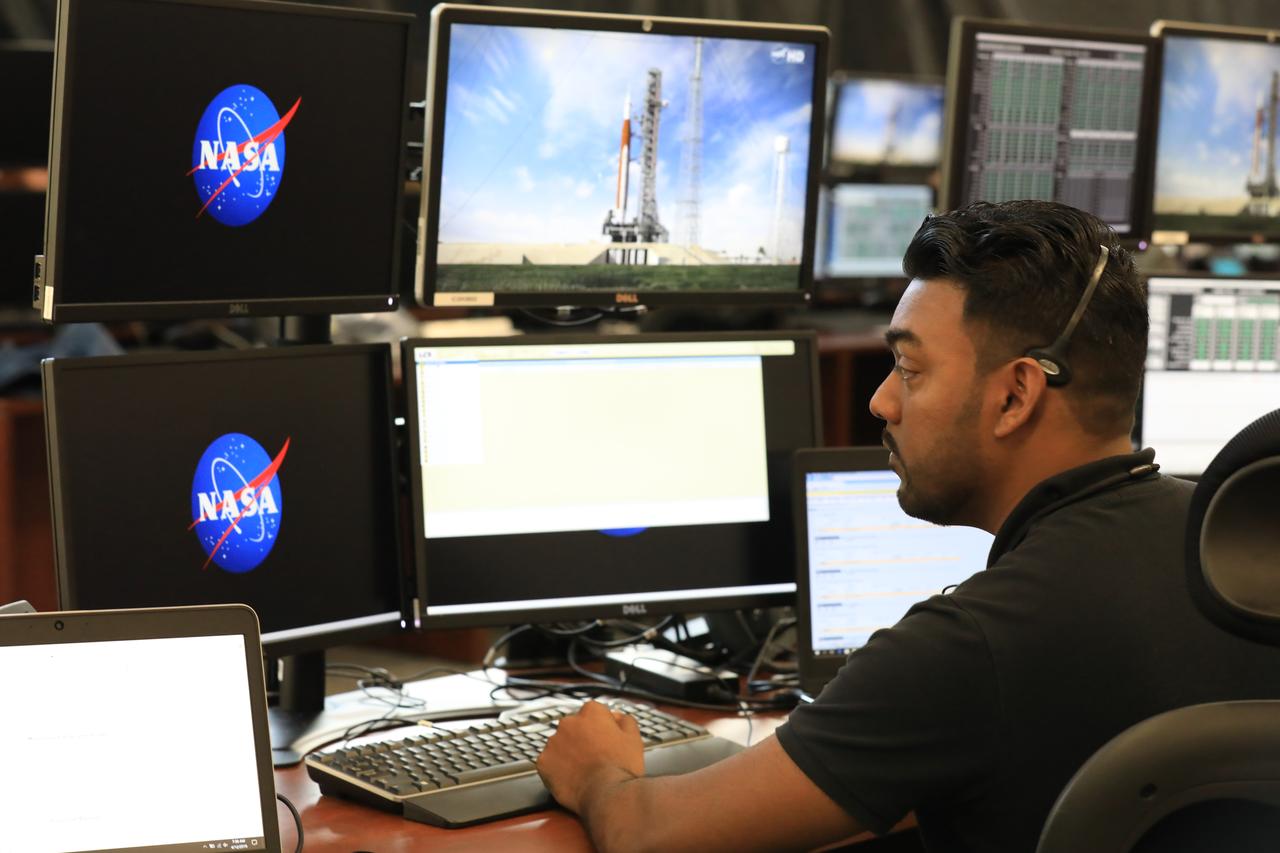
Anthony Bharrat, NASA engine avionics engineer, monitors his console during a countdown demonstration event of cryogenic propellant loading April 12, 2019, inside Firing Room 2 in the Launch Control Center at NASA’s Kennedy Space Center in Florida. The practice simulation involved loading of liquid hydrogen and liquid oxygen into the Space Launch System rocket’s core and upper stages to prepare for Exploration Mission-1 (EM-1). During the tanking exercise, the team worked through surprise issues in real-time. The practice countdown events are training opportunities coordinated by EM-1 Launch Director Charlie Blackwell-Thompson with Exploration Ground Systems.
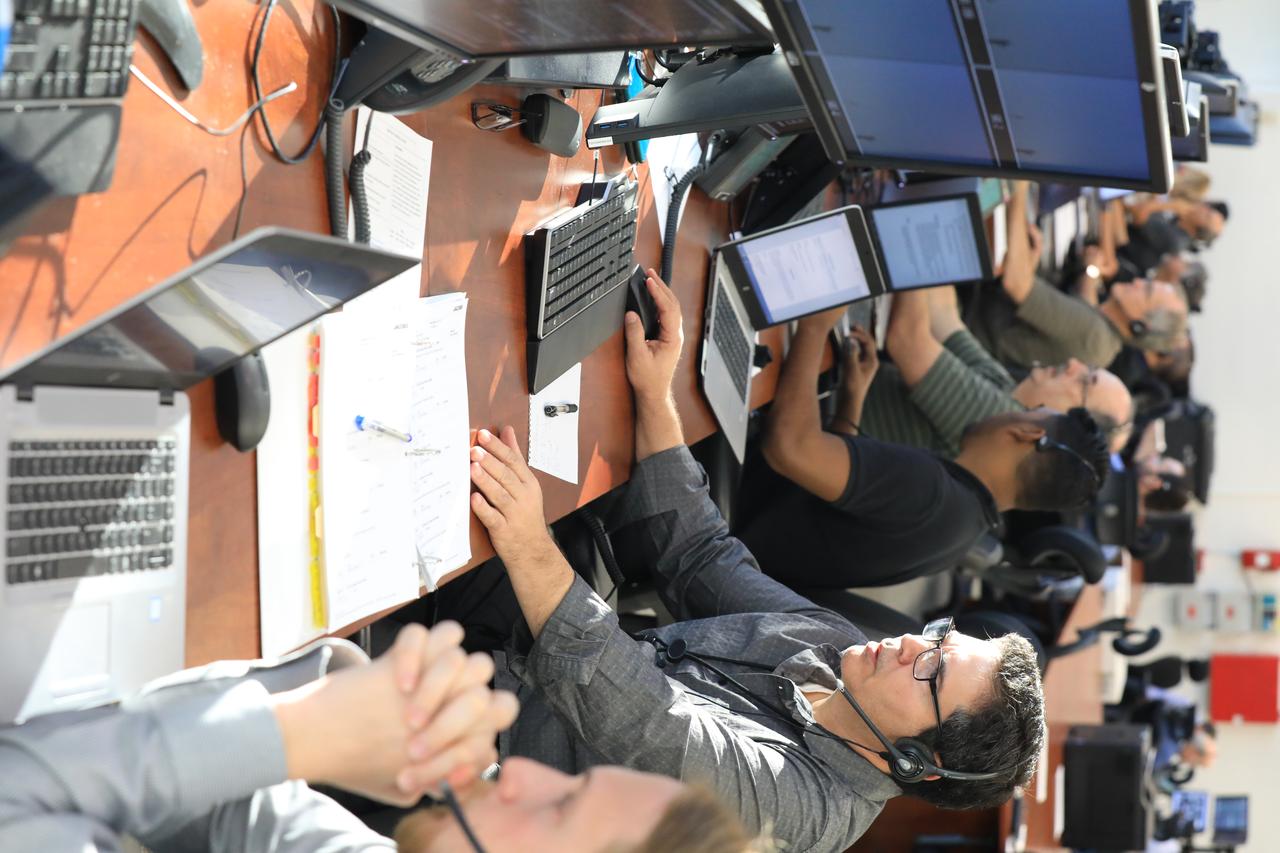
Engineers with NASA and contractor Jacobs monitor their consoles during a countdown demonstration event of cryogenic propellant loading April 12, 2019, inside Firing Room 2 in the Launch Control Center at NASA’s Kennedy Space Center in Florida. The practice simulation involved loading of liquid hydrogen and liquid oxygen into the Space Launch System rocket’s core and upper stages to prepare for Exploration Mission-1 (EM-1). During the tanking exercise, the team worked through surprise issues in real-time. The practice countdown events are training opportunities coordinated by EM-1 Launch Director Charlie Blackwell-Thompson with Exploration Ground Systems.
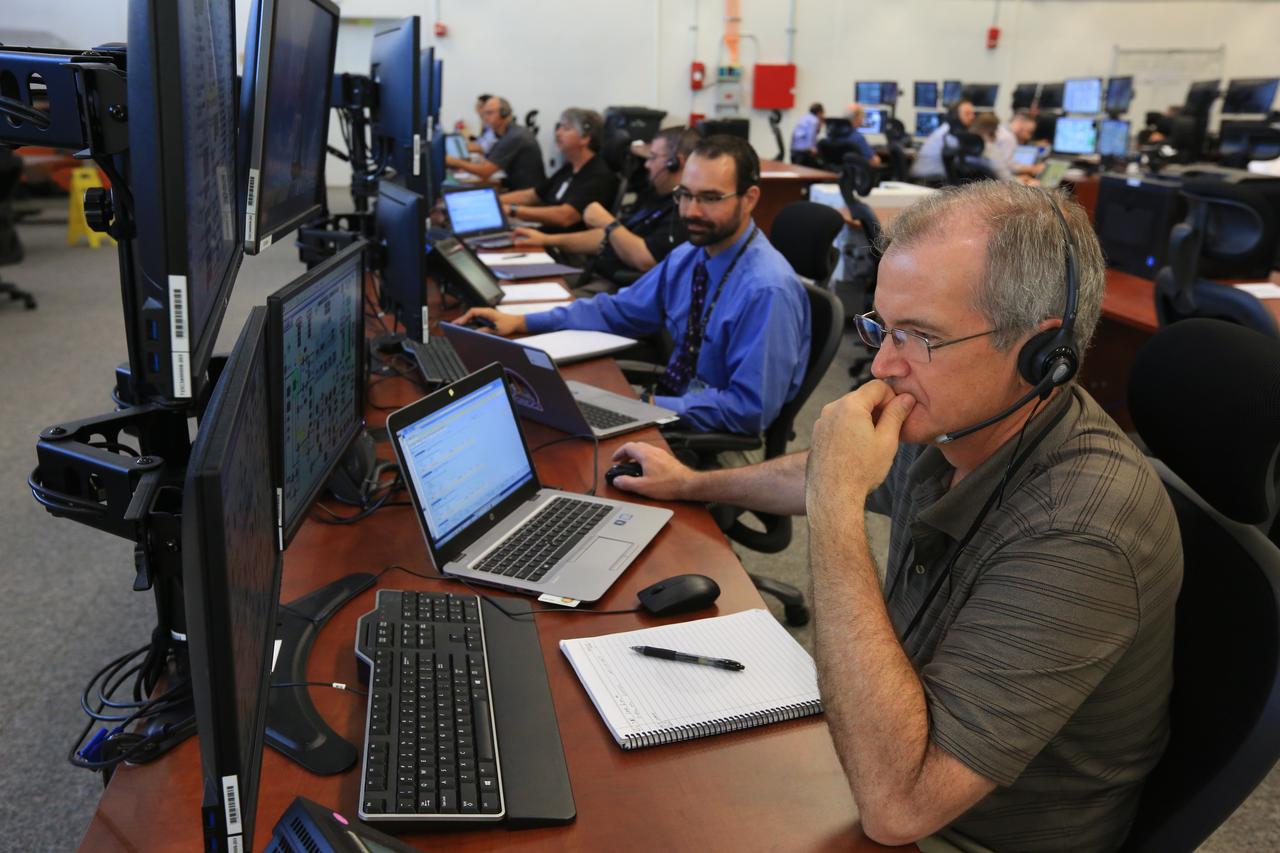
Engineers with NASA and contractor Jacobs monitor their consoles during a countdown demonstration event of cryogenic propellant loading April 12, 2019, inside Firing Room 2 in the Launch Control Center at NASA’s Kennedy Space Center in Florida. The practice simulation involved loading of liquid hydrogen and liquid oxygen into the Space Launch System rocket’s core and upper stages to prepare for Exploration Mission-1 (EM-1). During the tanking exercise, the team worked through surprise issues in real-time. The practice countdown events are training opportunities coordinated by EM-1 Launch Director Charlie Blackwell-Thompson with Exploration Ground Systems.
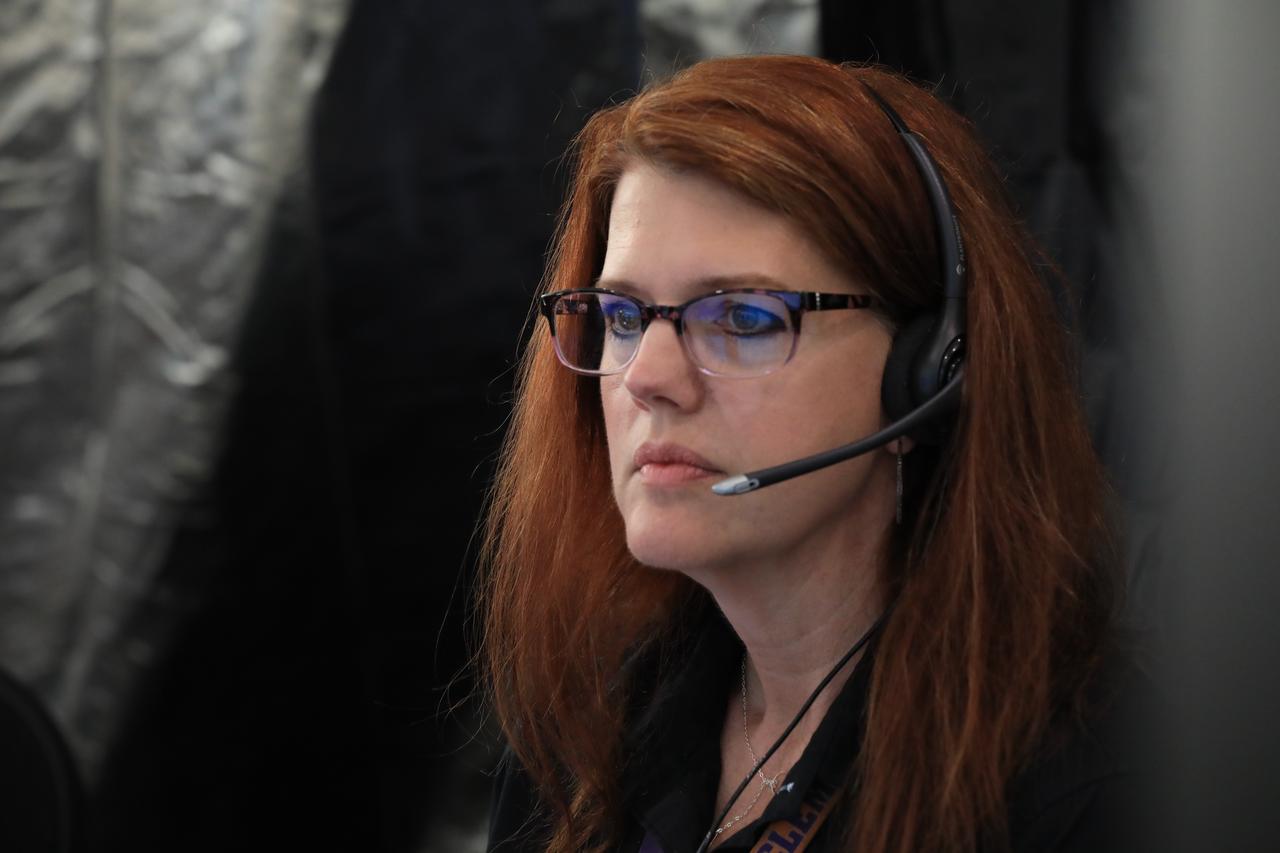
Charlie Blackwell-Thompson, Exploration Mission-1 (EM-1) launch director, leads a countdown demonstration event of cryogenic propellant loading April 12, 2019, inside Firing Room 2 in the Launch Control Center at NASA’s Kennedy Space Center in Florida. The practice simulation involved loading of liquid hydrogen and liquid oxygen into the Space Launch System rocket’s core and upper stages to prepare for EM-1. During the tanking exercise, the team worked through surprise issues in real-time. The practice countdown events are training opportunities coordinated by Blackwell-Thompson with Exploration Ground Systems.