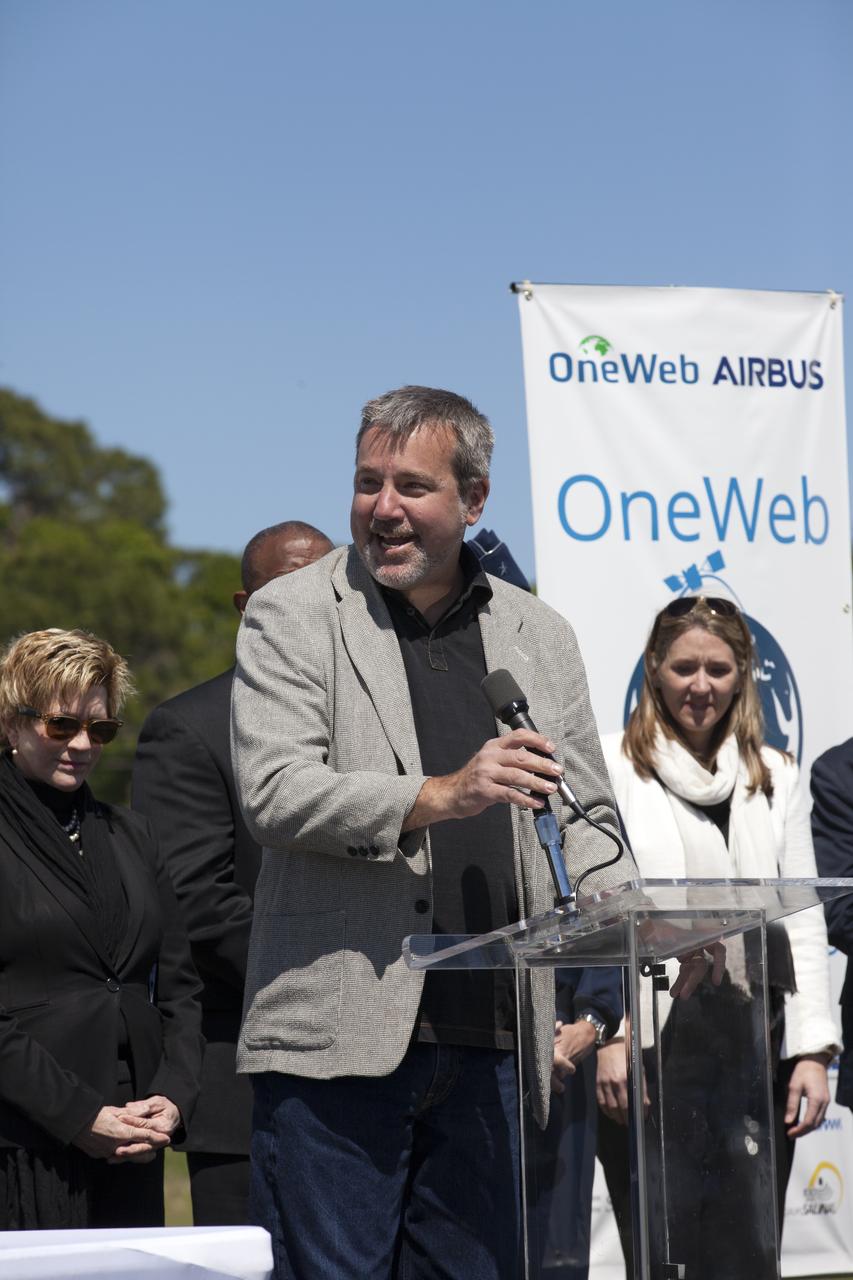
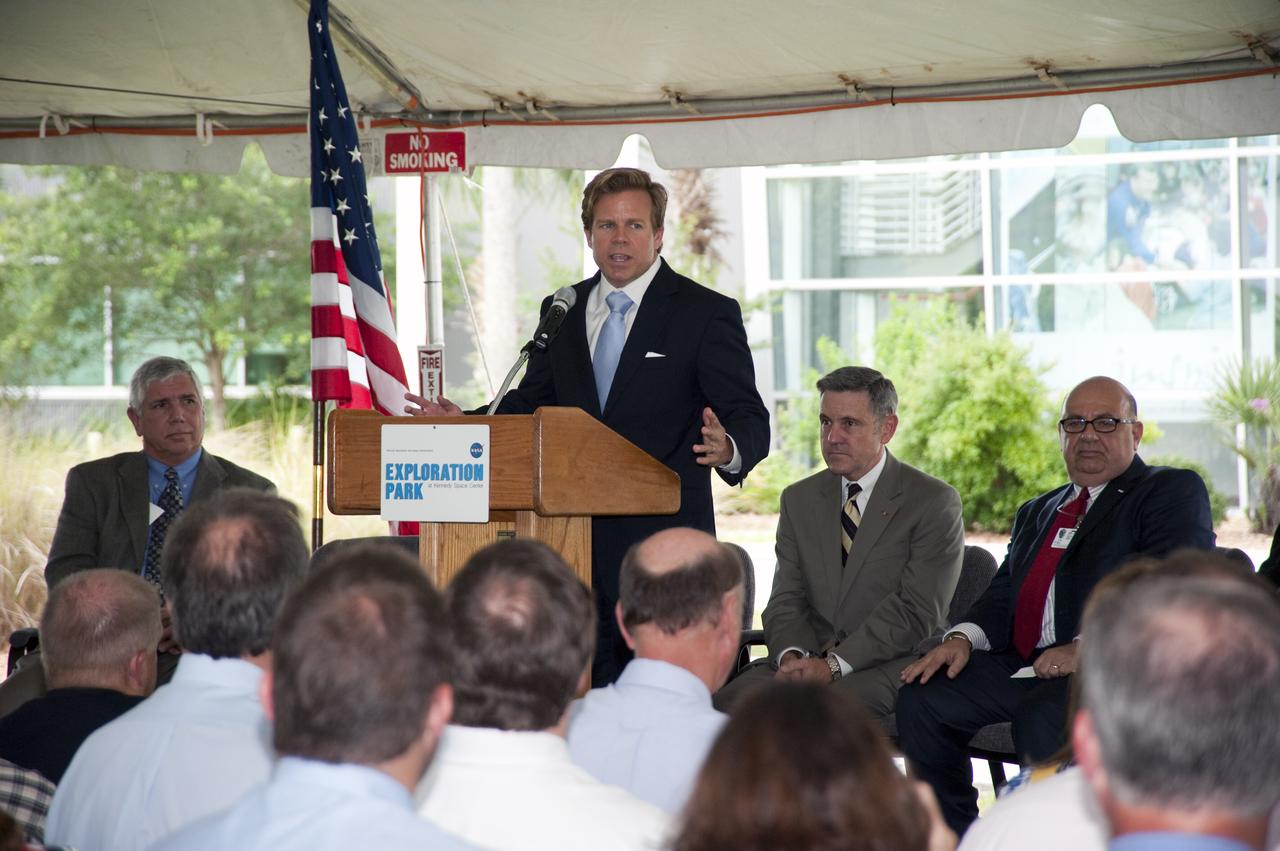
Brian Holz, CEO of OneWeb Satellites, speaks during the groundbreaking ceremony at Kennedy's Exploration Park for OneWeb. The company, in partnership with Airbus, is building a 150,000-square-foot factory to manufacture satellites that will connect all areas of the world to the Internet wirelessly. Photo credit: NASA/Kim Shiflett
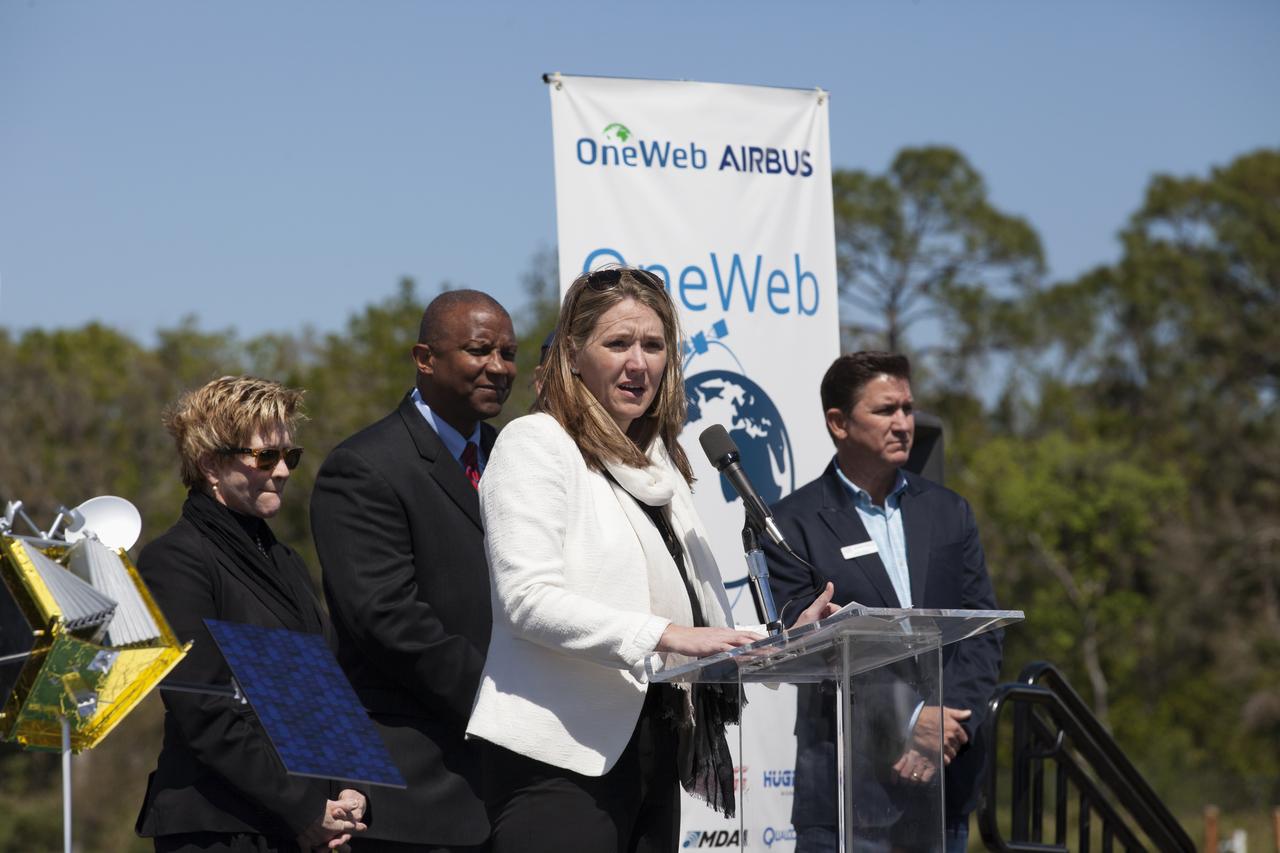
Cissy Procter, executive director of the Florida Department of Economic Activity, speaks during the groundbreaking ceremony at Kennedy's Exploration Park for OneWeb. The company, in partnership with Airbus, is building a 150,000-square-foot factory to manufacture satellites that will connect all areas of the world to the Internet wirelessly. Photo credit: NASA/Kim Shiflett
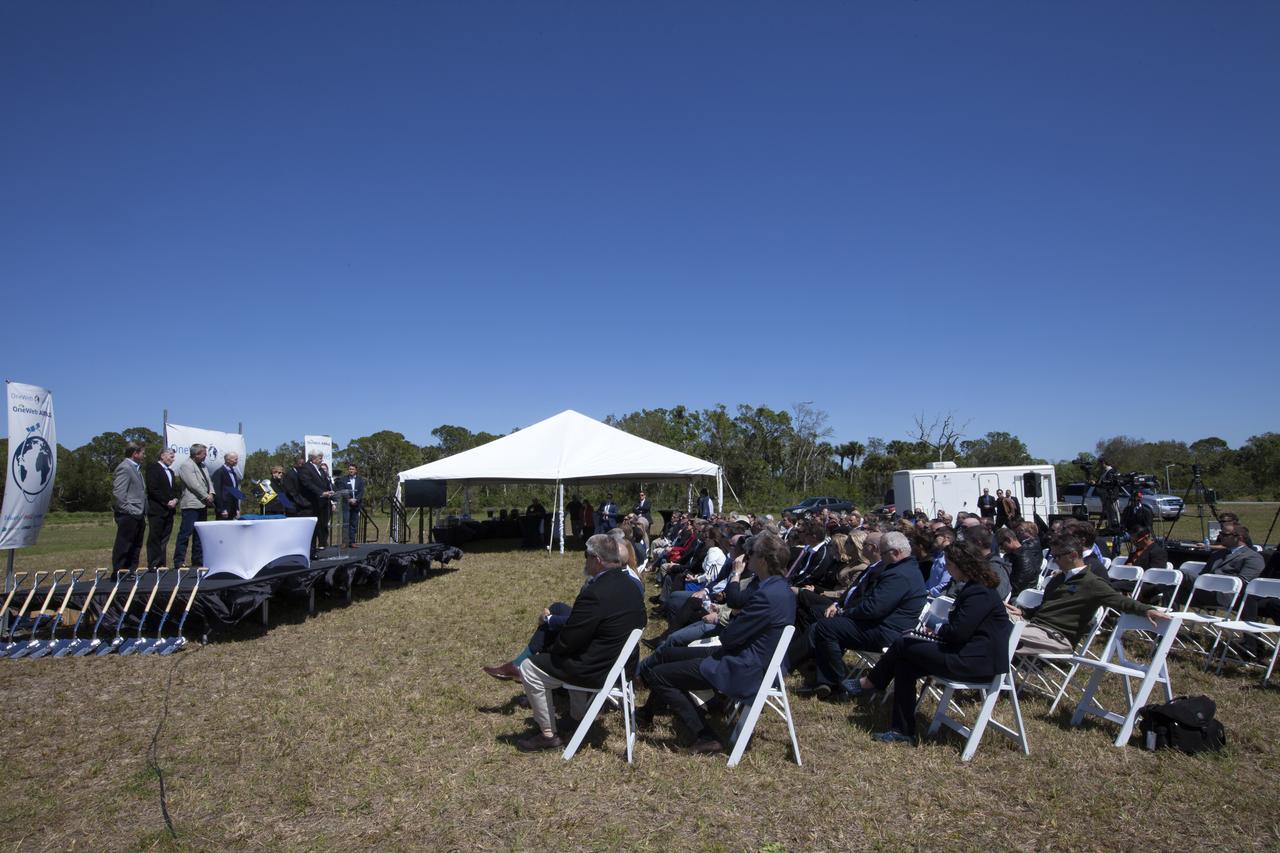
Jim Kuzma, COO of Space Florida, speaks during the groundbreaking ceremony at Kennedy's Exploration Park for OneWeb. The company, in partnership with Airbus, is building a 150,000-square-foot factory to manufacture satellites that will connect all areas of the world to the Internet wirelessly. Photo credit: NASA/Kim Shiflett
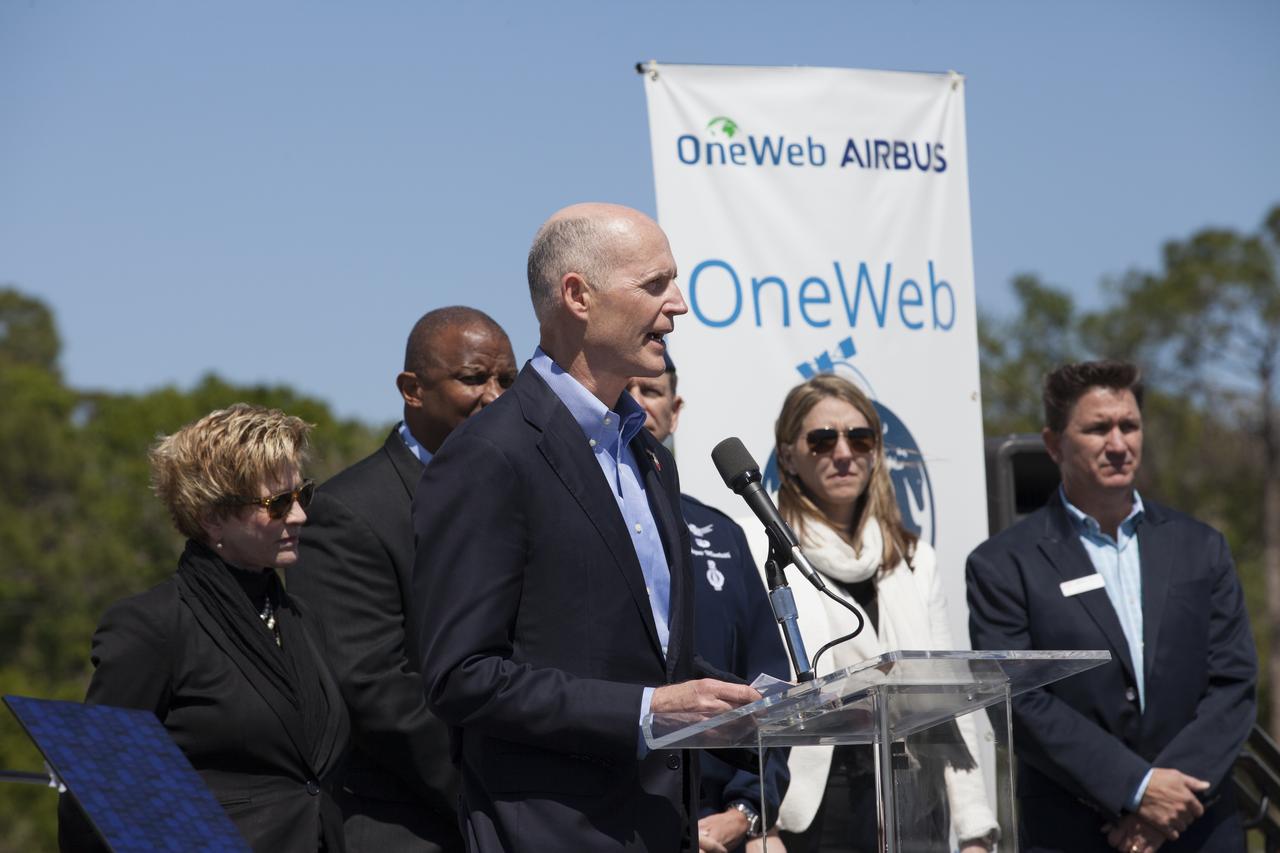
Florida Governor Rick Scott speaks during the groundbreaking ceremony at Kennedy's Exploration Park for OneWeb. The company, in partnership with Airbus, is building a 150,000-square-foot factory to manufacture satellites that will connect all areas of the world to the Internet wirelessly. Photo credit: NASA/Kim Shiflett
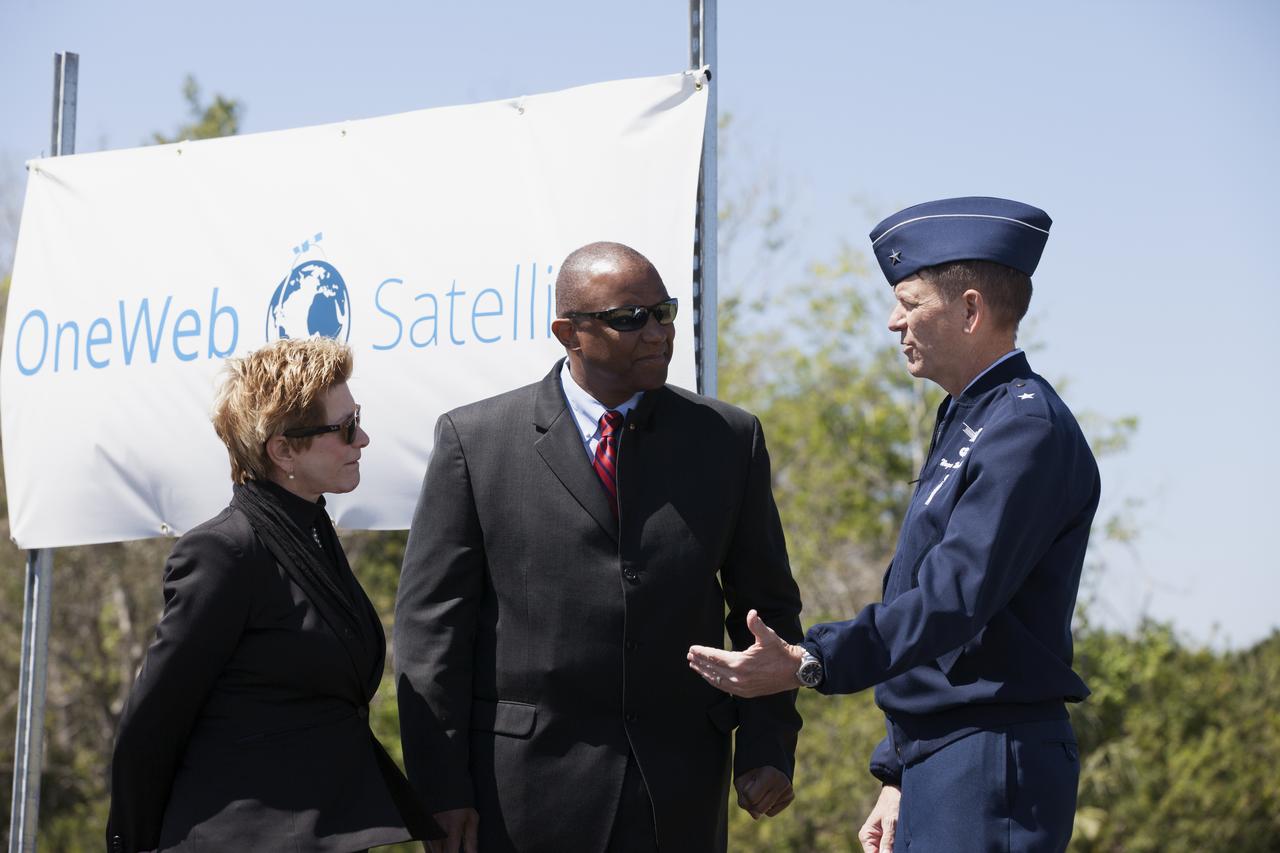
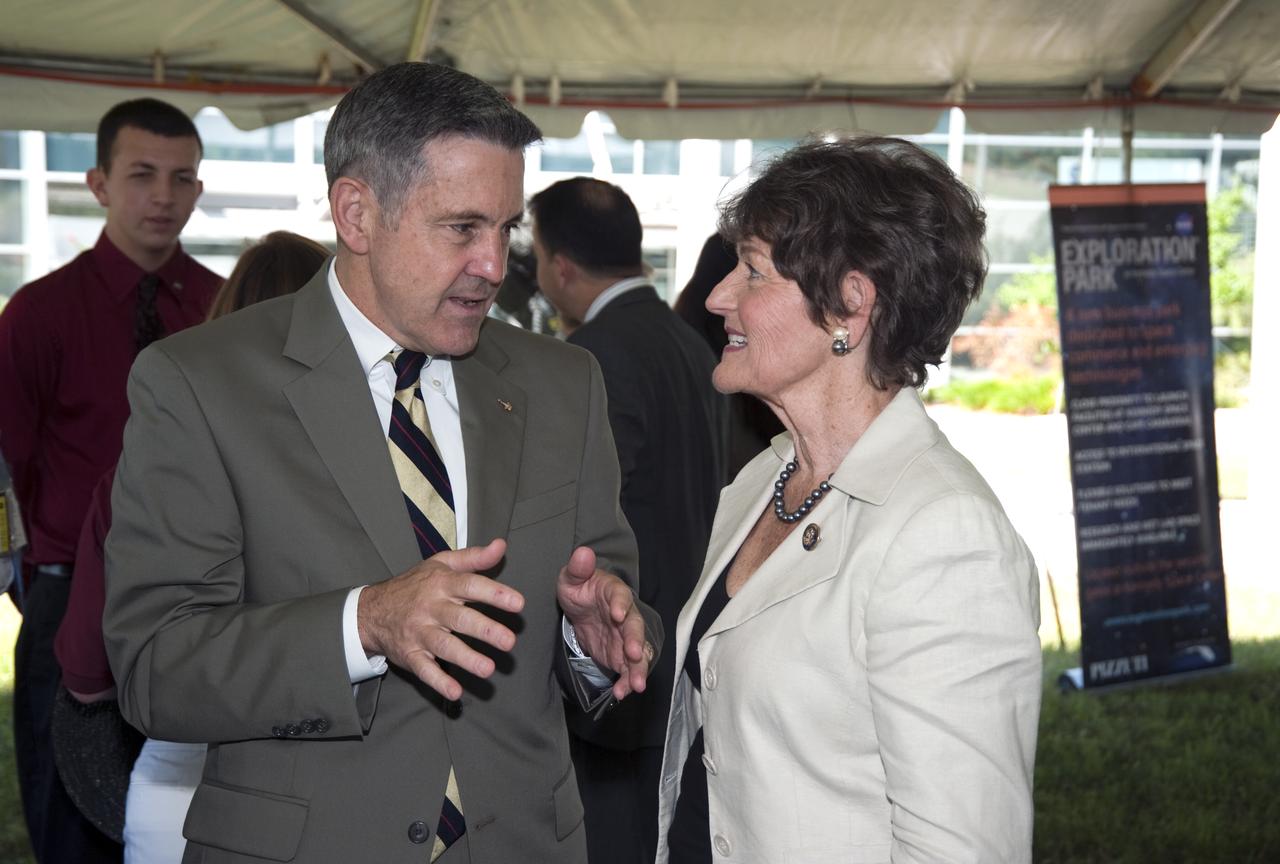
Lynda Weatherman, president and CEO of the Economic Development Council of the Space Coast, talks with Kelvin Manning, associate director of NASA's Kennedy Space Center, and Gen. Wayne Monteith, commander of the 45th Space Wing of the U.S. Air Force, prior to a groundbreaking ceremony at Kennedy's Exploration Park for OneWeb. The company, in partnership with Airbus, is building a 150,000-square-foot factory to manufacture satellites that will connect all areas of the world to the Internet wirelessly. Photo credit: NASA/Kim Shiflett
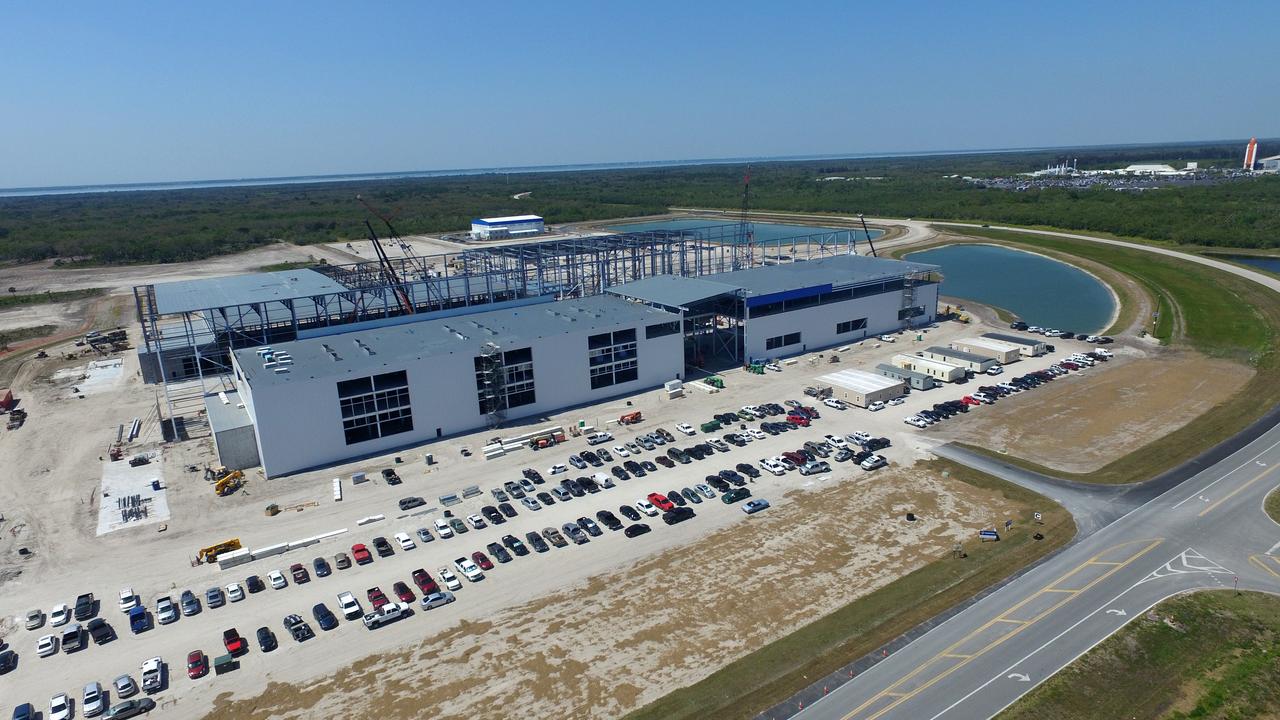
Construction is progressing on Blue Origin's 750,000-square-foot facility being built at Exploration Park on NASA Kennedy Space Center property in Florida. Blue Origin will use the factory to manufacture its two-stage super-heavy-lift New Glenn launch vehicle and launch the vehicles from Space Launch Complex 46 at Cape Canaveral Air Force Station.
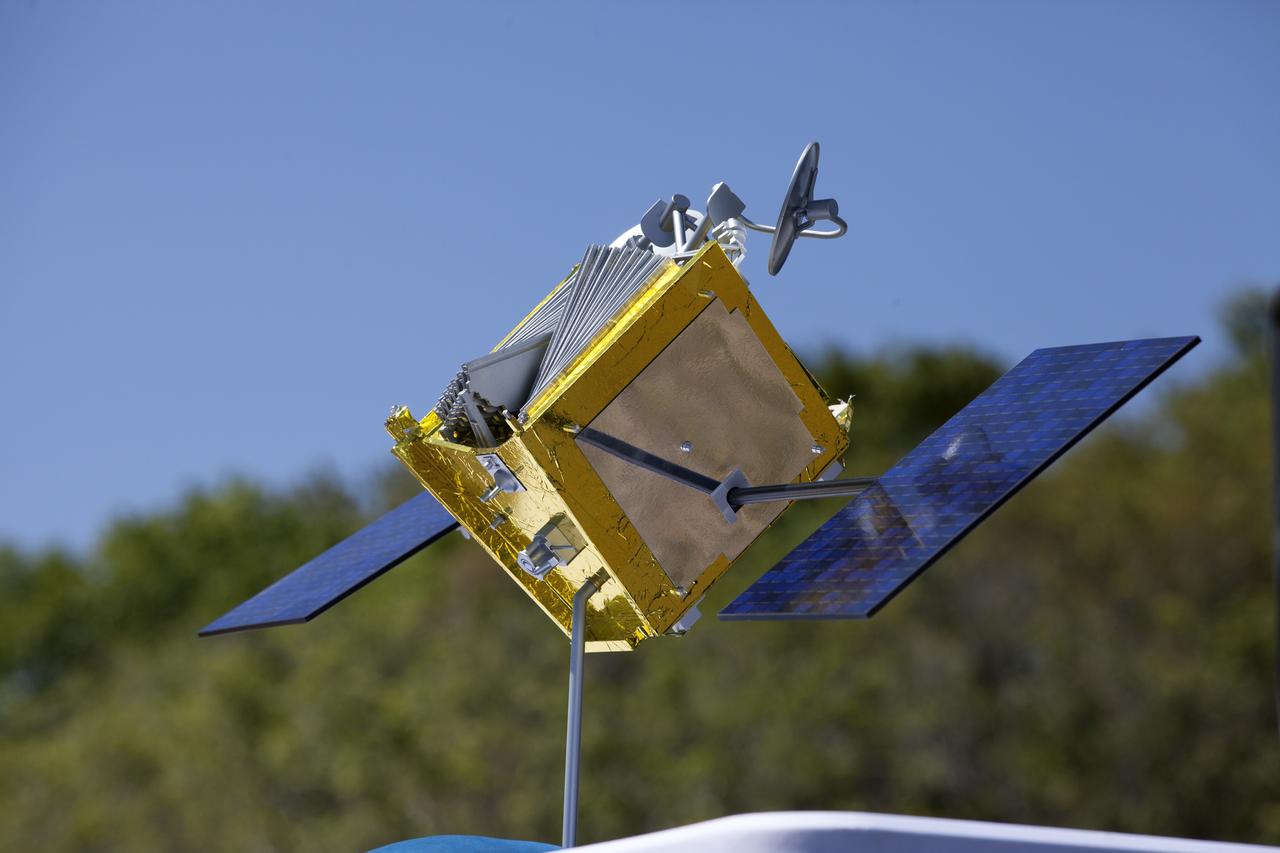
A model of a OneWeb satellite like those the company will build to will connect all areas of the world to the Internet wirelessly. The company plans to launch 2,000 of the satellites as part of its constellation. The satellites will be built at a new factory at Exploration Park at NASA's Kennedy Space Center. The company held a groundbreaking ceremony for the factory. Photo credit: NASA/Kim Shiflett
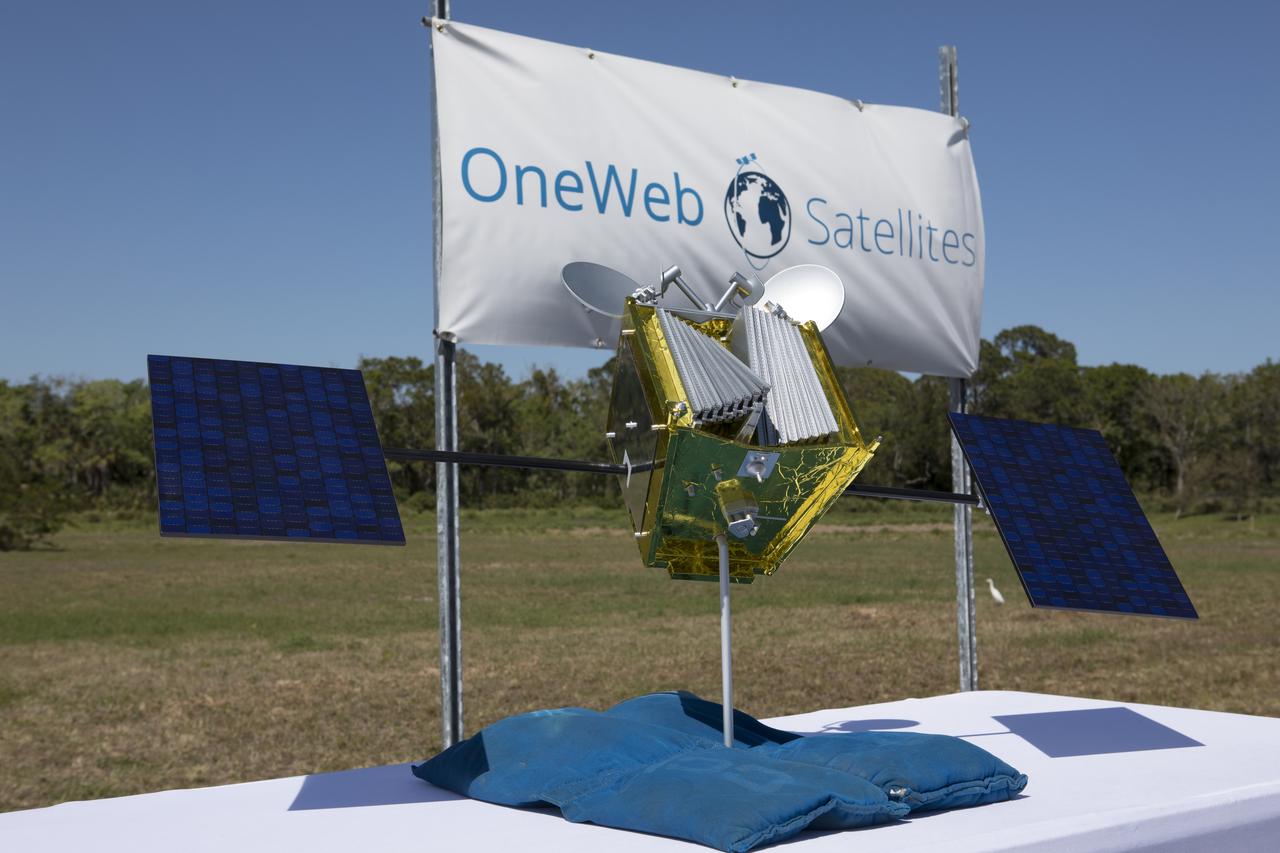
A model of a OneWeb satellite like those the company will build to will connect all areas of the world to the Internet wirelessly. The company plans to launch 2,000 of the satellites as part of its constellation. The satellites will be built at a new factory at Exploration Park at NASA's Kennedy Space Center. The company held a groundbreaking ceremony for the factory. Photo credit: NASA/Kim Shiflett
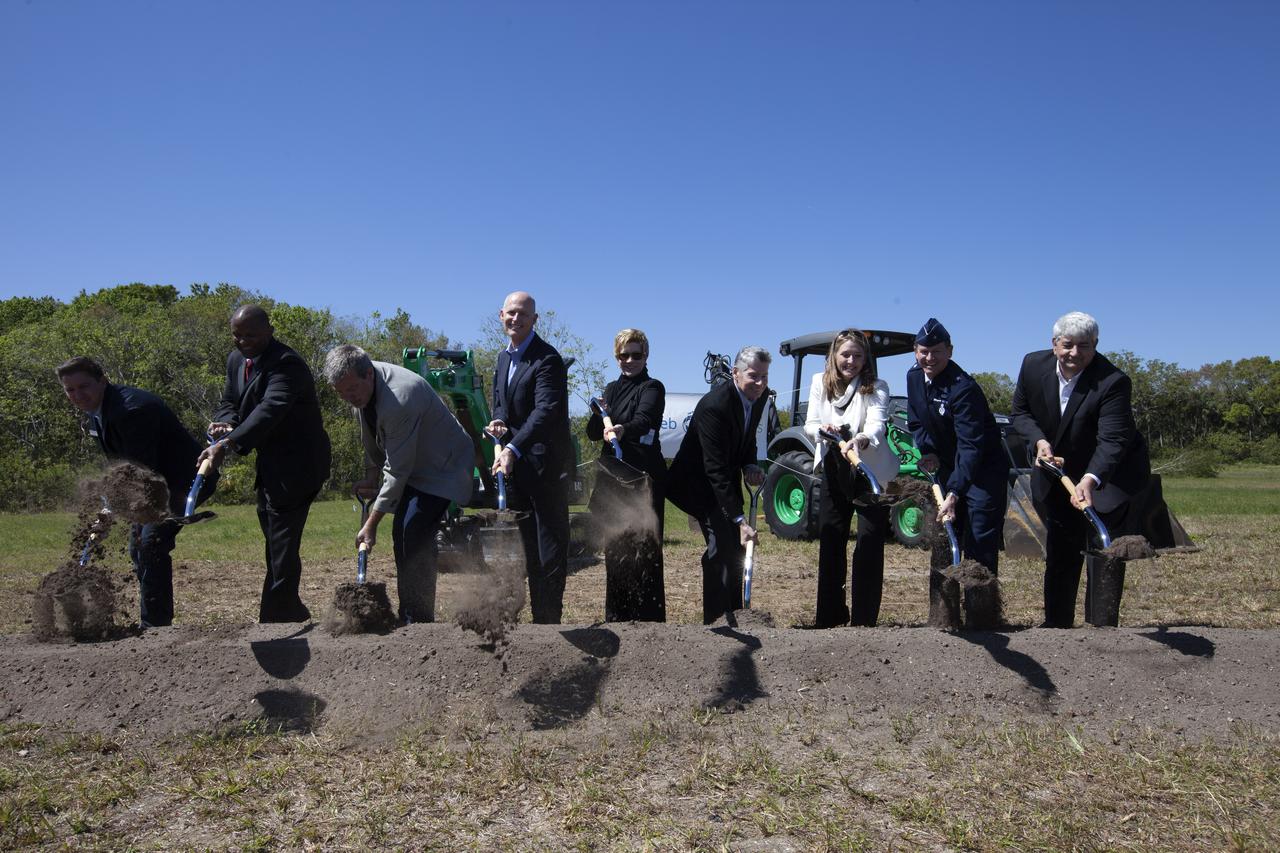
Officials break ground for a 150,000-square-foot manufacturing facility for OneWeb Satellites at Exploration Park at NASA's Kennedy Space Center. The company, in partnership with Airbus, is building a 150,000-square-foot factory to manufacture satellites that will connect all areas of the world to the Internet wirelessly. The officials are, from left, John Saul, operations manager of Hensell-Phelps; Kelvin Manning, associate director of NASA's Kennedy Space Center; Brian Holz, CEO of OneWeb Satellites; Rick Scott, governor of Florida; Lynda Weatherman, president and CEO of the Economic Development Council of the Space Coast; Mike Cosentino, president, Airbus Defense and Space; Cissy Procter, executive director of the Florida Department of Economic Activity; Gen. Wayne Monteith, commander of the 45th Space Wing of the U.S. Air Force; and Jim Kuzma, COO of Space Florida. Photo credit: NASA/Kim Shiflett
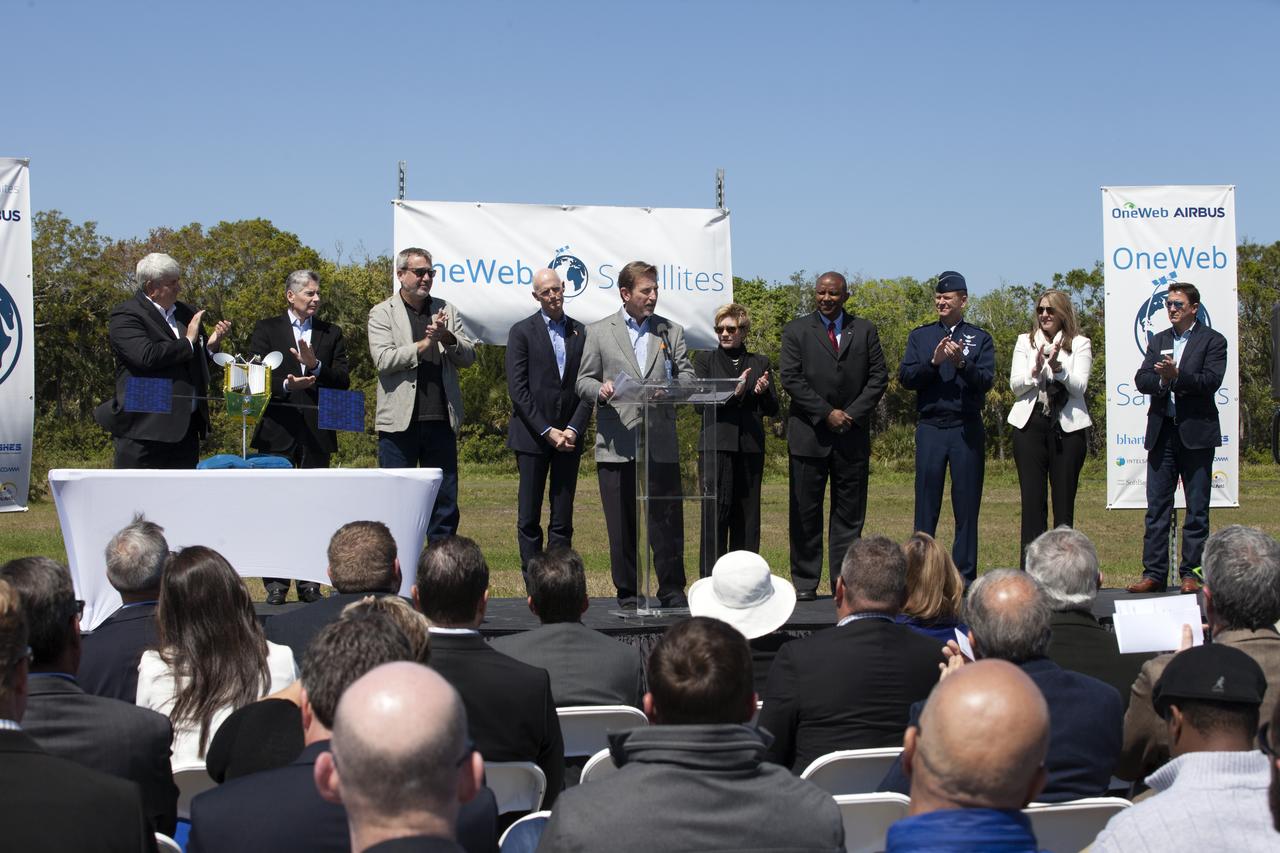
Dale Ketchum of Space Florida opens the groundbreaking ceremony at Kennedy's Exploration Park for OneWeb. The company, in partnership with Airbus, is building a 150,000-square-foot factory to manufacture satellites that will connect all areas of the world to the Internet wirelessly. Behind him are, from left, Jim Kuzma, COO of Space Florida; Mike Cosentino, president, Airbus Defense and Space; Brian Holz, CEO of OneWeb Satellites; Rick Scott, governor of Florida; Lynda Weatherman, president and CEO of the Economic Development Council of the Space Coast; Kelvin Manning, associate director of NASA's Kennedy Space Center; Gen. Wayne Monteith, commander of the 45th Space Wing of the U.S. Air Force; Cissy Procter, executive director of the Florida Department of Economic Activity; and John Saul, operations manager of Hensell-Phelps. Photo credit: NASA/Kim Shiflett
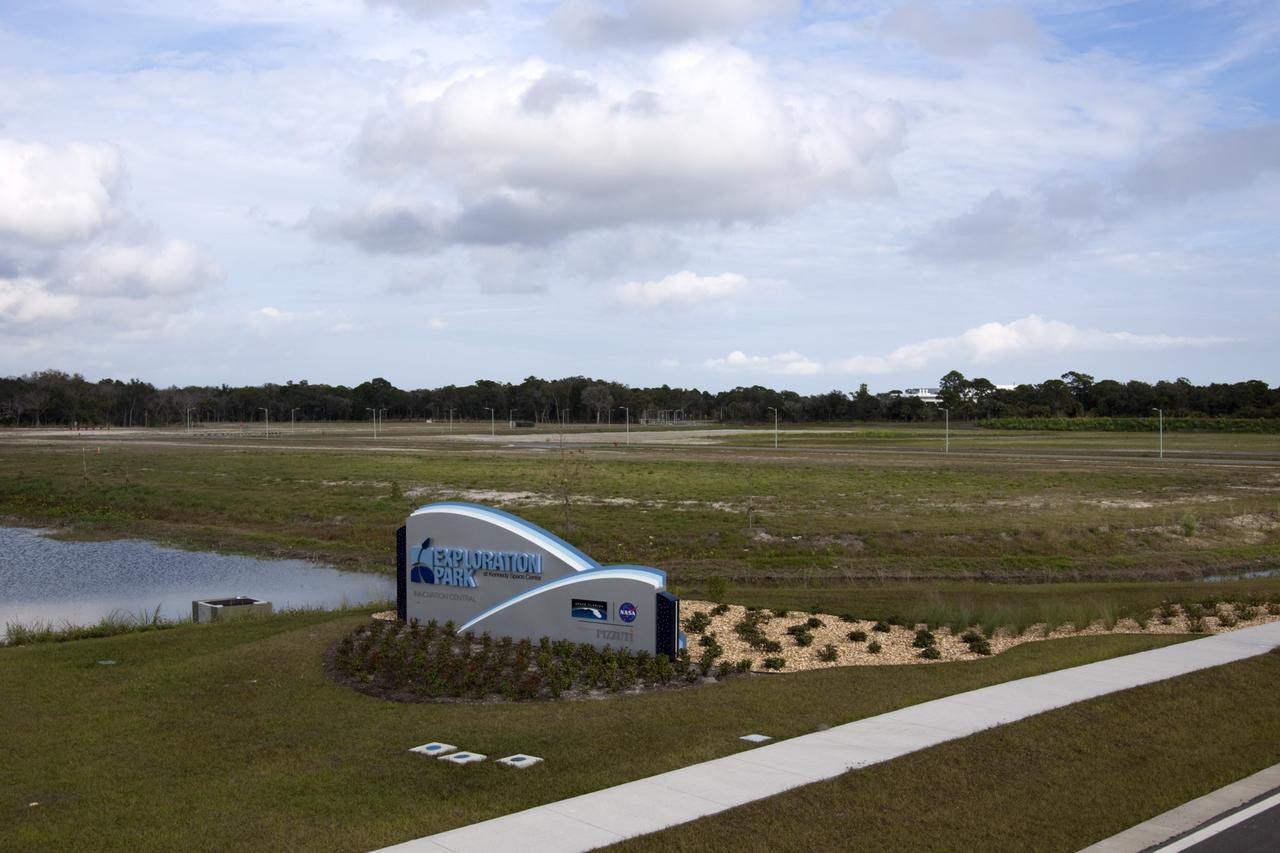
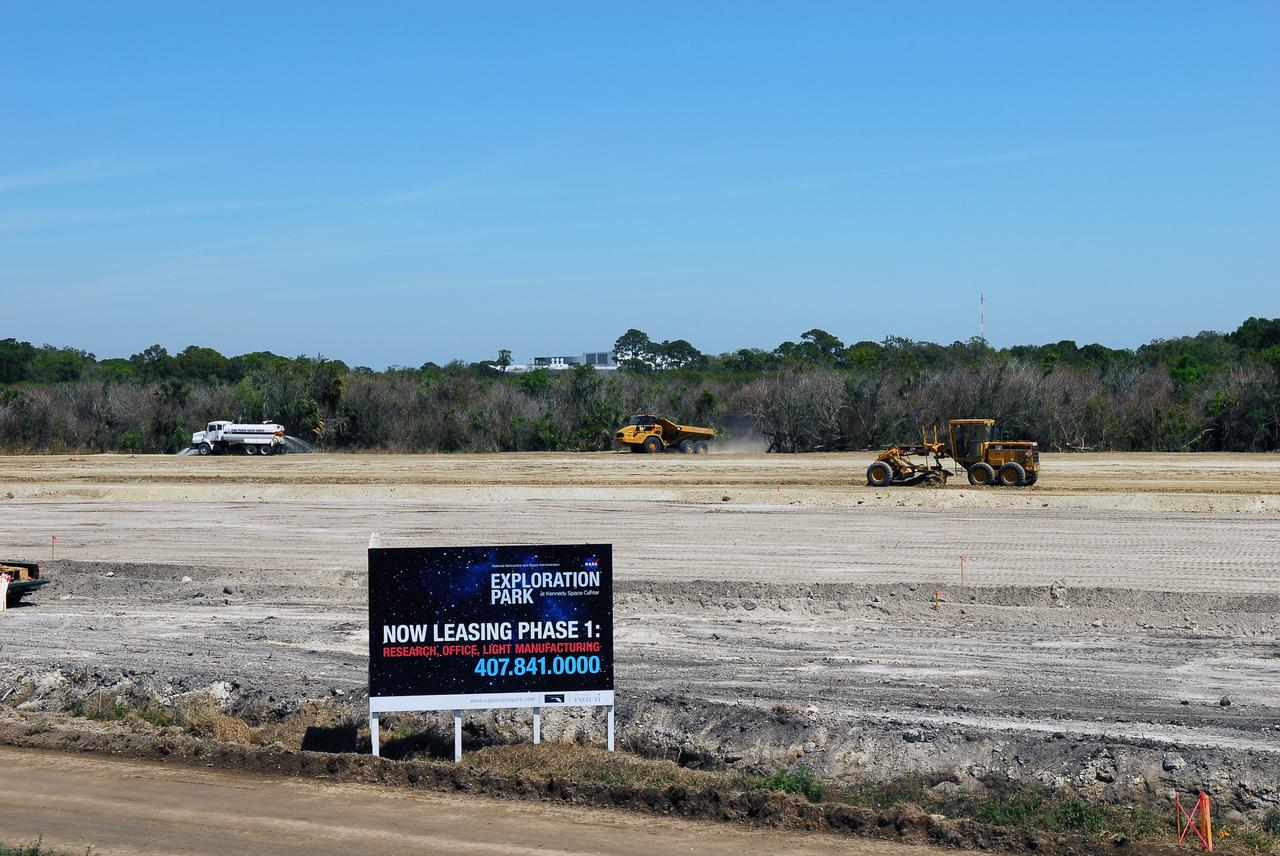
CAPE CANAVERAL, Fla. - A new sign on Space Commerce Way marks the entrance to Exploration Park near NASA’s Kennedy space Center in Florida. Land in the background has been cleared for the first phase of construction. Exploration Park encompasses 60 acres just outside Kennedy’s security gates. The park is designed to be a strategically located complex, adjacent to the Space Life Sciences Laboratory, for servicing diverse tenants and uses that will engage in activities to support the space-related activities of NASA, other government agencies and the U.S. commercial space industry. Its nine sustainable, state-of-the art buildings will include educational, office, research and laboratory, and high bay facilities and provide 350,000-square-feet of work space. Photo credit: NASA/Jim Grossmann
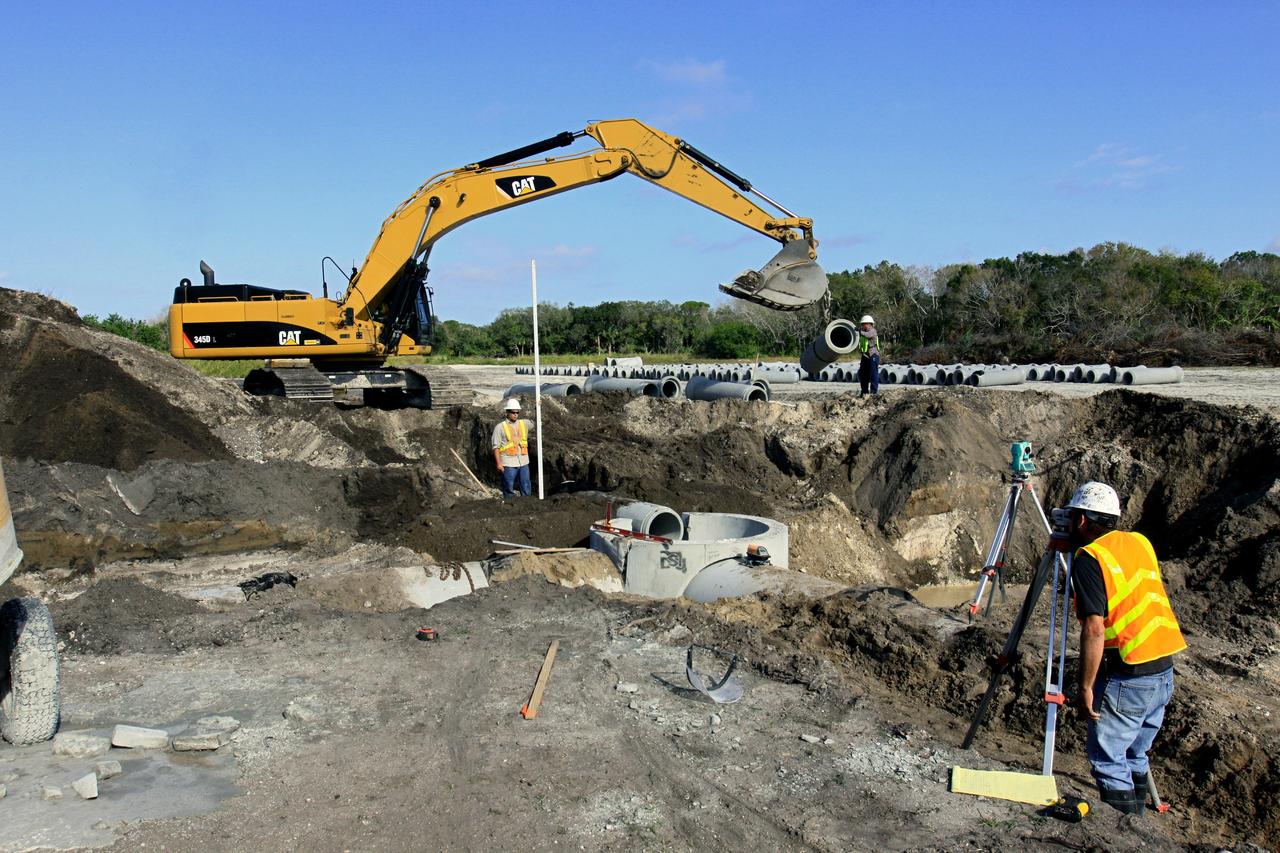
CAPE CANAVERAL, Fla. – Construction work progresses on Phase I of Exploration Park at NASA’s Kennedy Space Center in Florida. Exploration Park is near the Space Life Sciences Laboratory (SLSL). The first phase encompasses 60 acres just outside Kennedy’s security gates. Nine buildings will provide 350,000-square feet of work space, including educational, office, research and lab, and high-bay facilities. Each building is expected to be certified in the U.S. Green Building Council’s Leadership in Environmental and Energy Design (LEED). Exploration Park is designed to be a strategically located complex, adjacent to the SLSL, for servicing diverse tenants and uses that will engage in activities to support space-related activities of NASA, other government agencies and the U.S. commercial space industry. The SLSL will be the anchor facility for the park. Photo credit: NASA/Kim Shiflett
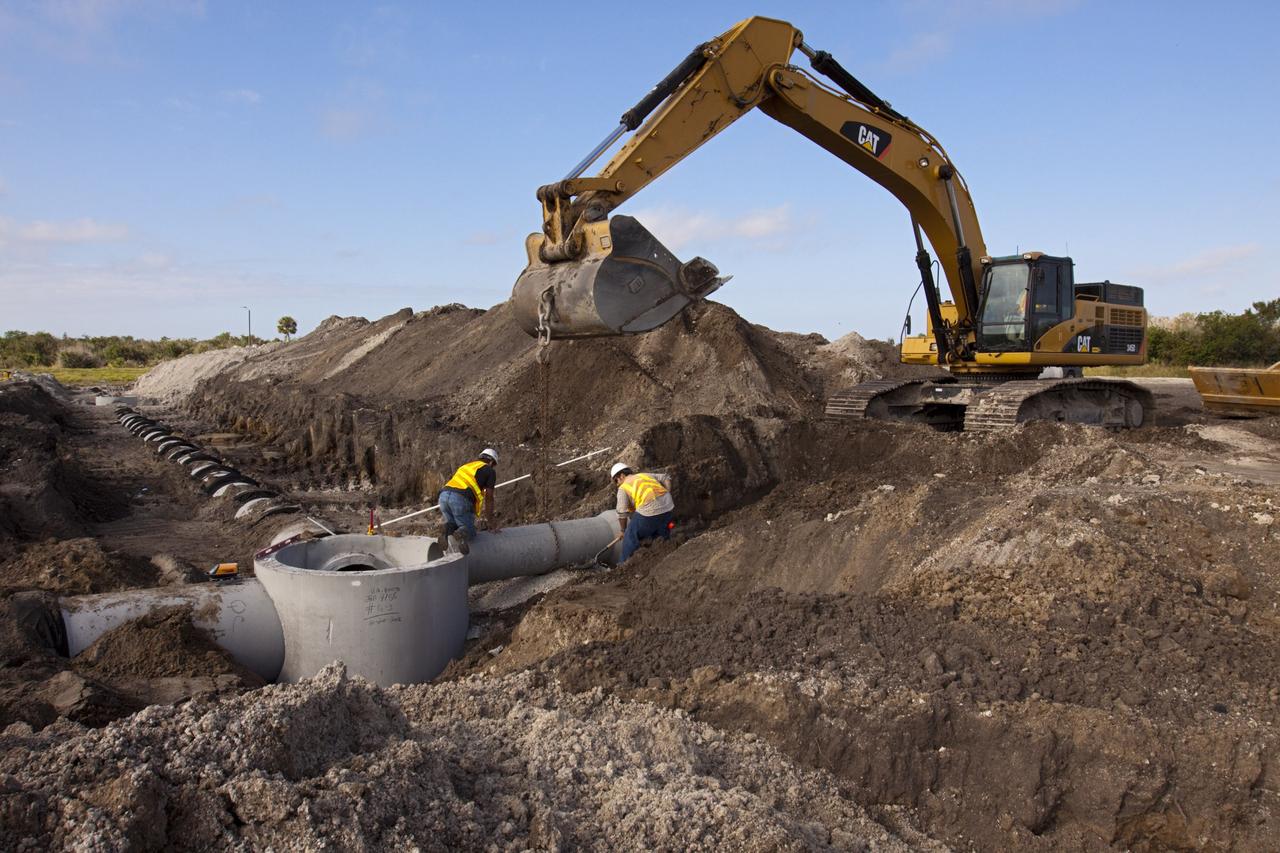
CAPE CANAVERAL, Fla. – Construction work progresses on Phase I of Exploration Park at NASA’s Kennedy Space Center in Florida. Exploration Park is near the Space Life Sciences Laboratory (SLSL). The first phase encompasses 60 acres just outside Kennedy’s security gates. Nine buildings will provide 350,000-square feet of work space, including educational, office, research and lab, and high-bay facilities. Each building is expected to be certified in the U.S. Green Building Council’s Leadership in Environmental and Energy Design (LEED). Exploration Park is designed to be a strategically located complex, adjacent to the SLSL, for servicing diverse tenants and uses that will engage in activities to support space-related activities of NASA, other government agencies and the U.S. commercial space industry. The SLSL will be the anchor facility for the park. Photo credit: NASA/Kim Shiflett
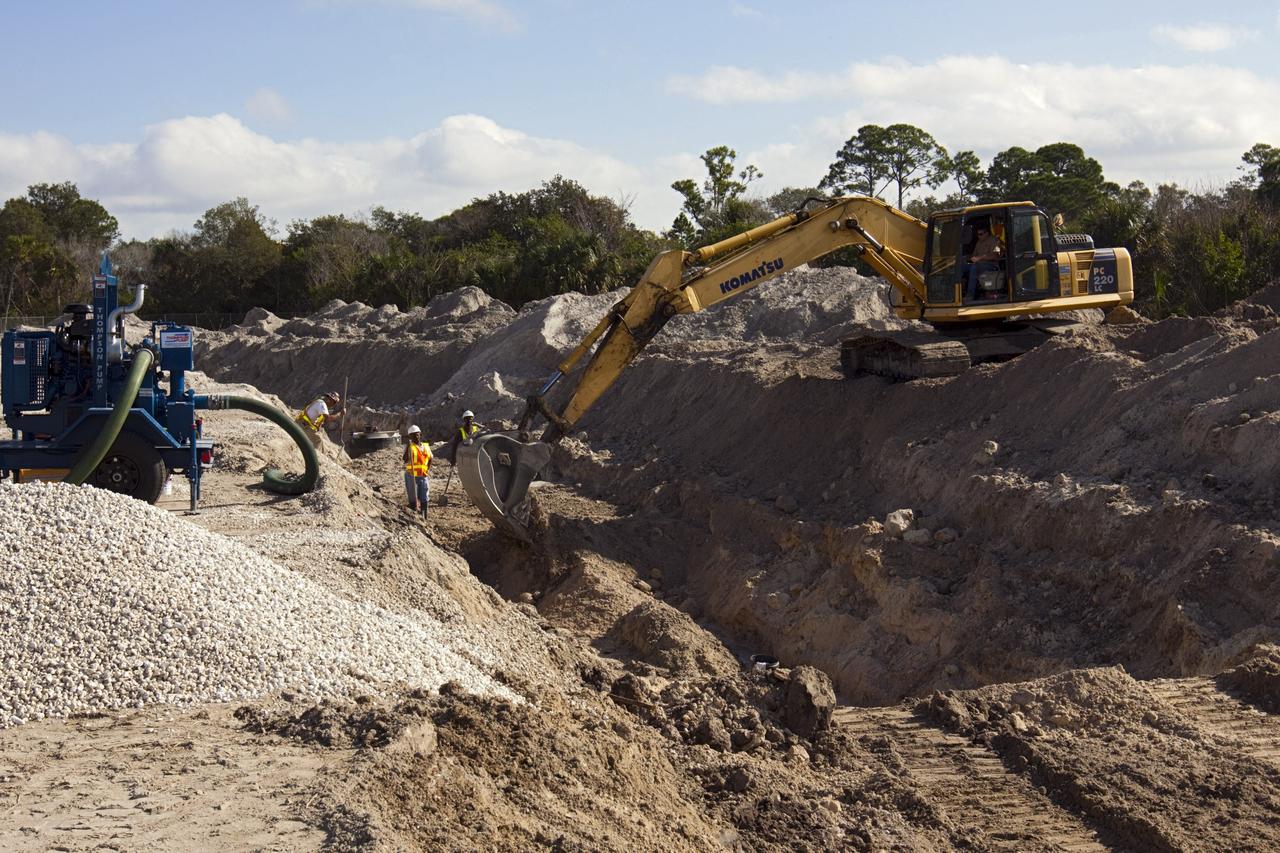
CAPE CANAVERAL, Fla. – Construction work progresses on Phase I of Exploration Park at NASA’s Kennedy Space Center in Florida. Exploration Park is near the Space Life Sciences Laboratory (SLSL). The first phase encompasses 60 acres just outside Kennedy’s security gates. Nine buildings will provide 350,000-square feet of work space, including educational, office, research and lab, and high-bay facilities. Each building is expected to be certified in the U.S. Green Building Council’s Leadership in Environmental and Energy Design (LEED). Exploration Park is designed to be a strategically located complex, adjacent to the SLSL, for servicing diverse tenants and uses that will engage in activities to support space-related activities of NASA, other government agencies and the U.S. commercial space industry. The SLSL will be the anchor facility for the park. Photo credit: NASA/Kim Shiflett
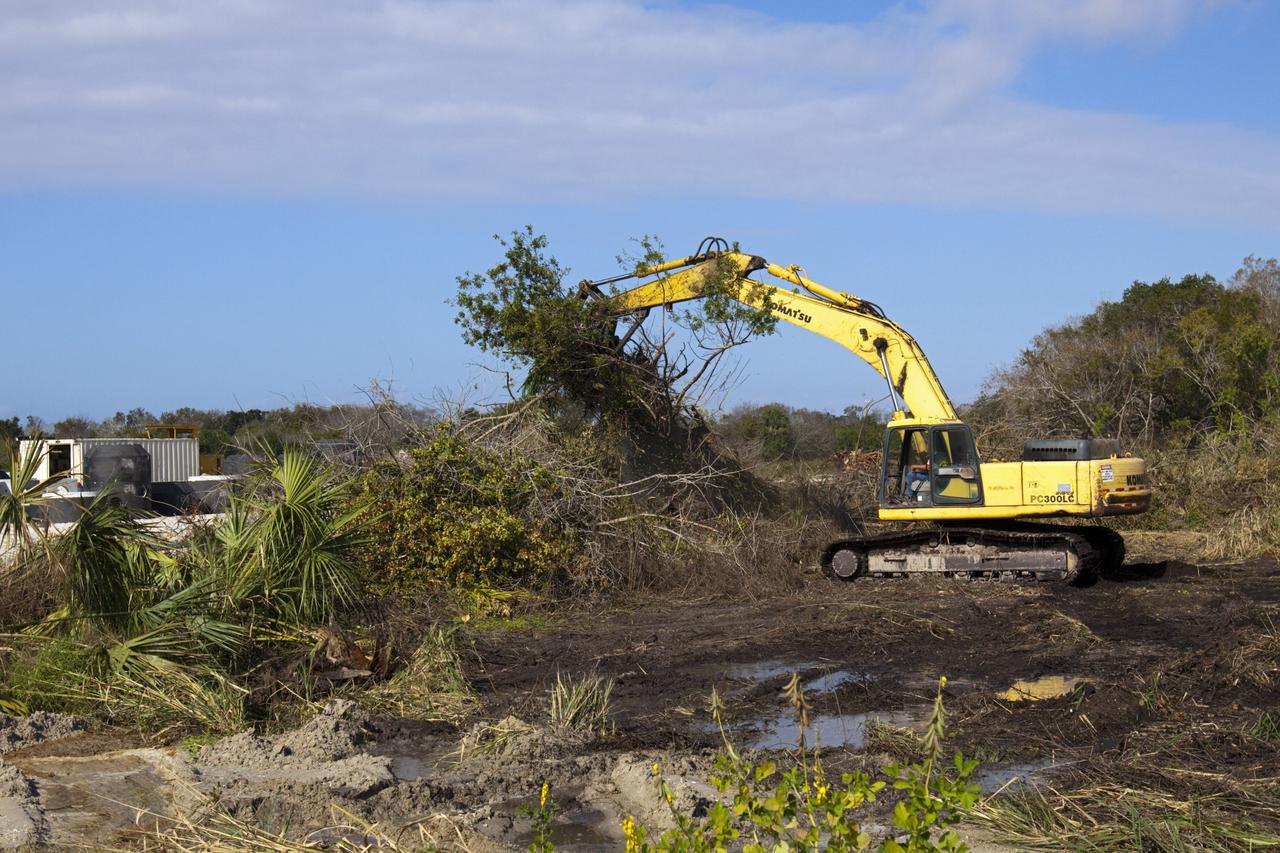
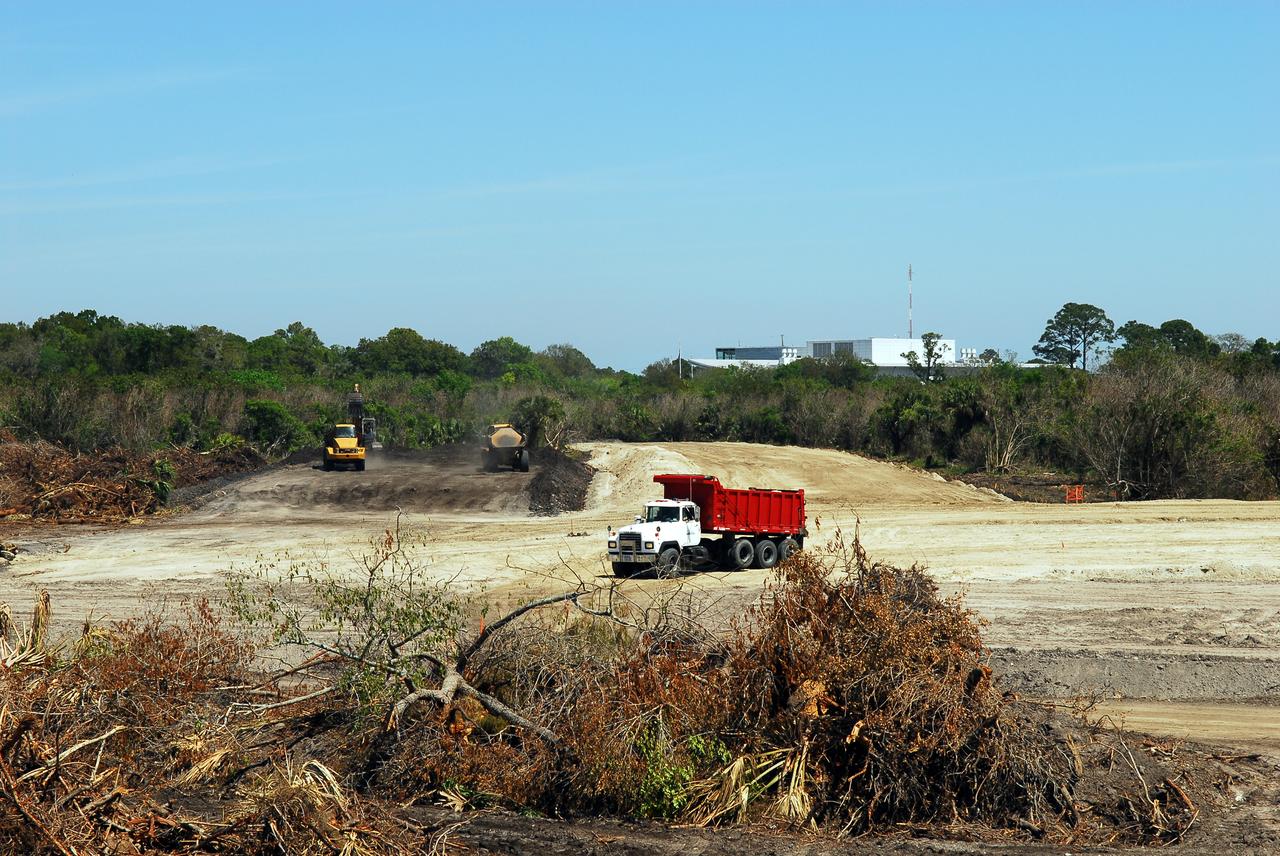
CAPE CANAVERAL, Fla. – Land is cleared as construction work progresses on Phase I of Exploration Park at NASA’s Kennedy Space Center in Florida. Exploration Park is near the Space Life Sciences Laboratory (SLSL). The first phase encompasses 60 acres just outside Kennedy’s security gates. Nine buildings will provide 350,000-square feet of work space, including educational, office, research and lab, and high-bay facilities. Each building is expected to be certified in the U.S. Green Building Council’s Leadership in Environmental and Energy Design (LEED). Exploration Park is designed to be a strategically located complex, adjacent to the SLSL, for servicing diverse tenants and uses that will engage in activities to support space-related activities of NASA, other government agencies and the U.S. commercial space industry. The SLSL will be the anchor facility for the park. Photo credit: NASA/Kim Shiflett
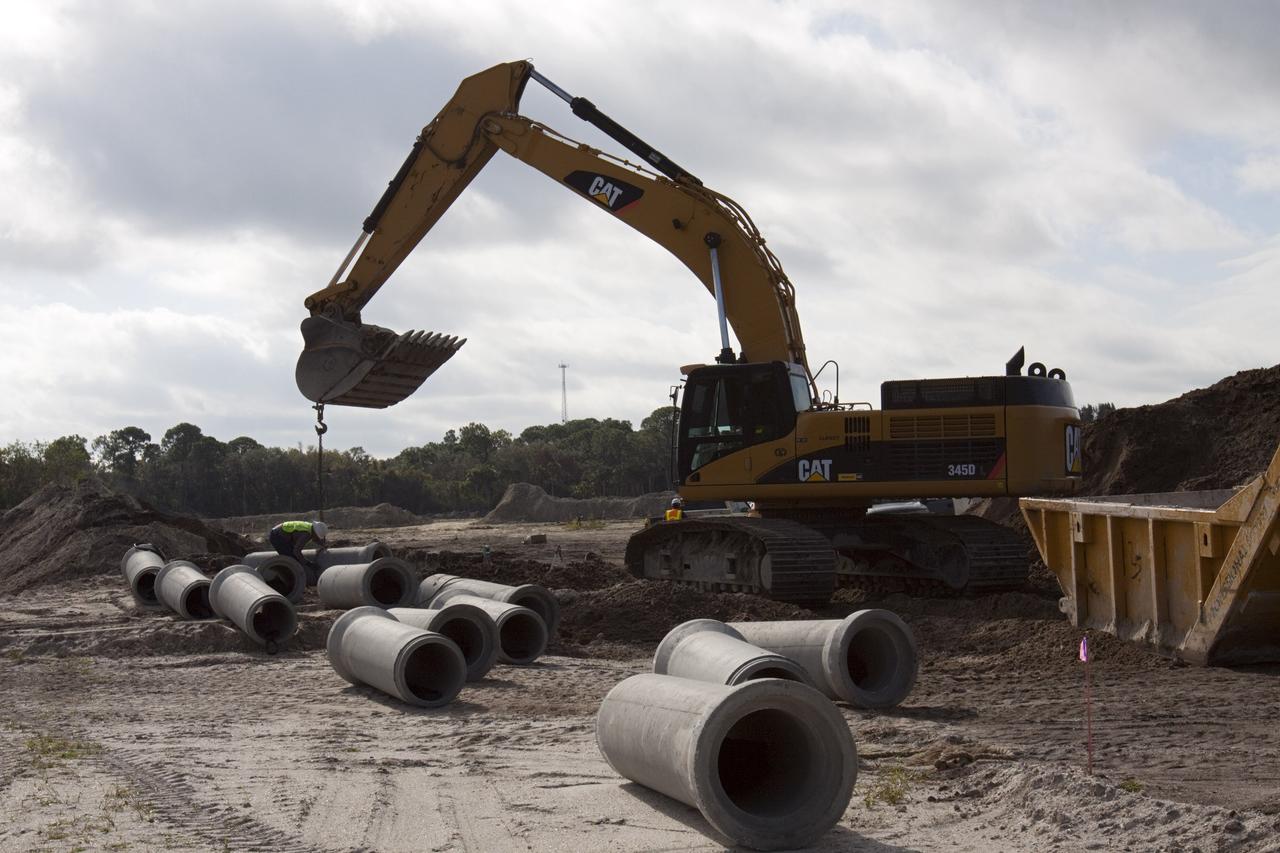
CAPE CANAVERAL, Fla. – Construction work progresses on Phase I of Exploration Park at NASA’s Kennedy Space Center in Florida. Exploration Park is near the Space Life Sciences Laboratory (SLSL). The first phase encompasses 60 acres just outside Kennedy’s security gates. Nine buildings will provide 350,000-square feet of work space, including educational, office, research and lab, and high-bay facilities. Each building is expected to be certified in the U.S. Green Building Council’s Leadership in Environmental and Energy Design (LEED). Exploration Park is designed to be a strategically located complex, adjacent to the SLSL, for servicing diverse tenants and uses that will engage in activities to support space-related activities of NASA, other government agencies and the U.S. commercial space industry. The SLSL will be the anchor facility for the park. Photo credit: NASA/Kim Shiflett
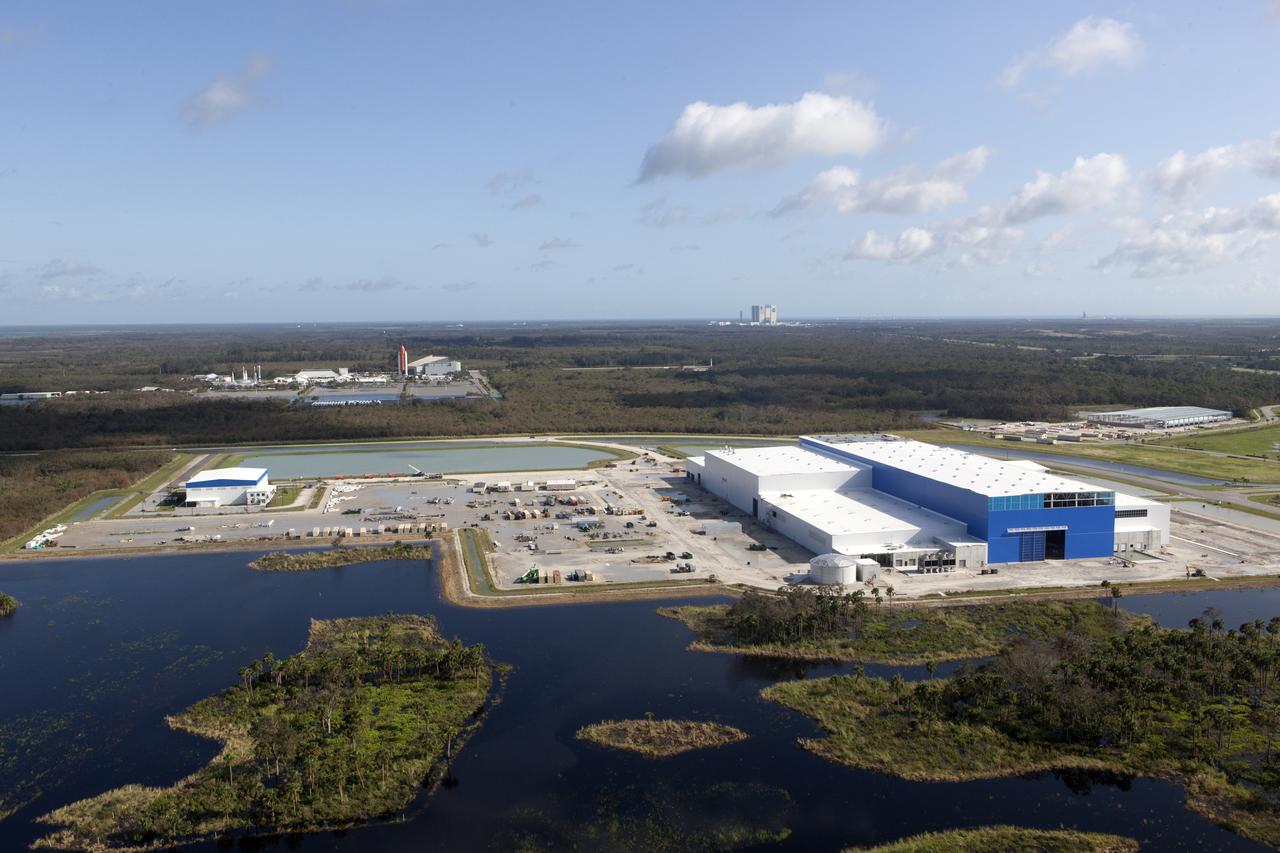
The Blue Origin construction site at Exploration Park is seen during an aerial survey of NASA's Kennedy Space Center in Florida on September 12, 2017. The survey was performed to identify structures and facilities that may have sustained damage from Hurricane Irma as the storm passed Kennedy on September 10, 2017. NASA closed the center ahead of the storm's onset and only a small team of specialists known as the Rideout Team was on the center as the storm approached and passed.
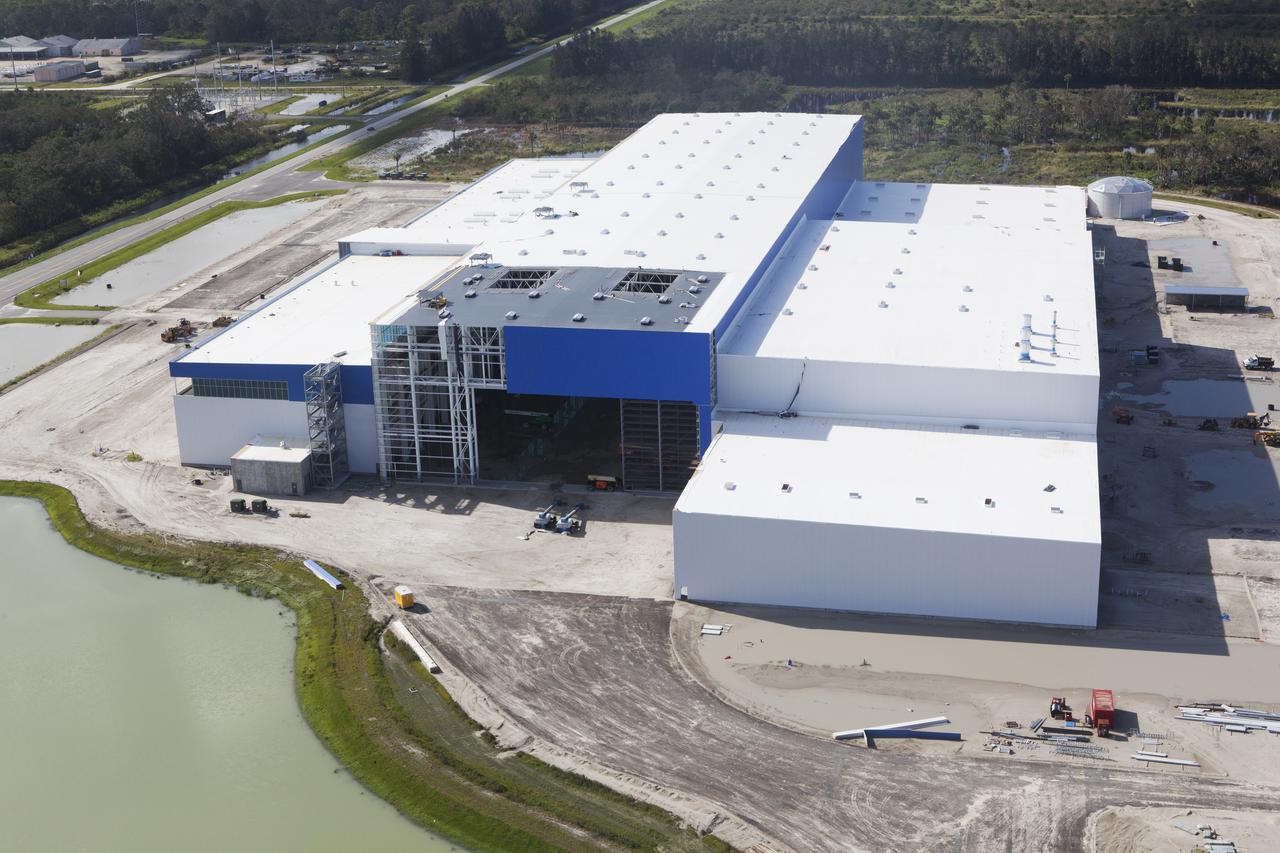
The Blue Origin construction site at Exploration Park is seen during an aerial survey of NASA's Kennedy Space Center in Florida on September 12, 2017. The survey was performed to identify structures and facilities that may have sustained damage from Hurricane Irma as the storm passed Kennedy on September 10, 2017. NASA closed the center ahead of the storm's onset and only a small team of specialists known as the Rideout Team was on the center as the storm approached and passed.
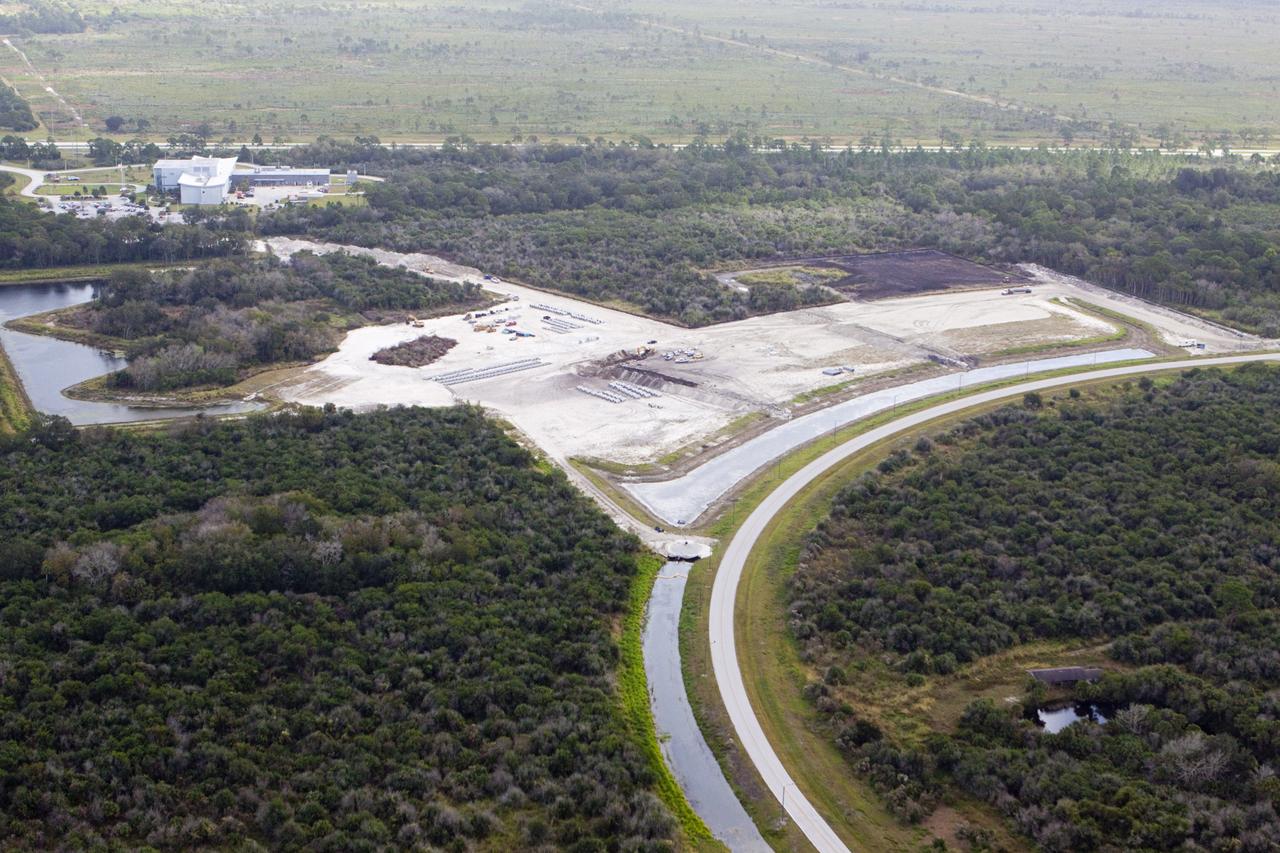
CAPE CANAVERAL, Fla. - The Exploration Park site near the Space Life Sciences Laboratory (SLSL) at NASA's Kennedy Space Center in Florida. The first phase will encompass 60 acres just outside Kennedy’s security gates. Nine buildings will provide 350,000-square feet of work space, including educational, office, research and lab, and high-bay facilities. Each building is expected to be certified in the U.S. Green Building Council’s Leadership in Environmental and Energy Design (LEED). Exploration Park is designed to be a strategically located complex, adjacent to the SLSL, for servicing diverse tenants and uses that will engage in activities to support space-related activities of NASA, other government agencies and the U.S. commercial space industry. The SLSL will be the anchor facility for the park. Photo credit: NASA/Kim Shiflett

CAPE CANAVERAL, Fla. -- The Exploration Park site near the Space Life Sciences Laboratory (SLSL) at NASA's Kennedy Space Center in Florida. The first phase will encompass 60 acres just outside Kennedy’s security gates. Nine buildings will provide 350,000-square feet of work space, including educational, office, research and lab, and high-bay facilities. Each building is expected to be certified in the U.S. Green Building Council’s Leadership in Environmental and Energy Design (LEED). Exploration Park is designed to be a strategically located complex, adjacent to the SLSL, for servicing diverse tenants and uses that will engage in activities to support space-related activities of NASA, other government agencies and the U.S. commercial space industry. The SLSL will be the anchor facility for the park. Photo credit: NASA/Kim Shiflett
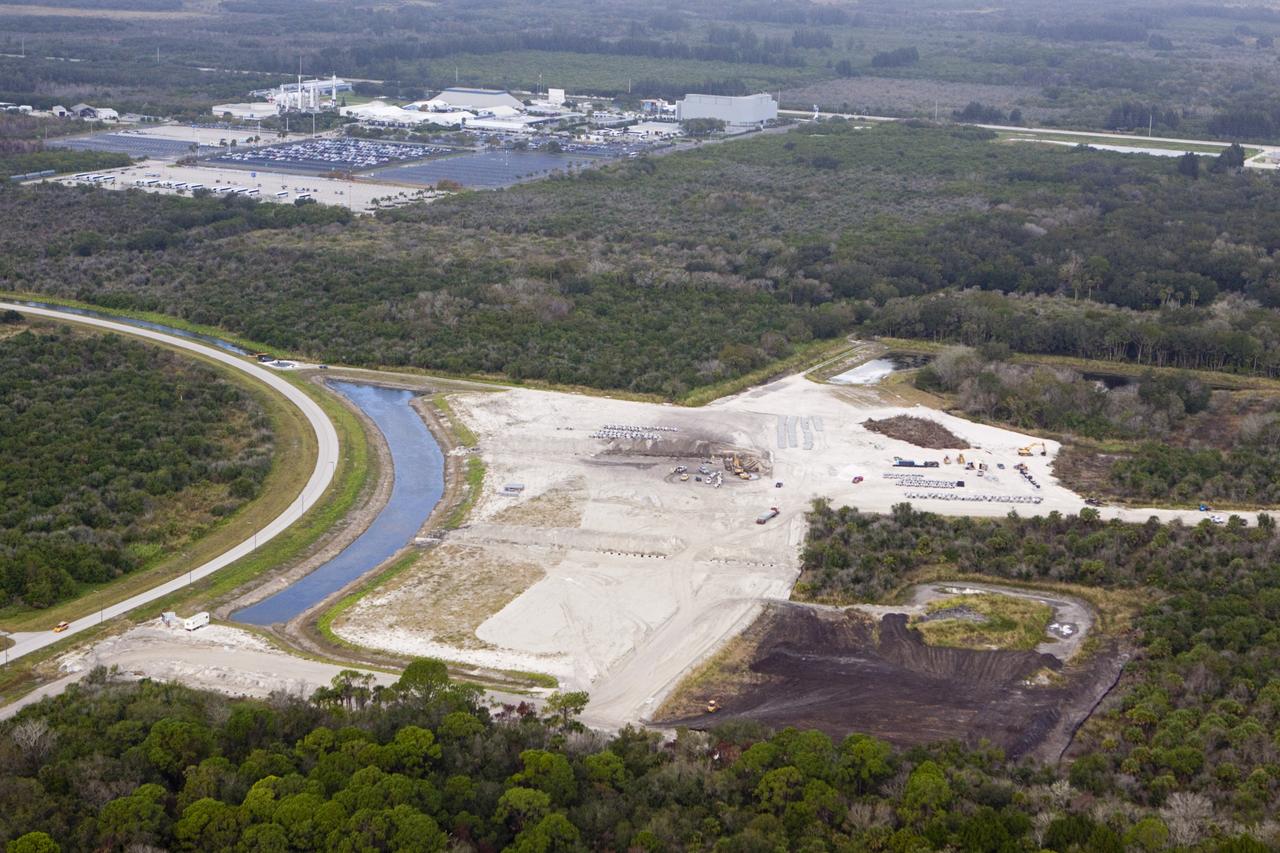
CAPE CANAVERAL, Fla. - The Exploration Park site near the Space Life Sciences Laboratory (SLSL) at NASA's Kennedy Space Center in Florida. The first phase will encompass 60 acres just outside Kennedy’s security gates. Nine buildings will provide 350,000-square feet of work space, including educational, office, research and lab, and high-bay facilities. Each building is expected to be certified in the U.S. Green Building Council’s Leadership in Environmental and Energy Design (LEED). Exploration Park is designed to be a strategically located complex, adjacent to the SLSL, for servicing diverse tenants and uses that will engage in activities to support space-related activities of NASA, other government agencies and the U.S. commercial space industry. The SLSL will be the anchor facility for the park. Photo credit: NASA/Kim Shiflett
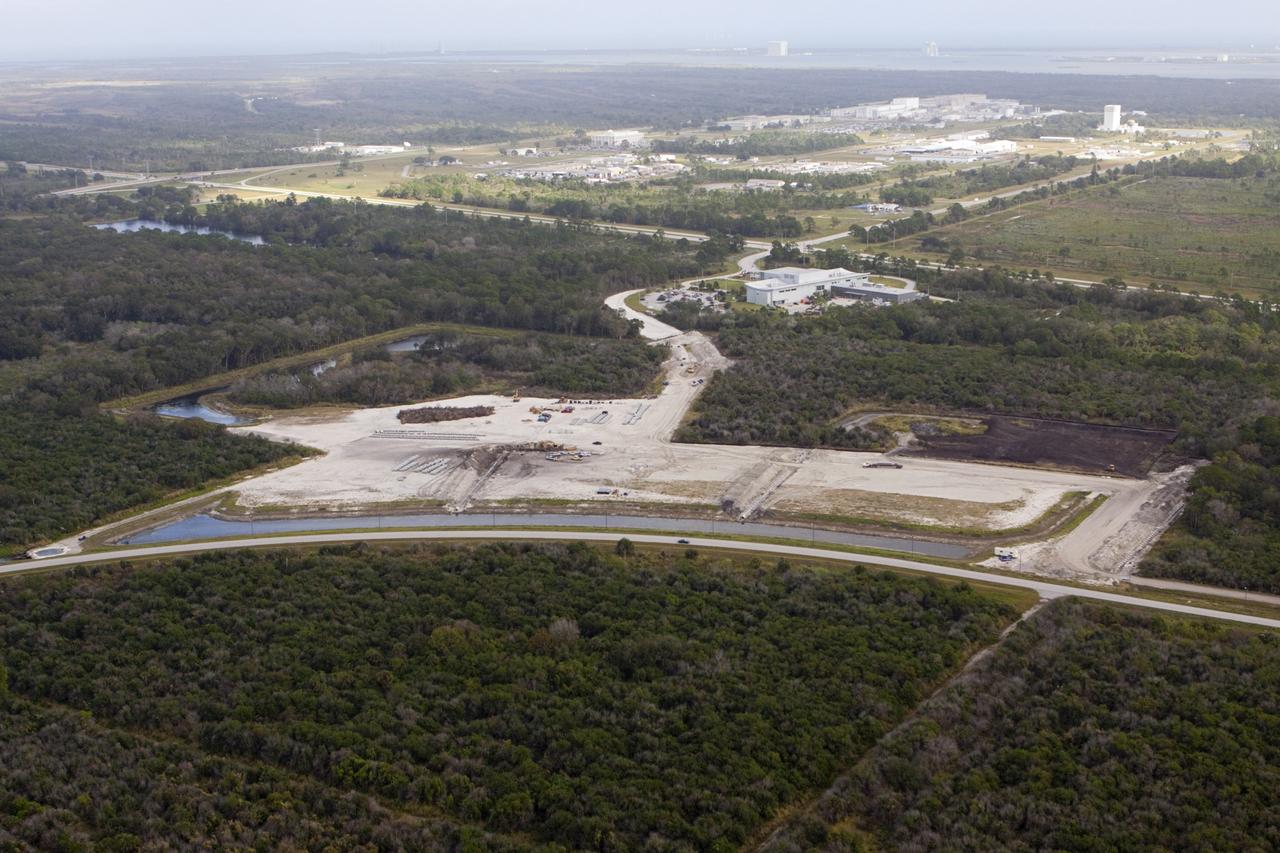
CAPE CANAVERAL, Fla. - The Exploration Park site near the Space Life Sciences Laboratory (SLSL) at NASA's Kennedy Space Center in Florida. The first phase will encompass 60 acres just outside Kennedy’s security gates. Nine buildings will provide 350,000-square feet of work space, including educational, office, research and lab, and high-bay facilities. Each building is expected to be certified in the U.S. Green Building Council’s Leadership in Environmental and Energy Design (LEED). Exploration Park is designed to be a strategically located complex, adjacent to the SLSL, for servicing diverse tenants and uses that will engage in activities to support space-related activities of NASA, other government agencies and the U.S. commercial space industry. The SLSL will be the anchor facility for the park. Photo credit: NASA/Kim Shiflett
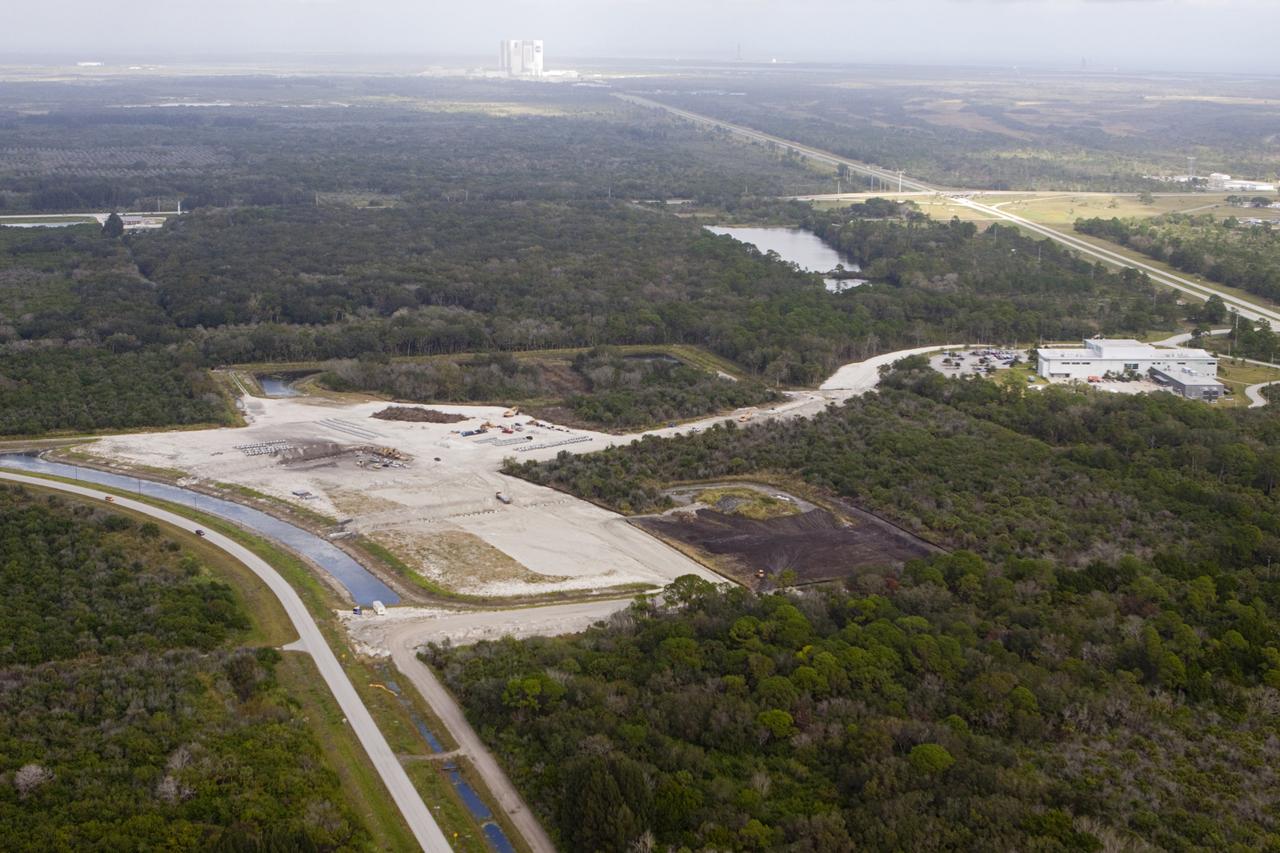
CAPE CANAVERAL, Fla. - The Exploration Park site near the Space Life Sciences Laboratory (SLSL) at NASA's Kennedy Space Center in Florida. The first phase will encompass 60 acres just outside Kennedy’s security gates. Nine buildings will provide 350,000-square feet of work space, including educational, office, research and lab, and high-bay facilities. Each building is expected to be certified in the U.S. Green Building Council’s Leadership in Environmental and Energy Design (LEED). Exploration Park is designed to be a strategically located complex, adjacent to the SLSL, for servicing diverse tenants and uses that will engage in activities to support space-related activities of NASA, other government agencies and the U.S. commercial space industry. The SLSL will be the anchor facility for the park. Photo credit: NASA/Kim Shiflett
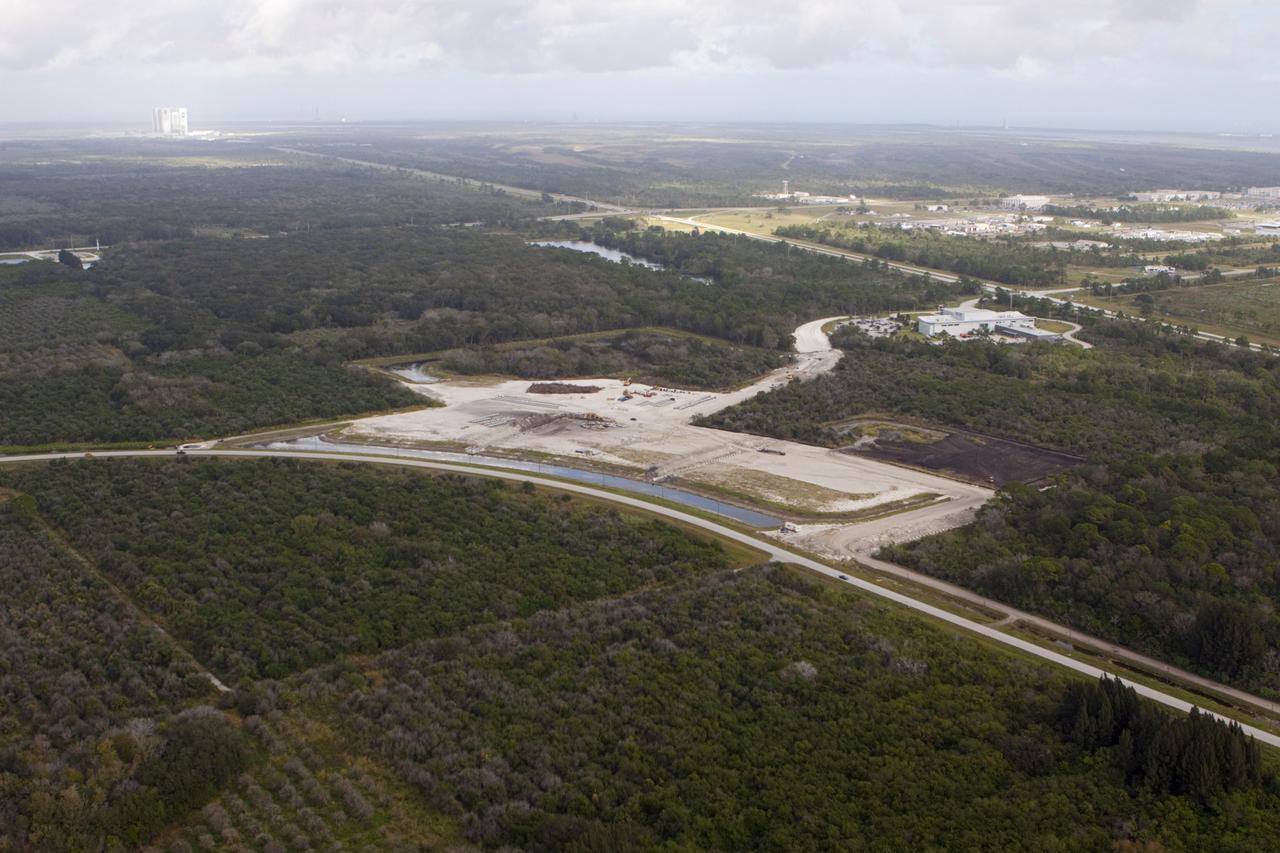
CAPE CANAVERAL, Fla. - The Exploration Park site near the Space Life Sciences Laboratory (SLSL) at NASA's Kennedy Space Center in Florida. The first phase will encompass 60 acres just outside Kennedy’s security gates. Nine buildings will provide 350,000-square feet of work space, including educational, office, research and lab, and high-bay facilities. Each building is expected to be certified in the U.S. Green Building Council’s Leadership in Environmental and Energy Design (LEED). Exploration Park is designed to be a strategically located complex, adjacent to the SLSL, for servicing diverse tenants and uses that will engage in activities to support space-related activities of NASA, other government agencies and the U.S. commercial space industry. The SLSL will be the anchor facility for the park. Photo credit: NASA/Kim Shiflett
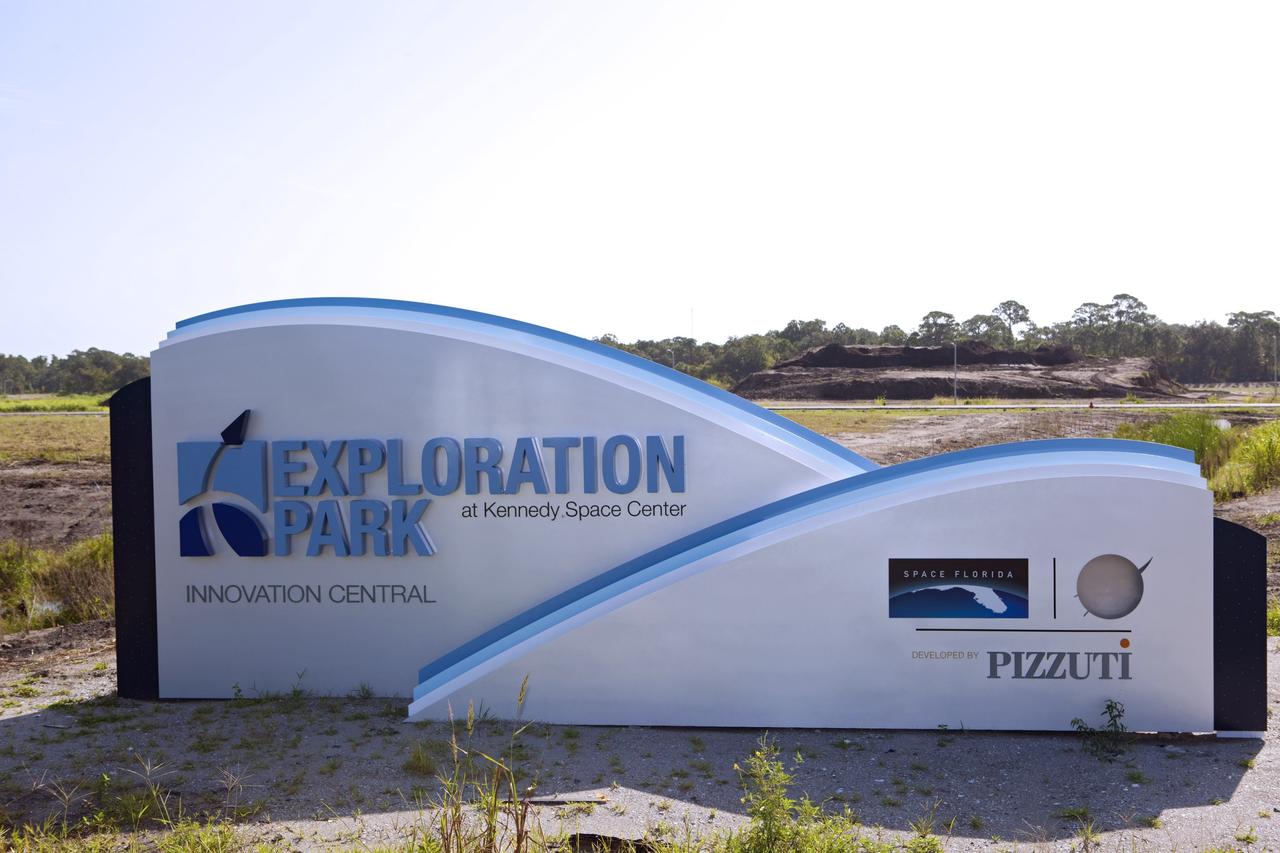
CAPE CANAVERAL, Fla. -- A new sign on Space Commerce Way marks the entrance to Exploration Park near NASA’s Kennedy Space Center in Florida. Land in the background has been cleared for the first phase of construction. Exploration Park encompasses 60 acres just outside Kennedy’s security gates. The park is designed to be a strategically located complex, adjacent to the Space Life Sciences Laboratory, for servicing diverse tenants and uses that will engage in activities to support the space-related activities of NASA, other government agencies and the U.S. commercial space industry. Its nine sustainable, state-of-the art buildings will include educational, office, research and laboratory, and high bay facilities and provide 350,000-square-feet of work space. Photo credit: NASA/Dimitri Gerondidakis
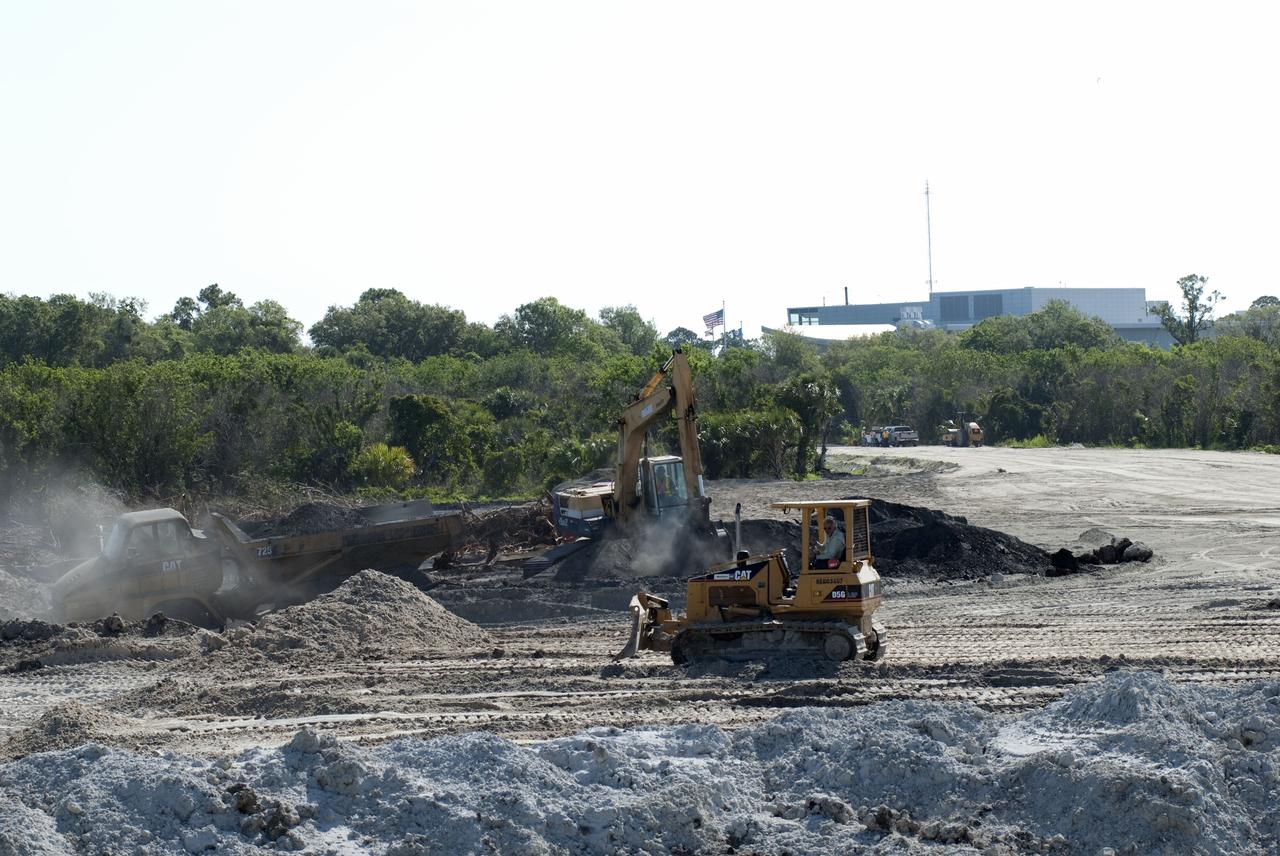
CAPE CANAVERAL, Fla. -- Crews continue to clear land and prepare for the construction of a new road at the Exploration Park site near the Space Life Sciences Laboratory (SLSL) at NASA's Kennedy Space Center in Florida. The first phase will encompass 60 acres just outside Kennedy’s security gates. Nine buildings will provide 350,000-square feet of work space, including educational, office, research and lab, and high-bay facilities. Each building is expected to be certified in the U.S. Green Building Council’s Leadership in Environmental and Energy Design (LEED). Exploration Park is designed to be a strategically located complex, adjacent to the SLSL, for servicing diverse tenants and uses that will engage in activities to support space-related activities of NASA, other government agencies and the U.S. commercial space industry. It also is expected to bring new aerospace work to the Space Coast. The SLSL will be the anchor facility for the park, which is expected to open its first new facility in early 2012. Photo credit: NASA/Jim Grossmann
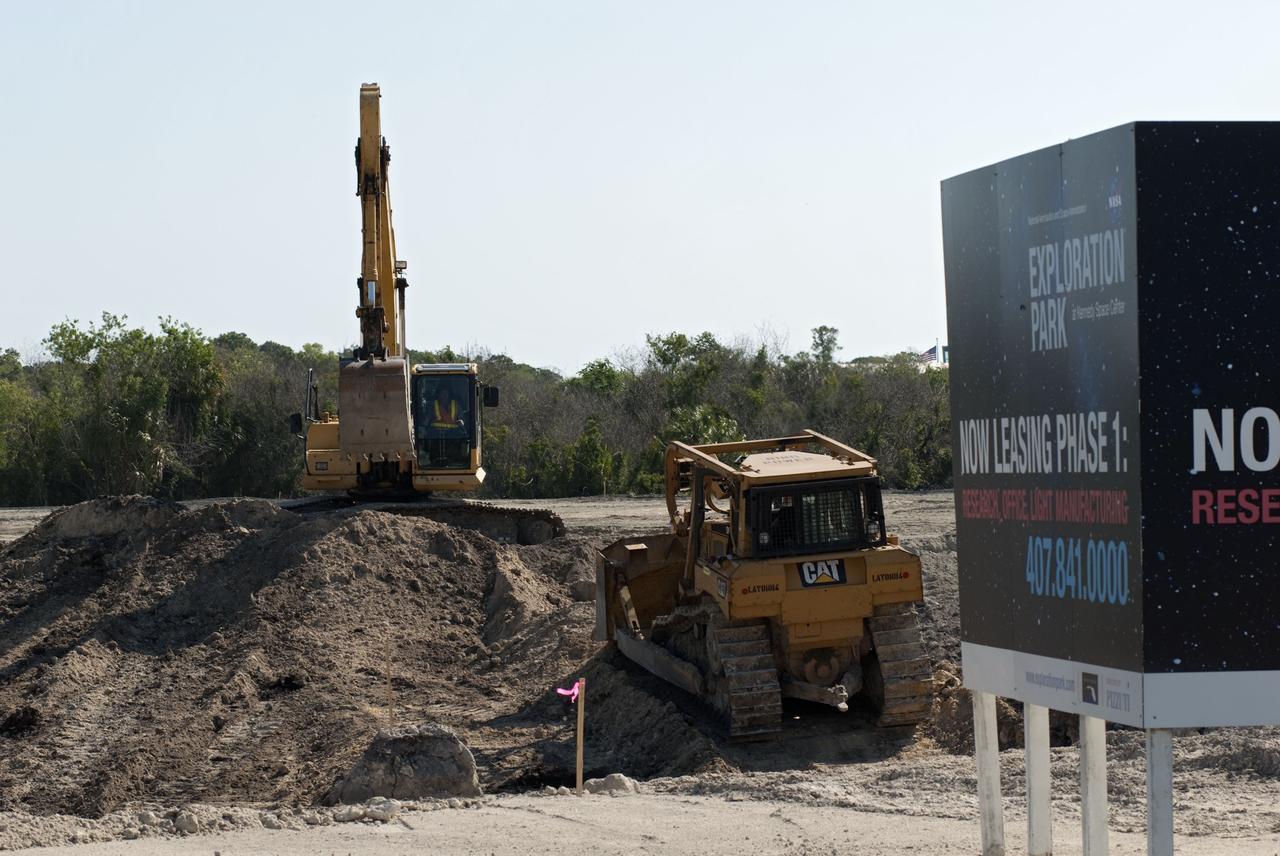
CAPE CANAVERAL, Fla. -- Crews continue to clear land and prepare for the construction of a new road at the Exploration Park site near the Space Life Sciences Laboratory (SLSL) at NASA's Kennedy Space Center in Florida. The first phase will encompass 60 acres just outside Kennedy’s security gates. Nine buildings will provide 350,000-square feet of work space, including educational, office, research and lab, and high-bay facilities. Each building is expected to be certified in the U.S. Green Building Council’s Leadership in Environmental and Energy Design (LEED). Exploration Park is designed to be a strategically located complex, adjacent to the SLSL, for servicing diverse tenants and uses that will engage in activities to support space-related activities of NASA, other government agencies and the U.S. commercial space industry. It also is expected to bring new aerospace work to the Space Coast. The SLSL will be the anchor facility for the park, which is expected to open its first new facility in early 2012. Photo credit: NASA/Jim Grossmann
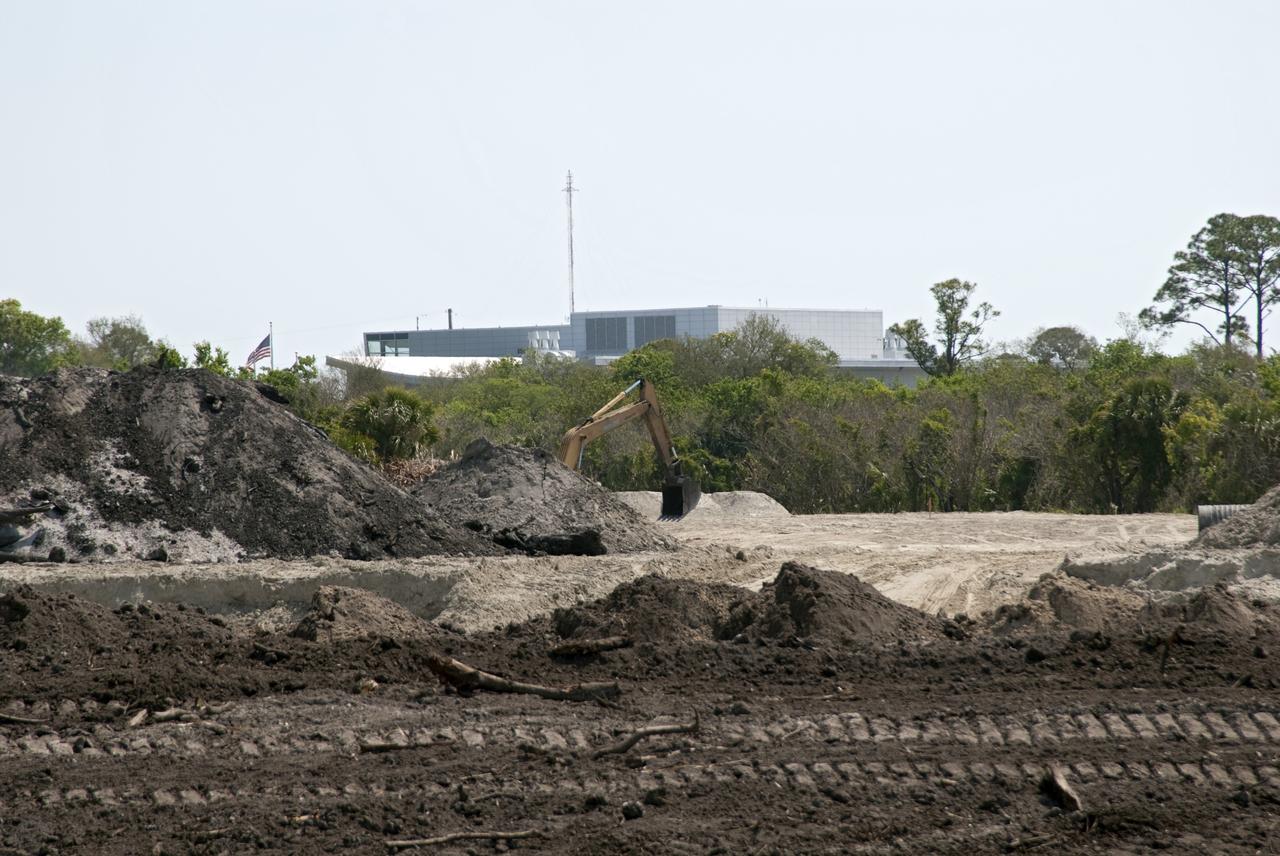
CAPE CANAVERAL, Fla. -- Crews continue to clear land and prepare for the construction of a new road at the Exploration Park site near the Space Life Sciences Laboratory (SLSL) at NASA's Kennedy Space Center in Florida. The first phase will encompass 60 acres just outside Kennedy’s security gates. Nine buildings will provide 350,000-square feet of work space, including educational, office, research and lab, and high-bay facilities. Each building is expected to be certified in the U.S. Green Building Council’s Leadership in Environmental and Energy Design (LEED). Exploration Park is designed to be a strategically located complex, adjacent to the SLSL, for servicing diverse tenants and uses that will engage in activities to support space-related activities of NASA, other government agencies and the U.S. commercial space industry. It also is expected to bring new aerospace work to the Space Coast. The SLSL will be the anchor facility for the park, which is expected to open its first new facility in early 2012. Photo credit: NASA/Jim Grossmann
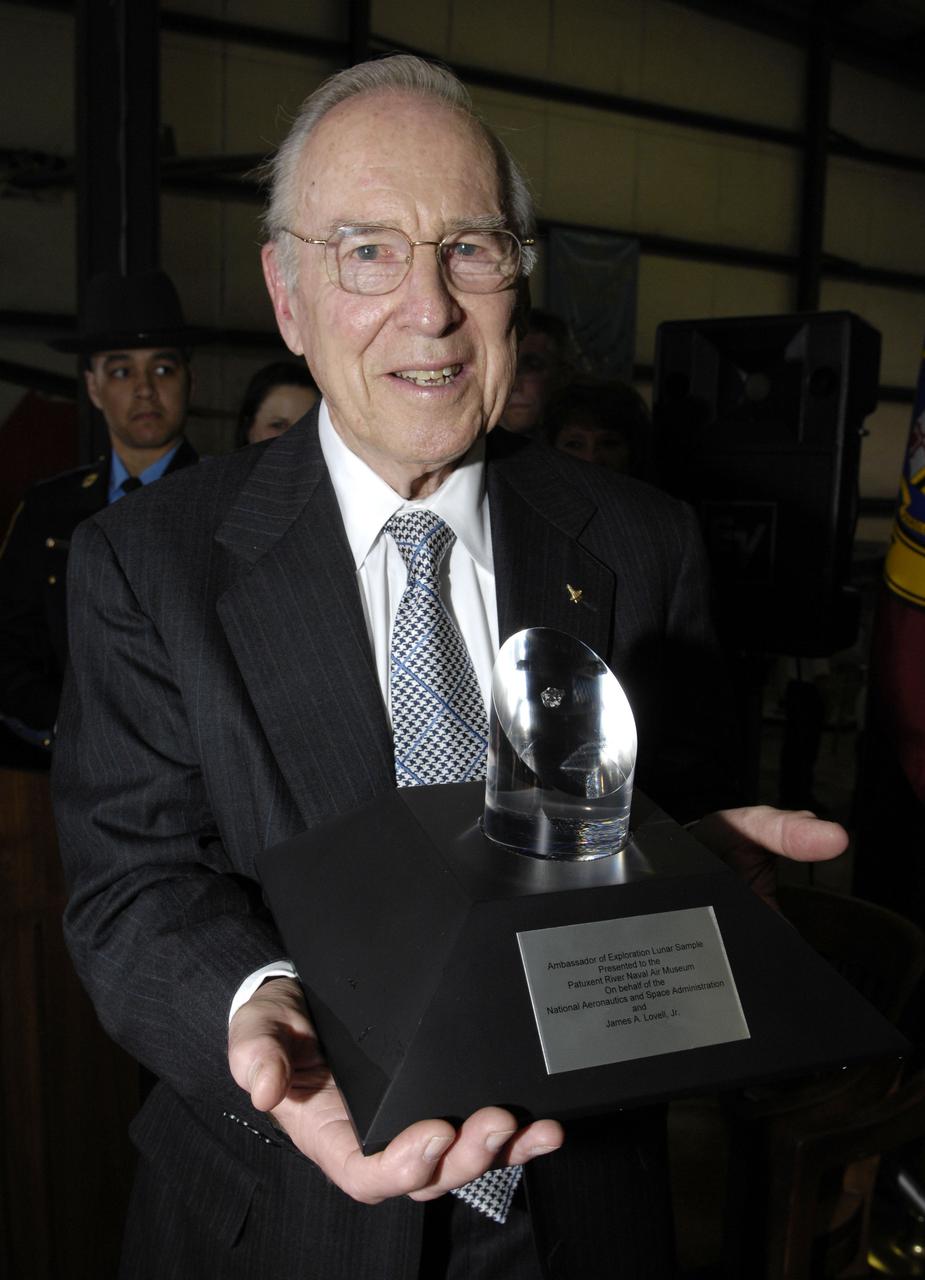
Former Apollo astronaut James Lovell holds his Ambassador of Exploration Award, Friday, April 3, 2009, at the Patuxent River Naval Air Museum in Lexington Park, Md. Photo Credit: NASA/Paul E. Alers
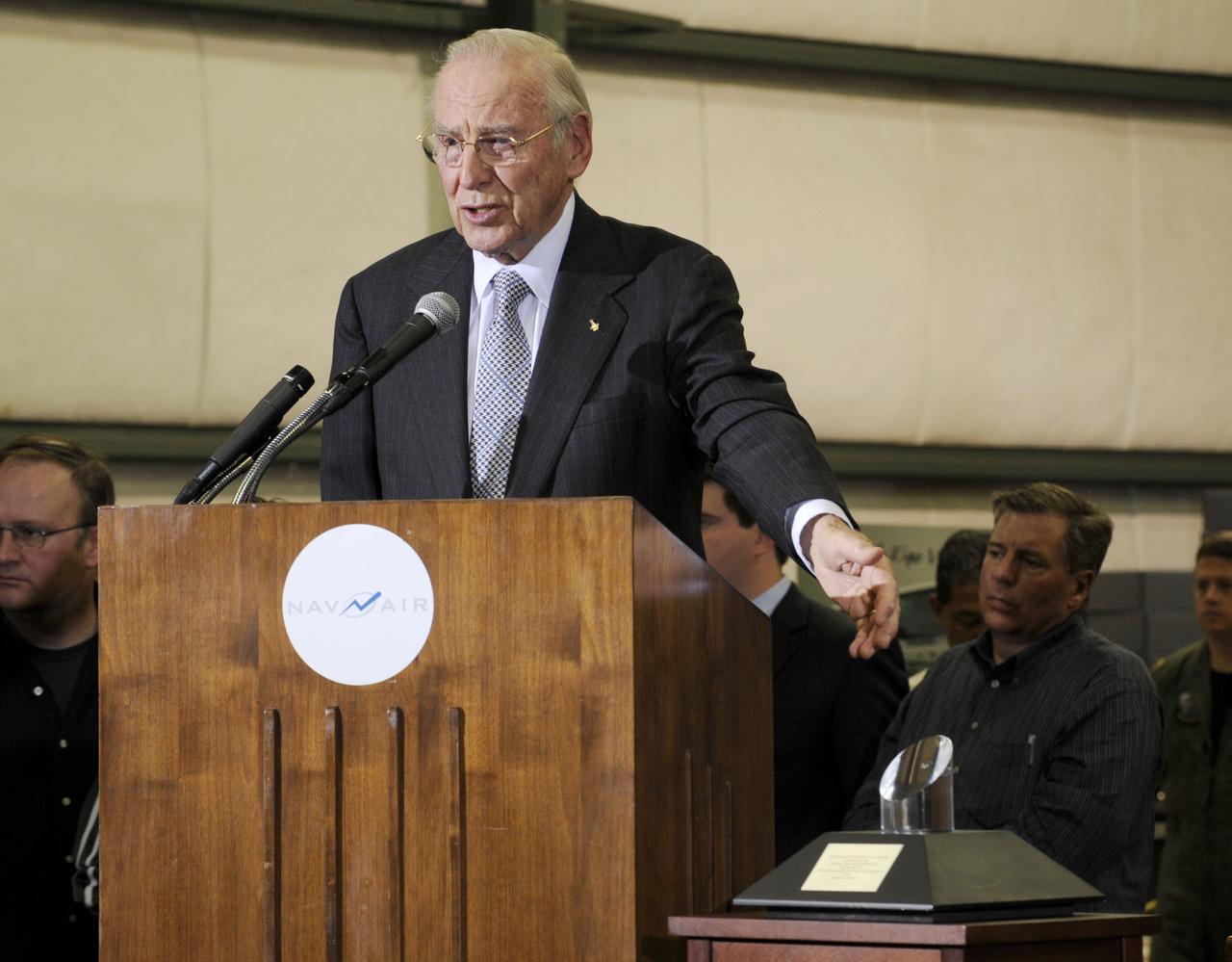
Former Apollo astronaut James Lovell speaks after being presented the Ambassador of Exploration Award, Friday, April 3, 2009, at the Patuxent River Naval Air Museum in Lexington Park, Md. Photo Credit: NASA/Paul E. Alers

Park ranger Rader Lane speaks on the National Park Service’s astronomy and dark sky programs at Grand Canyon National Park during a visit by NASA’s SpaceX Crew-2 astronauts Megan McArthur and Shane Kimbrough of NASA, and Akihiko Hoshide of the Japan Aerospace Exploration Agency (JAXA), Thursday, June 9, 2022 at the U.S. Department of the Interior in Washington, DC. Kimbrough, McArthur, Hoshide, and ESA (European Space Agency) astronaut Thomas Pesquet completed the second crew rotation mission to the International Space Station as part of the agency’s Commercial Crew Program and spent 198 days aboard the orbiting laboratory as part of Expeditions 65 and 66. Photo Credit: (NASA/Joel Kowsky)
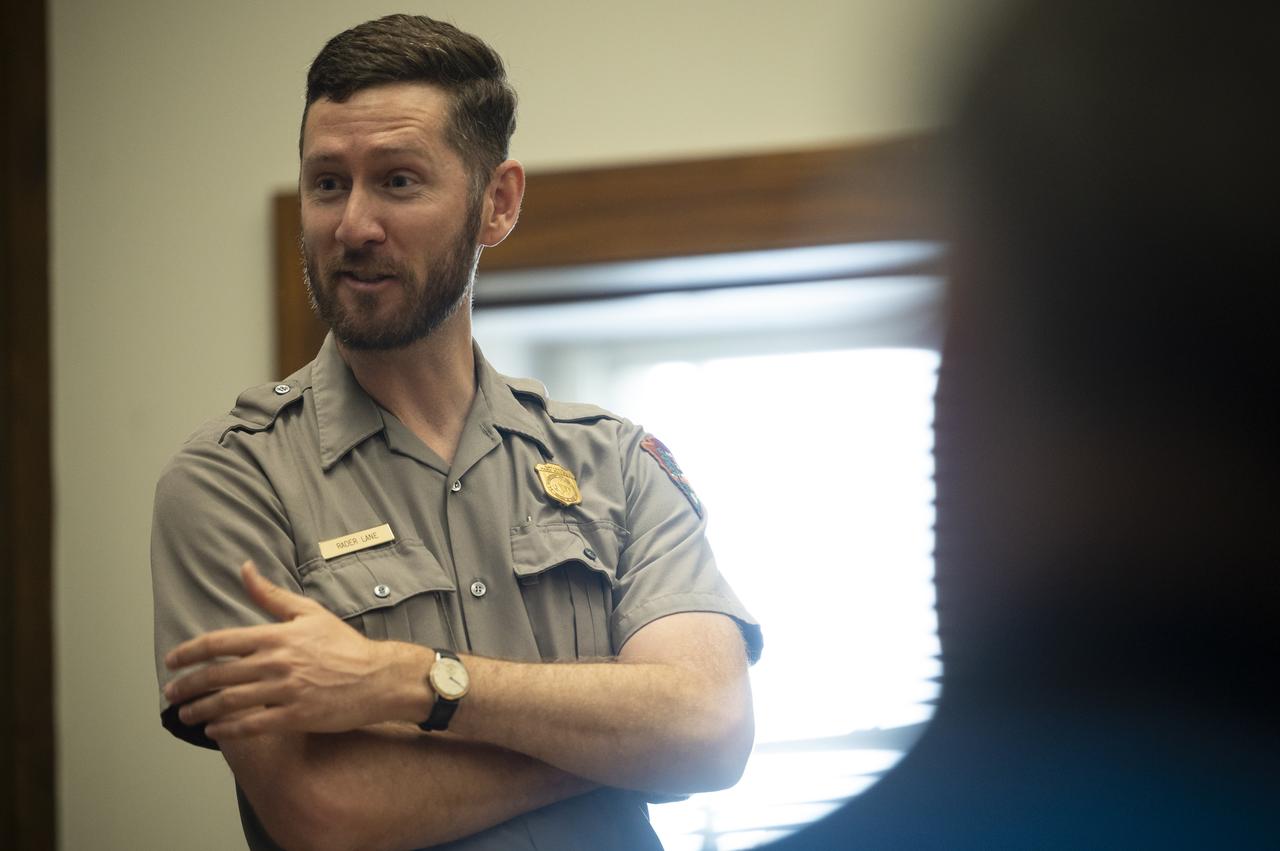
Park ranger Rader Lane speaks on the National Park Service’s astronomy and dark sky programs at Grand Canyon National Park during a visit by NASA’s SpaceX Crew-2 astronauts Megan McArthur and Shane Kimbrough of NASA, and Akihiko Hoshide of the Japan Aerospace Exploration Agency (JAXA), Thursday, June 9, 2022 at the U.S. Department of the Interior in Washington, DC. Kimbrough, McArthur, Hoshide, and ESA (European Space Agency) astronaut Thomas Pesquet completed the second crew rotation mission to the International Space Station as part of the agency’s Commercial Crew Program and spent 198 days aboard the orbiting laboratory as part of Expeditions 65 and 66. Photo Credit: (NASA/Joel Kowsky)
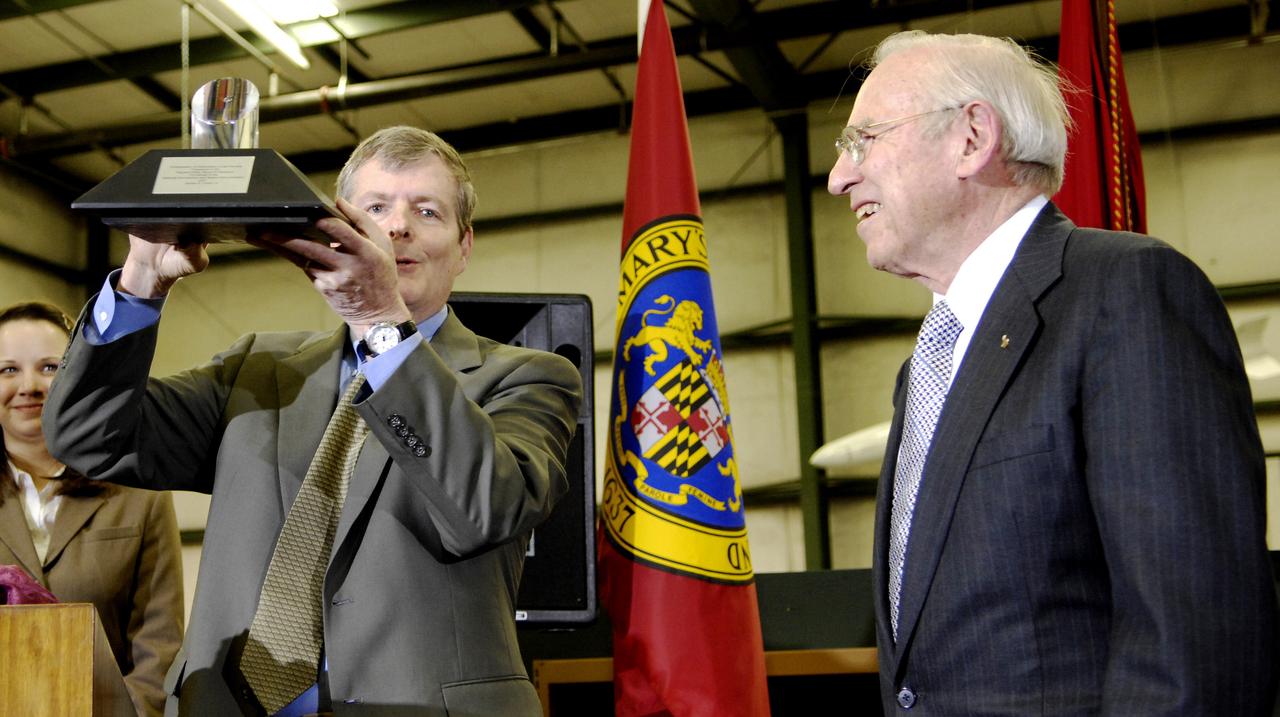
Bryan O'Connor, NASA Associate Administrator, Office of Mission Assurance and Safety, left, presents the Ambassador of Exploration Award to former Apollo astronaut James Lovell, Friday, April 3, 2009, at the Patuxent River Naval Air Museum in Lexington Park, Md. Photo Credit: NASA/Paul E. Alers
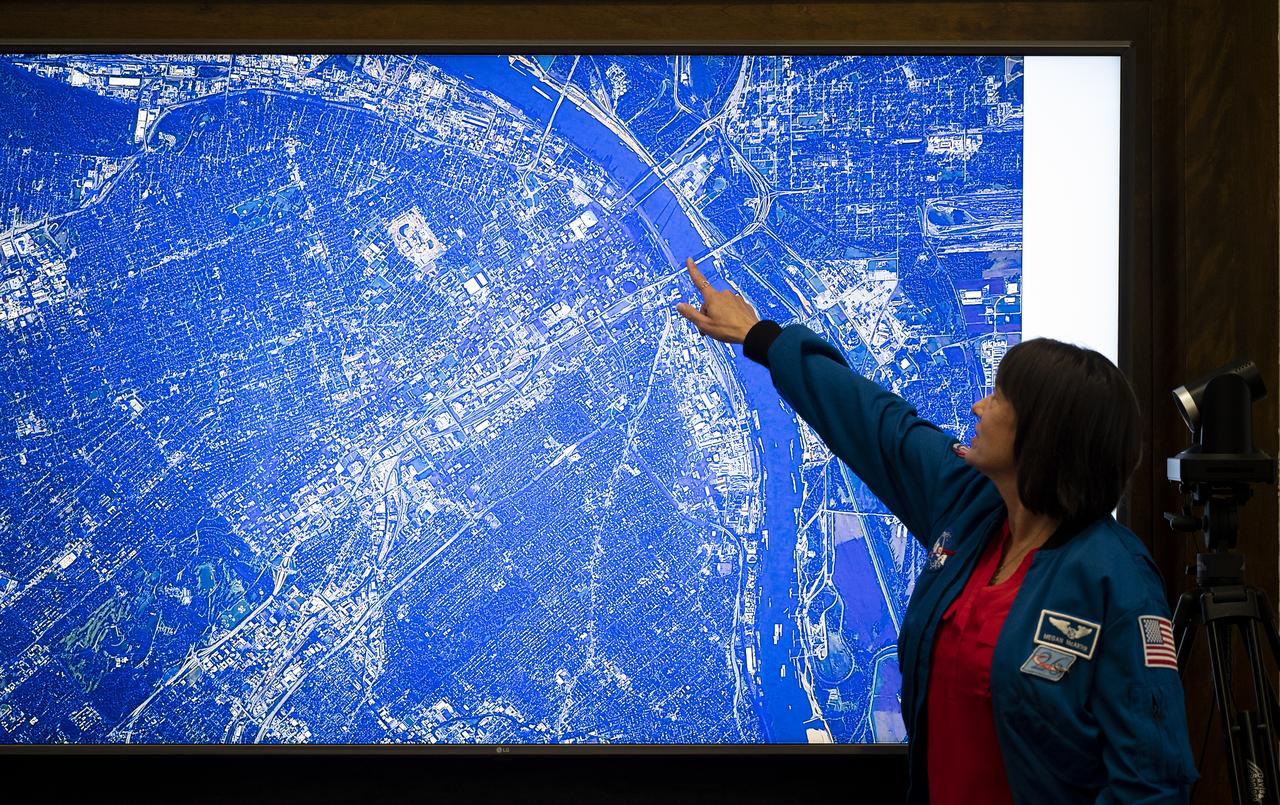
NASA astronaut Megan McArthur points to the shadow of the Gateway Arch on the Mississippi River in St. Louis while showing images of National Parks taken from the International Space Station during Expeditions 65 and 66 during a presentation to leadership and rangers who participate in the National Park Service’s astronomy and dark sky programs, Thursday, June 9, 2022 at the U.S. Department of the Interior in Washington, DC. McArthur, NASA astronaut Shane Kimbrough, Japan Aerospace Exploration Agency (JAXA) astronaut Akihiko Hoshide, and ESA (European Space Agency) astronaut Thomas Pesquet, flew on NASA’s SpaceX Crew-2 mission, the second crew rotation mission to the International Space Station as part of the agency’s Commercial Crew Program, and spent 198 days aboard the orbiting laboratory as part of Expeditions 65 and 66. Photo Credit: (NASA/Joel Kowsky)
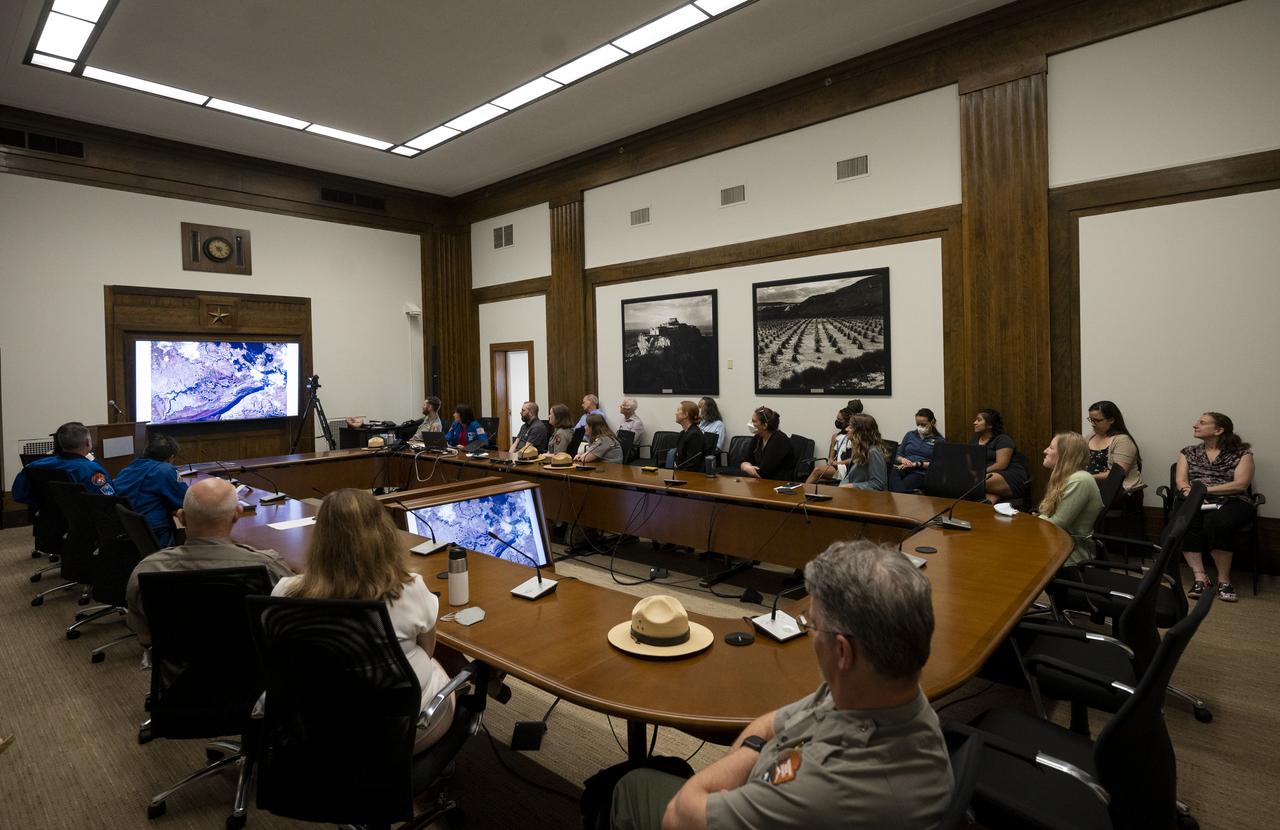
NASA astronaut Megan McArthur shows pictures of National Parks taken from the International Space Station during Expeditions 65 and 66 during a presentation to leadership and rangers who participate in the National Park Service’s astronomy and dark sky programs, Thursday, June 9, 2022 at the U.S. Department of the Interior in Washington, DC. McArthur, NASA astronaut Shane Kimbrough, Japan Aerospace Exploration Agency (JAXA) astronaut Akihiko Hoshide, and ESA (European Space Agency) astronaut Thomas Pesquet, flew on NASA’s SpaceX Crew-2 mission, the second crew rotation mission to the International Space Station as part of the agency’s Commercial Crew Program, and spent 198 days aboard the orbiting laboratory as part of Expeditions 65 and 66. Photo Credit: (NASA/Joel Kowsky)
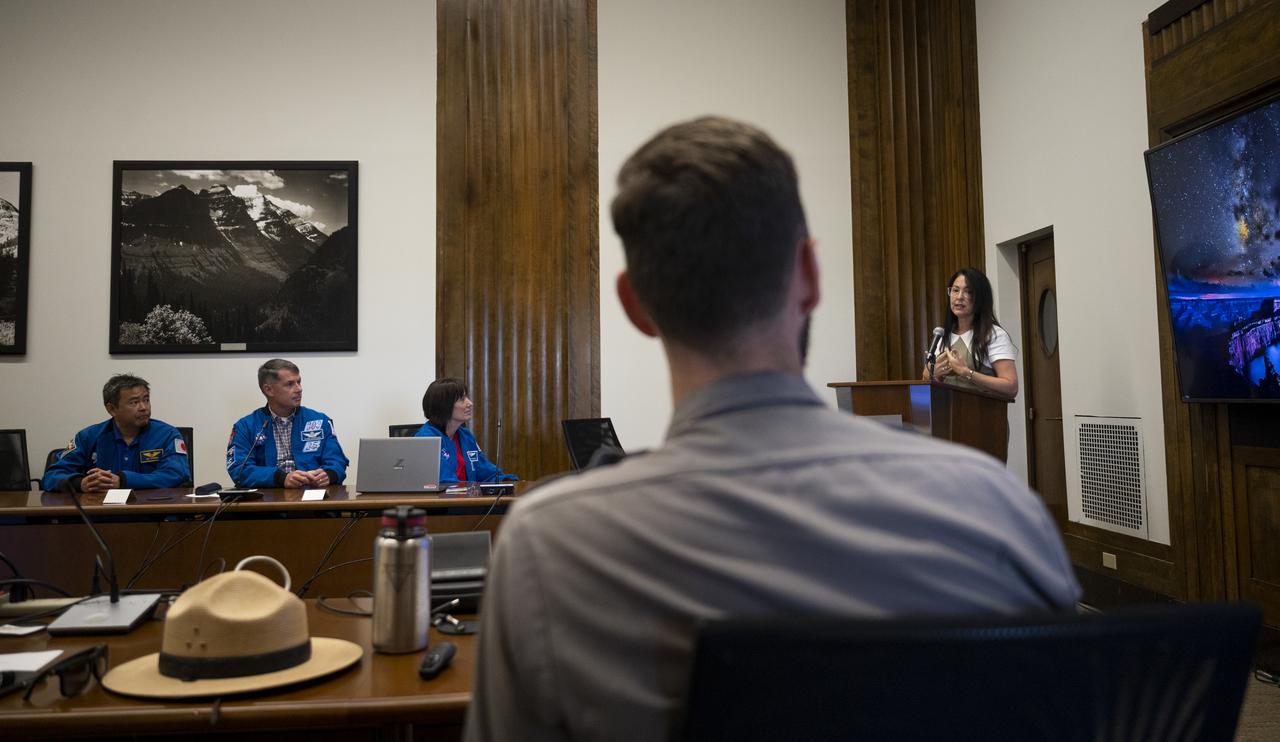
Shannon Estenoz, Assistant Secretary for Fish and Wildlife and Parks at the Department of the Interior, delivers remarks during a visit by NASA’s SpaceX Crew-2 astronauts with leadership and rangers who participate in the National Park Service’s astronomy and dark sky programs, Thursday, June 9, 2022 at the U.S. Department of the Interior in Washington, DC. NASA astronauts Shane Kimbrough and Megan McArthur, Japan Aerospace Exploration Agency (JAXA) astronaut Akihiko Hoshide, and ESA (European Space Agency) astronaut Thomas Pesquet completed the second crew rotation mission to the International Space Station as part of the agency’s Commercial Crew Program and spent 198 days aboard the orbiting laboratory as part of Expeditions 65 and 66. Photo Credit: (NASA/Joel Kowsky)
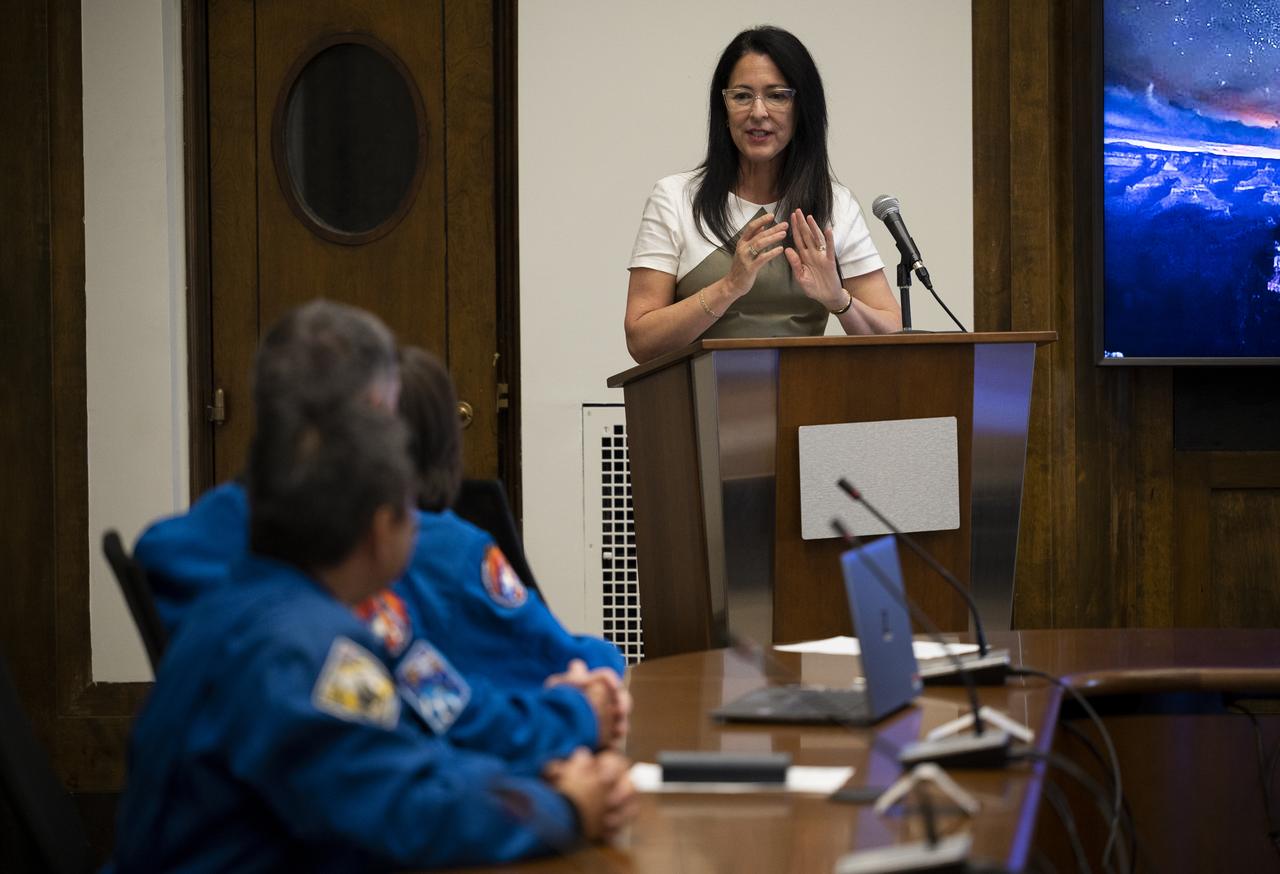
Shannon Estenoz, Assistant Secretary for Fish and Wildlife and Parks at the Department of the Interior, delivers remarks during a visit by NASA’s SpaceX Crew-2 astronauts with leadership and rangers who participate in the National Park Service’s astronomy and dark sky programs, Thursday, June 9, 2022 at the U.S. Department of the Interior in Washington, DC. NASA astronauts Shane Kimbrough and Megan McArthur, Japan Aerospace Exploration Agency (JAXA) astronaut Akihiko Hoshide, and ESA (European Space Agency) astronaut Thomas Pesquet completed the second crew rotation mission to the International Space Station as part of the agency’s Commercial Crew Program and spent 198 days aboard the orbiting laboratory as part of Expeditions 65 and 66. Photo Credit: (NASA/Joel Kowsky)
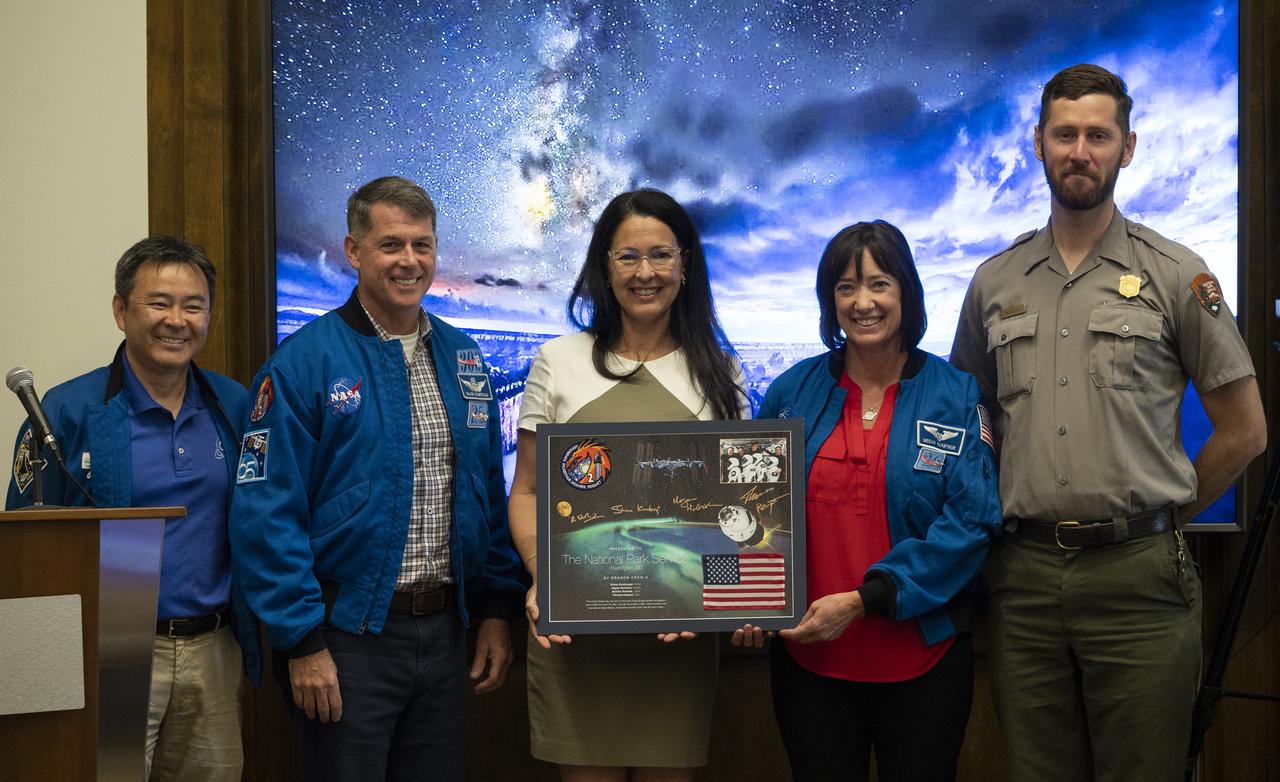
NASA’s SpaceX Crew-2 astronauts Akihiko Hoshide of the Japan Aerospace Exploration Agency (JAXA), left, Shane Kimbrough, second from left, and Megan McArthur, second from right, of NASA, pose for a picture with Shannon Estenoz, Assistant Secretary for Fish and Wildlife and Parks at the Department of the Interior, center, and park ranger Rader Lane, right, after presenting a montage to the National Park Service during a visit to the U.S. Department of the Interior, Thursday, June 9, 2022, Washington, DC. Kimbrough, McArthur, Hoshide, and ESA (European Space Agency) astronaut Thomas Pesquet completed the second crew rotation mission to the International Space Station as part of the agency’s Commercial Crew Program and spent 198 days aboard the orbiting laboratory as part of Expeditions 65 and 66. Photo Credit: (NASA/Joel Kowsky)
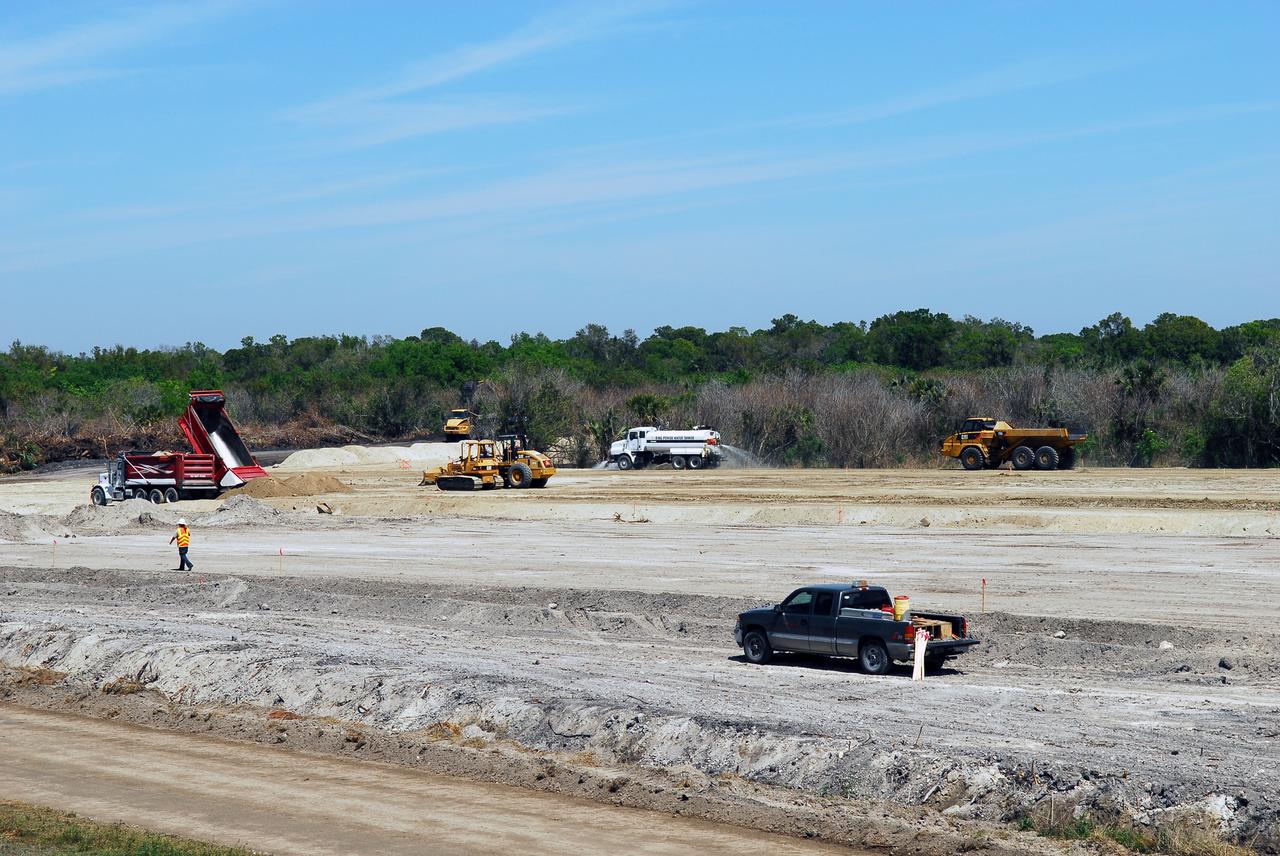
EXPLORATION, Exploration Park Construction
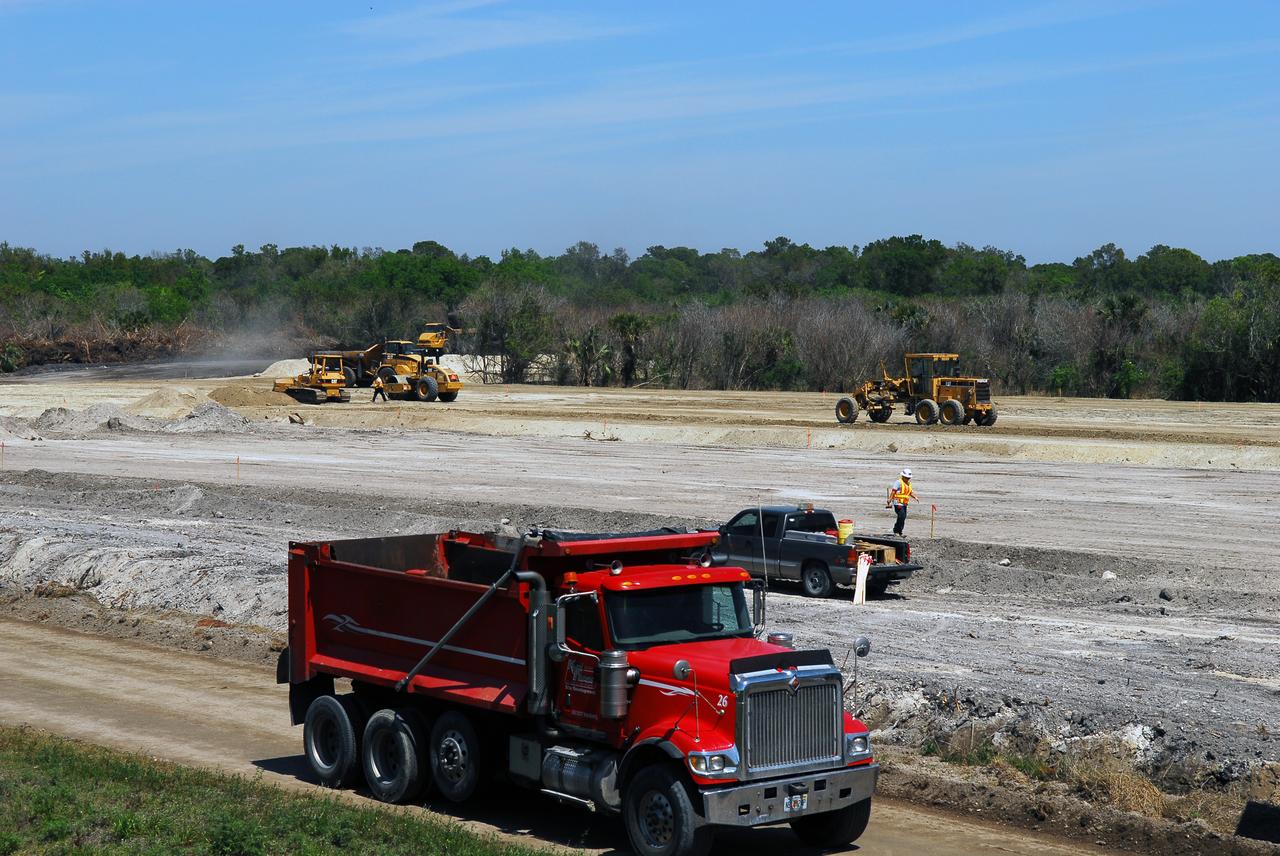
EXPLORATION, Exploration Park Construction
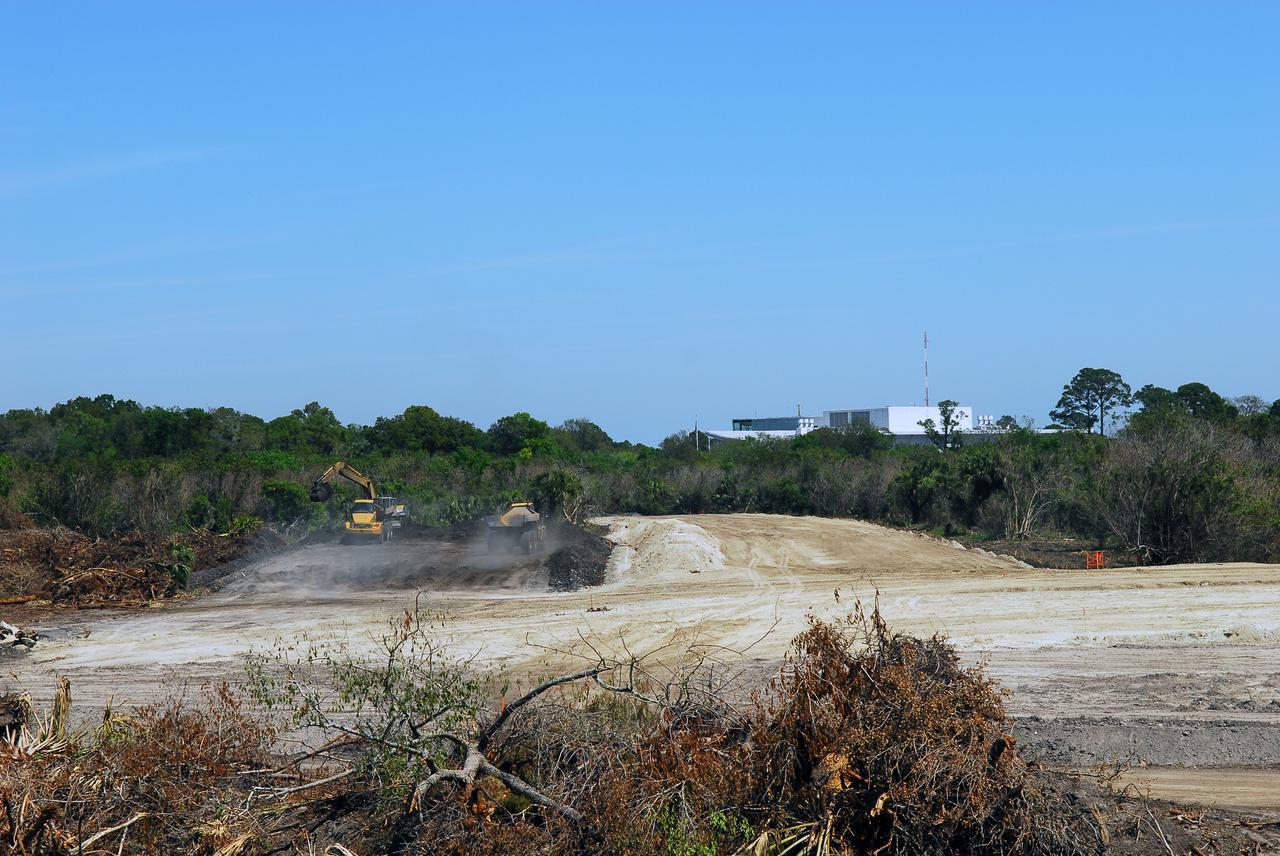
EXPLORATION, Exploration Park Construction
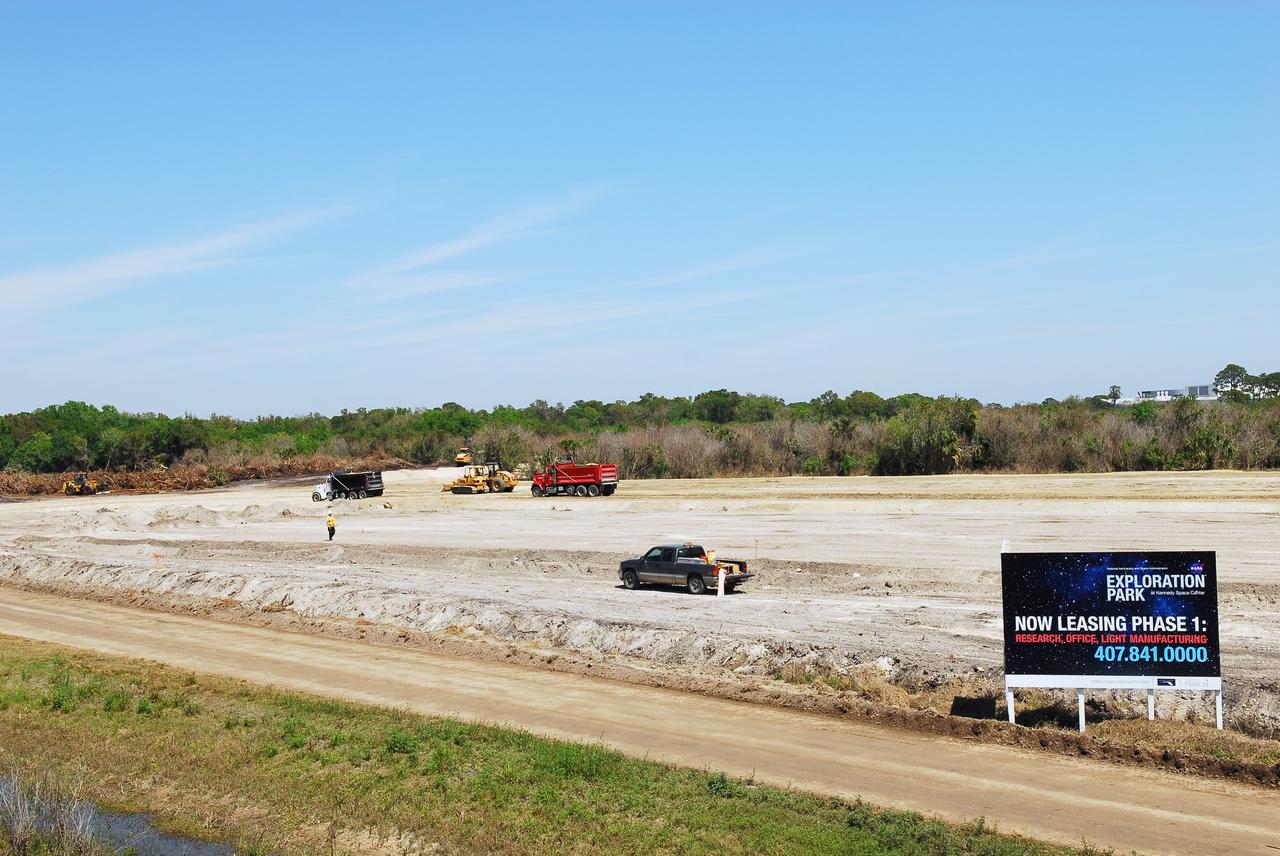
EXPLORATION, Exploration Park Construction
EXPLORATION, Exploration Park Construction
EXPLORATION, Exploration Park Construction
EXPLORATION PARK GROUNDBREAKING CEREMONY
EXPLORATION PARK GROUNDBREAKING CEREMONY
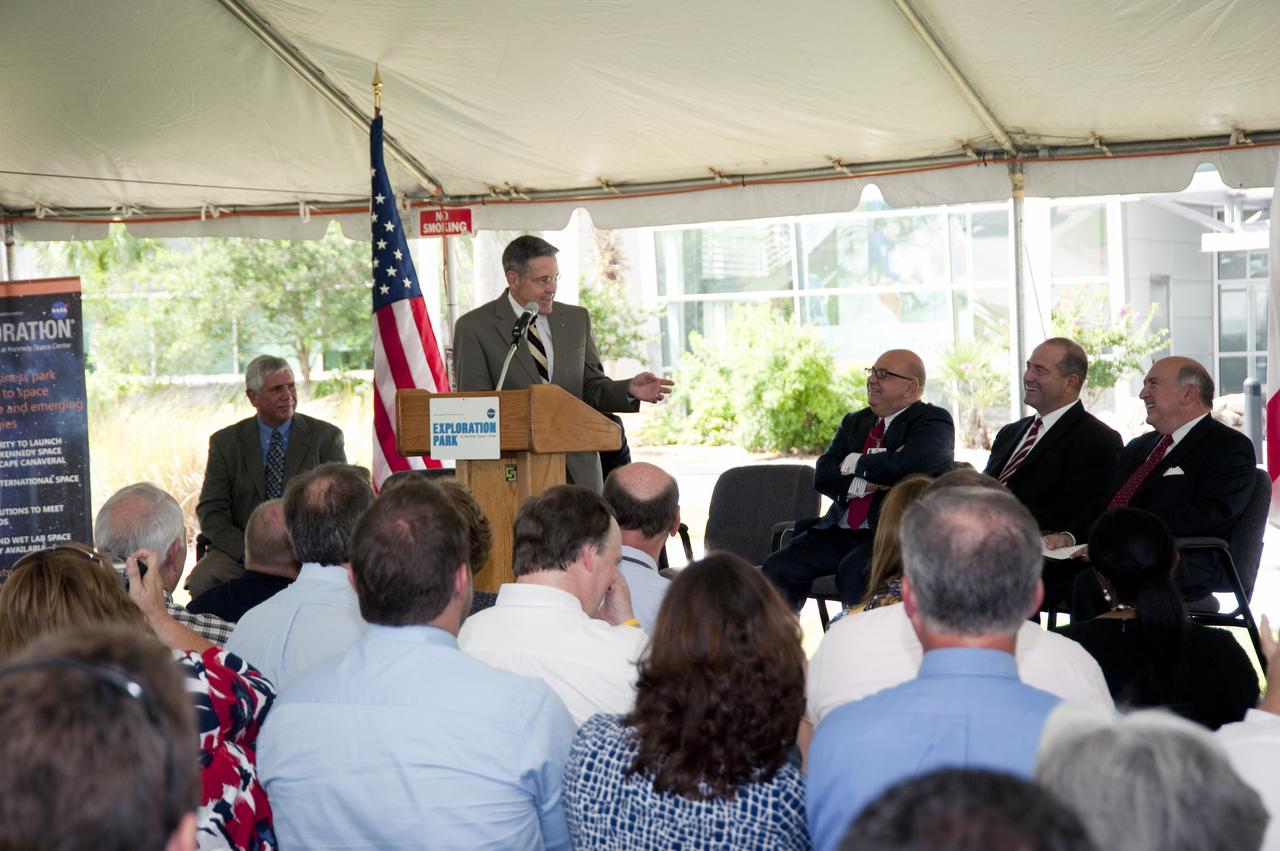
EXPLORATION PARK GROUNDBREAKING CEREMONY
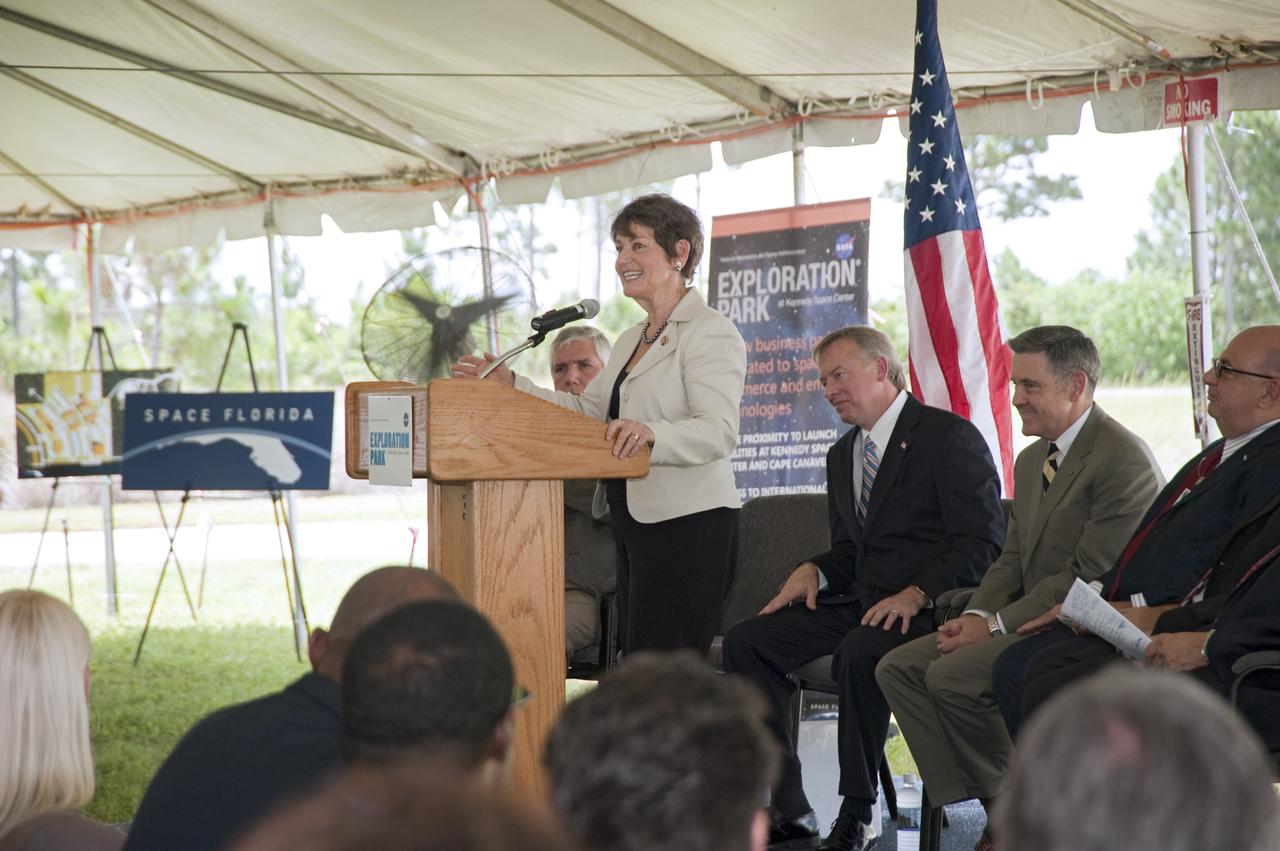
EXPLORATION PARK GROUNDBREAKING CEREMONY
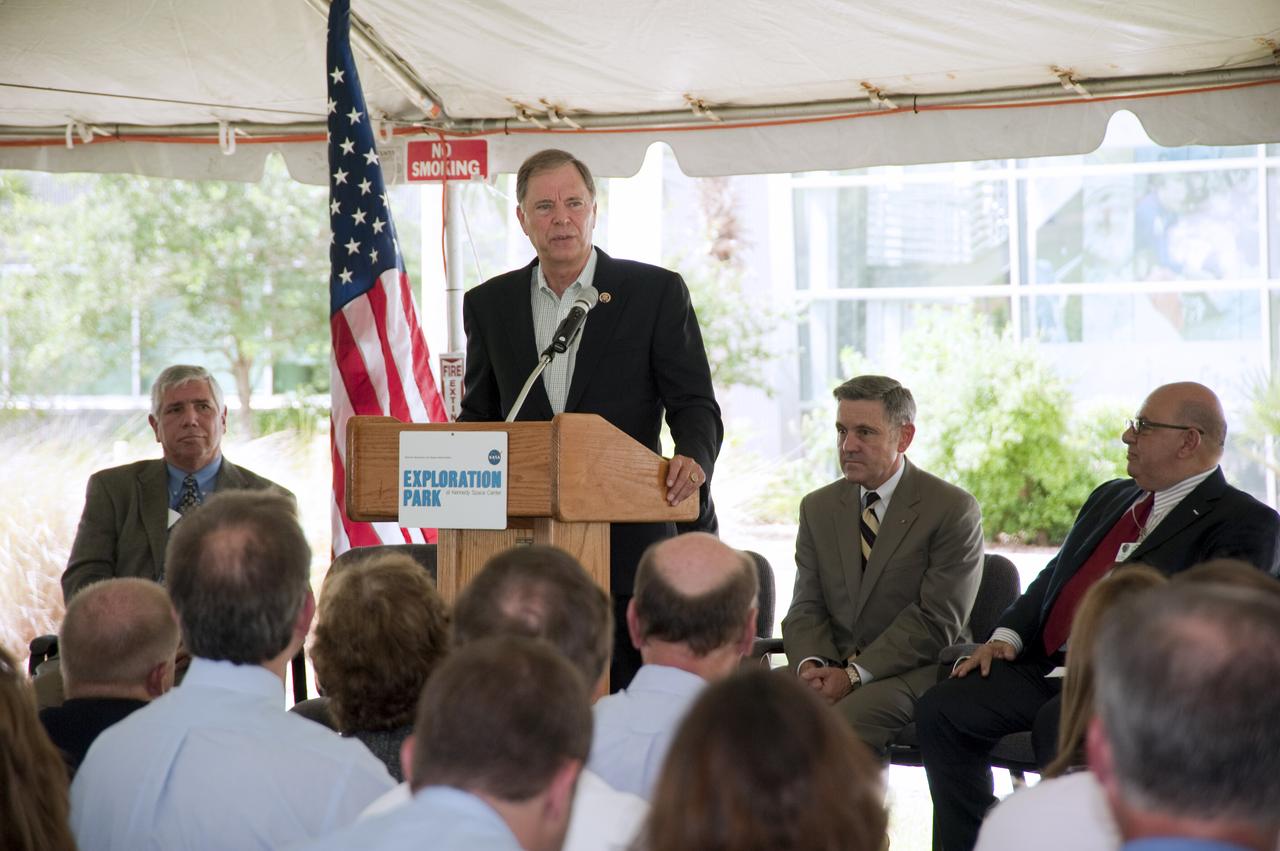
EXPLORATION PARK GROUNDBREAKING CEREMONY
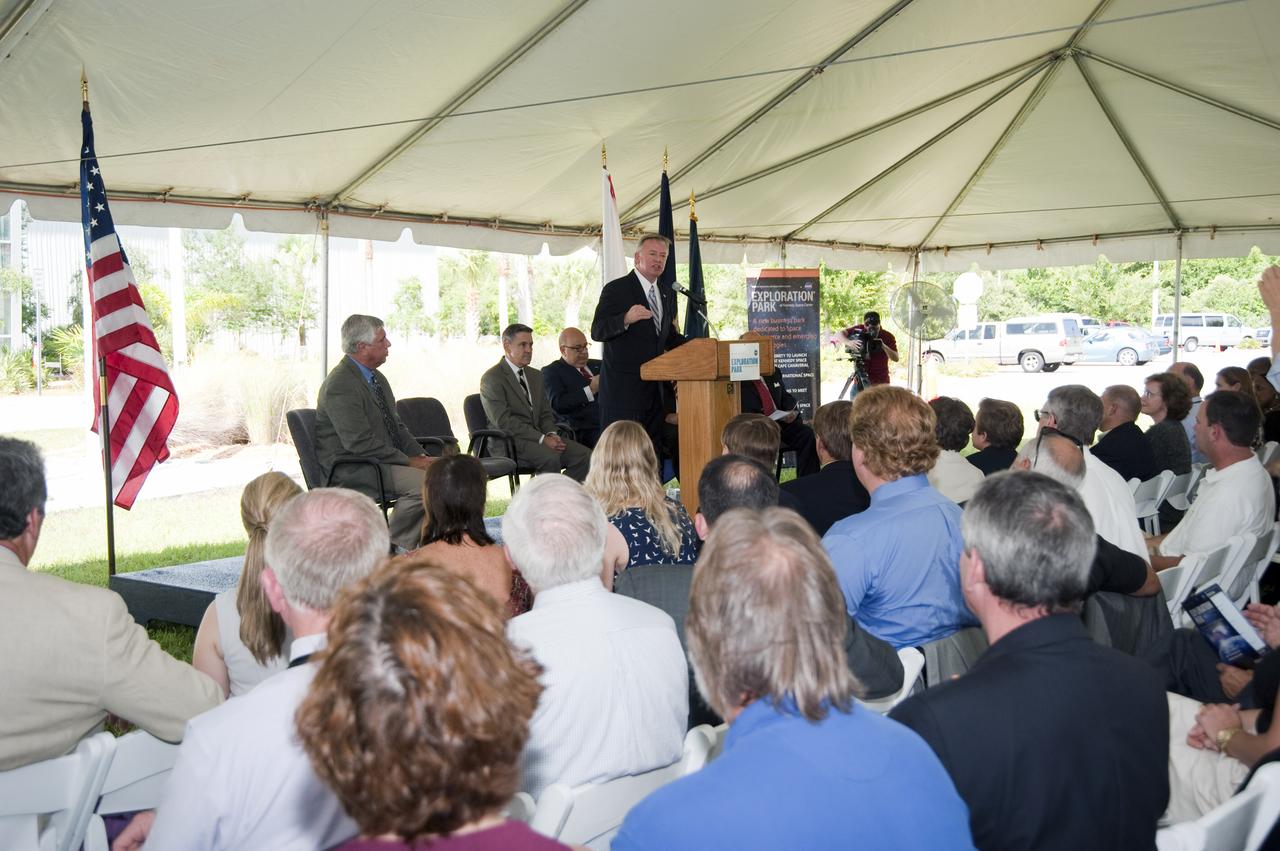
EXPLORATION PARK GROUNDBREAKING CEREMONY
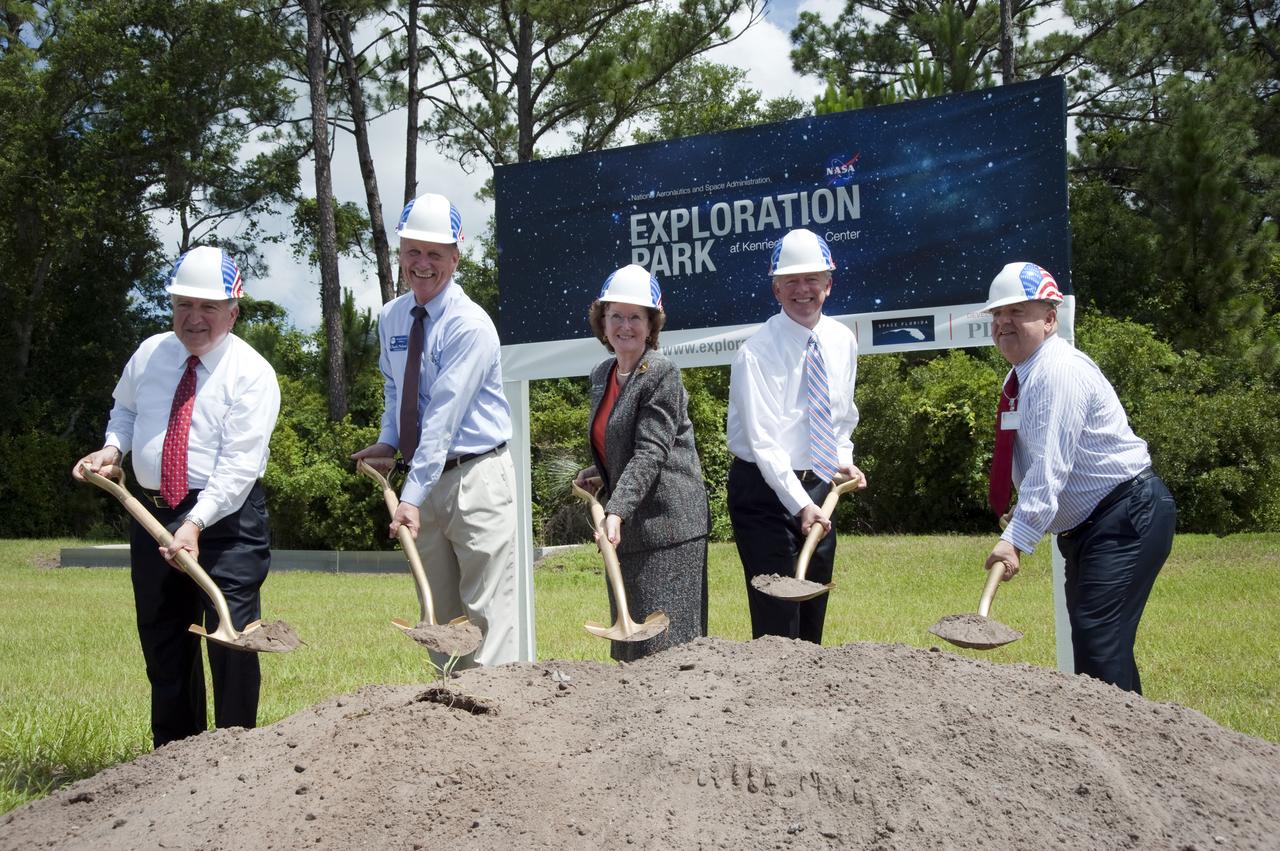
EXPLORATION PARK GROUNDBREAKING CEREMONY
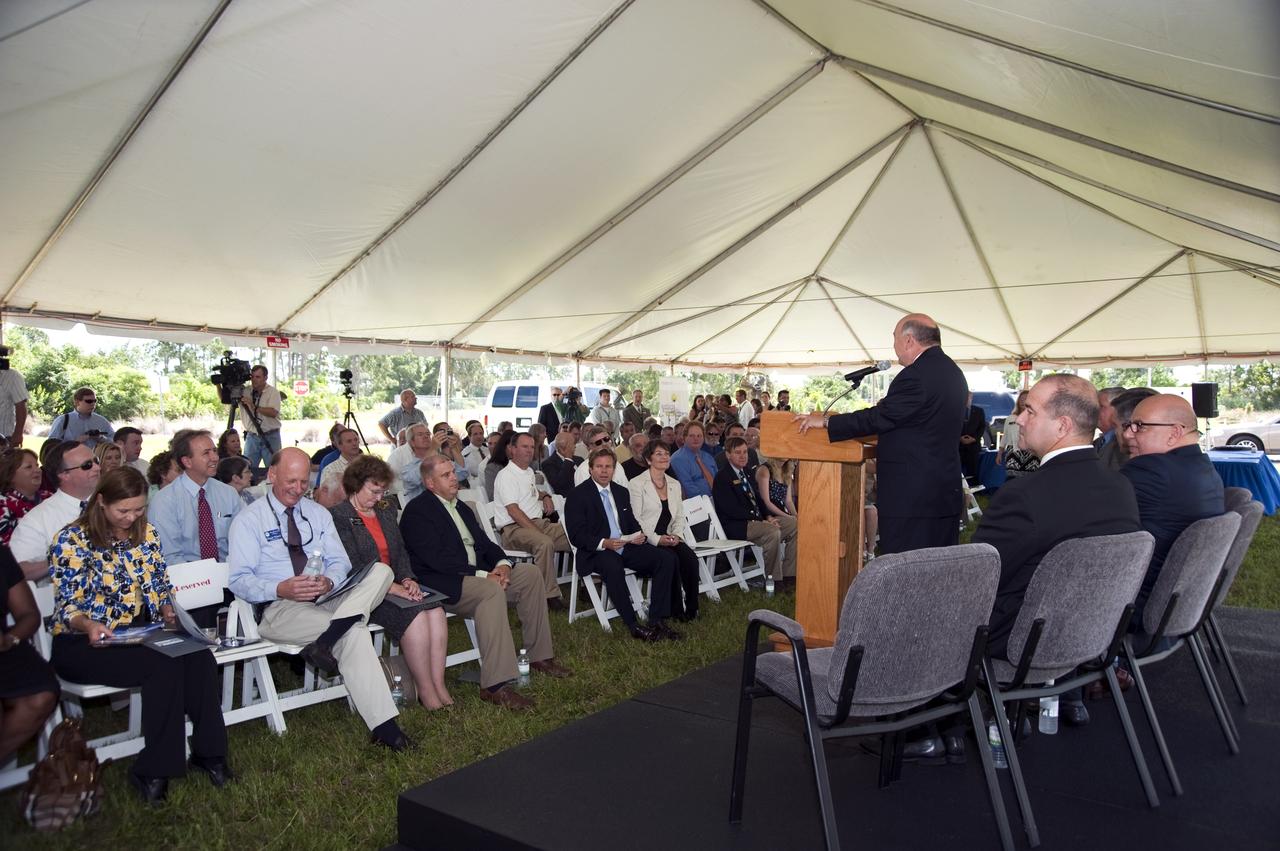
EXPLORATION PARK GROUNDBREAKING CEREMONY
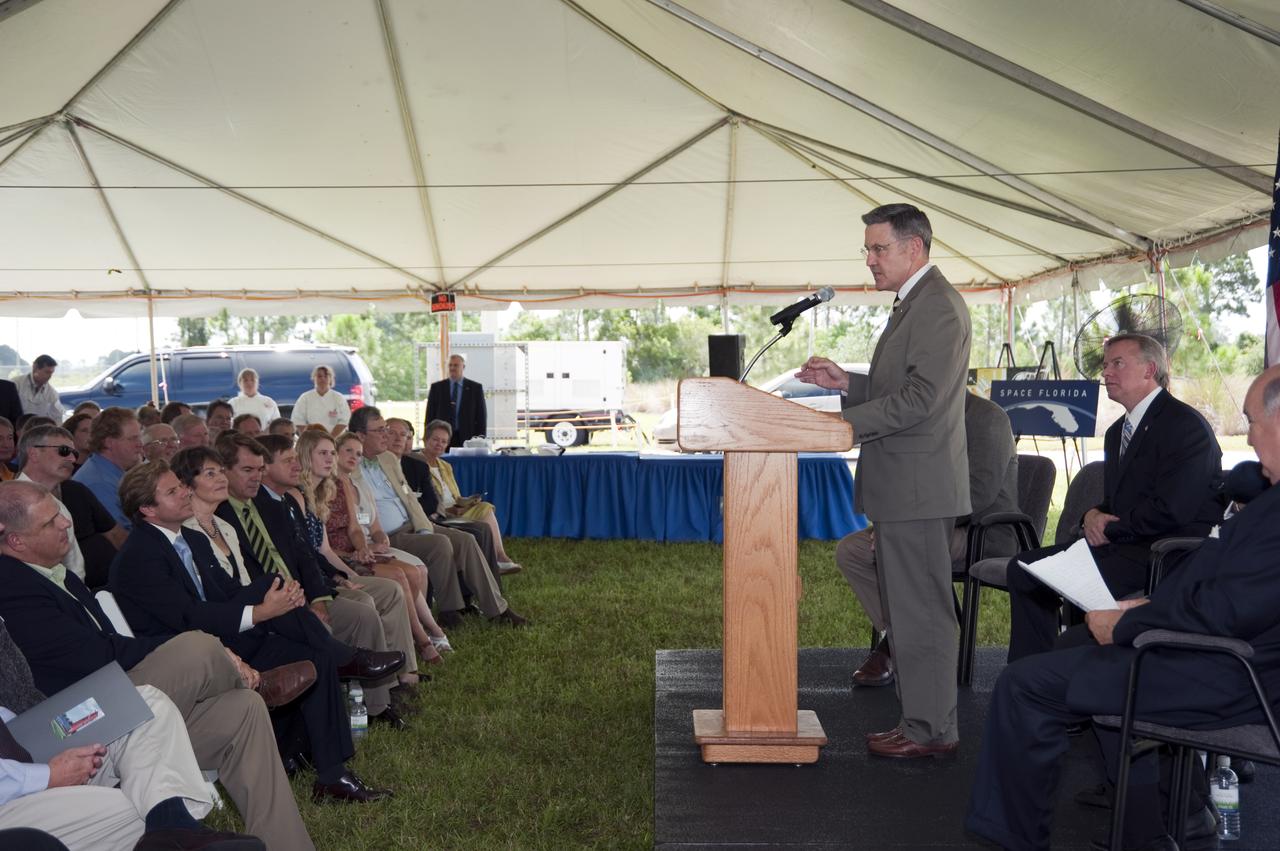
EXPLORATION PARK GROUNDBREAKING CEREMONY
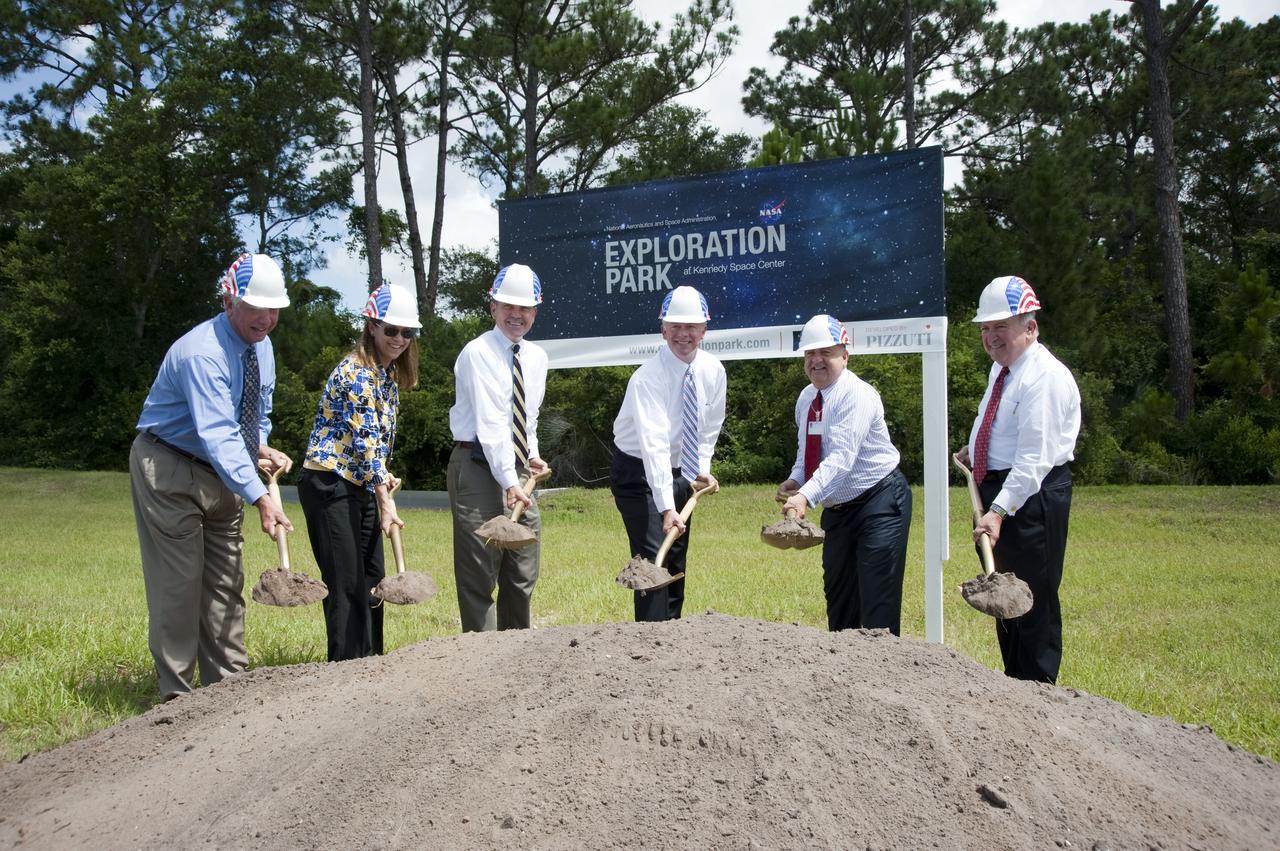
EXPLORATION PARK GROUNDBREAKING CEREMONY
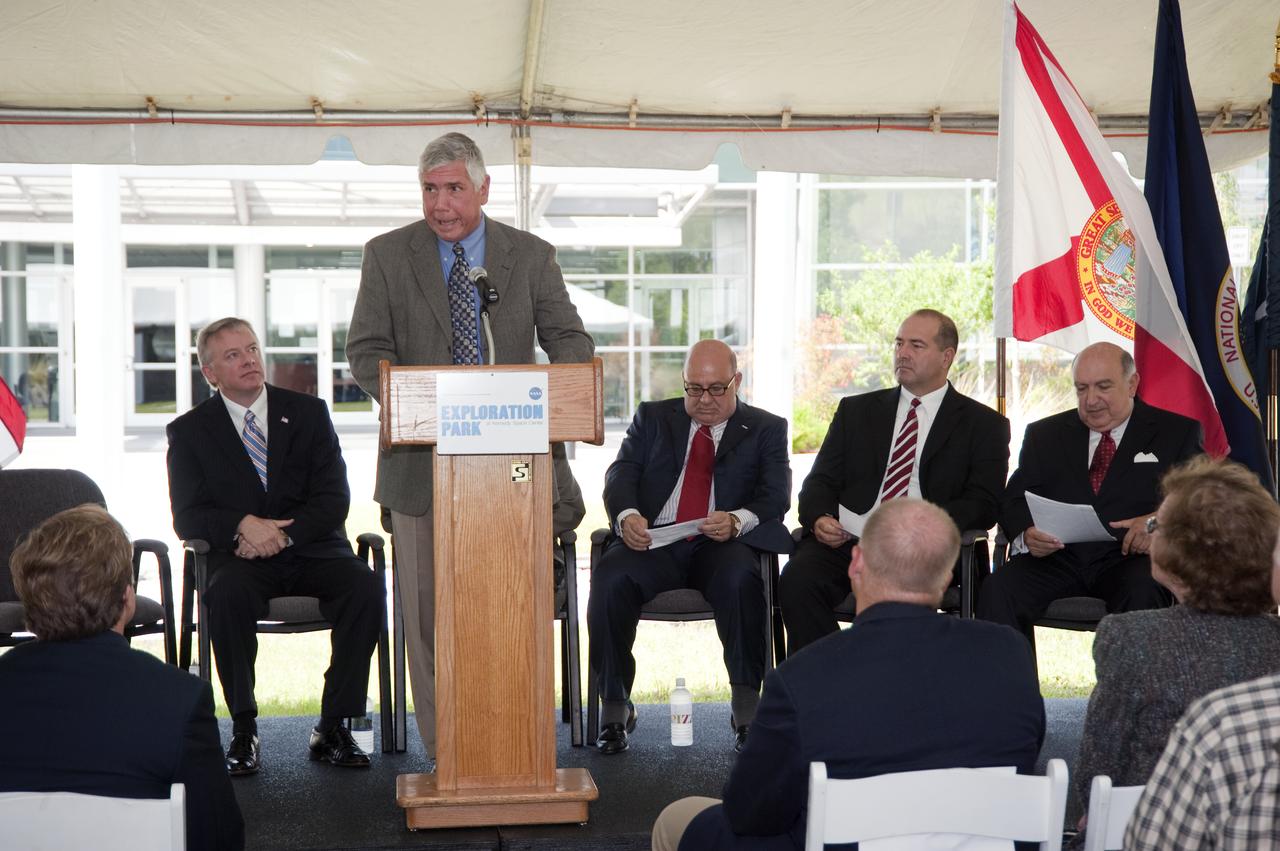
EXPLORATION PARK GROUNDBREAKING CEREMONY
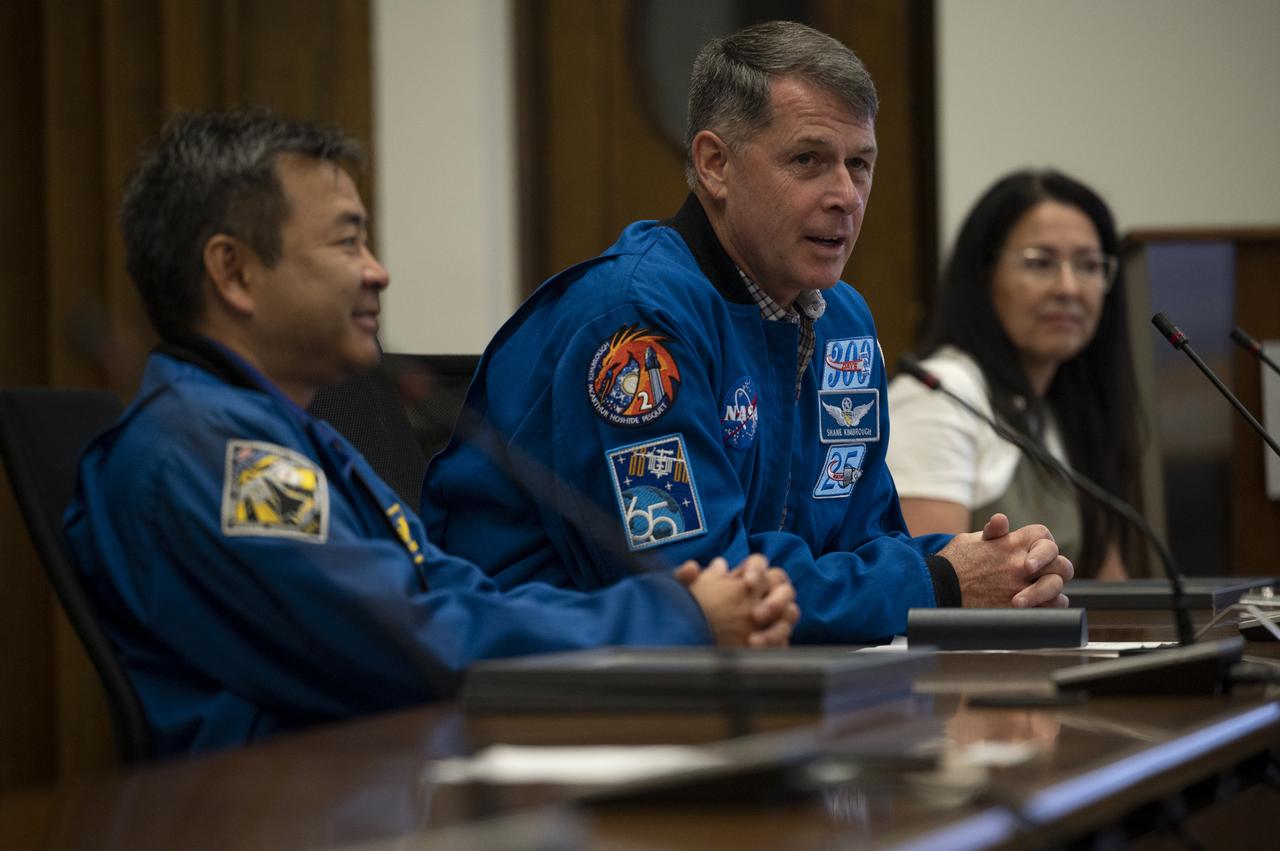
NASA astronaut Shane Kimbrough and Japan Aerospace Exploration Agency (JAXA) astronaut Akihiko Hoshide speak about NASA’s SpaceX Crew-2 mission during a presentation with leadership and rangers who participate in the National Park Service’s astronomy and dark sky programs, Thursday, June 9, 2022 at the U.S. Department of the Interior in Washington, DC. Kimbrough, Hoshide, NASA astronaut Megan McArthur, and ESA (European Space Agency) astronaut Thomas Pesquet completed the second crew rotation mission to the International Space Station as part of the agency’s Commercial Crew Program and spent 198 days aboard the orbiting laboratory as part of Expeditions 65 and 66. Photo Credit: (NASA/Joel Kowsky)
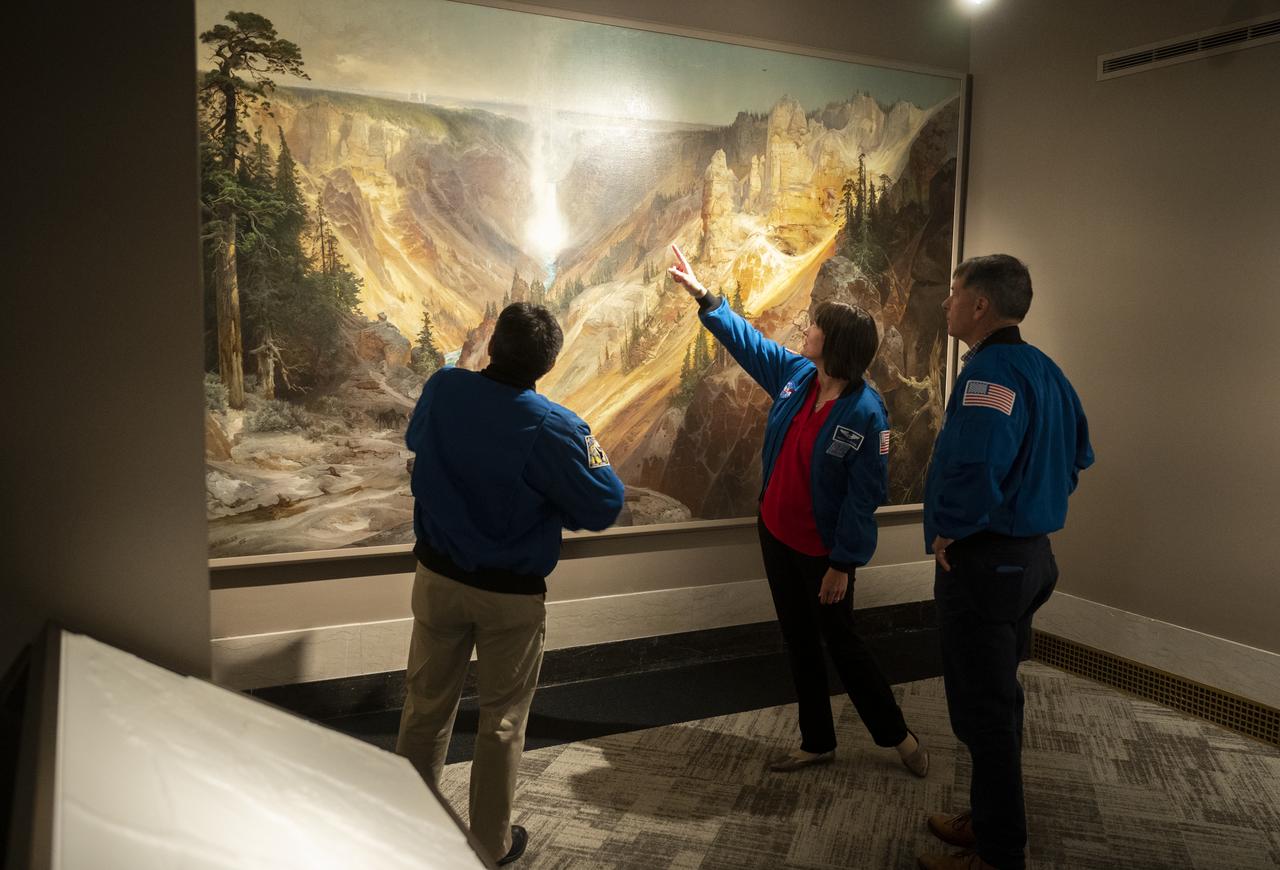
NASA’s SpaceX Crew-2 astronauts Akihiko Hoshide of the Japan Aerospace Exploration Agency (JAXA), left, and NASA astronauts Megan McArthur, center, and Shane Kimbrough, right, look at Thomas Moran’s 1872 painting “The Grand Canyon of Yellowstone,” Thursday, June 9, 2022, during a visit to the National Park Service at the U.S. Department of the Interior in Washington, DC. Kimbrough, McArthur, Hoshide, and ESA (European Space Agency) astronaut Thomas Pesquet completed the second crew rotation mission to the International Space Station as part of the agency’s Commercial Crew Program and spent 198 days aboard the orbiting laboratory as part of Expeditions 65 and 66. Photo Credit: (NASA/Joel Kowsky)
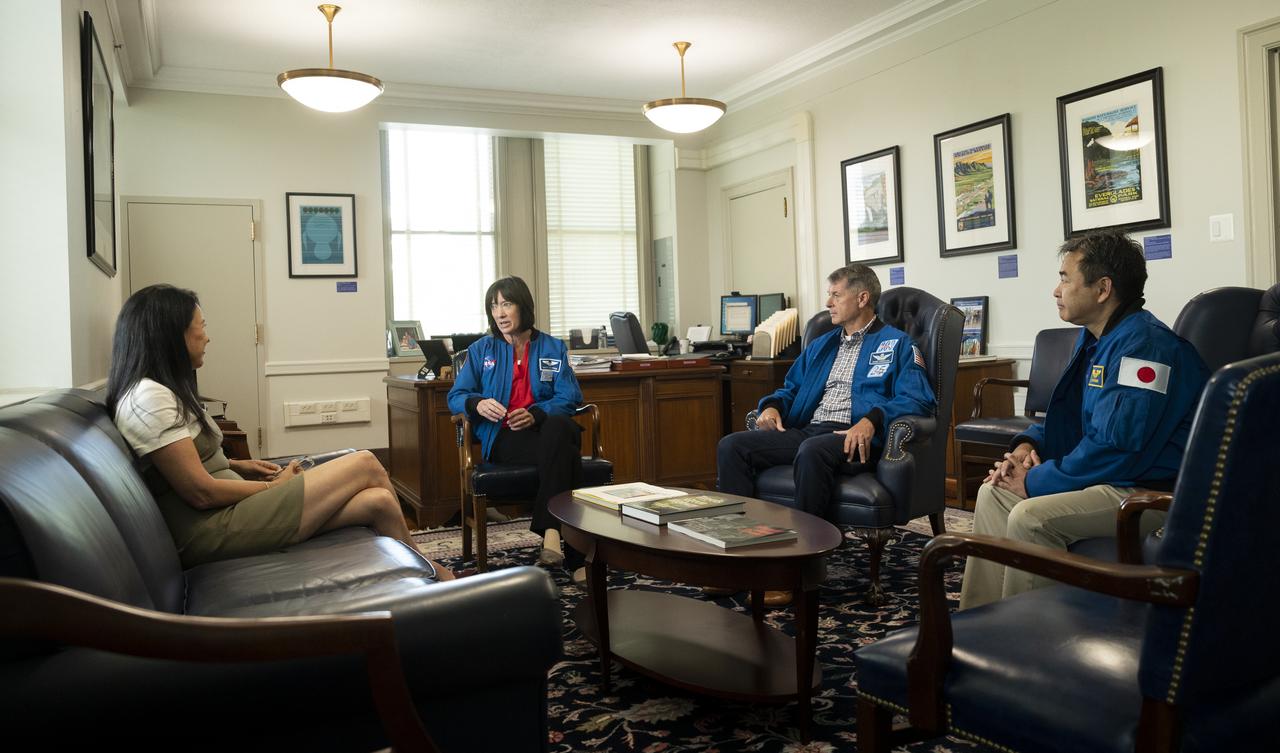
NASA’s SpaceX Crew-2 astronauts Megan McArthur and Shane Kimbrough of NASA, and Japan Aerospace Exploration Agency (JAXA) astronaut Akihiko Hoshide speak with Shannon Estenoz, Assistant Secretary for Fish and Wildlife and Parks, Thursday, June 9, 2022, during a visit to the U.S. Department of the Interior in Washington, DC. Kimbrough, McArthur, Hoshide, and ESA (European Space Agency) astronaut Thomas Pesquet completed the second crew rotation mission to the International Space Station as part of the agency’s Commercial Crew Program and spent 198 days aboard the orbiting laboratory as part of Expeditions 65 and 66. Photo Credit: (NASA/Joel Kowsky)
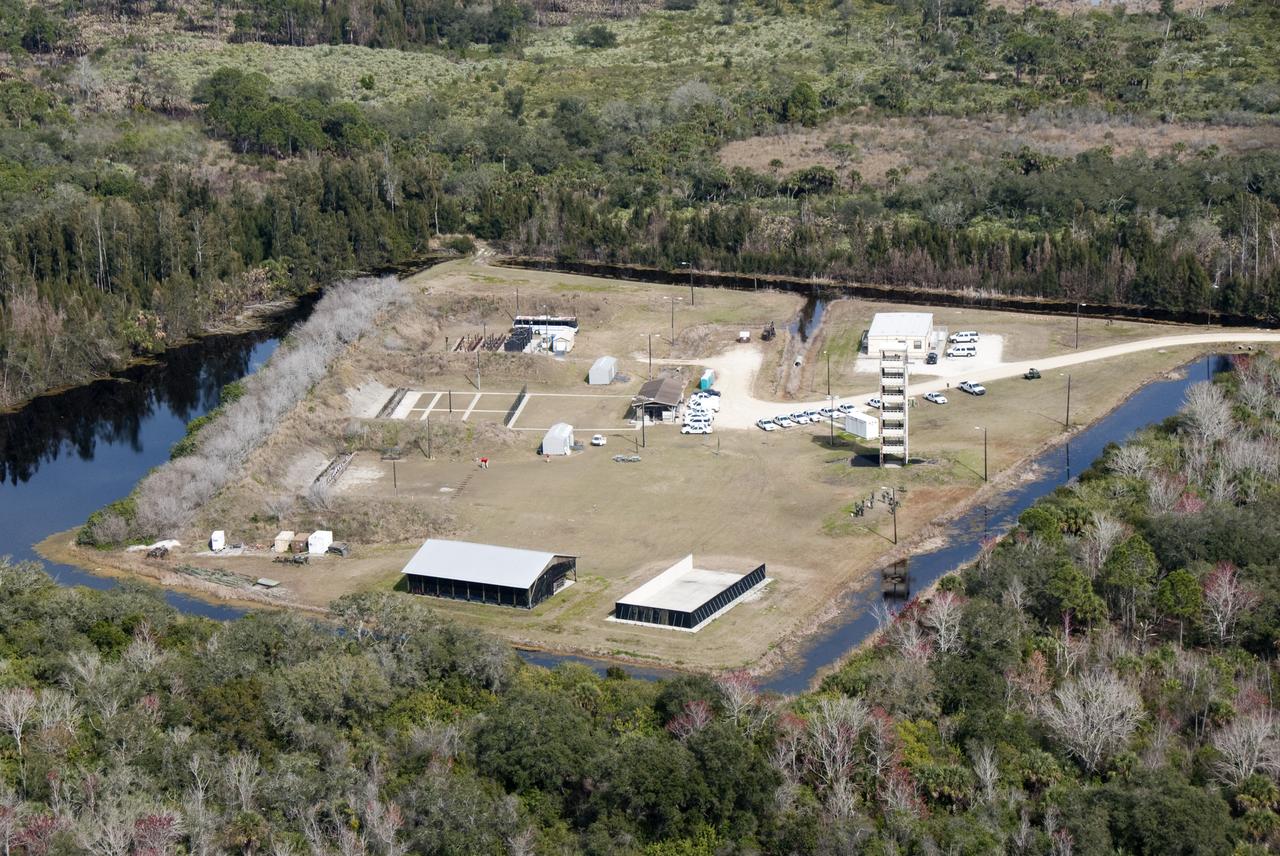
AERIALS - SR3 SOLAR FACILTY & NEW EXPANSION SITE, EXPLORATION PARK
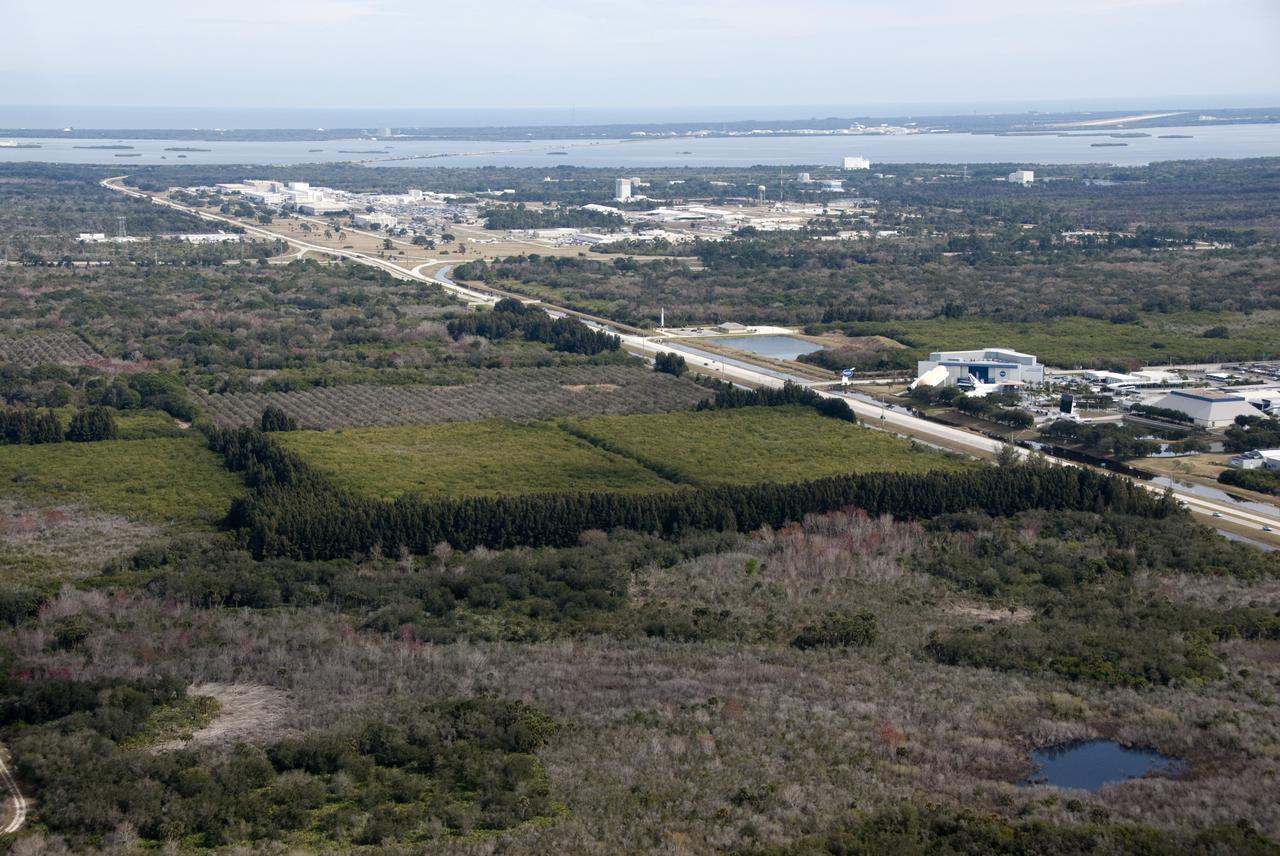
AERIALS - SR3 SOLAR FACILTY & NEW EXPANSION SITE, EXPLORATION PARK
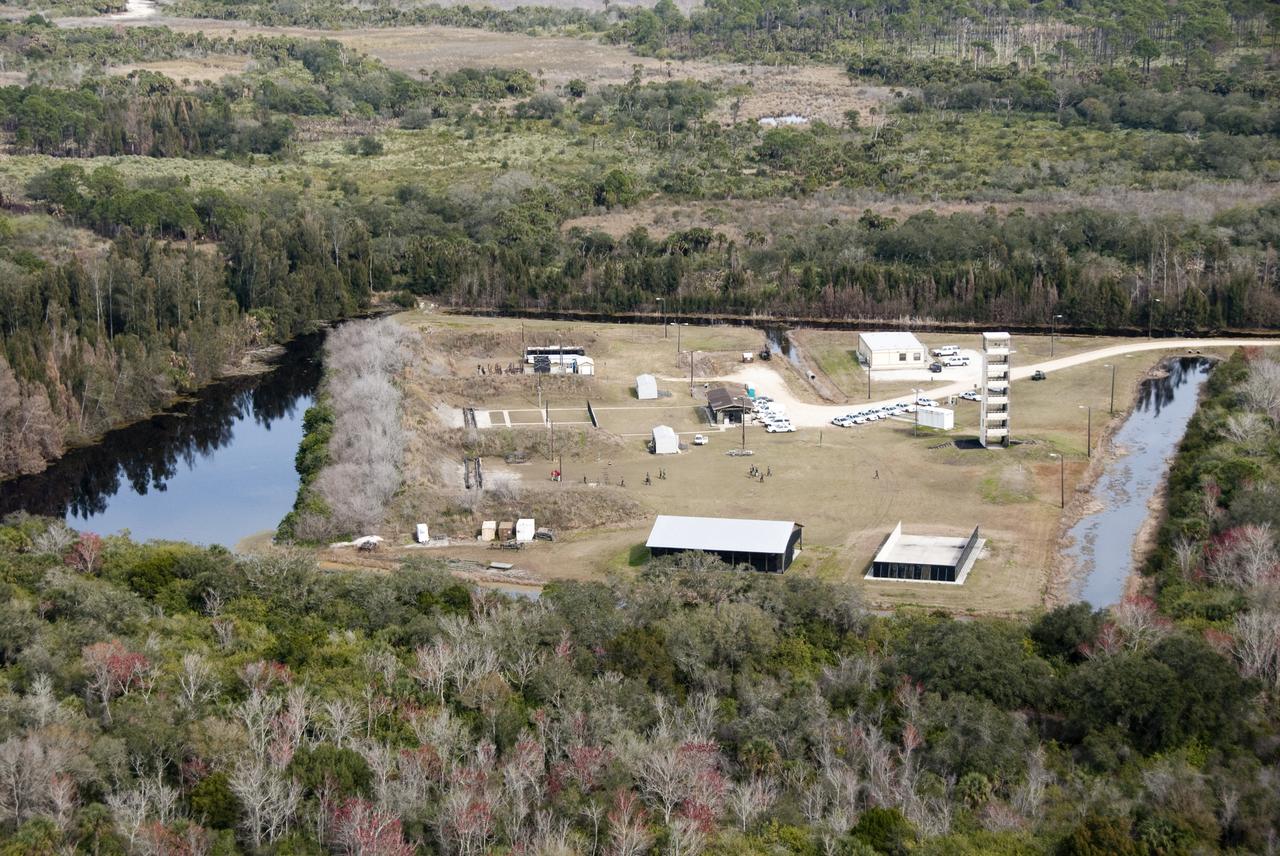
AERIALS - SR3 SOLAR FACILTY & NEW EXPANSION SITE, EXPLORATION PARK
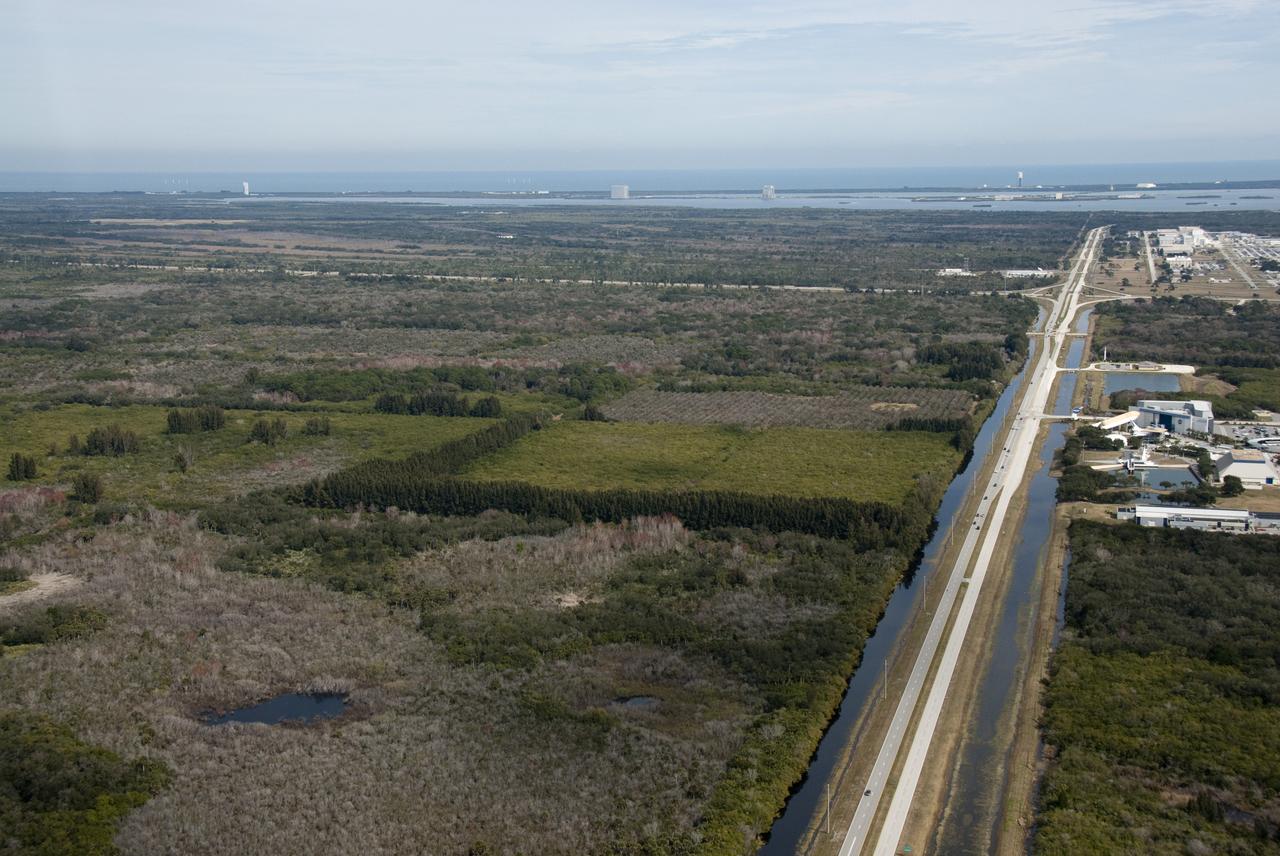
AERIALS - SR3 SOLAR FACILTY & NEW EXPANSION SITE, EXPLORATION PARK
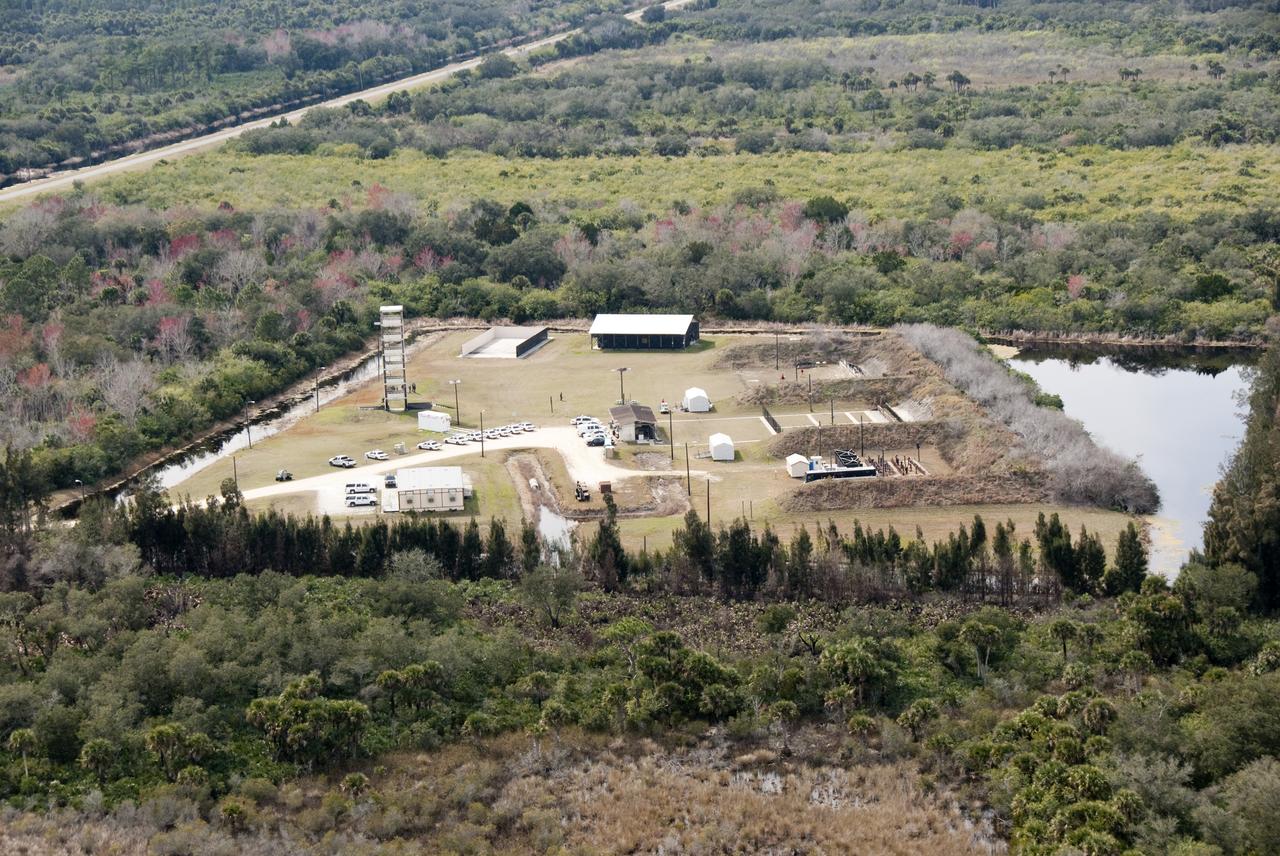
AERIALS - SR3 SOLAR FACILTY & NEW EXPANSION SITE, EXPLORATION PARK
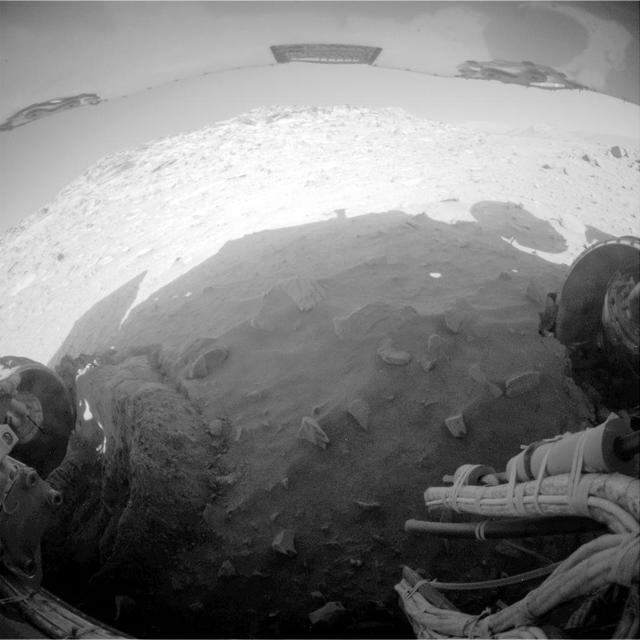
NASA Mars Exploration Rover Spirit recorded this fisheye view after completing a drive during on Mars on Feb. 8, 2010. The drive left Spirit in the position where the rover will stay parked during the upcoming Mars southern-hemisphere winter.
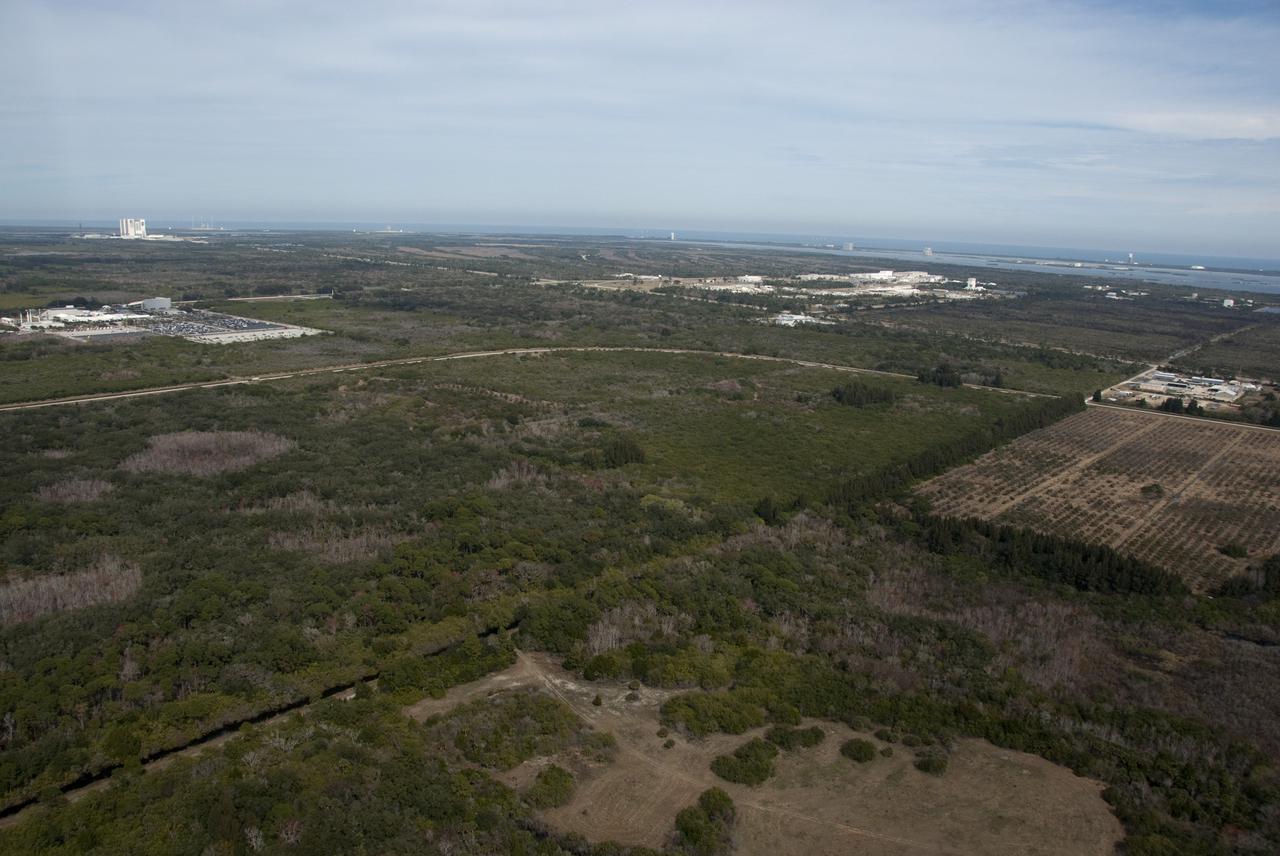
CAPE CANAVERAL, Fla. - Land located south of NASA's Kennedy Space Center Visitor Complex in Florida and adjacent to the Space Life Sciences Laboratory is the proposed site for Exploration Park. Kennedy and Space Florida, an independent special district of the State of Florida, have partnered to enable the development of a mixed-use technology and commerce park. Exploration Park will become home to diverse private sector technology and innovation enterprises offering opportunities to grow and deploy commercial space capabilities and will respond to national priorities in science and technology. The park is expected to attract tenants engaged in space technology, space commerce and space education. In addition, NASA and Space Florida plan to incorporate the existing 100,000 square foot Space Life Sciences Laboratory into the park, broadening the lab's accessibility and use beyond NASA. For more information, visit www.explorationpark.com. Photo credit: NASA_Kim Shiflett
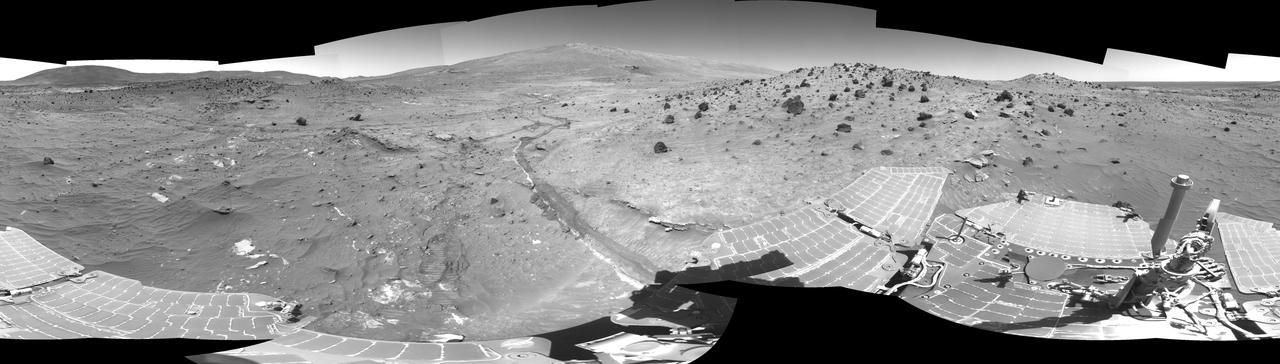
In time to survive the Martian winter, NASA Mars Exploration Rover Spirit has driven to and parked on a north-facing slope in the Columbia
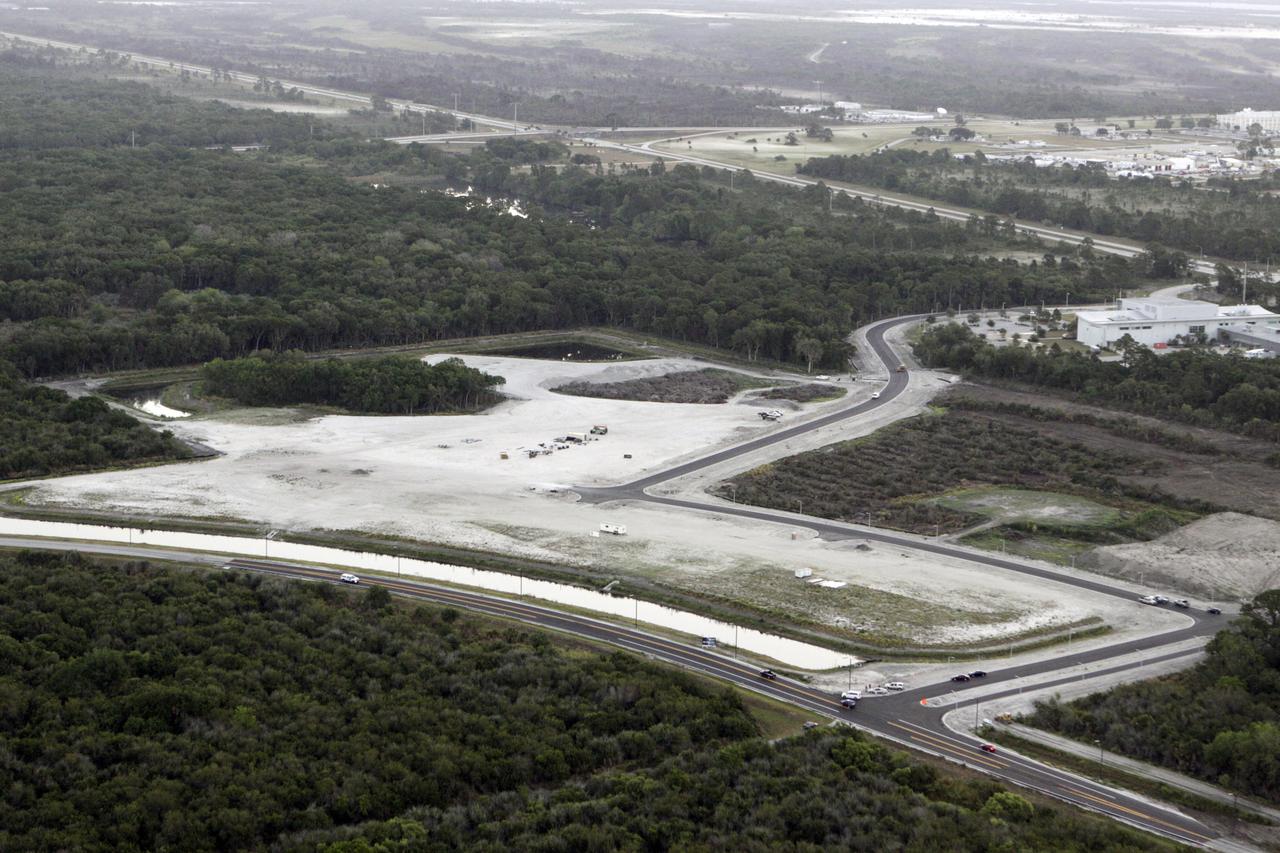
CAPE CANAVERAL, Fla. – This aerial view over NASA’s Kennedy Space Center in Florida reveals a new road winding its way from Space Commerce Way, in the foreground, past the construction site for the new Exploration Park, to the Space Life Sciences Laboratory SLSL, at right. In the background, at far right, is Kennedy’s Industrial Area. The land was cleared for the first phase of construction following the park’s groundbreaking in June 2010. The park encompasses 60 acres just outside Kennedy’s security gates near the Kennedy Space Center Visitor Complex. Exploration Park is designed to be a strategically located complex, adjacent to the SLSL, for servicing diverse tenants and uses that will engage in activities to support the space-related activities of NASA, other government agencies and the U.S. commercial space industry, as well as attract new aerospace work to the Space Coast. Its nine sustainable, state-of-the-art buildings will include educational, office, research and laboratory, and high-bay facilities and provide 350,000-square feet of work space. Each building is expected to qualify for the U.S. Green Building Council’s Leadership in Environmental and Energy Design LEED certification. The SLSL will be the anchor facility for the park. Photo credit: NASA/Glenn Benson
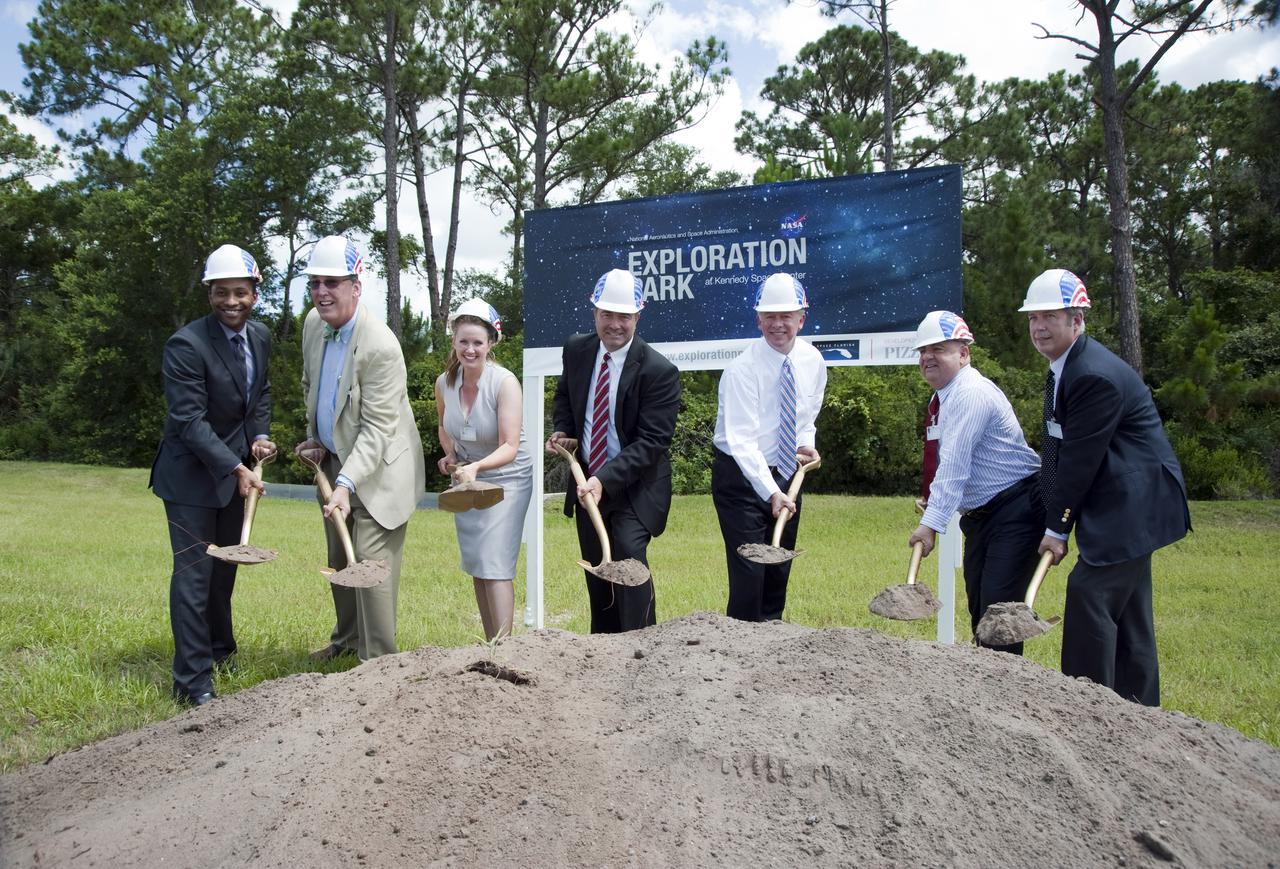
CAPE CANAVERAL, Fla. – At NASA's Kennedy Space Center in Florida, The Pizzuti Companies Naeem Coleman, left, Mike Bird, Stephanie Moreton and Tom Harmer, Florida Lt. Gov. Jeff Kottkamp, and The Pizzuti Companies Ron Pizzuti and Jim Russell break ground on Exploration Park outside of the Space Life Sciences Laboratory, or SLSL. Exploration Park is designed to be a strategically located complex, adjacent to the SLSL, for servicing diverse tenants and uses that will engage in activities to support space-related activities of NASA, other government agencies and the U.S. commercial space industry, as well as bring new aerospace work to the Space Coast. The SLSL will be the anchor facility for the park, which is expected to open its first new facility in early 2012. Photo Credit: NASA_Kim Shiflett
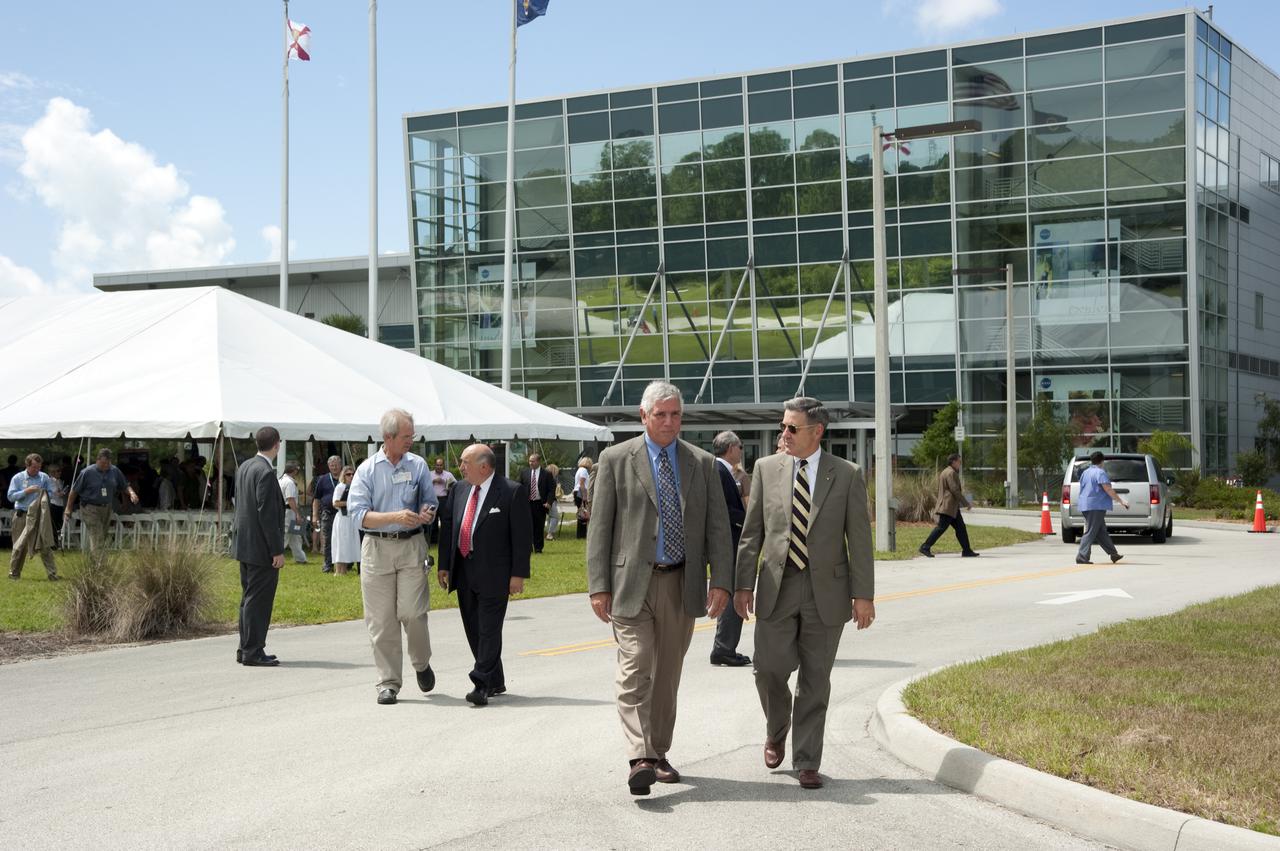
CAPE CANAVERAL, Fla. – At NASA's Kennedy Space Center in Florida, Kennedy Center Director Bob Cabana, right, walks with Program Manager for Strategic Partnerships at Kennedy Jim Ball to the ground breaking site of Exploration Park outside of the Space Life Sciences Laboratory, or SLSL. To their left, are The Pizzuti Companies Chairman and CEO Ron Pizzuti and Patrick Peterson, a space reporter with Florida Today. Exploration Park is designed to be a strategically located complex, adjacent to the SLSL, for servicing diverse tenants and uses that will engage in activities to support space-related activities of NASA, other government agencies and the U.S. commercial space industry, as well as bring new aerospace work to the Space Coast. The SLSL will be the anchor facility for the park, which is expected to open its first new facility in early 2012. Photo Credit: NASA_Kim Shiflett
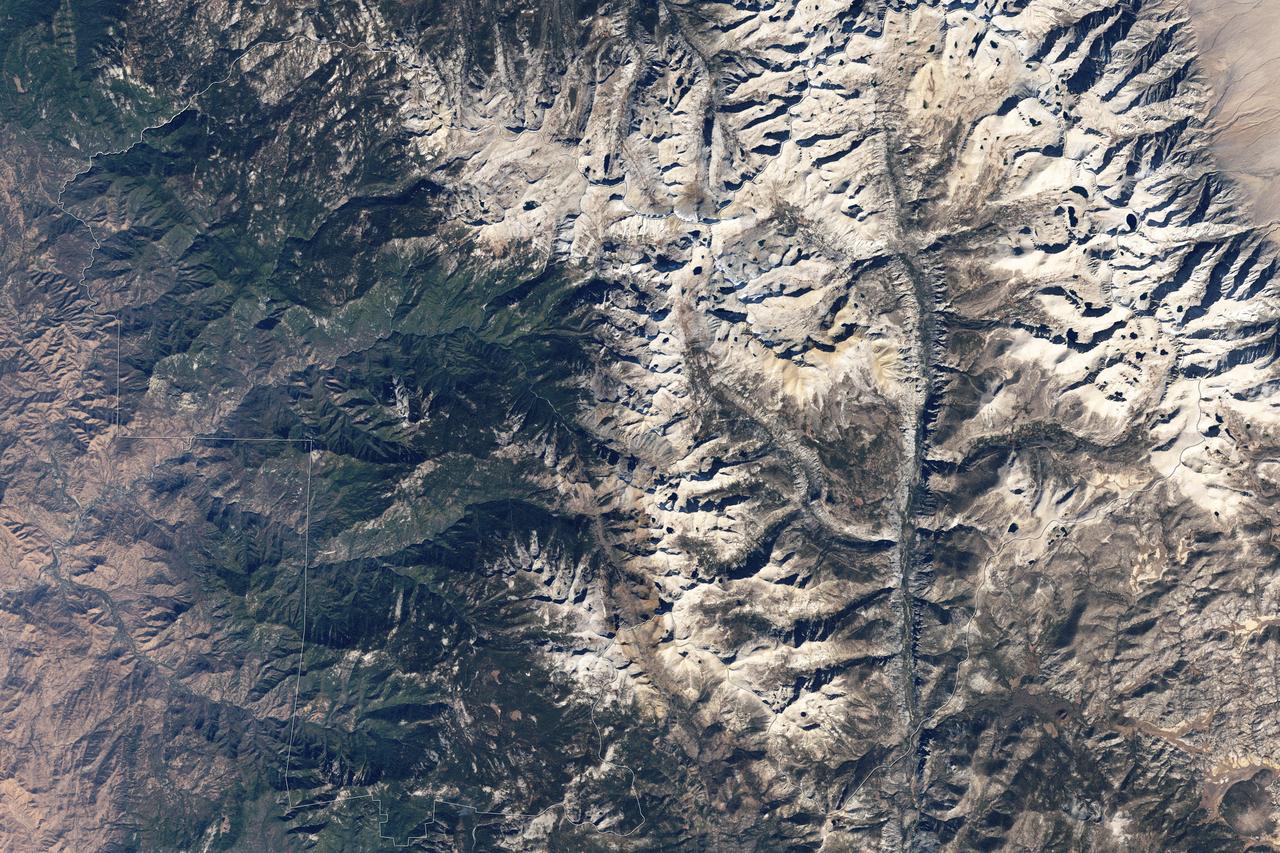
Naked peaks, sheltered valleys, snowfields, towering trees, and alpine meadows make up the varied landscape of Sequoia National Park in California. Established as a National Park by Congress on September 25, 1890, Sequoia National Park is the second-oldest U.S. National Park, after Yellowstone. This national park borders Kings Canyon National Park. The Thematic Mapper sensor on NASA’s Landsat 5 satellite captured this true-color image of Sequoia National Park, outlined in white, on October 22, 2008. Sunlight illuminates southern slopes, leaving northern faces in shadow in this autumn image. In the west, deep green conifers carpet most of the land. These forested mountains are home to the park’s most famous giant sequoia trees. Sequoia National Park sits at the southern end of the Sierra Nevada mountains. Terrain alternates between extremes, from peaks such as Mt. Whitney—the highest peak in the contiguous United States—to deep caverns. The rivers and lakes in this region are part of a watershed valuable not only to the plants and animals of the park, but also to farms and cities in California’s Central Valley. Read more: <a href="http://go.nasa.gov/2bzGOXr" rel="nofollow">go.nasa.gov/2bzGOXr</a> Credit: NASA/Landsat5 <b><a href="http://www.nasa.gov/audience/formedia/features/MP_Photo_Guidelines.html" rel="nofollow">NASA image use policy.</a></b> <b><a href="http://www.nasa.gov/centers/goddard/home/index.html" rel="nofollow">NASA Goddard Space Flight Center</a></b> enables NASA’s mission through four scientific endeavors: Earth Science, Heliophysics, Solar System Exploration, and Astrophysics. Goddard plays a leading role in NASA’s accomplishments by contributing compelling scientific knowledge to advance the Agency’s mission. <b>Follow us on <a href="http://twitter.com/NASAGoddardPix" rel="nofollow">Twitter</a></b> <b>Like us on <a href="http://www.facebook.com/pages/Greenbelt-MD/NASA-Goddard/395013845897?ref=tsd" rel="nofollow">Facebook</a></b> <b>Find us on <a href="http://instagrid.me/nasagoddard/?vm=grid" rel="nofollow">Instagram</a></b>
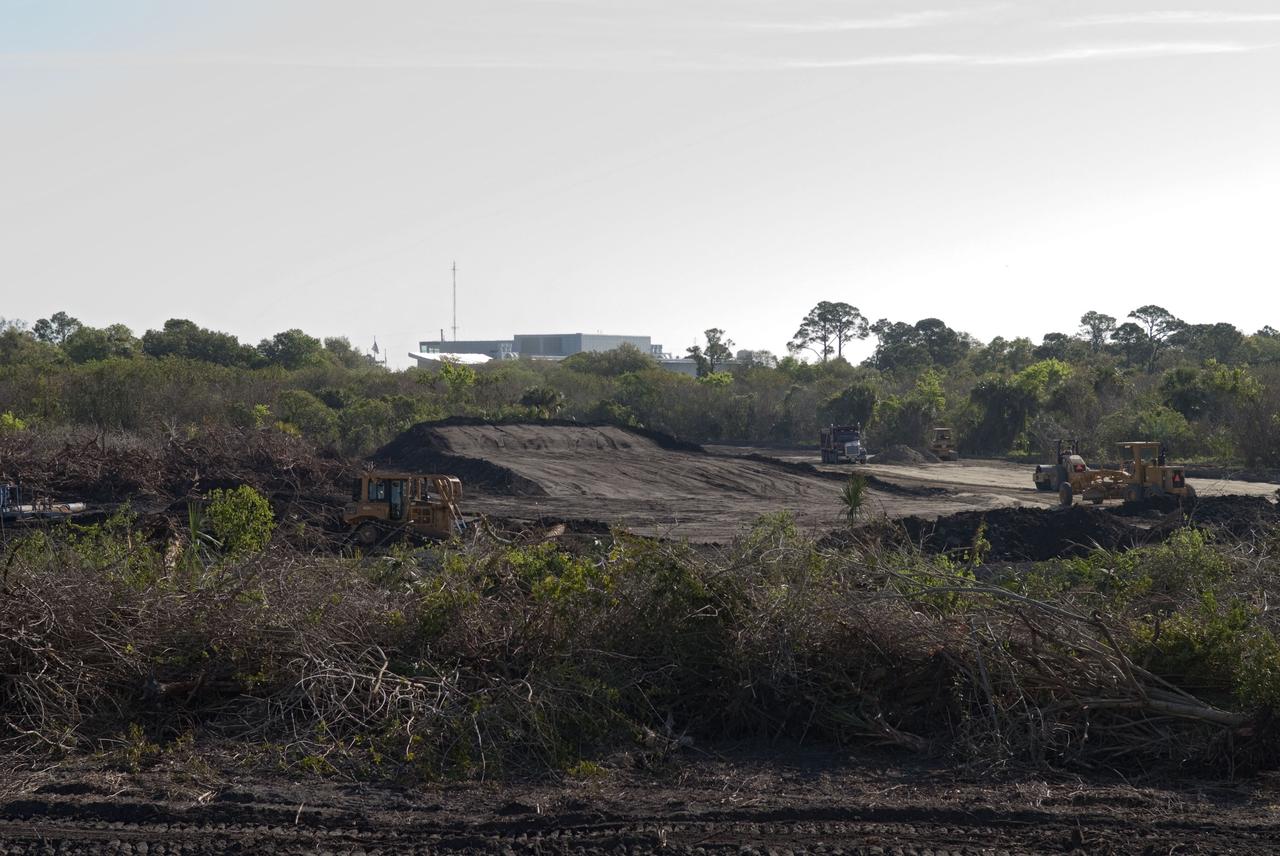
CAPE CANAVERAL, Fla. -- Land clearing and construction of a new road at the Exploration Park site begins outside of the Space Life Sciences Laboratory (SLSL) at NASA's Kennedy Space Center in Florida. The fill dirt being used to develop the first phase was donated by Port Canaveral as part of an agreement between the port and Space Florida, the park’s partner developer. The first phase will encompass 60 acres just outside Kennedy’s security gates. Nine buildings will provide 350,000-square feet of work space, including educational, office, research and lab, and high-bay facilities. Each building is expected to be certified in the U.S. Green Building Council’s Leadership in Environmental and Energy Design (LEED).Exploration Park is designed to be a strategically located complex, adjacent to the SLSL, for servicing diverse tenants and uses that will engage in activities to support space-related activities of NASA, other government agencies and the U.S. commercial space industry. It also is expected to bring new aerospace work to the Space Coast. The SLSL will be the anchor facility for the park, which is expected to open its first new facility in early 2012. Photo credit: NASA/Jim Grossmann
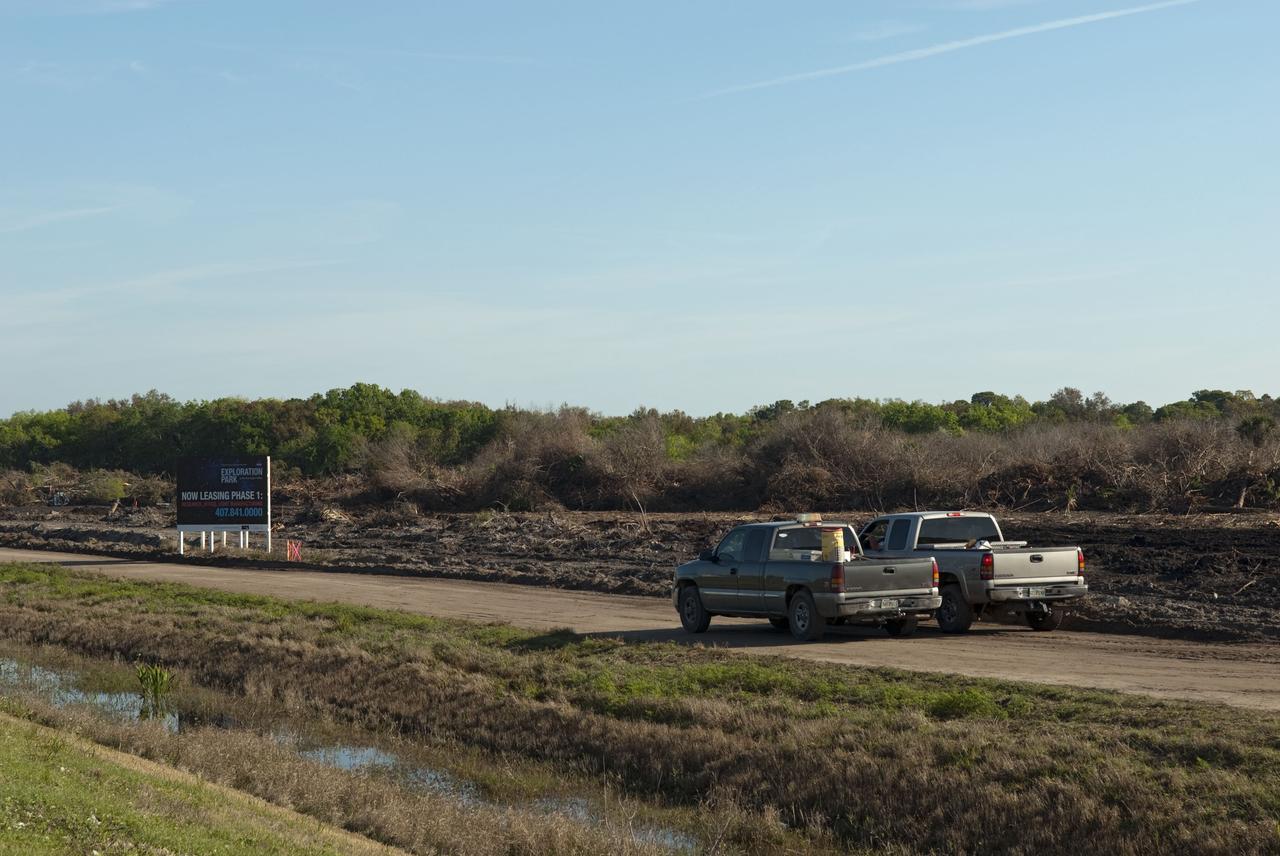
CAPE CANAVERAL, Fla. -- Land clearing and construction of a new road at the Exploration Park site begins outside of the Space Life Sciences Laboratory (SLSL) at NASA's Kennedy Space Center in Florida. The fill dirt being used to develop the first phase was donated by Port Canaveral as part of an agreement between the port and Space Florida, the park’s partner developer. The first phase will encompass 60 acres just outside Kennedy’s security gates. Nine buildings will provide 350,000-square feet of work space, including educational, office, research and lab, and high-bay facilities. Each building is expected to be certified in the U.S. Green Building Council’s Leadership in Environmental and Energy Design (LEED).Exploration Park is designed to be a strategically located complex, adjacent to the SLSL, for servicing diverse tenants and uses that will engage in activities to support space-related activities of NASA, other government agencies and the U.S. commercial space industry. It also is expected to bring new aerospace work to the Space Coast. The SLSL will be the anchor facility for the park, which is expected to open its first new facility in early 2012. Photo credit: NASA/Jim Grossmann
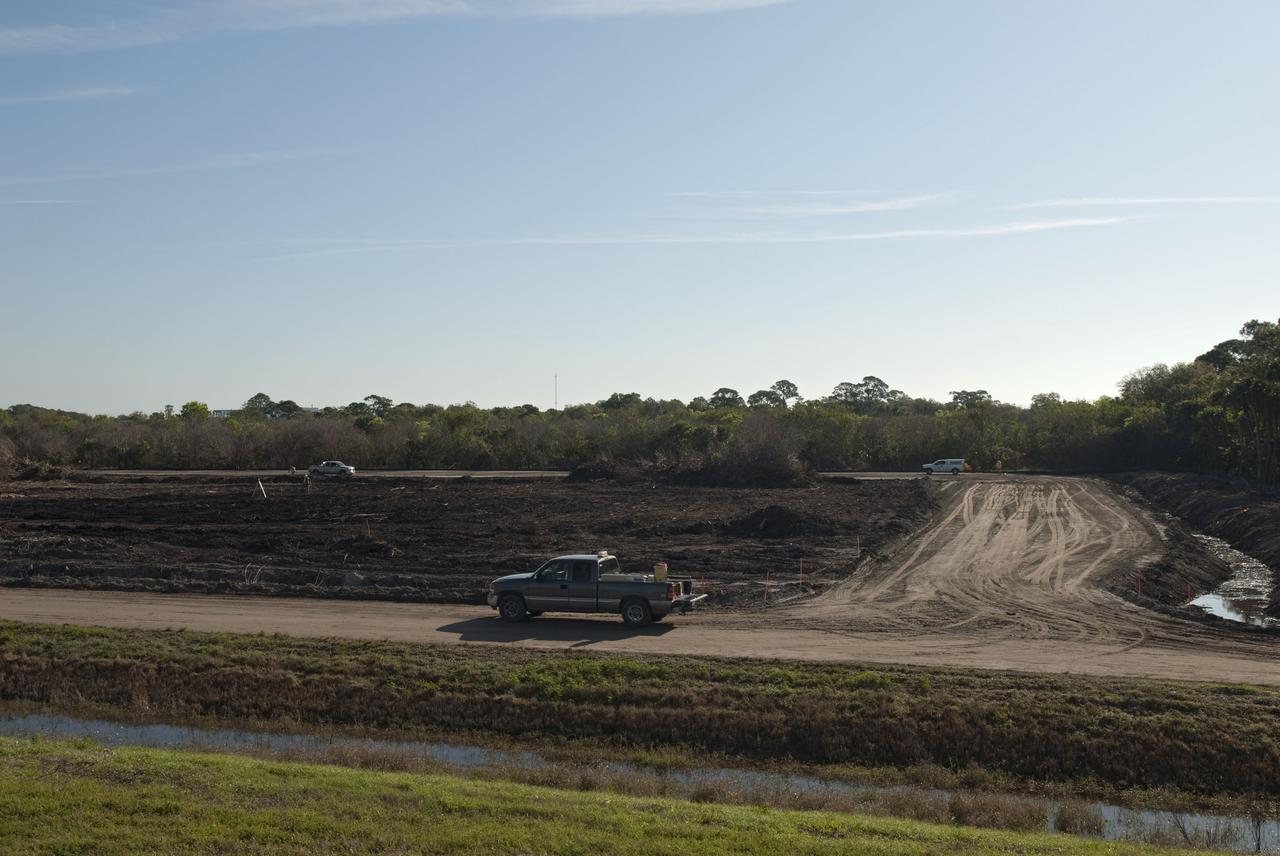
CAPE CANAVERAL, Fla. -- Land clearing and construction of a new road at the Exploration Park site begins outside of the Space Life Sciences Laboratory (SLSL) at NASA's Kennedy Space Center in Florida. The fill dirt being used to develop the first phase was donated by Port Canaveral as part of an agreement between the port and Space Florida, the park’s partner developer. The first phase will encompass 60 acres just outside Kennedy’s security gates. Nine buildings will provide 350,000-square feet of work space, including educational, office, research and lab, and high-bay facilities. Each building is expected to be certified in the U.S. Green Building Council’s Leadership in Environmental and Energy Design (LEED).Exploration Park is designed to be a strategically located complex, adjacent to the SLSL, for servicing diverse tenants and uses that will engage in activities to support space-related activities of NASA, other government agencies and the U.S. commercial space industry. It also is expected to bring new aerospace work to the Space Coast. The SLSL will be the anchor facility for the park, which is expected to open its first new facility in early 2012. Photo credit: NASA/Jim Grossmann

NRP Exploration Lecture: 'BloomBox' Bringing NASA Technology Down to Earth by Bloom Energy CEO, Principal and Co-founder Dr. KR Sridhar.Shown here with Mejghan K Haider, Chief of Business Development, NASA Research Park Office
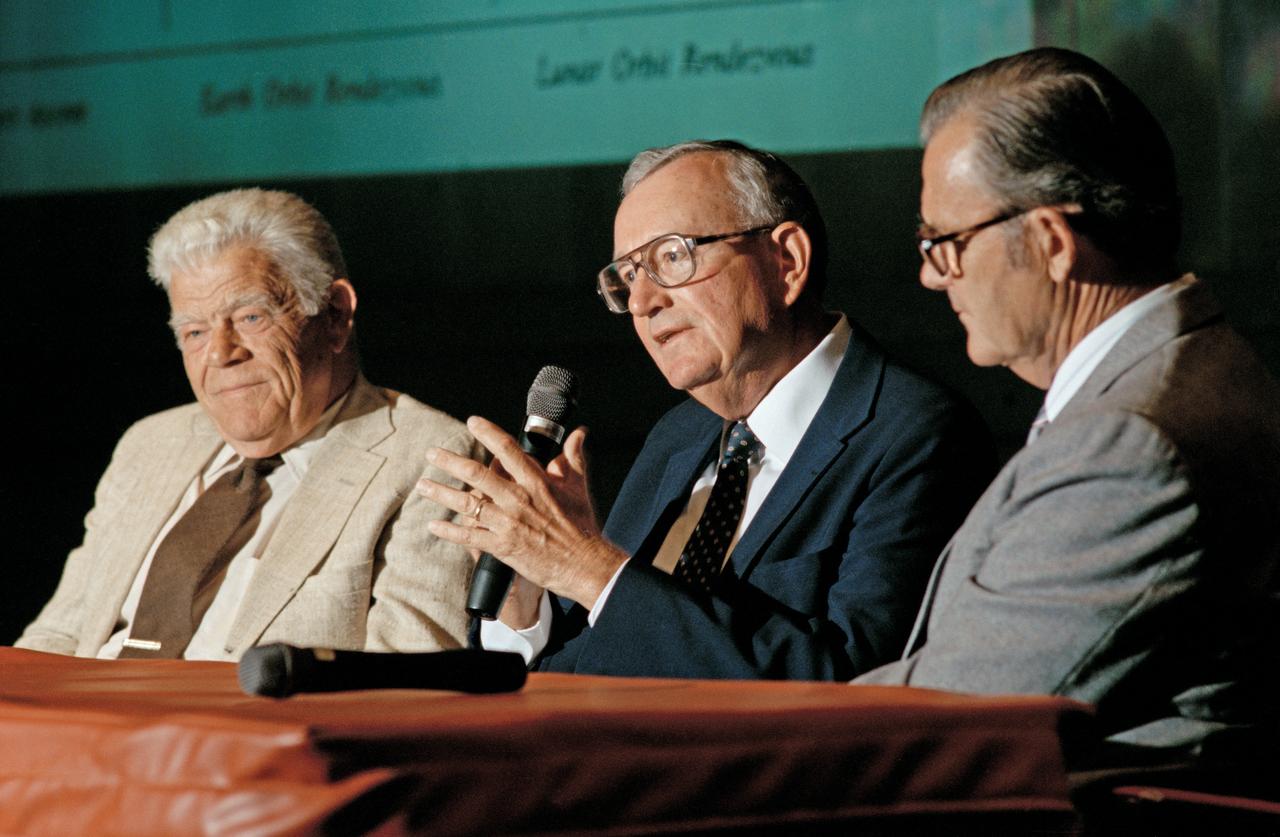
20th Anniversary of the First Lunar Landing Colloquium held at Langley. William H. Michael Jr. (center) reviews the evolution of his parking orbit concept with Clinton E. Brown (right) head of the Lunar Exploration Working Group and Arthur Vogeley (left) mastermind of Langley's rendezvous and docking simulators of the 1960's.
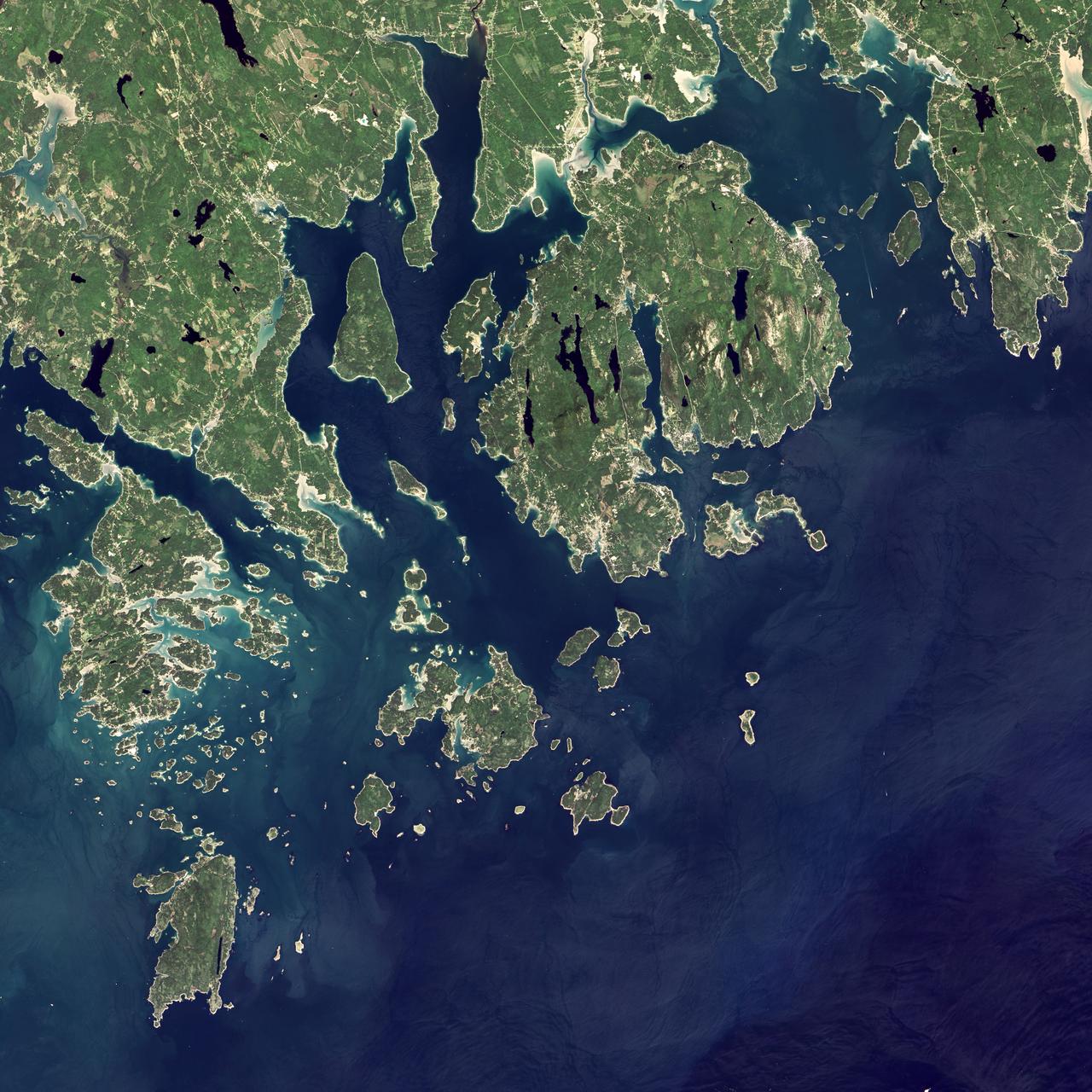
Acadia National Park is one of the most visited parks in America, drawing more than 2.5 million visitors per year to the craggy, jagged coast of Maine. The park is celebrating its 100th anniversary in 2016. On September 6, 2015, the Operational Land Imager (OLI) on the Landsat 8 satellite acquired these images of Acadia National Park and its surroundings. Mountains and hills roll right up to the Atlantic Ocean in this rocky landscape carved by glaciers at the end of the last Ice Age. Since the beginning of the 20th Century, the park has been pieced together by donations and acquisitions of once-private lands, and it is still growing. Of the park’s 47,000 acres, more than 12,000 are privately owned lands under conservation agreements, while the rest is held by the National Park Service. Mount Desert Island is the focal point of the park, which also includes lands around a former naval base (Schoodic Peninsula), Isle au Haut, and several smaller islands. Read more: <a href="http://go.nasa.gov/2adyd8J" rel="nofollow">go.nasa.gov/2adyd8J</a> Credit: NASA/Landsat8 <b><a href="http://www.nasa.gov/audience/formedia/features/MP_Photo_Guidelines.html" rel="nofollow">NASA image use policy.</a></b> <b><a href="http://www.nasa.gov/centers/goddard/home/index.html" rel="nofollow">NASA Goddard Space Flight Center</a></b> enables NASA’s mission through four scientific endeavors: Earth Science, Heliophysics, Solar System Exploration, and Astrophysics. Goddard plays a leading role in NASA’s accomplishments by contributing compelling scientific knowledge to advance the Agency’s mission. <b>Follow us on <a href="http://twitter.com/NASAGoddardPix" rel="nofollow">Twitter</a></b> <b>Like us on <a href="http://www.facebook.com/pages/Greenbelt-MD/NASA-Goddard/395013845897?ref=tsd" rel="nofollow">Facebook</a></b> <b>Find us on <a href="http://instagrid.me/nasagoddard/?vm=grid" rel="nofollow">Instagram</a></b>
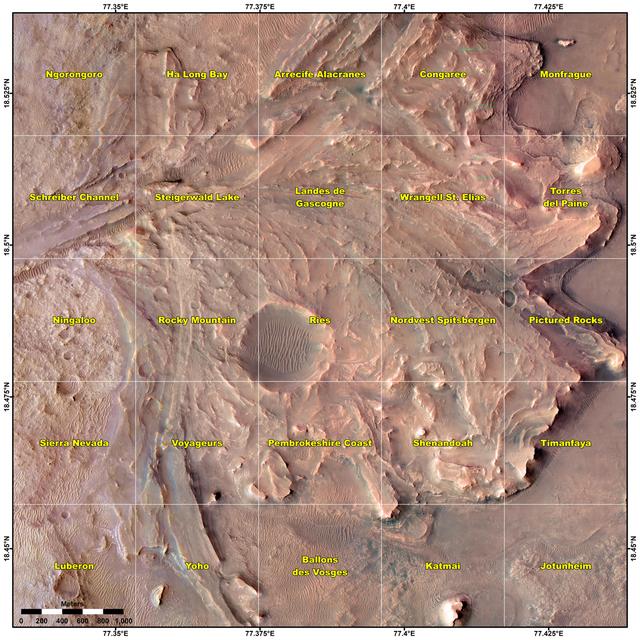
This map shows various quadrant themes in the vicinity of NASA's Perseverance Mars rover, which is currently in the Rocky Mountain quadrant within the much broader Jezero Crater. Each quadrant is 0.7 miles (1.2 kilometers) on each side. The Perseverance team chose quadrant themes related to various national parks across Earth, from Shenandoah National Park in Virginia to Jotunheimen National Park in Norway. The themes help organize the unofficial nicknames that are given by rover team members to different surface features they want to study, such as hills, craters, boulders, and even specific rock surfaces. The first sedimentary rock core sample the rover took was from a rock nicknamed "Skinner Ridge" for a ridge in Shenandoah National Park when Perseverance was in that quadrant. Many hundreds of names are compiled into a list based on each theme and are applied as the rover explores that quadrant. Rovers can sometimes end up exploring a quadrant for months, exhausting the list of names and prompting a new list to be drawn up. A key objective for Perseverance's mission on Mars is astrobiology, including the search for signs of ancient microbial life. The rover will characterize the planet's geology and past climate, pave the way for human exploration of the Red Planet, and be the first mission to collect and cache Martian rock and regolith (broken rock and dust). Subsequent NASA missions, in cooperation with ESA (European Space Agency), would send spacecraft to Mars to collect these sealed samples from the surface and return them to Earth for in-depth analysis. The Mars 2020 Perseverance mission is part of NASA's Moon to Mars exploration approach, which includes Artemis missions to the Moon that will help prepare for human exploration of the Red Planet. https://photojournal.jpl.nasa.gov/catalog/PIA25913
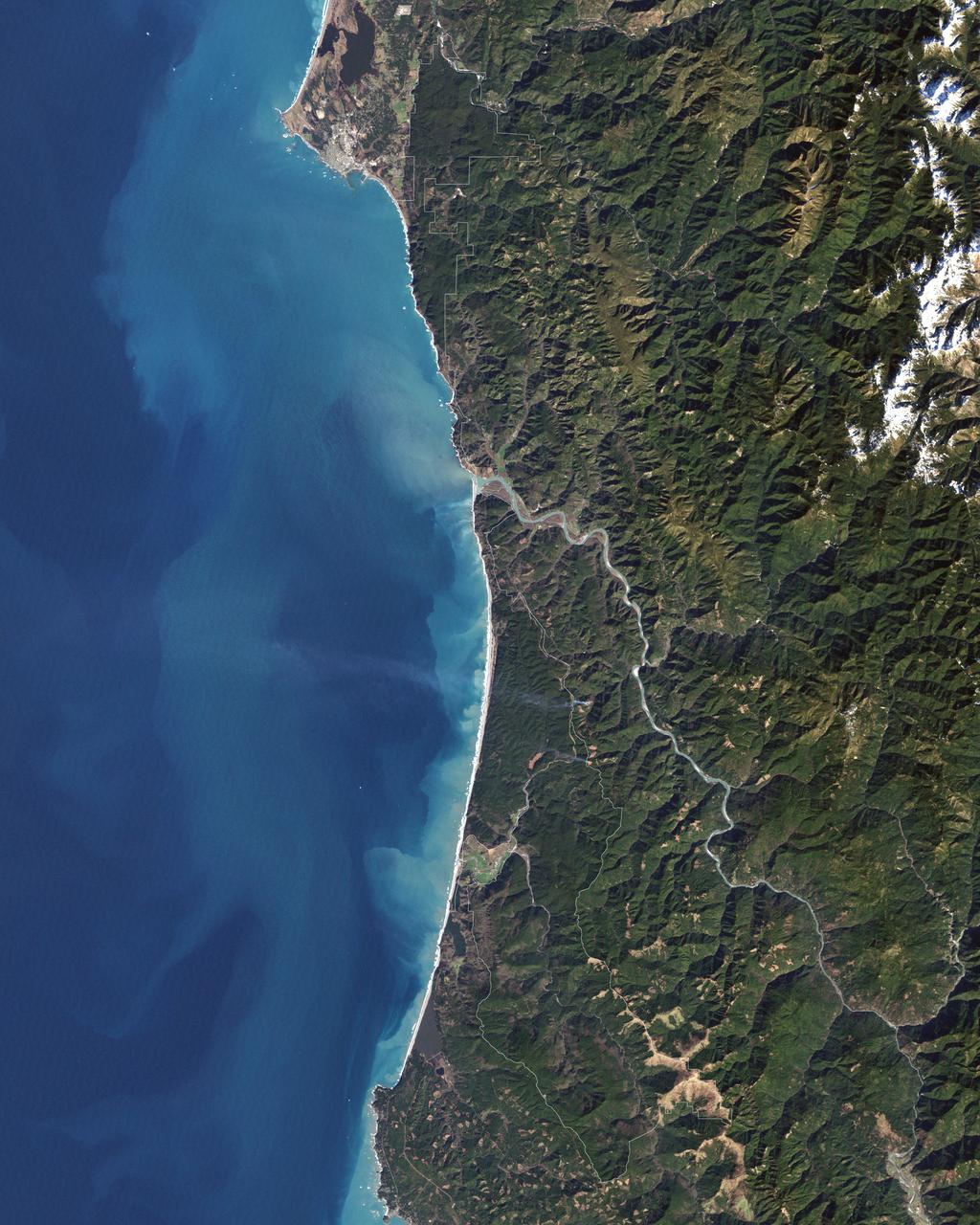
In 1968, after state parks had already been established in northern California, the U.S. Congress established Redwood National Park. This new park supplemented protected lands in the region, and in 1994, state and federal authorities agreed to jointly manage the area’s public lands. On February 6, 2003, the Enhanced Thamatic Mapper Plus on NASA’s Landsat 7 satellite captured this true-color image of the southern end of Redwood National Park - a thin coastal corridor connects the northern and southern ends of the park system. Along the coast, sandy beaches appear off-white, and sediments form swirls of pale blue in the darker blue sea. Inland, the park is dominated by green vegetation, with isolated patches of gray-beige rock. This image of the Redwood National Park includes two stands of trees: Lady Bird Johnson Grove and Tall Trees Grove. The first grove was dedicated to the former first lady by President Richard Nixon in August 1969. The second grove became the focus of efforts to protect the surrounding area from logging. Two waterways appear in this image: Redwood Creek and Klamath River. The more conspicuous Klamath River flows through the park system’s midsection (north of the area pictured here). Redwood Creek flows through the southern portion of the park system. Both waterways have carved gorges through the mountainous landscape. Redwood National and State Parks occupy an area considered to be the most seismically active in the United States. The frequent seismic activity has led to shifting waterways, landslides, and rapid erosion along the coastline. Read more: <a href="http://go.nasa.gov/2bRlryv" rel="nofollow">go.nasa.gov/2bRlryv</a> Credit: NASA/Landsat7 <b><a href="http://www.nasa.gov/audience/formedia/features/MP_Photo_Guidelines.html" rel="nofollow">NASA image use policy.</a></b> <b><a href="http://www.nasa.gov/centers/goddard/home/index.html" rel="nofollow">NASA Goddard Space Flight Center</a></b> enables NASA’s mission through four scientific endeavors: Earth Science, Heliophysics, Solar System Exploration, and Astrophysics. Goddard plays a leading role in NASA’s accomplishments by contributing compelling scientific knowledge to advance the Agency’s mission. <b>Follow us on <a href="http://twitter.com/NASAGoddardPix" rel="nofollow">Twitter</a></b> <b>Like us on <a href="http://www.facebook.com/pages/Greenbelt-MD/NASA-Goddard/395013845897?ref=tsd" rel="nofollow">Facebook</a></b> <b>Find us on <a href="http://instagrid.me/nasagoddard/?vm=grid" rel="nofollow">Instagram</a></b>
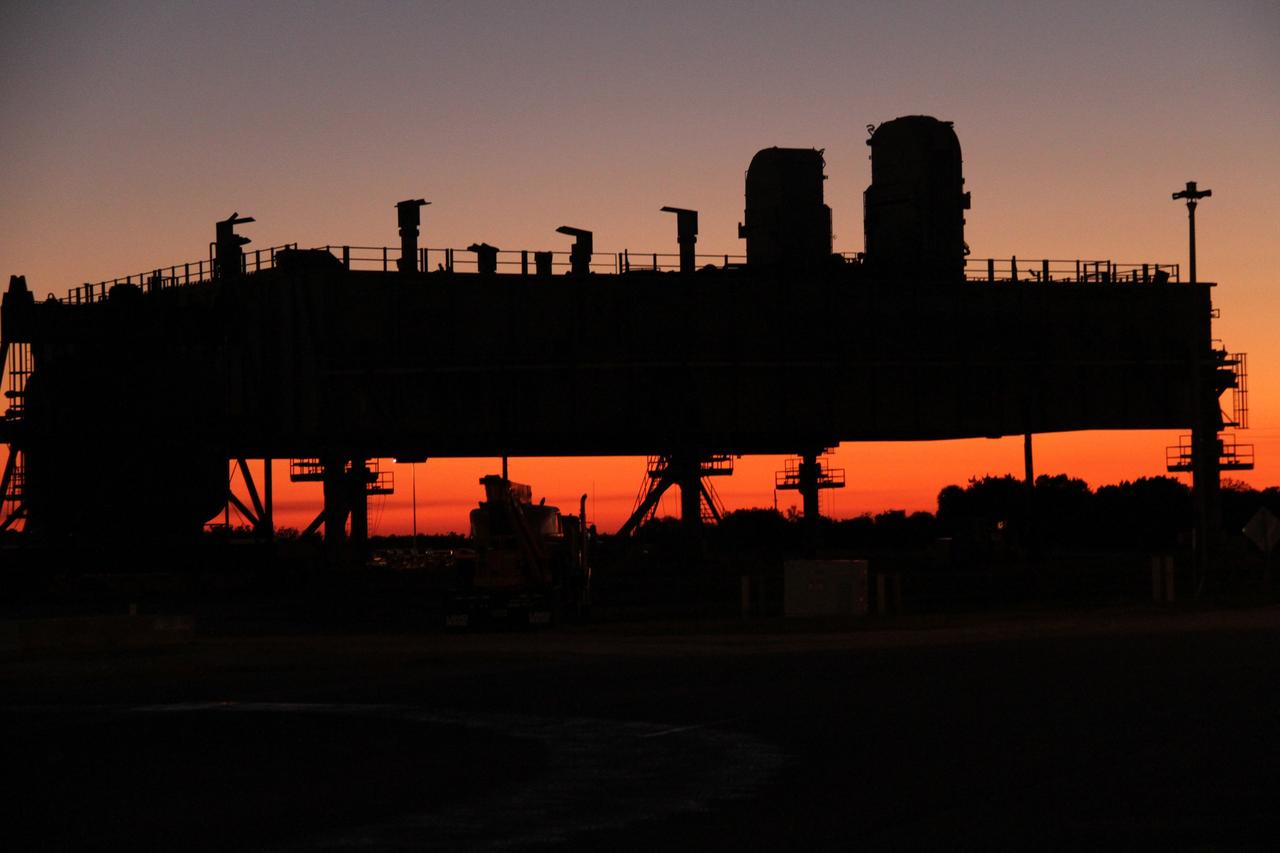
CAPE CANAVERAL, Fla. – A mobile launcher platform at the park site outside the Vehicle Assembly Building (VAB) at NASA's Kennedy Space Center in Florida awaits the arrival of the mobile launcher, or ML, as night falls. The ML is nearing the end of its 4.2-mile trek from Launch Pad 39B to the park site. Data on the ML collected from structural and functional engineering tests during its two-week stay on the pad will be used in the next phases of construction. The 355-foot-tall ML structure, which took about two years to construct, will be modified by NASA’s 21st Century Ground Systems Program to support NASA’s Space Launch System, the heavy-lift rocket that will launch astronauts into deep space on future exploration missions. For more information, visit http://www.nasa.gov/exploration/systems/sls. Photo credit: NASA/Cory Huston
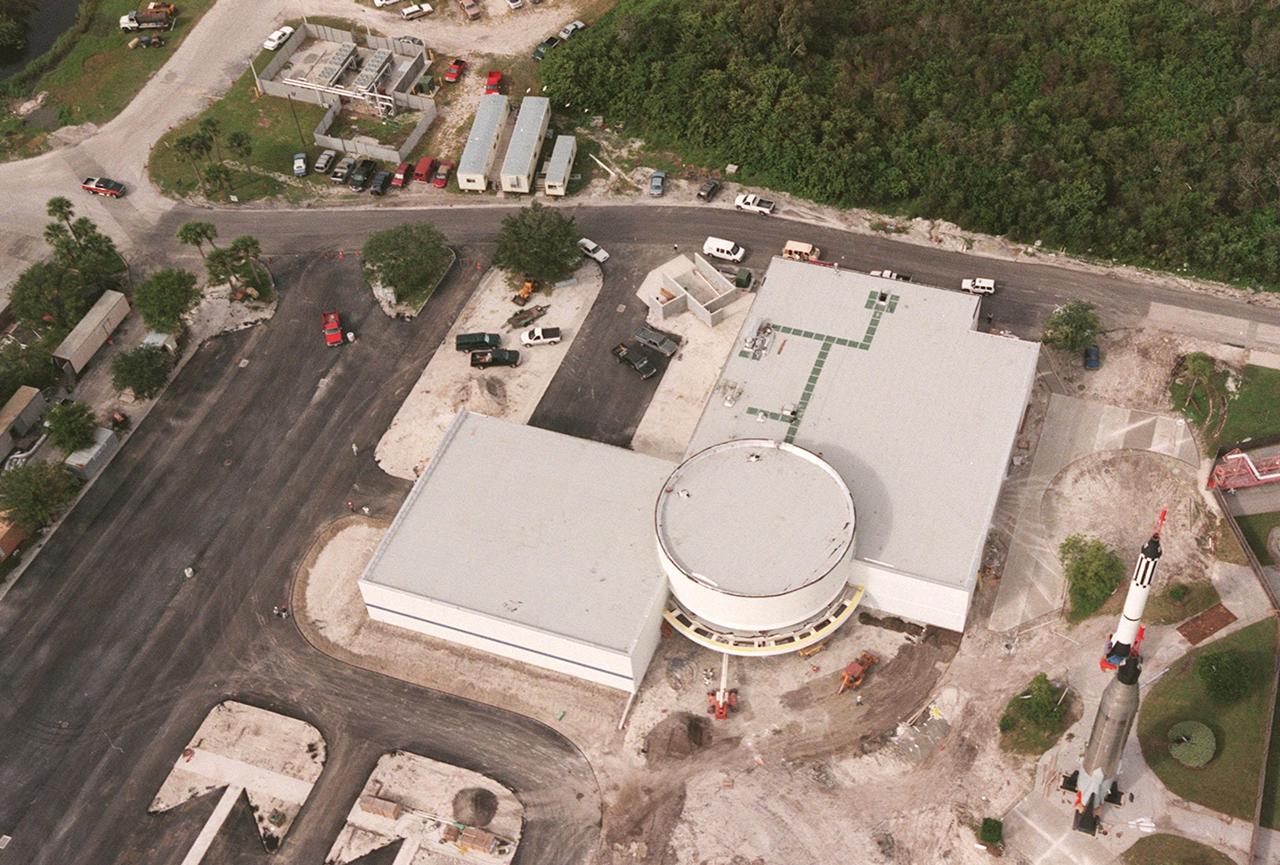
Seen from above, construction of a new site at KSC's Visitor Complex, The Early Space Exploration and Conference Center, is nearly finished. It is expected to be open to the public by mid-November. The space exploration facility will feature Mercury and Gemini capsules and the recently relocated Mission Control Center. Attached to it is a state-of-the-art conference center. Built by Delaware North Park Services, the facility is located between the Rock Garden and the Center for Space Education
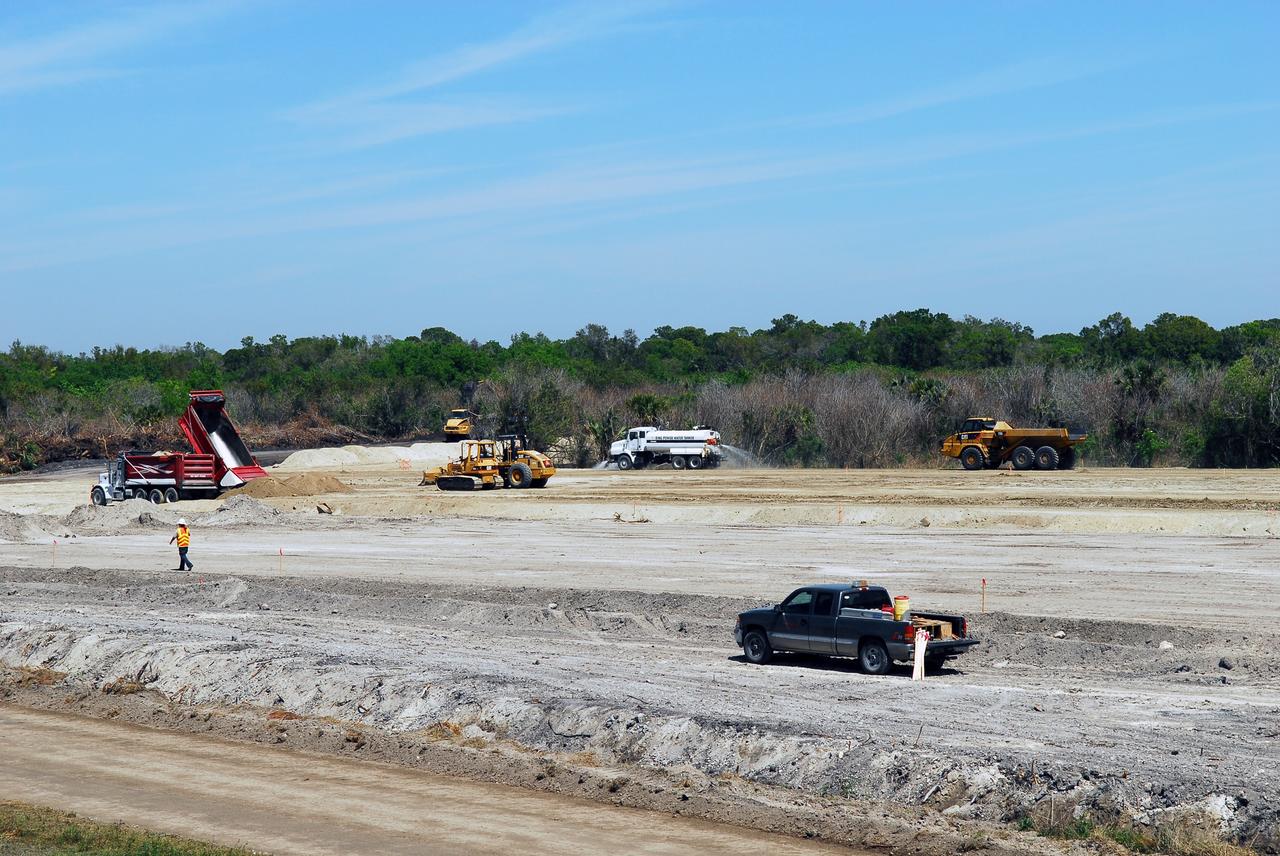
CAPE CANAVERAL, Fla. -- Crews continue to clear land and prepare for the construction of a new road at the Exploration Park site near the Space Life Sciences Laboratory (SLSL) at NASA's Kennedy Space Center in Florida. The first phase will encompass 60 acres just outside Kennedy’s security gates. Nine buildings will provide 350,000-square feet of work space, including educational, office, research and lab, and high-bay facilities. Each building is expected to be certified in the U.S. Green Building Council’s Leadership in Environmental and Energy Design (LEED). Exploration Park is designed to be a strategically located complex, adjacent to the SLSL, for servicing diverse tenants and uses that will engage in activities to support space-related activities of NASA, other government agencies and the U.S. commercial space industry. It also is expected to bring new aerospace work to the Space Coast. The SLSL will be the anchor facility for the park, which is expected to open its first new facility in early 2012. Photo credit: NASA/Jim Grossmann
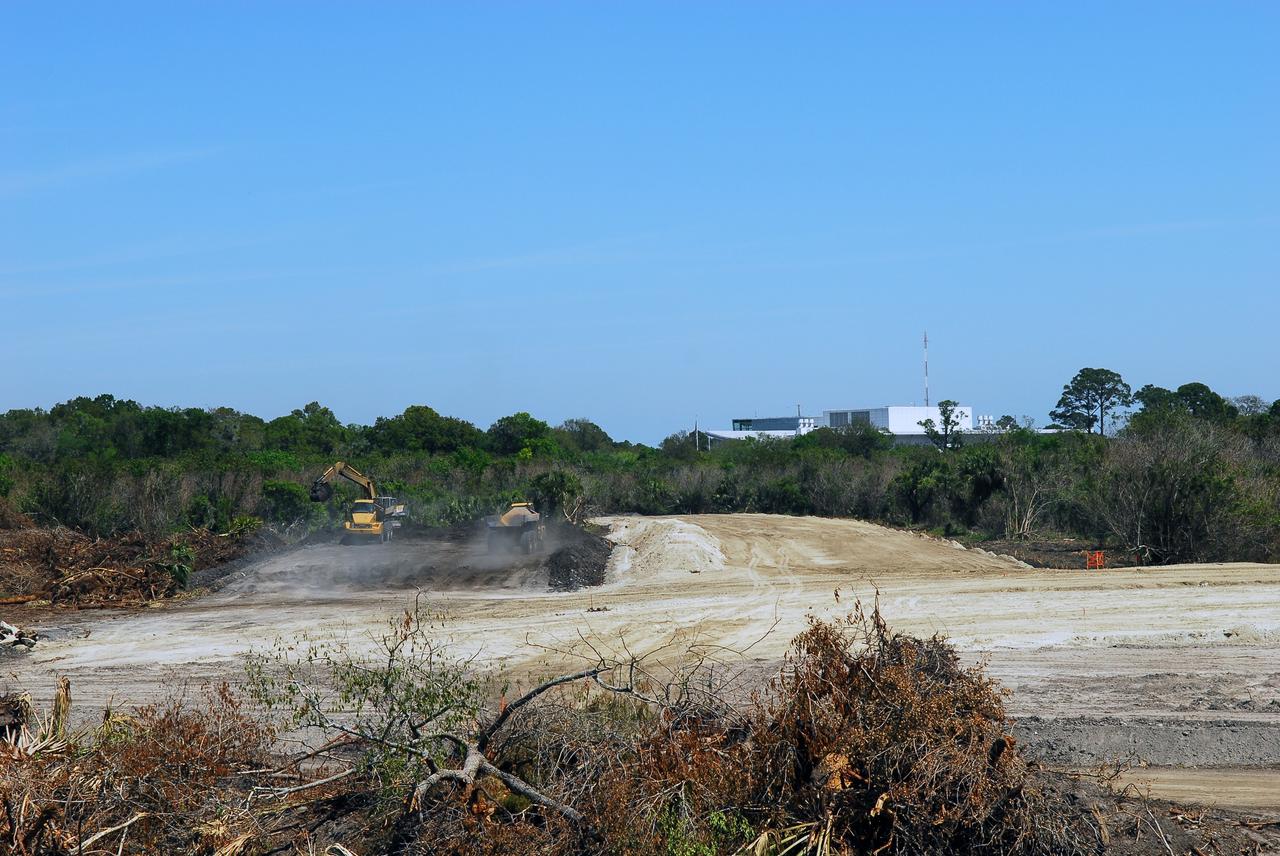
CAPE CANAVERAL, Fla. -- Crews continue to clear land and prepare for the construction of a new road at the Exploration Park site near the Space Life Sciences Laboratory (SLSL) at NASA's Kennedy Space Center in Florida. The first phase will encompass 60 acres just outside Kennedy’s security gates. Nine buildings will provide 350,000-square feet of work space, including educational, office, research and lab, and high-bay facilities. Each building is expected to be certified in the U.S. Green Building Council’s Leadership in Environmental and Energy Design (LEED). Exploration Park is designed to be a strategically located complex, adjacent to the SLSL, for servicing diverse tenants and uses that will engage in activities to support space-related activities of NASA, other government agencies and the U.S. commercial space industry. It also is expected to bring new aerospace work to the Space Coast. The SLSL will be the anchor facility for the park, which is expected to open its first new facility in early 2012. Photo credit: NASA/Jim Grossmann
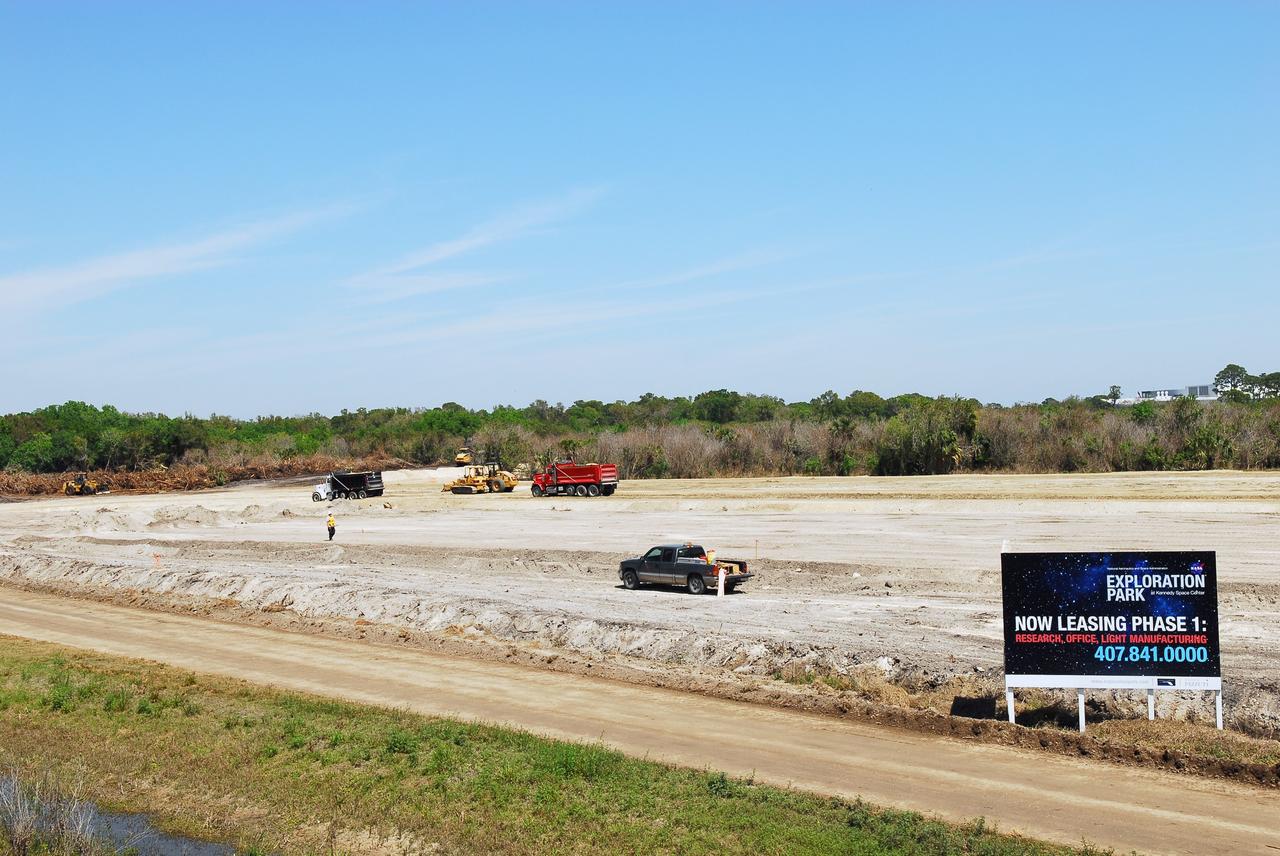
CAPE CANAVERAL, Fla. -- Crews continue to clear land and prepare for the construction of a new road at the Exploration Park site near the Space Life Sciences Laboratory (SLSL) at NASA's Kennedy Space Center in Florida. The first phase will encompass 60 acres just outside Kennedy’s security gates. Nine buildings will provide 350,000-square feet of work space, including educational, office, research and lab, and high-bay facilities. Each building is expected to be certified in the U.S. Green Building Council’s Leadership in Environmental and Energy Design (LEED). Exploration Park is designed to be a strategically located complex, adjacent to the SLSL, for servicing diverse tenants and uses that will engage in activities to support space-related activities of NASA, other government agencies and the U.S. commercial space industry. It also is expected to bring new aerospace work to the Space Coast. The SLSL will be the anchor facility for the park, which is expected to open its first new facility in early 2012. Photo credit: NASA/Jim Grossmann
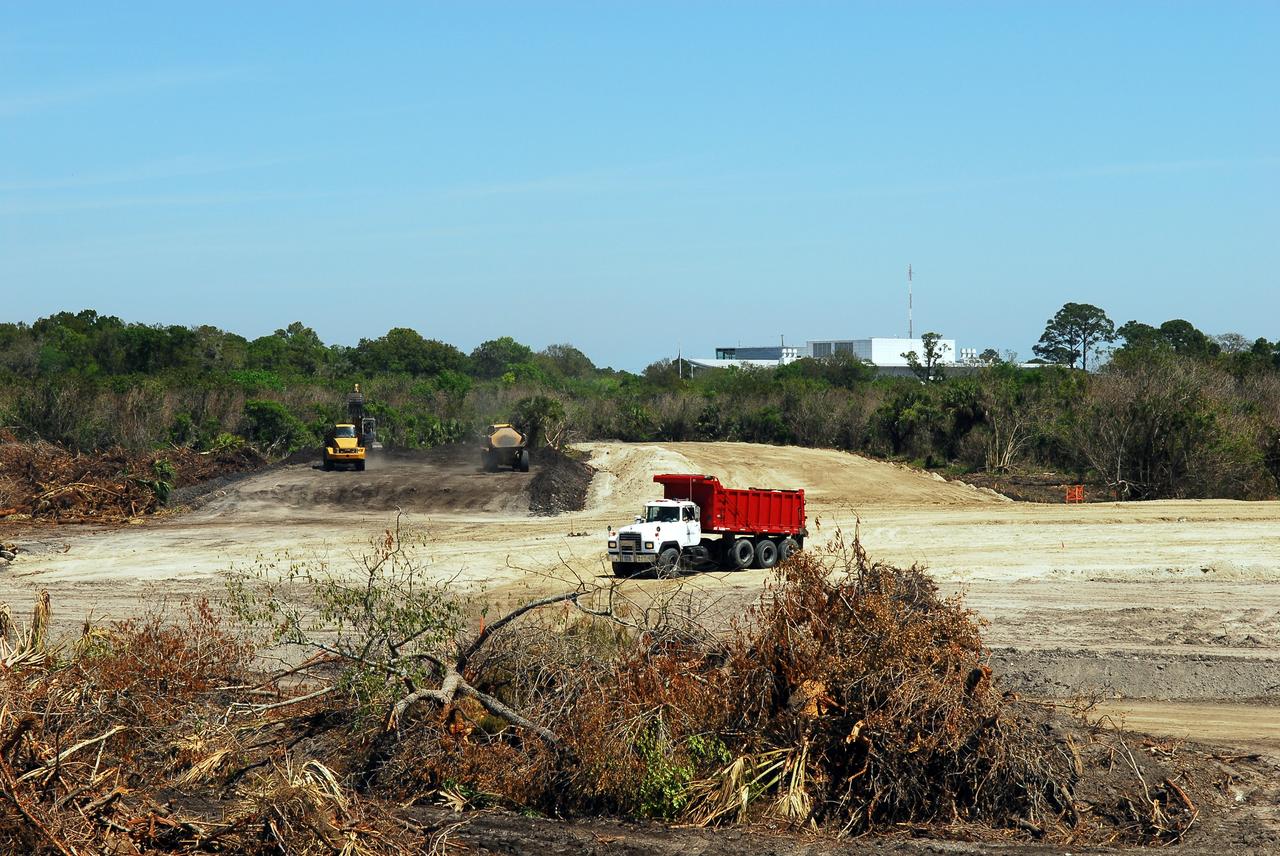
CAPE CANAVERAL, Fla. -- Crews continue to clear land and prepare for the construction of a new road at the Exploration Park site near the Space Life Sciences Laboratory (SLSL) at NASA's Kennedy Space Center in Florida. The first phase will encompass 60 acres just outside Kennedy’s security gates. Nine buildings will provide 350,000-square feet of work space, including educational, office, research and lab, and high-bay facilities. Each building is expected to be certified in the U.S. Green Building Council’s Leadership in Environmental and Energy Design (LEED). Exploration Park is designed to be a strategically located complex, adjacent to the SLSL, for servicing diverse tenants and uses that will engage in activities to support space-related activities of NASA, other government agencies and the U.S. commercial space industry. It also is expected to bring new aerospace work to the Space Coast. The SLSL will be the anchor facility for the park, which is expected to open its first new facility in early 2012. Photo credit: NASA/Jim Grossmann
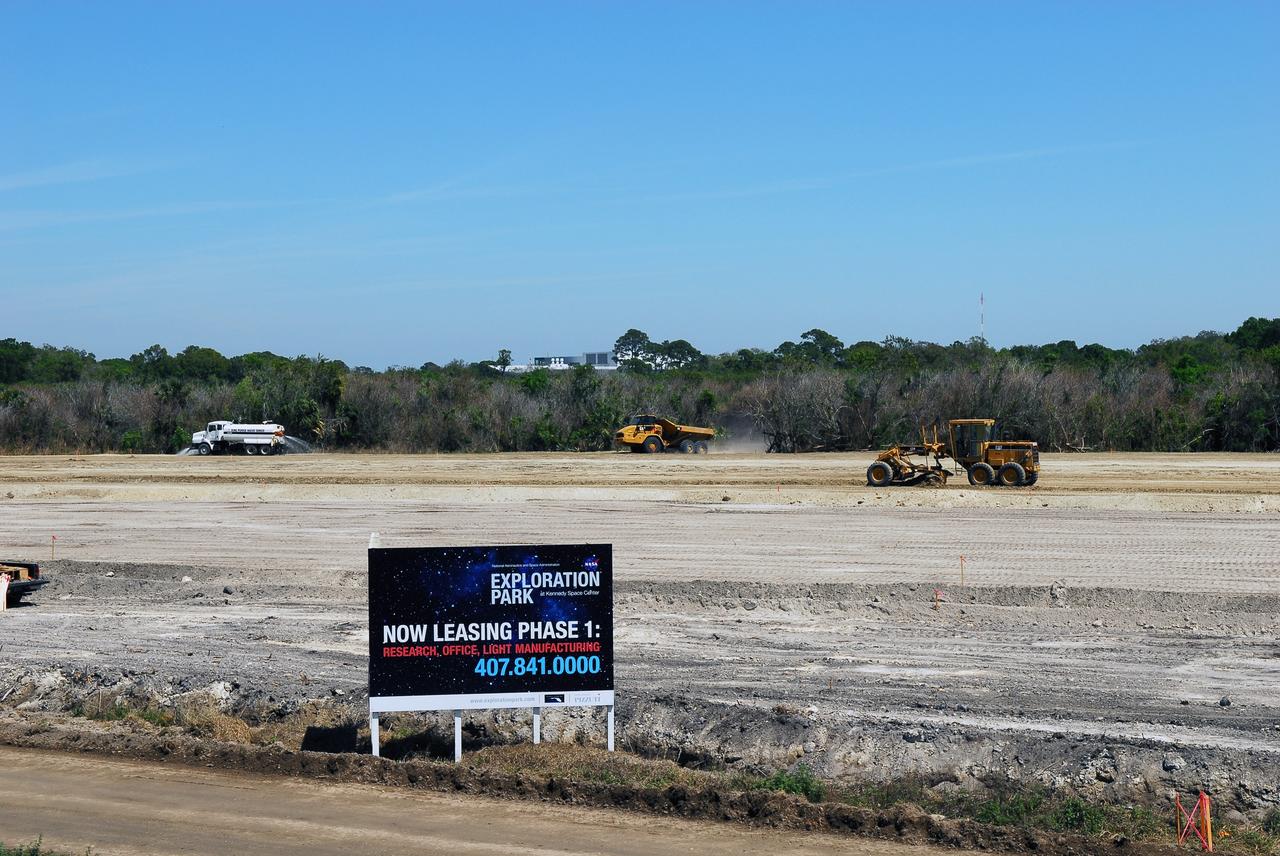
CAPE CANAVERAL, Fla. -- Crews continue to clear land and prepare for the construction of a new road at the Exploration Park site near the Space Life Sciences Laboratory (SLSL) at NASA's Kennedy Space Center in Florida. The first phase will encompass 60 acres just outside Kennedy’s security gates. Nine buildings will provide 350,000-square feet of work space, including educational, office, research and lab, and high-bay facilities. Each building is expected to be certified in the U.S. Green Building Council’s Leadership in Environmental and Energy Design (LEED). Exploration Park is designed to be a strategically located complex, adjacent to the SLSL, for servicing diverse tenants and uses that will engage in activities to support space-related activities of NASA, other government agencies and the U.S. commercial space industry. It also is expected to bring new aerospace work to the Space Coast. The SLSL will be the anchor facility for the park, which is expected to open its first new facility in early 2012. Photo credit: NASA/Jim Grossmann
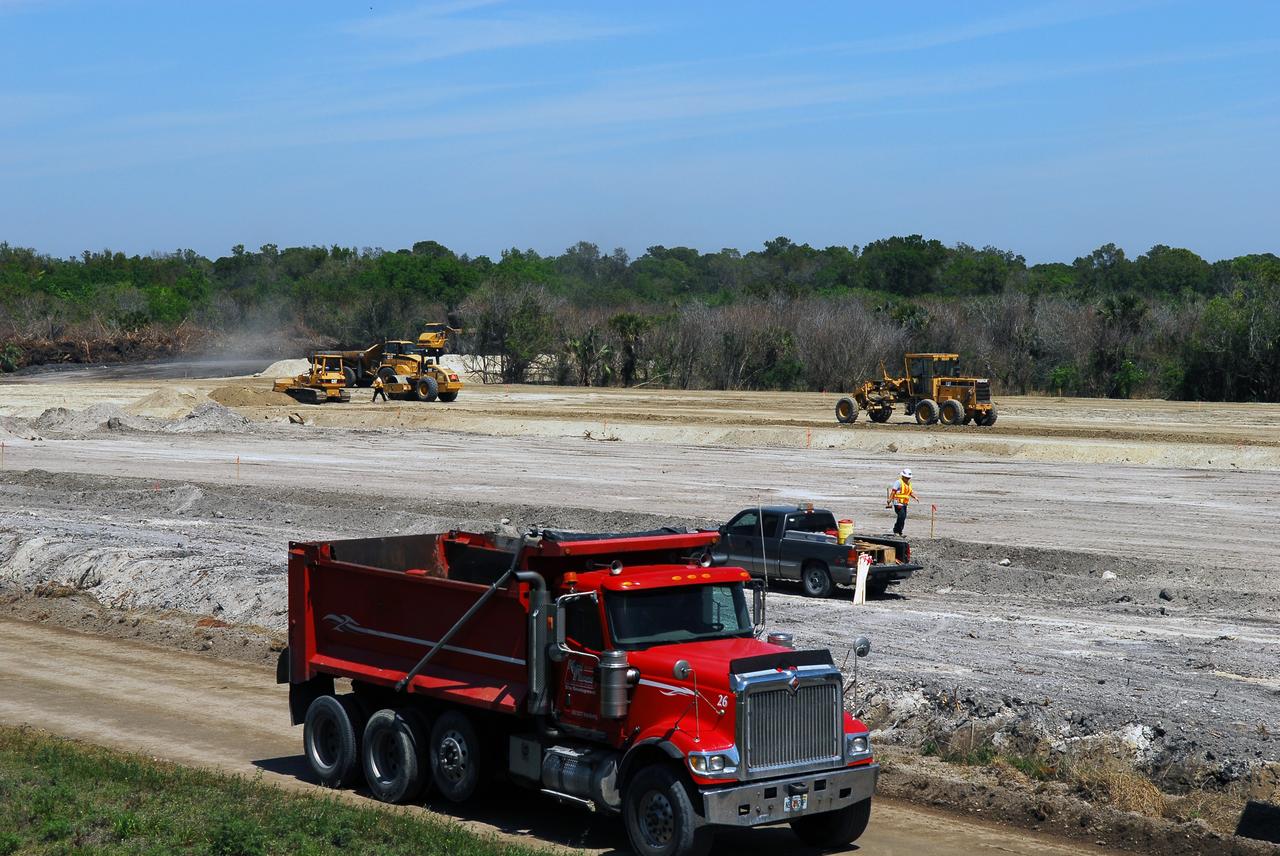
CAPE CANAVERAL, Fla. -- Crews continue to clear land and prepare for the construction of a new road at the Exploration Park site near the Space Life Sciences Laboratory (SLSL) at NASA's Kennedy Space Center in Florida. The first phase will encompass 60 acres just outside Kennedy’s security gates. Nine buildings will provide 350,000-square feet of work space, including educational, office, research and lab, and high-bay facilities. Each building is expected to be certified in the U.S. Green Building Council’s Leadership in Environmental and Energy Design (LEED). Exploration Park is designed to be a strategically located complex, adjacent to the SLSL, for servicing diverse tenants and uses that will engage in activities to support space-related activities of NASA, other government agencies and the U.S. commercial space industry. It also is expected to bring new aerospace work to the Space Coast. The SLSL will be the anchor facility for the park, which is expected to open its first new facility in early 2012. Photo credit: NASA/Jim Grossmann
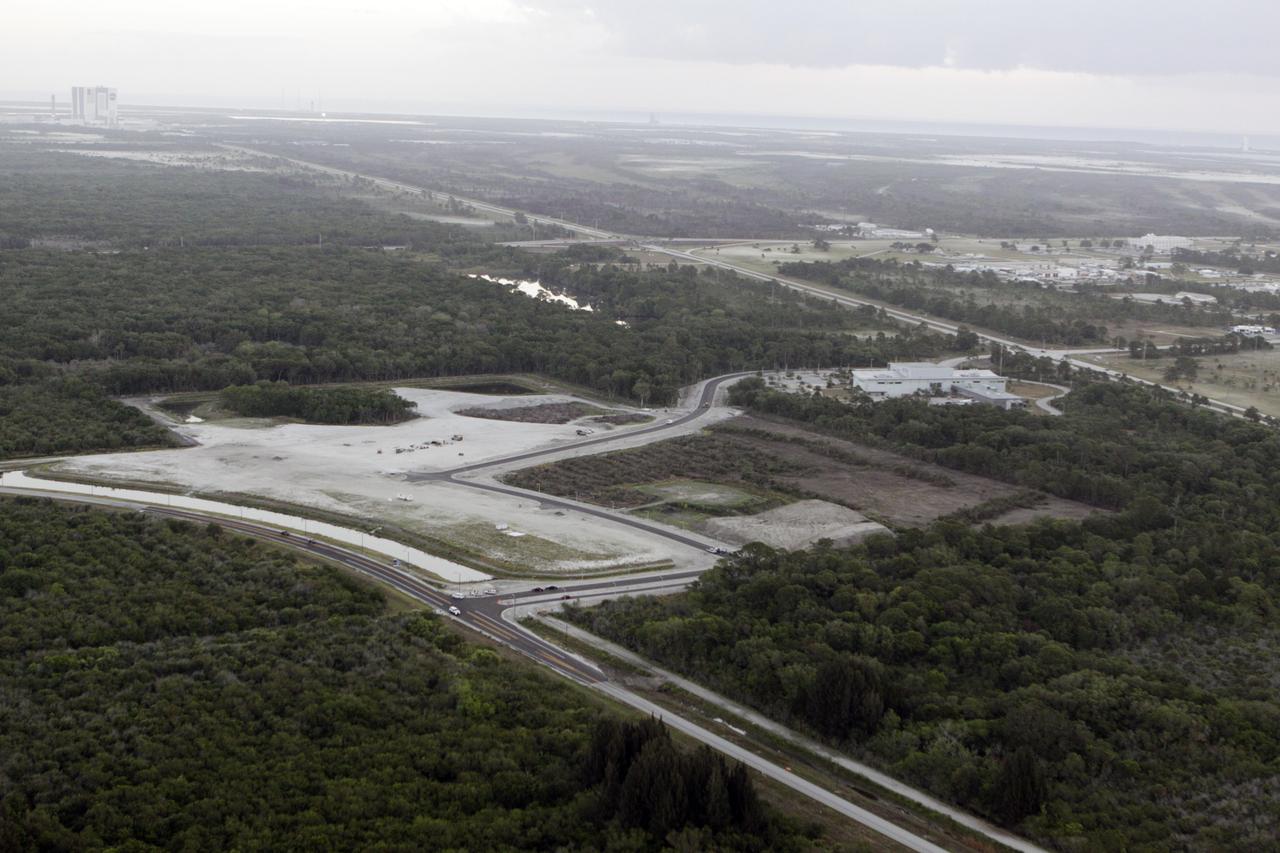
CAPE CANAVERAL, Fla. – This aerial view over NASA’s Kennedy Space Center in Florida reveals a new road winding its way from Space Commerce Way, in the foreground, past the construction site for the new Exploration Park, to the Space Life Sciences Laboratory SLSL. At right is Kennedy’s Industrial Area. Spanning the background is the Atlantic Ocean. In the distance, the facilities in Launch Complex 39 are, from left, the Vehicle Assembly Building, Pad 39B, Pad 39A, and Space Launch Complex-41 on Cape Canaveral Air Force Station. The land was cleared for the first phase of construction following the park’s groundbreaking in June 2010. The park encompasses 60 acres just outside Kennedy’s security gates near the Kennedy Space Center Visitor Complex. Exploration Park is designed to be a strategically located complex, adjacent to the SLSL, for servicing diverse tenants and uses that will engage in activities to support the space-related activities of NASA, other government agencies and the U.S. commercial space industry, as well as attract new aerospace work to the Space Coast. Its nine sustainable, state-of-the-art buildings will include educational, office, research and laboratory, and high-bay facilities and provide 350,000-square feet of work space. Each building is expected to qualify for the U.S. Green Building Council’s Leadership in Environmental and Energy Design LEED certification. The SLSL will be the anchor facility for the park. Photo credit: NASA/Glenn Benson
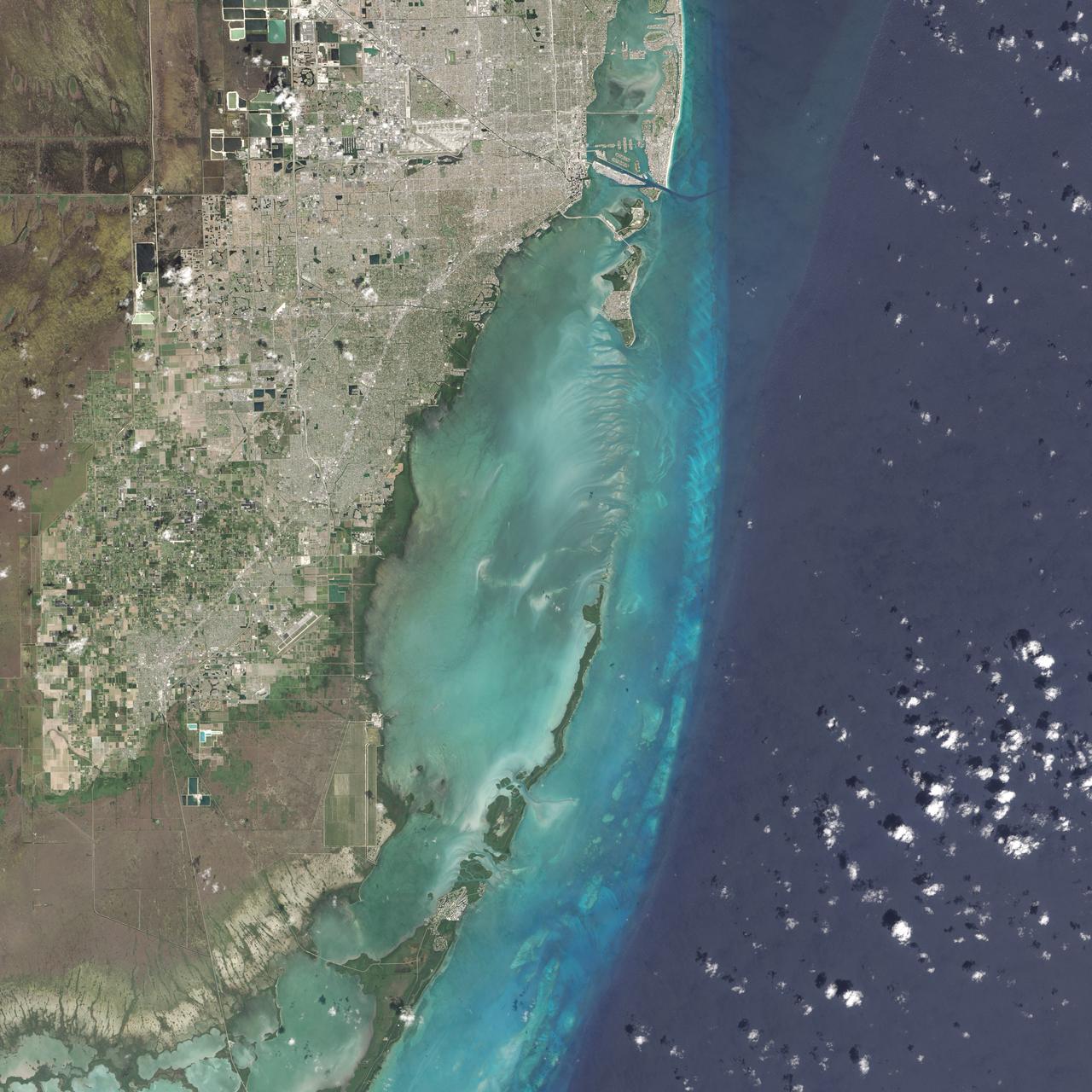
On February 25, 2016, the Operational Land Imager (OLI) on the Landsat 8 satellite acquired this natural-color image of Biscayne National Park. The park encompasses the northernmost Florida Keys, starting from Miami to just north of Key Largo. The keys run like a spine through the center of the park, with Biscayne Bay to the west and the Atlantic Ocean to the east. The water-covered areas span more than 660 square kilometers (250 square miles) of the park, making it the largest marine park in the U.S. National Park System. Biscayne protects the longest stretch of mangrove forest on the U.S. East Coast, and one of the most extensive stretches of coral reef in the world. Read more: <a href="http://go.nasa.gov/1SWs1a3" rel="nofollow">go.nasa.gov/1SWs1a3</a> Credit: NASA/Landsat8 <b><a href="http://www.nasa.gov/audience/formedia/features/MP_Photo_Guidelines.html" rel="nofollow">NASA image use policy.</a></b> <b><a href="http://www.nasa.gov/centers/goddard/home/index.html" rel="nofollow">NASA Goddard Space Flight Center</a></b> enables NASA’s mission through four scientific endeavors: Earth Science, Heliophysics, Solar System Exploration, and Astrophysics. Goddard plays a leading role in NASA’s accomplishments by contributing compelling scientific knowledge to advance the Agency’s mission. <b>Follow us on <a href="http://twitter.com/NASAGoddardPix" rel="nofollow">Twitter</a></b> <b>Like us on <a href="http://www.facebook.com/pages/Greenbelt-MD/NASA-Goddard/395013845897?ref=tsd" rel="nofollow">Facebook</a></b> <b>Find us on <a href="http://instagrid.me/nasagoddard/?vm=grid" rel="nofollow">Instagram</a></b>
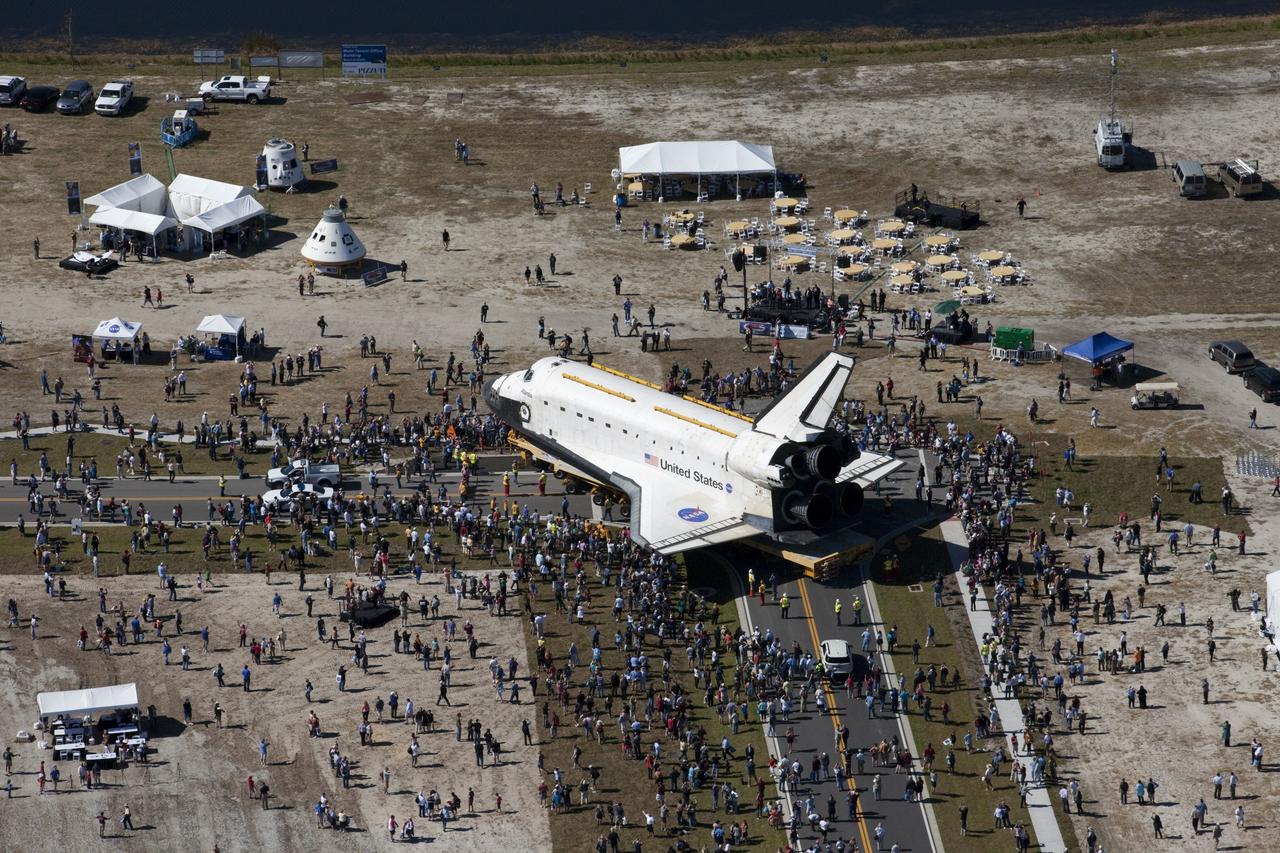
CAPE CANAVERAL, Fla. – At NASA's Kennedy Space Center in Florida, exhibits and displays in Space Florida's Exploration Park mark the site of space shuttle Atlantis' stop during its 10-mile journey from the Vehicle Assembly Building to the Kennedy Space Center Visitor Complex. Atlantis paused in the park for a viewing opportunity for visitor complex guests before completing the trip to its new home. As part of transition and retirement of the Space Shuttle Program, Atlantis will be displayed in a new exhibit hall at the visitor complex beginning in the summer of 2013. Over the course of its 26-year career, Atlantis traveled 125,935,769 miles, completing 33 missions during 307 days in space. For more information, visit http://www.nasa.gov/transition. Photo credit: NASA/Kim Shiflett
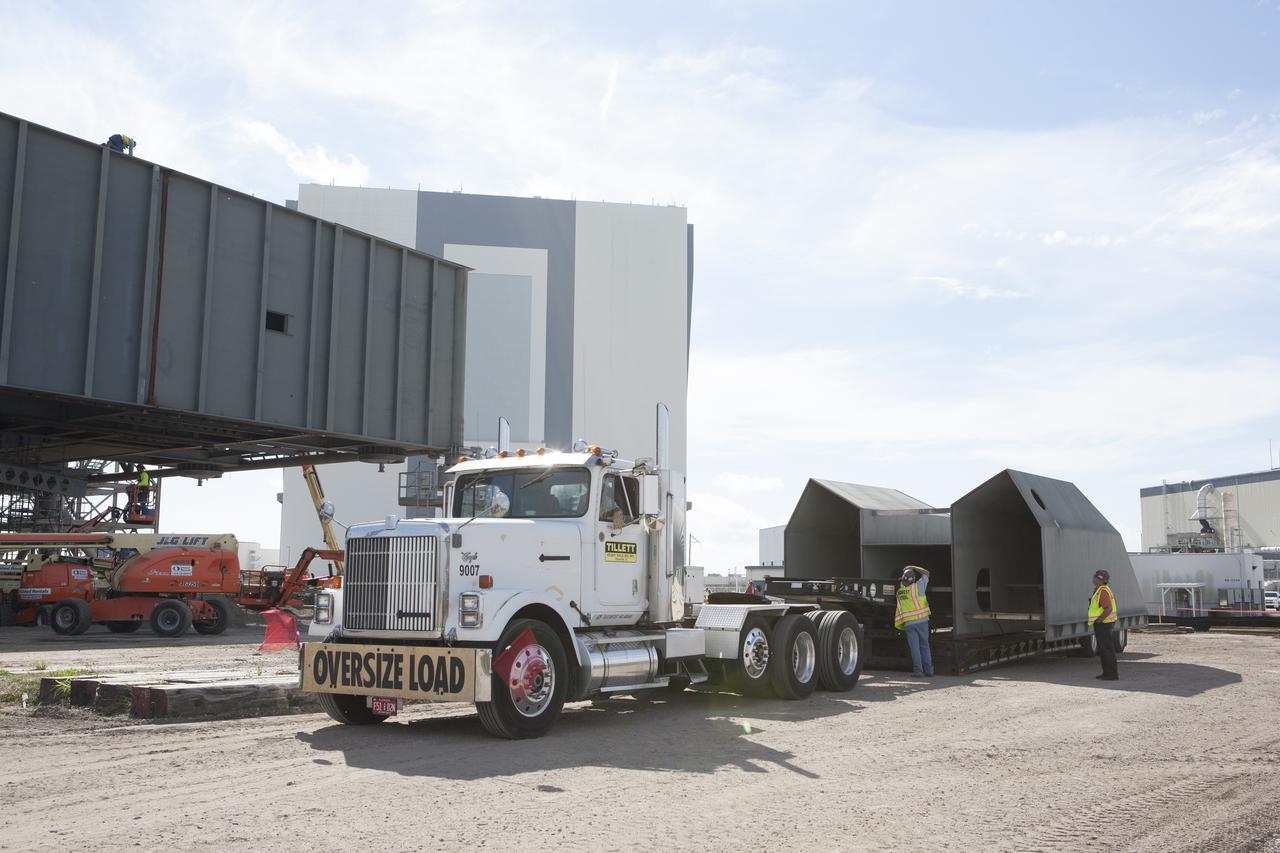
Modifications continue on the Mobile Launcher, or ML, at the Mobile Launcher Park Site at NASA’s Kennedy Space Center in Florida. The haunch, a structure that will support the launch vehicle on the ML, arrives by flatbed truck at the park site. The ML is being modified and strengthened to accommodate the weight, size and thrust at launch of NASA's Space Launch System, or SLS, and Orion spacecraft. In 2013, the agency awarded a contract to J.P. Donovan Construction Inc. of Rockledge, Fla., to modify the ML, which is one of the key elements of ground support equipment that is being upgraded by the Ground Systems Development and Operations Program at Kennedy. The existing 24-foot exhaust hole is being enlarged and strengthened for the larger, heavier SLS rocket. The ML will carry the SLS rocket and Orion spacecraft to Launch Pad 39B for its first uncrewed mission, Exploration Mission-1, in 2018.
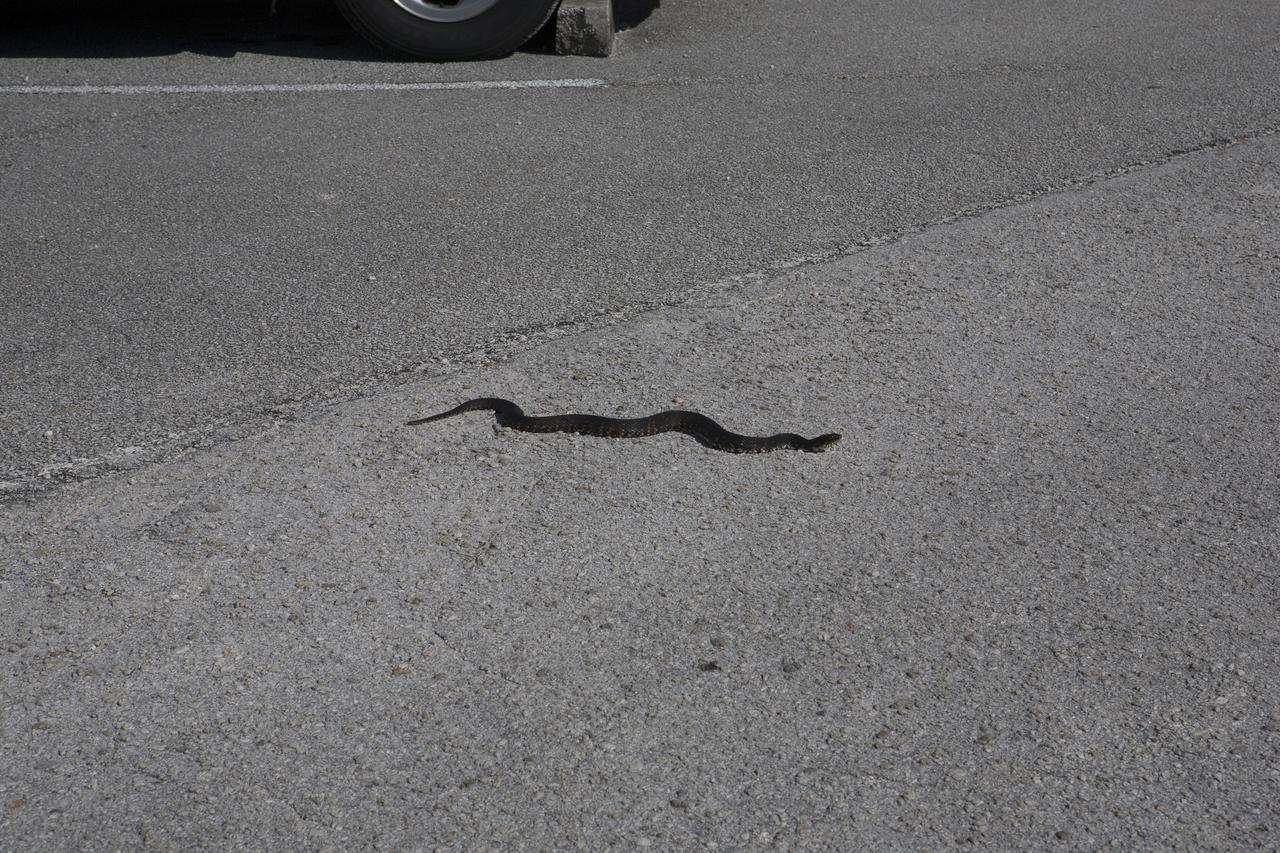
A water moccasin snake travels across the gravel surface near the Mobile Launcher, or ML, at the Mobile Launcher Park Site at NASA’s Kennedy Space Center in Florida. Nearby, the haunch, a structure that will support the launch vehicle on the ML, arrives by flatbed truck at the park site. The ML is being modified and strengthened to accommodate the weight, size and thrust at launch of NASA's Space Launch System, or SLS, and Orion spacecraft. In 2013, the agency awarded a contract to J.P. Donovan Construction Inc. of Rockledge, Fla., to modify the ML, which is one of the key elements of ground support equipment that is being upgraded by the Ground Systems Development and Operations Program at Kennedy. The existing 24-foot exhaust hole is being enlarged and strengthened for the larger, heavier SLS rocket. The ML will carry the SLS rocket and Orion spacecraft to Launch Pad 39B for its first uncrewed mission, Exploration Mission-1, in 2018.
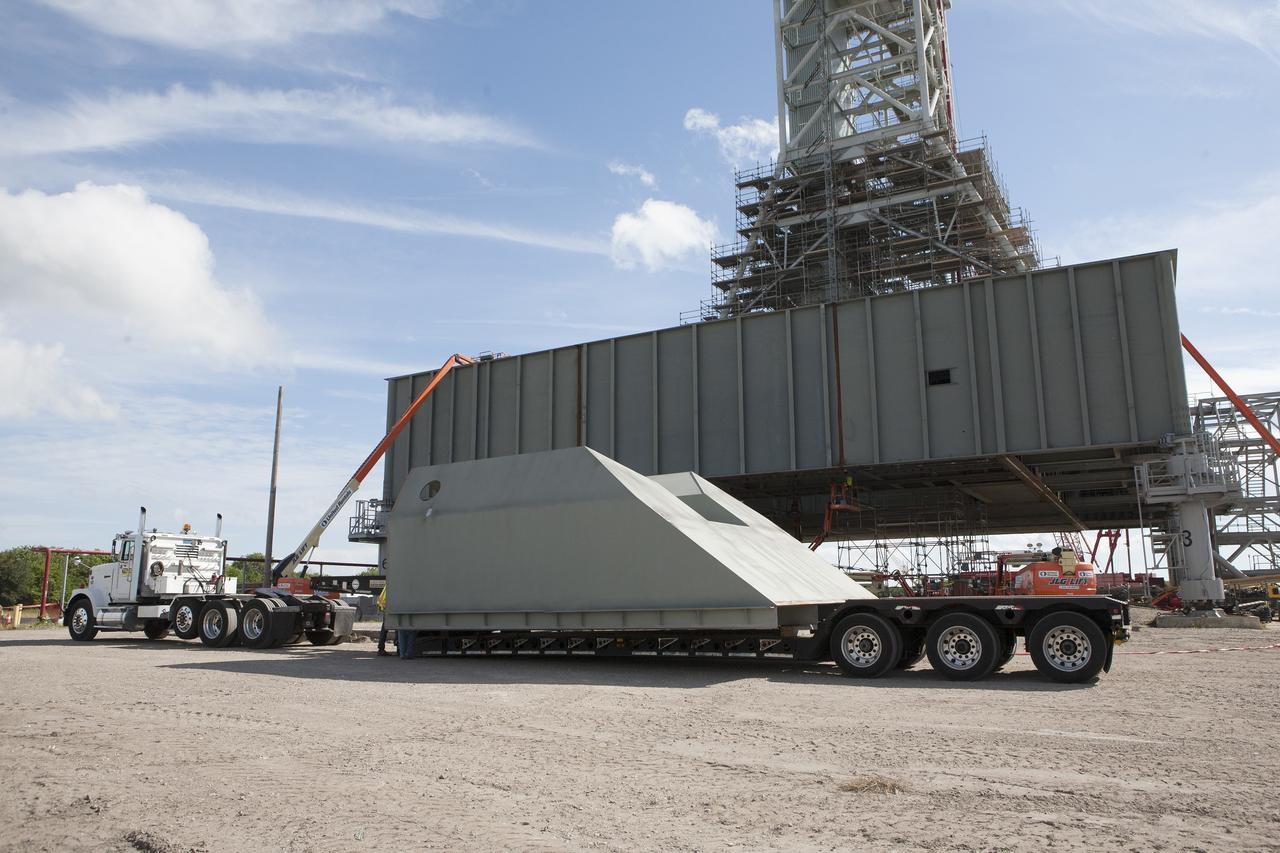
CAPE CANAVERAL, Fla. -- Modifications continue on the Mobile Launcher, or ML, at the Mobile Launcher Park Site at NASA’s Kennedy Space Center in Florida. The haunch, a structure that will support the launch vehicle on the ML, arrives by flatbed truck at the park site. The ML is being modified and strengthened to accommodate the weight, size and thrust at launch of NASA's Space Launch System, or SLS, and Orion spacecraft. In 2013, the agency awarded a contract to J.P. Donovan Construction Inc. of Rockledge, Fla., to modify the ML, which is one of the key elements of ground support equipment that is being upgraded by the Ground Systems Development and Operations Program at Kennedy. The existing 24-foot exhaust hole is being enlarged and strengthened for the larger, heavier SLS rocket. The ML will carry the SLS rocket and Orion spacecraft to Launch Pad 39B for its first uncrewed mission, Exploration Mission-1, in 2018. Photo credit: NASA/Kim Shiflett
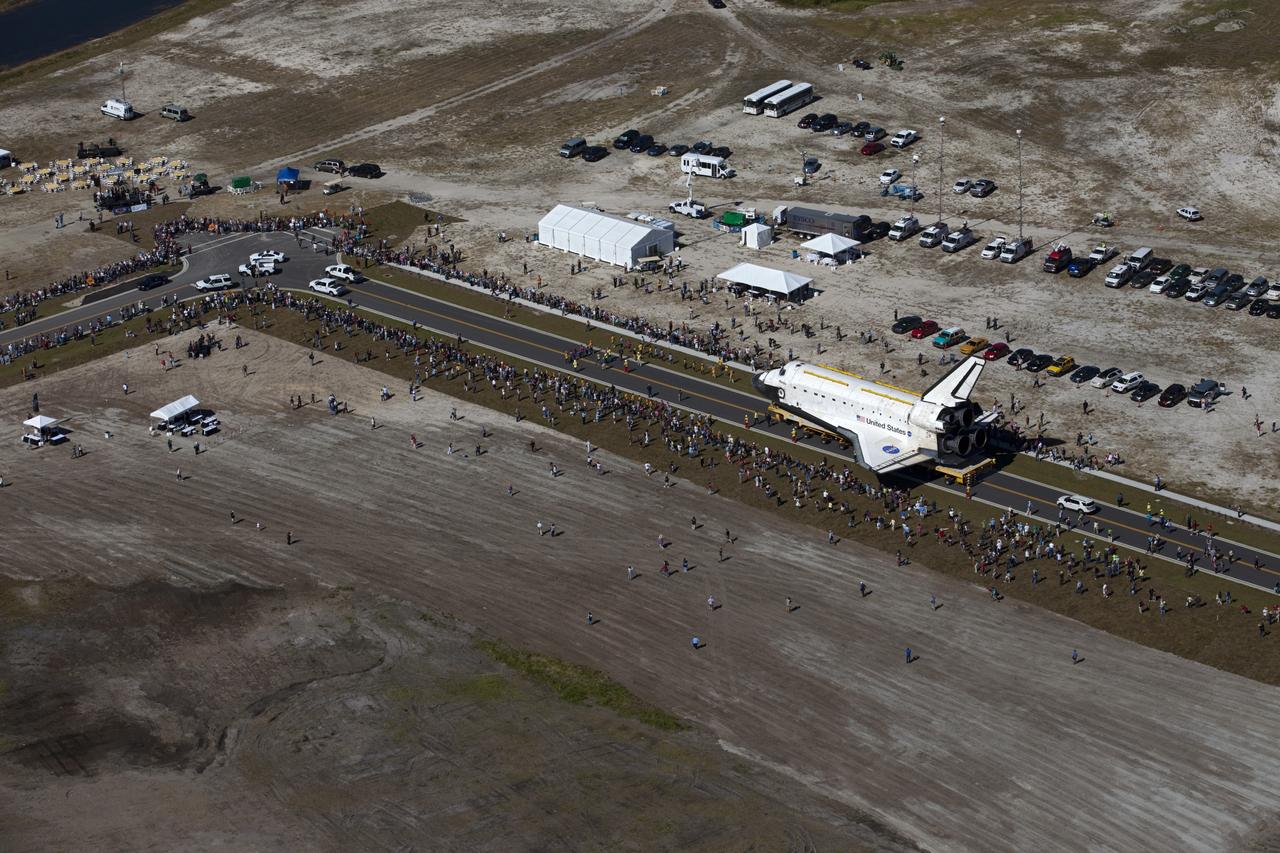
CAPE CANAVERAL, Fla. – At NASA's Kennedy Space Center in Florida, space shuttle Atlantis travels through Space Florida's Exploration Park during its 10-mile journey from the Vehicle Assembly Building to the Kennedy Space Center Visitor Complex. Atlantis will stop in the park for a viewing opportunity for visitor complex guests before completing the trip to its new home. As part of transition and retirement of the Space Shuttle Program, Atlantis will be displayed in a new exhibit hall at the visitor complex beginning in the summer of 2013. Over the course of its 26-year career, Atlantis traveled 125,935,769 miles, completing 33 missions during 307 days in space. For more information, visit http://www.nasa.gov/transition. Photo credit: NASA/Kim Shiflett
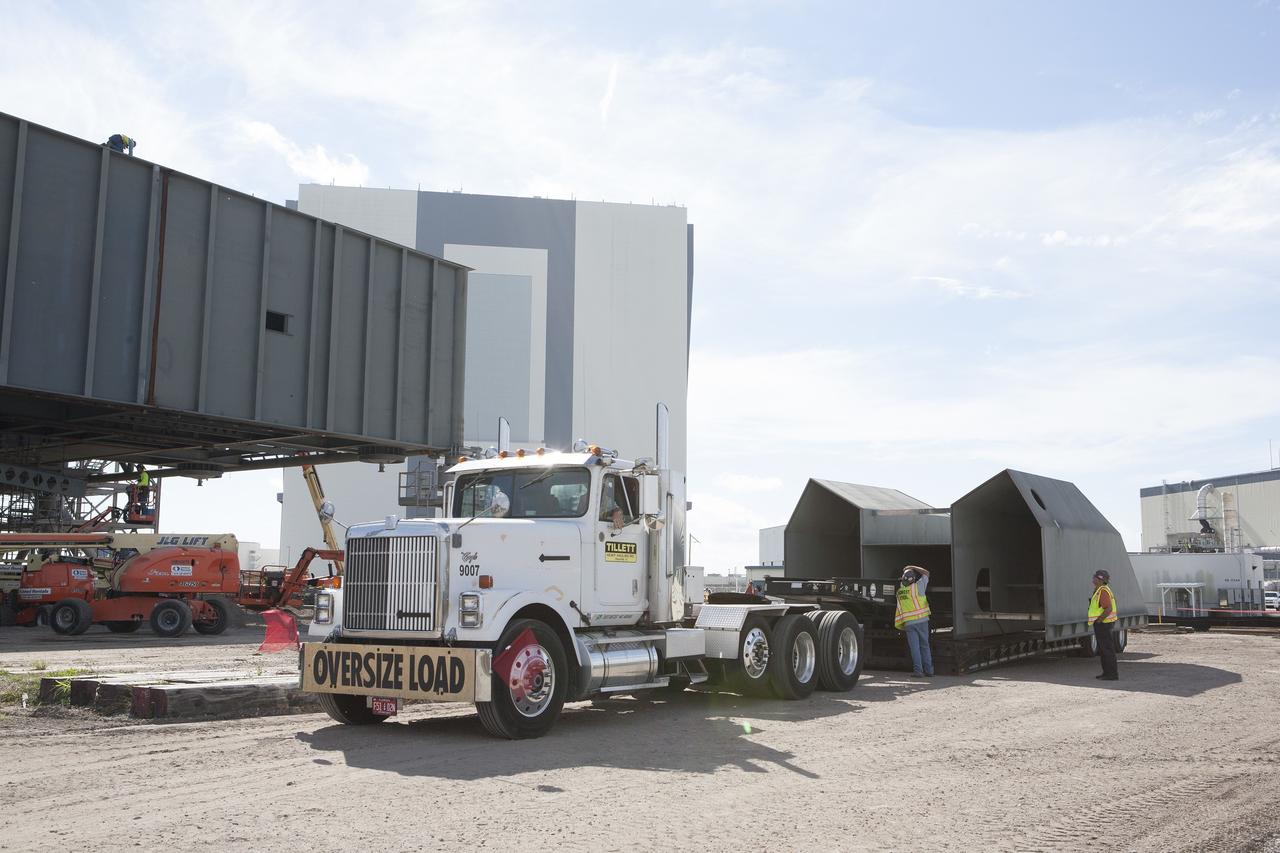
CAPE CANAVERAL, Fla. -- Modifications continue on the Mobile Launcher, or ML, at the Mobile Launcher Park Site at NASA’s Kennedy Space Center in Florida. The haunch, a structure that will support the launch vehicle on the ML, arrives by flatbed truck at the park site. The ML is being modified and strengthened to accommodate the weight, size and thrust at launch of NASA's Space Launch System, or SLS, and Orion spacecraft. In 2013, the agency awarded a contract to J.P. Donovan Construction Inc. of Rockledge, Fla., to modify the ML, which is one of the key elements of ground support equipment that is being upgraded by the Ground Systems Development and Operations Program at Kennedy. The existing 24-foot exhaust hole is being enlarged and strengthened for the larger, heavier SLS rocket. The ML will carry the SLS rocket and Orion spacecraft to Launch Pad 39B for its first uncrewed mission, Exploration Mission-1, in 2018. Photo credit: NASA/Kim Shiflett
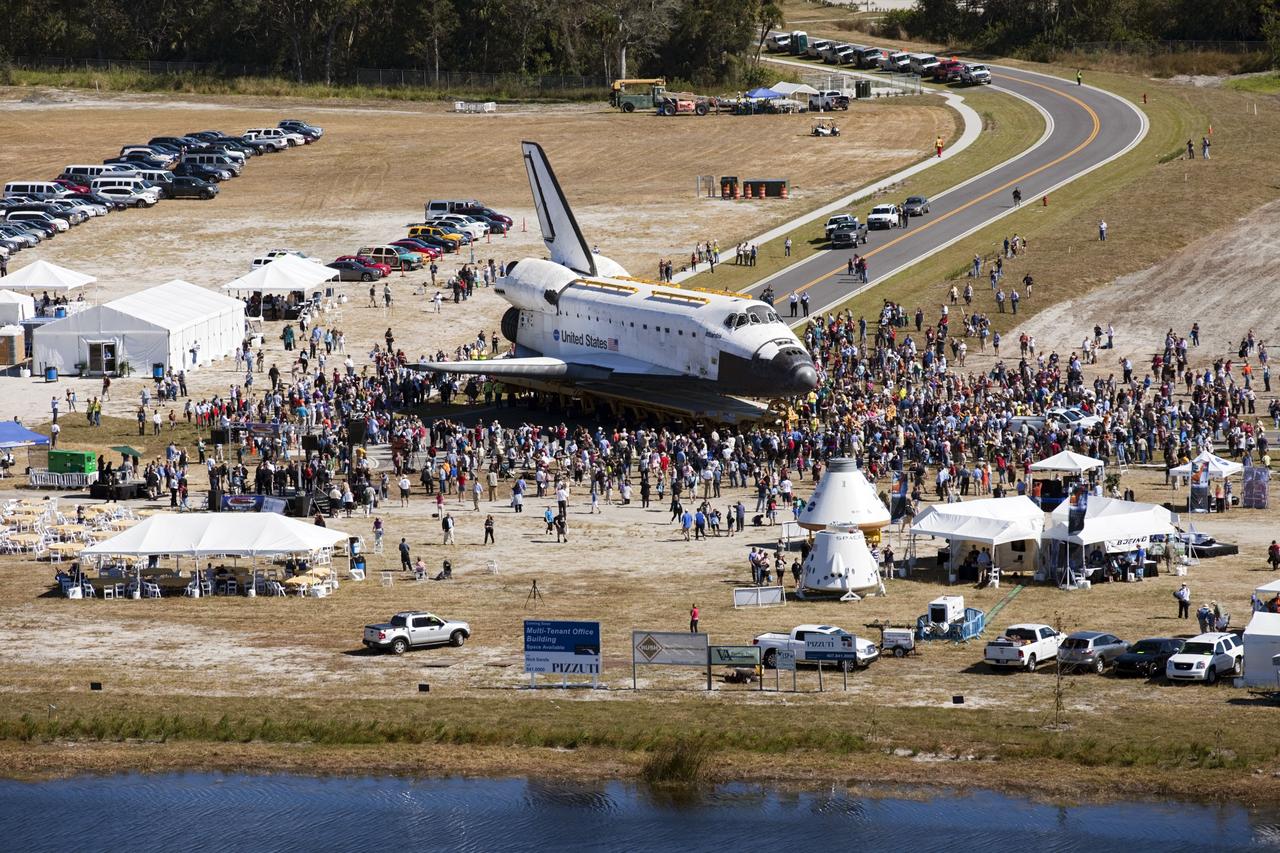
CAPE CANAVERAL, Fla. – At NASA's Kennedy Space Center in Florida, a crowd swarms space shuttle Atlantis in Space Florida's Exploration Park during its 10-mile journey from the Vehicle Assembly Building to the Kennedy Space Center Visitor Complex. Atlantis stopped in the park for a viewing opportunity for visitor complex guests before completing the trip to its new home. As part of transition and retirement of the Space Shuttle Program, Atlantis will be displayed in a new exhibit hall at the visitor complex beginning in the summer of 2013. Over the course of its 26-year career, Atlantis traveled 125,935,769 miles, completing 33 missions during 307 days in space. For more information, visit http://www.nasa.gov/transition. Photo credit: NASA/Kim Shiflett
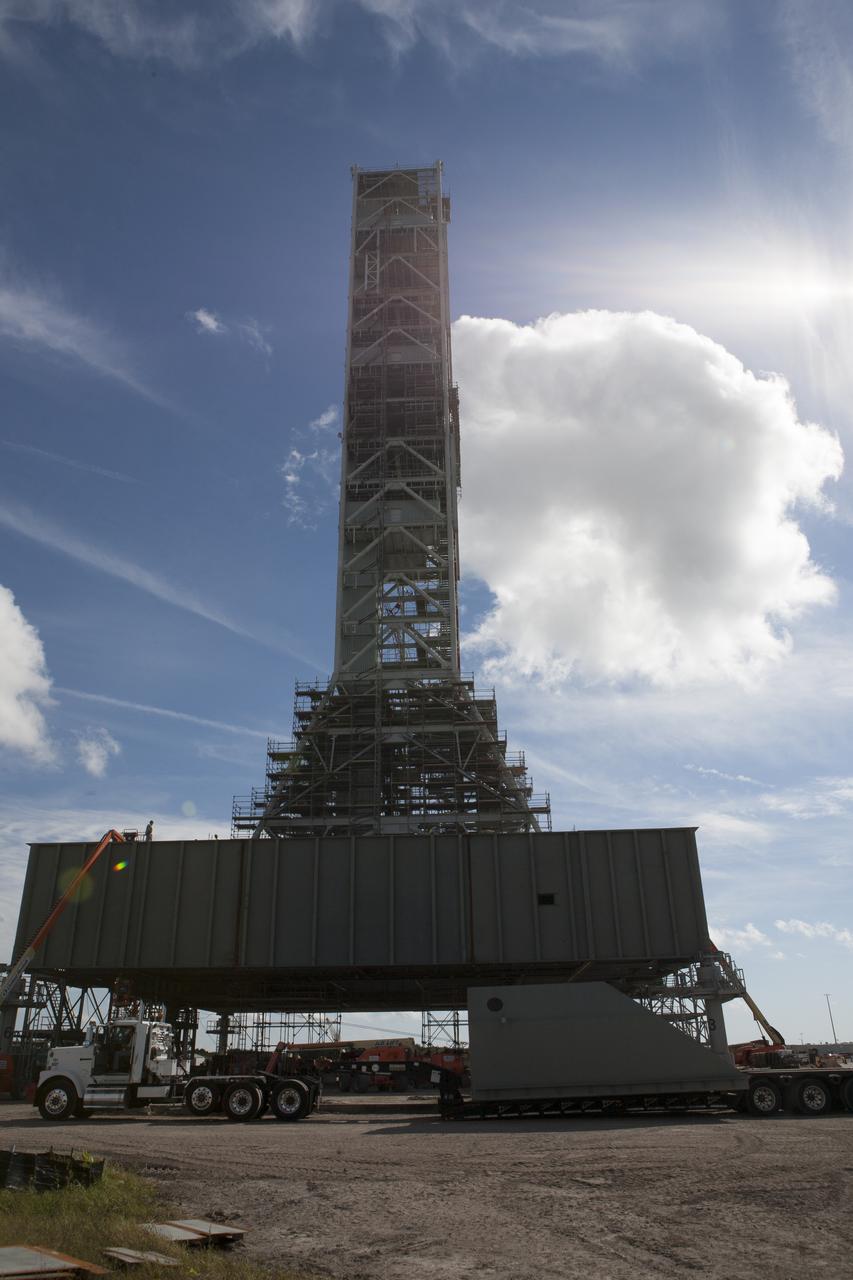
Modifications continue on the Mobile Launcher, or ML, at the Mobile Launcher Park Site at NASA’s Kennedy Space Center in Florida. The haunch, a structure that will support the launch vehicle on the ML, arrives by flatbed truck at the park site. The ML is being modified and strengthened to accommodate the weight, size and thrust at launch of NASA's Space Launch System, or SLS, and Orion spacecraft. In 2013, the agency awarded a contract to J.P. Donovan Construction Inc. of Rockledge, Fla., to modify the ML, which is one of the key elements of ground support equipment that is being upgraded by the Ground Systems Development and Operations Program at Kennedy. The existing 24-foot exhaust hole is being enlarged and strengthened for the larger, heavier SLS rocket. The ML will carry the SLS rocket and Orion spacecraft to Launch Pad 39B for its first uncrewed mission, Exploration Mission-1, in 2018.
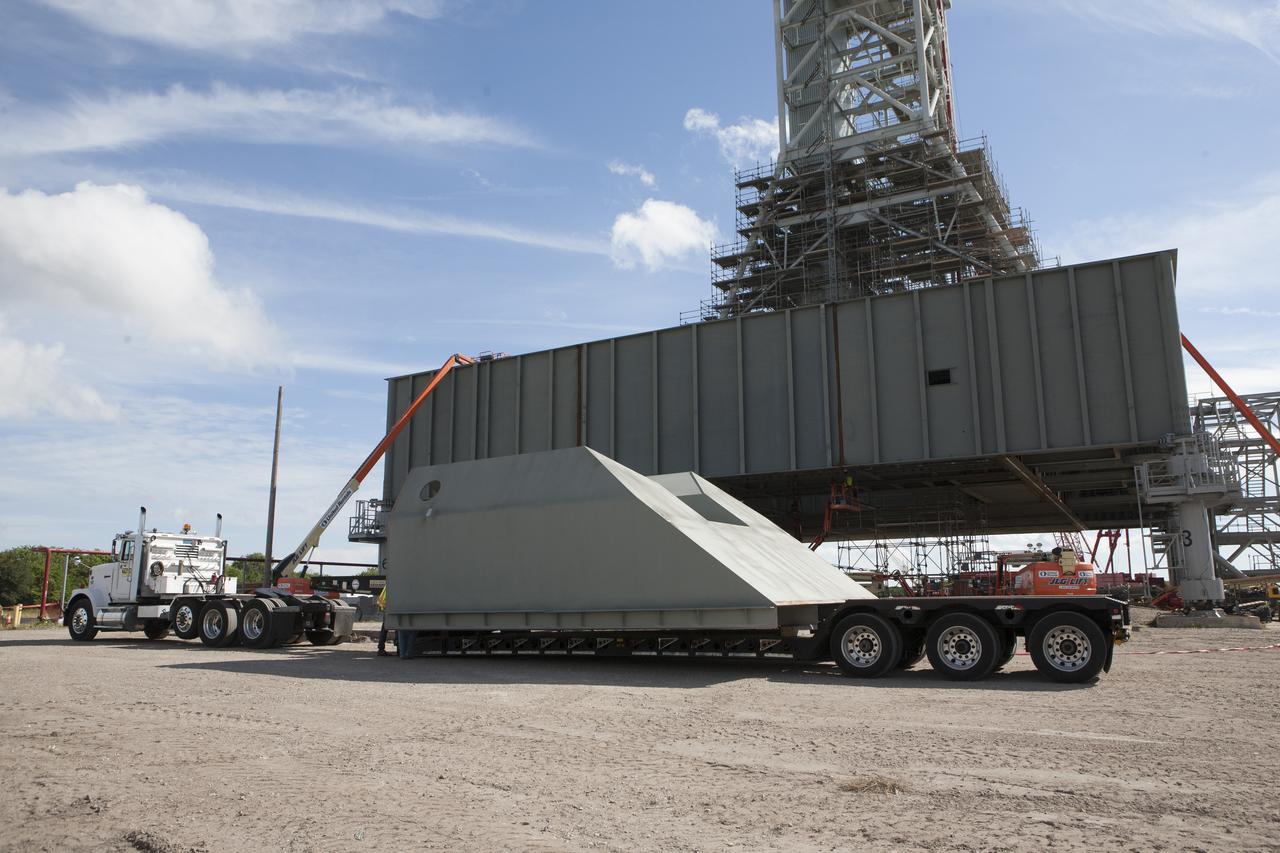
Modifications continue on the Mobile Launcher, or ML, at the Mobile Launcher Park Site at NASA’s Kennedy Space Center in Florida. The haunch, a structure that will support the launch vehicle on the ML, arrives by flatbed truck at the park site. The ML is being modified and strengthened to accommodate the weight, size and thrust at launch of NASA's Space Launch System, or SLS, and Orion spacecraft. In 2013, the agency awarded a contract to J.P. Donovan Construction Inc. of Rockledge, Fla., to modify the ML, which is one of the key elements of ground support equipment that is being upgraded by the Ground Systems Development and Operations Program at Kennedy. The existing 24-foot exhaust hole is being enlarged and strengthened for the larger, heavier SLS rocket. The ML will carry the SLS rocket and Orion spacecraft to Launch Pad 39B for its first uncrewed mission, Exploration Mission-1, in 2018.
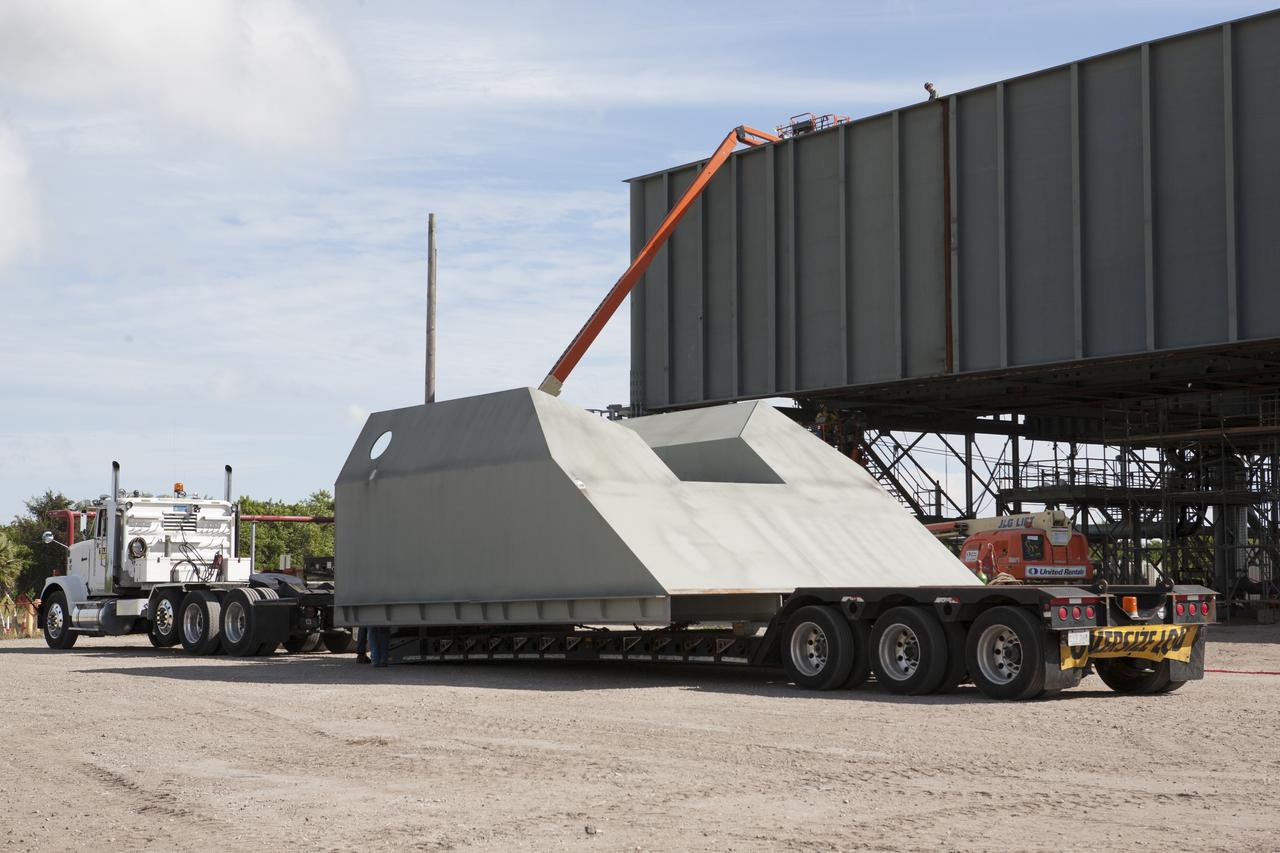
Modifications continue on the Mobile Launcher, or ML, at the Mobile Launcher Park Site at NASA’s Kennedy Space Center in Florida. The haunch, a structure that will support the launch vehicle on the ML, arrives by flatbed truck at the park site. The ML is being modified and strengthened to accommodate the weight, size and thrust at launch of NASA's Space Launch System, or SLS, and Orion spacecraft. In 2013, the agency awarded a contract to J.P. Donovan Construction Inc. of Rockledge, Fla., to modify the ML, which is one of the key elements of ground support equipment that is being upgraded by the Ground Systems Development and Operations Program at Kennedy. The existing 24-foot exhaust hole is being enlarged and strengthened for the larger, heavier SLS rocket. The ML will carry the SLS rocket and Orion spacecraft to Launch Pad 39B for its first uncrewed mission, Exploration Mission-1, in 2018.
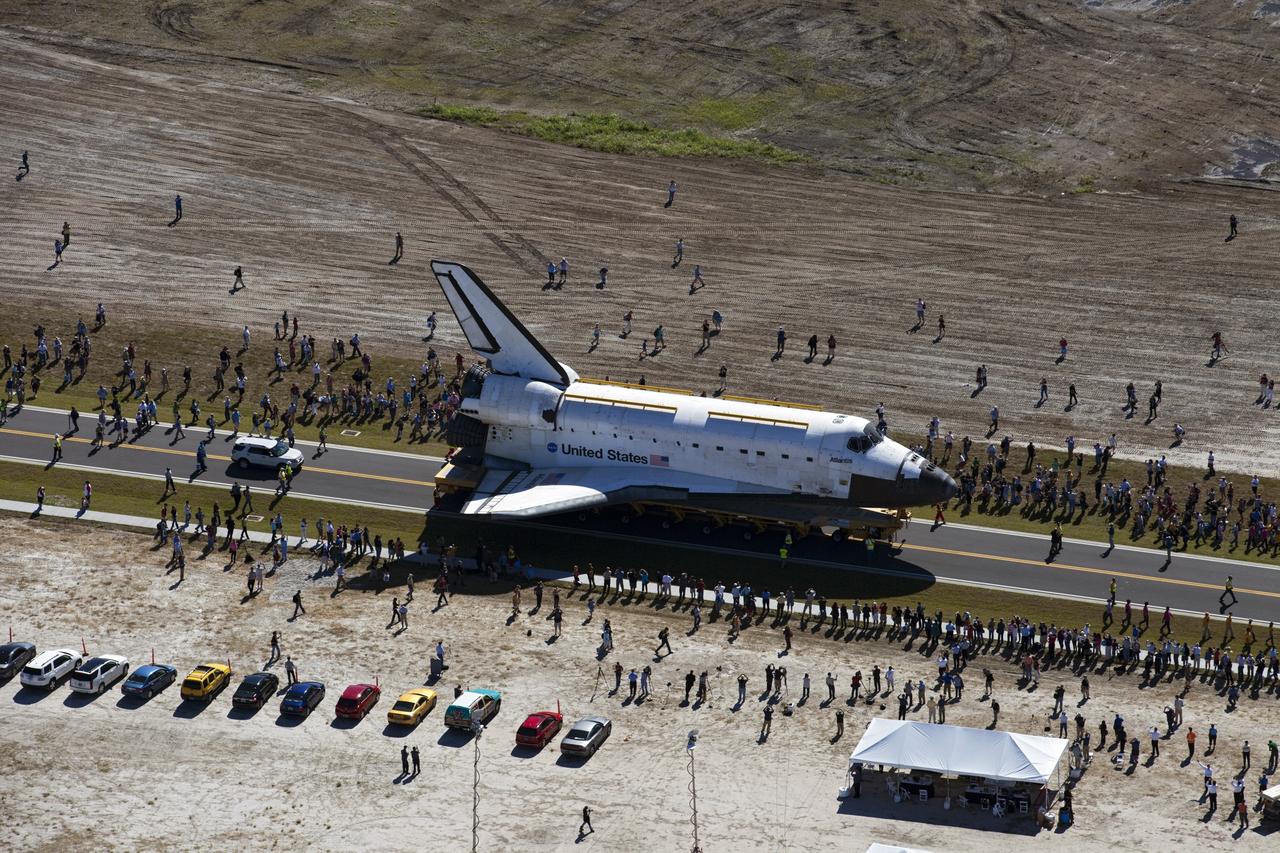
CAPE CANAVERAL, Fla. – At NASA's Kennedy Space Center in Florida, a crowd forms around space shuttle Atlantis as it travels through Space Florida's Exploration Park during its 10-mile journey from the Vehicle Assembly Building to the Kennedy Space Center Visitor Complex. Atlantis will stop in the park for a viewing opportunity for visitor complex guests before completing the trip to its new home. As part of transition and retirement of the Space Shuttle Program, Atlantis will be displayed in a new exhibit hall at the visitor complex beginning in the summer of 2013. Over the course of its 26-year career, Atlantis traveled 125,935,769 miles, completing 33 missions during 307 days in space. For more information, visit http://www.nasa.gov/transition. Photo credit: NASA/Kim Shiflett
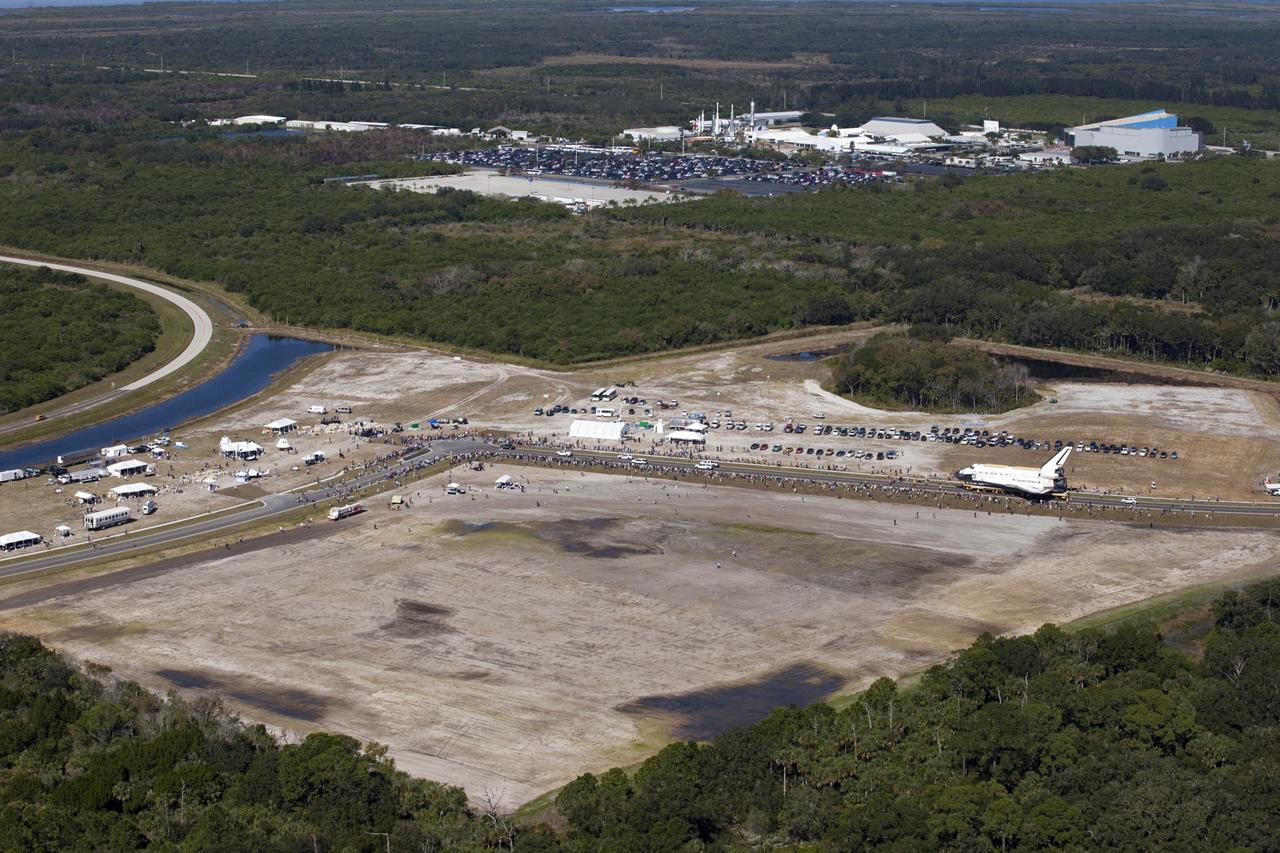
CAPE CANAVERAL, Fla. – At NASA's Kennedy Space Center in Florida, space shuttle Atlantis approaches Space Florida's Exploration Park during its 10-mile journey from the Vehicle Assembly Building to the Kennedy Space Center Visitor Complex. Atlantis will stop in the park for a viewing opportunity for visitor complex guests before completing the trip to its new home. As part of transition and retirement of the Space Shuttle Program, Atlantis will be displayed in a new exhibit hall at the visitor complex beginning in the summer of 2013. Over the course of its 26-year career, Atlantis traveled 125,935,769 miles, completing 33 missions during 307 days in space. For more information, visit http://www.nasa.gov/transition. Photo credit: NASA/Kim Shiflett