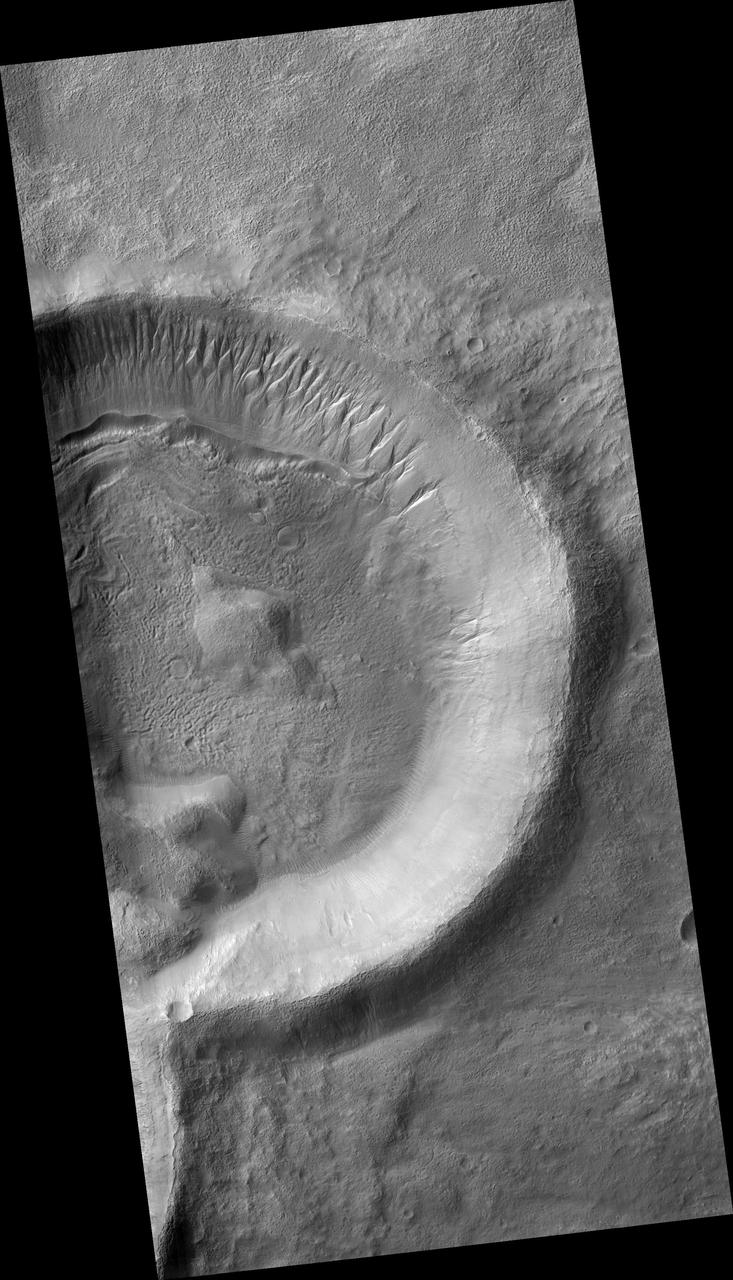
Gullies on the Exterior Wall of a Crater
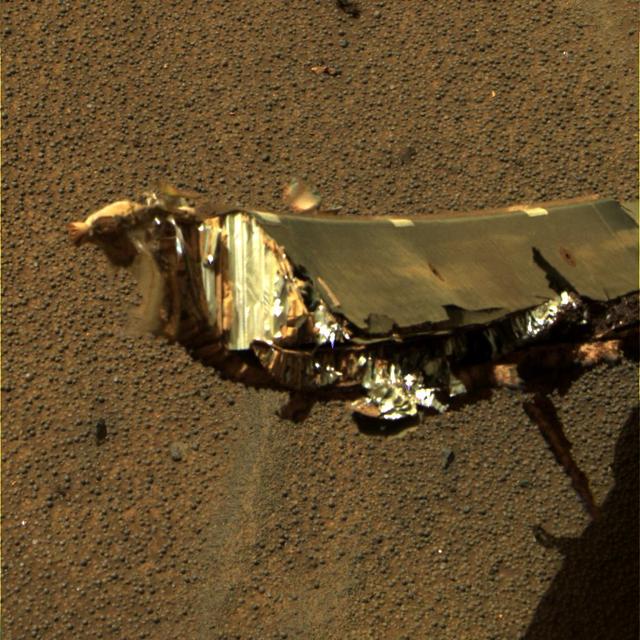
Exterior of Opportunity Heat Shield, Sol 344
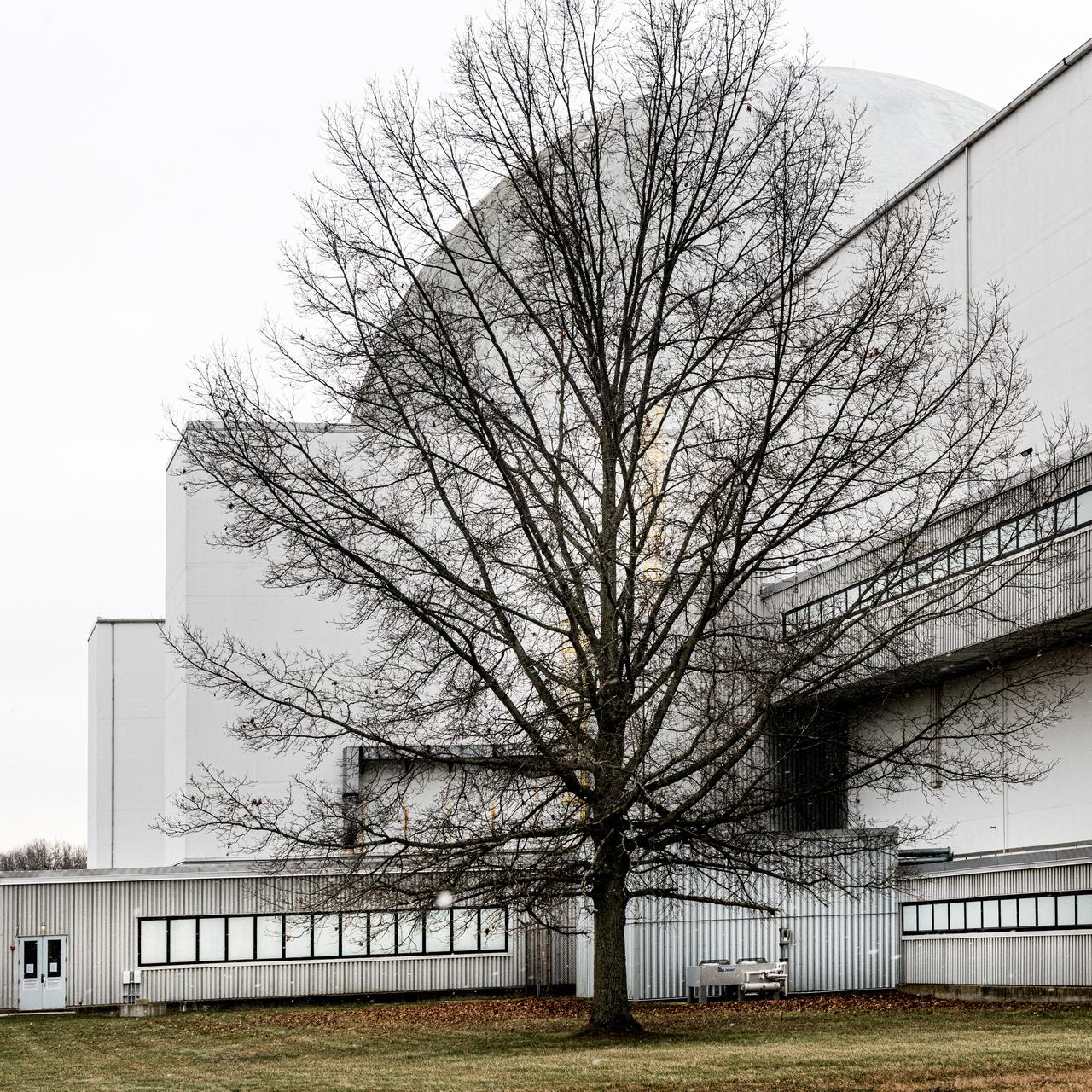
Exterior of the Space Environments Complex, SEC at the Glenn Research Center, Neil A Armstrong Test Facility
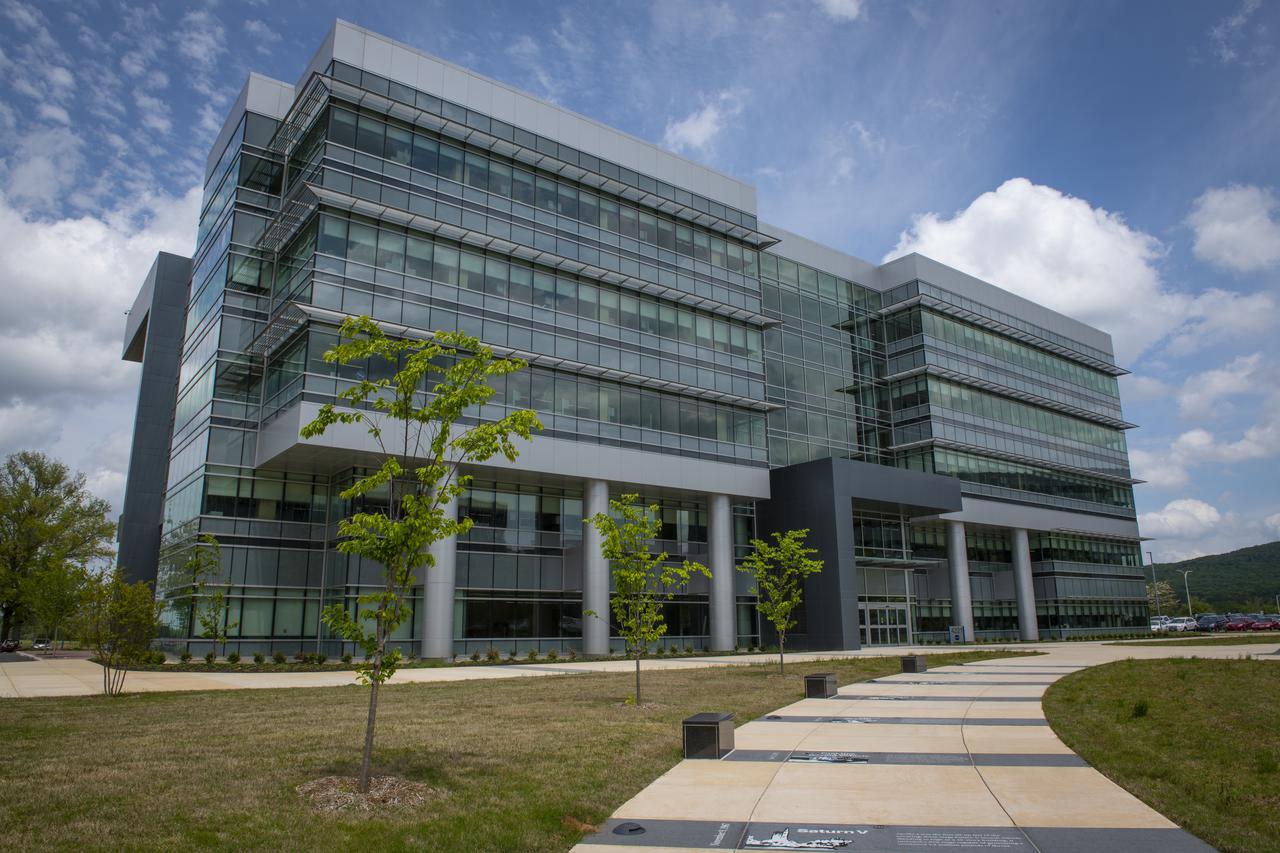
MSFC Building 4221 exterior photograph
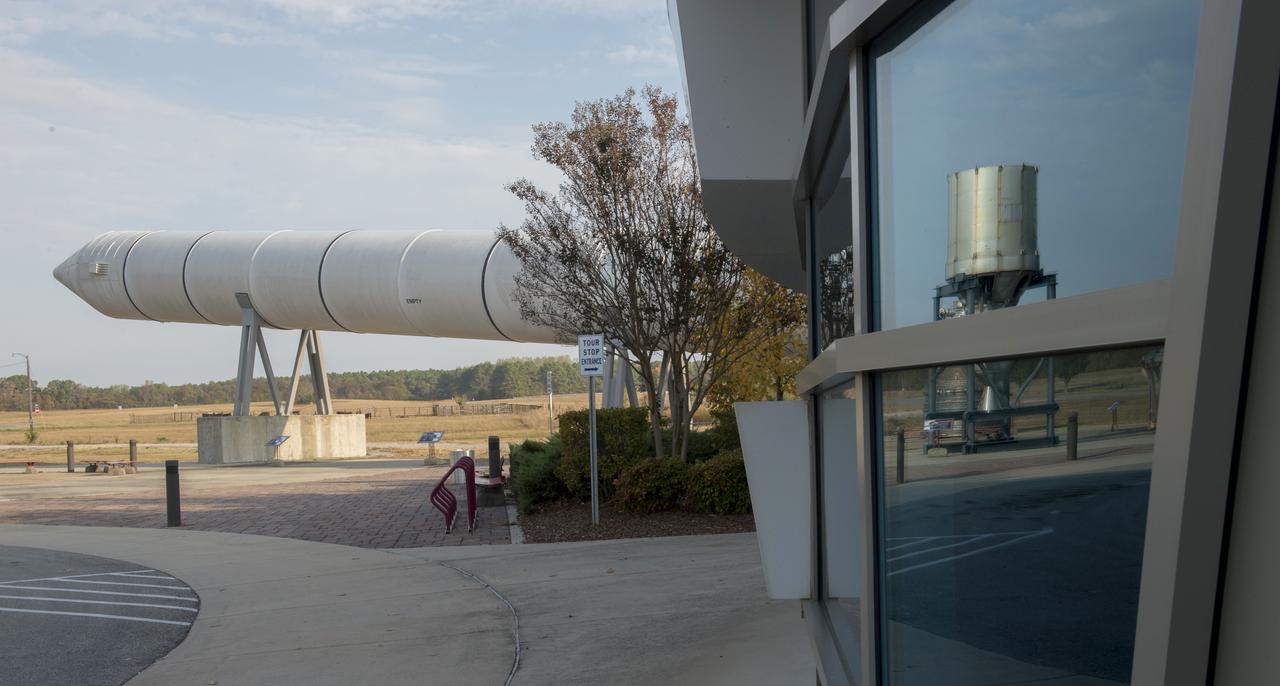
BUILDING 4205 GALLERY, EXTERIOR AND INTERIOR VIEWS
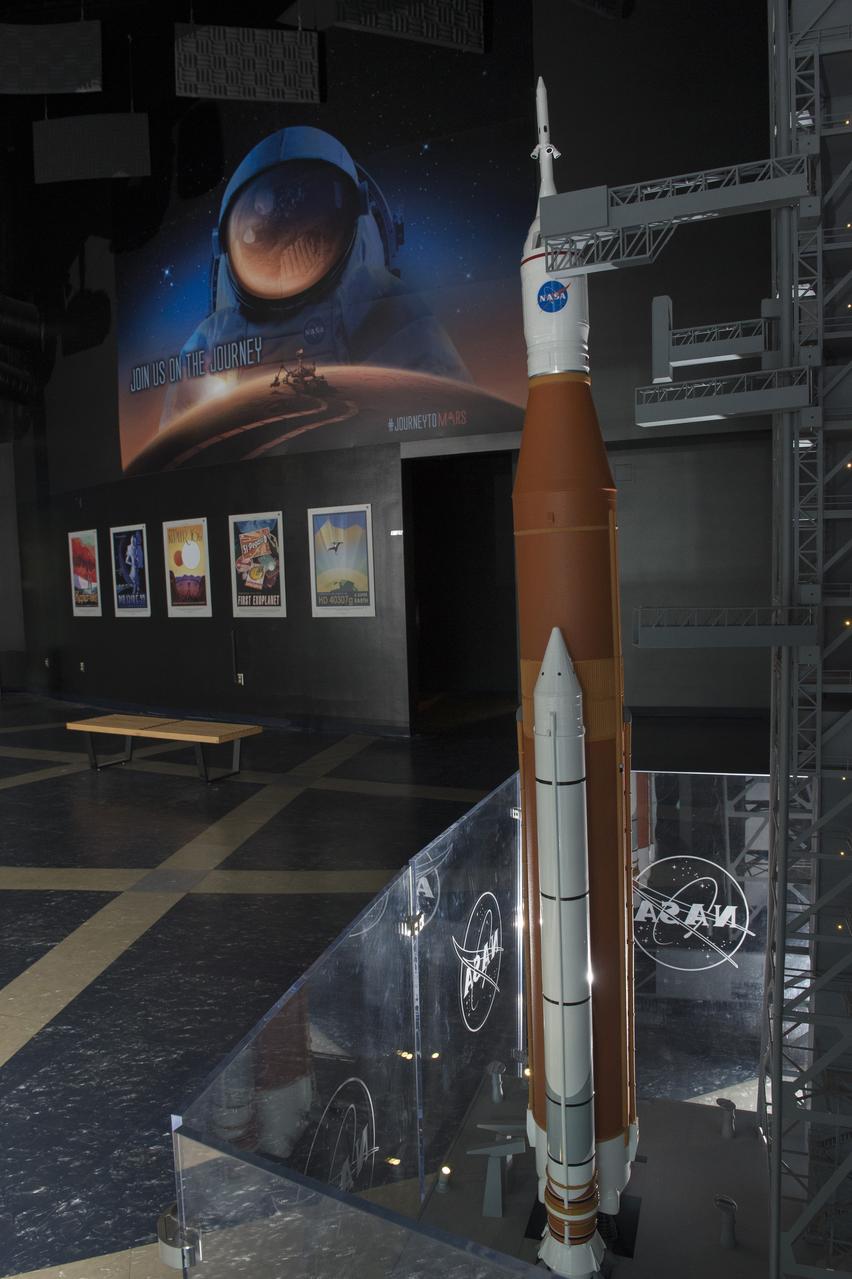
BUILDING 4205 GALLERY, EXTERIOR AND INTERIOR VIEWS

BUILDING 4205 GALLERY, EXTERIOR AND INTERIOR VIEWS
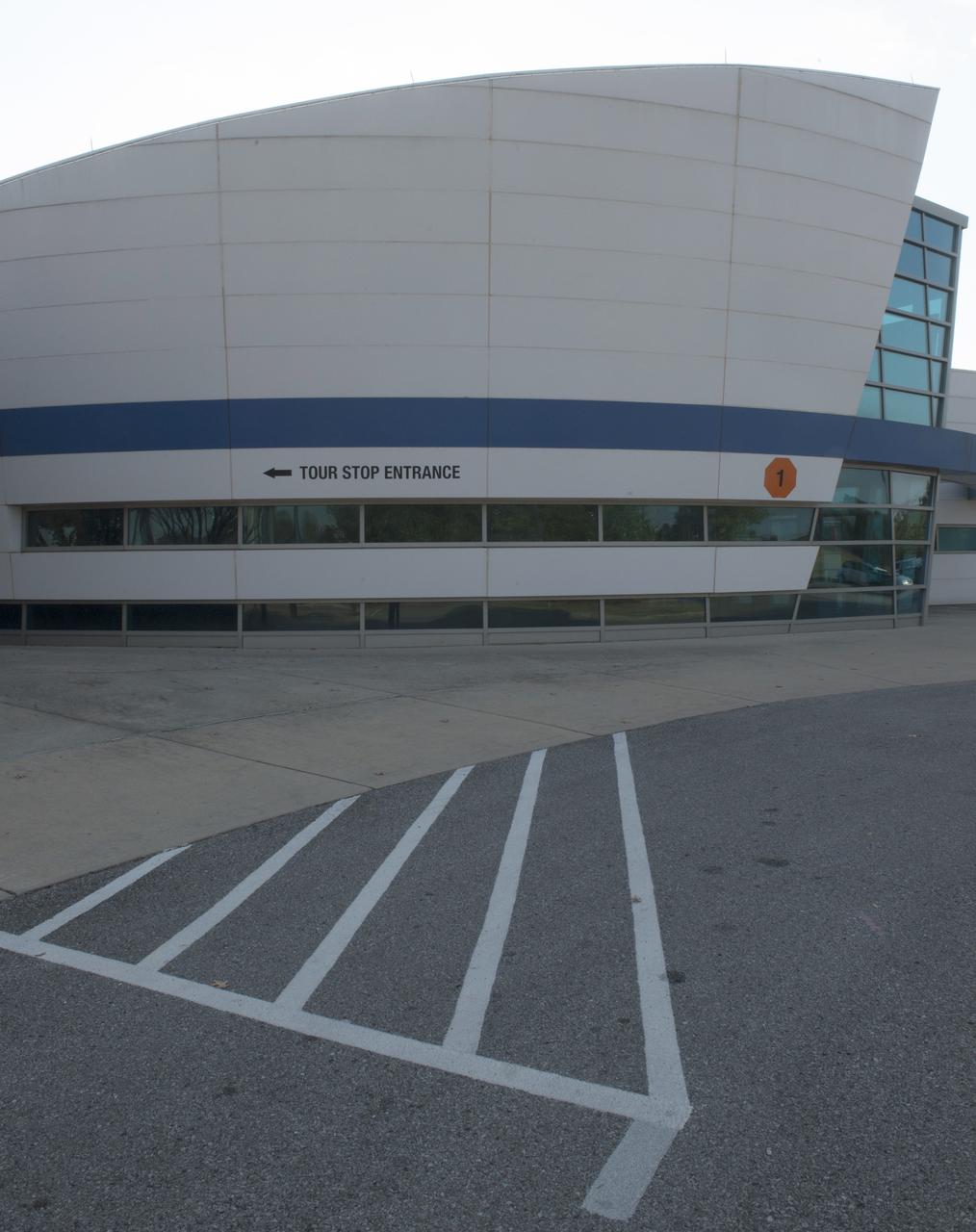
BUILDING 4205 GALLERY, EXTERIOR AND INTERIOR VIEWS
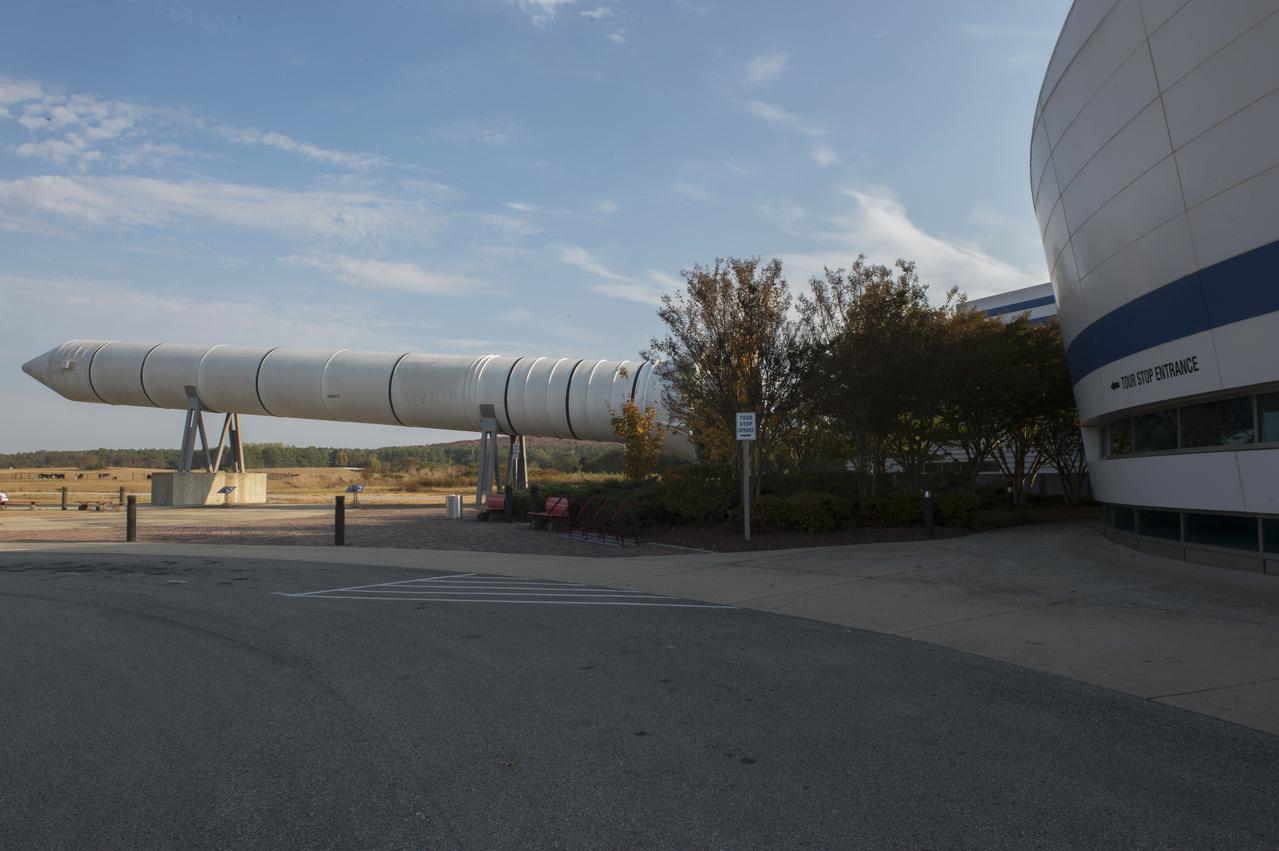
BUILDING 4205 GALLERY, EXTERIOR AND INTERIOR VIEWS
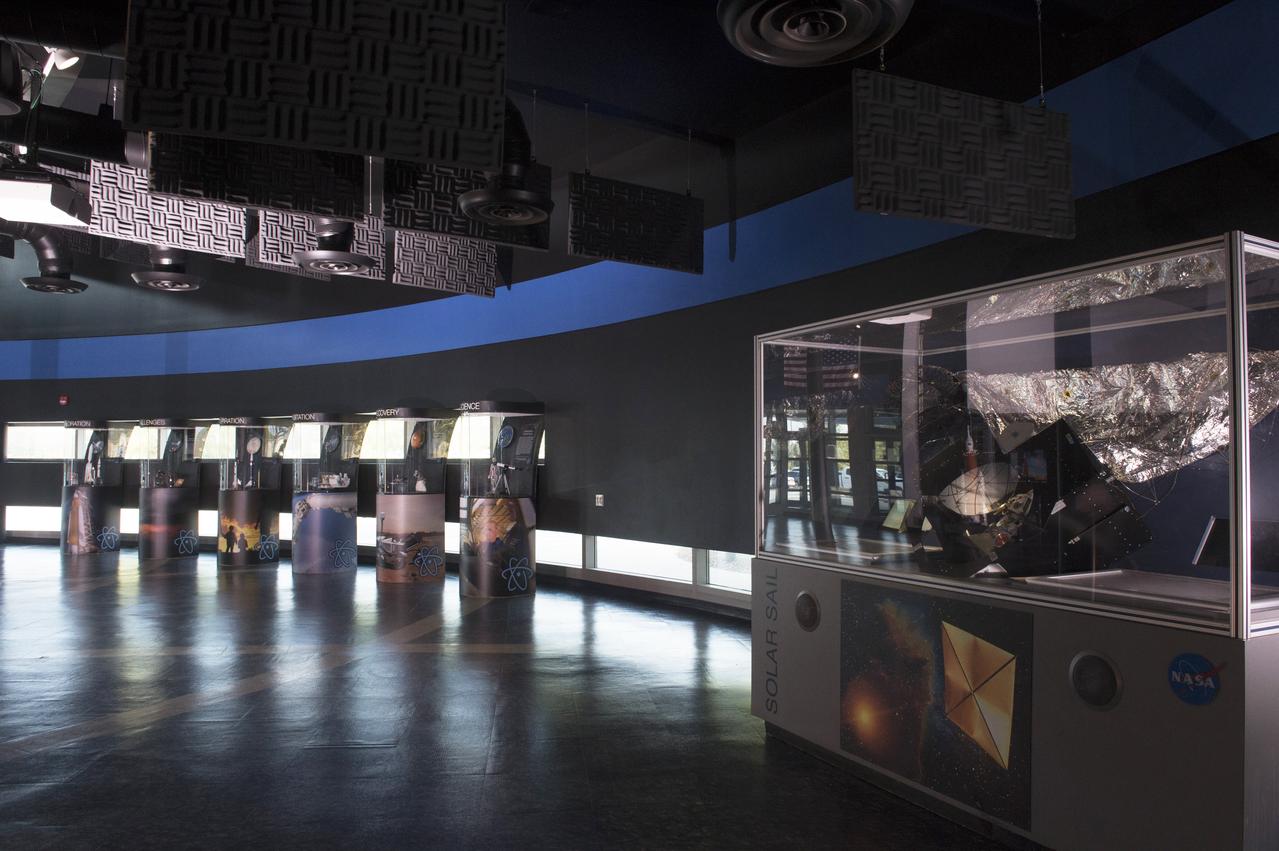
BUILDING 4205 GALLERY, EXTERIOR AND INTERIOR VIEWS
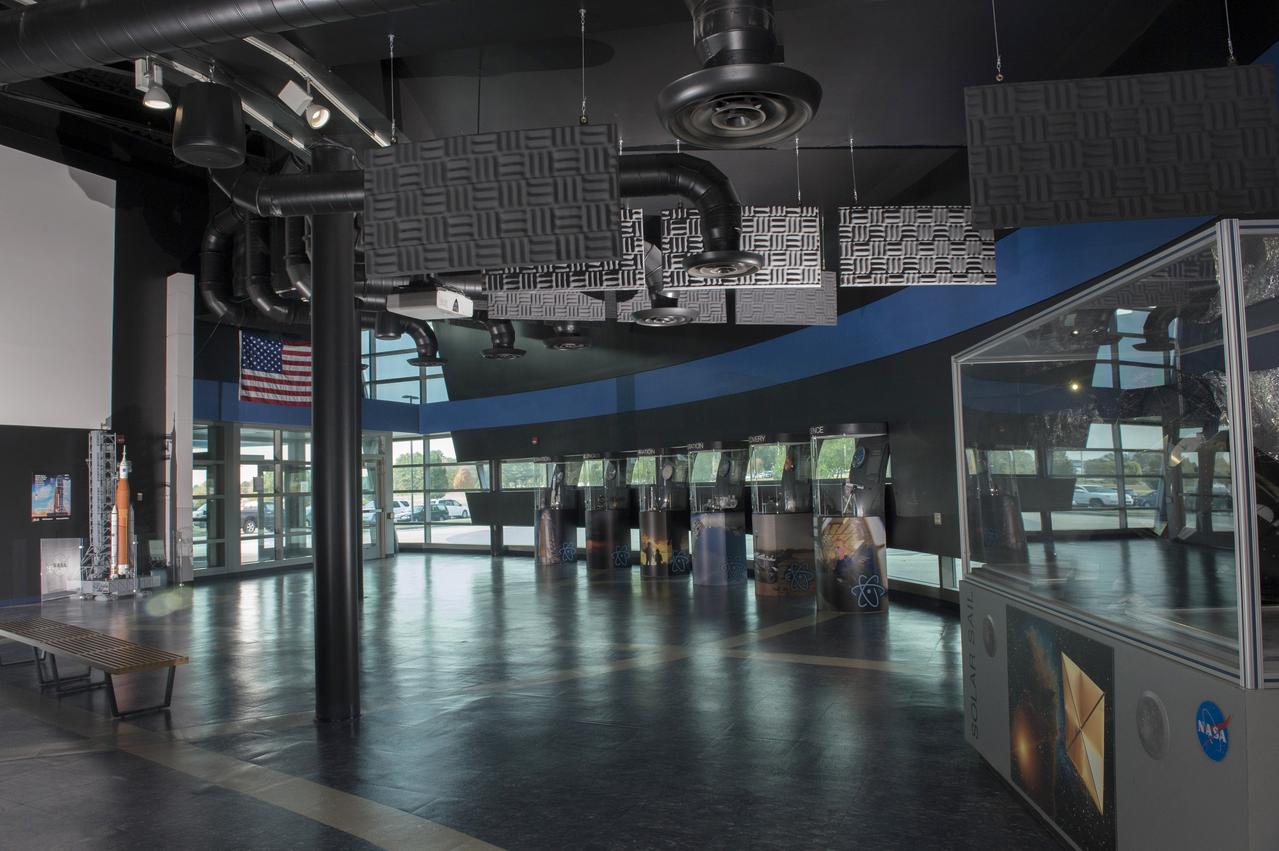
BUILDING 4205 GALLERY, EXTERIOR AND INTERIOR VIEWS
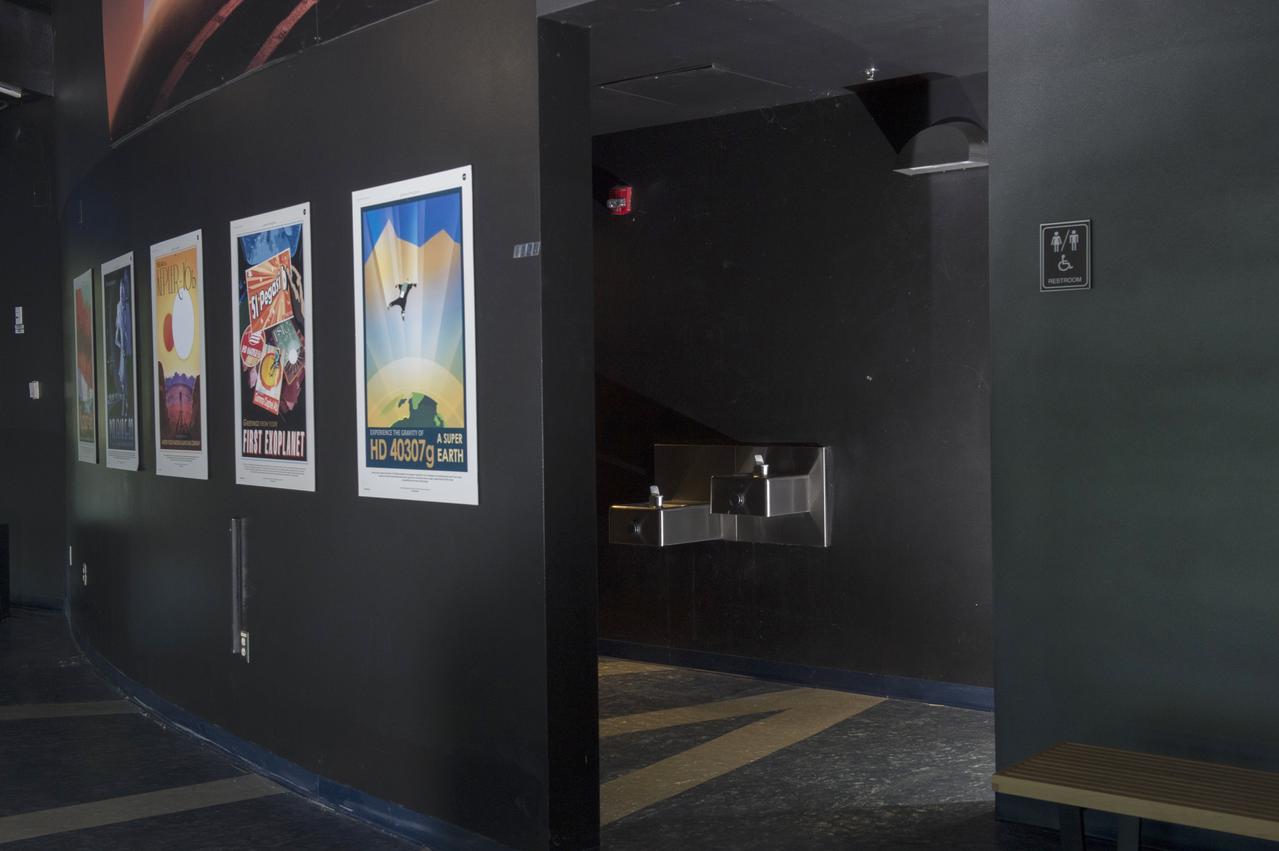
BUILDING 4205 GALLERY, EXTERIOR AND INTERIOR VIEWS

BUILDING 4205 GALLERY, EXTERIOR AND INTERIOR VIEWS
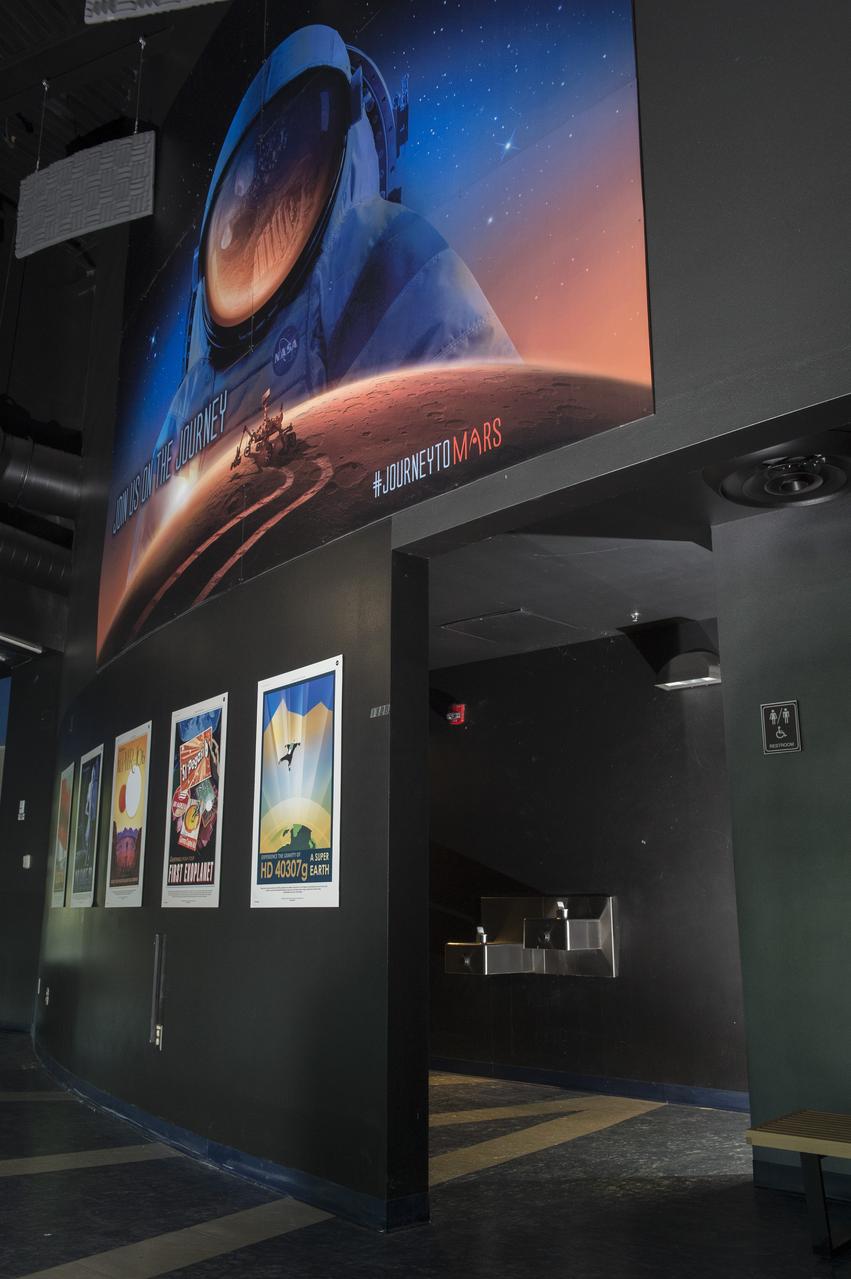
BUILDING 4205 GALLERY, EXTERIOR AND INTERIOR VIEWS
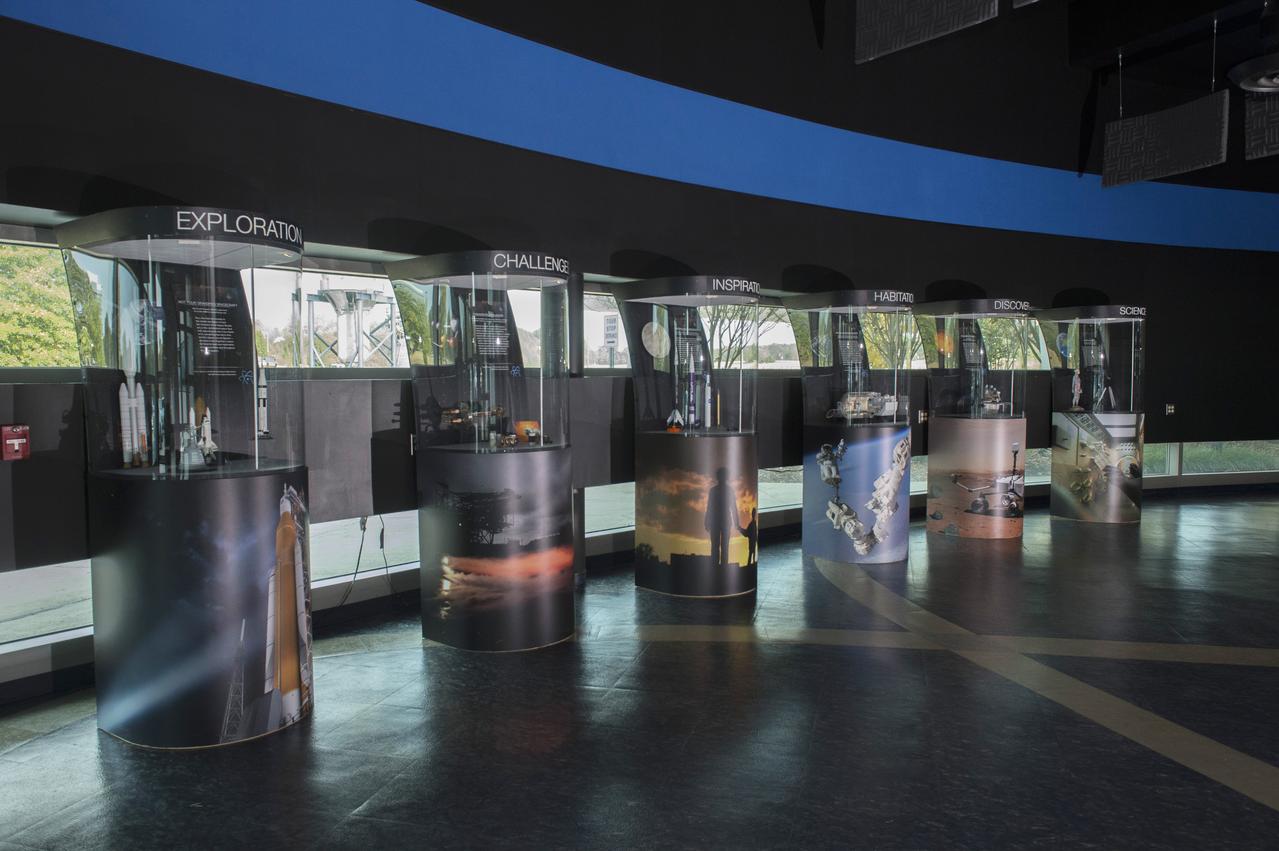
BUILDING 4205 GALLERY, EXTERIOR AND INTERIOR VIEWS
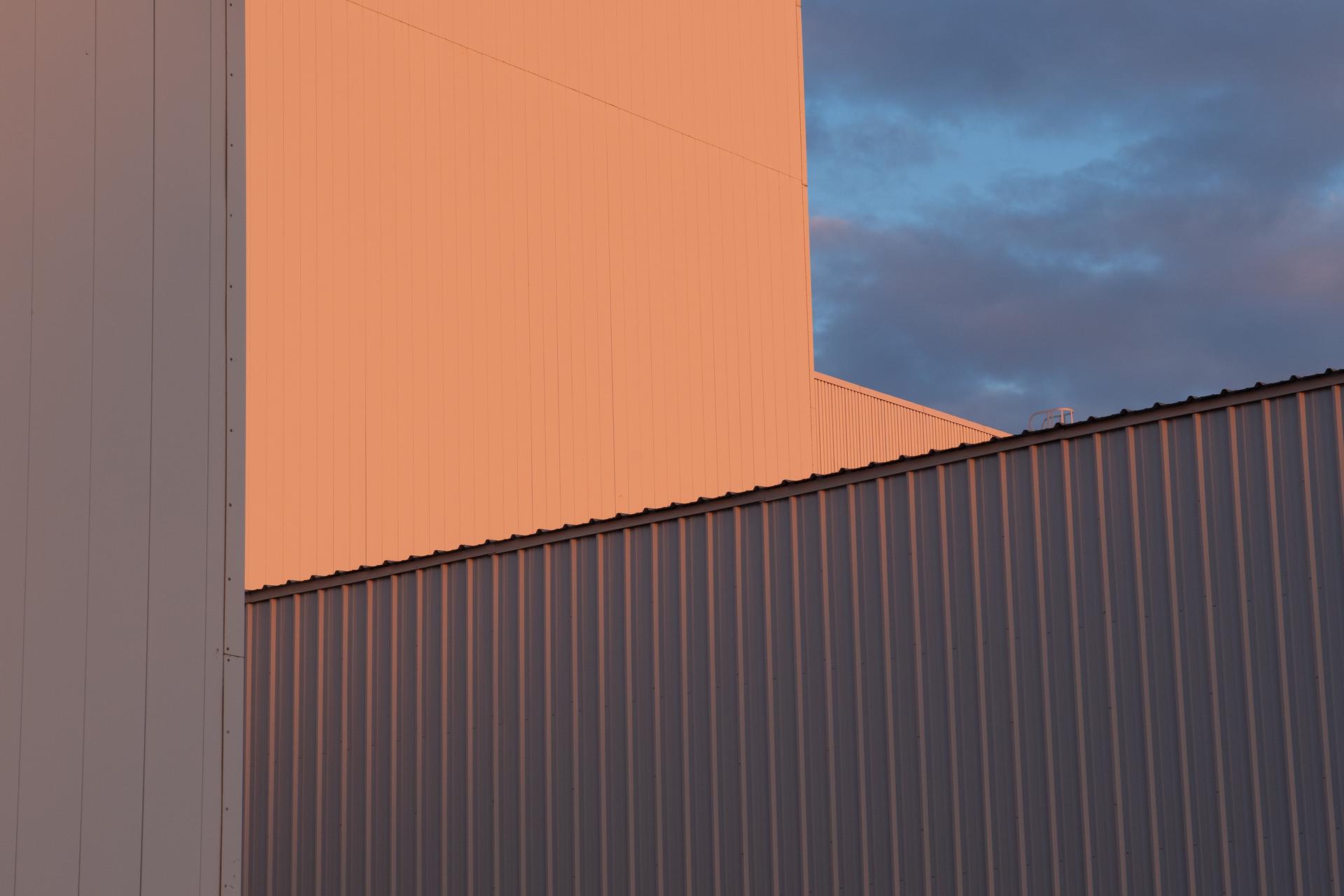
Sunlight washes over the exterior of the integration and testing facility at Goddard Space Flight Center, Greenbelt, Md., Feb 20, 2023. This photo is approved for public release. NASA/Mike Guinto

The John C. Stennis Space Center's visitor center, StenniSphere, is one of Mississippi's leading tourist attractions and features a 14,000-square-foot interactive review of Stennis Space Center's role in America's space program. Designed to entertain while educating, StenniSphere includes informative displays and exhibits from NASA, the Naval Meteorology and Oceanography Command, and other resident agencies located at Stennis Space Center in Hancock County, Miss.
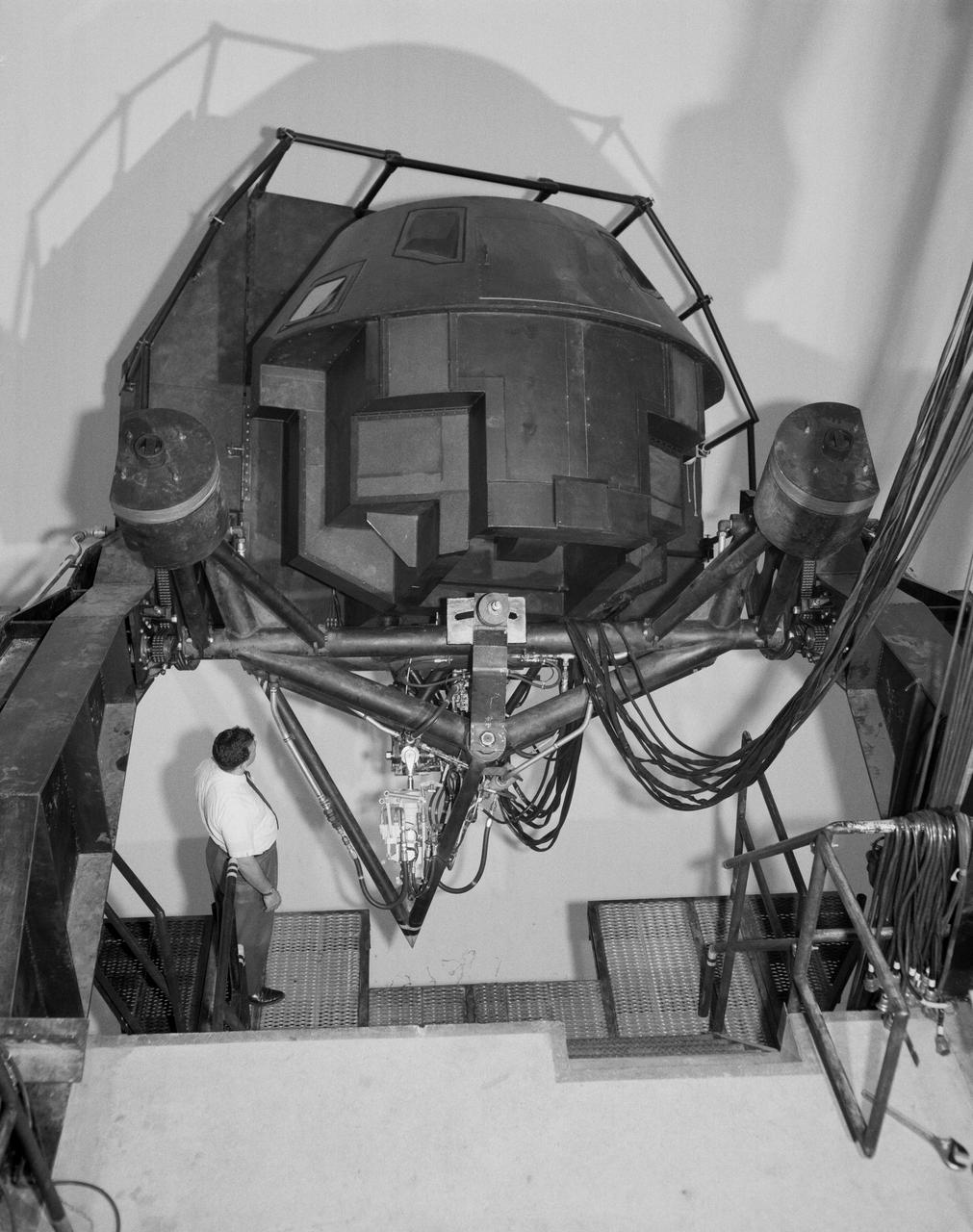
S66-21296 (1967) --- This is a medium exterior view of the Dynamic Crew Procedures Trainer, Command Module configuration, one of the Apollo astronaut training components located in the Mission Simulation and Training Facility, Building 5, Manned Spacecraft Center, Houston, Texas. Photo credit: NASA
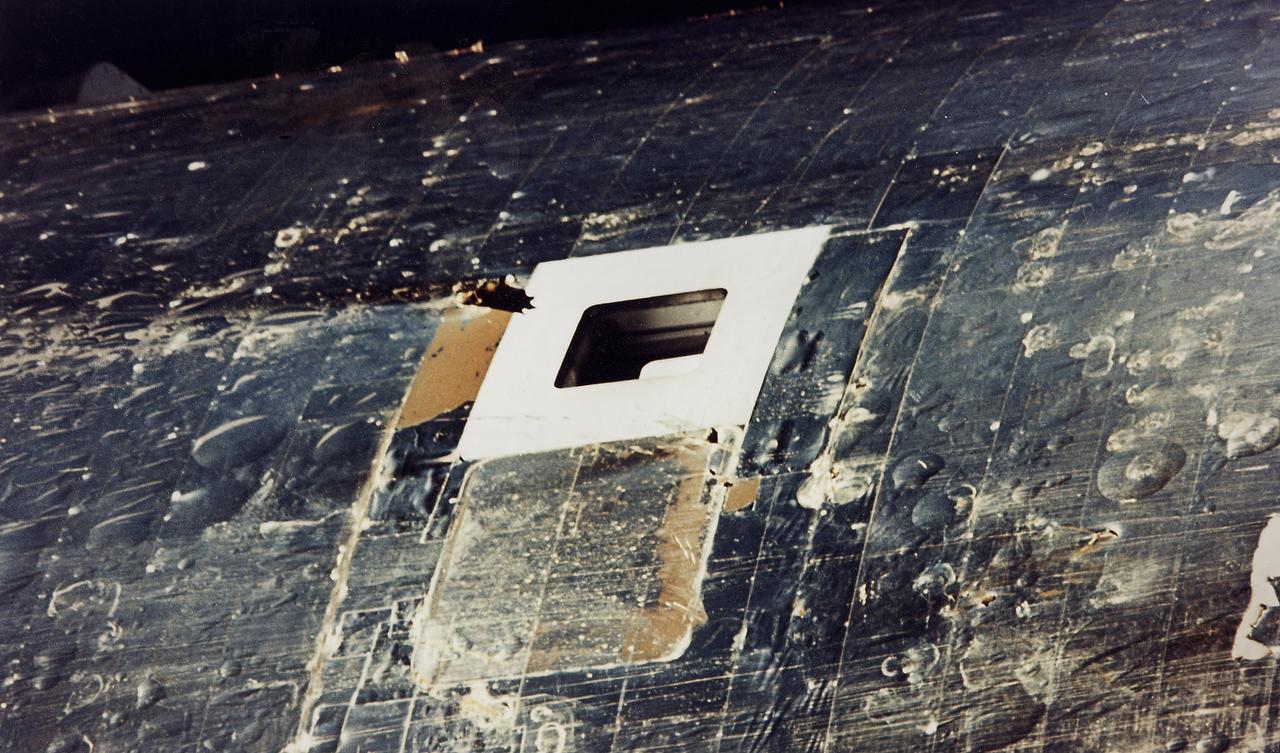
The Saturn V vehicle, carrying the unmarned orbital workshop for the Skylab-1 mission, lifted off successfully and all systems performed normally. Sixty-three seconds into flight, engineers in the operation support and control center saw an unexpected telemetry indication that signalled that damages occurred on one solar array and the micrometeoroid shield during the launch. The micrometeoroid shield, a thin protective cylinder surrounding the workshop protecting it from tiny space particles and the sun's scorching heat, ripped loose from its position around the workshop. This caused the loss of one solar wing and jammed the other. Still unoccupied, the Skylab was stricken with the loss of the heat shield and sunlight beat mercilessly on the lab's sensitive skin. Internal temperatures soared, rendering the the station uninhabitable, threatening foods, medicines, films, and experiments. This image shows the sun-ravaged skin of the Orbital Workshop, bared by the missing heat shield, with blister scars and tarnish from temperatures that reached 300 degrees F. The rectangular opening at the upper center is the scientific airlock through which the parasol to protect the workshop from sun's rays was later deployed. This view was taken during a fly-around inspection by the Skylab-2 crew. The Marshall Space Flight Center had a major role in developing the procedures to repair the damaged Skylab.
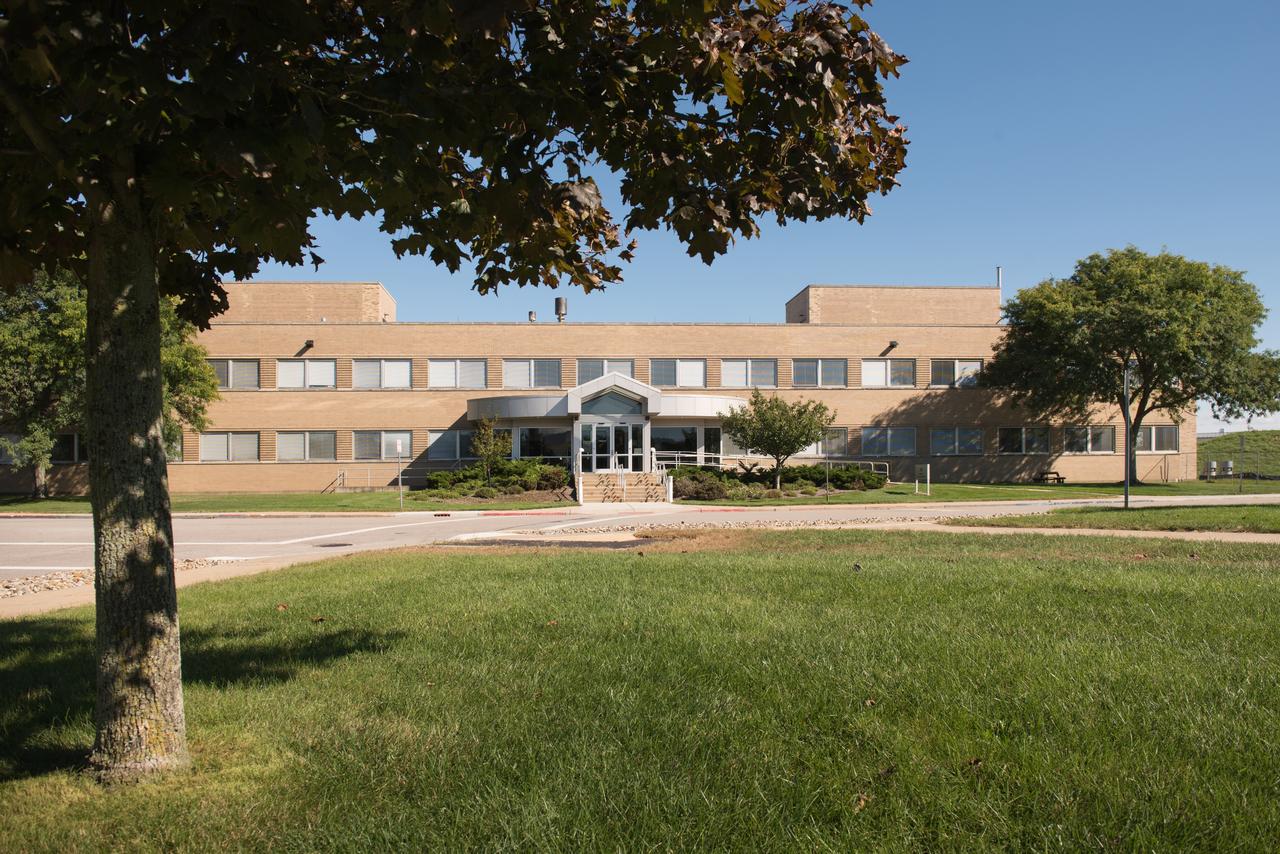
Materials and Structures Laboratory, Building 49
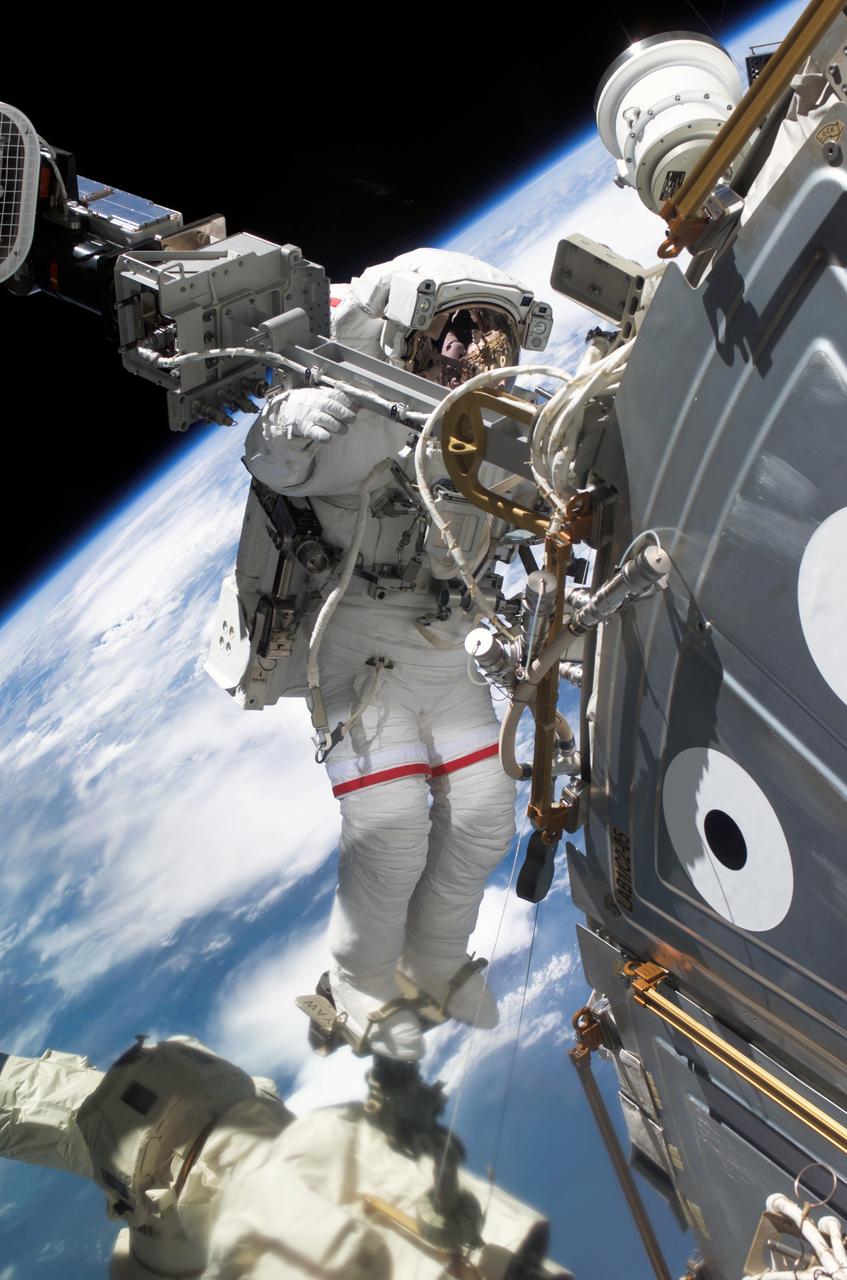
S112-E-05315 (12 Oct. 2002) --- Astronaut David A. Wolf, STS-112 mission specialist, carries out a task to install an additional exterior station television camera outside of the Destiny Laboratory during the second spacewalk of the STS-112 mission. Astronauts Wolf and Piers J. Sellers are scheduled for a total of three spacewalks for the mission.
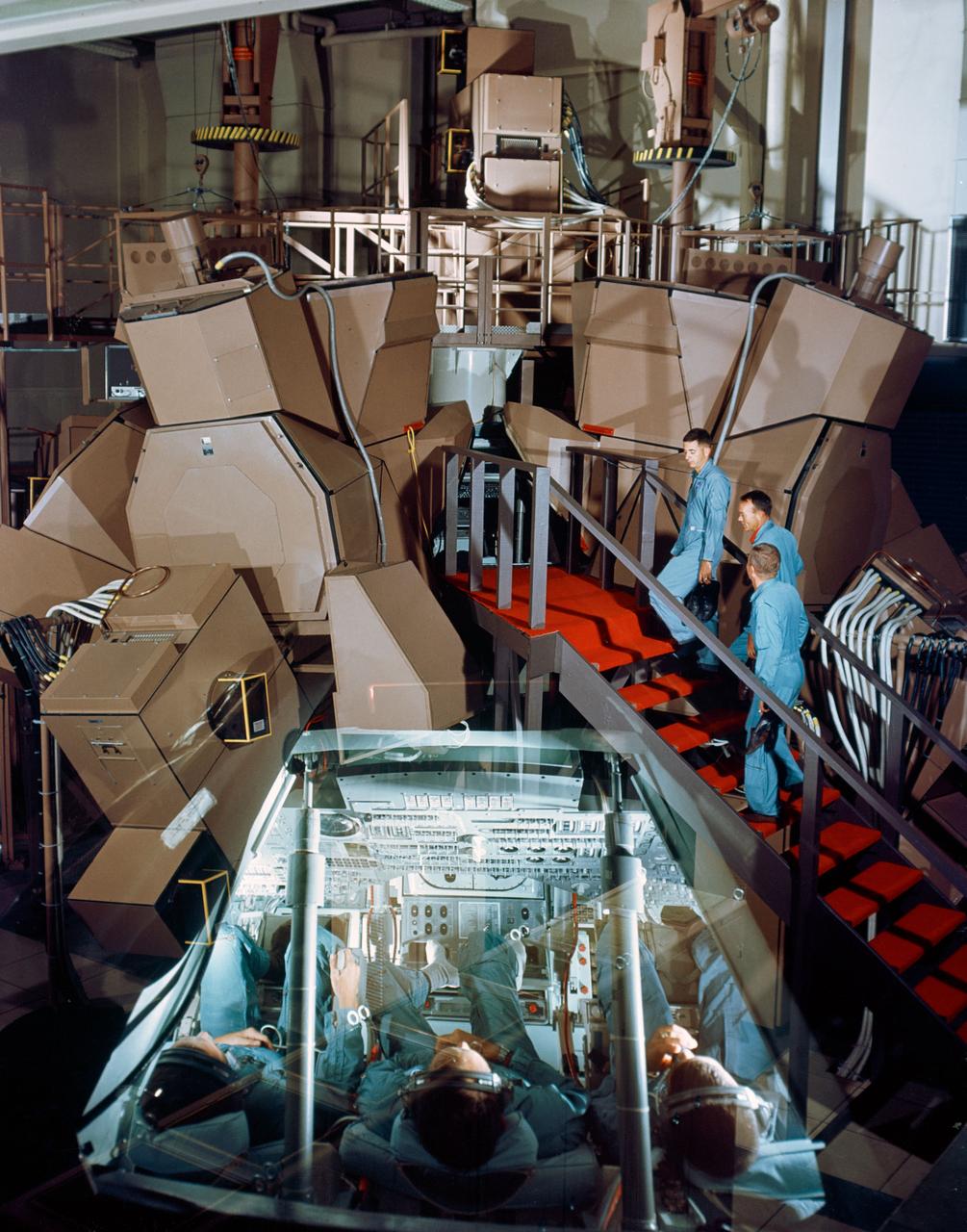
S67-50585 (1967) --- This is an intentional double exposure showing the Apollo Mission Simulator in the Mission Simulation and Training Facility, Building 5 at the Manned Spacecraft Center. In the exterior view astronauts William A. Anders, Michael Collins, and Frank Borman (reading from top of stairs) are about to enter the simulator. The interior view shows the three astronauts in the simulator. They are (left to right) Borman, Collins, and Anders. Photo credit: NASA
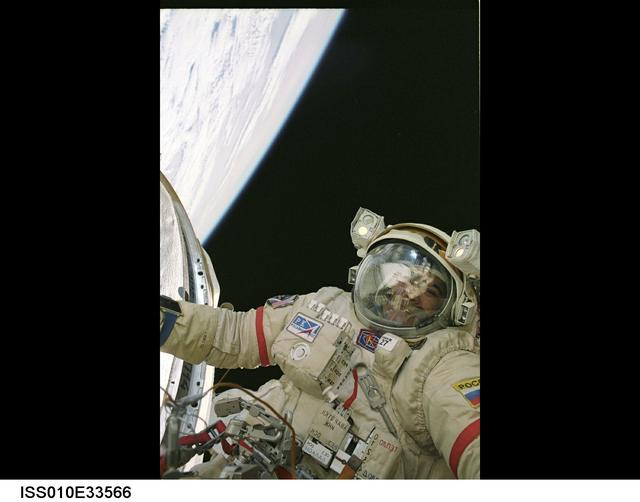
ISS010-E-33566 (26 January 2005) --- Cosmonaut Salizhan S. Sharipov, Expedition 10 flight engineer representing Russia's Federal Space Agency, wearing a Russian Orlan spacesuit, participates in the first of two sessions of extravehicular activities (EVA) performed by the Expedition 10 crew during their six-month mission. Sharipov and astronaut Leroy Chiao (out of frame), mission commander and NASA ISS science officer, spent 5 ½ hours outside the International Space Station (ISS) installing a work platform, cables and robotic and scientific experiments on the exterior of the Zvezda Service Module. Earth’s horizon and the blackness of space provided the backdrop for the image.
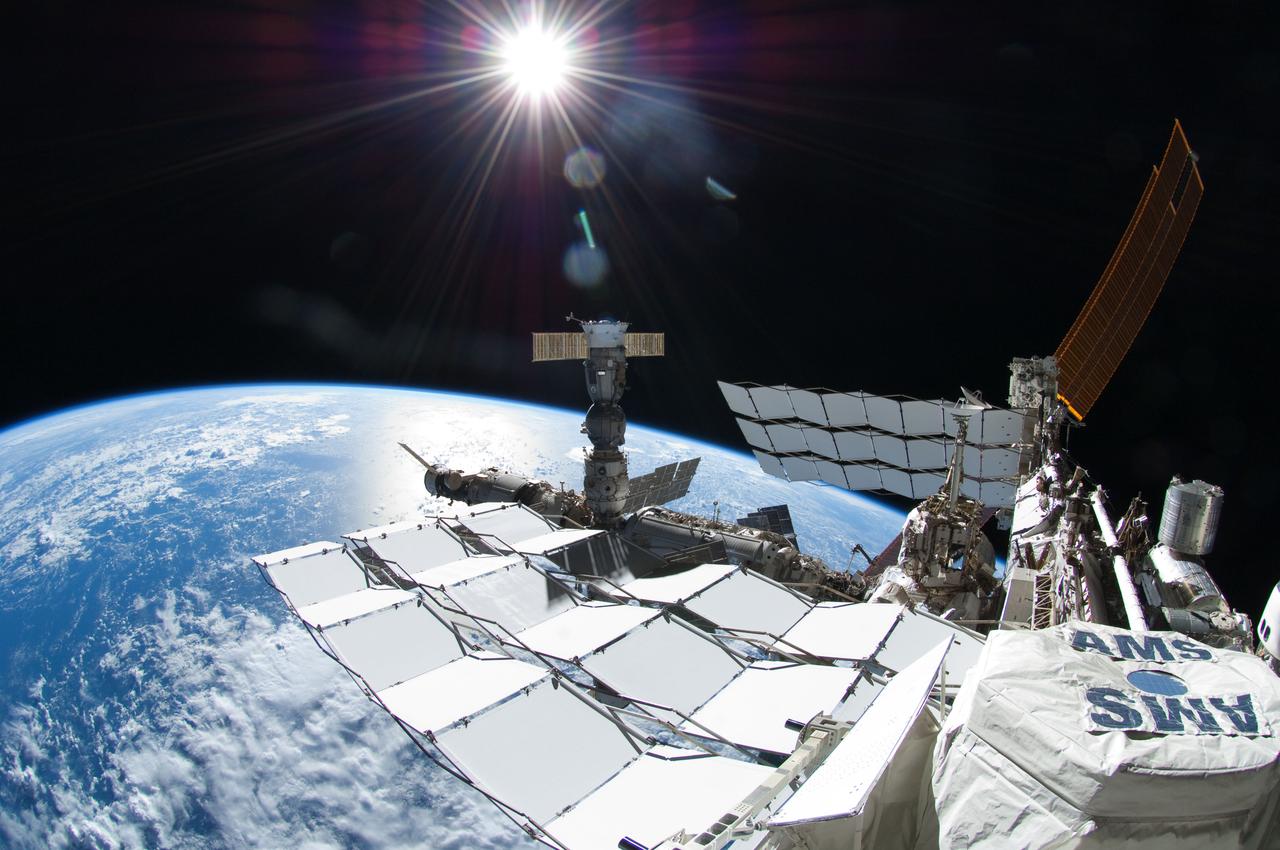
iss028e016135 (7/12/2011) --- Exterior view of the International Space Station (ISS) taken during a session of Extravehicular Activity (EVA) with a fisheye camera. The Alpha Magnetic Spectrometer - 2 (AMS-2) is visible in the right foreground and a Soyuz spacecraft is visible docked to the Pirs Docking Compartment (DC1/CO1). The Alpha Magnetic Spectrometer - 02 (AMS-02) is a high profile space-based particle physics experiment. As the largest and most advanced magnetic spectrometer in space, AMS-02 will collect information from cosmic sources emanating from stars and galaxies millions of light years beyond the Milky Way.
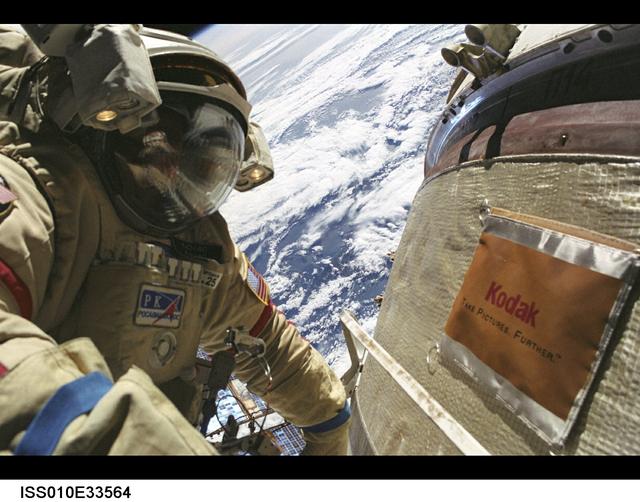
ISS010-E-33564 (26 January 2005) --- Astronaut Leroy Chiao, Expedition 10 commander and NASA ISS science officer, wearing a Russian Orlan spacesuit, participates in the first of two sessions of extravehicular activities (EVA) performed by the Expedition 10 crew during their six-month mission. Chiao and cosmonaut Salizhan S. Sharipov (out of frame), flight engineer representing Russia's Federal Space Agency, spent 5 ½ hours outside the International Space Station (ISS) installing a work platform, cables and robotic and scientific experiments on the exterior of the Zvezda Service Module. A cloudy Earth provided the backdrop for the image.
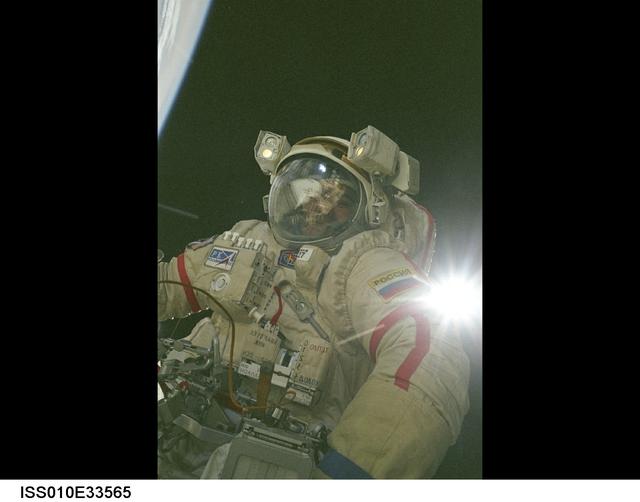
ISS010-E-33565 (26 January 2005) --- Cosmonaut Salizhan S. Sharipov, Expedition 10 flight engineer representing Russia's Federal Space Agency, wearing a Russian Orlan spacesuit, participates in the first of two sessions of extravehicular activities (EVA) performed by the Expedition 10 crew during their six-month mission. Sharipov and astronaut Leroy Chiao (out of frame), mission commander and NASA ISS science officer, spent 5 ½ hours outside the International Space Station (ISS) installing a work platform, cables and robotic and scientific experiments on the exterior of the Zvezda Service Module.
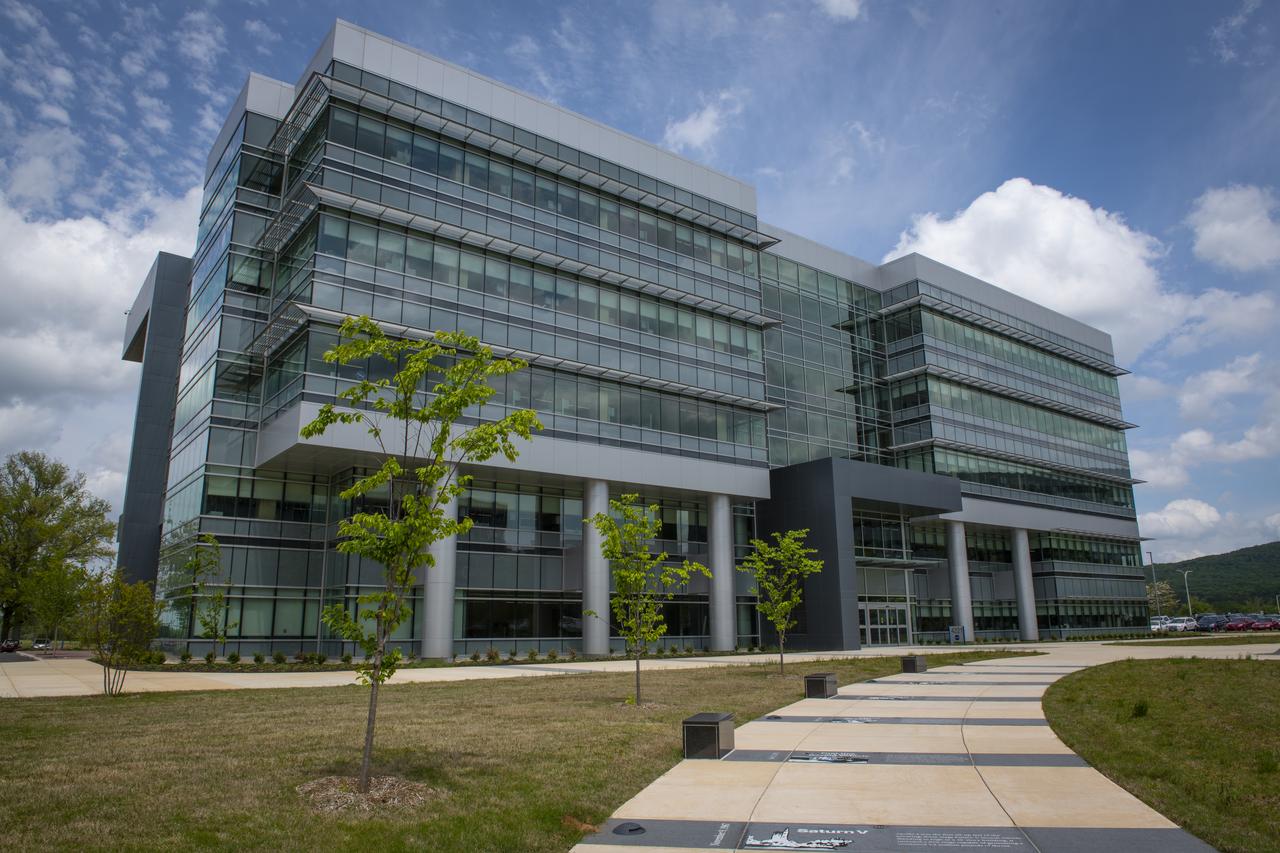
Pictured is Building 4221 on the Marshall Space Flight Center campus.
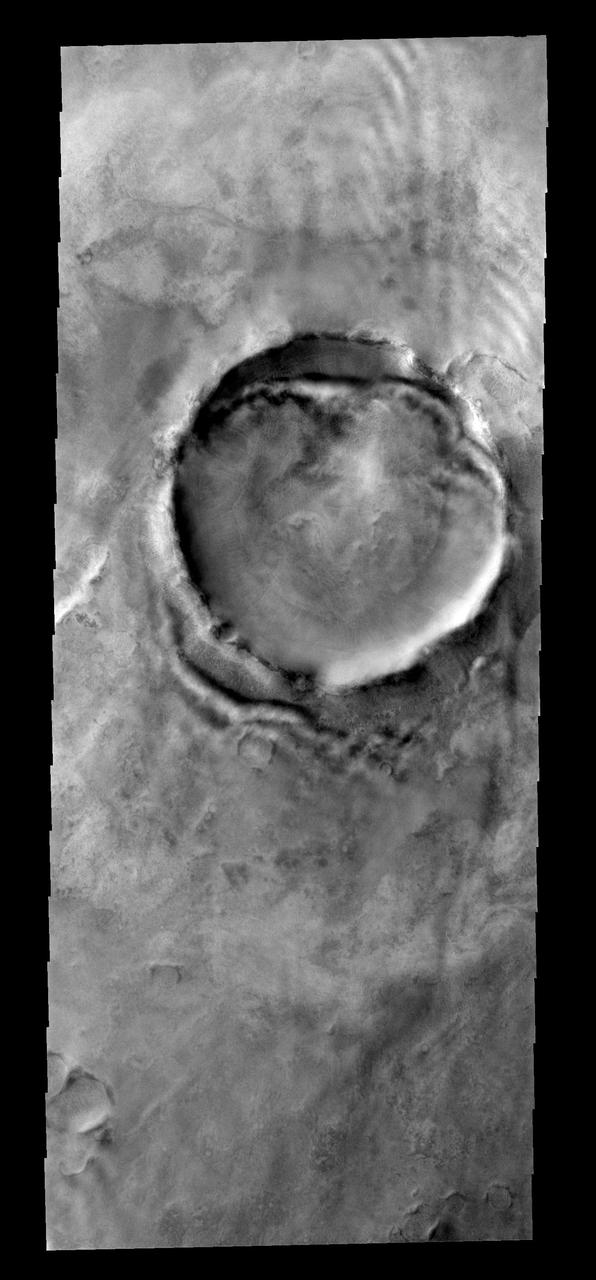
Faint clouds can be seen to the northeast of this crater. The bright and dark bands against the NE crater rim interior and exterior are bright clouds and their shadows
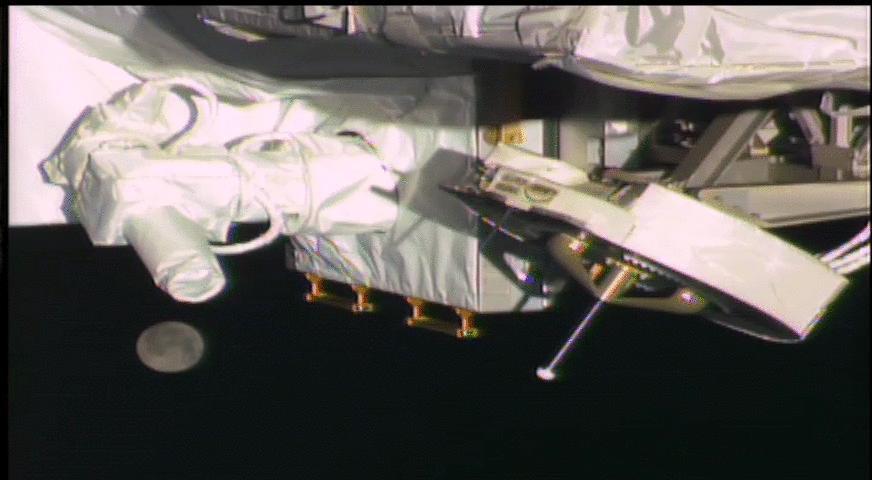
This frame from an animated GIF shows Earth moon moving below NASA OPALS laser instrument as seen by a robotic camera on the exterior of the International Space Station.
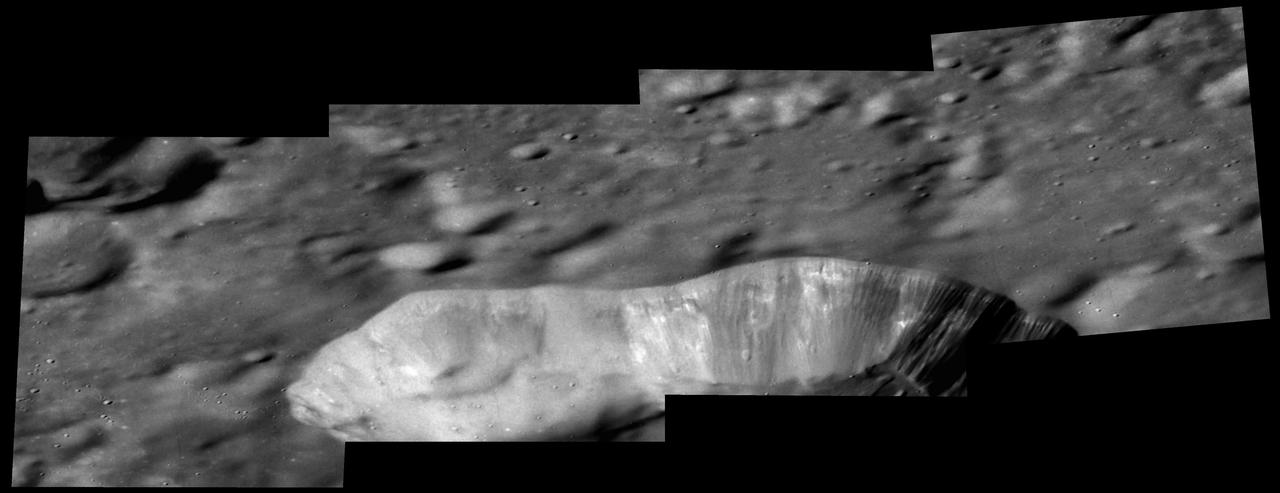
This series of oblique images highlight the wall and exterior of the beautiful volcanic vent located to the northeast of Rachmaninoff basin and west of Copland crater. Layering can be seen along a portion of the wall and the exterior is smooth due to a blanket of fine particles of lava that were ejected explosively from the vent in a pyroclastic eruption. This vent is deeper than Earth's Grand Canyon. http://photojournal.jpl.nasa.gov/catalog/PIA19282
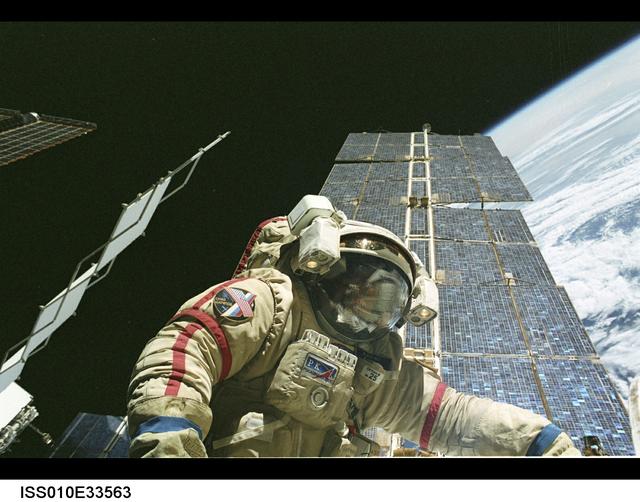
ISS010-E-33563 (26 January 2005) --- Astronaut Leroy Chiao, Expedition 10 commander and NASA ISS science officer, wearing a Russian Orlan spacesuit, participates in the first of two sessions of extravehicular activities (EVA) performed by the Expedition 10 crew during their six-month mission. Chiao and cosmonaut Salizhan S. Sharipov (out of frame), flight engineer representing Russia's Federal Space Agency, spent 5 ½ hours outside the International Space Station (ISS) installing a work platform, cables and robotic and scientific experiments on the exterior of the Zvezda Service Module. Station solar array panels are visible near Chiao. Earth’s horizon and the blackness of space provided the backdrop for the image.
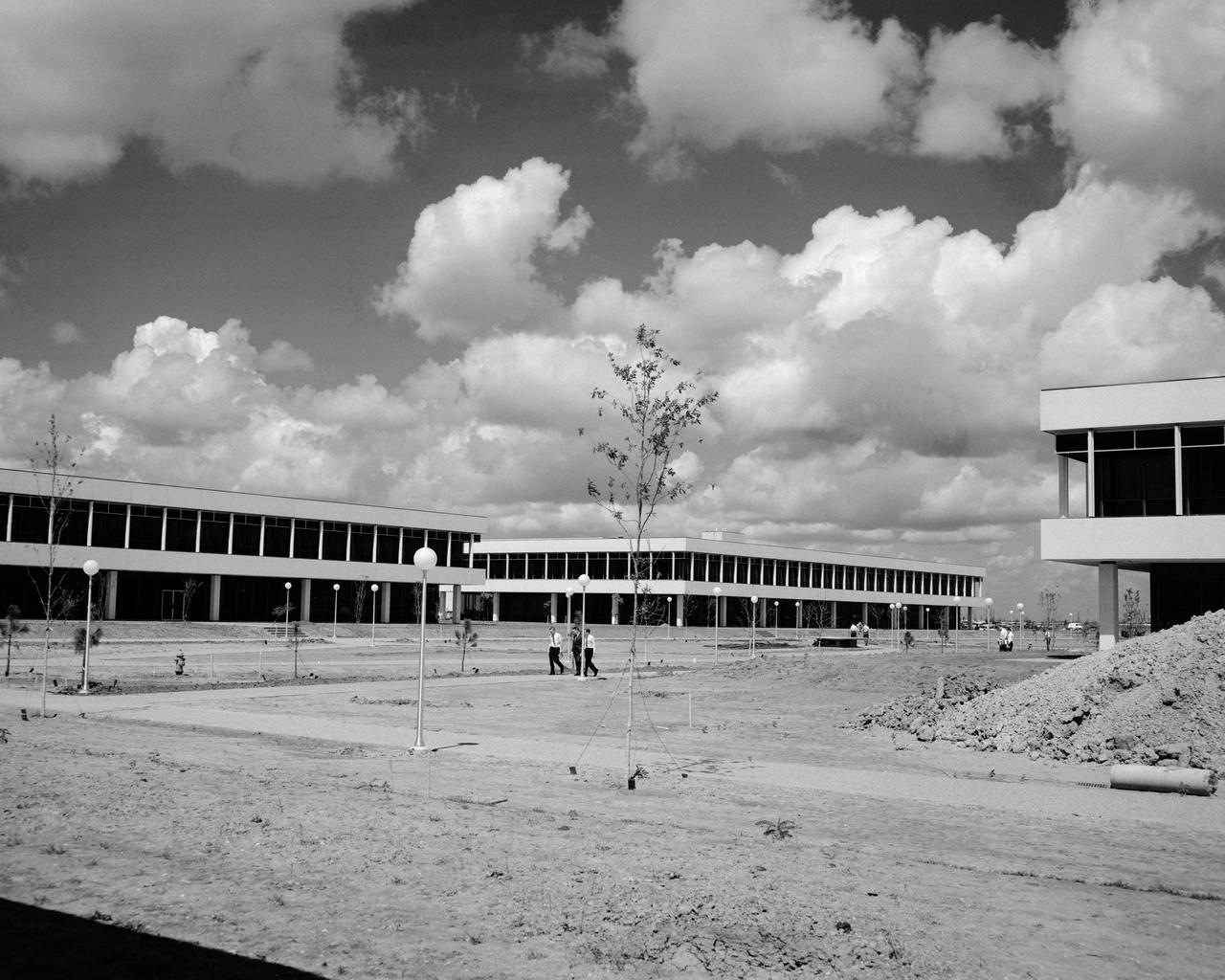
Bldg. 13, left, bldg. 15, right, looking Soutnwest. MSC, HOUSTON, TX B&W
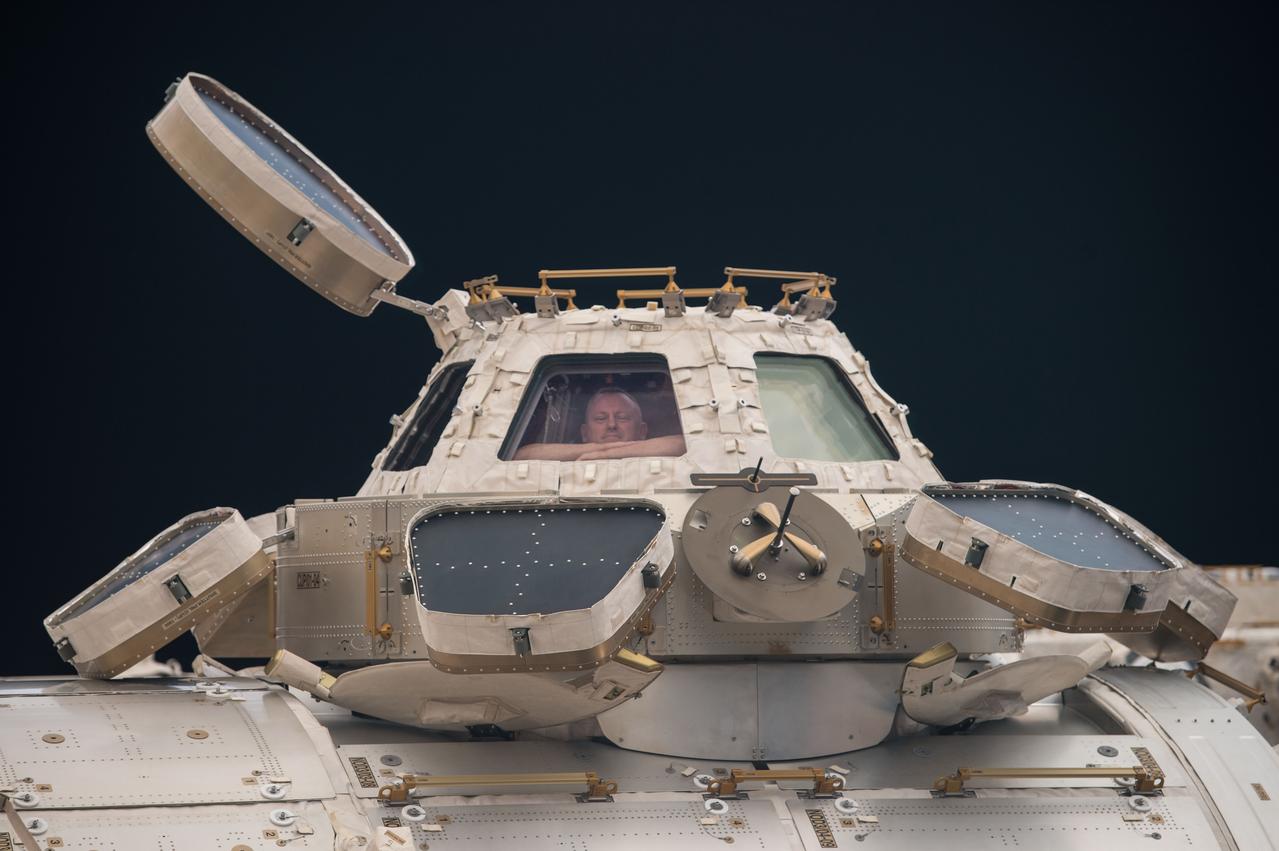
iss042e078481 (12/28/2014) --- US Astronaut Barry Wilmore, Commander of Expedition 42 aboard the International Space Station (ISS) looks out of the Cupola viewing station taking in the sights of the blue orb of Earth while on a break from science and maintenance duties. The Cupola is a panoramic control tower for the ISS with windows through which operations on the outside of the station can be observed and guided. Through the robotics workstation, astronauts are able to control the space station’s robotic arm, which helps with the attachment and assembly of various station elements, very much like the operator of a building crane. Spacewalking activities can also be observed from the Cupola along with visiting spacecraft and external areas of the station.

A view of the low bay entrance to the Vehicle Assembly Building (VAB) at NASA’s Kennedy Space Center in Florida, during sunrise on Jan. 19, 2022. The Artemis banner is above the door. Inside the VAB, NASA’s Space Launch System (SLS) and Orion spacecraft are stacked in High Bay 3 in preparation for the agency’s Artemis I mission. Artemis I will be the first integrated test of the SLS and Orion spacecraft. In later missions, NASA will land the first woman and the first person of color on the surface of the Moon, paving the way for a long-term lunar presence and serving as a steppingstone on the way to Mars.
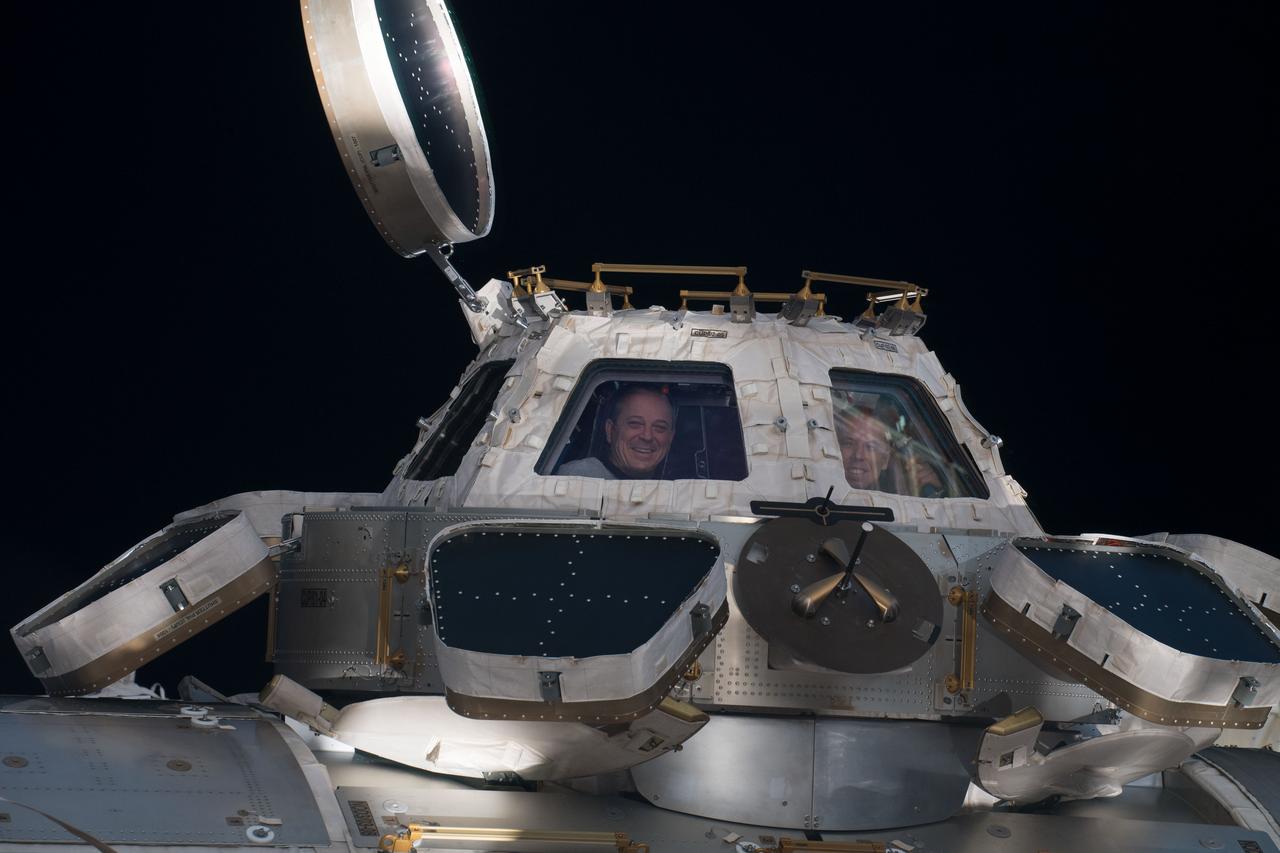
iss056e062934 (June 30, 2018) --- (From left) Flight Engineer Ricky Arnold and Commander Drew Feustel, both NASA astronauts, peer out from windows inside the Cupola, also known as the International Space Station's "window to the world."

A view of the Vehicle Assembly Building (VAB) at NASA’s Kennedy Space Center in Florida, during sunrise on Jan. 19, 2022. Inside the VAB, NASA’s Space Launch System (SLS) and Orion spacecraft are stacked in High Bay 3 in preparation for the agency’s Artemis I mission. Artemis I will be the first integrated test of the SLS and Orion spacecraft. In later missions, NASA will land the first woman and the first person of color on the surface of the Moon, paving the way for a long-term lunar presence and serving as a steppingstone on the way to Mars.

A view of the Vehicle Assembly Building (VAB) at NASA’s Kennedy Space Center in Florida, during sunrise on Jan. 19, 2022. Inside the VAB, NASA’s Space Launch System (SLS) and Orion spacecraft are stacked in High Bay 3 in preparation for the agency’s Artemis I mission. Artemis I will be the first integrated test of the SLS and Orion spacecraft. In later missions, NASA will land the first woman and the first person of color on the surface of the Moon, paving the way for a long-term lunar presence and serving as a steppingstone on the way to Mars.
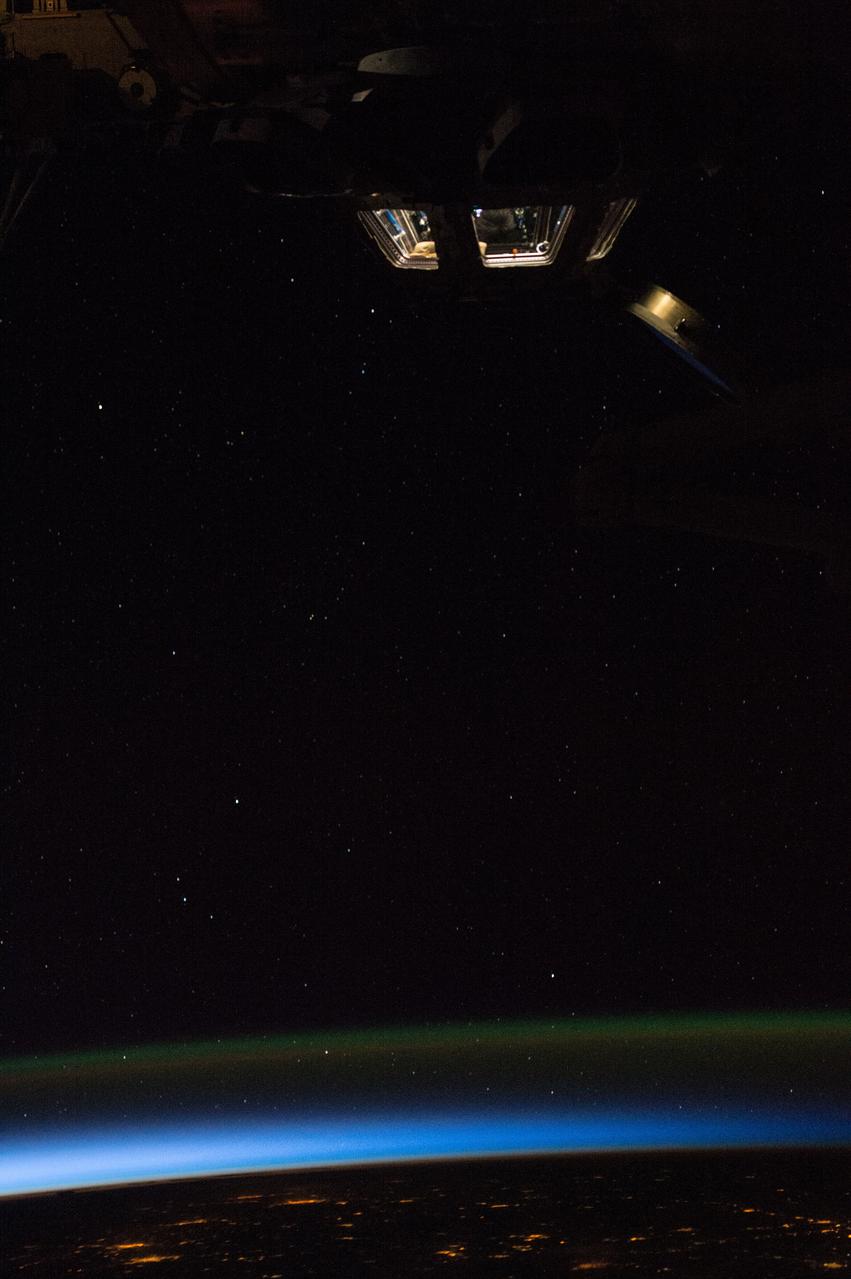
ISS043E249148 (05/23/2015) --- As the day begins on the International Space Station the cupola, the 360 degree view port's inner lights shine brightly while the sun begins its rise slowly on the Earth below. The cupola is a panoramic control tower for the station with windows through which operations on the outside of the station can be observed and guided. Through the robotics workstation, astronauts are able to control the space station's robotic arm, which helps with the attachment and assembly of various station elements, very much like the operator of a building crane. Spacewalking activities can also be observed from the Cupola along with visiting spacecraft and external areas of the station.
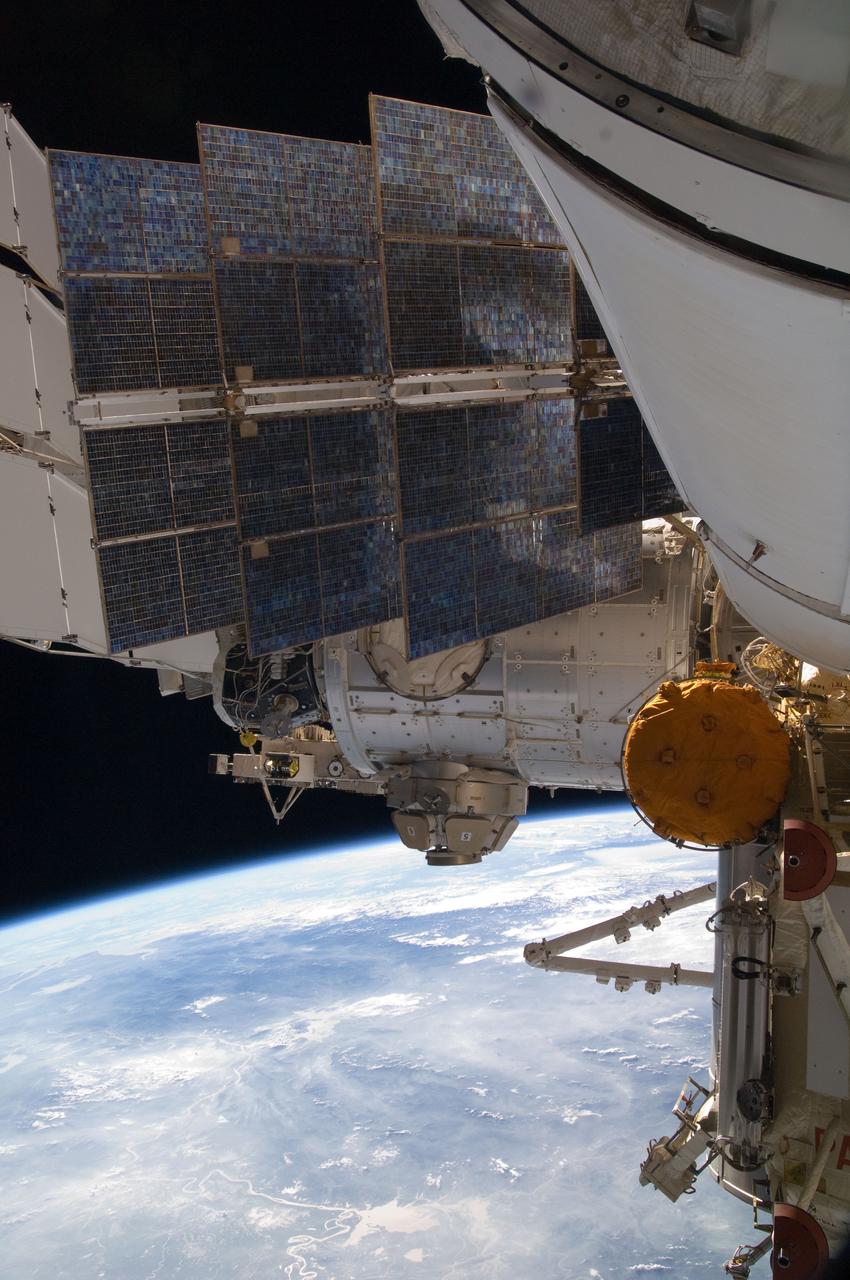
ISS032-E-010639 (28 July 2012) --- A portion of the International Space Station is photographed by an Expedition 32 crew member on the station. Earth?s horizon and the blackness of space provide the backdrop for the scene.
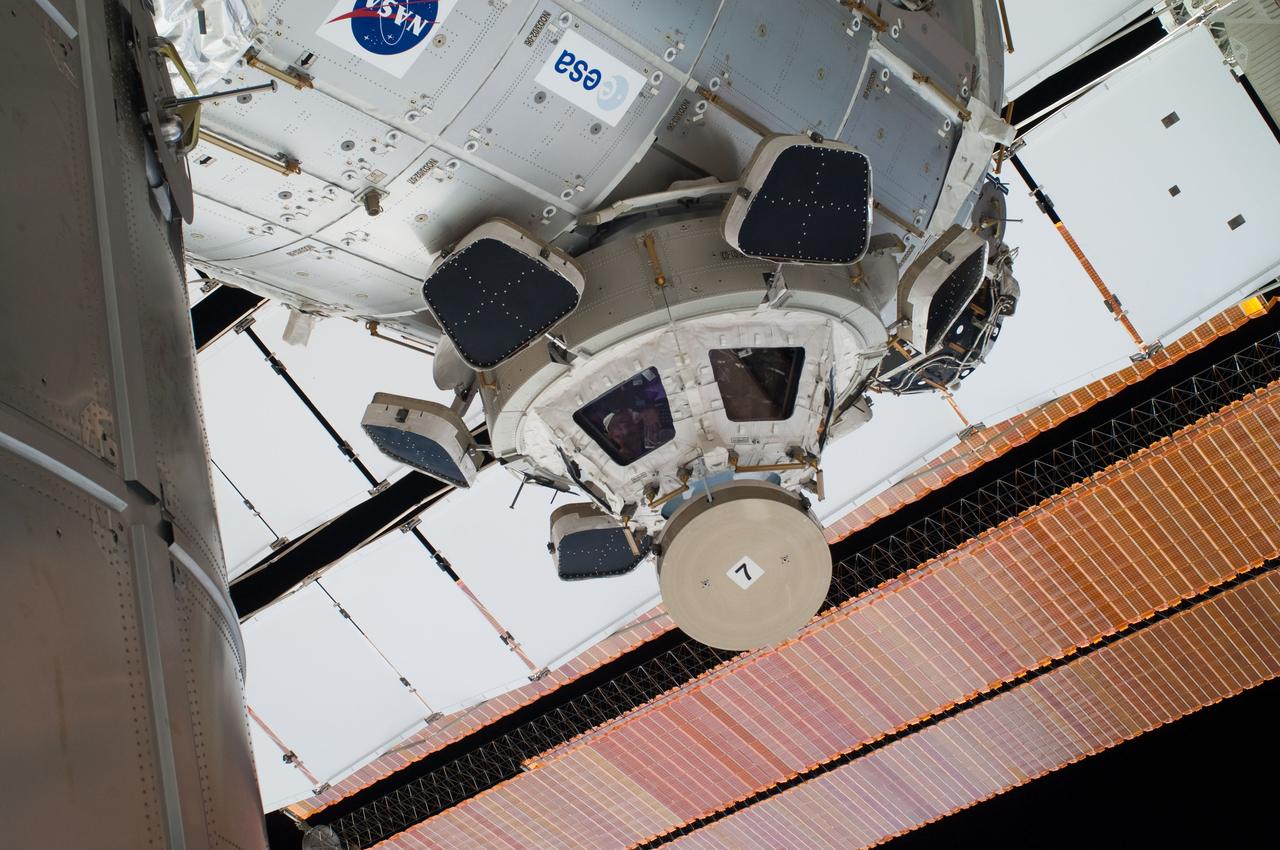
ISS028-E-016246 (12 July 2011) --- This is a high angle view showing the Cupola, backdropped against a solar array panel, on the International Space Station. In some of the images in this series, faces of several of the Atlantis STS-135 and Expedition 28 crew members can be seen in the Cupola's windows.
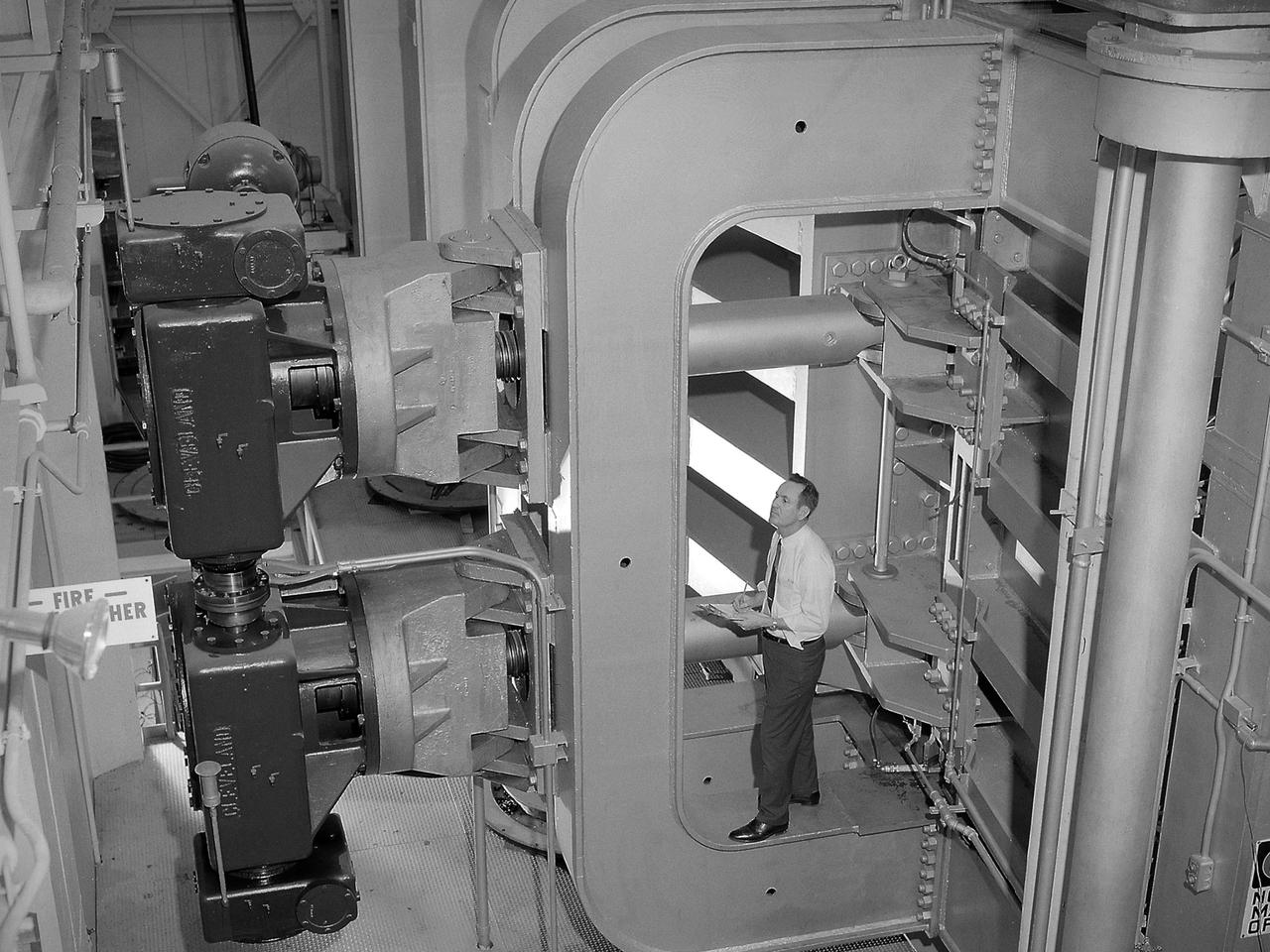
Screwjacks located on the exterior of the second throat section in the 10- by 10-Foot Supersonic Wind Tunnel at the National Aeronautics and Space Administration (NASA) Lewis Research Center. The 10- by 10 tunnel was the most powerful propulsion wind tunnel in the country when it began operating in 1956. The facility can generate wind speeds from Mach 3 to 3.5. A flexible wall nozzle located just upstream from the test section can be adjusted using screw jacks to produce the desired air flow. The 61-foot long second throat, seen here from the outside, was located just beyond the test section. It slows the supersonic air flow down to prevent shock waves. The second throat’s side walls can be adjusted up to three inches on each side using these electrically-driven screwjacks. The air and the 1.25-inch thick walls are cooled by water injection. During the 1960s the 10- by 10-foot tunnel supported the development of virtually all US launch vehicle systems. It was used for Atlas-Centaur, Saturn rockets, and Atlas-Agena testing.
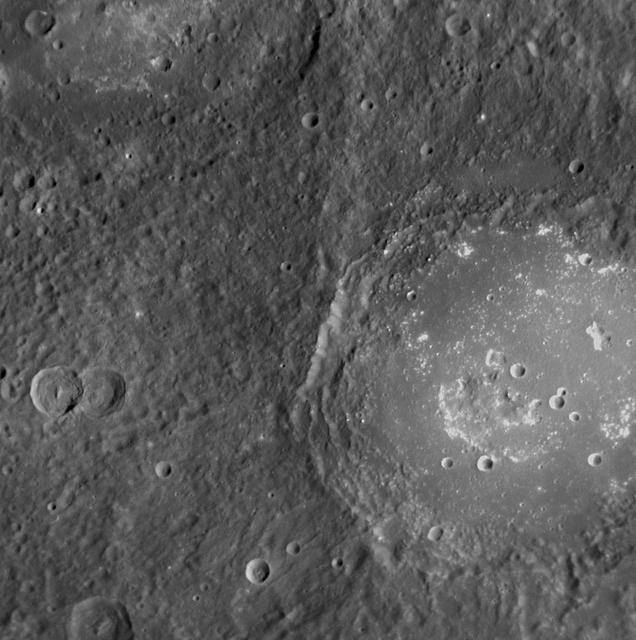
Lermontov crater was first observed by Mariner 10 and seen here by MESSENGER during its second flyby of Mercury. The crater floor is somewhat brighter than the exterior surface and is smooth with several irregularly shaped depressions.
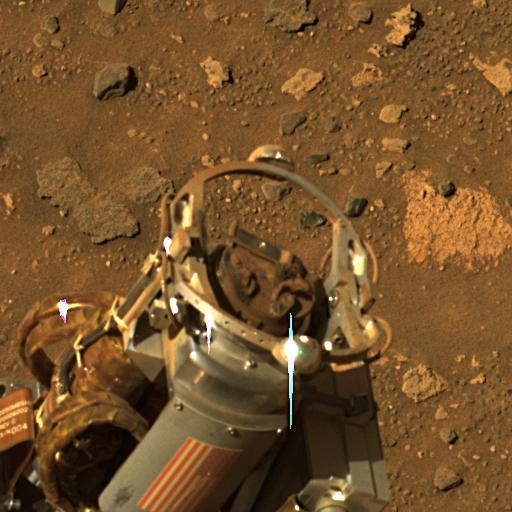
This image shows the round, metallic working end of the rock abrasion tool at the end of a metallic cylinder. The flat grinding face, attached brush, and much of the smooth, metallic exterior of cylinder are covered with a deep reddish-brown layer of dust
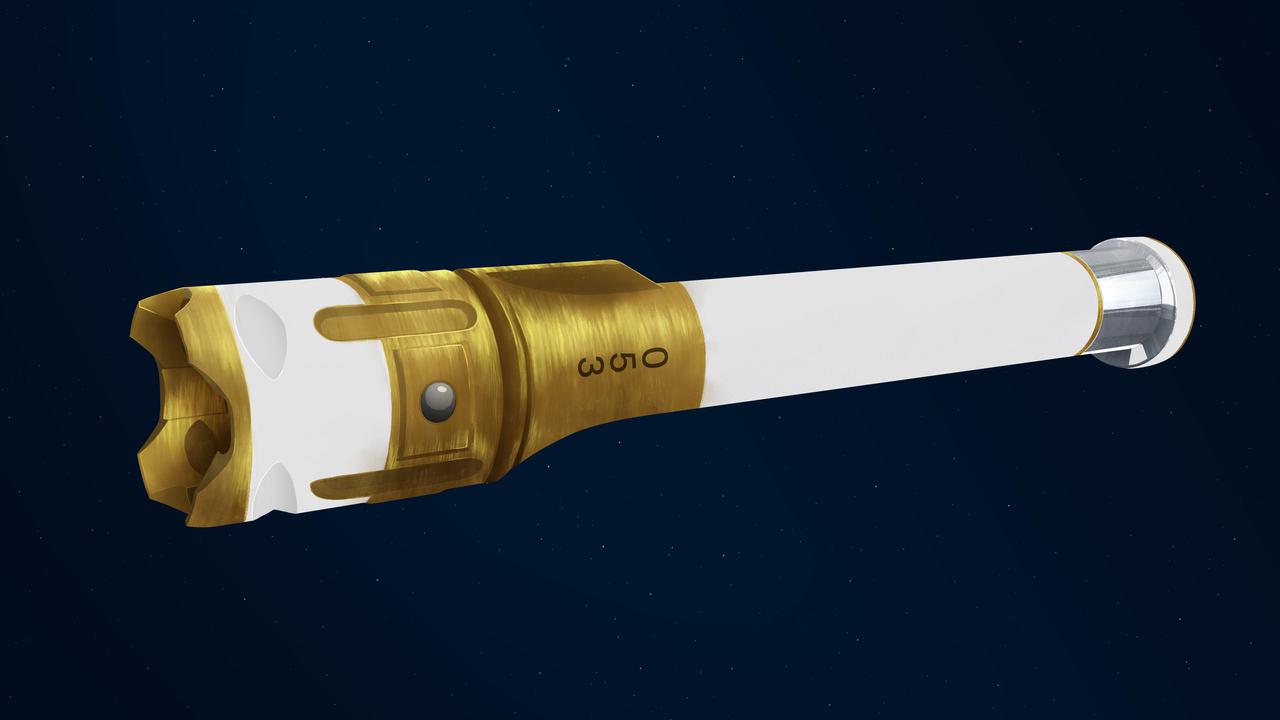
This illustration depicts the exterior of a sample tube being carried aboard the Mars 2020 Perseverance rover. About the size and shape of a standard lab test tube, the 43 sample tubes headed to Mars must be lightweight, hardy enough to survive the demands of the round trip, and so clean that future scientists will be confident that what they are analyzing is 100% Mars, without Earthly contaminants. Exterior Ball Lock: Placed on opposite sides of the tube, the two ball locks help secure the sample tube as it progresses through the many stages of sample collection and storage. Serial Number: Helps with identification of the tubes and their contents. Titanium Nitride Coating: Gold in color, this extremely hard ceramic coating is used as a specialized surface treatment that resists contamination. Alumina Coating: The reflective coating provides thermal protection and acts as a sponge to prevent potential contaminants from getting inside the sample tube. Bare Titanium: The portion of tube near the open end contains no coating to eliminate the possibility that the coating could delaminate from this portion of the tube during the insertion of a hermetic seal. Bearing Race: An asymmetrical flange at the open end of the tube, it assists in the process of shearing (breaking) off samples at the completion of the coring portion of sample collection. https://photojournal.jpl.nasa.gov/catalog/PIA24306
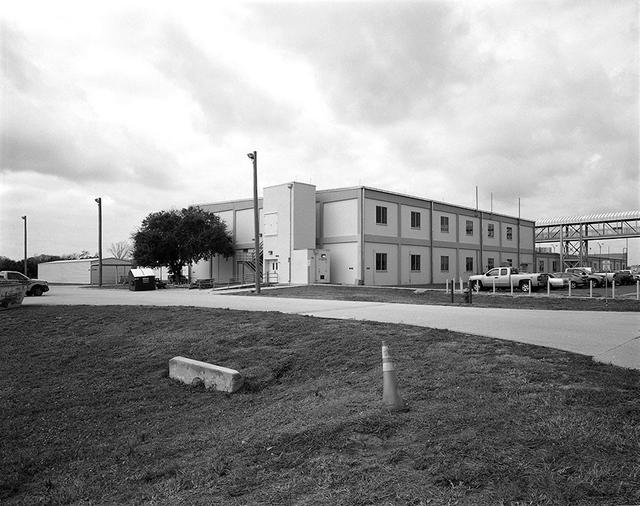
Exterior View of FCTB/EDL
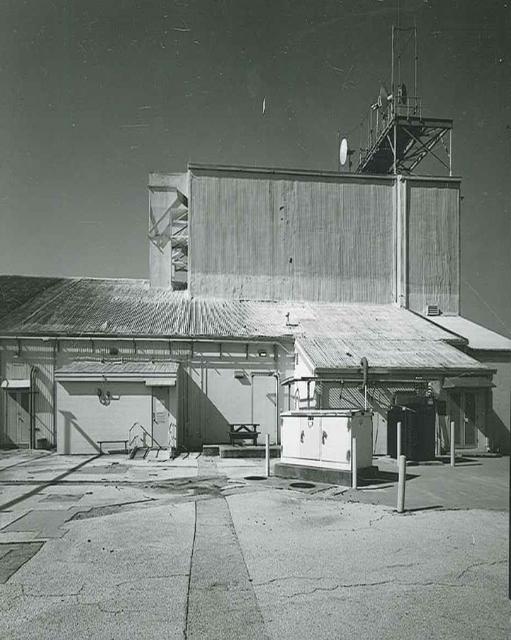
Exterior View of Hangar AE
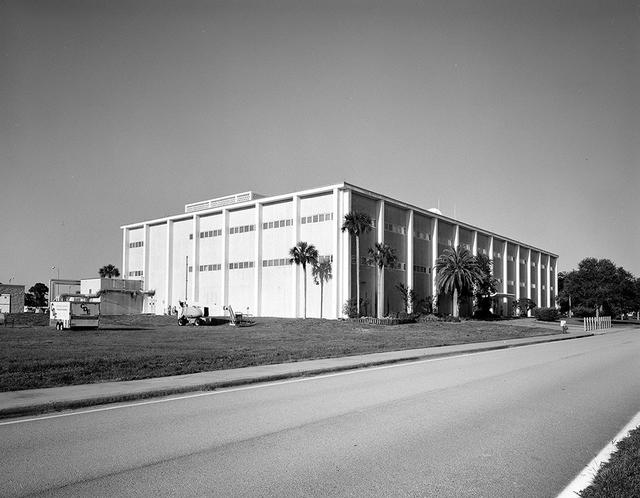
Exterior View of CIF
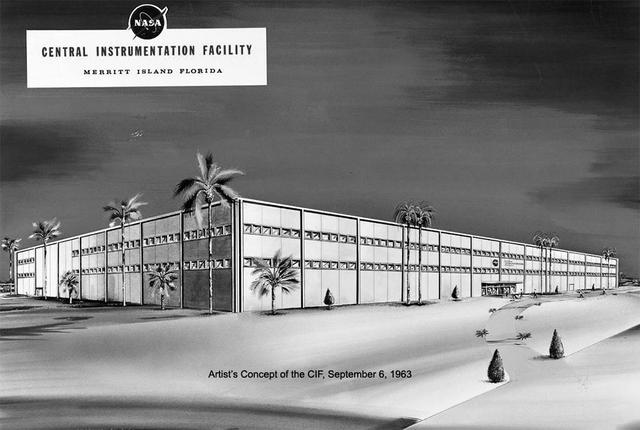
Exterior View of CIF
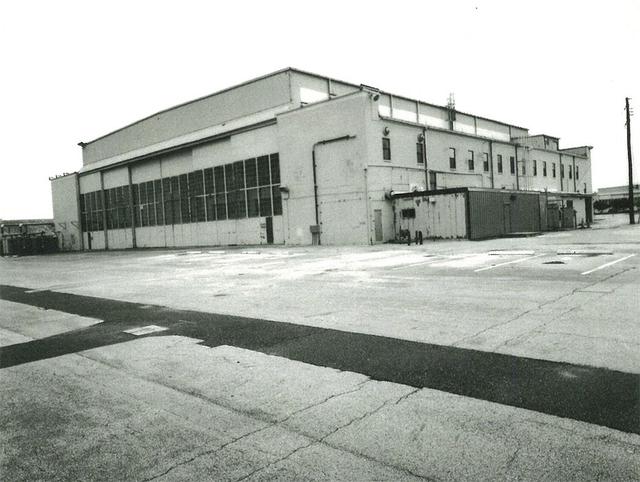
Exterior View of Hangar S
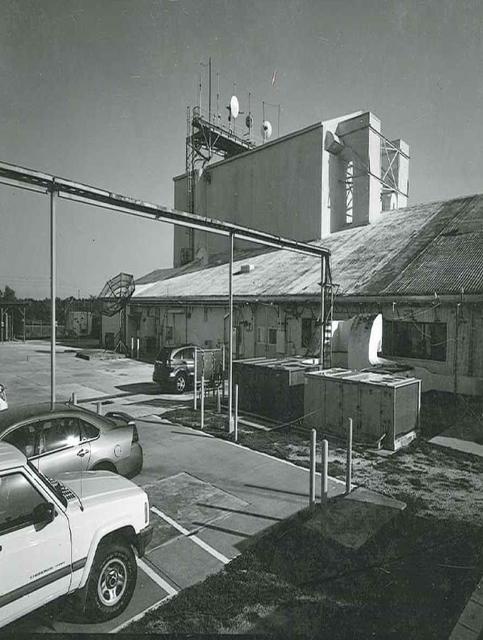
Exterior View of Hangar AE
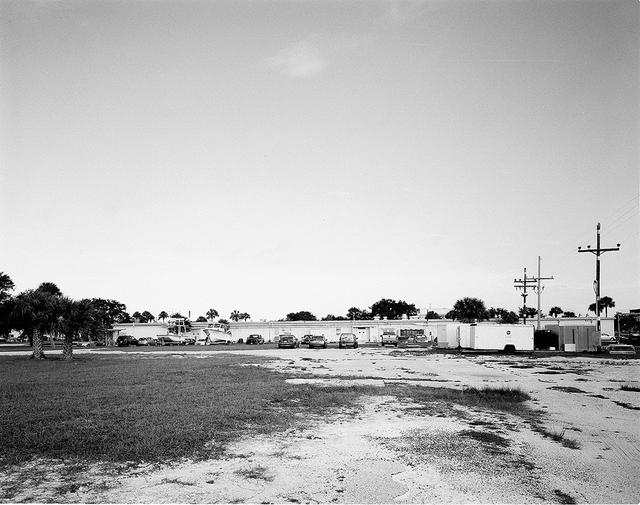
Exterior View of BOSU
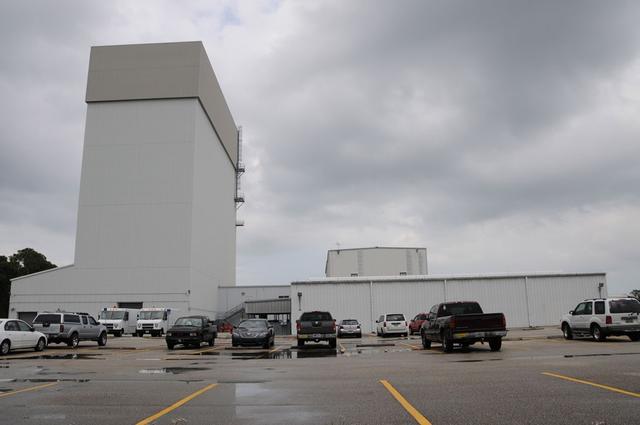
Exterior View of CRF
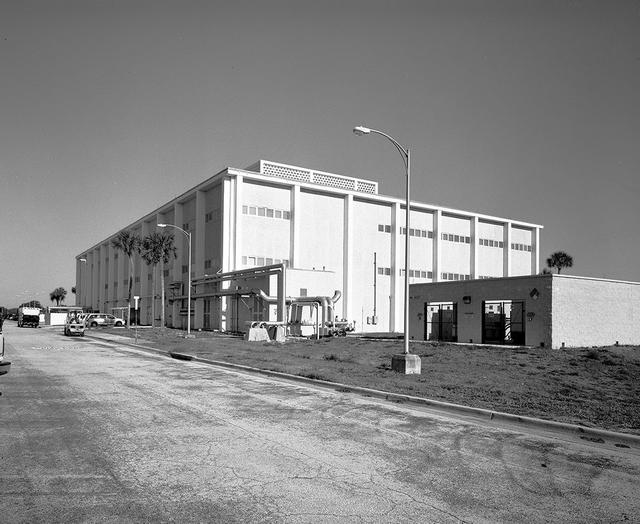
Exterior View of CIF
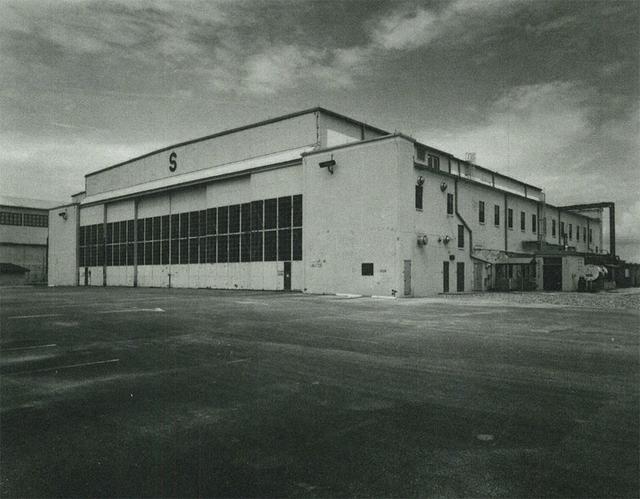
Exterior View of Hangar S
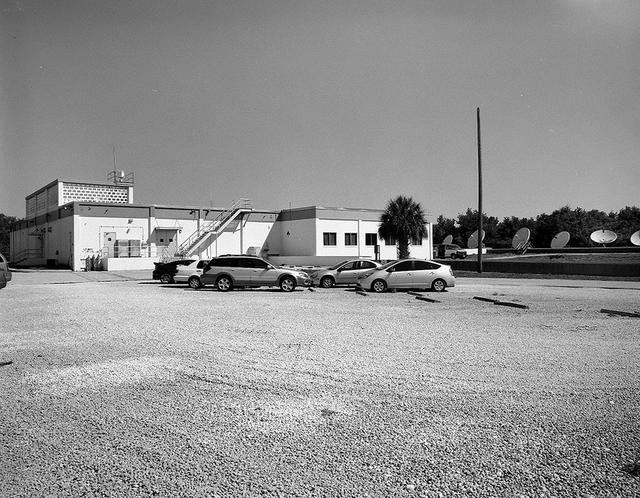
Exterior View of CIF
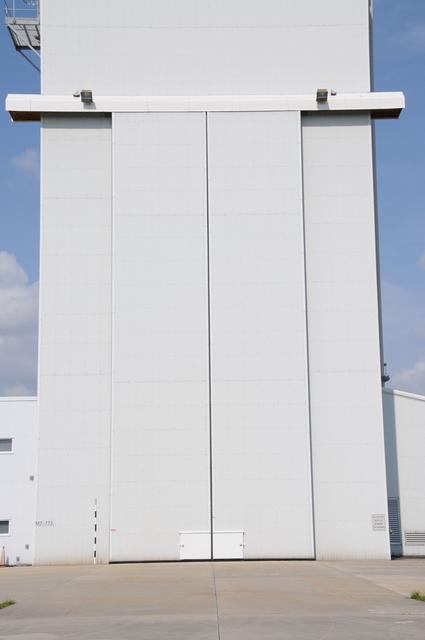
Exterior View of CRF
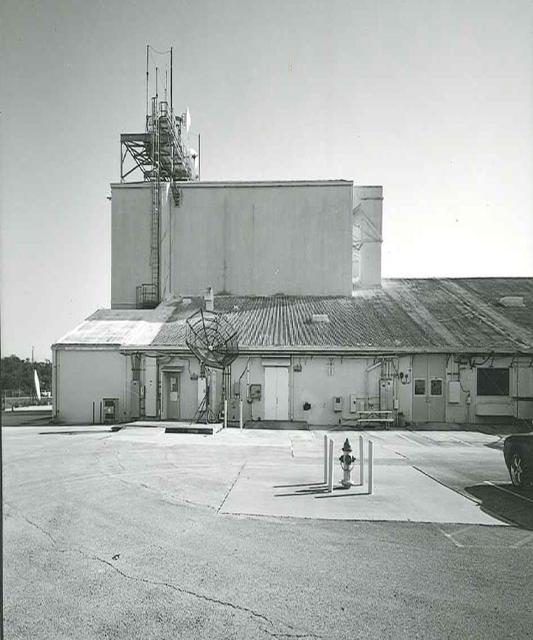
Exterior View of Hangar AE
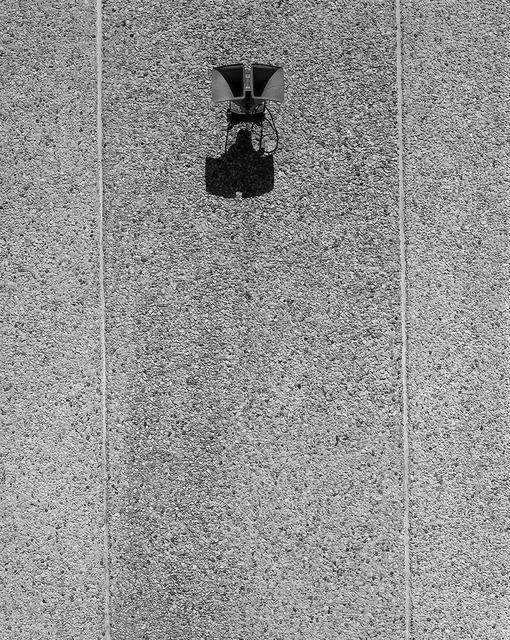
Exterior View of CIF
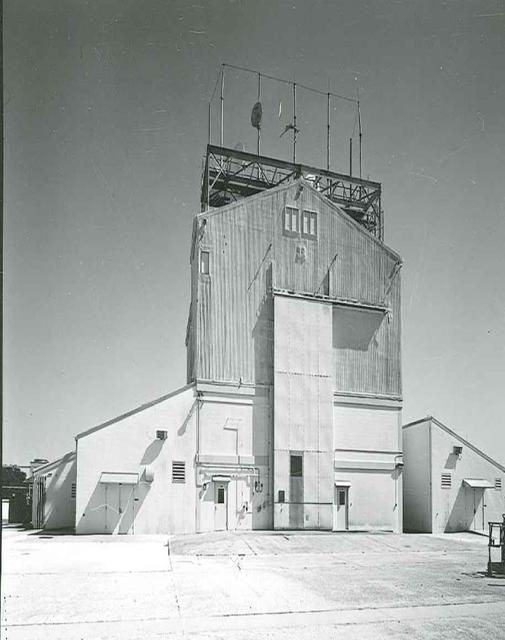
Exterior View of Hangar AE

Exterior View of CIF
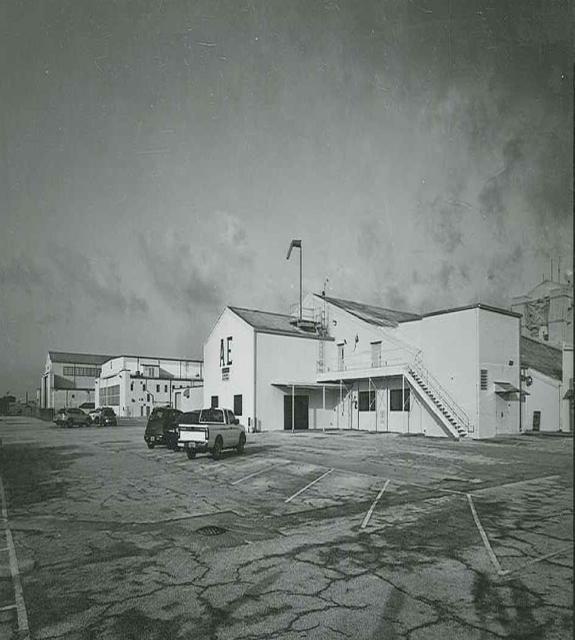
Exterior View of Hangar AE
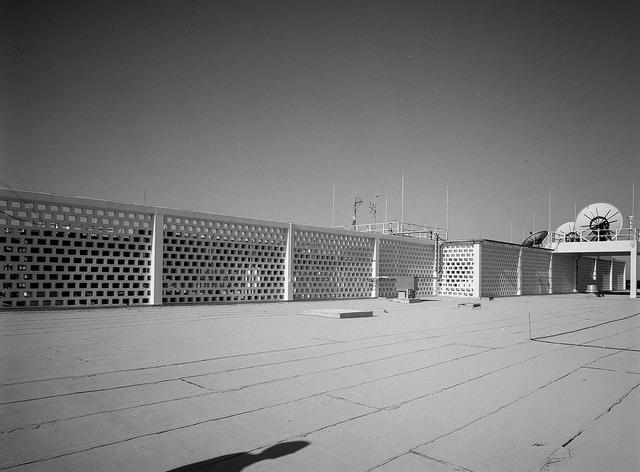
Exterior View of CIF
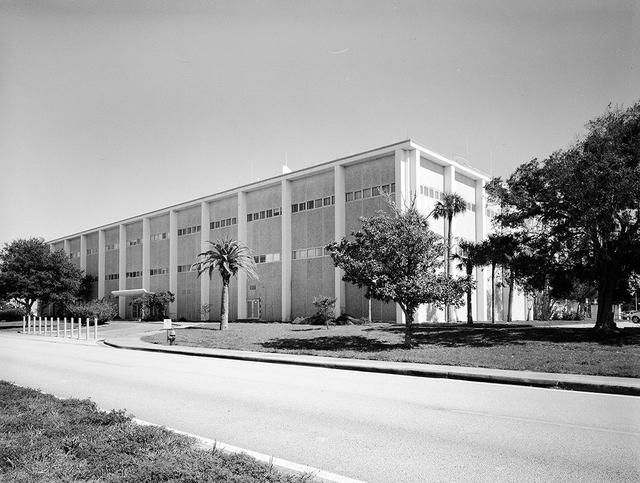
Exterior View of CIF
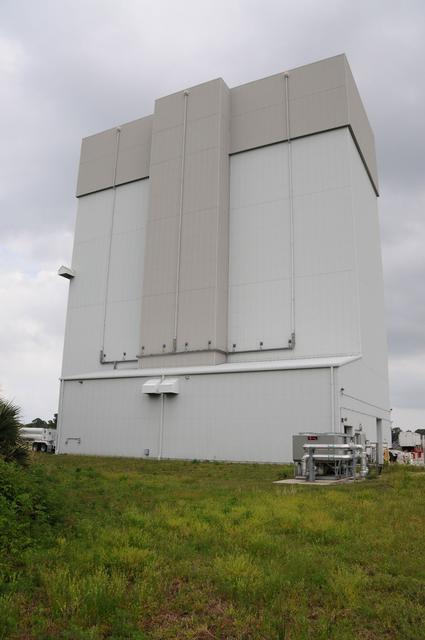
Exterior View of CRF
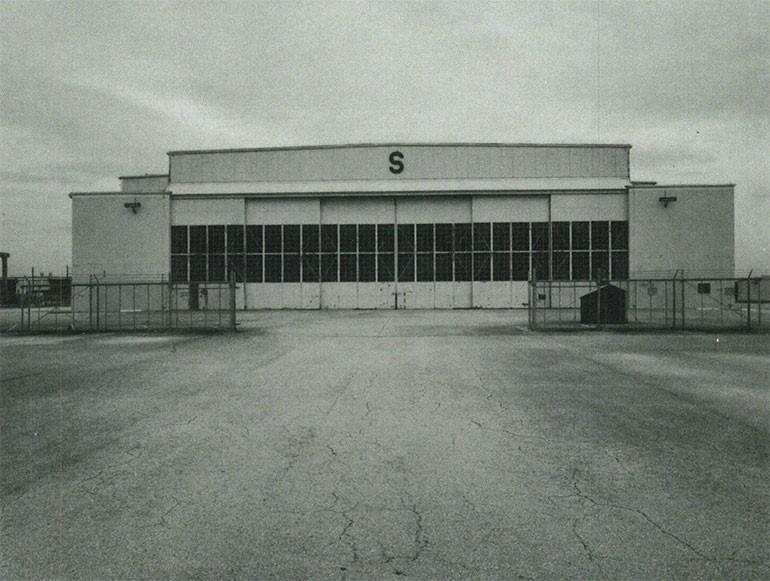
Exterior View of Hangar S
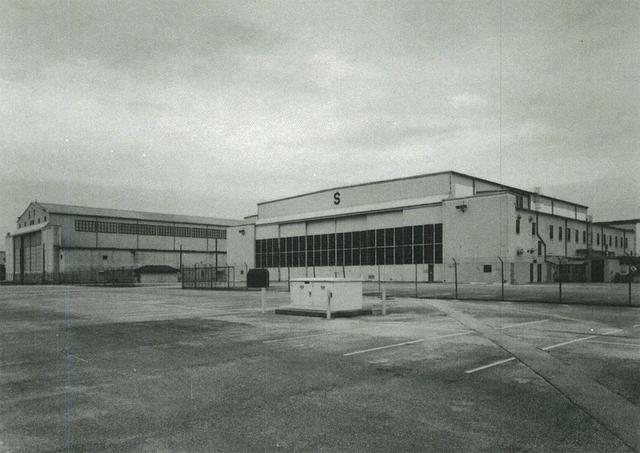
Exterior View of Hangar S
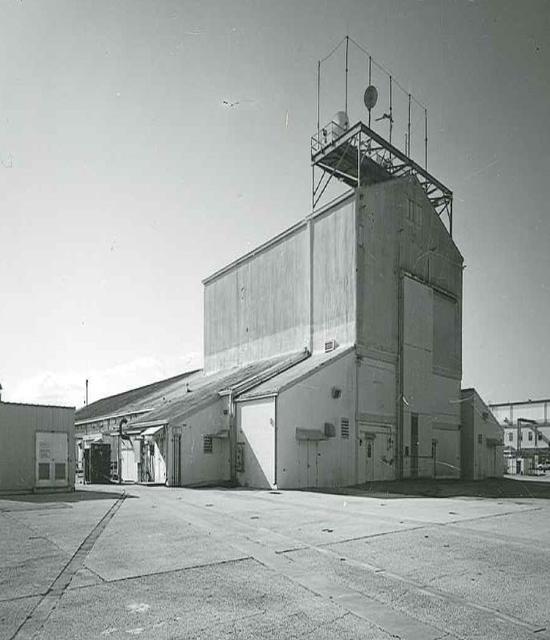
Exterior View of Hangar AE
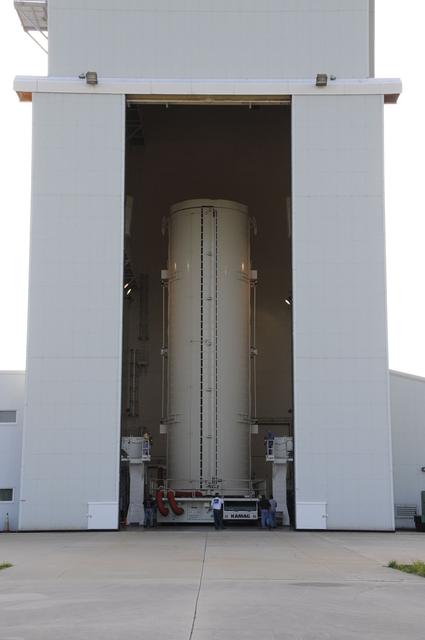
Exterior View of CRF
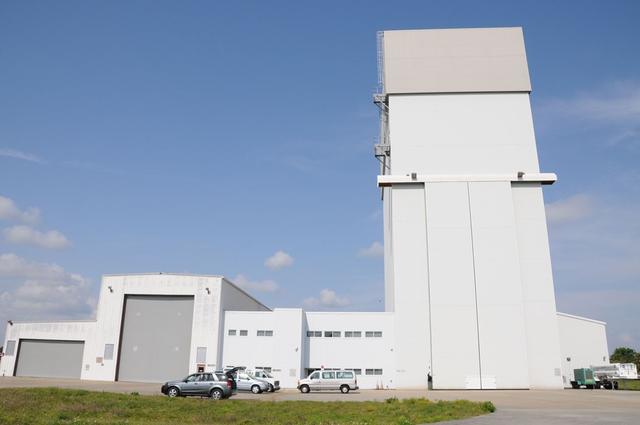
Exterior View of CRF
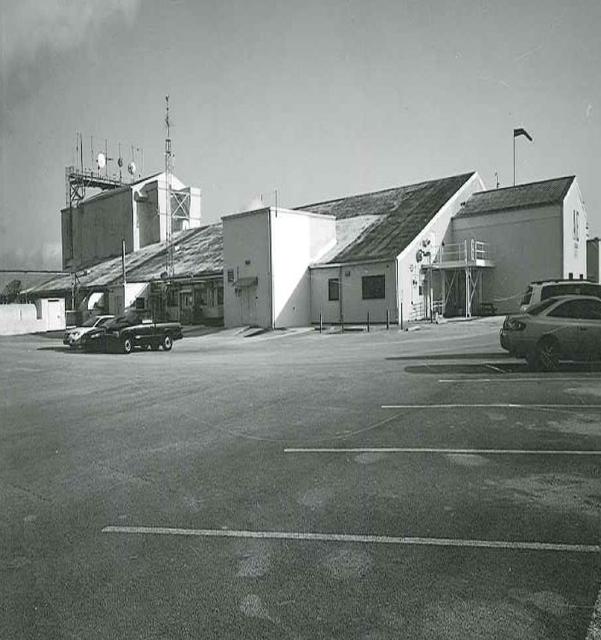
Exterior View of Hangar AE
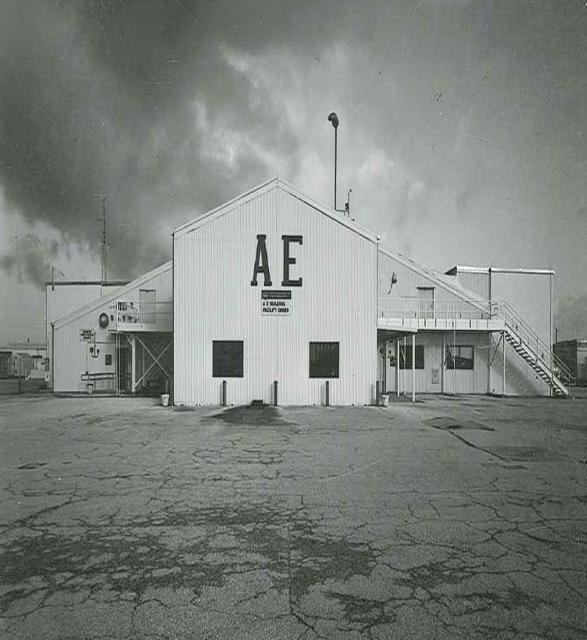
Exterior View of Hangar AE
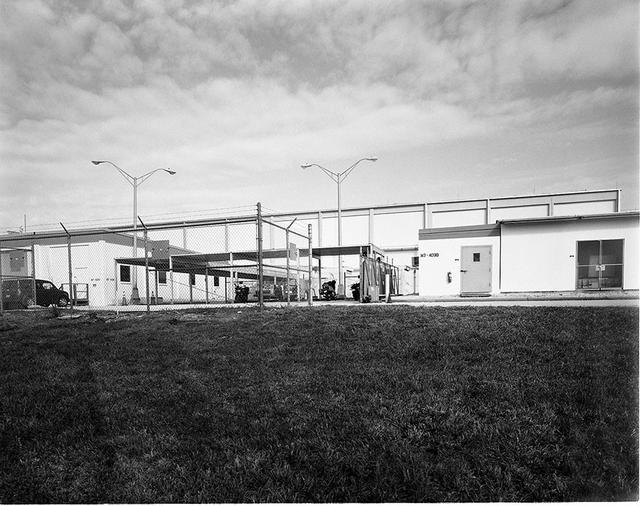
Exterior View of FCTB/EDL
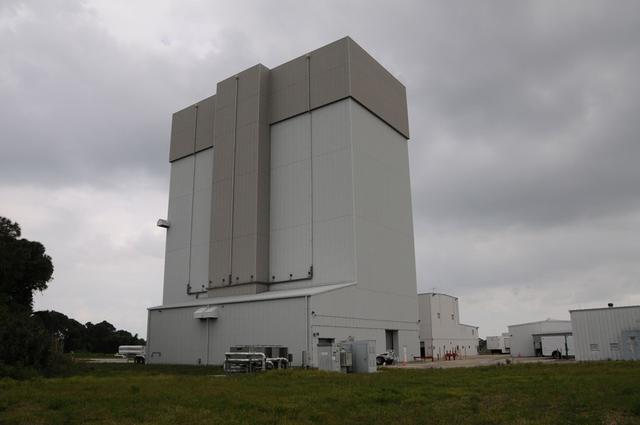
Exterior View of CRF
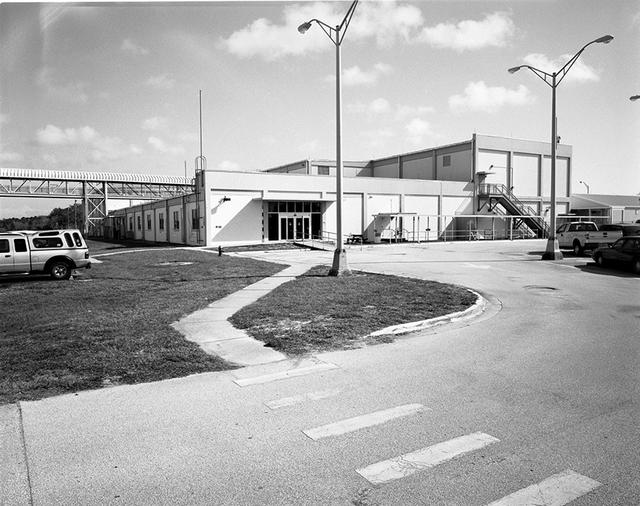
Exterior View of FCTB/EDL
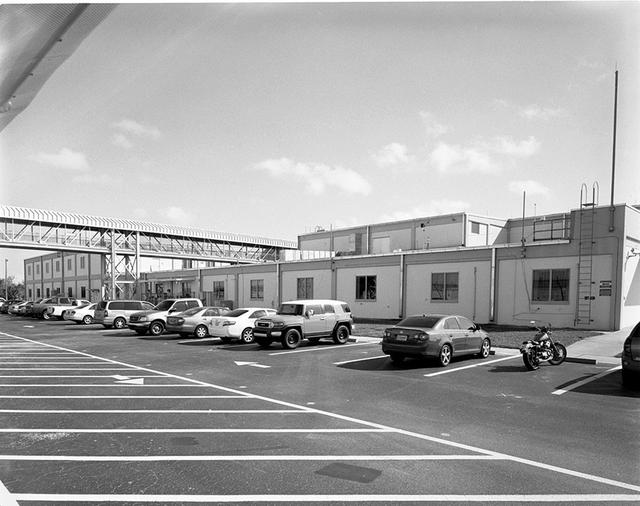
Exterior View of FCTB/EDL
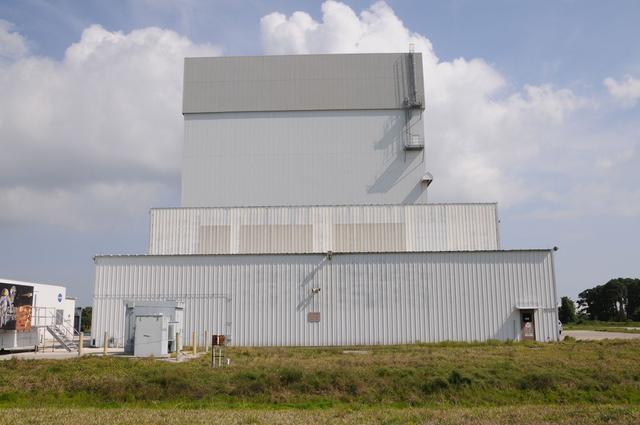
Exterior View of CRF
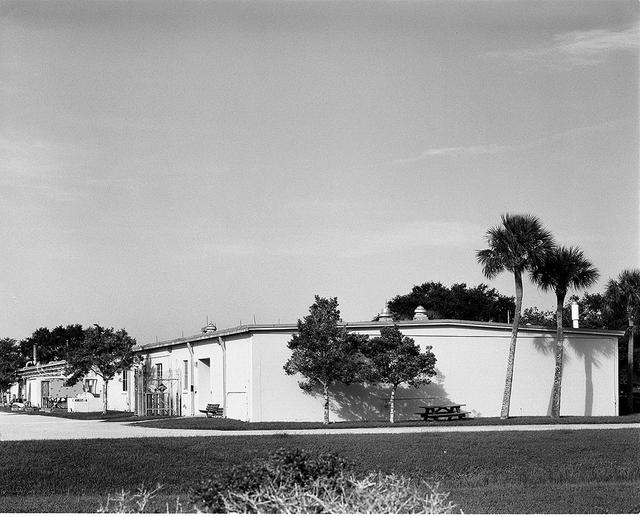
Exterior View of BOSU
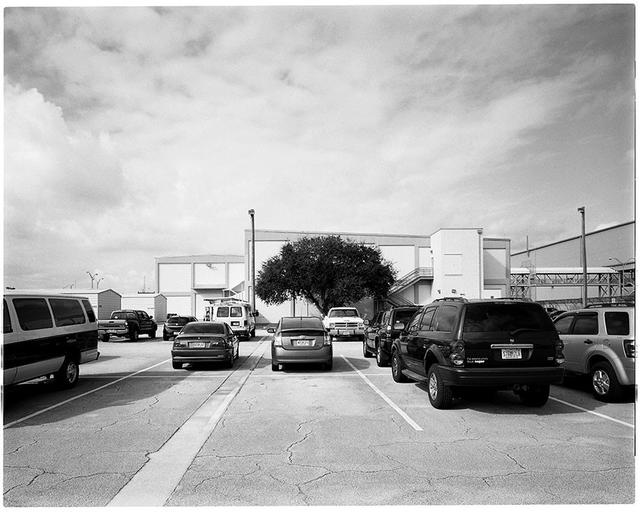
Exterior View of FCTB/EDL
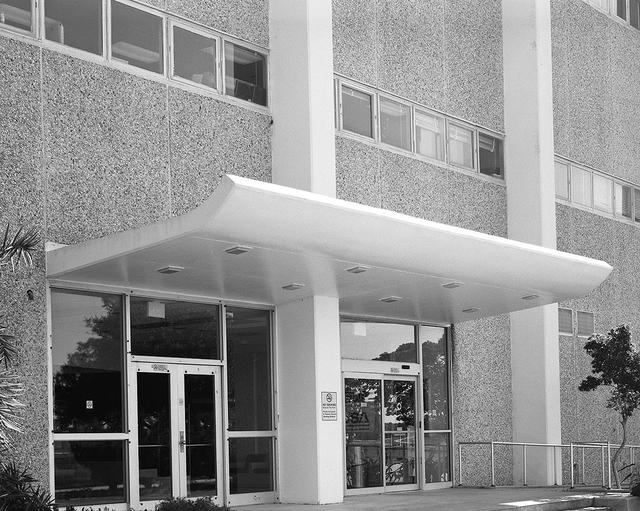
Exterior View of CIF
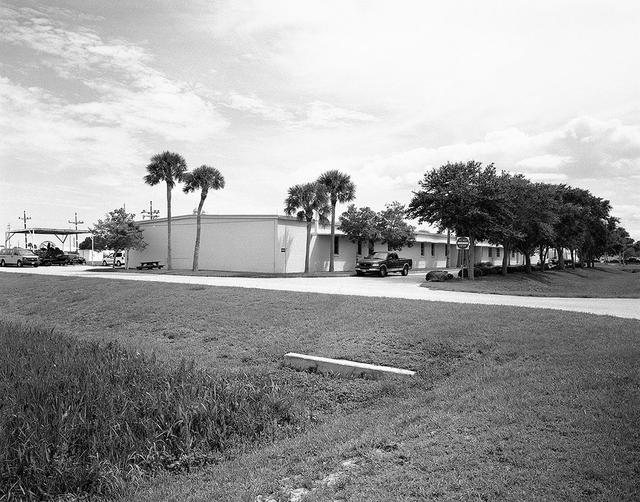
Exterior View of BOSU
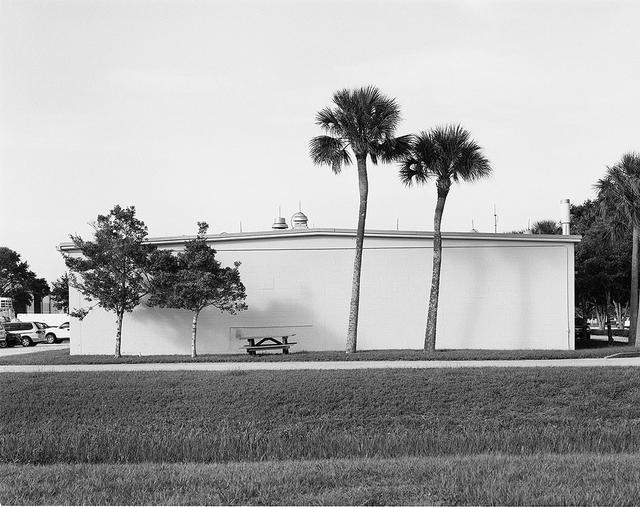
Exterior View of BOSU
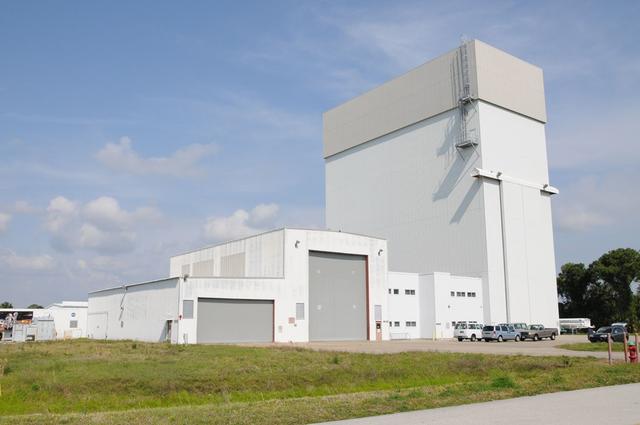
Exterior View of CRF
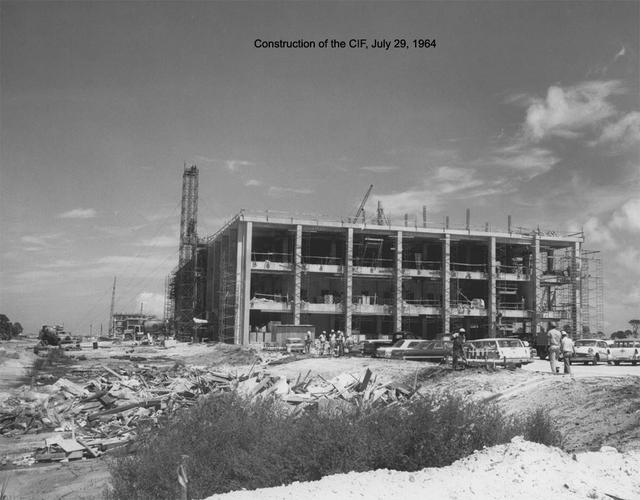
Exterior View of CIF
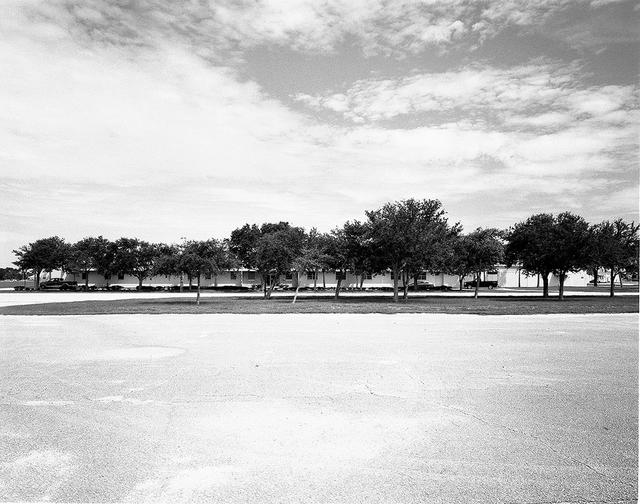
Exterior View of BOSU
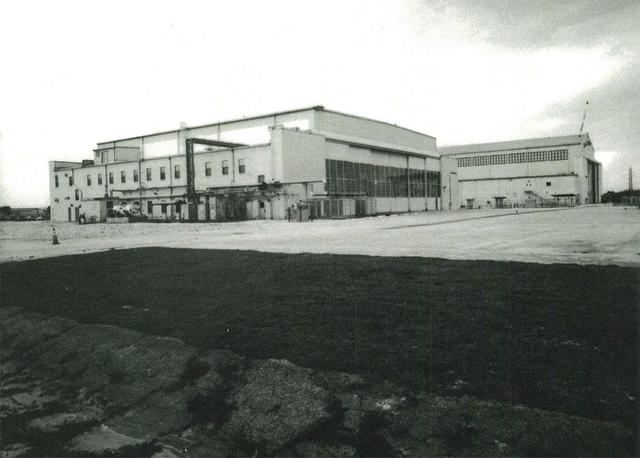
Exterior View of Hangar S
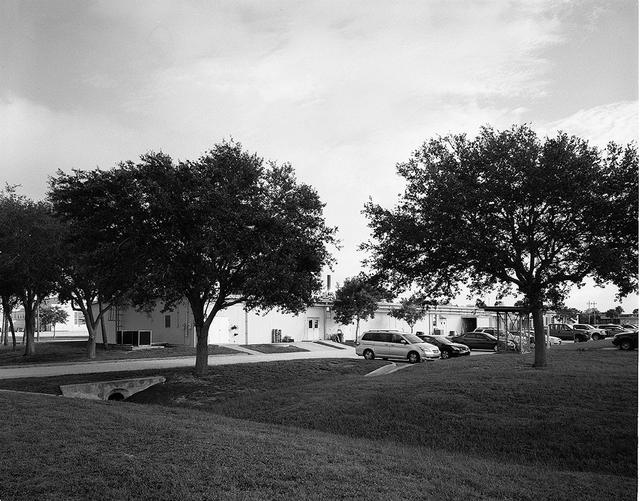
Exterior View of BOSU
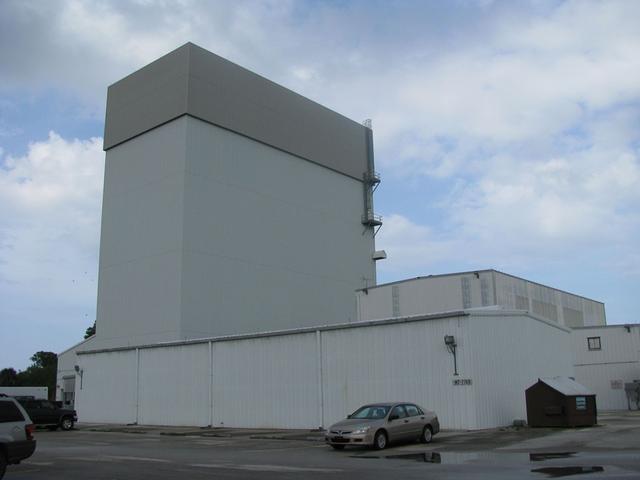
Exterior View of CRF
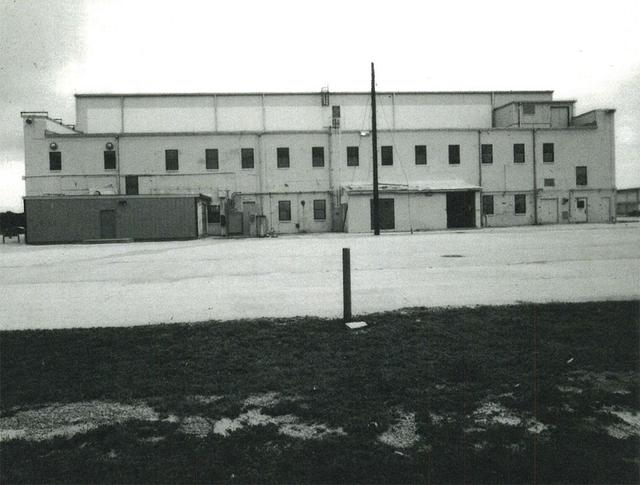
Exterior View of Hangar S
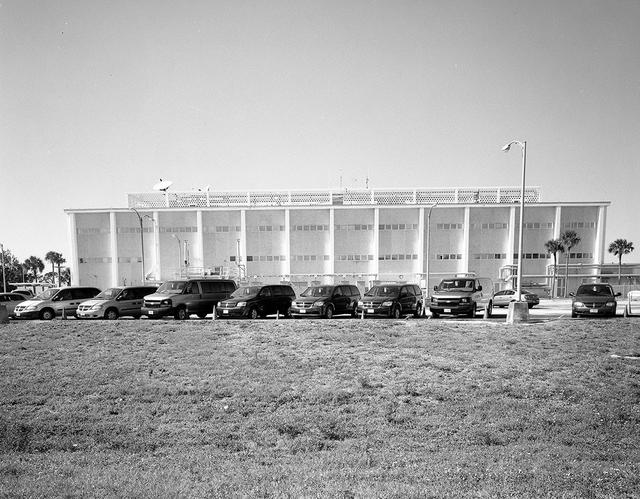
Exterior View of CIF
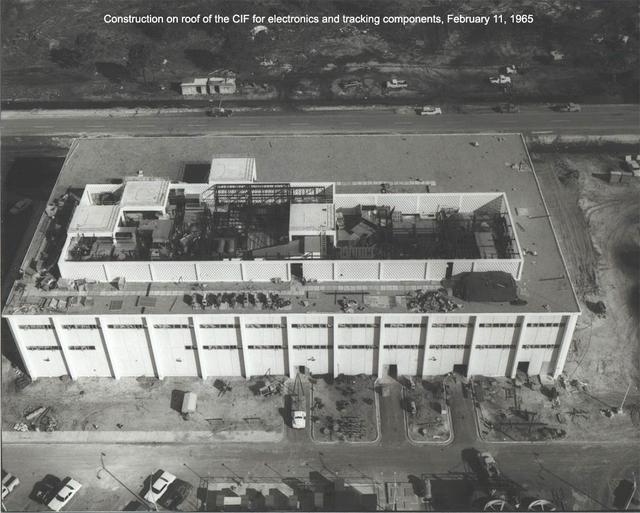
Exterior View of CIF
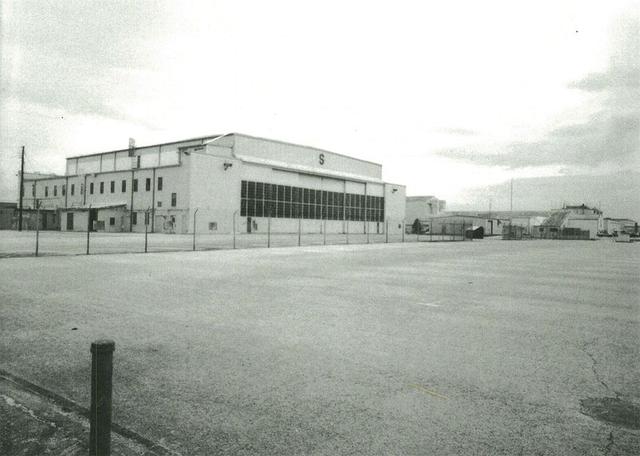
Exterior View of Hangar S
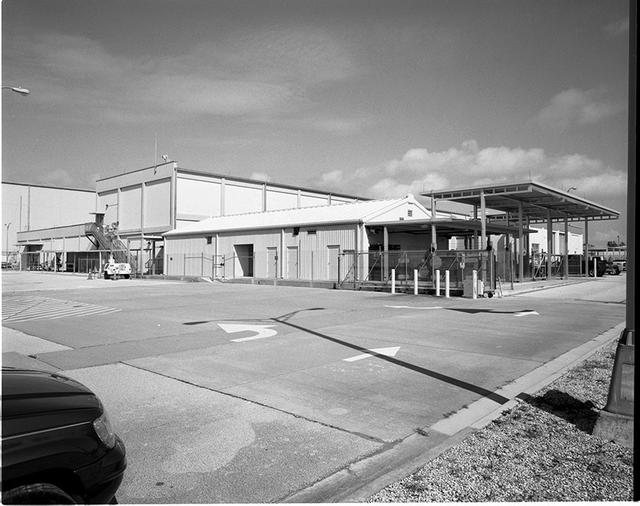
Exterior View of FCTB/EDL
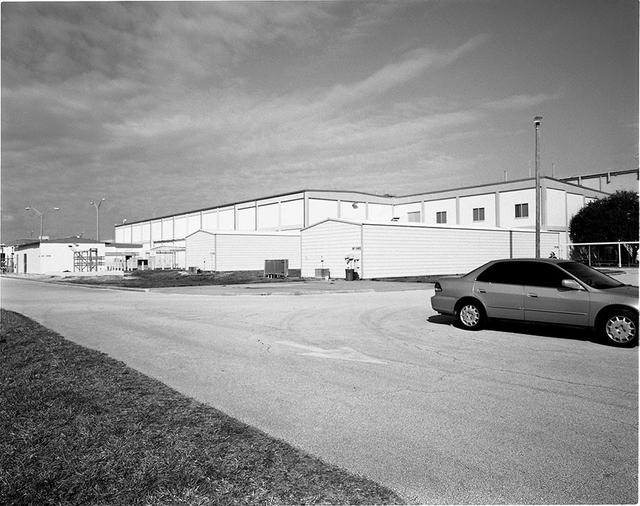
Exterior View of FCTB/EDL
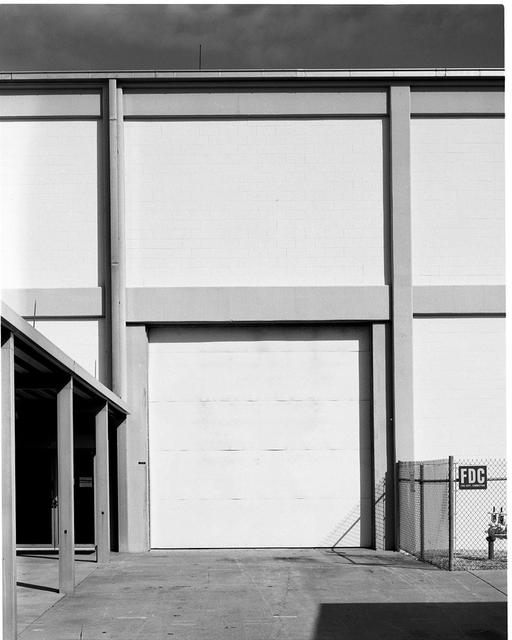
Exterior View of FCTB/EDL
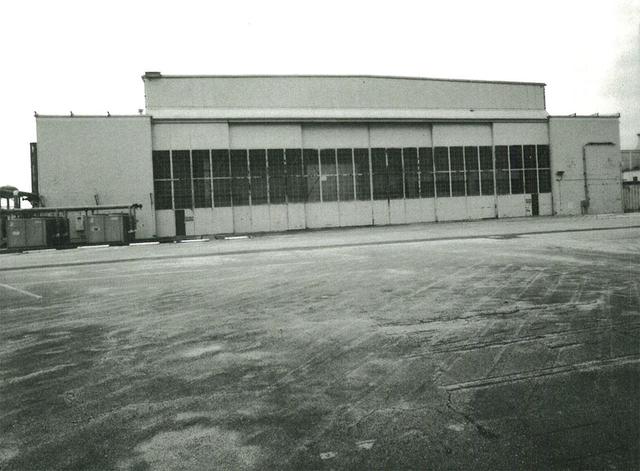
Exterior View of Hangar S

Exterior View of CRF
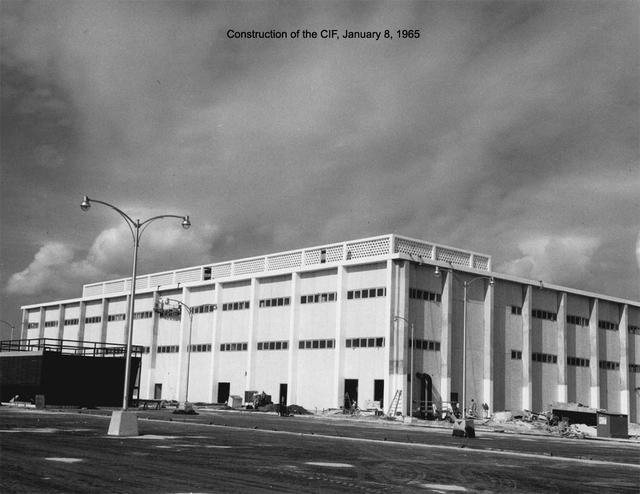
Exterior View of CIF
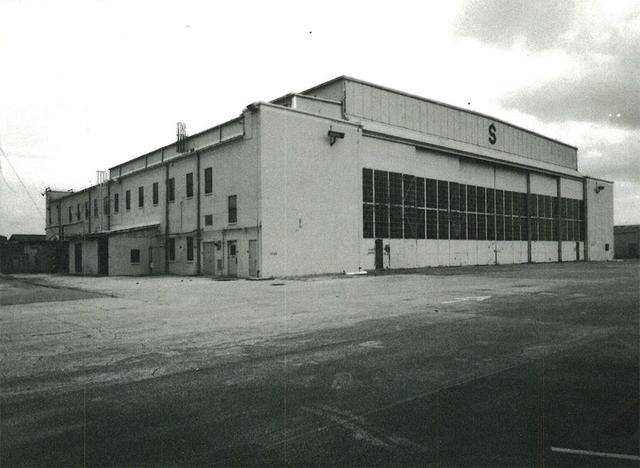
Exterior View of Hangar S

Exterior View of CIF
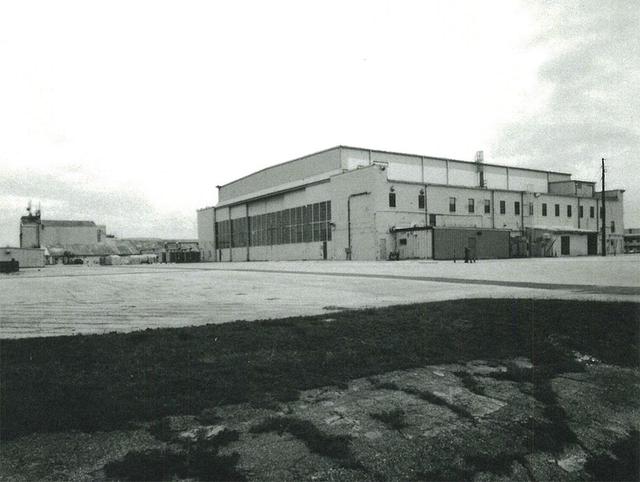
Exterior View of Hangar S