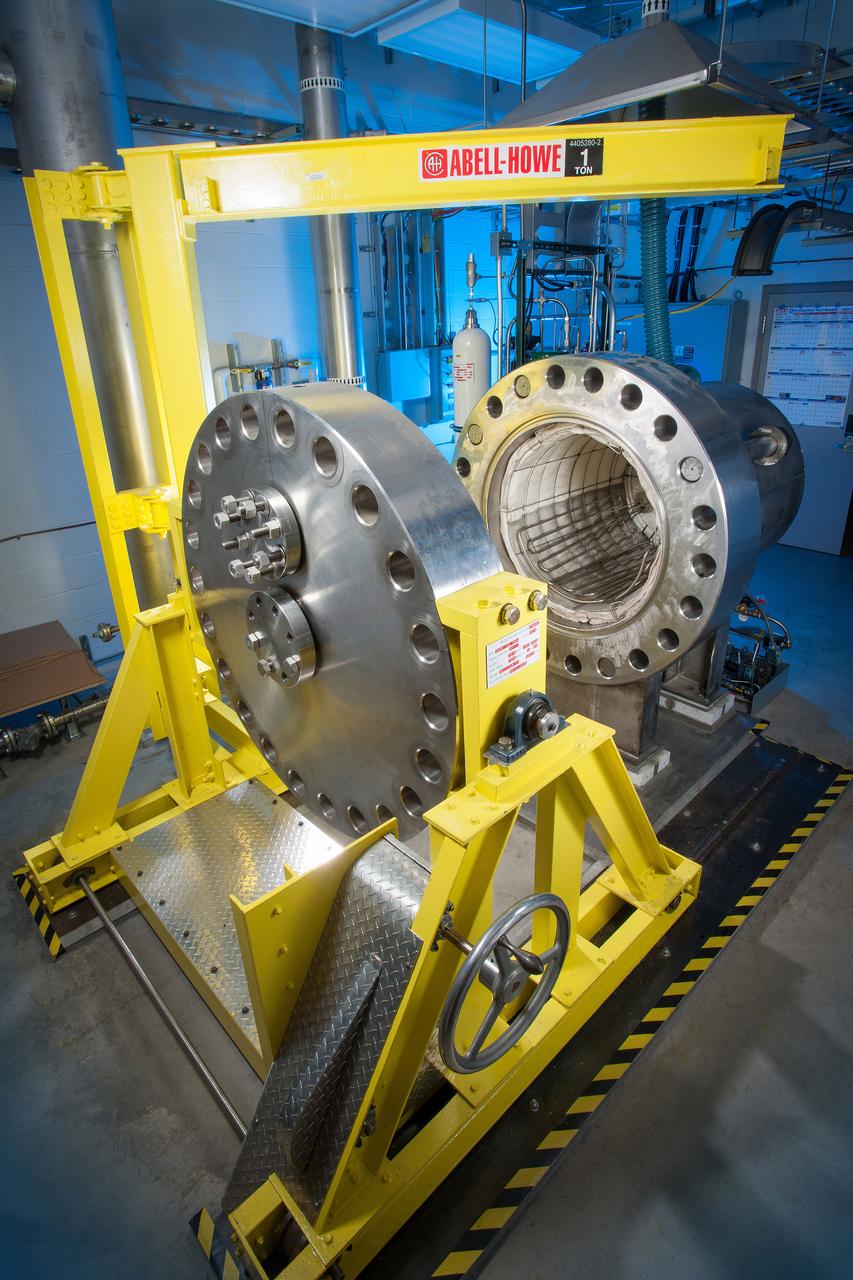
The Glenn Extreme Environment Chamber (GEER) simulates the extreme conditions found in space and tests many devices that will explore Venus to see if they can withstand the punishing environment and temperatures over 800 degrees F.
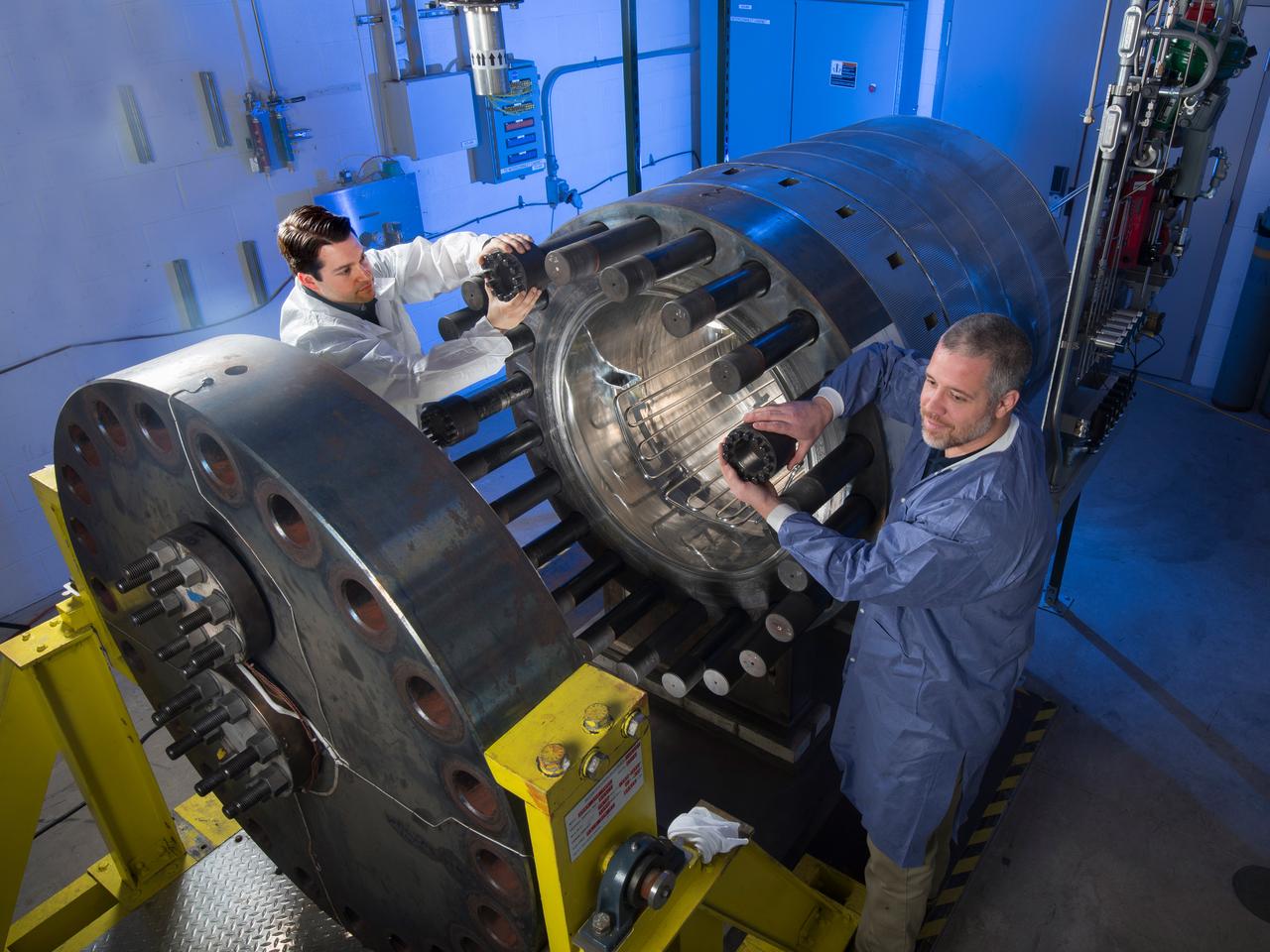
NASA Glenn research engineers prepare our extreme environments chamber (GEER) for a test. GEER, which simulates the extreme conditions found in space, tests many devices that will explore Venus to see if they can withstand the punishing environment and temperatures over 800˚F.
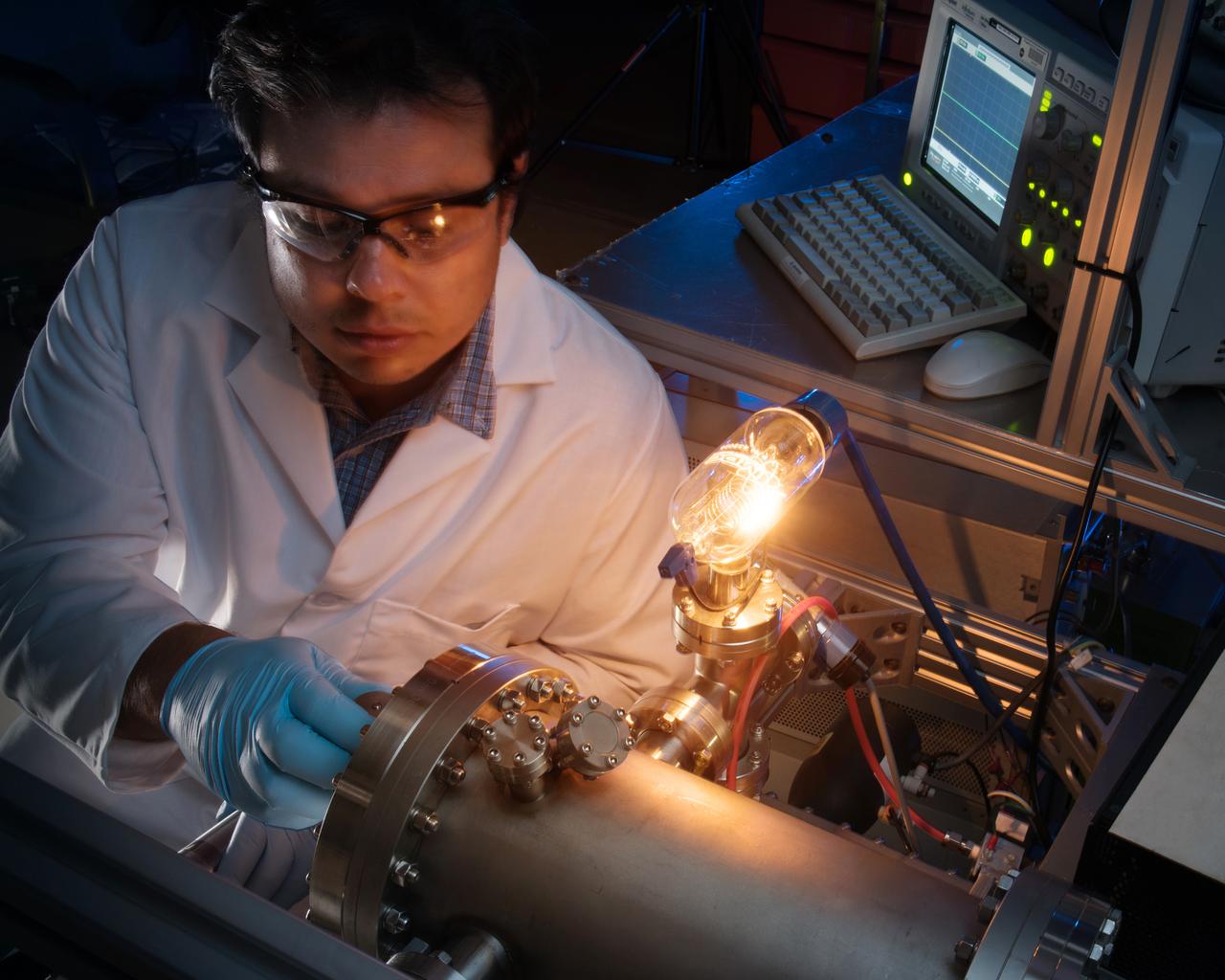
Glenn's Extreme Environment Rig, GEER Mass Spectrometer
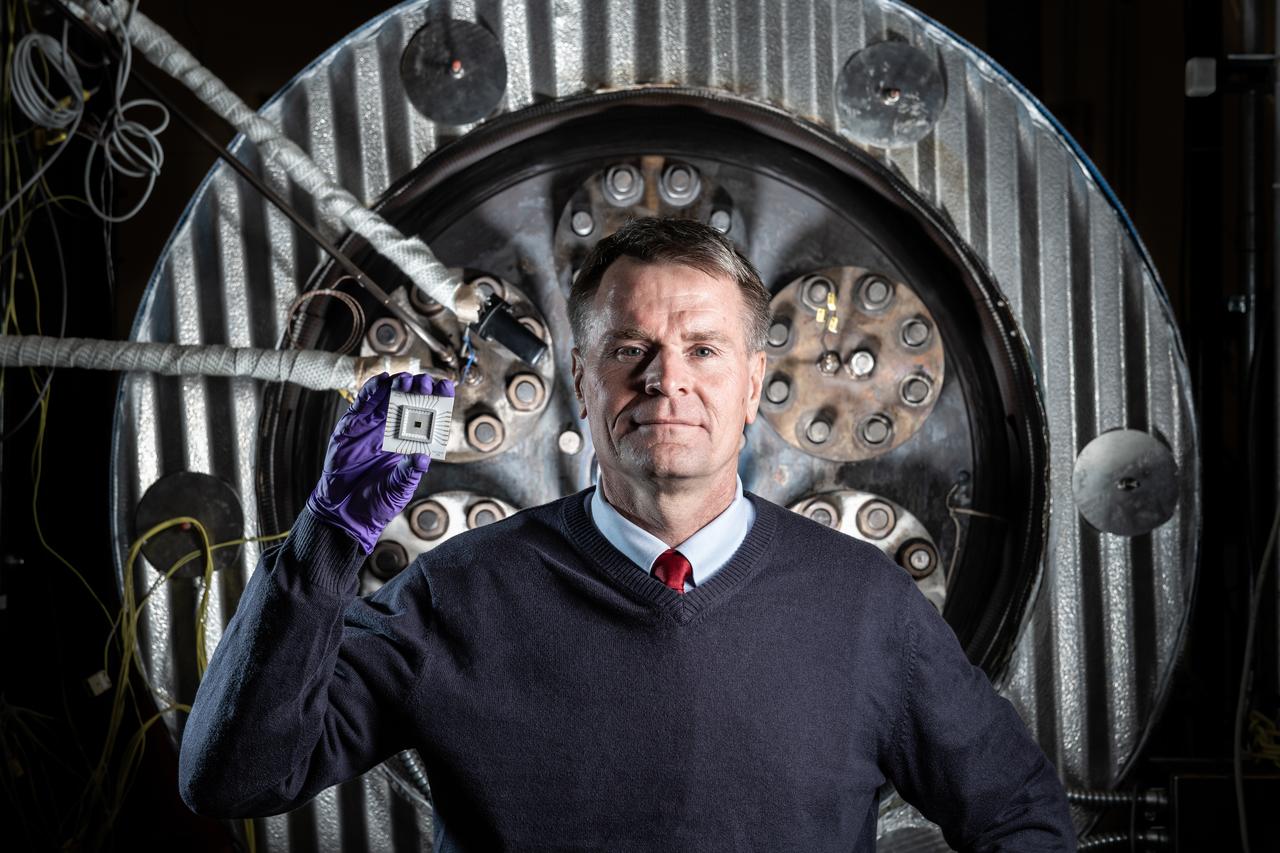
Phil Neudeck- Can Take the Heat When it comes to the heat of extreme environments like Venus, electronics can get fried within a few minutes of arrival. But NASA Researcher Phil Neudeck and his team have developed extremely durable silicon carbide semiconductor integrated circuits to survive those harsh conditions. After successfully testing the electronics in our high-pressure, high-temperature extreme environments chamber, there is now a path forward for Venus landers to survive and operate scientific experiments on the planet’s surface for longer durations.
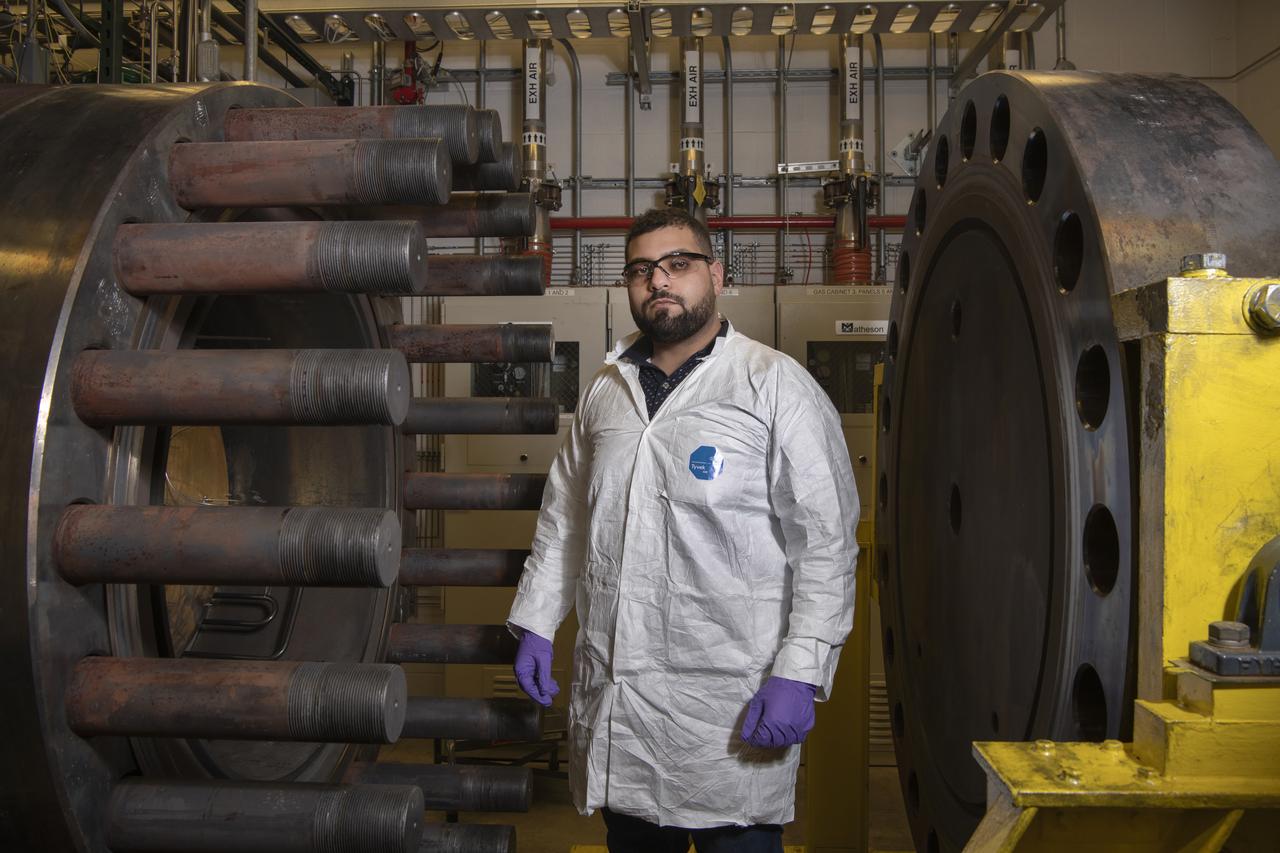
Daniel Gerges, Technician, poses for a portrait in the Glenn Extreme Environments Rig, GEER Lab
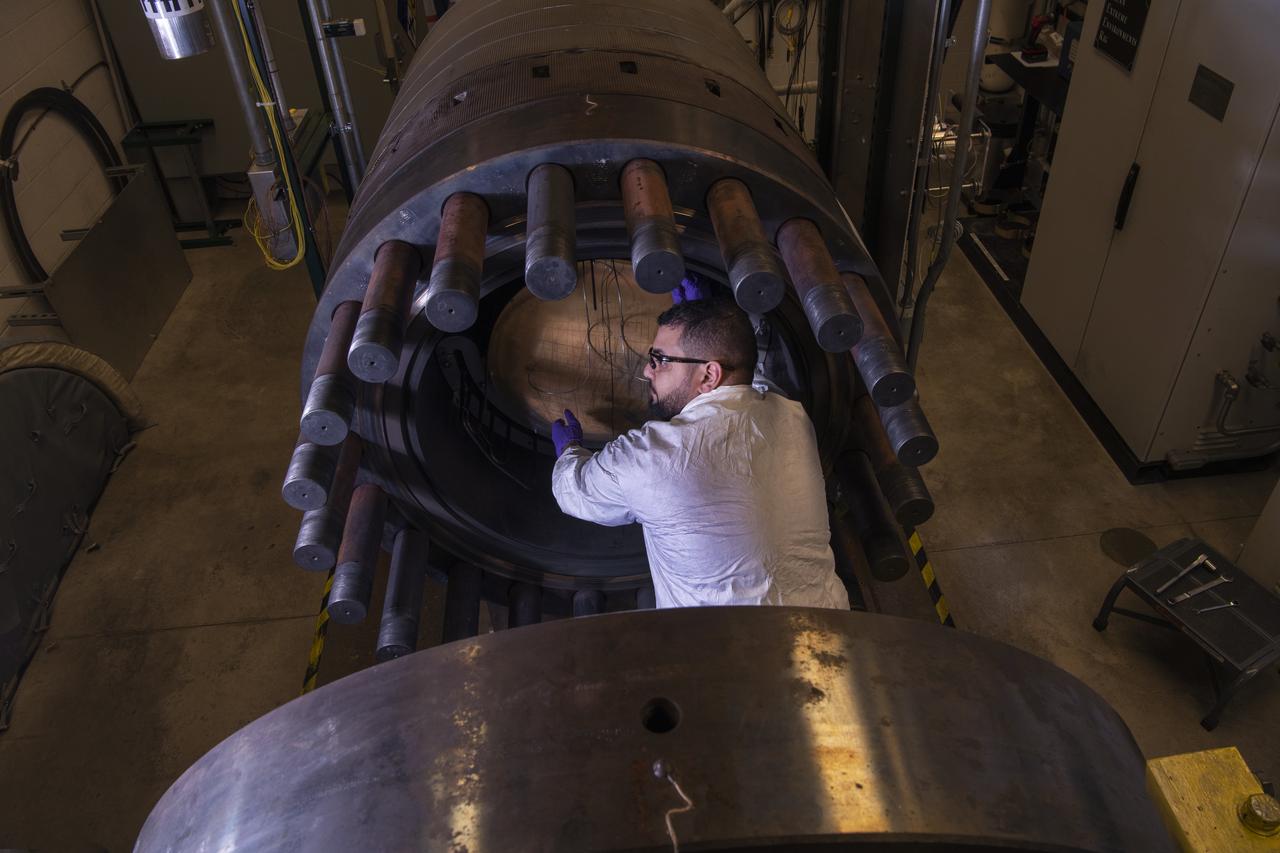
Juno testing in Glenn Extreme Environments Rig, GEER Laboratory. Juno is a solar-powered NASA spacecraft that spans the width of a basketball court and makes long, looping orbits around giant planet Jupiter
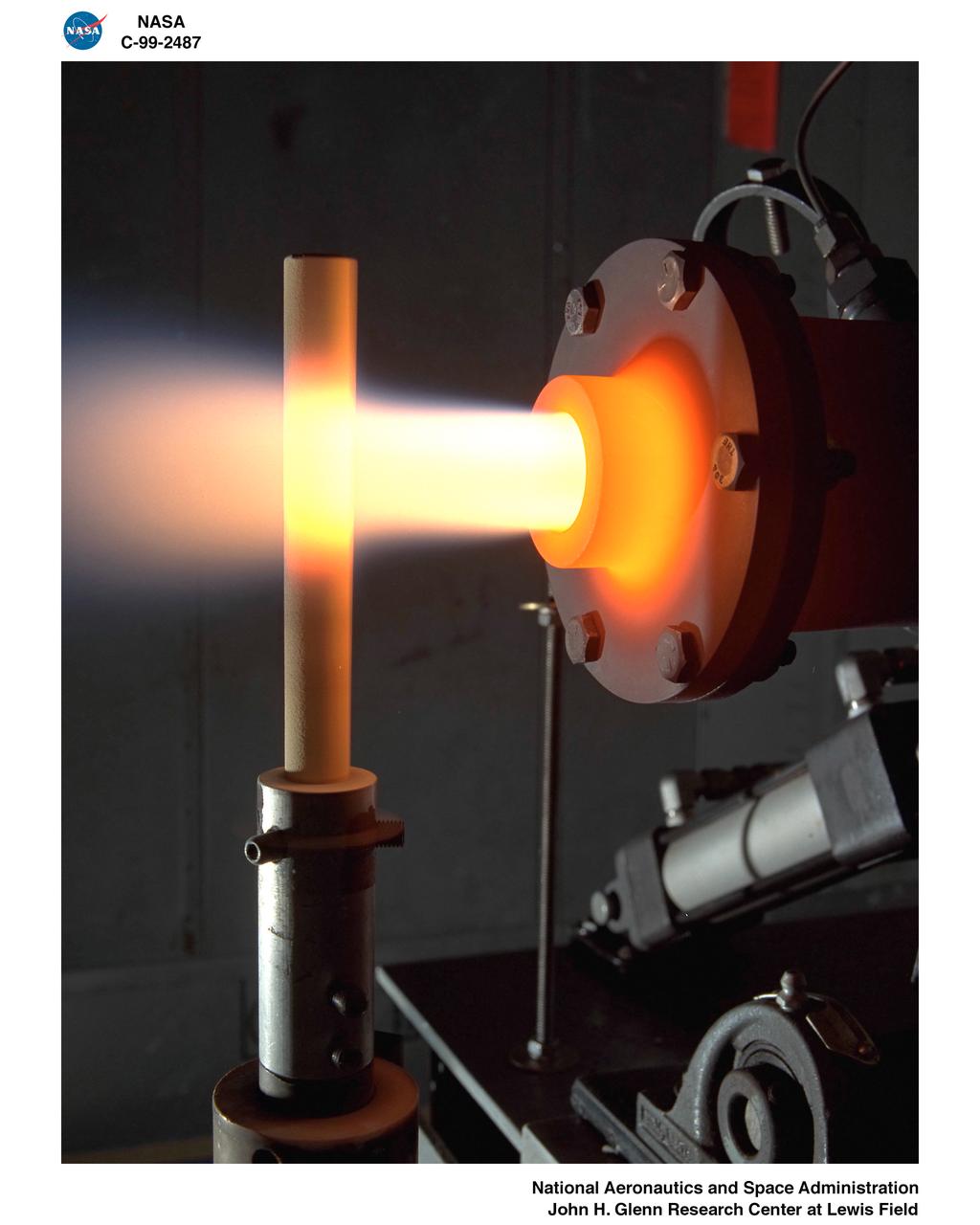
Materials and Structures for Extreme Environments - THERMAL BARRIER COATED SUPER ALLOY

This artist concept illustrates what the flaring black hole called GX 339-4 might look like. Infrared observations from NASA WISE reveal the best information yet on the chaotic and extreme environments of this black hole jets.
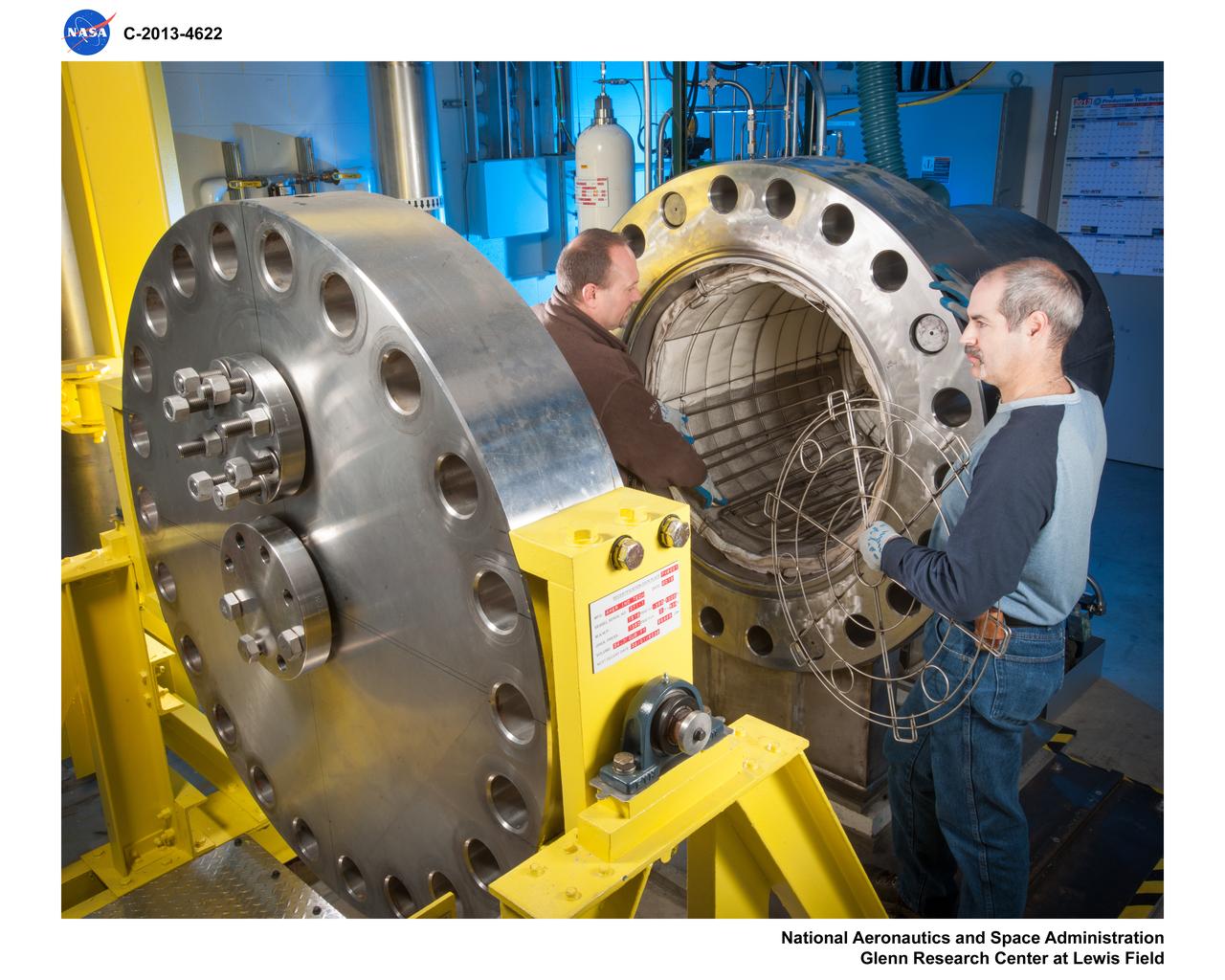
Glenn Extreme Environments Rig, GEER, Test Chamber, recreate Venus conditions on Earth, photos of insulation construction progress
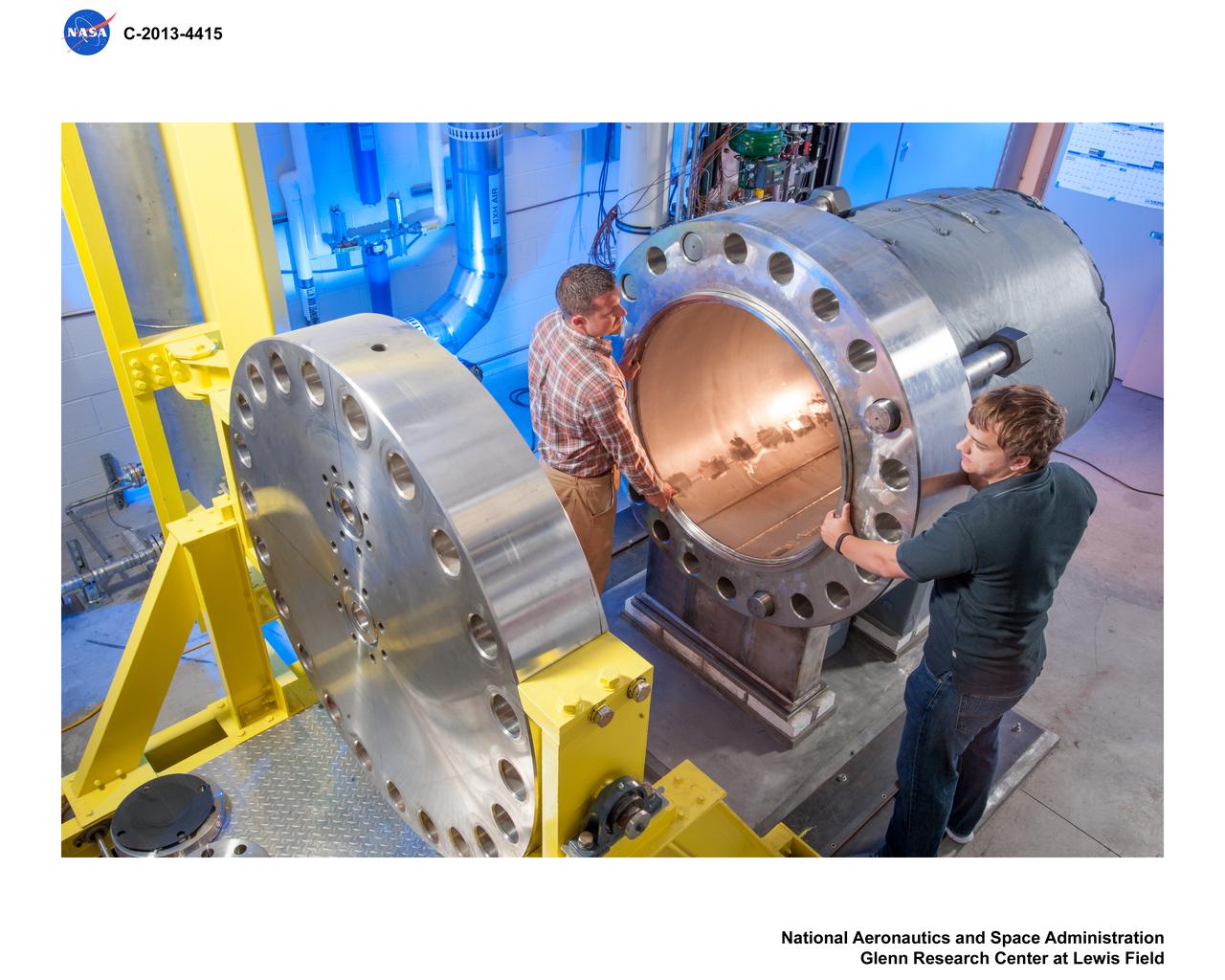
Glenn Extreme Environments Rig, GEER, Test Chamber used to create Venus Conditions on Earth
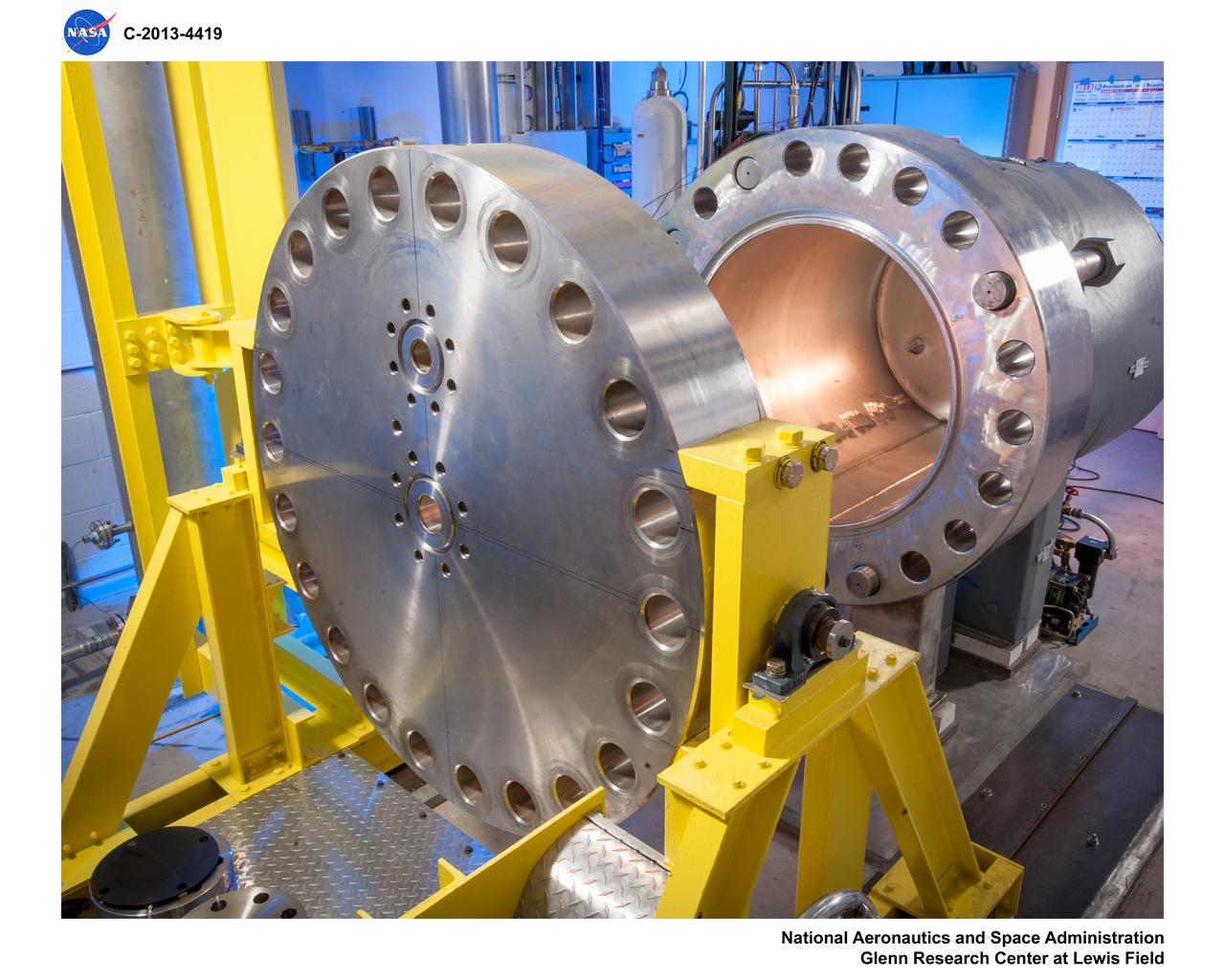
Glenn Extreme Environments Rig, GEER, Test Chamber used to create Venus Conditions on Earth
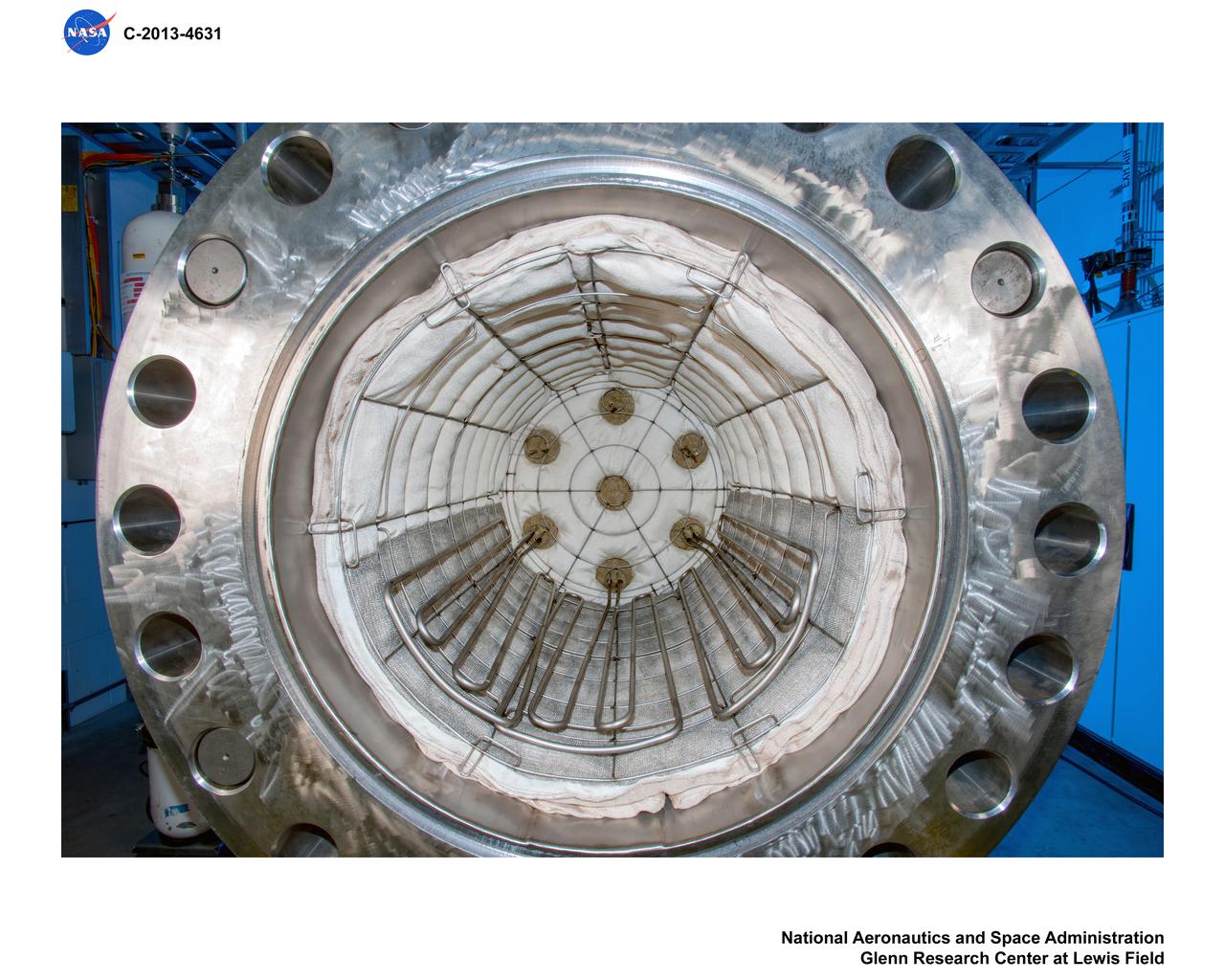
Glenn Extreme Environments Rig, GEER, Test Chamber, recreate Venus conditions on Earth, photos of insulation construction progress
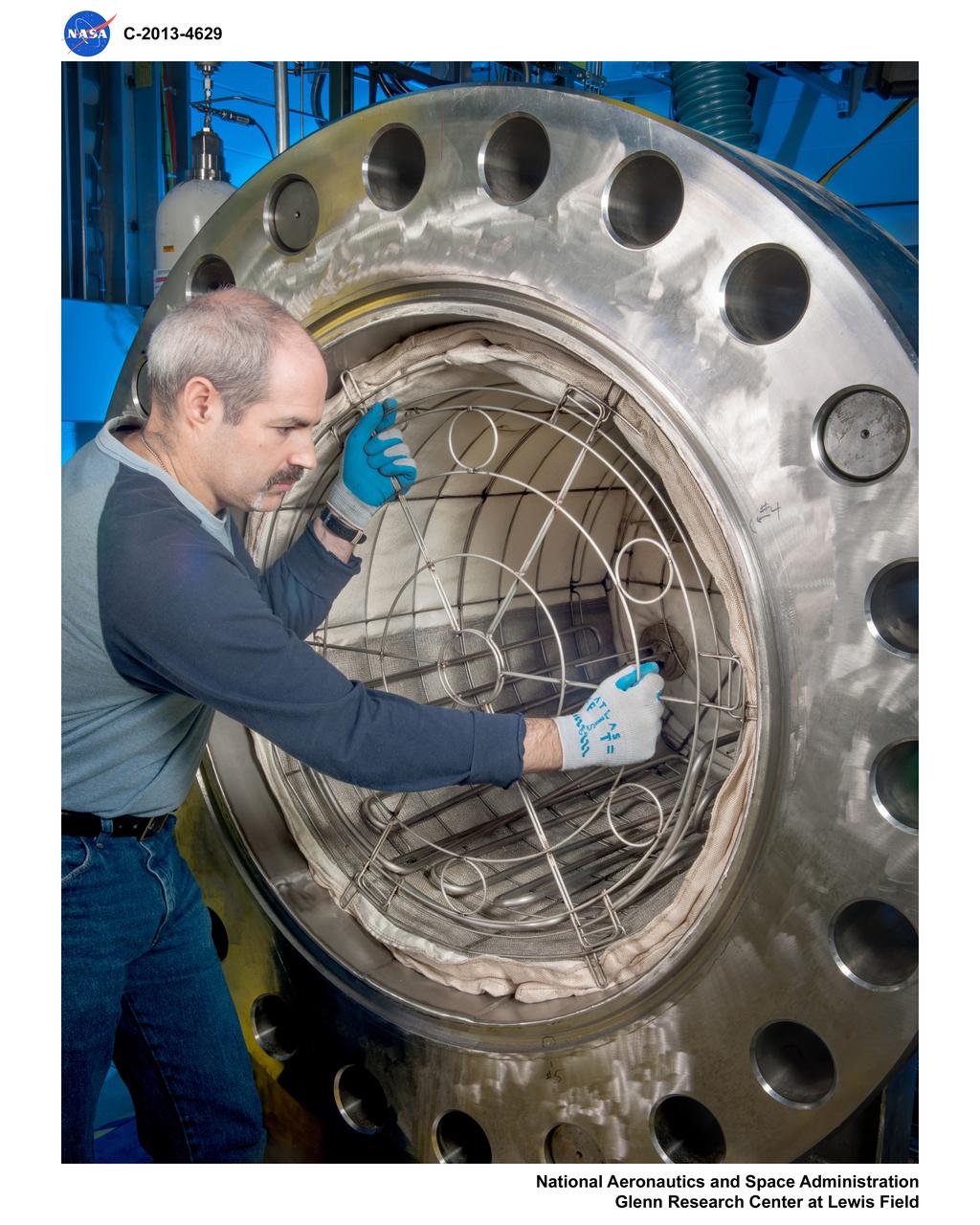
Glenn Extreme Environments Rig, GEER, Test Chamber, recreate Venus conditions on Earth, photos of insulation construction progress
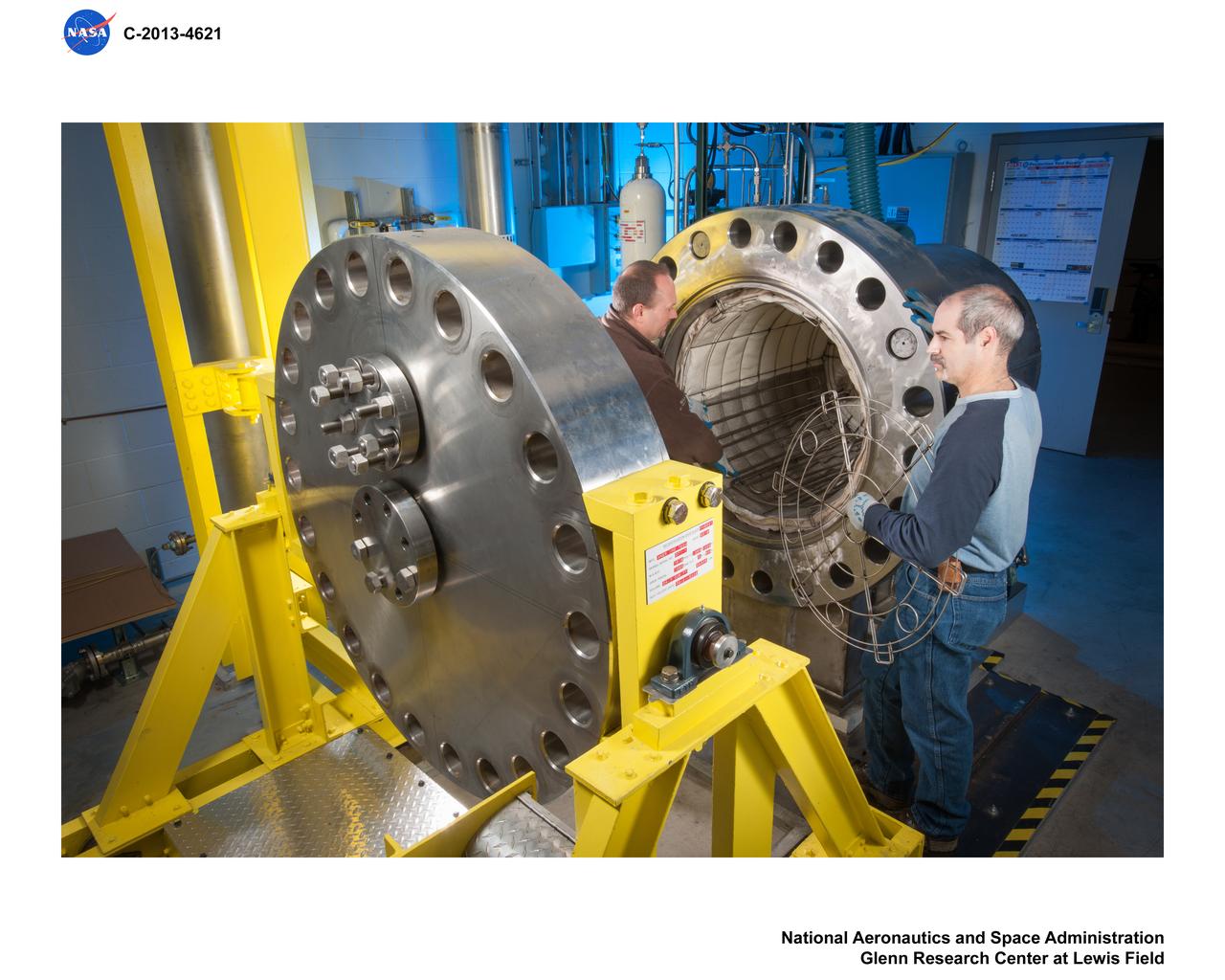
Glenn Extreme Environments Rig, GEER, Test Chamber, recreate Venus conditions on Earth, photos of insulation construction progress
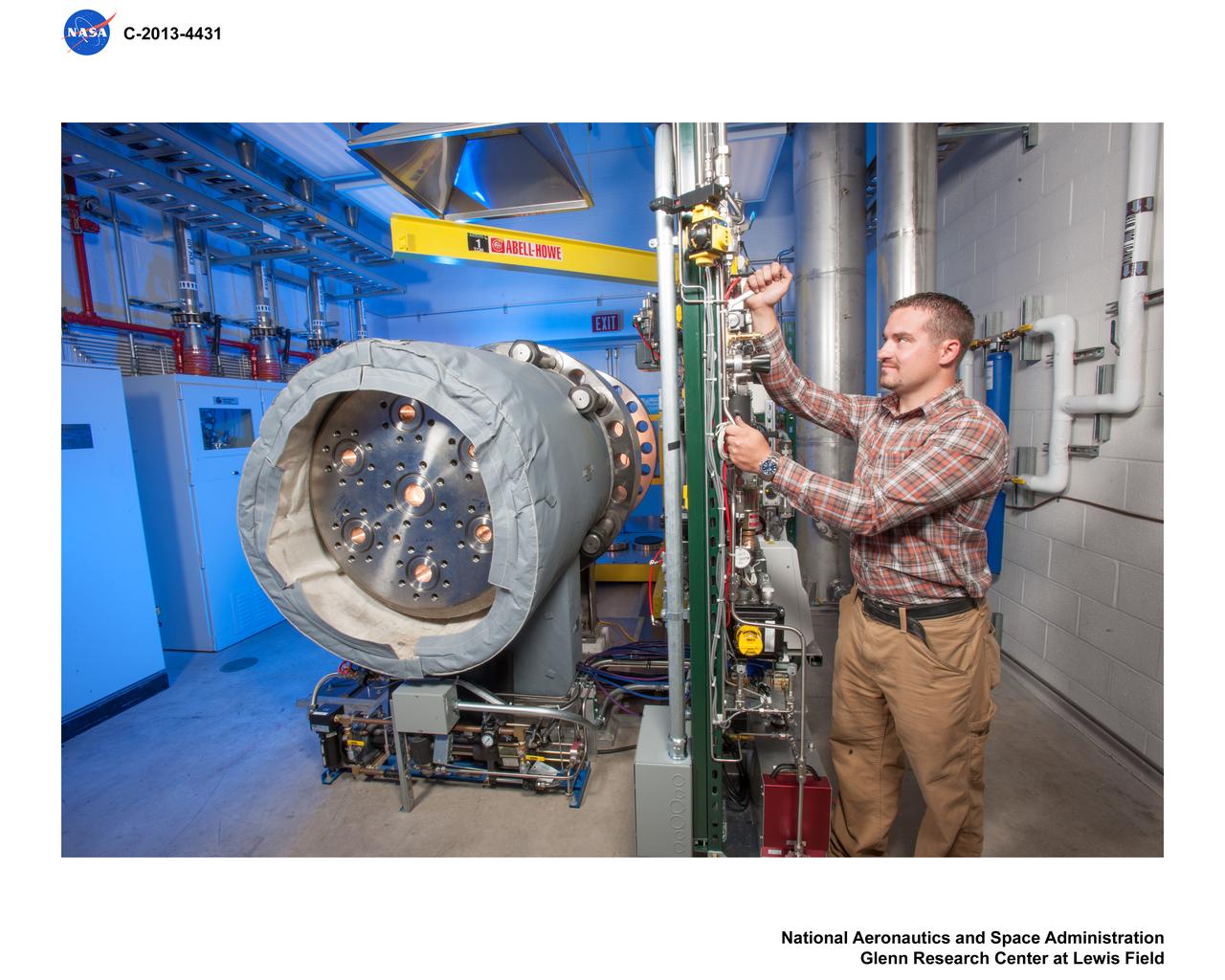
Glenn Extreme Environments Rig, GEER, Test Chamber used to create Venus Conditions on Earth
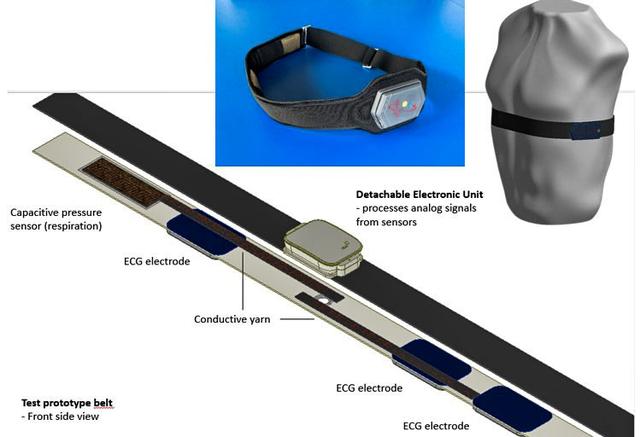
jsc2023e031745 (6/7/2023) --- Prototype of the Wearable Device for the Demonstration of a Wearable for Space and Extreme Environments (SpaceWear Monitor) investigation. Image courtesy of Danish Aerospace Company.
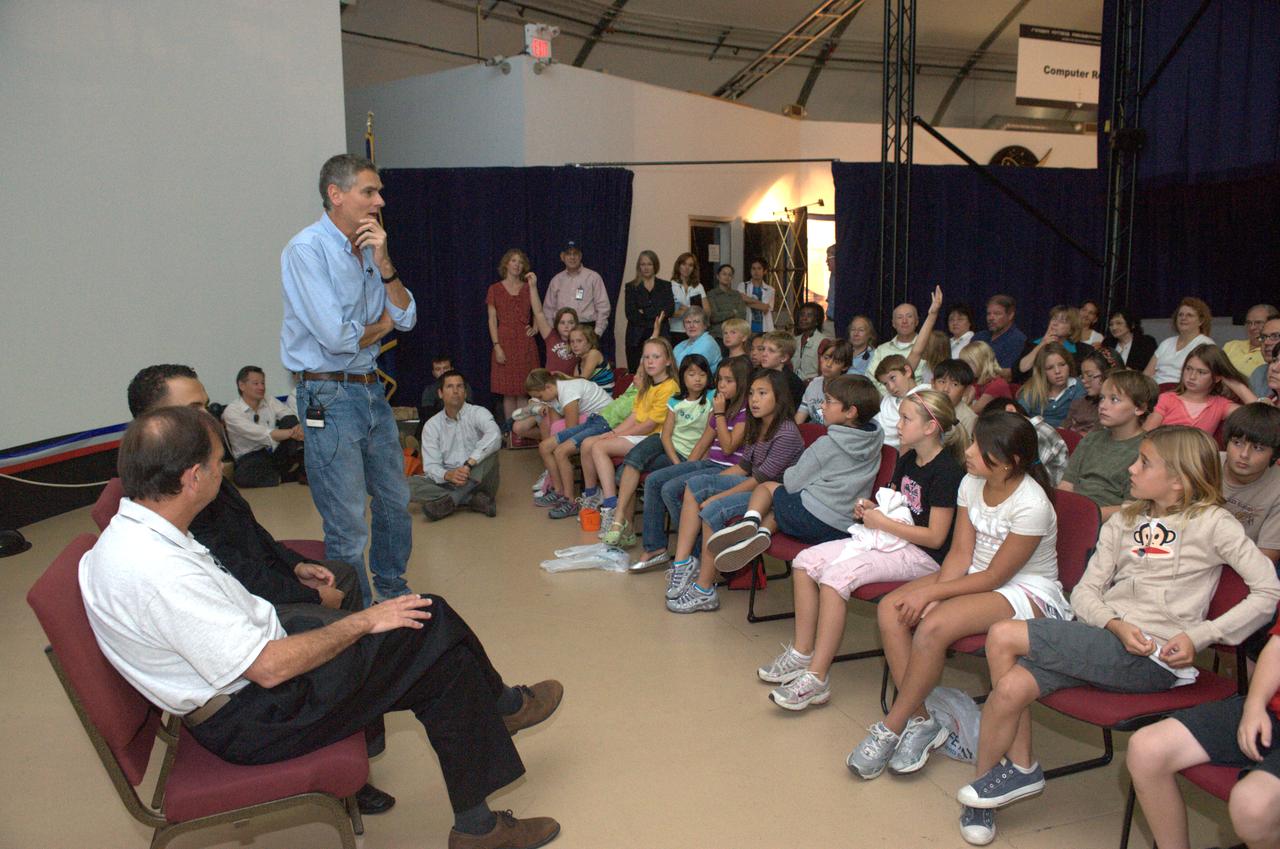
Tech Talk on Extreme Rovers: Unveiling the latest findings of Robotic Exploration of Extreme Environments shown in the Immersve Theater NASA Ames Exploration Center Bldg 943A Dr Chris McKay of Ames offers open discussion about rovers in the exporation of Earth, the Moon and Mars.
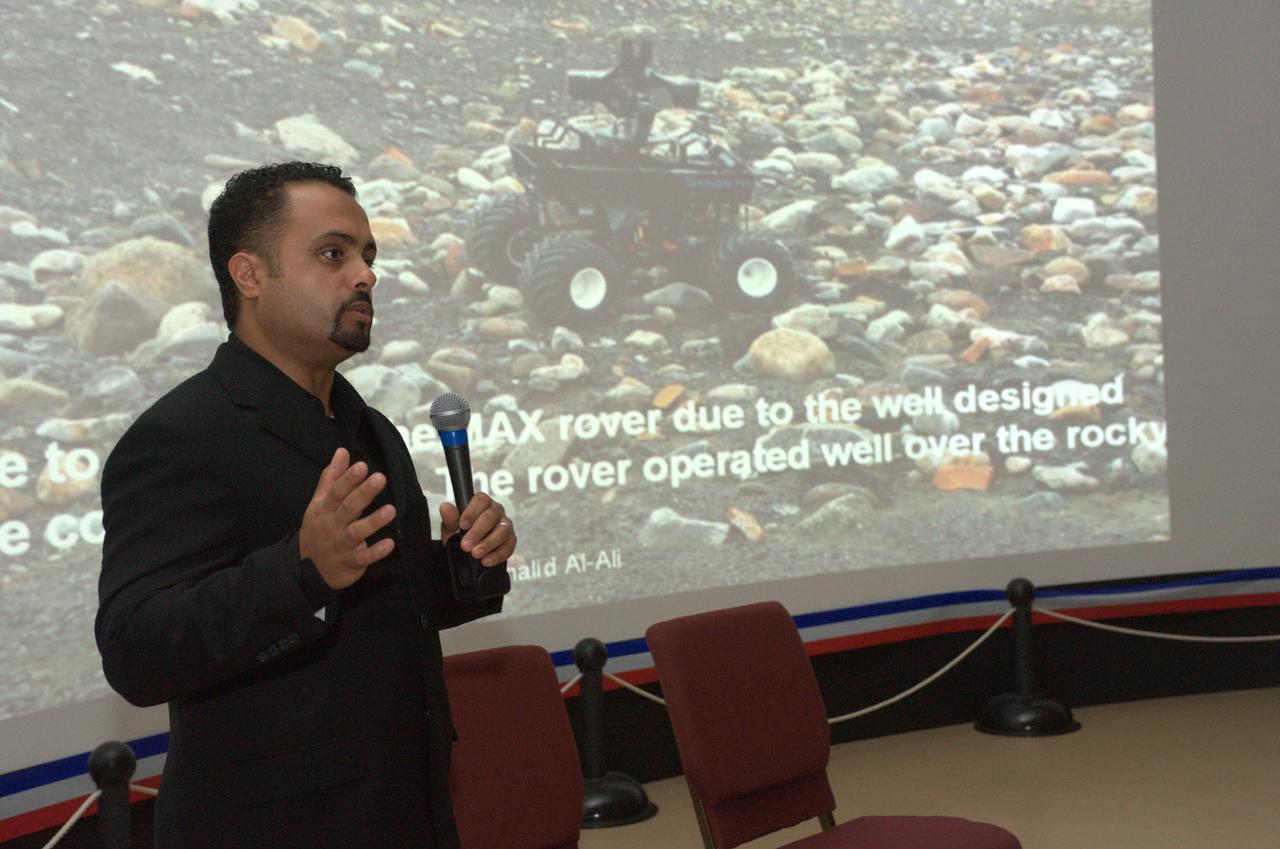
Tech Talk on Extreme Rovers: Unveiling the latest findings of Robotic Exploration of Extreme Environments shown in the Immersve Theater NASA Ames Exploration Center Bldg 943A KbalidAl-Ali CMU - West gives presentation on 'Practical Rover Technology'
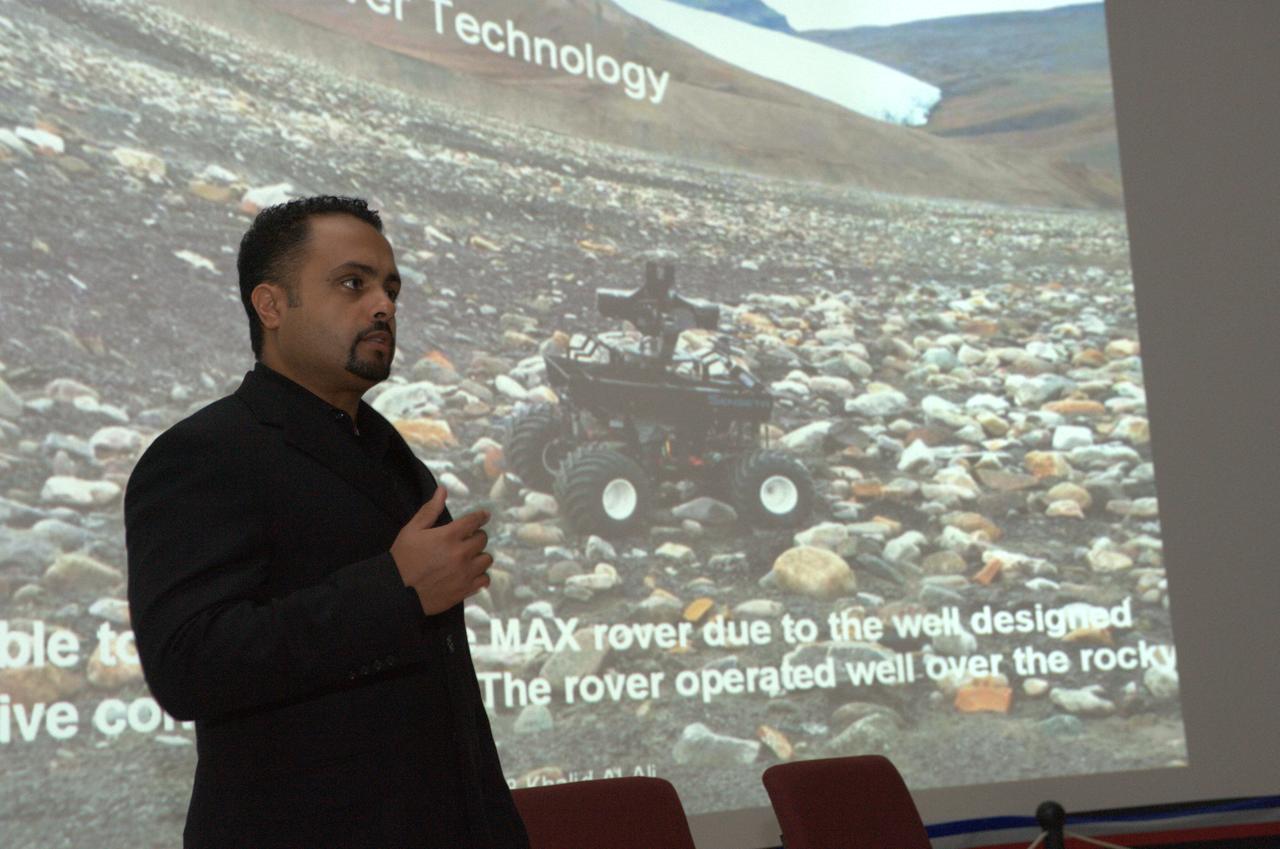
Tech Talk on Extreme Rovers: Unveiling the latest findings of Robotic Exploration of Extreme Environments shown in the Immersve Theater NASA Ames Exploration Center Bldg 943A KbalidAl-Ali CMU - West gives presentation on 'Practical Rover Technology'
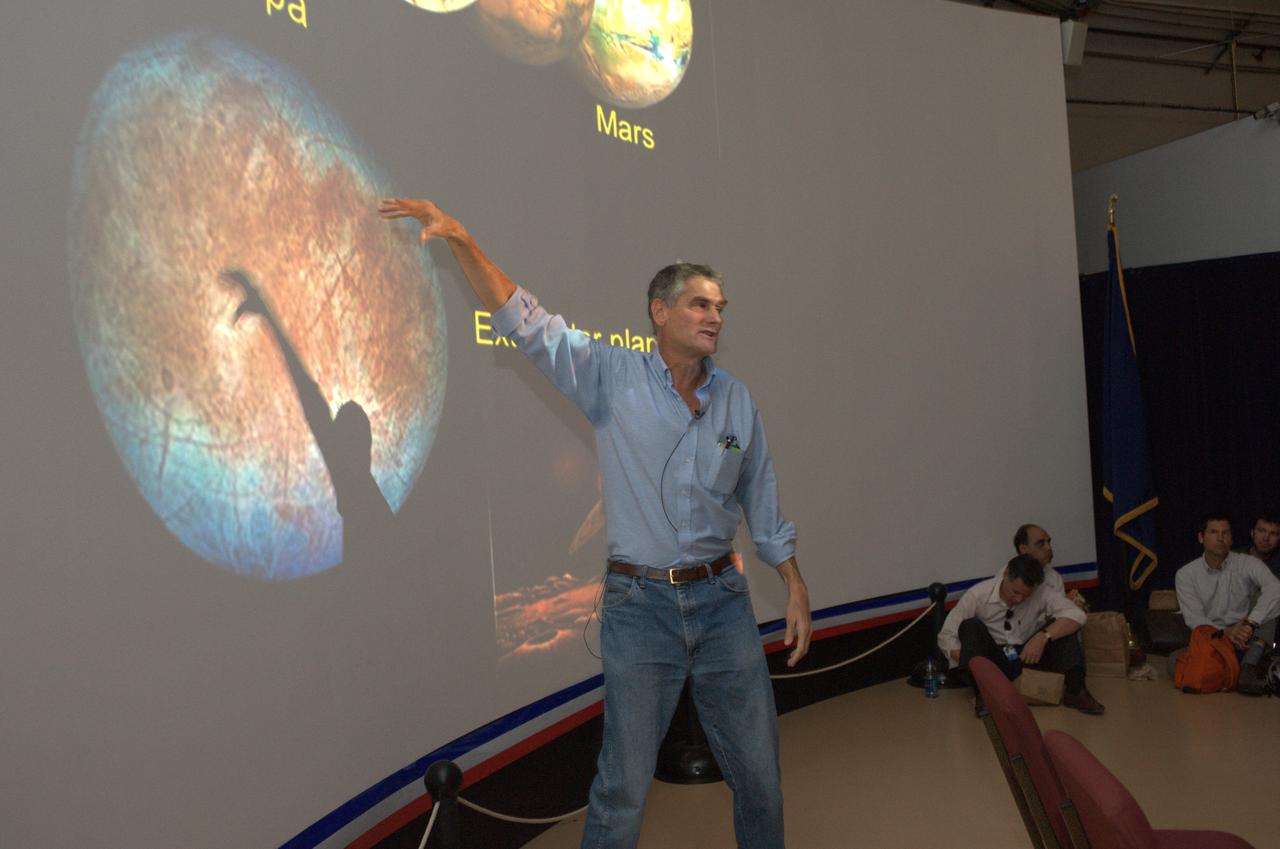
Tech Talk on Extreme Rovers: Unveiling the latest findings of Robotic Exploration of Extreme Environments shown in the Immersve Theater NASA Ames Exploration Center Bldg 943A Dr Chris McKay of Ames offers open discussion about rovers in the exporation of Earth, the Moon and Mars.
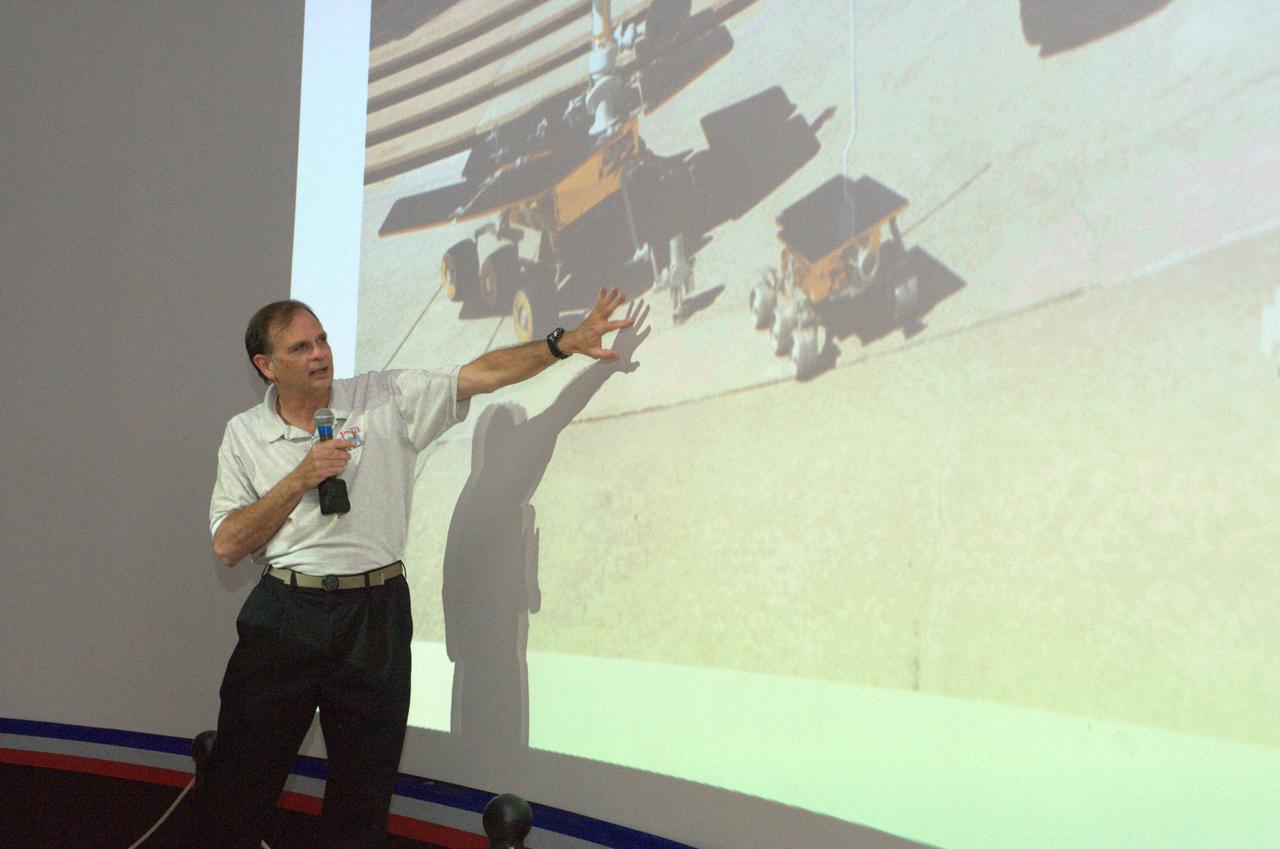
Tech Talk on Extreme Rovers: Unveiling the latest findings of Robotic Exploration of Extreme Environments shown in the Immersve Theater NASA Ames Exploration Center Bldg 943A Michael Sims, NASA Ames gives a presentation on 'Operating Rovers on Mars'
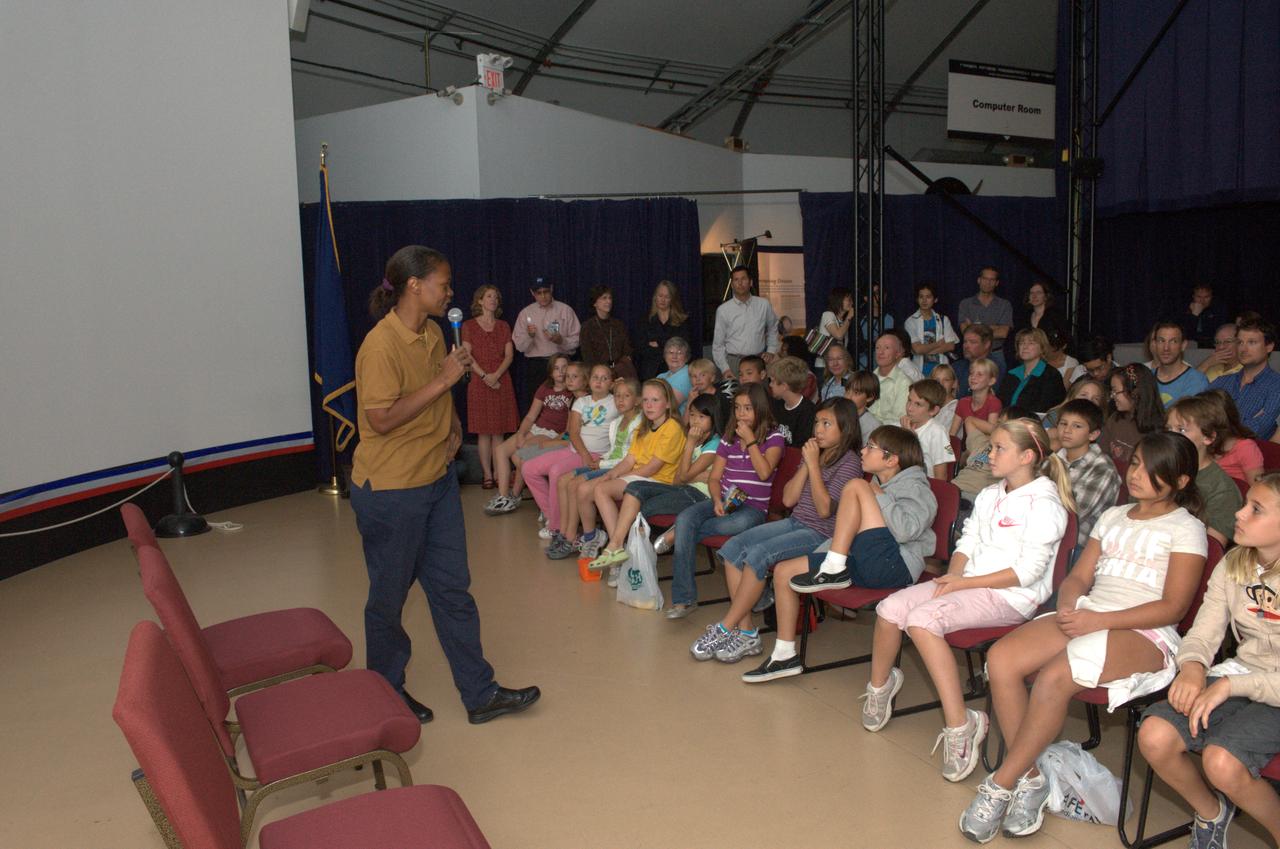
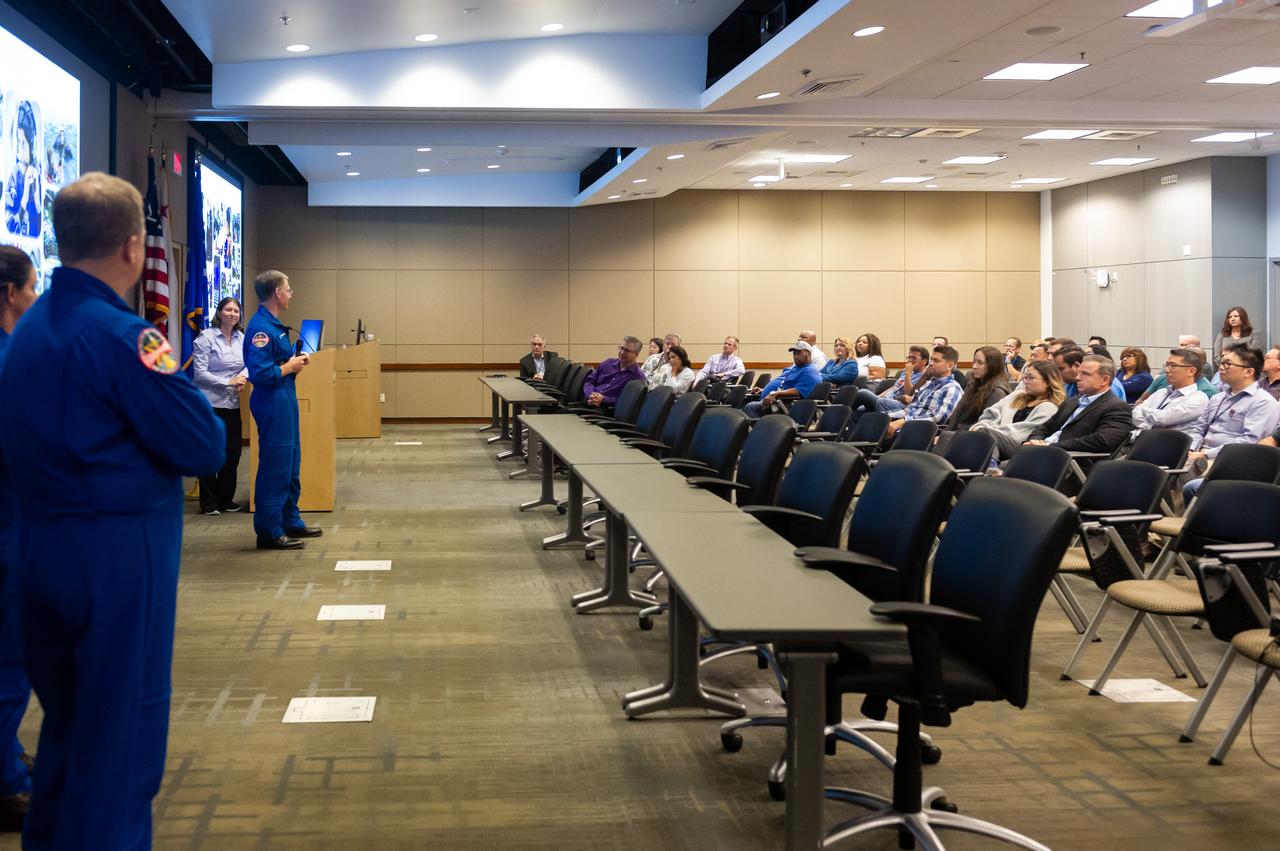
Tech Talk on Extreme Rovers: Unveiling the latest findings of Robotic Exploration of Extreme Environments shown in the Immersve Theater NASA Ames Exploration Center Blsg 943A. Introduction by NASA Astronaut Yvonne Cagle on assignment at Ames Research Center.
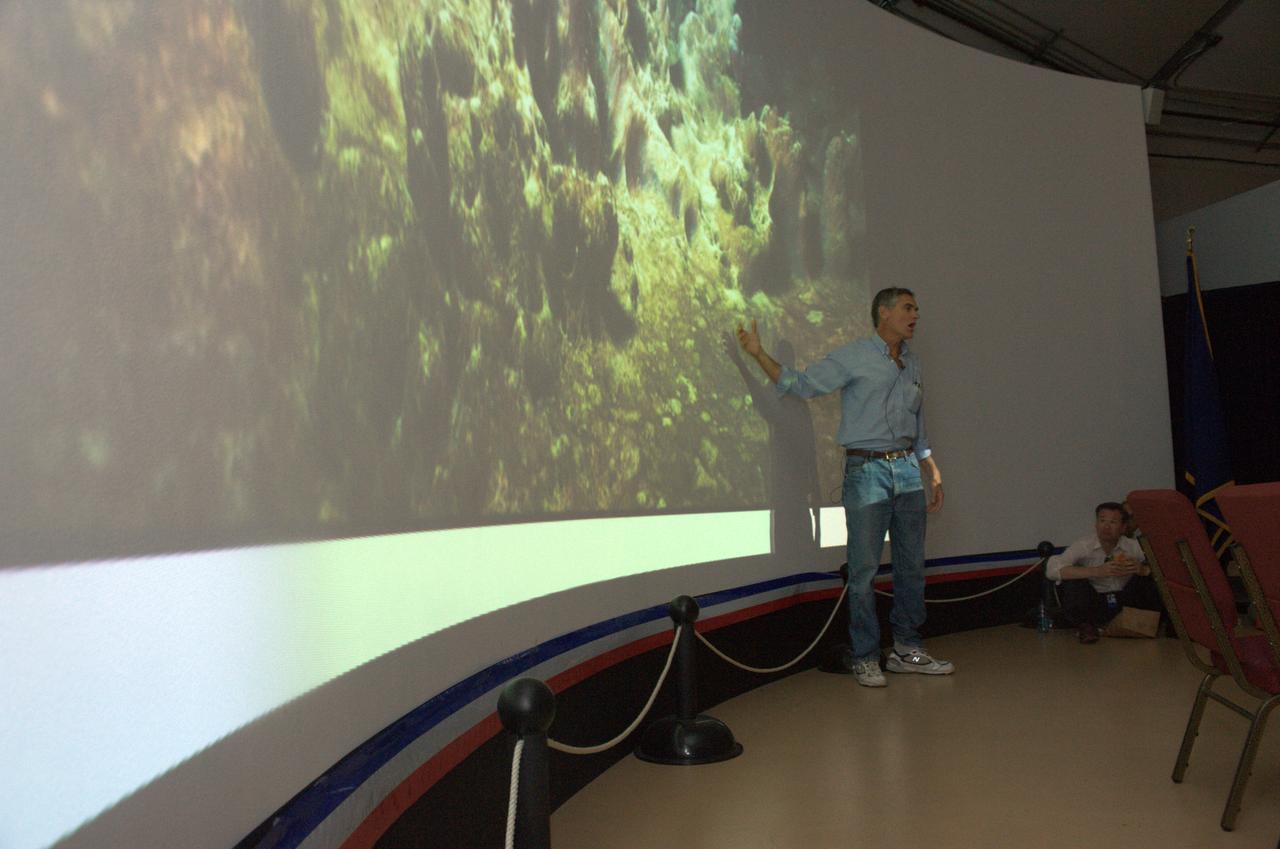
Tech Talk on Extreme Rovers: Unveiling the latest findings of Robotic Exploration of Extreme Environments shown in the Immersve Theater NASA Ames Exploration Center Bldg 943A Dr Chris McKay of Ames offers open discussion about rovers in the exporation of Earth, the Moon and Mars.
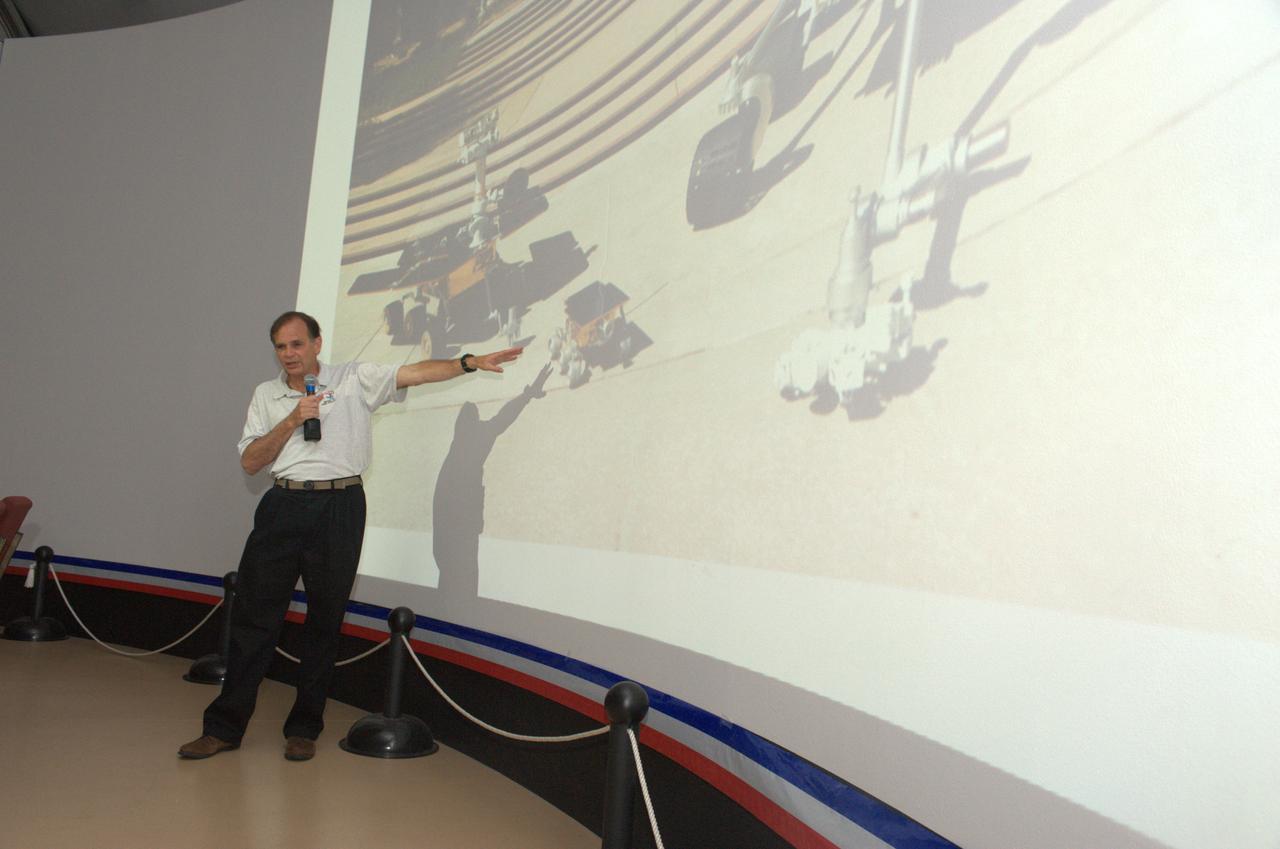
Tech Talk on Extreme Rovers: Unveiling the latest findings of Robotic Exploration of Extreme Environments shown in the Immersve Theater NASA Ames Exploration Center Bldg 943A Michael Sims, NASA Ames gives a presentation on 'Operating Rovers on Mars'
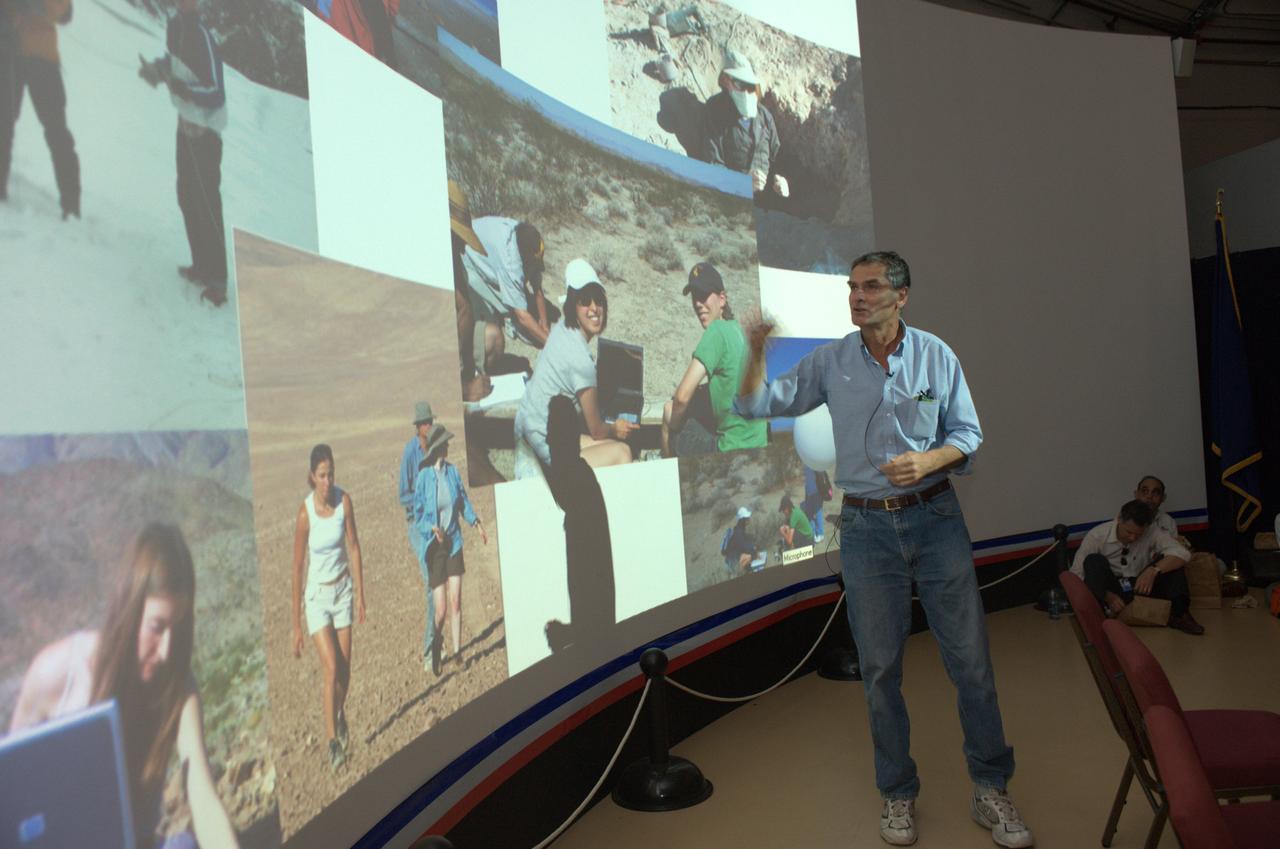
Tech Talk on Extreme Rovers: Unveiling the latest findings of Robotic Exploration of Extreme Environments shown in the Immersve Theater NASA Ames Exploration Center Bldg 943A Dr Chris McKay of Ames offers open discussion about rovers in the exporation of Earth, the Moon and Mars.
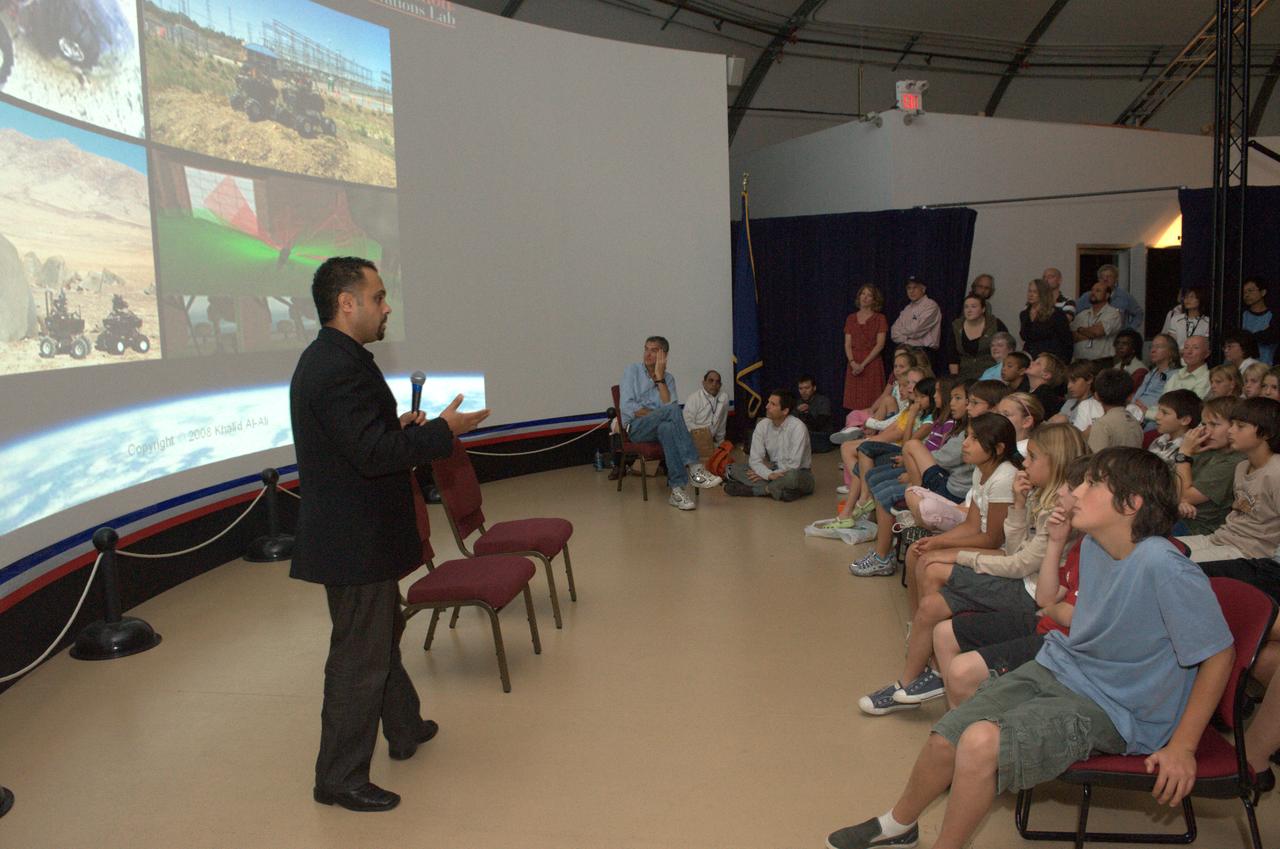
Tech Talk on Extreme Rovers: Unveiling the latest findings of Robotic Exploration of Extreme Environments shown in the Immersve Theater NASA Ames Exploration Center Bldg 943A KbalidAl-Ali CMU - West gives presentation on 'Practical Rover Technology'
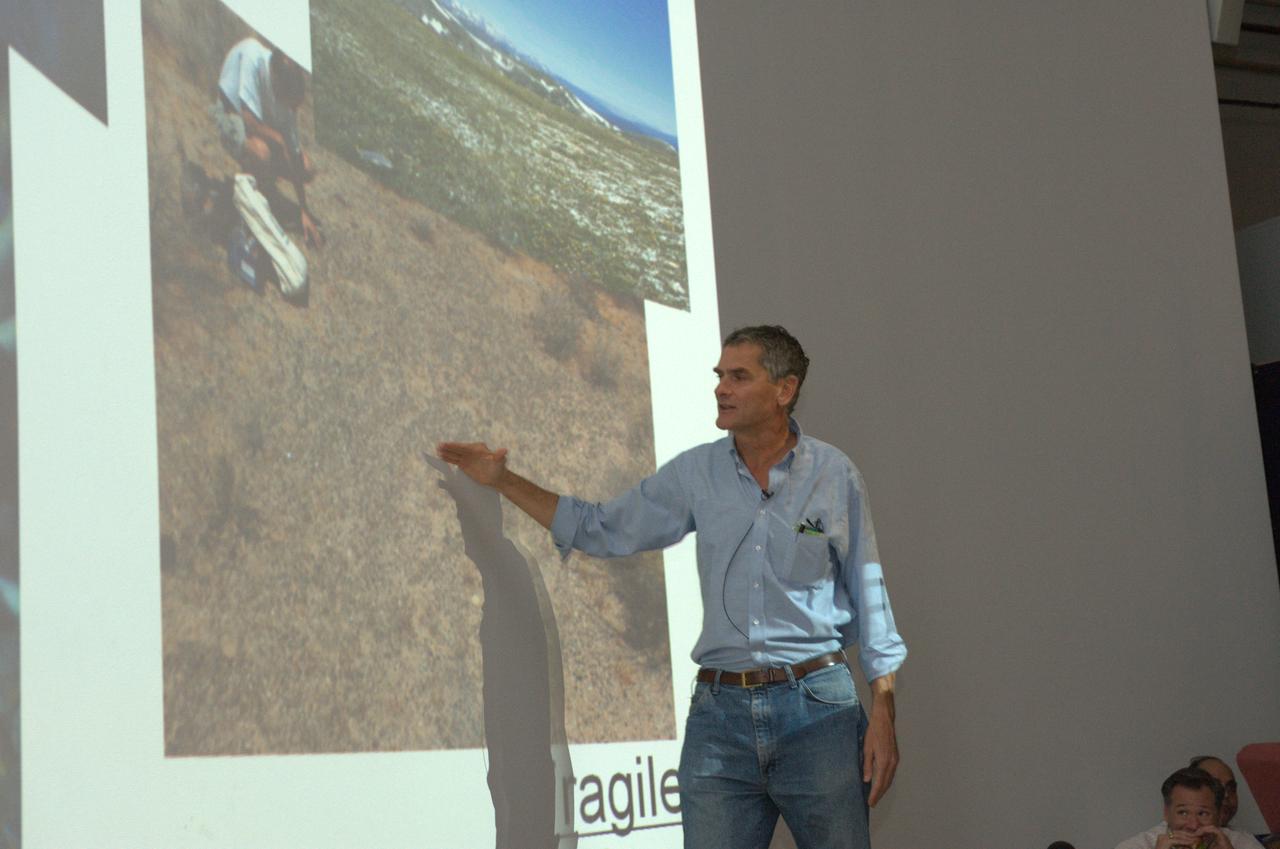
Tech Talk on Extreme Rovers: Unveiling the latest findings of Robotic Exploration of Extreme Environments shown in the Immersve Theater NASA Ames Exploration Center Bldg 943A Dr Chris McKay of Ames offers open discussion about rovers in the exporation of Earth, the Moon and Mars.
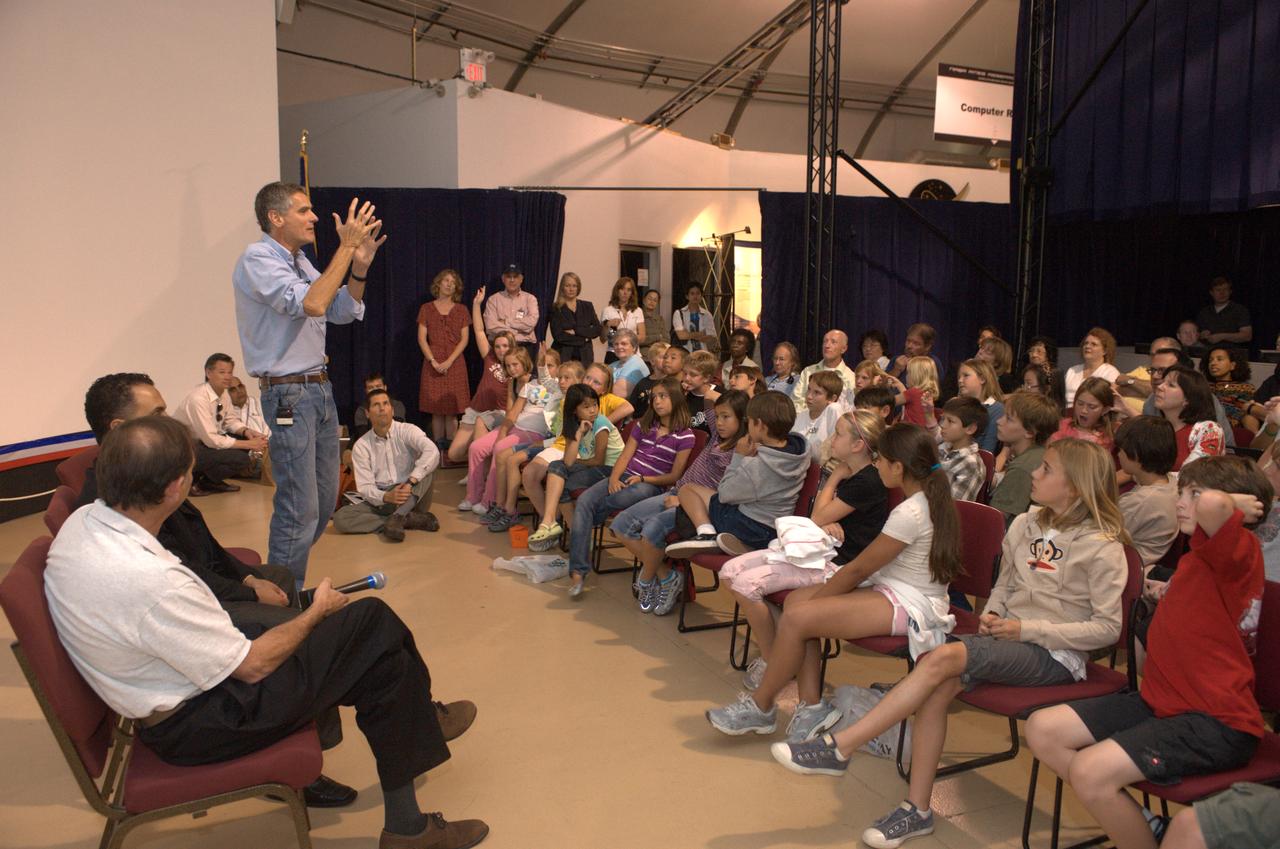
Tech Talk on Extreme Rovers: Unveiling the latest findings of Robotic Exploration of Extreme Environments shown in the Immersve Theater NASA Ames Exploration Center Bldg 943A Dr Chris McKay of Ames offers open discussion about rovers in the exporation of Earth, the Moon and Mars.

jsc2023e031744 (5/24/2023) --- Preflight image of a Wearable for Space and Extreme Environments (SpaceWear Monitor) chest strap with SpaceWear unit mounted. Image courtesy of Danish Aerospace Company.
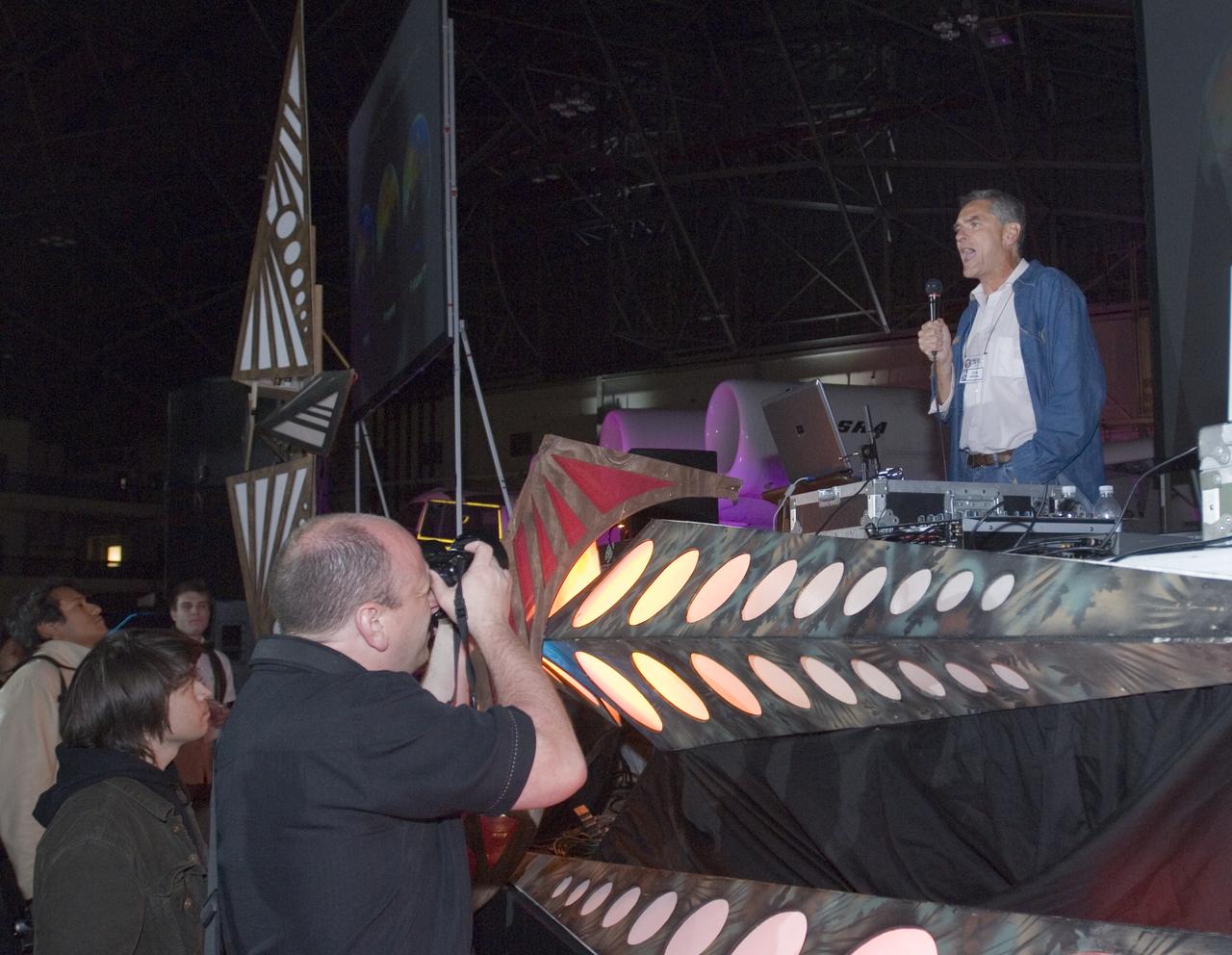
Yuri's Night at Ames a celebration of the first human in space. Ames Planetary Scientist with the Space Science Division Dr Chris McKay addresses a audience about Mars and life in extreme environments.
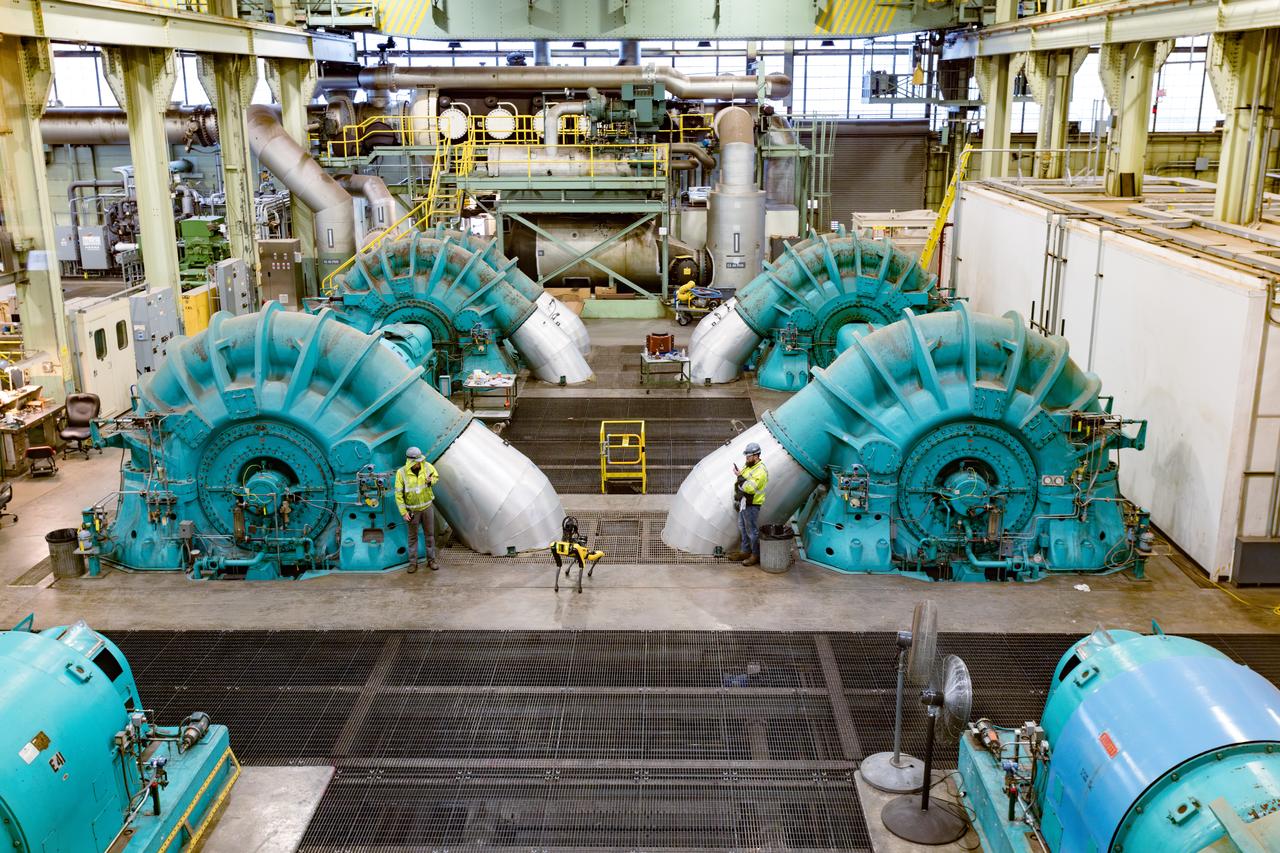
Astro, the robot dog conducts inspections in building 64 to spare the employees ears in this extremely loud environment. The facility is extremely loud even with double hearing protection, so Glenn has come up with an alternative to keep the employees safe. Astro is operated by staff via remote control, is fitted with an infrared camera with 40 times zoom, utilizes thermography and a microphone and can navigate all three levels of the facility.
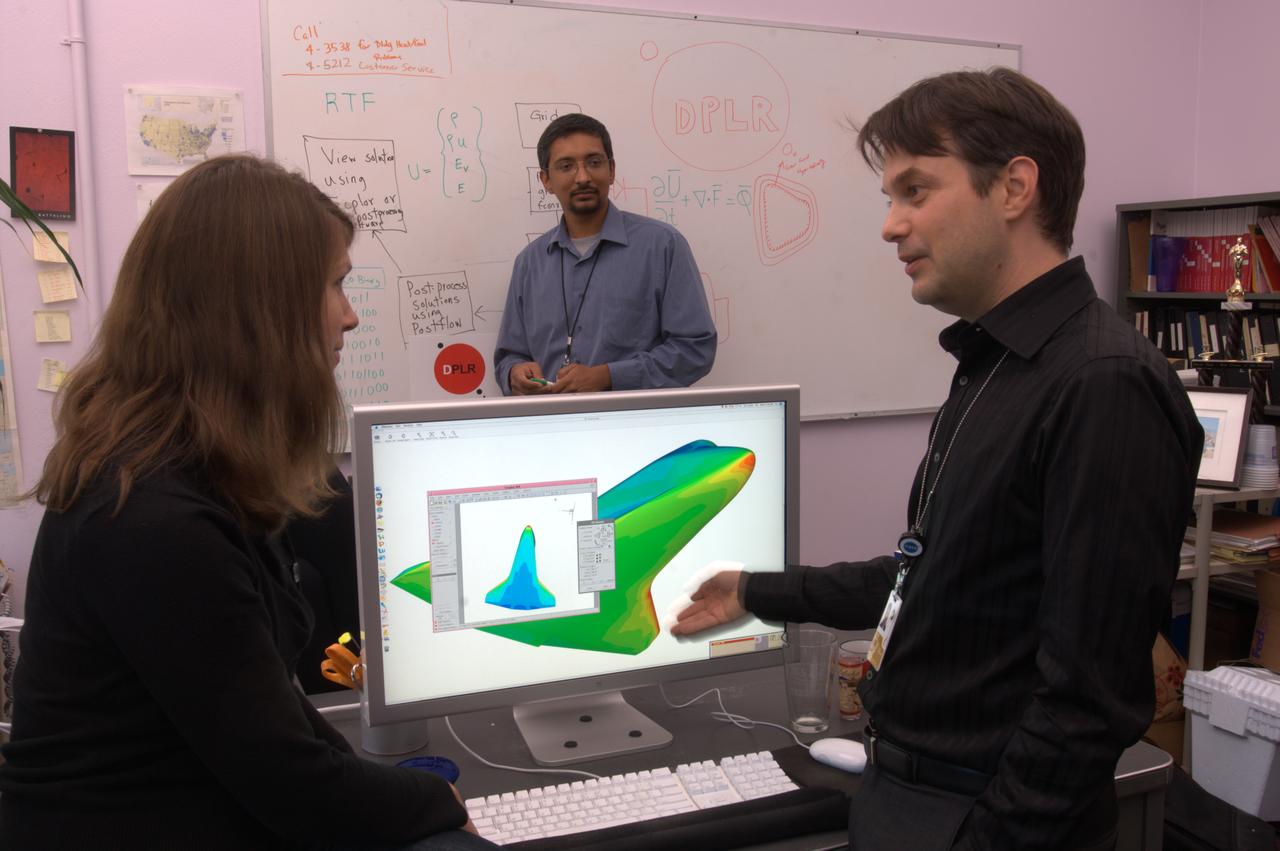
From left: Data Parallel Line Relaxation (DPLR) software team members Kerry Trumble, Deepak Bose and David Hash analyze and predict the extreme environments NASA's space shuttle experiences during its super high-speed reentry into Earth’s atmosphere.
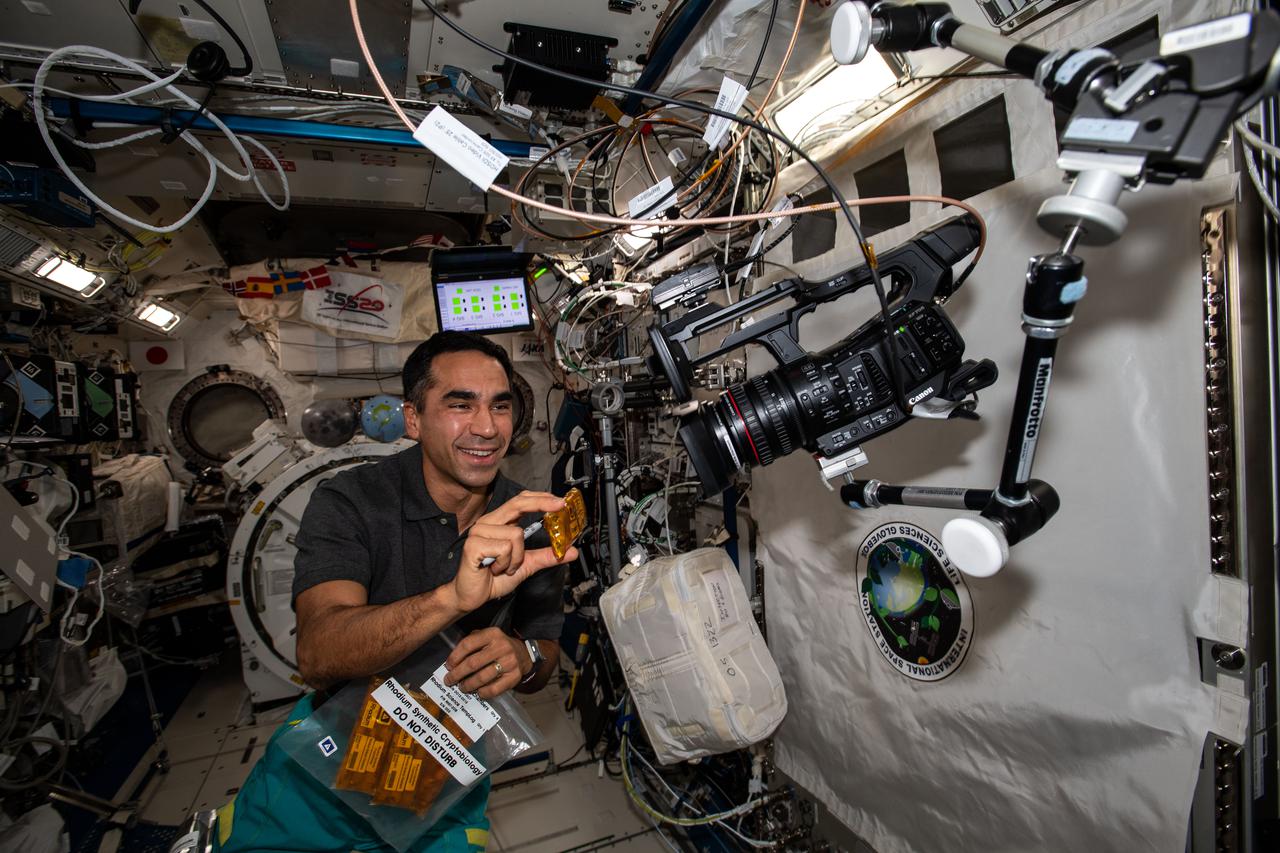
iss066e123190 (Jan. 20, 2022) --- NASA astronaut Engineer Raja Chari gathers items for the Rhodium Synthetic Cryptobiology experiment for packing inside the SpaceX Cargo Dragon resupply ship. Results from the biotechnology study could help create more rugged biological components and advance these technologies for use in space and in extreme environments on Earth.
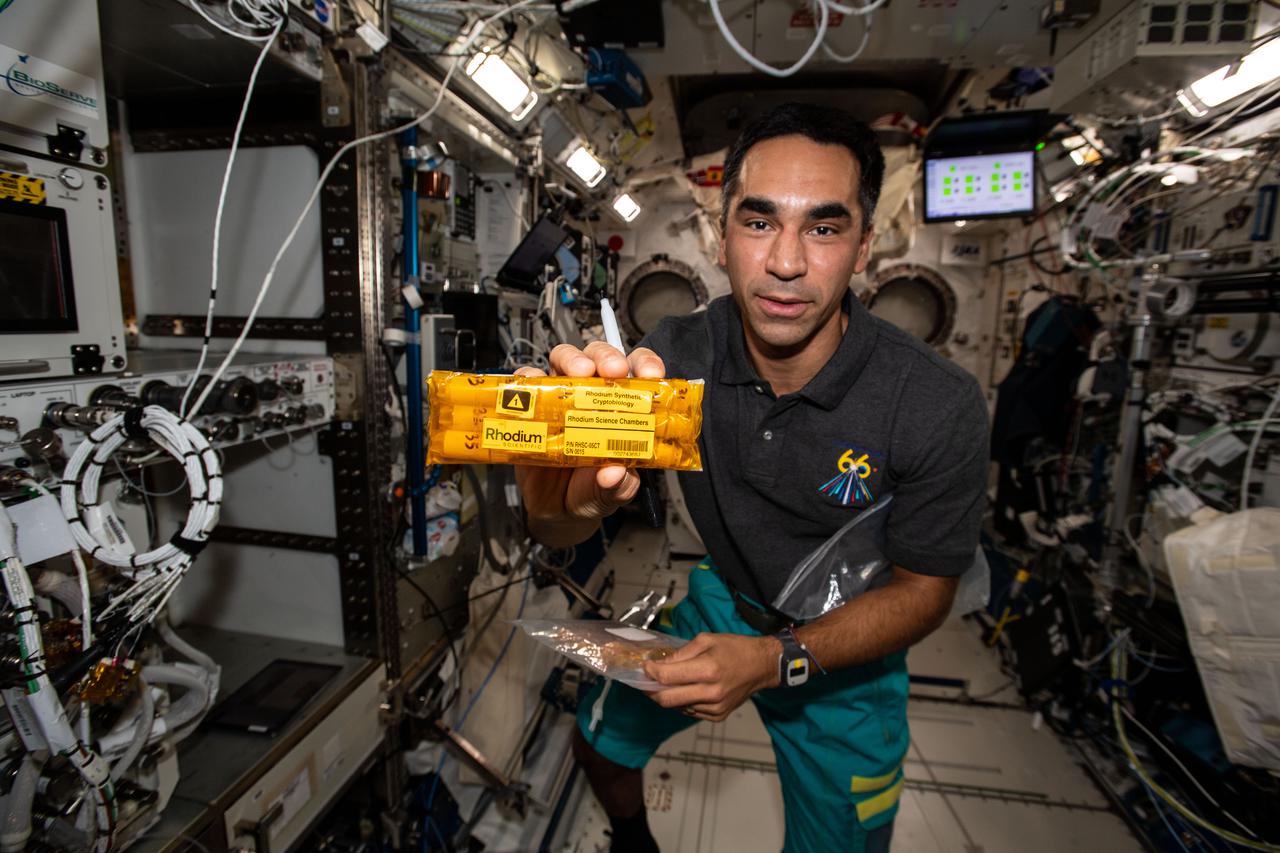
iss066e123191 (Jan. 20, 2022) --- NASA astronaut Engineer Raja Chari gathers items for the Rhodium Synthetic Cryptobiology experiment for packing inside the SpaceX Cargo Dragon resupply ship. Results from the biotechnology study could help create more rugged biological components and advance these technologies for use in space and in extreme environments on Earth.
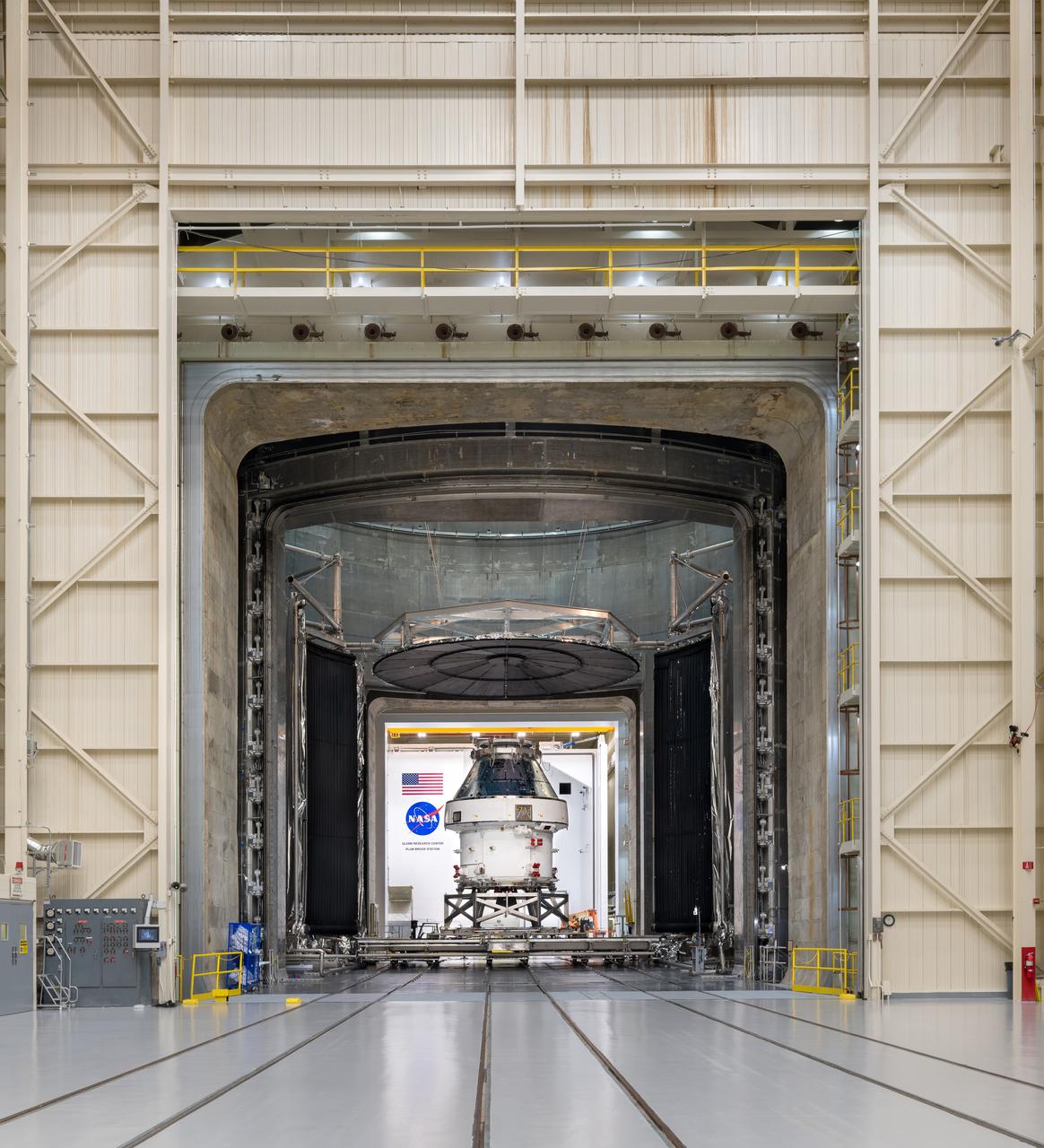
The Orion spacecraft for the Artemis I Mission, consisting of the crew module and European-built service module, sits in the NASA Glenn Research Center, Plum Brook Station, Space Environments Complex, SEC, Thermal Vacuum Chamber after more than three months of testing where it was subjected to the extreme temperatures and electromagnetic environment it will experience in the vacuum of space during Artemis missions. Orion is a key component of Artemis I, an uncrewed test flight around the Moon that will land the first woman and next man on the lunar surface by 2024.
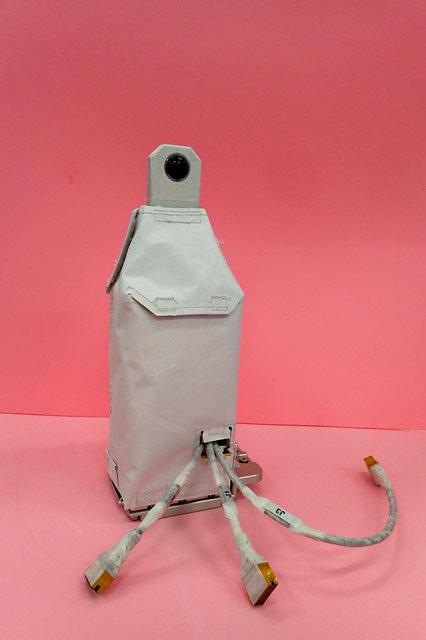
jsc2021e052199 (9/7/2021) --- A preflight view of the Space Demonstration for All Solid-state Lithium Ion Battery (Space AS-Lib) demonstration configured for exposure to the space environment. Space AS-Lib demonstrates operation of a Lithium-ion secondary battery capable of safe, stable operation under extreme temperatures and in a vacuum environment. Image Credit: ©JAXA, Hitz
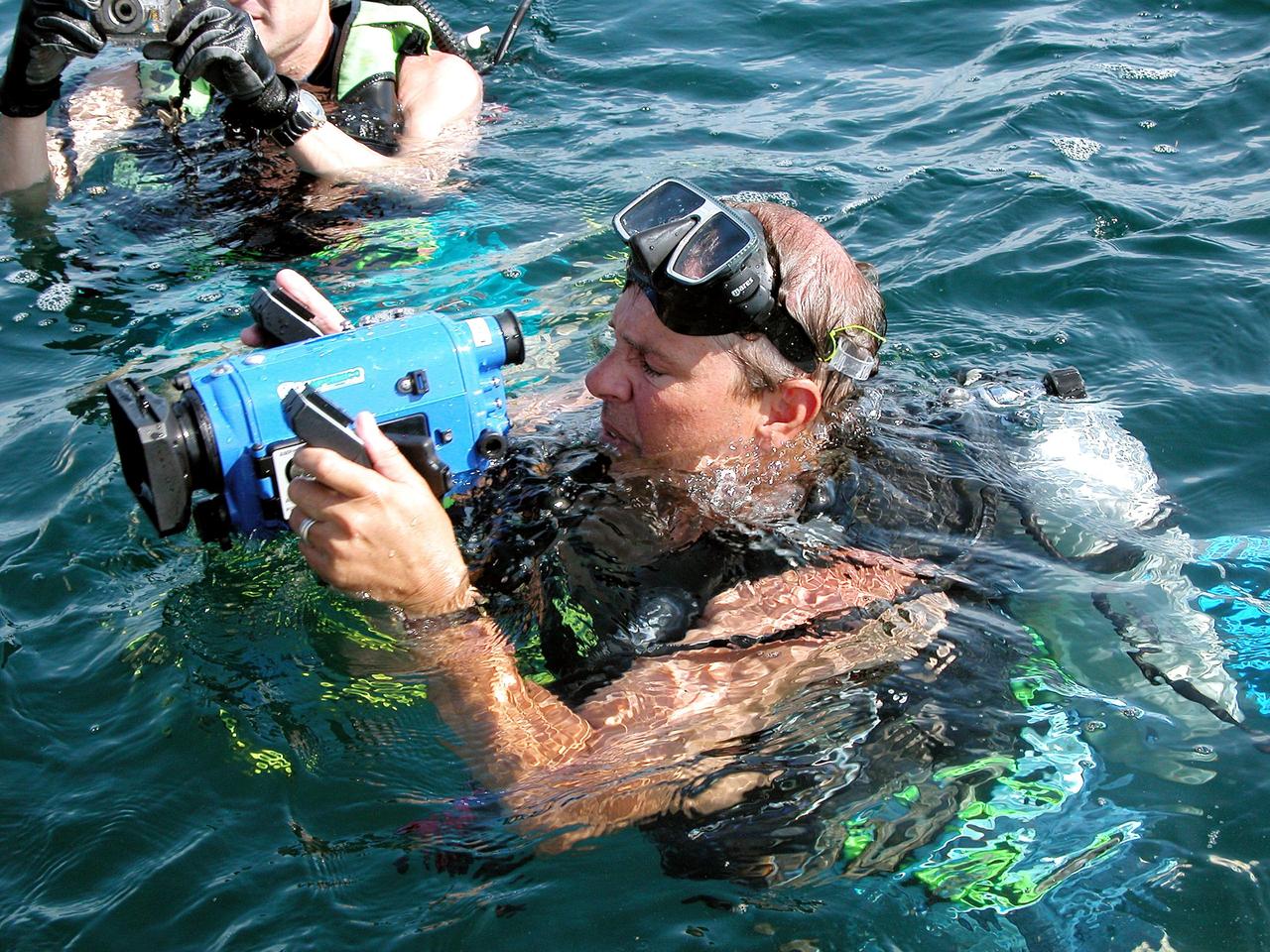
KENNEDY SPACE CENTER, FLA. - In the water offshore from Key Largo, site of the NASA Extreme Environment Mission Operations 6 (NEEMO-6), are (left to right) Bill Todd, project lead, and Marc Reagan, mission lead. Todd and Lucas are also the underwater videographer and still photographer, respectively, for the mission. The NEEMO-6 team comprises John Herrington, commander, Tara Ruttley, a biomedical engineer, and astronauts Nick Patrick and Doug Wheelock. The NEEMO-6 mission involves exposing an astronaut/scientist crew to a real mission experience in an extreme environment - the NOAA undersea station Aquarius - to prepare for future space flight. Spacewalk-like diving excursions and field-tests on a variety of biomedical equipment are designed to help astronauts living aboard the International Space Station. To prepare for their 10-day stay, the team had dive training twice a day at the Life Support Buoy, anchored above Aquarius.
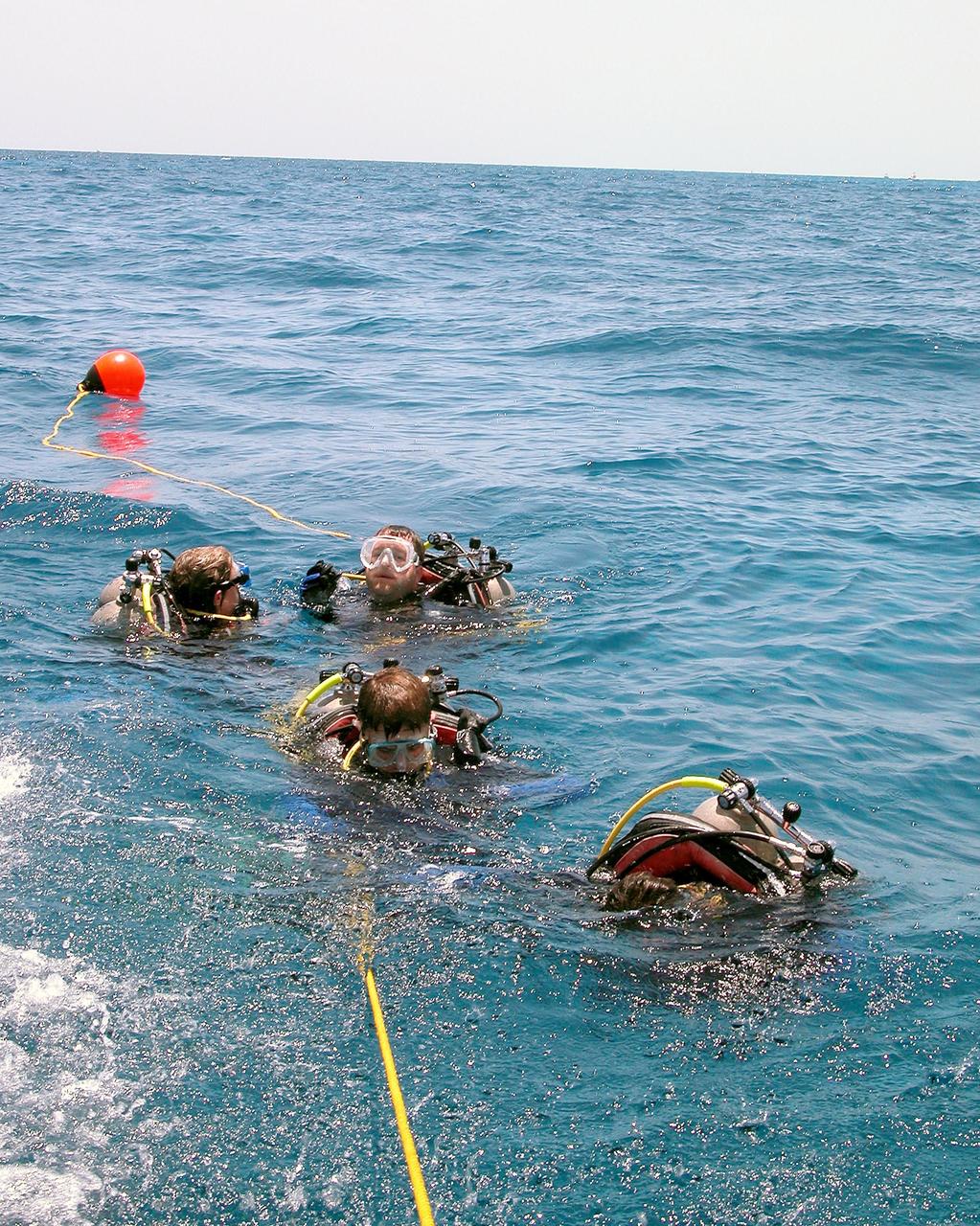
KENNEDY SPACE CENTER, FLA. - In the water for a practice dive in the ocean offshore from Key Largo are the NASA Extreme Environment Mission Operations 6 (NEEMO-6) mission team: (left to right) Tara Ruttley, a biomedical engineer, and astronauts Nick Patrick, John Herrington and Doug Wheelock. The NEEMO-6 mission involves exposing an astronaut/scientist crew to a real mission experience in an extreme environment - the NOAA undersea station Aquarius - to prepare for future space flight. Spacewalk-like diving excursions and field-tests on a variety of biomedical equipment are designed to help astronauts living aboard the International Space Station. To prepare for their 10-day stay, the team had dive training twice a day at the Life Support Buoy, anchored above Aquarius.
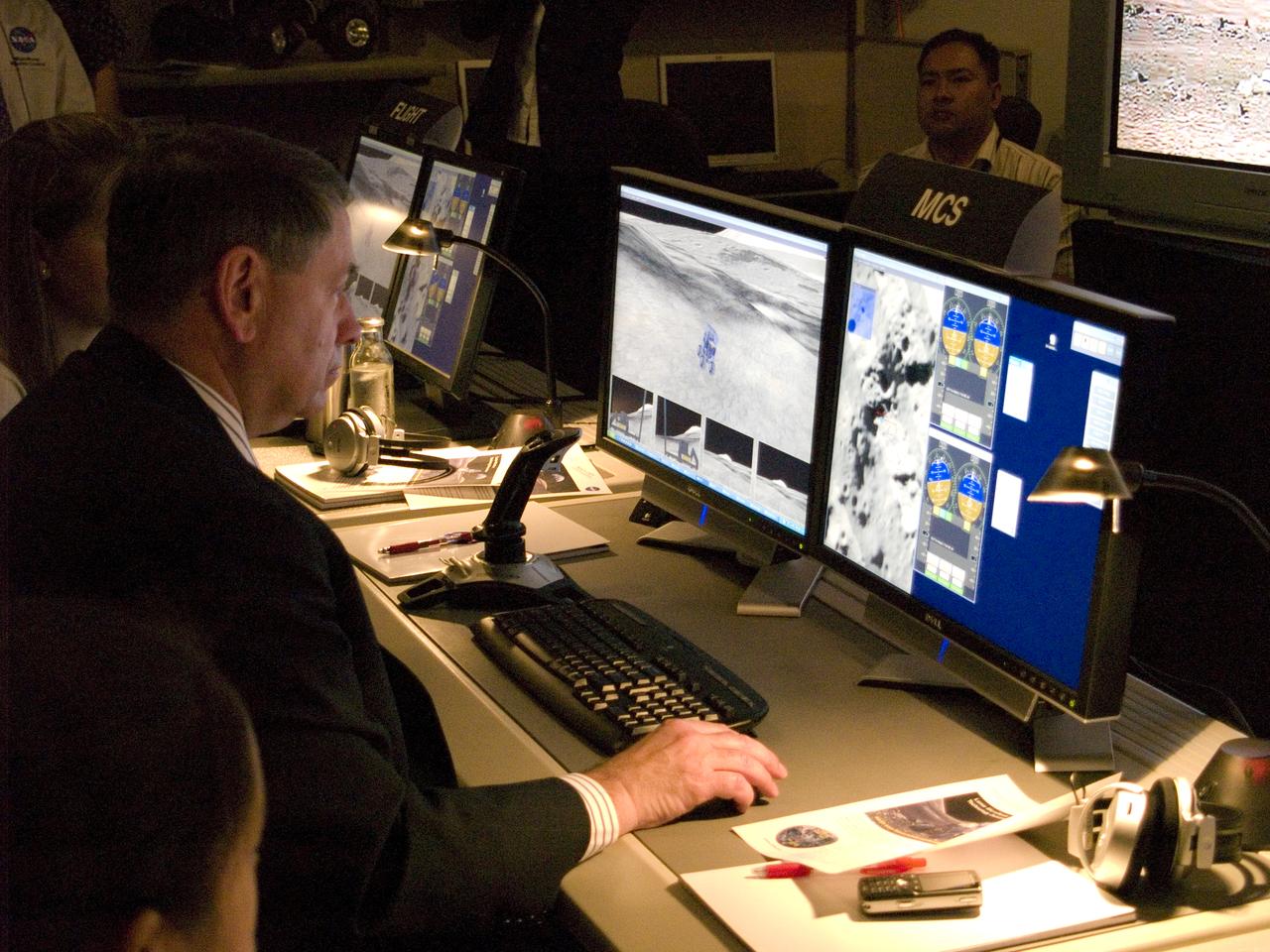
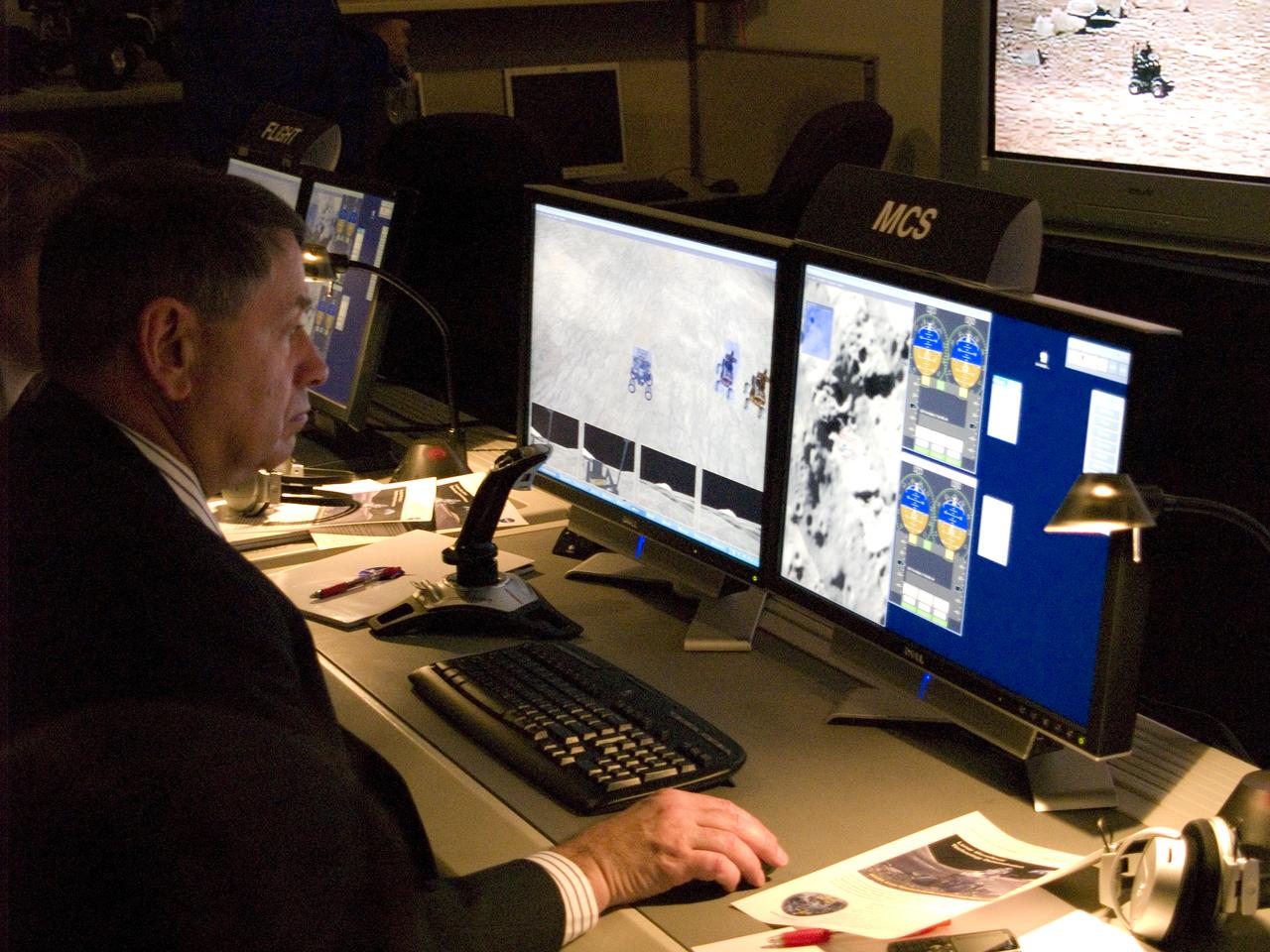
Spaceward Bound Program in Atacama Desert; shown here is a realtime webcast from Yungay, Chile vis satellite involving NASA Scientists and seven NASA Explorer school teachers. Spaceward Bound Program in Atacama Desert; shown here is a realtime webcast from Yungay, Chile vis satellite involving NASA Scientists and seven NASA Explorer school teachers. On the Ames end we find the Girl Scouts Space cookines robotic team. The robot nicknamed Zoe is looking for life in extreme environments in preparation for what might be encounter on Mars. On the Ames end we find the Girl Csouts Space cookines robotic team. The robot nicknamed Zoe is looking for life in extreme environments in preparation for what might be encounter on Mars. see full text on the NASA-Ames News - Research # 04-91AR Center Director works with 'SpaceCookie' sending commands to Zoe.
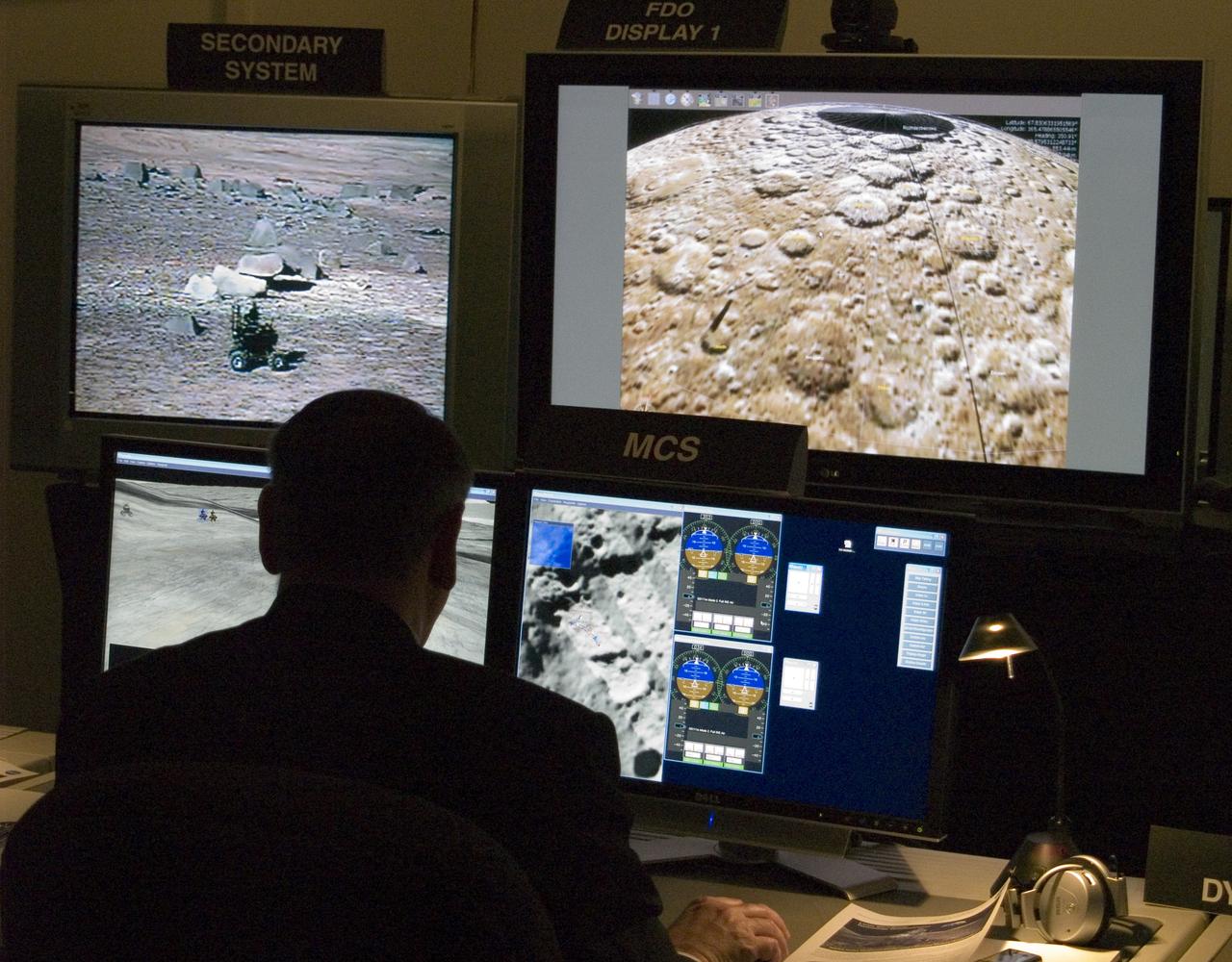
Spaceward Bound Program in Atacama Desert; shown here is a realtime webcast from Yungay, Chile vis satellite involving NASA Scientists and seven NASA Explorer school teachers. Spaceward Bound Program in Atacama Desert; shown here is a realtime webcast from Yungay, Chile vis satellite involving NASA Scientists and seven NASA Explorer school teachers. On the Ames end we find the Girl Scouts Space cookines robotic team. The robot nicknamed Zoe is looking for life in extreme environments in preparation for what might be encounter on Mars. On the Ames end we find the Girl Csouts Space cookines robotic team. The robot nicknamed Zoe is looking for life in extreme environments in preparation for what might be encounter on Mars. see full text on the NASA-Ames News - Research # 04-91AR Center Director works with 'SpaceCookie' sending commands to Zoe.
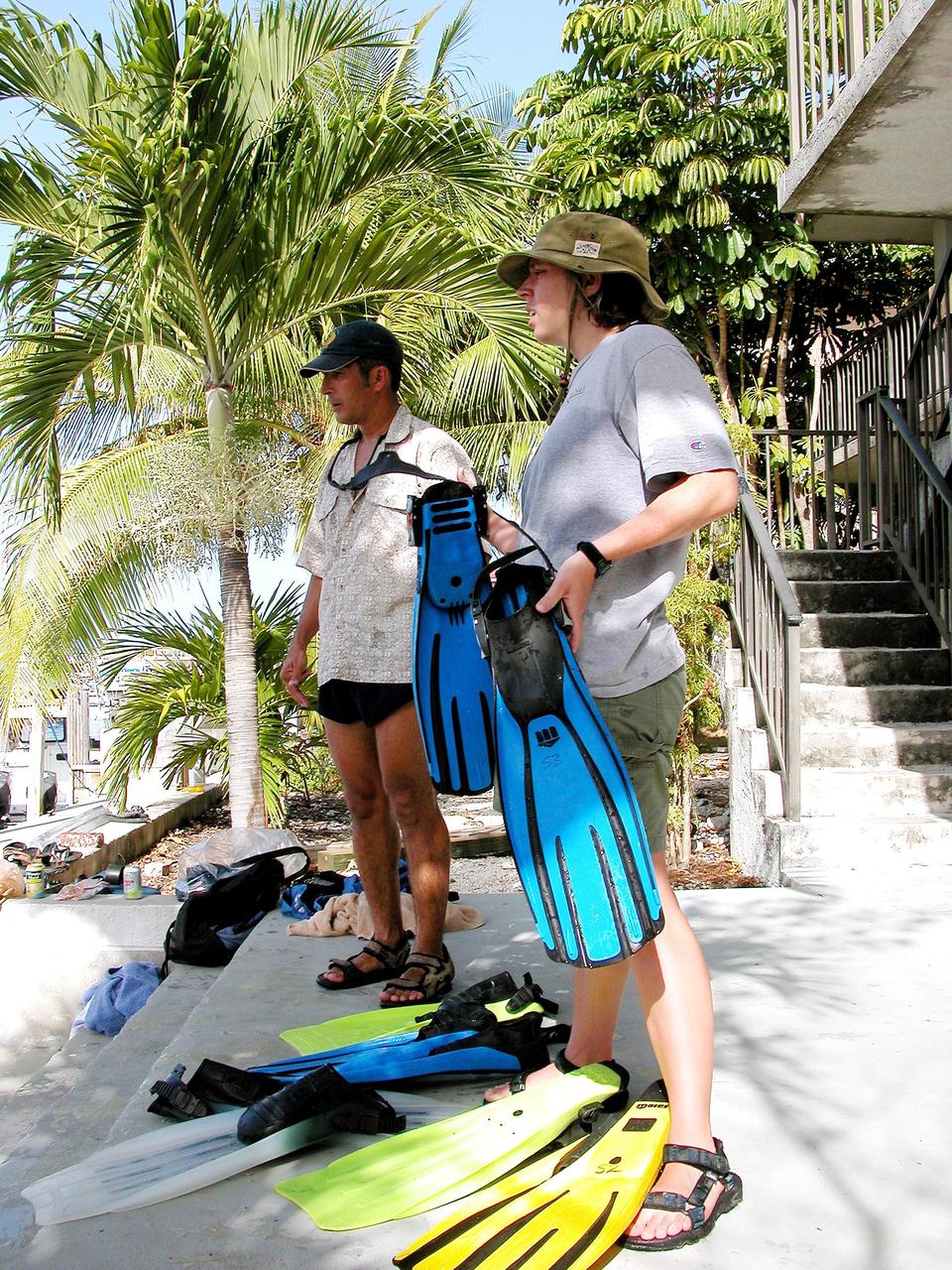
KENNEDY SPACE CENTER, FLA. - After their return from a practice dive at the NOAA Aquarius underwater station offshore at Key Largo, John Herrington and Tara Ruttley look over their dive gear. Herrington is mission commander and Ruttley, a biomedical engineer, is a member of the crew on the NASA Extreme Environment Mission Operations 6 (NEEMO-6) mission. The NEEMO-6 mission involves exposing an astronaut/scientist crew to a real mission experience in an extreme environment - the NOAA undersea station Aquarius offshore from Key Largo - to prepare for future space flight. Spacewalk-like diving excursions and field-tests on a variety of biomedical equipment are designed to help astronauts living aboard the International Space Station. Other team members are astronauts Doug Wheelock and Nick Patrick. To prepare for their 10-day stay, the team had dive training twice a day at the Life Support Buoy, anchored above Aquarius.
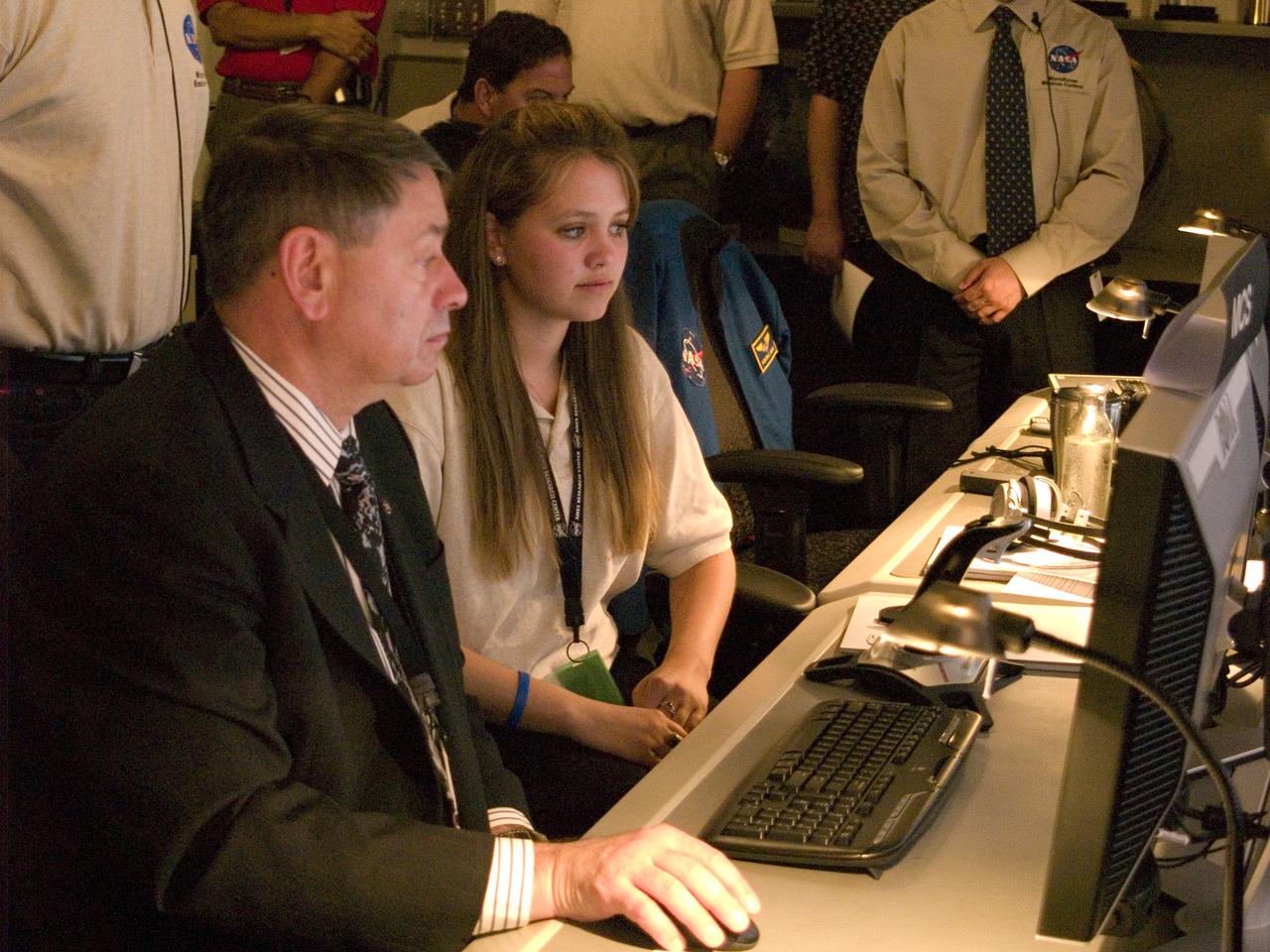
Spaceward Bound Program in Atacama Desert; shown here is a realtime webcast from Yungay, Chile vis satellite involving NASA Scientists and seven NASA Explorer school teachers. Spaceward Bound Program in Atacama Desert; shown here is a realtime webcast from Yungay, Chile vis satellite involving NASA Scientists and seven NASA Explorer school teachers. On the Ames end we find the Girl Scouts Space cookines robotic team. The robot nicknamed Zoe is looking for life in extreme environments in preparation for what might be encounter on Mars. On the Ames end we find the Girl Csouts Space cookines robotic team. The robot nicknamed Zoe is looking for life in extreme environments in preparation for what might be encounter on Mars. see full text on the NASA-Ames News - Research # 04-91AR Center Director works with 'SpaceCookie' sending commands to Zoe.
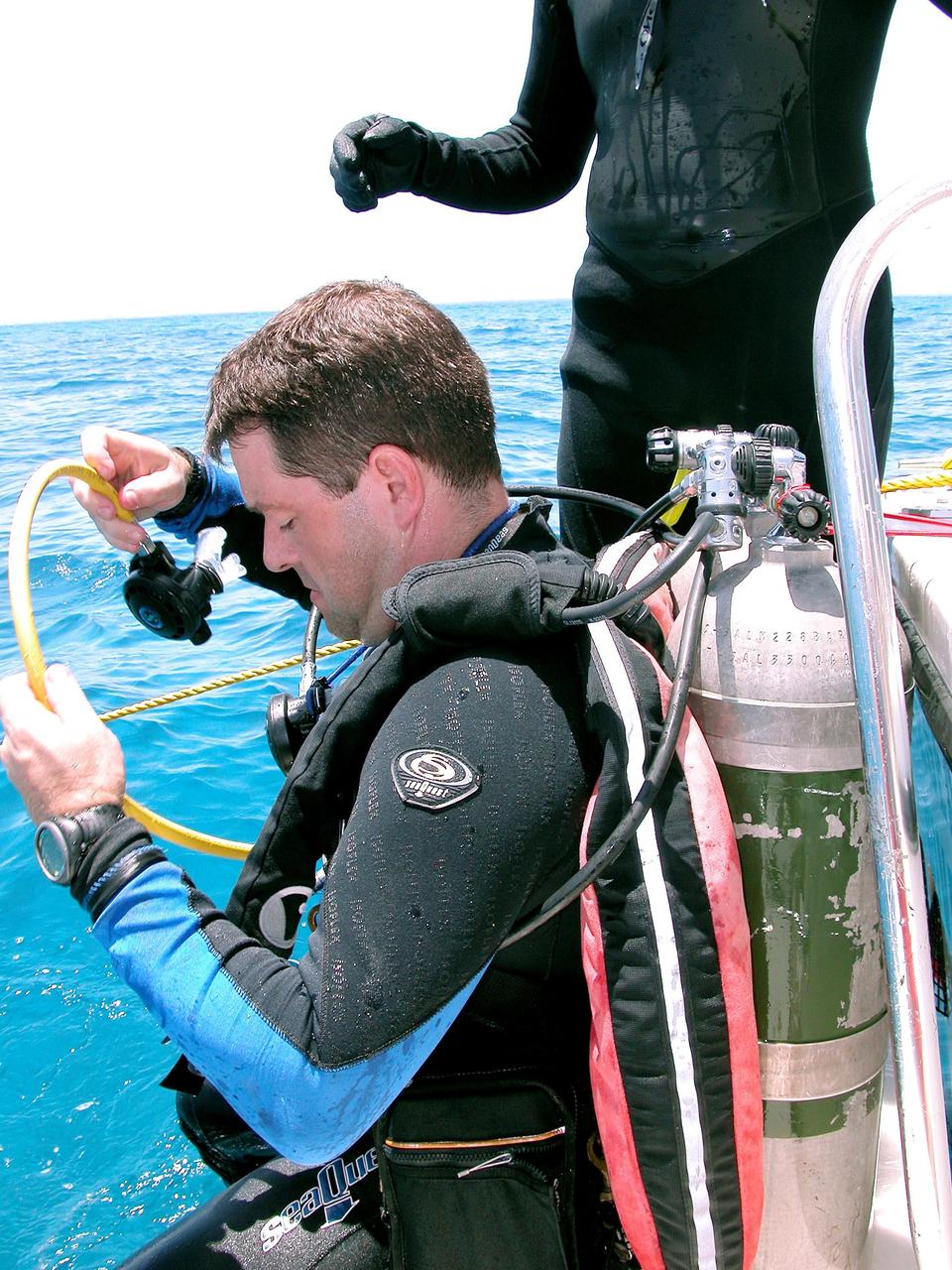
KENNEDY SPACE CENTER, FLA. - Getting ready to enter the water on a practice dive in the ocean offshore from Key Largo is Nick Patrick. He is a member of the NASA Extreme Environment Mission Operations 6 (NEEMO-6) mission team. The others are astronauts John Herrington, mission commander, and Doug Wheelock, plus Tara Ruttley, a biomedical engineer. The NEEMO-6 mission involves exposing an astronaut/scientist crew to a real mission experience in an extreme environment - the NOAA undersea station Aquarius - to prepare for future space flight. Spacewalk-like diving excursions and field-tests on a variety of biomedical equipment are designed to help astronauts living aboard the International Space Station. To prepare for their 10-day stay, the team had dive training twice a day at the Life Support Buoy, anchored above Aquarius.
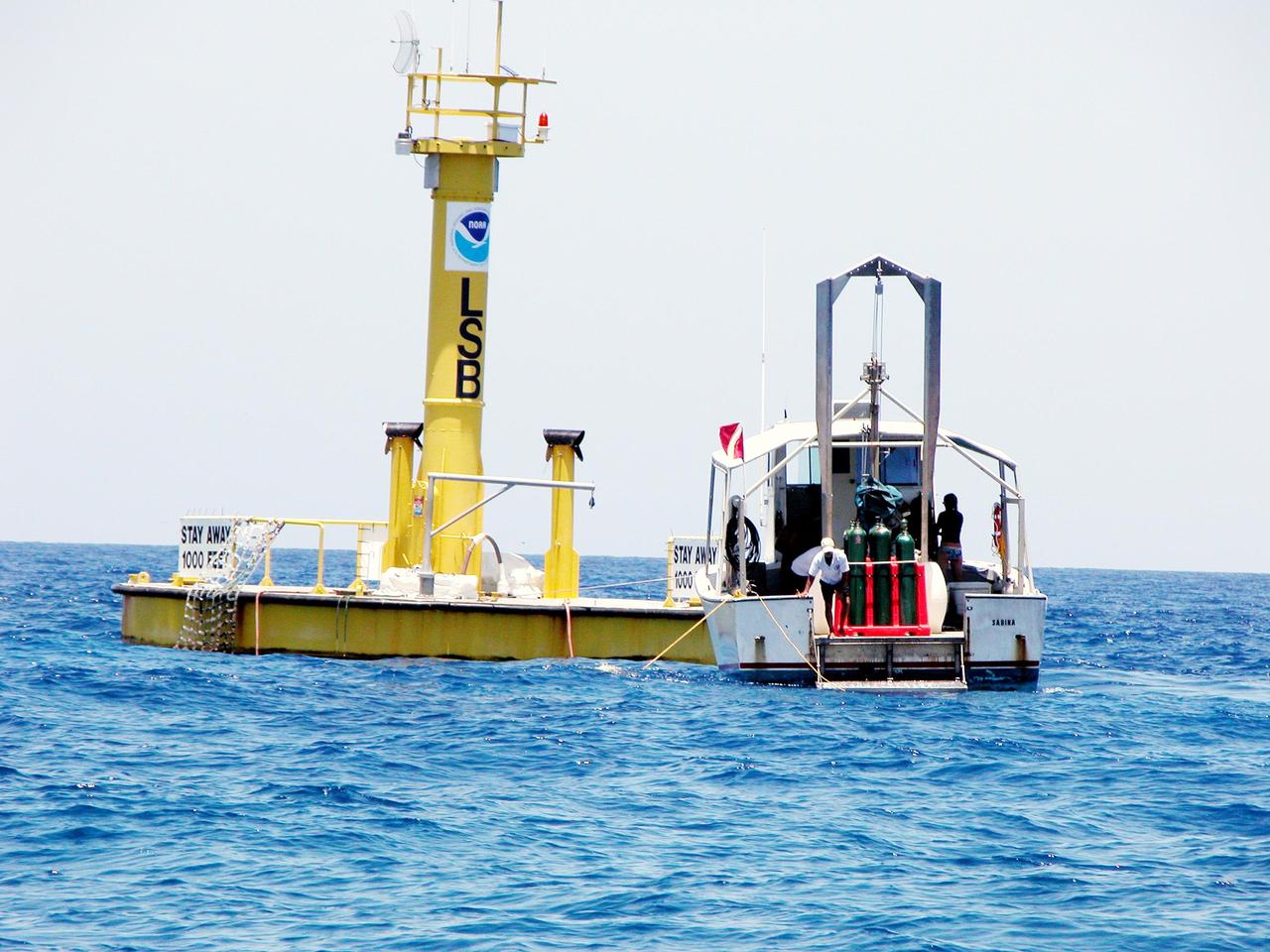
KENNEDY SPACE CENTER, FLA. - A dive boat is moored to the Life Support Buoy, anchored above the NOAA undersea station Aquarius, offshore from Key Largo. Underwater is the NASA Extreme Environment Mission Operations 6 (NEEMO-6) mission team: (left to right) Tara Ruttley, a biomedical engineer, and astronauts Nick Patrick, John Herrington and Doug Wheelock. The NEEMO-6 mission involves exposing an astronaut/scientist crew to a real mission experience in an extreme environment - Aquarius - to prepare for future space flight. Spacewalk-like diving excursions and field-tests on a variety of biomedical equipment are designed to help astronauts living aboard the International Space Station. To prepare for their 10-day stay, the team had dive training twice a day at the Life Support Buoy.
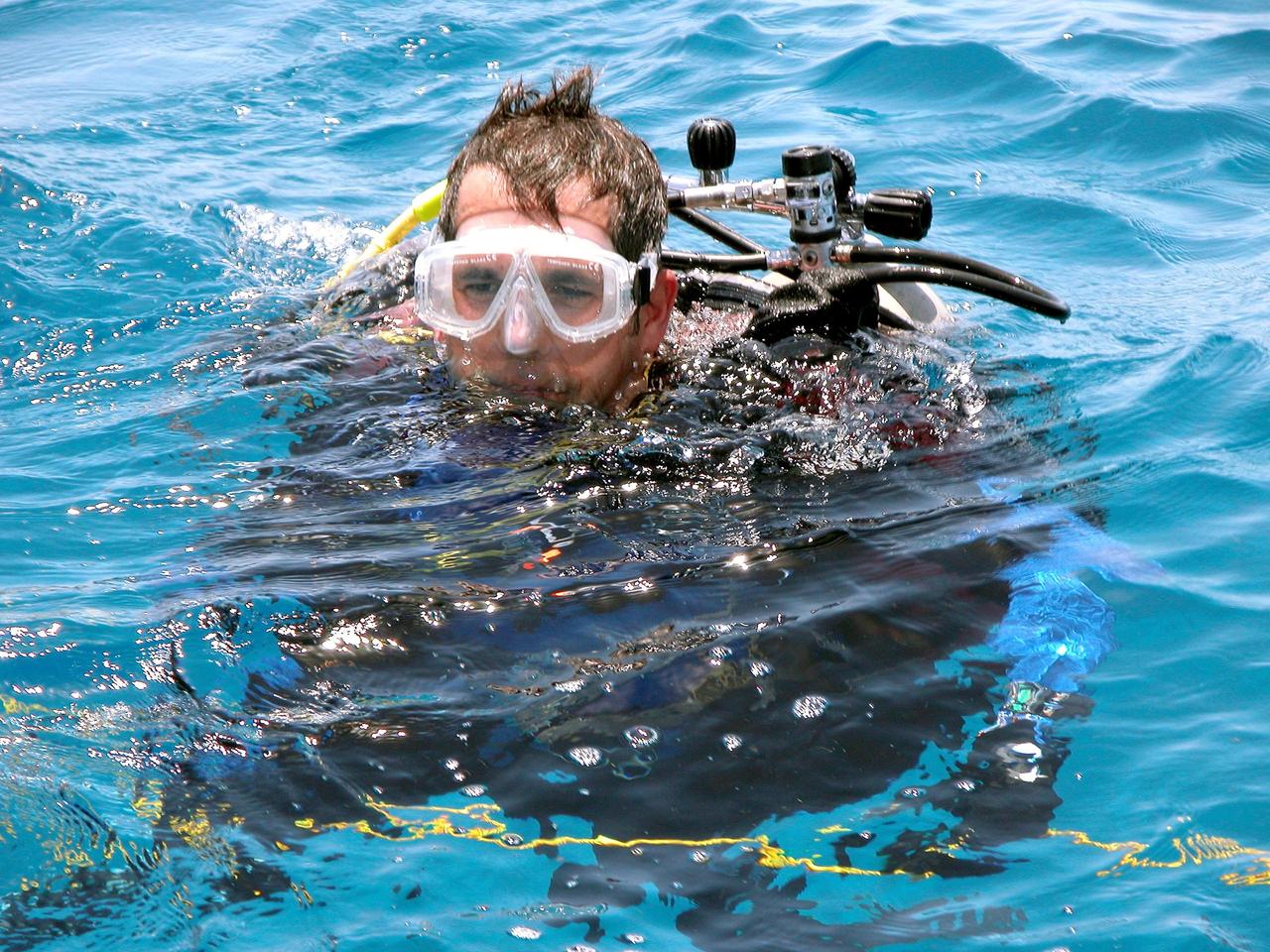
KENNEDY SPACE CENTER, FLA. - In the water for a practice dive in the ocean offshore from Key Largo is astronaut John Herrington. He is commander of the NASA Extreme Environment Mission Operations 6 (NEEMO-6) mission team. The others are Nick Patrick, Doug Wheelock, and Tara Ruttley, a biomedical engineer. The NEEMO-6 mission involves exposing an astronaut/scientist crew to a real mission experience in an extreme environment - the NOAA undersea station Aquarius - to prepare for future space flight. Spacewalk-like diving excursions and field-tests on a variety of biomedical equipment are designed to help astronauts living aboard the International Space Station. To prepare for their 10-day stay, the team had dive training twice a day at the Life Support Buoy, anchored above Aquarius.
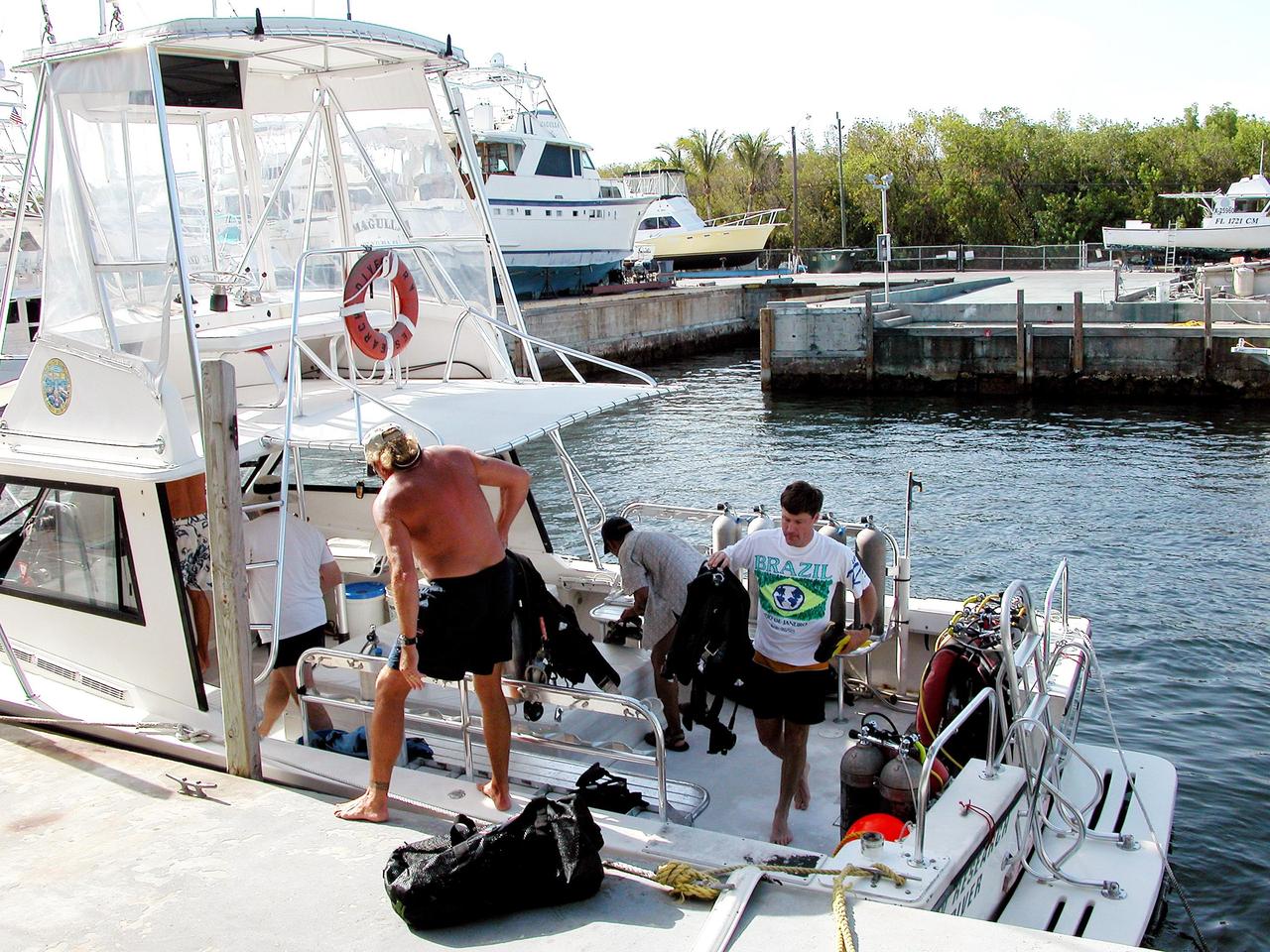
KENNEDY SPACE CENTER, FLA. - Disembarking from the boat in Key Largo are Otto Rutten and Marc Reagan, participating in the NASA Extreme Environment Mission Operations 6 (NEEMO-6) mission at the NOAA Aquarius underwater station offshore. Rutten is director for the National Underwater Research Center; Reagan is mission lead. The NEEMO-6 mission involves exposing an astronaut/scientist crew to a real mission experience in an extreme environment to prepare for future space flight. Spacewalk-like diving excursions and field-tests on a variety of biomedical equipment are designed to help astronauts living aboard the International Space Station. The NEEMO-6 team comprises astronaut John Herrington, mission commander, astronauts Doug Wheelock and Nick Patrick, and biomedical engineer Tara Ruttley. To prepare for their 10-day stay, the team had dive training twice a day at the Life Support Buoy, anchored above Aquarius.
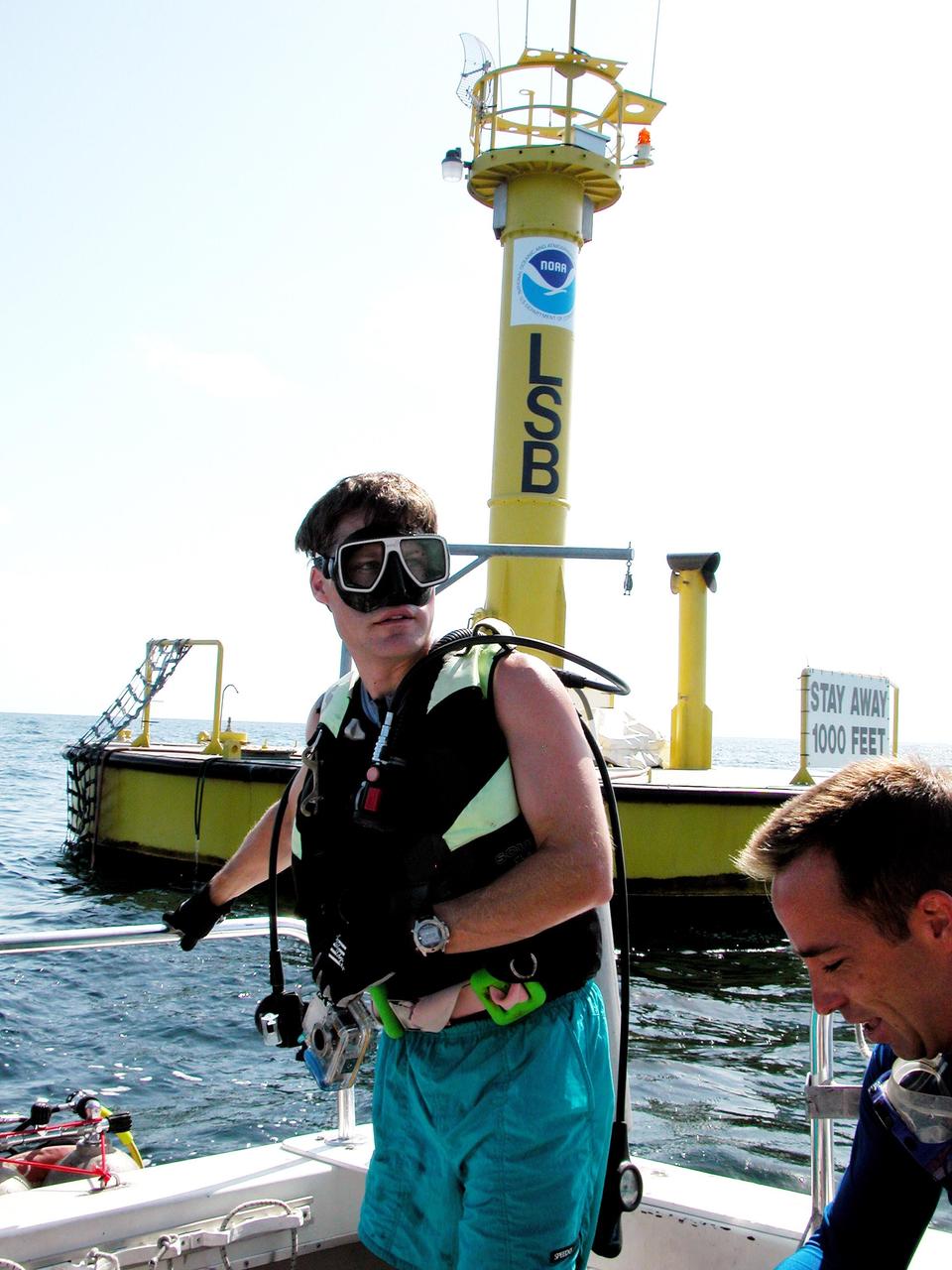
KENNEDY SPACE CENTER, FLA. - Onboard the dive boat at the Life Support Buoy offshore from Key Largo is Marc Reagan, mission lead for the NASA Extreme Environment Mission Operations 6 (NEEMO-6) mission. At right is Lt. Scott Sparks, a Navy medical officer. Reagan is also the underwater still photographer. The NEEMO-6 team comprises John Herrington, commander, Tara Ruttley, a biomedical engineer, and astronauts Nick Patrick and Doug Wheelock. The NEEMO-6 mission involves exposing an astronaut/scientist crew to a real mission experience in an extreme environment - the NOAA undersea station Aquarius - to prepare for future space flight. Spacewalk-like diving excursions and field-tests on a variety of biomedical equipment are designed to help astronauts living aboard the International Space Station. To prepare for their 10-day stay, the team had dive training twice a day at the Life Support Buoy, anchored above Aquarius.
Spaceward Bound Program in Atacama Desert; shown here is a realtime webcast from Yungay, Chile vis satellite involving NASA Scientists and seven NASA Explorer school teachers. Spaceward Bound Program in Atacama Desert; shown here is a realtime webcast from Yungay, Chile vis satellite involving NASA Scientists and seven NASA Explorer school teachers. On the Ames end we find the Girl Scouts Space cookines robotic team. The robot nicknamed Zoe is looking for life in extreme environments in preparation for what might be encounter on Mars. On the Ames end we find the Girl Csouts Space cookines robotic team. The robot nicknamed Zoe is looking for life in extreme environments in preparation for what might be encounter on Mars. see full text on the NASA-Ames News - Research # 04-91AR Center Director works with 'SpaceCookie' sending commands to Zoe.
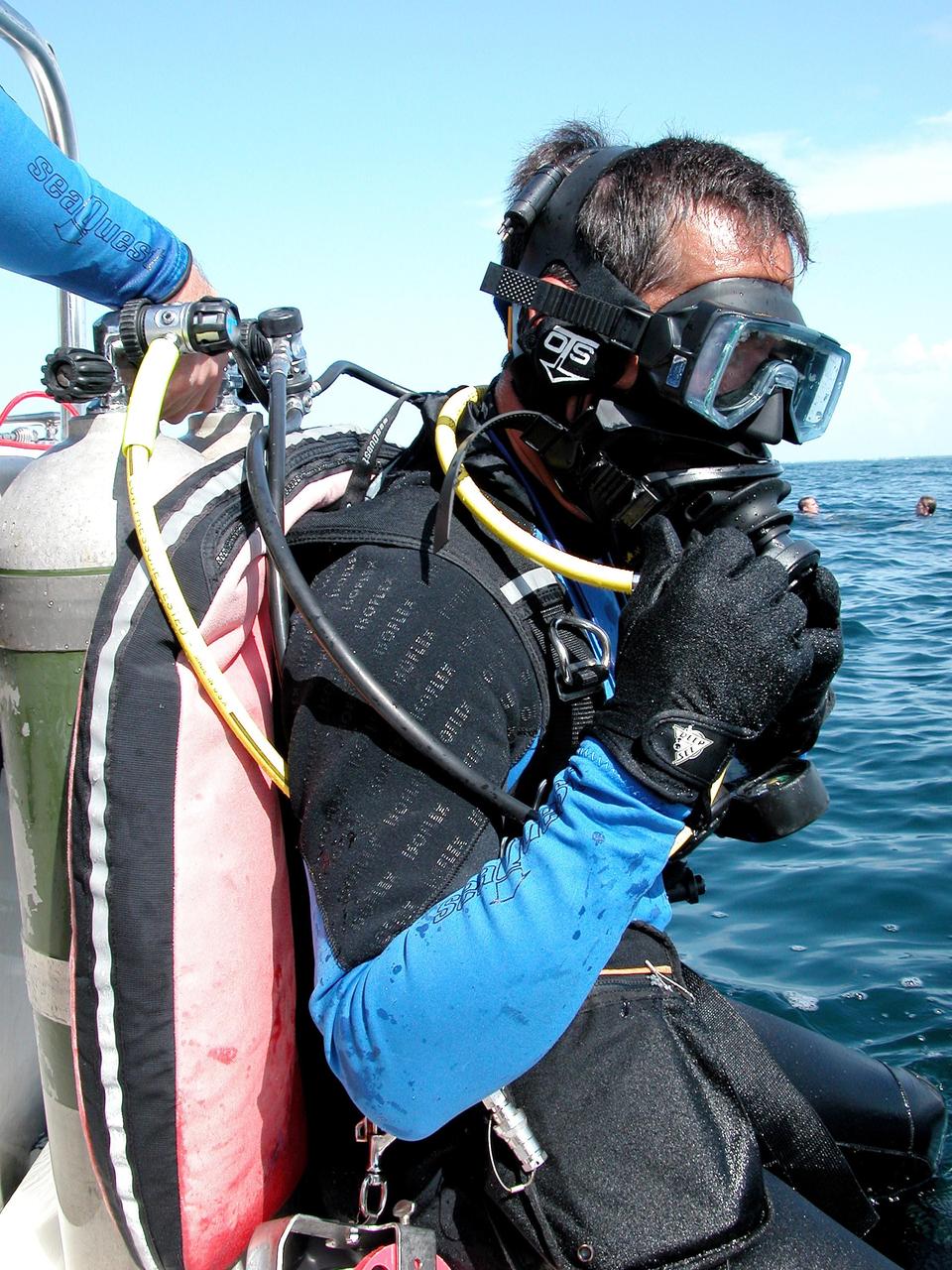
KENNEDY SPACE CENTER, FLA. - In the water for a practice dive in the ocean offshore from Key Largo is astronaut John Herrington. He is commander of the NASA Extreme Environment Mission Operations 6 (NEEMO-6) mission team. The others are Nick Patrick, Doug Wheelock, and Tara Ruttley, a biomedical engineer. The NEEMO-6 mission involves exposing an astronaut/scientist crew to a real mission experience in an extreme environment - the NOAA undersea station Aquarius - to prepare for future space flight. Spacewalk-like diving excursions and field-tests on a variety of biomedical equipment are designed to help astronauts living aboard the International Space Station. To prepare for their 10-day stay, the team had dive training twice a day at the Life Support Buoy, anchored above Aquarius.
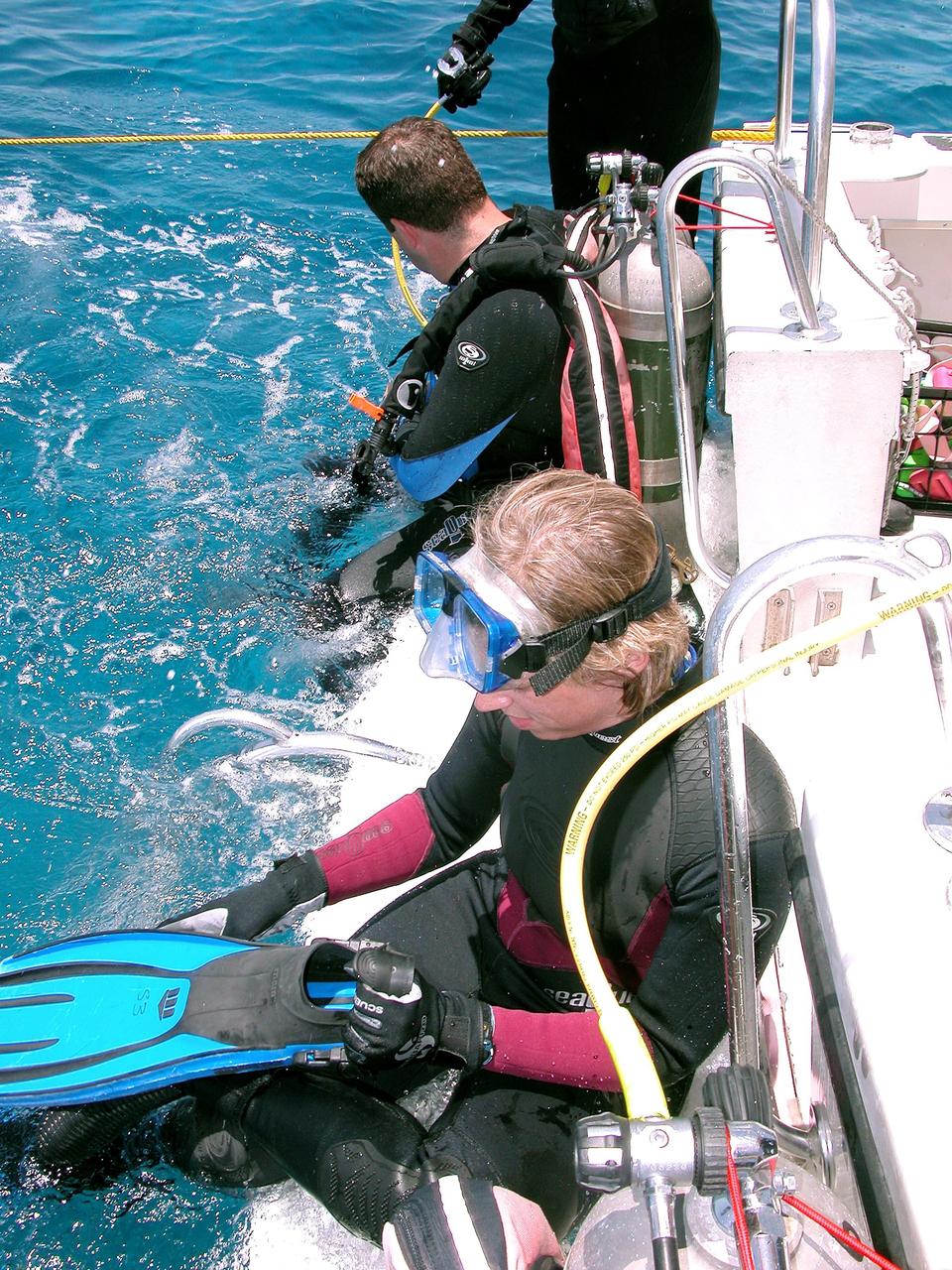
KENNEDY SPACE CENTER, FLA. - Getting ready to enter the water on a practice dive in the ocean offshore from Key Largo are Tara Ruttley (below) and Nick Patrick (above). The two are members of the NASA Extreme Environment Mission Operations 6 (NEEMO-6) mission team. Ruttley is a biomedical engineer. The others are astronauts John Herrington, mission commander, and Doug Wheelock. The NEEMO-6 mission involves exposing an astronaut/scientist crew to a real mission experience in an extreme environment - the NOAA undersea station Aquarius - to prepare for future space flight. Spacewalk-like diving excursions and field-tests on a variety of biomedical equipment are designed to help astronauts living aboard the International Space Station. To prepare for their 10-day stay, the team had dive training twice a day at the Life Support Buoy, anchored above Aquarius.
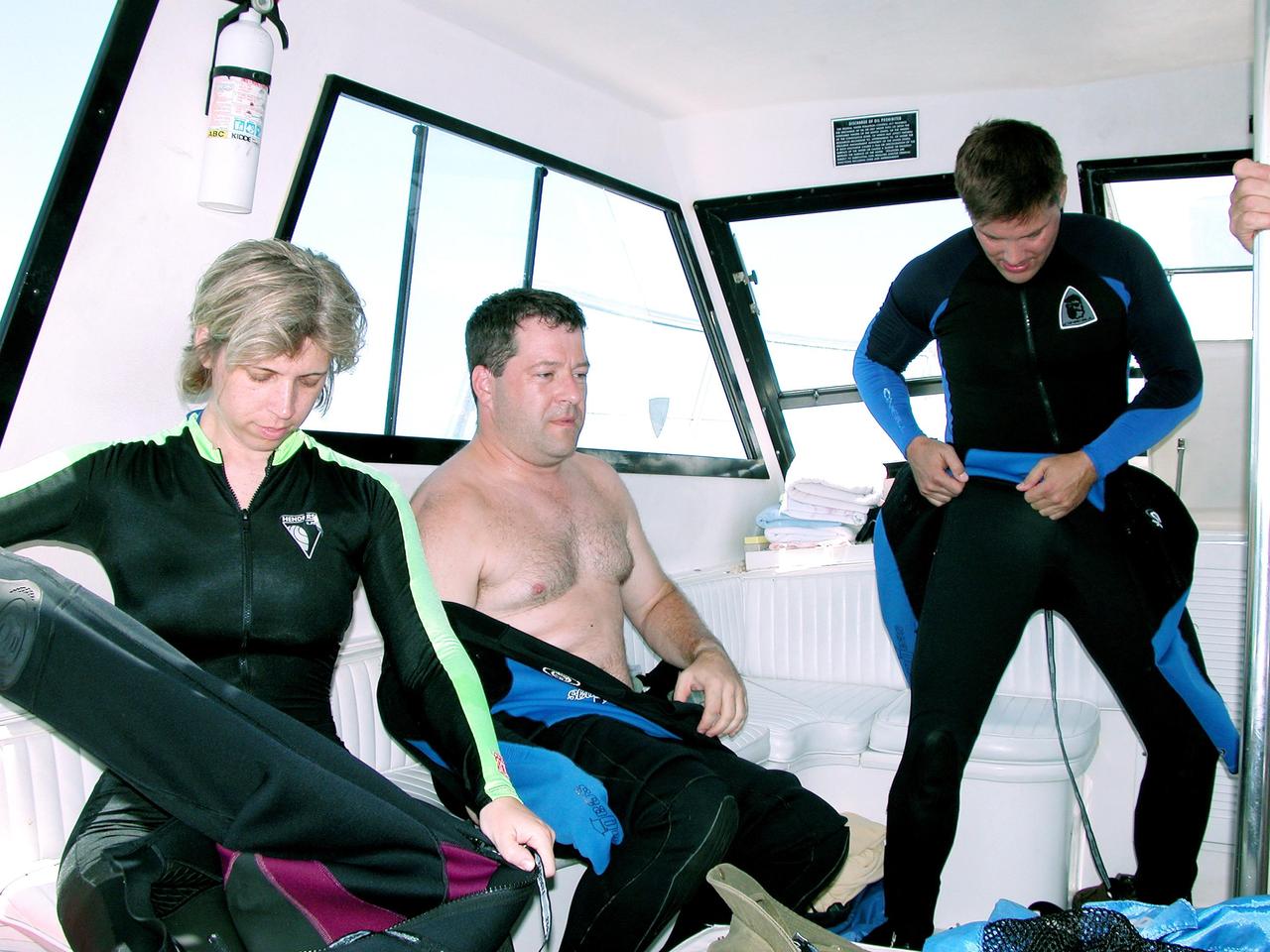
KENNEDY SPACE CENTER, FLA. - Onboard the dive boat, members of the NASA Extreme Environment Mission Operations 6 (NEEMO-6) mission don dive suits. From left are Tara Ruttley, a biomedical engineer, and astronauts Nick Patrick and Doug Wheelock. John Herrington is mission commander. The NEEMO-6 mission involves exposing an astronaut/scientist crew to a real mission experience in an extreme environment - the NOAA undersea station Aquarius offshore from Key Largo - to prepare for future space flight. Spacewalk-like diving excursions and field-tests on a variety of biomedical equipment are designed to help astronauts living aboard the International Space Station. To prepare for their 10-day stay, the team had dive training twice a day at the Life Support Buoy, anchored above Aquarius.
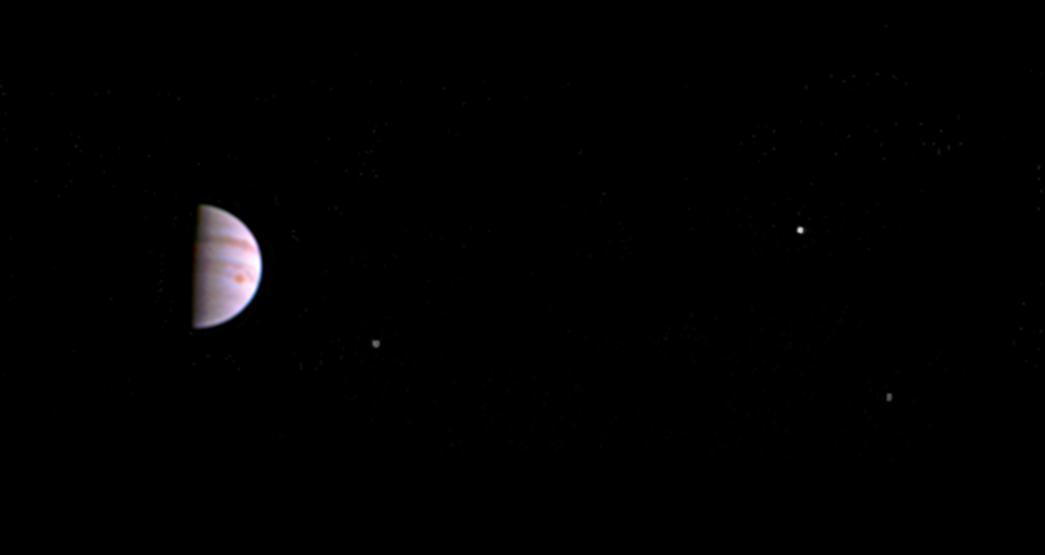
This color view from NASA's Juno spacecraft is made from some of the first images taken by JunoCam after the spacecraft entered orbit around Jupiter on July 5th (UTC). The view shows that JunoCam survived its first pass through Jupiter's extreme radiation environment, and is ready to collect images of the giant planet as Juno begins its mission. The image was taken on July 10, 2016 at 5:30 UTC, when the spacecraft was 2.7 million miles (4.3 million kilometers) from Jupiter on the outbound leg of its initial 53.5-day capture orbit. The image shows atmospheric features on Jupiter, including the Great Red Spot, and three of Jupiter's four largest moons. JunoCam will continue to image Jupiter during Juno's capture orbits. The first high-resolution images of the planet will be taken on August 27 when the Juno spacecraft makes its next close pass to Jupiter. http://photojournal.jpl.nasa.gov/catalog/PIA20707
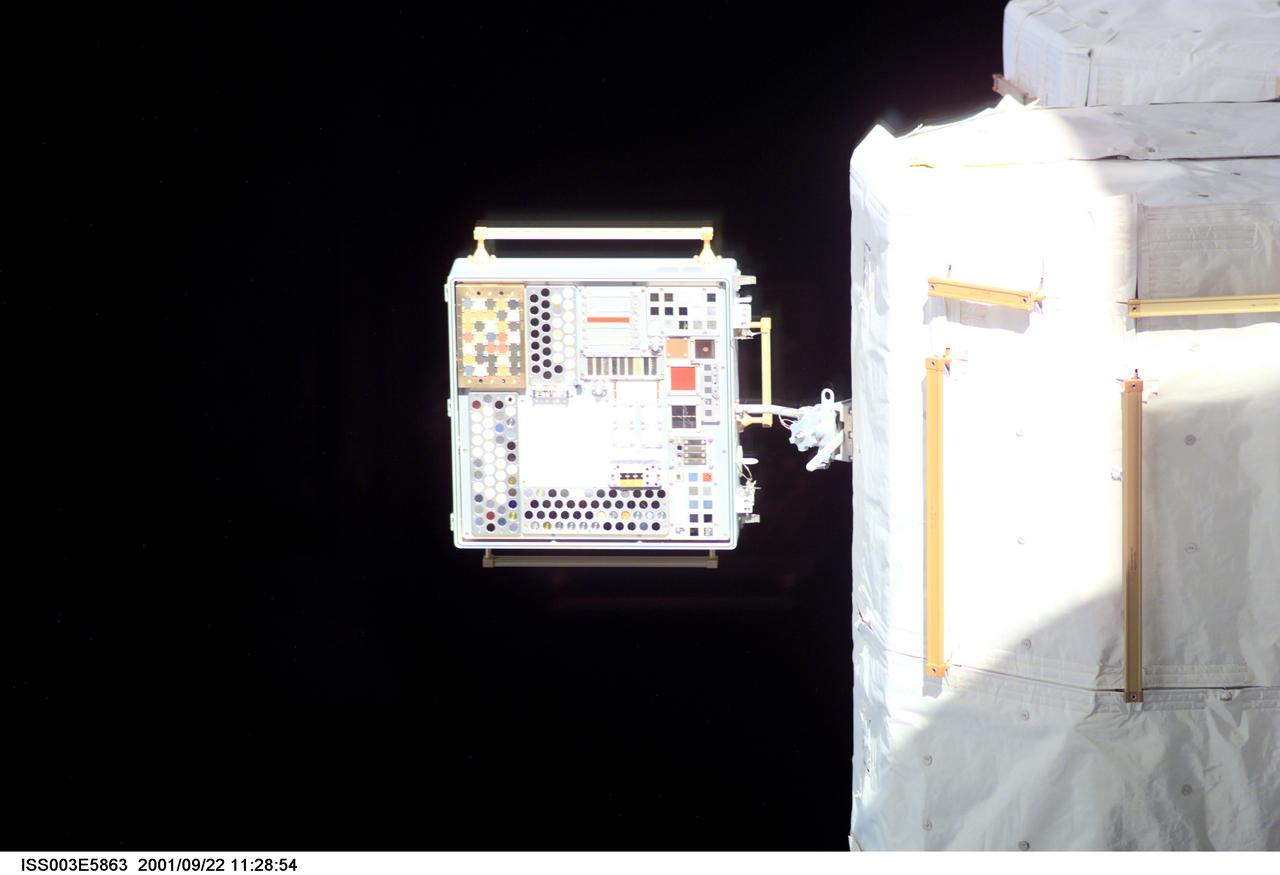
iss003e5863 (9/22/2001) --- A view of the Materials International Space Station Experiment (MISSE) on the Quest / Airlock taken during Expedition 3. MISSE-1 and 2 are a test bed for materials and coatings attached to the outside of the ISS is being evaluated for the effects of atomic oxygen, direct sunlight, and extremes of heat and cold. This experiment allows the development and testing of new materials to better withstand the rigors of space environments. Results will provide a better understanding of the durability of various materials when they are exposed to the space environment. Many of the materials may have applications in the design of future spacecraft.
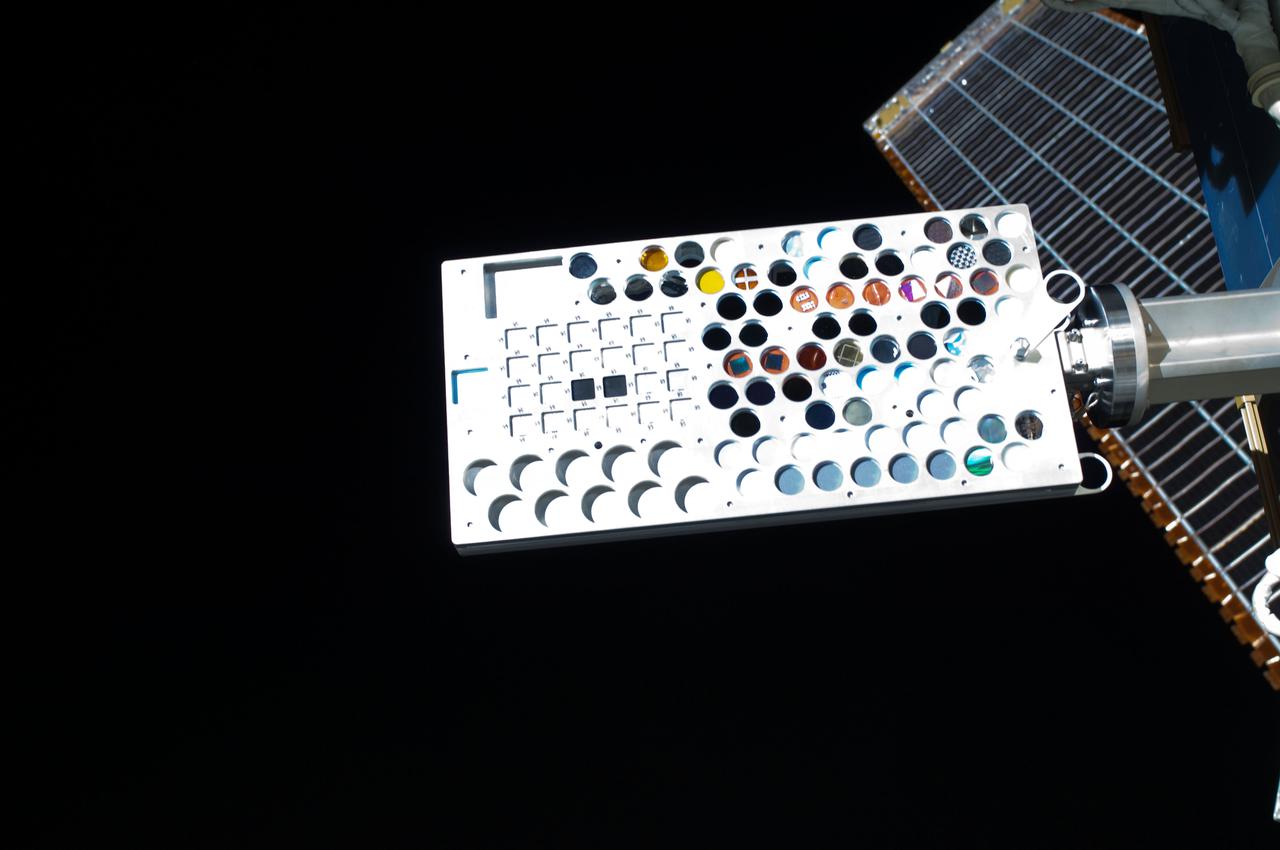
ISS028-E-016111 (12 July 2011) --- This close-up image, recorded during a July 12 spacewalk, shows the Materials on International Space Station Experiment - 8 (MISSE-8). The experiment package is a test bed for materials and computing elements attached to the outside of the orbiting complex. These materials and computing elements are being evaluated for the effects of atomic oxygen, ultraviolet, direct sunlight, radiation, and extremes of heat and cold. This experiment allows the development and testing of new materials and computing elements that can better withstand the rigors of space environments. Results will provide a better understanding of the durability of various materials and computing elements when they are exposed to the space environment, with applications in the design of future spacecraft.
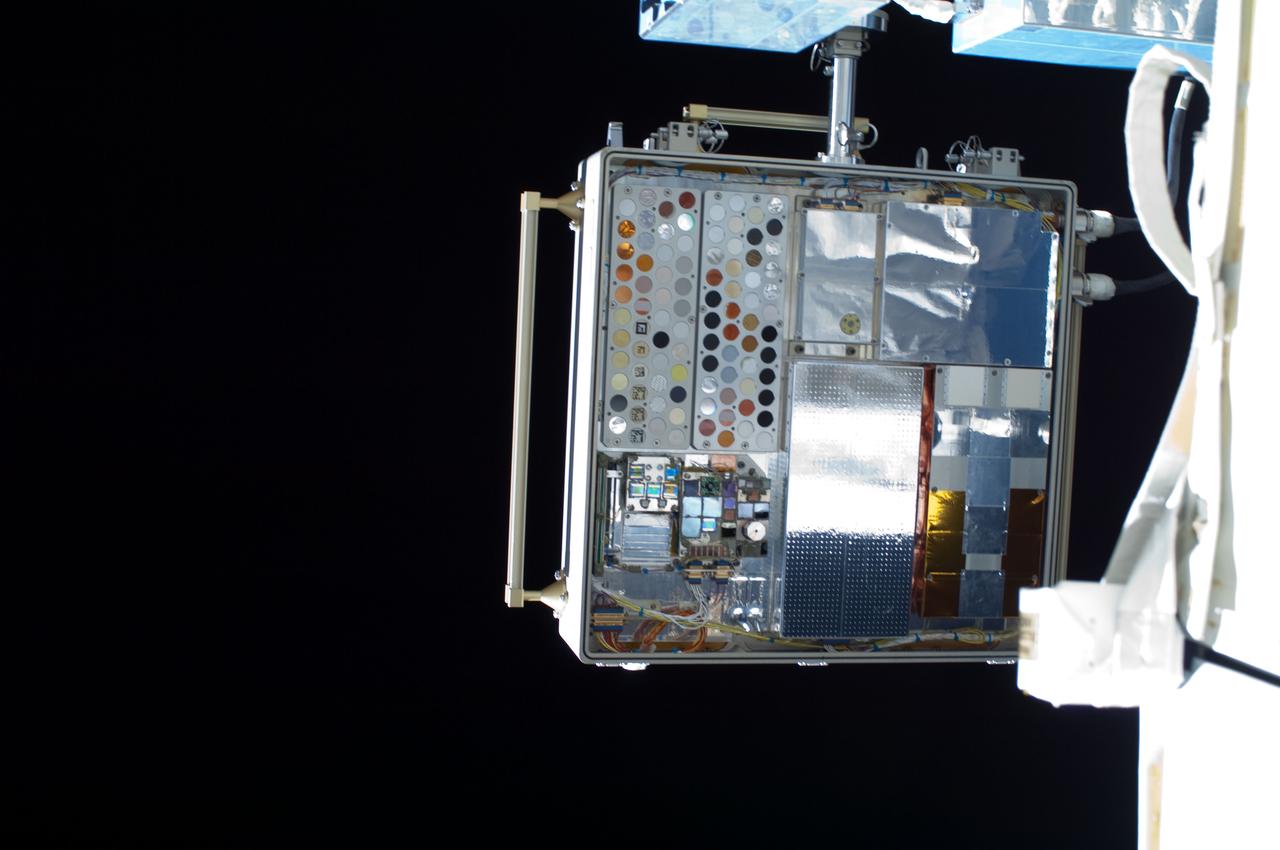
ISS028-E-016107 (12 July 2011) --- This medium close-up image, recorded during a July 12 spacewalk, shows the Materials on International Space Station Experiment - 8 (MISSE-8). The experiment package is a test bed for materials and computing elements attached to the outside of the orbiting complex. These materials and computing elements are being evaluated for the effects of atomic oxygen, ultraviolet, direct sunlight, radiation, and extremes of heat and cold. This experiment allows the development and testing of new materials and computing elements that can better withstand the rigors of space environments. Results will provide a better understanding of the durability of various materials and computing elements when they are exposed to the space environment, with applications in the design of future spacecraft.
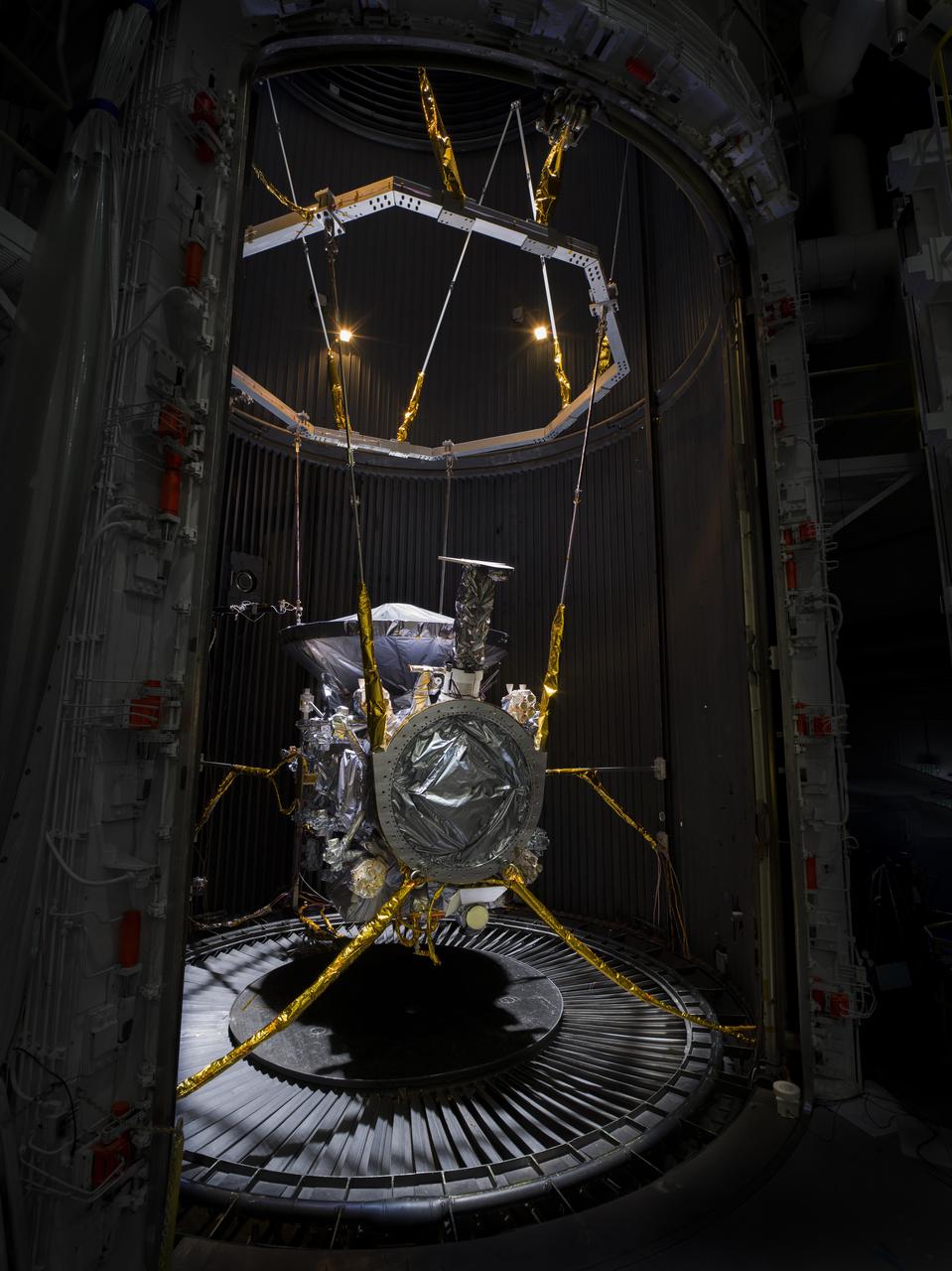
NASA's Europa Clipper spacecraft is seen in the 85-foot-tall, 25-foot-wide (26-meter-by-8-meter) vacuum chamber, known as the Space Simulator, at the agency's Jet Propulsion Laboratory in Southern California in February 2024. Shortly after this photo was taken, the spacecraft underwent 16 days of thermal vacuum chamber (TVAC) testing so that engineers can be sure the hardware will survive the extreme temperatures and airless environment of space. TVAC is part of a regimen called environmental testing that takes place before spacecraft are approved for flight. Europa Clipper, set to launch in October 2024 from Kennedy Space Center in Florida, will arrive at the Jupiter system in 2030 and conduct about 50 flybys of the moon Europa. The mission's main science goal is to determine whether there are places below the surface of Europa that could support life. The mission's three main science objectives are to determine the thickness of the moon's icy shell and its surface interactions with the ocean below, to investigate its composition, and to characterize its geology. The mission's detailed exploration of Europa will help scientists better understand the astrobiological potential for habitable worlds beyond our planet. https://photojournal.jpl.nasa.gov/catalog/PIA26064
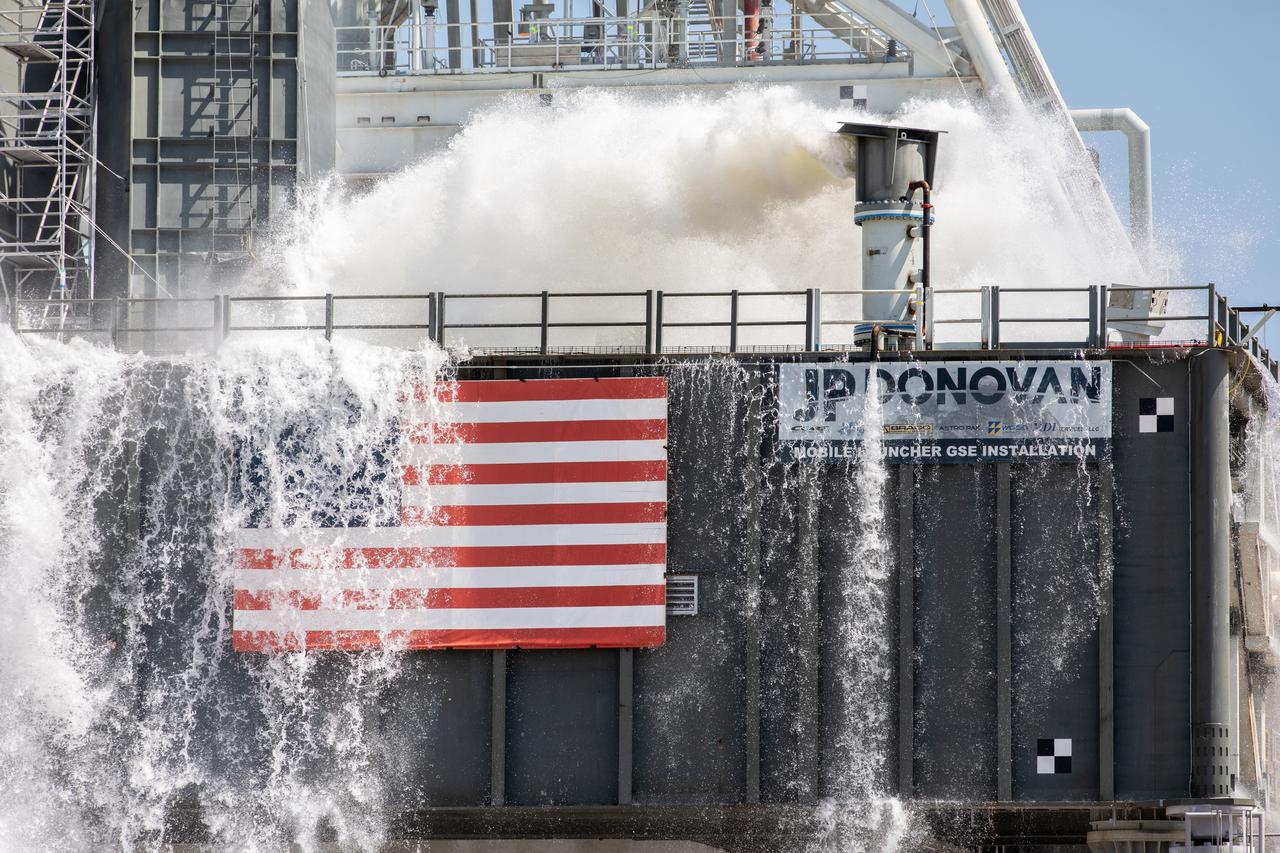
NASA’s Exploration Ground Systems conducts a water flow test with the mobile launcher at Kennedy Space Center’s Pad 39B in Florida on July 2, 2019. It is the first of nine tests to verify the sound suppression system is ready for launch of NASA’s Space Launch System for the first Artemis mission. During launch, 400,000 gallons of water will rush onto the pad to help protect the rocket, NASA’s Orion Spacecraft, mobile launcher, and launch pad from the extreme acoustic and temperature environment.
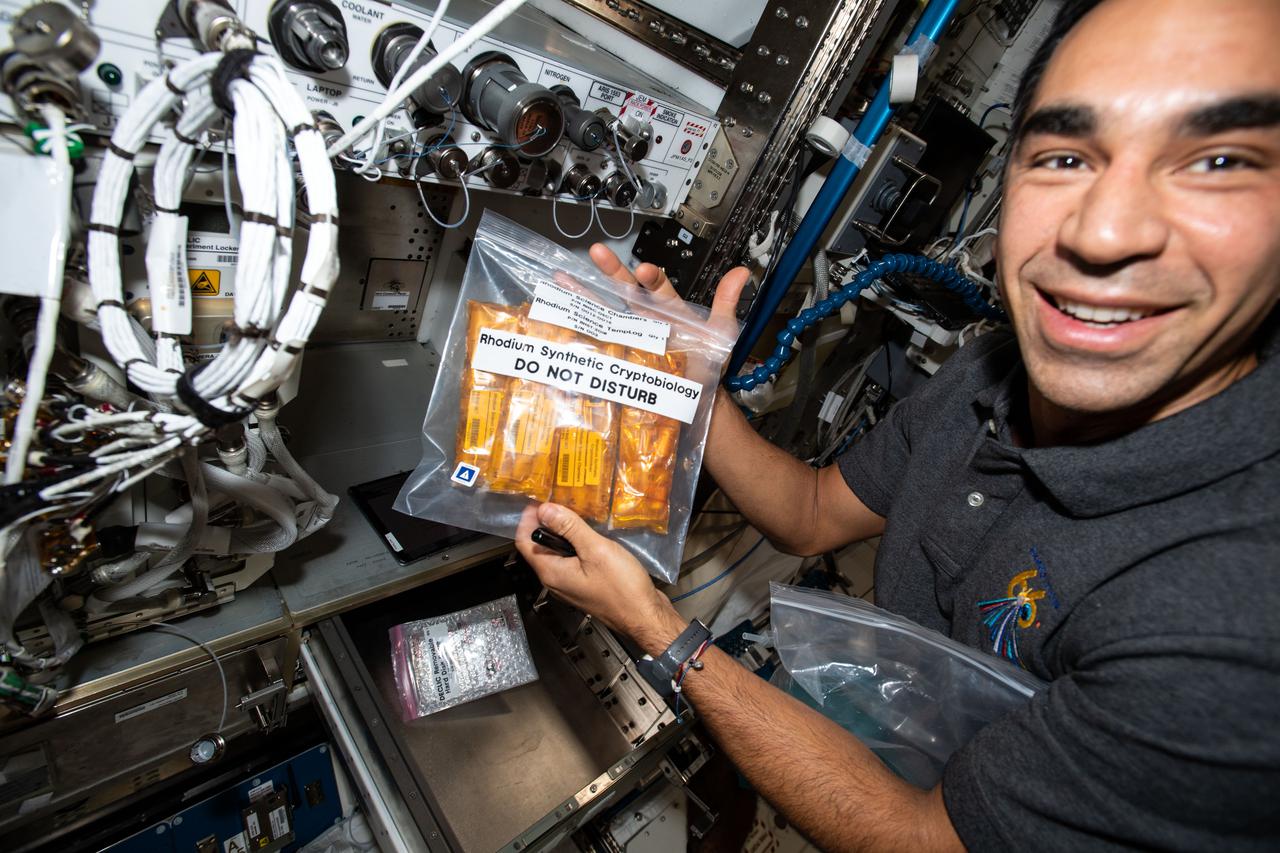
iss066e123181 (Jan. 20, 2022) --- NASA astronaut and Expedition 66 Flight Engineer Raja Chari gathers items for the Rhodium Synthetic Cryptobiology experiment for packing inside the SpaceX Cargo Dragon resupply ship. Results from the biotechnology study could help create more rugged biological components and advance these technologies for use in space and in extreme environments on Earth.

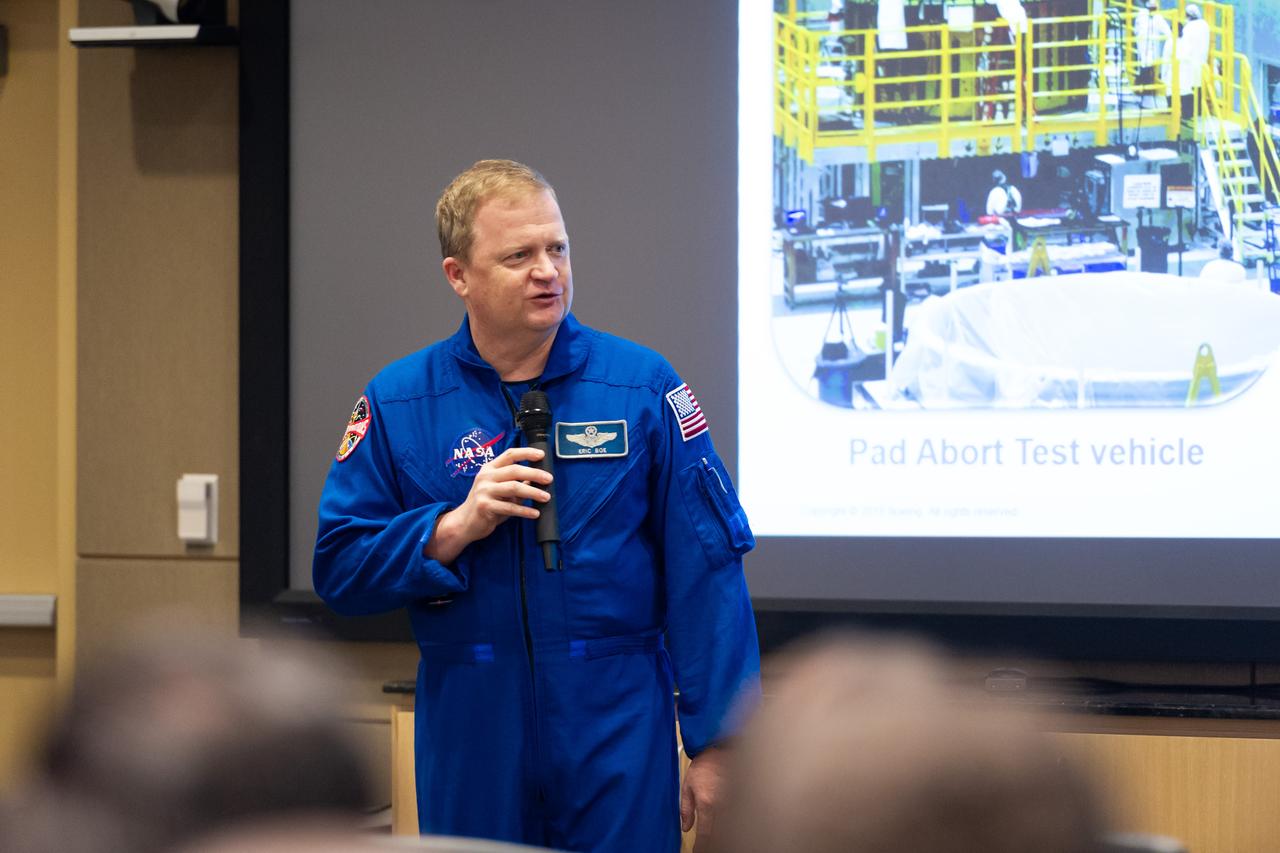
NASA’s Eric Boe is one of three astronauts who will fly on Boeing’s CST-100 Starliner in an upcoming Crew Flight Test to the International Space Station. Boe, along with fellow commercial crew astronauts Nicole Mann and Chris Ferguson, recently toured Boeing’s spacecraft testing facilities in Huntington Beach and El Segundo, Calif. Structural testing in Huntington Beach confirms the spacecraft can withstand the pressures it will experience during flight. Environmental qualification testing in El Segundo ensures the spacecraft can withstand the extreme environments of space.
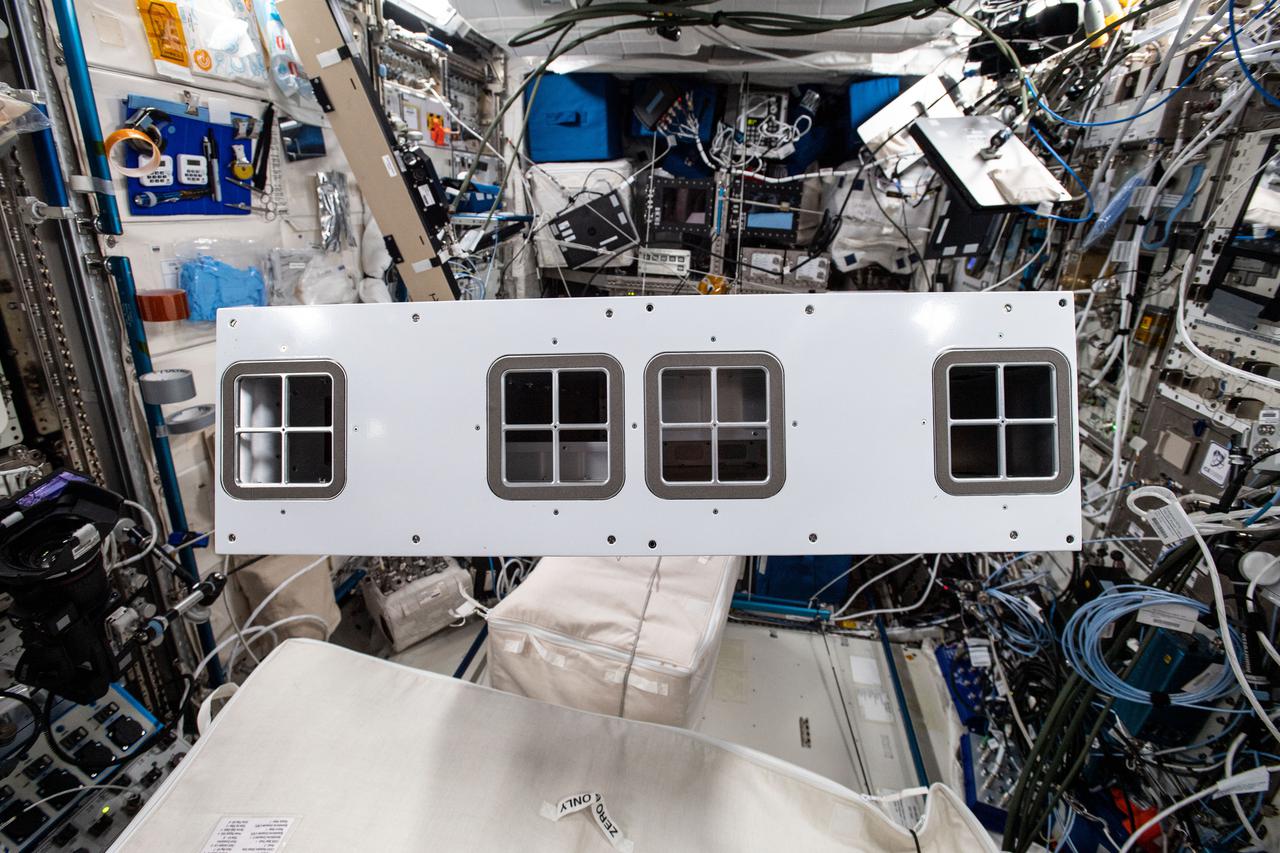
iss065e009485 4/29/2021 --- A view of the Spaceborne Computer-2 High Performance Commercial Off-The-Shelf (COTS) Computer System on the ISS (Spaceborne Computer-2) aboard the International Space Station (ISS). The study explores how space exploration can be advanced by the use of the commercial off-the-shelf computer systems. Spaceborne Computer-2 further tests additional techniques for recovering or mitigating errors in the extreme environment of unprotected solar radiation, galactic cosmic radiation (GCR) and other events.
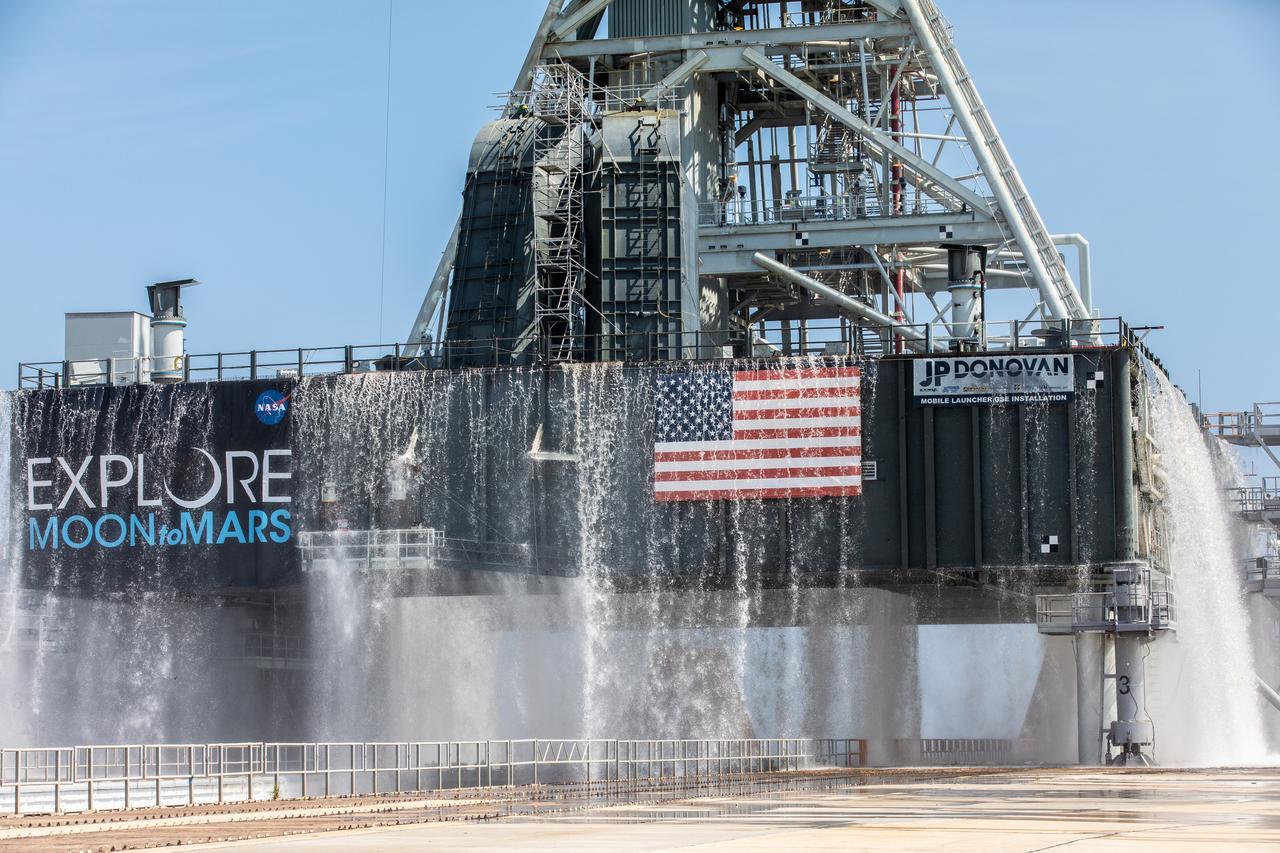
NASA’s Exploration Ground Systems conducts a water flow test with the mobile launcher at Kennedy Space Center’s Pad 39B in Florida on July 2, 2019. It is the first of nine tests to verify the sound suppression system is ready for launch of NASA’s Space Launch System for the first Artemis mission. During launch, 400,000 gallons of water will rush onto the pad to help protect the rocket, NASA’s Orion Spacecraft, mobile launcher, and launch pad from the extreme acoustic and temperature environment.
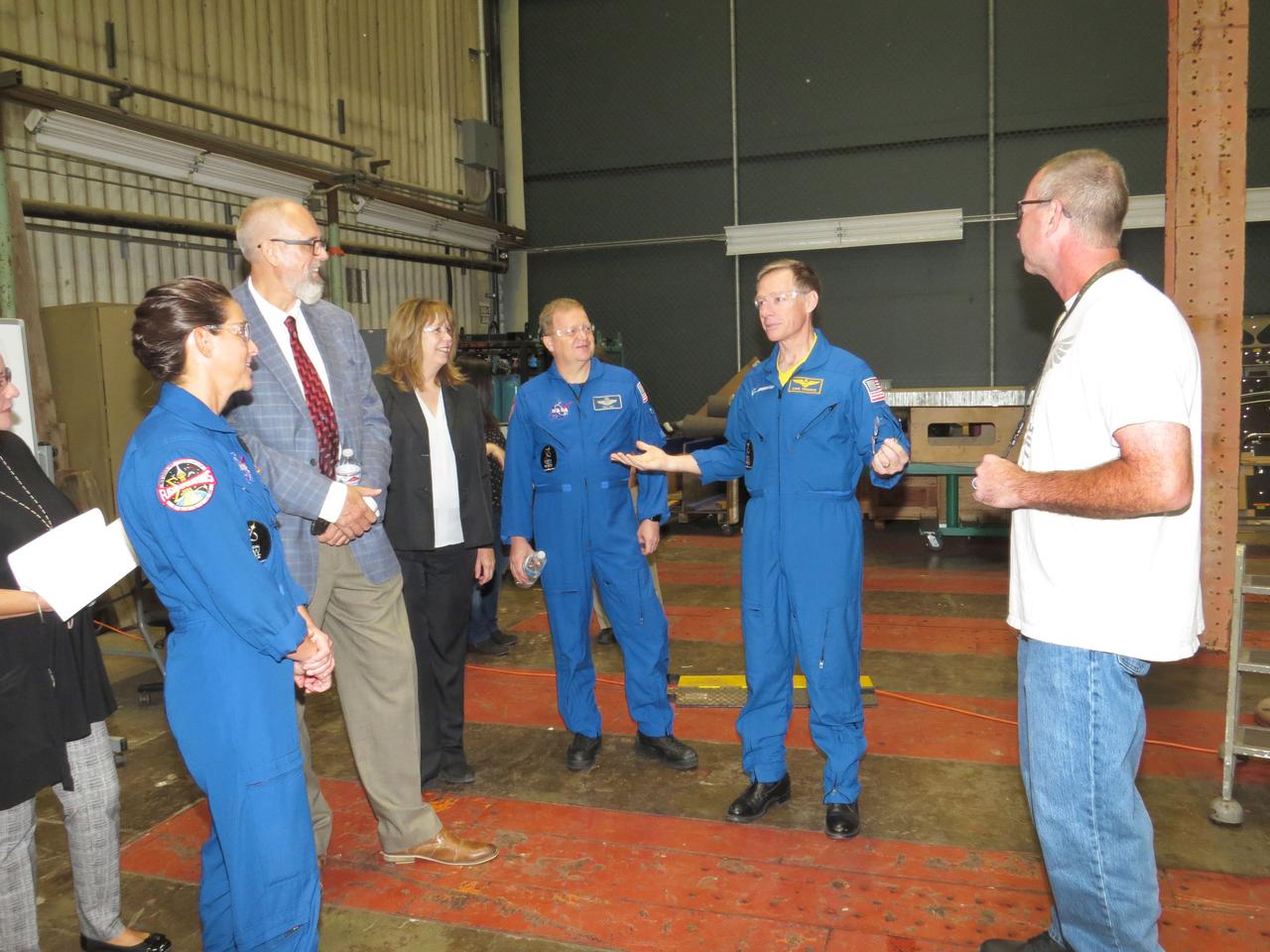
Commercial crew astronauts Nicole Mann, Eric Boe and Chris Ferguson recently toured Boeing’s spacecraft testing facilities in Huntington Beach, Calif. All three astronauts will fly on Boeing’s CST-100 Starliner in an upcoming Crew Flight Test to the International Space Station. Structural testing in Huntington Beach confirms the spacecraft can withstand the pressures it will experience during flight. Environmental qualification testing in El Segundo ensures the spacecraft can withstand the extreme environments of space.

Commercial Crew astronauts Chris Ferguson, Nicole Mann and Eric Boe recently toured spacecraft testing facilities in El Segundo and Huntington Beach, Calif. All three astronauts will fly on Boeing’s CST-100 Starliner in an upcoming crew flight test to the International Space Station. Environmental qualification testing in El Segundo ensures the spacecraft can withstand the extreme environments of space. Structural testing in Huntington Beach confirms the spacecraft can withstand the pressures it will experience during flight.
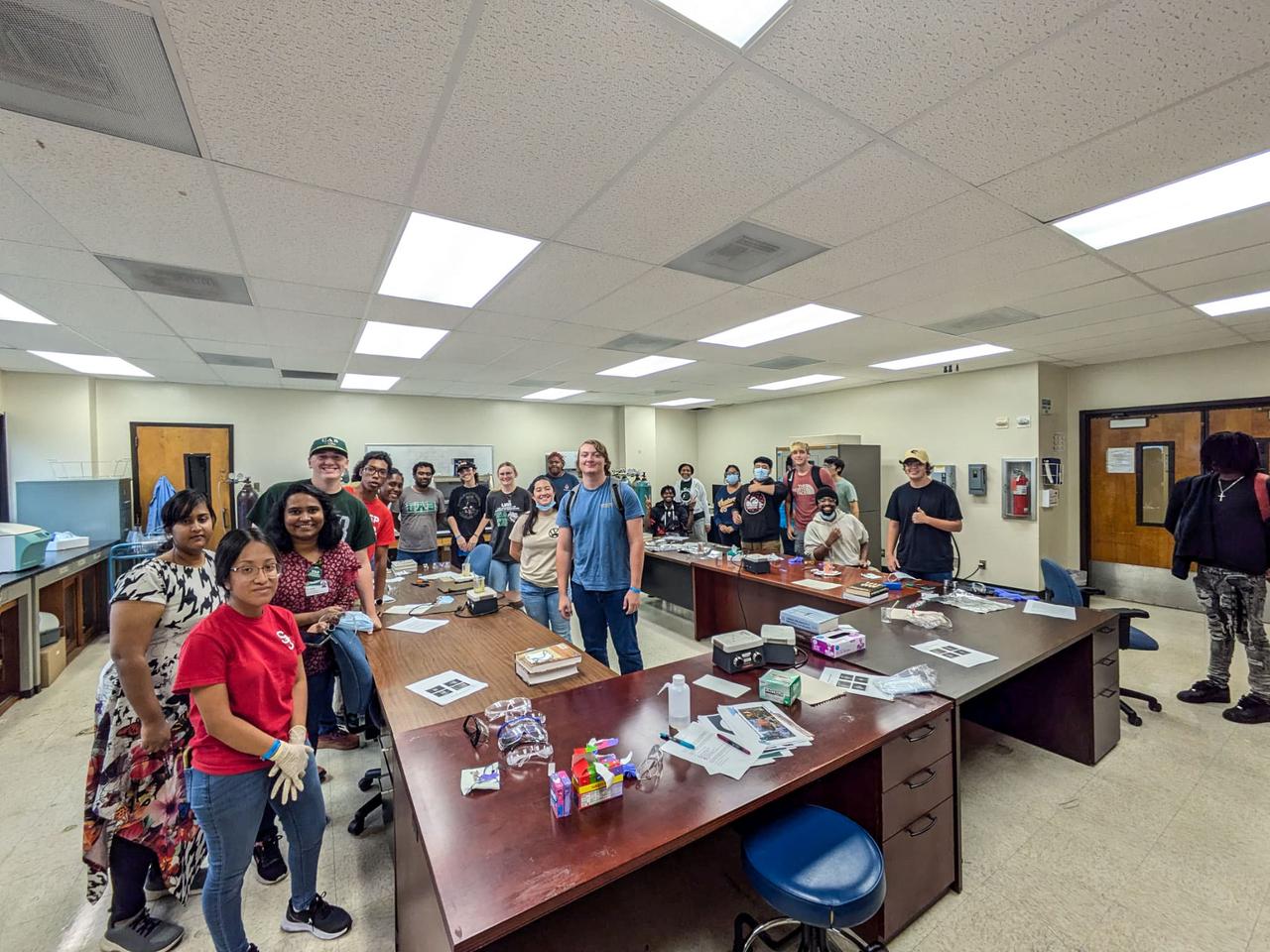
jsc2025e064334 (7/22/2025) --- This hands-on demonstration illustrated how different materials respond to different gravitational forces and their effects on flexural strength. Students engaged in experiments using models and simple testing setups to simulate the impacts of gravitational variations on material behavior. The activity allowed participants to compare how certain materials deform, crack, or maintain their structural integrity. By observing these differences, students gained a clearer understanding of how researchers design and optimize materials for use in extreme environments, such as space or high-stress industrial applications.
NASA’s Eric Boe recently toured Boeing’s spacecraft testing facilities in Huntington Beach and El Segundo, Calif., along with fellow commercial crew astronauts Nicole Mann and Chris Ferguson. All three will fly on Boeing’s CST-100 Starliner in an upcoming Crew Flight Test to the International Space Station. Structural testing in Huntington Beach confirms the spacecraft can withstand the pressures it will experience during flight. Environmental qualification testing in El Segundo ensures the spacecraft can withstand the extreme environments of space.
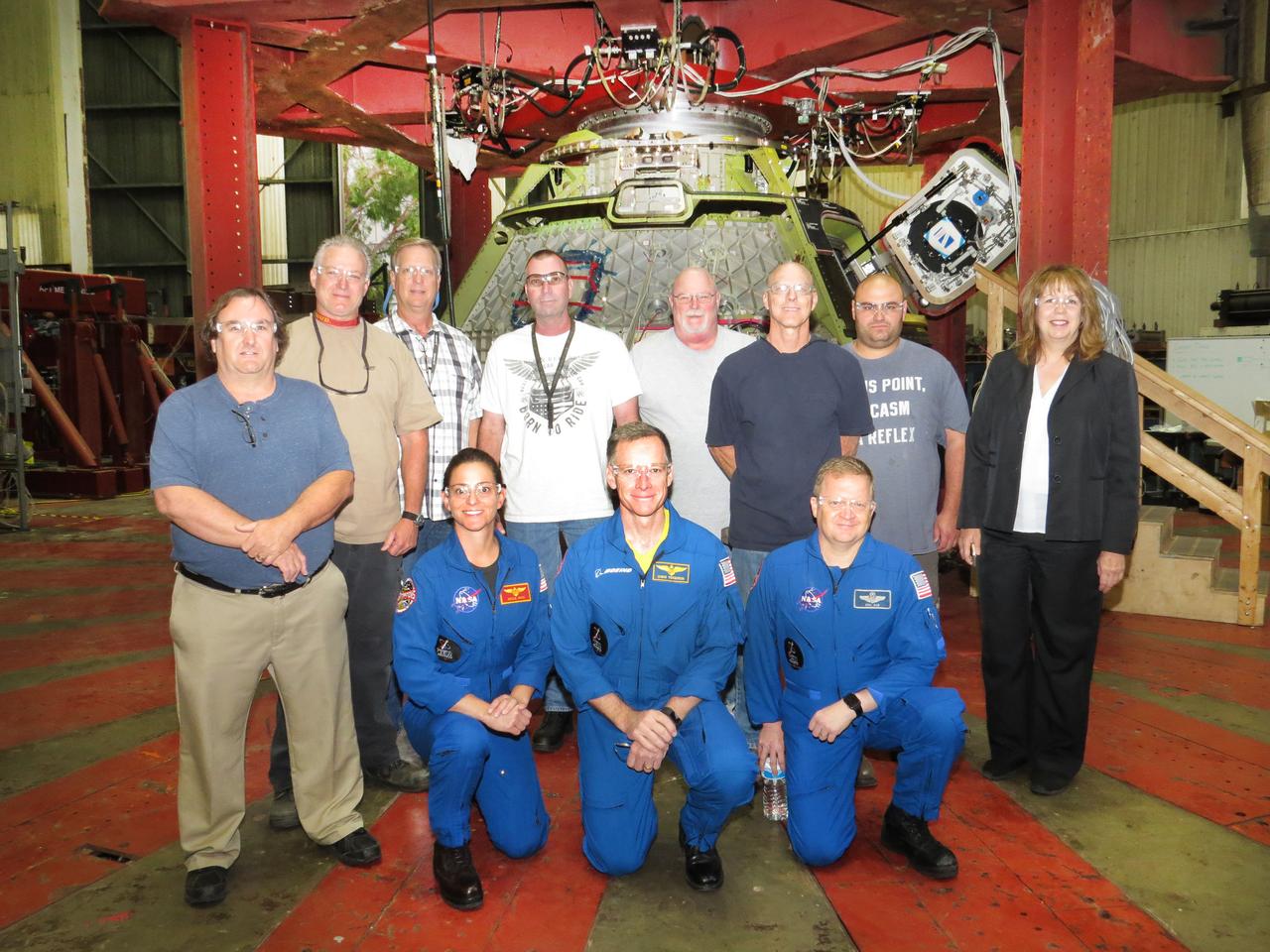
Commercial crew astronauts Nicole Mann, Chris Ferguson and Eric Boe recently toured Boeing’s spacecraft testing facilities in Huntington Beach and El Segundo, Calif. All three astronauts will fly on Boeing’s CST-100 Starliner in an upcoming Crew Flight Test to the International Space Station. Structural testing in Huntington Beach confirms the spacecraft can withstand the pressures it will experience during flight. Environmental qualification testing in El Segundo ensures the spacecraft can withstand the extreme environments of space.
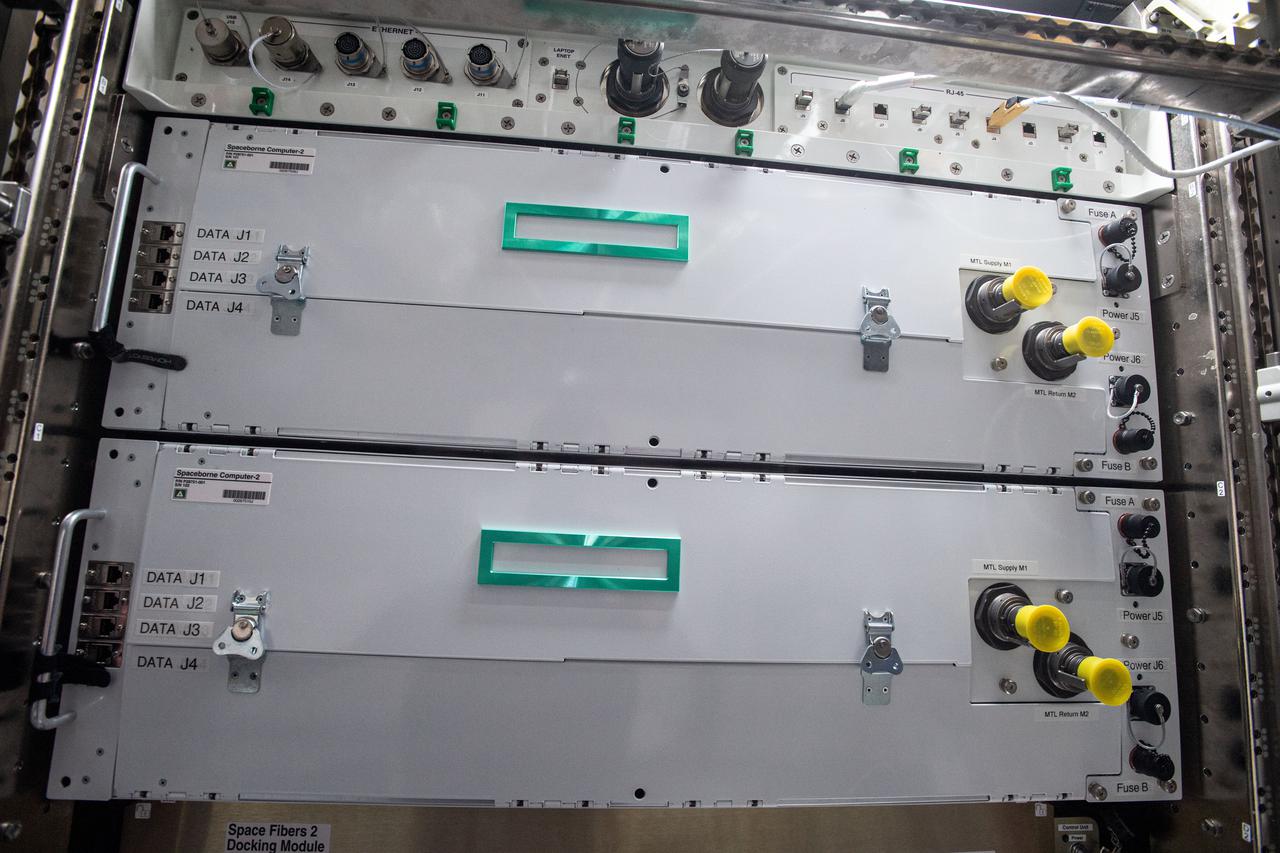
iss065e009492 4/29/2021 --- A view of the Spaceborne Computer-2 High Performance Commercial Off-The-Shelf (COTS) Computer System on the ISS (Spaceborne Computer-2) aboard the International Space Station (ISS). The study explores how space exploration can be advanced by the use of the commercial off-the-shelf computer systems. Spaceborne Computer-2 further tests additional techniques for recovering or mitigating errors in the extreme environment of unprotected solar radiation, galactic cosmic radiation (GCR) and other events.
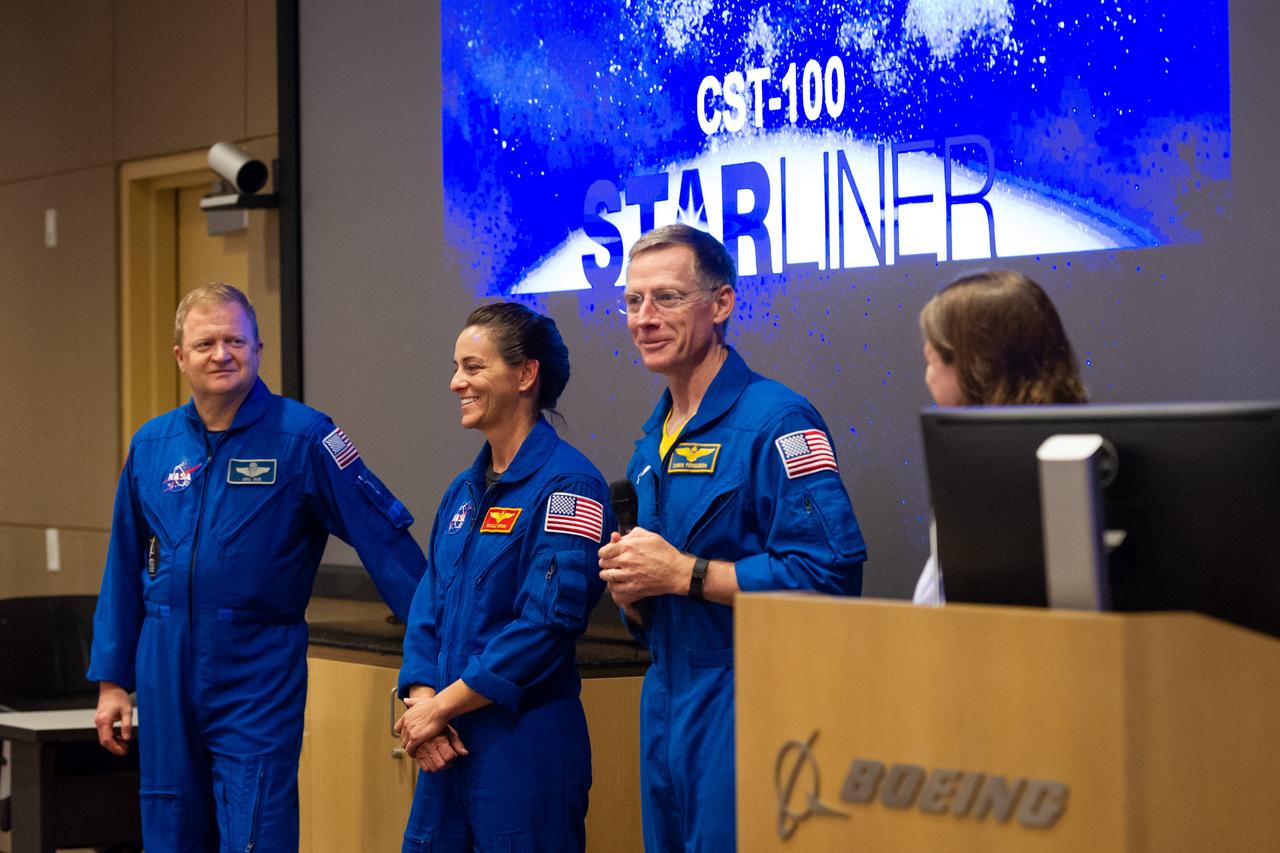
Commercial crew astronauts Eric Boe, Nicole Mann and Chris Ferguson recently toured Boeing’s spacecraft testing facilities in Huntington Beach and El Segundo, Calif. All three astronauts will fly on Boeing’s CST-100 Starliner in an upcoming Crew Flight Test to the International Space Station. Structural testing in Huntington Beach confirms the spacecraft can withstand the pressures it will experience during flight. Environmental qualification testing in El Segundo ensures the spacecraft can withstand the extreme environments of space.

iss072e188539 (Nov. 15, 2024) --- NASA astronaut and Expedition 72 Flight Engineer Don Pettit unpacks and gathers research hardware to be placed outside the International Space Station's Kibo laboratory module. The scientific gear known as MISSE, or Materials International Space Station Experiment, places a variety of materials in the vacuum of space exposing them to the extreme thermal environment, different types of radiation, micrometeoroids, and more to promote the space industry.
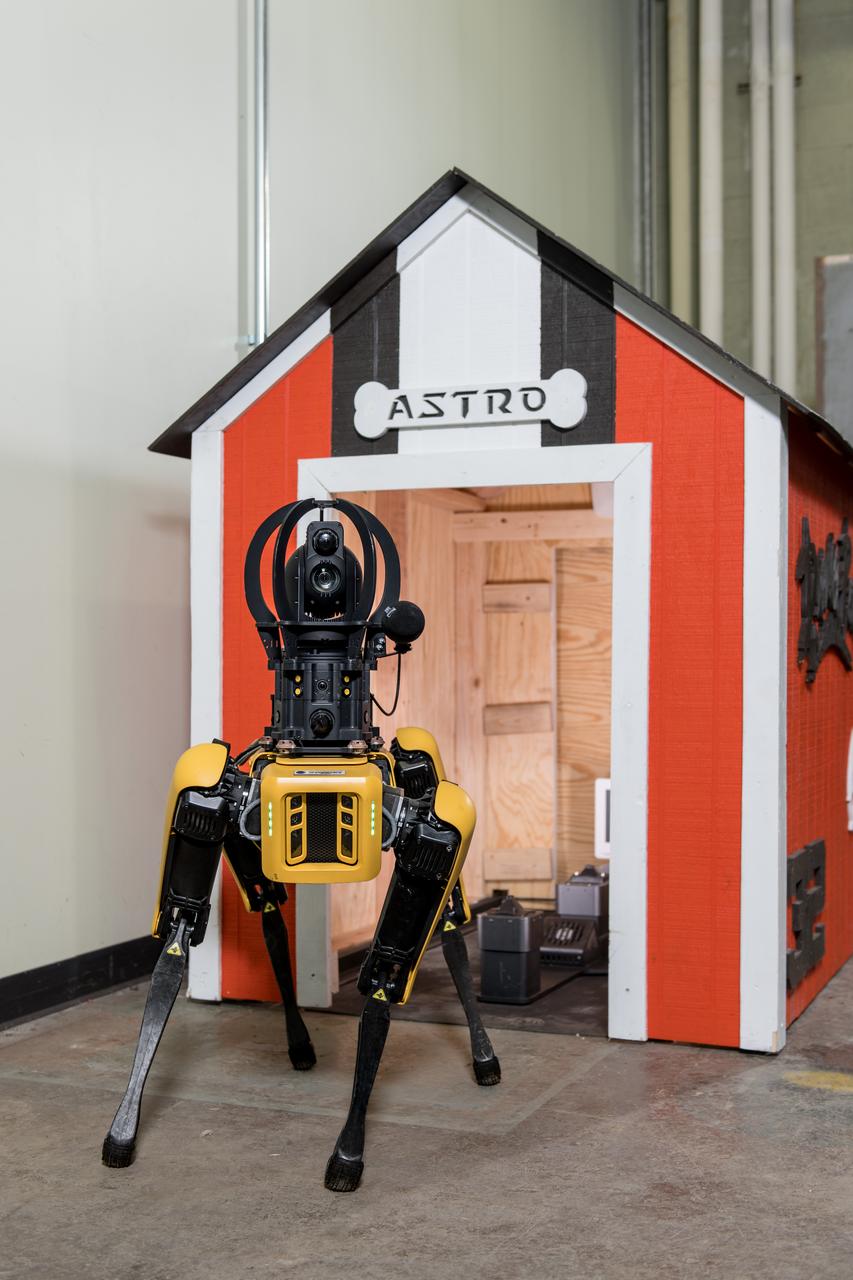
Astro is a robot dog operated by staff via remote control, is fitted with an infrared camera with 40 times zoom, utilizes thermography and a microphone and can navigate all three levels of the facility. The beloved robot conducts inspections to spare the employees ears in extremely loud environments. When not used, Astro lives in his doghouse in the facility and recharges. Photo Credit: (NASA/Sara Lowthian-Hanna)
Commercial crew astronauts Eric Boe, Nicole Mann and Chris Ferguson recently toured Boeing’s spacecraft testing facilities in Huntington Beach and El Segundo, Calif. All three astronauts will fly on Boeing’s CST-100 Starliner in an upcoming Crew Flight Test to the International Space Station. Structural testing in Huntington Beach confirms the spacecraft can withstand the pressures it will experience during flight. Environmental qualification testing in El Segundo ensures the spacecraft can withstand the extreme environments of space.
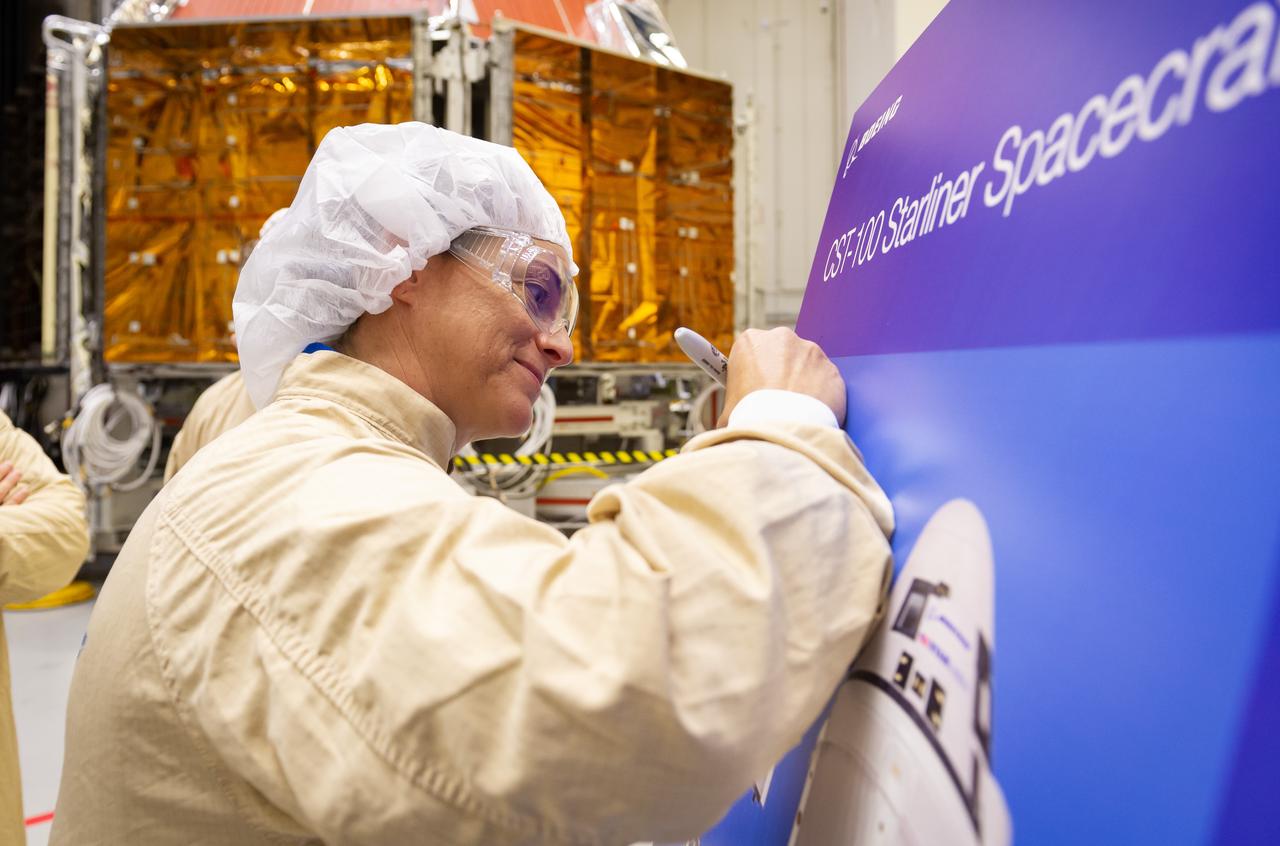
NASA’s Nicole Mann is one of three astronauts who will fly on Boeing’s CST-100 Starliner in an upcoming Crew Flight Test to the International Space Station. Mann, along with fellow commercial crew astronauts Eric Boe and Chris Ferguson, recently toured spacecraft testing facilities in Huntington Beach and El Segundo, Calif. Structural testing in Huntington Beach confirms the spacecraft can withstand the pressures it will experience during flight. Environmental qualification testing in El Segundo ensures the spacecraft can withstand the extreme environments of space.

Containers carrying set of seeds for a Materials International Space Station Experiment (MISSE) are shown Feb. 11, 2021, at NASA’s Kennedy Space Center in Florida. The containers will fly aboard Northrop Grumman’s Cygnus spacecraft as part of NG-15, a NASA commercial resupply mission to the orbiting laboratory targeted for Feb. 20, 2021. They will be placed in the MISSE testing facility, located near the space station’s solar arrays, where they will be exposed to the extreme environment of space for six months before returning to Earth for further study.
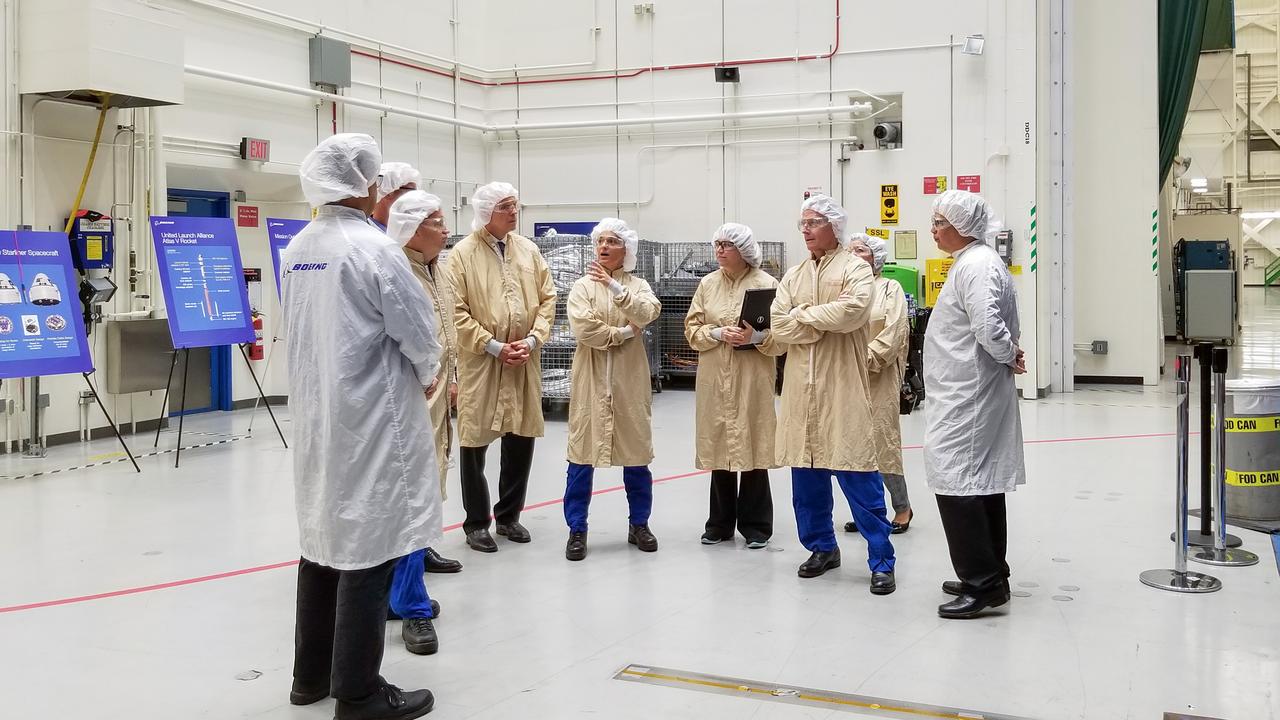
Commercial crew astronauts Eric Boe, Chris Ferguson and Nicole Mann recently toured Boeing’s spacecraft testing facilities in Huntington Beach and El Segundo, Calif. All three astronauts will fly on Boeing’s CST-100 Starliner in an upcoming Crew Flight Test to the International Space Station. Structural testing in Huntington Beach confirms the spacecraft can withstand the pressures it will experience during flight. Environmental qualification testing in El Segundo ensures the spacecraft can withstand the extreme environments of space.
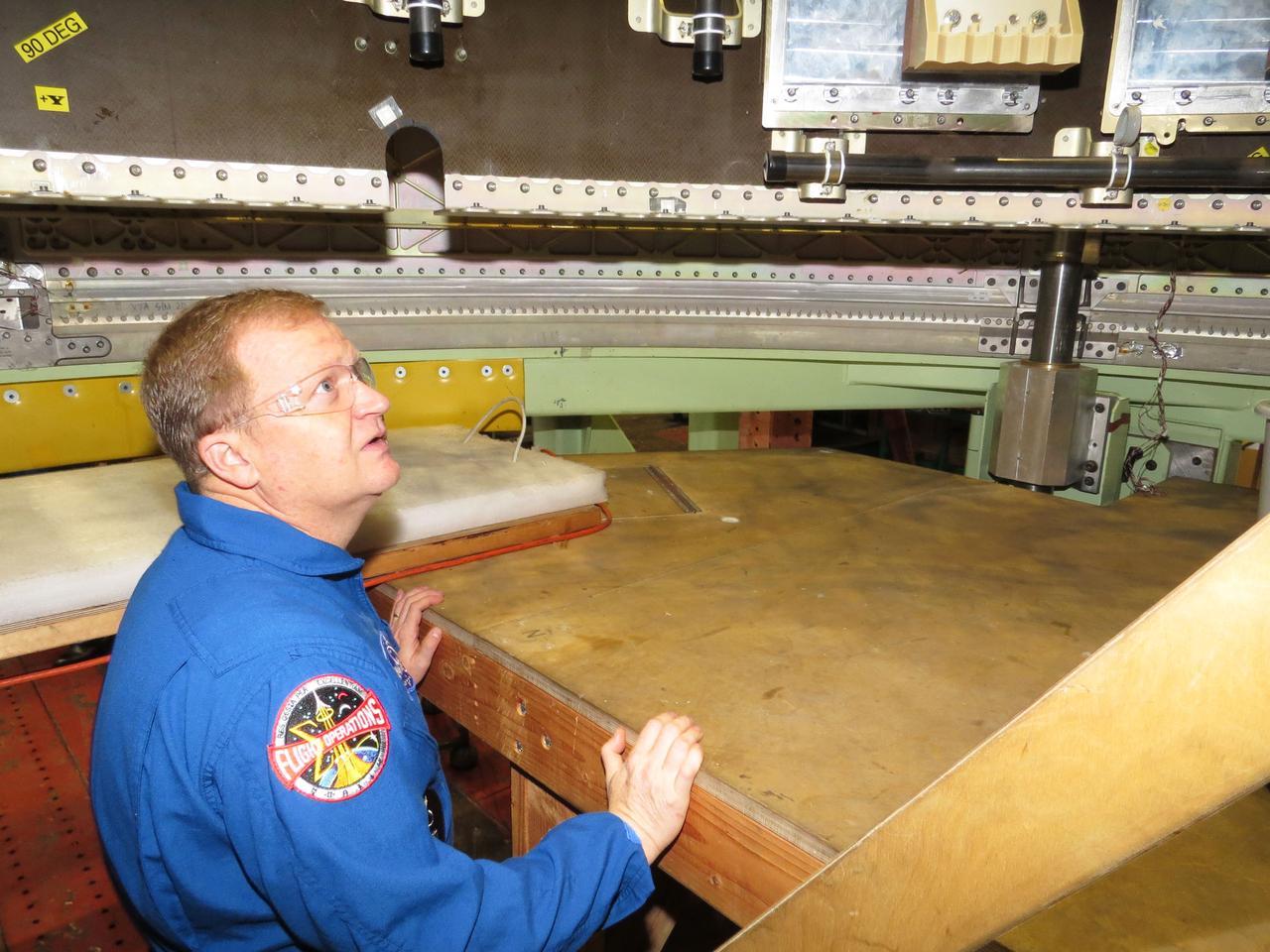
NASA’s Eric Boe is one of three astronauts who will fly on Boeing’s CST-100 Starliner in an upcoming Crew Flight Test to the International Space Station. Boe, along with fellow commercial crew astronauts Nicole Mann and Chris Ferguson, recently toured Boeing’s spacecraft testing facilities in Huntington Beach and El Segundo, Calif. Structural testing in Huntington Beach confirms the spacecraft can withstand the pressures it will experience during flight. Environmental qualification testing in El Segundo ensures the spacecraft can withstand the extreme environments of space.
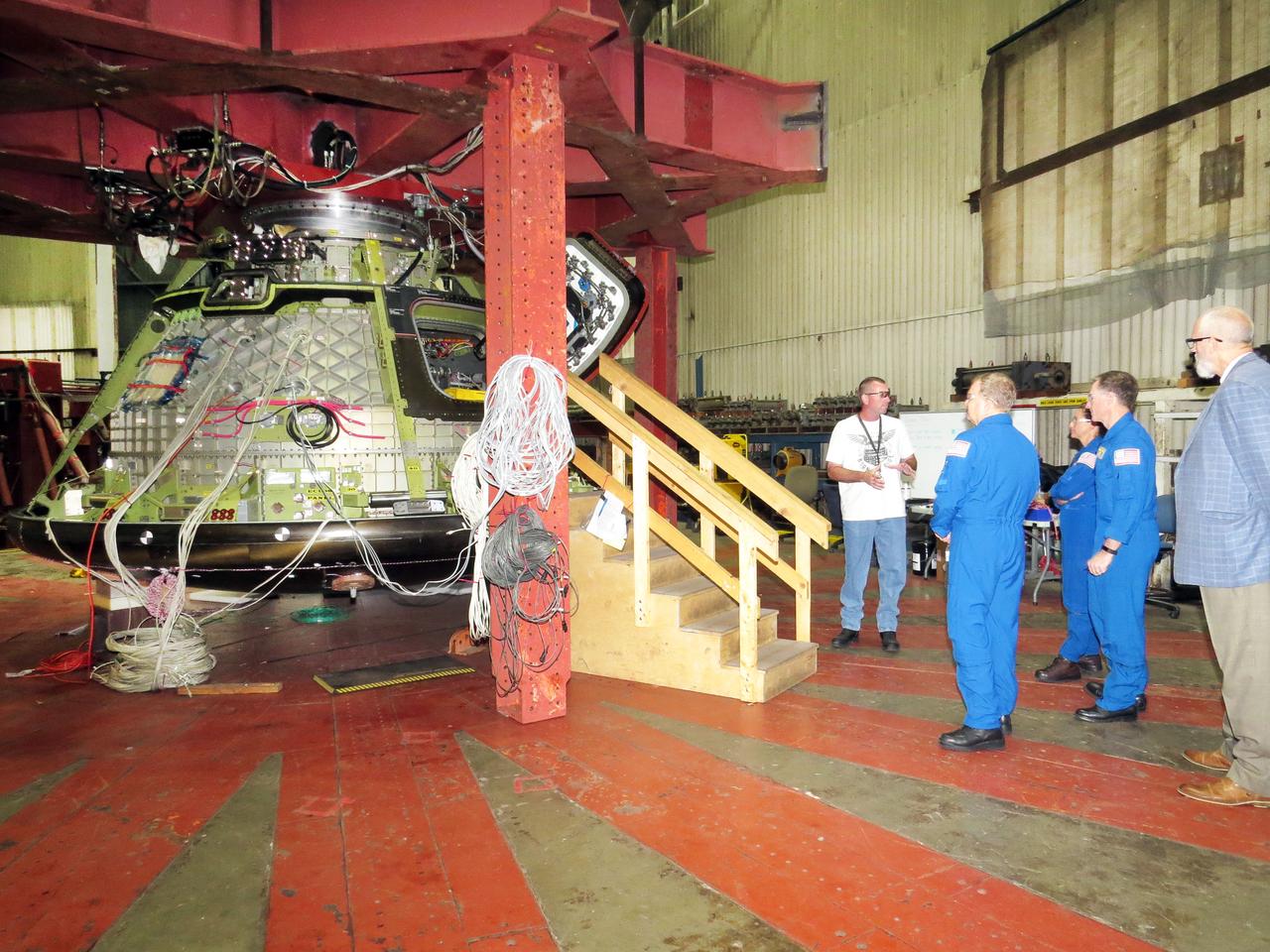
Commercial Crew astronauts Chris Ferguson, Nicole Mann and Eric Boe recently toured spacecraft testing facilities in El Segundo and Huntington Beach, Calif. All three astronauts will fly on Boeing’s CST-100 Starliner in an upcoming crew flight test to the International Space Station. Environmental qualification testing in El Segundo ensures the spacecraft can withstand the extreme environments of space. Structural testing in Huntington Beach confirms the spacecraft can withstand the pressures it will experience during flight.
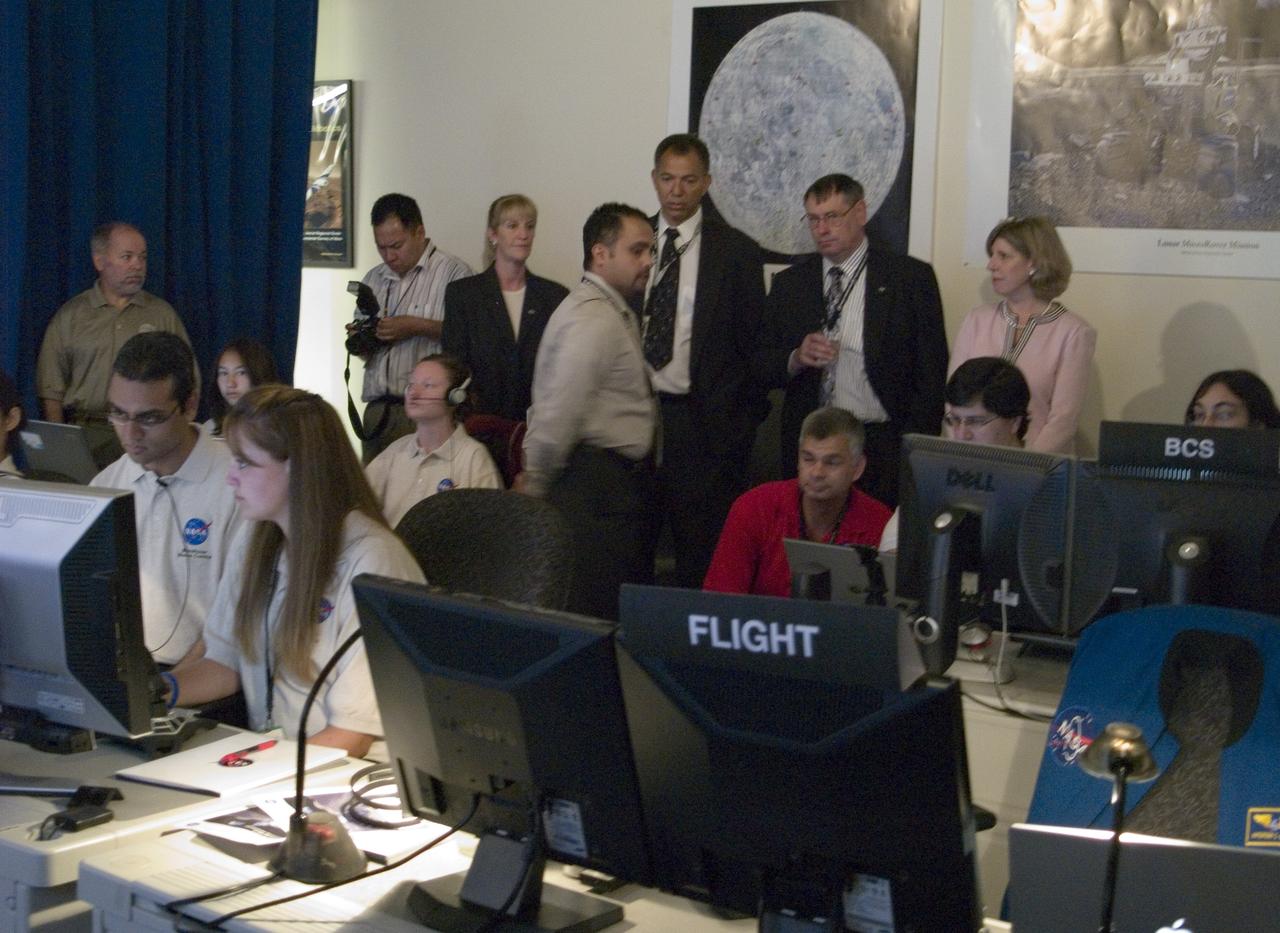
Spaceward Bound Program in Atacama Desert; shown here is a realtime webcast from Yungay, Chile vis satellite involving NASA Scientists and seven NASA Explorer school teachers. On the Ames end we find the Girl Scouts Space cookines robotic team. The robot nicknamed Zoe is looking for life in extreme environments in preparation for what might be encounter on Mars. see full text on the NASA-Ames News - Research # 04-91AR
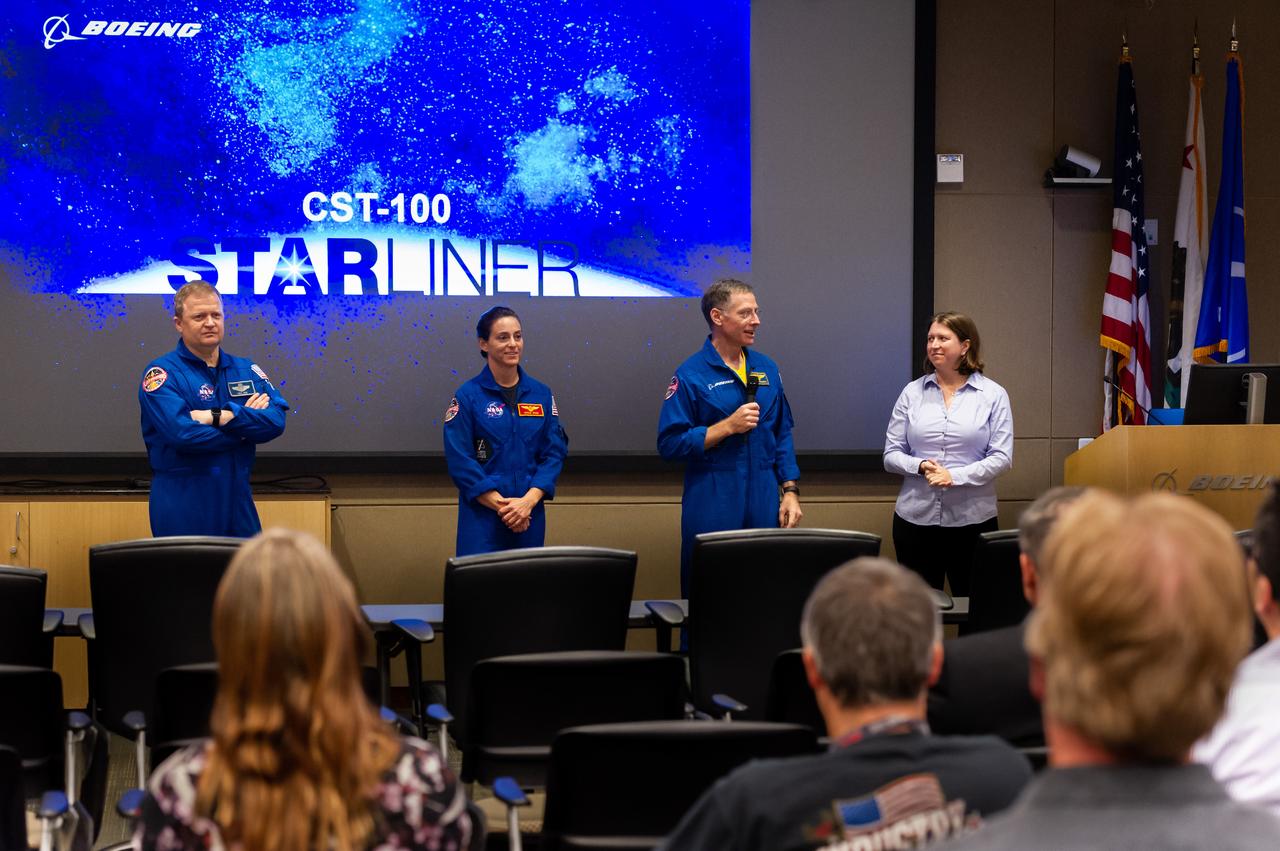
Commercial crew astronauts Eric Boe, Nicole Mann and Chris Ferguson recently toured Boeing’s spacecraft testing facilities in Huntington Beach and El Segundo, Calif. All three astronauts will fly on Boeing’s CST-100 Starliner in an upcoming Crew Flight Test to the International Space Station. Structural testing in Huntington Beach confirms the spacecraft can withstand the pressures it will experience during flight. Environmental qualification testing in El Segundo ensures the spacecraft can withstand the extreme environments of space.
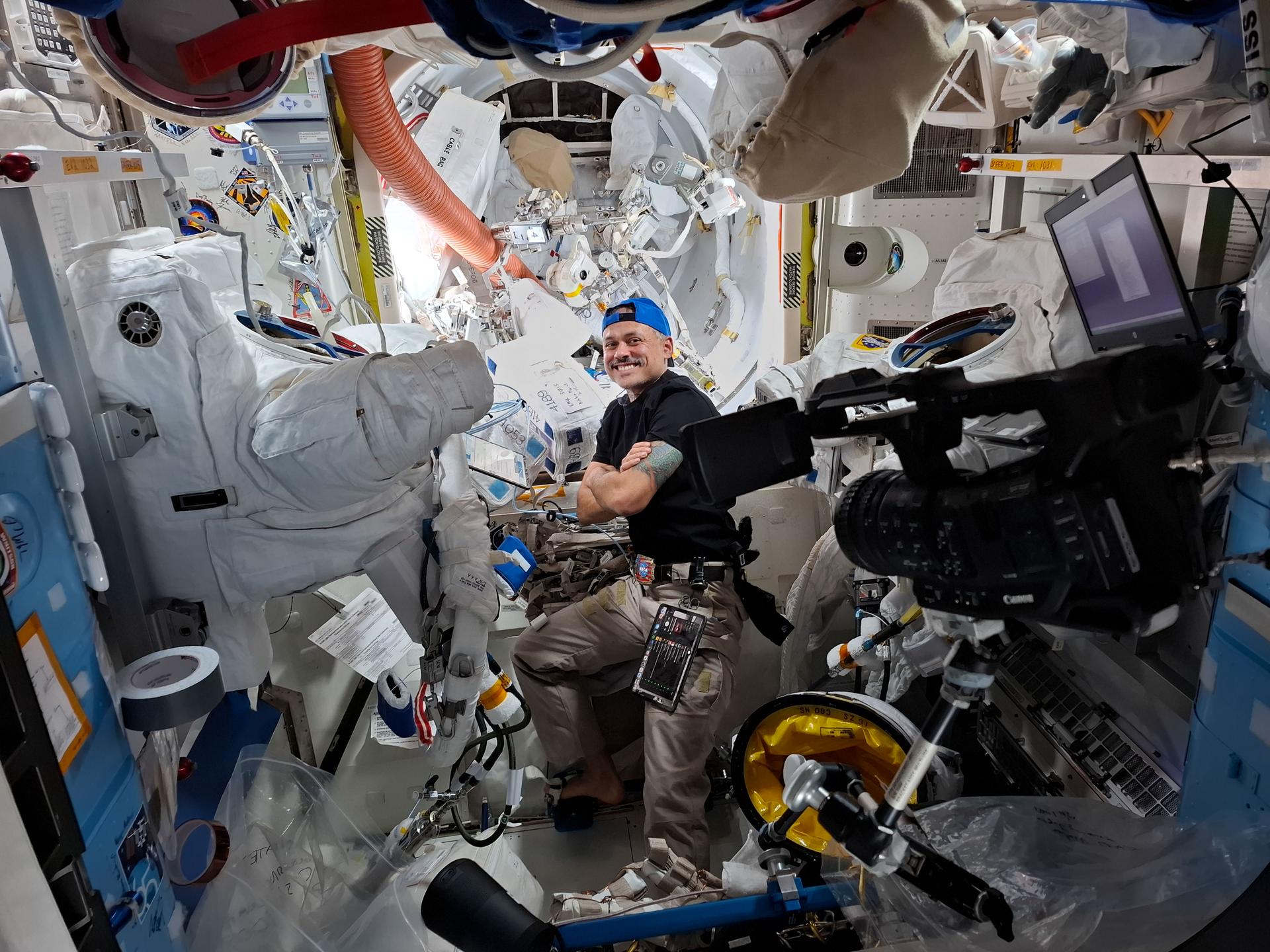
iss075e0103073 (July m31, 2026) --- NASA astronaut and Expedition 75 flight engineer Anil Menon smiles for a portrait while conducting spacesuit maintenance inside the International Space Station's Quest airlock. Menon cleaned the spacesuit’s water-cooling loops that keep a spacewalker comfortable while working in the extreme environment of space. Credit: Roscosmos/Anna Kikina
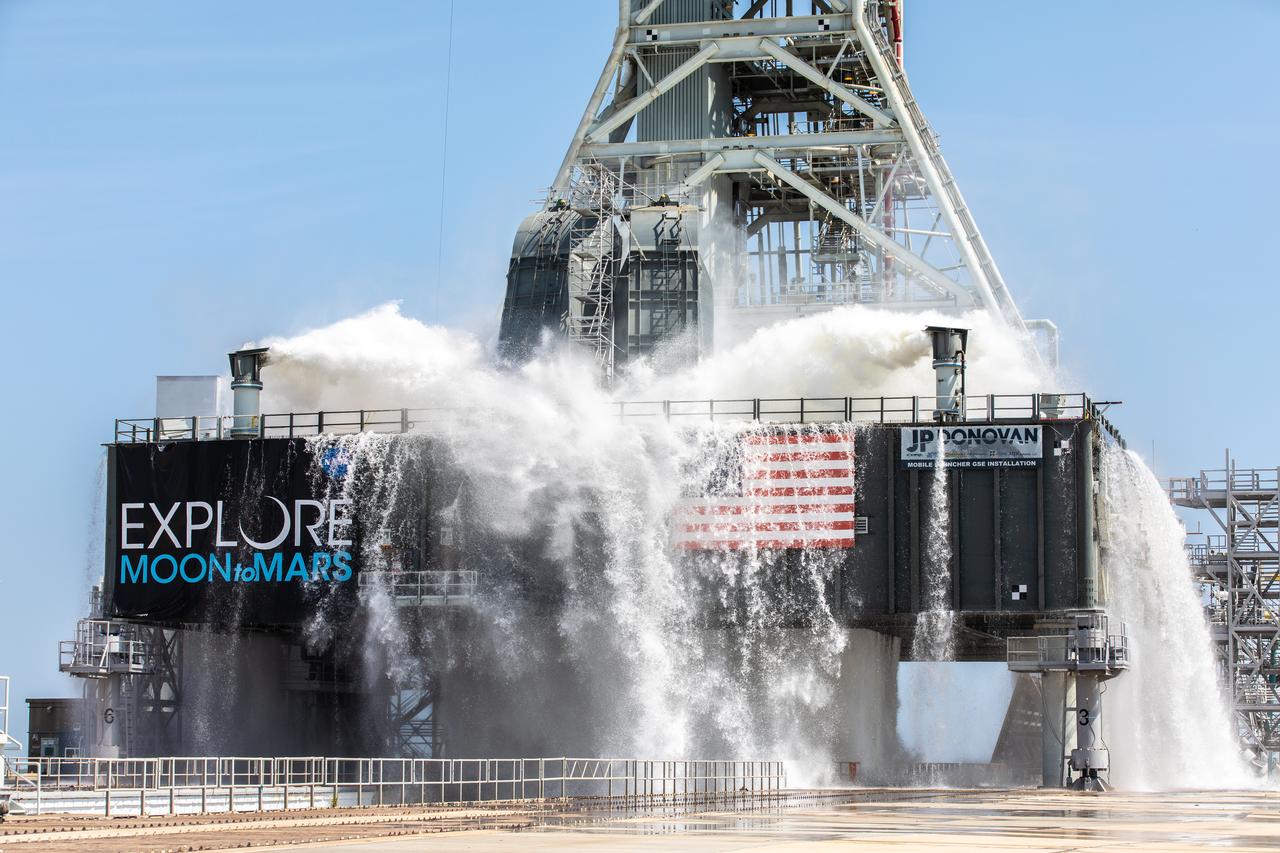
NASA’s Exploration Ground Systems conducts a water flow test with the mobile launcher at Kennedy Space Center’s Pad 39B in Florida on July 2, 2019. It is the first of nine tests to verify the sound suppression system is ready for launch of NASA’s Space Launch System for the first Artemis mission. During launch, 400,000 gallons of water will rush onto the pad to help protect the rocket, NASA’s Orion Spacecraft, mobile launcher, and launch pad from the extreme acoustic and temperature environment.
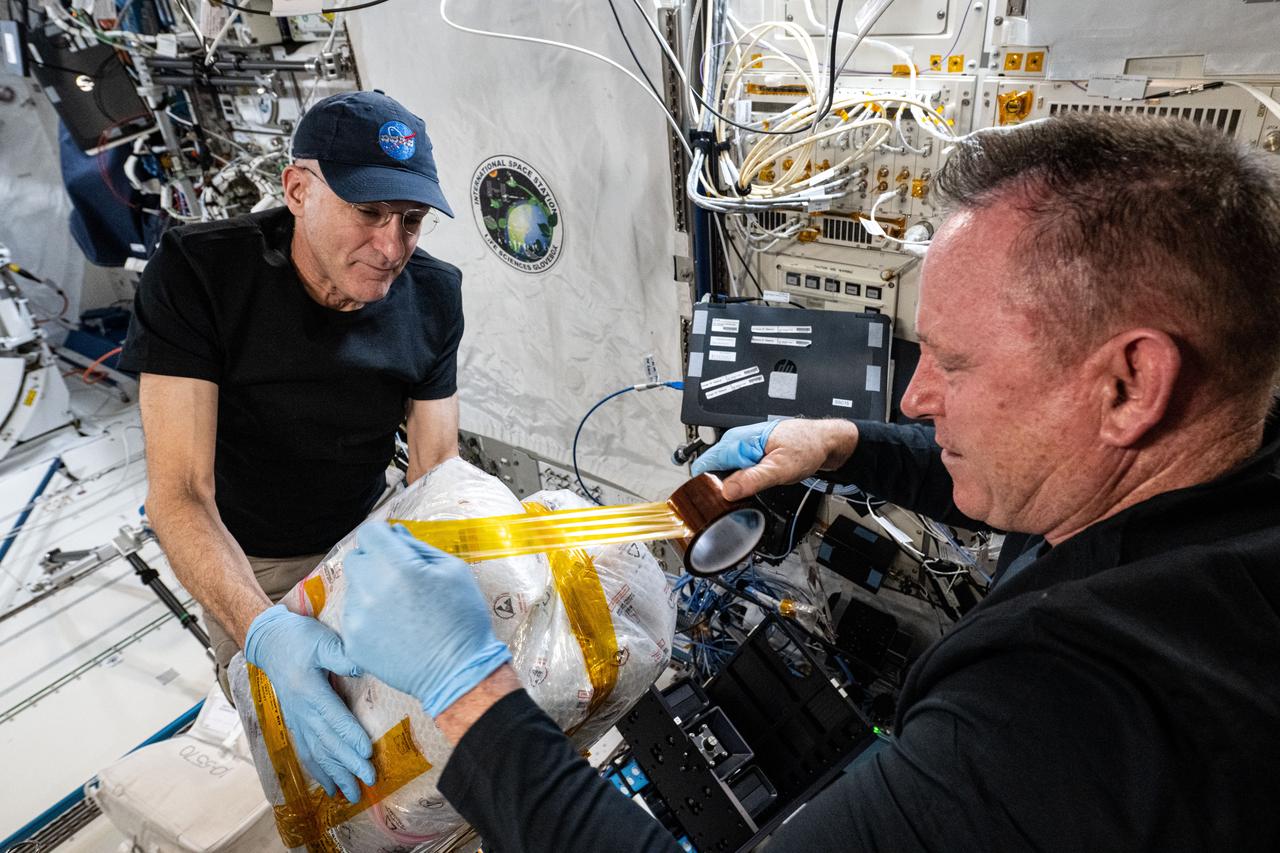
iss072e280736 (Nov. 26, 2024) --- NASA astronauts (from left) Don Pettit and Butch Wilmore, both Expedition 72 flight engineers, pack external research hardware removed from the Kibo laboratory module's airlock. The hardware housed a variety of samples exposed to the vacuum of space such as polymers, photovoltaic devices, and more. The samples will be returned to Earth and examined to understand how space radiation, the extreme thermal environment, micrometeoroids, and more affect materials possibly benefitting the space industry.
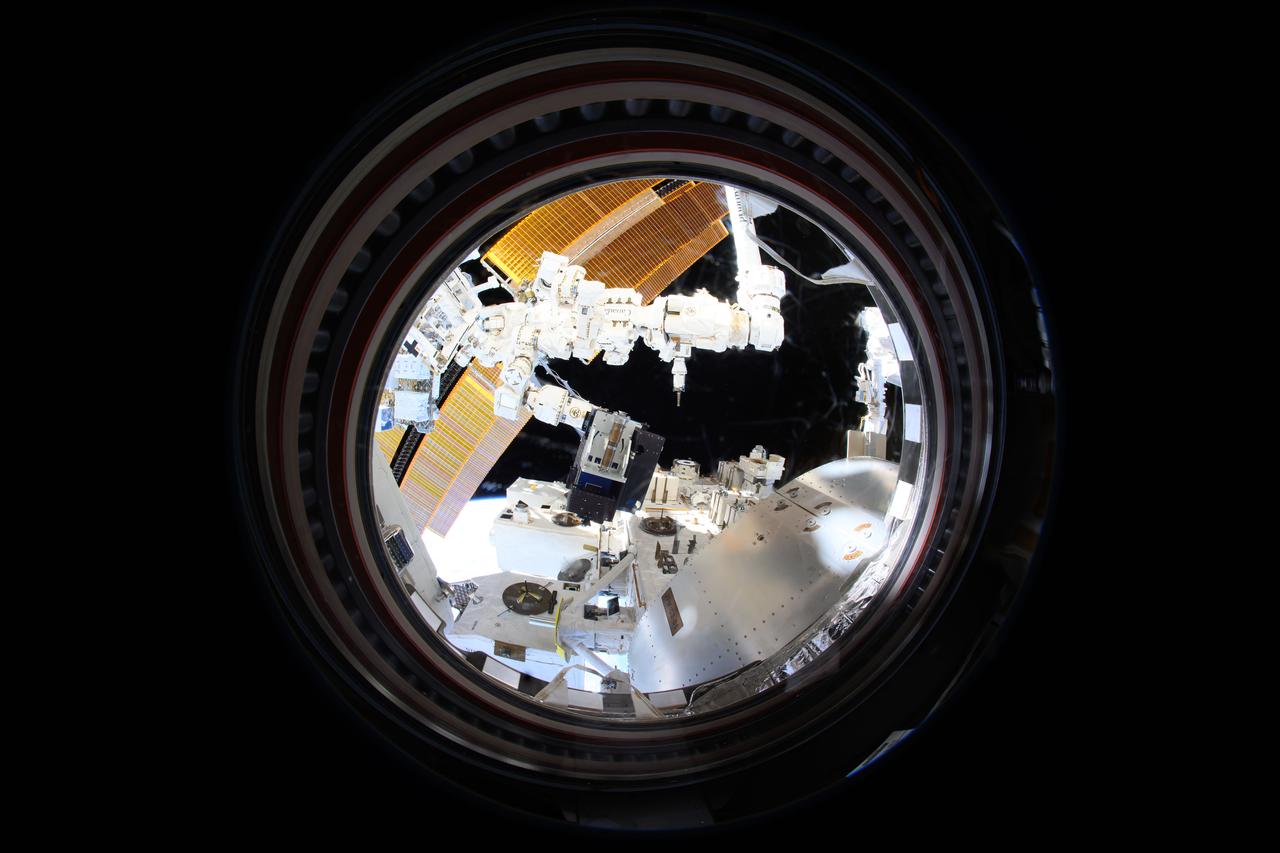
iss072e189789 (11/16/2024) --- The Canadarm2 robotic arm removes Materials ISS Experiment (MISSE) science carriers from the Kibo laboratory module's airlock. The MISSE Flight Facility mounted outside the International Space Station allows researchers to test the performance and durability of materials and devices. This is done by exposing items of interest to everything that makes the space environment harsh, including radiation, highly reactive atomic oxygen, microgravity, and extreme temperatures.
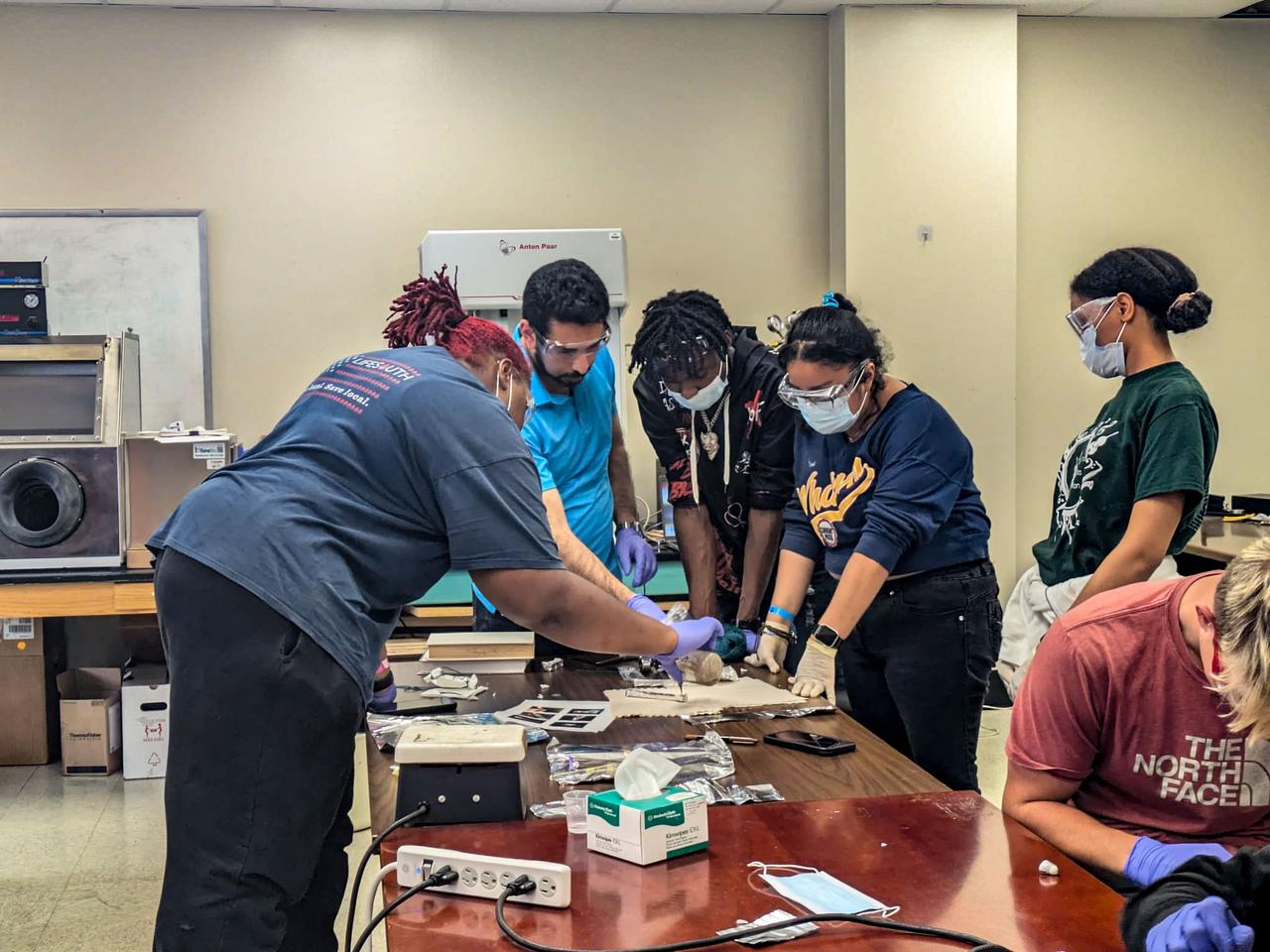
jsc2025e064335 (7/22/2025) --- This hands-on demonstration illustrated how different materials respond to different gravitational forces and their effects on flexural strength. Students engaged in experiments using models and simple testing setups to simulate the impacts of gravitational variations on material behavior. The activity allowed participants to compare how certain materials deform, crack, or maintain their structural integrity. By observing these differences, students gained a clearer understanding of how researchers design and optimize materials for use in extreme environments, such as space or high-stress industrial applications.
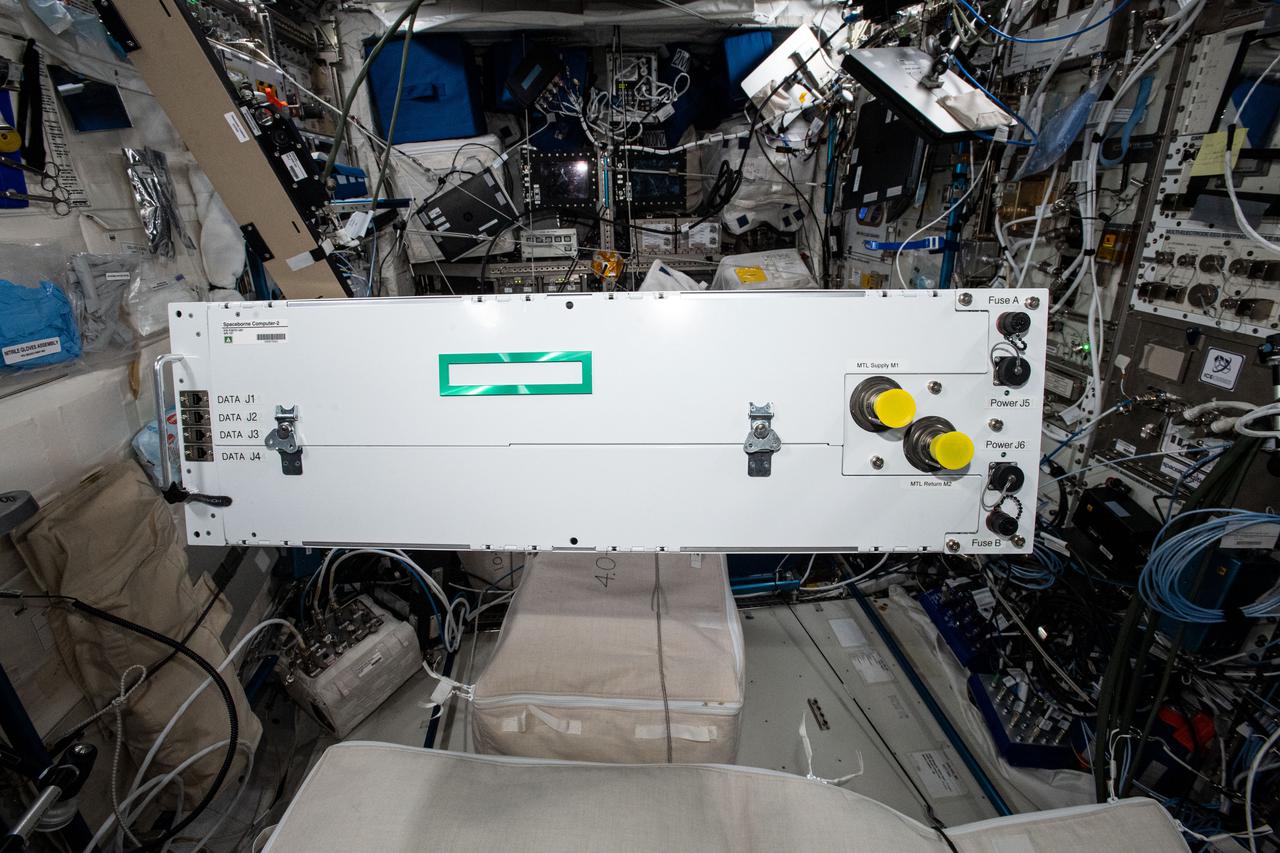
iss065e009467 4/29/2021 --- A view of the Spaceborne Computer-2 High Performance Commercial Off-The-Shelf (COTS) Computer System on the ISS (Spaceborne Computer-2) aboard the International Space Station (ISS). The study explores how space exploration can be advanced by the use of the commercial off-the-shelf computer systems. Spaceborne Computer-2 further tests additional techniques for recovering or mitigating errors in the extreme environment of unprotected solar radiation, galactic cosmic radiation (GCR) and other events.
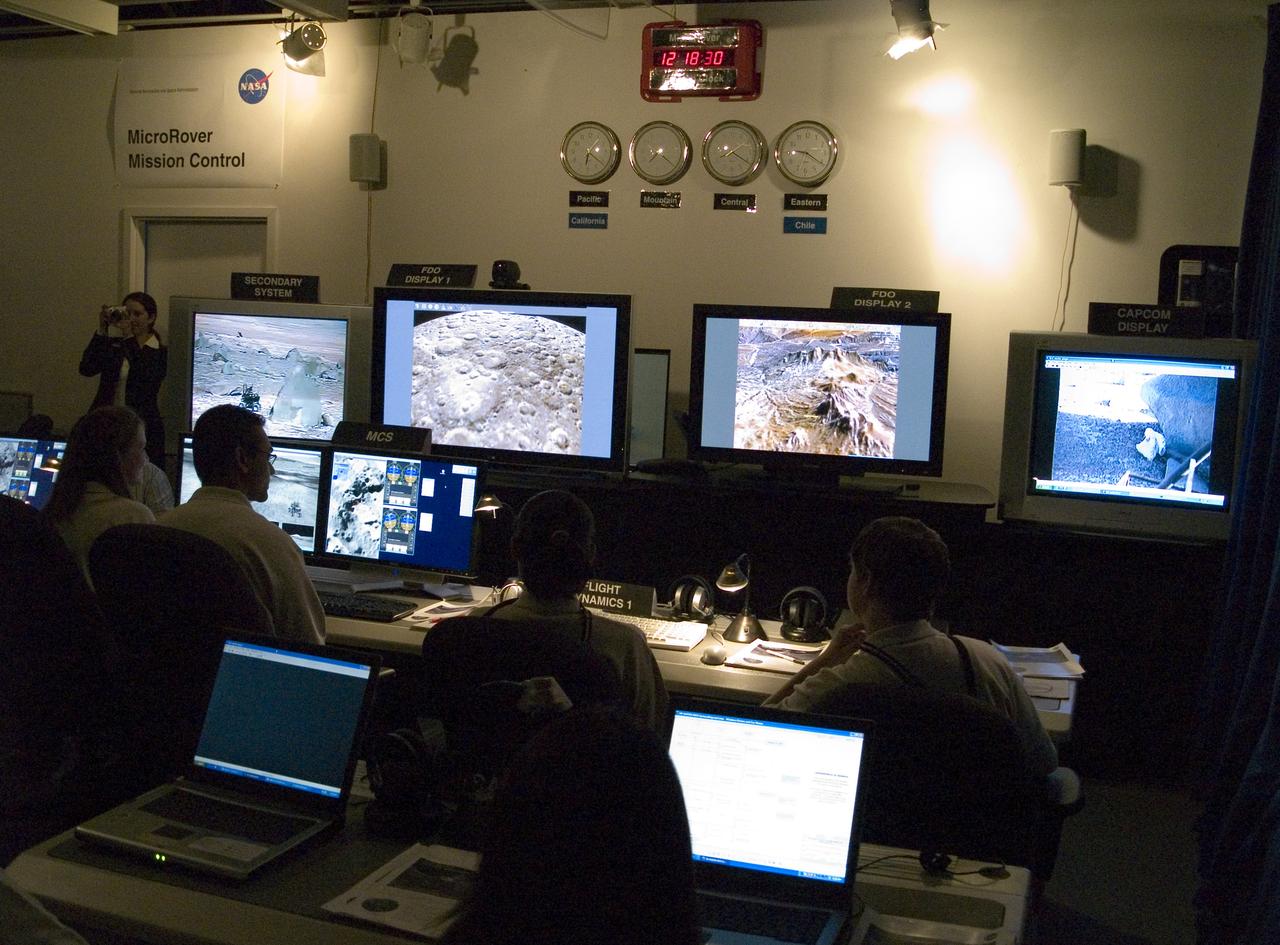
Spaceward Bound Program in Atacama Desert; shown here is a realtime webcast from Yungay, Chile vis satellite involving NASA Scientists and seven NASA Explorer school teachers. On the Ames end we find the Girl Scouts Space cookines robotic team. The robot nicknamed Zoe is looking for life in extreme environments in preparation for what might be encounter on Mars. see full text on the NASA-Ames News - Research # 04-91AR
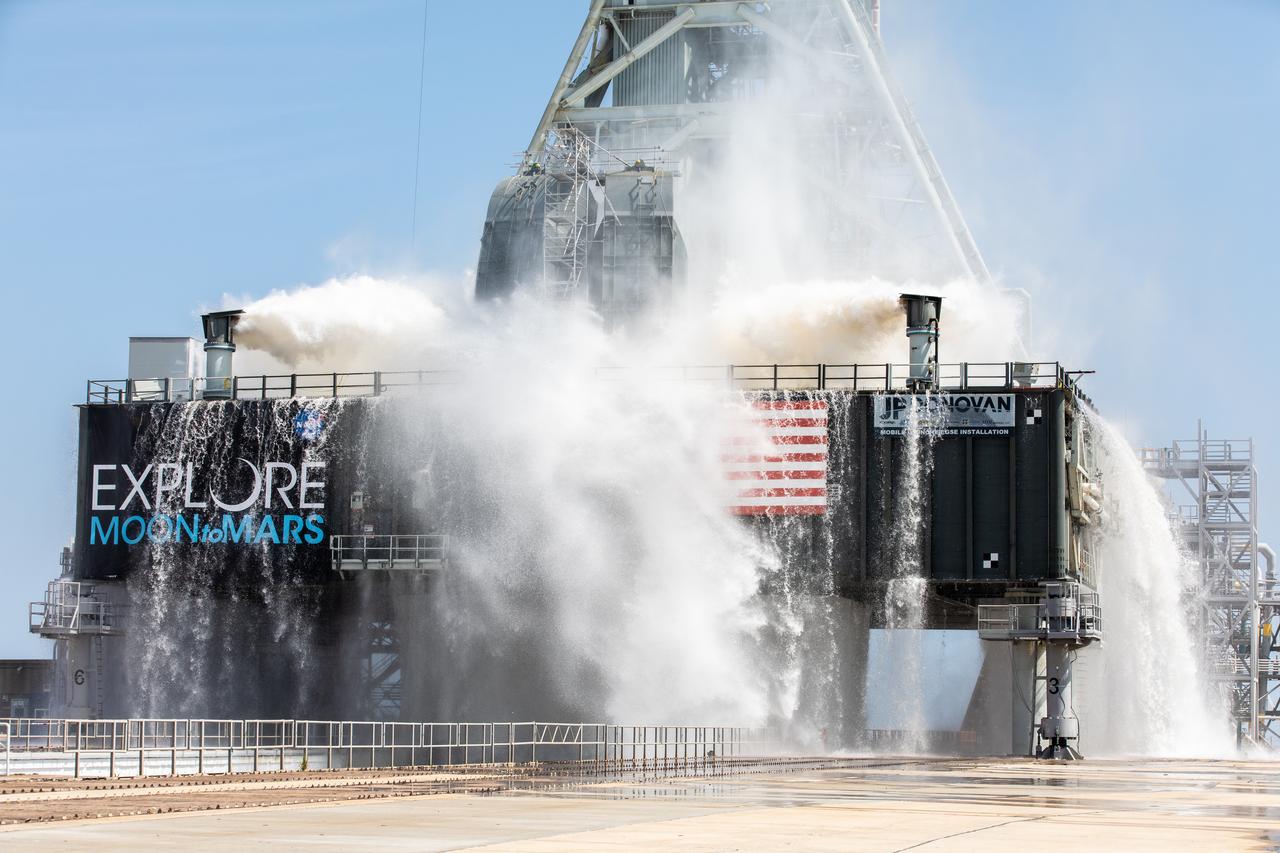
NASA’s Exploration Ground Systems conducts a water flow test with the mobile launcher at Kennedy Space Center’s Pad 39B in Florida on July 2, 2019. It is the first of nine tests to verify the sound suppression system is ready for launch of NASA’s Space Launch System for the first Artemis mission. During launch, 400,000 gallons of water will rush onto the pad to help protect the rocket, NASA’s Orion Spacecraft, mobile launcher, and launch pad from the extreme acoustic and temperature environment.
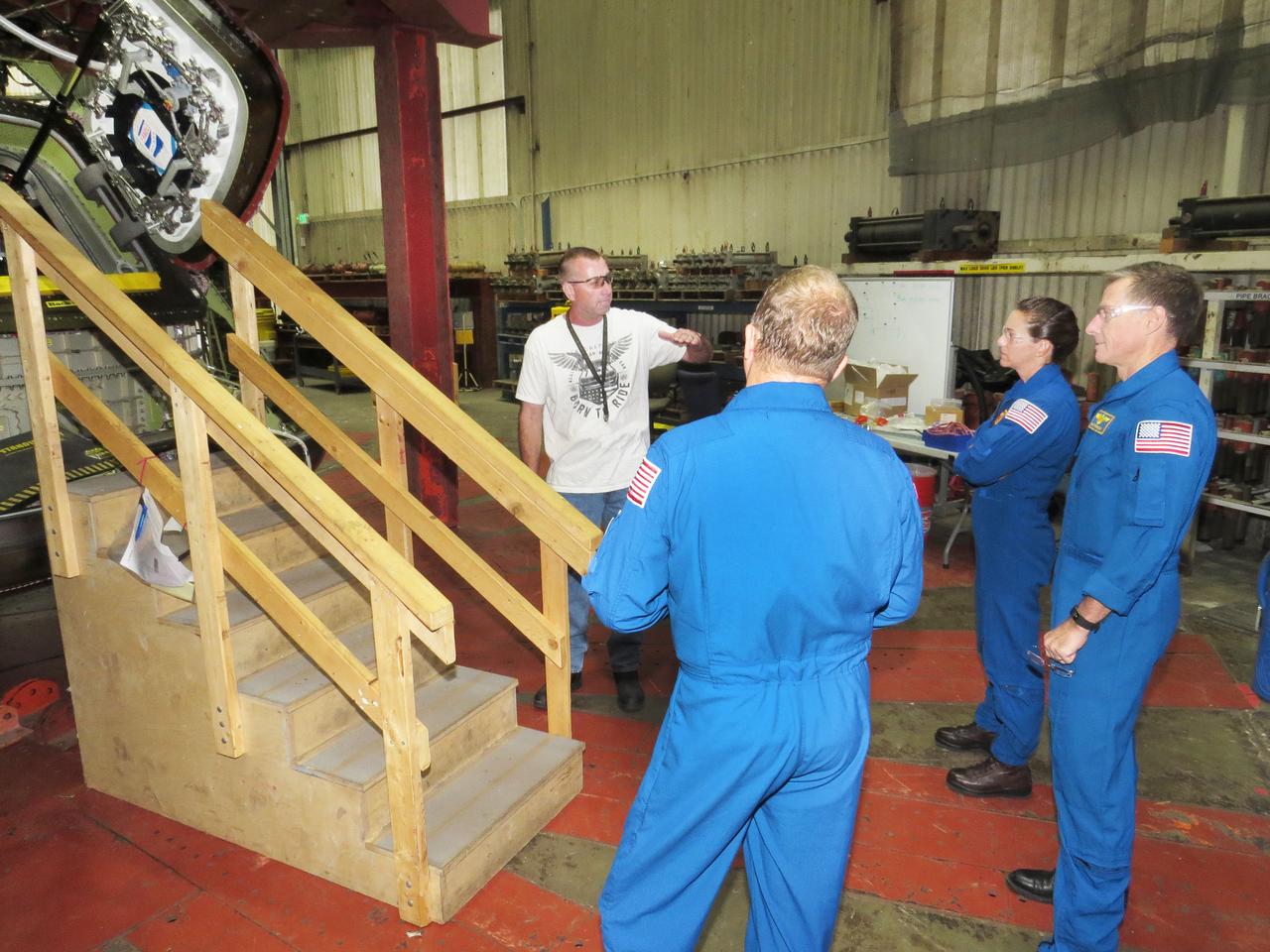
Commercial crew astronauts Eric Boe, Chris Ferguson and Nicole Mann recently toured Boeing’s spacecraft testing facilities in Huntington Beach and El Segundo, Calif. All three astronauts will fly on Boeing’s CST-100 Starliner in an upcoming Crew Flight Test to the International Space Station. Structural testing in Huntington Beach confirms the spacecraft can withstand the pressures it will experience during flight. Environmental qualification testing in El Segundo ensures the spacecraft can withstand the extreme environments of space.
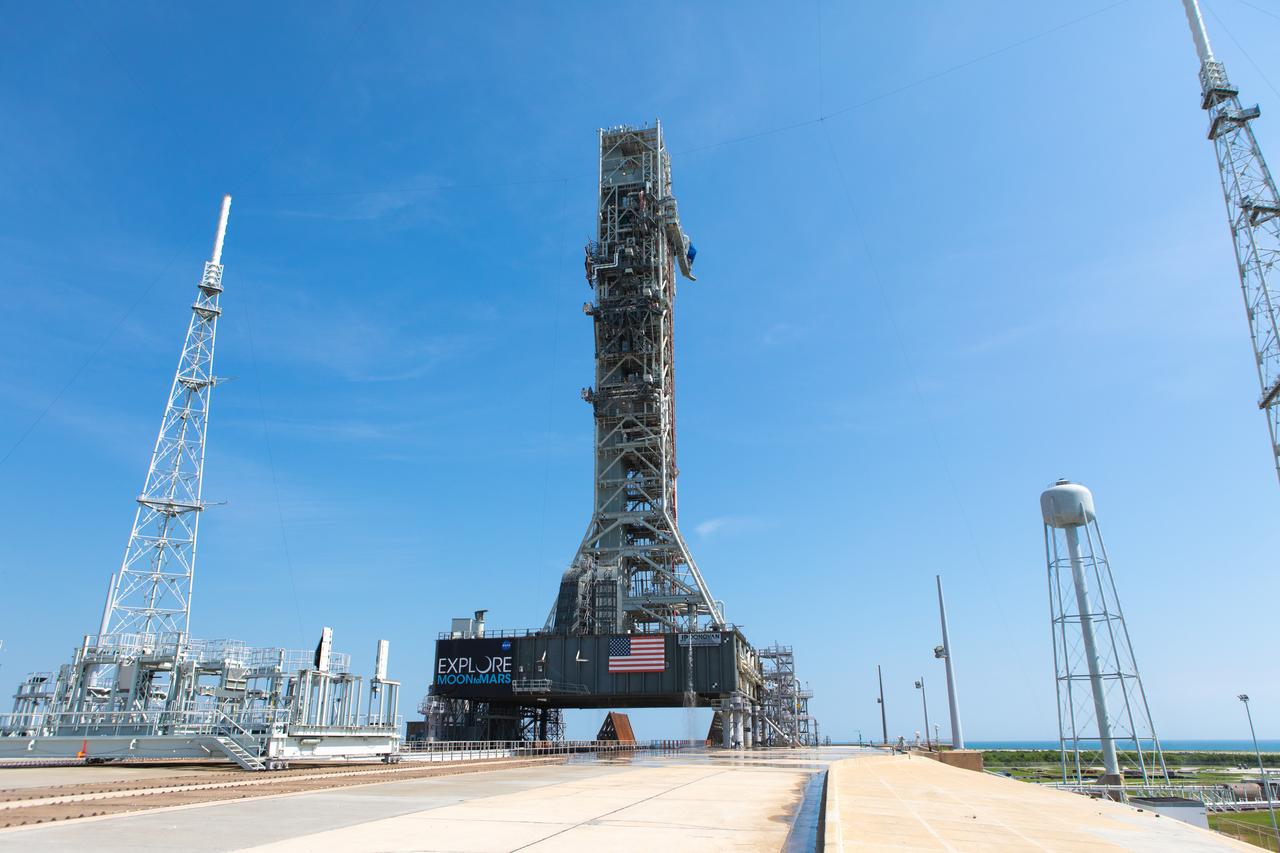
NASA’s Exploration Ground Systems conducts a water flow test with the mobile launcher at Kennedy Space Center’s Pad 39B in Florida on July 2, 2019. It is the first of nine tests to verify the sound suppression system is ready for launch of NASA’s Space Launch System for the first Artemis mission. During launch, 400,000 gallons of water will rush onto the pad to help protect the rocket, NASA’s Orion Spacecraft, mobile launcher, and launch pad from the extreme acoustic and temperature environment.
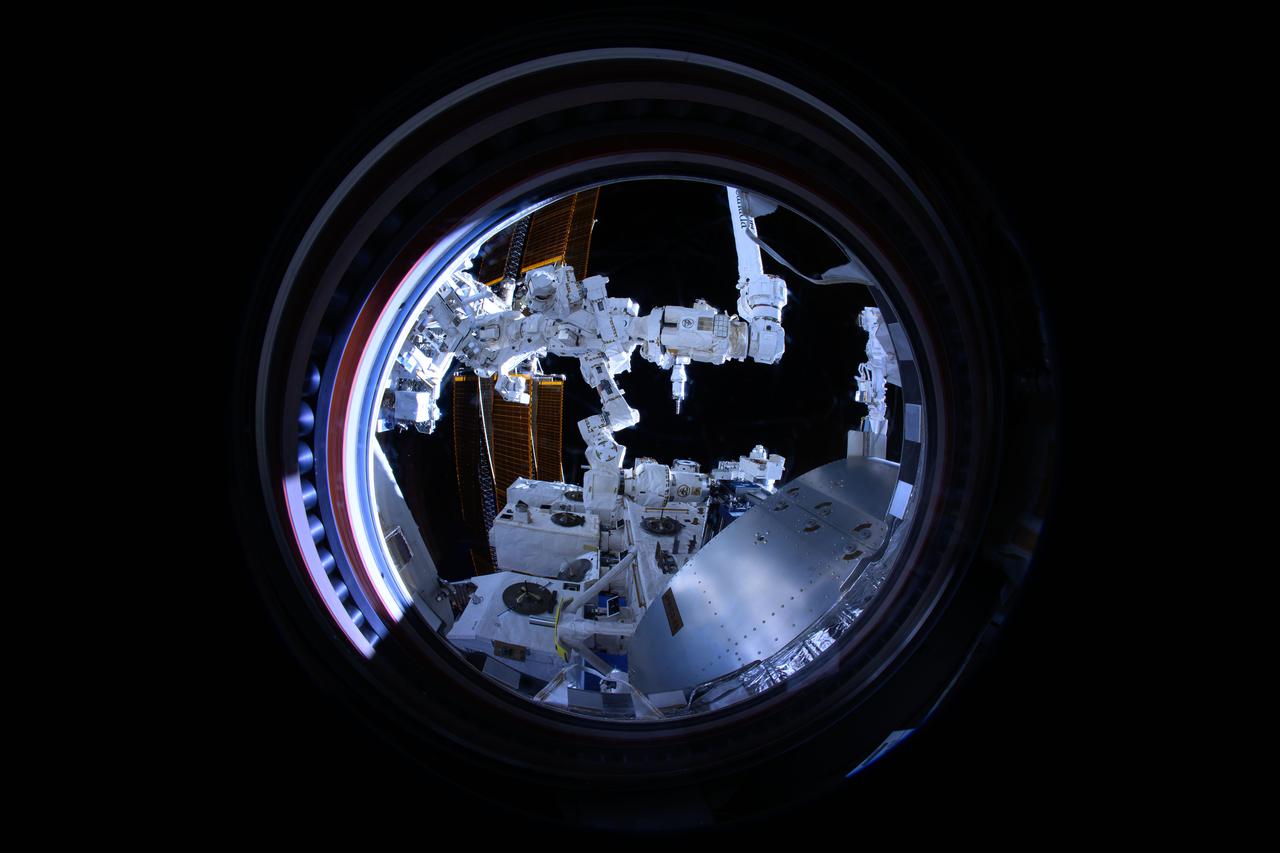
iss072e189571 (11/16/2024) --- The Canadarm2 robotic arm removes Materials ISS Experiment (MISSE) science carriers from the Kibo laboratory module's airlock. The MISSE Flight Facility mounted outside the International Space Station allows researchers to test the performance and durability of materials and devices. This is done by exposing items of interest to everything that makes the space environment harsh, including radiation, highly reactive atomic oxygen, microgravity, and extreme temperatures.
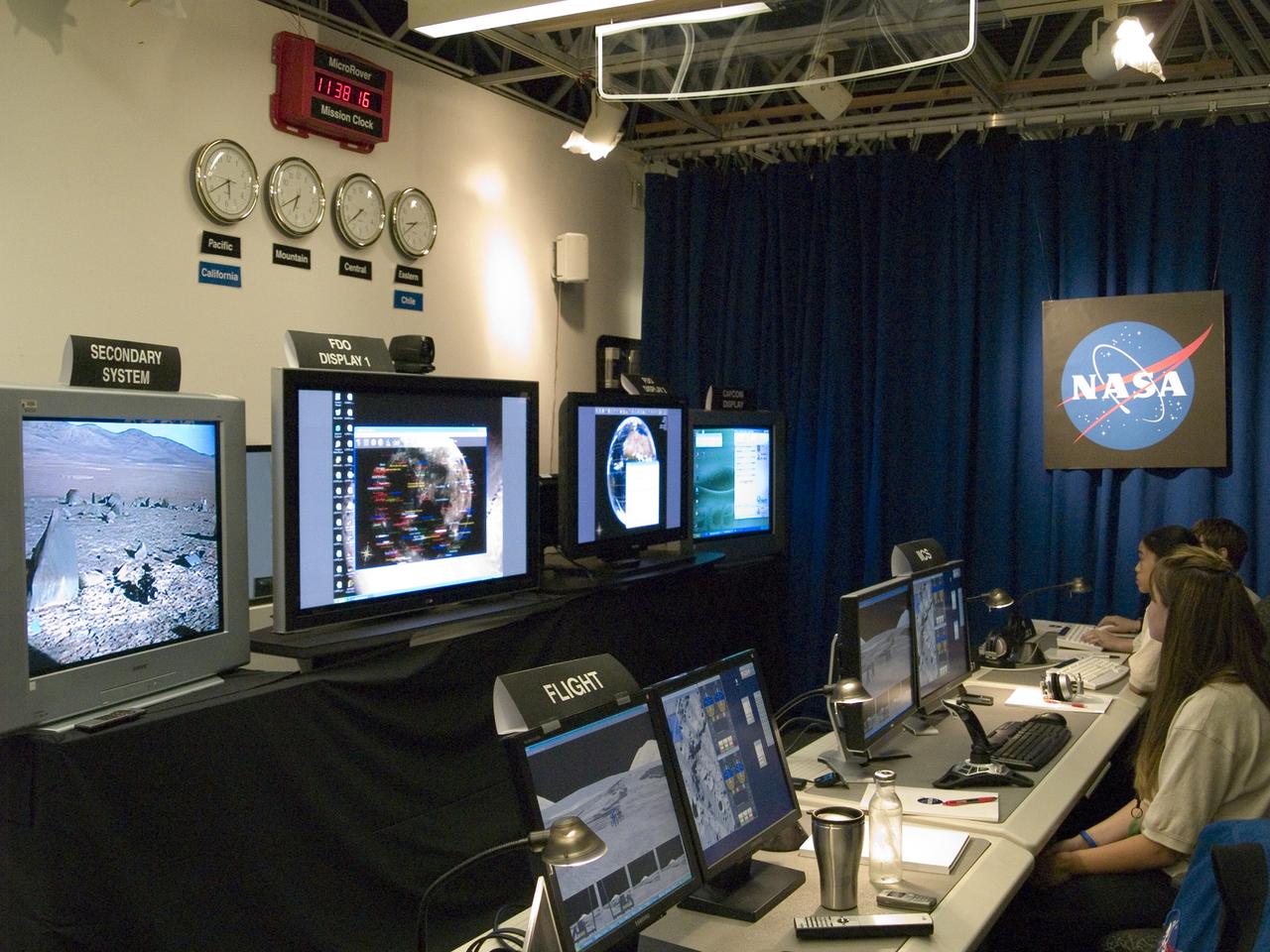
Spaceward Bound Program in Atacama Desert; shown here is a realtime webcast from Yungay, Chile vis satellite involving NASA Scientists and seven NASA Explorer school teachers. On the Ames end we find the Girl Scouts Space cookines robotic team. The robot nicknamed Zoe is looking for life in extreme environments in preparation for what might be encounter on Mars. see full text on the NASA-Ames News - Research # 04-91AR
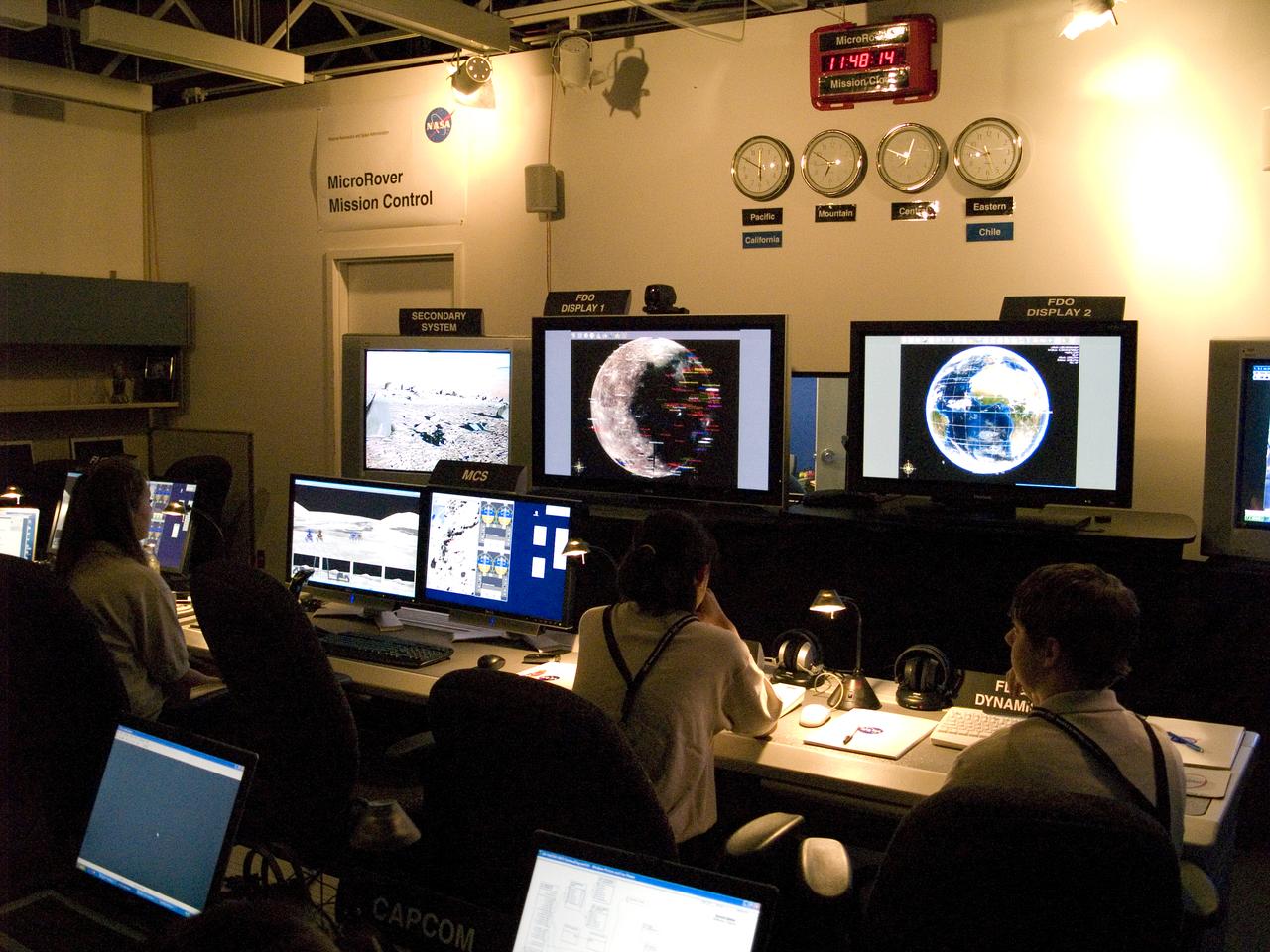
Spaceward Bound Program in Atacama Desert; shown here is a realtime webcast from Yungay, Chile vis satellite involving NASA Scientists and seven NASA Explorer school teachers. On the Ames end we find the Girl Scouts Space cookines robotic team. The robot nicknamed Zoe is looking for life in extreme environments in preparation for what might be encounter on Mars. see full text on the NASA-Ames News - Research # 04-91AR
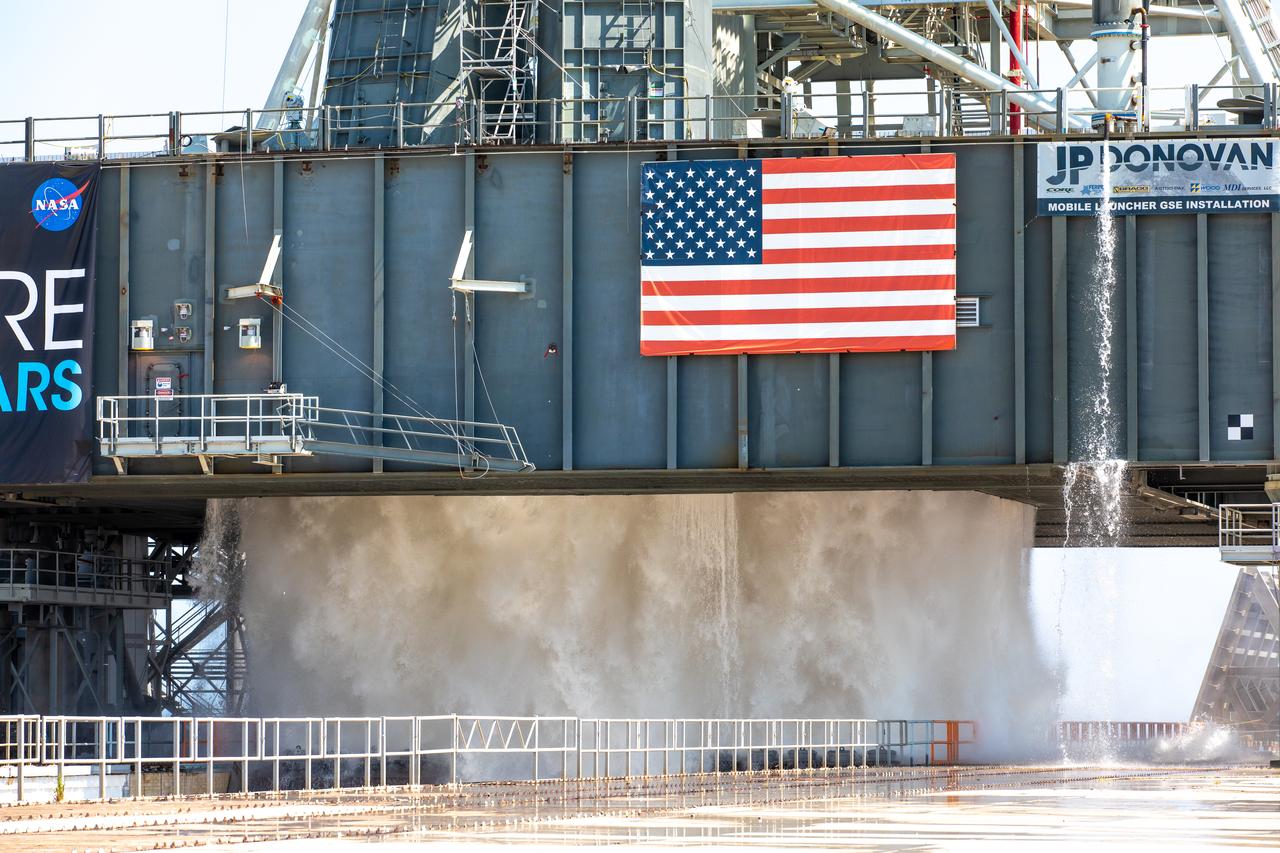
NASA’s Exploration Ground Systems conducts a water flow test with the mobile launcher at Kennedy Space Center’s Pad 39B in Florida on July 2, 2019. It is the first of nine tests to verify the sound suppression system is ready for launch of NASA’s Space Launch System for the first Artemis mission. During launch, 400,000 gallons of water will rush onto the pad to help protect the rocket, NASA’s Orion Spacecraft, mobile launcher, and launch pad from the extreme acoustic and temperature environment.
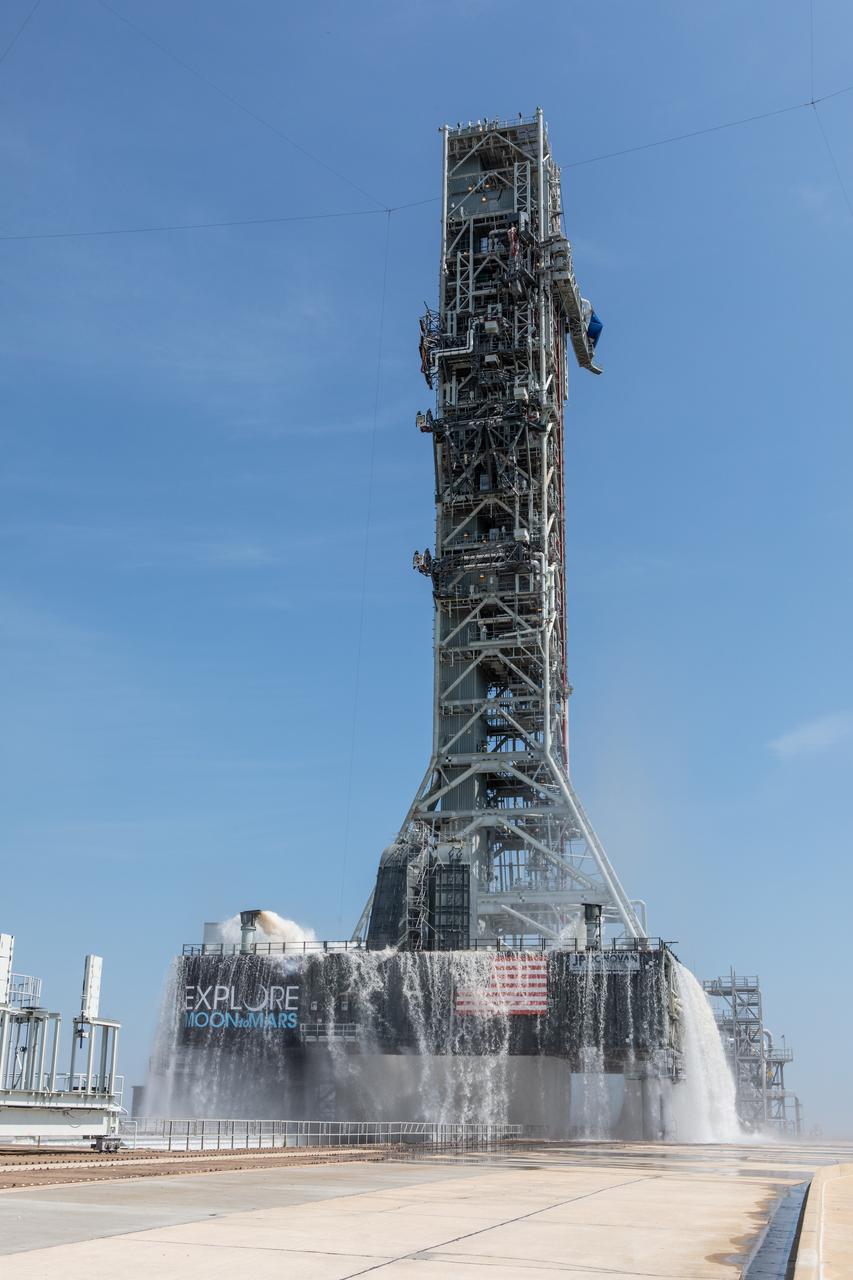
NASA’s Exploration Ground Systems conducts a water flow test with the mobile launcher at Kennedy Space Center’s Pad 39B in Florida on July 2, 2019. It is the first of nine tests to verify the sound suppression system is ready for launch of NASA’s Space Launch System for the first Artemis mission. During launch, 400,000 gallons of water will rush onto the pad to help protect the rocket, NASA’s Orion Spacecraft, mobile launcher, and launch pad from the extreme acoustic and temperature environment.
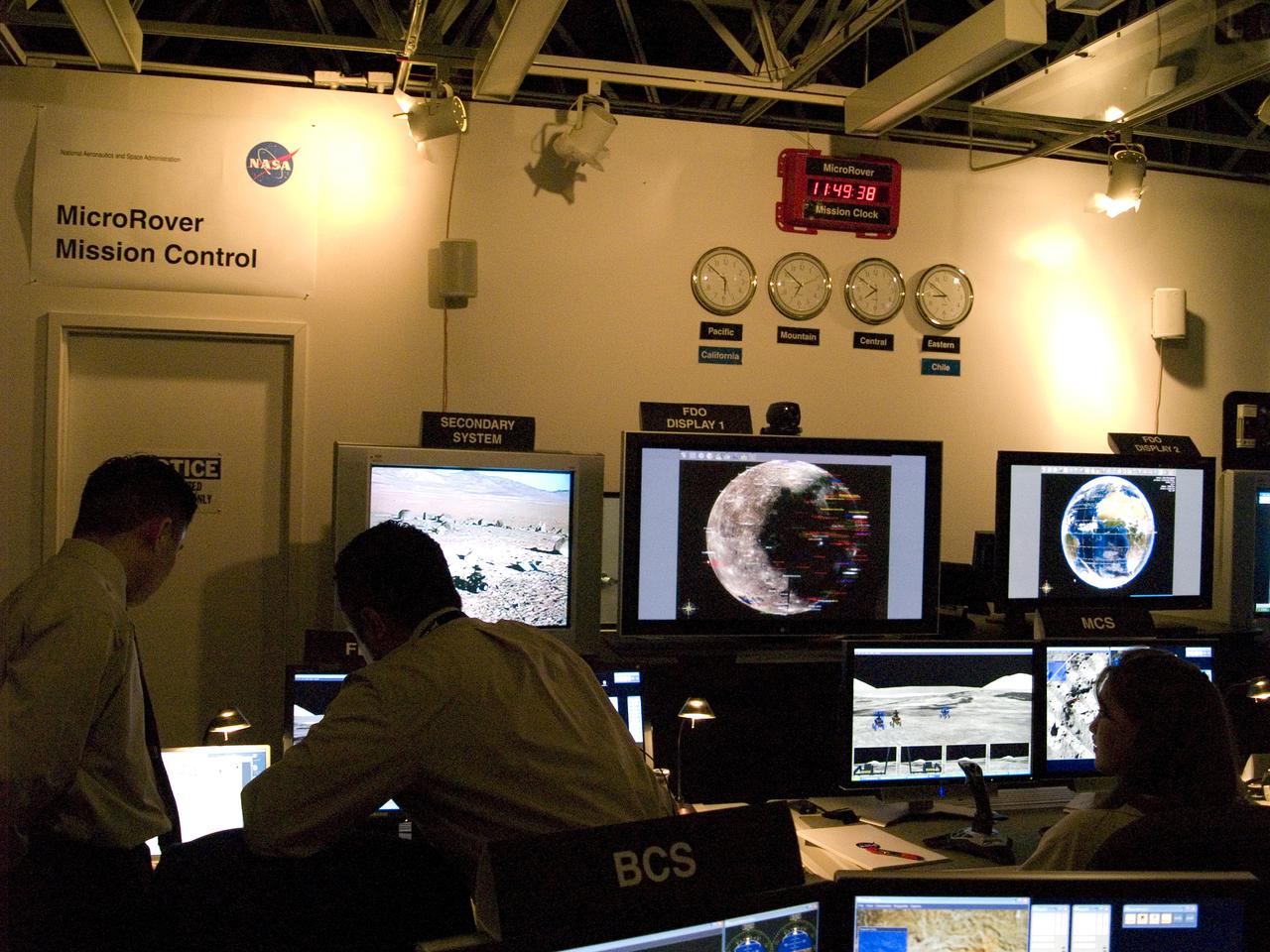
Spaceward Bound Program in Atacama Desert; shown here is a realtime webcast from Yungay, Chile vis satellite involving NASA Scientists and seven NASA Explorer school teachers. On the Ames end we find the Girl Scouts Space cookines robotic team. The robot nicknamed Zoe is looking for life in extreme environments in preparation for what might be encounter on Mars. see full text on the NASA-Ames News - Research # 04-91AR
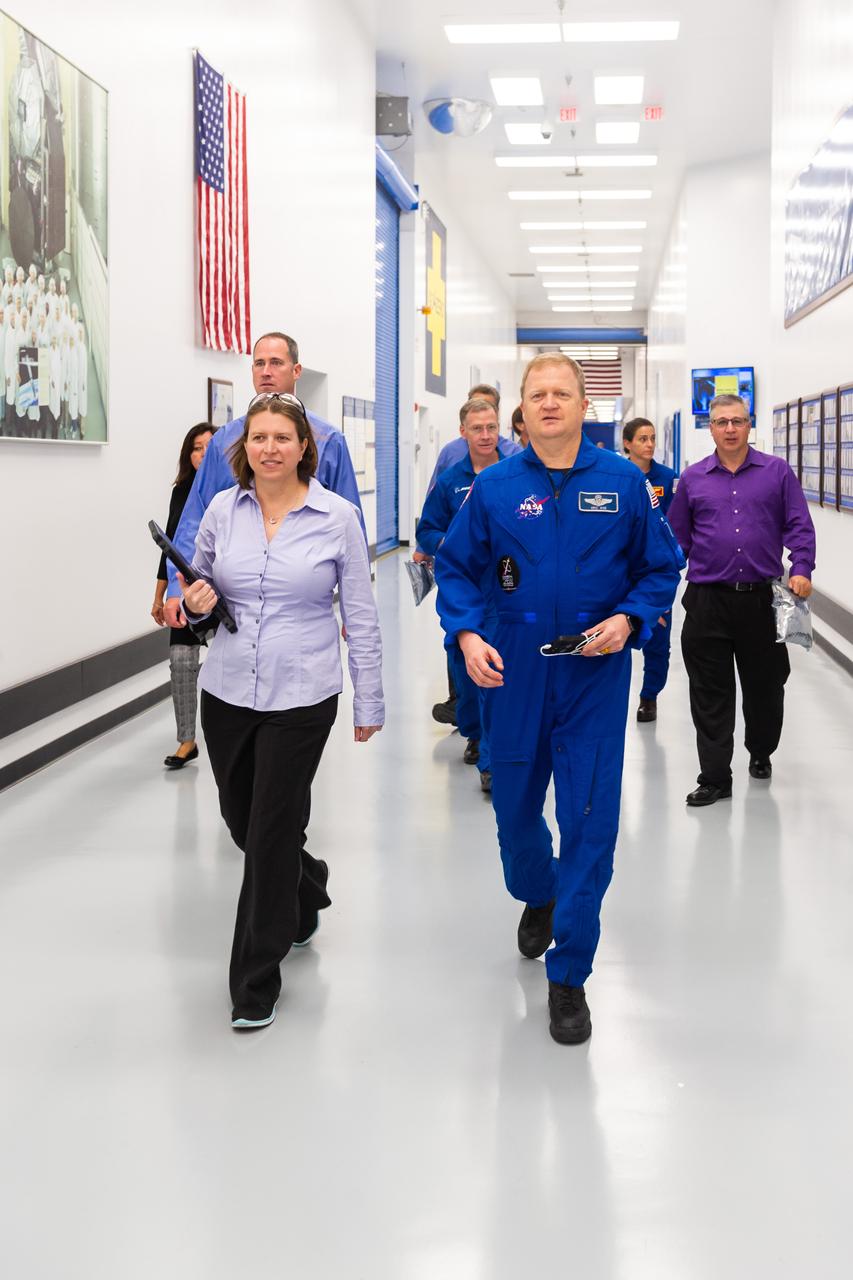
NASA astronaut Eric Boe recently toured Boeing’s spacecraft testing facilities in Huntington Beach and El Segundo, Calif., along with fellow commercial crew astronauts Nicole Mann and Chris Ferguson. All three will fly on Boeing’s CST-100 Starliner in an upcoming Crew Flight Test to the International Space Station. Structural testing in Huntington Beach confirms the spacecraft can withstand the pressures it will experience during flight. Environmental qualification testing in El Segundo ensures the spacecraft can withstand the extreme environments of space.
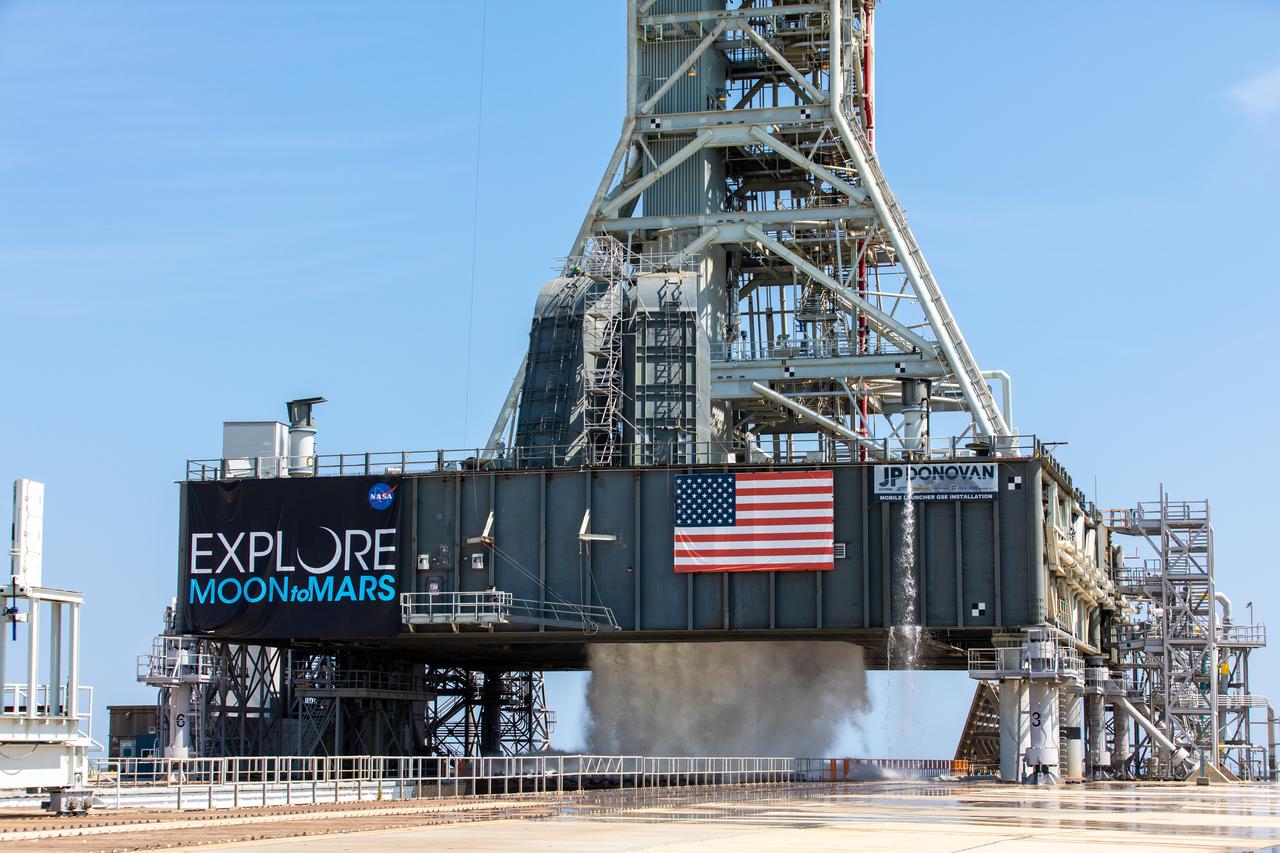
NASA’s Exploration Ground Systems conducts a water flow test with the mobile launcher at Kennedy Space Center’s Pad 39B in Florida on July 2, 2019. It is the first of nine tests to verify the sound suppression system is ready for launch of NASA’s Space Launch System for the first Artemis mission. During launch, 400,000 gallons of water will rush onto the pad to help protect the rocket, NASA’s Orion Spacecraft, mobile launcher, and launch pad from the extreme acoustic and temperature environment.
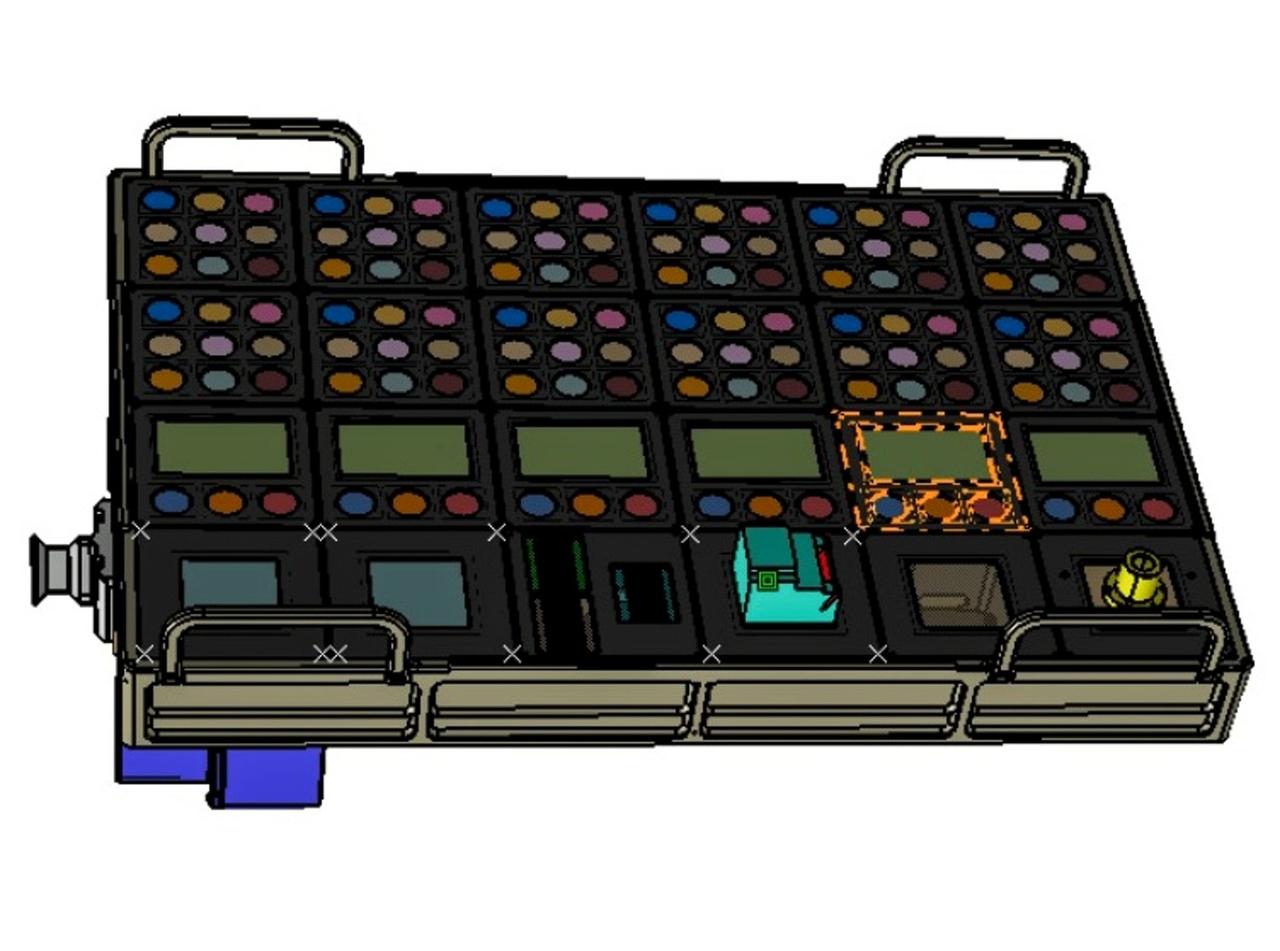
jsc2022e093066 (12/14/2022) --- The goal of the Euro Material Ageing facility is to get a better understanding about how materials age beyond Earth’s atmosphere. Up to 45 samples are set to spend a minimum of six months exposed to the harsh space environment. Clamped between two aluminum plates, 20 mm of their exposed surface copes with radiation, vacuum, temperature extremes and even space debris. The structure is a single box with a lid housing the samples for outward transport. Image courtesy of CNES.
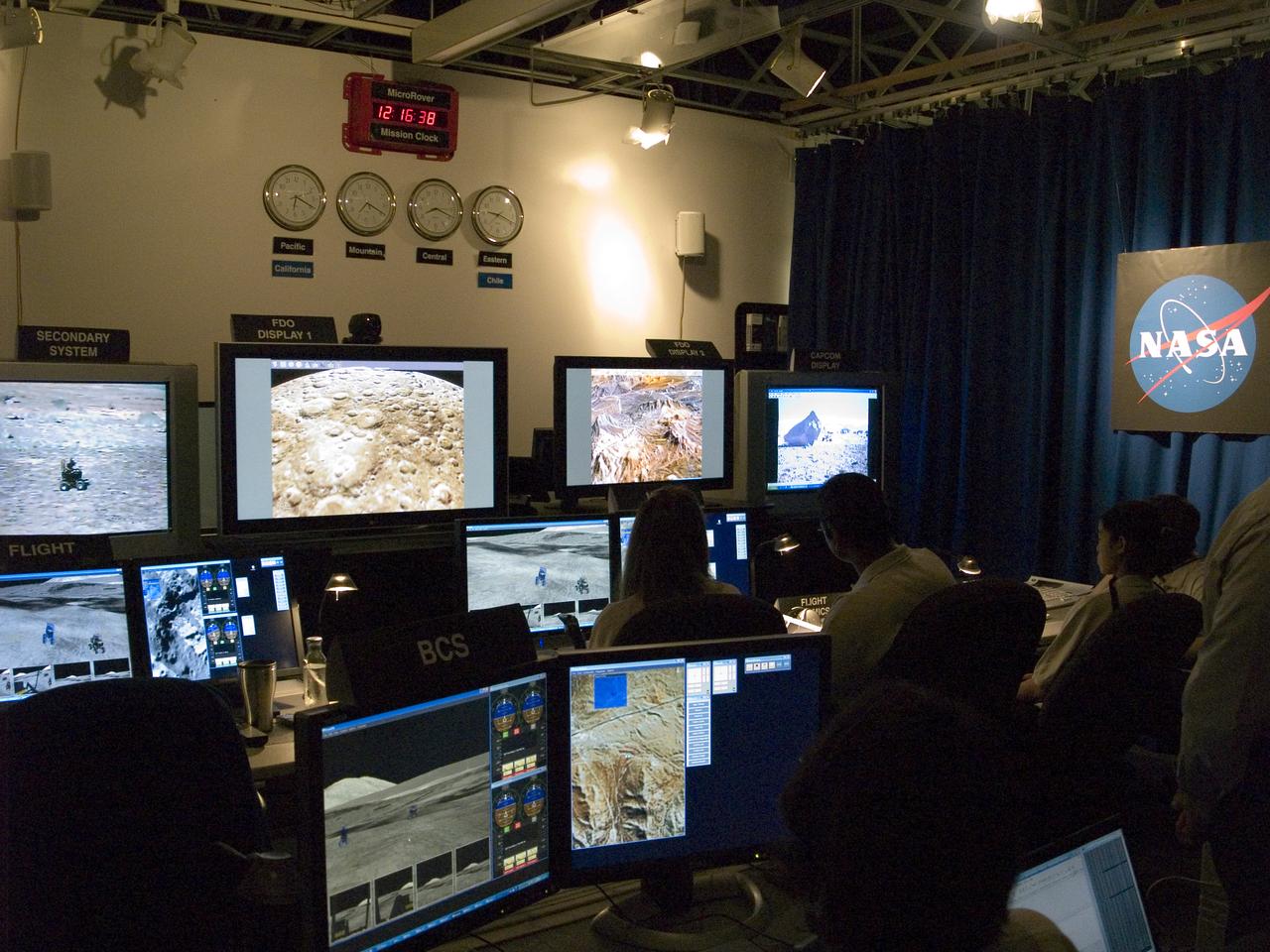
Spaceward Bound Program in Atacama Desert; shown here is a realtime webcast from Yungay, Chile vis satellite involving NASA Scientists and seven NASA Explorer school teachers. On the Ames end we find the Girl Scouts Space cookines robotic team. The robot nicknamed Zoe is looking for life in extreme environments in preparation for what might be encounter on Mars. see full text on the NASA-Ames News - Research # 04-91AR
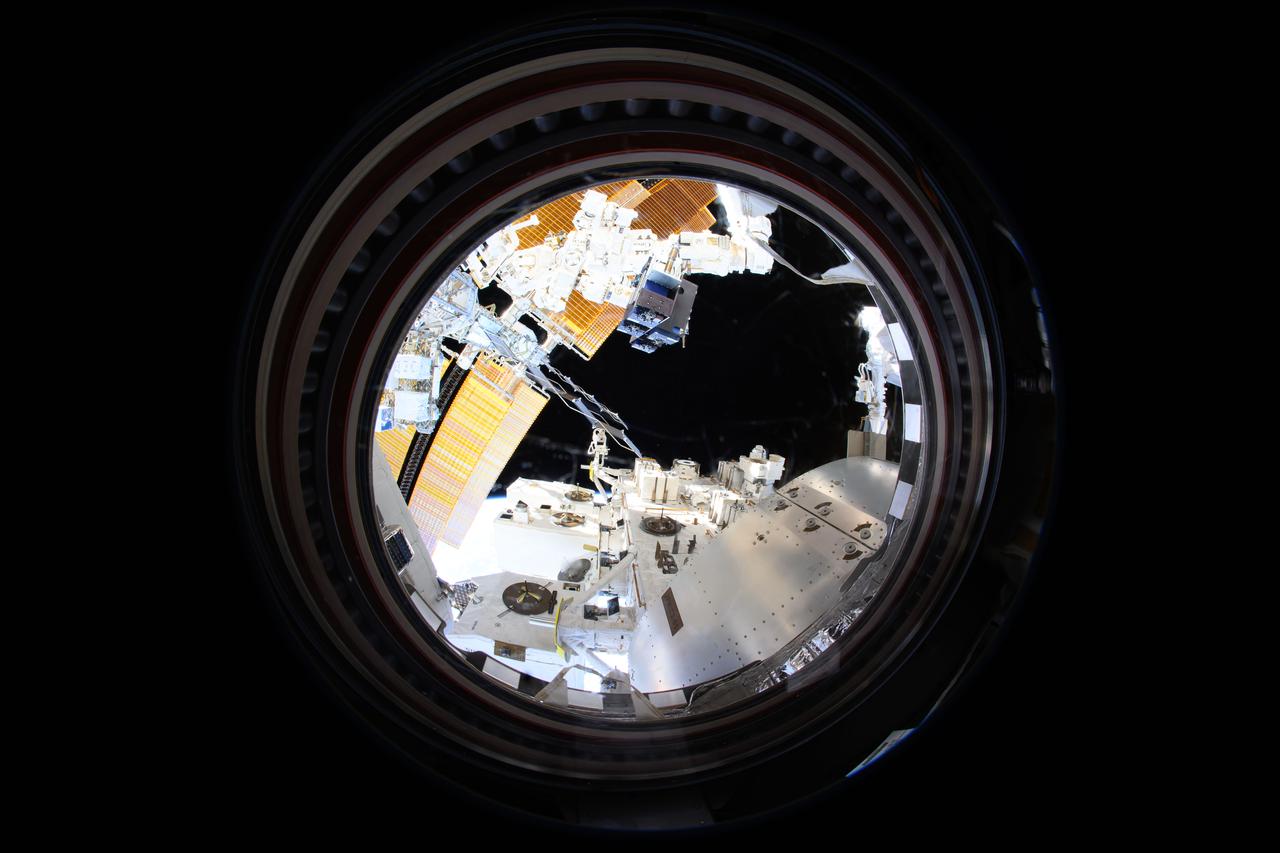
iss072e189797 (11/16/2024) --- The Canadarm2 robotic arm removes Materials ISS Experiment (MISSE) science carriers from the Kibo laboratory module's airlock. The MISSE Flight Facility mounted outside the International Space Station allows researchers to test the performance and durability of materials and devices. This is done by exposing items of interest to everything that makes the space environment harsh, including radiation, highly reactive atomic oxygen, microgravity, and extreme temperatures.
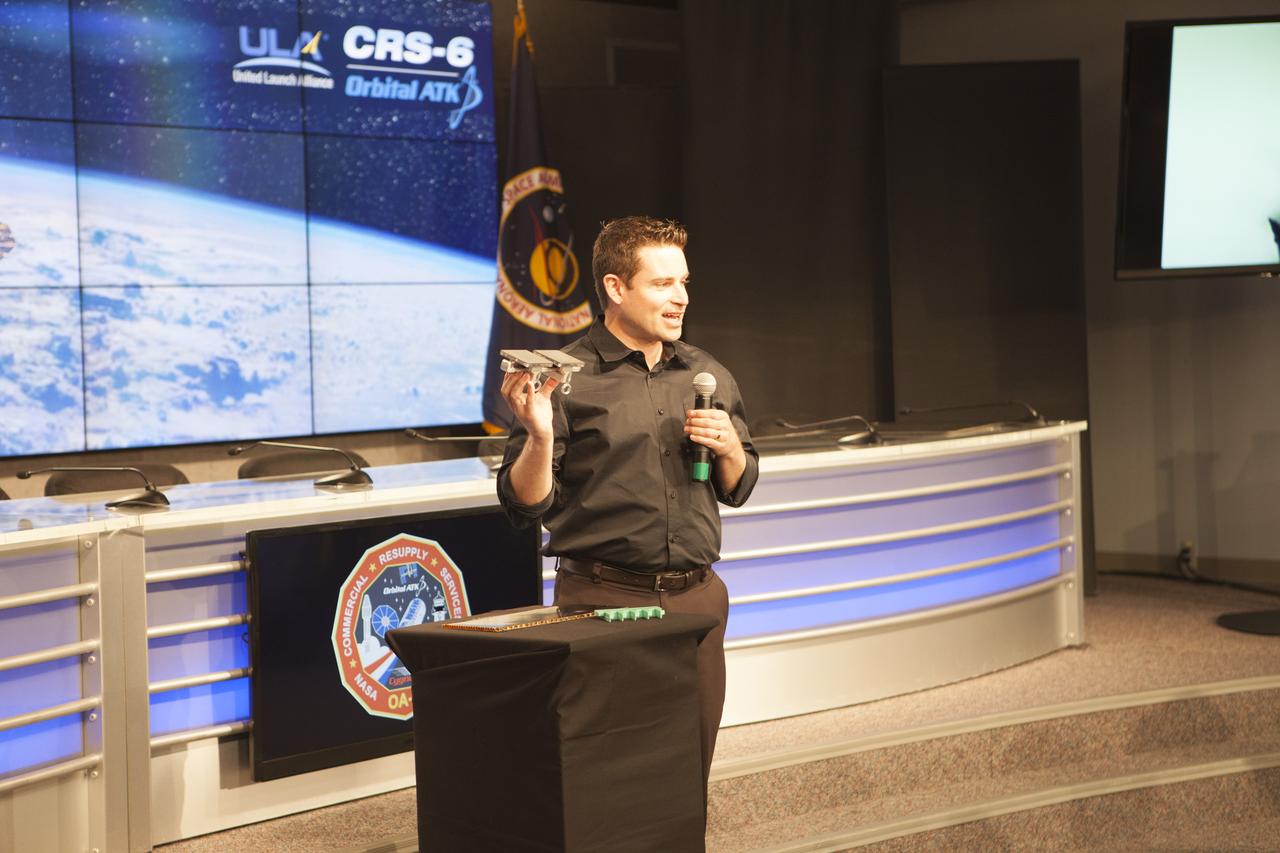
Dr. Aaron Parness, group leader at the Jet Propulsion Laboratory in Pasadena, California, who is working the Extreme Environment Robots Group on the Gecko Grippers experiment, speaks to members of the media in the Kennedy Space Center’s Press Site auditorium. The briefing focused on science research and technology work planned for the International Space Station, or ISS, following the arrival of a Cygnus spacecraft. The Cygnus is scheduled to be launched March 22 atop a United Launch Alliance Atlas V rocket on the Orbital ATK CRS-6 commercial resupply services mission.