KENNEDY SPACE CENTER, FLA. -- NASA Associate Administrator for Space Flight William F. Readdy addresses the family members of the STS-107 astronauts, other dignitaries, members of the university community and the public gathered for the dedication ceremony of the Columbia Village at the Florida Institute of Technology in Melbourne, Fla.  Each of the seven new residence halls in the complex is named for one of the STS-107 astronauts who perished during the Columbia accident -- Rick Husband, Willie McCool, Laurel Clark, Michael Anderson, David Brown, Kalpana Chawla, and Ilan Ramon.
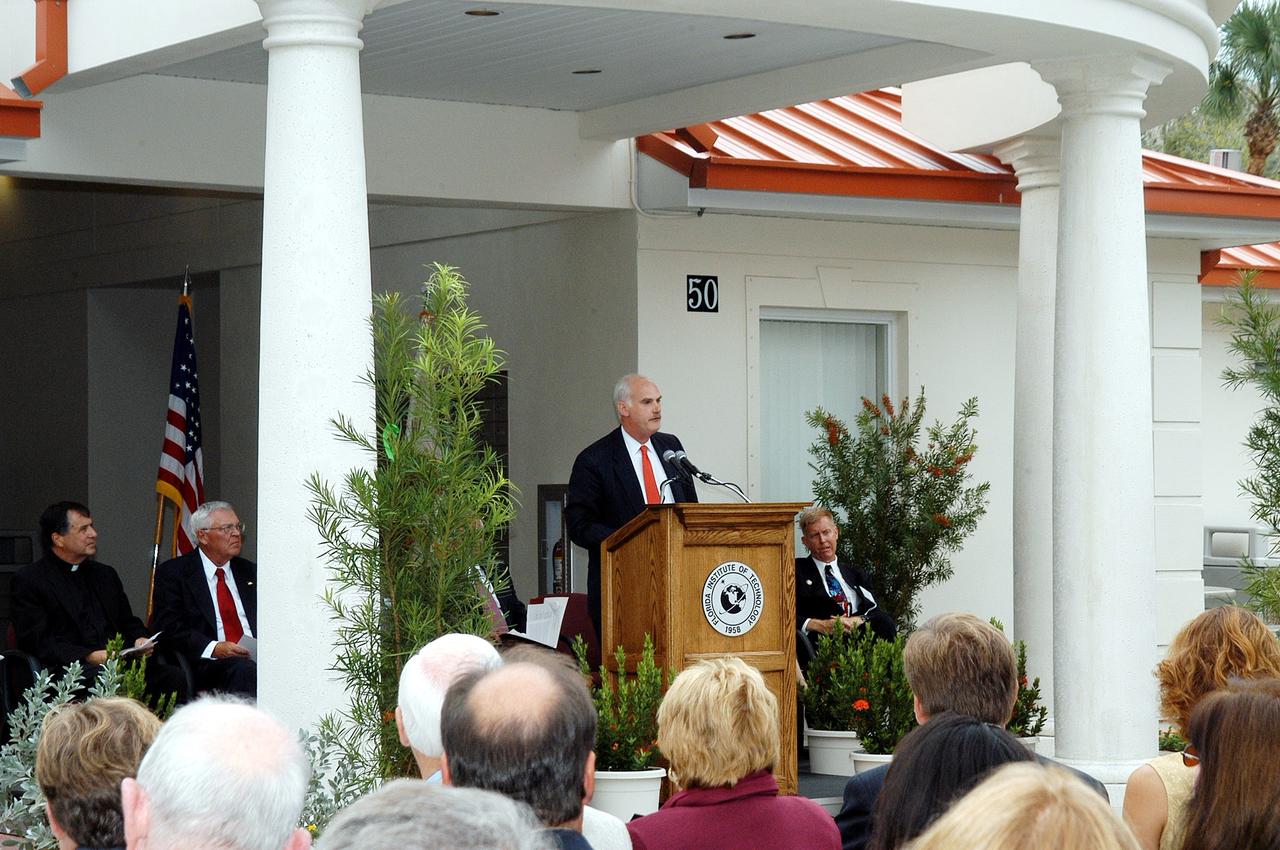
KENNEDY SPACE CENTER, FLA. -- NASA Associate Administrator for Space Flight William F. Readdy addresses the family members of the STS-107 astronauts, other dignitaries, members of the university community and the public gathered for the dedication ceremony of the Columbia Village at the Florida Institute of Technology in Melbourne, Fla. Each of the seven new residence halls in the complex is named for one of the STS-107 astronauts who perished during the Columbia accident -- Rick Husband, Willie McCool, Laurel Clark, Michael Anderson, David Brown, Kalpana Chawla, and Ilan Ramon.
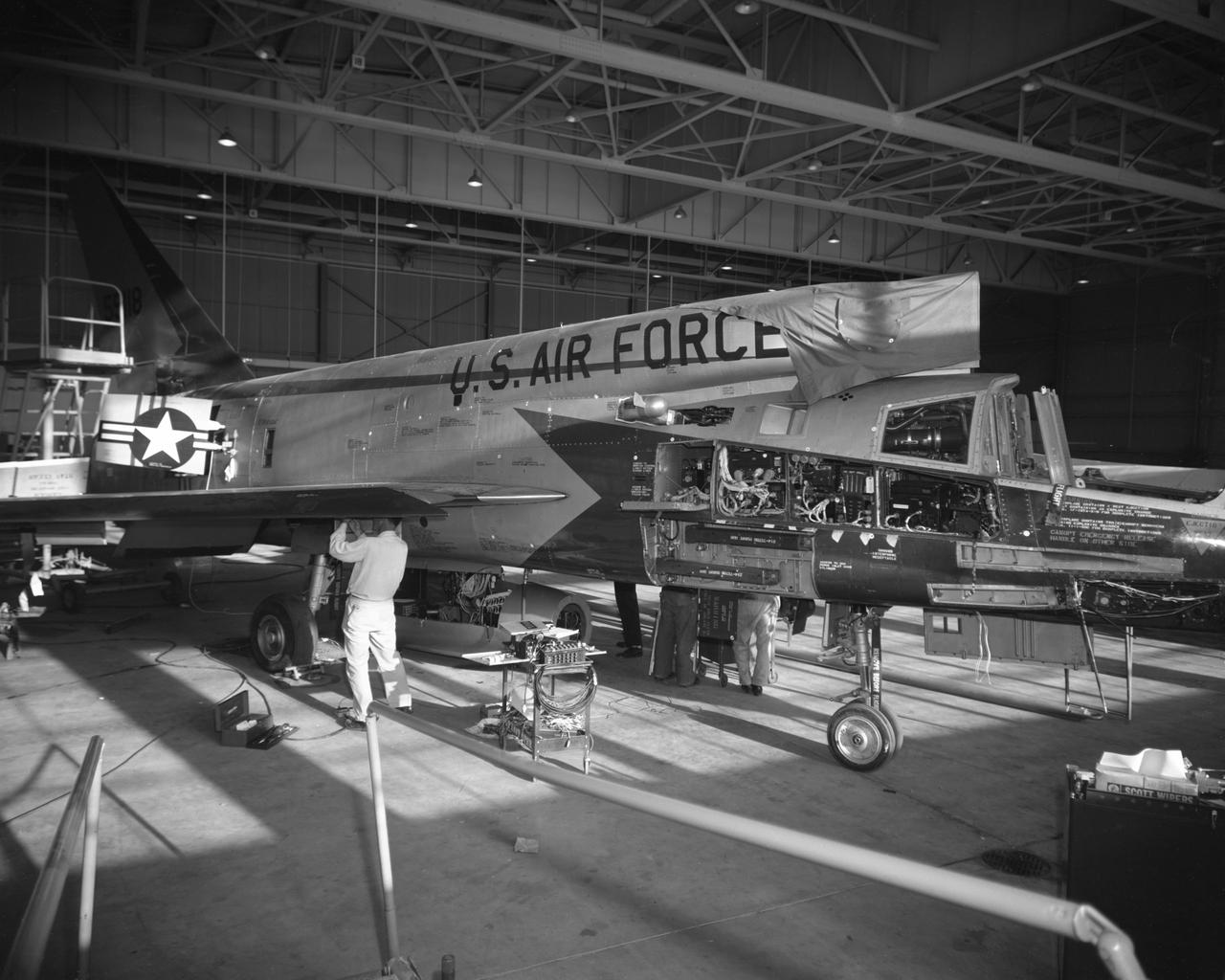
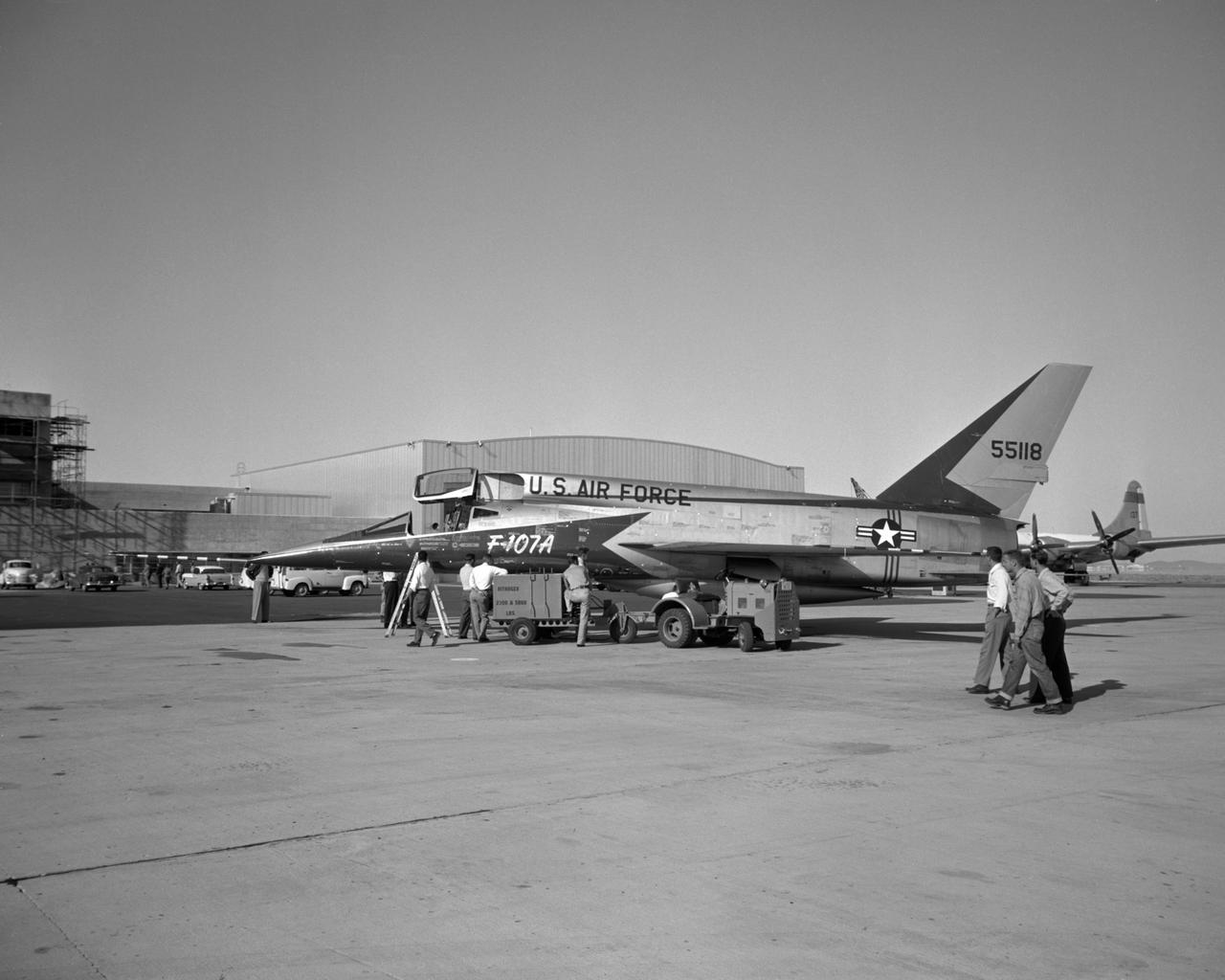
Maintanence on the first F-107A. Apr. 9, 1958
E58-03687B
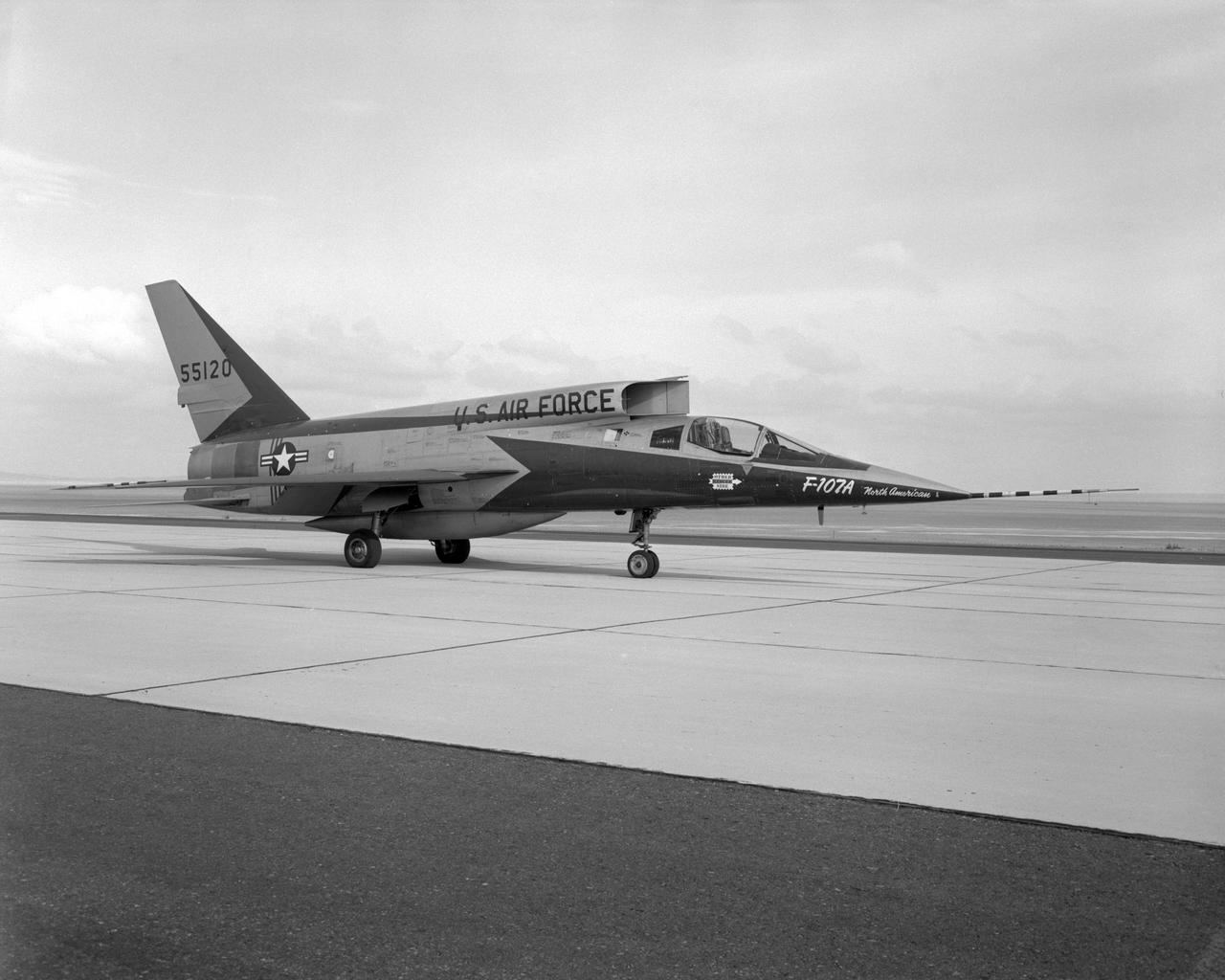
The third F-107A parked on the ramp at the Flight Research Center. Jan. 7, 1959
E59-04384
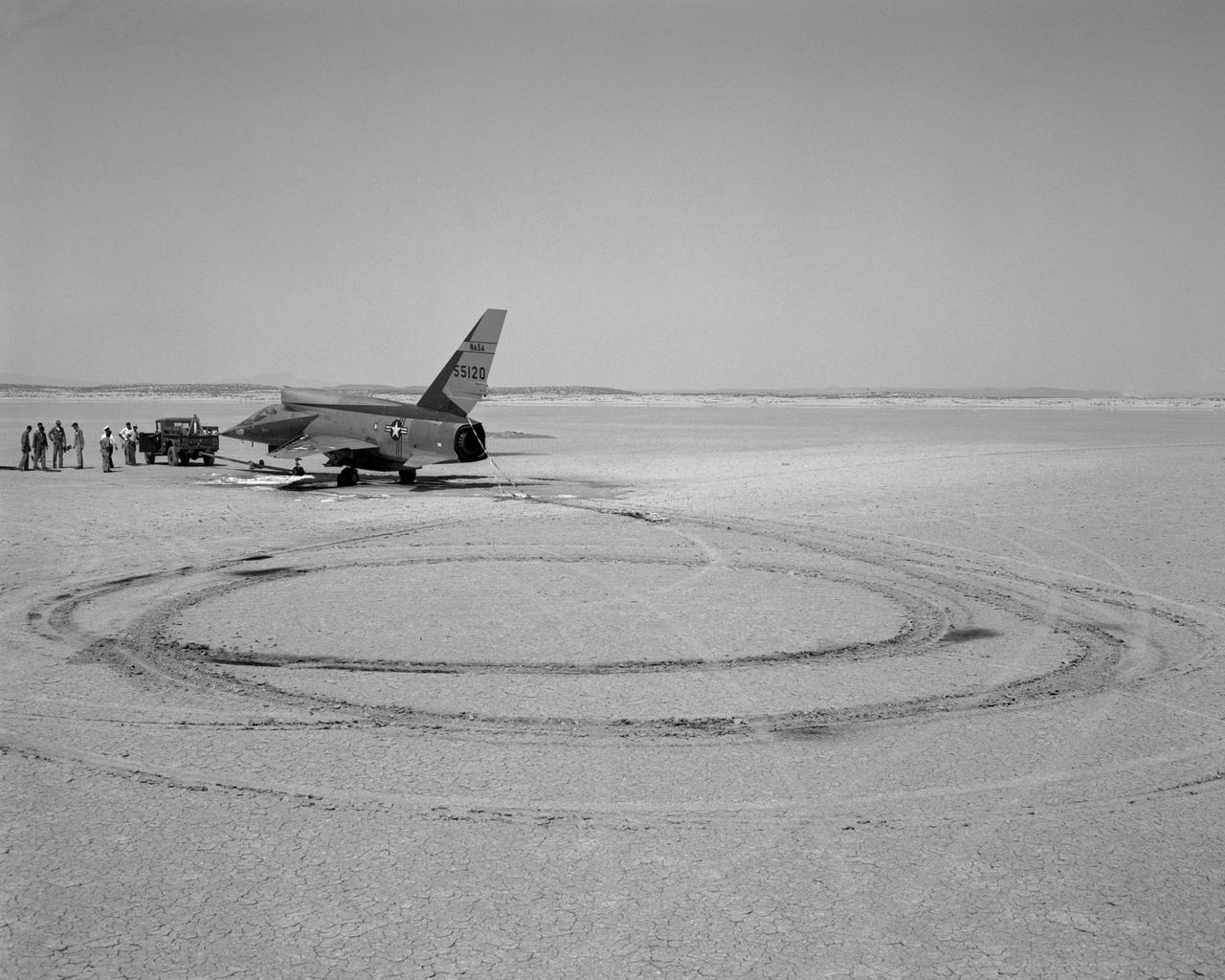
F-107A ground loop landing mishap. Sept. 1, 1959
E59-04916
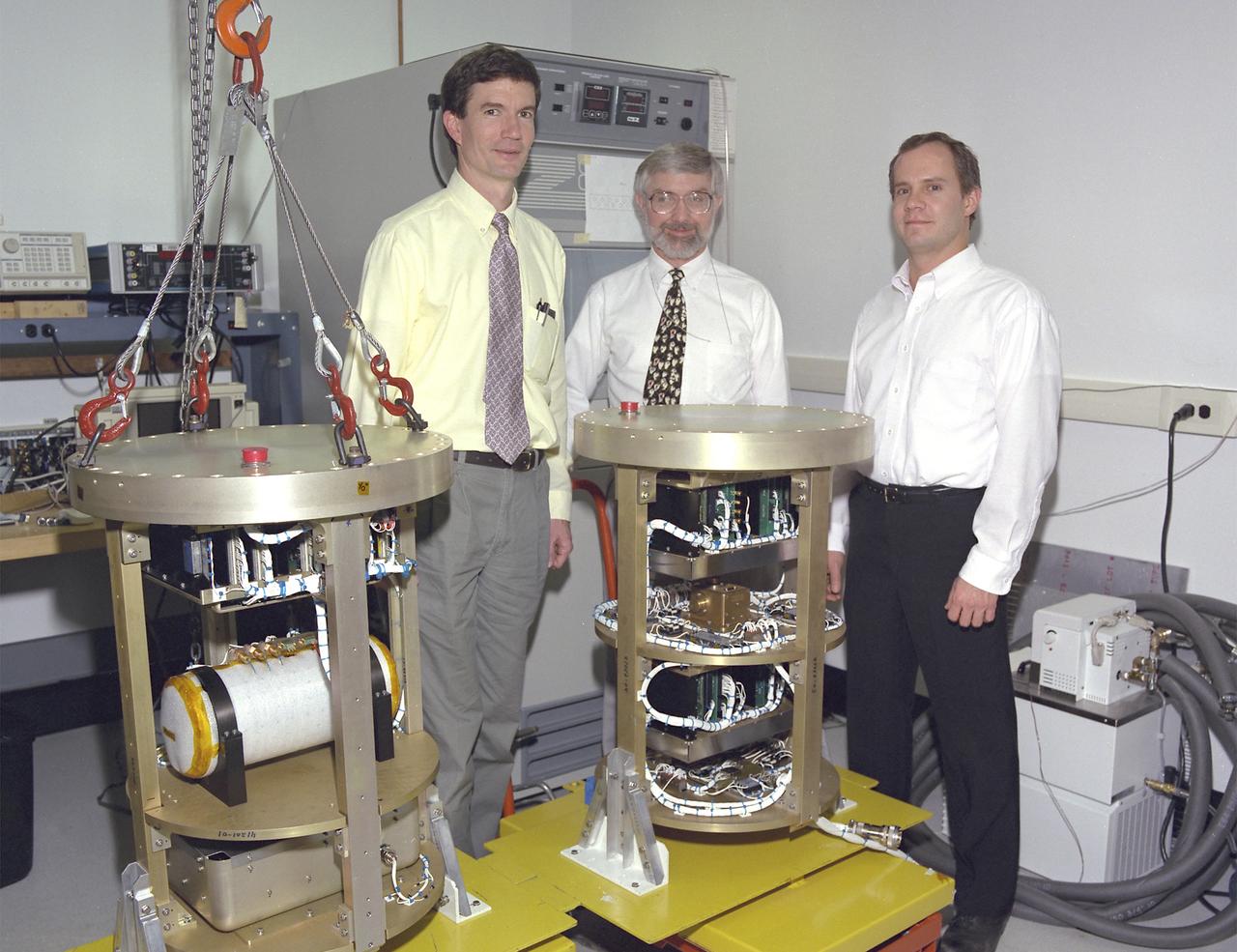
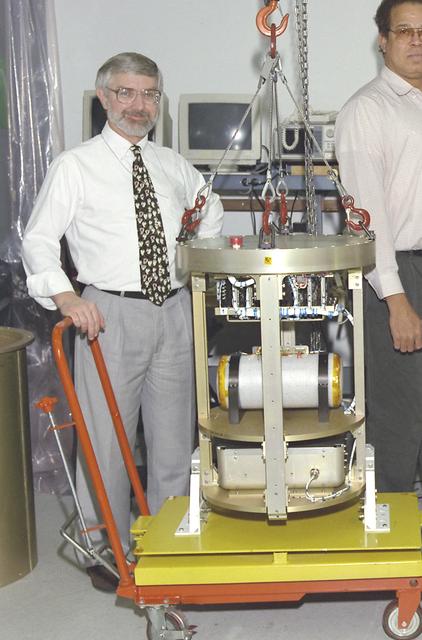
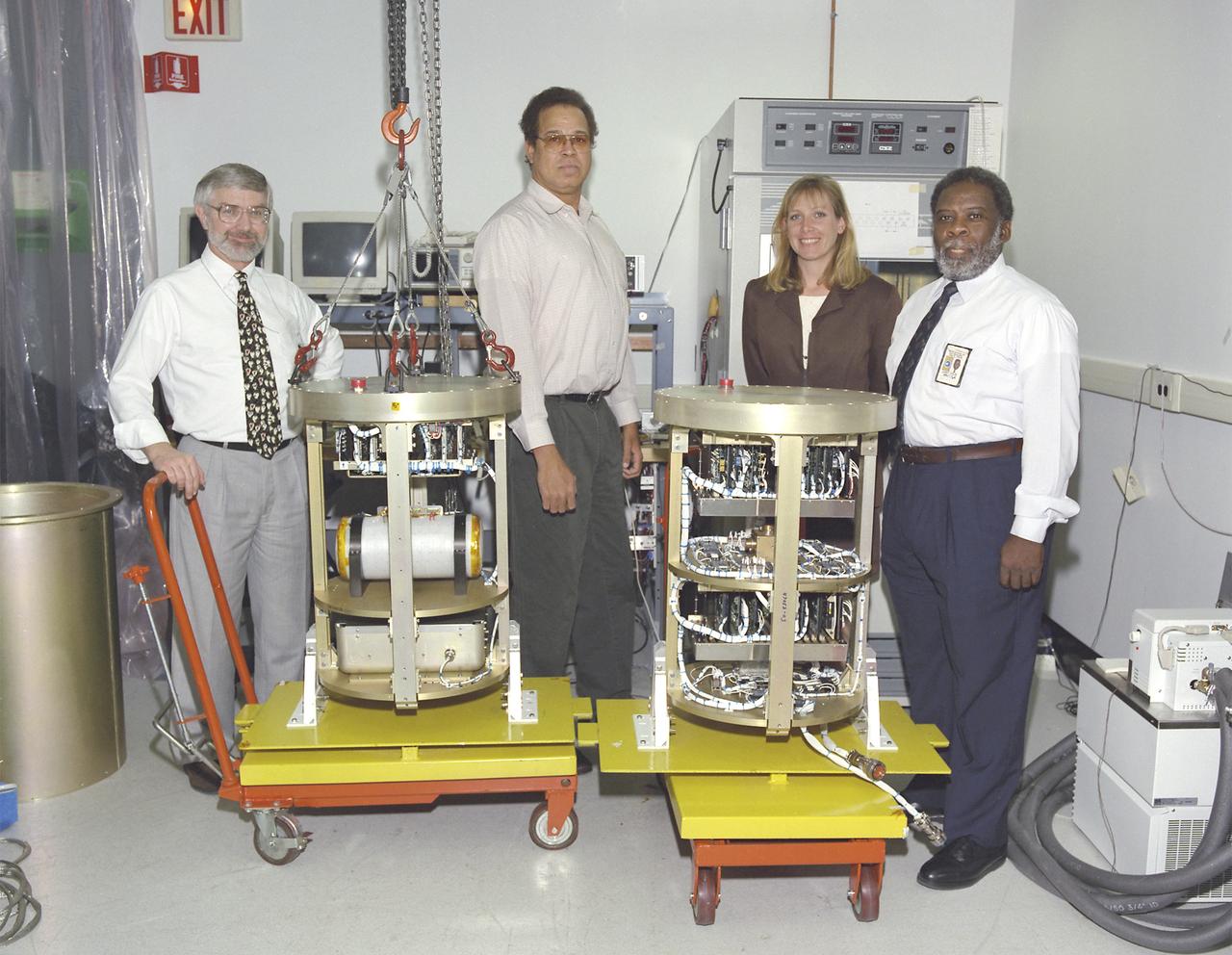
The Critical Viscosity of Xenon Experiment (CVX-2) on the STS-107 Research 1 mission in 2002 will measure the viscous behavior of xenon, a heavy inert gas used in flash lamps and ion rocket engines, at its critical point. The thermostat for CVX sits inside the white cylinder on a support structure (at left) that is placed inside a pressure canister. A similar canister (right) holds the electronics and control systems. The CVX-2 arrangement is identical. The principal investigator is Dr. Robert F. Berg (left) of the National Institutes of Standards and Technology, Gaithersburg, MD.
Microgravity
The Critical Viscosity of Xenon Experiment (CVX-2) on the STS-107 Research 1 mission in 2002 will measure the viscous behavior of xenon, a heavy inert gas used in flash lamps and ion rocket engines, at its critical point. The thermostat for CVX sits inside the white cylinder on a support structure (at left) that is placed inside a pressure canister. A similar canister (right) holds the electronics and control systems. The CVX-2 arrangement is identical. The principal investigator is Dr. Robert F. Berg (not shown) of the National Institutes of Standards and Technology, Gaithersburg, MD.
Microgravity
The Critical Viscosity of Xenon Experiment (CVX-2) on the STS-107 Research 1 mission in 2001 will measure the viscous behavior of xenon, a heavy inert gas used in flash lamps and ion rocket engines, at its critical point. The thermostat for CVX sits inside the white cylinder on a support structure that is placed inside a pressure canister. A similar canister holds the electronics and control systems. The CVX-2 arrangement is identical. The principal investigator is Dr. Robert F. Berg (not shown) of the National Institutes of Standards and Technology, Gaithersburg, MD. This is a detail view of MSFC 0100143.
Microgravity
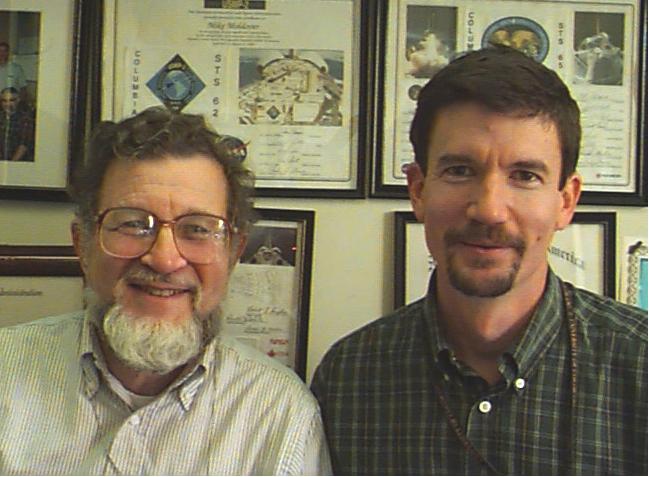
Dr. Dr. Robert F. Berg (right), principal investigator and Dr. Micheal R. Moldover (left), co-investigator, for the Critical Viscosity of Xenon (CVX/CVX-2) experiment. They are with the National Institutes of Standards and Technology, Gaithersburg, MD. The Critical Viscosity of Xenon Experiment (CVX-2) on the STS-107 Research 1 mission in 2002 will measure the viscous behavior of xenon, a heavy inert gas used in flash lamps and ion rocket engines, at its critical point. Although it does not easily combine with other chemicals, its viscosity at the critical point can be used as a model for a range of chemicals.
Microgravity
Arrival of first F-107A #118 (later NACA 207) to NASA FRC
E57-3192
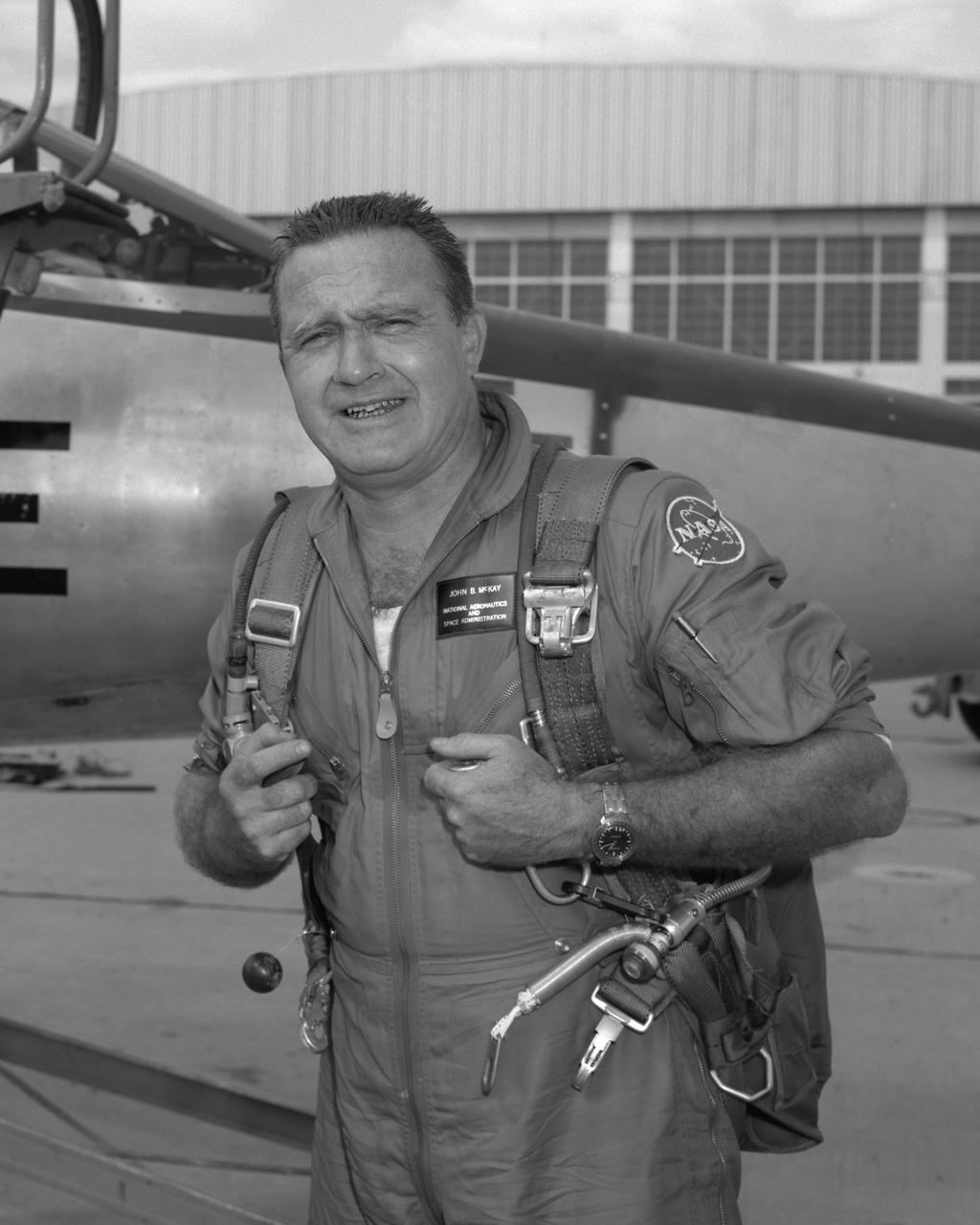
John McKay after flight in F-104B
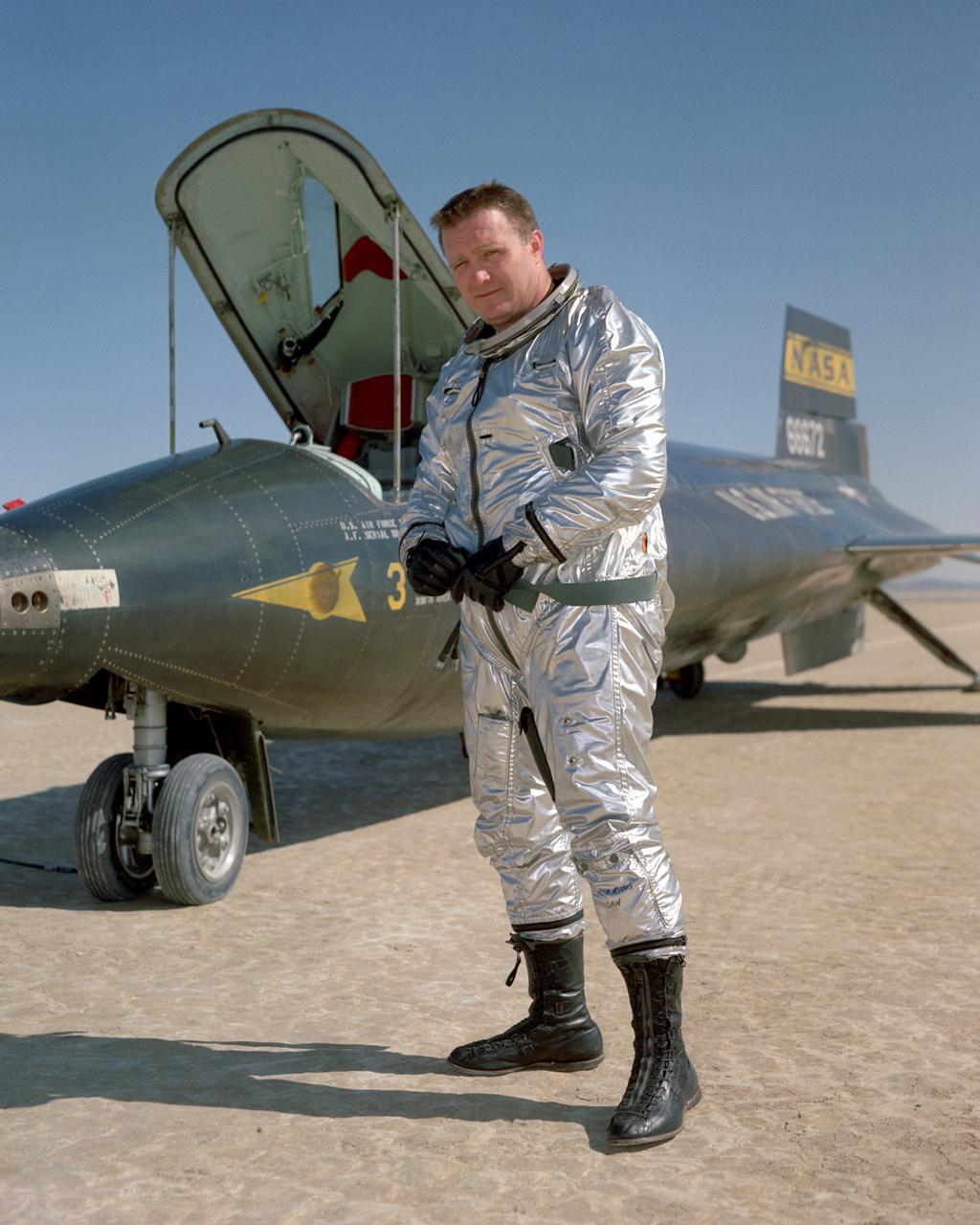
John B. McKay was one of the first pilots assigned to the X-15 flight research program at NASA's Flight Research Center, Edwards, Calif. As a civilian research pilot and aeronautical engineer, he made 30 flights in X-15s from October 28, 1960, until September 8, 1966. His peak altitude was 295,600 feet, and his highest speed was 3863 mph (Mach 5.64). McKay was with the NACA and NASA from February 8,1951 until October 5, 1971 and specialized in high-speed flight research programs. He began as an NACA intern, but assumed pilot status on July 11, 1952. In addition to the X-l5, he flew such experimental aircraft as the D-558-1, D-558-2, X-lB, and the X-lE. He has also served as a research pilot on flight programs involving the F-100, F-102, F-104, and the F-107.  Born on December 8, 1922, in Portsmouth, Va., McKay graduated from Virginia Polytechnic Institute in 195O with a Bachelor of Science degree in Aeronautical Engineering. During World War II he served as a Navy pilot in the Pacific Theater, earning the Air Medal and Two Clusters, and a Presidential Unit Citation.  McKay wrote several technical papers, and was a member of the American Institute of Aeronautics and Astronautics, as well as the Society of Experimental Test Pilots.  He passed away on April 27, 1975.
John B. McKay after X-15 flight #3-27-44