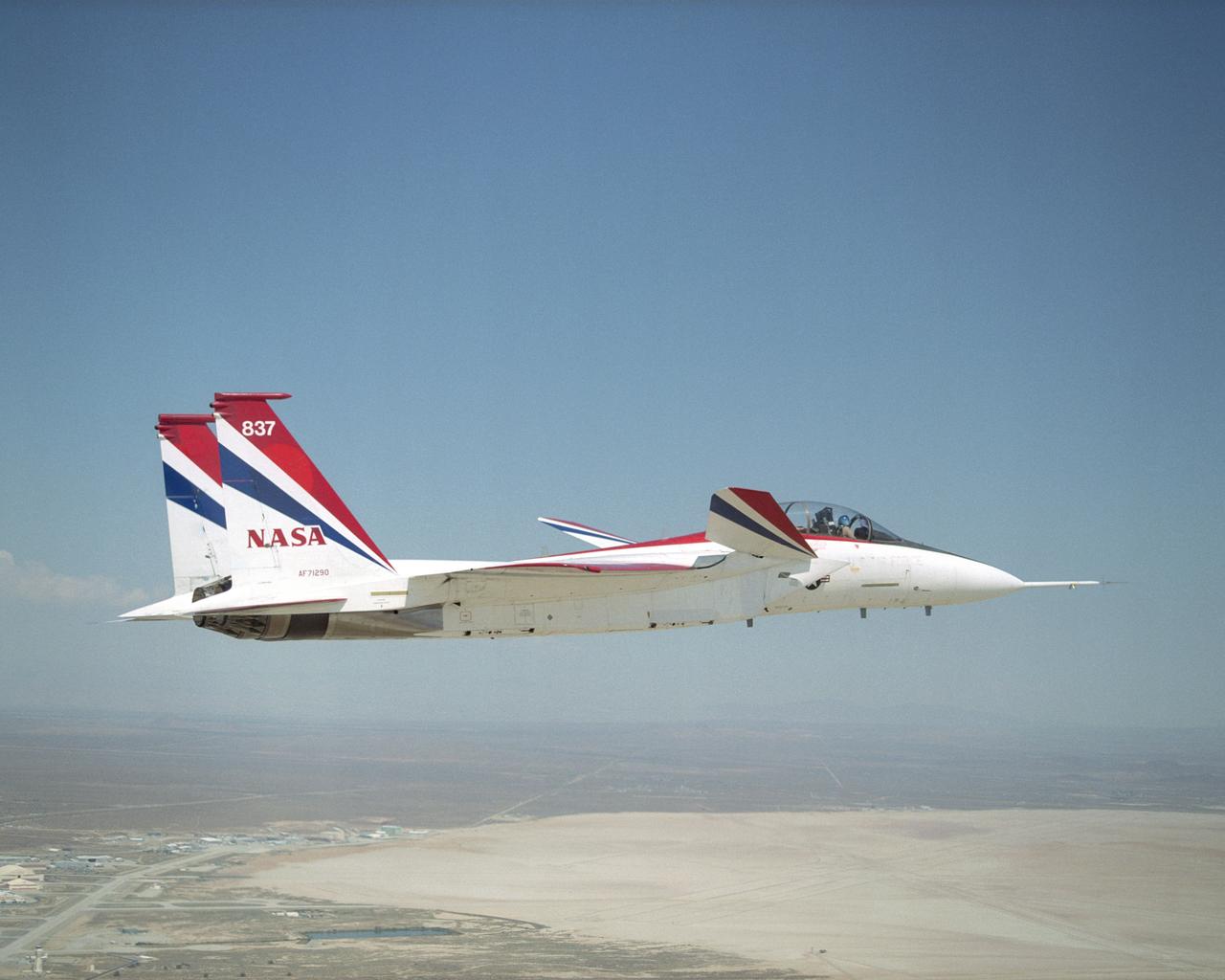
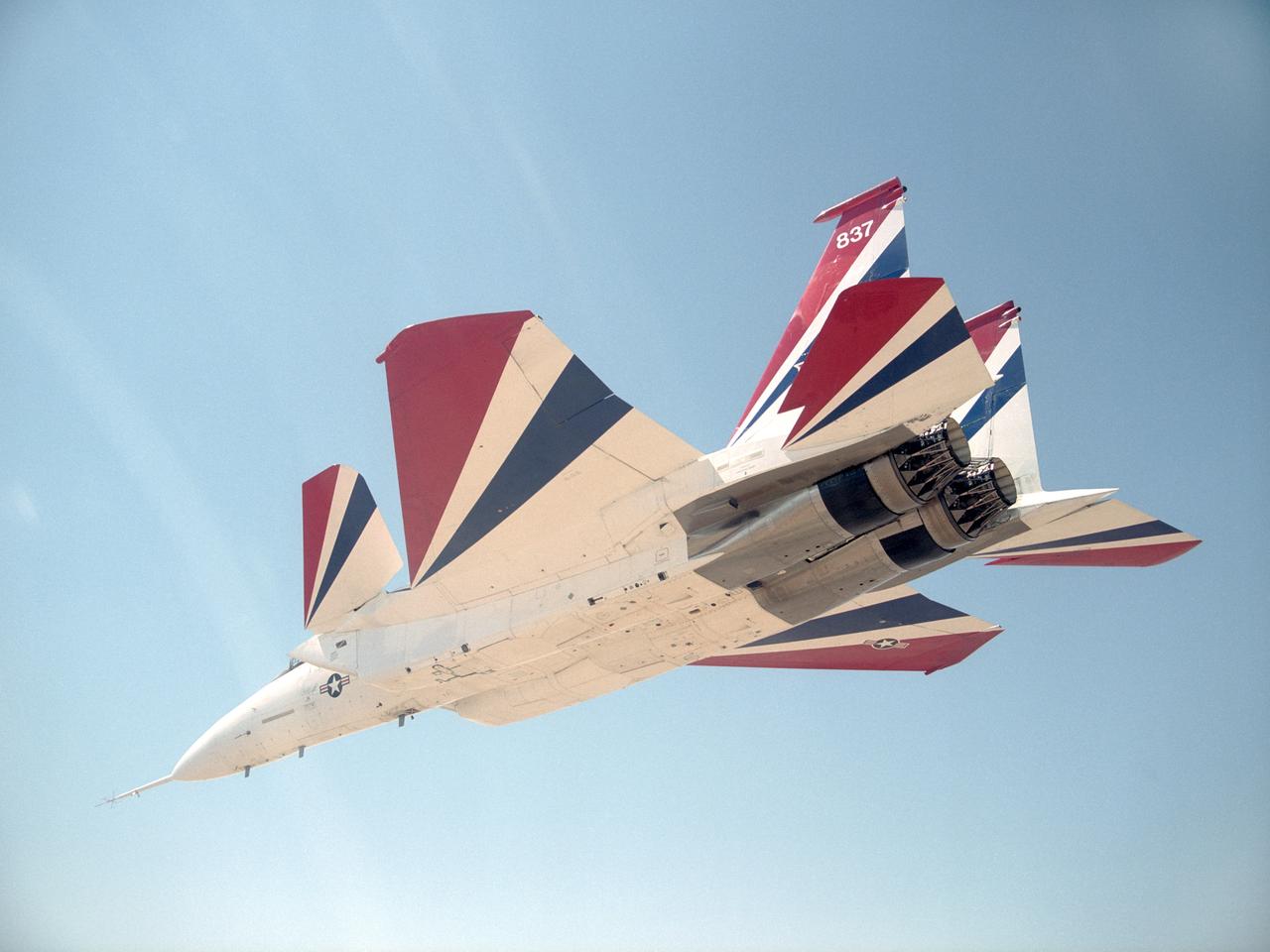
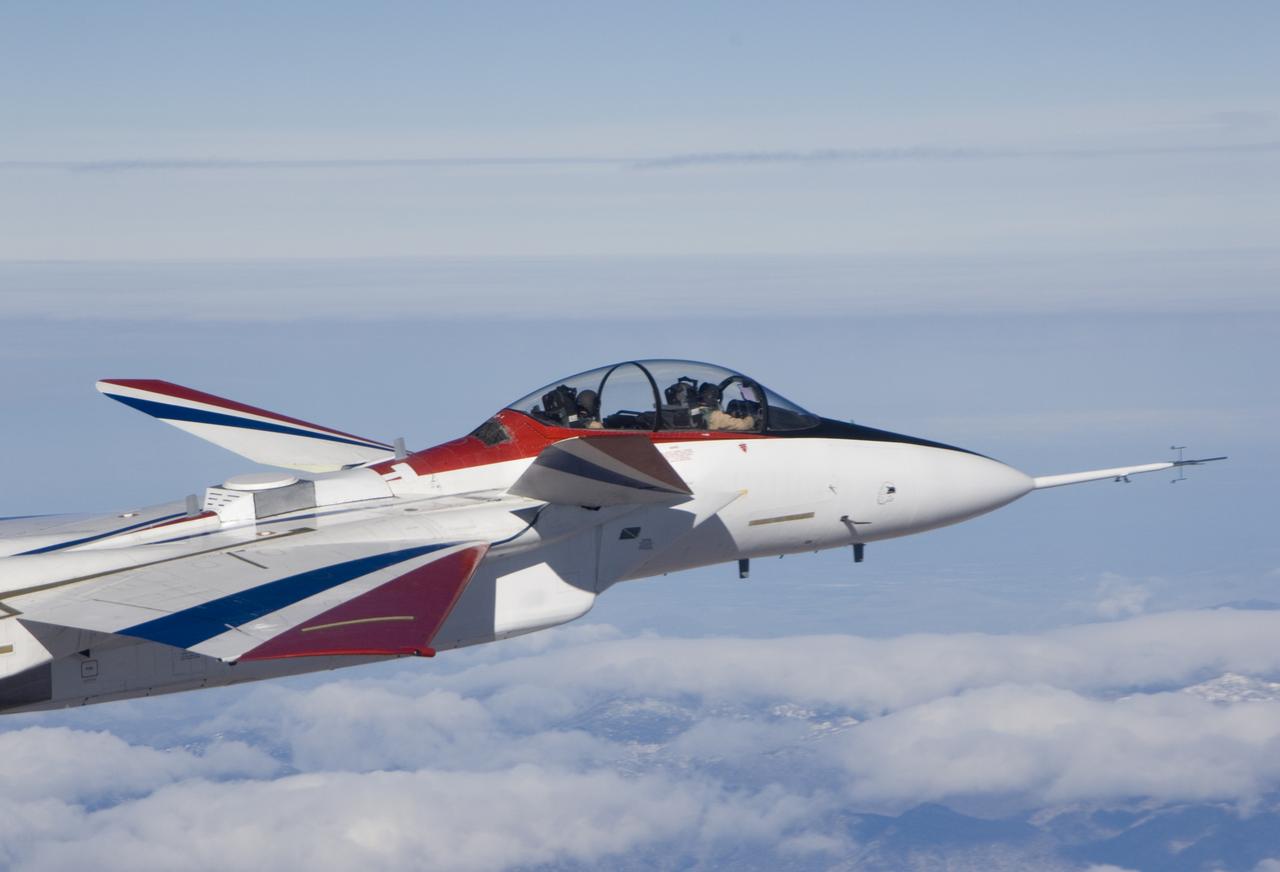
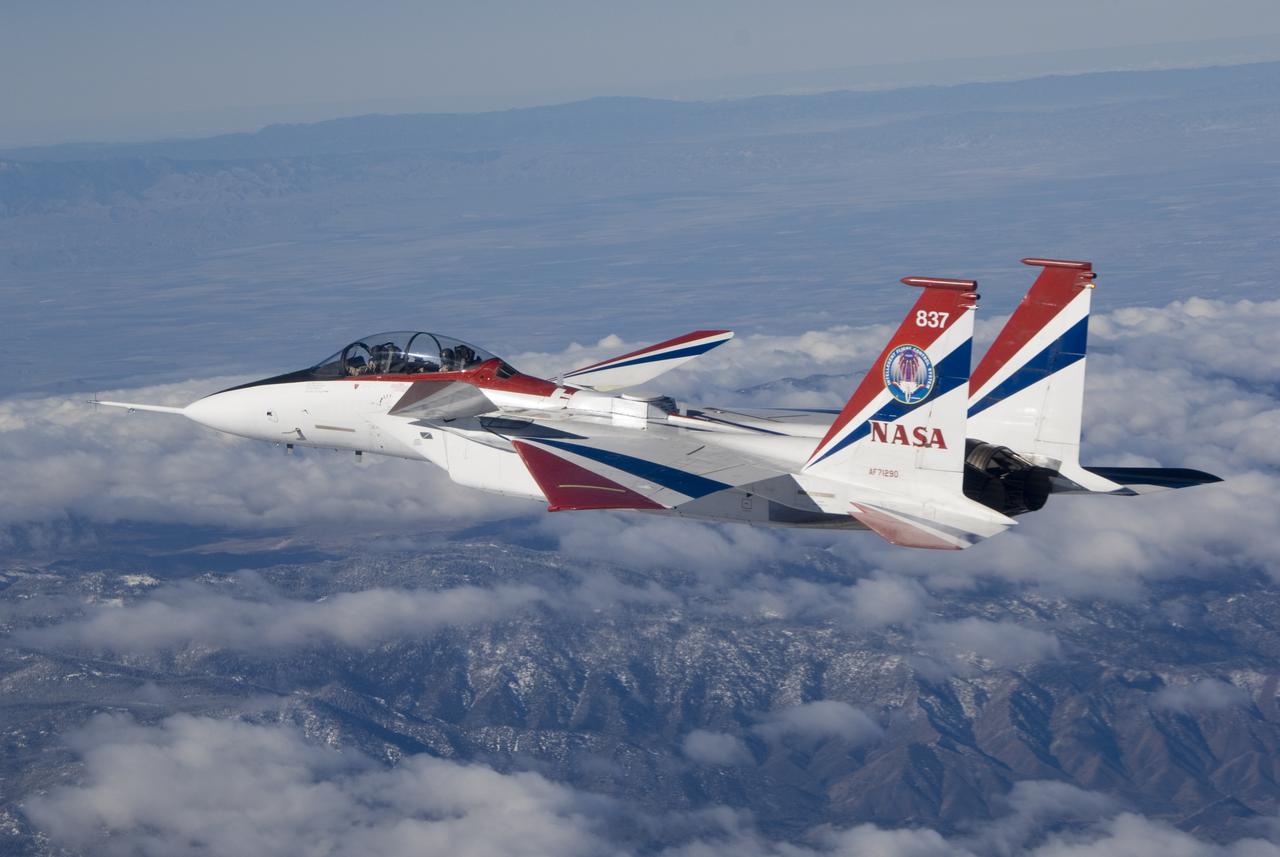
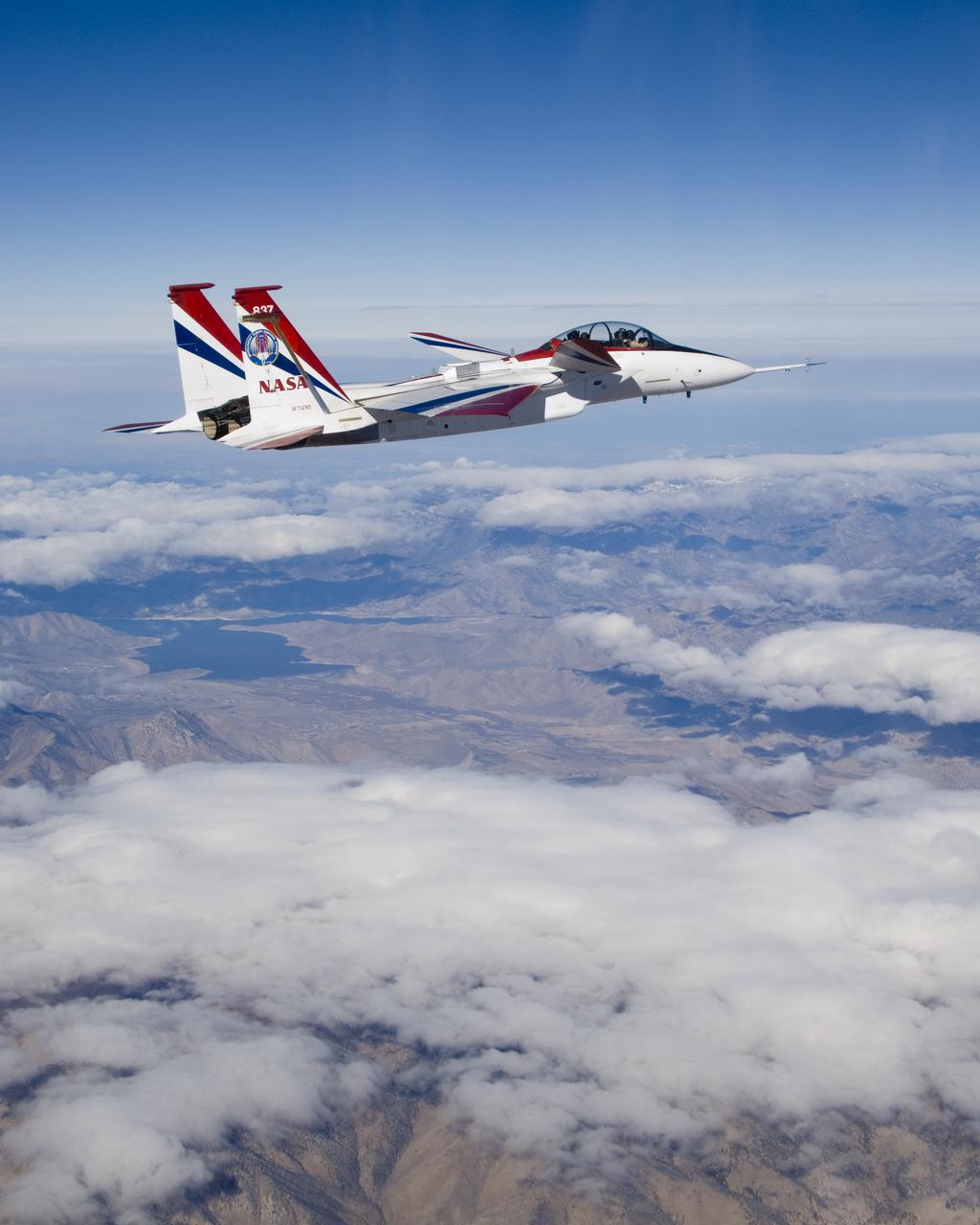
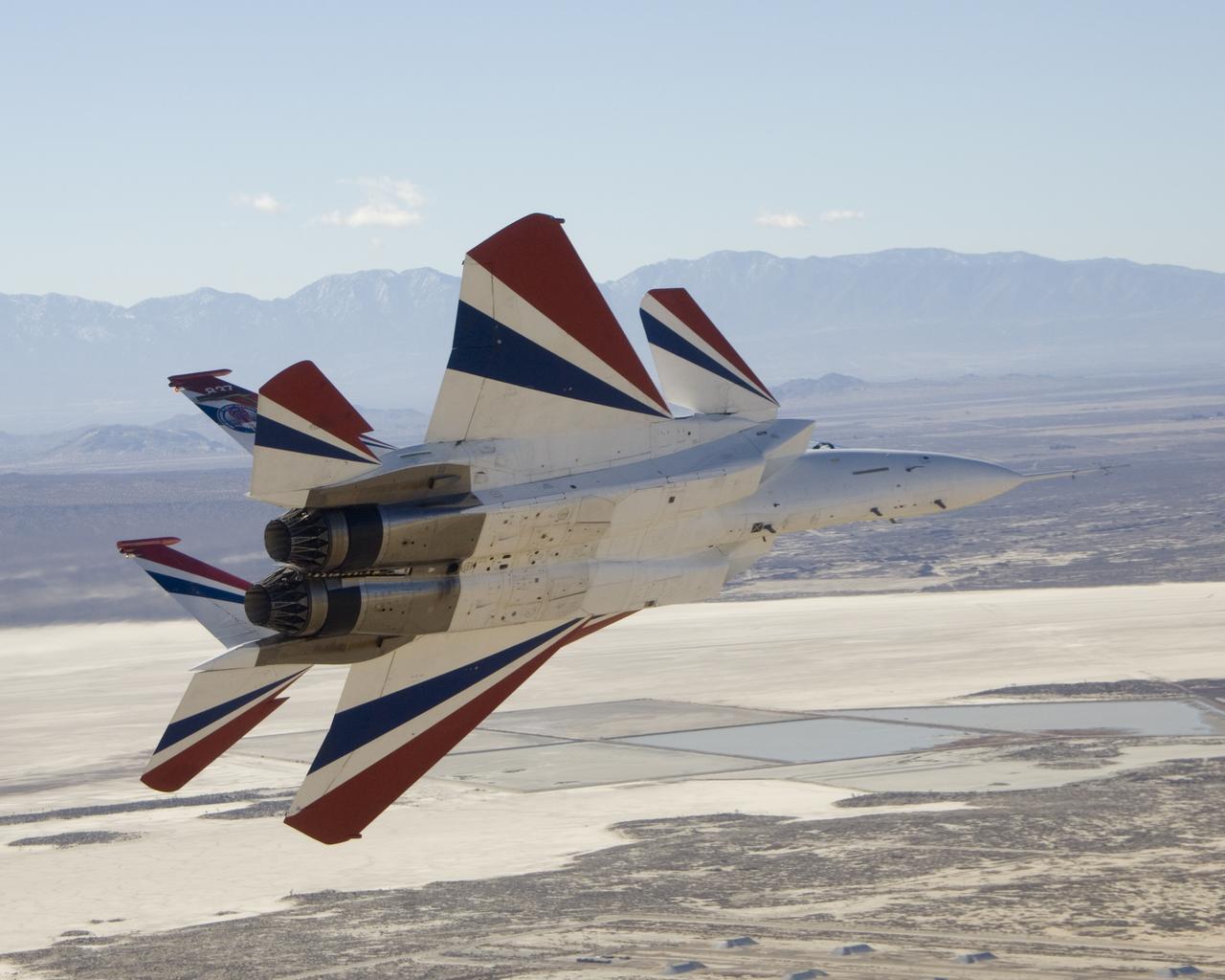
NASA Dryden's highly modified F-15B aircraft, tail number 837, serves as an Intelligent flight Control System (IFCS) research testbed aircraft.
NASA Dryden's highly modified F-15B aircraft, tail number 837, serves as an Intelligent Flight Control System (IFCS) research testbed aircraft
NASA Dryden's highly modified F-15B aircraft, tail number 837, serves as an Intelligent flight Control System (IFCS) research testbed aircraft.
NASA Dryden's highly modified F-15B aircraft, tail number 837, serves as an Intelligent Flight Control System (IFCS) research testbed aircraft
NASA Dryden's highly modified F-15B aircraft, tail number 837, serves as an Intelligent flight Control System (IFCS) research testbed aircraft.
NASA Dryden's highly modified F-15B aircraft, tail number 837, serves as an Intelligent Flight Control System (IFCS) research testbed aircraft
NASA Dryden's highly modified F-15B aircraft, tail number 837, serves as an Intelligent flight Control System (IFCS) research testbed aircraft.
NASA Dryden's highly modified F-15B aircraft, tail number 837, serves as an Intelligent Flight Control System (IFCS) research testbed aircraft
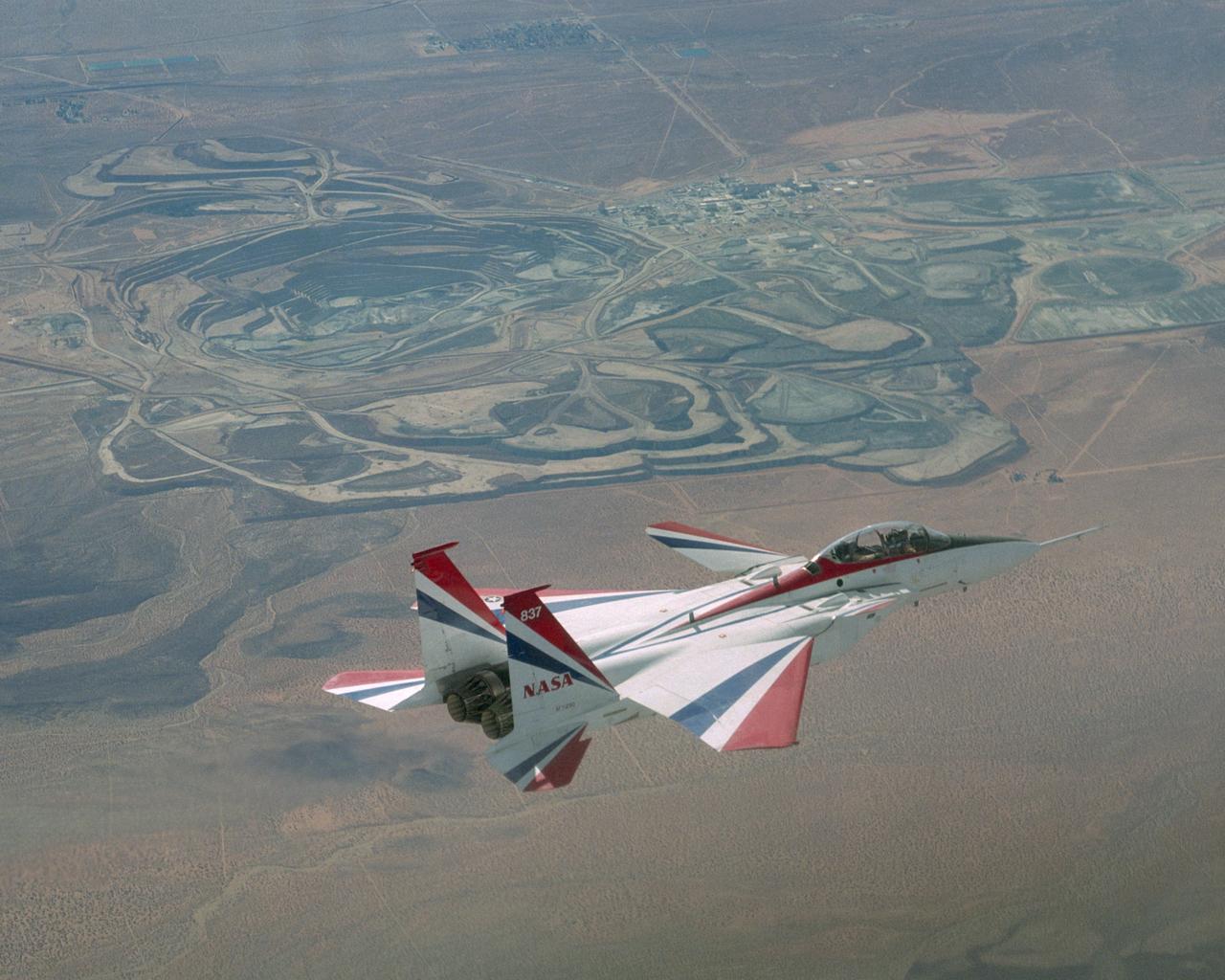
NASA Dryden's highly modified F-15B, tail number 837, seen here with the Boron Mine as a backdrop, resumed Intelligent Flight Control System (IFCS) project flights on Dec. 6, 2002.
This view from a NASA Dryden F-18 chase aircraft shows Dryden's highly modified F-15B, tail number 837, which resumed Intelligent Flight Control System (IFCS) project flights on Dec. 6, 2002.
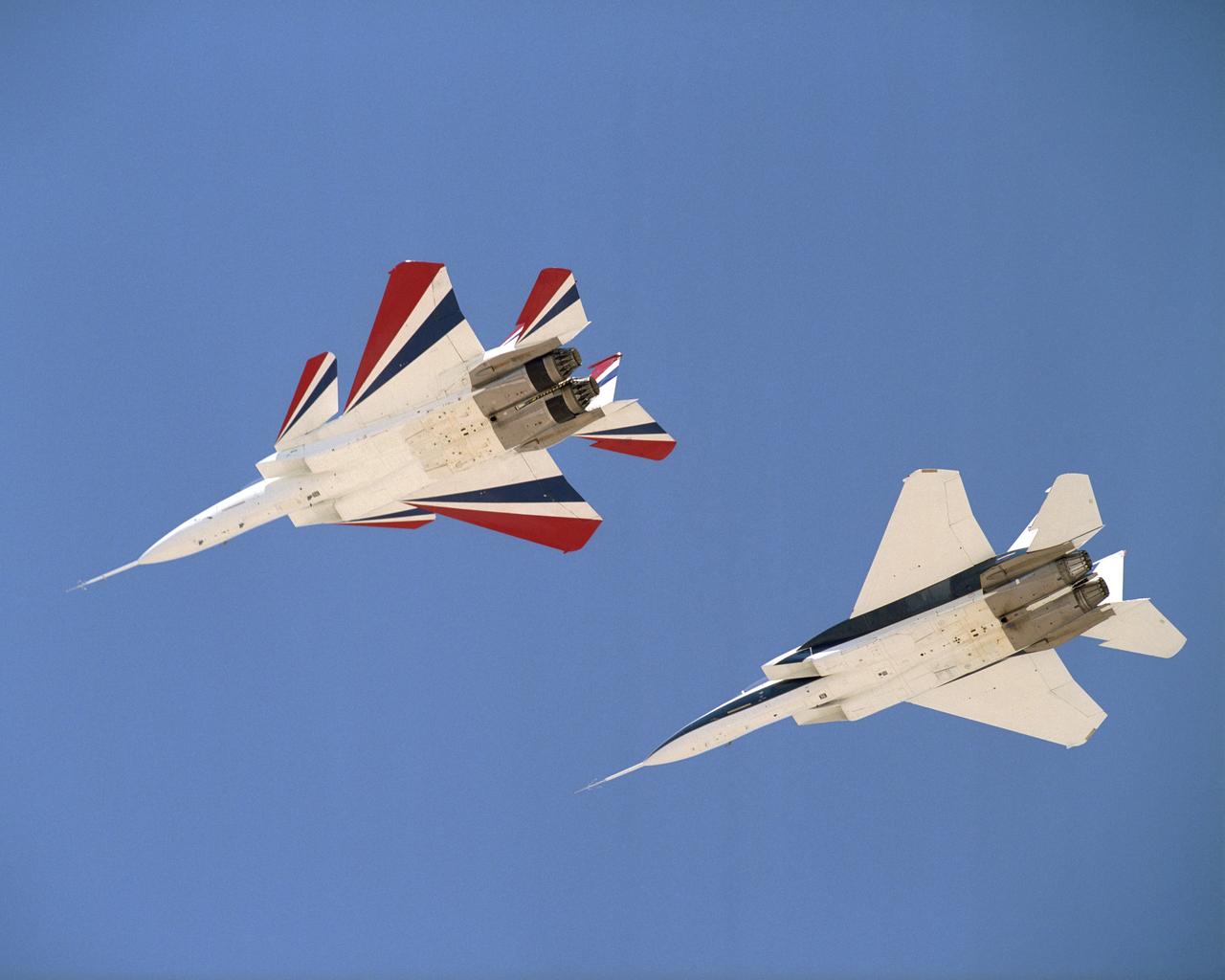
NASA's two modified F-15B research aircraft joined up for a fly-over of NASA's Dryden Flight Research Center on Edwards AFB, Calif., after a research mission.
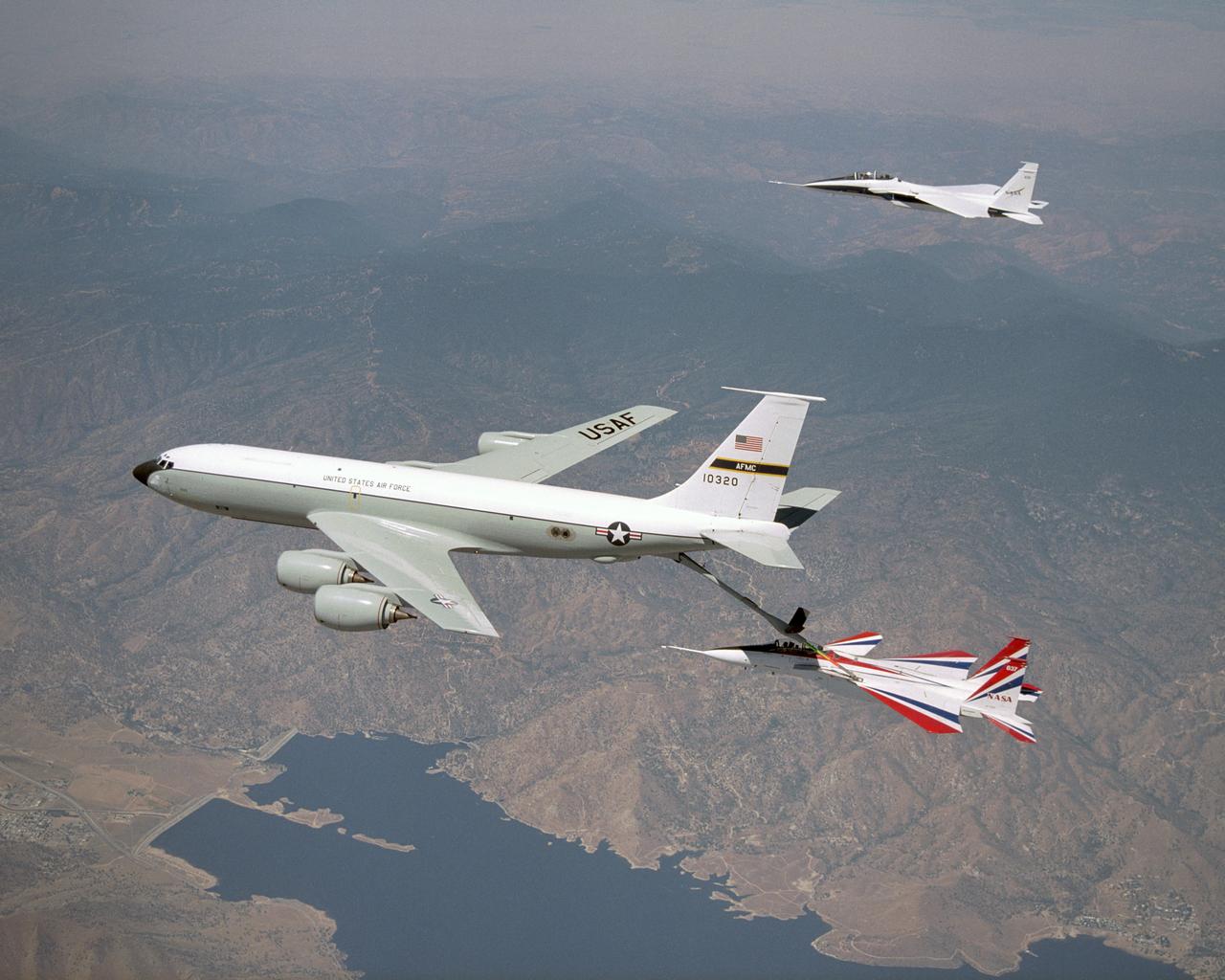
One of NASA's two F-15 research aircraft gets refueled in mid-air over Lake Isabella from a USAF KC-135 tanker while NASA's other F-15 flies chase alongside.
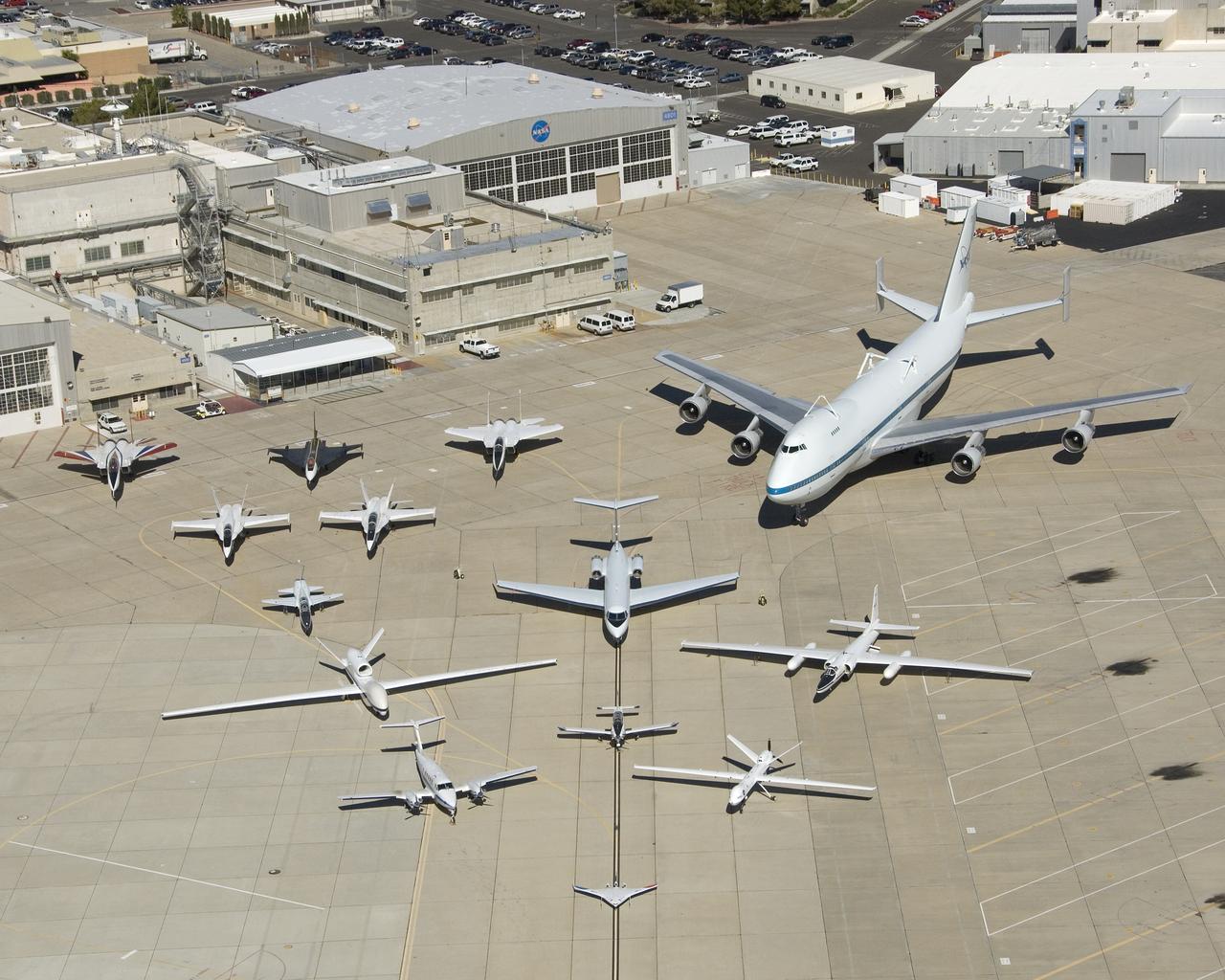
Dryden Flight Research Center - aircraft fleet on ramp
ED08-0292-1
New range safety and range user system antennas for the ECANS project can be seen just behind and to the left of the cockpit on NASA's NF-15B research aircraft.
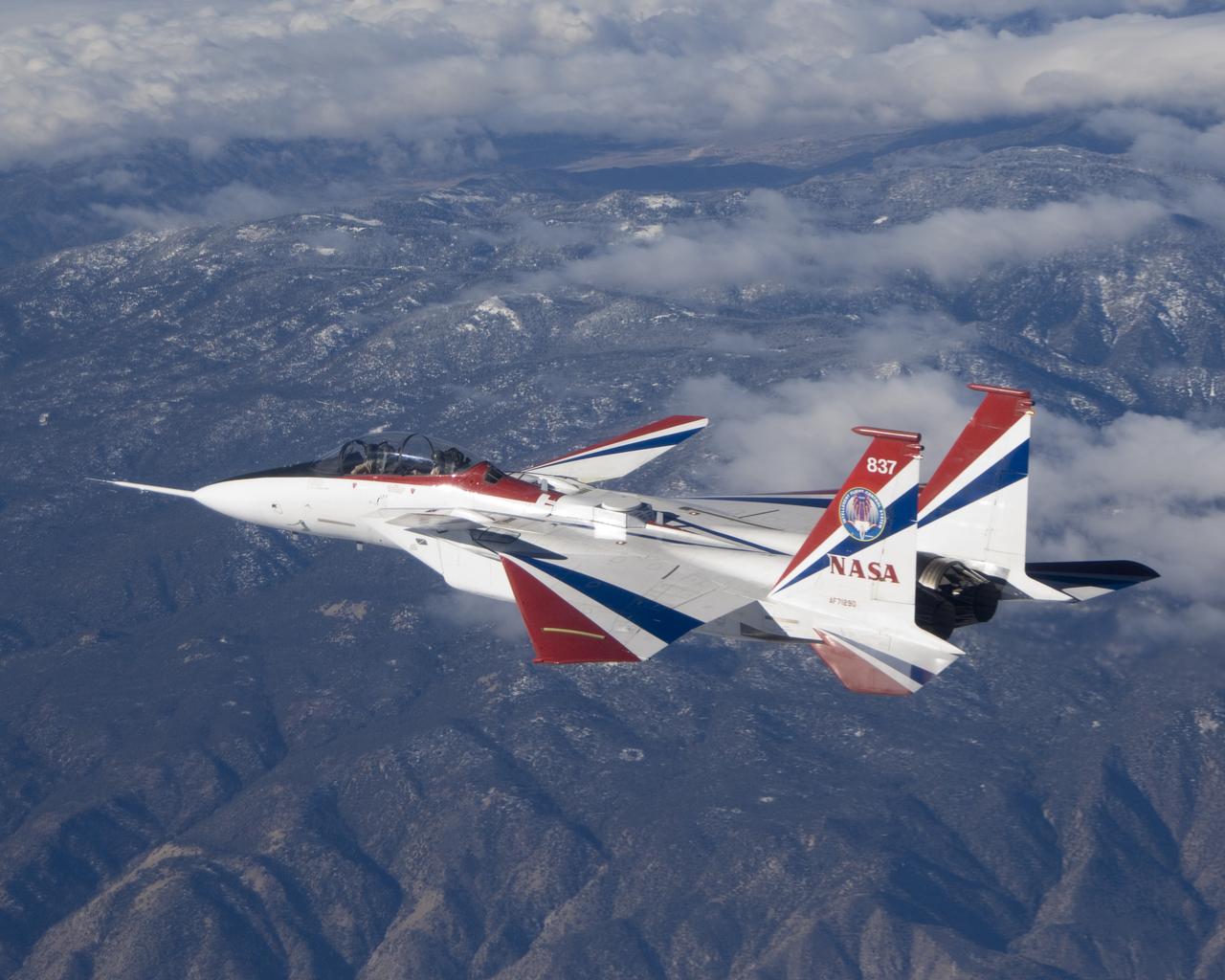
The jagged ridges of Southern California's Tehachapi Mountains form the backdrop to NASA's brightly-colored NF-15B testbed aircraft during a research mission.
Range safety and phased-array range user system antennas validated in the ECANS project can be seen just behind the cockpit on NASA's NF-15B research aircraft.
Antennas used for the Space-Based Range Demonstration and Certification project protrude from the top of NASA's NF-15B testbed during a research flight.
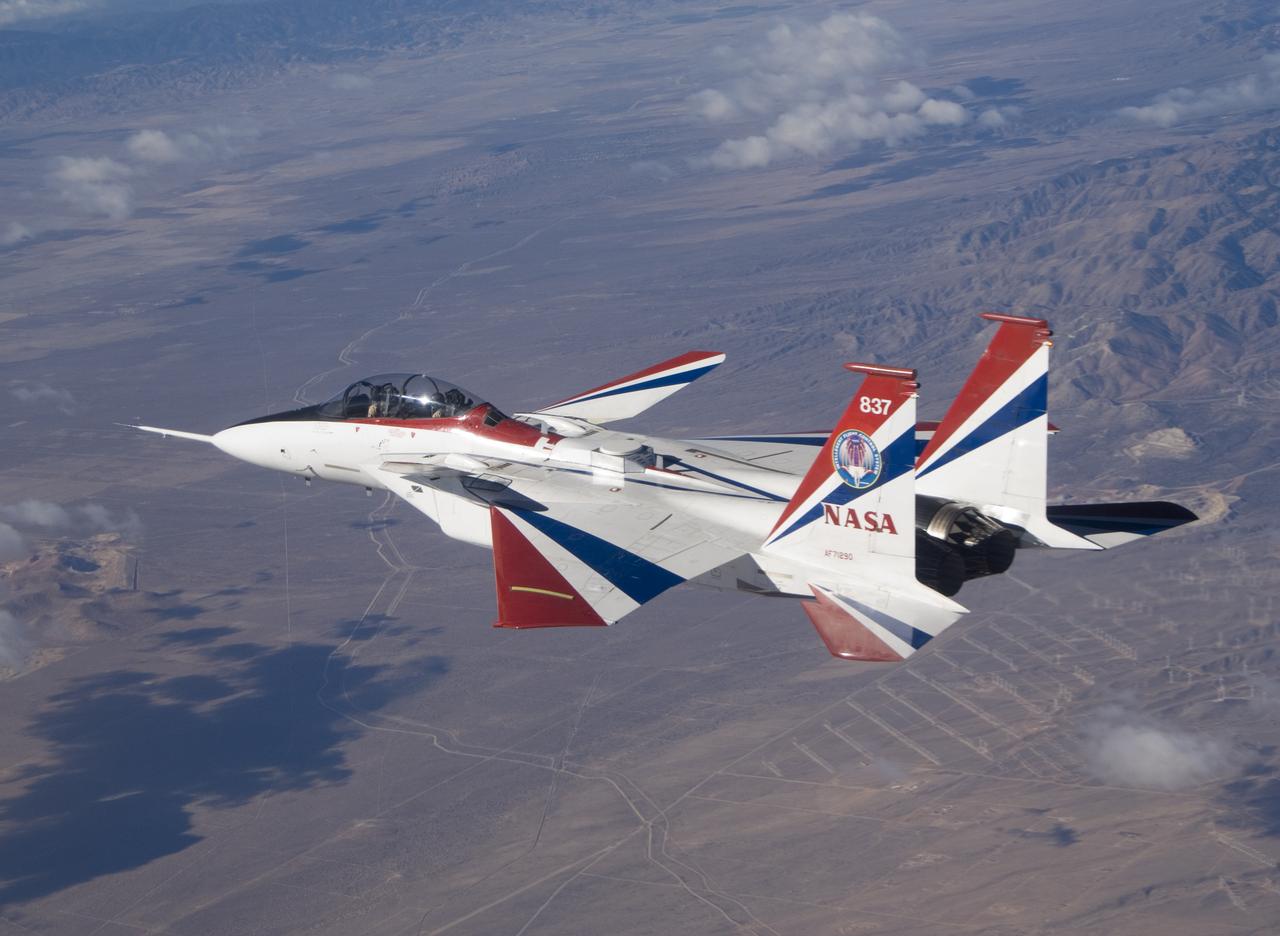
NASA's highly modified NF-15B research aircraft cruises over Southern California's Tehachapi Mountains near Lake Isabella during a research mission.
Two small Range Safety System antennas are located just behind the engine inlets of NASA's NF-15B research aircraft as it banks away from the chase plane.