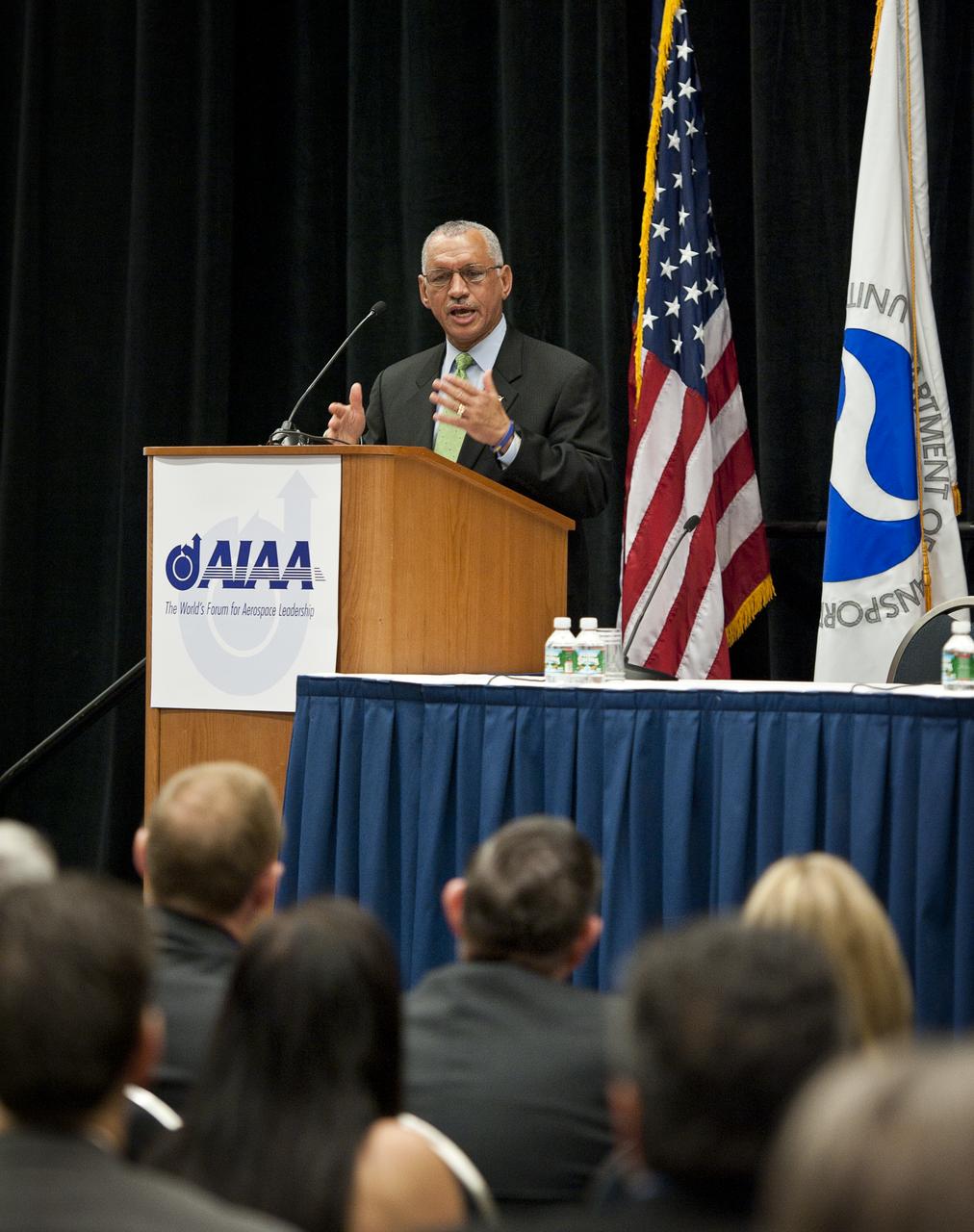
NASA Administrator Charles Bolden speaks at the 14th Annual Federal Aviation Administration (FAA) Commercial Space Transport Conference at the Washington Convention Center on Wednesday, Feb. 9, 2001. Photo Credit: (NASA/Carla Cioffi)
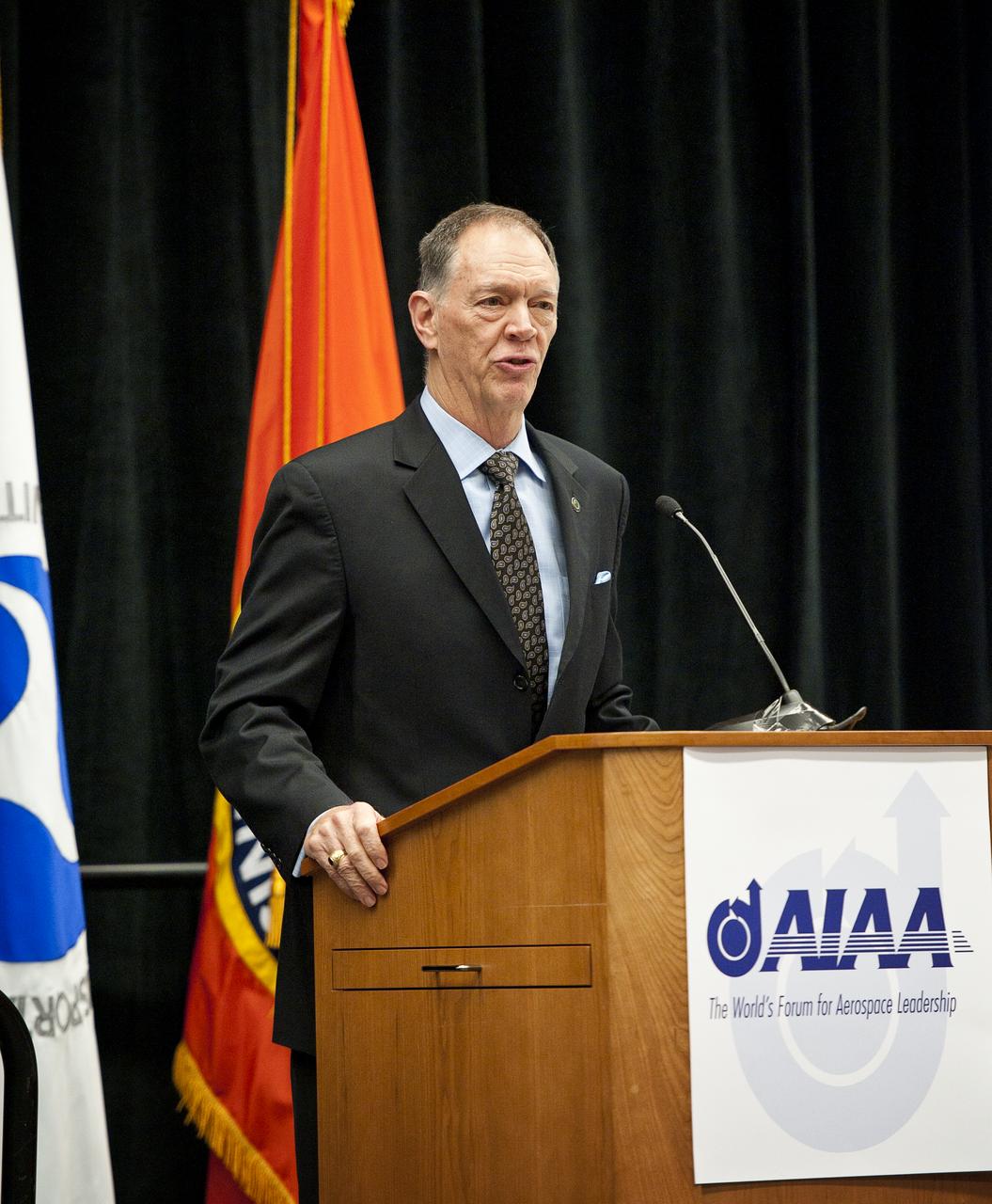
Randy Babbitt, Administrator of the Federal Aviation Administration gives opening remarks at the 14th Annual FAA Commercial Space Transportation Conference at the Washington Convention Center on Wednesday, Feb. 9, 2001. Photo Credit: (NASA/Carla Cioffi)
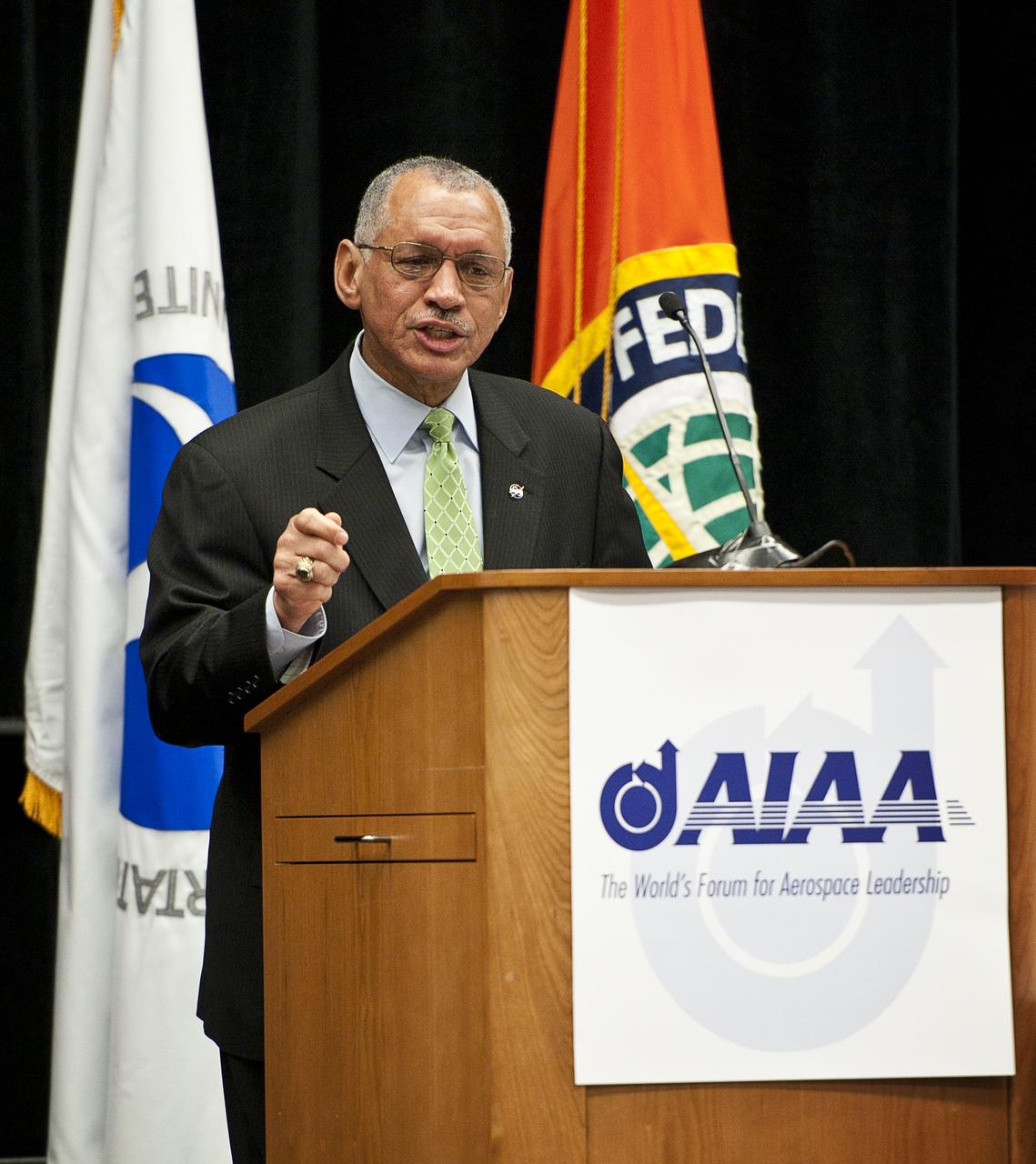
NASA Administrator Charles Bolden speaks at the 14th Annual Federal Aviation Administration (FAA) Commercial Space Transport Conference at the Washington Convention Center on Wednesday, Feb. 9, 2001. Photo Credit: (NASA/Carla Cioffi)
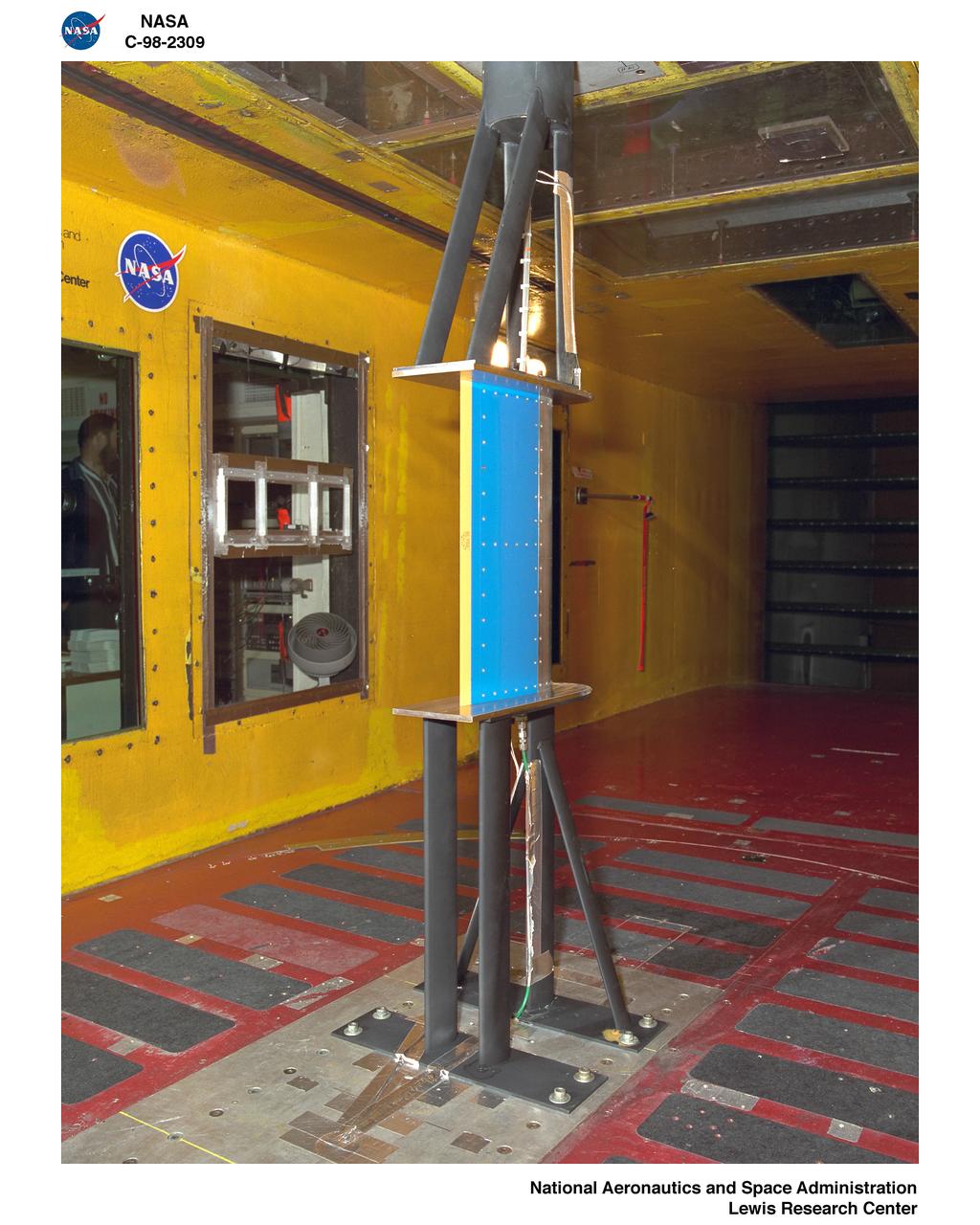
FAA FEDERAL AVIATION ADMINISTRATION FACILITY STANDARD NACA 0012 12 INCH CHORD
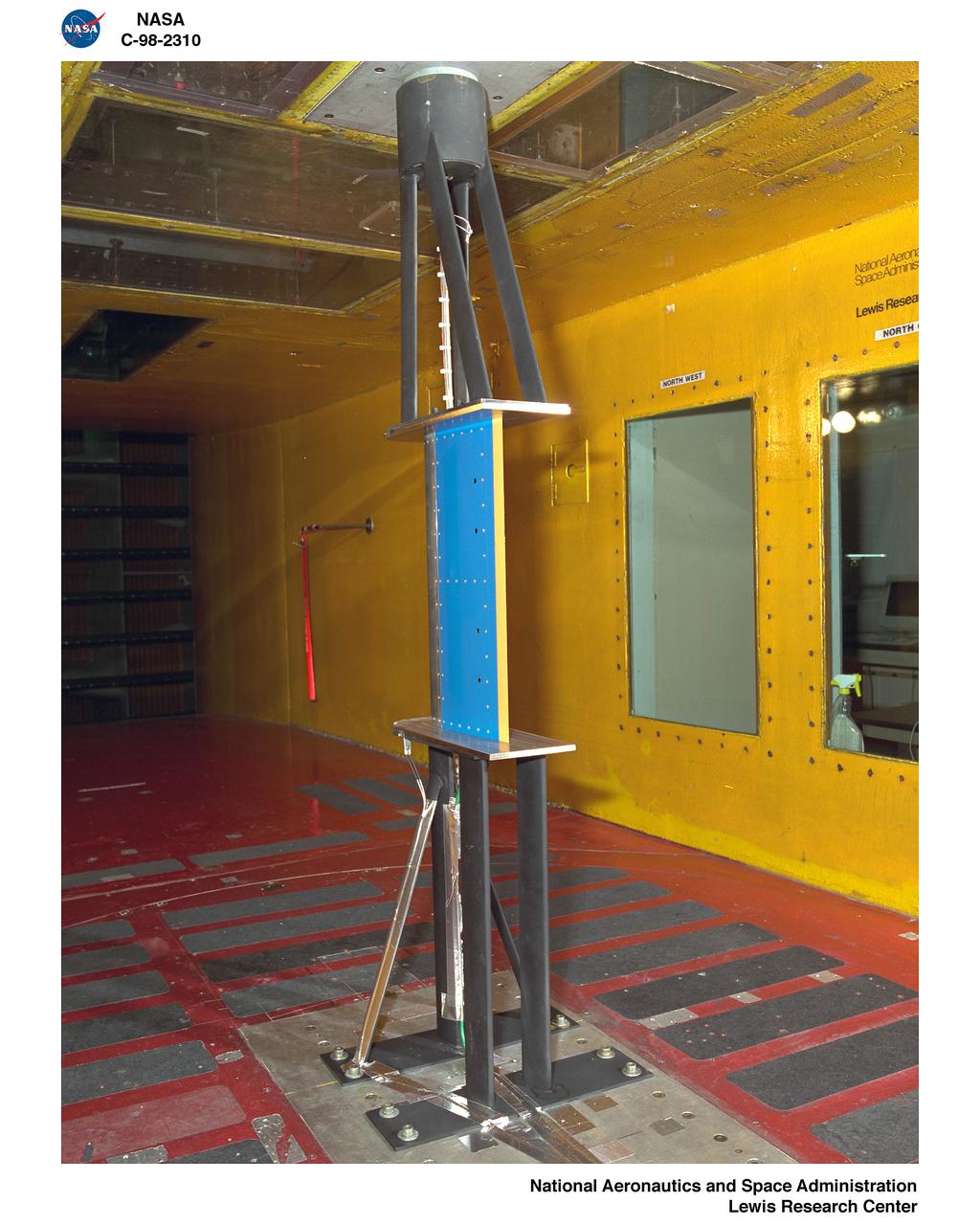
FAA FEDERAL AVIATION ADMINISTRATION FACILITY STANDARD NACA 0012 12 INCH CHORD
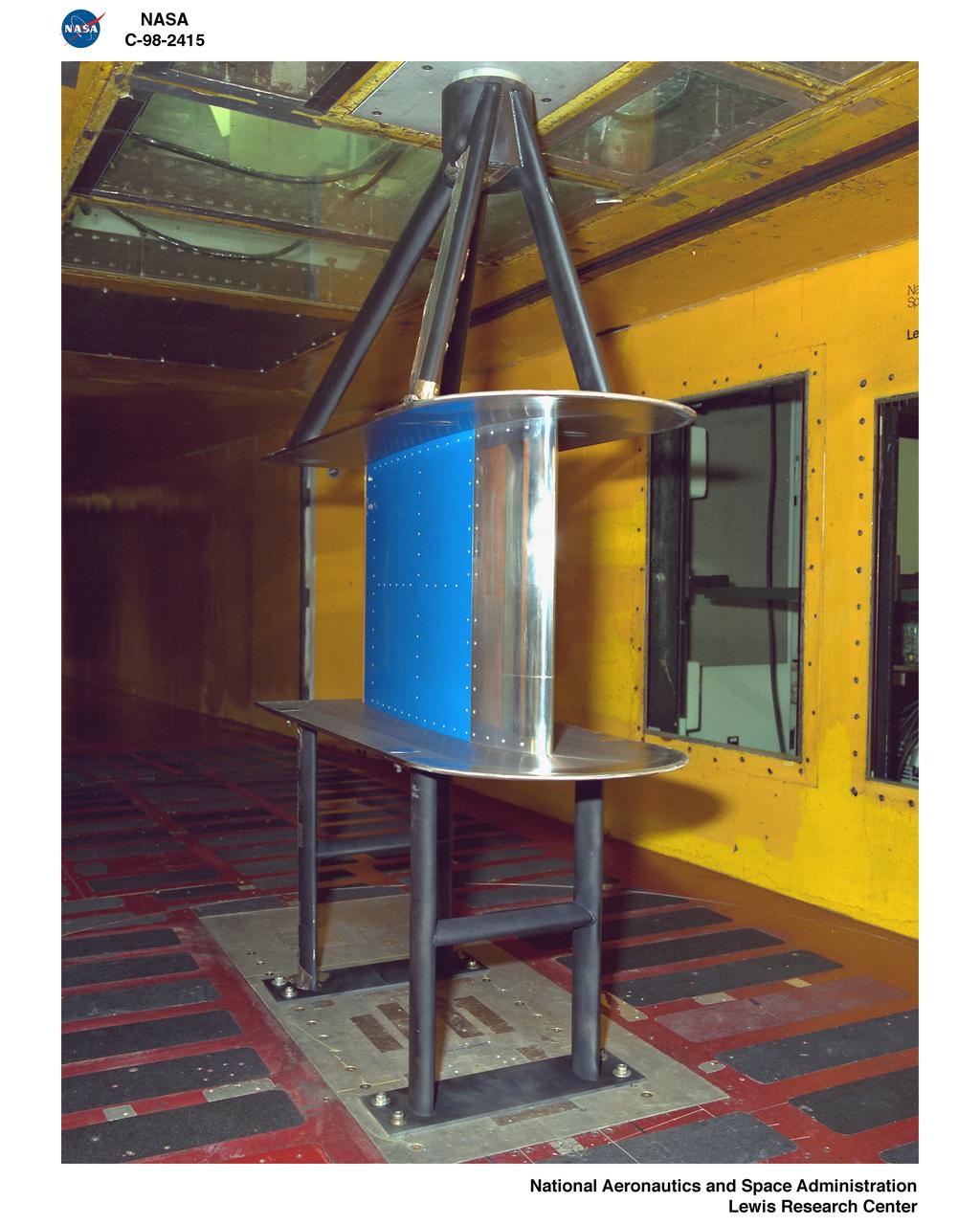
FAA FEDERAL AVIATION ADMINISTRATION FACILITY STANDARD NACA 0012 36 INCH CHORD
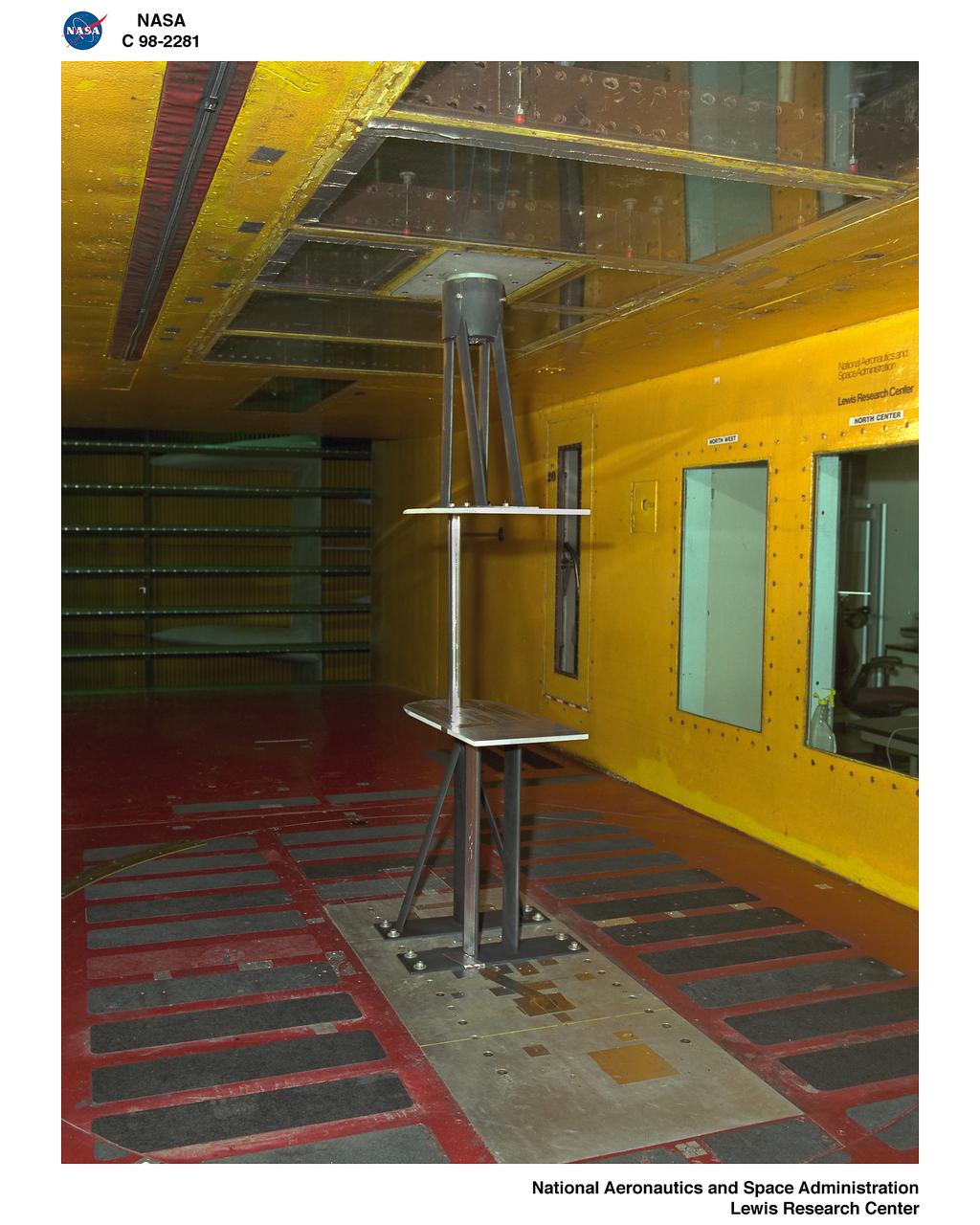
FEDERAL AVIATION ADMINISTRATION FAA FACILITY STANDARD 1-1/2 INCH CYLINDER TEST
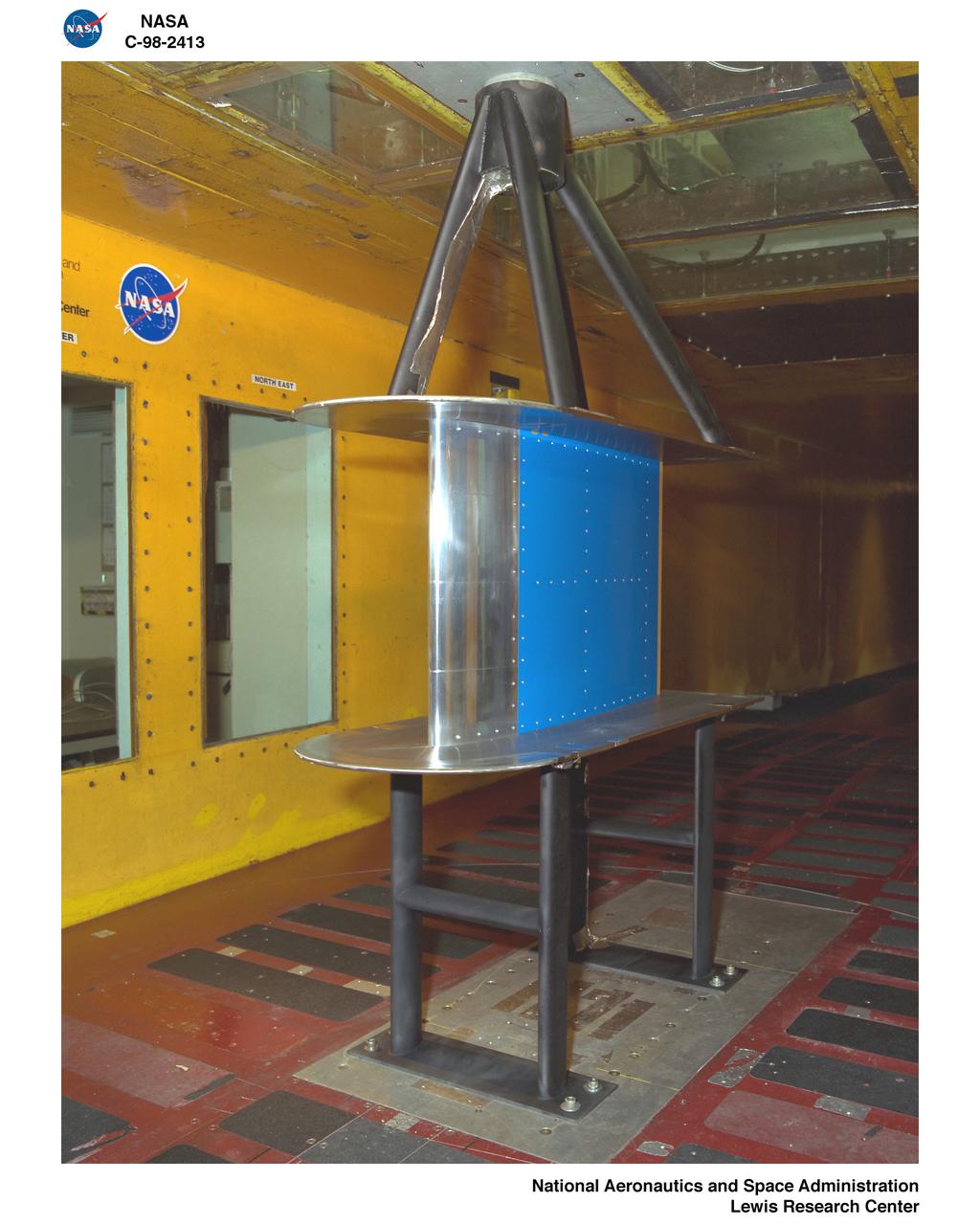
FAA FEDERAL AVIATION ADMINISTRATION FACILITY STANDARD NACA 0012 36 INCH CHORD
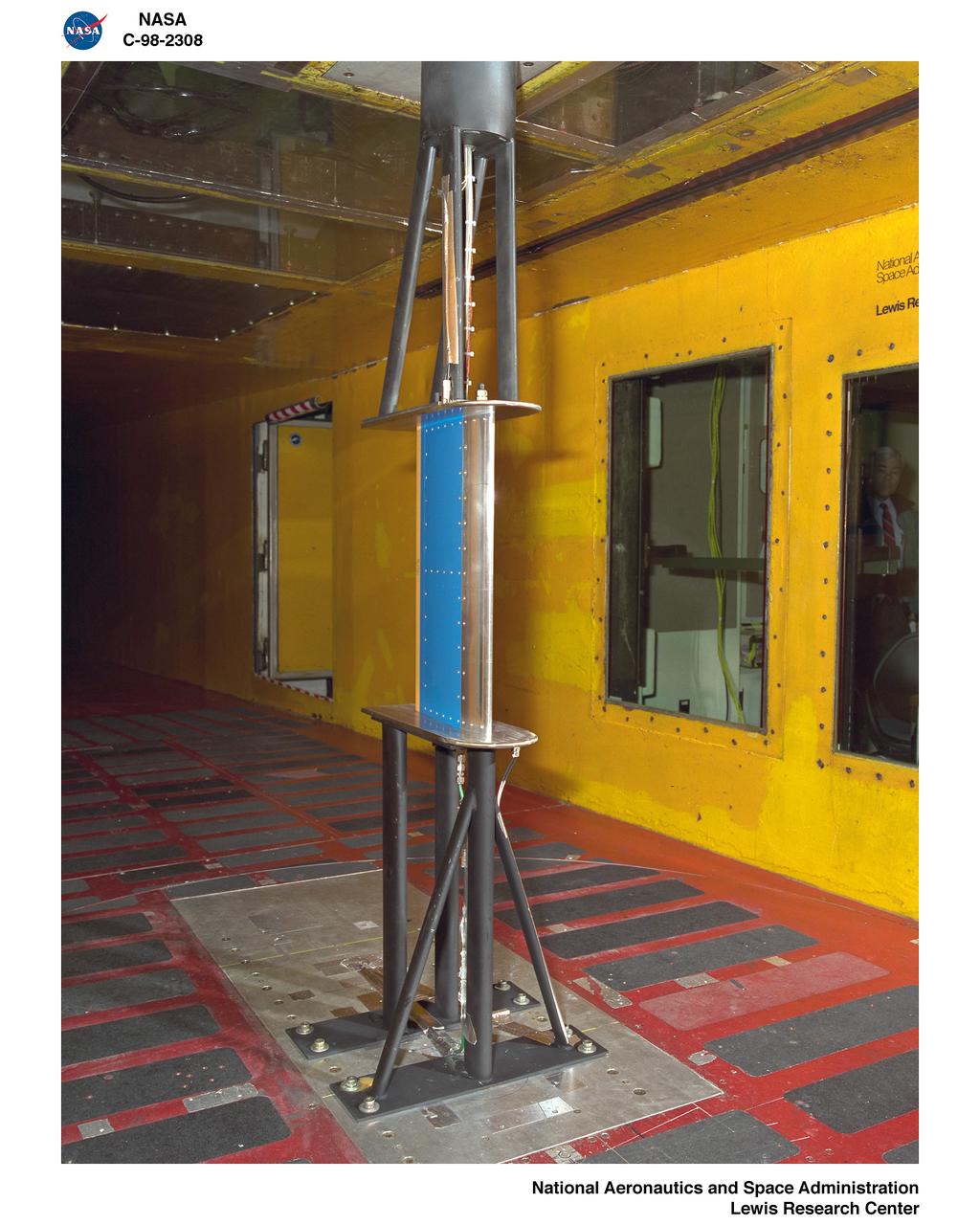
FAA FEDERAL AVIATION ADMINISTRATION FACILITY STANDARD NACA 0012 12 INCH CHORD
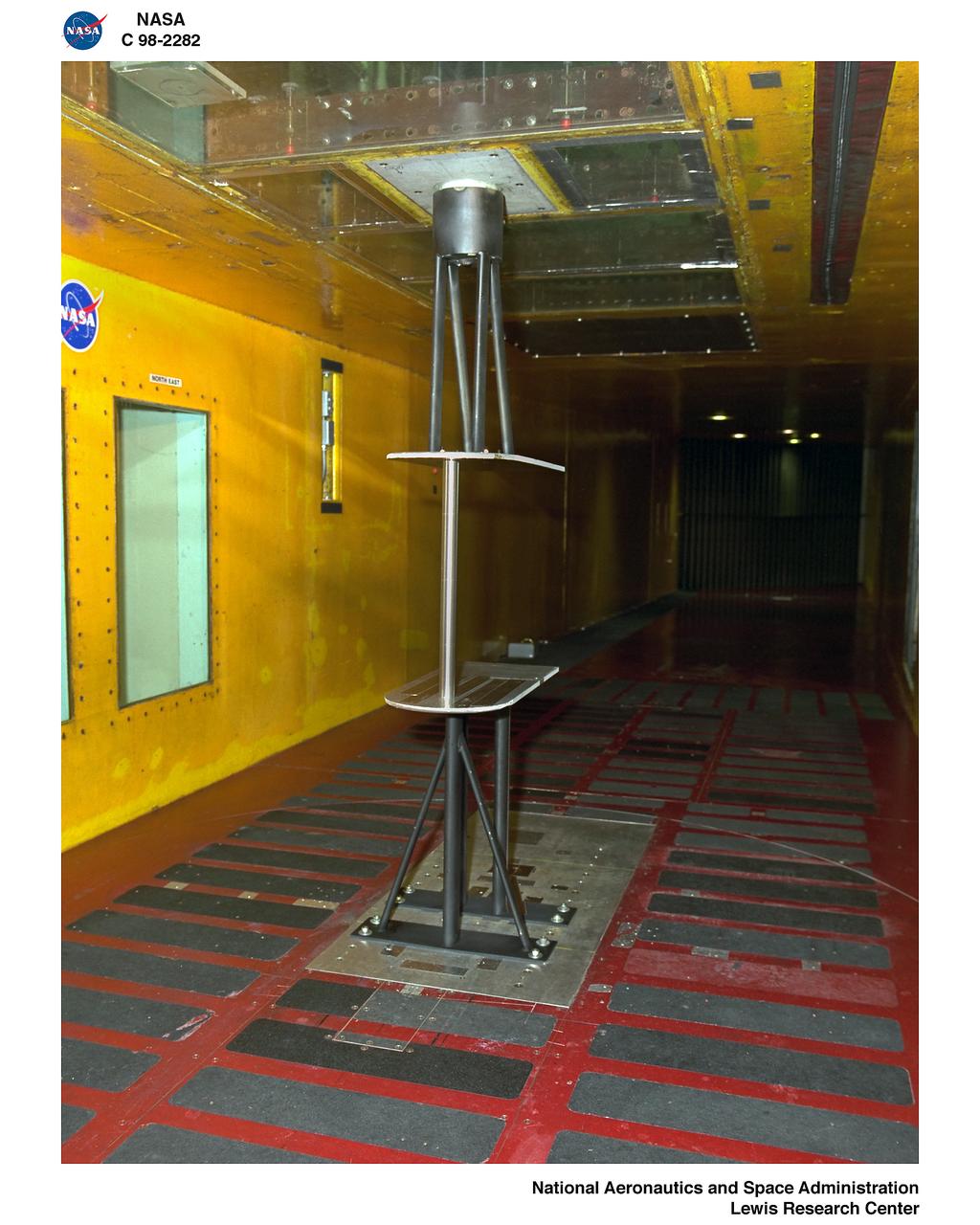
FEDERAL AVIATION ADMINISTRATION FAA FACILITY STANDARD 1-1/2 INCH CYLINDER TEST
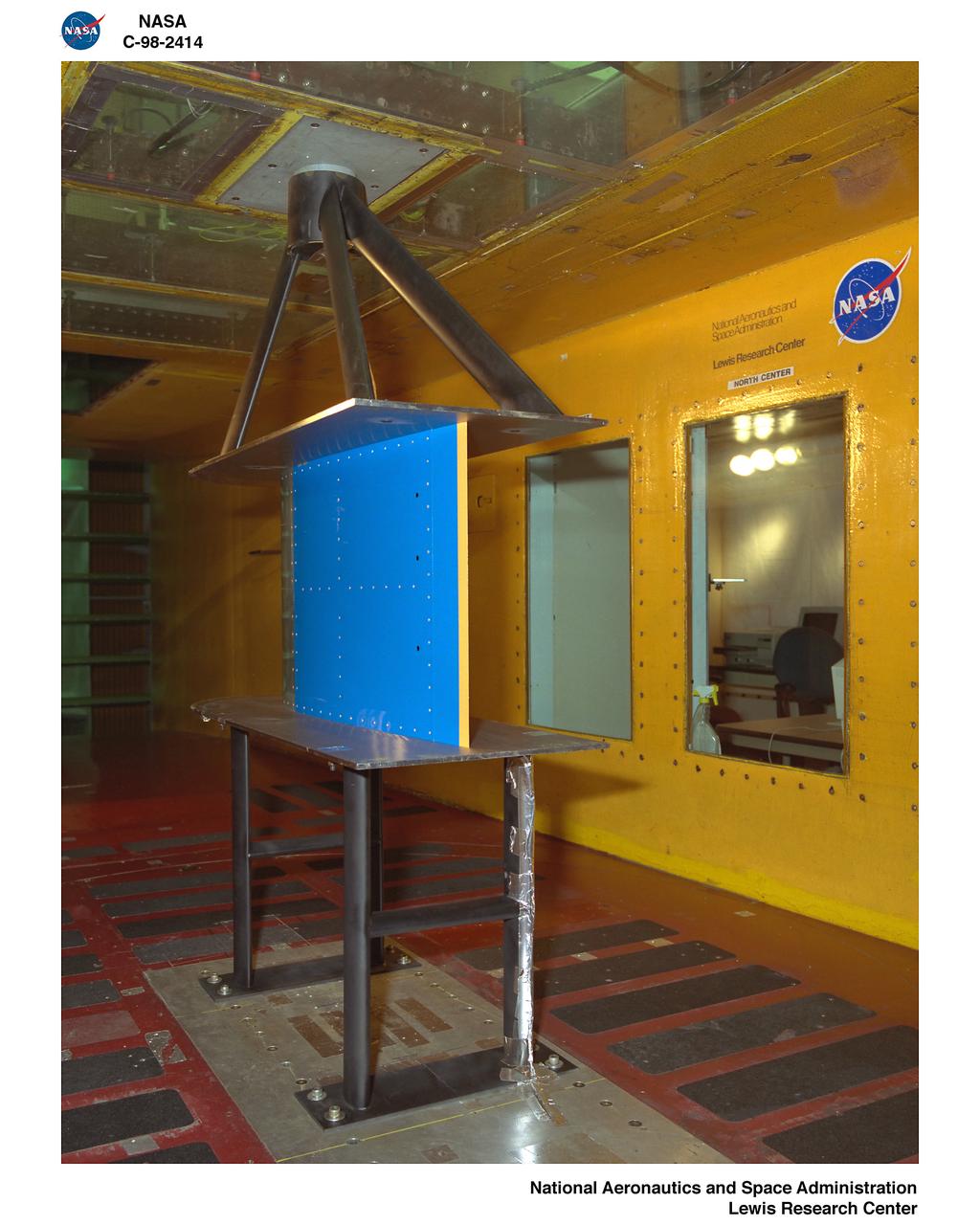
FAA FEDERAL AVIATION ADMINISTRATION FACILITY STANDARD NACA 0012 36 INCH CHORD
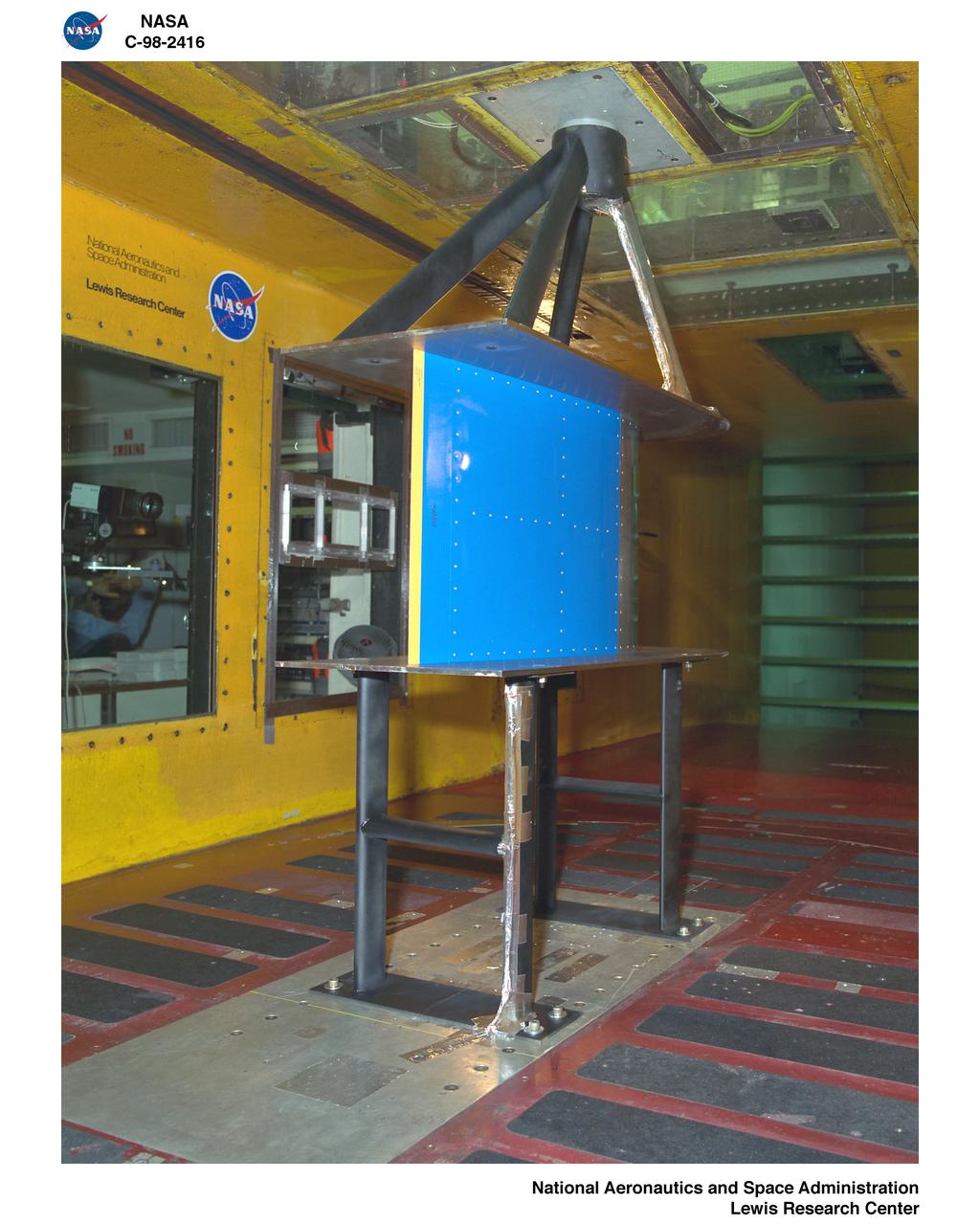
FAA FEDERAL AVIATION ADMINISTRATION FACILITY STANDARD NACA 0012 36 INCH CHORD
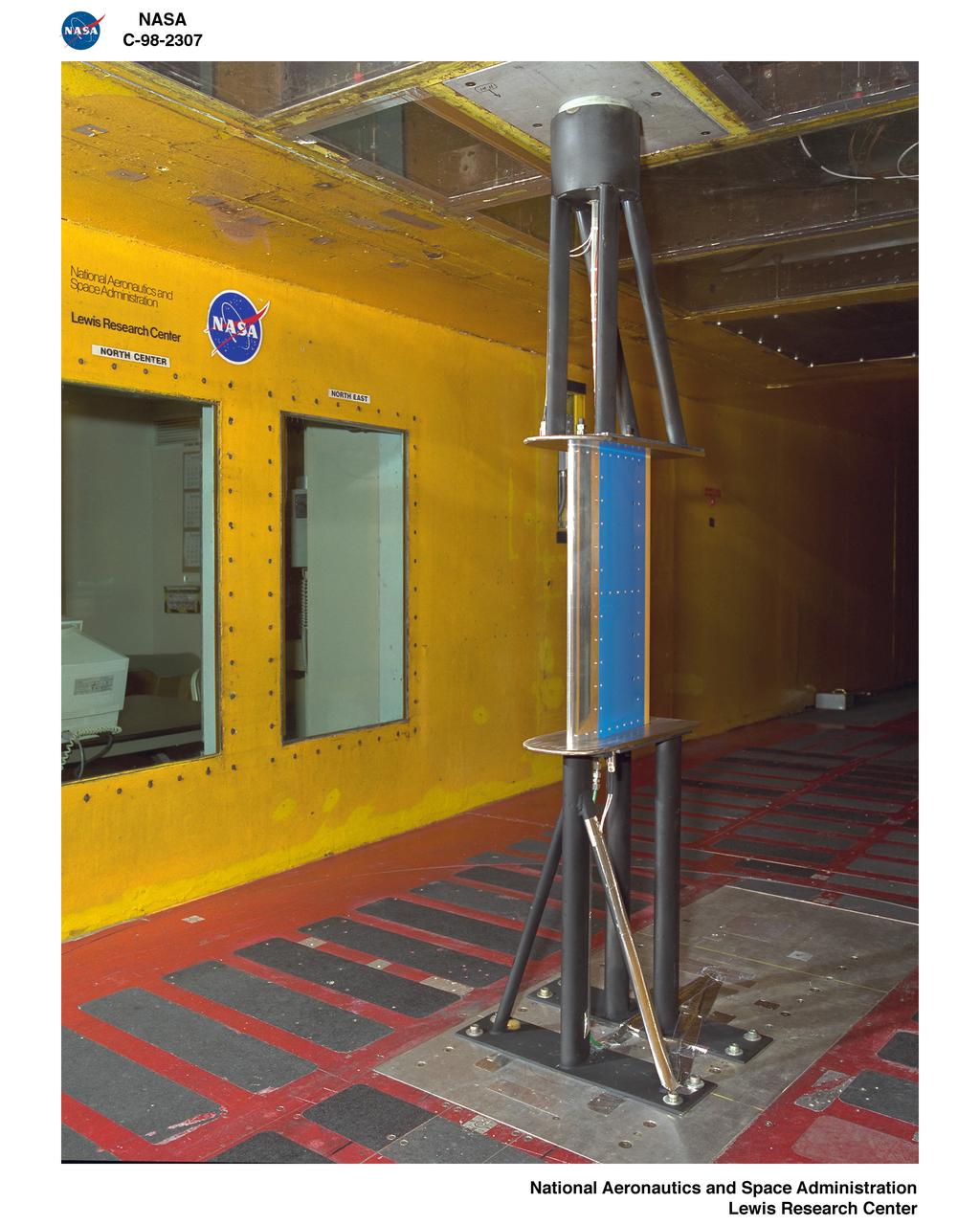
FAA FEDERAL AVIATION ADMINISTRATION FACILITY STANDARD NACA 0012 12 INCH CHORD
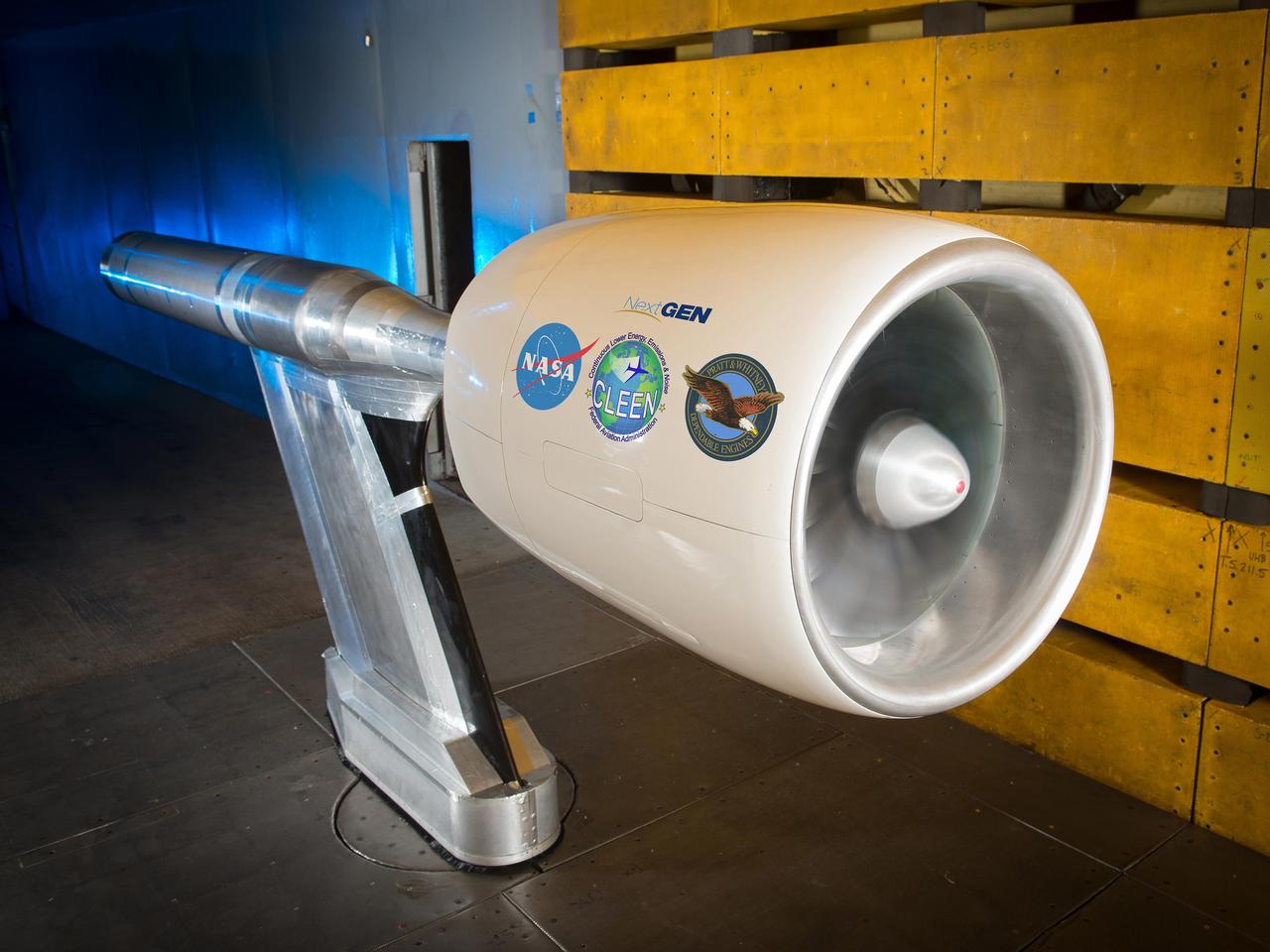
NASA’s Environmentally Responsible Aviation Project, in collaboration with the Federal Aviation Administration (FAA) and Pratt & Whitney, completed testing of an Ultra High Bypass Ratio Turbofan Model in the 9’ x 15’ Low Speed Wind Tunnel at NASA Glenn Research Center. The fan model is representative of the next generation of efficient and quiet Ultra High Bypass Ratio Turbofan Engine designs.
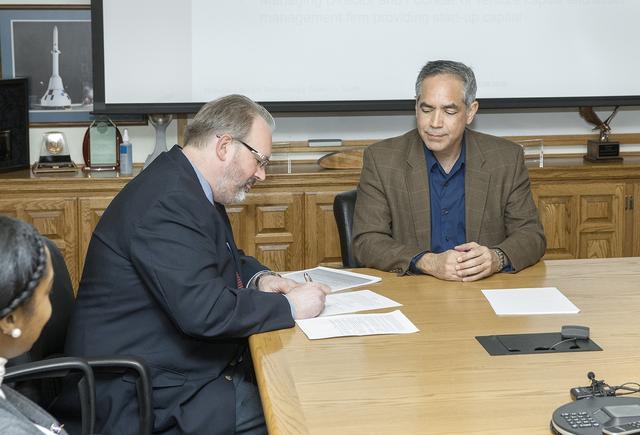
Vigilant Aerospace Systems CEO Kraettli Epperson, left, and NASA Armstrong Flight Research Center Director David McBride, sign the agreement for the company to commercialize a large drone communication system for the Federal Aviation Administration's aircraft tracking system called the Automatic Dependent Surveillance Broadcast. This communication system, which is to be mandated by the FAA for most aircraft in 2020, brings large, unmanned aircraft a step closer to flying in the National Airspace System.
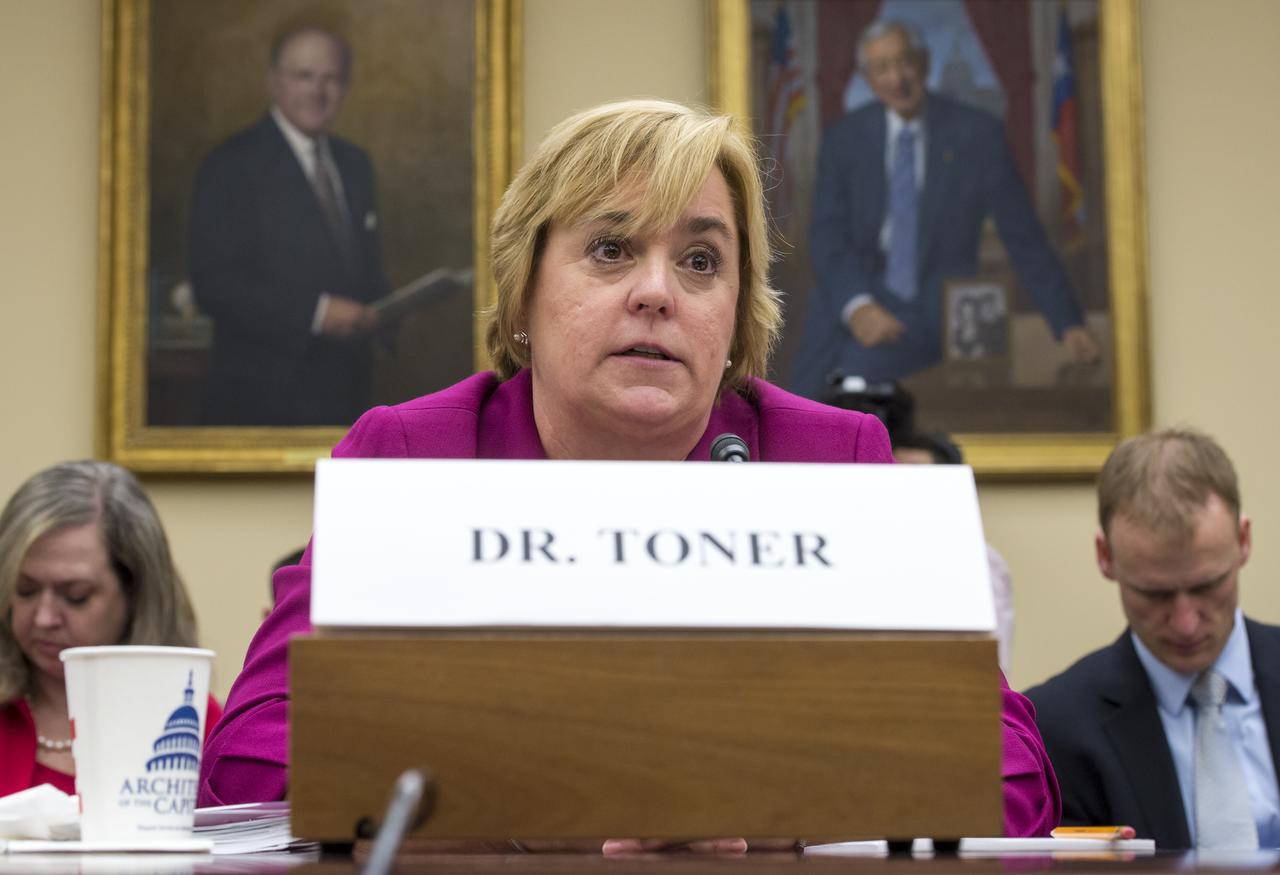
Dr. Karlin Toner, Director, Joint Planning and Development Office, Federal Aviation Administration (FAA), talks during a House Subcommittee on Oversight hearing titled "Operating Unmanned Aircraft Systems in the National Airspace System: Assessing Research and Development Efforts to Ensure Safety" on Friday, Feb. 15, 2013 at the Rayburn House Office Building in Washington. Photo Credit: (NASA/Bill Ingalls)
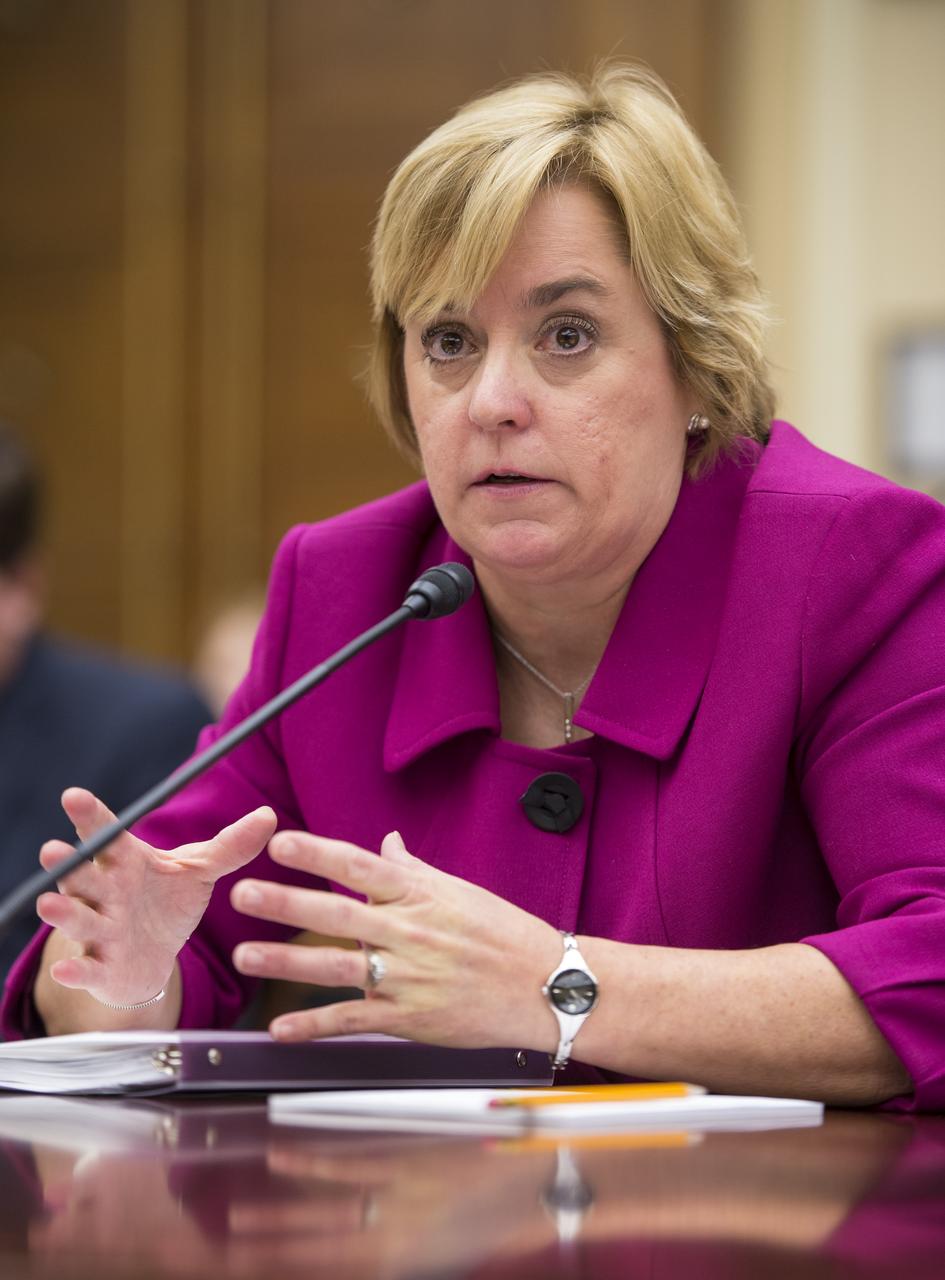
Dr. Karlin Toner, Director, Joint Planning and Development Office, Federal Aviation Administration (FAA), talks during a House Subcommittee on Oversight hearing titled "Operating Unmanned Aircraft Systems in the National Airspace System: Assessing Research and Development Efforts to Ensure Safety" on Friday, Feb. 15, 2013 at the Rayburn House Office Building in Washington. Photo Credit: (NASA/Bill Ingalls)
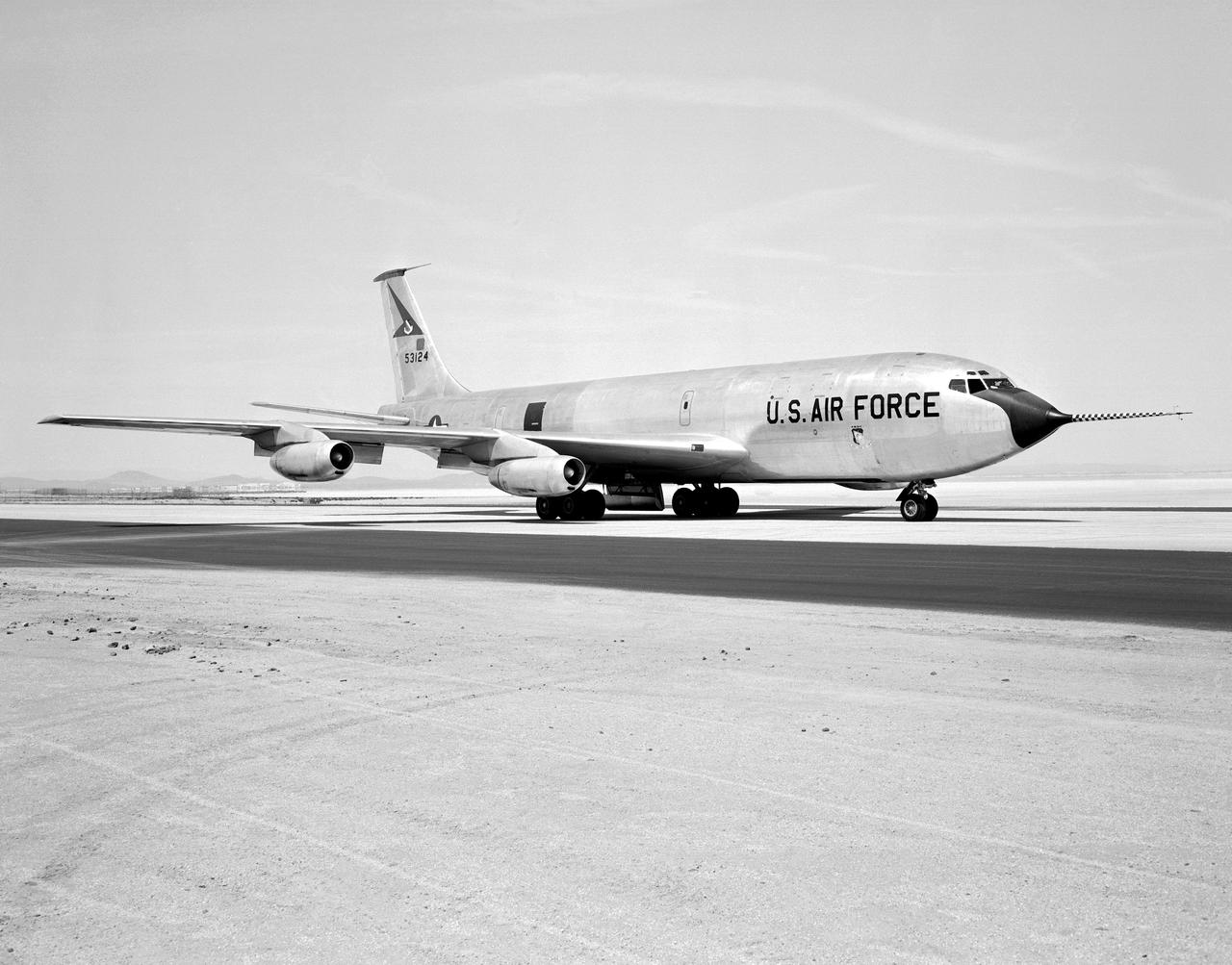
The Boeing KC-135 Stratotanker, besides being used extensively in its primary role as an inflight aircraft refueler, has assisted in several projects at the NASA Dryden Flight Research Center, Edwards, California. In 1957 and 1958, Dryden was asked by what was then the Civil Aeronautics Administration (later absorbed into the Federal Aviation Administration (FAA) in 1958) to help establish new approach procedure guidelines on cloud-ceiling and visibility minimums for Boeing's first jet airliner, the B-707. Dryden used a KC-135 (the military variant of the 707), seen here on the runway at Edwards Air Force Base, to aid the CAA in these tests. In 1979 and 1980, Dryden was again involved with general aviation research with the KC-135. This time, a special wingtip "winglet", developed by Richard Whitcomb of Langley Research Center, was tested on the jet aircraft. Winglets are small, nearly vertical fins installed on an airplane's wing tips to help produce a forward thrust in the vortices that typically swirl off the end of the wing, thereby reducing drag. This winglet idea was tested at the Dryden Flight Research Center on a KC-135A tanker loaned to NASA by the Air Force. The research showed that the winglets could increase an aircraft's range by as much as 7 percent at cruise speeds. The first application of NASA's winglet technology in industry was in general aviation business jets, but winglets are now being incorporated into most new commercial and military transport jets, including the Gulfstream III and IV business jets, the Boeing 747-400 and MD-11 airliners, and the C-17 military transport. In the 1980's, a KC-135 was used in support of the Space Shuttle program. Since the Shuttle was to be launched from Florida, researchers wanted to test the effect of rain on the sensitive thermal tiles. Tiles were mounted on special fixtures on an F-104 aircraft and a P-3 Orion. The F-104 was flown in actual rain conditions, and also behind the KC-135 spray tanker as it rel
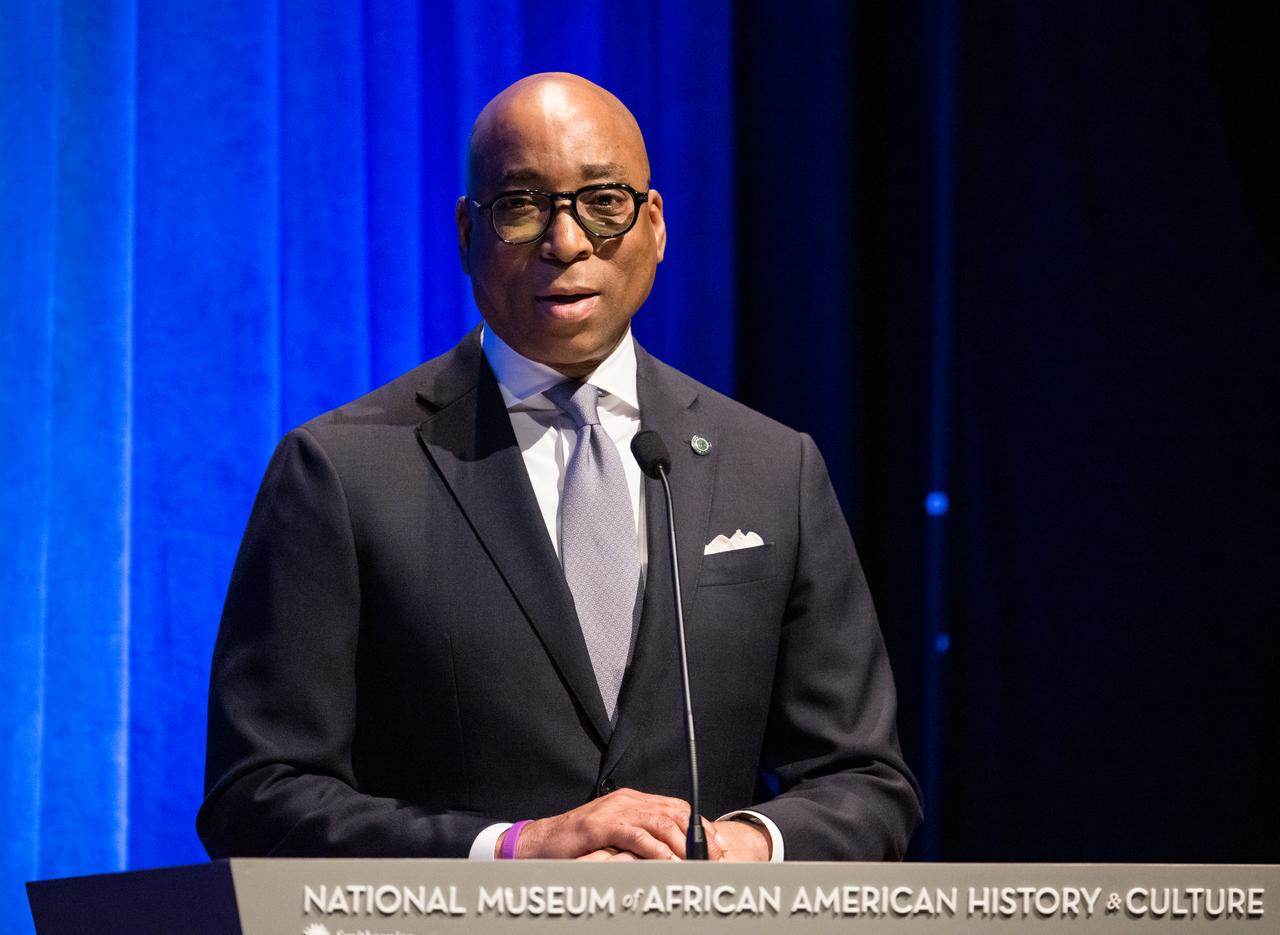
Kelvin Coleman, associate administrator, Office of Commercial Space Transportation, Federal Aviation Administration, speaks at an event to commemorate Black Space Week (BSW) 2024 titled, "Beyond the Color Lines From Science Fiction to Science Fact," in the Oprah Winfrey Theater at the Smithsonian National Museum of African American History and Culture, Monday, June 17, 2024 in Washington. Photo Credit: (NASA/Aubrey Gemignani)
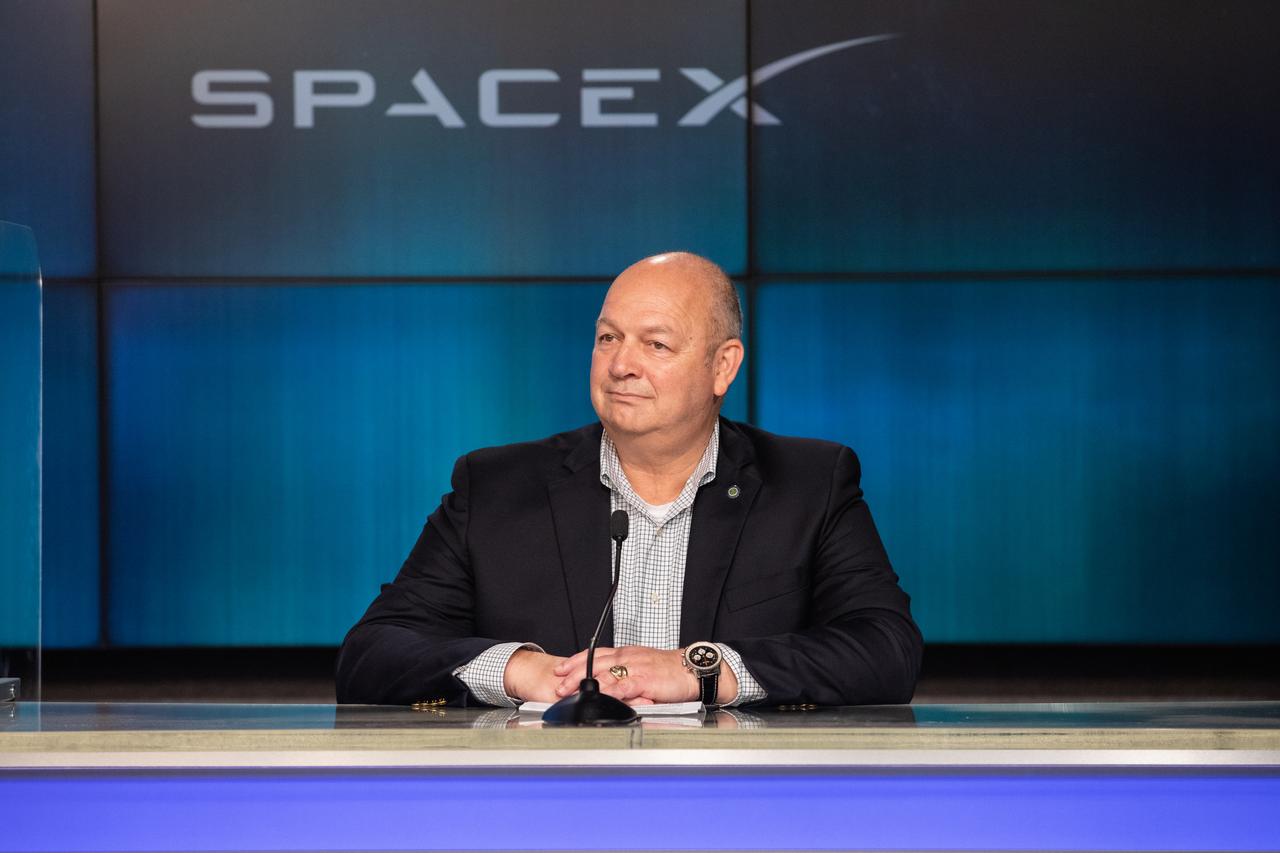
Steve Dickson, administrator, Federal Aviation Administration, answers questions from members of the news media during a postlaunch news conference for NASA’s SpaceX Crew-1 mission on Nov. 15, 2020, at Kennedy Space Center in Florida. Liftoff time on a Falcon 9 rocket was at 7:27 p.m. EST. The Crew Dragon is carrying NASA astronauts Michael Hopkins, spacecraft commander; Victor Glover, pilot; Shannon Walker, mission specialist; and Japan Aerospace Exploration Agency astronaut Soichi Noguchi, mission specialist, to the International Space Station. Crew-1 is the first regular crew mission of a U.S. commercial spacecraft with astronauts to the space station as part of NASA’s Commercial Crew Program. The Crew Dragon will dock with the station and the crew will remain on the orbiting laboratory for a six-month science mission.
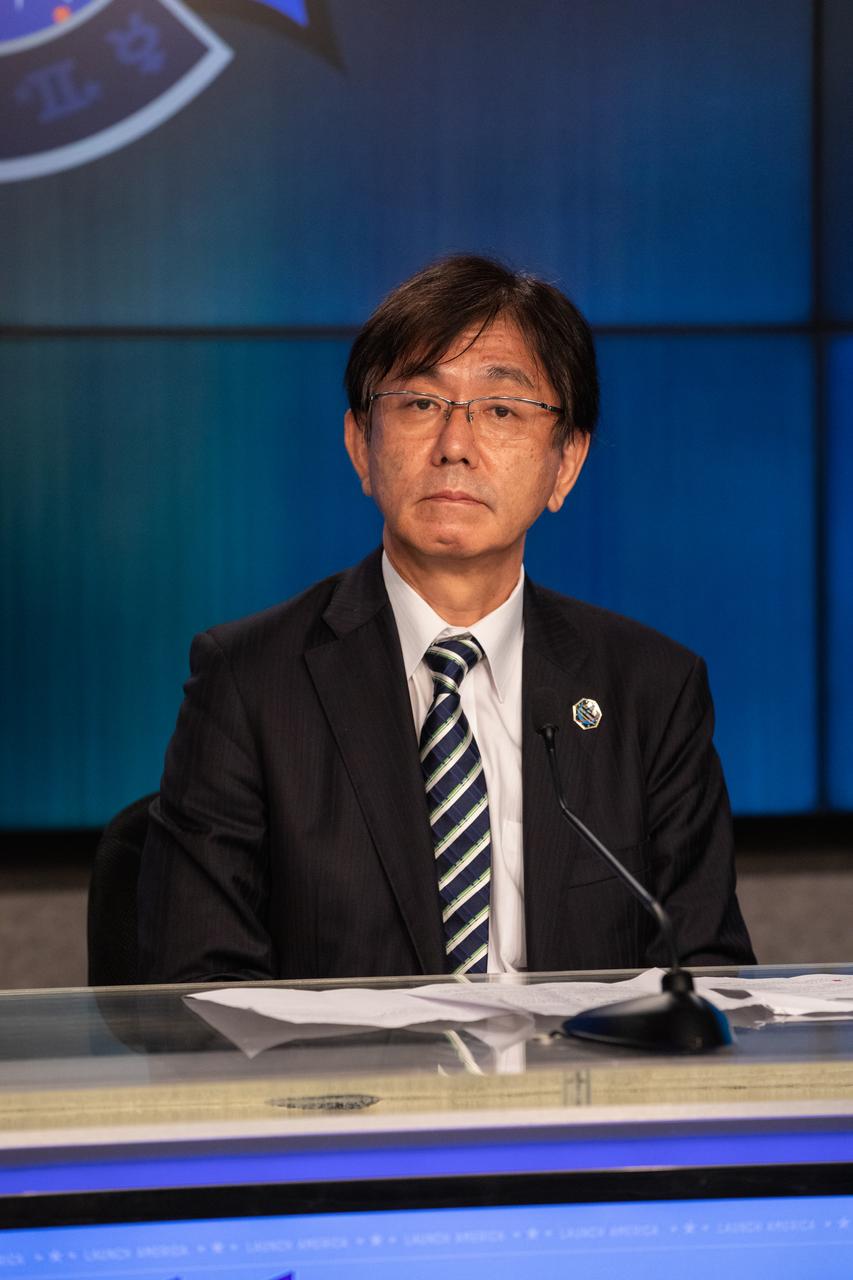
Hiroshi Sasaki, vice president and director general, JAXA’s Human Spaceflight Technology Directorate, answers questions from members of the news media during a postlaunch news conference for NASA’s SpaceX Crew-1 mission on Nov. 15, 2020, at Kennedy Space Center in Florida. Liftoff time on a Falcon 9 rocket was at 7:27 p.m. EST. The Crew Dragon is carrying NASA astronauts Michael Hopkins, spacecraft commander; Victor Glover, pilot; Shannon Walker, mission specialist; and Japan Aerospace Exploration Agency astronaut Soichi Noguchi, mission specialist, to the International Space Station. Crew-1 is the first regular crew mission of a U.S. commercial spacecraft with astronauts to the space station as part of NASA’s Commercial Crew Program. The Crew Dragon will dock with the station and the crew will remain on the orbiting laboratory for a six-month science mission.
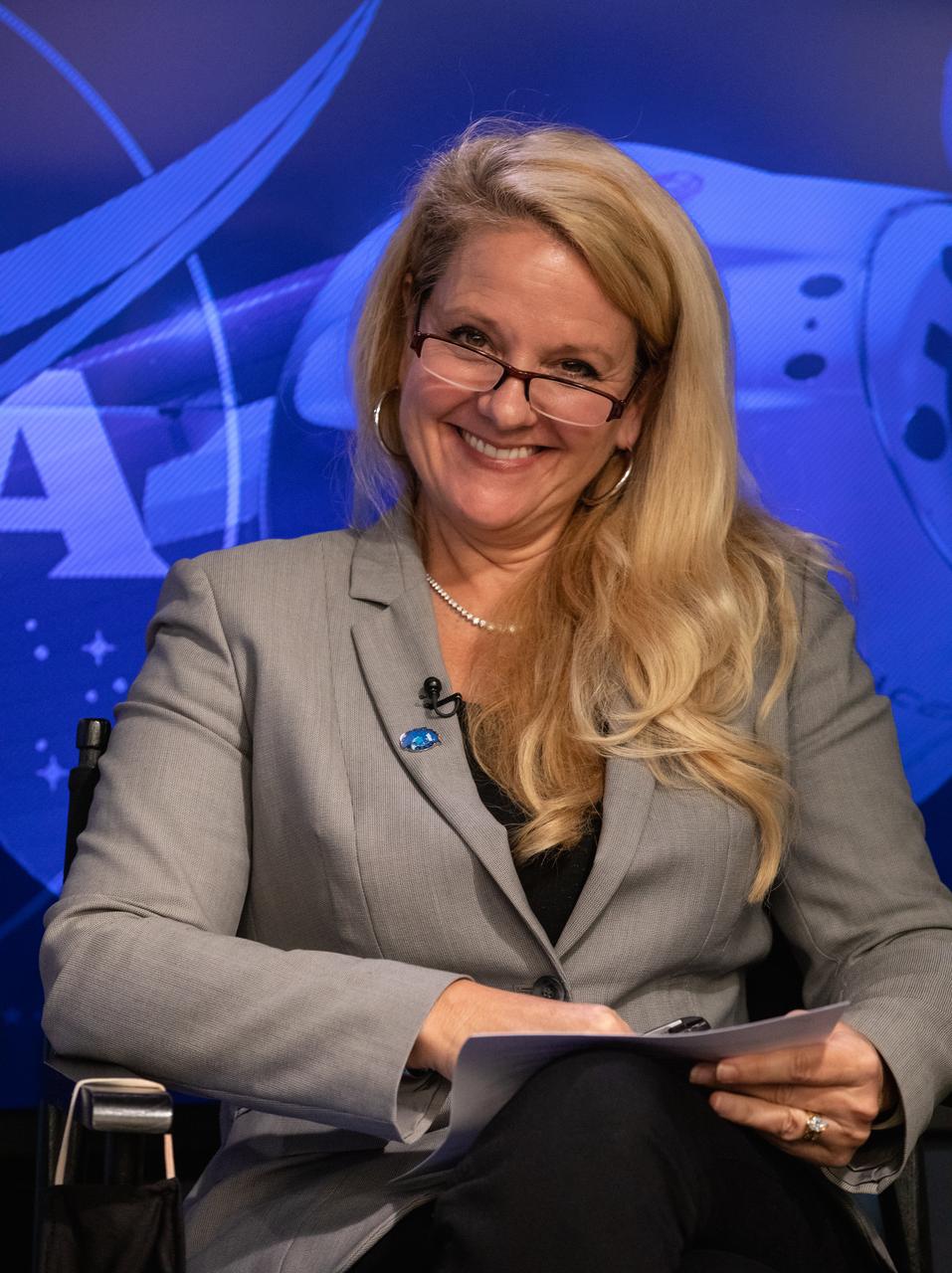
Gwynne Shotwell, president and chief operating officer, SpaceX, answers questions from members of the news media during a postlaunch news conference for NASA’s SpaceX Crew-1 mission on Nov. 15, 2020, at Kennedy Space Center in Florida. Liftoff time on a Falcon 9 rocket was at 7:27 p.m. EST. The Crew Dragon is carrying NASA astronauts Michael Hopkins, spacecraft commander; Victor Glover, pilot; Shannon Walker, mission specialist; and Japan Aerospace Exploration Agency astronaut Soichi Noguchi, mission specialist, to the International Space Station. Crew-1 is the first regular crew mission of a U.S. commercial spacecraft with astronauts to the space station as part of NASA’s Commercial Crew Program. The Crew Dragon will dock with the station and the crew will remain on the orbiting laboratory for a six-month science mission.
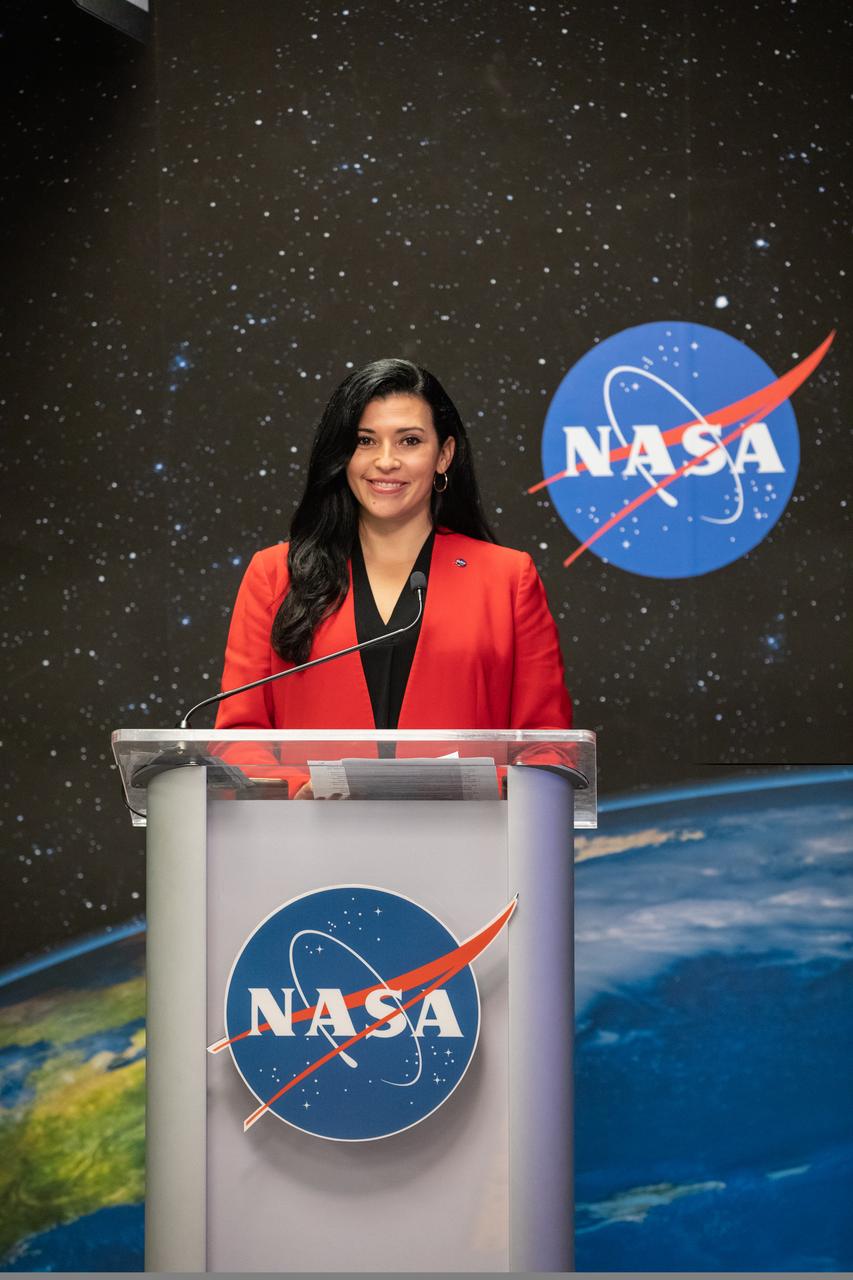
Bettina Inclan, NASA Communications, moderates a postlaunch news conference for NASA’s SpaceX Crew-1 mission on Nov. 15, 2020, at Kennedy Space Center in Florida. Liftoff time on a Falcon 9 rocket was at 7:27 p.m. EST. The Crew Dragon is carrying NASA astronauts Michael Hopkins, spacecraft commander; Victor Glover, pilot; Shannon Walker, mission specialist; and Japan Aerospace Exploration Agency astronaut Soichi Noguchi, mission specialist, to the International Space Station. Crew-1 is the first regular crew mission of a U.S. commercial spacecraft with astronauts to the space station as part of NASA’s Commercial Crew Program. The Crew Dragon will dock with the station and the crew will remain on the orbiting laboratory for a six-month science mission.
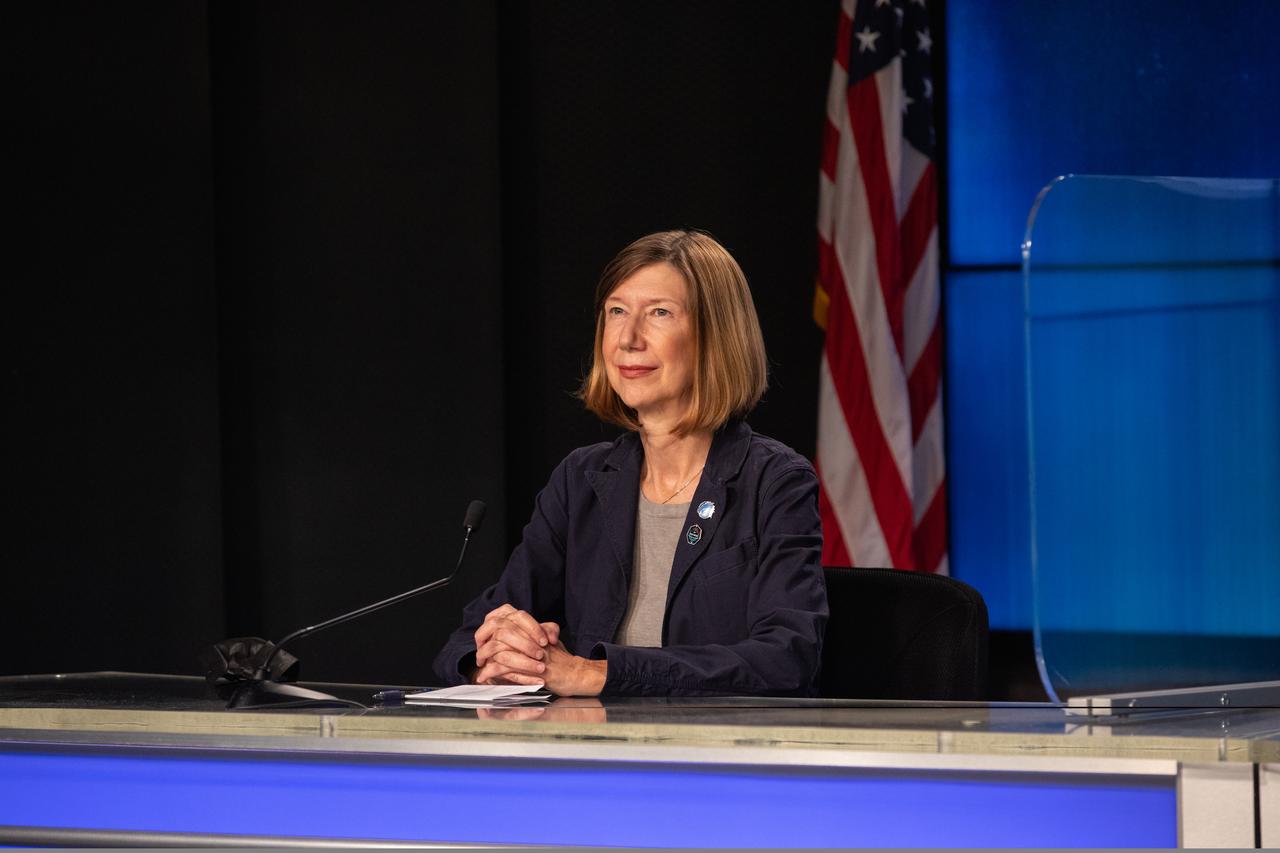
Kathy Lueders, associate administrator for human exploration and operations, NASA Headquarters, answers questions from members of the news media during a postlaunch news conference for NASA’s SpaceX Crew-1 mission on Nov. 15, 2020, at Kennedy Space Center in Florida. Liftoff time on a Falcon 9 rocket was at 7:27 p.m. EST. The Crew Dragon is carrying NASA astronauts Michael Hopkins, spacecraft commander; Victor Glover, pilot; Shannon Walker, mission specialist; and Japan Aerospace Exploration Agency astronaut Soichi Noguchi, mission specialist, to the International Space Station. Crew-1 is the first regular crew mission of a U.S. commercial spacecraft with astronauts to the space station as part of NASA’s Commercial Crew Program. The Crew Dragon will dock with the station and the crew will remain on the orbiting laboratory for a six-month science mission.
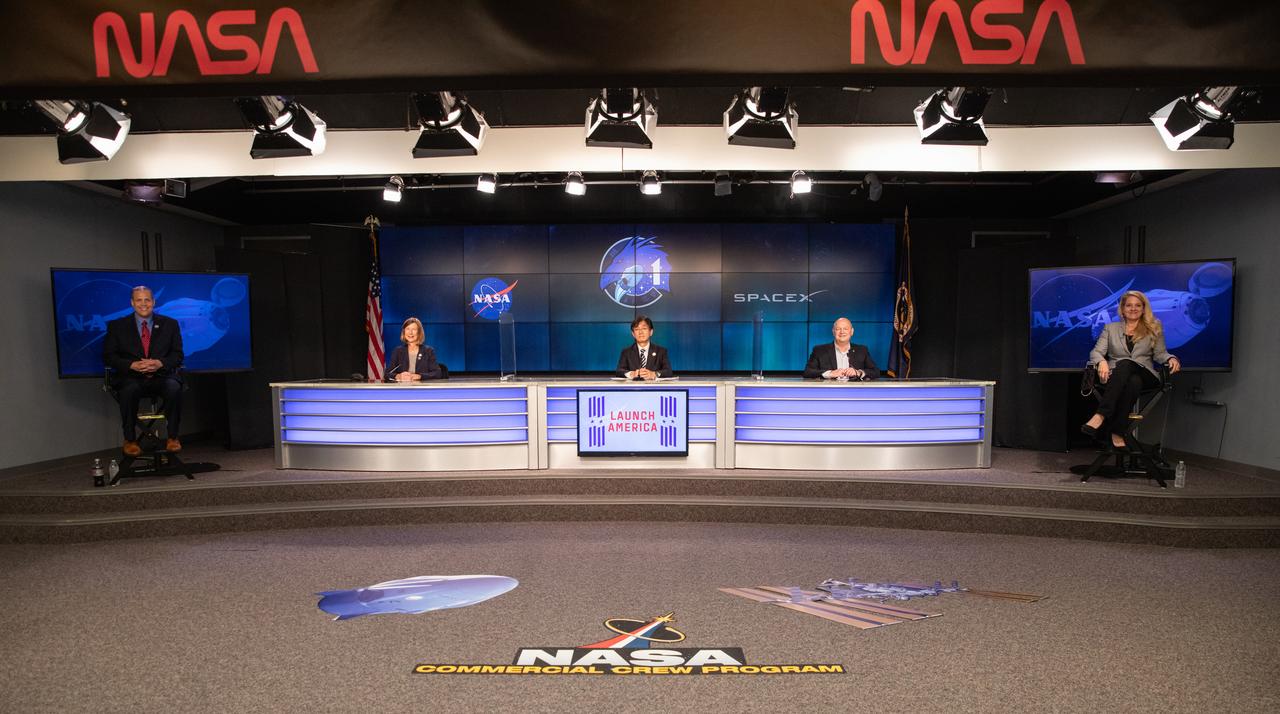
A postlaunch news conference for NASA’s SpaceX Crew-1 mission is held at Kennedy Space Center in Florida on Nov. 15, 2020. Liftoff time on a SpaceX Falcon 9 rocket was at 7:27 p.m. EST. From left are NASA Administrator Jim Bridenstine; Kathy Lueders, associate administrator for human exploration and operations, NASA Headquarters; Hiroshi Sasaki, vice president and director general, JAXA’s Human Spaceflight Technology Directorate; Steve Dickson, administrator, Federal Aviation Administration; and Gwynne Shotwell, president and chief operating officer, SpaceX. The Crew Dragon is carrying NASA astronauts Michael Hopkins, spacecraft commander; Victor Glover, pilot; Shannon Walker, mission specialist; and Japan Aerospace Exploration Agency astronaut Soichi Noguchi, mission specialist, to the international Space Station. Crew-1 is the first regular crew mission of a U.S. commercial spacecraft with astronauts to the space station as part of NASA’s Commercial Crew Program. The Crew Dragon will dock with the station and the crew will remain on the orbiting laboratory for a six-month science mission.
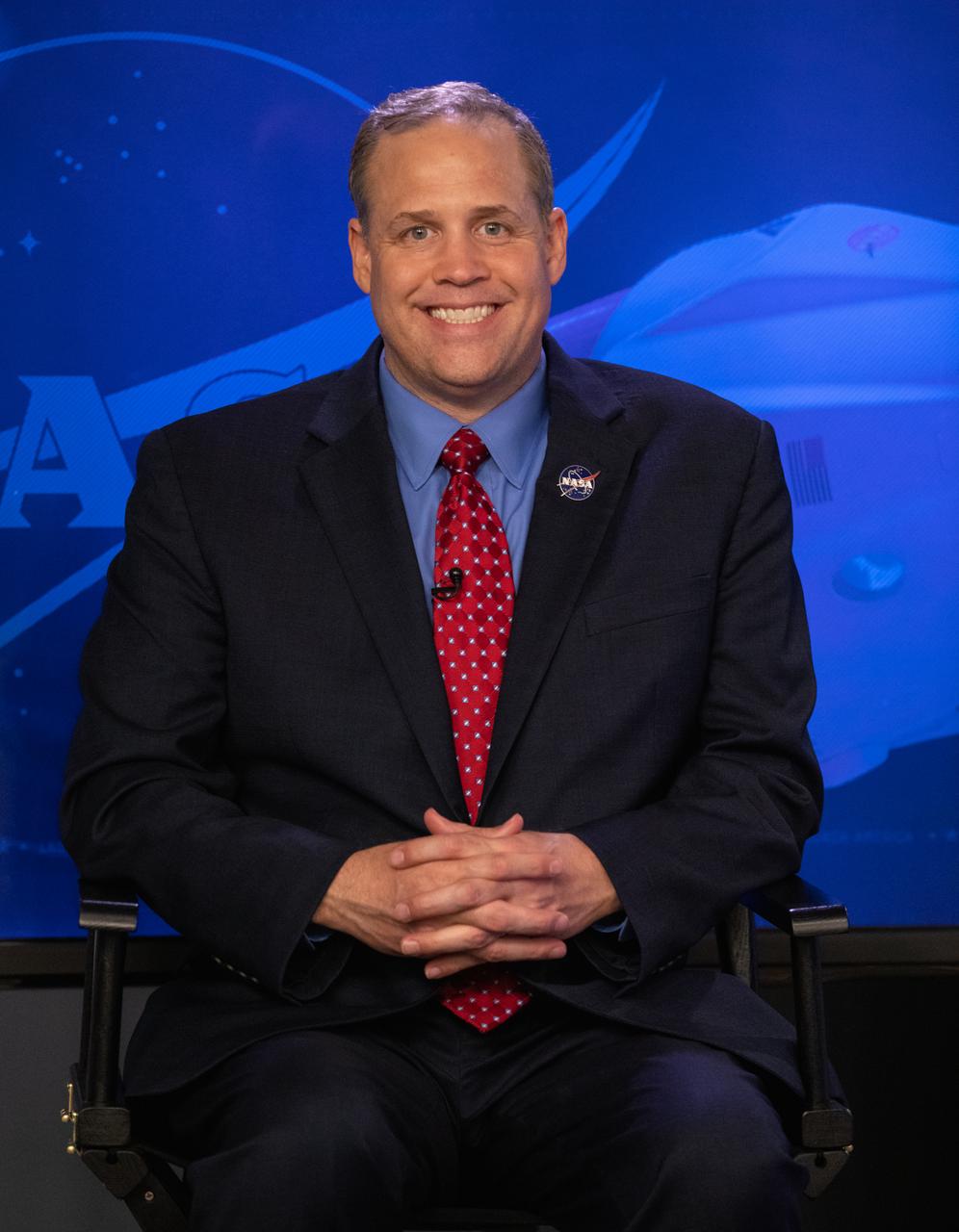
NASA Administrator Jim Bridenstine makes remarks during a postlaunch news conference for NASA’s SpaceX Crew-1 mission on Nov. 15, 2020, at Kennedy Space Center in Florida. Liftoff time on a Falcon 9 rocket was at 7:27 p.m. EST. The Crew Dragon is carrying NASA astronauts Michael Hopkins, spacecraft commander; Victor Glover, pilot; Shannon Walker, mission specialist; and Japan Aerospace Exploration Agency astronaut Soichi Noguchi, mission specialist, to the International Space Station. Crew-1 is the first regular crew mission of a U.S. commercial spacecraft with astronauts to the space station as part of NASA’s Commercial Crew Program. The Crew Dragon will dock with the station and the crew will remain on the orbiting laboratory for a six-month science mission.