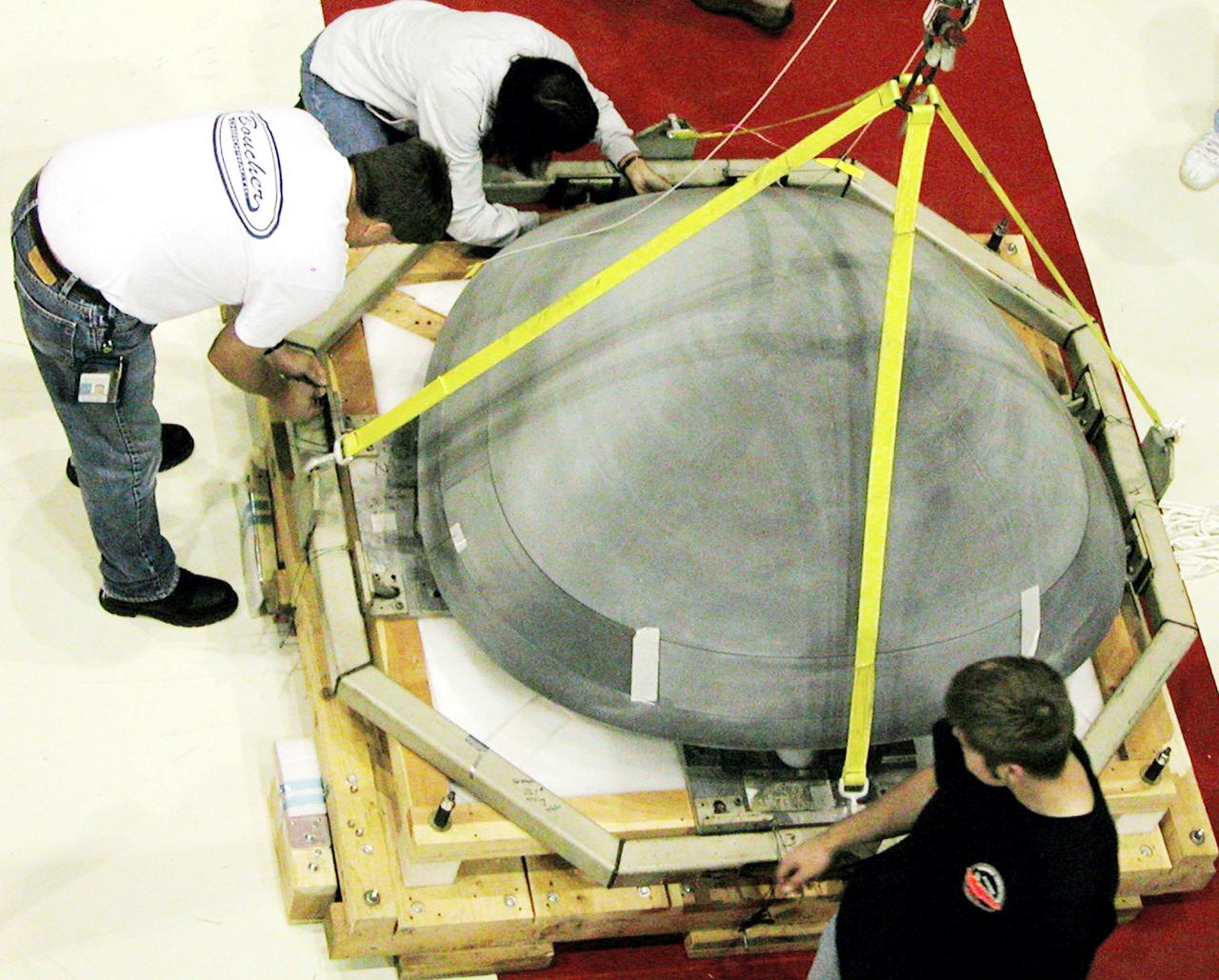
Some of the 1,367 pounds of cargo the SpaceX Dragon spacecraft returned to Earth from the space station are seen in a clean room at the SpaceX rocket development facility, Wednesday, June 13, 2012 in McGregor, Texas.  NASA Administrator Charles Bolden and SpaceX CEO and Chief Designer Elon Musk were at the facility to view the historic Dragon capsule and to thank the more than 150 SpaceX employees working at the McGregor facility for their role in the historic mission. Photo Credit: (NASA/Bill Ingalls)
SpaceX Dragon Cargo Transfer
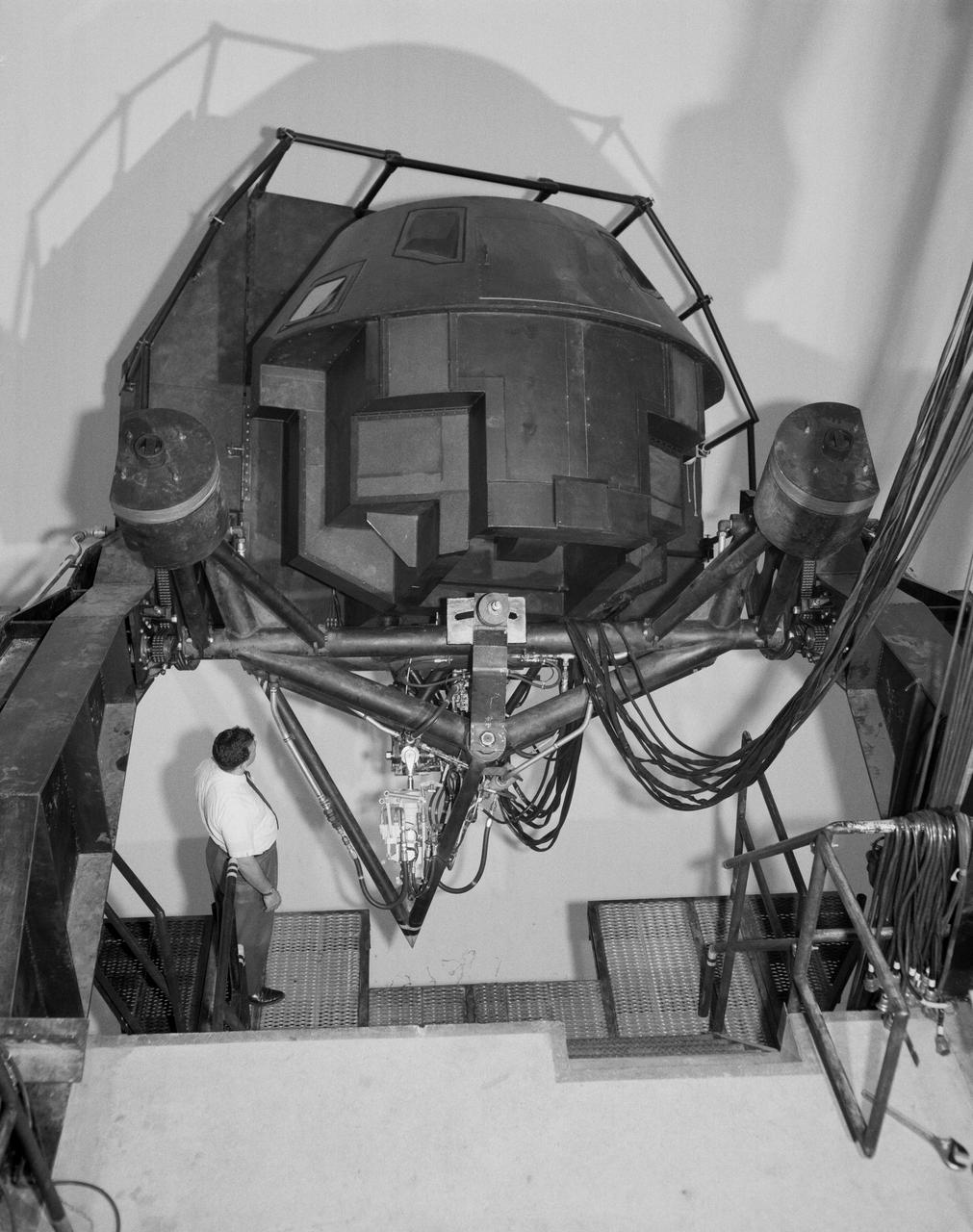
S66-21296 (1967) --- This is a medium exterior view of the Dynamic Crew Procedures Trainer, Command Module configuration, one of the Apollo astronaut training components located in the Mission Simulation and Training Facility, Building 5, Manned Spacecraft Center, Houston, Texas. Photo credit: NASA
Closeup exterior view of Dynamic Crew Procedures Trainer
NASA Administrator Charles Bolden, left, and SpaceX CEO and Chief Designer Elon Musk, view the historic Dragon capsule that returned to Earth on May 31 following the first successful mission by a private company to carry supplies to the International Space Station on Wednesday, June 13, 2012 at the SpaceX facility in McGregor, Texas.  Bolden and Musk also thanked the more than 150 SpaceX employees working at the McGregor facility for their role in the historic mission. Photo Credit: (NASA/Bill Ingalls)
SpaceX Dragon Cargo Transfer
NASA Administrator Charles Bolden, left, and SpaceX CEO and Chief Designer Elon Musk, view the historic Dragon capsule that returned to Earth on May 31 following the first successful mission by a private company to carry supplies to the International Space Station on Wednesday, June 13, 2012 at the SpaceX facility in McGregor, Texas.  Bolden and Musk also thanked the more than 150 SpaceX employees working at the McGregor facility for their role in the historic mission. Photo Credit: (NASA/Bill Ingalls)
SpaceX Dragon Cargo Transfer
NASA Administrator Charles Bolden, left, and SpaceX CEO and Chief Designer Elon Musk, view the historic Dragon capsule that returned to Earth on May 31 following the first successful mission by a private company to carry supplies to the International Space Station on Wednesday, June 13, 2012 at the SpaceX facility in McGregor, Texas.  Bolden and Musk also thanked the more than 150 SpaceX employees working at the McGregor facility for their role in the historic mission. Photo Credit: (NASA/Bill Ingalls)
SpaceX Dragon Cargo Transfer
NASA Administrator Charles Bolden, left, and SpaceX CEO and Chief Designer Elon Musk, view the historic Dragon capsule that returned to Earth on May 31 following the first successful mission by a private company to carry supplies to the International Space Station on Wednesday, June 13, 2012 at the SpaceX facility in McGregor, Texas.  Bolden and Musk also thanked the more than 150 SpaceX employees working at the McGregor facility for their role in the historic mission. Photo Credit: (NASA/Bill Ingalls)
SpaceX Dragon Cargo Transfer
NASA Administrator Charles Bolden, left, congratulates SpaceX CEO and Chief Designer Elon Musk in front of the historic Dragon capsule that returned to Earth on May 31 following the first successful mission by a private company to carry supplies to the International Space Station on Wednesday, June 13, 2012 at the SpaceX facility in McGregor, Texas.  Bolden and Musk also thanked the more than 150 SpaceX employees working at the McGregor facility for their role in the historic mission. Photo Credit: (NASA/Bill Ingalls)
SpaceX Dragon Cargo Transfer
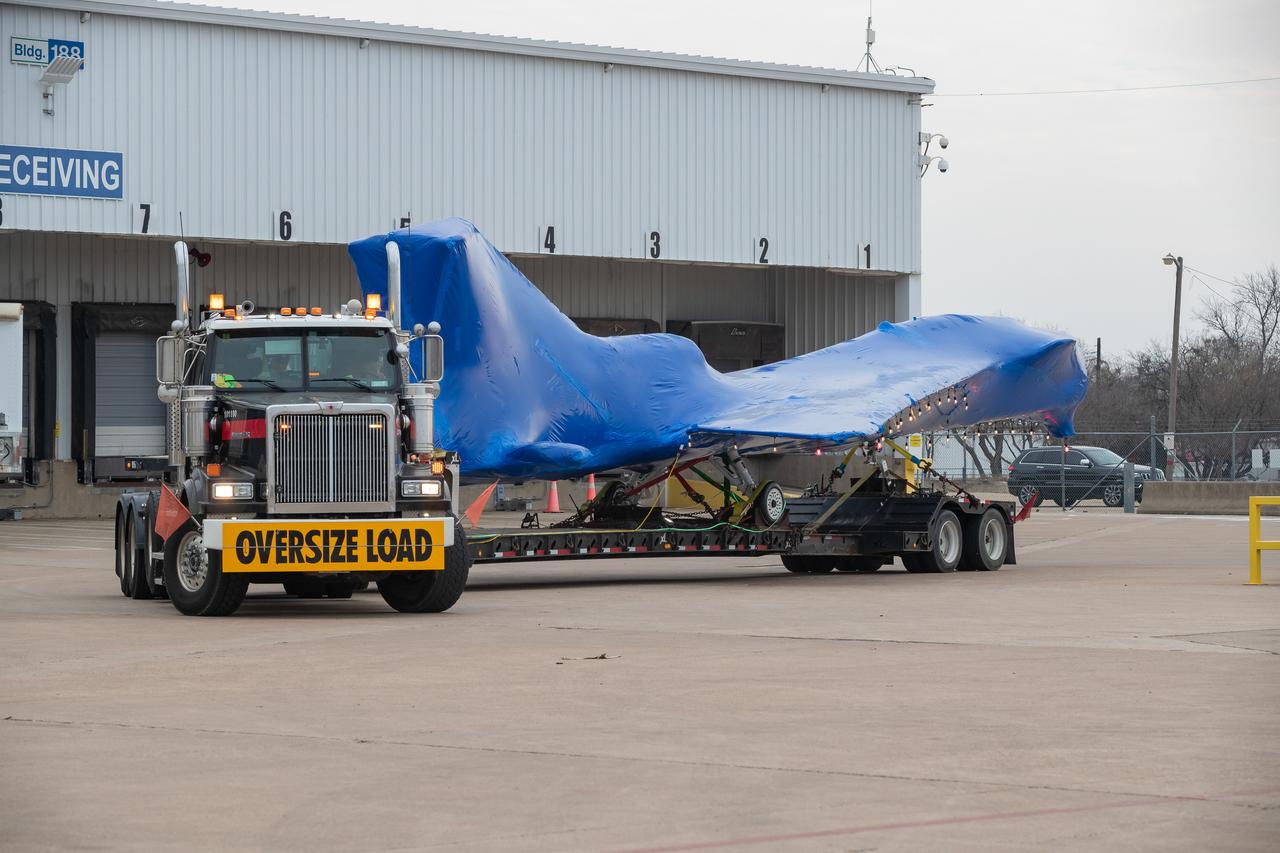
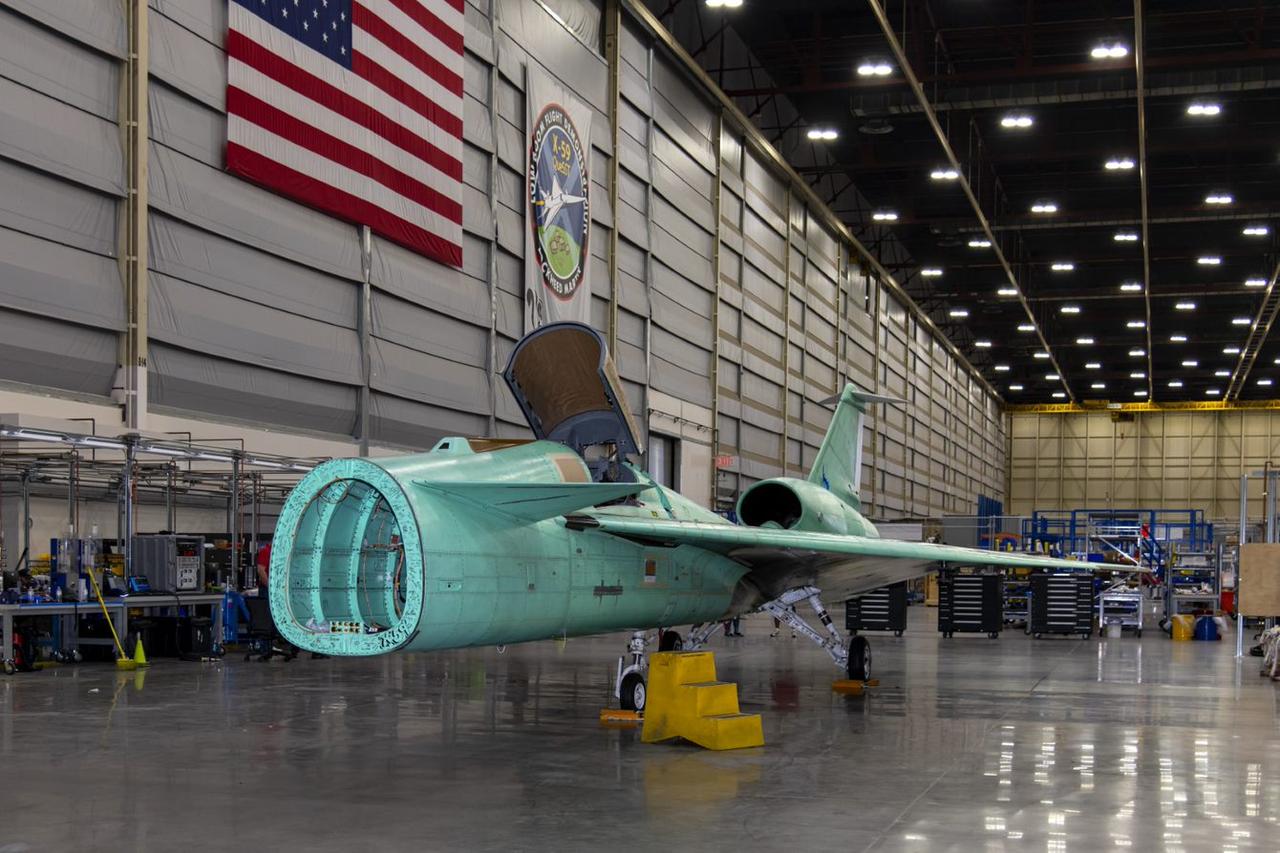
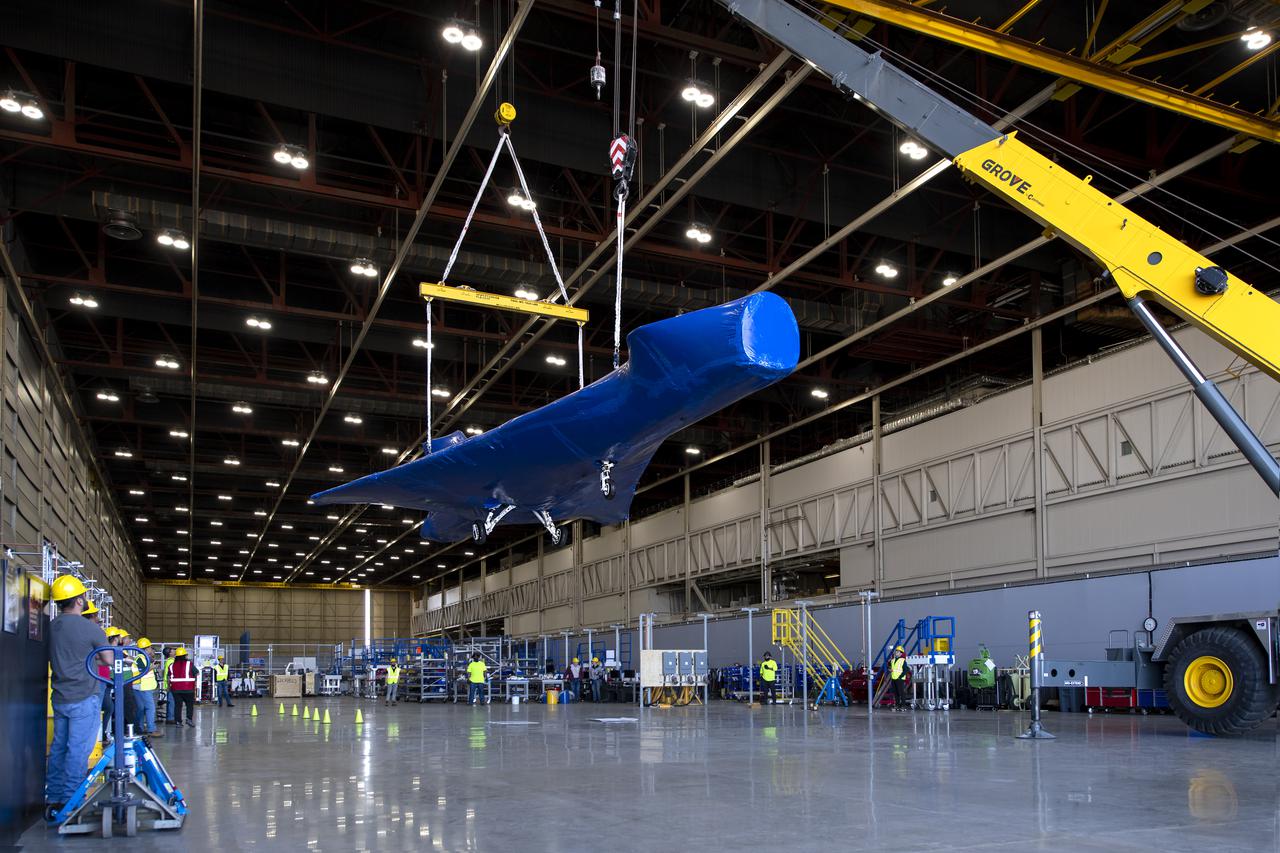
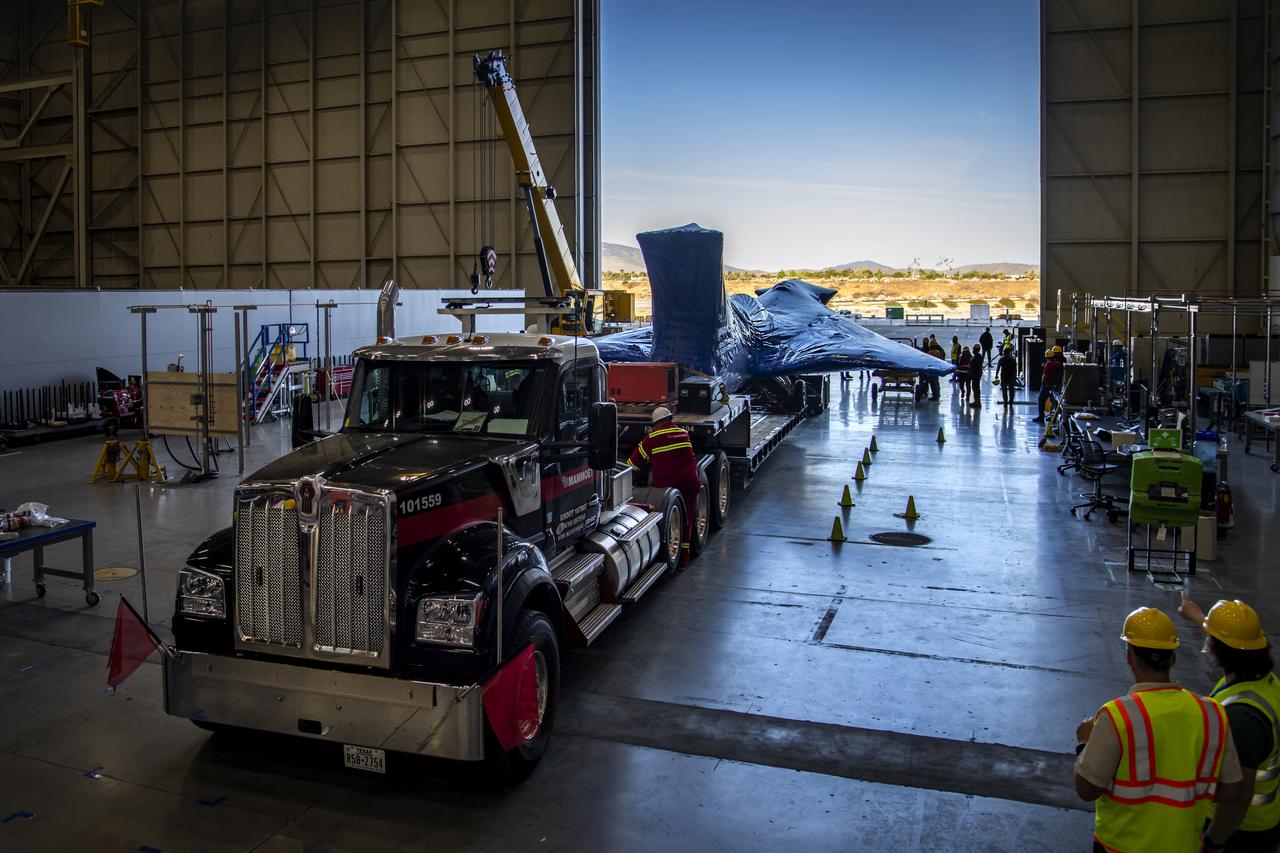
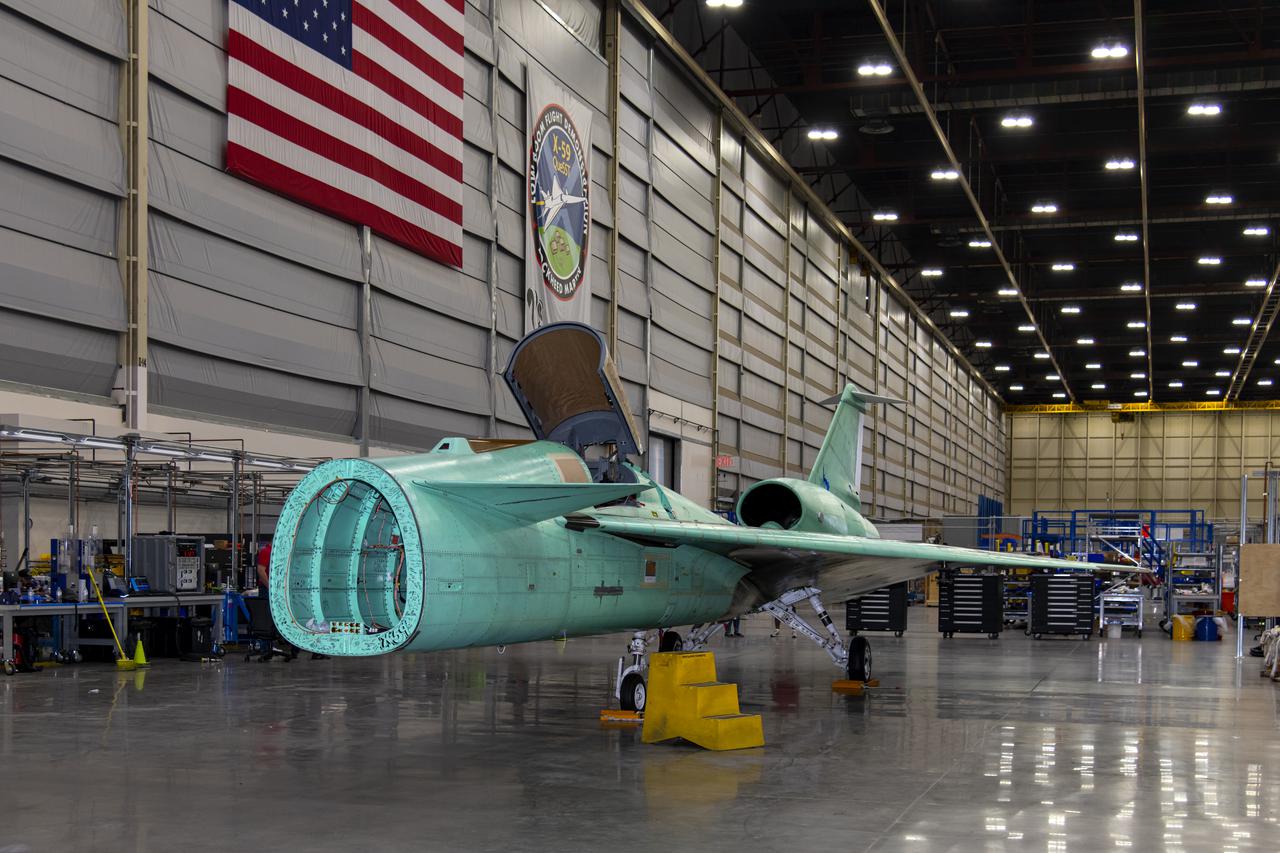
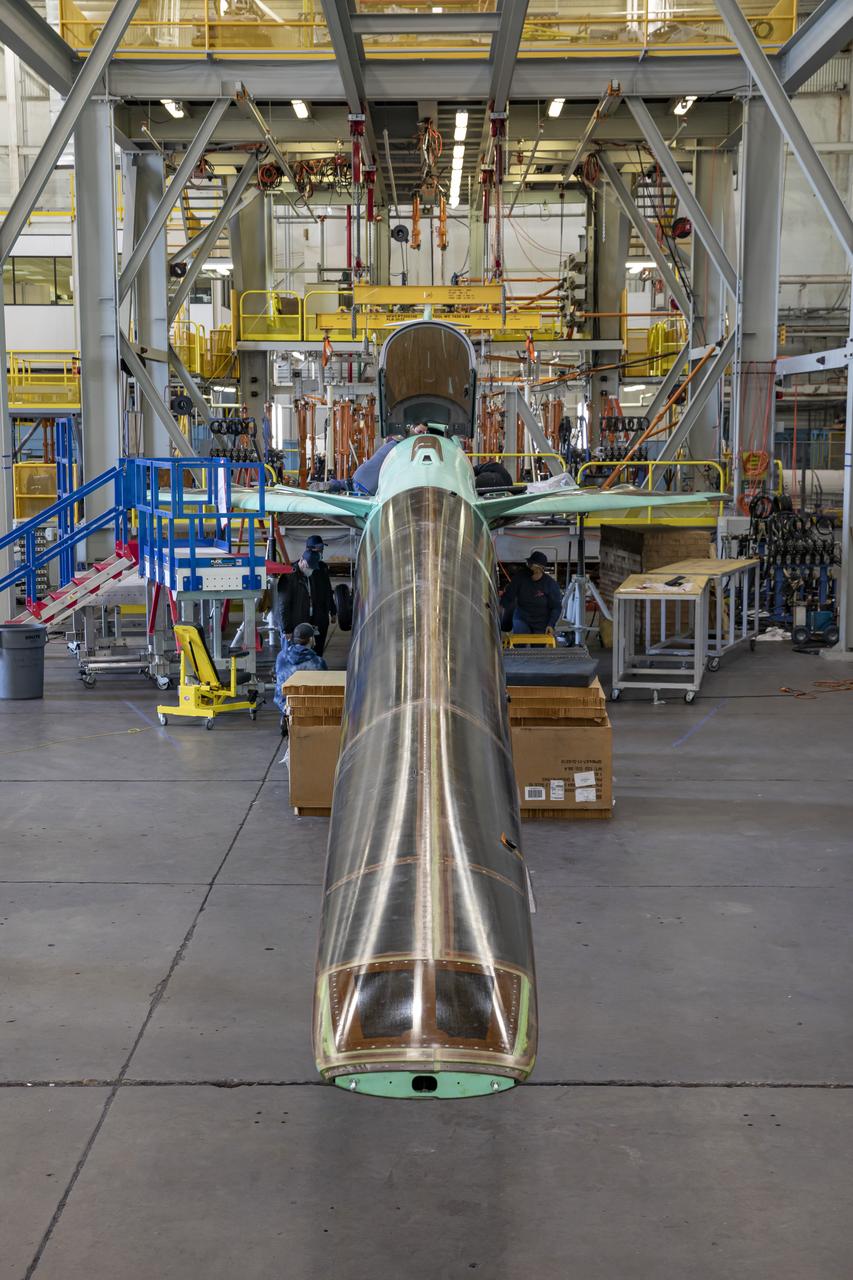
The X-59 arrives in Fort Worth, Texas from Palmdale, California, ready to undergo some important structural and fuel tests at the Lockheed Martin facility. The bright blue wrap around the X-plane is a precautionary measure to keep the exterior of the X-59 safe as it traveled through multiple states on its way to Texas.
Aircraft Arrival at Fort Worth and Unwrapping
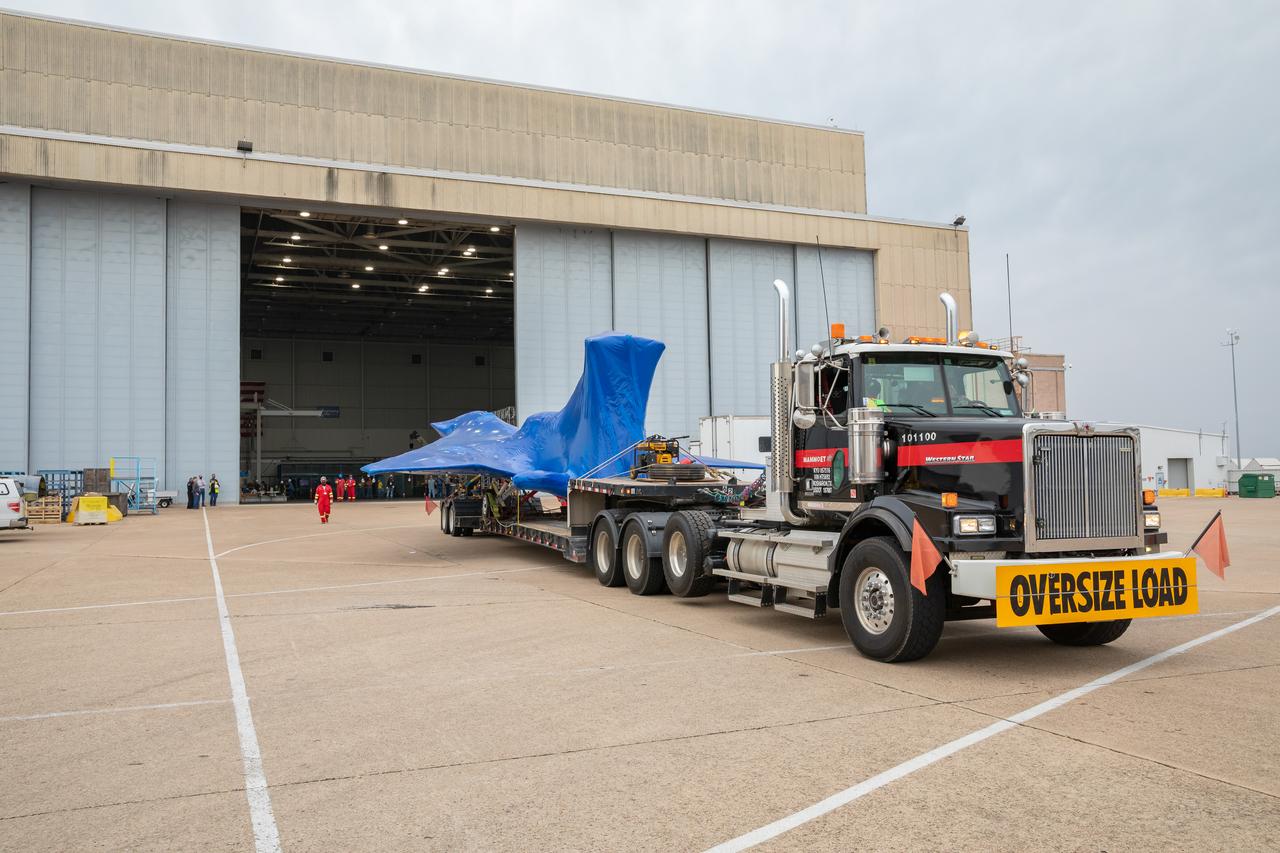
The X-59 arrives in Fort Worth, Texas from Palmdale, California, ready to undergo some important structural and fuel tests at the Lockheed Martin facility. The bright blue wrap around the X-plane is a precautionary measure to keep the exterior of the X-59 safe as it traveled through multiple states on its way to Texas.
Aircraft Arrival at Fort Worth and Unwrapping
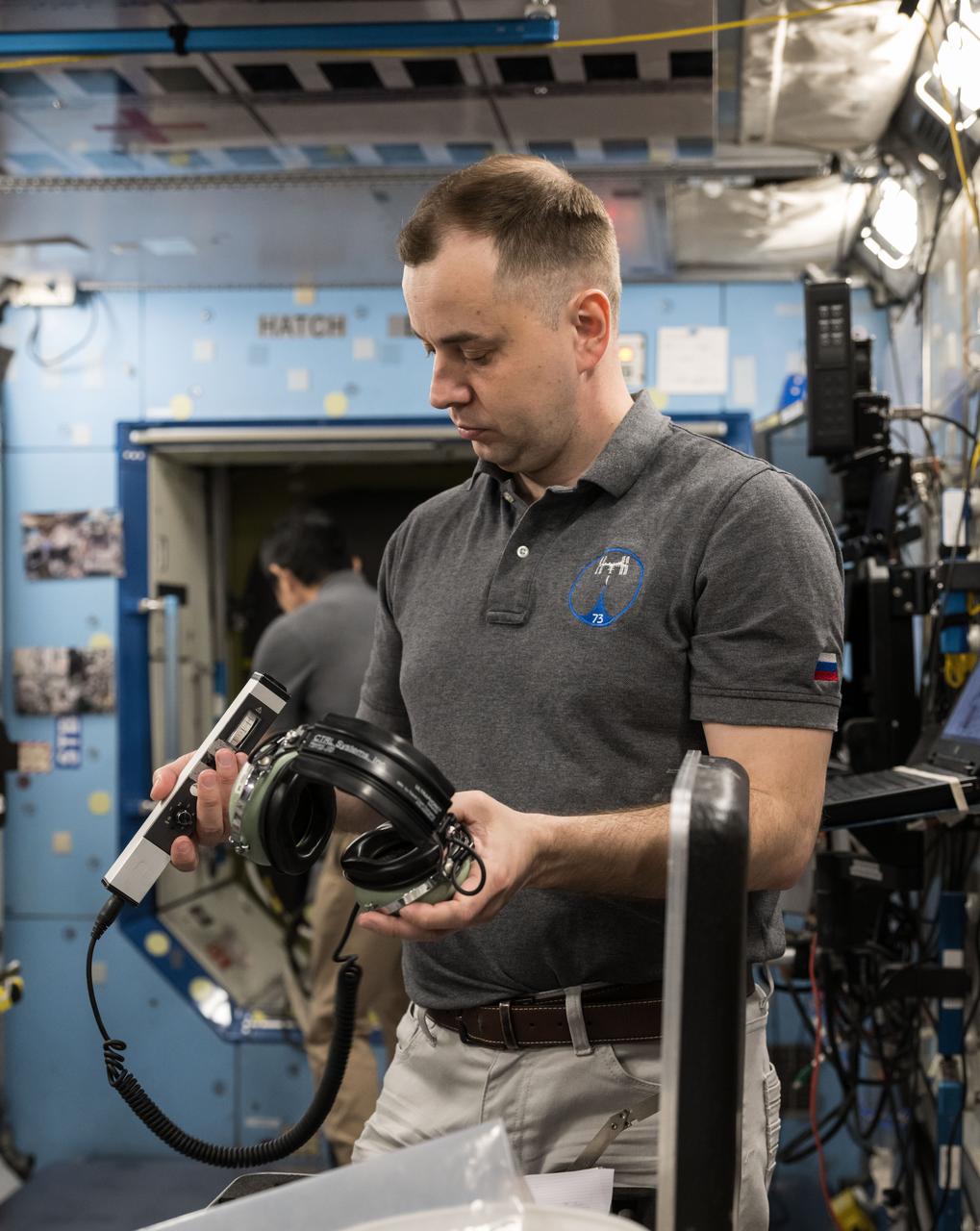
jsc2025e032495 (March 18, 2025) --- Roscosmos cosmonaut Oleg Platonov conducts training for the unlikely event of an emergency at the Space Vehicle Mockup Facility at NASA’s Johnson Space Center in Houston, Texas. Credit: NASA/David DeHoyos
Roscosmos cosmonaut Oleg Platonov conducts emergency training
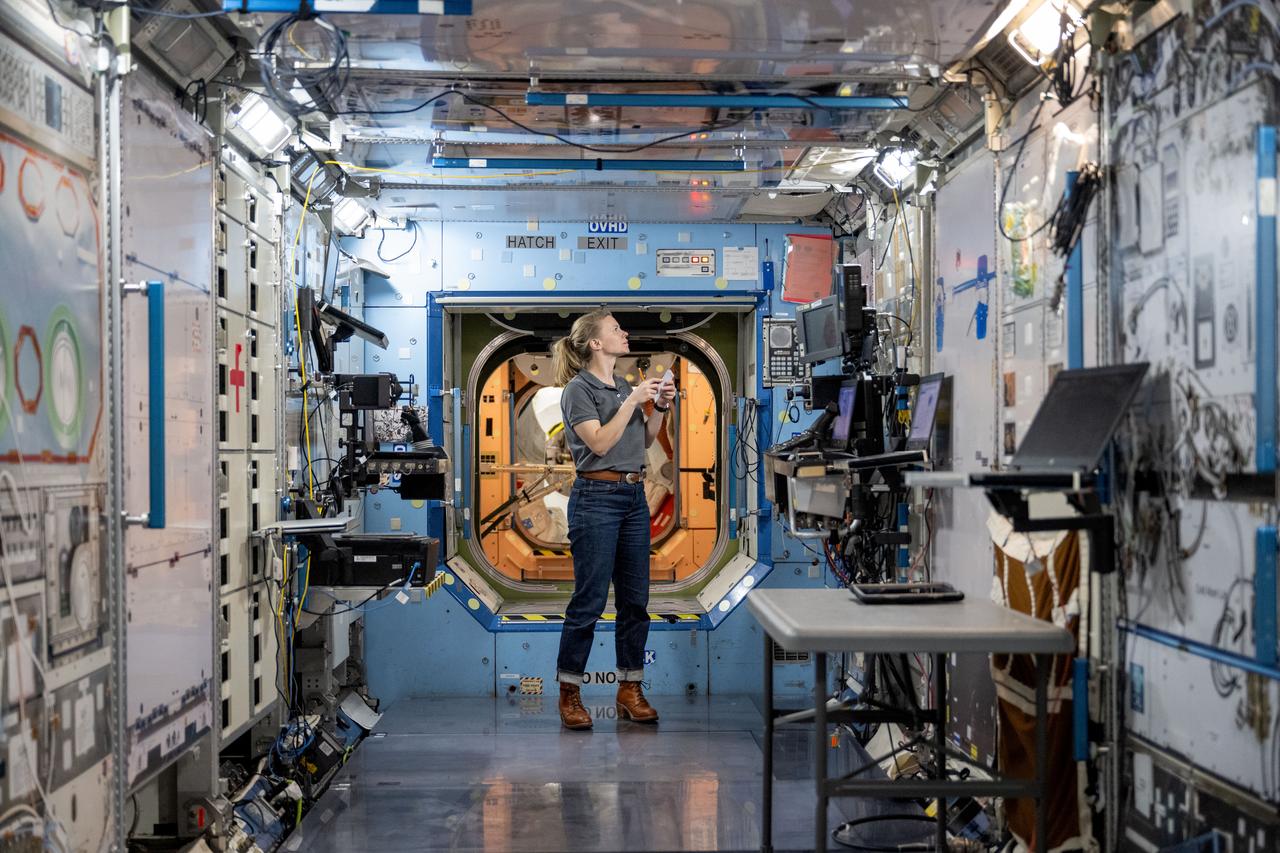
jsc2025e032534 (March 18, 2025) --- NASA astronaut Zena Cardman conducts training for the unlikely event of an emergency at the Space Vehicle Mockup Facility at NASA’s Johnson Space Center in Houston, Texas. Credit: NASA/David DeHoyos
NASA astronaut Zena Cardman conducts emergency training
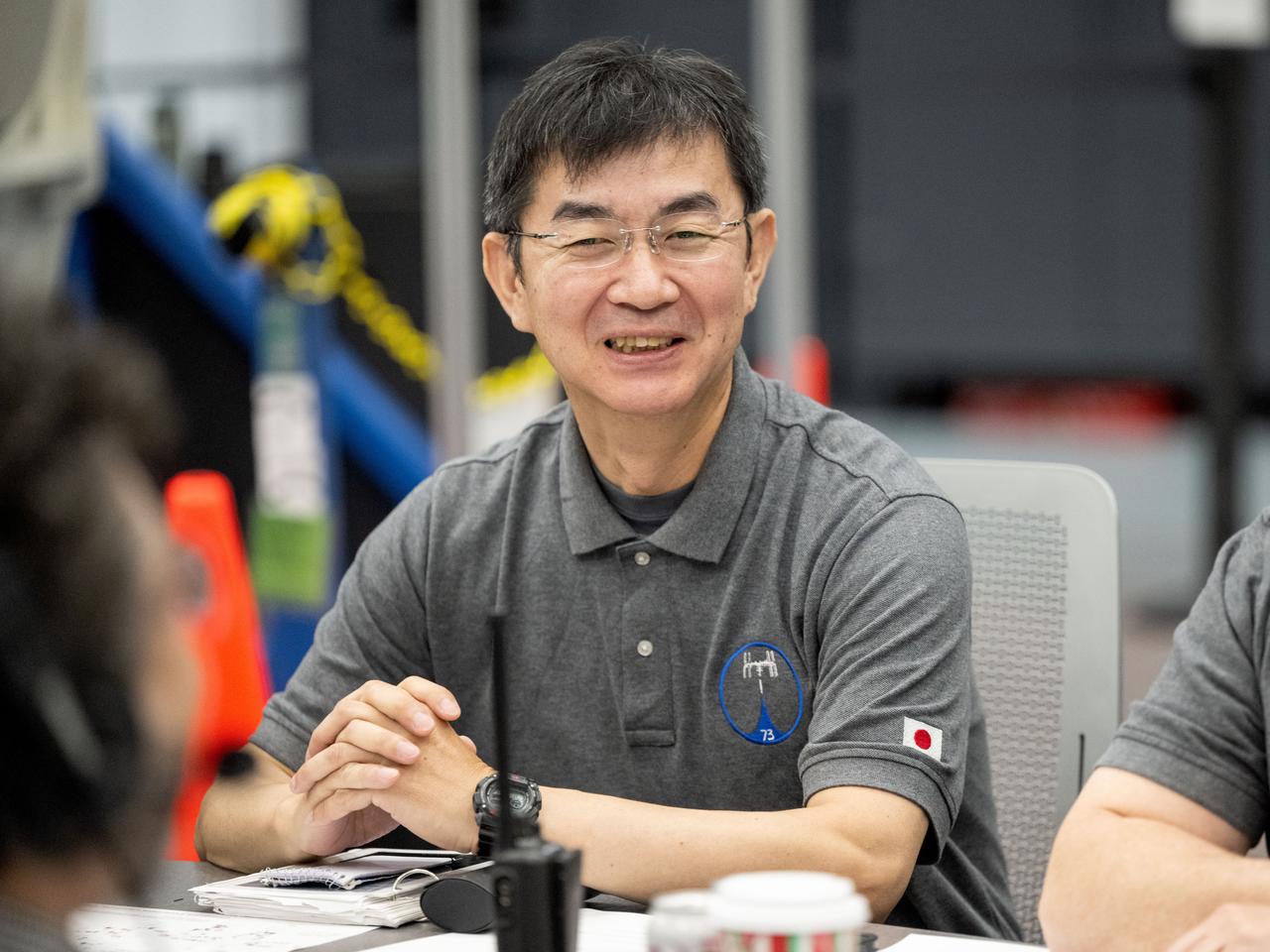
jsc2024e074737 (Nov. 13, 2024) --- JAXA astronaut Kimiya Yui conducts training for the unlikely event of an emergency at the Space Vehicle Mockup Facility at NASA’s Johnson Space Center in Houston, Texas. Credit: NASA/Josh Valcarcel
JAXA astronaut Kimiya Yui conducts emergency training
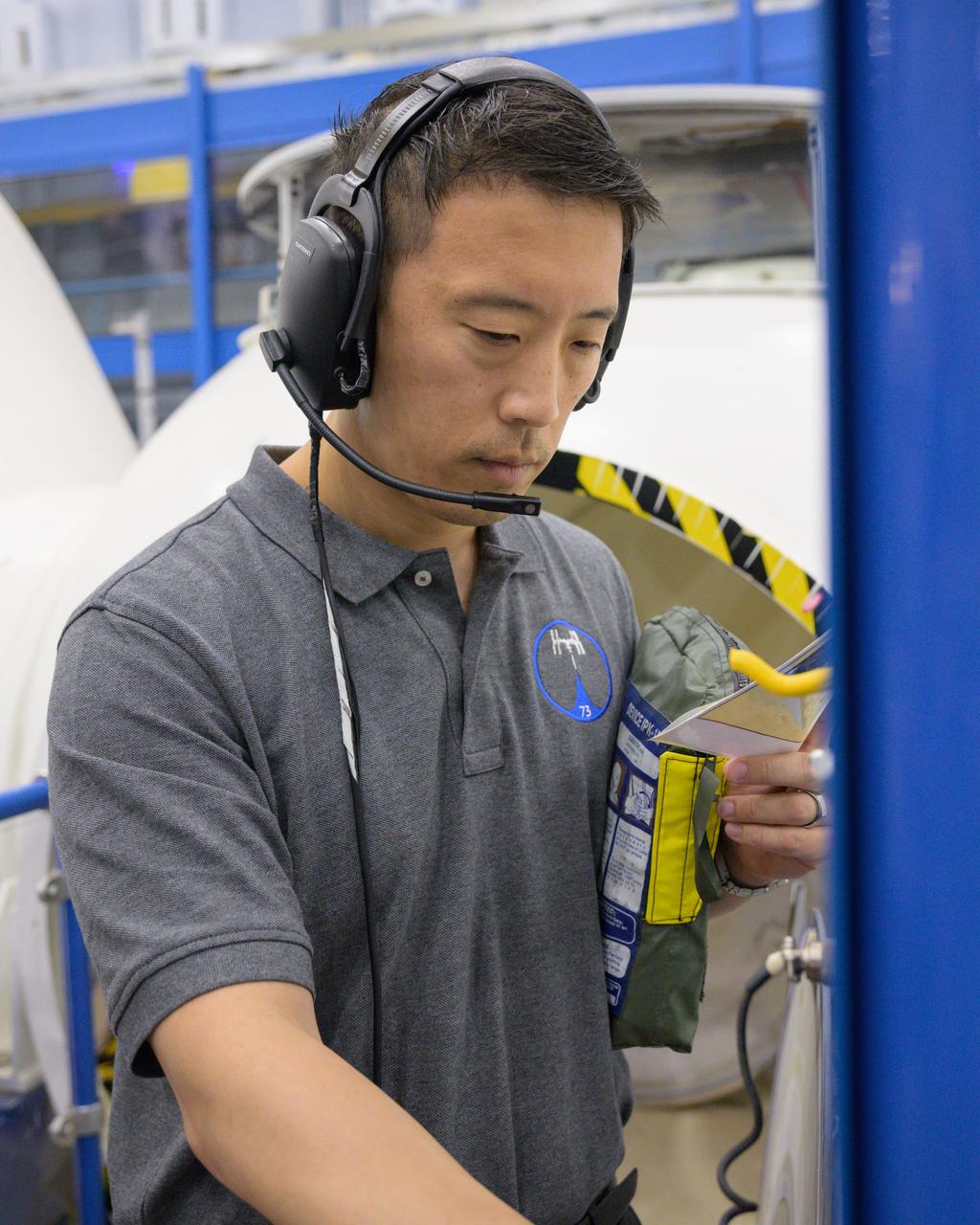
jsc2024e067936 (Oct. 9, 2024) --- NASA astronaut Jonny Kim completing Emergency Scene Joint Crew 2 Training at the Space Vehicle Mockup Facility in Houston, Texas.
NASA astronaut Jonny Kim
jsc2024e074784 (Nov. 13, 2024) --- NASA astronaut Zena Cardman conducts training for the unlikely event of an emergency at the Space Vehicle Mockup Facility at NASA’s Johnson Space Center in Houston, Texas. Credit: NASA/Josh Valcarcel
NASA astronaut Zena Cardman conducts emergency training
NASA Administrator Charles Bolden, left, and SpaceX CEO and Chief Designer Elon Musk, view the historic Dragon capsule, right, that returned to Earth on May 31 following the first successful mission by a private company to carry supplies to the International Space Station on Wednesday, June 13, 2012 at the SpaceX facility in McGregor, Texas.  Bolden and Musk also thanked the more than 150 SpaceX employees working at the McGregor facility for their role in the historic mission. Some of the 1,367 pounds of cargo the SpaceX Dragon spacecraft returned to Earth from the space station are seen in a clean room to the left.  Photo Credit: (NASA/Bill Ingalls)
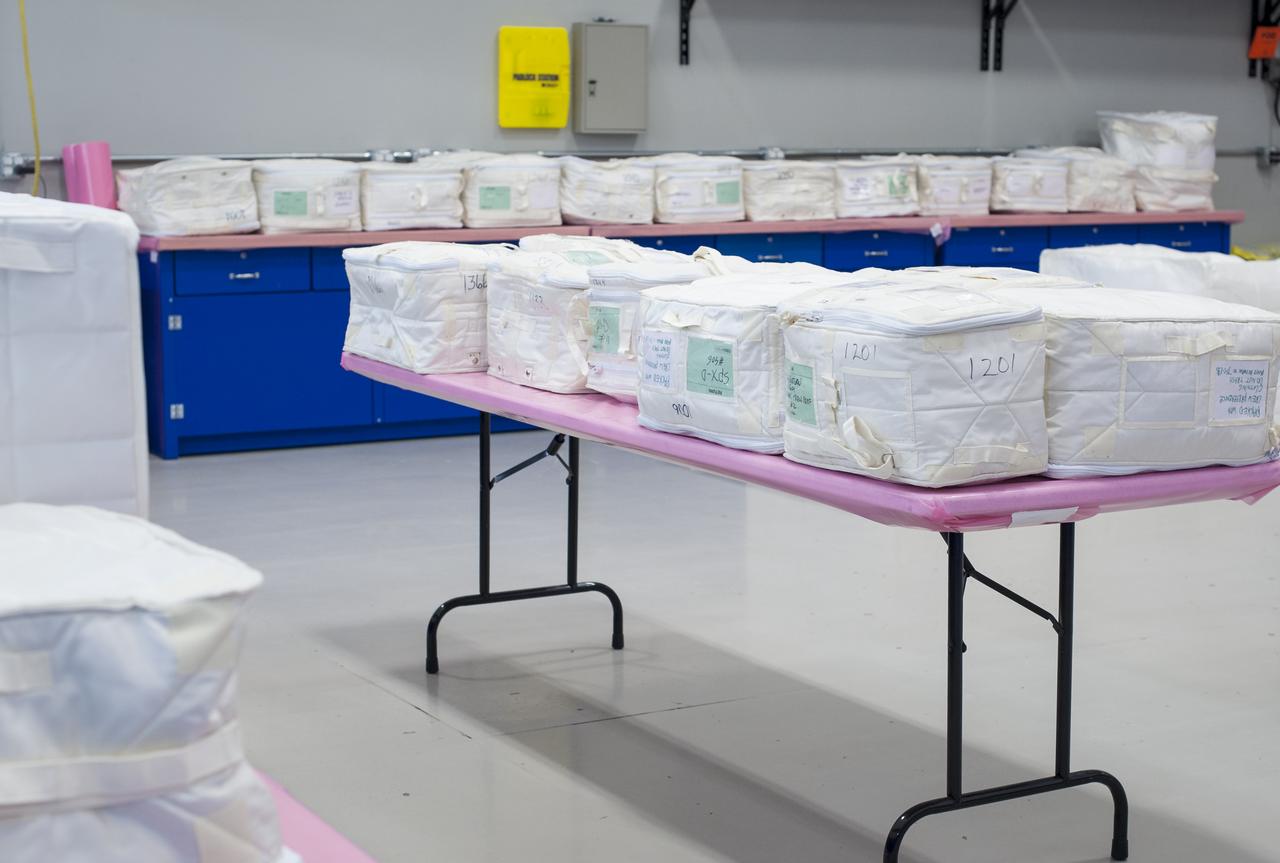
SpaceX Dragon Cargo Transfer
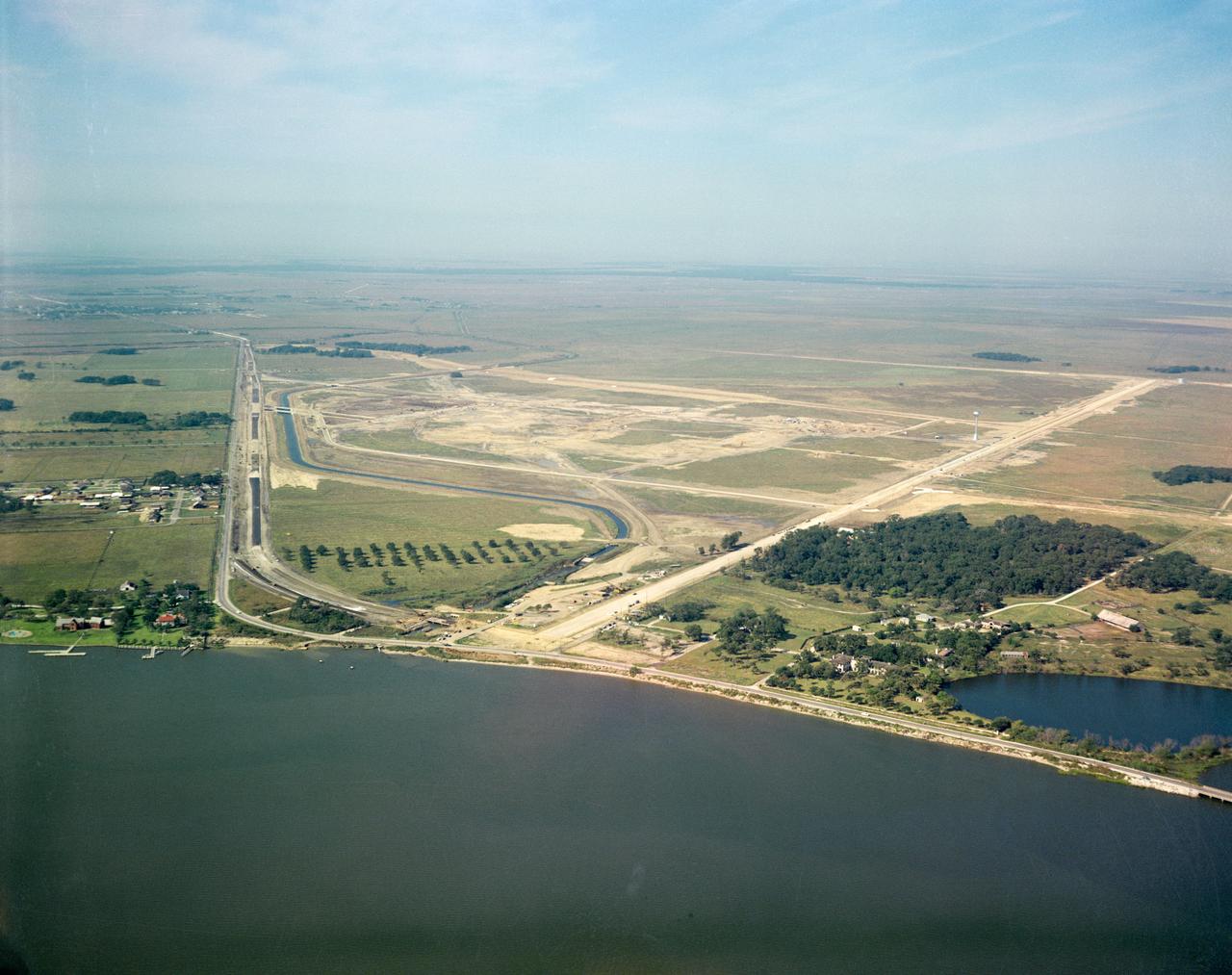
S62-08046 (1961) --- Aerial view of the future site of the Manned Spacecraft Center, Houston, Texas.     NOTE: The Manned Spacecraft Center was named Lyndon B. Johnson Space Center in memory of the late President following his death.
Aerial view of the future site of the Manned Spacecraft Center, Houston, Tx
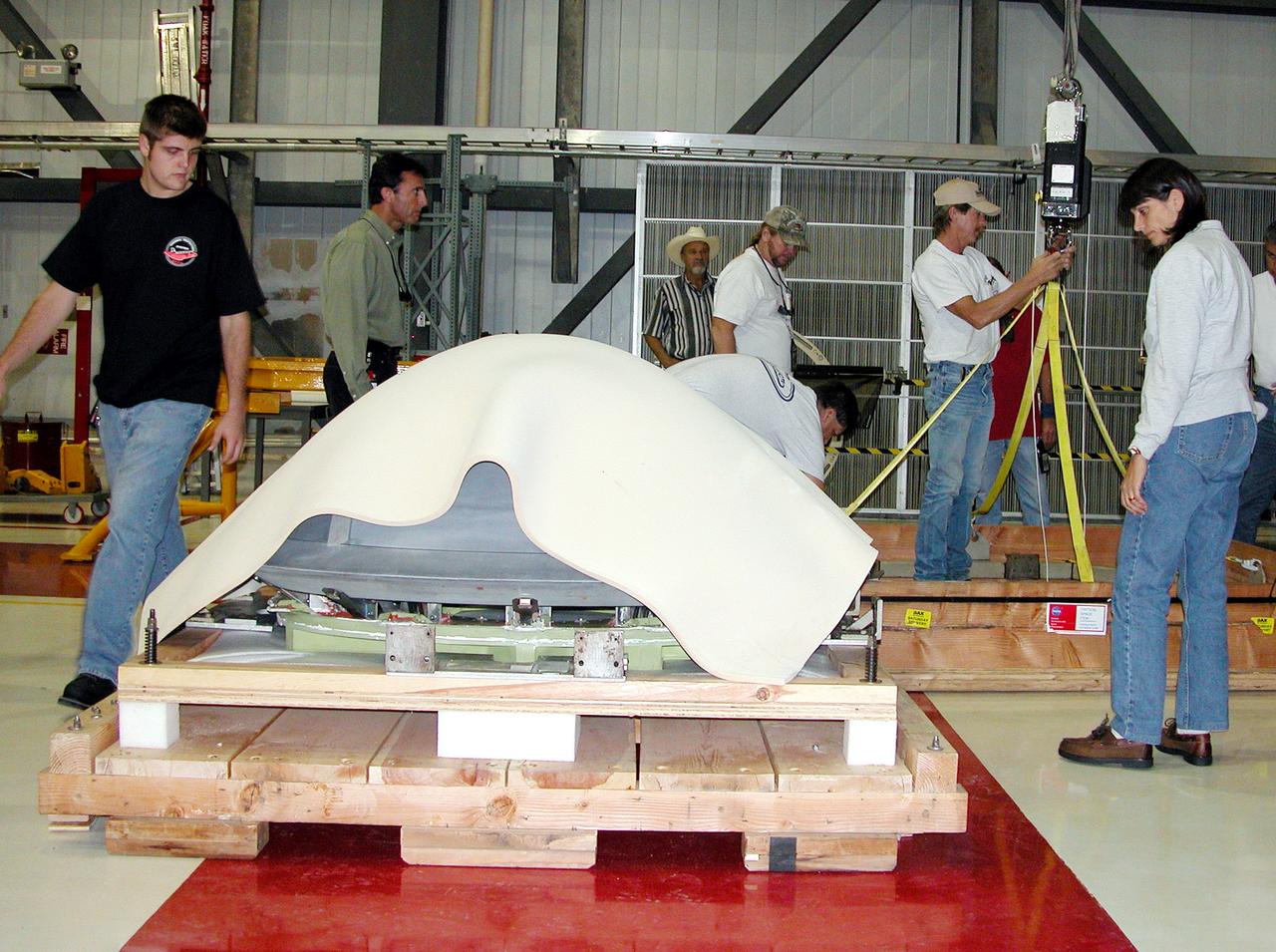
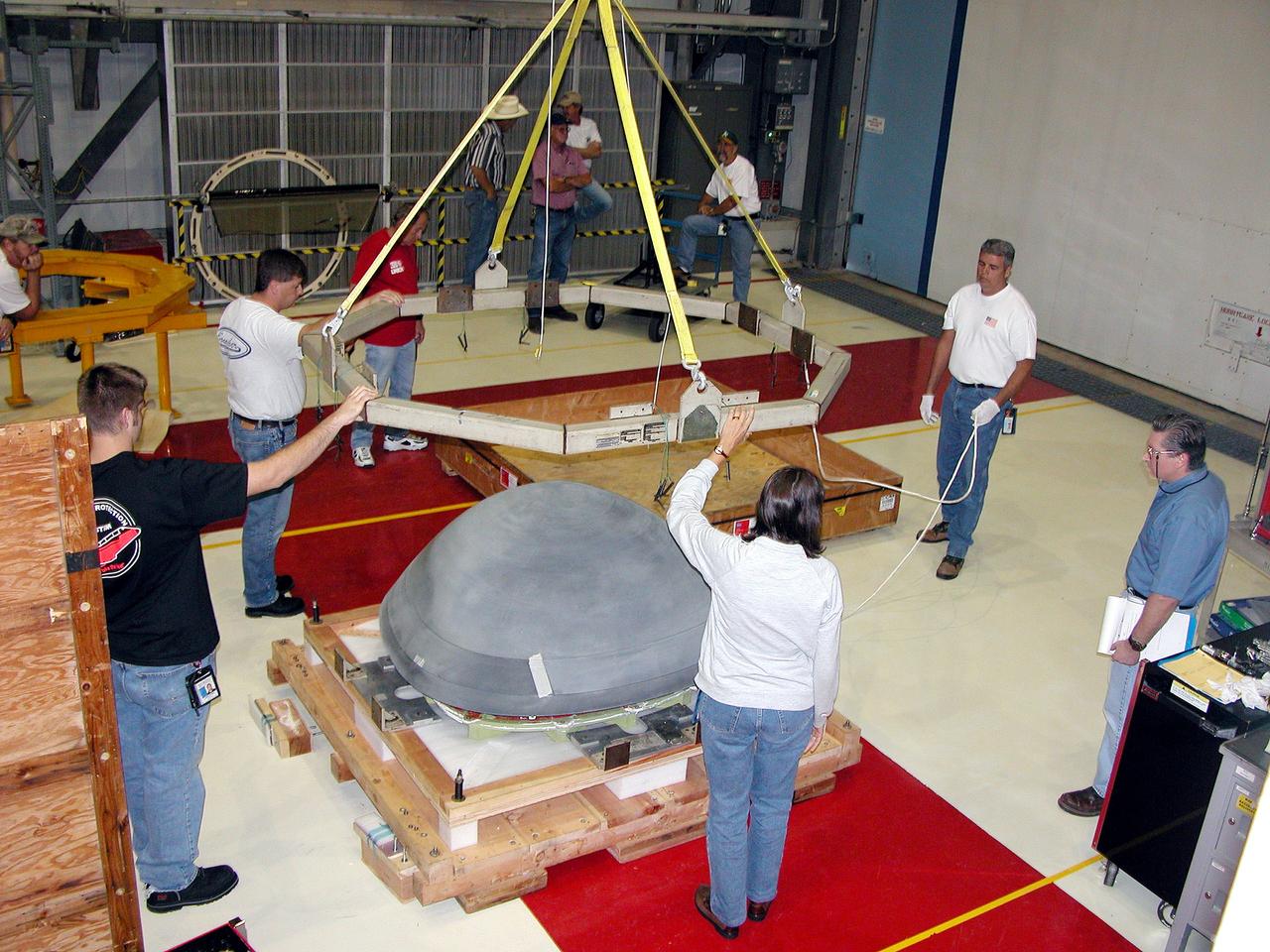
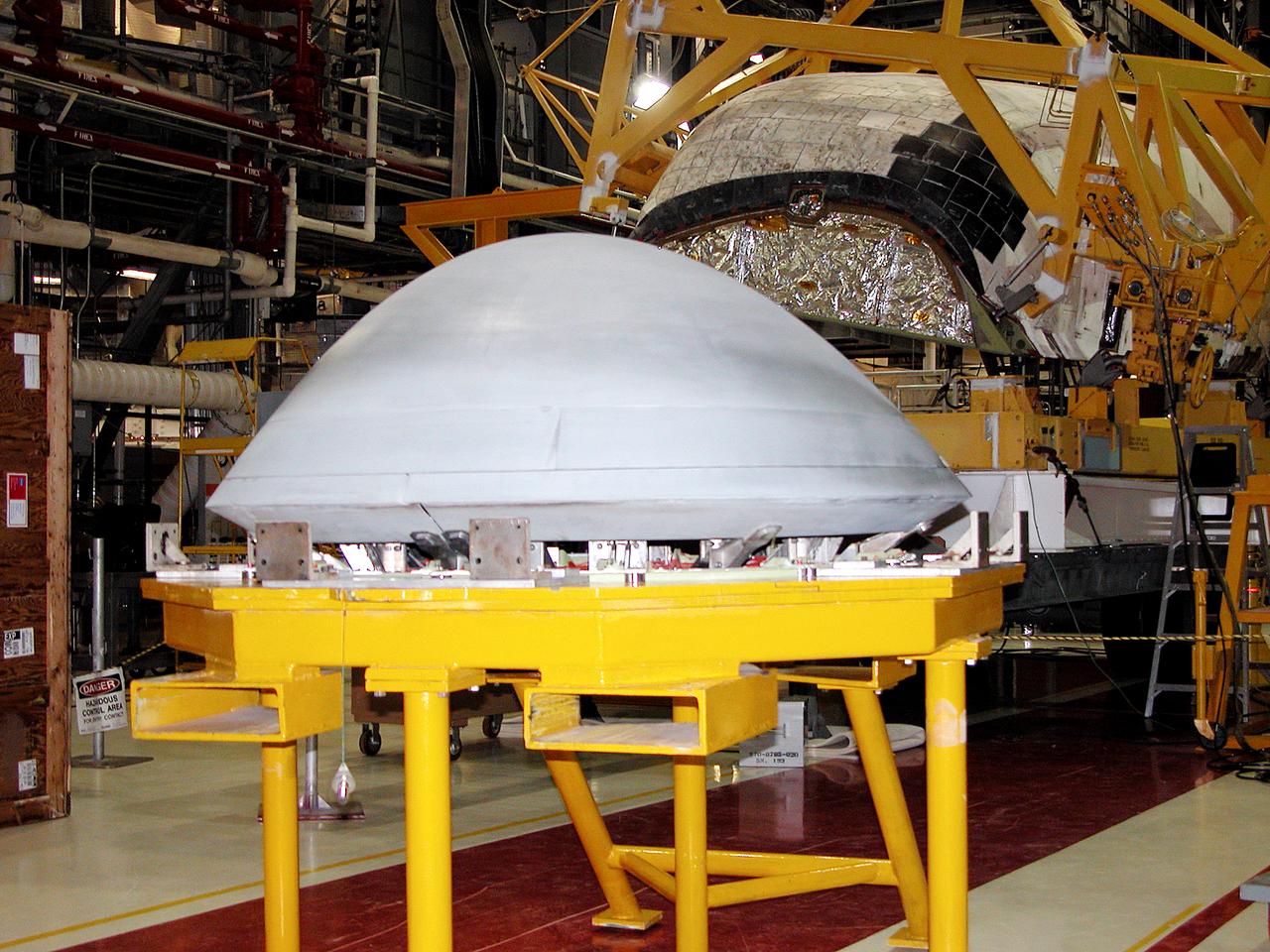
KENNEDY SPACE CENTER, FLA. -  In the Orbiter Processing Facility, the nose cap from Atlantis is secured on a shipping pallet.  The reinforced carbon-carbon (RCC) nose cap is being sent to the original manufacturing company, Vought in Ft. Worth, Texas, a subsidiary of Lockheed Martin, to undergo non-destructive testing such as CAT scan and thermography.
KENNEDY SPACE CENTER, FLA. - In the Orbiter Processing Facility, the nose cap from Atlantis is secured on a shipping pallet. The reinforced carbon-carbon (RCC) nose cap is being sent to the original manufacturing company, Vought in Ft. Worth, Texas, a subsidiary of Lockheed Martin, to undergo non-destructive testing such as CAT scan and thermography.
KENNEDY SPACE CENTER, FLA. -  In the Orbiter Processing Facility, the nose cap from Atlantis is lowered toward a shipping pallet.  The reinforced carbon-carbon (RCC) nose cap is being sent to the original manufacturing company, Vought in Ft. Worth, Texas, a subsidiary of Lockheed Martin, to undergo non-destructive testing such as CAT scan and thermography.
KENNEDY SPACE CENTER, FLA. - In the Orbiter Processing Facility, the nose cap from Atlantis is lowered toward a shipping pallet. The reinforced carbon-carbon (RCC) nose cap is being sent to the original manufacturing company, Vought in Ft. Worth, Texas, a subsidiary of Lockheed Martin, to undergo non-destructive testing such as CAT scan and thermography.
jsc2025e032524 (March 18, 2025) --- Roscosmos cosmonaut Oleg Platonov (left) and JAXA astronaut Kimiya Yui (right) conduct training for the unlikely event of an emergency at the Space Vehicle Mockup Facility at NASA’s Johnson Space Center in Houston, Texas. Credit: NASA/David DeHoyos
SpaceX Crew-11 members Oleg Platonov and Kimiya Yui
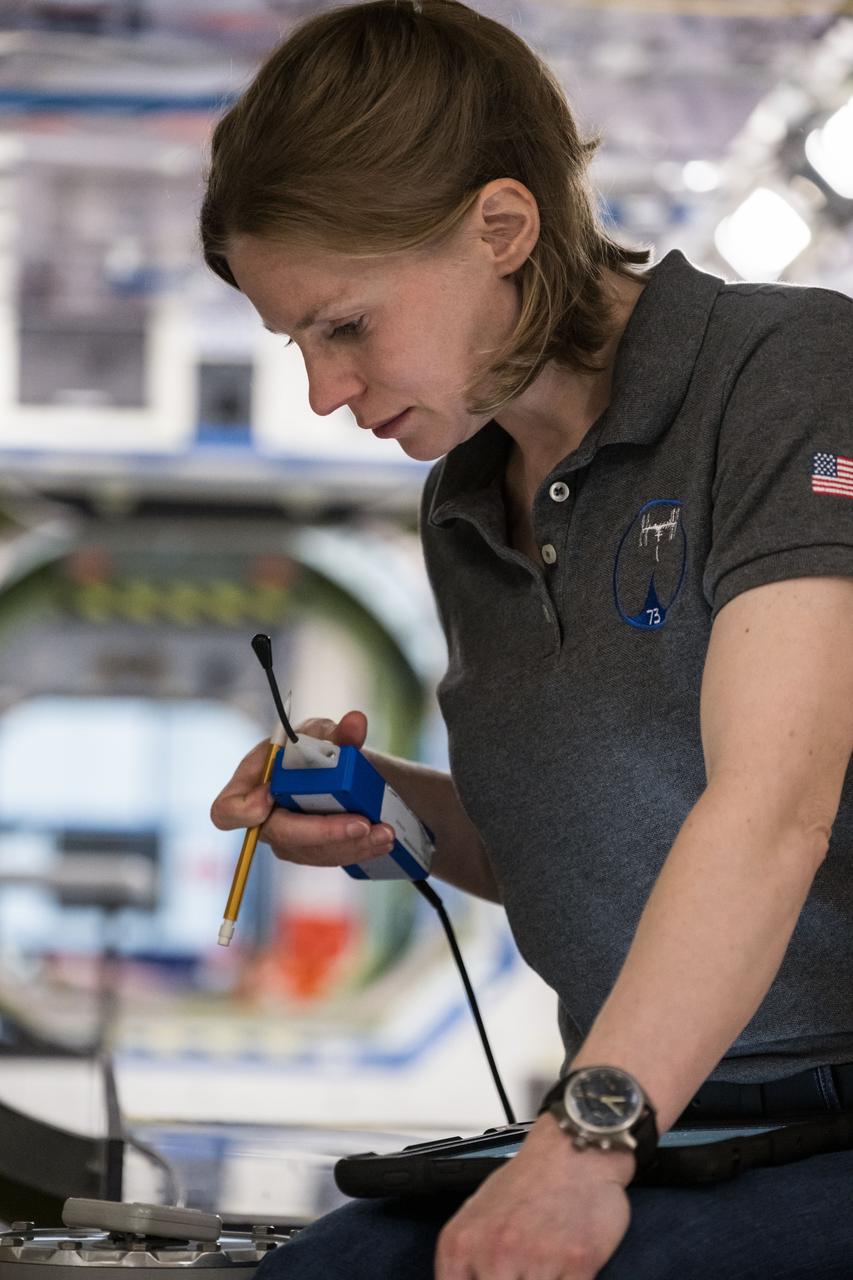
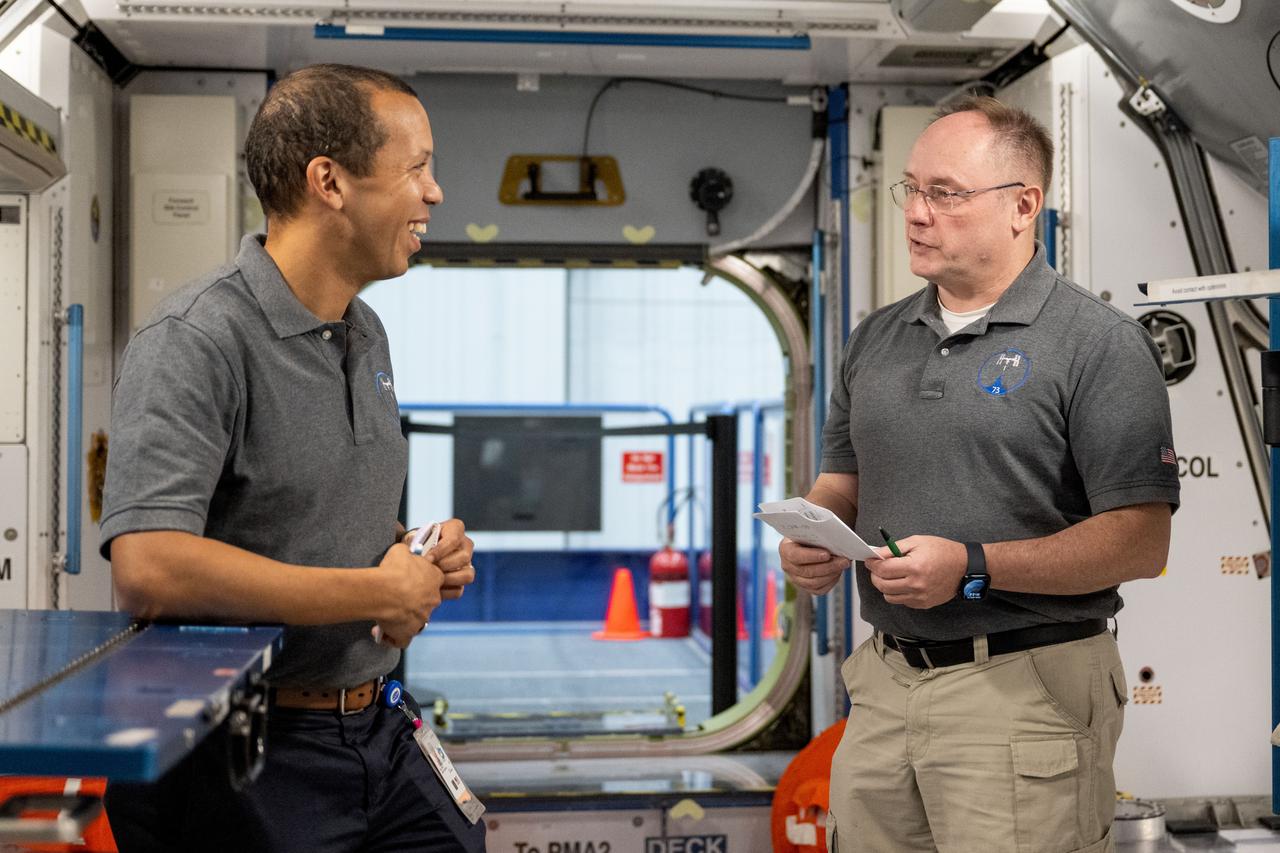
jsc2025e045121 (May 14, 2025) --- NASA astronaut Chris Williams participates in a training session at the Space Vehicle Mockup Facility at NASA’s Johnson Space Center in Houston, Texas, to prepare for the unlikely event of an emergency during his International Space Station mission.
NASA astronaut Chris Williams participates in a training session
jsc2024e074749 (Nov. 13, 2025) --- NASA astronaut Chris Williams participates in a training session at the Space Vehicle Mockup Facility at NASA’s Johnson Space Center in Houston, Texas, to prepare for the unlikely event of an emergency during his International Space Station mission.
NASA astronaut Chris Williams participates in a training session
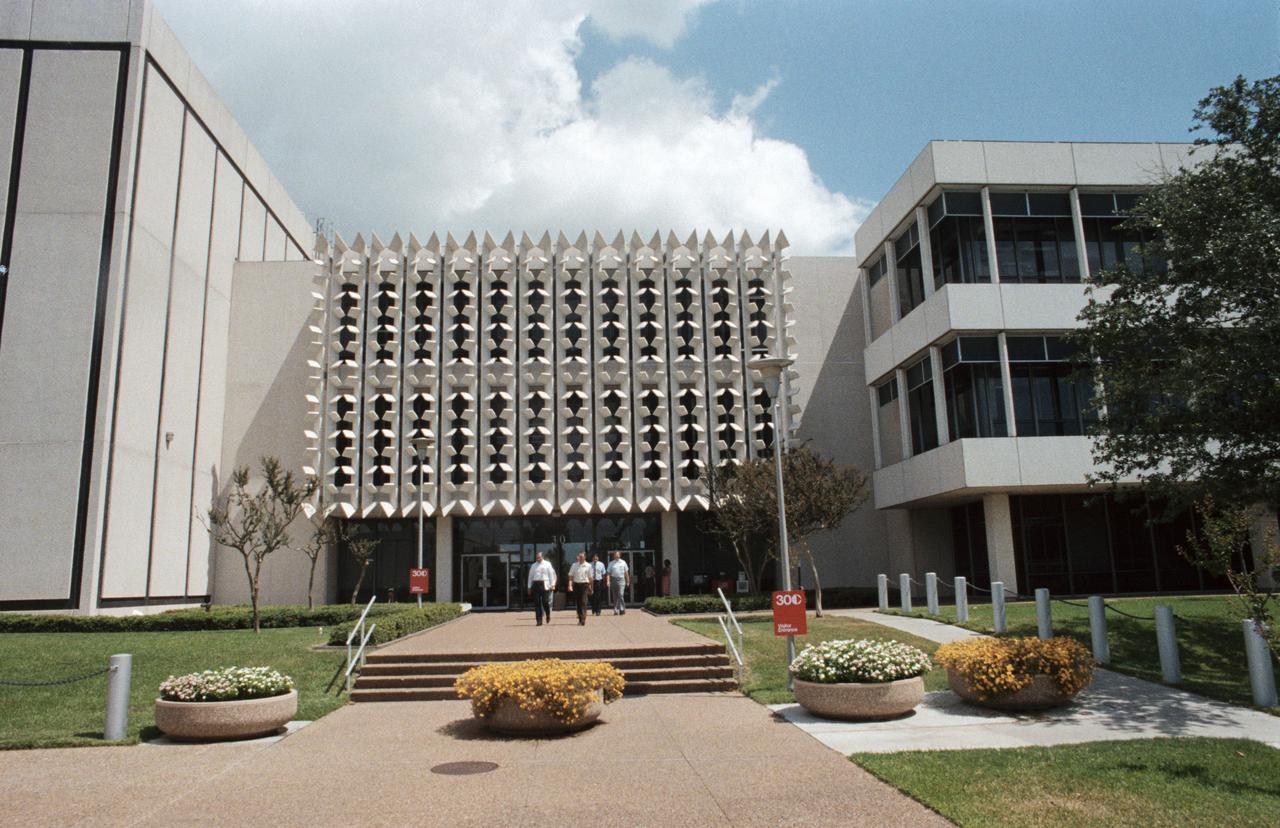
41D-3072 (30 Aug 1984) --- A 41-D shift change   is taking place in the Johnson Space Center's   Building 30.  In its twenty years of operation, the mission control center has been the scene of many such changes.  The windowless wing at left houses three floors, including rooms supporting flight control rooms 1 & 2 (formerly called mission operations control rooms 1 & 2).
Front view of bldg 30 which houses mission control
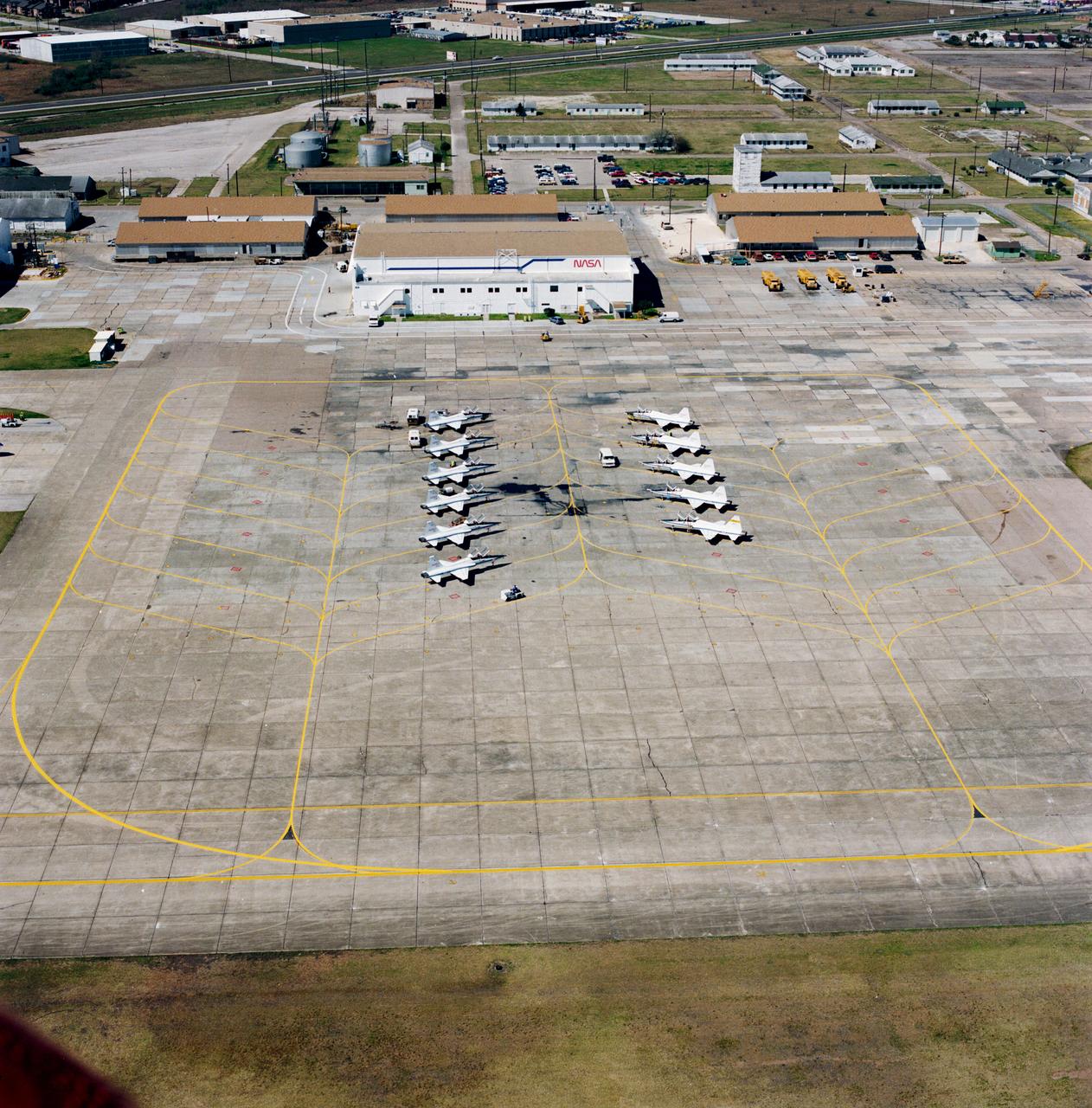
Aerial view of the NASA hangar and a line-up of the NASA T-38 trainer aircraft used by the astronauts at Ellington Field.
Aerial view of NASA hangar at Ellington Field
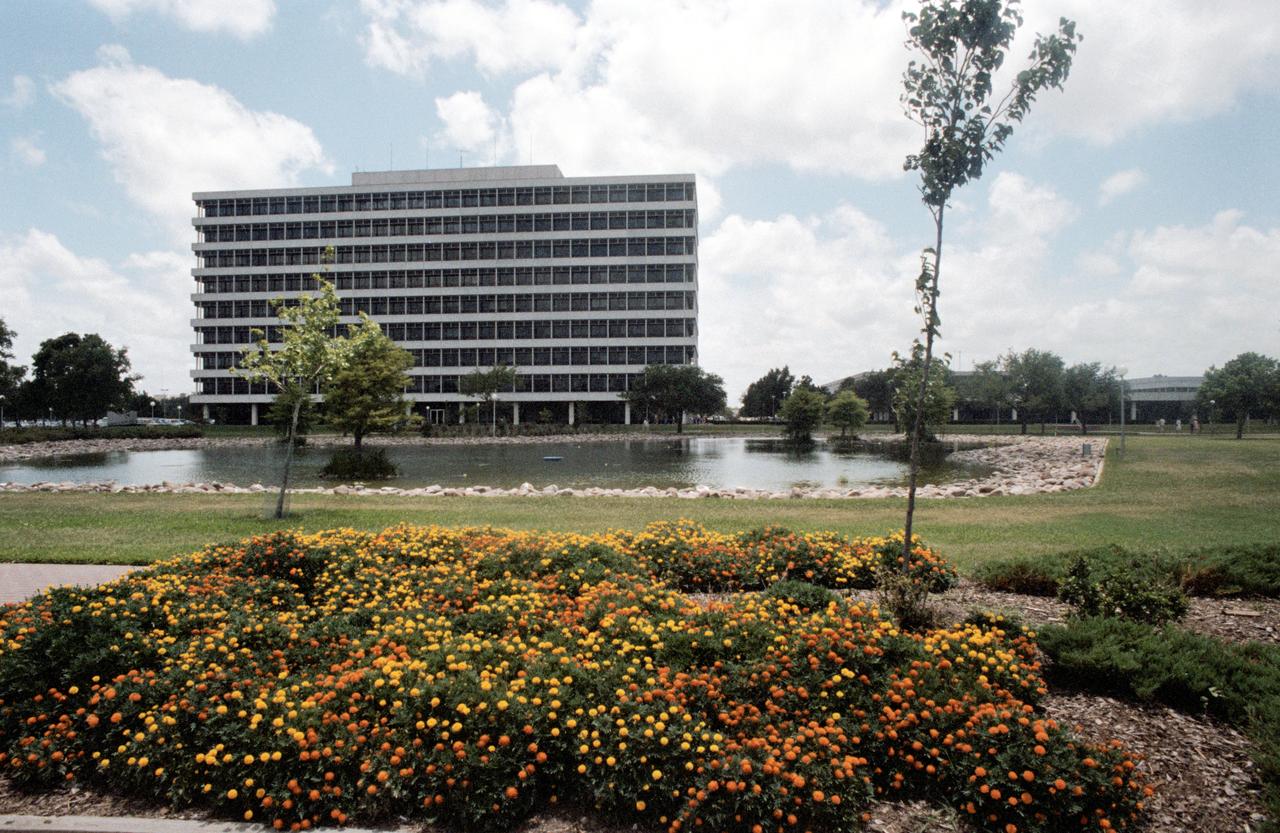
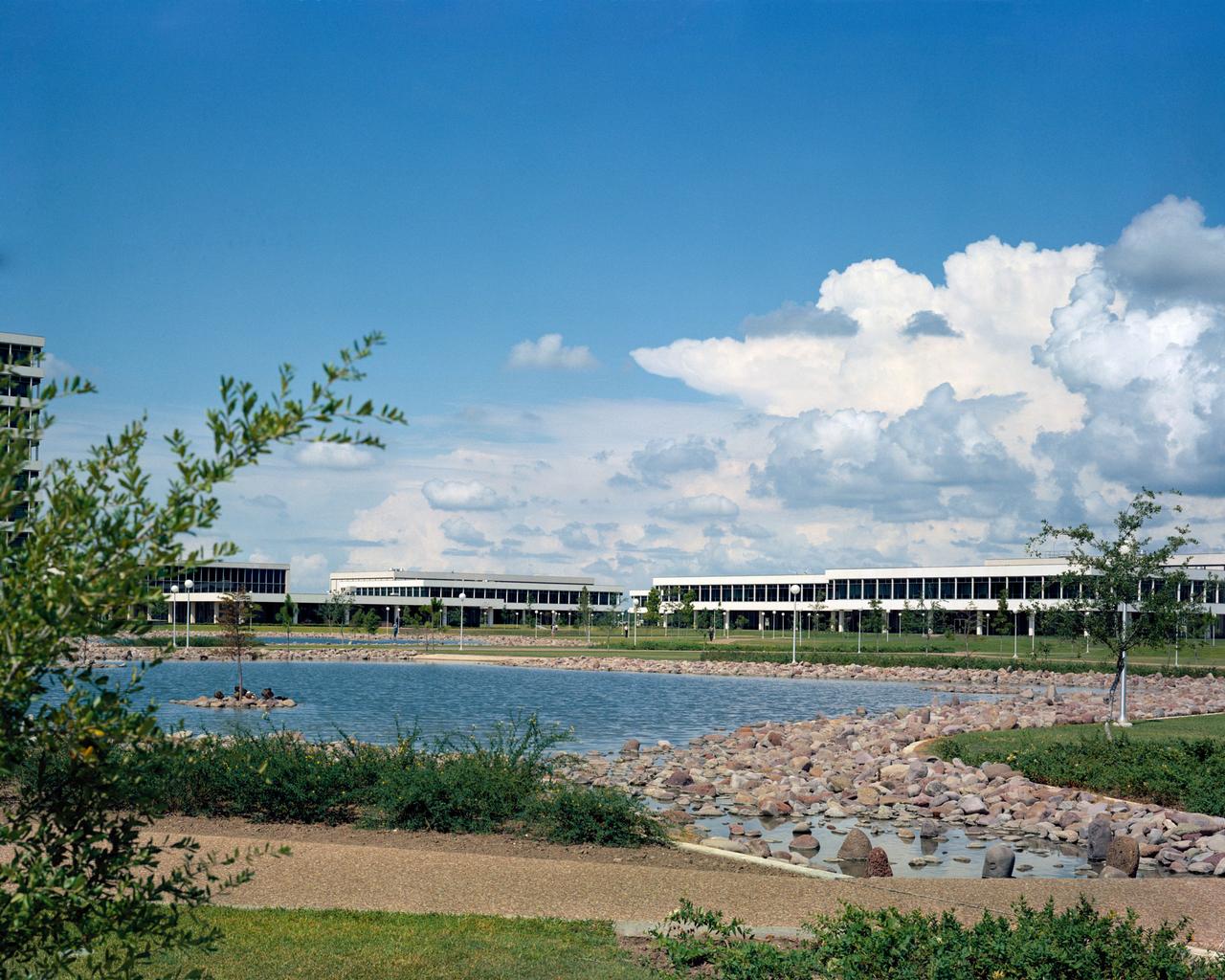
View of Johnson Space Center Administrative Building 1 taken from across the fish pond.
View of Building 1 from across the fish pond
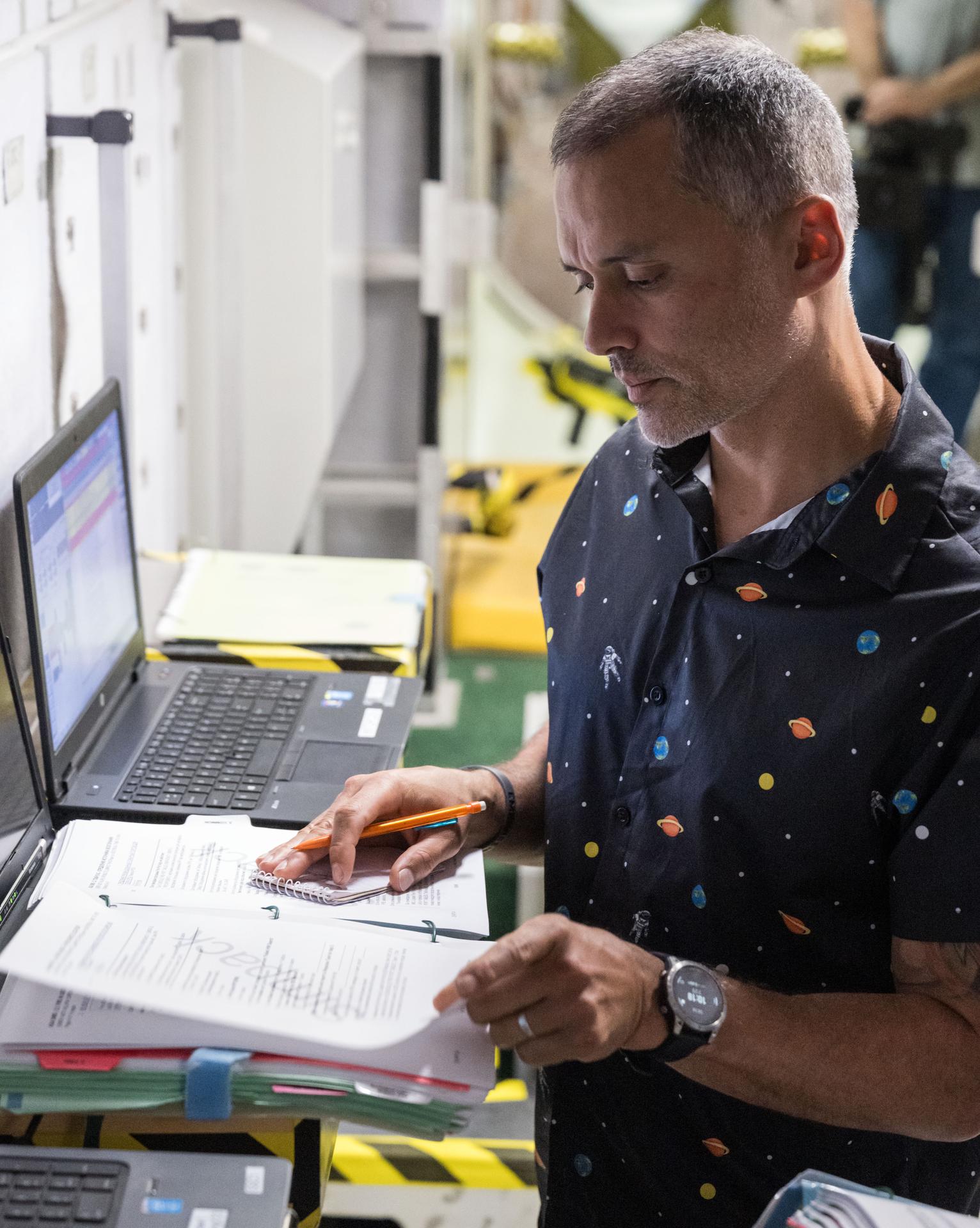
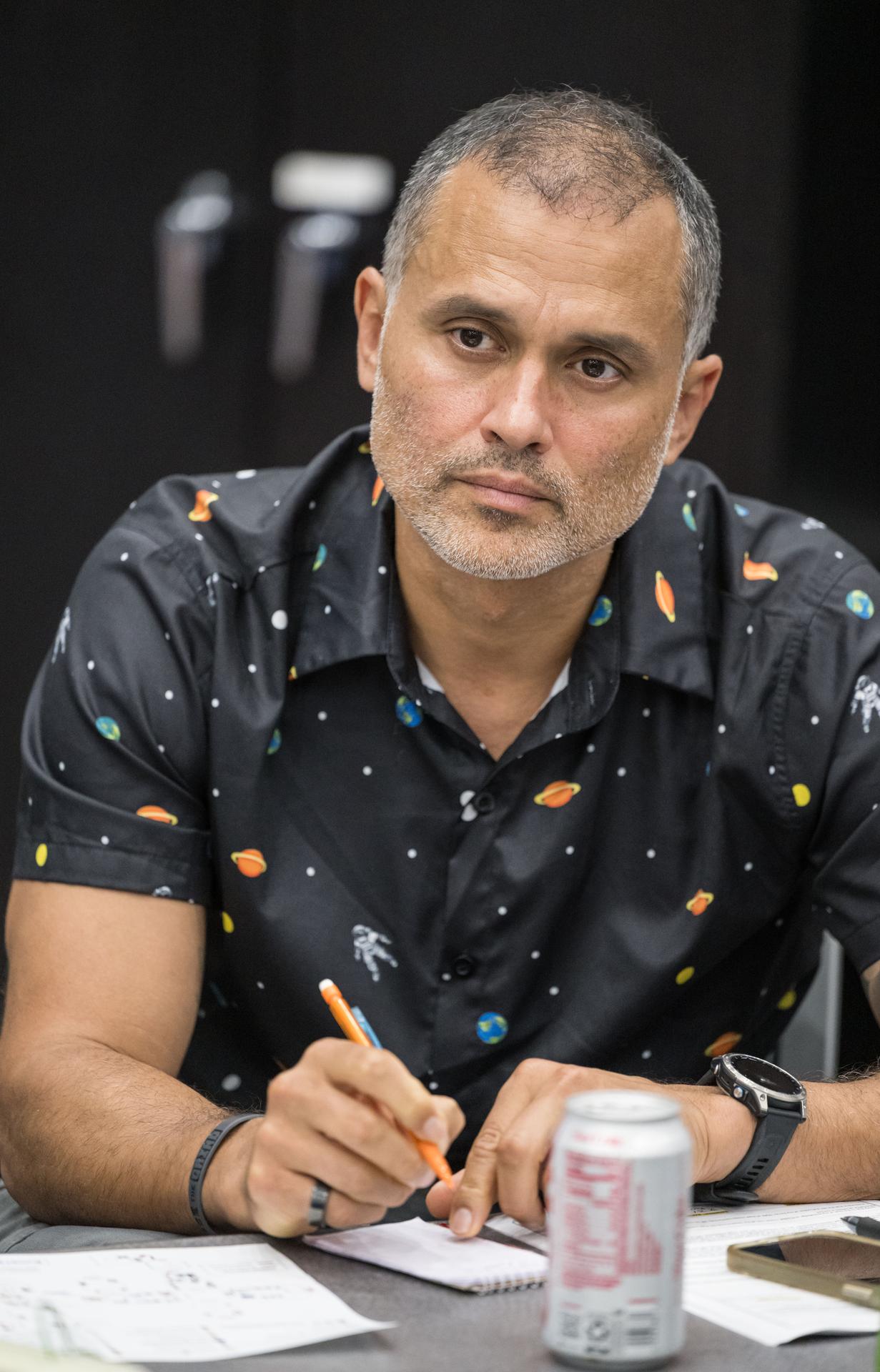
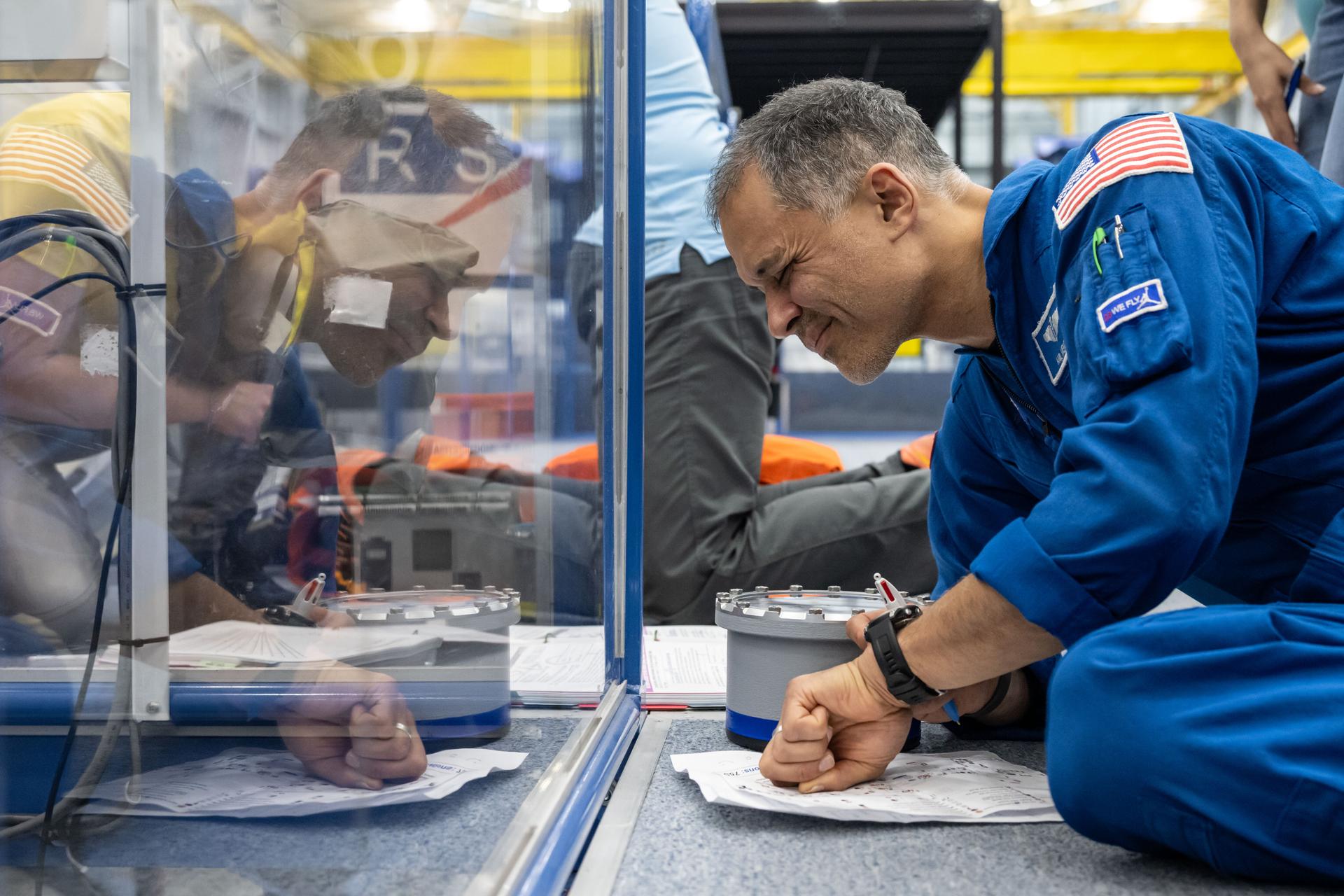
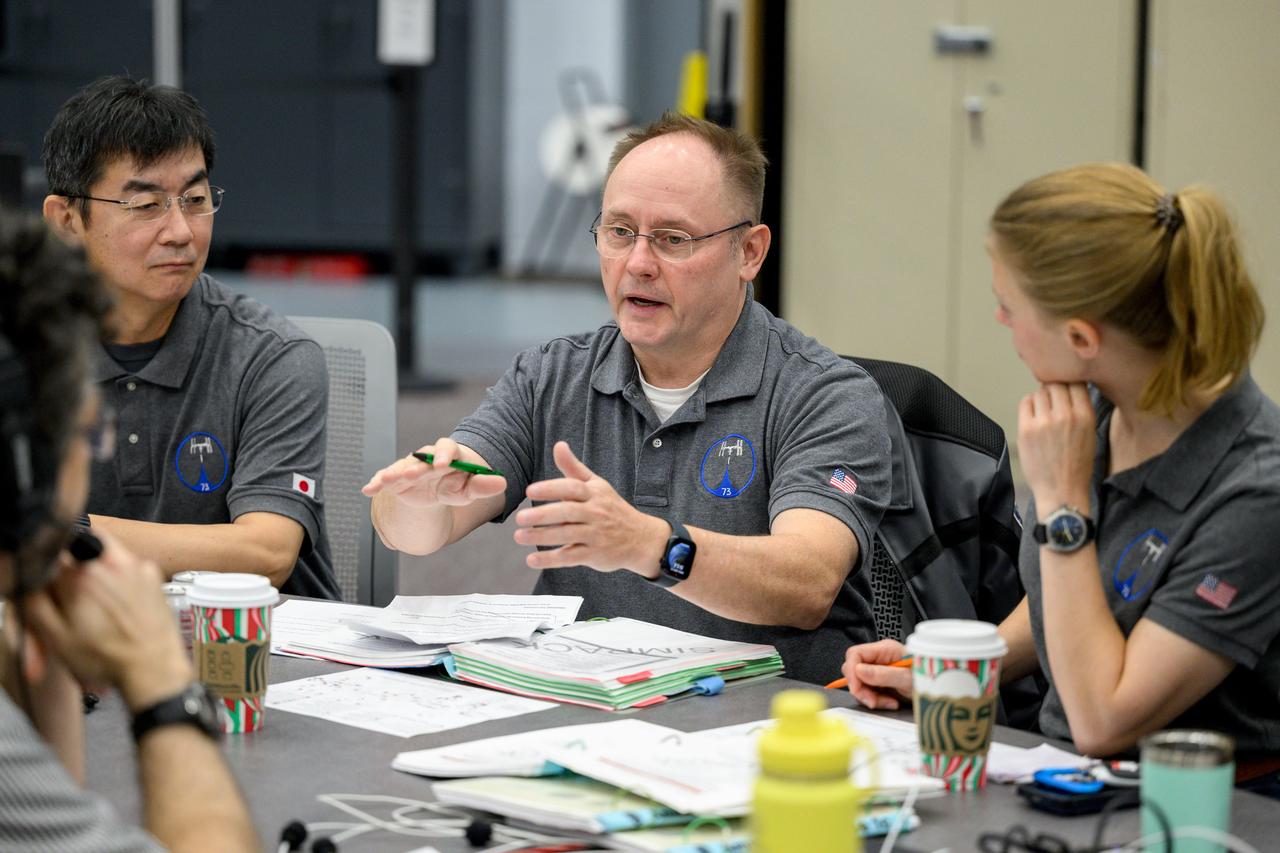
jsc2024e074803 (Nov. 13, 2024) --- From left to right: JAXA astronaut Kimiya Yui, NASA astronaut Mike Fincke, and NASA astronaut Zena Cardman conduct training for the unlikely event of an emergency at the Space Vehicle Mockup Facility at NASA’s Johnson Space Center in Houston, Texas. Credit: NASA/Josh Valcarcel
SpaceX Crew-11 members conduct emergency training
jsc2024e074736 (Nov. 13, 2024) --- From left to right: JAXA astronaut Kimiya Yui, NASA astronaut Mike Fincke, and NASA astronaut Zena Cardman conduct training for the unlikely event of an emergency at the Space Vehicle Mockup Facility at NASA’s Johnson Space Center in Houston, Texas. Credit: NASA/Josh Valcarcel
SpaceX Crew-11 members conduct emergency training
jsc2025e045069 (May 14, 2025) --- NASA astronaut Chris Williams (middle) and Roscosmos cosmonaut Sergey Kud-Sverchkov. (right) participate in a training session at the Space Vehicle Mockup Facility at NASA’s Johnson Space Center in Houston, Texas, to prepare for the unlikely event of an emergency during their International Space Station mission.
NASA astronaut Chris Williams and Roscosmos cosmonaut Sergey Kud-Sverchkov participate in a training session
jsc2024e074755 (Nov. 13, 2025) --- NASA astronauts Chris Williams (left) and Mike Fincke (right) participate in a training session at the Space Vehicle Mockup Facility at NASA’s Johnson Space Center in Houston, Texas, to prepare for the unlikely event of an emergency during their International Space Station mission.
NASA astronauts Chris Williams and Mike Fincke participate in a training session
The X-59 arrives home in Palmdale, California after completing important structural and fuel tests at the Lockheed Martin facility in Ft. Worth, Texas. The nose, which is not installed in this image, was removed prior to the transport home and arrived separately to the facility. This is part of NASA’s Quesst mission which plans to help enable supersonic air travel over land.
LRC-2022-H1_P_X-59-1
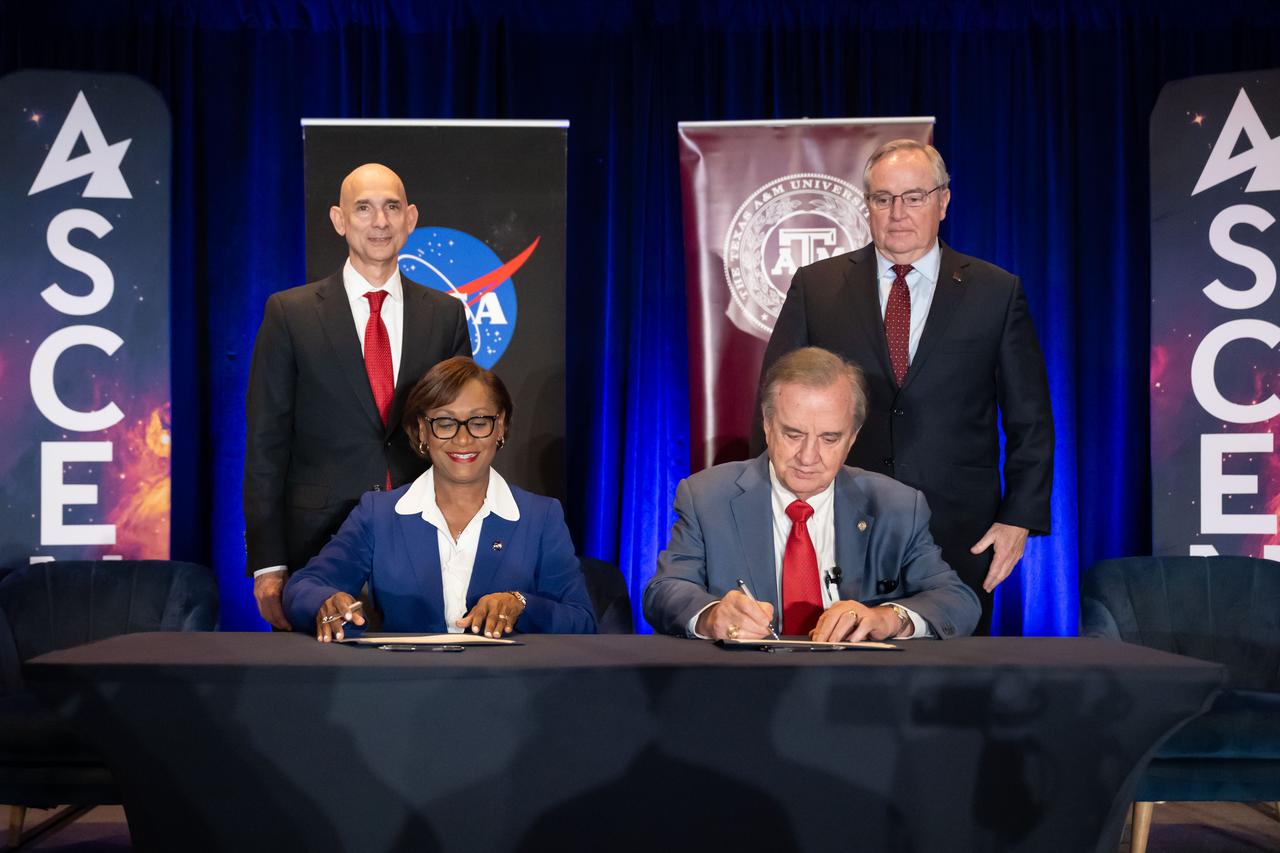
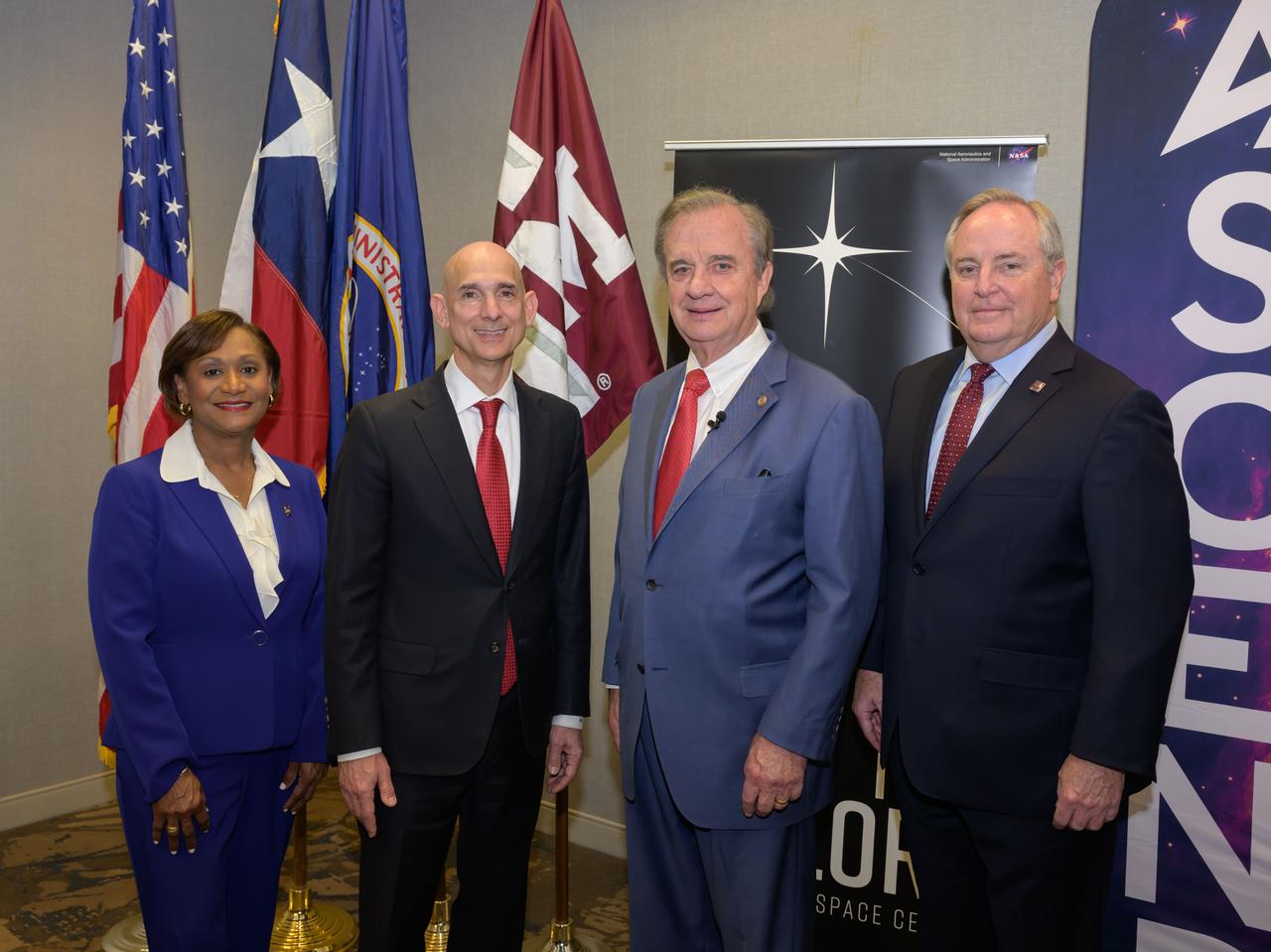
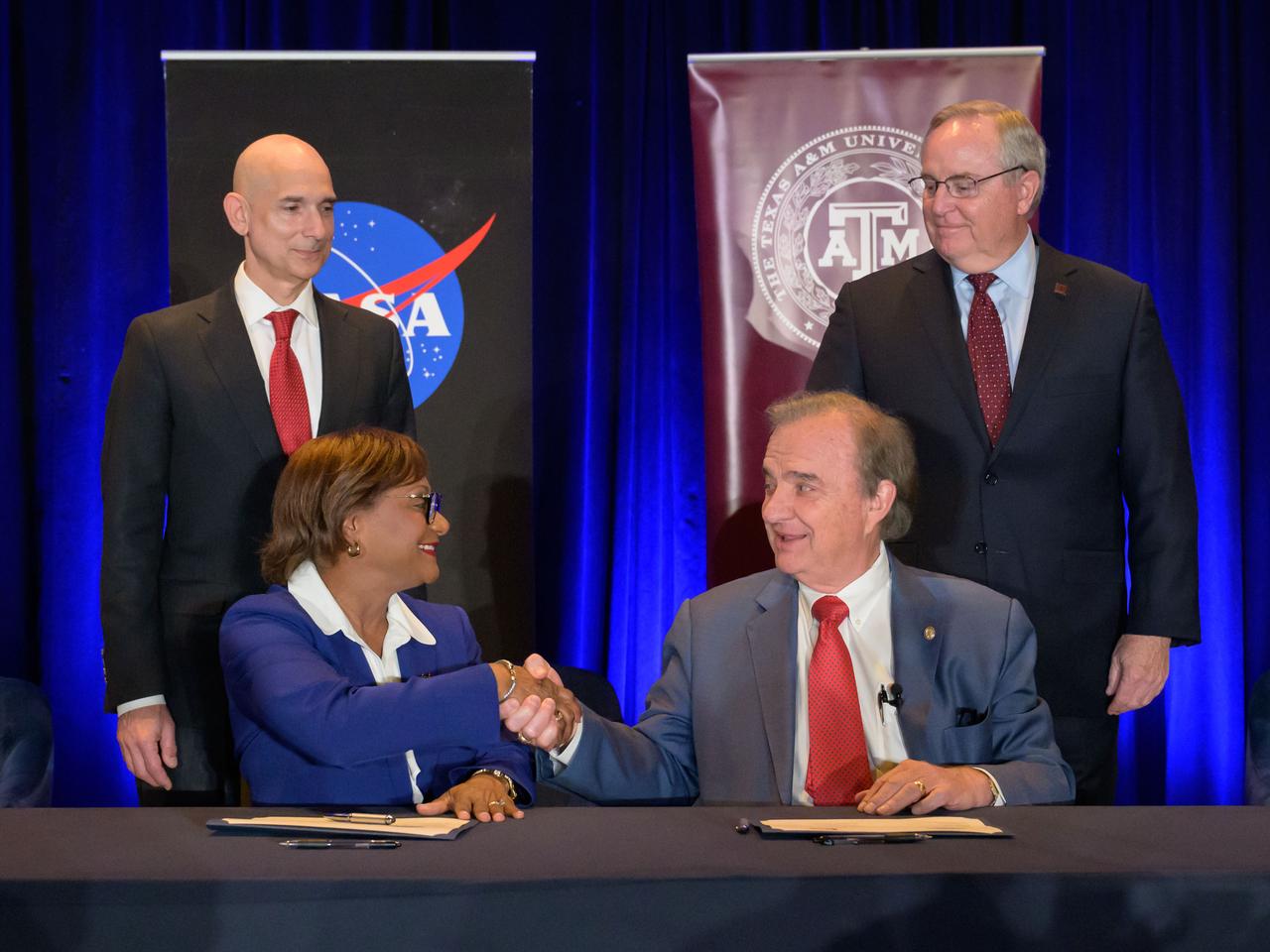
jsc2024e013586 (Feb. 15, 2024) NASA and the Texas A&M University System sign an agreement for a 240-acre Exploration Park on underutilized land at NASA’s Johnson Space Center in Houston. From left: NASA Johnson Director Vanessa Wyche, Texas State Rep. Greg Bonnen, Texas A&M University System Chancellor John Sharp, and Texas A&M University President Mark Welsh III. The announcement of the new lease agreement will allow the A&M System and others to use NASA Johnson land to create facilities for a collaborative environment that increases commercial access and enhances the United States’ commercial competitiveness in the space and aerospace industries. The announcement took place at the AIAA-hosted Ascend Texas (ASCENDxTexas) Conference at South Shore Harbour Conference Center.
jsc2024e013586
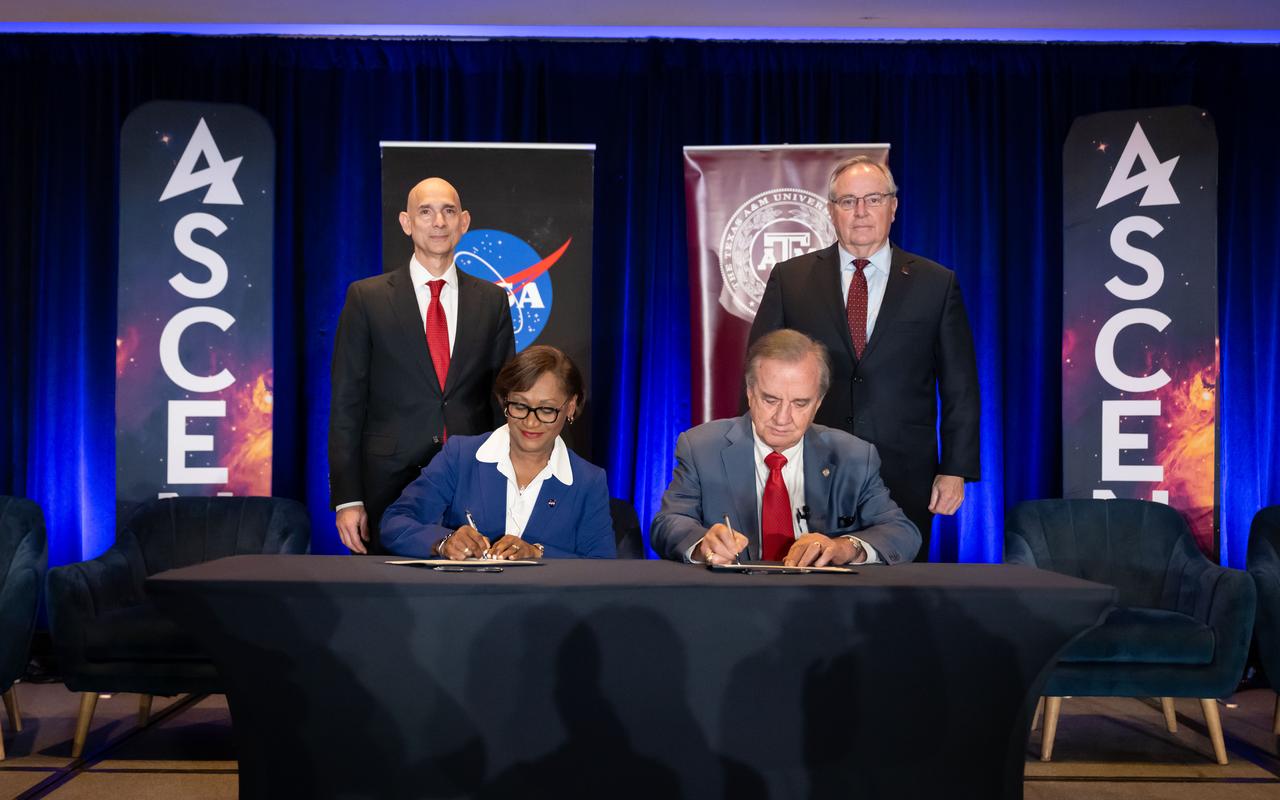
jsc2024e013569 (Feb. 15, 2024) NASA and the Texas A&M University System sign an agreement for a 240-acre Exploration Park on underutilized land at NASA’s Johnson Space Center in Houston. From left: Texas State Rep. Greg Bonnen, NASA Johnson Director Vanessa Wyche, Texas A&M University System Chancellor John Sharp, and Texas A&M University President Mark Welsh III. The announcement of the new lease agreement will allow the A&M System and others to use NASA Johnson land to create facilities for a collaborative environment that increases commercial access and enhances the United States’ commercial competitiveness in the space and aerospace industries. The announcement took place at the AIAA-hosted Ascend Texas (ASCENDxTexas) Conference at South Shore Harbour Conference Center.
jsc2024e013569
jsc2024e013573 (Feb. 15, 2024) NASA and the Texas A&M University System sign an agreement for a 240-acre Exploration Park on underutilized land at NASA’s Johnson Space Center in Houston. From left: Texas State Rep. Greg Bonnen, NASA Johnson Director Vanessa Wyche, Texas A&M University System Chancellor John Sharp, and Texas A&M University President Mark Welsh III. The announcement of the new lease agreement will allow the A&M System and others to use NASA Johnson land to create facilities for a collaborative environment that increases commercial access and enhances the United States’ commercial competitiveness in the space and aerospace industries. The announcement took place at the AIAA-hosted Ascend Texas (ASCENDxTexas) Conference at South Shore Harbour Conference Center.
jsc2024e013573
jsc2024e013573 (Feb. 15, 2024) NASA and the Texas A&M University System sign an agreement for a 240-acre Exploration Park on underutilized land at NASA’s Johnson Space Center in Houston. From left: Texas State Rep. Greg Bonnen, NASA Johnson Director Vanessa Wyche, Texas A&M University System Chancellor John Sharp, and Texas A&M University President Mark Welsh III. The announcement of the new lease agreement will allow the A&M System and others to use NASA Johnson land to create facilities for a collaborative environment that increases commercial access and enhances the United States’ commercial competitiveness in the space and aerospace industries. The announcement took place at the AIAA-hosted Ascend Texas (ASCENDxTexas) Conference at South Shore Harbour Conference Center.
jsc2024e013570
KENNEDY SPACE CENTER, FLA. -  In the Orbiter Processing Facility, packing material is placed over the nose cap that was removed from Atlantis.   The reinforced carbon-carbon (RCC) nose cap is being sent to the original manufacturing company, Vought in Ft. Worth, Texas, a subsidiary of Lockheed Martin, to undergo non-destructive testing such as CAT scan and thermography.
KENNEDY SPACE CENTER, FLA. - In the Orbiter Processing Facility, packing material is placed over the nose cap that was removed from Atlantis. The reinforced carbon-carbon (RCC) nose cap is being sent to the original manufacturing company, Vought in Ft. Worth, Texas, a subsidiary of Lockheed Martin, to undergo non-destructive testing such as CAT scan and thermography.
KENNEDY SPACE CENTER, FLA. -  In the Orbiter Processing Facility, workers remove the overhead crane from the nose cap that was removed from Atlantis.   The reinforced carbon-carbon (RCC) nose cap is being sent to the original manufacturing company, Vought in Ft. Worth, Texas, a subsidiary of Lockheed Martin, to undergo non-destructive testing such as CAT scan and thermography.
KENNEDY SPACE CENTER, FLA. - In the Orbiter Processing Facility, workers remove the overhead crane from the nose cap that was removed from Atlantis. The reinforced carbon-carbon (RCC) nose cap is being sent to the original manufacturing company, Vought in Ft. Worth, Texas, a subsidiary of Lockheed Martin, to undergo non-destructive testing such as CAT scan and thermography.
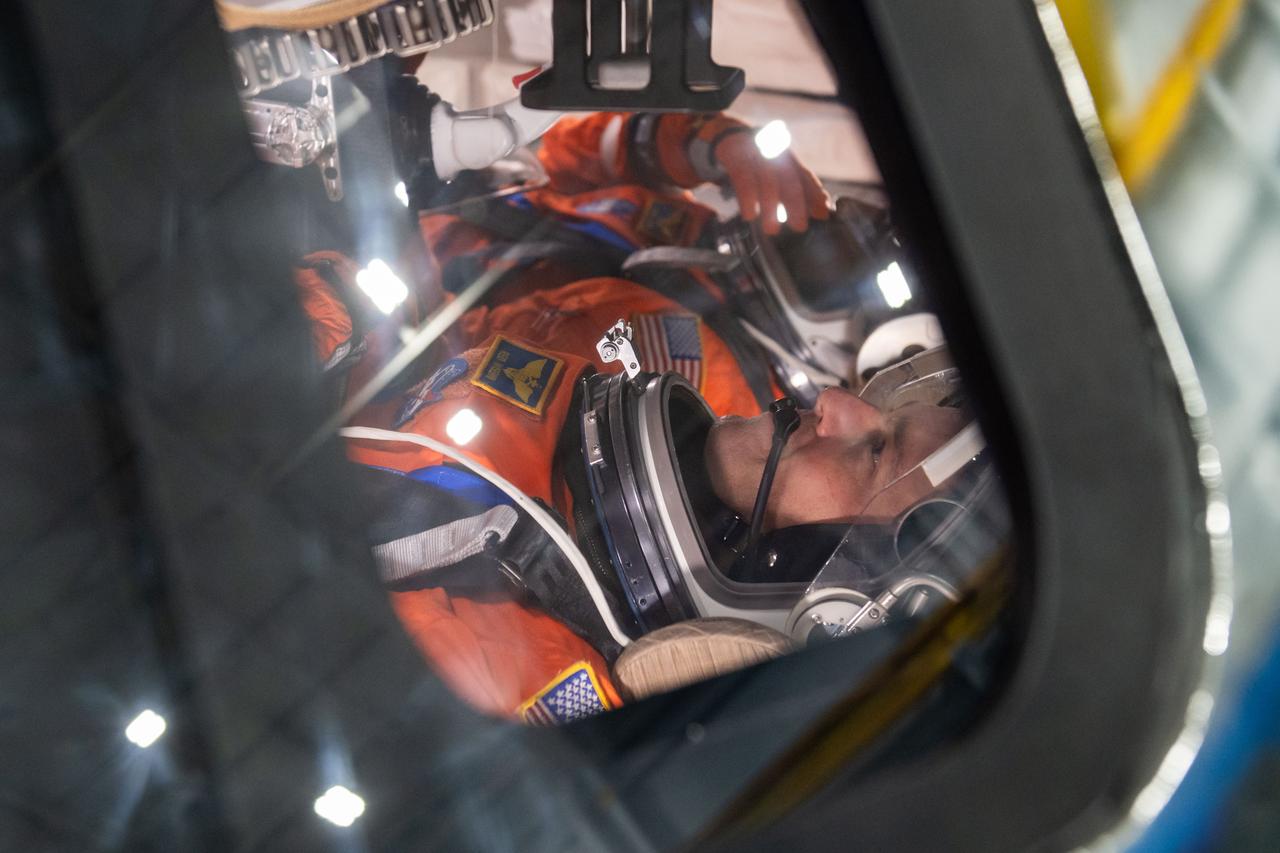
jsc2025e004079 (Jan. 30, 2025) --- NASA astronaut and Artemis II commander Reid Wiseman during Post Insertion and Deorbit Preparation training at the Space Vehicle Mockup Facility in Houston, Texas. The crew practiced getting the Orion spacecraft configured once in orbit, how to make it habitable, and suited up in their entry pressure suits to prepare for their return from the Moon. Credit: NASA/Mark Sowa
NASA astronaut and Artemis II commander Reid Wiseman during Post Insertion and Deorbit Preparation training
jsc2024e074731 (Nov. 13, 2024) --- NASA’s SpaceX Crew-11 crew poses for a portrait at the Space Vehicle Mockup Facility at NASA’s Johnson Space Center in Houston, Texas. From left to right: JAXA astronaut Kimiya Yui, NASA astronaut Zena Cardman, Roscosmos Cosmonaut Oleg Platonov, and NASA astronaut Mike Fincke. Credit: NASA/Josh Valcarcel
NASA’s SpaceX Crew-11 crew poses for a portrait at the Space Vehicle Mockup Facility
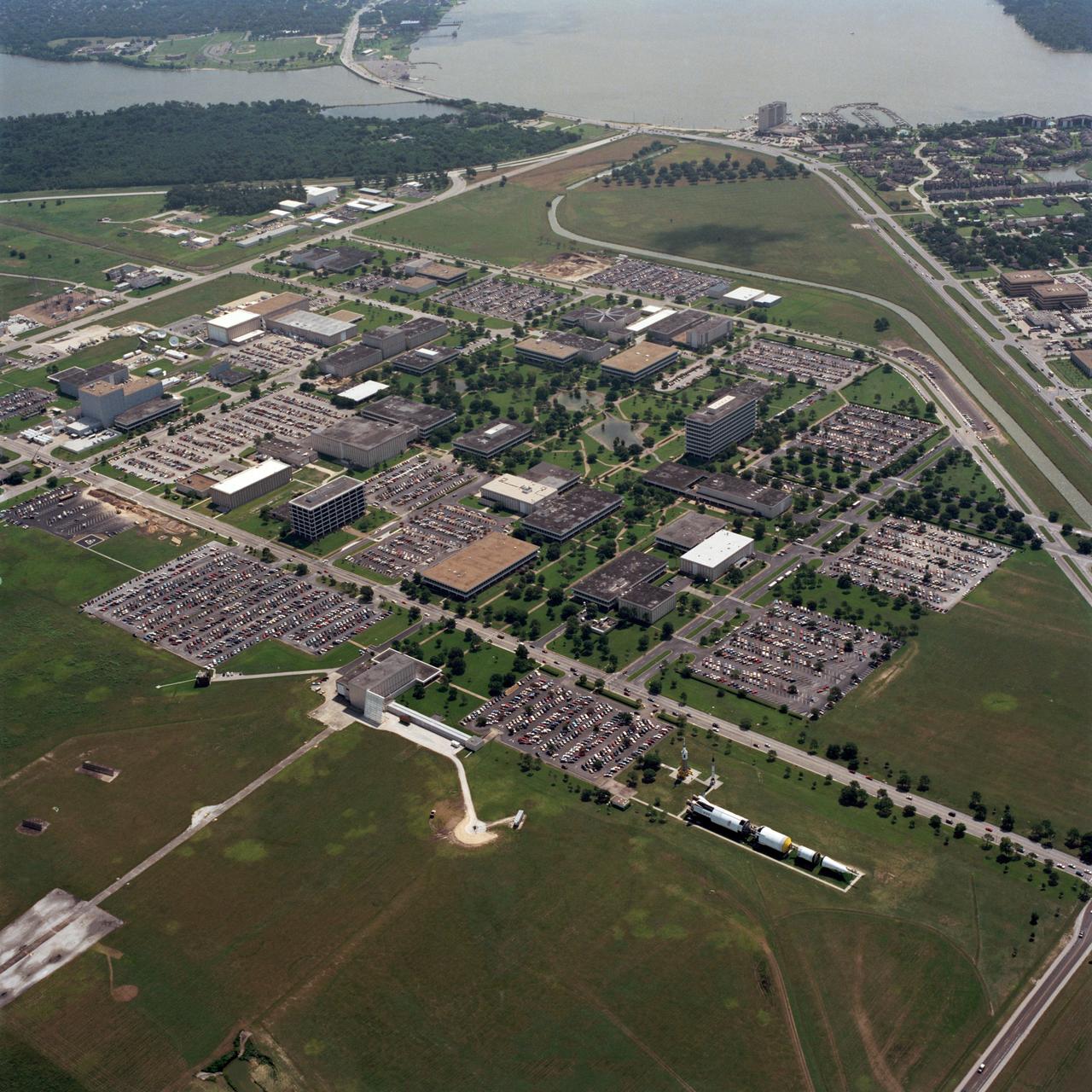
An aerial view of the complete Johnson Space Center facility. Part of Clear Lake can be seen at the top of the view.
Aerial view of the Johnson Space Center
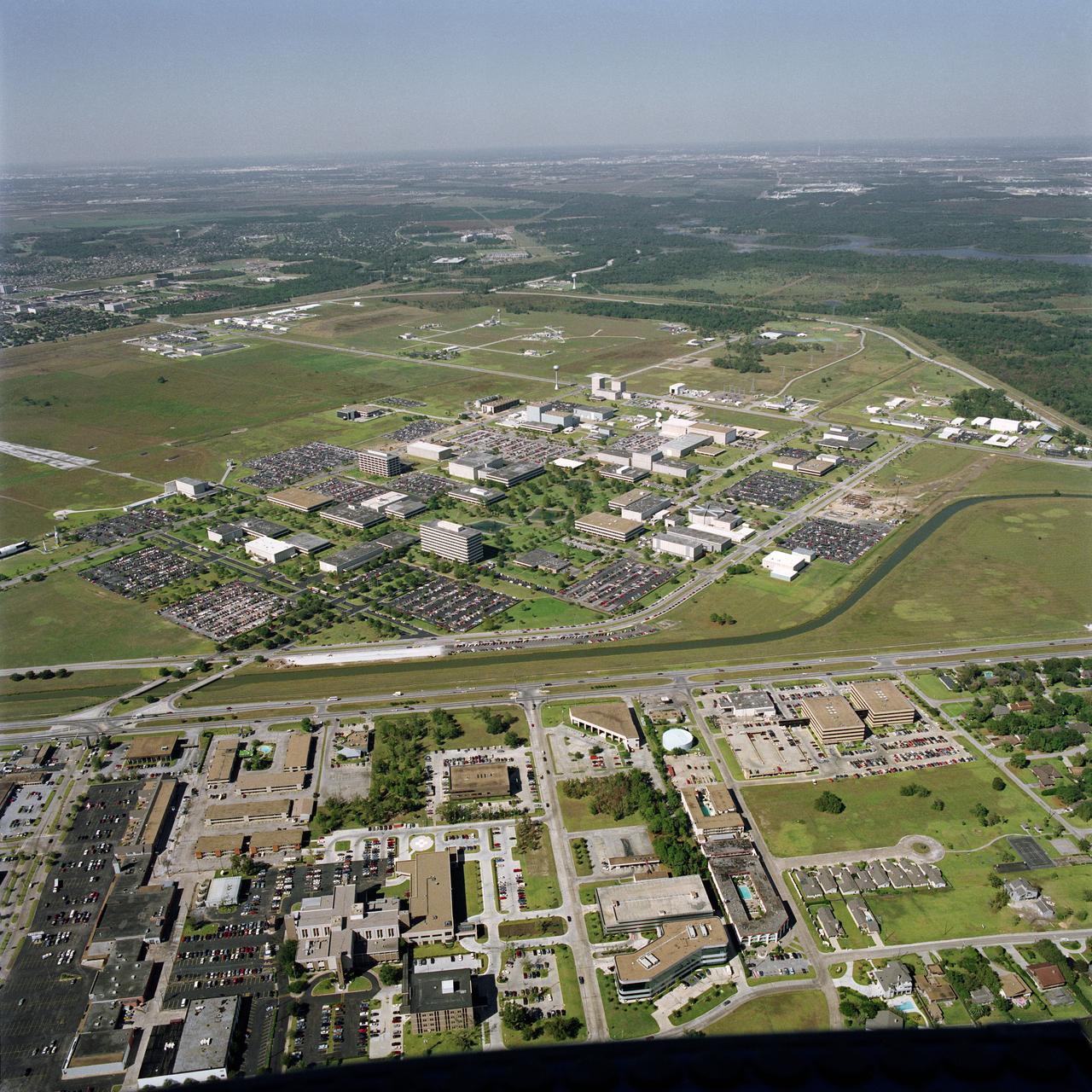
S90-47653 (7 Sept. 1990) --- This aerial photograph of NASA's Johnson Space Center includes the entire 1625-acre site with the exception of a few security-associated facilities and part of the Manned Space Flight Exhibit Complex (AKA "Rocket Park"). The bottom half of the image includes many business and residential edifices as well as a hospital and other medical facilities in the Nassau Bay community. Photo credit: NASA
Aerial view of Johnson Space Center
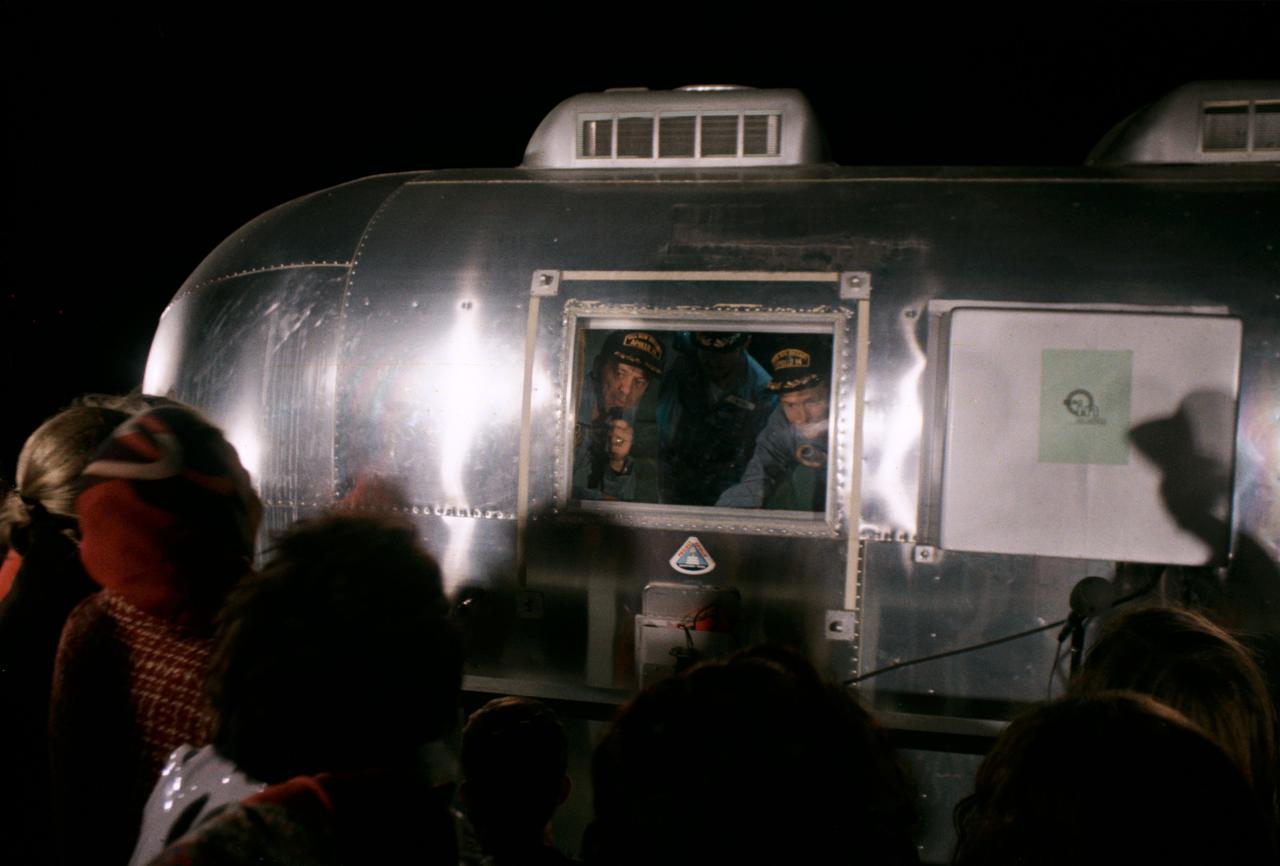
S71-19508 (12 Feb. 1971) --- Separated by aluminum and glass of their Mobile Quarantine Facility (MQF), the Apollo 14 crew members visit with their families and friends upon arriving at Ellington Air Force Base in the early morning hours of Feb. 12, 1971. Looking through the MQF window are astronauts Alan B. Shepard Jr. (left), commander; Stuart A. Roosa (right), command module pilot; and Edgar D. Mitchell, lunar module pilot. The crew men were brought to Houston aboard a C-141 transport plane from Pago Pago, American Samoa. The USS New Orleans had transported the crew to American Samoa from the recovery site in the South Pacific.
Apollo 14 crewmembers sealed inside a Mobile Quarantine Facility
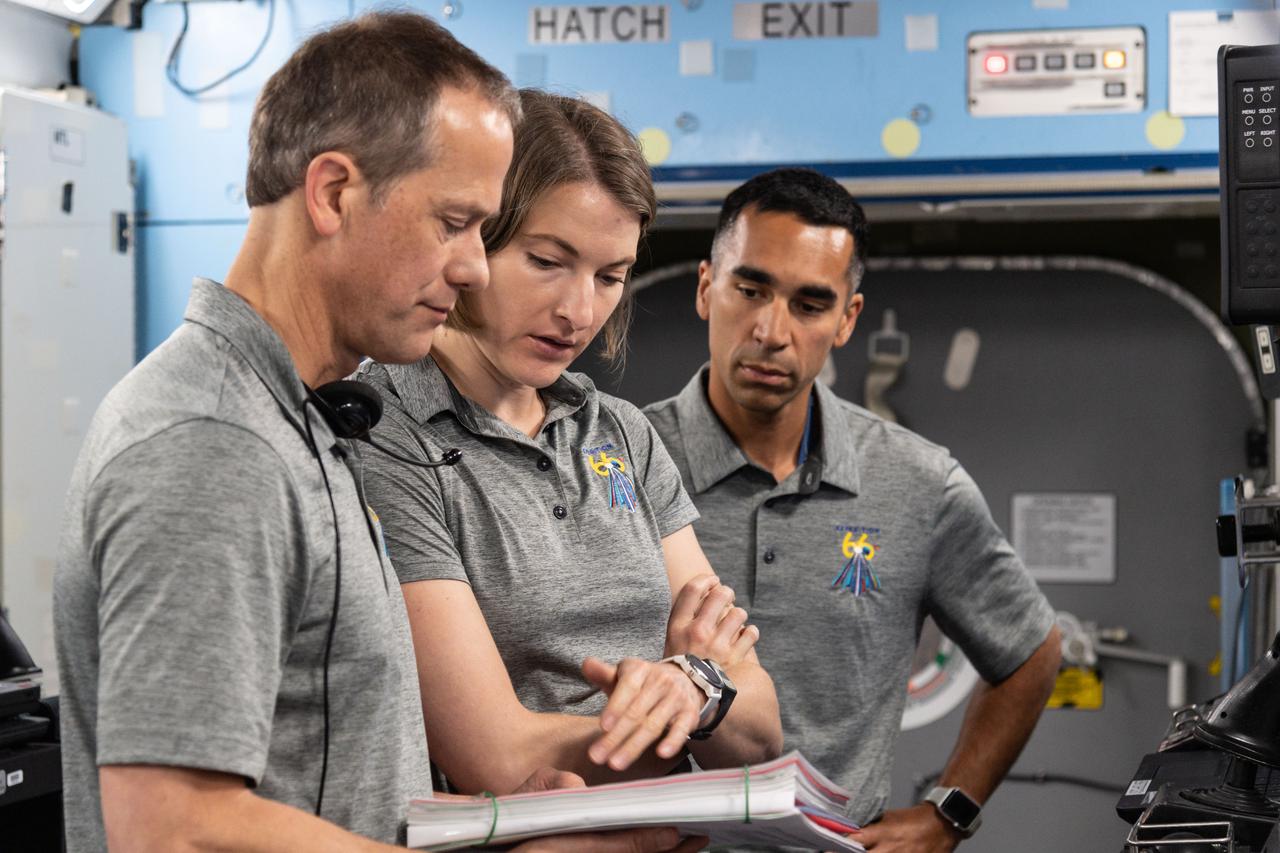
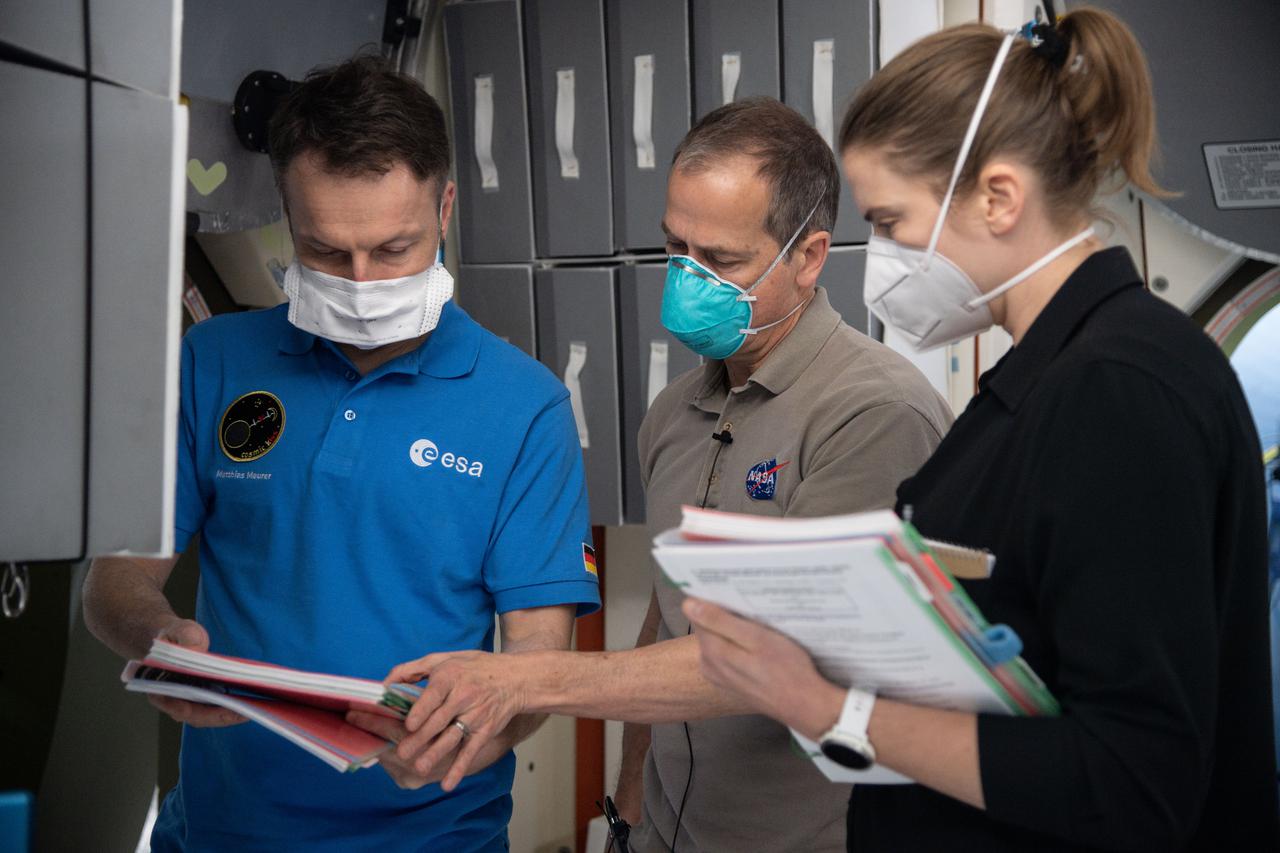
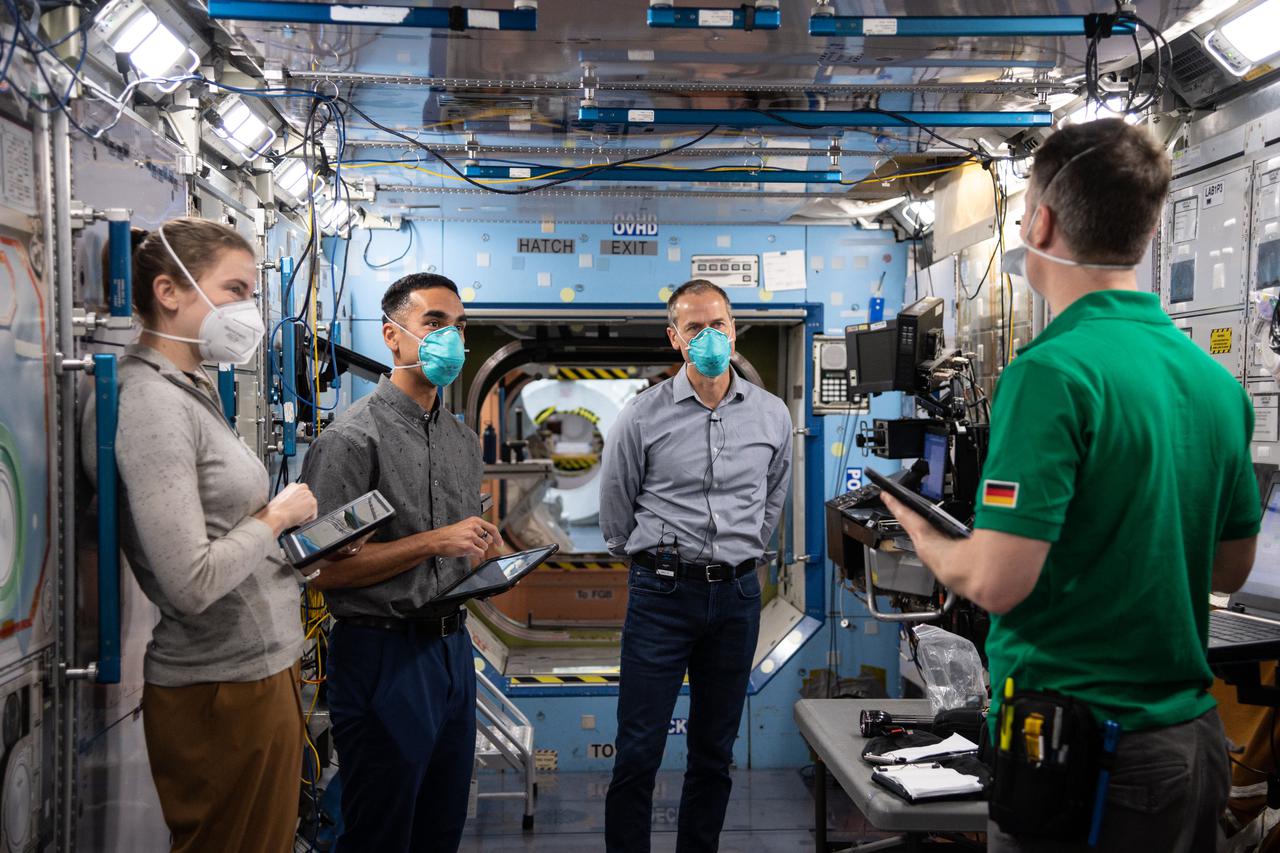
jsc2021e009510 (March 3, 2021) --- SpaceX Crew-3 astronauts (from left) Thomas Marshburn and Kayla Barron are pictured during a training session at the Space Vehicle Mockup Facility at NASA's Johnson Space Center in Houston, Texas.
jsc2021e009510
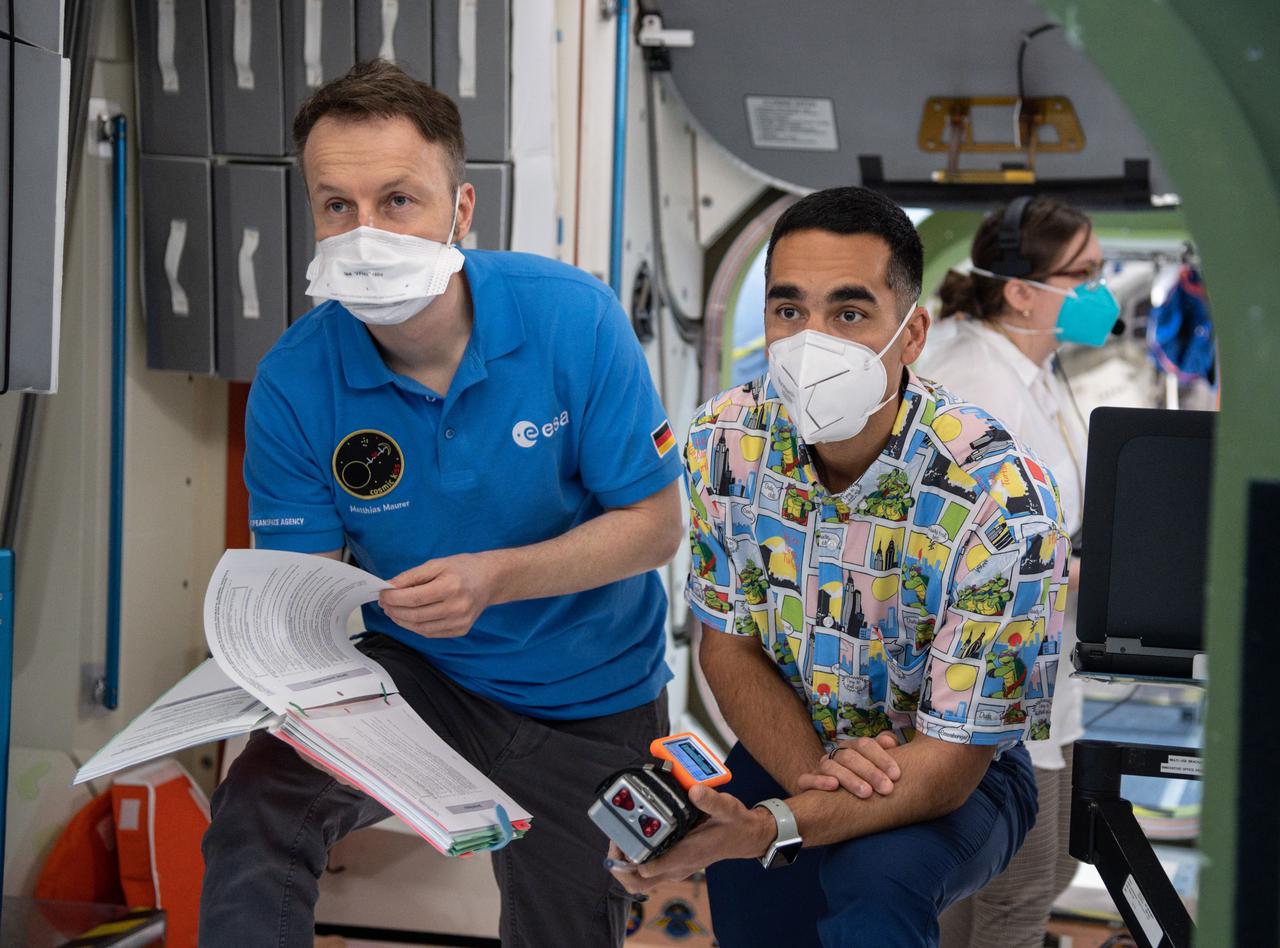
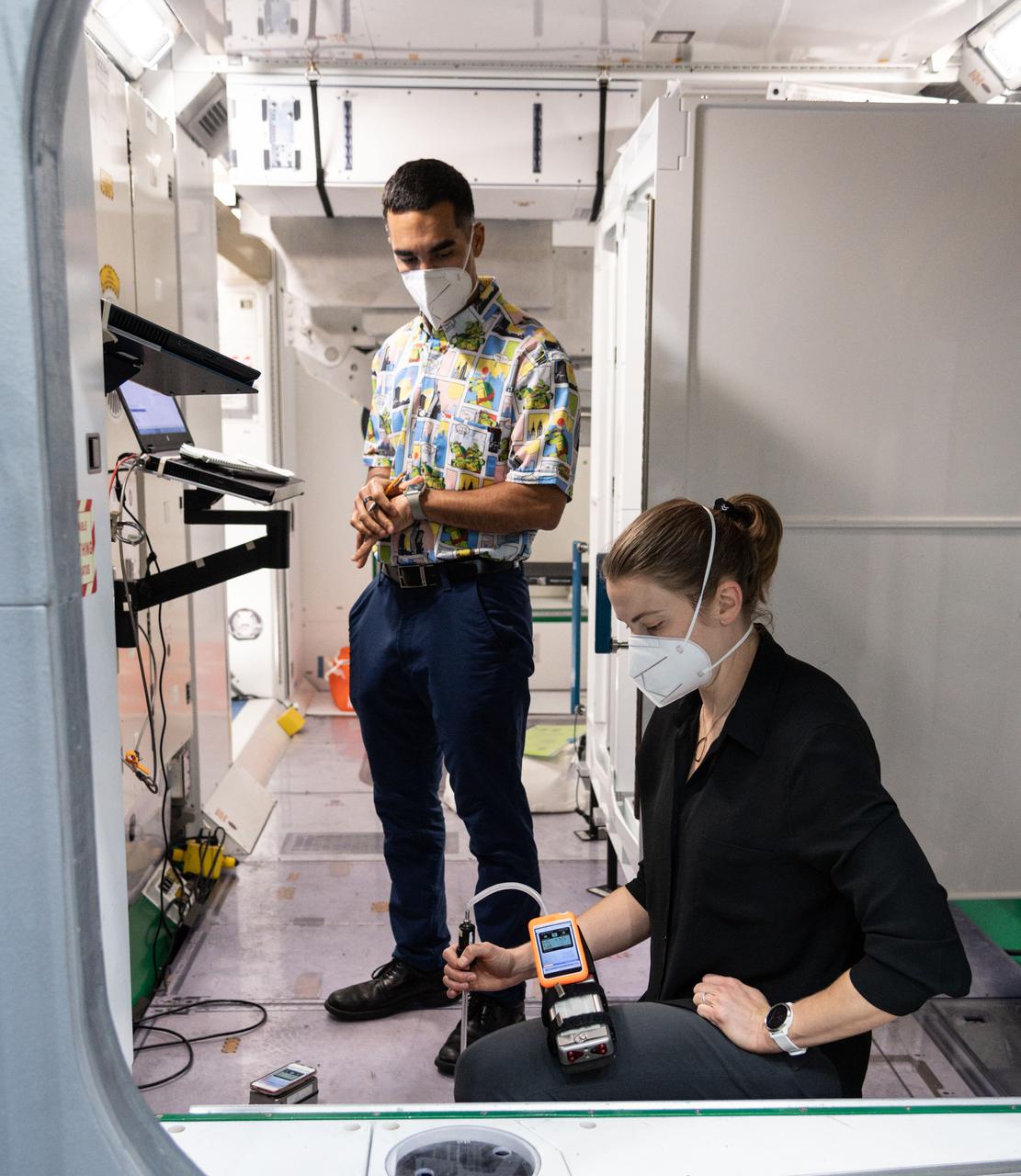
jsc2021e009539 (March 3, 2021) --- SpaceX Crew-3 astronauts (from left) Matthias Maurer and Raja Chari are pictured during a training session at the Space Vehicle Mockup Facility at NASA's Johnson Space Center in Houston, Texas.
jsc2021e009539
jsc2021e009505 (March 3, 2021) --- SpaceX Crew-3 astronauts (from left) Raja Chari and Kayla Barron are pictured during a training session at the Space Vehicle Mockup Facility at NASA's Johnson Space Center in Houston, Texas.
jsc2021e009505
The X-59, NASA’s quiet supersonic technology experimental aircraft, is suspended in the air at Lockheed Martin’s Skunk Works facility in Palmdale, California, following several months of critical ground testing in Ft. Worth, Texas
X-59 Arrives Back in California After Critical Ground Tests
Documentation of the University of Texas Medical Branch (UTMB) bed rest study taken for archival purposes.  A participant visits with a guest at the Galveston facility's Flight Analogs Research Unit.
UTMB Bed Rest Study - Archival Purposes
U. S. Congressman Culbertson, Texas and Mr John Webb, Webb & Associates visit and tour Ames Research Center with Center Director G. Scott Hubbard (briefing and tour of the test facilities by Joe Hartman)
ARC-2003-ACD03-0183-037
The X-59, NASA’s quiet supersonic technology experimental aircraft, arrives back at Lockheed Martin’s Skunk Works facility in Palmdale, California, following several months of critical ground testing in Ft. Worth, Texas
X-59 Arrives Back in California After Critical Ground Tests
The team at SpaceX's rocket development facility in McGregor, Texas completed a static fire test of the Falcon 9 booster that will launch SpaceX's first demonstration mission for NASA's Commerical Crew Program.
SpaceX Demo-1 Static Fire Test
The X-59, NASA's quiet supersonic technology experimental aircraft, sits in Lockheed Martin's Skunk Works facility in Palmdale, California, following its return from several months of critical ground testing in Ft. Worth, Texas
X-59 Arrives Back in California After Critical Ground Tests
jsc2021e023379 (June 18, 2021) ---SpaceX Crew-3 astronauts (from left) Thomas Marshburn, Kayla Barron and Raja Chari train at the Space Vehicle Mockup Facility at NASA's Johnson Space Center in Houston, Texas.
jsc2021e023379
jsc2021e009998 (March 4, 2021) --- NASA astronaut and SpaceX Crew-3 Commander Raja Chari is pictured during a training session at the Space Vehicle Mockup Facility at NASA's Johnson Space Center in Houston, Texas.
jsc2021e009998
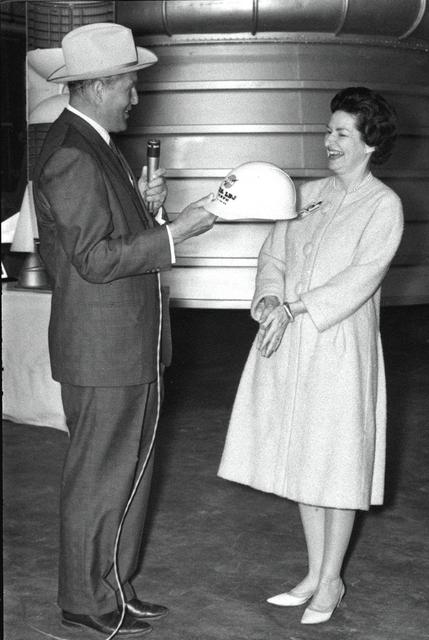
Marshall Space Flight Center Director Dr. Wernher von Braun presents Lady Bird Johnson with an inscribed hard hat during the First Lady's March 24, 1964 visit. While at the Marshall Center, Mrs. Johnson addressed Center employees, toured facilities and witnessed test firings of a Saturn I first stage and an F-1 engine. Dr. von Braun is wearing a Texas hat presented to him months earlier by Lyndon Johnson during a visit to the Johnson ranch in Texas.
Wernher von Braun
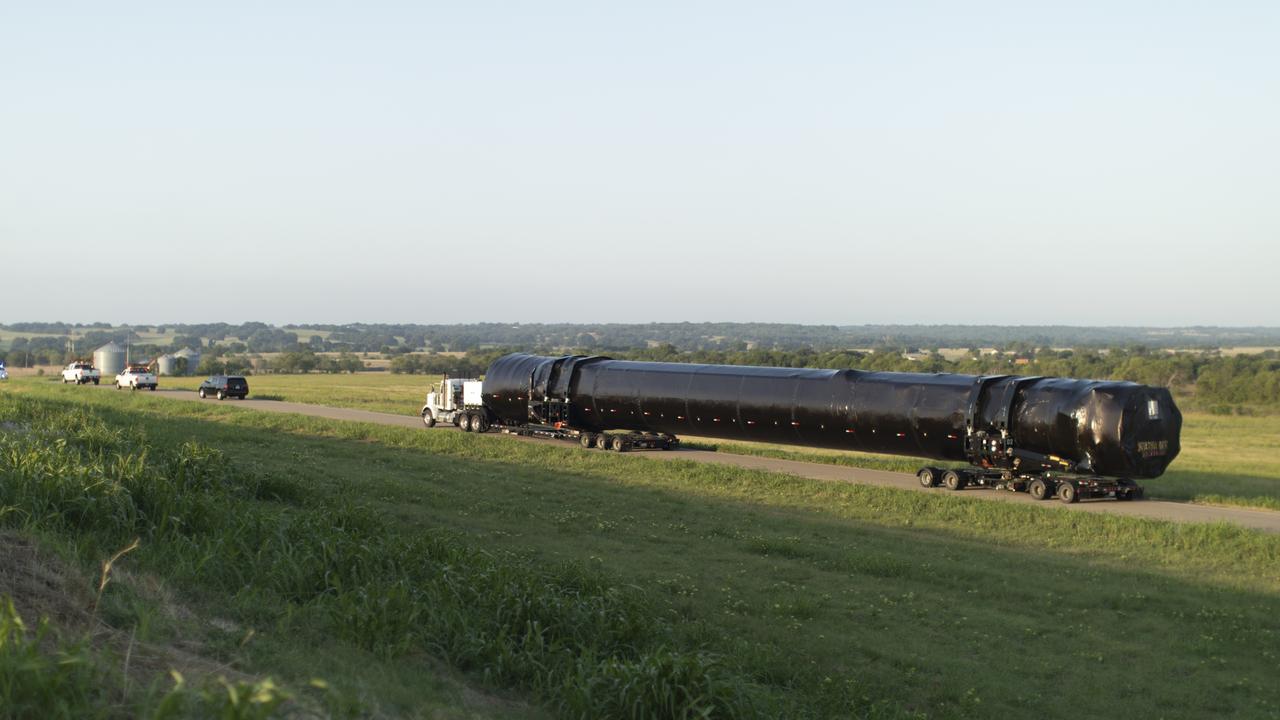
The SpaceX Falcon 9 first stage booster that will launch NASA’s SpaceX Crew-1 mission arrived in Florida Tuesday, July 14, 2020. The rocket was shipped from the SpaceX facility in McGregor, Texas, and will now undergo prelaunch processing in the company’s facility on nearby Cape Canaveral Air Force Station.
SpaceX Crew-1 Falcon 9 First Stage Booster Arrival
The SpaceX Falcon 9 first stage booster that will launch NASA’s SpaceX Crew-1 mission arrived in Florida Tuesday, July 14, 2020. The rocket was shipped from the SpaceX facility in McGregor, Texas, and will now undergo prelaunch processing in the company’s facility on nearby Cape Canaveral Air Force Station.
SpaceX Crew-1 Falcon 9 First Stage Booster Arrival
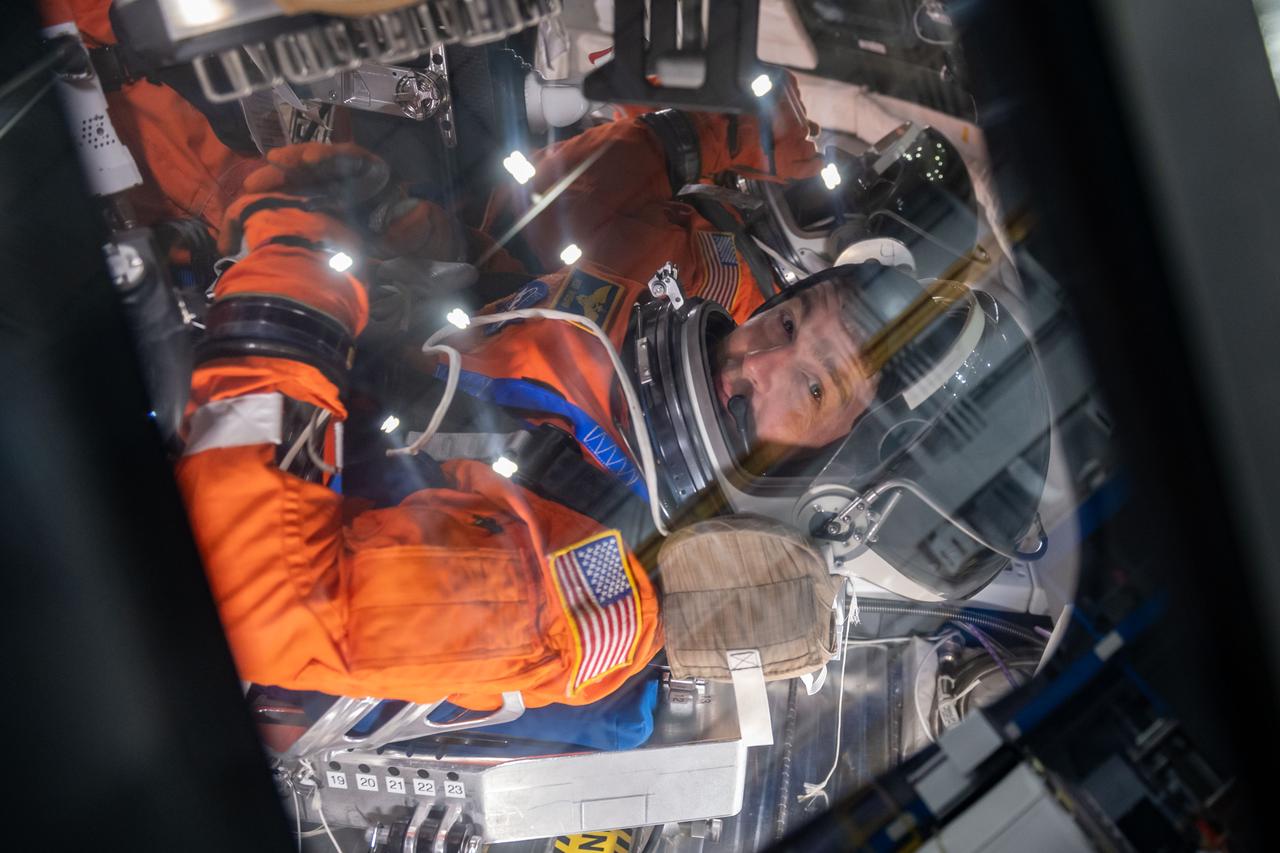
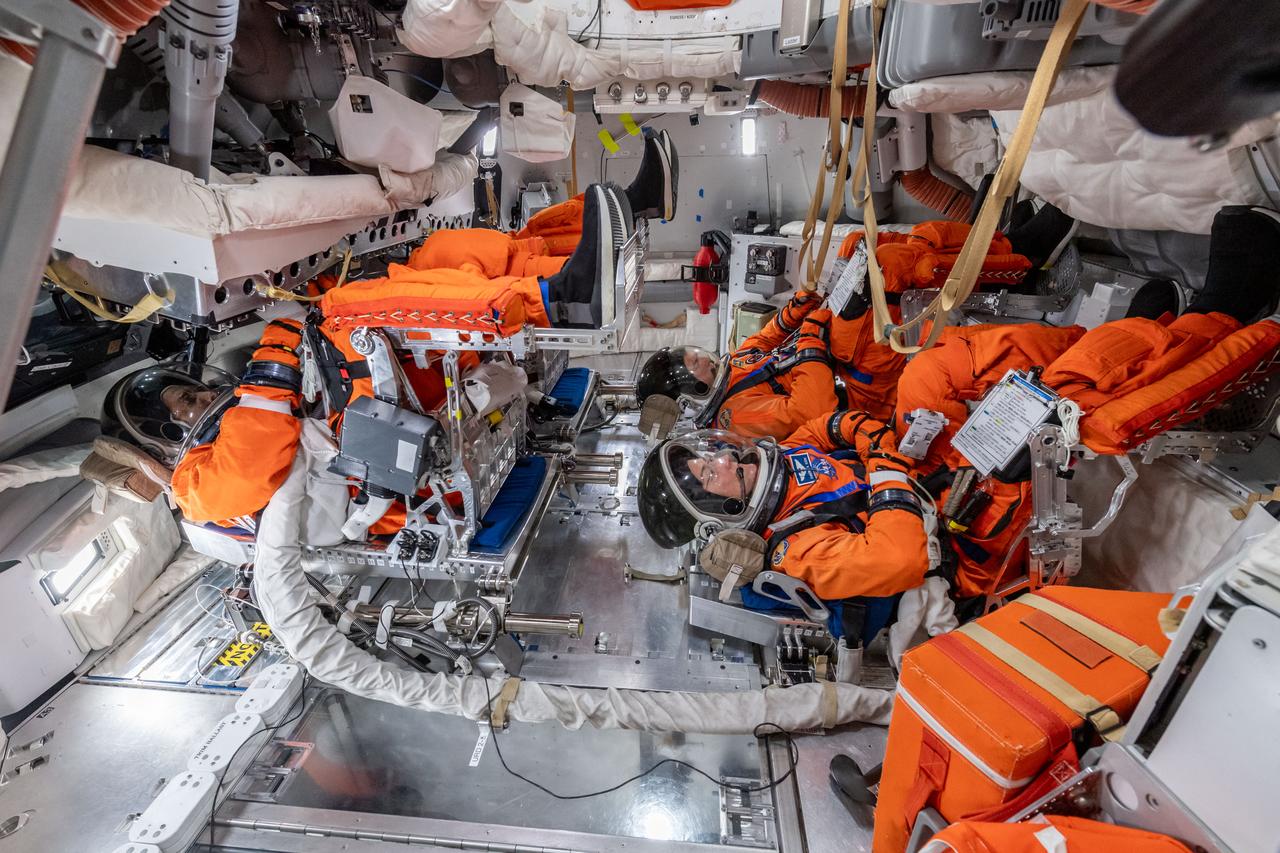
jsc2025e004086 (Jan. 30, 2025) --- The Artemis II crew, NASA astronauts Reid Wiseman, Victor Glover, and Christina Koch, and Canadian Space Agency astronaut Jeremy Hansen, completing Post Insertion and Deorbit Preparation training at the Space Vehicle Mockup Facility in Houston, Texas. The crew practiced getting the Orion spacecraft configured once in orbit, how to make it habitable, and suited up in their entry pressure suits to prepare for their return from the Moon. Credit: NASA/Mark Sowa
The Artemis II crew completing Post Insertion and Deorbit Preparation training
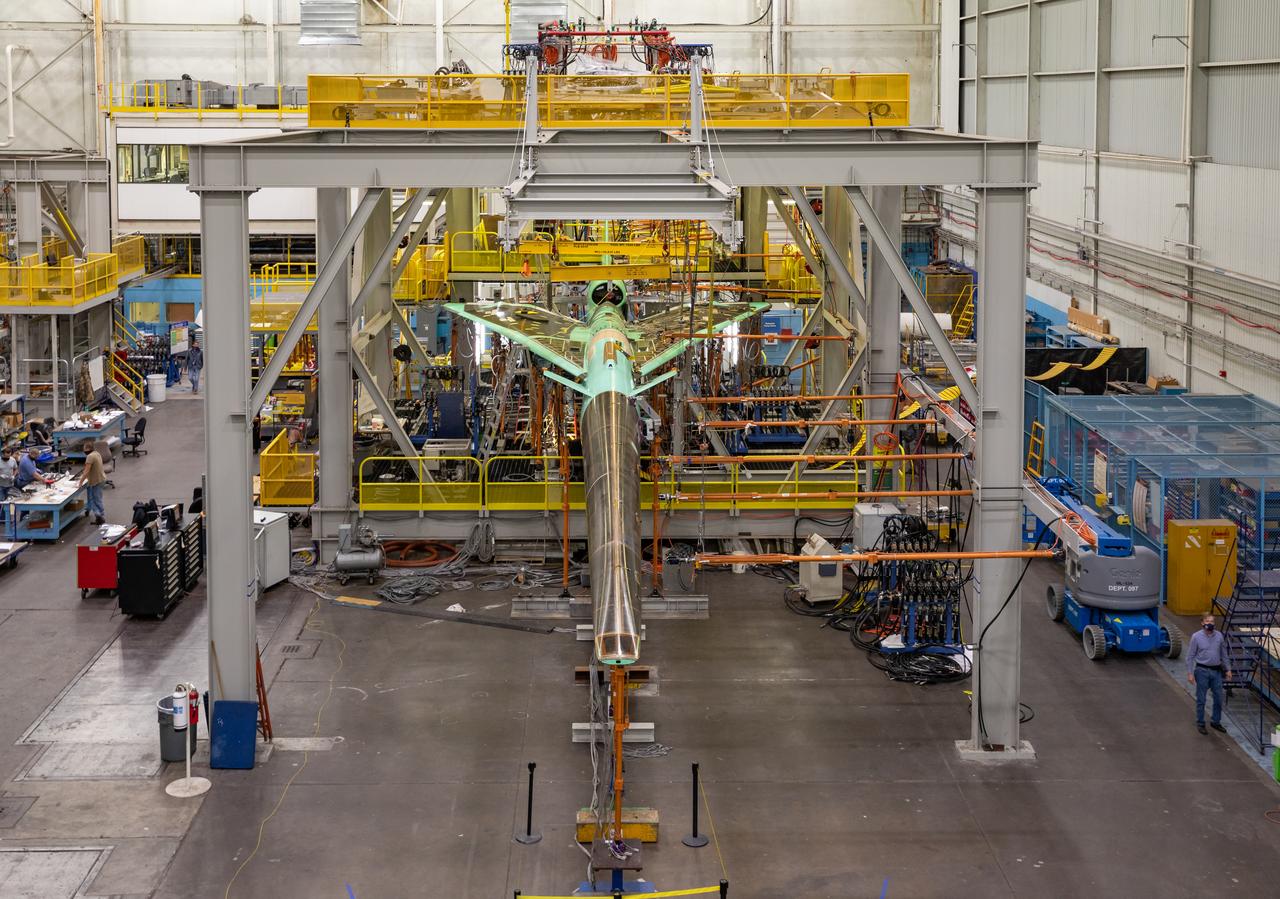
NASA’s X-59 undergoes a structural stress test at Lockheed Martin’s facility at Fort Worth, Texas. The X-59 is a one-of-a-kind airplane designed to fly at supersonic speeds without making a startling sonic boom sound for the communities below. This is part of NASA’s Quesst mission, which plans to help enable supersonic air travel over land.
X-59 - Various Angles in Test Fixture
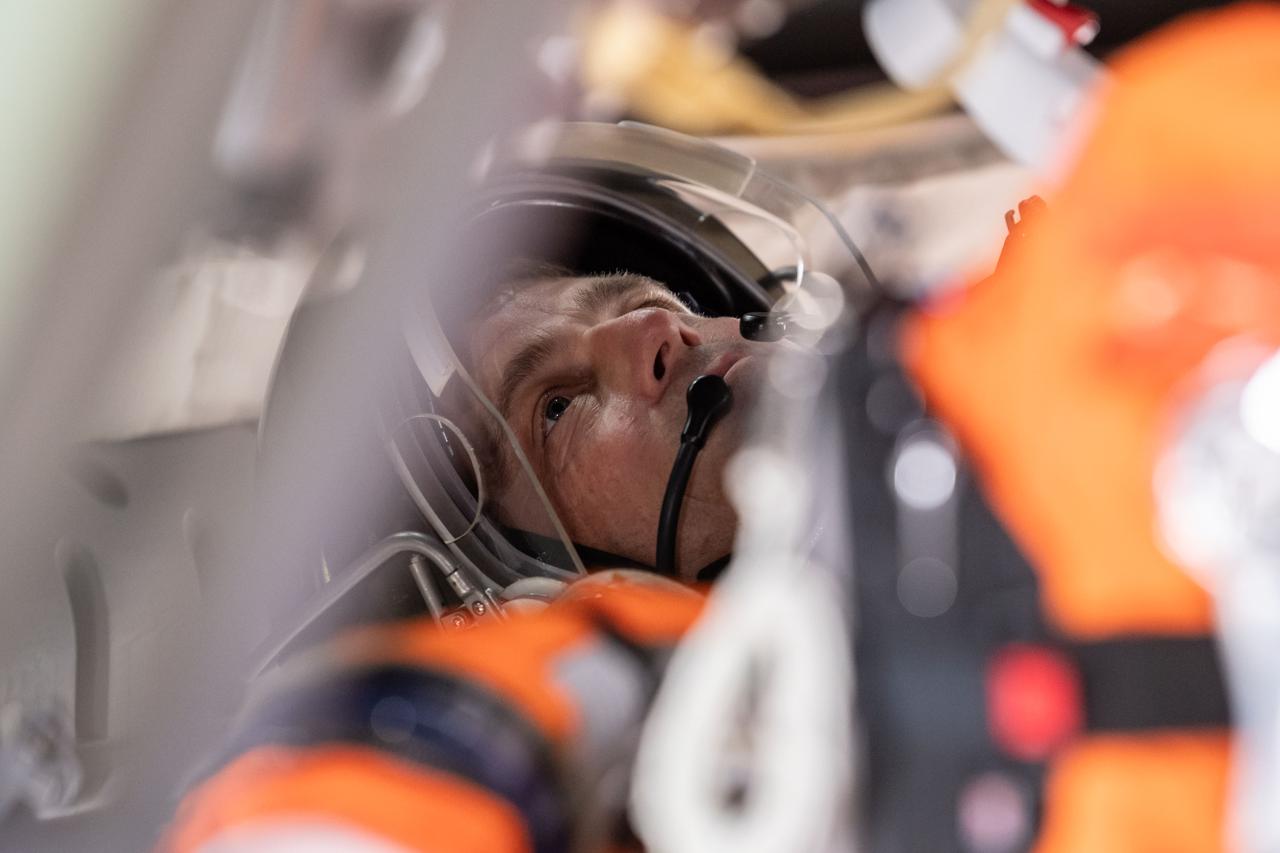
jsc2025e004074 (Jan. 30, 2025) --- NASA astronaut and Artemis II commander Reid Wiseman inside of the Orion spacecraft mockup during Post Insertion and Deorbit Preparation training at the Space Vehicle Mockup Facility in Houston, Texas. The crew practiced getting the Orion spacecraft configured once in orbit, how to make it habitable, and suited up in their entry pressure suits to prepare for their return from the Moon. Credit: NASA/Mark Sowa
NASA astronaut and Artemis II commander Reid Wiseman inside of the Orion spacecraft mockup
jsc2025e004075 (Jan. 30, 2025) --- NASA astronauts and Artemis II crew members Reid Wiseman and Victor Glover inside of the Orion spacecraft mockup during Post Insertion and Deorbit Preparation training at the Space Vehicle Mockup Facility in Houston, Texas. The crew practiced getting the Orion spacecraft configured once in orbit, how to make it habitable, and suited up in their entry pressure suits to prepare for their return from the Moon. Credit: NASA/Mark Sowa
NASA astronauts and Artemis II crew members Reid Wiseman and Victor Glover inside of the Orion spacecraft mockup
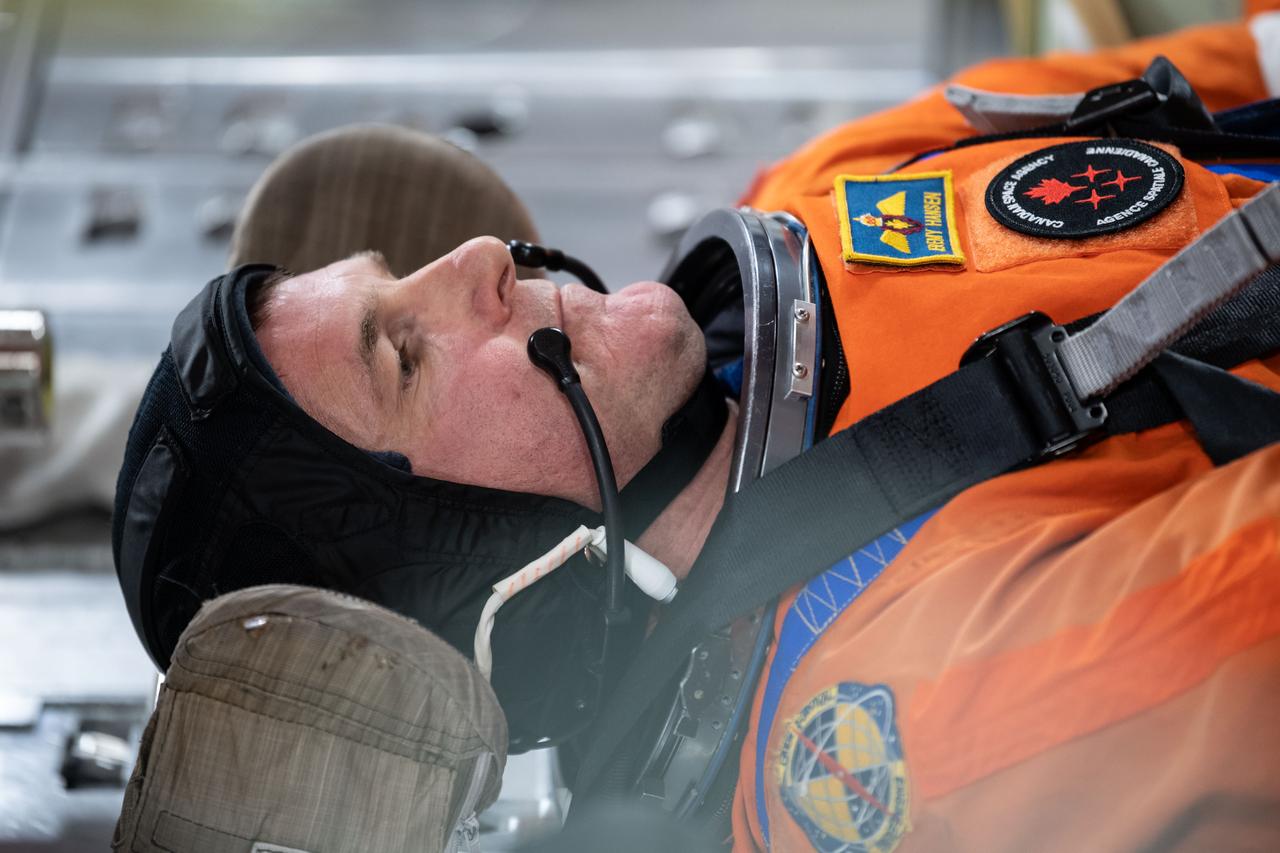
jsc2025e004073 (Jan. 30, 2025) --- Canadian Space Agency astronaut and Artemis II mission specialist Jeremy Hansen inside of the Orion spacecraft mockup during Post Insertion and Deorbit Preparation training at the Space Vehicle Mockup Facility in Houston, Texas. The crew practiced getting the Orion spacecraft configured once in orbit, how to make it habitable, and suited up in their entry pressure suits to prepare for their return from the Moon. Credit: NASA/Mark Sowa
Canadian Space Agency astronaut and Artemis II mission specialist Jeremy Hansen
NASA’s X-59 undergoes a structural stress test at Lockheed Martin’s facility at Fort Worth, Texas. The X-59 is a one-of-a-kind airplane designed to fly at supersonic speeds without making a startling sonic boom sound for the communities below. This is part of NASA’s Quesst mission, which plans to help enable supersonic air travel over land.
X-59 - Various Angles in Test Fixture
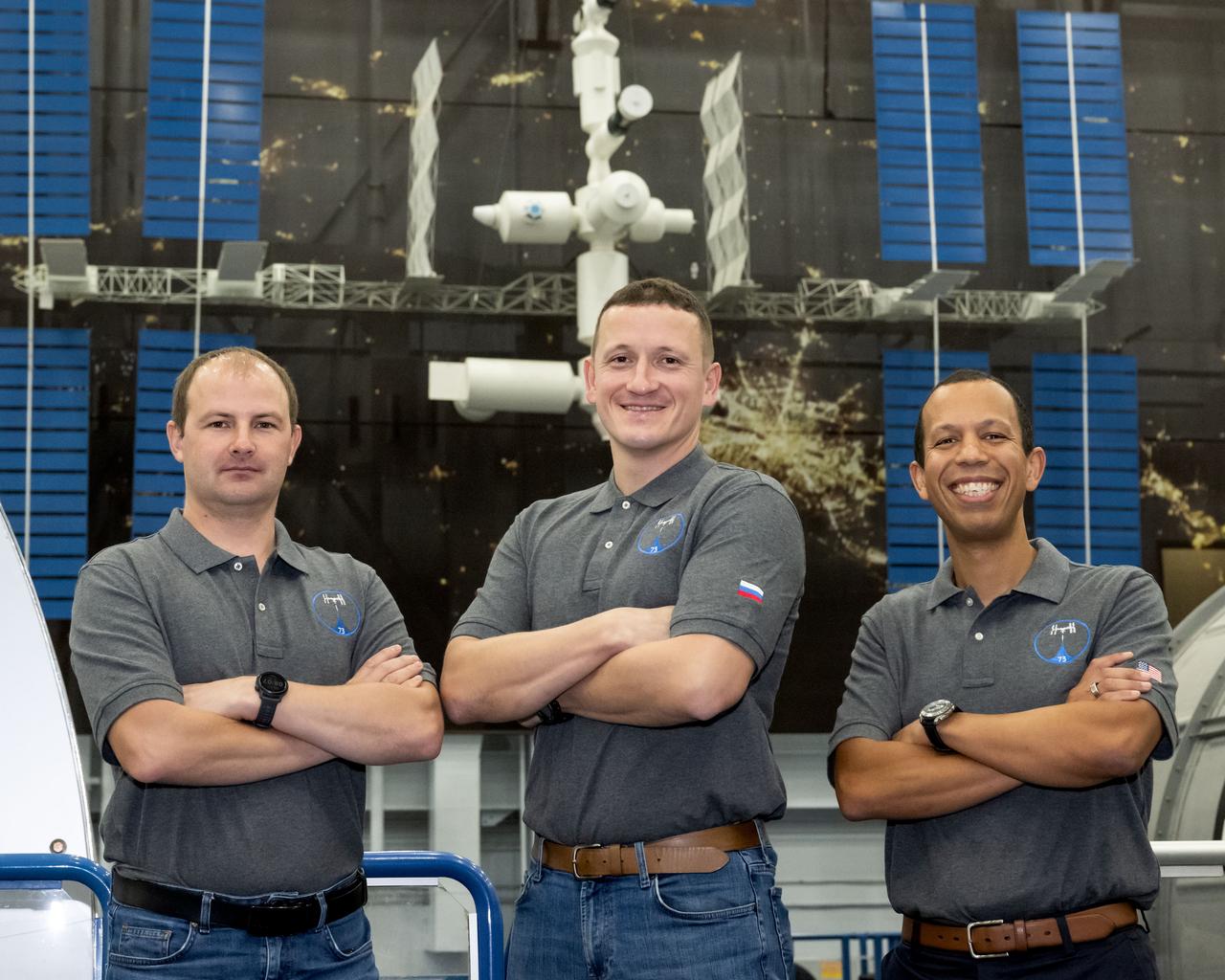
jsc2024e074733 (Nov. 13, 2025) --- The crew members launching aboard the Soyuz MS-28 spacecraft in November pose for a photo after a training session at the Space Vehicle Mockup Facility at NASA’s Johnson Space Center in Houston, Texas. The trio will launch to the International Space Station and join Expedition 74. From left: Roscosmos cosmonauts Sergei Mikaev and Sergey Kud-Sverchkov, and NASA astronaut Chris Williams.
The Soyuz MS-28 crew poses for a photo after a training session
jsc2025e004089 (Jan. 30, 2025) ---  NASA astronaut and Artemis II mission specialist Christina Koch exits the Orion spacecraft mockup during Post Insertion and Deorbit Preparation training at the Space Vehicle Mockup Facility in Houston, Texas. The crew practiced getting the Orion spacecraft configured once in orbit, how to make it habitable, and suited up in their entry pressure suits to prepare for their return from the Moon. Credit: NASA/Mark Sowa
NASA astronaut and Artemis II mission specialist Christina Koch exits the Orion spacecraft mockup
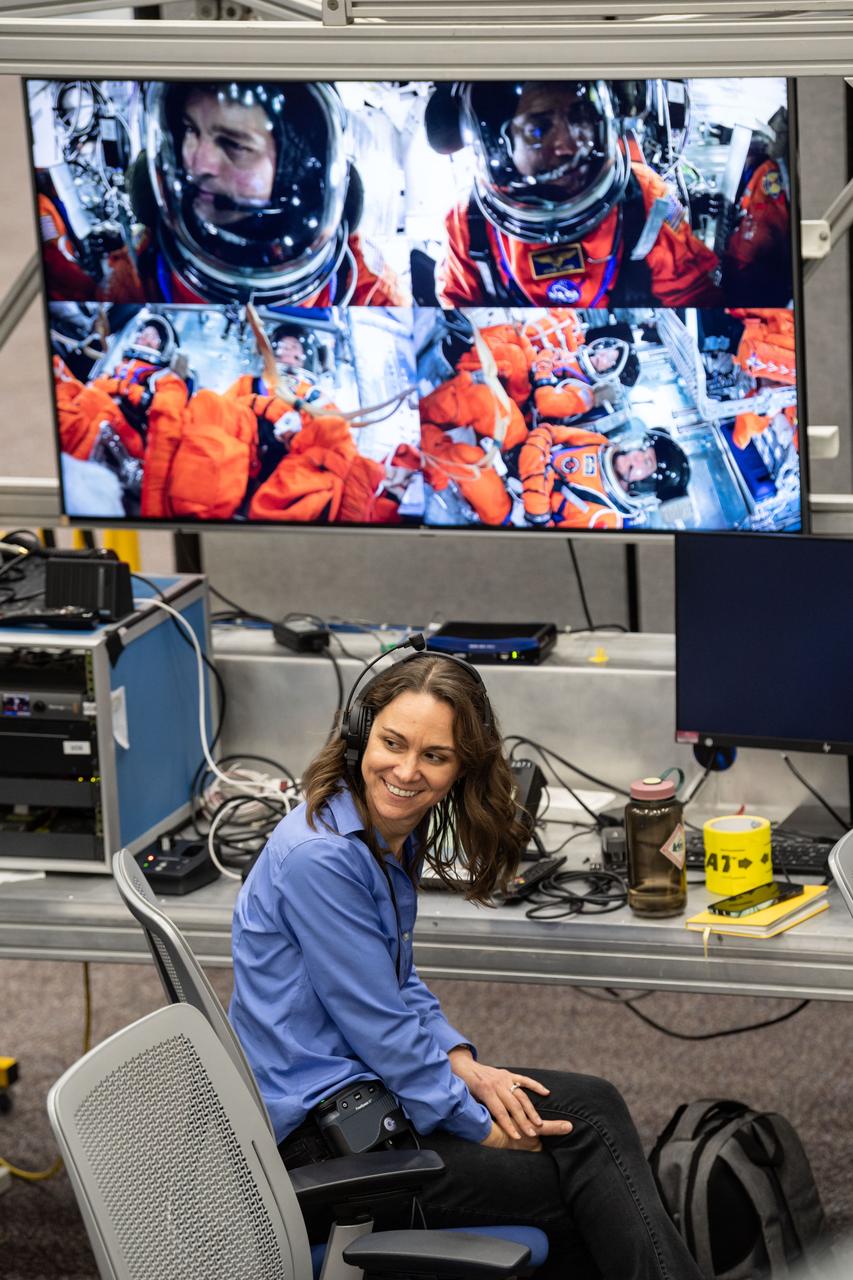
jsc2025e004084 (Jan. 30, 2025) --- The Artemis II crew’s Chief Training Officer Jacki Mahaffey smiles during Post Insertion and Deorbit Preparation training at the Space Vehicle Mockup Facility in Houston, Texas. The crew practiced getting the Orion spacecraft configured once in orbit, how to make it habitable, and suited up in their entry pressure suits to prepare for their return from the Moon. Credit: NASA/Mark Sowa
The Artemis II crew’s Chief Training Officer Jacki Mahaffey smiles during Post Insertion and Deorbit Preparation training
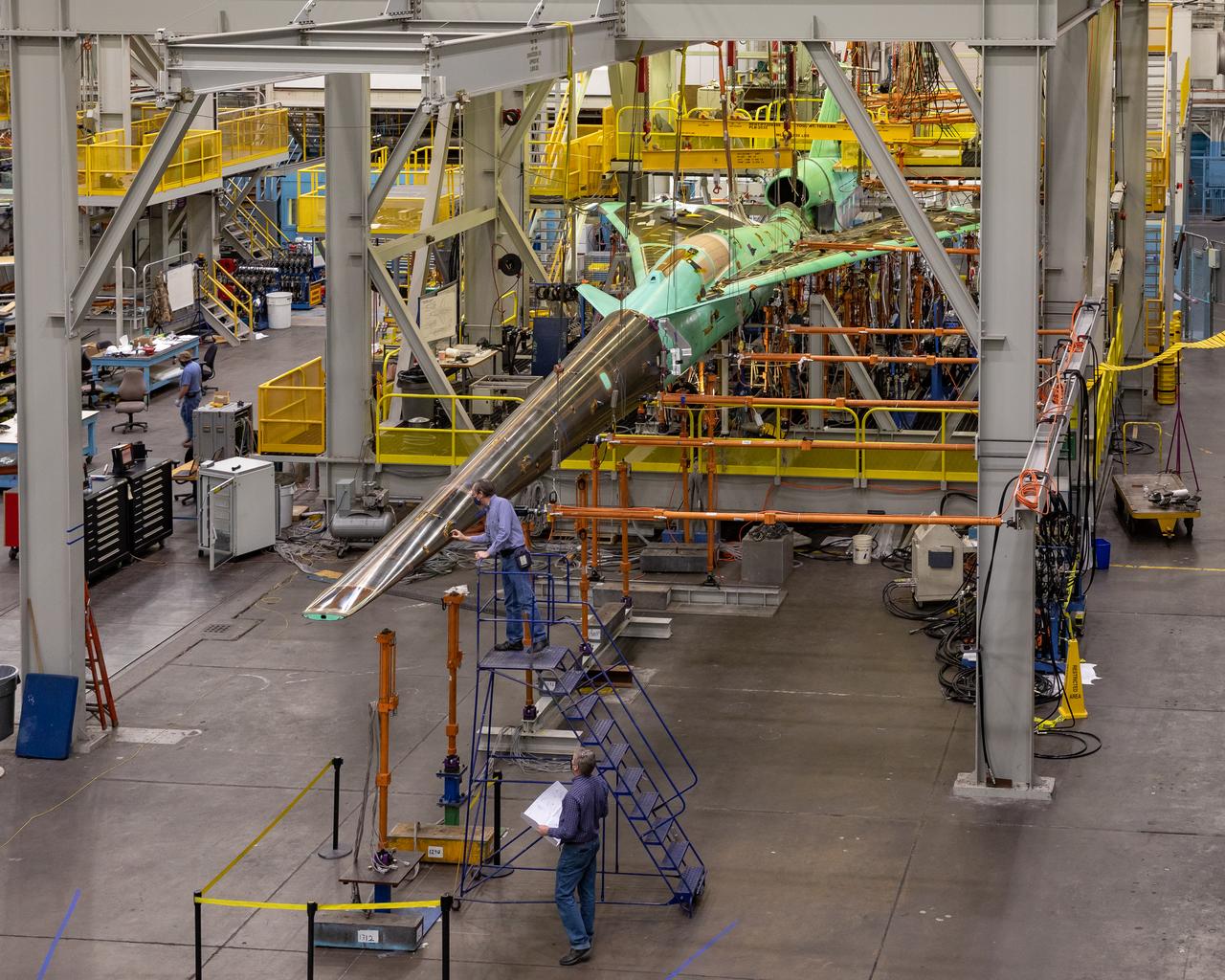
NASA’s X-59 undergoes a structural stress test at Lockheed Martin’s facility  in Fort Worth, Texas. The X-59’s nose makes up one third of the aircraft, at 38-feet in length. The X-59 is a one-of-a-kind airplane designed to fly at supersonic speeds without making a startling sonic boom sound for the communities below. This is part of NASA’s Quesst mission, which plans to help  enable supersonic air travel over land
X-59 - Various Angles in Test Fixture
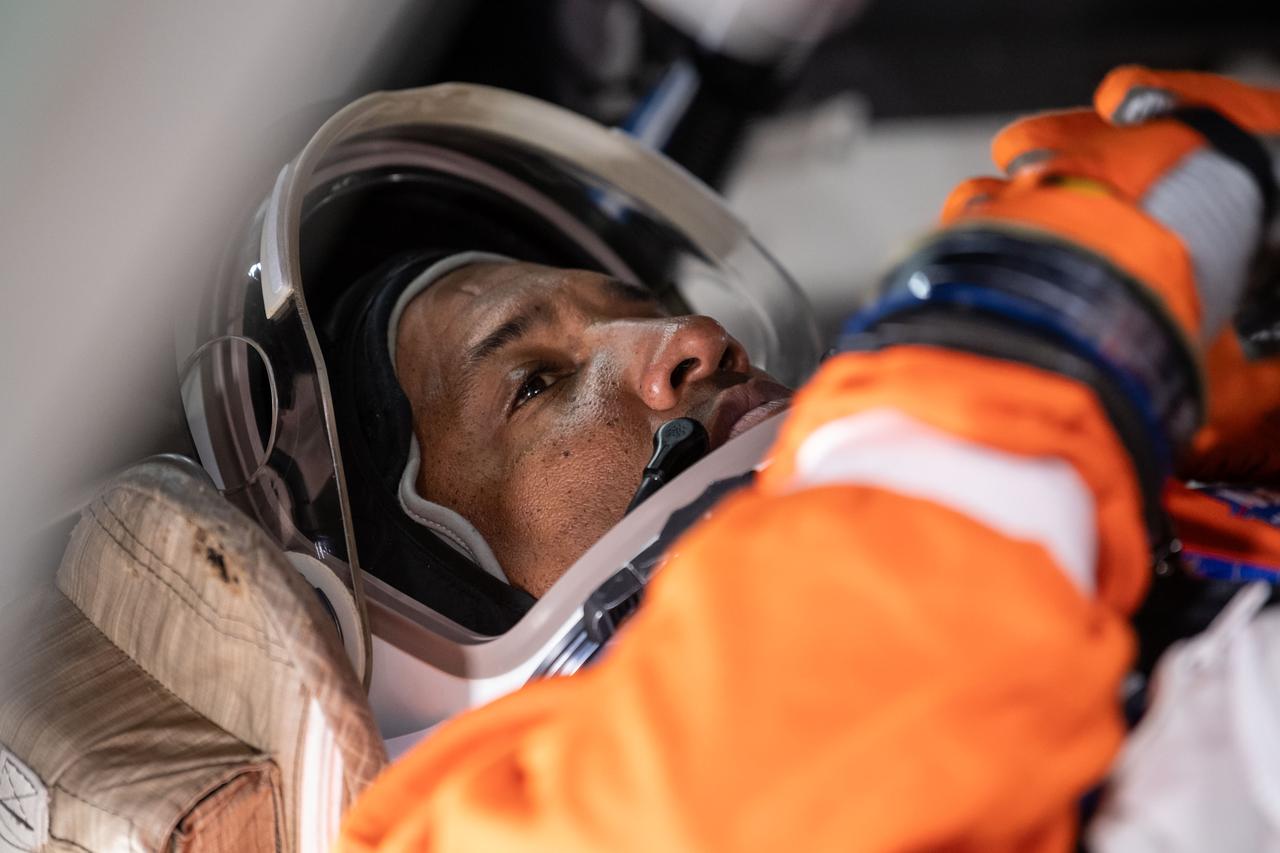
jsc2025e004071 (Jan. 30, 2025) --- NASA astronaut and Artemis II Pilot Victor Glover inside of the Orion spacecraft mockup during Post Insertion and Deorbit Preparation training at the Space Vehicle Mockup Facility in Houston, Texas. The crew practiced getting the Orion spacecraft configured once in orbit, how to make it habitable, and suited up in their entry pressure suits to prepare for their return from the Moon. Credit: NASA/Mark Sowa
NASA astronaut and Artemis II Pilot Victor Glover inside of the Orion spacecraft mockup
NASA’s X-59 undergoes a structural stress test at a Lockheed Martin facility in Fort Worth, Texas. The X-59’s nose makes up one third of the aircraft, at 38-feet in length. The X-59 is a one-of-a-kind airplane designed to fly at supersonic speeds without making aa startling sonic boom sound for the communities below. This is part of NASA’s Quesst mission which plans to help enable supersonic air travel over land
Document X-59 in FW and testing
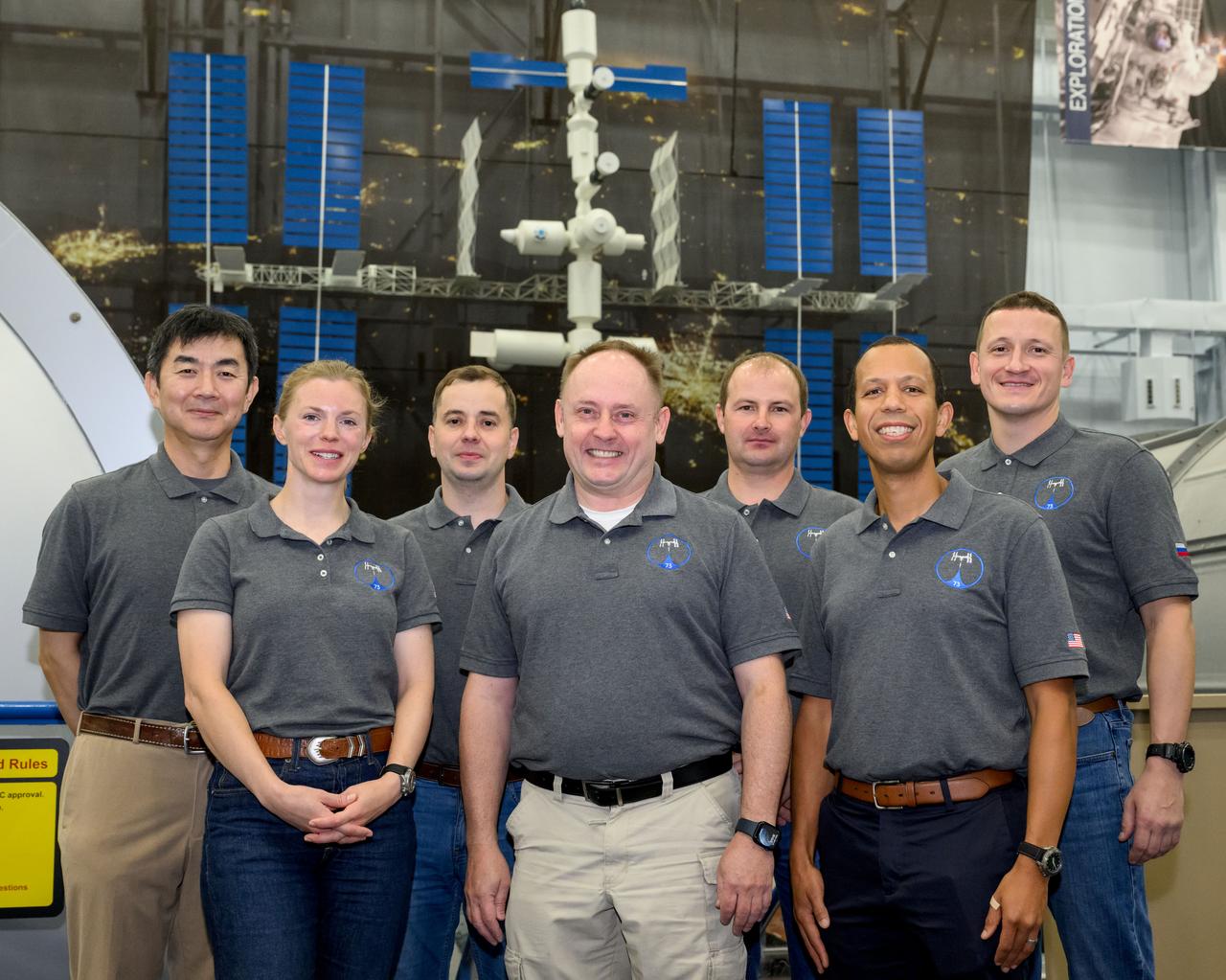
jsc2024e074729 (Nov. 13, 2024) --- The crew members of the International Space Station’s Expedition 74 crew pose for a group photo after a training session at the Space Vehicle Mockup Facility at NASA’s Johnson Space Center in Houston, Texas. Back row from left, Kimiya Yui, Oleg Platonov, Sergei Mikaev, and Sergey Kud-Sverchkov. Front row from left: Zena Cardman, Mike Fincke, and Chris Williams.
The Expedition 74 crew poses for a group photo after a training session
ISS014-E-07258 (4 Nov. 2006) --- Galveston, Texas is featured in this image photographed by an Expedition 14 crewmember on the International Space Station (ISS). Mexico established a port of entry (known as Galveston) in 1825, and following the Texas Revolution it was the capital of the Republic of Texas during 1836. The modern-day city of Galveston was incorporated in 1839, and became the major trading seaport of Texas during the latter half of the 19th century. The city was largely destroyed in early September of 1900 by a powerful hurricane; this, coupled with construction of the Houston Ship Channel and discovery of oil in eastern Texas shifted the center of trade northwest to Houston. Many human footprints are easily observed from the vantage point of low Earth orbit. The eastern half of Galveston Island is dominated by the city of Galveston (gray-white region at center). A large seawall along the Gulf of Mexico (southern coastline of Galveston Island) protects most of the city.  To the west of Galveston, coastal wetlands are largely submerged by regional subsidence--a result of ground water withdrawal by the petrochemical industry of Houston and Texas City. The entrance to Galveston Bay and the Houston Ship Channel is located between Galveston Island and the Bolivar Peninsula (upper right). Numerous ship wakes are visible along the Houston Ship Channel. Other visible features of the entrance to Galveston Bay include the five-mile long Texas City Dike, a structure that protects the Texas City channel and includes a fishing pier that extends 600 feet beyond the end of the Dike. Extensive petroleum processing facilities are located to the west of the Dike in Texas City. The Intracoastal Waterway runs through western Galveston Bay; new subdivisions built on dredge spoils are visible along the northern boundary of the Waterway. Geologists studying the ISS collection of down linked still imagery observe that complex estuarine sediment patterns are visible in this image. Dark brown to tan waters adjacent to the Bolivar Peninsula and Texas City Dike reflect increased sediment loads following heavy rains in mid-to-late October, coupled with northerly winds moving Bay water southwards. Turbidity currents to both the northwest and southeast of Galveston Island produce a more chaotic pattern of sediment-laden (light green to tan) and relatively sediment-free (dark green) water leading into the dark green Gulf of Mexico (lower right).
Earth Observations taken by the Expedition 14 crew
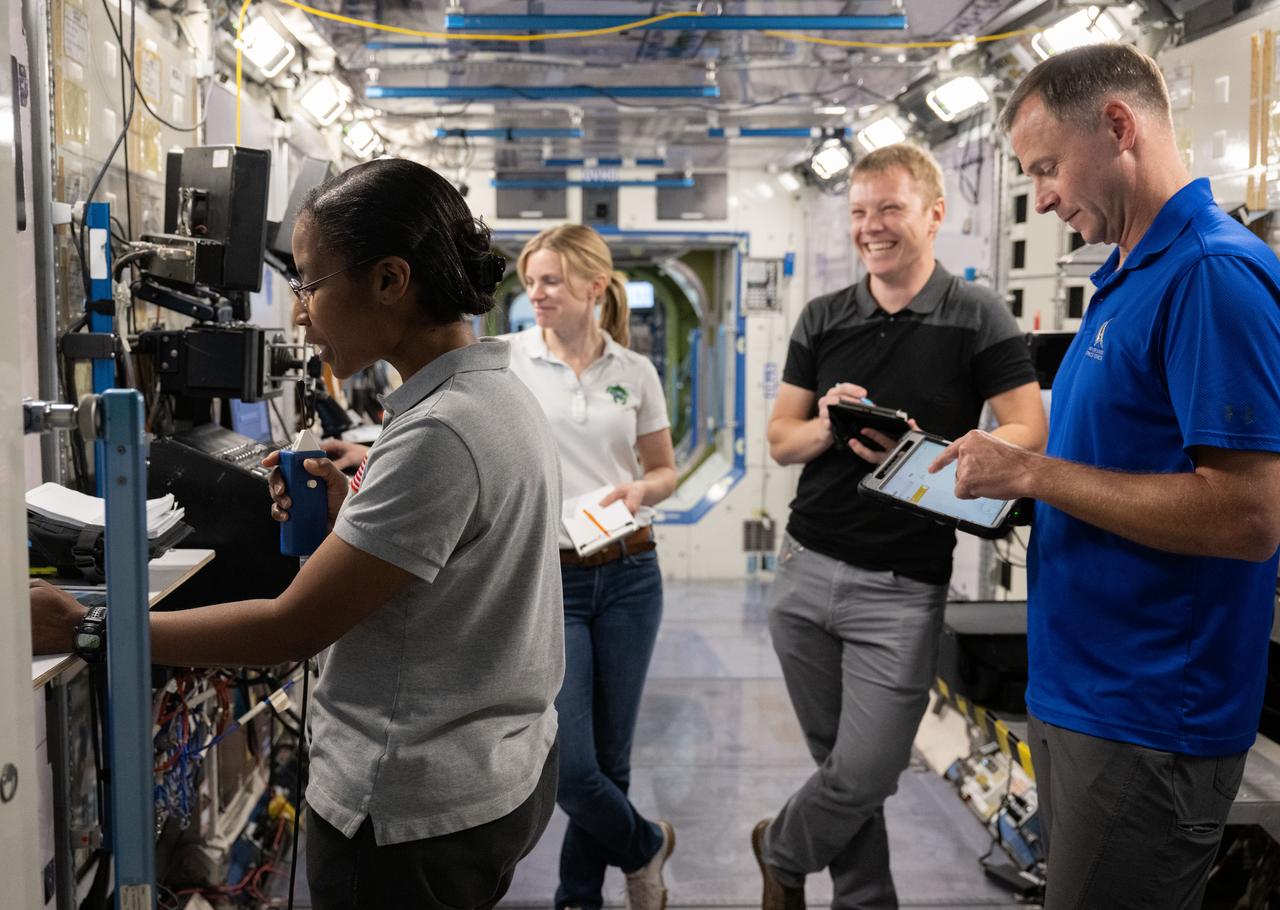
jsc2023e075402 (Nov. 7, 2023) --- (From left) NASA astronauts Stephanie Wilson, Zena Cardman, and Nick Hague, and Roscosmos cosmonaut Aleksandr Gorbunov train at the Space Vehicle Mockup Facility at NASA's Johnson Space Center in Houston, Texas, for the SpaceX Crew-9 mission to the International Space Station. Credit: NASA/James Blair
jsc2023e075402
jsc2024e075406 (Nov. 7, 2023) --- (From left) NASA astronauts Zena Cardman and Stephanie Wilson train at the Space Vehicle Mockup Facility at NASA's Johnson Space Center in Houston, Texas, for the SpaceX Crew-9 mission to the International Space Station. Credit: NASA/James Blair
jsc2023e075406
jsc2021e009537 (March 3, 2021) --- SpaceX Crew-3 astronauts (from left) Matthias Maurer, Thomas Marshburn and Kayla Barron are pictured during a training session at the Space Vehicle Mockup Facility at NASA's Johnson Space Center in Houston, Texas.
jsc2021e009537
In the Orbiter Processing Facility, the nose cap (foreground) removed from Atlantis (behind) waits to be shipped to the original manufacturing company, Vought in Ft. Worth, Texas, a subsidiary of Lockheed Martin, to undergo non-destructive testing such as CAT scan and thermography.
Atlantis Non-destructive Testing
U. S. Congressman Culbertson, Texas and Mr John Webb, Webb & Associates visit and tour Ames Research Center with Center Director G. Scott Hubbard (pre-tour briefing at the Thermal Protection Facility - Arc Jet by Sylvia Johnson)
ARC-2003-ACD03-0183-030
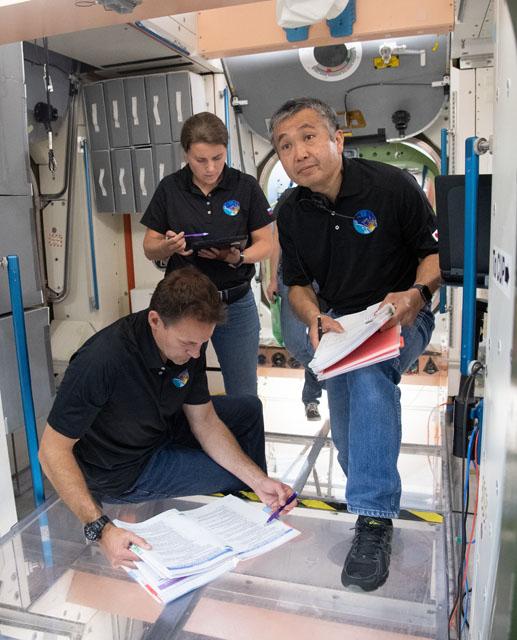
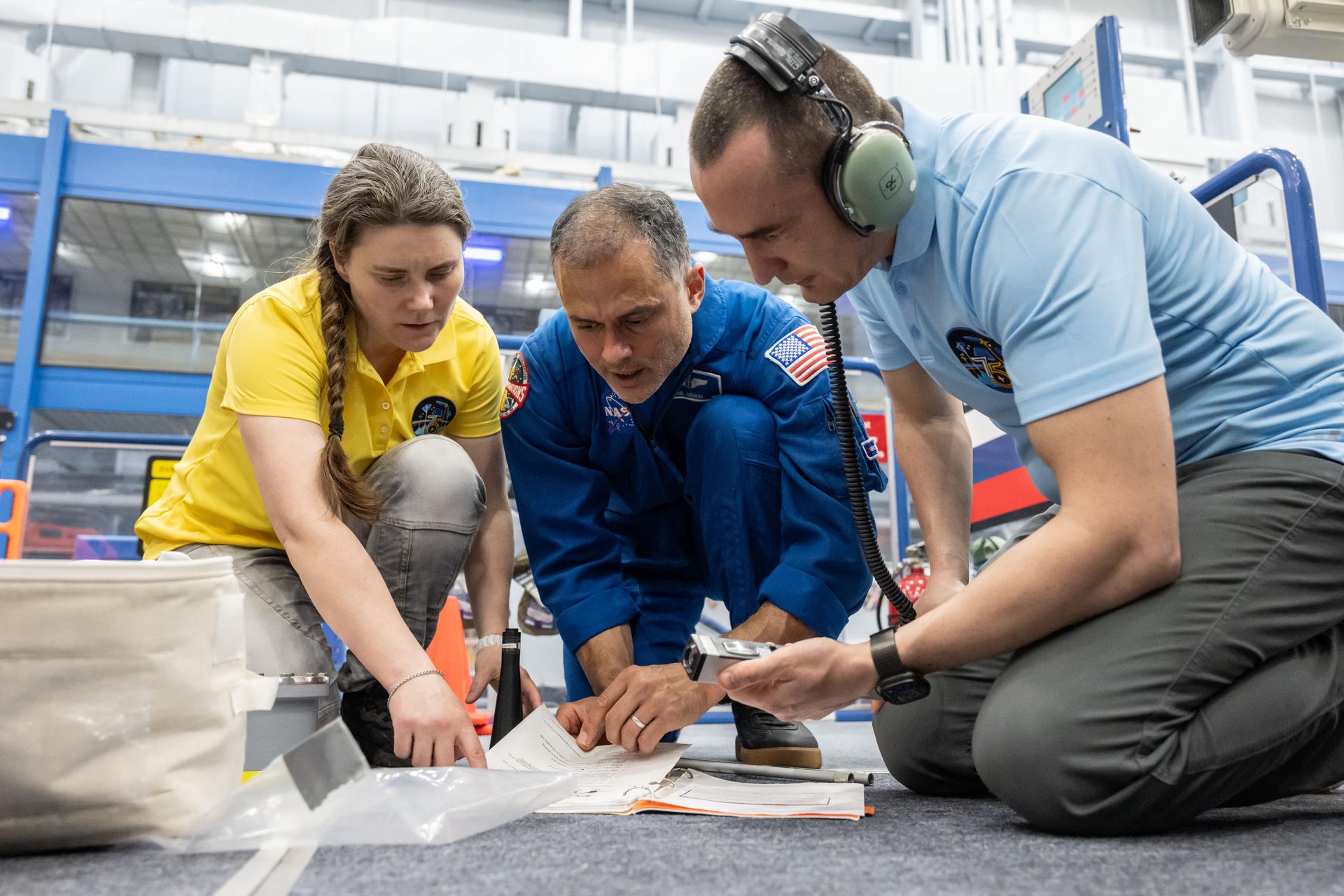
NASA Astronaut Josh Cassada, JAXA astronaut Koichi Wakata, and Roscosmos cosmonaut Anna Kikina train for their upcoming SpaceX Crew-5 mission to the International Space Station inside a mockup facility at NASA's Johnson Space Center in Houston, Texas. Credit: NASA/James Blair
NASA's SpaceX Crew-5 in space station mockups
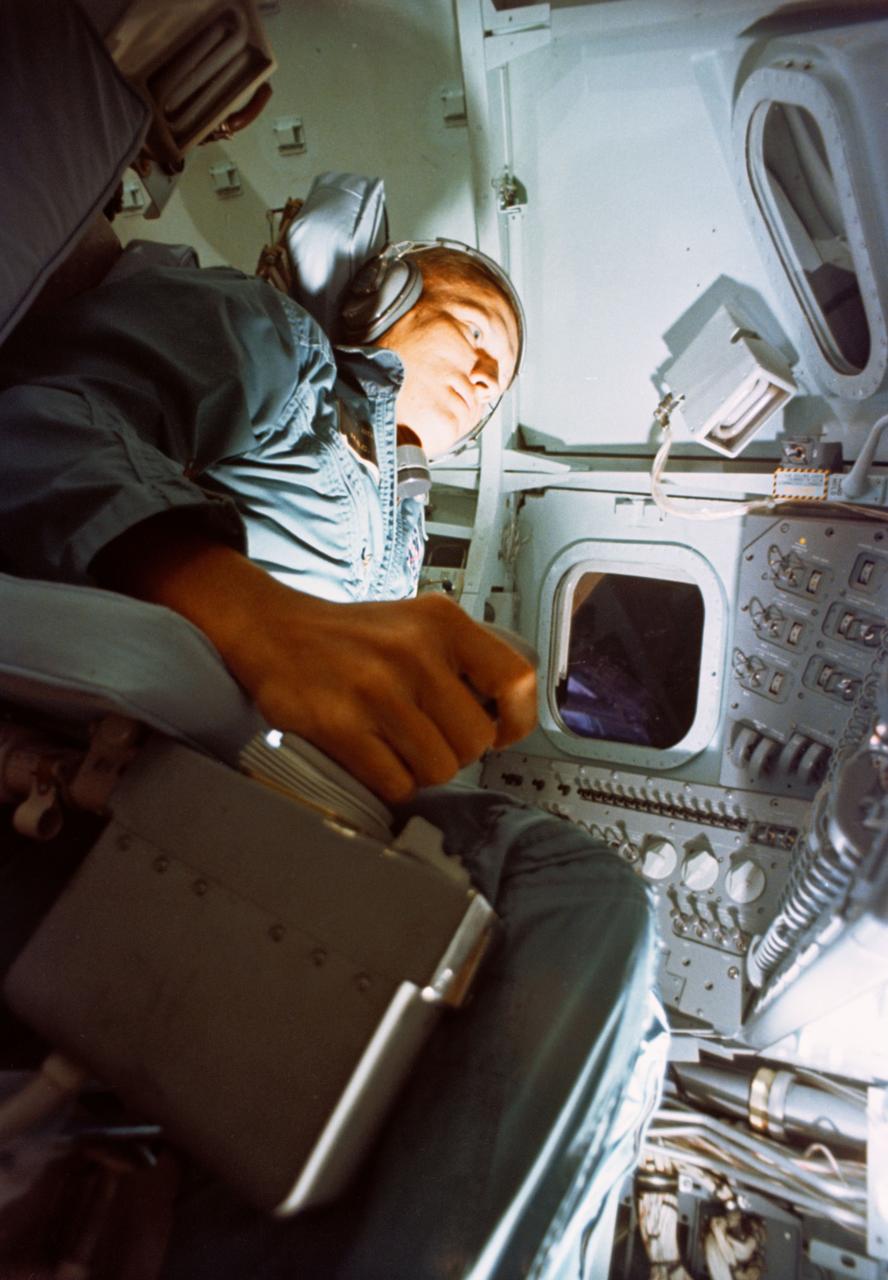
S67-50590 (1867) --- Astronaut Frank Borman, assigned duty as commander of the Apollo 8 mission, participates in a training exercise in the Apollo Mission simulator in the Mission Simulation and training Facility, Building 5, at the Manned Spacecraft Center, Houston, Texas. Photo credit: NASA
Astronaut Frank Borman during training exercise in Apollo Mission simulator
A SpaceX SuperDraco engine is hot-fired at the company's test facility in McGregor, Texas. SpaceX is developing its Crew Dragon spacecraft and Falcon 9 rocket in partnership with NASA’s Commercial Crew Program to carry astronauts to and from the International Space Station.
Commerical Crew Program - SpaceX
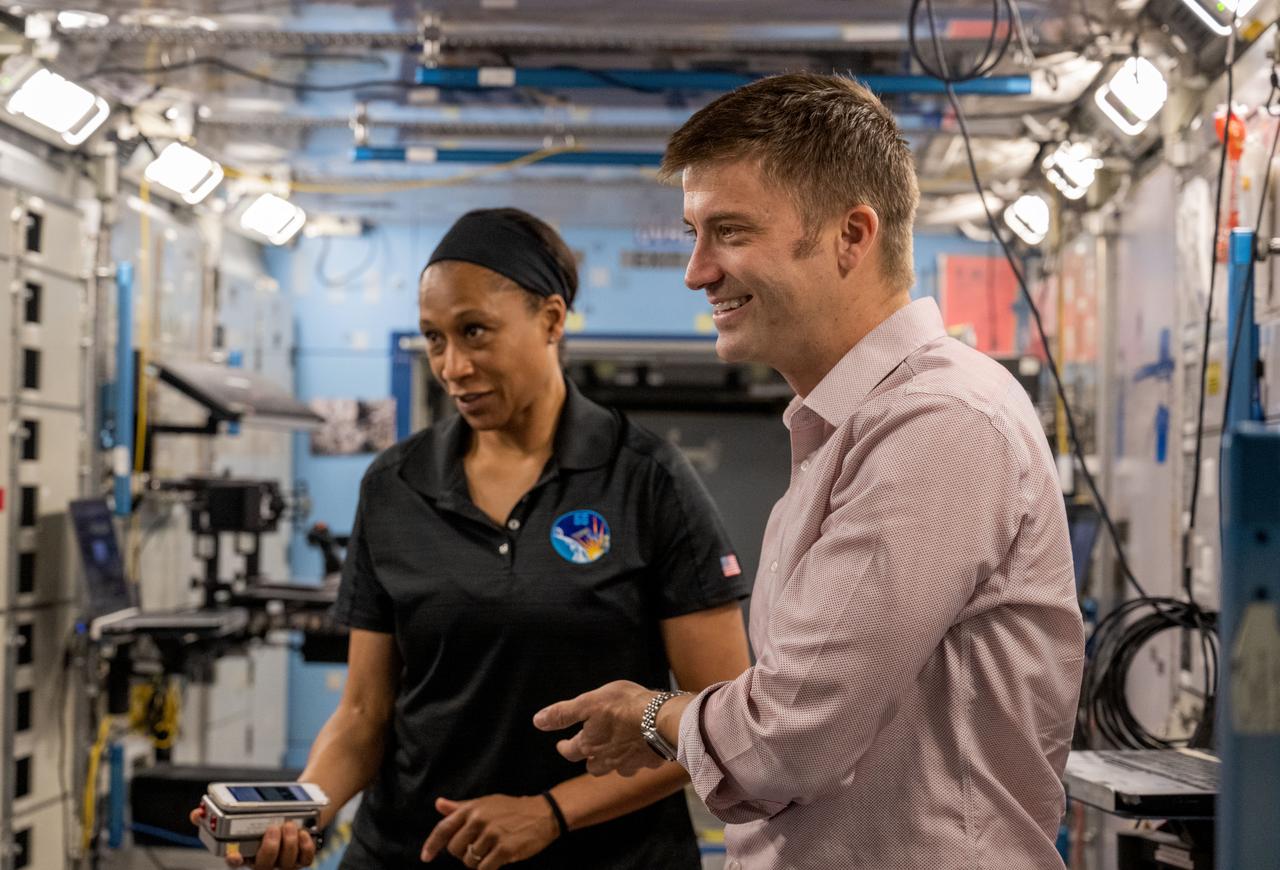
jsc2023e029956 (May 22, 2023) --- NASA astronauts Jeanette Epps and Matthew Dominick, SpaceX Crew-8 Mission Specialist and Commander respectively, train together inside the International Space Station's mockup facility at NASA's Johnson Space Center in Houston, Texas.
jsc2023e029956
The low pressure (hypobaric) chamber at KBR’s facility in San Antonio, Texas, simulates very high altitudes by reducing the air pressure inside of the chamber. The subject  inside the chamber experiences the reduced pressure conditions that exist at higher altitudes, in this case altitudes up to 60,000 feet.
WJS_8750
jsc2023e066272 (Oct. 24, 2023) --- (From left) NASA astronauts Nick Hague, Zena Cardman, and Stephanie Wilson train at the Space Vehicle Mockup Facility at NASA's Johnson Space Center in Houston, Texas, for the SpaceX Crew-9 mission to the International Space Station. Credit: NASA/James Blair
jsc2023e066272
jsc2021e009971 (March 4, 2021) --- SpaceX Crew-3 astronauts (from left) Kayla Barron, Raja Chari, Tom Marshburn and Matthias Maurer are pictured during a training session at the Space Vehicle Mockup Facility at NASA's Johnson Space Center in Houston, Texas.
jsc2021e009971
S65-41769 (1965) --- View of facilities at the Manned Spacecraft Center, Houston, Texas. Photo is taken from across the fish pond.     NOTE: The Manned Spacecraft Center was named Lyndon B. Johnson Space Center in memory of the late President following his death.
BLDG. - MISC - VIEW ACROSS POND
A SpaceX Merlin engine is on a test stand at the company's facility in McGregor, Texas. SpaceX is developing its Crew Dragon spacecraft and Falcon 9 rocket in partnership with NASA’s Commercial Crew Program to carry astronauts to and from the International Space Station.
Commerical Crew Program - SpaceX
jsc2021e023380 (June 18, 2021) --- SpaceX Crew-3 astronauts (from left) Matthias Maurer, Thomas Marshburn, Kayla Barron and Raja Chari train at the Space Vehicle Mockup Facility at NASA's Johnson Space Center in Houston, Texas.
jsc2021e023380
jsc2023e075394 (Nov. 7, 2023) --- NASA astronaut Nick Hague trains at the Space Vehicle Mockup Facility at NASA's Johnson Space Center in Houston, Texas, for the SpaceX Crew-9 mission to the International Space Station. Credit: NASA/James Blair
jsc2023e075394
S95-04319 (22 Feb 1995) --- The neutral buoyancy facility at the Gagarin Cosmonaut Training Center in Star City, Russia, is used for underwater training for missions aboard the Russian Mir Space Station.  The facility is similar to NASA's Weightless Environment Training Facility (WET-F) at the Johnson Space Center (JSC) in Houston, Texas, and the Neutral Buoyancy Simulator (NBS) at the Marshall Space Flight Center (MSFC) in Huntsville, Alabama.
Mir training Facility view
KENNEDY SPACE CENTER, FLA. -   STS-82 Mission Commander Kenneth D. Bowersox greets media representatives after arrival at KSC's Shuttle Landing Facility.  Bowersox and the other six members of the STS-82 crew came from their home base at Johnson Space Center in Houston, Texas, to spend the last few days before launch at KSC.  STS-82 is scheduled for liftoff on Feb. 11 during a 65-minute launch window that opens at 3:56 a.m. EST.  The 10-day flight aboard the Space Shuttle Discovery will be the second Hubble Space Telescope (HST) servicing mission.
KENNEDY SPACE CENTER, FLA. - STS-82 Mission Commander Kenneth D. Bowersox greets media representatives after arrival at KSC's Shuttle Landing Facility. Bowersox and the other six members of the STS-82 crew came from their home base at Johnson Space Center in Houston, Texas, to spend the last few days before launch at KSC. STS-82 is scheduled for liftoff on Feb. 11 during a 65-minute launch window that opens at 3:56 a.m. EST. The 10-day flight aboard the Space Shuttle Discovery will be the second Hubble Space Telescope (HST) servicing mission.
KENNEDY SPACE CENTER, FLA. -  STS-82 Payload Commander Mark C. Lee prepares to step down from the T-38 jet he flew from an air field serving the astronauts' home base at Johnson Space Center, Houston, Texas, to KSC's Shuttle Landing Facility.  Lee and the other six members of the STS-82 crew will spend the last few days before launch at KSC.  STS-82 is scheduled for liftoff on Feb. 11 during a 65-minute launch window that opens at 3:56 a.m. EST.  The 10-day flight aboard the Space Shuttle Discovery will be the second Hubble Space Telescope (HST) servicing mission.
KENNEDY SPACE CENTER, FLA. - STS-82 Payload Commander Mark C. Lee prepares to step down from the T-38 jet he flew from an air field serving the astronauts' home base at Johnson Space Center, Houston, Texas, to KSC's Shuttle Landing Facility. Lee and the other six members of the STS-82 crew will spend the last few days before launch at KSC. STS-82 is scheduled for liftoff on Feb. 11 during a 65-minute launch window that opens at 3:56 a.m. EST. The 10-day flight aboard the Space Shuttle Discovery will be the second Hubble Space Telescope (HST) servicing mission.
KENNEDY SPACE CENTER, FLA. -  STS-82 Pilot Scott J. "Doc" Horowitz flashes a wide grin for photographers after landing his T-38 jet at KSC's Shuttle Landing Facility.  Horowitz and the other six members of the STS-82 crew came from their home base at Johnson Space Center in Houston, Texas, to spend the last few days before launch at KSC.   STS-82 is scheduled for liftoff on Feb. 11 during a 65-minute launch window that opens at 3:56 a.m. EST.  The 10-day flight aboard the Space Shuttle Discovery will be the second Hubble Space Telescope (HST) servicing mission.
KENNEDY SPACE CENTER, FLA. - STS-82 Pilot Scott J. "Doc" Horowitz flashes a wide grin for photographers after landing his T-38 jet at KSC's Shuttle Landing Facility. Horowitz and the other six members of the STS-82 crew came from their home base at Johnson Space Center in Houston, Texas, to spend the last few days before launch at KSC. STS-82 is scheduled for liftoff on Feb. 11 during a 65-minute launch window that opens at 3:56 a.m. EST. The 10-day flight aboard the Space Shuttle Discovery will be the second Hubble Space Telescope (HST) servicing mission.
KENNEDY SPACE CENTER, FLA.  -   This snail was photographed near the NASA Kennedy Space Center Shuttle Landing Facility.  It appears to have the characteristics of the “Rosy Predator Snail,”  which is found in Southeastern Texas, Louisiana, Mississippi, Alabama, Georgia, South Carolina and is widespread in Florida including the Keys. It is usually found singly in hardwood forests, roadsides and urban gardens.  The Shuttle Landing Facility backs up to the Banana Creek and surrounding marshes.
KSC-05PD-1968
S69-35504 (June 1969) --- The prime crews of the Apollo 10 lunar orbit mission and the Apollo 11 lunar landing mission are photographed during an Apollo 10 postflight de-briefing session. Clockwise, from left foreground, are astronauts Michael Collins, Apollo 11 command module pilot; Edwin E. Aldrin Jr., Apollo 11 lunar module pilot; Eugene A. Cernan, Apollo 10 lunar module pilot; Thomas P. Stafford, Apollo 10 commander; Neil A. Armstrong, Apollo 11 commander; and John W. Young, Apollo 10 command module pilot.
Apollo 10 and 11 crews photographed during Apollo 10 debriefing
S74-20807 (23 April 1974) --- Cosmonaut Aleksey A. Leonov (foreground) is briefed on the Apollo communications test system console in the Building 440 laboratory during the joint U.S.-USSR Apollo-Soyuz Test Project training activity at the Johnson Space Center. Leonov is the commander of the Soviet ASTP crew. Leonov is being briefed by astronaut Thomas P. Stafford, commander of the American ASTP crew.
Cosmonaut Aleksey Leonov briefed on Apollo Communications test system console
S69-35507 (June 1969) --- The prime crews of the Apollo 10 lunar orbit mission and the Apollo 11 lunar landing mission are photographed during an Apollo 10 postflight de-briefing session. Clockwise, from left, are astronauts Michael Collins, Apollo 11 command module pilot; Edwin E. Aldrin Jr., Apollo 11 lunar module pilot; Eugene A. Cernan, Apollo 10 lunar module pilot; Thomas P. Stafford, Apollo 10 commander; Neil A. Armstrong, Apollo 11 commander; and John W. Young, Apollo 10 command module pilot.
Apollo 10 and 11 crews photographed during Apollo 10 debriefing
S91-36097 (6 May 1991) --- Air to air view of Endeavour, Orbiter Vehicle (OV) 105, atop a Shuttle Carrier Aircraft (SCA) NASA 911, a modified Boeing 747, approaches touchdown for a brief stopover at Ellington Field, near JSC. Visible below the spacecraft/aircraft combination are the NASA T-38 flight line, NASA aircraft hangars and facilities, and a runway. OV-105 rolled out at Rockwell's Palmdale facility on 04-25-91 to once more bring to four the total of NASA Shuttles available for flight assignment. The spacecraft and aircraft-tandem left Houston later on this day headed for another stop in Mississippi before landing in Florida on 05-07-91. This photograph was taken from a T-38 aircraft by Sheri J. Dunnette of JSC's Image Science Division (ISD).
Air to air view of Endeavour, OV-105, atop SCA approaches Ellington runway
S73-26380 (23 May 1973) --- Technicians in the Technical Services shop in Building 10 work on the fabrication of the umbrella-like mechanical device called the “parasol” during Skylab 2 preflight preparations at NASA's Johnson Space Center. Here, they are attaching the telescoping extension rods to the canopy.  The “parasol” is designed to fit into the TO27 experiment photometer canister. The canopy is 24 feet by 22 feet. The sunshade device will be deployed through the solar scientific airlock in the side of the OWS. The “parasol” solar shield is considered the prime possibility for use as the OWS sunshade because it will not require EVA by the Skylab 2 crewmen, because of the operational ease of using it, and because of the simplicity of the device which minimizes crew training. Photo credit: NASA
Parasol construction in bldg 10 for Skylab 2 flight
S71-41842 (July 1971) --- Newsmen put questions to Gerald D. Griffin, left at lectern, a flight director for the Apollo 15 lunar landing mission, during a change of shift briefing in the small briefing room in Building One at the Manned Spacecraft Center (MSC). Representing Public Affairs Office at the briefing is Terry White, right at lectern.
Apollo 15 news briefing
S70-40850 (June 1970) --- Fused thermal switch from Apollo Service Module (SM) oxygen tank after test at the NASA Manned Spacecraft Center (MSC) simulating Apollo 13 de-tanking procedures.
Fused thermal switch from Apollo Service Module oxygen tank after test
Overall view of the Lunar Module Mission Simulator, an astronaut training facility located in bldg 5.
View of Lunar Module Mission Simulator in bldg 5
S74-27049 (4 Aug. 1974) --- Overall view of test set-up in Building 23 at the Johnson Space Center during testing of the docking mechanisms for the joint U.S.-USSR Apollo-Soyuz Test Project. The cinematic check was being made when this picture was taken. The test control room is on the right. The Soviet-developed docking system is atop the USA-NASA developed docking system. Both American and Soviet engineers can be seen taking part in the docking testing. The ASTP docking mission in Earth orbit is scheduled for July 1975.
Overall view of test set-up in bldg 13 at JSC during docking set-up tests
S70-35601 (18 April 1970) --- A wide-angle, overall view of the large crowd of people who were on hand to see President Richard M. Nixon present the Presidential Medal of Freedom to the Apollo 13 Mission Operations Team.  The honor is the nation's highest civilian award.  A temporary speaker's platform was erected beside Building 1 for the occasion.
President Richard Nixon visits MSC to award Apollo 13 Mission Operations team
S70-35600 (18 April 1970) --- President Richard M. Nixon introduces Sigurd A. Sjoberg (far right), director of Flight Operations at Manned Spacecraft Center, and the four Apollo 13 flight directors during the President?s post-mission visit to the Manned Spacecraft Center. The flight directors are, from left to right, Glynn S. Lunney, Eugene A. Kranz, Gerald D. Griffin and Milton L. Windler. Dr. Thomas O. Paine, Administrator, National Aeronautics and Space Administration, is seated at left. President Nixon was on the site to present the Presidential Medal of Freedom - the nation?s highest civilian honor -to the Apollo 13 Mission Operations Team.
President Richard Nixon visits MSC to award Apollo 13 Mission Operations team