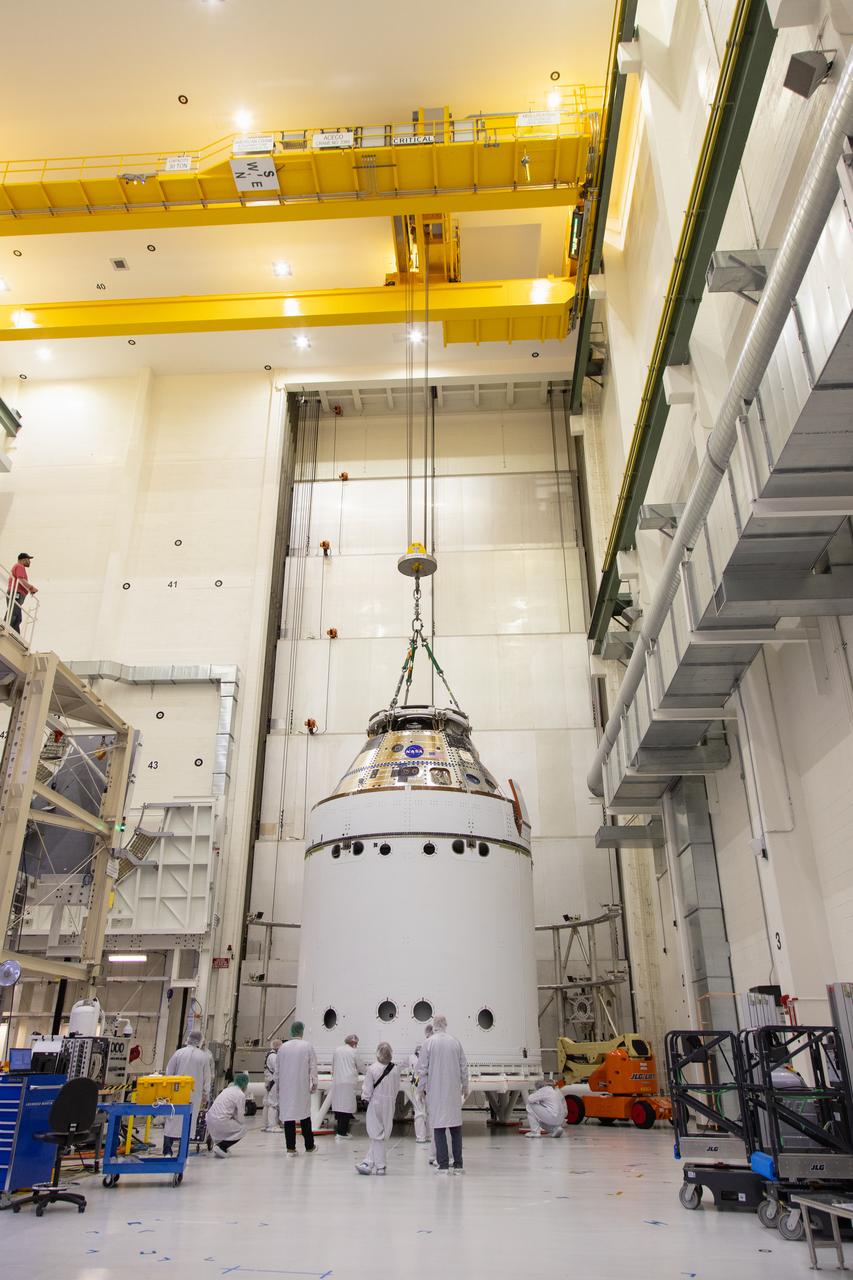
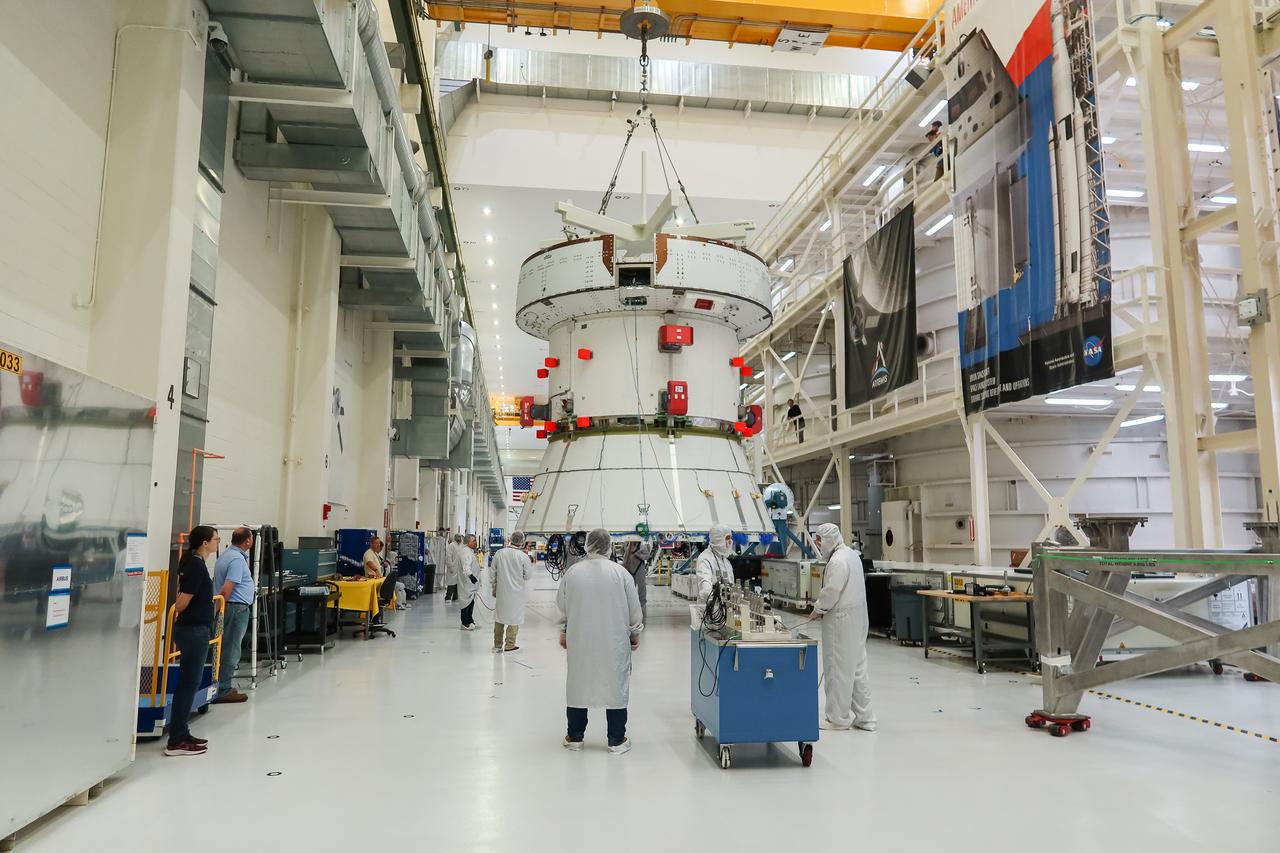
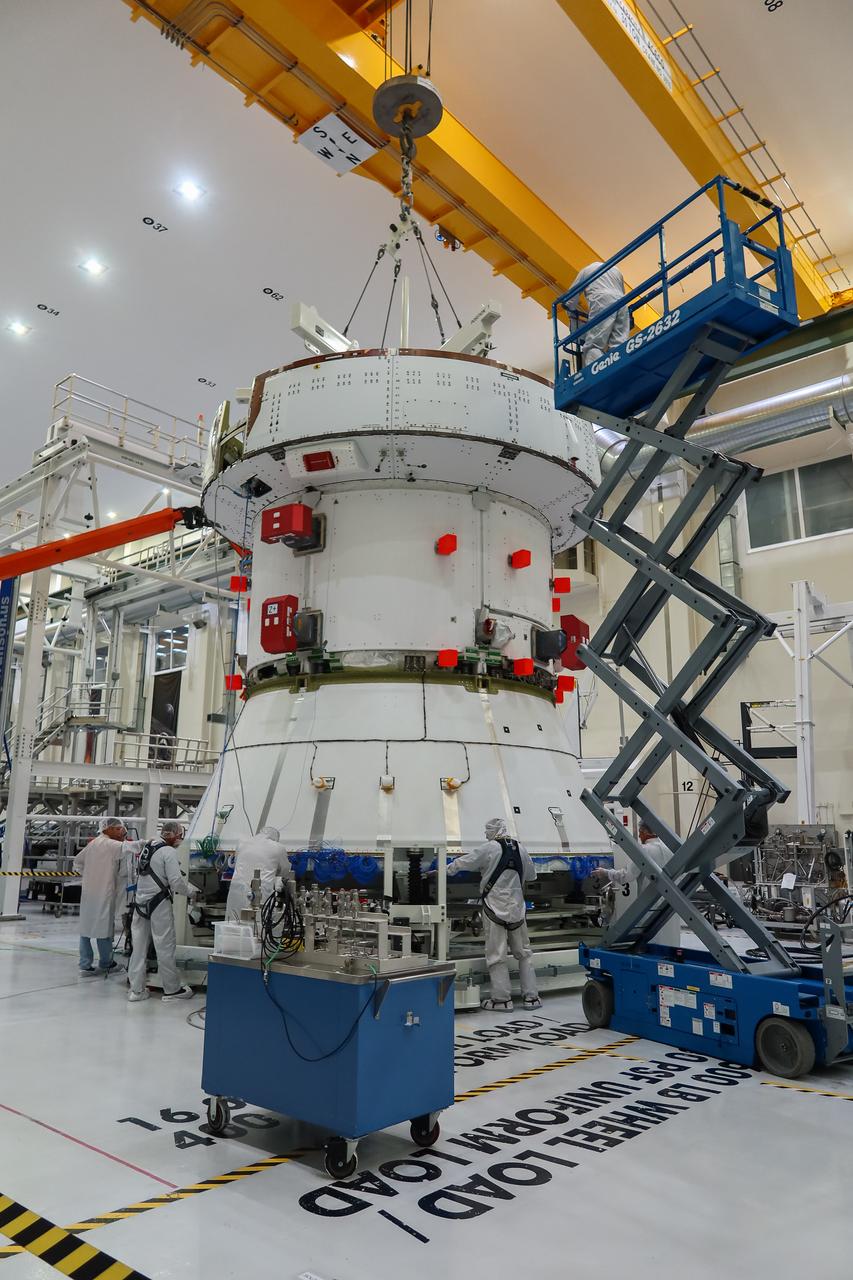
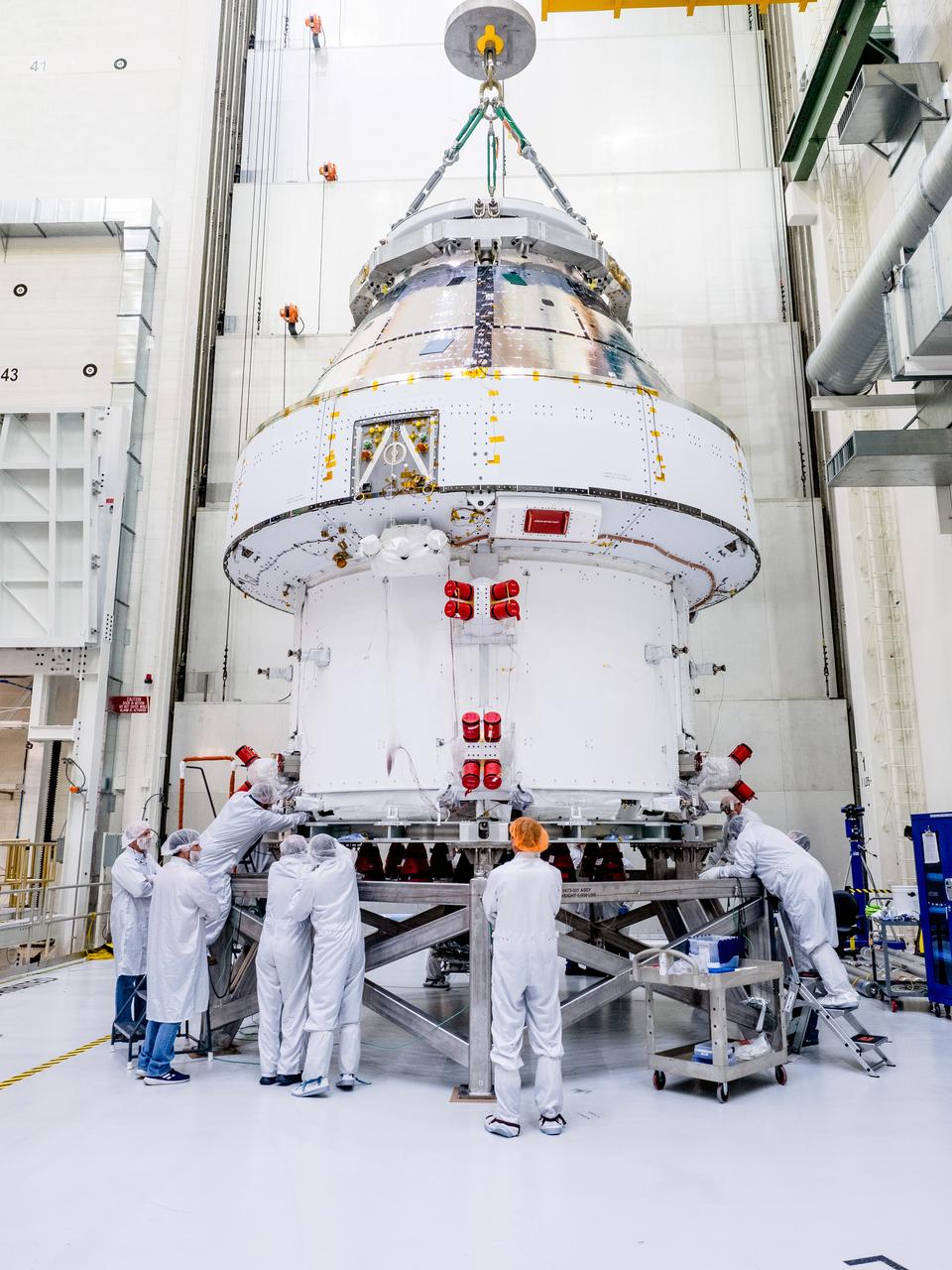
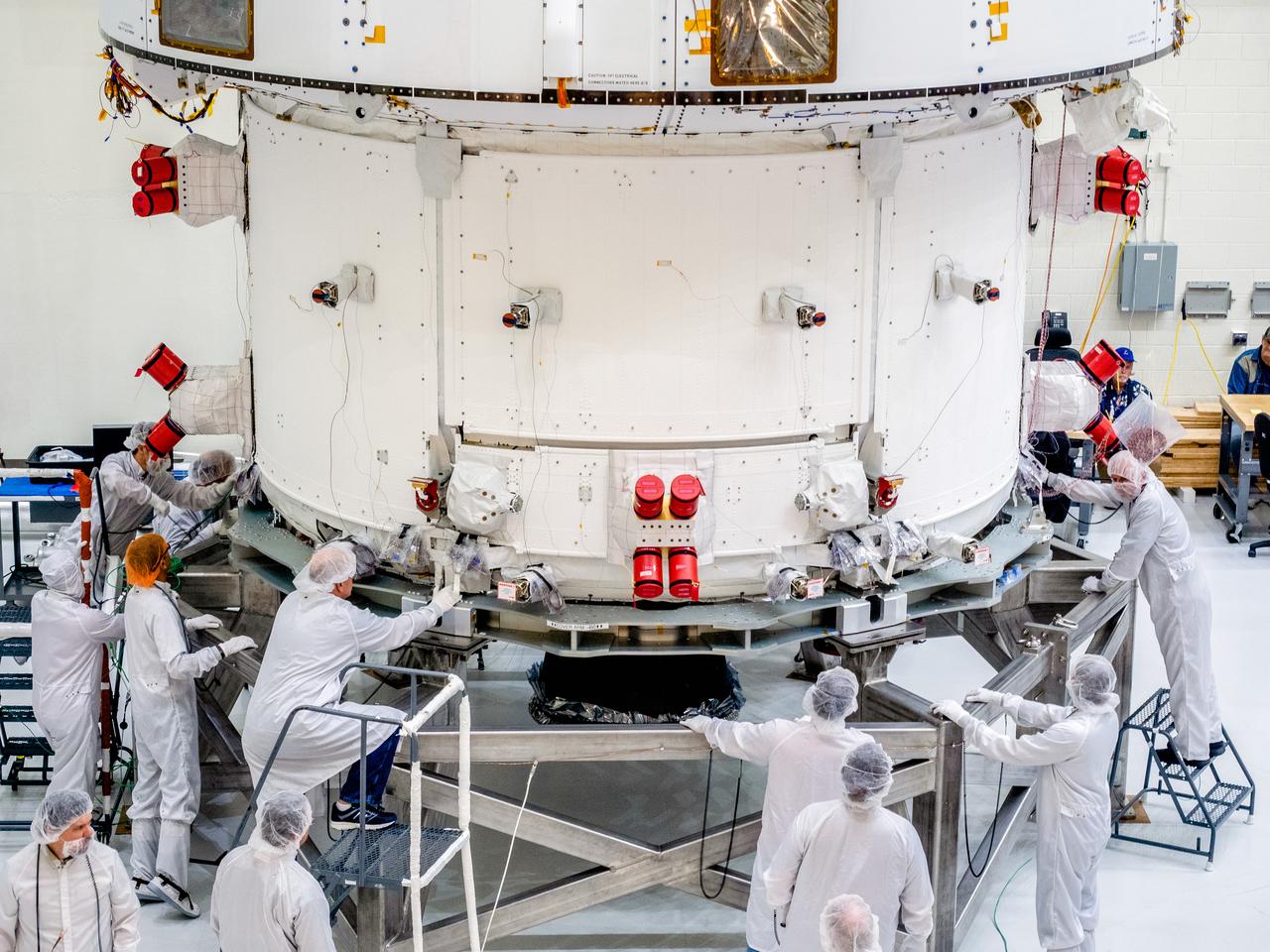
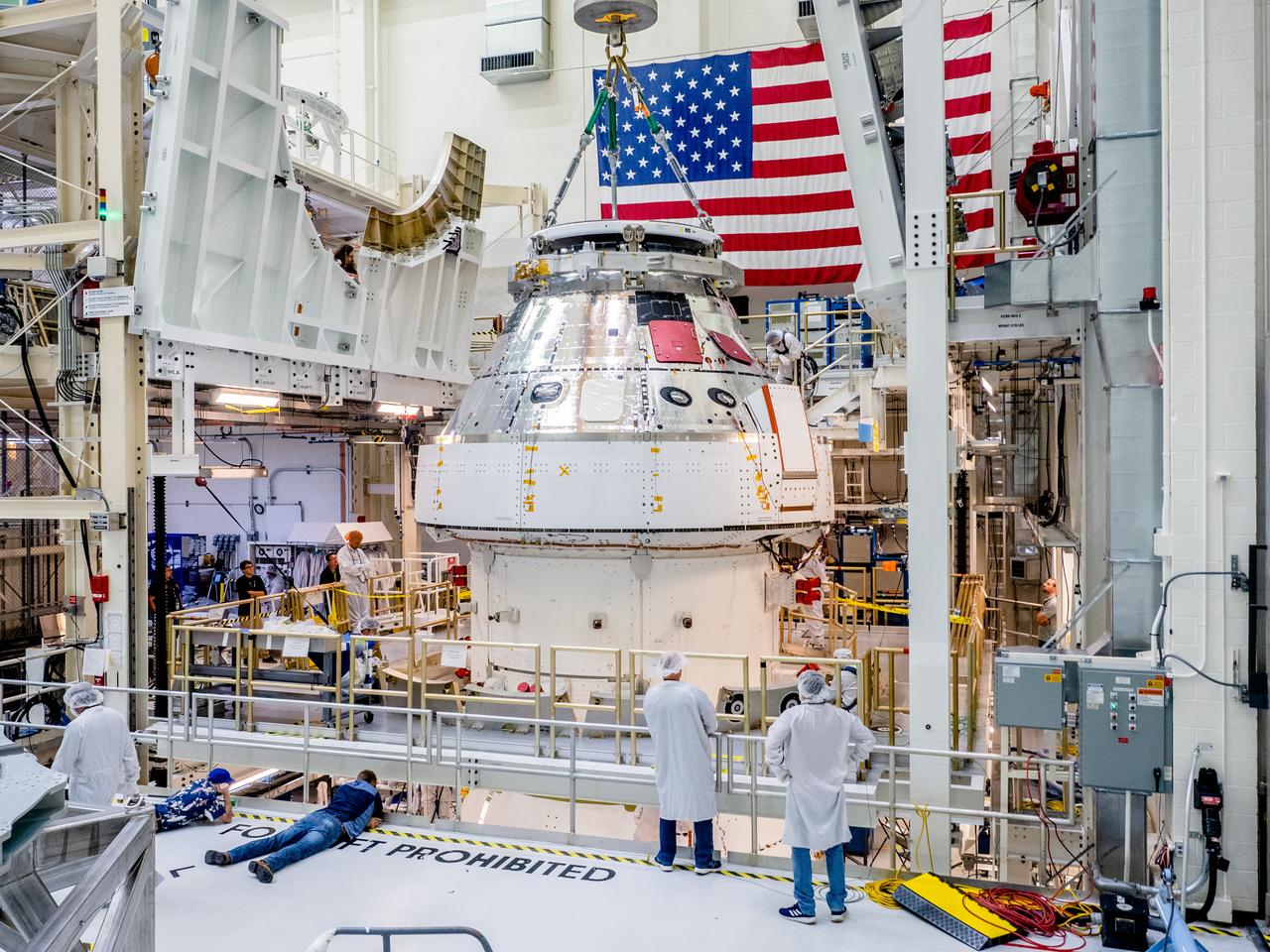
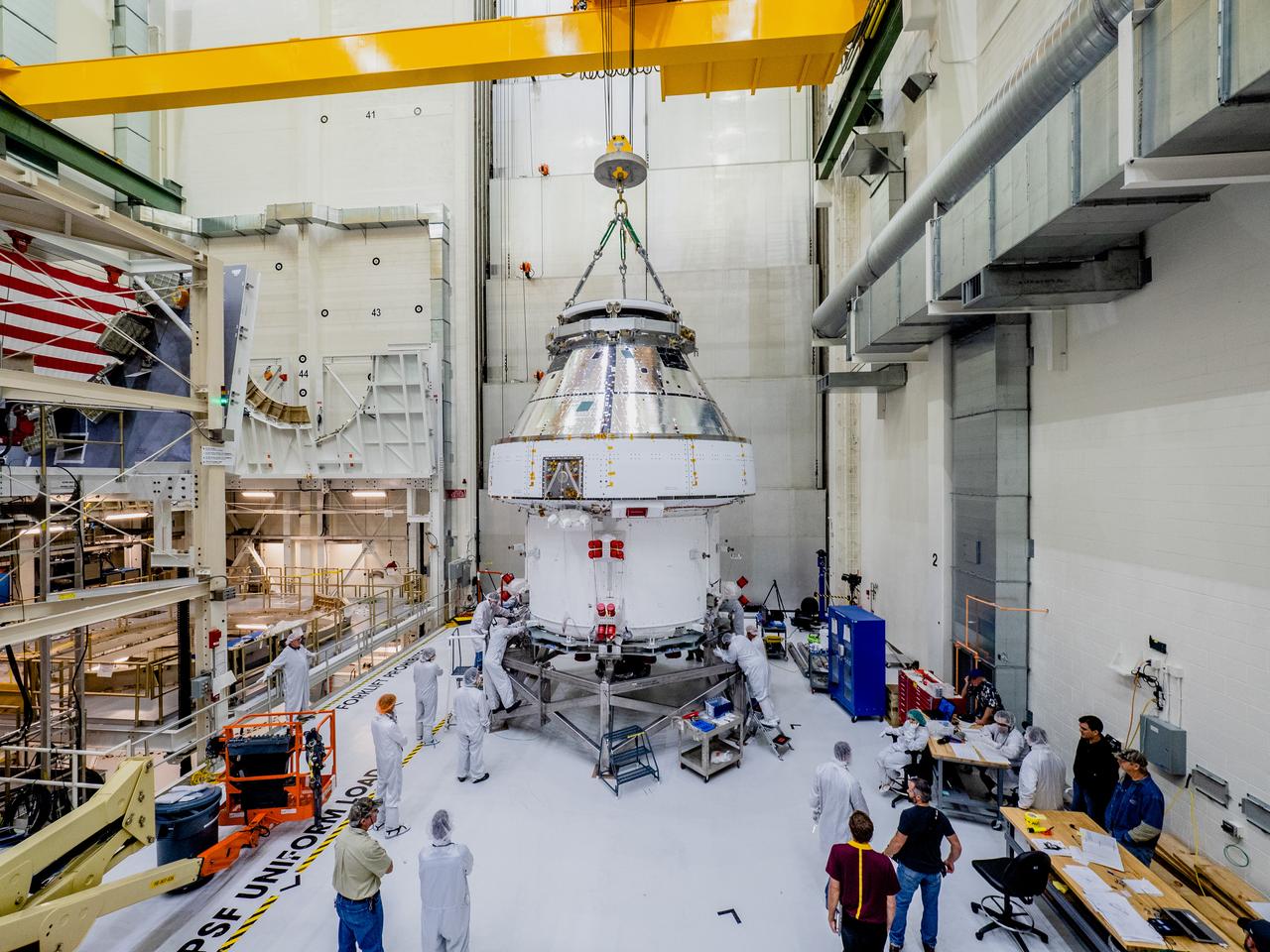
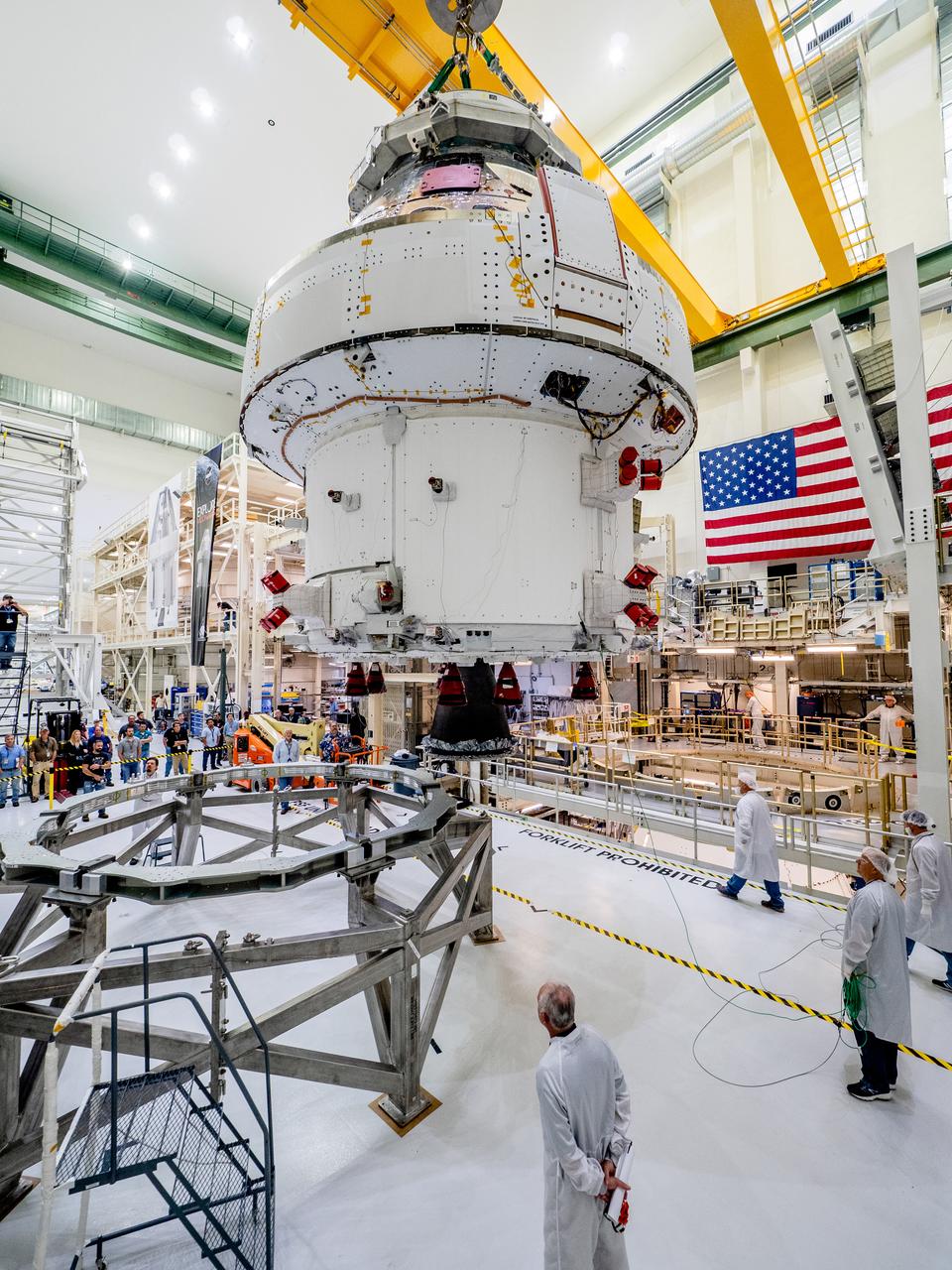
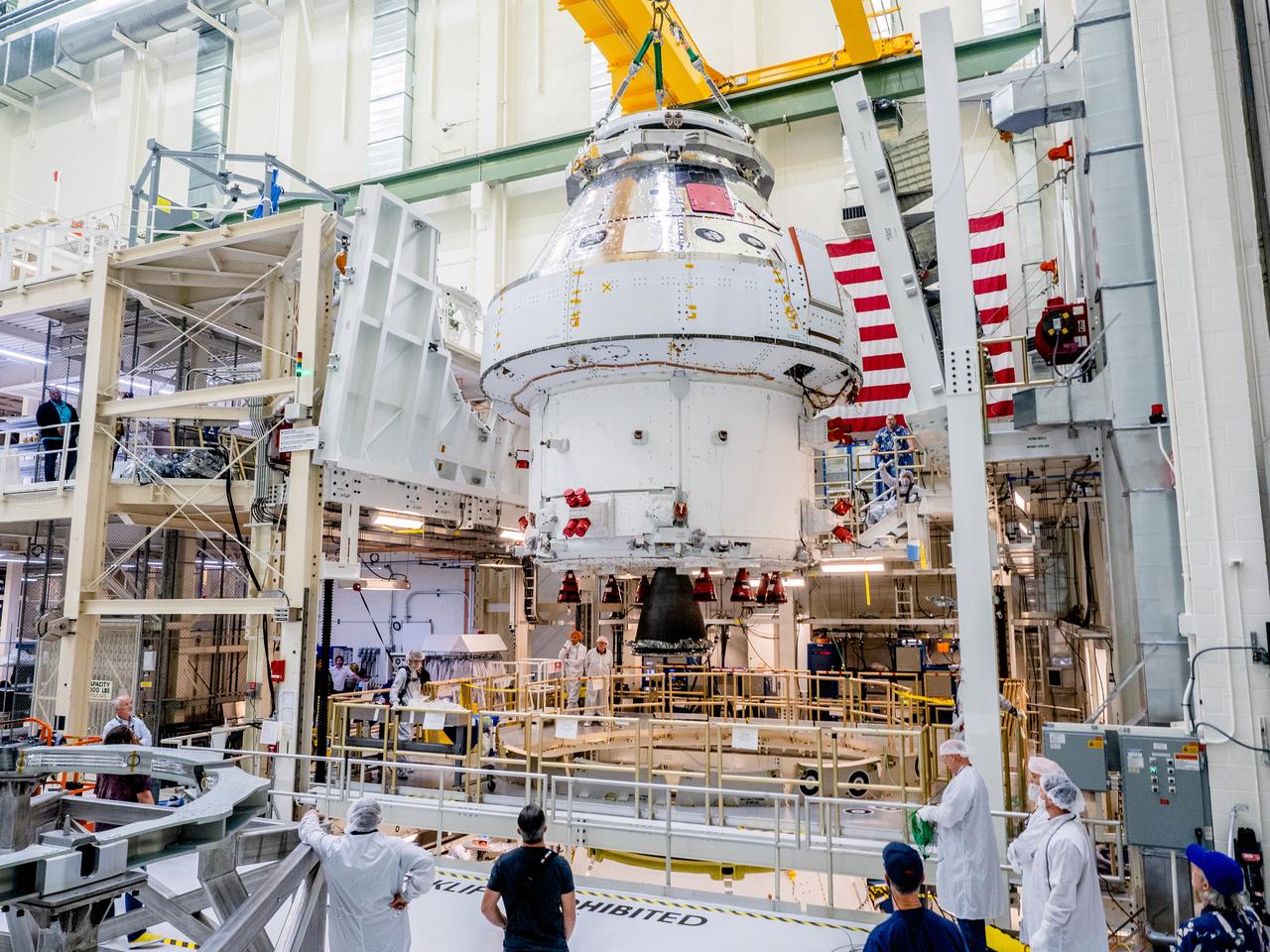
A crane returns NASA’s Artemis II Orion spacecraft to the Final Assembly and System Testing (FAST) cell inside the Neil A. Armstrong Operations and Checkout Building at NASA’s Kennedy Space Center in Florida on Friday, March 21, 2025, following installation of four solar array winds and adapter jettison fairings. Once complete, the Orion spacecraft will be transported to other facilities for fueling and integration with its launch abort system before arriving at the Vehicle Assembly Building where it will be stacked atop the SLS (Space Launch System) by NASA’s Exploration Ground System team at the Vehicle Assembly Building in preparations for Artemis II launch operations.
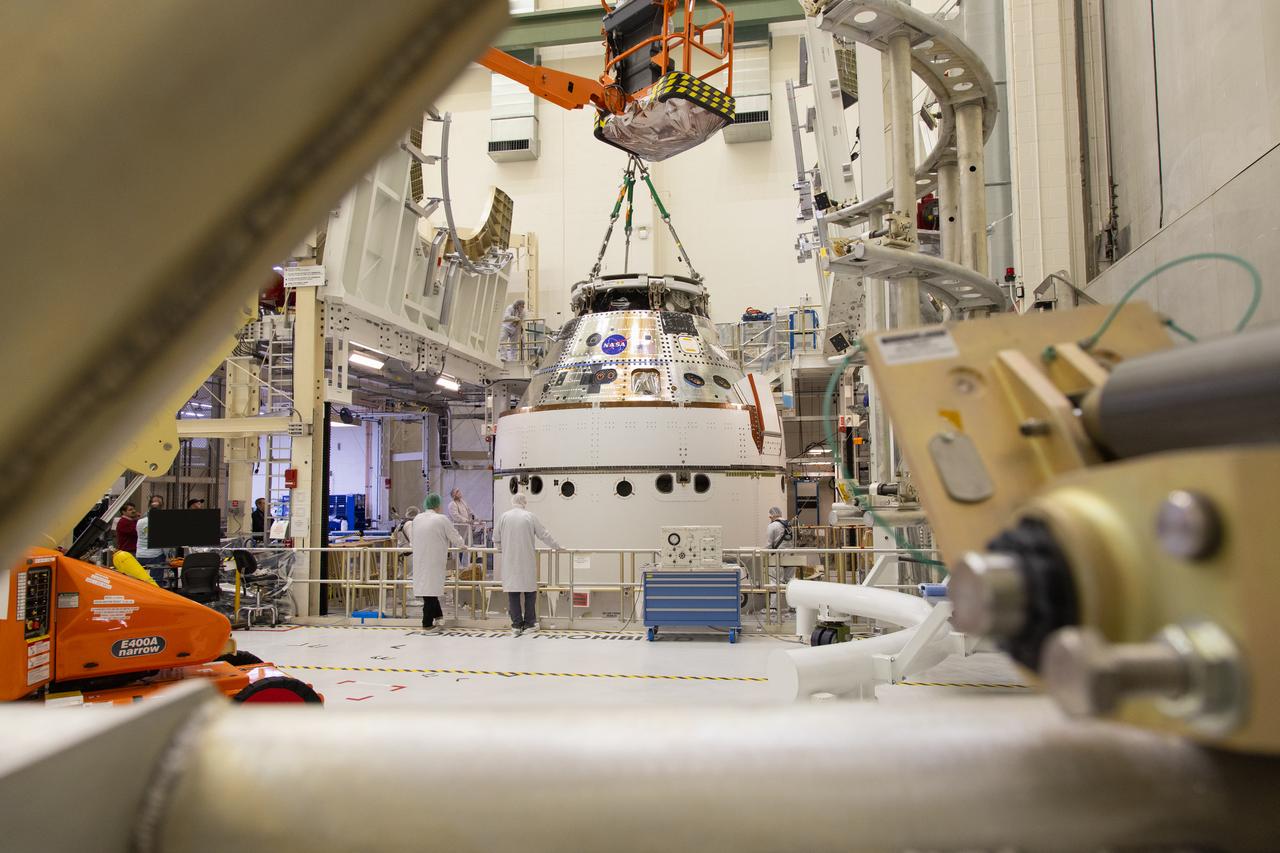
A crane returns NASA’s Artemis II Orion spacecraft to the Final Assembly and System Testing (FAST) cell inside the Neil A. Armstrong Operations and Checkout Building at NASA’s Kennedy Space Center in Florida on Friday, March 21, 2025, following installation of four solar array winds and adapter jettison fairings. Once complete, the Orion spacecraft will be transported to other facilities for fueling and integration with its launch abort system before arriving at the Vehicle Assembly Building where it will be stacked atop the SLS (Space Launch System) by NASA’s Exploration Ground System team at the Vehicle Assembly Building in preparations for Artemis II launch operations.
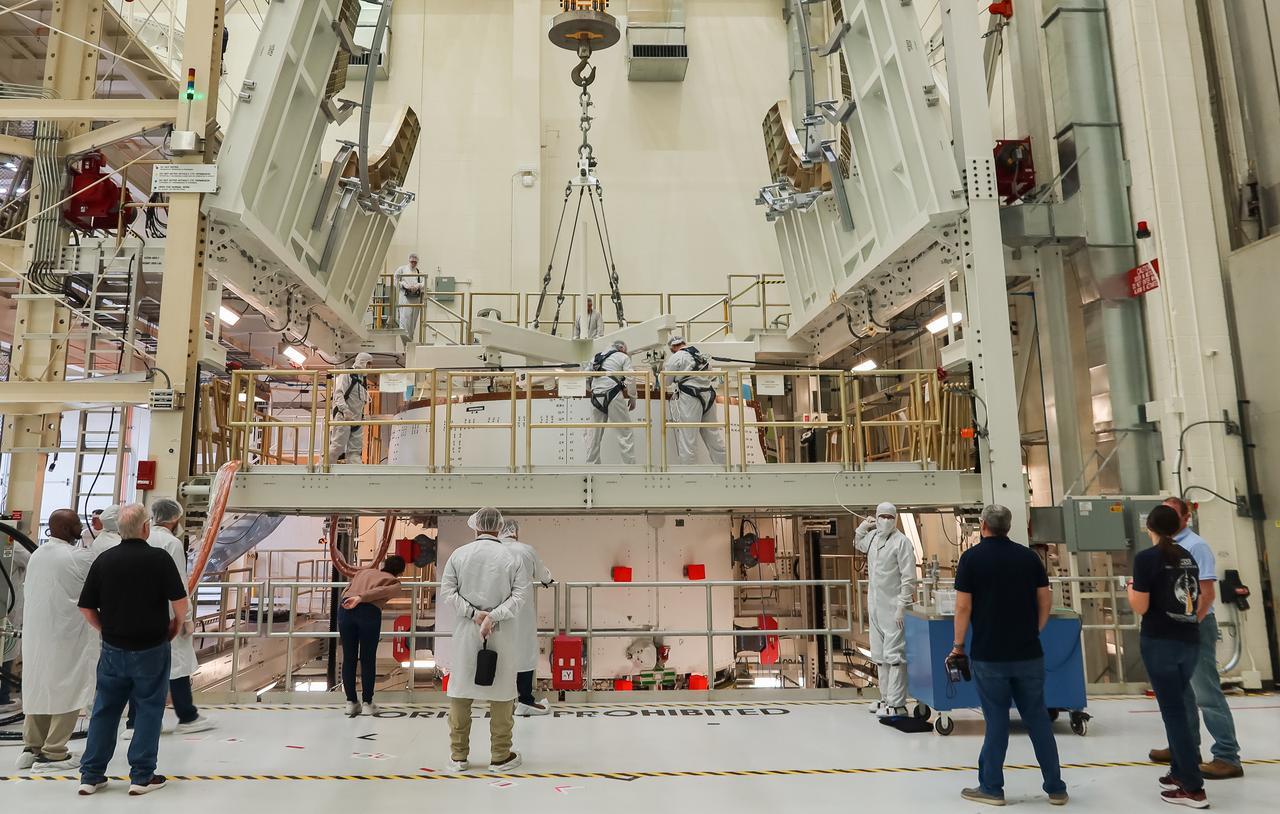
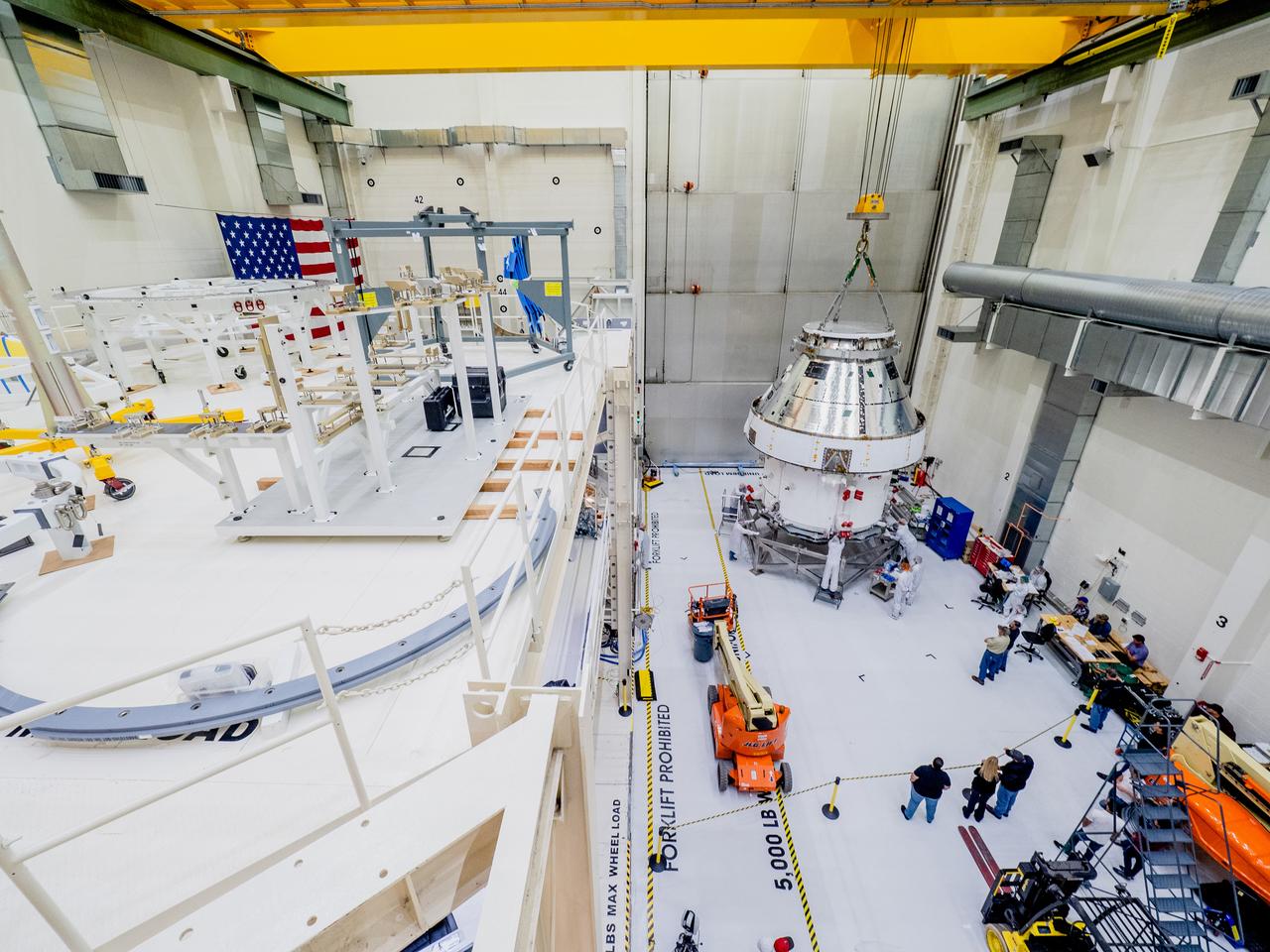
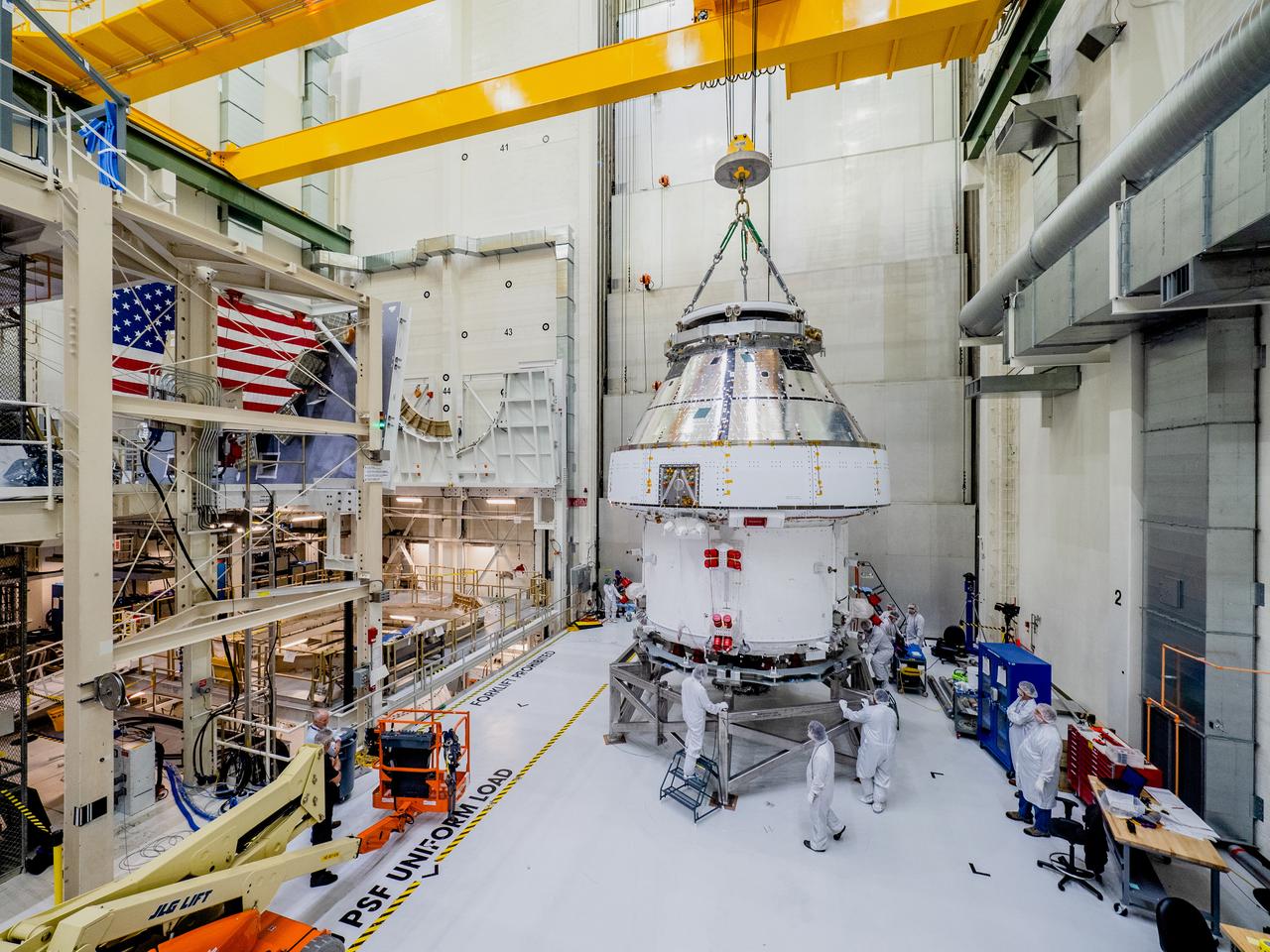
The European Service Module (ESM) for NASA’s Artemis II mission is secured inside the FAST (final assembly and system testing) cell in the high bay of the Neil A. Armstrong Operations and Checkout Building at NASA’s Kennedy Space Center in Florida on May 22, 2023. The ESM is in the FAST cell for final checkouts before it is stacked with the Orion crew module. Technicians are removing the crane that was used to move the ESM. The powerhouse that will fuel and propel Orion in space, the ESM will be used for Artemis II, the first Artemis mission flying crew aboard Orion.
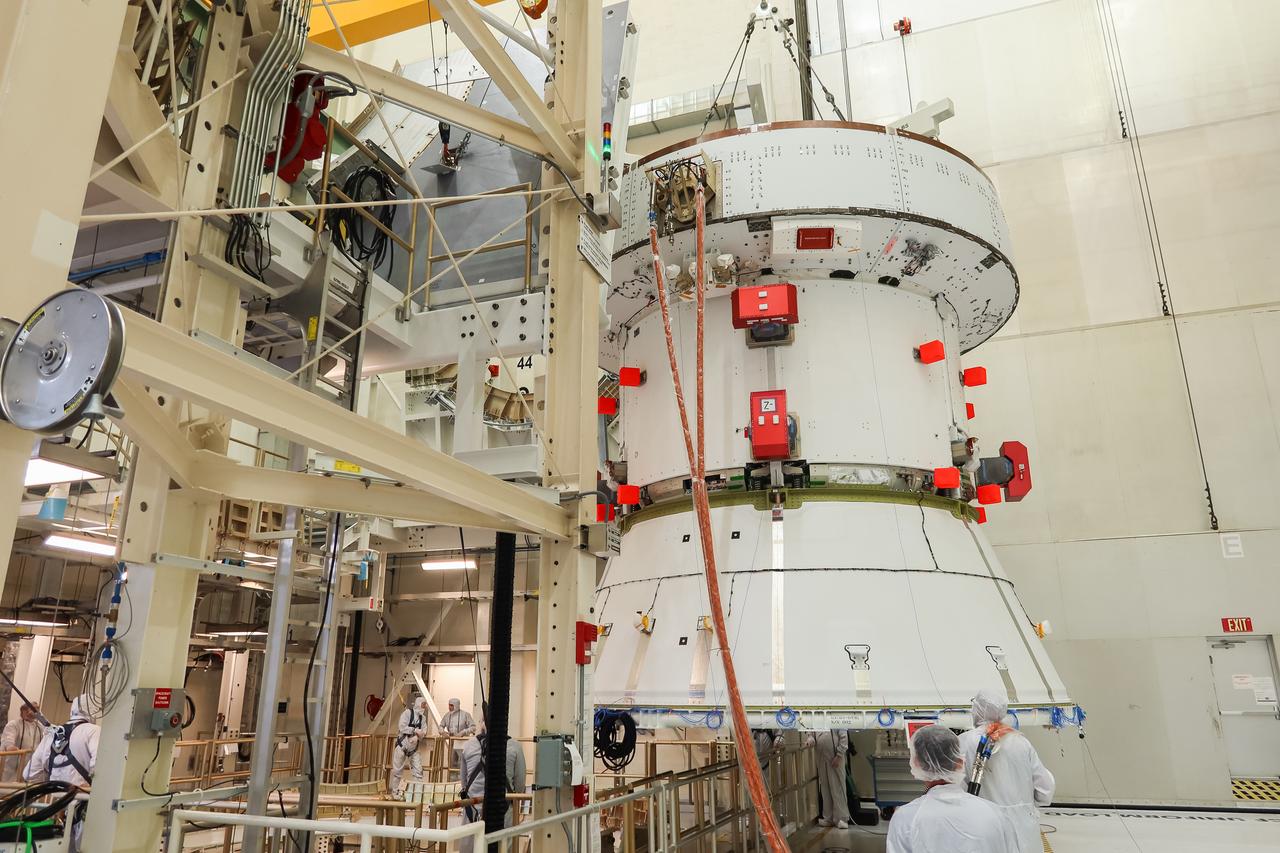
A crane slowly moves the European Service Module (ESM) for NASA’s Artemis II mission into the FAST (final assembly and system testing) cell inside the high bay of the Neil A. Armstrong Operations and Checkout Building at NASA’s Kennedy Space Center in Florida on May 22, 2023. Teams from NASA and Lockheed Martin are transferring the service module to the FAST cell for final checkouts before it is stacked with the Orion crew module.. The powerhouse that will fuel and propel Orion in space, the ESM will be used for Artemis II, the first Artemis mission flying crew aboard Orion.
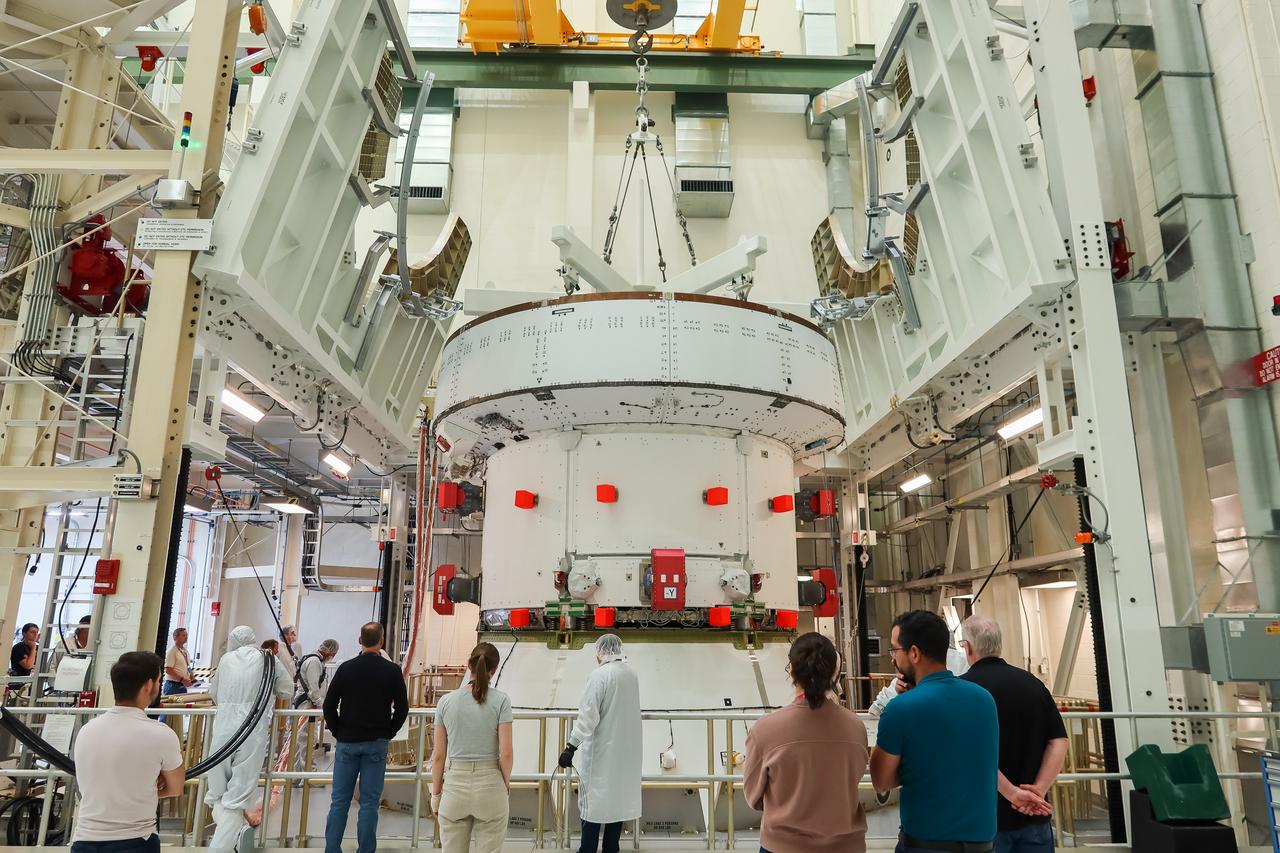
A crane lowers the European Service Module (ESM) for NASA’s Artemis II mission into the FAST (final assembly and system testing) cell inside the high bay of the Neil A. Armstrong Operations and Checkout Building at NASA’s Kennedy Space Center in Florida on May 22, 2023. Teams from NASA and Lockheed Martin are transferring the service module to the FAST cell for final checkouts before it is stacked with the Orion crew module. The powerhouse that will fuel and propel Orion in space, the ESM will be used for Artemis II, the first Artemis mission flying crew aboard Orion.
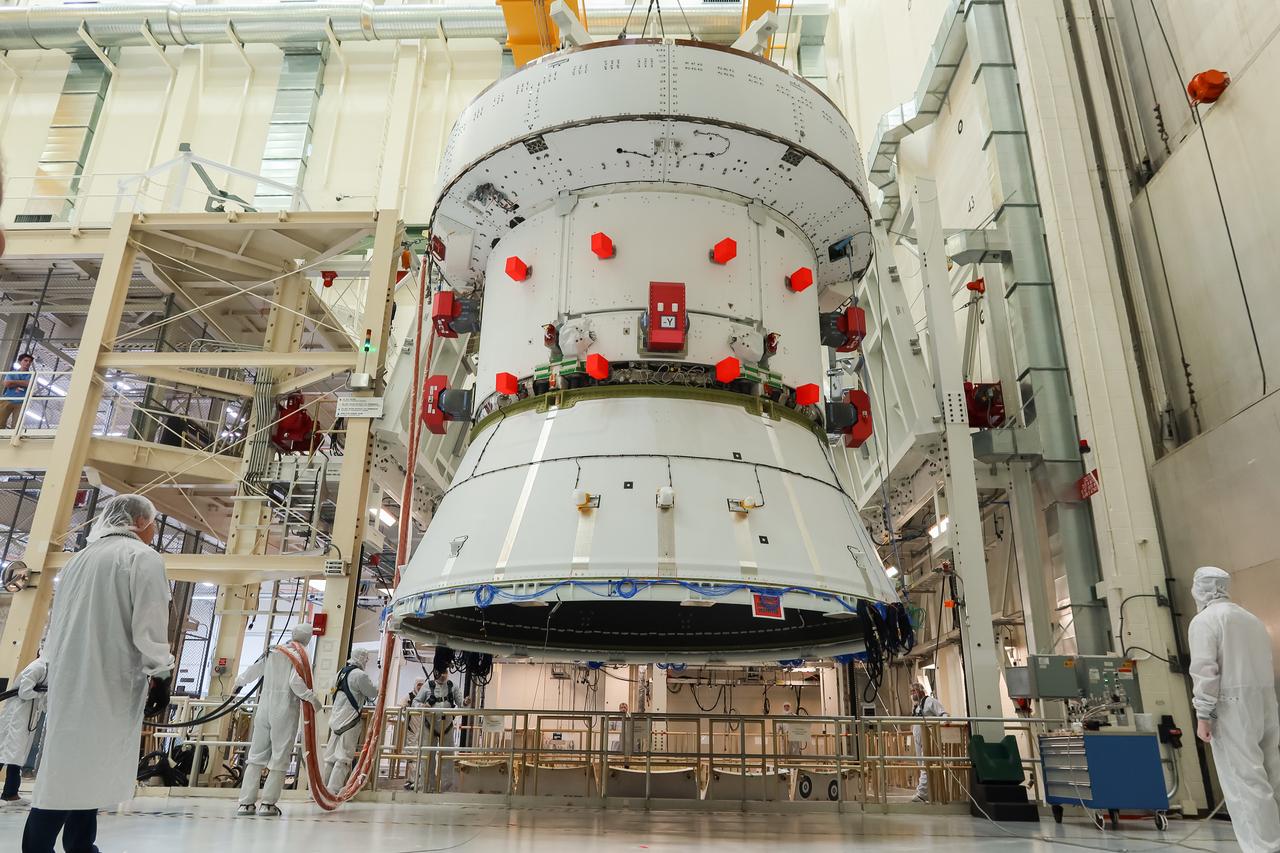
The European Service Module (ESM) for NASA’s Artemis II mission arrives at the Final Assembly and System Testing (FAST) cell inside the high bay of the Neil A. Armstrong Operations and Checkout Building at NASA’s Kennedy Space Center in Florida on May 22, 2023. Teams from NASA and Lockheed Martin are transferring the service module to the FAST (final assembly and system testing) cell for final checkouts before it is stacked with the Orion crew module.. The powerhouse that will fuel and propel Orion in space, the ESM will be used for Artemis II, the first Artemis mission flying crew aboard Orion.
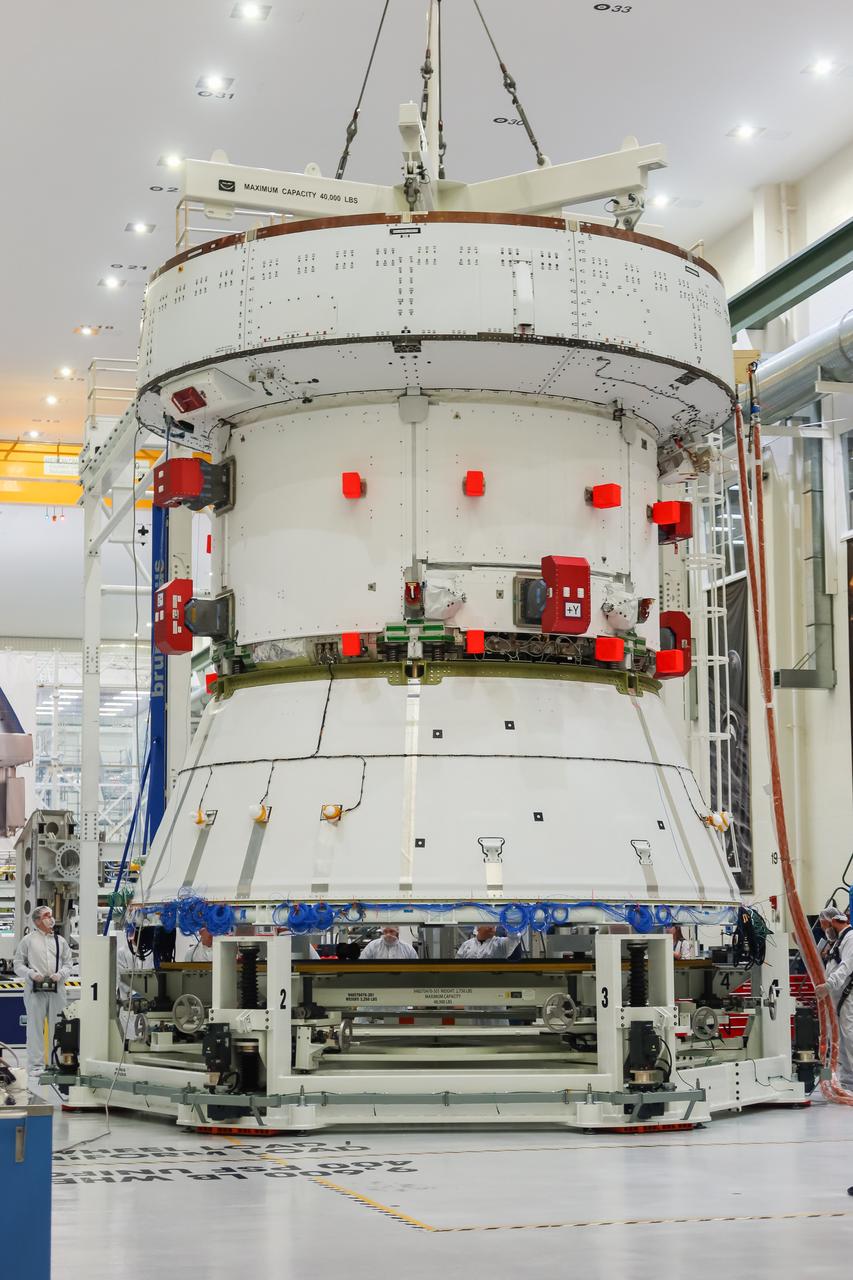
The European Service Module (ESM) for NASA’s Artemis II mission is lifted by crane inside the high bay of the Neil A. Armstrong Operations and Checkout Building at NASA’s Kennedy Space Center in Florida on May 22, 2023. Teams from NASA and Lockheed Martin are preparing the service module for transfer to the FAST (final assembly and system testing) cell for final checkouts before it is stacked with the Orion crew module. The powerhouse that will fuel and propel Orion in space, the ESM will be used for Artemis II, the first Artemis mission flying crew aboard Orion.
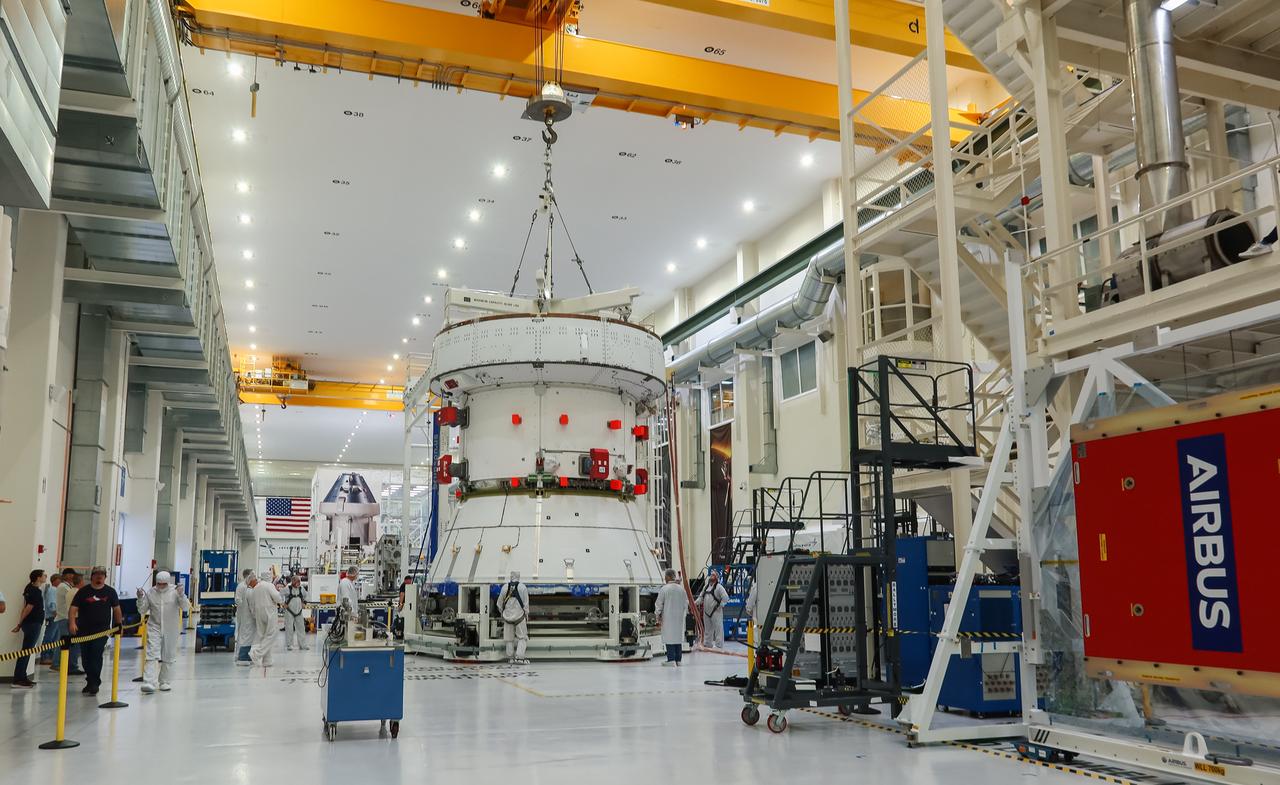
The European Service Module (ESM) for NASA’s Artemis II mission is lifted by crane inside the high bay of the Neil A. Armstrong Operations and Checkout Building at NASA’s Kennedy Space Center in Florida on May 22, 2023. Teams from NASA and Lockheed Martin are preparing the service module for transfer to the FAST (final assembly and system testing) cell for final checkouts before it is stacked with the Orion crew module. The powerhouse that will fuel and propel Orion in space, the ESM will be used for Artemis II, the first Artemis mission flying crew aboard Orion.
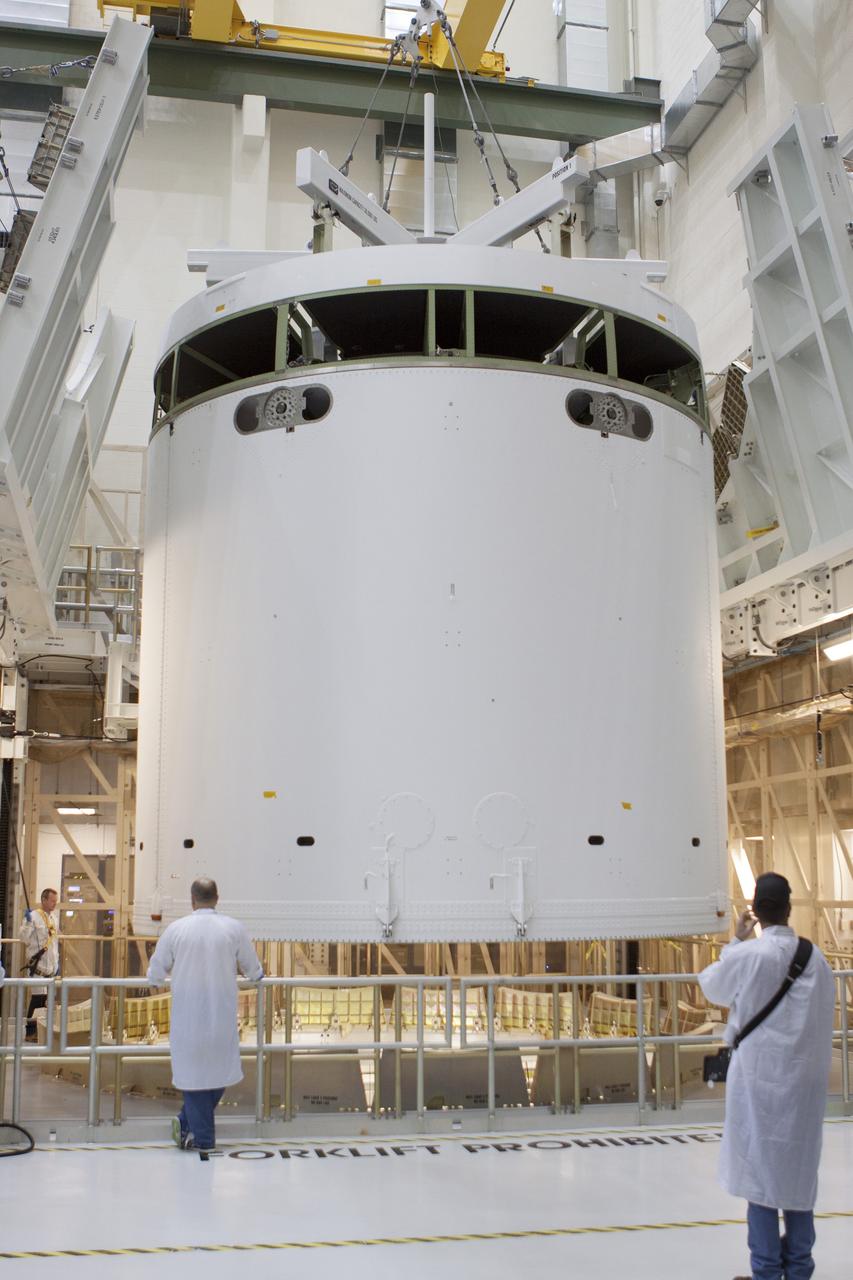
CAPE CANAVERAL, Fla. -- Inside the Operations and Checkout Building high bay at NASA's Kennedy Space Center in Florida, NASA and Lockheed Martin engineers and technicians monitor the progress as a crane lowers the Orion service module into the Final Assembly and System Testing, or FAST, cell. The Orion crew module will be stacked on the service module in the FAST cell and then both modules will be put through their final system tests for Exploration Flight Test-1, or EFT-1, before rolling out of the facility for integration with the United Launch Alliance Delta IV Heavy rocket. Orion is the exploration spacecraft designed to carry astronauts to destinations not yet explored by humans, including an asteroid and Mars. It will have emergency abort capability, sustain the crew during space travel and provide safe re-entry from deep space return velocities. The first unpiloted test flight of Orion, EFT-1, is scheduled to launch later this year atop a Delta IV rocket from Cape Canaveral Air Force Station in Florida to an altitude of 3,600 miles above the Earth's surface. The two-orbit, four-hour flight test will help engineers evaluate the systems critical to crew safety including the heat shield, parachute system and launch abort system. For more information, visit http://www.nasa.gov/orion. Photo credit: NASA/Glenn Benson
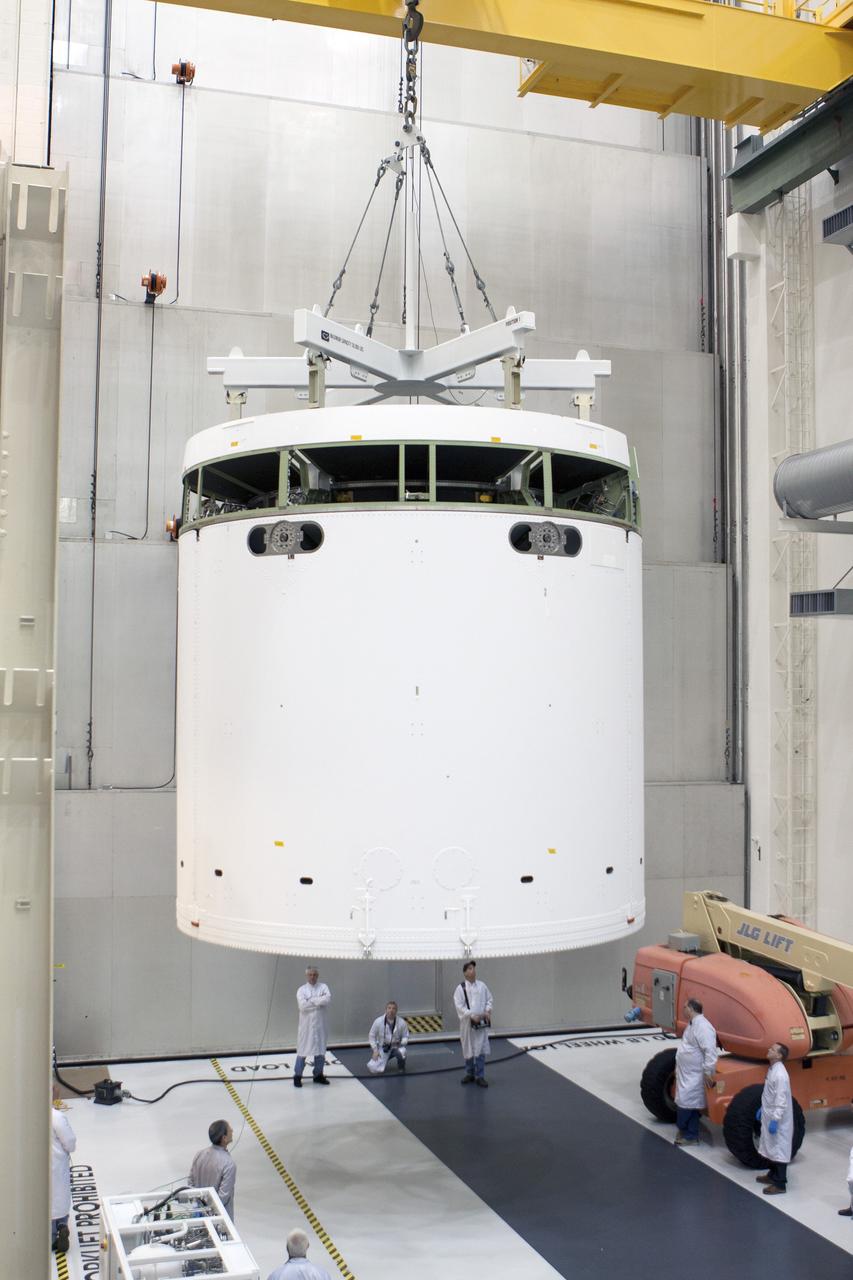
CAPE CANAVERAL, Fla. -- Inside the Operations and Checkout Building high bay at NASA's Kennedy Space Center in Florida, NASA and Lockheed Martin engineers and technicians monitor the progress as a crane is used to move the Orion service module to the Final Assembly and System Testing, or FAST, cell further down the aisle. The Orion crew module will be stacked on the service module in the FAST cell and then both modules will be put through their final system tests for Exploration Flight Test-1, or EFT-1, before rolling out of the facility for integration with the United Launch Alliance Delta IV Heavy rocket. Orion is the exploration spacecraft designed to carry astronauts to destinations not yet explored by humans, including an asteroid and Mars. It will have emergency abort capability, sustain the crew during space travel and provide safe re-entry from deep space return velocities. The first unpiloted test flight of Orion, EFT-1, is scheduled to launch later this year atop a Delta IV rocket from Cape Canaveral Air Force Station in Florida to an altitude of 3,600 miles above the Earth's surface. The two-orbit, four-hour flight test will help engineers evaluate the systems critical to crew safety including the heat shield, parachute system and launch abort system. For more information, visit http://www.nasa.gov/orion. Photo credit: NASA/Glenn Benson
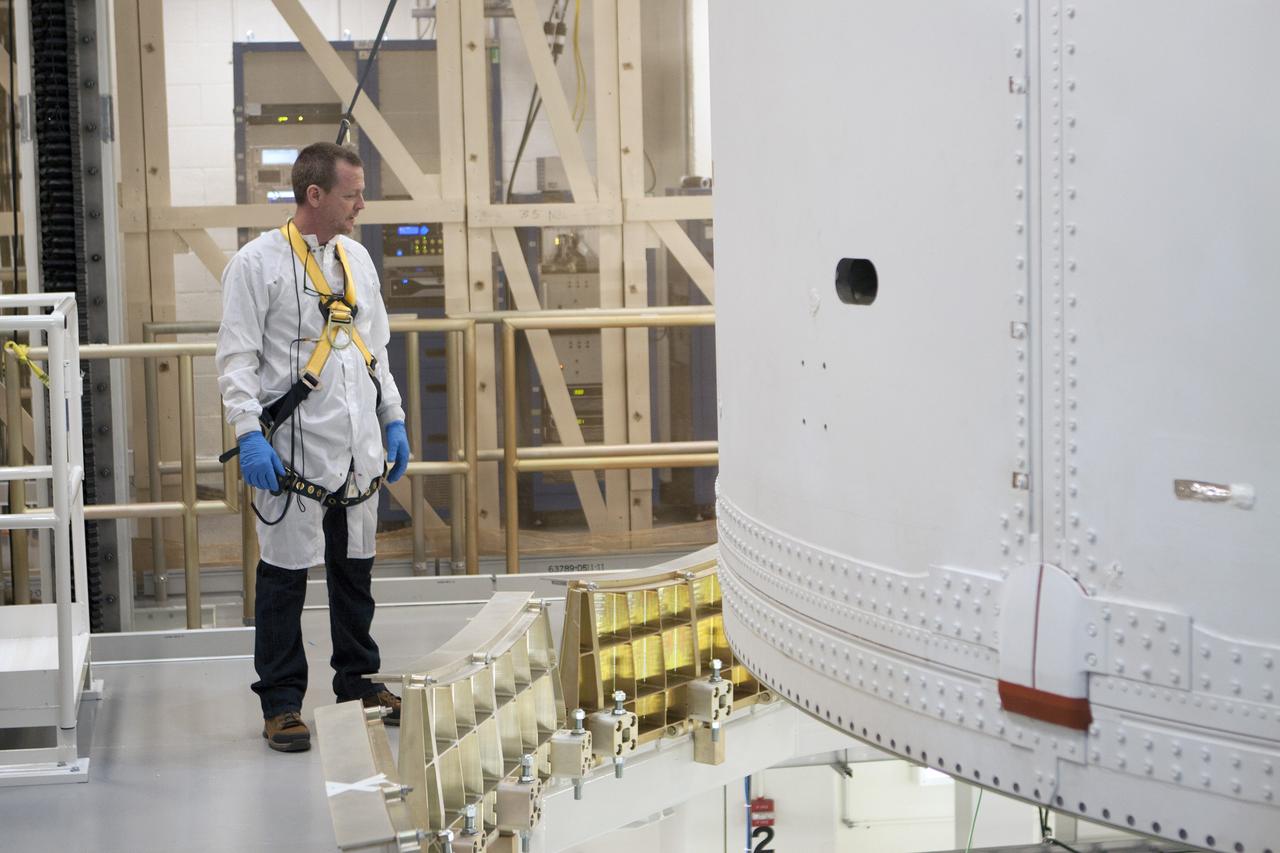
CAPE CANAVERAL, Fla. -- Inside the Operations and Checkout Building high bay at NASA's Kennedy Space Center in Florida, a Lockheed Martin technician monitors the progress as a crane lowers the Orion service module into the Final Assembly and System Testing, or FAST, cell further down the aisle. The Orion crew module will be stacked on the service module in the FAST cell and then both modules will be put through their final system tests for Exploration Flight Test-1, or EFT-1, before rolling out of the facility for integration with the United Launch Alliance Delta IV Heavy rocket. Orion is the exploration spacecraft designed to carry astronauts to destinations not yet explored by humans, including an asteroid and Mars. It will have emergency abort capability, sustain the crew during space travel and provide safe re-entry from deep space return velocities. The first unpiloted test flight of Orion, EFT-1, is scheduled to launch later this year atop a Delta IV rocket from Cape Canaveral Air Force Station in Florida to an altitude of 3,600 miles above the Earth's surface. The two-orbit, four-hour flight test will help engineers evaluate the systems critical to crew safety including the heat shield, parachute system and launch abort system. For more information, visit http://www.nasa.gov/orion. Photo credit: NASA/Glenn Benson
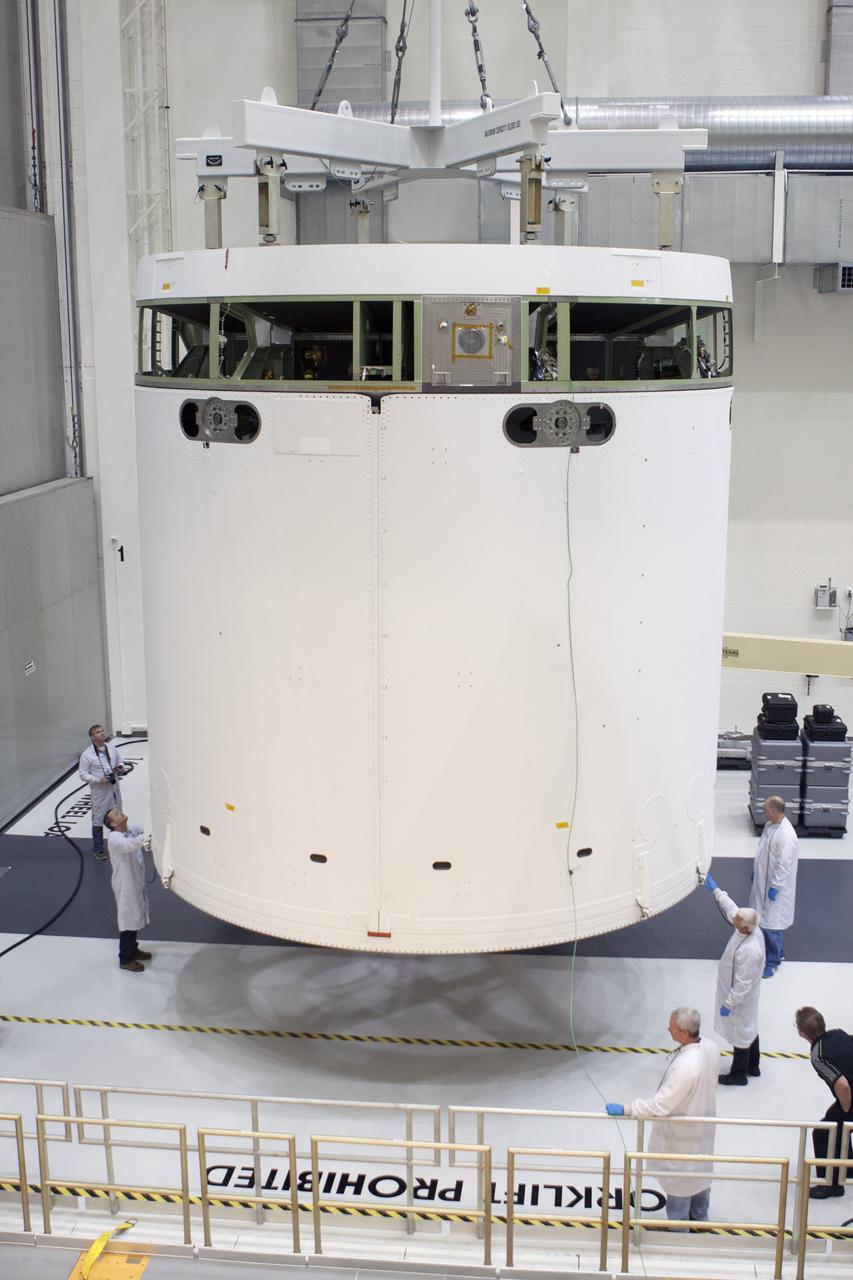
CAPE CANAVERAL, Fla. -- Inside the Operations and Checkout Building high bay at NASA's Kennedy Space Center in Florida, NASA and Lockheed Martin engineers and technicians help guide the Orion service module into the Final Assembly and System Testing, or FAST, cell. The Orion crew module will be stacked on the service module in the FAST cell and then both modules will be put through their final system tests for Exploration Flight Test-1, or EFT-1, before rolling out of the facility for integration with the United Launch Alliance Delta IV Heavy rocket. Orion is the exploration spacecraft designed to carry astronauts to destinations not yet explored by humans, including an asteroid and Mars. It will have emergency abort capability, sustain the crew during space travel and provide safe re-entry from deep space return velocities. The first unpiloted test flight of Orion, EFT-1, is scheduled to launch later this year atop a Delta IV rocket from Cape Canaveral Air Force Station in Florida to an altitude of 3,600 miles above the Earth's surface. The two-orbit, four-hour flight test will help engineers evaluate the systems critical to crew safety including the heat shield, parachute system and launch abort system. For more information, visit http://www.nasa.gov/orion. Photo credit: NASA/Glenn Benson
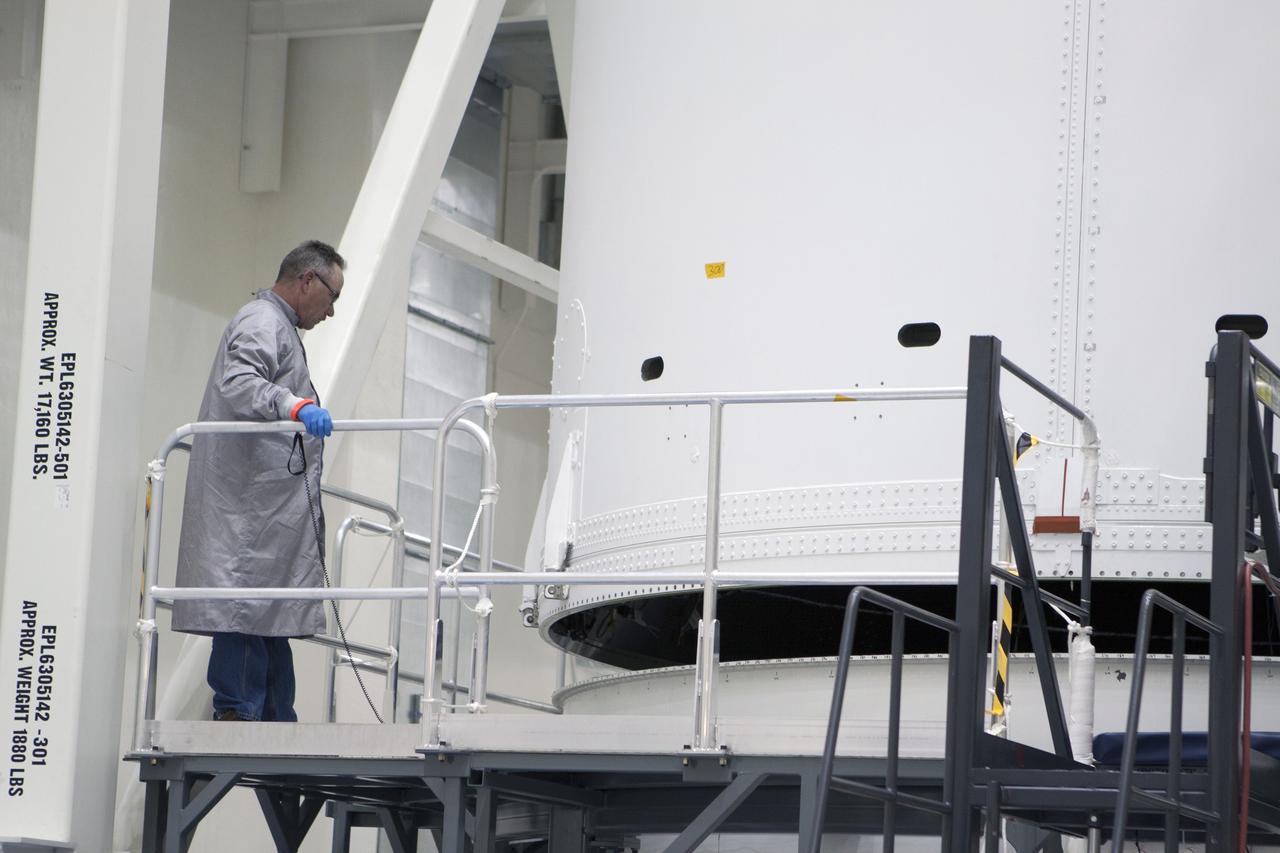
CAPE CANAVERAL, Fla. -- Inside the Operations and Checkout Building high bay at NASA's Kennedy Space Center in Florida, a Lockheed Martin technician monitors the progress as a crane is used to lift the Orion service module from a test stand and move it to the Final Assembly and System Testing, or FAST, cell further down the aisle. The Orion crew module will be stacked on the service module in the FAST cell and then both modules will be put through their final system tests for Exploration Flight Test-1, or EFT-1, prior to rolling out of the facility for integration with the United Launch Alliance Delta IV Heavy rocket. Orion is the exploration spacecraft designed to carry astronauts to destinations not yet explored by humans, including an asteroid and Mars. It will have emergency abort capability, sustain the crew during space travel and provide safe re-entry from deep space return velocities. The first unpiloted test flight of Orion, EFT-1, is scheduled to launch later this year atop a Delta IV rocket from Cape Canaveral Air Force Station in Florida to an altitude of 3,600 miles above the Earth's surface. The two-orbit, four-hour flight test will help engineers evaluate the systems critical to crew safety including the heat shield, parachute system and launch abort system. For more information, visit http://www.nasa.gov/orion. Photo credit: NASA/Glenn Benson
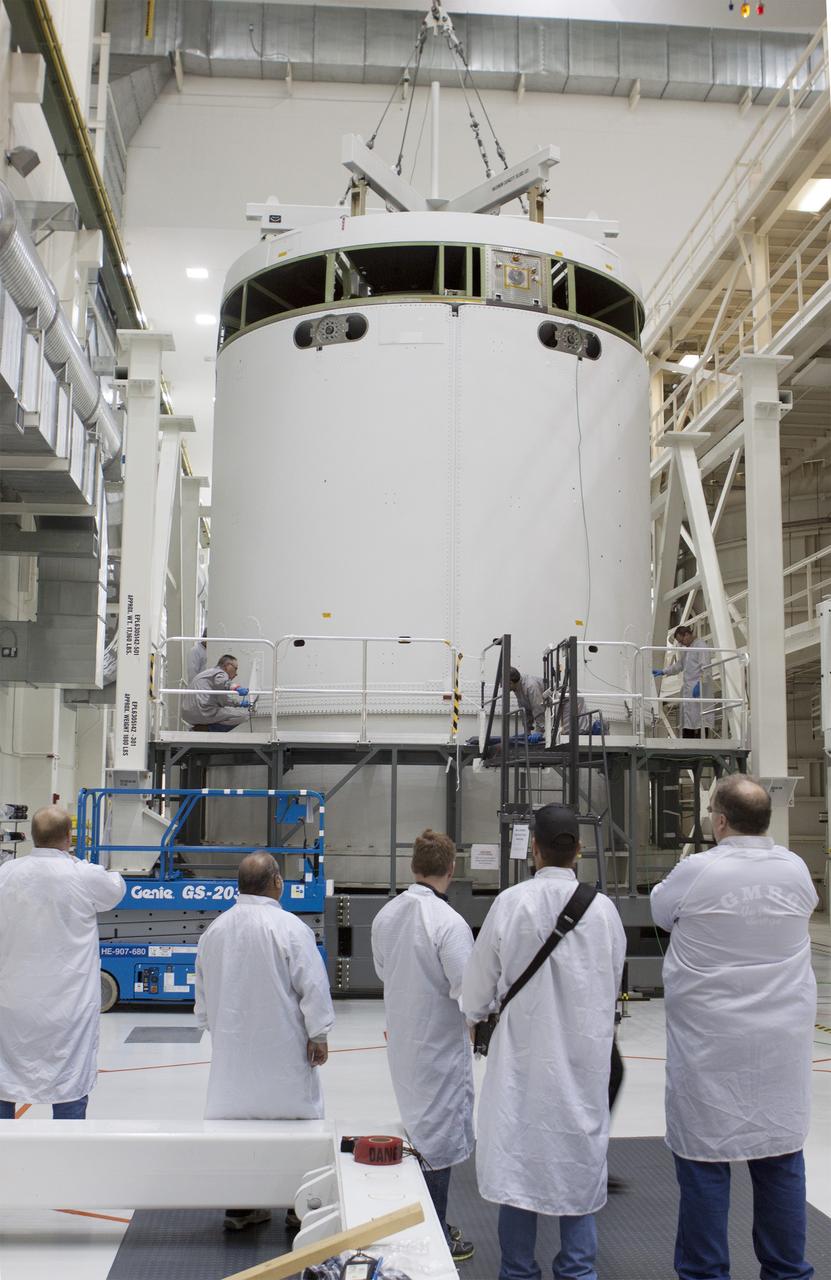
CAPE CANAVERAL, Fla. -- Inside the Operations and Checkout Building high bay at NASA's Kennedy Space Center in Florida, NASA and Lockheed Martin technicians and engineers prepare to move the Orion service module to the Final Assembly and System Testing, or FAST, cell further down the aisle. The Orion crew module will be stacked on the service module in the FAST cell and then both modules will be put through their final system tests for Exploration Flight Test-1, or EFT-1, prior to rolling out of the facility for integration with the United Launch Alliance Delta IV Heavy rocket. Orion is the exploration spacecraft designed to carry astronauts to destinations not yet explored by humans, including an asteroid and Mars. It will have emergency abort capability, sustain the crew during space travel and provide safe re-entry from deep space return velocities. The first unpiloted test flight of Orion, EFT-1, is scheduled to launch later this year atop a Delta IV rocket from Cape Canaveral Air Force Station in Florida to an altitude of 3,600 miles above the Earth's surface. The two-orbit, four-hour flight test will help engineers evaluate the systems critical to crew safety including the heat shield, parachute system and launch abort system. For more information, visit http://www.nasa.gov/orion. Photo credit: NASA/Glenn Benson
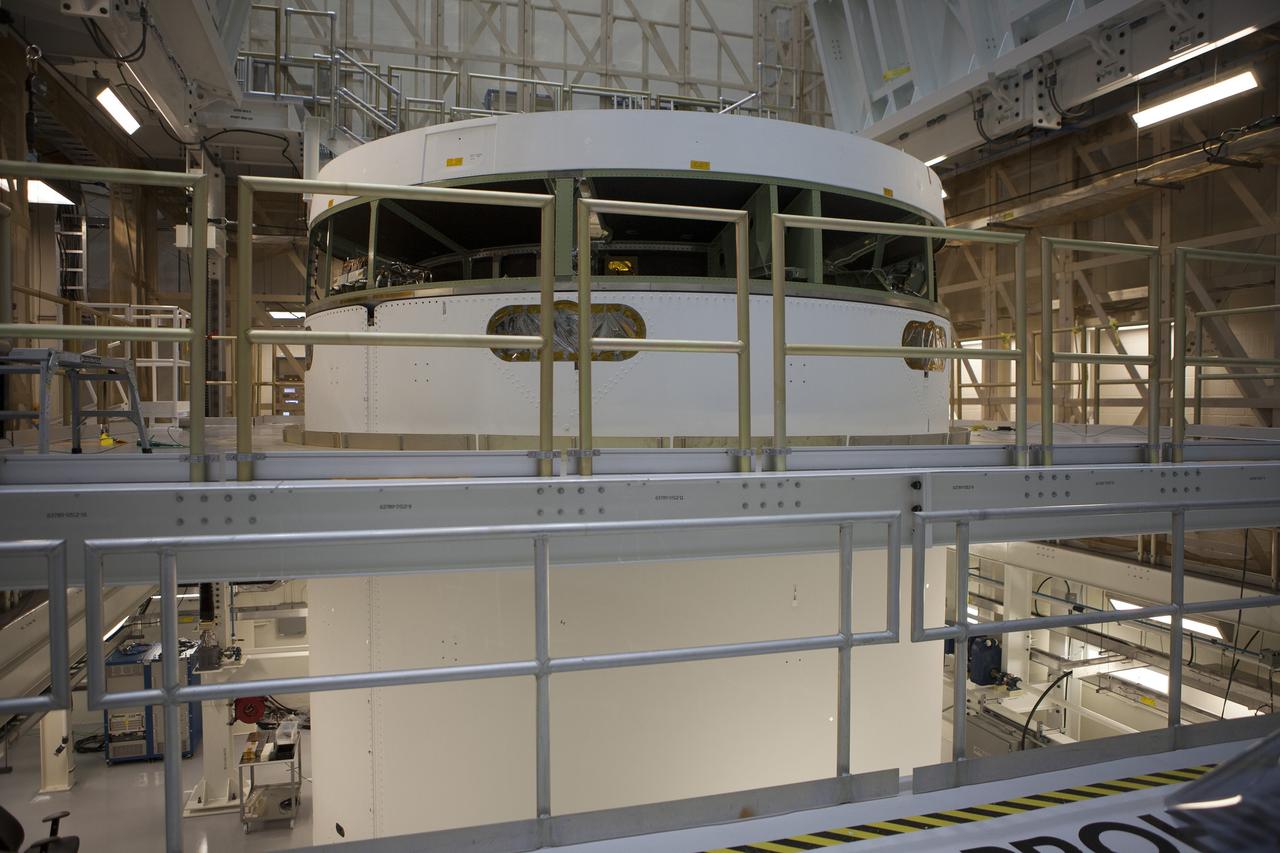
CAPE CANAVERAL, Fla. -- Inside the Operations and Checkout Building high bay at NASA's Kennedy Space Center in Florida, the Orion service module has been secured in the Final Assembly and System Testing, or FAST, cell. The Orion crew module will be stacked on the service module in the FAST cell and then both modules will be put through their final system tests for Exploration Flight Test-1, or EFT-1, before rolling out of the facility for integration with the United Launch Alliance Delta IV Heavy rocket. Orion is the exploration spacecraft designed to carry astronauts to destinations not yet explored by humans, including an asteroid and Mars. It will have emergency abort capability, sustain the crew during space travel and provide safe re-entry from deep space return velocities. The first unpiloted test flight of Orion, EFT-1, is scheduled to launch later this year atop a Delta IV rocket from Cape Canaveral Air Force Station in Florida to an altitude of 3,600 miles above the Earth's surface. The two-orbit, four-hour flight test will help engineers evaluate the systems critical to crew safety including the heat shield, parachute system and launch abort system. For more information, visit http://www.nasa.gov/orion. Photo credit: NASA/Glenn Benson
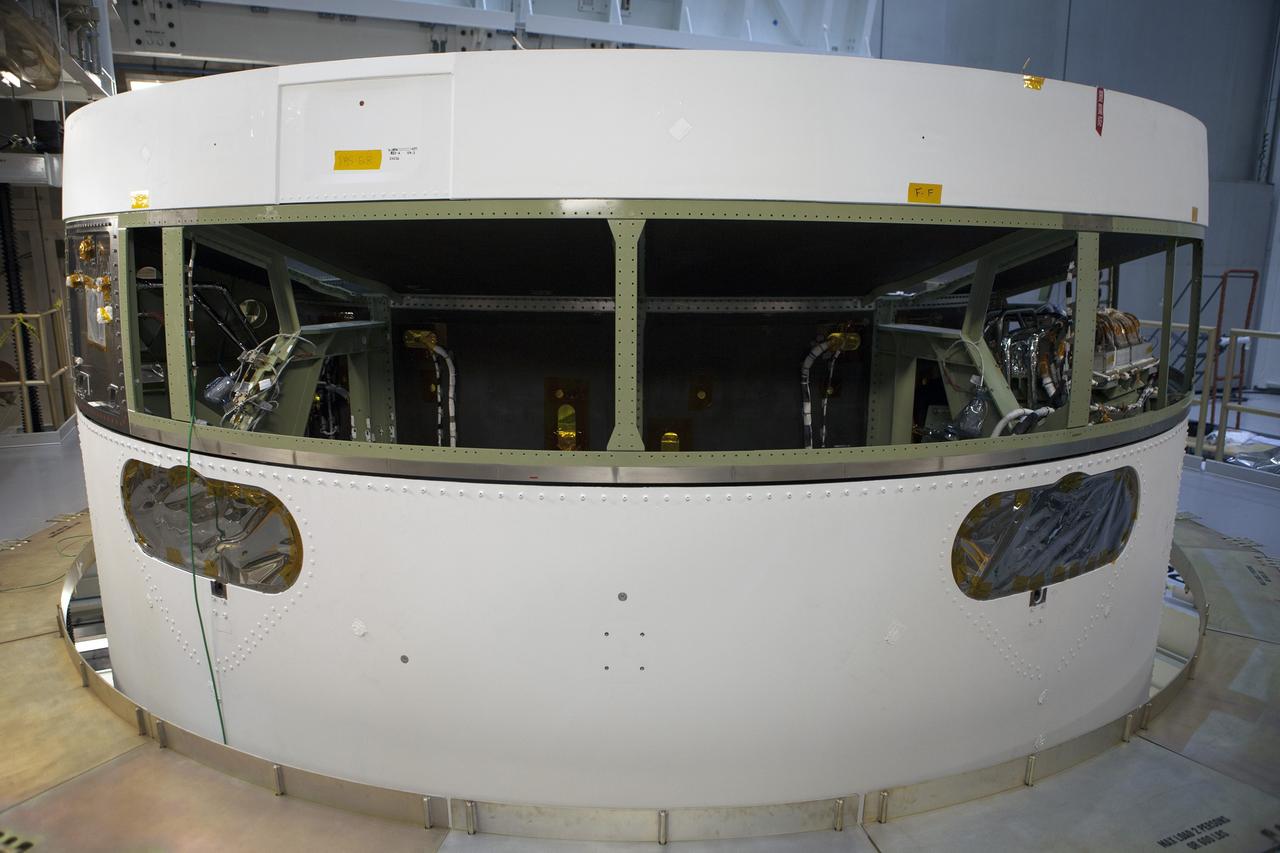
CAPE CANAVERAL, Fla. -- Inside the Operations and Checkout Building high bay at NASA's Kennedy Space Center in Florida, the Orion service module has been secured in the Final Assembly and System Testing, or FAST, cell. The Orion crew module will be stacked on the service module in the FAST cell and then both modules will be put through their final system tests for Exploration Flight Test-1, or EFT-1, before rolling out of the facility for integration with the United Launch Alliance Delta IV Heavy rocket. Orion is the exploration spacecraft designed to carry astronauts to destinations not yet explored by humans, including an asteroid and Mars. It will have emergency abort capability, sustain the crew during space travel and provide safe re-entry from deep space return velocities. The first unpiloted test flight of Orion, EFT-1, is scheduled to launch later this year atop a Delta IV rocket from Cape Canaveral Air Force Station in Florida to an altitude of 3,600 miles above the Earth's surface. The two-orbit, four-hour flight test will help engineers evaluate the systems critical to crew safety including the heat shield, parachute system and launch abort system. For more information, visit http://www.nasa.gov/orion. Photo credit: NASA/Glenn Benson
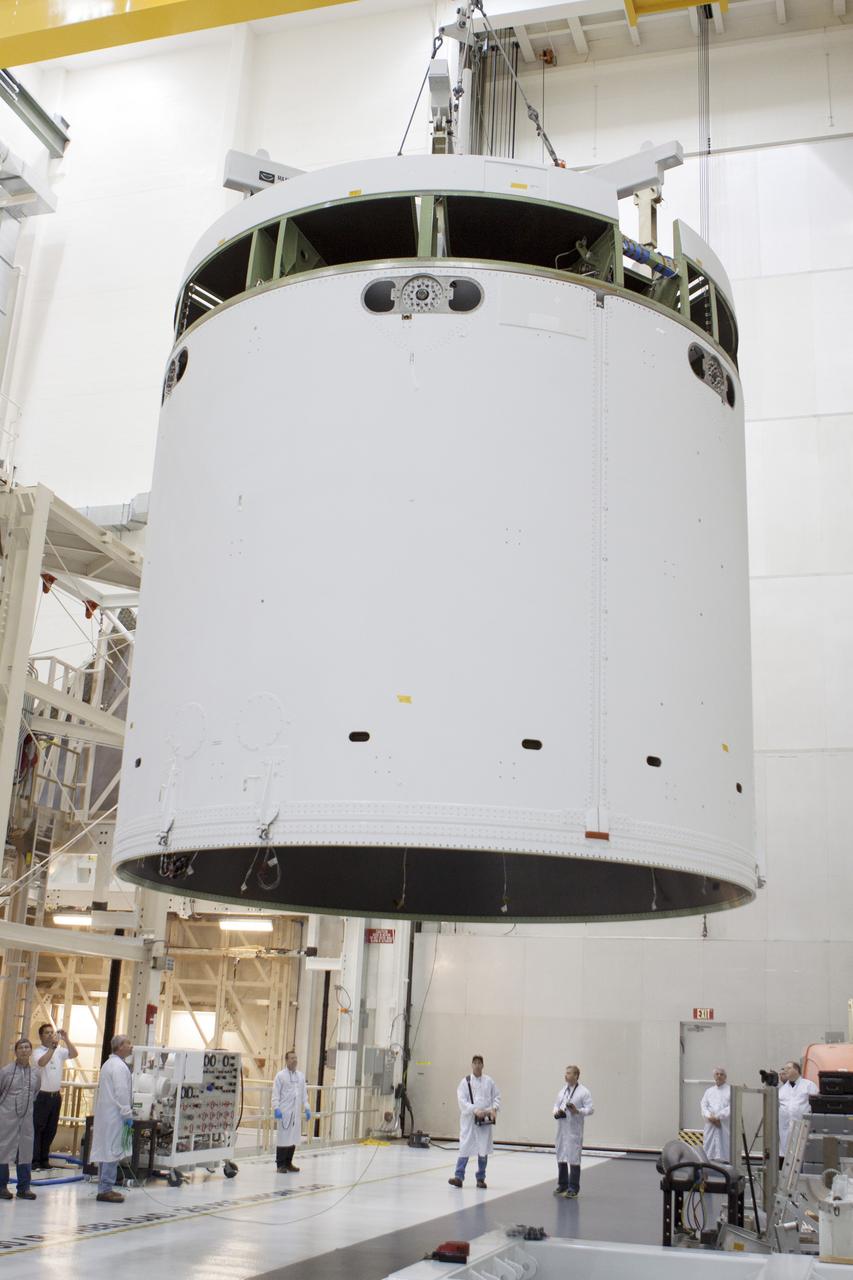
CAPE CANAVERAL, Fla. -- Inside the Operations and Checkout Building high bay at NASA's Kennedy Space Center in Florida, NASA and Lockheed Martin engineers and technicians monitor the progress as a crane is used to move the Orion service module to the Final Assembly and System Testing, or FAST, cell further down the aisle. The Orion crew module will be stacked on the service module in the FAST cell and then both modules will be put through their final system tests for Exploration Flight Test-1, or EFT-1, before rolling out of the facility for integration with the United Launch Alliance Delta IV Heavy rocket. Orion is the exploration spacecraft designed to carry astronauts to destinations not yet explored by humans, including an asteroid and Mars. It will have emergency abort capability, sustain the crew during space travel and provide safe re-entry from deep space return velocities. The first unpiloted test flight of Orion, EFT-1, is scheduled to launch later this year atop a Delta IV rocket from Cape Canaveral Air Force Station in Florida to an altitude of 3,600 miles above the Earth's surface. The two-orbit, four-hour flight test will help engineers evaluate the systems critical to crew safety including the heat shield, parachute system and launch abort system. For more information, visit http://www.nasa.gov/orion. Photo credit: NASA/Glenn Benson
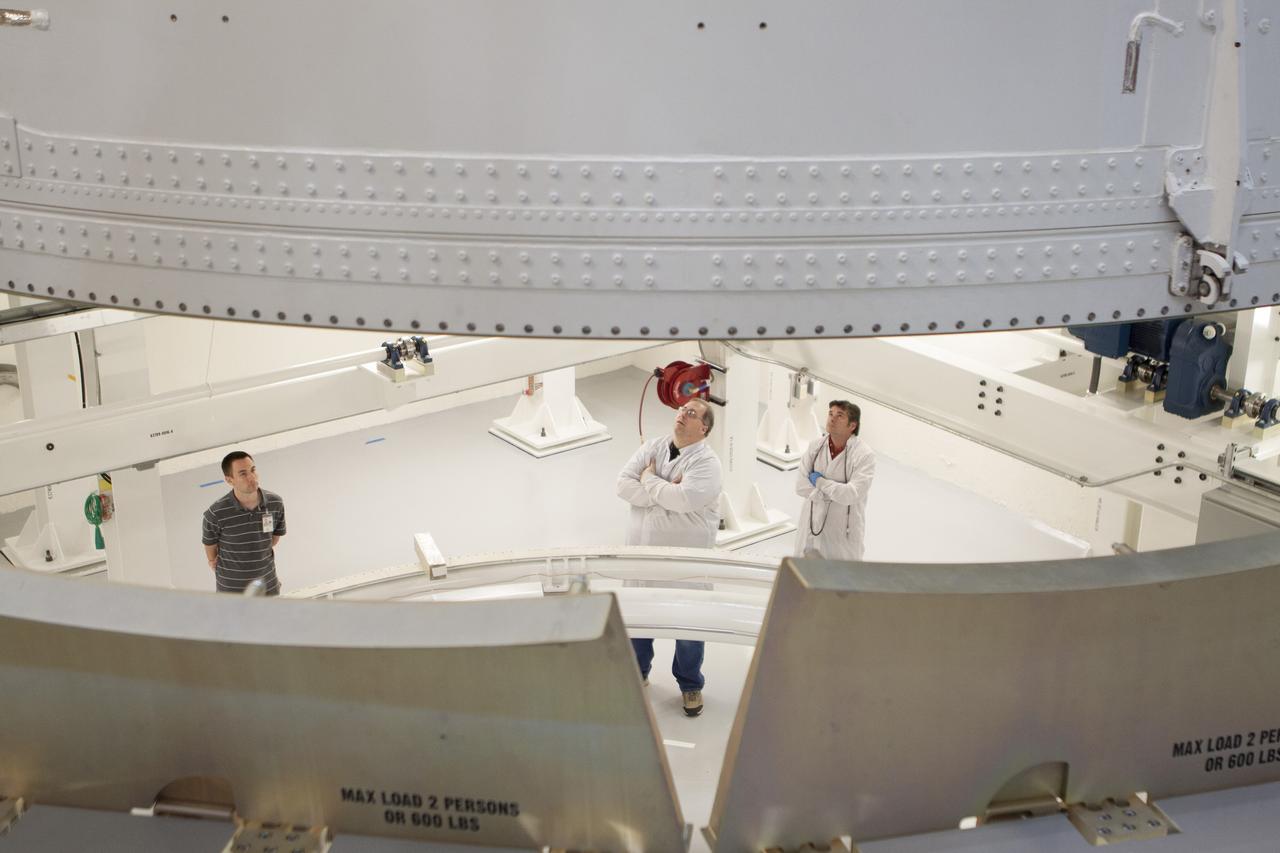
CAPE CANAVERAL, Fla. -- Inside the Operations and Checkout Building high bay at NASA's Kennedy Space Center in Florida, NASA and Lockheed Martin engineers and technicians monitor the progress as a crane lowers the Orion service module into the Final Assembly and System Testing, or FAST, cell. The Orion crew module will be stacked on the service module in the FAST cell and then both modules will be put through their final system tests for Exploration Flight Test-1, or EFT-1, before rolling out of the facility for integration with the United Launch Alliance Delta IV Heavy rocket. Orion is the exploration spacecraft designed to carry astronauts to destinations not yet explored by humans, including an asteroid and Mars. It will have emergency abort capability, sustain the crew during space travel and provide safe re-entry from deep space return velocities. The first unpiloted test flight of Orion, EFT-1, is scheduled to launch later this year atop a Delta IV rocket from Cape Canaveral Air Force Station in Florida to an altitude of 3,600 miles above the Earth's surface. The two-orbit, four-hour flight test will help engineers evaluate the systems critical to crew safety including the heat shield, parachute system and launch abort system. For more information, visit http://www.nasa.gov/orion. Photo credit: NASA/Glenn Benson
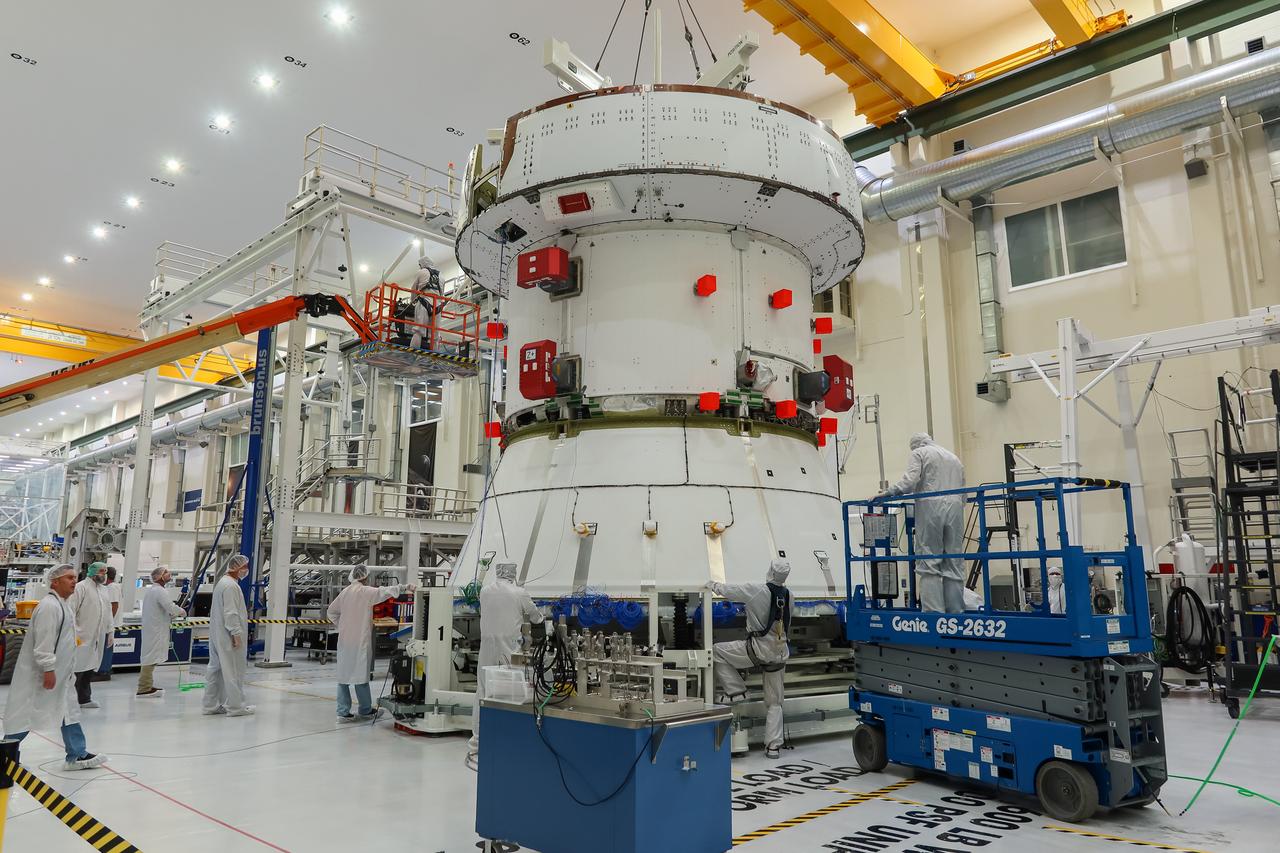
Preparations are underway to lift the European Service Module (ESM) for NASA’s Artemis II mission by crane inside the high bay of the Neil A. Armstrong Operations and Checkout Building at NASA’s Kennedy Space Center in Florida on May 22, 2023. Teams from NASA and Lockheed Martin are preparing the service module for transfer to the FAST (final assembly and system testing) cell for final checkouts before it is stacked with Orion crew module. The powerhouse that will fuel and propel Orion in space, the ESM will be used for Artemis II, the first Artemis mission flying crew aboard Orion.
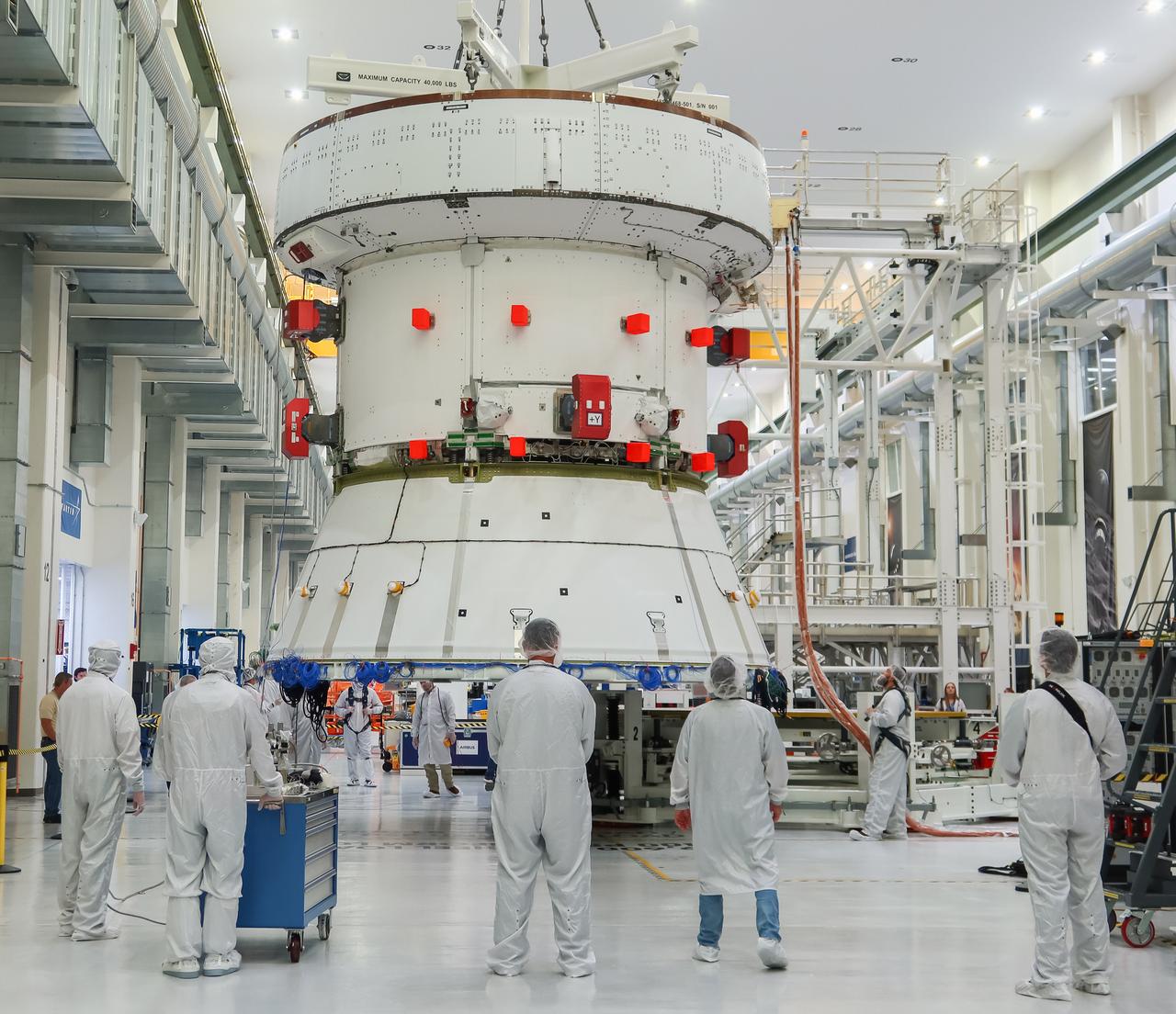
Engineers and technicians monitor the progress as the European Service Module (ESM) for NASA’s Artemis II mission is lifted by crane inside the high bay of the Neil A. Armstrong Operations and Checkout Building at NASA’s Kennedy Space Center in Florida on May 22, 2023. Teams from NASA and Lockheed Martin are preparing the service module for transfer to the FAST (final assembly and system testing) cell for final checkouts before it is stacked with the Orion crew module.. The powerhouse that will fuel and propel Orion in space, the ESM will be used for Artemis II, the first Artemis mission flying crew aboard Orion.
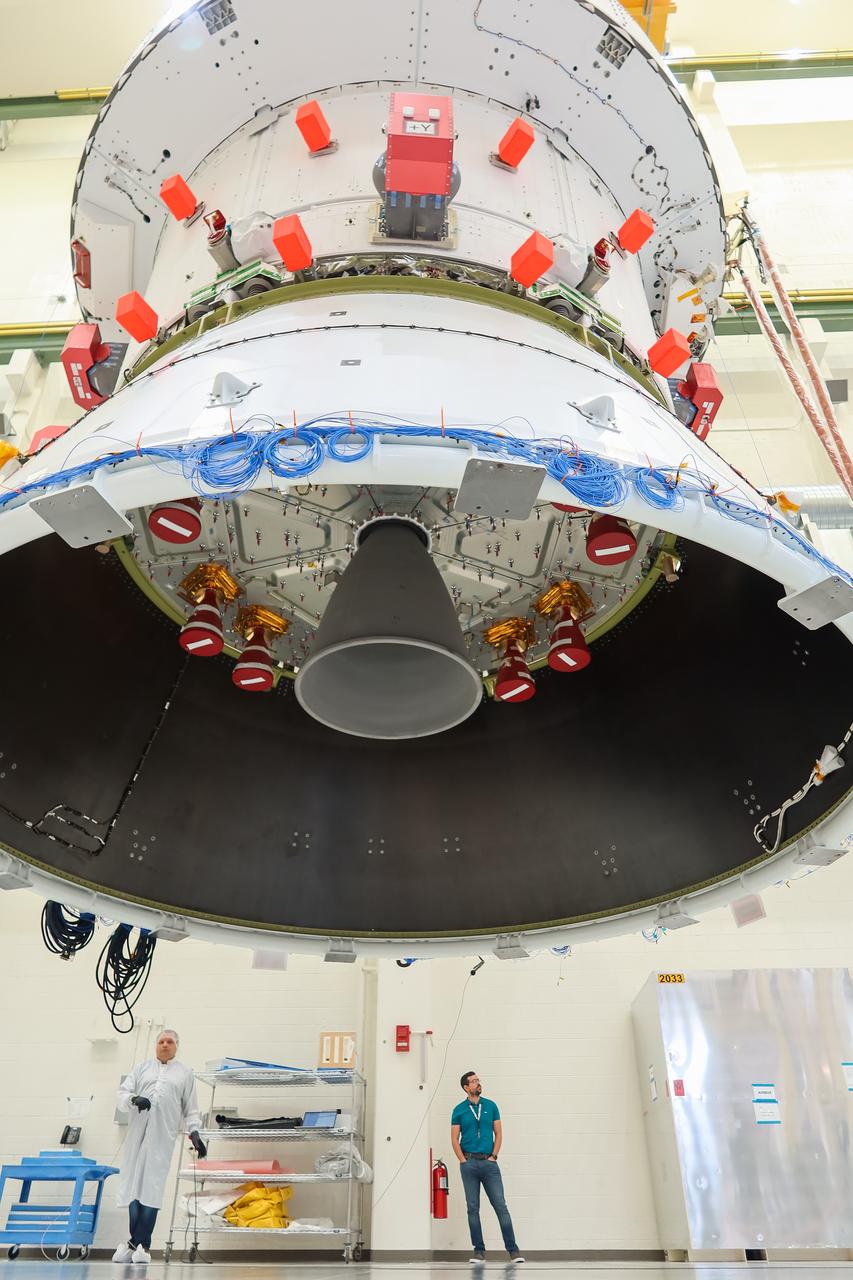
A view looking up from beneath the European Service Module (ESM) for NASA’s Artemis II mission as it is moved by crane along the center aisle of the high bay inside the Neil A. Armstrong Operations and Checkout Building at NASA’s Kennedy Space Center in Florida on May 22, 2023. Teams from NASA and Lockheed Martin are transferring the service module to the FAST (final assembly and system testing) cell for final checkouts before it is stacked with the Orion crew module.. The powerhouse that will fuel and propel Orion in space, the ESM will be used for Artemis II, the first Artemis mission flying crew aboard Orion.
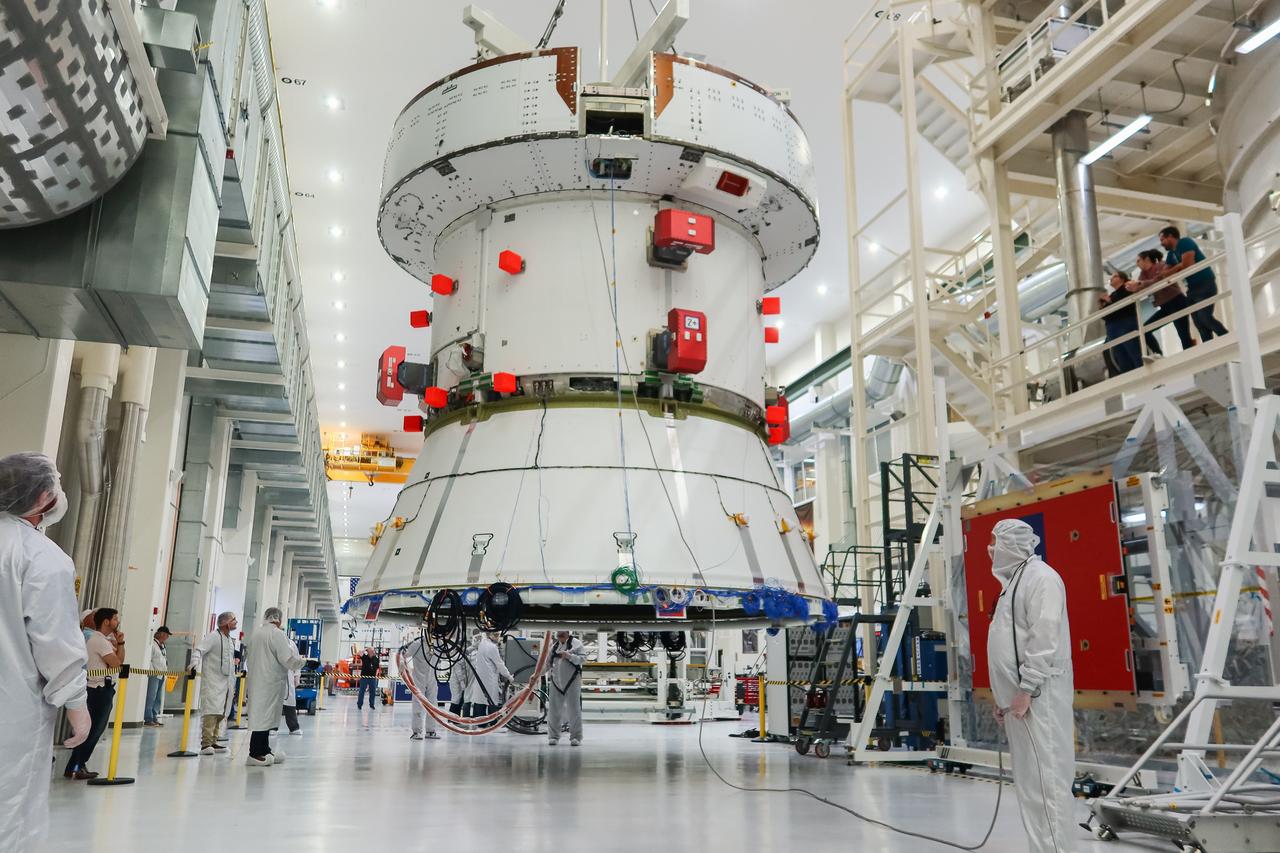
The European Service Module (ESM) for NASA’s Artemis II mission is lifted by crane and moved along the center aisle of the high bay inside the Neil A. Armstrong Operations and Checkout Building at NASA’s Kennedy Space Center in Florida on May 22, 2023. Teams from NASA and Lockheed Martin are preparing the service module for transfer to the FAST (final assembly and system testing) cell for final checkouts before it is stacked with the Orion crew module.. The powerhouse that will fuel and propel Orion in space, the ESM will be used for Artemis II, the first Artemis mission flying crew aboard Orion.
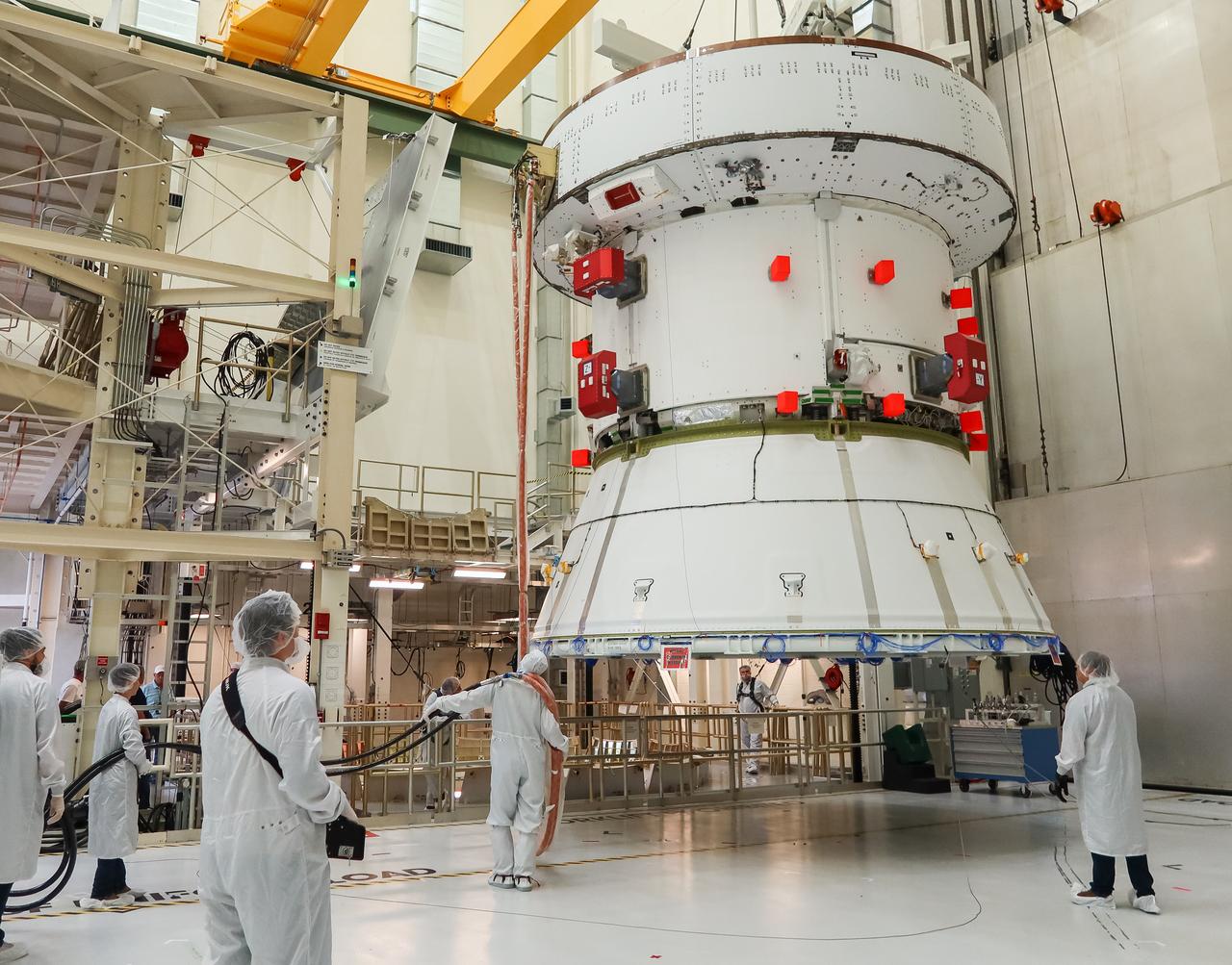
A crane moves the European Service Module (ESM) for NASA’s Artemis II mission along the center aisle of the high bay inside the Neil A. Armstrong Operations and Checkout Building at NASA’s Kennedy Space Center in Florida on May 22, 2023. Teams from NASA and Lockheed Martin are transferring the service module to the FAST (final assembly and system testing) cell for final checkouts before it is stacked with the Orion crew module.. The powerhouse that will fuel and propel Orion in space, the ESM will be used for Artemis II, the first Artemis mission flying crew aboard Orion.

Engineers and technicians monitor the progress as the European Service Module (ESM) for NASA’s Artemis II mission is lifted by crane inside the high bay of the Neil A. Armstrong Operations and Checkout Building at NASA’s Kennedy Space Center in Florida on May 22, 2023. Teams from NASA and Lockheed Martin are preparing the service module for transfer to the FAST (final assembly and system testing) cell for final checkouts before it is stacked with the Orion crew module.. The powerhouse that will fuel and propel Orion in space, the ESM will be used for Artemis II, the first Artemis mission flying crew aboard Orion.
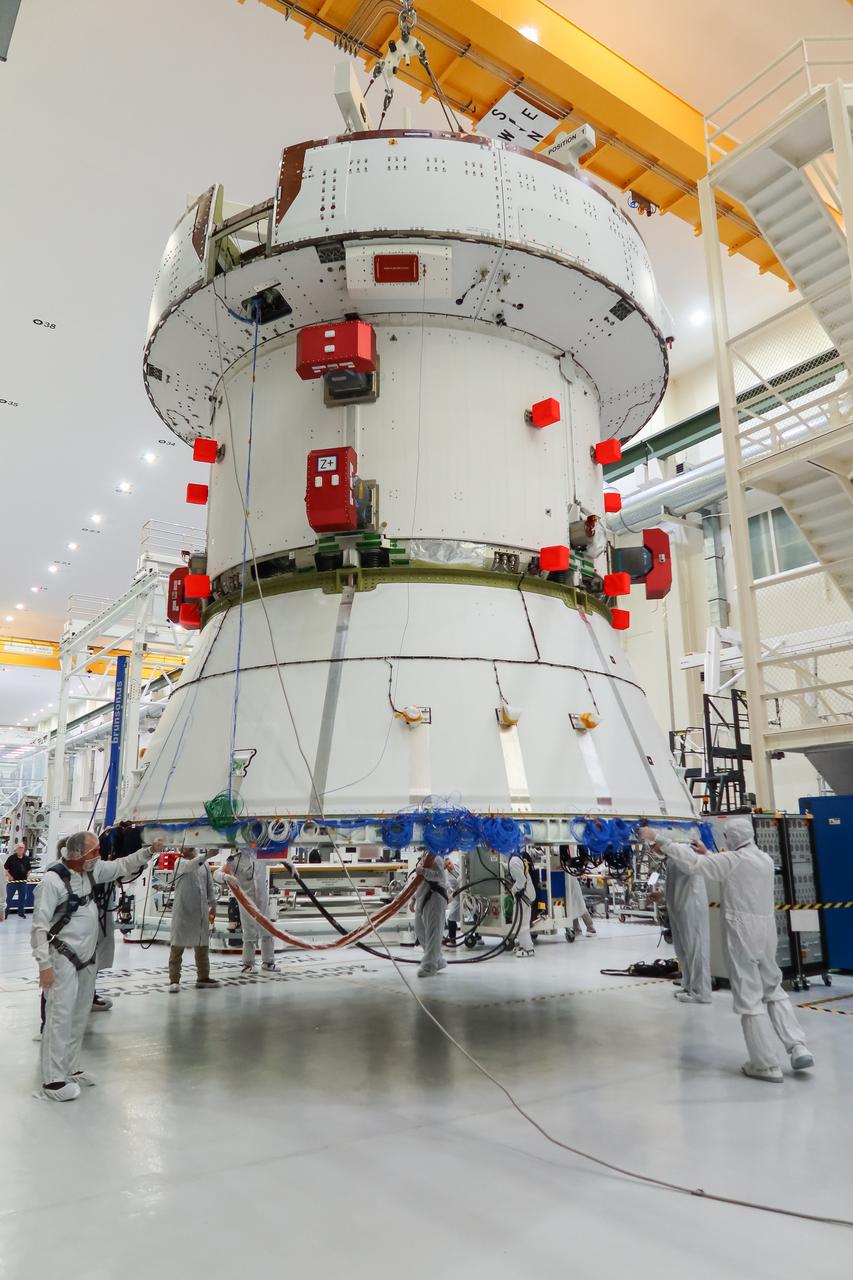
The European Service Module (ESM) for NASA’s Artemis II mission is lifted by crane and moved along the center aisle of the high bay inside the Neil A. Armstrong Operations and Checkout Building at NASA’s Kennedy Space Center in Florida on May 22, 2023. Teams from NASA and Lockheed Martin are preparing the service module for transfer to the FAST (final assembly and system testing) cell for final checkouts before it is stacked with the Orion crew module.. The powerhouse that will fuel and propel Orion in space, the ESM will be used for Artemis II, the first Artemis mission flying crew aboard Orion.
A crane moves the European Service Module (ESM) for NASA’s Artemis II mission along the center aisle of the high bay inside the Neil A. Armstrong Operations and Checkout Building at NASA’s Kennedy Space Center in Florida on May 22, 2023. Teams from NASA and Lockheed Martin are preparing the service module for transfer to the FAST (final assembly and system testing) cell for final checkouts before it is stacked with the Orion crew module.. The powerhouse that will fuel and propel Orion in space, the ESM will be used for Artemis II, the first Artemis mission flying crew aboard Orion.
Preparations are underway to lift the European Service Module (ESM) for NASA’s Artemis II mission by crane inside the high bay of the Neil A. Armstrong Operations and Checkout Building at NASA’s Kennedy Space Center in Florida on May 22, 2023. Teams from NASA and Lockheed Martin are preparing the service module for transfer to the FAST (final assembly and system testing) cell for final checkouts before it is stacked with the Orion crew module. The powerhouse that will fuel and propel Orion in space, the ESM will be used for Artemis II, the first Artemis mission flying crew aboard Orion.
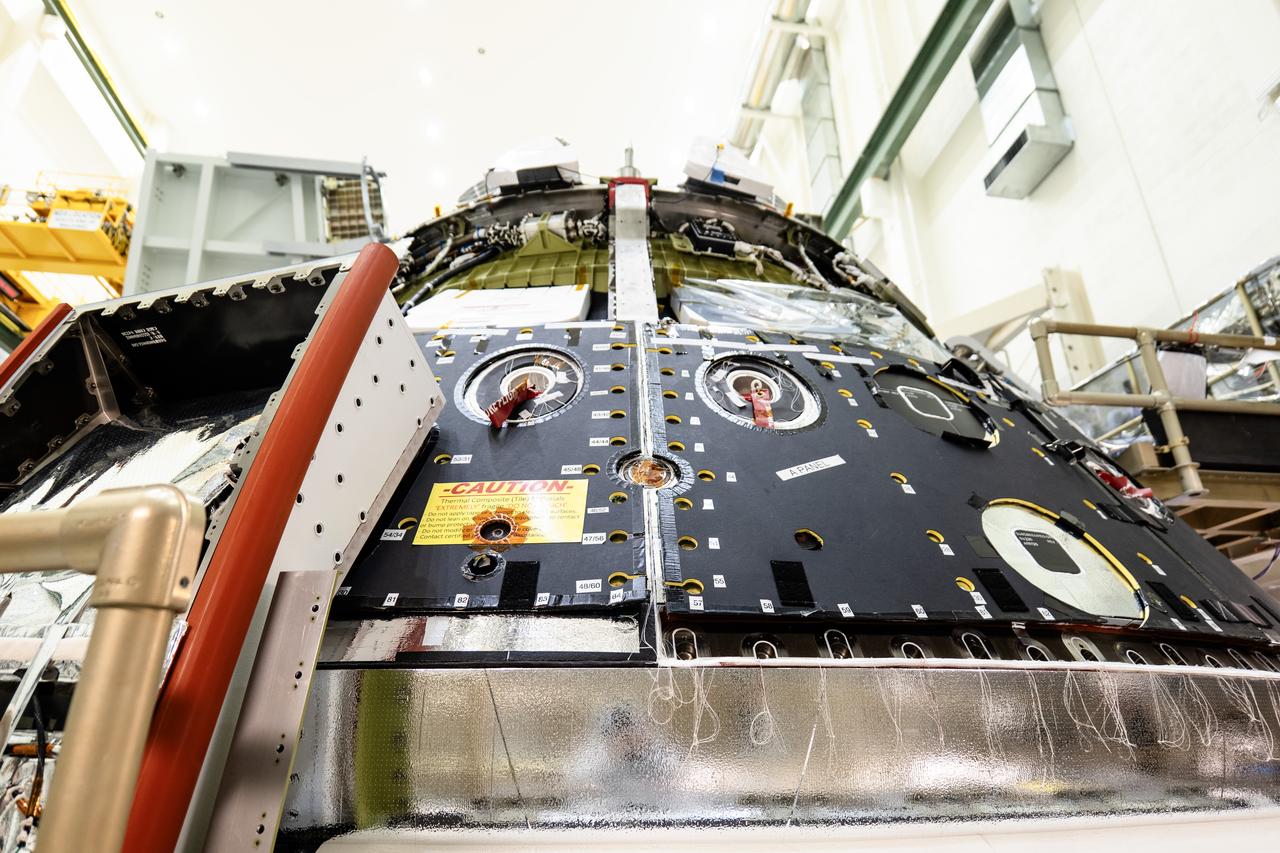
The Orion spacecraft for NASA’s Artemis II mission undergoes checkouts in the Final Assembly and System Testing (FAST) cell inside the high bay of the Neil A. Armstrong Operations and Checkout Building at NASA’s Kennedy Space Center in Florida on Monday, Dec. 15, 2024. The Orion spacecraft will carry NASA astronauts Victor Glover, Christina Koch, and Reid Wiseman, as well as CSA (Canadian Space Agency) astronaut Jeremy Hansen, on a 10-day journey around the Moon and back for the Artemis II test flight.
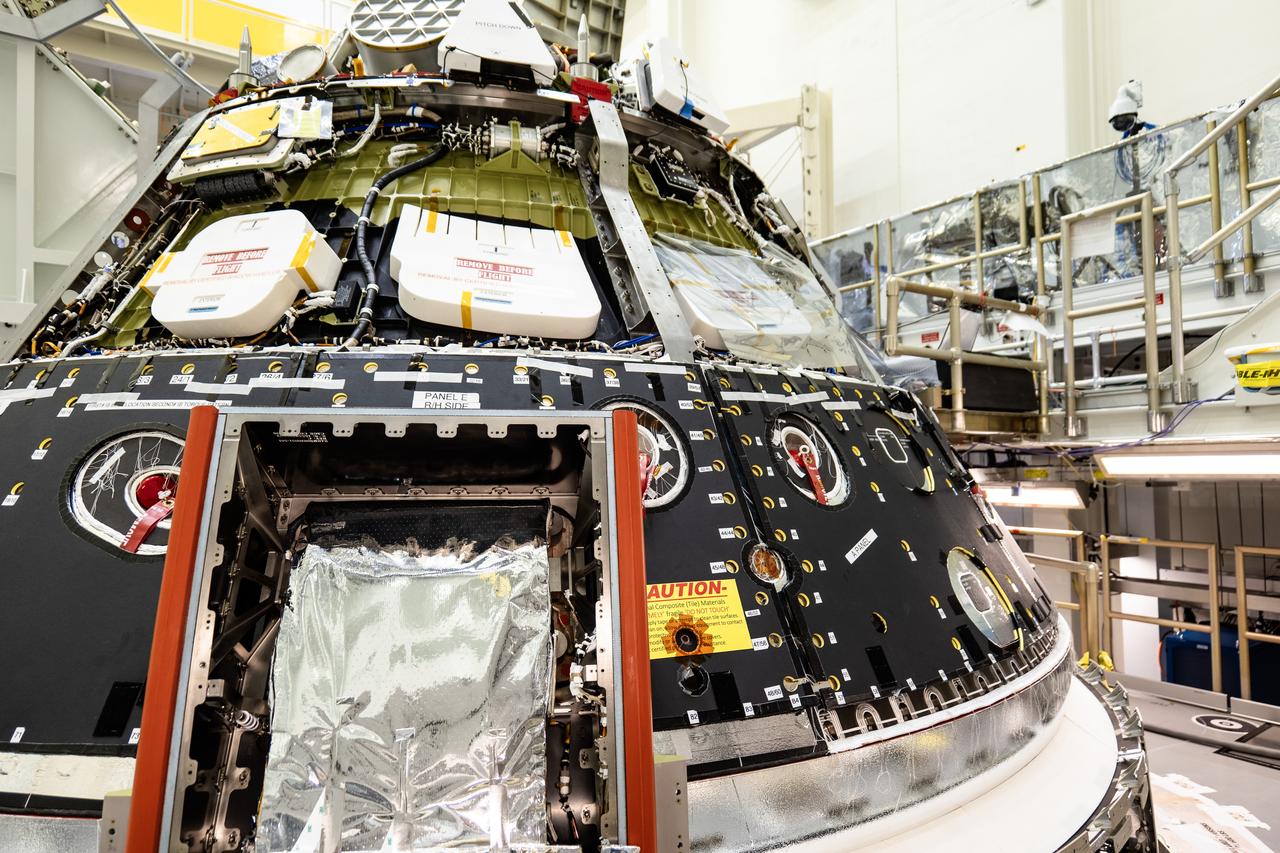
The Orion spacecraft for NASA’s Artemis II mission undergoes checkouts in the Final Assembly and System Testing (FAST) cell inside the high bay of the Neil A. Armstrong Operations and Checkout Building at NASA’s Kennedy Space Center in Florida on Monday, Dec. 15, 2024. The Orion spacecraft will carry NASA astronauts Victor Glover, Christina Koch, and Reid Wiseman, as well as CSA (Canadian Space Agency) astronaut Jeremy Hansen, on a 10-day journey around the Moon and back for the Artemis II test flight.
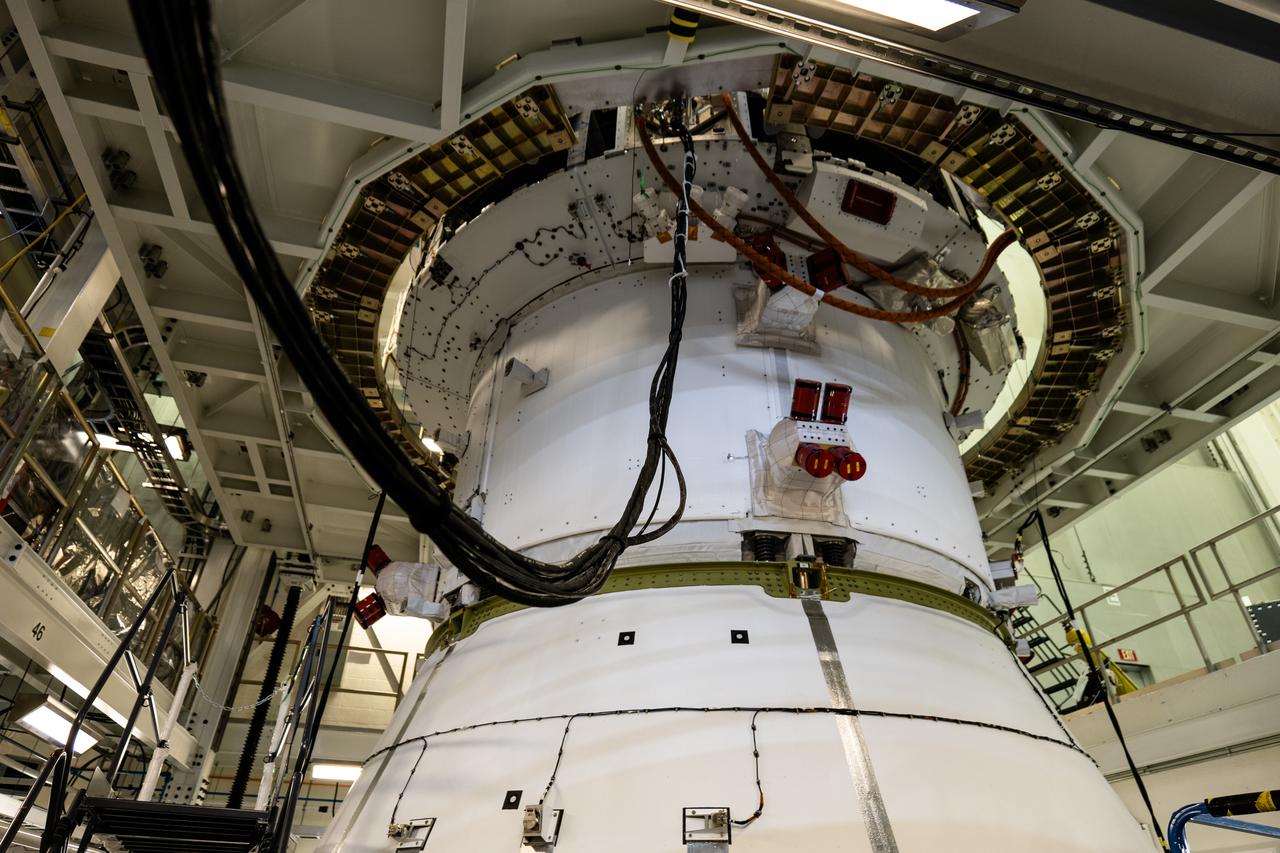
The Orion spacecraft for NASA’s Artemis II mission undergoes checkouts in the Final Assembly and System Testing (FAST) cell inside the high bay of the Neil A. Armstrong Operations and Checkout Building at NASA’s Kennedy Space Center in Florida on Monday, Dec. 15, 2024. The Orion spacecraft will carry NASA astronauts Victor Glover, Christina Koch, and Reid Wiseman, as well as CSA (Canadian Space Agency) astronaut Jeremy Hansen, on a 10-day journey around the Moon and back for the Artemis II test flight.
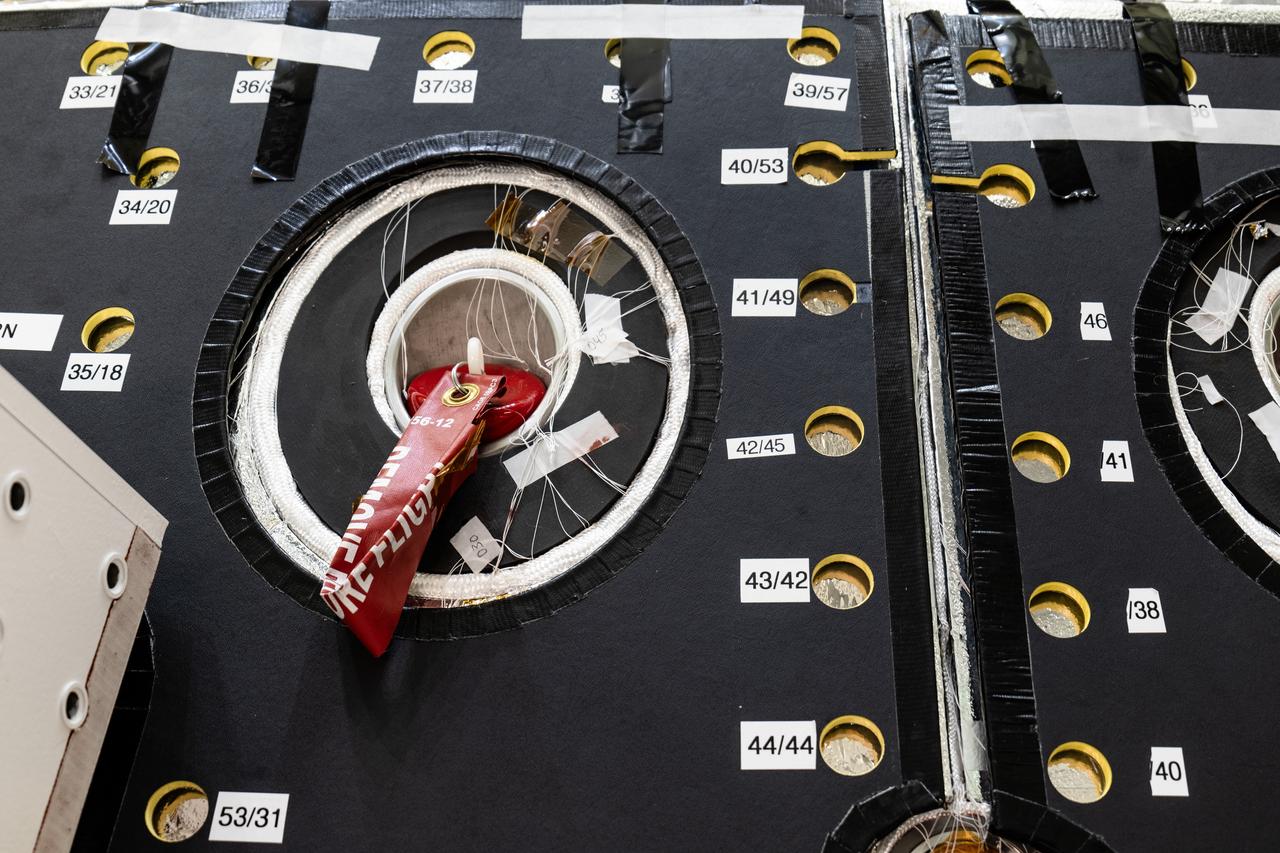
The Orion spacecraft for NASA’s Artemis II mission undergoes checkouts in the Final Assembly and System Testing (FAST) cell inside the high bay of the Neil A. Armstrong Operations and Checkout Building at NASA’s Kennedy Space Center in Florida on Monday, Dec. 15, 2024. The Orion spacecraft will carry NASA astronauts Victor Glover, Christina Koch, and Reid Wiseman, as well as CSA (Canadian Space Agency) astronaut Jeremy Hansen, on a 10-day journey around the Moon and back for the Artemis II test flight.
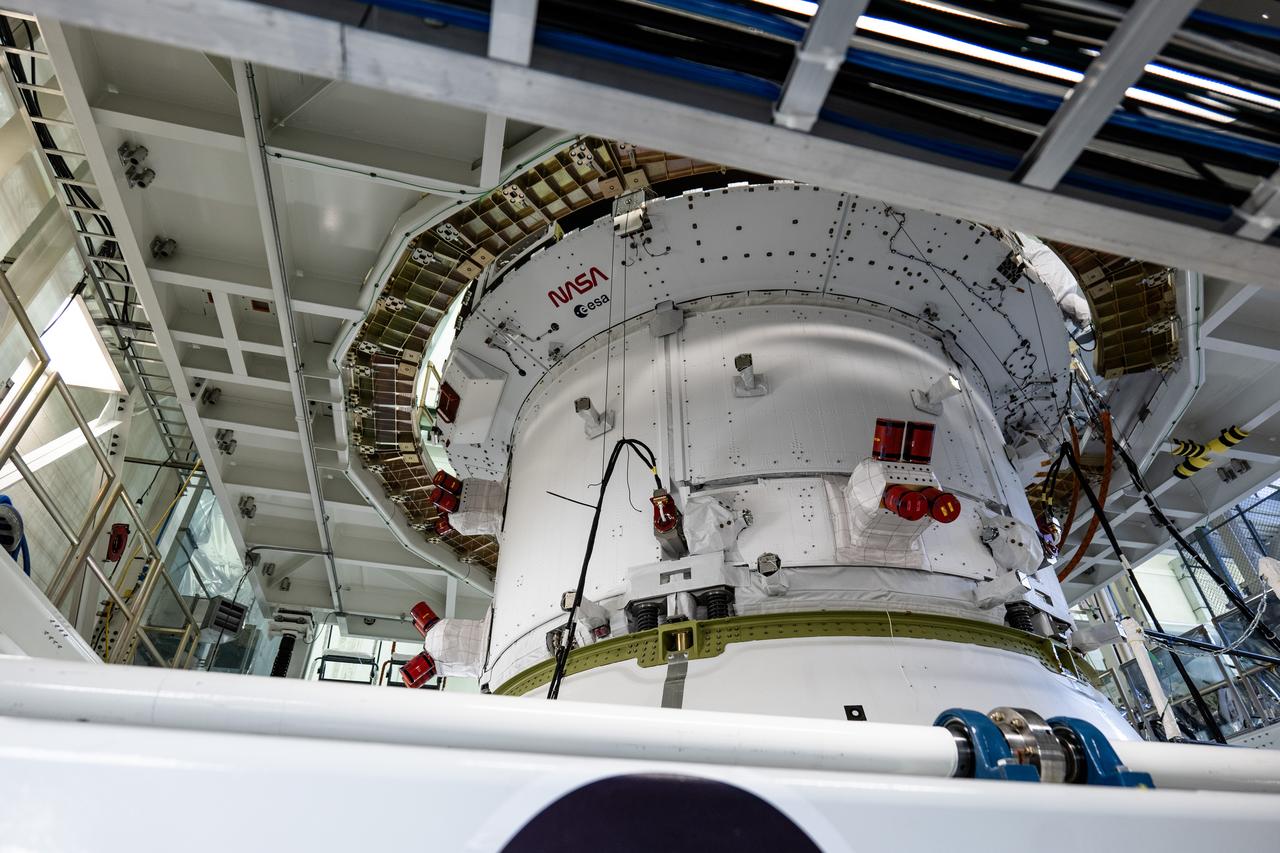
The Orion spacecraft for NASA’s Artemis II mission undergoes checkouts in the Final Assembly and System Testing (FAST) cell inside the high bay of the Neil A. Armstrong Operations and Checkout Building at NASA’s Kennedy Space Center in Florida on Monday, Dec. 15, 2024. The Orion spacecraft will carry NASA astronauts Victor Glover, Christina Koch, and Reid Wiseman, as well as CSA (Canadian Space Agency) astronaut Jeremy Hansen, on a 10-day journey around the Moon and back for the Artemis II test flight.
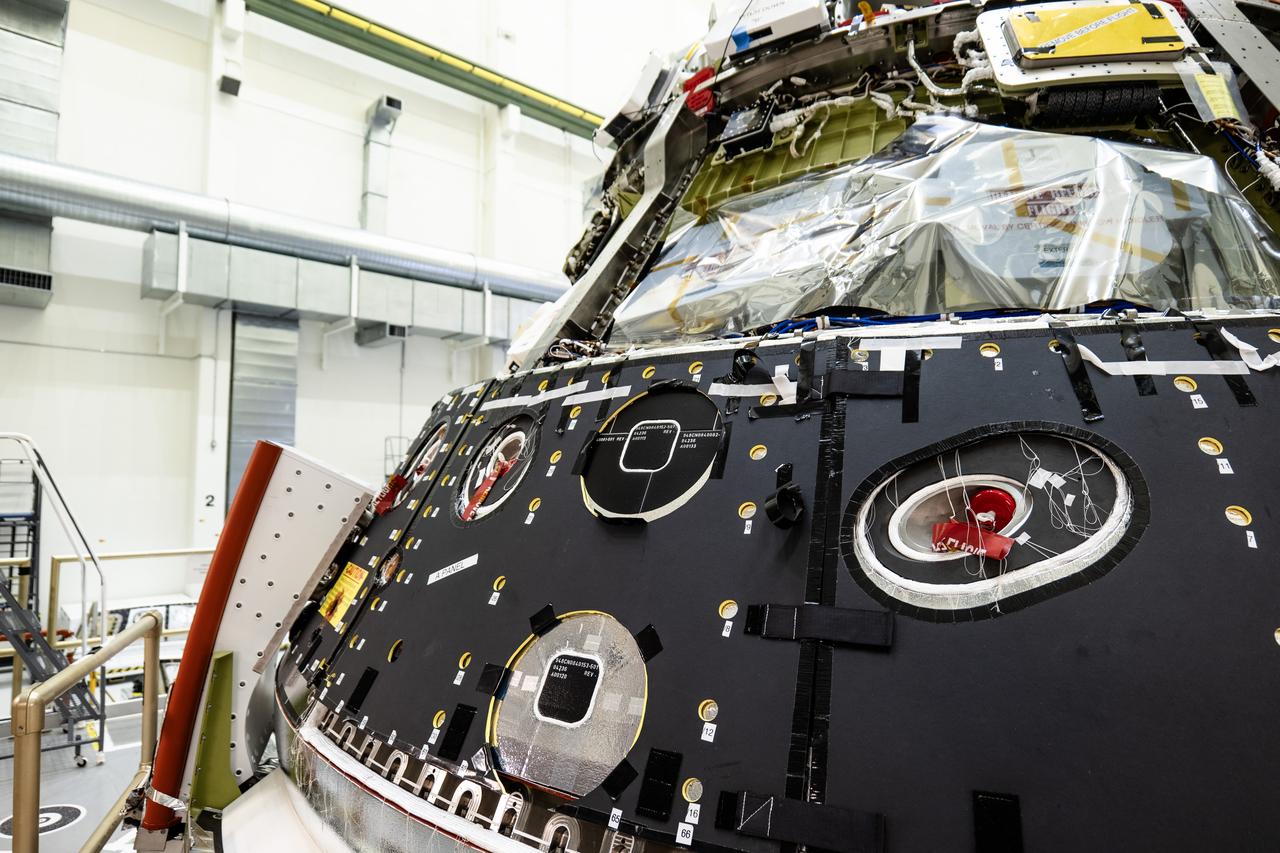
The Orion spacecraft for NASA’s Artemis II mission undergoes checkouts in the Final Assembly and System Testing (FAST) cell inside the high bay of the Neil A. Armstrong Operations and Checkout Building at NASA’s Kennedy Space Center in Florida on Monday, Dec. 15, 2024. The Orion spacecraft will carry NASA astronauts Victor Glover, Christina Koch, and Reid Wiseman, as well as CSA (Canadian Space Agency) astronaut Jeremy Hansen, on a 10-day journey around the Moon and back for the Artemis II test flight.

The Orion spacecraft for NASA’s Artemis II mission undergoes checkouts in the Final Assembly and System Testing (FAST) cell inside the high bay of the Neil A. Armstrong Operations and Checkout Building at NASA’s Kennedy Space Center in Florida on Monday, Dec. 15, 2024. The Orion spacecraft will carry NASA astronauts Victor Glover, Christina Koch, and Reid Wiseman, as well as CSA (Canadian Space Agency) astronaut Jeremy Hansen, on a 10-day journey around the Moon and back for the Artemis II test flight.
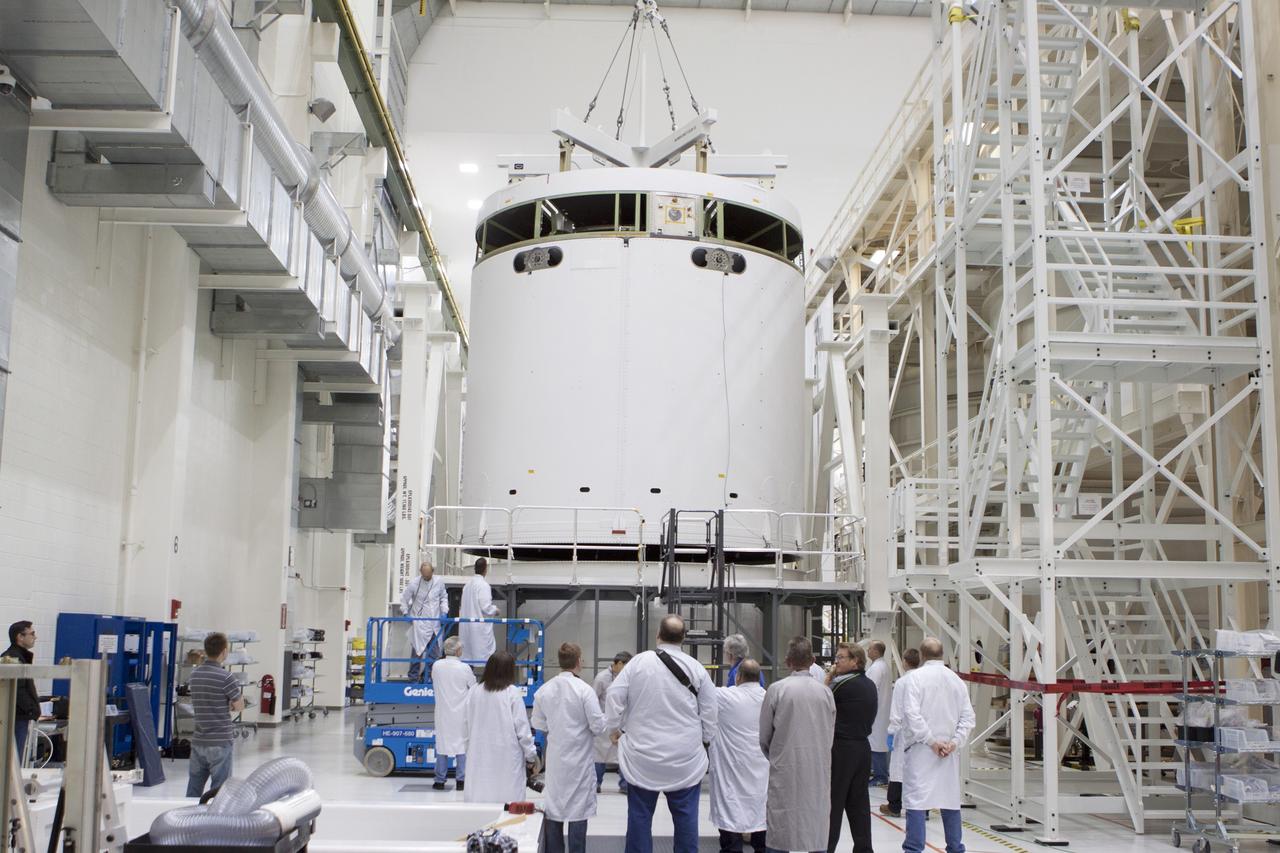
CAPE CANAVERAL, Fla. -- Inside the Operations and Checkout Building high bay at NASA's Kennedy Space Center in Florida, NASA and Lockheed Martin technicians and engineers monitor the progress as a crane is used to lift the Orion service module from a test stand and move it to the Final Assembly and System Testing, or FAST, cell further down the aisle. The Orion crew module will be stacked on the service module in the FAST cell and then both modules will be put through their final system tests for Exploration Flight Test-1, or EFT-1, before rolling out of the facility for integration with the United Launch Alliance Delta IV Heavy rocket. Orion is the exploration spacecraft designed to carry astronauts to destinations not yet explored by humans, including an asteroid and Mars. It will have emergency abort capability, sustain the crew during space travel and provide safe re-entry from deep space return velocities. The first unpiloted test flight of Orion, EFT-1, is scheduled to launch later this year atop a Delta IV rocket from Cape Canaveral Air Force Station in Florida to an altitude of 3,600 miles above the Earth's surface. The two-orbit, four-hour flight test will help engineers evaluate the systems critical to crew safety including the heat shield, parachute system and launch abort system. For more information, visit http://www.nasa.gov/orion. Photo credit: NASA/Glenn Benson
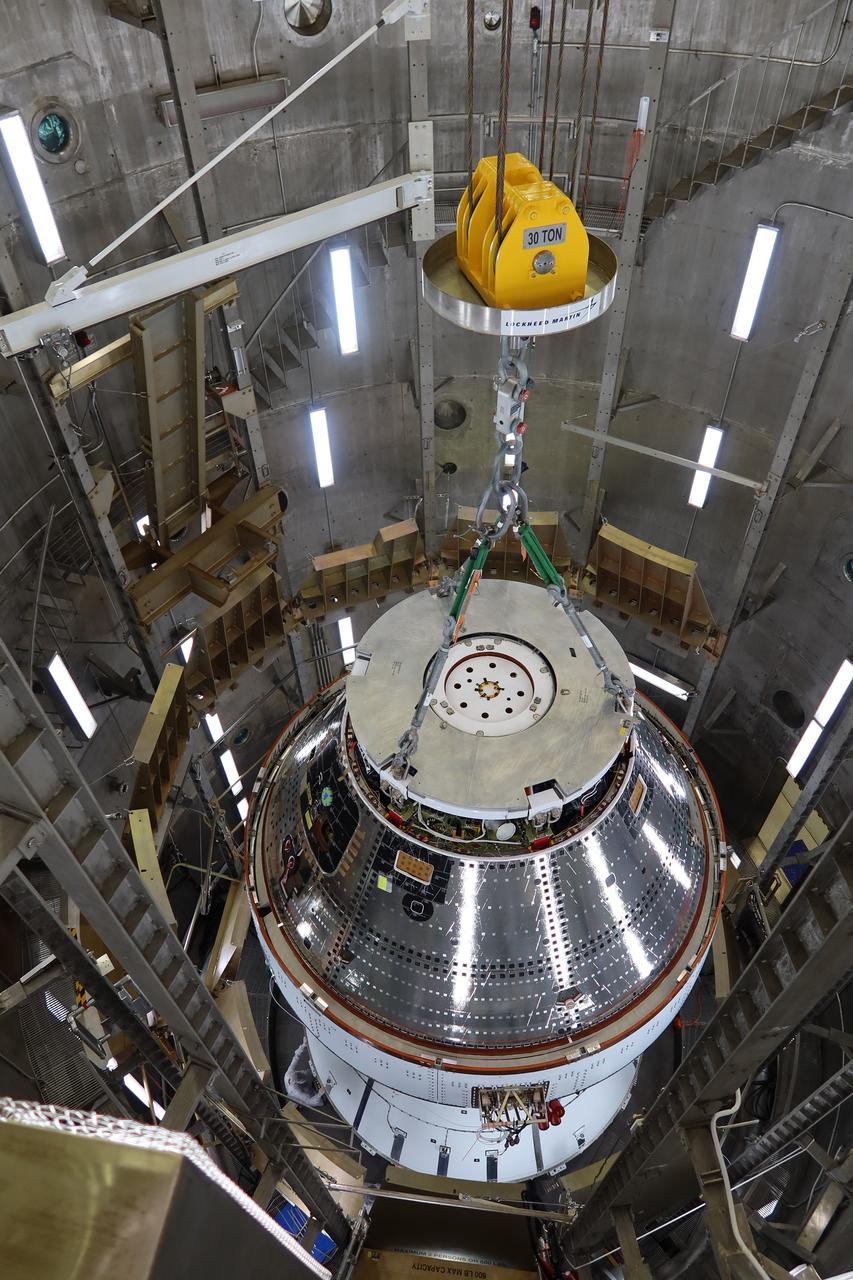
A team wearing bunny suits inside the Operations and Checkout Building at NASA's Kennedy Space Center in Florida on Saturday, April 27, 2024 prepare the Artemis II Orion spacecraft to be lifted by a 30 ton crane out of a vacuum chamber following a series of electromagnetic compatibility and interference testing.
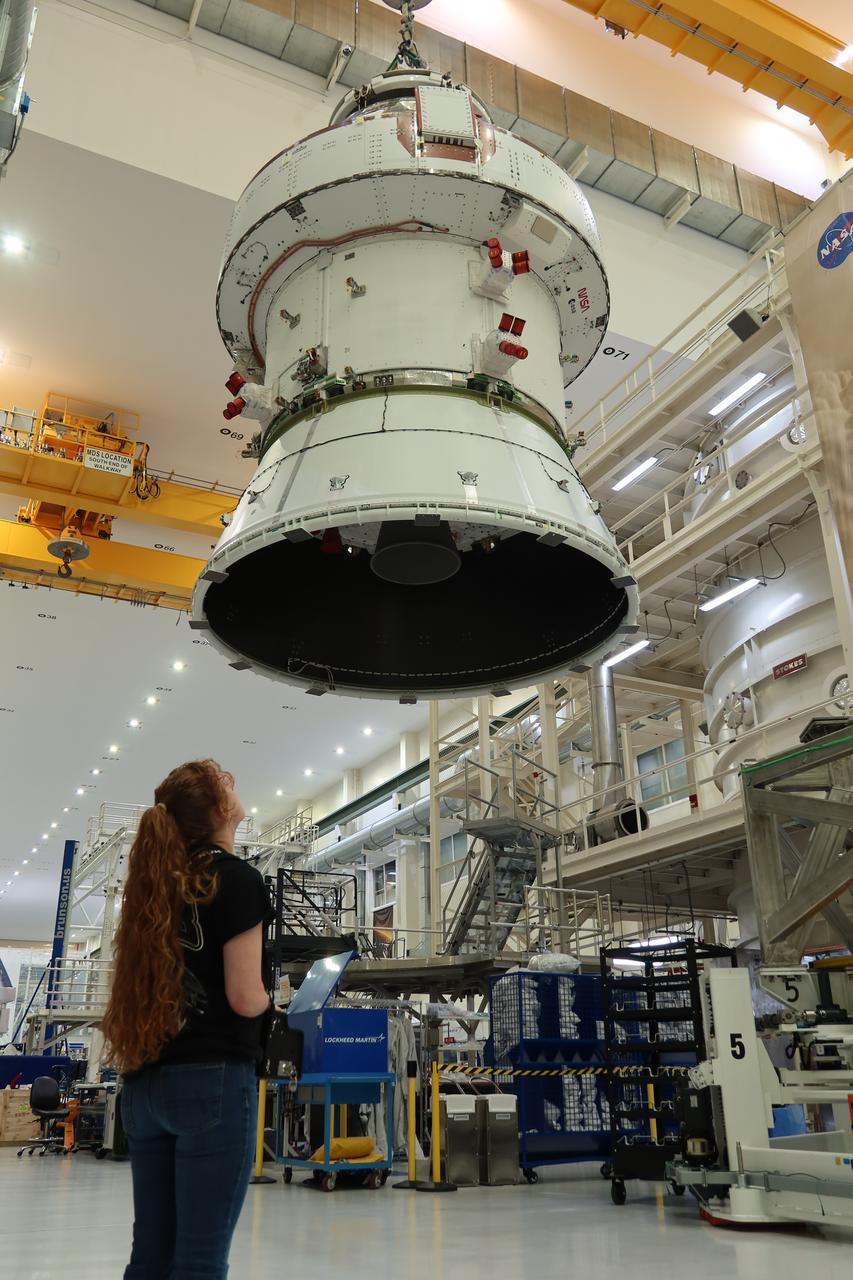
The Orion spacecraft crew module for NASA’s Artemis II mission is viewed by crane operator Rebekah Tolatovicz as it is transferred across the Neil A. Armstrong Operations and Checkout Building at NASA’s Kennedy Space Center in Florida on Saturday, April 27, 2024, following a series of electromagnetic compatibility and interference testing.

A team wearing bunny suits inside the Operations and Checkout Building at NASA's Kennedy Space Center in Florida on Saturday, April 27, 2024 prepare the Artemis II Orion spacecraft to be lifted by a 30 ton crane out of a vacuum chamber following a series of electromagnetic compatibility and interference testing.
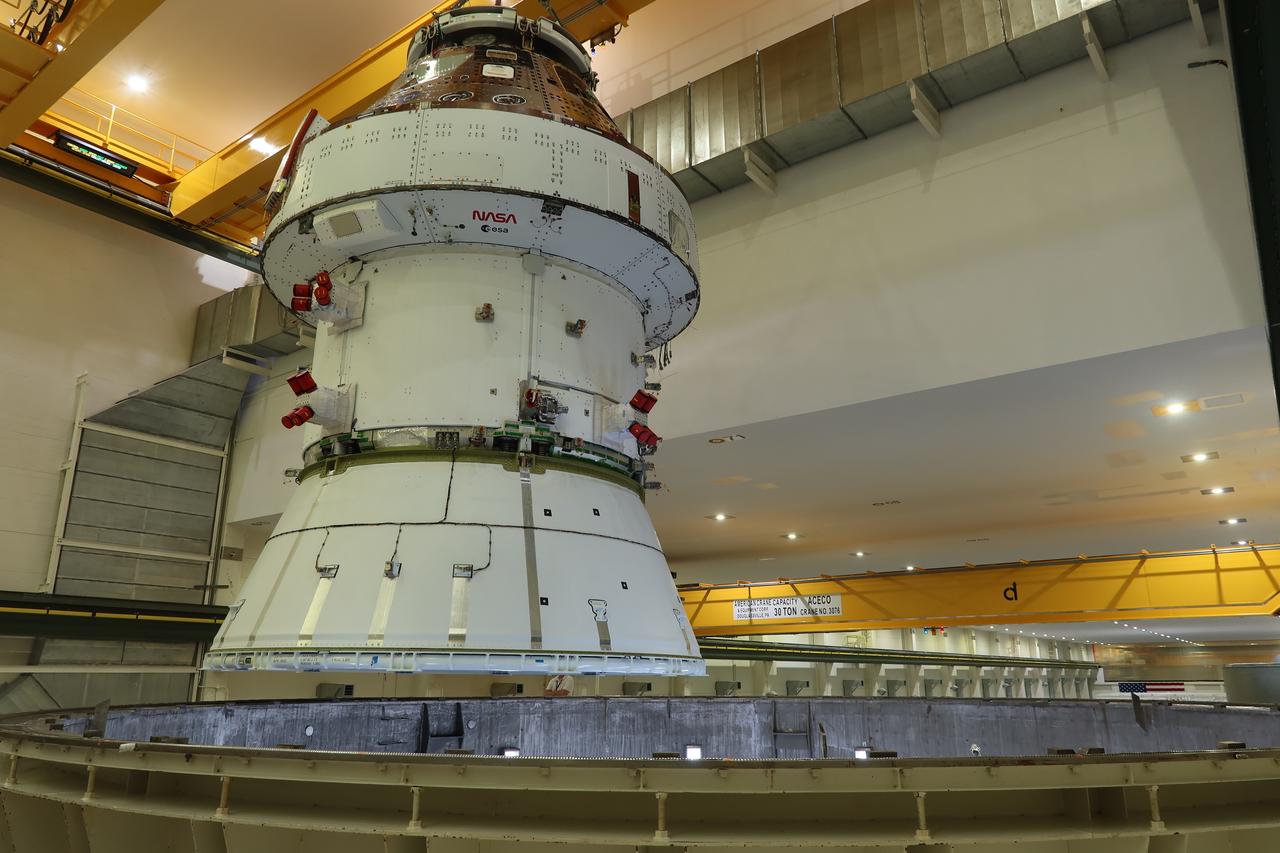
The Orion spacecraft crew for NASA’s Artemis II mission is photographed being transferred across the Neil Armstrong Operations and Checkout Building at NASA’s Kennedy Space Center in Florida on Saturday, April 27, 2024 following a series of electromagnetic compatibility and interference testing.
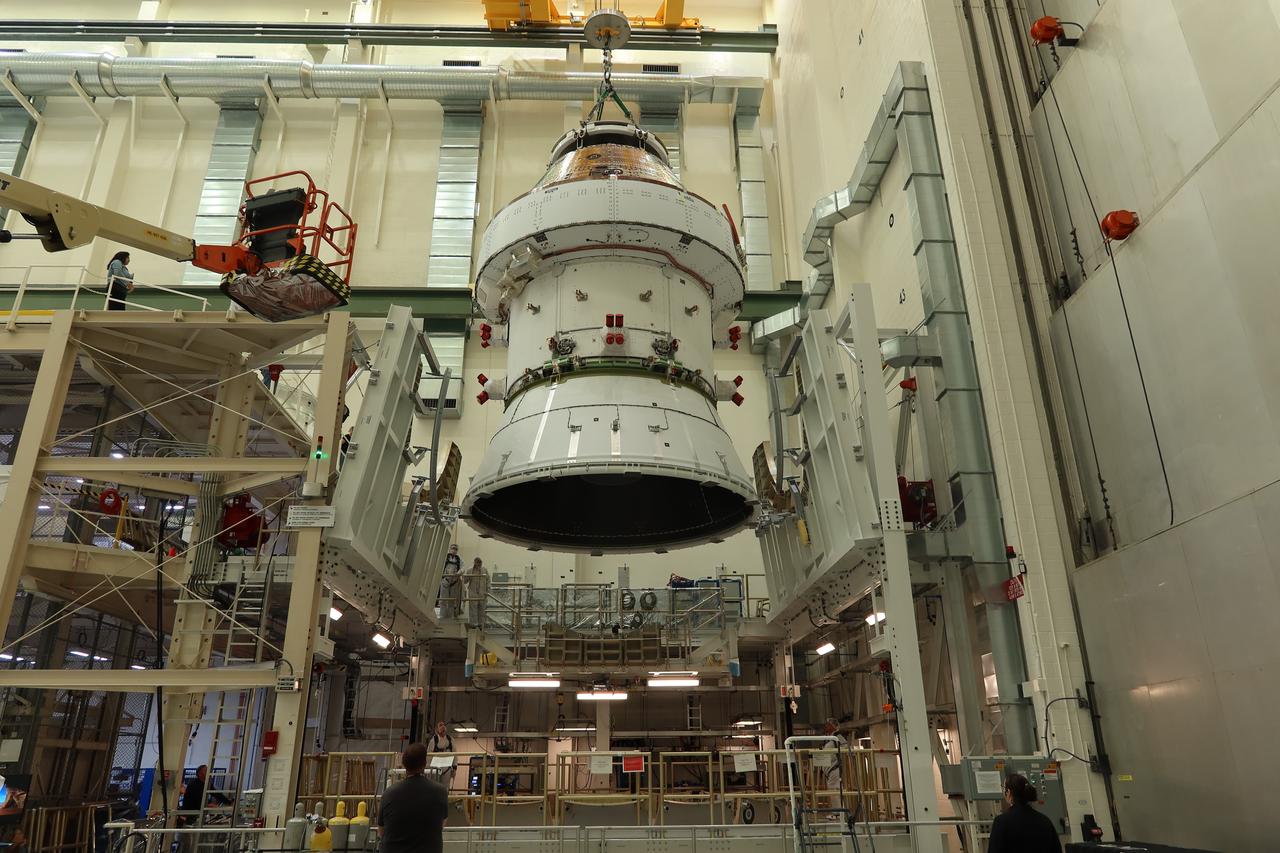
The Orion spacecraft crew module for NASA’s Artemis II mission is photographed being lowered inside the Final Assembly and System Testing cell by a 30 ton crane at the Neil Armstrong Operations and Checkout Building at NASA’s Kennedy Space Center in Florida on Saturday, April 27, 2024. Four astronauts will venture around the Moon in the Orion spacecraft on Artemis II, the first crewed mission on NASA's path to establishing a long-term presence at the Moon for science and exploration through the Artemis campaign.
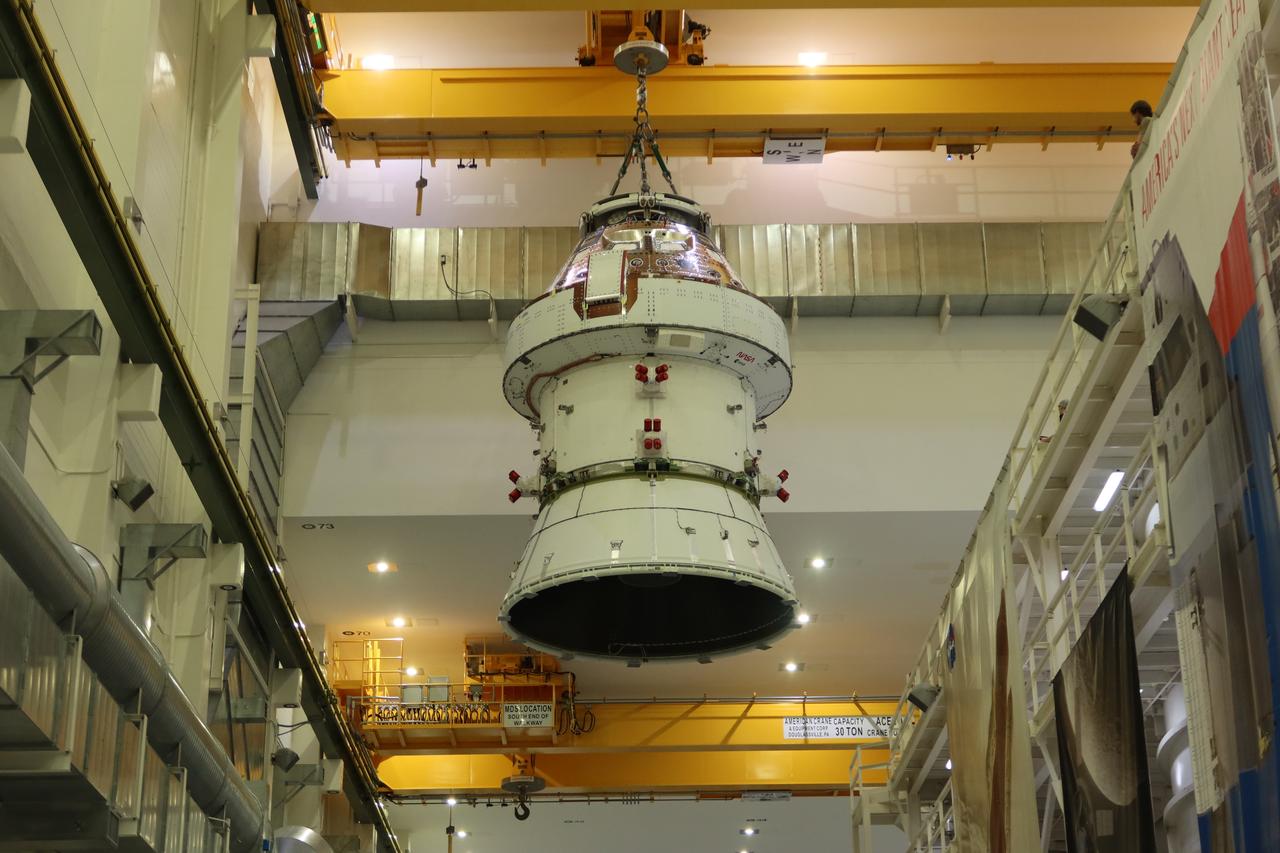
The Orion spacecraft crew for NASA’s Artemis II mission is photographed being transferred across the Neil Armstrong Operations and Checkout Building at NASA’s Kennedy Space Center in Florida on Saturday, April 27, 2024 following a series of electromagnetic compatibility and interference testing.
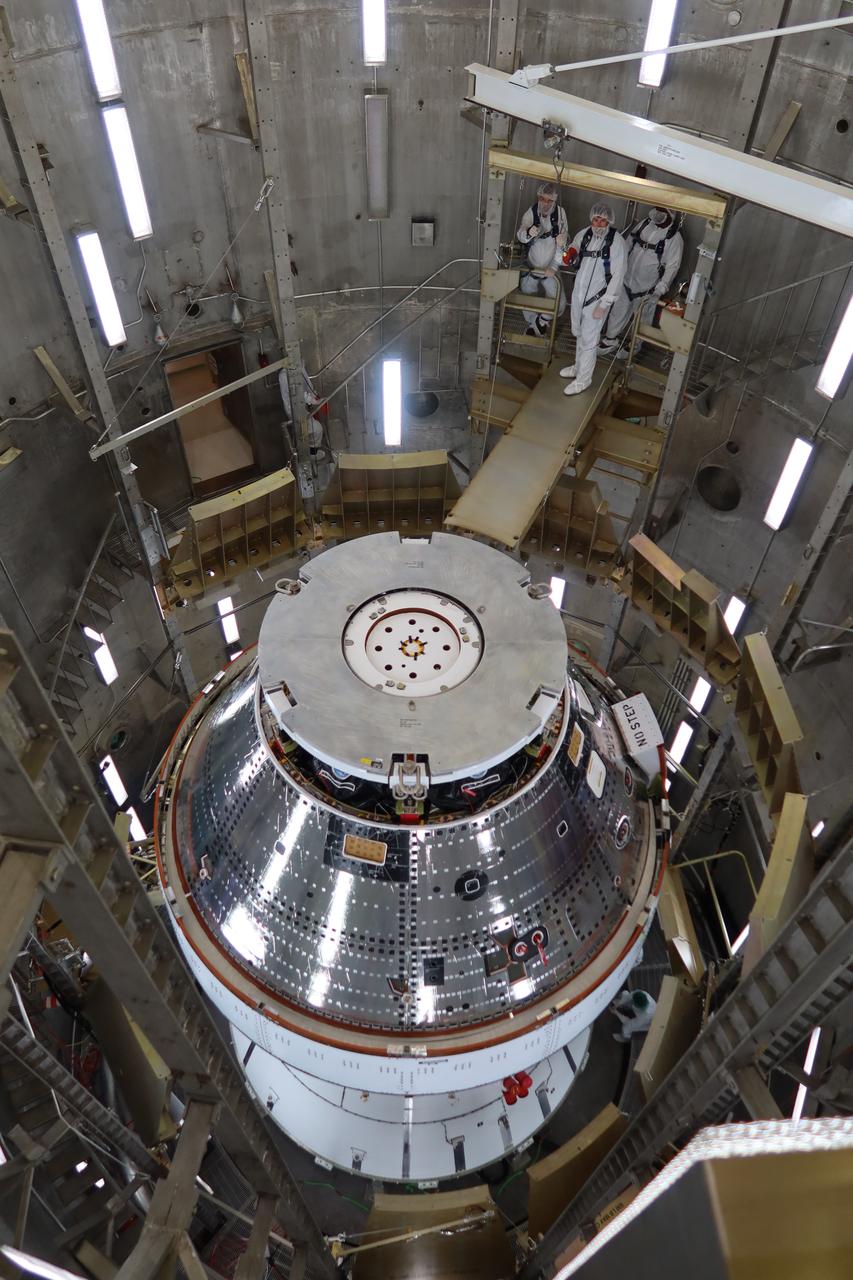
A team wearing bunny suits inside the Operations and Checkout Building at NASA's Kennedy Space Center in Florida on Saturday, April 27, 2024 prepare the Artemis II Orion spacecraft to be lifted by a 30 ton crane out of a vacuum chamber following a series of electromagnetic compatibility and interference testing.
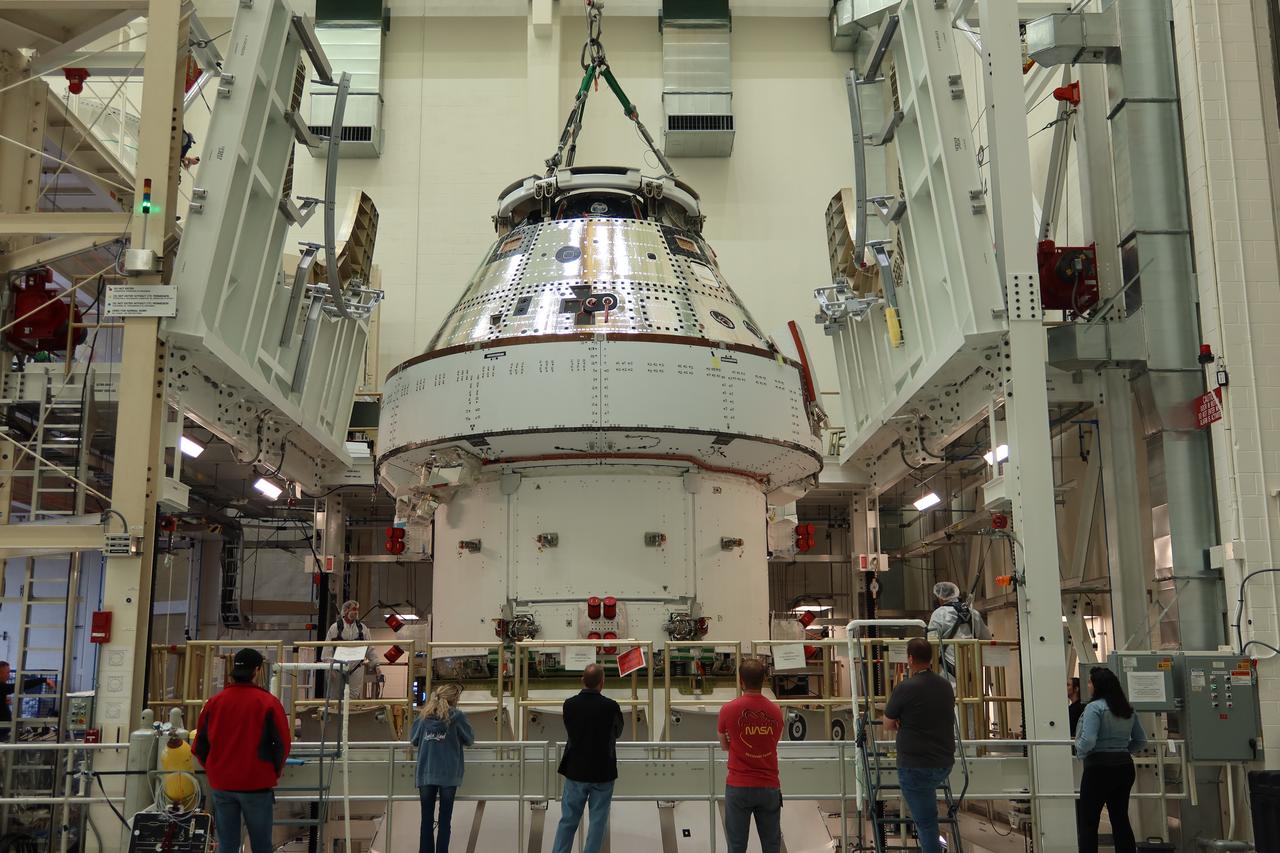
The Orion spacecraft crew module for NASA’s Artemis II mission is photographed being lowered inside the Final Assembly and System Testing cell by a 30 ton crane at the Neil Armstrong Operations and Checkout Building at NASA’s Kennedy Space Center in Florida on Saturday, April 27, 2024. Four astronauts will venture around the Moon in the Orion spacecraft on Artemis II, the first crewed mission on NASA's path to establishing a long-term presence at the Moon for science and exploration through the Artemis campaign.

The Orion spacecraft crew module for NASA’s Artemis II mission is viewed by crane operator Rebekah Tolatovicz as it is transferred across the Neil A. Armstrong Operations and Checkout Building at NASA’s Kennedy Space Center in Florida on Saturday, April 27, 2024, following a series of electromagnetic compatibility and interference testing.
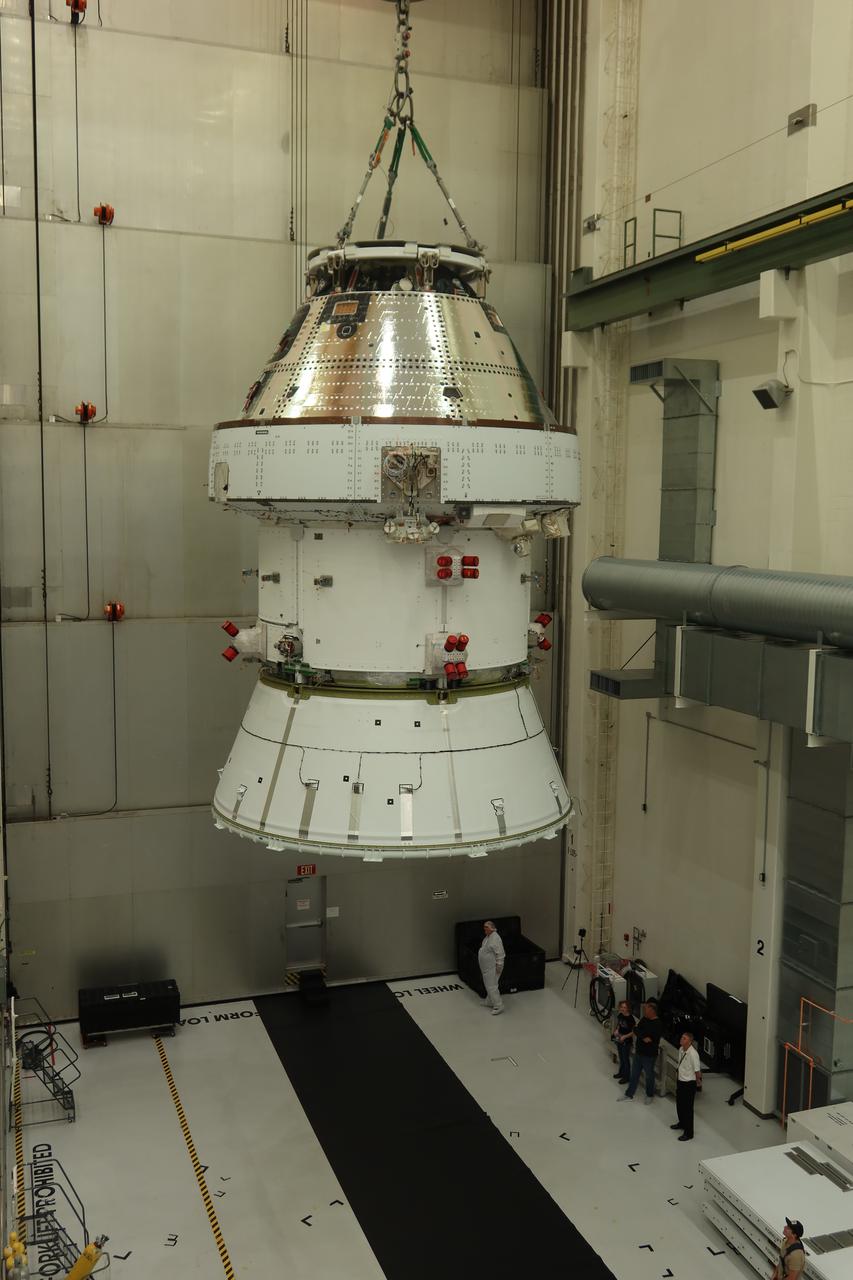
The Orion spacecraft crew for NASA’s Artemis II mission is photographed being transferred across the Neil Armstrong Operations and Checkout Building at NASA’s Kennedy Space Center in Florida on Saturday, April 27, 2024 following a series of electromagnetic compatibility and interference testing.
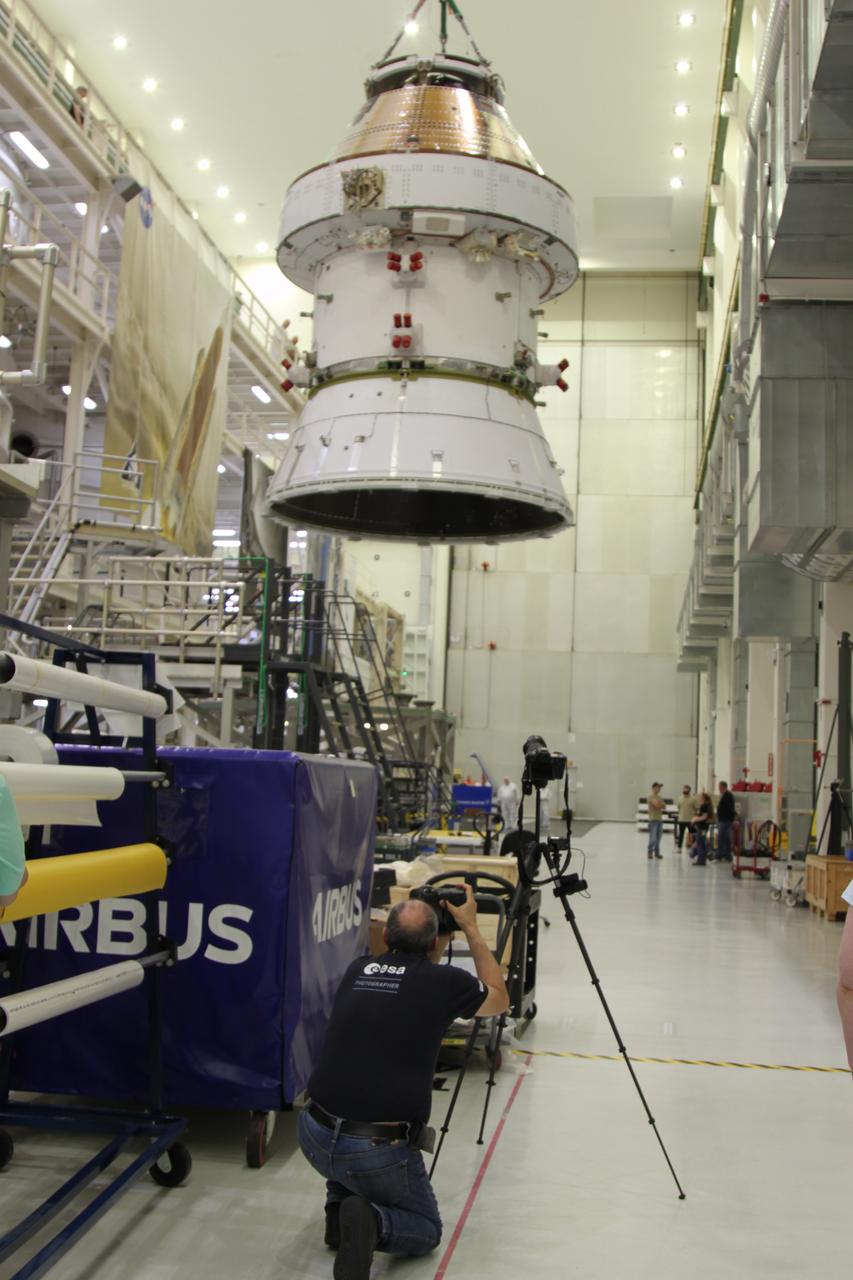
The Orion spacecraft crew for NASA’s Artemis II mission is photographed being transferred across the Neil Armstrong Operations and Checkout Building at NASA’s Kennedy Space Center in Florida on Saturday, April 27, 2024 following a series of electromagnetic compatibility and interference testing.

The Orion spacecraft crew for NASA’s Artemis II mission is photographed being transferred across the Neil Armstrong Operations and Checkout Building at NASA’s Kennedy Space Center in Florida on Saturday, April 27, 2024 following a series of electromagnetic compatibility and interference testing.
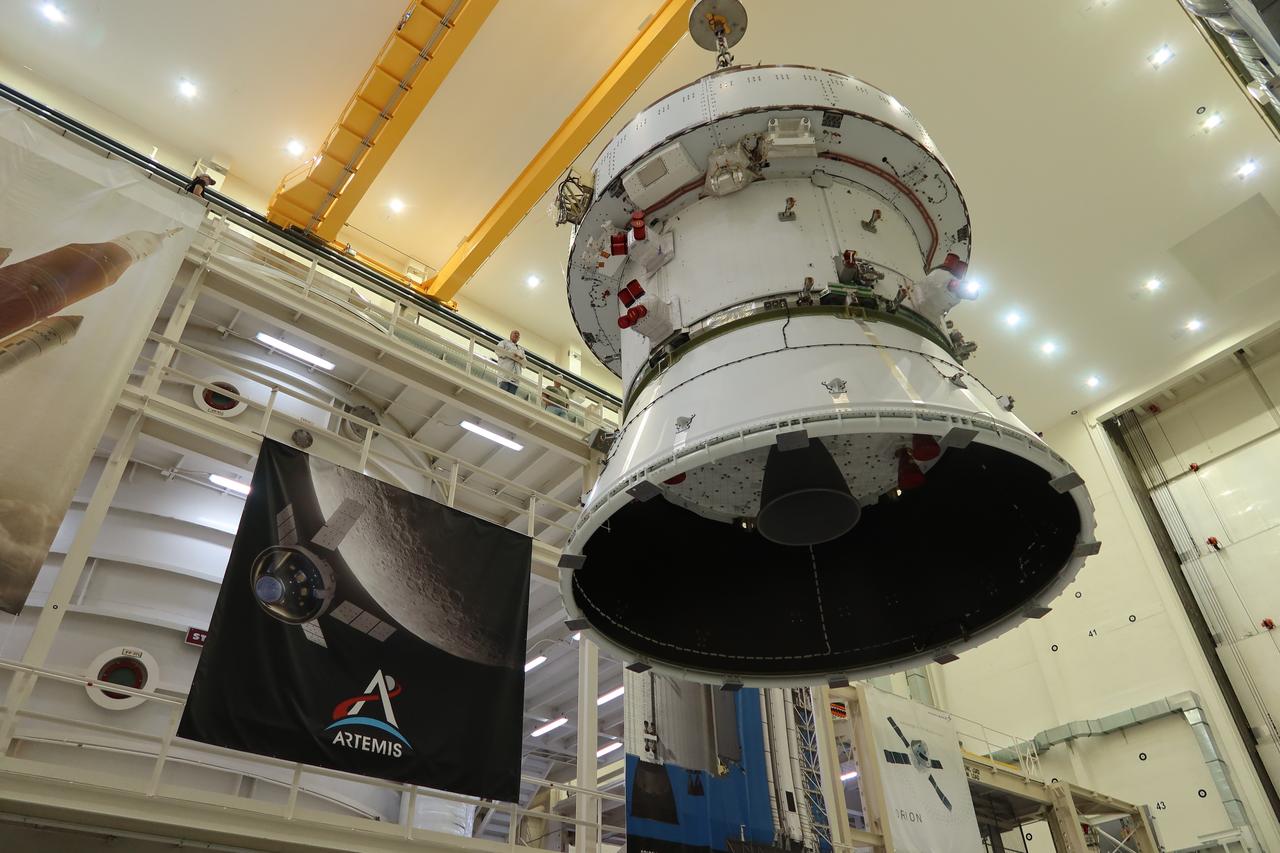
The Orion spacecraft crew for NASA’s Artemis II mission is photographed being transferred across the Neil Armstrong Operations and Checkout Building at NASA’s Kennedy Space Center in Florida on Saturday, April 27, 2024 following a series of electromagnetic compatibility and interference testing.
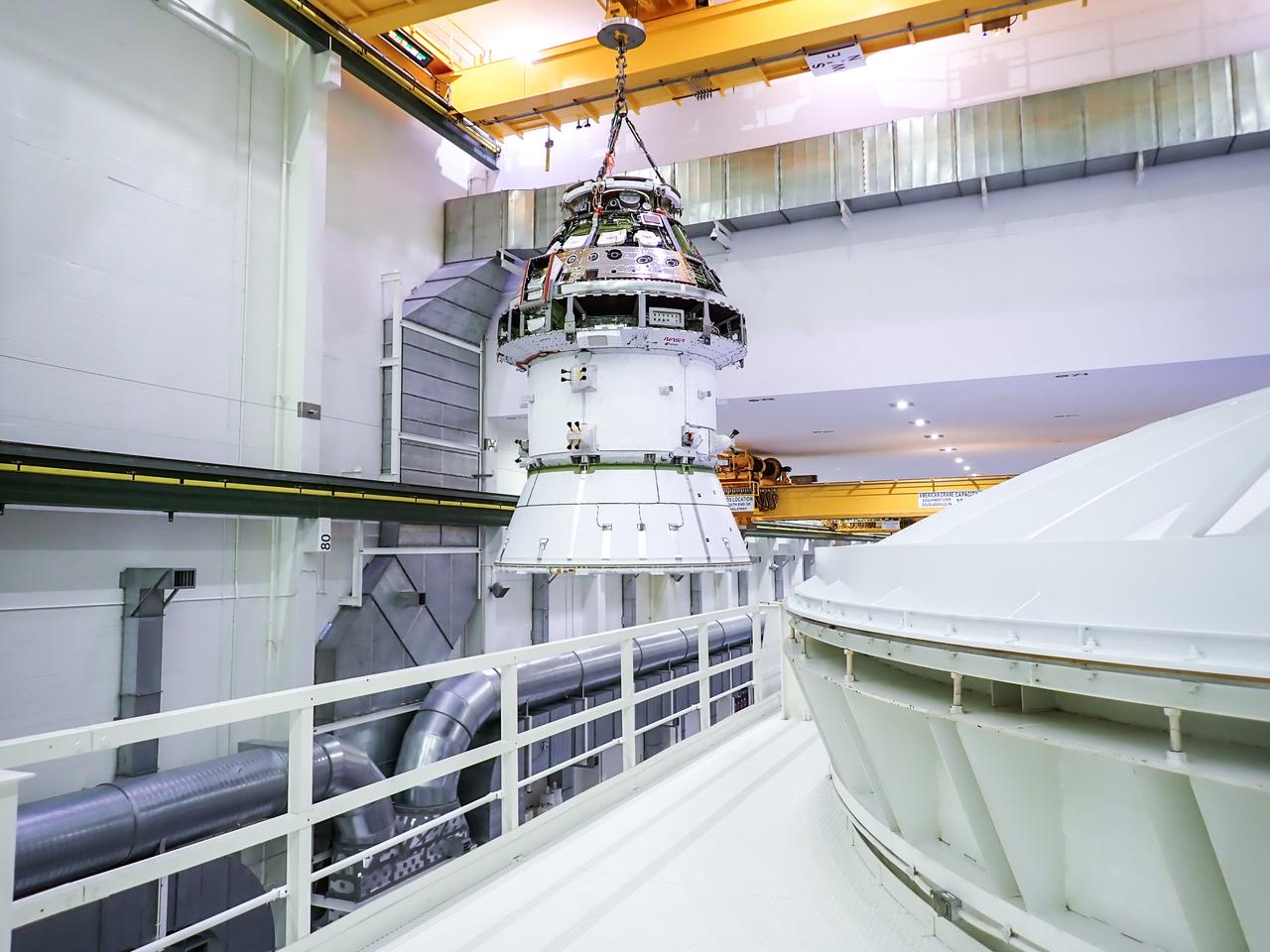
On Thursday, Dec. 5, 2024, a team returns the Artemis II Orion spacecraft to the Final Assembly and Test cell from a vacuum chamber inside the Neil A. Armstrong Operations and Checkout Building at NASA's Kennedy Space Center in Florida where it underwent vacuum testing.
The Orion crew and service module stack for Artemis I was lifted out of the Final Assembly and Test (FAST) cell on November 11, 2019. The spacecraft has been stationed in the FAST cell since July for mating and closeout processing. The service module and crew module were moved separately into the cell, stacked and connected together for the mission. After lifting out of the cell, Orion will be attached to a tool called a verticator that rotates the stack from its vertical configuration to a horizontal configuration for transport to NASA’s Plum Brook Station in Sandusky, Ohio, where it will undergo full environmental testing to certify the complete vehicle for flight. Once the vehicle returns to Kennedy in several months, it will return to the FAST cell for installation of final panels left off for environmental testing purposes and the service module’s four solar arrays.
The Orion crew and service module stack for Artemis I was lifted out of the Final Assembly and Test (FAST) cell on November 11, 2019. The spacecraft has been stationed in the FAST cell since July for mating and closeout processing. The service module and crew module were moved separately into the cell, stacked and connected together for the mission. After lifting out of the cell, Orion will be attached to a tool called a verticator that rotates the stack from its vertical configuration to a horizontal configuration for transport to NASA’s Plum Brook Station in Sandusky, Ohio, where it will undergo full environmental testing to certify the complete vehicle for flight. Once the vehicle returns to Kennedy in several months, it will return to the FAST cell for installation of final panels left off for environmental testing purposes and the service module’s four solar arrays.
The Orion crew and service module stack for Artemis I was lifted out of the Final Assembly and Test (FAST) cell on November 11, 2019. The spacecraft has been stationed in the FAST cell since July for mating and closeout processing. The service module and crew module were moved separately into the cell, stacked and connected together for the mission. After lifting out of the cell, Orion will be attached to a tool called a verticator that rotates the stack from its vertical configuration to a horizontal configuration for transport to NASA’s Plum Brook Station in Sandusky, Ohio, where it will undergo full environmental testing to certify the complete vehicle for flight. Once the vehicle returns to Kennedy in several months, it will return to the FAST cell for installation of final panels left off for environmental testing purposes and the service module’s four solar arrays.
The Orion crew and service module stack for Artemis I was lifted out of the Final Assembly and Test (FAST) cell on November 11, 2019. The spacecraft has been stationed in the FAST cell since July for mating and closeout processing. The service module and crew module were moved separately into the cell, stacked and connected together for the mission. After lifting out of the cell, Orion will be attached to a tool called a verticator that rotates the stack from its vertical configuration to a horizontal configuration for transport to NASA’s Plum Brook Station in Sandusky, Ohio, where it will undergo full environmental testing to certify the complete vehicle for flight. Once the vehicle returns to Kennedy in several months, it will return to the FAST cell for installation of final panels left off for environmental testing purposes and the service module’s four solar arrays.
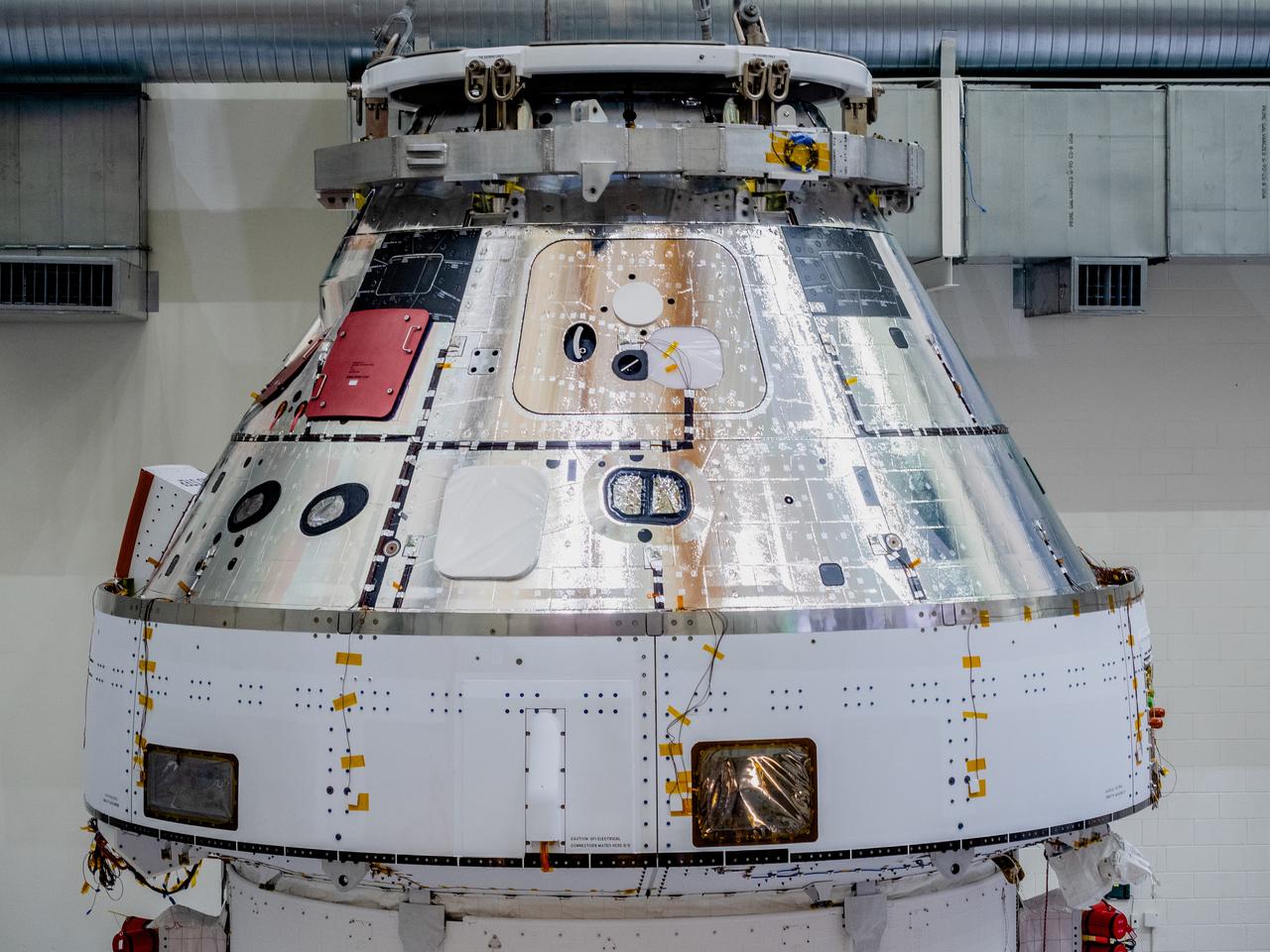
The Orion crew and service module stack for Artemis I was lifted out of the Final Assembly and Test (FAST) cell on November 11, 2019. The spacecraft has been stationed in the FAST cell since July for mating and closeout processing. The service module and crew module were moved separately into the cell, stacked and connected together for the mission. After lifting out of the cell, Orion will be attached to a tool called a verticator that rotates the stack from its vertical configuration to a horizontal configuration for transport to NASA’s Plum Brook Station in Sandusky, Ohio, where it will undergo full environmental testing to certify the complete vehicle for flight. Once the vehicle returns to Kennedy in several months, it will return to the FAST cell for installation of final panels left off for environmental testing purposes and the service module’s four solar arrays.
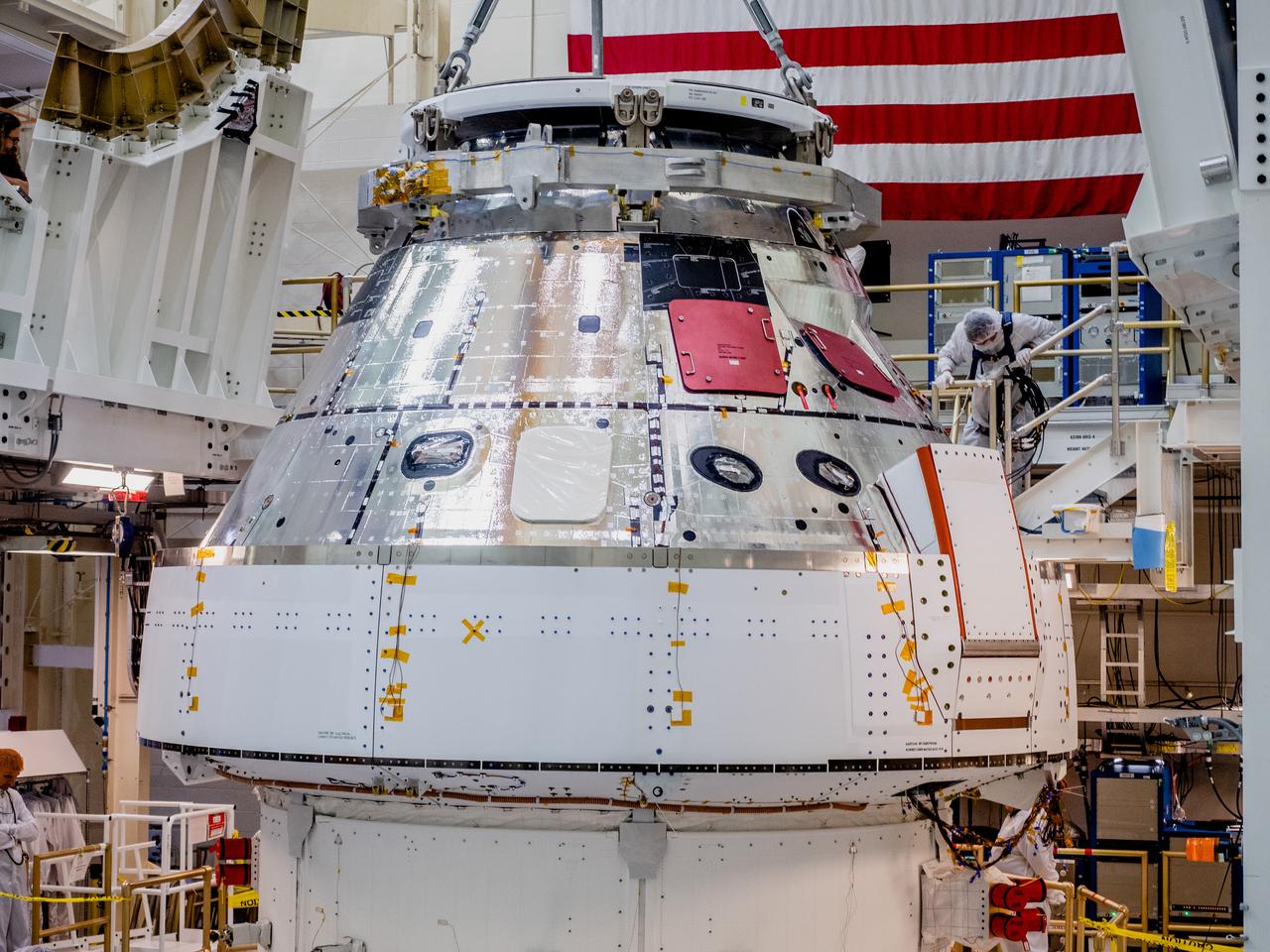
The Orion crew and service module stack for Artemis I was lifted out of the Final Assembly and Test (FAST) cell on November 11, 2019. The spacecraft has been stationed in the FAST cell since July for mating and closeout processing. The service module and crew module were moved separately into the cell, stacked and connected together for the mission. After lifting out of the cell, Orion will be attached to a tool called a verticator that rotates the stack from its vertical configuration to a horizontal configuration for transport to NASA’s Plum Brook Station in Sandusky, Ohio, where it will undergo full environmental testing to certify the complete vehicle for flight. Once the vehicle returns to Kennedy in several months, it will return to the FAST cell for installation of final panels left off for environmental testing purposes and the service module’s four solar arrays.
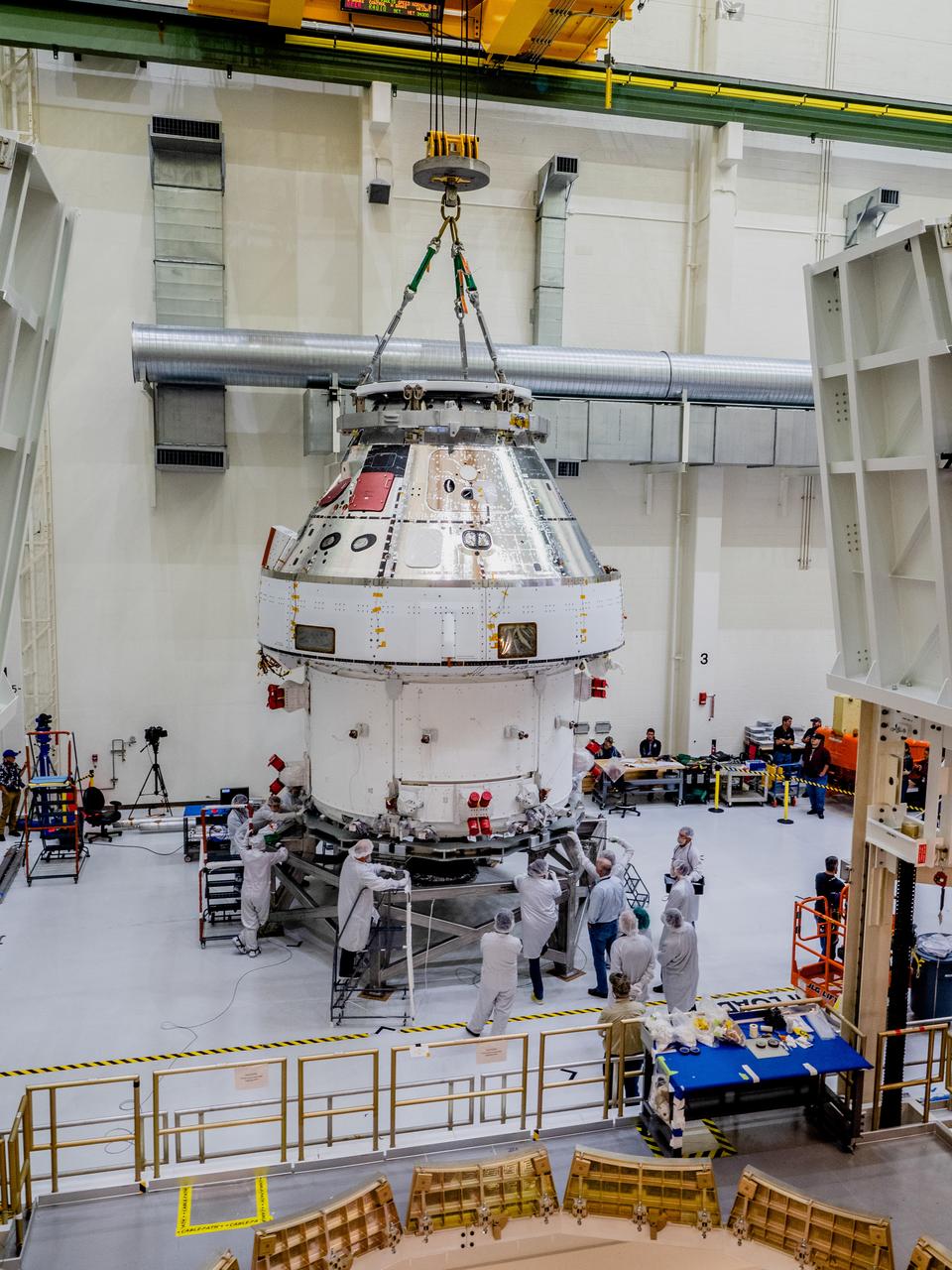
The Orion crew and service module stack for Artemis I was lifted out of the Final Assembly and Test (FAST) cell on November 11, 2019. The spacecraft has been stationed in the FAST cell since July for mating and closeout processing. The service module and crew module were moved separately into the cell, stacked and connected together for the mission. After lifting out of the cell, Orion will be attached to a tool called a verticator that rotates the stack from its vertical configuration to a horizontal configuration for transport to NASA’s Plum Brook Station in Sandusky, Ohio, where it will undergo full environmental testing to certify the complete vehicle for flight. Once the vehicle returns to Kennedy in several months, it will return to the FAST cell for installation of final panels left off for environmental testing purposes and the service module’s four solar arrays.
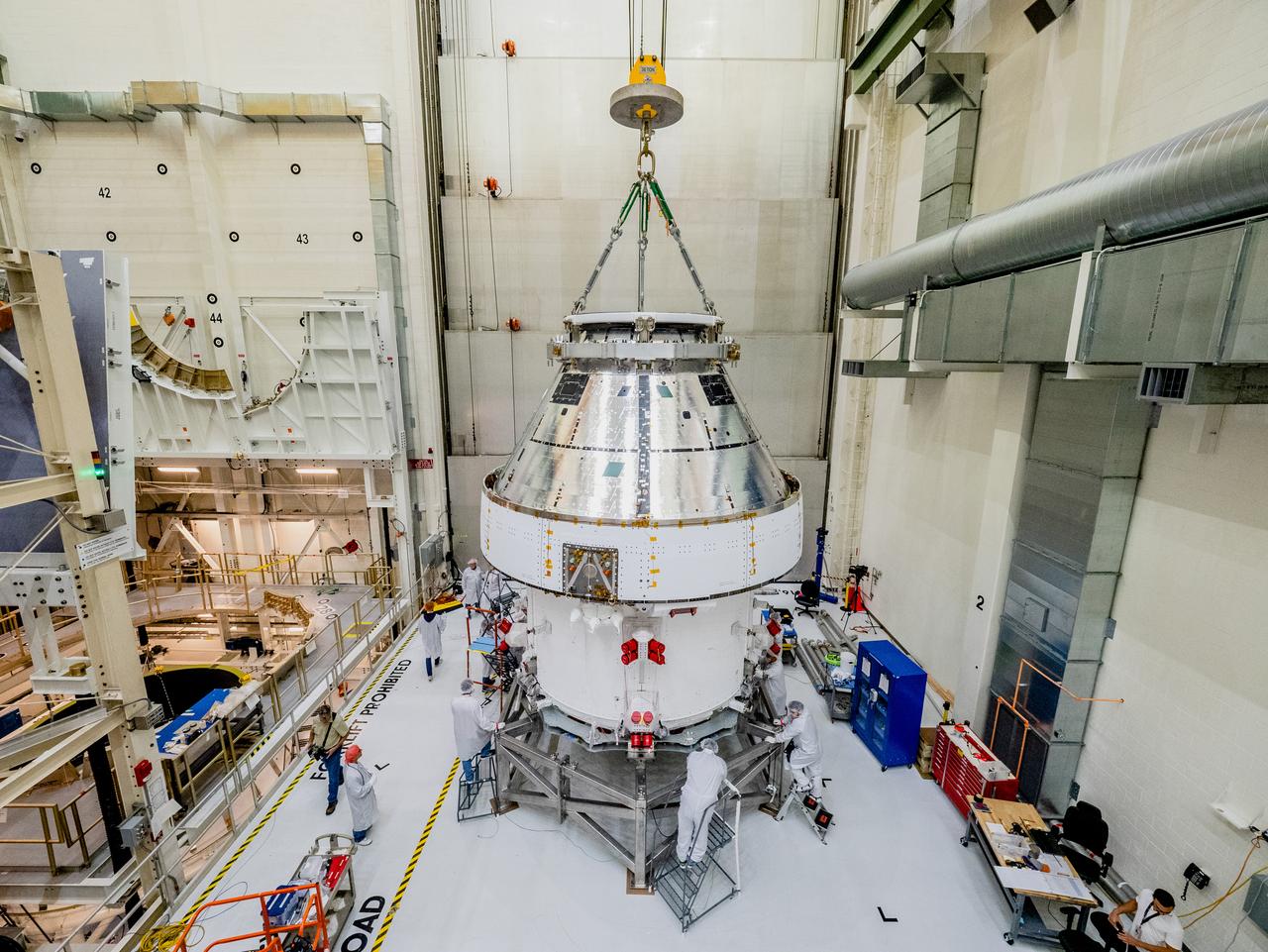
The Orion crew and service module stack for Artemis I was lifted out of the Final Assembly and Test (FAST) cell on November 11, 2019. The spacecraft has been stationed in the FAST cell since July for mating and closeout processing. The service module and crew module were moved separately into the cell, stacked and connected together for the mission. After lifting out of the cell, Orion will be attached to a tool called a verticator that rotates the stack from its vertical configuration to a horizontal configuration for transport to NASA’s Plum Brook Station in Sandusky, Ohio, where it will undergo full environmental testing to certify the complete vehicle for flight. Once the vehicle returns to Kennedy in several months, it will return to the FAST cell for installation of final panels left off for environmental testing purposes and the service module’s four solar arrays.
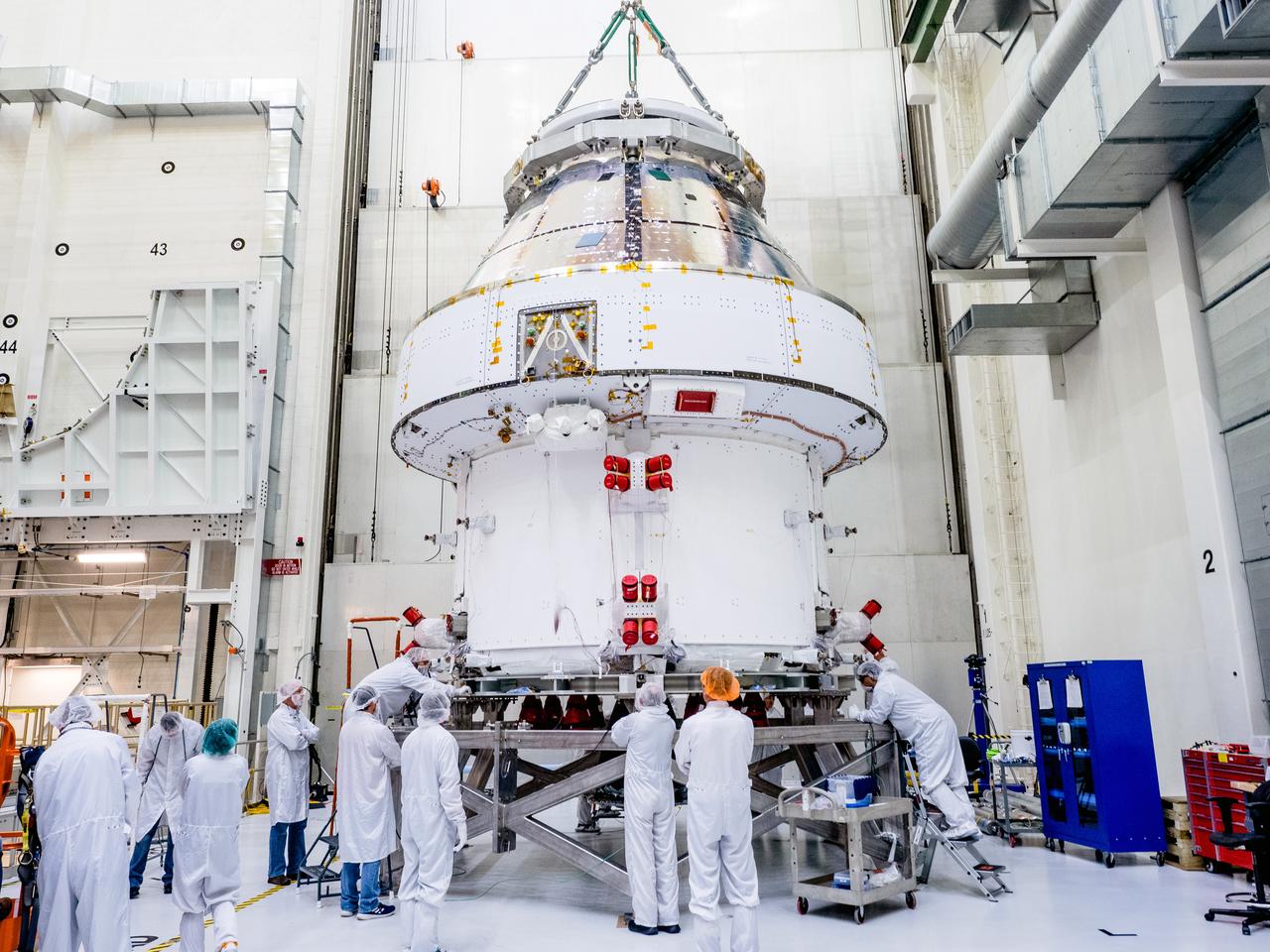
The Orion crew and service module stack for Artemis I was lifted out of the Final Assembly and Test (FAST) cell on November 11, 2019. The spacecraft has been stationed in the FAST cell since July for mating and closeout processing. The service module and crew module were moved separately into the cell, stacked and connected together for the mission. After lifting out of the cell, Orion will be attached to a tool called a verticator that rotates the stack from its vertical configuration to a horizontal configuration for transport to NASA’s Plum Brook Station in Sandusky, Ohio, where it will undergo full environmental testing to certify the complete vehicle for flight. Once the vehicle returns to Kennedy in several months, it will return to the FAST cell for installation of final panels left off for environmental testing purposes and the service module’s four solar arrays.
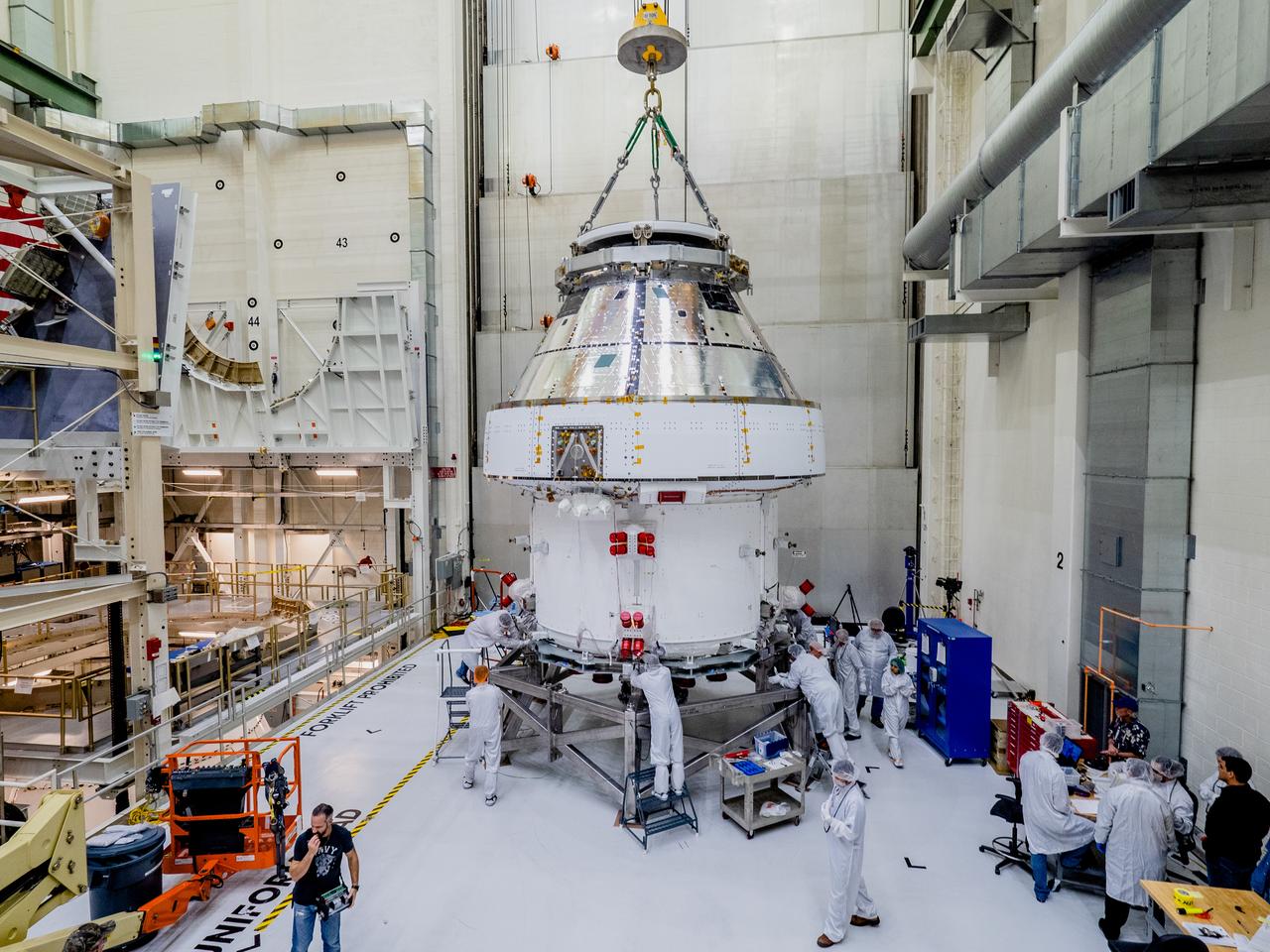
The Orion crew and service module stack for Artemis I was lifted out of the Final Assembly and Test (FAST) cell on November 11, 2019. The spacecraft has been stationed in the FAST cell since July for mating and closeout processing. The service module and crew module were moved separately into the cell, stacked and connected together for the mission. After lifting out of the cell, Orion will be attached to a tool called a verticator that rotates the stack from its vertical configuration to a horizontal configuration for transport to NASA’s Plum Brook Station in Sandusky, Ohio, where it will undergo full environmental testing to certify the complete vehicle for flight. Once the vehicle returns to Kennedy in several months, it will return to the FAST cell for installation of final panels left off for environmental testing purposes and the service module’s four solar arrays.
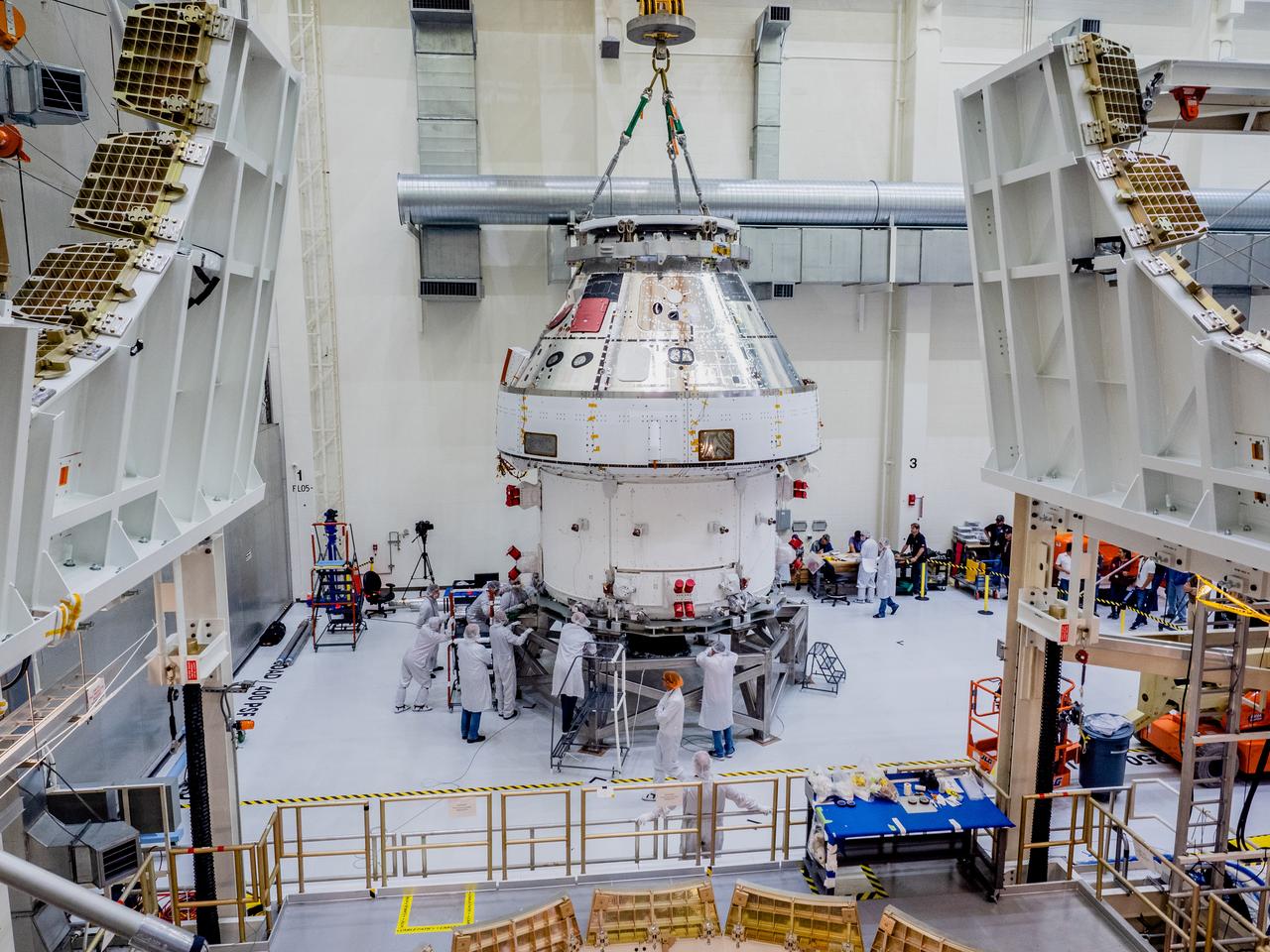
The Orion crew and service module stack for Artemis I was lifted out of the Final Assembly and Test (FAST) cell on November 11, 2019. The spacecraft has been stationed in the FAST cell since July for mating and closeout processing. The service module and crew module were moved separately into the cell, stacked and connected together for the mission. After lifting out of the cell, Orion will be attached to a tool called a verticator that rotates the stack from its vertical configuration to a horizontal configuration for transport to NASA’s Plum Brook Station in Sandusky, Ohio, where it will undergo full environmental testing to certify the complete vehicle for flight. Once the vehicle returns to Kennedy in several months, it will return to the FAST cell for installation of final panels left off for environmental testing purposes and the service module’s four solar arrays.
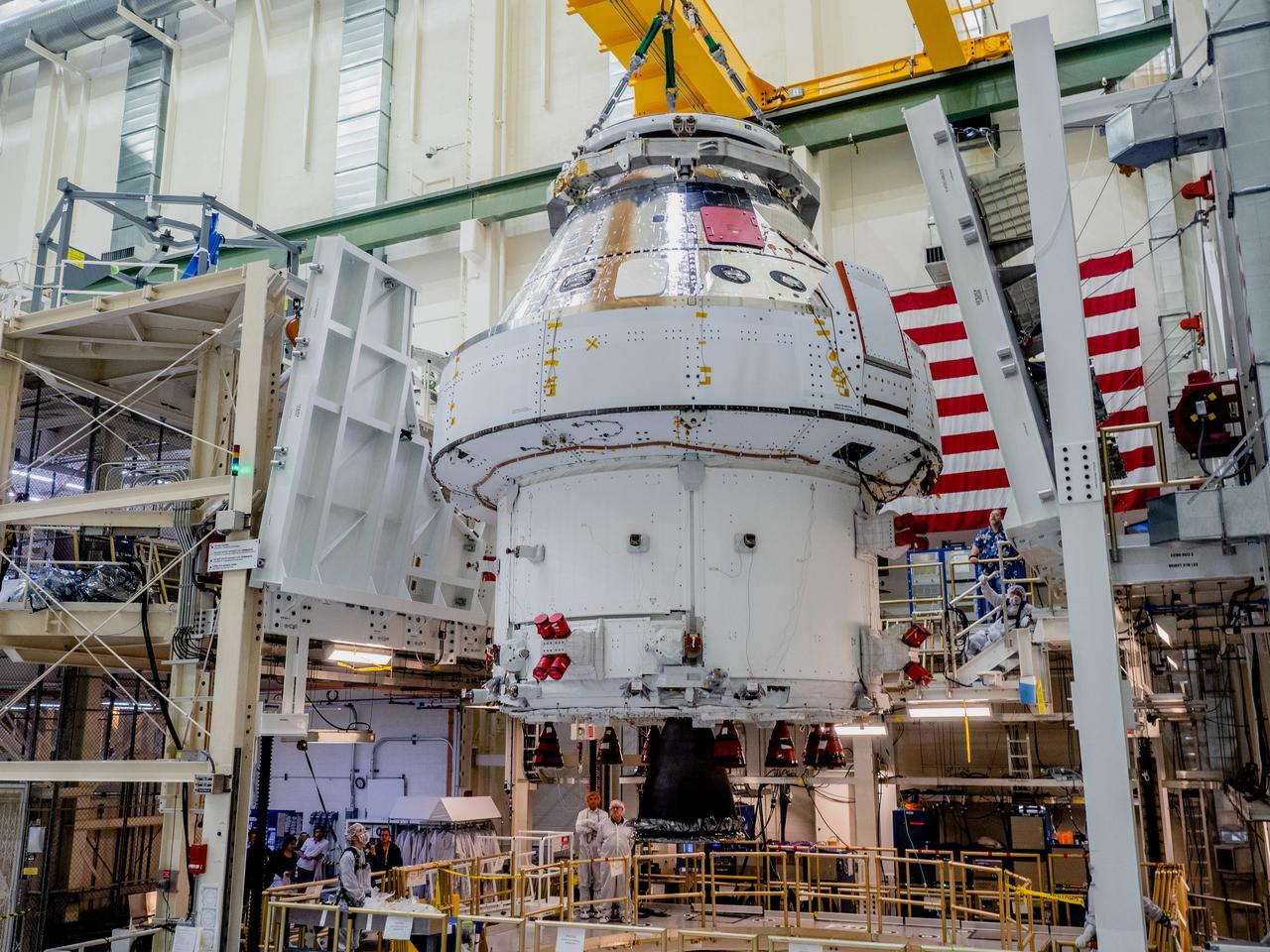
The Orion crew and service module stack for Artemis I was lifted out of the Final Assembly and Test (FAST) cell on November 11, 2019. The spacecraft has been stationed in the FAST cell since July for mating and closeout processing. The service module and crew module were moved separately into the cell, stacked and connected together for the mission. After lifting out of the cell, Orion will be attached to a tool called a verticator that rotates the stack from its vertical configuration to a horizontal configuration for transport to NASA’s Plum Brook Station in Sandusky, Ohio, where it will undergo full environmental testing to certify the complete vehicle for flight. Once the vehicle returns to Kennedy in several months, it will return to the FAST cell for installation of final panels left off for environmental testing purposes and the service module’s four solar arrays.
The Orion crew and service module stack for Artemis I was lifted out of the Final Assembly and Test (FAST) cell on November 11, 2019. The spacecraft has been stationed in the FAST cell since July for mating and closeout processing. The service module and crew module were moved separately into the cell, stacked and connected together for the mission. After lifting out of the cell, Orion will be attached to a tool called a verticator that rotates the stack from its vertical configuration to a horizontal configuration for transport to NASA’s Plum Brook Station in Sandusky, Ohio, where it will undergo full environmental testing to certify the complete vehicle for flight. Once the vehicle returns to Kennedy in several months, it will return to the FAST cell for installation of final panels left off for environmental testing purposes and the service module’s four solar arrays.
The Orion crew and service module stack for Artemis I was lifted out of the Final Assembly and Test (FAST) cell on November 11, 2019. The spacecraft has been stationed in the FAST cell since July for mating and closeout processing. The service module and crew module were moved separately into the cell, stacked and connected together for the mission. After lifting out of the cell, Orion will be attached to a tool called a verticator that rotates the stack from its vertical configuration to a horizontal configuration for transport to NASA’s Plum Brook Station in Sandusky, Ohio, where it will undergo full environmental testing to certify the complete vehicle for flight. Once the vehicle returns to Kennedy in several months, it will return to the FAST cell for installation of final panels left off for environmental testing purposes and the service module’s four solar arrays.
The Orion crew and service module stack for Artemis I was lifted out of the Final Assembly and Test (FAST) cell on November 11, 2019. The spacecraft has been stationed in the FAST cell since July for mating and closeout processing. The service module and crew module were moved separately into the cell, stacked and connected together for the mission. After lifting out of the cell, Orion will be attached to a tool called a verticator that rotates the stack from its vertical configuration to a horizontal configuration for transport to NASA’s Plum Brook Station in Sandusky, Ohio, where it will undergo full environmental testing to certify the complete vehicle for flight. Once the vehicle returns to Kennedy in several months, it will return to the FAST cell for installation of final panels left off for environmental testing purposes and the service module’s four solar arrays.
The Orion crew and service module stack for Artemis I was lifted out of the Final Assembly and Test (FAST) cell on November 11, 2019. The spacecraft has been stationed in the FAST cell since July for mating and closeout processing. The service module and crew module were moved separately into the cell, stacked and connected together for the mission. After lifting out of the cell, Orion will be attached to a tool called a verticator that rotates the stack from its vertical configuration to a horizontal configuration for transport to NASA’s Plum Brook Station in Sandusky, Ohio, where it will undergo full environmental testing to certify the complete vehicle for flight. Once the vehicle returns to Kennedy in several months, it will return to the FAST cell for installation of final panels left off for environmental testing purposes and the service module’s four solar arrays.
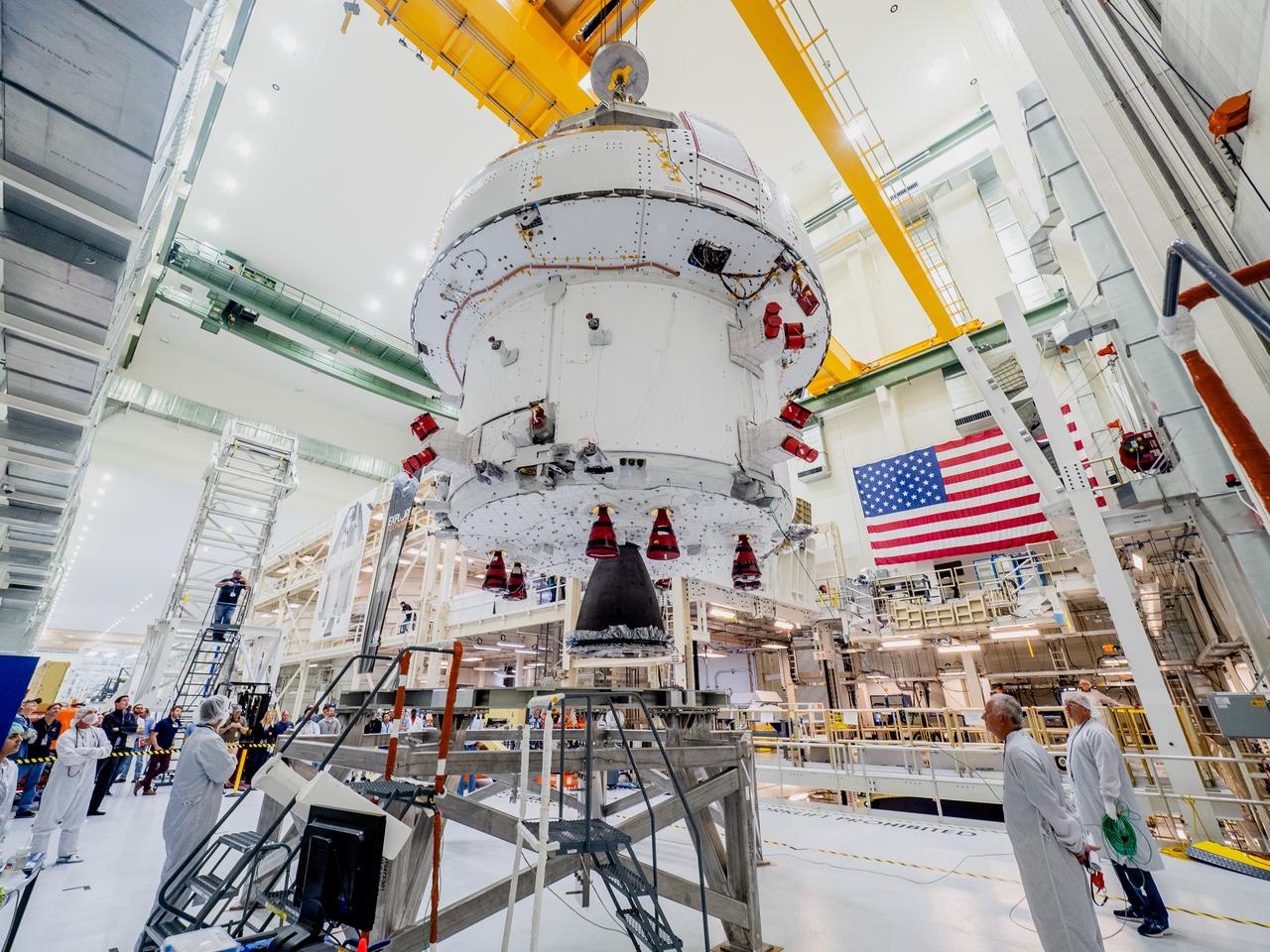
The Orion crew and service module stack for Artemis I was lifted out of the Final Assembly and Test (FAST) cell on November 11, 2019. The spacecraft has been stationed in the FAST cell since July for mating and closeout processing. The service module and crew module were moved separately into the cell, stacked and connected together for the mission. After lifting out of the cell, Orion will be attached to a tool called a verticator that rotates the stack from its vertical configuration to a horizontal configuration for transport to NASA’s Plum Brook Station in Sandusky, Ohio, where it will undergo full environmental testing to certify the complete vehicle for flight. Once the vehicle returns to Kennedy in several months, it will return to the FAST cell for installation of final panels left off for environmental testing purposes and the service module’s four solar arrays.
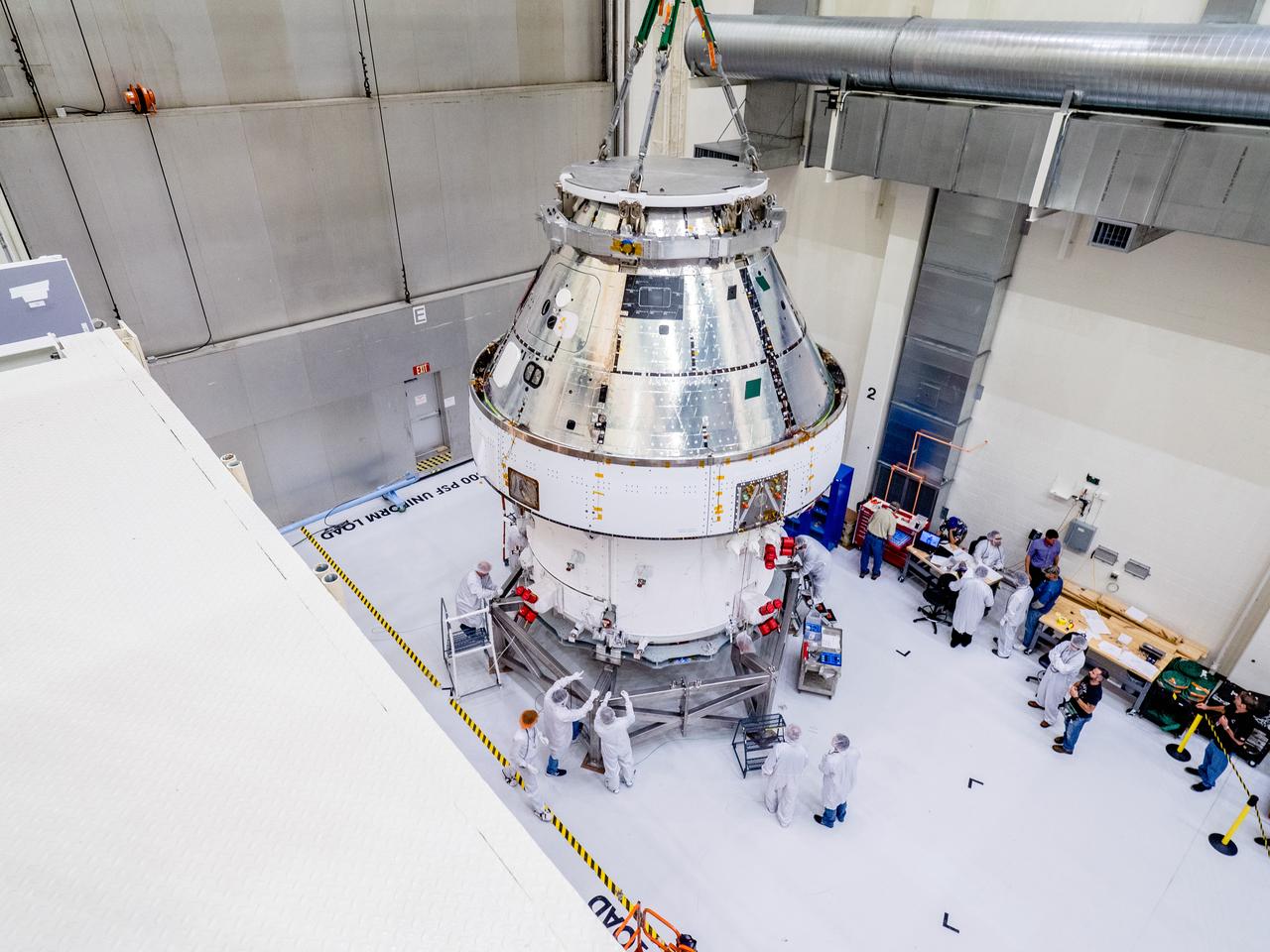
The Orion crew and service module stack for Artemis I was lifted out of the Final Assembly and Test (FAST) cell on November 11, 2019. The spacecraft has been stationed in the FAST cell since July for mating and closeout processing. The service module and crew module were moved separately into the cell, stacked and connected together for the mission. After lifting out of the cell, Orion will be attached to a tool called a verticator that rotates the stack from its vertical configuration to a horizontal configuration for transport to NASA’s Plum Brook Station in Sandusky, Ohio, where it will undergo full environmental testing to certify the complete vehicle for flight. Once the vehicle returns to Kennedy in several months, it will return to the FAST cell for installation of final panels left off for environmental testing purposes and the service module’s four solar arrays.
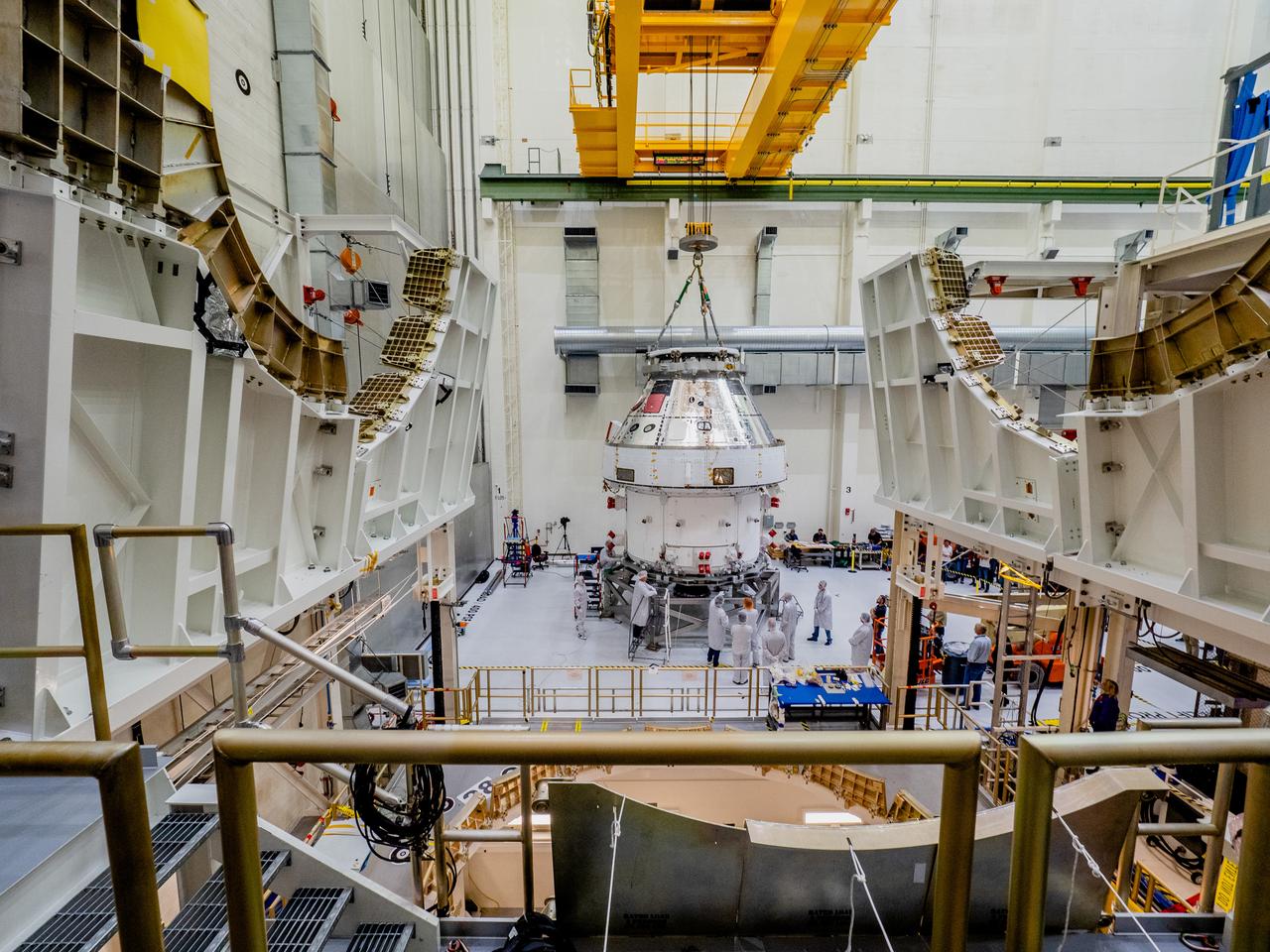
The Orion crew and service module stack for Artemis I was lifted out of the Final Assembly and Test (FAST) cell on November 11, 2019. The spacecraft has been stationed in the FAST cell since July for mating and closeout processing. The service module and crew module were moved separately into the cell, stacked and connected together for the mission. After lifting out of the cell, Orion will be attached to a tool called a verticator that rotates the stack from its vertical configuration to a horizontal configuration for transport to NASA’s Plum Brook Station in Sandusky, Ohio, where it will undergo full environmental testing to certify the complete vehicle for flight. Once the vehicle returns to Kennedy in several months, it will return to the FAST cell for installation of final panels left off for environmental testing purposes and the service module’s four solar arrays.
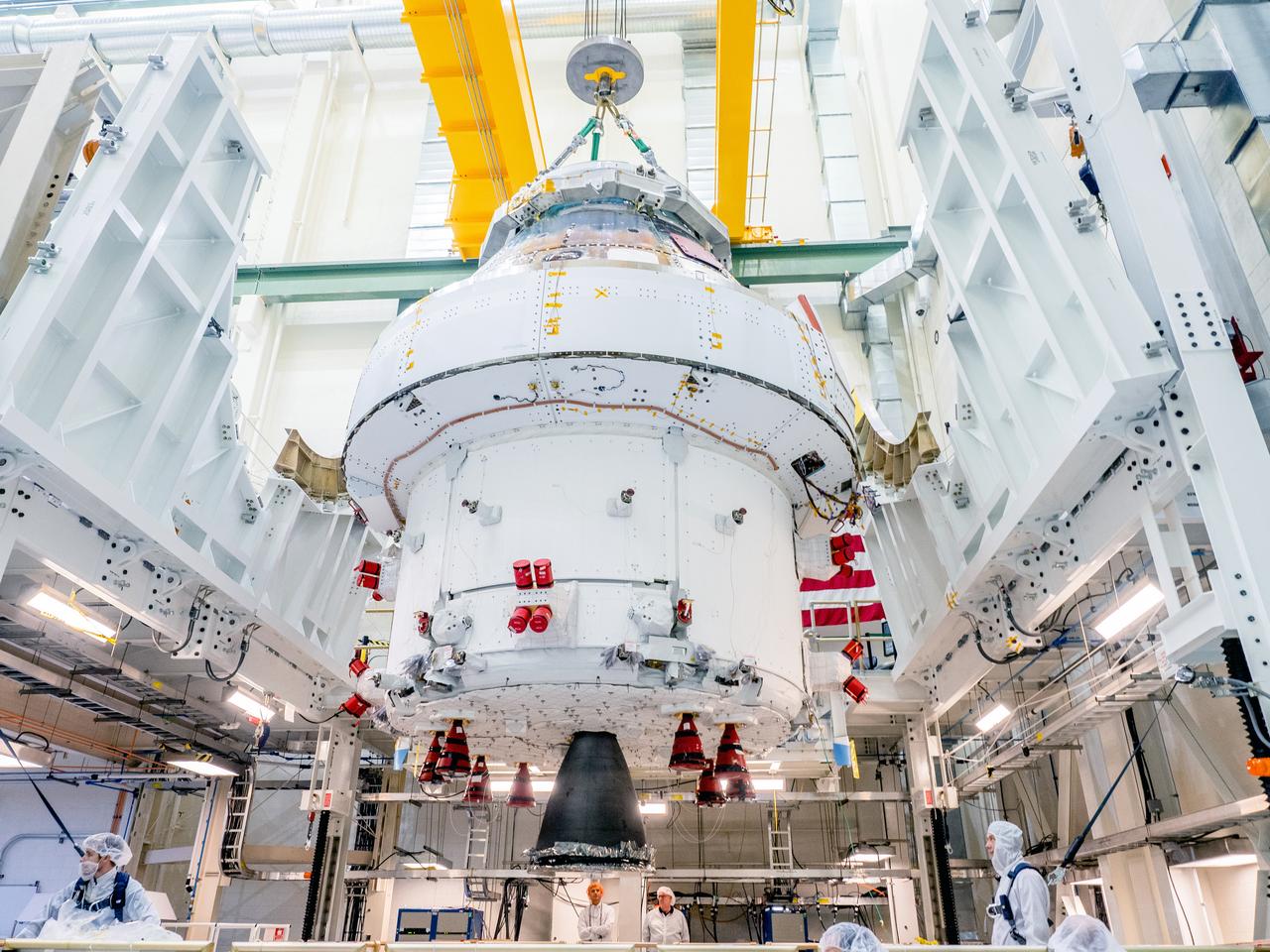
The Orion crew and service module stack for Artemis I was lifted out of the Final Assembly and Test (FAST) cell on November 11, 2019. The spacecraft has been stationed in the FAST cell since July for mating and closeout processing. The service module and crew module were moved separately into the cell, stacked and connected together for the mission. After lifting out of the cell, Orion will be attached to a tool called a verticator that rotates the stack from its vertical configuration to a horizontal configuration for transport to NASA’s Plum Brook Station in Sandusky, Ohio, where it will undergo full environmental testing to certify the complete vehicle for flight. Once the vehicle returns to Kennedy in several months, it will return to the FAST cell for installation of final panels left off for environmental testing purposes and the service module’s four solar arrays.

The Orion crew and service module stack for Artemis I was lifted out of the Final Assembly and Test (FAST) cell on November 11, 2019. The spacecraft has been stationed in the FAST cell since July for mating and closeout processing. The service module and crew module were moved separately into the cell, stacked and connected together for the mission. After lifting out of the cell, Orion will be attached to a tool called a verticator that rotates the stack from its vertical configuration to a horizontal configuration for transport to NASA’s Plum Brook Station in Sandusky, Ohio, where it will undergo full environmental testing to certify the complete vehicle for flight. Once the vehicle returns to Kennedy in several months, it will return to the FAST cell for installation of final panels left off for environmental testing purposes and the service module’s four solar arrays.
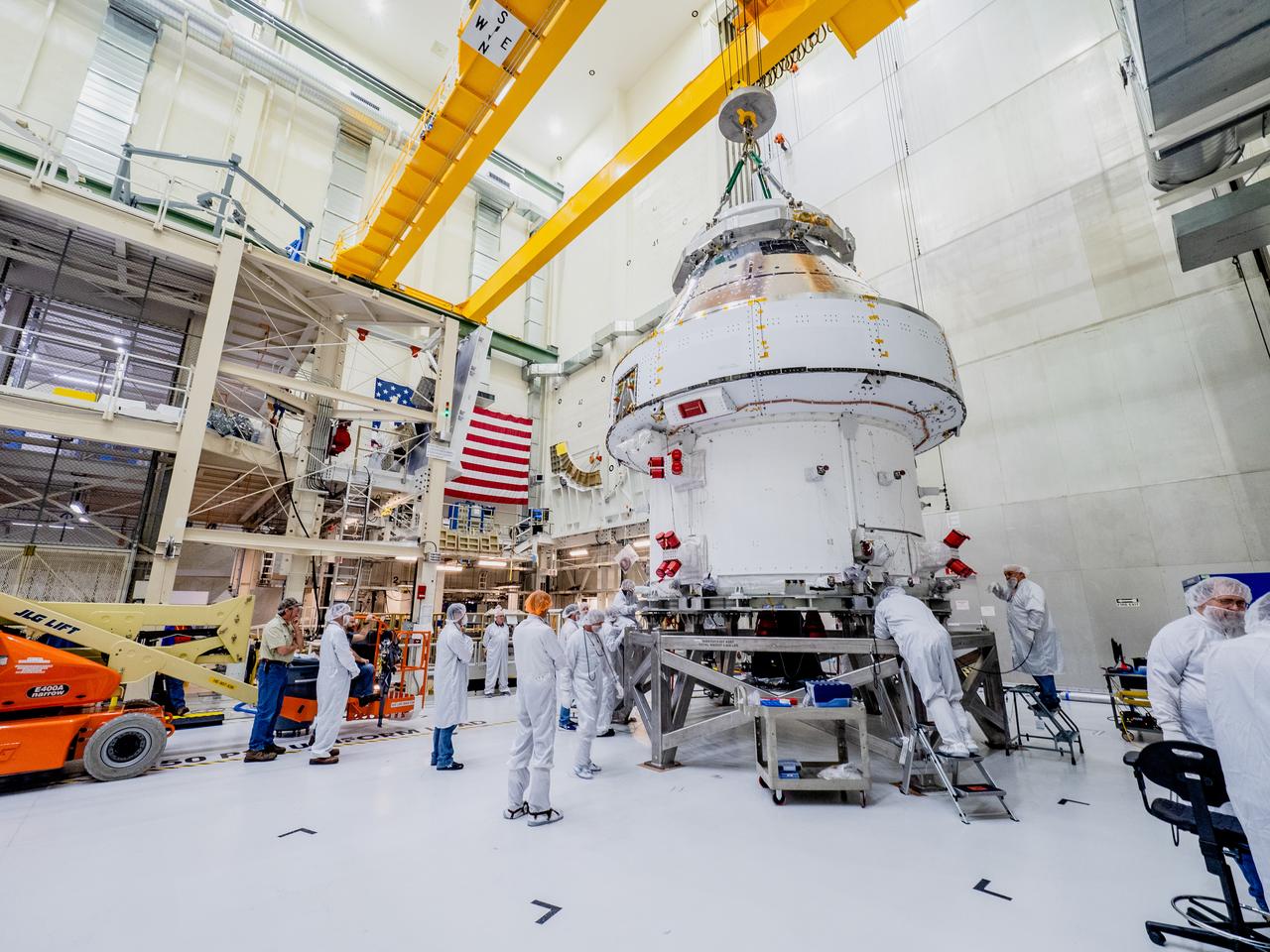
The Orion crew and service module stack for Artemis I was lifted out of the Final Assembly and Test (FAST) cell on November 11, 2019. The spacecraft has been stationed in the FAST cell since July for mating and closeout processing. The service module and crew module were moved separately into the cell, stacked and connected together for the mission. After lifting out of the cell, Orion will be attached to a tool called a verticator that rotates the stack from its vertical configuration to a horizontal configuration for transport to NASA’s Plum Brook Station in Sandusky, Ohio, where it will undergo full environmental testing to certify the complete vehicle for flight. Once the vehicle returns to Kennedy in several months, it will return to the FAST cell for installation of final panels left off for environmental testing purposes and the service module’s four solar arrays.
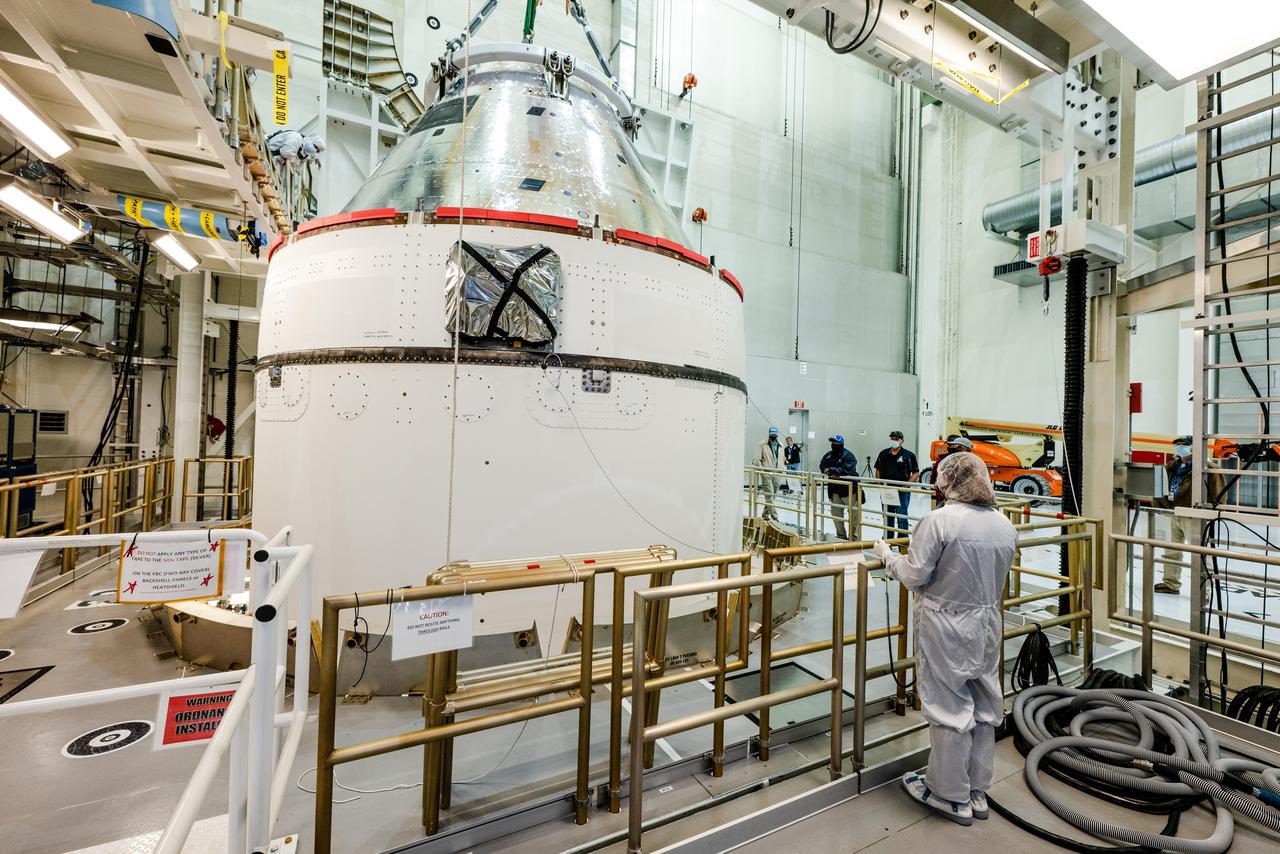
The Artemis I Orion spacecraft is moved out of the Final Assembly And Test (FAST) cell at Neil Armstrong Operations and Checkout Building at Kennedy Space Center in preparation for transport to Multi Payload Processing Facility on Jan. 14, 2021.
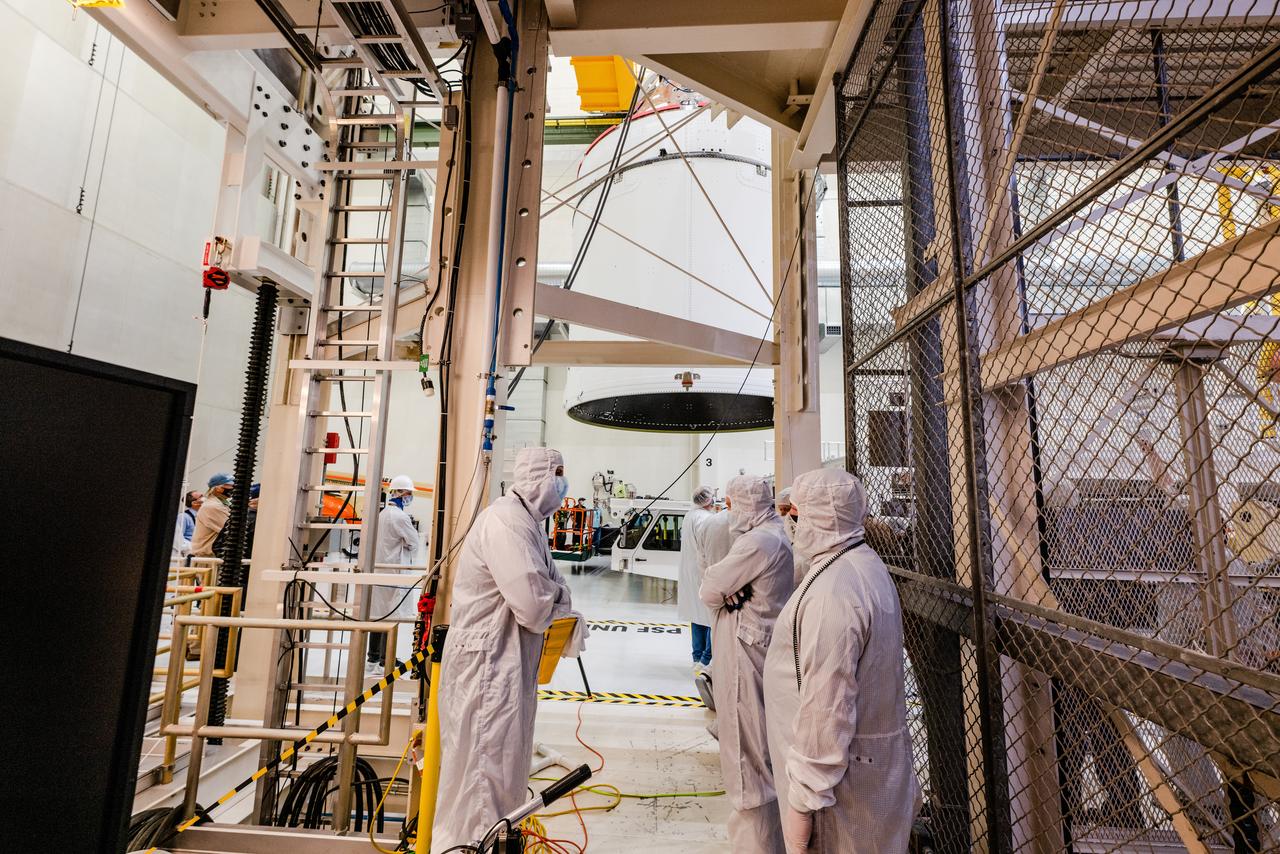
The Artemis I Orion spacecraft is moved out of the Final Assembly And Test (FAST) cell at Neil Armstrong Operations and Checkout Building at Kennedy Space Center in preparation for transport to Multi Payload Processing Facility on Jan. 14, 2021.
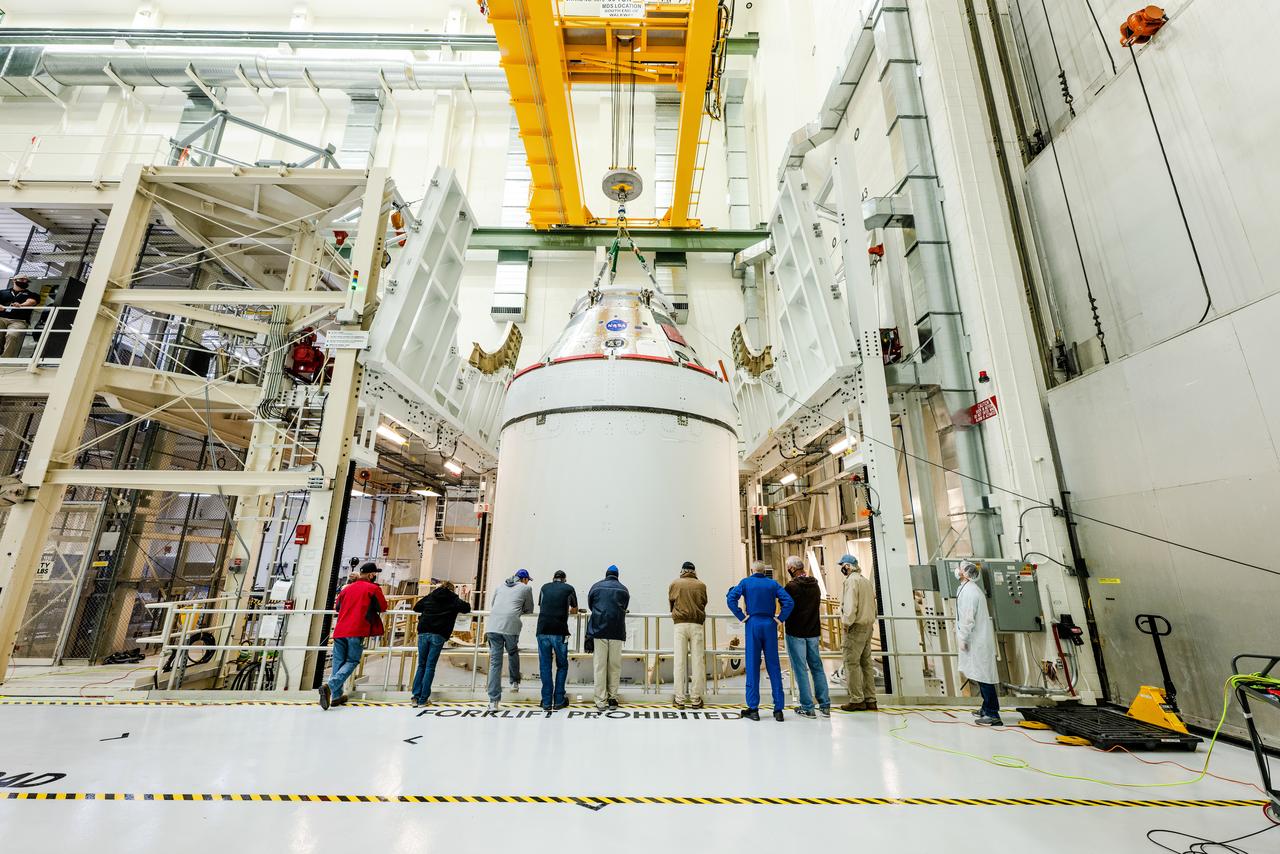
The Artemis I Orion spacecraft is moved out of the Final Assembly And Test (FAST) cell at Neil Armstrong Operations and Checkout Building at Kennedy Space Center in preparation for transport to Multi Payload Processing Facility on Jan. 14, 2021.
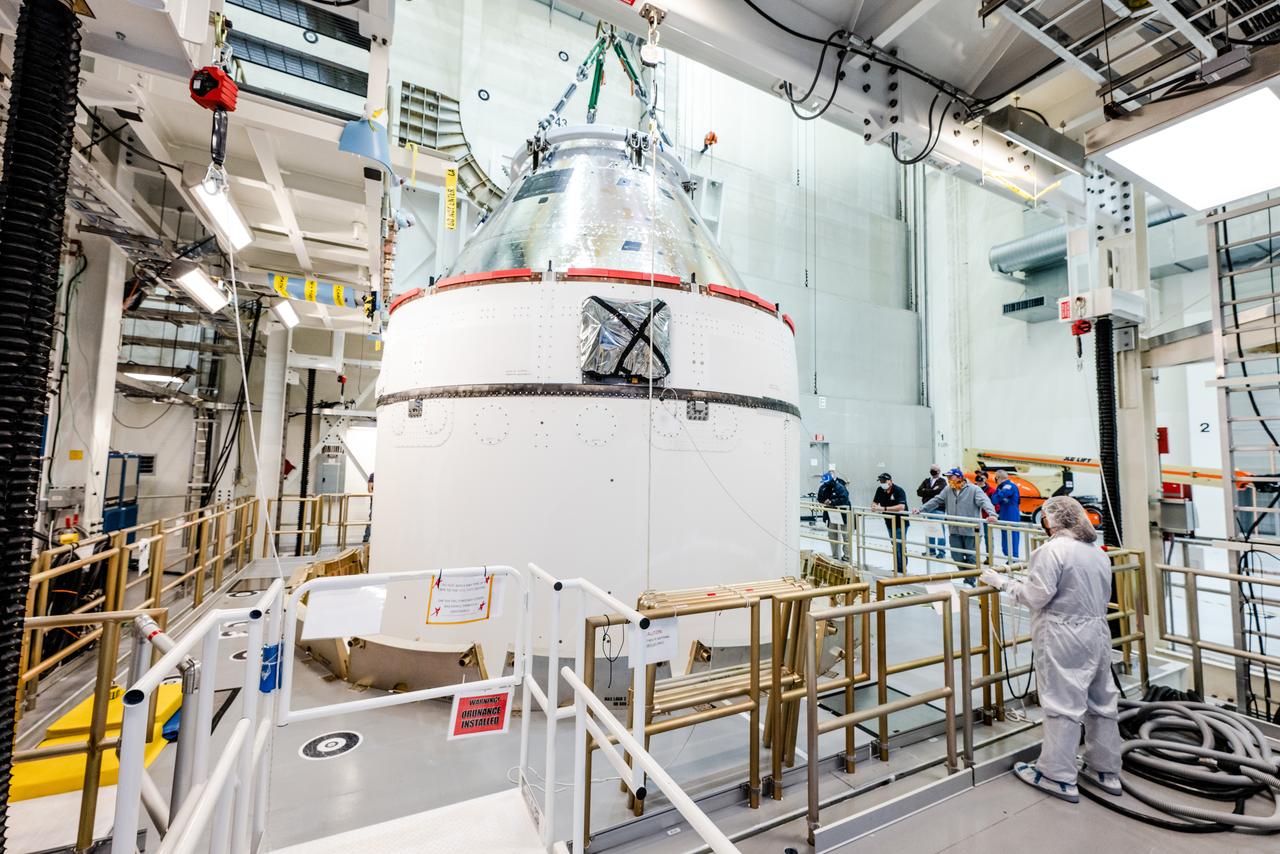
The Artemis I Orion spacecraft is moved out of the Final Assembly And Test (FAST) cell at Neil Armstrong Operations and Checkout Building at Kennedy Space Center in preparation for transport to Multi Payload Processing Facility on Jan. 14, 2021.
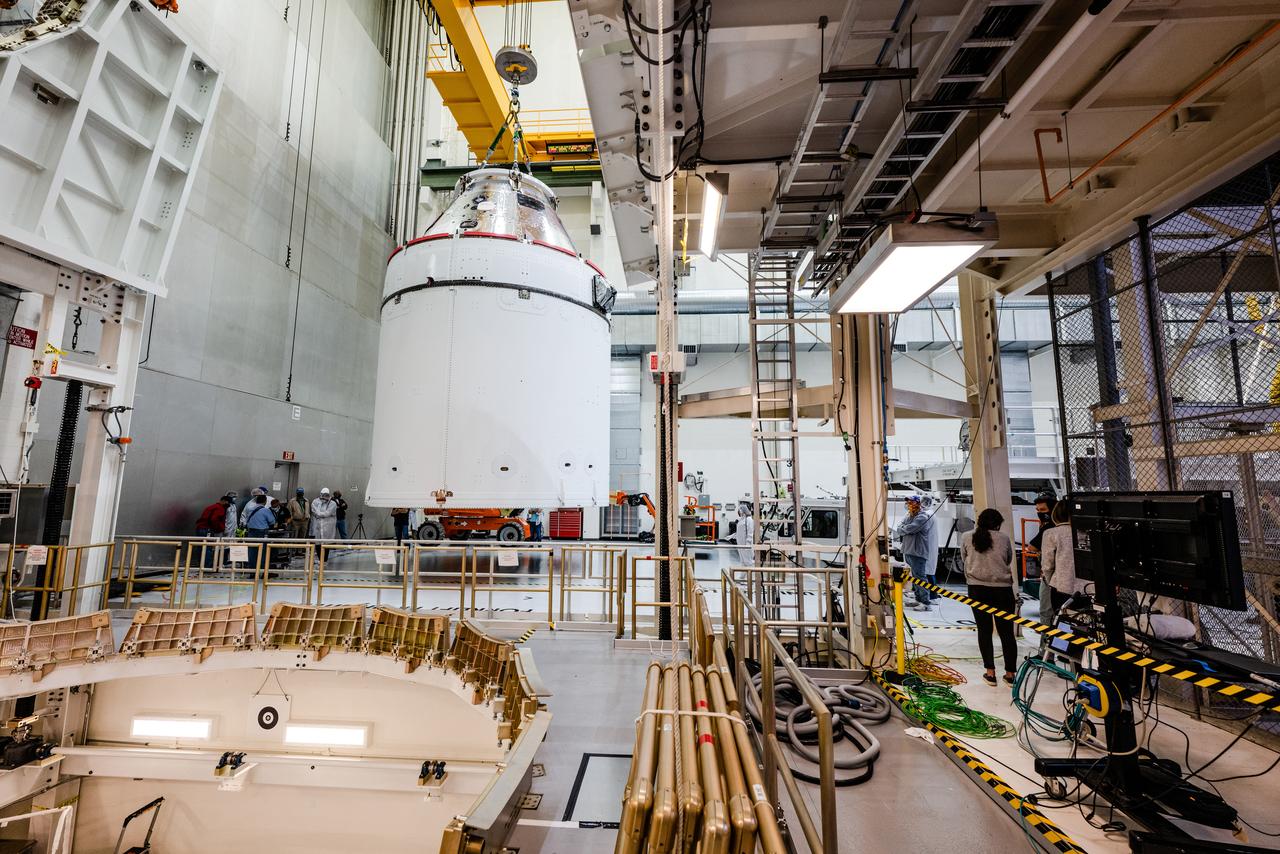
The Artemis I Orion spacecraft is moved out of the Final Assembly And Test (FAST) cell at Neil Armstrong Operations and Checkout Building at Kennedy Space Center in preparation for transport to Multi Payload Processing Facility on Jan. 14, 2021.
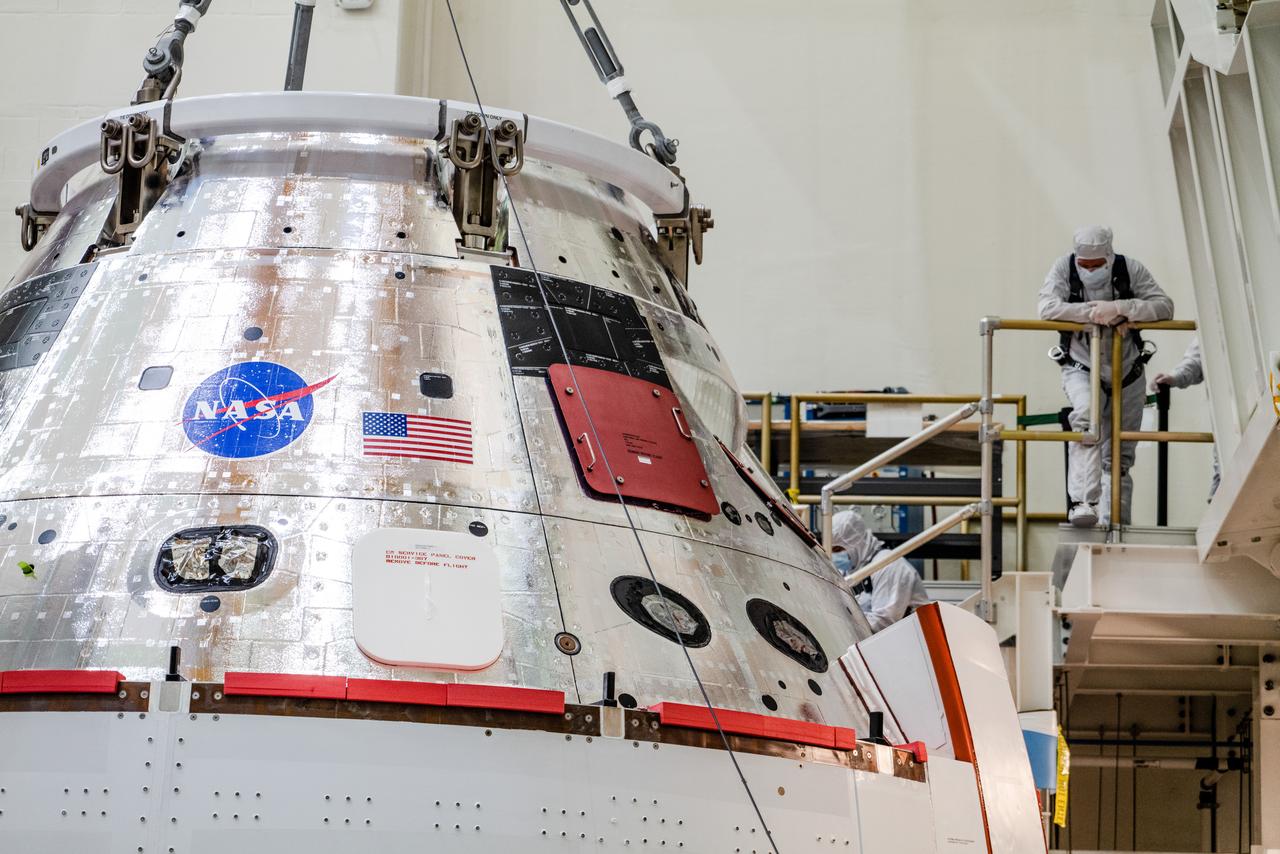
The Artemis I Orion spacecraft is moved out of the Final Assembly And Test (FAST) cell at Neil Armstrong Operations and Checkout Building at Kennedy Space Center in preparation for transport to Multi Payload Processing Facility on Jan. 14, 2021.
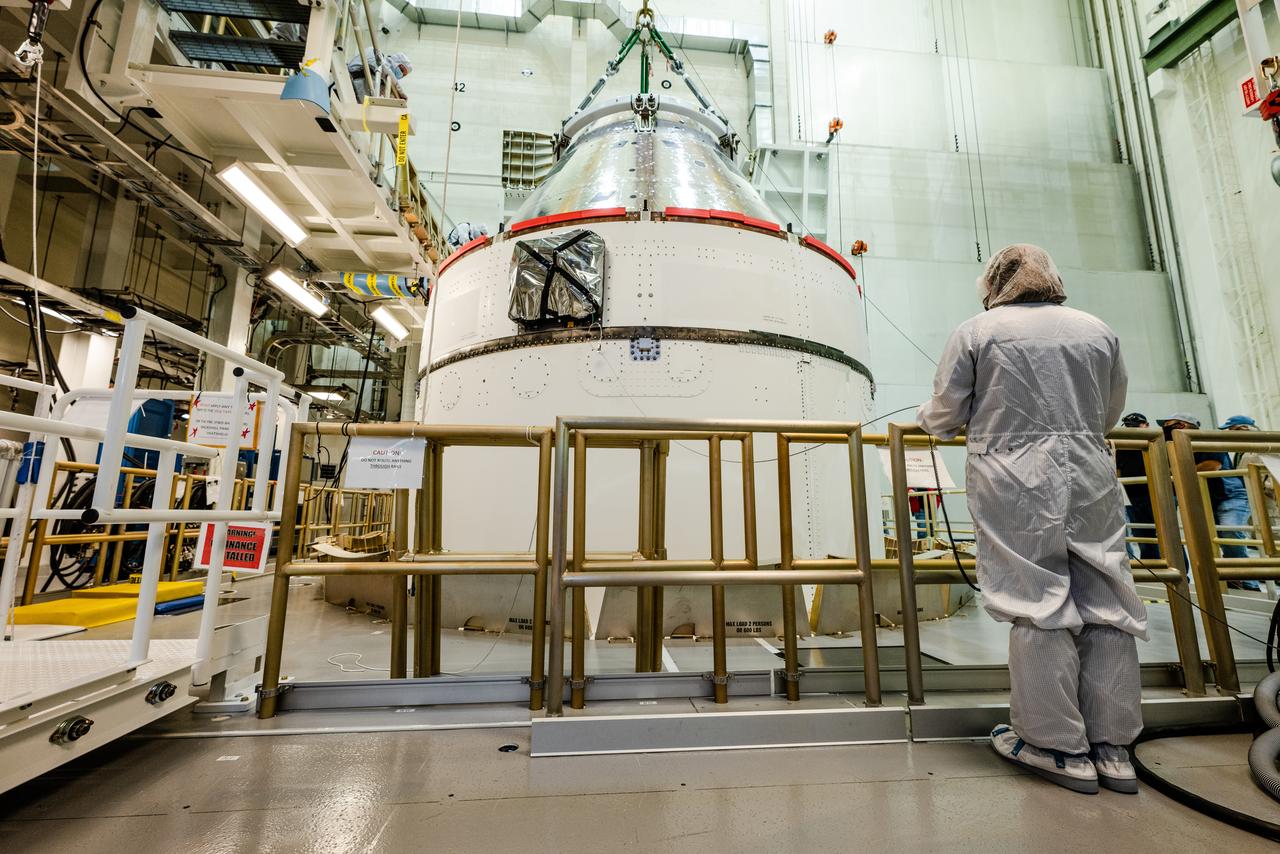
The Artemis I Orion spacecraft is moved out of the Final Assembly And Test (FAST) cell at Neil Armstrong Operations and Checkout Building at Kennedy Space Center in preparation for transport to Multi Payload Processing Facility on Jan. 14, 2021.
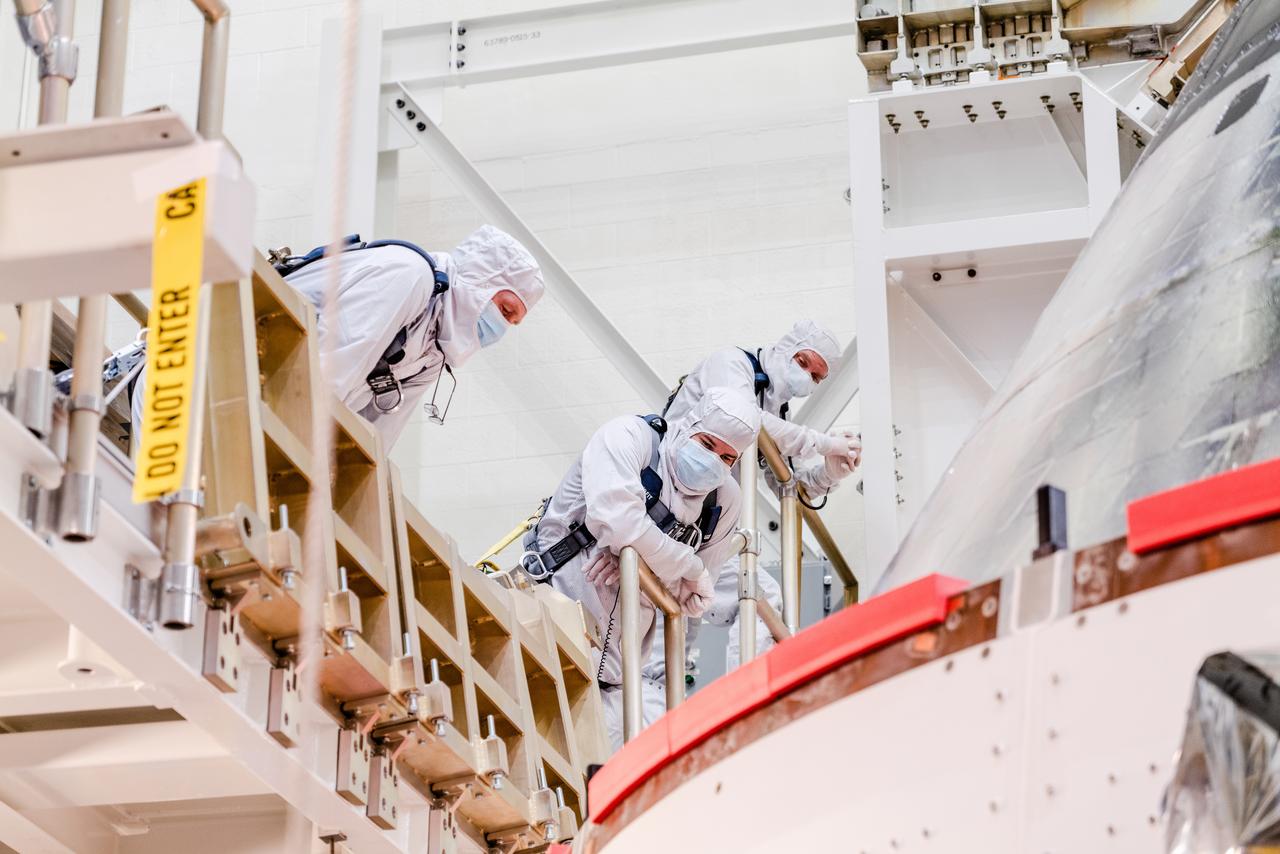
The Artemis I Orion spacecraft is moved out of the Final Assembly And Test (FAST) cell at Neil Armstrong Operations and Checkout Building at Kennedy Space Center in preparation for transport to Multi Payload Processing Facility on Jan. 14, 2021.
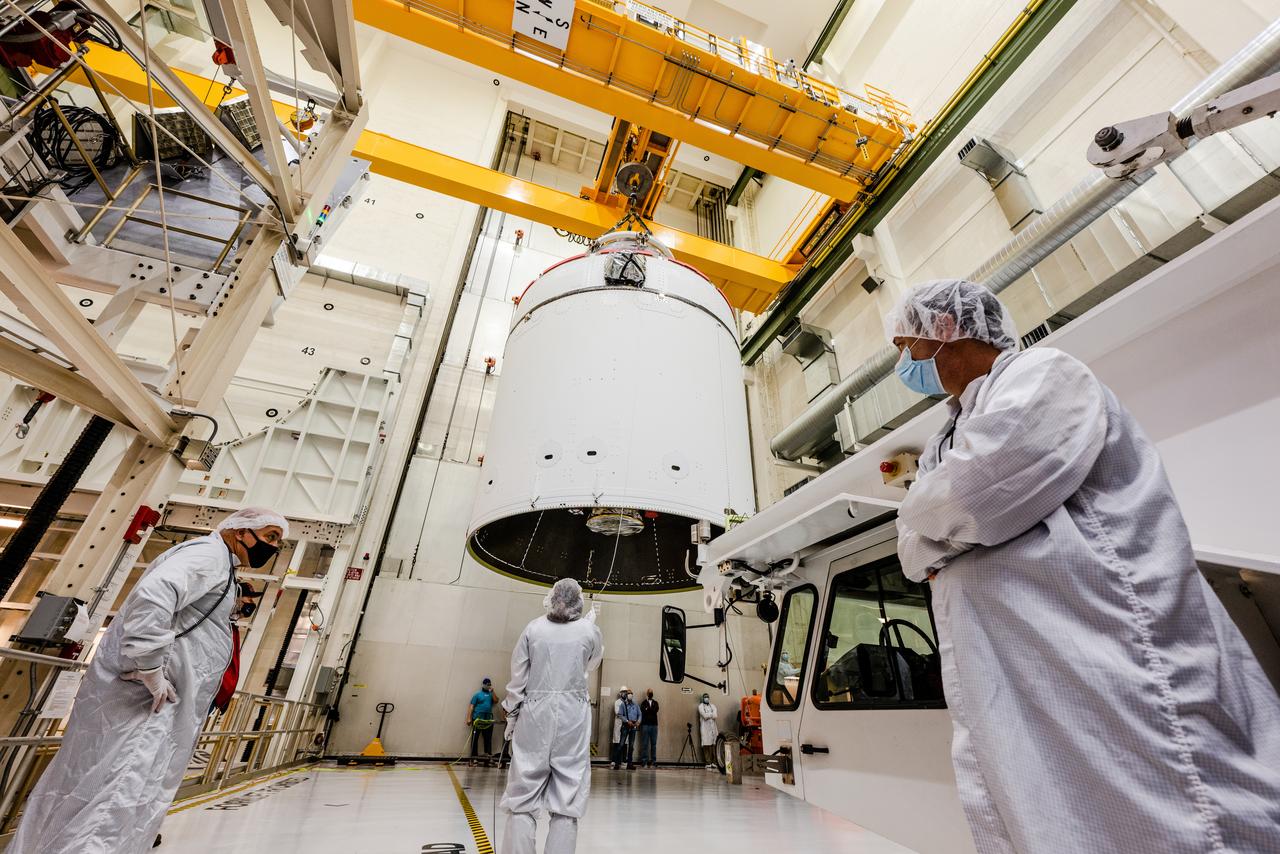
The Artemis I Orion spacecraft is moved out of the Final Assembly And Test (FAST) cell at Neil Armstrong Operations and Checkout Building at Kennedy Space Center in preparation for transport to Multi Payload Processing Facility on Jan. 14, 2021.
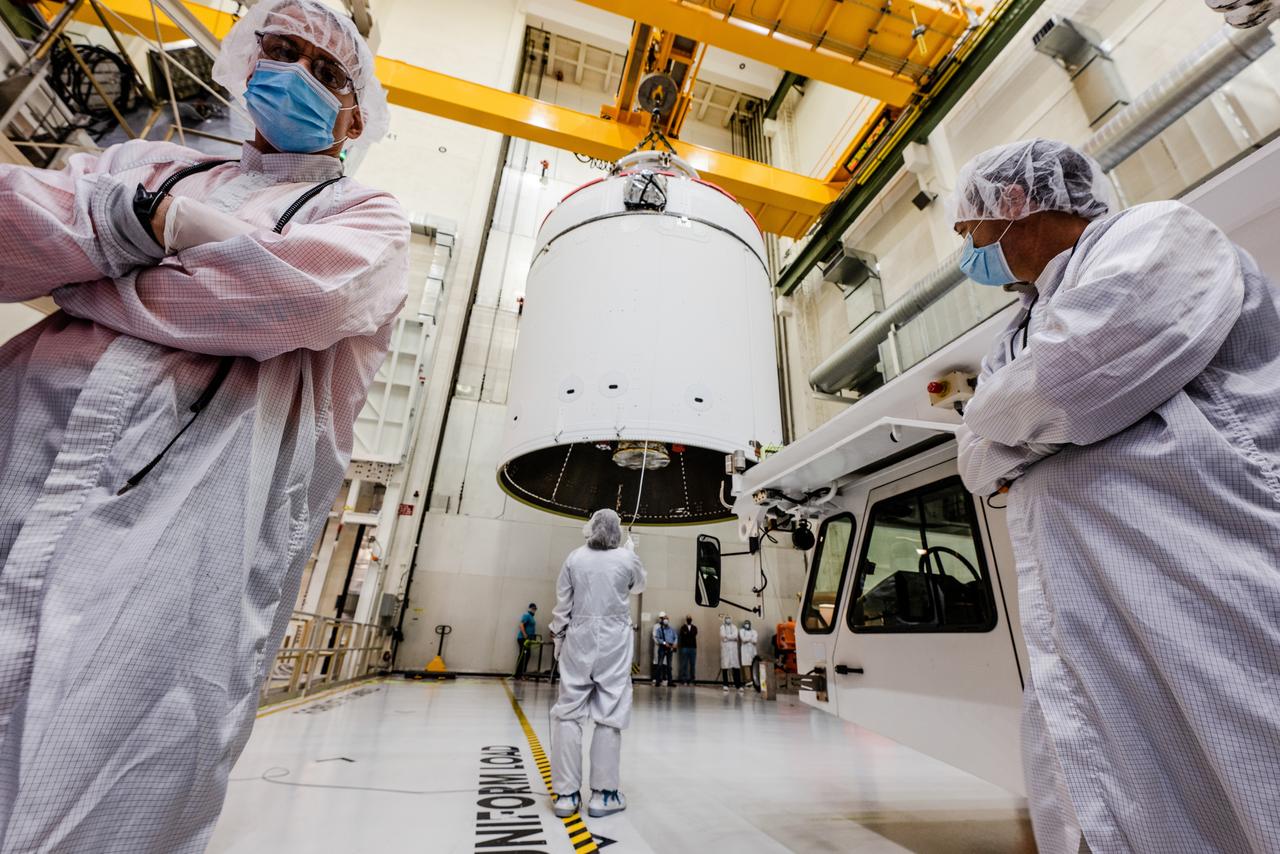
The Artemis I Orion spacecraft is moved out of the Final Assembly And Test (FAST) cell at Neil Armstrong Operations and Checkout Building at Kennedy Space Center in preparation for transport to Multi Payload Processing Facility on Jan. 14, 2021.
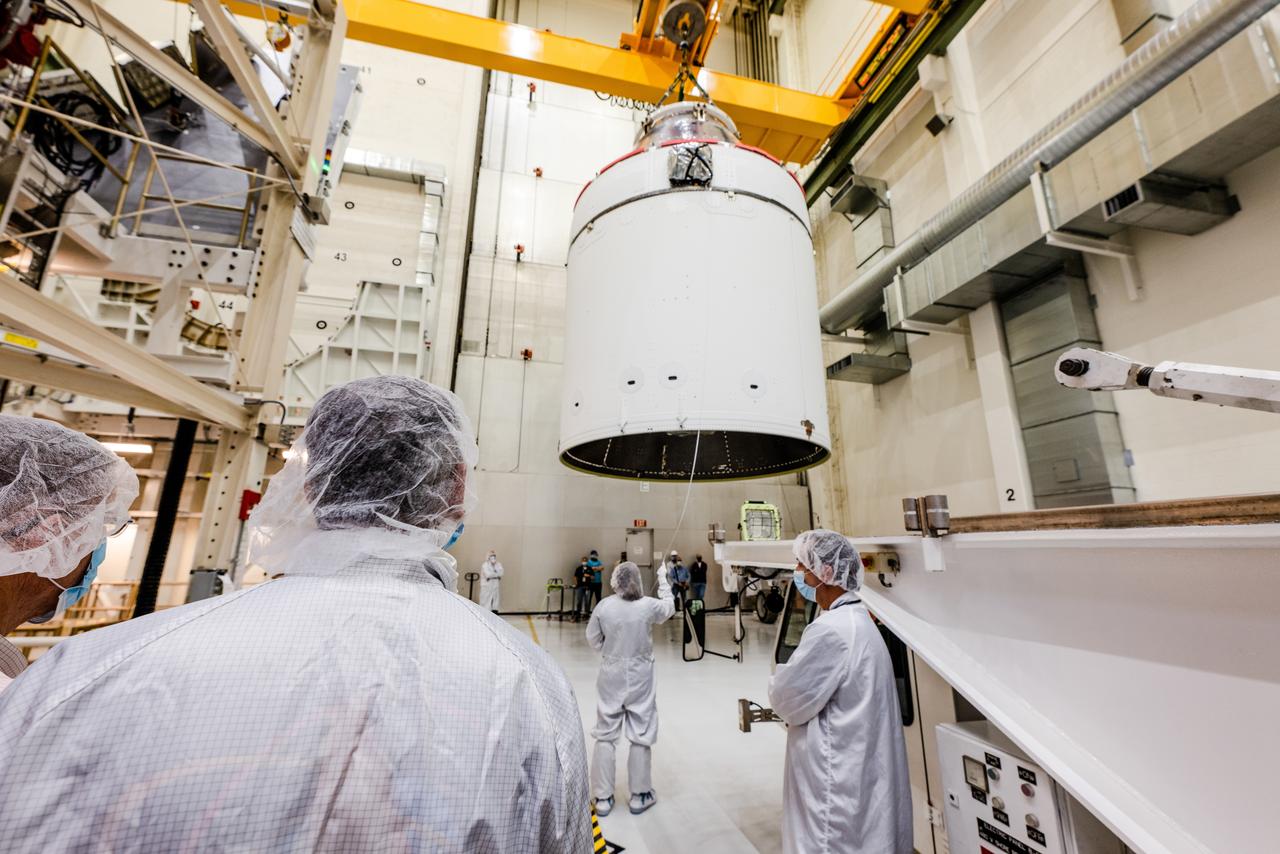
The Artemis I Orion spacecraft is moved out of the Final Assembly And Test (FAST) cell at Neil Armstrong Operations and Checkout Building at Kennedy Space Center in preparation for transport to Multi Payload Processing Facility on Jan. 14, 2021.
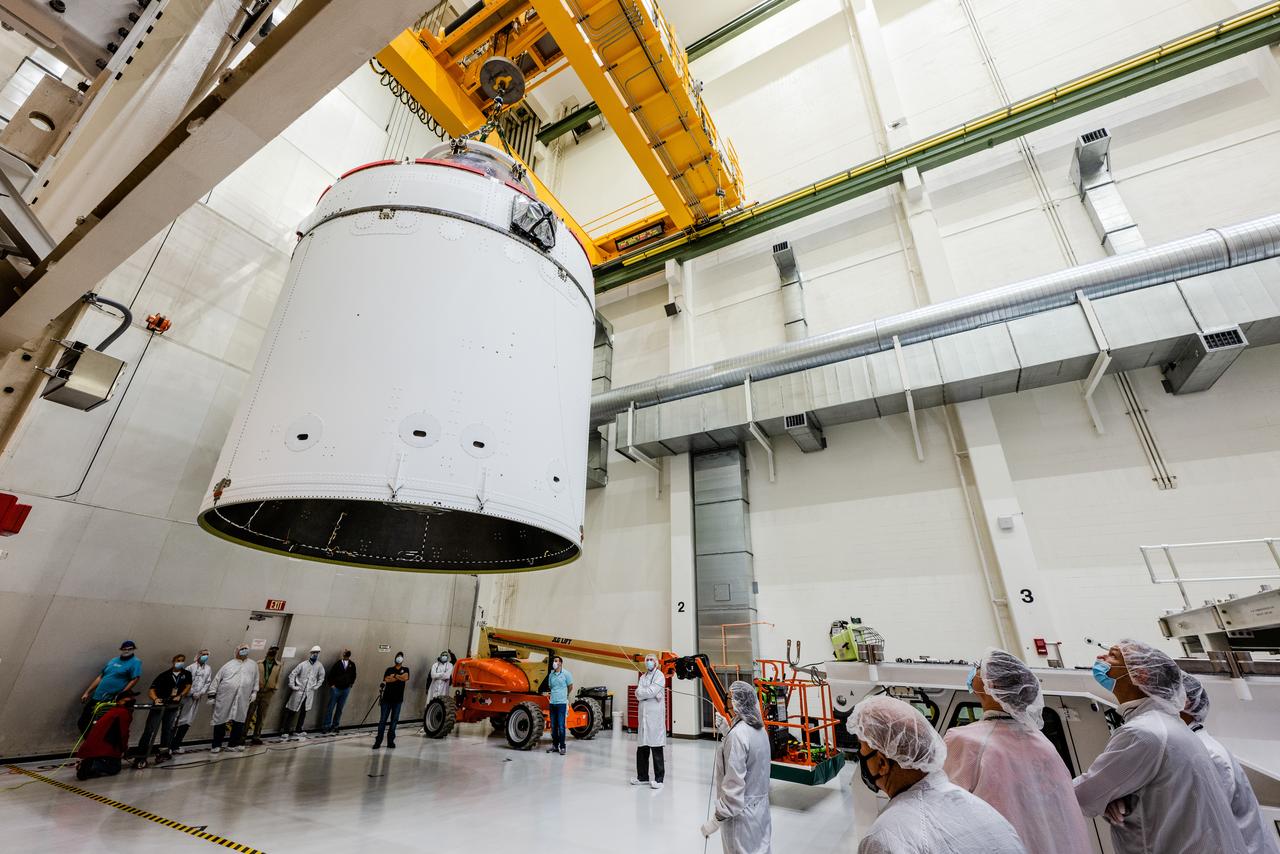
The Artemis I Orion spacecraft is moved out of the Final Assembly And Test (FAST) cell at Neil Armstrong Operations and Checkout Building at Kennedy Space Center in preparation for transport to Multi Payload Processing Facility on Jan. 14, 2021.
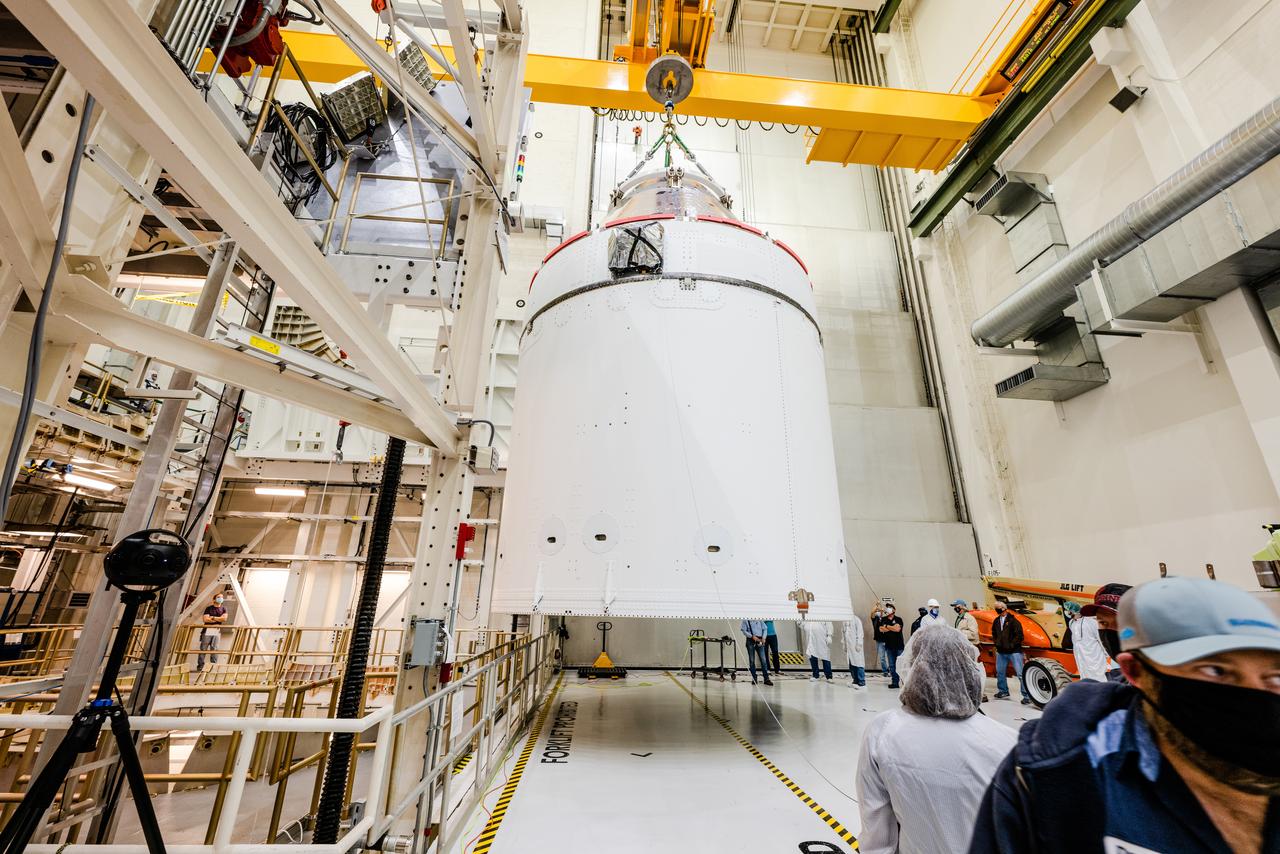
The Artemis I Orion spacecraft is moved out of the Final Assembly And Test (FAST) cell at Neil Armstrong Operations and Checkout Building at Kennedy Space Center in preparation for transport to Multi Payload Processing Facility on Jan. 14, 2021.

The Artemis I Orion spacecraft is moved out of the Final Assembly And Test (FAST) cell at Neil Armstrong Operations and Checkout Building at Kennedy Space Center in preparation for transport to Multi Payload Processing Facility on Jan. 14, 2021.
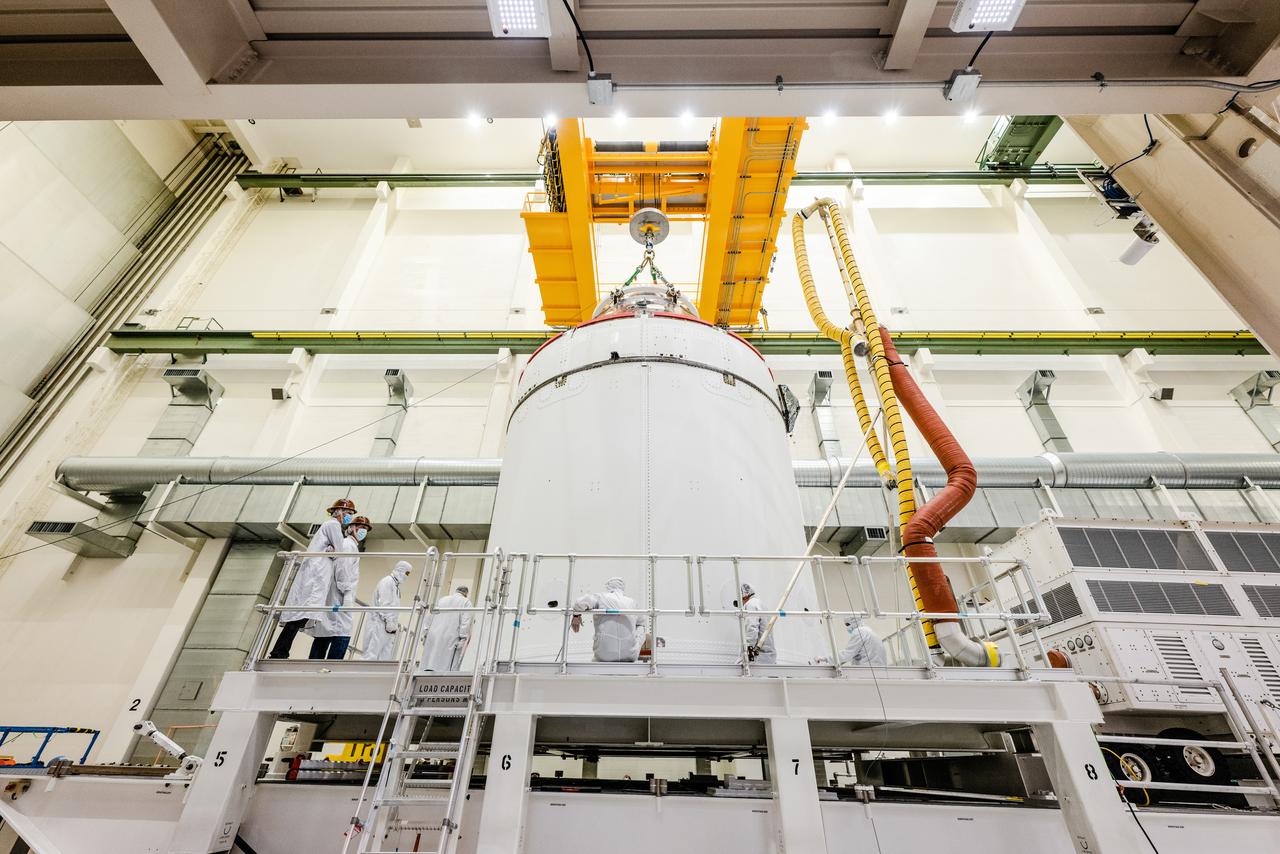
The Artemis I Orion spacecraft is moved out of the Final Assembly And Test (FAST) cell at Neil Armstrong Operations and Checkout Building at Kennedy Space Center in preparation for transport to Multi Payload Processing Facility on Jan. 14, 2021.
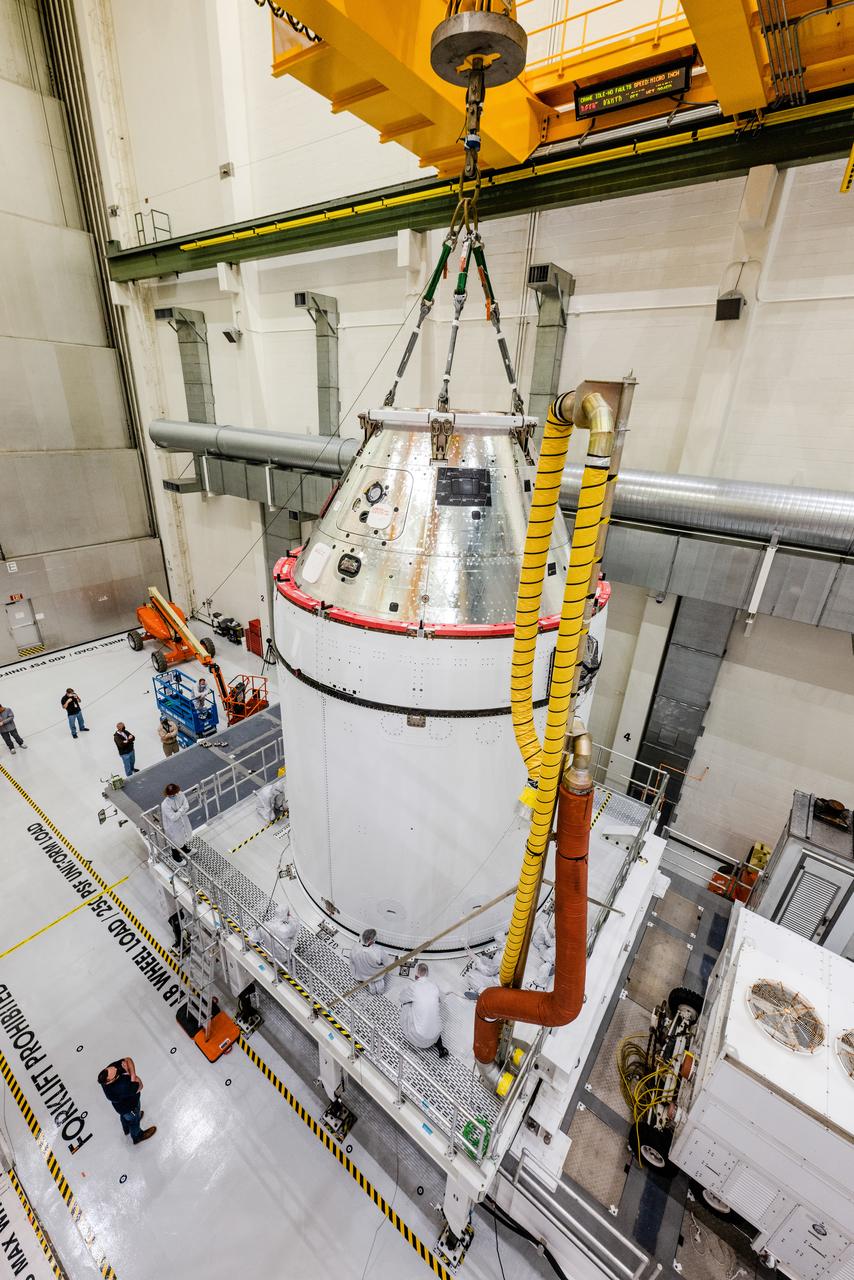
The Artemis I Orion spacecraft is moved out of the Final Assembly And Test (FAST) cell at Neil Armstrong Operations and Checkout Building at Kennedy Space Center in preparation for transport to Multi Payload Processing Facility on Jan. 14, 2021.
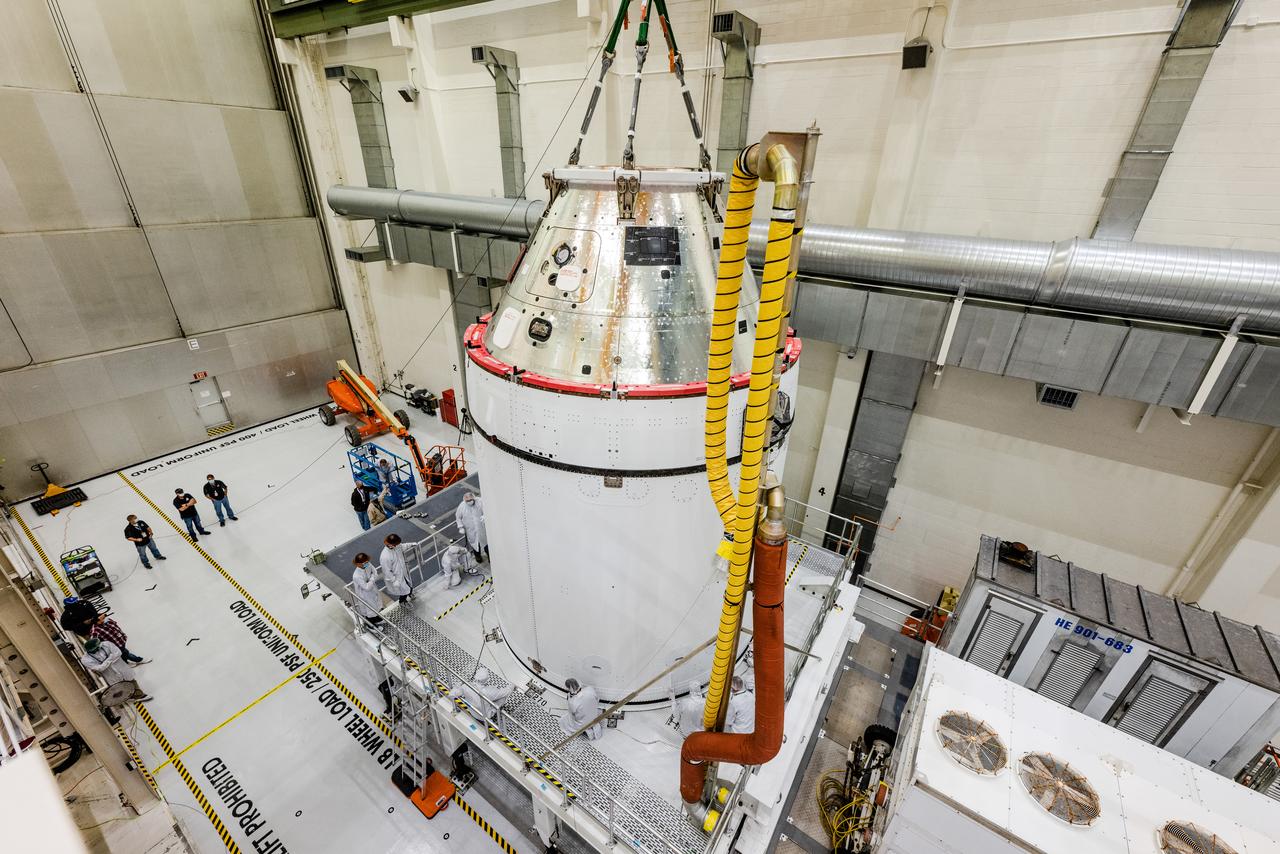
The Artemis I Orion spacecraft is moved out of the Final Assembly And Test (FAST) cell at Neil Armstrong Operations and Checkout Building at Kennedy Space Center in preparation for transport to Multi Payload Processing Facility on Jan. 14, 2021.

This graphic compares the atmospheric circulations of Earth and Jupiter. Earth contains one Ferrel cell (a mid-latitudinal cell where air flows poleward and eastward at the surface, and equatorward and westward at higher altitudes). On Jupiter, the circulation cells are depicted in aqua, and underlying jets streams in the pink region. The jet streams are characteristic for all depths associated with the cells. Jupiter has eight Ferrel-like cells in the north and eight in the south, due to its large size and fast rotation. Each of these cells on Jupiter is at least 30 times larger than the equivalent cell on Earth. The main difference between the Jovian and terrestrial cells is that on Earth, the cell ends at the surface, while on gaseous Jupiter, it penetrates into the deeper layers of the atmosphere. Due to measuring limitations, it has yet to be determined how deep these cells extend. https://photojournal.jpl.nasa.gov/catalog/PIA24965
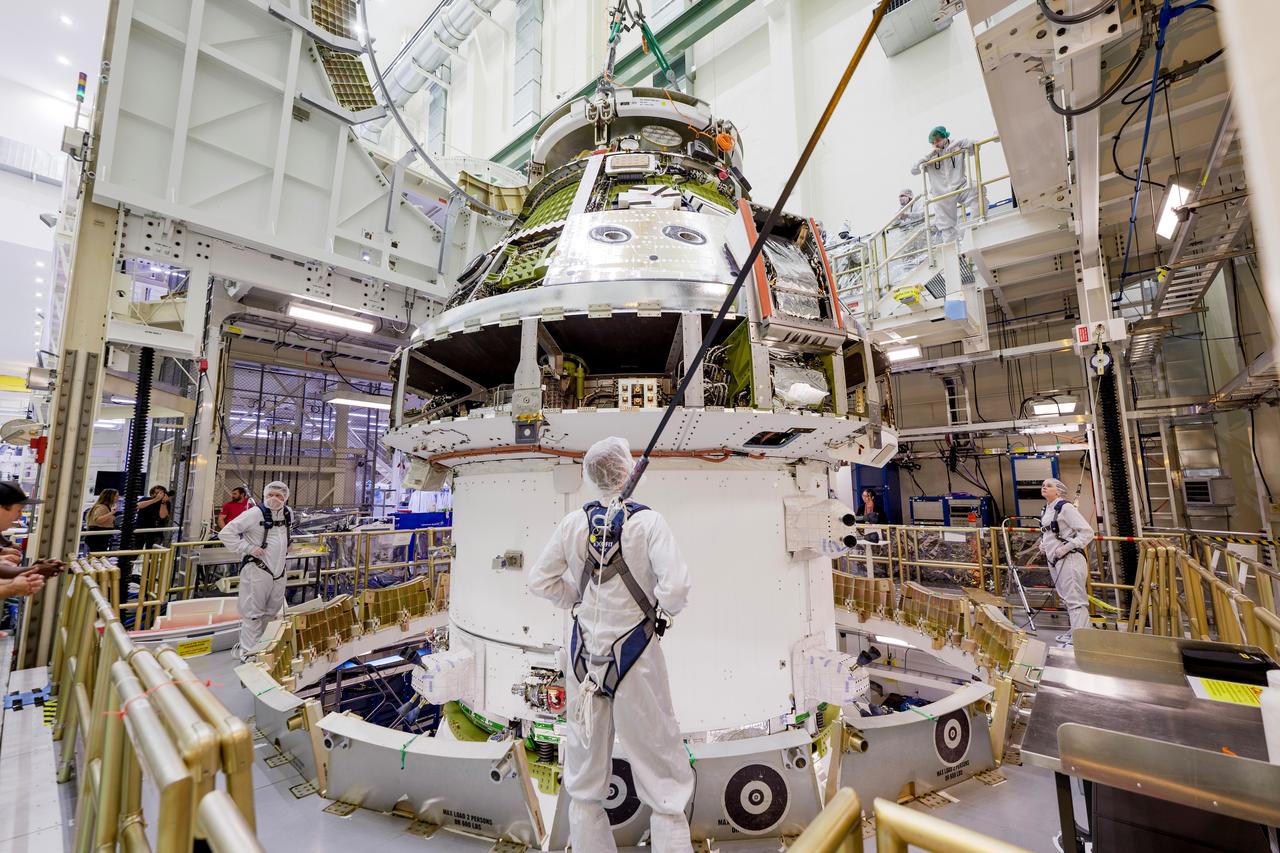
The Artemis II Orion spacecraft is lifted from the Final Assembly and Testing (FAST) Cell and placed in the west altitude chamber inside the Operations and Checkout Building at NASA’S Kennedy Space Center in Florida on June 28, 2024. Inside the altitude chamber, the spacecraft underwent a series of tests simulating deep space vacuum conditions. Photo Credit: NASA / Rad Sinyak
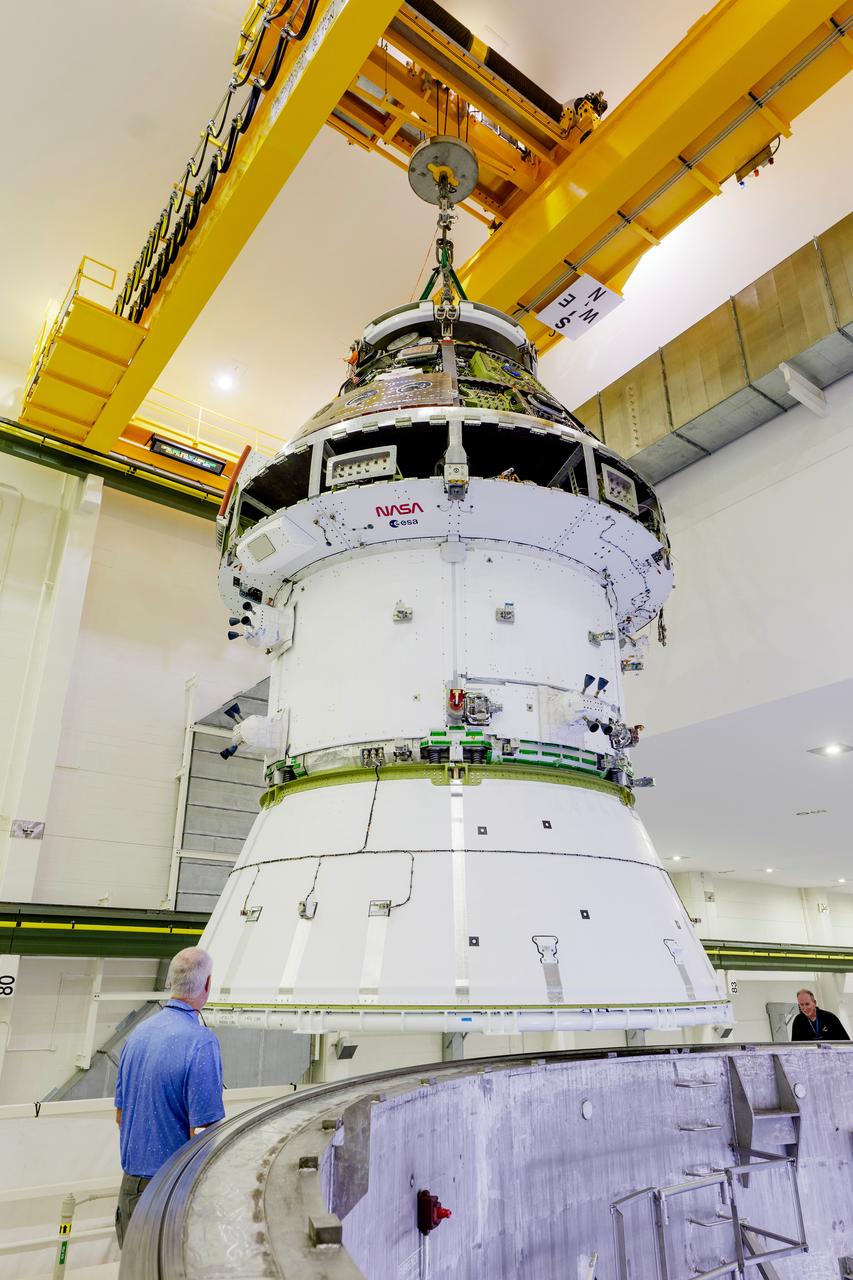
The Artemis II Orion spacecraft is lifted from the Final Assembly and Testing (FAST) Cell and placed in the west altitude chamber inside the Operations and Checkout Building at NASA’S Kennedy Space Center in Florida on June 28, 2024. Inside the altitude chamber, the spacecraft underwent a series of tests simulating deep space vacuum conditions. Photo Credit: NASA / Rad Sinyak
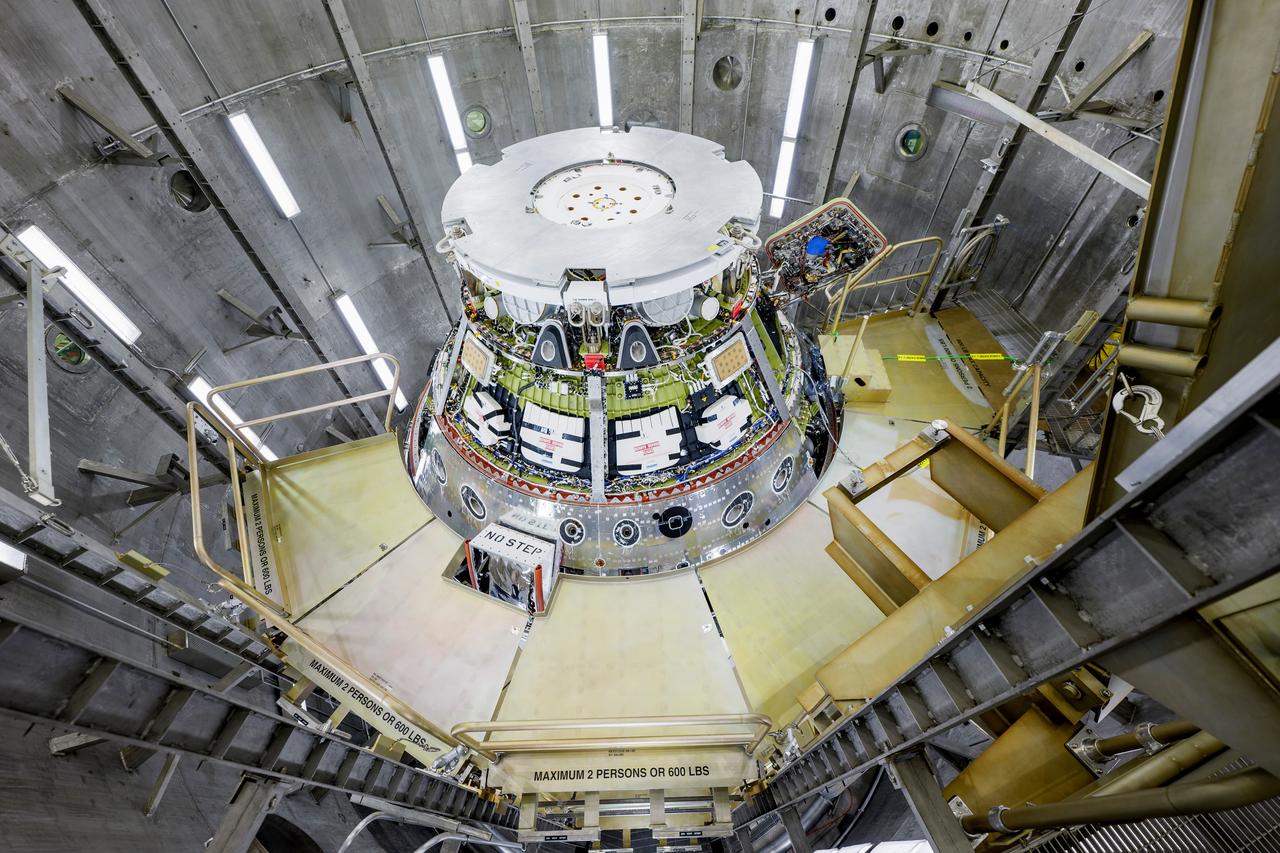
The Artemis II Orion spacecraft is lifted from the Final Assembly and System Testing (FAST) Cell and placed in the west altitude chamber inside the Operations and Checkout Building at NASA’S Kennedy Space Center in Florida on June 28, 2024. Inside the altitude chamber, the spacecraft underwent a series of tests simulating deep space vacuum conditions. Photo Credit: NASA / Rad Sinyak
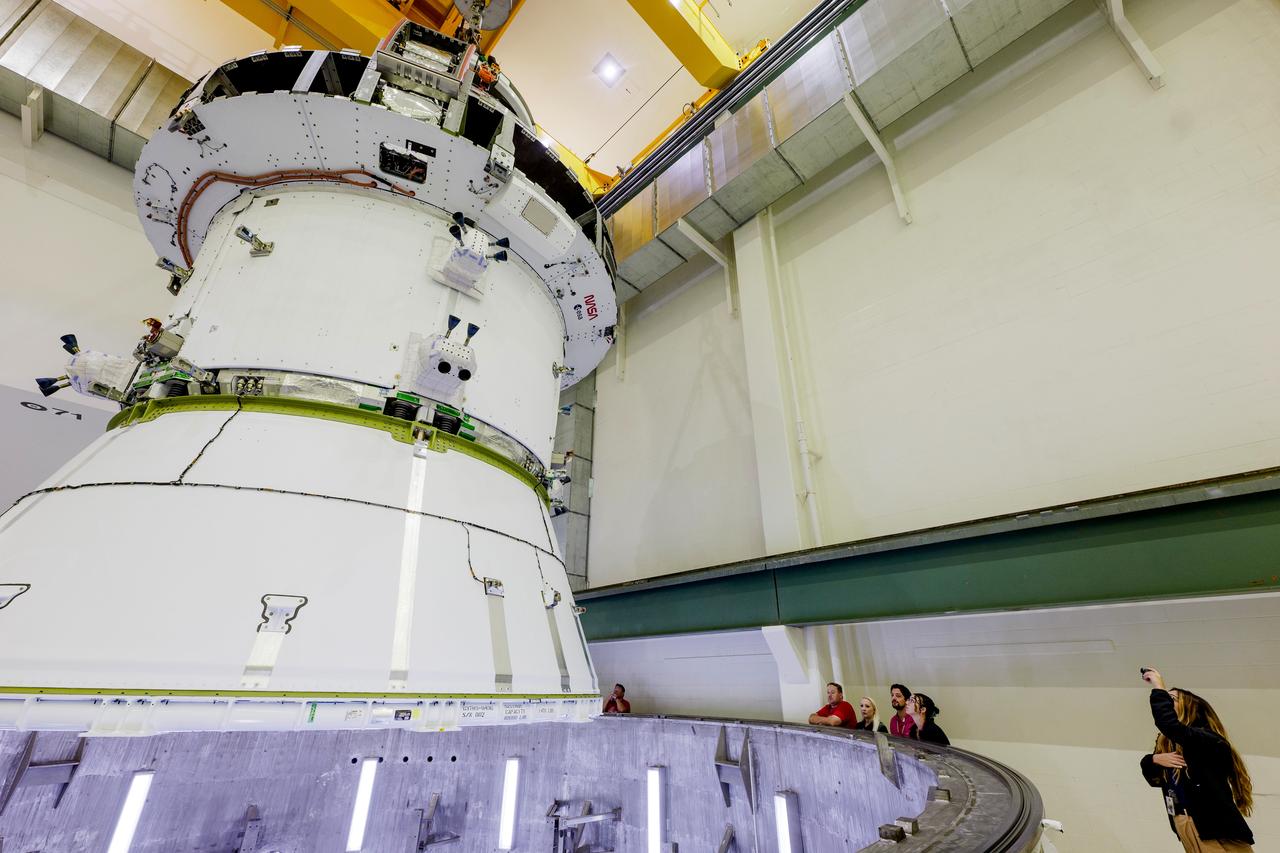
The Artemis II Orion spacecraft is lifted from the Final Assembly and Testing (FAST) Cell and placed in the west altitude chamber inside the Operations and Checkout Building at NASA’S Kennedy Space Center in Florida on June 28, 2024. Inside the altitude chamber, the spacecraft underwent a series of tests simulating deep space vacuum conditions. Photo Credit: NASA / Rad Sinyak

The Artemis II Orion spacecraft is lifted from the Final Assembly and Testing (FAST) Cell and placed in the west altitude chamber inside the Operations and Checkout Building at NASA’S Kennedy Space Center in Florida on June 28, 2024. Inside the altitude chamber, the spacecraft underwent a series of tests simulating deep space vacuum conditions. Photo Credit: NASA / Rad Sinyak
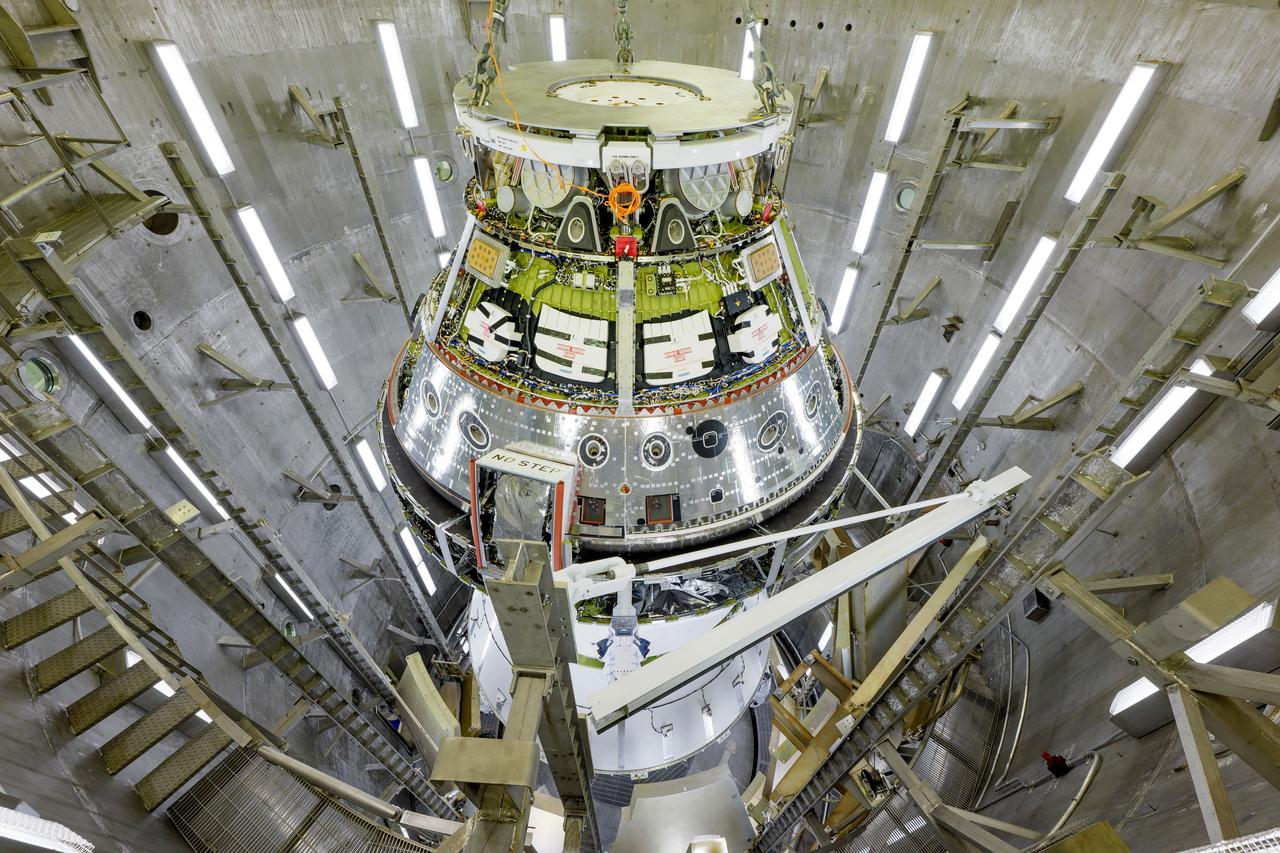
The Artemis II Orion spacecraft is lifted from the Final Assembly and System Testing (FAST) Cell and placed in the west altitude chamber inside the Operations and Checkout Building at NASA’S Kennedy Space Center in Florida on June 28, 2024. Inside the altitude chamber, the spacecraft underwent a series of tests simulating deep space vacuum conditions. Photo Credit: NASA / Rad Sinyak
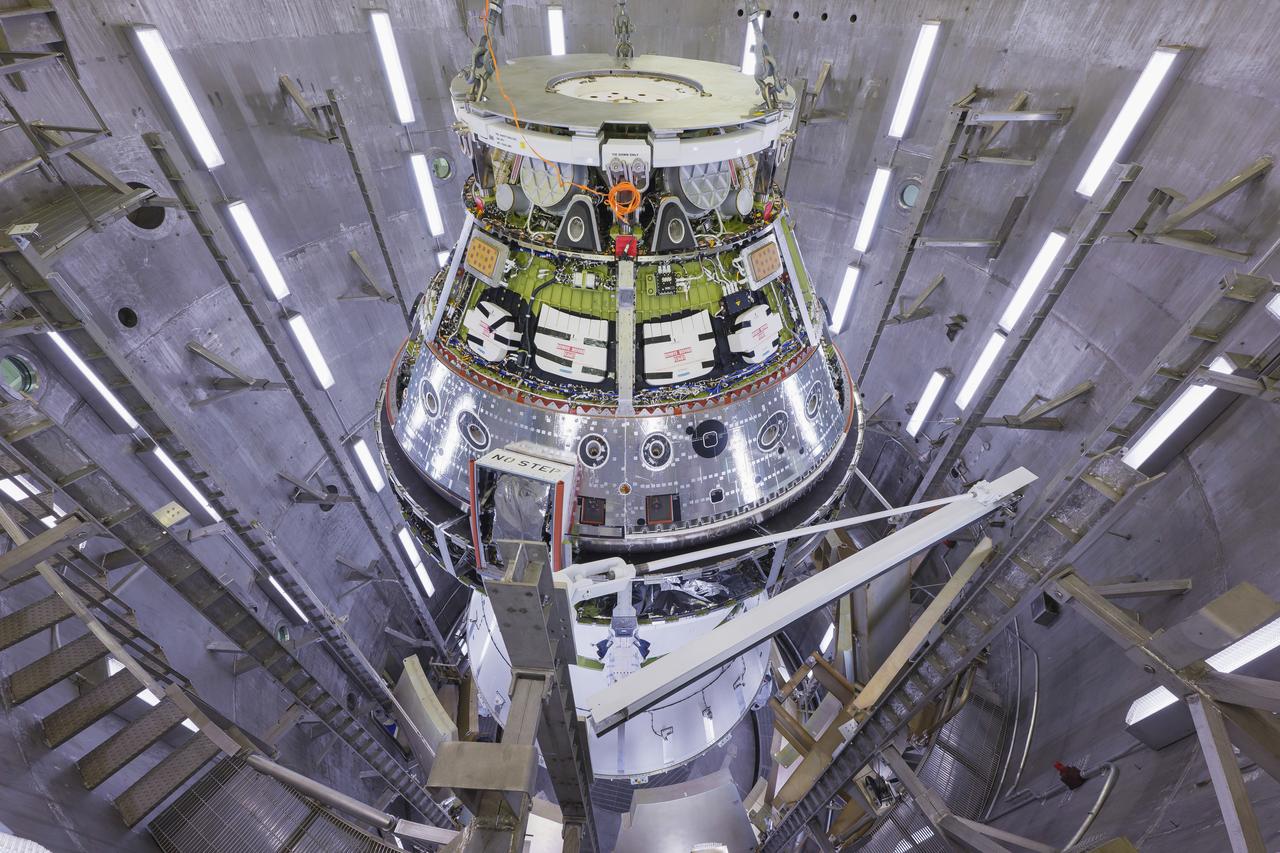
Technicians used a 30-ton crane to lift NASA’s Orion spacecraft on Friday, June 28, 2024, from the Final Assembly and System Testing (FAST) cell to the altitude chamber inside the Neil A. Armstrong Operations and Checkout building at NASA’s Kennedy Space Center in Florida. The spacecraft, which will be used for the Artemis II mission to orbit the Moon, underwent leak checks and end-to-end performance verification of the vehicle’s subsystems.
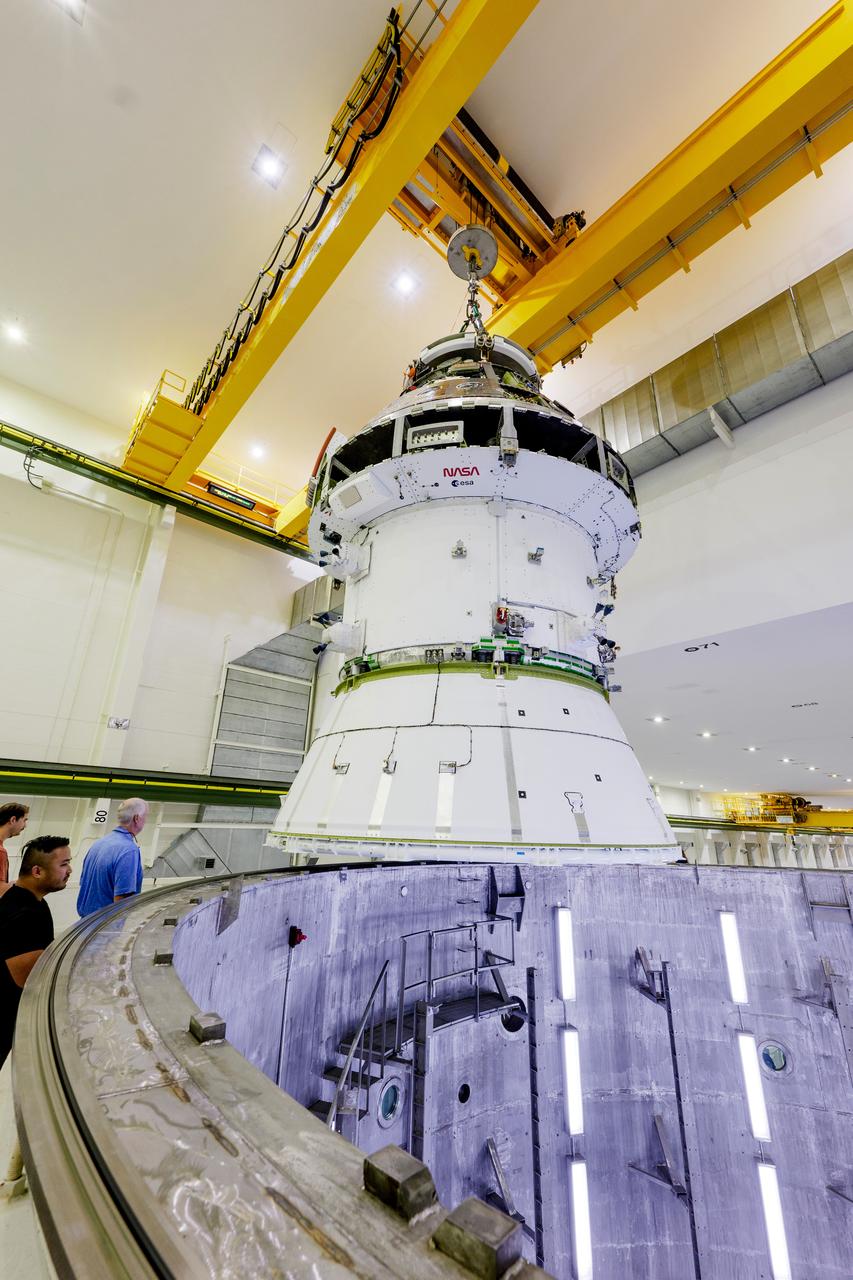
The Artemis II Orion spacecraft is lifted from the Final Assembly and Testing (FAST) Cell and placed in the west altitude chamber inside the Operations and Checkout Building at NASA’S Kennedy Space Center in Florida on June 28, 2024. Inside the altitude chamber, the spacecraft underwent a series of tests simulating deep space vacuum conditions. Photo Credit: NASA / Rad Sinyak
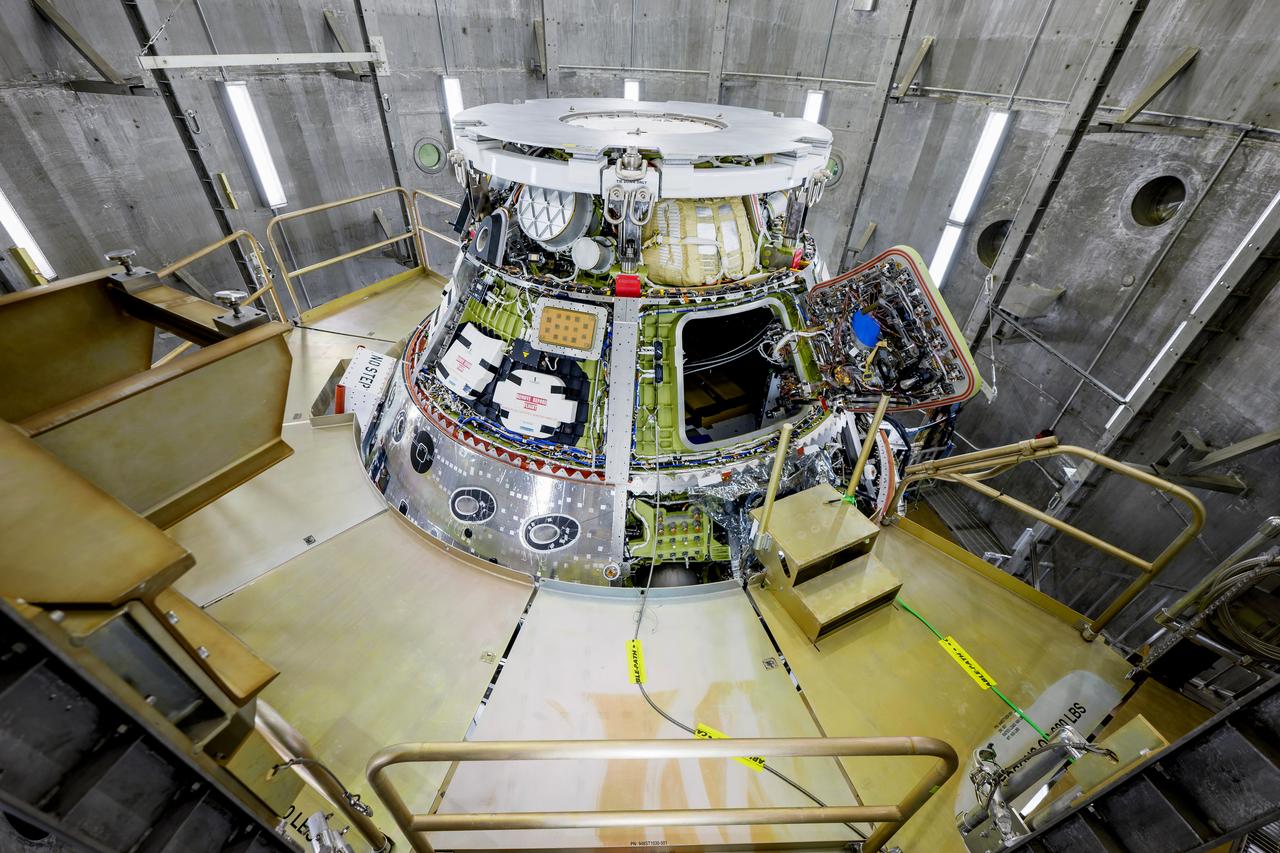
The Artemis II Orion spacecraft is lifted from the Final Assembly and Testing (FAST) Cell and placed in the west altitude chamber inside the Operations and Checkout Building at NASA’S Kennedy Space Center in Florida on June 28, 2024. Inside the altitude chamber, the spacecraft underwent a series of tests simulating deep space vacuum conditions. Photo Credit: NASA / Rad Sinyak
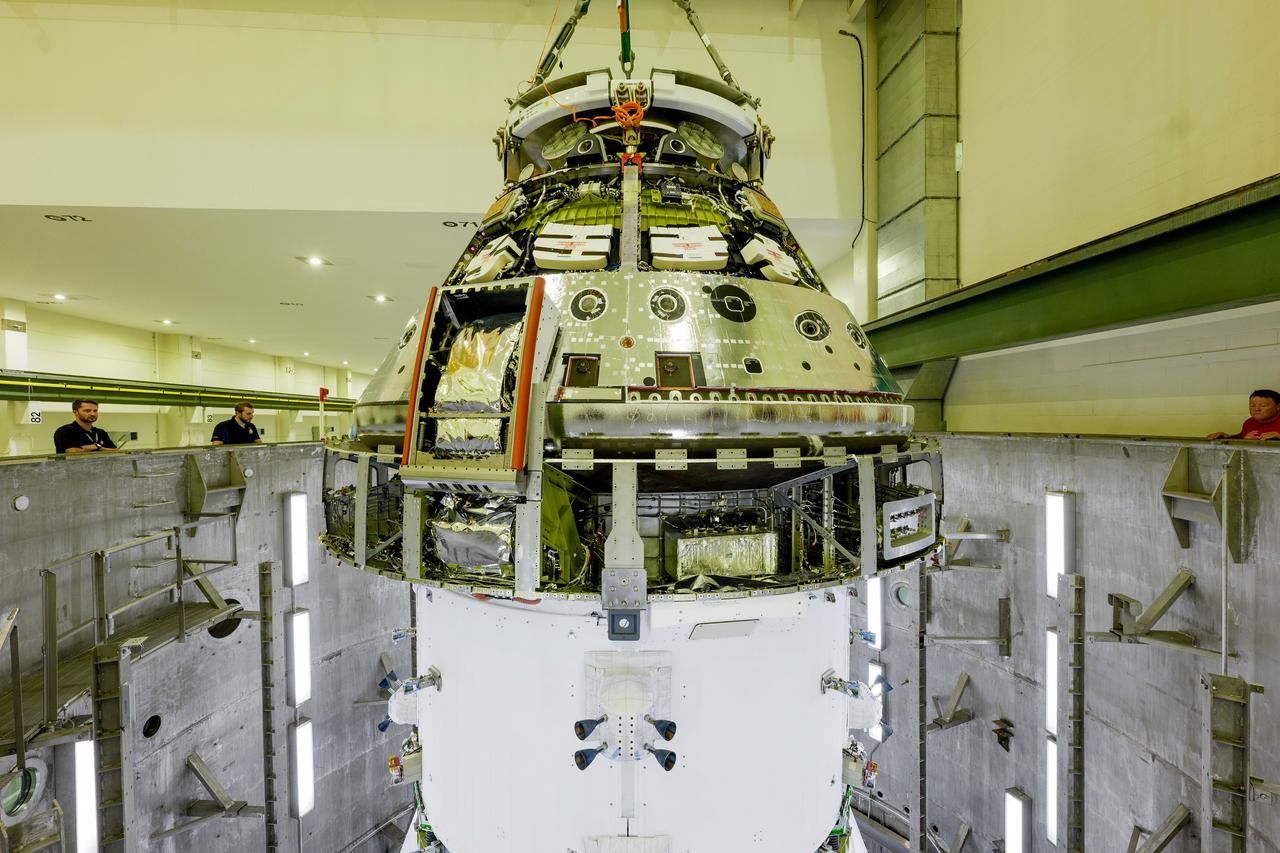
The Artemis II Orion spacecraft is lifted from the Final Assembly and Testing (FAST) Cell and placed in the west altitude chamber inside the Operations and Checkout Building at NASA’S Kennedy Space Center in Florida on June 28, 2024. Inside the altitude chamber, the spacecraft underwent a series of tests simulating deep space vacuum conditions. Photo Credit: NASA / Rad Sinyak
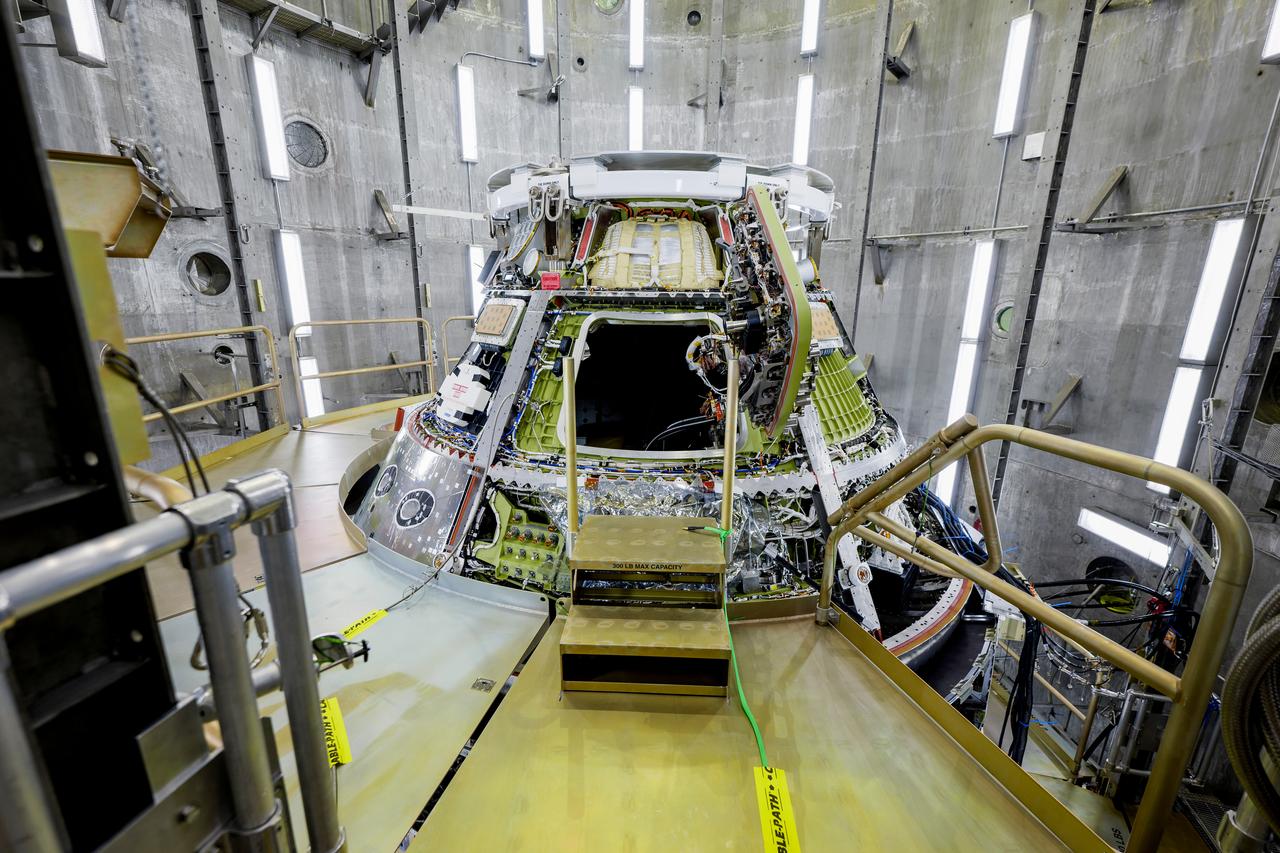
The Artemis II Orion spacecraft is lifted from the Final Assembly and Testing (FAST) Cell and placed in the west altitude chamber inside the Operations and Checkout Building at NASA’S Kennedy Space Center in Florida on June 28, 2024. Inside the altitude chamber, the spacecraft underwent a series of tests simulating deep space vacuum conditions. Photo Credit: NASA / Rad Sinyak