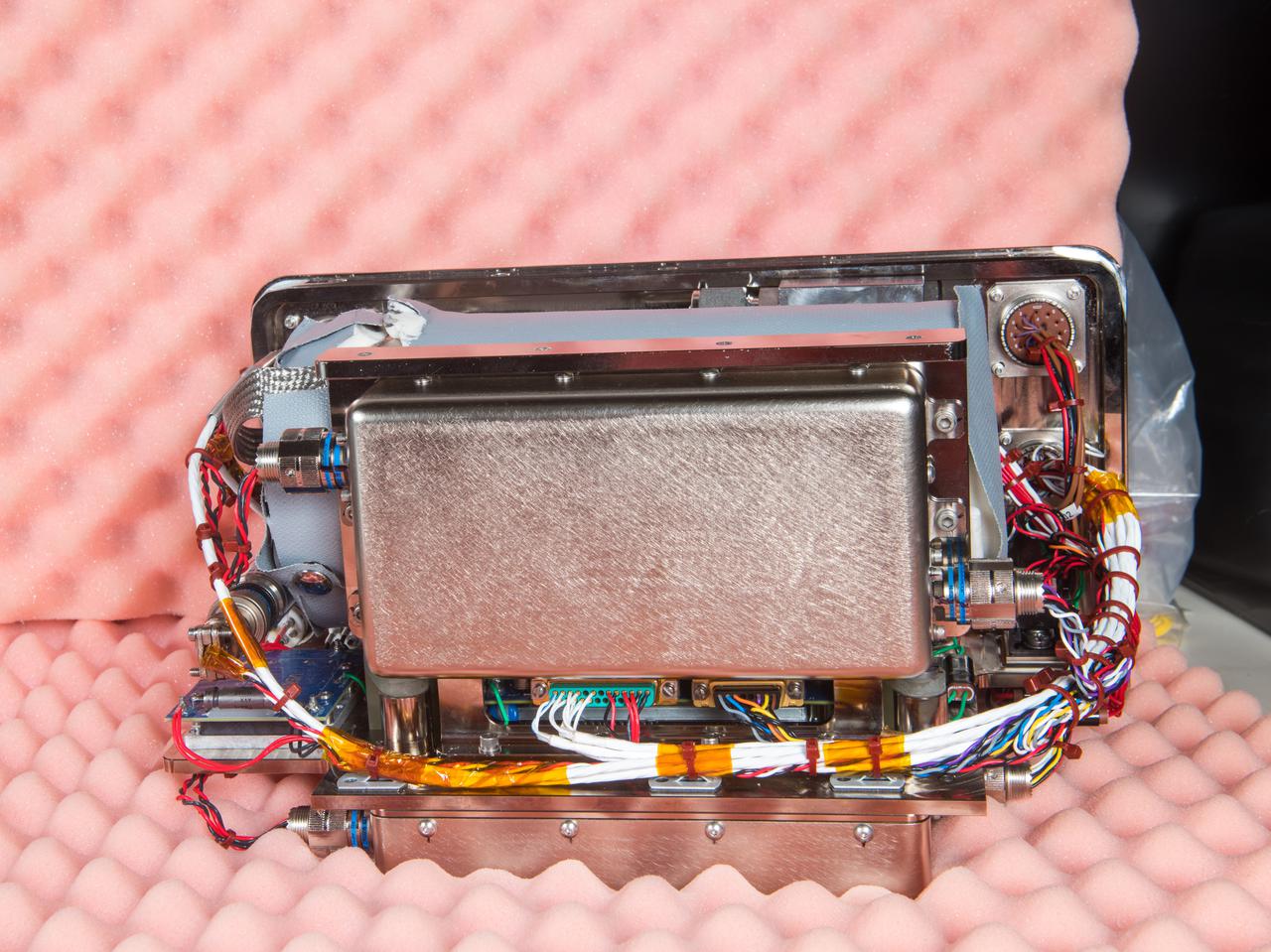
Flow Boiling and Condensation Experiment (FBCE) hardware
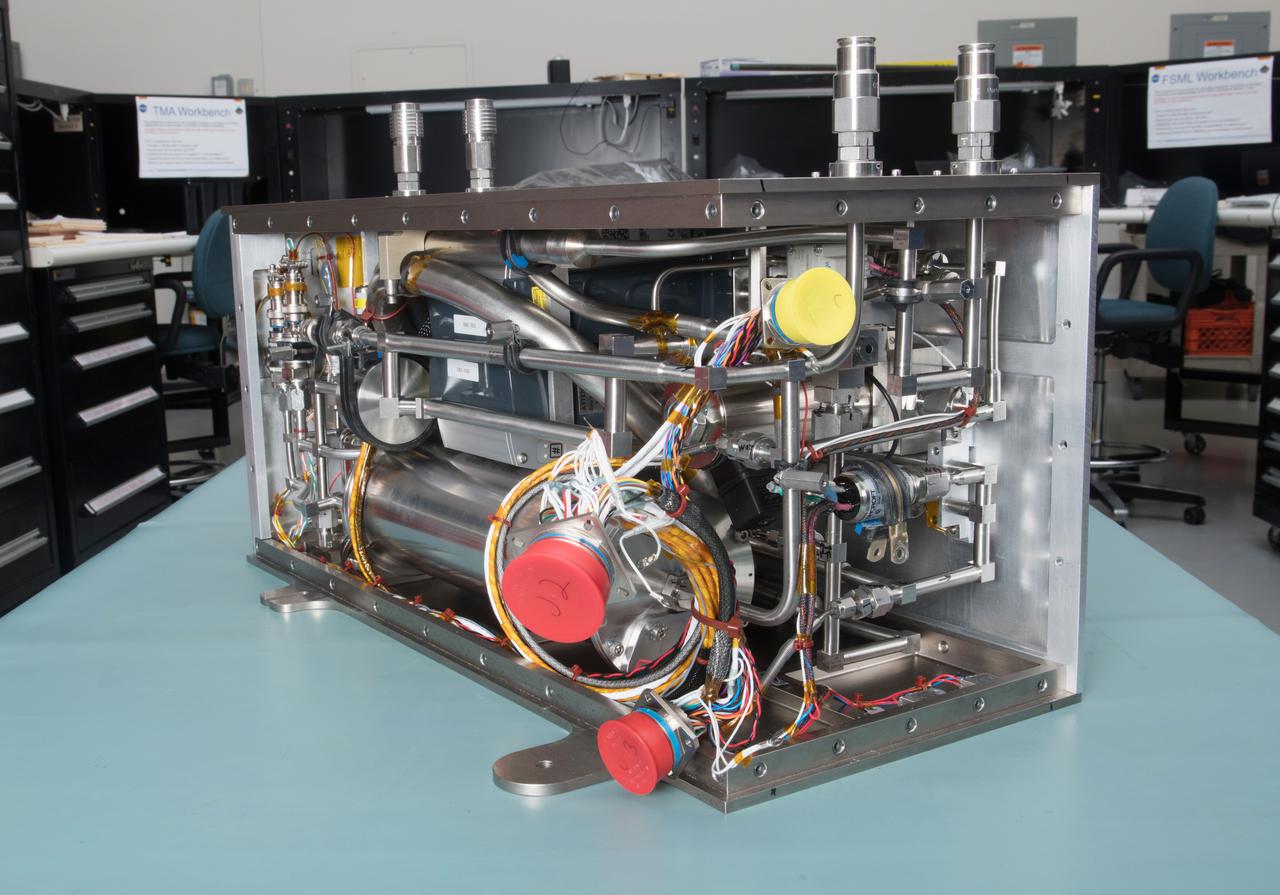
Flow Boiling and Condensation Experiment (FBCE) hardware
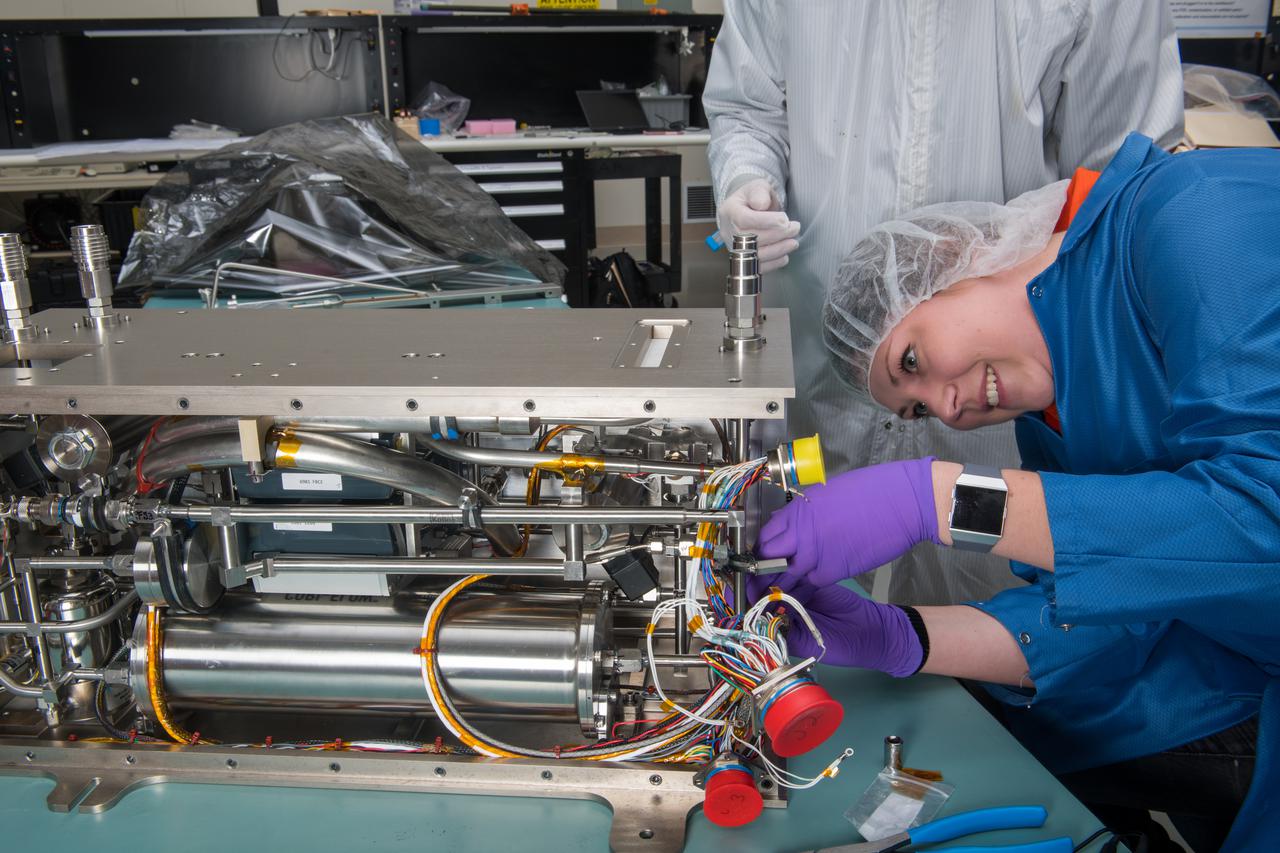
Flow Boiling and Condensation Experiment (FBCE) hardware. Project personnel perform engineering checks on the Fluid Module 1 prior to final hardware assembly.
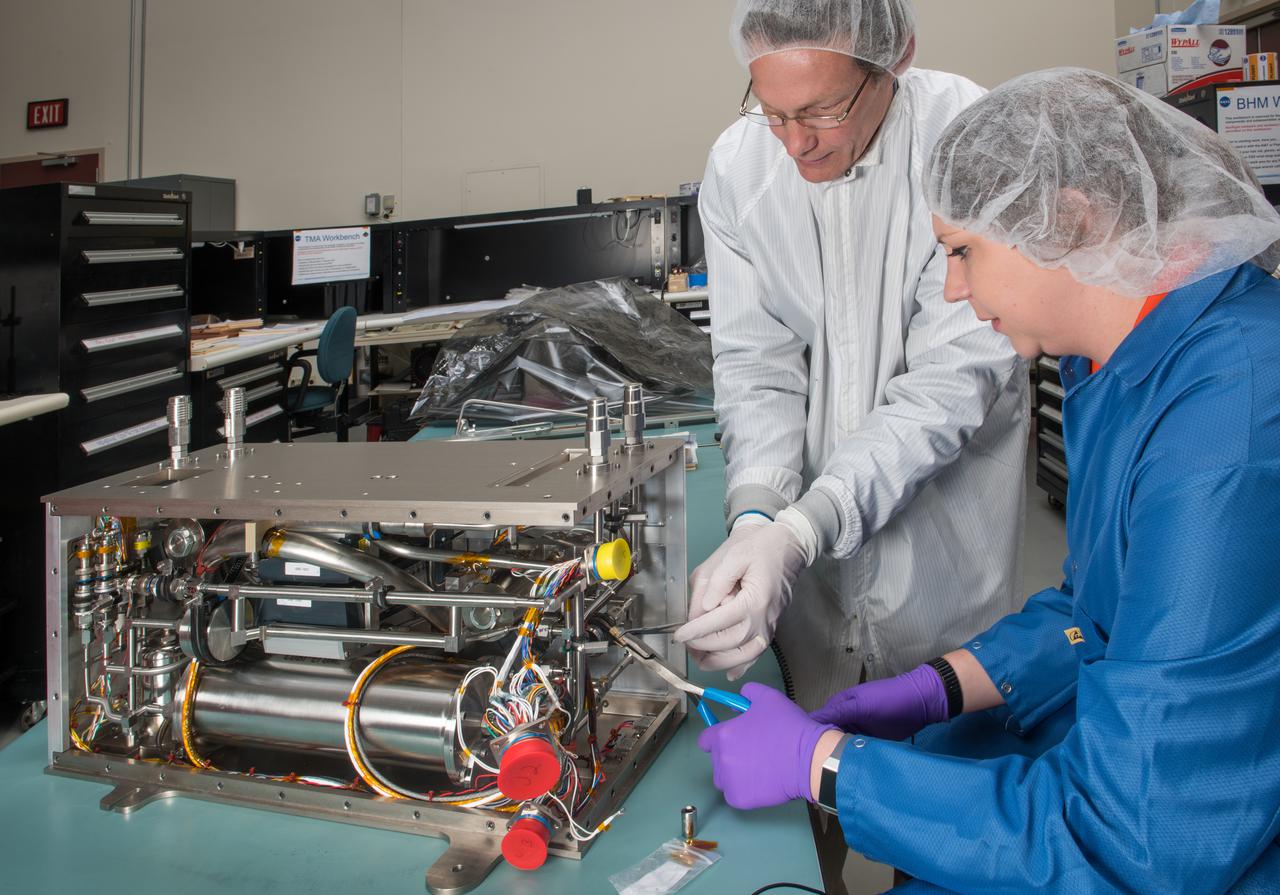
Flow Boiling and Condensation Experiment (FBCE) hardware. Project personnel perform engineering checks on the Fluid Module 1 prior to final hardware assembly.
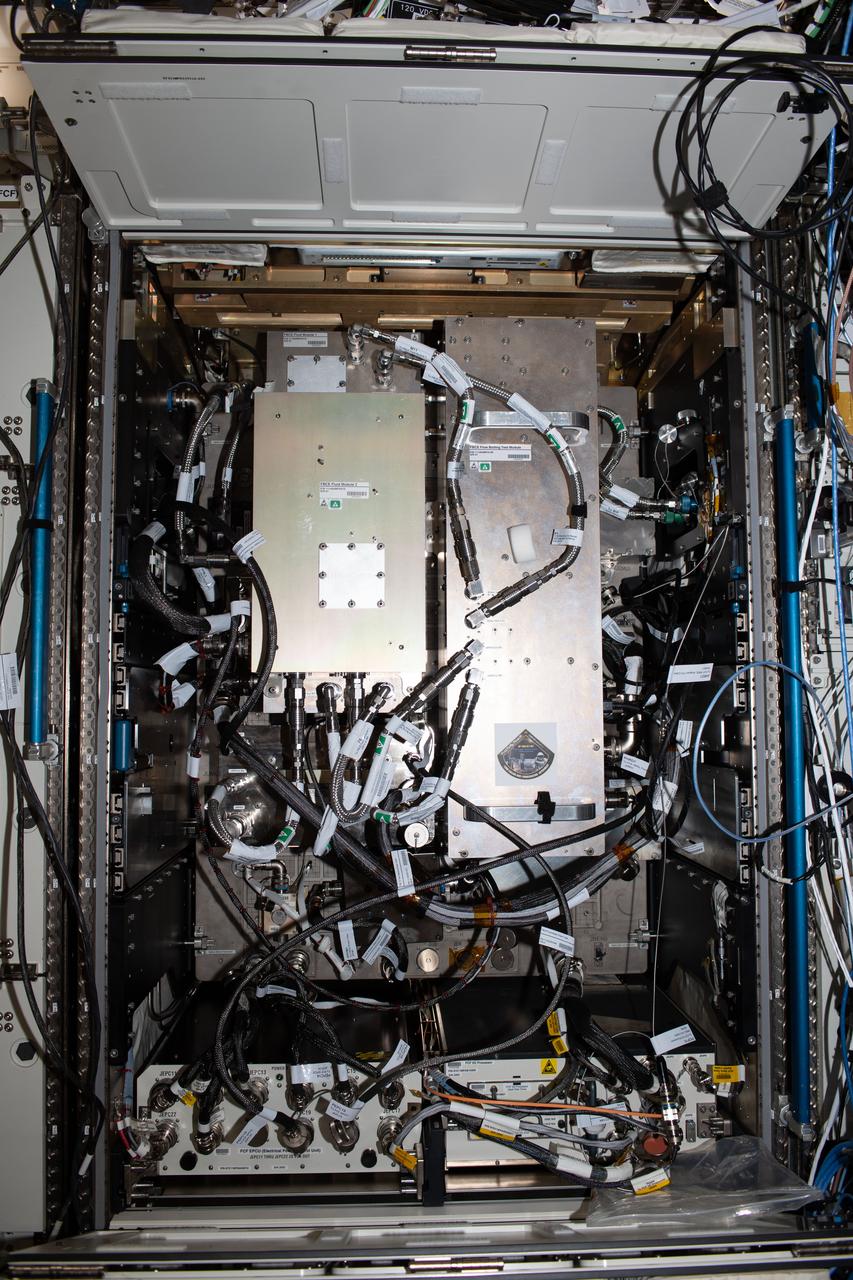
iss066e087939 (12/9/2021) --- A view of the Fluids and Combustion Facility (FCF), used for the Flow Boiling and Condensation Experiment (FBCE) during Expedition 66. The study may improve thermal systems for Earth and other planetary environments.
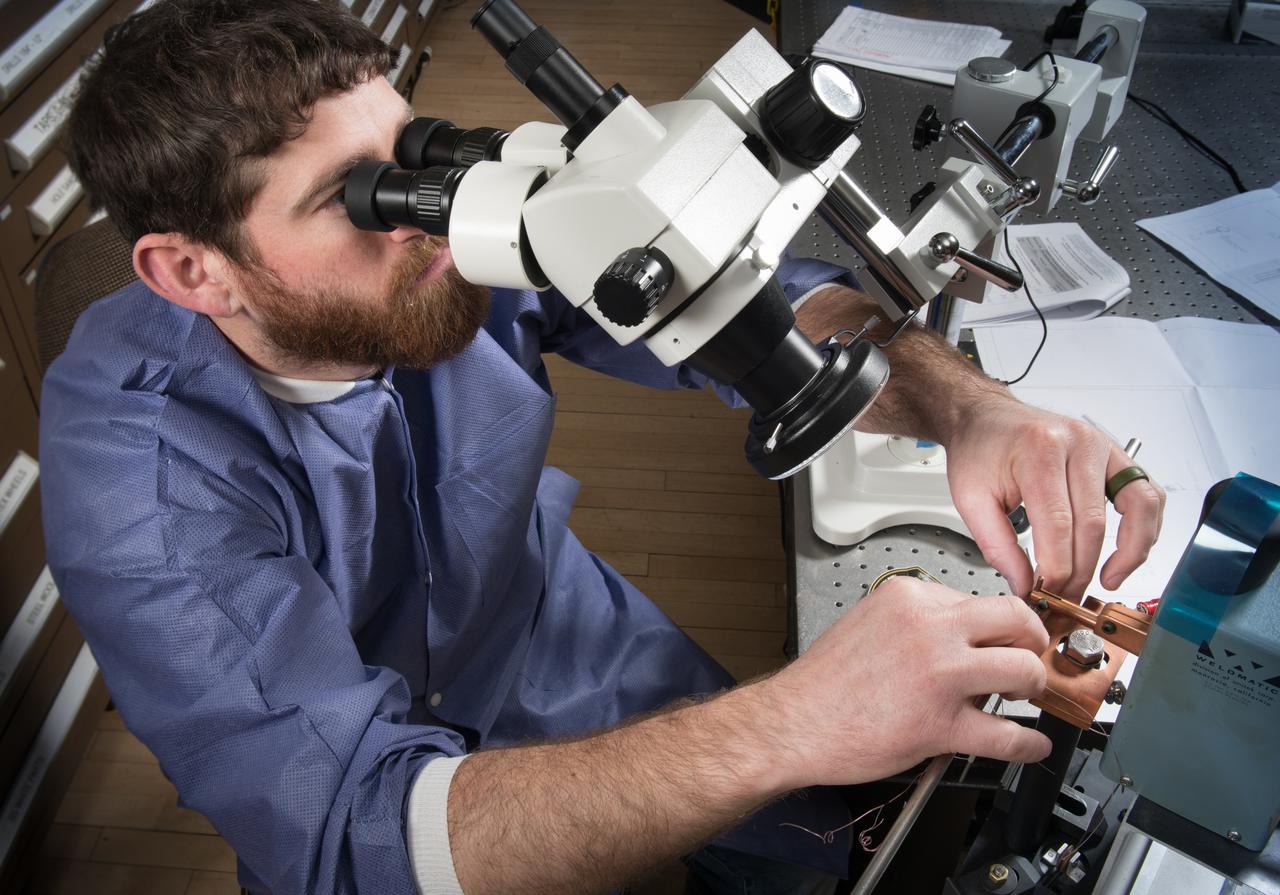
A technician in the Instrumentation Shop during the buildup of Flow Boiling Condensation Experiment, FBCE Micro Gravity Payload, Condensation Module – Heat Transfer, CM-HT, Test Section Hardware Fabrication
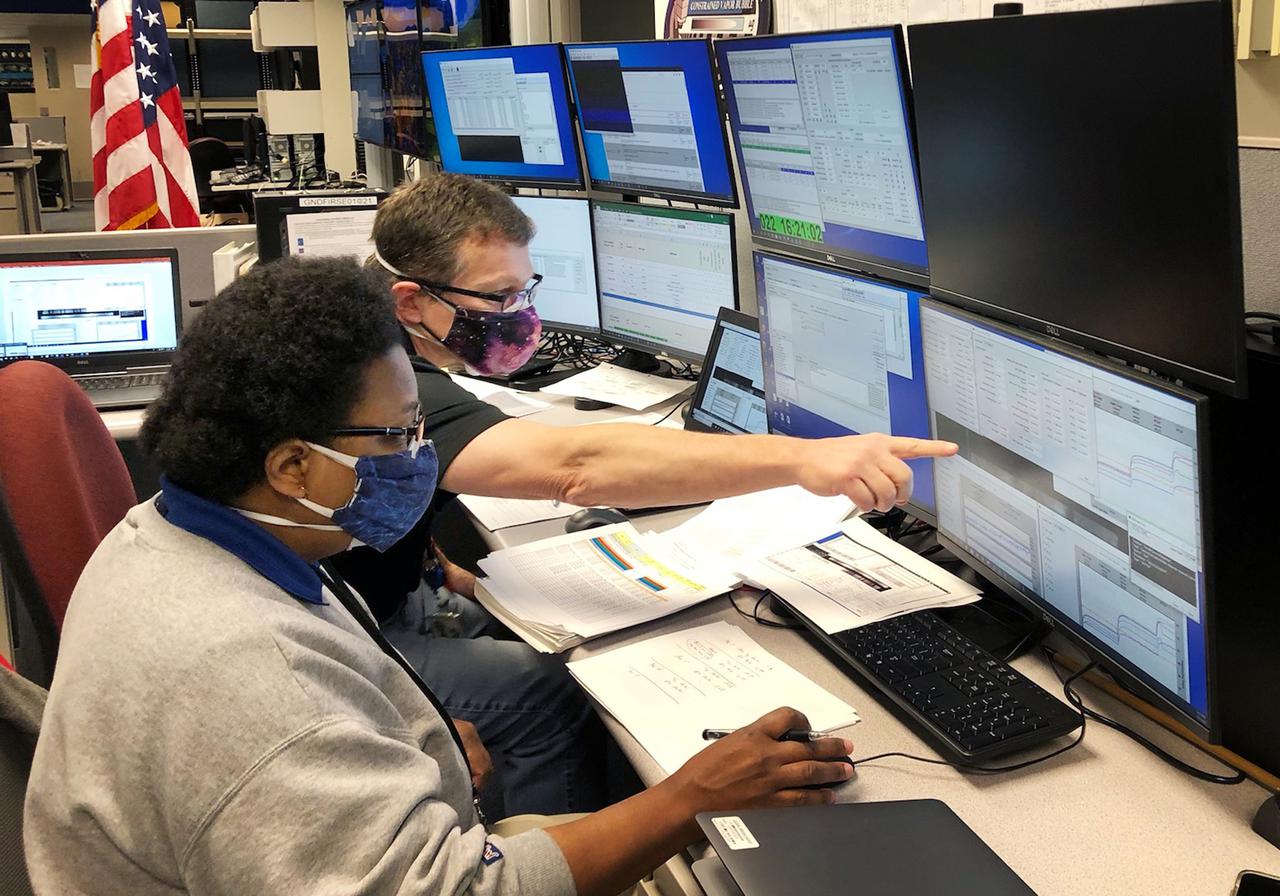
Fuel Boiling Convection Experiment, FBCE Mission Sequence Test
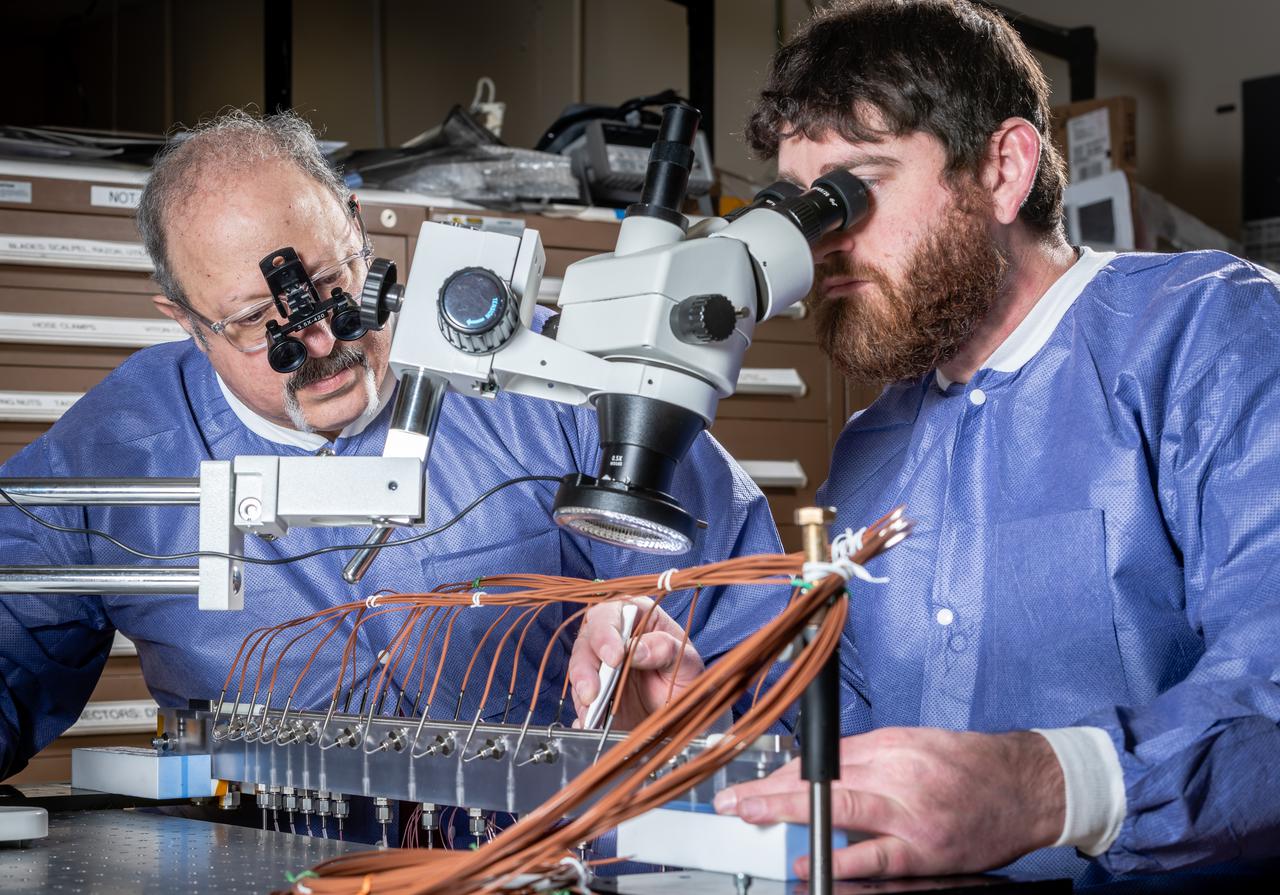
Flow Boiling Condensation Experiment, FBCE Micro Gravity Payload, Condensation Module – Heat Transfer (CM-HT) Test Section Hardware Fabrication
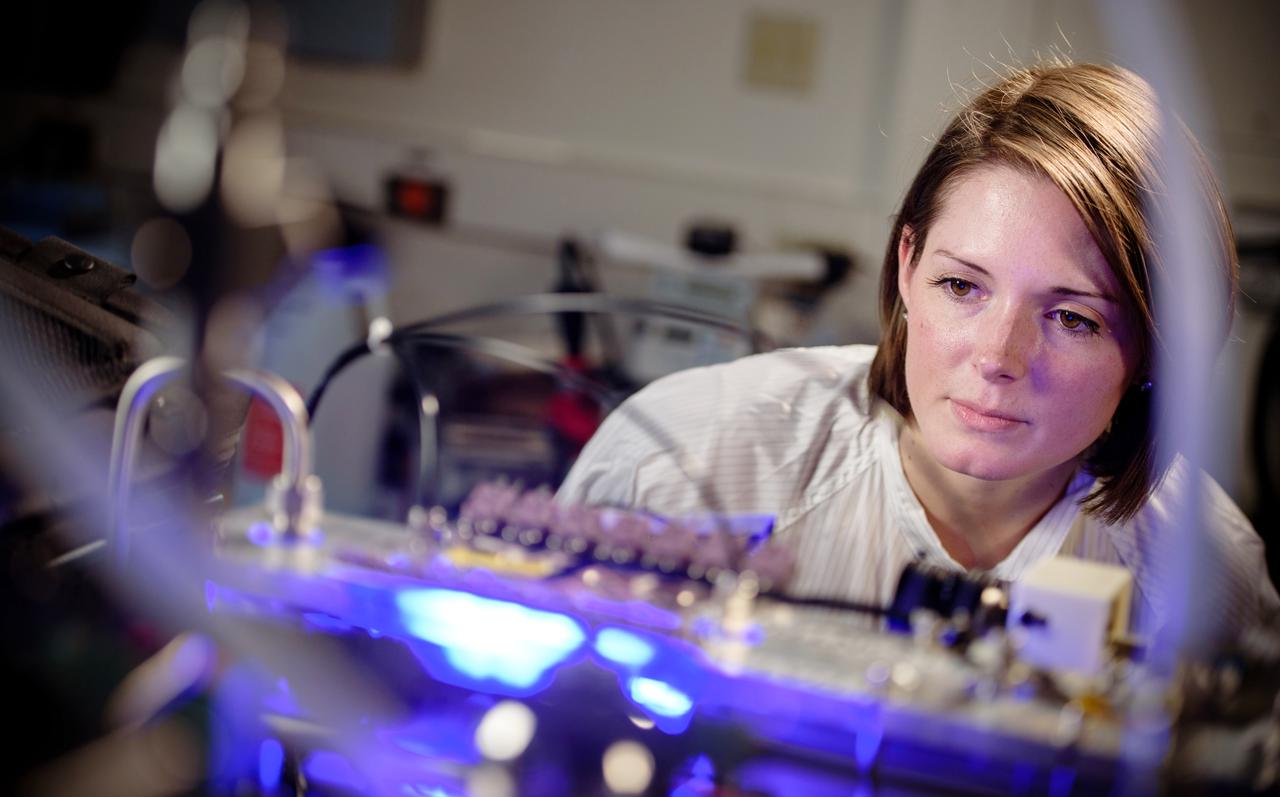
Grace Gaskin, an Aerospace Flight Systems Engineer Trainee, was sworn in as a civil servant in September 2017. After serving for 6 years in the U.S. Army she enrolled at Case Western Reserve University and will graduate in May 2018 with a degree in Chemical Engineering. As a Pathways Intern one of the many projects she has worked on is the Flow Boiling and Condensation Experiments (FBCE). The proposed research aims to develop an integrated two-phase flow boiling/condensation facility for the International Space Station (ISS) to serve as a primary platform for obtaining two-phase flow and heat transfer data in microgravity. By comparing the microgravity data against those obtained in Earth's gravity, it will be possible to ascertain the influence of body force on two-phase transport phenomena in pursuit of mechanistic models as well as correlations, and to help determine the minimum flow criteria to ensure gravity independent flow boiling and condensation.
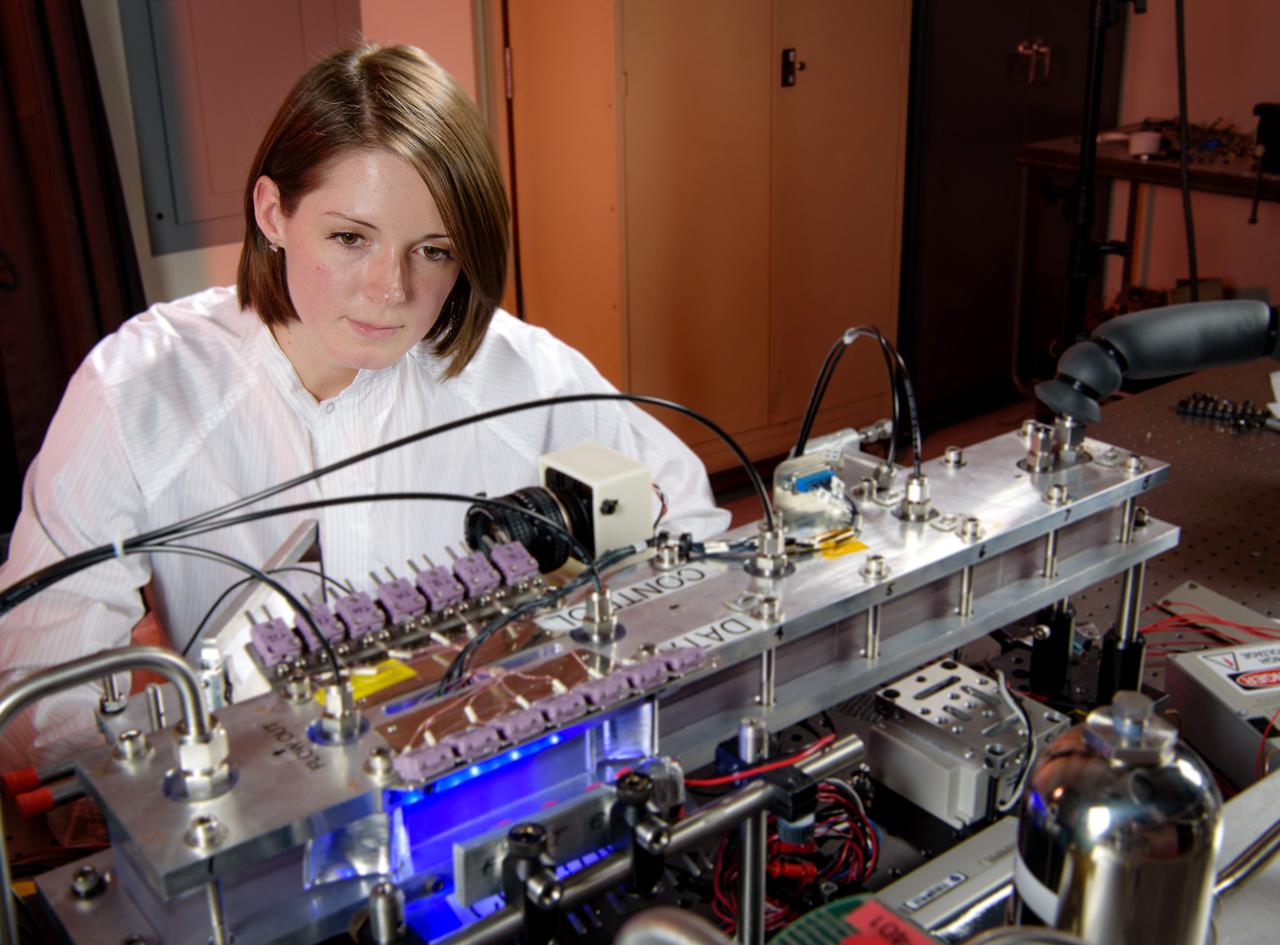
Grace Gaskin, an Aerospace Flight Systems Engineer Trainee, was sworn in as a civil servant in September 2017. After serving for 6 years in the U.S. Army she enrolled at Case Western Reserve University and will graduate in May 2018 with a degree in Chemical Engineering. As a Pathways Intern one of the many projects she has worked on is the Flow Boiling and Condensation Experiments (FBCE). The proposed research aims to develop an integrated two-phase flow boiling/condensation facility for the International Space Station (ISS) to serve as a primary platform for obtaining two-phase flow and heat transfer data in microgravity. By comparing the microgravity data against those obtained in Earth's gravity, it will be possible to ascertain the influence of body force on two-phase transport phenomena in pursuit of mechanistic models as well as correlations, and to help determine the minimum flow criteria to ensure gravity independent flow boiling and condensation.
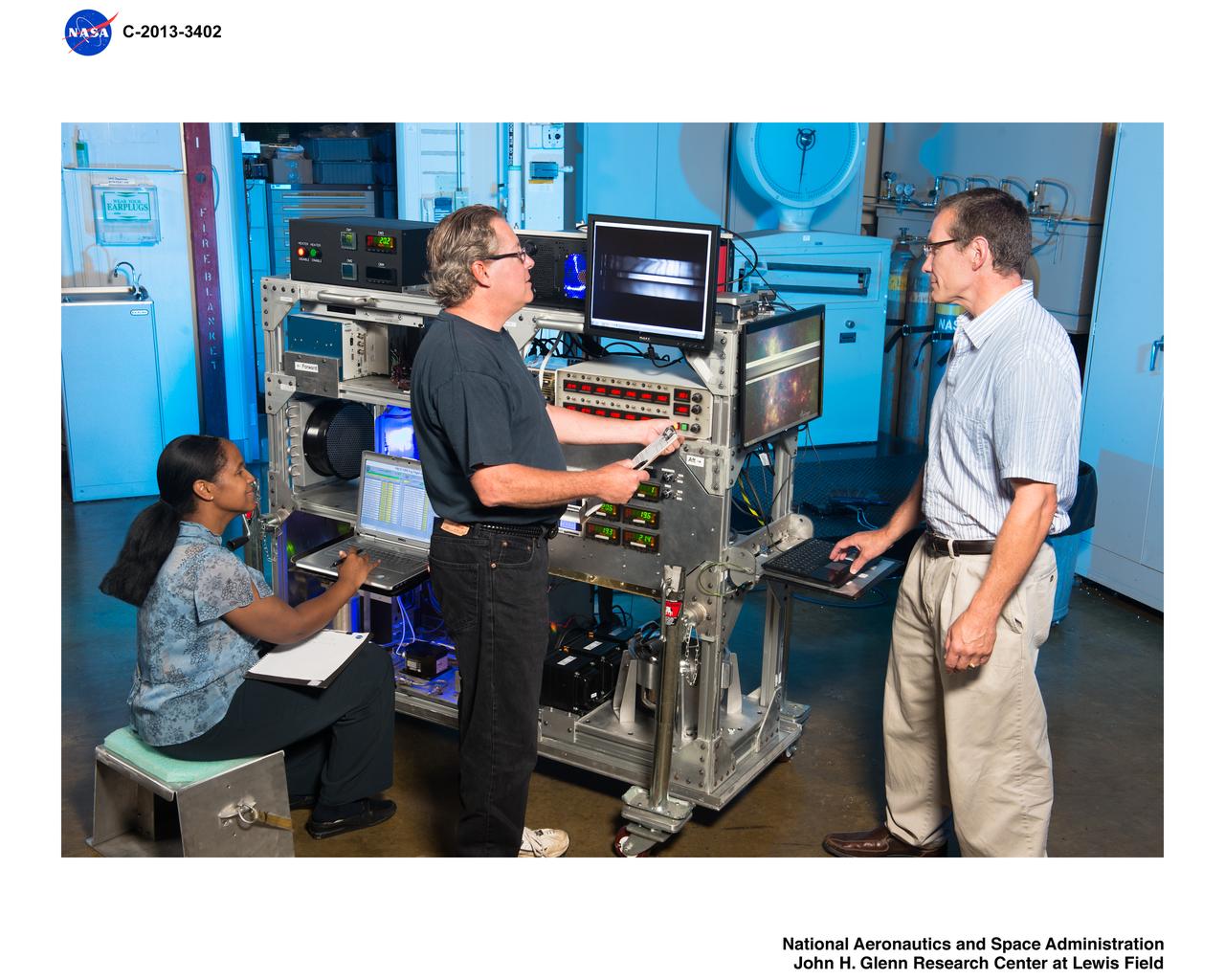
Flow Boiling Condensation Experiment, FBCE
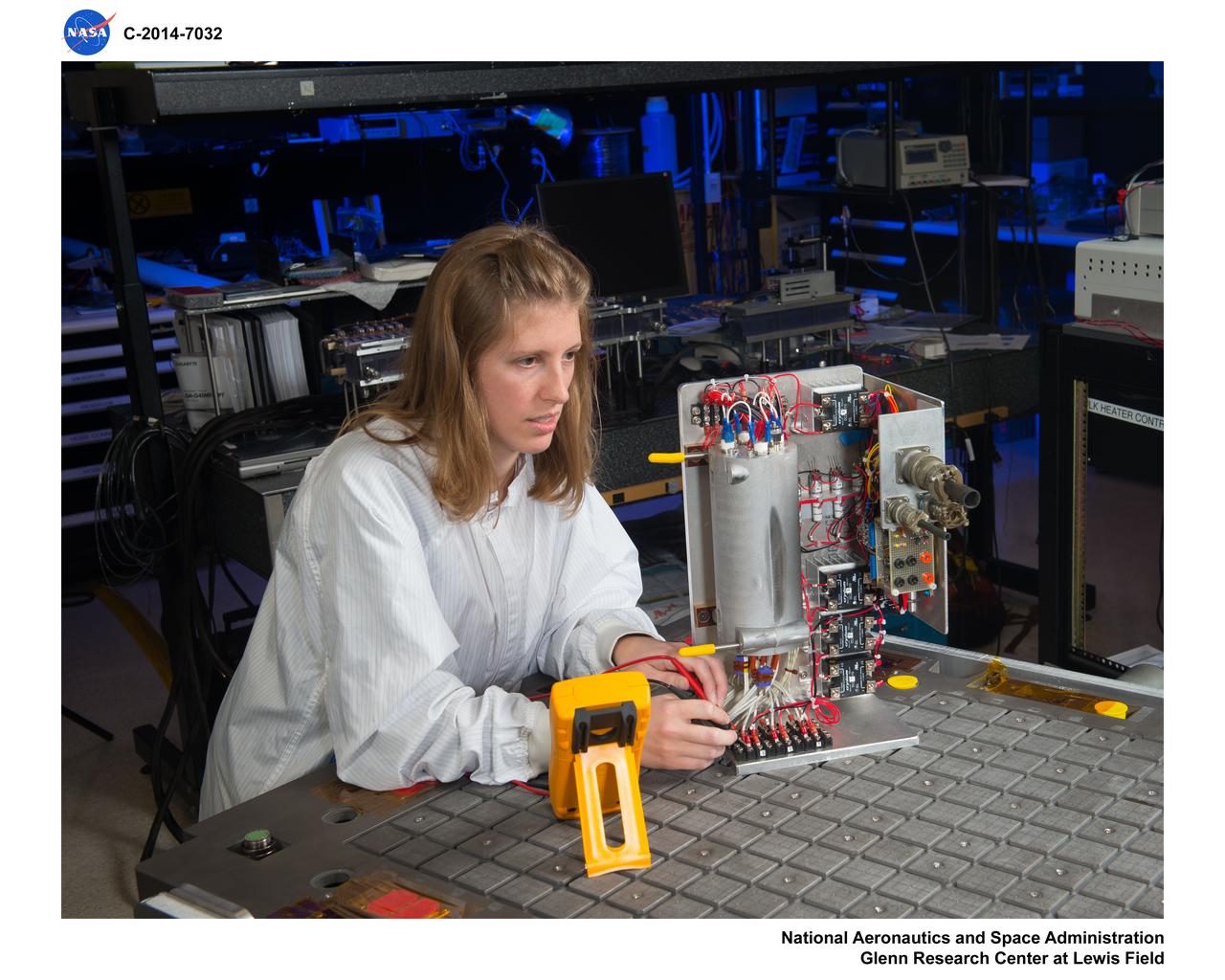
Flow Boiling and Condensation Experiment, FBCE
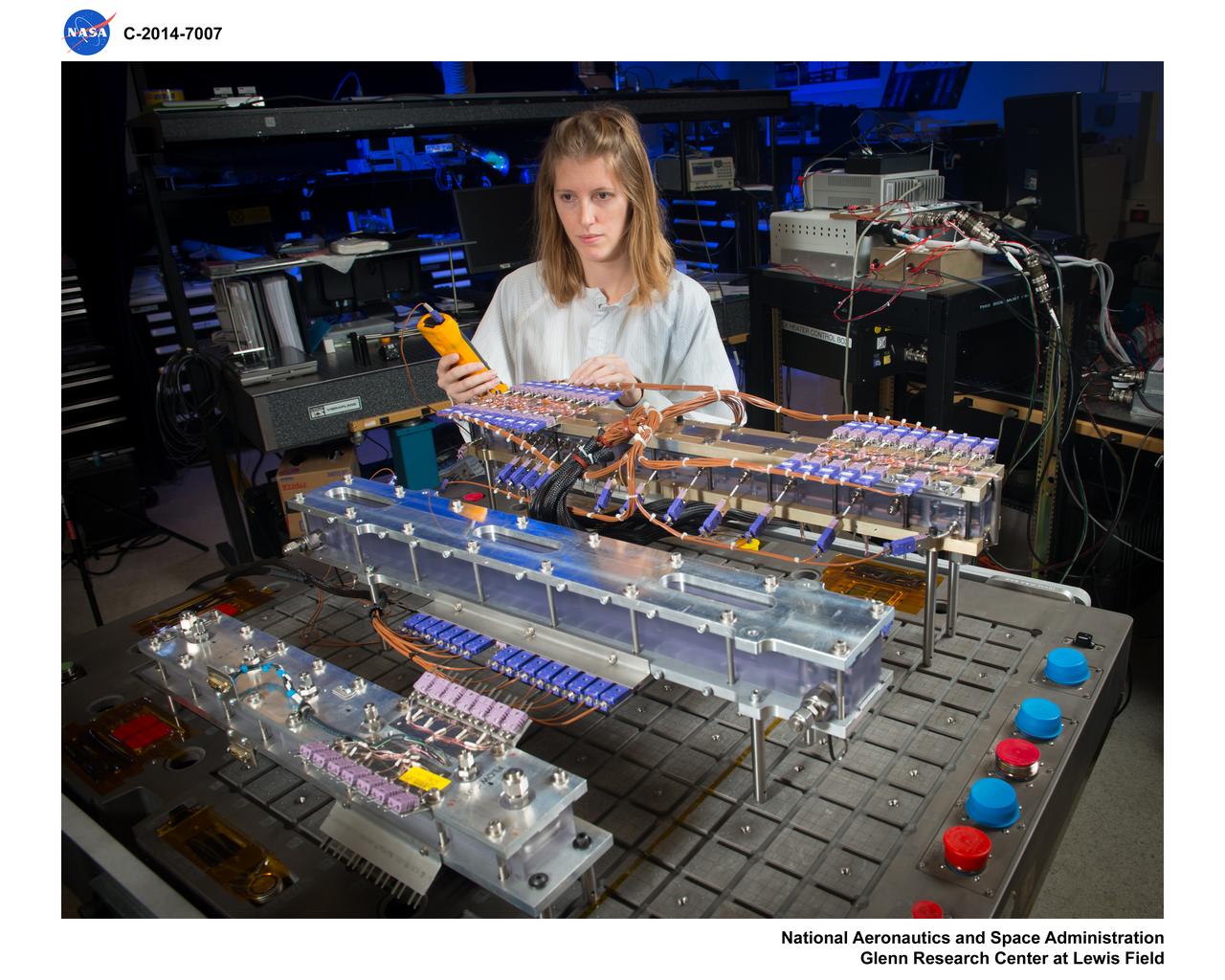
Flow Boiling and Condensation Experiment, FBCE
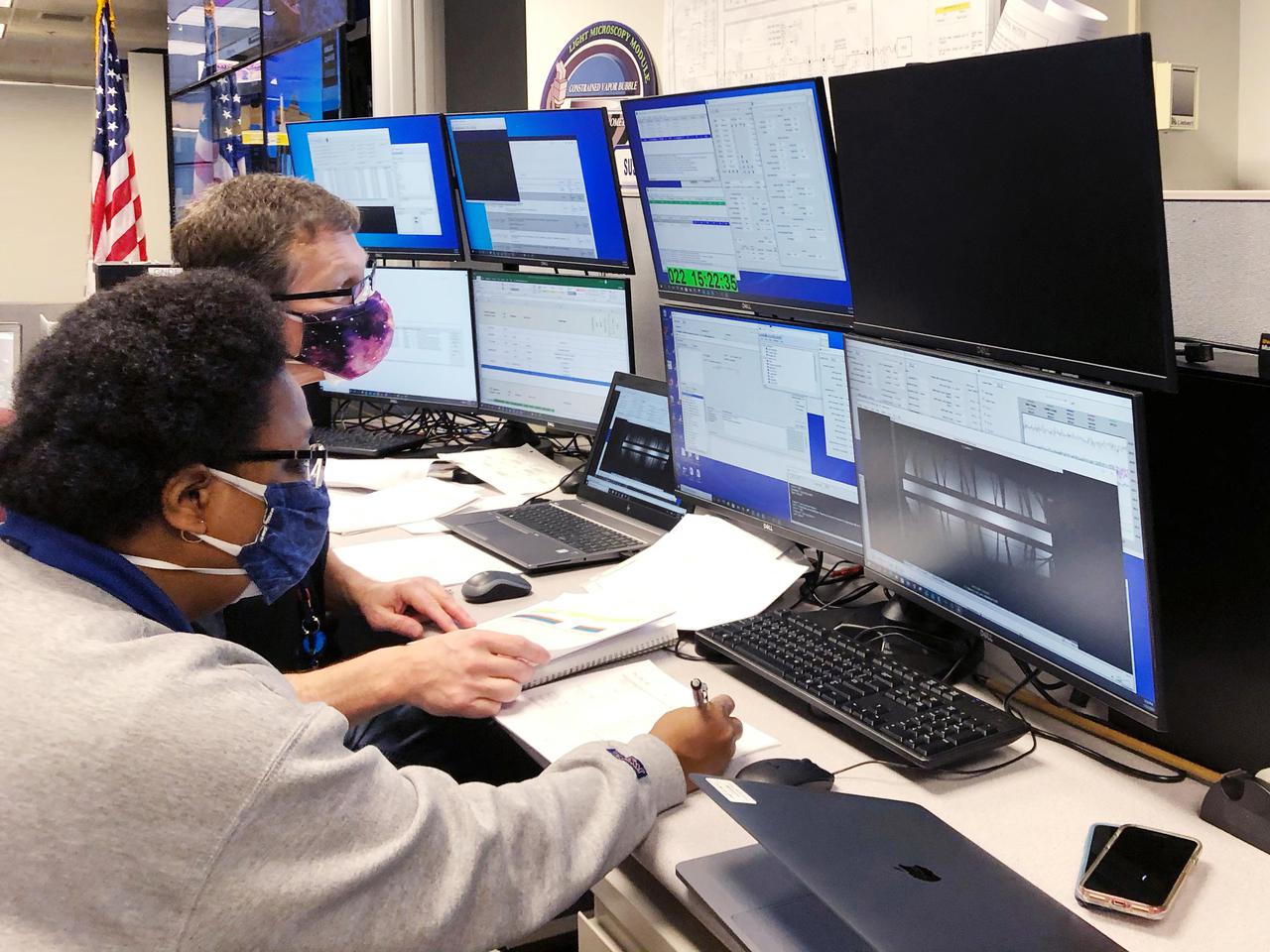
Fuel Boiling Convection Experiment, FBCE Mission Sequence Test
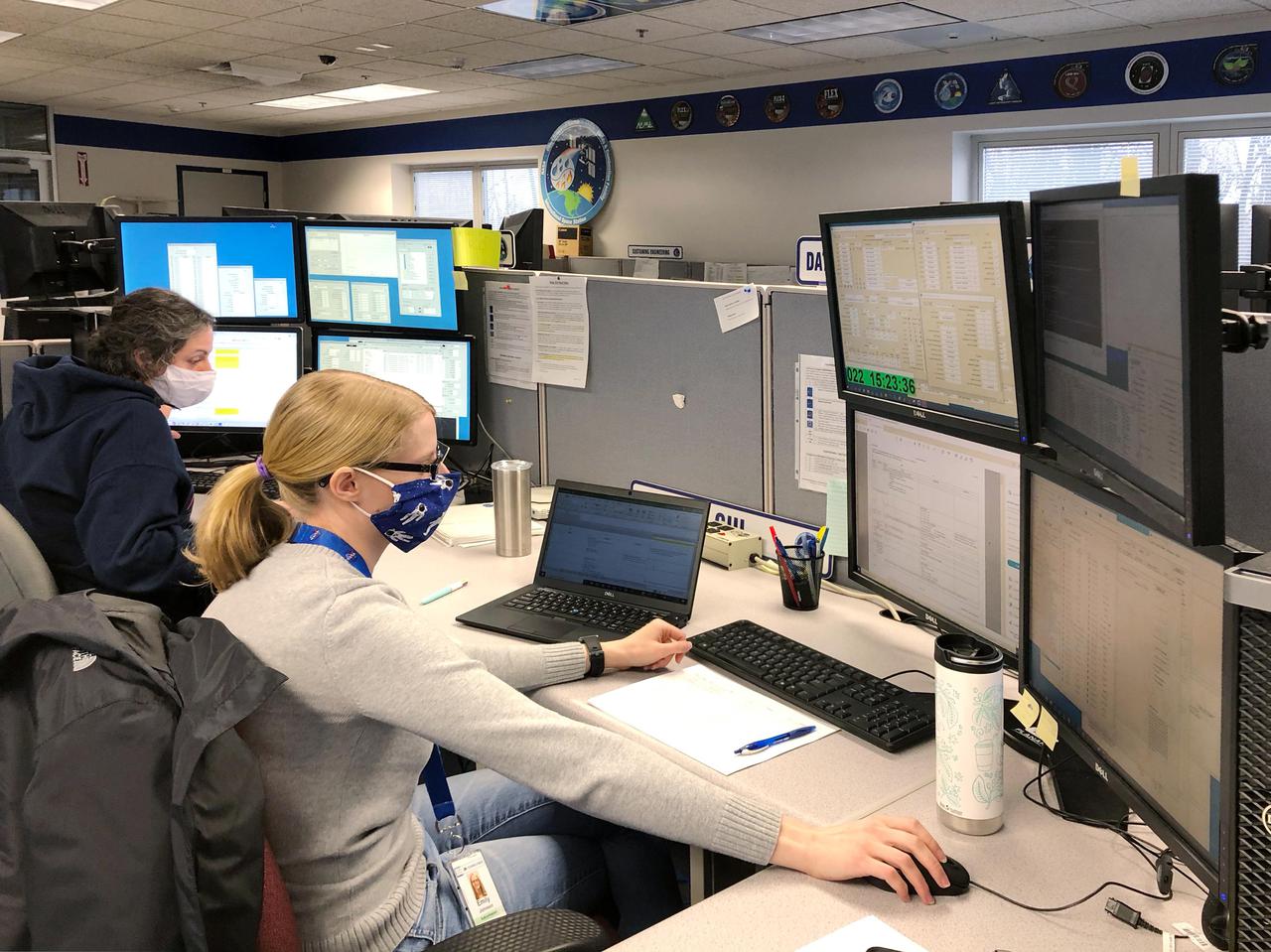
Fuel Boiling Convection Experiment, FBCE Mission Sequence Test
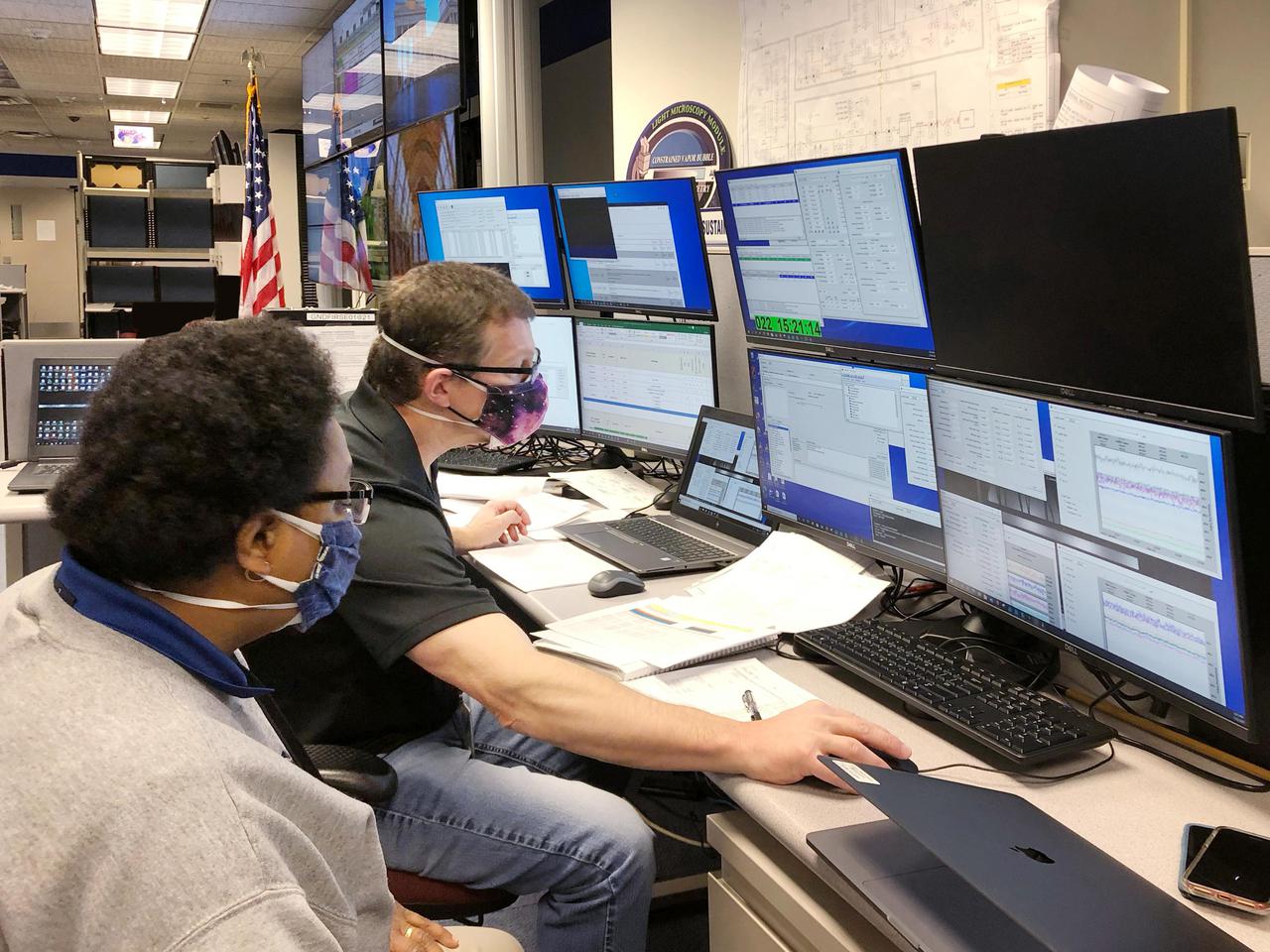
Fuel Boiling Convection Experiment, FBCE Mission Sequence Test
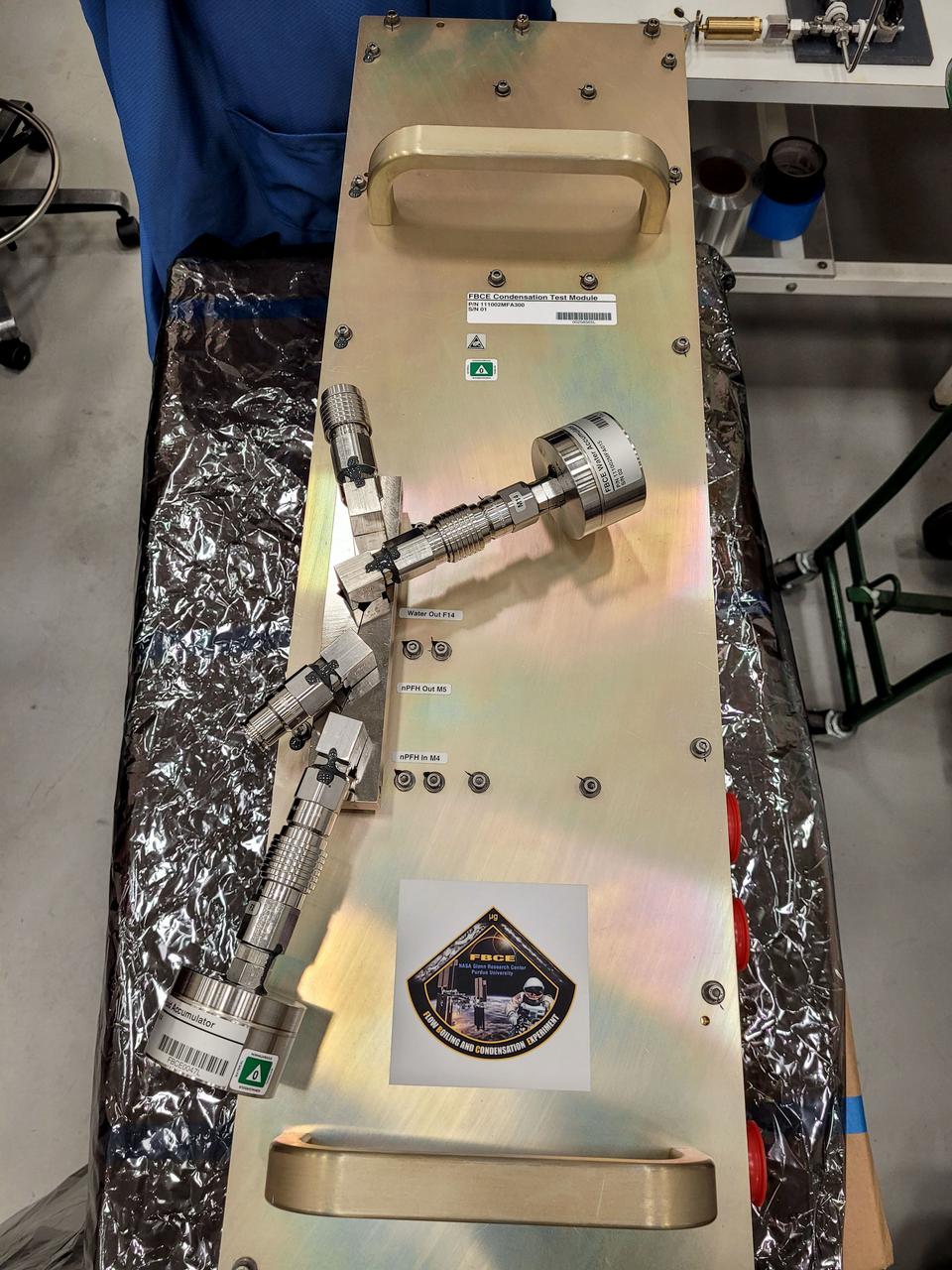
jsc2023e038726 (1/17/2023) --- Top view of the FBCE-CM-HT hardware. This investigation gathers data to characterize the function of condensation surfaces and to validate flow velocity models. Results could identify optimal flow rates at various gravitational levels to safely dissipate heat, supporting design of systems for use in space and on Earth. Image courtesy of NASA Glenn Research Center.
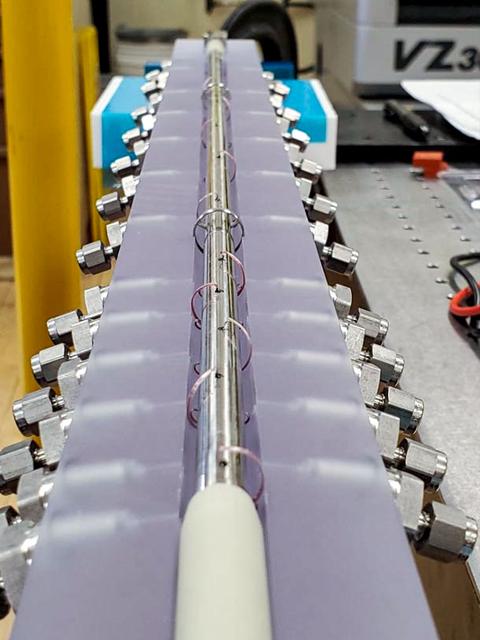
jsc2023e038724 (6/28/2023) --- An interior view of the FBCE-CM-HT test section. Test fluid is vaporized and pumped through the steel tube embedded in an insulating material while space station cooling water is flown around the outer annulus of the steel tube causing the internal vapor to condense. Both cooling water and test fluid temperatures are measured using a system of.thermocouples to calculate heat transfer. Image courtesy of NASA Glenn Research Center..
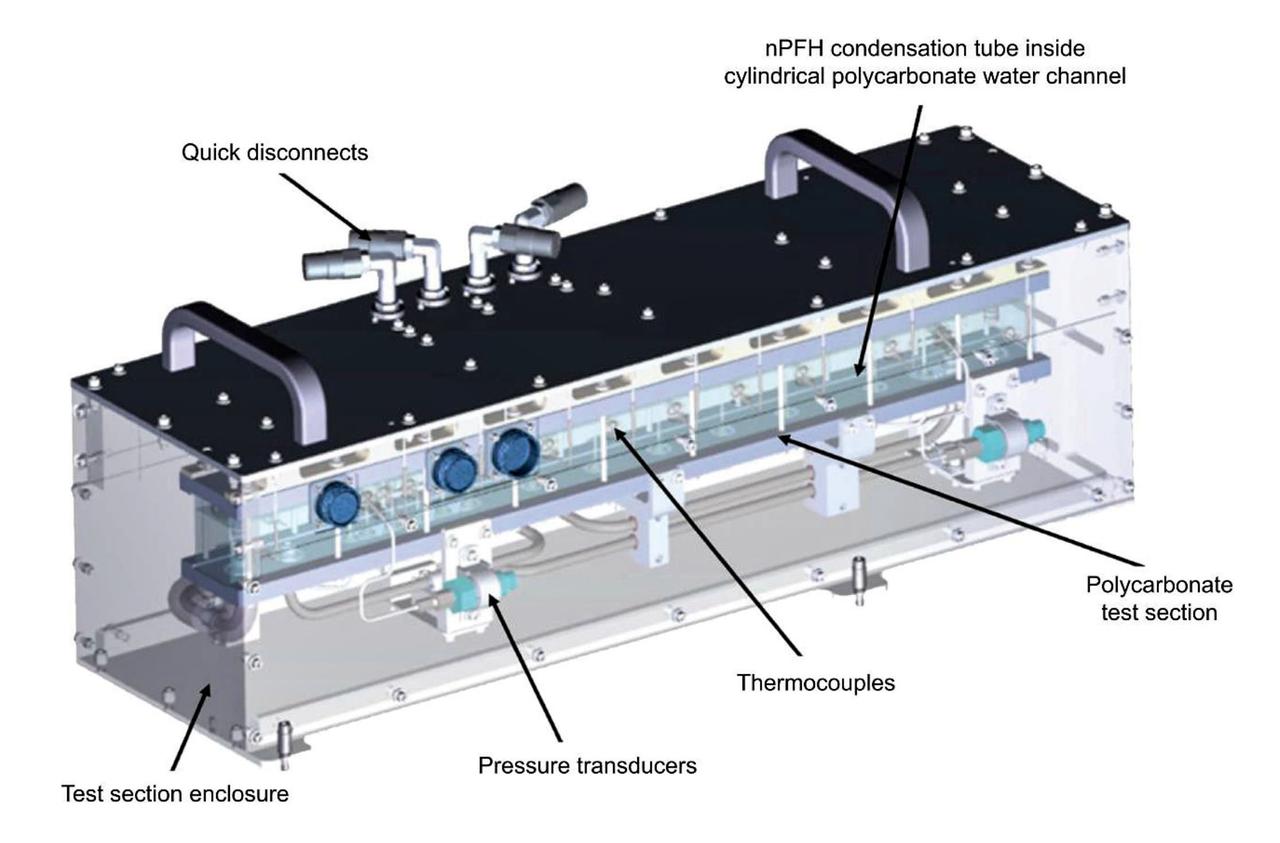
jsc2023e038725 (6/28/2023) --- The FBCE-CM-HT Test Module Assembly with main features identified. This investigation gathers data to characterize the function of condensation surfaces and to validate flow velocity models. Results could identify optimal flow rates at various gravitational levels to safely dissipate heat, supporting design of systems for use in space and on Earth. Image courtesy of NASA Glenn Research Center.
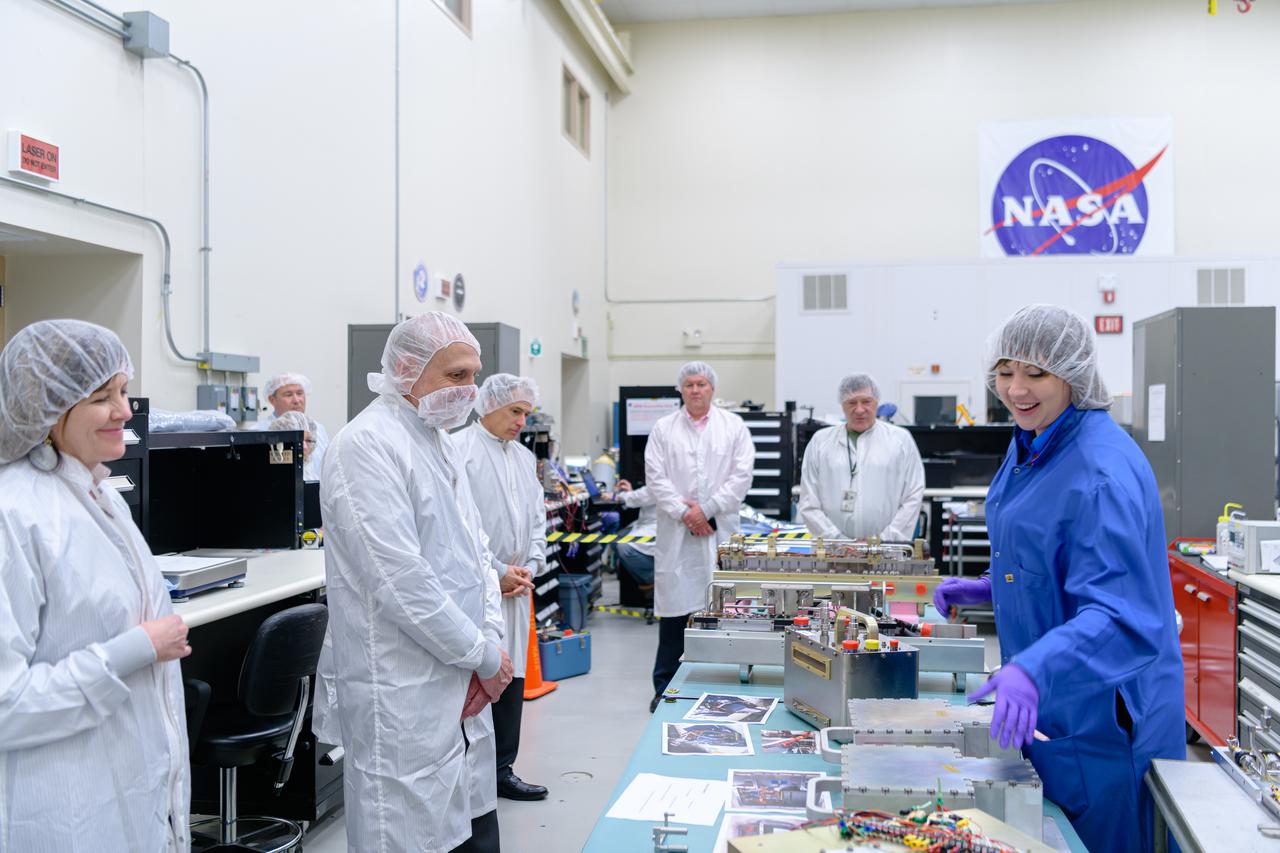
Visit to GRC Lewis Field by the Associate Administrator and Deputy Associate Administrator