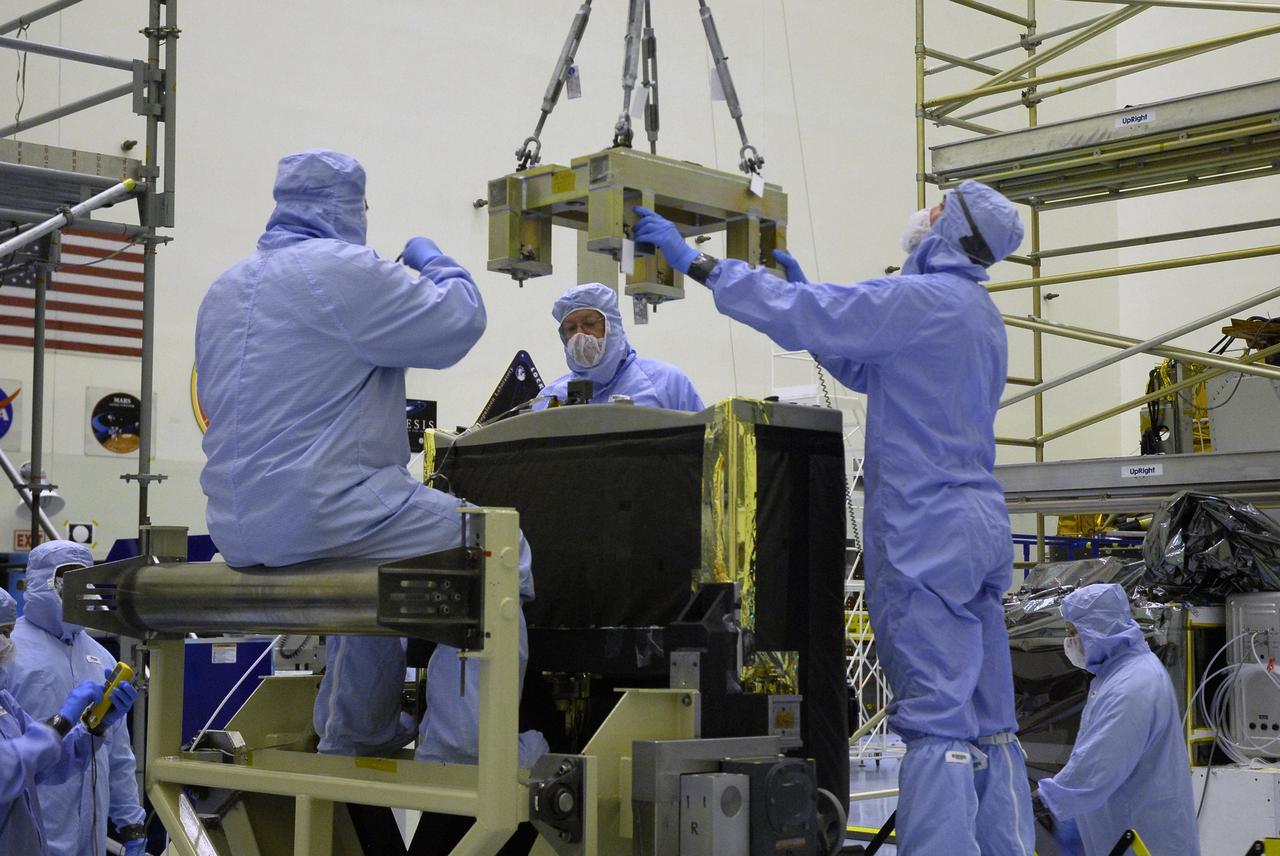
CAPE CANAVERAL, Fla. – Technicians in the Payload Hazardous Servicing Facility at NASA's Kennedy Space Center help guide a specialized overhead crane toward the Fine Guidance Sensor, or FGS. The sensor will be lifted and moved to the Orbital Replacement Unit Carrier or ORUC, for installation. An FGS consists of a large structure housing a collection of mirrors, lenses, servos, prisms, beam splitters and photomultiplier tubes. There are three fine guidance sensors on Hubble located at 90-degree intervals around the circumference of the telescope. Along with the gyroscopes, the optical sensors are a key component of Hubble’s highly complex but extraordinarily effective “pointing control system.” The ORUC is one of three carriers that are being prepared for the integration of telescope science instruments, both internal and external replacement components, as well as the flight support equipment to be used by the astronauts during the fifth and final Hubble servicing mission, STS-125, on space shuttle Atlantis. Launch is targeted for Oct. 8. Photo credit: NASA/Jim Grossmann
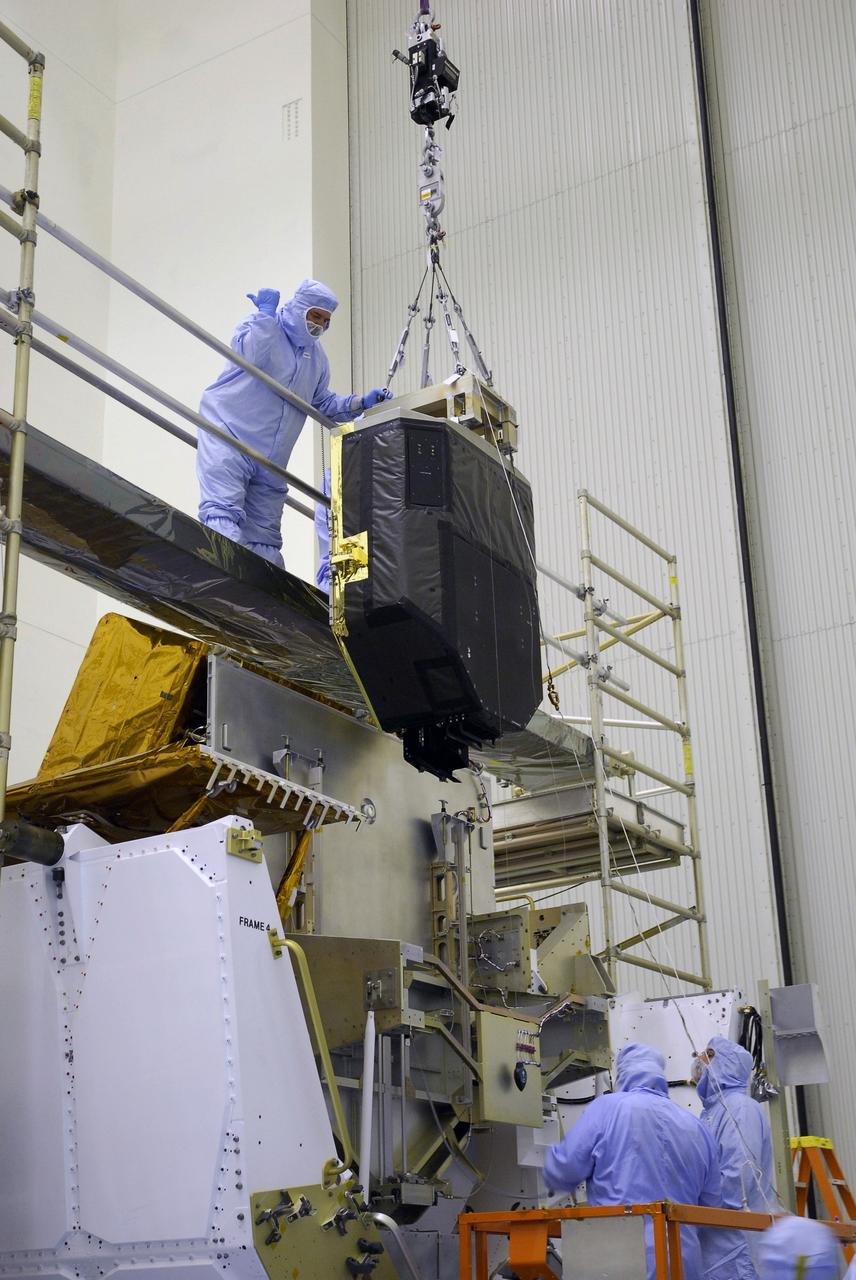
CAPE CANAVERAL, Fla. – In the Payload Hazardous Servicing Facility at NASA's Kennedy Space Center, the Fine Guidance Sensor, or FGS, is lifted over the crossbar of the stand. The sensor will be installed on the Orbital Replacement Unit Carrier or ORUC, below. An FGS consists of a large structure housing a collection of mirrors, lenses, servos, prisms, beam splitters and photomultiplier tubes. There are three fine guidance sensors on Hubble located at 90-degree intervals around the circumference of the telescope. Along with the gyroscopes, the optical sensors are a key component of Hubble’s highly complex but extraordinarily effective “pointing control system.” The ORUC is one of three carriers that are being prepared for the integration of telescope science instruments, both internal and external replacement components, as well as the flight support equipment to be used by the astronauts during the fifth and final Hubble servicing mission, STS-125, on space shuttle Atlantis. Launch is targeted for Oct. 8. Photo credit: NASA/Jim Grossmann
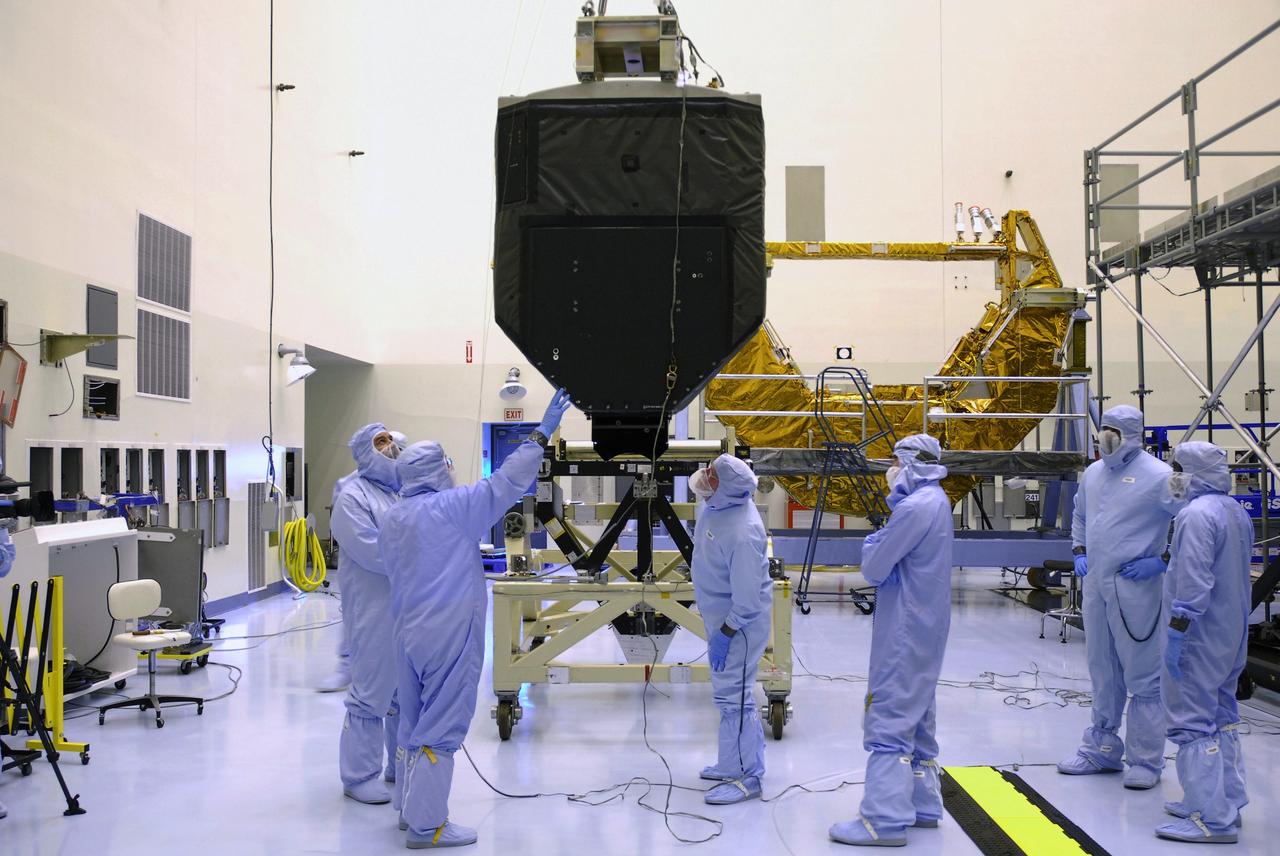
CAPE CANAVERAL, Fla. – Technicians in the Payload Hazardous Servicing Facility at NASA's Kennedy Space Center check the Fine Guidance Sensor, or FGS, as it is lifted from its stand. The sensor will be moved to the Orbital Replacement Unit Carrier or ORUC, for installation. An FGS consists of a large structure housing a collection of mirrors, lenses, servos, prisms, beam splitters and photomultiplier tubes. There are three fine guidance sensors on Hubble located at 90-degree intervals around the circumference of the telescope. Along with the gyroscopes, the optical sensors are a key component of Hubble’s highly complex but extraordinarily effective “pointing control system.” The ORUC is one of three carriers that are being prepared for the integration of telescope science instruments, both internal and external replacement components, as well as the flight support equipment to be used by the astronauts during the fifth and final Hubble servicing mission, STS-125, on space shuttle Atlantis. Launch is targeted for Oct. 8. Photo credit: NASA/Jim Grossmann
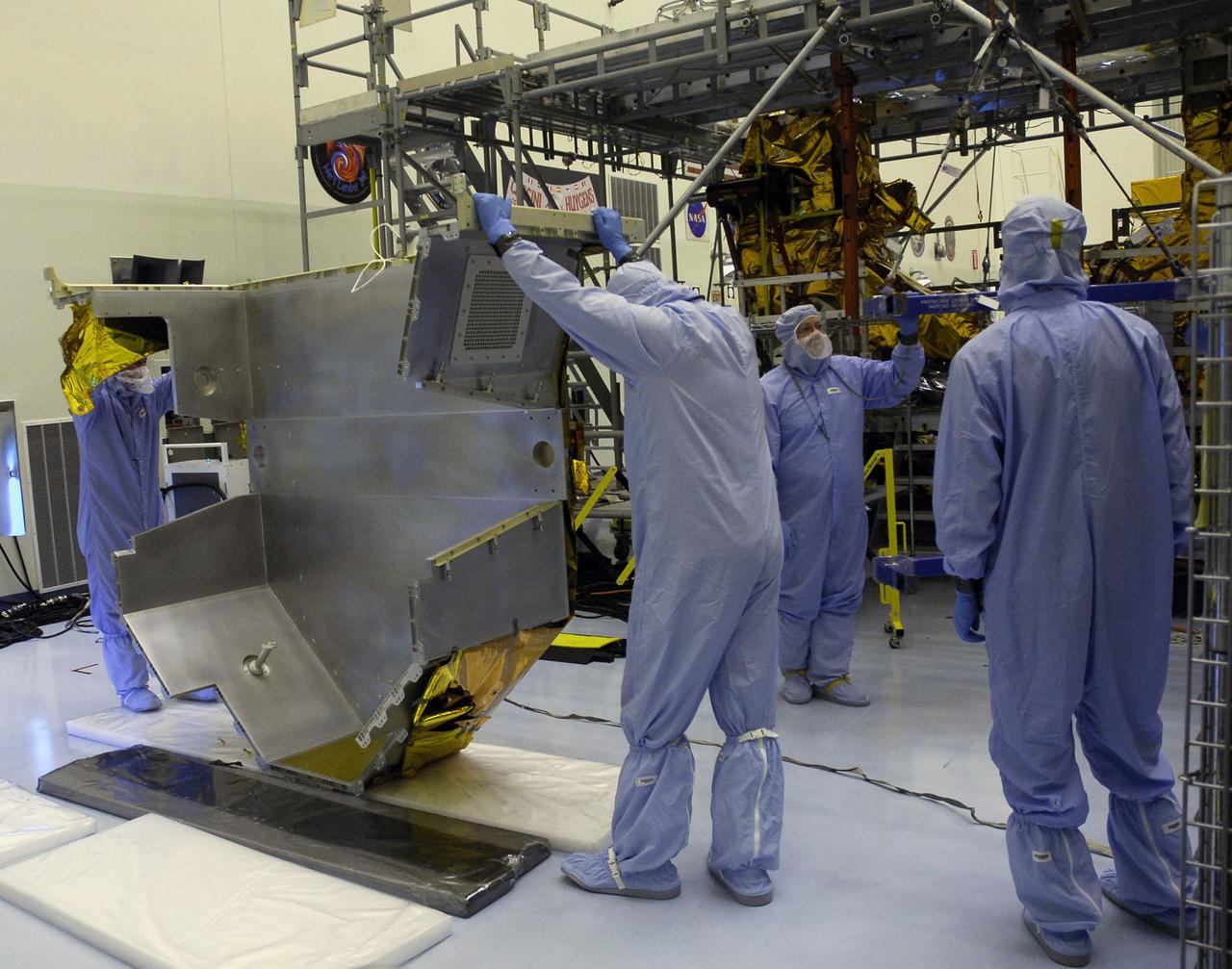
CAPE CANAVERAL, Fla. – In the Payload Hazardous Servicing Facility at NASA's Kennedy Space Center, workers lift the Fine Guidance Sensor Scientific Instrument Protective Enclosure, or FSIPE, cover before attaching a crane. The cover will be installed on the Orbital Replacement Unit Carrier, or ORUC. The ORUC is one of three carriers that are being prepared for the integration of telescope science instruments, both internal and external replacement components, as well as the flight support equipment to be used by the astronauts during the fifth and final Hubble servicing mission, STS-125. Launch is targeted for Oct. 8. PHoto credit: NASA/Jack Pfaller
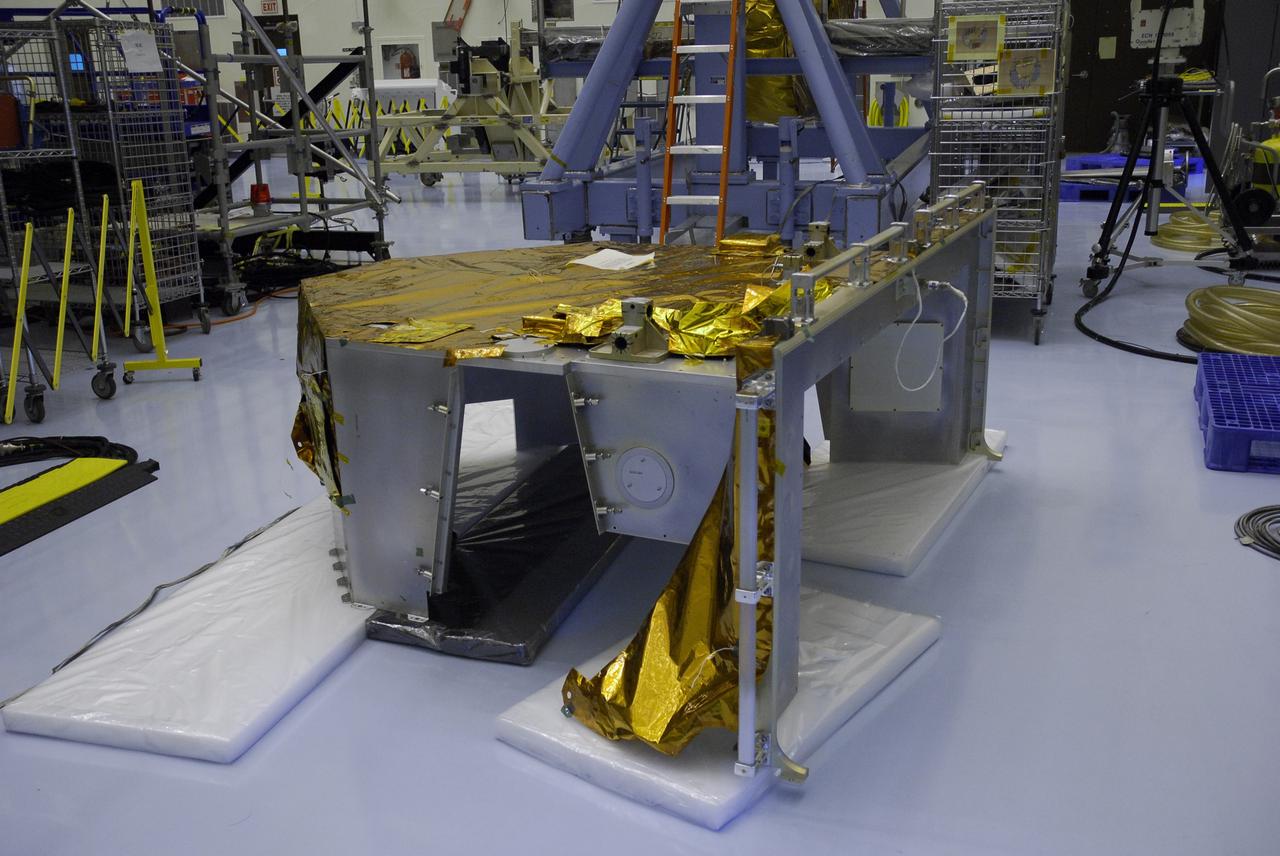
CAPE CANAVERAL, Fla. – In the Payload Hazardous Servicing Facility at NASA's Kennedy Space Center, the Fine Guidance Sensor Scientific Instrument Protective Enclosure, or FSIPE, cover awaits a move to be installed on the Orbital Replacement Unit Carrier, or ORUC. The ORUC is one of three carriers that are being prepared for the integration of telescope science instruments, both internal and external replacement components, as well as the flight support equipment to be used by the astronauts during the fifth and final Hubble servicing mission, STS-125. Launch is targeted for Oct. 8. PHoto credit: NASA/Jack Pfaller
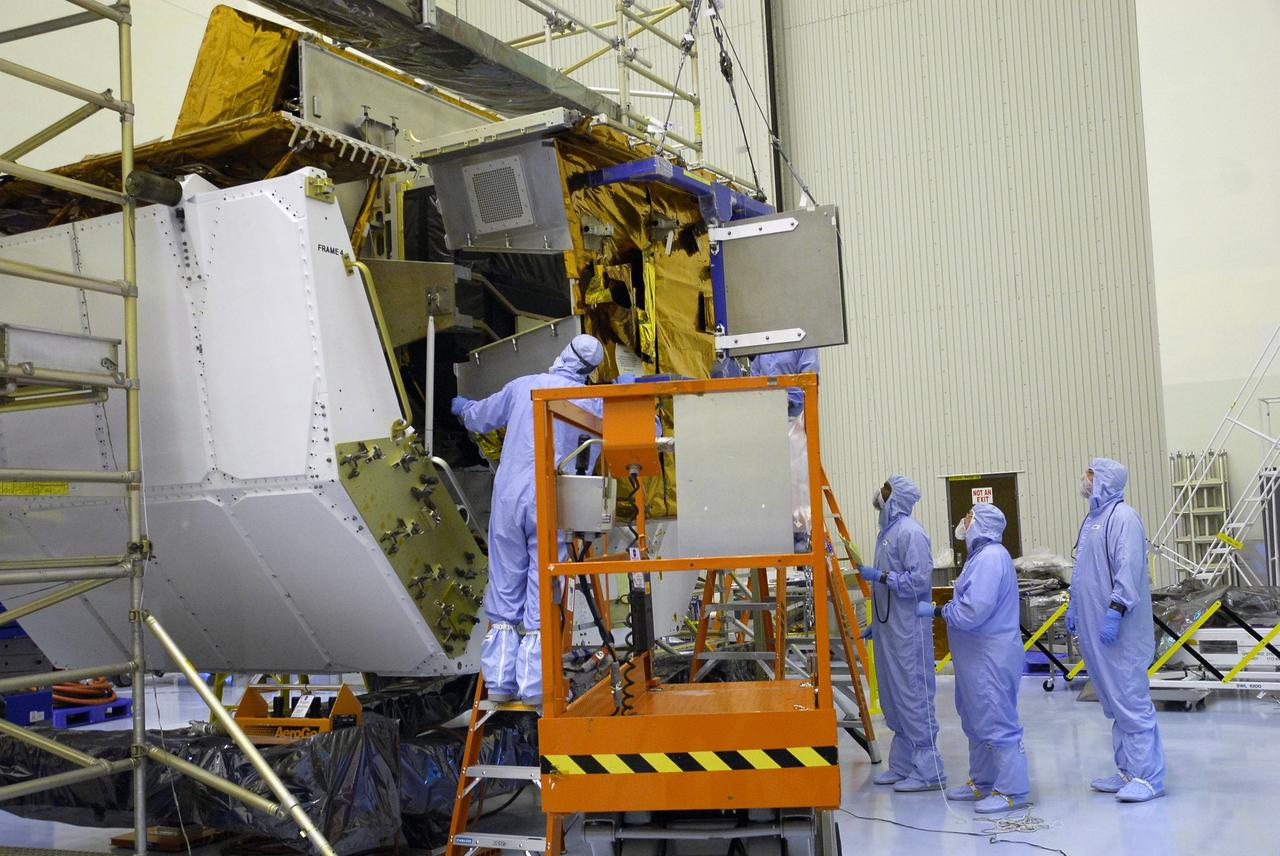
CAPE CANAVERAL, Fla. – In the Payload Hazardous Servicing Facility at NASA's Kennedy Space Center, workers help guide the Fine Guidance Sensor Scientific Instrument Protective Enclosure, or FSIPE, cover alongside the Orbital Replacement Unit Carrier, or ORUC, for installation. The ORUC is one of three carriers that are being prepared for the integration of telescope science instruments, both internal and external replacement components, as well as the flight support equipment to be used by the astronauts during the fifth and final Hubble servicing mission, STS-125. Launch is targeted for Oct. 8. PHoto credit: NASA/Jack Pfaller
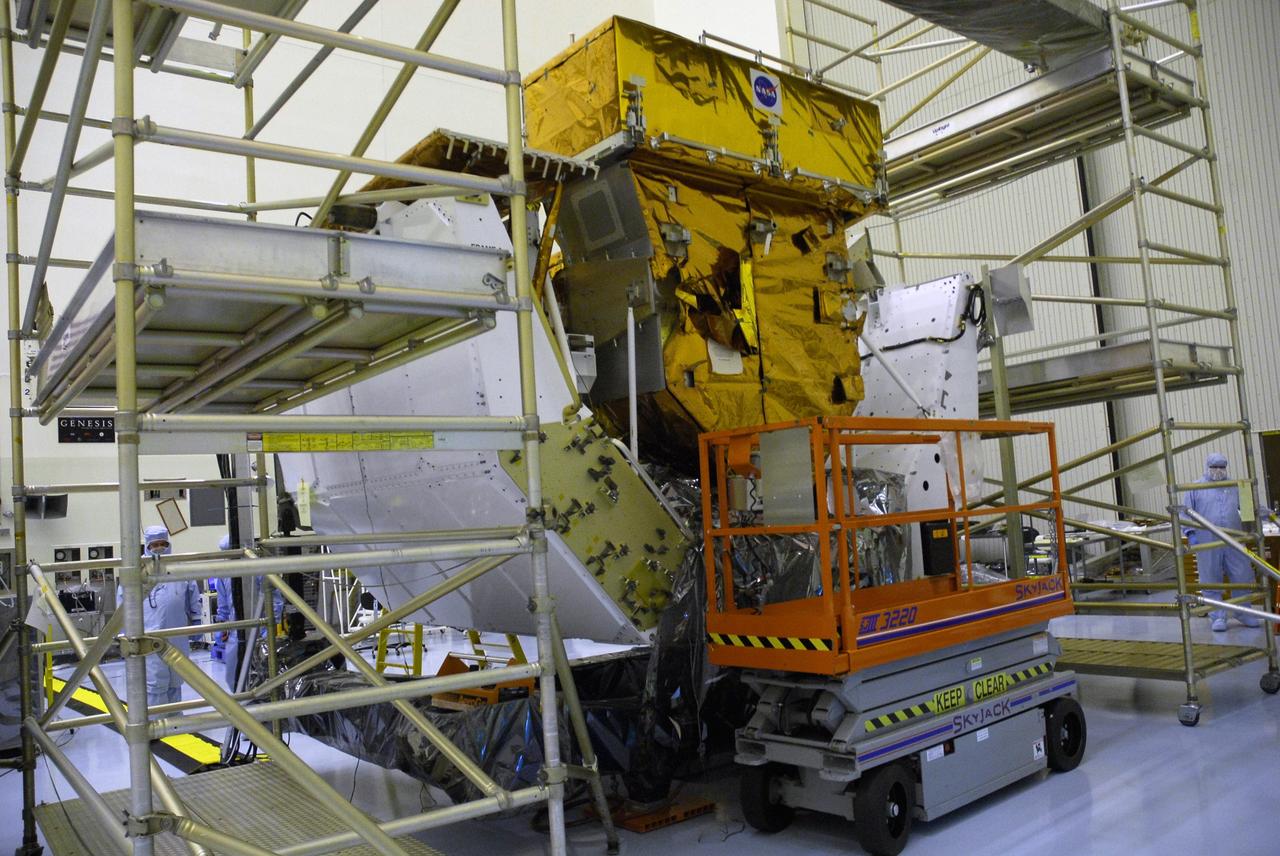
CAPE CANAVERAL, Fla. – In the Payload Hazardous Servicing Facility at NASA's Kennedy Space Center, the Fine Guidance Sensor Scientific Instrument Protective Enclosure, or FSIPE, cover has been installed on the Orbital Replacement Unit Carrier, or ORUC. The ORUC is one of three carriers that are being prepared for the integration of telescope science instruments, both internal and external replacement components, as well as the flight support equipment to be used by the astronauts during the fifth and final Hubble servicing mission, STS-125. Launch is targeted for Oct. 8. PHoto credit: NASA/Jack Pfaller

CAPE CANAVERAL, Fla. – An overhead crane in the Payload Hazardous Servicing Facility at NASA's Kennedy Space Center lowers the Fine Guidance Sensor, or FGS, onto the Orbital Replacement Unit Carrier or ORUC, below for installation. An FGS consists of a large structure housing a collection of mirrors, lenses, servos, prisms, beam splitters and photomultiplier tubes. There are three fine guidance sensors on Hubble located at 90-degree intervals around the circumference of the telescope. Along with the gyroscopes, the optical sensors are a key component of Hubble’s highly complex but extraordinarily effective “pointing control system.” The ORUC is one of three carriers that are being prepared for the integration of telescope science instruments, both internal and external replacement components, as well as the flight support equipment to be used by the astronauts during the fifth and final Hubble servicing mission, STS-125, on space shuttle Atlantis. Launch is targeted for Oct. 8. Photo credit: NASA/Jim Grossmann
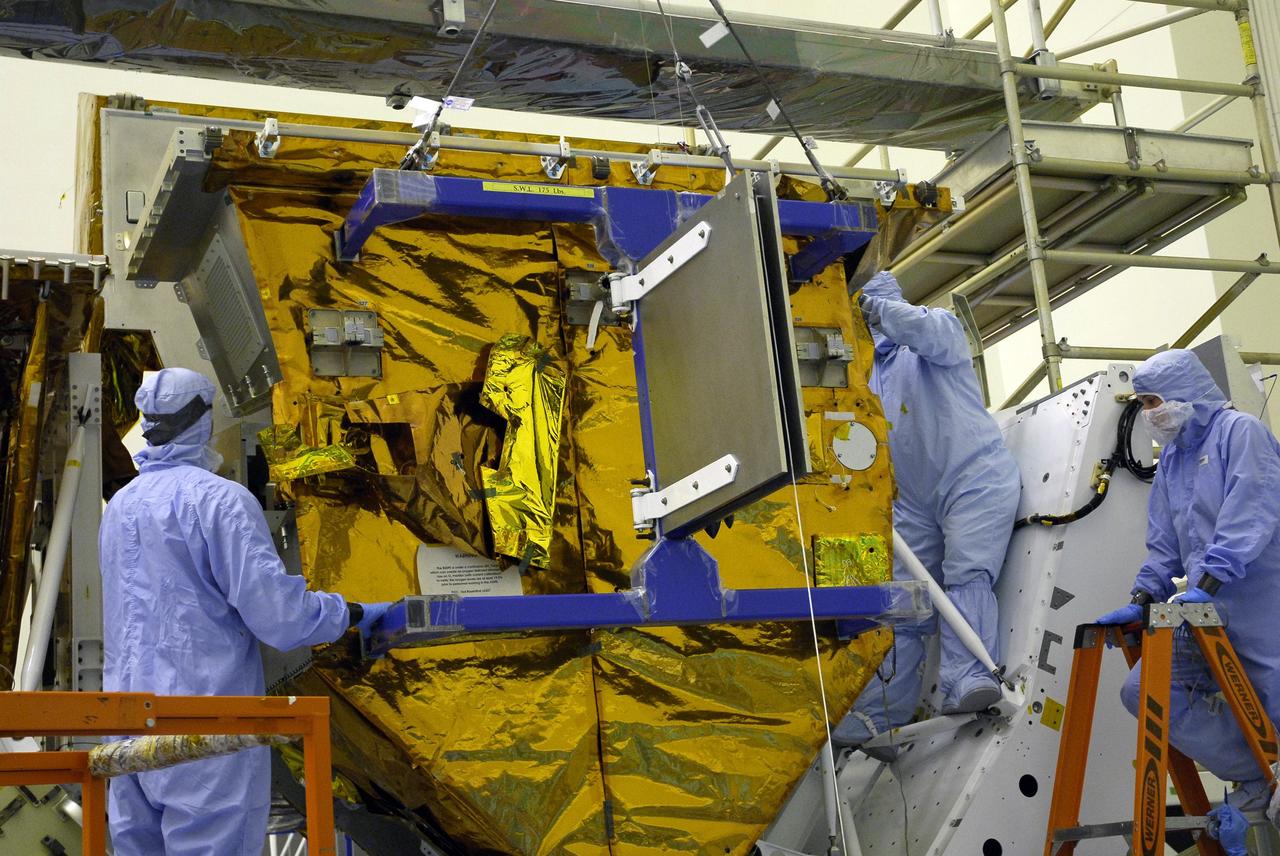
CAPE CANAVERAL, Fla. – In the Payload Hazardous Servicing Facility at NASA's Kennedy Space Center, workers help maneuver the Fine Guidance Sensor Scientific Instrument Protective Enclosure, or FSIPE, cover alongside the Orbital Replacement Unit Carrier, or ORUC, for installation. The ORUC is one of three carriers that are being prepared for the integration of telescope science instruments, both internal and external replacement components, as well as the flight support equipment to be used by the astronauts during the fifth and final Hubble servicing mission, STS-125. Launch is targeted for Oct. 8. PHoto credit: NASA/Jack Pfaller
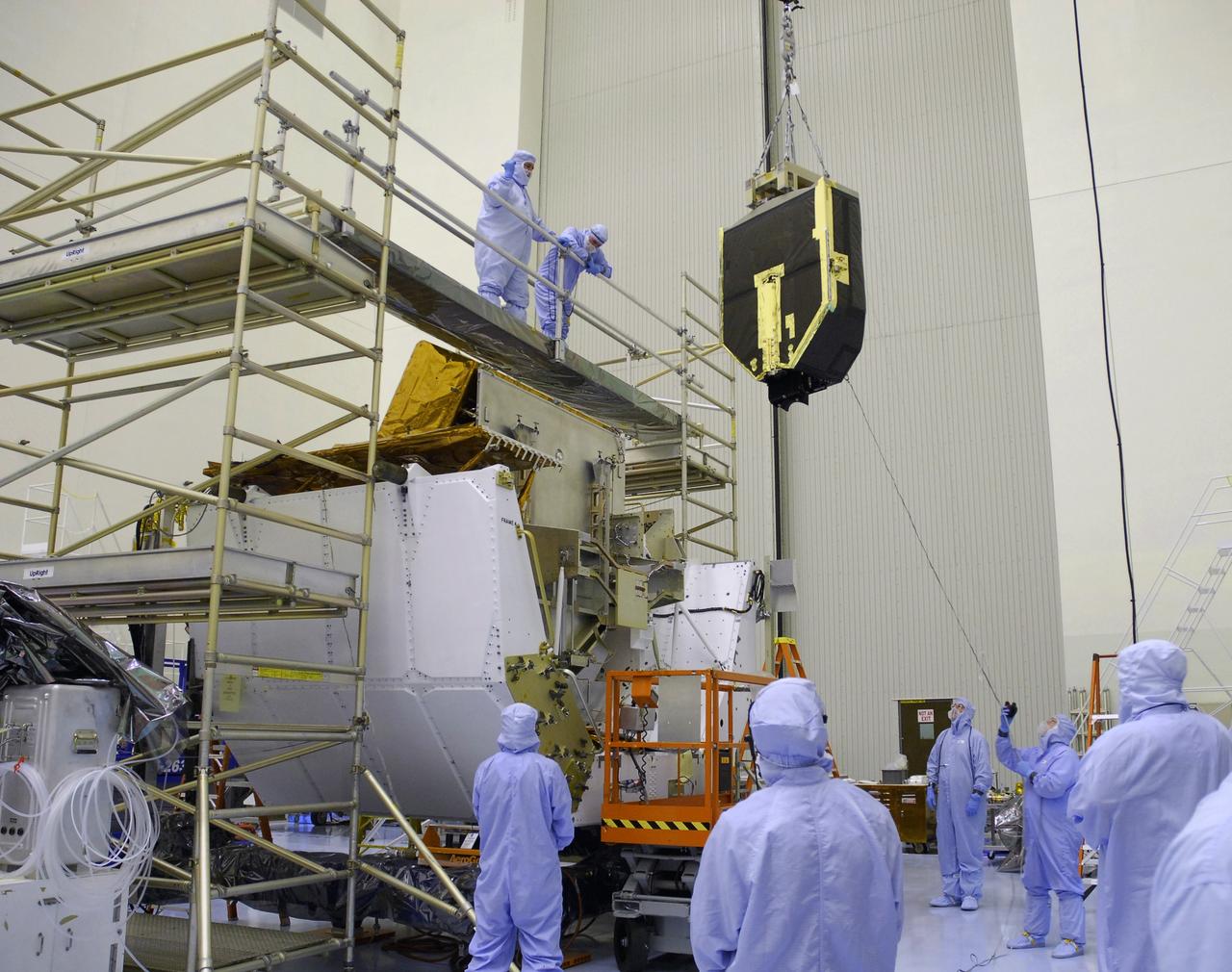
CAPE CANAVERAL, Fla. – Technicians in the Payload Hazardous Servicing Facility at NASA's Kennedy Space Center help guide the Fine Guidance Sensor, or FGS, as it is lifted over the crossbar of the stand at right. The sensor will be installed on the Orbital Replacement Unit Carrier or ORUC, below. An FGS consists of a large structure housing a collection of mirrors, lenses, servos, prisms, beam splitters and photomultiplier tubes. There are three fine guidance sensors on Hubble located at 90-degree intervals around the circumference of the telescope. Along with the gyroscopes, the optical sensors are a key component of Hubble’s highly complex but extraordinarily effective “pointing control system.” The ORUC is one of three carriers that are being prepared for the integration of telescope science instruments, both internal and external replacement components, as well as the flight support equipment to be used by the astronauts during the fifth and final Hubble servicing mission, STS-125, on space shuttle Atlantis. Launch is targeted for Oct. 8. Photo credit: NASA/Jim Grossmann
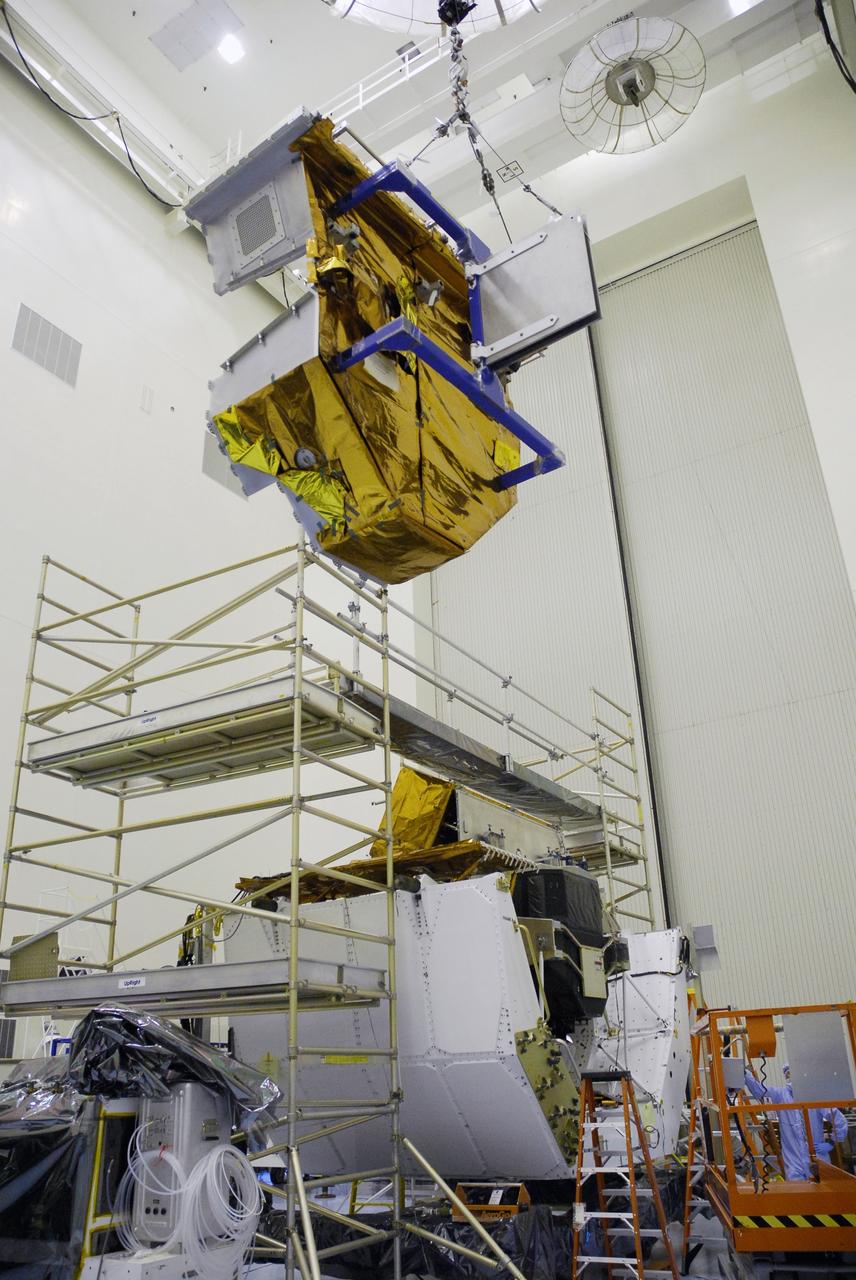
CAPE CANAVERAL, Fla. – In the Payload Hazardous Servicing Facility at NASA's Kennedy Space Center, an overhead crane moves the Fine Guidance Sensor Scientific Instrument Protective Enclosure, or FSIPE, cover to be installed on the Orbital Replacement Unit Carrier, or ORUC, below. The ORUC is one of three carriers that are being prepared for the integration of telescope science instruments, both internal and external replacement components, as well as the flight support equipment to be used by the astronauts during the fifth and final Hubble servicing mission, STS-125. Launch is targeted for Oct. 8. PHoto credit: NASA/Jack Pfaller
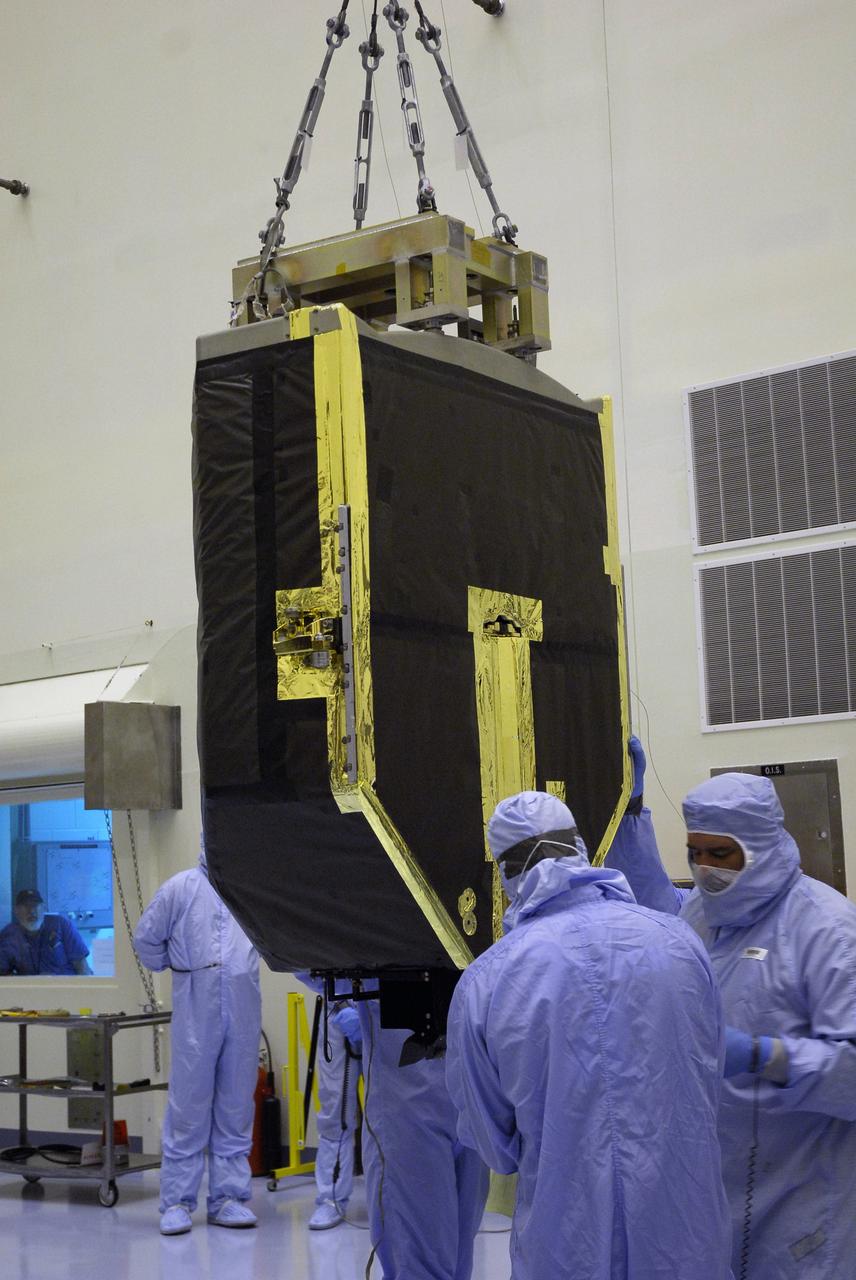
CAPE CANAVERAL, Fla. – A specialized overhead crane lifts the Fine Guidance Sensor, or FGS, in the Payload Hazardous Servicing Facility at NASA's Kennedy Space Center. The sensor will be moved to the Orbital Replacement Unit Carrier, or ORUC, for installation. An FGS consists of a large structure housing a collection of mirrors, lenses, servos, prisms, beam splitters and photomultiplier tubes. There are three fine guidance sensors on Hubble located at 90-degree intervals around the circumference of the telescope. Along with the gyroscopes, the optical sensors are a key component of Hubble’s highly complex but extraordinarily effective “pointing control system.” The ORUC is one of three carriers that are being prepared for the integration of telescope science instruments, both internal and external replacement components, as well as the flight support equipment to be used by the astronauts during the fifth and final Hubble servicing mission, STS-125, on space shuttle Atlantis. Launch is targeted for Oct. 8. Photo credit: NASA/Jim Grossmann
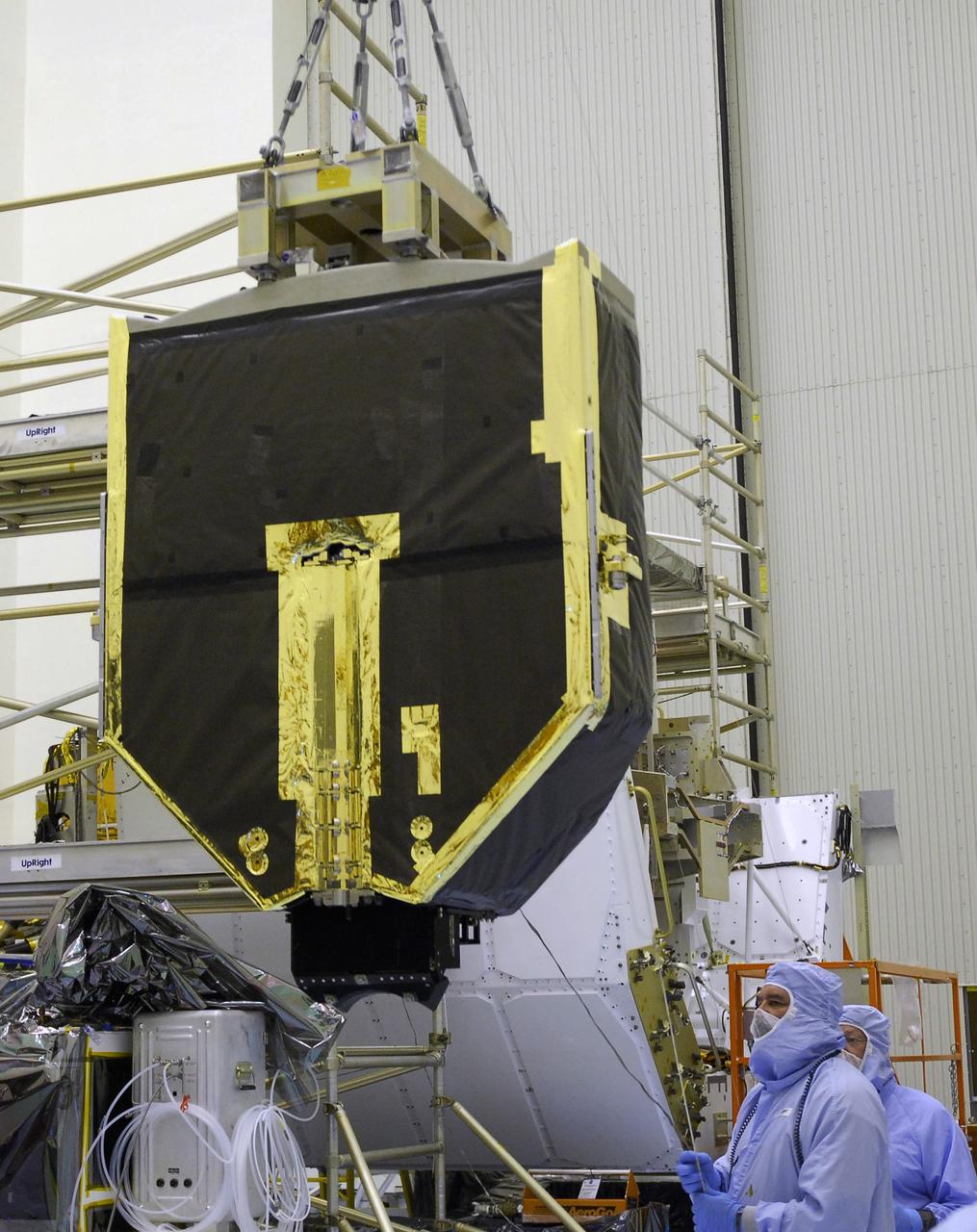
CAPE CANAVERAL, Fla. – Technicians in the Payload Hazardous Servicing Facility at NASA's Kennedy Space Center help guide the Fine Guidance Sensor, or FGS, as it moves toward the Orbital Replacement Unit Carrier or ORUC, for installation. An FGS consists of a large structure housing a collection of mirrors, lenses, servos, prisms, beam splitters and photomultiplier tubes. There are three fine guidance sensors on Hubble located at 90-degree intervals around the circumference of the telescope. Along with the gyroscopes, the optical sensors are a key component of Hubble’s highly complex but extraordinarily effective “pointing control system.” The ORUC is one of three carriers that are being prepared for the integration of telescope science instruments, both internal and external replacement components, as well as the flight support equipment to be used by the astronauts during the fifth and final Hubble servicing mission, STS-125, on space shuttle Atlantis. Launch is targeted for Oct. 8. Photo credit: NASA/Jim Grossmann
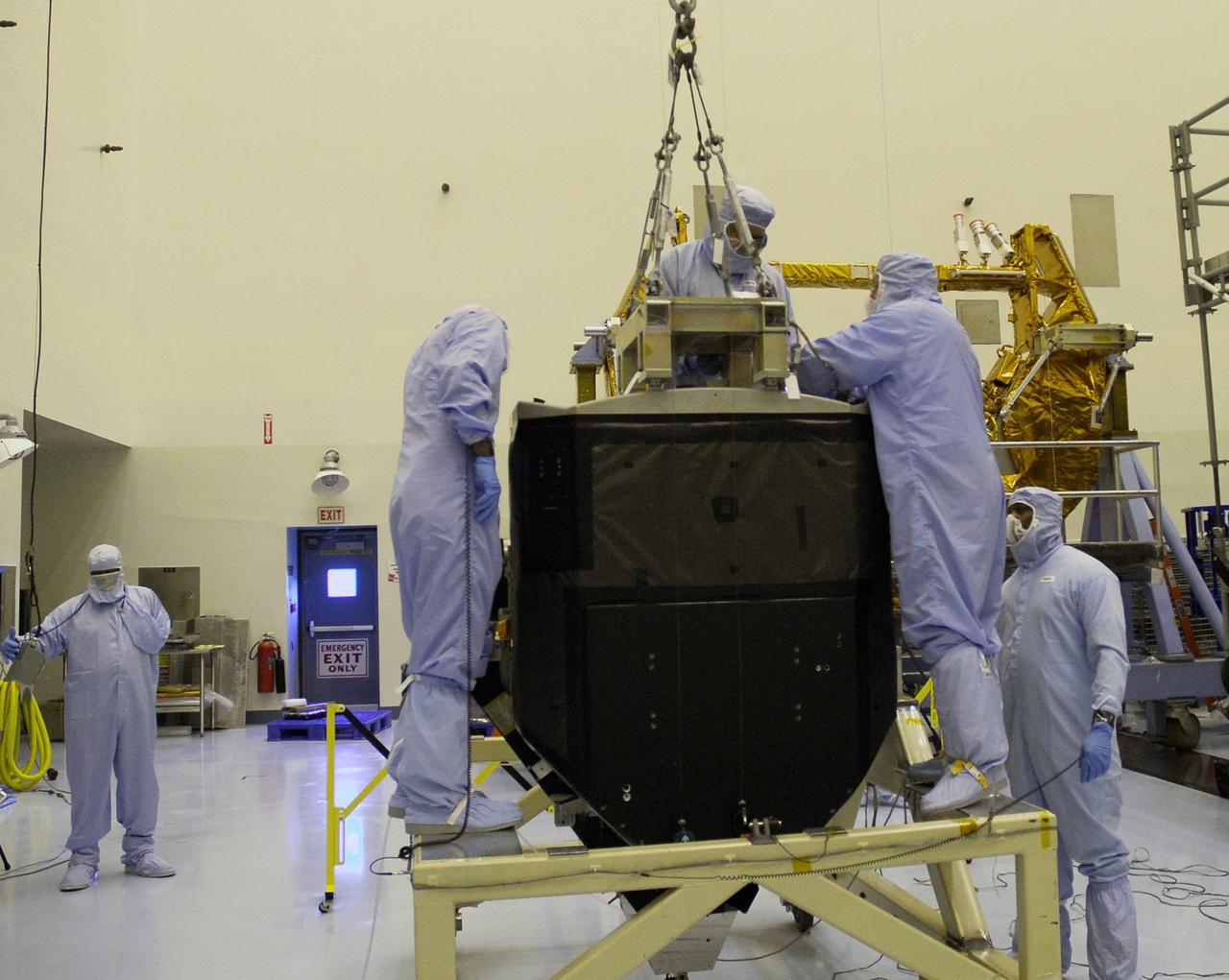
CAPE CANAVERAL, Fla. – Technicians in the Payload Hazardous Servicing Facility at NASA's Kennedy Space Center install a specialized overhead crane onto the Fine Guidance Sensor, or FGS. The sensor will be lifted and moved to the Orbital Replacement Unit Carrier or ORUC, for installation. An FGS consists of a large structure housing a collection of mirrors, lenses, servos, prisms, beam splitters and photomultiplier tubes. There are three fine guidance sensors on Hubble located at 90-degree intervals around the circumference of the telescope. Along with the gyroscopes, the optical sensors are a key component of Hubble’s highly complex but extraordinarily effective “pointing control system.” The ORUC is one of three carriers that are being prepared for the integration of telescope science instruments, both internal and external replacement components, as well as the flight support equipment to be used by the astronauts during the fifth and final Hubble servicing mission, STS-125, on space shuttle Atlantis. Launch is targeted for Oct. 8. Photo credit: NASA/Jim Grossmann
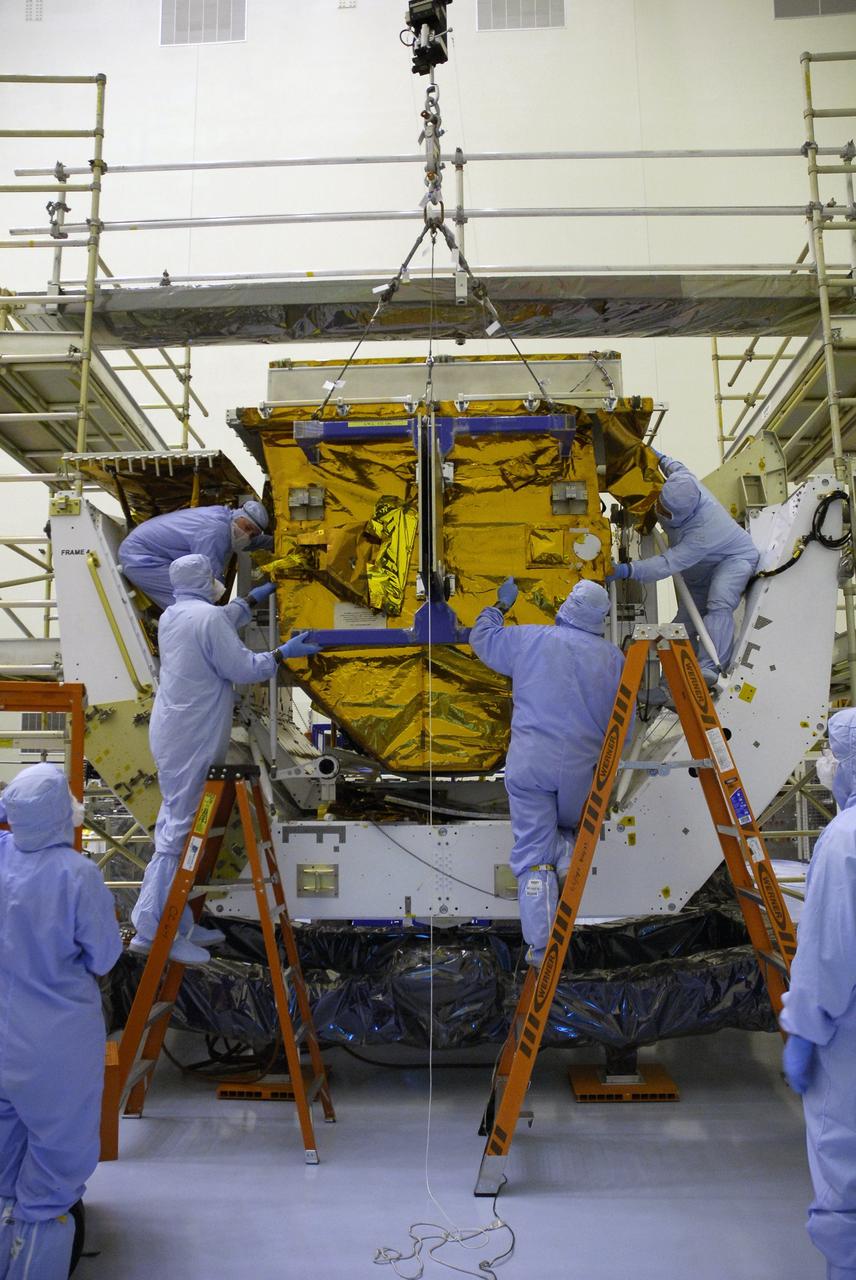
CAPE CANAVERAL, Fla. – In the Payload Hazardous Servicing Facility at NASA's Kennedy Space Center, workers help maneuver the Fine Guidance Sensor Scientific Instrument Protective Enclosure, or FSIPE, cover into place on the Orbital Replacement Unit Carrier, or ORUC, for installation. The ORUC is one of three carriers that are being prepared for the integration of telescope science instruments, both internal and external replacement components, as well as the flight support equipment to be used by the astronauts during the fifth and final Hubble servicing mission, STS-125. Launch is targeted for Oct. 8. PHoto credit: NASA/Jack Pfaller
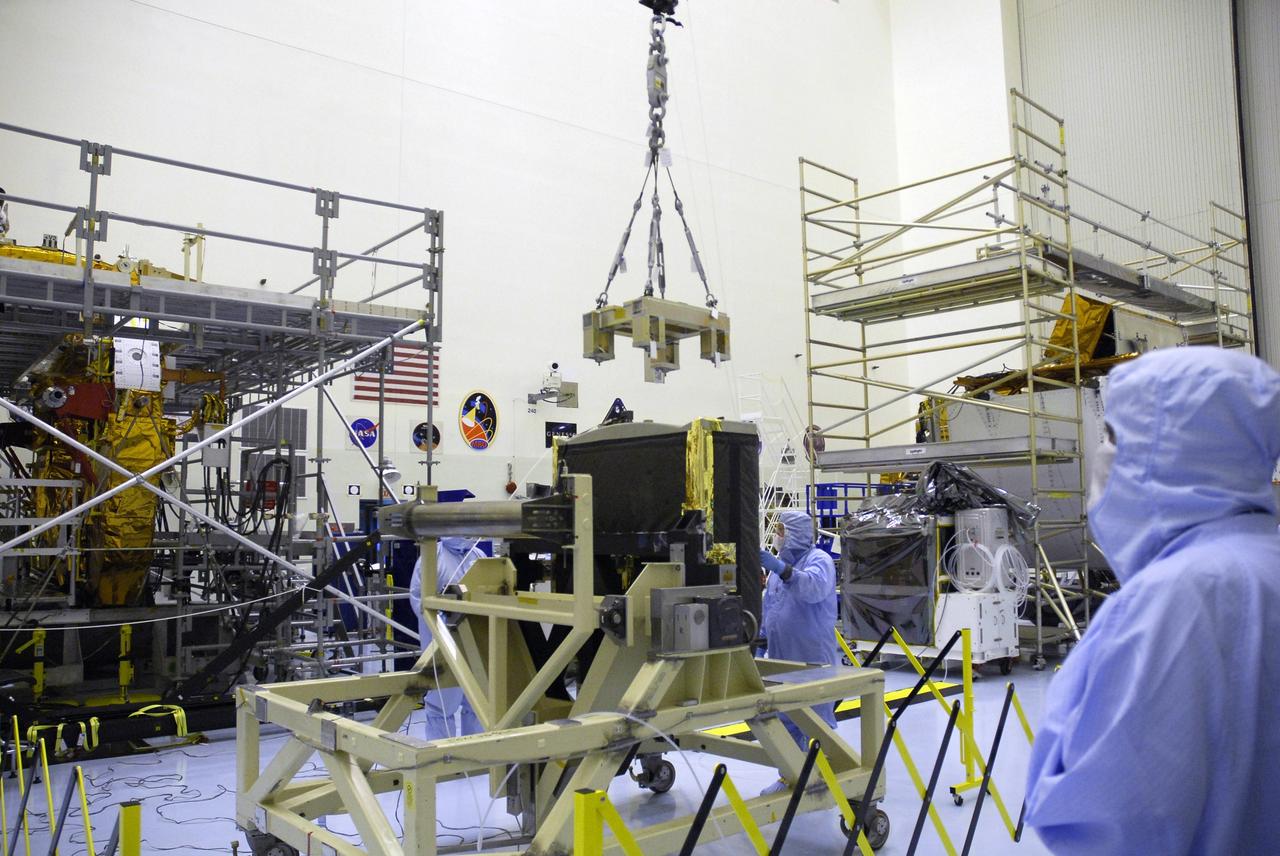
CAPE CANAVERAL, Fla. – A specialized crane is moved toward the Fine Guidance Sensor in the Payload Hazardous Servicing Facility at NASA's Kennedy Space Center. The sensor will be lifted and moved to the Orbital Replacement Unit Carrier or ORUC, for installation. An FGS consists of a large structure housing a collection of mirrors, lenses, servos, prisms, beam splitters and photomultiplier tubes. There are three fine guidance sensors on Hubble located at 90-degree intervals around the circumference of the telescope. Along with the gyroscopes, the optical sensors are a key component of Hubble’s highly complex but extraordinarily effective “pointing control system.” The ORUC is one of three carriers that are being prepared for the integration of telescope science instruments, both internal and external replacement components, as well as the flight support equipment to be used by the astronauts during the fifth and final Hubble servicing mission, STS-125, on space shuttle Atlantis. Launch is targeted for Oct. 8. Photo credit: NASA/Jim Grossmann
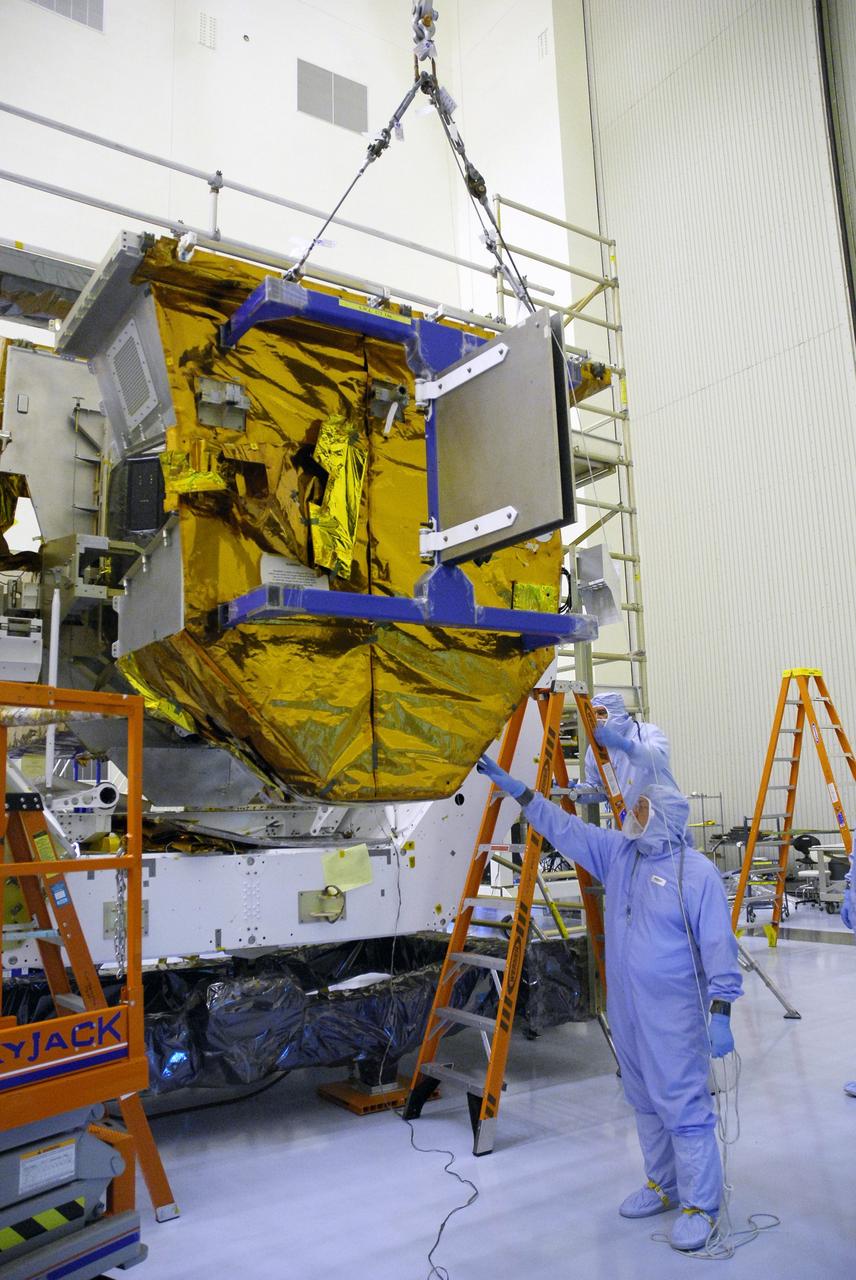
CAPE CANAVERAL, Fla. – In the Payload Hazardous Servicing Facility at NASA's Kennedy Space Center, an overhead crane lowers the Fine Guidance Sensor Scientific Instrument Protective Enclosure, or FSIPE, cover alongside the Orbital Replacement Unit Carrier, or ORUC, for installation. The ORUC is one of three carriers that are being prepared for the integration of telescope science instruments, both internal and external replacement components, as well as the flight support equipment to be used by the astronauts during the fifth and final Hubble servicing mission, STS-125. Launch is targeted for Oct. 8. PHoto credit: NASA/Jack Pfaller