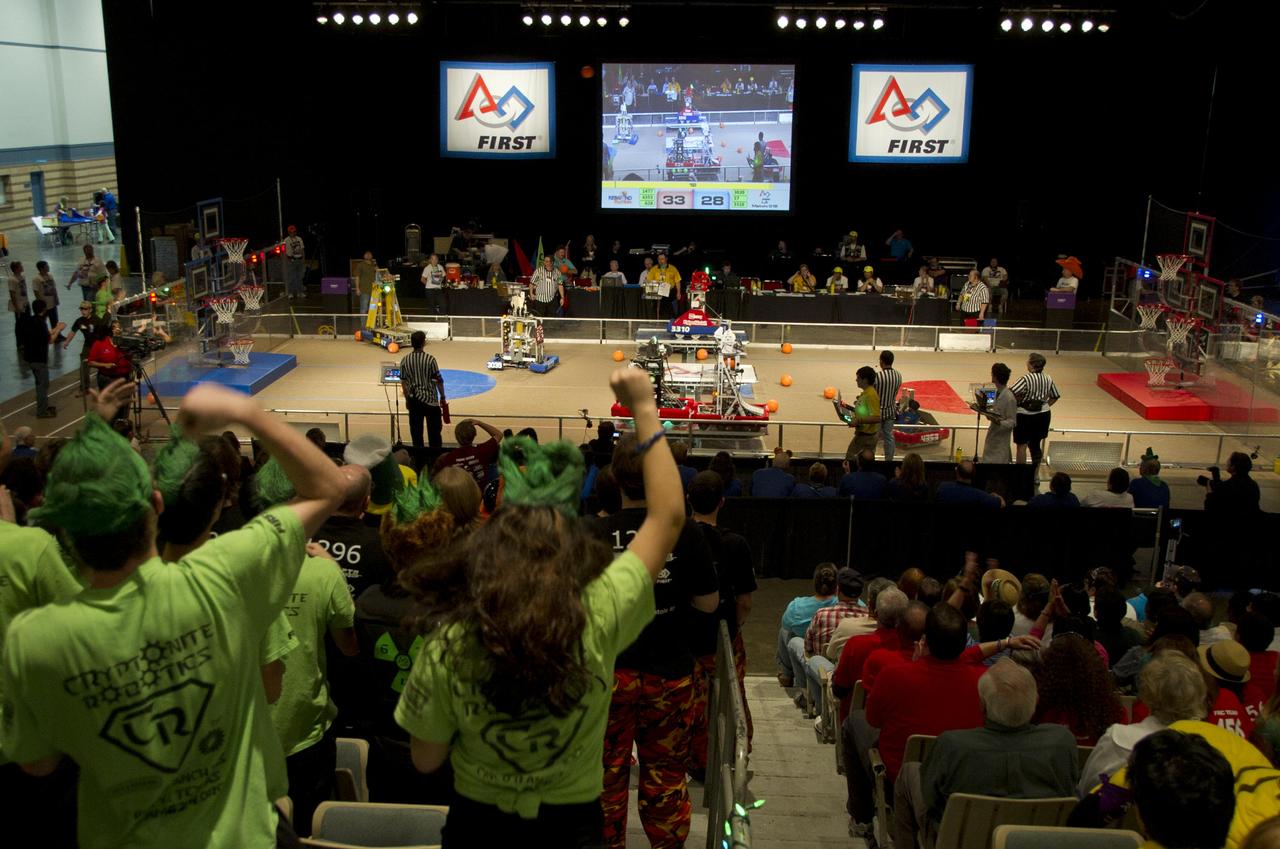
Spectators crew on teams during the 2012 FIRST (For Inspiration and Recognition of Science and Technology) Robotics Bayou Regional Competition March 15-17, 2012, in Kenner, La. Students from 49 high school teams in six states participated in the annual robotics tournament.

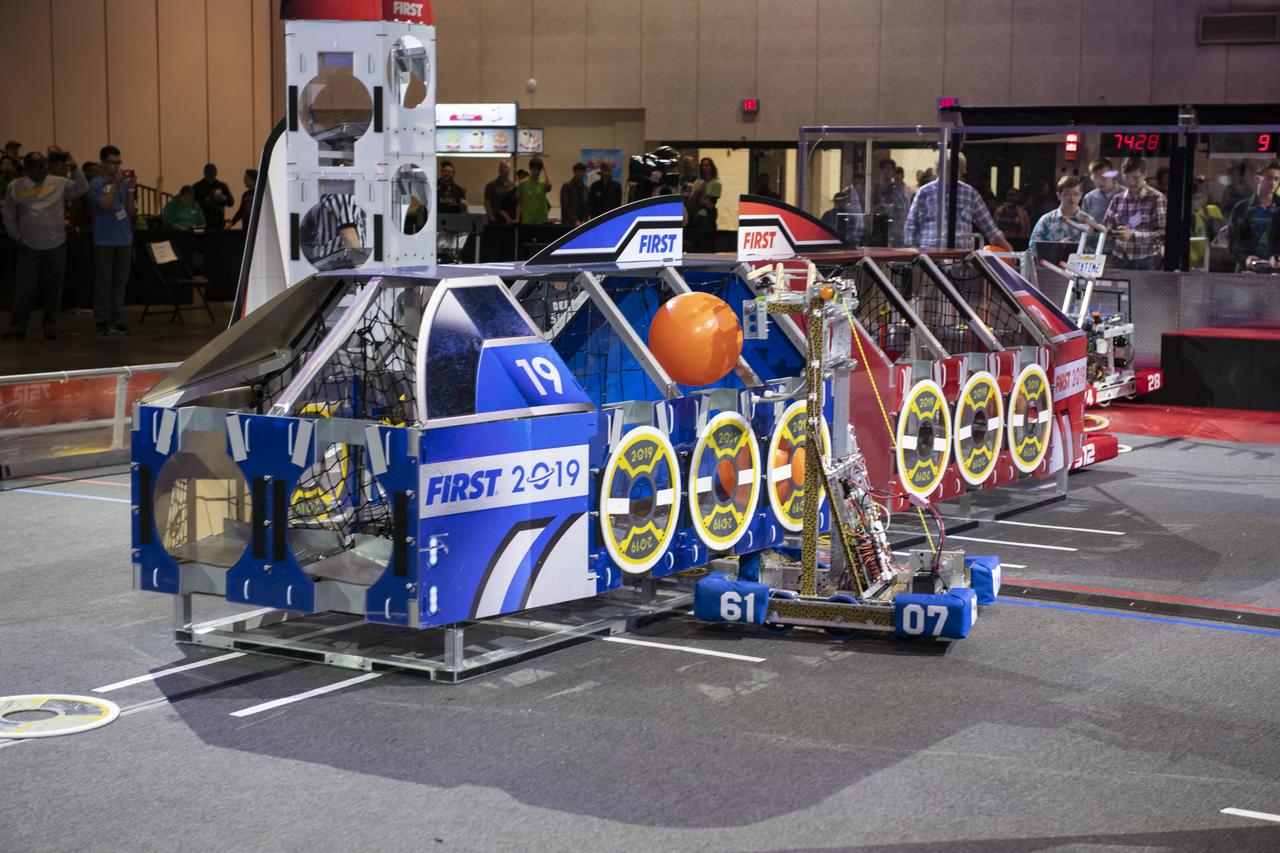
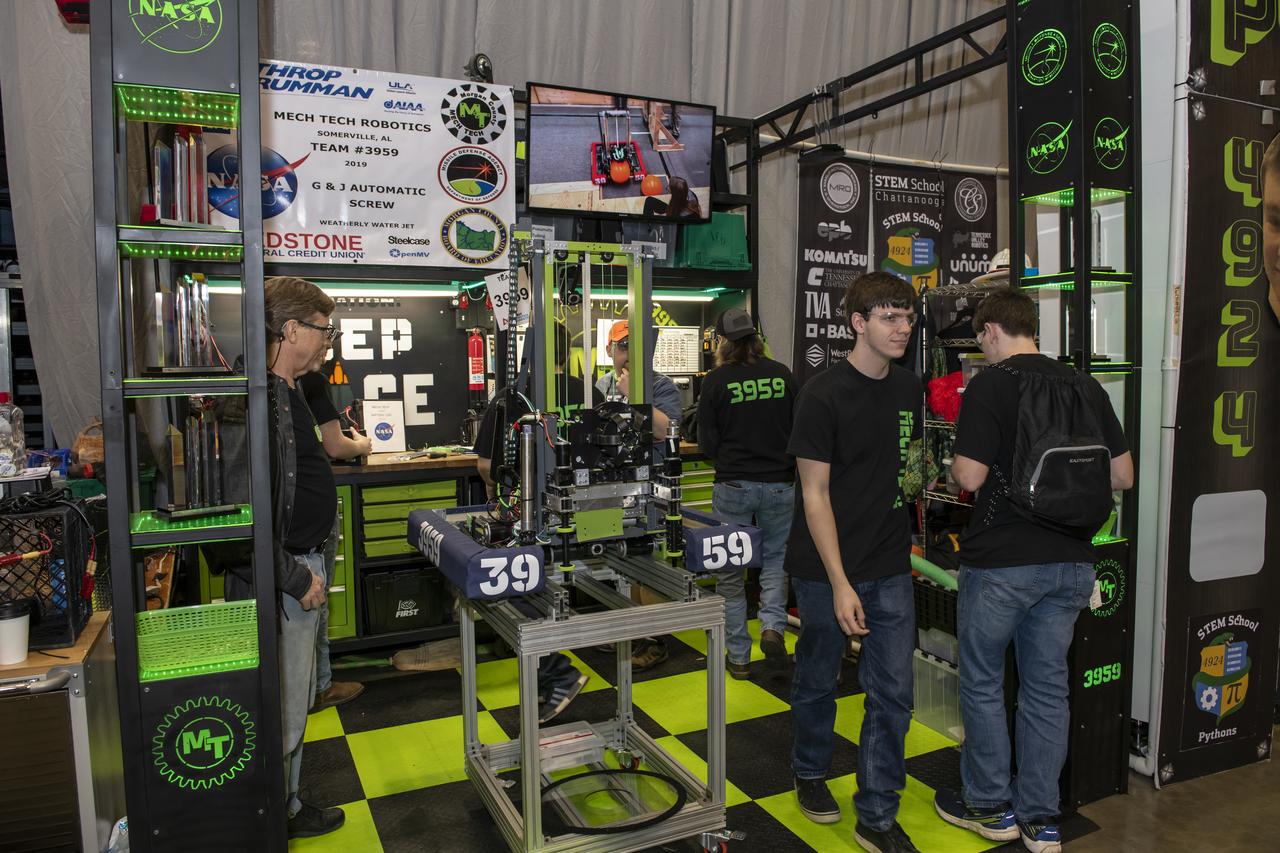
The 2019 First Robotics Competition was held in Huntsville, Alabama on March 15 and 16 in the Von Braun Center. 55 teams from 12 states and Brazil competed in “Destination Deep Space” games. The First Robotics Competition is supported by NASA’s Marshall Space Flight Center.
The 2019 First Robotics Competition was held in Huntsville, Alabama on March 15 and 16 in the Von Braun Center. 55 teams from 12 states and Brazil competed in “Destination Deep Space” games. The First Robotics Competition is supported by NASA’s Marshall Space Flight Center.
The 2019 First Robotics Competition was held in Huntsville, Alabama on March 15 and 16 in the Von Braun Center. 55 teams from 12 states and Brazil competed in “Destination Deep Space” games. The First Robotics Competition is supported by NASA’s Marshall Space Flight Center.
The 2019 First Robotics Competition was held in Huntsville, Alabama on March 15 and 16 in the Von Braun Center. 55 teams from 12 states and Brazil competed in “Destination Deep Space” games. The First Robotics Competition is supported by NASA’s Marshall Space Flight Center.
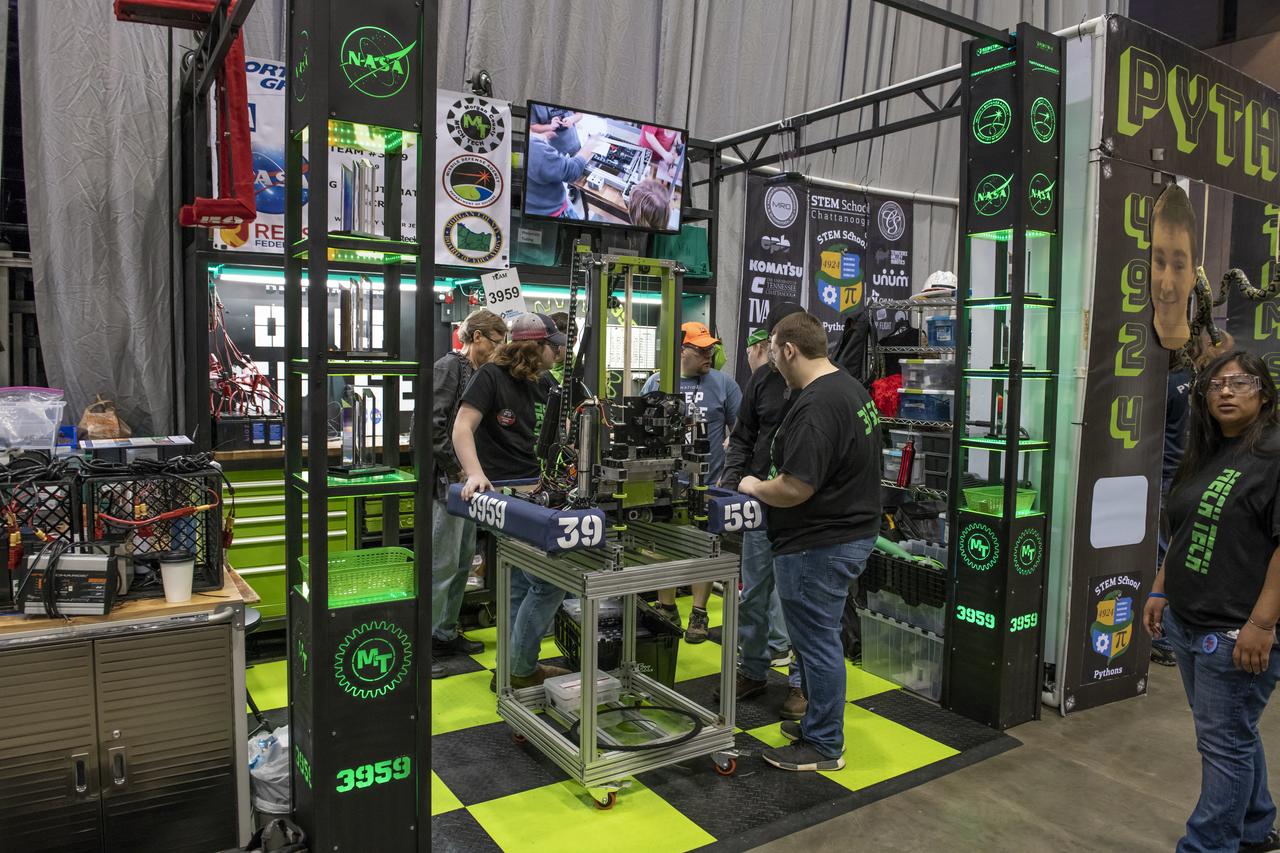
The 2019 First Robotics Competition was held in Huntsville, Alabama on March 15 and 16 in the Von Braun Center. 55 teams from 12 states and Brazil competed in “Destination Deep Space” games. The First Robotics Competition is supported by NASA’s Marshall Space Flight Center.
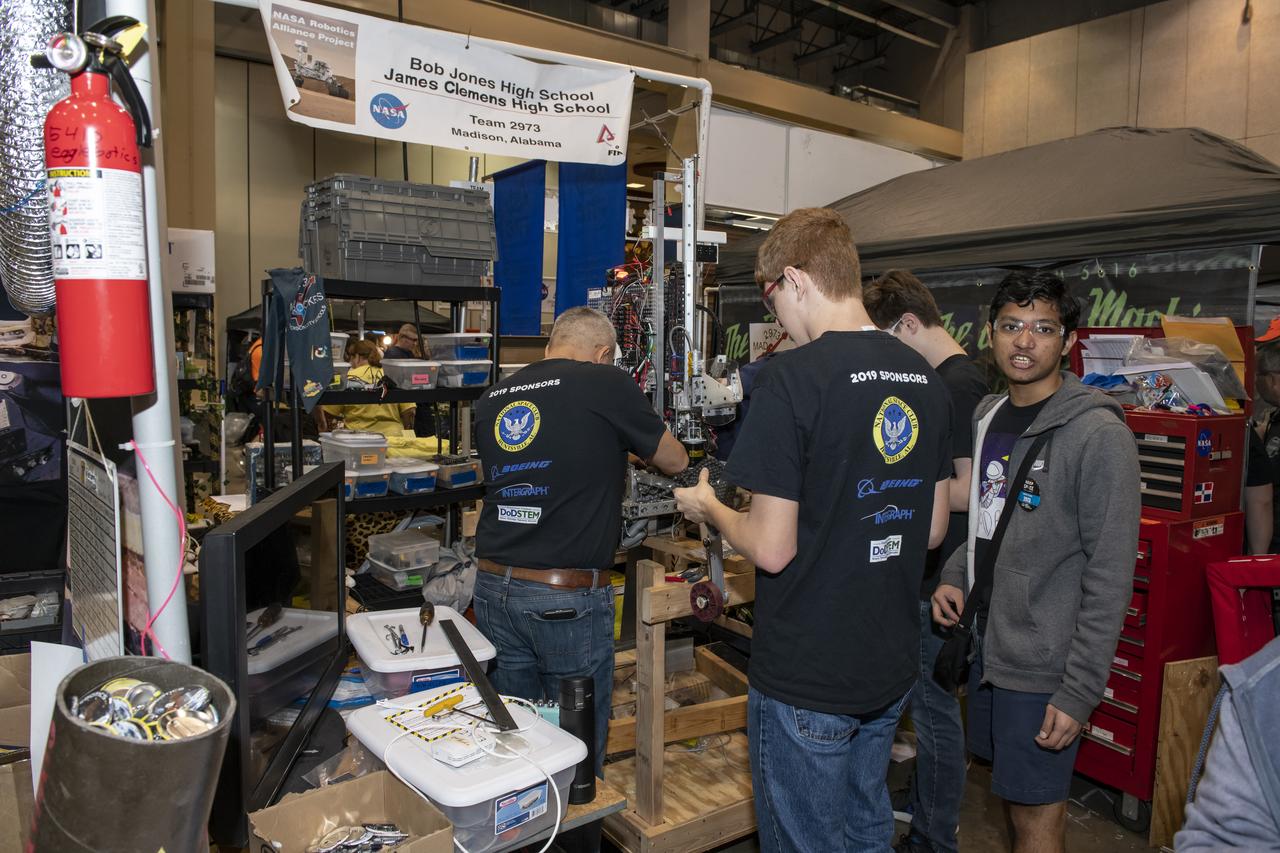
The 2019 First Robotics Competition was held in Huntsville, Alabama on March 15 and 16 in the Von Braun Center. 55 teams from 12 states and Brazil competed in “Destination Deep Space” games. The First Robotics Competition is supported by NASA’s Marshall Space Flight Center.
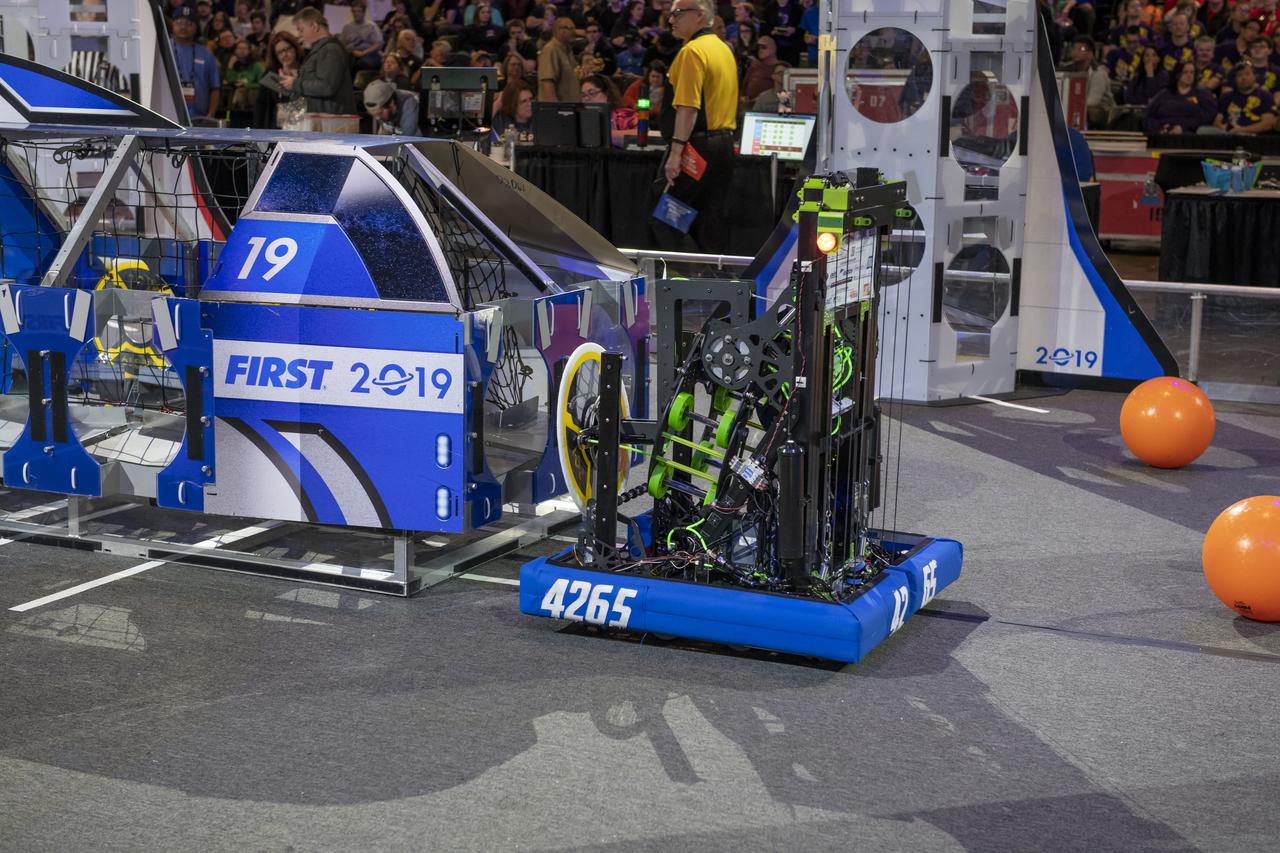
The 2019 First Robotics Competition was held in Huntsville, Alabama on March 15 and 16 in the Von Braun Center. 55 teams from 12 states and Brazil competed in “Destination Deep Space” games. The First Robotics Competition is supported by NASA’s Marshall Space Flight Center.
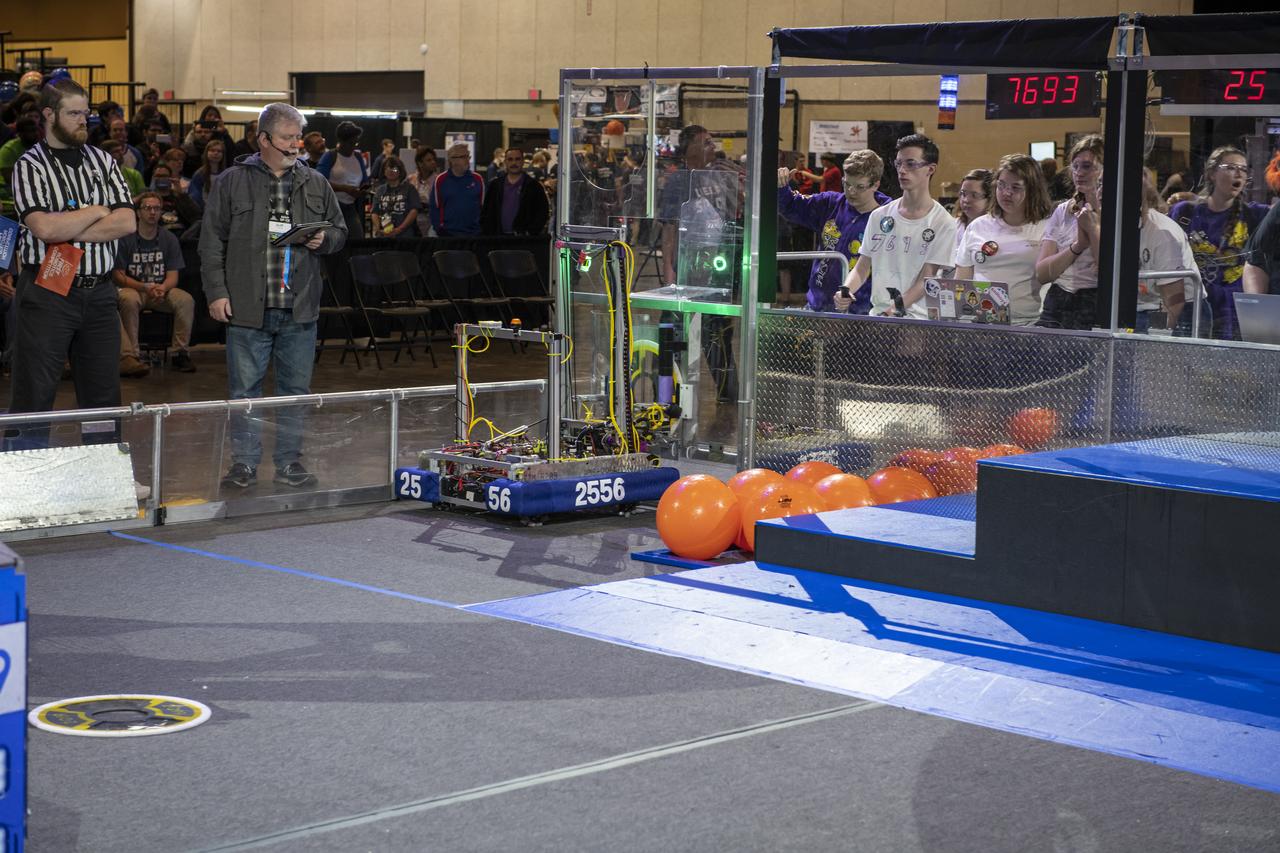
The 2019 First Robotics Competition was held in Huntsville, Alabama on March 15 and 16 in the Von Braun Center. 55 teams from 12 states and Brazil competed in “Destination Deep Space” games. The First Robotics Competition is supported by NASA’s Marshall Space Flight Center.
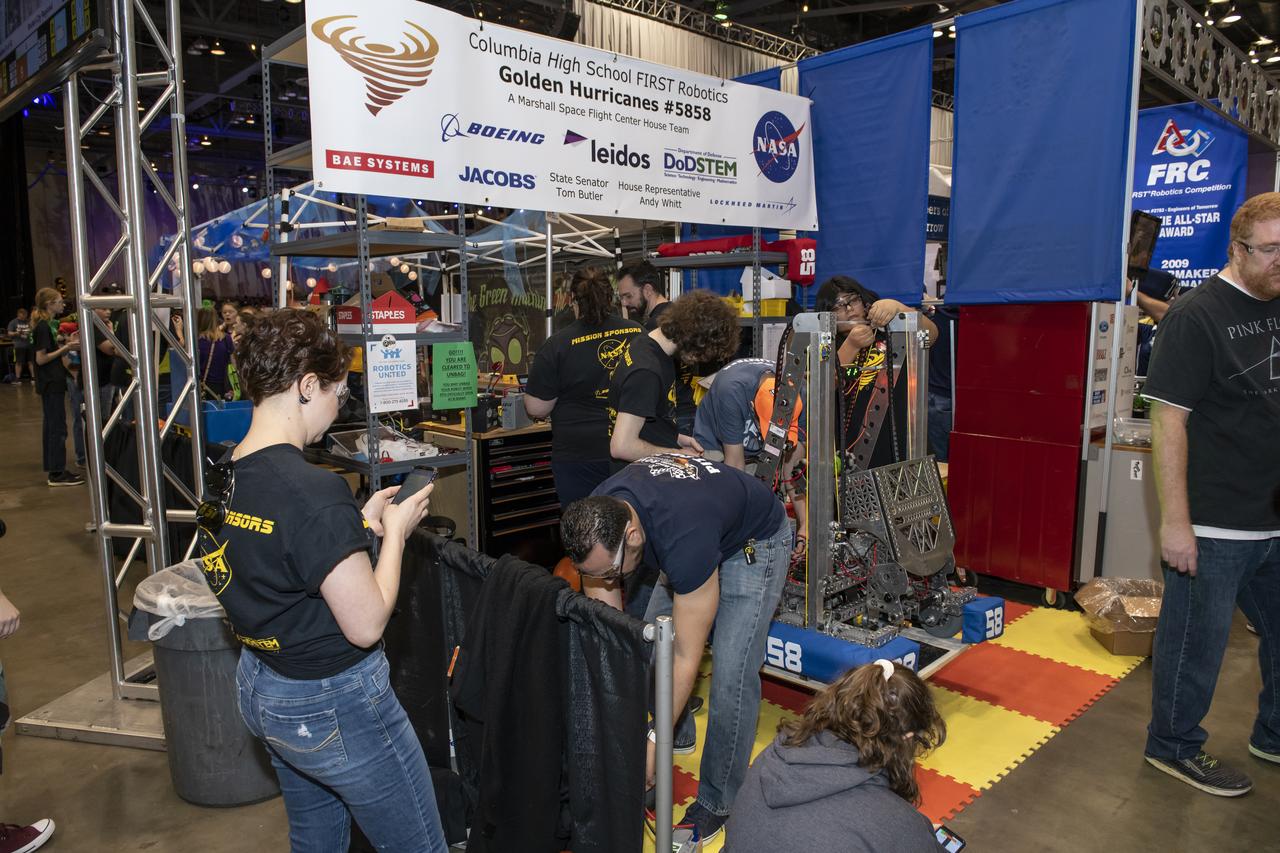
The 2019 First Robotics Competition was held in Huntsville, Alabama on March 15 and 16 in the Von Braun Center. 55 teams from 12 states and Brazil competed in “Destination Deep Space” games. The First Robotics Competition is supported by NASA’s Marshall Space Flight Center.
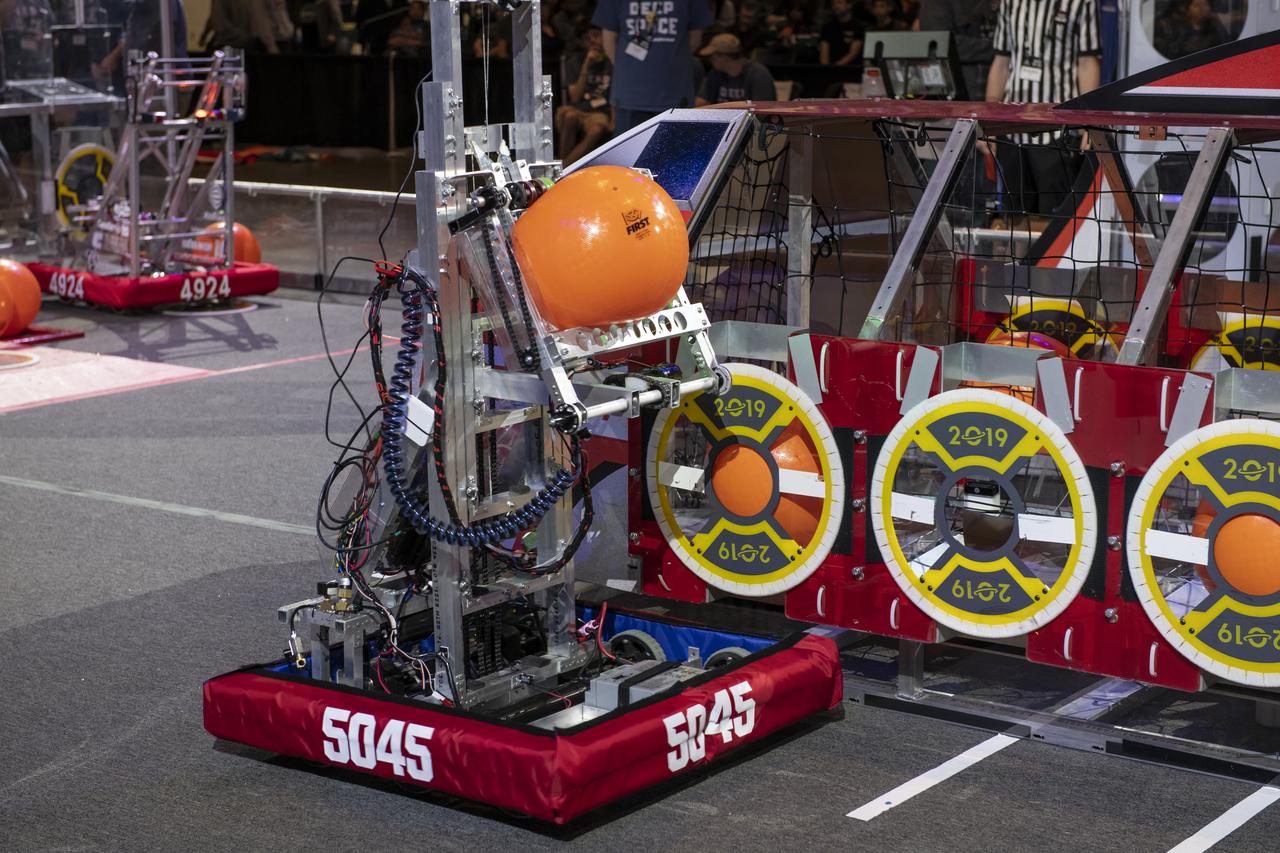
The 2019 First Robotics Competition was held in Huntsville, Alabama on March 15 and 16 in the Von Braun Center. 55 teams from 12 states and Brazil competed in “Destination Deep Space” games. The First Robotics Competition is supported by NASA’s Marshall Space Flight Center.
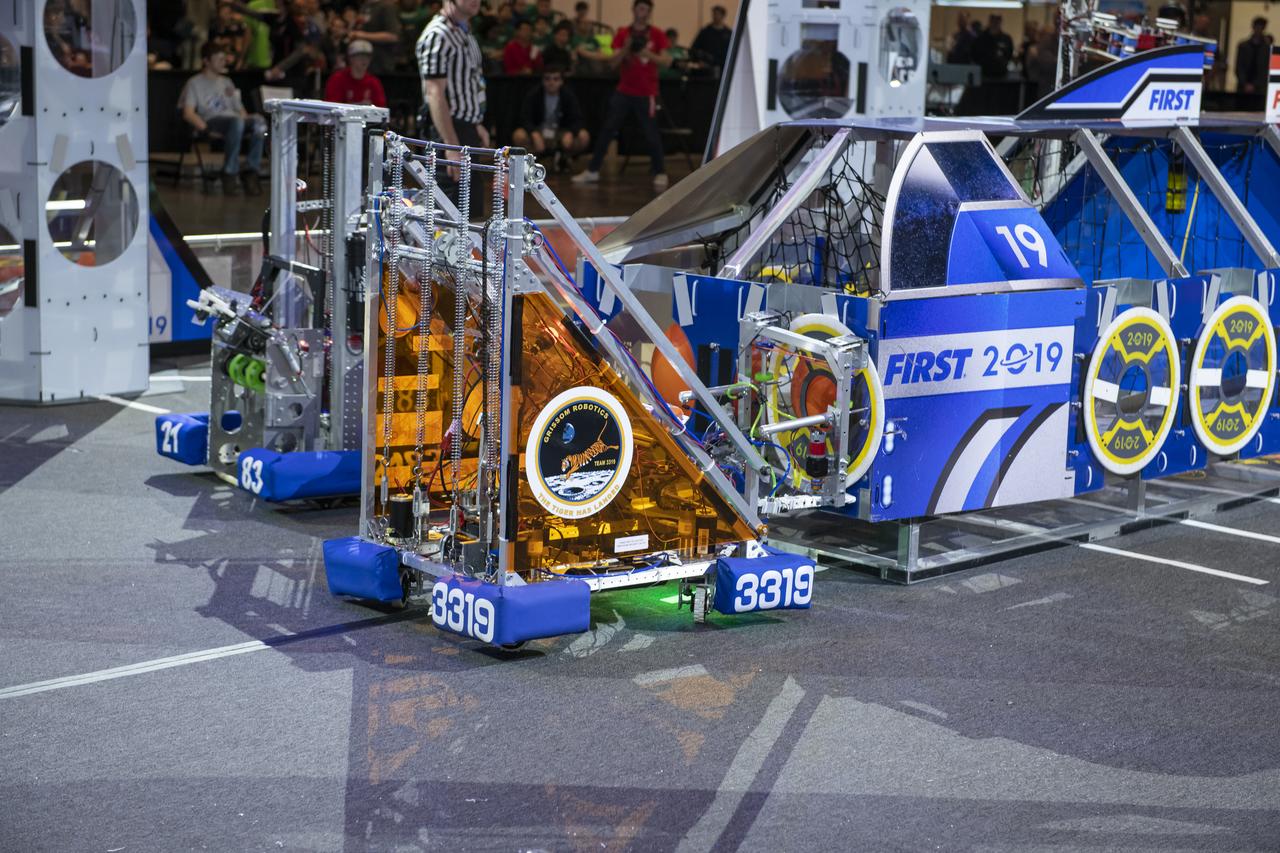
The 2019 First Robotics Competition was held in Huntsville, Alabama on March 15 and 16 in the Von Braun Center. 55 teams from 12 states and Brazil competed in “Destination Deep Space” games. The First Robotics Competition is supported by NASA’s Marshall Space Flight Center.
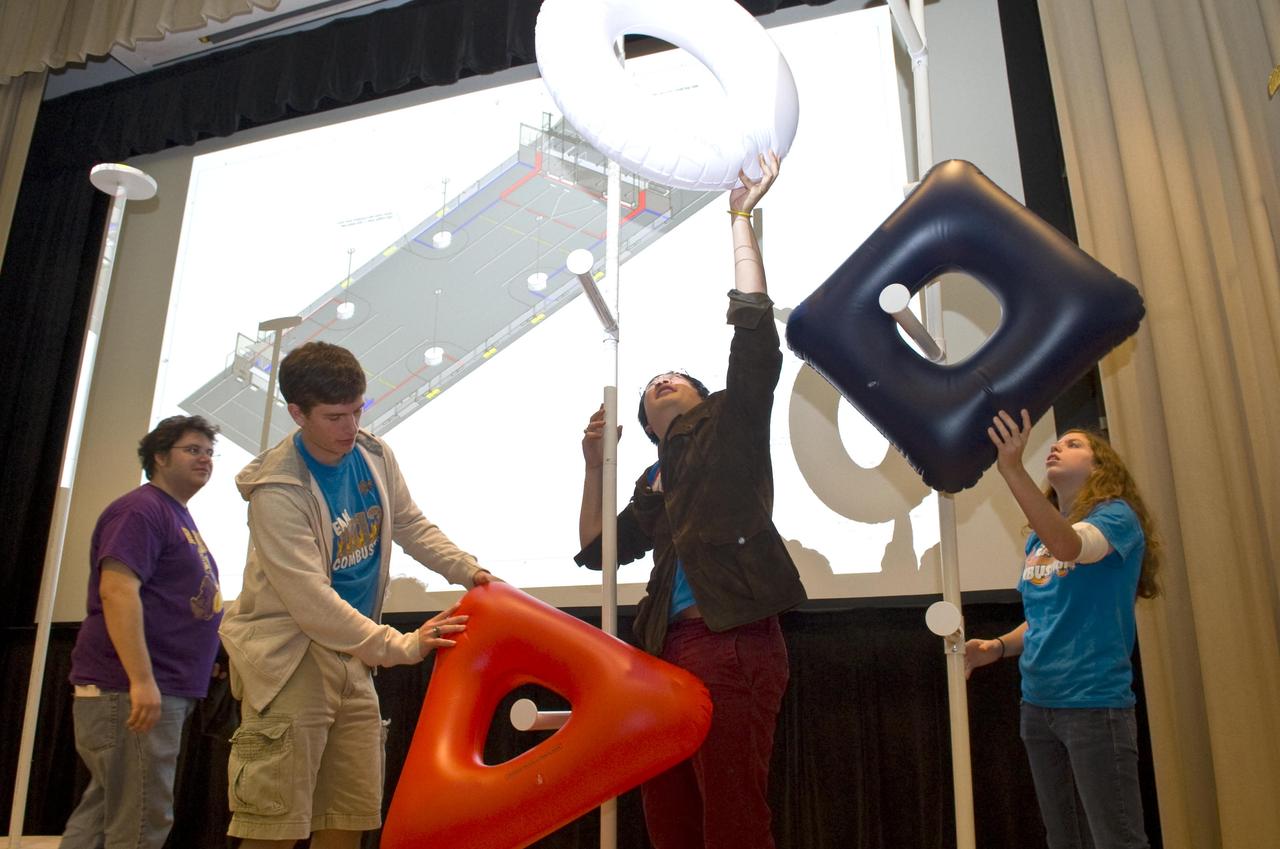
Chris Collins (l to r), Andy Zhou and Rachel Holladay from Northshore High School in Slidell place FIRST logo pieces during a Jan. 7, 2011 kickoff event for the 2011 FIRST (For Inspiration and Recognition of Science and Technology) Robotics Competition season. Thirty teams from four states attended the kickoff event at Stennis Space Center.
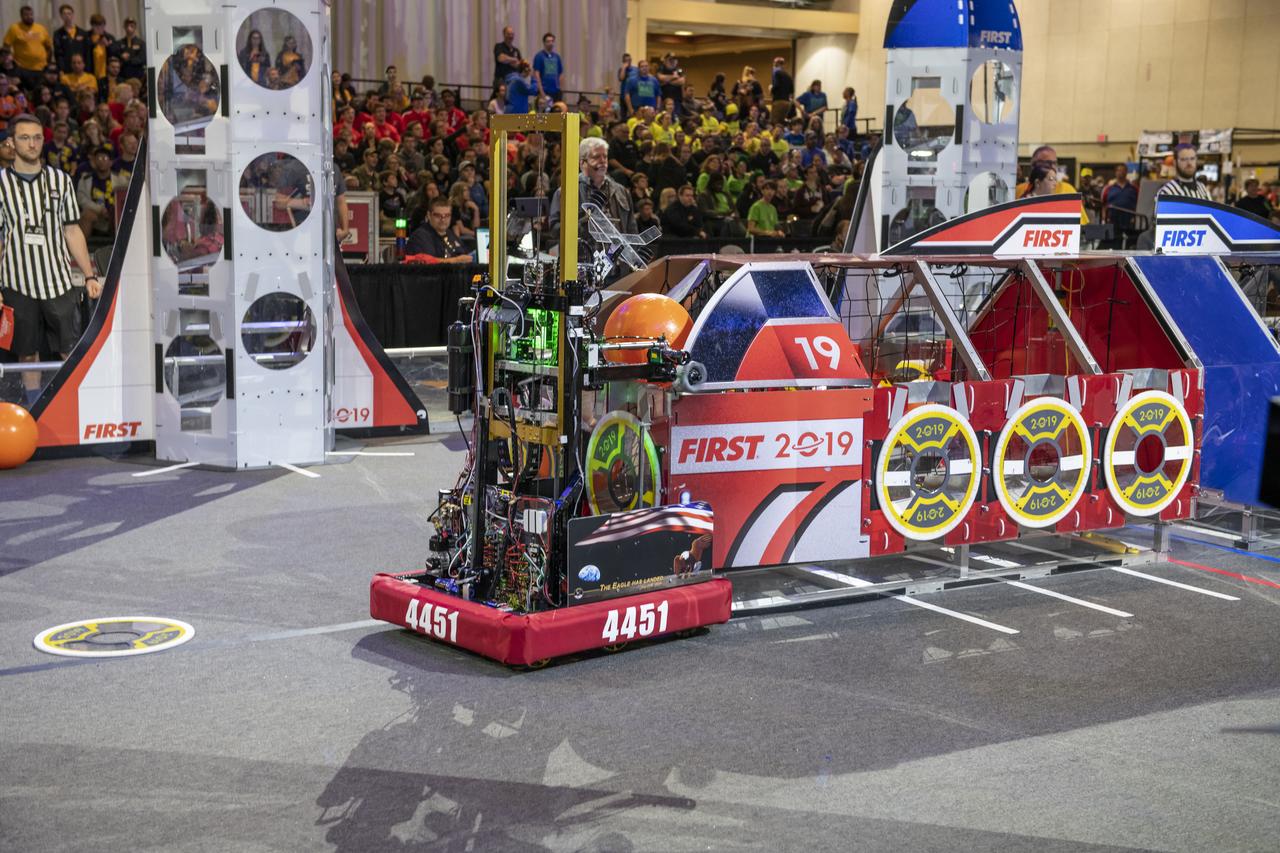
The 2019 First Robotics Competition was held in Huntsville, Alabama on March 15 and 16 in the Von Braun Center. 55 teams from 12 states and Brazil competed in “Destination Deep Space” games. The First Robotics Competition is supported by NASA’s Marshall Space Flight Center. Marshal Space Flight Center deputy director Paul McConnaughey greets competitors and guests on March 15, 2019.
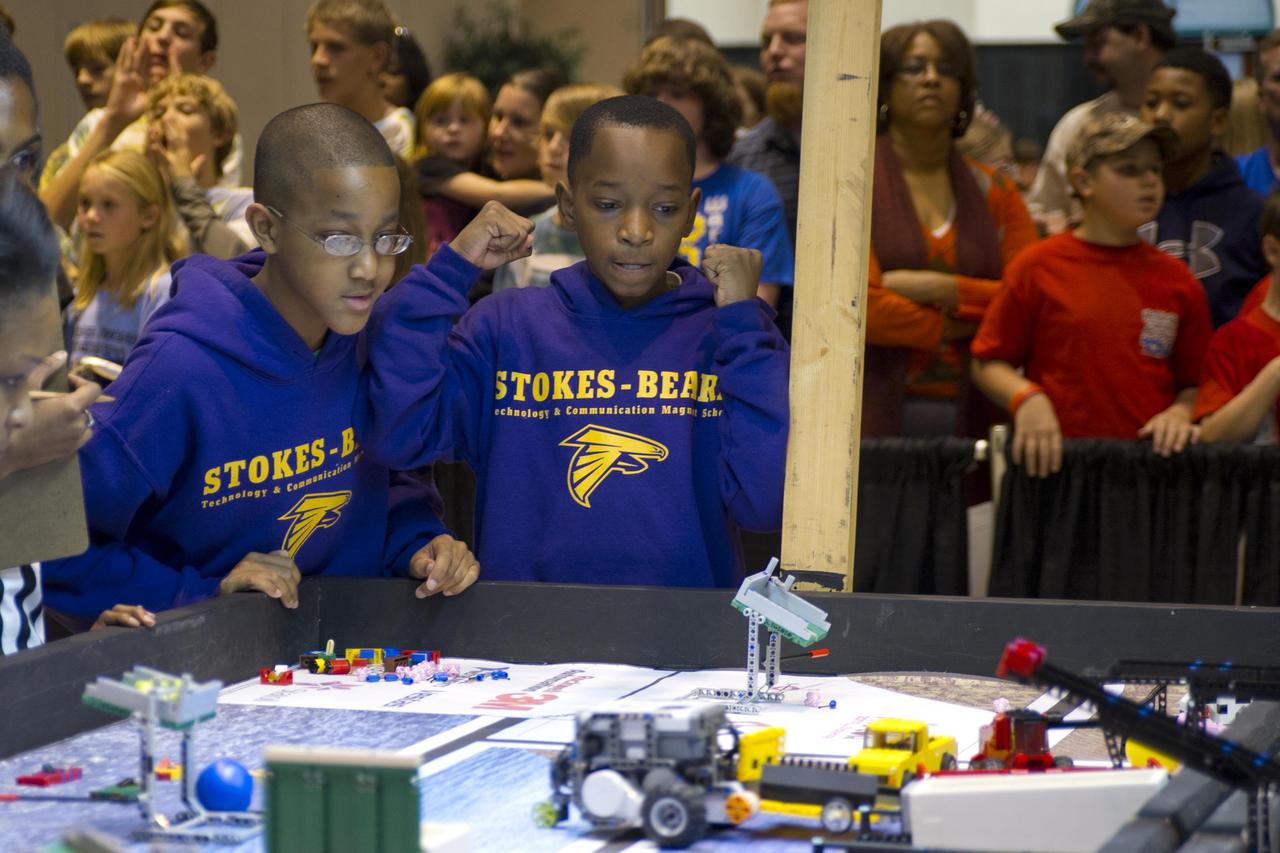
Two 2011 Mississippi FIRST LEGO League competitors from Stokes-Beard Magnet Elementary School in Columbus urge their robots on during the annual tournament Dec. 3. The competition attracted more than 1,000 participants and guests to the Lake Terrace Convention Center in Hattiesburg.
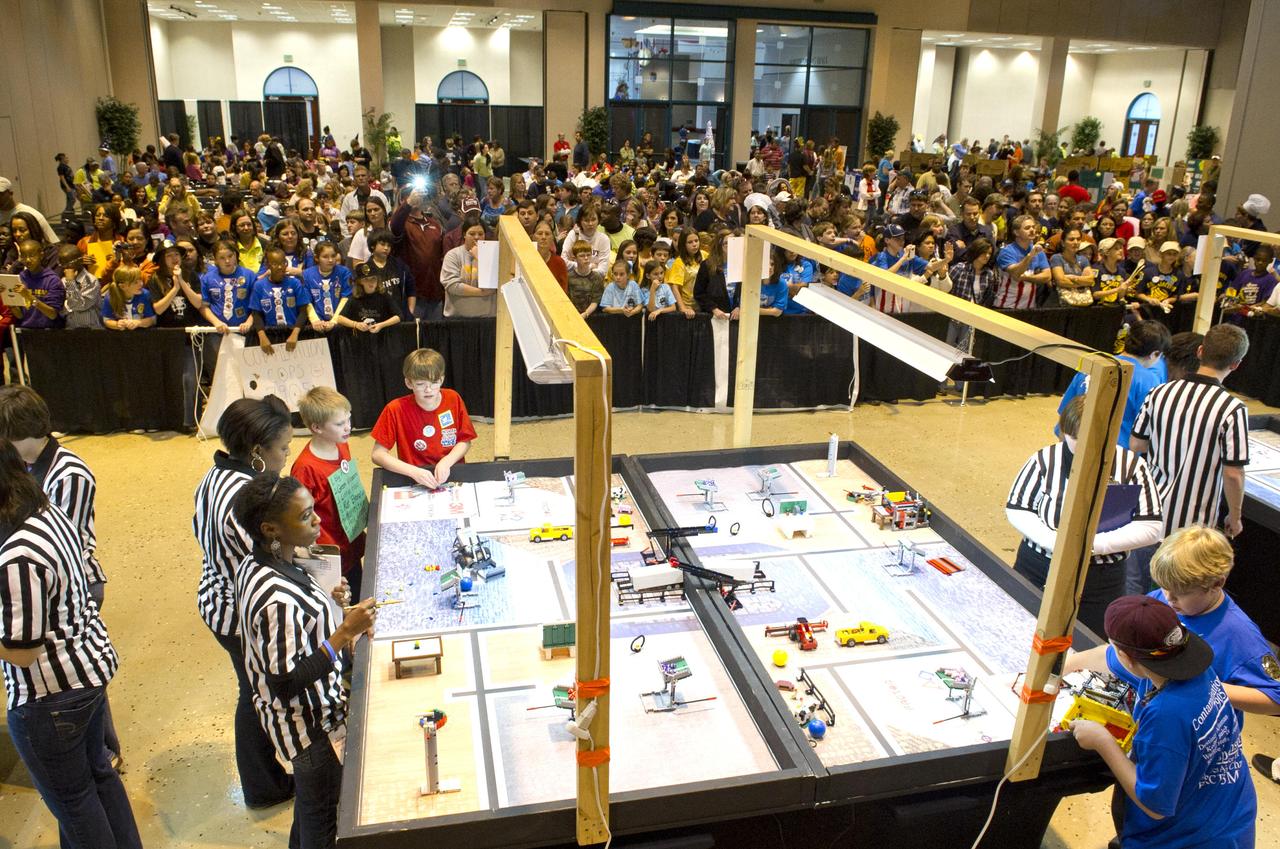
The 2011 Mississippi FIRST LEGO League Championship Tournament attracted more than 1,000 participants and guests to the Lake Terrace Convention Center in Hattiesburg. In partnership with the LEGO Group, registered participants use the MINDSTORMSTM NXT system to build robots prior to each year's annual competition.
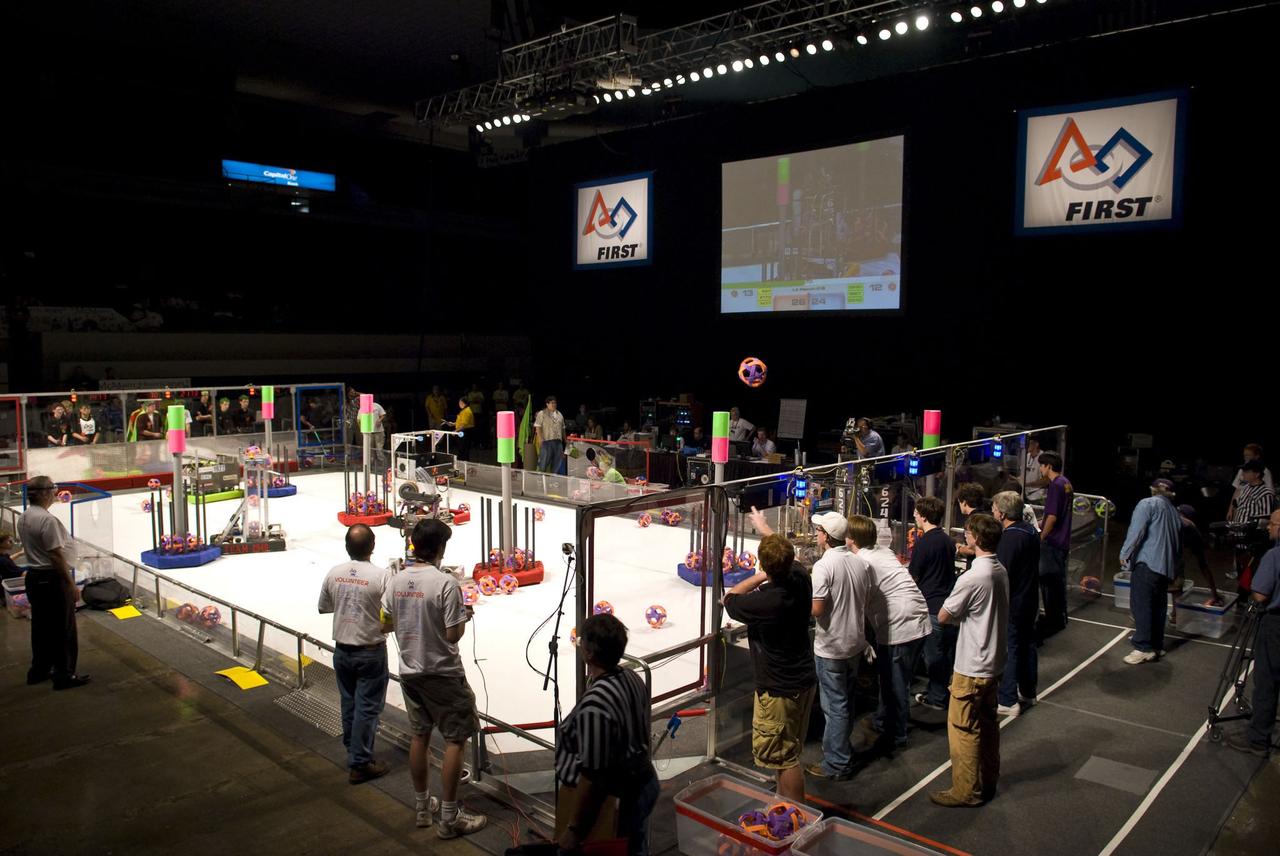
High school students compete at the 2009 FIRST Robotics Bayou Regional competition held March 19-21 in New Orleans.
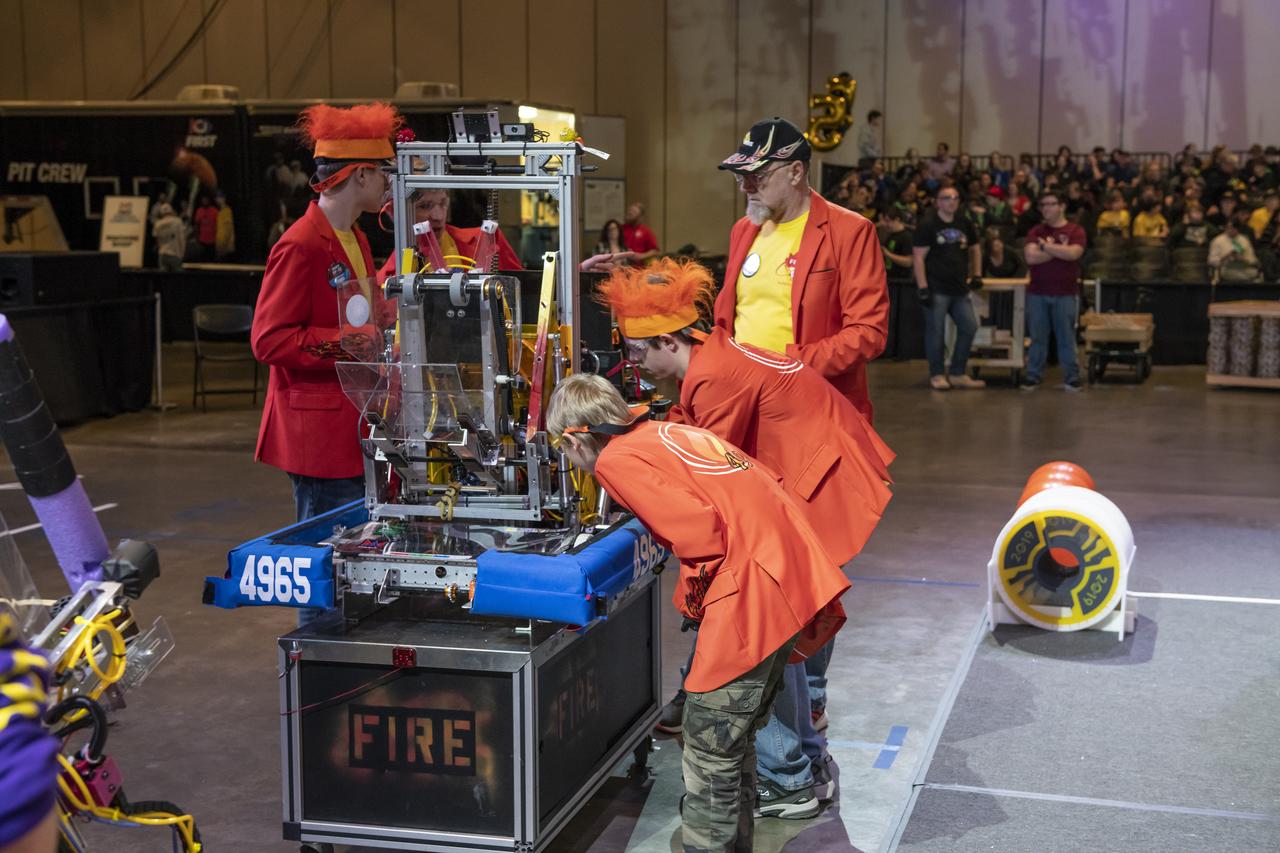
The 2019 First Robotics Competition was held in Huntsville, Alabama on March 15 and 16 in the Von Braun Center. 55 teams from 12 states and Brazil competed in “Destination Deep Space” games. The First Robotics Competition is supported by NASA’s Marshall Space Flight Center. A team from Anderson, S.C. prepares their robot for competition.
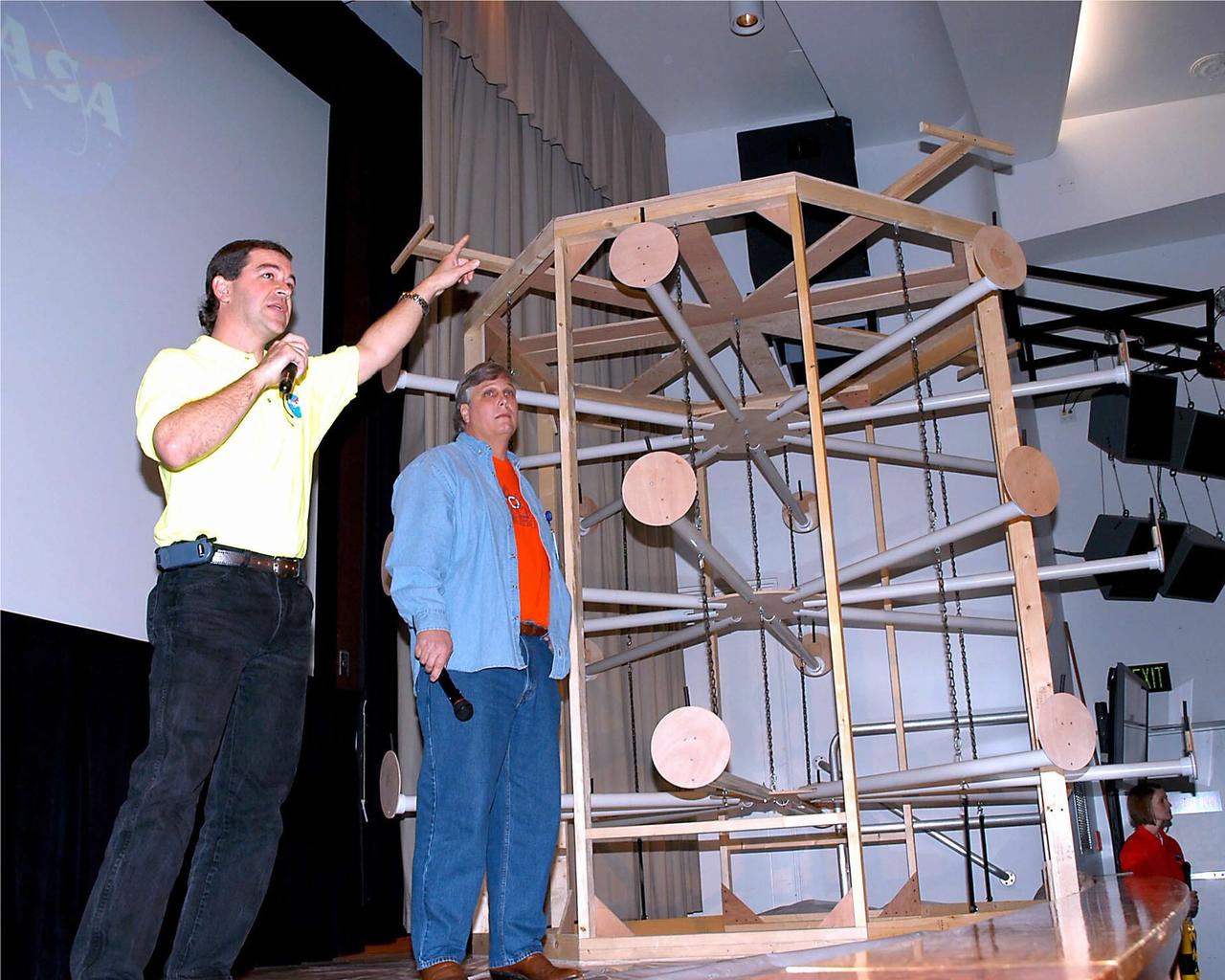
NASA engineers Scott Olive (left) and Bo Clarke answer questions during the 2007 FIRST (For Inspiration and Recognition of Science and Technology) Robotics Competition regional kickoff event held Saturday, Jan. 6, 2007, at StenniSphere, the visitor center at NASA Stennis Space Center near Bay St. Louis, Miss. The SSC employees and FIRST Robotics volunteer mentors are standing near a mock-up of the playing field for the FIRST Robotics' 2007 `Rack n' Roll' challenge. Roughly 300 students and adult volunteers - representing 29 high schools from four states - attended the kickoff to hear the rules of `Rack n' Roll.' The teams will spend the next six weeks building and programming robots from parts kits they received Saturday, then battle their creations at regional spring competitions in New Orleans, Houston, Atlanta and other cities around the nation. FIRST aims to inspire students in the pursuit of engineering and technology studies and careers.
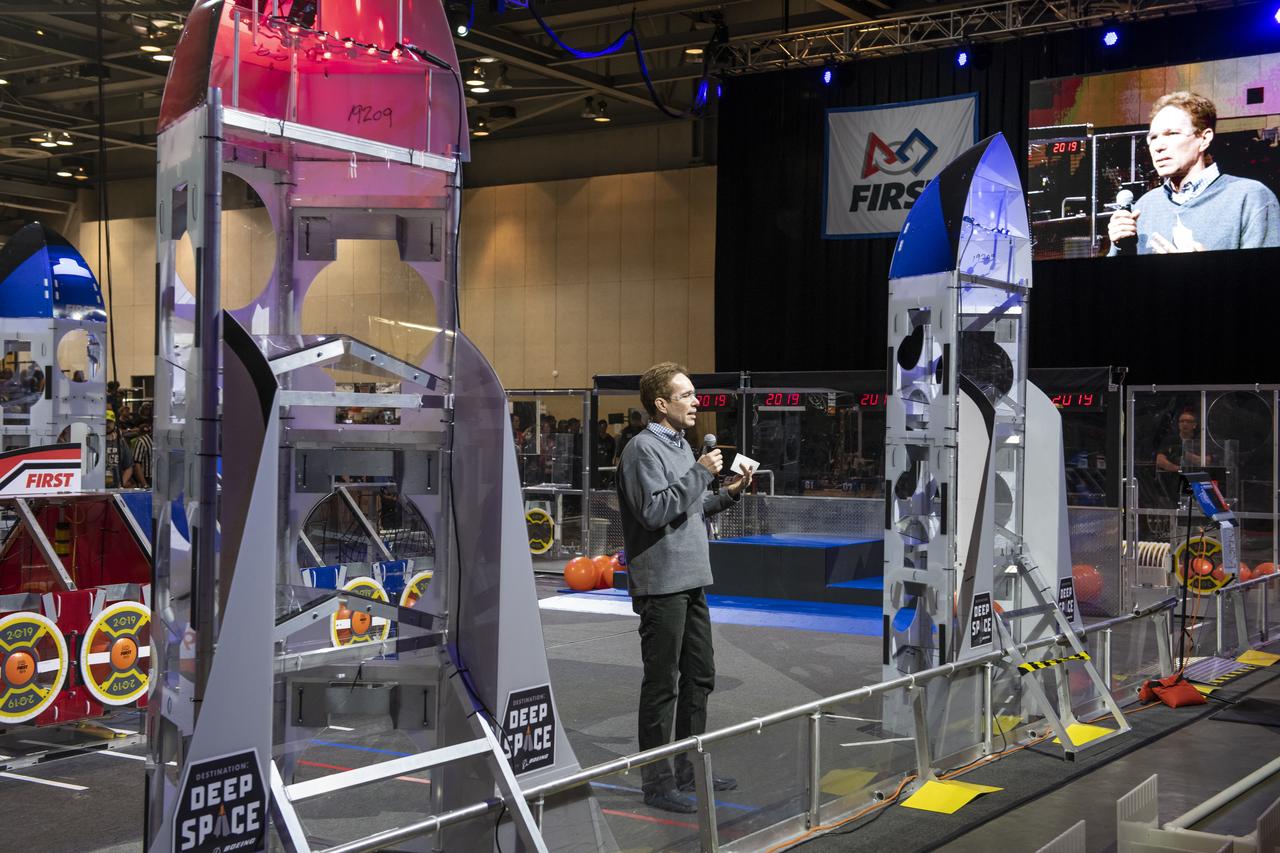
The 2019 First Robotics Competition was held in Huntsville, Alabama on March 15 and 16 in the Von Braun Center. 55 teams from 12 states and Brazil competed in “Destination Deep Space” games. The First Robotics Competition is supported by NASA’s Marshall Space Flight Center. Marshal Space Flight Center deputy director Paul McConnaughey greets competitors and guests on March 15, 2019.
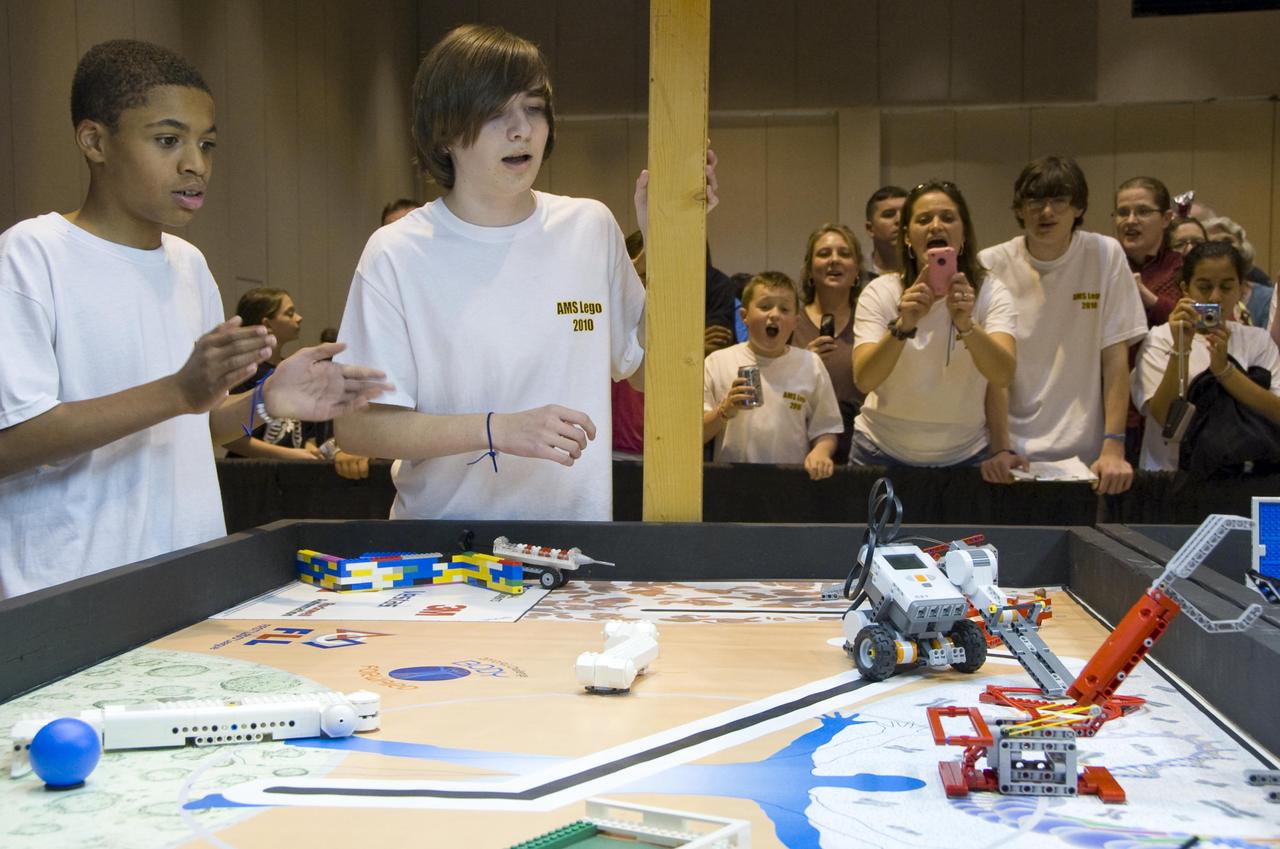
Matthew Myles (left) and Agrippa Kellum from Armstrong Middle School in Starkville, watch as their LEGO robot competes during a Dec. 4 tournament. Elementary and middle school students from across Mississippi gathered in Hattiesburg to participate in the Mississippi Championship FIRST (For Inspiration and Recognition of Science and Technology) LEGO League Tournament. Stennis supports FIRST LEGO League each year by providing mentors, training and tournament volunteers.
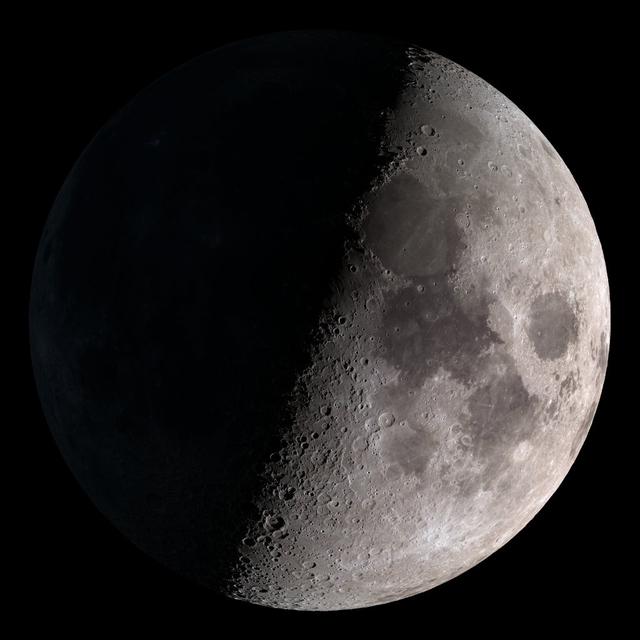
First quarter. Visible high in the southern sky in early evening. NASA's Lunar Reconnaissance Orbiter (LRO) has been in orbit around the Moon since the summer of 2009. Its laser altimeter (LOLA) and camera (LROC) are recording the rugged, airless lunar terrain in exceptional detail, making it possible to visualize the Moon with unprecedented fidelity. This is especially evident in the long shadows cast near the terminator, or day-night line. The pummeled, craggy landscape thrown into high relief at the terminator would be impossible to recreate in the computer without global terrain maps like those from LRO. To download, learn more about this visualization, or to see what the Moon will look like at any hour in 2015, visit <a href="http://svs.gsfc.nasa.gov/goto?4236" rel="nofollow">svs.gsfc.nasa.gov/goto?4236</a> <b><a href="http://www.nasa.gov/audience/formedia/features/MP_Photo_Guidelines.html" rel="nofollow">NASA image use policy.</a></b> <b><a href="http://www.nasa.gov/centers/goddard/home/index.html" rel="nofollow">NASA Goddard Space Flight Center</a></b> enables NASA’s mission through four scientific endeavors: Earth Science, Heliophysics, Solar System Exploration, and Astrophysics. Goddard plays a leading role in NASA’s accomplishments by contributing compelling scientific knowledge to advance the Agency’s mission. <b>Follow us on <a href="http://twitter.com/NASAGoddardPix" rel="nofollow">Twitter</a></b> <b>Like us on <a href="http://www.facebook.com/pages/Greenbelt-MD/NASA-Goddard/395013845897?ref=tsd" rel="nofollow">Facebook</a></b> <b>Find us on <a href="http://instagram.com/nasagoddard?vm=grid" rel="nofollow">Instagram</a></b>
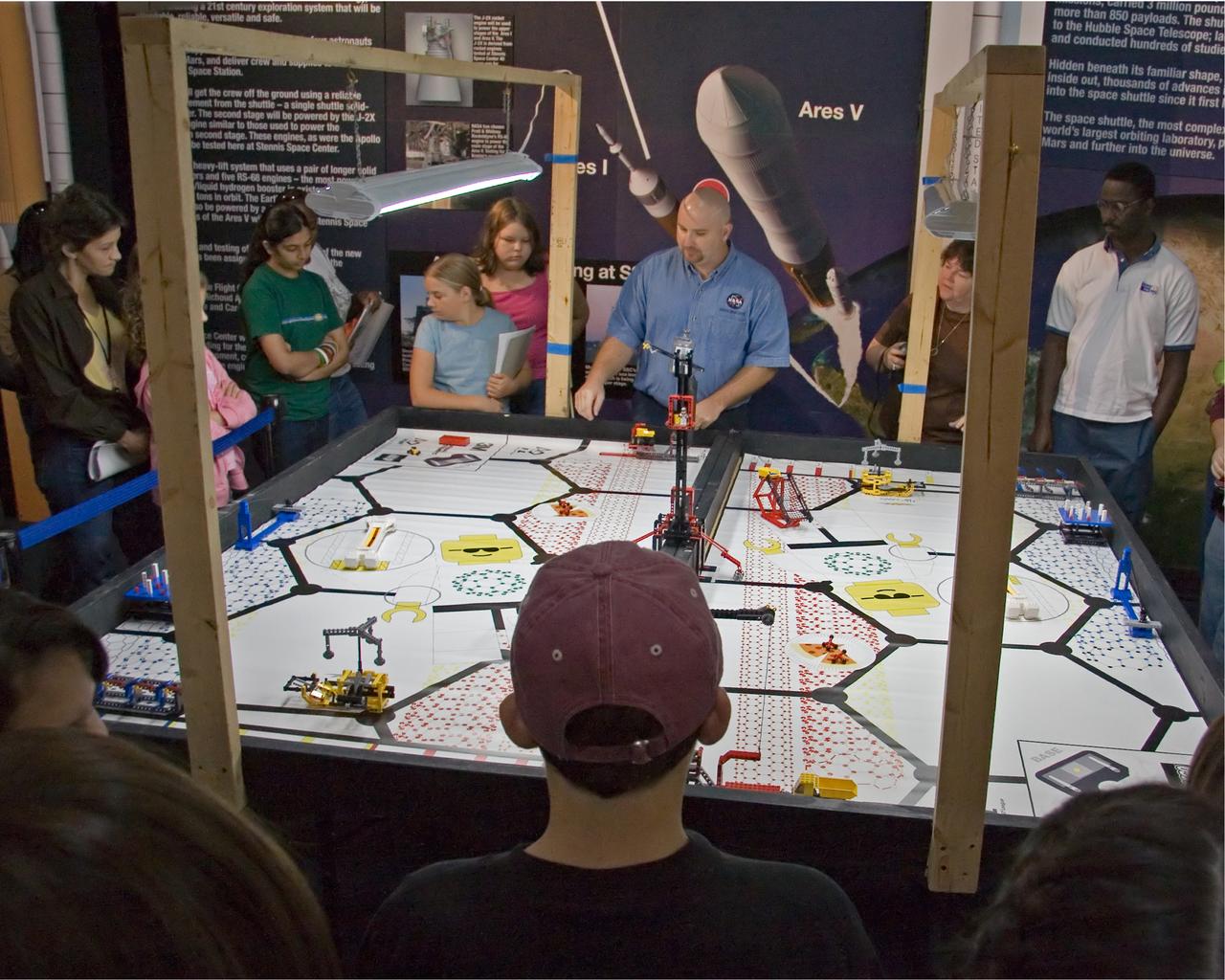
FIRST LEGO League participants listen to Aerospace Education Specialist Chris Copelan explain the playing field for 'Nano Quest' during a recent FLL kickoff event at StenniSphere, the visitor center at NASA Stennis Space Center. The kickoff began the 2006 FLL competition season. Eighty-five teachers, mentors, parents and 9- to 14-year-old students from southern and central Mississippi came to SSC to hear the rules for Nano Quest. The challenge requires teams to spend eight weeks building and programming robots from LEGO Mindstorms kits. They'll battle their creations in local and regional competitions. The Dec. 2 competition at Mississippi Gulf Coast Community College will involve about 200 students. FIRST LEGO League, considered the 'little league' of the FIRST (For Inspiration and Recognition of Science and Technology) Robotics Competition, partners FIRST and the LEGO Group. Competitions aim to inspire and celebrate science and technology using real-world context and hands-on experimentation, and to promote the principles of team play and gracious professionalism. Because NASA advocates robotics and science-technology education, the agency and SSC support FIRST by providing team coaches, mentors and training, as well as competition event judges, referees, audio-visual and other volunteer staff personnel. Two of Mississippi's NASA Explorer Schools, Bay-Waveland Middle and Hattiesburg's Lillie Burney Elementary, were in attendance. The following schools were also represented: Ocean Springs Middle, Pearl Upper Elementary, Long Beach Middle, Jackson Preparatory Academy, North Woolmarket Middle, D'Iberville Middle, West Wortham Middle, Picayune's Roseland Park Baptist Academy and Nicholson Elementary, as well as two home-school groups from McComb and Brandon. Gulfport and Picayune Memorial-Pearl River high schools' FIRST Robotics teams conducted robotics demonstrations for the FLL crowd.
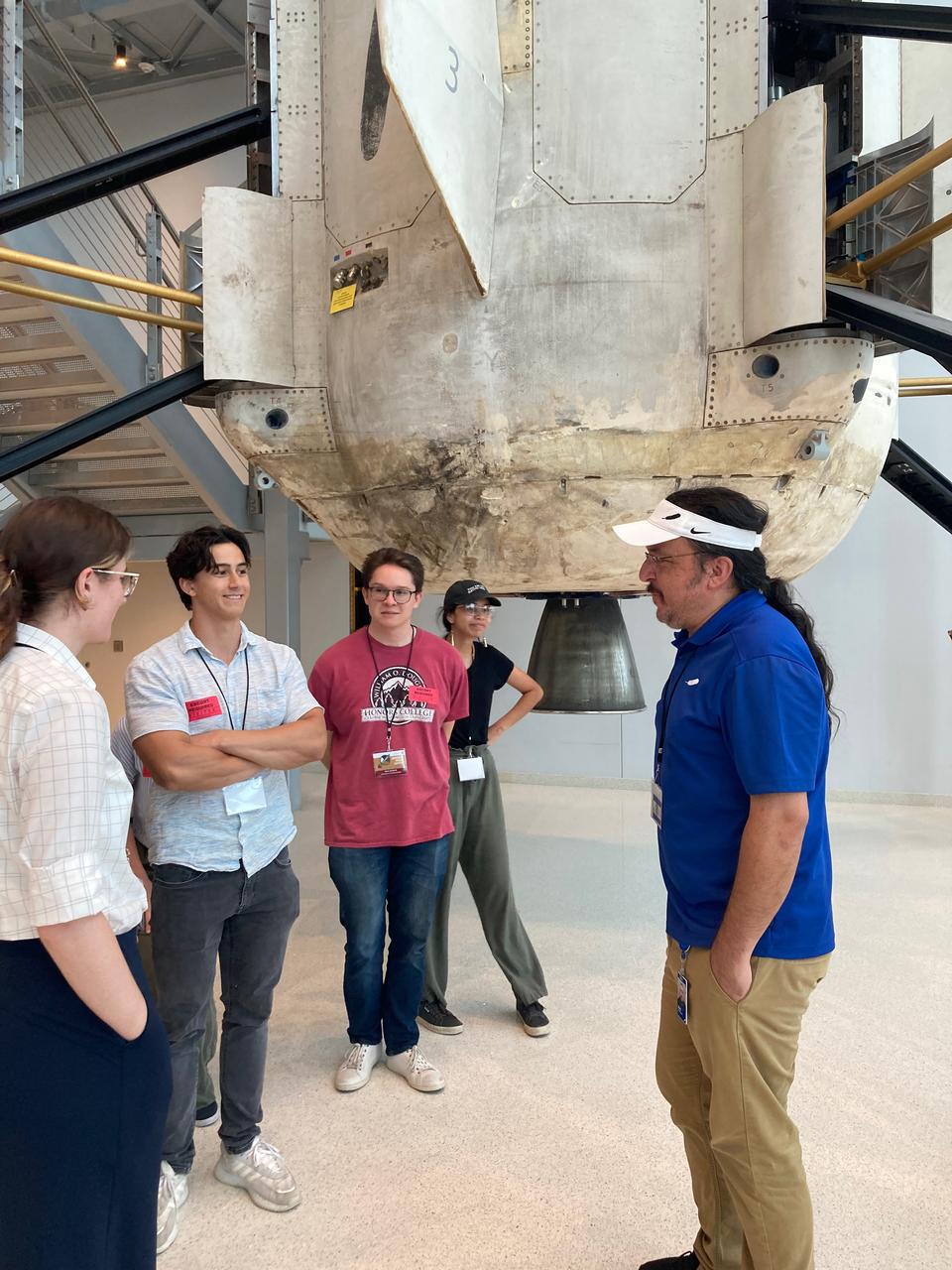
Participants from the 14th First Nations Launch High-Power Rocket Competition watch NASA’s SpaceX Crew-7 launch from the Banana Creek viewing site at the agency’s Kennedy Space Center in Florida on Saturday, Aug. 26, 2023. A SpaceX Falcon 9 rocket carrying NASA astronaut Jasmin Moghbeli, ESA (European Space Agency) astronaut Andreas Mogensen, JAXA (Japan Aerospace Exploration Agency) astronaut Satoshi Furukawa, and Roscosmos cosmonaut Konstantin Borisov launched to the International Space Station at 3:27 a.m. EDT from Kennedy’s Launch Complex 39A. Students and advisors from University of Washington, University of Colorado-Boulder, and an international team from Queens University – this year’s First Nations Launch grand prize teams – traveled to Kennedy for a VIP tour, culminating in viewing the Crew-7 launch. Another highlight included a guided tour of historic Hangar AE, led by James Wood (Osage Nation and Loyal Shawnee), chief engineer of NASA’s Launch Services Program, technical advisor for the Crew-7 launch, and First Nations mentor and judge. One of NASA’s Artemis Student Challenges, the First Nations Launch competition comprises students from tribal colleges and universities, Native American-Serving Nontribal Institutions, and collegiate chapters of the American Indian Science and Engineering Society who design, build, and launch a high-powered rocket from a launch site in Kansasville, Wisconsin. The competition is facilitated by NASA’s Wisconsin Space Grant Consortium and managed by the agency’s Office of STEM Engagement at Kennedy.
Participants from the 14th First Nations Launch High-Power Rocket Competition watch NASA’s SpaceX Crew-7 launch from the Banana Creek viewing site at the agency’s Kennedy Space Center in Florida on Saturday, Aug. 26, 2023. A SpaceX Falcon 9 rocket carrying NASA astronaut Jasmin Moghbeli, ESA (European Space Agency) astronaut Andreas Mogensen, JAXA (Japan Aerospace Exploration Agency) astronaut Satoshi Furukawa, and Roscosmos cosmonaut Konstantin Borisov launched to the International Space Station at 3:27 a.m. EDT from Kennedy’s Launch Complex 39A. Students and advisors from University of Washington, University of Colorado-Boulder, and an international team from Queens University – this year’s First Nations Launch grand prize teams – traveled to Kennedy for a VIP tour, culminating in viewing the Crew-7 launch. Another highlight included a guided tour of historic Hangar AE, led by James Wood (Osage Nation and Loyal Shawnee), chief engineer of NASA’s Launch Services Program, technical advisor for the Crew-7 launch, and First Nations mentor and judge. One of NASA’s Artemis Student Challenges, the First Nations Launch competition comprises students from tribal colleges and universities, Native American-Serving Nontribal Institutions, and collegiate chapters of the American Indian Science and Engineering Society who design, build, and launch a high-powered rocket from a launch site in Kansasville, Wisconsin. The competition is facilitated by NASA’s Wisconsin Space Grant Consortium and managed by the agency’s Office of STEM Engagement at Kennedy.
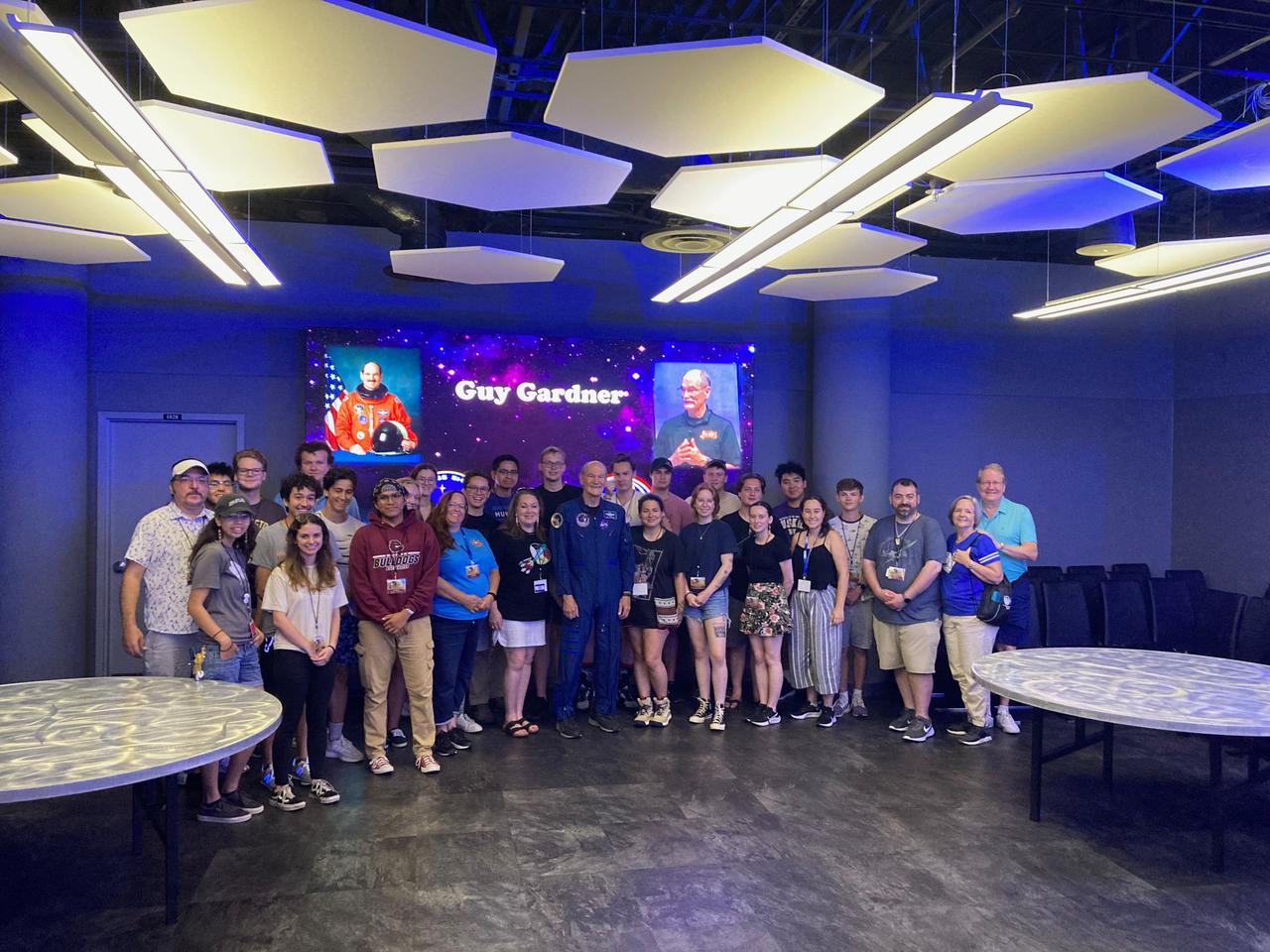
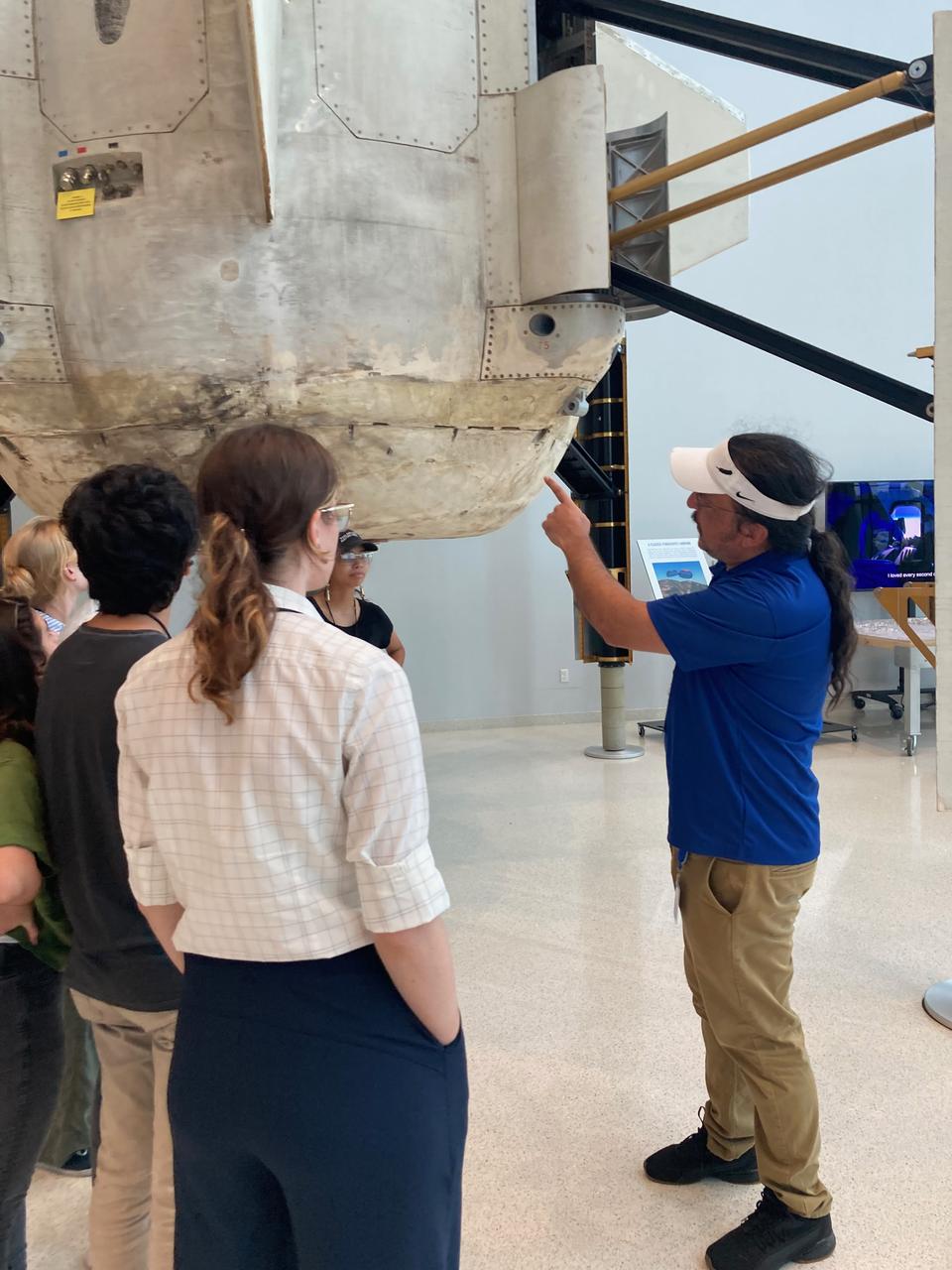
Participants from the 14th First Nations Launch High-Power Rocket Competition watch NASA’s SpaceX Crew-7 launch from the Banana Creek viewing site at the agency’s Kennedy Space Center in Florida on Saturday, Aug. 26, 2023. A SpaceX Falcon 9 rocket carrying NASA astronaut Jasmin Moghbeli, ESA (European Space Agency) astronaut Andreas Mogensen, JAXA (Japan Aerospace Exploration Agency) astronaut Satoshi Furukawa, and Roscosmos cosmonaut Konstantin Borisov launched to the International Space Station at 3:27 a.m. EDT from Kennedy’s Launch Complex 39A. Students and advisors from University of Washington, University of Colorado-Boulder, and an international team from Queens University – this year’s First Nations Launch grand prize teams – traveled to Kennedy for a VIP tour, culminating in viewing the Crew-7 launch. Another highlight included a guided tour of historic Hangar AE, led by James Wood (Osage Nation and Loyal Shawnee), chief engineer of NASA’s Launch Services Program, technical advisor for the Crew-7 launch, and First Nations mentor and judge. One of NASA’s Artemis Student Challenges, the First Nations Launch competition comprises students from tribal colleges and universities, Native American-Serving Nontribal Institutions, and collegiate chapters of the American Indian Science and Engineering Society who design, build, and launch a high-powered rocket from a launch site in Kansasville, Wisconsin. The competition is facilitated by NASA’s Wisconsin Space Grant Consortium and managed by the agency’s Office of STEM Engagement at Kennedy.
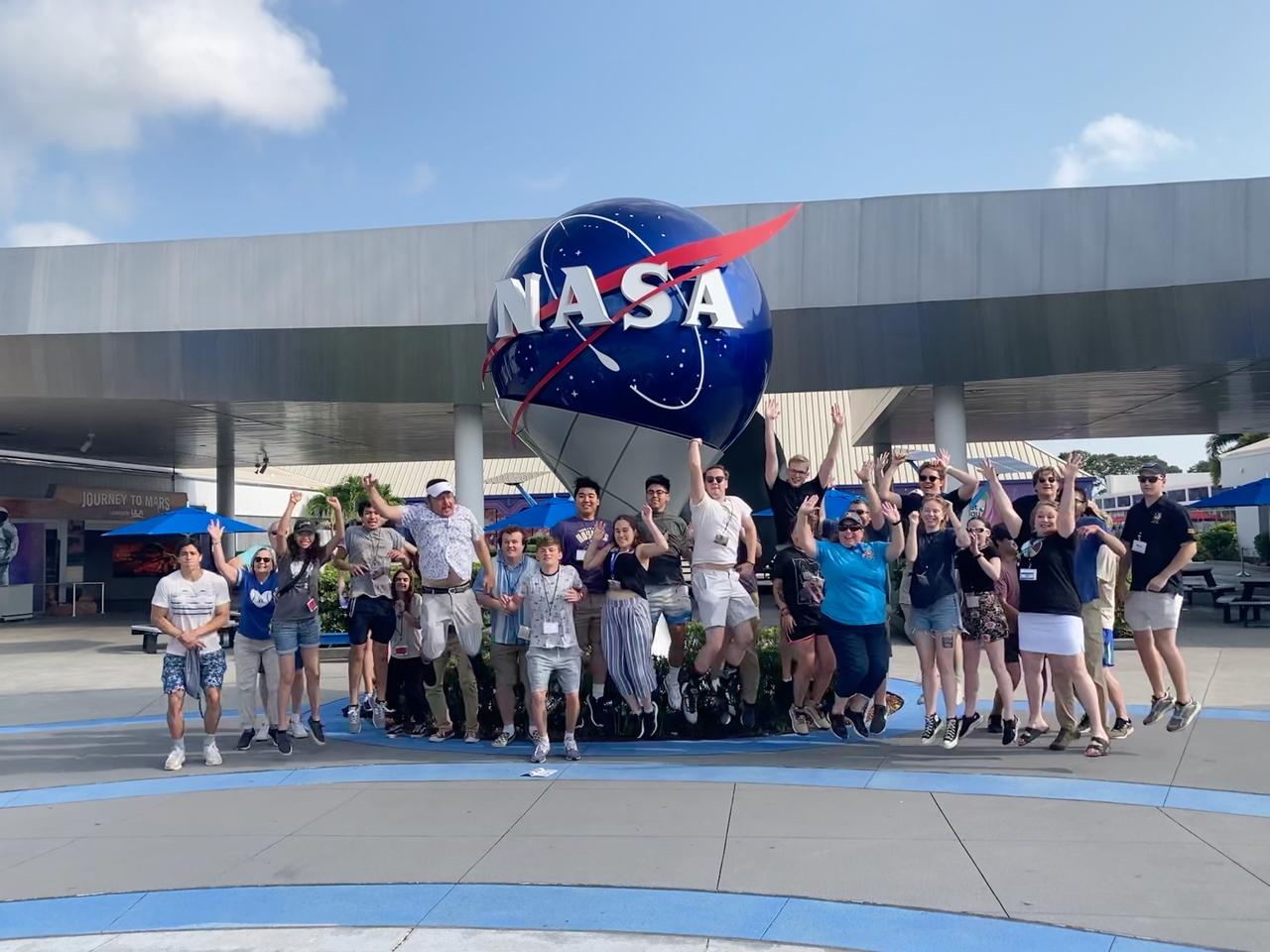
Participants from the 14th First Nations Launch High-Power Rocket Competition watch NASA’s SpaceX Crew-7 launch from the Banana Creek viewing site at the agency’s Kennedy Space Center in Florida on Saturday, Aug. 26, 2023. A SpaceX Falcon 9 rocket carrying NASA astronaut Jasmin Moghbeli, ESA (European Space Agency) astronaut Andreas Mogensen, JAXA (Japan Aerospace Exploration Agency) astronaut Satoshi Furukawa, and Roscosmos cosmonaut Konstantin Borisov launched to the International Space Station at 3:27 a.m. EDT from Kennedy’s Launch Complex 39A. Students and advisors from University of Washington, University of Colorado-Boulder, and an international team from Queens University – this year’s First Nations Launch grand prize teams – traveled to Kennedy for a VIP tour, culminating in viewing the Crew-7 launch. Another highlight included a guided tour of historic Hangar AE, led by James Wood (Osage Nation and Loyal Shawnee), chief engineer of NASA’s Launch Services Program, technical advisor for the Crew-7 launch, and First Nations mentor and judge. One of NASA’s Artemis Student Challenges, the First Nations Launch competition comprises students from tribal colleges and universities, Native American-Serving Nontribal Institutions, and collegiate chapters of the American Indian Science and Engineering Society who design, build, and launch a high-powered rocket from a launch site in Kansasville, Wisconsin. The competition is facilitated by NASA’s Wisconsin Space Grant Consortium and managed by the agency’s Office of STEM Engagement at Kennedy.
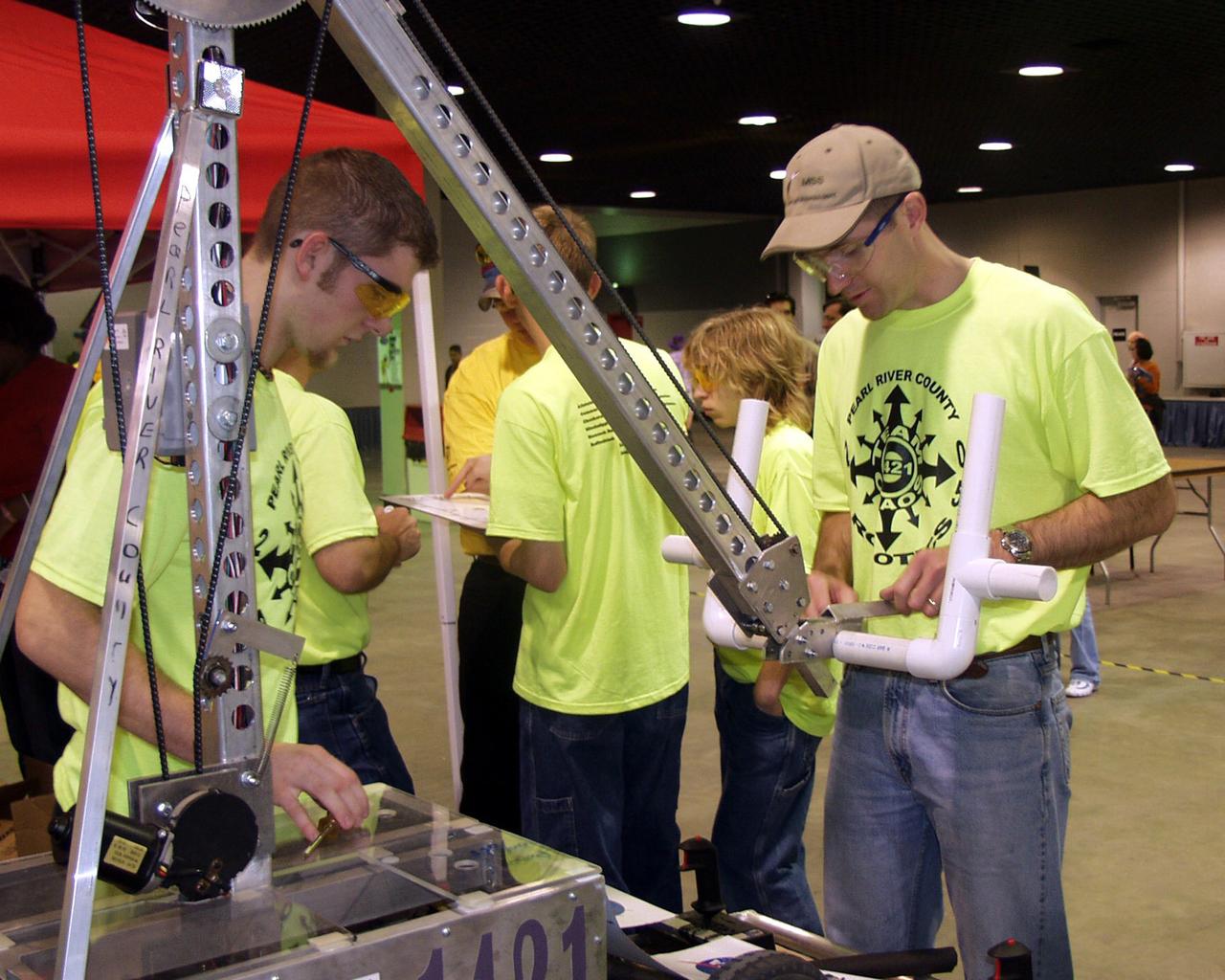
Engineers from SSC mentor teams of students from Mississippi and Louisiana competing in the FIRST Robotics Competition.
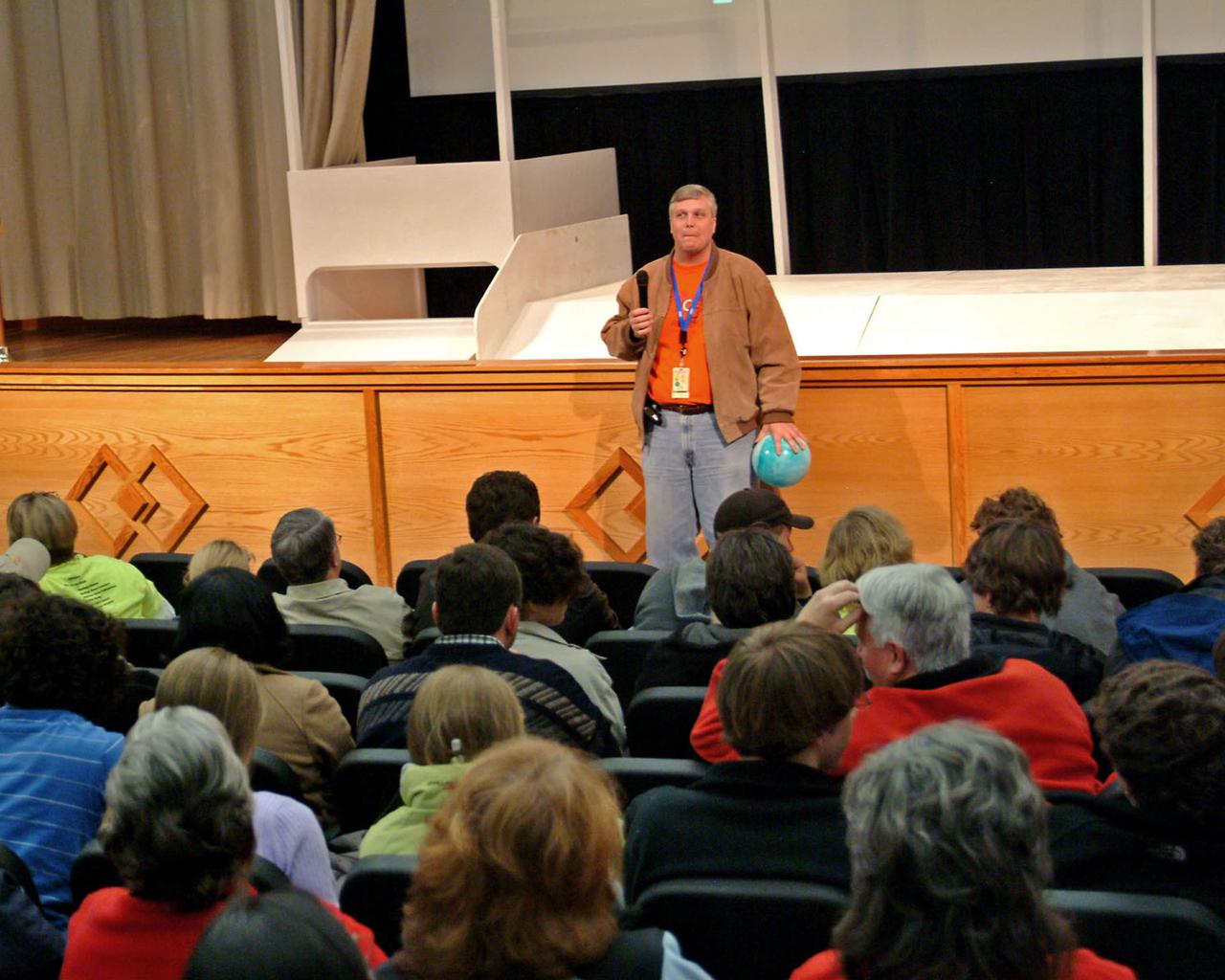
Bo Clarke, mentor for Gulfport High School's Team Fusion, offers strategy tips to students and coaches during the FIRST Robotics Competition kickoff held at StenniSphere on Jan. 7. Clarke is the lead building and infrastructure specialist for NASA's Shared Services Center at Stennis Space Center.
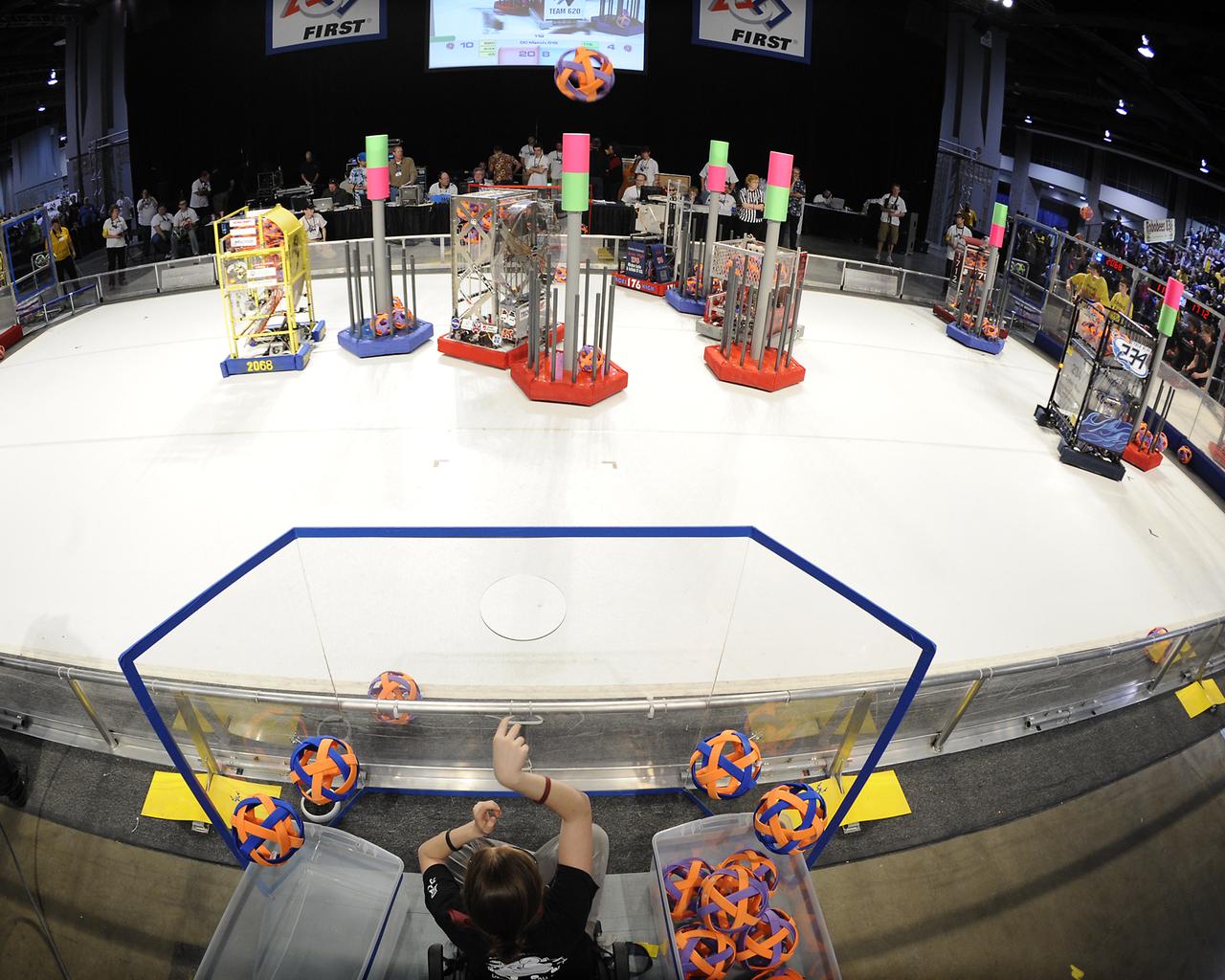
Students compete in the Washington, DC regional FIRST Robotics Competition at the Washington, DC Conventioln Center, Saturday Feb., 28, 2009. Photo Credit: (NASA/Bill Ingalls)
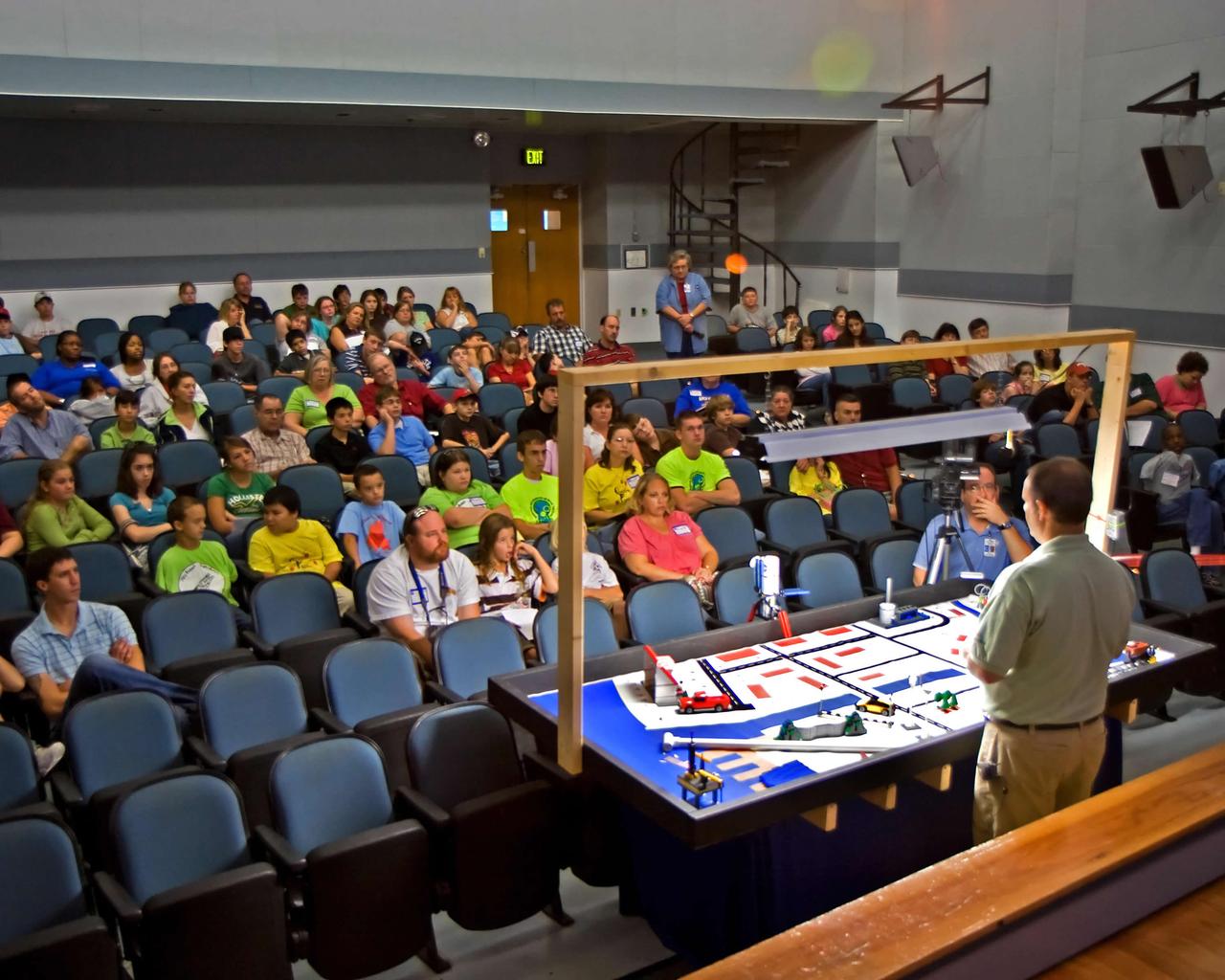
Randall Hicks (right), Jacobs Technology's Education Services manager at NASA John C. Stennis Space Center, answers questions about the playing field for FIRST (For Inspiration and Recognition of Science and Technology) LEGO League's 2007 Challenge, `Power Puzzle.' More than 140 teachers, mentors, parents and students from 15 schools attended the Sept. 15 FLL season kickoff at StenniSphere, the visitor center at SSC. The teams from southern and central Mississippi and Mobile, Ala., who came to SSC heard rules for and asked questions about `Power Puzzle,' and saw robot demonstrations by Gulfport and Picayune high schools' past FIRST Robotics competitions. Using LEGO Mindstorms NXT kits, FLL teams of children ages 9-14 will spend the next three months building and programming robots to perform 'Power Puzzle's' challenge tasks, then pit them in competitions. They also will submit a research project about how energy choices impact the environment and the economy. The season will culminate at the Mississippi Championship Tournament on Dec. 8 at the Mississippi Gulf Coast Community College. FLL, considered the `little league' of the FIRST Robotics Competition, partners FIRST and the LEGO Group. Competitions aim to inspire and celebrate science and technology using real-world context and hands-on experimentation. NASA recognizes FIRST activities as an excellent hands-on method to increase student knowledge of science, engineering, technology and mathematics. Schools represented in this year's kickoff were: Madison Avenue Upper Elementary, the Mississippi Band of Choctaw Indians' Conehatta Elementary, Hattiesburg's Lillie Burney Elementary, Pearl Upper Elementary, Long Beach Middle, Oktibehha Elementary, d'Iberville Middle, Saucier's West Wortham Middle, Picayune's Nicholson Elementary and Roseland Park Baptist Church Academy, Bay St. Louis' St. Stanislaus College and Mobile's Davidson High, as well as two home-school groups from the Jackson area.
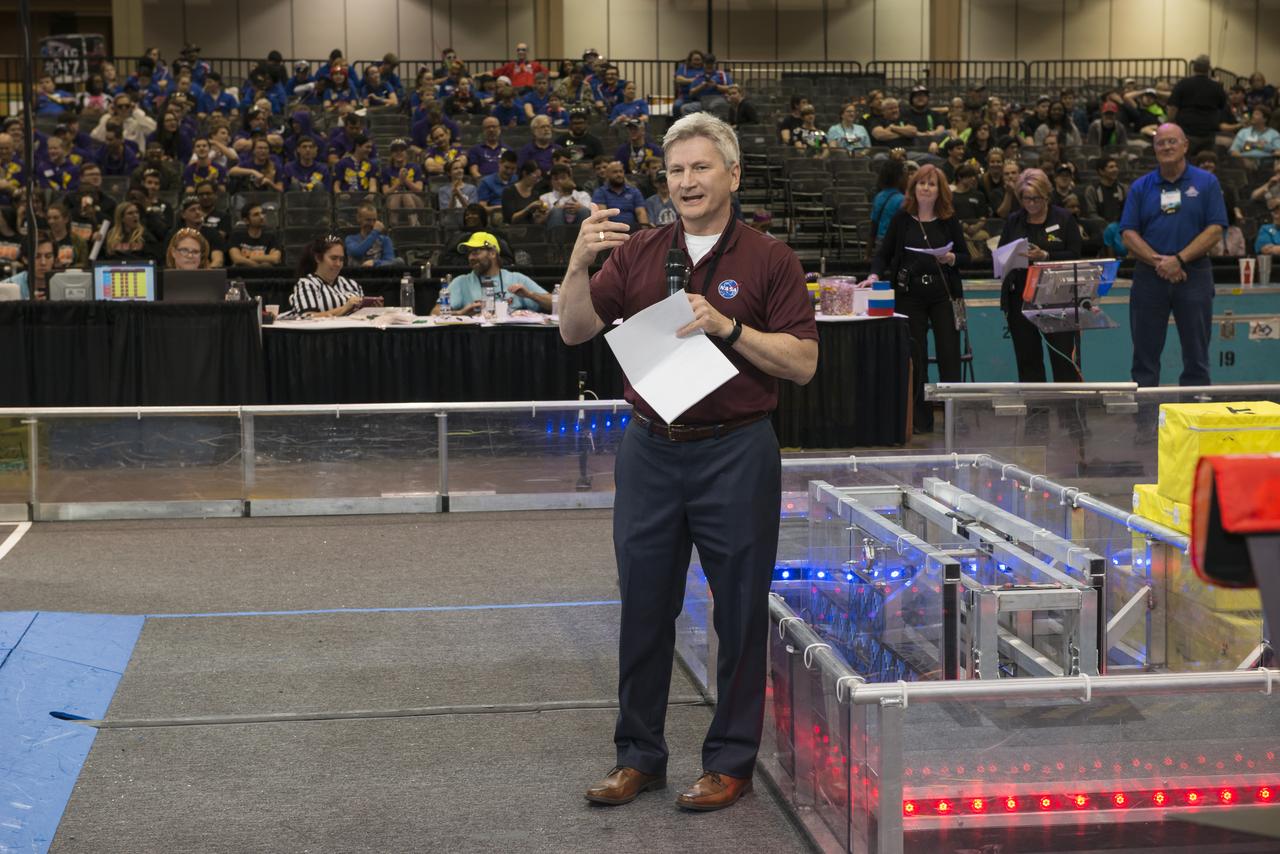
Johnny Stephenson, director of NASA Marshall Space Flight Center's Office of Strategic Analysis & Communications, addresses the crowd during the March 16 award ceremony following the first day of competition at the FIRST Robotics Rocket City Regional at the Von Braun Center in Huntsville. Ed Sparks, of the Morgan County Mech Tech team, received the award for Volunteer of the Year at the March 16 award ceremony. Mech Tech, comprised of students from five high schools in Morgan County, Alabama, also won the Industrial Design Award. The team was one of three regional finalists that will advance to the FIRST national championships April 18-21 in Houston. The other two regional finalists were Burning Magnetos of Fort Dorchester High School in North Charleston, South Carolina, and OGRE of Opelika High School in Opelika, Alabama. Mech Tech and Golden Hurricane from Columbia High School in Huntsville, were "house" teams sponsored by Marshall.
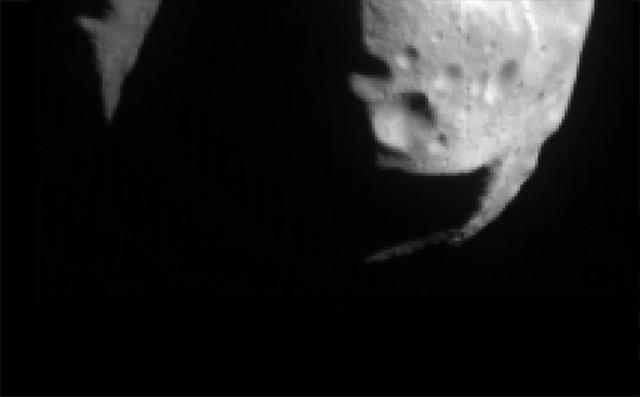
First NEAR image of Mathilde
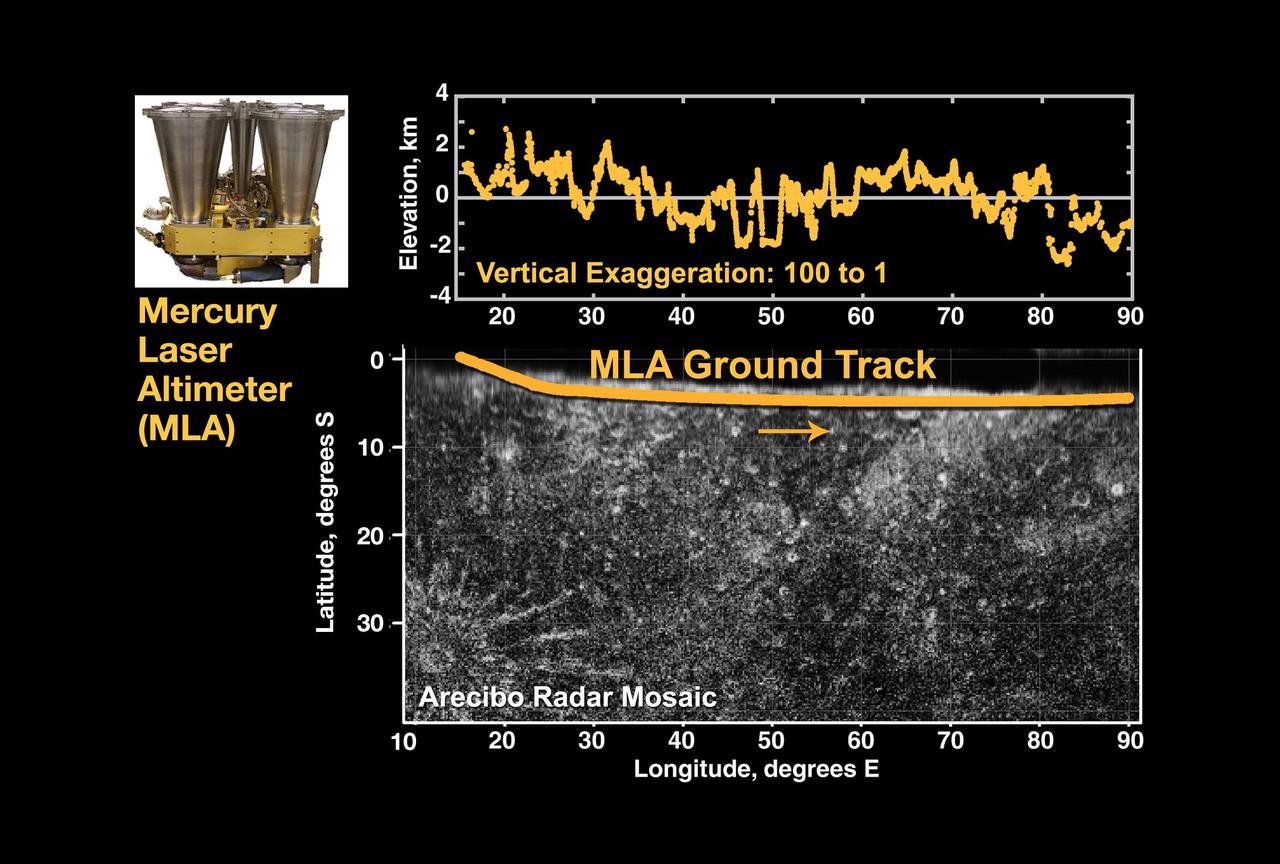
First Laser Altimetry for Mercury
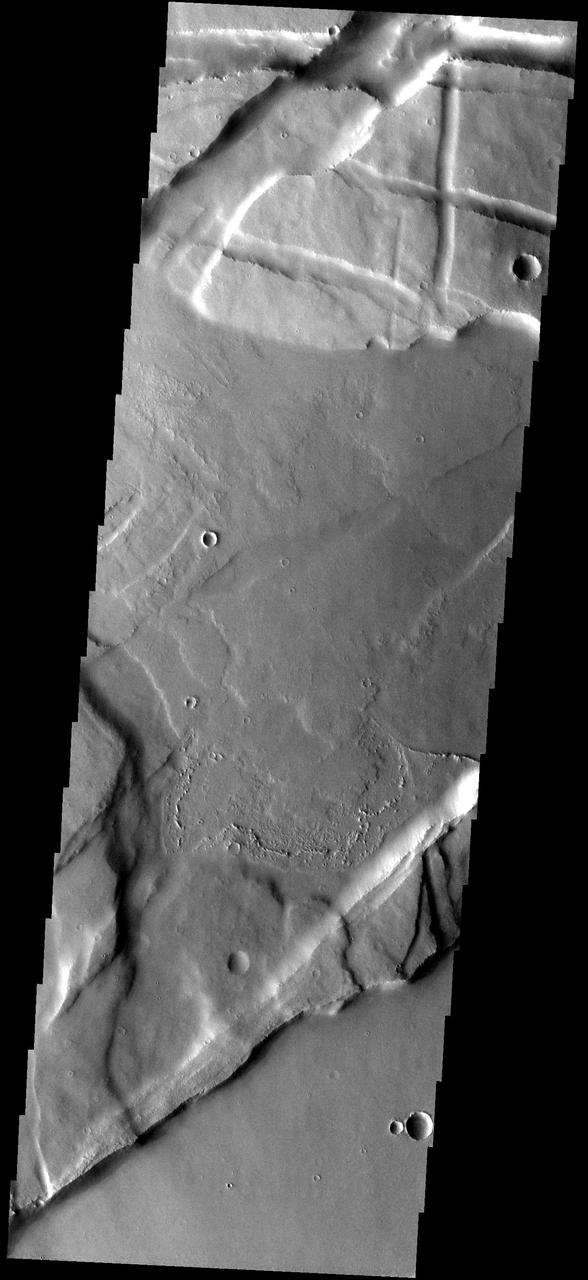
Which Came First?
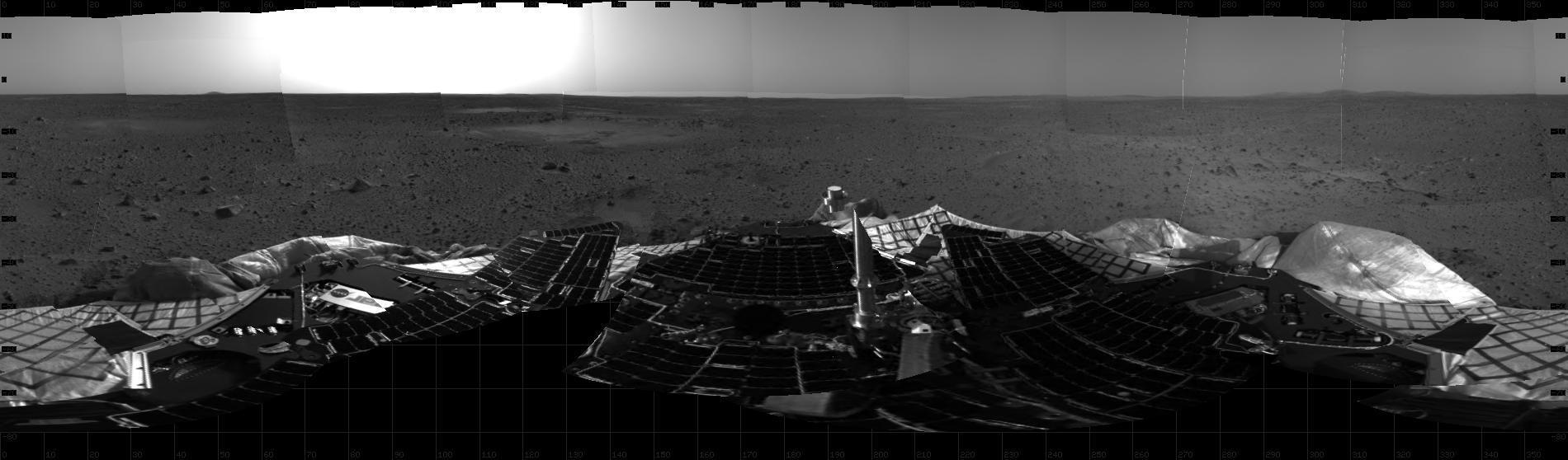
First Look at Spirit on Mars
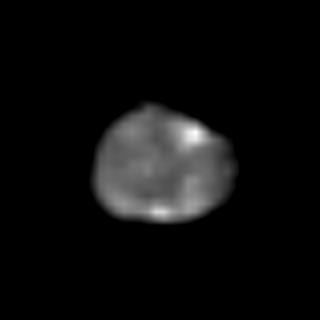
Galileo First Image of Amalthea
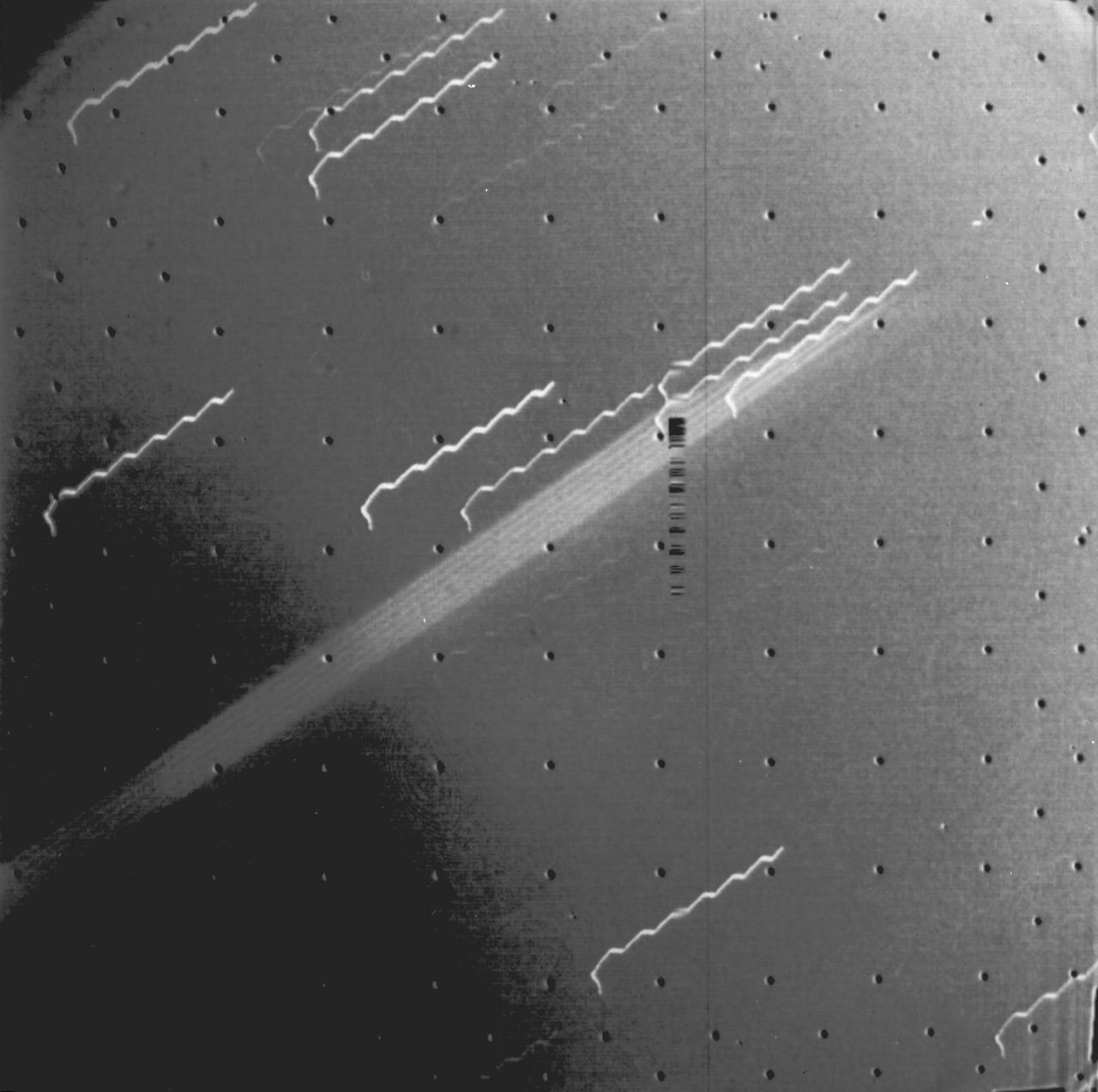
First Evidence of Jupiter Ring
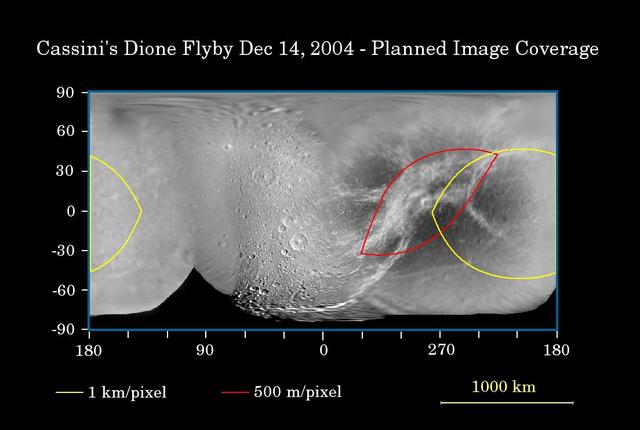
First Flyby of Dione
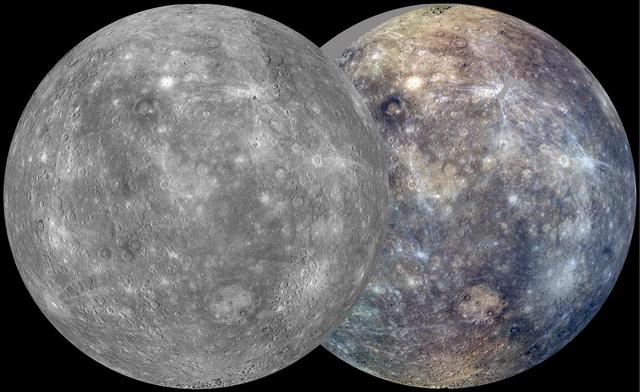
The First Solar Day

Enceladus First Flyby
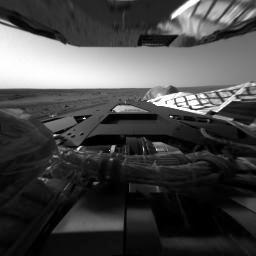
First Look Behind Spirit
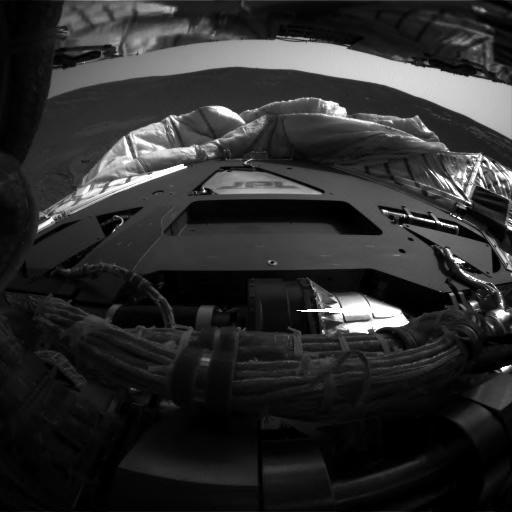
First Look Behind Opportunity

First Quarter Mimas
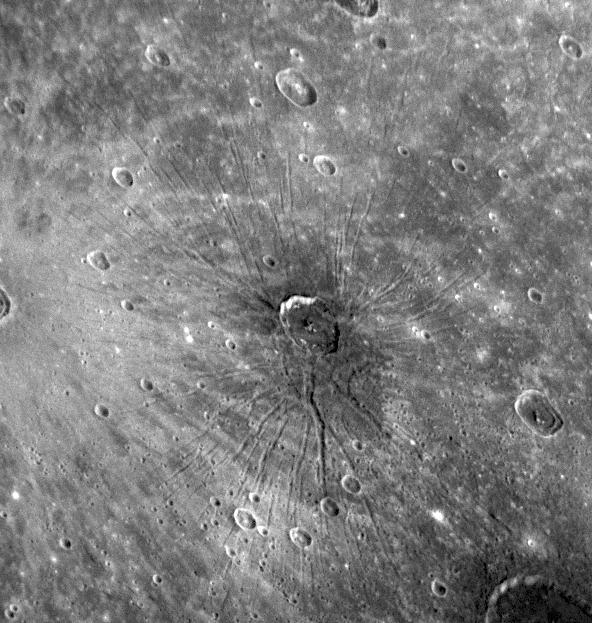
Mercury First Fossae
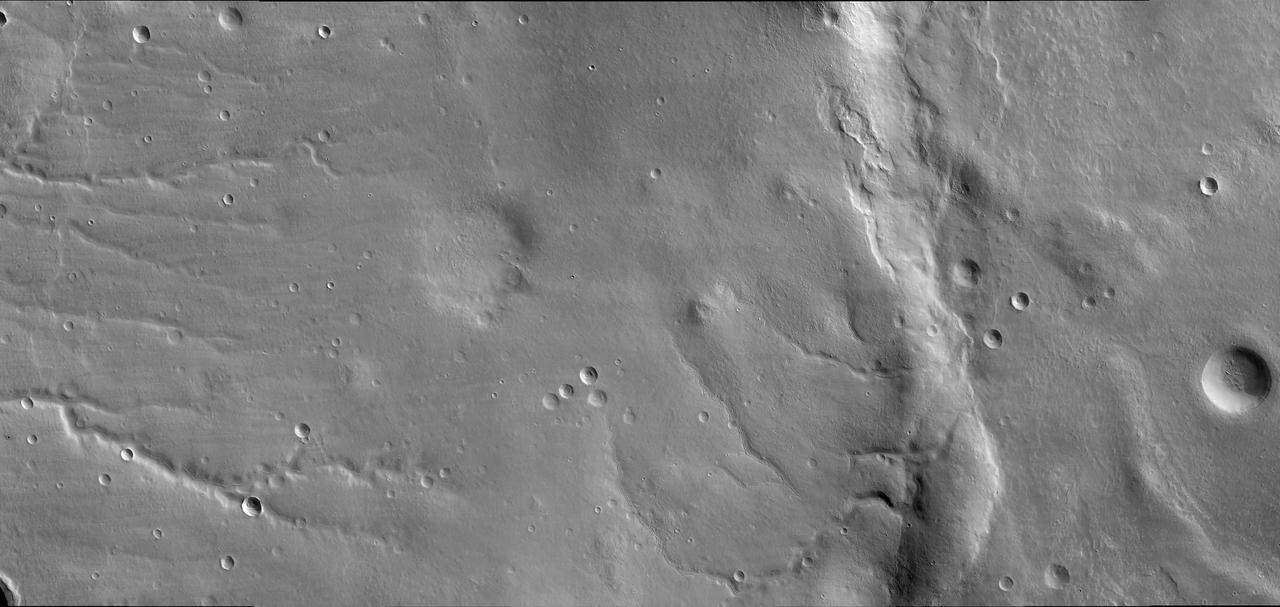
First HiRISE Image of Mars
First IMP Image
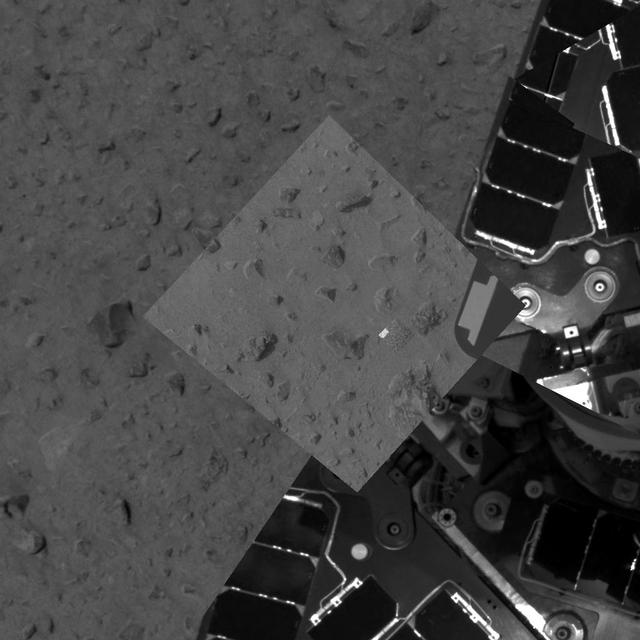
First Patch of Probed Soil

First Grinding of a Rock on Mars
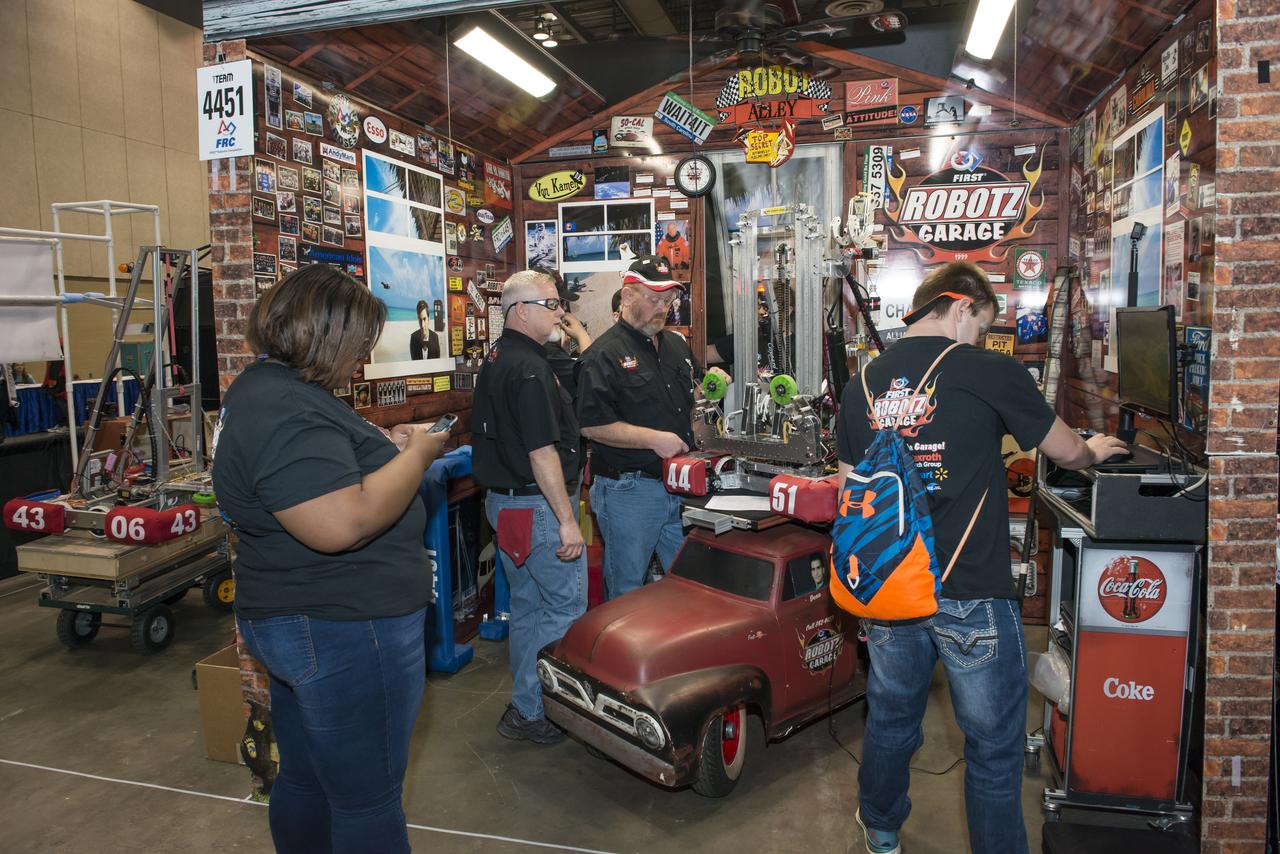
The First Robotics Rocket City Regional Competition was held at the Von Braun Civic Center in Huntsville, Alabama on March 16, 2018. High school robotics teams from throughout the U.S., as well as a team from Brazil, competed.
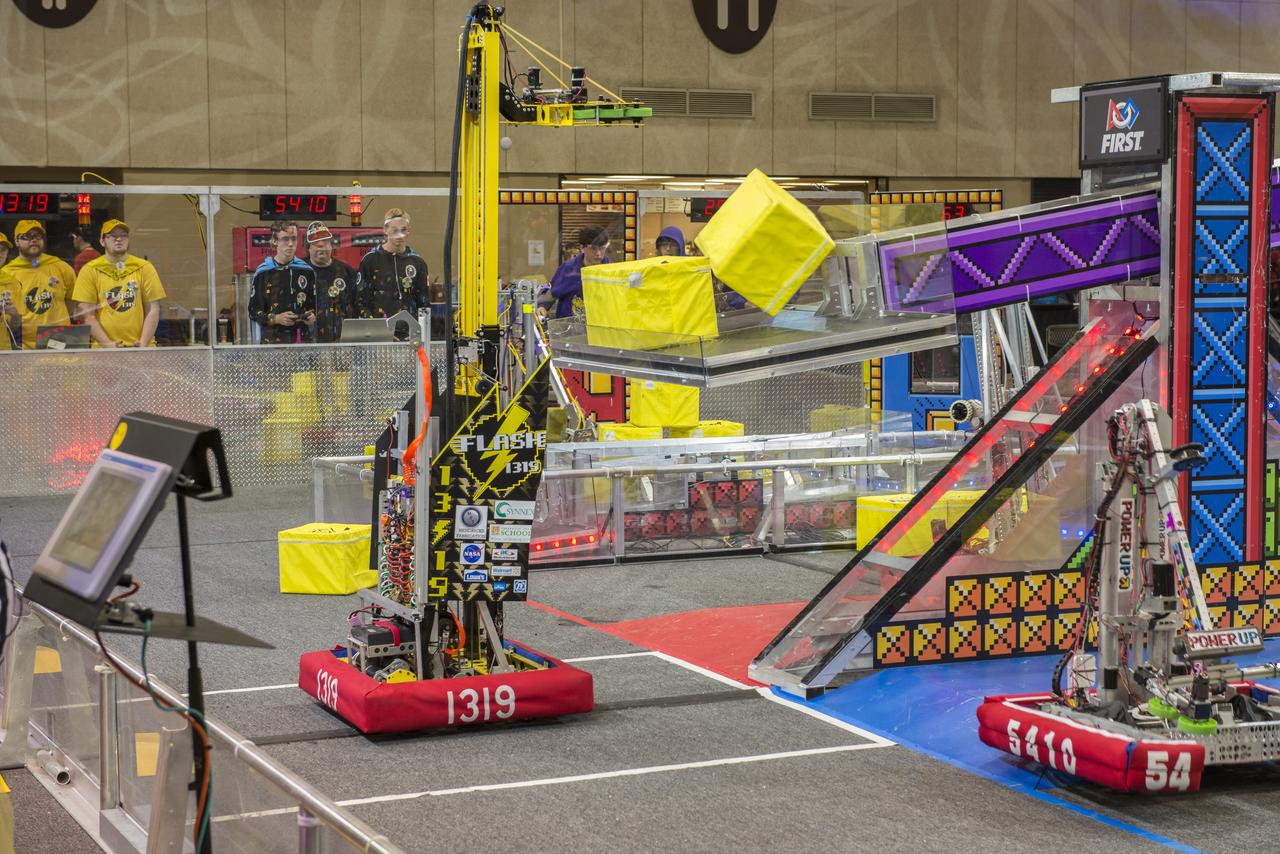
The First Robotics Rocket City Regional Competition was held at the Von Braun Civic Center in Huntsville, Alabama on March 16, 2018. High school robotics teams from throughout the U.S., as well as a team from Brazil, competed.
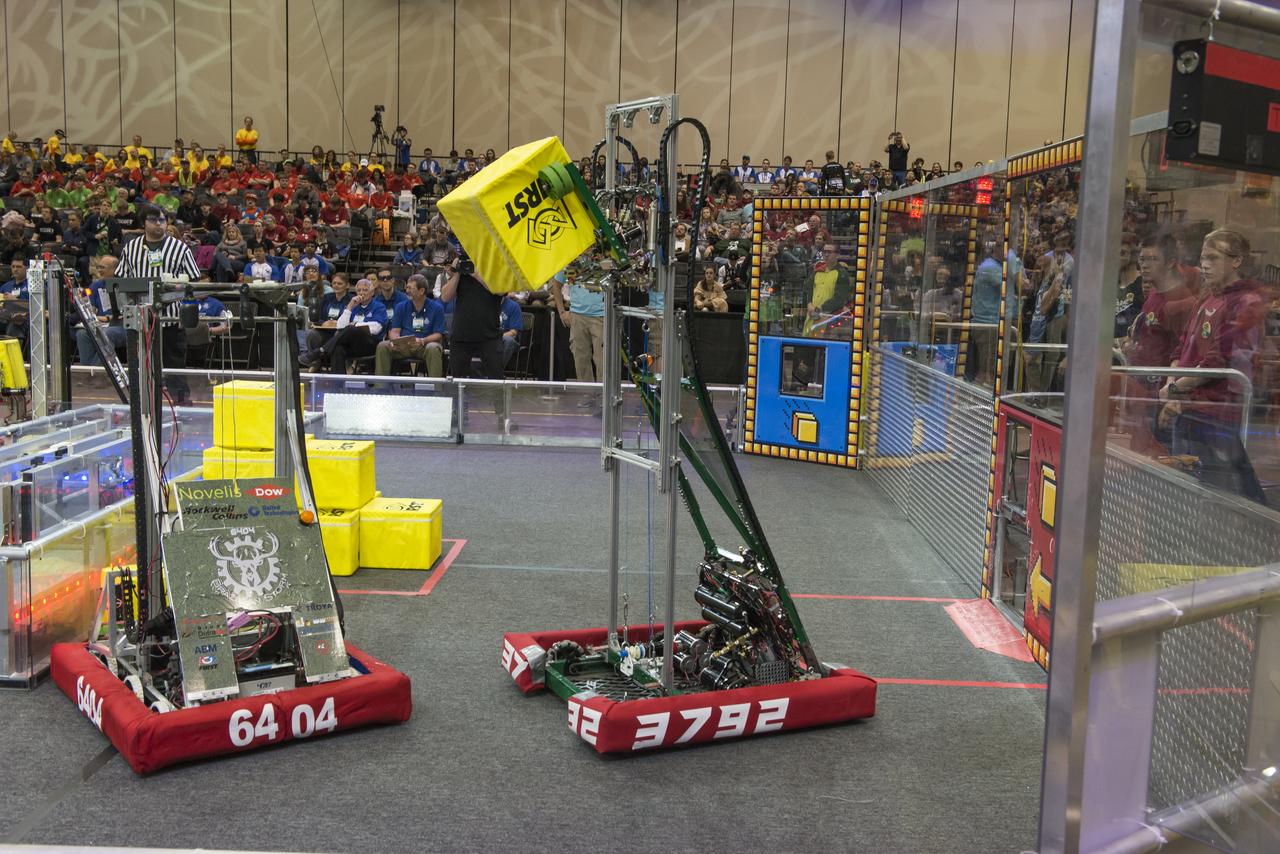
The First Robotics Rocket City Regional Competition was held at the Von Braun Civic Center in Huntsville, Alabama on March 16, 2018. High school robotics teams from throughout the U.S., as well as a team from Brazil, competed.
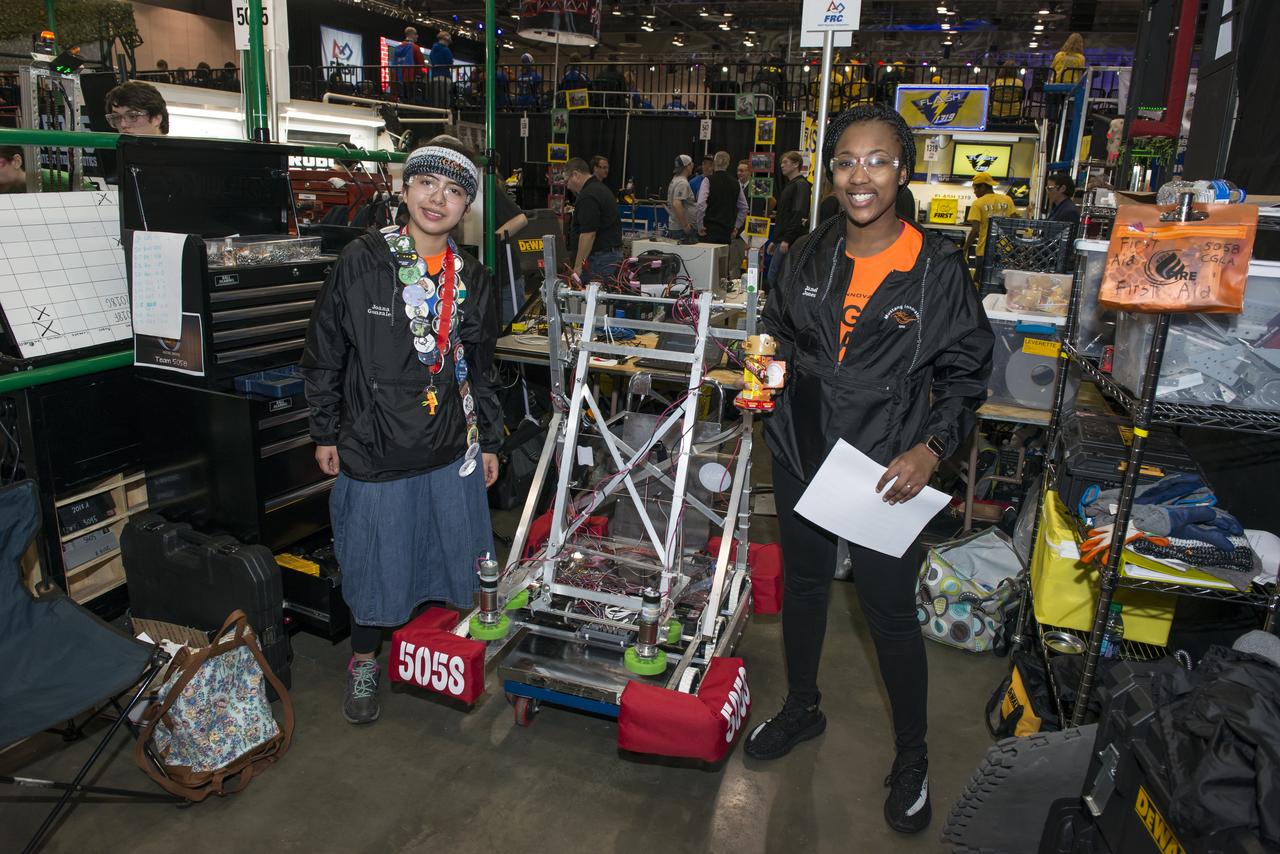
The First Robotics Rocket City Regional Competition was held at the Von Braun Civic Center in Huntsville, Alabama on March 16, 2018. High school robotics teams from throughout the U.S., as well as a team from Brazil, competed.
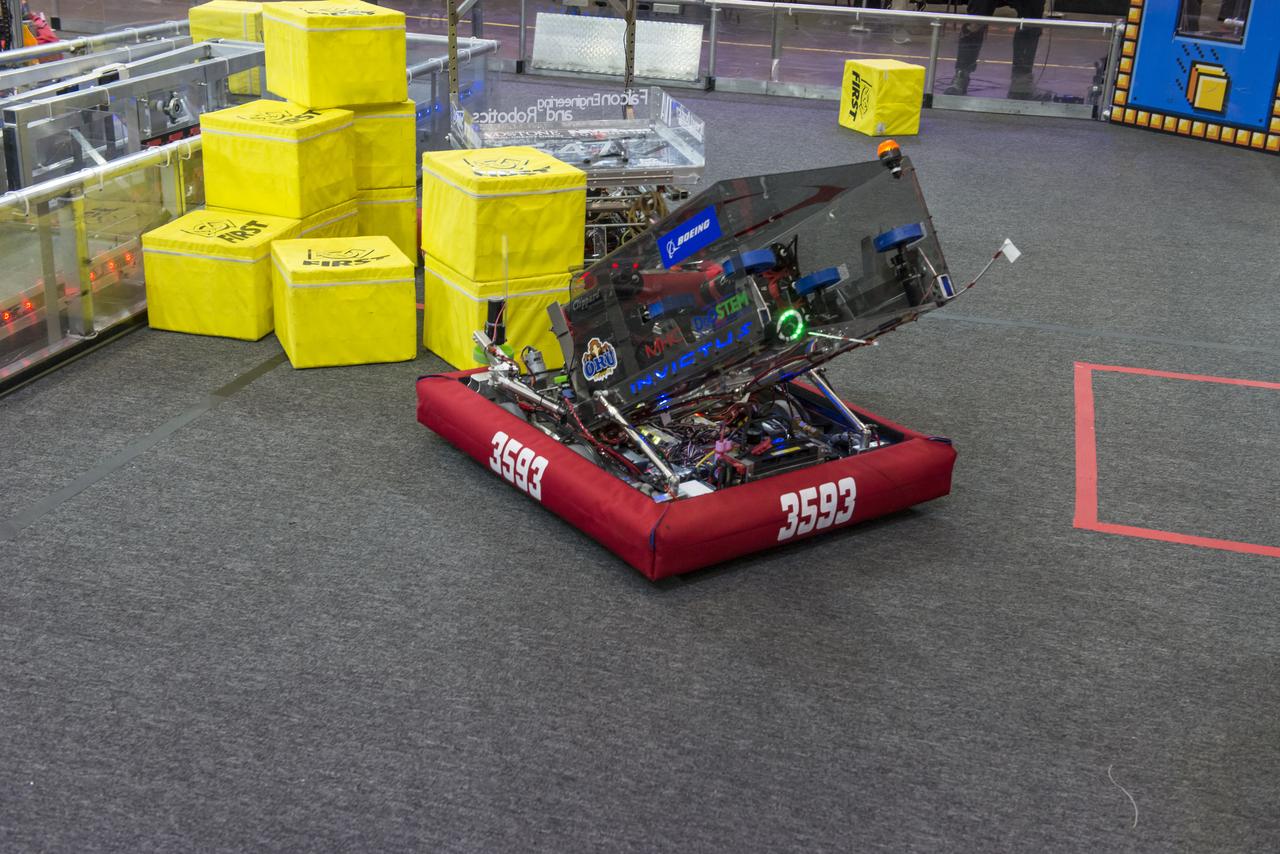
The First Robotics Rocket City Regional Competition was held at the Von Braun Civic Center in Huntsville, Alabama on March 16, 2018. High school robotics teams from throughout the U.S., as well as a team from Brazil, competed.

The First Robotics Rocket City Regional Competition was held at the Von Braun Civic Center in Huntsville, Alabama on March 16, 2018. High school robotics teams from throughout the U.S., as well as a team from Brazil, competed.
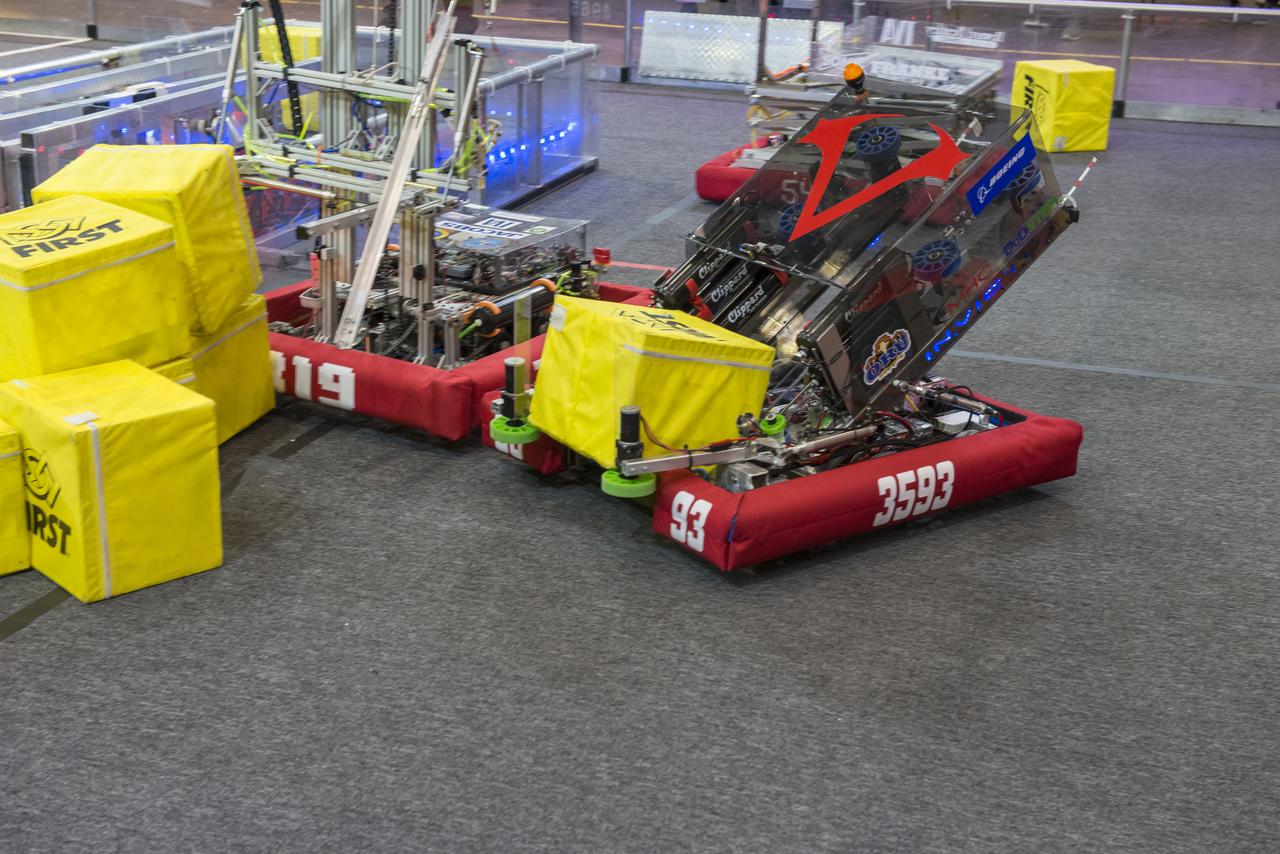
The First Robotics Rocket City Regional Competition was held at the Von Braun Civic Center in Huntsville, Alabama on March 16, 2018. High school robotics teams from throughout the U.S., as well as a team from Brazil, competed.
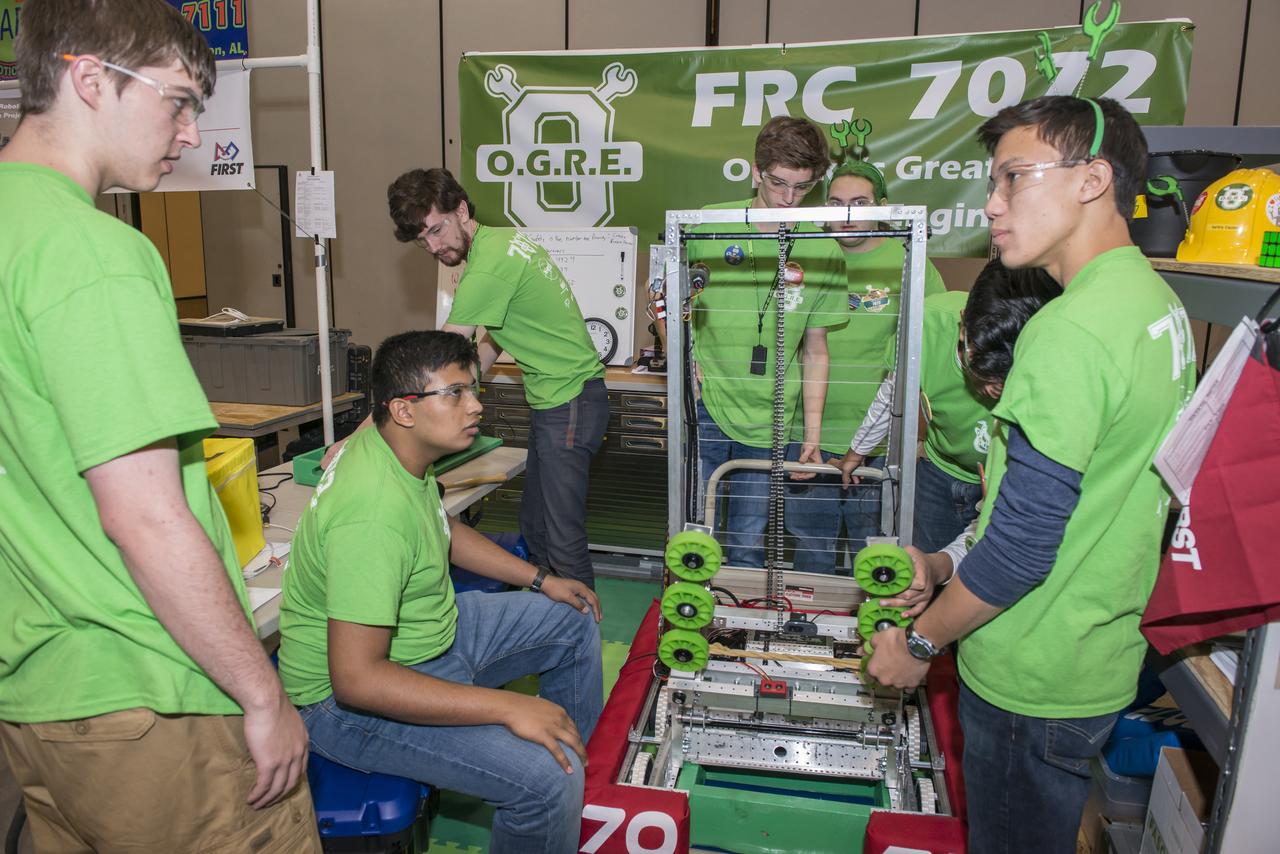
The First Robotics Rocket City Regional Competition was held at the Von Braun Civic Center in Huntsville, Alabama on March 16, 2018. High school robotics teams from throughout the U.S., as well as a team from Brazil, competed.
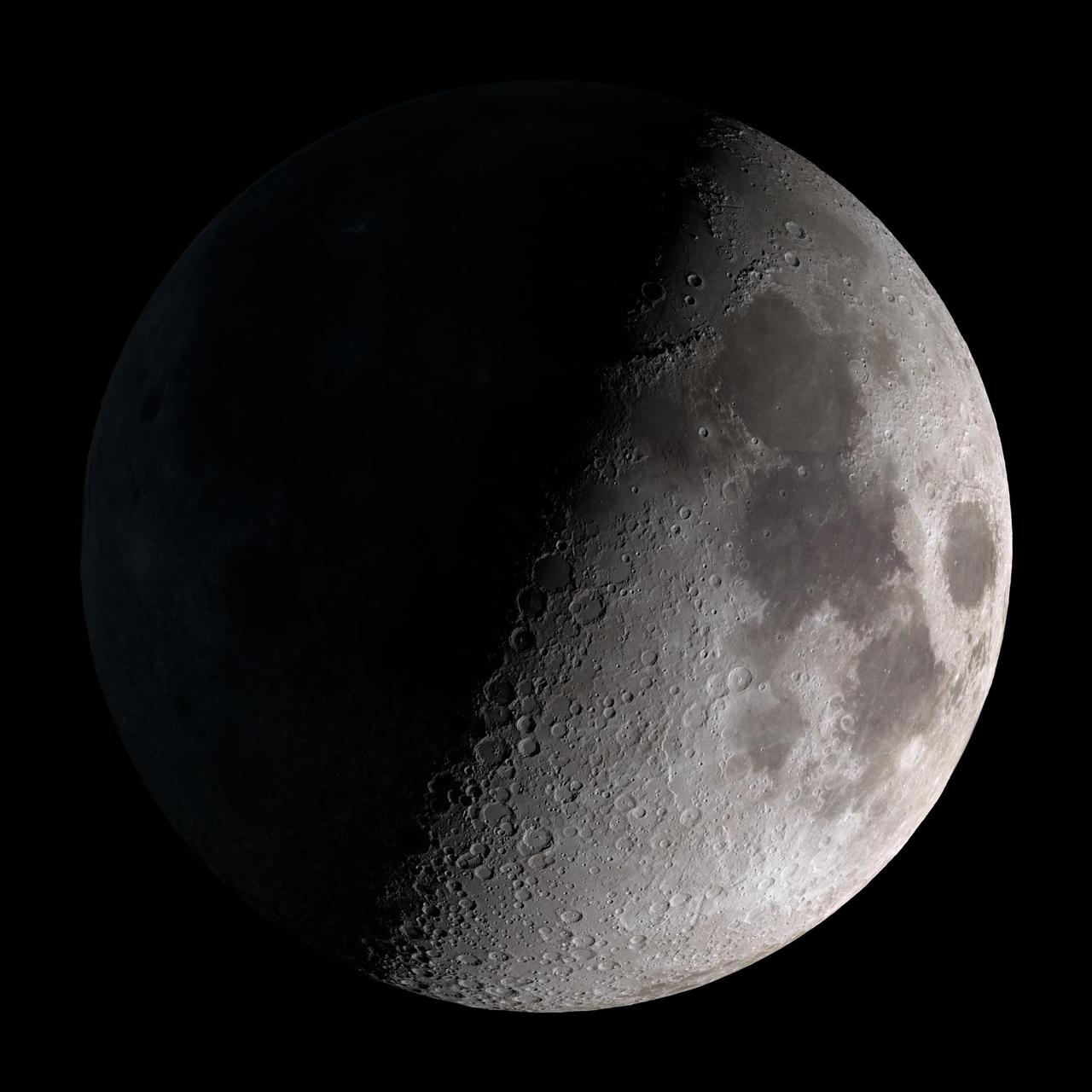
First quarter. Visible high in the southern sky in early evening. This marks the first time that accurate shadows at this level of detail are possible in such a computer simulation. The shadows are based on the global elevation map being developed from measurements by the Lunar Orbiter Laser Altimeter (LOLA) aboard the Lunar Reconnaissance Orbiter (LRO). LOLA has already taken more than 10 times as many elevation measurements as all previous missions combined. The Moon always keeps the same face to us, but not exactly the same face. Because of the tilt and shape of its orbit, we see the Moon from slightly different angles over the course of a month. When a month is compressed into 12 seconds, as it is in this animation, our changing view of the Moon makes it look like it's wobbling. This wobble is called libration. The word comes from the Latin for "balance scale" (as does the name of the zodiac constellation Libra) and refers to the way such a scale tips up and down on alternating sides. The sub-Earth point gives the amount of libration in longitude and latitude. The sub-Earth point is also the apparent center of the Moon's disk and the location on the Moon where the Earth is directly overhead. The Moon is subject to other motions as well. It appears to roll back and forth around the sub-Earth point. The roll angle is given by the position angle of the axis, which is the angle of the Moon's north pole relative to celestial north. The Moon also approaches and recedes from us, appearing to grow and shrink. The two extremes, called perigee (near) and apogee (far), differ by more than 10%. The most noticed monthly variation in the Moon's appearance is the cycle of phases, caused by the changing angle of the Sun as the Moon orbits the Earth. The cycle begins with the waxing (growing) crescent Moon visible in the west just after sunset. By first quarter, the Moon is high in the sky at sunset and sets around midnight. The full Moon rises at sunset and is high in the sky at midnight. The third quarter Moon is often surprisingly conspicuous in the daylit western sky long after sunrise. Celestial north is up in these images, corresponding to the view from the northern hemisphere. The descriptions of the print resolution stills also assume a northern hemisphere orientation. To adjust for southern hemisphere views, rotate the images 180 degrees, and substitute "north" for "south" in the descriptions. Credit: <a href="http://svs.gsfc.nasa.gov/index.html" rel="nofollow">NASA/Goddard Space Flight Center Scientific Visualization Studio</a> <b><a href="http://www.nasa.gov/centers/goddard/home/index.html" rel="nofollow">NASA Goddard Space Flight Center</a></b> enables NASA’s mission through four scientific endeavors: Earth Science, Heliophysics, Solar System Exploration, and Astrophysics. Goddard plays a leading role in NASA’s accomplishments by contributing compelling scientific knowledge to advance the Agency’s mission. <b>Follow us on <a href="http://twitter.com/NASA_GoddardPix" rel="nofollow">Twitter</a></b> <b>Join us on <a href="http://www.facebook.com/pages/Greenbelt-MD/NASA-Goddard/395013845897?ref=tsd" rel="nofollow">Facebook</a></b> <b>Find us on <a href="http://web.stagram.com/n/nasagoddard/?vm=grid" rel="nofollow">Instagram</a></b>
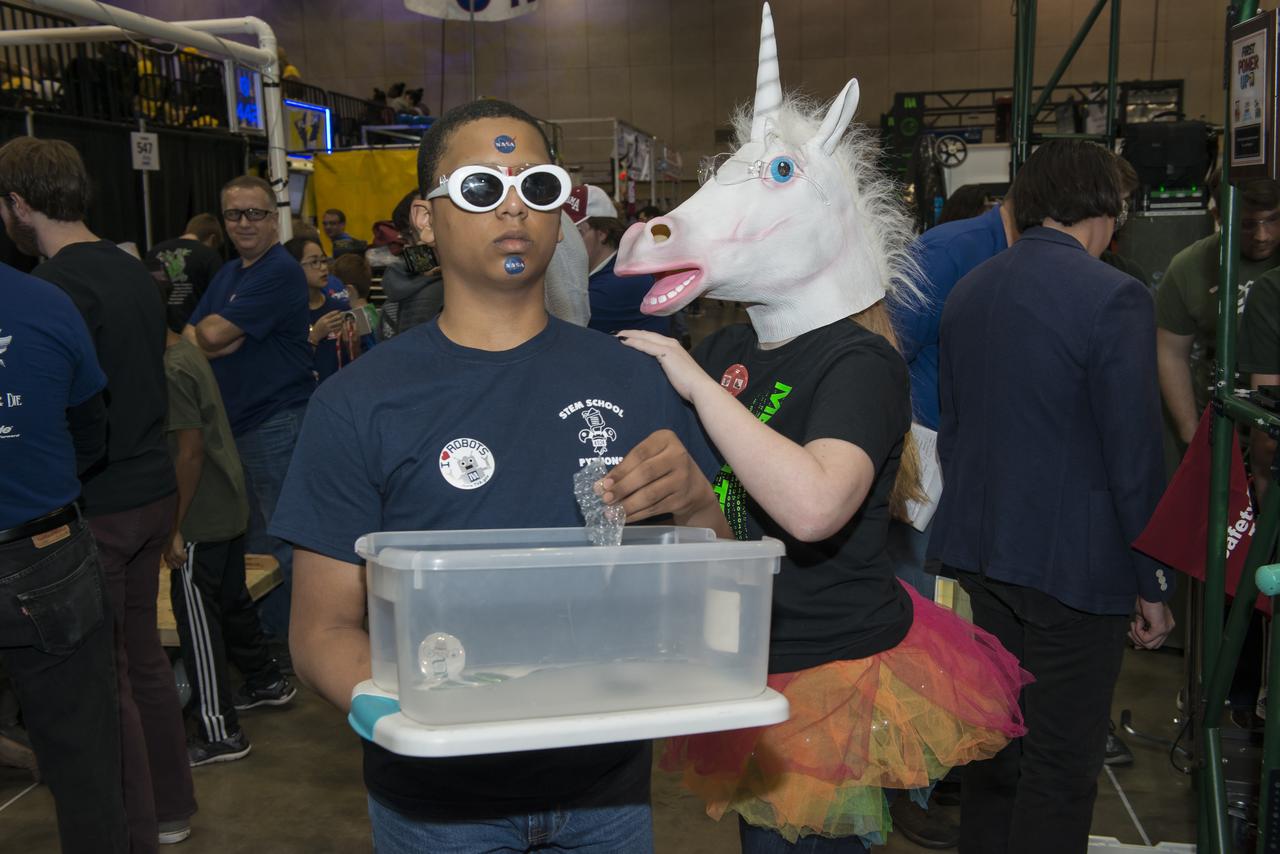
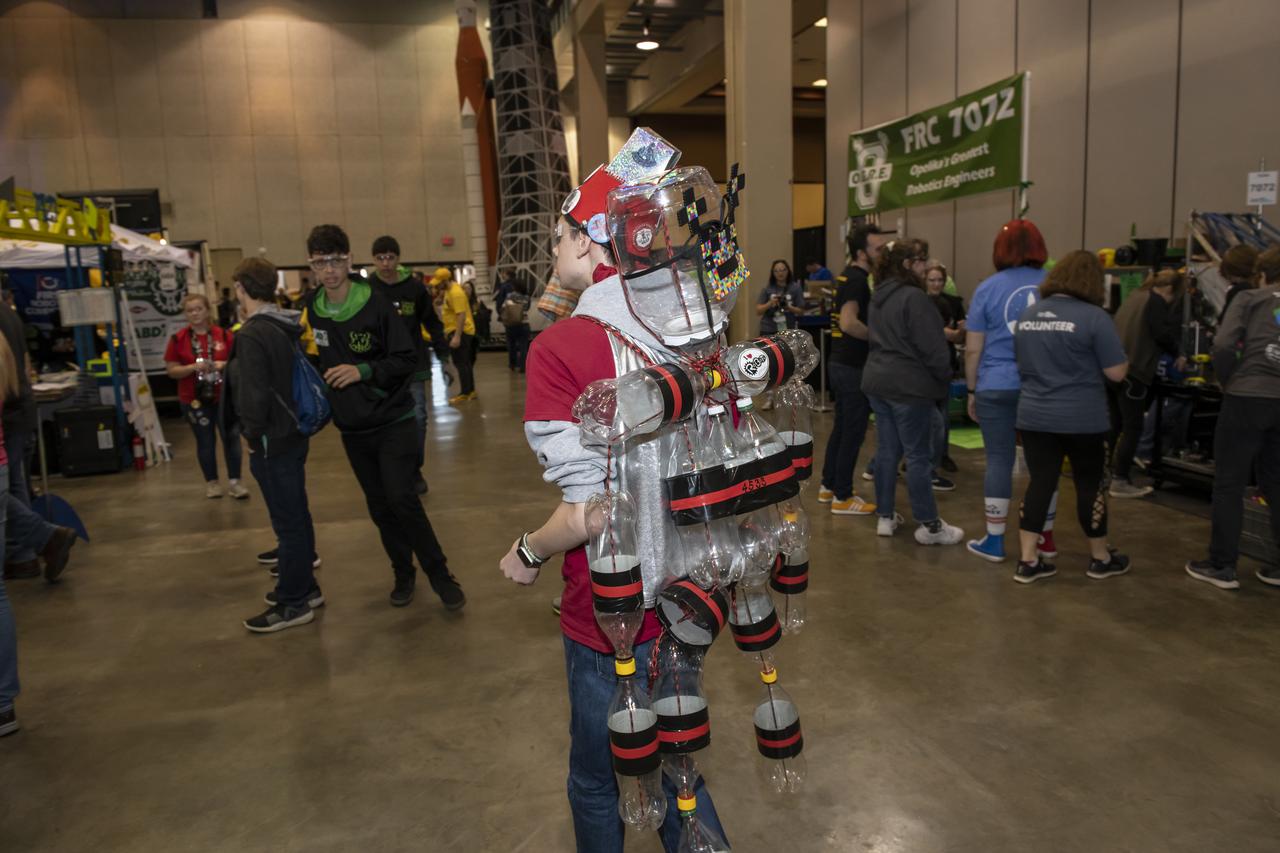
The First Robotics Rocket City Regional Competition was held at the Von Braun Civic Center in Huntsville, Alabama on March 16, 2018. High school robotics teams from throughout the U.S., as well as a team from Brazil, competed. Costumed students were the normal at this event and lent it much color.
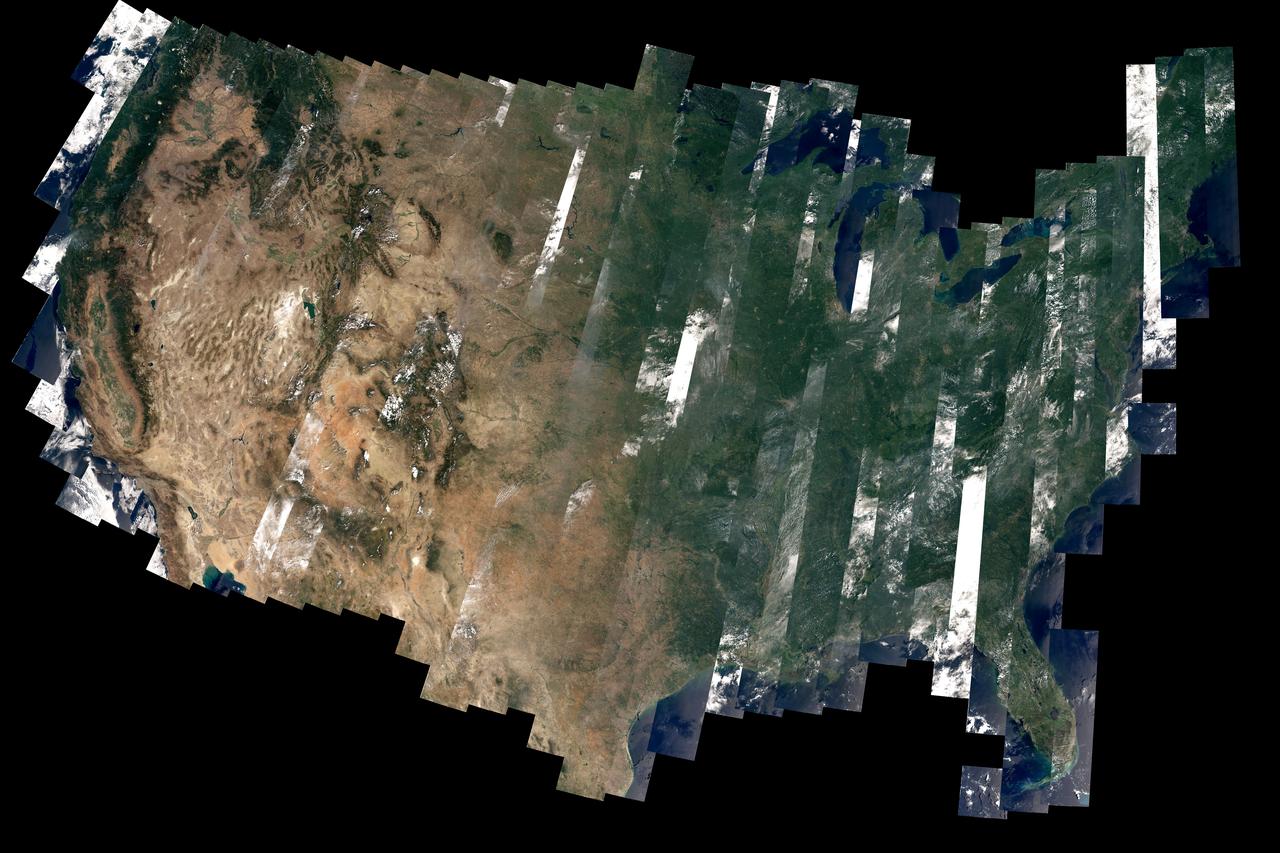
On February 11, 2013, the Landsat 8 satellite rocketed into a sunny California morning onboard a powerful Atlas V and began its life in orbit. In the year since launch, scientists have been working to understand the information the satellite has been sending back. Some have been calibrating the data—checking it against ground observations and matching it to the rest of the 42-year-long Landsat record. At the same time, the broader science community has been learning to use the new data. The map above—one of the first views of the United States from Landsat 8—is an example of how scientists are testing Landsat 8 data. David Roy, a co-leader of the USGS-NASA Landsat science team and researcher at South Dakota State University, made the map with observations taken during August 2013 by the satellite’s Operational Land Imager. Read more: <a href="http://earthobservatory.nasa.gov/IOTD/view.php?id=83099" rel="nofollow">earthobservatory.nasa.gov/IOTD/view.php?id=83099</a> Image courtesy David Roy, USGS-NASA WELD product. Caption by Holli Riebeek. Instrument: Landsat 8 - OLI Credit: <b><a href="http://www.earthobservatory.nasa.gov/" rel="nofollow"> NASA Earth Observatory</a></b> <b><a href="http://www.nasa.gov/audience/formedia/features/MP_Photo_Guidelines.html" rel="nofollow">NASA image use policy.</a></b> <b><a href="http://www.nasa.gov/centers/goddard/home/index.html" rel="nofollow">NASA Goddard Space Flight Center</a></b> enables NASA’s mission through four scientific endeavors: Earth Science, Heliophysics, Solar System Exploration, and Astrophysics. Goddard plays a leading role in NASA’s accomplishments by contributing compelling scientific knowledge to advance the Agency’s mission. <b>Follow us on <a href="http://twitter.com/NASAGoddardPix" rel="nofollow">Twitter</a></b> <b>Like us on <a href="http://www.facebook.com/pages/Greenbelt-MD/NASA-Goddard/395013845897?ref=tsd" rel="nofollow">Facebook</a></b> <b>Find us on <a href="http://instagram.com/nasagoddard?vm=grid" rel="nofollow">Instagram</a></b>
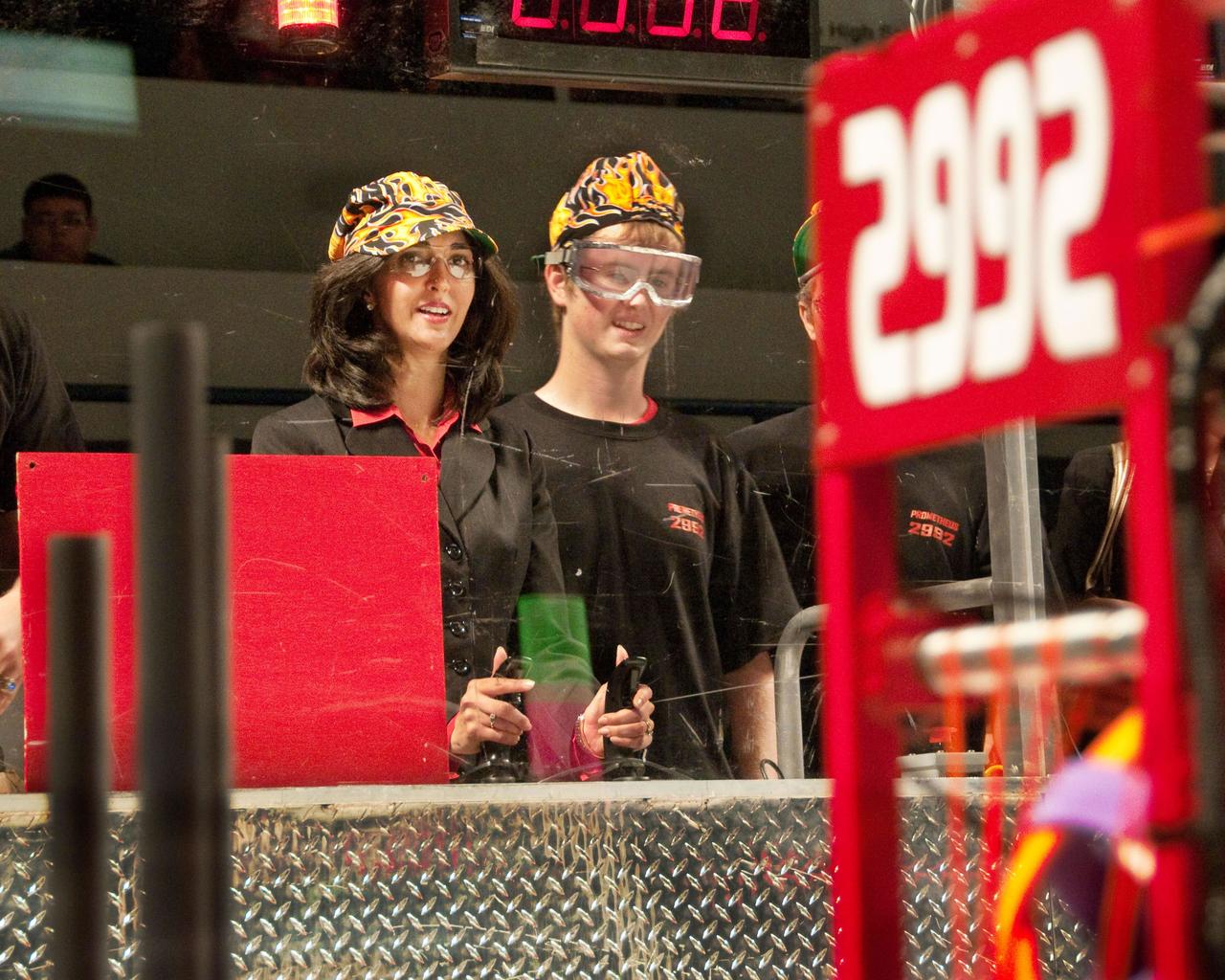
Louisiana First Lady Supriya Jindal takes a turn at the operating controls for a competing robot during the 2009 FIRST Robotics Bayou Regionals tournament in New Orleans on March 19-21. Jindal was hosted during her visit by the NASA Education Office at the John C. Stennis Space Center, a primary sponsor and supporter of the annual robotics competition.
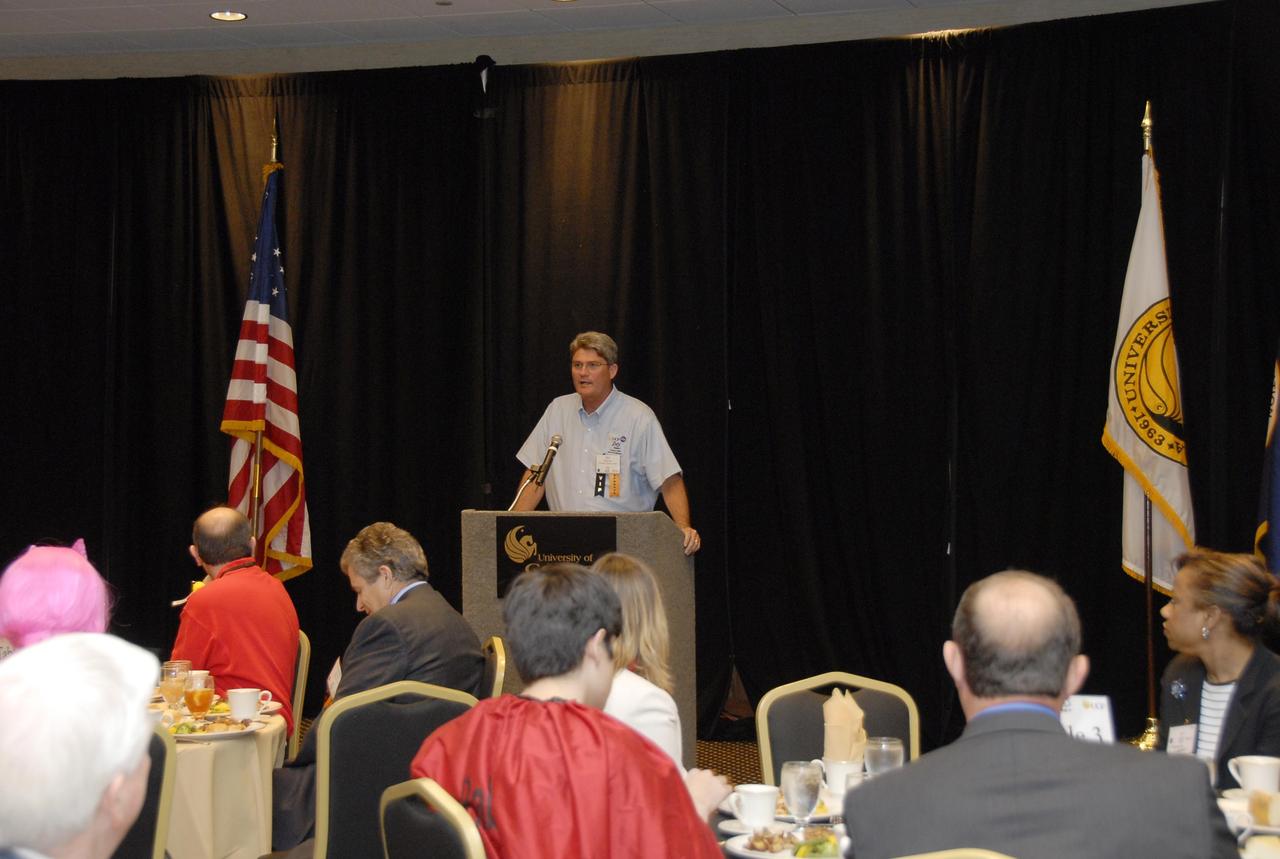
KENNEDY SPACE CENTER, FLA. -- Center Director Bill Parsons talks to guests at the VIP luncheon held during the FIRST robotics event held at the University of Central Florida Arena March 8-10. This was Parsons' first year attending the event as center director. An alumnus of UCF, Parsons also serves on the FIRST Executive Advisory Board. The FIRST, or For Inspiration and Recognition of Science and Technology, Robotics Competition challenges teams of young people and their mentors to solve a common problem in a six-week timeframe using a standard "kit of parts" and a common set of rules. Teams build robots from the parts and enter them in a series of competitions designed by FIRST founder Dean Kamen and Dr. Woodie Flowers, chairman and vice chairman of the Executive Advisory Board respectively, and a committee of engineers and other professionals. FIRST redefines winning for these students. Teams are rewarded for excellence in design, demonstrated team spirit, gracious professionalism and maturity, and ability to overcome obstacles. Scoring the most points is a secondary goal. Winning means building partnerships that last. Photo credit: NASA/Kim Shiflett
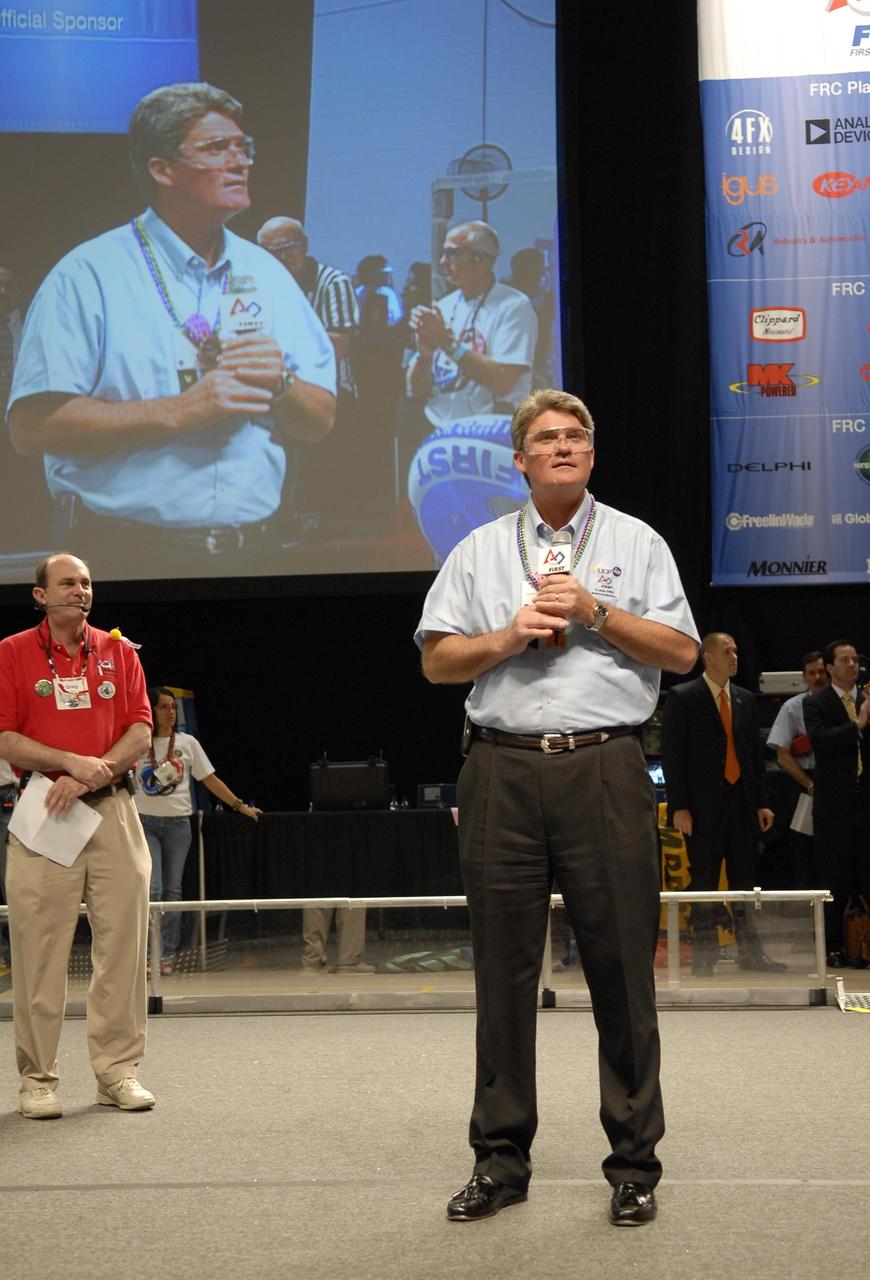
KENNEDY SPACE CENTER, FLA. -- Center Director Bill Parsons talks to an audience primarily of students during the FIRST robotics event held at the University of Central Florida Arena March 8-10. This was Parsons' first year attending the event as center director. An alumnus of UCF, Parsons also serves on the FIRST Executive Advisory Board. The FIRST, or For Inspiration and Recognition of Science and Technology, Robotics Competition challenges teams of young people and their mentors to solve a common problem in a six-week timeframe using a standard "kit of parts" and a common set of rules. Teams build robots from the parts and enter them in a series of competitions designed by FIRST founder Dean Kamen and Dr. Woodie Flowers, chairman and vice chairman of the Executive Advisory Board respectively, and a committee of engineers and other professionals. FIRST redefines winning for these students. Teams are rewarded for excellence in design, demonstrated team spirit, gracious professionalism and maturity, and ability to overcome obstacles. Scoring the most points is a secondary goal. Winning means building partnerships that last. Photo credit: NASA/Kim Shiflett
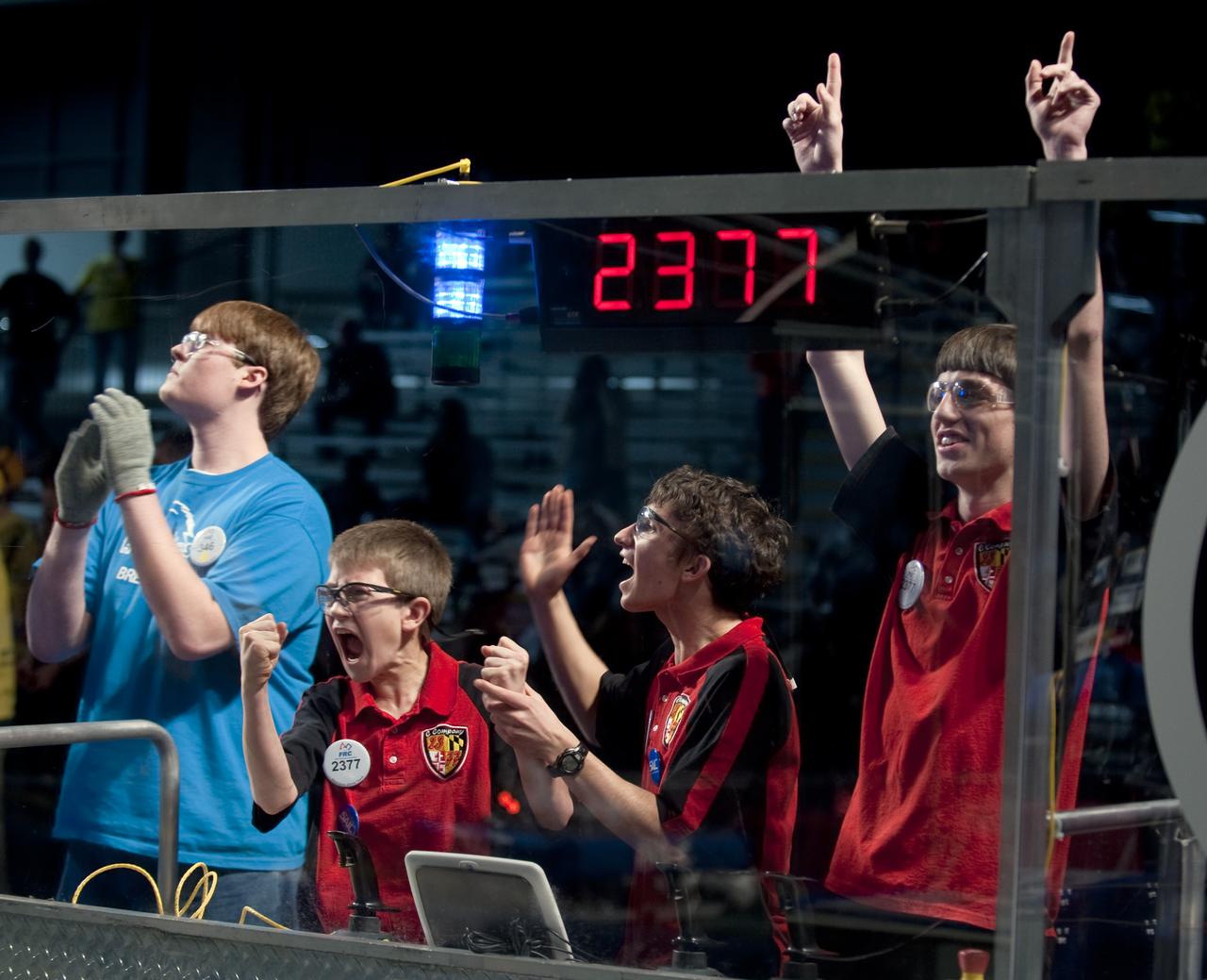
Members of team 2377, in red, from Chesapeake High School in Maryland, react following a match during the second day of competition at the First Robotics Competition, Saturday, March 6, 2010, in Washington. The student competition is called "For Inspiration and Recognition of Science and Technology", or FIRST. The program was founded in 1989 by Dean Kamen to inspire an appreciation of science and technology in young people, their schools and communities. Photo Credit: (NASA/Paul E. Alers)
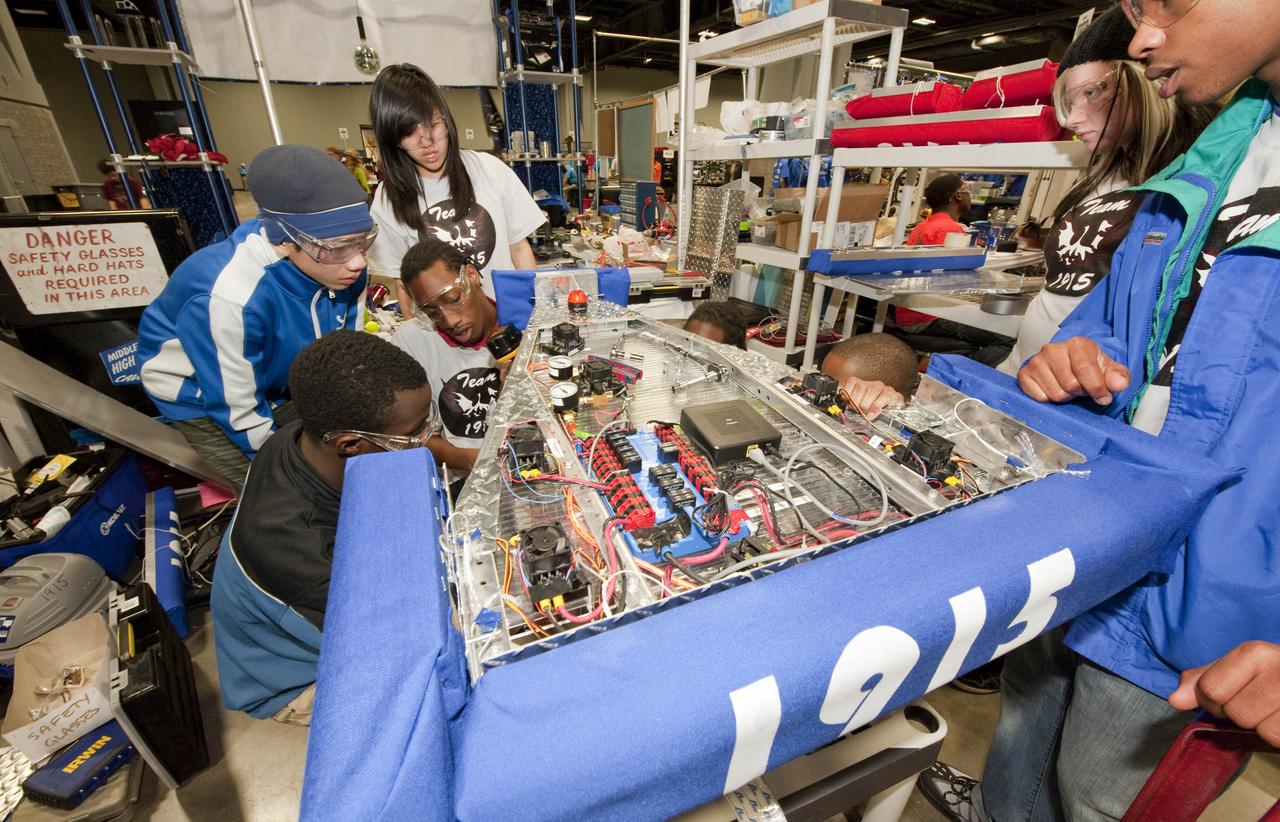
Students from McKinley Tech High School in Washington, D.C., work on their robot in the "Pit Area" as they prepare to compete in the First Robotics Competition, Friday, March 5, 2010, in Washington. The student competition is called "For Inspiration and Recognition of Science and Technology," or FIRST. The program was founded in 1989 by inventor Dean Kamen to inspire an appreciation of science and technology in young people, their schools and communities. Photo Credit: (NASA/Paul E. Alers)
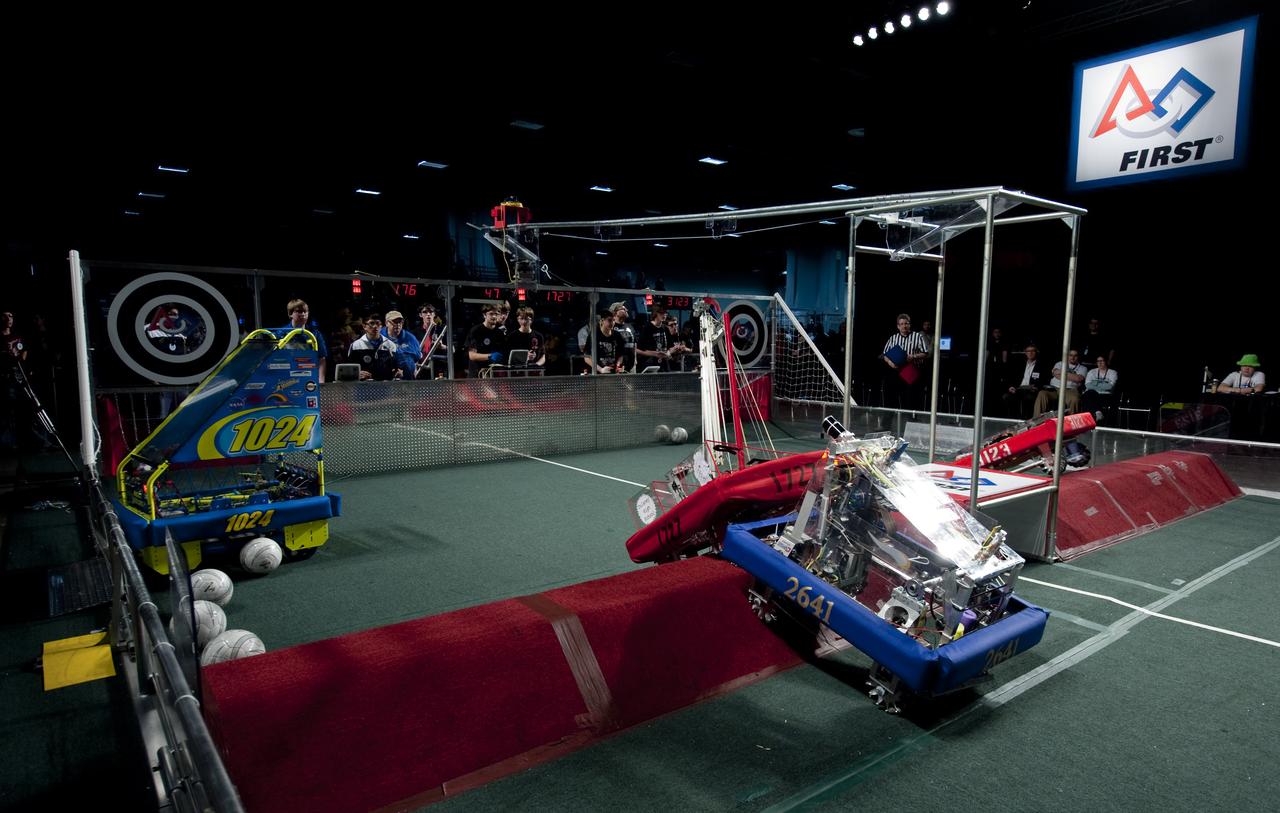
Robots vie for position during the second day of the First Robotics Competition, Saturday, March 6, 2010, in Washington. The student competition is called "For Inspiration and Recognition of Science and Technology", or FIRST. The program was founded in 1989 by Dean Kamen to inspire an appreciation of science and technology in young people, their schools and communities. Photo Credit: (NASA/Paul E. Alers)
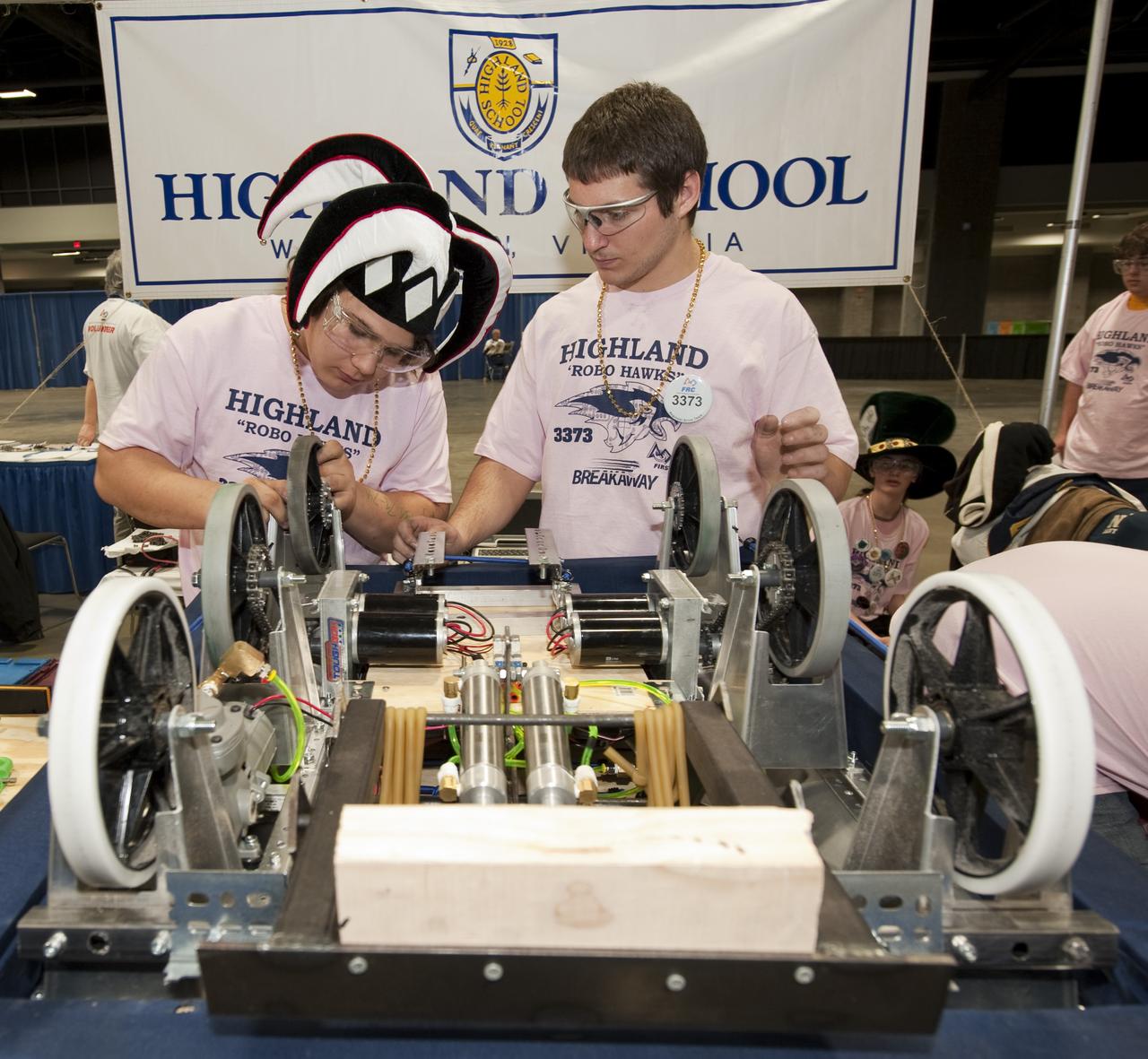
Students from the Highland School in Warrenton, Va. work on their robot in the "Pit Area" as they prepare to compete in the First Robotics Competition, Friday, March 5, 2010, in Washington. The student competition is called "For Inspiration and Recognition of Science and Technology," or FIRST. The program was founded in 1989 by inventor Dean Kamen to inspire an appreciation of science and technology in young people, their schools and communities. Photo Credit: (NASA/Paul E. Alers) Photo Credit: (NASA/Paul E. Alers)
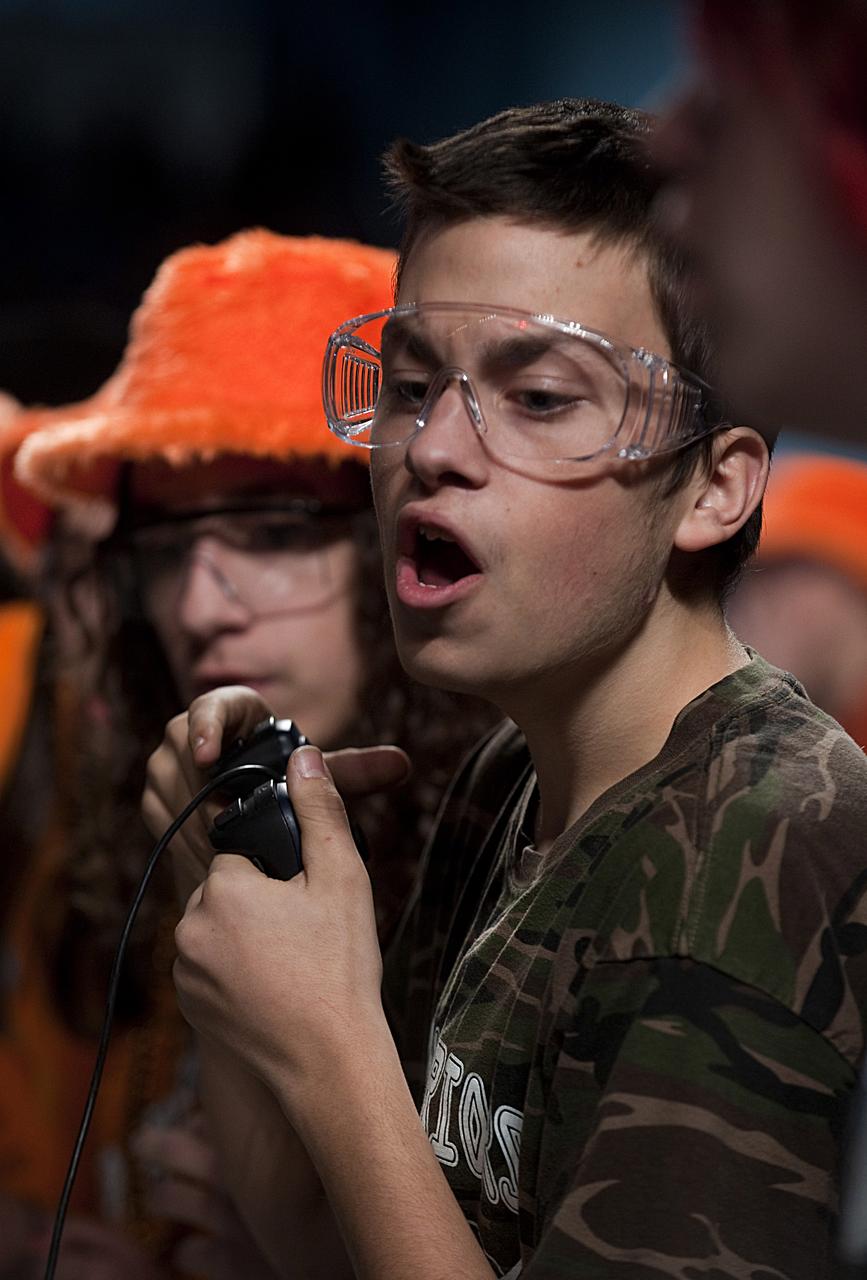
A student member of the team 768 "Technowarriors" from Woodlawn High School in Maryland runs a controller while competing in a match during the second day of the First Robotics Competition, Saturday, March 6, 2010, in Washington. The student competition is called "For Inspiration and Recognition of Science and Technology", or FIRST. The program was founded in 1989 by Dean Kamen to inspire an appreciation of science and technology in young people, their schools and communities. Photo Credit: (NASA/Paul E. Alers)
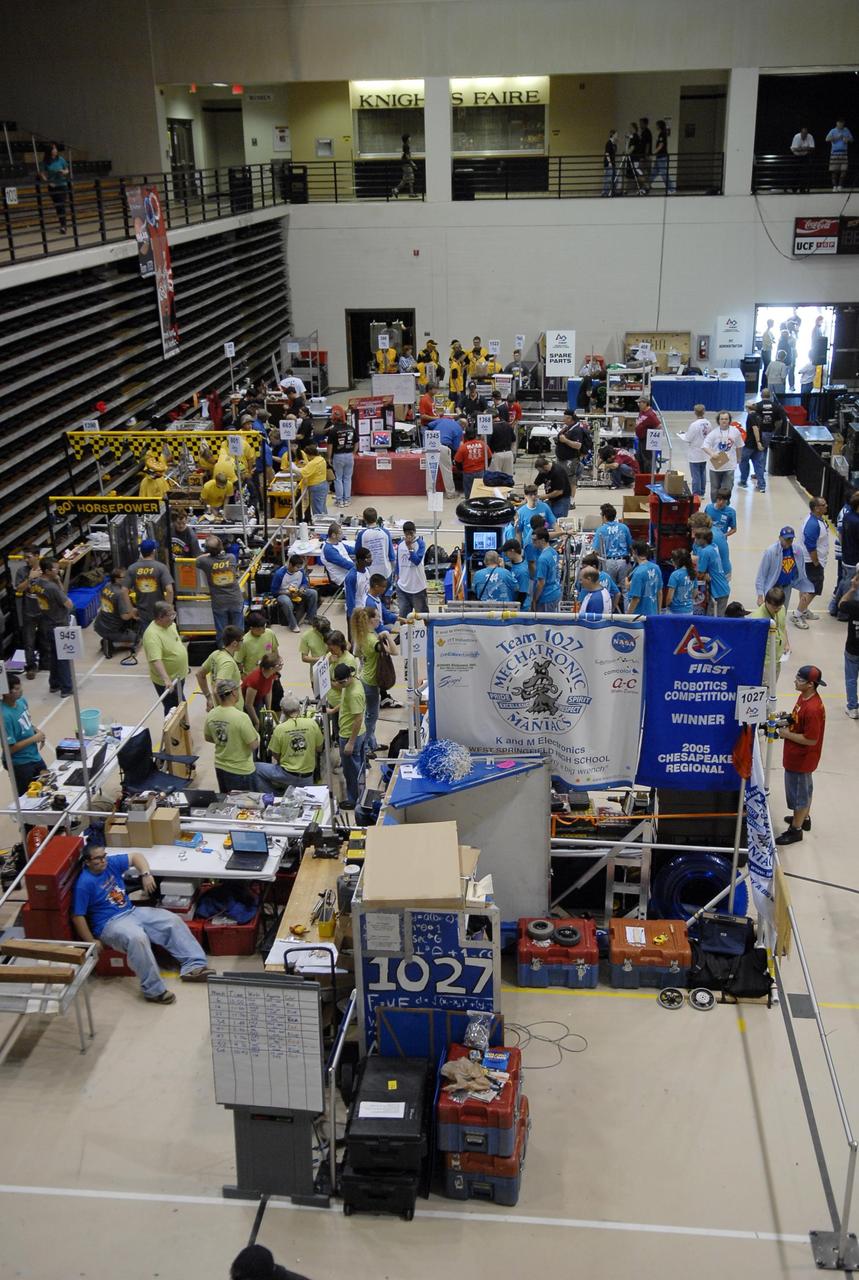
KENNEDY SPACE CENTER, FLA. -- Student teams representing Florida and several out-of-state areas display and work on their robots for the FIRST robotics event held at the University of Central Florida Arena March 8-10. The FIRST, or For Inspiration and Recognition of Science and Technology, Robotics Competition challenges teams of young people and their mentors to solve a common problem in a six-week timeframe using a standard "kit of parts" and a common set of rules. Teams build robots from the parts and enter them in a series of competitions designed by FIRST founder Dean Kamen and Dr. Woodie Flowers, chairman and vice chairman of the Executive Advisory Board respectively, and a committee of engineers and other professionals. FIRST redefines winning for these students. Teams are rewarded for excellence in design, demonstrated team spirit, gracious professionalism and maturity, and ability to overcome obstacles. Scoring the most points is a secondary goal. Winning means building partnerships that last. Photo credit: NASA/Kim Shiflett
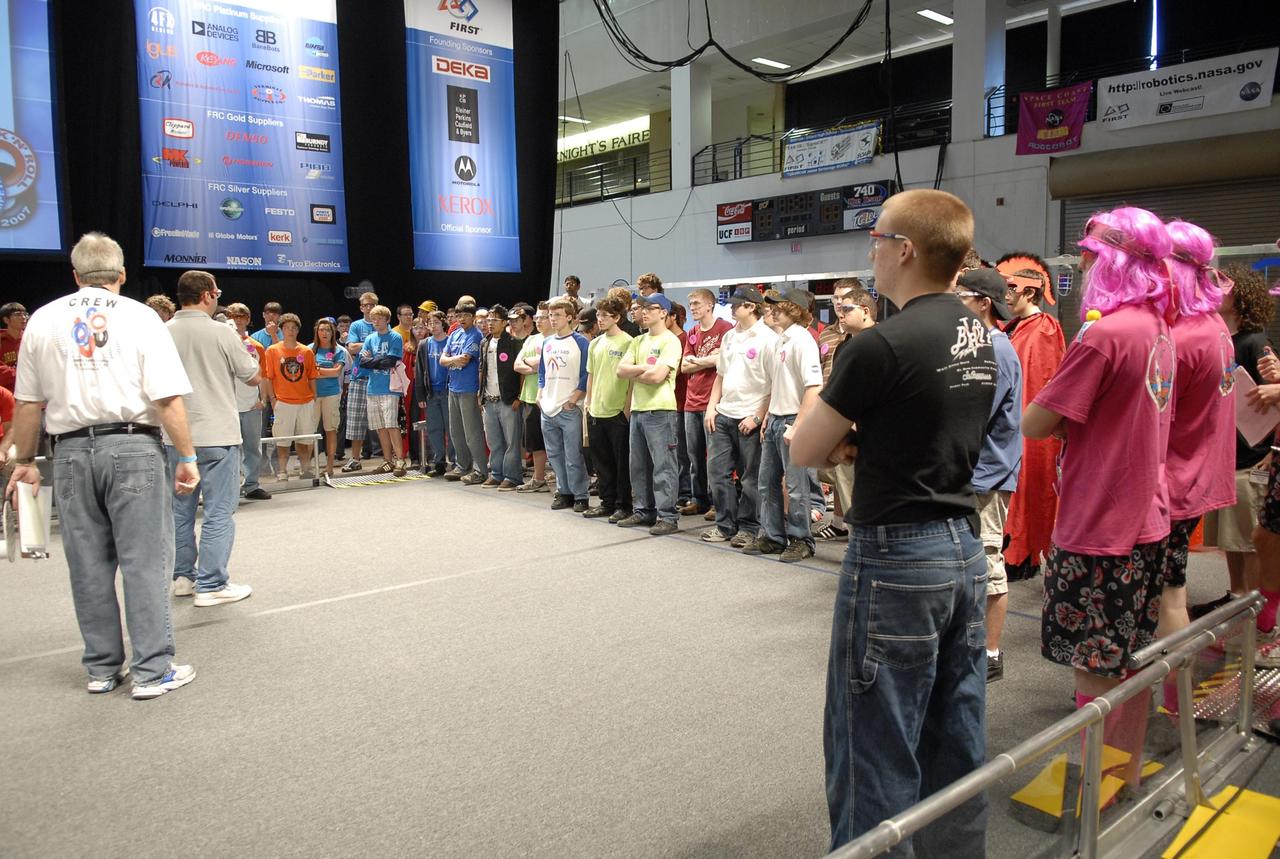
KENNEDY SPACE CENTER, FLA. -- Student competitors listen to game rules before the FIRST robotics event held at the University of Central Florida Arena March 8-10. The FIRST, or For Inspiration and Recognition of Science and Technology, Robotics Competition challenges teams of young people and their mentors to solve a common problem in a six-week timeframe using a standard "kit of parts" and a common set of rules. Teams build robots from the parts and enter them in a series of competitions designed by FIRST founder Dean Kamen and Dr. Woodie Flowers, chairman and vice chairman of the Executive Advisory Board respectively, and a committee of engineers and other professionals. FIRST redefines winning for these students. Teams are rewarded for excellence in design, demonstrated team spirit, gracious professionalism and maturity, and ability to overcome obstacles. Scoring the most points is a secondary goal. Winning means building partnerships that last. Photo credit: NASA/Kim Shiflett

KENNEDY SPACE CENTER, FLA. -- Center Director Bill Parsons (left) greets the Lt. Governor of the State of Florida, Jeff Kottkamp, at the FIRST robotics event held at the University of Central Florida Arena March 8-10. The FIRST, or For Inspiration and Recognition of Science and Technology, Robotics Competition challenges teams of young people and their mentors to solve a common problem in a six-week timeframe using a standard "kit of parts" and a common set of rules. Teams build robots from the parts and enter them in a series of competitions designed by FIRST founder Dean Kamen and Dr. Woodie Flowers, chairman and vice chairman of the Executive Advisory Board respectively, and a committee of engineers and other professionals. FIRST redefines winning for these students. Teams are rewarded for excellence in design, demonstrated team spirit, gracious professionalism and maturity, and ability to overcome obstacles. Scoring the most points is a secondary goal. Winning means building partnerships that last. Photo credit: NASA/Kim Shiflett
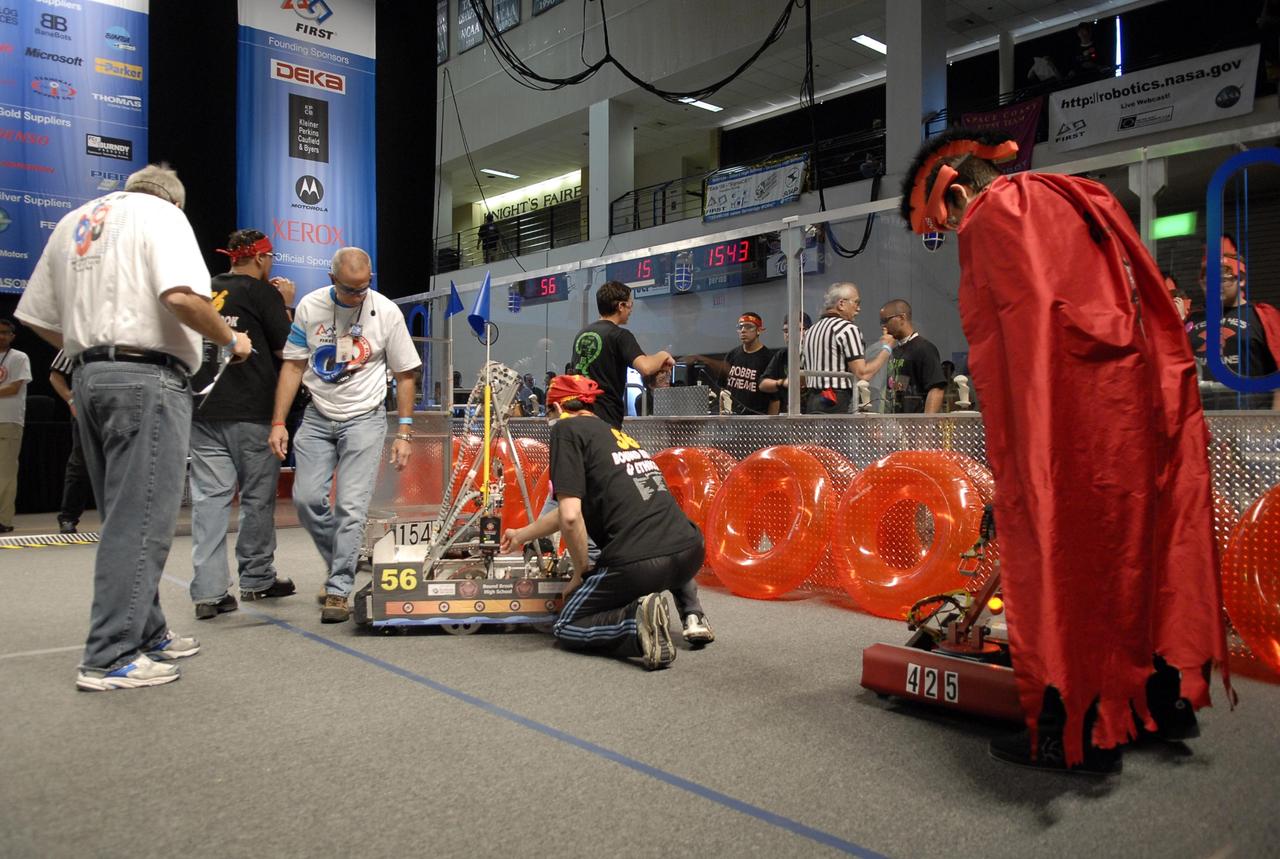
KENNEDY SPACE CENTER, FLA. -- A Kissimmee, Fla., team (right) prepares its robot for competition with a New Jersey team (center) during the FIRST robotics event held at the University of Central Florida Arena March 8-10. The FIRST, or For Inspiration and Recognition of Science and Technology, Robotics Competition challenges teams of young people and their mentors to solve a common problem in a six-week timeframe using a standard "kit of parts" and a common set of rules. Teams build robots from the parts and enter them in a series of competitions designed by FIRST founder Dean Kamen and Dr. Woodie Flowers, chairman and vice chairman of the Executive Advisory Board respectively, and a committee of engineers and other professionals. FIRST redefines winning for these students. Teams are rewarded for excellence in design, demonstrated team spirit, gracious professionalism and maturity, and ability to overcome obstacles. Scoring the most points is a secondary goal. Winning means building partnerships that last. Photo credit: NASA/Kim Shiflett
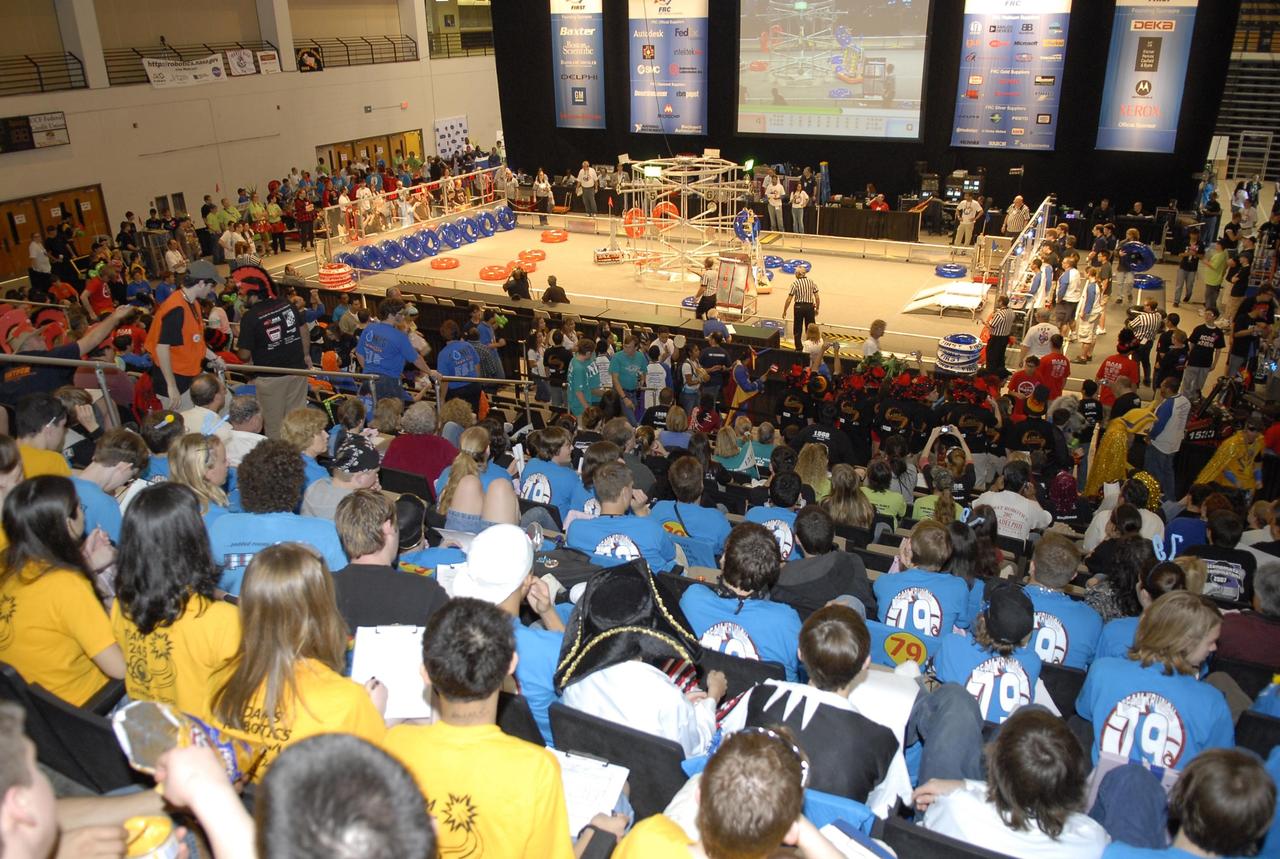
KENNEDY SPACE CENTER, FLA. -- The audience anxiously awaits a referee's decision during competition of student teams in the FIRST robotics event held at the University of Central Florida Arena March 8-10. The FIRST, or For Inspiration and Recognition of Science and Technology, Robotics Competition challenges teams of young people and their mentors to solve a common problem in a six-week timeframe using a standard "kit of parts" and a common set of rules. Teams build robots from the parts and enter them in a series of competitions designed by FIRST founder Dean Kamen and Dr. Woodie Flowers, chairman and vice chairman of the Executive Advisory Board respectively, and a committee of engineers and other professionals. FIRST redefines winning for these students. Teams are rewarded for excellence in design, demonstrated team spirit, gracious professionalism and maturity, and ability to overcome obstacles. Scoring the most points is a secondary goal. Winning means building partnerships that last. Photo credit: NASA/Kim Shiflett
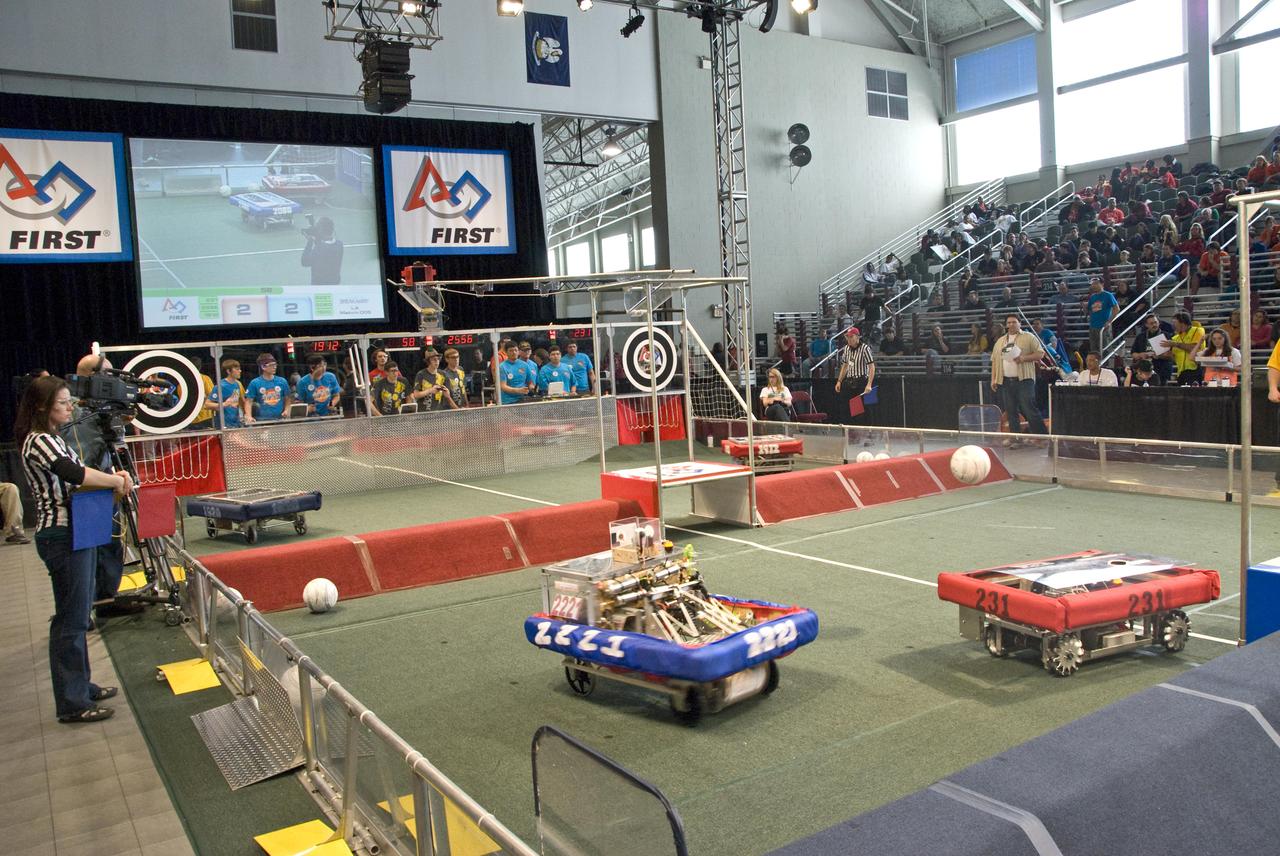
Student-built robots maneuver the course during the 2010 Bayou Regional FIRST (For Inspiration and Recognition of Science and Technology) Robotics competition in Westwego on March 5-6. The annual competition drew 36 high school teams from eight states. NASA's John C. Stennis Space Center supports FIRST Robotics by providing financing, mentors and training, as well as competition judges and referees, audiovisual staff and other volunteer personnel.
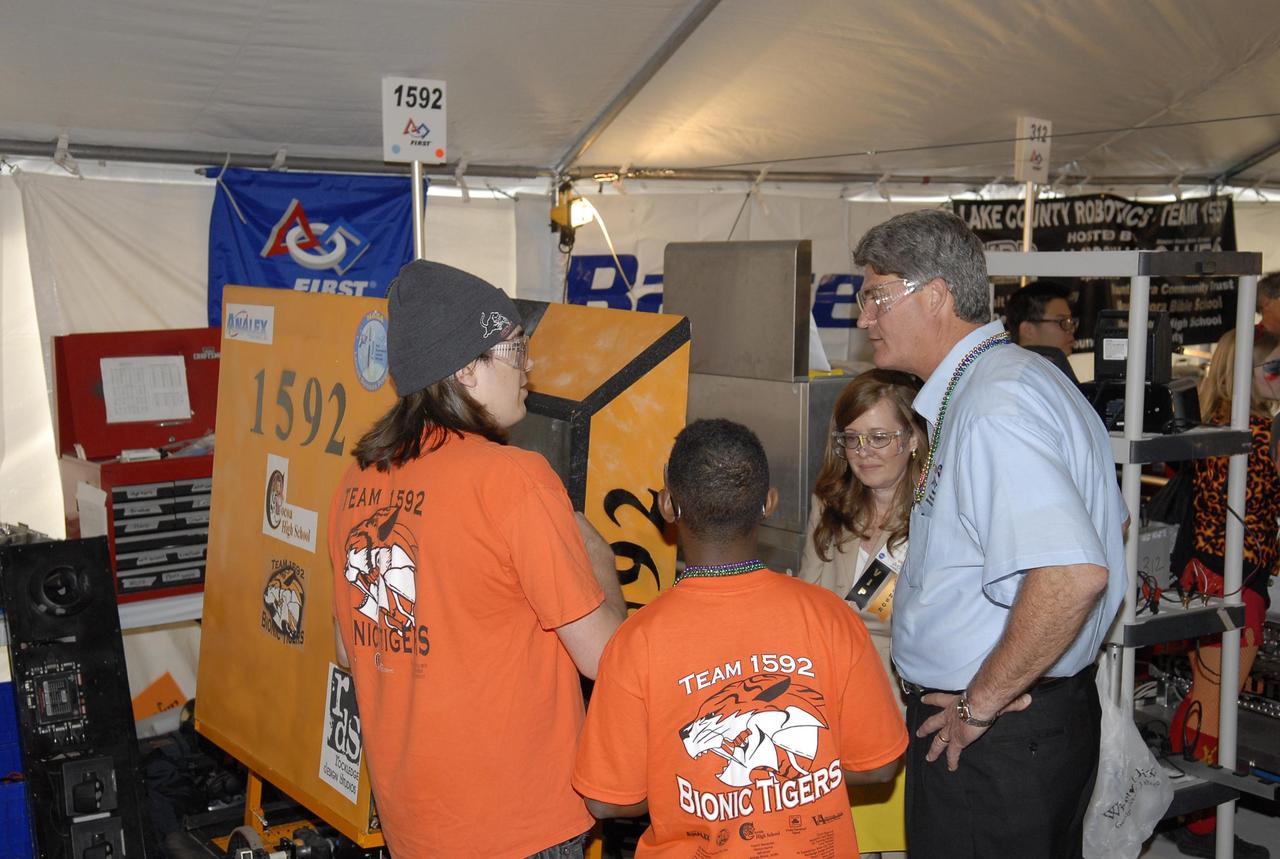
KENNEDY SPACE CENTER, FLA. -- Center Director Bill Parsons (right) talks with students of another NASA-sponsored robotic team during the FIRST robotics event held at the University of Central Florida Arena March 8-10. Next to Parsons is Lisa Malone, director of External Relations at Kennedy Space Center. The students of team 1592, the Bionic Tigers, represent the cosponsors Analex Corporation and NASA Launch Services Program and Cocoa High School in Central Florida. Participating since 2005, this is the first year for this team to receive NASA financial support. They were mentored by the Pink Team. The FIRST, or For Inspiration and Recognition of Science and Technology, Robotics Competition challenges teams of young people and their mentors to solve a common problem in a six-week timeframe using a standard "kit of parts" and a common set of rules. Teams build robots from the parts and enter them in a series of competitions designed by FIRST founder Dean Kamen and Dr. Woodie Flowers, chairman and vice chairman of the Executive Advisory Board respectively, and a committee of engineers and other professionals. FIRST redefines winning for these students. Teams are rewarded for excellence in design, demonstrated team spirit, gracious professionalism and maturity, and ability to overcome obstacles. Scoring the most points is a secondary goal. Winning means building partnerships that last. Photo credit: NASA/Kim Shiflett
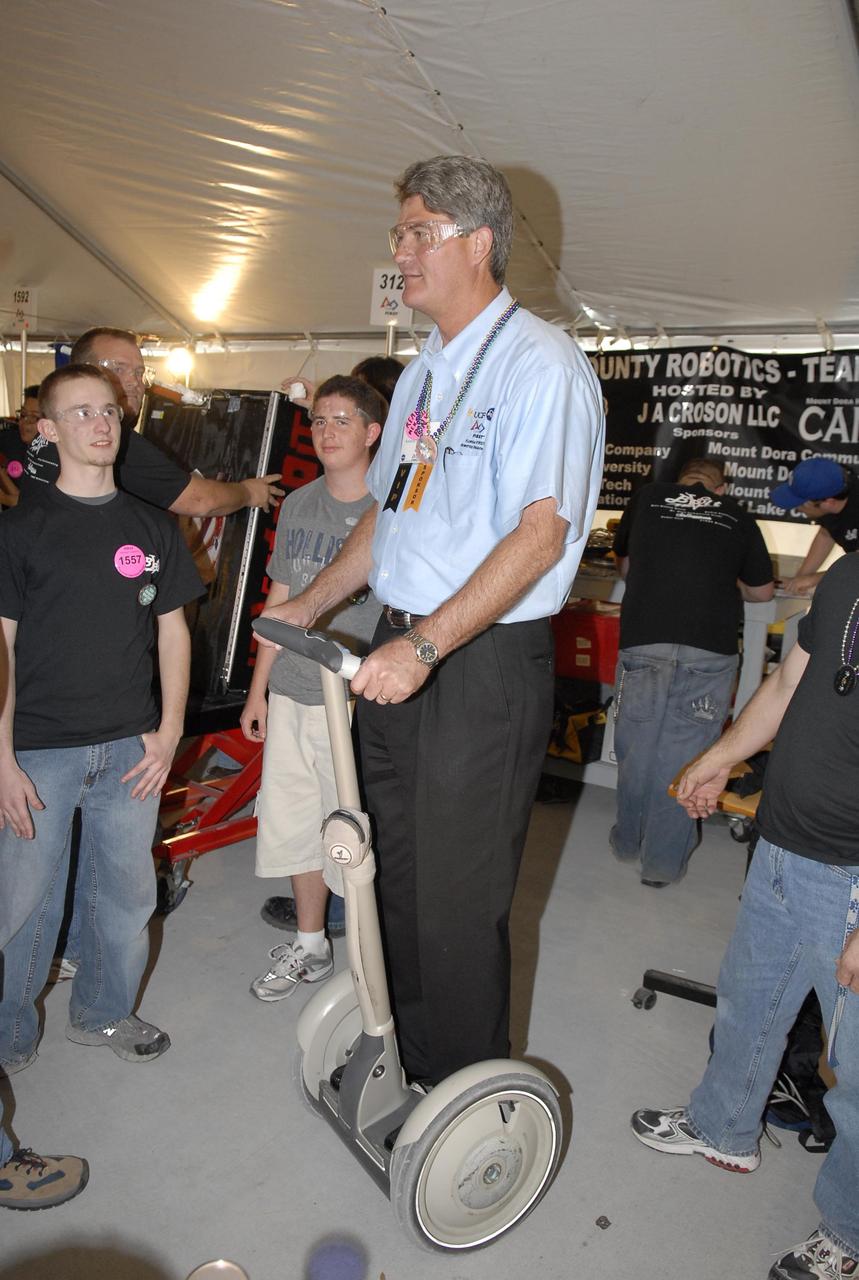
KENNEDY SPACE CENTER, FLA. -- During the FIRST robotics event held at the University of Central Florida Arena March 8-10, Center Director Bill Parsons takes a turn on the Segway® Personal Transporter (PT), designed by FIRST founder Dean Kamen. The FIRST, or For Inspiration and Recognition of Science and Technology, Robotics Competition challenges teams of young people and their mentors to solve a common problem in a six-week timeframe using a standard "kit of parts" and a common set of rules. Teams build robots from the parts and enter them in a series of competitions designed by FIRST founder Dean Kamen and Dr. Woodie Flowers, chairman and vice chairman of the Executive Advisory Board respectively, and a committee of engineers and other professionals. FIRST redefines winning for these students. Teams are rewarded for excellence in design, demonstrated team spirit, gracious professionalism and maturity, and ability to overcome obstacles. Scoring the most points is a secondary goal. Winning means building partnerships that last. Photo credit: NASA/Kim Shiflett
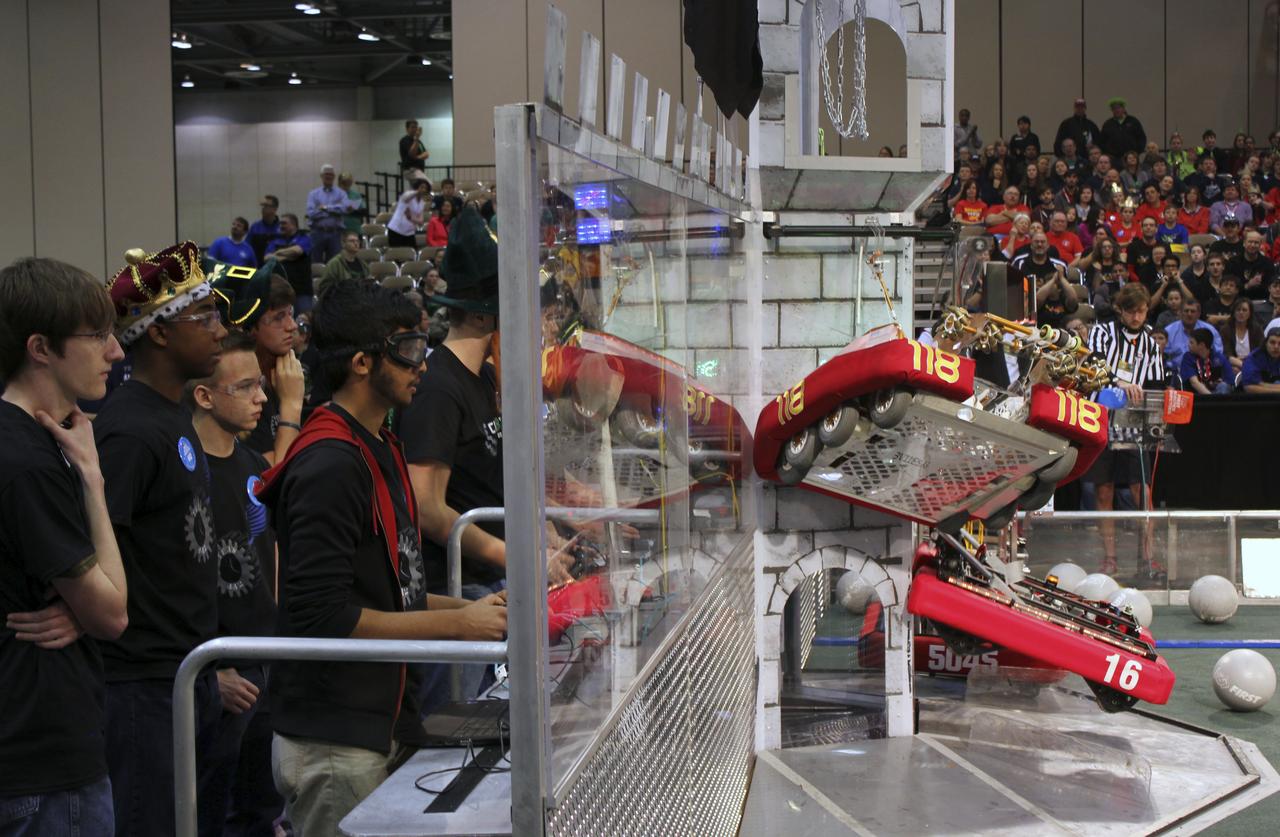
THE REDSTONE ROBOTICS OF HUNTSVILLE’S LEE AND NEW CENTURY TECH DEMO HIGH SCHOOLS WORK DURING THE “ROCKET CITY REGIONAL” FIRST ROBOTICS COMPETITION AT THE VON BRAUN CENTER IN 2016.
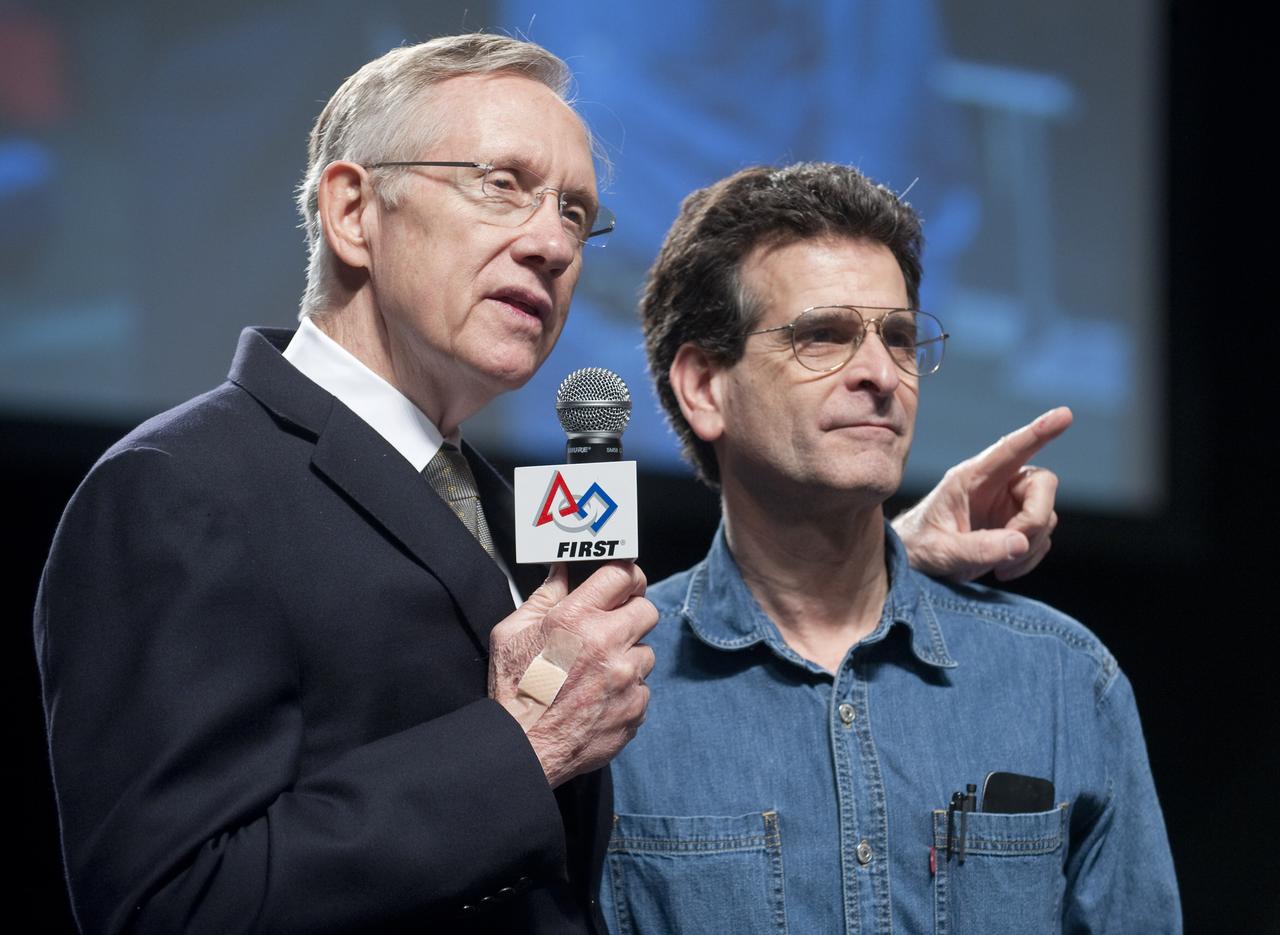
U.S. Senate Majority Leader Harry Reid, D-Nev., left, stands with Dean Kamen, the founder of First Robotics, as he talks about the importance of Science and Technology education during the First Robotics Competition, Friday March 5, 2010, in Washington. The student competition is called "For Inspiration and Recognition ofScience and Technology," or FIRST. The program was founded in 1989 by Kamen to inspire an appreciation of science and technology in young people, their schools and communities. Photo Credit: (NASA/Paul E. Alers)

The First Robotics Rocket City Regional Competition was held at the Von Braun Civic Center in Huntsville, Alabama on March 16, 2018. High school robotics teams from throughout the U.S., as well as a team from Brazil, competed. Pictured is the Brazilian team prior to competition
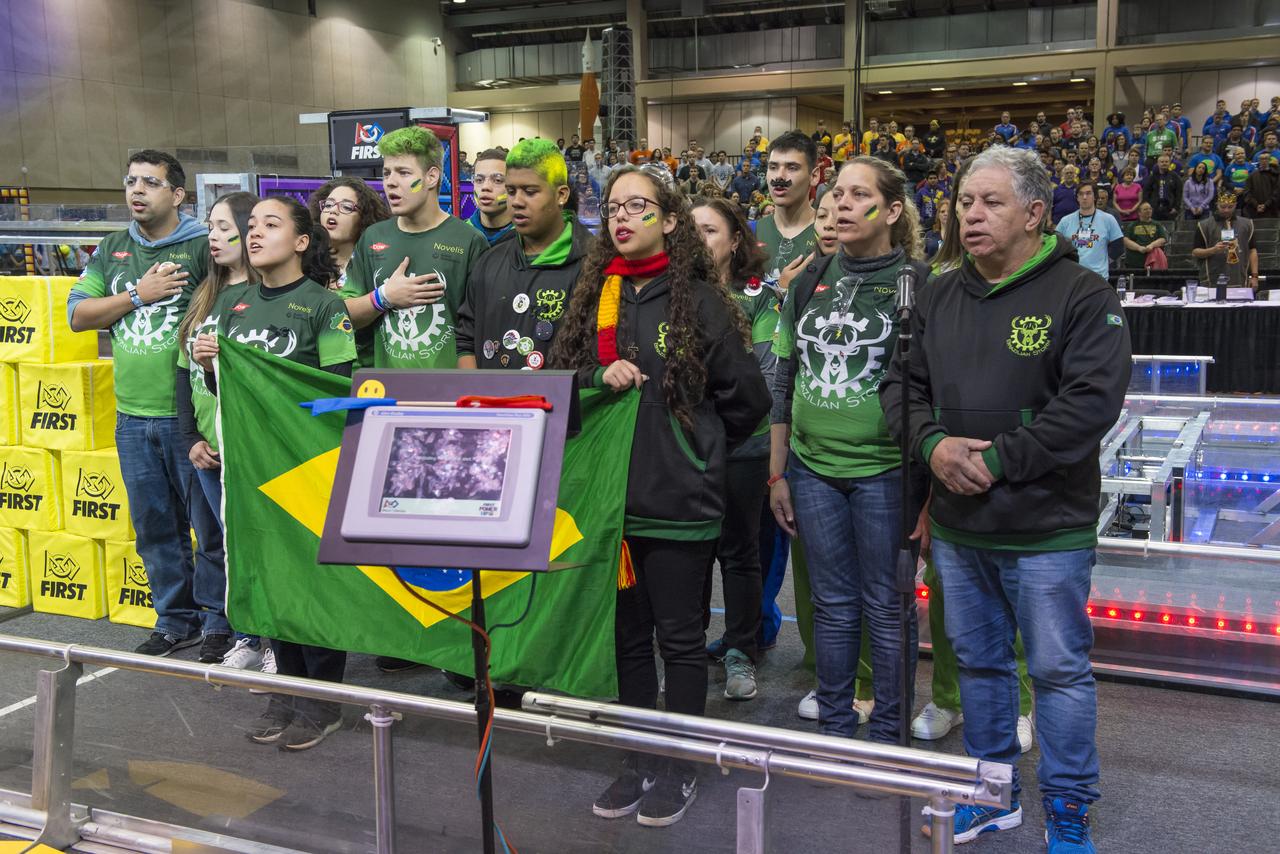
The First Robotics Rocket City Regional Competition was held at the Von Braun Civic Center in Huntsville, Alabama on March 16, 2018. High school robotics teams from throughout the U.S., as well as a team from Brazil, competed. The Brazilian team sings their national anthem.
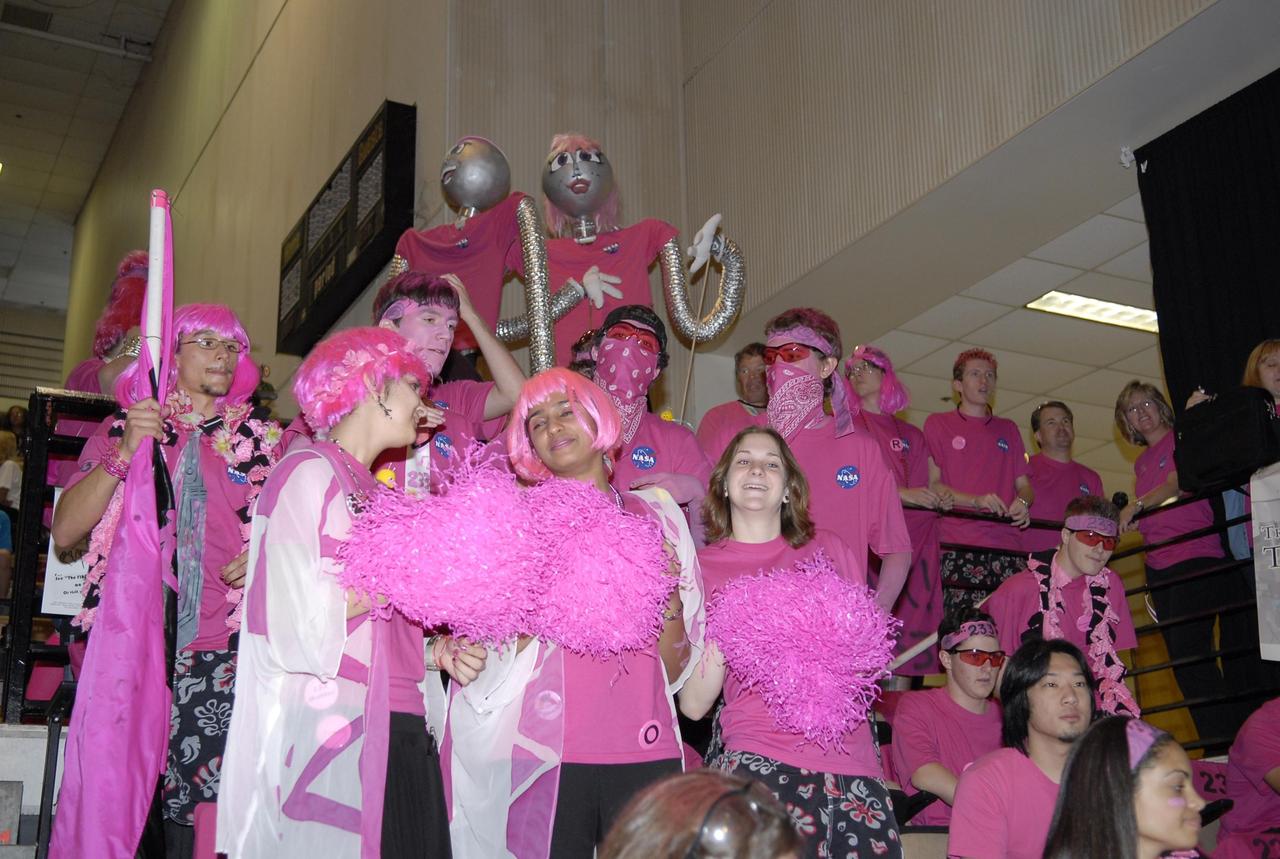
KENNEDY SPACE CENTER, FLA. -- The student team dressed in pink is a coordinated effort cosponsored by NASA KSC and representing Rockledge, Cocoa Beach and Viera High Schools in Central Florida. The FIRST, or For Inspiration and Recognition of Science and Technology, Robotics Competition challenges teams of young people and their mentors to solve a common problem in a six-week timeframe using a standard "kit of parts" and a common set of rules. Teams build robots from the parts and enter them in a series of competitions designed by FIRST founder Dean Kamen and Dr. Woodie Flowers, chairman and vice chairman of the Executive Advisory Board respectively, and a committee of engineers and other professionals. FIRST redefines winning for these students. Teams are rewarded for excellence in design, demonstrated team spirit, gracious professionalism and maturity, and ability to overcome obstacles. Scoring the most points is a secondary goal. Winning means building partnerships that last. Photo credit: NASA/Kim Shiflett
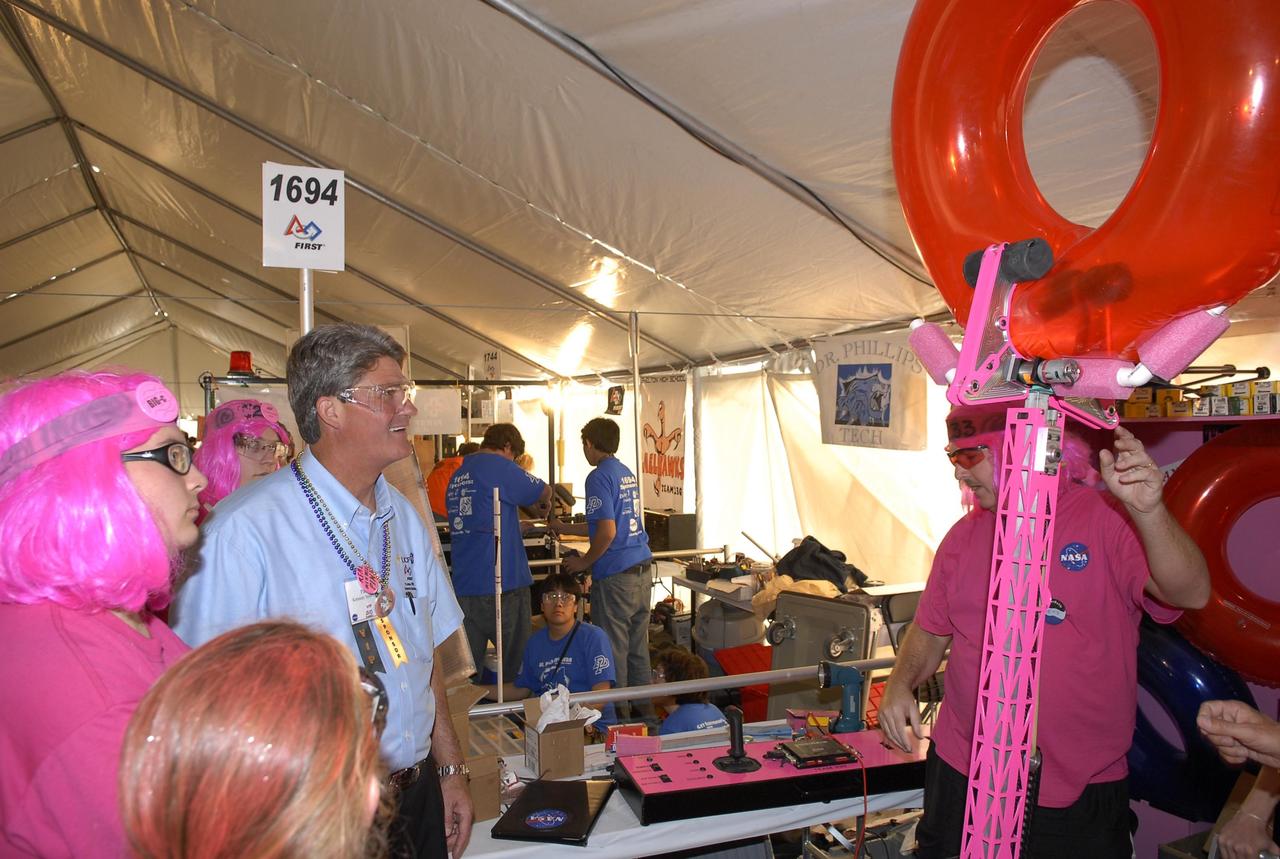
KENNEDY SPACE CENTER, FLA. -- During the FIRST robotics event held at the University of Central Florida Arena March 8-10, Center Director Bill Parsons talks to the NASA-sponsored team, known as the Pink Team, from Rockledge, Cocoa Beach and Viera High Schools in Central Florida. The FIRST, or For Inspiration and Recognition of Science and Technology, Robotics Competition challenges teams of young people and their mentors to solve a common problem in a six-week timeframe using a standard "kit of parts" and a common set of rules. Teams build robots from the parts and enter them in a series of competitions designed by FIRST founder Dean Kamen and Dr. Woodie Flowers, chairman and vice chairman of the Executive Advisory Board respectively, and a committee of engineers and other professionals. FIRST redefines winning for these students. Teams are rewarded for excellence in design, demonstrated team spirit, gracious professionalism and maturity, and ability to overcome obstacles. Scoring the most points is a secondary goal. Winning means building partnerships that last. Photo credit: NASA/Kim Shiflett
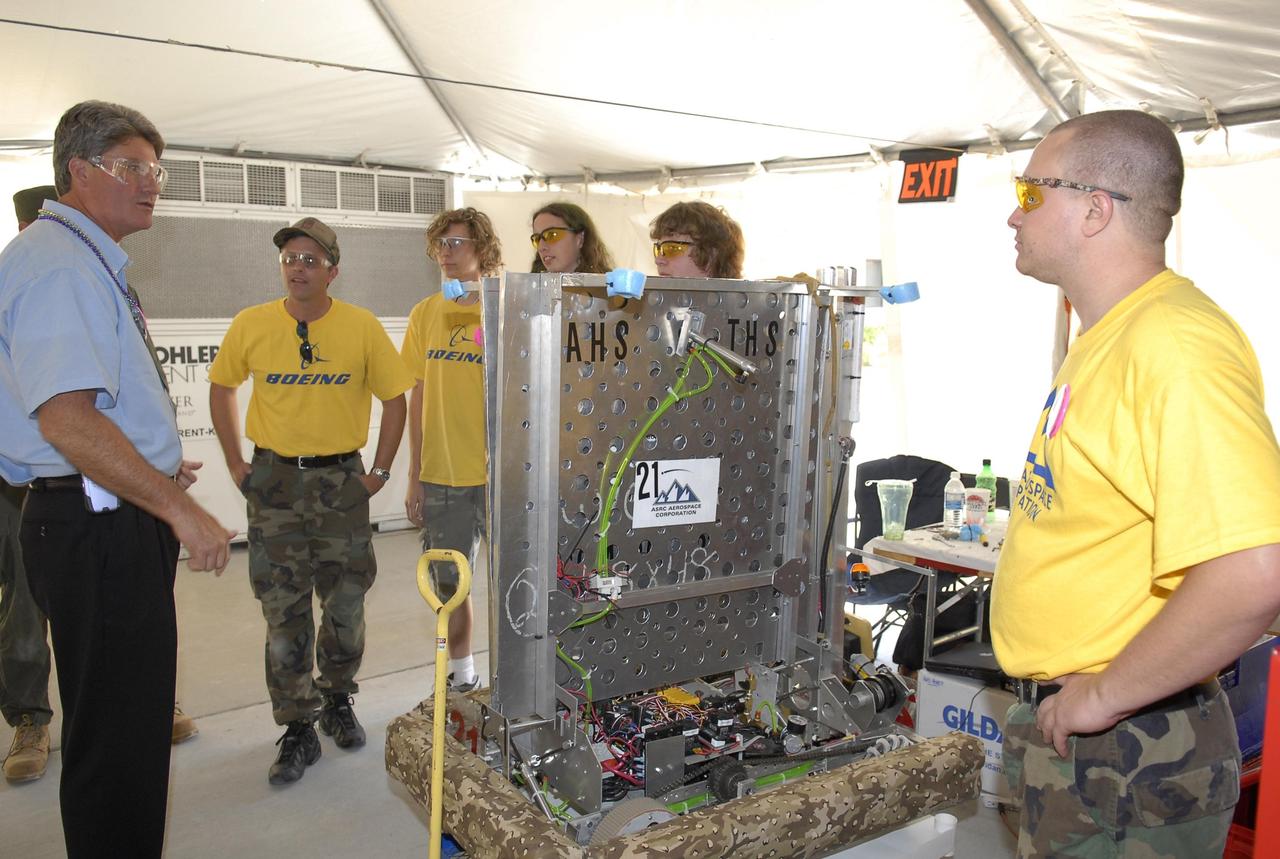
KENNEDY SPACE CENTER, FLA. -- During the FIRST robotics event held at the University of Central Florida Arena March 8-10, Center Director Bill Parsons (left) talks to students from Titusville, Fla., about their robot. The team is cosponsored by ASRC Aerospace and The Boeing Company, and represents Astronaut and Titusville High Schools. The FIRST, or For Inspiration and Recognition of Science and Technology, Robotics Competition challenges teams of young people and their mentors to solve a common problem in a six-week timeframe using a standard "kit of parts" and a common set of rules. Teams build robots from the parts and enter them in a series of competitions designed by FIRST founder Dean Kamen and Dr. Woodie Flowers, chairman and vice chairman of the Executive Advisory Board respectively, and a committee of engineers and other professionals. FIRST redefines winning for these students. Teams are rewarded for excellence in design, demonstrated team spirit, gracious professionalism and maturity, and ability to overcome obstacles. Scoring the most points is a secondary goal. Winning means building partnerships that last. Photo credit: NASA/Kim Shiflett
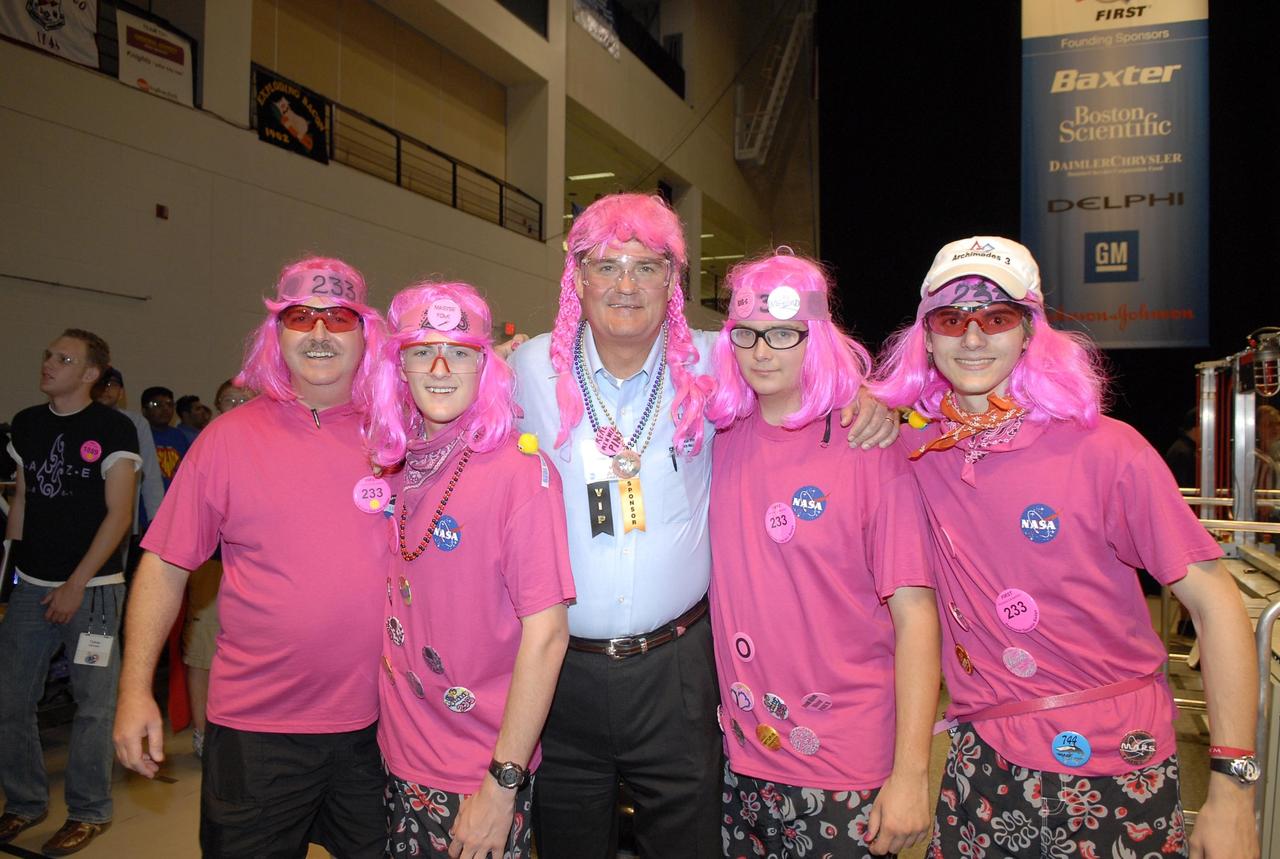
KENNEDY SPACE CENTER, FLA. -- During the FIRST robotics event held at the University of Central Florida Arena March 8-10, Center Director Bill Parsons (center) dons the pink wig that represents team no. 233, composed of students from Rockledge, Cocoa Beach and Viera High Schools in Central Florida. The team is cosponsored by NASA KSC. The FIRST, or For Inspiration and Recognition of Science and Technology, Robotics Competition challenges teams of young people and their mentors to solve a common problem in a six-week timeframe using a standard "kit of parts" and a common set of rules. Teams build robots from the parts and enter them in a series of competitions designed by FIRST founder Dean Kamen and Dr. Woodie Flowers, chairman and vice chairman of the Executive Advisory Board respectively, and a committee of engineers and other professionals. FIRST redefines winning for these students. Teams are rewarded for excellence in design, demonstrated team spirit, gracious professionalism and maturity, and ability to overcome obstacles. Scoring the most points is a secondary goal. Winning means building partnerships that last. Photo credit: NASA/Kim Shiflett
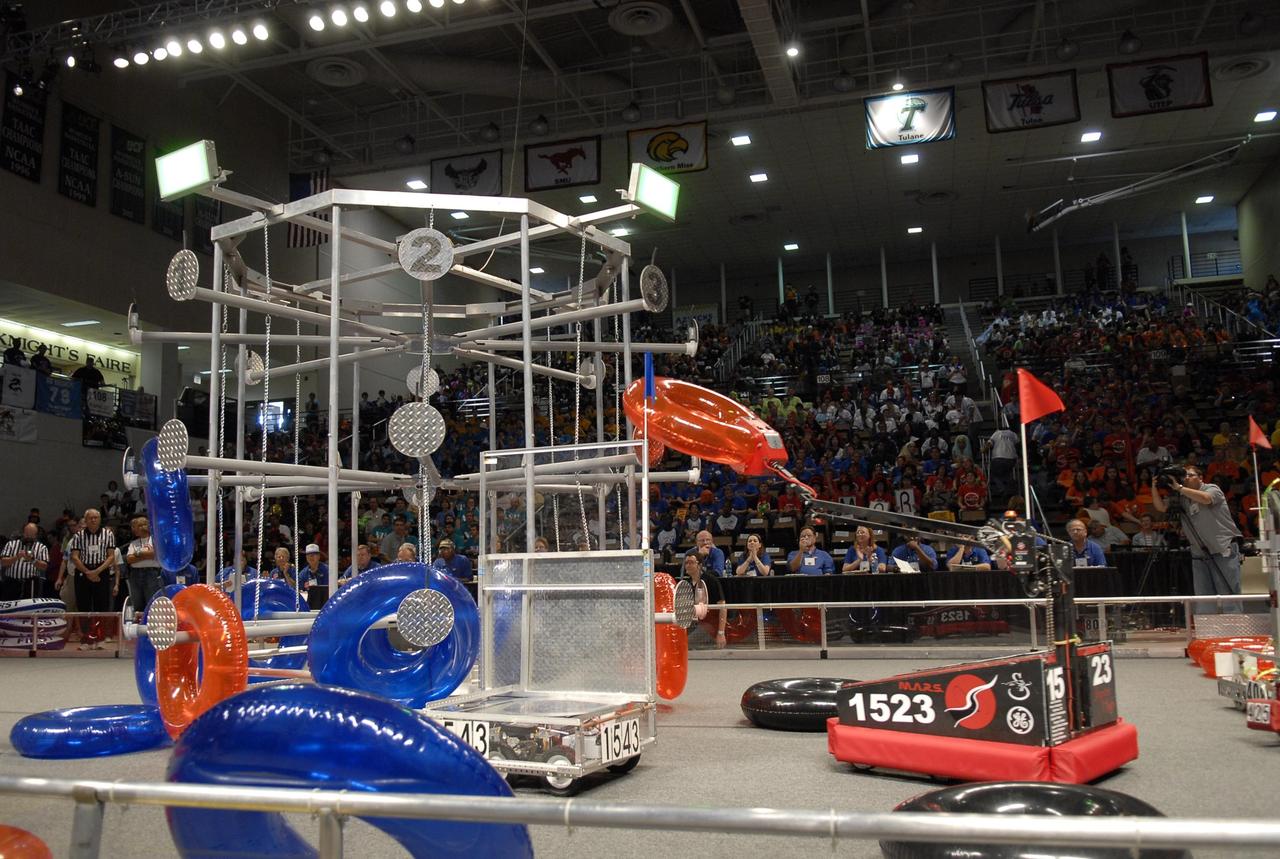
KENNEDY SPACE CENTER, FLA. -- Competing robots try to loop the large meta target with colored rings. The robots are products of student teams taking part in the FIRST robotics event held at the University of Central Florida Arena March 8-10. The FIRST, or For Inspiration and Recognition of Science and Technology, Robotics Competition challenges teams of young people and their mentors to solve a common problem in a six-week timeframe using a standard "kit of parts" and a common set of rules. Teams build robots from the parts and enter them in a series of competitions designed by FIRST founder Dean Kamen and Dr. Woodie Flowers, chairman and vice chairman of the Executive Advisory Board respectively, and a committee of engineers and other professionals. FIRST redefines winning for these students. Teams are rewarded for excellence in design, demonstrated team spirit, gracious professionalism and maturity, and ability to overcome obstacles. Scoring the most points is a secondary goal. Winning means building partnerships that last. Photo credit: NASA/Kim Shiflett
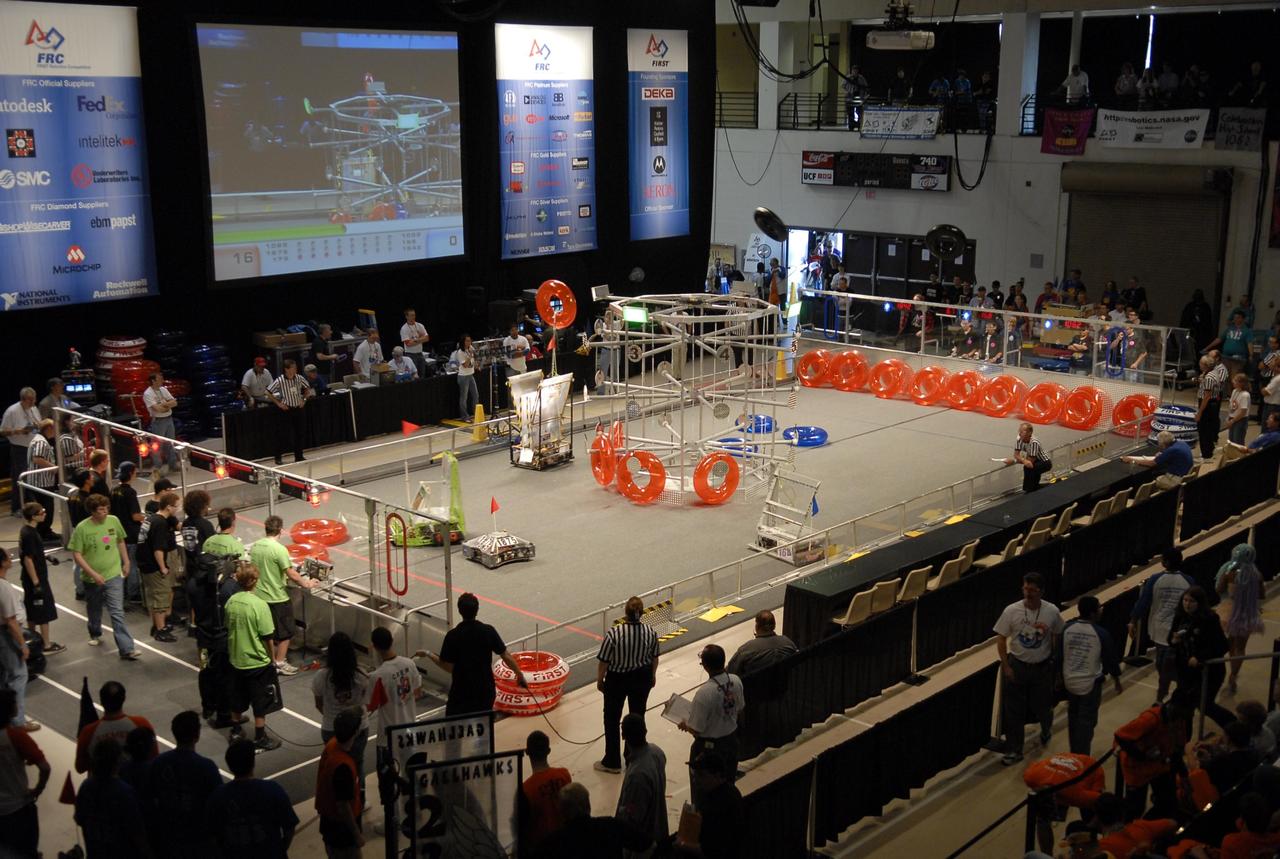
KENNEDY SPACE CENTER, FLA. -- Competing robots try to loop the large metal target with colored rings. The robots are products of student teams taking part in the FIRST robotics event held at the University of Central Florida Arena March 8-10. The FIRST, or For Inspiration and Recognition of Science and Technology, Robotics Competition challenges teams of young people and their mentors to solve a common problem in a six-week timeframe using a standard "kit of parts" and a common set of rules. Teams build robots from the parts and enter them in a series of competitions designed by FIRST founder Dean Kamen and Dr. Woodie Flowers, chairman and vice chairman of the Executive Advisory Board respectively, and a committee of engineers and other professionals. FIRST redefines winning for these students. Teams are rewarded for excellence in design, demonstrated team spirit, gracious professionalism and maturity, and ability to overcome obstacles. Scoring the most points is a secondary goal. Winning means building partnerships that last. Photo credit: NASA/Kim Shiflett
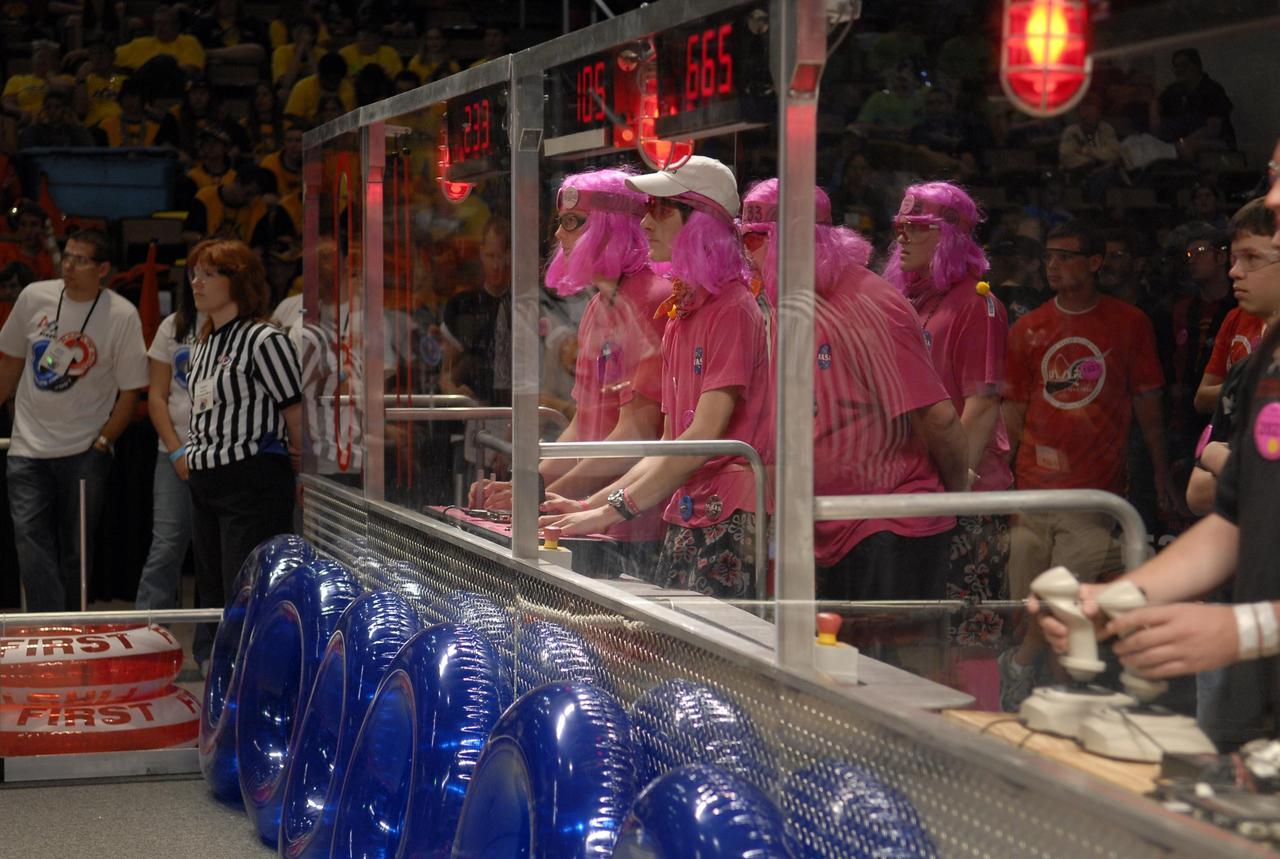
KENNEDY SPACE CENTER, FLA. -- The student team no. 233 dressed in pink controls its robot during competition in the FIRST robotics event held at the University of Central Florida Arena March 8-10. The team is a coordinated effort co-sponsored by NASA KSC and representing Rockledge, Cocoa Beach and Viera High Schools in Central Florida. The FIRST, or For Inspiration and Recognition of Science and Technology, Robotics Competition challenges teams of young people and their mentors to solve a common problem in a six-week timeframe using a standard "kit of parts" and a common set of rules. Teams build robots from the parts and enter them in a series of competitions designed by FIRST founder Dean Kamen and Dr. Woodie Flowers, chairman and vice chairman of the Executive Advisory Board respectively, and a committee of engineers and other professionals. FIRST redefines winning for these students. Teams are rewarded for excellence in design, demonstrated team spirit, gracious professionalism and maturity, and ability to overcome obstacles. Scoring the most points is a secondary goal. Winning means building partnerships that last. Photo credit: NASA/Kim Shiflett
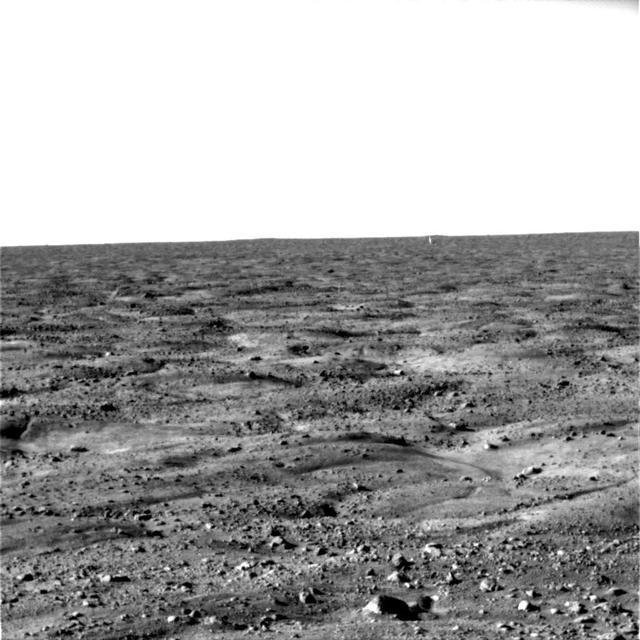
First Look at Martian Arctic Plains
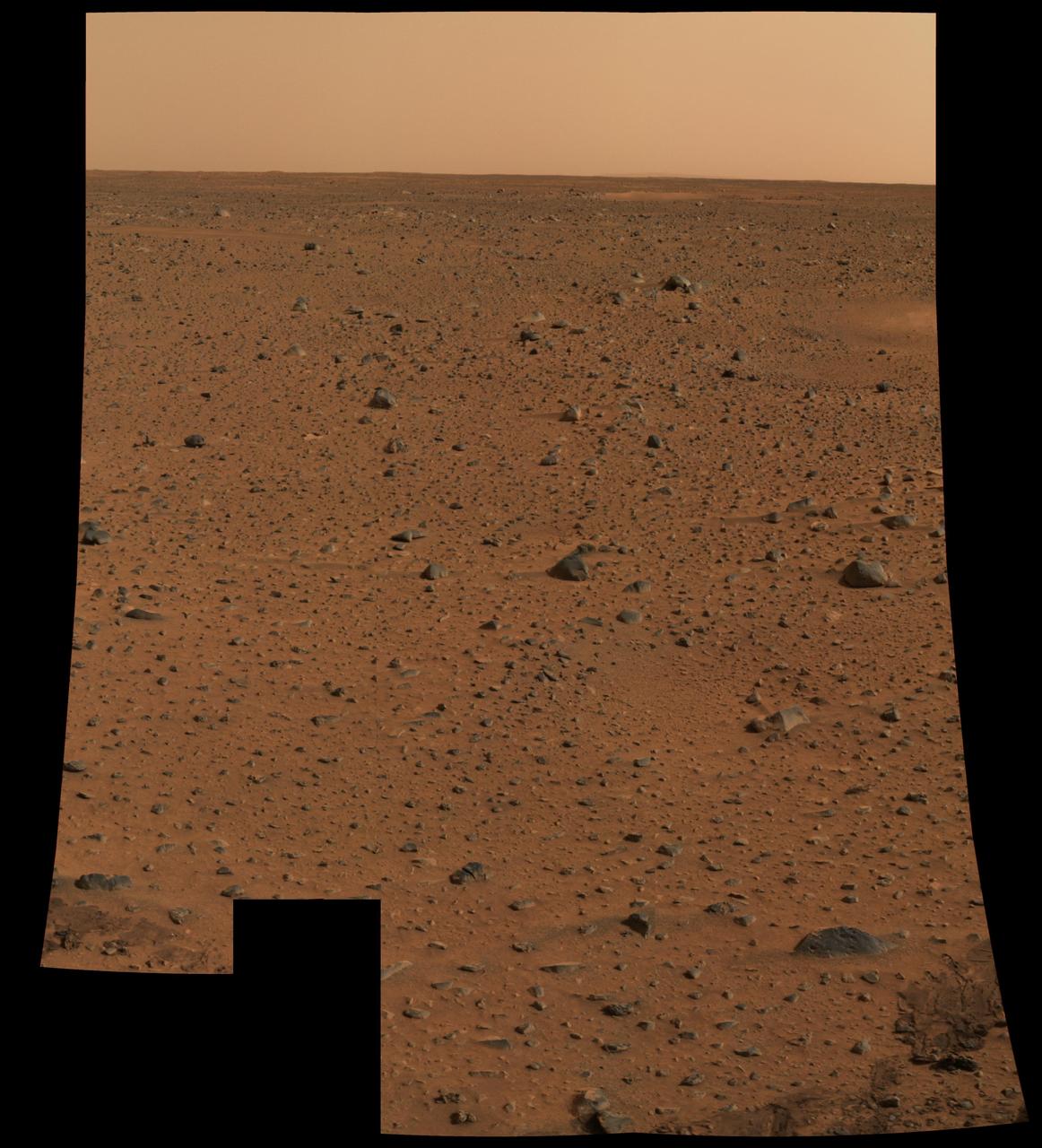
First Color Image from Spirit
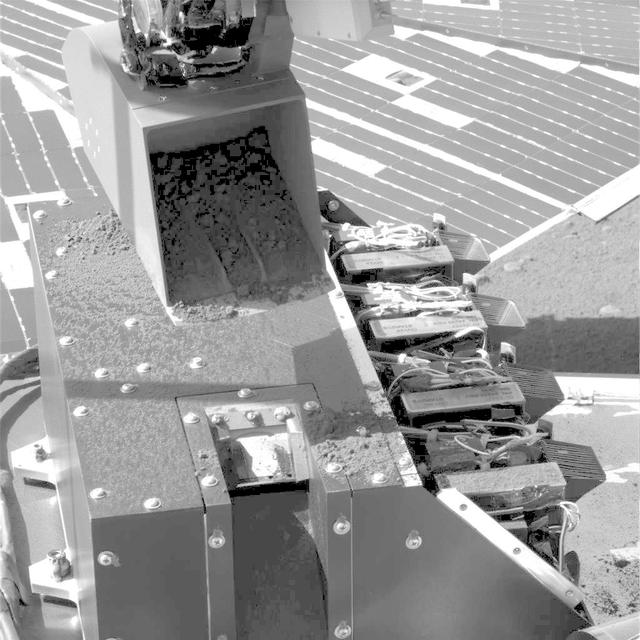
First Sample Delivery to Mars Microscope
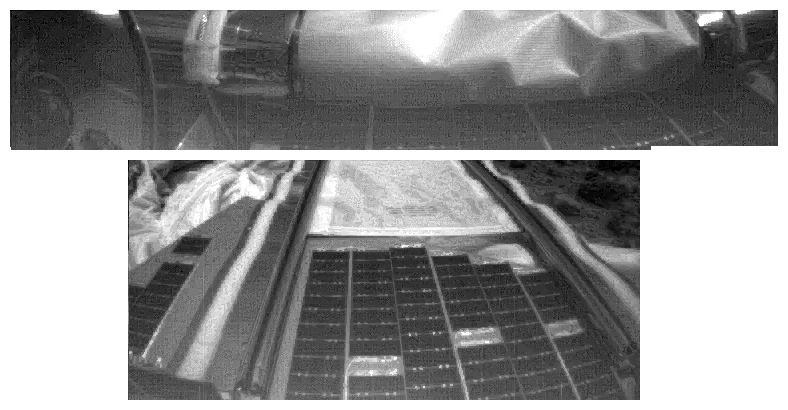
Sojourner First Images From Mars
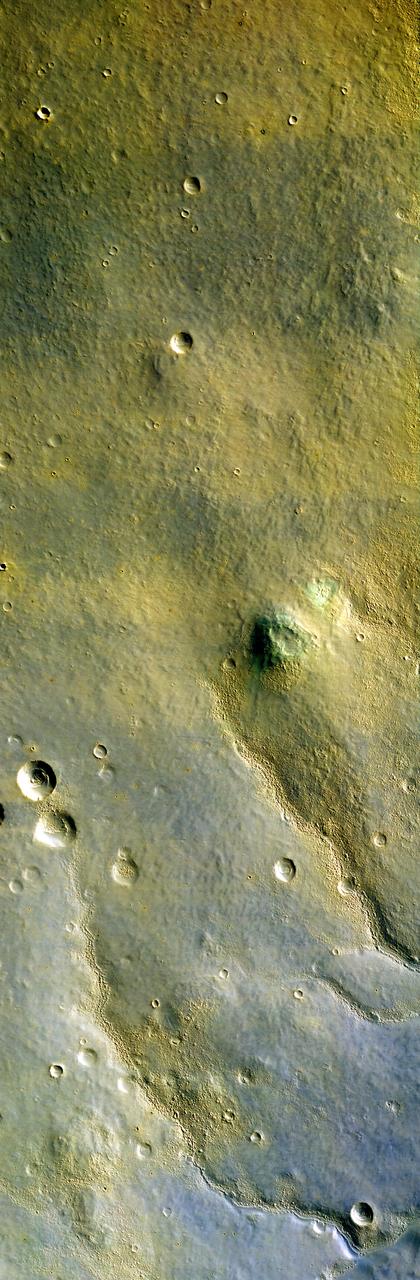
First Color HiRISE Image of Mars
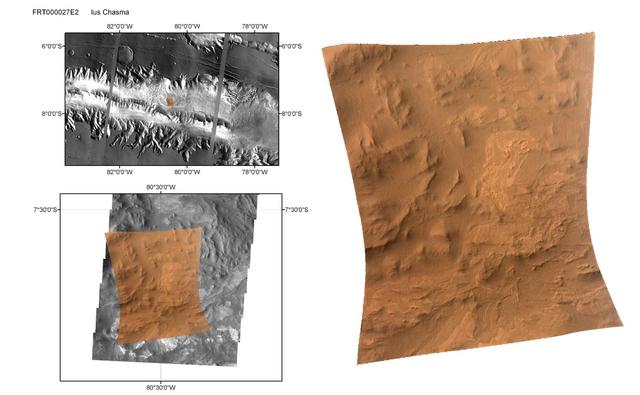
CRISM First Targeted Observation of Mars
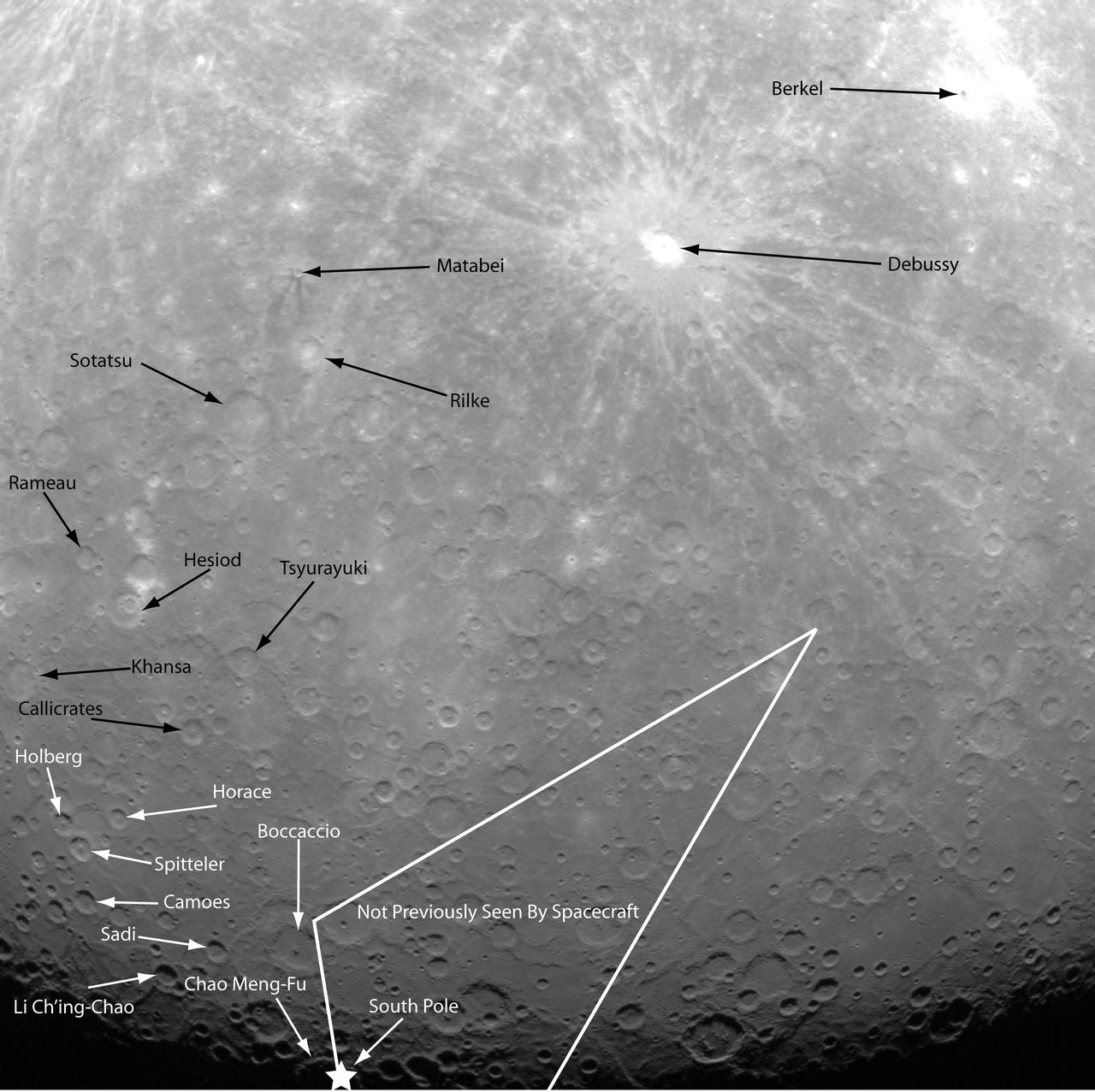
An Annotated Guide to the First Orbital Image
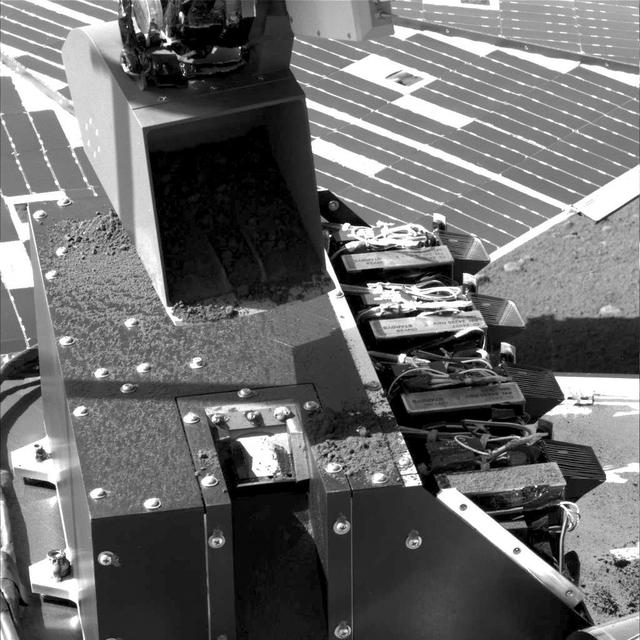
First Sample Delivery to Mars Microscope
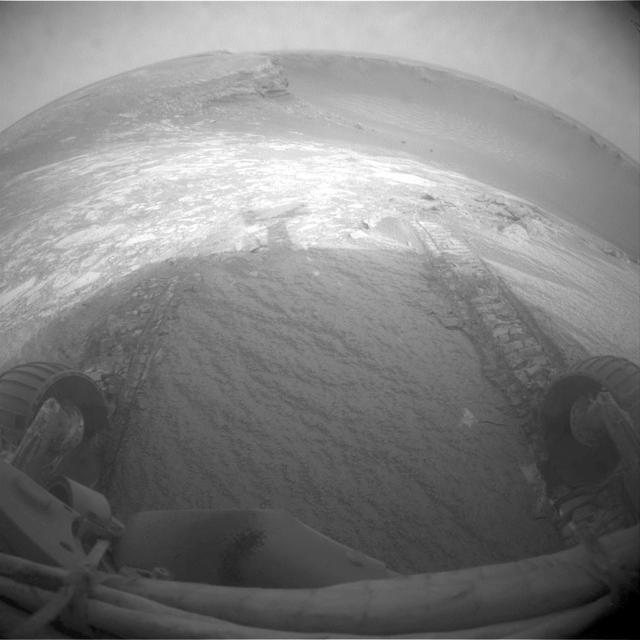
Opportunity First Dip into Victoria Crater
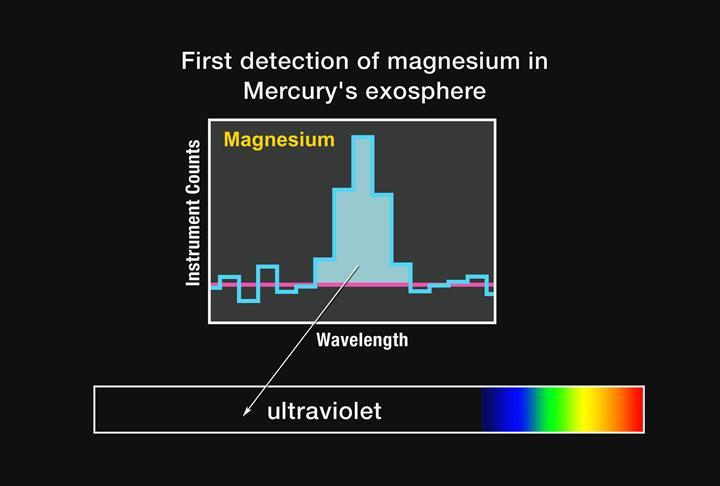
First Detection of Magnesium in Mercury Exosphere

The First Image After Closest Approach
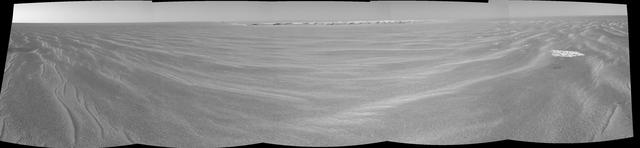
Opportunity First Glimpse into Victoria Crater
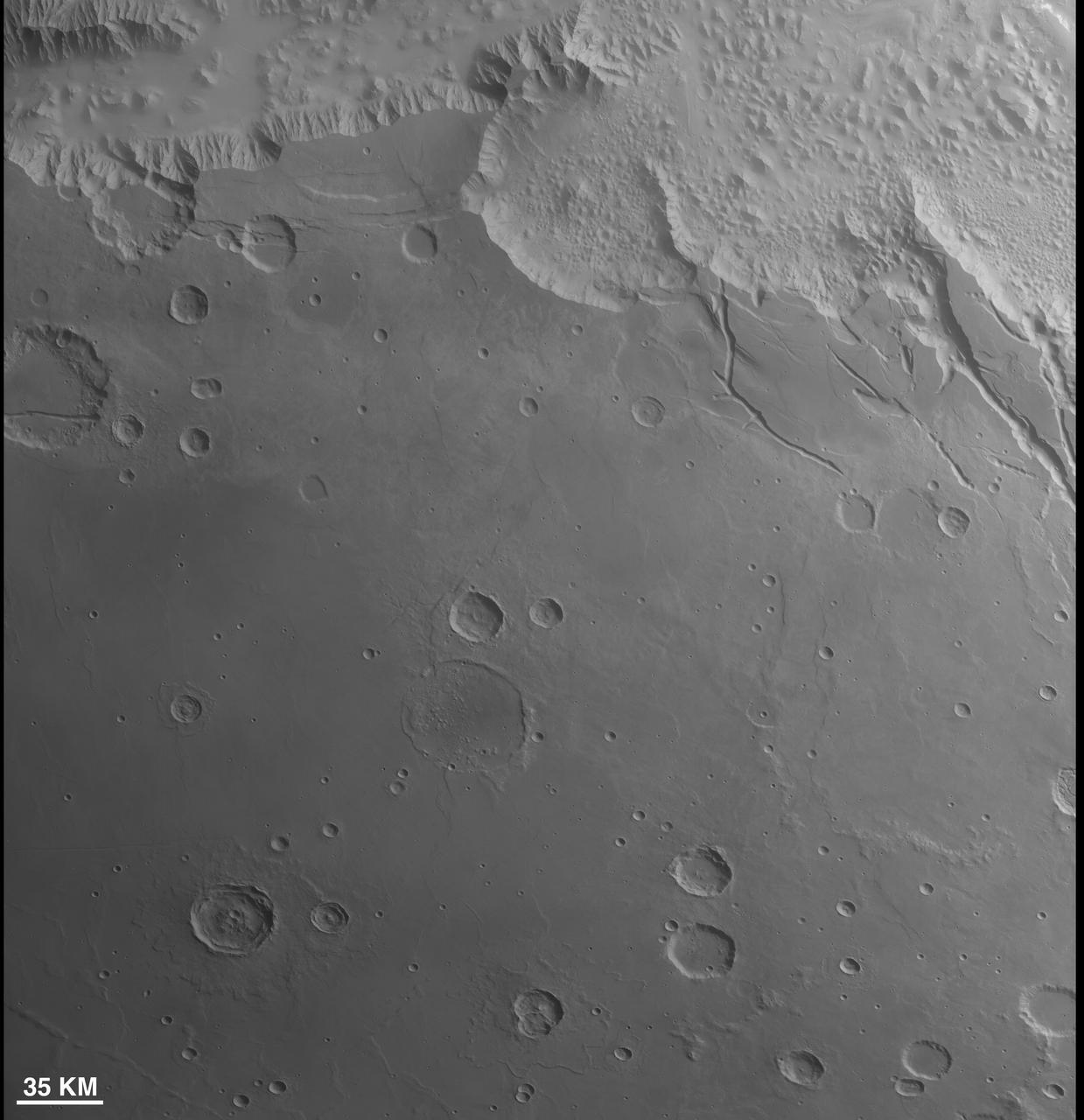
First Context Camera Image of Mars