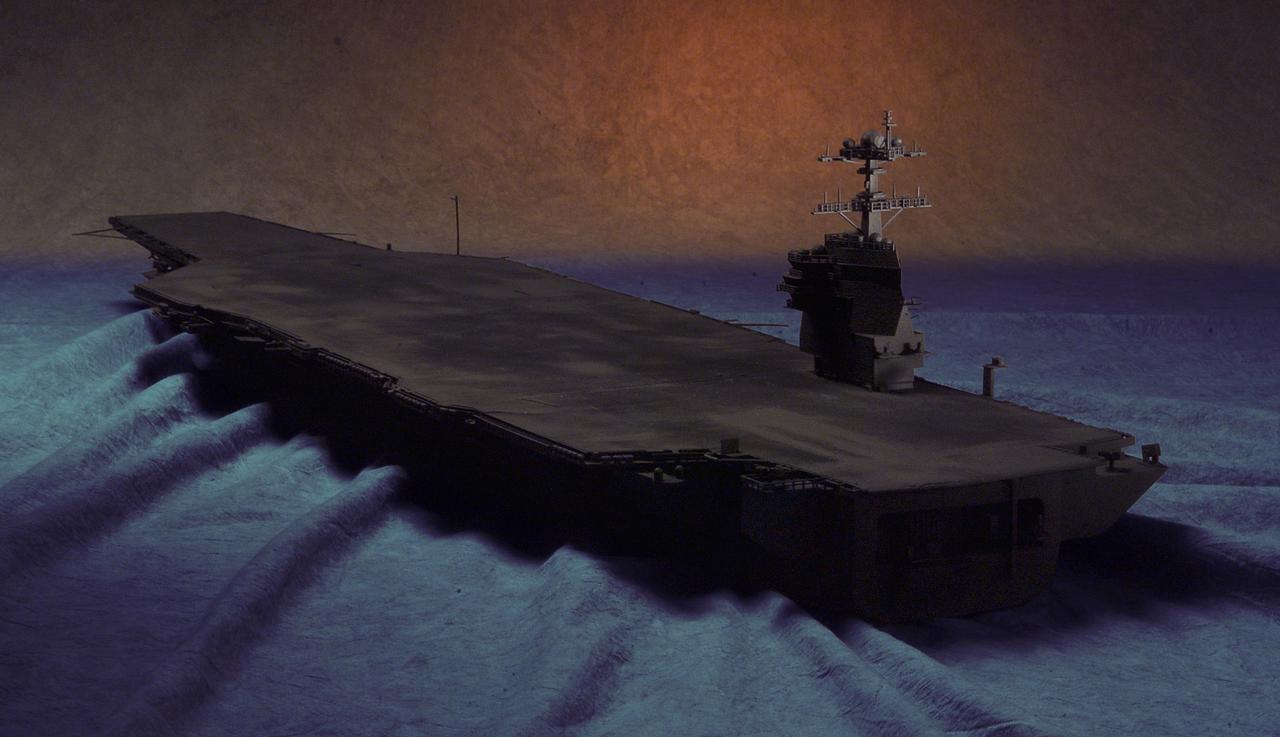
CVN78 CARRIER AIRFLOW STUDY IN FLUID MECHANICS LAB (CVN21)
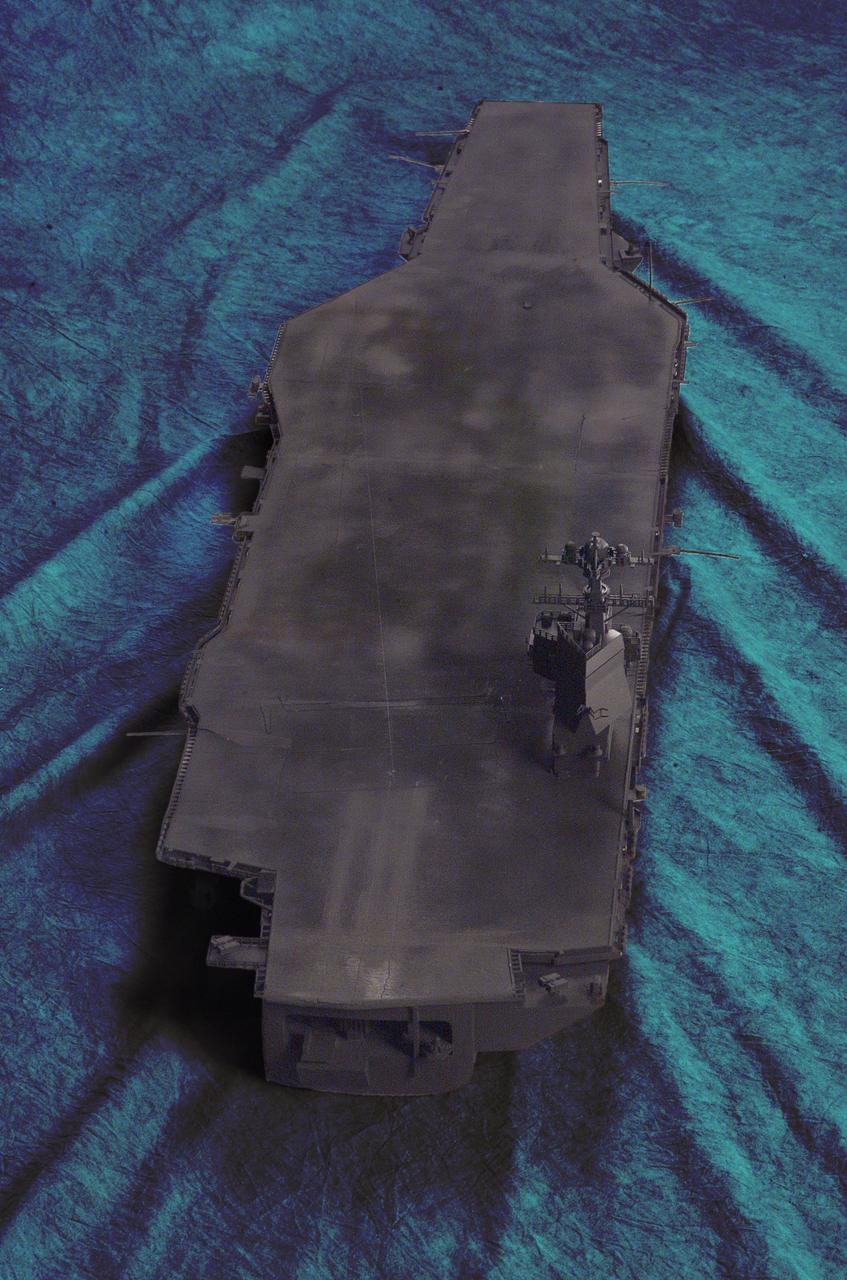
CVN78 CARRIER AIRFLOW STUDY IN FLUID MECHANICS LAB (CVN21)
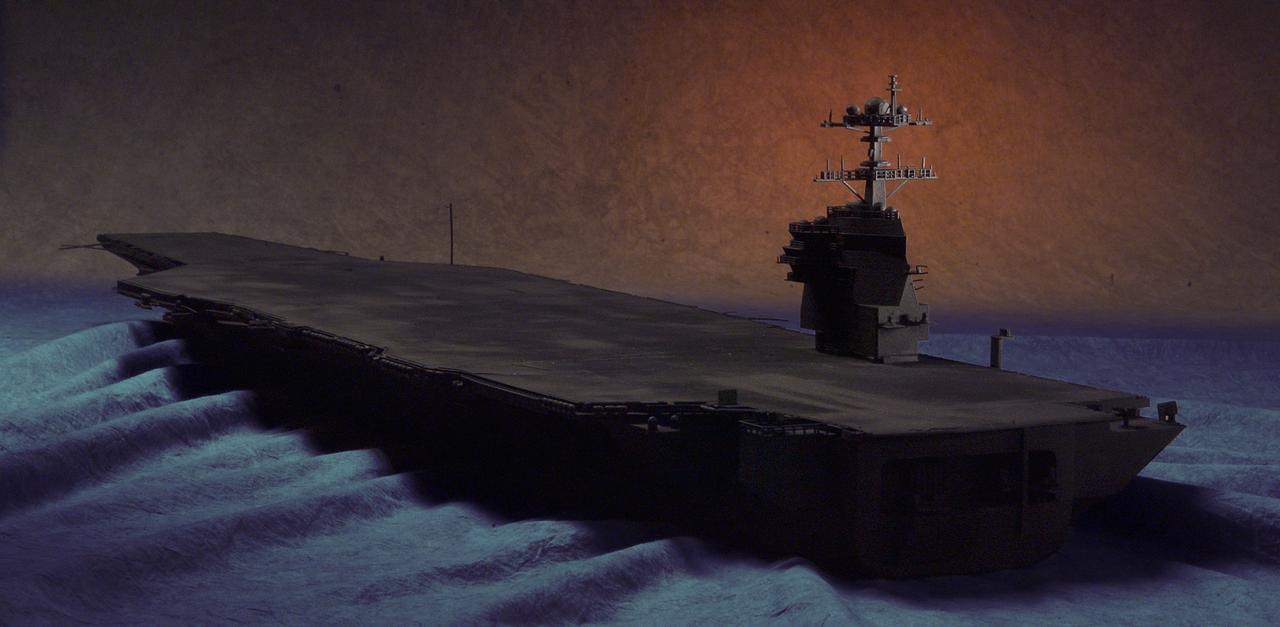
CVN78 CARRIER AIRFLOW STUDY IN FLUID MECHANICS LAB (CVN21)
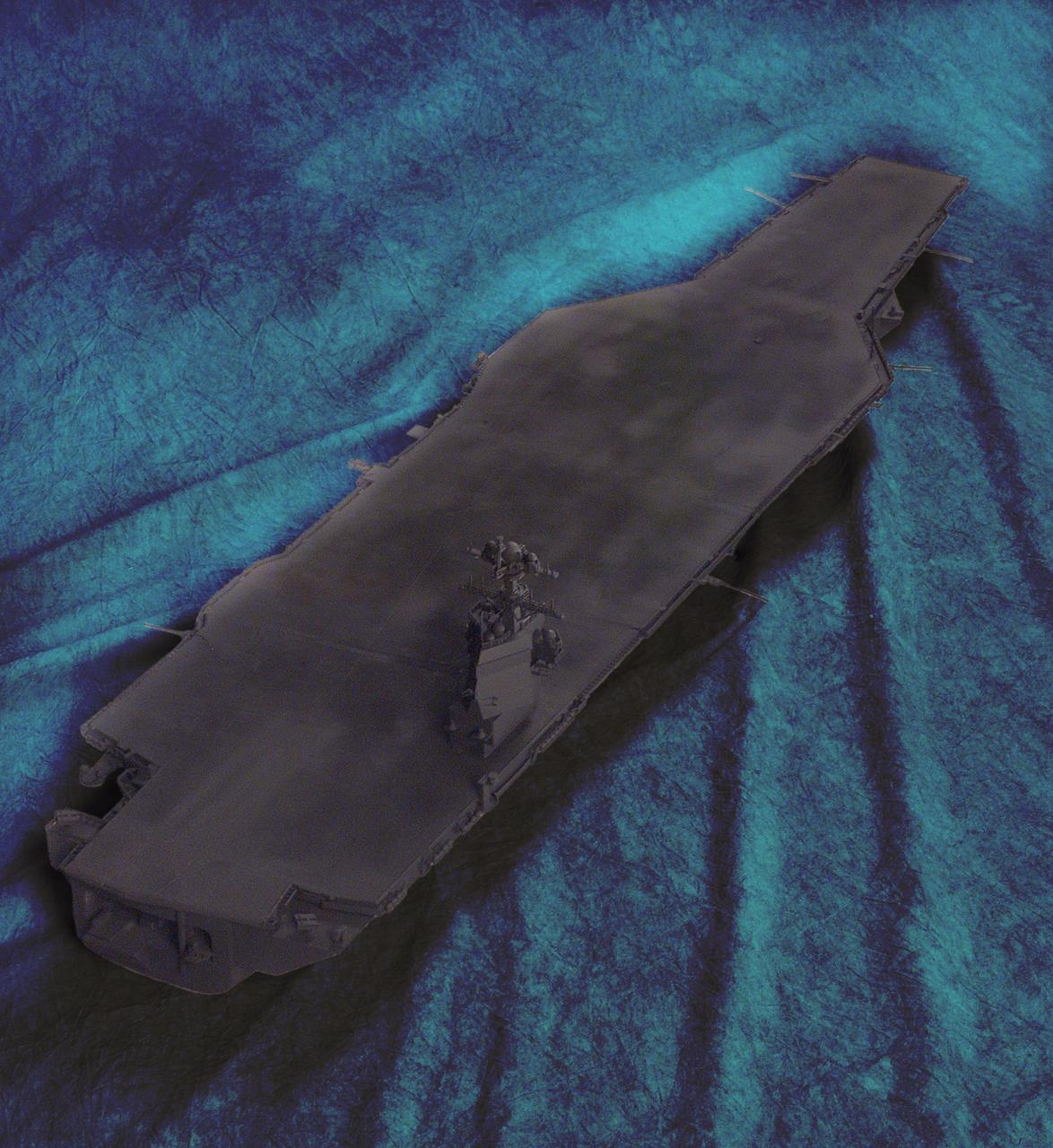
CVN78 CARRIER AIRFLOW STUDY IN FLUID MECHANICS LAB (CVN21)
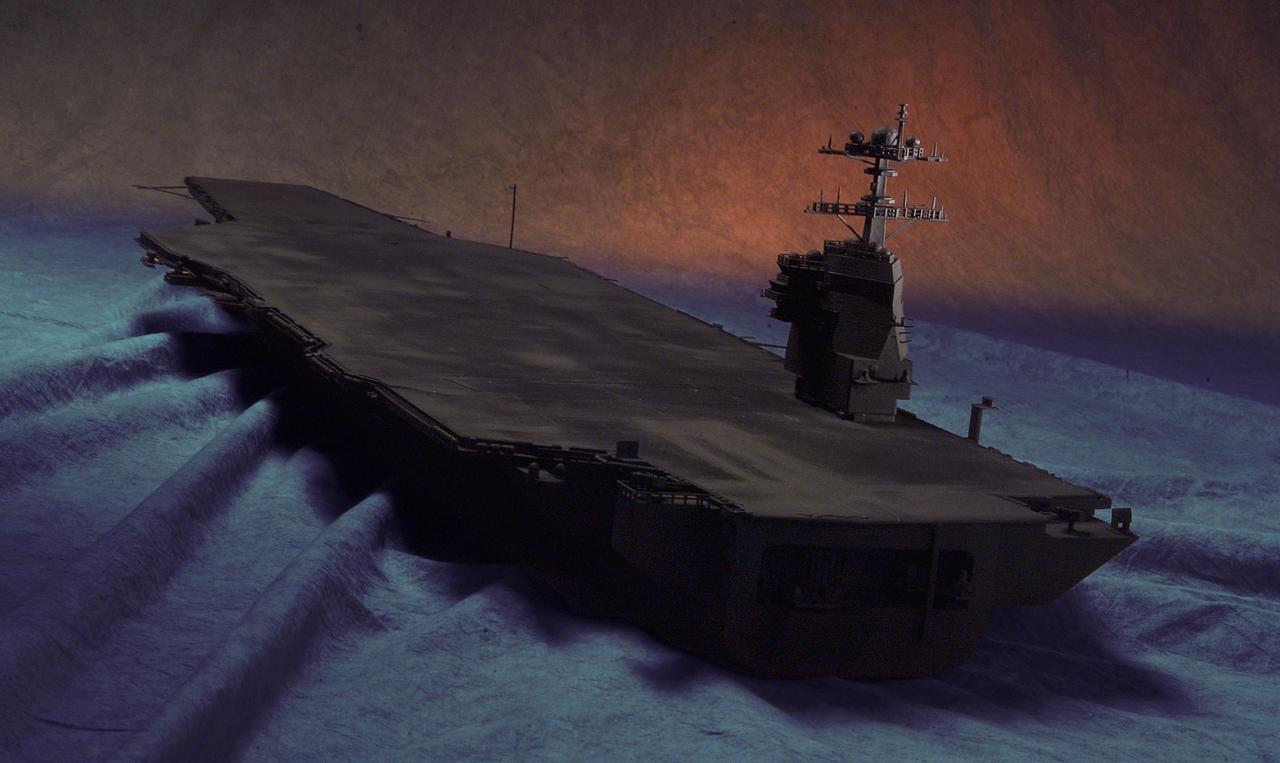
CVN78 CARRIER AIRFLOW STUDY IN FLUID MECHANICS LAB (CVN21)

CVN78 CARRIER AIRFLOW STUDY IN FLUID MECHANICS LAB (CVN21)
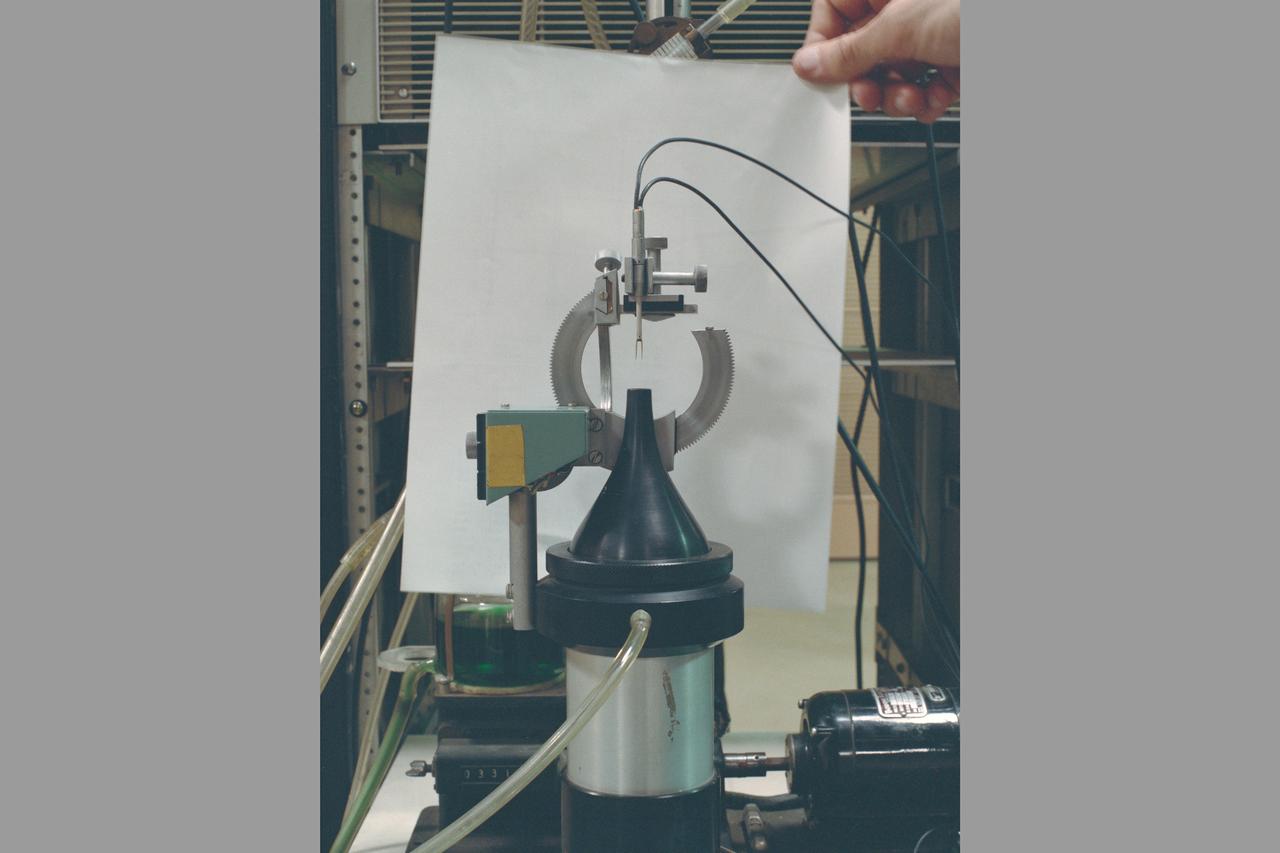
Ejector System in FML (Fluid Mechanics Lab)
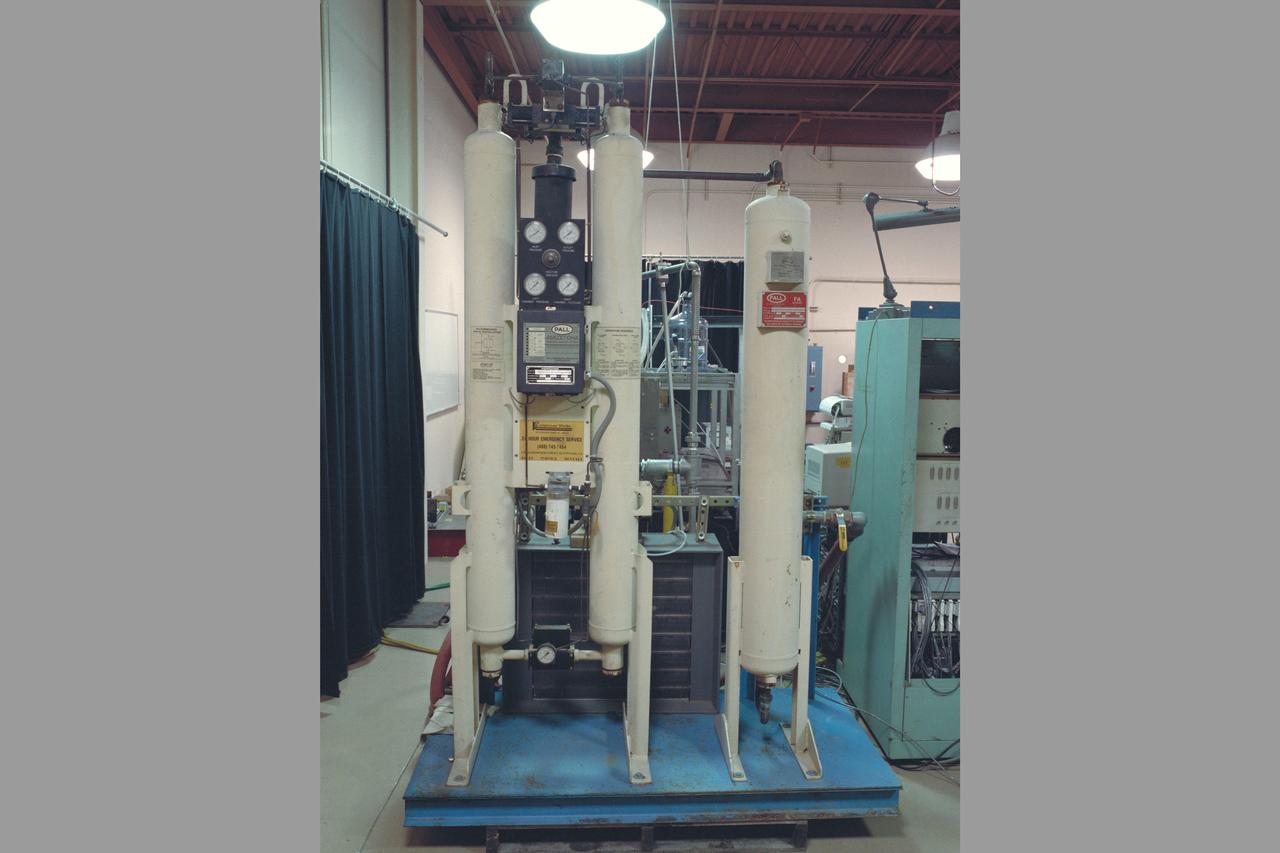
Ejector System in FML (Fluid Mechanics Lab)
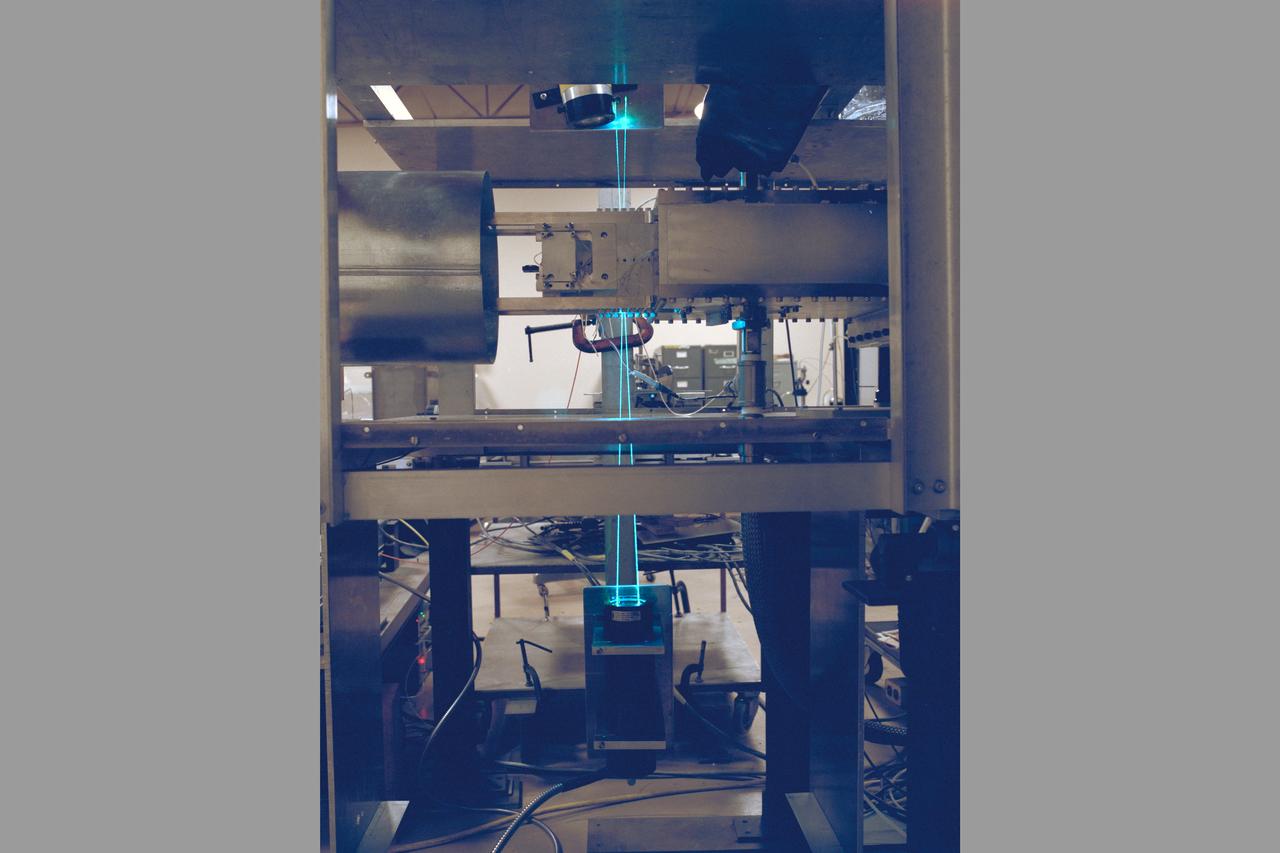
Ejector System in FML (Fluid Mechanics Lab)
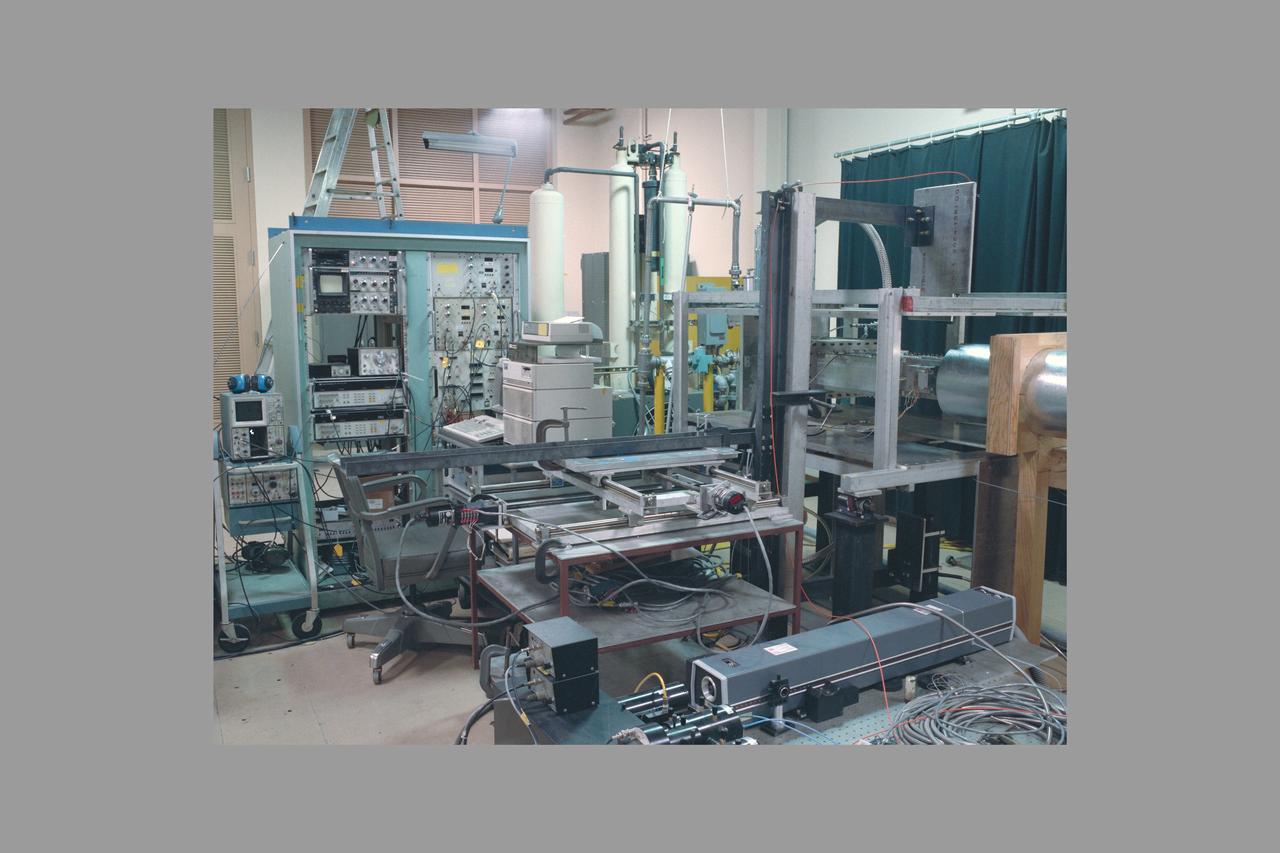
Ejector System in FML (Fluid Mechanics Lab)
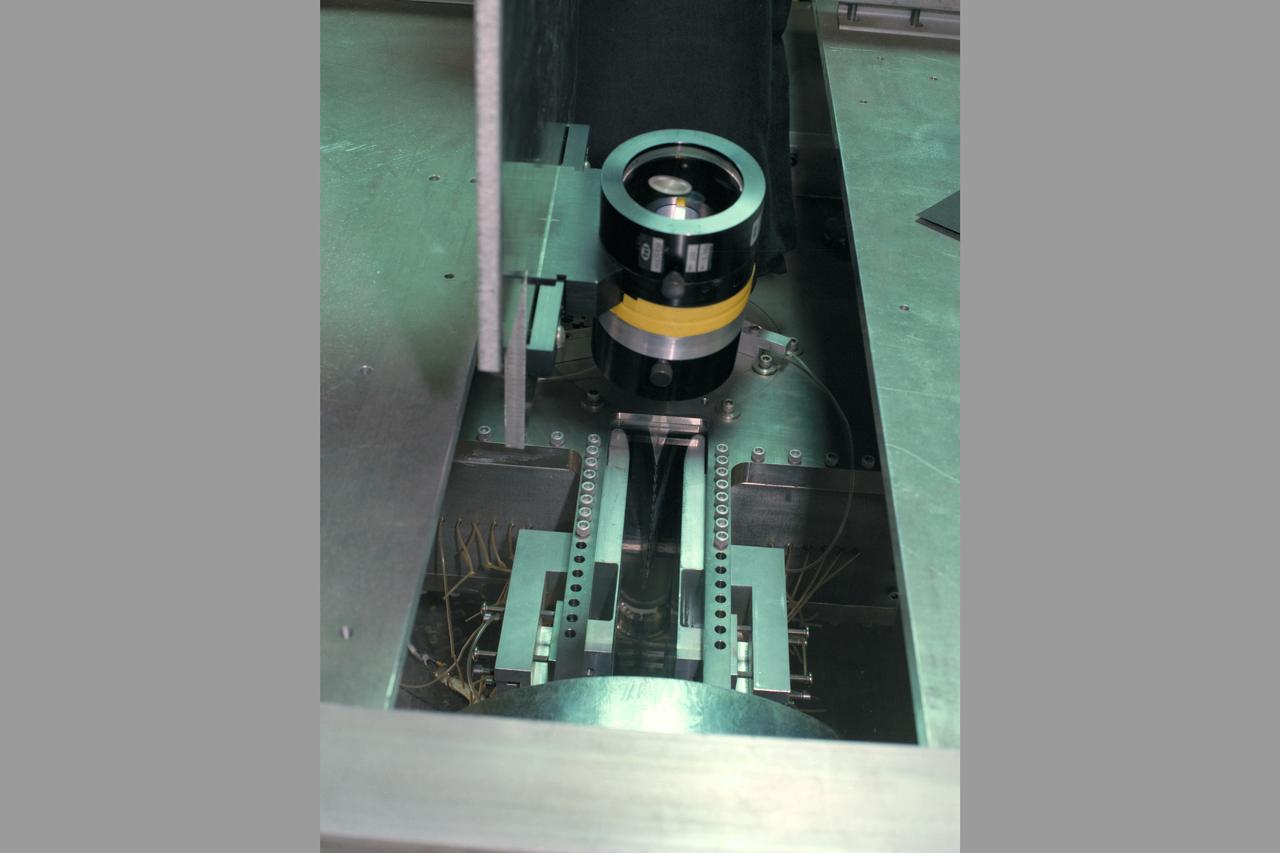
Ejector System in FML (Fluid Mechanics Lab)
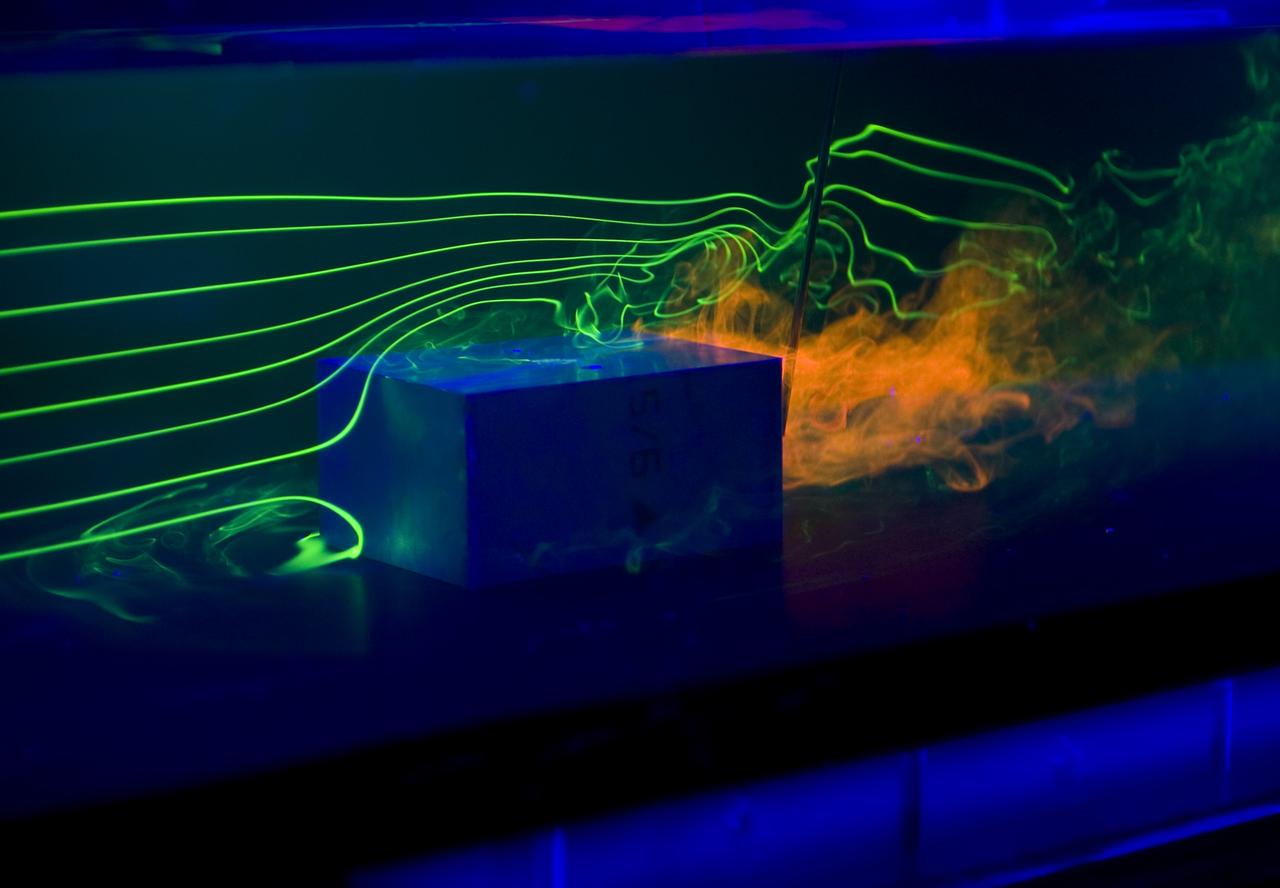
Students, Ajay Ramesh and Prithvi Aiyaswamy in 7th grade, Chaboya Middle School, San Jose, have entered the Intel Inernational Science Fair (May 2010) They are here at the Ames Research center to test the drag of race cars in the Fluid Mechanics Lab (FML)
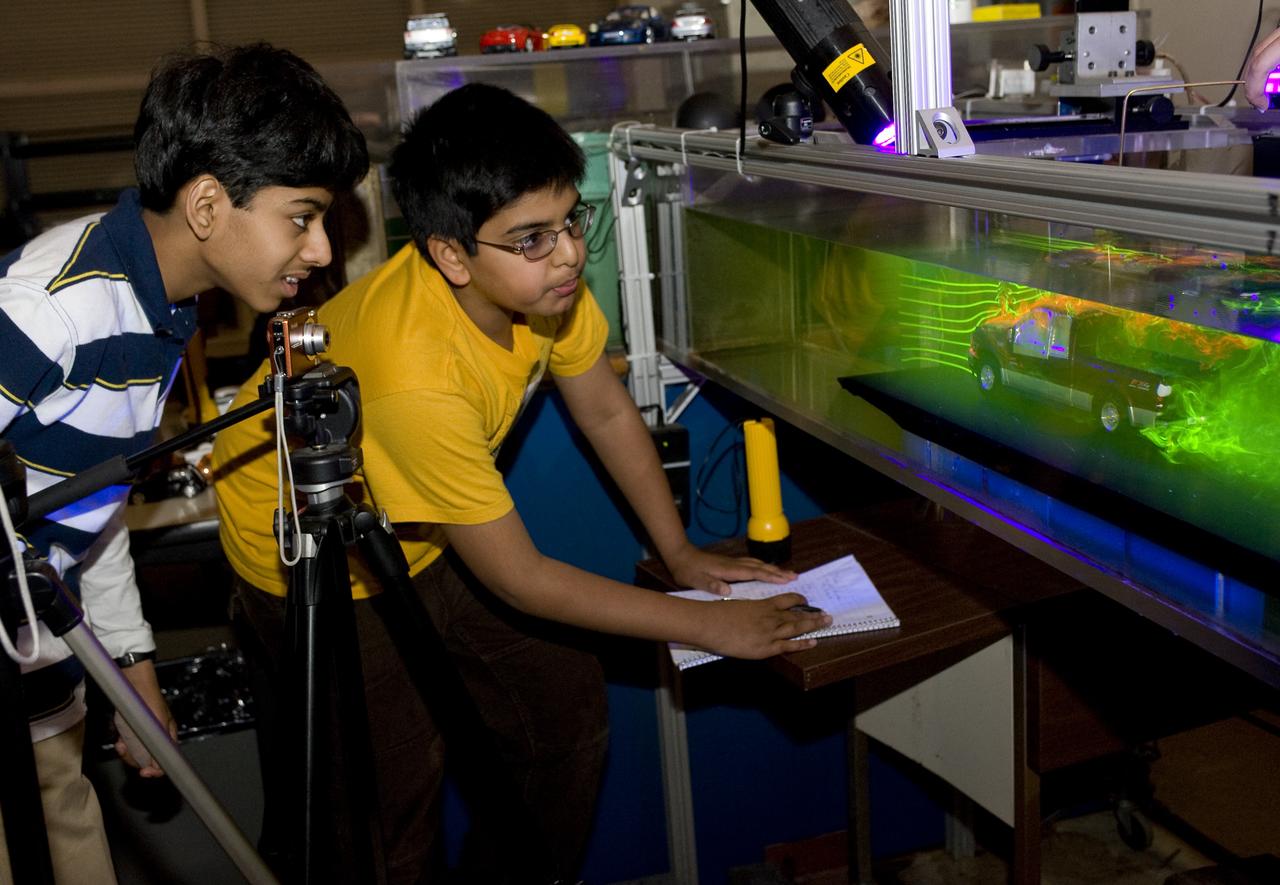
Students, Ajay Ramesh and Prithvi Aiyaswamy in 7th grade, Chaboya Middle School, San Jose, have entered the Intel Inernational Science Fair (May 2010) They are here at the Ames Research center to test the drag of race cars in the Fluid Mechanics Lab (FML)
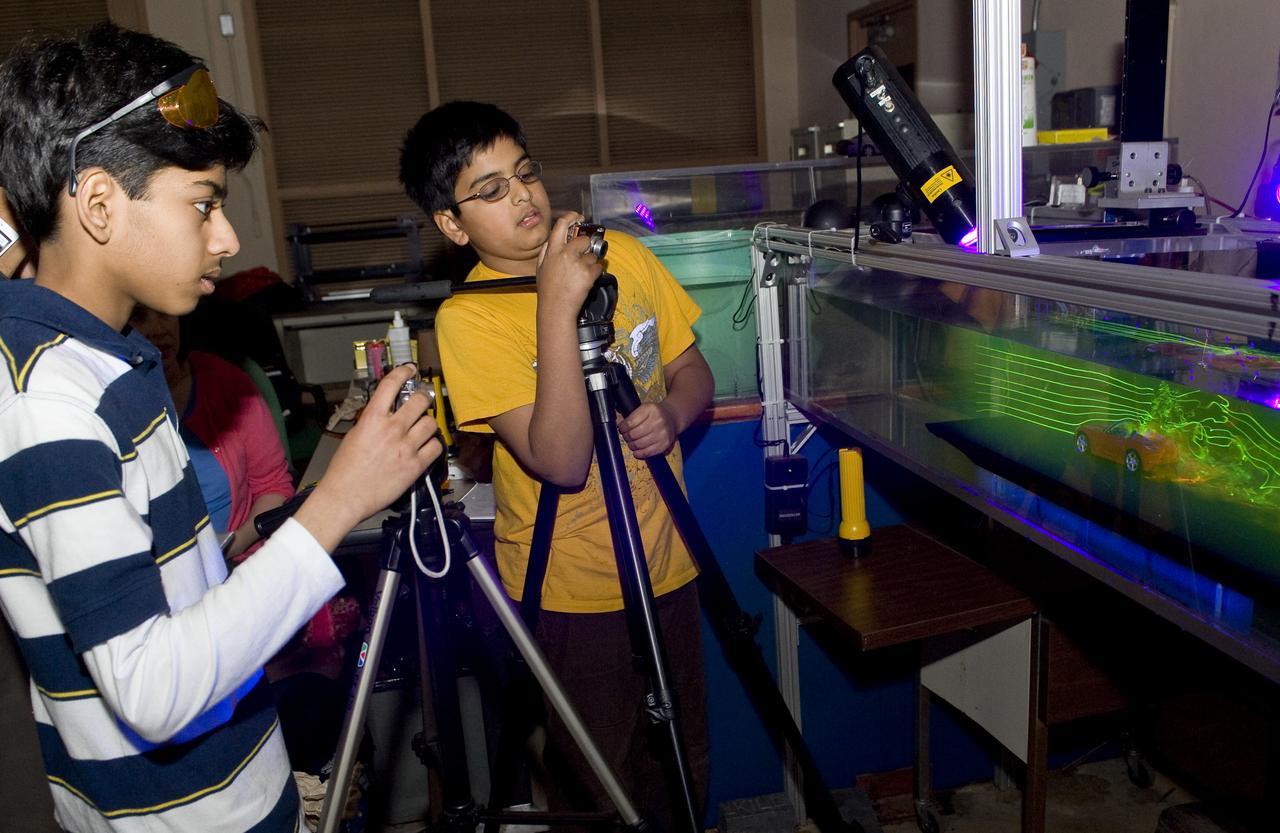
Students, Ajay Ramesh and Prithvi Aiyaswamy in 7th grade, Chaboya Middle School, San Jose, have entered the Intel Inernational Science Fair (May 2010) They are here at the Ames Research center to test the drag of race cars in the Fluid Mechanics Lab (FML)
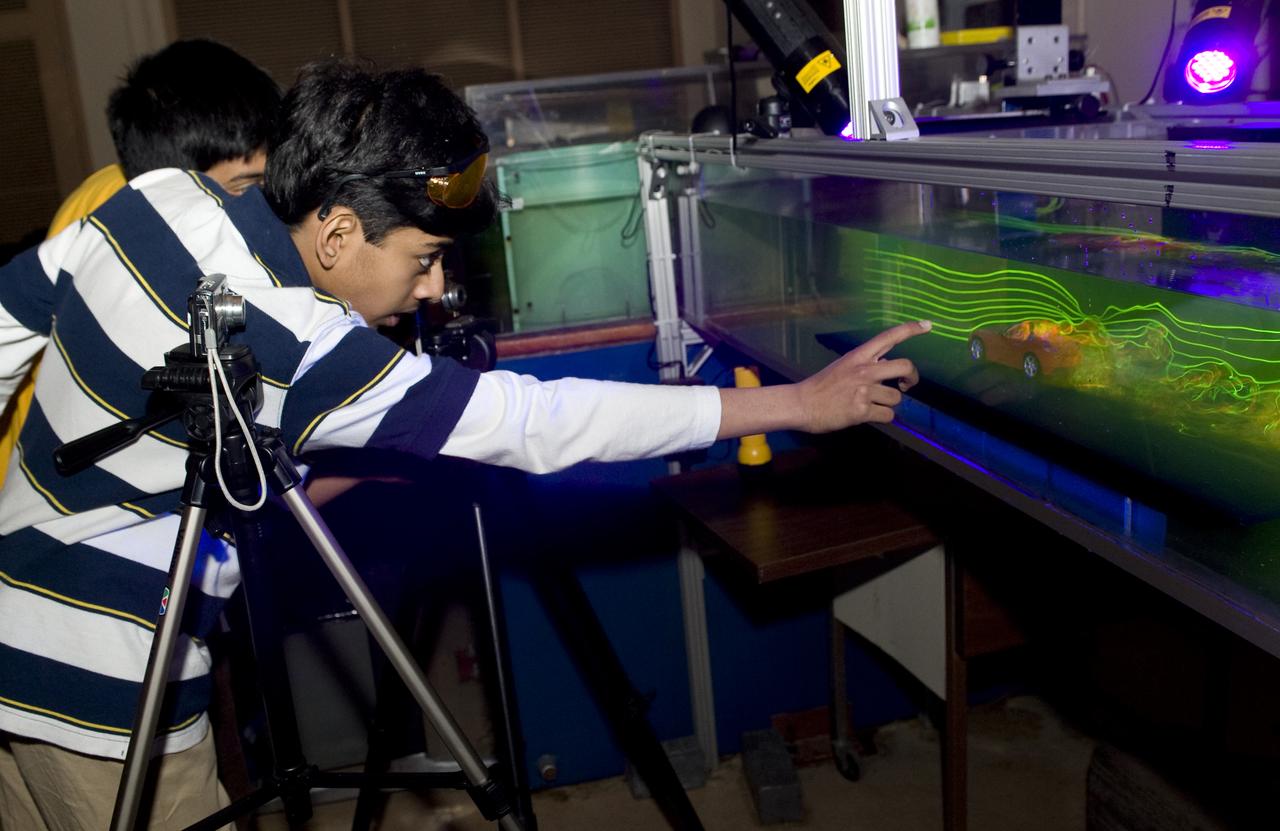
Students, Ajay Ramesh and Prithvi Aiyaswamy in 7th grade, Chaboya Middle School, San Jose, have entered the Intel Inernational Science Fair (May 2010) They are here at the Ames Research center to test the drag of race cars in the Fluid Mechanics Lab (FML)
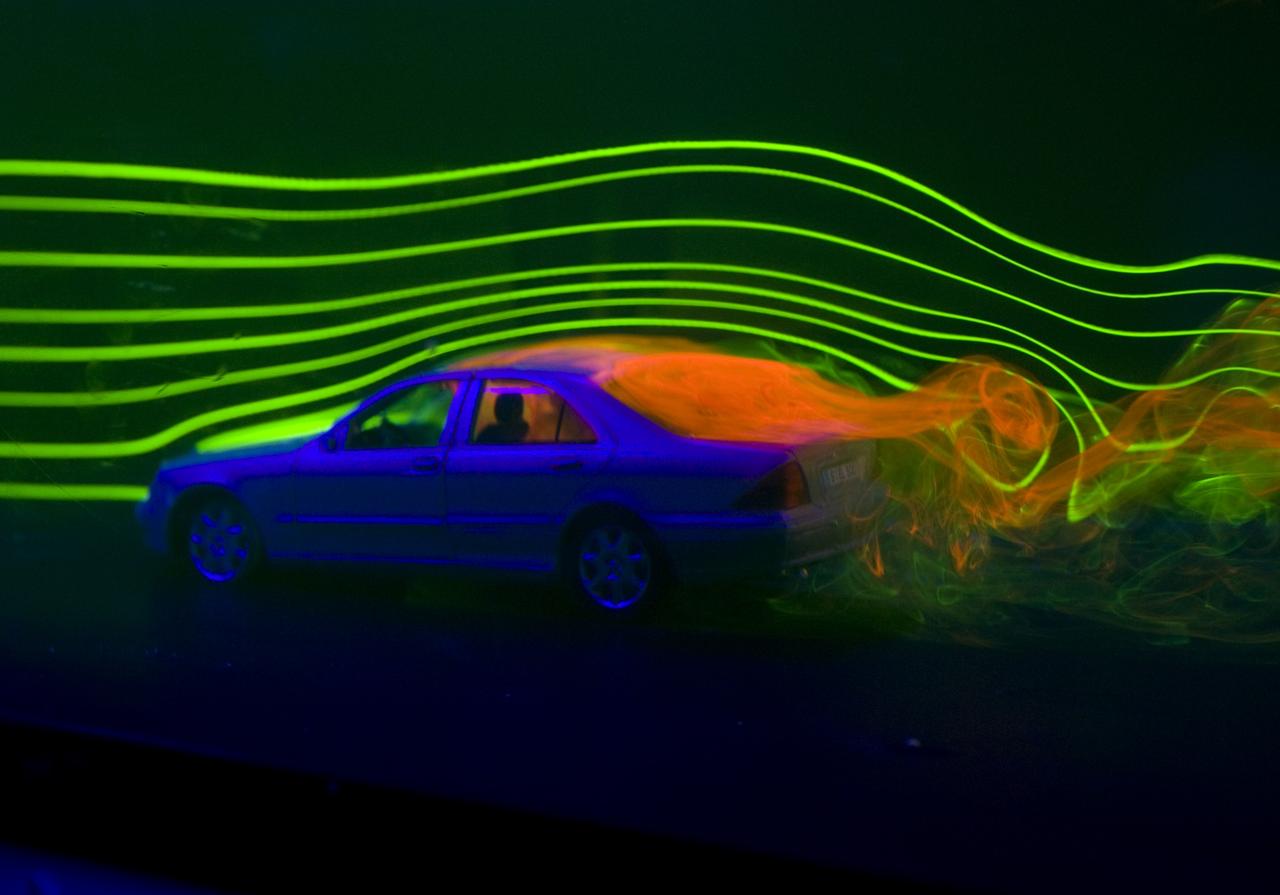
Students, Ajay Ramesh and Prithvi Aiyaswamy in 7th grade, Chaboya Middle School, San Jose, have entered the Intel Inernational Science Fair (May 2010) They are here at the Ames Research center to test the drag of race cars in the Fluid Mechanics Lab (FML)
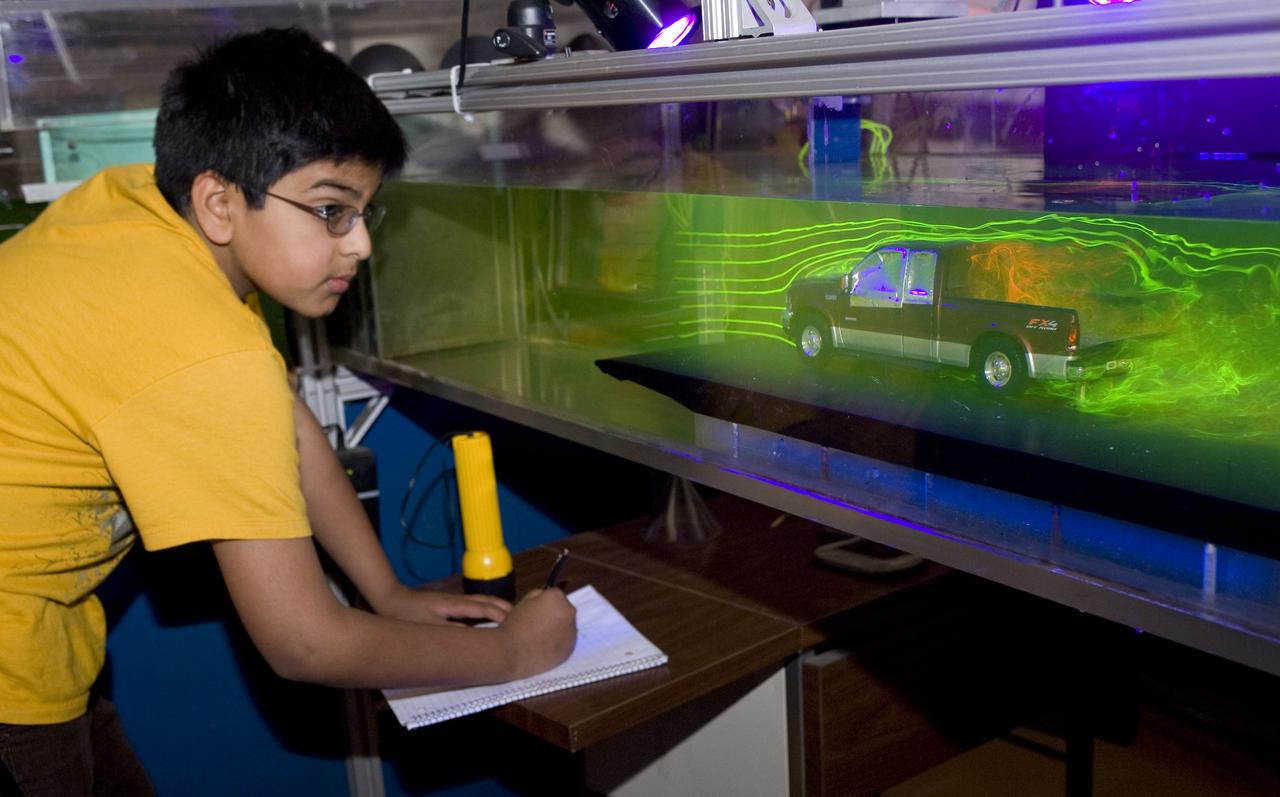
Students, Ajay Ramesh and Prithvi Aiyaswamy in 7th grade, Chaboya Middle School, San Jose, have entered the Intel Inernational Science Fair (May 2010) They are here at the Ames Research center to test the drag of race cars in the Fluid Mechanics Lab (FML)
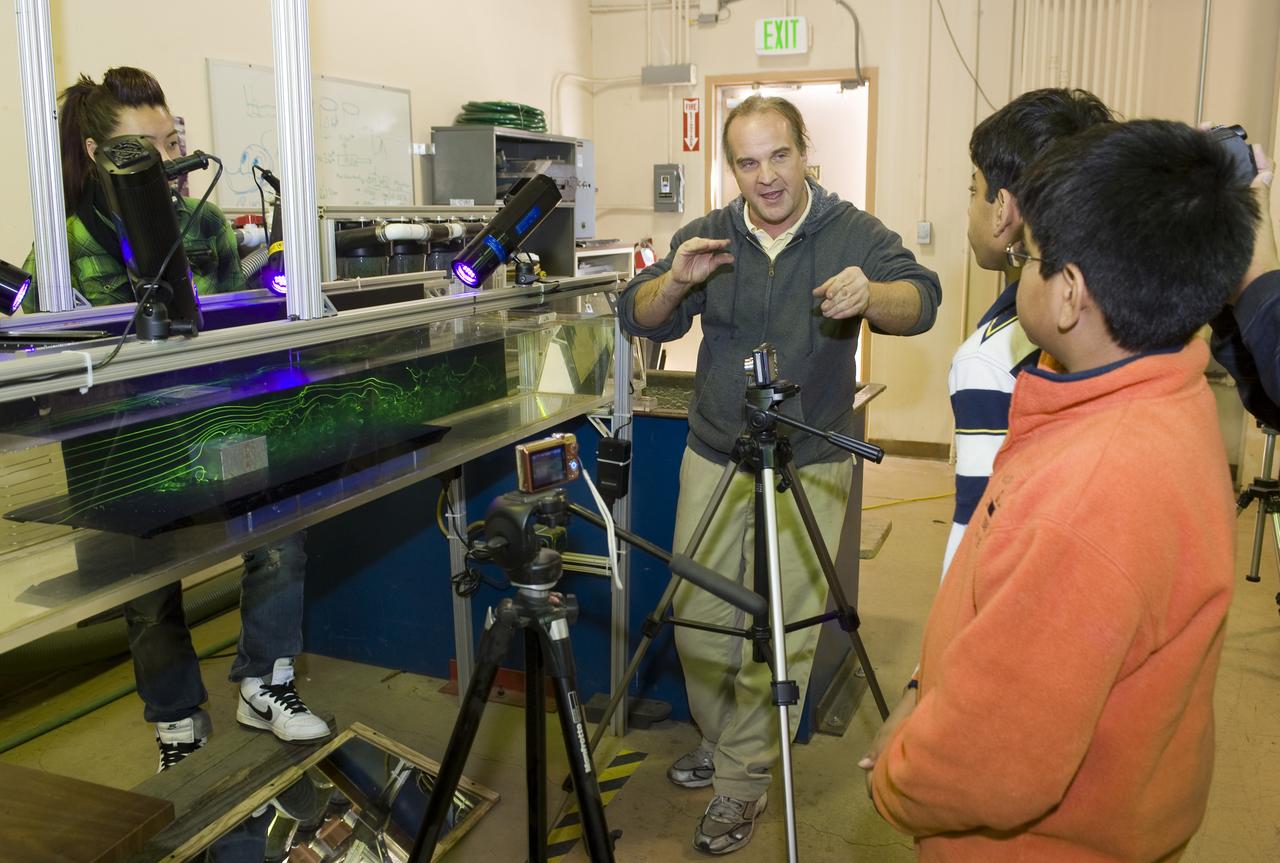
Students, Ajay Ramesh and Prithvi Aiyaswamy in 7th grade, Chaboya Middle School, San Jose, have entered the Intel Inernational Science Fair (May 2010) They are here at the Ames Research center to test the drag of race cars in the Fluid Mechanics Lab (FML) with the guidance of Kurt Long of the Experimental Aero-Physics Branch.
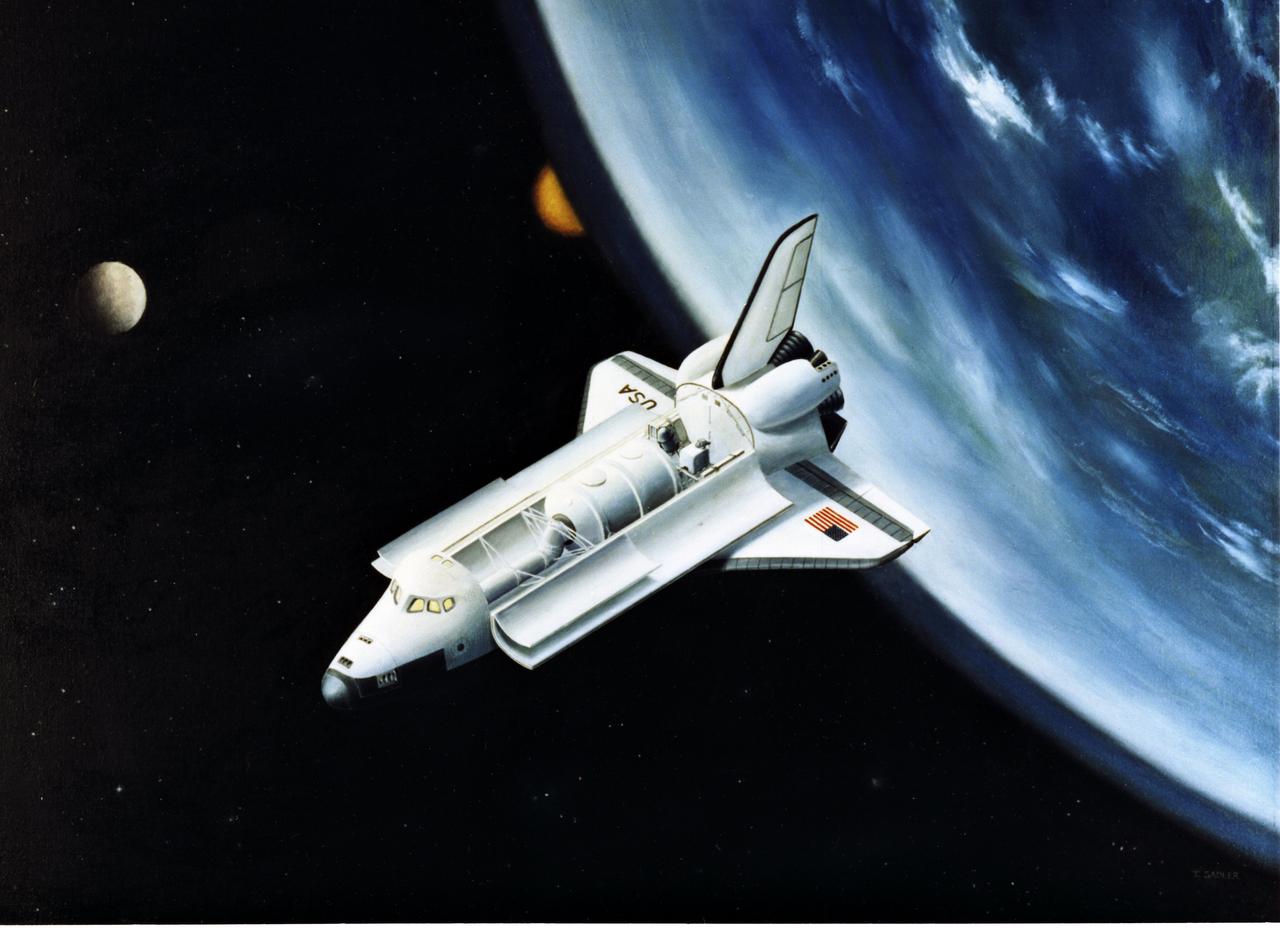
The primary purpose of the Spacelab-3 mission was to conduct materials science experiments in a stable low-gravity environment. In addition, the crew did research in life sciences, fluid mechanics, atmospheric science, and astronomy. Spacelab-3 was equipped with several new mini-labs, special facilities that would be used repeatedly on future flights. Two elaborate crystal growth furnaces, a life support and housing facility for small animals, and two types of apparatus for the study of fluids were evaluated on their inaugural flight. The instruments requiring direct exposure to space were mounted outside in the open payload bay of the Shuttle. Spacelab represented the merger of science and marned spaceflight. It opened remarkable opportunities to push the frontiers of knowledge beyond the limits of research on Earth. Scientists in space performed experiments in close collaboration with their colleagues on the ground. On the Spacelab-3 mission, managed by the Marshall Space Flight Center, this versatile laboratory entered routine operation service for the next two decades. Spacelab-3 (STS-51B mission) was launched aboard Space Shuttle Orbiter Challenger on April 29, 1985.
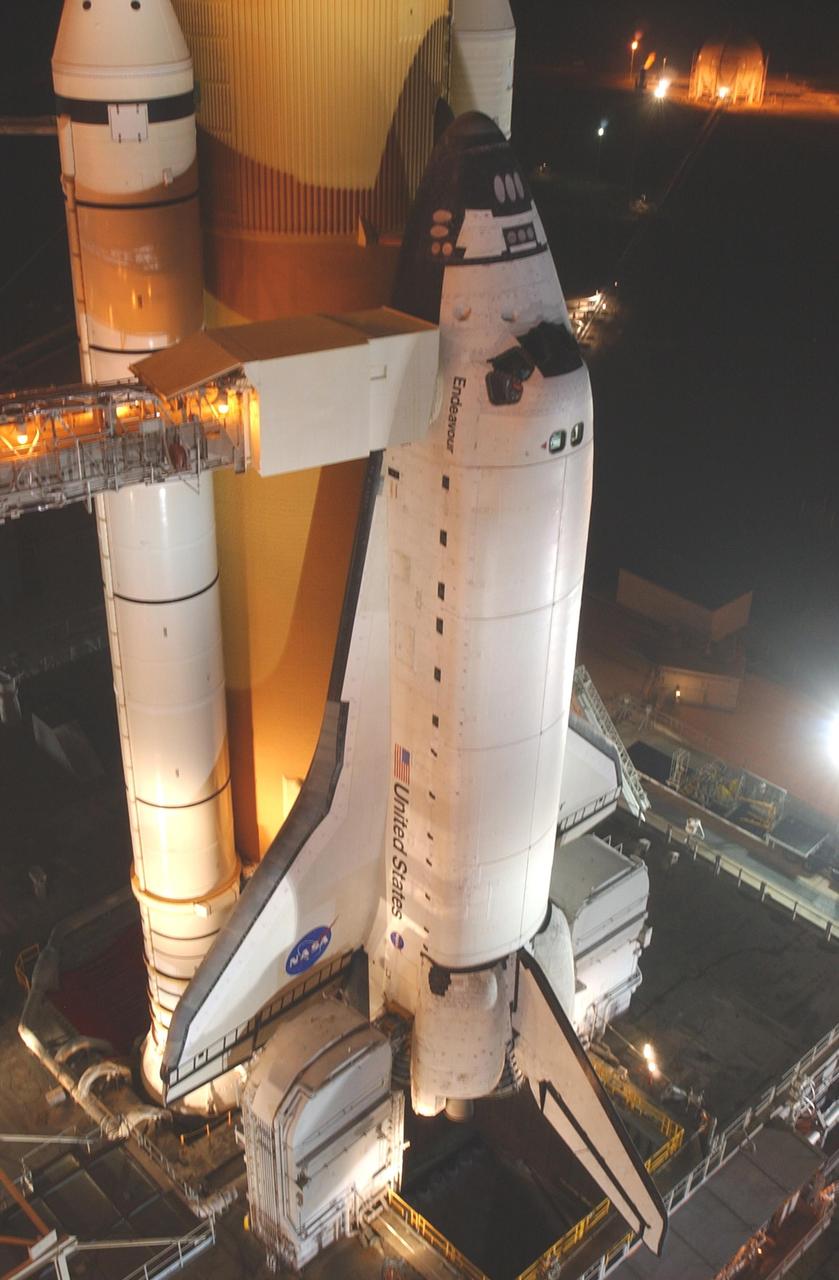
KENNEDY SPACE CENTER, FLA. -- After rollback of the Rotating Service Structure in the early morning hours, Space Shuttle Endeavour sits bathed in light on its Mobile Launcher Platform on Launch Pad 39A. Seen extending to the cockpit area of Endeavour is the orbiter access arm. At the end of the arm is the White Room, an environmental chamber. Below, on either side of Endeavour's tail, are the tail service masts that support fluid, gas and electrical requirements of the orbiter's liquid oxygen and liquid hydrogen aft T-0 umbilicals. STS-111 is the second Utilization Flight to the International Space Station, carrying the Multi-Purpose Logistics Module Leonardo, the Mobile Base System (MBS), and a replacement wrist/roll joint for the Canadarm 2. Also onboard Space Shuttle Endeavour is the Expedition 5 crew who will replace Expedition 4 on board the Station. The MBS will be installed on the Mobile Transporter to complete the Canadian Mobile Servicing System, or MSS. The mechanical arm will then have the capability to "inchworm" from the U.S. Lab Destiny to the MSS and travel along the truss to work sites. Expedition 4 crew members will return to Earth with the STS-111 crew on Endeavour. Launch is scheduled for 7:44 p.m. EDT, May 30, 2002