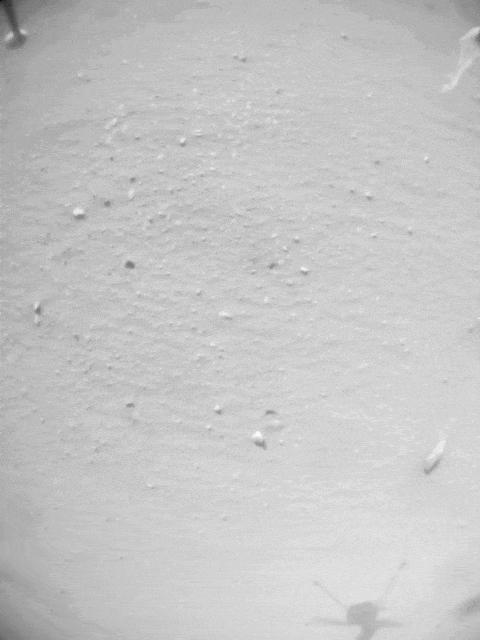
A small piece of foreign object debris (FOD) is seen in footage from the navigation camera of NASA's Ingenuity Mars Helicopter during its 33rd flight on Mars on Sept 24, 2022. The FOD is seen attached to one of the rotorcraft's landing legs, then drifting away.  Movie available at https://photojournal.jpl.nasa.gov/catalog/PIA25331
Navigation Camera Imagery of Ingenuity's Flight 33
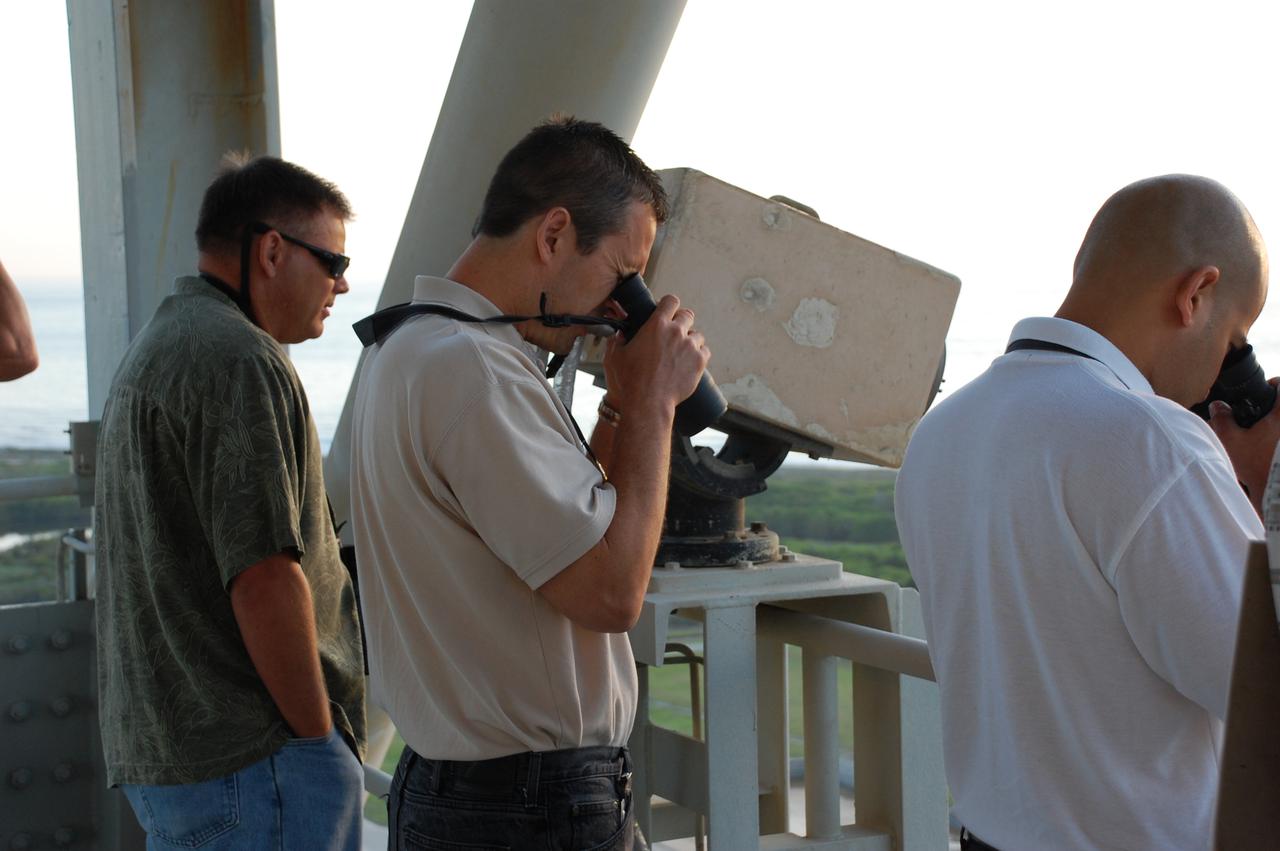
CAPE CANAVERAL, Fla. - At Launch Pad 39A at NASA's Kennedy Space Center in Florida, Tom Ford, center, NASA Final Inspection Team lead, inspects the pad for any foreign object debris.  Any object inadvertently left on the pad structure, no matter how small it may be, has the potential to cause a problem as space shuttle Atlantis lifts off.  Launch of the STS-132 mission is set for 2:20 p.m. EDT on May 14.  The six-member STS-132 crew will deliver the Russian-built Mini Research Module-1 to the International Space Station.  Named Rassvet, Russian for 'dawn,' the module is the second in a series of new pressurized components for Russia and will be permanently attached to the Earth-facing port of the Zarya control module.  Rassvet will be used for cargo storage and will provide an additional docking port to the station. Also aboard Atlantis is an Integrated Cargo Carrier, or ICC, an unpressurized flat bed pallet and keel yoke assembly used to support the transfer of exterior cargo from the shuttle to the station.  STS-132 is the 34th mission to the station and the last scheduled flight for Atlantis. For more information on the STS-132 mission objectives, payload and crew, visit http:__www.nasa.gov_mission_pages_shuttle_shuttlemissions_sts132_index.html. Photo Credit: NASA_Ben Smegelsky
KSC-2010-3286
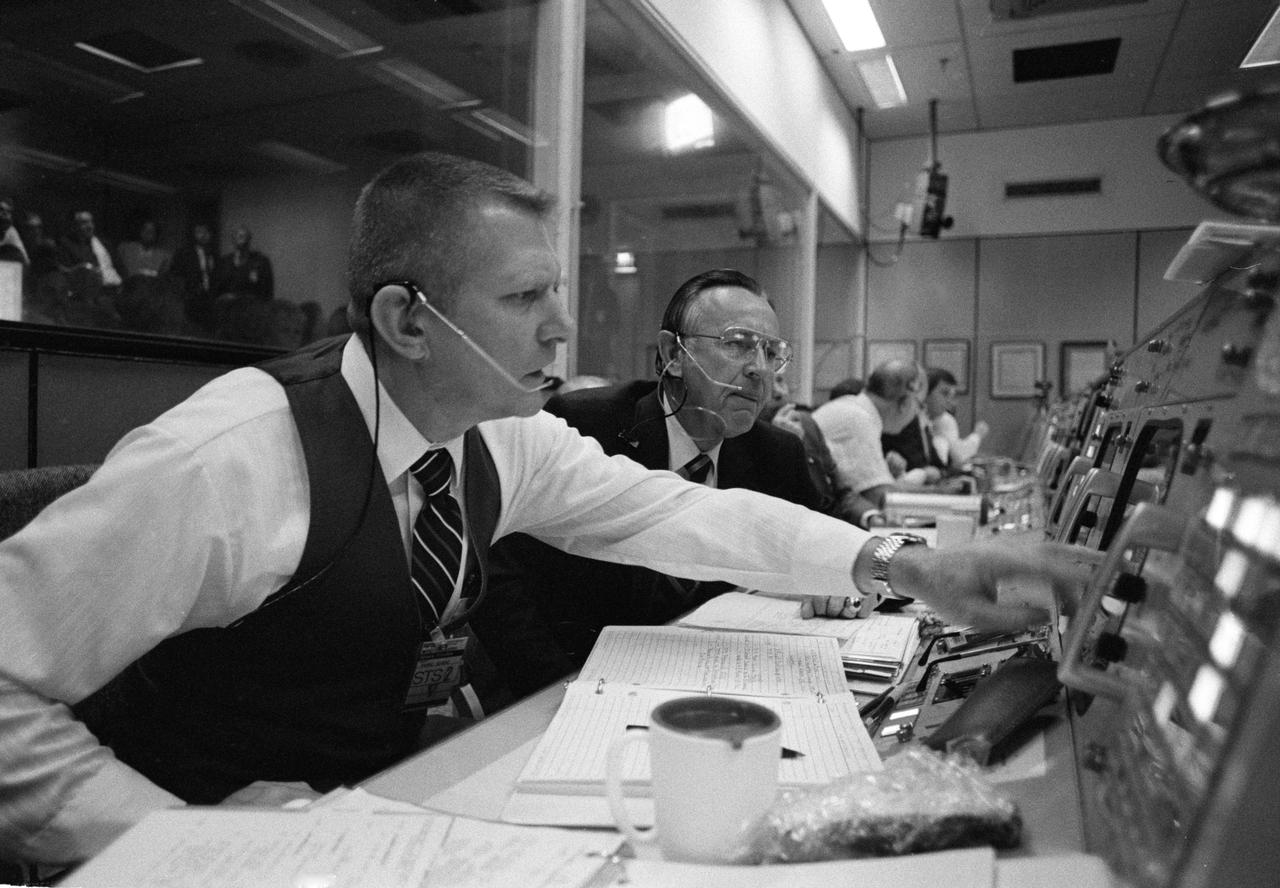
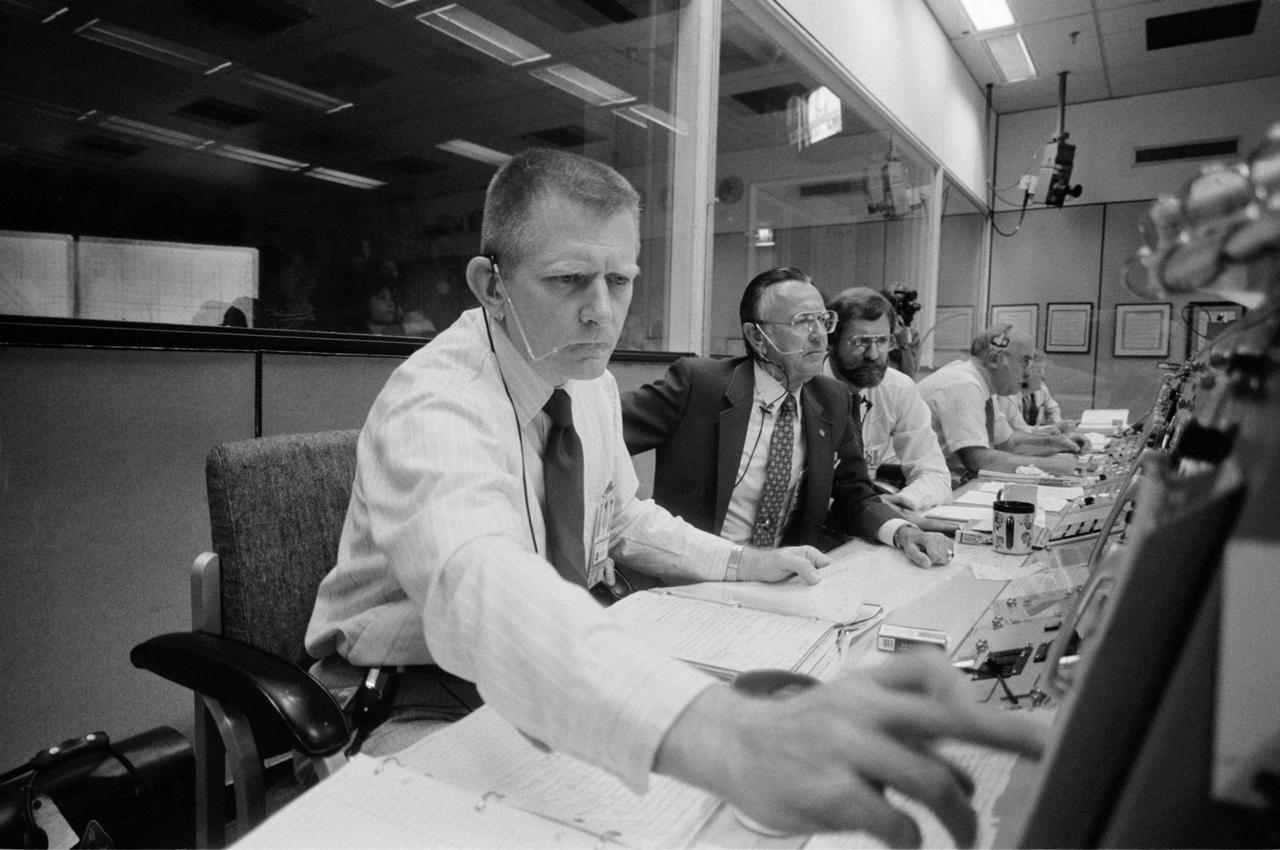
S81-39431 (12 Nov. 1981) --- Eugene F. Kranz, left, and Dr. Christopher C. Kraft Jr. monitor data displayed on the FOD console in the mission operations control room (MOCR) in the Johnson Space Center?s mission control center following the successful launch of the Columbia, and the beginning of NASA?s second space shuttle mission. Dr. Kraft is director of the Johnson Space Center and Kranz is deputy director of the flight operations directorate (FOD) at JSC. Houston time for the launch was approximately 9:10 a.m., Nov 12, 1981. Photo credit: NASA
Documentary views of Flight Director and Controller activity during STS-2
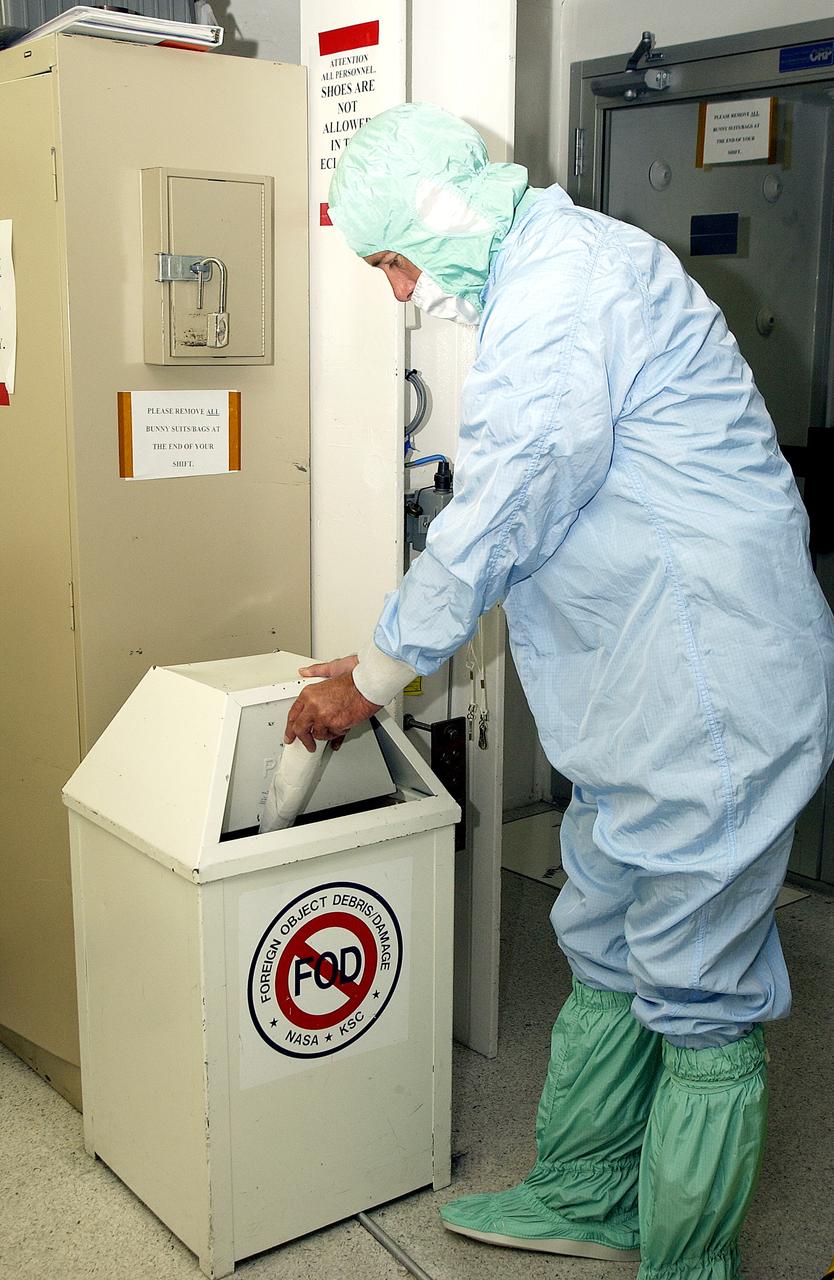
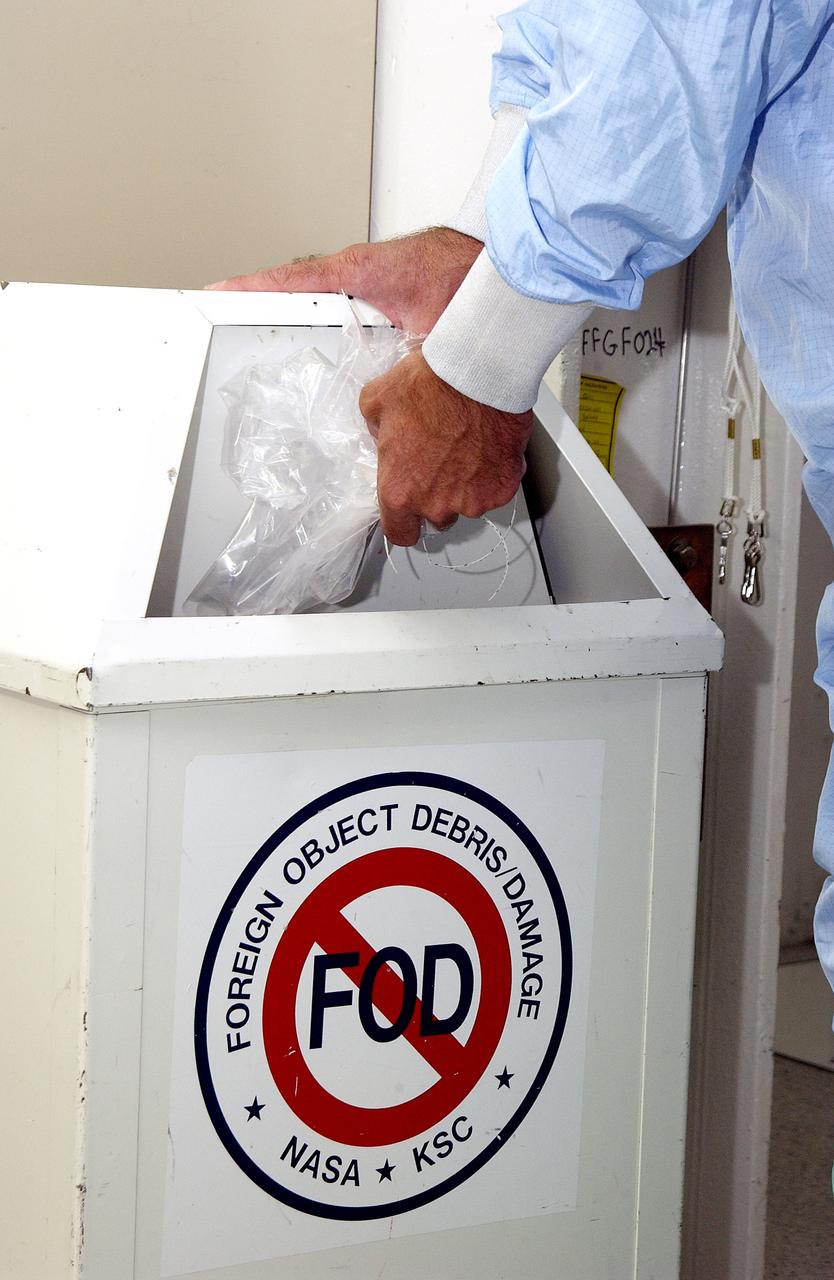
KENNEDY SPACE CENTER, FLA. -  A KSC employee dressed in a "bunny suit," standard clean room apparel, disposes of some waste material into a container designated for the purpose. The apparel is designed to cover the hair, clothing and shoes of employees entering a clean room to prevent particulate matter from contaminating the space flight hardware being stored or processed in the room. The suit and container are both part of KSC's Foreign Object Debris (FOD) control program, an important safety initiative.
KENNEDY SPACE CENTER, FLA. - A KSC employee dressed in a "bunny suit," standard clean room apparel, disposes of some waste material into a container designated for the purpose. The apparel is designed to cover the hair, clothing and shoes of employees entering a clean room to prevent particulate matter from contaminating the space flight hardware being stored or processed in the room. The suit and container are both part of KSC's Foreign Object Debris (FOD) control program, an important safety initiative.
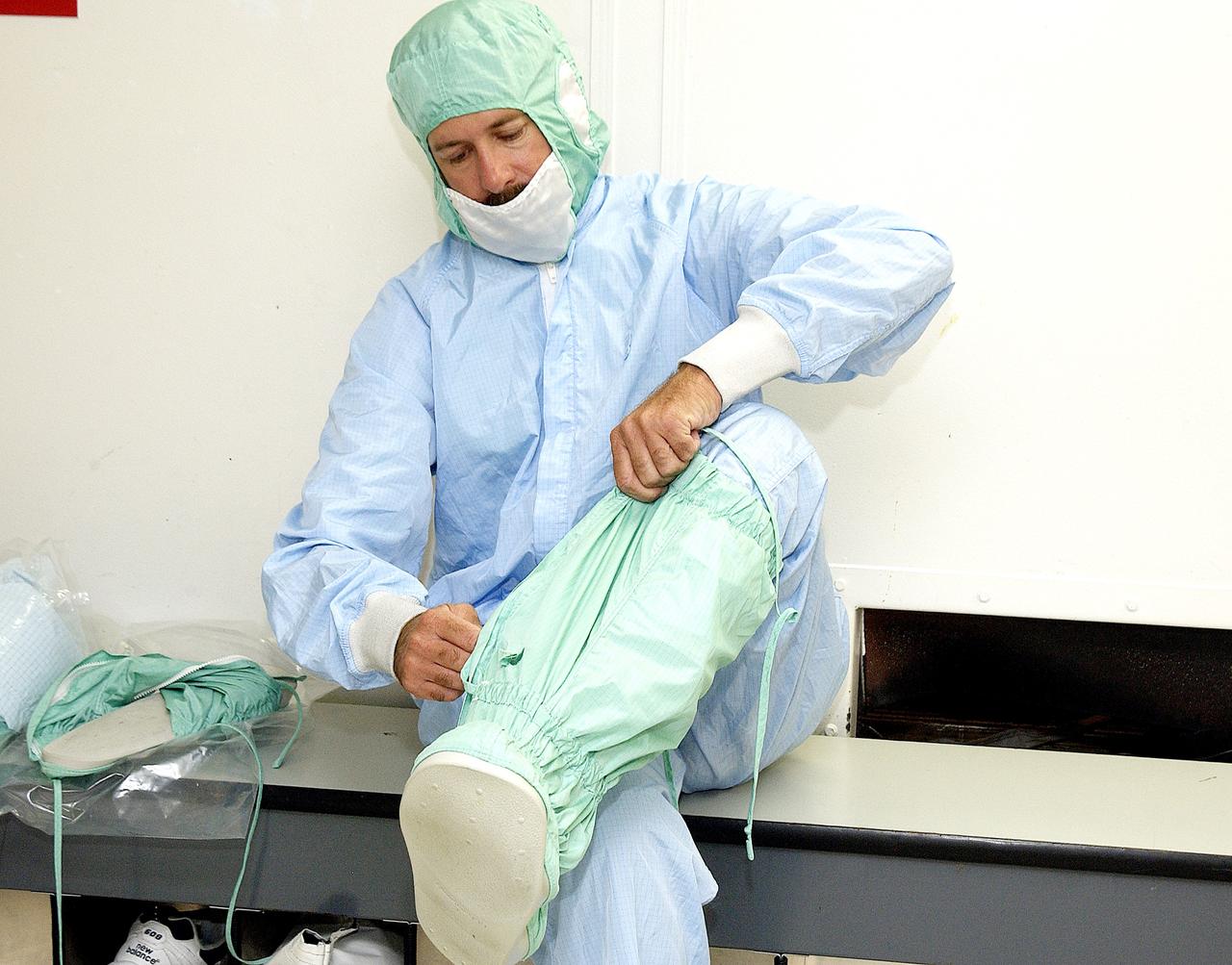
KENNEDY SPACE CENTER, FLA. -  A KSC employee dons the foot and leg covers of a "bunny suit," part of standard clean room apparel, before entering a clean room. The apparel is designed to cover the hair, clothing and shoes of employees to prevent particulate matter from contaminating the space flight hardware being stored or processed in the clean room and is one aspect of KSC's Foreign Object Debris (FOD) control program, an important safety initiative.
KENNEDY SPACE CENTER, FLA. - A KSC employee dons the foot and leg covers of a "bunny suit," part of standard clean room apparel, before entering a clean room. The apparel is designed to cover the hair, clothing and shoes of employees to prevent particulate matter from contaminating the space flight hardware being stored or processed in the clean room and is one aspect of KSC's Foreign Object Debris (FOD) control program, an important safety initiative.
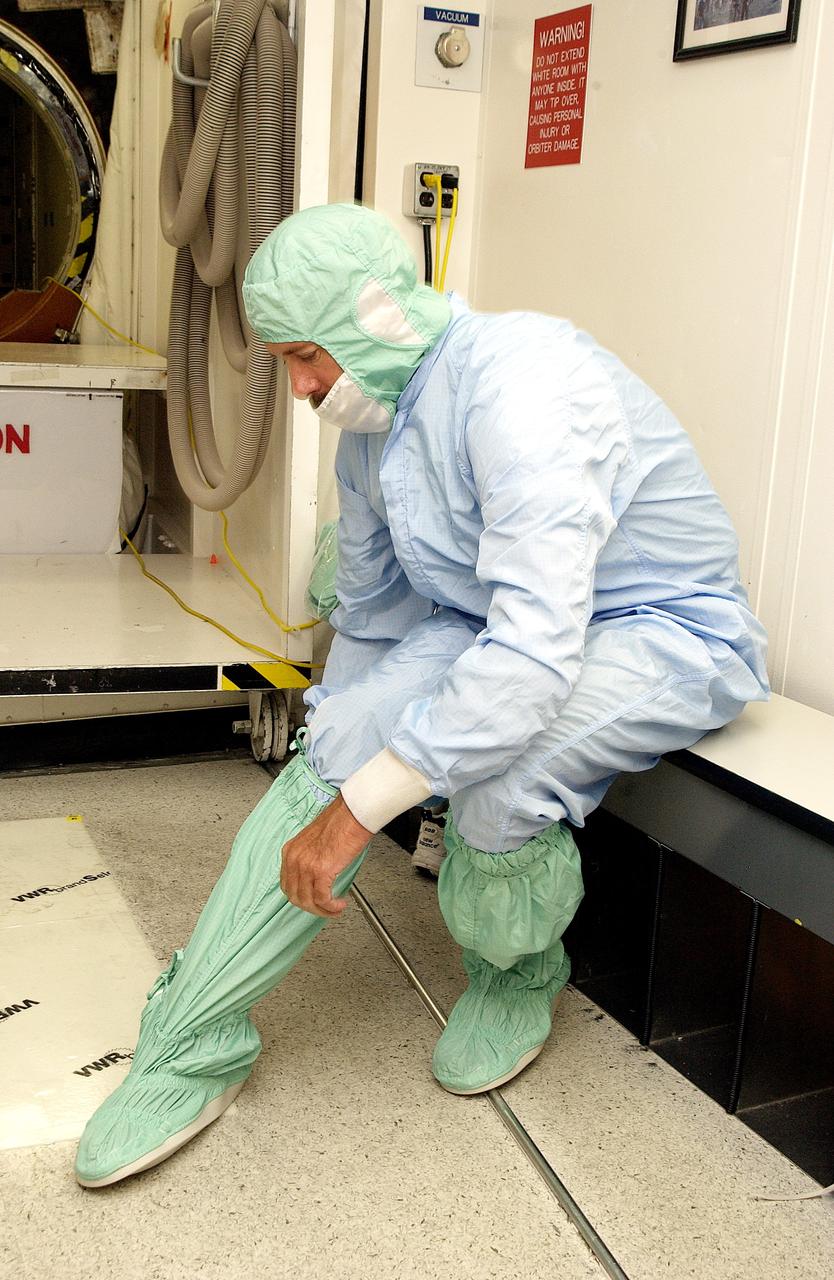
KENNEDY SPACE CENTER, FLA. -  A KSC employee secures a foot and leg cover of his "bunny suit," part of standard clean room apparel, before entering a clean room. The apparel is designed to cover the hair, clothing and shoes of employees to prevent particulate matter from contaminating the space flight hardware being stored or processed in the clean room and is one aspect of KSC's Foreign Object Debris (FOD) control program, an important safety initiative.
KENNEDY SPACE CENTER, FLA. - A KSC employee secures a foot and leg cover of his "bunny suit," part of standard clean room apparel, before entering a clean room. The apparel is designed to cover the hair, clothing and shoes of employees to prevent particulate matter from contaminating the space flight hardware being stored or processed in the clean room and is one aspect of KSC's Foreign Object Debris (FOD) control program, an important safety initiative.
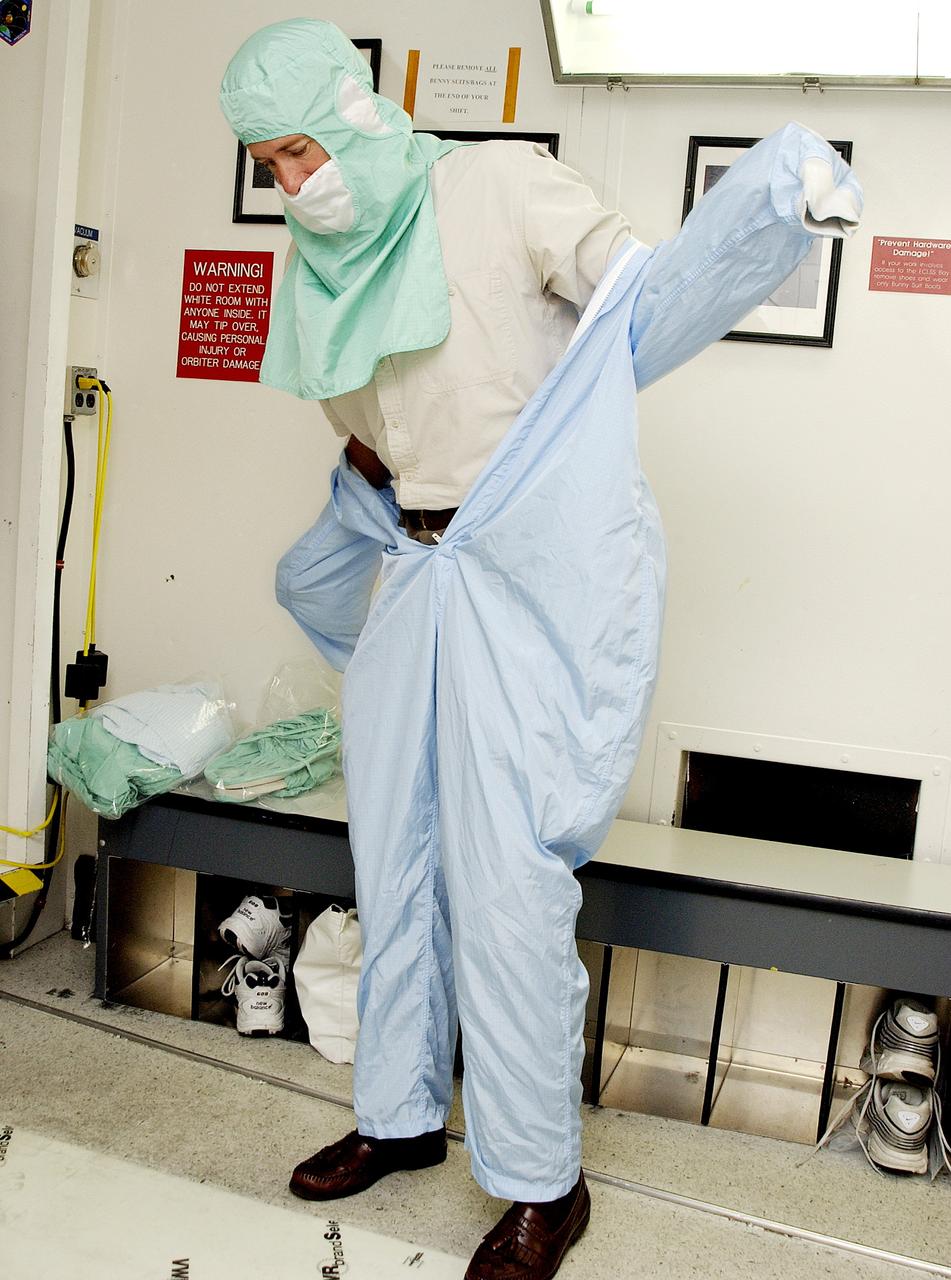
KENNEDY SPACE CENTER, FLA. -  A KSC employee dons the coverall of a "bunny suit," part of standard clean room apparel, before entering a clean room. The apparel is designed to cover the hair, clothing and shoes of employees to prevent particulate matter from contaminating the space flight hardware being stored or processed in the clean room and is one aspect of KSC's Foreign Object Debris (FOD) control program, an important safety initiative.
KENNEDY SPACE CENTER, FLA. - A KSC employee dons the coverall of a "bunny suit," part of standard clean room apparel, before entering a clean room. The apparel is designed to cover the hair, clothing and shoes of employees to prevent particulate matter from contaminating the space flight hardware being stored or processed in the clean room and is one aspect of KSC's Foreign Object Debris (FOD) control program, an important safety initiative.
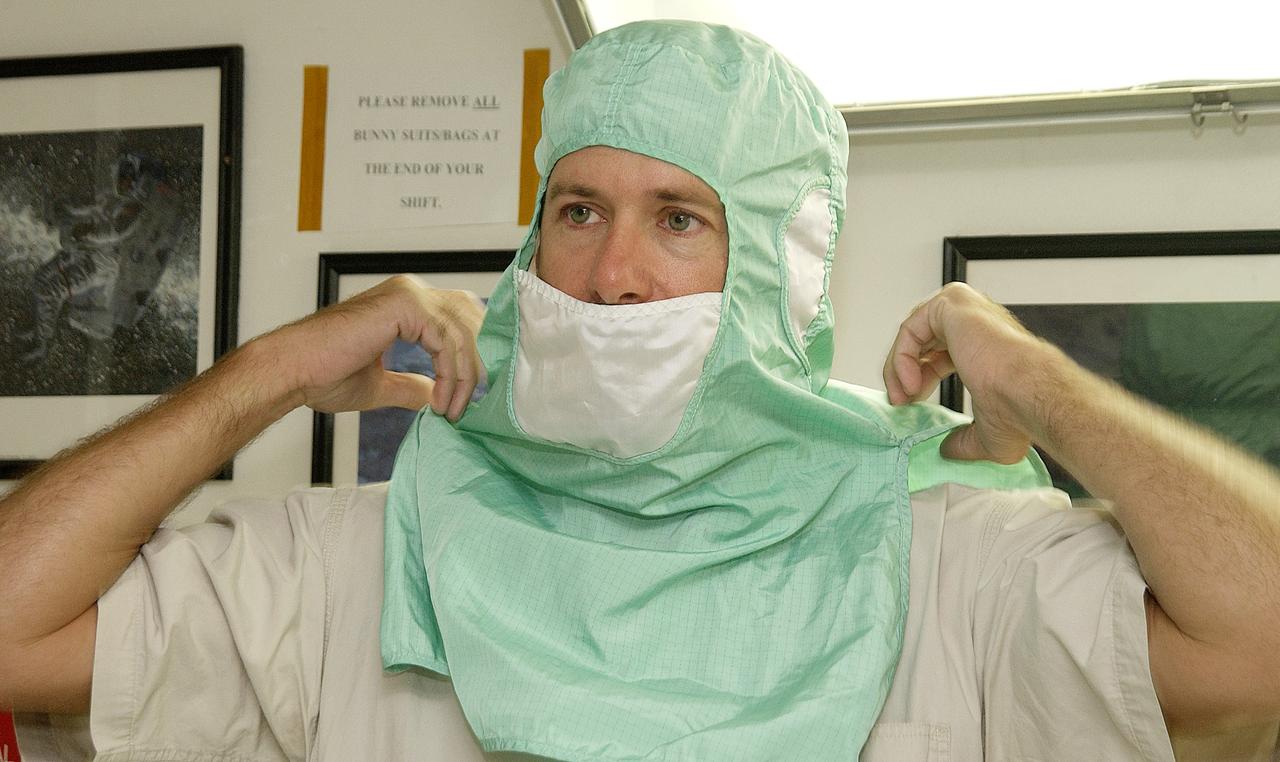
KENNEDY SPACE CENTER, FLA. - A KSC employee dons the head and face cover of a "bunny suit," part of standard clean room apparel, before entering a clean room.  This apparel is designed to cover the hair, clothing and shoes of employees to prevent particulate matter from contaminating the space flight hardware being stored or processed in the clean room and is one aspect of KSC's Foreign Object Debris (FOD) control program, an important safety initiative.
KENNEDY SPACE CENTER, FLA. - A KSC employee dons the head and face cover of a "bunny suit," part of standard clean room apparel, before entering a clean room. This apparel is designed to cover the hair, clothing and shoes of employees to prevent particulate matter from contaminating the space flight hardware being stored or processed in the clean room and is one aspect of KSC's Foreign Object Debris (FOD) control program, an important safety initiative.
KENNEDY SPACE CENTER, FLA. -  A KSC employee dressed in a "bunny suit," standard clean room apparel, disposes of some waste material into a container designated for the purpose. The apparel is designed to cover the hair, clothing and shoes of employees entering a clean room to prevent particulate matter from contaminating the space flight hardware being stored or processed in the room. The suit and container are both part of KSC's Foreign Object Debris (FOD) control program, an important safety initiative.
KENNEDY SPACE CENTER, FLA. - A KSC employee dressed in a "bunny suit," standard clean room apparel, disposes of some waste material into a container designated for the purpose. The apparel is designed to cover the hair, clothing and shoes of employees entering a clean room to prevent particulate matter from contaminating the space flight hardware being stored or processed in the room. The suit and container are both part of KSC's Foreign Object Debris (FOD) control program, an important safety initiative.
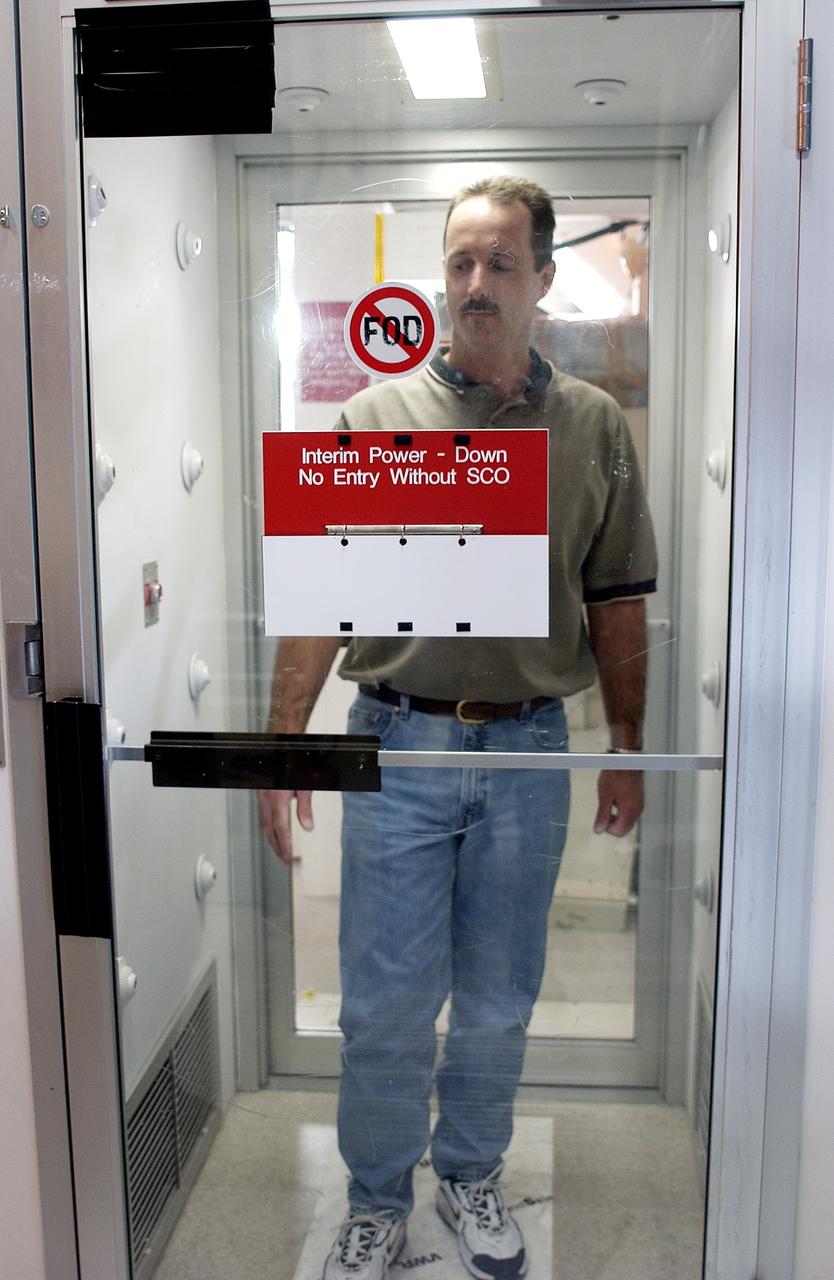
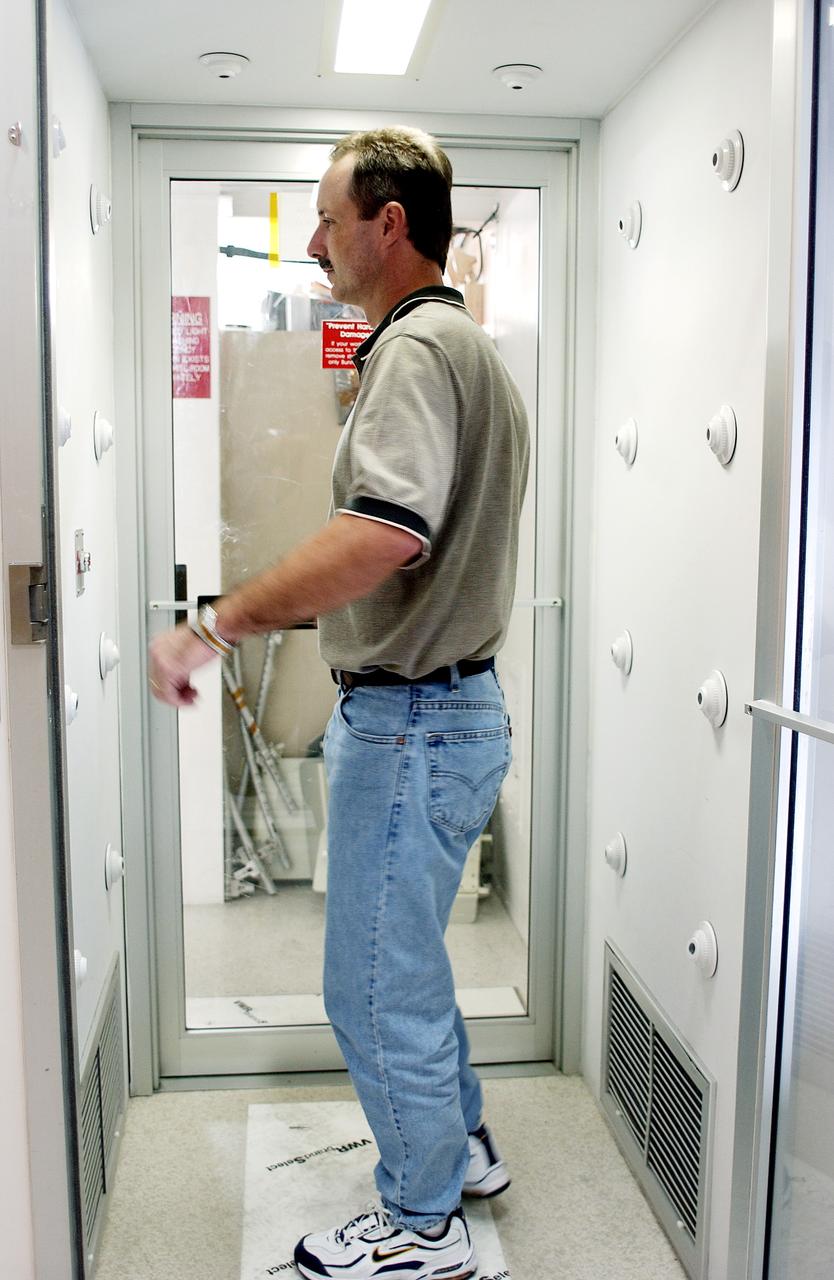
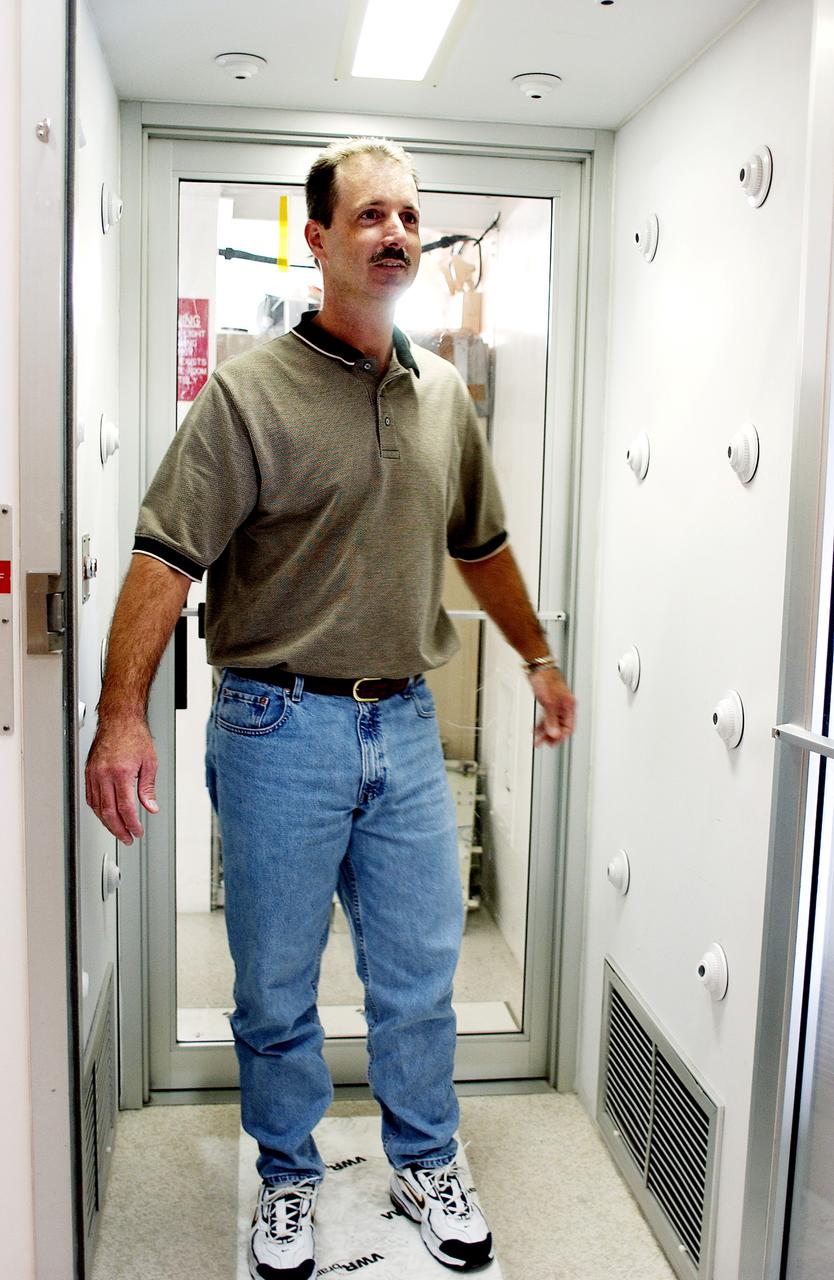
KENNEDY SPACE CENTER, FLA. -  A KSC employee uses a clean-air shower before entering a clean room.  Streams of pressurized air directed at the occupant from nozzles in the chamber's ceiling and walls are designed to dislodge particulate matter from hair, clothing and shoes.  The adhesive mat on the floor captures soil from shoe soles, as well as particles that fall on its surface.  Particulate matter has the potential to contaminate the space flight hardware being stored or processed in the clean room. The shower is part of KSC's Foreign Object Debris (FOD) control program, an important safety initiative.
KENNEDY SPACE CENTER, FLA. - A KSC employee uses a clean-air shower before entering a clean room. Streams of pressurized air directed at the occupant from nozzles in the chamber's ceiling and walls are designed to dislodge particulate matter from hair, clothing and shoes. The adhesive mat on the floor captures soil from shoe soles, as well as particles that fall on its surface. Particulate matter has the potential to contaminate the space flight hardware being stored or processed in the clean room. The shower is part of KSC's Foreign Object Debris (FOD) control program, an important safety initiative.
KENNEDY SPACE CENTER, FLA. -  A KSC employee uses a clean-air shower before entering a clean room.  Streams of pressurized air directed at the occupant from nozzles in the chamber's ceiling and walls are designed to dislodge particulate matter from hair, clothing and shoes.  The adhesive mat on the floor captures soil from shoe soles, as well as particles that fall on its surface.  Particulate matter has the potential to contaminate the space flight hardware being stored or processed in the clean room. The shower is part of KSC's Foreign Object Debris (FOD) control program, an important safety initiative.
KENNEDY SPACE CENTER, FLA. - A KSC employee uses a clean-air shower before entering a clean room. Streams of pressurized air directed at the occupant from nozzles in the chamber's ceiling and walls are designed to dislodge particulate matter from hair, clothing and shoes. The adhesive mat on the floor captures soil from shoe soles, as well as particles that fall on its surface. Particulate matter has the potential to contaminate the space flight hardware being stored or processed in the clean room. The shower is part of KSC's Foreign Object Debris (FOD) control program, an important safety initiative.
KENNEDY SPACE CENTER, FLA. -  A KSC employee uses a clean-air shower before entering a clean room.  Streams of pressurized air directed at the occupant from nozzles in the chamber's ceiling and walls are designed to dislodge particulate matter from hair, clothing and shoes.  The adhesive mat on the floor captures soil from shoe soles, as well as particles that fall on its surface.  Particulate matter has the potential to contaminate the space flight hardware being stored or processed in the clean room. The shower is part of KSC's Foreign Object Debris (FOD) control program, an important safety initiative.
KENNEDY SPACE CENTER, FLA. - A KSC employee uses a clean-air shower before entering a clean room. Streams of pressurized air directed at the occupant from nozzles in the chamber's ceiling and walls are designed to dislodge particulate matter from hair, clothing and shoes. The adhesive mat on the floor captures soil from shoe soles, as well as particles that fall on its surface. Particulate matter has the potential to contaminate the space flight hardware being stored or processed in the clean room. The shower is part of KSC's Foreign Object Debris (FOD) control program, an important safety initiative.
Wide angle view of flight controllers at work in the JSC mission control center during STS-4. Eugene F. Kranz, Deputy Director of Flight  Operations at  JSC, punches a key on his console in the MOCR during ascent  phase of STS-4.  Watching other monitors are JSC Director Christopher C.   Kraft, Jr. and Neil  B. Hutchinson. Beyond the FOD console in the  foreground is the public affairs  office (PAO) area, where John E.  McLeaish, chief of public information, calls  out ascent information on  Columbia.
MOSC activitiy during STS-4 mission
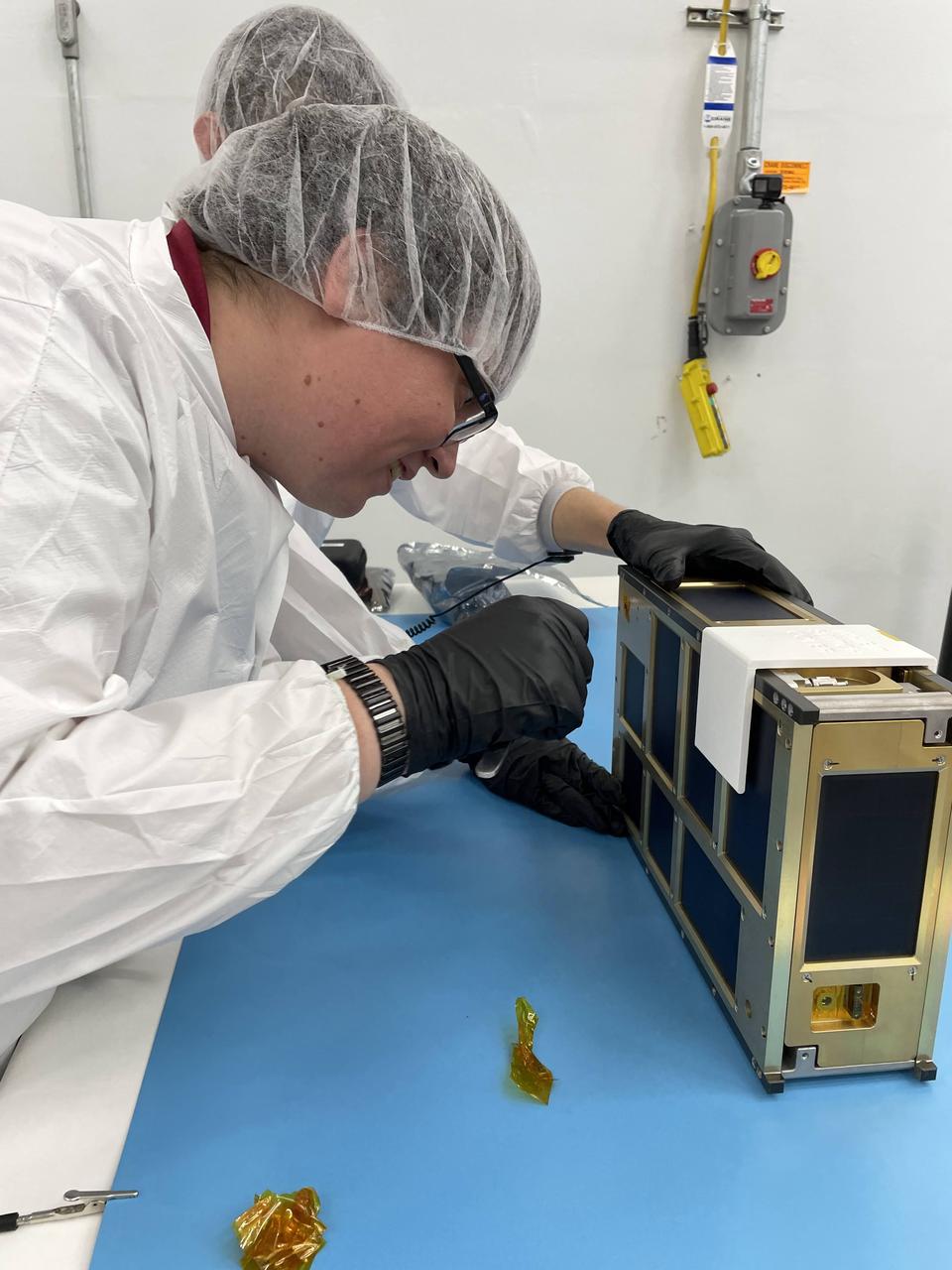
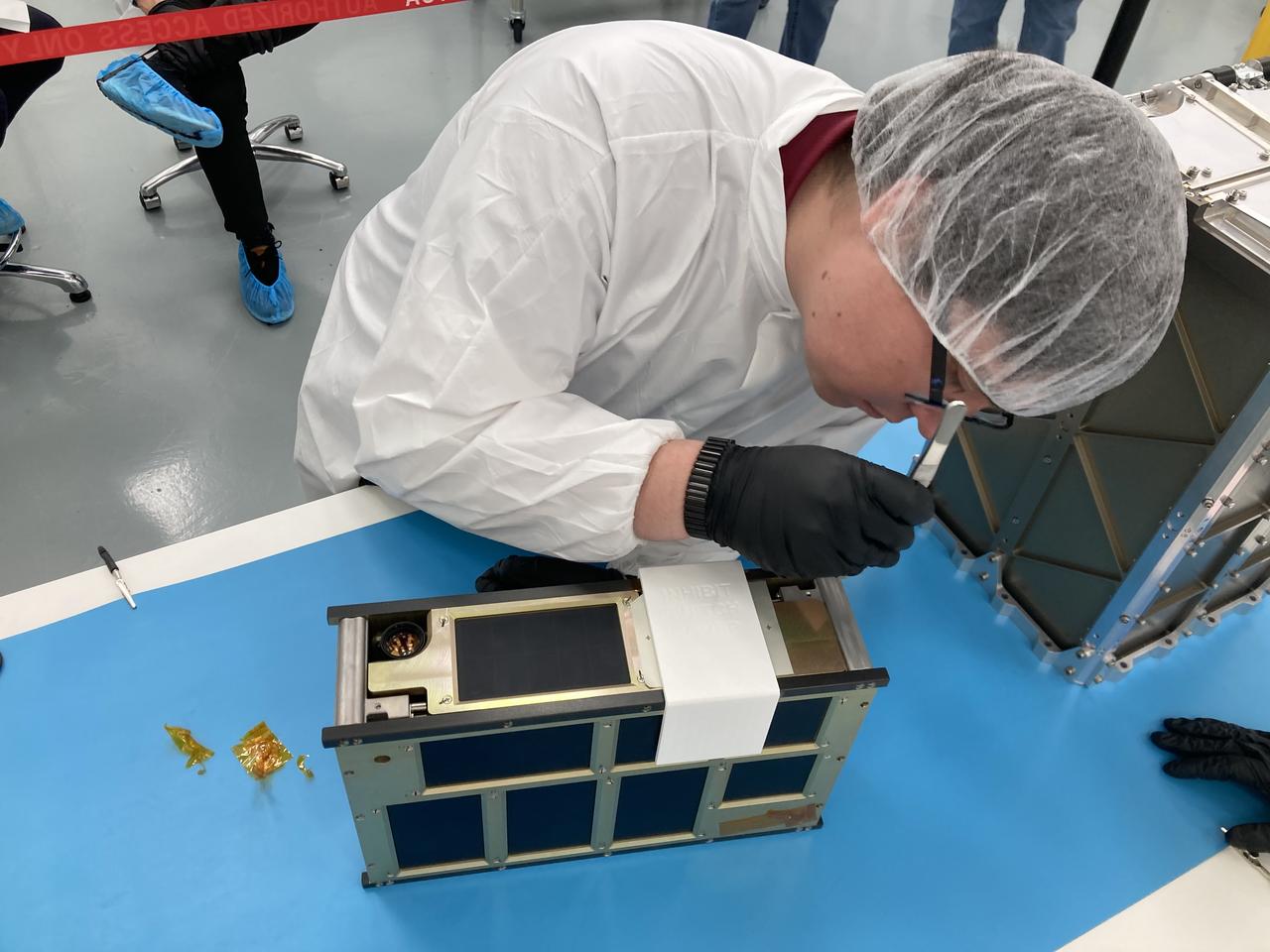
NASA engineer Jacob Nunez-Kearny removes the foreign object debris (FOD) cover  from the propulsion system on the agency’s CubeSat R5 Spacecraft 4 (R5-S4) at Firefly Aerospace’s Payload Processing Facility at Vandenberg Space Force Base, California on Wednesday, April 24, 2024. The spacecraft will soon be integrated for launch aboard the company’s Alpha rocket, as part of launch services provided for NASA's CubeSat Launch Initiative and Educational Launch of Nanosatellites 43 mission in support of the agency ’s Venture-Class Launch Services Demonstration 2 contract .
Firefly Demo-2 Payload Processing
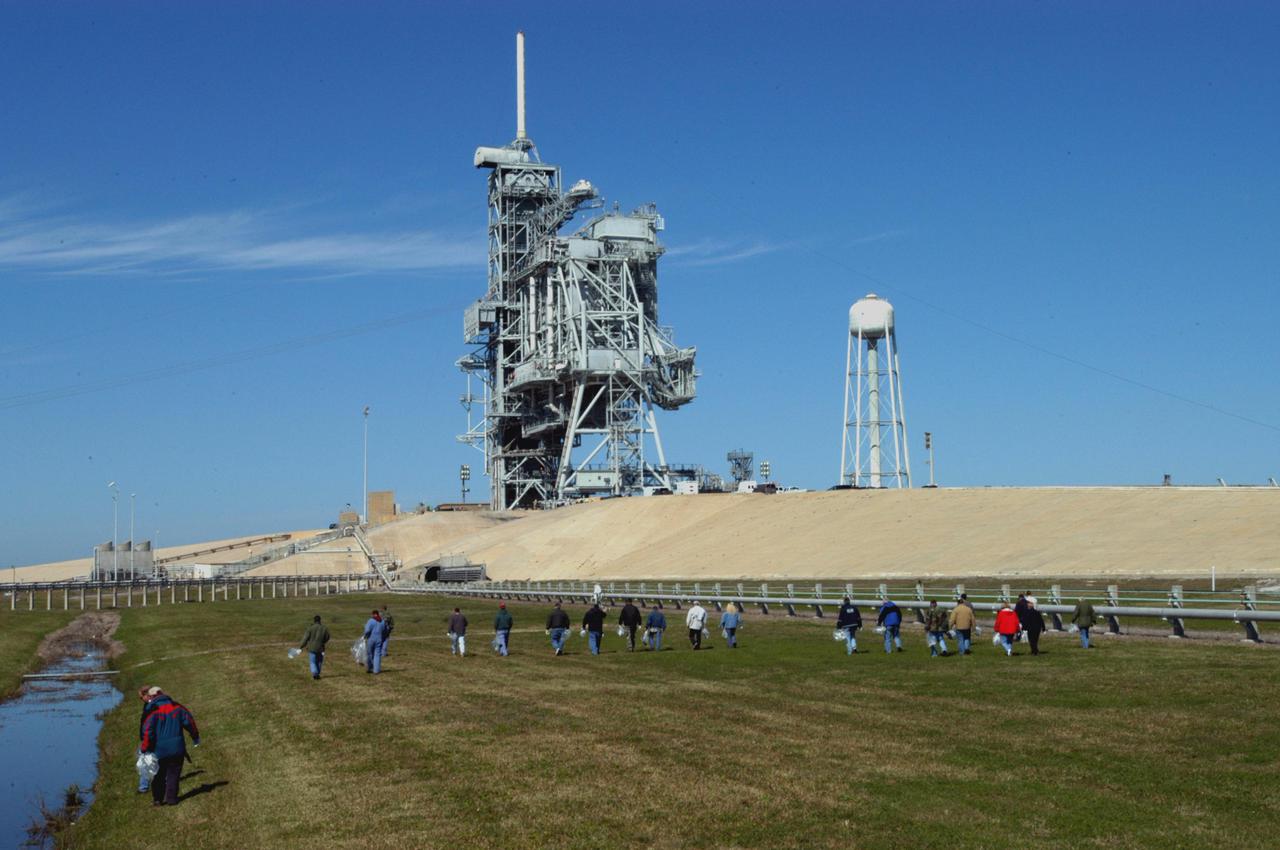
KENNEDY SPACE CENTER, FLA.  -  Preparing for Return to Flight, workers at KSC walk the grounds around Launch Pad 39B looking for Foreign Object Debris, or FOD.  The pad was recently refurbished and any possible debris left behind must be removed from the area prior to launch.  Foreign objects that are alien to flight systems may cause material damage or may make the system or equipment inoperable, unsafe or less efficient. The Return to Flight mission STS-114 aboard Space Shuttle Discovery will carry supplies and equipment to the International Space Station.  Discovery is scheduled for launch in a window from May 15 to June 3.
KSC-05pd-0363
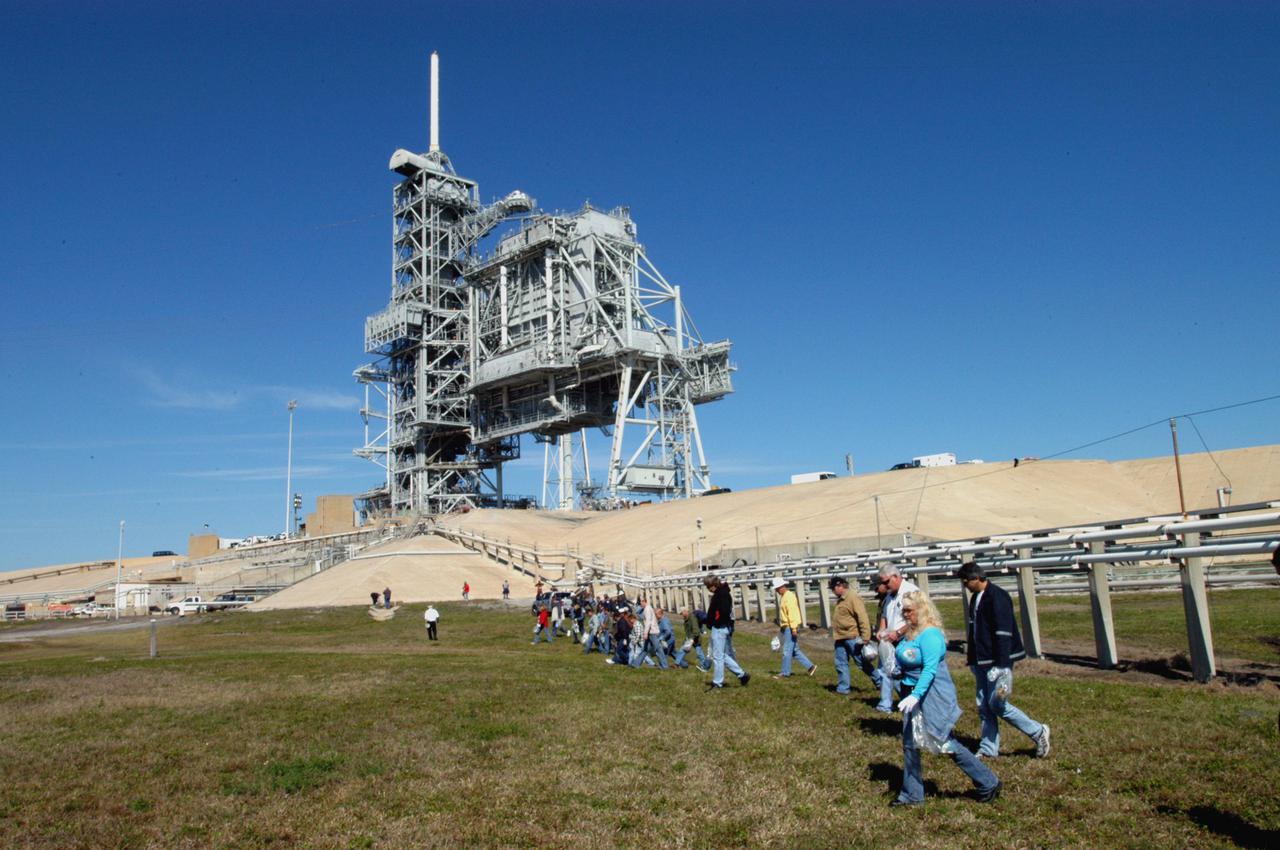
KENNEDY SPACE CENTER, FLA.  -  Preparing for Return to Flight, workers at KSC walk the grounds around Launch Pad 39B looking for Foreign Object Debris, or FOD.  The pad was recently refurbished and any possible debris left behind must be removed from the area prior to launch.  Foreign objects that are alien to flight systems may cause material damage or may make the system or equipment inoperable, unsafe or less efficient. The Return to Flight mission STS-114 aboard Space Shuttle Discovery will carry supplies and equipment to the International Space Station.  Discovery is scheduled for launch in a window from May 15 to June 3.
KSC-05pd-0364
NASA engineer Jacob Nunez-Kearny removes foreign object debris (FOD) cover from the propulsion system on the agency’s CubeSat R5 Spacecraft 4 (R5-S4) at Firefly Aerospace’s Payload Processing Facility at Vandenberg Space Force Base, California on Wednesday, April 24, 2024. The spacecraft will soon be integrated for launch aboard the company’s Alpha rocket, as part of launch services provided for NASA's CubeSat Launch Initiative and Educational Launch of Nanosatellites 43 mission in support of the agency ’s Venture-Class Launch Services Demonstration 2 contract.
Firefly Demo-2 Payload Processing
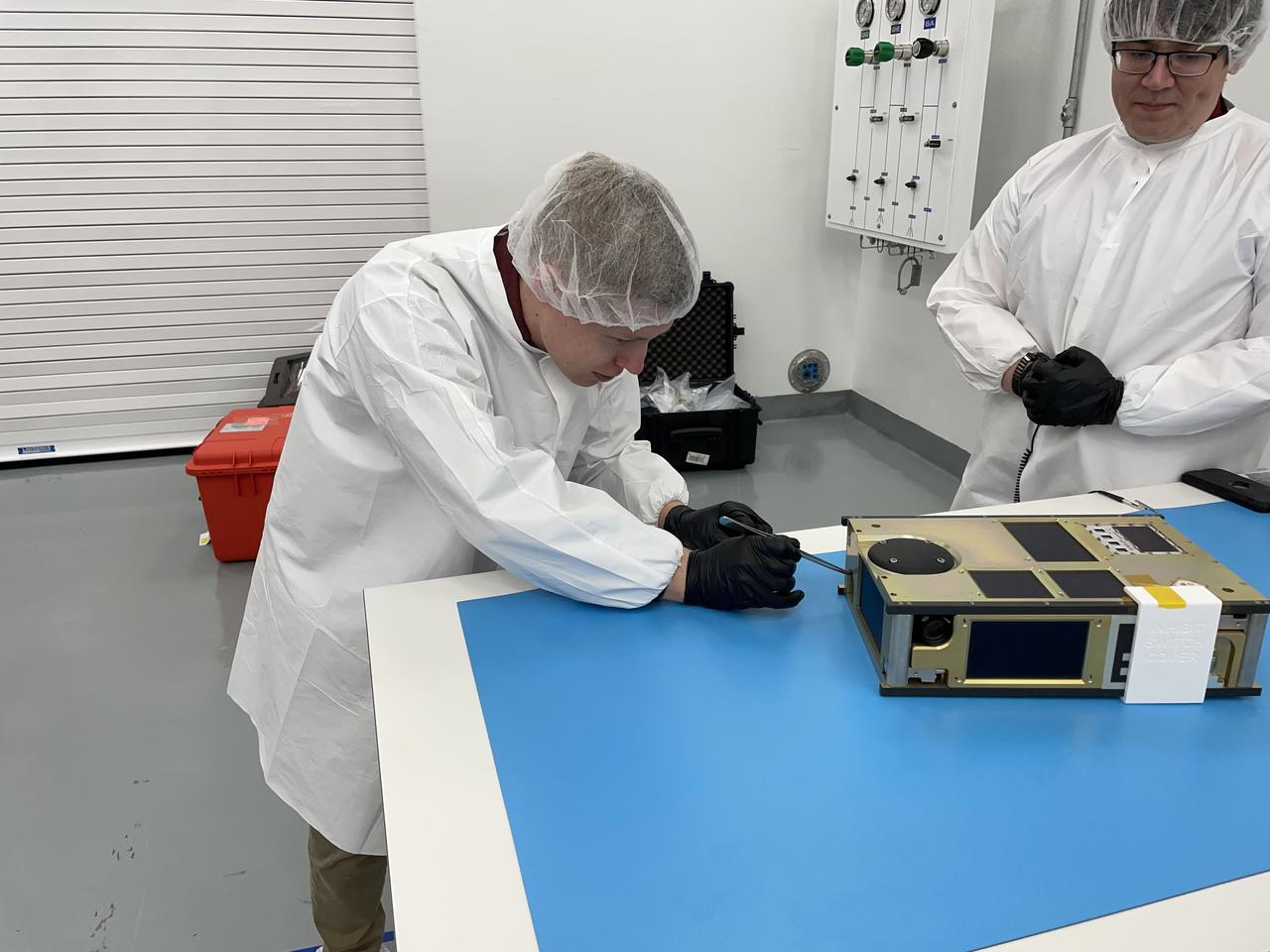
From left, NASA engineer James Berck removes the foreign object debris (FOD) cover from the relative navigation camera on the agency’s CubeSat R5 Spacecraft 4 (R5-S4) while NASA engineer Jacob Nunez-Kearny observes, at Firefly Aerospace’s Payload Processing Facility at Vandenberg Space Force Base, California on Wednesday, April 24, 2024. The spacecraft will soon be integrated for launch aboard the company’s Alpha rocket, as part of launch services provided for NASA's CubeSat Launch Initiative and Educational Launch of Nanosatellites 43 mission in support of the agency ’s Venture-Class Launch Services Demonstration 2 contract.
Firefly Demo-2 Payload Processing
KENNEDY SPACE CENTER, FLA.  -  Preparing for Return to Flight, workers at KSC walk the grounds around Launch Pad 39B looking for and picking up Foreign Object Debris, or FOD.  The pad was recently refurbished and any possible debris left behind must be removed from the area prior to launch.  Foreign objects that are alien to flight systems may cause material damage or may make the system or equipment inoperable, unsafe or less efficient. The Return to Flight mission STS-114 aboard Space Shuttle Discovery will carry supplies and equipment to the International Space Station.  Discovery is scheduled for launch in a window from May 15 to June 3.
KSC-05pd-0365
KENNEDY SPACE CENTER, FLA.  -  Preparing for Return to Flight, workers at KSC walk the grounds around Launch Pad 39B looking for Foreign Object Debris, or FOD.  The pad was recently refurbished and any possible debris left behind must be removed from the area prior to launch.  Foreign objects that are alien to flight systems may cause material damage or may make the system or equipment inoperable, unsafe or less efficient. The Return to Flight mission STS-114 aboard Space Shuttle Discovery will carry supplies and equipment to the International Space Station.  Discovery is scheduled for launch in a window from May 15 to June 3.
KSC-05pd-0366
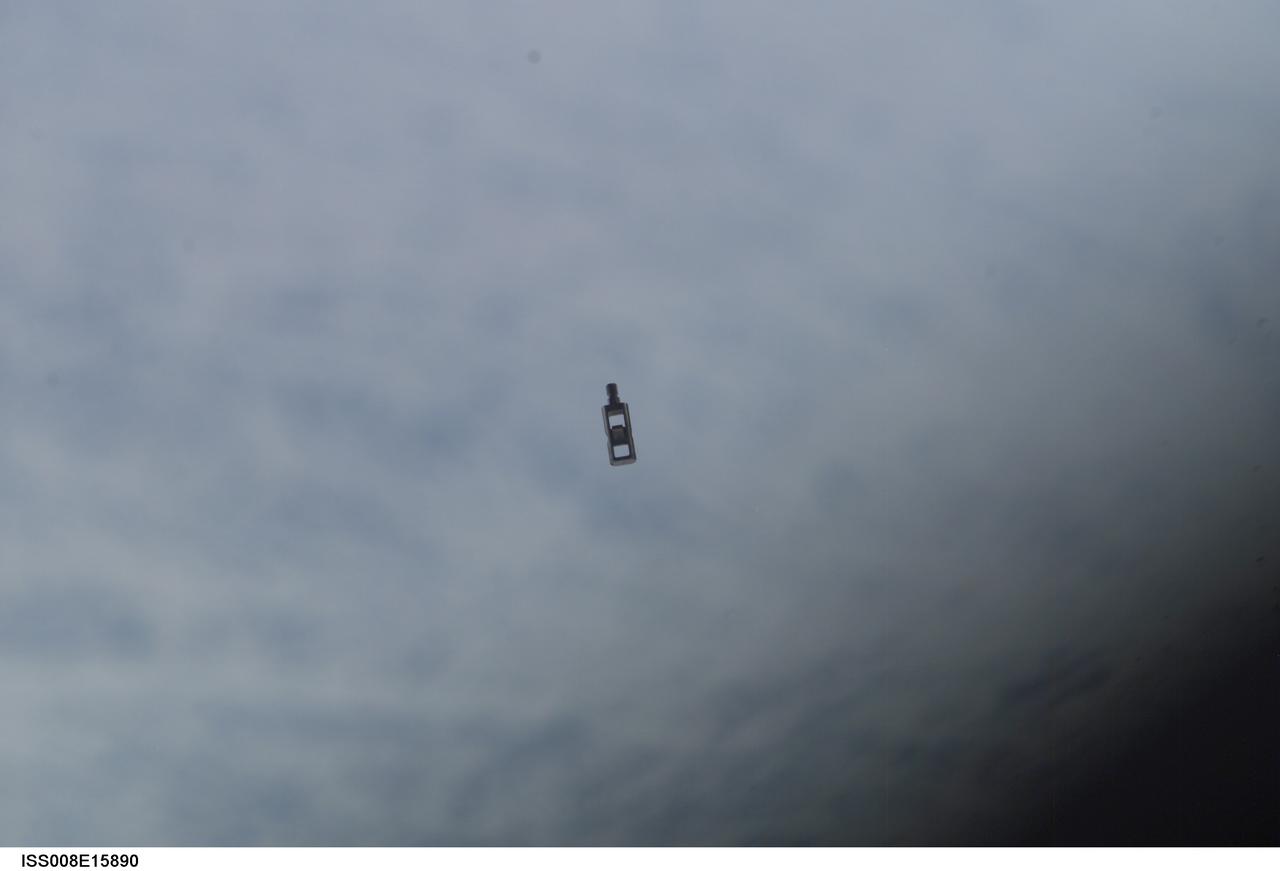
ISS008-E-15890 (15 February 2004) --- This image was taken from the International Space Station (ISS) Feb 15 and shows a small piece of debris reported by the Expedition 8 crew. The debris, which has been identified as a two-inch "eyebolt" from a solar array on the Progress cargo craft that recently docked with the Station, drifted slowly away and posed no problems for the complex. The eyebolt is from a system that is used with the arrays during the Progress' launch and serves no function after the arrays are deployed in orbit.
View of an eyebolt seen as foreign object debris (FOD) during Expedition 8
Holly Ridings is a global leader in human spaceflight. She is NASA's first female chief flight director, and currently leads the Gateway Program as its deputy program manager.
Holly Ridings
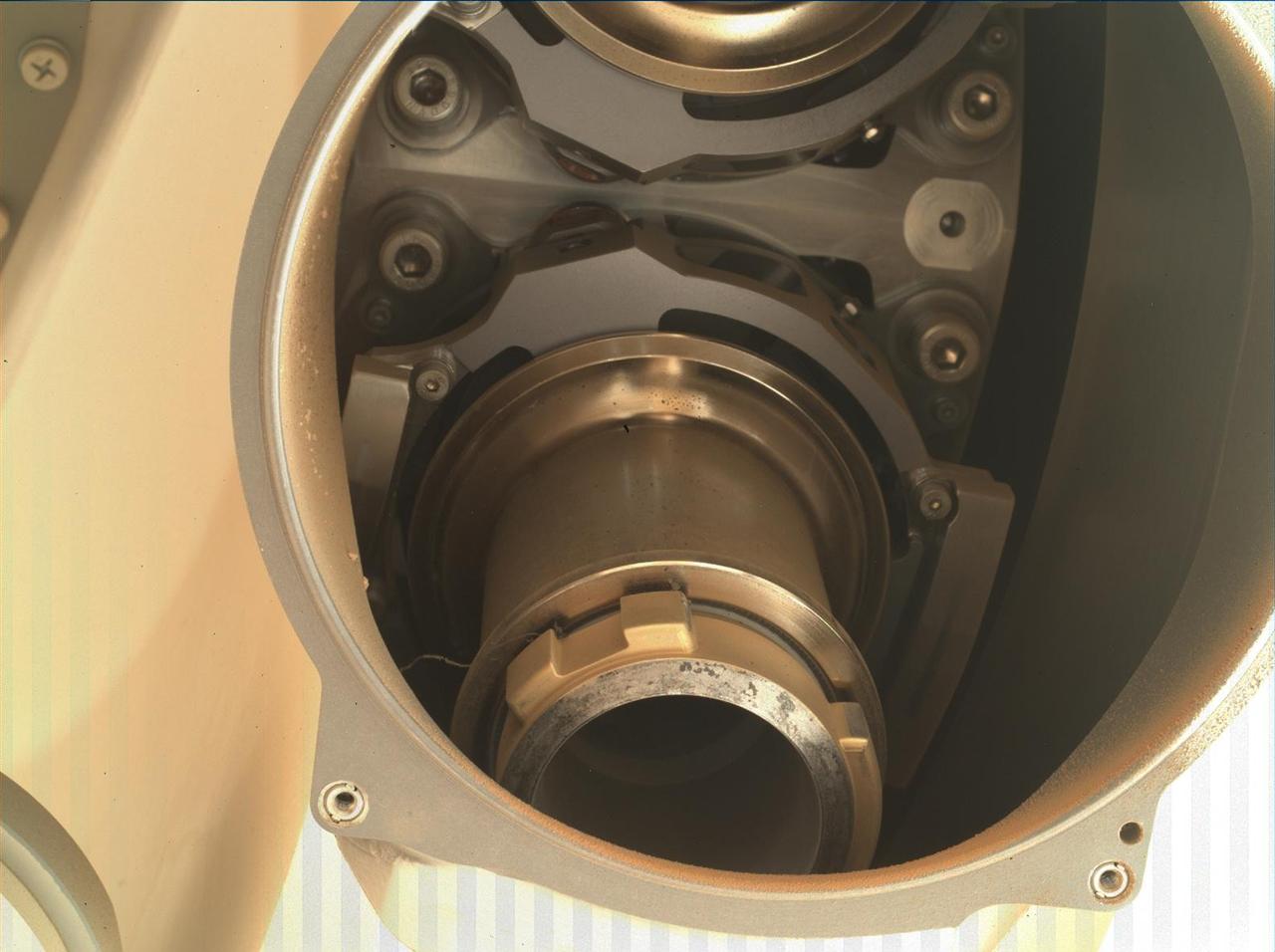
This image shows the back of Coring Bit 2 in the bit carousel of NASA's Perseverance Mars rover. A wavy, stringlike piece of foreign object debris (FOD) can be seen on the left side of the bit (the lower center of image). Coring Bit 2 was recently used to sample the sedimentary rock at "Wildcat Ridge."  The image was obtained by the WATSON (Wide Angle Topographic Sensor for Operations and eNgineering) camera on Aug. 17, 2022, the 531st Martian day, or sol, of the mission. Located in the turret at the end of the rover's robotic arm, WATSON can document the structure and texture within a natural (intact), drilled, or abraded target, and its data can be used to derive depth measurements. The camera is a subsystem of the SHERLOC (Scanning Habitable Environments with Raman & Luminescence for Organics & Chemicals) instrument.  NASA's Jet Propulsion Laboratory built and manages operations of Perseverance and Ingenuity for the agency. Caltech in Pasadena, California, manages JPL for NASA. WATSON was built by Malin Space Science Systems (MSSS) in San Diego and is operated jointly by MSSS and JPL.  A key objective for Perseverance's mission on Mars is astrobiology, including the search for signs of ancient microbial life. The rover will characterize the planet's geology and past climate, pave the way for human exploration of the Red Planet, and be the first mission to collect and cache Martian rock and regolith (broken rock and dust).  Subsequent NASA missions, in cooperation with ESA (European Space Agency), would send spacecraft to Mars to collect these sealed samples from the surface and return them to Earth for in-depth analysis.  The Mars 2020 Perseverance mission is part of NASA's Moon to Mars exploration approach, which includes Artemis missions to the Moon that will help prepare for human exploration of the Red Planet.  https://photojournal.jpl.nasa.gov/catalog/PIA25327
Perseverance Coring Bit