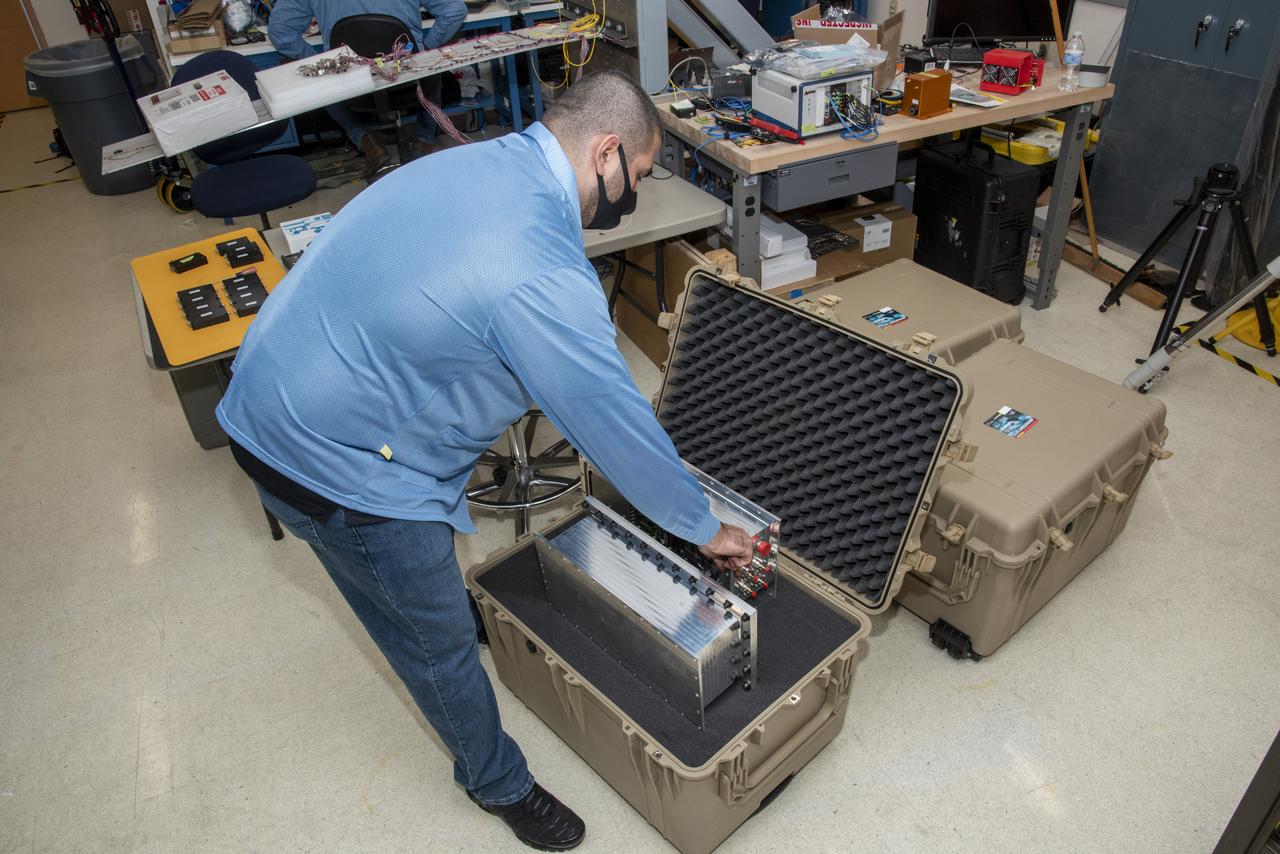
NASA research engineer Jonathan Lopez secures a Compact Fiber Optic Sensing System unit, also known as a FOSS Rocket Box, which was developed at NASA's Armstrong Flight Research Center in California. The unit is a new variant of aircraft technology that researchers have advanced to withstand the harsh environments of a rocket launch and space travel.
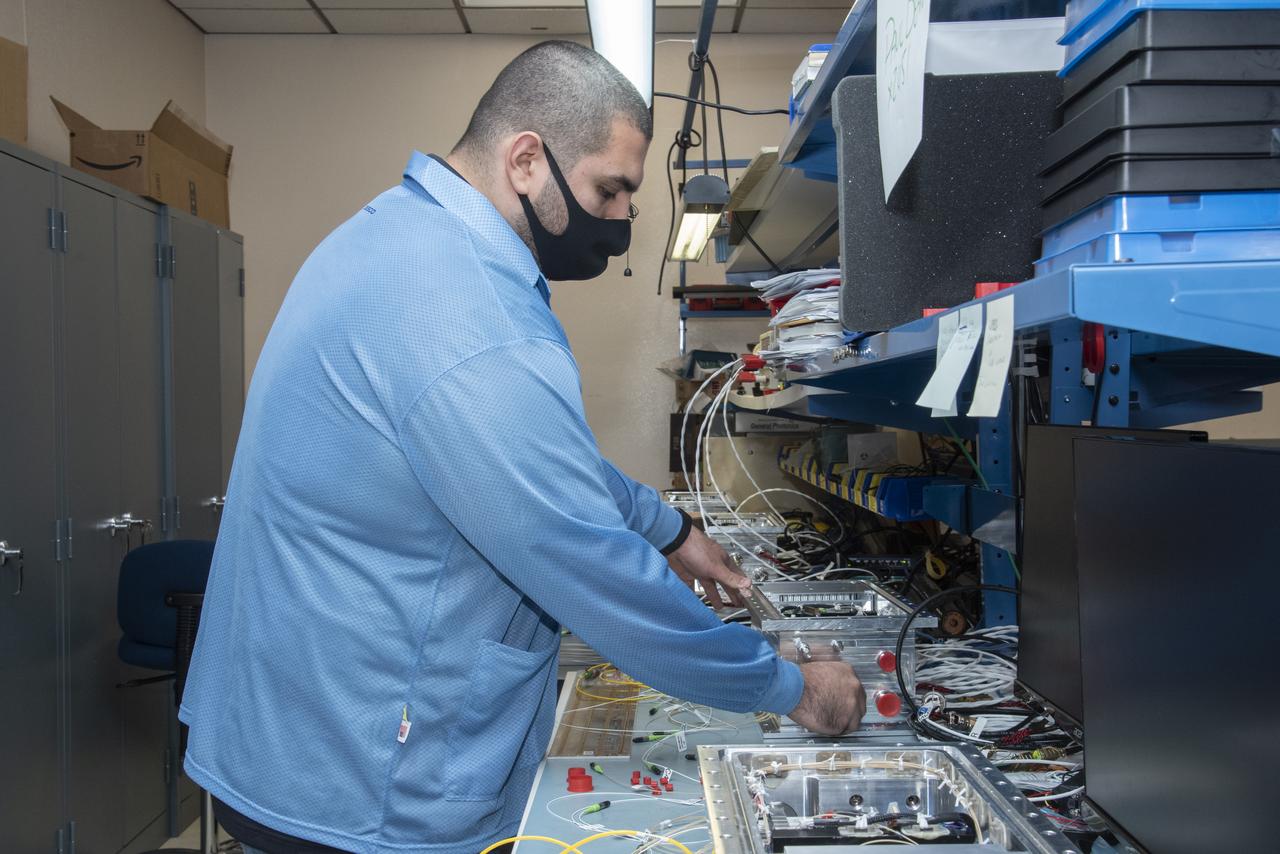
NASA research engineer Jonathan Lopez works on preparing a Compact Fiber Optic Sensing System unit, also known as a FOSS Rocket Box, which was developed at NASA's Armstrong Flight Research Center in California. The unit is a new variant of aircraft technology that researchers have advanced to withstand the harsh environments of a rocket launch and space travel.
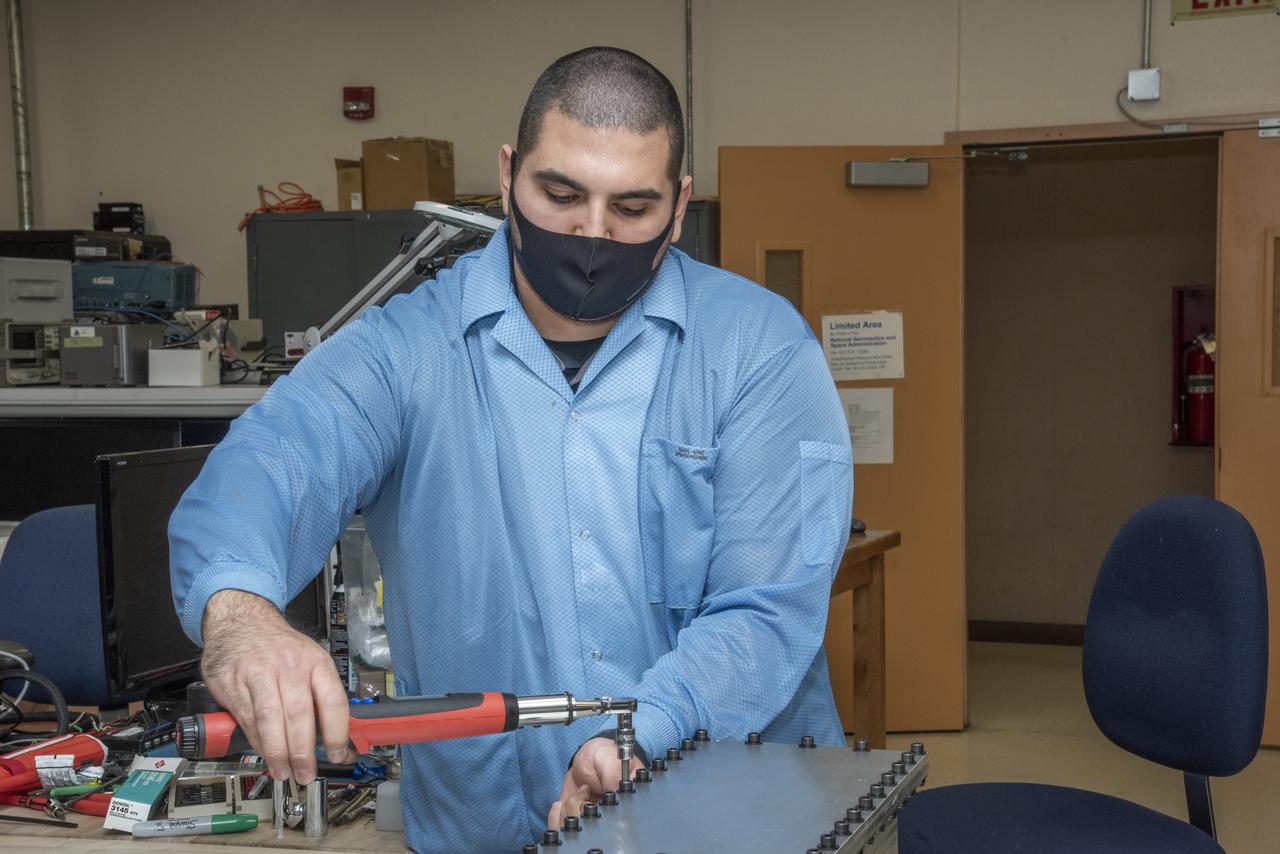
Bolts are torqued on a Compact Fiber Optic Sensing System unit, also known as a FOSS Rocket Box, which was developed at NASA's Armstrong Flight Research Center in California. NASA research engineer Jonathan Lopez works on the unit that is a new variant of aircraft technology that researchers have advanced to withstand the harsh environments of a rocket launch and space travel
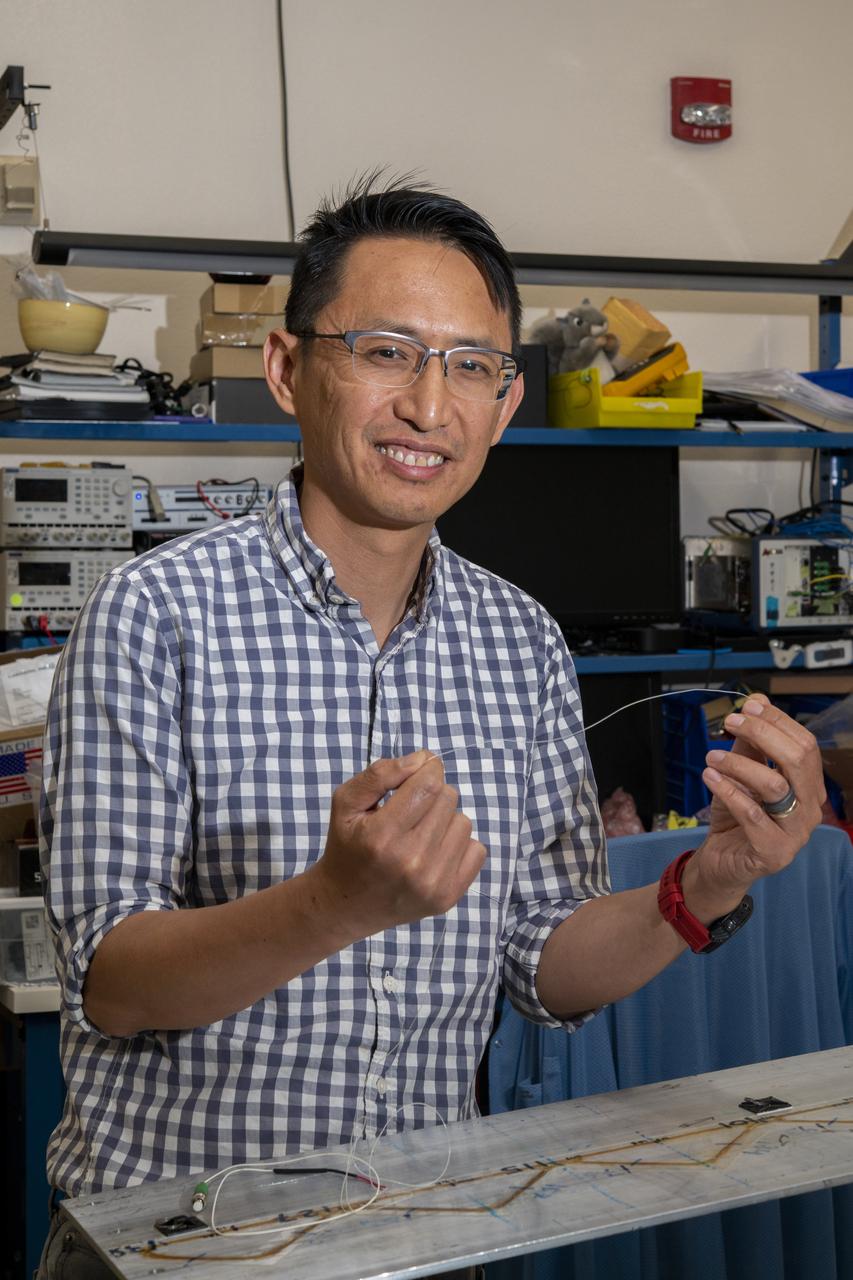
NASA’s Armstrong Flight Research Center’s FOSS, Fiber Optic Sensing System, recently supported tests of a system designed to turn oxygen into liquid oxygen, a component of rocket fuel. Patrick Chan, electronics engineer, and NASA Armstrong’s FOSS portfolio project manager, shows fiber like that used in the testing.
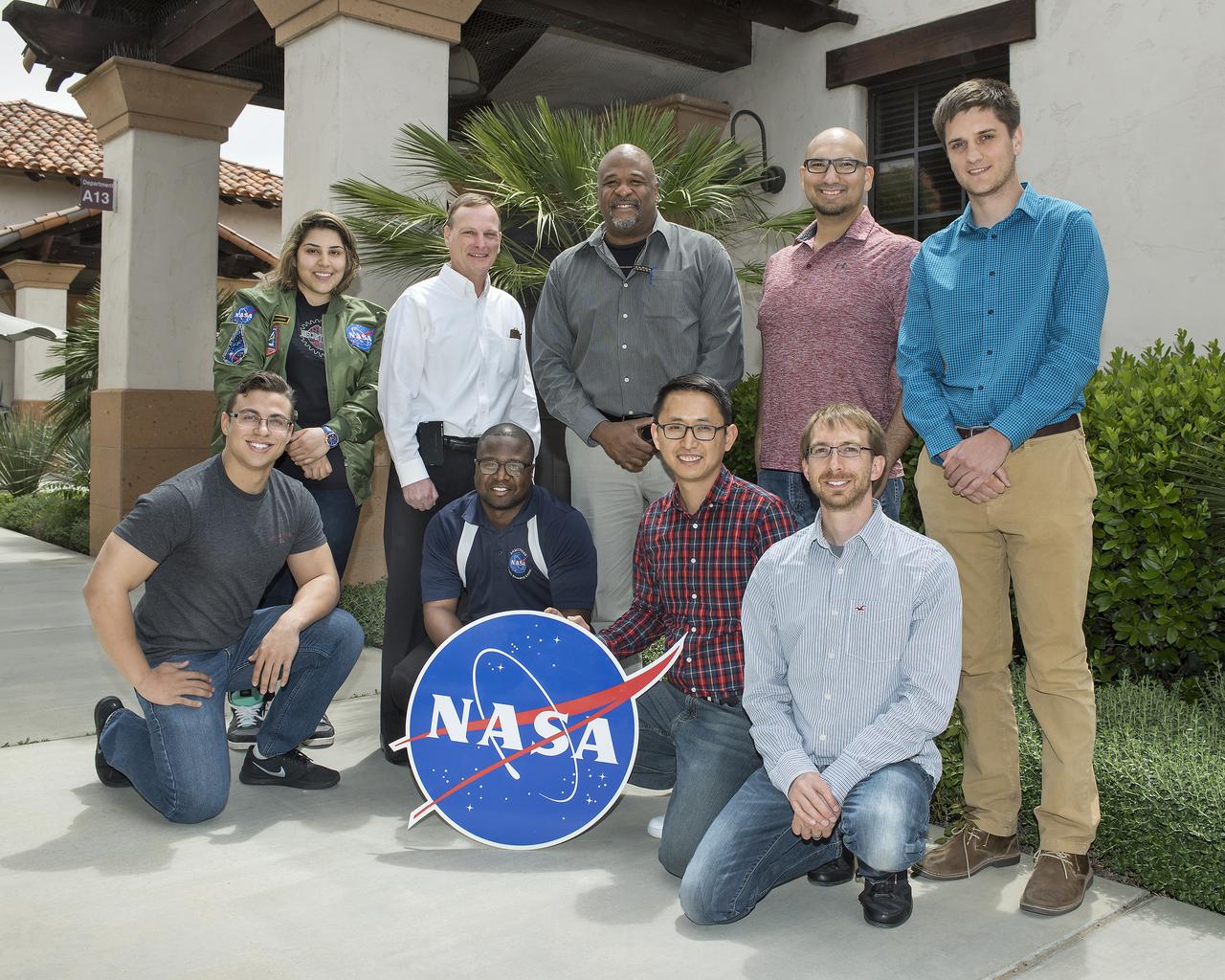
The Fiber Optic Sensing System team includes in the front from left Nick Finks, Ryan Warner, Patrick Chan and Paul Bean. In the back row from left are Shideh Naderi, Jeff Bauer, Allen Parker, Frank Pena and Nathan Perreau. Lance Richards, Anthony Piazza and Phil Hamory are current FOSS team members who are not pictured.
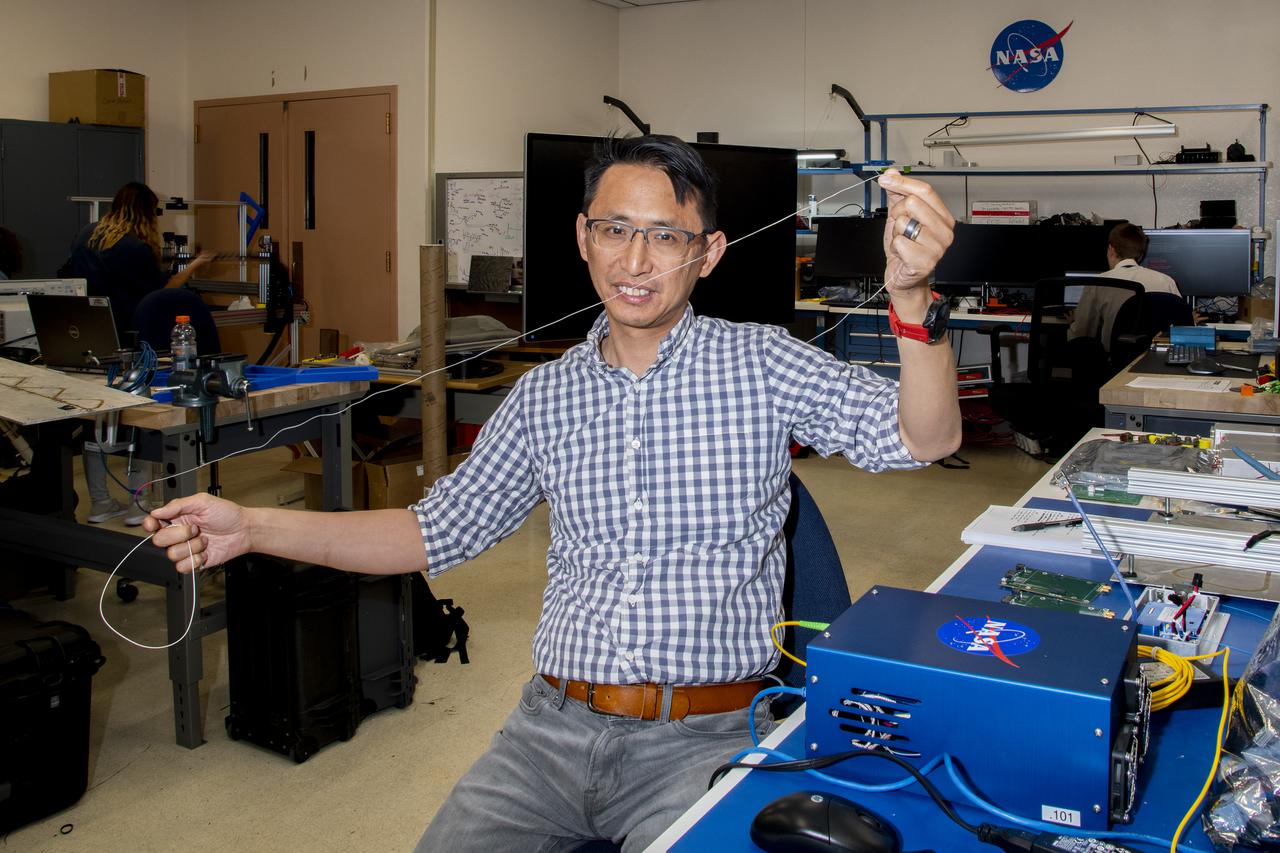
Patrick Chan, electronics engineer, and NASA Armstrong Flight Research Center’s FOSS portfolio project manager, shows a fiber used in a temperature sensing system. Armstrong’s Fiber Optic Sensing System was used to measure temperatures during tests aimed at turning oxygen into liquid oxygen. Testing was conducted at NASA’s Glenn Research Center in Cleveland, Ohio.
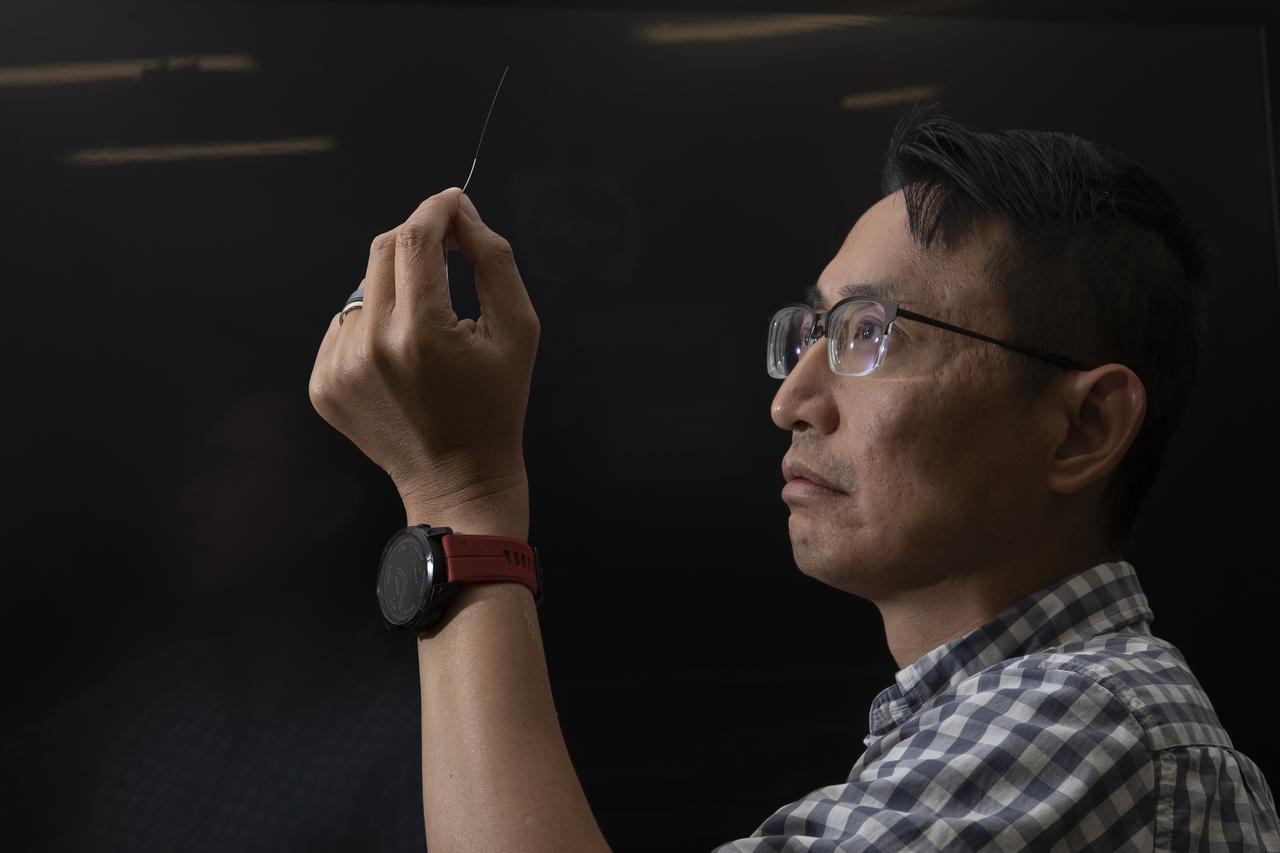
Patrick Chan, electronics engineer, and NASA Armstrong’s FOSS portfolio project manager, closely examines an optic fiber inside of a protective sleeve. Armstrong’s Fiber Optic Sensing System recently supported tests in which oxygen was turned into liquid oxygen at minus 297 degrees Fahrenheit. Testing was aimed at developing technologies could allow future astronauts to manufacture rocket fuel on the Moon.
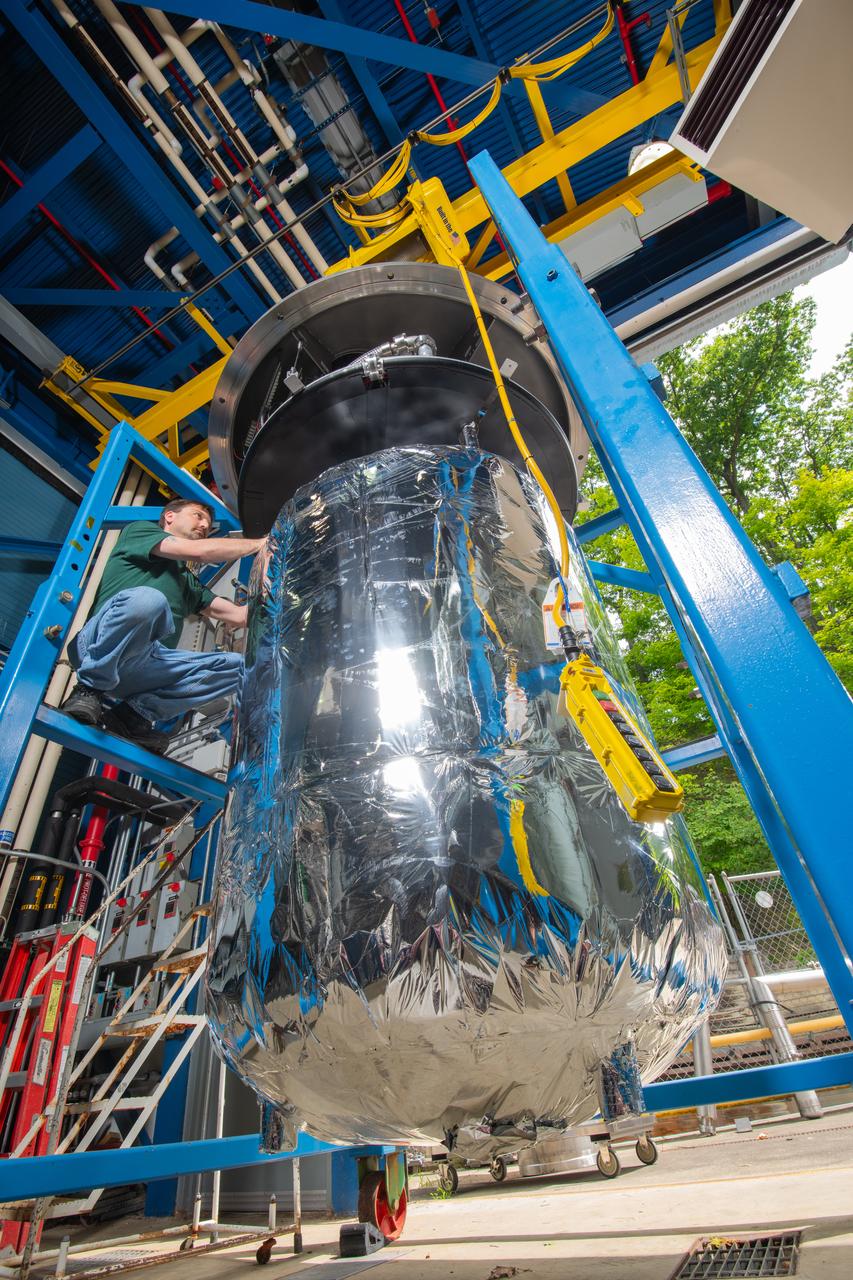
A tank is used in CryoFILL experiments to liquefy oxygen at minus 290 degrees Fahrenheit as it could be done on the Moon or Mars. The tests conducted at NASA Glenn Research Center, used Fiber Optic Sensing System (FOSS) developed by NASA Armstrong Flight Research Center, to measure oxygen temperatures inside the tank.
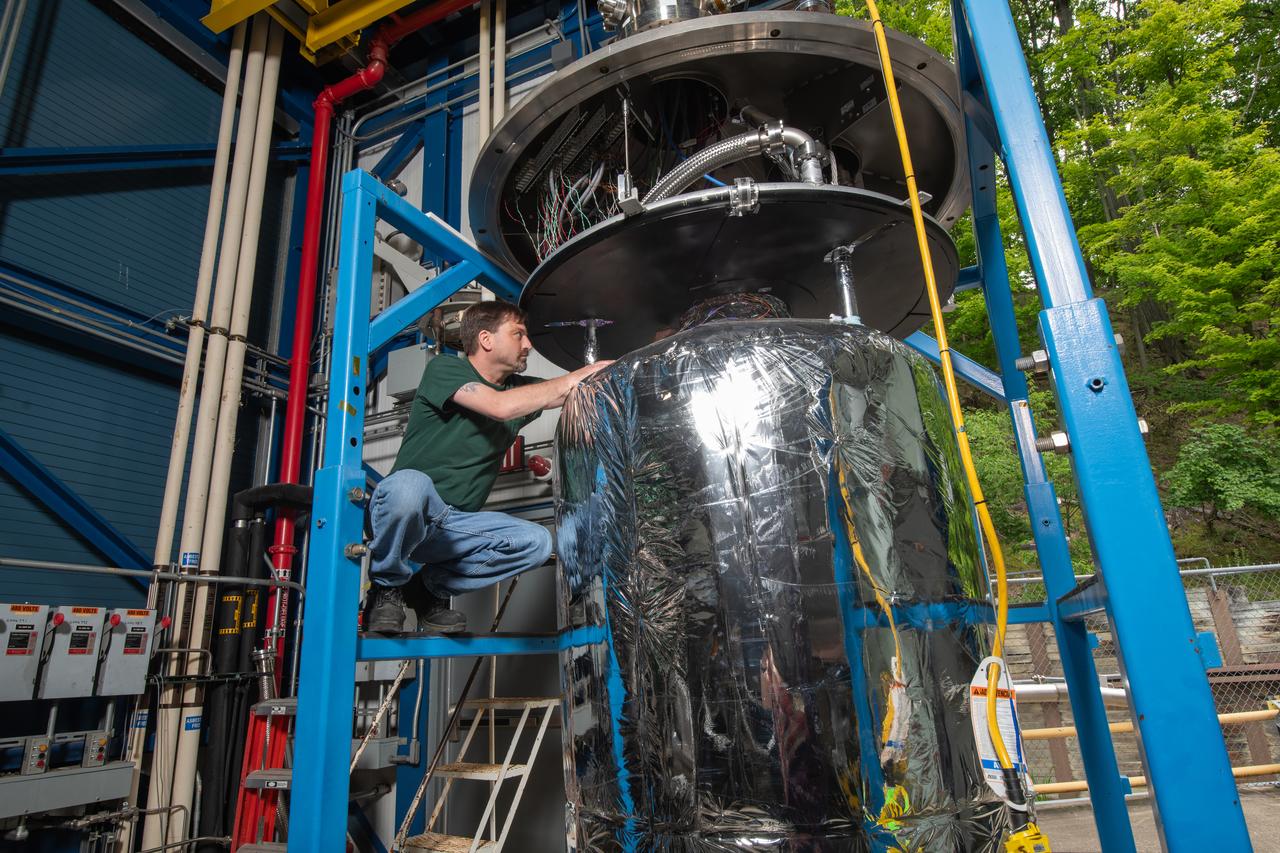
A tank is used in CryoFILL experiments to liquefy oxygen at minus 290 degrees Fahrenheit as it could be done on the Moon or Mars. The tests conducted at NASA Glenn Research Center, used Fiber Optic Sensing System (FOSS) developed by NASA Armstrong Flight Research Center, to measure oxygen temperatures inside the tank.
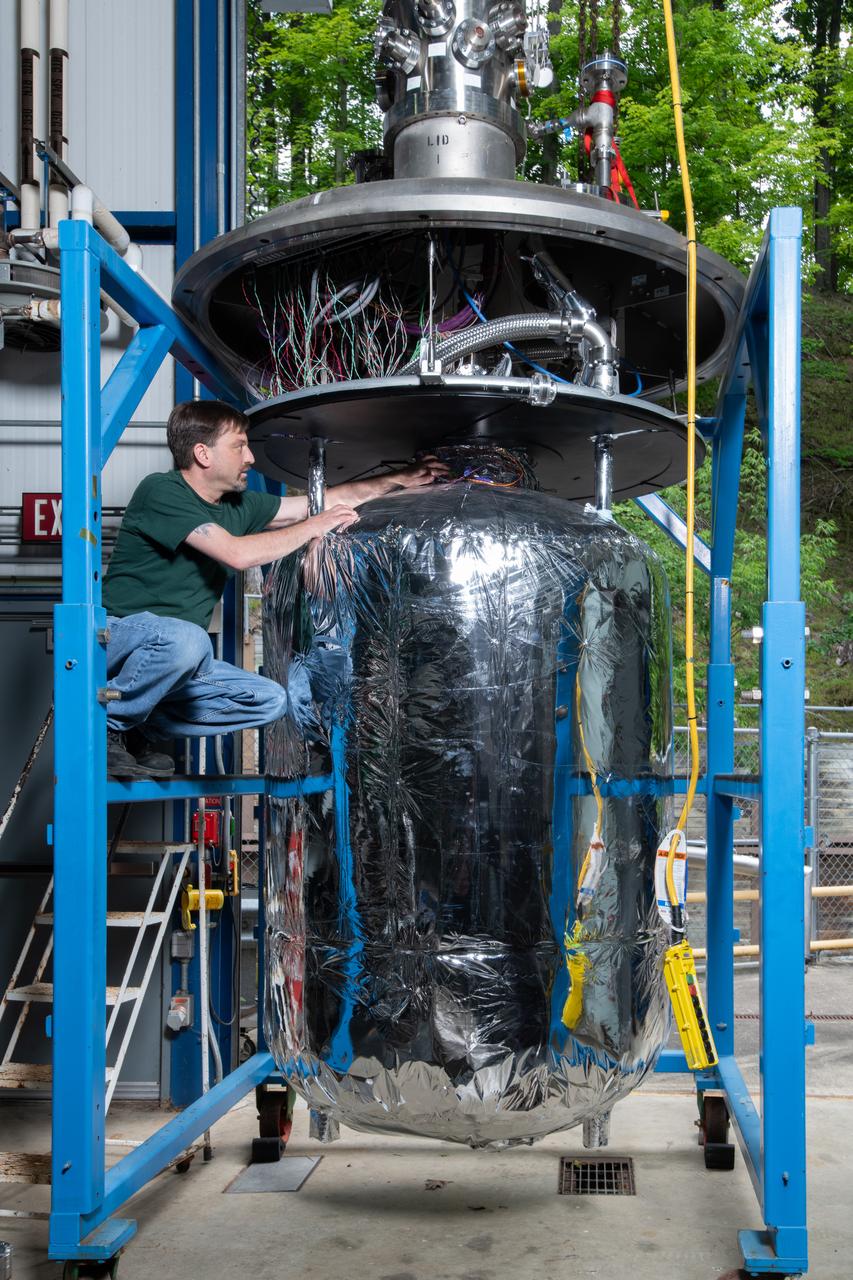
A tank is used in CryoFILL experiments to liquefy oxygen at minus 290 degrees Fahrenheit as it could be done on the Moon or Mars. The tests conducted at NASA Glenn Research Center, used Fiber Optic Sensing System (FOSS) developed by NASA Armstrong Flight Research Center, to measure oxygen temperatures inside the tank.
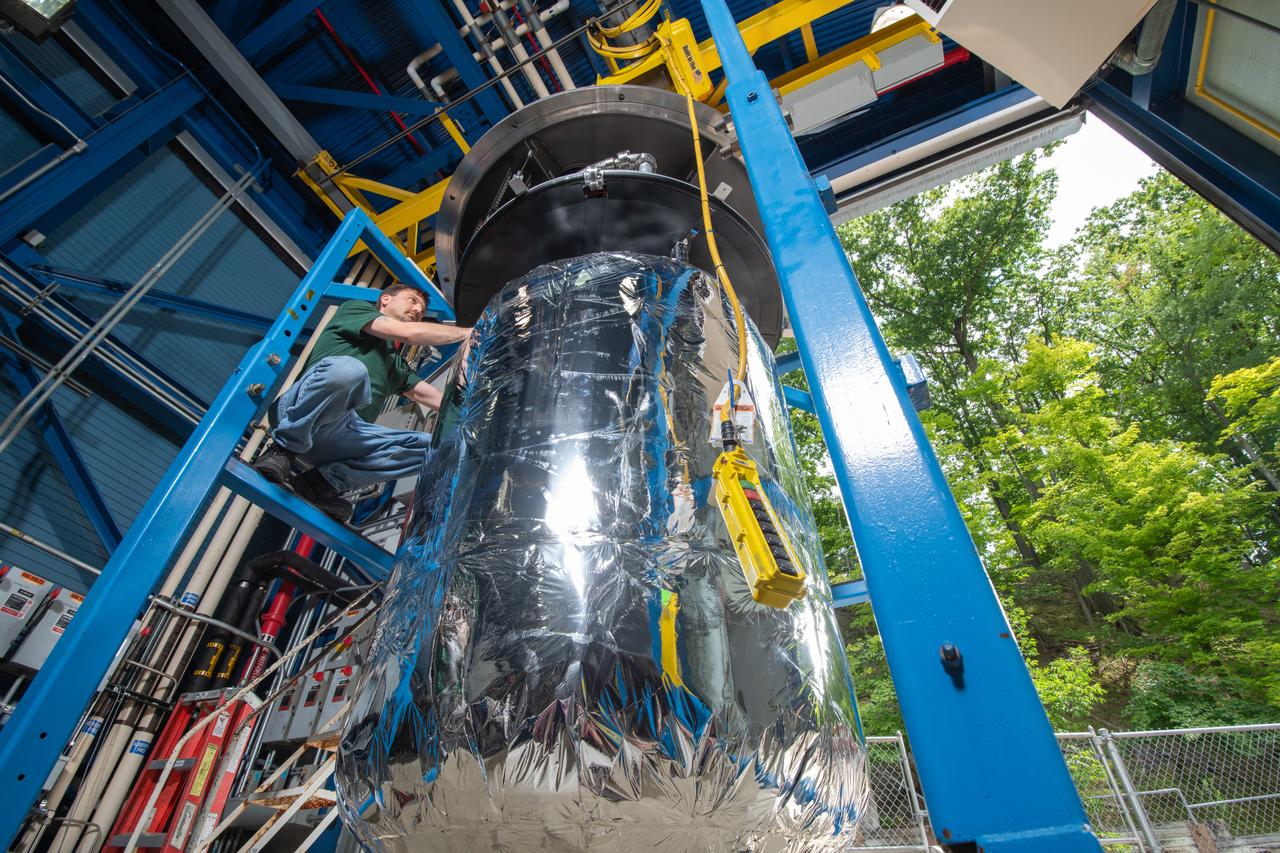
A tank is used in CryoFILL experiments to liquefy oxygen at minus 290 degrees Fahrenheit as it could be done on the Moon or Mars. The tests conducted at NASA Glenn Research Center, used Fiber Optic Sensing System (FOSS) developed by NASA Armstrong Flight Research Center, to measure oxygen temperatures inside the tank.

Patrick Chan demonstrates one way that the Fiber Optic Sensing System is used by bending a fiber with a 3D representation of the fiber’s shape as it bends.

Shideh Naderi works on designing the electronics for the next generation Fiber Optic Sensing System.
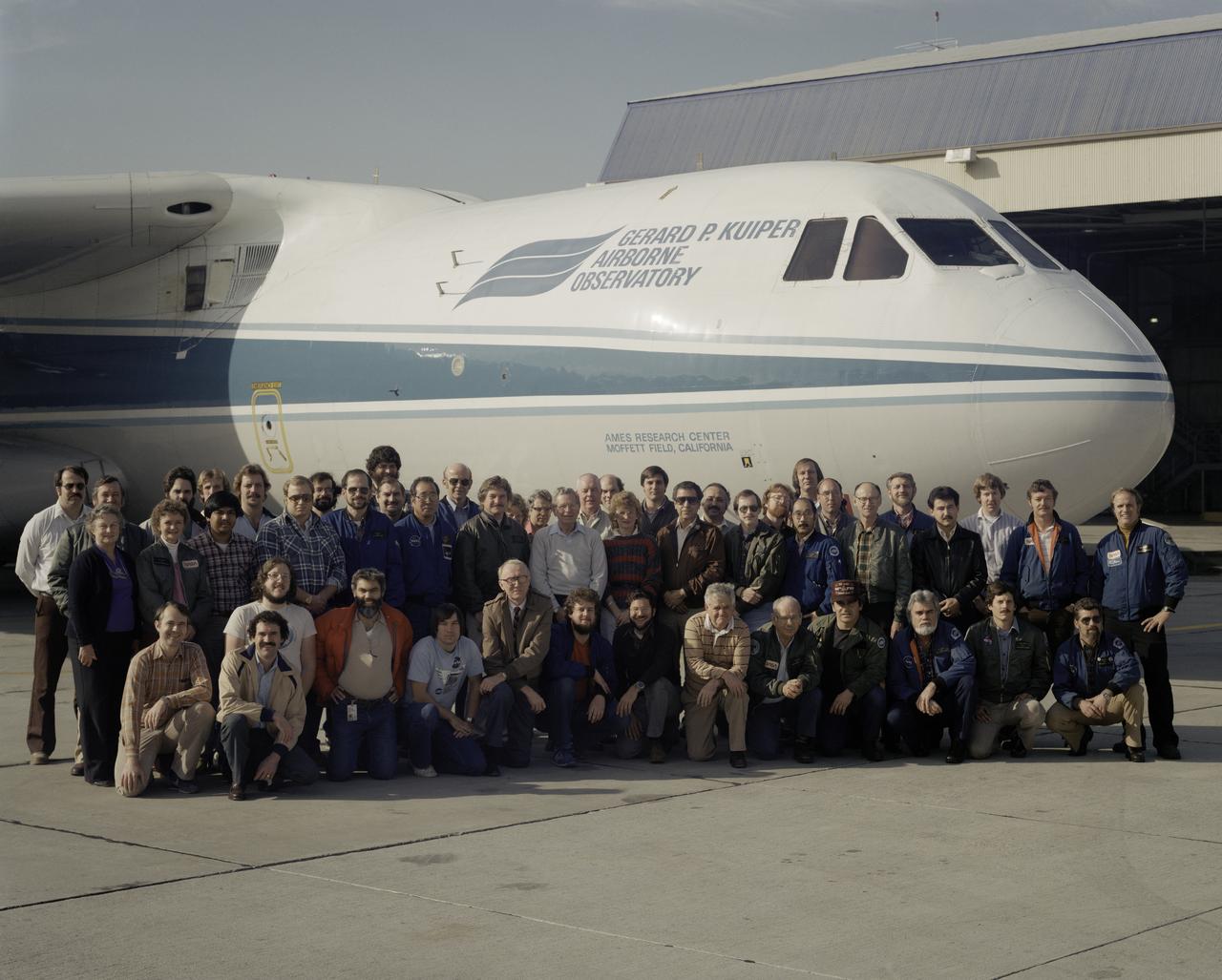
Medium Altitude Missions Branch: C-141 KAO Personnel, Mike Robinson, Mike Landis, Ed Hall, Tom Jones, John Graybeal, Louis Haughney, Brian Wright, Allan Meyer, Dick Gallant, Al Silva, Louis Russo, Hap Arnold, Randy Hobbs, Bill Laurie, Louis Foss, Sue Laurie, Tony Tieas, Tom Connors, Dave Brown, Alan Dunn, Don Oishi, Don Olson, Jim McClenahan, Wally Stahl, Sandy Mayville, Hank Hermosillo, Doug Ziebell, Ben Horita, Bill Hightower, Ron Sanchez, Terry Stoeffler, Lee Montz, Gene Moniz, John Brown, Bob America, Mike Craig, Kent Shiffer, Sandy Kogan, George Gull, Judy Pipher, Larry Helpher, Don MacKinnon, Jesse Bregmann, Jim Eilers, Nabil Hanania, Jim Cockrell, Keith Ackerman, Dave Walton, Lloyd Domeier, Pat Atchison