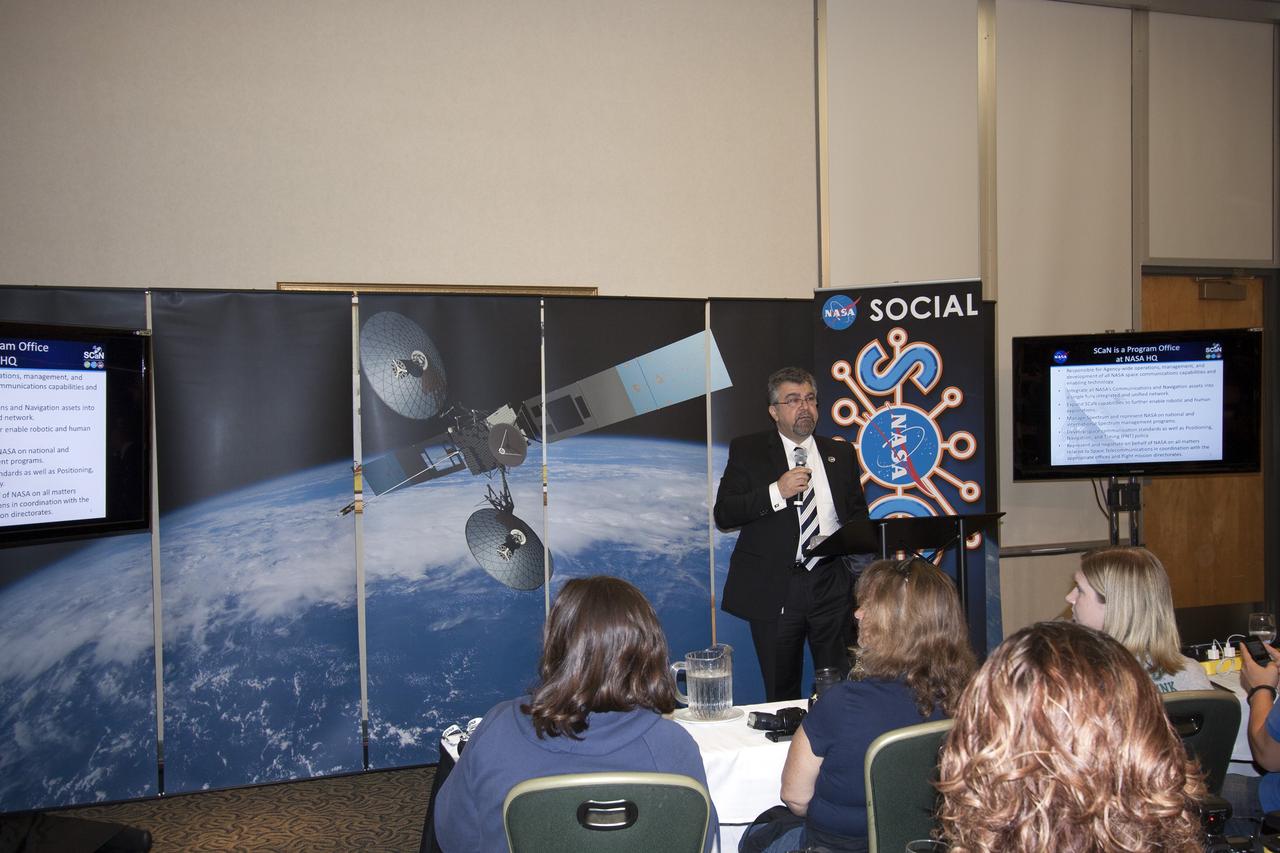
CAPE CANAVERAL, Fla. -- At NASA's Kennedy Space Center in Florida, Badri Younes, NASA deputy associate administrator for Space Communications and Navigation, or SCaN, addresses agency social media followers on the first day of activities of a NASA Social revolving around NASA's Tracking and Data Relay Satellite-K mission. NASA Socials are in-person meetings for people who engage with the agency through Twitter, Facebook, Google+ and other social networks. The satellite, known as TDRS-K, is set to launch at 8:48 p.m. EST on Jan. 30 aboard a United Launch Alliance Atlas V rocket from Space Launch Complex 41 on nearby Cape Canaveral Air Force Station. About 50 followers were selected to participate in the TDRS-K prelaunch and launch activities and share them with their own fan base. The TDRS-K spacecraft is part of the next-generation series in the Tracking and Data Relay Satellite System, a constellation of space-based communication satellites providing tracking, telemetry, command and high-bandwidth data return services. For more information, visit http://www.nasa.gov/mission_pages/tdrs/index.html. Photo credit: NASA/Jim Grossmann
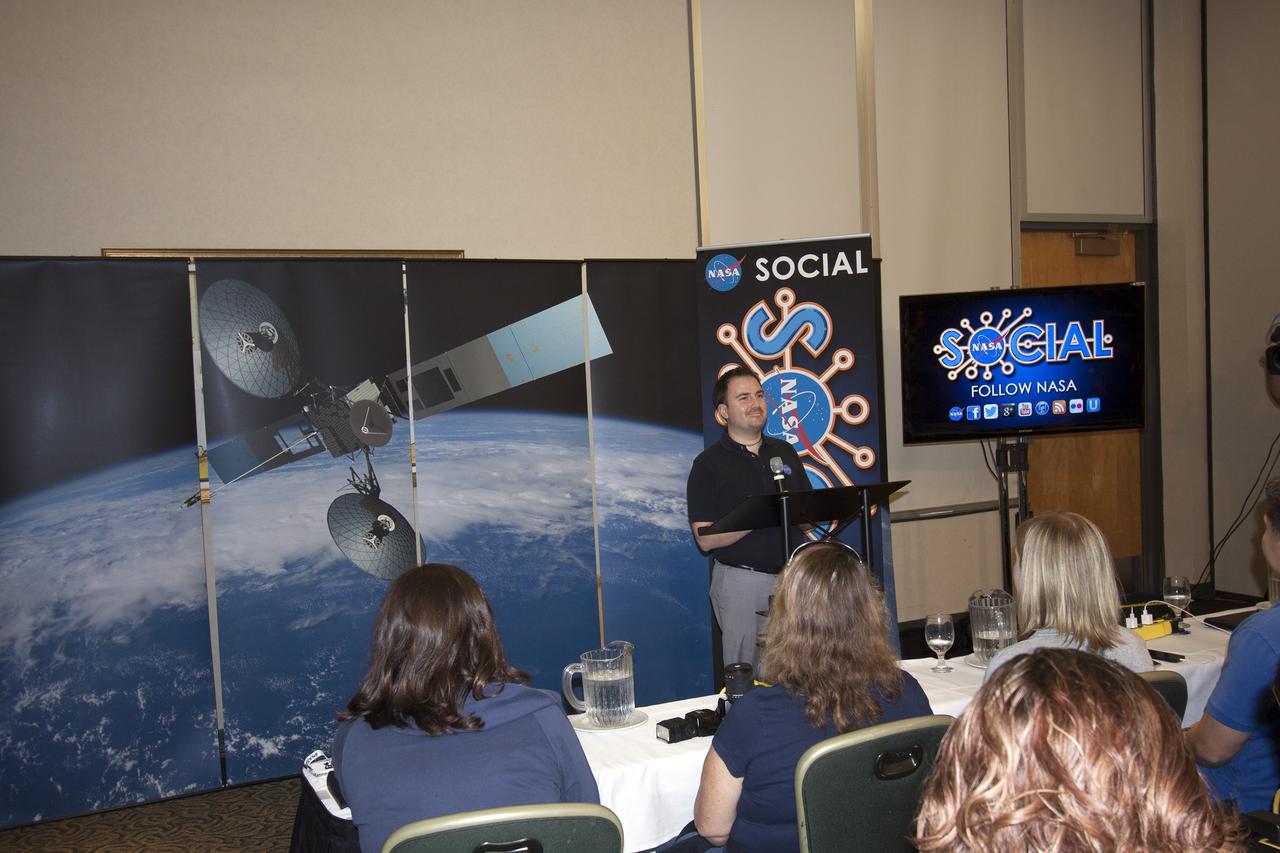
CAPE CANAVERAL, Fla. -- At NASA's Kennedy Space Center in Florida, Jason Townsend of NASA's Social Media Team welcomes agency social media followers to the first day of activities of a NASA Social revolving around NASA's Tracking and Data Relay Satellite-K mission. NASA Socials are in-person meetings for people who engage with the agency through Twitter, Facebook, Google+ and other social networks. The satellite, known as TDRS-K, is set to launch at 8:48 p.m. EST on Jan. 30 aboard a United Launch Alliance Atlas V rocket from Space Launch Complex 41 on nearby Cape Canaveral Air Force Station. About 50 followers were selected to participate in the TDRS-K prelaunch and launch activities and share them with their own fan base. The TDRS-K spacecraft is part of the next-generation series in the Tracking and Data Relay Satellite System, a constellation of space-based communication satellites providing tracking, telemetry, command and high-bandwidth data return services. For more information, visit http://www.nasa.gov/mission_pages/tdrs/index.html. Photo credit: NASA/Jim Grossmann
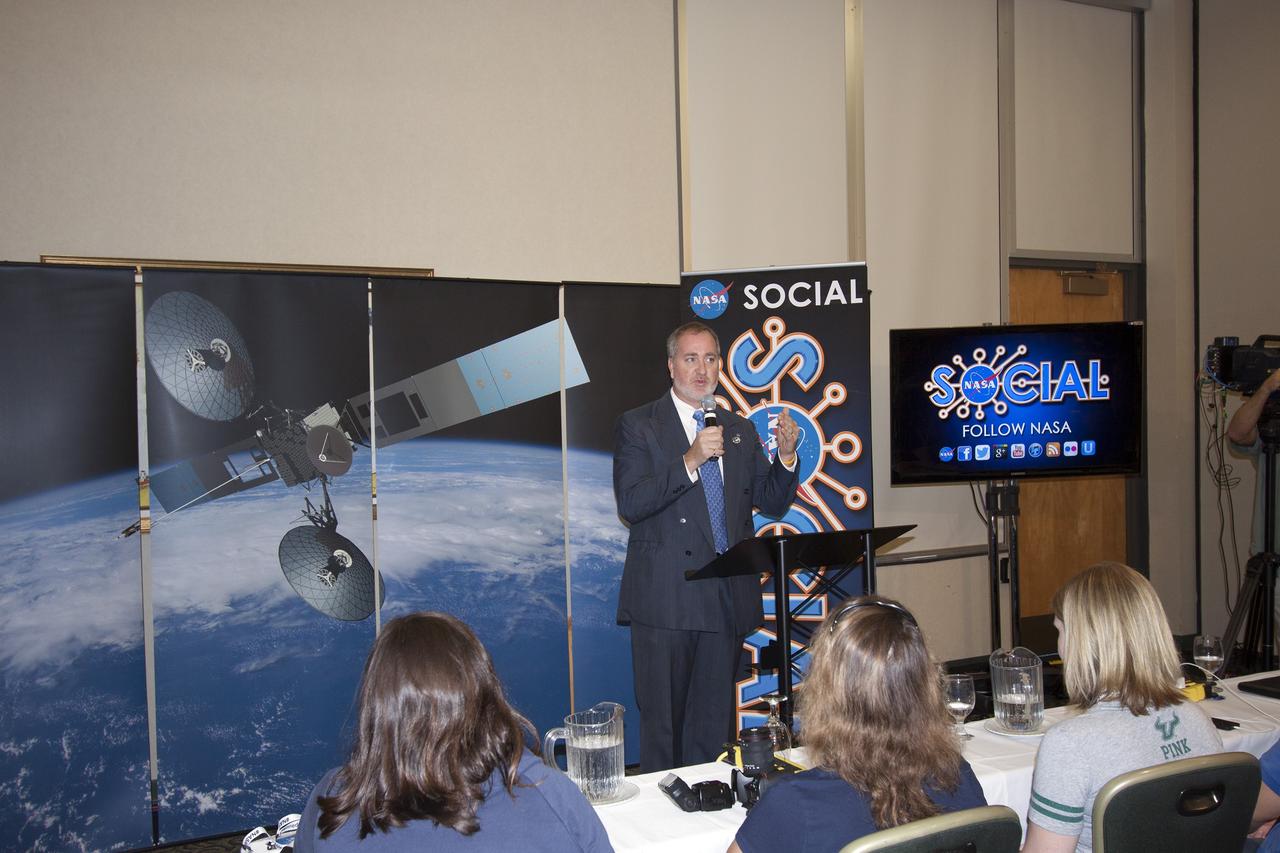
CAPE CANAVERAL, Fla. -- At NASA's Kennedy Space Center in Florida, Michael Woltman, senior vehicle systems engineer for NASA's Launch Services Program, addresses agency social media followers on the first day of activities of a NASA Social revolving around NASA's Tracking and Data Relay Satellite-K mission. NASA Socials are in-person meetings for people who engage with the agency through Twitter, Facebook, Google+ and other social networks. The satellite, known as TDRS-K, is set to launch at 8:48 p.m. EST on Jan. 30 aboard a United Launch Alliance Atlas V rocket from Space Launch Complex 41 on nearby Cape Canaveral Air Force Station. About 50 followers were selected to participate in the TDRS-K prelaunch and launch activities and share them with their own fan base. The TDRS-K spacecraft is part of the next-generation series in the Tracking and Data Relay Satellite System, a constellation of space-based communication satellites providing tracking, telemetry, command and high-bandwidth data return services. For more information, visit http://www.nasa.gov/mission_pages/tdrs/index.html. Photo credit: NASA/Jim Grossmann

CAPE CANAVERAL, Fla. -- At NASA's Kennedy Space Center in Florida, agency social media followers prepare for the first day of activities of a NASA Social revolving around NASA's Tracking and Data Relay Satellite-K mission. NASA Socials are in-person meetings for people who engage with the agency through Twitter, Facebook, Google+ and other social networks. The satellite, known as TDRS-K, is set to launch at 8:48 p.m. EST on Jan. 30 aboard a United Launch Alliance Atlas V rocket from Space Launch Complex 41 on nearby Cape Canaveral Air Force Station. About 50 followers were selected to participate in the TDRS-K prelaunch and launch activities and share them with their own fan base. The TDRS-K spacecraft is part of the next-generation series in the Tracking and Data Relay Satellite System, a constellation of space-based communication satellites providing tracking, telemetry, command and high-bandwidth data return services. For more information, visit http://www.nasa.gov/mission_pages/tdrs/index.html. Photo credit: NASA/Jim Grossmann

CAPE CANAVERAL, Fla. -- At NASA's Kennedy Space Center in Florida, Jeff Gramling, project manager for NASA's Tracking and Data Relay Satellite-K, takes a question from an agency social media follower participating in the first day of activities of a NASA Social revolving around the satellite's mission. NASA Socials are in-person meetings for people who engage with the agency through Twitter, Facebook, Google+ and other social networks. The satellite, known as TDRS-K, is set to launch at 8:48 p.m. EST on Jan. 30 aboard a United Launch Alliance Atlas V rocket from Space Launch Complex 41 on nearby Cape Canaveral Air Force Station. About 50 followers were selected to participate in the TDRS-K prelaunch and launch activities and share them with their own fan base. The TDRS-K spacecraft is part of the next-generation series in the Tracking and Data Relay Satellite System, a constellation of space-based communication satellites providing tracking, telemetry, command and high-bandwidth data return services. For more information, visit http:__www.nasa.gov_mission_pages_tdrs_index.html. Photo credit: NASA_Jim Grossmann
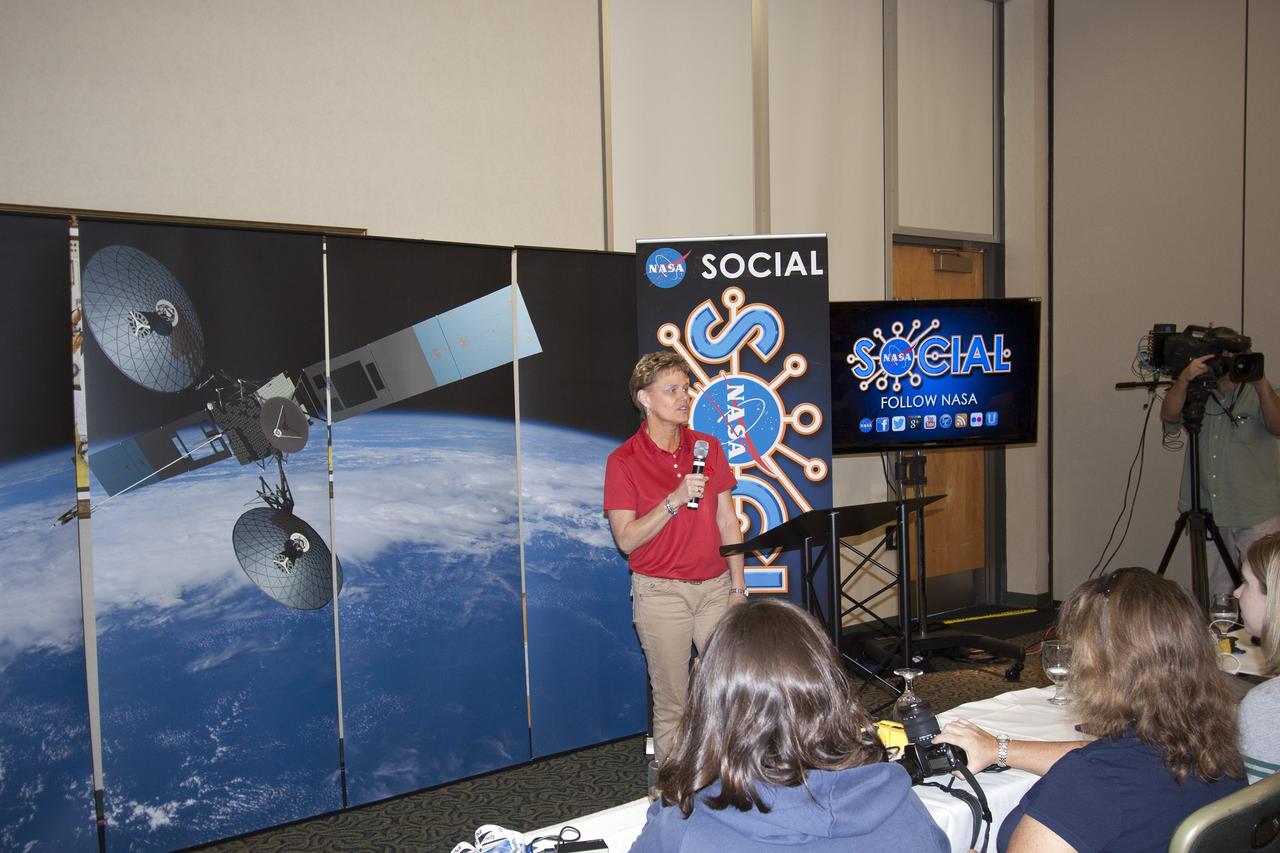
CAPE CANAVERAL, Fla. -- At NASA's Kennedy Space Center in Florida, Nancy Bray of NASA Public Affairs welcomes agency social media followers to the first day of activities of a NASA Social revolving around NASA's Tracking and Data Relay Satellite-K mission. NASA Socials are in-person meetings for people who engage with the agency through Twitter, Facebook, Google+ and other social networks. The satellite, known as TDRS-K, is set to launch at 8:48 p.m. EST on Jan. 30 aboard a United Launch Alliance Atlas V rocket from Space Launch Complex 41 on nearby Cape Canaveral Air Force Station. About 50 followers were selected to participate in the TDRS-K prelaunch and launch activities and share them with their own fan base. The TDRS-K spacecraft is part of the next-generation series in the Tracking and Data Relay Satellite System, a constellation of space-based communication satellites providing tracking, telemetry, command and high-bandwidth data return services. For more information, visit http://www.nasa.gov/mission_pages/tdrs/index.html. Photo credit: NASA/Jim Grossmann
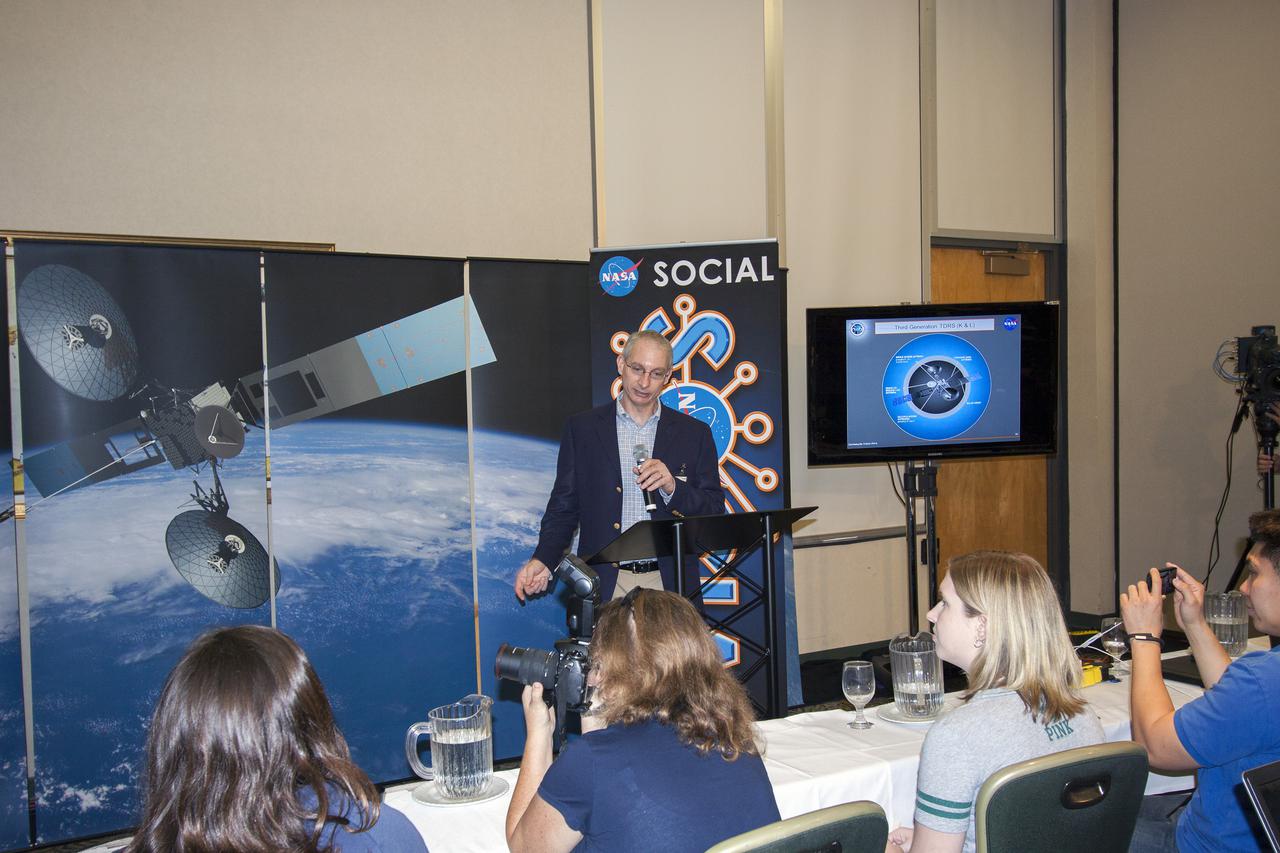
CAPE CANAVERAL, Fla. -- At NASA's Kennedy Space Center in Florida, Jeff Gramling, project manager for NASA's Tracking and Data Relay Satellite-K, addresses agency social media followers on the first day of activities of a NASA Social revolving around the satellite's mission. NASA Socials are in-person meetings for people who engage with the agency through Twitter, Facebook, Google+ and other social networks. The satellite, known as TDRS-K, is set to launch at 8:48 p.m. EST on Jan. 30 aboard a United Launch Alliance Atlas V rocket from Space Launch Complex 41 on nearby Cape Canaveral Air Force Station. About 50 followers were selected to participate in the TDRS-K prelaunch and launch activities and share them with their own fan base. The TDRS-K spacecraft is part of the next-generation series in the Tracking and Data Relay Satellite System, a constellation of space-based communication satellites providing tracking, telemetry, command and high-bandwidth data return services. For more information, visit http:__www.nasa.gov_mission_pages_tdrs_index.html. Photo credit: NASA_Jim Grossmann
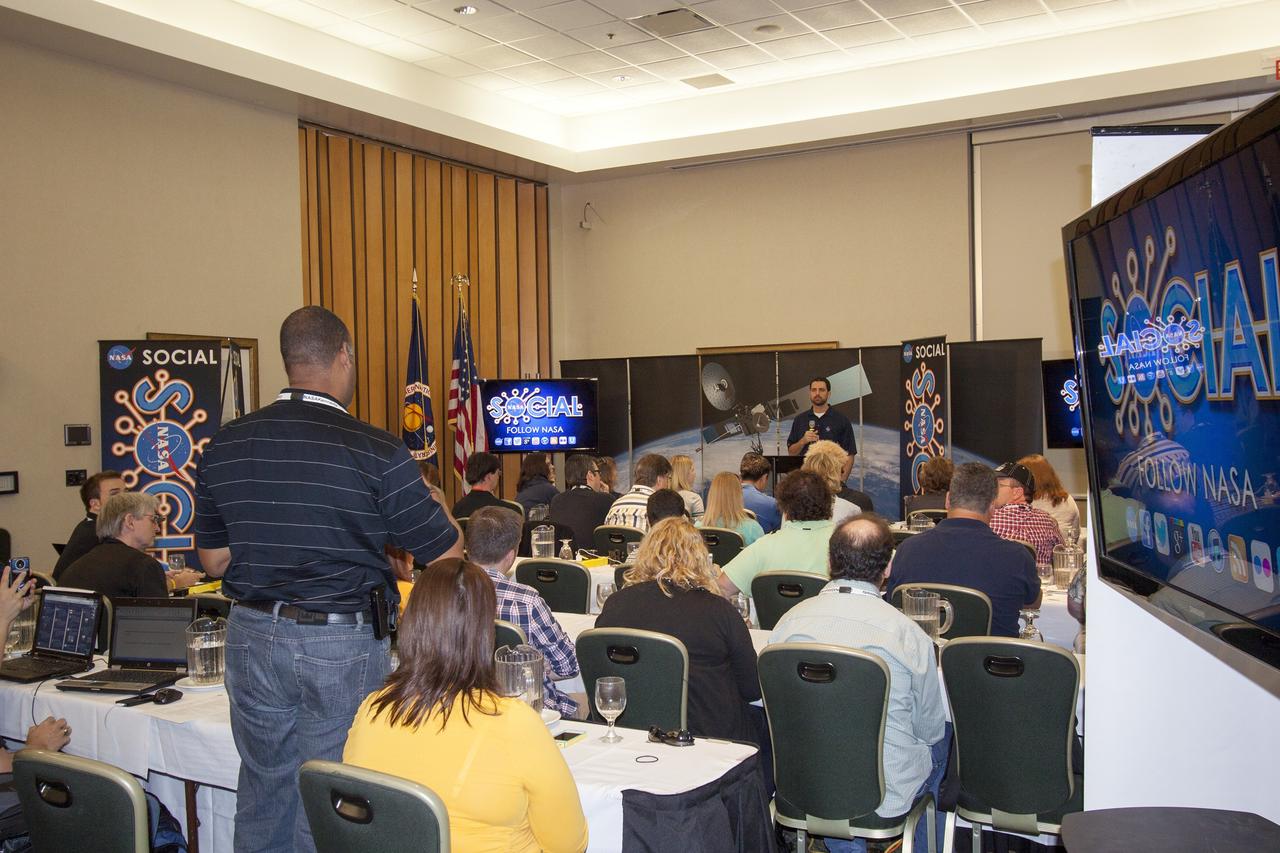
CAPE CANAVERAL, Fla. -- At NASA's Kennedy Space Center in Florida, Jeremy Parsons, technical manager for operations of NASA's Ground Systems Development and Operations Program, takes a question from an agency social media follower participating in the first day of activities of a NASA Social revolving around NASA's Tracking and Data Relay Satellite-K mission. NASA Socials are in-person meetings for people who engage with the agency through Twitter, Facebook, Google+ and other social networks. The satellite, known as TDRS-K, is set to launch at 8:48 p.m. EST on Jan. 30 aboard a United Launch Alliance Atlas V rocket from Space Launch Complex 41 on nearby Cape Canaveral Air Force Station. About 50 followers were selected to participate in the TDRS-K prelaunch and launch activities and share them with their own fan base. The TDRS-K spacecraft is part of the next-generation series in the Tracking and Data Relay Satellite System, a constellation of space-based communication satellites providing tracking, telemetry, command and high-bandwidth data return services. For more information, visit http://www.nasa.gov/mission_pages/tdrs/index.html. Photo credit: NASA/Jim Grossmann

CAPE CANAVERAL, Fla. -- At NASA's Kennedy Space Center in Florida, Gifford Moak, deputy project manager of resources for NASA's Tracking and Data Relay Satellite-K, addresses agency social media followers on the first day of activities of a NASA Social revolving around NASA's Tracking and Data Relay Satellite-K mission. NASA Socials are in-person meetings for people who engage with the agency through Twitter, Facebook, Google+ and other social networks. The satellite, known as TDRS-K, is set to launch at 8:48 p.m. EST on Jan. 30 aboard a United Launch Alliance Atlas V rocket from Space Launch Complex 41 on nearby Cape Canaveral Air Force Station. About 50 followers were selected to participate in the TDRS-K prelaunch and launch activities and share them with their own fan base. The TDRS-K spacecraft is part of the next-generation series in the Tracking and Data Relay Satellite System, a constellation of space-based communication satellites providing tracking, telemetry, command and high-bandwidth data return services. For more information, visit http:__www.nasa.gov_mission_pages_tdrs_index.html. Photo credit: NASA_Jim Grossmann
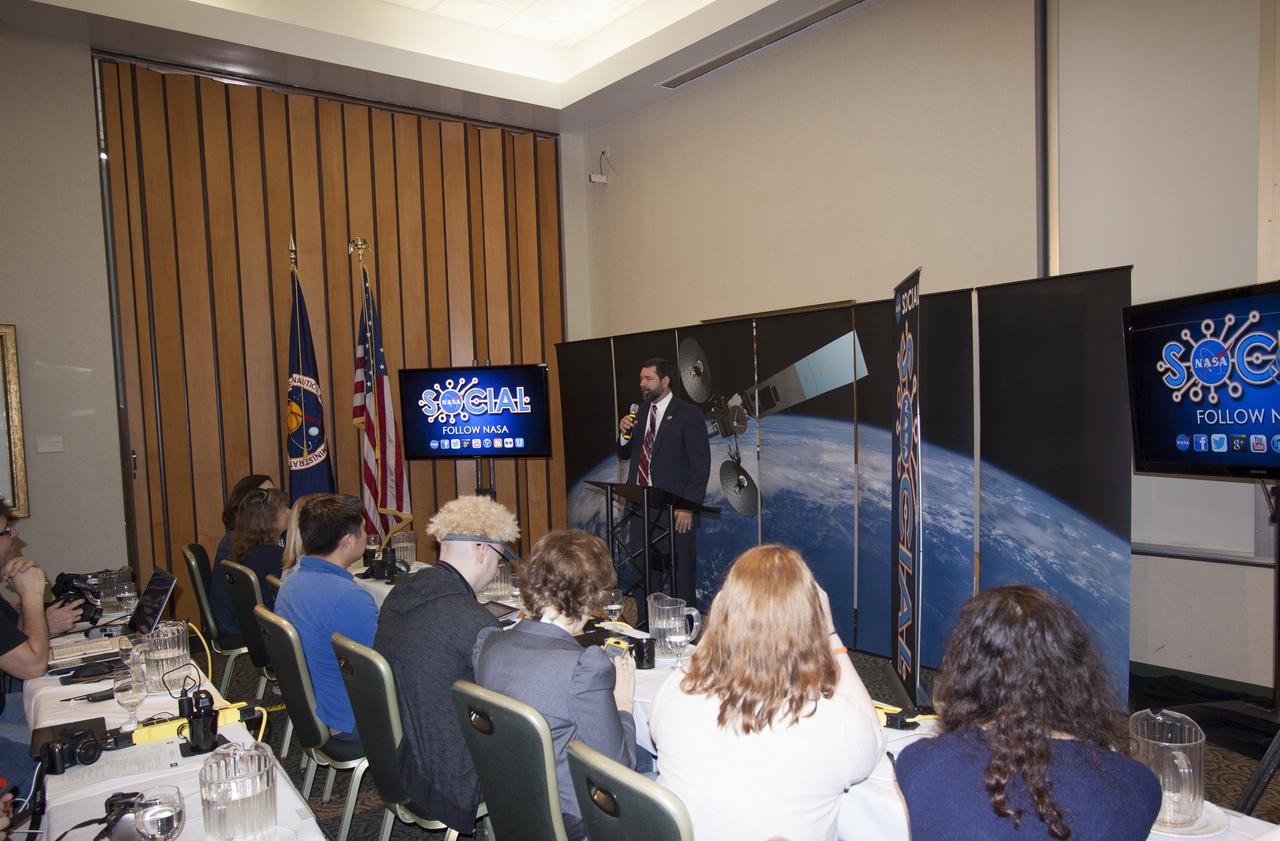
CAPE CANAVERAL, Fla. -- At NASA's Kennedy Space Center in Florida, Greg Williams, deputy associate administrator of NASA's Human Exploration and Operations Mission Directorate, addresses agency social media followers on the first day of activities of a NASA Social revolving around NASA's Tracking and Data Relay Satellite-K mission. NASA Socials are in-person meetings for people who engage with the agency through Twitter, Facebook, Google+ and other social networks. The satellite, known as TDRS-K, is set to launch at 8:48 p.m. EST on Jan. 30 aboard a United Launch Alliance Atlas V rocket from Space Launch Complex 41 on nearby Cape Canaveral Air Force Station. About 50 followers were selected to participate in the TDRS-K prelaunch and launch activities and share them with their own fan base. The TDRS-K spacecraft is part of the next-generation series in the Tracking and Data Relay Satellite System, a constellation of space-based communication satellites providing tracking, telemetry, command and high-bandwidth data return services. For more information, visit http://www.nasa.gov/mission_pages/tdrs/index.html. Photo credit: NASA/Jim Grossmann
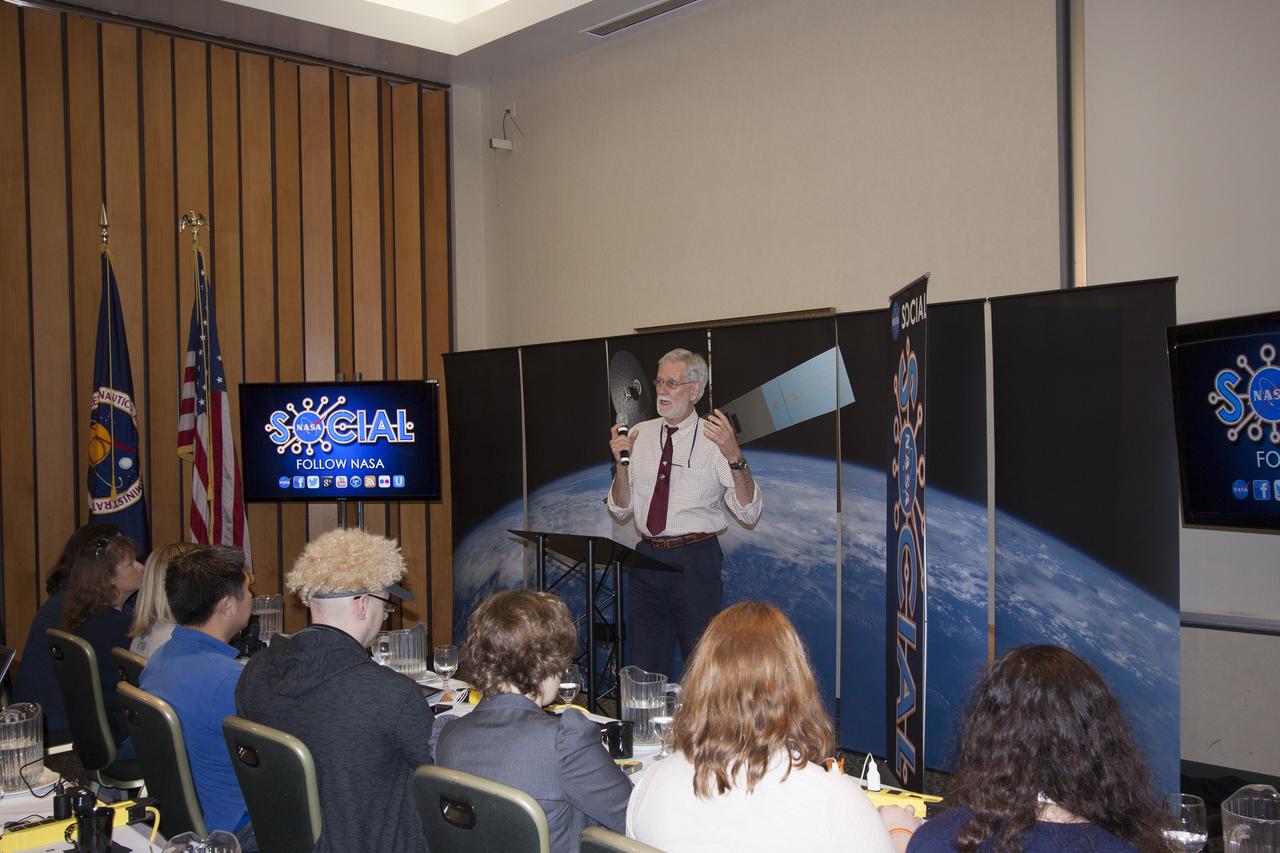
CAPE CANAVERAL, Fla. -- At NASA's Kennedy Space Center in Florida, Dr. Compton Tucker, senior scientist from NASA's Goddard Space Flight Center, addresses agency social media followers on the first day of activities of a NASA Social revolving around NASA's Tracking and Data Relay Satellite-K mission. NASA Socials are in-person meetings for people who engage with the agency through Twitter, Facebook, Google+ and other social networks. The satellite, known as TDRS-K, is set to launch at 8:48 p.m. EST on Jan. 30 aboard a United Launch Alliance Atlas V rocket from Space Launch Complex 41 on nearby Cape Canaveral Air Force Station. About 50 followers were selected to participate in the TDRS-K prelaunch and launch activities and share them with their own fan base. The TDRS-K spacecraft is part of the next-generation series in the Tracking and Data Relay Satellite System, a constellation of space-based communication satellites providing tracking, telemetry, command and high-bandwidth data return services. For more information, visit http://www.nasa.gov/mission_pages/tdrs/index.html. Photo credit: NASA/Jim Grossmann
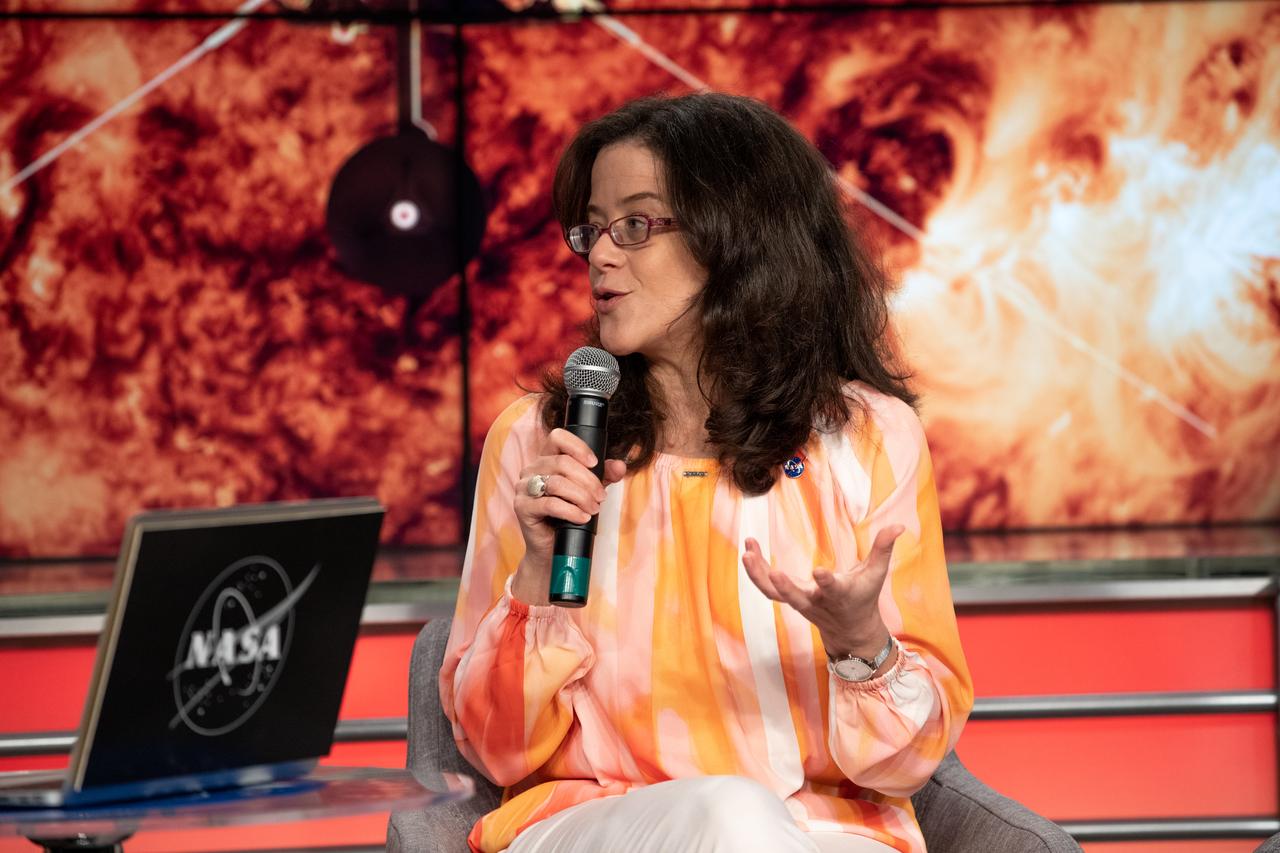
Teresa Nieves-chinchilla, deputy project scientist at NASA’s Goddard Space Flight Center in Greenbelt, Maryland, participates in a Spanish Facebook Live event for the Solar Orbiter mission in the Press Site auditorium at the agency’s Kennedy Space Center in Florida on Jan. 29, 2020. Solar Orbiter is an international cooperative mission between ESA (European Space Agency) and NASA. The mission aims to study the Sun, its outer atmosphere and solar wind. The spacecraft will provide the first images of the Sun’s poles. NASA’s Launch Services Program based at Kennedy is managing the launch. The spacecraft has been developed by Airbus Defence and Space. Solar Orbiter will launch in February 2020 aboard a United Launch Alliance Atlas V rocket from Space Launch Complex 41 at Cape Canaveral Air Force Station in Florida.

Ana Leon, Solar Orbiter contamination control architect with Airbus Defence and Space, participates in a Spanish Facebook Live event for the Solar Orbiter mission in the Press Site auditorium at NASA’s Kennedy Space Center in Florida on Jan. 29, 2020. Solar Orbiter is an international cooperative mission between ESA (European Space Agency) and NASA. The mission aims to study the Sun, its outer atmosphere and solar wind. The spacecraft will provide the first images of the Sun’s poles. NASA’s Launch Services Program based at Kennedy is managing the launch. The spacecraft has been developed by Airbus Defence and Space. Solar Orbiter will launch in February 2020 aboard a United Launch Alliance Atlas V rocket from Space Launch Complex 41 at Cape Canaveral Air Force Station in Florida.
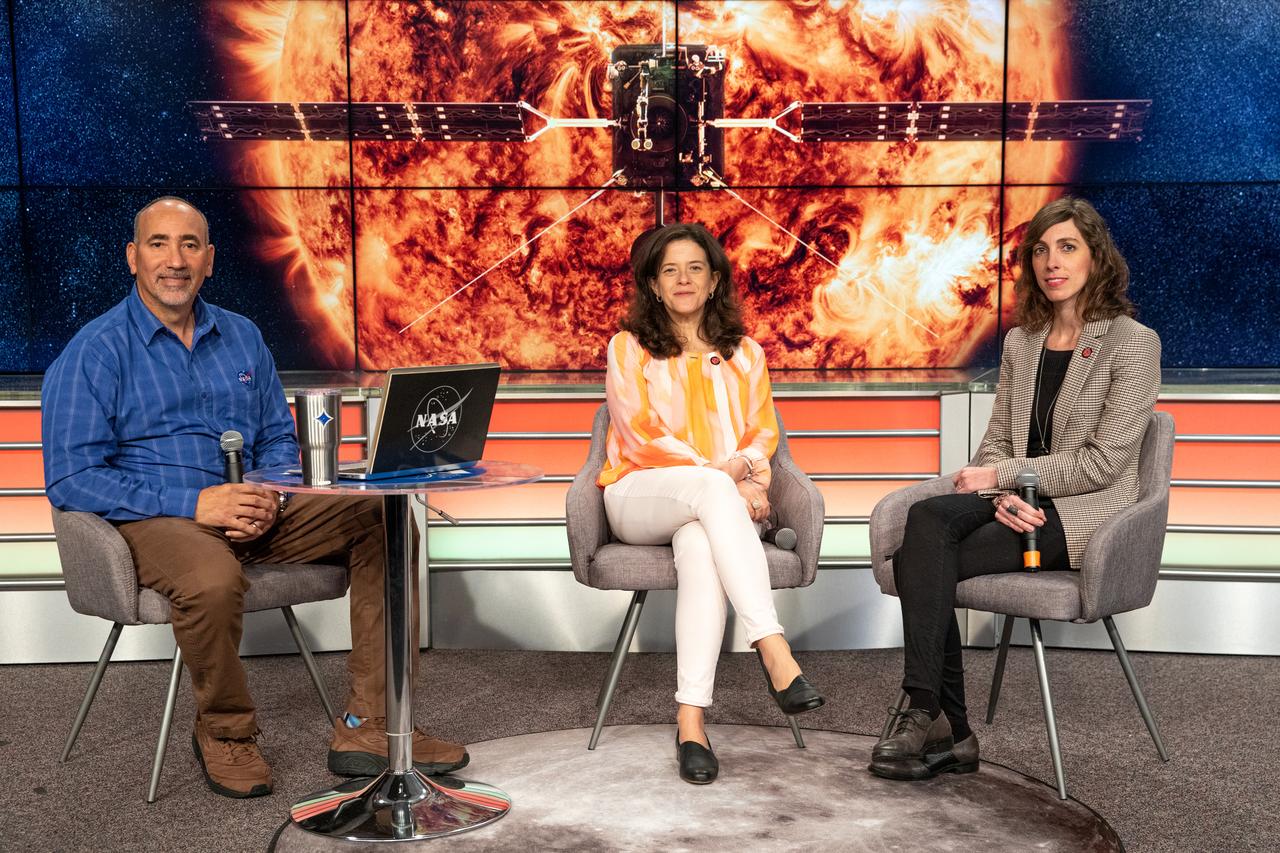
At left, Albert Sierra, Launch Services Program, moderates a Spanish Facebook Live event for the Solar Orbiter mission, with Teresa Nieves-chinchilla, deputy project scientist at NASA’s Goddard Space Flight Center in Greenbelt, Maryland, and Ana Leon, Solar Orbiter contamination control architect with Airbus Defence and Space. The event was held in the Press Site auditorium at the agency’s Kennedy Space Center in Florida on Jan. 29, 2020. Solar Orbiter is an international cooperative mission between ESA (European Space Agency) and NASA. The mission aims to study the Sun, its outer atmosphere and solar wind. The spacecraft will provide the first images of the Sun’s poles. NASA’s Launch Services Program based at Kennedy is managing the launch. The spacecraft has been developed by Airbus Defence and Space. Solar Orbiter will launch in February 2020 aboard a United Launch Alliance Atlas V rocket from Space Launch Complex 41 at Cape Canaveral Air Force Station in Florida.
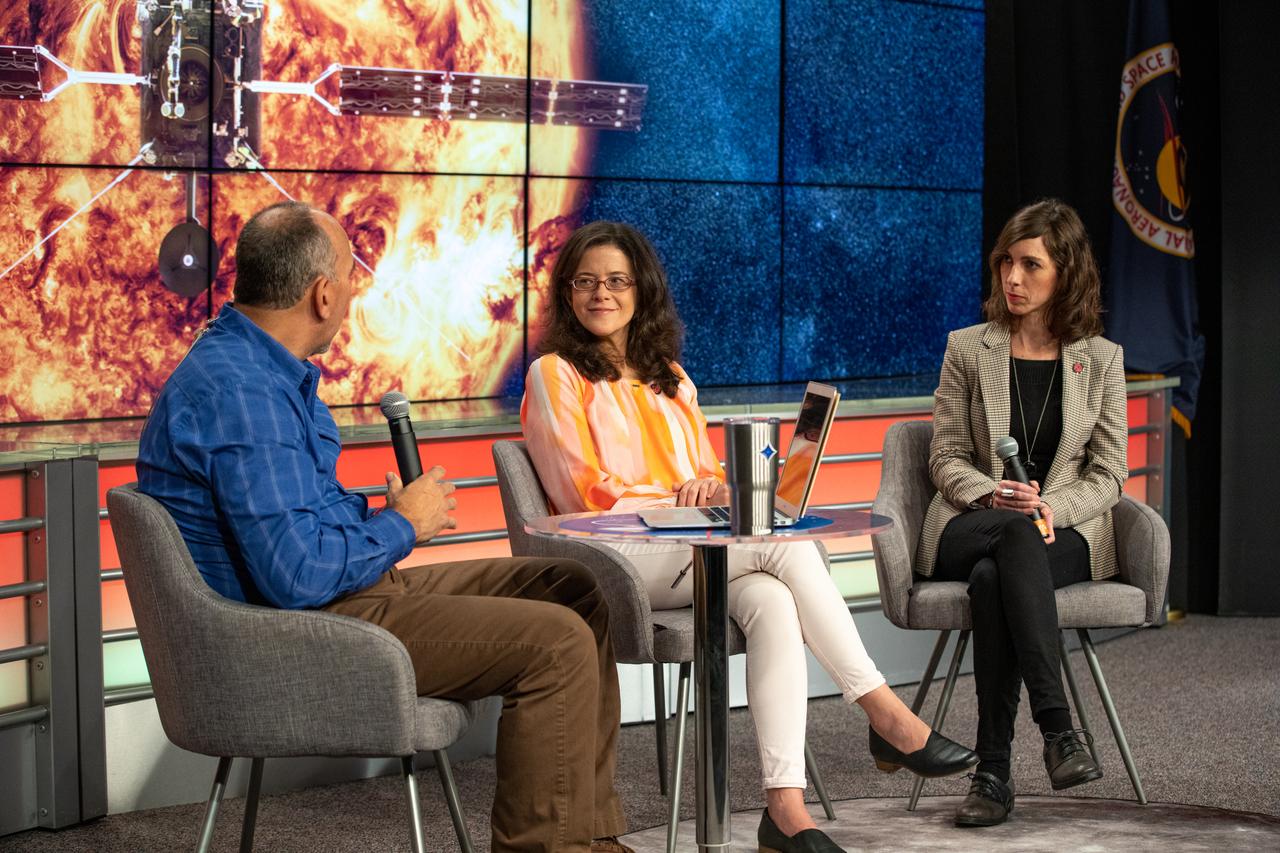
At left, Albert Sierra, Launch Services Program, moderates a Spanish Facebook Live event for the Solar Orbiter mission, with Teresa Nieves-chinchilla, deputy project scientist at NASA’s Goddard Space Flight Center in Greenbelt, Maryland, and Ana Leon, Solar Orbiter contamination control architect with Airbus Defence and Space. The event was held in the Press Site auditorium at the agency’s Kennedy Space Center in Florida on Jan. 29, 2020. Solar Orbiter is an international cooperative mission between ESA (European Space Agency) and NASA. The mission aims to study the Sun, its outer atmosphere and solar wind. The spacecraft will provide the first images of the Sun’s poles. NASA’s Launch Services Program based at Kennedy is managing the launch. The spacecraft has been developed by Airbus Defence and Space. Solar Orbiter will launch in February 2020 aboard a United Launch Alliance Atlas V rocket from Space Launch Complex 41 at Cape Canaveral Air Force Station in Florida.

NASA astronaut Nicole Mann participates in a NASA Social Facebook Live briefing inside the Press Site auditorium on May 26, 2020, at the agency’s Kennedy Space Center in Florida ahead of NASA’s SpaceX Demo-2 launch, slated for Wednesday, May 27. A SpaceX Falcon 9 rocket and Crew Dragon spacecraft are scheduled to lift off from Kennedy’s Launch Complex 39A, carrying NASA astronauts Robert Behnken and Douglas Hurley to the International Space Station. This will mark the first launch of astronauts from U.S. soil to the space station since the conclusion of the Space Shuttle Program in 2011. Part of the agency’s Commercial Crew Program, this will be SpaceX’s final flight test, paving the way for NASA to certify the crew transportation system for regular, crewed flights to the orbiting laboratory. Liftoff is scheduled for 4:33 p.m. EDT.
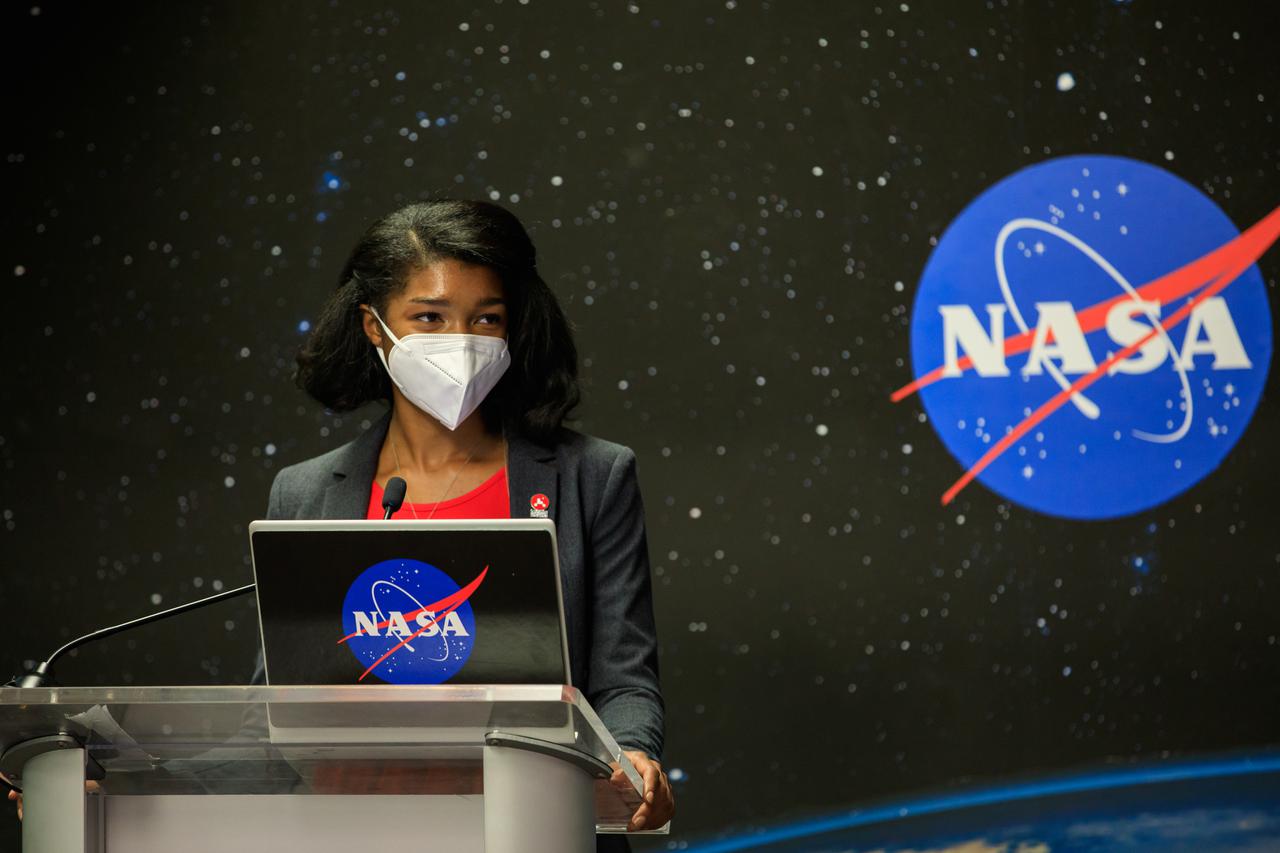
NASA Communications’ Jasmine Hopkins moderates a Mars 2020 Facebook live event inside the Press Site auditorium at NASA’s Kennedy Space Center in Florida on Feb. 12, 2021. Participants included United Launch Alliance (ULA) Launch Conductor Dillon Rice and NASA’s Launch Services Program (LSP) Launch Director Tim Dunn. During the event, Rice and Dunn discussed the partnership between ULA and LSP, as well as major milestones that led to the Mars 2020 launch, and how launches to Mars have changed over time. NASA’s Mars Perseverance rover lifted off from Cape Canaveral Space Force Station’s Space Launch Complex 41 on July 30, 2020, and is slated to touch down on the Red Planet Feb. 18, 2021.
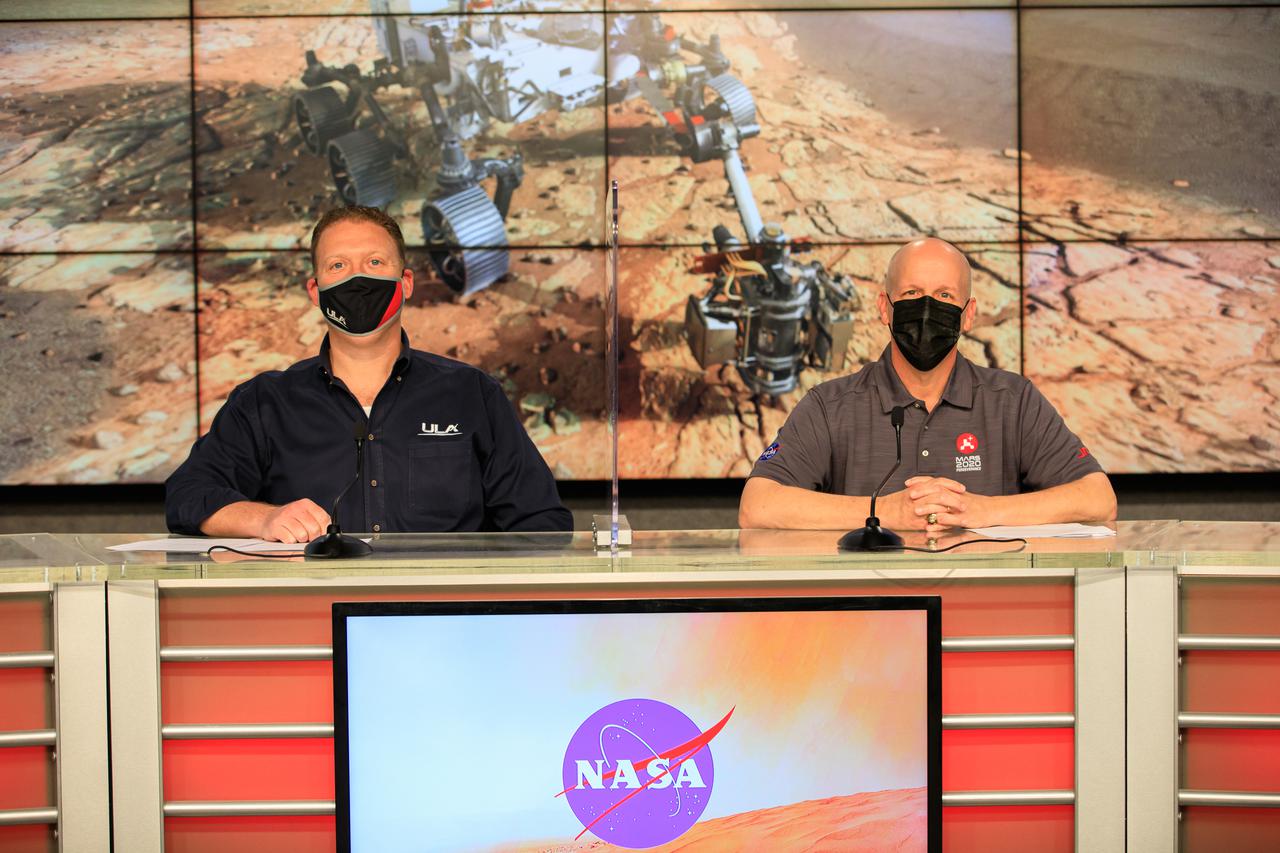
United Launch Alliance (ULA) Launch Conductor Dillon Rice, left, and NASA’s Launch Services Program (LSP) Launch Director Tim Dunn participate in a Mars 2020 Facebook live event inside the Press Site auditorium at NASA’s Kennedy Space Center in Florida on Feb. 12, 2021. During the event, Rice and Dunn discussed the partnership between ULA and LSP, as well as major milestones that led to the Mars 2020 launch, and how launches to Mars have changed over time. NASA’s Mars Perseverance rover lifted off from Cape Canaveral Space Force Station’s Space Launch Complex 41 on July 30, 2020, and is slated to touch down on the Red Planet Feb. 18, 2021.
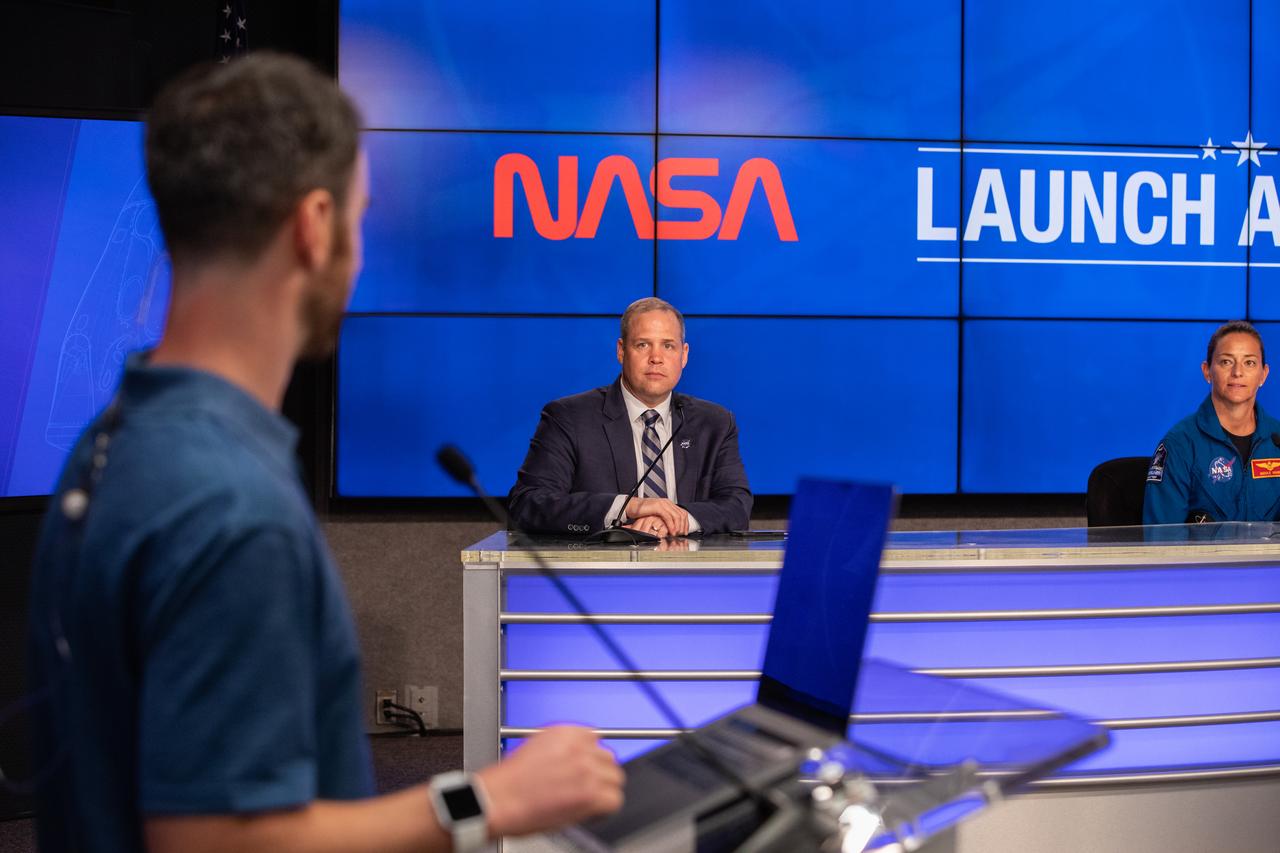
NASA Administrator Jim Bridenstine (left) and astronaut Nicole Mann (right) participate in a NASA Social Facebook Live briefing inside the Press Site auditorium on May 26, 2020, at the agency’s Kennedy Space Center in Florida ahead of NASA’s SpaceX Demo-2 launch, slated for Wednesday, May 27. Moderating the briefing is NASA Communications’ Joshua Santora. A SpaceX Falcon 9 rocket and Crew Dragon spacecraft are scheduled to lift off from Kennedy’s Launch Complex 39A, carrying NASA astronauts Robert Behnken and Douglas Hurley to the International Space Station. This will mark the first launch of astronauts from U.S. soil to the space station since the conclusion of the Space Shuttle Program in 2011. Part of the agency’s Commercial Crew Program, this will be SpaceX’s final flight test, paving the way for NASA to certify the crew transportation system for regular, crewed flights to the orbiting laboratory. Liftoff is scheduled for 4:33 p.m. EDT.
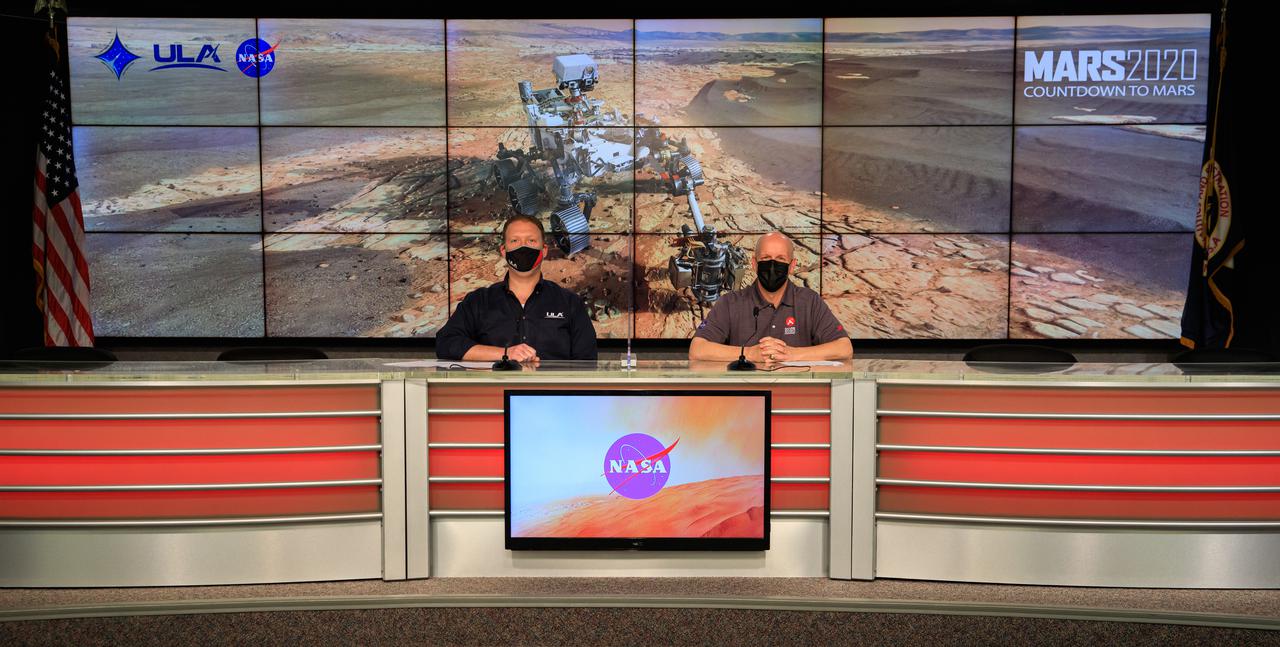
United Launch Alliance (ULA) Launch Conductor Dillon Rice, left, and NASA’s Launch Services Program (LSP) Launch Director Tim Dunn participate in a Mars 2020 Facebook live event inside the Press Site auditorium at NASA’s Kennedy Space Center in Florida on Feb. 12, 2021. During the event, Rice and Dunn discussed the partnership between ULA and LSP, as well as major milestones that led to the Mars 2020 launch, and how launches to Mars have changed over time. NASA’s Mars Perseverance rover lifted off from Cape Canaveral Space Force Station’s Space Launch Complex 41 on July 30, 2020, and is slated to touch down on the Red Planet Feb. 18, 2021.
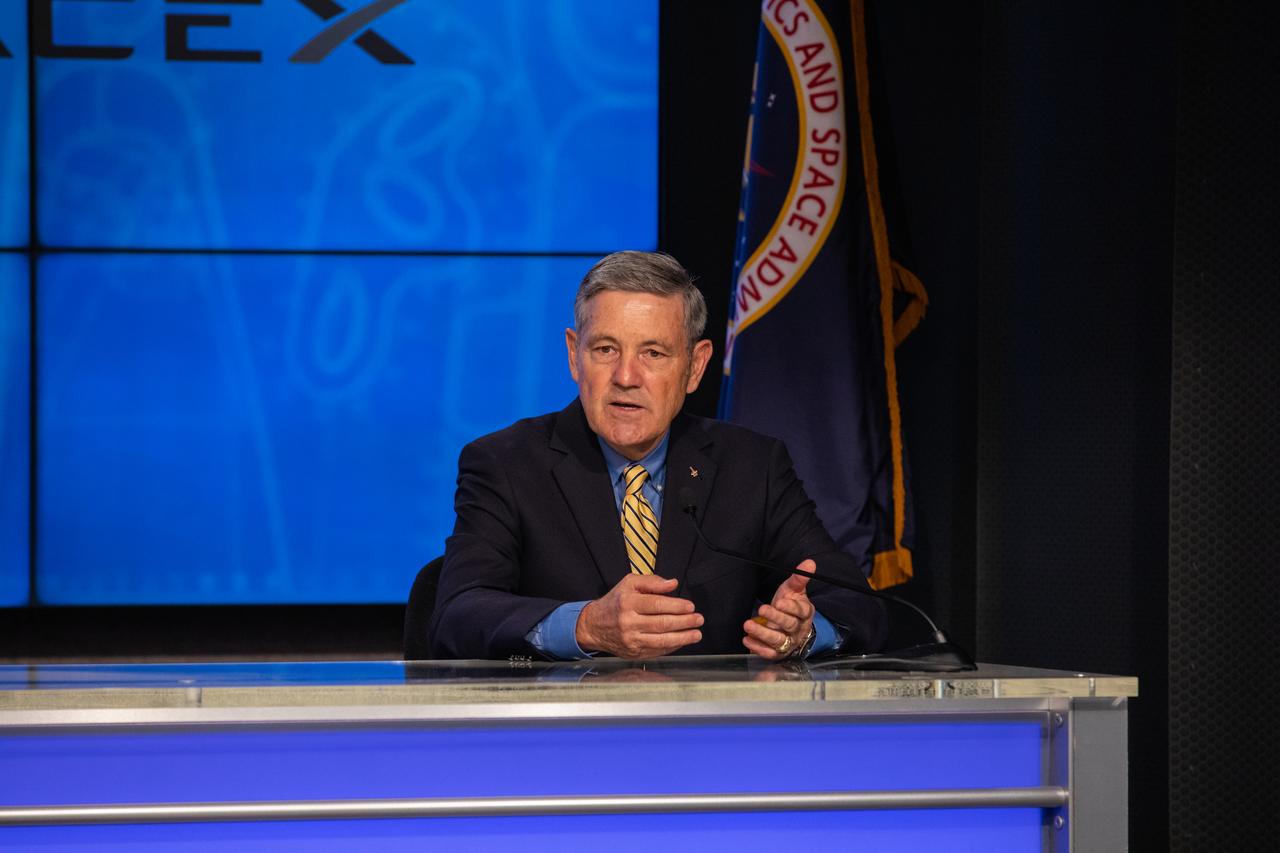
Kennedy Space Center Director Bob Cabana participates in a NASA Social Facebook Live briefing inside the Press Site auditorium on May 26, 2020, at Kennedy ahead of NASA’s SpaceX Demo-2 launch, slated for Wednesday, May 27. A SpaceX Falcon 9 rocket and Crew Dragon spacecraft are scheduled to lift off from Kennedy’s Launch Complex 39A, carrying NASA astronauts Robert Behnken and Douglas Hurley to the International Space Station. This will mark the first launch of astronauts from U.S. soil to the space station since the conclusion of the Space Shuttle Program in 2011. Part of the agency’s Commercial Crew Program, this will be SpaceX’s final flight test, paving the way for NASA to certify the crew transportation system for regular, crewed flights to the orbiting laboratory. Liftoff is scheduled for 4:33 p.m. EDT.
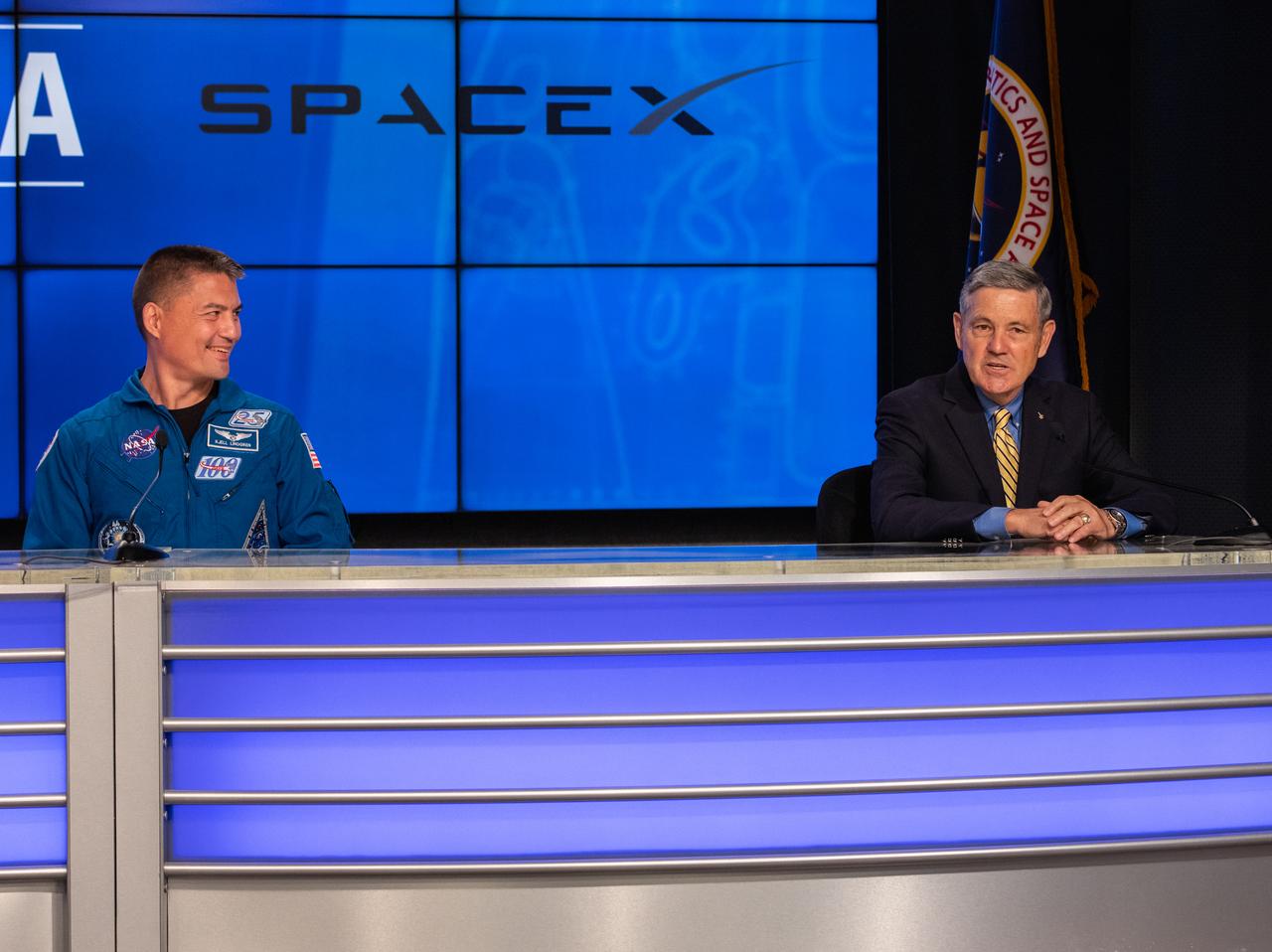
NASA astronaut Kjell Lindgren (left) and Kennedy Space Center Director Bob Cabana participate in a NASA Social Facebook Live briefing inside the Press Site auditorium on May 26, 2020, at Kennedy ahead of NASA’s SpaceX Demo-2 launch, slated for Wednesday, May 27. A SpaceX Falcon 9 rocket and Crew Dragon spacecraft are scheduled to lift off from Kennedy’s Launch Complex 39A, carrying NASA astronauts Robert Behnken and Douglas Hurley to the International Space Station. This will mark the first launch of astronauts from U.S. soil to the space station since the conclusion of the Space Shuttle Program in 2011. Part of the agency’s Commercial Crew Program, this will be SpaceX’s final flight test, paving the way for NASA to certify the crew transportation system for regular, crewed flights to the orbiting laboratory. Liftoff is scheduled for 4:33 p.m. EDT.

United Launch Alliance (ULA) Launch Conductor Dillon Rice participates in a Mars 2020 Facebook live event inside the Press Site auditorium at NASA’s Kennedy Space Center in Florida on Feb. 12, 2021. During the event, Rice and Tim Dunn, launch director for NASA’s Launch Services Program (LSP), discussed the partnership between ULA and LSP, as well as major milestones that led to the Mars 2020 launch, and how launches to Mars have changed over time. NASA’s Mars Perseverance rover lifted off from Cape Canaveral Space Force Station’s Space Launch Complex 41 on July 30, 2020, and is slated to touch down on the Red Planet Feb. 18, 2021.
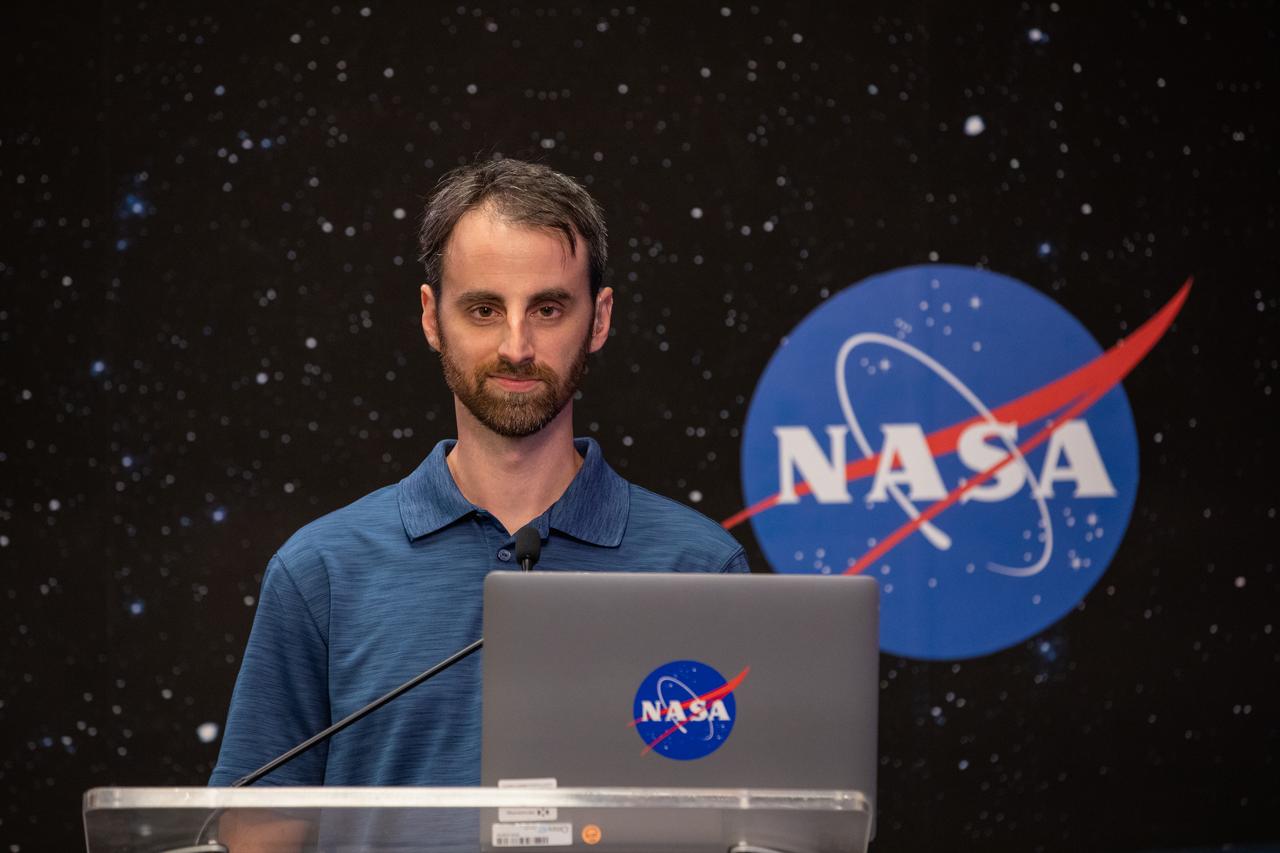
Joshua Santora, with NASA Communications, moderates a NASA Social Facebook Live briefing inside the Press Site auditorium on May 26, 2020, at the agency’s Kennedy Space Center in Florida ahead of NASA’s SpaceX Demo-2 launch, slated for Wednesday, May 27. A SpaceX Falcon 9 rocket and Crew Dragon spacecraft are scheduled to lift off from Kennedy’s Launch Complex 39A, carrying NASA astronauts Robert Behnken and Douglas Hurley to the International Space Station. This will mark the first launch of astronauts from U.S. soil to the space station since the conclusion of the Space Shuttle Program in 2011. Part of the agency’s Commercial Crew Program, this will be SpaceX’s final flight test, paving the way for NASA to certify the crew transportation system for regular, crewed flights to the orbiting laboratory. Liftoff is scheduled for 4:33 p.m. EDT.

NASA Administrator Jim Bridenstine participates in a NASA Social Facebook Live briefing inside the Press Site auditorium on May 26, 2020, at the agency’s Kennedy Space Center in Florida ahead of NASA’s SpaceX Demo-2 launch, slated for Wednesday, May 27. A SpaceX Falcon 9 rocket and Crew Dragon spacecraft are scheduled to lift off from Kennedy’s Launch Complex 39A, carrying NASA astronauts Robert Behnken and Douglas Hurley to the International Space Station. This will mark the first launch of astronauts from U.S. soil to the space station since the conclusion of the Space Shuttle Program in 2011. Part of the agency’s Commercial Crew Program, this will be SpaceX’s final flight test, paving the way for NASA to certify the crew transportation system for regular, crewed flights to the orbiting laboratory. Liftoff is scheduled for 4:33 p.m. EDT.
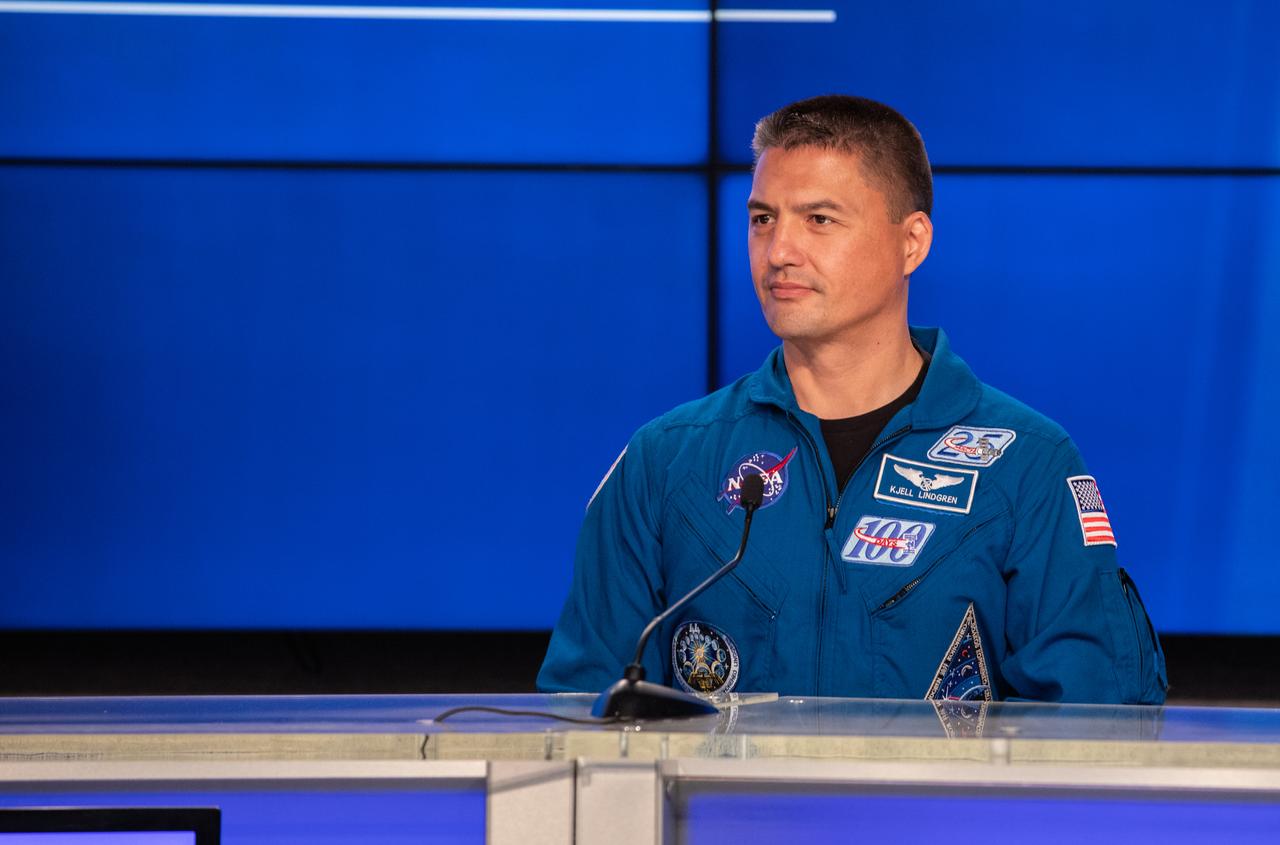
NASA astronaut Kjell Lindgren participates in a NASA Social Facebook Live briefing inside the Press Site auditorium on May 26, 2020, at the agency’s Kennedy Space Center in Florida ahead of NASA’s SpaceX Demo-2 launch, slated for Wednesday, May 27. A SpaceX Falcon 9 rocket and Crew Dragon spacecraft are scheduled to lift off from Kennedy’s Launch Complex 39A, carrying NASA astronauts Robert Behnken and Douglas Hurley to the International Space Station. This will mark the first launch of astronauts from U.S. soil to the space station since the conclusion of the Space Shuttle Program in 2011. Part of the agency’s Commercial Crew Program, this will be SpaceX’s final flight test, paving the way for NASA to certify the crew transportation system for regular, crewed flights to the orbiting laboratory. Liftoff is scheduled for 4:33 p.m. EDT.
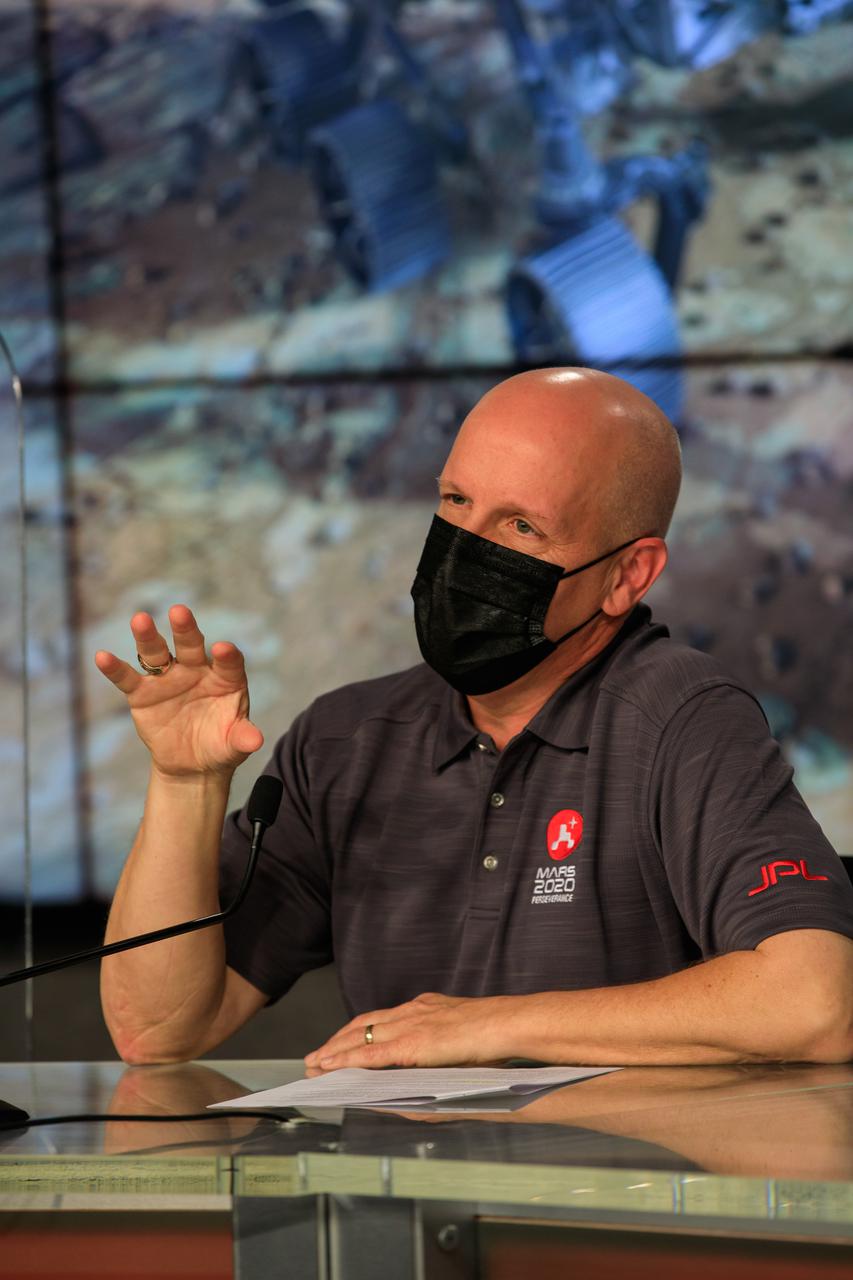
NASA’s Launch Services Program (LSP) Launch Director Tim Dunn participates in a Mars 2020 Facebook live event inside the Press Site auditorium at NASA’s Kennedy Space Center in Florida on Feb. 12, 2021. During the event, Dunn and Dillon Rice, launch conductor for United Launch Alliance (ULA), discussed the partnership between ULA and LSP, as well as major milestones that led to the Mars 2020 launch, and how launches to Mars have changed over time. NASA’s Mars Perseverance rover lifted off from Cape Canaveral Space Force Station’s Space Launch Complex 41 on July 30, 2020, and is slated to touch down on the Red Planet Feb. 18, 2021.
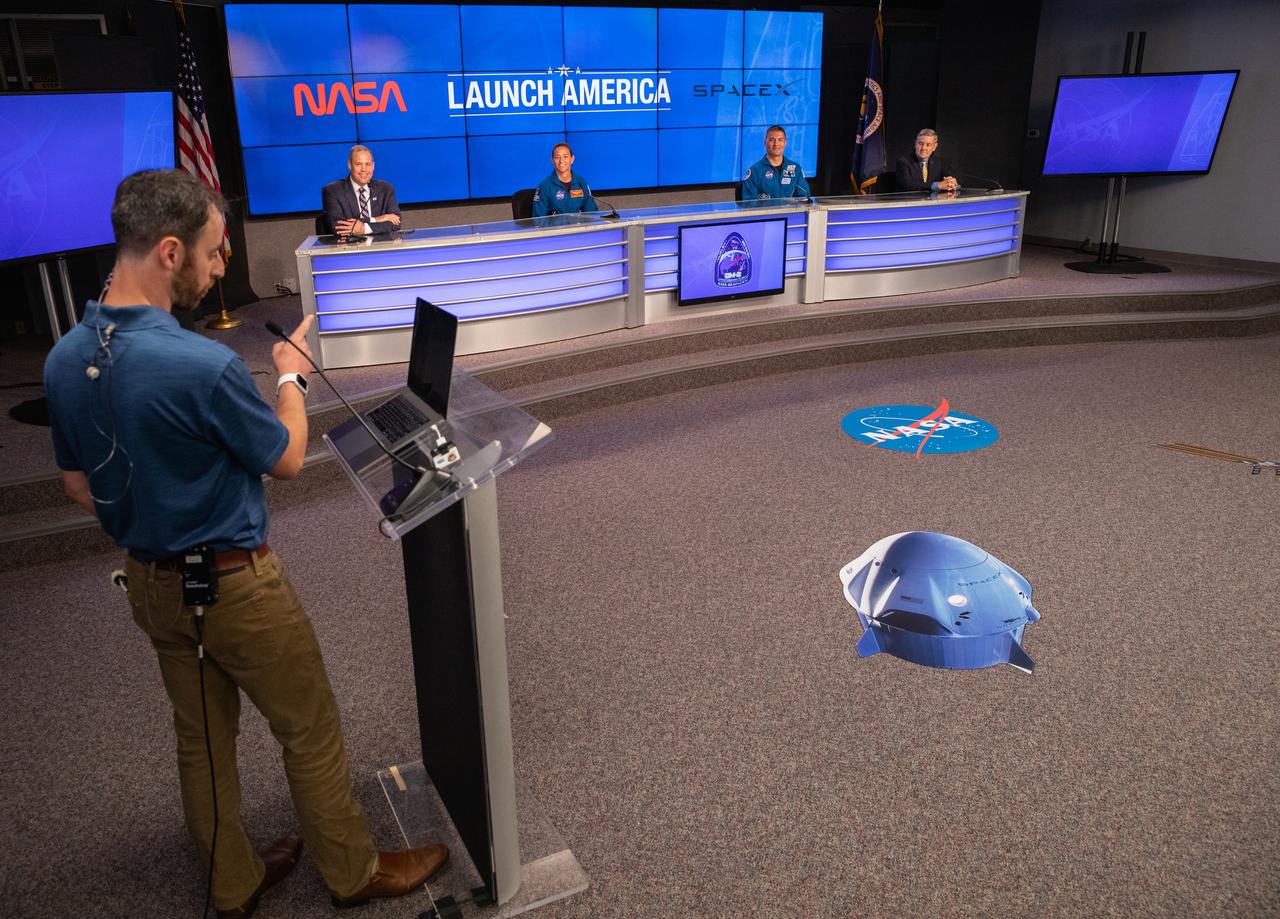
Joshua Santora, with NASA Communications, moderates a NASA Social Facebook Live briefing inside the Press Site auditorium on May 26, 2020, at the agency’s Kennedy Space Center in Florida ahead of NASA’s SpaceX Demo-2 launch. At the counter, from left are NASA Administrator Jim Bridenstine, NASA astronauts Nicole Mann and Kjell Lindgren, and Kennedy Space Center Director Bob Cabana. A SpaceX Falcon 9 rocket and Crew Dragon spacecraft are scheduled to lift off from historic Launch Complex 39A on Wednesday, May 27, carrying NASA astronauts Robert Behnken and Douglas Hurley to the International Space Station. This will mark the first launch of astronauts from U.S. soil to the space station since the conclusion of the Space Shuttle Program in 2011. Part of the agency’s Commercial Crew Program, this will be SpaceX’s final flight test, paving the way for NASA to certify the crew transportation system for regular, crewed flights to the orbiting laboratory. Liftoff is scheduled for 4:33 p.m. EDT.

NASA Astronaut Kate Rubins participates in a Facebook Live, answering questions about her time onboard the International Space Station during Expeditions 48 and 49, Thursday, April 27, 2017 at Smithsonian's National Air and Space Museum in Washington. Rubins became the first person to sequence DNA in space and completed her first mission when she landed in a remote area near the town of Zhezkazgan, Kazakhstan in October 2016. Photo Credit: (NASA/Aubrey Gemignani)
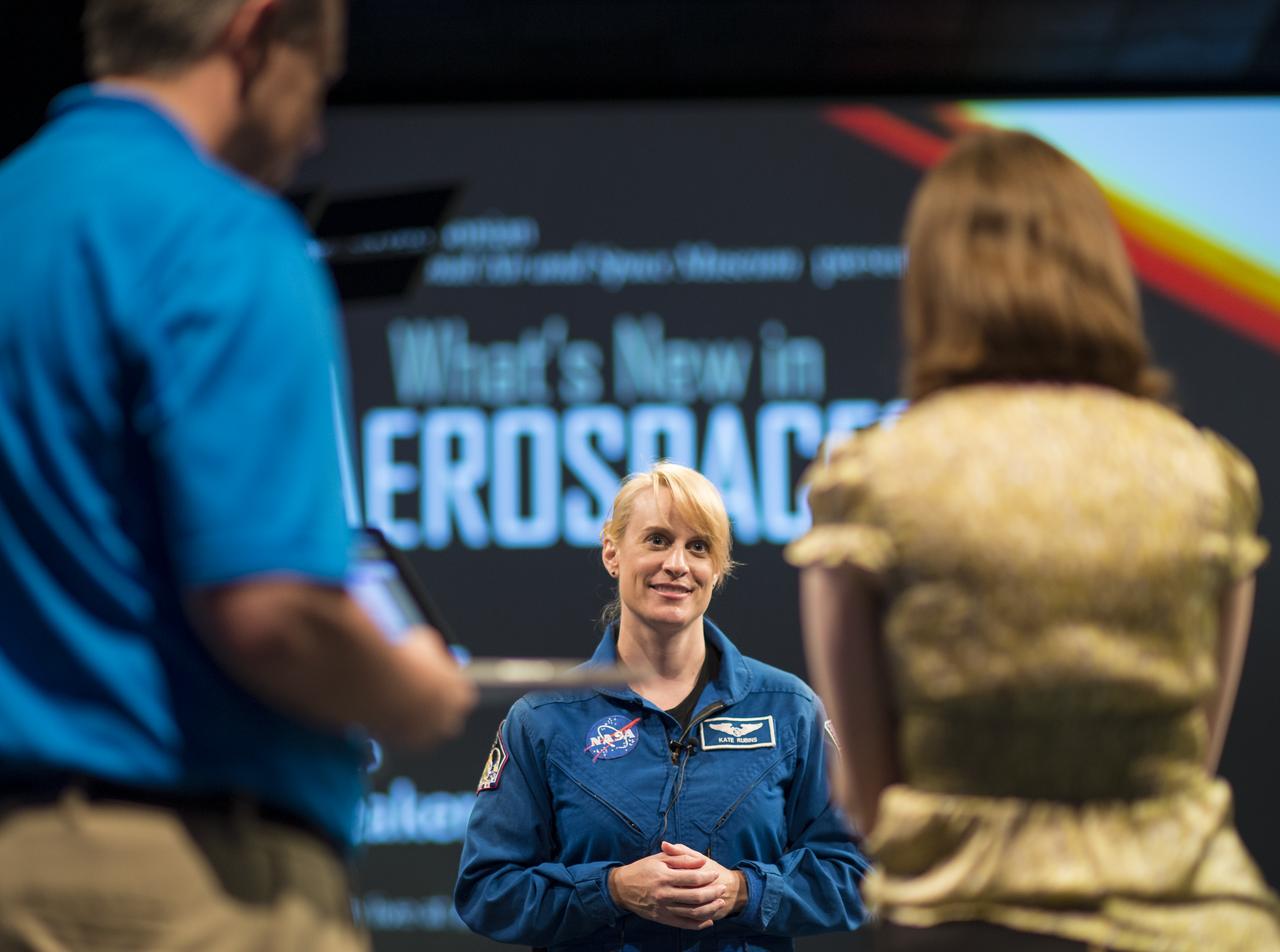
NASA Astronaut Kate Rubins participates in a Facebook Live, answering questions about her time onboard the International Space Station during Expeditions 48 and 49, Thursday, April 27, 2017 at Smithsonian's National Air and Space Museum in Washington. Rubins became the first person to sequence DNA in space and completed her first mission when she landed in a remote area near the town of Zhezkazgan, Kazakhstan in October 2016. Photo Credit: (NASA/Aubrey Gemignani)

NASA Associate Administrator Bob Cabana participates in a NASA Social Live event at the agency’s Kennedy Space Center in Florida on Oct. 29, in advance of NASA’s SpaceX Crew-3 mission to the International Space Station as part of NASA’s Commercial Crew Program. Launch is currently targeted for 2:21 a.m. EDT Sunday, Oct. 31. The SpaceX Dragon spacecraft, named Endurance by the Crew-3 astronauts, will launch on a Falcon 9 rocket from Launch Complex 39A at Kennedy Space Center. The Crew-3 flight will carry NASA astronauts Raja Chari, mission commander, Tom Marshburn, pilot, and Kayla Barron, mission specialist and ESA (European Space Agency) astronaut Matthias Maurer, also a mission specialist, to the space station for a six-month science mission.

Kennedy Space Center Deputy Director Kelvin Manning participates in a NASA Social Live event at the center in Florida on Oct. 29, in advance of NASA’s SpaceX Crew-3 mission to the International Space Station as part of NASA’s Commercial Crew Program. Launch is currently targeted for 2:21 a.m. EDT Sunday, Oct. 31. The SpaceX Dragon spacecraft, named Endurance by the Crew-3 astronauts, will launch on a Falcon 9 rocket from Launch Complex 39A at Kennedy Space Center. The Crew-3 flight will carry NASA astronauts Raja Chari, mission commander, Tom Marshburn, pilot, and Kayla Barron, mission specialist and ESA (European Space Agency) astronaut Matthias Maurer, also a mission specialist, to the space station for a six-month science mission.
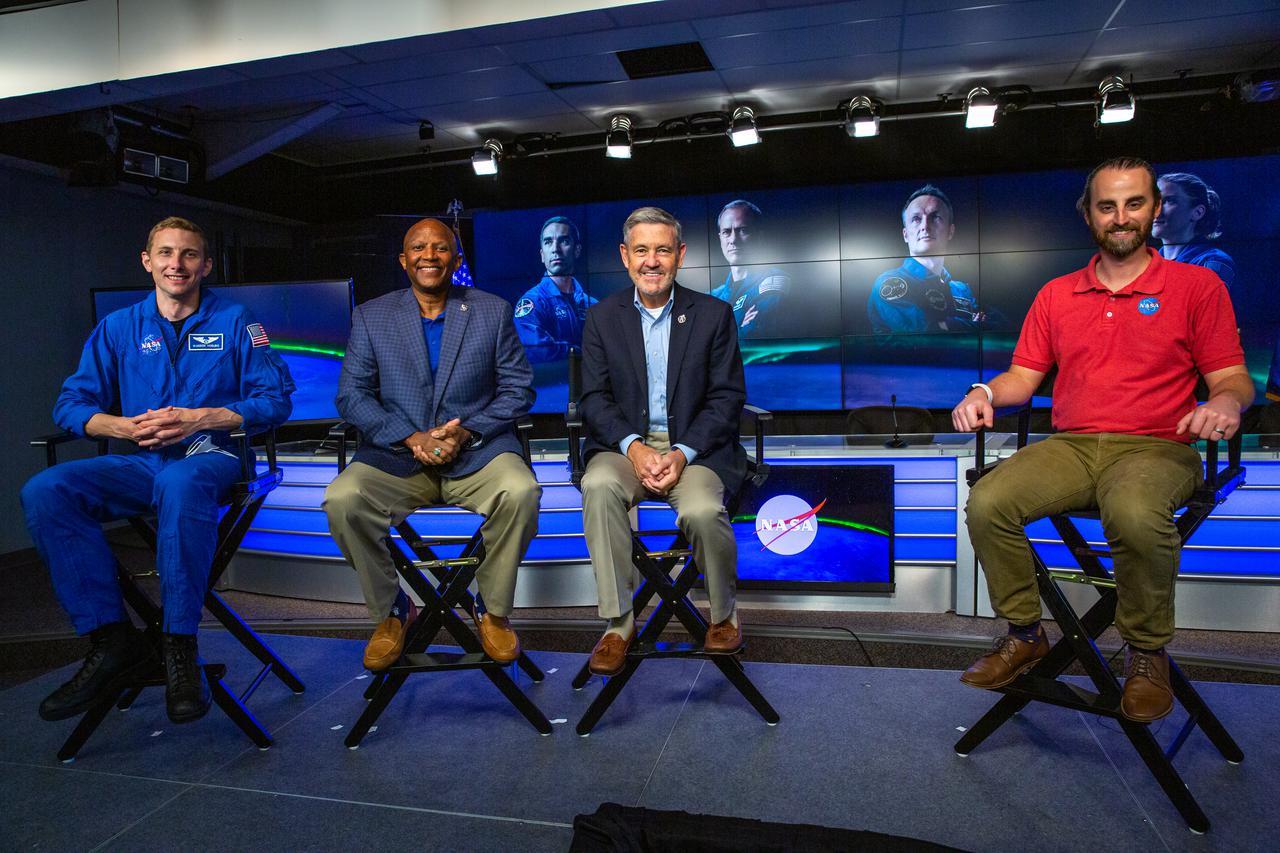
Representatives from NASA participate in a NASA Social Live event at the agency’s Kennedy Space Center in Florida on Oct. 29, in advance of NASA’s SpaceX Crew-3 mission to the International Space Station as part of NASA’s Commercial Crew Program. Participants are, from left, NASA astronaut Woody Hoburg, Kennedy Deputy Director Kelvin Manning, NASA Associate Administrator Bob Cabana, and moderator Joshua Santora, NASA Communications. Launch is currently targeted for 2:21 a.m. EDT Sunday, Oct. 31. The SpaceX Dragon spacecraft, named Endurance by the Crew-3 astronauts, will launch on a Falcon 9 rocket from Launch Complex 39A at Kennedy Space Center. The Crew-3 flight will carry NASA astronauts Raja Chari, mission commander, Tom Marshburn, pilot, and Kayla Barron, mission specialist and ESA (European Space Agency) astronaut Matthias Maurer, also a mission specialist, to the space station for a six-month science mission.
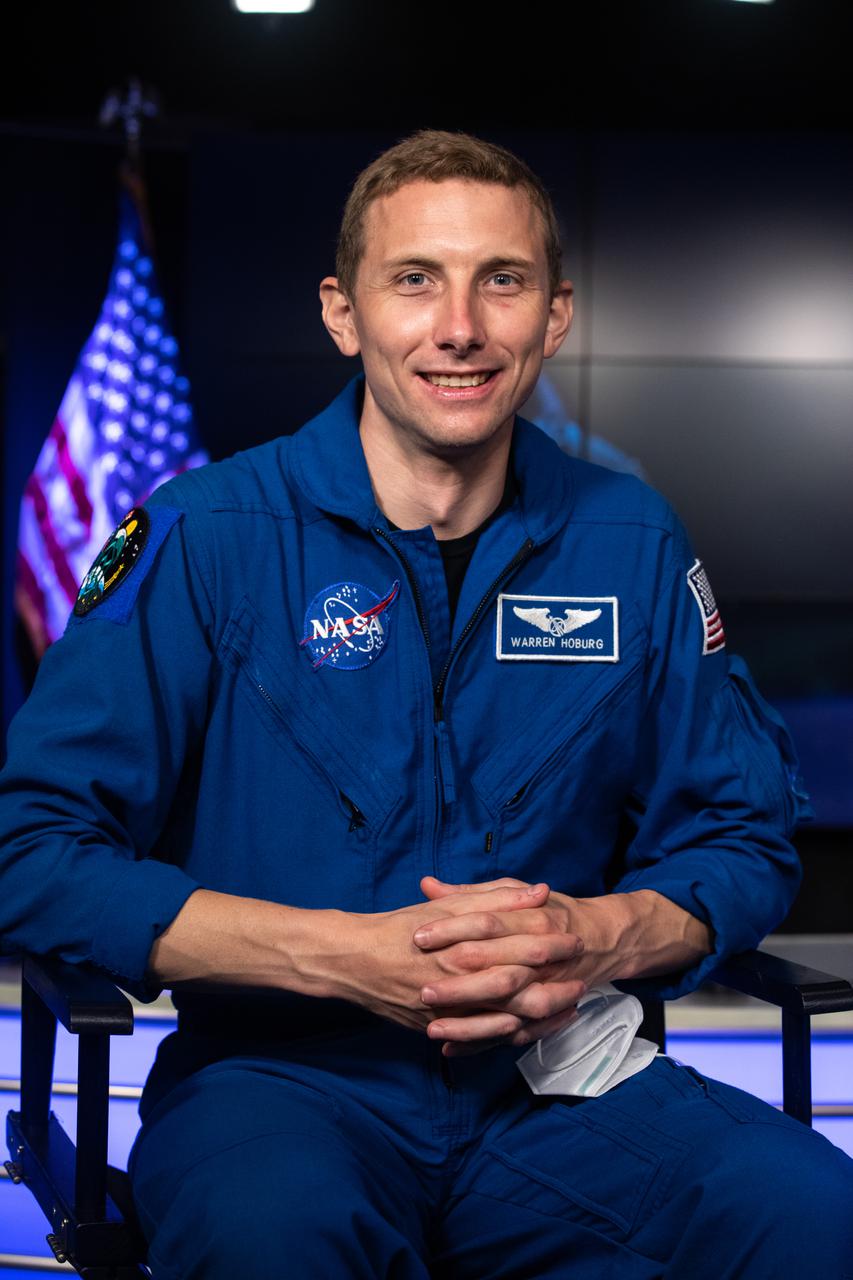
NASA astronaut Woody Hoburg participates in a NASA Social Live event at the agency’s Kennedy Space Center in Florida on Oct. 29, in advance of NASA’s SpaceX Crew-3 mission to the International Space Station as part of NASA’s Commercial Crew Program. Launch is currently targeted for 2:21 a.m. EDT Sunday, Oct. 31. The SpaceX Dragon spacecraft, named Endurance by the Crew-3 astronauts, will launch on a Falcon 9 rocket from Launch Complex 39A at Kennedy Space Center. The Crew-3 flight will carry NASA astronauts Raja Chari, mission commander, Tom Marshburn, pilot, and Kayla Barron, mission specialist and ESA (European Space Agency) astronaut Matthias Maurer, also a mission specialist, to the space station for a six-month science mission.
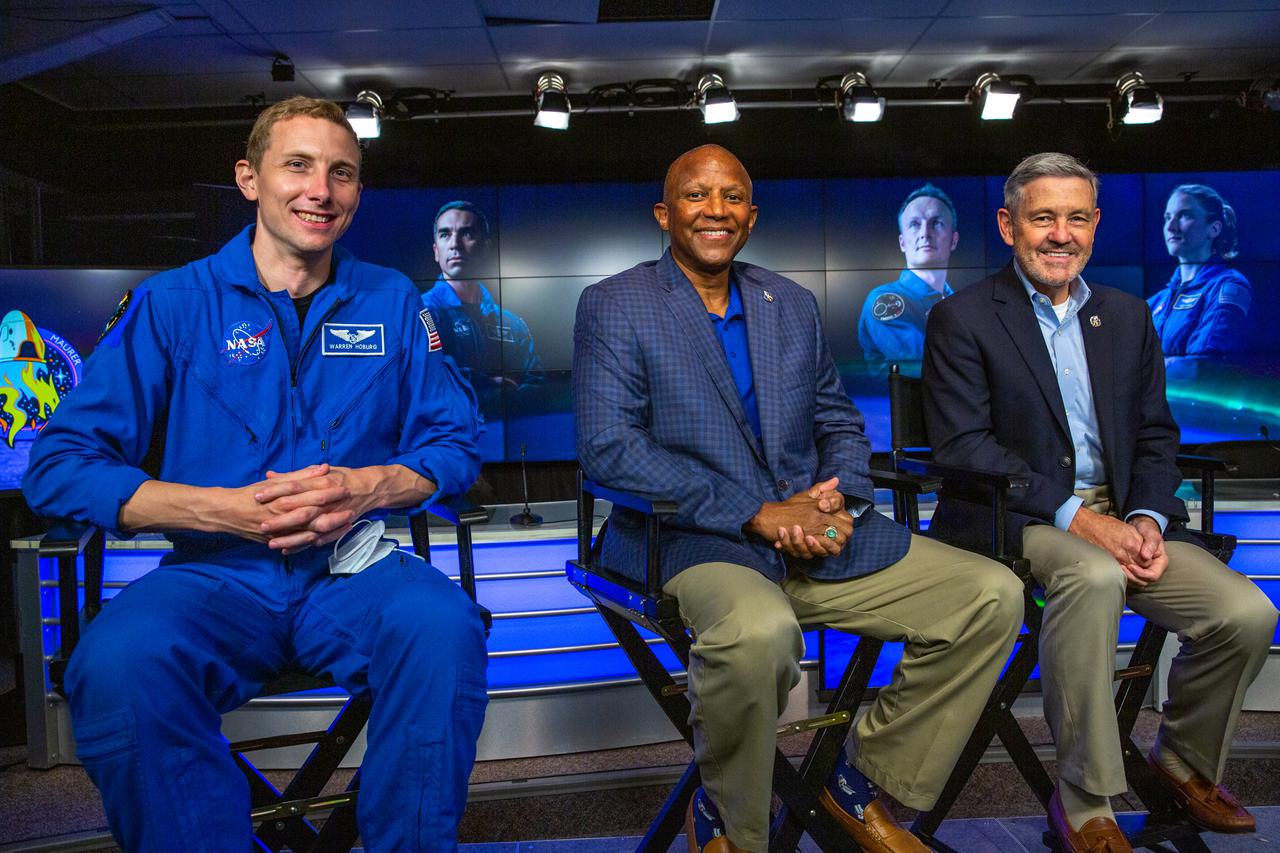
Representatives from NASA participate in a NASA Social Live event at the agency’s Kennedy Space Center in Florida on Oct. 29, in advance of NASA’s SpaceX Crew-3 mission to the International Space Station as part of NASA’s Commercial Crew Program. Participants are, from left, NASA astronaut Woody Hoburg, Kennedy Deputy Director Kelvin Manning, and NASA Associate Administrator Bob Cabana. Launch is currently targeted for 2:21 a.m. EDT Sunday, Oct. 31. The SpaceX Dragon spacecraft, named Endurance by the Crew-3 astronauts, will launch on a Falcon 9 rocket from Launch Complex 39A at Kennedy Space Center. The Crew-3 flight will carry NASA astronauts Raja Chari, mission commander, Tom Marshburn, pilot, and Kayla Barron, mission specialist and ESA (European Space Agency) astronaut Matthias Maurer, also a mission specialist, to the space station for a six-month science mission.
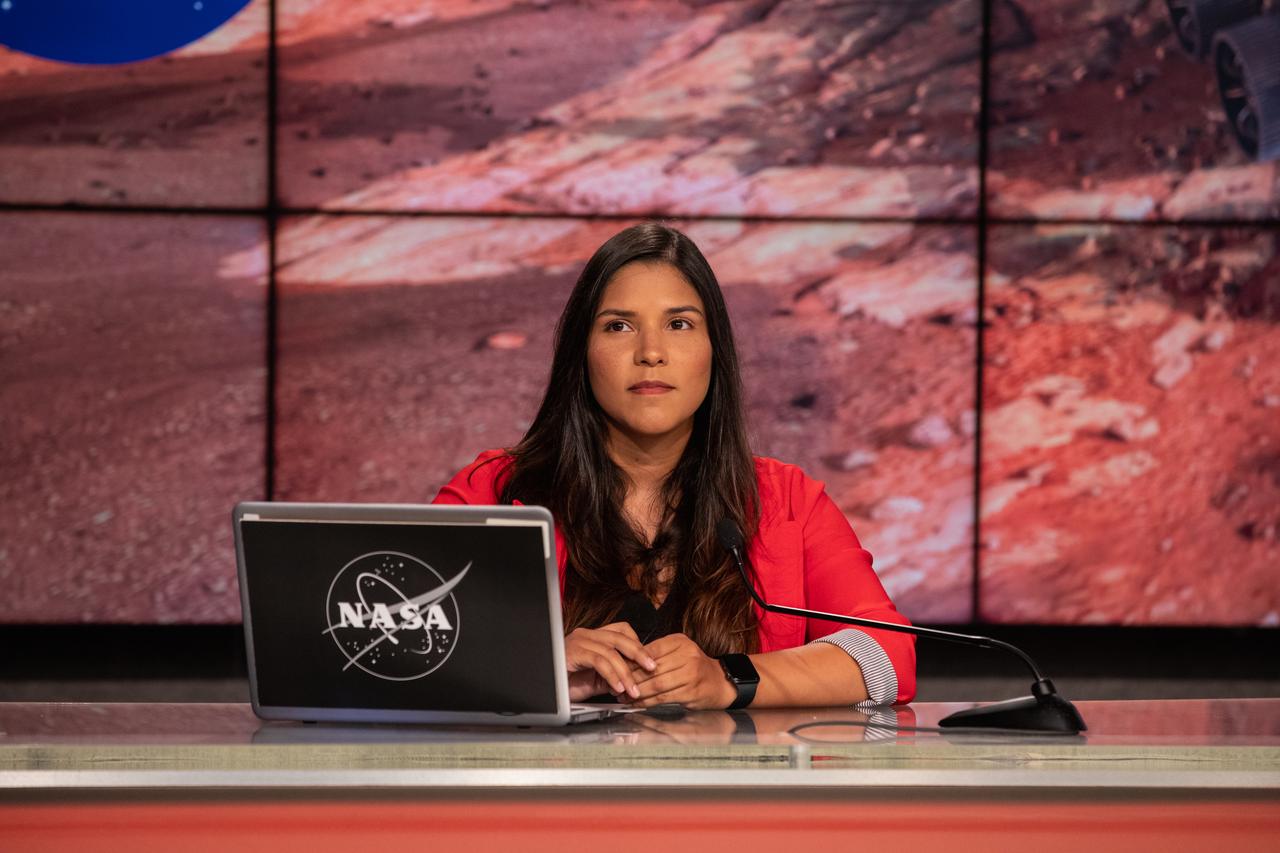
NASA Public Affairs Specialist Kristi Irastorza hosts a “Mars 2020 Social Media Q&A: En Español” program on Wednesday, July 22, at NASA’s Kennedy Space Center in Florida. The event featured representatives from NASA’s Launch Services Program (LSP) and NASA’s Jet Propulsion Laboratory. The Mars Perseverance rover is scheduled to lift off aboard a United Launch Alliance Atlas V 541 rocket from Cape Canaveral Air Force Station’s Space Launch Complex 41 on Thursday, July 30. The two-hour window opens at 7:50 a.m. EDT. LSP, based at Kennedy, is managing the launch.
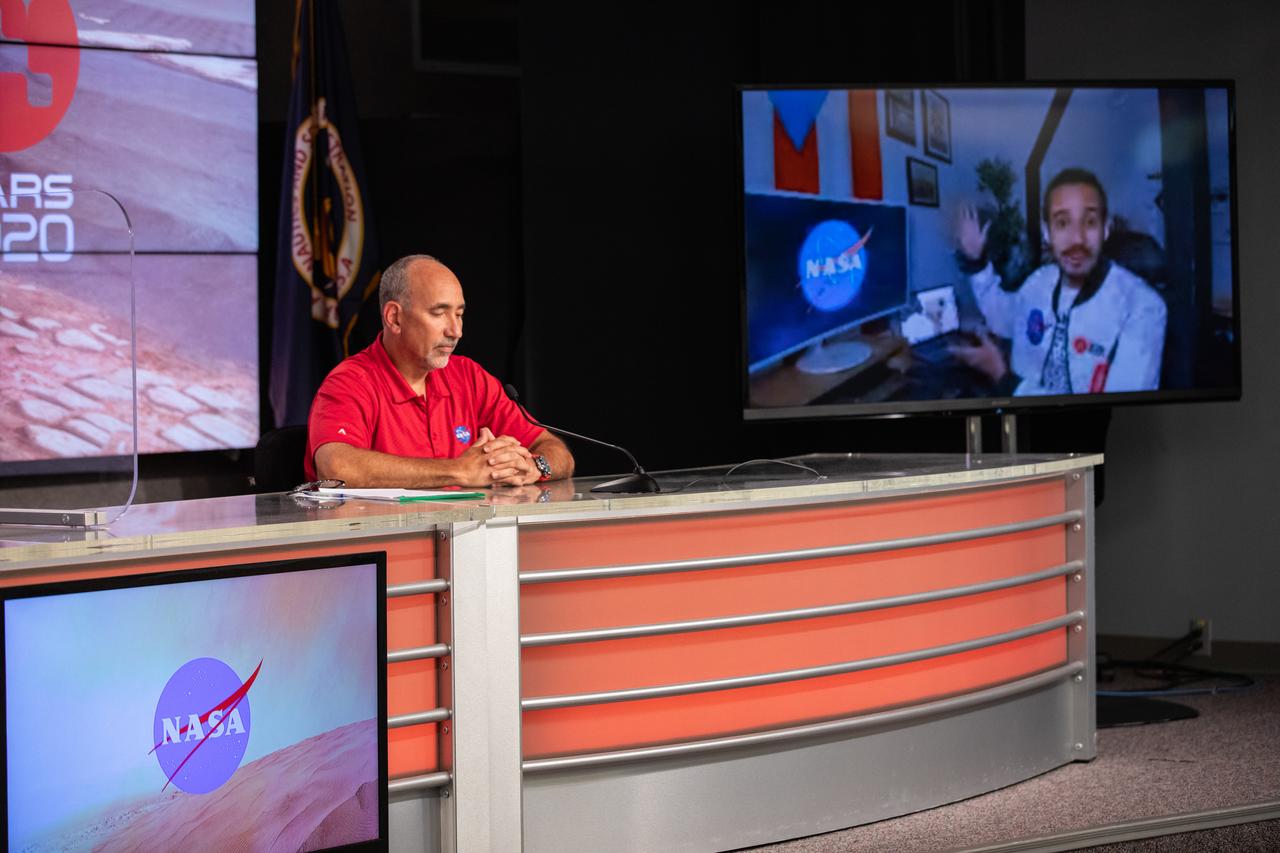
Elio Morillo, a Mars 2020 system testbed engineer from NASA’s Jet Propulsion Laboratory, speaks remotely while Albert Sierra, NASA’s Launch Services Program (LSP) chief of Flight Projects Office, listens during a “Mars 2020 Social Media Q&A: En Español” program on Wednesday, July 22, at NASA’s Kennedy Space Center in Florida. The event featured representatives from LSP and NASA’s Jet Propulsion Laboratory. The Mars Perseverance rover is scheduled to lift off aboard a United Launch Alliance Atlas V 541 rocket from Cape Canaveral Air Force Station’s Space Launch Complex 41 on Thursday, July 30. The two-hour window opens at 7:50 a.m. EDT. LSP, based at Kennedy, is managing the launch.
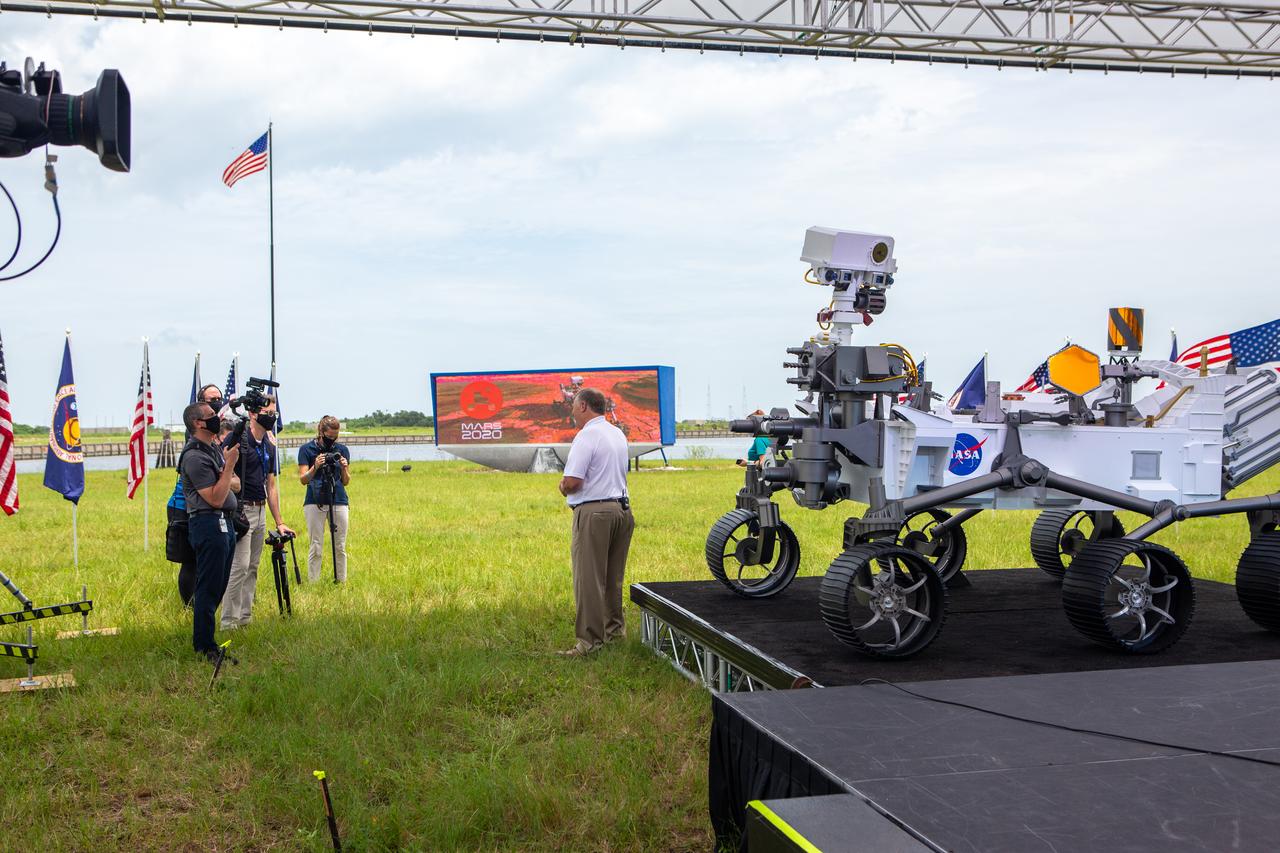
NASA Deputy Administrator Jim Morhard answers questions during a Mars 2020 NASA Social at Kennedy Space Center’s News Center in Florida on July 29, 2020. The Mars Perseverance rover and Ingenuity helicopter are scheduled to launch July 30, on a United Launch Alliance Atlas V 541 rocket from Space Launch Complex 41 at nearby Cape Canaveral Air Force Station. The rover is part of NASA’s Mars Exploration Program, a long-term effort of robotic exploration of the Red Planet. The rover will search for habitable conditions in the ancient past and signs of past microbial life on Mars. The Launch Services Program at Kennedy is responsible for launch management.
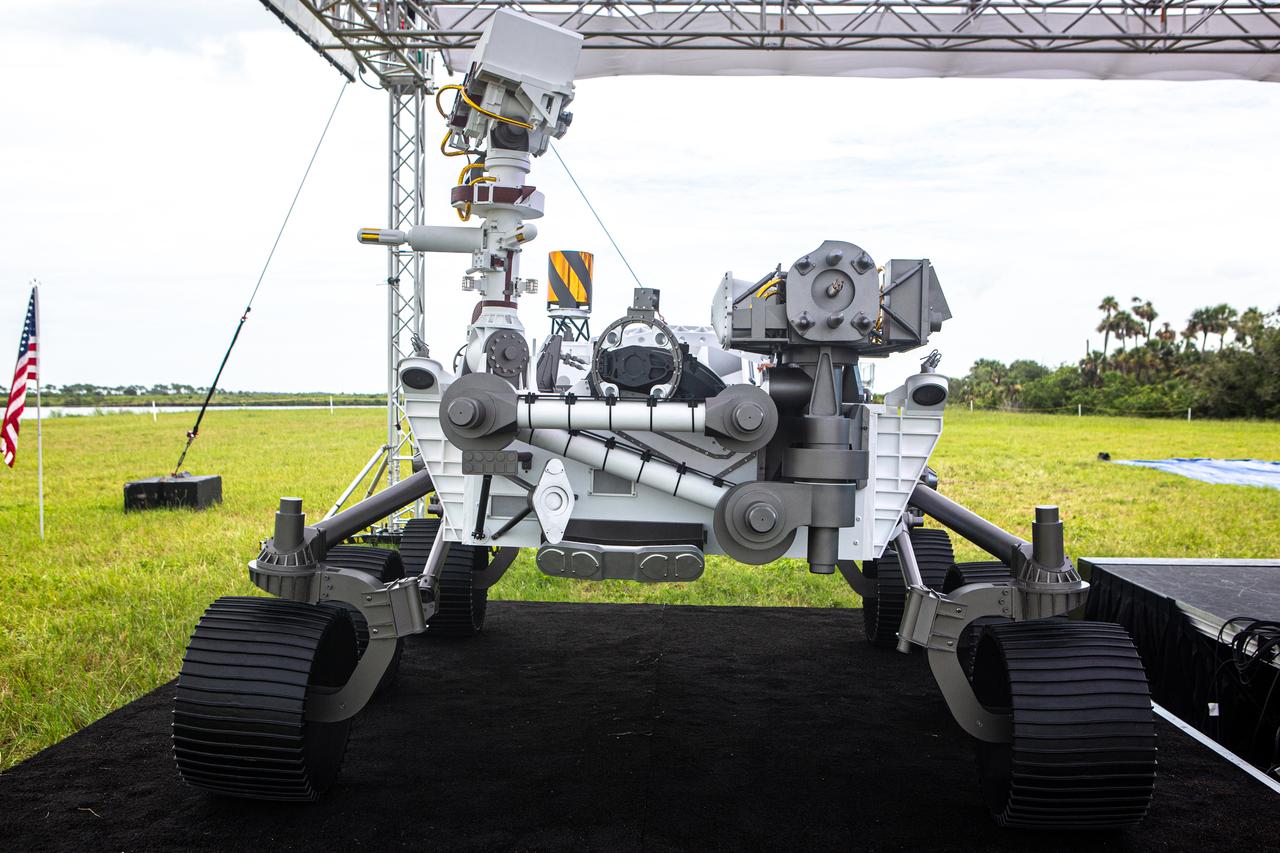
A full-scale mockup of NASA’s Mars 2020 Perseverance rover is on display at the News Center at the agency’s Kennedy Space Center in Florida on July 29, 2020. The rover and Ingenuity helicopter are scheduled to launch July 30, on a United Launch Alliance Atlas V 541 rocket from Space Launch Complex 41 at nearby Cape Canaveral Air Force Station. The rover is part of NASA’s Mars Exploration Program, a long-term effort of robotic exploration of the Red Planet. The rover will search for habitable conditions in the ancient past and signs of past microbial life on Mars. The Launch Services Program at Kennedy is responsible for launch management.
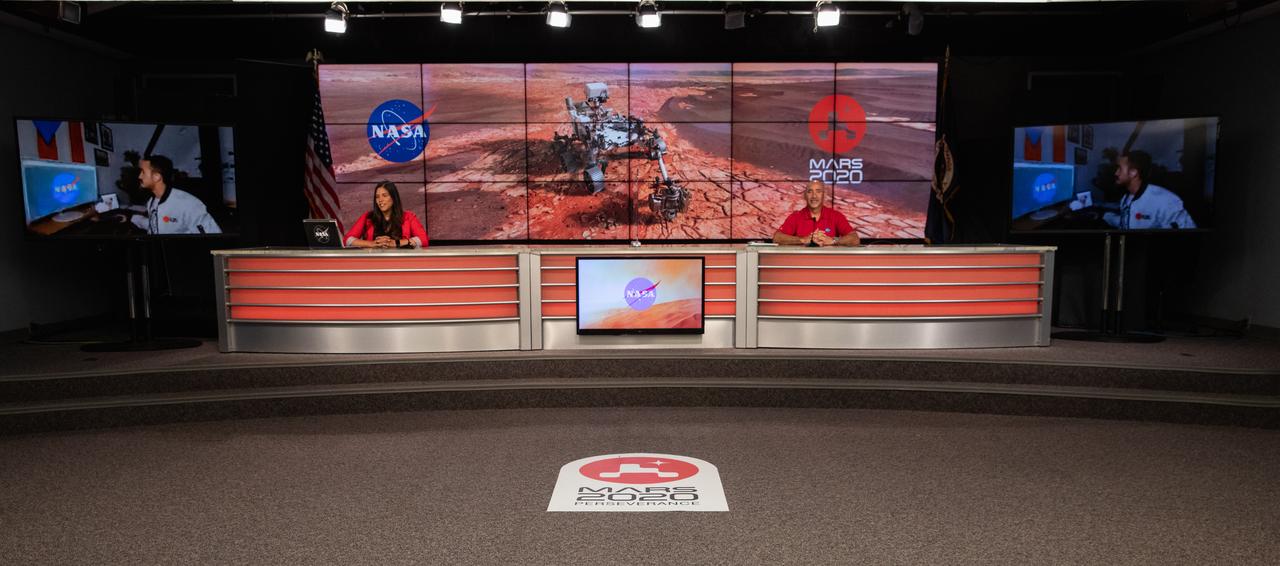
NASA Public Affairs Specialist Kristi Irastorza, left, and NASA’s Launch Services Program (LSP) Chief of Flight Projects Office Albert Sierra, participate in a “Mars 2020 Social Media Q&A: En Español” program on Wednesday, July 22, at NASA’s Kennedy Space Center in Florida. The event featured representatives from LSP and NASA’s Jet Propulsion Laboratory. The Mars Perseverance rover is scheduled to lift off aboard a United Launch Alliance Atlas V 541 rocket from Cape Canaveral Air Force Station’s Space Launch Complex 41 on Thursday, July 30. The two-hour window opens at 7:50 a.m. EDT. LSP, based at Kennedy, is managing the launch.
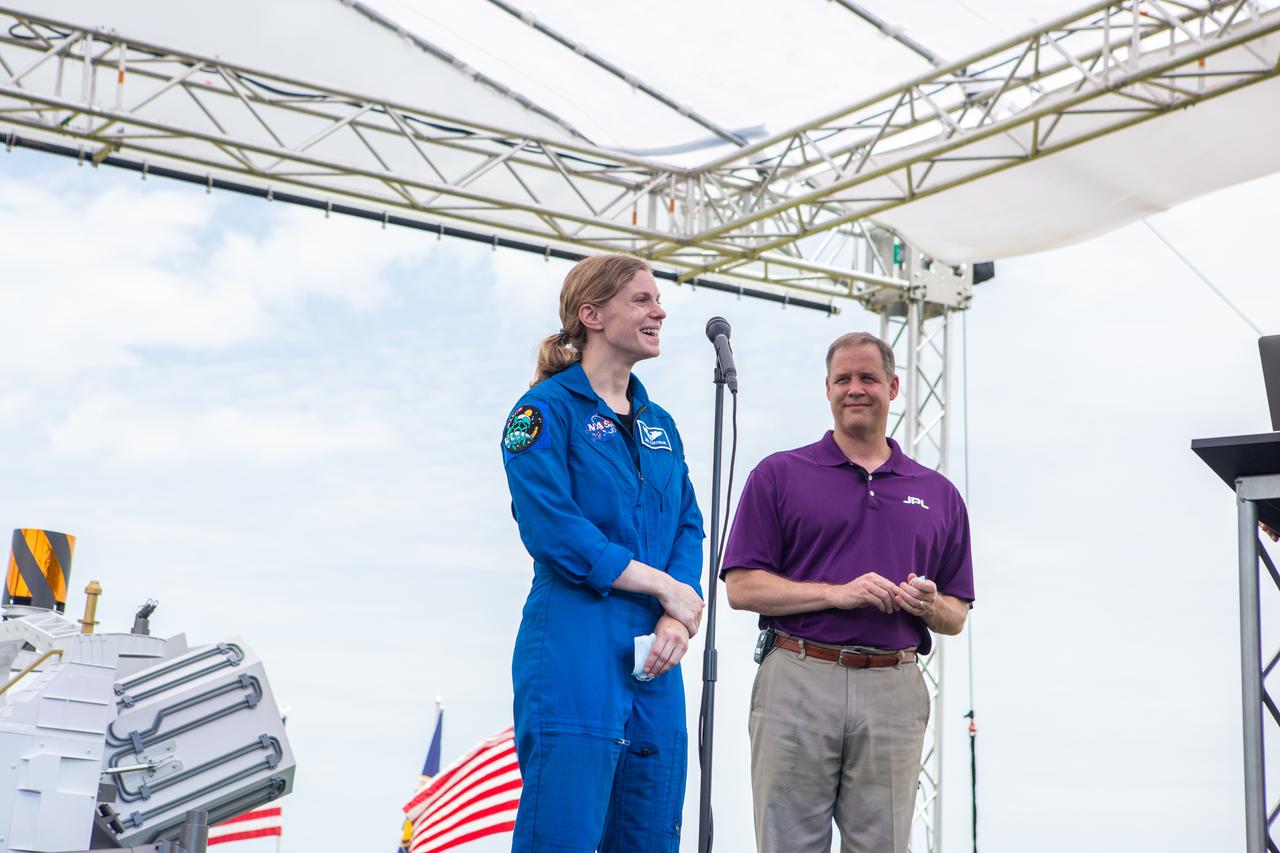
NASA astronaut Zena Cardman answers a question during a Mars 2020 NASA Social at Kennedy Space Center’s News Center in Florida on July 29, 2020. At right is NASA Administrator Jim Bridenstine. The Mars Perseverance rover and Ingenuity helicopter are scheduled to launch July 30, on a United Launch Alliance Atlas V 541 rocket from Space Launch Complex 41 at nearby Cape Canaveral Air Force Station. The rover is part of NASA’s Mars Exploration Program, a long-term effort of robotic exploration of the Red Planet. The rover will search for habitable conditions in the ancient past and signs of past microbial life on Mars. The Launch Services Program at Kennedy is responsible for launch management.
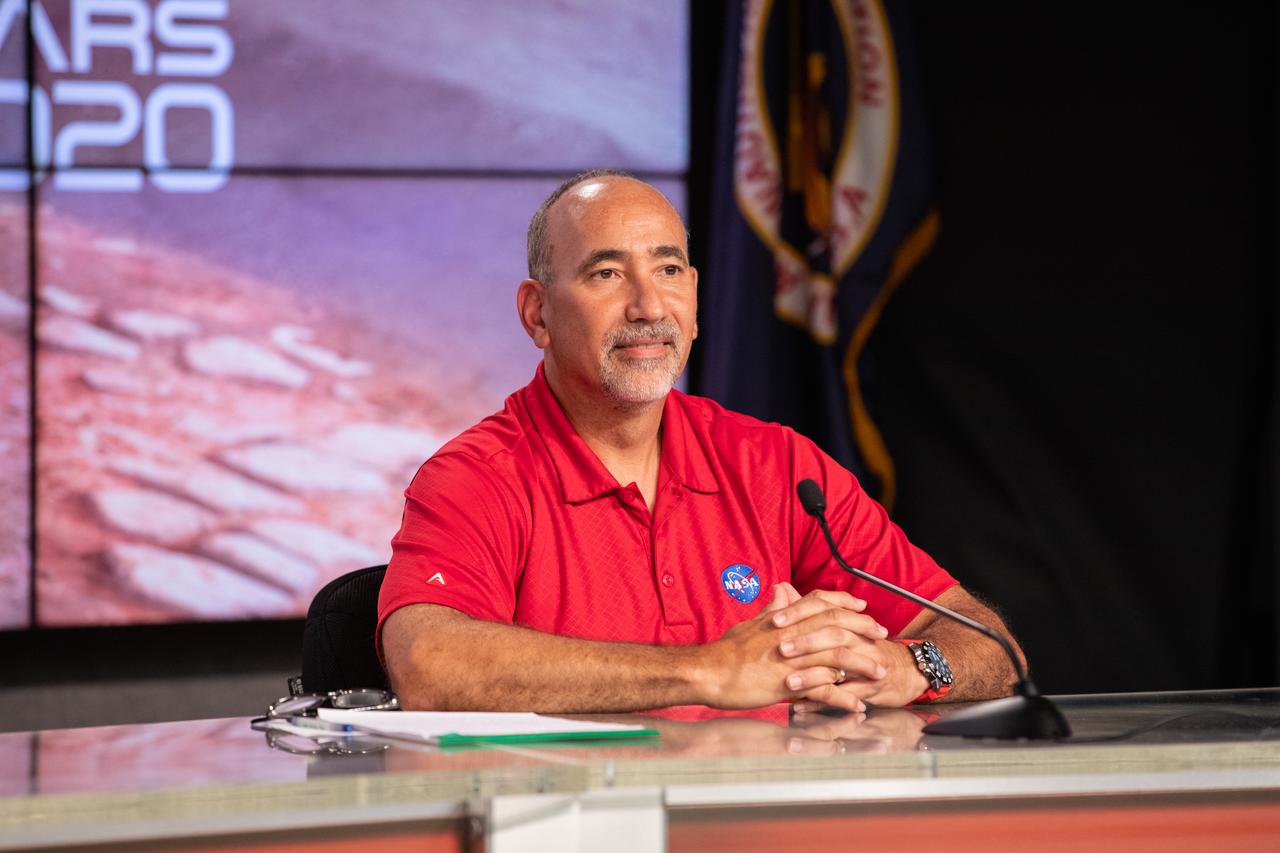
NASA’s Launch Services Program (LSP) Chief of Flight Projects Office Albert Sierra participates in a “Mars 2020 Social Media Q&A: En Español” program on Wednesday, July 22, at NASA’s Kennedy Space Center in Florida. The event featured representatives from LSP and NASA’s Jet Propulsion Laboratory. The Mars Perseverance rover is scheduled to lift off aboard a United Launch Alliance Atlas V 541 rocket from Cape Canaveral Air Force Station’s Space Launch Complex 41 on Thursday, July 30. The two-hour window opens at 7:50 a.m. EDT. LSP, based at Kennedy, is managing the launch.
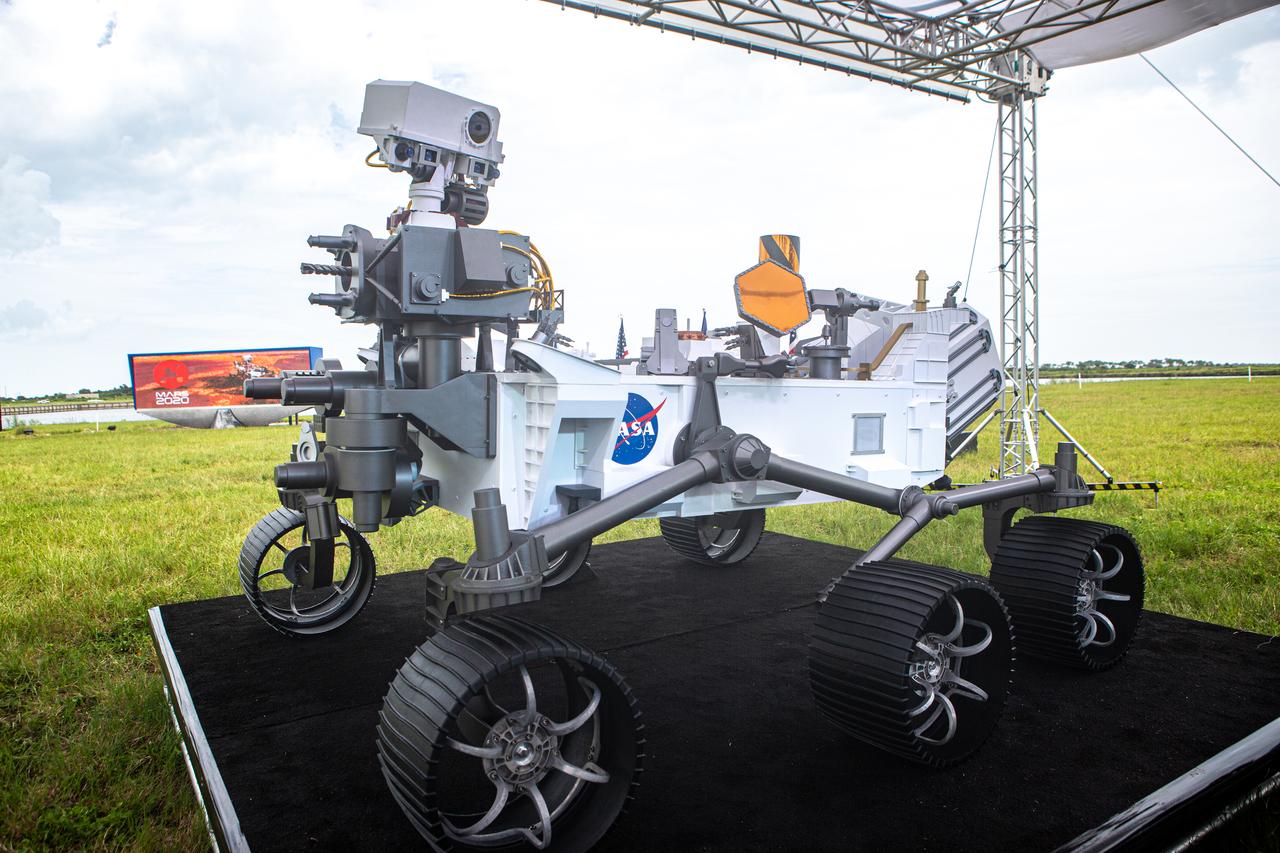
A full-scale mockup of NASA’s Mars 2020 Perseverance rover is on display at the News Center at the agency’s Kennedy Space Center in Florida on July 29, 2020. The rover and Ingenuity helicopter are scheduled to launch July 30, on a United Launch Alliance Atlas V 541 rocket from Space Launch Complex 41 at nearby Cape Canaveral Air Force Station. The rover is part of NASA’s Mars Exploration Program, a long-term effort of robotic exploration of the Red Planet. The rover will search for habitable conditions in the ancient past and signs of past microbial life on Mars. The Launch Services Program at Kennedy is responsible for launch management.
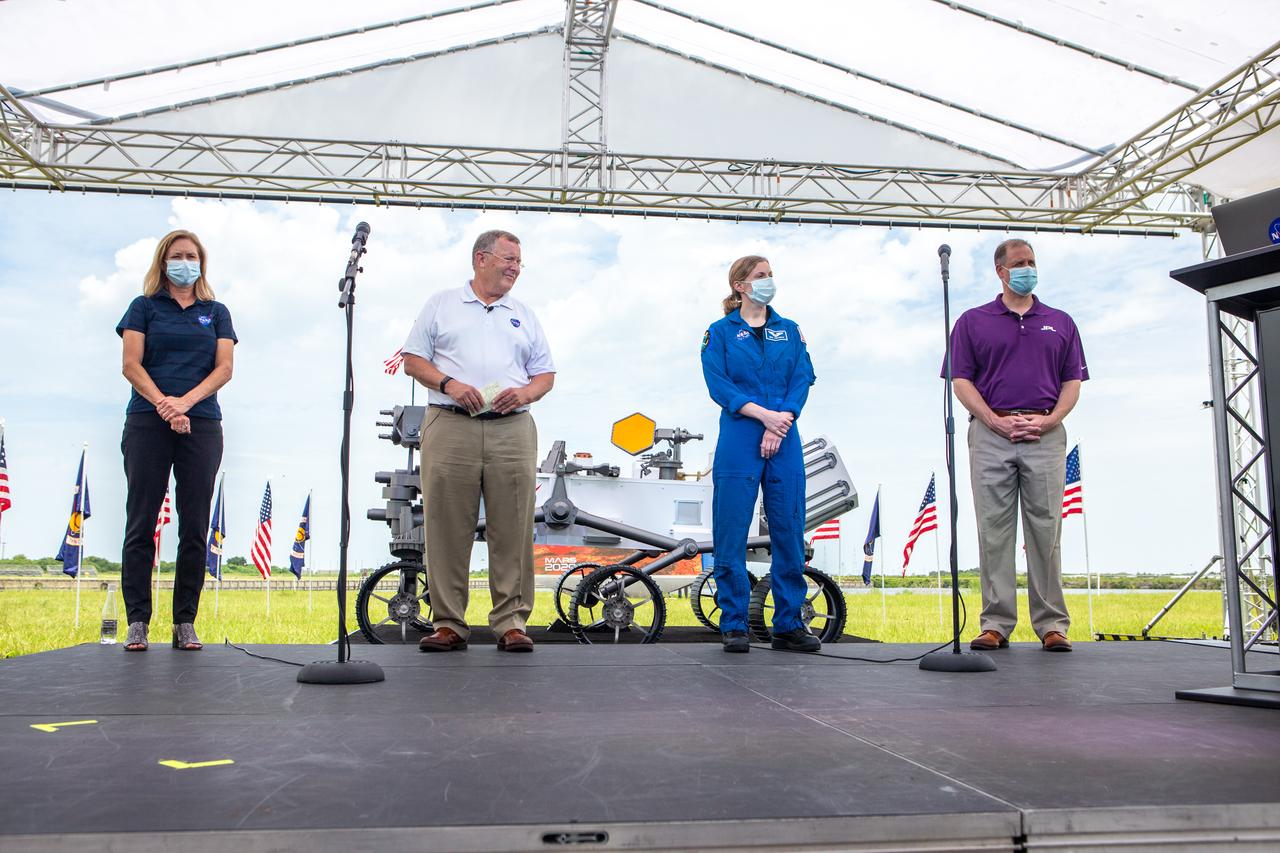
A Mars 2020 NASA Social is held at Kennedy Space Center’s News Center in Florida on July 29, 2020. Participants from left are Kennedy Deputy Director Janet Petro, NASA Deputy Administrator Jim Morhard, NASA astronaut Zena Cardman, and NASA Administrator Jim Bridenstine. The Mars Perseverance rover and Ingenuity helicopter are scheduled to launch July 30, on a United Launch Alliance Atlas V 541 rocket from Space Launch Complex 41 at nearby Cape Canaveral Air Force Station. The rover is part of NASA’s Mars Exploration Program, a long-term effort of robotic exploration of the Red Planet. The rover will search for habitable conditions in the ancient past and signs of past microbial life on Mars. The Launch Services Program at Kennedy is responsible for launch management.

A full-scale mockup of NASA’s Mars 2020 Perseverance rover is on display at the News Center at the agency’s Kennedy Space Center in Florida on July 29, 2020. A Mars 2020 NASA Social is in progress featuring, right to left, Kennedy Space Center Deputy Director Janet Petro, NASA Deputy Administrator Jim Morhard, NASA astronaut Zena Cardman, and NASA Administrator Jim Bridenstine. The Mars Perseverance rover and Ingenuity helicopter are scheduled to launch July 30, on a United Launch Alliance Atlas V 541 rocket from Space Launch Complex 41 at nearby Cape Canaveral Air Force Station. The rover is part of NASA’s Mars Exploration Program, a long-term effort of robotic exploration of the Red Planet. The rover will search for habitable conditions in the ancient past and signs of past microbial life on Mars. The Launch Services Program at Kennedy is responsible for launch management.
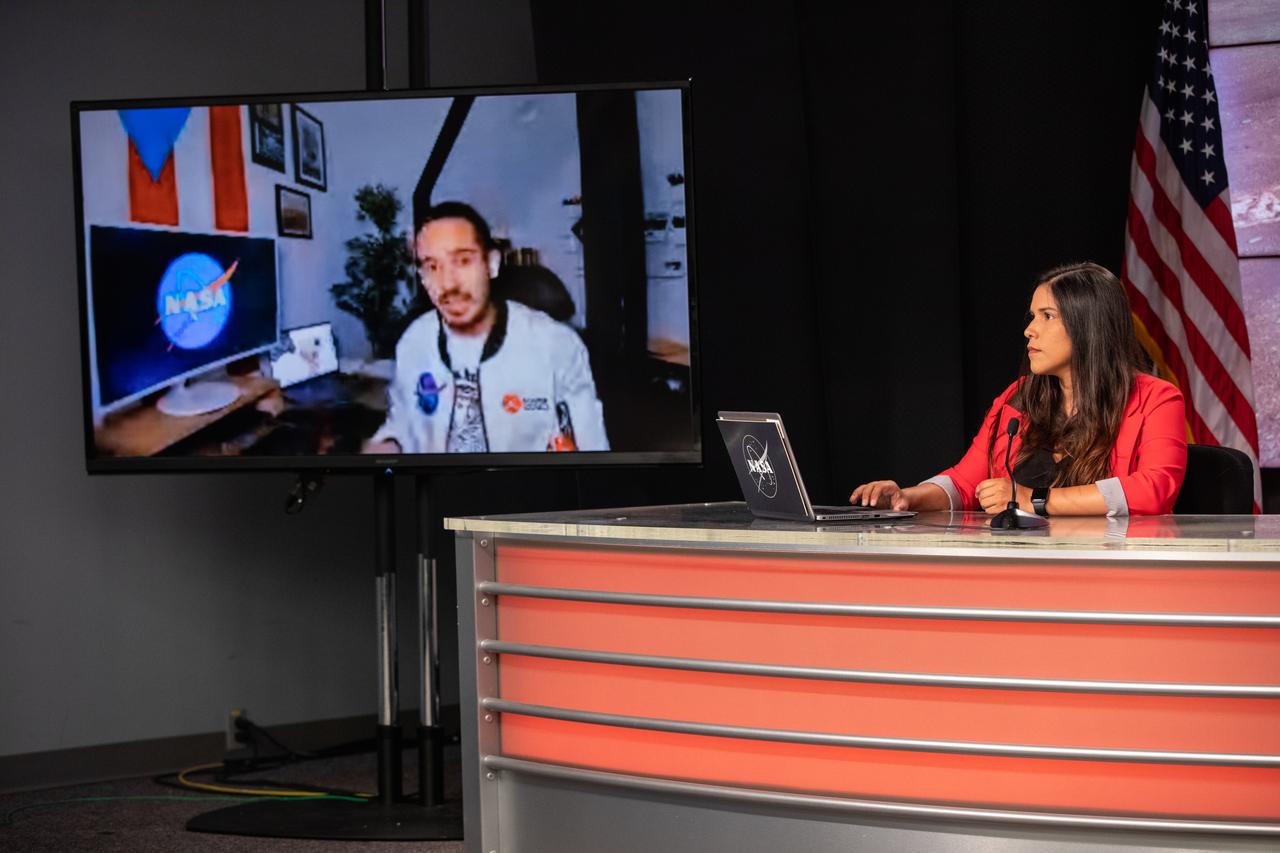
Mars 2020 Social Media Q&A: En Español with representatives from NASA’s Launch Services Program and NASA’s Jet Propulsion Laboratory.
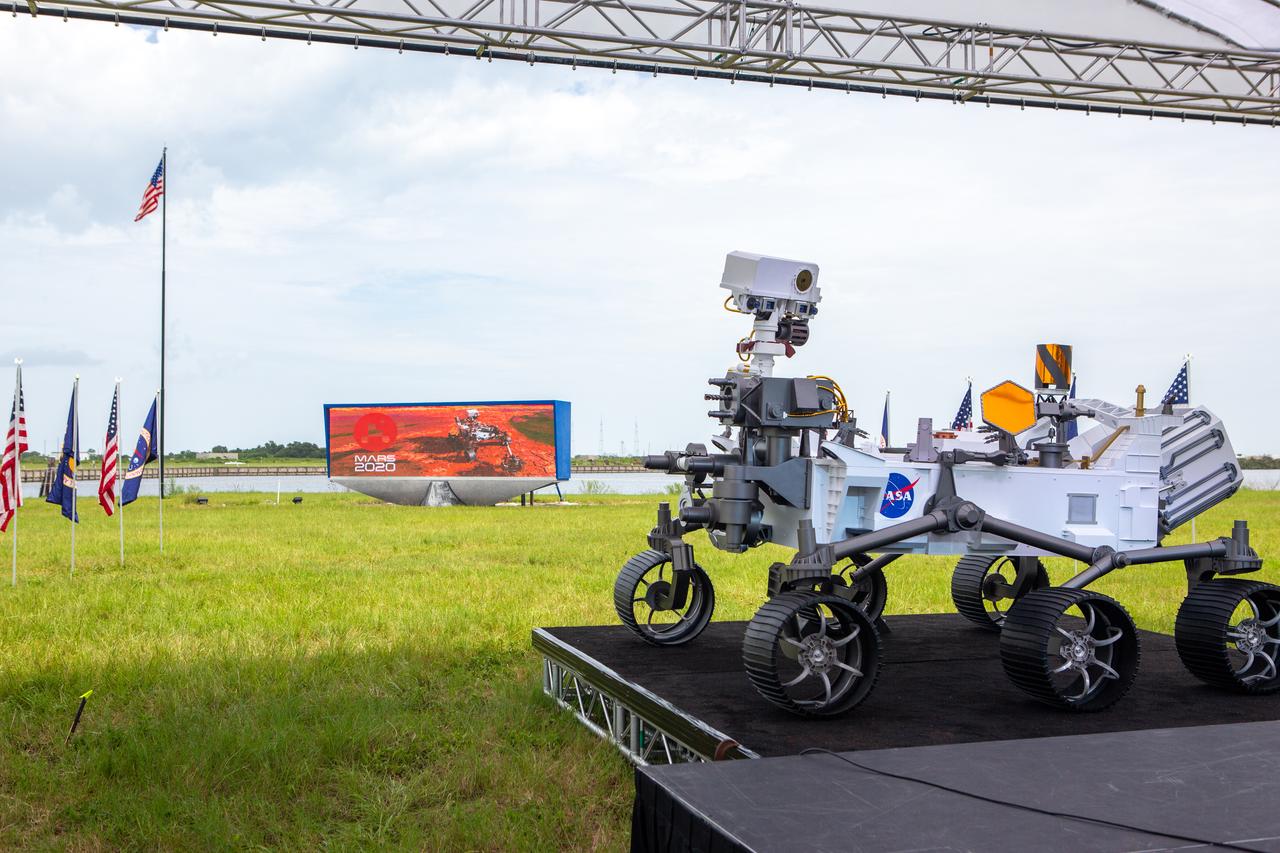
A full-scale mockup of NASA’s Mars 2020 Perseverance rover is on display near the countdown clock at the News Center at the agency’s Kennedy Space Center in Florida on July 29, 2020. The rover and Ingenuity helicopter are scheduled to launch July 30, on a United Launch Alliance Atlas V 541 rocket from Space Launch Complex 41 at nearby Cape Canaveral Air Force Station. The rover is part of NASA’s Mars Exploration Program, a long-term effort of robotic exploration of the Red Planet. The rover will search for habitable conditions in the ancient past and signs of past microbial life on Mars. The Launch Services Program at Kennedy is responsible for launch management.
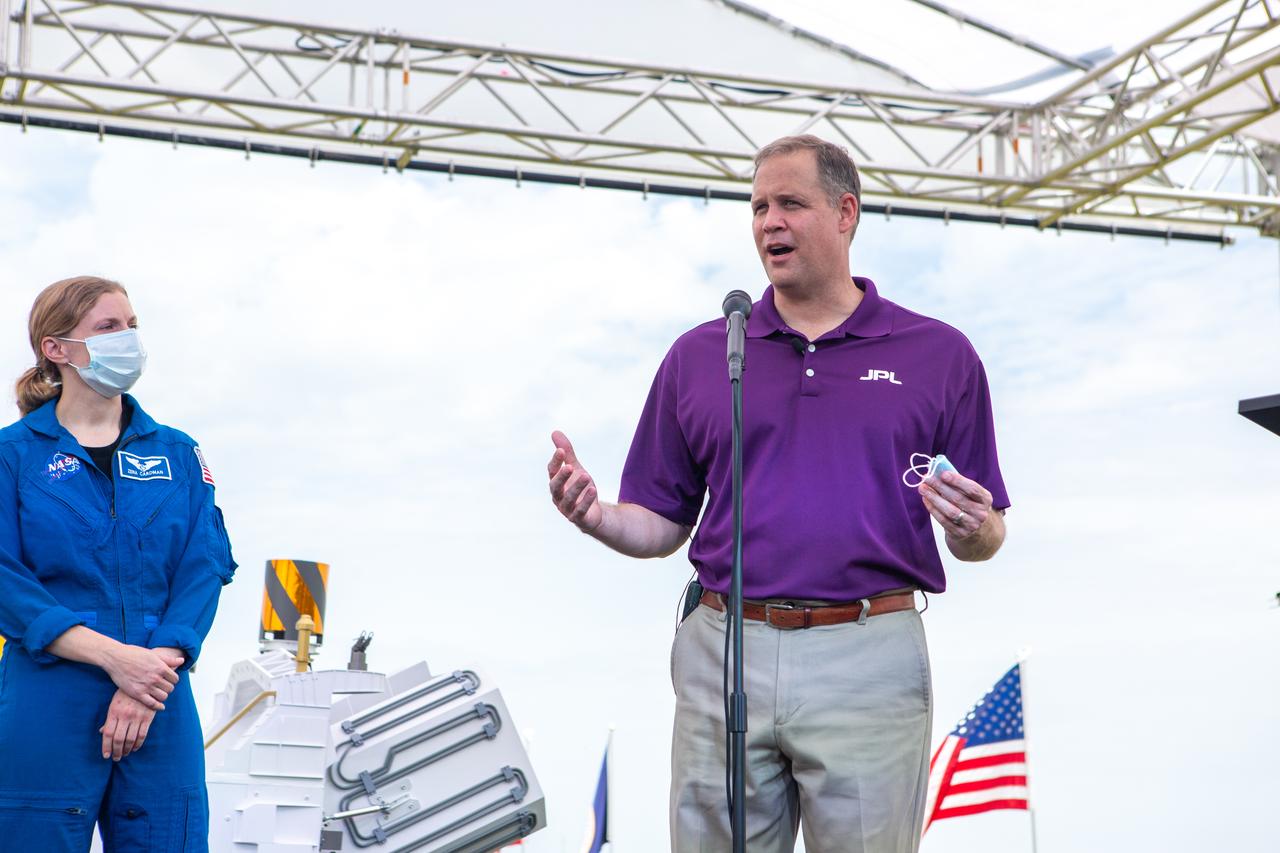
NASA Administrator Jim Bridenstine answers a question during a Mars 2020 NASA Social at Kennedy Space Center’s News Center in Florida on July 29, 2020. At left is NASA astronaut Zena Cardman. The Mars Perseverance rover and Ingenuity helicopter are scheduled to launch July 30, on a United Launch Alliance Atlas V 541 rocket from Space Launch Complex 41 at nearby Cape Canaveral Air Force Station. The rover is part of NASA’s Mars Exploration Program, a long-term effort of robotic exploration of the Red Planet. The rover will search for habitable conditions in the ancient past and signs of past microbial life on Mars. The Launch Services Program at Kennedy is responsible for launch management.
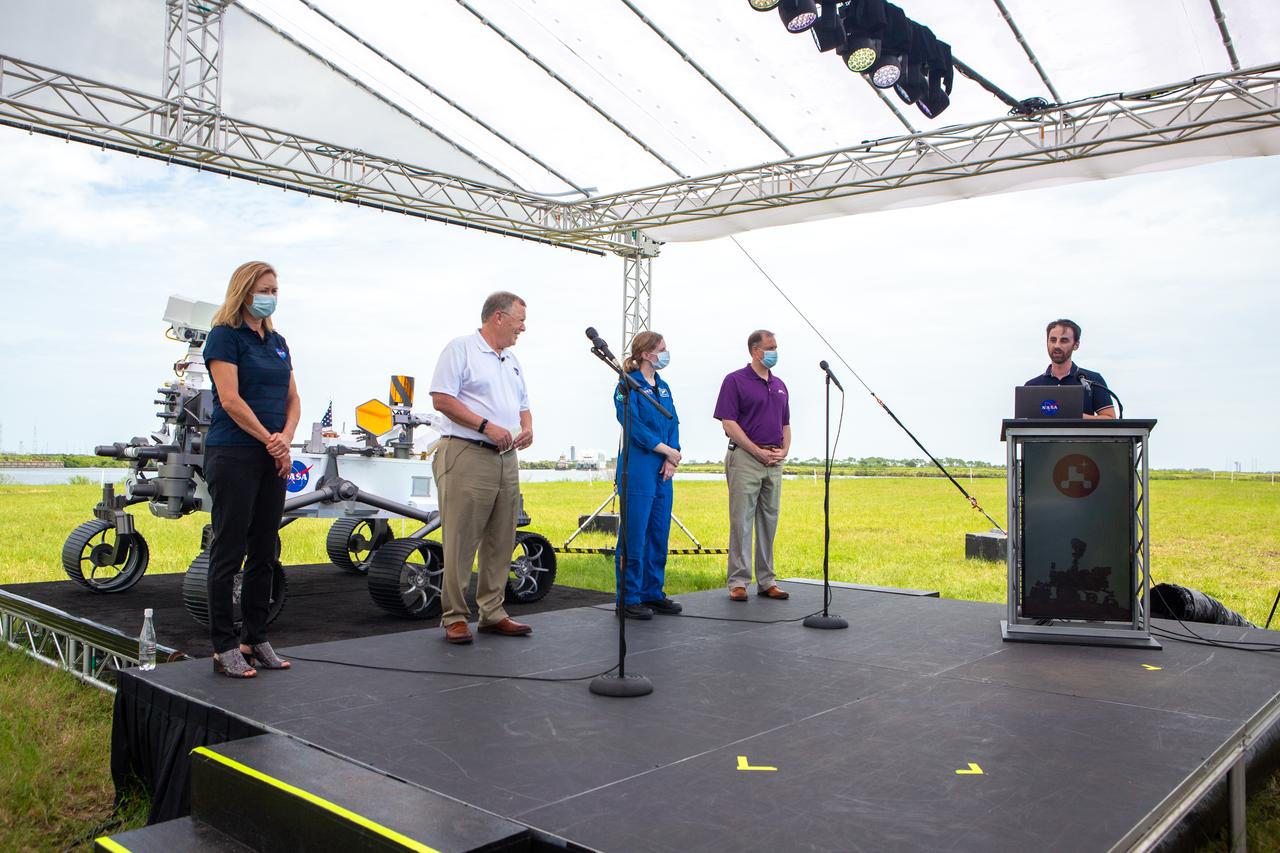
Joshua Santora, at the podium, NASA Communications, moderates a Mars 2020 NASA Social at Kennedy Space Center’s News Center in Florida on July 29, 2020. Participants from left are Kennedy Deputy Director Janet Petro, NASA Deputy Administrator Jim Morhard, NASA astronaut Zena Cardman, and NASA Administrator Jim Bridenstine. The Mars Perseverance rover and Ingenuity helicopter are scheduled to launch July 30, on a United Launch Alliance Atlas V 541 rocket from Space Launch Complex 41 at nearby Cape Canaveral Air Force Station. The rover is part of NASA’s Mars Exploration Program, a long-term effort of robotic exploration of the Red Planet. The rover will search for habitable conditions in the ancient past and signs of past microbial life on Mars. The Launch Services Program at Kennedy is responsible for launch management.
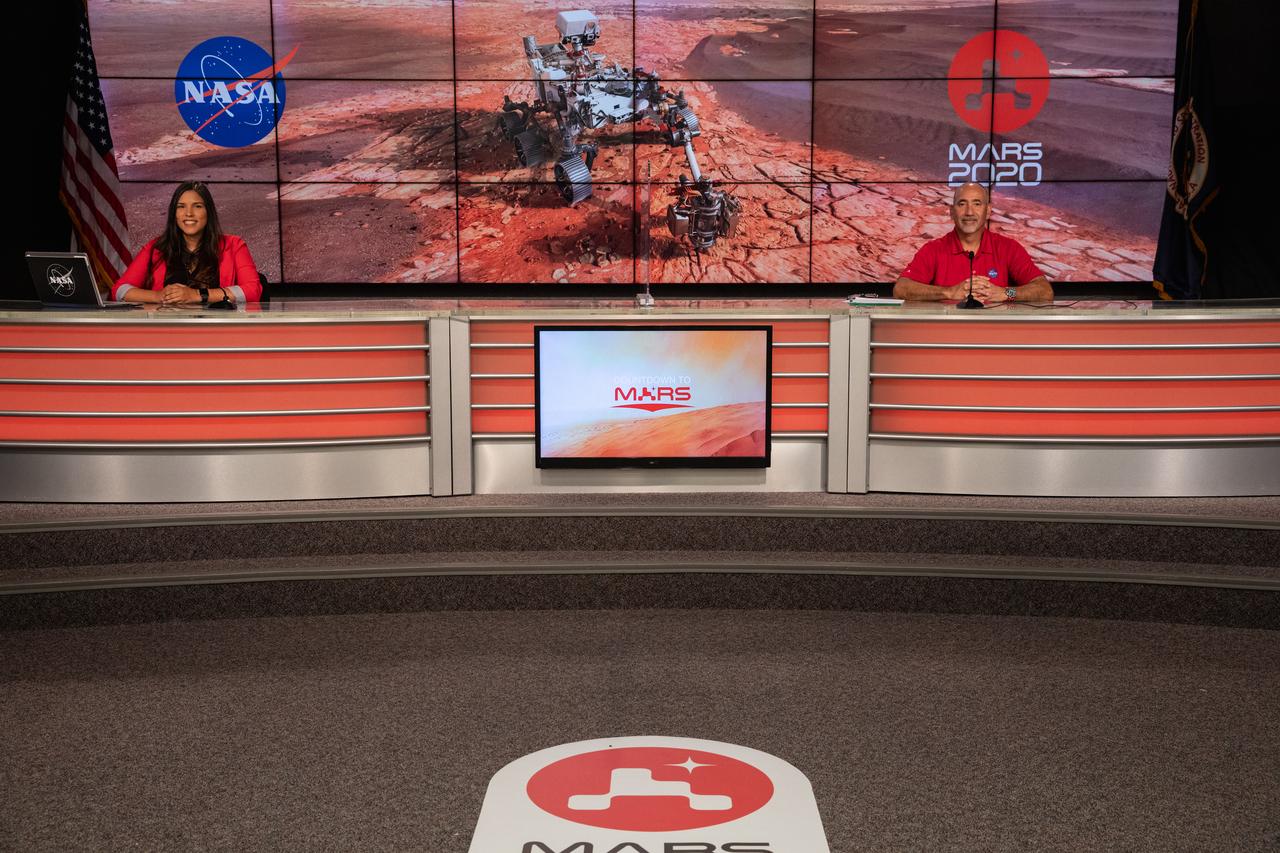
NASA Public Affairs Specialist Kristi Irastorza, left, and NASA’s Launch Services Program (LSP) Chief of Flight Projects Office Albert Sierra, participate in a “Mars 2020 Social Media Q&A: En Español” program on Wednesday, July 22, at NASA’s Kennedy Space Center in Florida. The event featured representatives from LSP and NASA’s Jet Propulsion Laboratory. The Mars Perseverance rover is scheduled to lift off aboard a United Launch Alliance Atlas V 541 rocket from Cape Canaveral Air Force Station’s Space Launch Complex 41 on Thursday, July 30. The two-hour window opens at 7:50 a.m. EDT. LSP, based at Kennedy, is managing the launch.
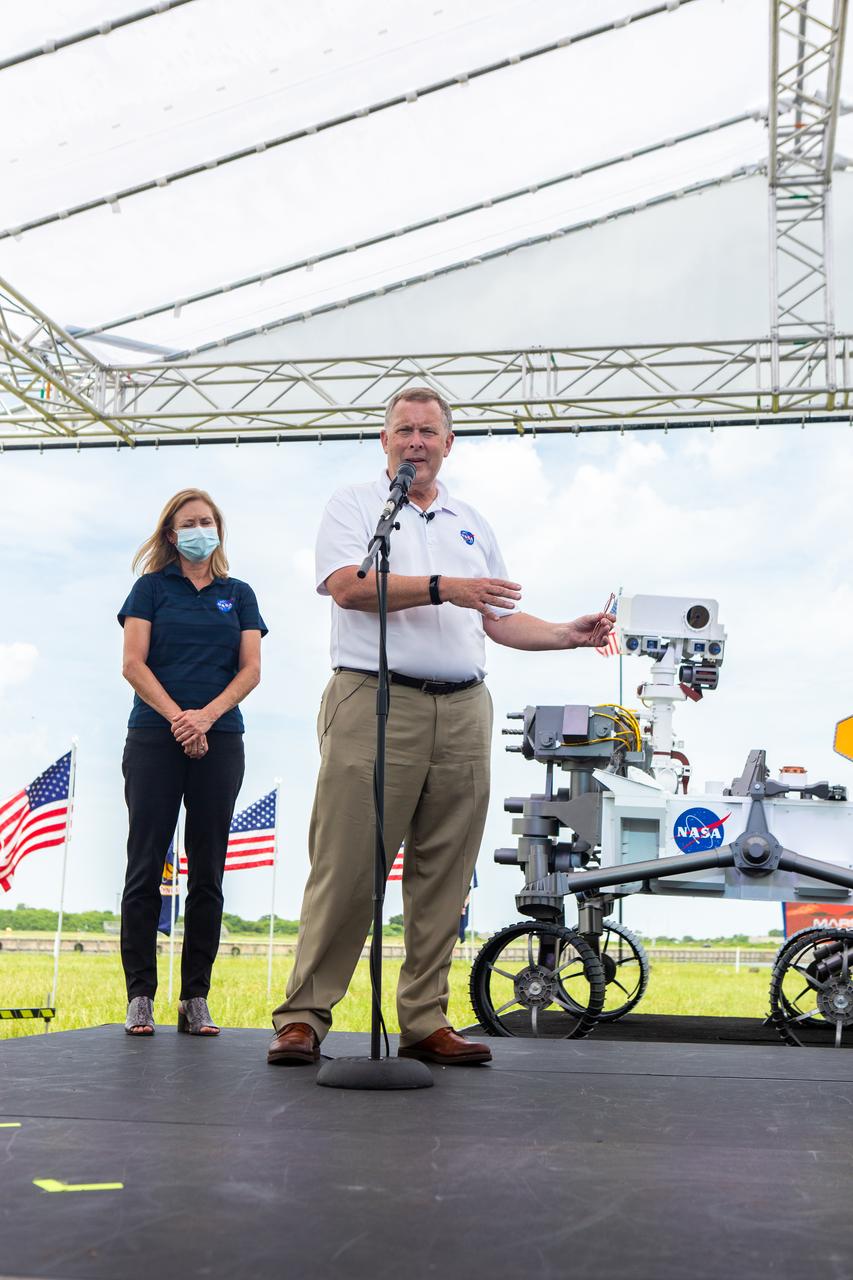
NASA Deputy Administrator Jim Morhard answers questions during a Mars 2020 NASA Social at Kennedy Space Center’s News Center in Florida on July 29, 2020. Standing behind him is Kennedy Deputy Director Janet Petro. The Mars Perseverance rover and Ingenuity helicopter are scheduled to launch July 30, on a United Launch Alliance Atlas V 541 rocket from Space Launch Complex 41 at nearby Cape Canaveral Air Force Station. The rover is part of NASA’s Mars Exploration Program, a long-term effort of robotic exploration of the Red Planet. The rover will search for habitable conditions in the ancient past and signs of past microbial life on Mars. The Launch Services Program at Kennedy is responsible for launch management.
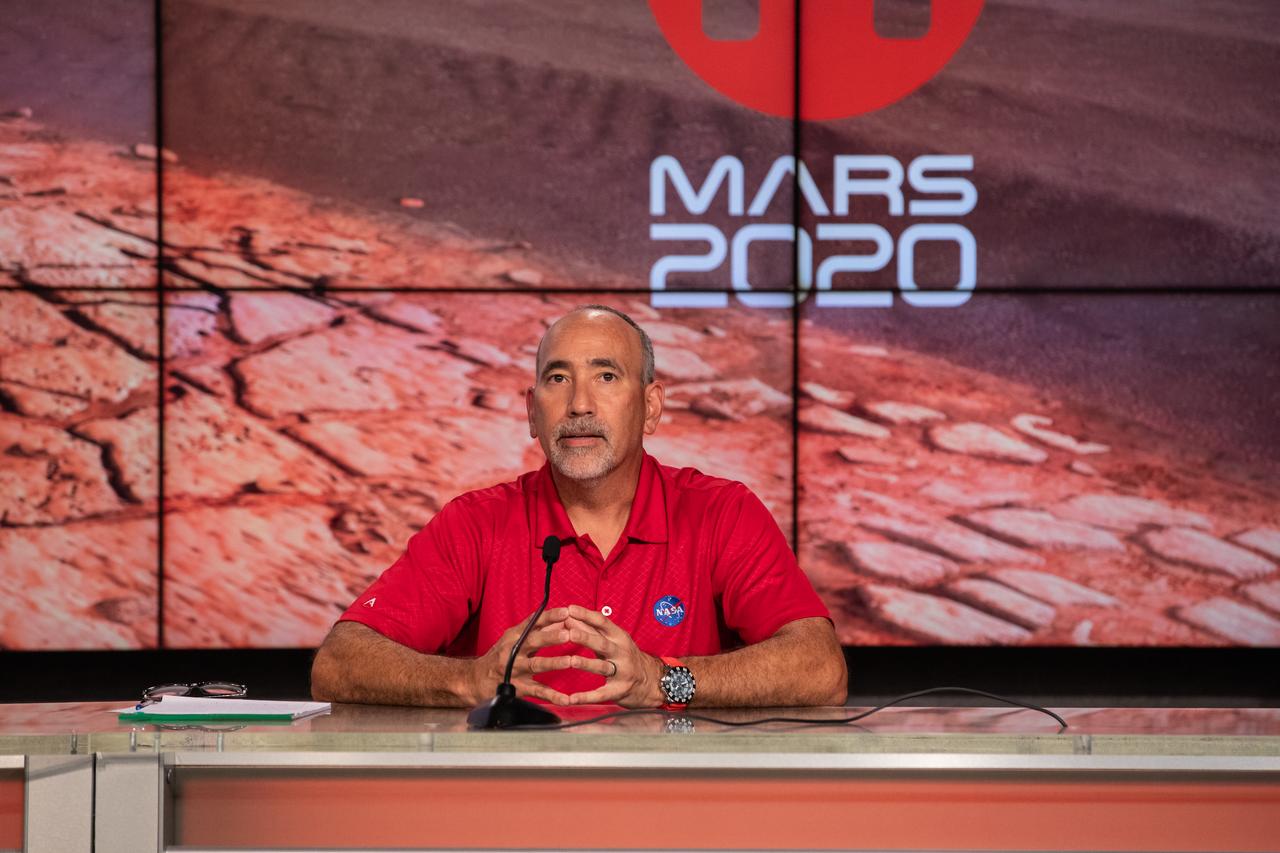
NASA’s Launch Services Program (LSP) Chief of Flight Projects Office Albert Sierra participates in a “Mars 2020 Social Media Q&A: En Español” program on Wednesday, July 22, at NASA’s Kennedy Space Center in Florida. The event featured representatives from LSP and NASA’s Jet Propulsion Laboratory. The Mars Perseverance rover is scheduled to lift off aboard a United Launch Alliance Atlas V 541 rocket from Cape Canaveral Air Force Station’s Space Launch Complex 41 on Thursday, July 30. The two-hour window opens at 7:50 a.m. EDT. LSP, based at Kennedy, is managing the launch.
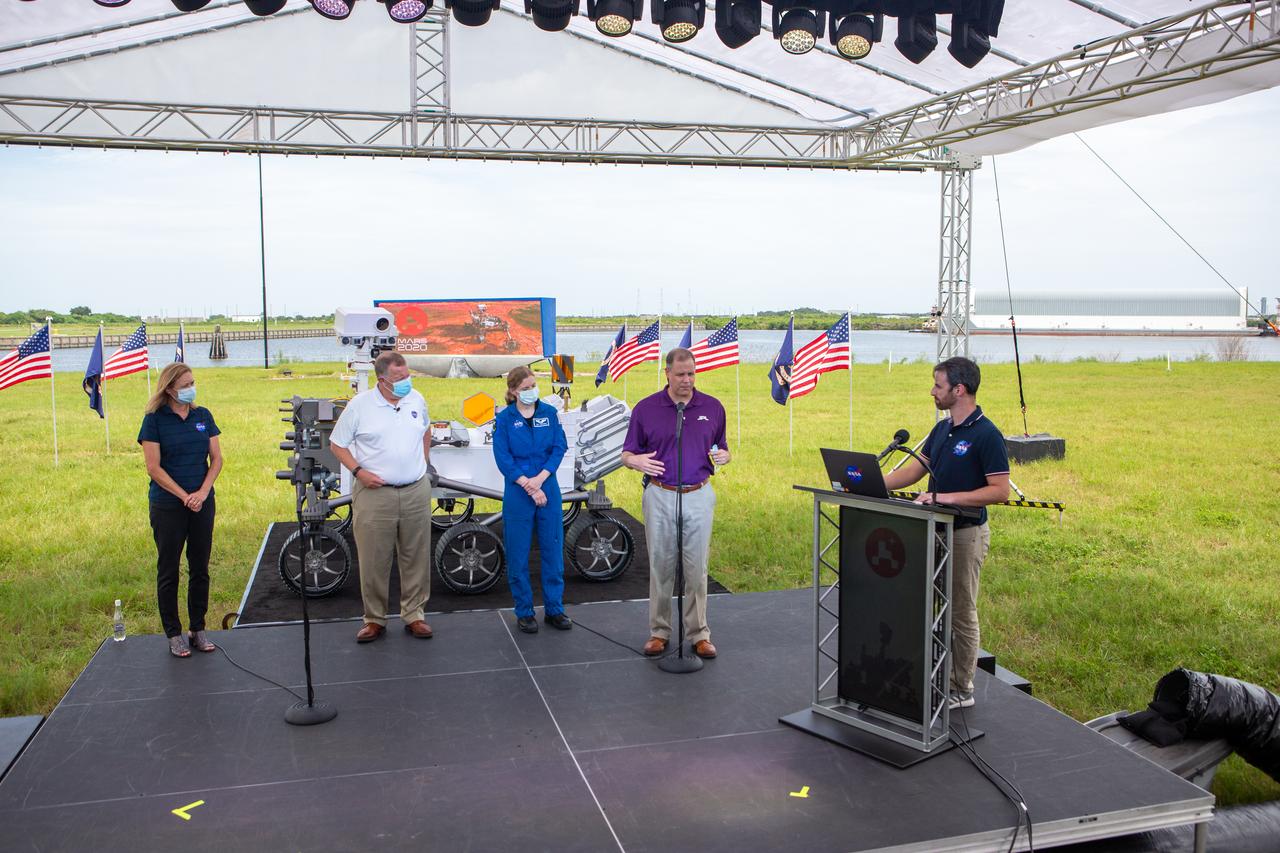
Joshua Santora, at the podium, NASA Communications, moderates a Mars 2020 NASA Social at Kennedy Space Center’s News Center in Florida on July 29, 2020. Participants from left are Kennedy Deputy Director Janet Petro, NASA Deputy Administrator Jim Morhard, NASA astronaut Zena Cardman, and NASA Administrator Jim Bridenstine. The Mars Perseverance rover and Ingenuity helicopter are scheduled to launch July 30, on a United Launch Alliance Atlas V 541 rocket from Space Launch Complex 41 at nearby Cape Canaveral Air Force Station. The rover is part of NASA’s Mars Exploration Program, a long-term effort of robotic exploration of the Red Planet. The rover will search for habitable conditions in the ancient past and signs of past microbial life on Mars. The Launch Services Program at Kennedy is responsible for launch management.
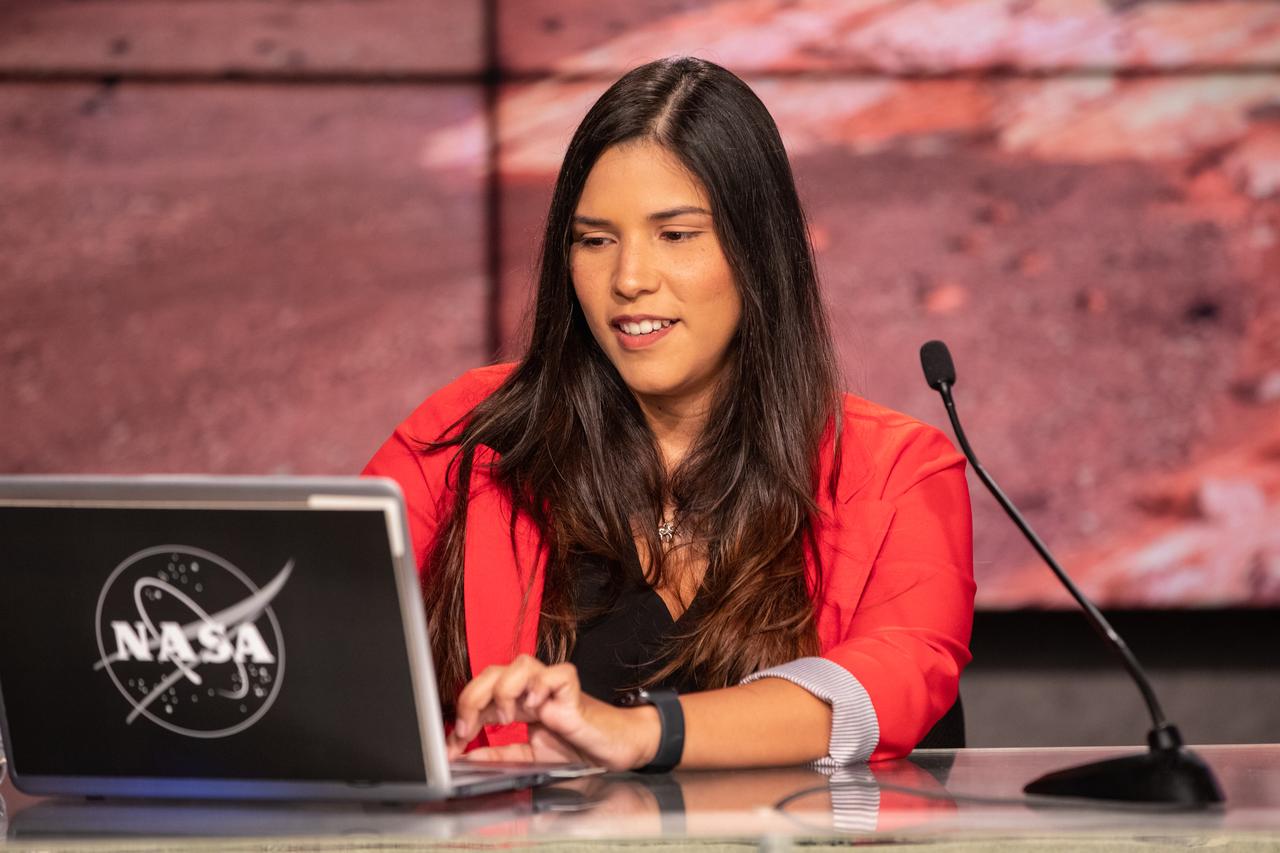
NASA Public Affairs Specialist Kristi Irastorza hosts a “Mars 2020 Social Media Q&A: En Español” program on Wednesday, July 22, at NASA’s Kennedy Space Center in Florida. The event featured representatives from NASA’s Launch Services Program (LSP) and NASA’s Jet Propulsion Laboratory. The Mars Perseverance rover is scheduled to lift off aboard a United Launch Alliance Atlas V 541 rocket from Cape Canaveral Air Force Station’s Space Launch Complex 41 on Thursday, July 30. The two-hour window opens at 7:50 a.m. EDT. LSP, based at Kennedy, is managing the launch.

Kennedy Space Center Deputy Director Janet Petro answers questions during a Mars 2020 NASA Social at the center’s News Center in Florida on July 29, 2020. At right is NASA Deputy Administrator Jim Morhard. The Mars Perseverance rover and Ingenuity helicopter are scheduled to launch July 30, on a United Launch Alliance Atlas V 541 rocket from Space Launch Complex 41 at nearby Cape Canaveral Air Force Station. The rover is part of NASA’s Mars Exploration Program, a long-term effort of robotic exploration of the Red Planet. The rover will search for habitable conditions in the ancient past and signs of past microbial life on Mars. The Launch Services Program at Kennedy is responsible for launch management.
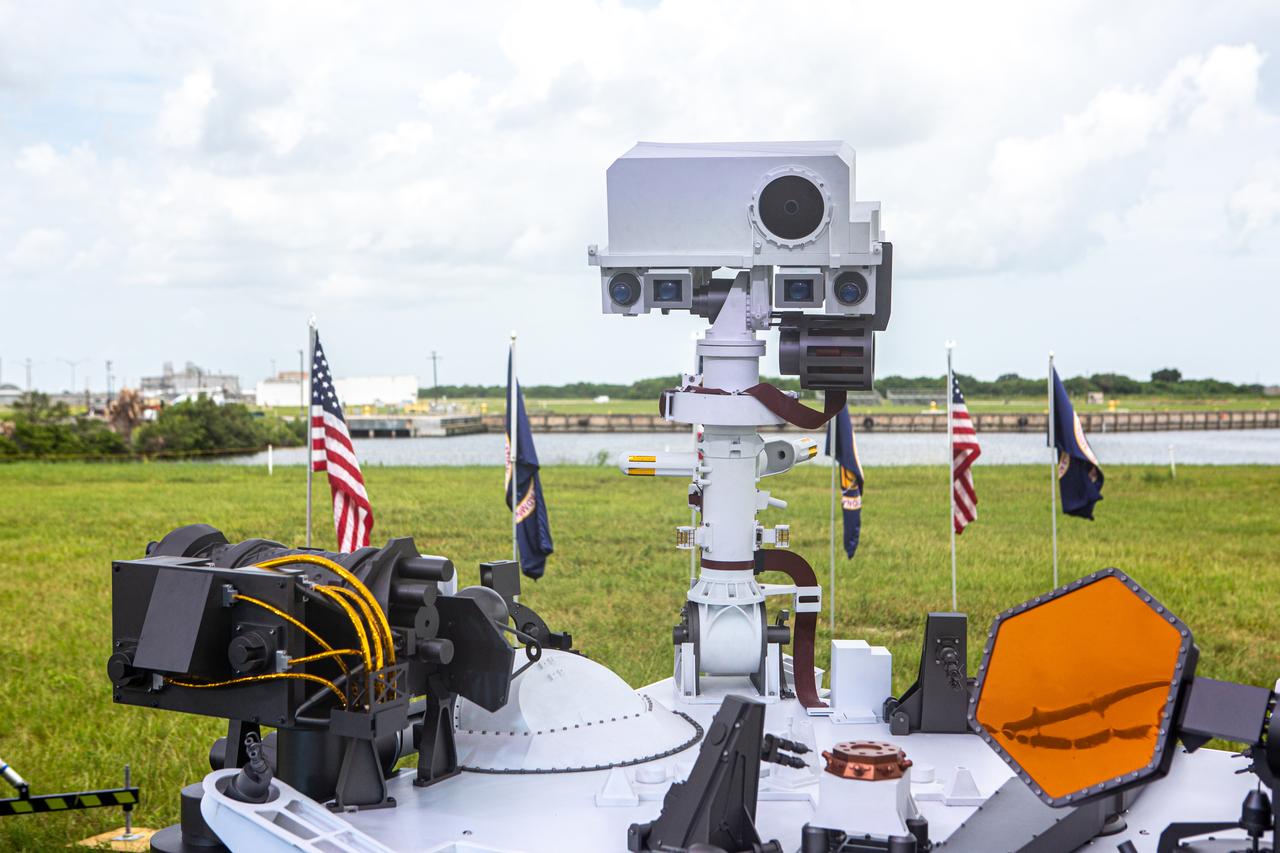
A full-scale mockup of NASA’s Mars 2020 Perseverance rover is on display at the News Center at the agency’s Kennedy Space Center in Florida on July 29, 2020. The rover and Ingenuity helicopter are scheduled to launch July 30, on a United Launch Alliance Atlas V 541 rocket from Space Launch Complex 41 at nearby Cape Canaveral Air Force Station. The rover is part of NASA’s Mars Exploration Program, a long-term effort of robotic exploration of the Red Planet. The rover will search for habitable conditions in the ancient past and signs of past microbial life on Mars. The Launch Services Program at Kennedy is responsible for launch management.
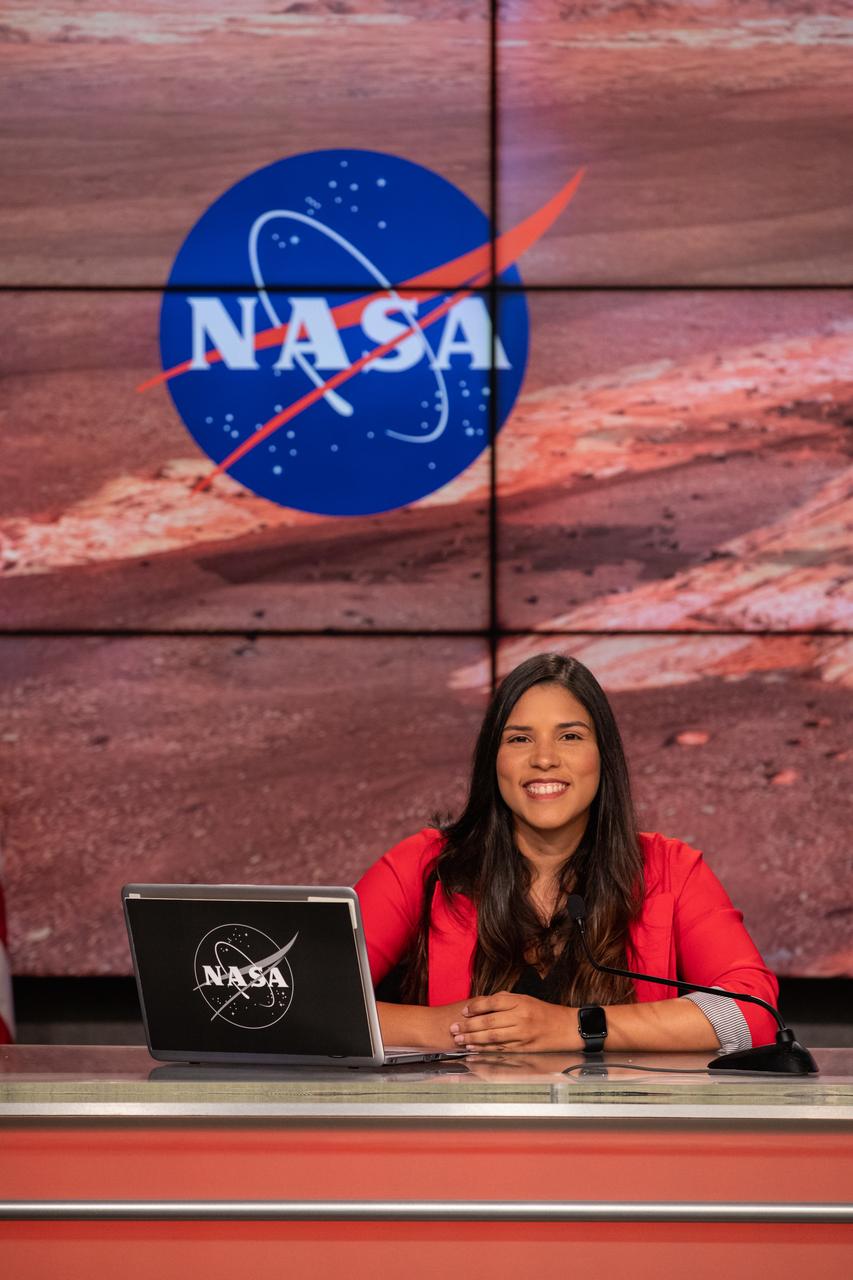
NASA Public Affairs Specialist Kristi Irastorza hosts a “Mars 2020 Social Media Q&A: En Español” program on Wednesday, July 22, at NASA’s Kennedy Space Center in Florida. The event featured representatives from NASA’s Launch Services Program (LSP) and NASA’s Jet Propulsion Laboratory. The Mars Perseverance rover is scheduled to lift off aboard a United Launch Alliance Atlas V 541 rocket from Cape Canaveral Air Force Station’s Space Launch Complex 41 on Thursday, July 30. The two-hour window opens at 7:50 a.m. EDT. LSP, based at Kennedy, is managing the launch.

Acting NASA Administrator Steve Jurczyk speaks during a NASA Social Facebook Live event April 21, 2021, near the Press Site countdown clock at Kennedy Space Center in Florida, ahead of the agency’s SpaceX Crew-2 launch. NASA astronauts Shane Kimbrough and Megan McArthur, JAXA astronaut Akihiko Hoshide, and ESA astronaut Thomas Pesquet will fly on Crew-2, the second crew rotation mission to the International Space Station as part of NASA’s Commercial Crew Program. They will launch aboard SpaceX’s Crew Dragon spacecraft, named Endeavour, powered by the company’s Falcon 9 rocket. Liftoff is set for Friday, April 23, at 5:49 a.m. EDT.
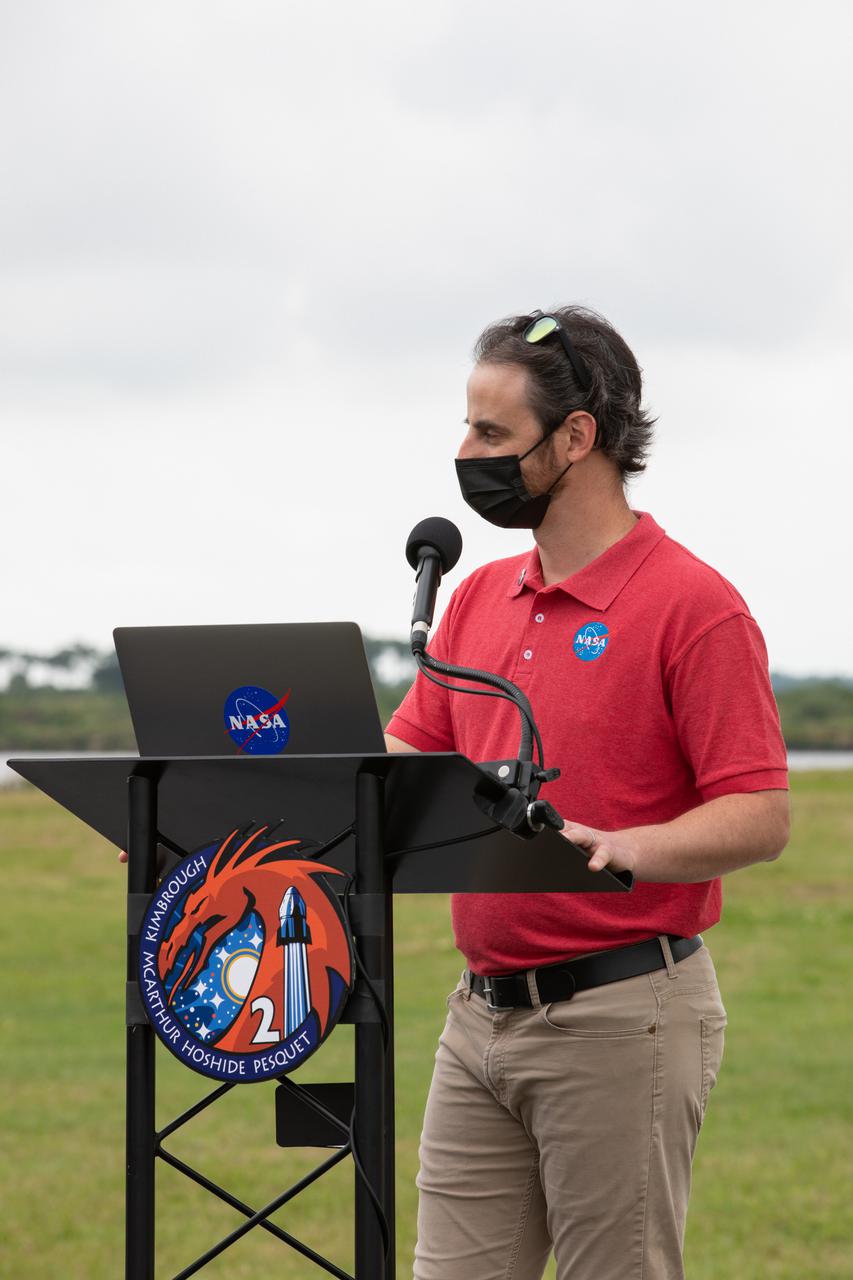
Moderator Joshua Santora speaks during a NASA Social Facebook Live event April 21, 2021, near the Press Site countdown clock at Kennedy Space Center in Florida, ahead of the agency’s SpaceX Crew-2 launch. NASA astronauts Shane Kimbrough and Megan McArthur, JAXA astronaut Akihiko Hoshide, and ESA astronaut Thomas Pesquet will fly on Crew-2, the second crew rotation mission to the International Space Station as part of NASA’s Commercial Crew Program. They will launch aboard SpaceX’s Crew Dragon spacecraft, named Endeavour, powered by the company’s Falcon 9 rocket. Liftoff is set for Friday, April 23, at 5:49 a.m. EDT.
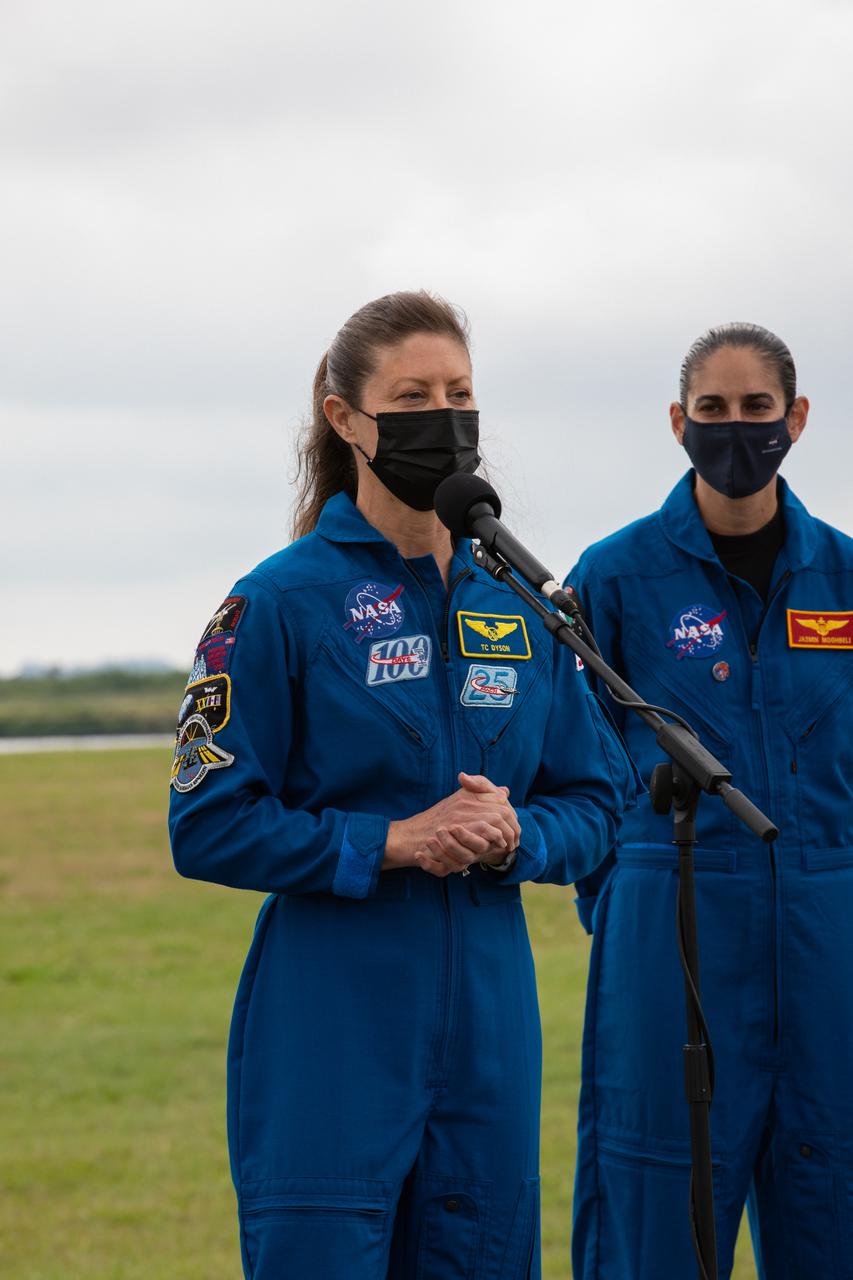
NASA astronaut Tracy Caldwell Dyson speaks during a NASA Social Facebook Live event April 21, 2021, near the Press Site countdown clock at Kennedy Space Center in Florida, ahead of the agency’s SpaceX Crew-2 launch. NASA astronauts Shane Kimbrough and Megan McArthur, JAXA astronaut Akihiko Hoshide, and ESA astronaut Thomas Pesquet will fly on Crew-2, the second crew rotation mission to the International Space Station as part of NASA’s Commercial Crew Program. They will launch aboard SpaceX’s Crew Dragon spacecraft, named Endeavour, powered by the company’s Falcon 9 rocket. Liftoff is set for Friday, April 23, at 5:49 a.m. EDT.
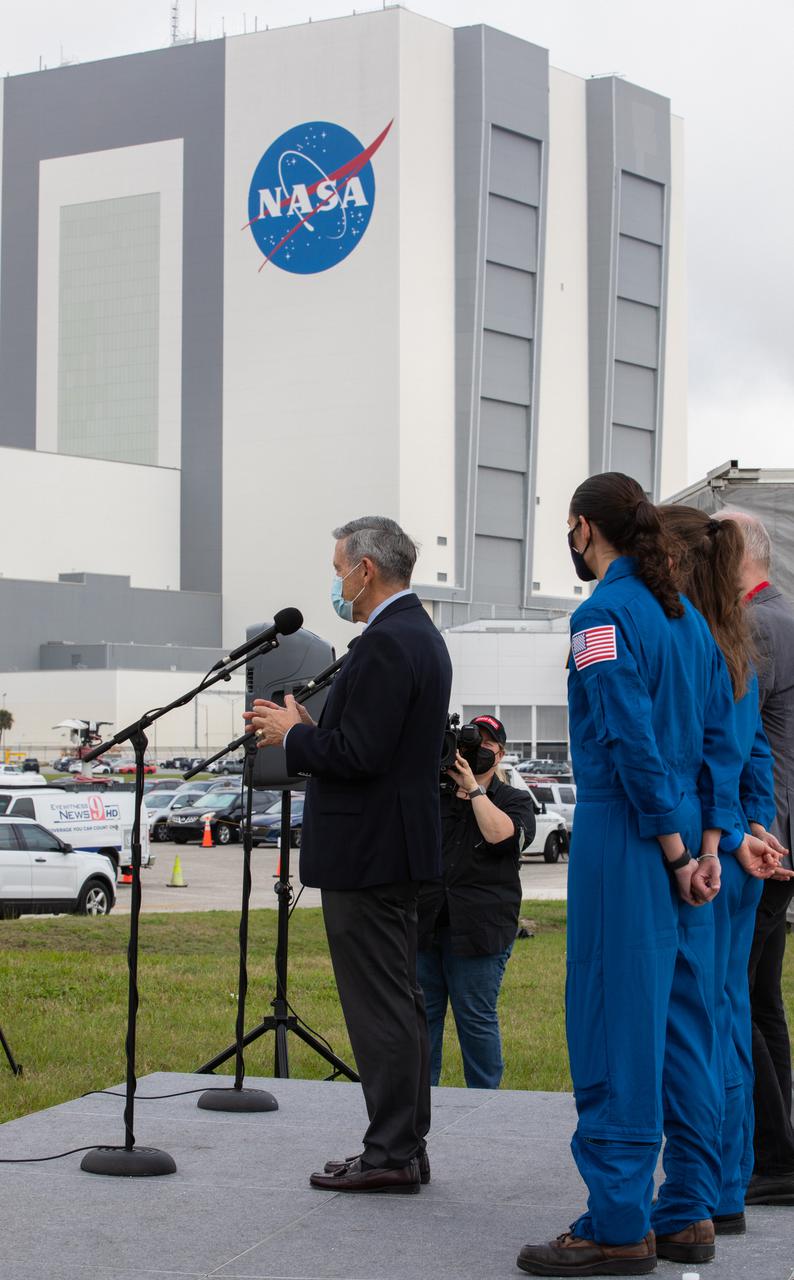
Kennedy Space Center Director Bob Cabana speaks during a NASA Social Facebook Live event April 21, 2021, near the Press Site countdown clock at the Florida Spaceport, ahead of the agency’s SpaceX Crew-2 launch. NASA astronauts Shane Kimbrough and Megan McArthur, JAXA astronaut Akihiko Hoshide, and ESA astronaut Thomas Pesquet will fly on Crew-2, the second crew rotation mission to the International Space Station as part of NASA’s Commercial Crew Program. They will launch aboard SpaceX’s Crew Dragon spacecraft, named Endeavour, powered by the company’s Falcon 9 rocket. Liftoff is set for Friday, April 23, at 5:49 a.m. EDT.
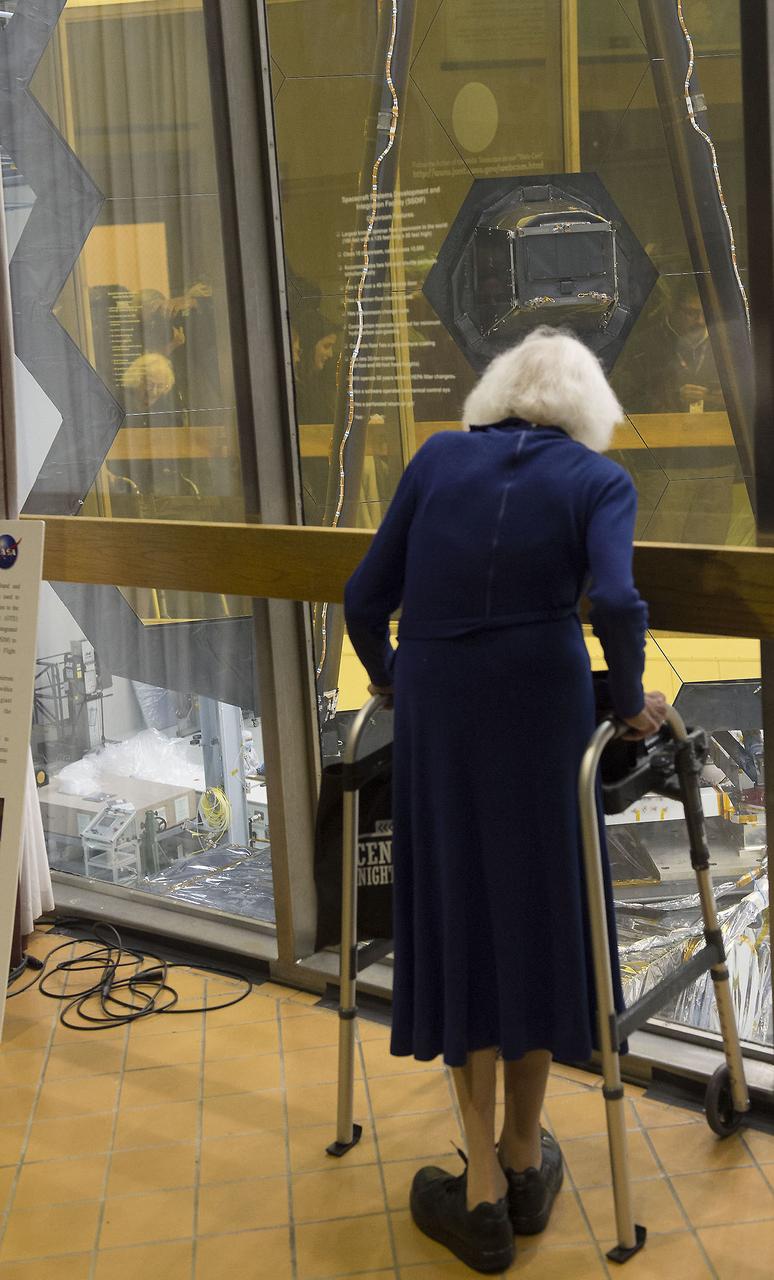
Employees viewed James Webb Space Telescope in B29 on March 31, 2017 prior to final phase of integration and testing before 2018 launch. Project personnel were on hand for Q&A and LIVE Facebook event. Pictured here is Nancy Grace Roman “Mother of Hubble” viewing JWST.

Kennedy Space Center Director Bob Cabana speaks during a NASA Social Facebook Live event April 21, 2021, near the Press Site countdown clock at the Florida Spaceport, ahead of the agency’s SpaceX Crew-2 launch. Also pictured, from left to right, are: Steve Jurczyk, acting NASA administrator; Hiroshi Sasaki, vice president and director general, JAXA’s Human Spaceflight Technology Directorate; and Frank de Winne, manager, International Space Station Program, ESA. NASA astronauts Shane Kimbrough and Megan McArthur, JAXA astronaut Akihiko Hoshide, and ESA astronaut Thomas Pesquet will fly on Crew-2, the second crew rotation mission to the International Space Station as part of NASA’s Commercial Crew Program. They will launch aboard SpaceX’s Crew Dragon spacecraft, named Endeavour, powered by the company’s Falcon 9 rocket. Liftoff is set for Friday, April 23, at 5:49 a.m. EDT.

Hiroshi Sasaki, vice president and director general, JAXA’s Human Spaceflight Technology Directorate, speaks during a NASA Social Facebook Live event April 21, 2021, near the Press Site countdown clock at Kennedy Space Center in Florida, ahead of the agency’s SpaceX Crew-2 launch. NASA astronauts Shane Kimbrough and Megan McArthur, JAXA astronaut Akihiko Hoshide, and ESA astronaut Thomas Pesquet will fly on Crew-2, the second crew rotation mission to the International Space Station as part of NASA’s Commercial Crew Program. They will launch aboard SpaceX’s Crew Dragon spacecraft, named Endeavour, powered by the company’s Falcon 9 rocket. Liftoff is set for Friday, April 23, at 5:49 a.m. EDT.
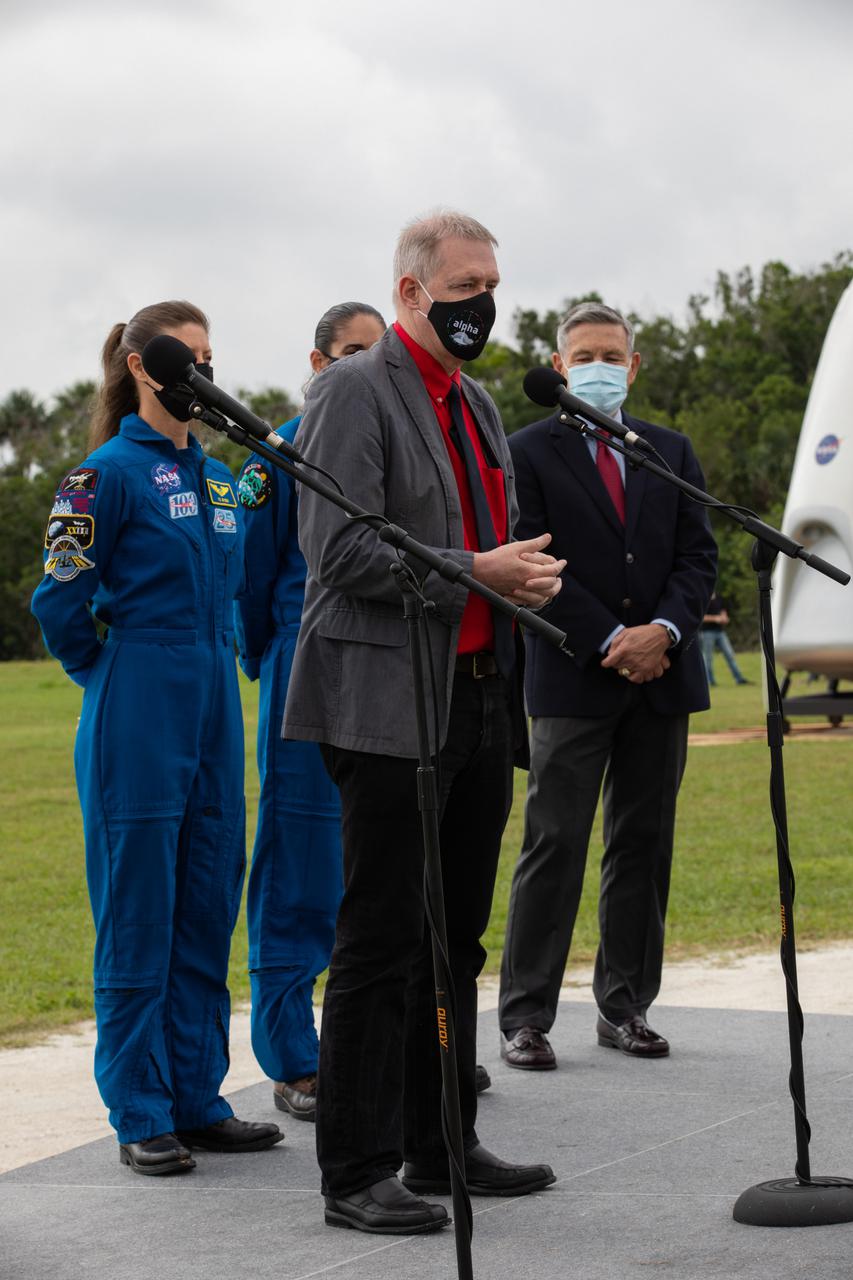
Frank de Winne, manager, International Space Station Program, ESA, speaks during a NASA Social Facebook Live event April 21, 2021, near the Press Site countdown clock at Kennedy Space Center in Florida, ahead of the agency’s SpaceX Crew-2 launch. NASA astronauts Shane Kimbrough and Megan McArthur, JAXA astronaut Akihiko Hoshide, and ESA astronaut Thomas Pesquet will fly on Crew-2, the second crew rotation mission to the International Space Station as part of NASA’s Commercial Crew Program. They will launch aboard SpaceX’s Crew Dragon spacecraft, named Endeavour, powered by the company’s Falcon 9 rocket. Liftoff is set for Friday, April 23, at 5:49 a.m. EDT.

All Goddard employees are invited to gather in Bldg 28 Friday, August 26, 2016 to share a greeting in recognition of Star Trek 50th anniversary which is Sept 8. Office of Communications will film people speaking several lines in unison. Video will be part of a longer video of messaes recorded across the agency and will be shared on social media via Dateline, Facebook and Twitter.
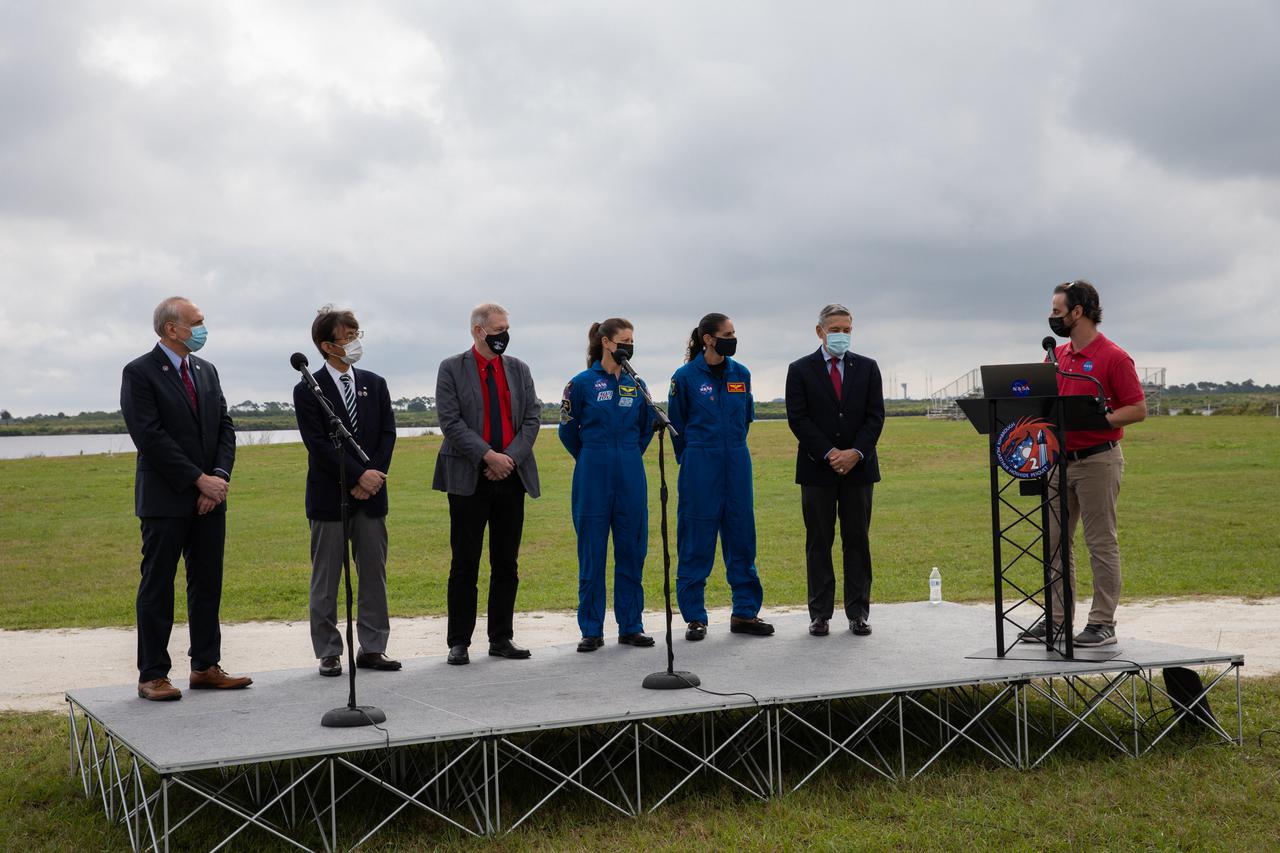
At right, moderator Joshua Santora, NASA Communications, addresses the participants in a NASA Social Facebook Live event held April 21, 2021, near the Press Site countdown clock at NASA’s Kennedy Space Center in Florida, ahead of the agency’s SpaceX Crew-2 launch. Participants, from left to right, are: Steve Jurczyk, acting NASA administrator; Hiroshi Sasaki, vice president and director general, JAXA’s Human Spaceflight Technology Directorate; Frank de Winne, manager, International Space Station Program, ESA; NASA astronauts Tracy Caldwell Dyson and Jasmin Moghbeli; and Kennedy Director Bob Cabana. Crew-2 is the second regular crew mission of a U.S. commercial spacecraft with astronauts to the International Space Station as part of NASA’s Commercial Crew Program. The SpaceX Crew Dragon Endeavour capsule will launch atop the company’s Falcon 9 rocket from Launch Complex 39A to the space station for a six-month science mission. Liftoff is targeted for Friday, April 23, at 5:49 a.m. EDT.
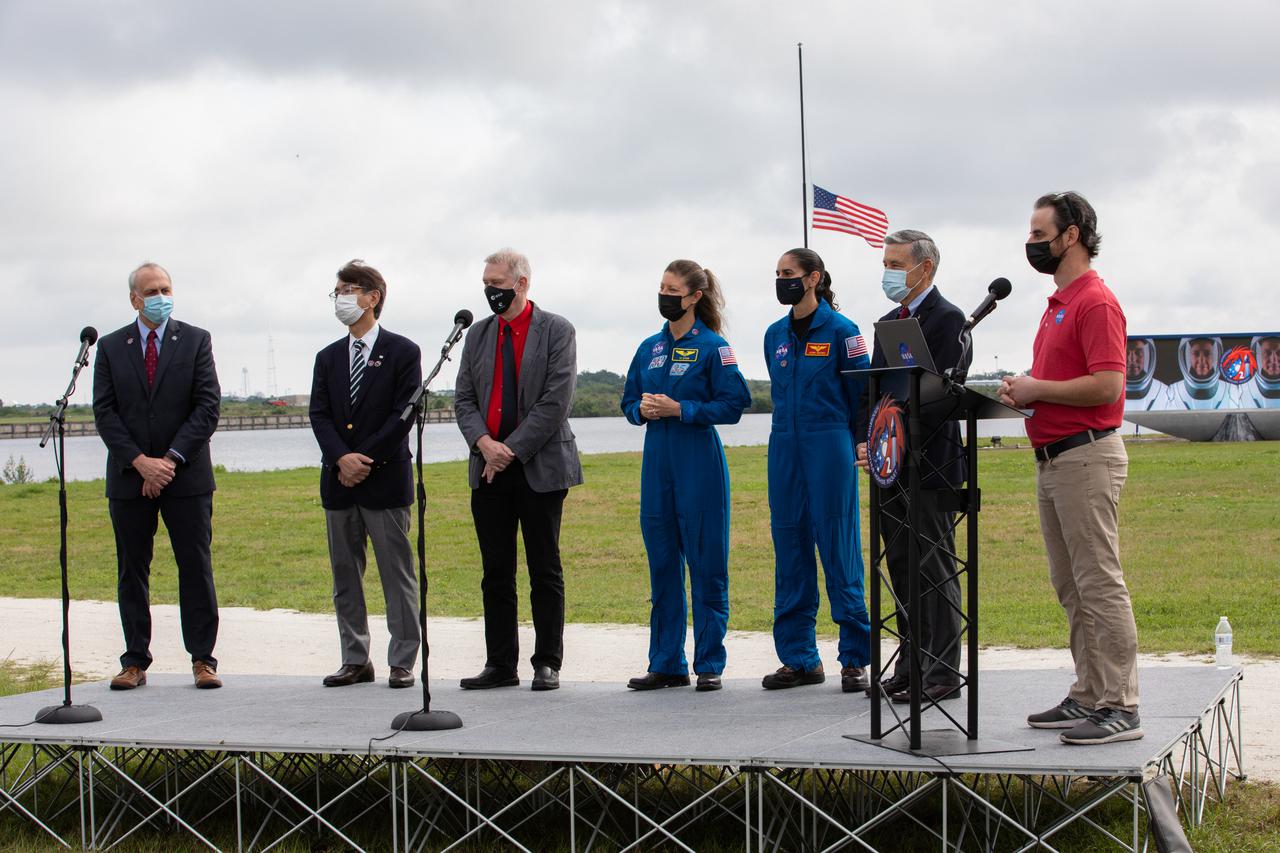
At right, moderator Joshua Santora, NASA Communications, addresses the audience during a NASA Social Facebook Live event held April 21, 2021, near the Press Site countdown clock at NASA’s Kennedy Space Center in Florida, ahead of the agency’s SpaceX Crew-2 launch. Participants, from left to right, are: Steve Jurczyk, acting NASA administrator; Hiroshi Sasaki, vice president and director general, JAXA’s Human Spaceflight Technology Directorate; Frank de Winne, manager, International Space Station Program, ESA; NASA astronauts Tracy Caldwell Dyson and Jasmin Moghbeli; and Kennedy Director Bob Cabana. Crew-2 is the second regular crew mission of a U.S. commercial spacecraft with astronauts to the International Space Station as part of NASA’s Commercial Crew Program. The SpaceX Crew Dragon Endeavour capsule will launch atop the company’s Falcon 9 rocket from Launch Complex 39A to the space station for a six-month science mission. Liftoff is targeted for Friday, April 23, at 5:49 a.m. EDT.
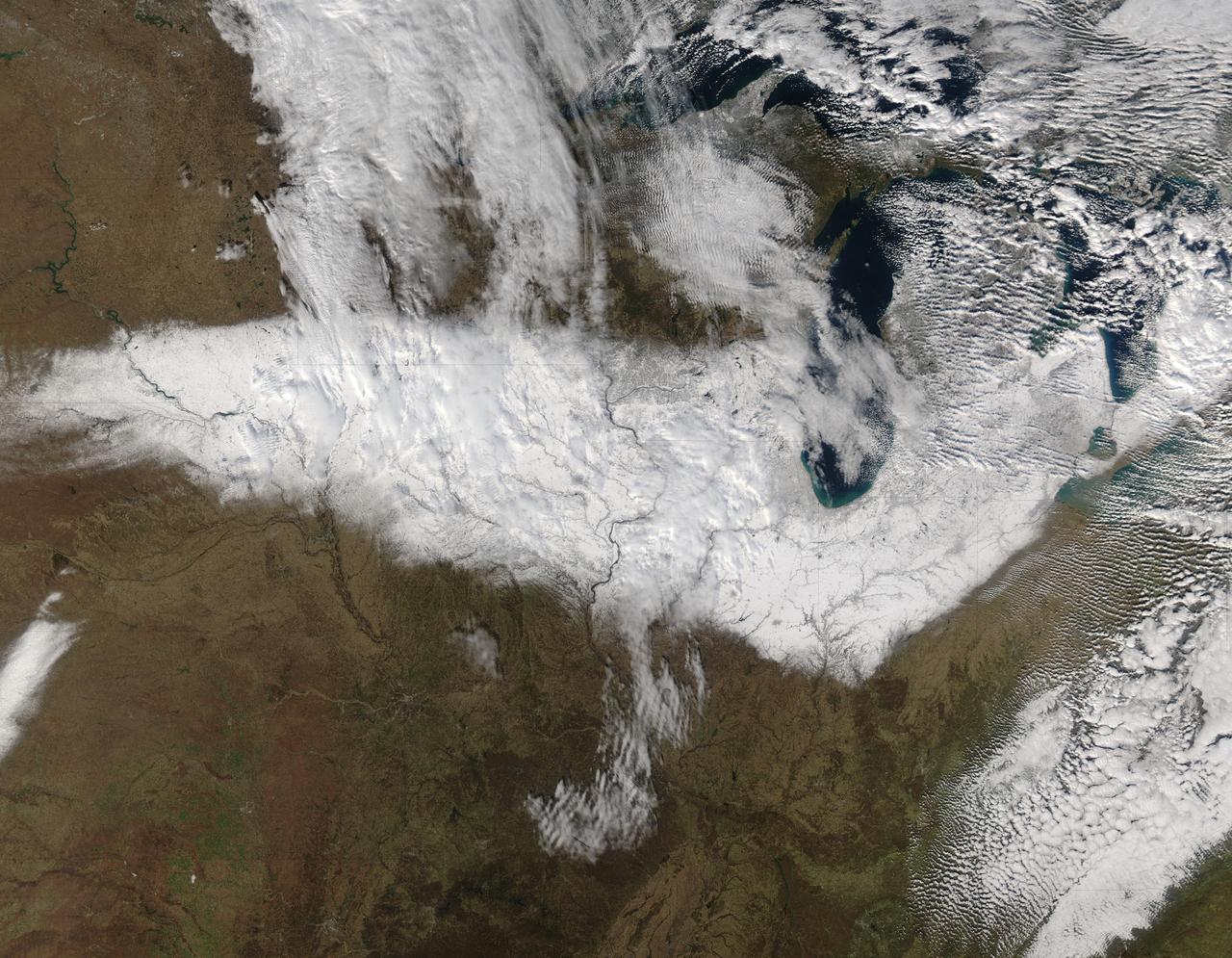
On Nov. 22, 2015 at 19:15 UTC the MODIS instrument aboard NASA's Aqua satellite captured this image of Snow across the Midwest. Credit: NASA Goddard MODIS Rapid Response Team NASA image use policy. NASA Goddard Space Flight Center enables NASA’s mission through four scientific endeavors: Earth Science, Heliophysics, Solar System Exploration, and Astrophysics. Goddard plays a leading role in NASA’s accomplishments by contributing compelling scientific knowledge to advance the Agency’s mission. Follow us on Twitter Like us on Facebook Find us on Instagram
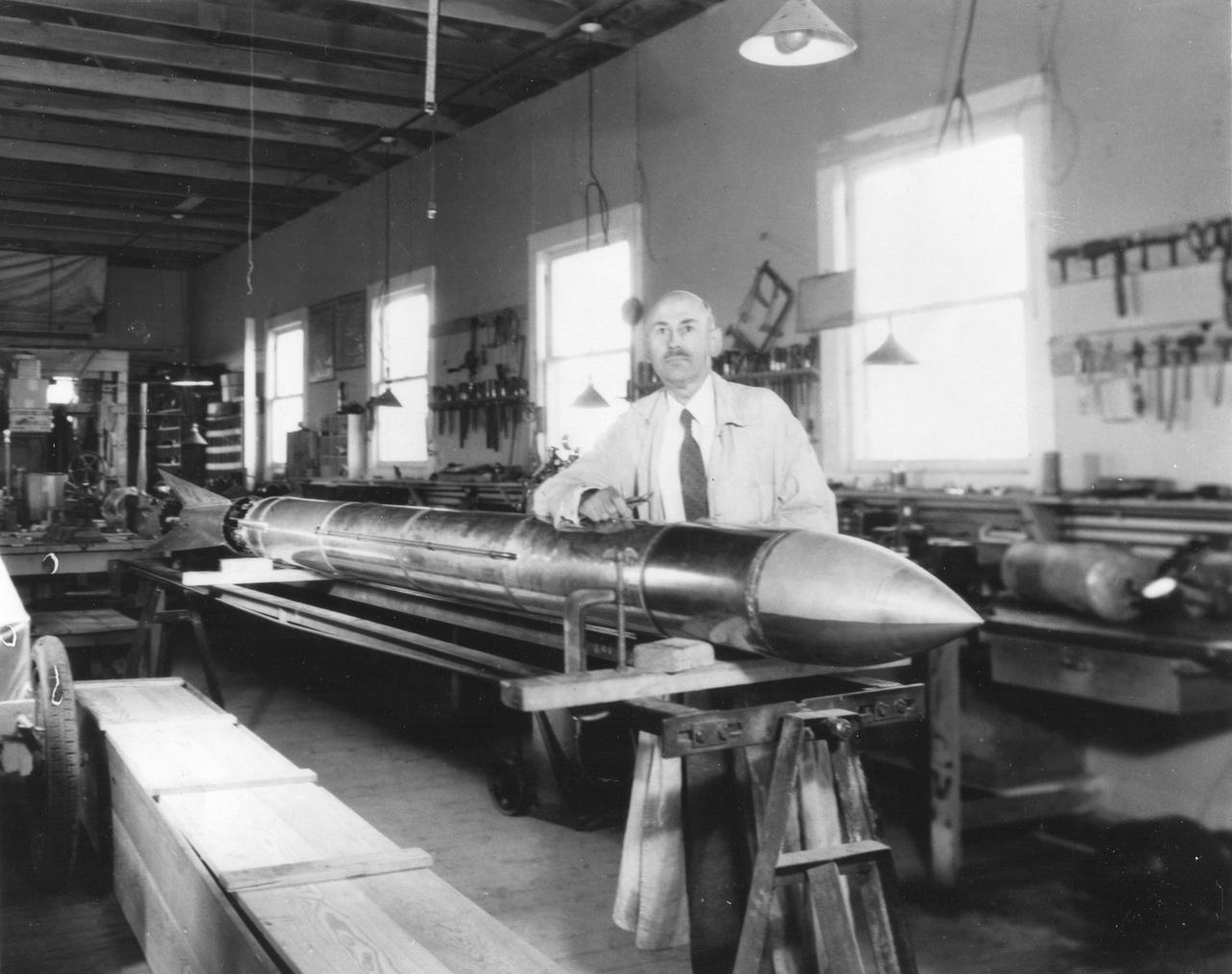
Goddard with a rocket in his workshop at Roswell, NM. October 1935. <b><a href="http://www.nasa.gov/centers/goddard/home/index.html" rel="nofollow">NASA Goddard Space Flight Center</a></b> enables NASA’s mission through four scientific endeavors: Earth Science, Heliophysics, Solar System Exploration, and Astrophysics. Goddard plays a leading role in NASA’s accomplishments by contributing compelling scientific knowledge to advance the Agency’s mission. <b>Follow us on <a href="http://twitter.com/NASA_GoddardPix" rel="nofollow">Twitter</a></b> <b>Join us on <a href="http://www.facebook.com/pages/Greenbelt-MD/NASA-Goddard/395013845897?ref=tsd" rel="nofollow">Facebook</a></b>

A Shorty Award is seen Wednesday, April 10, 2013 at NASA Headquarters in Washington. NASA's official Twitter feed, @NASA, has won its second consecutive Shorty award for the best government use of social media. The Shorty Award honors the best of social media across sites such as Twitter, Facebook, Tumblr, YouTube, Foursquare and others. NASA took the prize Monday, April 8, at the fifth Shorty Awards ceremony in New York. The @NASA acceptance tweet was, "We're sharing the universe 1 tweet at a time. Be inspired! Follow @NASA & RT if you love science & space. #ShortyAwards." Photo Credit: (NASA/Carla Cioffi)

Dr. Robert Goddard's rocket ready for flight. Roswell, New Mexico. <b><a href="http://www.nasa.gov/centers/goddard/home/index.html" rel="nofollow">NASA Goddard Space Flight Center</a></b> enables NASA’s mission through four scientific endeavors: Earth Science, Heliophysics, Solar System Exploration, and Astrophysics. Goddard plays a leading role in NASA’s accomplishments by contributing compelling scientific knowledge to advance the Agency’s mission. <b>Follow us on <a href="http://twitter.com/NASA_GoddardPix" rel="nofollow">Twitter</a></b> <b>Join us on <a href="http://www.facebook.com/pages/Greenbelt-MD/NASA-Goddard/395013845897?ref=tsd" rel="nofollow">Facebook</a></b>

NASA image captured March 28, 2011 The Great Lakes Satellite: Terra <b><a href="http://www.nasa.gov/centers/goddard/home/index.html" rel="nofollow">NASA Goddard Space Flight Center</a></b> enables NASA’s mission through four scientific endeavors: Earth Science, Heliophysics, Solar System Exploration, and Astrophysics. Goddard plays a leading role in NASA’s accomplishments by contributing compelling scientific knowledge to advance the Agency’s mission. <b>Follow us on <a href="http://twitter.com/NASA_GoddardPix" rel="nofollow">Twitter</a></b> <b>Join us on <a href="http://www.facebook.com/pages/Greenbelt-MD/NASA-Goddard/395013845897?ref=tsd" rel="nofollow">Facebook</a></b>

Landsat Image of the Novarupta / Katmai Area - 1990 Credit: NASA/GSFC/Landsat <b><a href="http://www.nasa.gov/centers/goddard/home/index.html" rel="nofollow">NASA Goddard Space Flight Center</a></b> enables NASA’s mission through four scientific endeavors: Earth Science, Heliophysics, Solar System Exploration, and Astrophysics. Goddard plays a leading role in NASA’s accomplishments by contributing compelling scientific knowledge to advance the Agency’s mission. <b>Follow us on <a href="http://twitter.com/NASA_GoddardPix" rel="nofollow">Twitter</a></b> <b>Join us on <a href="http://www.facebook.com/pages/Greenbelt-MD/NASA-Goddard/395013845897?ref=tsd" rel="nofollow">Facebook</a></b>
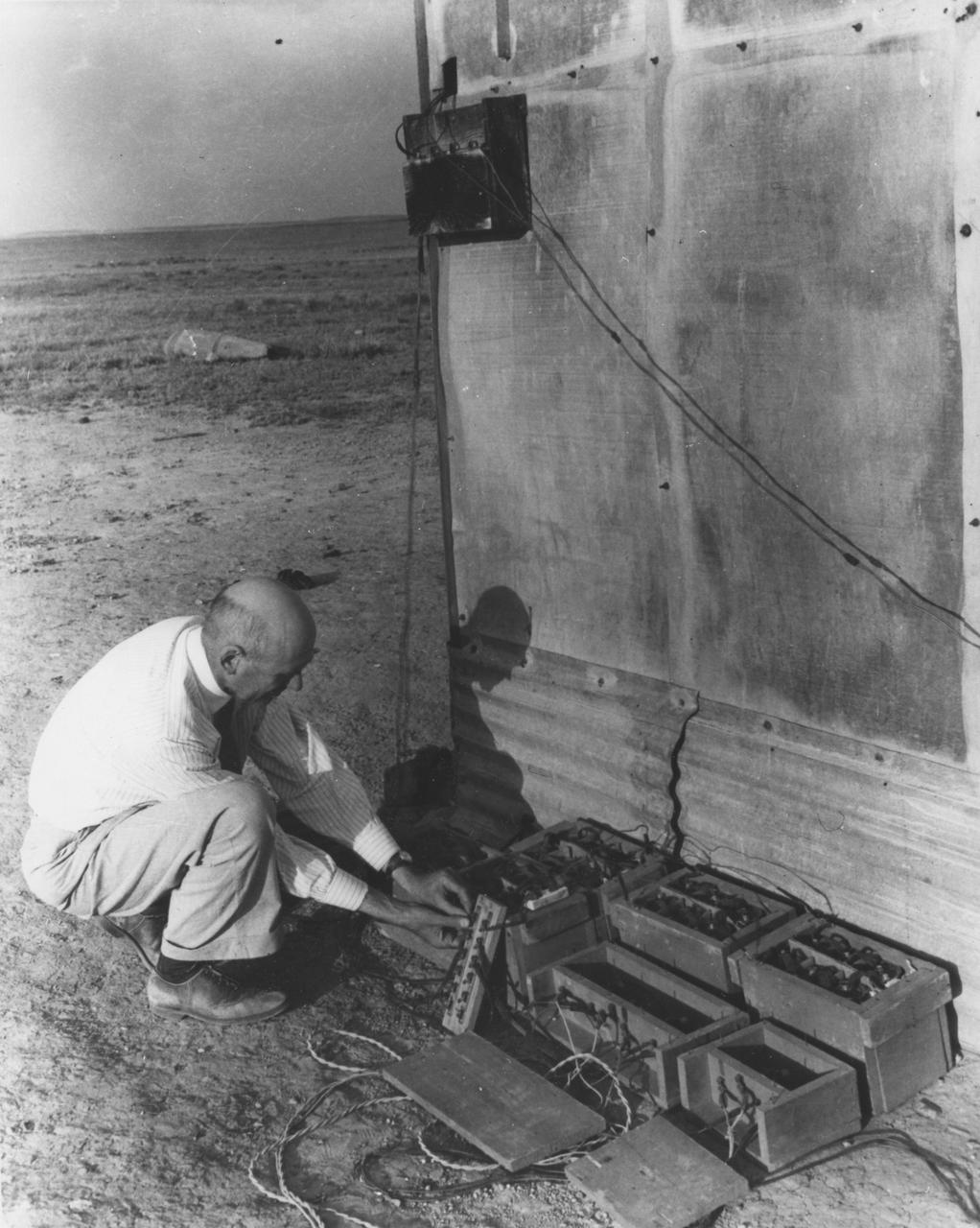
Dr. Robert Goddard with batteries and relay at the launch tower, May 19, 1937. <b><a href="http://www.nasa.gov/centers/goddard/home/index.html" rel="nofollow">NASA Goddard Space Flight Center</a></b> enables NASA’s mission through four scientific endeavors: Earth Science, Heliophysics, Solar System Exploration, and Astrophysics. Goddard plays a leading role in NASA’s accomplishments by contributing compelling scientific knowledge to advance the Agency’s mission. <b>Follow us on <a href="http://twitter.com/NASA_GoddardPix" rel="nofollow">Twitter</a></b> <b>Join us on <a href="http://www.facebook.com/pages/Greenbelt-MD/NASA-Goddard/395013845897?ref=tsd" rel="nofollow">Facebook</a></b>
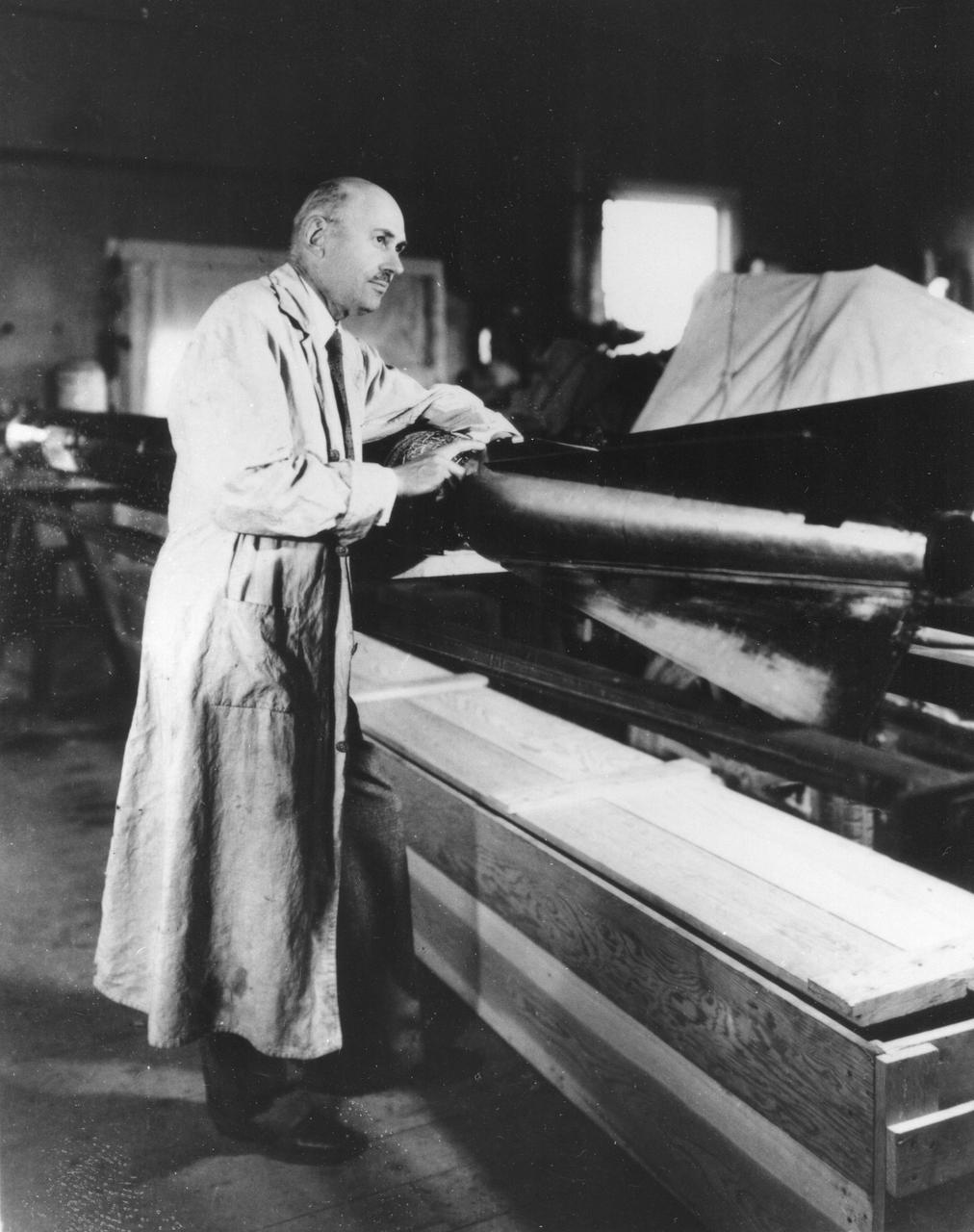
Robert Goddard with a rocket in his workshop at Roswell, NM. October 1935. <b><a href="http://www.nasa.gov/centers/goddard/home/index.html" rel="nofollow">NASA Goddard Space Flight Center</a></b> enables NASA’s mission through four scientific endeavors: Earth Science, Heliophysics, Solar System Exploration, and Astrophysics. Goddard plays a leading role in NASA’s accomplishments by contributing compelling scientific knowledge to advance the Agency’s mission. <b>Follow us on <a href="http://twitter.com/NASA_GoddardPix" rel="nofollow">Twitter</a></b> <b>Join us on <a href="http://www.facebook.com/pages/Greenbelt-MD/NASA-Goddard/395013845897?ref=tsd" rel="nofollow">Facebook</a></b>

Interior view along the south side of Dr. Robert Goddard’s shop at the Mescalero Ranch in New Mexico. Mr. H. Sachs is shown seated in the rear of the shop. <b><a href="http://www.nasa.gov/centers/goddard/home/index.html" rel="nofollow">NASA Goddard Space Flight Center</a></b> enables NASA’s mission through four scientific endeavors: Earth Science, Heliophysics, Solar System Exploration, and Astrophysics. Goddard plays a leading role in NASA’s accomplishments by contributing compelling scientific knowledge to advance the Agency’s mission. <b>Follow us on <a href="http://twitter.com/NASA_GoddardPix" rel="nofollow">Twitter</a></b> <b>Join us on <a href="http://www.facebook.com/pages/Greenbelt-MD/NASA-Goddard/395013845897?ref=tsd" rel="nofollow">Facebook</a></b>

NASA image captured August 31, 2000 The tongue of the Malaspina Glacier, the largest glacier in Alaska, fills most of this image. The Malaspina lies west of Yakutat Bay and covers 1,500 sq. MI (3,880 sq. km). Credit: NASA/Landsat <b><a href="http://www.nasa.gov/centers/goddard/home/index.html" rel="nofollow">NASA Goddard Space Flight Center</a></b> enables NASA’s mission through four scientific endeavors: Earth Science, Heliophysics, Solar System Exploration, and Astrophysics. Goddard plays a leading role in NASA’s accomplishments by contributing compelling scientific knowledge to advance the Agency’s mission. <b>Follow us on <a href="http://twitter.com/NASA_GoddardPix" rel="nofollow">Twitter</a></b> <b>Join us on <a href="http://www.facebook.com/pages/Greenbelt-MD/NASA-Goddard/395013845897?ref=tsd" rel="nofollow">Facebook</a></b>
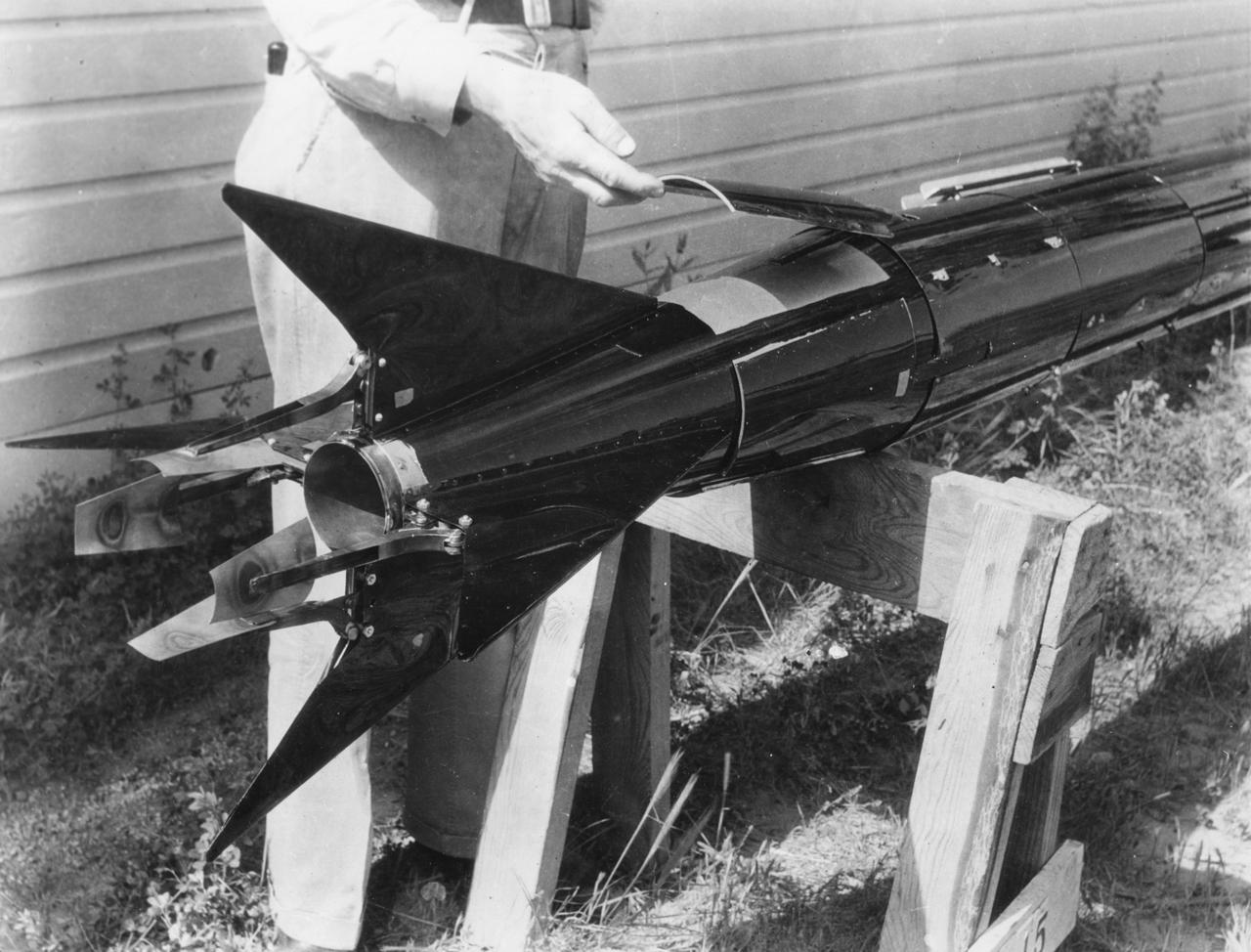
Tail piece, with fixed movable air vanes, and vanes movable into the blast, of Dr. Robert Goddard's rocket, May 19, 1937. <b><a href="http://www.nasa.gov/centers/goddard/home/index.html" rel="nofollow">NASA Goddard Space Flight Center</a></b> enables NASA’s mission through four scientific endeavors: Earth Science, Heliophysics, Solar System Exploration, and Astrophysics. Goddard plays a leading role in NASA’s accomplishments by contributing compelling scientific knowledge to advance the Agency’s mission. <b>Follow us on <a href="http://twitter.com/NASA_GoddardPix" rel="nofollow">Twitter</a></b> <b>Join us on <a href="http://www.facebook.com/pages/Greenbelt-MD/NASA-Goddard/395013845897?ref=tsd" rel="nofollow">Facebook</a></b>

GOES 11 satellite image showing earth on March 26, 2010 8:00 AM EDT. <b><a href="http://goes.gsfc.nasa.gov/" rel="nofollow">Credit: NOAA/NASA GOES Project</a><b> <b><a href="http://www.nasa.gov/centers/goddard/home/index.html" rel="nofollow">NASA Goddard Space Flight Center</a></b> is home to the nation's largest organization of combined scientists, engineers and technologists that build spacecraft, instruments and new technology to study the Earth, the sun, our solar system, and the universe. <b>Follow us on <a href="http://twitter.com/NASA_GoddardPix" rel="nofollow">Twitter</a></b> <b>Join us on <a href="http://www.facebook.com/pages/Greenbelt-MD/NASA-Goddard/395013845897?ref=tsd" rel="nofollow">Facebook</a></b></b></b>
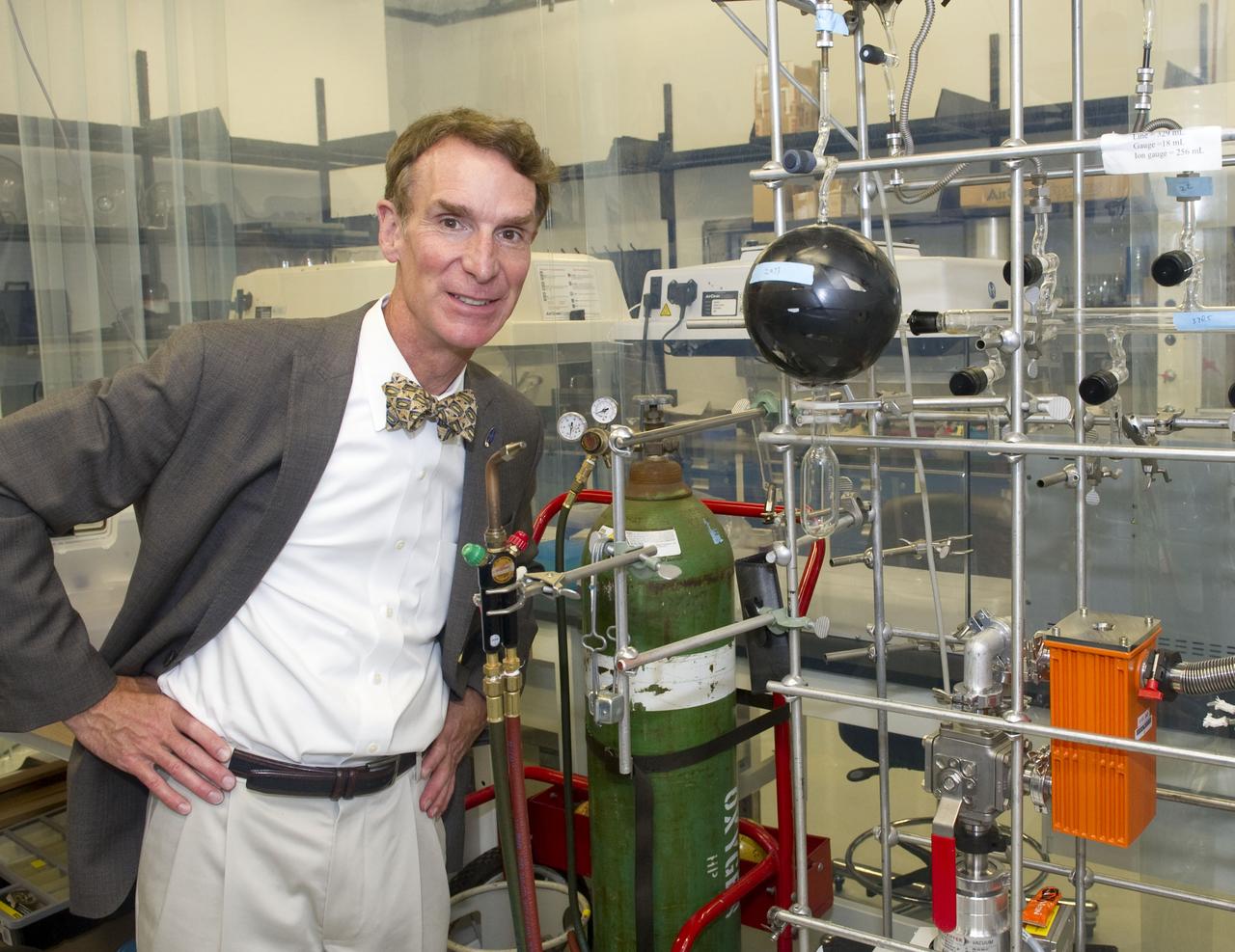
Bill Nye at the Astrobiology Lab during a tour of Goddard Space Flight Center on September 8, 2011 Credit: NASA/GSFC/Bill Hrybyk <b><a href="http://www.nasa.gov/centers/goddard/home/index.html" rel="nofollow">NASA Goddard Space Flight Center</a></b> enables NASA’s mission through four scientific endeavors: Earth Science, Heliophysics, Solar System Exploration, and Astrophysics. Goddard plays a leading role in NASA’s accomplishments by contributing compelling scientific knowledge to advance the Agency’s mission. <b>Follow us on <a href="http://twitter.com/NASA_GoddardPix" rel="nofollow">Twitter</a></b> <b>Like us on <a href="http://www.facebook.com/pages/Greenbelt-MD/NASA-Goddard/395013845897?ref=tsd" rel="nofollow">Facebook</a></b> <b>Find us on <a href="http://web.stagram.com/n/nasagoddard/?vm=grid" rel="nofollow">Instagram</a></b>
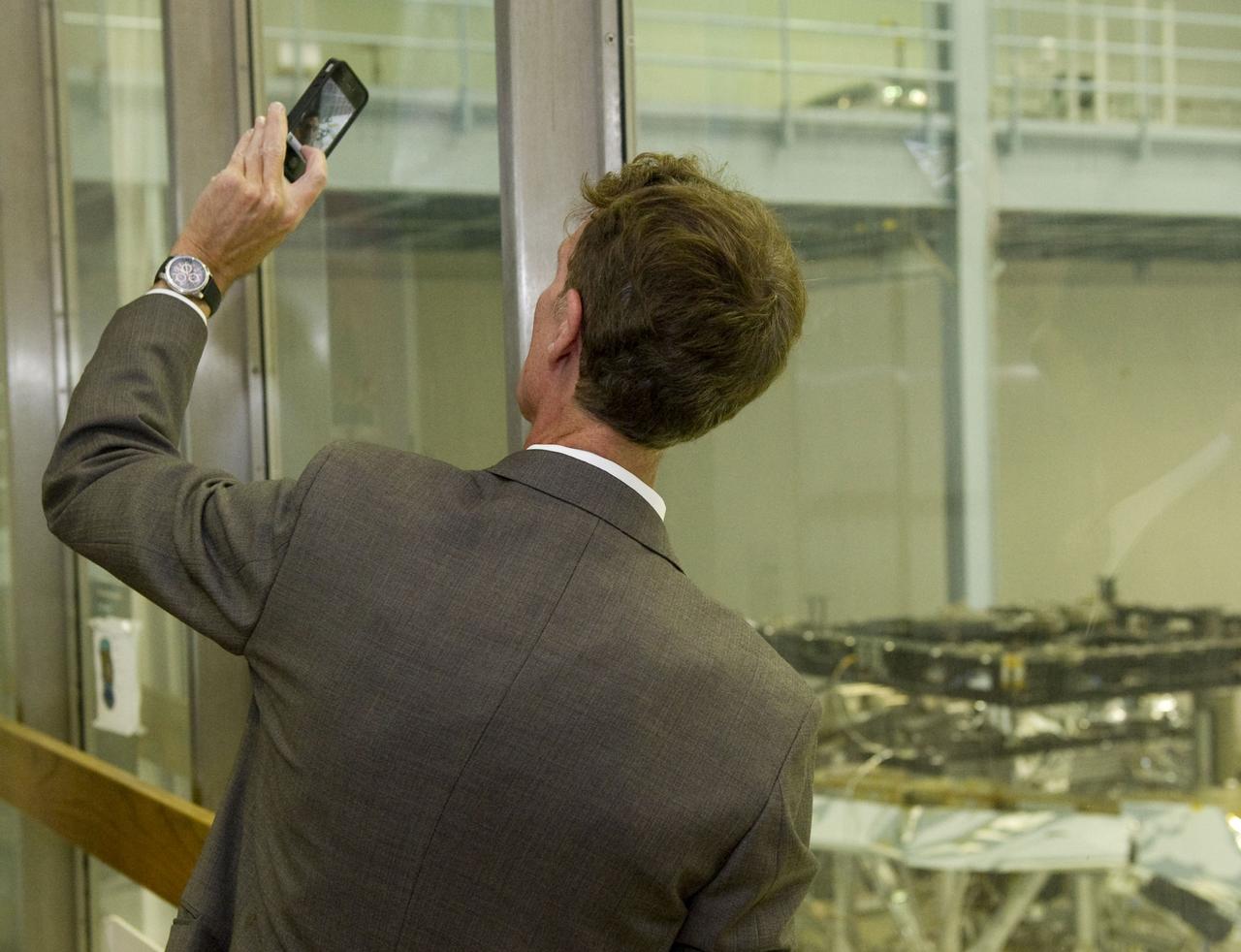
Bill Nye checks out the progress of the James Webb Space Telescope at the building 29 clean room during a tour of Goddard Space Flight Center on September 8, 2011 Credit: NASA/GSFC/Bill Hrybyk <b><a href="http://www.nasa.gov/centers/goddard/home/index.html" rel="nofollow">NASA Goddard Space Flight Center</a></b> enables NASA’s mission through four scientific endeavors: Earth Science, Heliophysics, Solar System Exploration, and Astrophysics. Goddard plays a leading role in NASA’s accomplishments by contributing compelling scientific knowledge to advance the Agency’s mission. <b>Follow us on <a href="http://twitter.com/NASA_GoddardPix" rel="nofollow">Twitter</a></b> <b>Like us on <a href="http://www.facebook.com/pages/Greenbelt-MD/NASA-Goddard/395013845897?ref=tsd" rel="nofollow">Facebook</a></b> <b>Find us on <a href="http://web.stagram.com/n/nasagoddard/?vm=grid" rel="nofollow">Instagram</a></b>
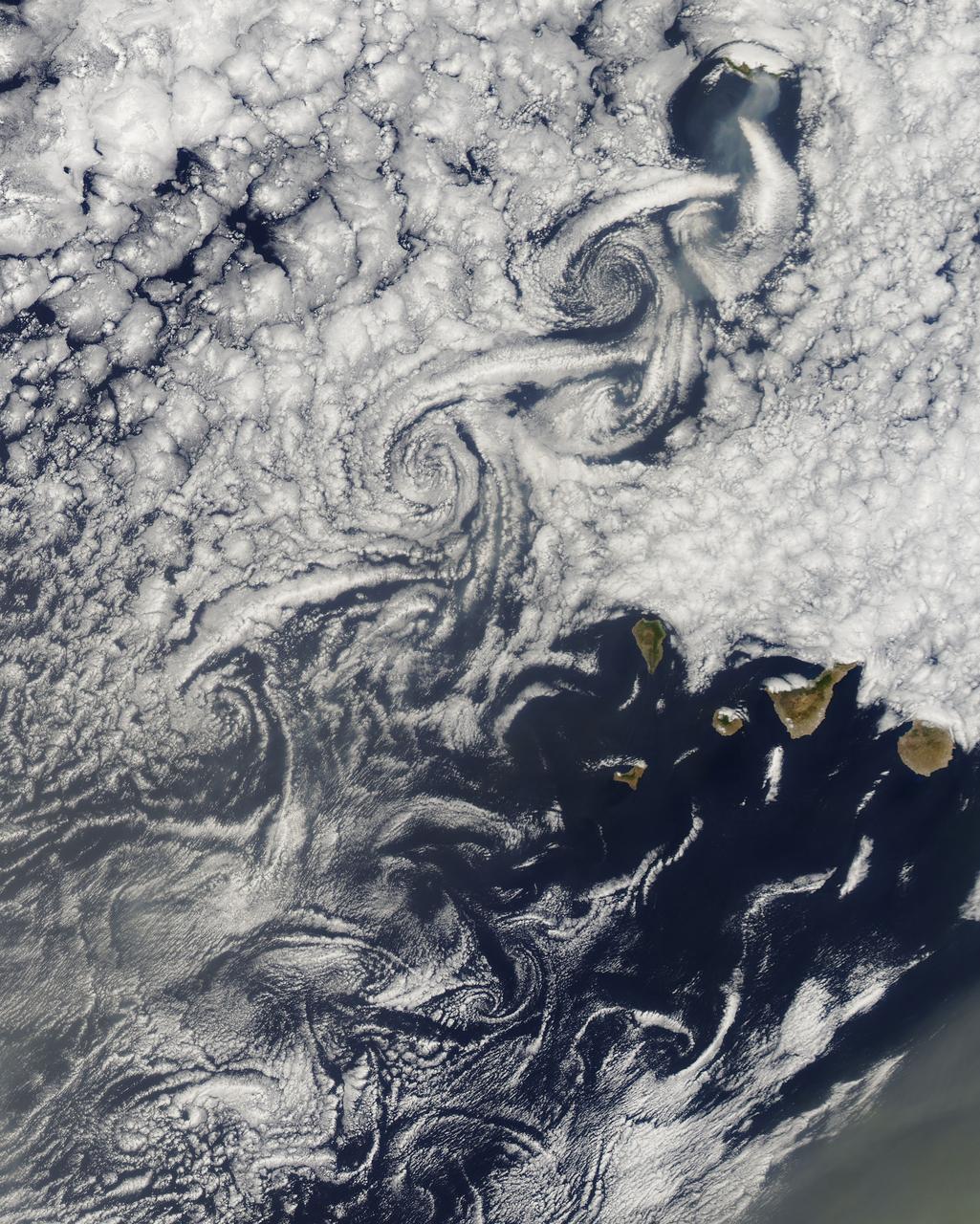
NASA image acquired August 14, 2010 at 14:55 UTC Cloud vortices off Madeira and Canary Islands Satellite: Aqua Credit: NASA/GSFC/Jeff Schmaltz/MODIS Land Rapid Response Team Click here to see more images from <b><a href="http://rapidfire.sci.gsfc.nasa.gov/gallery/?latest" rel="nofollow">MODIS</a></b> <b><a href="http://www.nasa.gov/centers/goddard/home/index.html" rel="nofollow">NASA Goddard Space Flight Center</a></b> is home to the nation's largest organization of combined scientists, engineers and technologists that build spacecraft, instruments and new technology to study the Earth, the sun, our solar system, and the universe. <b>Follow us on <a href="http://twitter.com/NASA_GoddardPix" rel="nofollow">Twitter</a></b> <b>Join us on <a href="http://www.facebook.com/pages/Greenbelt-MD/NASA-Goddard/395013845897?ref=tsd" rel="nofollow">Facebook</a><b></b></b>
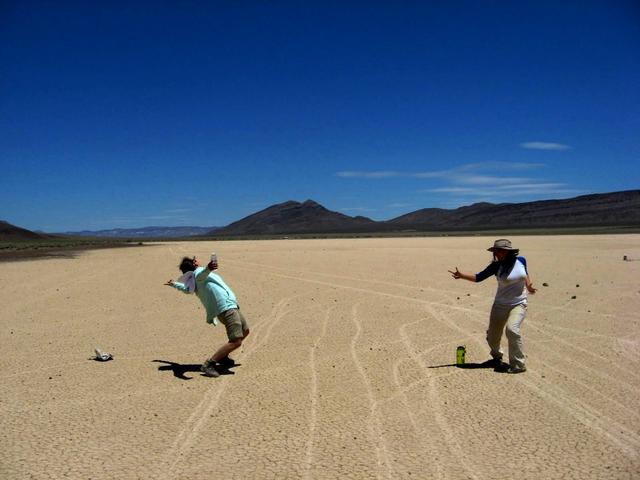
Sometimes, a gunfight breaks out, like this one between (left) Mindy Krzykowski and (right) Leva McIntire. This is the wild West, after all. Photo credit: NASA/GSFC/Maggie McAdam To read a feature story on the Racetrack Playa go to: <a href="http://www.nasa.gov/topics/earth/features/roving-rocks.html" rel="nofollow">www.nasa.gov/topics/earth/features/roving-rocks.html</a> <b><a href="http://www.nasa.gov/centers/goddard/home/index.html" rel="nofollow">NASA Goddard Space Flight Center</a></b> is home to the nation's largest organization of combined scientists, engineers and technologists that build spacecraft, instruments and new technology to study the Earth, the sun, our solar system, and the universe. <b>Follow us on <a href="http://twitter.com/NASA_GoddardPix" rel="nofollow">Twitter</a></b> <b>Join us on <a href="http://www.facebook.com/pages/Greenbelt-MD/NASA-Goddard/395013845897?ref=tsd" rel="nofollow">Facebook</a><b></b></b>

This composite image of the moon using Clementine data from 1994 is the view we are most likely to see when the moon is full. Credit: NASA To learn about NASA's LRO project go to: <a href="http://www.nasa.gov/mission_pages/LRO/main/index.html" rel="nofollow">www.nasa.gov/mission_pages/LRO/main/index.html</a> <b><a href="http://www.nasa.gov/centers/goddard/home/index.html" rel="nofollow">NASA Goddard Space Flight Center</a></b> contributes to NASA’s mission through four scientific endeavors: Earth Science, Heliophysics, Solar System Exploration, and Astrophysics. Goddard plays a leading role in NASA’s endeavors by providing compelling scientific knowledge to advance the Agency’s mission. <b>Follow us on <a href="http://twitter.com/NASA_GoddardPix" rel="nofollow">Twitter</a></b> <b>Join us on <a href="http://www.facebook.com/pages/Greenbelt-MD/NASA-Goddard/395013845897?ref=tsd" rel="nofollow">Facebook</a></b>
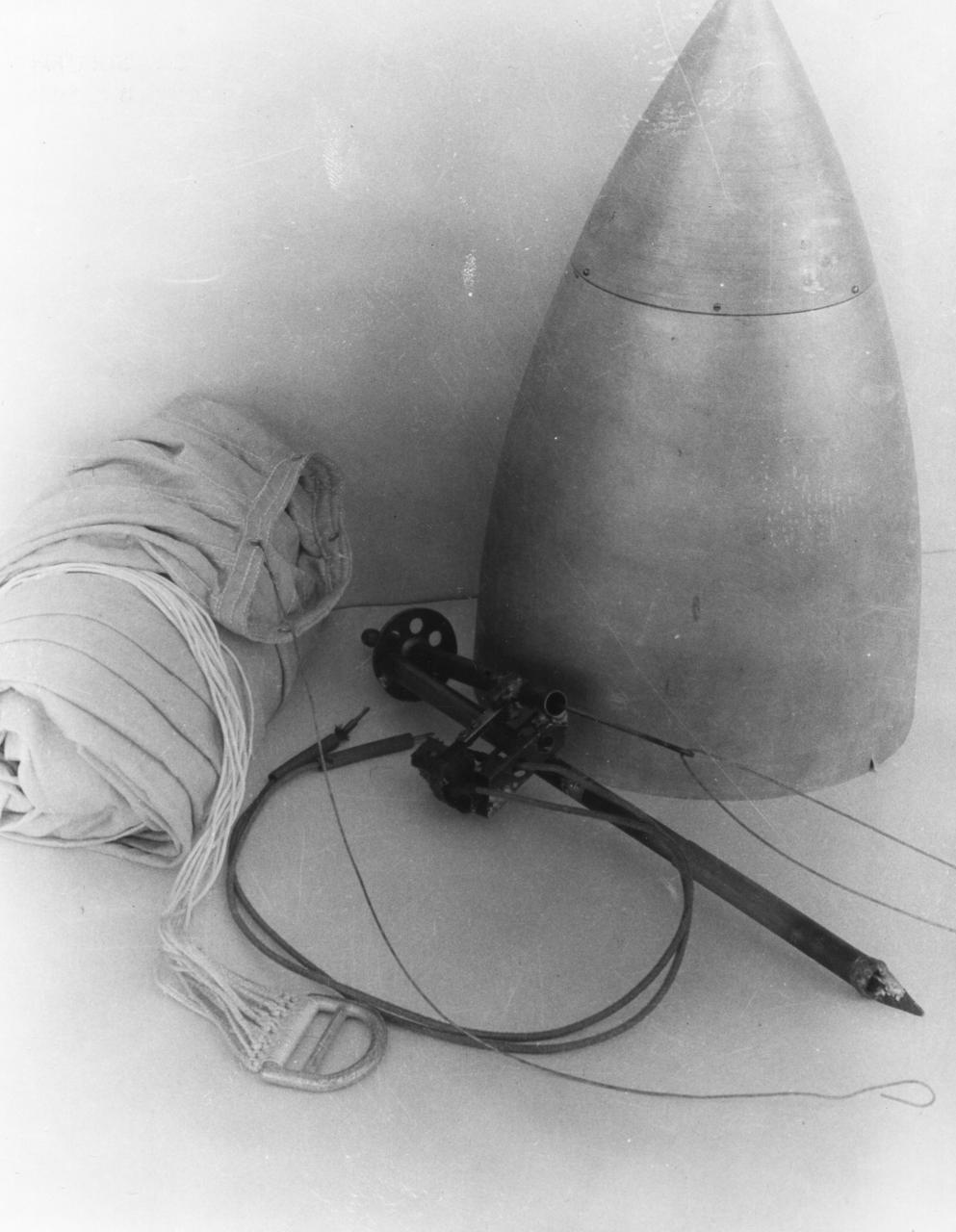
Dr. Robert Goddard's rocket nose cone, parachute, and relase device, April 19, 1935. <b><a href="http://www.nasa.gov/centers/goddard/home/index.html" rel="nofollow">NASA Goddard Space Flight Center</a></b> enables NASA’s mission through four scientific endeavors: Earth Science, Heliophysics, Solar System Exploration, and Astrophysics. Goddard plays a leading role in NASA’s accomplishments by contributing compelling scientific knowledge to advance the Agency’s mission. <b>Follow us on <a href="http://twitter.com/NASA_GoddardPix" rel="nofollow">Twitter</a></b> <b>Join us on <a href="http://www.facebook.com/pages/Greenbelt-MD/NASA-Goddard/395013845897?ref=tsd" rel="nofollow">Facebook</a></b>
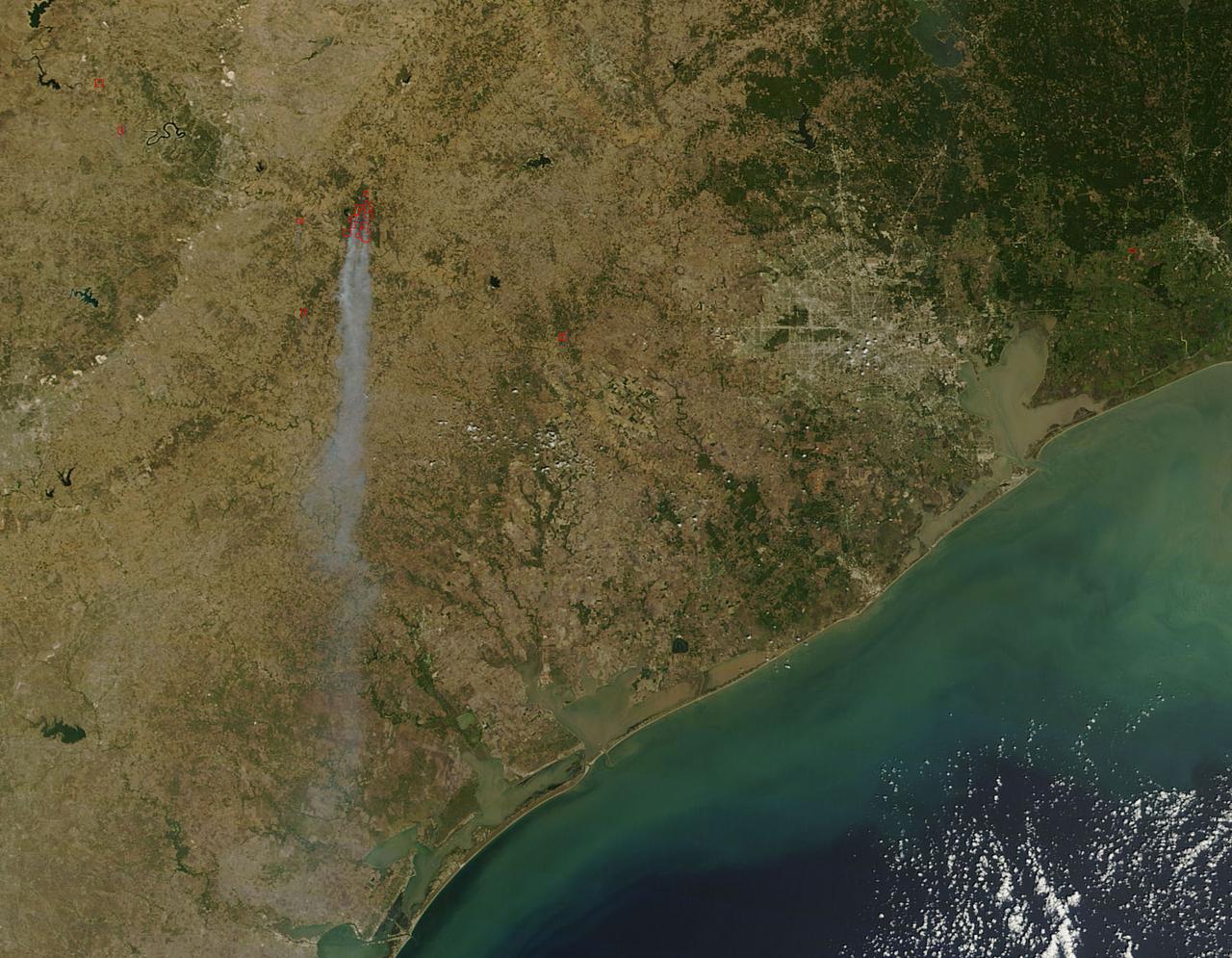
NASA satellite image showing the fires in Bastrop County Texas on September 5, 2011 at 17:05 UTC. Credit: NASA/GSFC/Jeff Schmaltz/MODIS Land Rapid Response Team <b><a href="http://www.nasa.gov/centers/goddard/home/index.html" rel="nofollow">NASA Goddard Space Flight Center</a></b> enables NASA’s mission through four scientific endeavors: Earth Science, Heliophysics, Solar System Exploration, and Astrophysics. Goddard plays a leading role in NASA’s accomplishments by contributing compelling scientific knowledge to advance the Agency’s mission. <b>Follow us on <a href="http://twitter.com/NASA_GoddardPix" rel="nofollow">Twitter</a></b> <b>Like us on <a href="http://www.facebook.com/pages/Greenbelt-MD/NASA-Goddard/395013845897?ref=tsd" rel="nofollow">Facebook</a></b> <b>Find us on <a href="http://instagrid.me/nasagoddard/?vm=grid" rel="nofollow">Instagram</a></b>
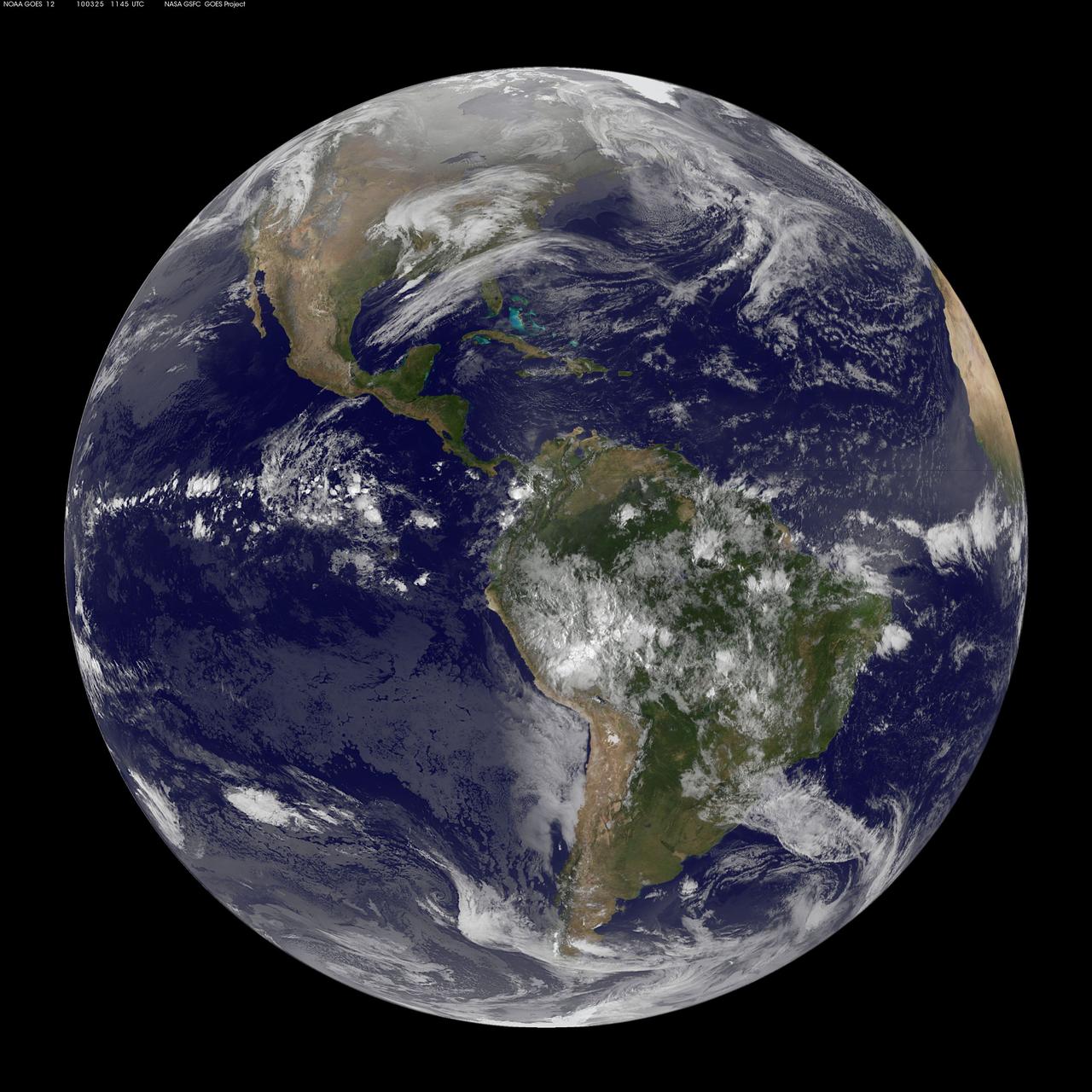
GOES 12 satellite image showing earth on March 25, 2010 6:45 AM EDT. <b><a href="http://goes.gsfc.nasa.gov/" rel="nofollow">Credit: NOAA/NASA GOES Project</a><b> <b><a href="http://www.nasa.gov/centers/goddard/home/index.html" rel="nofollow">NASA Goddard Space Flight Center</a></b> is home to the nation's largest organization of combined scientists, engineers and technologists that build spacecraft, instruments and new technology to study the Earth, the sun, our solar system, and the universe. <b>Follow us on <a href="http://twitter.com/NASA_GoddardPix" rel="nofollow">Twitter</a></b> <b>Join us on <a href="http://www.facebook.com/pages/Greenbelt-MD/NASA-Goddard/395013845897?ref=tsd" rel="nofollow">Facebook</a></b></b></b>
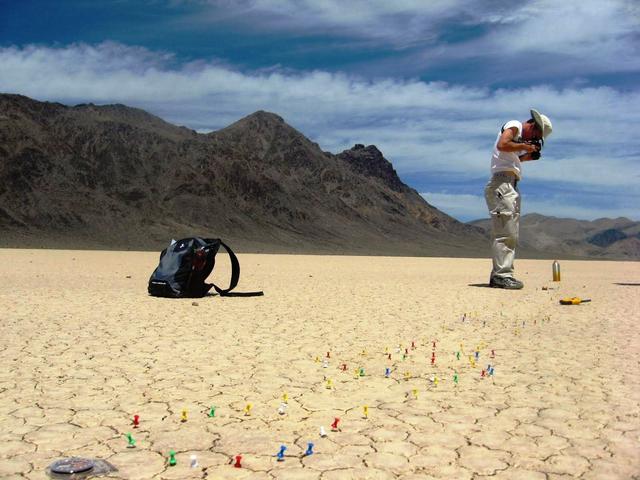
Intern Kyle Yawn marked the boundaries of this trail by placing pushpins into cracks in the clay. Now, he photographs the trail to document it. Photo credit: NASA/GSFC/Maggie McAdam To read a feature story on the Racetrack Playa go to: <a href="http://www.nasa.gov/topics/earth/features/roving-rocks.html" rel="nofollow">www.nasa.gov/topics/earth/features/roving-rocks.html</a> <b><a href="http://www.nasa.gov/centers/goddard/home/index.html" rel="nofollow">NASA Goddard Space Flight Center</a></b> is home to the nation's largest organization of combined scientists, engineers and technologists that build spacecraft, instruments and new technology to study the Earth, the sun, our solar system, and the universe. <b>Follow us on <a href="http://twitter.com/NASA_GoddardPix" rel="nofollow">Twitter</a></b> <b>Join us on <a href="http://www.facebook.com/pages/Greenbelt-MD/NASA-Goddard/395013845897?ref=tsd" rel="nofollow">Facebook</a><b></b></b>
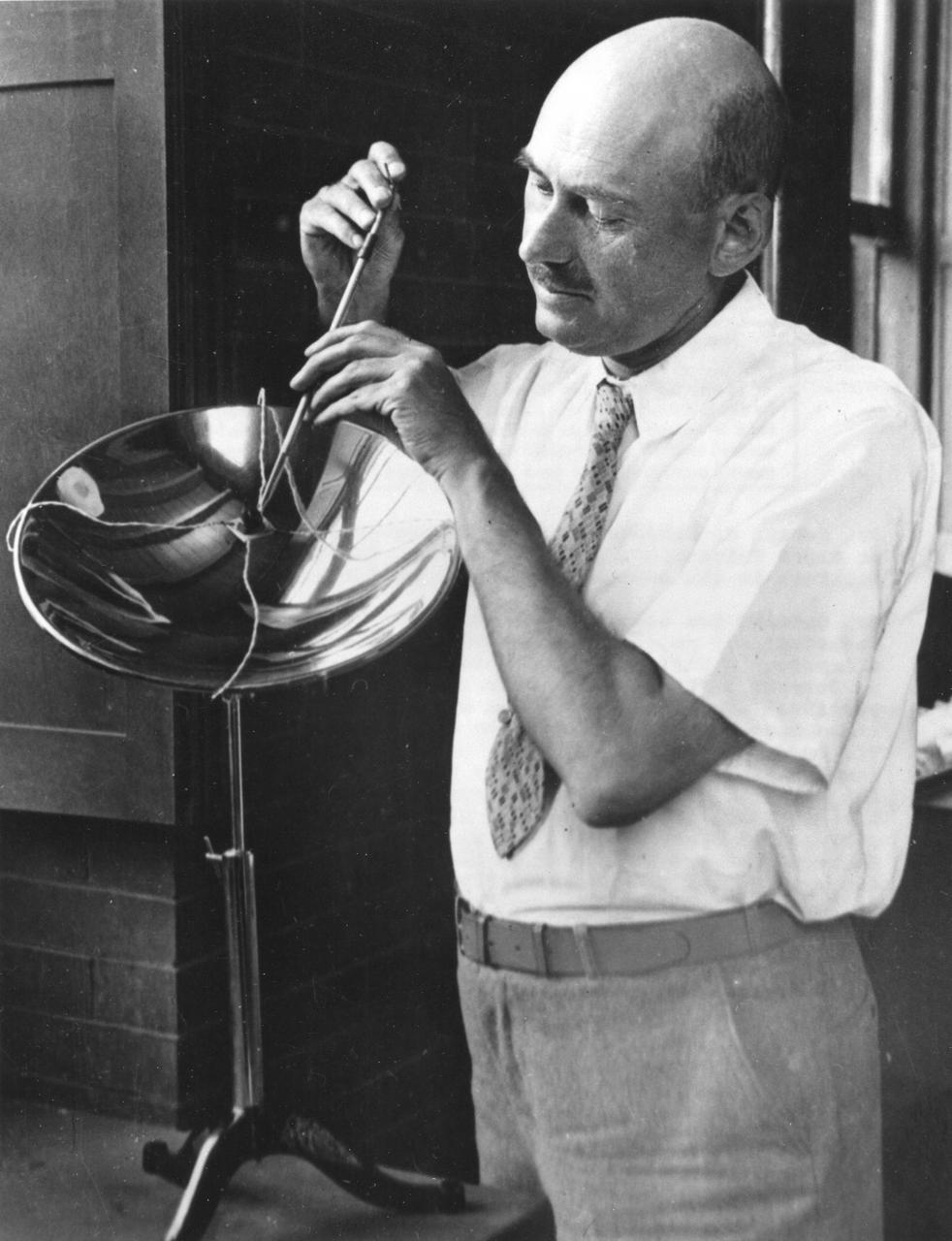
Dr. Robert Goddard with his apparatus for solar energy study at Clark University, Worcester, Mass. (1932-1934). Dr. Goddard's interest in the subject began much earlier. <b><a href="http://www.nasa.gov/centers/goddard/home/index.html" rel="nofollow">NASA Goddard Space Flight Center</a></b> enables NASA’s mission through four scientific endeavors: Earth Science, Heliophysics, Solar System Exploration, and Astrophysics. Goddard plays a leading role in NASA’s accomplishments by contributing compelling scientific knowledge to advance the Agency’s mission. <b>Follow us on <a href="http://twitter.com/NASA_GoddardPix" rel="nofollow">Twitter</a></b> <b>Join us on <a href="http://www.facebook.com/pages/Greenbelt-MD/NASA-Goddard/395013845897?ref=tsd" rel="nofollow">Facebook</a></b>
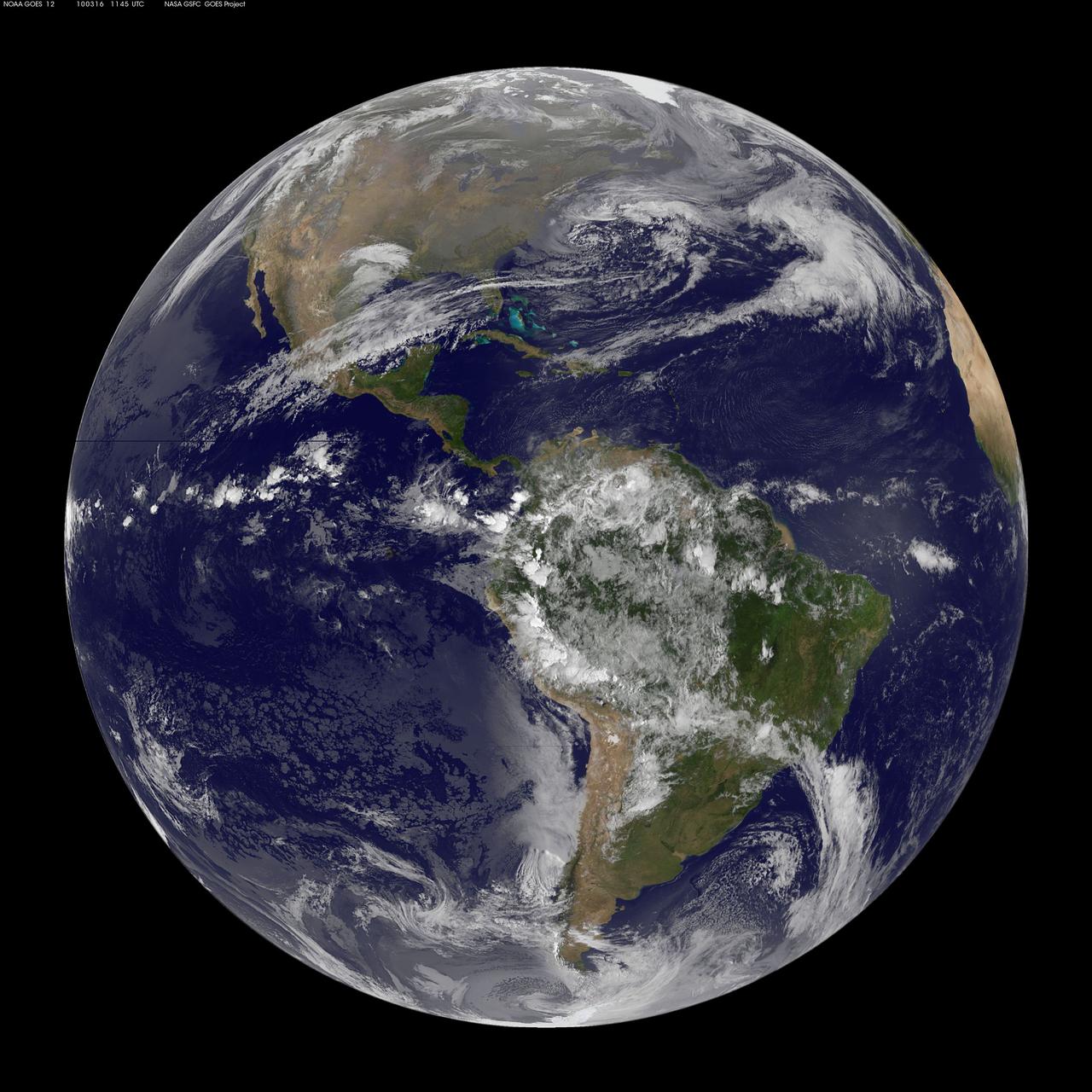
GOES 12 satellite image showing earth on March 16, 2010 6:45 AM EDT. <b><a href="http://goes.gsfc.nasa.gov/" rel="nofollow">Credit: NOAA/NASA GOES Project</a><b> <b><a href="http://www.nasa.gov/centers/goddard/home/index.html" rel="nofollow">NASA Goddard Space Flight Center</a></b> is home to the nation's largest organization of combined scientists, engineers and technologists that build spacecraft, instruments and new technology to study the Earth, the sun, our solar system, and the universe. <b>Follow us on <a href="http://twitter.com/NASA_GoddardPix" rel="nofollow">Twitter</a></b> <b>Join us on <a href="http://www.facebook.com/pages/Greenbelt-MD/NASA-Goddard/395013845897?ref=tsd" rel="nofollow">Facebook</a></b></b></b>
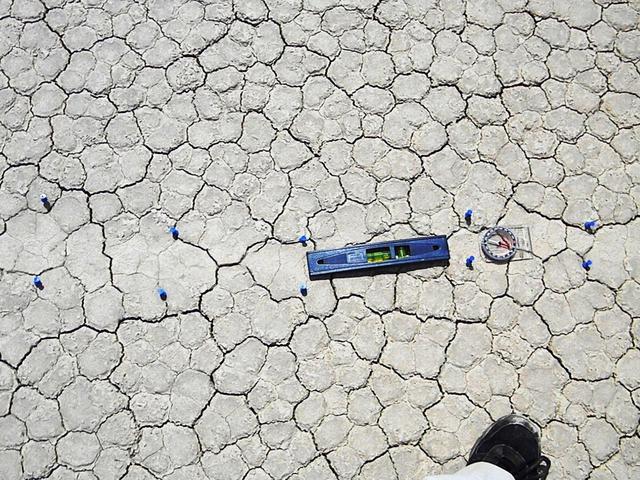
In some cases, the trail starts narrow and gets wider, as in this photo. Photo credit: NASA/GSFC/Leva McIntire/LPSA intern To read a feature story on the Racetrack Playa go to: <a href="http://www.nasa.gov/topics/earth/features/roving-rocks.html" rel="nofollow">www.nasa.gov/topics/earth/features/roving-rocks.html</a> <b><a href="http://www.nasa.gov/centers/goddard/home/index.html" rel="nofollow">NASA Goddard Space Flight Center</a></b> is home to the nation's largest organization of combined scientists, engineers and technologists that build spacecraft, instruments and new technology to study the Earth, the sun, our solar system, and the universe. <b>Follow us on <a href="http://twitter.com/NASA_GoddardPix" rel="nofollow">Twitter</a></b> <b>Join us on <a href="http://www.facebook.com/pages/Greenbelt-MD/NASA-Goddard/395013845897?ref=tsd" rel="nofollow">Facebook</a><b></b></b>
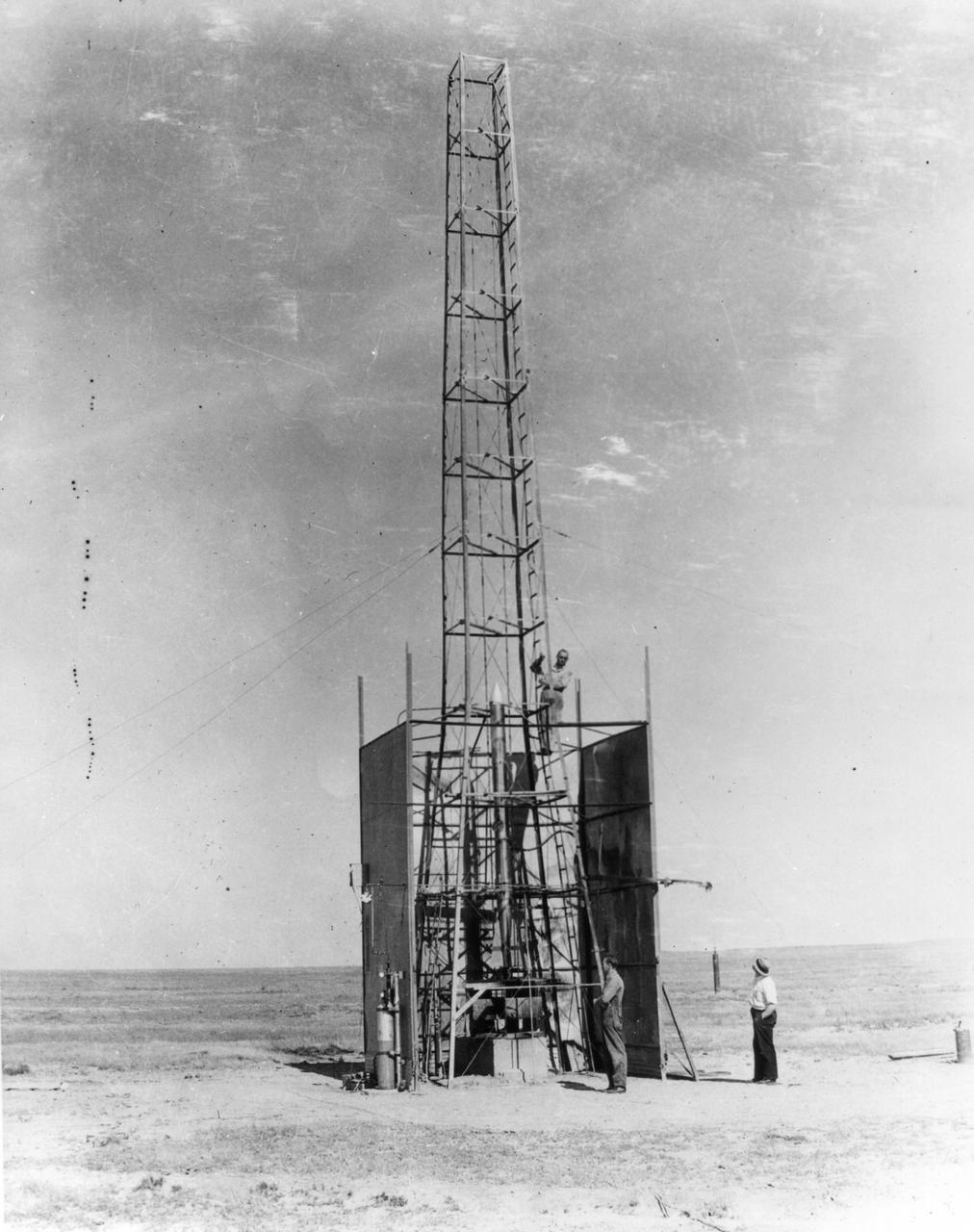
New Mexico -- Dr. Robert Goddard's rocket is being setup for the test that took place on October 29, 1935. It was a good flight. The rocket rose 4,000 feet--time in seconds. <b><a href="http://www.nasa.gov/centers/goddard/home/index.html" rel="nofollow">NASA Goddard Space Flight Center</a></b> enables NASA’s mission through four scientific endeavors: Earth Science, Heliophysics, Solar System Exploration, and Astrophysics. Goddard plays a leading role in NASA’s accomplishments by contributing compelling scientific knowledge to advance the Agency’s mission. <b>Follow us on <a href="http://twitter.com/NASA_GoddardPix" rel="nofollow">Twitter</a></b> <b>Join us on <a href="http://www.facebook.com/pages/Greenbelt-MD/NASA-Goddard/395013845897?ref=tsd" rel="nofollow">Facebook</a></b>
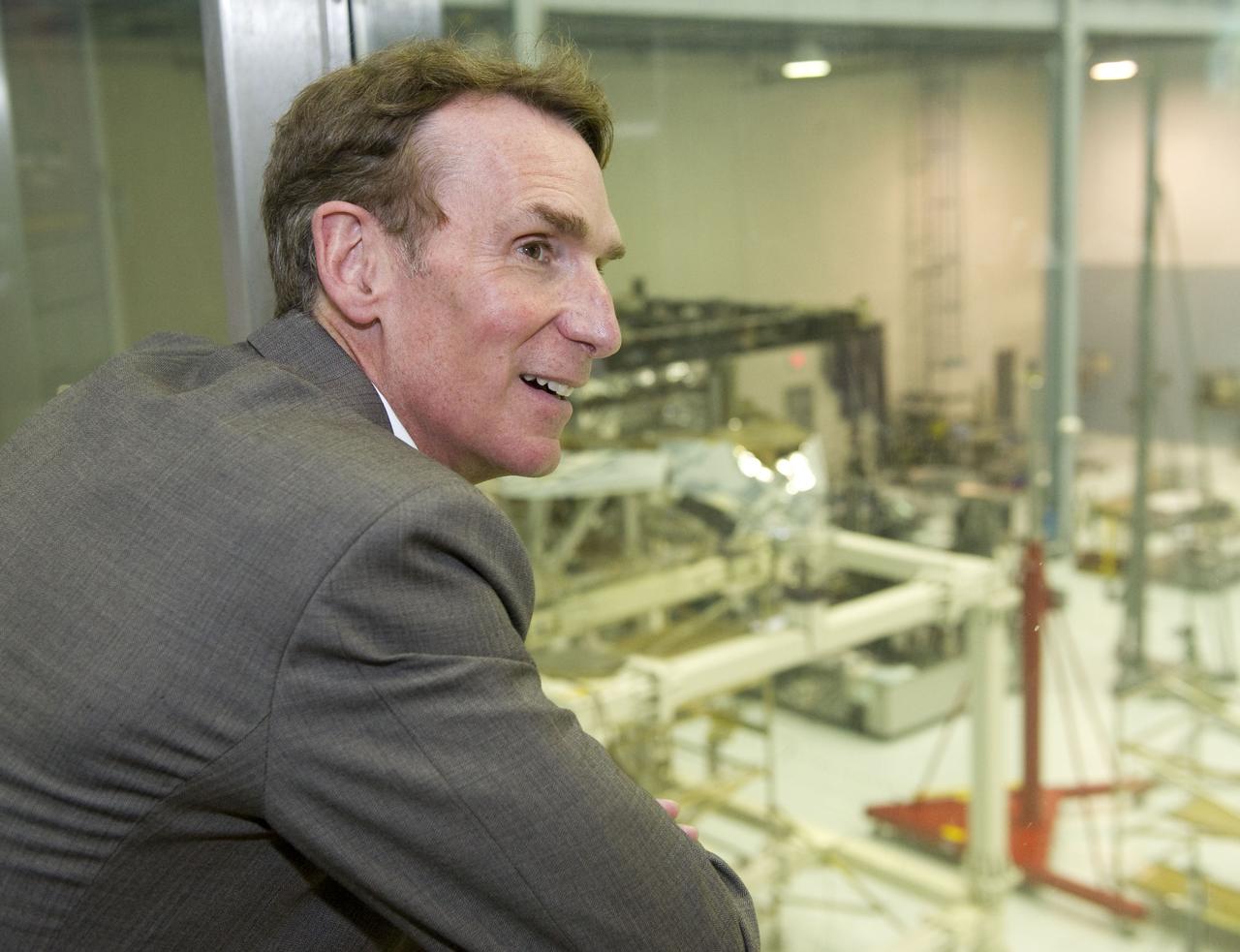
Bill Nye checks out the progress of the James Webb Space Telescope at the building 29 clean room during a tour of Goddard Space Flight Center on September 8, 2011 Credit: NASA/GSFC/Bill Hrybyk <b><a href="http://www.nasa.gov/centers/goddard/home/index.html" rel="nofollow">NASA Goddard Space Flight Center</a></b> enables NASA’s mission through four scientific endeavors: Earth Science, Heliophysics, Solar System Exploration, and Astrophysics. Goddard plays a leading role in NASA’s accomplishments by contributing compelling scientific knowledge to advance the Agency’s mission. <b>Follow us on <a href="http://twitter.com/NASA_GoddardPix" rel="nofollow">Twitter</a></b> <b>Like us on <a href="http://www.facebook.com/pages/Greenbelt-MD/NASA-Goddard/395013845897?ref=tsd" rel="nofollow">Facebook</a></b> <b>Find us on <a href="http://web.stagram.com/n/nasagoddard/?vm=grid" rel="nofollow">Instagram</a></b>
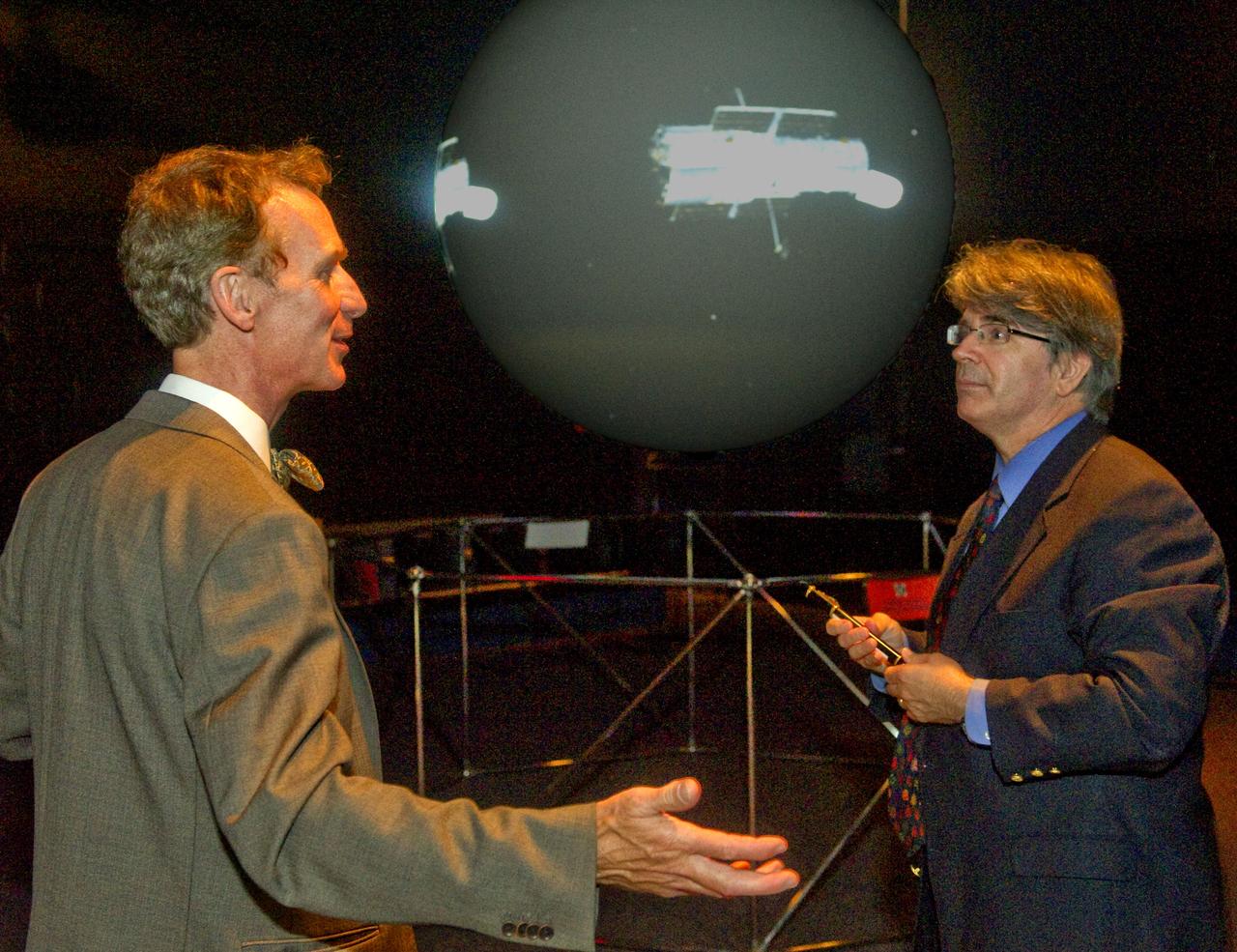
Bill Nye and Dr. Jim Garvin at the Science on a Sphere during a tour of Goddard Space Flight Center on September 8, 2011 Credit: NASA/GSFC/Bill Hrybyk <b><a href="http://www.nasa.gov/centers/goddard/home/index.html" rel="nofollow">NASA Goddard Space Flight Center</a></b> enables NASA’s mission through four scientific endeavors: Earth Science, Heliophysics, Solar System Exploration, and Astrophysics. Goddard plays a leading role in NASA’s accomplishments by contributing compelling scientific knowledge to advance the Agency’s mission. <b>Follow us on <a href="http://twitter.com/NASA_GoddardPix" rel="nofollow">Twitter</a></b> <b>Like us on <a href="http://www.facebook.com/pages/Greenbelt-MD/NASA-Goddard/395013845897?ref=tsd" rel="nofollow">Facebook</a></b> <b>Find us on <a href="http://web.stagram.com/n/nasagoddard/?vm=grid" rel="nofollow">Instagram</a></b>
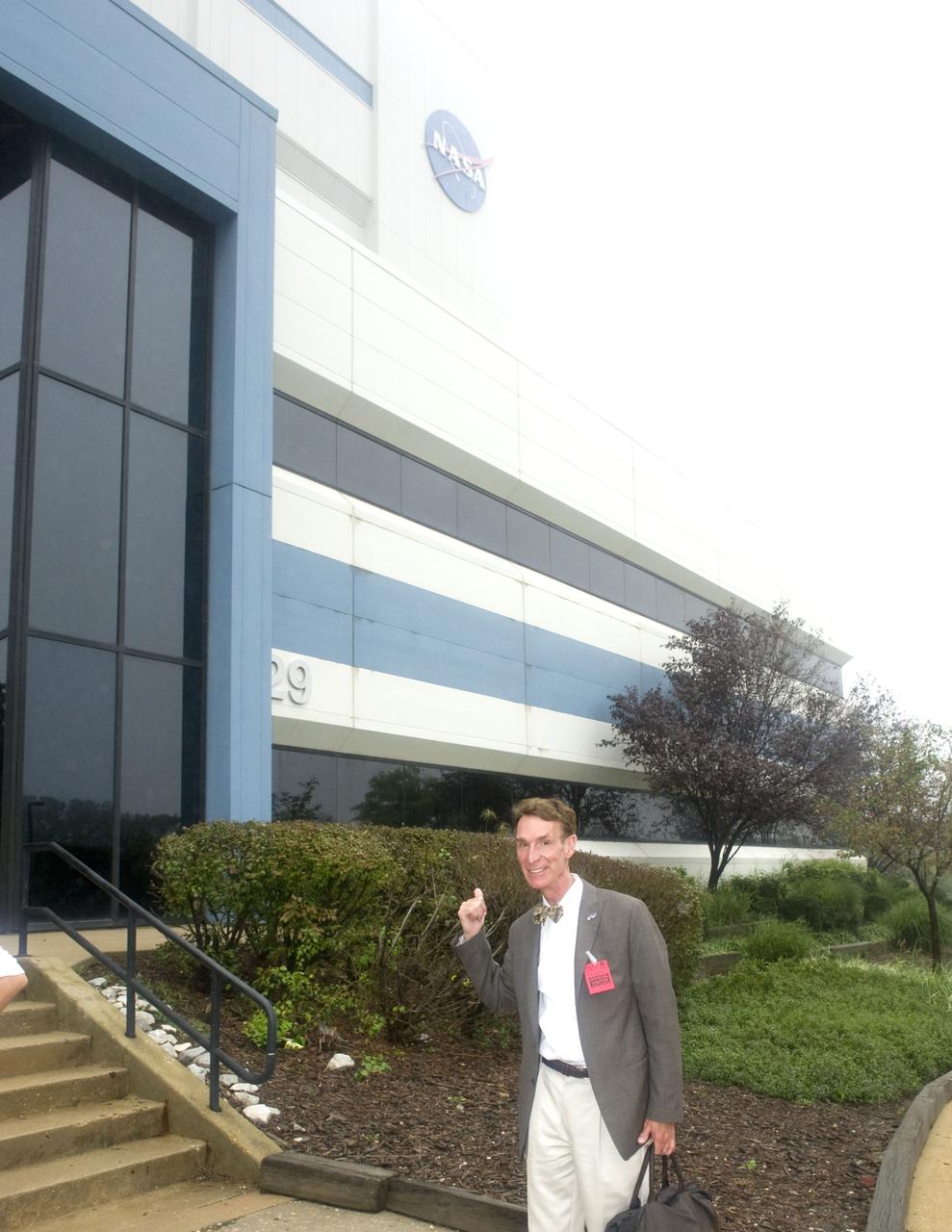
Bill Nye at the building 29 during a tour of Goddard Space Flight Center on September 8, 2011 Credit: NASA/GSFC/Bill Hrybyk <b><a href="http://www.nasa.gov/centers/goddard/home/index.html" rel="nofollow">NASA Goddard Space Flight Center</a></b> enables NASA’s mission through four scientific endeavors: Earth Science, Heliophysics, Solar System Exploration, and Astrophysics. Goddard plays a leading role in NASA’s accomplishments by contributing compelling scientific knowledge to advance the Agency’s mission. <b>Follow us on <a href="http://twitter.com/NASA_GoddardPix" rel="nofollow">Twitter</a></b> <b>Like us on <a href="http://www.facebook.com/pages/Greenbelt-MD/NASA-Goddard/395013845897?ref=tsd" rel="nofollow">Facebook</a></b> <b>Find us on <a href="http://web.stagram.com/n/nasagoddard/?vm=grid" rel="nofollow">Instagram</a></b>
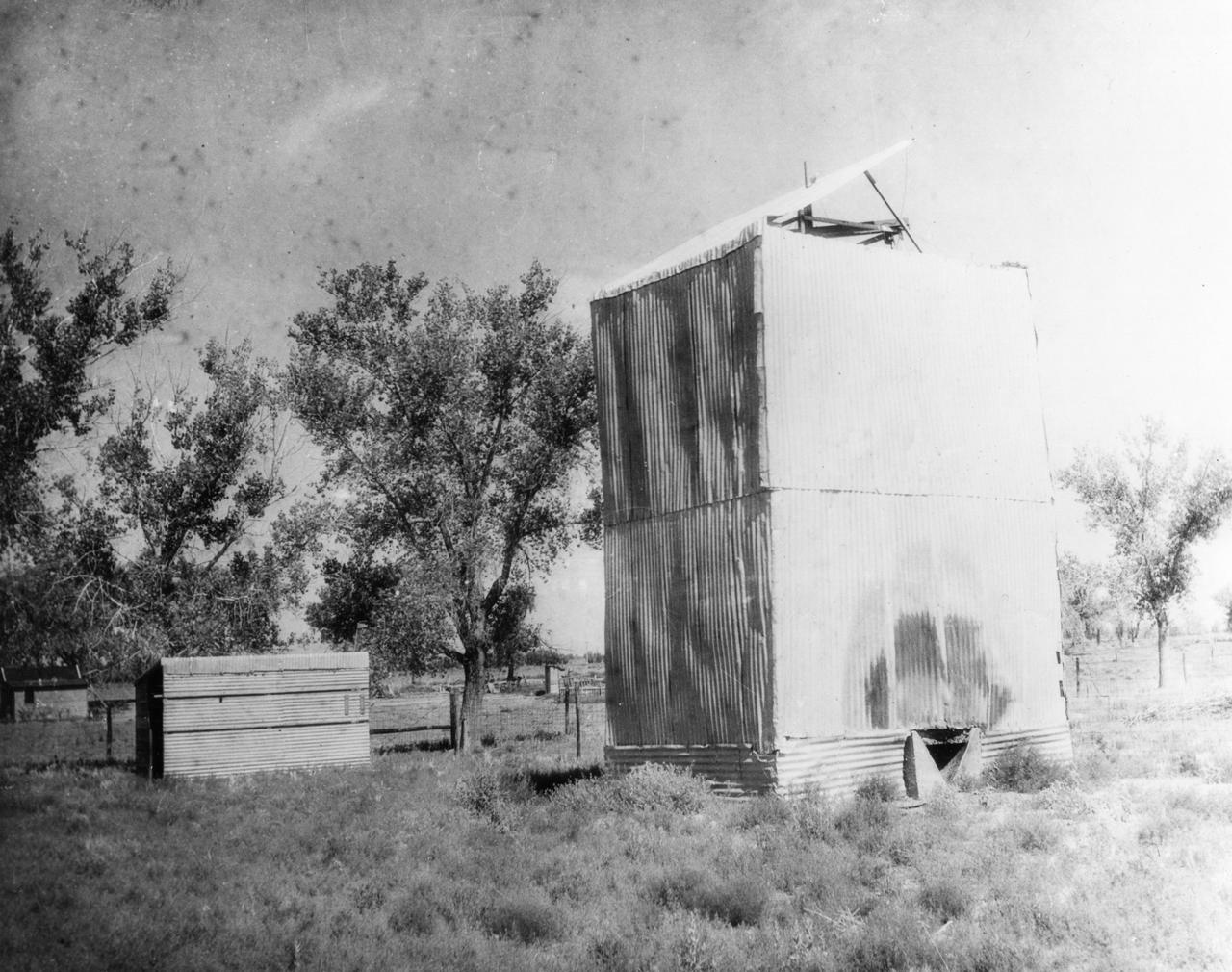
Dr. Robert Goddard's tower for "static" test near the shop at Roswell, New Mexico, 1930. The observation shelter (left foreground) is visible. <b><a href="http://www.nasa.gov/centers/goddard/home/index.html" rel="nofollow">NASA Goddard Space Flight Center</a></b> enables NASA’s mission through four scientific endeavors: Earth Science, Heliophysics, Solar System Exploration, and Astrophysics. Goddard plays a leading role in NASA’s accomplishments by contributing compelling scientific knowledge to advance the Agency’s mission. <b>Follow us on <a href="http://twitter.com/NASA_GoddardPix" rel="nofollow">Twitter</a></b> <b>Join us on <a href="http://www.facebook.com/pages/Greenbelt-MD/NASA-Goddard/395013845897?ref=tsd" rel="nofollow">Facebook</a></b>
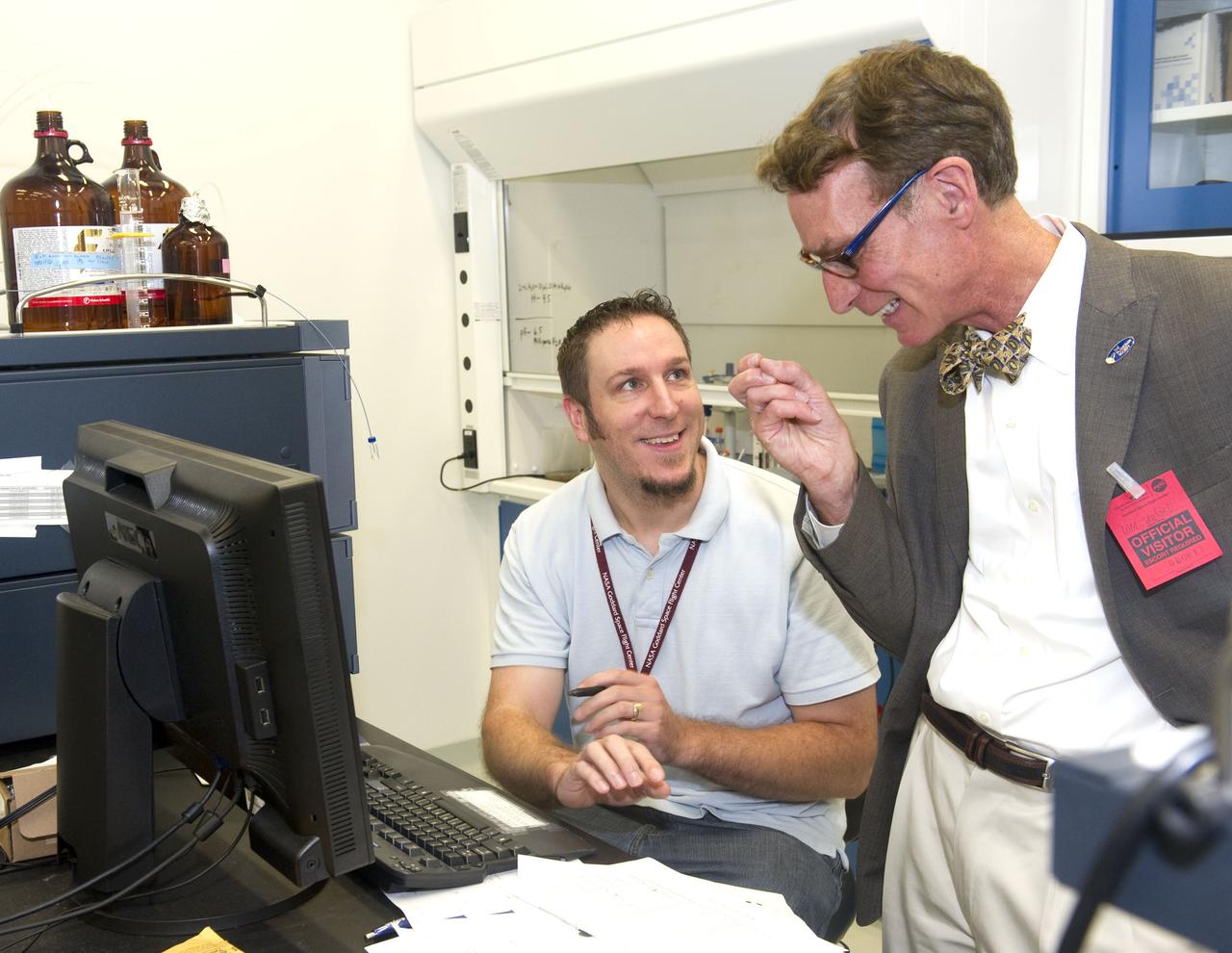
Bill Nye speaks with Aaron Burton at the Astrobiology Lab during a tour of Goddard Space Flight Center on September 8, 2011 Credit: NASA/GSFC/Bill Hrybyk <b><a href="http://www.nasa.gov/centers/goddard/home/index.html" rel="nofollow">NASA Goddard Space Flight Center</a></b> enables NASA’s mission through four scientific endeavors: Earth Science, Heliophysics, Solar System Exploration, and Astrophysics. Goddard plays a leading role in NASA’s accomplishments by contributing compelling scientific knowledge to advance the Agency’s mission. <b>Follow us on <a href="http://twitter.com/NASA_GoddardPix" rel="nofollow">Twitter</a></b> <b>Like us on <a href="http://www.facebook.com/pages/Greenbelt-MD/NASA-Goddard/395013845897?ref=tsd" rel="nofollow">Facebook</a></b> <b>Find us on <a href="http://web.stagram.com/n/nasagoddard/?vm=grid" rel="nofollow">Instagram</a></b>
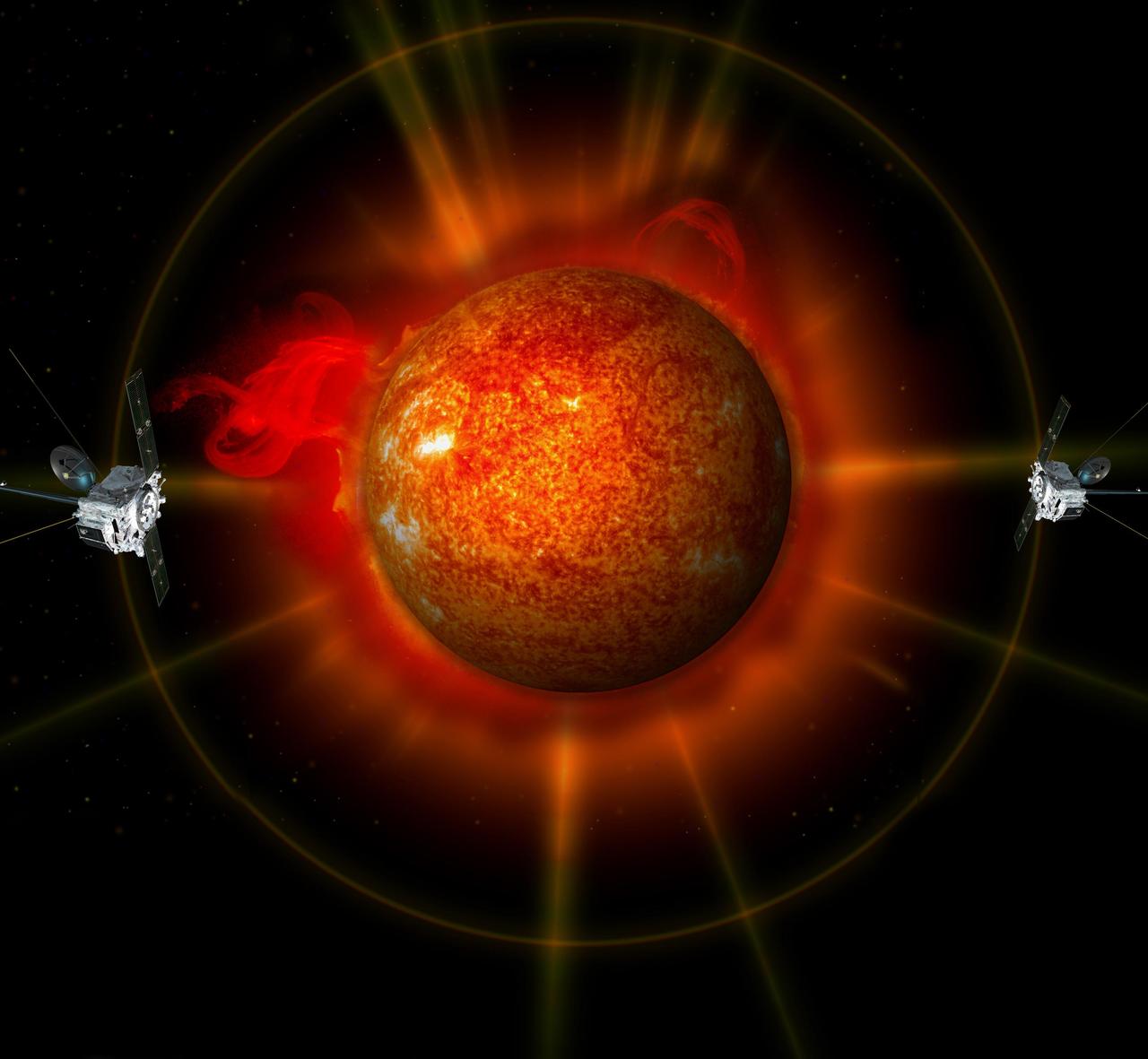
An artist's concept of STEREO surrounding the sun. Credit: NASA To read more about STEREO go to: <a href="http://www.nasa.gov/mission_pages/stereo/news/entire-sun.html" rel="nofollow">www.nasa.gov/mission_pages/stereo/news/entire-sun.html</a> <b><a href="http://www.nasa.gov/centers/goddard/home/index.html" rel="nofollow">NASA Goddard Space Flight Center</a></b> enables NASA’s mission through four scientific endeavors: Earth Science, Heliophysics, Solar System Exploration, and Astrophysics. Goddard plays a leading role in NASA’s accomplishments by contributing compelling scientific knowledge to advance the Agency’s mission. <b>Follow us on <a href="http://twitter.com/NASA_GoddardPix" rel="nofollow">Twitter</a></b> <b>Join us on <a href="http://www.facebook.com/pages/Greenbelt-MD/NASA-Goddard/395013845897?ref=tsd" rel="nofollow">Facebook</a></b>
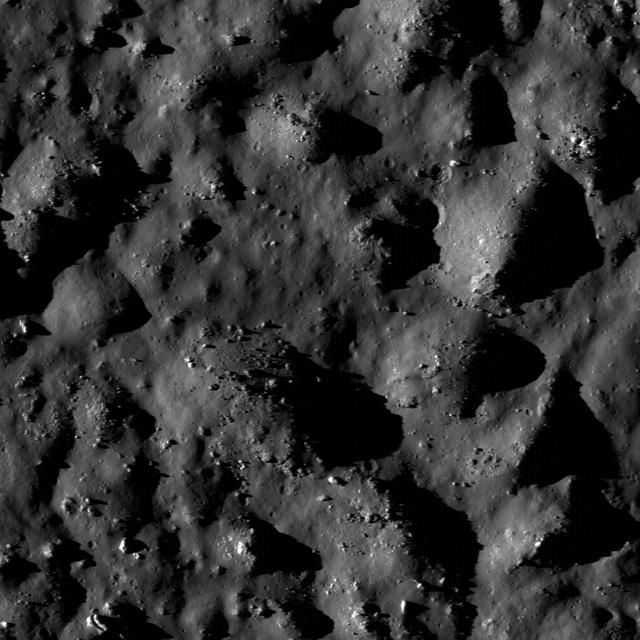
NASA image release January 14, 2010 LROC WAC image of Tycho crater. Credit: NASA/Goddard/Arizona State University To learn more about this image go to: <a href="http://www.nasa.gov/mission_pages/LRO/multimedia/lroimages/lroc-20100114-tycho.html" rel="nofollow">www.nasa.gov/mission_pages/LRO/multimedia/lroimages/lroc-...</a> <b><a href="http://www.nasa.gov/centers/goddard/home/index.html" rel="nofollow">NASA Goddard Space Flight Center</a></b> contributes to NASA’s mission through four scientific endeavors: Earth Science, Heliophysics, Solar System Exploration, and Astrophysics. Goddard plays a leading role in NASA’s endeavors by providing compelling scientific knowledge to advance the Agency’s mission. <b>Follow us on <a href="http://twitter.com/NASA_GoddardPix" rel="nofollow">Twitter</a></b> <b>Join us on <a href="http://www.facebook.com/pages/Greenbelt-MD/NASA-Goddard/395013845897?ref=tsd" rel="nofollow">Facebook</a></b>