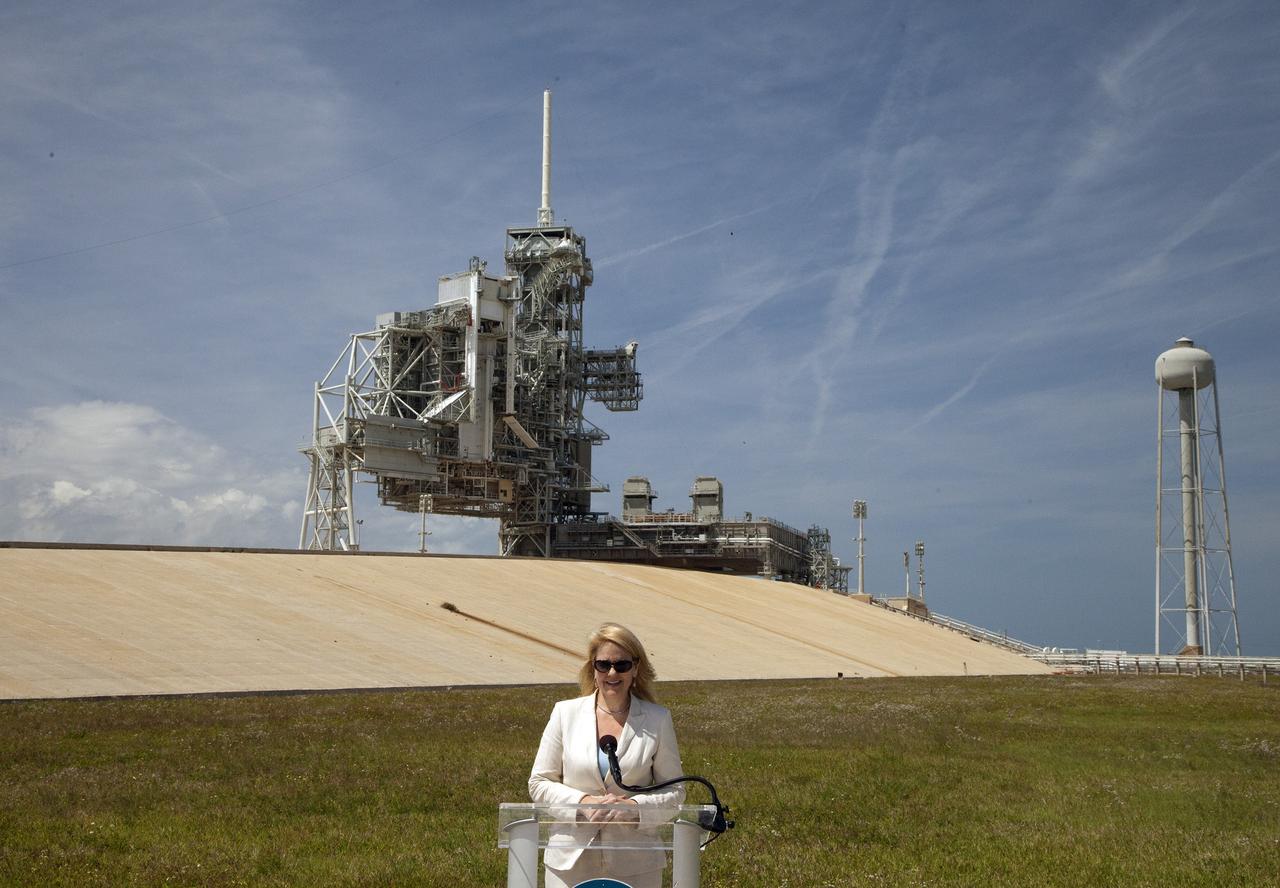
CAPE CANAVERAL, Fla. -- At Kennedy Space Center's Launch Pad 39A, Gwynne Shotwell, president and chief operating officer of Space Exploration Technologies SpaceX of Hawthorne, Calif., announces that NASA has just signed a lease agreement with SpaceX for use and operation of Launch Complex 39A. SpaceX will use Launch Complex 39A for rockets such as the Falcon Heavy, currently under development. Both launch pad 39A and 39B were originally built for the Apollo/Saturn V rockets that launched American astronauts on their historic journeys to the moon and later modified to support the 30-year shuttle program. Pad 39B is now being modified by NASA to support the Space Launch System SLS rocket boosting the Orion spacecraft part of the agency’s plan to explore beyond low-Earth orbit. To learn more about Launch Pad 39A visit: http://www.nasa.gov/mission_pages/shuttle/launch/launch-complex39-toc.html Photo credit: NASA/Dan Casper
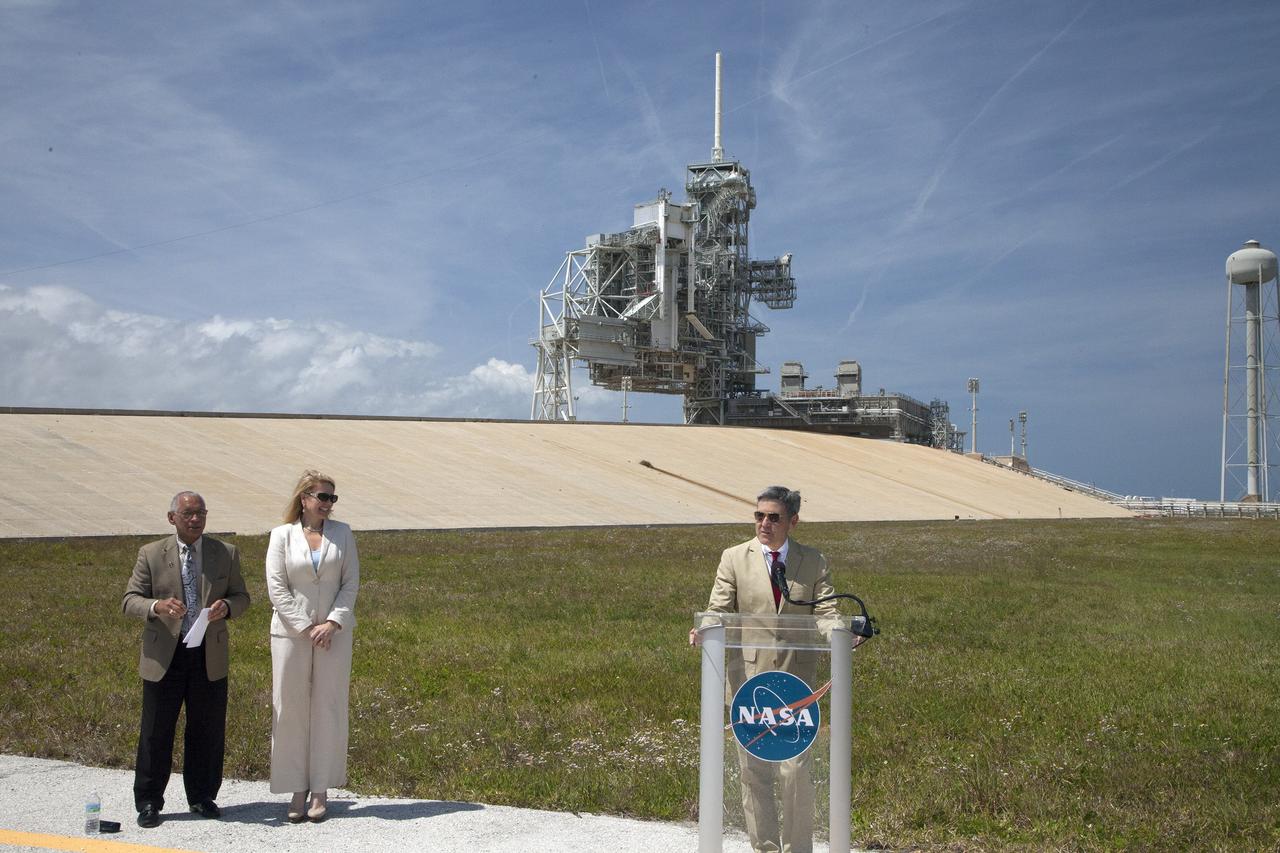
CAPE CANAVERAL, Fla. -- At Kennedy Space Center's Launch Pad 39A, center director Bob Cabana announces that NASA has just signed a lease agreement with Space Exploration Technologies SpaceX of Hawthorne, Calif., for use and operation of Launch Complex 39A. NASA Administrator Charlie Bolden, left, and Gwynne Shotwell, president and chief operating officer of SpaceX, look on. SpaceX will use Launch Complex 39A for rockets such as the Falcon Heavy, currently under development. Both launch pad 39A and 39B were originally built for the Apollo/Saturn V rockets that launched American astronauts on their historic journeys to the moon and later modified to support the 30-year shuttle program. Pad 39B is now being modified by NASA to support the Space Launch System SLS rocket boosting the Orion spacecraft part of the agency’s plan to explore beyond low-Earth orbit. To learn more about Launch Pad 39A visit: http://www.nasa.gov/mission_pages/shuttle/launch/launch-complex39-toc.html Photo credit: NASA/Dan Casper
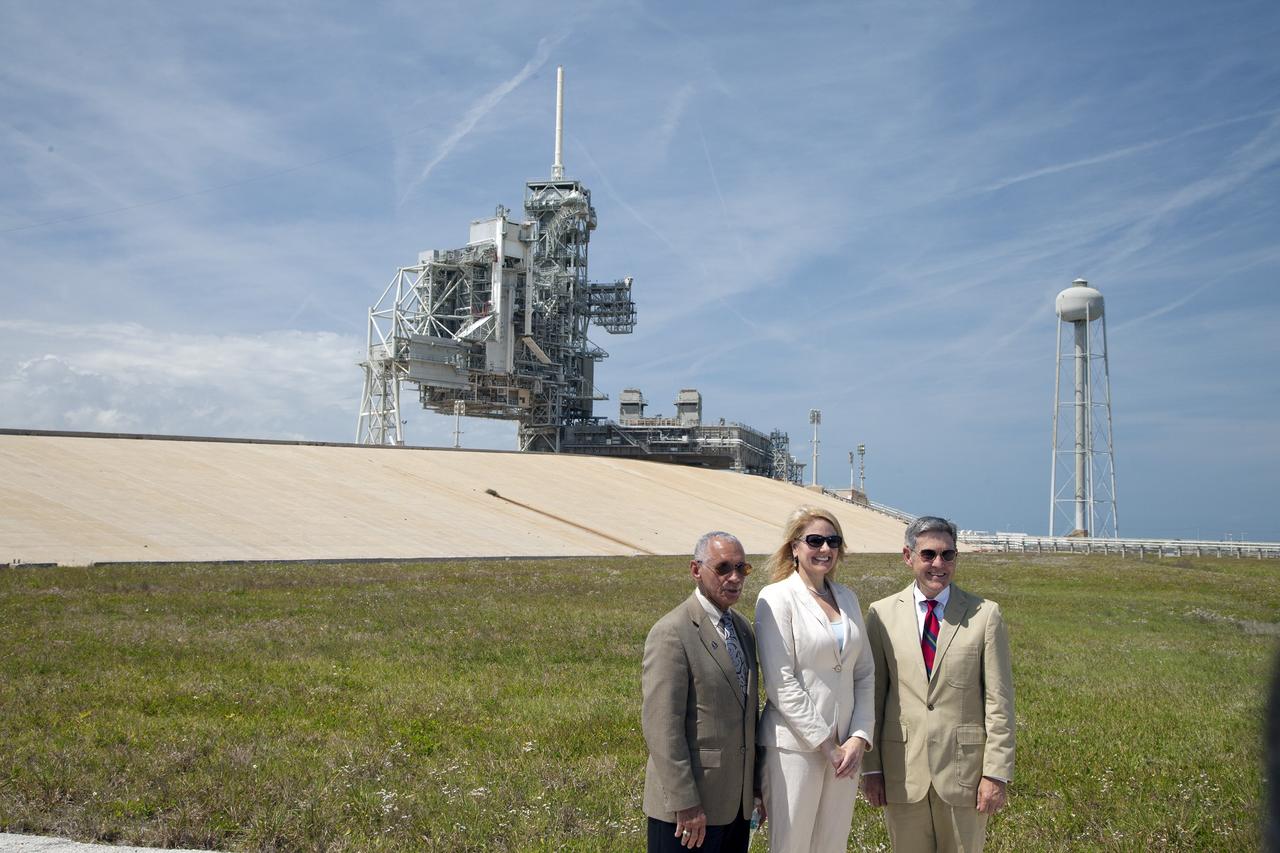
CAPE CANAVERAL, Fla. -- At Kennedy Space Center's Launch Pad 39A, from the left, NASA Administrator Charlie Bolden, Gwynne Shotwell, president and chief operating officer of Space Exploration Technologies SpaceX and Kennedy Space Center Director Bob Cabana pose in from the of the historic launch complex after announcing that NASA has just signed a lease agreement with SpaceX for use and operation of Launch Complex 39A. SpaceX will use Launch Complex 39A for rockets such as the Falcon Heavy, currently under development. Both launch pad 39A and 39B were originally built for the Apollo/Saturn V rockets that launched American astronauts on their historic journeys to the moon and later modified to support the 30-year shuttle program. Pad 39B is now being modified by NASA to support the Space Launch System SLS rocket boosting the Orion spacecraft part of the agency’s plan to explore beyond low-Earth orbit. To learn more about Launch Pad 39A visit: http://www.nasa.gov/mission_pages/shuttle/launch/launch-complex39-toc.html Photo credit: NASA/Dan Casper
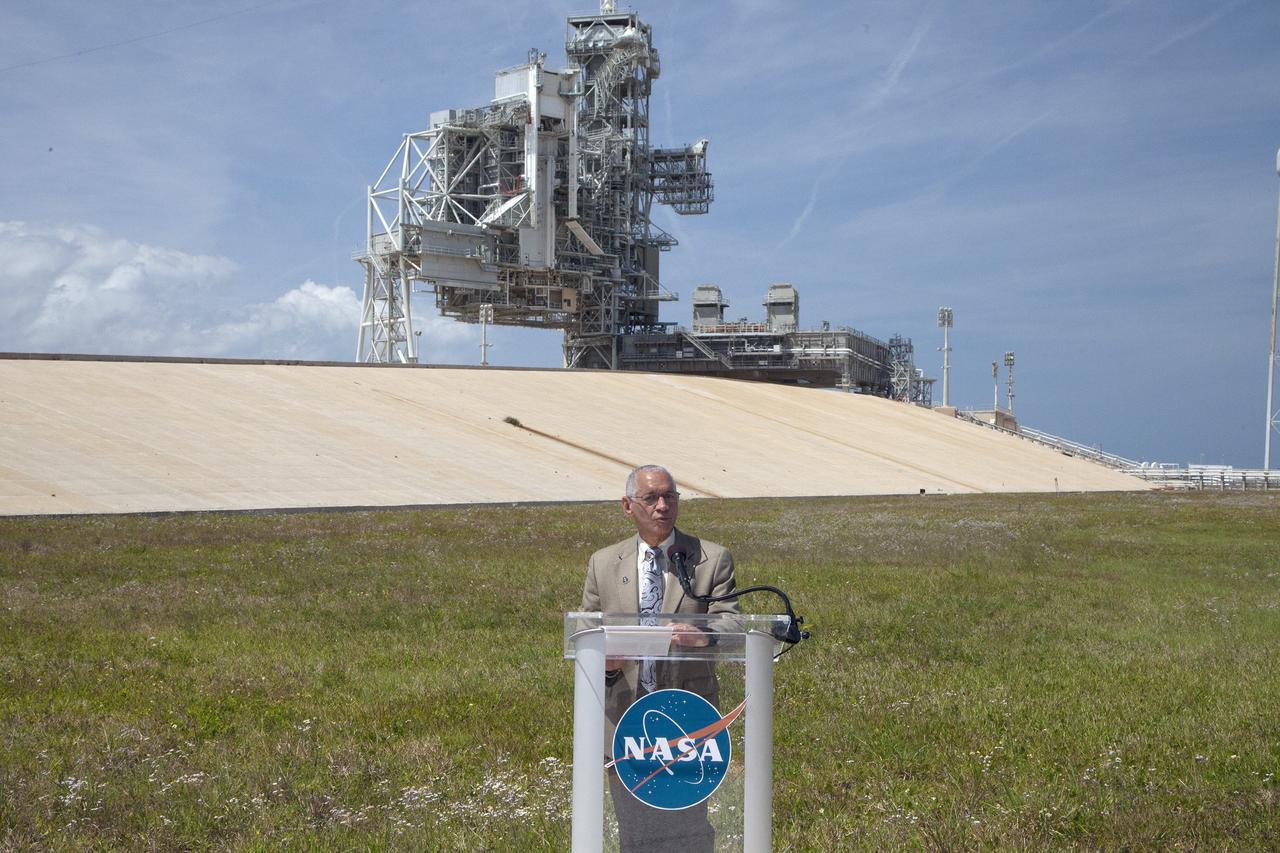
CAPE CANAVERAL, Fla. -- At Kennedy Space Center Launch Pad 39A, NASA Administrator Charlie Bolden announces that NASA has just signed a lease agreement with Space Exploration Technologies SpaceX of Hawthorne, Calif., for use and operation of Launch Complex 39A. SpaceX will use Launch Complex 39A for rockets such as the Falcon Heavy, currently under development. Both launch pad 39A and 39B were originally built for the Apollo/Saturn V rockets that launched American astronauts on their historic journeys to the moon and later modified to support the 30-year shuttle program. Pad 39B is now being modified by NASA to support the Space Launch System SLS rocket boosting the Orion spacecraft part of the agency’s plan to explore beyond low-Earth orbit. To learn more about Launch Pad 39A visit: http://www.nasa.gov/mission_pages/shuttle/launch/launch-complex39-toc.html Photo credit: NASA/Dan Casper
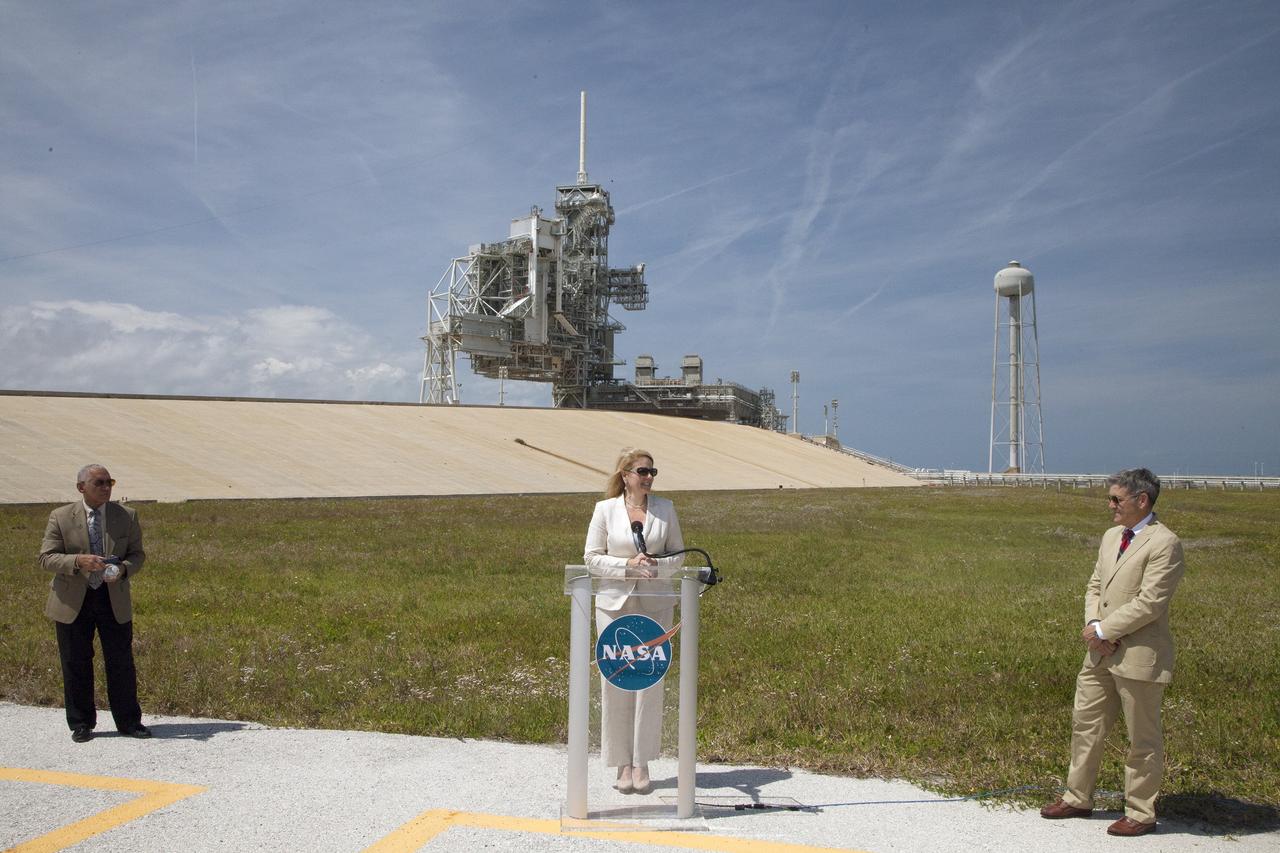
CAPE CANAVERAL, Fla. -- At Kennedy Space Center's Launch Pad 39A, Gwynne Shotwell, president and chief operating officer of Space Exploration Technologies SpaceX of Hawthorne, Calif., announces that NASA has just signed a lease agreement with SpaceX for use and operation of Launch Complex 39A. NASA Administrator Charlie Bolden, left, and Kennedy Space Center Director Bob Cabana listen. SpaceX will use Launch Complex 39A for rockets such as the Falcon Heavy, currently under development. Both launch pad 39A and 39B were originally built for the Apollo/Saturn V rockets that launched American astronauts on their historic journeys to the moon and later modified to support the 30-year shuttle program. Pad 39B is now being modified by NASA to support the Space Launch System SLS rocket boosting the Orion spacecraft part of the agency’s plan to explore beyond low-Earth orbit. To learn more about Launch Pad 39A visit: http://www.nasa.gov/mission_pages/shuttle/launch/launch-complex39-toc.html Photo credit: NASA/Dan Casper
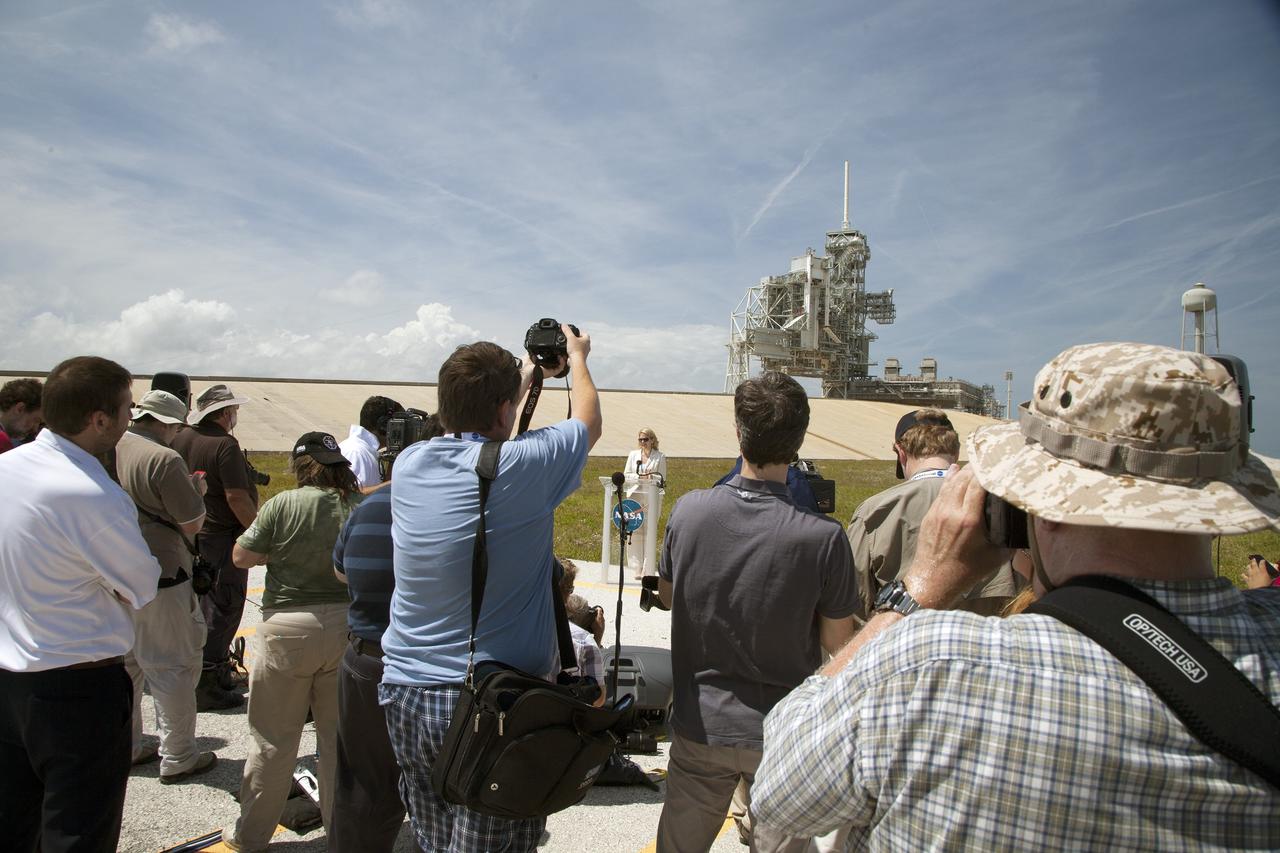
CAPE CANAVERAL, Fla. -- At Kennedy Space Center's Launch Pad 39A, Gwynne Shotwell, president and chief operating officer of Space Exploration Technologies SpaceX of Hawthorne, Calif., speaks to members of the news media announcing that NASA has just signed a lease agreement with SpaceX for use and operation of Launch Complex 39A. SpaceX will use Launch Complex 39A for rockets such as the Falcon Heavy, currently under development. Both launch pad 39A and 39B were originally built for the Apollo/Saturn V rockets that launched American astronauts on their historic journeys to the moon and later modified to support the 30-year shuttle program. Pad 39B is now being modified by NASA to support the Space Launch System SLS rocket boosting the Orion spacecraft part of the agency’s plan to explore beyond low-Earth orbit. To learn more about Launch Pad 39A visit: http://www.nasa.gov/mission_pages/shuttle/launch/launch-complex39-toc.html Photo credit: NASA/Dan Casper
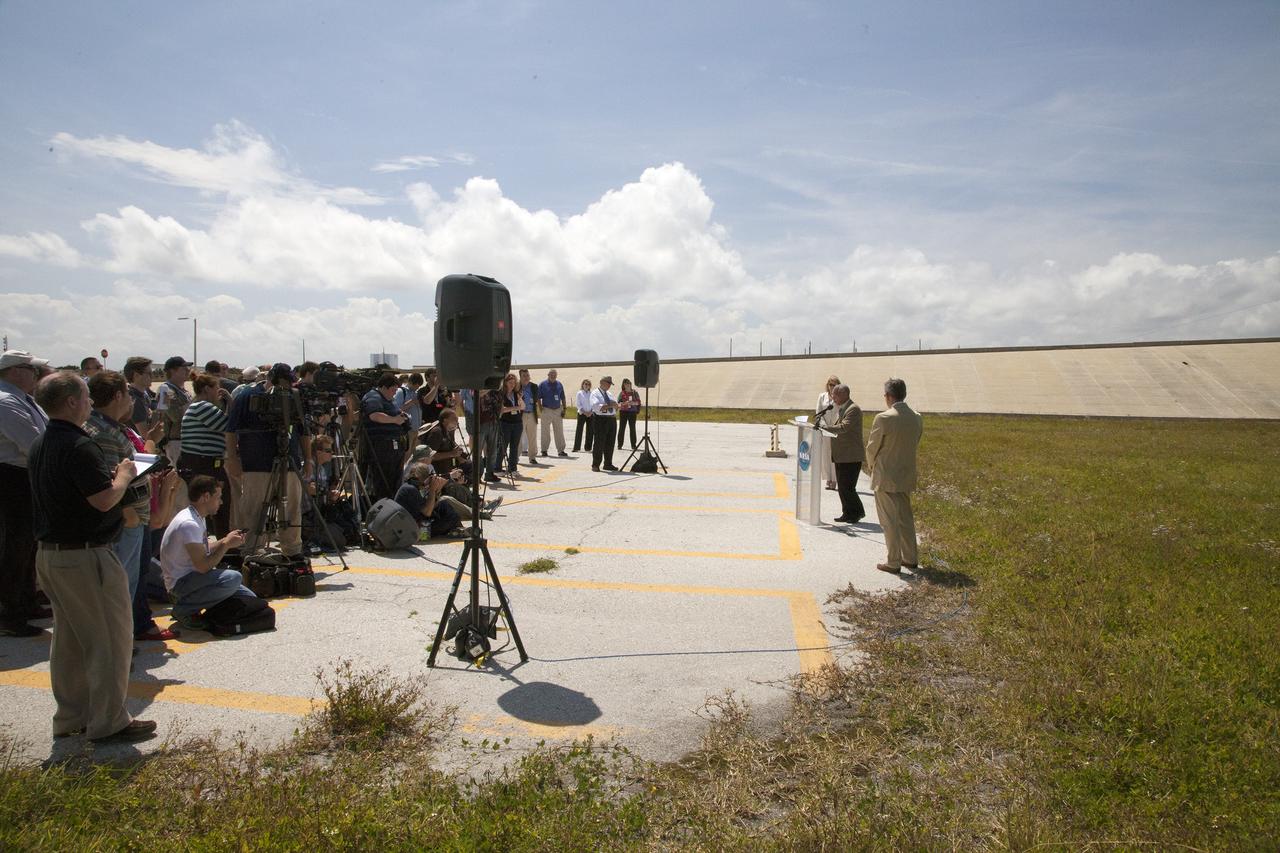
CAPE CANAVERAL, Fla. -- At Kennedy Space Center Launch Pad 39A, NASA Administrator Charlie Bolden announces that NASA has just signed a lease agreement with Space Exploration Technologies SpaceX of Hawthorne, Calif., for use and operation of Launch Complex 39A. SpaceX will use Launch Complex 39A for rockets such as the Falcon Heavy, currently under development. Both launch pad 39A and 39B were originally built for the Apollo/Saturn V rockets that launched American astronauts on their historic journeys to the moon and later modified to support the 30-year shuttle program. Pad 39B is now being modified by NASA to support the Space Launch System SLS rocket boosting the Orion spacecraft part of the agency’s plan to explore beyond low-Earth orbit. To learn more about Launch Pad 39A visit: http://www.nasa.gov/mission_pages/shuttle/launch/launch-complex39-toc.html Photo credit: NASA/Dan Casper
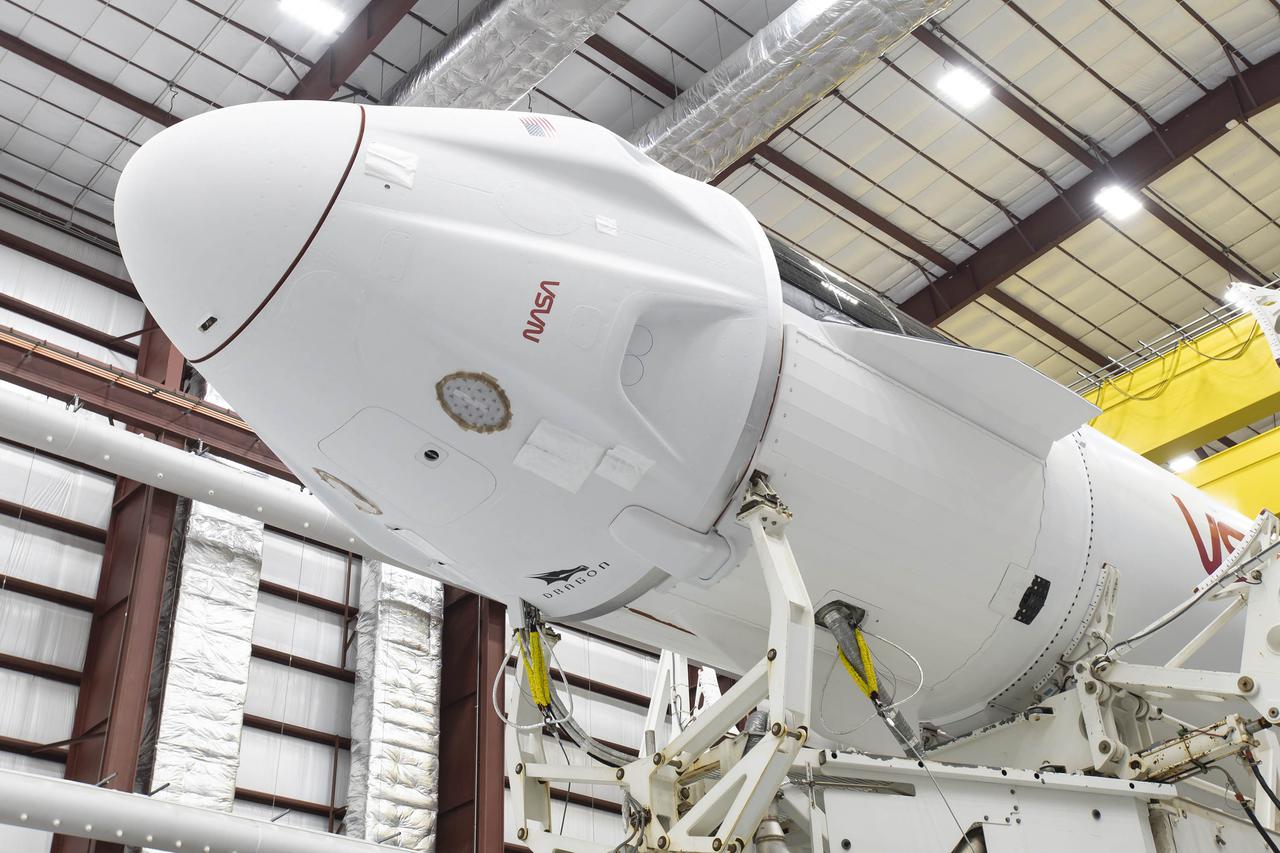
Inside the SpaceX horizontal processing facility at NASA’s Kennedy Space Center in Florida, the SpaceX Falcon 9 rocket with Crew Dragon attached are ready for rollout to Launch Complex 39A on Oct. 27, 2021 for NASA’s SpaceX Crew-3 mission. NASA astronauts Raja Chari, Tom Marshburn and Kayla Barron, along with Matthias Maurer, European Space Agency astronaut, will launch aboard the Crew Dragon on the Falcon 9 rocket on Oct. 31. Launch is targeted for 2:21 a.m. from Pad 39A. Crew-3 is the third crew rotation flight for the agency’s Commercial Crew Program, and the first flight of a new Crew Dragon spacecraft.
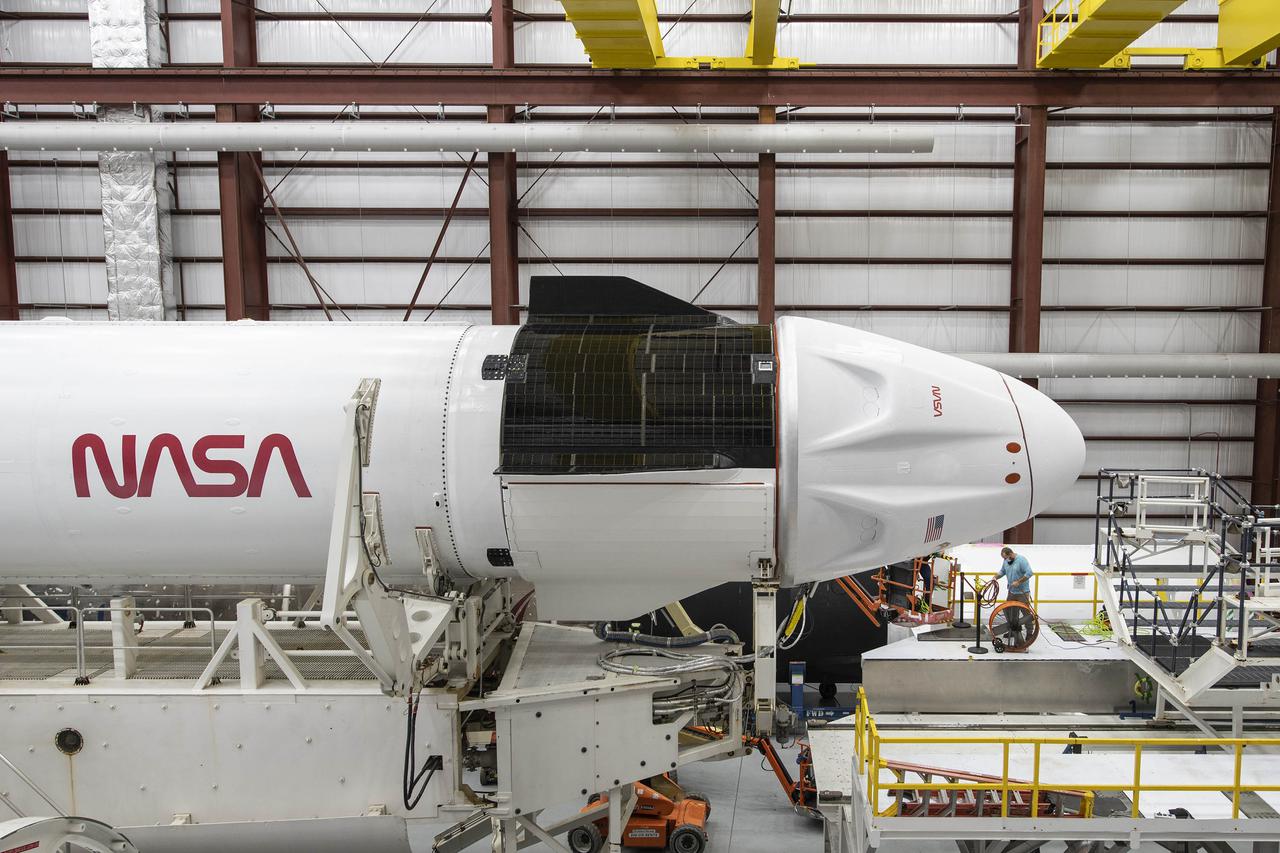
Inside the SpaceX horizontal processing facility at NASA’s Kennedy Space Center in Florida, preparations are underway to roll the SpaceX Falcon 9 rocket with Crew Dragon attached to Launch Complex 39A on Oct. 27, 2021 for NASA’s Space X Crew-3 mission. NASA astronauts Raja Chari, Tom Marshburn and Kayla Barron, along with Matthias Maurer, European Space Agency astronaut, will launch aboard the Crew Dragon on the Falcon 9 rocket on Oct. 31. Launch is targeted for 2:21 a.m. from Pad 39A. Crew-3 is the third crew rotation flight for the agency’s Commercial Crew Program, and the first flight of a new Crew Dragon spacecraft.
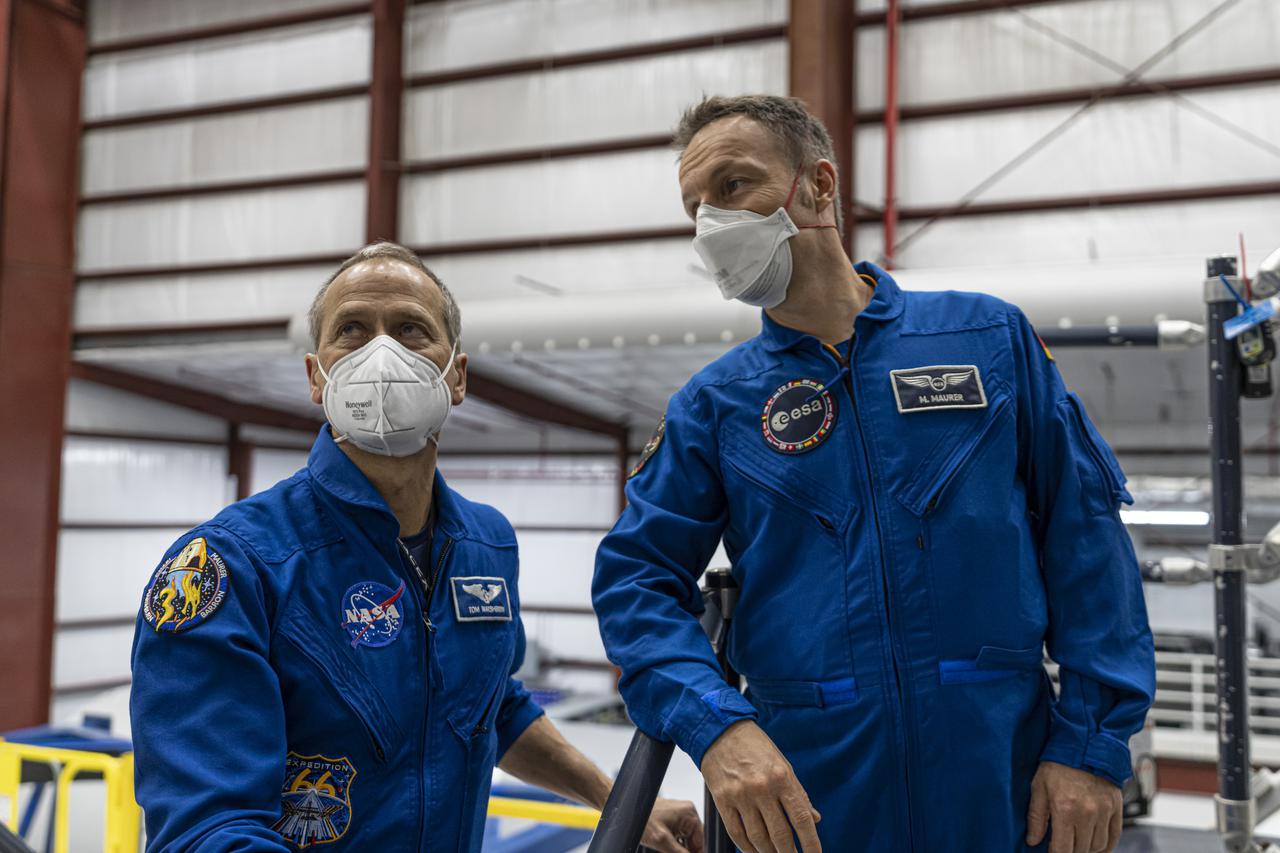
SpaceX Crew-3 NASA astronaut Tom Marshburn, left, and Matthias Maurer, an astronaut with the European Space Agency, are inside the SpaceX horizontal processing facility near Launch Complex 39A at Kennedy Space Center in Florida on Oct. 26, 2021. The astronauts are viewing the Falcon 9 rocket with Crew Dragon before rollout to the launch pad, which occurred on Oct. 27. The four-person crew will launch aboard the Crew Dragon atop the Falcon 9 on Oct. 31 to the International Space Station. Launch is targeted for 2:21 a.m. EDT from Pad 39A. Crew-3 is the third crew rotation flight to the space station for NASA’s Commercial Crew Program, and the first flight of a new Crew Dragon spacecraft.
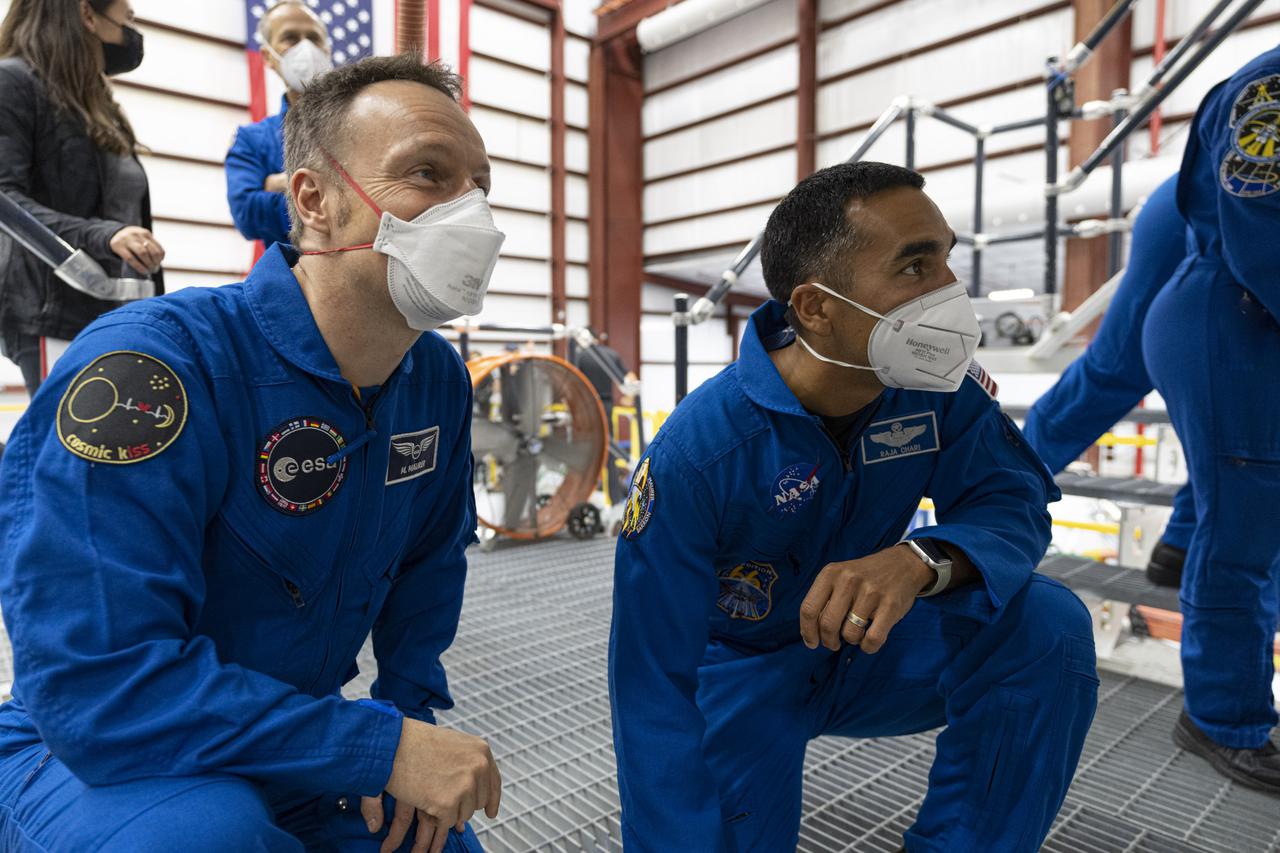
SpaceX Crew-3 astronaut Matthias Maurer, left, with the European Space Agency, and NASA astronaut Raja Chari, Crew-3 commander, are inside the SpaceX horizontal processing facility near Launch Complex 39A at Kennedy Space Center in Florida on Oct. 26, 2021. The astronauts are viewing the Falcon 9 rocket with Crew Dragon before rollout to the launch pad, which occurred on Oct. 27. The four-person crew will launch aboard the Crew Dragon atop the Falcon 9 on Oct. 31 to the International Space Station. Launch is targeted for 2:21 a.m. EDT from Pad 39A. Crew-3 is the third crew rotation flight to the space station for NASA’s Commercial Crew Program, and the first flight of a new Crew Dragon spacecraft.
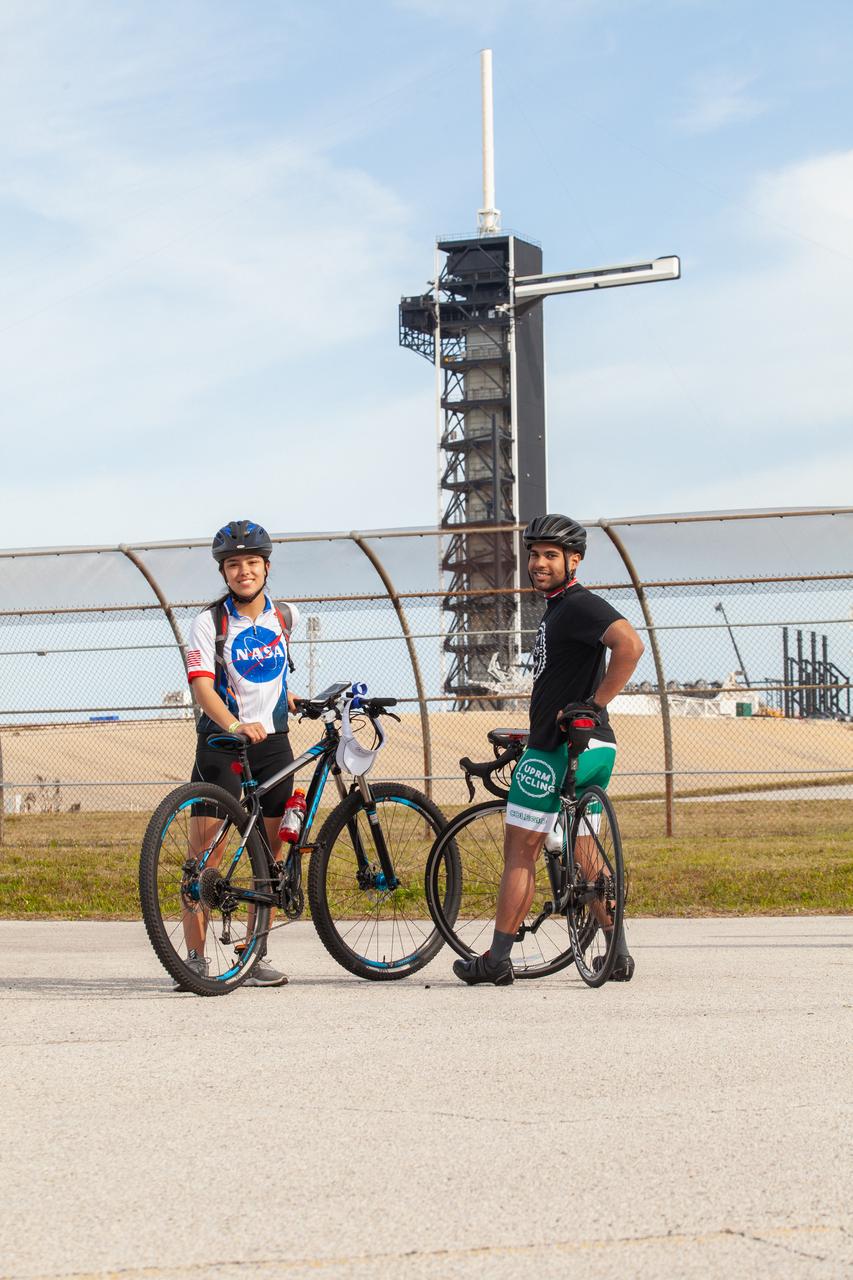
Cyclists pose for a photo in front of SpaceX’s launch tower, supporting the company’s Crew Access Arm, at historic Launch Pad 39A during Kennedy Space Center’s annual Tour de KSC. The bicycle tour took place March 30, giving Kennedy employees and guests the opportunity to choose from three different routes that ranged from seven to 33 miles along some of the Florida spaceport’s most notable facilities such as the Vehicle Assembly Building, the Space Shuttle Landing facility and others.
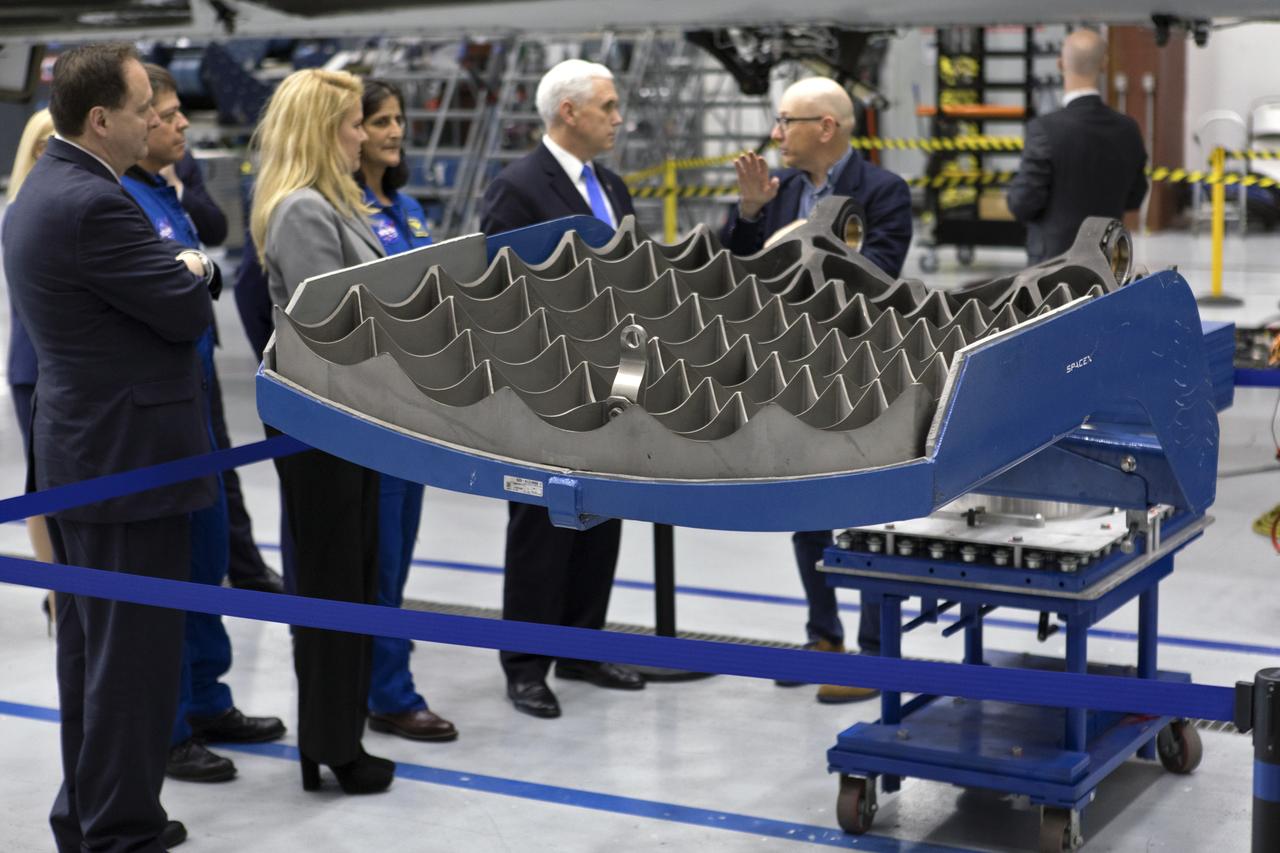
Vice President Mike Pence tours the SpaceX hangar at Launch Complex 39A, at NASA's Kennedy Space Center in Florida, on Feb. 21, 2018. SpaceX Director of Launch Pads John Muratore, far right, describes hardware to, from the left Acting NASA Administrator Robert Lightfoot, SpaceX President and COO Gwynne Shotwell, NASA astronaut Suni Williams and Pence. During his visit, Pence chaired a meeting of the National Space Council in the high bay of the center's Space Station Processing Facility. The council's role is to advise the president regarding national space policy and strategy, and review the nation's long-range goals for space activities.
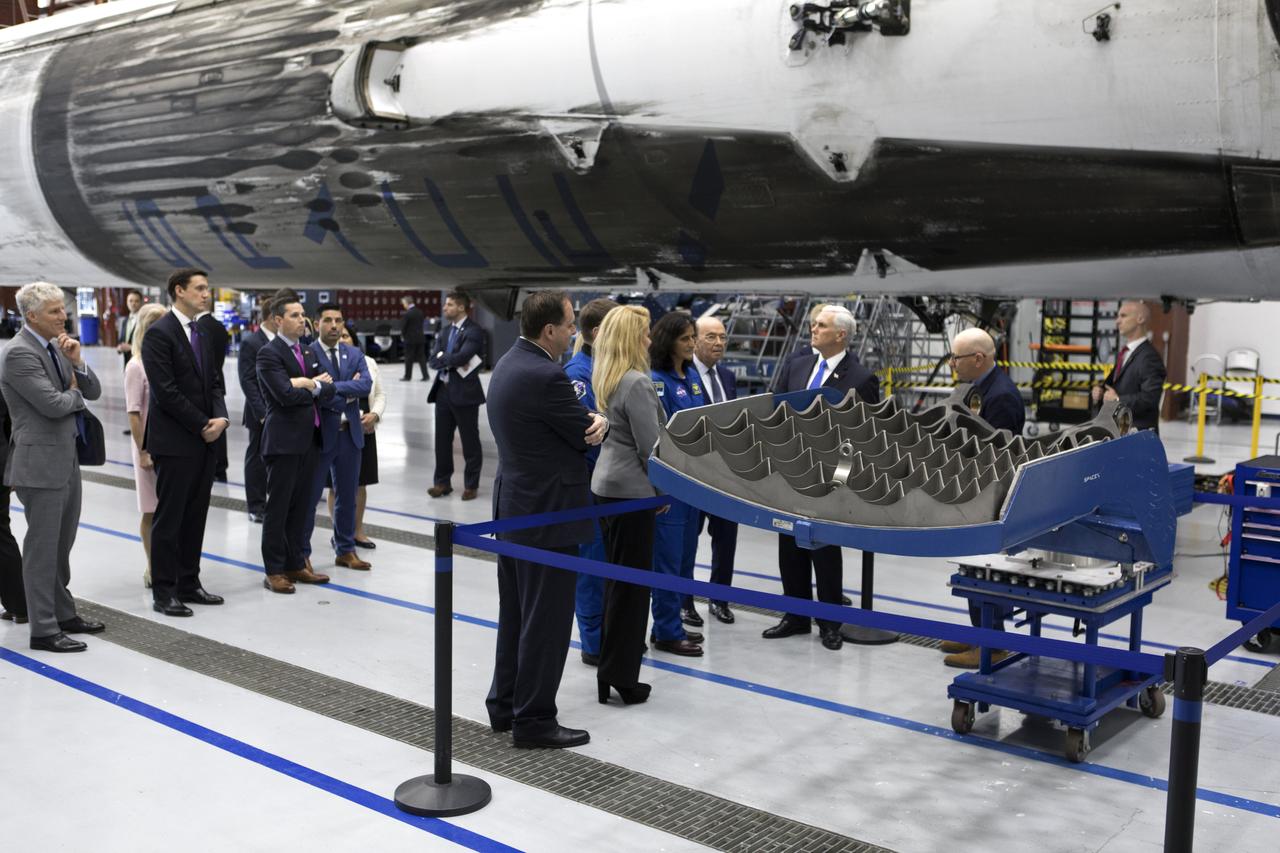
Vice President Mike Pence tours the SpaceX hangar at Launch Complex 39A, at NASA's Kennedy Space Center in Florida, on Feb. 21, 2018. SpaceX Director of launch Pads John Muratore, far right, describes hardware to, from the left Acting NASA Administrator Robert Lightfoot, SpaceX President and COO Gwynne Shotwell, NASA astronaut Suni Williams and Pence. During his visit, Pence chaired a meeting of the National Space Council in the high bay of the center's Space Station Processing Facility. The council's role is to advise the president regarding national space policy and strategy, and review the nation's long-range goals for space activities.
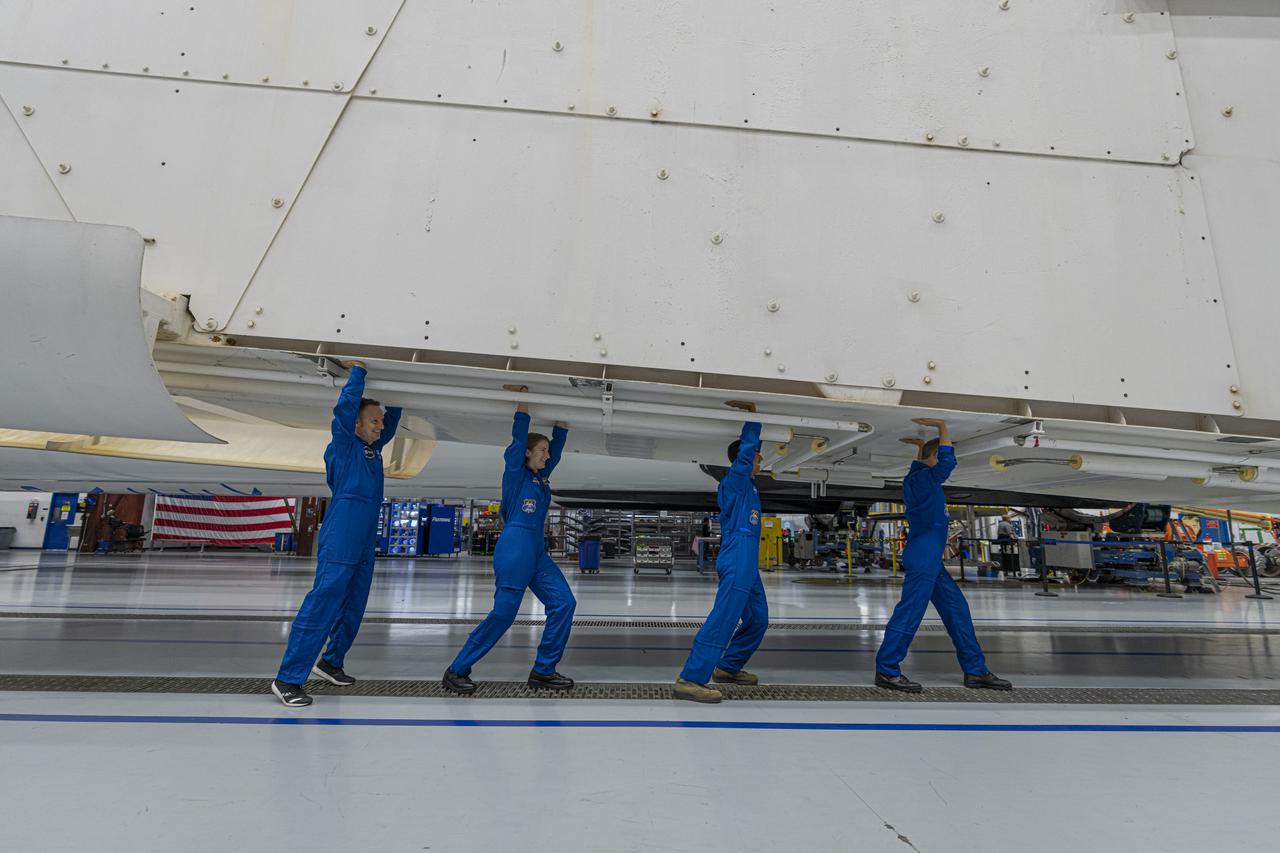
NASA’s SpaceX Crew-3 astronauts are inside the SpaceX horizontal processing facility near Launch Complex 39A at Kennedy Space Center in Florida on Oct. 26, 2021. In this view, they simulate holding up the Falcon 9 rocket on its transporter before rollout to Launch Complex 39A, which occurred on Oct. 27. From left are Matthias Maurer, with the European Space Agency, and NASA astronauts Kayla Barron, Raja Chari, and Tom Marshburn. The four-person crew will launch aboard the Crew Dragon atop the Falcon 9 on Oct. 31 to the International Space Station. Launch is targeted for 2:21 a.m. EDT from Pad 39A. Crew-3 is the third crew rotation flight to the space station for NASA’s Commercial Crew Program, and the first flight of a new Crew Dragon spacecraft.
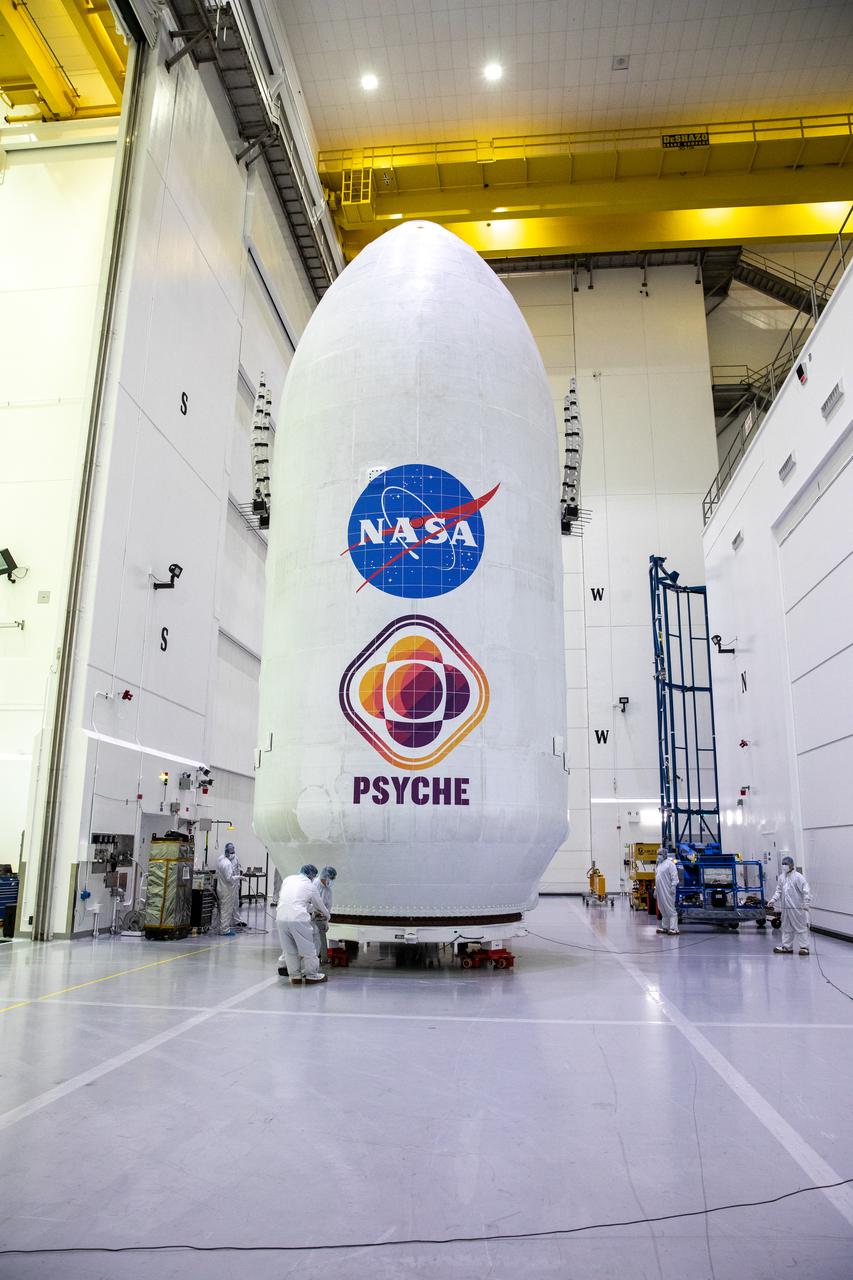
Teams transport NASA's encapsulated Psyche spacecraft from the Astrotech Space Operations Facility in Titusville to Launch Pad 39A at Kennedy Space Center in Florida on Friday, Oct. 6, 2023. Psyche will launch atop a SpaceX Falcon Heavy rocket. Liftoff is targeted for 10:16 a.m. EDT Thursday, Oct. 12. Riding with Psyche is a pioneering technology demonstration, NASA's Deep Space Optical Communications (DSOC) experiment.
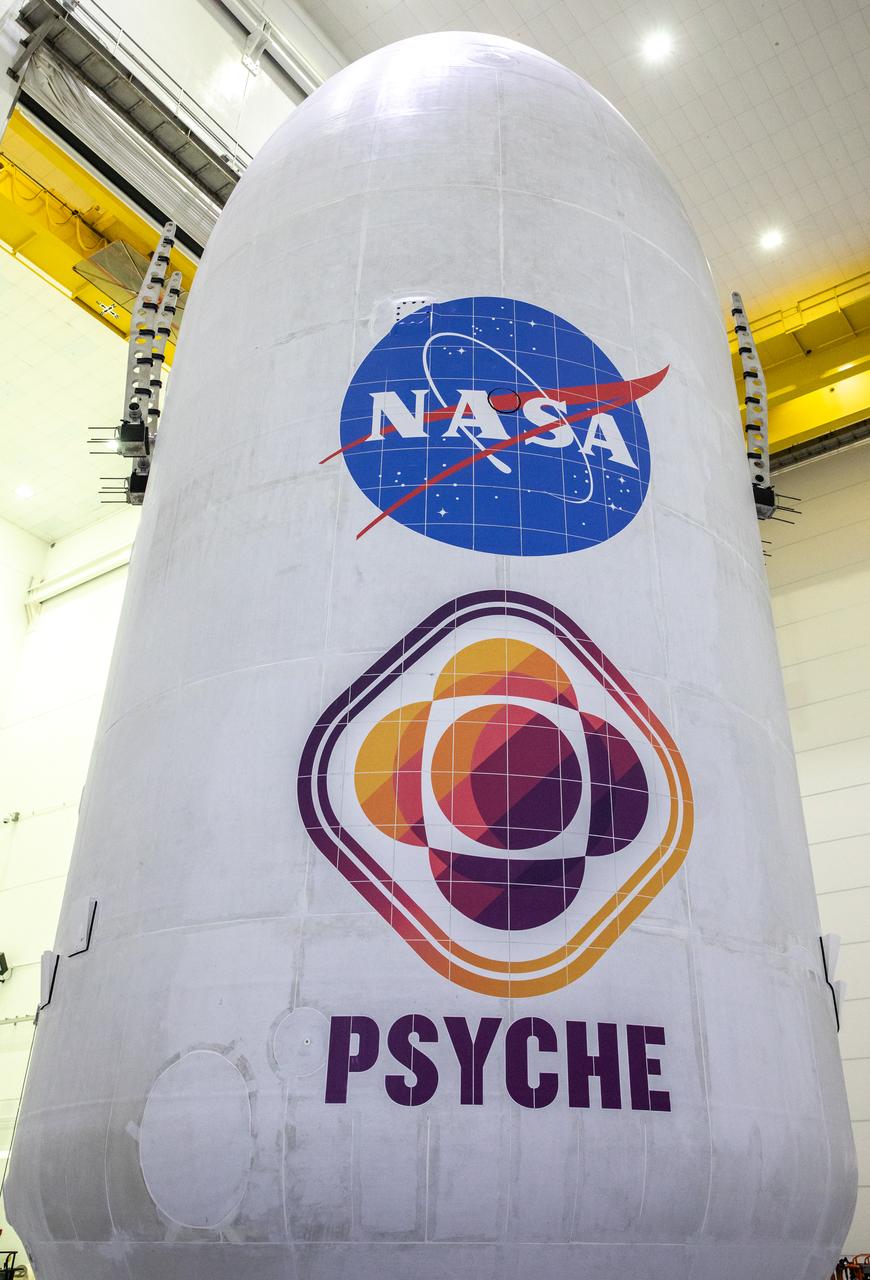
Teams transport NASA's encapsulated Psyche spacecraft from the Astrotech Space Operations Facility in Titusville to Launch Pad 39A at Kennedy Space Center in Florida on Friday, Oct. 6, 2023. Psyche will launch atop a SpaceX Falcon Heavy rocket. Liftoff is targeted for 10:16 a.m. EDT Thursday, Oct. 12. Riding with Psyche is a pioneering technology demonstration, NASA's Deep Space Optical Communications (DSOC) experiment.
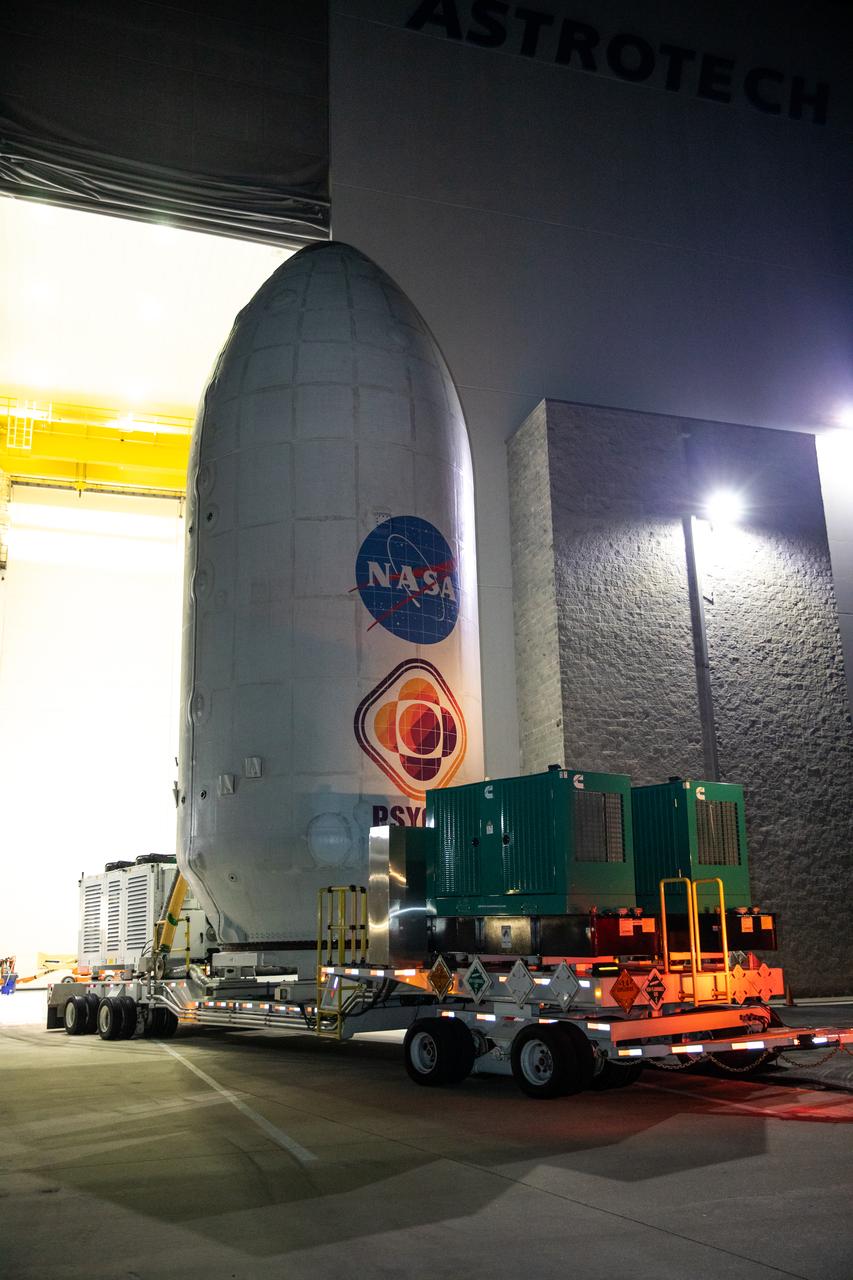
Teams transport NASA's encapsulated Psyche spacecraft from the Astrotech Space Operations Facility in Titusville to Launch Pad 39A at Kennedy Space Center in Florida on Friday, Oct. 6, 2023. Psyche will launch atop a SpaceX Falcon Heavy rocket. Liftoff is targeted for 10:16 a.m. EDT Thursday, Oct. 12. Riding with Psyche is a pioneering technology demonstration, NASA's Deep Space Optical Communications (DSOC) experiment.
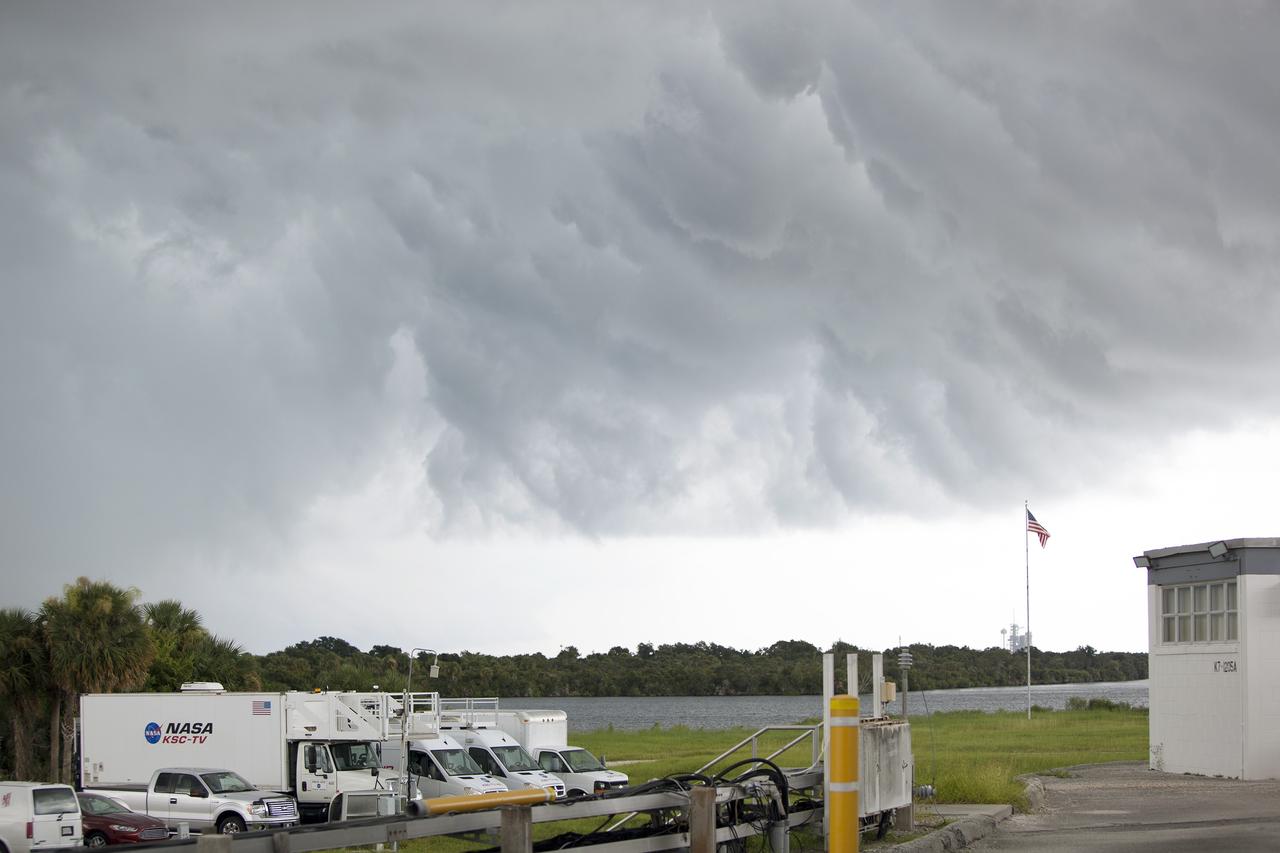
CAPE CANAVERAL, Fla. – A thunderstorm moving through NASA’s Kennedy Space Center in Florida hovers over the NASA Press Site. In the distance is Launch Pad 39A, recently turned over to SpaceX to support their commercial launch activities under a property agreement. Kennedy's Ground Support Development and Operations Program is hard at work transforming the center's facilities into a multi-user spaceport, when the weather permits. For more on Kennedy Space Center, visit http://www.nasa.gov/kennedy. Photo credit: NASA/Ben Smegelsky
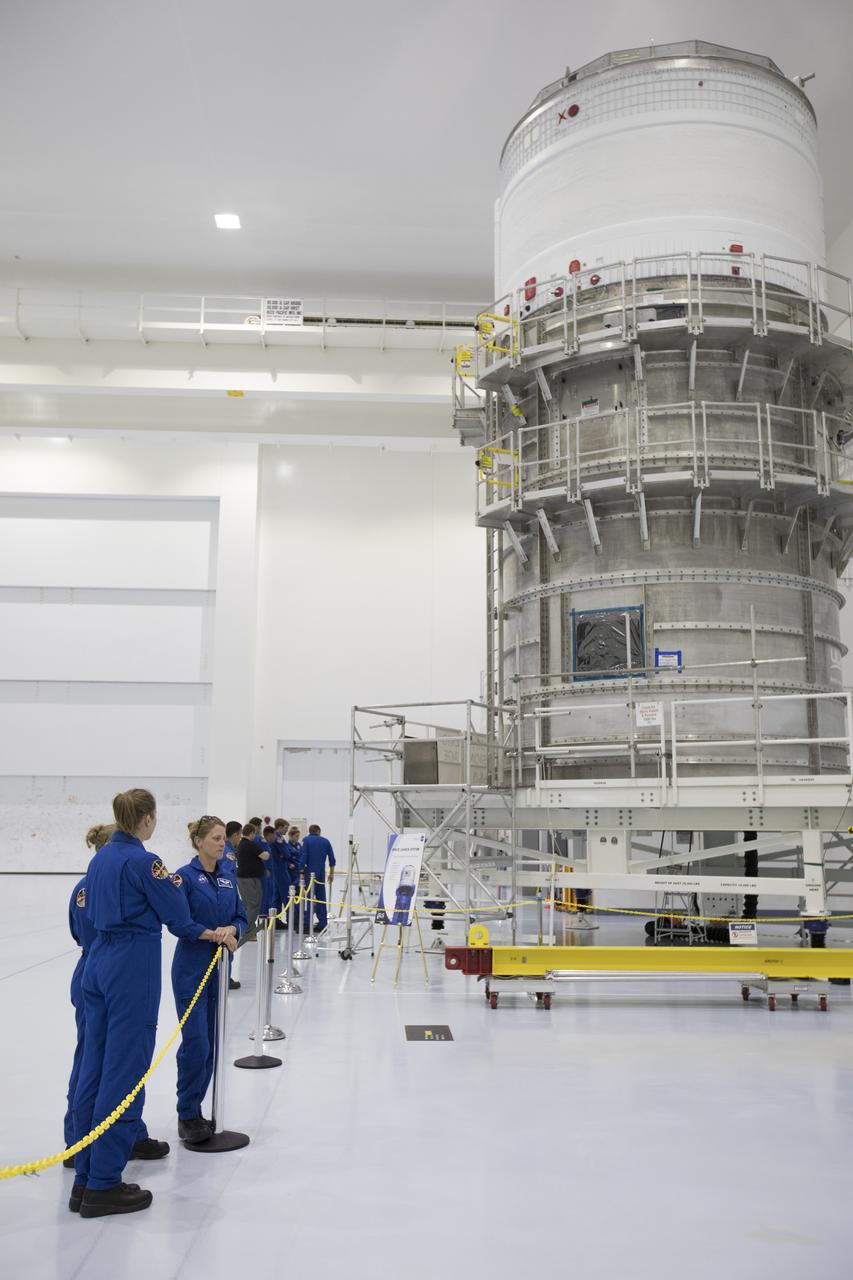
The 2017 class of astronaut candidates are inside the Space Station Processing Facility high bay during a familiarization tour of facilities at NASA's Kennedy Space Center in Florida. They are viewing the Interim Cryogenic Propulsion System for NASA's Space Launch System rocket. The candidates toured center facilities, including the Neil Armstrong Operations and Checkout Building high bay; the Launch Control Center, Launch Pad 39B, and the Vehicle Assembly Building. They also toured Boeing's Commercial Crew and Cargo Facility, United Launch Alliance's Space Launch Complex 41 at Cape Canaveral Air Force Station, and SpaceX's Launch Pad 39A at Kennedy. The candidates will spend about two years getting to know the space station systems and learning how to spacewalk, speak Russian, control the International Space Station's robotic arm and fly T-38s, before they're eligible to be assigned to a mission.
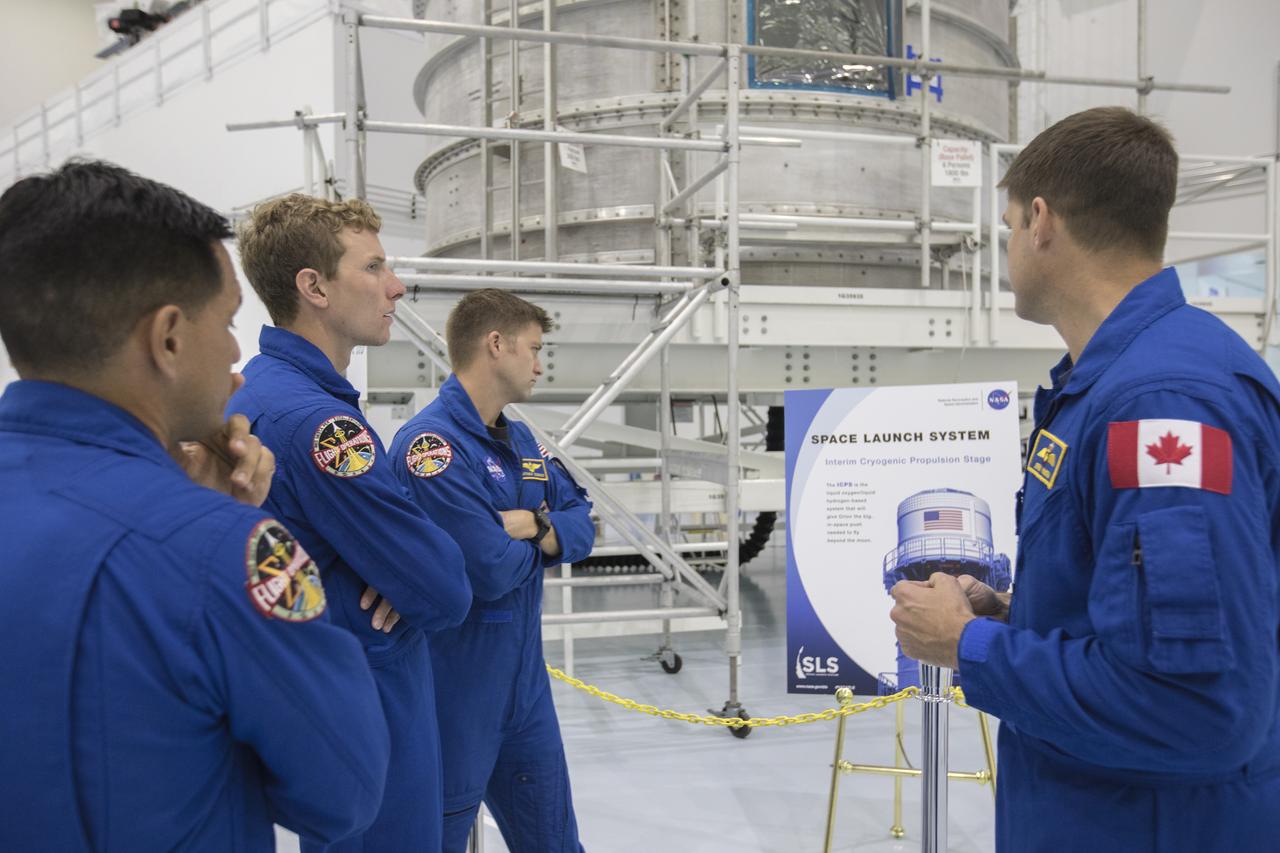
The 2017 class of astronaut candidates are inside the Space Station Processing Facility high bay during a familiarization tour of facilities at NASA's Kennedy Space Center in Florida. They are viewing the Interim Cryogenic Propulsion System for NASA's Space Launch System rocket. The candidates toured center facilities, including the Neil Armstrong Operations and Checkout Building high bay; the Launch Control Center, Launch Pad 39B, and the Vehicle Assembly Building. They also toured Boeing's Commercial Crew and Cargo Facility, United Launch Alliance's Space Launch Complex 41 at Cape Canaveral Air Force Station, and SpaceX's Launch Pad 39A at Kennedy. The candidates will spend about two years getting to know the space station systems and learning how to spacewalk, speak Russian, control the International Space Station's robotic arm and fly T-38s, before they're eligible to be assigned to a mission.
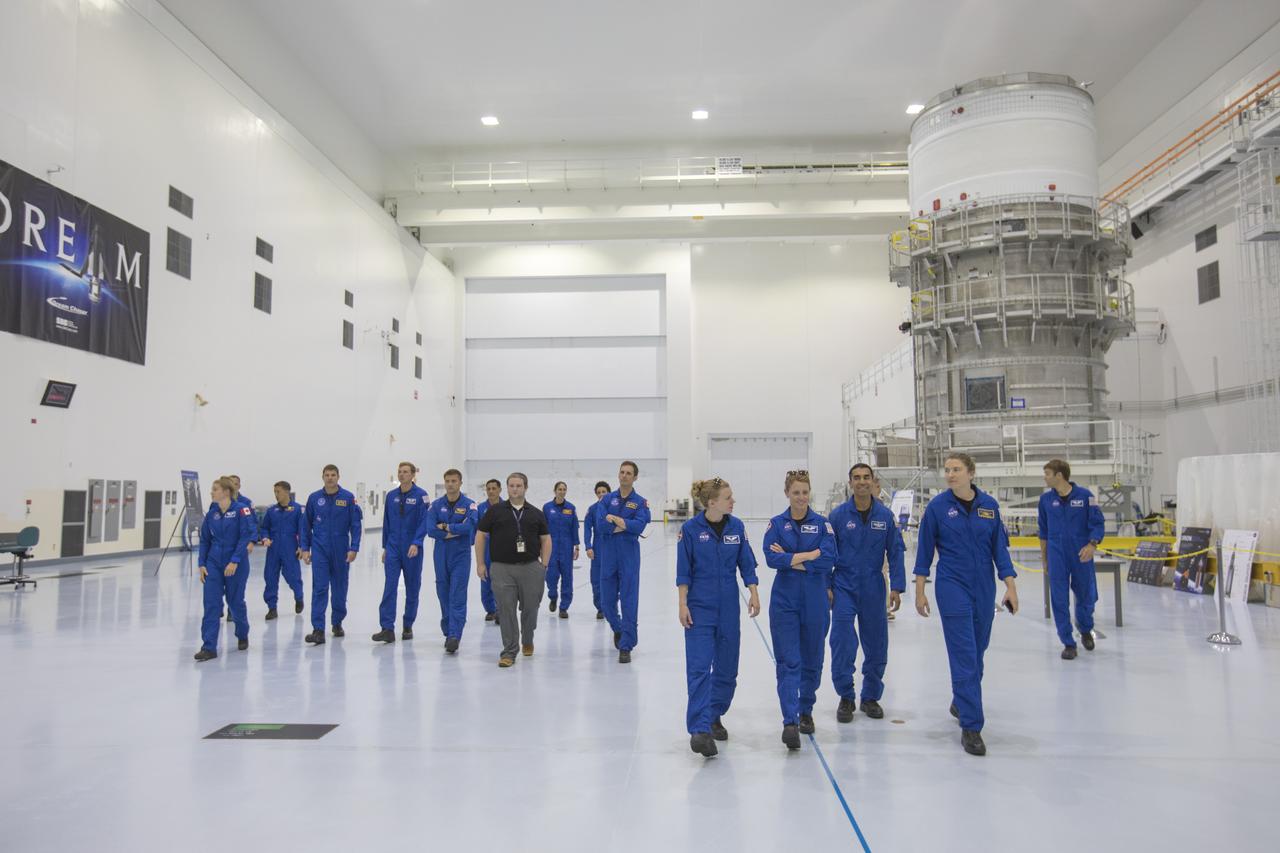
The 2017 class of astronaut candidates are inside the Space Station Processing Facility high bay during a familiarization tour of facilities at NASA's Kennedy Space Center in Florida. Behind them is the Interim Cryogenic Propulsion System for NASA's Space Launch System rocket. The candidates toured center facilities, including the Neil Armstrong Operations and Checkout Building high bay; the Launch Control Center, Launch Pad 39B, and the Vehicle Assembly Building. They also toured Boeing's Commercial Crew and Cargo Facility, United Launch Alliance's Space Launch Complex 41 at Cape Canaveral Air Force Station, and SpaceX's Launch Pad 39A at Kennedy. The candidates will spend about two years getting to know the space station systems and learning how to spacewalk, speak Russian, control the International Space Station's robotic arm and fly T-38s, before they're eligible to be assigned to a mission.
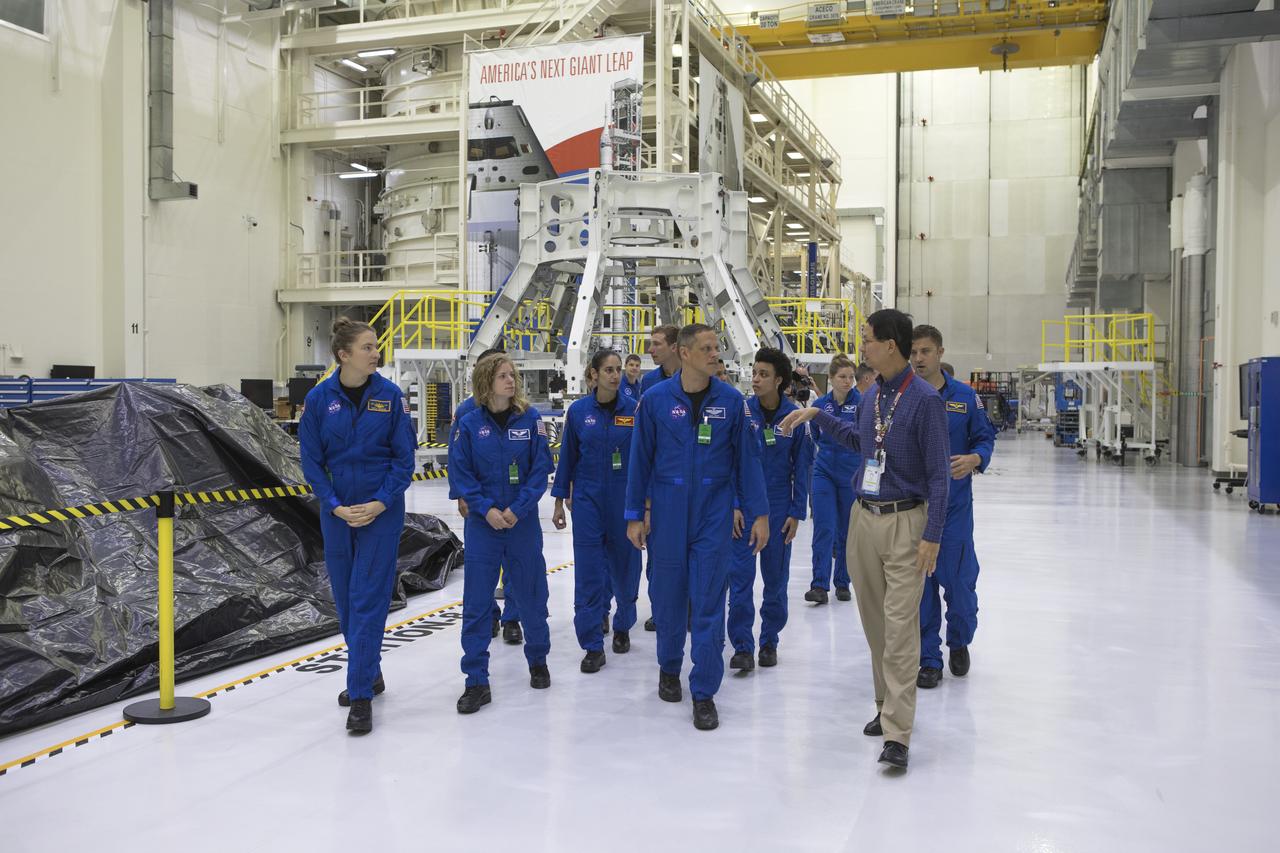
The 2017 class of astronaut candidates are inside the Neil Armstrong Operations and Checkout Building high bay during a familiarization tour of facilities at NASA's Kennedy Space Center in Florida. The candidates toured center facilities, including the Launch Control Center, Launch Pad 39B, the Vehicle Assembly Building and the Space Station Processing Facility. They also toured Boeing's Commercial Crew and Cargo Facility, United Launch Alliance's Space Launch Complex 41 at Cape Canaveral Air Force Station, and SpaceX's Launch Pad 39A at Kennedy. The candidates will spend about two years getting to know the space station systems and learning how to spacewalk, speak Russian, control the International Space Station's robotic arm and fly T-38s, before they're eligible to be assigned to a mission.
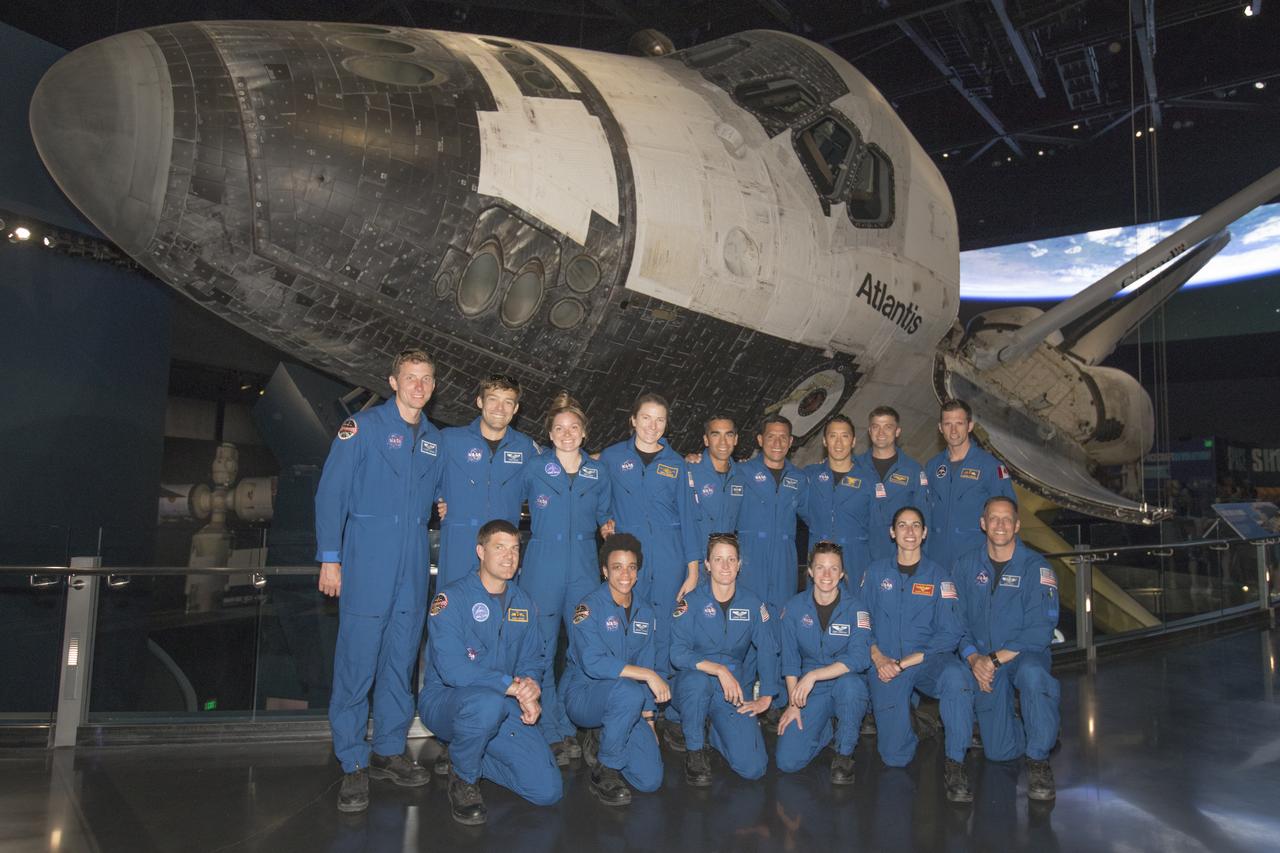
The 2017 class of astronaut candidates toured the Kennedy Space Center Visitor Complex and viewed exhibits, including Space Shuttle Atlantis, during a familiarization tour of facilities at NASA's Kennedy Space Center in Florida. The candidates toured center facilities, including the Neil Armstrong Operations and Checkout Building high bay; Launch Control Center, Launch Pad 39B and the Space Station Processing Facility. They also toured Boeing's Commercial Crew and Cargo Facility, United Launch Alliance's Space Launch Complex 41 at Cape Canaveral Air Force Station, and SpaceX's Launch Pad 39A at Kennedy. The candidates will spend about two years getting to know the space station systems and learning how to spacewalk, speak Russian, control the International Space Station's robotic arm and fly T-38s, before they're eligible to be assigned to a mission.
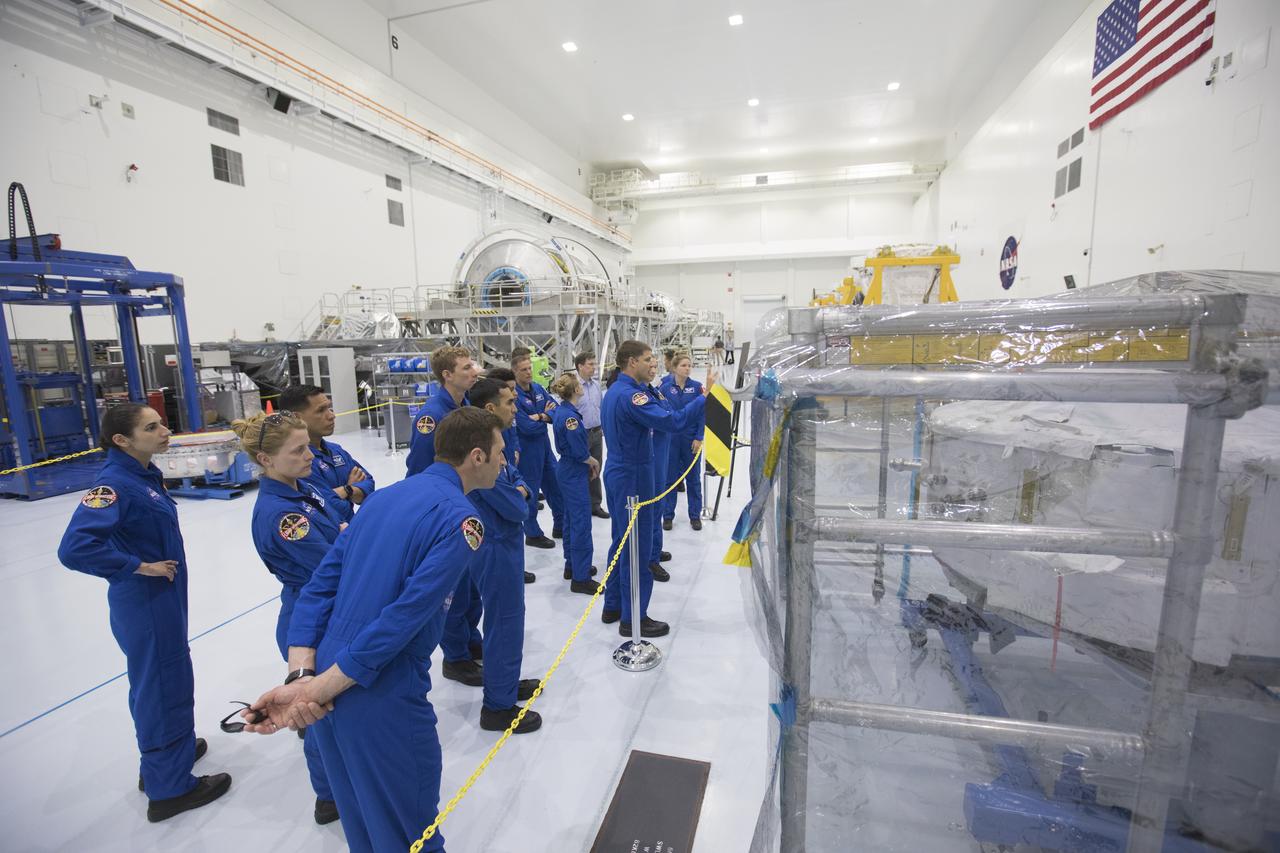
The 2017 class of astronaut candidates are inside the Space Station Processing Facility high bay during a familiarization tour of facilities at NASA's Kennedy Space Center in Florida. The candidates toured center facilities, including the Neil Armstrong Operations and Checkout Building high bay; the Launch Control Center, Launch Pad 39B, and the Vehicle Assembly Building. They also toured Boeing's Commercial Crew and Cargo Facility, United Launch Alliance's Space Launch Complex 41 at Cape Canaveral Air Force Station, and SpaceX's Launch Pad 39A at Kennedy. The candidates will spend about two years getting to know the space station systems and learning how to spacewalk, speak Russian, control the International Space Station's robotic arm and fly T-38s, before they're eligible to be assigned to a mission.
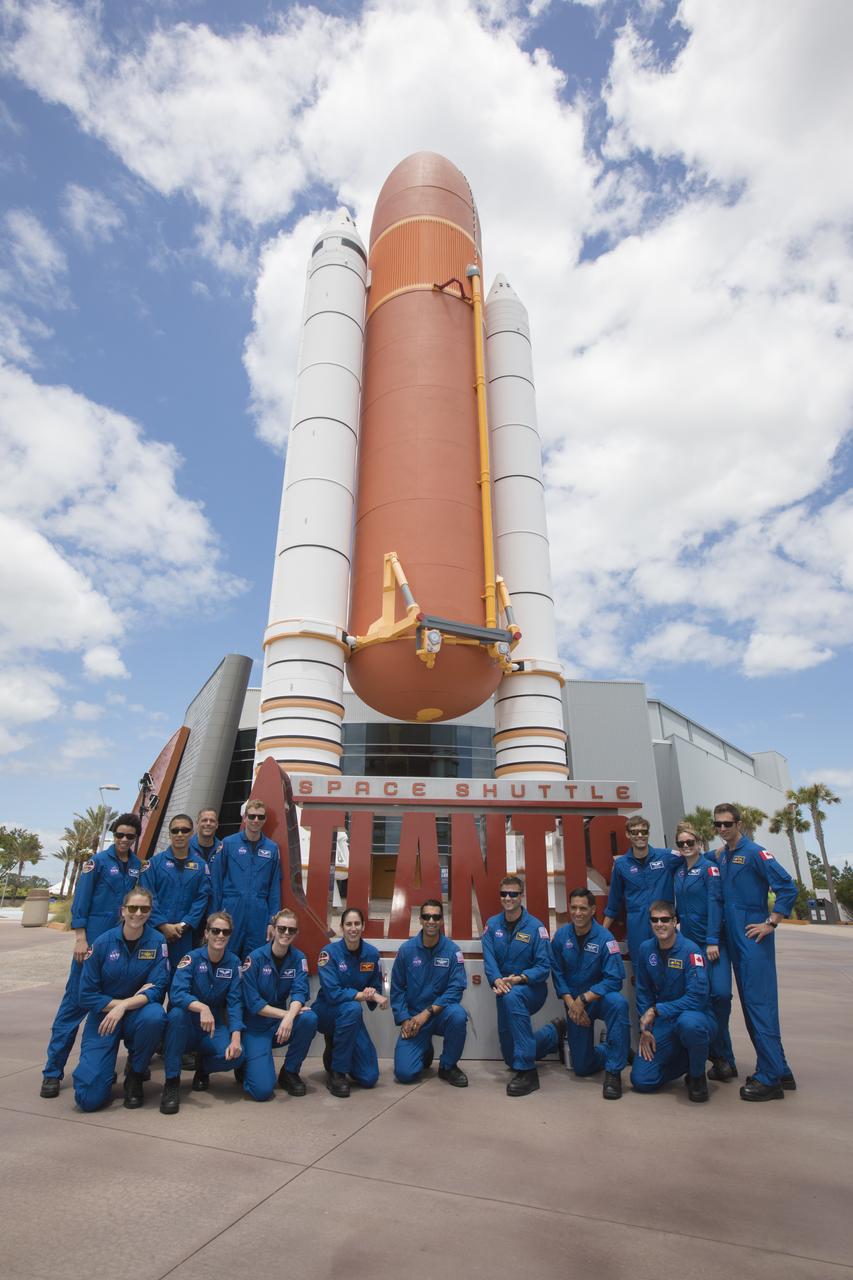
The 2017 class of astronaut candidates toured the Kennedy Space Center Visitor Complex and viewed exhibits, including Space Shuttle Atlantis, during a familiarization tour of facilities at NASA's Kennedy Space Center in Florida. The candidates toured center facilities, including the Neil Armstrong Operations and Checkout Building high bay; Launch Control Center, Launch Pad 39B and the Space Station Processing Facility. They also toured Boeing's Commercial Crew and Cargo Facility, United Launch Alliance's Space Launch Complex 41 at Cape Canaveral Air Force Station, and SpaceX's Launch Pad 39A at Kennedy. The candidates will spend about two years getting to know the space station systems and learning how to spacewalk, speak Russian, control the International Space Station's robotic arm and fly T-38s, before they're eligible to be assigned to a mission.
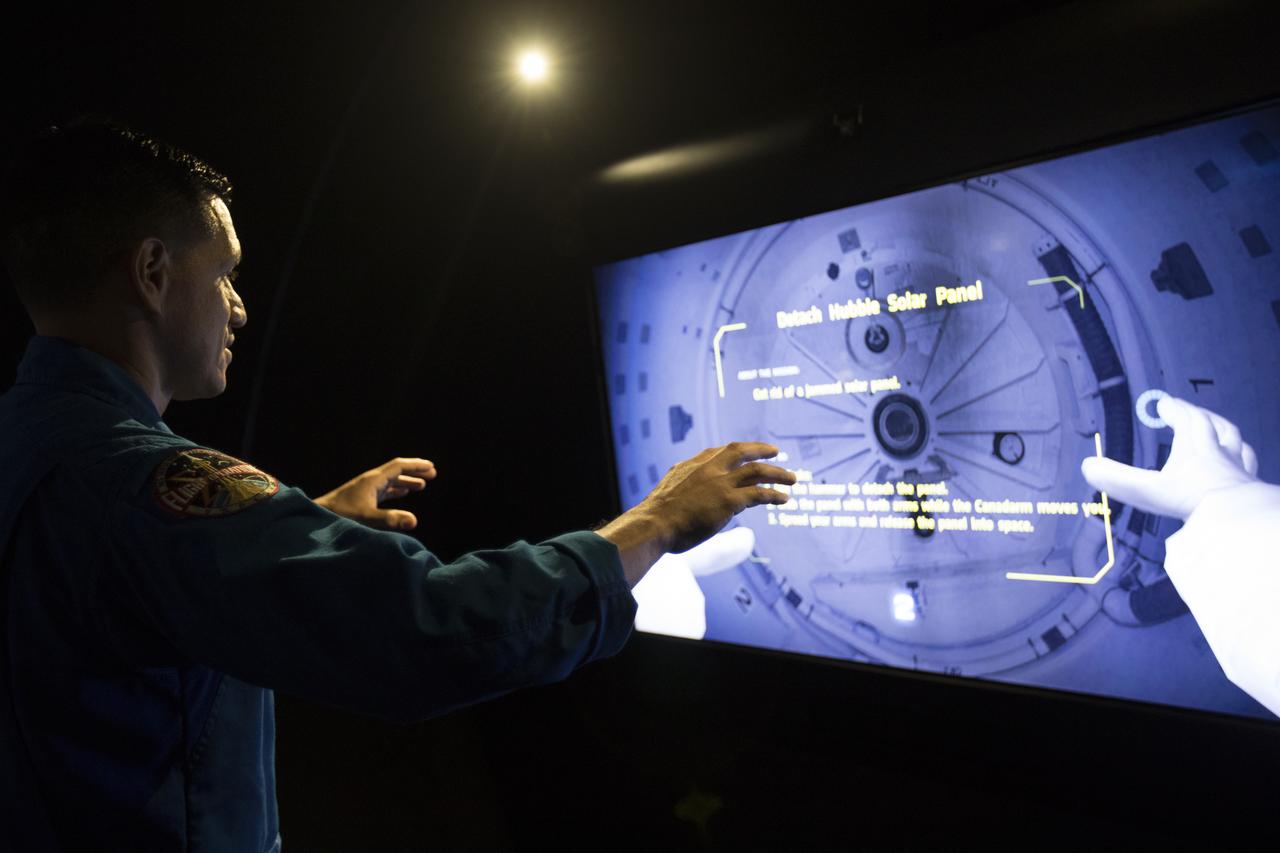
The 2017 class of astronaut candidates toured the Kennedy Space Center Visitor Complex and viewed exhibits, including Space Shuttle Atlantis, during a familiarization tour of facilities at NASA's Kennedy Space Center in Florida. The candidates toured center facilities, including the Neil Armstrong Operations and Checkout Building high bay; Launch Control Center, Launch Pad 39B and the Space Station Processing Facility. They also toured Boeing's Commercial Crew and Cargo Facility, United Launch Alliance's Space Launch Complex 41 at Cape Canaveral Air Force Station, and SpaceX's Launch Pad 39A at Kennedy. The candidates will spend about two years getting to know the space station systems and learning how to spacewalk, speak Russian, control the International Space Station's robotic arm and fly T-38s, before they're eligible to be assigned to a mission.
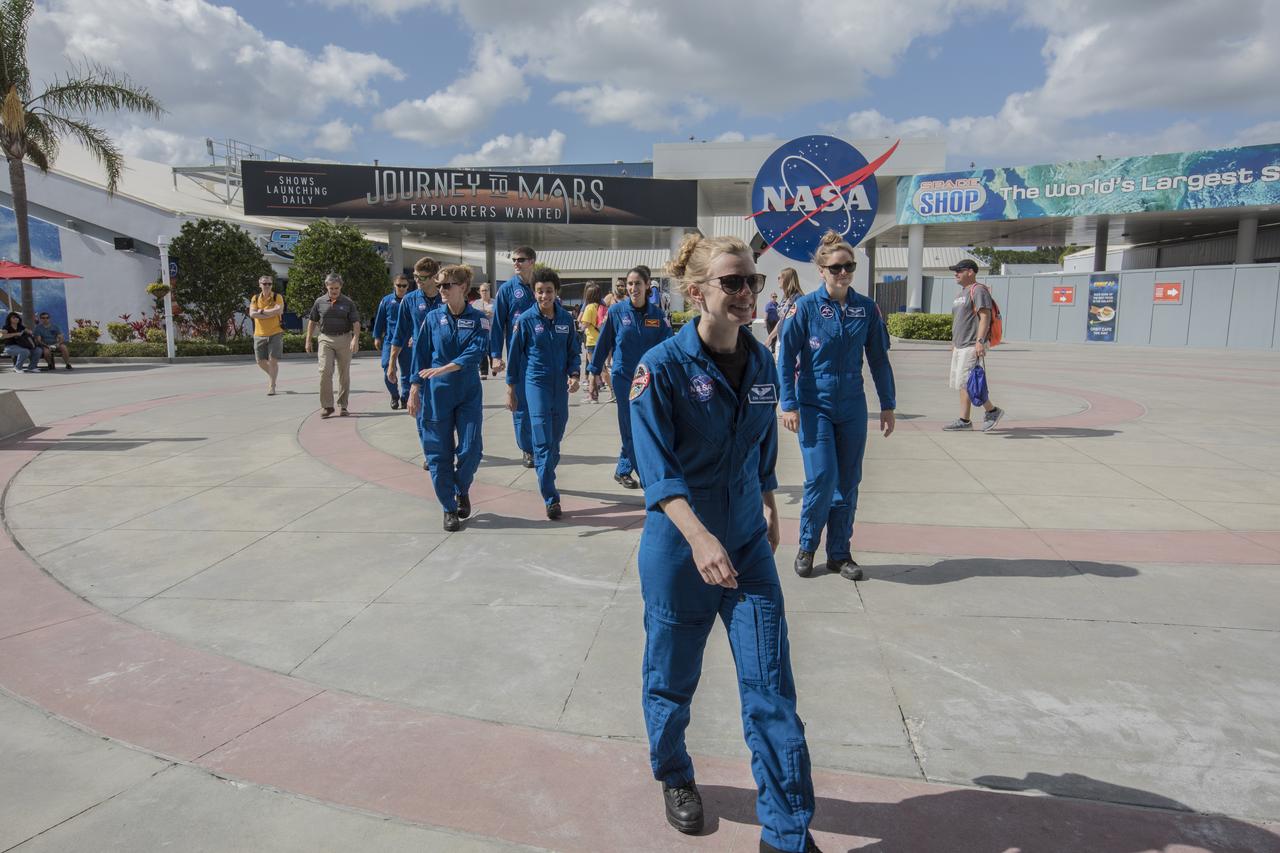
The 2017 class of astronaut candidates toured the Kennedy Space Center Visitor Complex and viewed exhibits, including Space Shuttle Atlantis, during a familiarization tour of facilities at NASA's Kennedy Space Center in Florida. The candidates toured center facilities, including the Neil Armstrong Operations and Checkout Building high bay; Launch Control Center, Launch Pad 39B and the Space Station Processing Facility. They also toured Boeing's Commercial Crew and Cargo Facility, United Launch Alliance's Space Launch Complex 41 at Cape Canaveral Air Force Station, and SpaceX's Launch Pad 39A at Kennedy. The candidates will spend about two years getting to know the space station systems and learning how to spacewalk, speak Russian, control the International Space Station's robotic arm and fly T-38s, before they're eligible to be assigned to a mission.
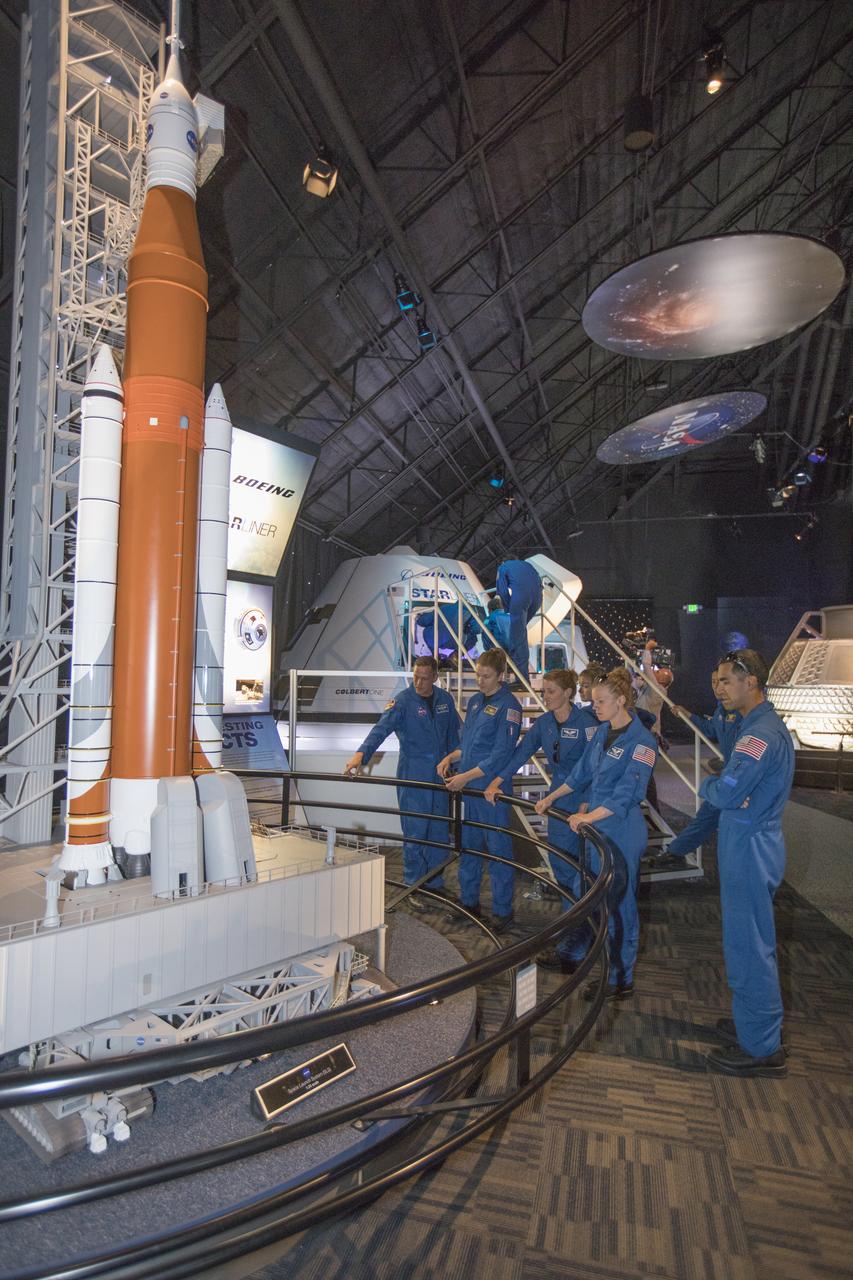
The 2017 class of astronaut candidates toured the Kennedy Space Center Visitor Complex and viewed exhibits, including Space Shuttle Atlantis, during a familiarization tour of facilities at NASA's Kennedy Space Center in Florida. The candidates toured center facilities, including the Neil Armstrong Operations and Checkout Building high bay; Launch Control Center, Launch Pad 39B and the Space Station Processing Facility. They also toured Boeing's Commercial Crew and Cargo Facility, United Launch Alliance's Space Launch Complex 41 at Cape Canaveral Air Force Station, and SpaceX's Launch Pad 39A at Kennedy. The candidates will spend about two years getting to know the space station systems and learning how to spacewalk, speak Russian, control the International Space Station's robotic arm and fly T-38s, before they're eligible to be assigned to a mission.
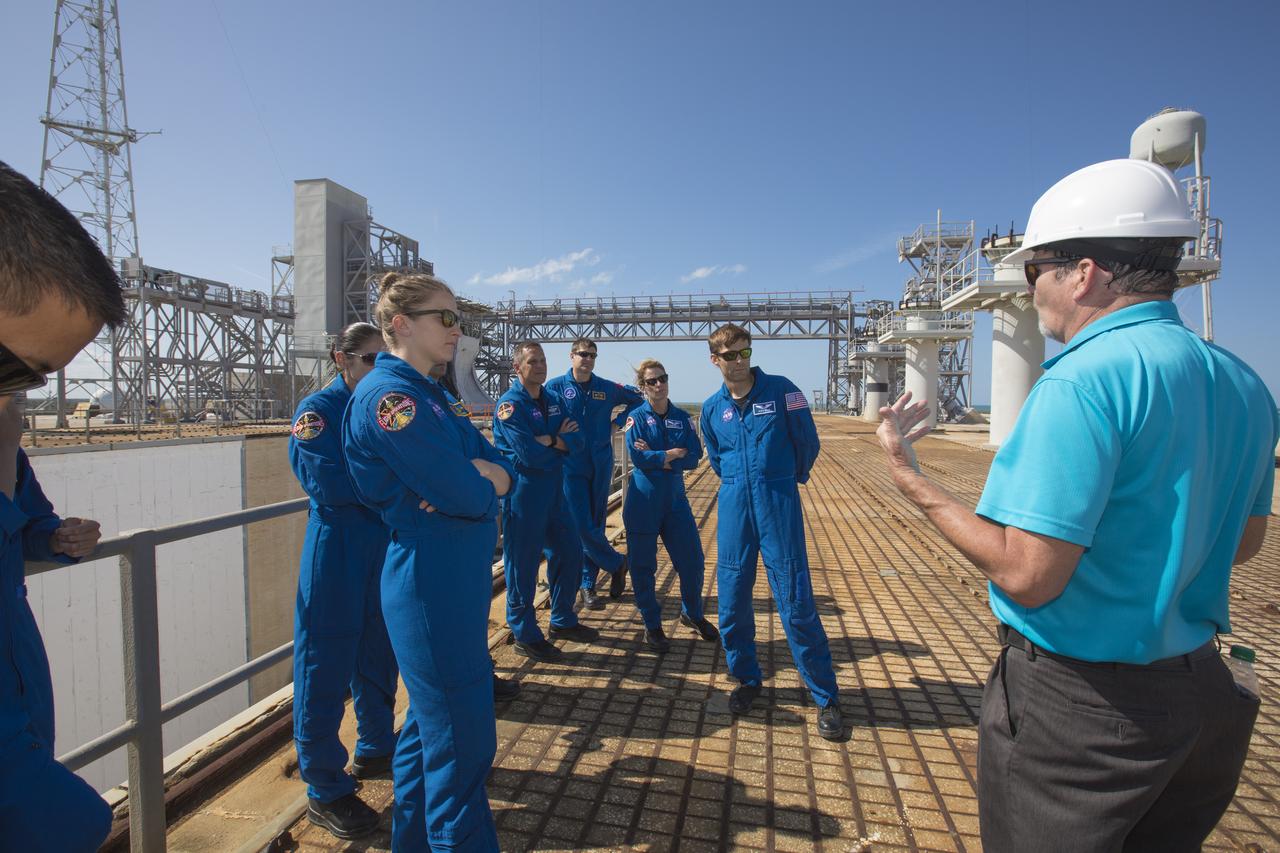
Members of the 2017 class of astronaut candidates are on the surface of Launch Pad 39B during a familiarization tour of facilities at NASA's Kennedy Space Center in Florida. The candidates toured center facilities, including the Vehicle Assembly Building, Launch Control Center, Neil Armstrong Operations and Checkout Building high bay and the Space Station Processing Facility. They also toured Boeing's Commercial Crew and Cargo Facility, United Launch Alliance's Space Launch Complex 41 at Cape Canaveral Air Force Station, and SpaceX's Launch Pad 39A at Kennedy. The candidates will spend about two years getting to know the space station systems and learning how to spacewalk, speak Russian, control the International Space Station's robotic arm and fly T-38s, before they're eligible to be assigned to a mission.
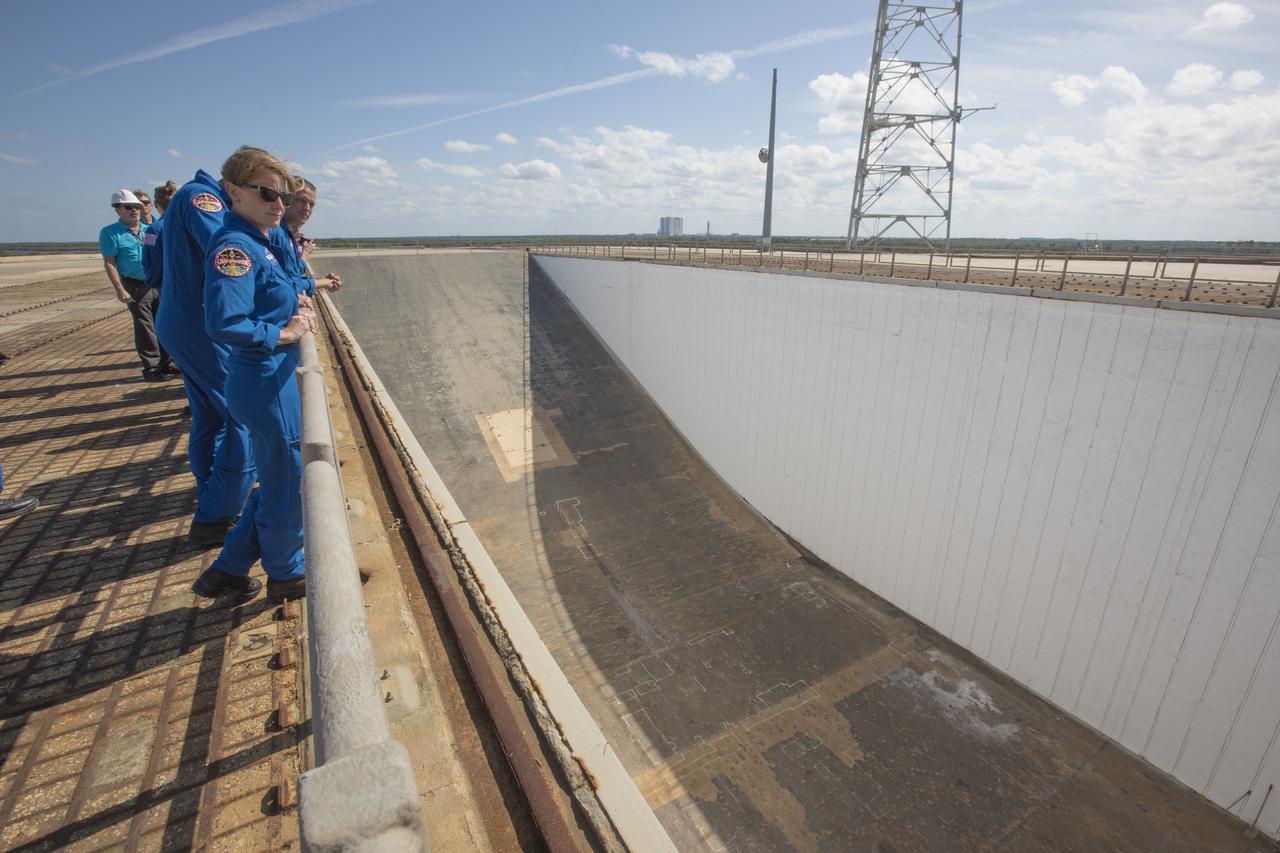
Members of the 2017 class of astronaut candidates view the flame trench at Launch Pad 39B during a familiarization tour of facilities at NASA's Kennedy Space Center in Florida. The candidates toured center facilities, including the Vehicle Assembly Building, Launch Control Center, Neil Armstrong Operations and Checkout Building high bay and the Space Station Processing Facility. They also toured Boeing's Commercial Crew and Cargo Facility, United Launch Alliance's Space Launch Complex 41 at Cape Canaveral Air Force Station, and SpaceX's Launch Pad 39A at Kennedy. The candidates will spend about two years getting to know the space station systems and learning how to spacewalk, speak Russian, control the International Space Station's robotic arm and fly T-38s, before they're eligible to be assigned to a mission.
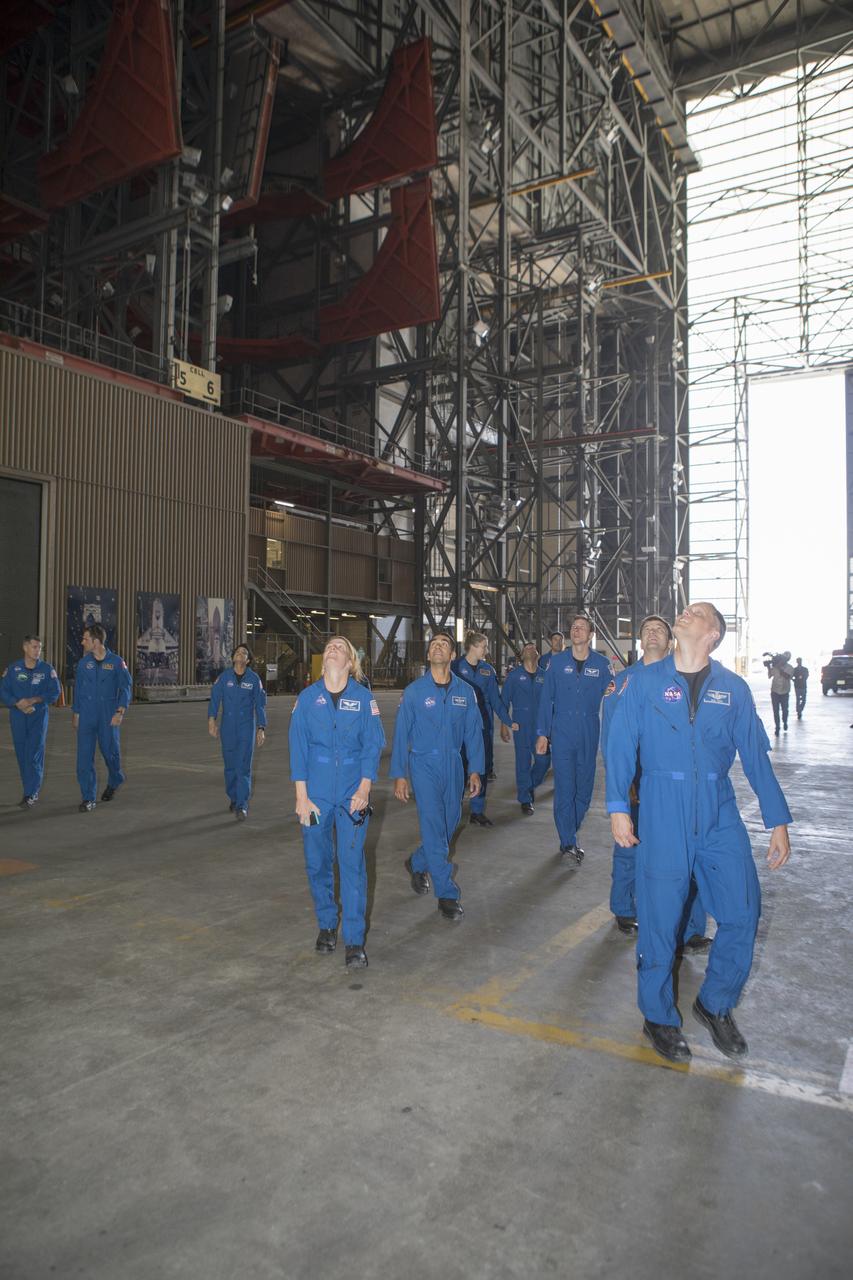
The 2017 class of astronaut candidates are inside the Vehicle Assembly Building during a familiarization tour of facilities at NASA's Kennedy Space Center in Florida. The candidates toured center facilities, including the Neil Armstrong Operations and Checkout Building high bay; Launch Control Center, Launch Pad 39B, and the Space Station Processing Facility. They also toured Boeing's Commercial Crew and Cargo Facility, United Launch Alliance's Space Launch Complex 41 at Cape Canaveral Air Force Station, and SpaceX's Launch Pad 39A at Kennedy. The candidates will spend about two years getting to know the space station systems and learning how to spacewalk, speak Russian, control the International Space Station's robotic arm and fly T-38s, before they're eligible to be assigned to a mission.
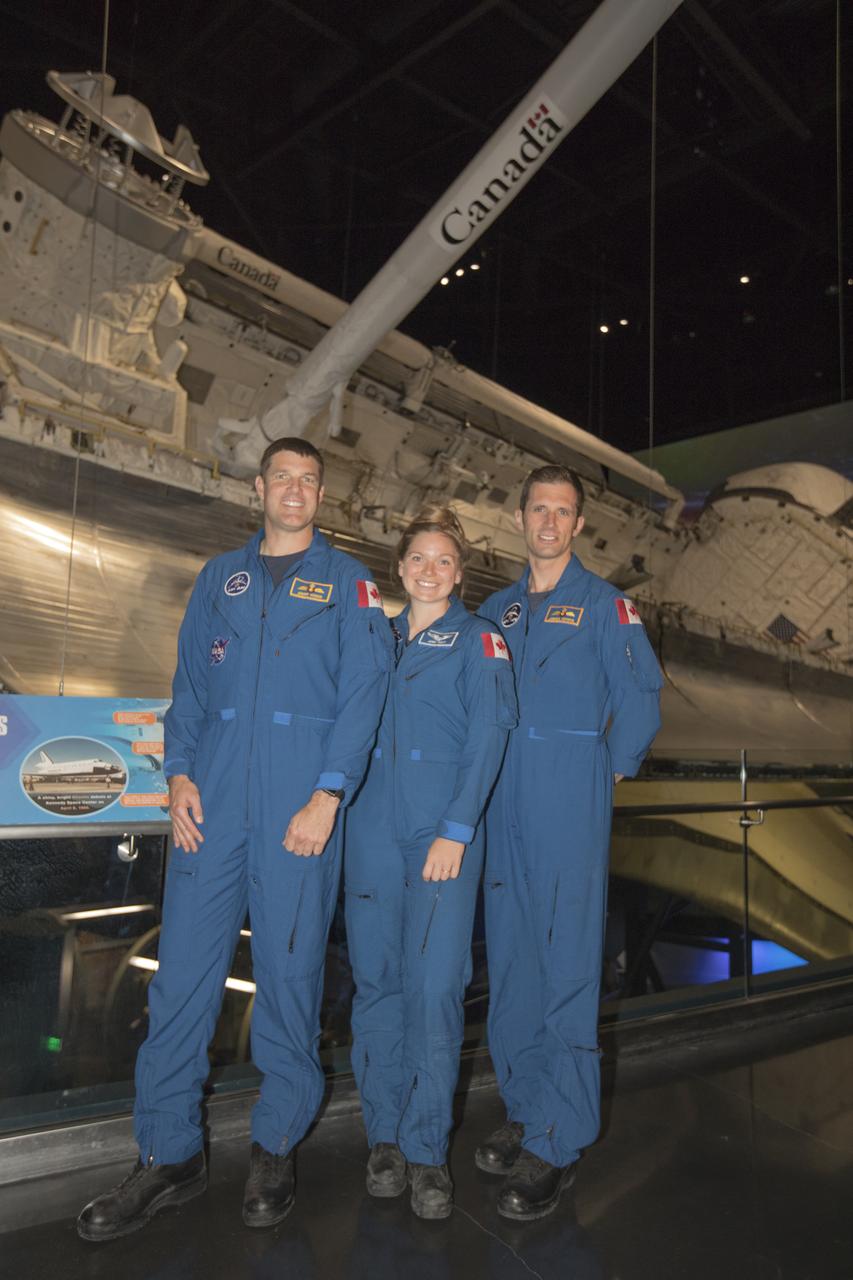
The 2017 class of astronaut candidates toured the Kennedy Space Center Visitor Complex and viewed exhibits, including Space Shuttle Atlantis, during a familiarization tour of facilities at NASA's Kennedy Space Center in Florida. The candidates toured center facilities, including the Neil Armstrong Operations and Checkout Building high bay; Launch Control Center, Launch Pad 39B and the Space Station Processing Facility. They also toured Boeing's Commercial Crew and Cargo Facility, United Launch Alliance's Space Launch Complex 41 at Cape Canaveral Air Force Station, and SpaceX's Launch Pad 39A at Kennedy. The candidates will spend about two years getting to know the space station systems and learning how to spacewalk, speak Russian, control the International Space Station's robotic arm and fly T-38s, before they're eligible to be assigned to a mission.
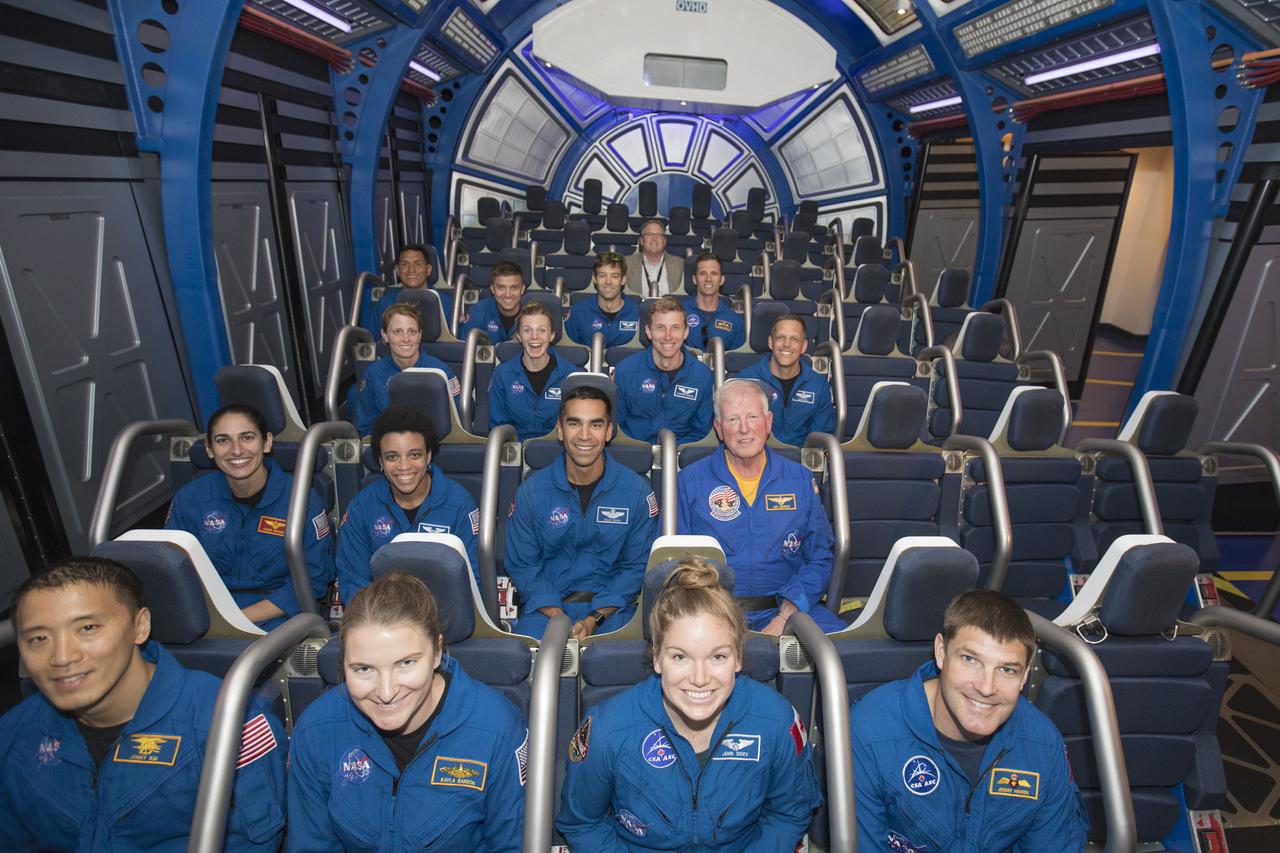
The 2017 class of astronaut candidates toured the Kennedy Space Center Visitor Complex and viewed exhibits, including Space Shuttle Atlantis, during a familiarization tour of facilities at NASA's Kennedy Space Center in Florida. The candidates toured center facilities, including the Neil Armstrong Operations and Checkout Building high bay; Launch Control Center, Launch Pad 39B and the Space Station Processing Facility. They also toured Boeing's Commercial Crew and Cargo Facility, United Launch Alliance's Space Launch Complex 41 at Cape Canaveral Air Force Station, and SpaceX's Launch Pad 39A at Kennedy. The candidates will spend about two years getting to know the space station systems and learning how to spacewalk, speak Russian, control the International Space Station's robotic arm and fly T-38s, before they're eligible to be assigned to a mission.
The 2017 class of astronaut candidates toured the Kennedy Space Center Visitor Complex and viewed exhibits, including Space Shuttle Atlantis, during a familiarization tour of facilities at NASA's Kennedy Space Center in Florida. The candidates toured center facilities, including the Neil Armstrong Operations and Checkout Building high bay; Launch Control Center, Launch Pad 39B and the Space Station Processing Facility. They also toured Boeing's Commercial Crew and Cargo Facility, United Launch Alliance's Space Launch Complex 41 at Cape Canaveral Air Force Station, and SpaceX's Launch Pad 39A at Kennedy. The candidates will spend about two years getting to know the space station systems and learning how to spacewalk, speak Russian, control the International Space Station's robotic arm and fly T-38s, before they're eligible to be assigned to a mission.
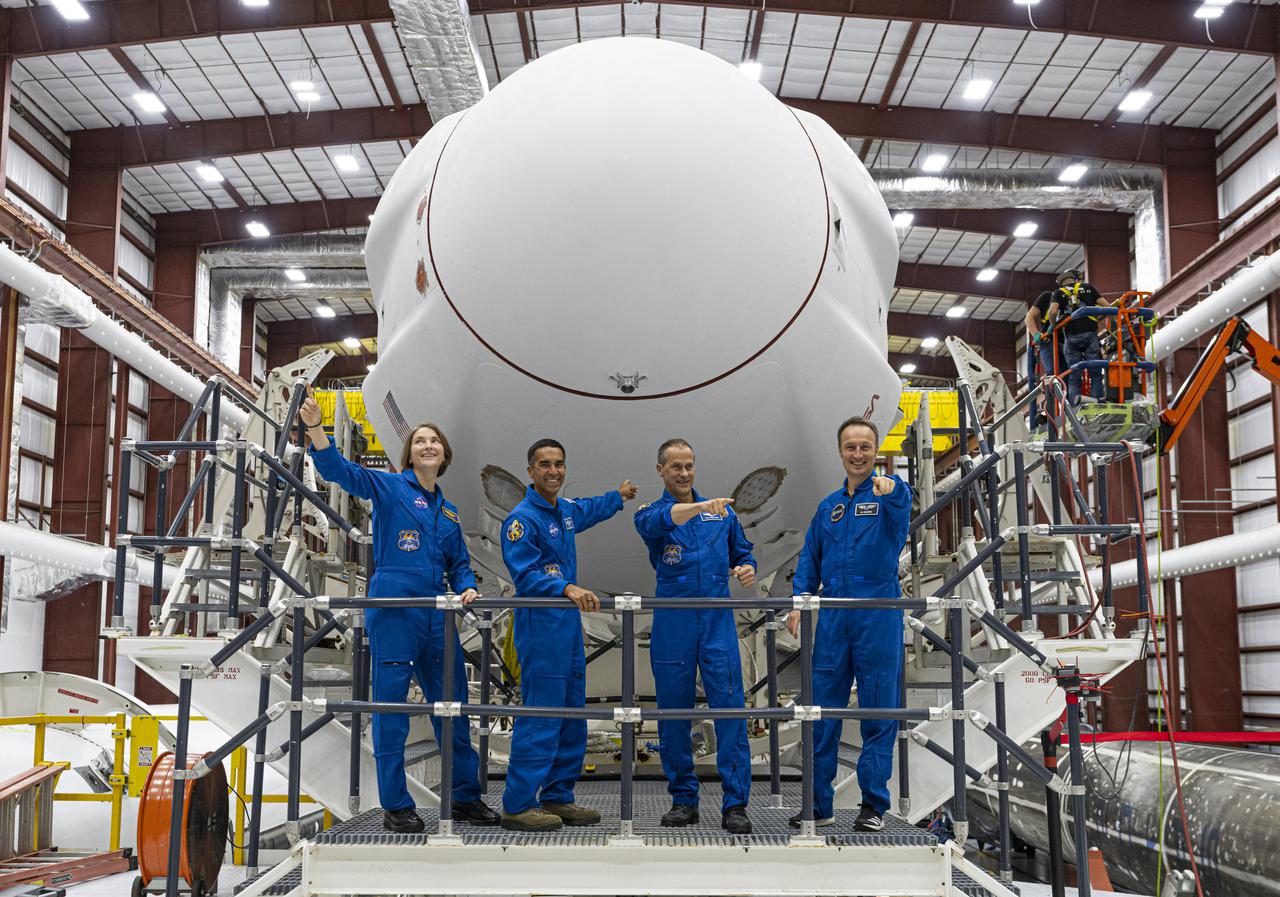
The SpaceX Crew-3 astronauts stand on the transporter in front of the Crew Dragon and Falcon 9 stack inside the SpaceX horizontal processing facility near Launch Complex 39A at Kennedy Space Center in Florida on Oct. 26, 2021. From left are NASA astronauts Kayla Barron, Raja Chari, and Tom Marshburn, along with Matthias Maurer with the European Space Agency. The four-person crew will launch aboard the Crew Dragon atop the Falcon 9 on Oct. 31 to the International Space Station. Launch is targeted for 2:21 a.m. EDT from Pad 39A. Crew-3 is the third crew rotation flight to the space station for NASA’s Commercial Crew Program, and the first flight of a new Crew Dragon spacecraft.
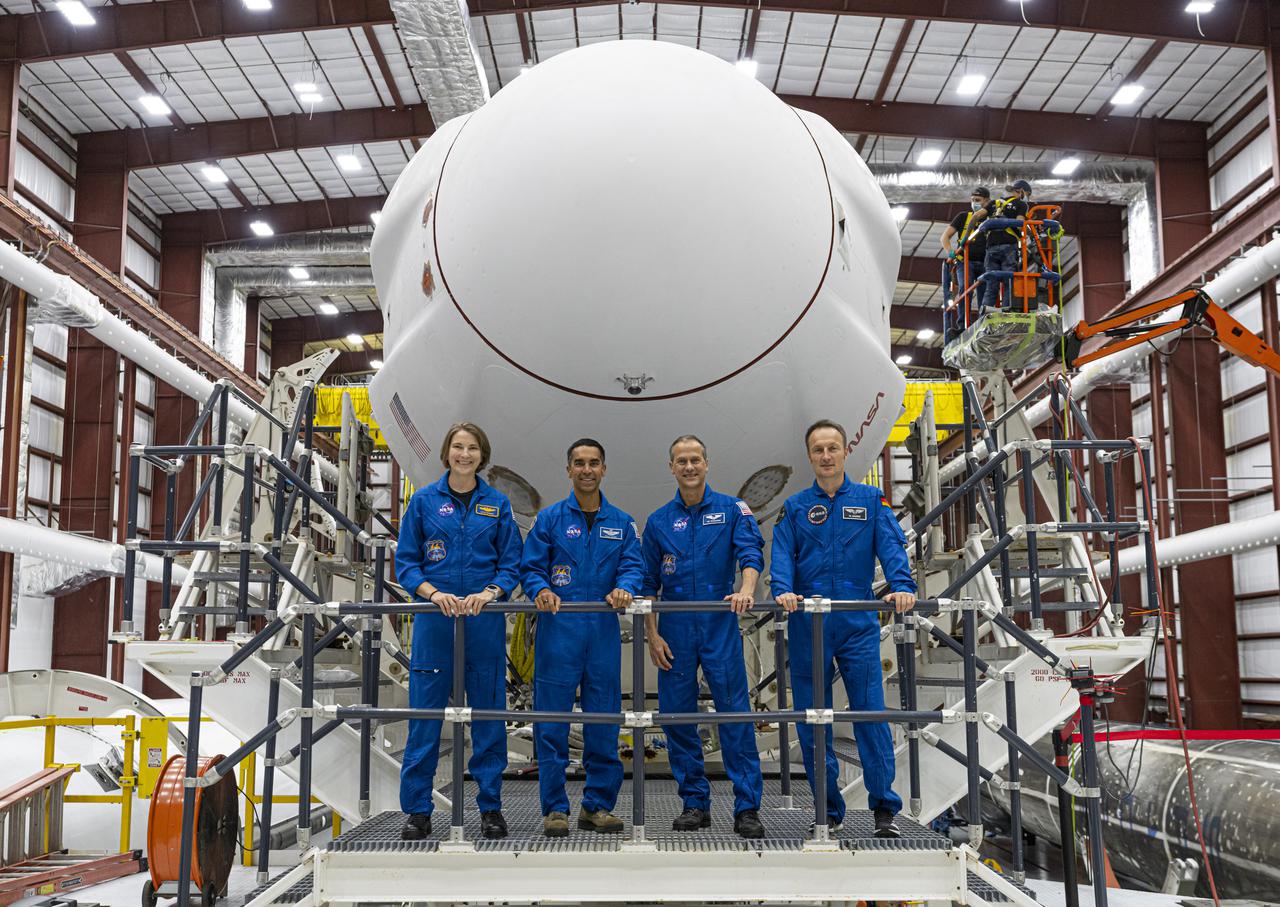
The SpaceX Crew-3 astronauts stand on the transporter in front of the Crew Dragon and Falcon 9 stack inside the SpaceX horizontal processing facility near Launch Complex 39A at Kennedy Space Center in Florida on Oct. 26, 2021. From left are NASA astronauts Kayla Barron, Raja Chari, and Tom Marshburn, along with Matthias Maurer with the European Space Agency. The four-person crew will launch aboard the Crew Dragon atop the Falcon 9 on Oct. 31 to the International Space Station. Launch is targeted for 2:21 a.m. EDT from Pad 39A. Crew-3 is the third crew rotation flight to the space station for NASA’s Commercial Crew Program, and the first flight of a new Crew Dragon spacecraft.
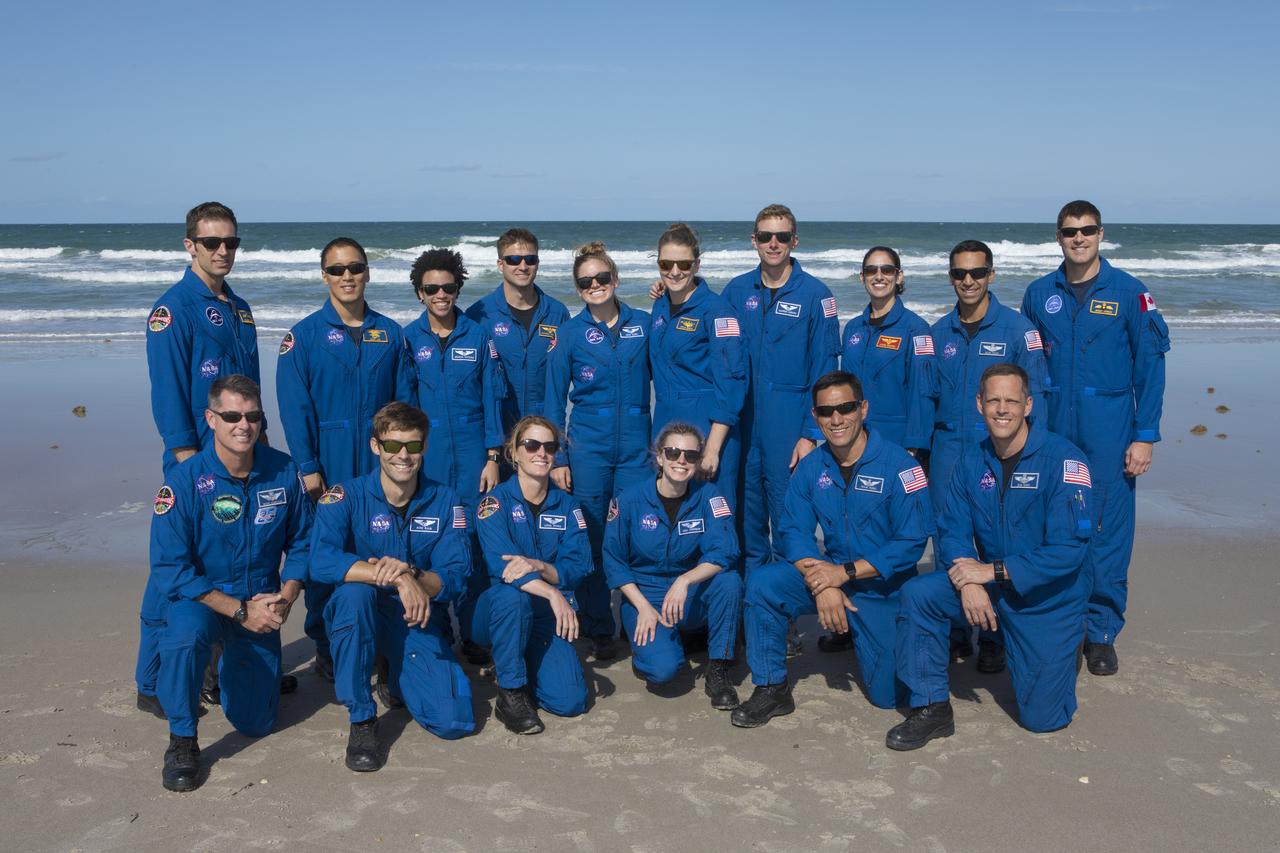
Members of the 2017 class of astronaut candidates pause for a group photo on the beach after a familiarization tour of the Beach House at NASA's Kennedy Space Center in Florida. The candidates toured center facilities, including the Vehicle Assembly Building, Launch Control Center, Neil Armstrong Operations and Checkout Building high bay, Launch Pad 39B and the Space Station Processing Facility. They also toured Boeing's Commercial Crew and Cargo Facility, United Launch Alliance's Space Launch Complex 41 at Cape Canaveral Air Force Station, and SpaceX's Launch Pad 39A at Kennedy. The candidates will spend about two years getting to know the space station systems and learning how to spacewalk, speak Russian, control the International Space Station's robotic arm and fly T-38s, before they're eligible to be assigned to a mission.
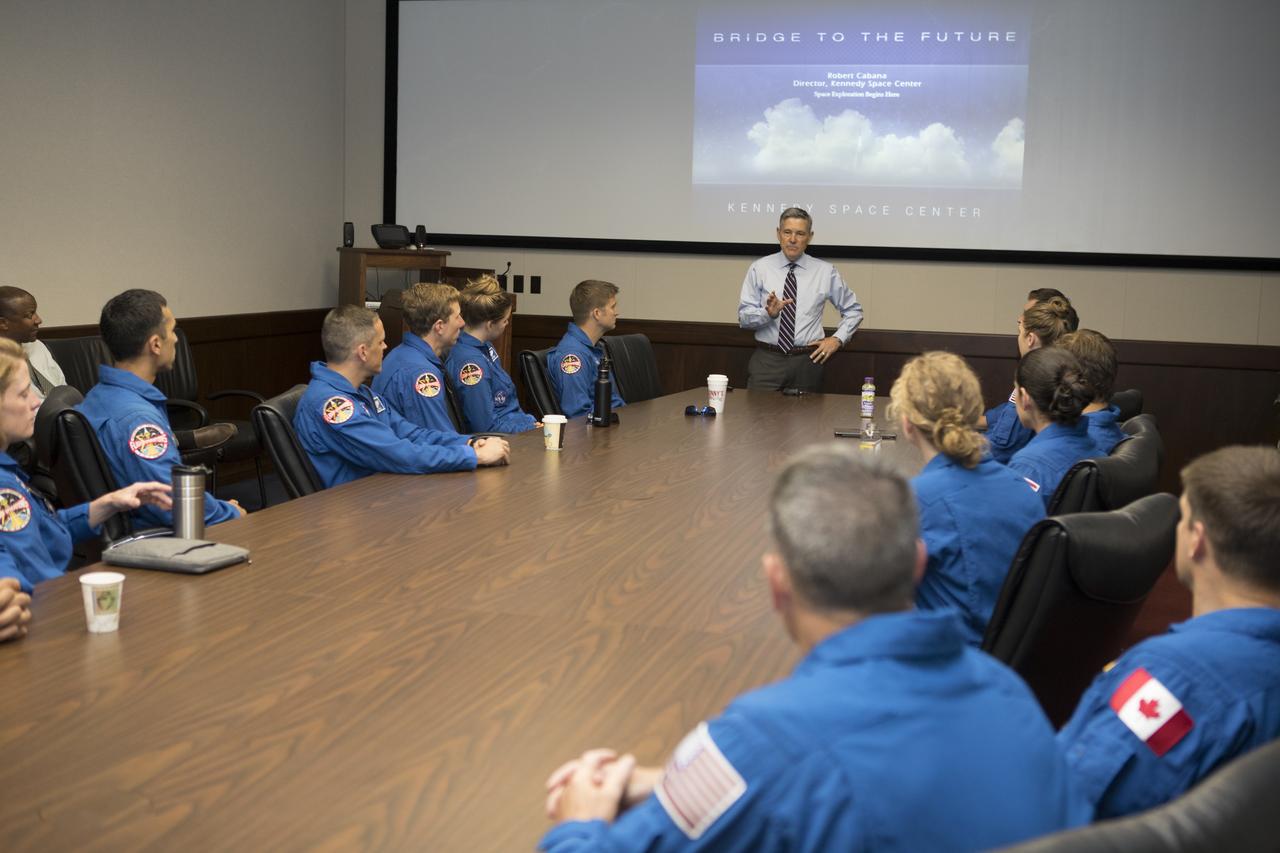
The 2017 class of astronaut candidates listen to NASA Kennedy Space Center Director Bob Cabana, standing, during their tour and familiarization with the center. The candidates toured center facilities, including the Vehicle Assembly Building, Launch Control Center, Neil Armstrong Operations and Checkout Building, Launch Pad 39B, and the Space Station Processing Facility. They also toured Boeing's Commercial Crew and Cargo Facility, United Launch Alliance's Space Launch Complex 41 at Cape Canaveral Air Force Station, and SpaceX's Launch Pad 39A at Kennedy. The candidates will spend about two years getting to know the space station systems and learning how to spacewalk, speak Russian, control the International Space Station's robotic arm and fly T-38s, before they're eligible to be assigned to a mission.
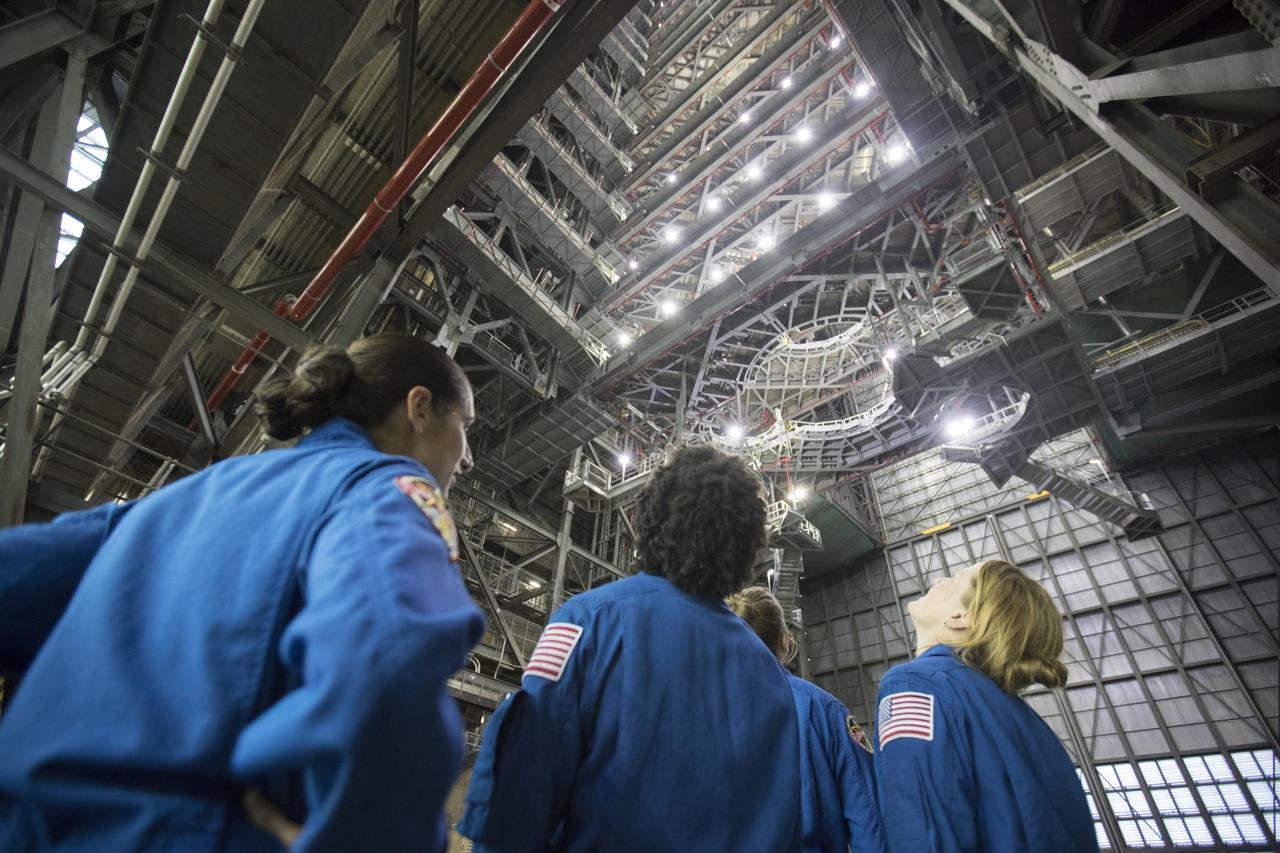
Members of the 2017 class of astronaut candidates view the new work platforms in High Bay 3 of the Vehicle Assembly Building during a familiarization tour at NASA's Kennedy Space Center in Florida. The candidates toured center facilities, including the Neil Armstrong Operations and Checkout Building high bay, Launch Control Center, Launch Pad 39B, and the Space Station Processing Facility. They also toured Boeing's Commercial Crew and Cargo Facility, United Launch Alliance's Space Launch Complex 41 at Cape Canaveral Air Force Station, and SpaceX's Launch Pad 39A at Kennedy. The candidates will spend about two years getting to know the space station systems and learning how to spacewalk, speak Russian, control the International Space Station's robotic arm and fly T-38s, before they're eligible to be assigned to a mission.
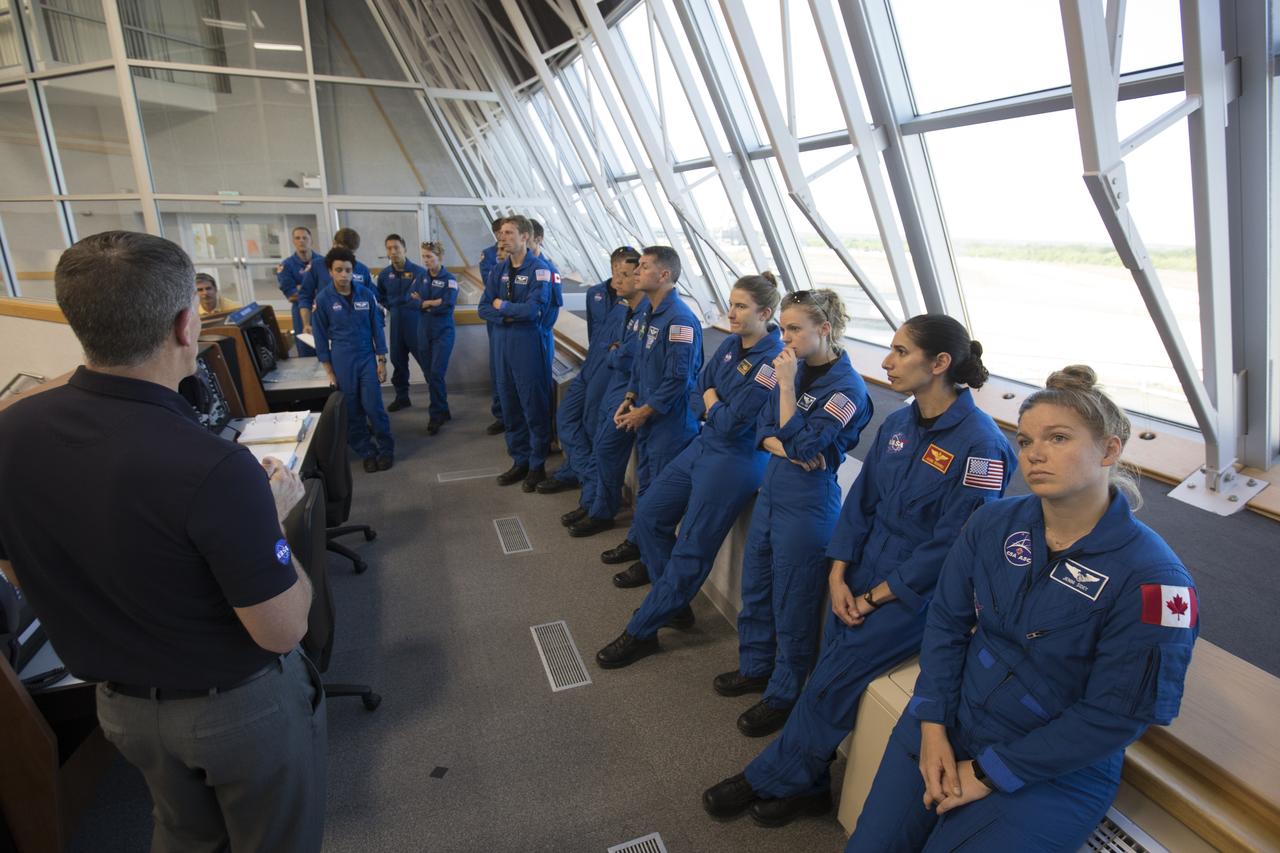
Member of the 2017 class of astronaut candidates are in Firing Room 1 inside the Launch Control Center during a familiarization tour at NASA's Kennedy Space Center in Florida. The candidates toured center facilities, including the Vehicle Assembly Building, Launch Pad 39B, the Neil Armstrong Operations and Checkout Building high bay and the Space Station Processing Facility. They also toured Boeing's Commercial Crew and Cargo Facility, United Launch Alliance's Space Launch Complex 41 at Cape Canaveral Air Force Station, and SpaceX's Launch Pad 39A at Kennedy. The candidates will spend about two years getting to know the space station systems and learning how to spacewalk, speak Russian, control the International Space Station's robotic arm and fly T-38s, before they're eligible to be assigned to a mission.
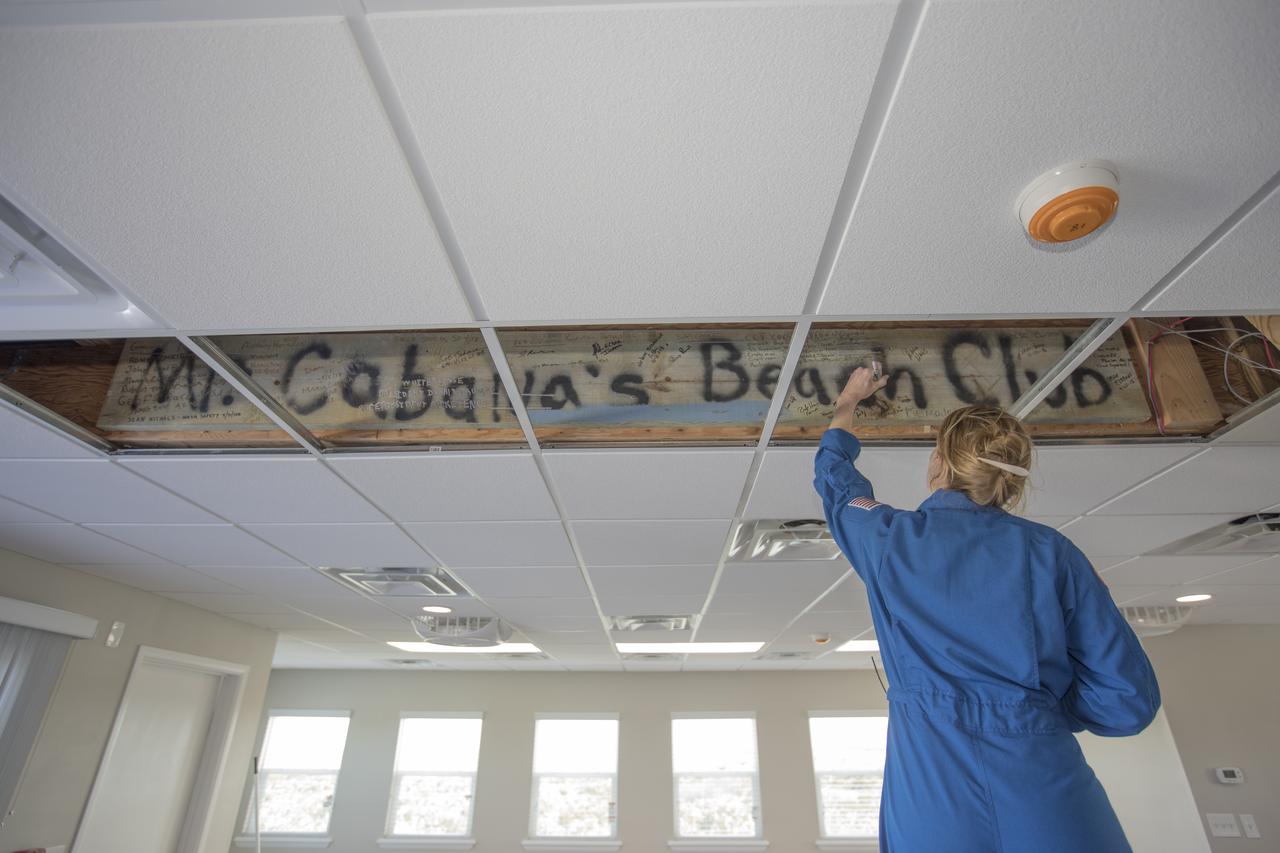
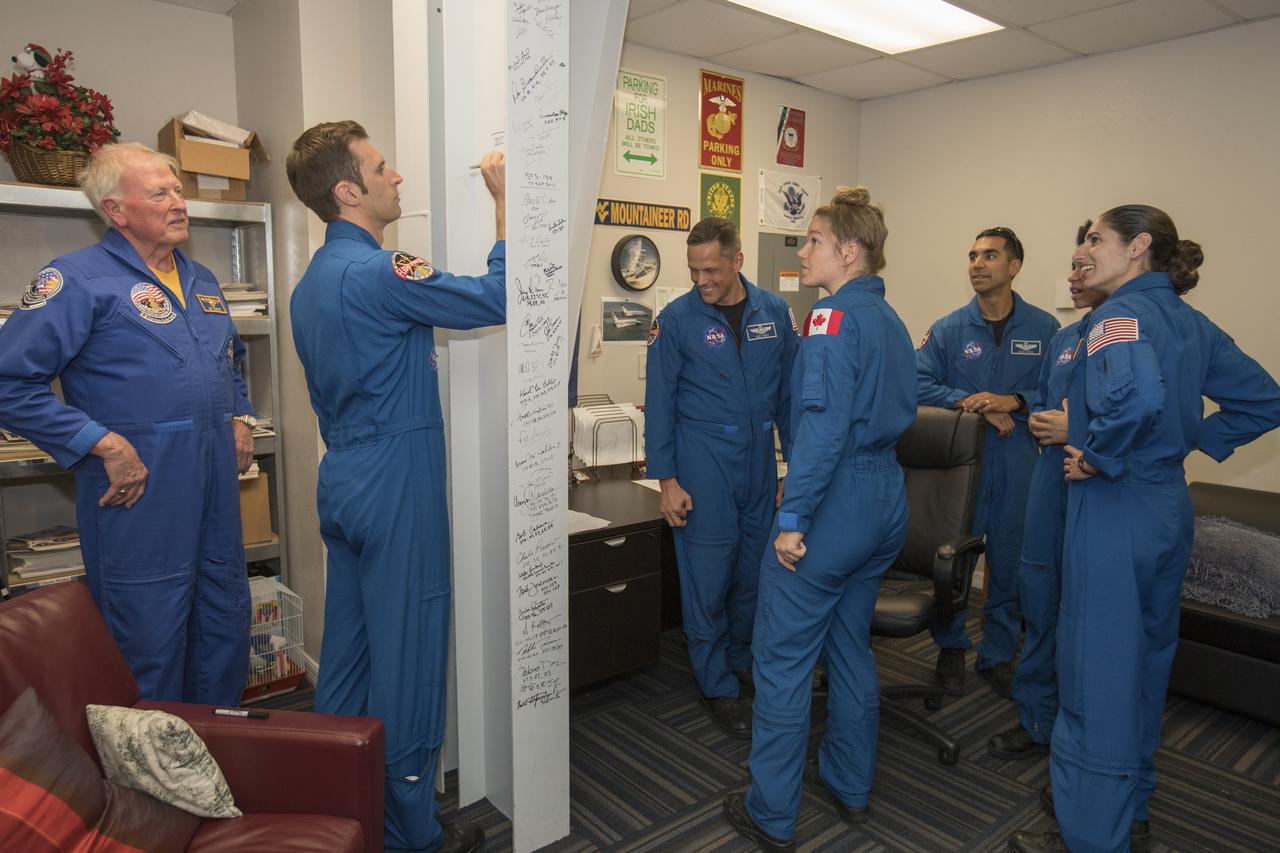
A members of the 2017 class of astronaut candidates signs her name to a wooden sign inside the Beach House during a familiarization tour at NASA's Kennedy Space Center in Florida. The candidates toured center facilities, including the Vehicle Assembly Building, Launch Control Center, Neil Armstrong Operations and Checkout Building high bay, Launch Pad 39B and the Space Station Processing Facility. They also toured Boeing's Commercial Crew and Cargo Facility, United Launch Alliance's Space Launch Complex 41 at Cape Canaveral Air Force Station, and SpaceX's Launch Pad 39A at Kennedy. The candidates will spend about two years getting to know the space station systems and learning how to spacewalk, speak Russian, control the International Space Station's robotic arm and fly T-38s, before they're eligible to be assigned to a mission.
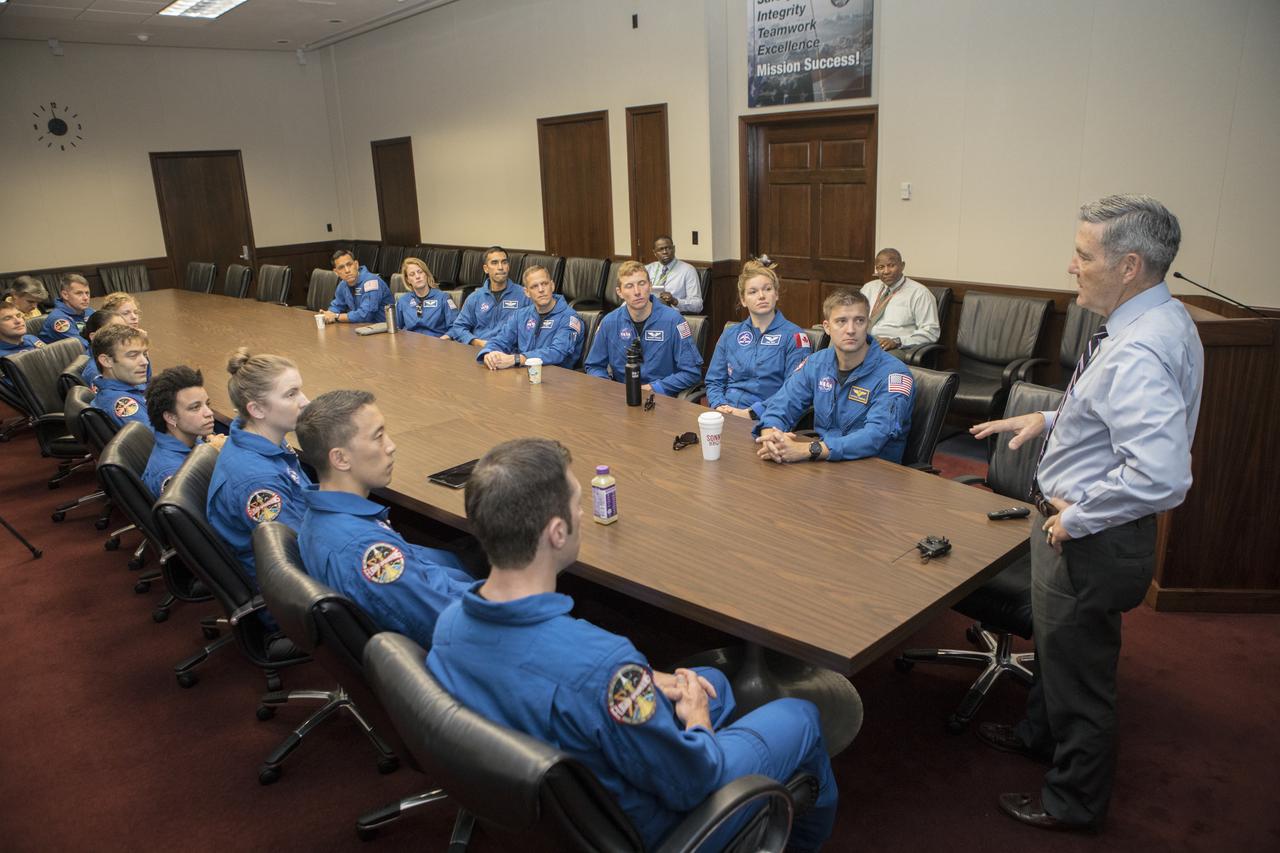
The 2017 class of astronaut candidates listen to NASA Kennedy Space Center Director Bob Cabana, far right, during their tour and familiarization with the center. Sitting behind the candidates, at right is Kelvin Manning, Kennedy associate director. The candidates toured center facilities, including the Vehicle Assembly Building, Launch Control Center, Neil Armstrong Operations and Checkout Building, Launch Pad 39B, and the Space Station Processing Facility. They also toured Boeing's Commercial Crew and Cargo Facility, United Launch Alliance's Space Launch Complex 41 at Cape Canaveral Air Force Station, and SpaceX's Launch Pad 39A at Kennedy. The candidates will spend about two years getting to know the space station systems and learning how to spacewalk, speak Russian, control the International Space Station's robotic arm and fly T-38s, before they're eligible to be assigned to a mission.
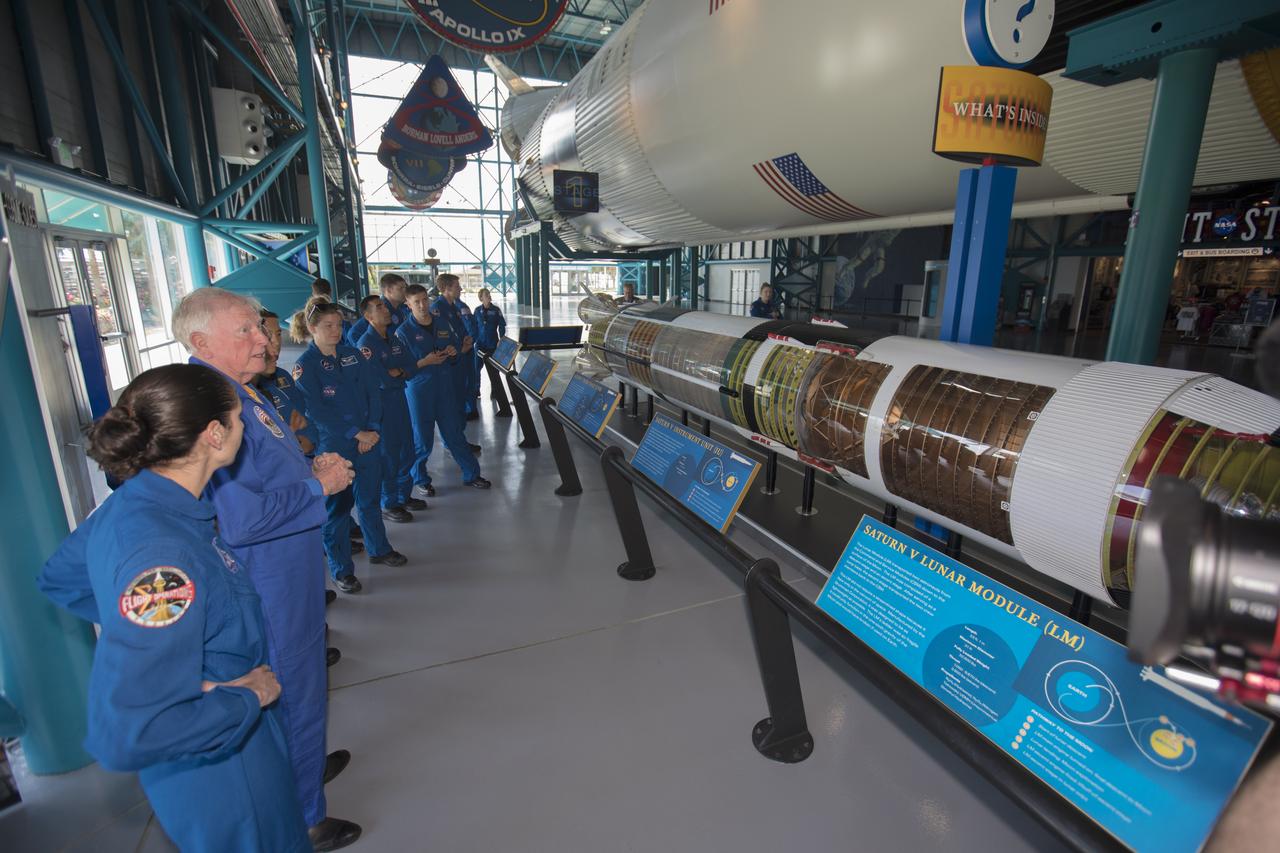
The 2017 class of astronaut candidates are inside the Saturn V Center at the Kennedy Space Center Visitor Complex near NASA's Kennedy Space Center in Florida. The candidates toured center facilities, including the Neil Armstrong Operations and Checkout Building high bay; the Launch Control Center, Launch Pad 39B, and the Vehicle Assembly Building. They also toured Boeing's Commercial Crew and Cargo Facility, United Launch Alliance's Space Launch Complex 41 at Cape Canaveral Air Force Station, and SpaceX's Launch Pad 39A at Kennedy. The candidates will spend about two years getting to know the space station systems and learning how to spacewalk, speak Russian, control the International Space Station's robotic arm and fly T-38s, before they're eligible to be assigned to a mission.

The 2017 class of astronaut candidates pause for a group photograph on the deck of the mobile launcher during a familiarization tour at NASA's Kennedy Space Center in Florida. The candidates toured center facilities, including the Neil Armstrong Operations and Checkout Building high bay; the Launch Control Center, Launch Pad 39B, and the Vehicle Assembly Building. They also toured Boeing's Commercial Crew and Cargo Facility, United Launch Alliance's Space Launch Complex 41 at Cape Canaveral Air Force Station, and SpaceX's Launch Pad 39A at Kennedy. The candidates will spend about two years getting to know the space station systems and learning how to spacewalk, speak Russian, control the International Space Station's robotic arm and fly T-38s, before they're eligible to be assigned to a mission.
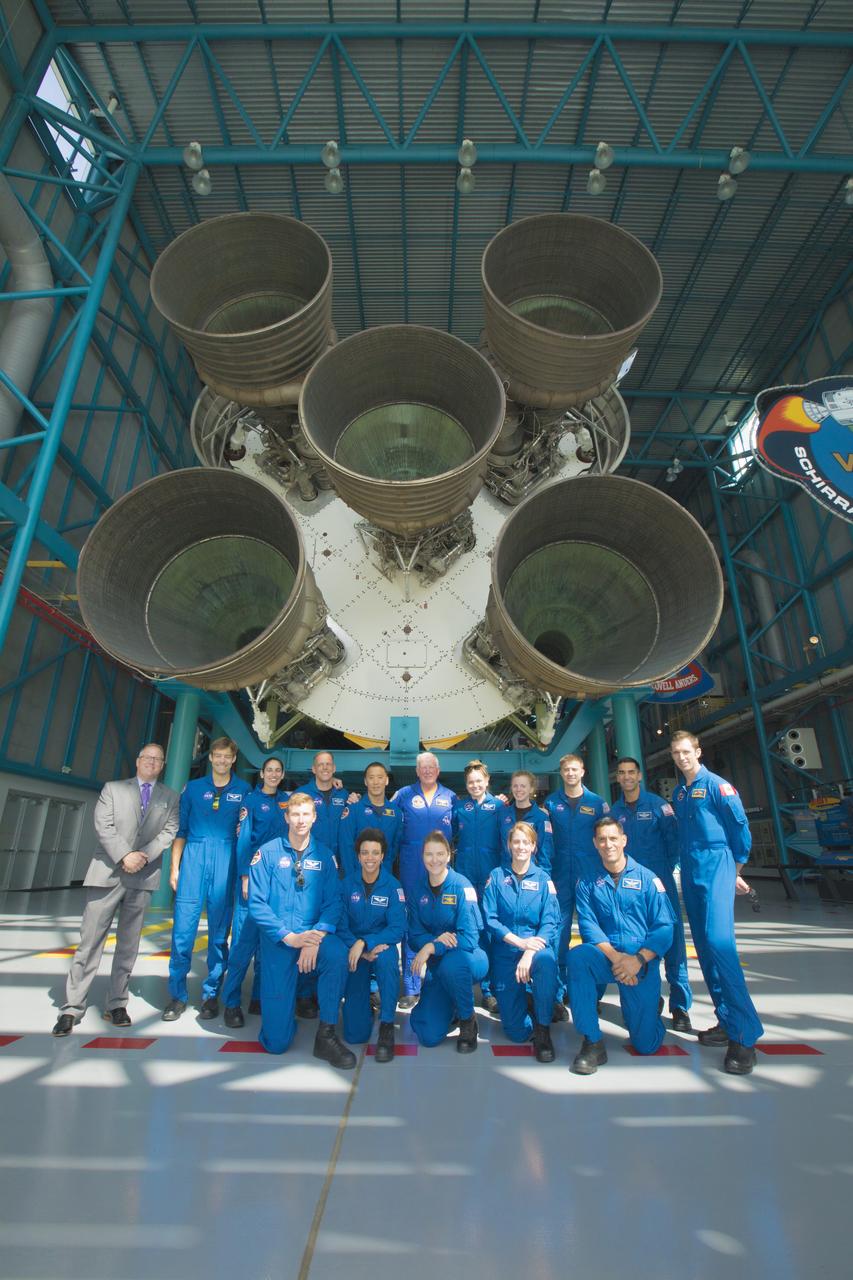
The 2017 class of astronaut candidates are inside the Saturn V Center at the Kennedy Space Center Visitor Complex near NASA's Kennedy Space Center in Florida. The candidates toured center facilities, including the Neil Armstrong Operations and Checkout Building high bay; the Launch Control Center, Launch Pad 39B, and the Vehicle Assembly Building. They also toured Boeing's Commercial Crew and Cargo Facility, United Launch Alliance's Space Launch Complex 41 at Cape Canaveral Air Force Station, and SpaceX's Launch Pad 39A at Kennedy. The candidates will spend about two years getting to know the space station systems and learning how to spacewalk, speak Russian, control the International Space Station's robotic arm and fly T-38s, before they're eligible to be assigned to a mission.
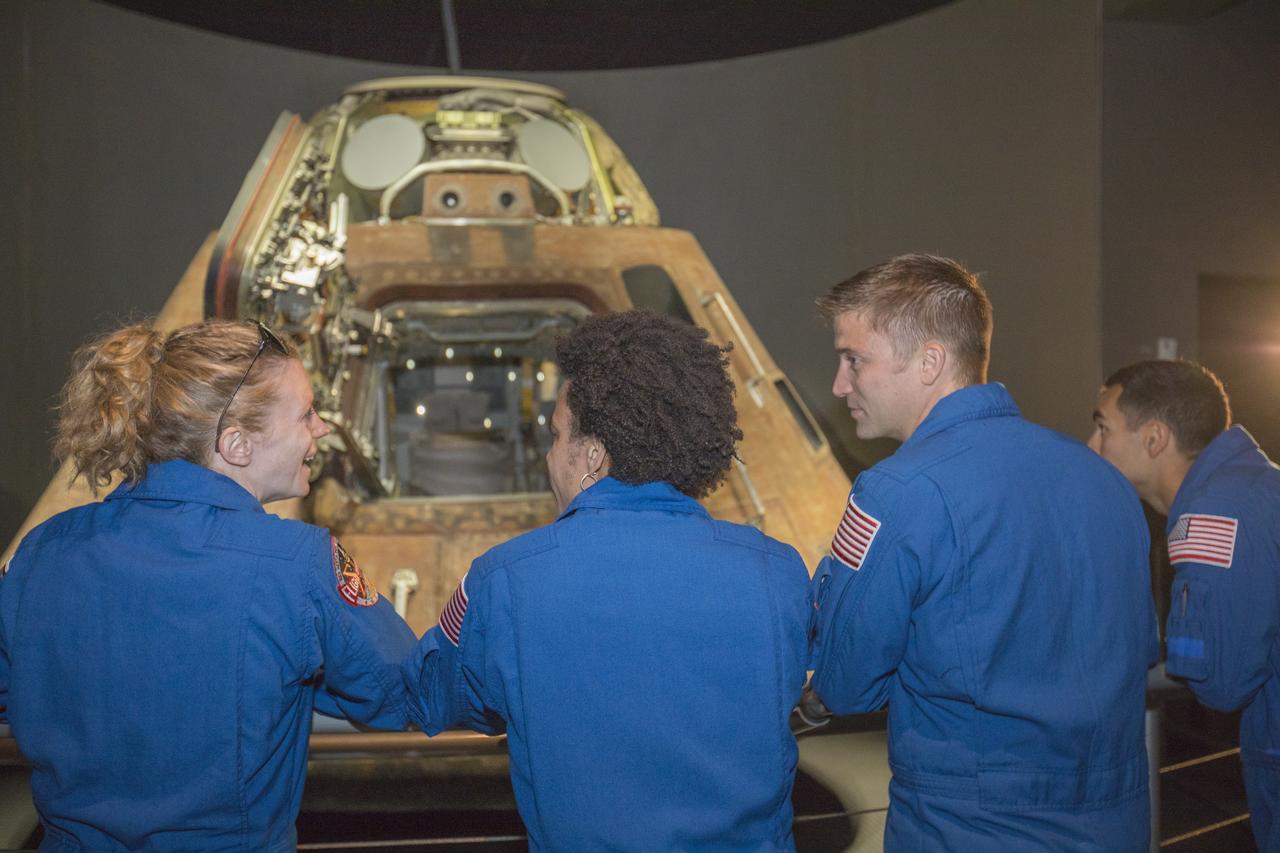
The 2017 class of astronaut candidates are inside the Saturn V Center at the Kennedy Space Center Visitor Complex near NASA's Kennedy Space Center in Florida. The candidates toured center facilities, including the Neil Armstrong Operations and Checkout Building high bay; the Launch Control Center, Launch Pad 39B, and the Vehicle Assembly Building. They also toured Boeing's Commercial Crew and Cargo Facility, United Launch Alliance's Space Launch Complex 41 at Cape Canaveral Air Force Station, and SpaceX's Launch Pad 39A at Kennedy. The candidates will spend about two years getting to know the space station systems and learning how to spacewalk, speak Russian, control the International Space Station's robotic arm and fly T-38s, before they're eligible to be assigned to a mission.
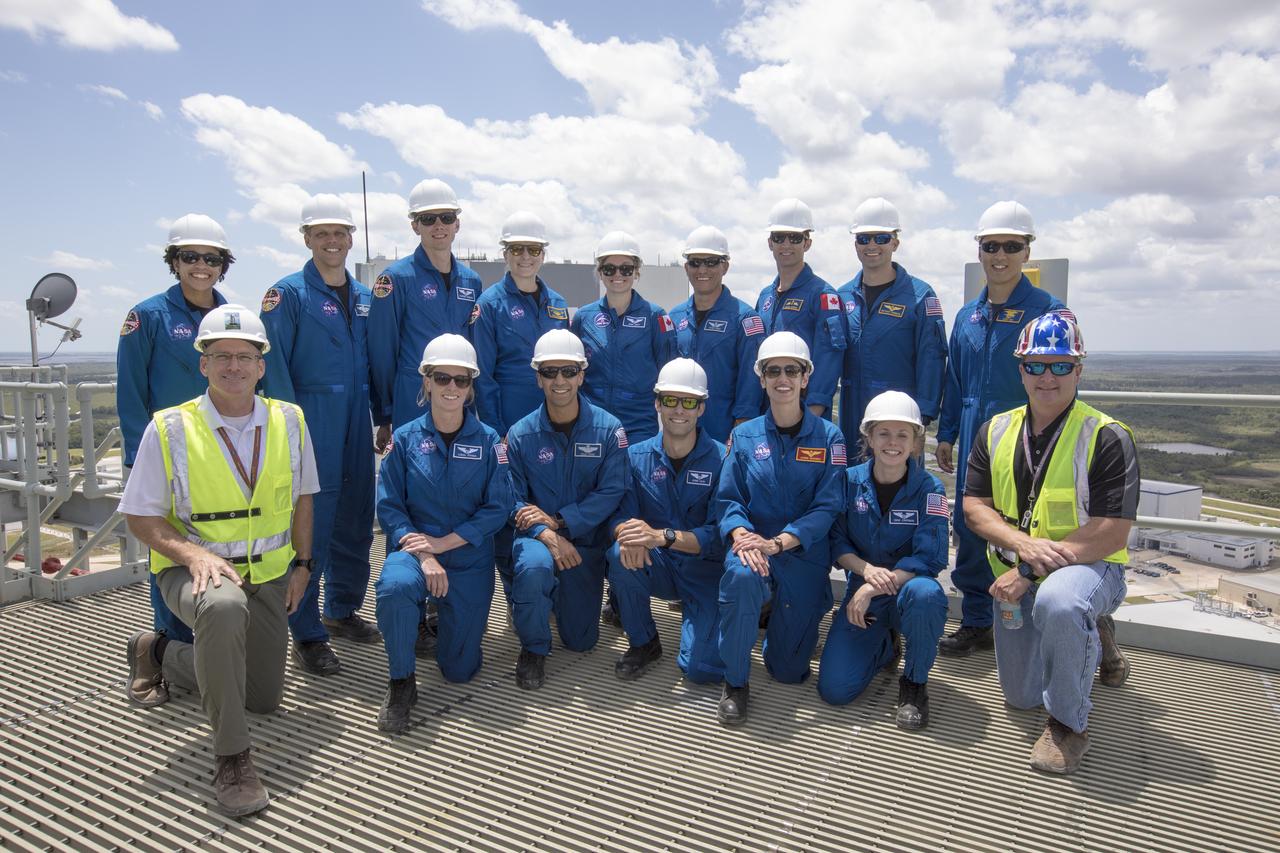
The 2017 class of astronaut candidates pause for a group photograph on the deck of the mobile launcher during a familiarization tour at NASA's Kennedy Space Center in Florida. The candidates toured center facilities, including the Neil Armstrong Operations and Checkout Building high bay; the Launch Control Center, Launch Pad 39B and the Vehicle Assembly Building. They also toured Boeing's Commercial Crew and Cargo Facility, United Launch Alliance's Space Launch Complex 41 at Cape Canaveral Air Force Station, and SpaceX's Launch Pad 39A at Kennedy. The candidates will spend about two years getting to know the space station systems and learning how to spacewalk, speak Russian, control the International Space Station's robotic arm and fly T-38s, before they're eligible to be assigned to a mission.
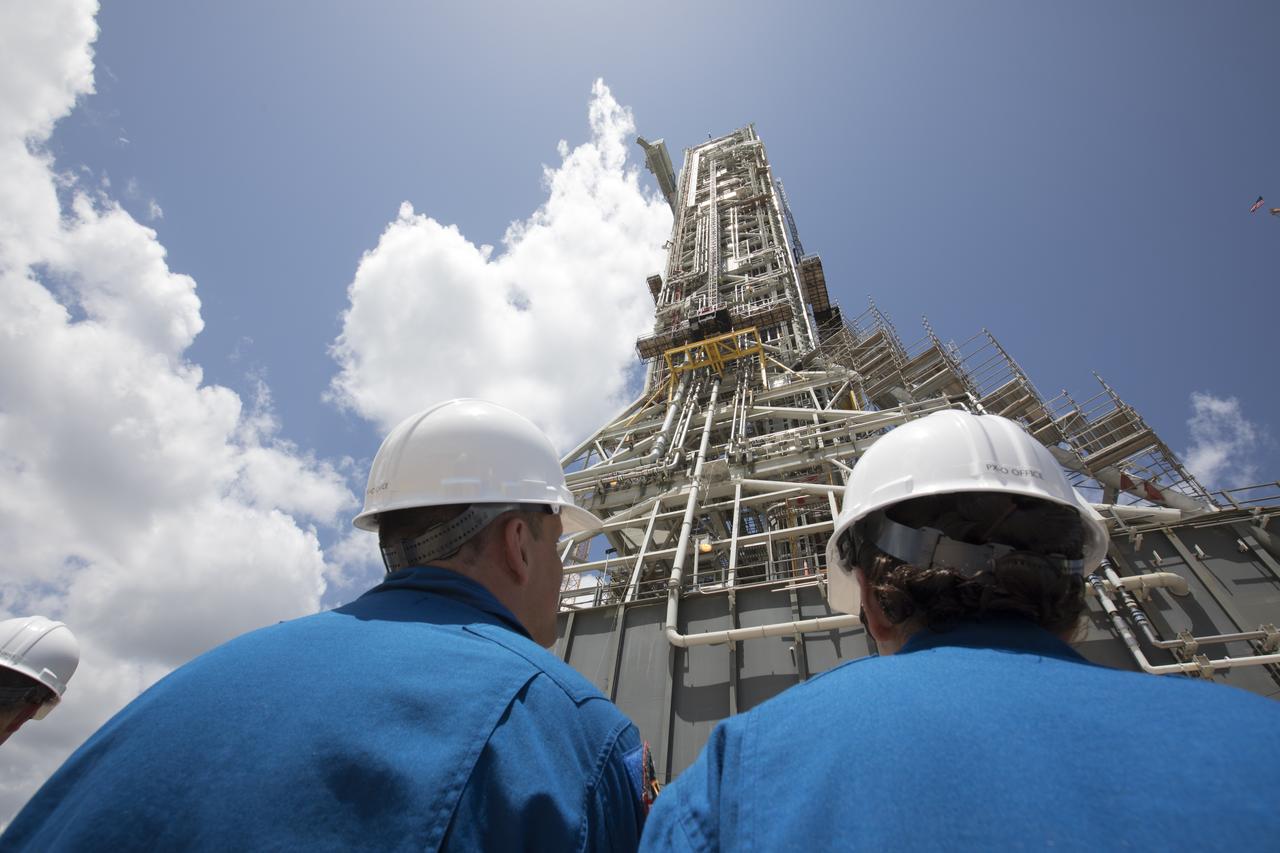
The 2017 class of astronaut candidates get a close-up view of the mobile launcher during a familiarization tour at NASA's Kennedy Space Center in Florida. The candidates toured center facilities, including the Neil Armstrong Operations and Checkout Building high bay; the Launch Control Center, Launch Pad 39B, and the Vehicle Assembly Building. They also toured Boeing's Commercial Crew and Cargo Facility, United Launch Alliance's Space Launch Complex 41 at Cape Canaveral Air Force Station, and SpaceX's Launch Pad 39A at Kennedy. The candidates will spend about two years getting to know the space station systems and learning how to spacewalk, speak Russian, control the International Space Station's robotic arm and fly T-38s, before they're eligible to be assigned to a mission.
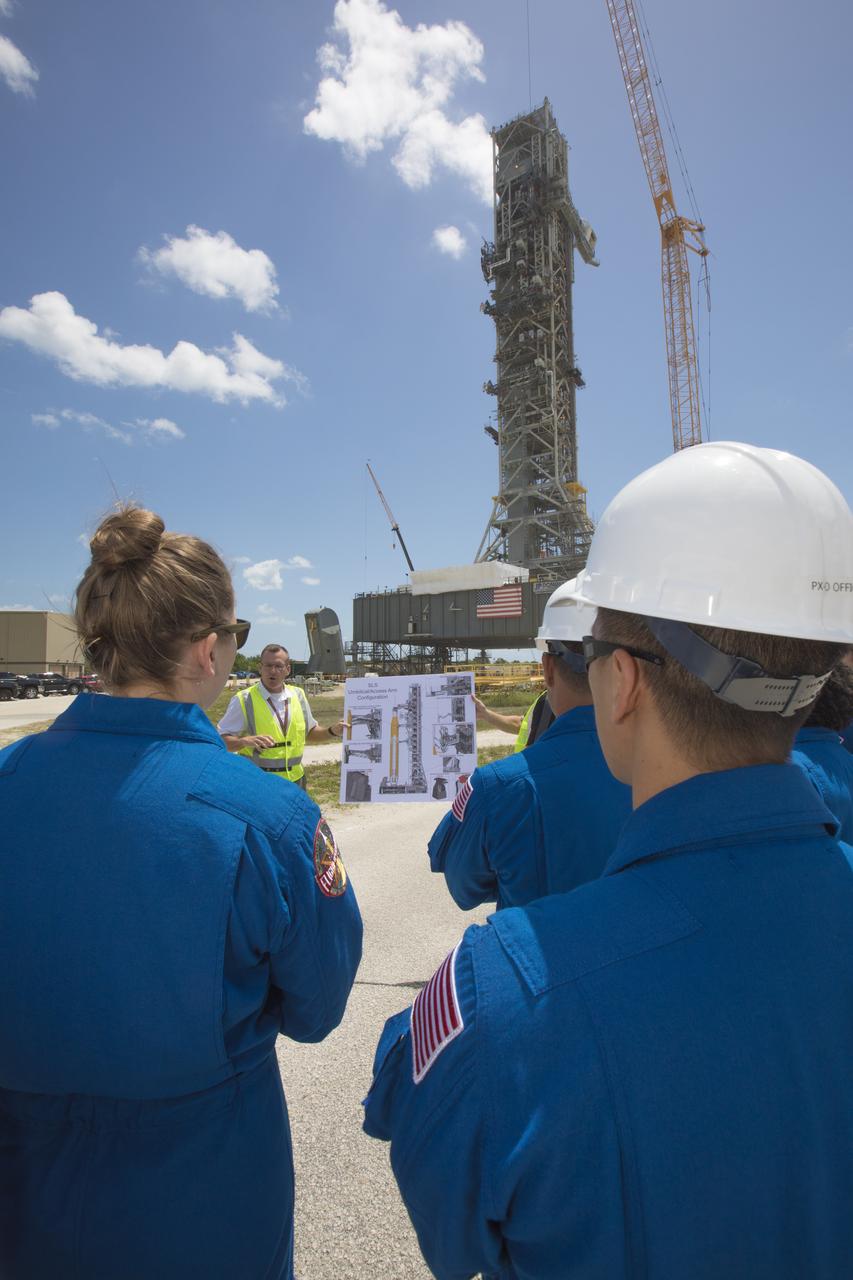
The 2017 class of astronaut candidates view the mobile launcher during a familiarization tour at NASA's Kennedy Space Center in Florida. The candidates toured center facilities, including the Neil Armstrong Operations and Checkout Building high bay; the Launch Control Center, Launch Pad 39B, and the Vehicle Assembly Building. They also toured Boeing's Commercial Crew and Cargo Facility, United Launch Alliance's Space Launch Complex 41 at Cape Canaveral Air Force Station, and SpaceX's Launch Pad 39A at Kennedy. The candidates will spend about two years getting to know the space station systems and learning how to spacewalk, speak Russian, control the International Space Station's robotic arm and fly T-38s, before they're eligible to be assigned to a mission.
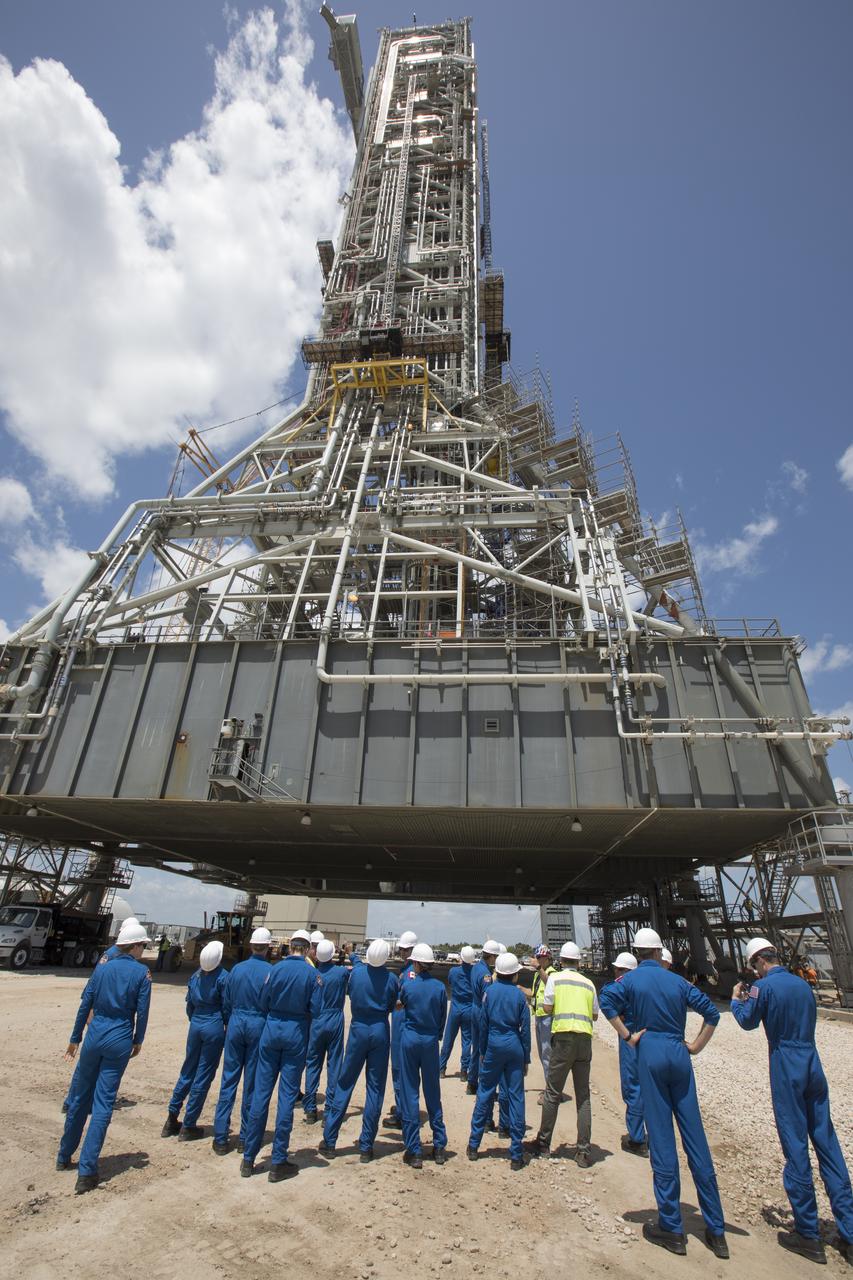
The 2017 class of astronaut candidates get a close-up view of the mobile launcher during a familiarization tour at NASA's Kennedy Space Center in Florida. The candidates toured center facilities, including the Neil Armstrong Operations and Checkout Building high bay; the Launch Control Center, Launch Pad 39B, and the Vehicle Assembly Building. They also toured Boeing's Commercial Crew and Cargo Facility, United Launch Alliance's Space Launch Complex 41 at Cape Canaveral Air Force Station, and SpaceX's Launch Pad 39A at Kennedy. The candidates will spend about two years getting to know the space station systems and learning how to spacewalk, speak Russian, control the International Space Station's robotic arm and fly T-38s, before they're eligible to be assigned to a mission.

An Airbus H225 helicopter lands at the Launch and Landing Facility at NASA’s Kennedy Space Center in Florida on Jan. 11, 2023, delivering scientific research samples for processing at the spaceport’s Space Station Processing Facility. The experiments returned to Earth on SpaceX's 26th commercial resupply services mission, which launched from Kennedy’s Pad 39A at 2:20 p.m. EST on Nov. 26, 2022, making its successful parachute-assisted splashdown west of Tampa in the Gulf of Mexico at 5:19 a.m. EST on Jan. 11. The SpaceX cargo Dragon returned approximately 4,400 pounds of scientific experiments and other cargo from the International Space Station. Splashing down off the coast of Florida enables quick transportation of the experiments, allowing SpaceX to retrieve Dragon and offload time-sensitive research cargo to pack on an Airbus H225 helicopter for delivery to Kennedy just hours later. Some of the scientific investigations that Dragon returned include those on deep space radiation protection, hydroponic and aeroponic plants, and bioprospecting, which is identifying plants and animals that may contain substances with potential for use as drugs, biochemicals, and more.
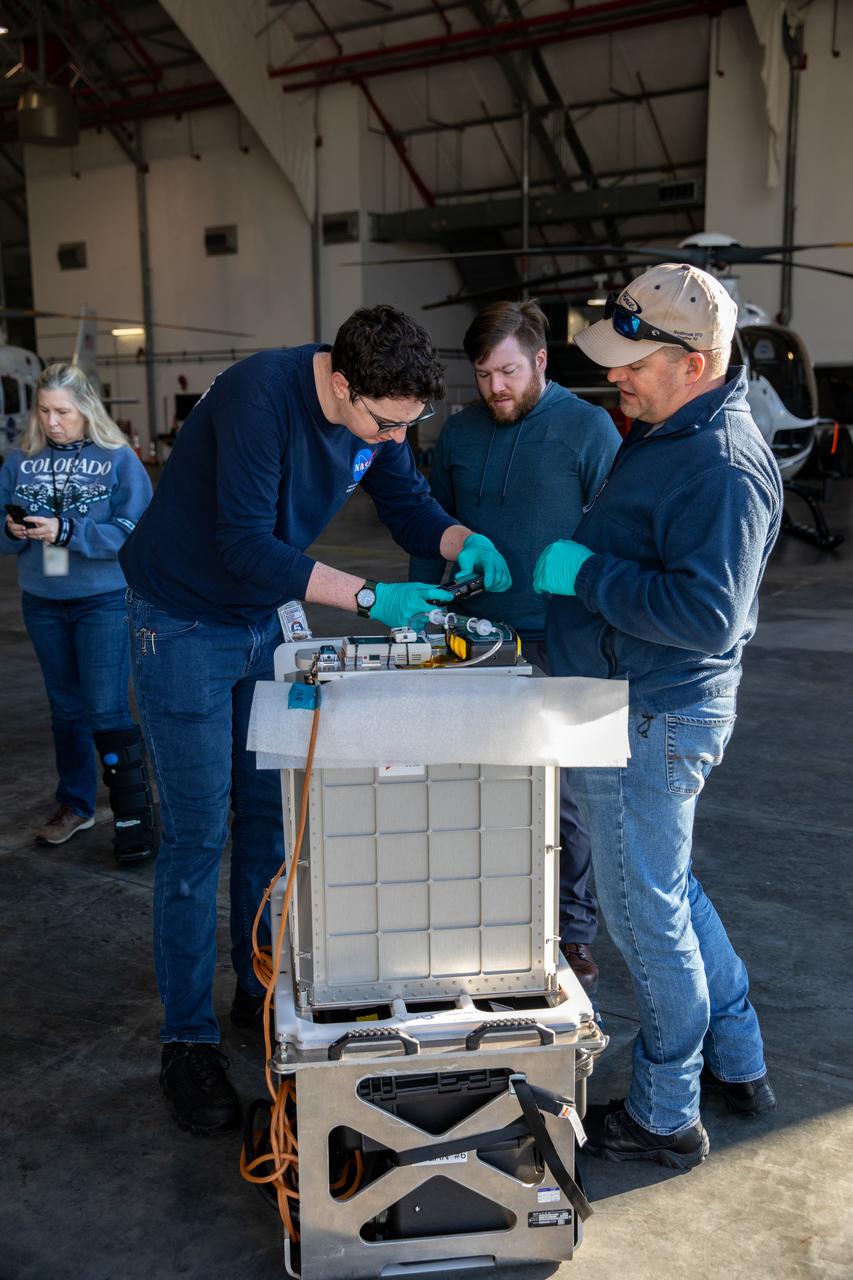
Technicians at the Launch and Landing Facility at NASA’s Kennedy Space Center in Florida receive scientific research samples for processing at the spaceport’s Space Station Processing Facility on Jan. 11, 2023. The experiments returned to Earth on SpaceX's 26th commercial resupply services mission, which launched from Kennedy’s Pad 39A at 2:20 p.m. EST on Nov. 26, 2022, making its successful parachute-assisted splashdown west of Tampa in the Gulf of Mexico, at 5:19 a.m. EST on Jan. 11. The SpaceX cargo Dragon returned approximately 4,400 pounds of scientific experiments and other cargo from the International Space Station. Splashing down off the coast of Florida enables quick transportation of the experiments, allowing SpaceX to retrieve Dragon and offload time-sensitive research cargo to pack on an Airbus H225 helicopter for delivery to Kennedy just hours later. Some of the scientific investigations that Dragon returned include those on deep space radiation protection, hydroponic and aeroponic plants, and bioprospecting, which is identifying plants and animals that may contain substances with potential for use as drugs, biochemicals, and more.
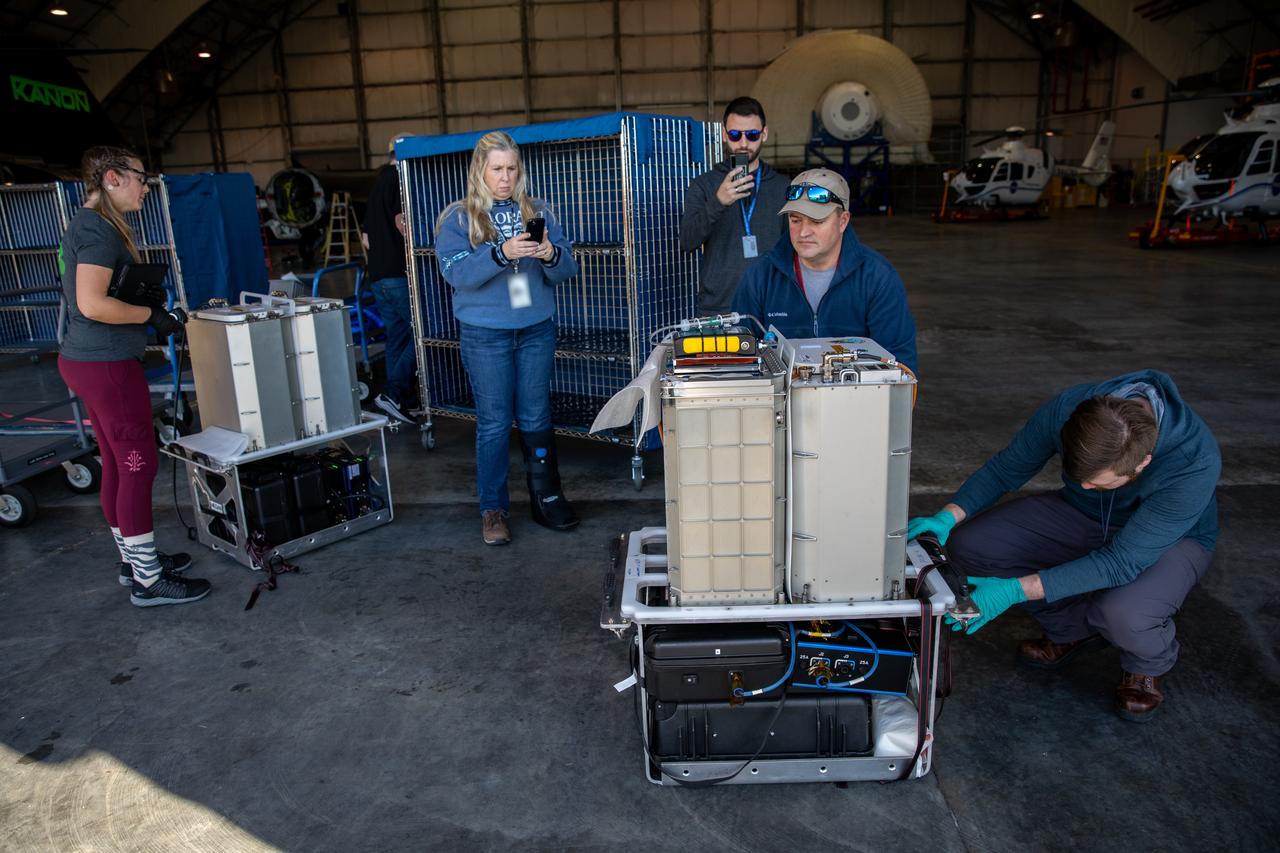
Technicians at the Launch and Landing Facility at NASA’s Kennedy Space Center in Florida receive scientific research samples for processing at the spaceport’s Space Station Processing Facility on Jan. 11, 2023. The experiments returned to Earth on SpaceX's 26th commercial resupply services mission, which launched from Kennedy’s Pad 39A at 2:20 p.m. EST on Nov. 26, 2022, making its successful parachute-assisted splashdown west of Tampa in the Gulf of Mexico, at 5:19 a.m. EST on Jan. 11. The SpaceX cargo Dragon returned approximately 4,400 pounds of scientific experiments and other cargo from the International Space Station. Splashing down off the coast of Florida enables quick transportation of the experiments, allowing SpaceX to retrieve Dragon and offload time-sensitive research cargo to pack on an Airbus H225 helicopter for delivery to Kennedy just hours later. Some of the scientific investigations that Dragon returned include those on deep space radiation protection, hydroponic and aeroponic plants, and bioprospecting, which is identifying plants and animals that may contain substances with potential for use as drugs, biochemicals, and more.
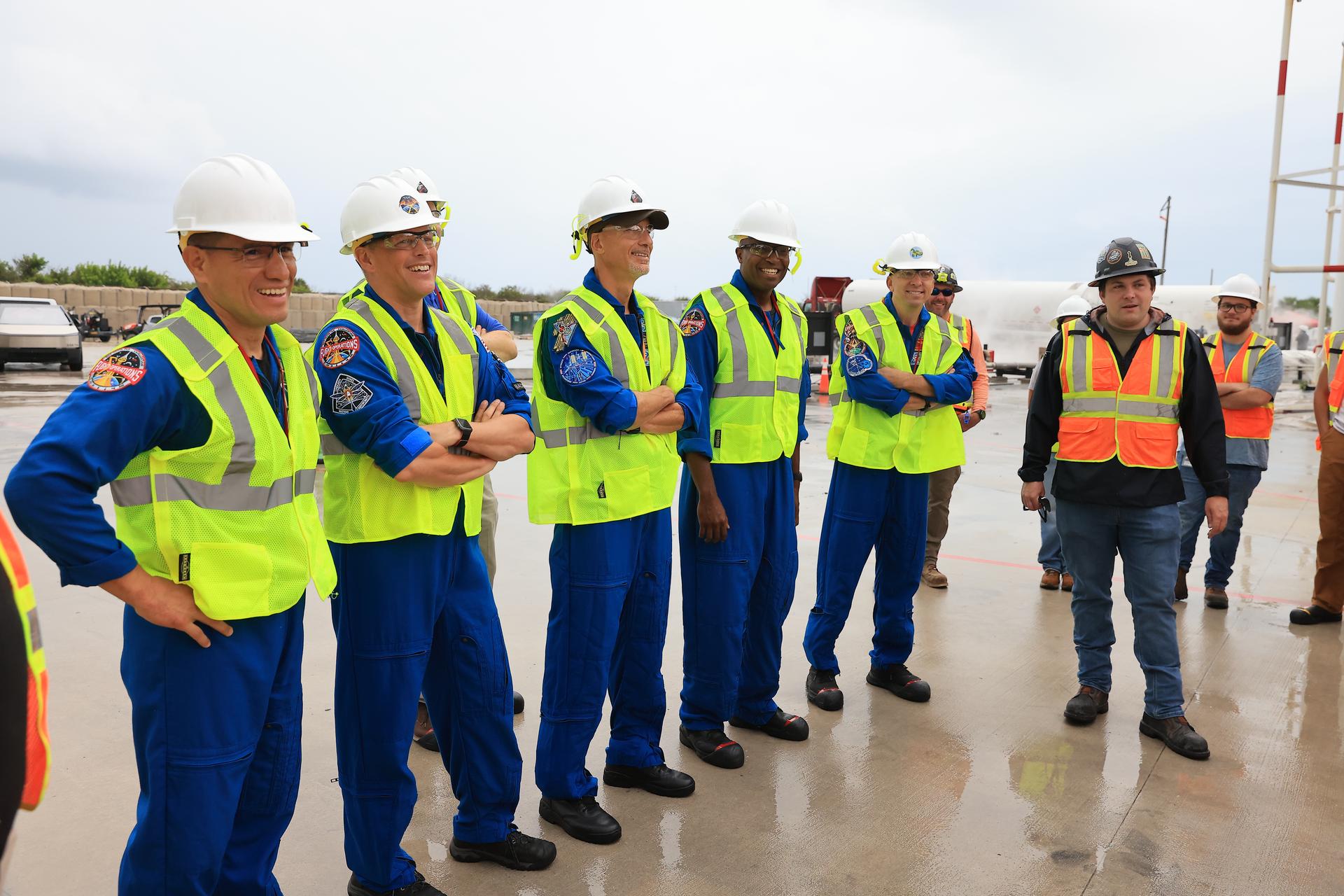
NASA’s Artemis III crew visits Launch Complex 39A at Kennedy Space Center in Florida on Thursday, Sept. 3, 2026, and speaks with members of SpaceX’s pad support team. Wearing hard hats and reflective vests over their blue flight suits, from left, NASA astronauts Frank Rubio, Bob Hines, Andre Douglas, ESA (European Space Agency) astronaut Luca Parmitano, and NASA astronaut Randy Bresnik visited facilities around Kennedy and viewed progress on Artemis III hardware and ground systems. This marked the first visit to Kennedy by the entire crew and backup crew members. Artemis III will launch four crew members aboard the Orion spacecraft to carry out a series of objectives in low Earth orbit designed to demonstrate critical systems needed for future lunar landings, beginning with Artemis IV.
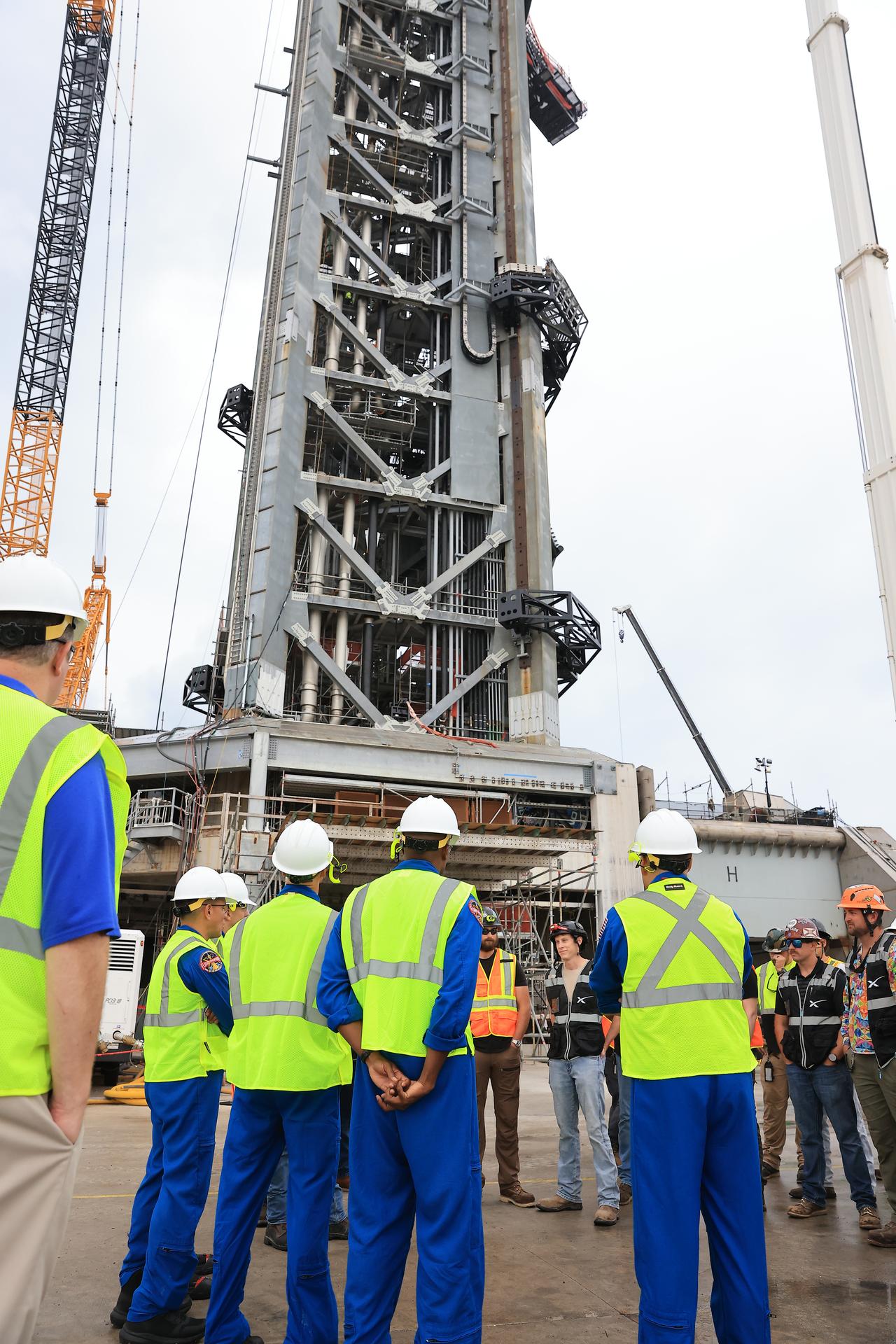
NASA’s Artemis III crew visits Launch Complex 39A at Kennedy Space Center in Florida on Thursday, Sept. 3, 2026, and speaks with members of SpaceX’s pad support team. Wearing hard hats and reflective vests over their blue flight suits, from left, NASA astronauts Frank Rubio, Randy Bresnik, ESA (European Space Agency) astronaut Luca Parmitano, and NASA astronauts Andre Douglas and Bob Hines visited facilities around Kennedy and viewed progress on Artemis III hardware and ground systems. This marked the first visit to Kennedy by the entire crew and backup crew members. Artemis III will launch four crew members aboard the Orion spacecraft to carry out a series of objectives in low Earth orbit designed to demonstrate critical systems needed for future lunar landings, beginning with Artemis IV.
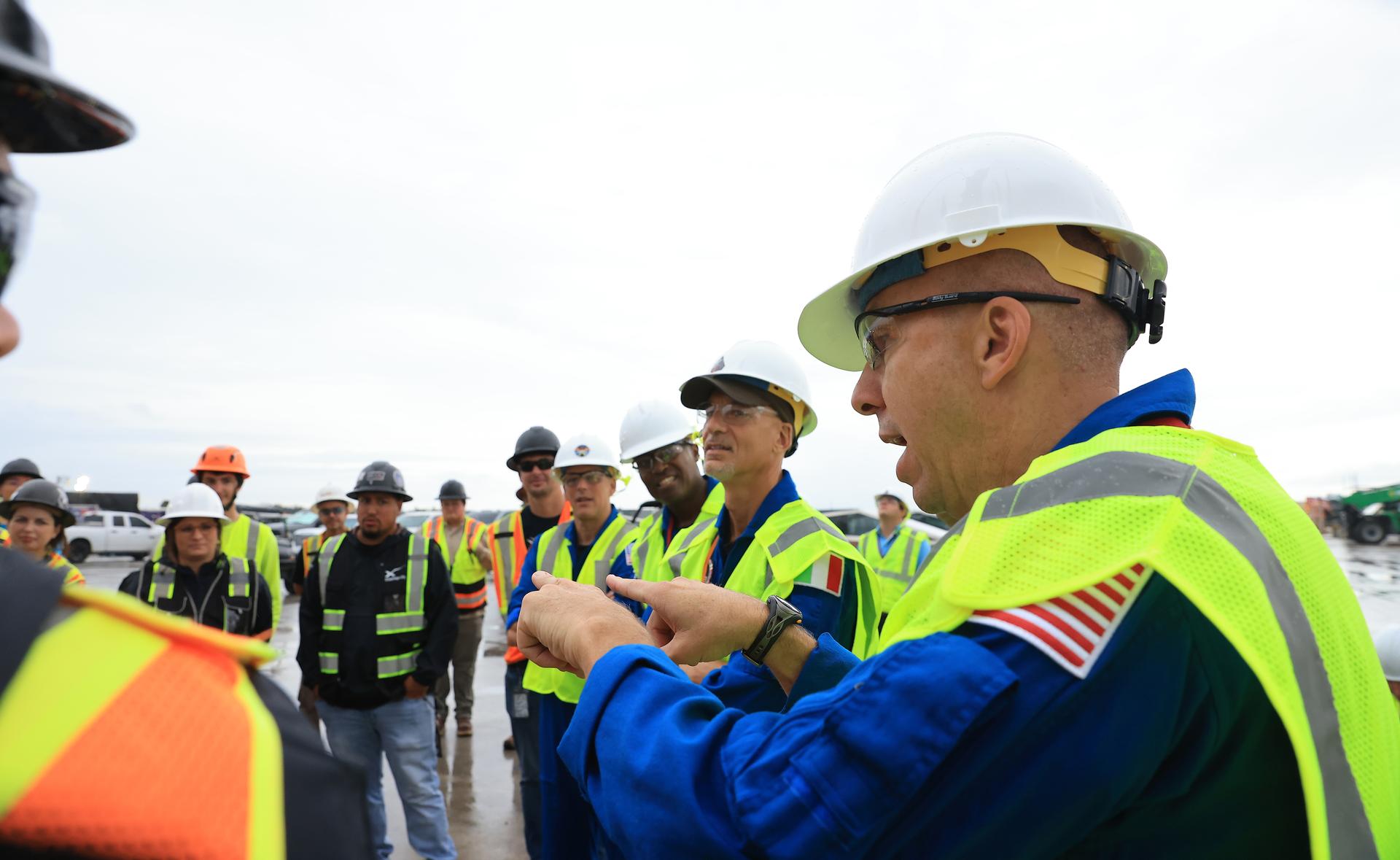
NASA’s Artemis III crew visits Launch Complex 39A at Kennedy Space Center in Florida on Thursday, Sept. 3, 2026, and speaks with members of SpaceX’s pad support team. Wearing hard hats and reflective vests over their blue flight suits, from right, NASA astronaut Randy Bresnik, ESA (European Space Agency) astronaut Luca Parmitano, and NASA astronauts Andre Douglas and Bob Hines, along with NASA astronaut Frank Rubio (not pictured) visited facilities around Kennedy and viewed progress on Artemis III hardware and ground systems. This marked the first visit to Kennedy by the entire crew and backup crew members. Artemis III will launch four crew members aboard the Orion spacecraft to carry out a series of objectives in low Earth orbit designed to demonstrate critical systems needed for future lunar landings, beginning with Artemis IV.
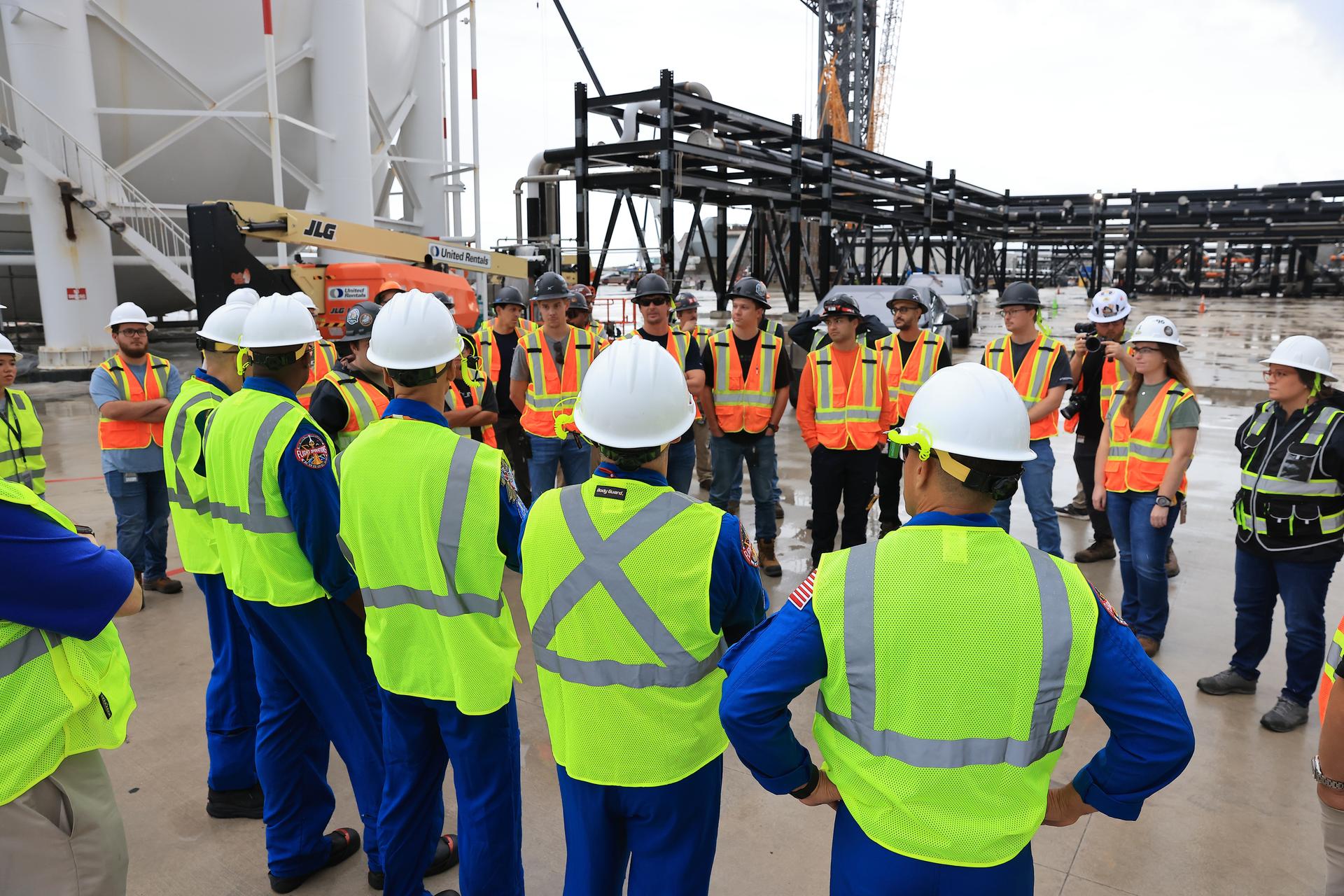
NASA’s Artemis III crew visits Launch Complex 39A at Kennedy Space Center in Florida on Thursday, Sept. 3, 2026, and speaks with members of SpaceX’s pad support team. Wearing hard hats and reflective vests over their blue flight suits, from right, NASA astronauts Frank Rubio, Bob Hines, Andre Douglas, ESA (European Space Agency) astronaut Luca Parmitano, and NASA astronaut Randy Bresnik visited facilities around Kennedy and viewed progress on Artemis III hardware and ground systems. This marked the first visit to Kennedy by the entire crew and backup crew members. Artemis III will launch four crew members aboard the Orion spacecraft to carry out a series of objectives in low Earth orbit designed to demonstrate critical systems needed for future lunar landings, beginning with Artemis IV.
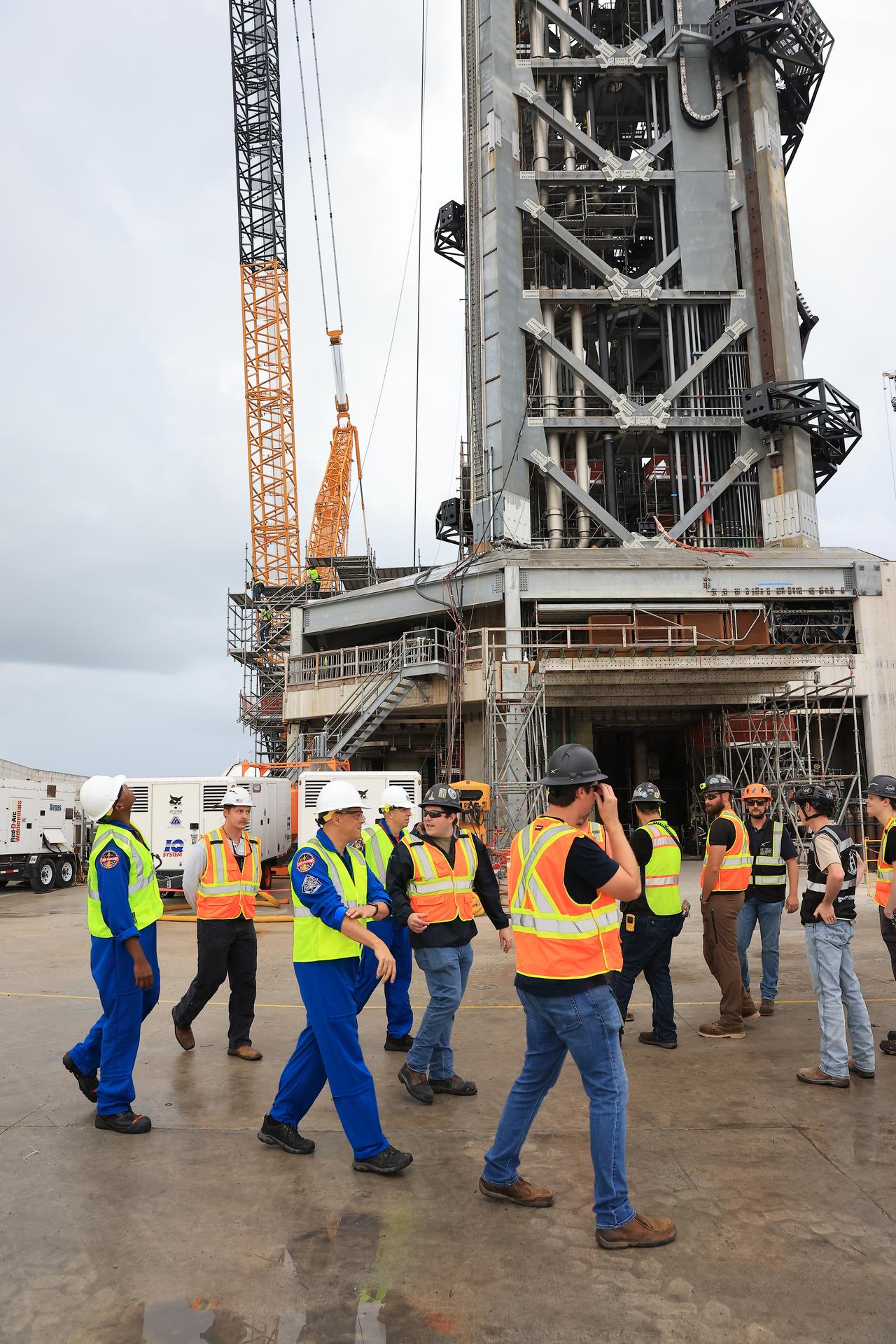
NASA’s Artemis III crew visits Launch Complex 39A at Kennedy Space Center in Florida on Thursday, Sept. 3, 2026, and speaks with members of SpaceX’s pad support team. Wearing hard hats and reflective vests over their blue flight suits, from left, NASA astronauts Andre Douglas, Bob Hines, and Randy Bresnik, along with NASA astronaut Frank Rubio (not picture) and ESA (European Space Agency) astronaut Luca Parmitano (not pictured), visited facilities around Kennedy and viewed progress on Artemis III hardware and ground systems. This marked the first visit to Kennedy by the entire crew and backup crew members. Artemis III will launch four crew members aboard the Orion spacecraft to carry out a series of objectives in low Earth orbit designed to demonstrate critical systems needed for future lunar landings, beginning with Artemis IV.
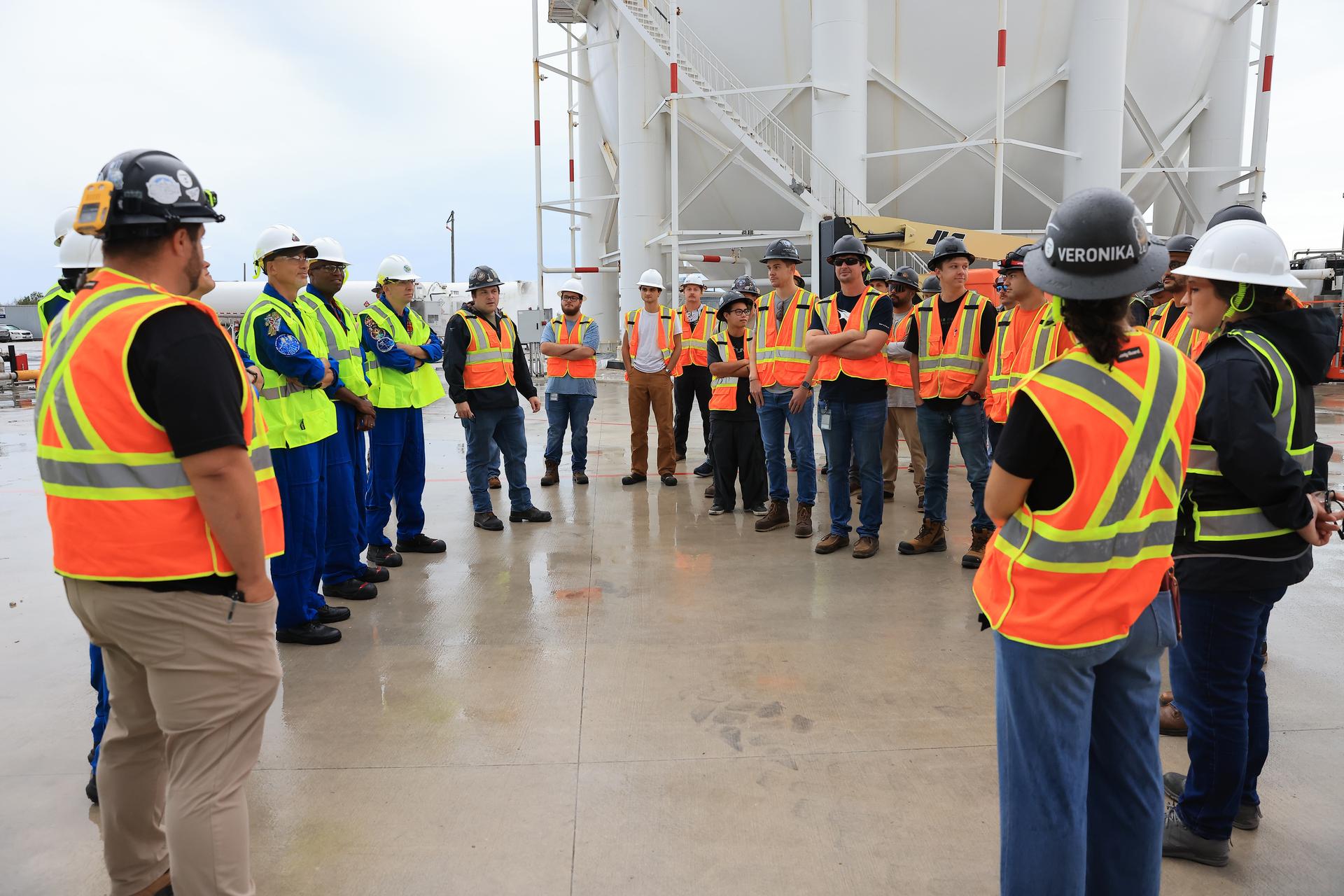
NASA’s Artemis III crew visits Launch Complex 39A at Kennedy Space Center in Florida on Thursday, Sept. 3, 2026, and speaks with members of SpaceX’s pad support team. Wearing hard hats and reflective vests over their blue flight suits, from left, NASA astronauts Frank Rubio, Bob Hines, Andre Douglas, ESA (European Space Agency) astronaut Luca Parmitano, and NASA astronaut Randy Bresnik visited facilities around Kennedy and viewed progress on Artemis III hardware and ground systems. This marked the first visit to Kennedy by the entire crew and backup crew members. Artemis III will launch four crew members aboard the Orion spacecraft to carry out a series of objectives in low Earth orbit designed to demonstrate critical systems needed for future lunar landings, beginning with Artemis IV.
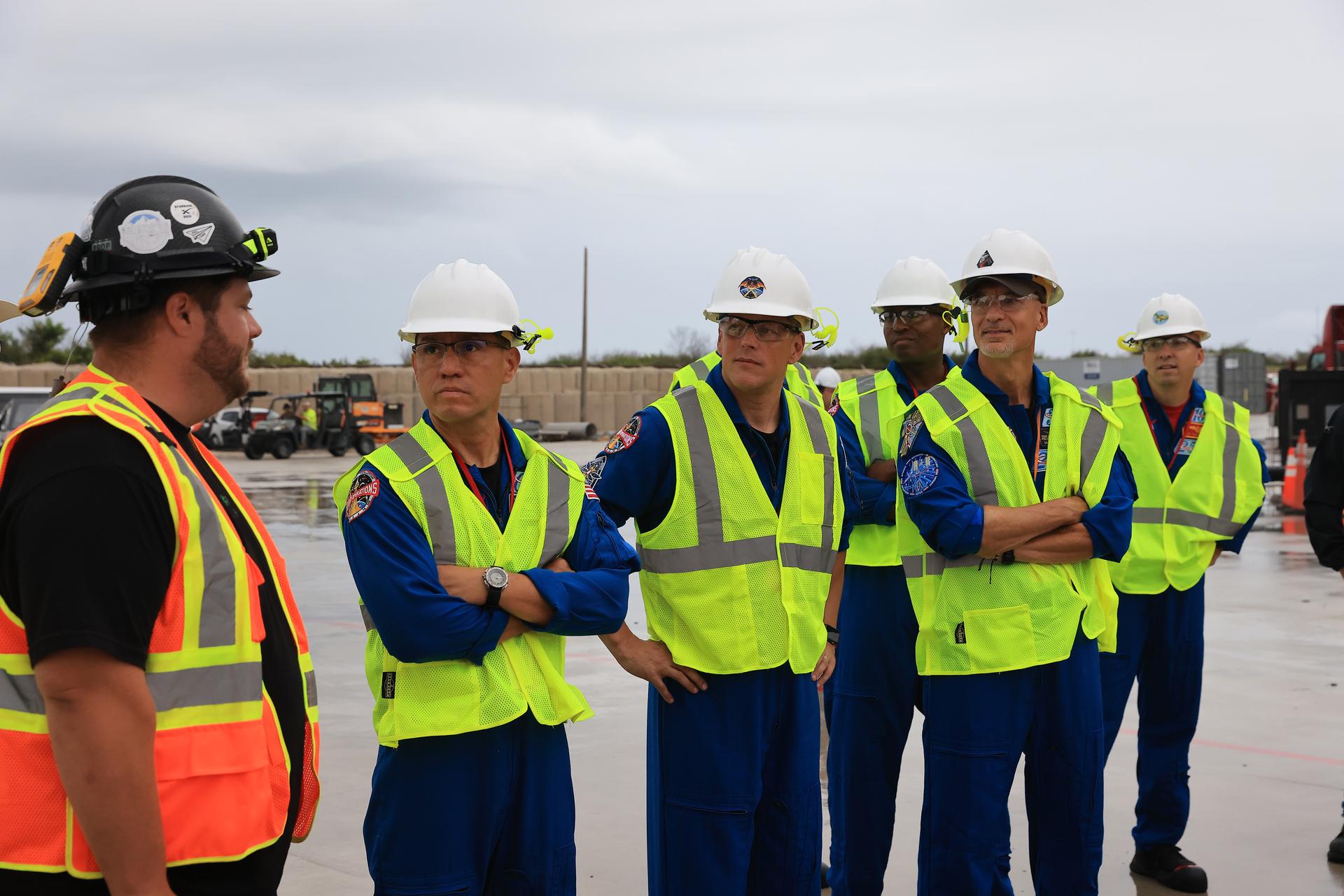
NASA’s Artemis III crew visits Launch Complex 39A at Kennedy Space Center in Florida on Thursday, Sept. 3, 2026, and speaks with members of SpaceX’s pad support team. Wearing hard hats and reflective vests over their blue flight suits, from left, NASA astronauts Frank Rubio, Bob Hines, Andre Douglas, ESA (European Space Agency) astronaut Luca Parmitano, and NASA astronaut Randy Bresnik visited facilities around Kennedy and viewed progress on Artemis III hardware and ground systems. This marked the first visit to Kennedy by the entire crew and backup crew members. Artemis III will launch four crew members aboard the Orion spacecraft to carry out a series of objectives in low Earth orbit designed to demonstrate critical systems needed for future lunar landings, beginning with Artemis IV.
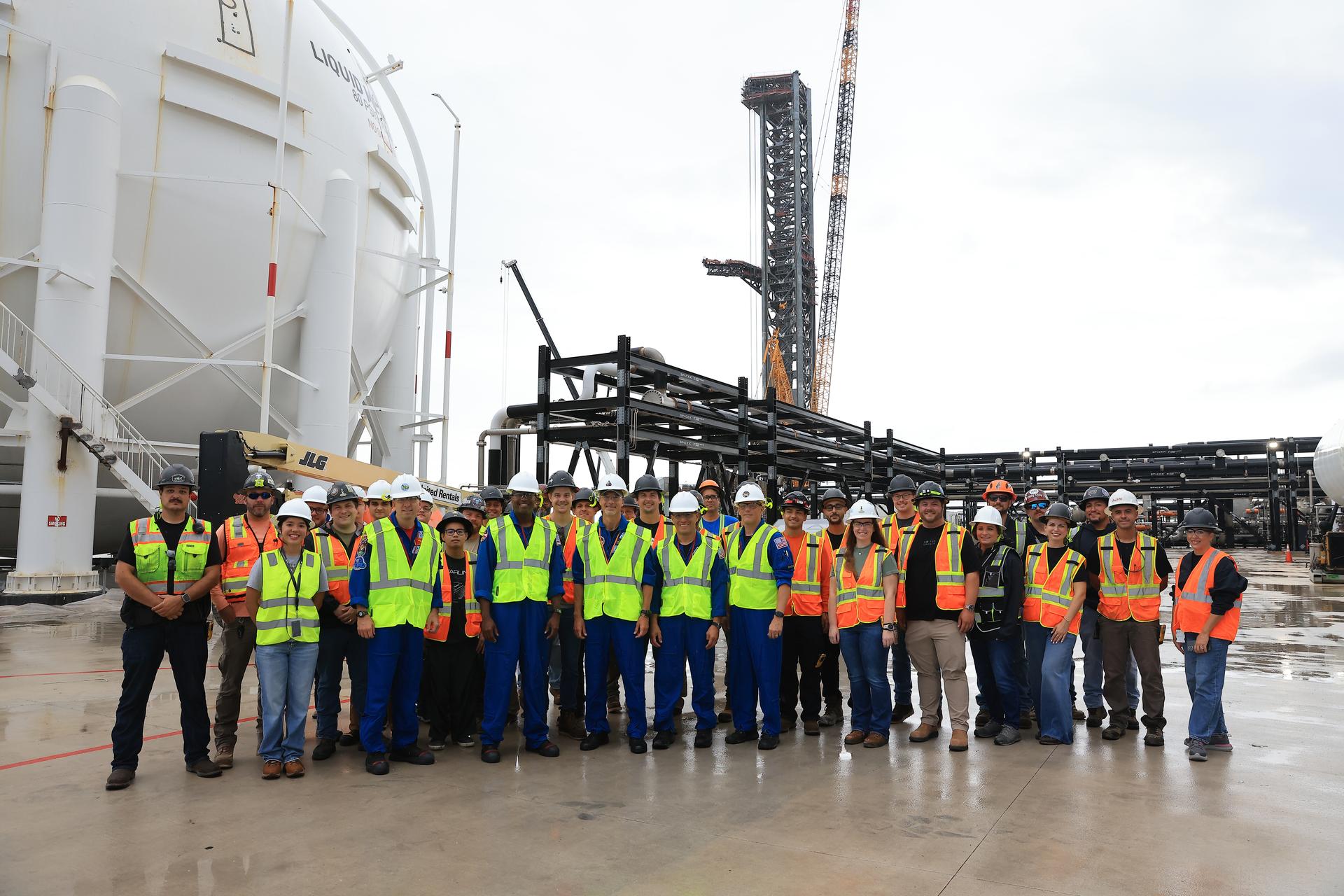
NASA’s Artemis III crew poses with members of SpaceX’s pad support team at Launch Complex 39A at Kennedy Space Center in Florida on Thursday, Sept. 3, 2026. Wearing hard hats and reflective vests over their blue flight suits, from left, NASA astronauts Randy Bresnik, Andre Douglas, ESA (European Space Agency) astronaut Luca Parmitano, and NASA astronauts Frank Rubio and Bob Hines visited facilities around Kennedy and viewed progress on Artemis III hardware and ground systems. This marked the first visit to Kennedy by the entire crew and backup crew members. Artemis III will launch four crew members aboard the Orion spacecraft to carry out a series of objectives in low Earth orbit designed to demonstrate critical systems needed for future lunar landings, beginning with Artemis IV.