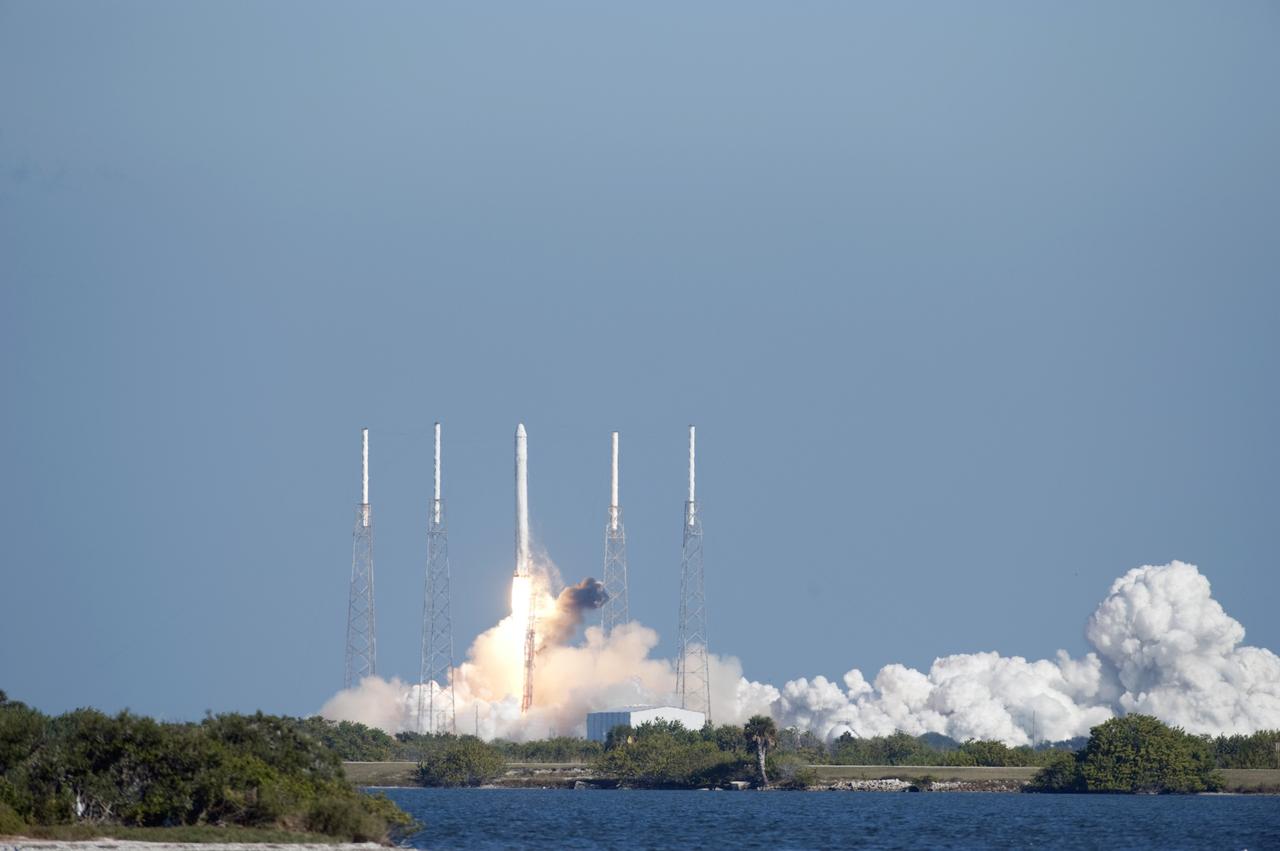
CAPE CANAVERAL, Fla. -- SpaceX’s Falcon 9 rocket and Dragon spacecraft lift off from Launch Complex-40 at Cape Canaveral Air Force Station, Fla., at 10:43 a.m. EST. In orbit, the Dragon capsule will go through several maneuvers before it re-enters the atmosphere and splashes down in the Pacific Ocean about 500 miles west of the coast of Mexico. This is first demonstration flight for NASA's Commercial Orbital Transportation Services (COTS) program, which will provide cargo flights to the International Space Station in the future. Photo credit: NASA/Kevin O'Connell
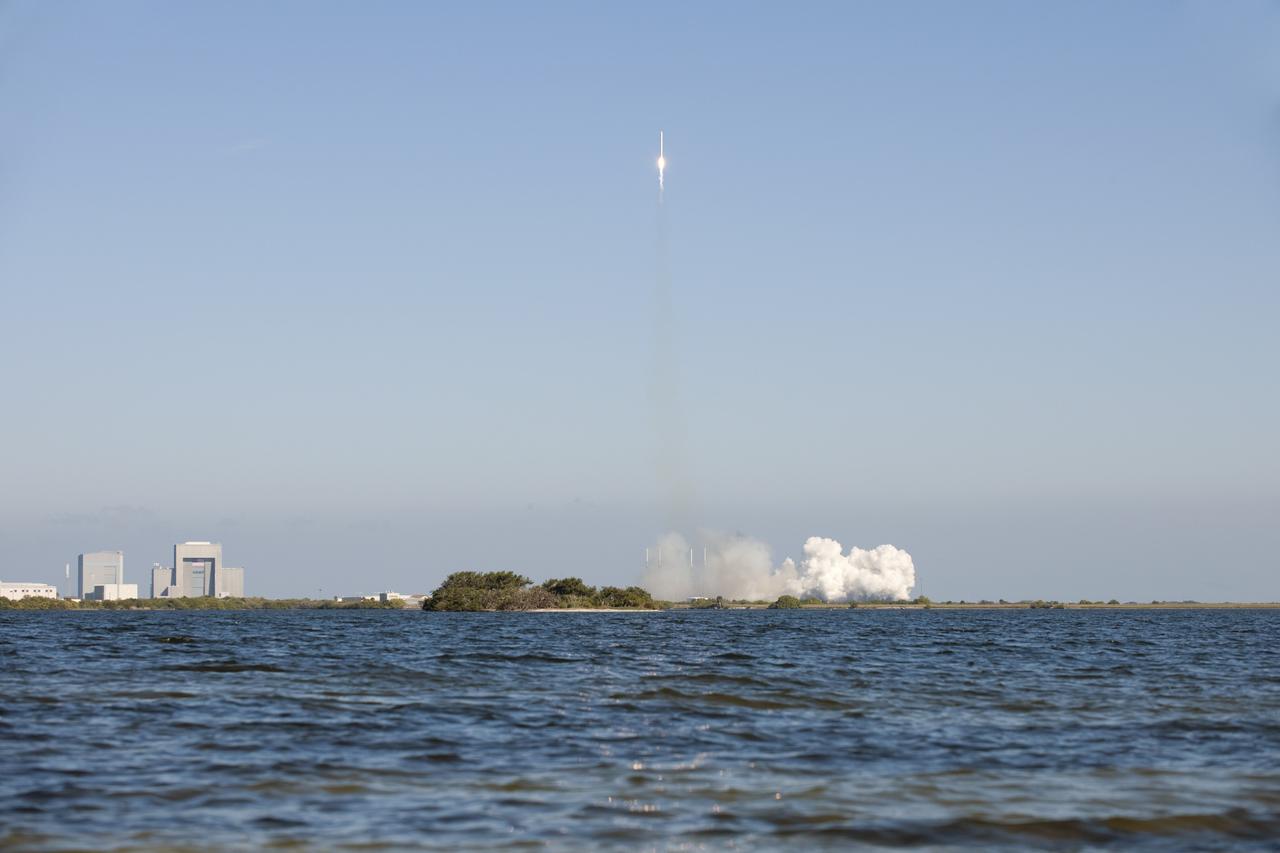
CAPE CANAVERAL, Fla. -- SpaceX’s Falcon 9 rocket and Dragon spacecraft race toward orbit after launching from Launch Complex-40 at Cape Canaveral Air Force Station, Fla., at 10:43 a.m. EST. The Dragon capsule will go through several maneuvers before it re-enters the atmosphere and splashes down in the Pacific Ocean about 500 miles west of the coast of Mexico. This is first demonstration flight for NASA's Commercial Orbital Transportation Services (COTS) program, which will provide cargo flights to the International Space Station in the future. Photo credit: NASA/Tony Gray
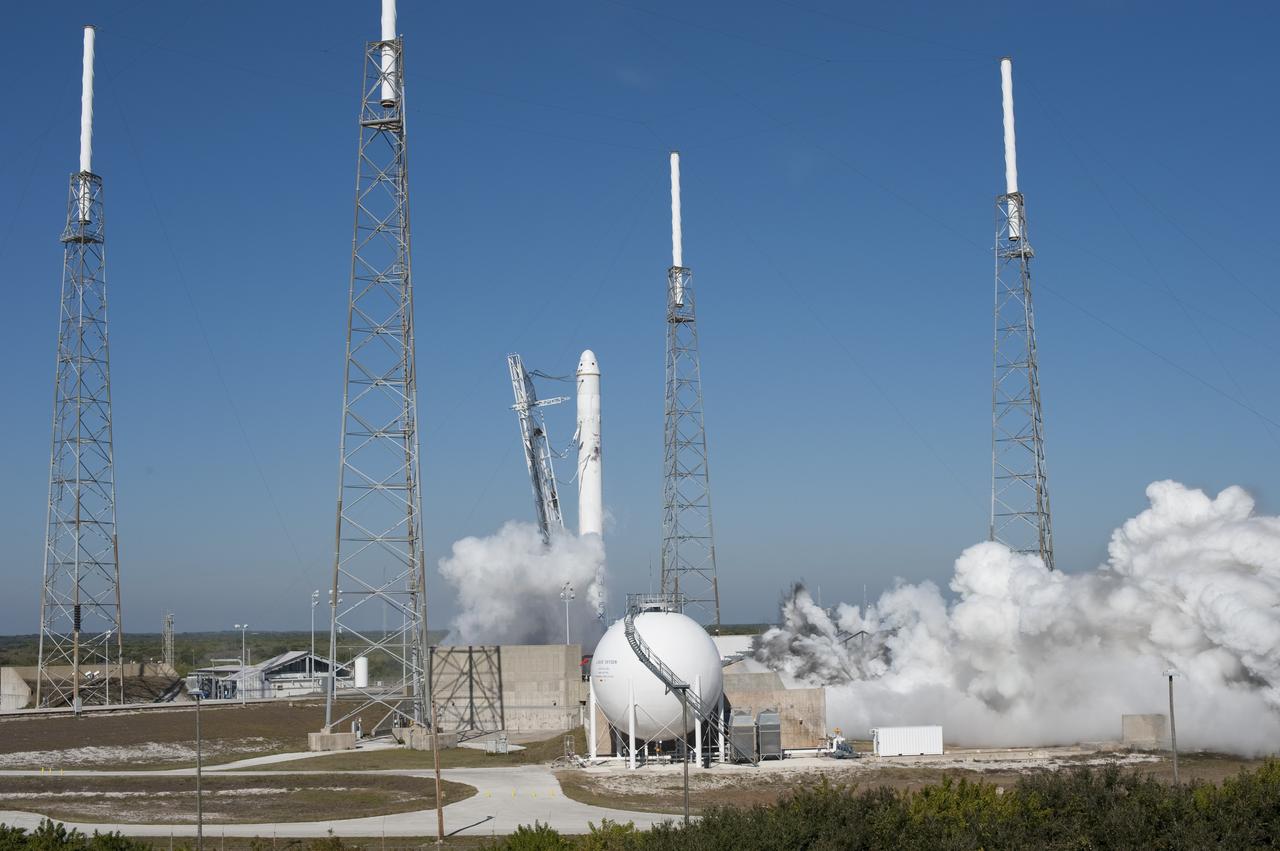
CAPE CANAVERAL, Fla. -- SpaceX’s Falcon 9 rocket and Dragon spacecraft lift off from Launch Complex-40 at Cape Canaveral Air Force Station, Fla., at 10:43 a.m. EST. In orbit, the Dragon capsule will go through several maneuvers before it re-enters the atmosphere and splashes down in the Pacific Ocean about 500 miles west of the coast of Mexico. This is first demonstration flight for NASA's Commercial Orbital Transportation Services (COTS) program, which will provide cargo flights to the International Space Station in the future. Photo credit: NASA/Tony Gray and Kevin O'Connell
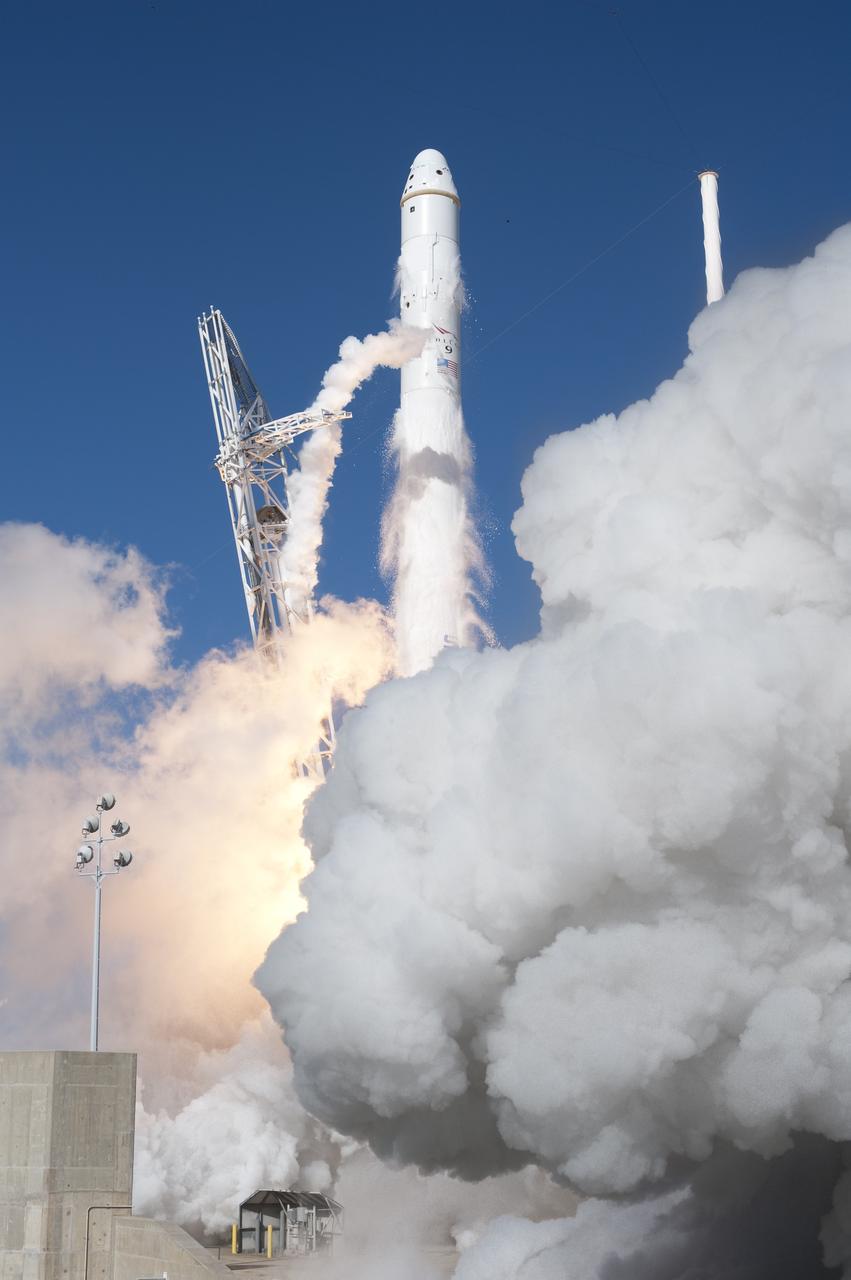
CAPE CANAVERAL, Fla. -- SpaceX’s Falcon 9 rocket and Dragon spacecraft lift off from Launch Complex-40 at Cape Canaveral Air Force Station, Fla., at 10:43 a.m. EST. In orbit, the Dragon capsule will go through several maneuvers before it re-enters the atmosphere and splashes down in the Pacific Ocean about 500 miles west of the coast of Mexico. This is first demonstration flight for NASA's Commercial Orbital Transportation Services (COTS) program, which will provide cargo flights to the International Space Station in the future. Photo credit: NASA/Tony Gray and Kevin O'Connell
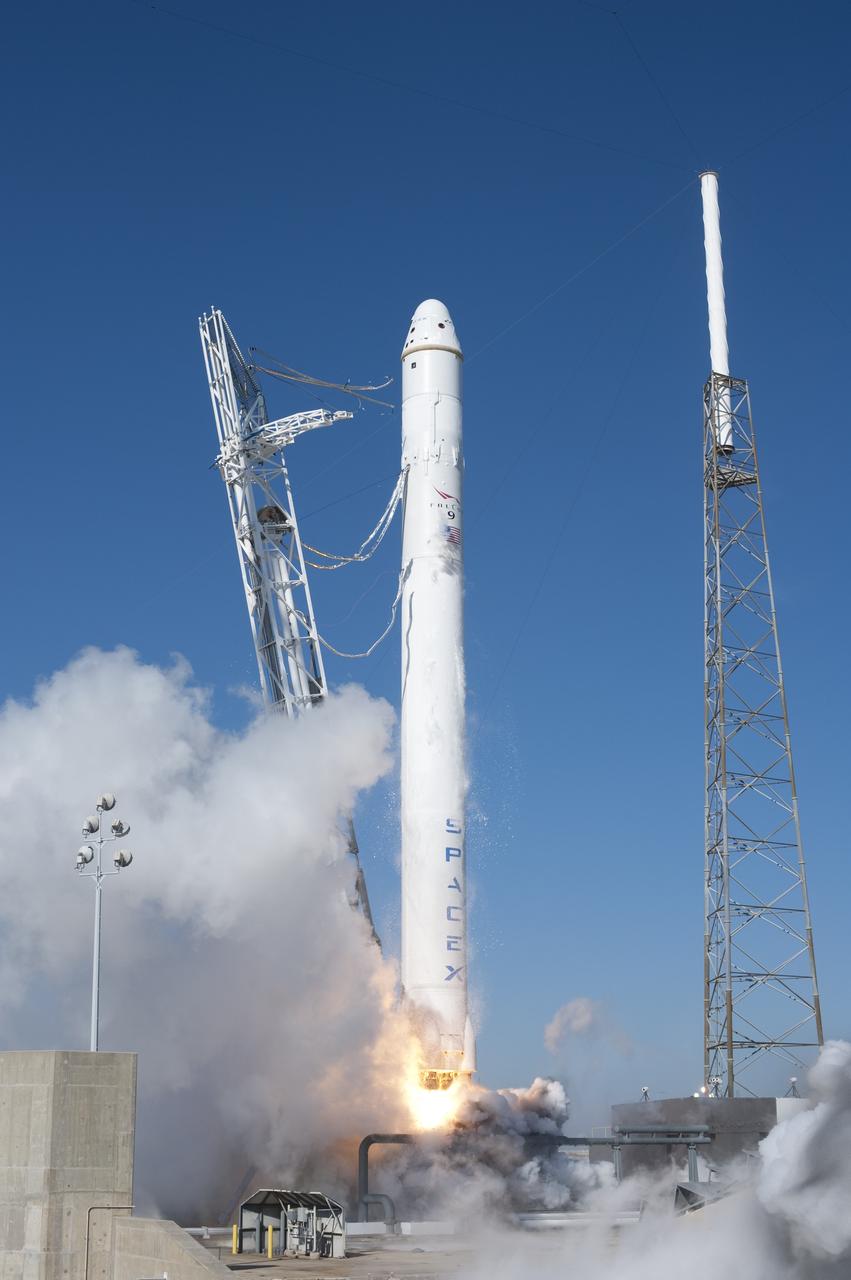
CAPE CANAVERAL, Fla. -- SpaceX’s Falcon 9 rocket and Dragon spacecraft lift off from Launch Complex-40 at Cape Canaveral Air Force Station, Fla., at 10:43 a.m. EST. In orbit, the Dragon capsule will go through several maneuvers before it re-enters the atmosphere and splashes down in the Pacific Ocean about 500 miles west of the coast of Mexico. This is first demonstration flight for NASA's Commercial Orbital Transportation Services (COTS) program, which will provide cargo flights to the International Space Station in the future. Photo credit: NASA/Tony Gray and Kevin O'Connell
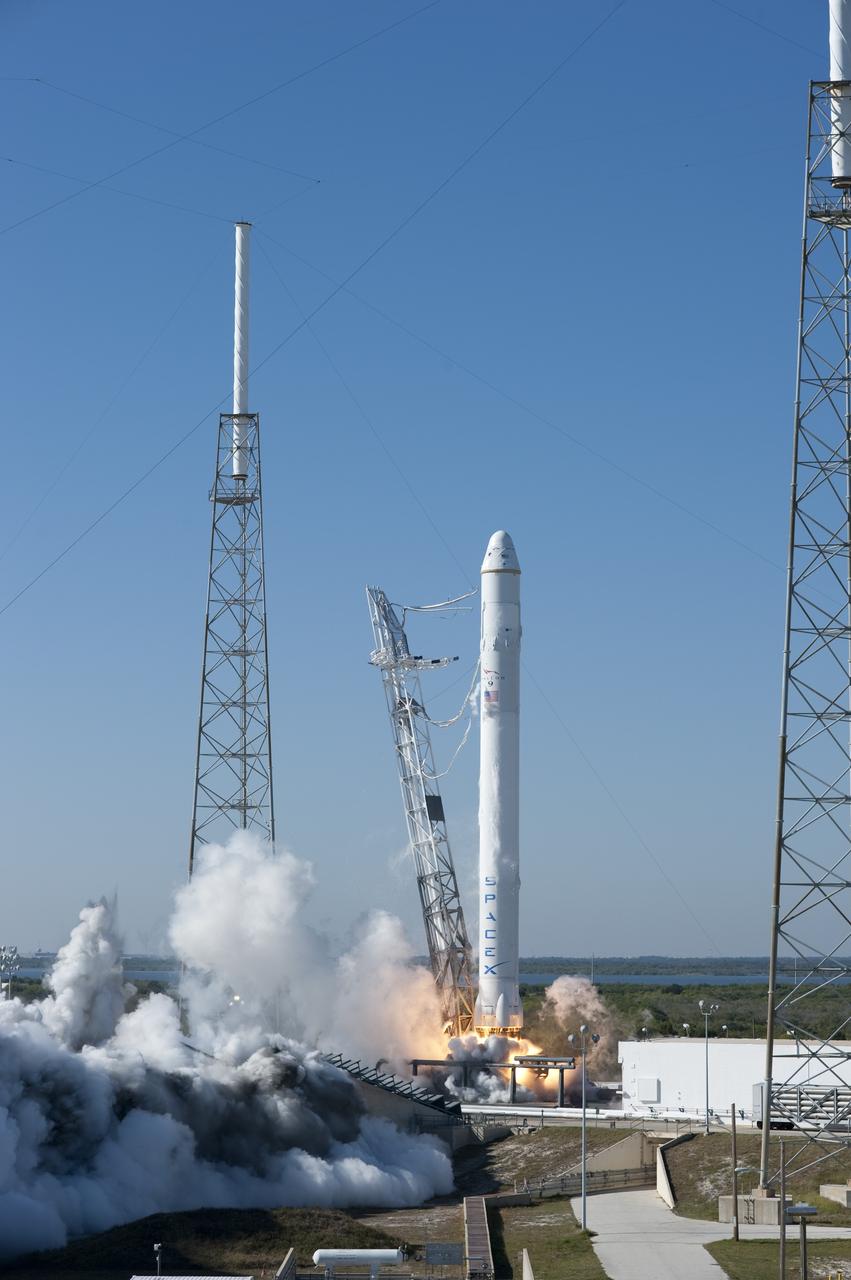
CAPE CANAVERAL, Fla. -- SpaceX’s Falcon 9 rocket and Dragon spacecraft lift off from Launch Complex-40 at Cape Canaveral Air Force Station, Fla., at 10:43 a.m. EST. In orbit, the Dragon capsule will go through several maneuvers before it re-enters the atmosphere and splashes down in the Pacific Ocean about 500 miles west of the coast of Mexico. This is first demonstration flight for NASA's Commercial Orbital Transportation Services (COTS) program, which will provide cargo flights to the International Space Station in the future. Photo credit: NASA/Tony Gray and Kevin O'Connell
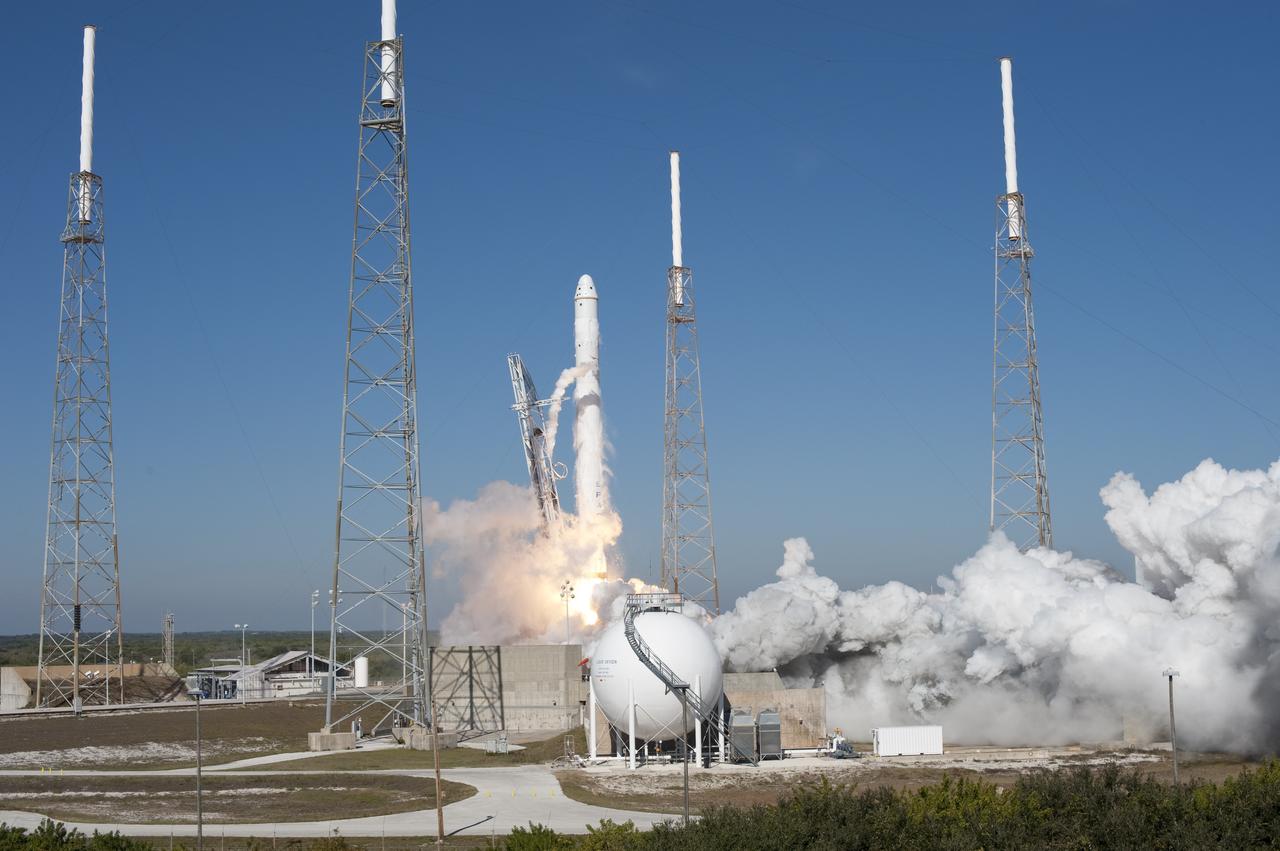
CAPE CANAVERAL, Fla. -- SpaceX’s Falcon 9 rocket and Dragon spacecraft lift off from Launch Complex-40 at Cape Canaveral Air Force Station, Fla., at 10:43 a.m. EST. In orbit, the Dragon capsule will go through several maneuvers before it re-enters the atmosphere and splashes down in the Pacific Ocean about 500 miles west of the coast of Mexico. This is first demonstration flight for NASA's Commercial Orbital Transportation Services (COTS) program, which will provide cargo flights to the International Space Station in the future. Photo credit: NASA/Tony Gray and Kevin O'Connell
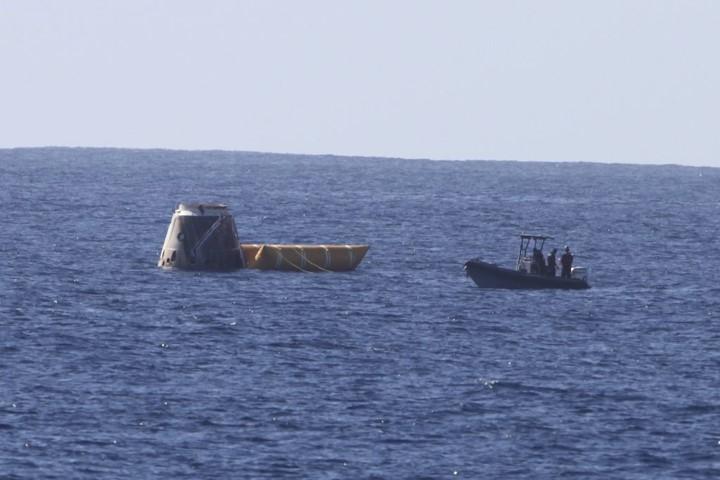
CAPE CANAVERAL, Fla. -- The Dragon capsule that launched from Launch Complex-40 at Cape Canaveral Air Force Station aboard a SpaceX Falcon 9 rocket is recovered in the Pacific Ocean about 500 miles west of the coast of Mexico. The rocket lifted off at 10:43 a.m. EST. The spacecraft went through several maneuvers before it re-entered the atmosphere and splashed down at about 2 p.m. EST. This is first demonstration flight for NASA's Commercial Orbital Transportation Services (COTS) program, which will provide cargo flights to the International Space Station in the future. Photo credit: Courtesy SpaceX
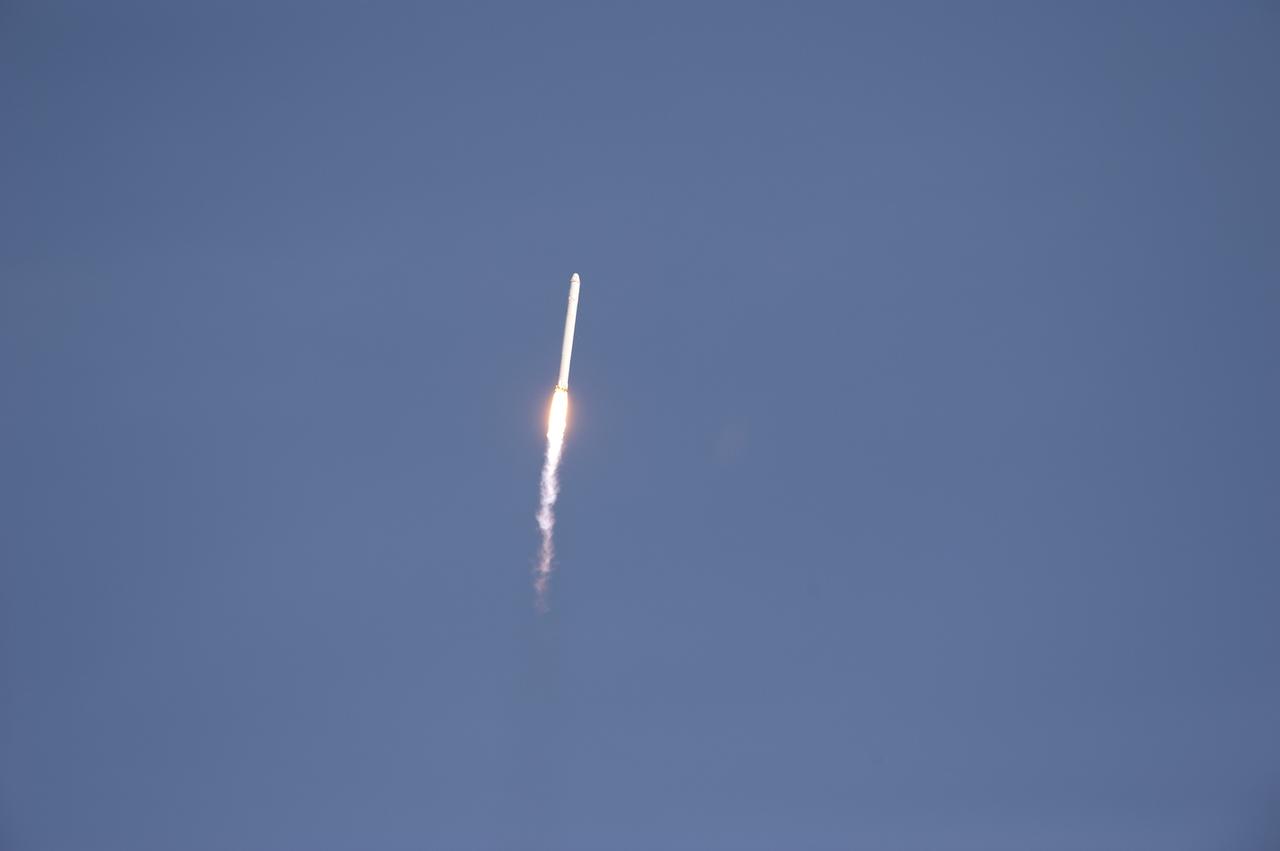
CAPE CANAVERAL, Fla. -- SpaceX’s Falcon 9 rocket and Dragon spacecraft race toward orbit after launching from Launch Complex-40 at Cape Canaveral Air Force Station, Fla., at 10:43 a.m. EST. The Dragon capsule will go through several maneuvers before it re-enters the atmosphere and splashes down in the Pacific Ocean about 500 miles west of the coast of Mexico. This is first demonstration flight for NASA's Commercial Orbital Transportation Services (COTS) program, which will provide cargo flights to the International Space Station in the future. Photo credit: NASA/Kevin O'Connell

CAPE CANAVERAL, Fla. -- SpaceX’s Falcon 9 rocket and Dragon spacecraft lift off from Launch Complex-40 at Cape Canaveral Air Force Station, Fla., at 10:43 a.m. EST. In orbit, the Dragon capsule will go through several maneuvers before it re-enters the atmosphere and splashes down in the Pacific Ocean about 500 miles west of the coast of Mexico. This is first demonstration flight for NASA's Commercial Orbital Transportation Services (COTS) program, which will provide cargo flights to the International Space Station in the future. Photo credit: NASA/Tony Gray and Kevin O'Connell
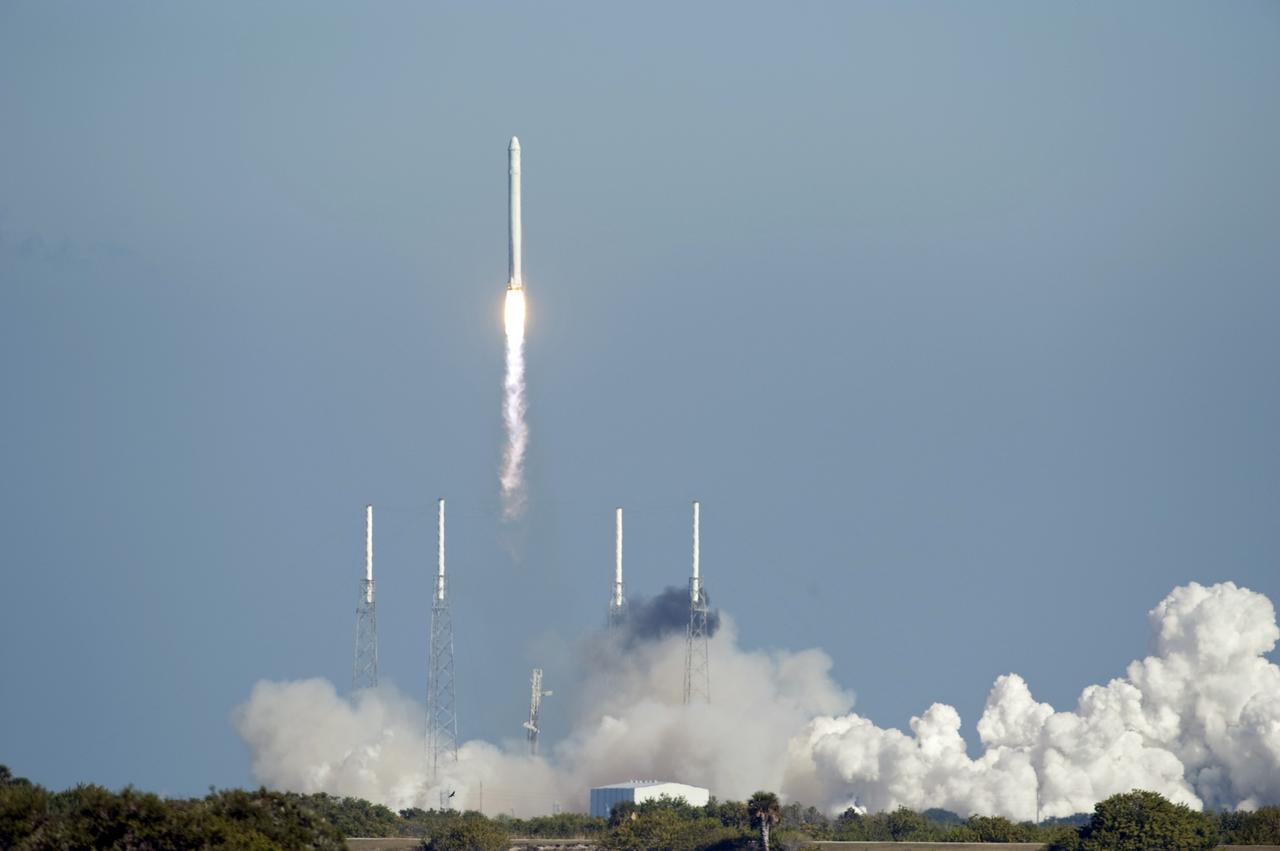
CAPE CANAVERAL, Fla. -- SpaceX’s Falcon 9 rocket and Dragon spacecraft lift off from Launch Complex-40 at Cape Canaveral Air Force Station, Fla., at 10:43 a.m. EST. In orbit, the Dragon capsule will go through several maneuvers before it re-enters the atmosphere and splashes down in the Pacific Ocean about 500 miles west of the coast of Mexico. This is first demonstration flight for NASA's Commercial Orbital Transportation Services (COTS) program, which will provide cargo flights to the International Space Station in the future. Photo credit: NASA/Kevin O'Connell