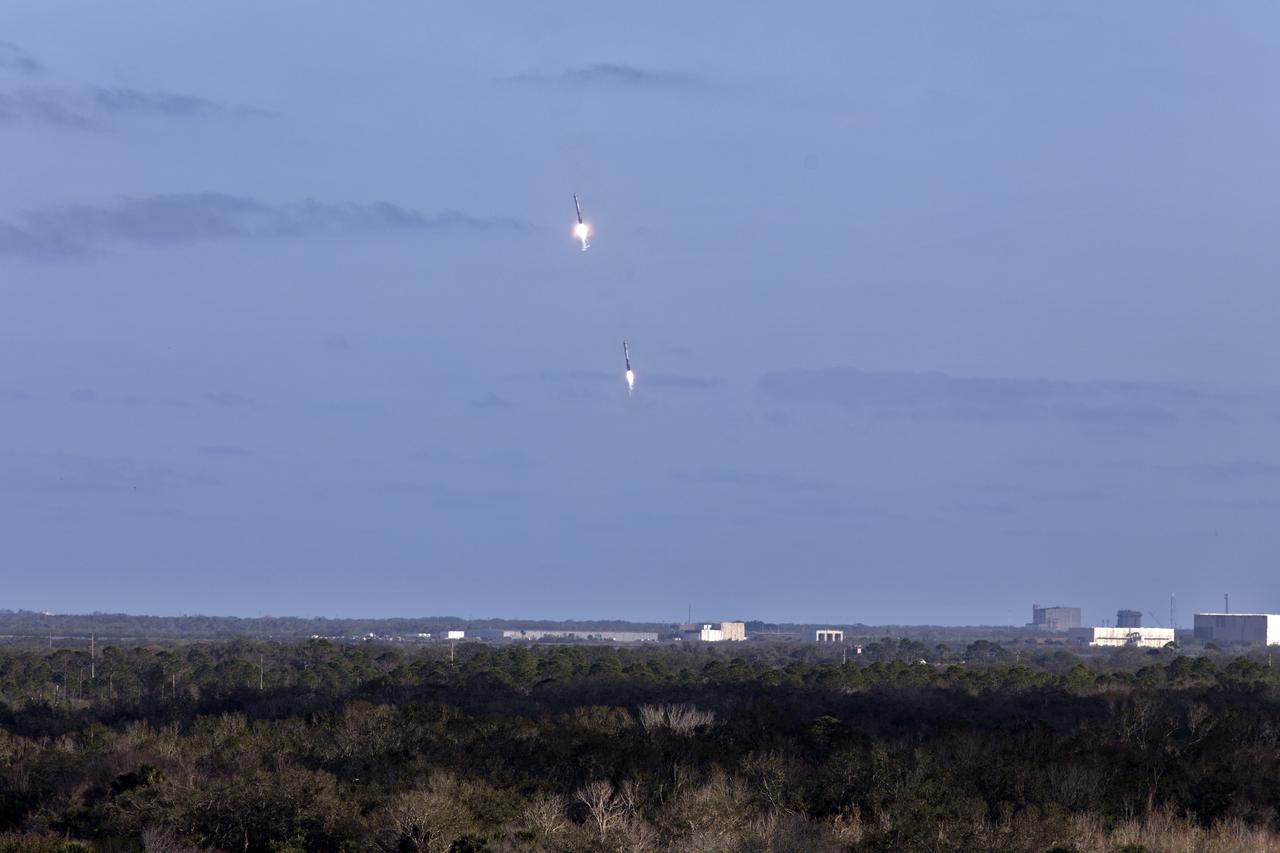
The SpaceX Falcon Heavy rocket’s two side cores descend toward landing at Cape Canaveral Air Force Station in Florida following a successful liftoff at 3:45 p.m. EST from Launch Complex 39A at NASA's Kennedy Space Center. This demonstration flight is a significant milestone for the world's premier multi-user spaceport. In 2014, NASA signed a property agreement with SpaceX for the use and operation of the center's pad 39A, where the company has launched Falcon 9 rockets and prepared for the first Falcon Heavy. NASA also has Space Act Agreements in place with partners, such as SpaceX, to provide services needed to process and launch rockets and spacecraft.
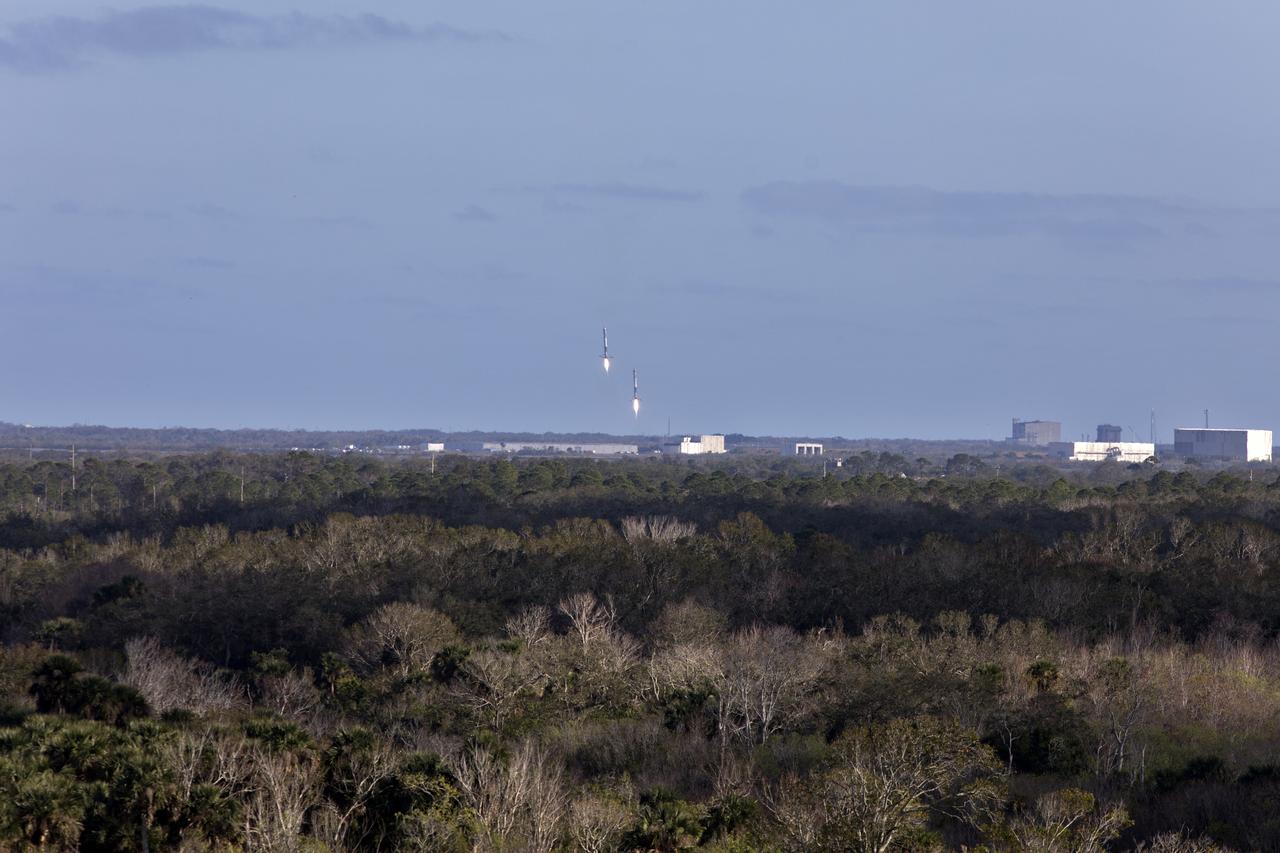
The SpaceX Falcon Heavy rocket’s two side cores descend toward landing at Cape Canaveral Air Force Station in Florida following a successful liftoff at 3:45 p.m. EST from Launch Complex 39A at NASA's Kennedy Space Center. This demonstration flight is a significant milestone for the world's premier multi-user spaceport. In 2014, NASA signed a property agreement with SpaceX for the use and operation of the center's pad 39A, where the company has launched Falcon 9 rockets and prepared for the first Falcon Heavy. NASA also has Space Act Agreements in place with partners, such as SpaceX, to provide services needed to process and launch rockets and spacecraft.
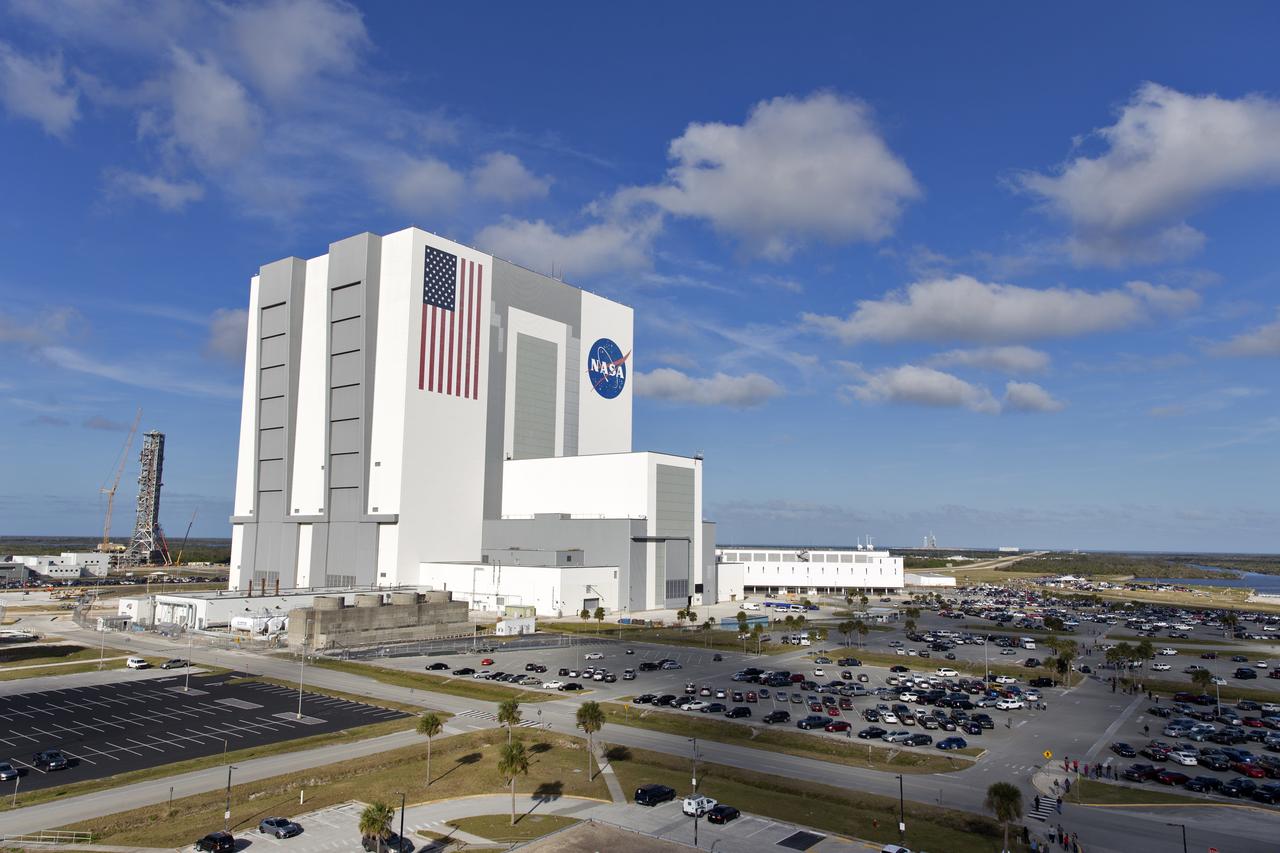
A SpaceX Falcon Heavy stands at Launch Complex 39A, far right, at NASA's Kennedy Space Center in Florida awaiting liftoff on its demonstration flight. In the foreground is the center’s iconic Vehicle Assembly Building. The demonstration flight is a significant milestone for the world's premier multi-user spaceport. In 2014, NASA signed a property agreement with SpaceX for the use and operation of the center's pad 39A, where the company has launched Falcon 9 rockets and is preparing for the first Falcon Heavy. NASA also has Space Act Agreements in place with partners, such as SpaceX, to provide services needed to process and launch rockets and spacecraft.
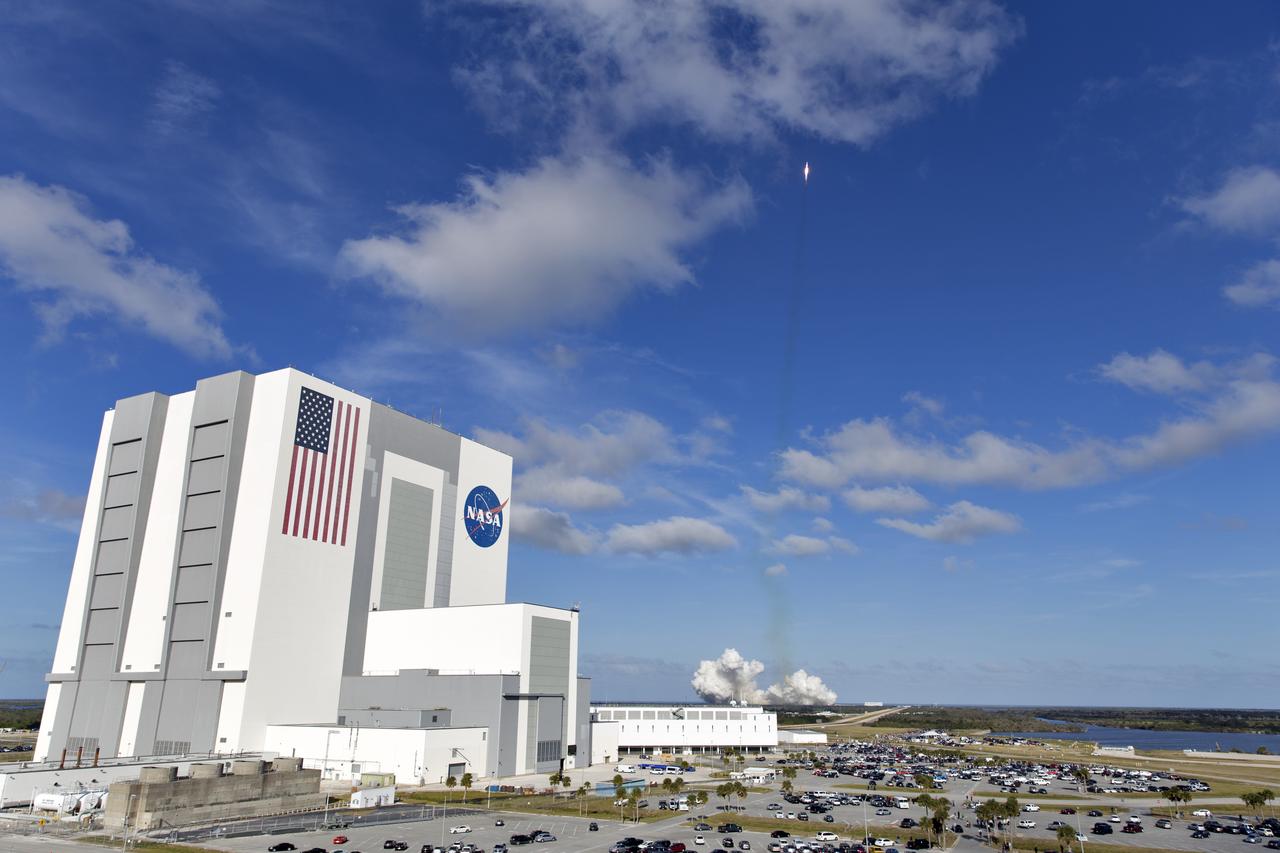
A SpaceX Falcon Heavy rocket begins its demonstration flight with liftoff at 3:45 p.m. EST from from Launch Complex 39A at NASA's Kennedy Space Center in Florida. This is a significant milestone for the world's premier multi-user spaceport. In 2014, NASA signed a property agreement with SpaceX for the use and operation of the center's pad 39A, where the company has launched Falcon 9 rockets and prepared for the first Falcon Heavy. NASA also has Space Act Agreements in place with partners, such as SpaceX, to provide services needed to process and launch rockets and spacecraft.
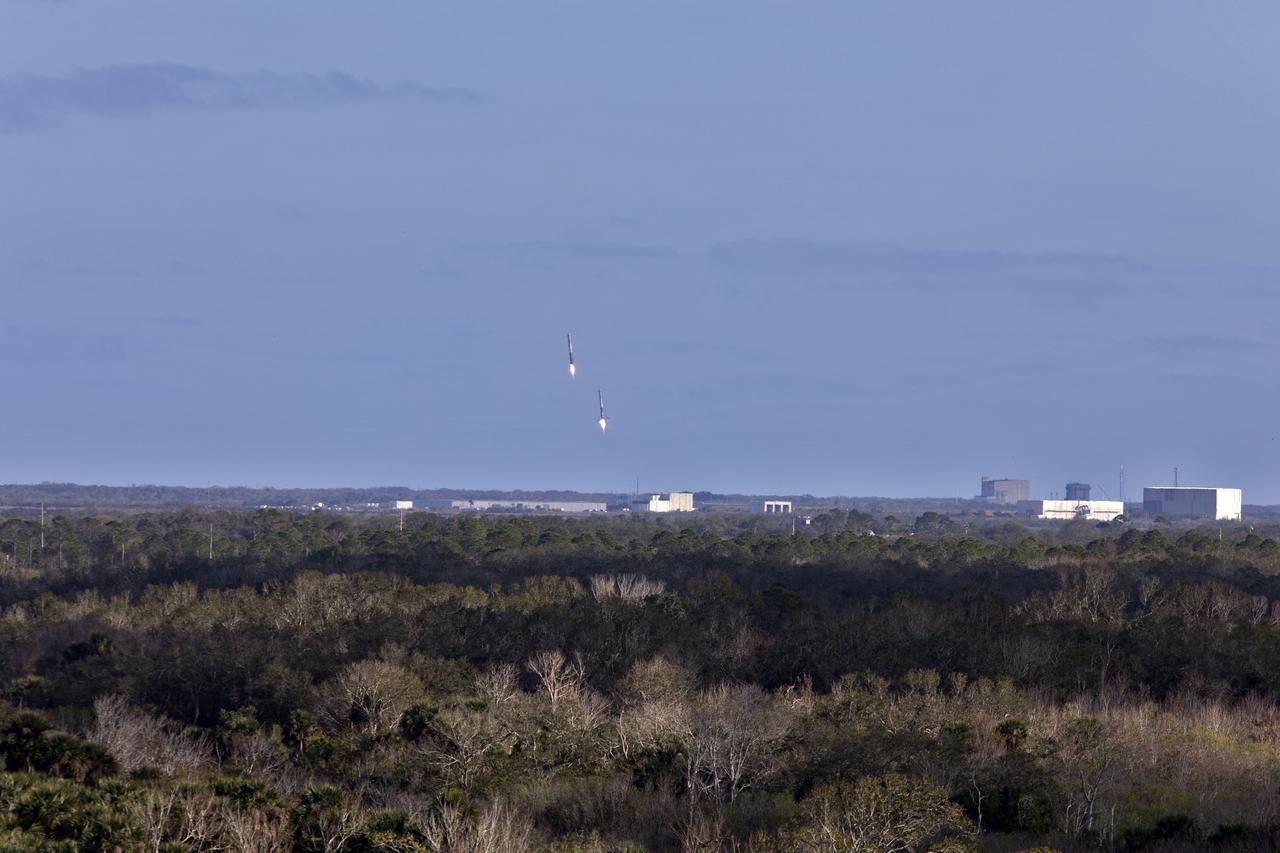
The SpaceX Falcon Heavy rocket’s two side cores descend toward landing at Cape Canaveral Air Force Station in Florida following a successful liftoff at 3:45 p.m. EST from Launch Complex 39A at NASA's Kennedy Space Center. This demonstration flight is a significant milestone for the world's premier multi-user spaceport. In 2014, NASA signed a property agreement with SpaceX for the use and operation of the center's pad 39A, where the company has launched Falcon 9 rockets and prepared for the first Falcon Heavy. NASA also has Space Act Agreements in place with partners, such as SpaceX, to provide services needed to process and launch rockets and spacecraft.
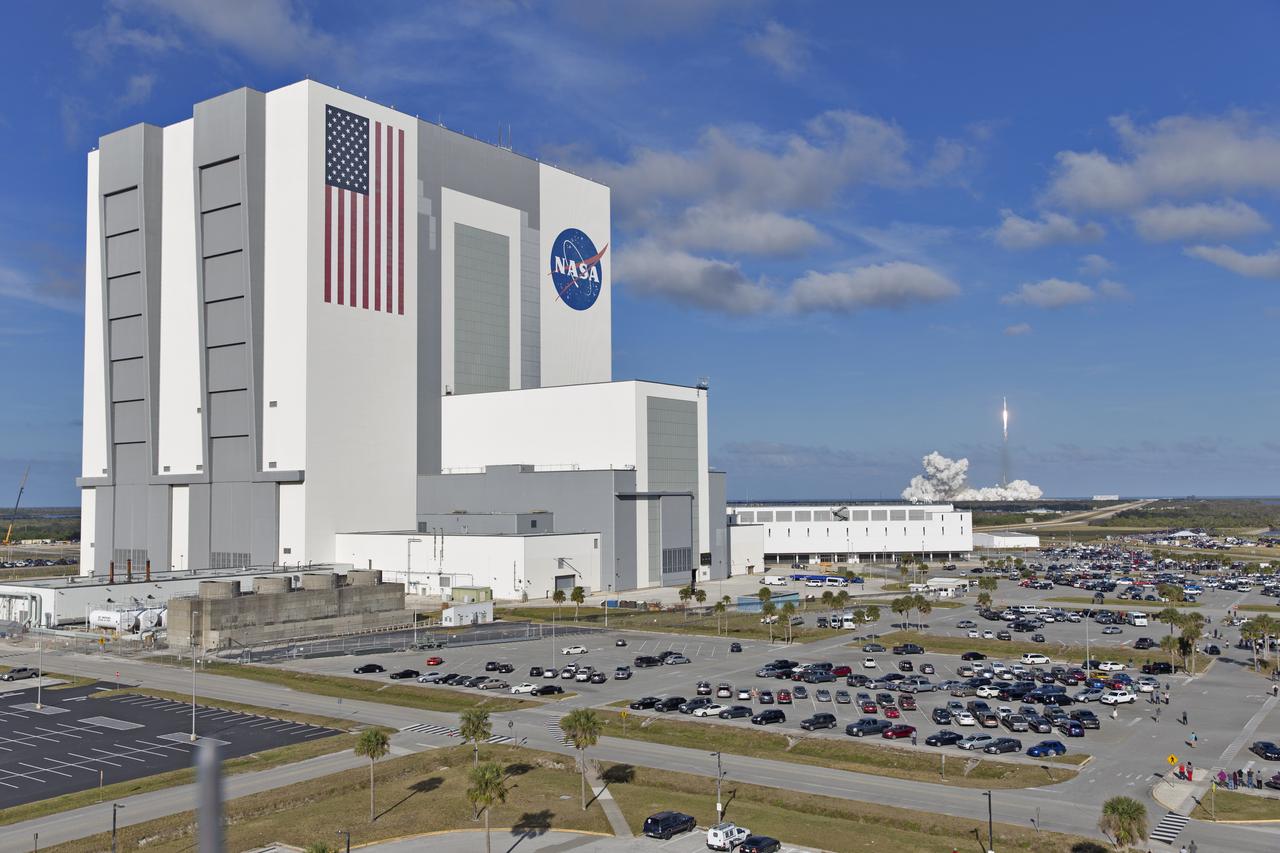
A SpaceX Falcon Heavy rocket begins its demonstration flight with liftoff at 3:45 p.m. EST from from Launch Complex 39A at NASA's Kennedy Space Center in Florida. This is a significant milestone for the world's premier multi-user spaceport. In 2014, NASA signed a property agreement with SpaceX for the use and operation of the center's pad 39A, where the company has launched Falcon 9 rockets and prepared for the first Falcon Heavy. NASA also has Space Act Agreements in place with partners, such as SpaceX, to provide services needed to process and launch rockets and spacecraft.
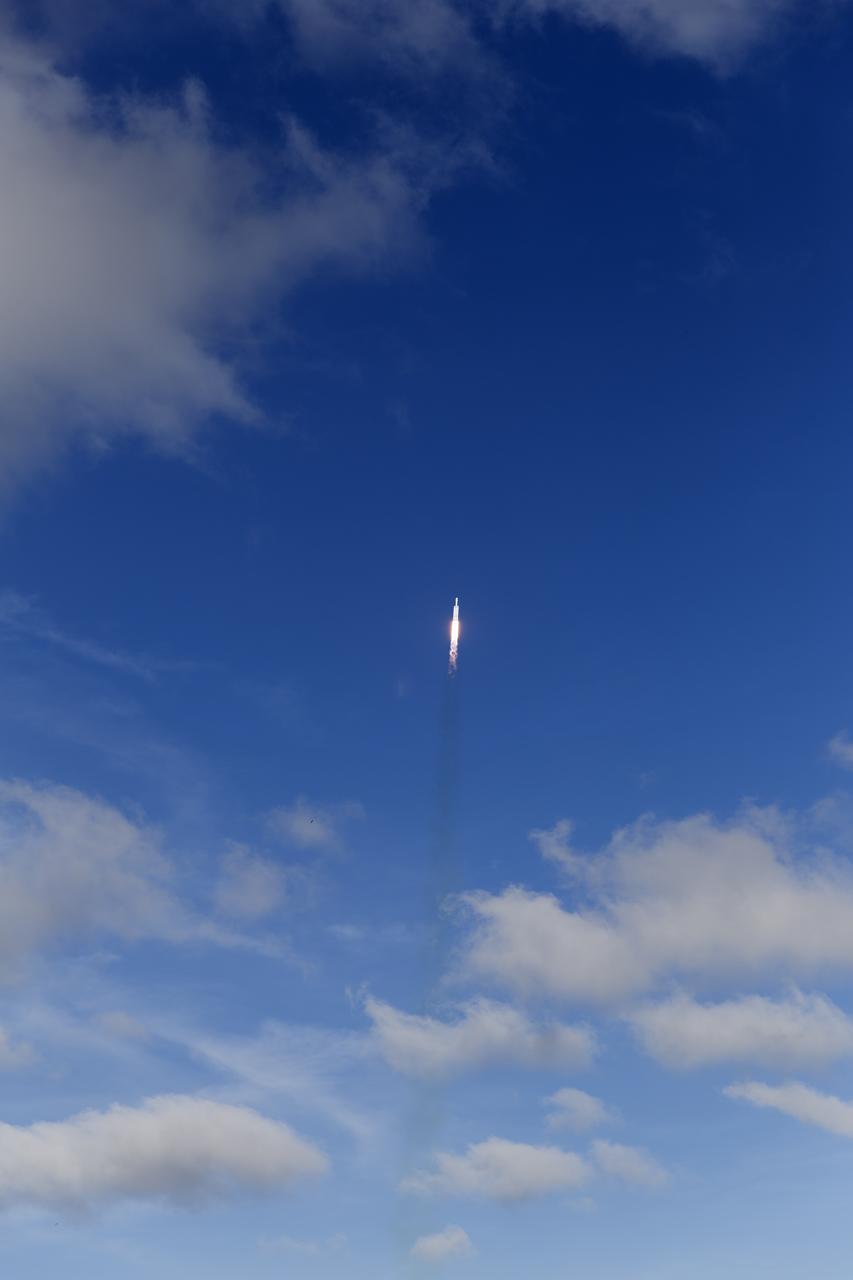
A SpaceX Falcon Heavy rocket begins its demonstration flight with liftoff at 3:45 p.m. EST from from Launch Complex 39A at NASA's Kennedy Space Center in Florida. This is a significant milestone for the world's premier multi-user spaceport. In 2014, NASA signed a property agreement with SpaceX for the use and operation of the center's pad 39A, where the company has launched Falcon 9 rockets and prepared for the first Falcon Heavy. NASA also has Space Act Agreements in place with partners, such as SpaceX, to provide services needed to process and launch rockets and spacecraft.
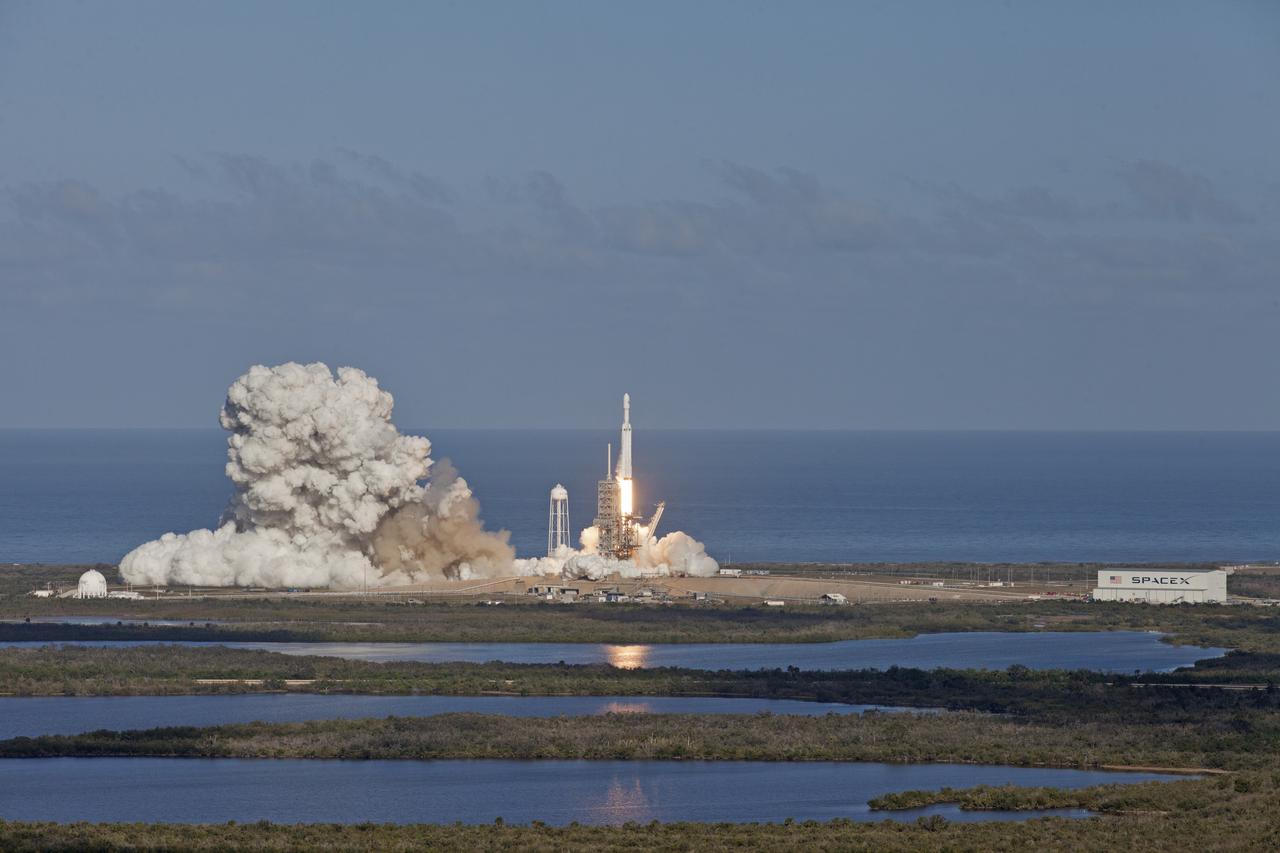
A SpaceX Falcon Heavy rocket begins its demonstration flight with liftoff at 3:45 p.m. EST from from Launch Complex 39A at NASA's Kennedy Space Center in Florida. This is a significant milestone for the world's premier multi-user spaceport. In 2014, NASA signed a property agreement with SpaceX for the use and operation of the center's pad 39A, where the company has launched Falcon 9 rockets and prepared for the first Falcon Heavy. NASA also has Space Act Agreements in place with partners, such as SpaceX, to provide services needed to process and launch rockets and spacecraft.
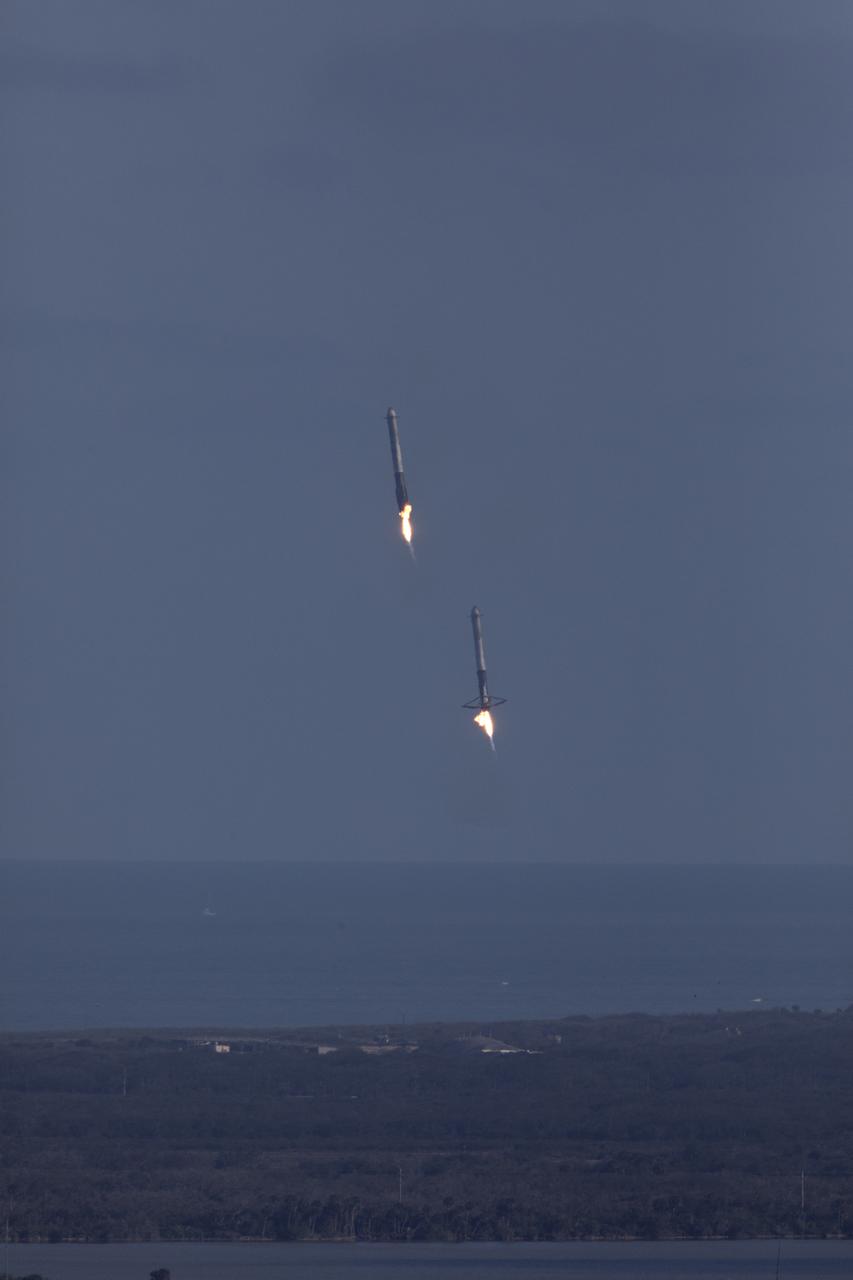
The SpaceX Falcon Heavy rocket’s two side cores descend toward landing at Cape Canaveral Air Force Station in Florida following a successful liftoff at 3:45 p.m. EST from Launch Complex 39A at NASA's Kennedy Space Center. This demonstration flight is a significant milestone for the world's premier multi-user spaceport. In 2014, NASA signed a property agreement with SpaceX for the use and operation of the center's pad 39A, where the company has launched Falcon 9 rockets and prepared for the first Falcon Heavy. NASA also has Space Act Agreements in place with partners, such as SpaceX, to provide services needed to process and launch rockets and spacecraft.
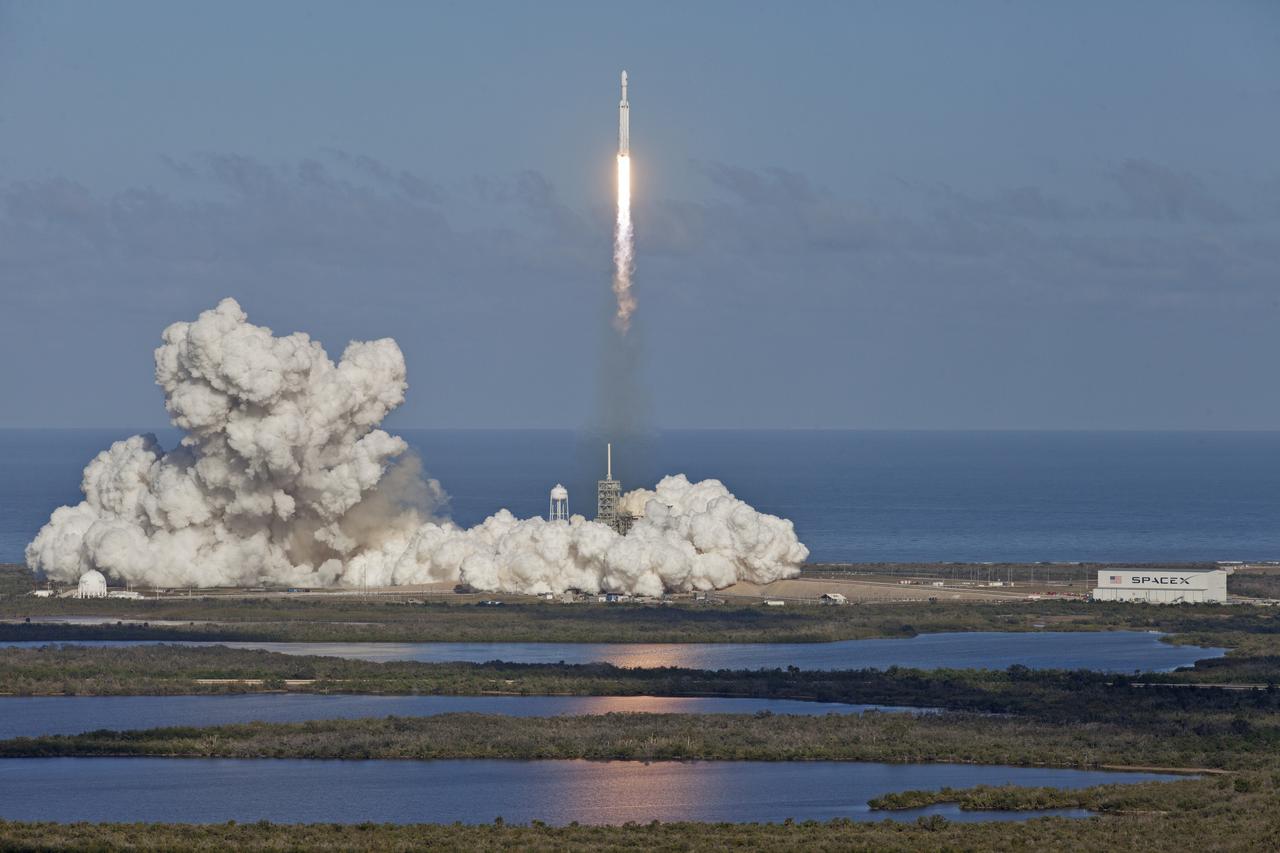
A SpaceX Falcon Heavy rocket begins its demonstration flight with liftoff at 3:45 p.m. EST from from Launch Complex 39A at NASA's Kennedy Space Center in Florida. This is a significant milestone for the world's premier multi-user spaceport. In 2014, NASA signed a property agreement with SpaceX for the use and operation of the center's pad 39A, where the company has launched Falcon 9 rockets and prepared for the first Falcon Heavy. NASA also has Space Act Agreements in place with partners, such as SpaceX, to provide services needed to process and launch rockets and spacecraft.
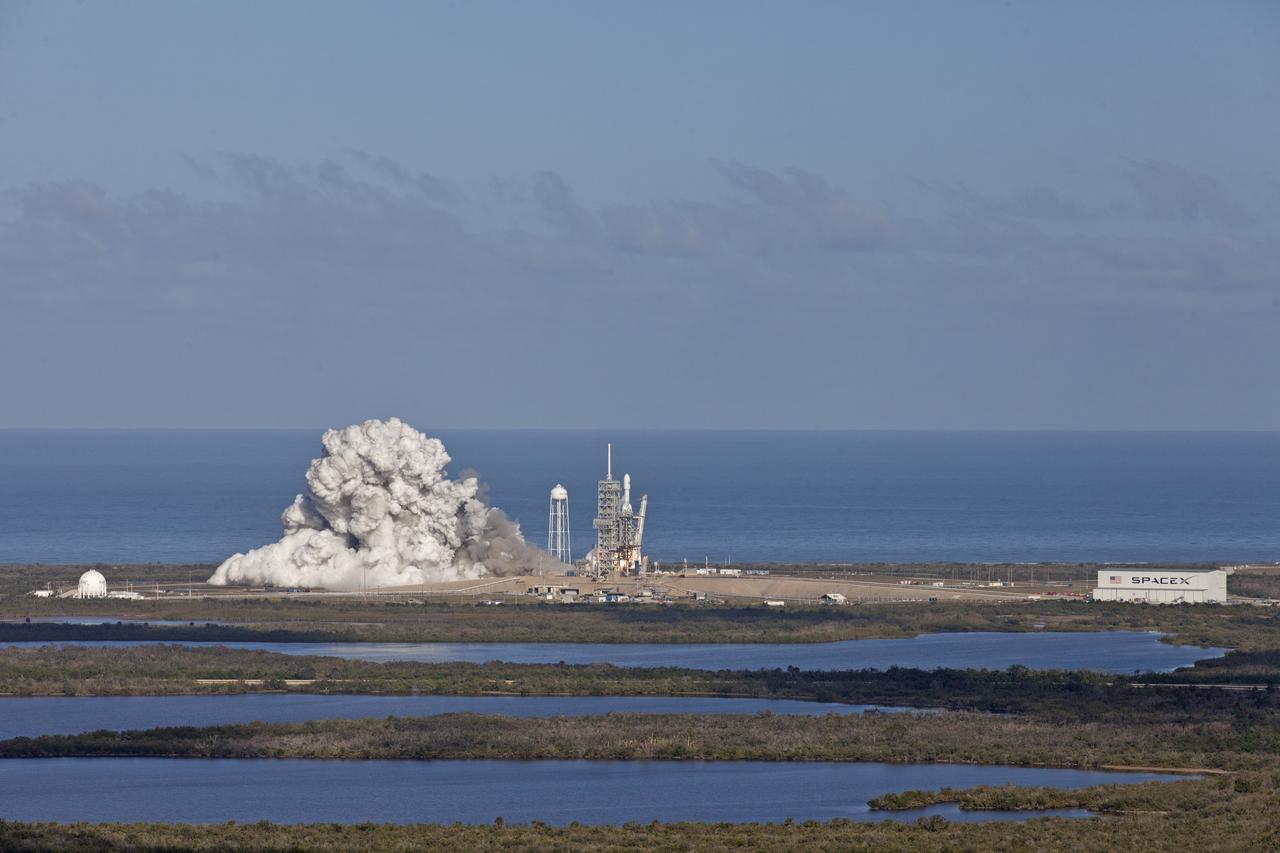
A SpaceX Falcon Heavy rocket begins its demonstration flight with liftoff at 3:45 p.m. EST from from Launch Complex 39A at NASA's Kennedy Space Center in Florida. This is a significant milestone for the world's premier multi-user spaceport. In 2014, NASA signed a property agreement with SpaceX for the use and operation of the center's pad 39A, where the company has launched Falcon 9 rockets and prepared for the first Falcon Heavy. NASA also has Space Act Agreements in place with partners, such as SpaceX, to provide services needed to process and launch rockets and spacecraft.
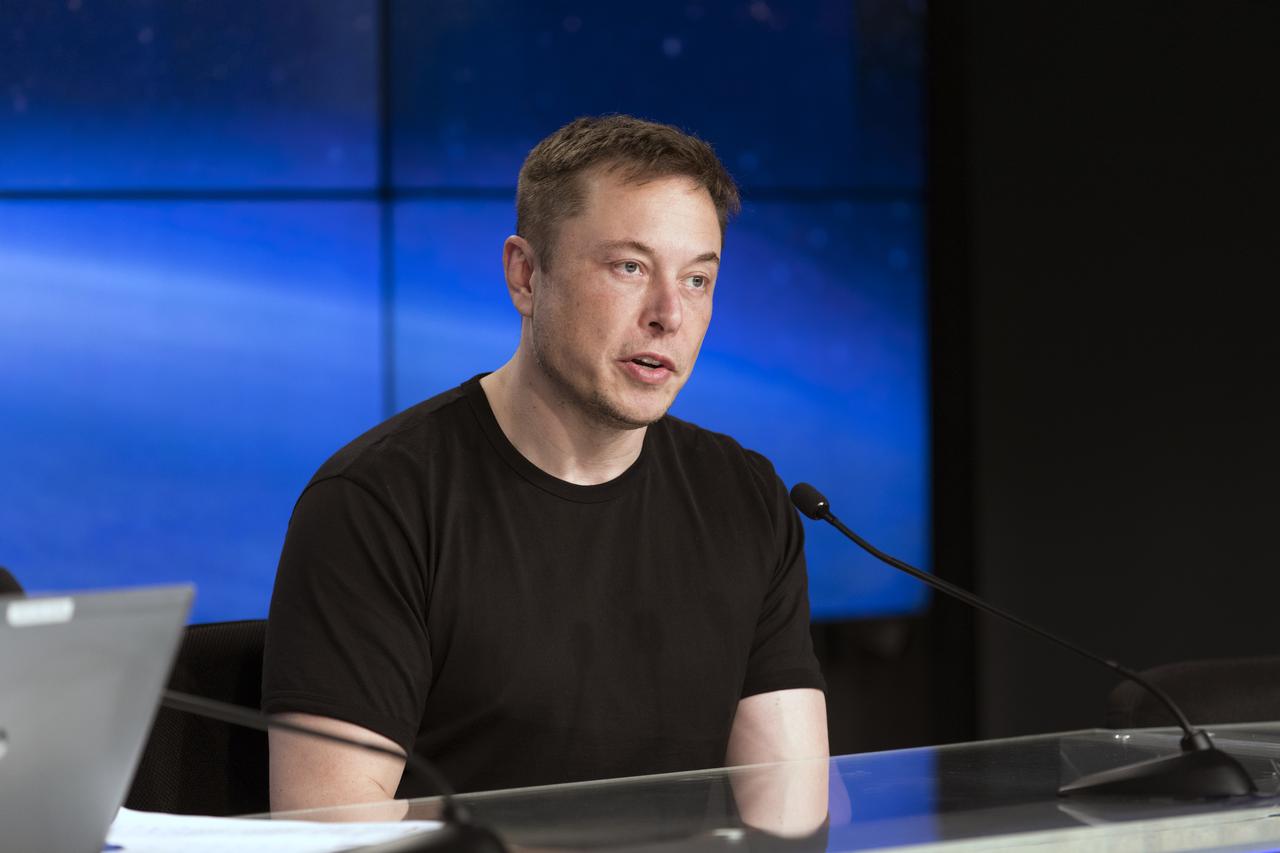
Elon Musk, SpaceX chief executive officer and lead designer, speaks to the news media during a news conference at NASA's Kennedy Space Center in Florida after the successful liftoff of the company’s Falcon Heavy rocket from Launch Complex 39A. The demonstration flight is a significant milestone for the world's premier multi-user spaceport. In 2014, NASA signed a property agreement with SpaceX for the use and operation of the center's pad 39A, where the company has launched Falcon 9 rockets and is preparing for the first Falcon Heavy. NASA also has Space Act Agreements in place with partners, such as SpaceX, to provide services needed to process and launch rockets and spacecraft.
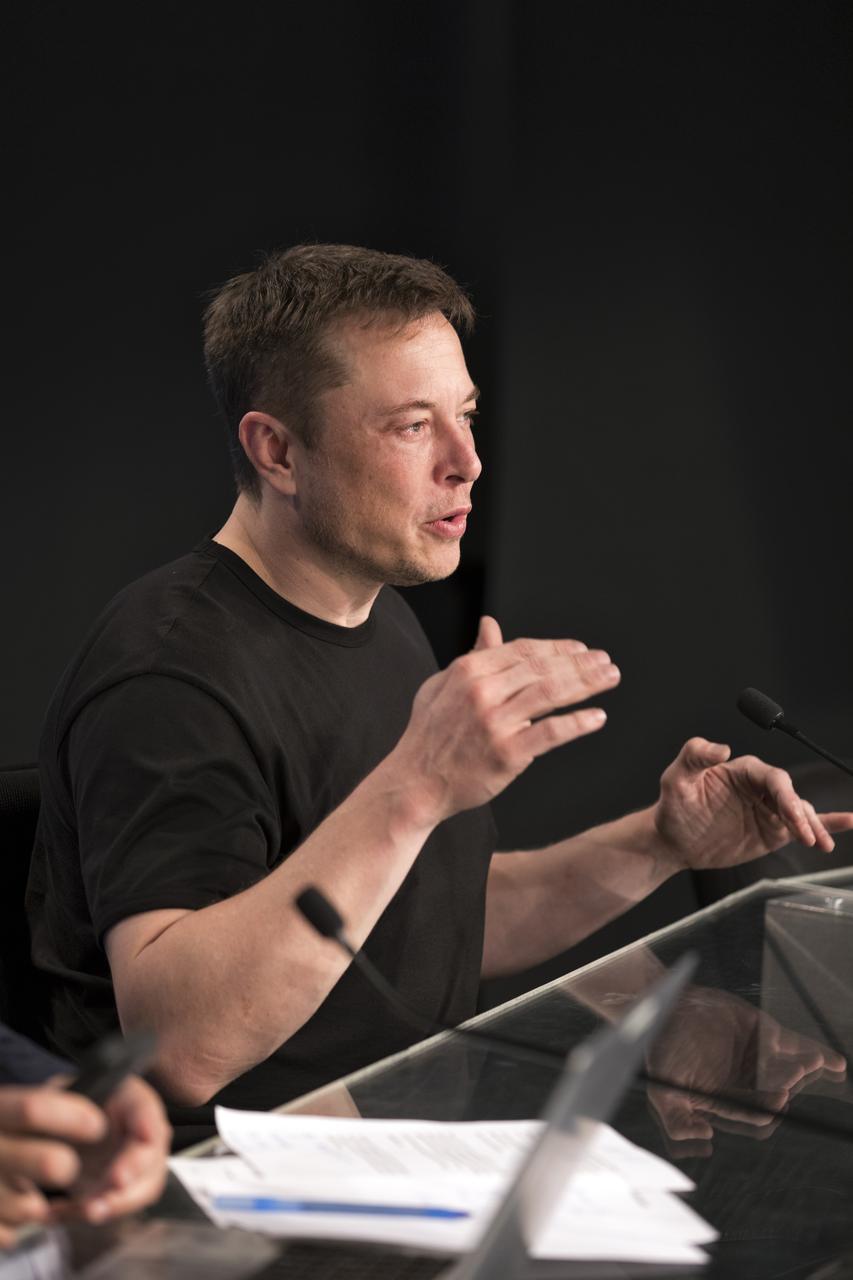
Elon Musk, SpaceX chief executive officer and lead designer, speaks to the news media during a news conference at NASA's Kennedy Space Center in Florida after the successful liftoff of the company’s Falcon Heavy rocket from Launch Complex 39A. The demonstration flight is a significant milestone for the world's premier multi-user spaceport. In 2014, NASA signed a property agreement with SpaceX for the use and operation of the center's pad 39A, where the company has launched Falcon 9 rockets and is preparing for the first Falcon Heavy. NASA also has Space Act Agreements in place with partners, such as SpaceX, to provide services needed to process and launch rockets and spacecraft.
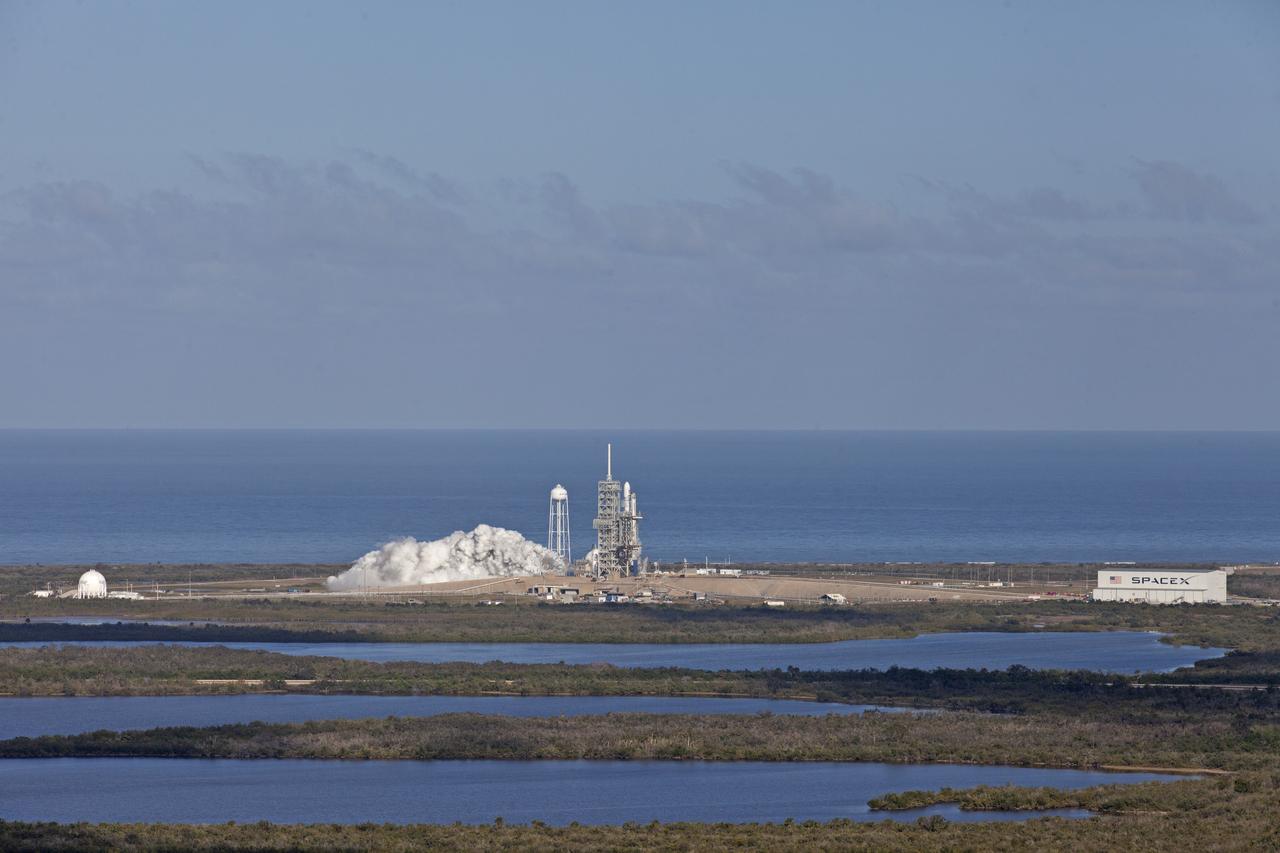
A SpaceX Falcon Heavy rocket begins its demonstration flight with liftoff at 3:45 p.m. EST from from Launch Complex 39A at NASA's Kennedy Space Center in Florida. This is a significant milestone for the world's premier multi-user spaceport. In 2014, NASA signed a property agreement with SpaceX for the use and operation of the center's pad 39A, where the company has launched Falcon 9 rockets and prepared for the first Falcon Heavy. NASA also has Space Act Agreements in place with partners, such as SpaceX, to provide services needed to process and launch rockets and spacecraft.
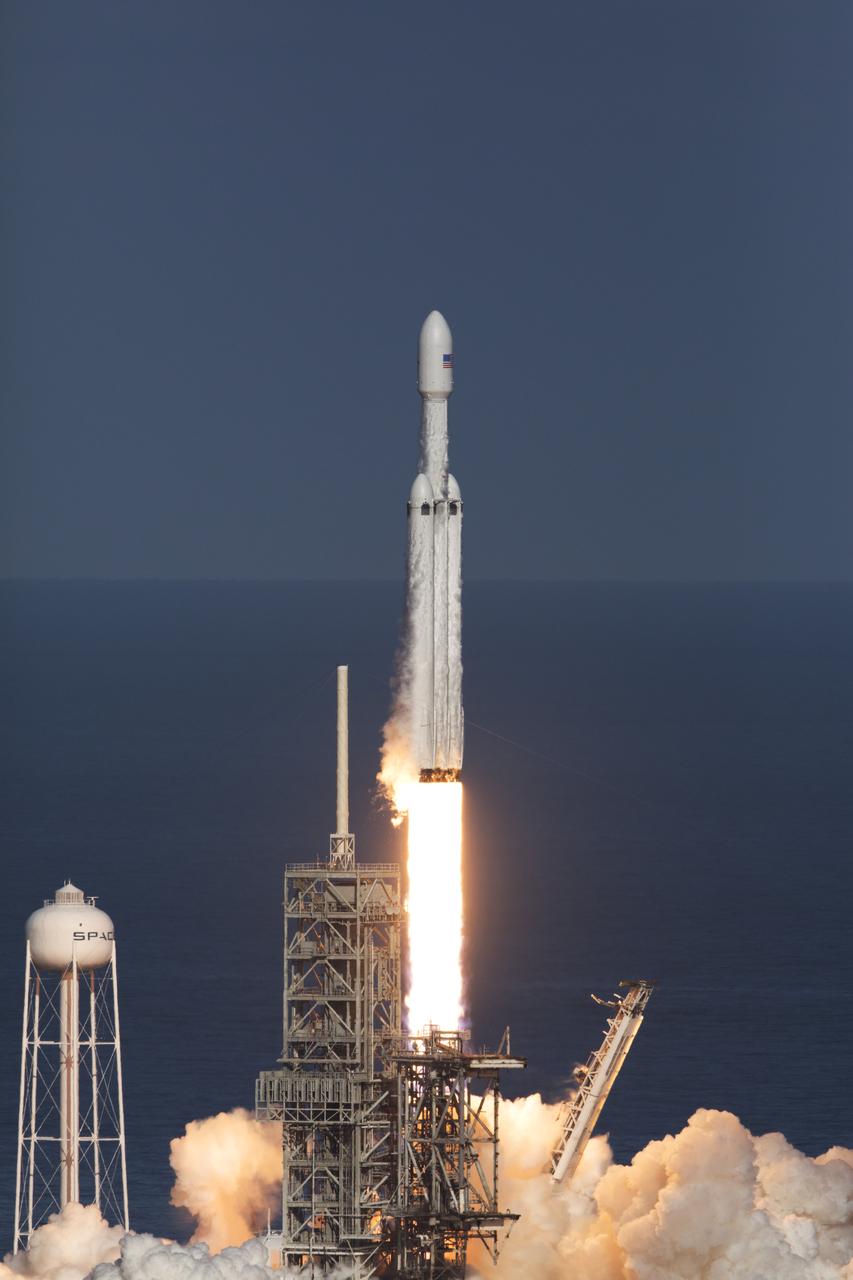
A SpaceX Falcon Heavy rocket begins its demonstration flight with liftoff at 3:45 p.m. EST from from Launch Complex 39A at NASA's Kennedy Space Center in Florida. This is a significant milestone for the world's premier multi-user spaceport. In 2014, NASA signed a property agreement with SpaceX for the use and operation of the center's pad 39A, where the company has launched Falcon 9 rockets and prepared for the first Falcon Heavy. NASA also has Space Act Agreements in place with partners, such as SpaceX, to provide services needed to process and launch rockets and spacecraft.
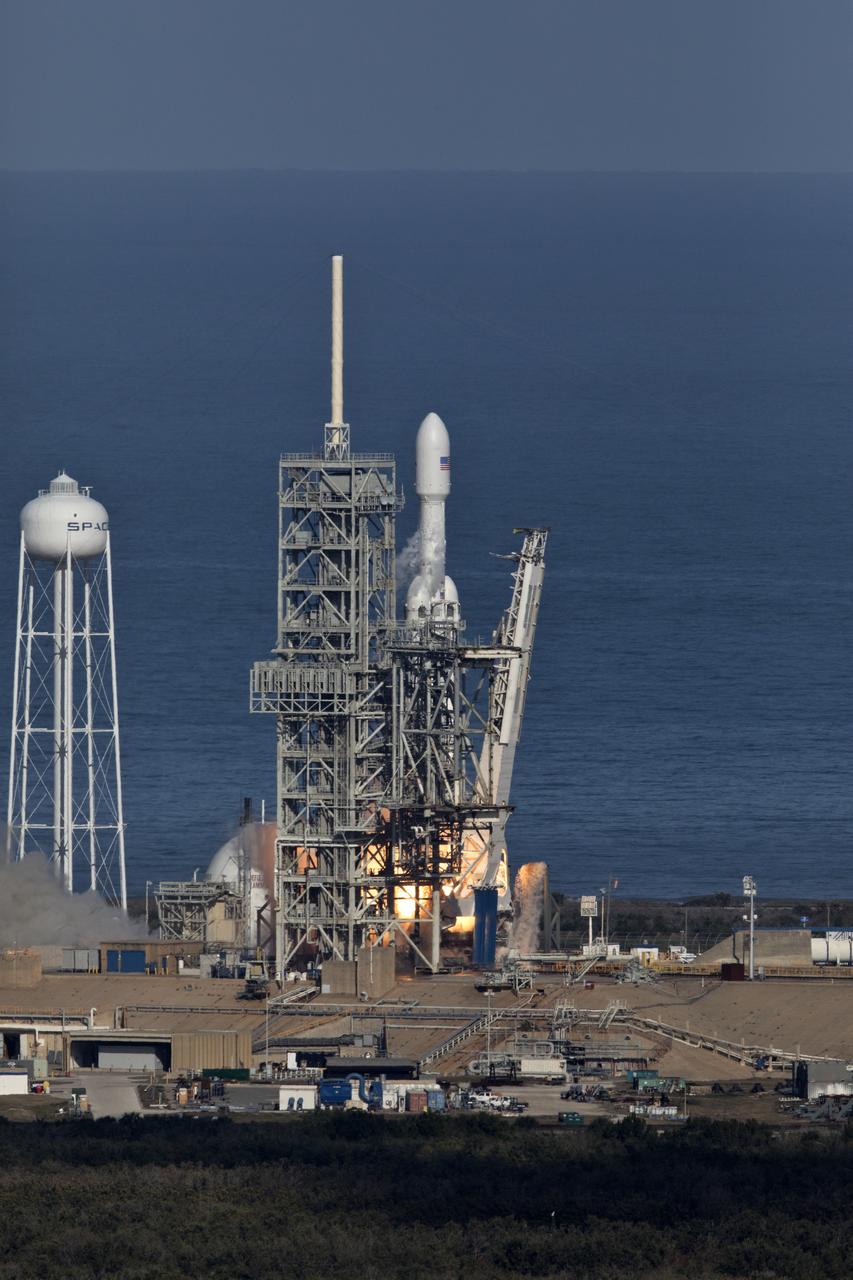
A SpaceX Falcon Heavy rocket begins its demonstration flight with liftoff at 3:45 p.m. EST from from Launch Complex 39A at NASA's Kennedy Space Center in Florida. This is a significant milestone for the world's premier multi-user spaceport. In 2014, NASA signed a property agreement with SpaceX for the use and operation of the center's pad 39A, where the company has launched Falcon 9 rockets and prepared for the first Falcon Heavy. NASA also has Space Act Agreements in place with partners, such as SpaceX, to provide services needed to process and launch rockets and spacecraft.
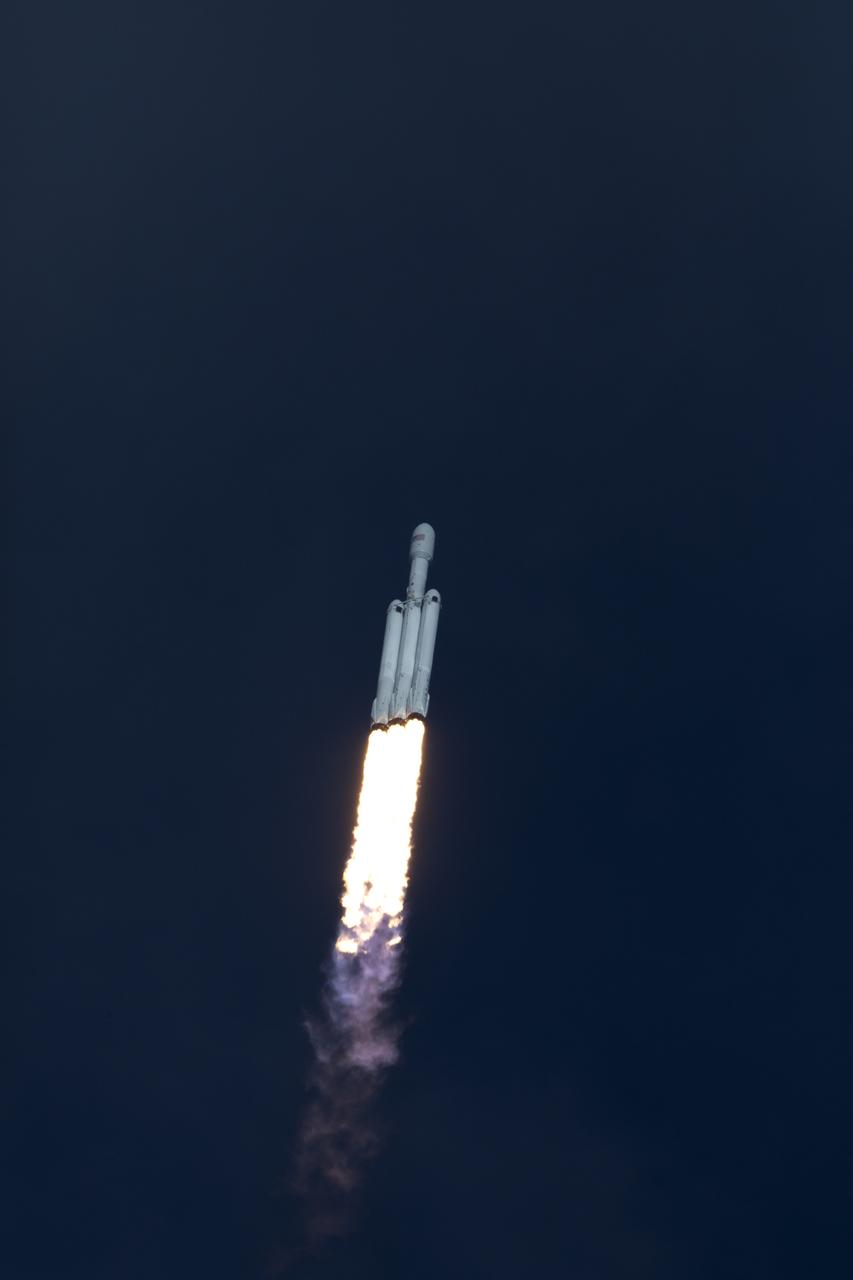
A SpaceX Falcon Heavy rocket begins its demonstration flight with liftoff at 3:45 p.m. EST from from Launch Complex 39A at NASA's Kennedy Space Center in Florida. This is a significant milestone for the world's premier multi-user spaceport. In 2014, NASA signed a property agreement with SpaceX for the use and operation of the center's pad 39A, where the company has launched Falcon 9 rockets and prepared for the first Falcon Heavy. NASA also has Space Act Agreements in place with partners, such as SpaceX, to provide services needed to process and launch rockets and spacecraft.
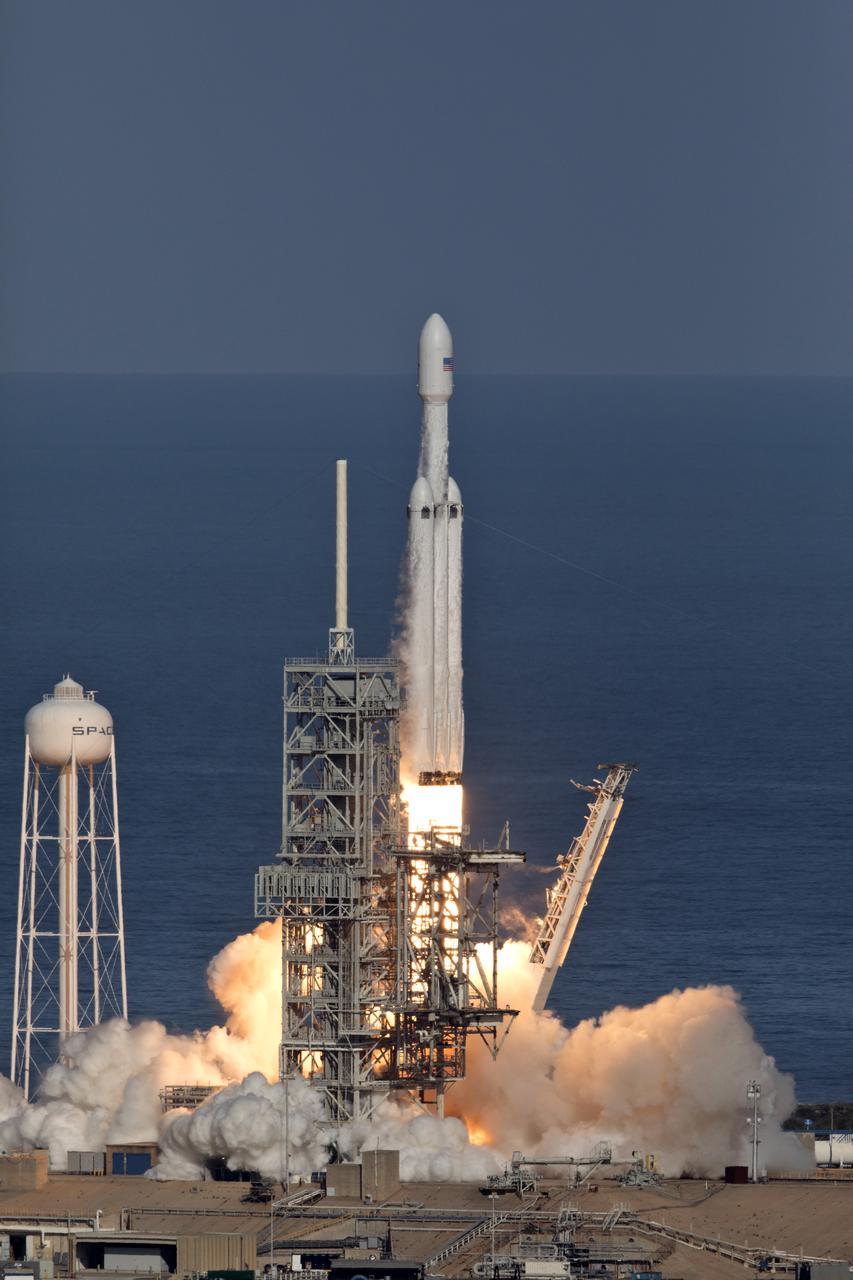
A SpaceX Falcon Heavy rocket begins its demonstration flight with liftoff at 3:45 p.m. EST from from Launch Complex 39A at NASA's Kennedy Space Center in Florida. This is a significant milestone for the world's premier multi-user spaceport. In 2014, NASA signed a property agreement with SpaceX for the use and operation of the center's pad 39A, where the company has launched Falcon 9 rockets and prepared for the first Falcon Heavy. NASA also has Space Act Agreements in place with partners, such as SpaceX, to provide services needed to process and launch rockets and spacecraft.
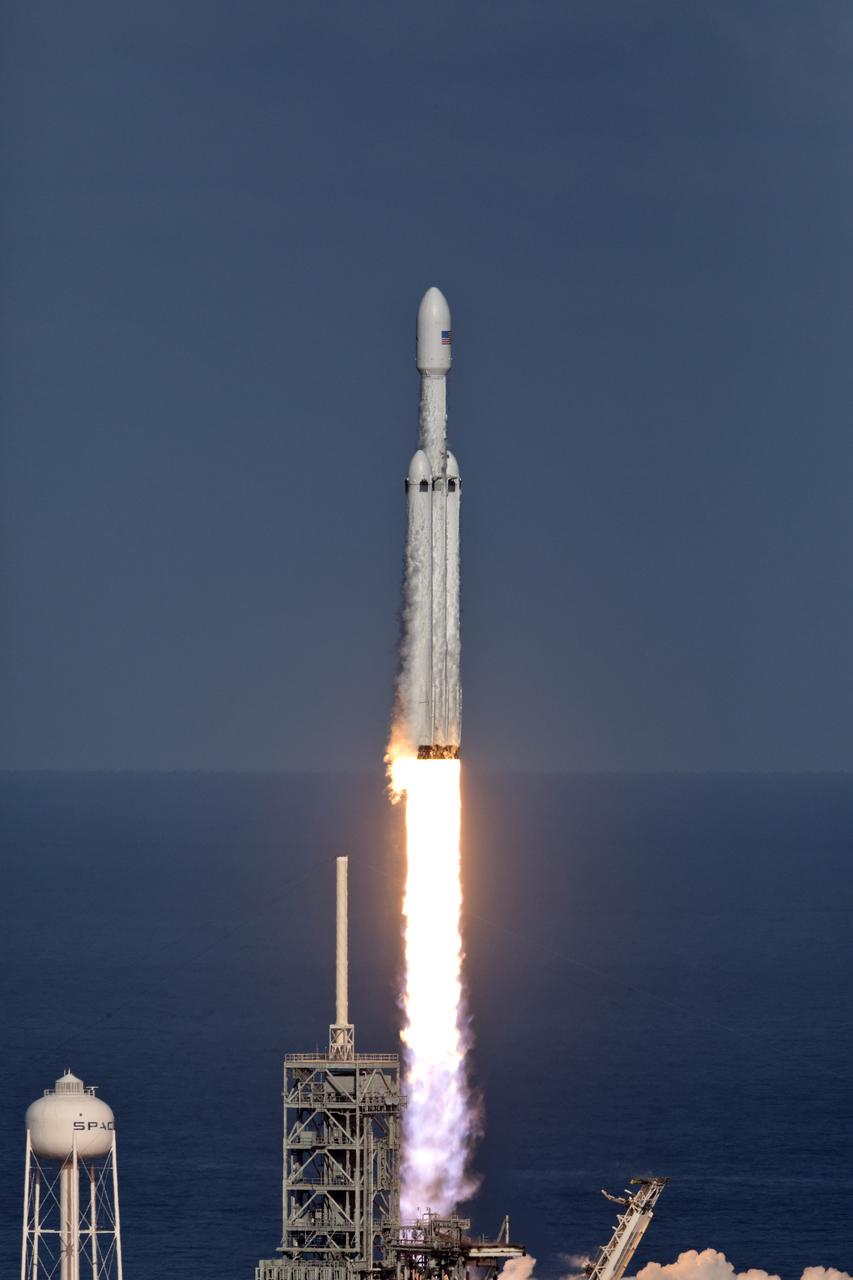
A SpaceX Falcon Heavy rocket begins its demonstration flight with liftoff at 3:45 p.m. EST from from Launch Complex 39A at NASA's Kennedy Space Center in Florida. This is a significant milestone for the world's premier multi-user spaceport. In 2014, NASA signed a property agreement with SpaceX for the use and operation of the center's pad 39A, where the company has launched Falcon 9 rockets and prepared for the first Falcon Heavy. NASA also has Space Act Agreements in place with partners, such as SpaceX, to provide services needed to process and launch rockets and spacecraft.

The SpaceX Falcon Heavy rocket’s two side cores descend toward landing at Cape Canaveral Air Force Station in Florida following a successful liftoff at 3:45 p.m. EST from Launch Complex 39A at NASA's Kennedy Space Center. This demonstration flight is a significant milestone for the world's premier multi-user spaceport. In 2014, NASA signed a property agreement with SpaceX for the use and operation of the center's pad 39A, where the company has launched Falcon 9 rockets and prepared for the first Falcon Heavy. NASA also has Space Act Agreements in place with partners, such as SpaceX, to provide services needed to process and launch rockets and spacecraft.
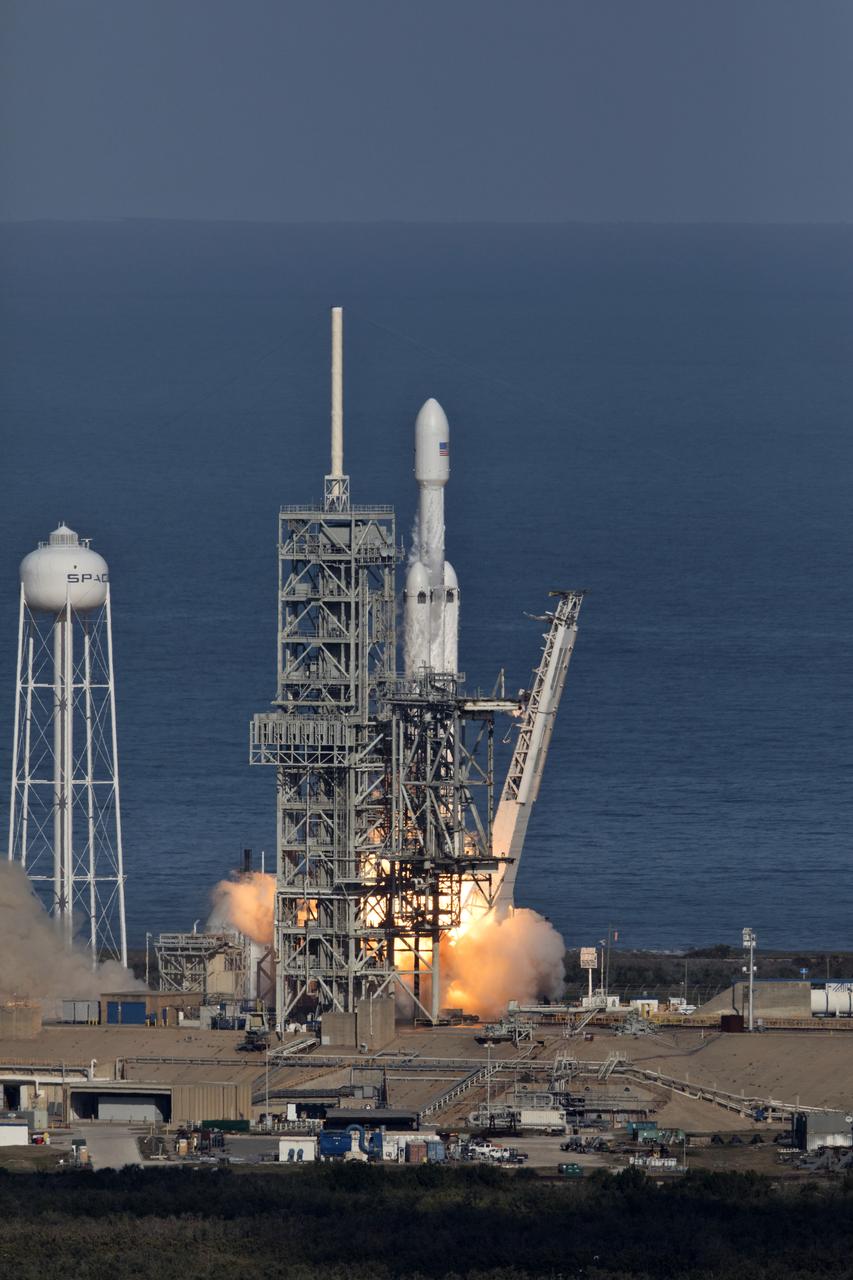
A SpaceX Falcon Heavy rocket begins its demonstration flight with liftoff at 3:45 p.m. EST from from Launch Complex 39A at NASA's Kennedy Space Center in Florida. This is a significant milestone for the world's premier multi-user spaceport. In 2014, NASA signed a property agreement with SpaceX for the use and operation of the center's pad 39A, where the company has launched Falcon 9 rockets and prepared for the first Falcon Heavy. NASA also has Space Act Agreements in place with partners, such as SpaceX, to provide services needed to process and launch rockets and spacecraft.
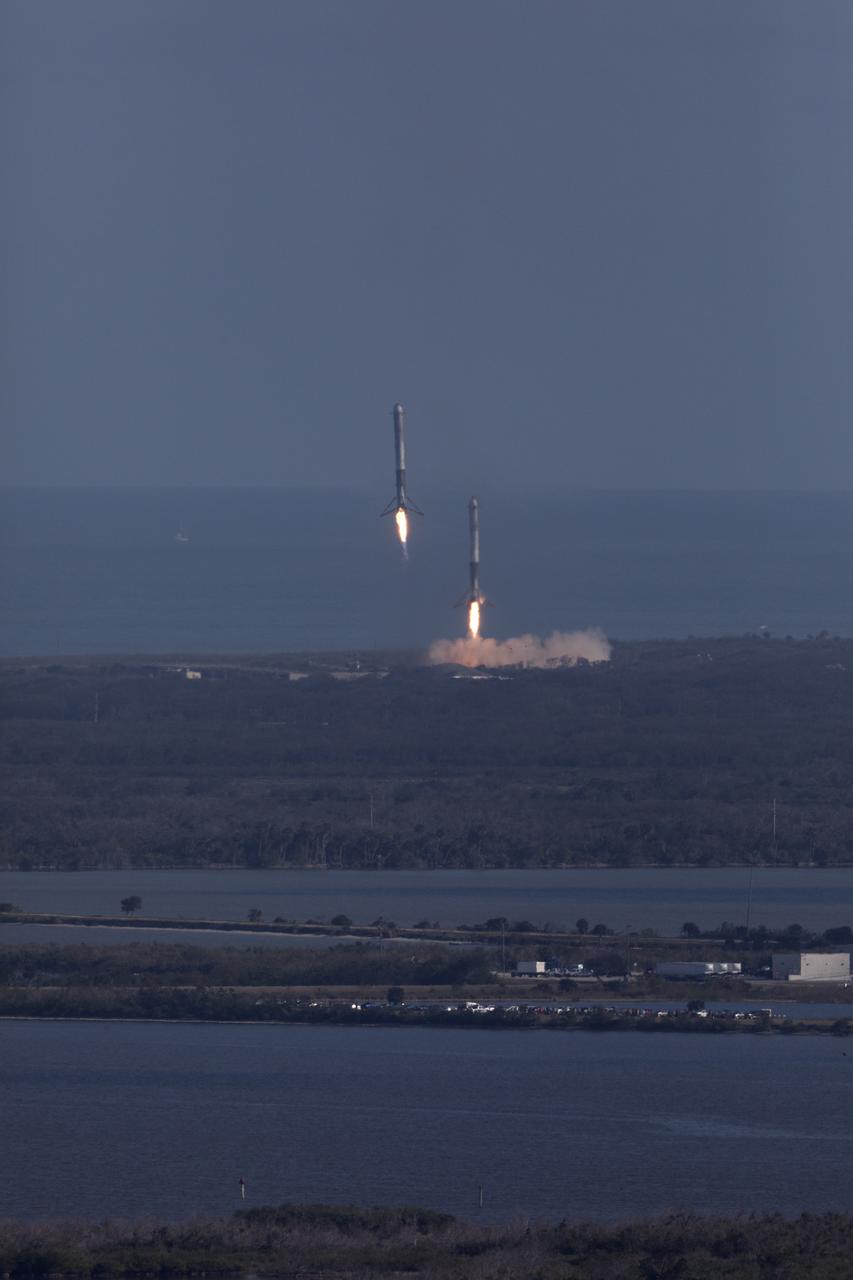
The SpaceX Falcon Heavy rocket’s two side cores descend toward landing at Cape Canaveral Air Force Station in Florida following a successful liftoff at 3:45 p.m. EST from Launch Complex 39A at NASA's Kennedy Space Center. This demonstration flight is a significant milestone for the world's premier multi-user spaceport. In 2014, NASA signed a property agreement with SpaceX for the use and operation of the center's pad 39A, where the company has launched Falcon 9 rockets and prepared for the first Falcon Heavy. NASA also has Space Act Agreements in place with partners, such as SpaceX, to provide services needed to process and launch rockets and spacecraft.
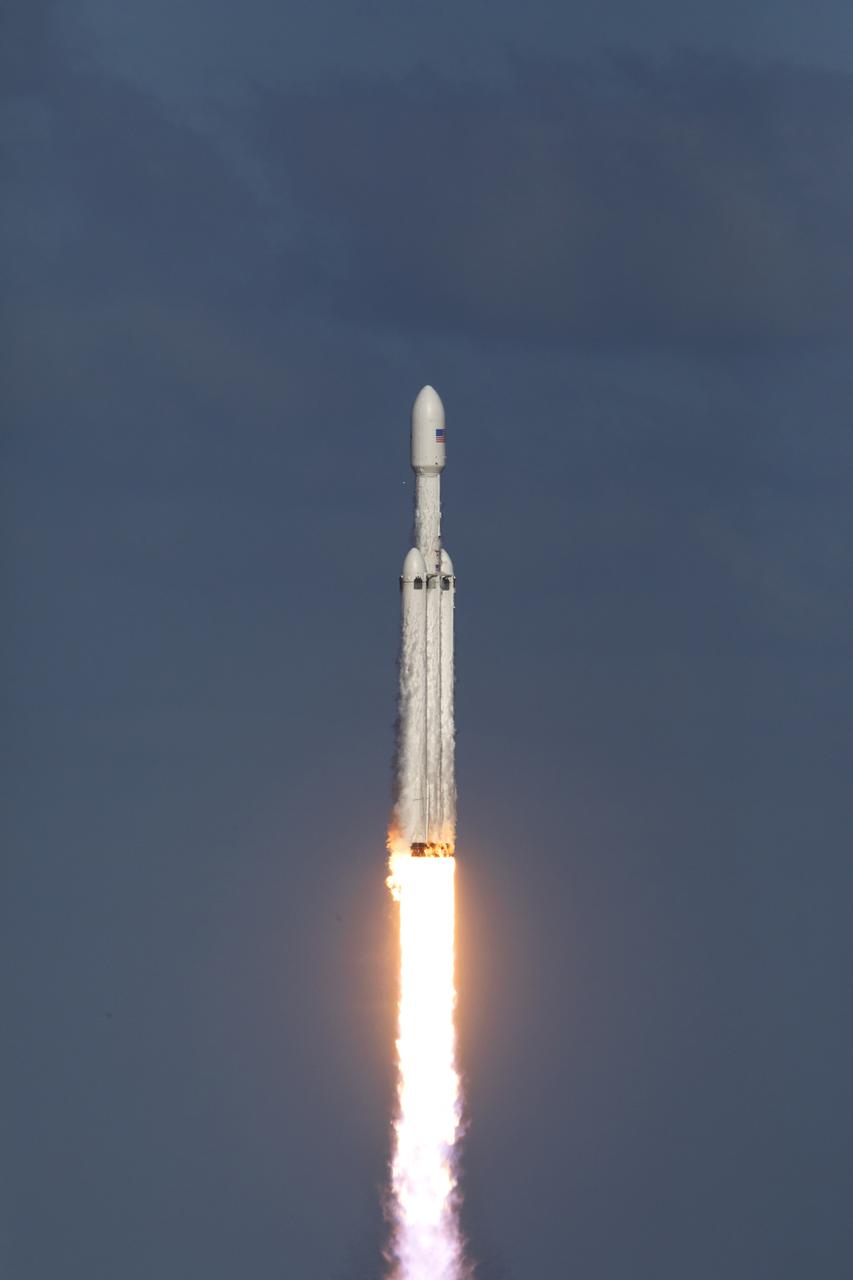
A SpaceX Falcon Heavy rocket begins its demonstration flight with liftoff at 3:45 p.m. EST from from Launch Complex 39A at NASA's Kennedy Space Center in Florida. This is a significant milestone for the world's premier multi-user spaceport. In 2014, NASA signed a property agreement with SpaceX for the use and operation of the center's pad 39A, where the company has launched Falcon 9 rockets and prepared for the first Falcon Heavy. NASA also has Space Act Agreements in place with partners, such as SpaceX, to provide services needed to process and launch rockets and spacecraft.
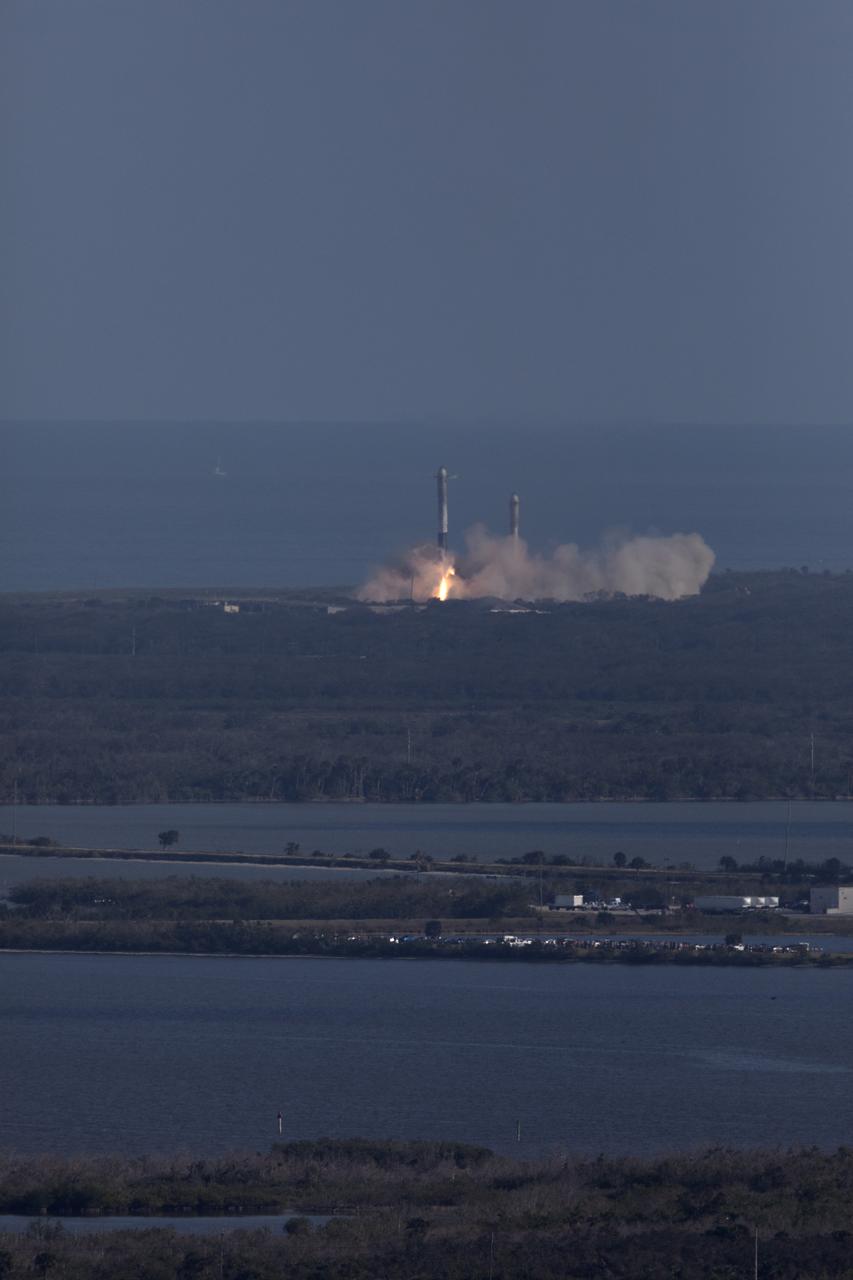
The SpaceX Falcon Heavy rocket’s two side cores descend toward landing at Cape Canaveral Air Force Station in Florida following a successful liftoff at 3:45 p.m. EST from Launch Complex 39A at NASA's Kennedy Space Center. This demonstration flight is a significant milestone for the world's premier multi-user spaceport. In 2014, NASA signed a property agreement with SpaceX for the use and operation of the center's pad 39A, where the company has launched Falcon 9 rockets and prepared for the first Falcon Heavy. NASA also has Space Act Agreements in place with partners, such as SpaceX, to provide services needed to process and launch rockets and spacecraft.
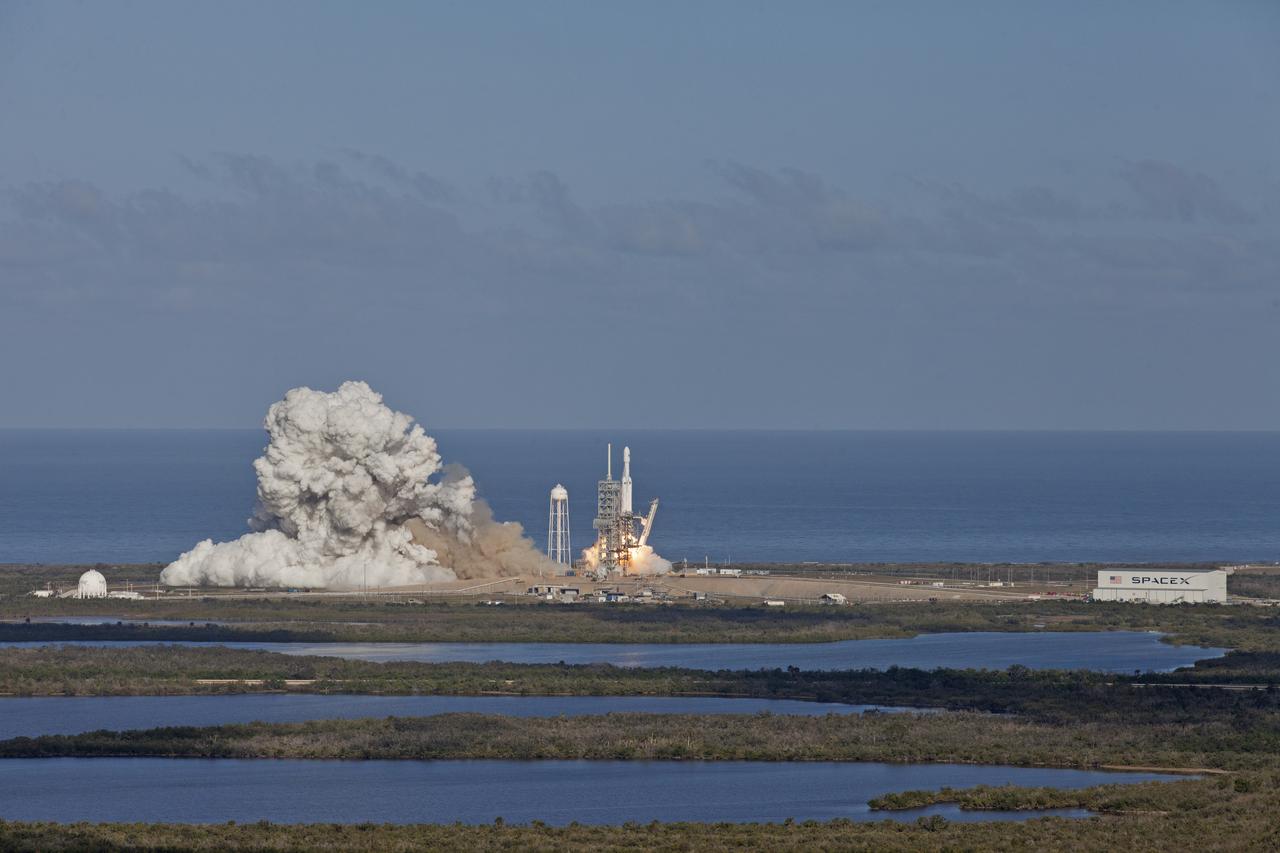
A SpaceX Falcon Heavy rocket begins its demonstration flight with liftoff at 3:45 p.m. EST from from Launch Complex 39A at NASA's Kennedy Space Center in Florida. This is a significant milestone for the world's premier multi-user spaceport. In 2014, NASA signed a property agreement with SpaceX for the use and operation of the center's pad 39A, where the company has launched Falcon 9 rockets and prepared for the first Falcon Heavy. NASA also has Space Act Agreements in place with partners, such as SpaceX, to provide services needed to process and launch rockets and spacecraft.
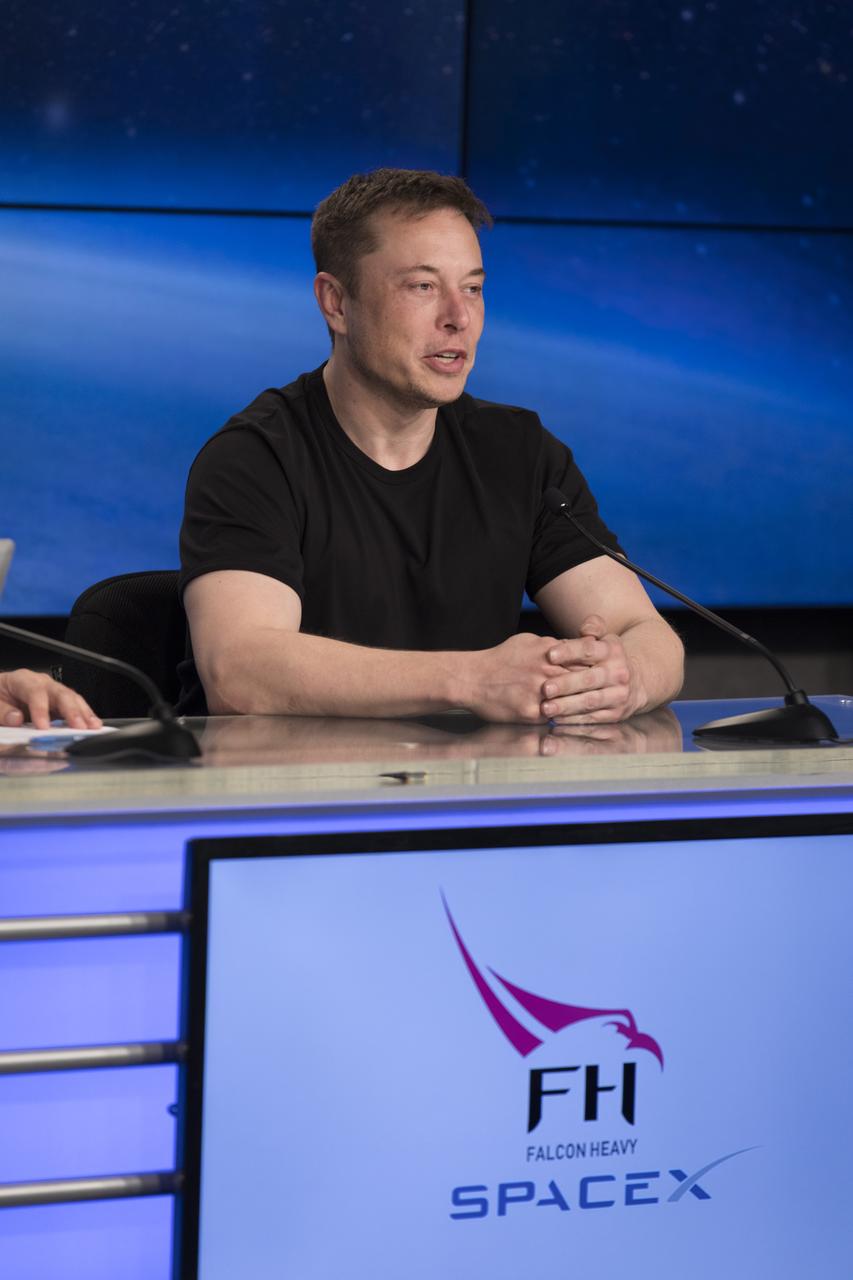
Elon Musk, SpaceX chief executive officer and lead designer, speaks to the news media during a news conference at NASA's Kennedy Space Center in Florida after the successful liftoff of the company’s Falcon Heavy rocket from Launch Complex 39A. The demonstration flight is a significant milestone for the world's premier multi-user spaceport. In 2014, NASA signed a property agreement with SpaceX for the use and operation of the center's pad 39A, where the company has launched Falcon 9 rockets and is preparing for the first Falcon Heavy. NASA also has Space Act Agreements in place with partners, such as SpaceX, to provide services needed to process and launch rockets and spacecraft.
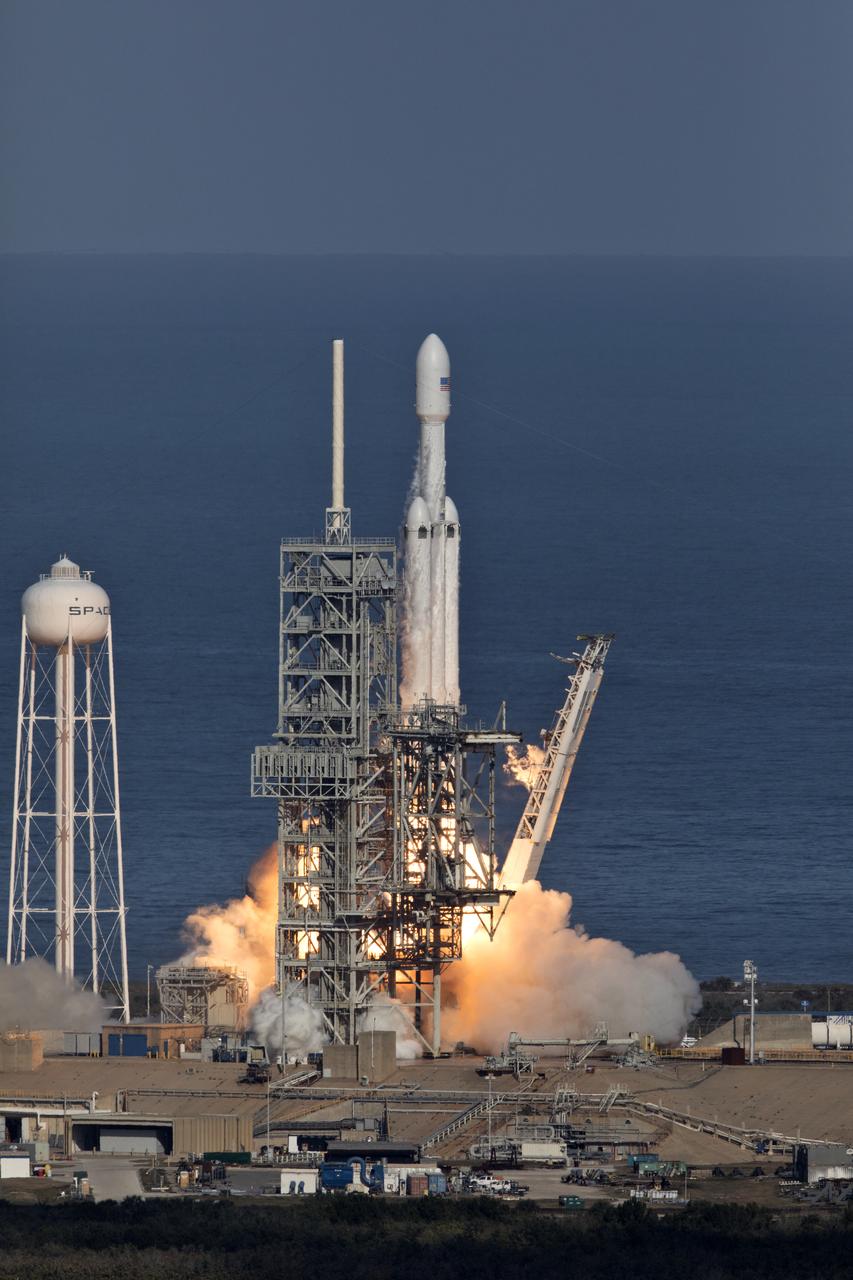
A SpaceX Falcon Heavy rocket begins its demonstration flight with liftoff at 3:45 p.m. EST from from Launch Complex 39A at NASA's Kennedy Space Center in Florida. This is a significant milestone for the world's premier multi-user spaceport. In 2014, NASA signed a property agreement with SpaceX for the use and operation of the center's pad 39A, where the company has launched Falcon 9 rockets and prepared for the first Falcon Heavy. NASA also has Space Act Agreements in place with partners, such as SpaceX, to provide services needed to process and launch rockets and spacecraft.
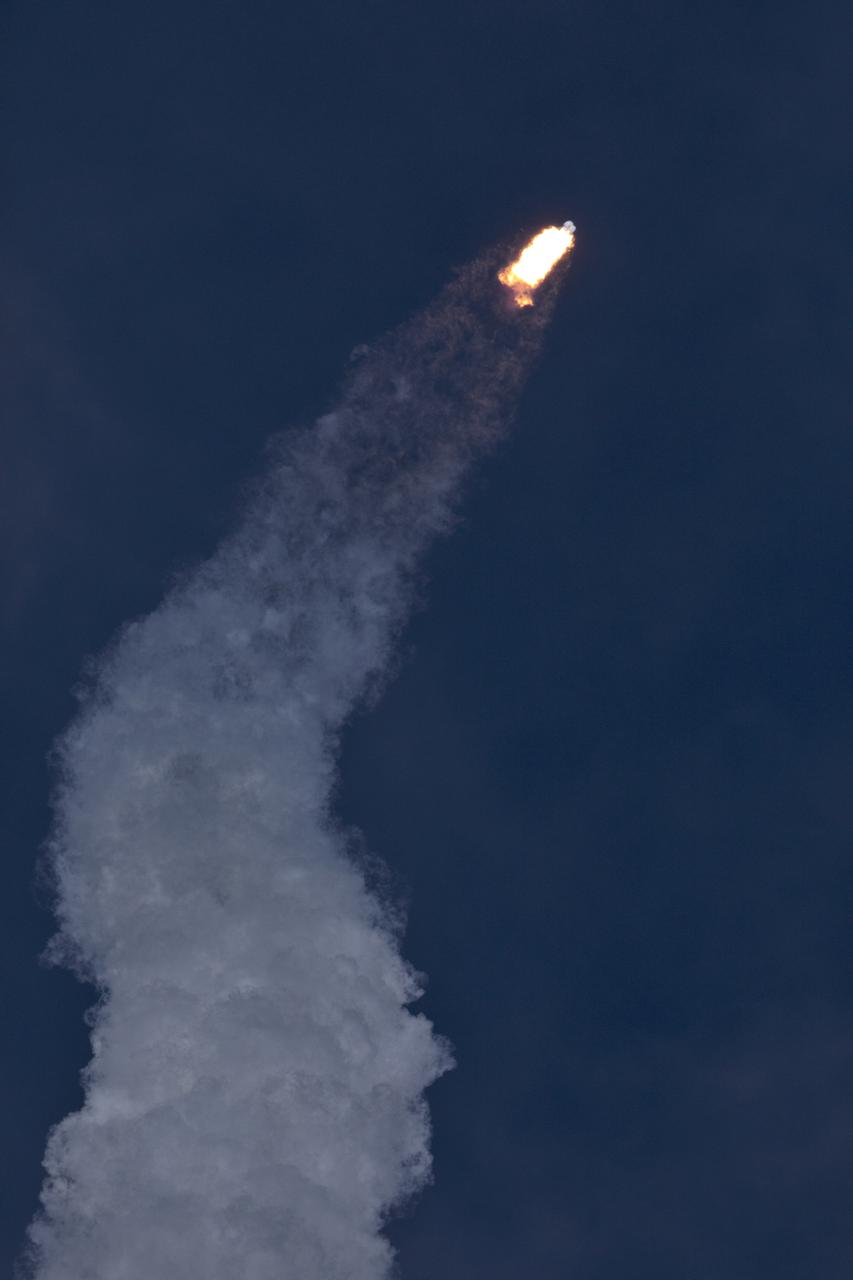
A SpaceX Falcon Heavy rocket begins its demonstration flight with liftoff at 3:45 p.m. EST from from Launch Complex 39A at NASA's Kennedy Space Center in Florida. This is a significant milestone for the world's premier multi-user spaceport. In 2014, NASA signed a property agreement with SpaceX for the use and operation of the center's pad 39A, where the company has launched Falcon 9 rockets and prepared for the first Falcon Heavy. NASA also has Space Act Agreements in place with partners, such as SpaceX, to provide services needed to process and launch rockets and spacecraft.
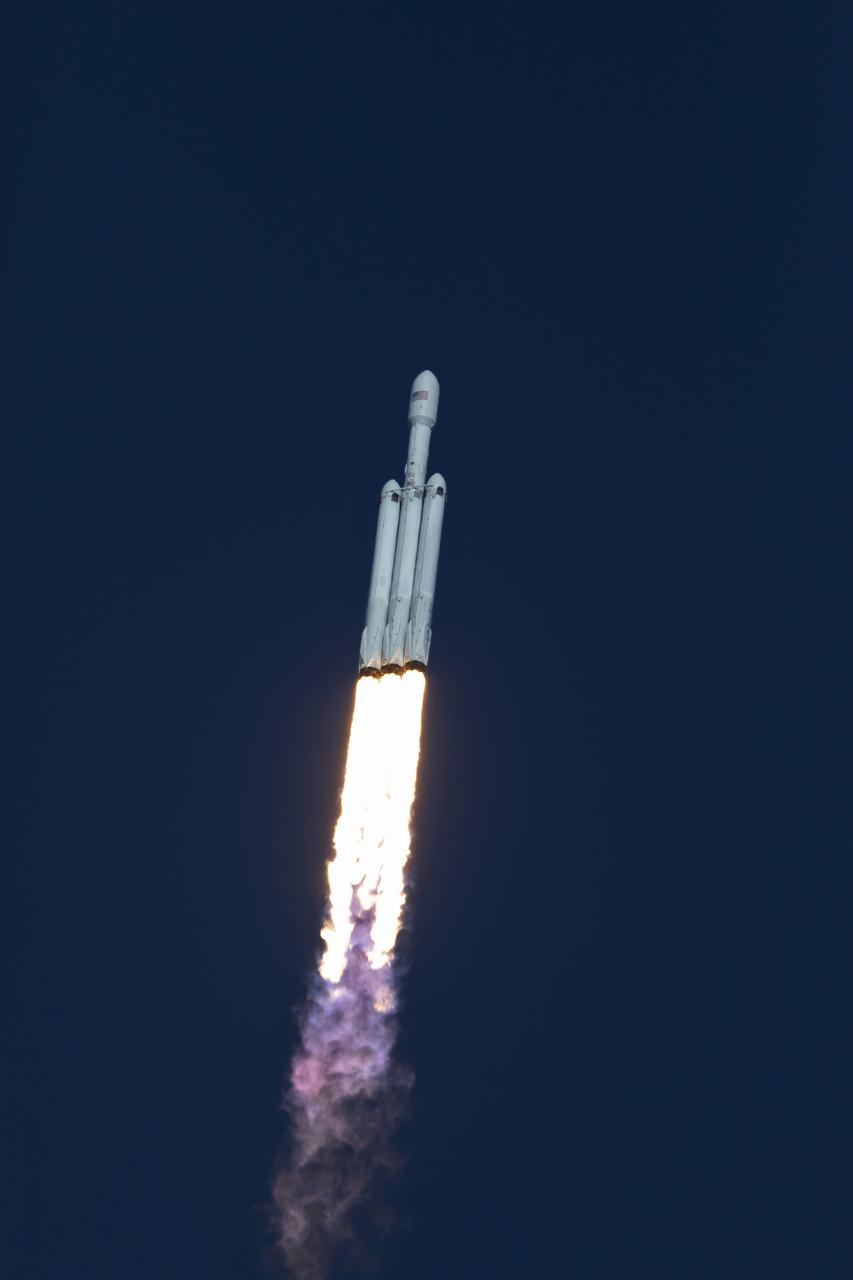
A SpaceX Falcon Heavy rocket begins its demonstration flight with liftoff at 3:45 p.m. EST from from Launch Complex 39A at NASA's Kennedy Space Center in Florida. This is a significant milestone for the world's premier multi-user spaceport. In 2014, NASA signed a property agreement with SpaceX for the use and operation of the center's pad 39A, where the company has launched Falcon 9 rockets and prepared for the first Falcon Heavy. NASA also has Space Act Agreements in place with partners, such as SpaceX, to provide services needed to process and launch rockets and spacecraft.
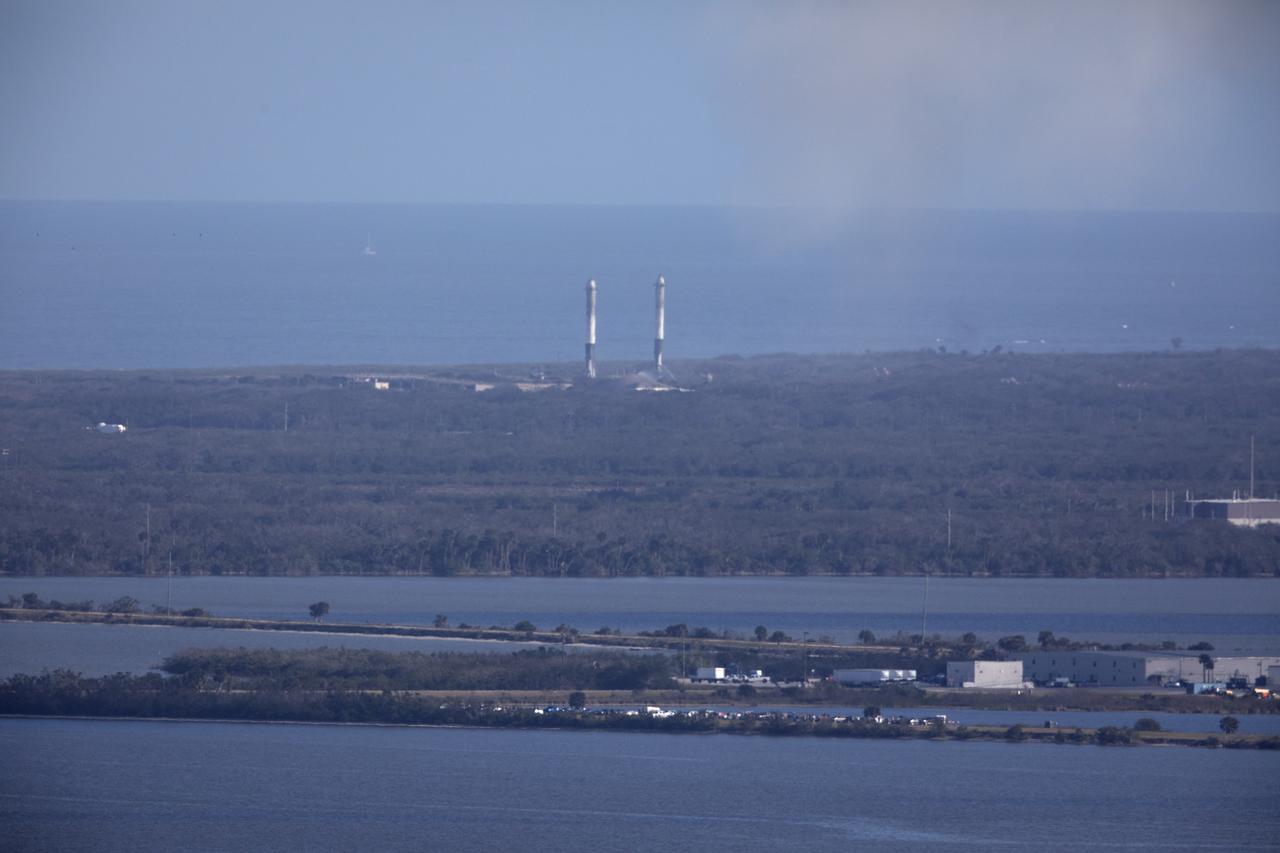
The SpaceX Falcon Heavy rocket’s two side cores descend toward landing at Cape Canaveral Air Force Station in Florida following a successful liftoff at 3:45 p.m. EST from Launch Complex 39A at NASA's Kennedy Space Center. This demonstration flight is a significant milestone for the world's premier multi-user spaceport. In 2014, NASA signed a property agreement with SpaceX for the use and operation of the center's pad 39A, where the company has launched Falcon 9 rockets and prepared for the first Falcon Heavy. NASA also has Space Act Agreements in place with partners, such as SpaceX, to provide services needed to process and launch rockets and spacecraft.
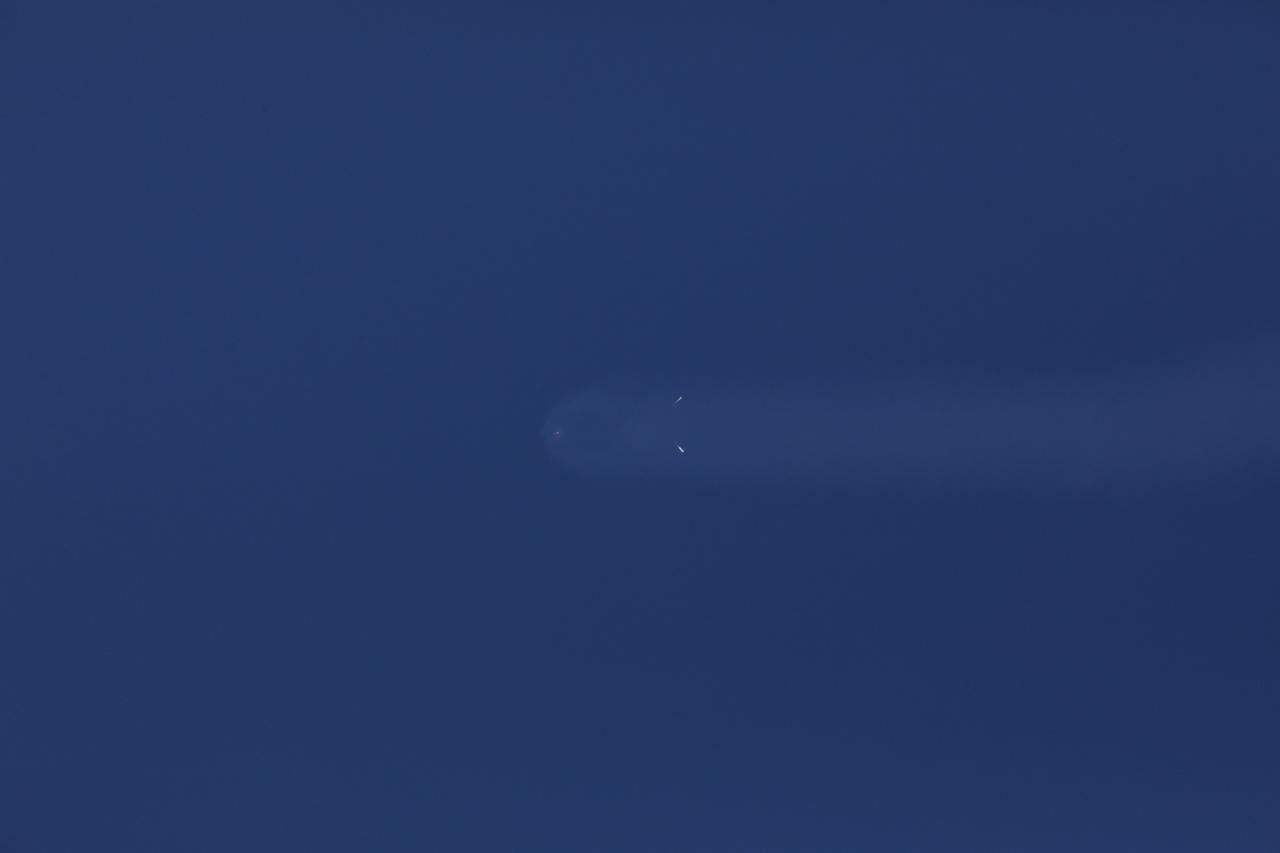
The SpaceX Falcon Heavy rocket’s two side cores separate from the center core as the vehicle performs its demonstration flight. The rocket lifted off at 3:45 p.m. EST from Launch Complex 39A at NASA's Kennedy Space Center in Florida. This is a significant milestone for the world's premier multi-user spaceport. In 2014, NASA signed a property agreement with SpaceX for the use and operation of the center's pad 39A, where the company has launched Falcon 9 rockets and prepared for the first Falcon Heavy. NASA also has Space Act Agreements in place with partners, such as SpaceX, to provide services needed to process and launch rockets and spacecraft.
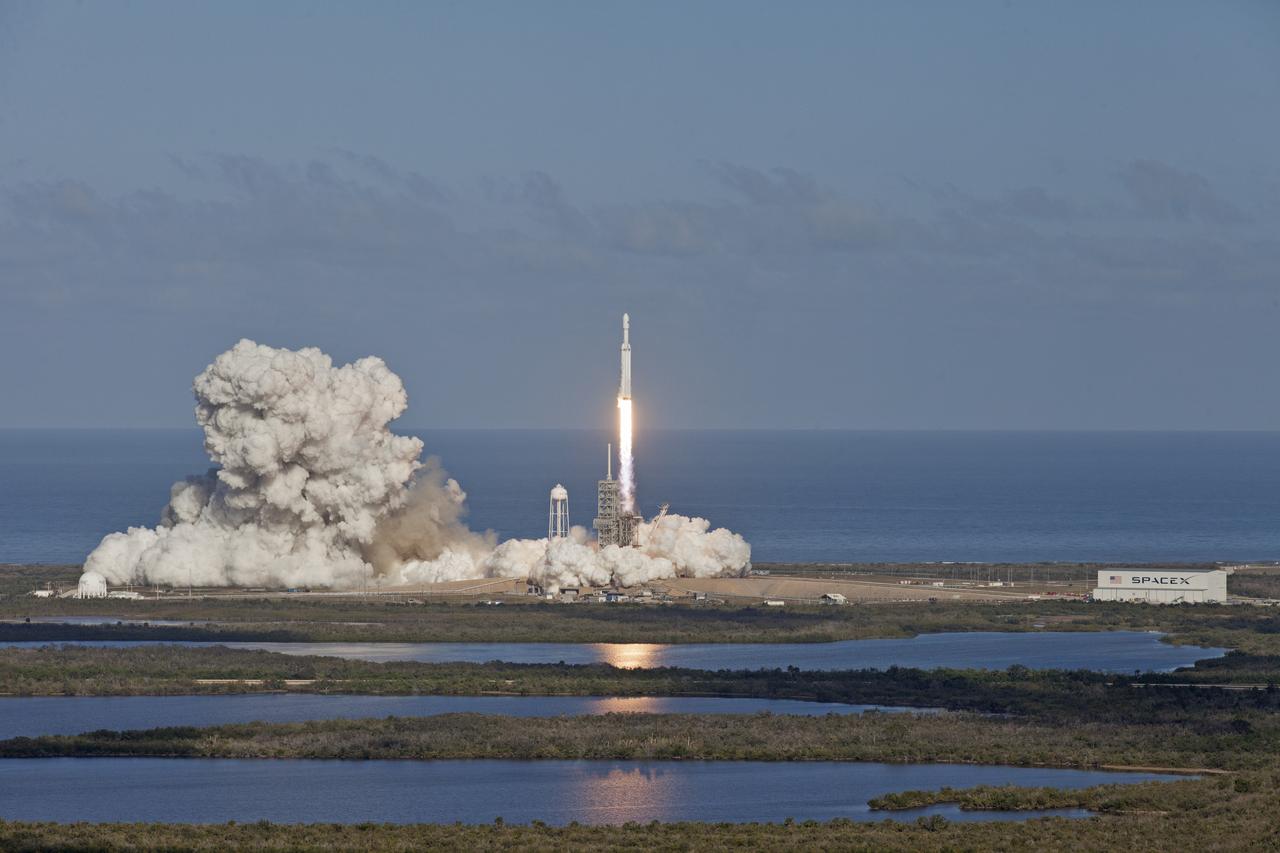
A SpaceX Falcon Heavy rocket begins its demonstration flight with liftoff at 3:45 p.m. EST from from Launch Complex 39A at NASA's Kennedy Space Center in Florida. This is a significant milestone for the world's premier multi-user spaceport. In 2014, NASA signed a property agreement with SpaceX for the use and operation of the center's pad 39A, where the company has launched Falcon 9 rockets and prepared for the first Falcon Heavy. NASA also has Space Act Agreements in place with partners, such as SpaceX, to provide services needed to process and launch rockets and spacecraft.
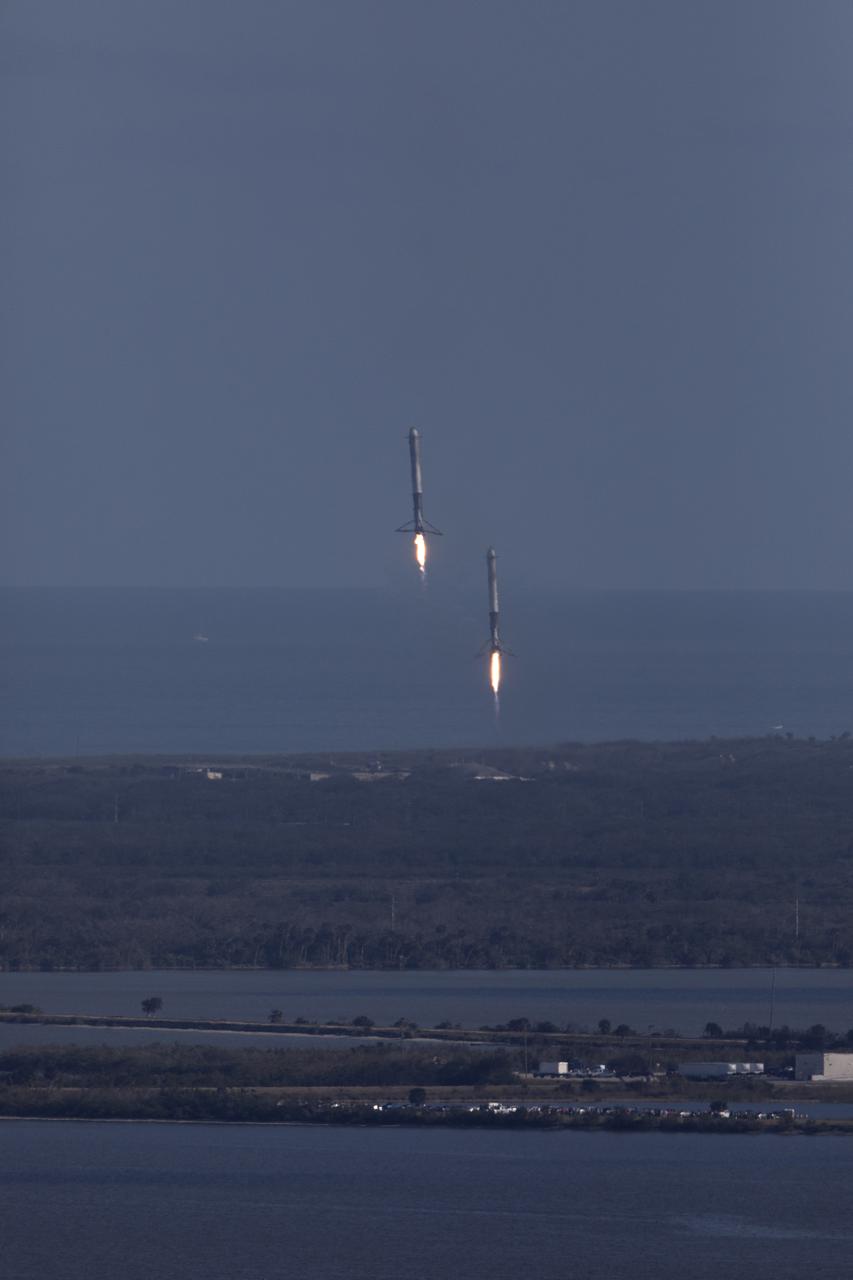
The SpaceX Falcon Heavy rocket’s two side cores descend toward landing at Cape Canaveral Air Force Station in Florida following a successful liftoff at 3:45 p.m. EST from Launch Complex 39A at NASA's Kennedy Space Center. This demonstration flight is a significant milestone for the world's premier multi-user spaceport. In 2014, NASA signed a property agreement with SpaceX for the use and operation of the center's pad 39A, where the company has launched Falcon 9 rockets and prepared for the first Falcon Heavy. NASA also has Space Act Agreements in place with partners, such as SpaceX, to provide services needed to process and launch rockets and spacecraft.
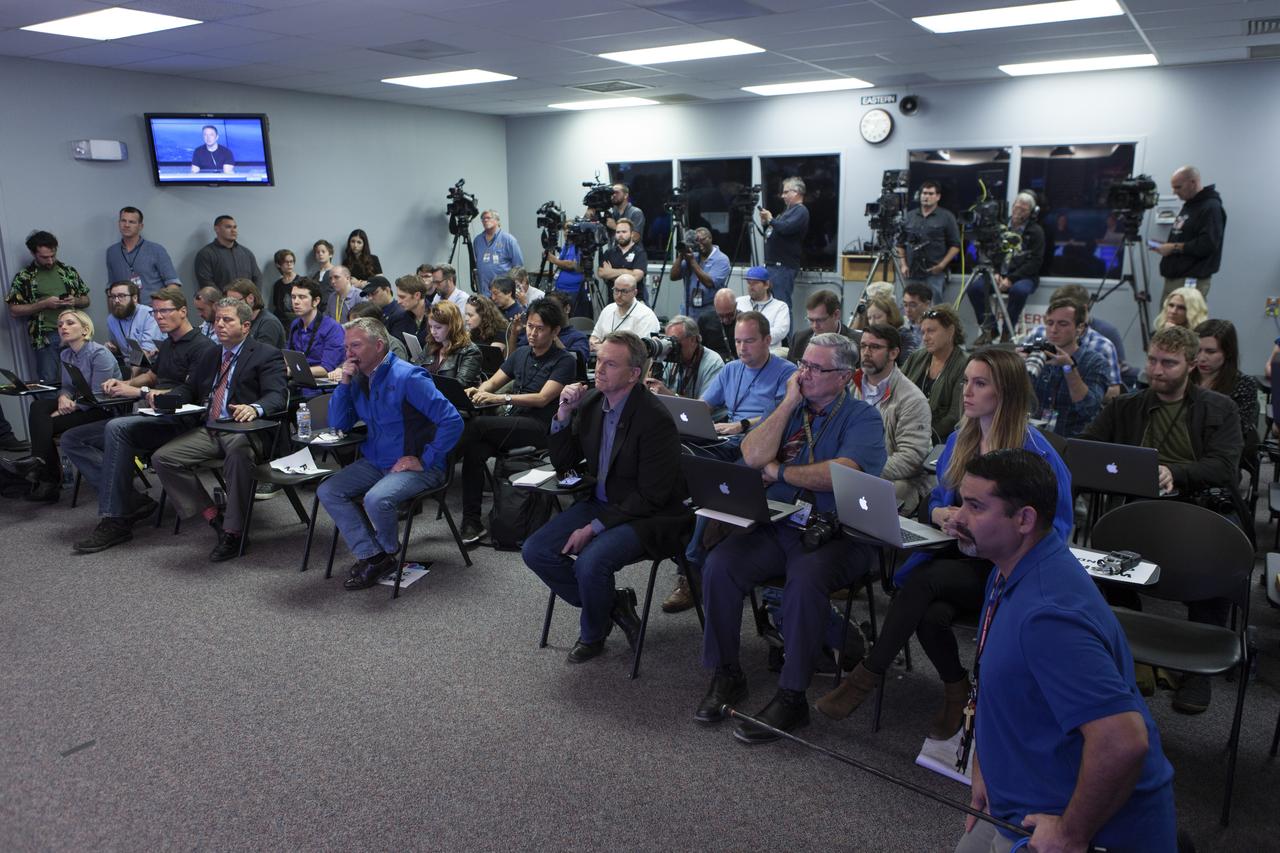
Media gather for a news conference at NASA's Kennedy Space Center in Florida after the successful liftoff of the company’s Falcon Heavy rocket from Launch Complex 39A. The demonstration flight is a significant milestone for the world's premier multi-user spaceport. In 2014, NASA signed a property agreement with SpaceX for the use and operation of the center's pad 39A, where the company has launched Falcon 9 rockets and is preparing for the first Falcon Heavy. NASA also has Space Act Agreements in place with partners, such as SpaceX, to provide services needed to process and launch rockets and spacecraft.
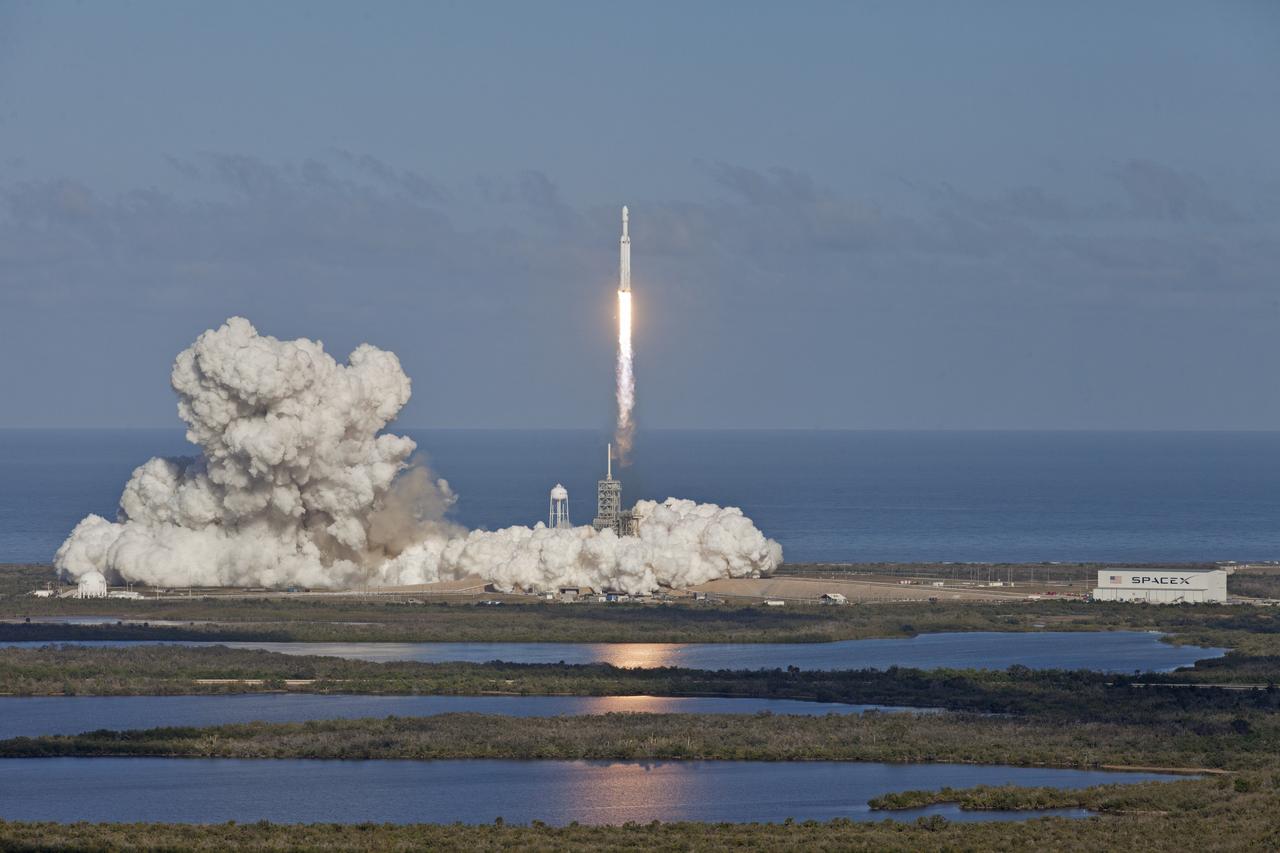
A SpaceX Falcon Heavy rocket begins its demonstration flight with liftoff at 3:45 p.m. EST from from Launch Complex 39A at NASA's Kennedy Space Center in Florida. This is a significant milestone for the world's premier multi-user spaceport. In 2014, NASA signed a property agreement with SpaceX for the use and operation of the center's pad 39A, where the company has launched Falcon 9 rockets and prepared for the first Falcon Heavy. NASA also has Space Act Agreements in place with partners, such as SpaceX, to provide services needed to process and launch rockets and spacecraft.
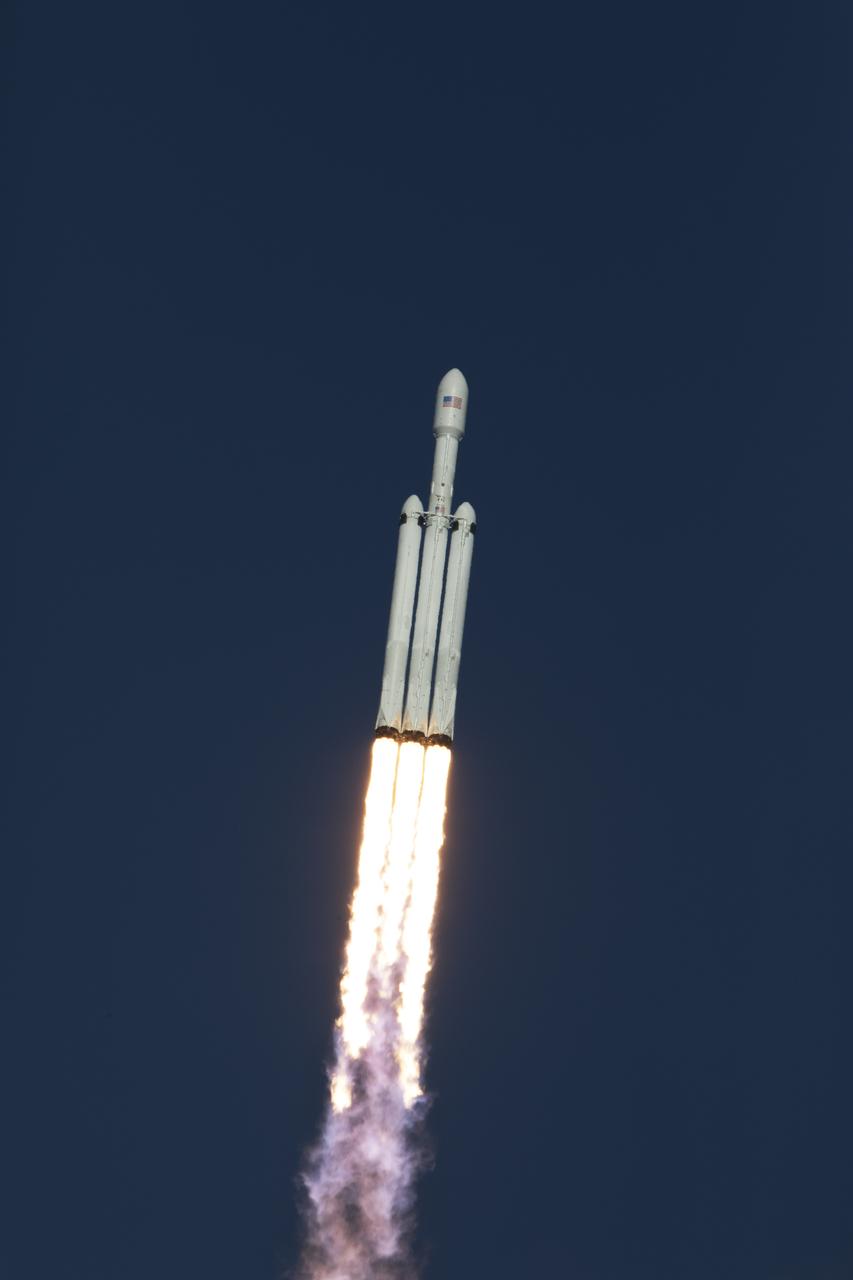
A SpaceX Falcon Heavy rocket begins its demonstration flight with liftoff at 3:45 p.m. EST from from Launch Complex 39A at NASA's Kennedy Space Center in Florida. This is a significant milestone for the world's premier multi-user spaceport. In 2014, NASA signed a property agreement with SpaceX for the use and operation of the center's pad 39A, where the company has launched Falcon 9 rockets and prepared for the first Falcon Heavy. NASA also has Space Act Agreements in place with partners, such as SpaceX, to provide services needed to process and launch rockets and spacecraft.

From left to right - John Taylor, SpaceX communications director, and Elon Musk, SpaceX chief executive officer and lead designer, speak to the news media during a news conference at NASA's Kennedy Space Center in Florida after the successful liftoff of the company’s Falcon Heavy rocket from Launch Complex 39A. The demonstration flight is a significant milestone for the world's premier multi-user spaceport. In 2014, NASA signed a property agreement with SpaceX for the use and operation of the center's pad 39A, where the company has launched Falcon 9 rockets and is preparing for the first Falcon Heavy. NASA also has Space Act Agreements in place with partners, such as SpaceX, to provide services needed to process and launch rockets and spacecraft.
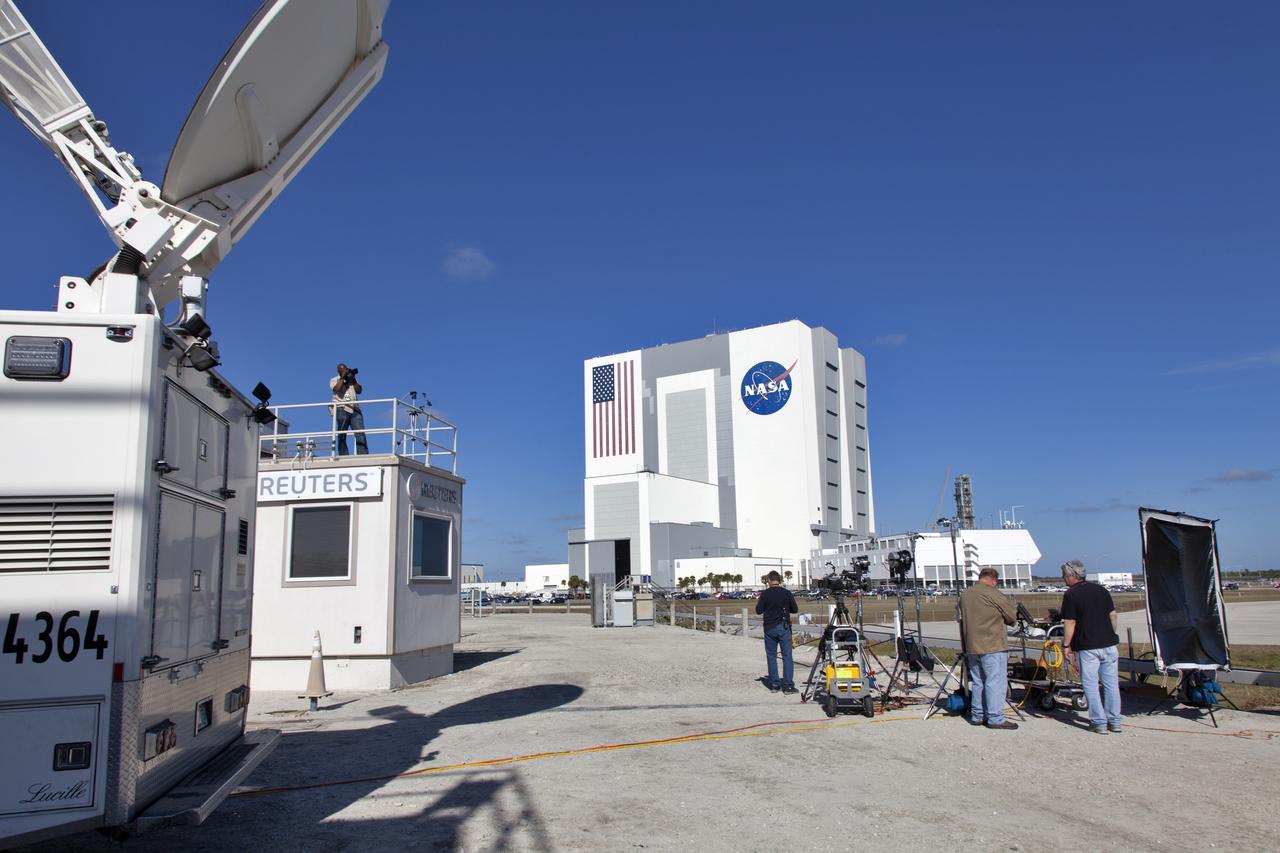
Members of the news media begin setting up at the NASA News Center to await liftoff of the SpaceX Falcon Heavy rocket from Launch Complex 39A at Kennedy Space Center in Florida. The iconic Vehicle Assembly Building and Launch Control Center are visible in the background. The Falcon Heavy demonstration flight will be a significant milestone for the world's premier multi-user spaceport. In 2014, NASA signed a property agreement with SpaceX for the use and operation of the center's pad 39A, where the company has launched Falcon 9 rockets and is preparing for the first Falcon Heavy. NASA also has Space Act Agreements in place with partners, such as SpaceX, to provide services needed to process and launch rockets and spacecraft.
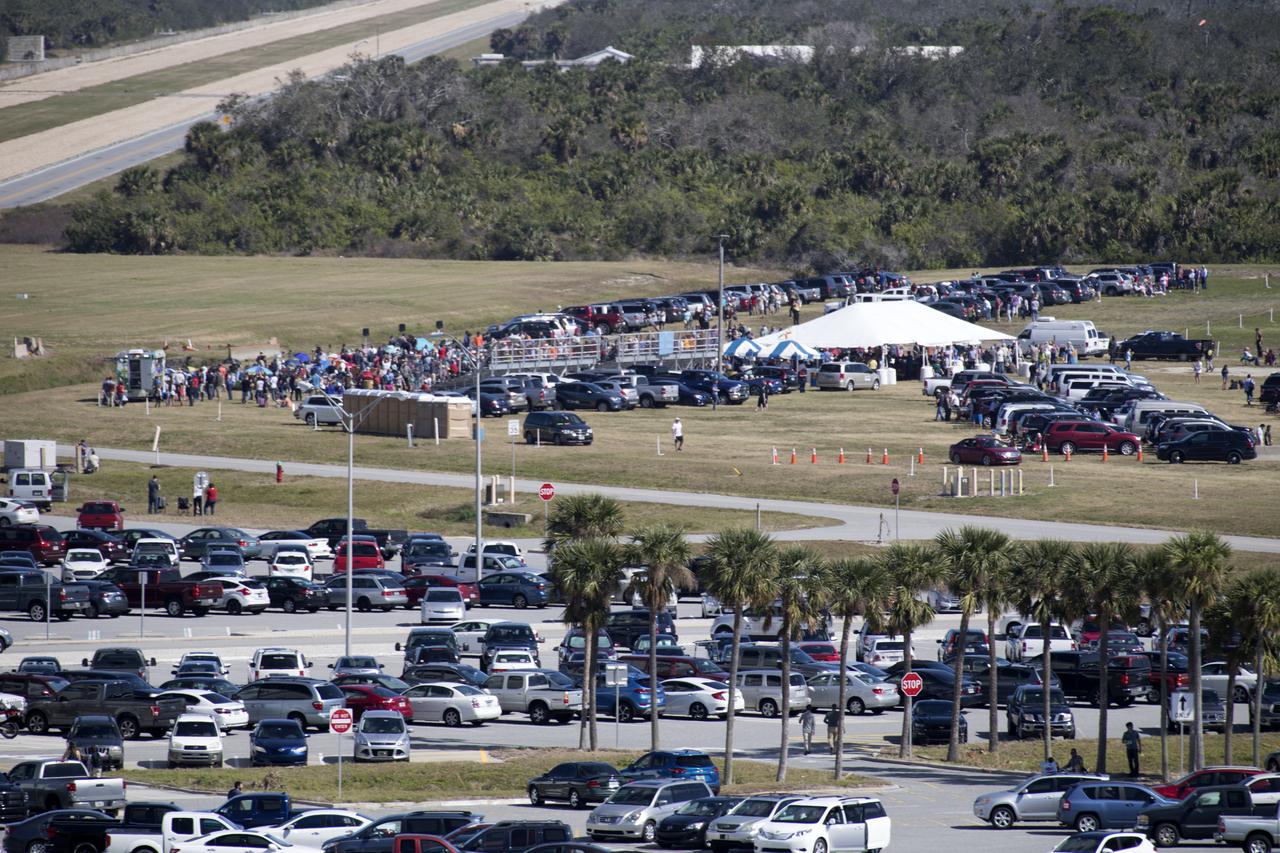
Employees, invited guests and members of the news media await liftoff of the SpaceX Falcon Heavy rocket from Launch Complex 39A at NASA’s Kennedy Space Center in Florida. The demonstration flight is a significant milestone for the world's premier multi-user spaceport. In 2014, NASA signed a property agreement with SpaceX for the use and operation of the center's pad 39A, where the company has launched Falcon 9 rockets and is preparing for the first Falcon Heavy. NASA also has Space Act Agreements in place with partners, such as SpaceX, to provide services needed to process and launch rockets and spacecraft.
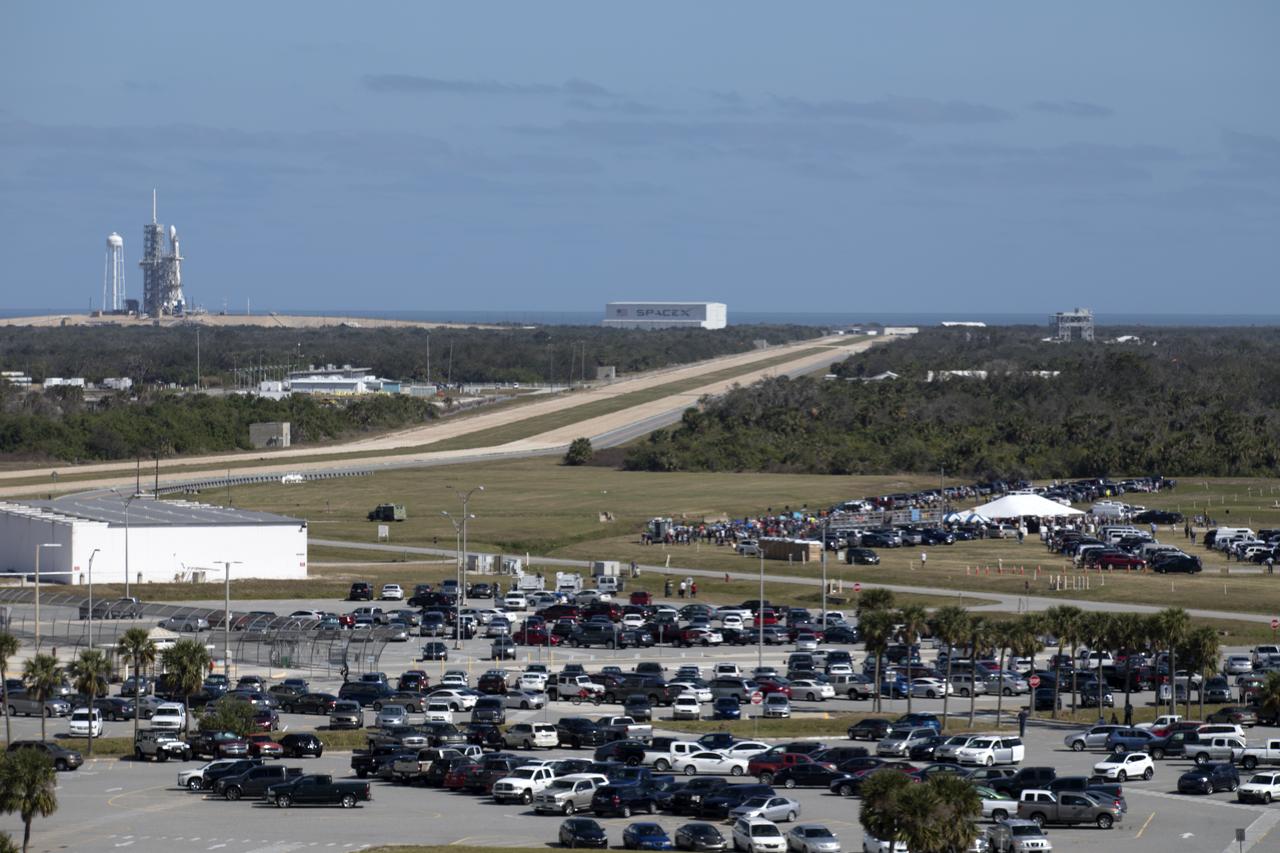
Employees, invited guests and members of the news media await liftoff of the SpaceX Falcon Heavy rocket from Launch Complex 39A at NASA’s Kennedy Space Center in Florida. The demonstration flight is a significant milestone for the world's premier multi-user spaceport. In 2014, NASA signed a property agreement with SpaceX for the use and operation of the center's pad 39A, where the company has launched Falcon 9 rockets and is preparing for the first Falcon Heavy. NASA also has Space Act Agreements in place with partners, such as SpaceX, to provide services needed to process and launch rockets and spacecraft.
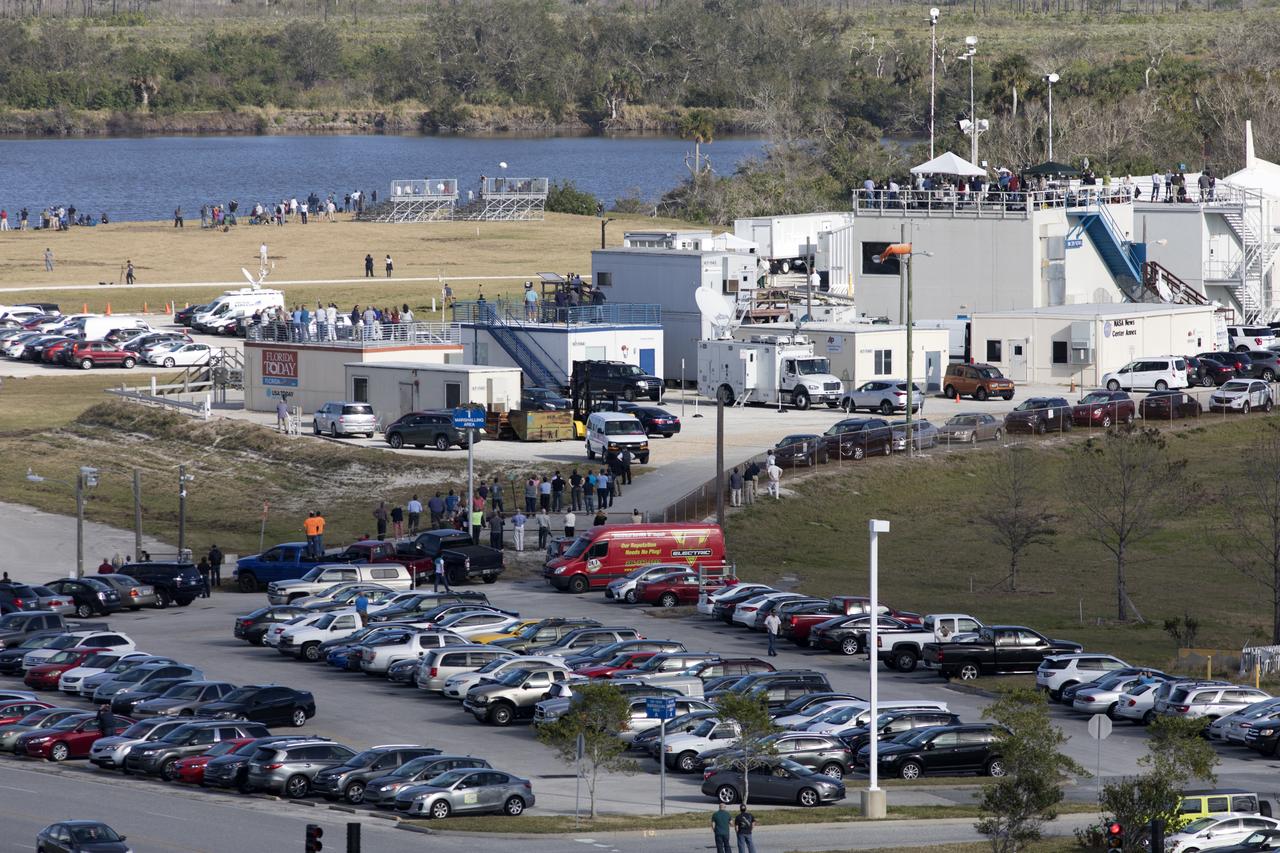
Employees, invited guests and members of the news media await liftoff of the SpaceX Falcon Heavy rocket from Launch Complex 39A at NASA’s Kennedy Space Center in Florida. The demonstration flight is a significant milestone for the world's premier multi-user spaceport. In 2014, NASA signed a property agreement with SpaceX for the use and operation of the center's pad 39A, where the company has launched Falcon 9 rockets and is preparing for the first Falcon Heavy. NASA also has Space Act Agreements in place with partners, such as SpaceX, to provide services needed to process and launch rockets and spacecraft.
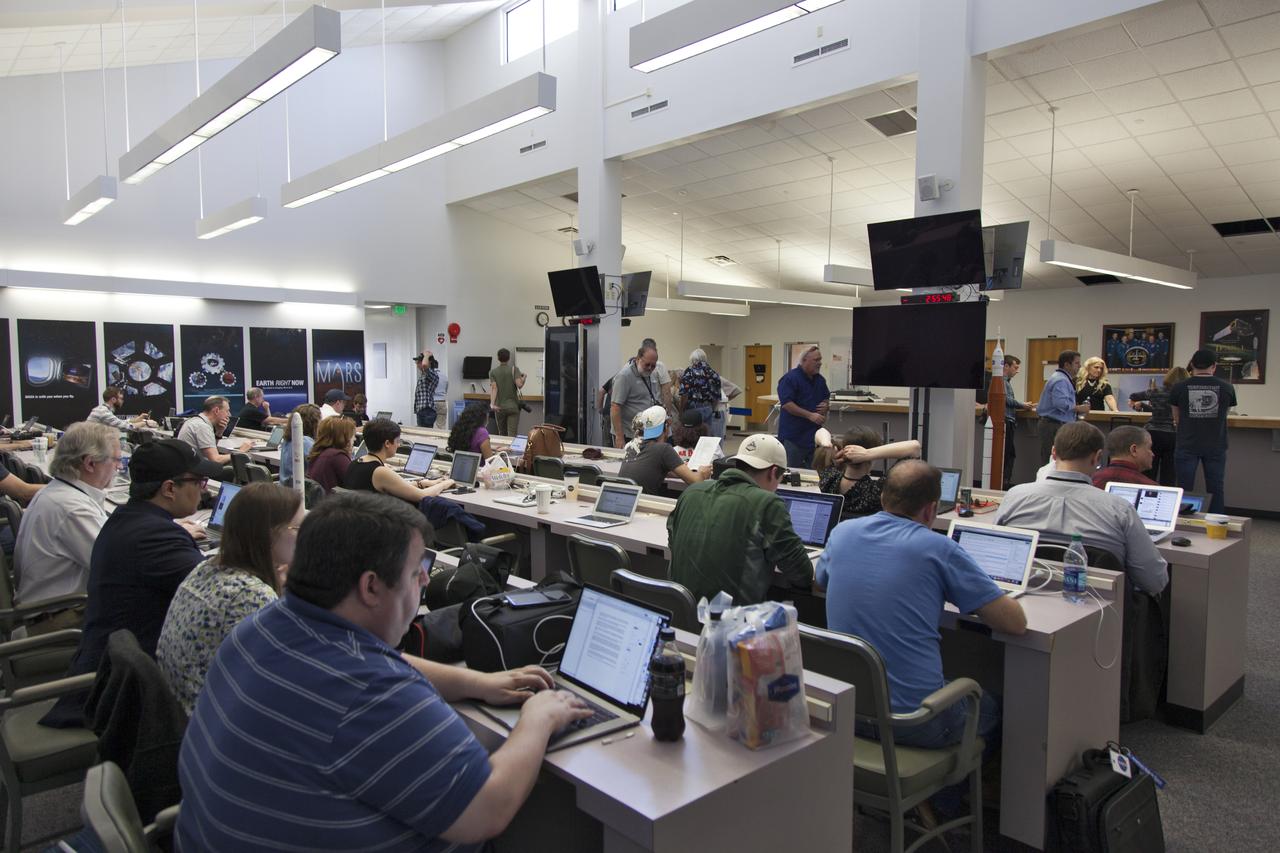
The NASA News Center at Kennedy Space Center in Florida is filled with members of the news media awaiting liftoff of the SpaceX Falcon Heavy rocket from Launch Complex 39A. The demonstration flight will be a significant milestone for the world's premier multi-user spaceport. In 2014, NASA signed a property agreement with SpaceX for the use and operation of the center's pad 39A, where the company has launched Falcon 9 rockets and is preparing for the first Falcon Heavy. NASA also has Space Act Agreements in place with partners, such as SpaceX, to provide services needed to process and launch rockets and spacecraft.
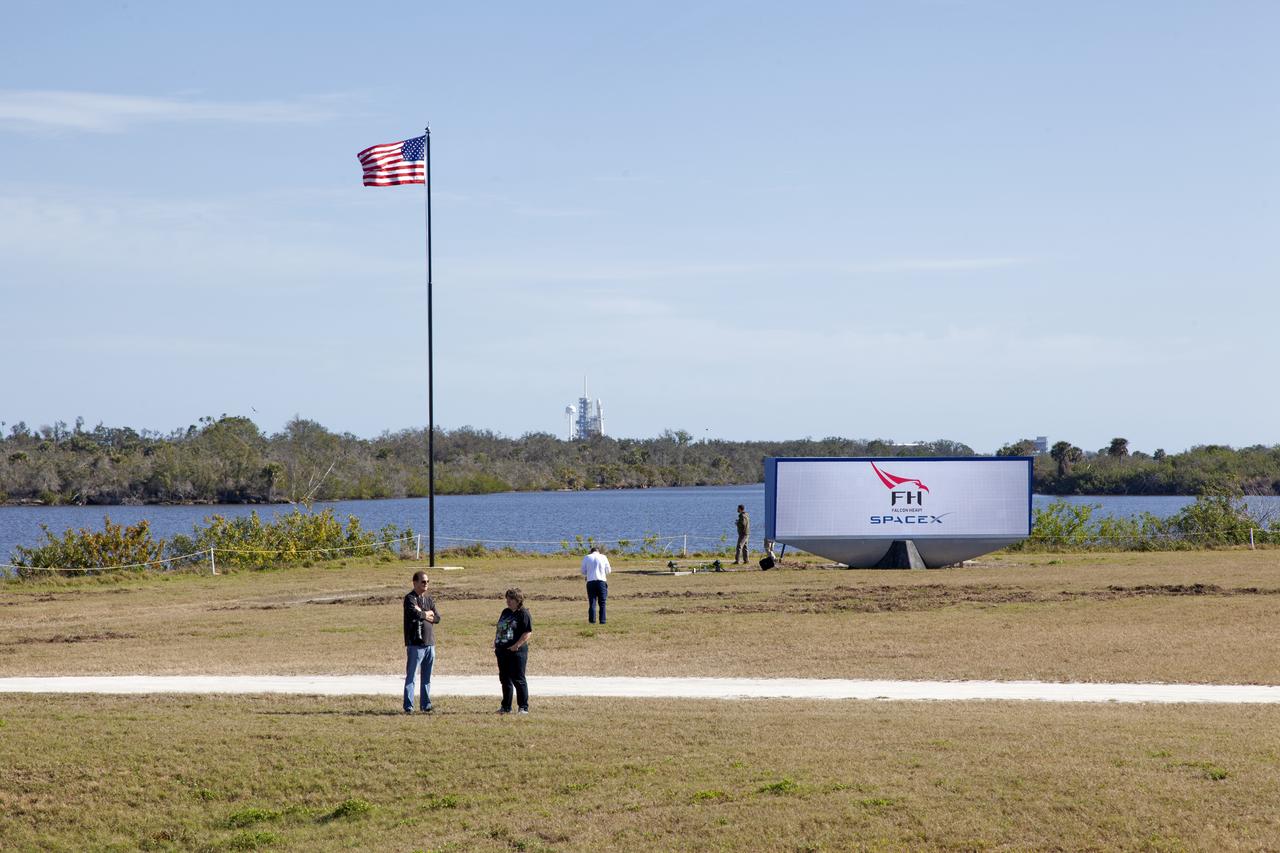
Members of the news media begin to gather near the countdown clock at NASA’s Kennedy Space Center in Florida to await liftoff of the SpaceX Falcon Heavy rocket, seen in the background at Launch Complex 39A. The demonstration flight will be a significant milestone for the world's premier multi-user spaceport. In 2014, NASA signed a property agreement with SpaceX for the use and operation of the center's pad 39A, where the company has launched Falcon 9 rockets and is preparing for the first Falcon Heavy. NASA also has Space Act Agreements in place with partners, such as SpaceX, to provide services needed to process and launch rockets and spacecraft.
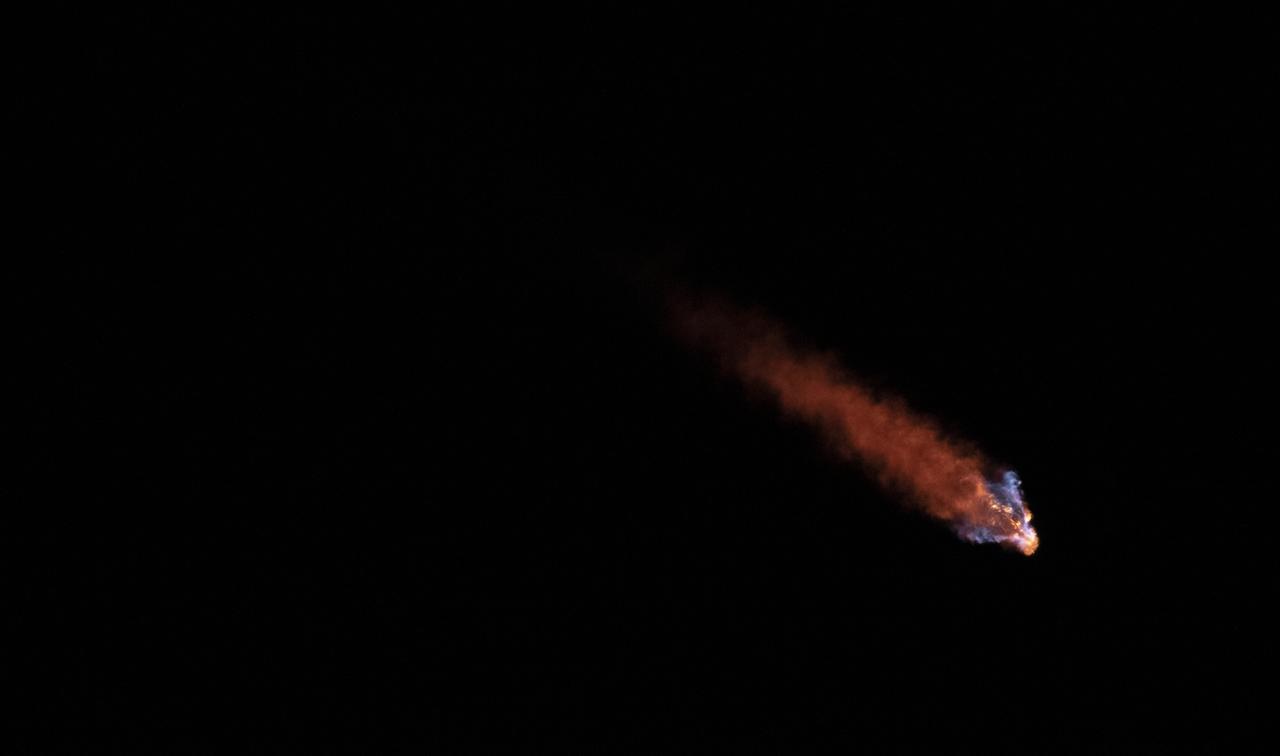
A SpaceX Falcon Heavy rocket carrying 24 satellites as part of the Department of Defense's Space Test Program-2 (STP-2) mission launches from Launch Complex 39A, Tuesday, June 25, 2019 at NASA's Kennedy Space Center in Florida. Four NASA technology and science payloads which will study non-toxic spacecraft fuel, deep space navigation, "bubbles" in the electrically-charged layers of Earth's upper atmosphere, and radiation protection for satellites are among the two dozen satellites that will be put into orbit. Photo Credit: (NASA/Joel Kowsky)
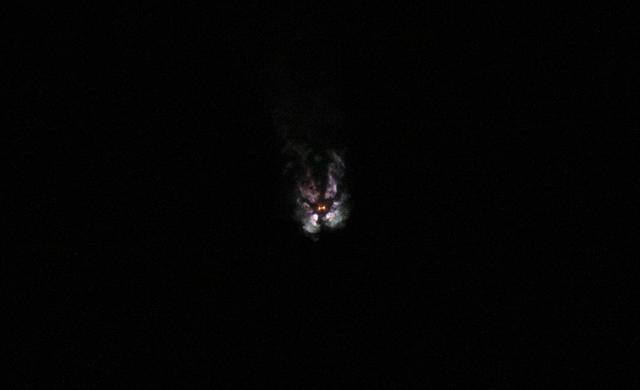
A SpaceX Falcon Heavy rocket carrying 24 satellites as part of the Department of Defense's Space Test Program-2 (STP-2) mission launches from Launch Complex 39A, Tuesday, June 25, 2019 at NASA's Kennedy Space Center in Florida. Four NASA technology and science payloads which will study non-toxic spacecraft fuel, deep space navigation, "bubbles" in the electrically-charged layers of Earth's upper atmosphere, and radiation protection for satellites are among the two dozen satellites that will be put into orbit. Photo Credit: (NASA/Joel Kowsky)
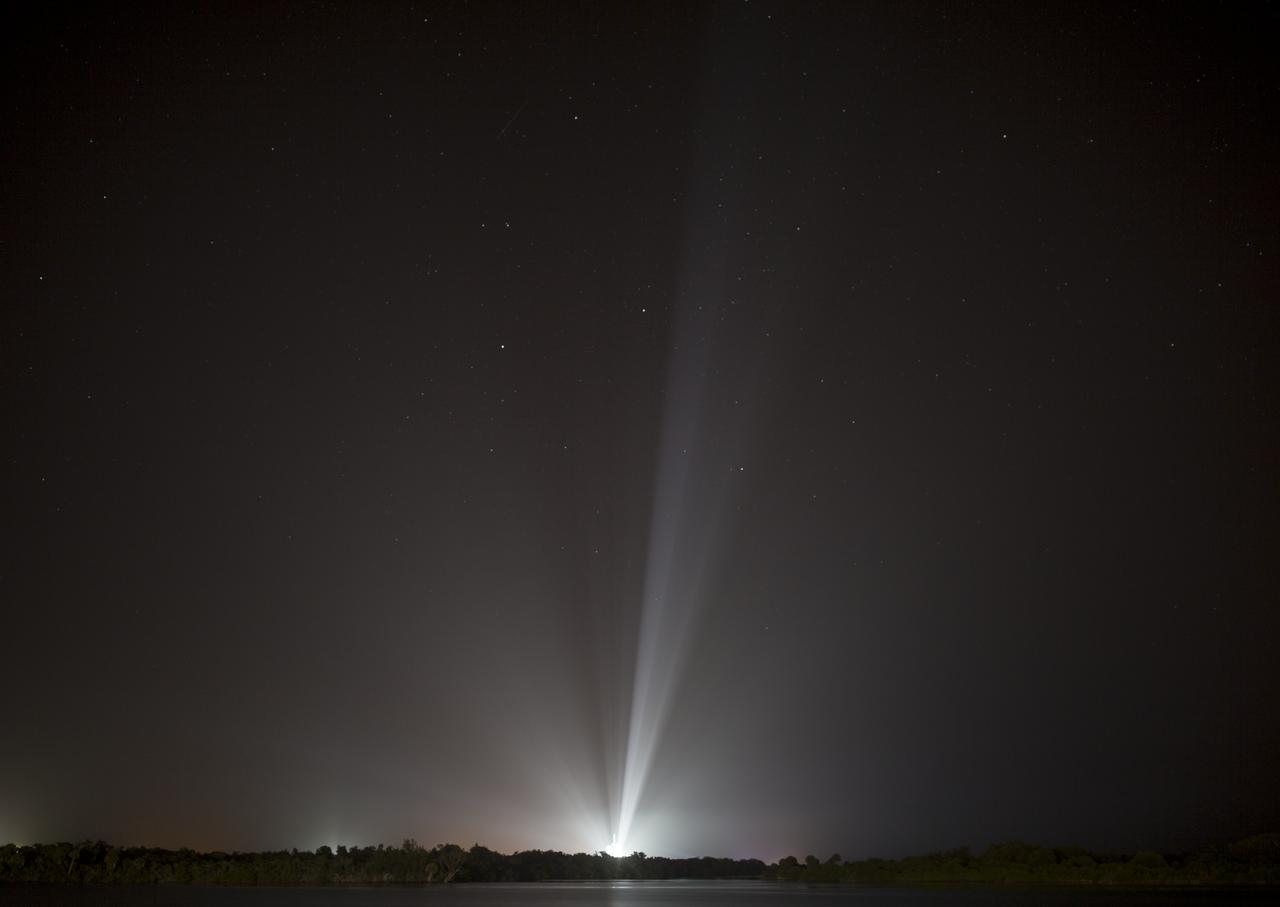
A SpaceX Falcon Heavy rocket carrying 24 satellites as part of the Department of Defense's Space Test Program-2 (STP-2) mission is seen illuminated by lights at Launch Complex 39A, Monday, June 24, 2019 at NASA's Kennedy Space Center in Florida. Four NASA technology and science payloads which will study non-toxic spacecraft fuel, deep space navigation, "bubbles" in the electrically-charged layers of Earth's upper atmosphere, and radiation protection for satellites are among the two dozen satellites that will be launched. The three hour launch window opens at 11:30pm EDT on June 24. Photo Credit: (NASA/Joel Kowsky)
A SpaceX Falcon Heavy rocket carrying 24 satellites as part of the Department of Defense's Space Test Program-2 (STP-2) mission launches from Launch Complex 39A, Tuesday, June 25, 2019 at NASA's Kennedy Space Center in Florida. Four NASA technology and science payloads which will study non-toxic spacecraft fuel, deep space navigation, "bubbles" in the electrically-charged layers of Earth's upper atmosphere, and radiation protection for satellites are among the two dozen satellites that will be put into orbit. Photo Credit: (NASA/Joel Kowsky)
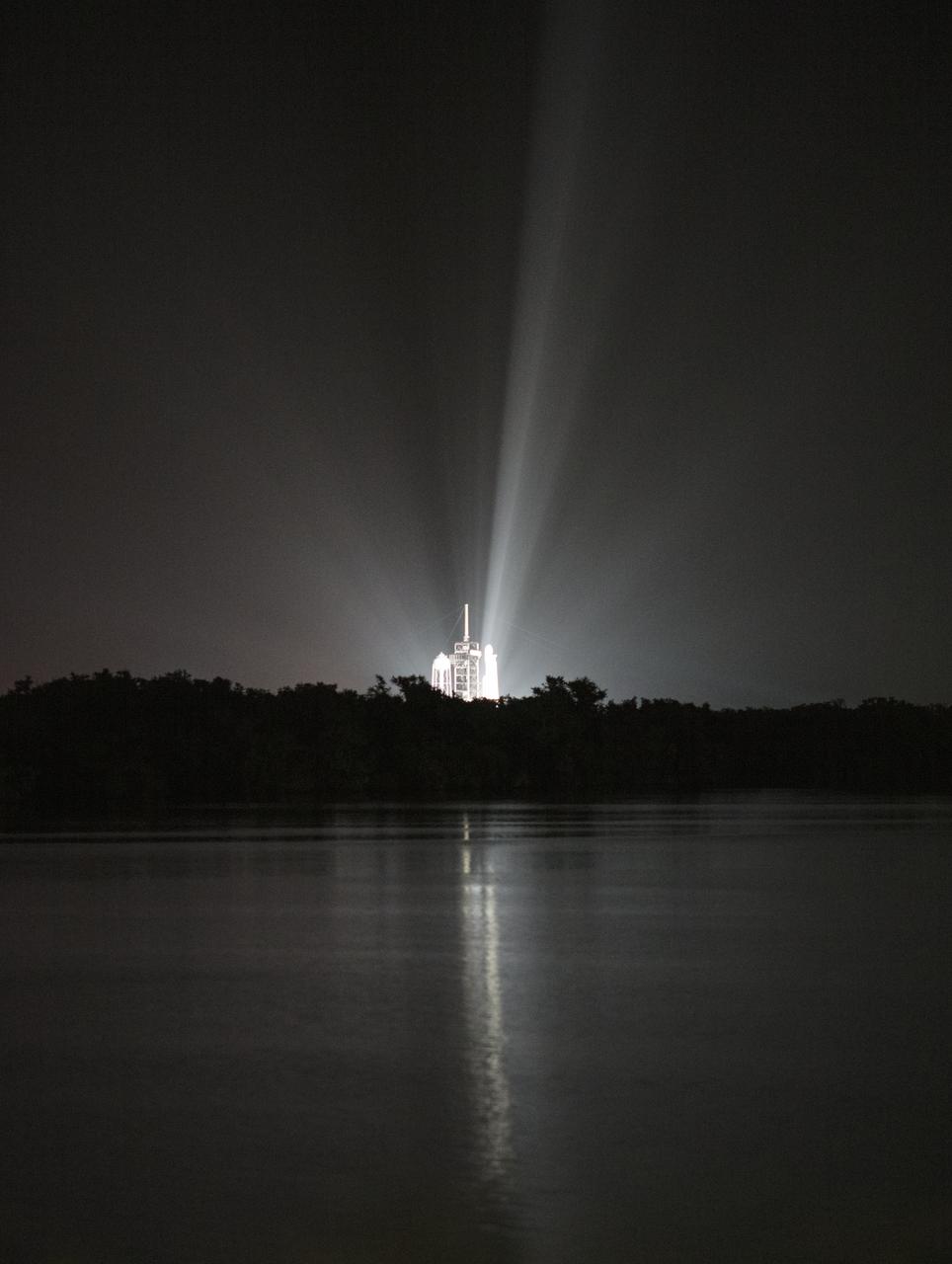
A SpaceX Falcon Heavy rocket carrying 24 satellites as part of the Department of Defense's Space Test Program-2 (STP-2) mission is seen illuminated by lights at Launch Complex 39A, Tuesday, June 25, 2019 at NASA's Kennedy Space Center in Florida. Four NASA technology and science payloads which will study non-toxic spacecraft fuel, deep space navigation, "bubbles" in the electrically-charged layers of Earth's upper atmosphere, and radiation protection for satellites are among the two dozen satellites that will be put into orbit. Photo Credit: (NASA/Joel Kowsky)
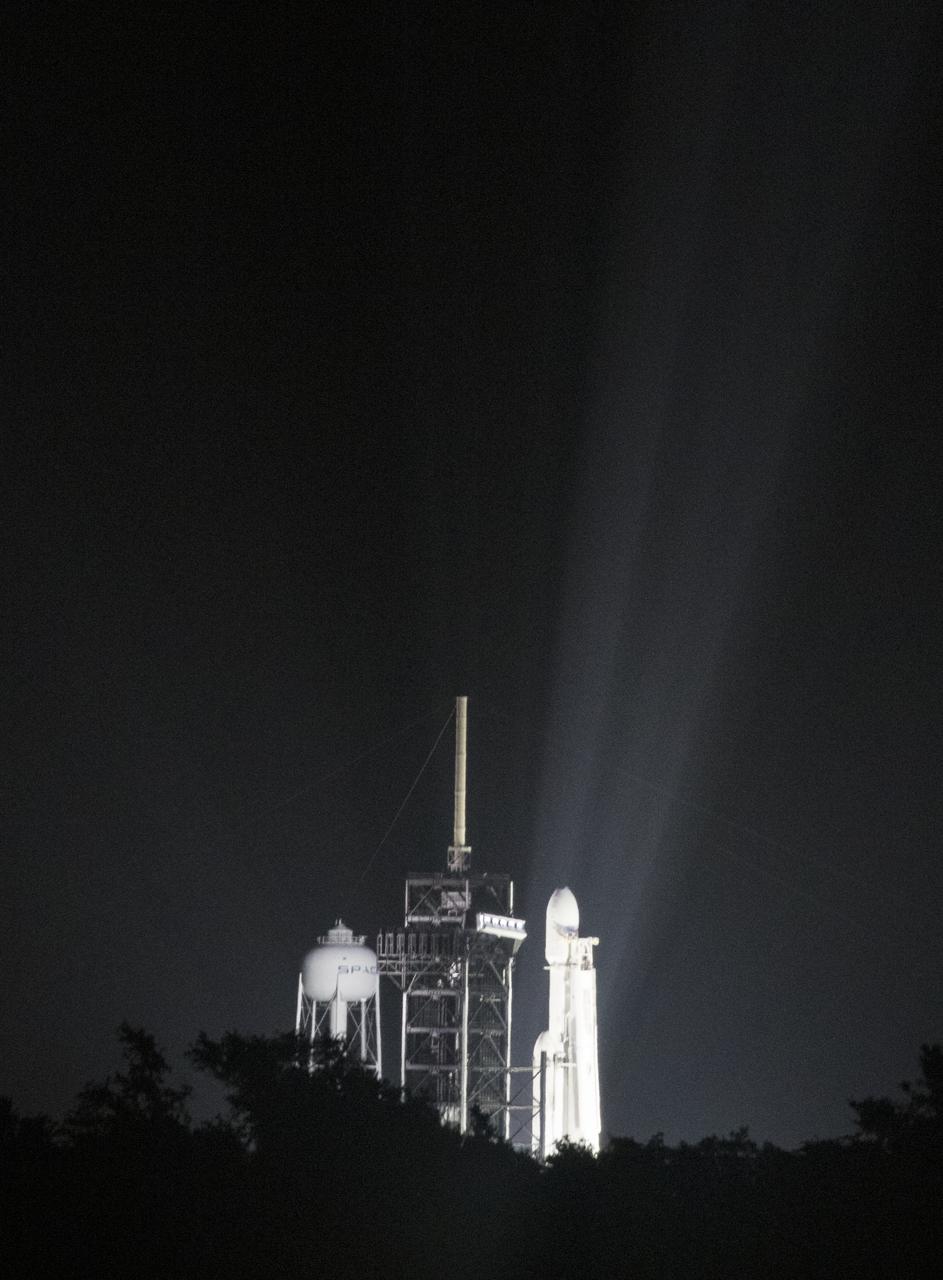
A SpaceX Falcon Heavy rocket carrying 24 satellites as part of the Department of Defense's Space Test Program-2 (STP-2) mission is seen illuminated by lights at Launch Complex 39A, Monday, June 24, 2019 at NASA's Kennedy Space Center in Florida. Four NASA technology and science payloads which will study non-toxic spacecraft fuel, deep space navigation, "bubbles" in the electrically-charged layers of Earth's upper atmosphere, and radiation protection for satellites are among the two dozen satellites that will be launched. The three hour launch window opens at 11:30pm EDT on June 24. Photo Credit: (NASA/Joel Kowsky)
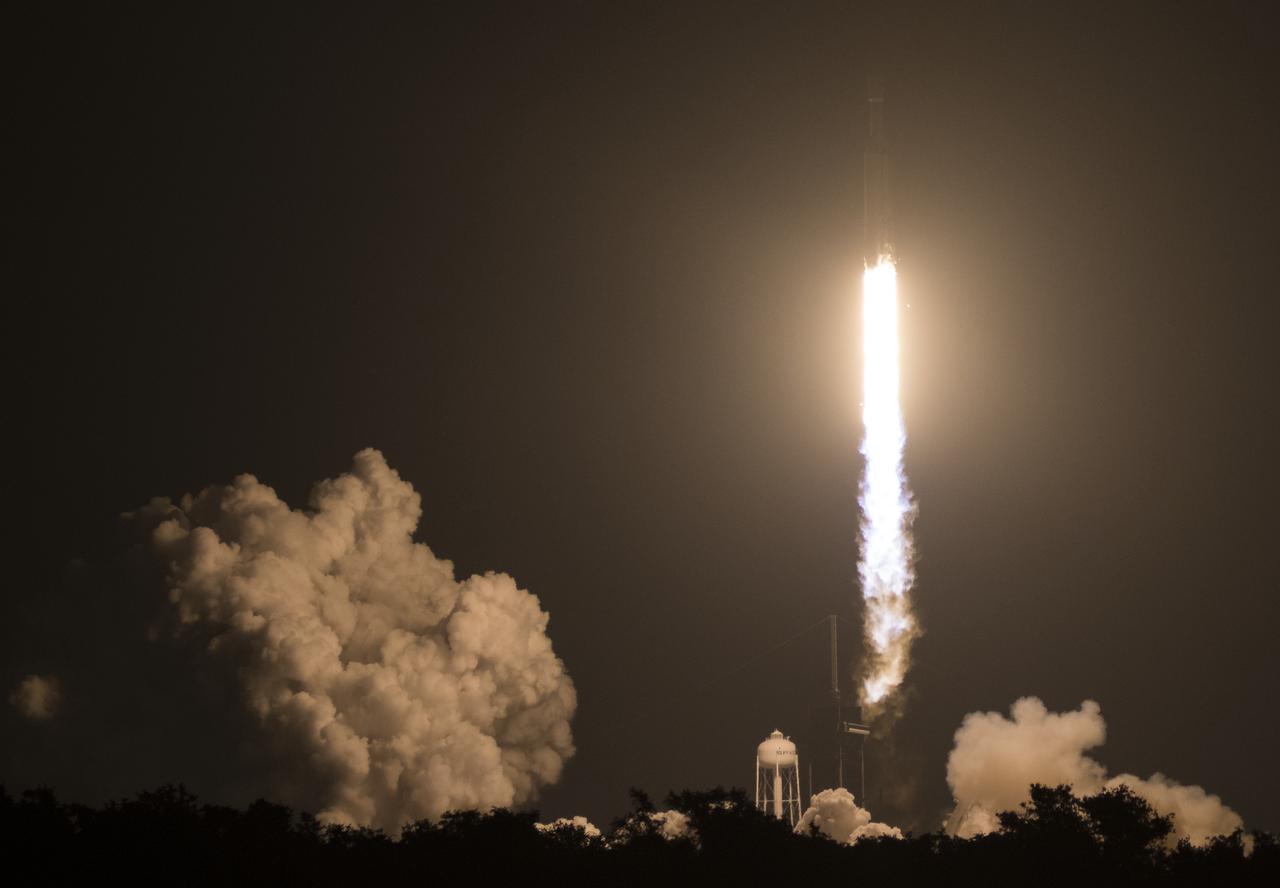
A SpaceX Falcon Heavy rocket carrying 24 satellites as part of the Department of Defense's Space Test Program-2 (STP-2) mission launches from Launch Complex 39A, Tuesday, June 25, 2019 at NASA's Kennedy Space Center in Florida. Four NASA technology and science payloads which will study non-toxic spacecraft fuel, deep space navigation, "bubbles" in the electrically-charged layers of Earth's upper atmosphere, and radiation protection for satellites are among the two dozen satellites that will be put into orbit. Photo Credit: (NASA/Joel Kowsky)
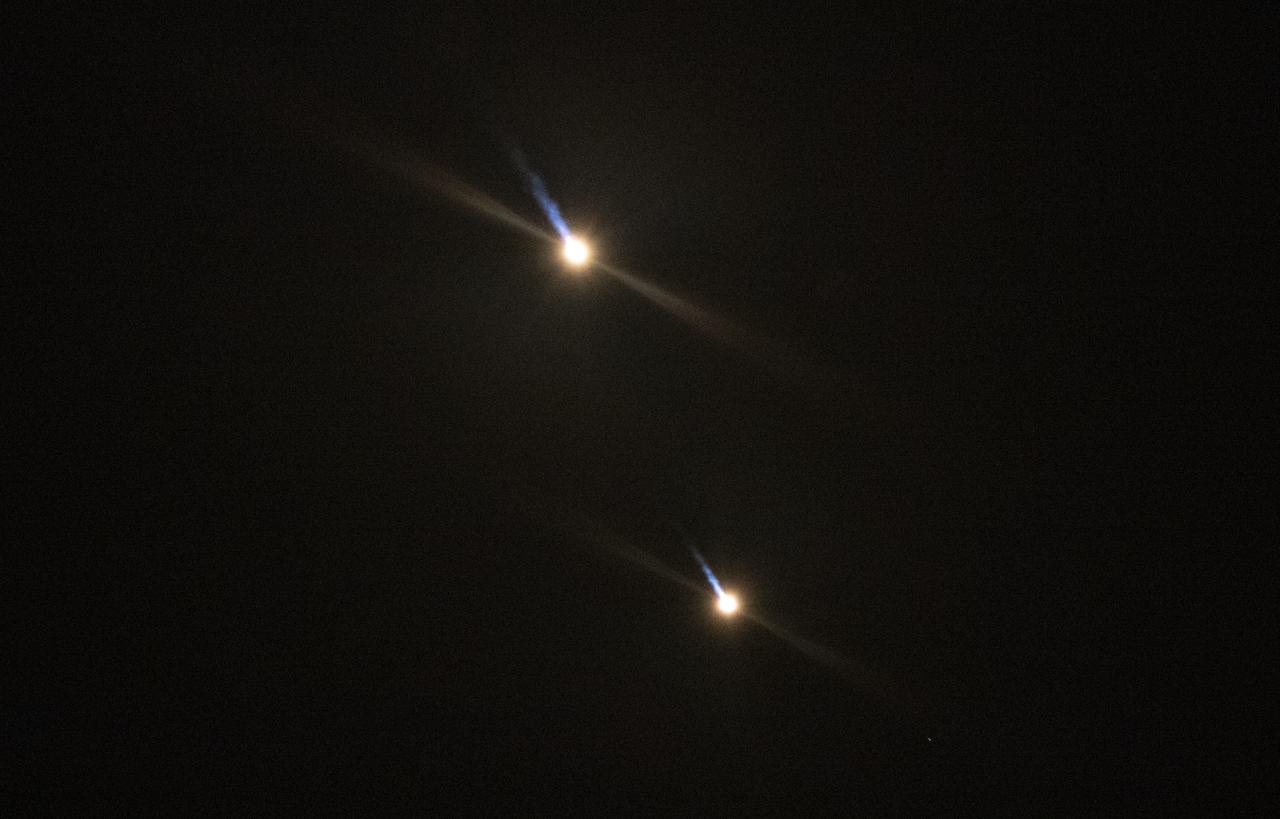
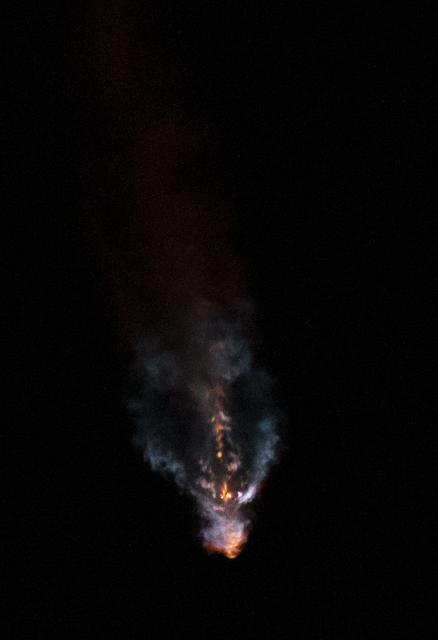
The two side boosters of the SpaceX Falcon Heavy rocket carrying 24 satellites as part of the Department of Defense's Space Test Program-2 (STP-2) mission are seen as they begin their landing burns to return to Landing Zone 1, Tuesday, June 25, 2019 at NASA's Kennedy Space Center in Florida. Four NASA technology and science payloads which will study non-toxic spacecraft fuel, deep space navigation, "bubbles" in the electrically-charged layers of Earth's upper atmosphere, and radiation protection for satellites are among the two dozen satellites that will be put into orbit. Photo Credit: (NASA/Joel Kowsky)
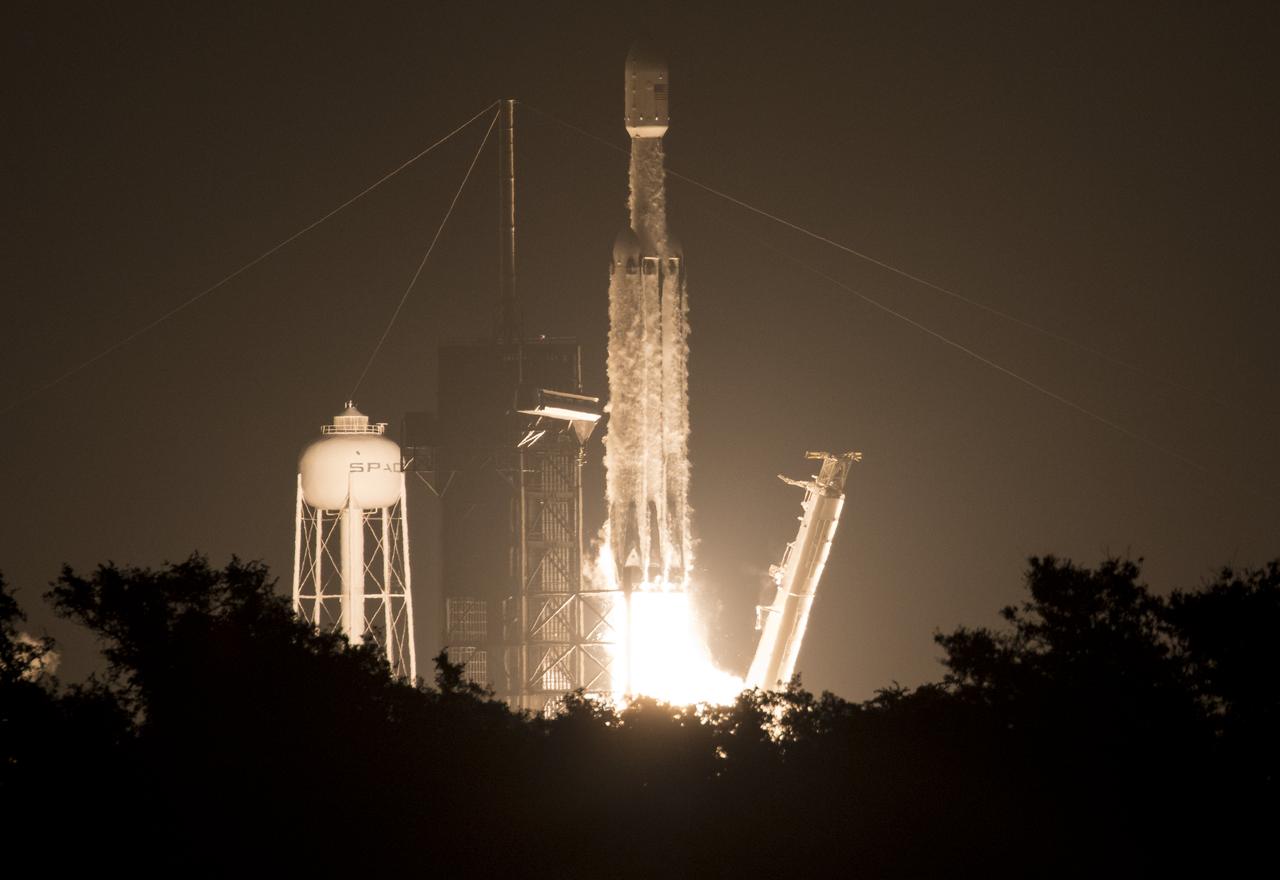
A SpaceX Falcon Heavy rocket carrying 24 satellites as part of the Department of Defense's Space Test Program-2 (STP-2) mission launches from Launch Complex 39A, Tuesday, June 25, 2019 at NASA's Kennedy Space Center in Florida. Four NASA technology and science payloads which will study non-toxic spacecraft fuel, deep space navigation, "bubbles" in the electrically-charged layers of Earth's upper atmosphere, and radiation protection for satellites are among the two dozen satellites that will be put into orbit. Photo Credit: (NASA/Joel Kowsky)
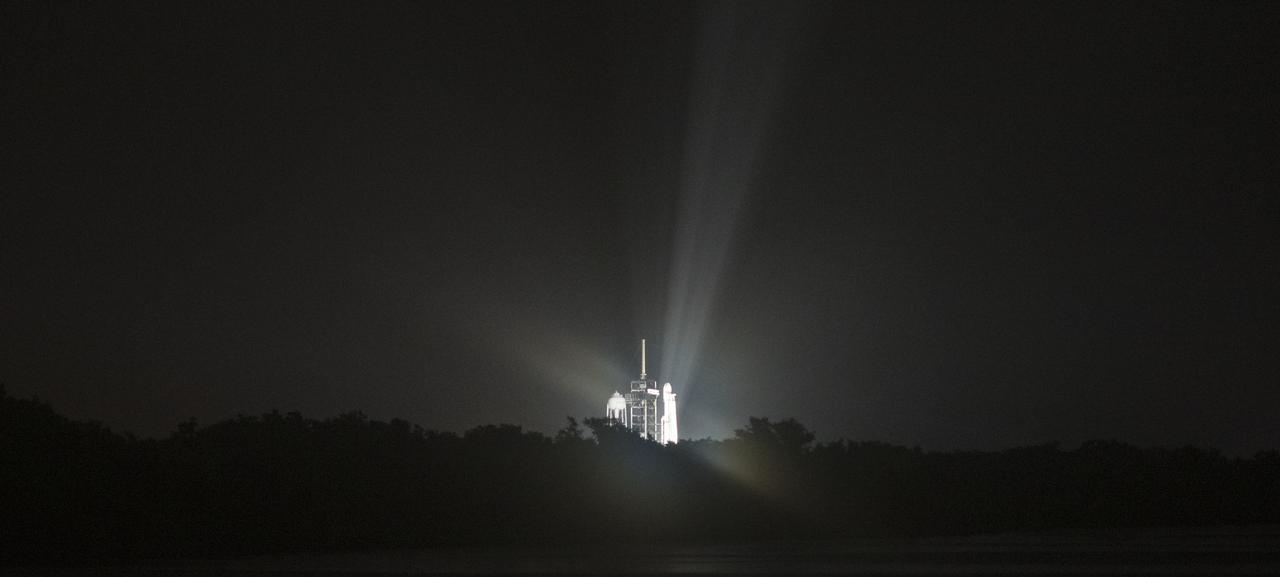
A SpaceX Falcon Heavy rocket carrying 24 satellites as part of the Department of Defense's Space Test Program-2 (STP-2) mission is seen illuminated by lights at Launch Complex 39A, Monday, June 24, 2019 at NASA's Kennedy Space Center in Florida. Four NASA technology and science payloads which will study non-toxic spacecraft fuel, deep space navigation, "bubbles" in the electrically-charged layers of Earth's upper atmosphere, and radiation protection for satellites are among the two dozen satellites that will be launched. The three hour launch window opens at 11:30pm EDT on June 24. Photo Credit: (NASA/Joel Kowsky)
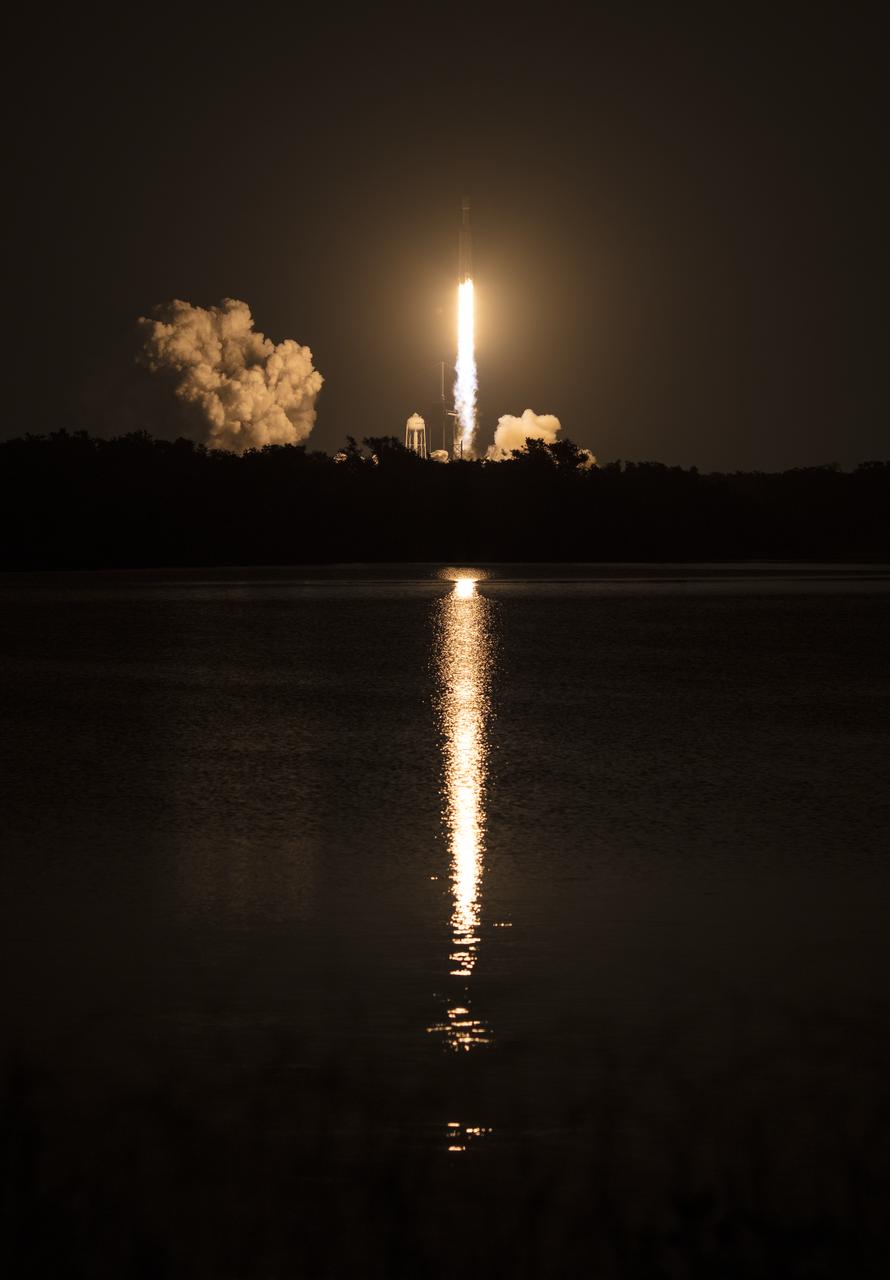
A SpaceX Falcon Heavy rocket carrying 24 satellites as part of the Department of Defense's Space Test Program-2 (STP-2) mission launches from Launch Complex 39A, Tuesday, June 25, 2019 at NASA's Kennedy Space Center in Florida. Four NASA technology and science payloads which will study non-toxic spacecraft fuel, deep space navigation, "bubbles" in the electrically-charged layers of Earth's upper atmosphere, and radiation protection for satellites are among the two dozen satellites that will be put into orbit. Photo Credit: (NASA/Joel Kowsky)
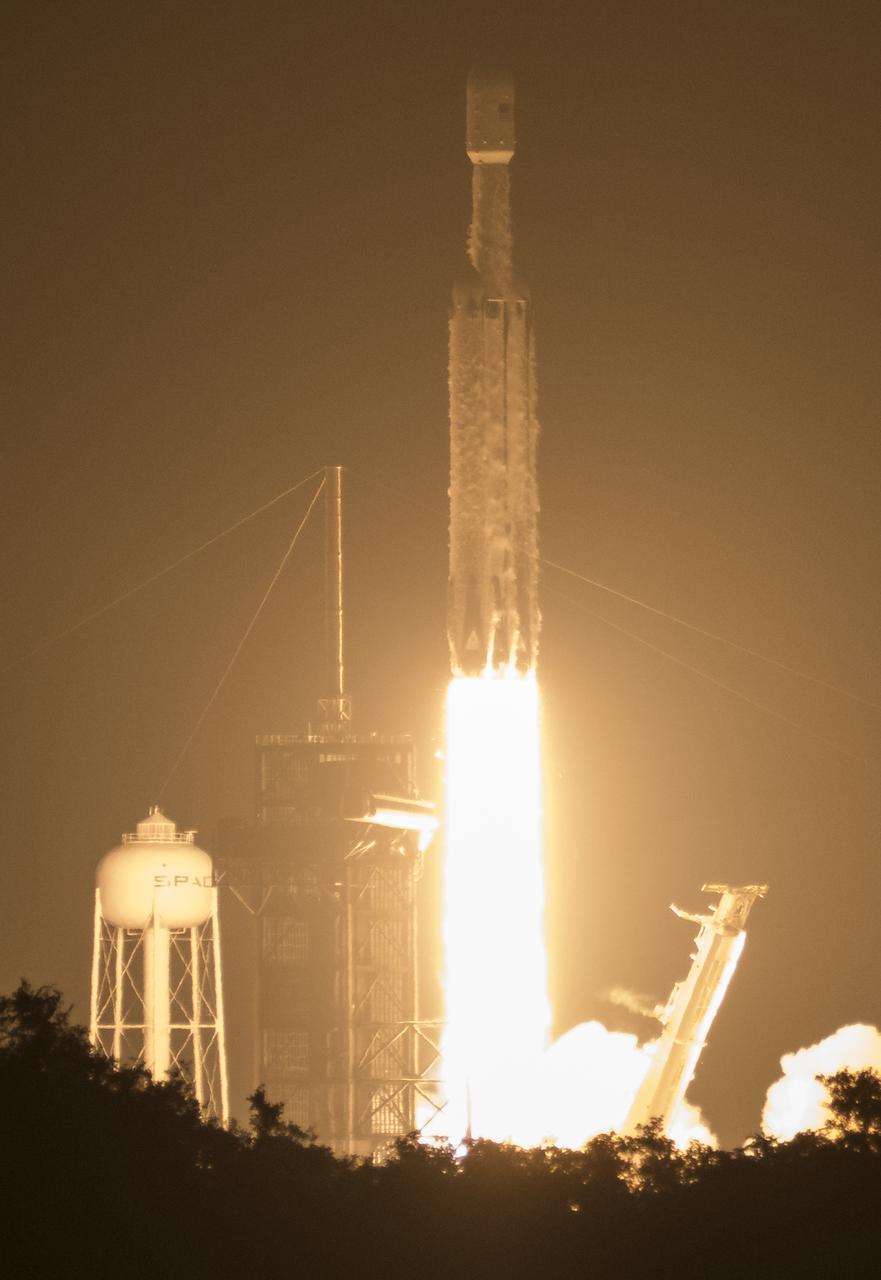
A SpaceX Falcon Heavy rocket carrying 24 satellites as part of the Department of Defense's Space Test Program-2 (STP-2) mission launches from Launch Complex 39A, Tuesday, June 25, 2019 at NASA's Kennedy Space Center in Florida. Four NASA technology and science payloads which will study non-toxic spacecraft fuel, deep space navigation, "bubbles" in the electrically-charged layers of Earth's upper atmosphere, and radiation protection for satellites are among the two dozen satellites that will be put into orbit. Photo Credit: (NASA/Joel Kowsky)
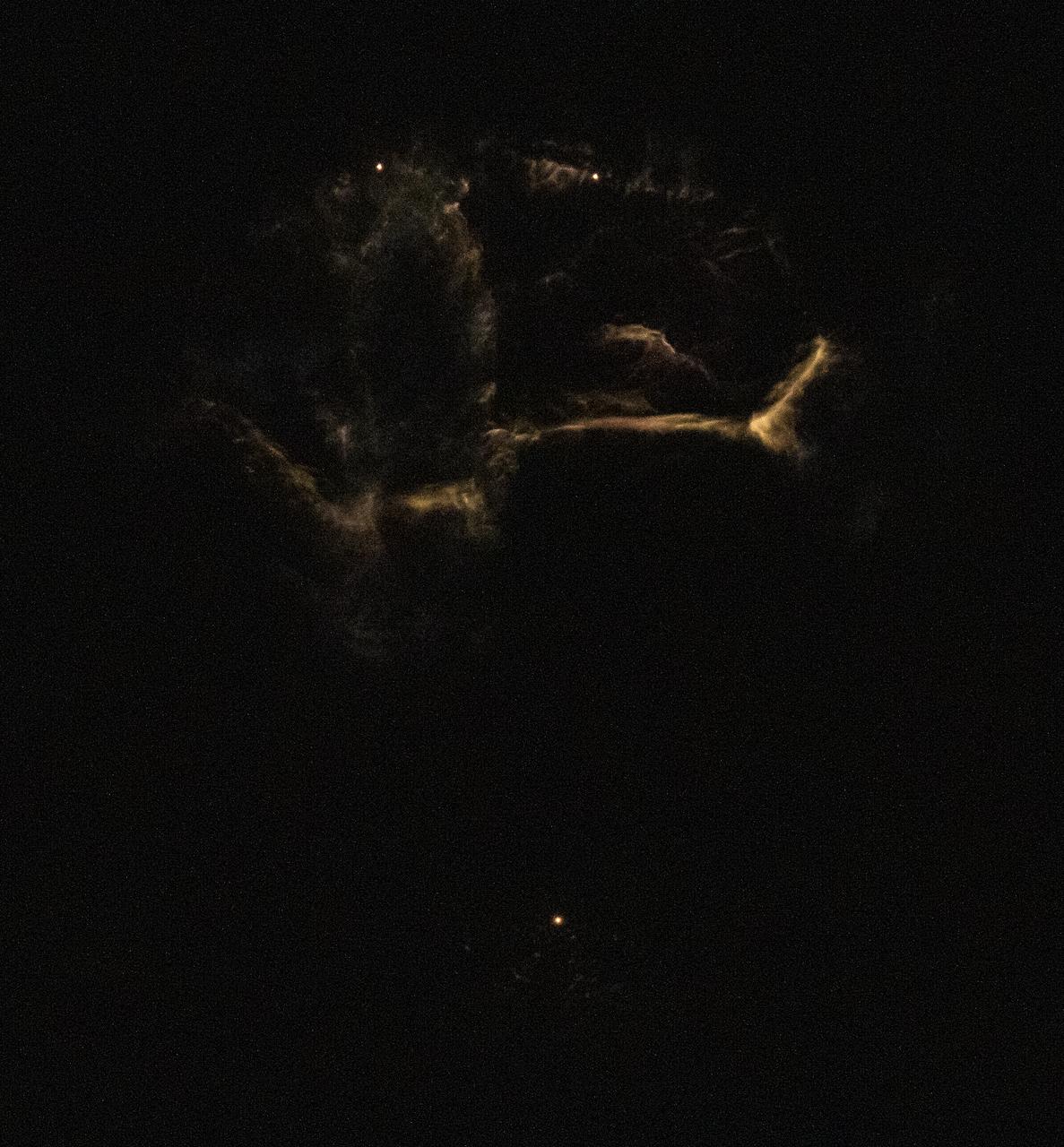
The two side boosters of the SpaceX Falcon Heavy rocket carrying 24 satellites as part of the Department of Defense's Space Test Program-2 (STP-2) mission are seen as they conduct a boost back burn to return to Landing Zone 1, Tuesday, June 25, 2019 at NASA's Kennedy Space Center in Florida. Four NASA technology and science payloads which will study non-toxic spacecraft fuel, deep space navigation, "bubbles" in the electrically-charged layers of Earth's upper atmosphere, and radiation protection for satellites are among the two dozen satellites that will be put into orbit. Photo Credit: (NASA/Joel Kowsky)
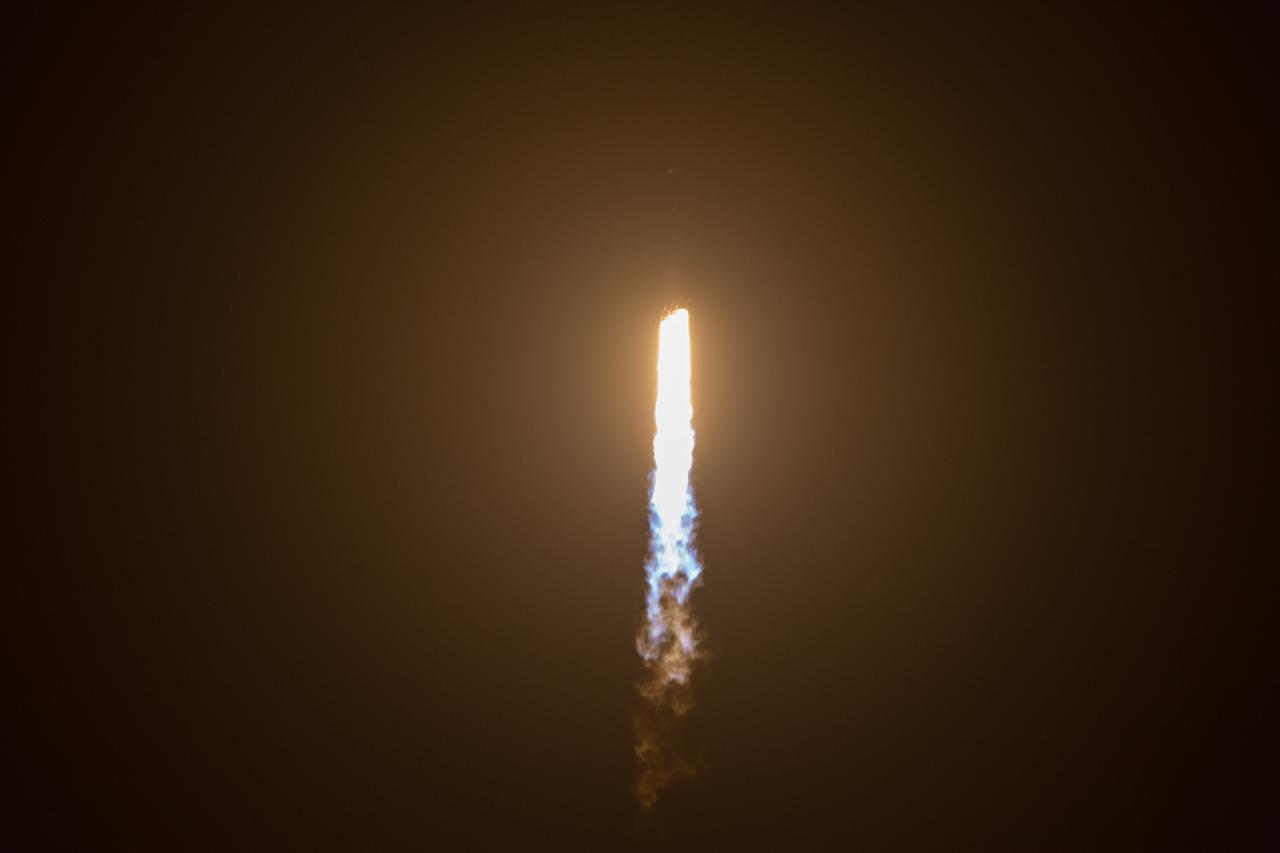
A SpaceX Falcon Heavy rocket roars upward after lifting off from Launch Complex 39A at 2:30 a.m. EDT on June 25, 2019, at NASA’s Kennedy Space Center in Florida. The Falcon Heavy rocket carries two dozen satellites to space for the U.S. Department of Defense, including four NASA payloads that are part of the Space Test Program (STP-2) mission, managed by the U.S. Air Force Space and Missile Systems Center. The four NASA payloads include two technology demonstrations to improve how spacecraft propel and navigate, as well as two NASA science missions to help us better understand the nature of space and how it impacts technology on spacecraft and the ground.
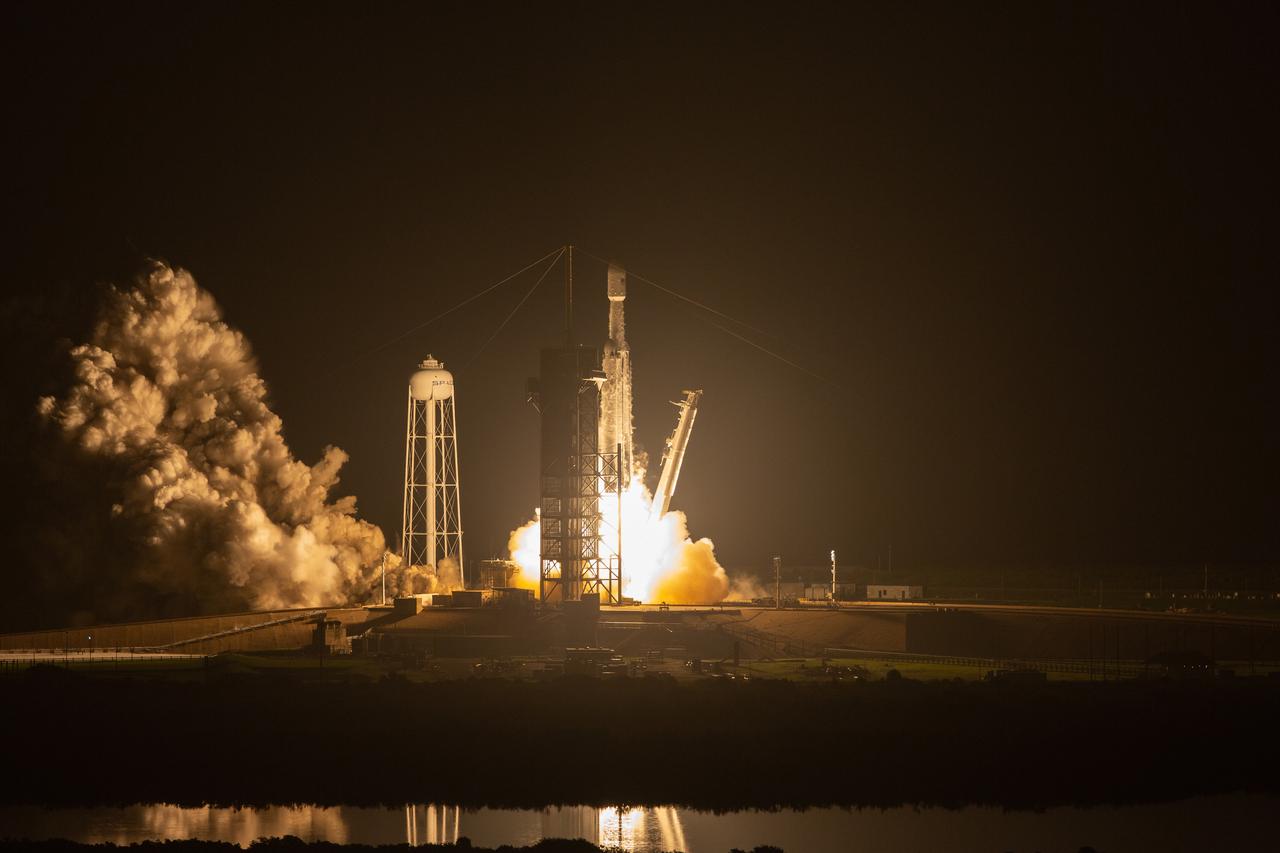
A SpaceX Falcon Heavy rocket lifts off from Launch Complex 39A at 2:30 a.m. EDT on June 25, 2019, at NASA’s Kennedy Space Center in Florida. The Falcon Heavy rocket carries two dozen satellites to space for the U.S. Department of Defense, including four NASA payloads that are part of the Space Test Program (STP-2) mission, managed by the U.S. Air Force Space and Missile Systems Center. The four NASA payloads include two technology demonstrations to improve how spacecraft propel and navigate, as well as two NASA science missions to help us better understand the nature of space and how it impacts technology on spacecraft and the ground.
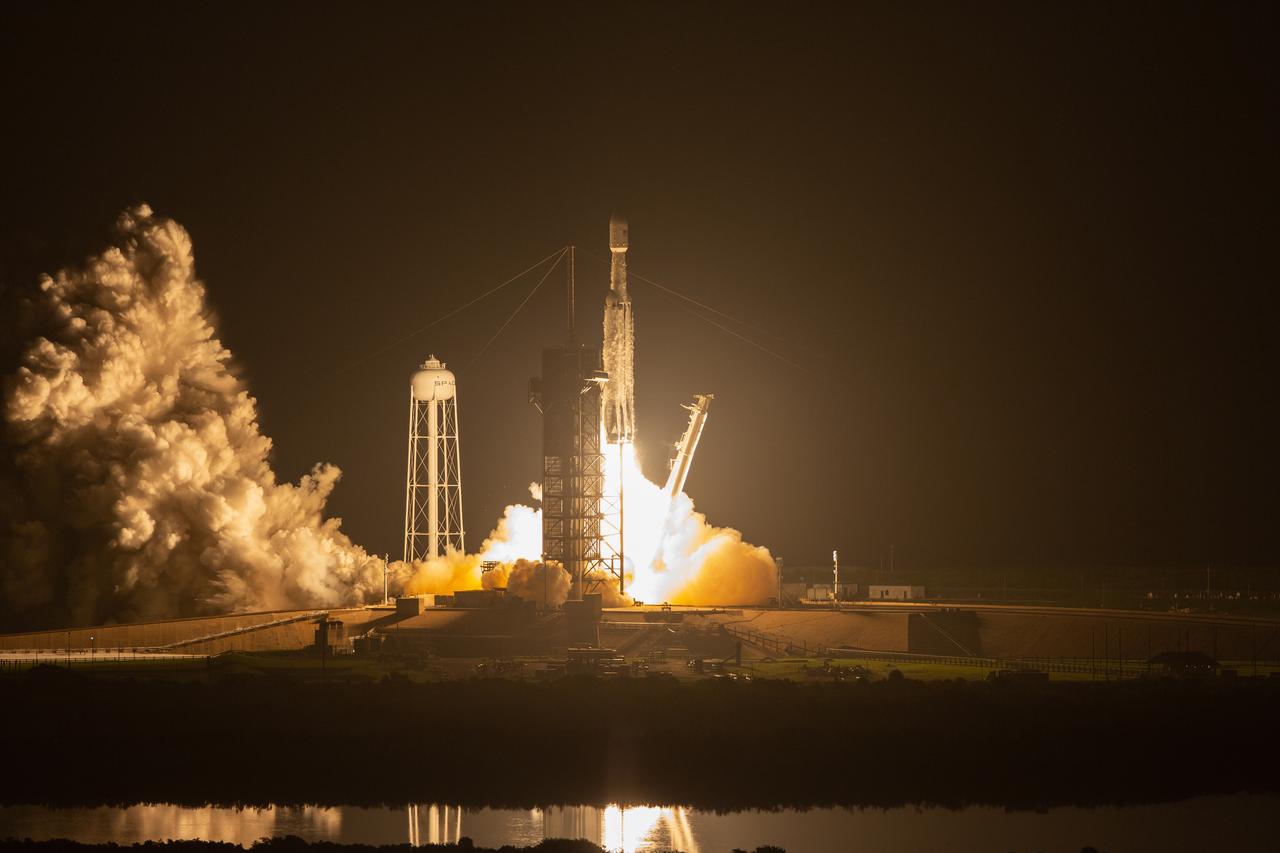
A SpaceX Falcon Heavy rocket lifts off from Launch Complex 39A at 2:30 a.m. EDT on June 25, 2019, at NASA’s Kennedy Space Center in Florida. The Falcon Heavy rocket carries two dozen satellites to space for the U.S. Department of Defense, including four NASA payloads that are part of the Space Test Program (STP-2) mission, managed by the U.S. Air Force Space and Missile Systems Center. The four NASA payloads include two technology demonstrations to improve how spacecraft propel and navigate, as well as two NASA science missions to help us better understand the nature of space and how it impacts technology on spacecraft and the ground.
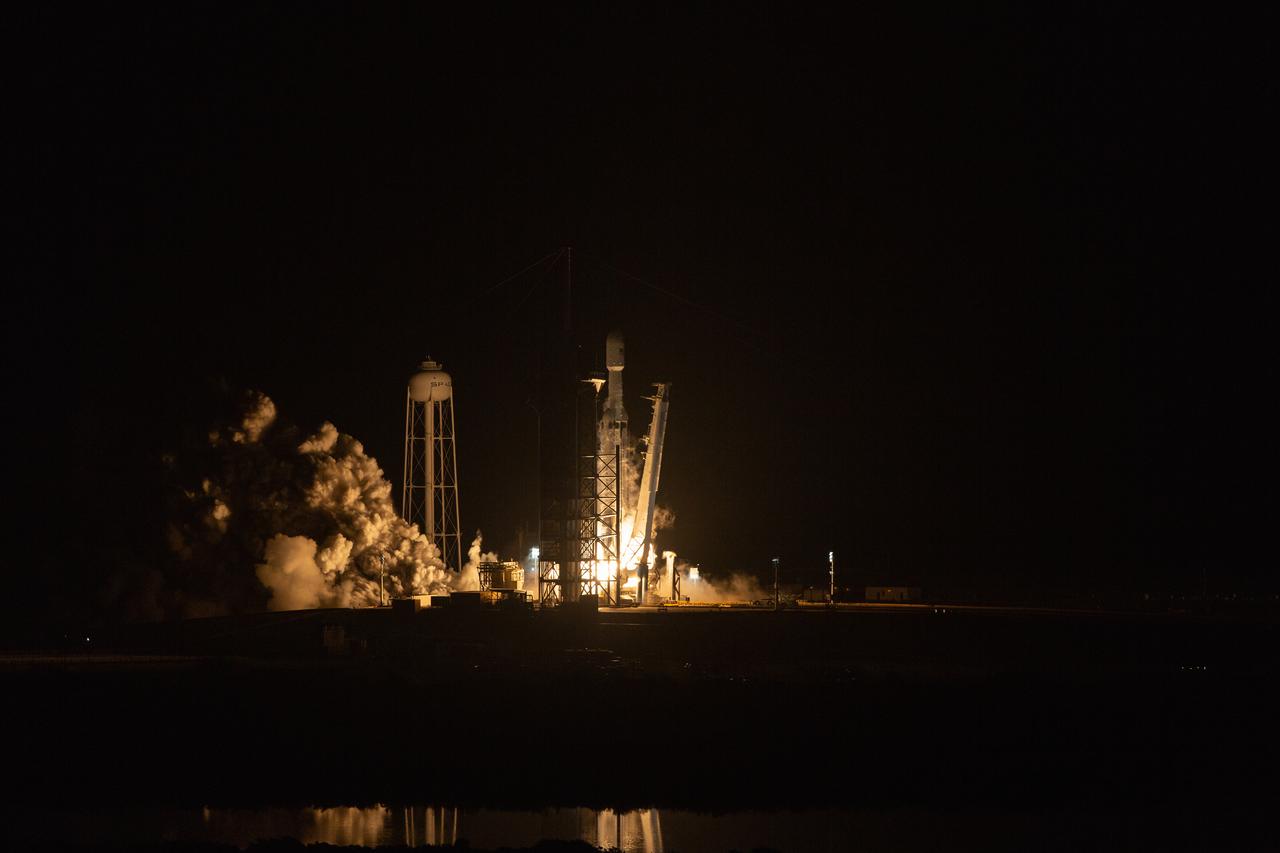
A SpaceX Falcon Heavy rocket lifts off from Launch Complex 39A at 2:30 a.m. EDT on June 25, 2019, at NASA’s Kennedy Space Center in Florida. The Falcon Heavy rocket carries two dozen satellites to space for the U.S. Department of Defense, including four NASA payloads that are part of the Space Test Program (STP-2) mission, managed by the U.S. Air Force Space and Missile Systems Center. The four NASA payloads include two technology demonstrations to improve how spacecraft propel and navigate, as well as two NASA science missions to help us better understand the nature of space and how it impacts technology on spacecraft and the ground.
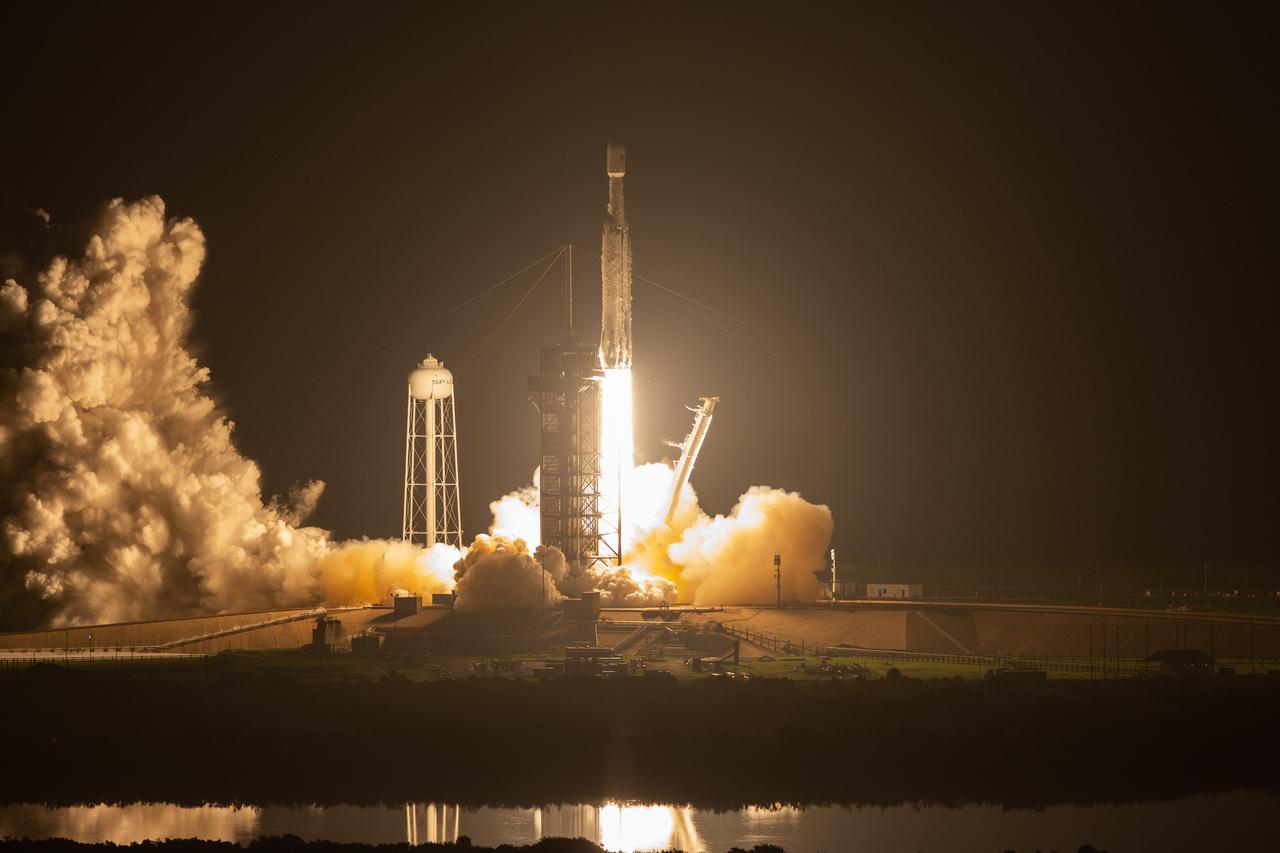
A SpaceX Falcon Heavy rocket lifts off from Launch Complex 39A at 2:30 a.m. EDT on June 25, 2019, at NASA’s Kennedy Space Center in Florida. The Falcon Heavy rocket carries two dozen satellites to space for the U.S. Department of Defense, including four NASA payloads that are part of the Space Test Program (STP-2) mission, managed by the U.S. Air Force Space and Missile Systems Center. The four NASA payloads include two technology demonstrations to improve how spacecraft propel and navigate, as well as two NASA science missions to help us better understand the nature of space and how it impacts technology on spacecraft and the ground.

A SpaceX Falcon Heavy rocket carrying 24 satellites as part of the Department of Defense's Space Test Program-2 (STP-2) mission is seen at Launch Complex 39A, Monday, June 24, 2019 at NASA's Kennedy Space Center in Florida. Four NASA technology and science payloads which will study non-toxic spacecraft fuel, deep space navigation, "bubbles" in the electrically-charged layers of Earth's upper atmosphere, and radiation protection for satellites are among the two dozen satellites that will be launched. The three hour launch window opens at 11:30pm EDT on June 24. Photo Credit: (NASA/Joel Kowsky)
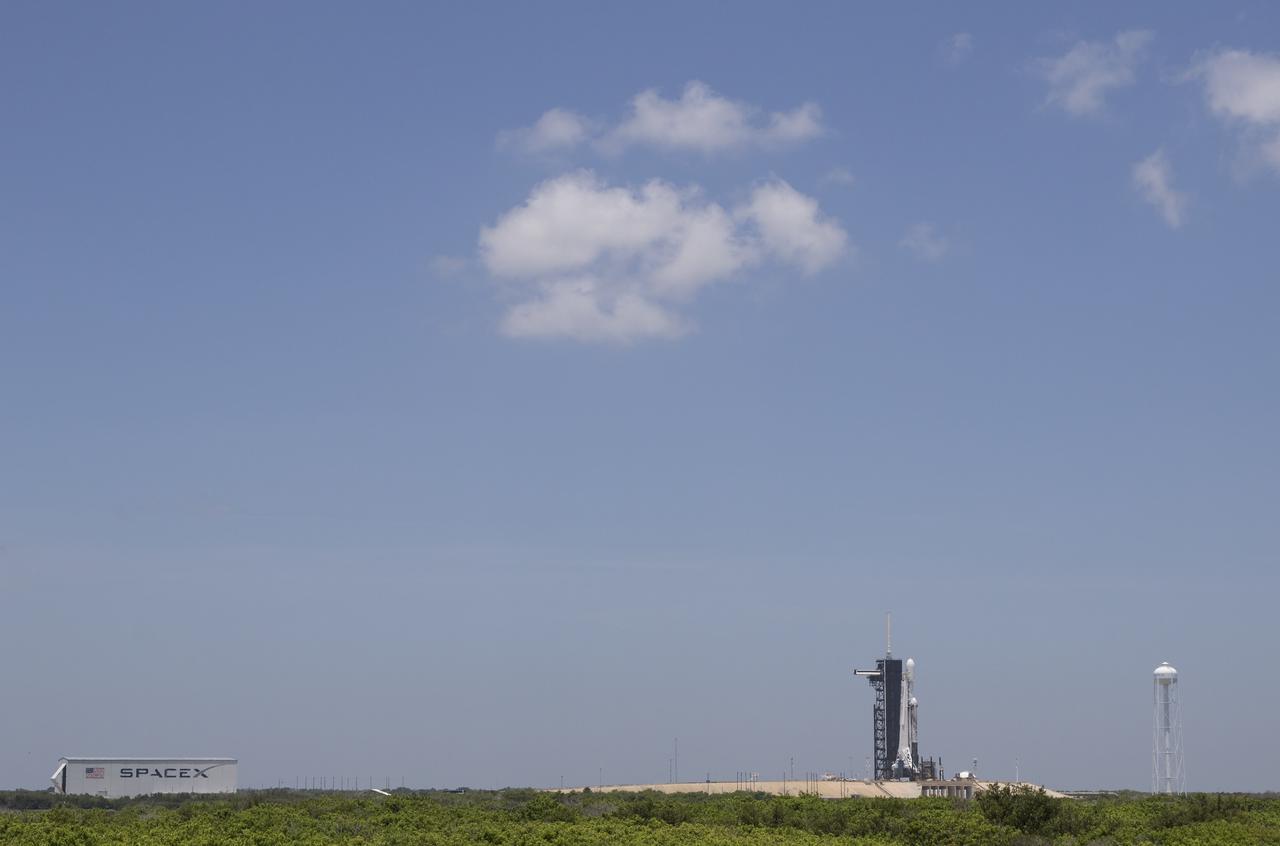
A SpaceX Falcon Heavy rocket carrying 24 satellites as part of the Department of Defense's Space Test Program-2 (STP-2) mission is seen at Launch Complex 39A, Monday, June 24, 2019 at NASA's Kennedy Space Center in Florida. Four NASA technology and science payloads which will study non-toxic spacecraft fuel, deep space navigation, "bubbles" in the electrically-charged layers of Earth's upper atmosphere, and radiation protection for satellites are among the two dozen satellites that will be launched. The three hour launch window opens at 11:30pm EDT on June 24. Photo Credit: (NASA/Joel Kowsky)
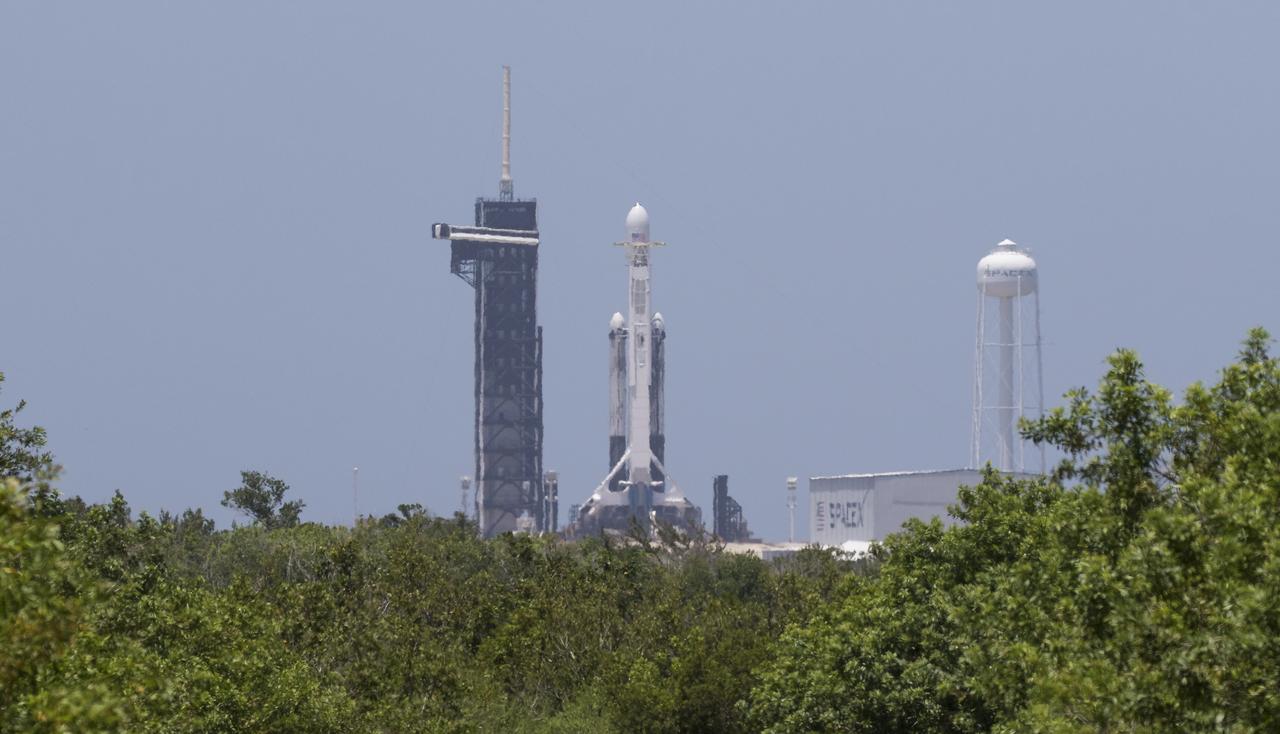
A SpaceX Falcon Heavy rocket carrying 24 satellites as part of the Department of Defense's Space Test Program-2 (STP-2) mission is seen at Launch Complex 39A, Monday, June 24, 2019 at NASA's Kennedy Space Center in Florida. Four NASA technology and science payloads which will study non-toxic spacecraft fuel, deep space navigation, "bubbles" in the electrically-charged layers of Earth's upper atmosphere, and radiation protection for satellites are among the two dozen satellites that will be launched. The three hour launch window opens at 11:30pm EDT on June 24. Photo Credit: (NASA/Joel Kowsky)
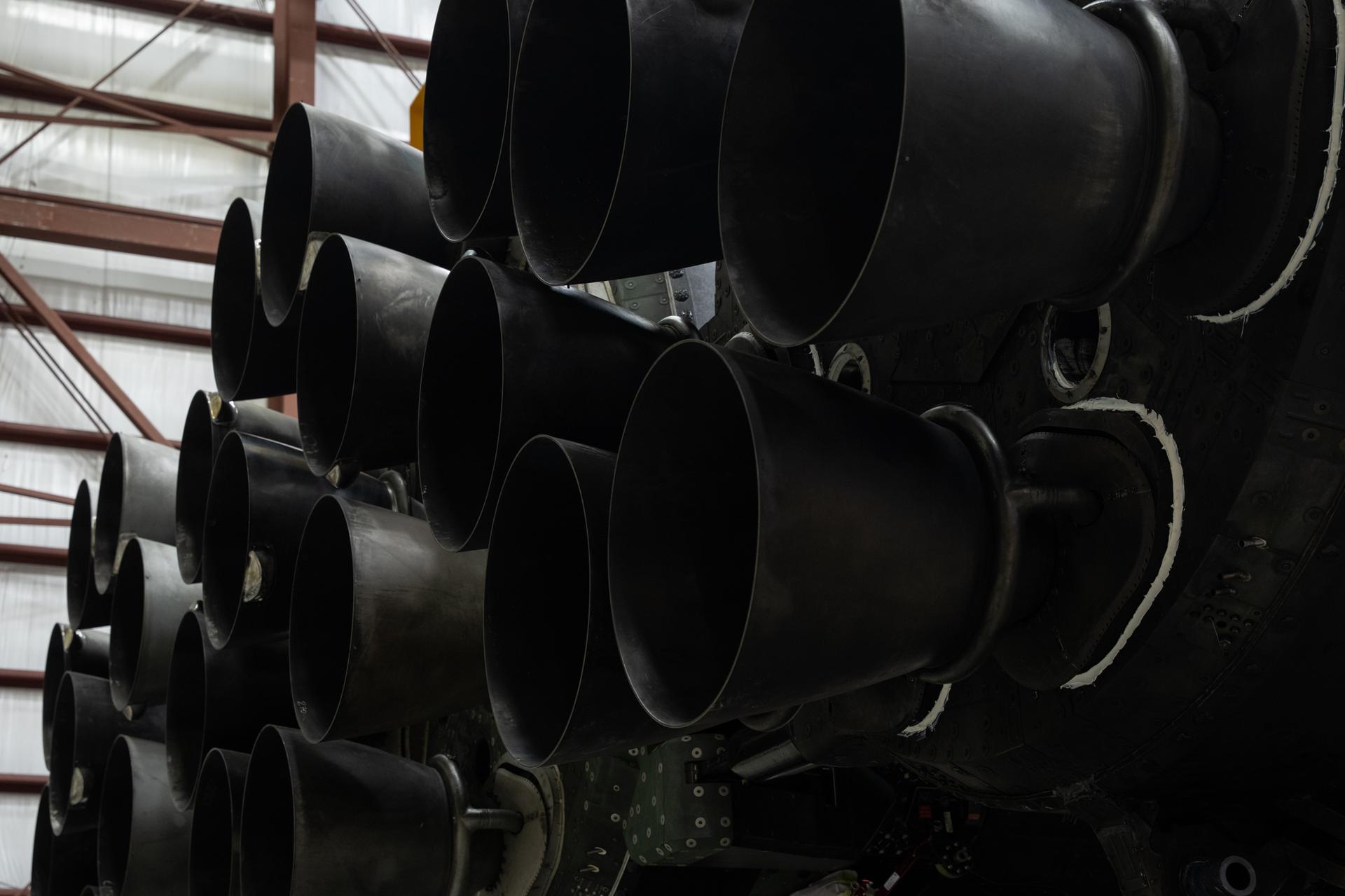
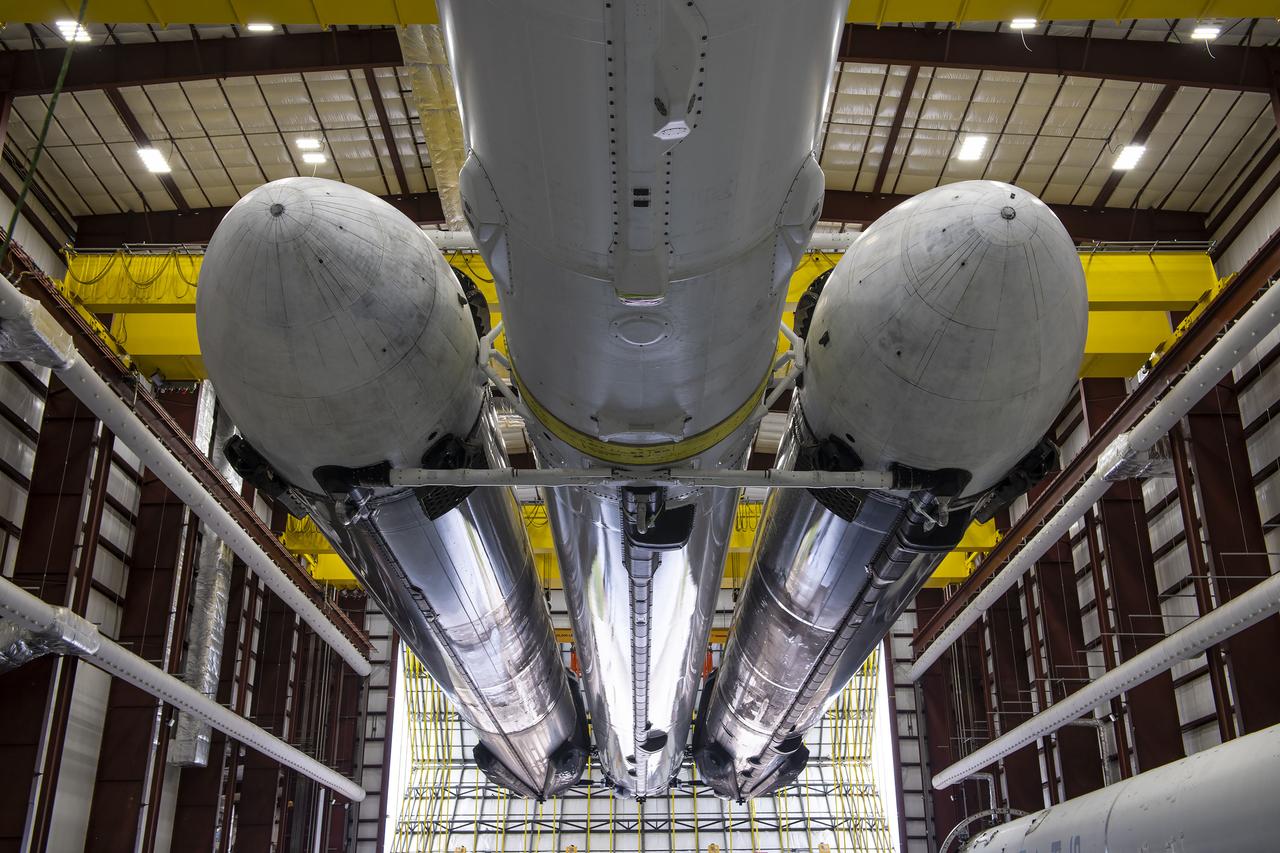
Teams continue launch preparations on the SpaceX Falcon Heavy that will launch NASA's Nancy Grace Roman Space Telescope, inside the SpaceX hangar at Launch Complex 39A at Kennedy Space Center in Florida on Wednesday, Aug. 26, 2026. The rocket has 27 Merlin engines on its first stage and can generate more than five million pounds of thrust at liftoff. NASA and SpaceX are targeting launch no earlier than 7:26 a.m. EDT Sunday, Aug. 30, from Kennedy.
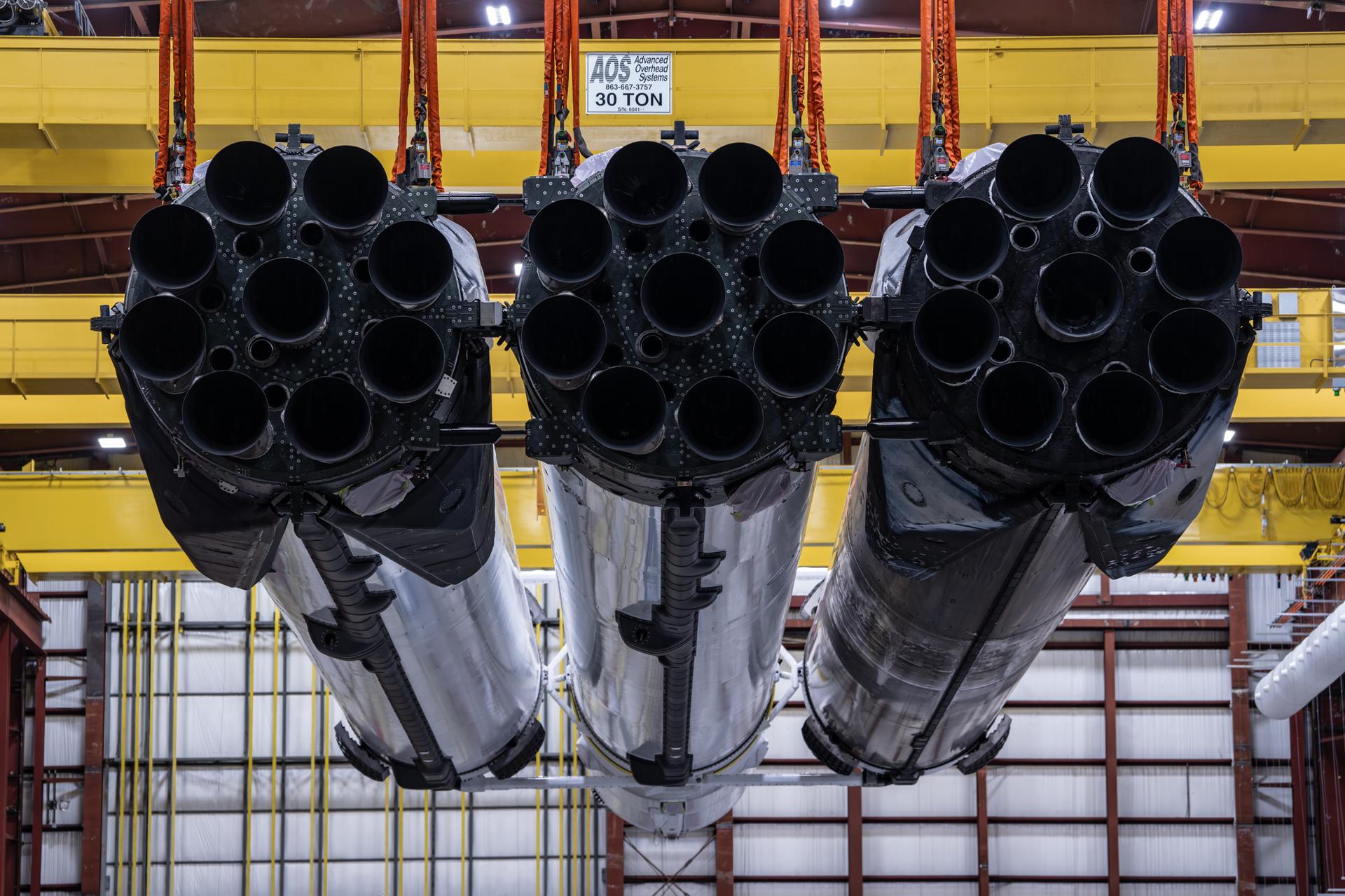
Teams continue launch preparations on the SpaceX Falcon Heavy that will launch NASA's Nancy Grace Roman Space Telescope, inside the SpaceX hangar at Launch Complex 39A at Kennedy Space Center in Florida on Wednesday, Aug. 26, 2026. The rocket has 27 Merlin engines on its first stage and can generate more than five million pounds of thrust at liftoff. NASA and SpaceX are targeting launch no earlier than 7:26 a.m. EDT Sunday, Aug. 30, from Kennedy.
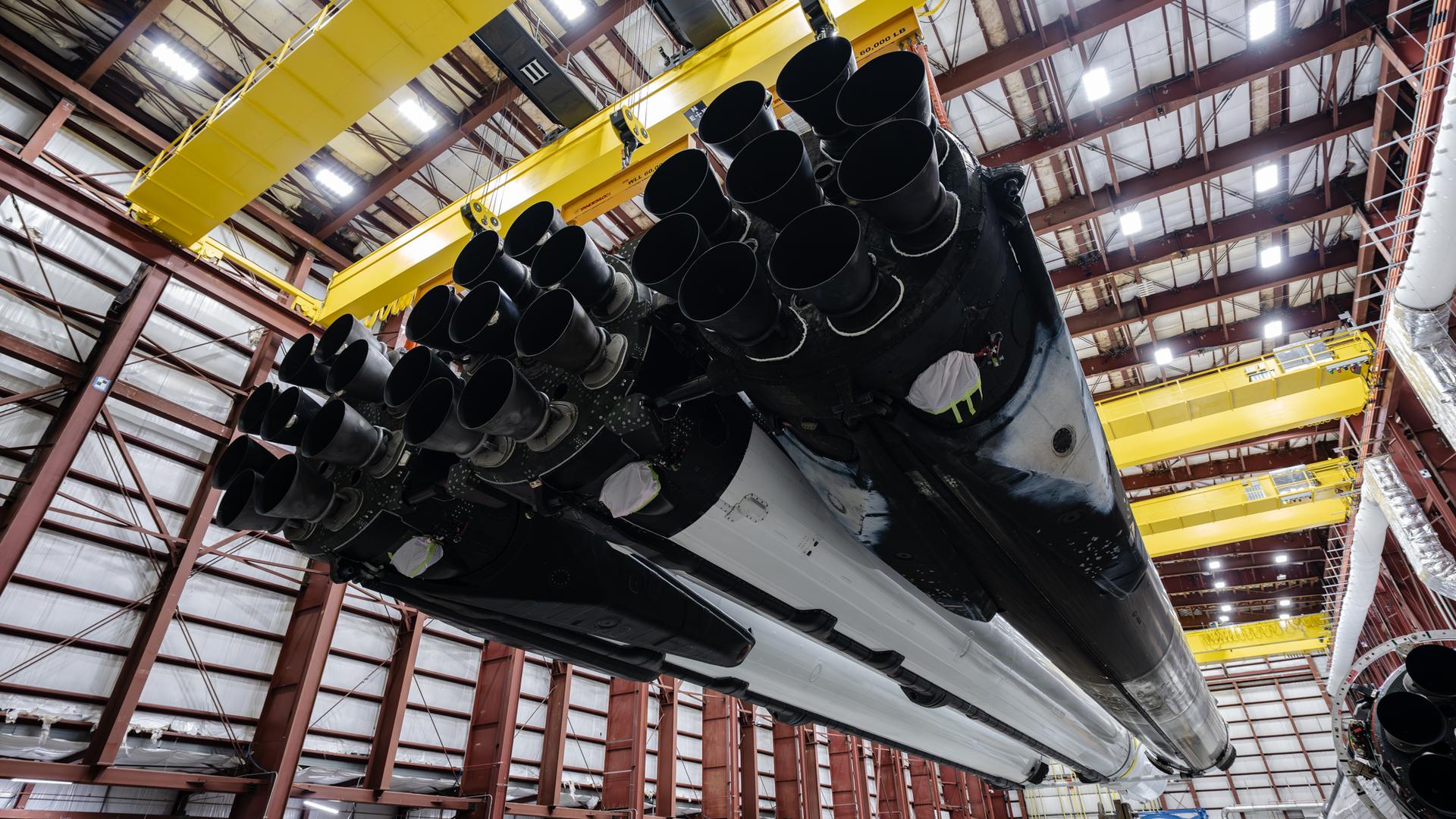
Teams continue launch preparations on the SpaceX Falcon Heavy that will launch NASA's Nancy Grace Roman Space Telescope, inside the SpaceX hangar at Launch Complex 39A at Kennedy Space Center in Florida on Wednesday, Aug. 26, 2026. The rocket has 27 Merlin engines on its first stage and can generate more than five million pounds of thrust at liftoff. NASA and SpaceX are targeting launch no earlier than 7:26 a.m. EDT Sunday, Aug. 30, from Kennedy.
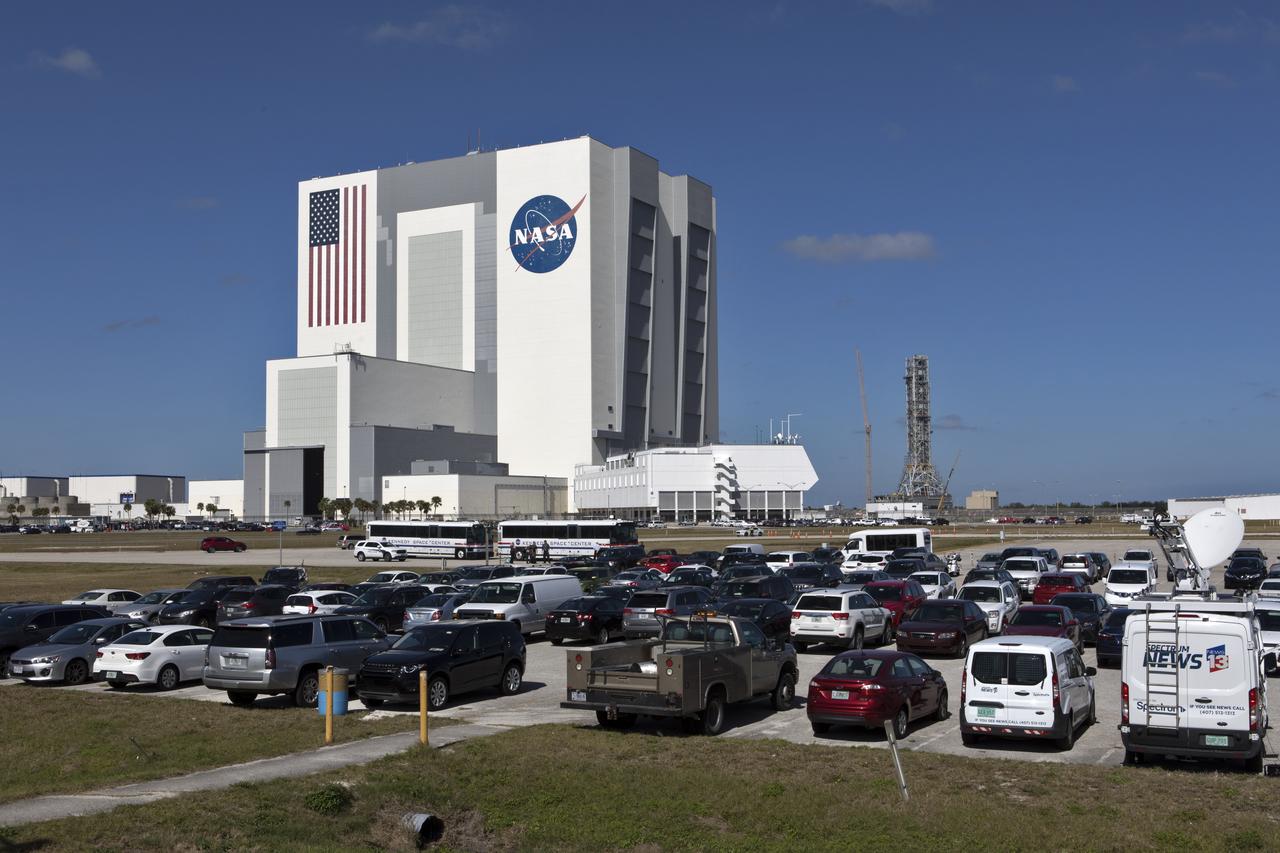
The parking area at the NASA News Center is filled with media vehicles and guest buses in anticipation of the liftoff of the SpaceX Falcon Heavy rocket from Launch Complex 39A at Kennedy Space Center in Florida. The demonstration flight will be a significant milestone for the world's premier multi-user spaceport. In 2014, NASA signed a property agreement with SpaceX for the use and operation of the center's pad 39A, where the company has launched Falcon 9 rockets and is preparing for the first Falcon Heavy. NASA also has Space Act Agreements in place with partners, such as SpaceX, to provide services needed to process and launch rockets and spacecraft.
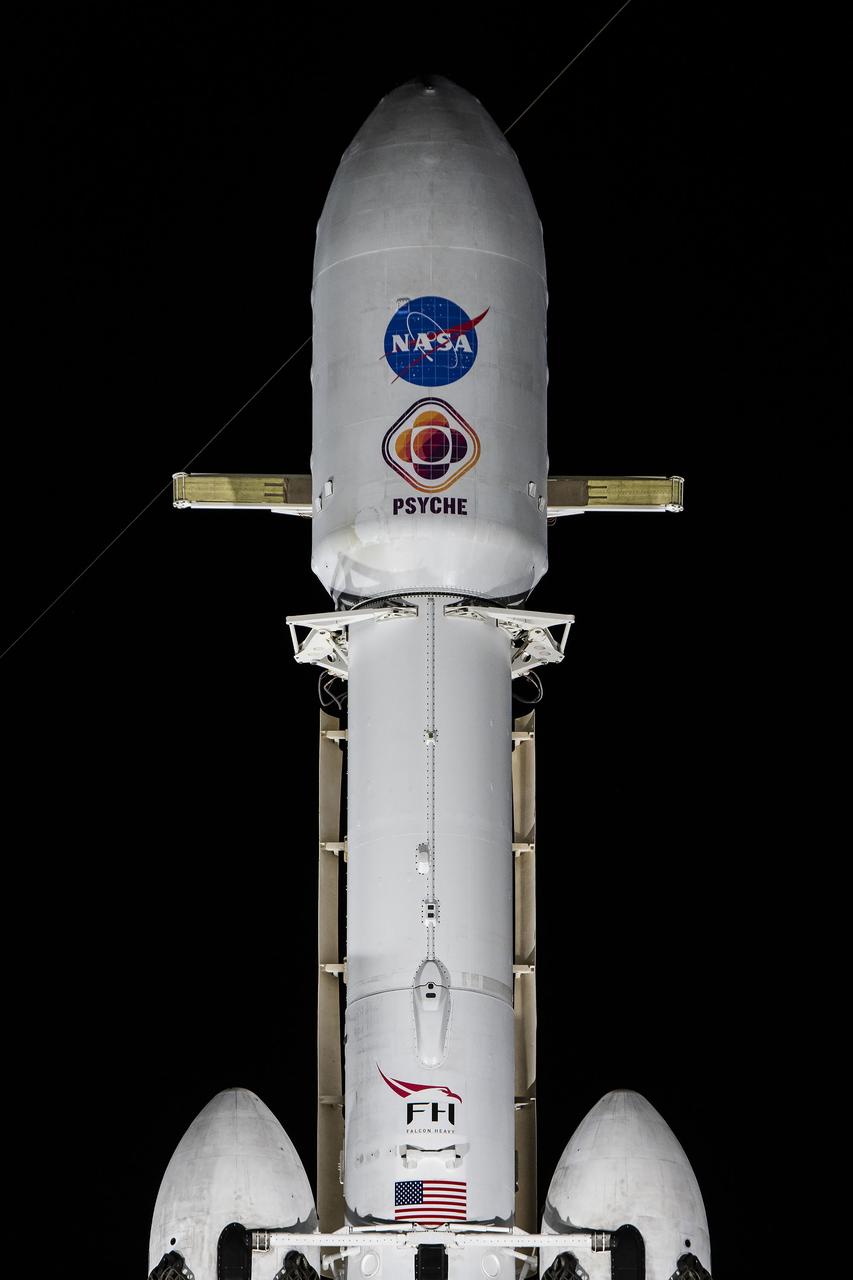
NASA’s Psyche spacecraft stands tall atop a SpaceX Falcon Heavy rocket at Kennedy Space Center’s historic Launch Complex 39A in Florida on Tuesday, Oct. 10, 2023. Liftoff of the mission to the asteroid Psyche is targeted for 10:16 a.m. EDT on Thursday, Oct. 12. The spacecraft also is hosting a technology demonstration, NASA’s Deep Space Optical Communications (DSOC), which will be the first test of laser communications beyond the Moon. NASA’s Launch Services Program, based at Kennedy, is responsible for the insight and approval of the launch vehicle and manages the launch service for the Psyche mission.
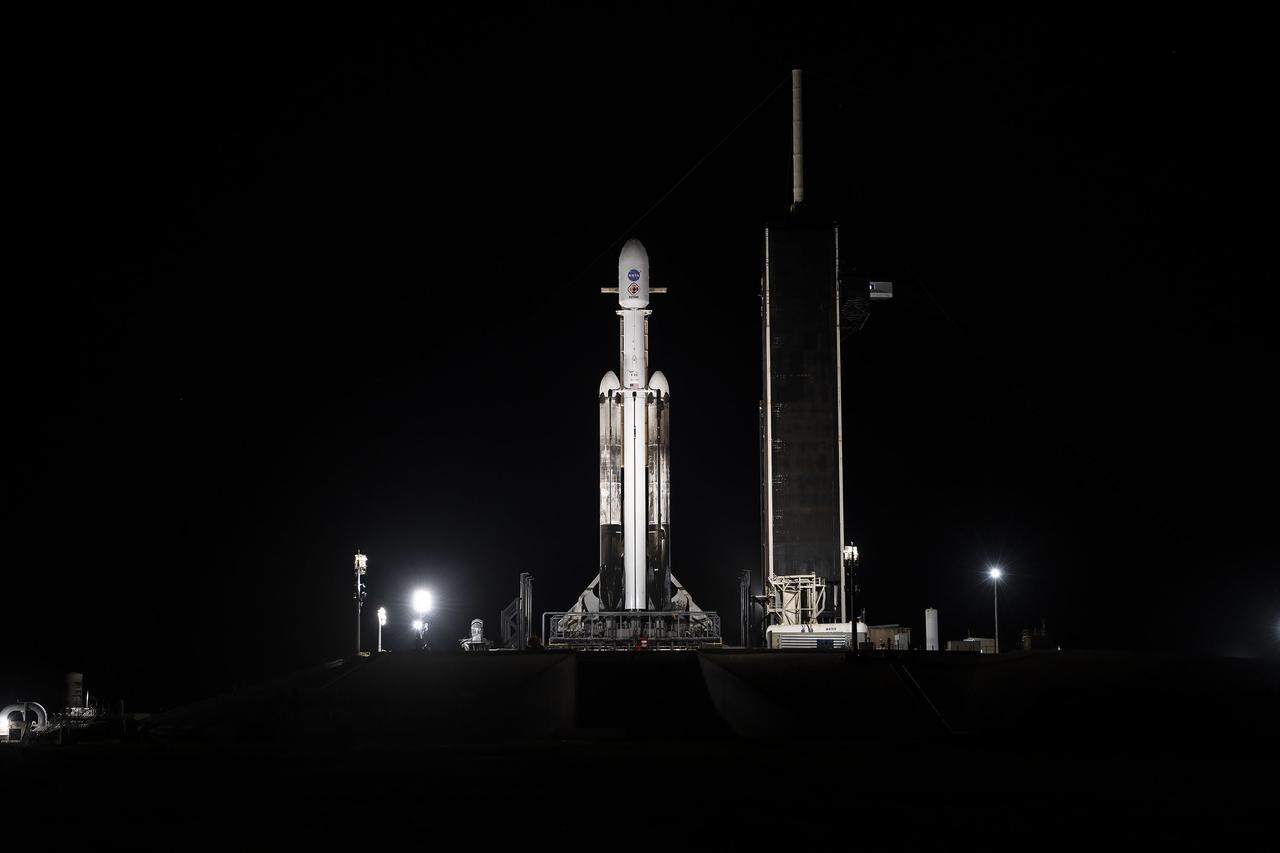
NASA’s Psyche spacecraft stands tall atop a SpaceX Falcon Heavy rocket at Kennedy Space Center’s historic Launch Complex 39A in Florida on Tuesday, Oct. 10, 2023. Liftoff of the mission to the asteroid Psyche is targeted for 10:16 a.m. EDT on Thursday, Oct. 12. The spacecraft also is hosting a technology demonstration, NASA’s Deep Space Optical Communications (DSOC), which will be the first test of laser communications beyond the Moon. NASA’s Launch Services Program, based at Kennedy, is responsible for the insight and approval of the launch vehicle and manages the launch service for the Psyche mission.
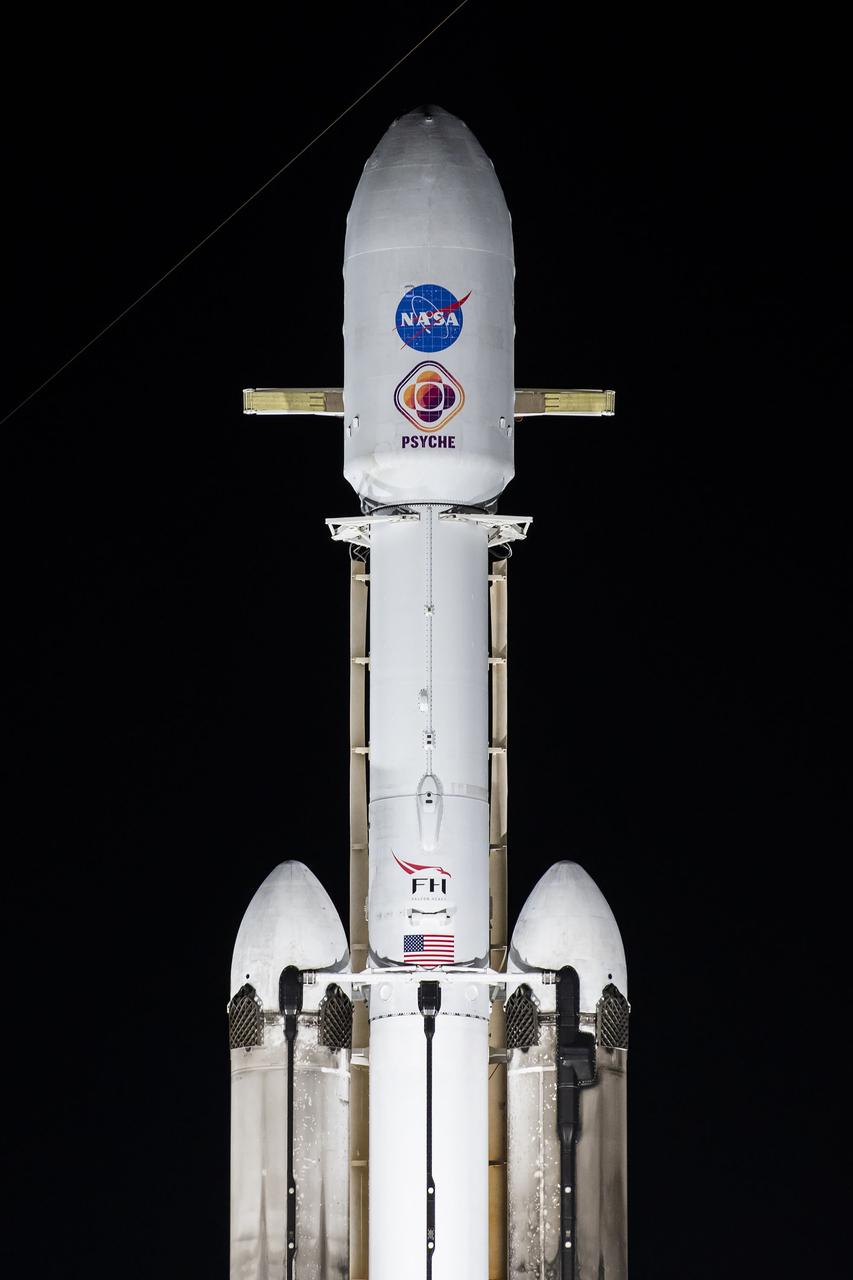
NASA’s Psyche spacecraft stands tall atop a SpaceX Falcon Heavy rocket at Kennedy Space Center’s historic Launch Complex 39A in Florida on Tuesday, Oct. 10, 2023. Liftoff of the mission to the asteroid Psyche is targeted for 10:16 a.m. EDT on Thursday, Oct. 12. The spacecraft also is hosting a technology demonstration, NASA’s Deep Space Optical Communications (DSOC), which will be the first test of laser communications beyond the Moon. NASA’s Launch Services Program, based at Kennedy, is responsible for the insight and approval of the launch vehicle and manages the launch service for the Psyche mission.
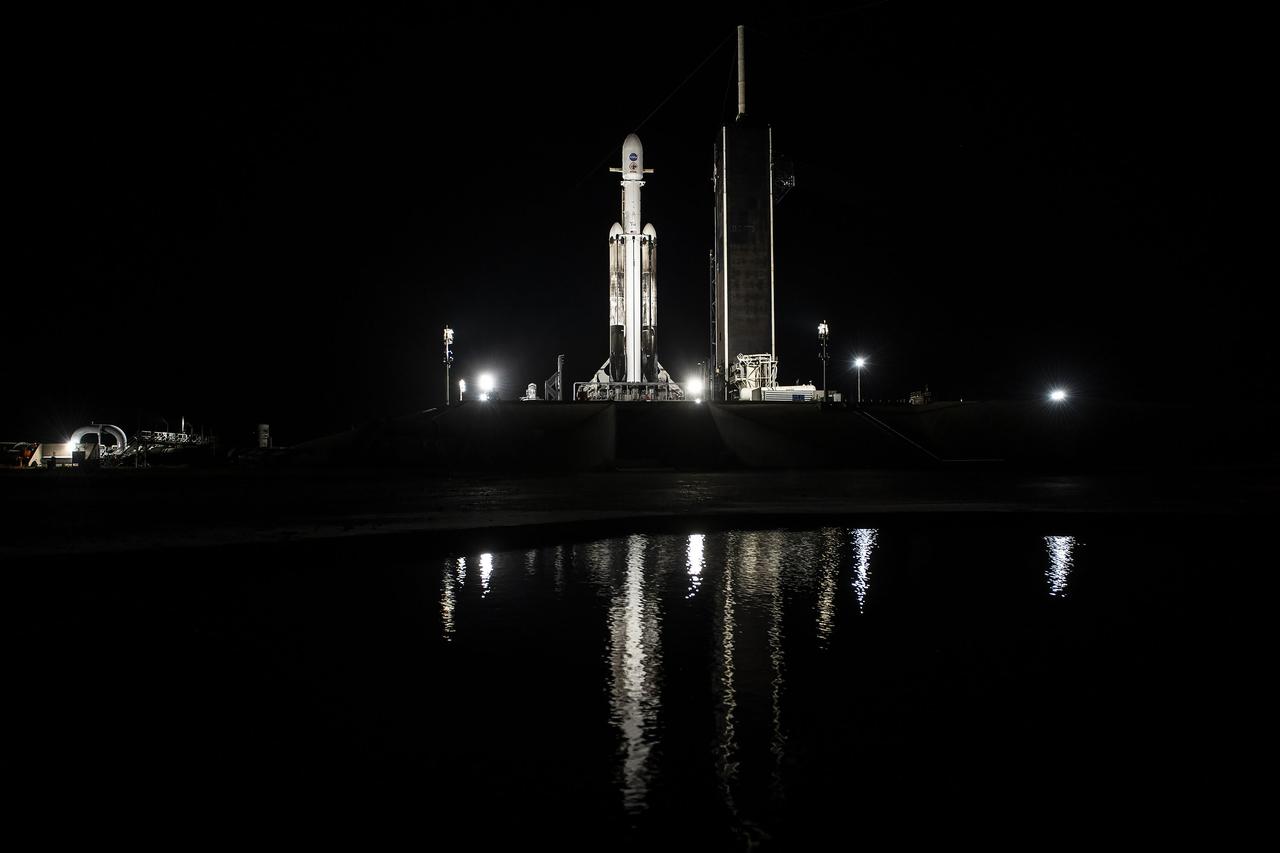
NASA’s Psyche spacecraft stands tall atop a SpaceX Falcon Heavy rocket at Kennedy Space Center’s historic Launch Complex 39A in Florida on Tuesday, Oct. 10, 2023. Liftoff of the mission to the asteroid Psyche is targeted for 10:16 a.m. EDT on Thursday, Oct. 12. The spacecraft also is hosting a technology demonstration, NASA’s Deep Space Optical Communications (DSOC), which will be the first test of laser communications beyond the Moon. NASA’s Launch Services Program, based at Kennedy, is responsible for the insight and approval of the launch vehicle and manages the launch service for the Psyche mission.
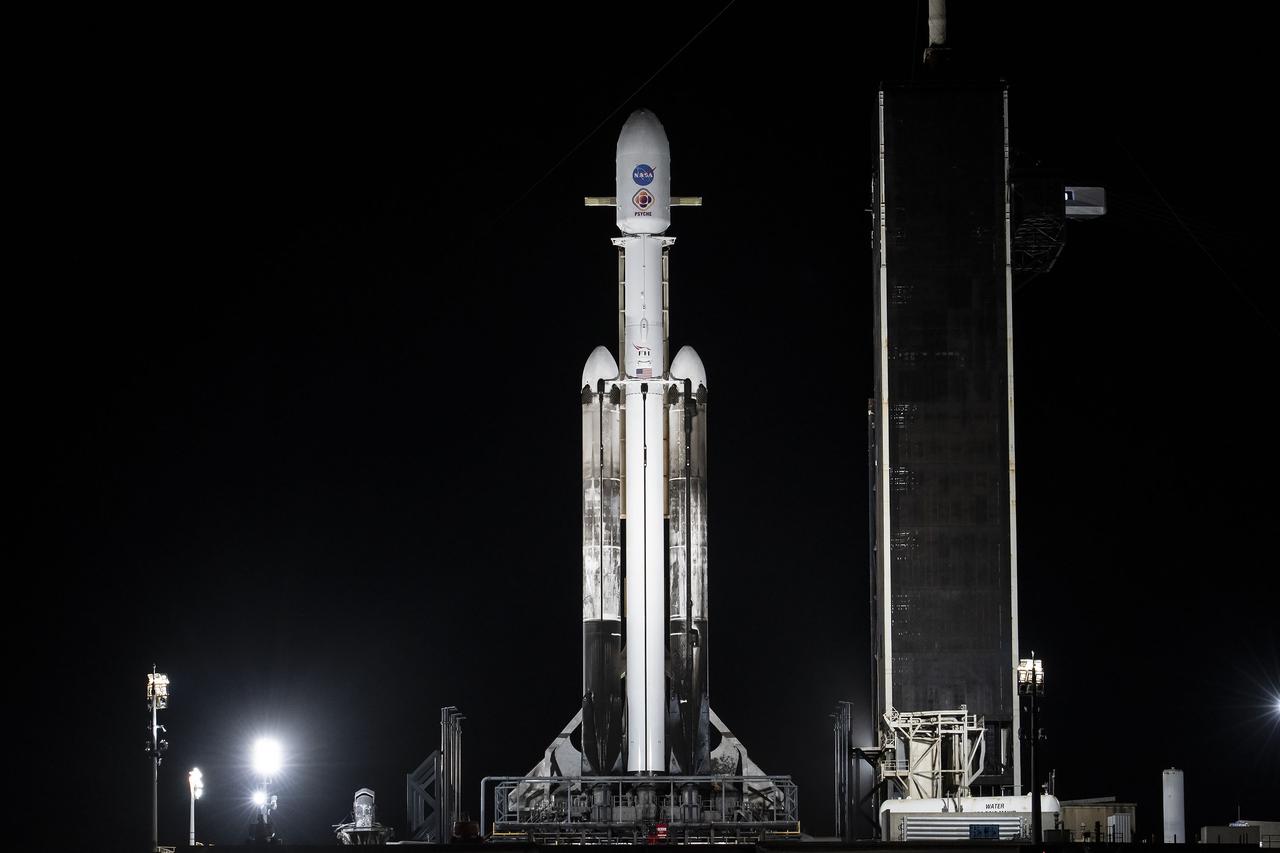
NASA’s Psyche spacecraft stands tall atop a SpaceX Falcon Heavy rocket at Kennedy Space Center’s historic Launch Complex 39A in Florida on Tuesday, Oct. 10, 2023. Liftoff of the mission to the asteroid Psyche is targeted for 10:16 a.m. EDT on Thursday, Oct. 12. The spacecraft also is hosting a technology demonstration, NASA’s Deep Space Optical Communications (DSOC), which will be the first test of laser communications beyond the Moon. NASA’s Launch Services Program, based at Kennedy, is responsible for the insight and approval of the launch vehicle and manages the launch service for the Psyche mission.
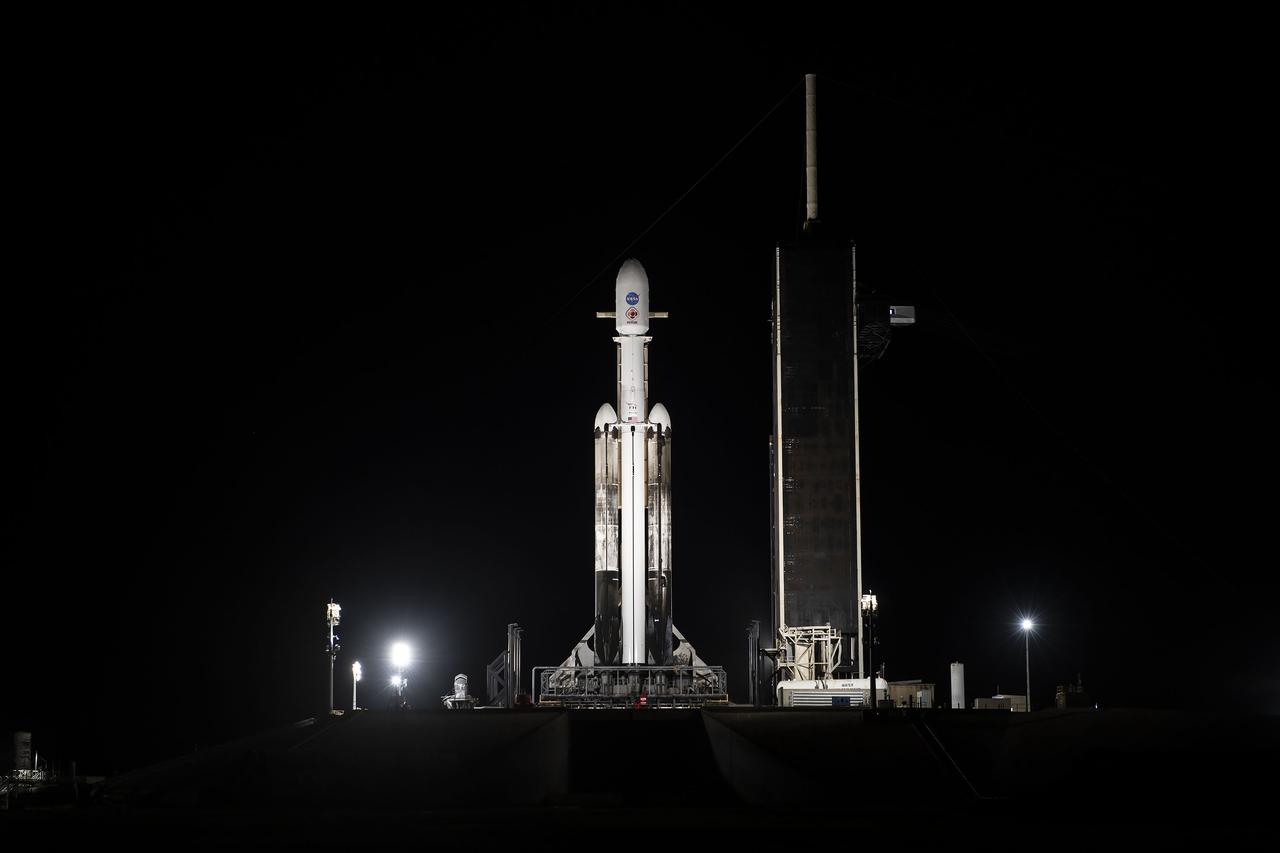
NASA’s Psyche spacecraft stands tall atop a SpaceX Falcon Heavy rocket at Kennedy Space Center’s historic Launch Complex 39A in Florida on Tuesday, Oct. 10, 2023. Liftoff of the mission to the asteroid Psyche is targeted for 10:16 a.m. EDT on Thursday, Oct. 12. The spacecraft also is hosting a technology demonstration, NASA’s Deep Space Optical Communications (DSOC), which will be the first test of laser communications beyond the Moon. NASA’s Launch Services Program, based at Kennedy, is responsible for the insight and approval of the launch vehicle and manages the launch service for the Psyche mission.
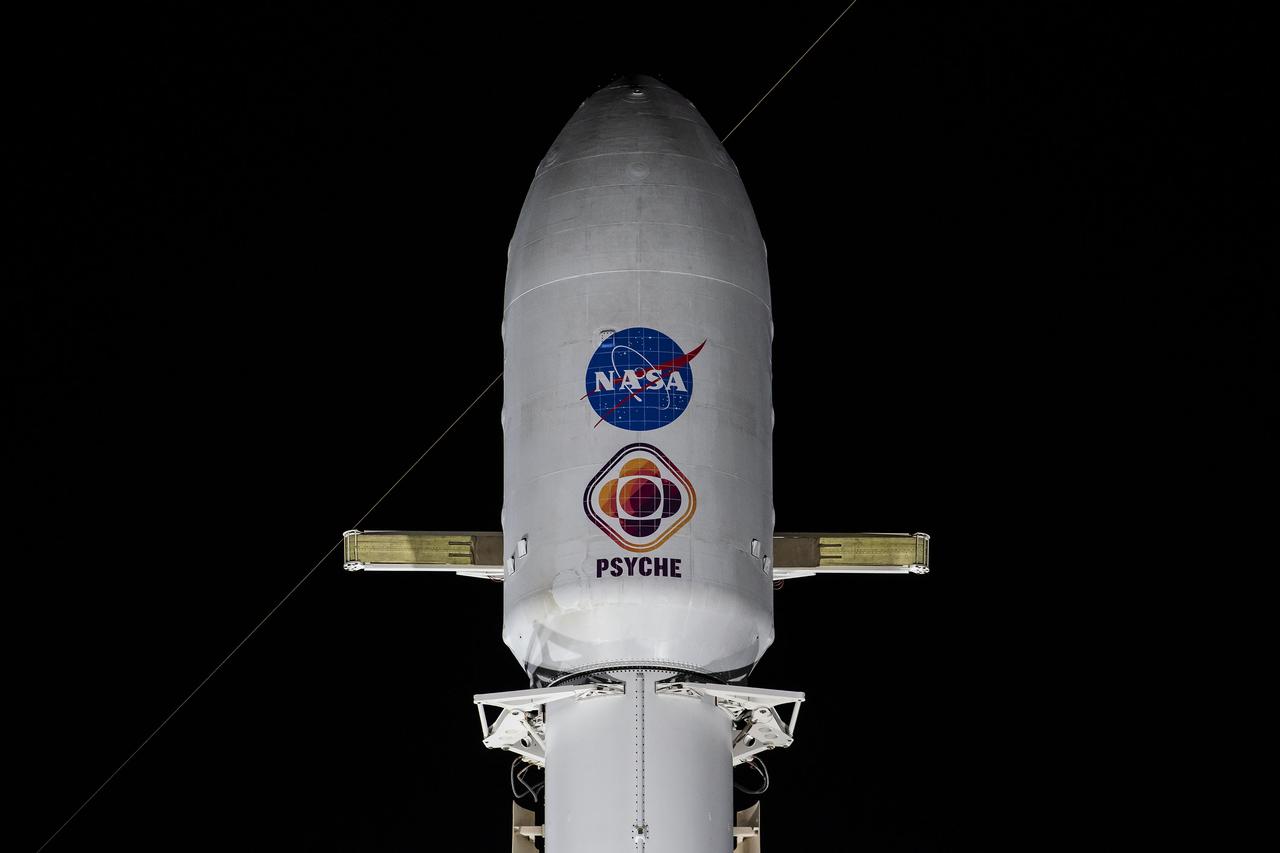
NASA’s Psyche spacecraft stands tall atop a SpaceX Falcon Heavy rocket at Kennedy Space Center’s historic Launch Complex 39A in Florida on Tuesday, Oct. 10, 2023. Liftoff of the mission to the asteroid Psyche is targeted for 10:16 a.m. EDT on Thursday, Oct. 12. The spacecraft also is hosting a technology demonstration, NASA’s Deep Space Optical Communications (DSOC), which will be the first test of laser communications beyond the Moon. NASA’s Launch Services Program, based at Kennedy, is responsible for the insight and approval of the launch vehicle and manages the launch service for the Psyche mission.
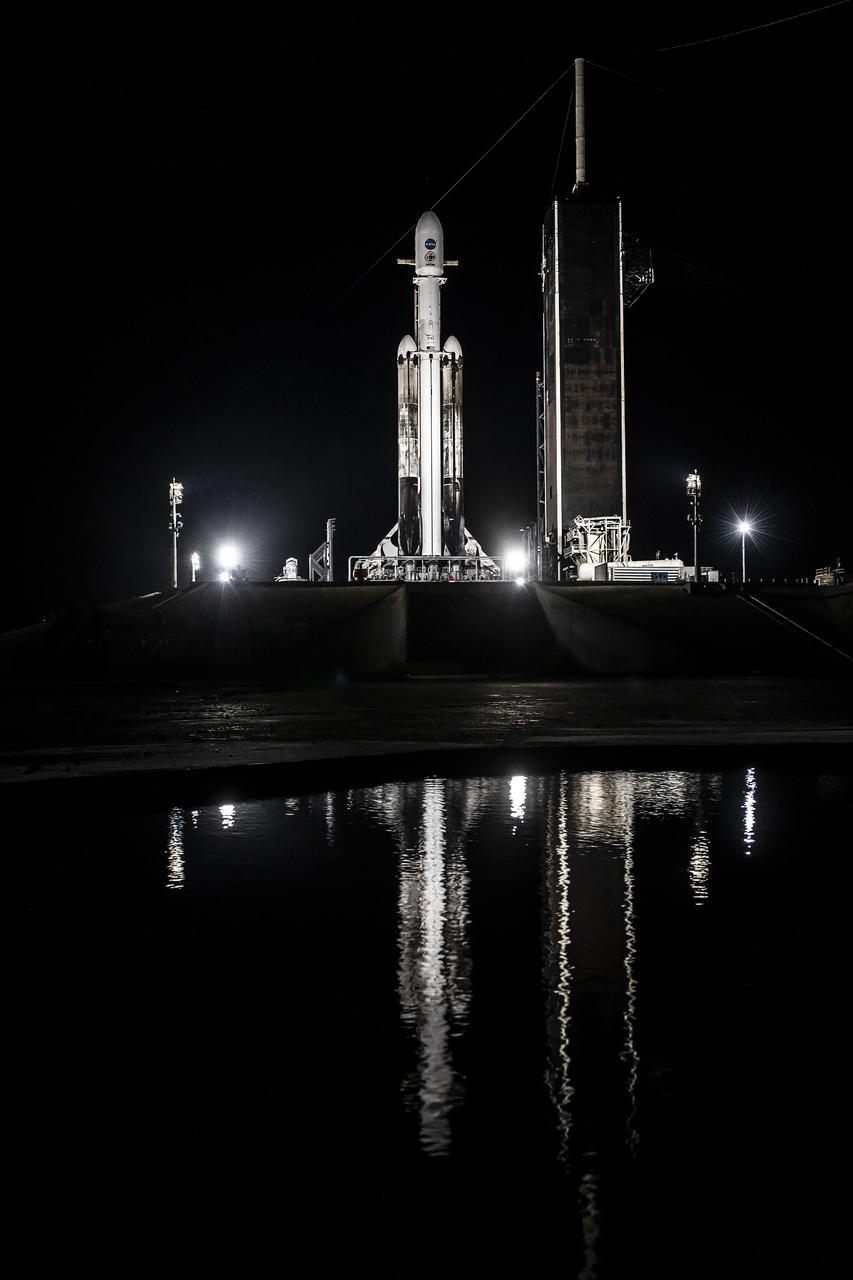
NASA’s Psyche spacecraft stands tall atop a SpaceX Falcon Heavy rocket at Kennedy Space Center’s historic Launch Complex 39A in Florida on Tuesday, Oct. 10, 2023. Liftoff of the mission to the asteroid Psyche is targeted for 10:16 a.m. EDT on Thursday, Oct. 12. The spacecraft also is hosting a technology demonstration, NASA’s Deep Space Optical Communications (DSOC), which will be the first test of laser communications beyond the Moon. NASA’s Launch Services Program, based at Kennedy, is responsible for the insight and approval of the launch vehicle and manages the launch service for the Psyche mission.
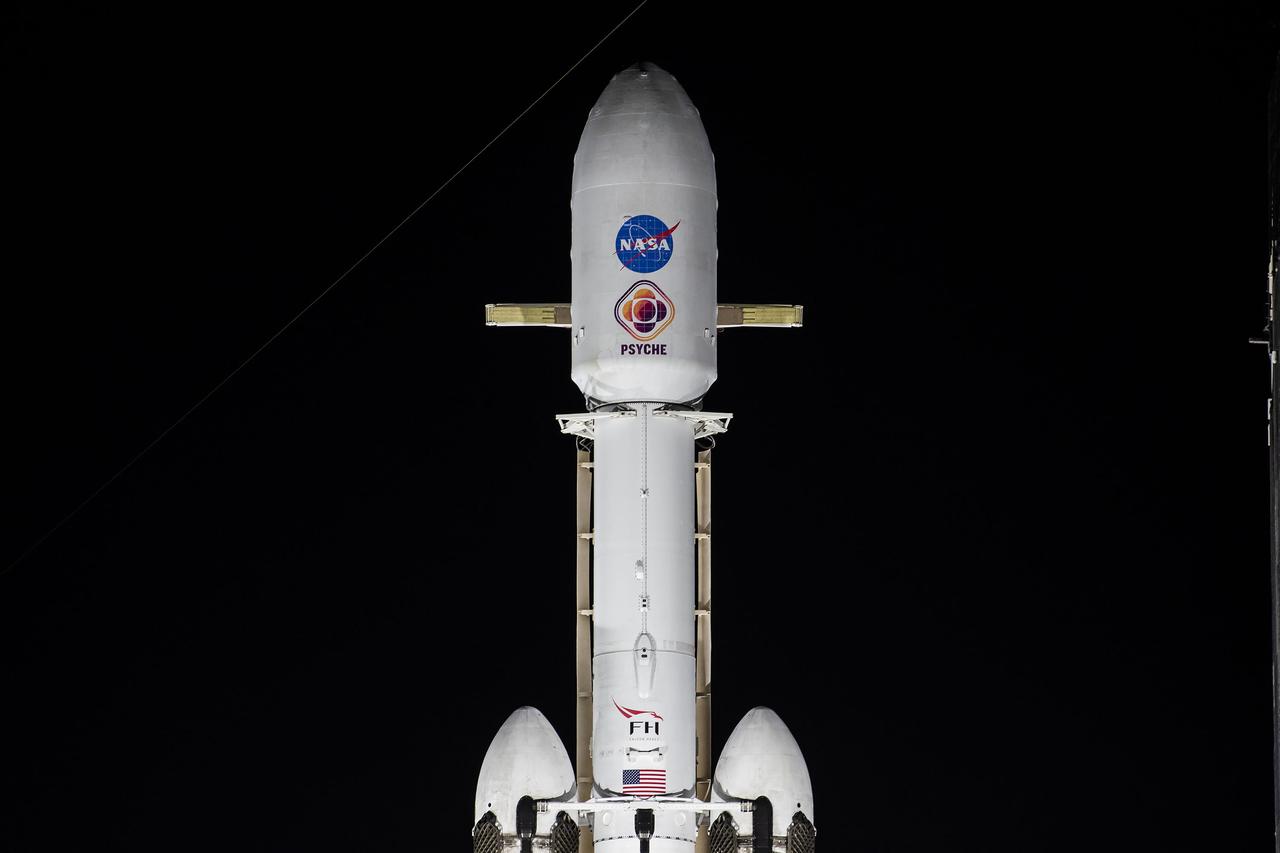
NASA’s Psyche spacecraft stands tall atop a SpaceX Falcon Heavy rocket at Kennedy Space Center’s historic Launch Complex 39A in Florida on Tuesday, Oct. 10, 2023. Liftoff of the mission to the asteroid Psyche is targeted for 10:16 a.m. EDT on Thursday, Oct. 12. The spacecraft also is hosting a technology demonstration, NASA’s Deep Space Optical Communications (DSOC), which will be the first test of laser communications beyond the Moon. NASA’s Launch Services Program, based at Kennedy, is responsible for the insight and approval of the launch vehicle and manages the launch service for the Psyche mission.
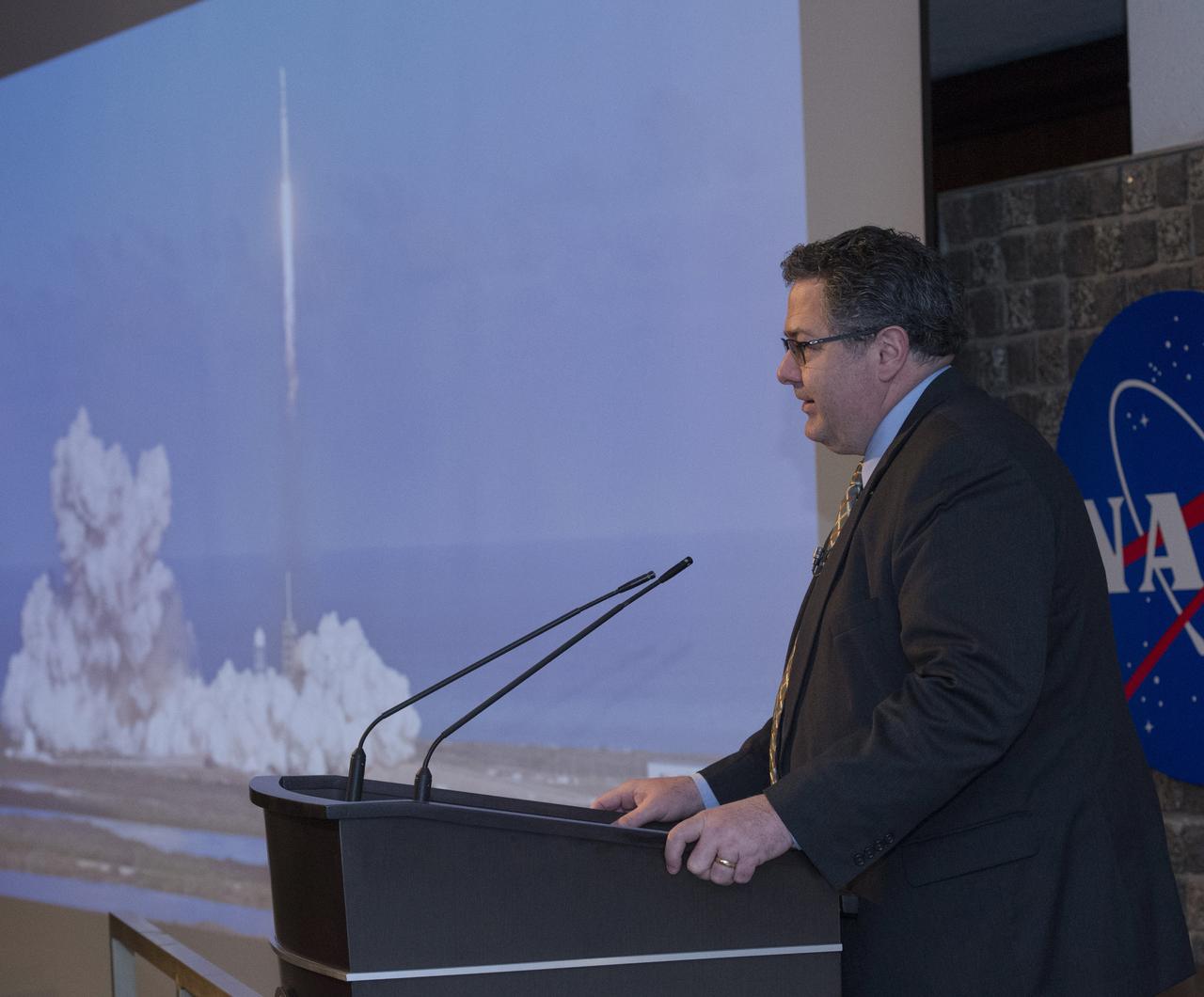
MSFC Director Todd May comments on recent successful launch of the SpaceX Falcon Heavy Lift Rocket during All Hands Meeting
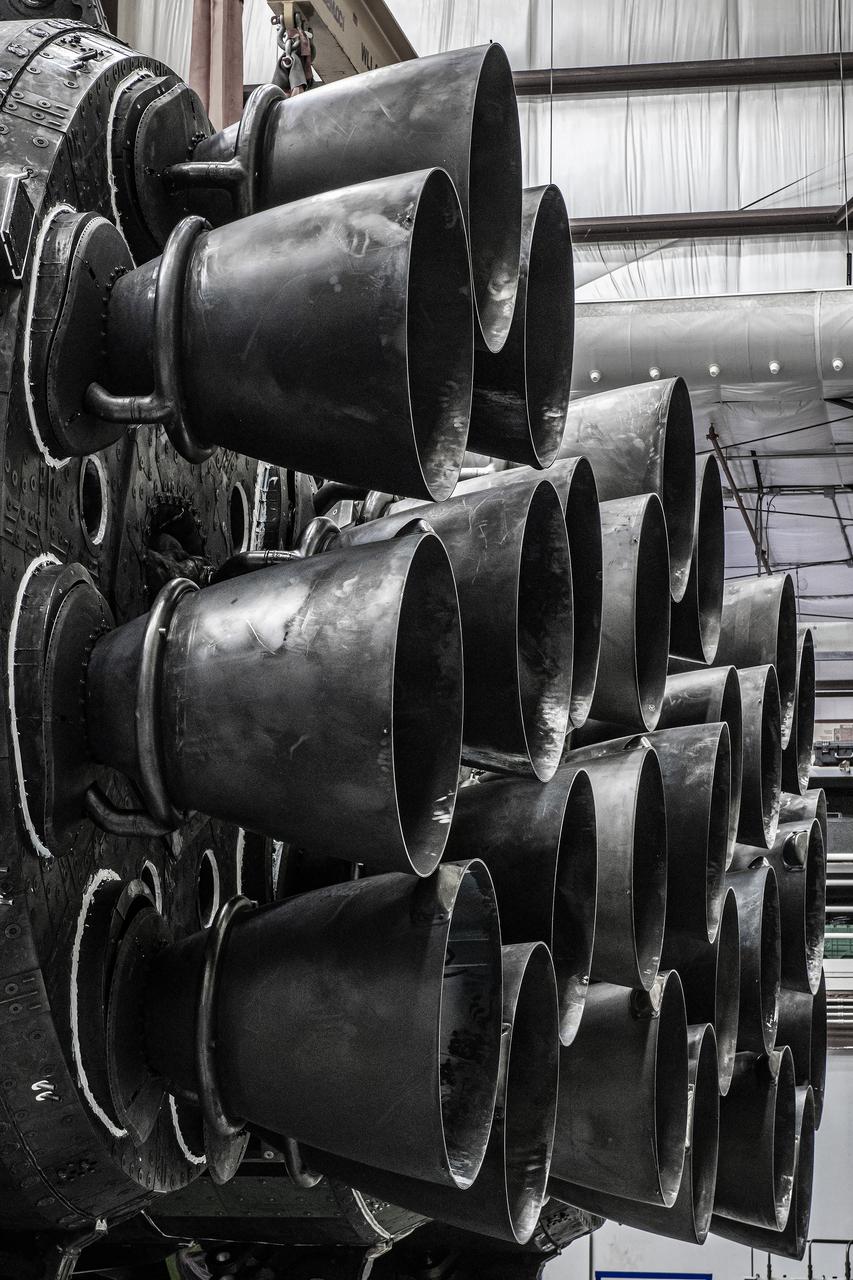
Photos of the Falcon Heavy rocket that will launch NASA's Psyche mission in the hangar at Launch Complex 39A at Kennedy Space Center in Florida before it rolled out to the pad for a static fire test as part of preparations for the journey to a metal-rich asteroid.
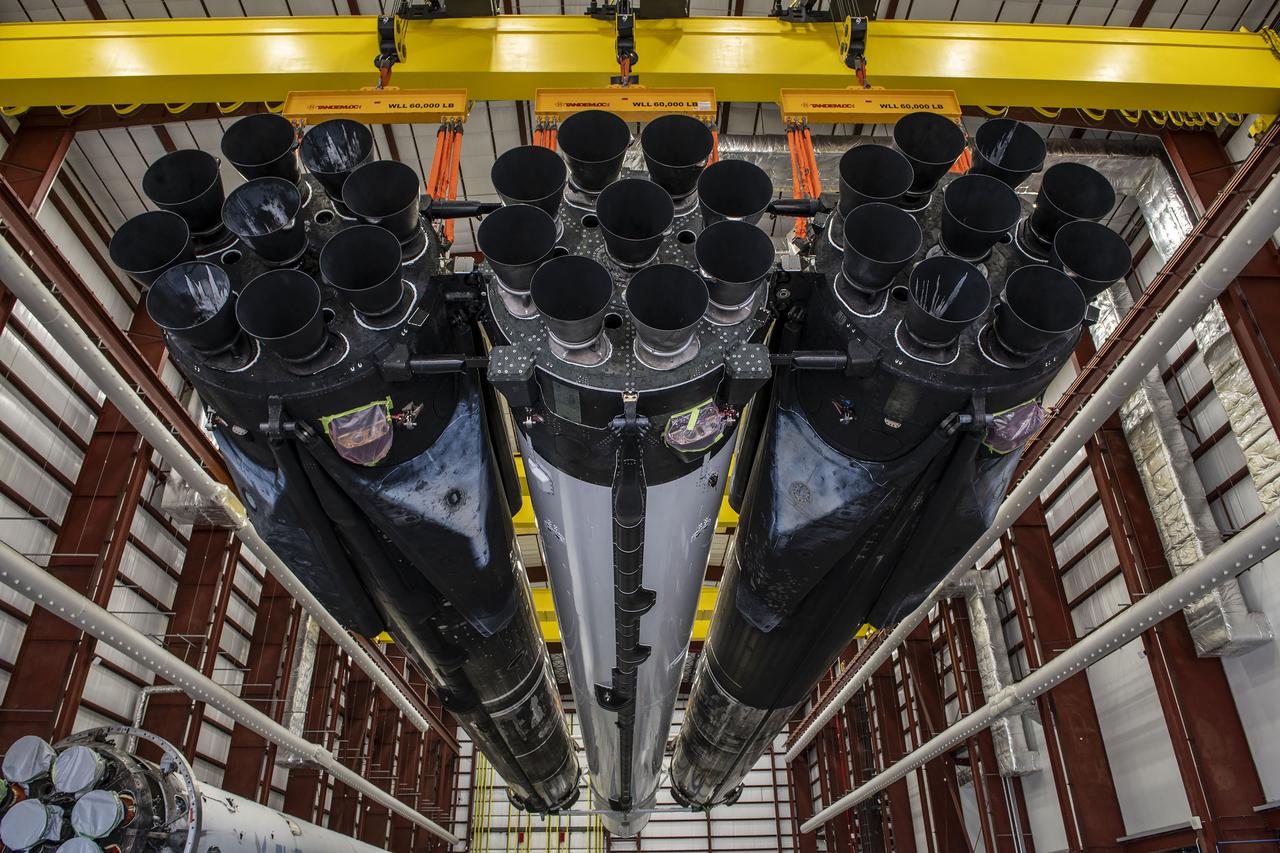
Photos of the Falcon Heavy rocket that will launch NASA's Psyche mission in the hangar at Launch Complex 39A at Kennedy Space Center in Florida before it rolled out to the pad for a static fire test as part of preparations for the journey to a metal-rich asteroid.
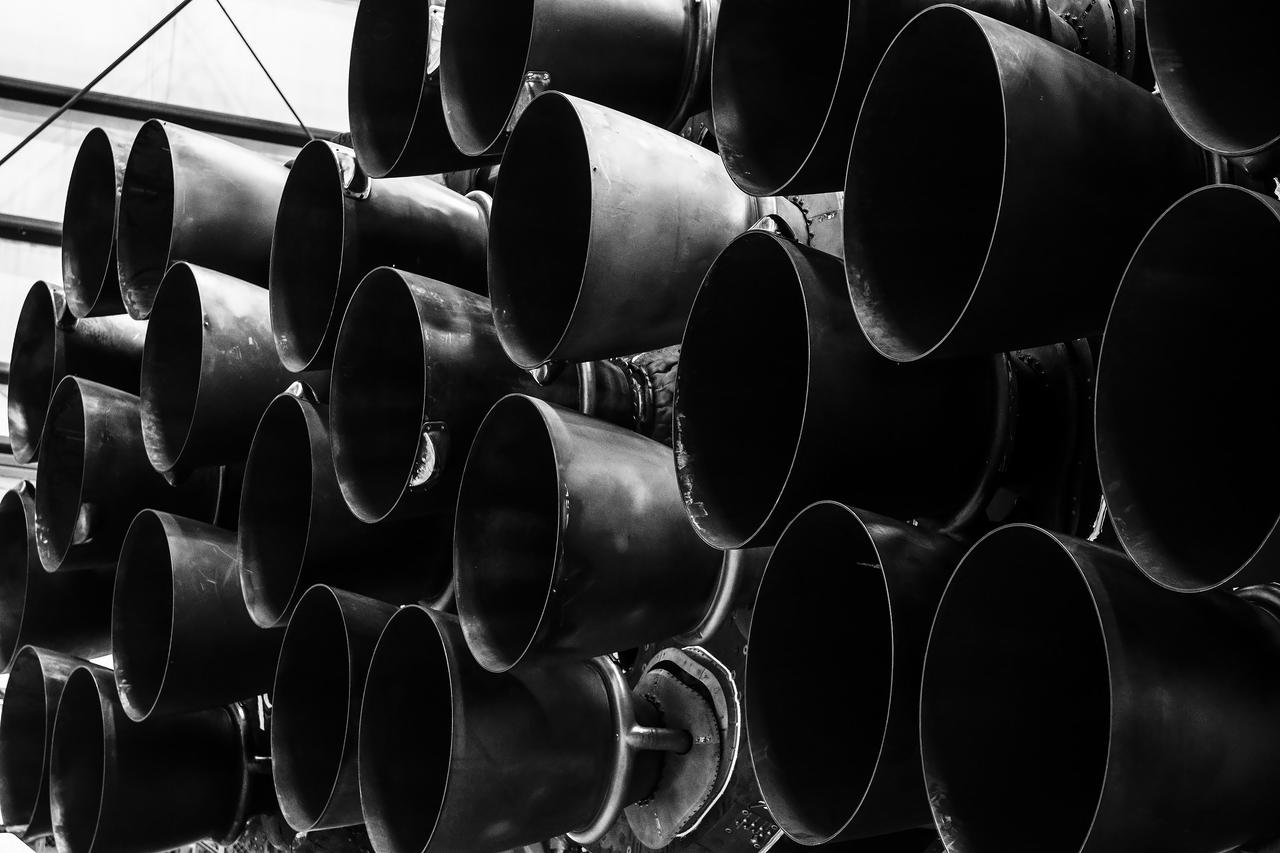
Photos of the Falcon Heavy rocket that will launch NASA's Psyche mission in the hangar at Launch Complex 39A at Kennedy Space Center in Florida before it rolled out to the pad for a static fire test as part of preparations for the journey to a metal-rich asteroid.
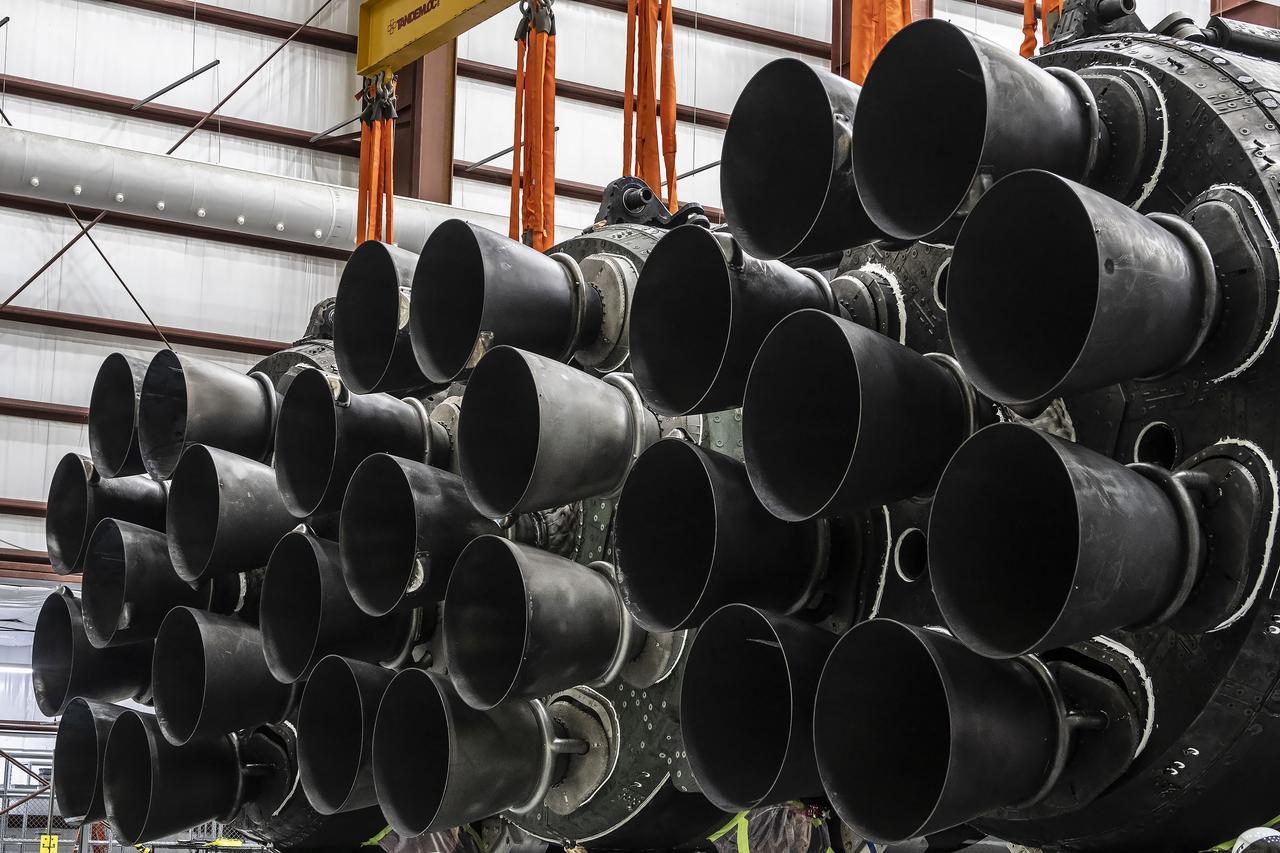
Photos of the Falcon Heavy rocket that will launch NASA's Psyche mission in the hangar at Launch Complex 39A at Kennedy Space Center in Florida before it rolled out to the pad for a static fire test as part of preparations for the journey to a metal-rich asteroid.
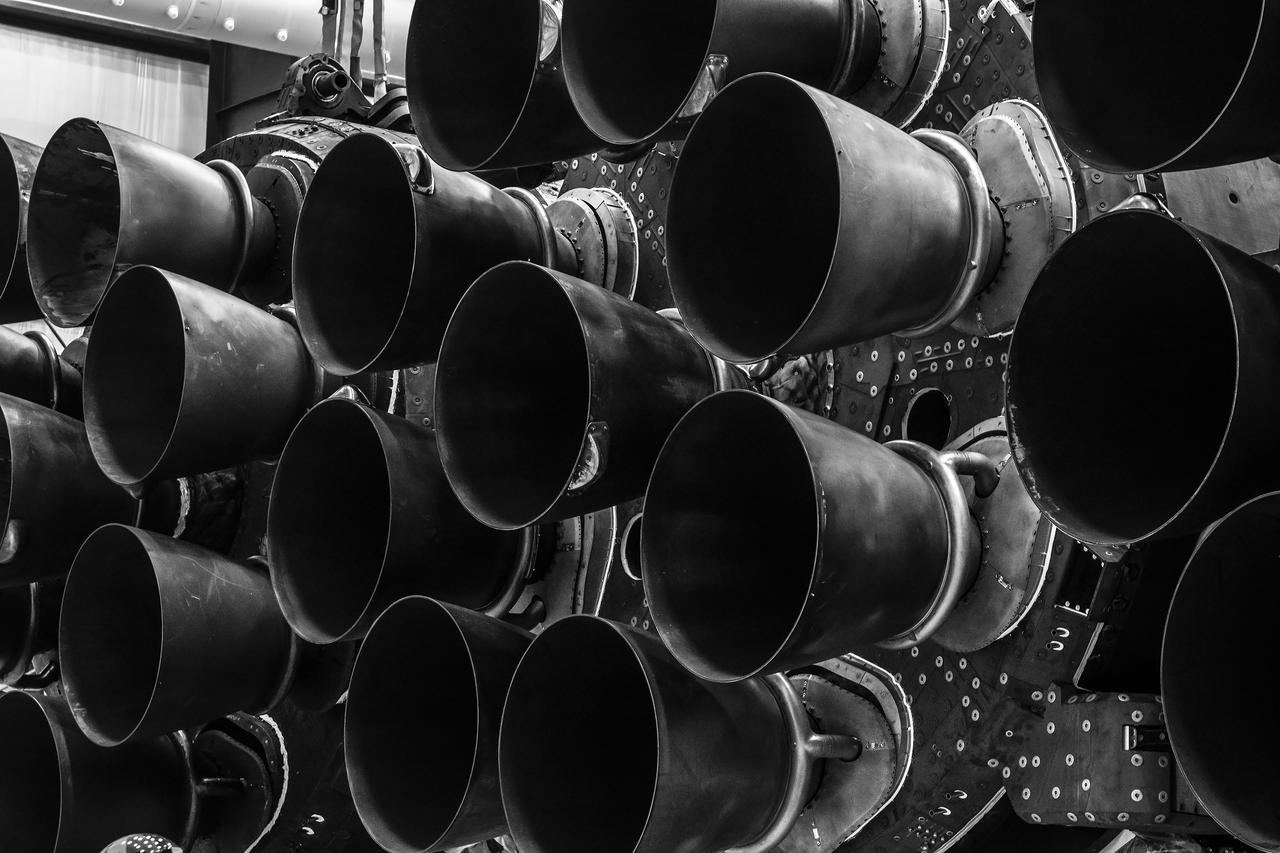
Photos of the Falcon Heavy rocket that will launch NASA's Psyche mission in the hangar at Launch Complex 39A at Kennedy Space Center in Florida before it rolled out to the pad for a static fire test as part of preparations for the journey to a metal-rich asteroid.
Photos of the Falcon Heavy rocket that will launch NASA's Psyche mission in the hangar at Launch Complex 39A at Kennedy Space Center in Florida before it rolled out to the pad for a static fire test as part of preparations for the journey to a metal-rich asteroid.
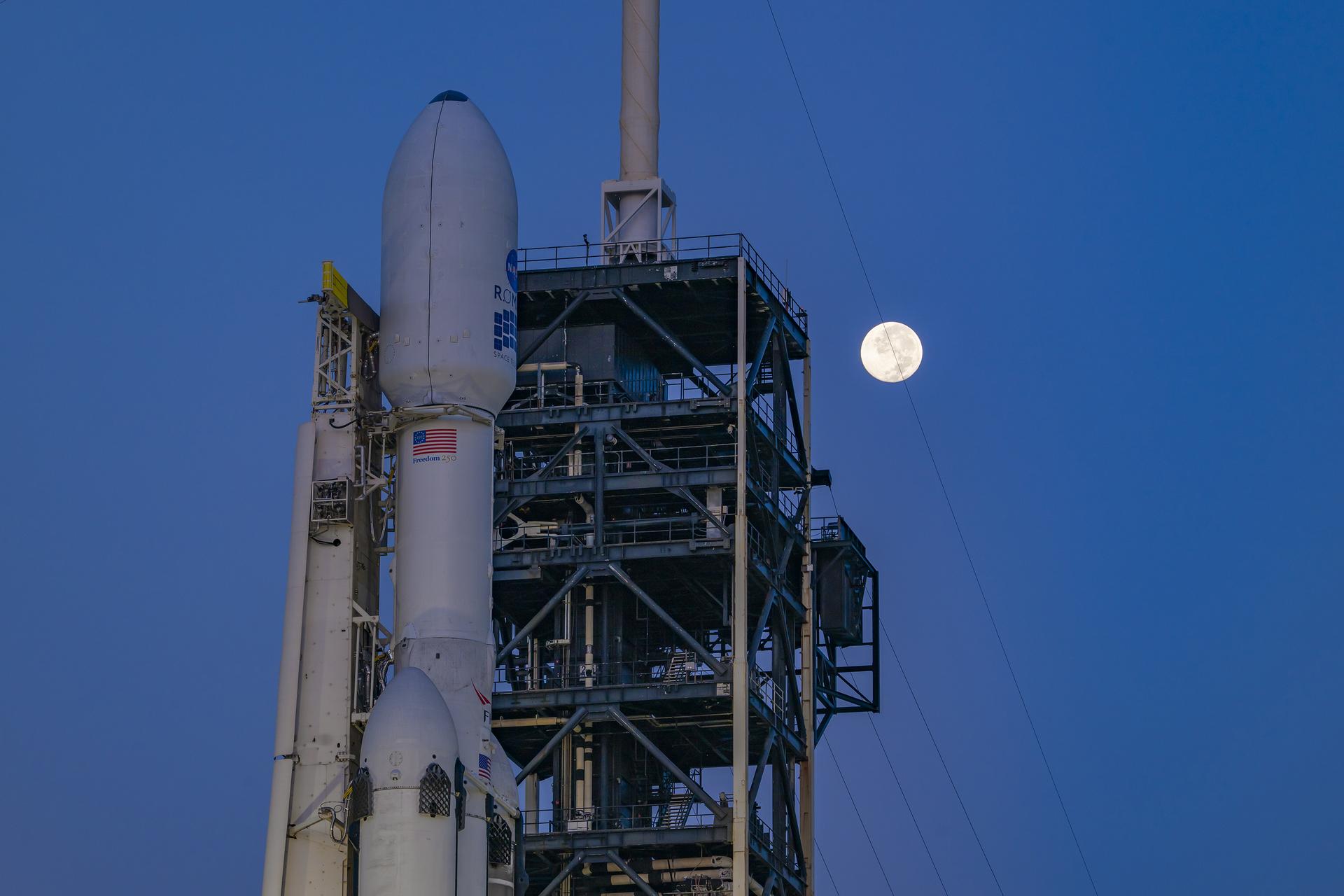
NASA’s Nancy Grace Roman Space Telescope, encapsulated in the SpaceX Falcon Heavy rocket’s fairing, stands vertical on the pad at Launch Complex 39A at NASA’s Kennedy Space Center on Saturday, Aug. 29, 2026. Roman will investigate dark energy and dark matter, conduct a statistical census of planetary systems, and enable a broad range of additional astrophysics research. Liftoff from NASA Kennedy is targeted for 7:26 a.m. EDT Sunday, Aug. 30, 2026.
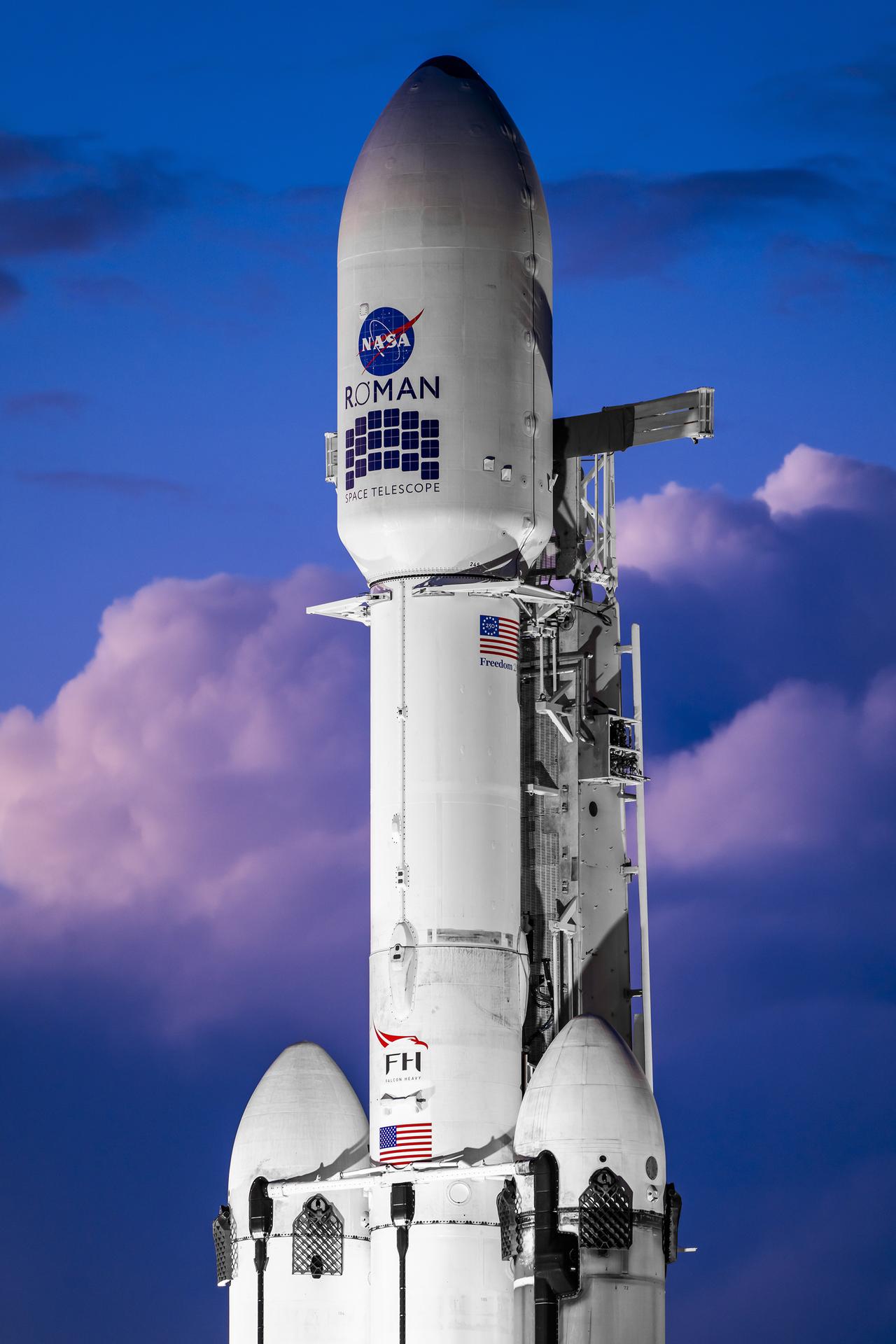
NASA’s Nancy Grace Roman Space Telescope, encapsulated in the SpaceX Falcon Heavy rocket’s fairing, stands vertical on the pad at Launch Complex 39A at NASA’s Kennedy Space Center on Saturday, Aug. 29, 2026. Roman will investigate dark energy and dark matter, conduct a statistical census of planetary systems, and enable a broad range of additional astrophysics research. Liftoff from NASA Kennedy is targeted for 7:26 a.m. EDT Sunday, Aug. 30, 2026.
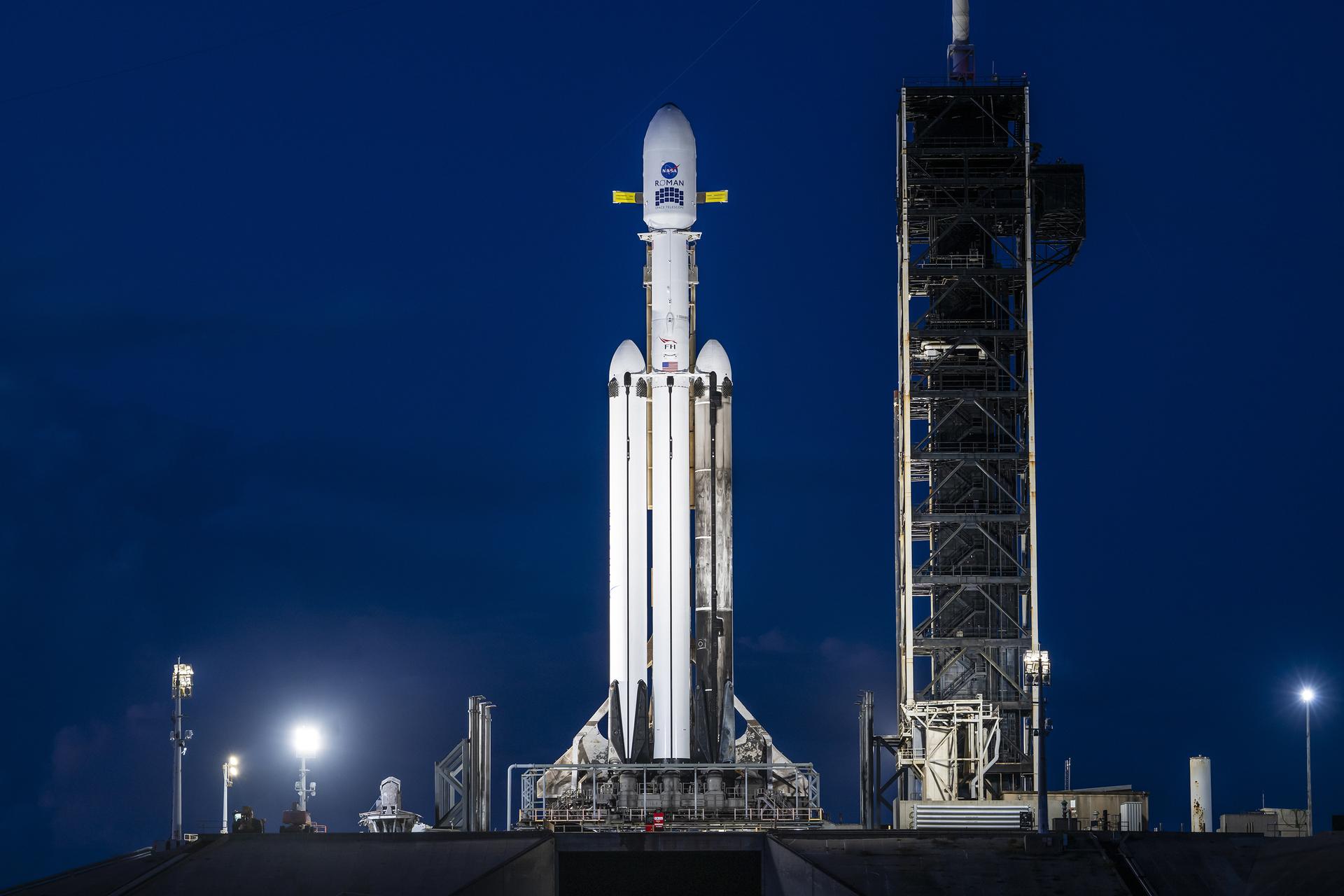
NASA’s Nancy Grace Roman Space Telescope, encapsulated in the SpaceX Falcon Heavy rocket’s fairing, stands vertical on the pad at Launch Complex 39A at NASA’s Kennedy Space Center on Saturday, Aug. 29, 2026. Roman will investigate dark energy and dark matter, conduct a statistical census of planetary systems, and enable a broad range of additional astrophysics research. Liftoff from NASA Kennedy is targeted for 7:26 a.m. EDT Sunday, Aug. 30, 2026.
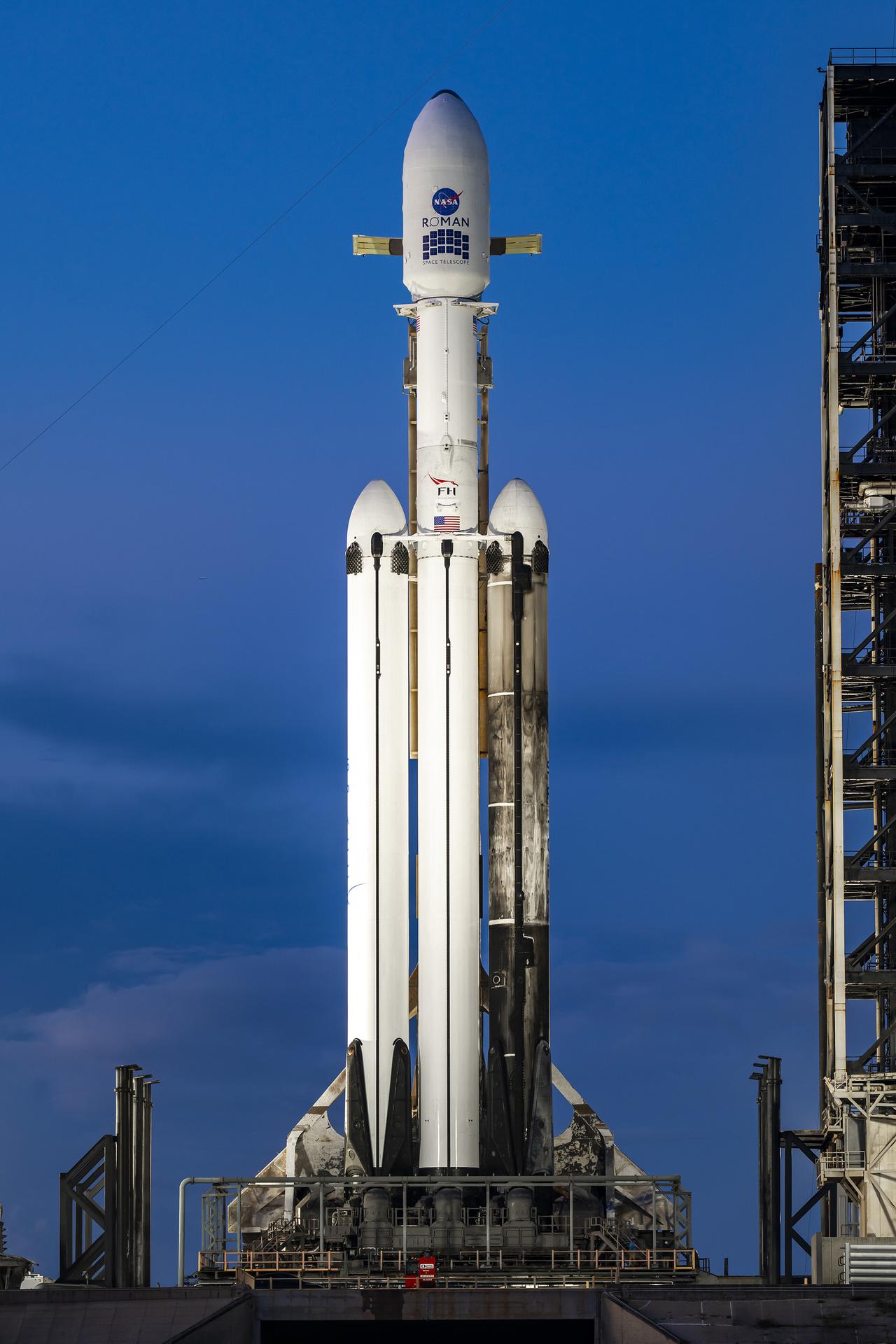
NASA’s Nancy Grace Roman Space Telescope, encapsulated in the SpaceX Falcon Heavy rocket’s fairing, stands vertical on the pad at Launch Complex 39A at NASA’s Kennedy Space Center on Saturday, Aug. 29, 2026. Roman will investigate dark energy and dark matter, conduct a statistical census of planetary systems, and enable a broad range of additional astrophysics research. Liftoff from NASA Kennedy is targeted for 7:26 a.m. EDT Sunday, Aug. 30, 2026.
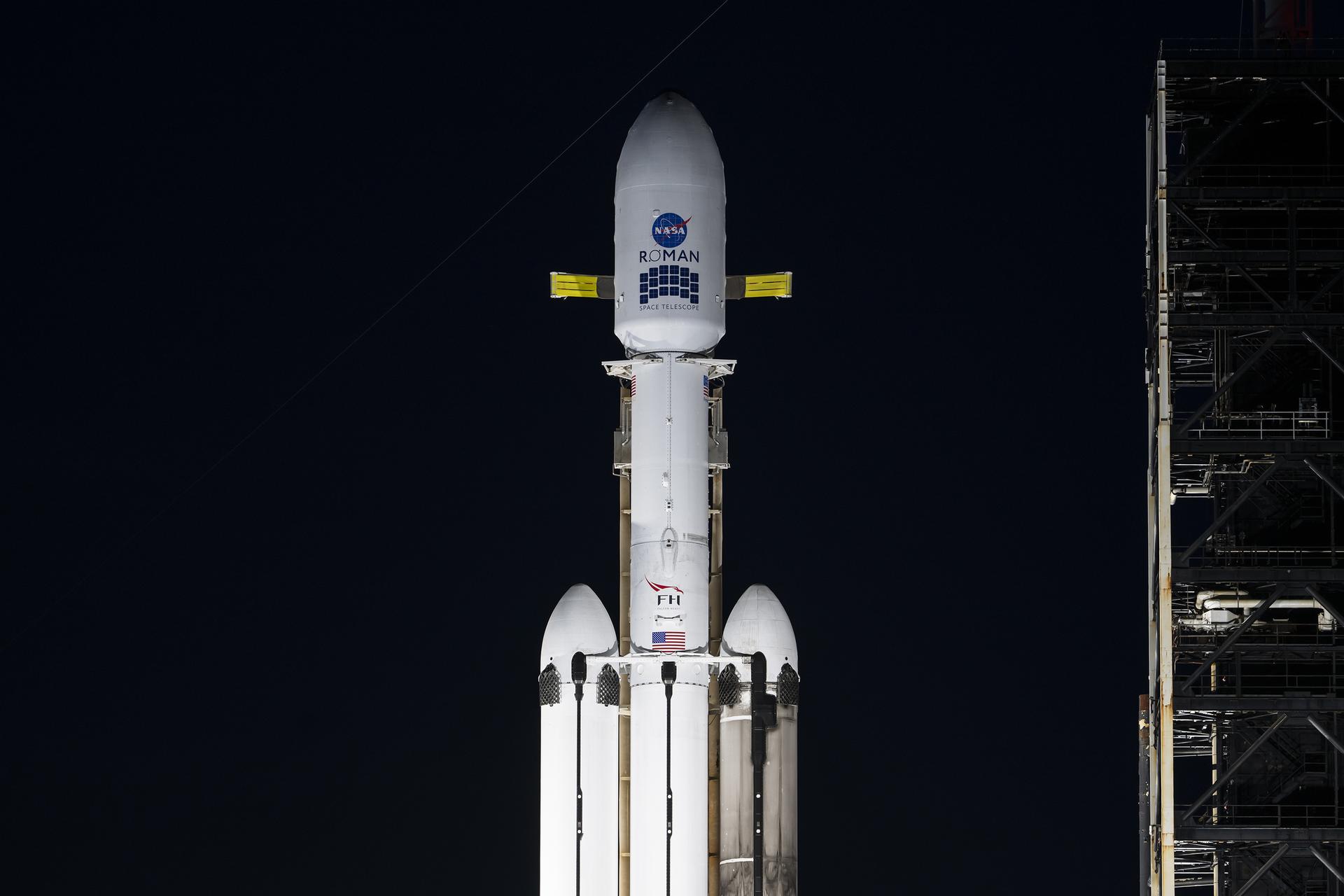
NASA’s Nancy Grace Roman Space Telescope, encapsulated in the SpaceX Falcon Heavy rocket’s fairing, stands vertical on the pad at Launch Complex 39A at NASA’s Kennedy Space Center on Saturday, Aug. 29, 2026. Roman will investigate dark energy and dark matter, conduct a statistical census of planetary systems, and enable a broad range of additional astrophysics research. Liftoff from NASA Kennedy is targeted for 7:26 a.m. EDT Sunday, Aug. 30, 2026.
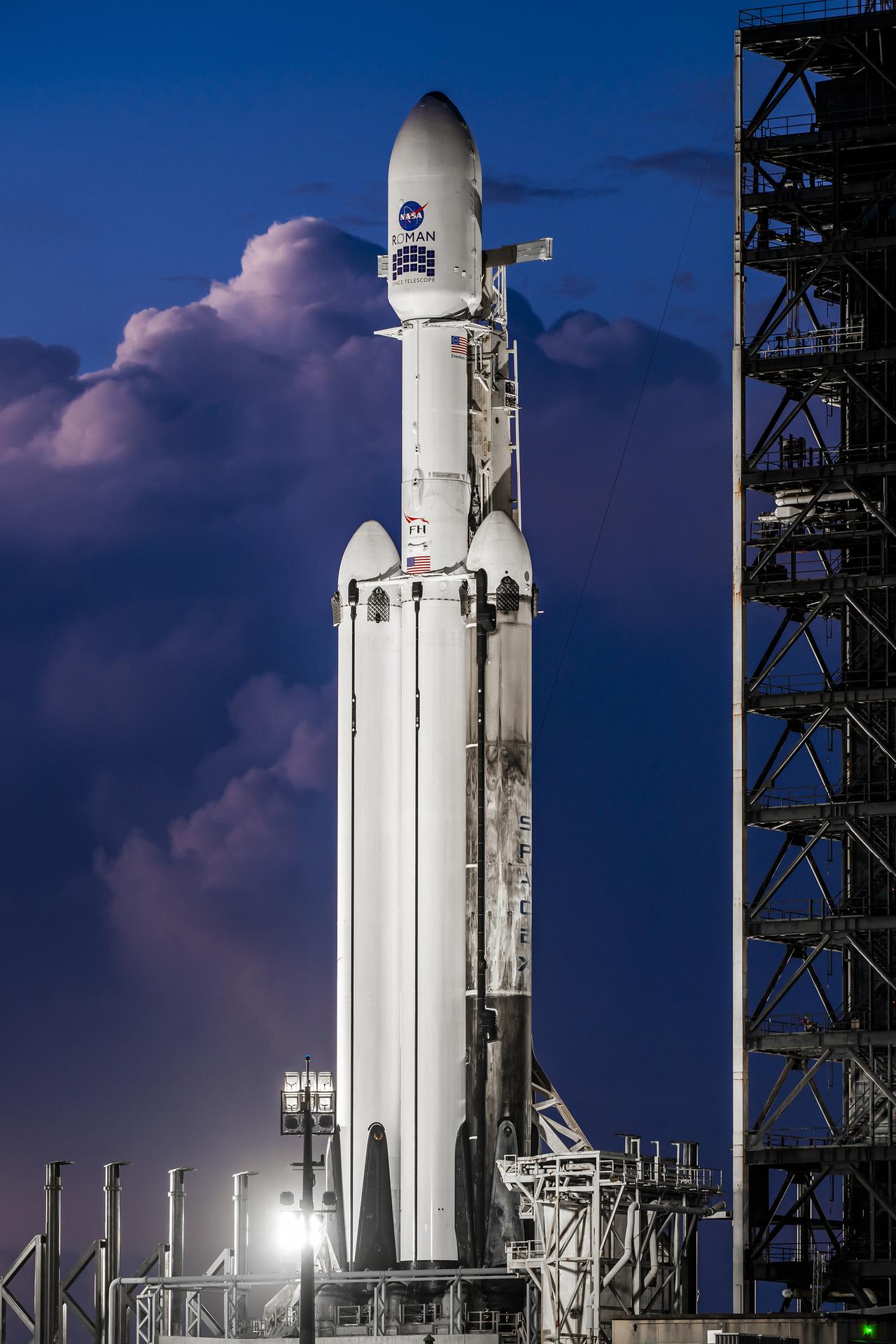
NASA’s Nancy Grace Roman Space Telescope, encapsulated in the SpaceX Falcon Heavy rocket’s fairing, stands vertical on the pad at Launch Complex 39A at NASA’s Kennedy Space Center on Saturday, Aug. 29, 2026. Roman will investigate dark energy and dark matter, conduct a statistical census of planetary systems, and enable a broad range of additional astrophysics research. Liftoff from NASA Kennedy is targeted for 7:26 a.m. EDT Sunday, Aug. 30, 2026.
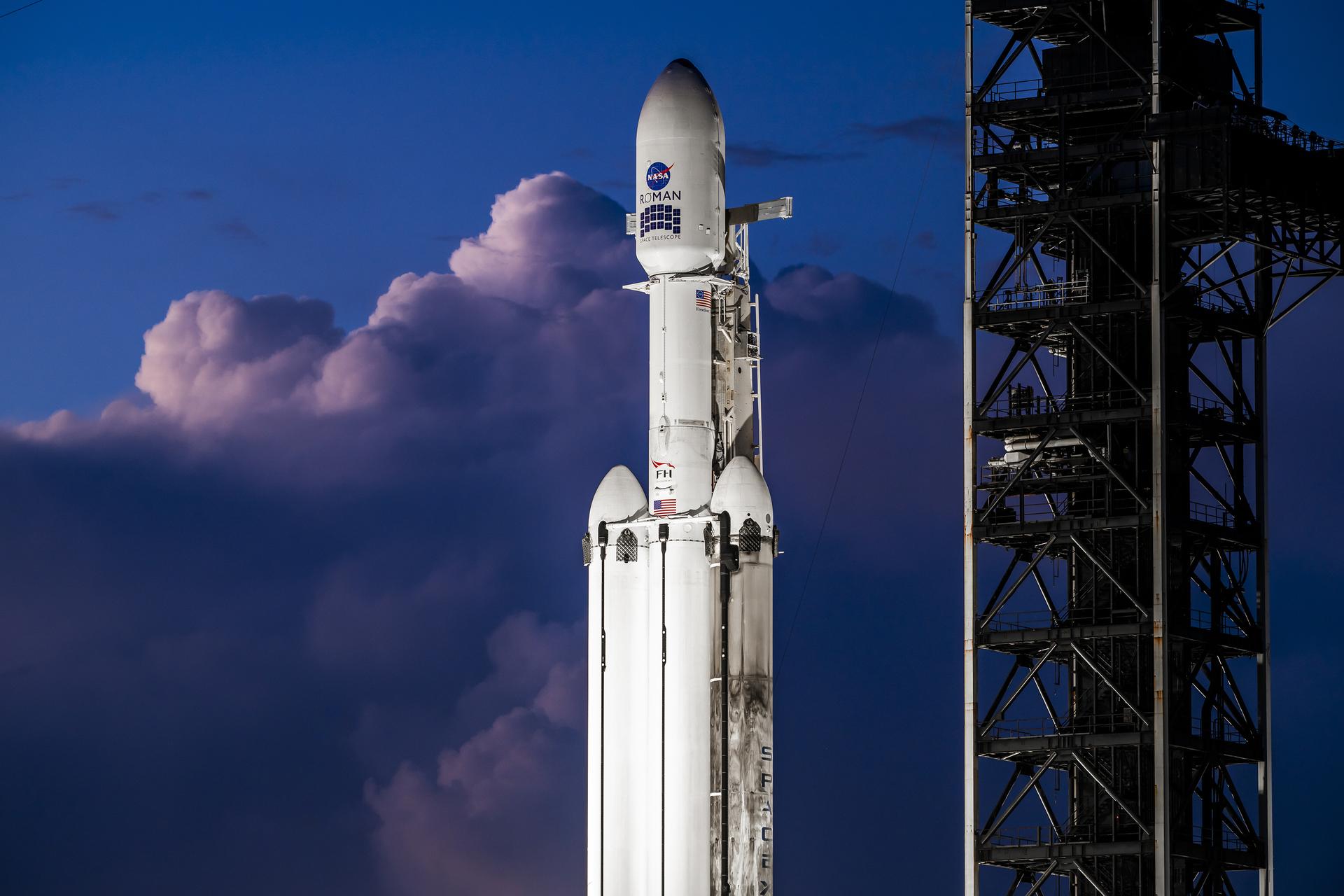
NASA’s Nancy Grace Roman Space Telescope, encapsulated in the SpaceX Falcon Heavy rocket’s fairing, stands vertical on the pad at Launch Complex 39A at NASA’s Kennedy Space Center on Saturday, Aug. 29, 2026. Roman will investigate dark energy and dark matter, conduct a statistical census of planetary systems, and enable a broad range of additional astrophysics research. Liftoff from NASA Kennedy is targeted for 7:26 a.m. EDT Sunday, Aug. 30, 2026.
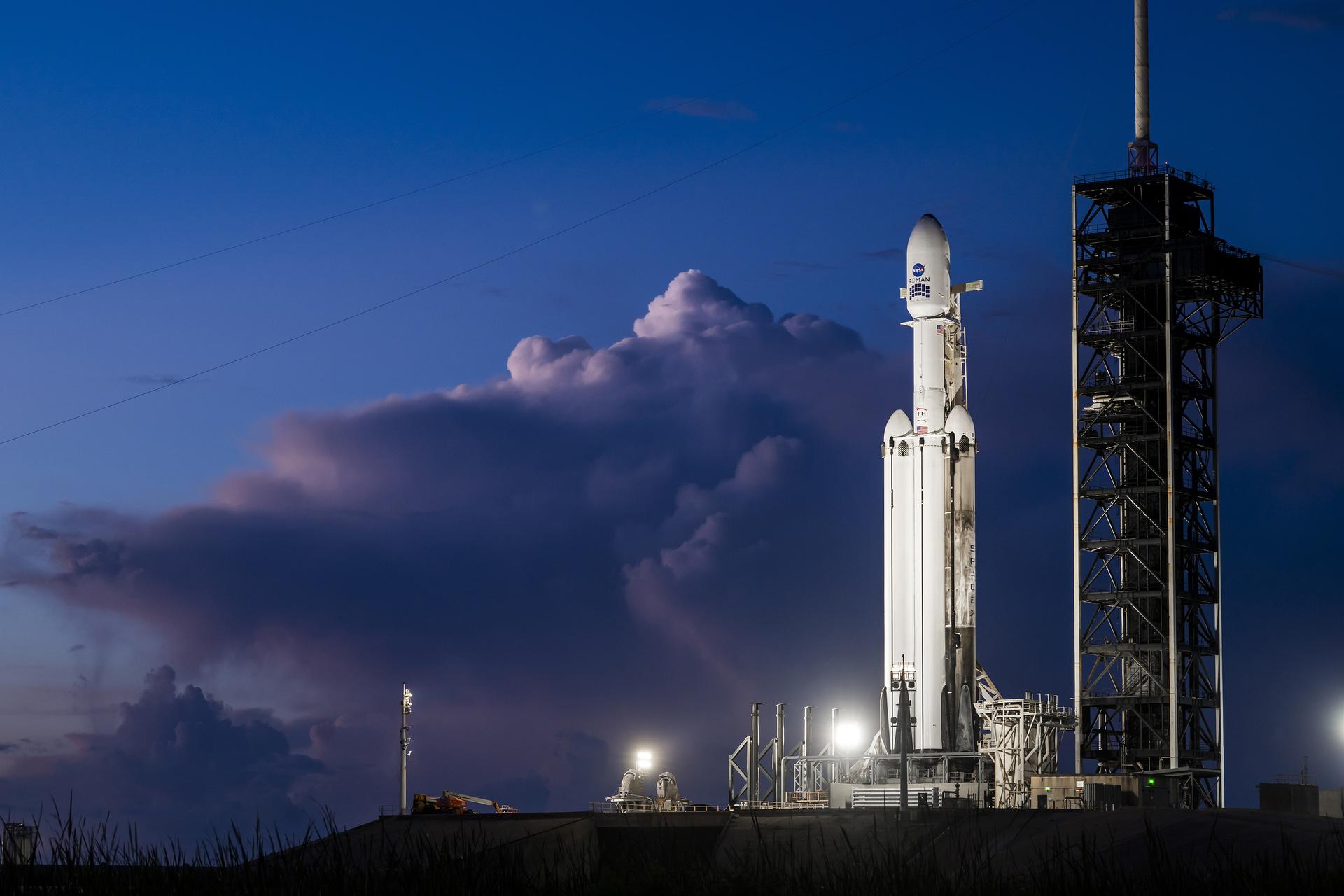
NASA’s Nancy Grace Roman Space Telescope, encapsulated in the SpaceX Falcon Heavy rocket’s fairing, stands vertical on the pad at Launch Complex 39A at NASA’s Kennedy Space Center on Saturday, Aug. 29, 2026. Roman will investigate dark energy and dark matter, conduct a statistical census of planetary systems, and enable a broad range of additional astrophysics research. Liftoff from NASA Kennedy is targeted for 7:26 a.m. EDT Sunday, Aug. 30, 2026.
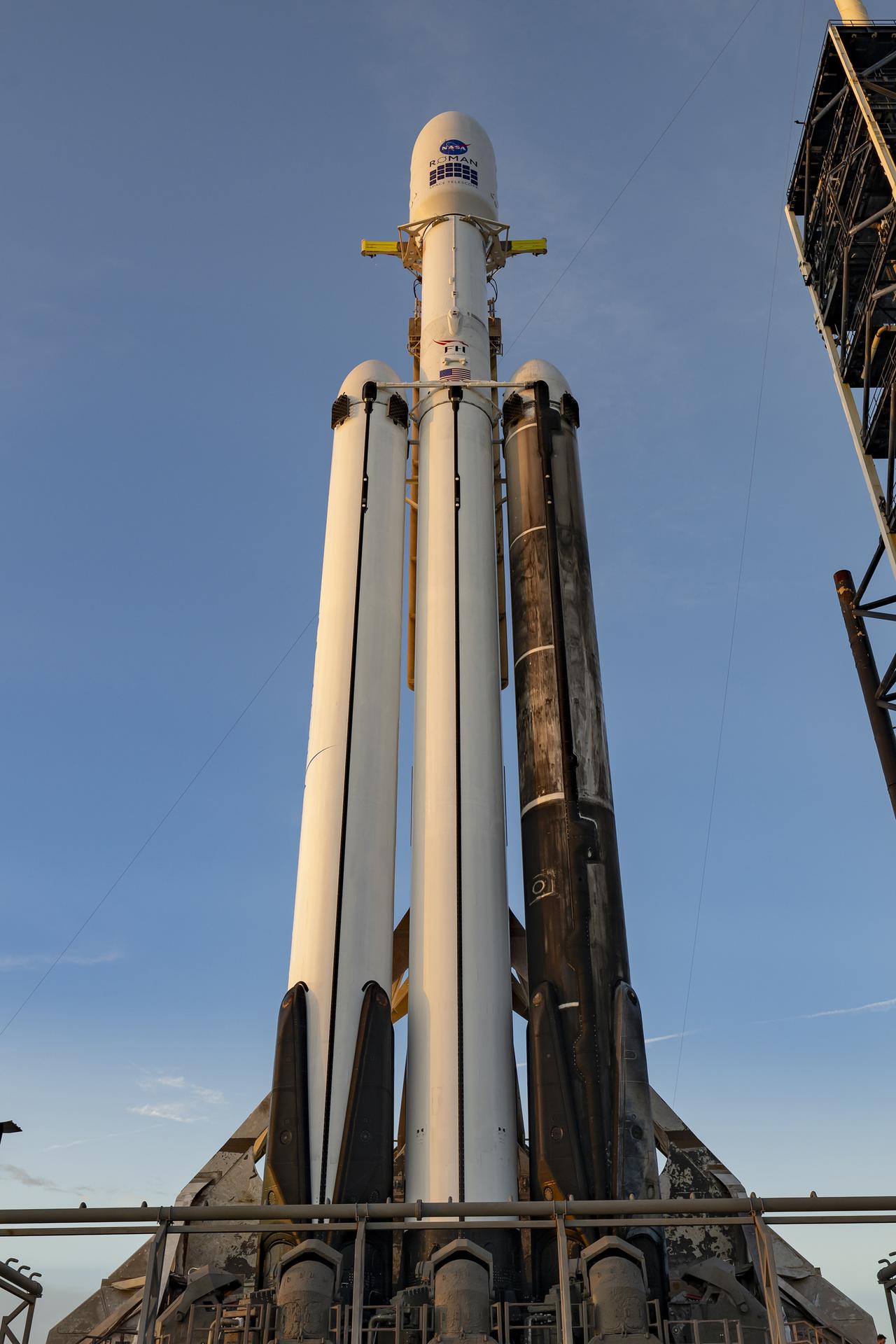
NASA’s Nancy Grace Roman Space Telescope, encapsulated in the SpaceX Falcon Heavy rocket’s fairing, stands vertical on the pad at Launch Complex 39A at NASA’s Kennedy Space Center on Saturday, Aug. 29, 2026. Roman will investigate dark energy and dark matter, conduct a statistical census of planetary systems, and enable a broad range of additional astrophysics research. Liftoff from NASA Kennedy is targeted for 7:26 a.m. EDT Sunday, Aug. 30, 2026.
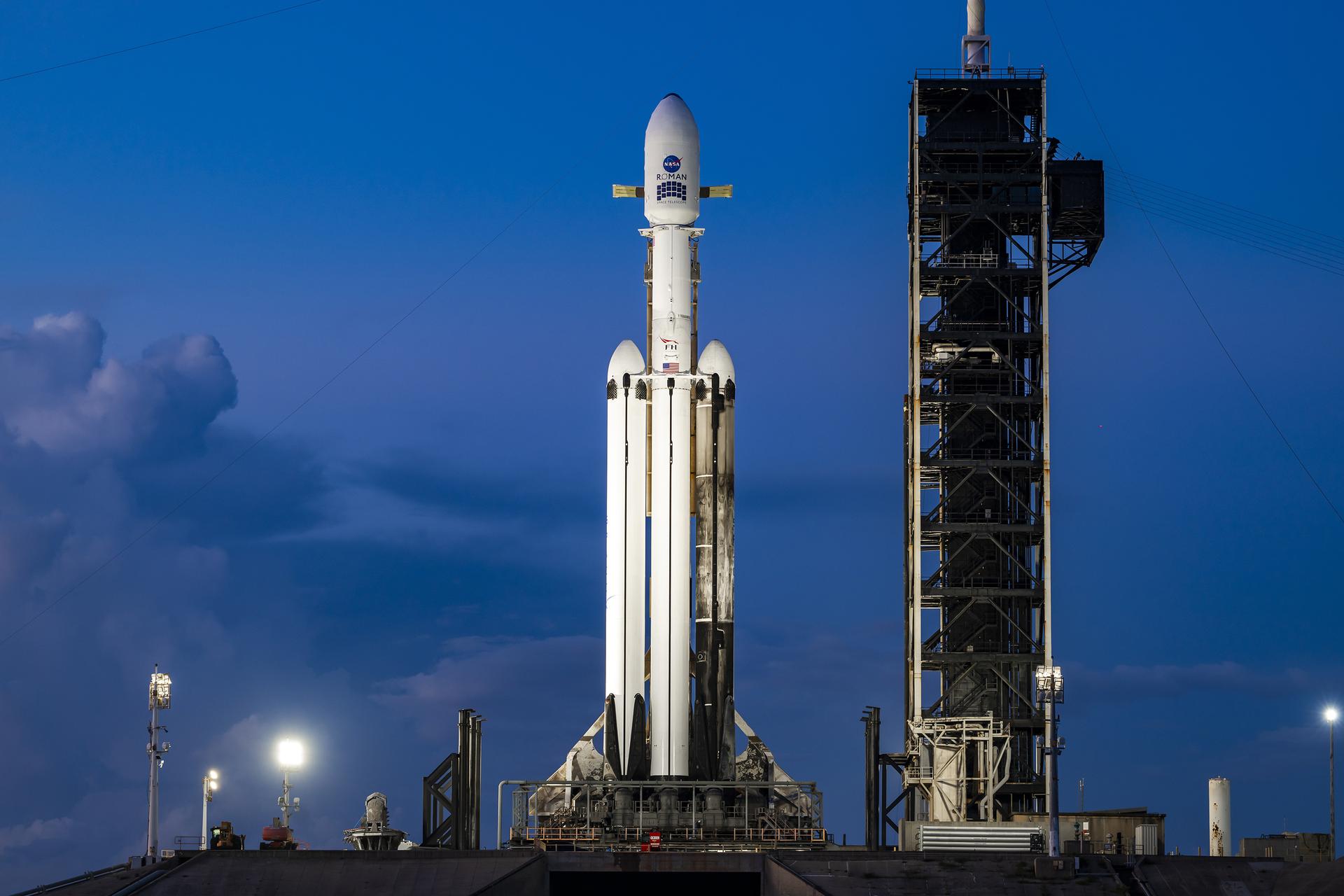
NASA’s Nancy Grace Roman Space Telescope, encapsulated in the SpaceX Falcon Heavy rocket’s fairing, stands vertical on the pad at Launch Complex 39A at NASA’s Kennedy Space Center on Saturday, Aug. 29, 2026. Roman will investigate dark energy and dark matter, conduct a statistical census of planetary systems, and enable a broad range of additional astrophysics research. Liftoff from NASA Kennedy is targeted for 7:26 a.m. EDT Sunday, Aug. 30, 2026.
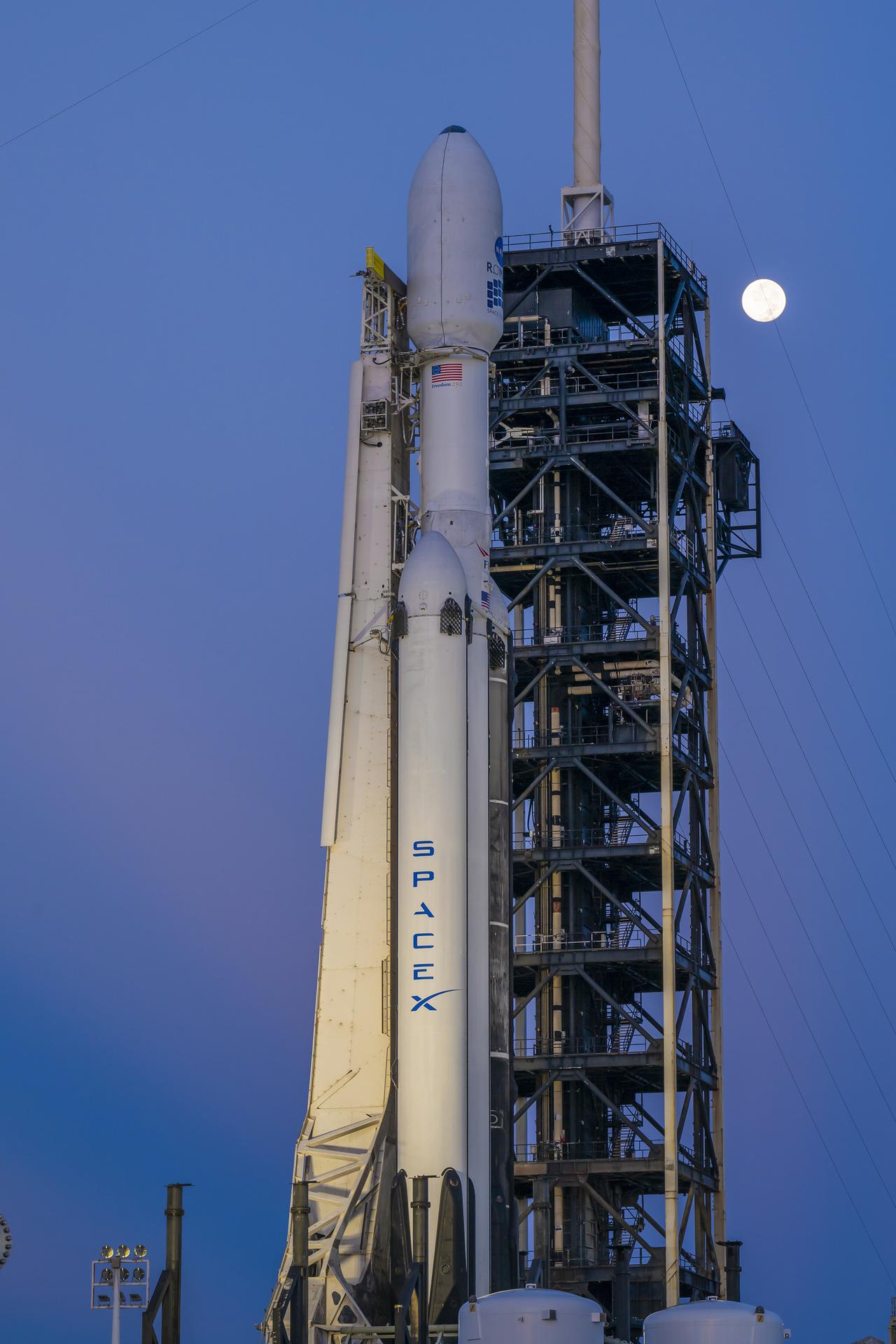
NASA’s Nancy Grace Roman Space Telescope, encapsulated in the SpaceX Falcon Heavy rocket’s fairing, stands vertical on the pad at Launch Complex 39A at NASA’s Kennedy Space Center on Saturday, Aug. 29, 2026. Roman will investigate dark energy and dark matter, conduct a statistical census of planetary systems, and enable a broad range of additional astrophysics research. Liftoff from NASA Kennedy is targeted for 7:26 a.m. EDT Sunday, Aug. 30, 2026.
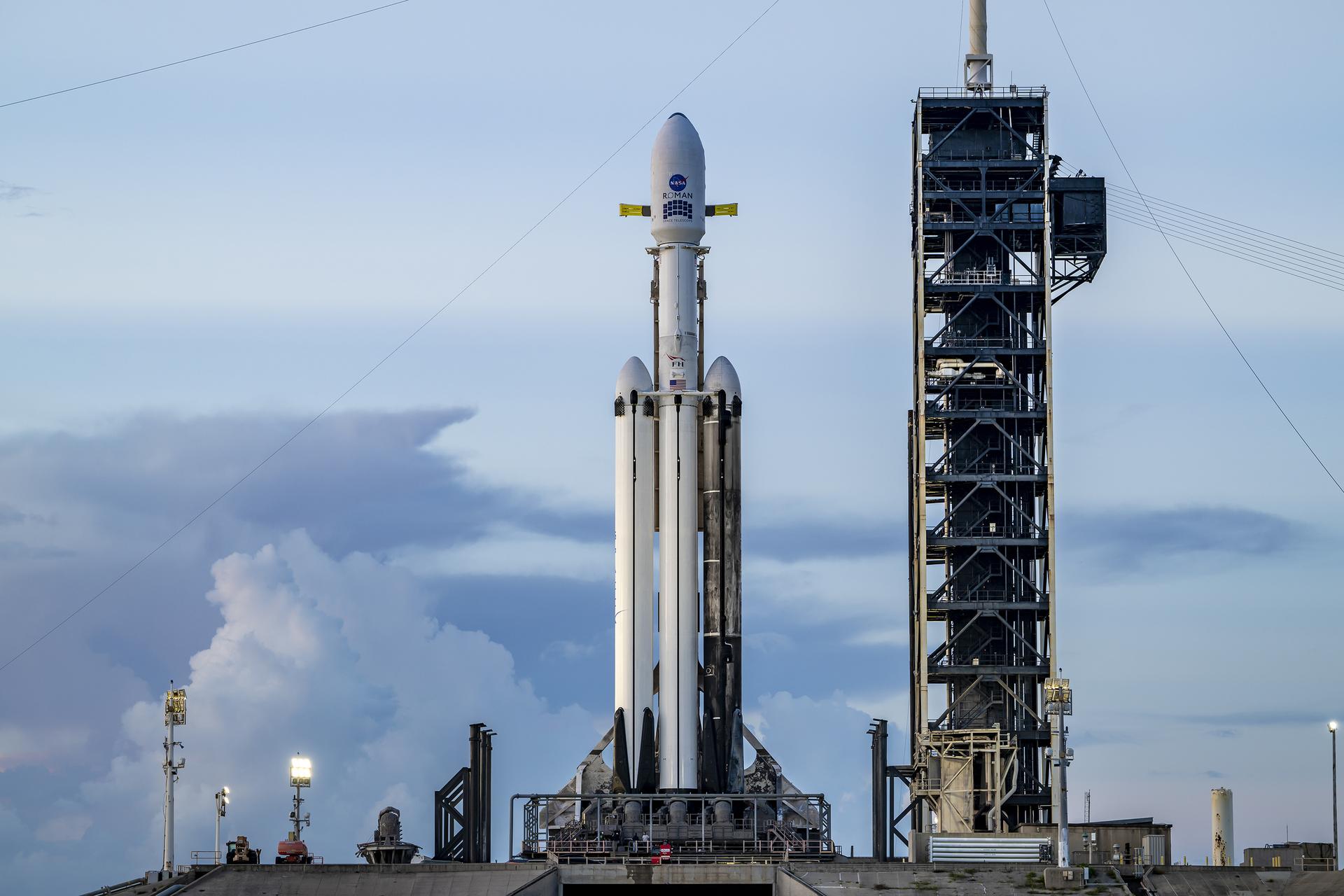
NASA’s Nancy Grace Roman Space Telescope, encapsulated in the SpaceX Falcon Heavy rocket’s fairing, stands vertical on the pad at Launch Complex 39A at NASA’s Kennedy Space Center on Saturday, Aug. 29, 2026. Roman will investigate dark energy and dark matter, conduct a statistical census of planetary systems, and enable a broad range of additional astrophysics research. Liftoff from NASA Kennedy is targeted for 7:26 a.m. EDT Sunday, Aug. 30, 2026.
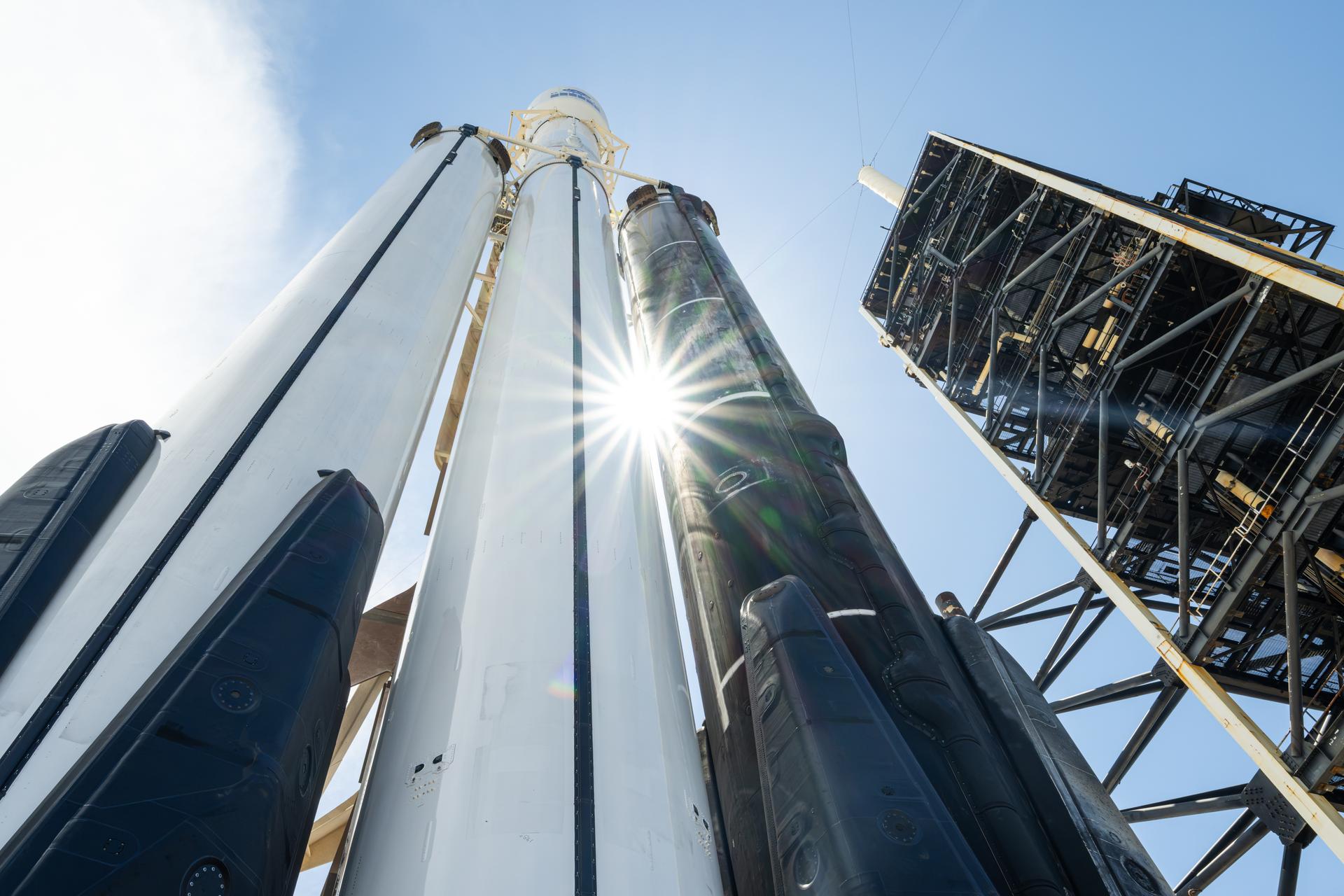
The SpaceX Falcon Heavy rocket poised to launch NASA’s Nancy Grace Roman Space Telescope is seen, Saturday, Aug. 29, 2026, at Launch Complex 39A at NASA's Kennedy Space Center in Florida. Photo Credit: (NASA/John Kraus)
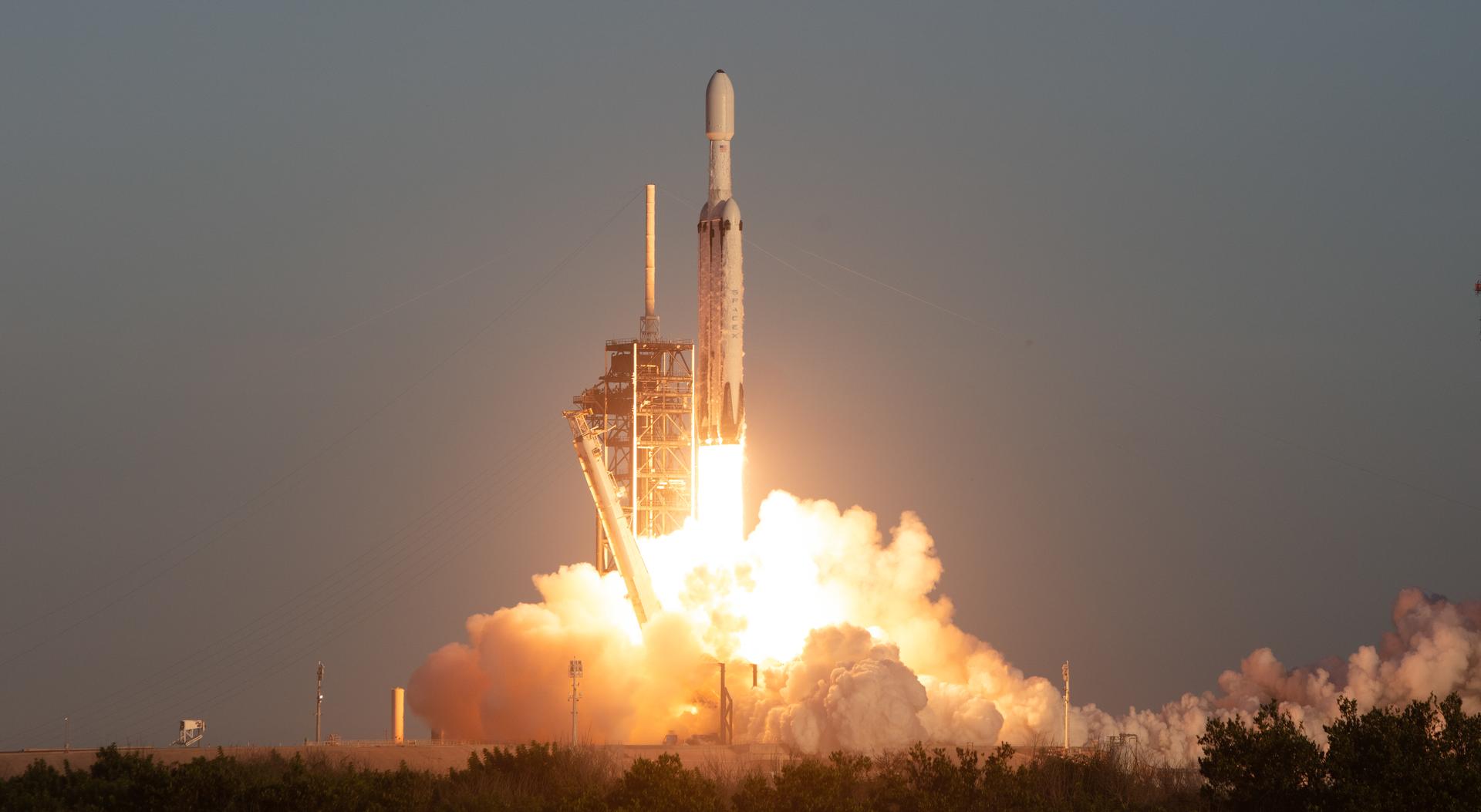
A SpaceX Falcon Heavy rocket launches with NASA’S Nancy Grace Roman Space Telescope onboard from Launch Complex 39A, Sunday, Aug. 30, 2026, at NASA’s Kennedy Space Center in Florida. Roman will investigate dark energy and dark matter, conduct a statistical census of planetary systems, and enable a broad range of additional astrophysics research. Launch occurred at 7:26 a.m. EDT. Photo Credit (NASA/Joel Kowsky)
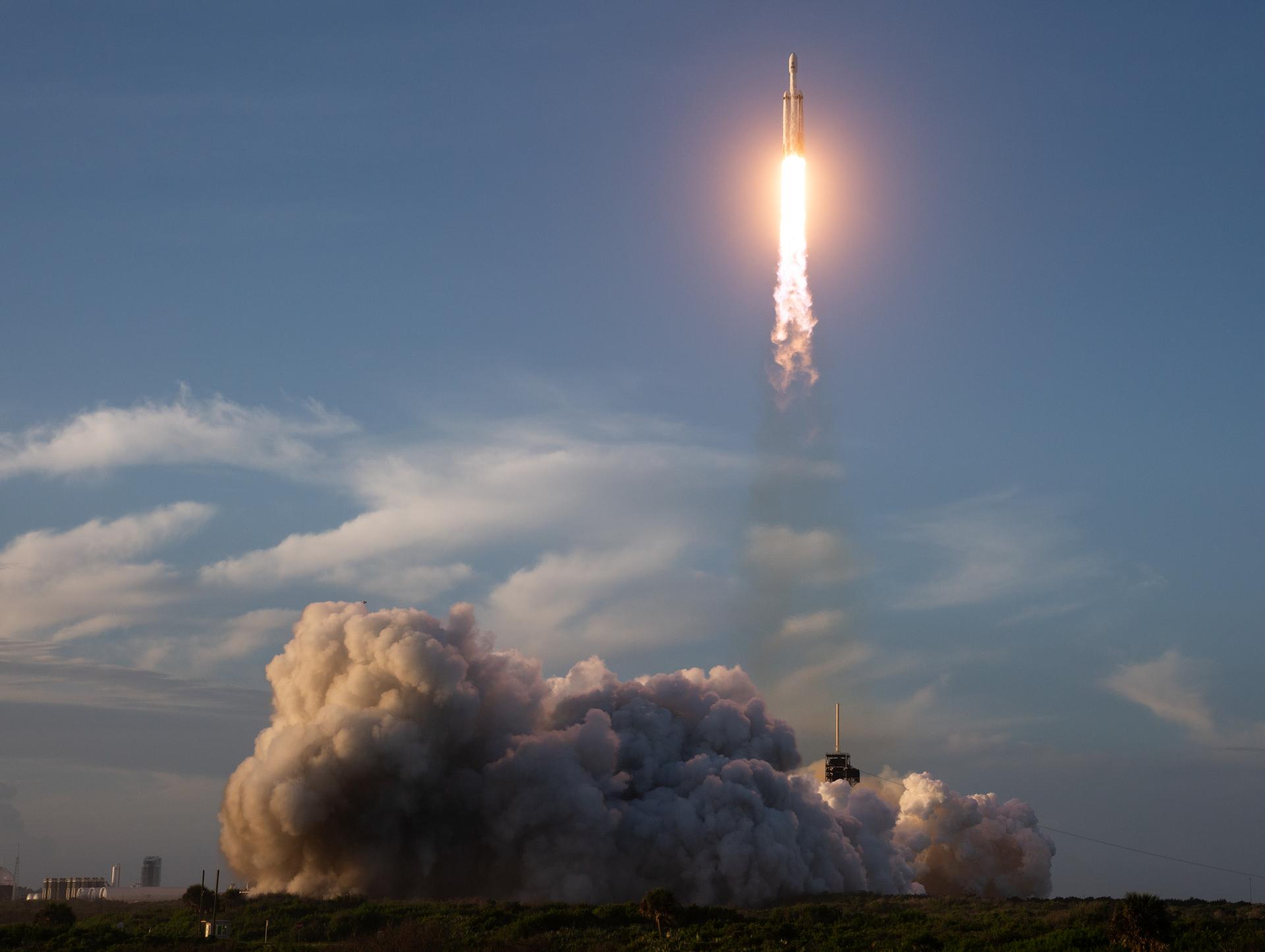
A SpaceX Falcon Heavy rocket launches with NASA’S Nancy Grace Roman Space Telescope onboard from Launch Complex 39A, Sunday, Aug. 30, 2026, at NASA’s Kennedy Space Center in Florida. Roman will investigate dark energy and dark matter, conduct a statistical census of planetary systems, and enable a broad range of additional astrophysics research. Launch occurred at 7:26 a.m. EDT. Photo Credit (NASA/Joel Kowsky)
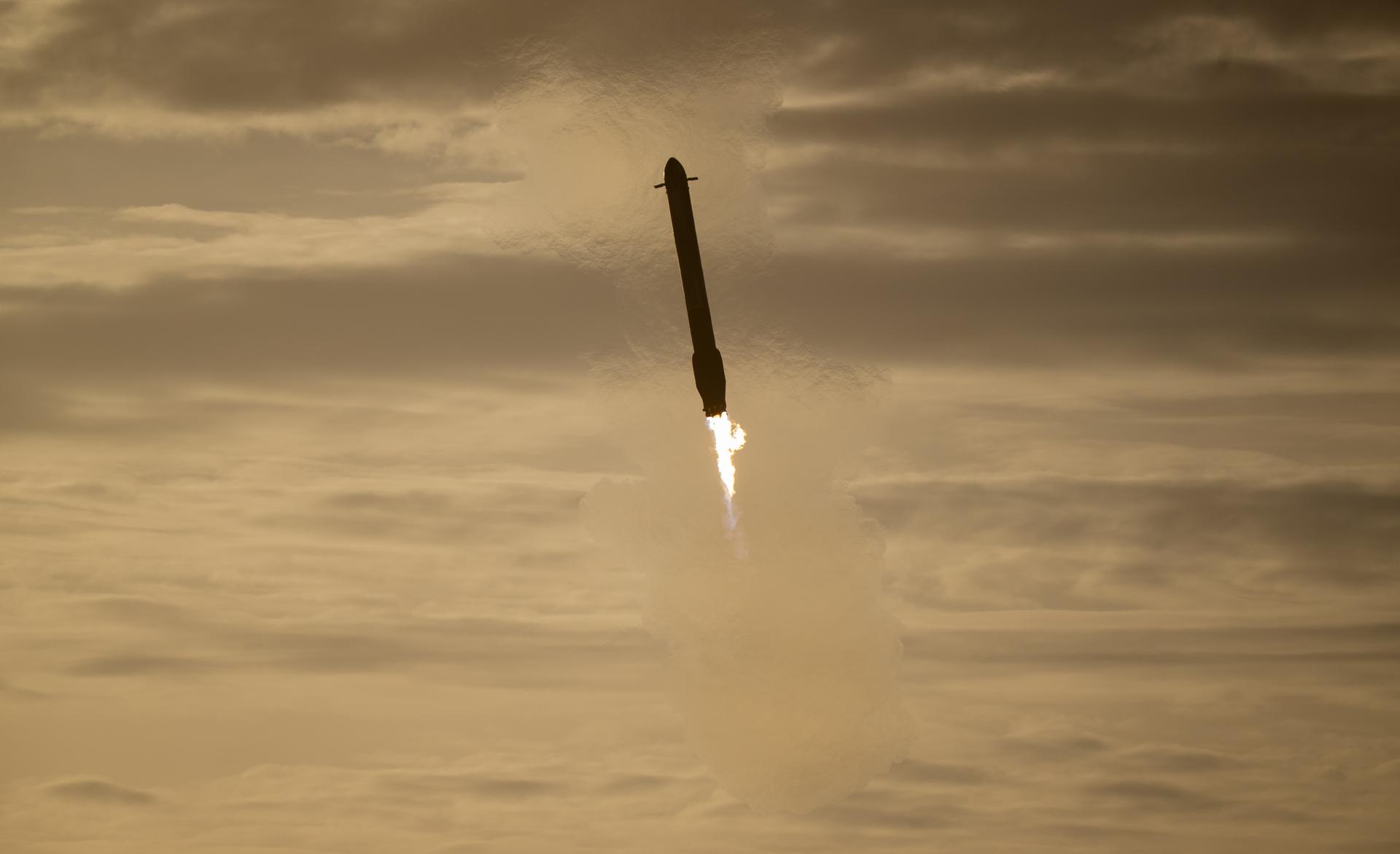
A SpaceX Falcon Heavy side booster is seen as it approaches LZ-2 following the launch of NASA’S Nancy Grace Roman Space Telescope from Launch Complex 39A, Sunday, Aug. 30, 2026, at NASA’s Kennedy Space Center in Florida. Roman will investigate dark energy and dark matter, conduct a statistical census of planetary systems, and enable a broad range of additional astrophysics research. Launch occurred at 7:26 a.m. EDT. Photo Credit (NASA/Joel Kowsky)