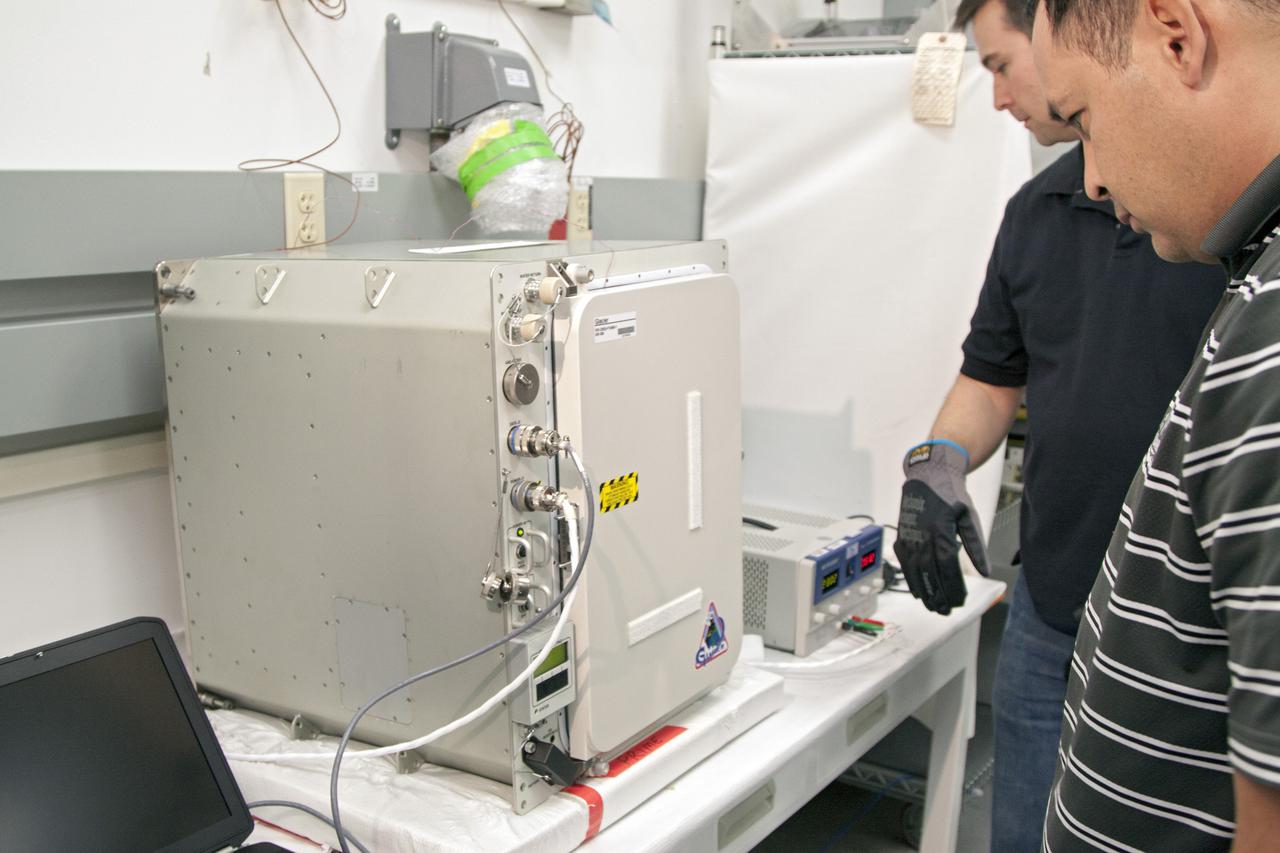
CAPE CANAVERAL, Fla. - In the Space Station Processing Facility at NASA's Kennedy Space Center in Florida, engineers load experiments requiring low temperatures into the General Laboratory Active Cryogenic International Space Station ISS Experiment Refrigerator, or GLACIER. The samples will then be transported to Space Launch Complex-40 on Cape Canaveral Air Force Station where the GLACIER will be loaded aboard the SpaceX Dragon capsule. Scheduled for launch on March 1 atop a Falcon 9 rocket, Dragon will be marking its third trip to the space station. The mission is the second of 12 SpaceX flights contracted by NASA to resupply the orbiting laboratory. For more information, visit http:__www.nasa.gov_mission_pages_station_structure_launch_spacex2-feature.html Photo credit: NASA_Kim Shiflett
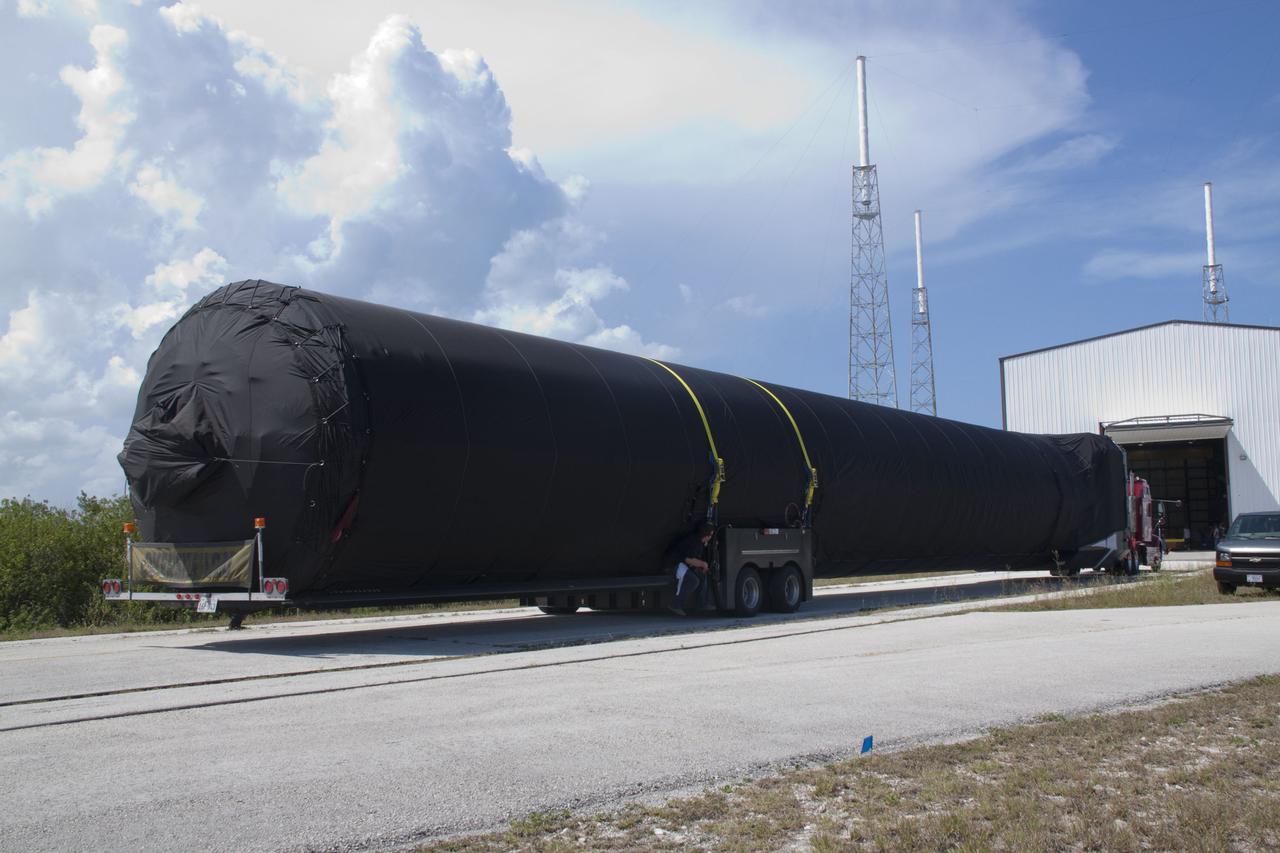
CAPE CANAVERAL, Fla. -- The first stage of the SpaceX COTS-2 Falcon 9 rocket is being transported to a SpaceX hangar at Pad 40 at Cape Canaveral Air Force Station in Florida. Once assembled, it will be a two-stage fully integrated launch vehicle, consisting of a first stage powered by nine SpaceX-developed Merlin 1C engines, a second stage, an interstage, an unpressurized trunk and the Dragon spacecraft qualification unit. SpaceX was awarded procurement for three demonstration flights under the Commercial Orbital Transportation Services, or COTS, program managed by NASA's Johnson Space Center in Houston. A subsequent contract for Commercial Resupply Services, or CRS, was awarded in late 2008 to resupply the International Space Station. The SpaceX CRS contract provides for 12 missions to resupply the station from 2011 through 2015. Photo credit: NASA_Jack Pfaller
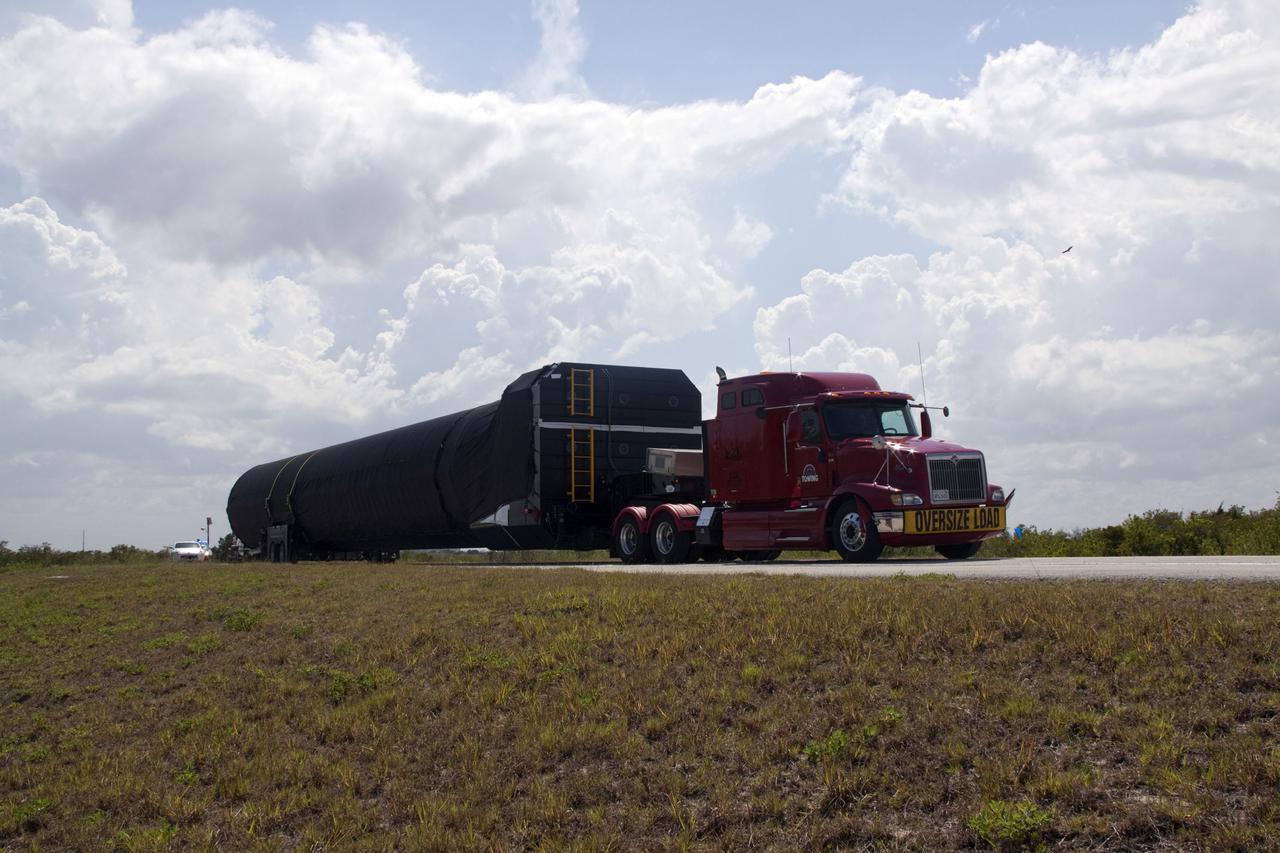
CAPE CANAVERAL, Fla. -- The first stage of the SpaceX COTS-2 Falcon 9 rocket is being transported to a SpaceX hangar at Pad 40 at Cape Canaveral Air Force Station in Florida. Once assembled, it will be a two-stage fully integrated launch vehicle, consisting of a first stage powered by nine SpaceX-developed Merlin 1C engines, a second stage, an interstage, an unpressurized trunk and the Dragon spacecraft qualification unit. SpaceX was awarded procurement for three demonstration flights under the Commercial Orbital Transportation Services, or COTS, program managed by NASA's Johnson Space Center in Houston. A subsequent contract for Commercial Resupply Services, or CRS, was awarded in late 2008 to resupply the International Space Station. The SpaceX CRS contract provides for 12 missions to resupply the station from 2011 through 2015. Photo credit: NASA_Jack Pfaller
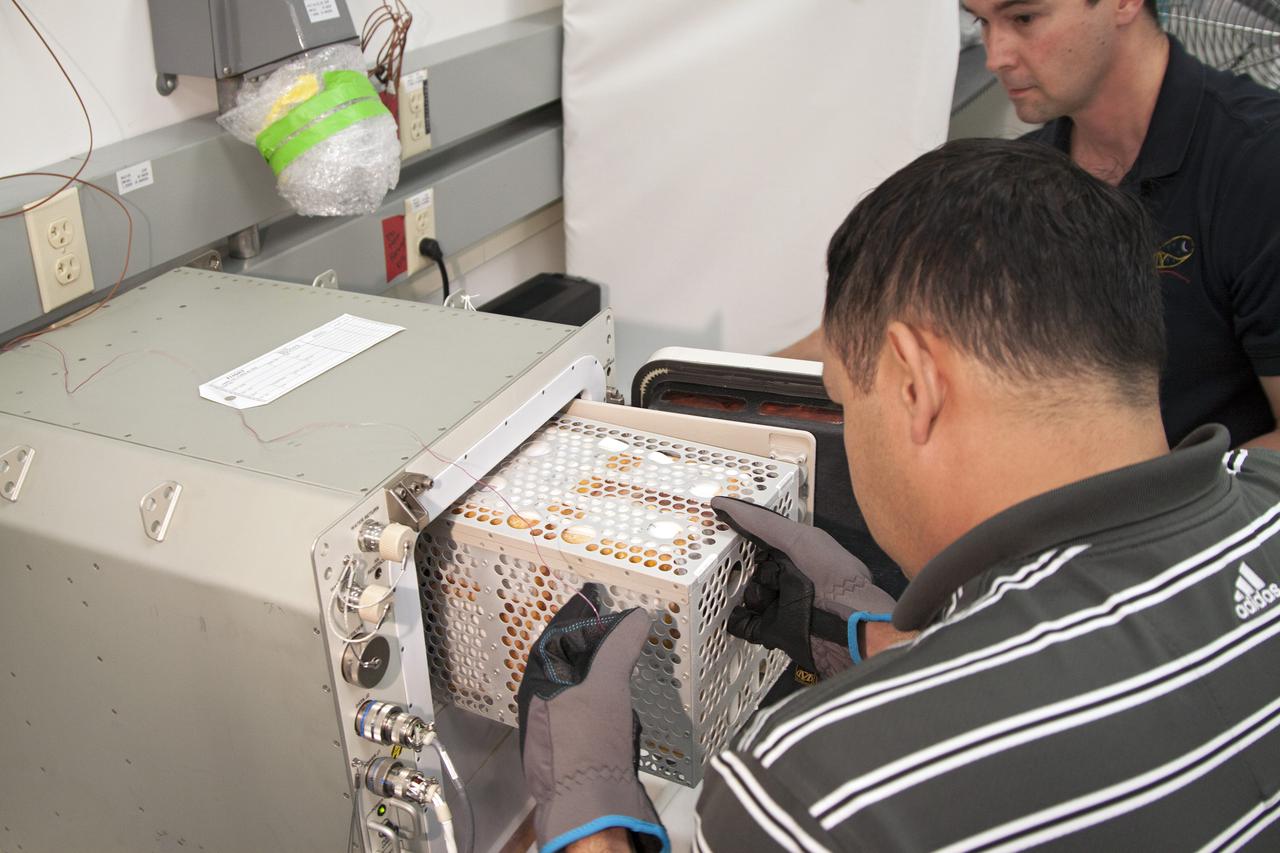
CAPE CANAVERAL, Fla. - In the Space Station Processing Facility at NASA's Kennedy Space Center in Florida, engineers load experiments requiring low temperatures into the General Laboratory Active Cryogenic International Space Station ISS Experiment Refrigerator, or GLACIER. The samples will then be transported to Space Launch Complex-40 on Cape Canaveral Air Force Station where the GLACIER will be loaded aboard the SpaceX Dragon capsule. Scheduled for launch on March 1 atop a Falcon 9 rocket, Dragon will be marking its third trip to the space station. The mission is the second of 12 SpaceX flights contracted by NASA to resupply the orbiting laboratory. For more information, visit http:__www.nasa.gov_mission_pages_station_structure_launch_spacex2-feature.html Photo credit: NASA_Kim Shiflett
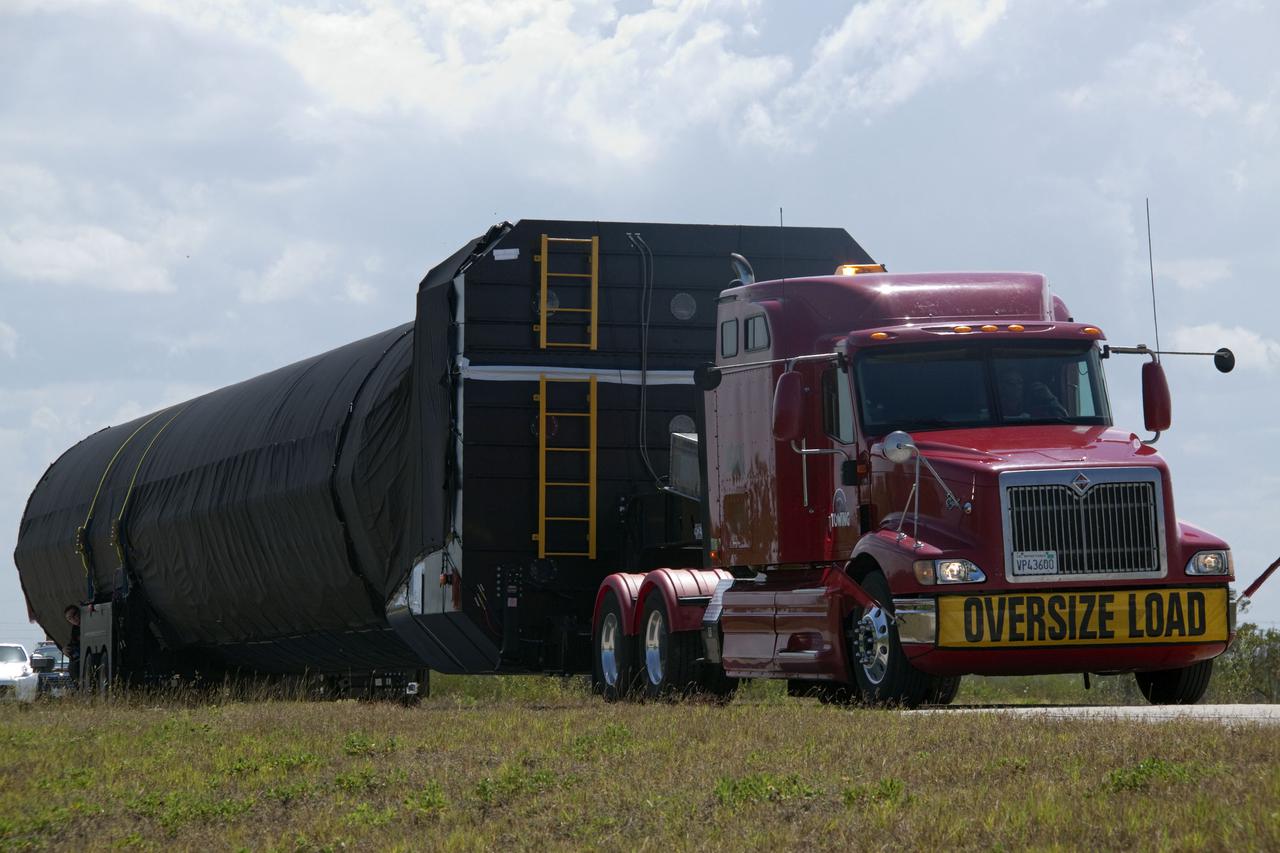
CAPE CANAVERAL, Fla. -- The first stage of the SpaceX COTS-2 Falcon 9 rocket is being transported to a SpaceX hangar at Pad 40 at Cape Canaveral Air Force Station in Florida. Once assembled, it will be a two-stage fully integrated launch vehicle, consisting of a first stage powered by nine SpaceX-developed Merlin 1C engines, a second stage, an interstage, an unpressurized trunk and the Dragon spacecraft qualification unit. SpaceX was awarded procurement for three demonstration flights under the Commercial Orbital Transportation Services, or COTS, program managed by NASA's Johnson Space Center in Houston. A subsequent contract for Commercial Resupply Services, or CRS, was awarded in late 2008 to resupply the International Space Station. The SpaceX CRS contract provides for 12 missions to resupply the station from 2011 through 2015. Photo credit: NASA_Jack Pfaller
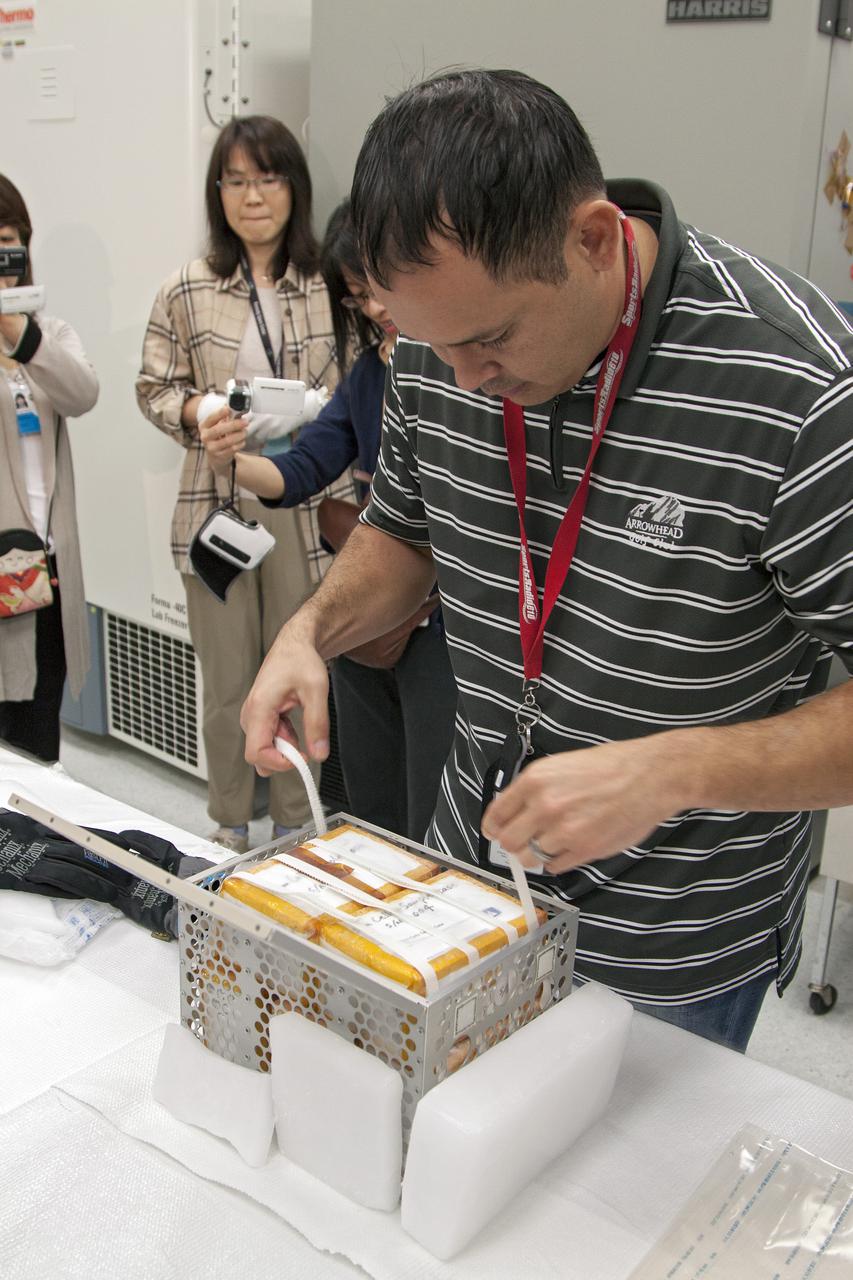
CAPE CANAVERAL, Fla. - In the Space Station Processing Facility at NASA's Kennedy Space Center in Florida, engineers prepare to load experiments requiring low temperatures into the General Laboratory Active Cryogenic International Space Station ISS Experiment Refrigerator, or GLACIER. The samples will then be transported to Space Launch Complex-40 on Cape Canaveral Air Force Station where the GLACIER will be loaded aboard the SpaceX Dragon capsule. Scheduled for launch on March 1 atop a Falcon 9 rocket, Dragon will be marking its third trip to the space station. The mission is the second of 12 SpaceX flights contracted by NASA to resupply the orbiting laboratory. For more information, visit http:__www.nasa.gov_mission_pages_station_structure_launch_spacex2-feature.html Photo credit: NASA_Kim Shiflett
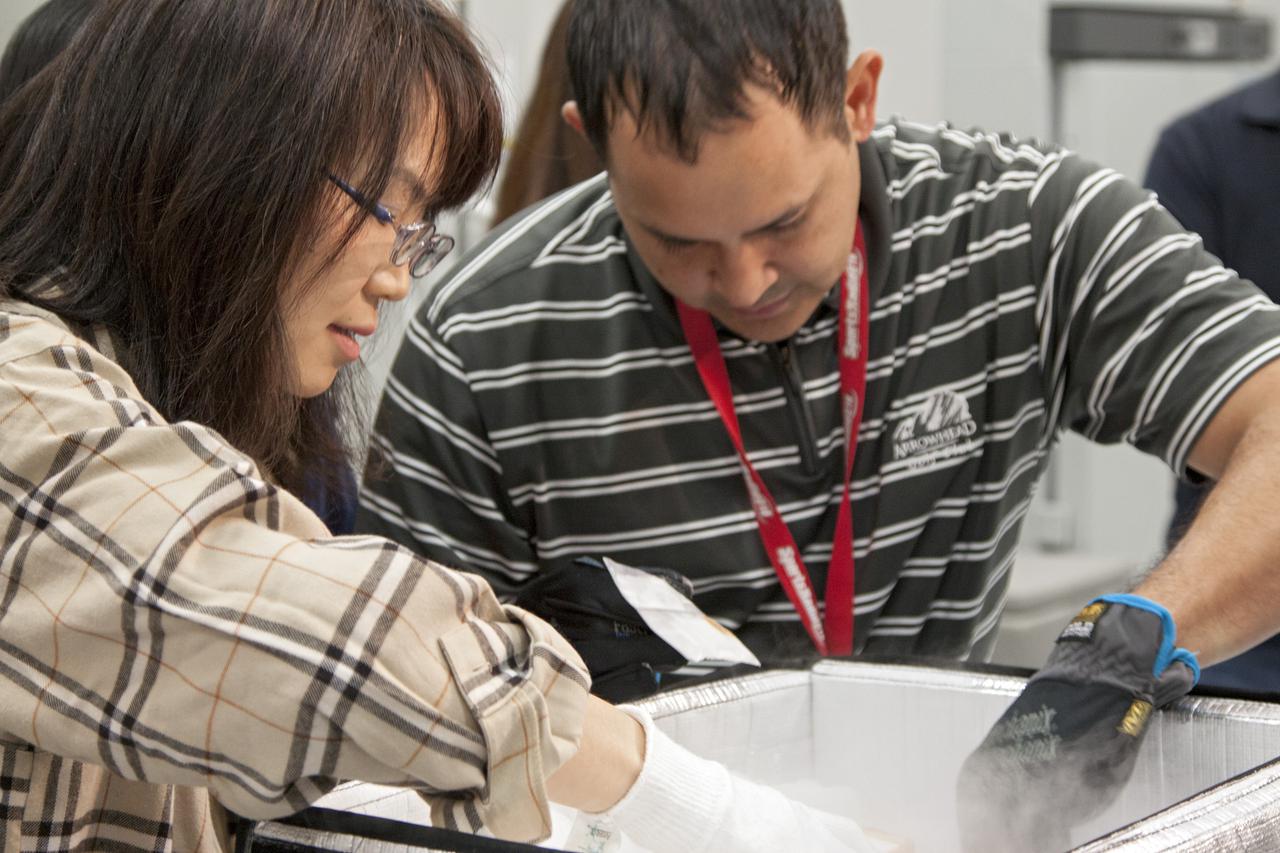
CAPE CANAVERAL, Fla. - In the Space Station Processing Facility at NASA's Kennedy Space Center in Florida, engineers prepare to load experiments requiring low temperatures into the General Laboratory Active Cryogenic International Space Station ISS Experiment Refrigerator, or GLACIER. The samples will then be transported to Space Launch Complex-40 on Cape Canaveral Air Force Station where the GLACIER will be loaded aboard the SpaceX Dragon capsule. Scheduled for launch on March 1 atop a Falcon 9 rocket, Dragon will be marking its third trip to the space station. The mission is the second of 12 SpaceX flights contracted by NASA to resupply the orbiting laboratory. For more information, visit http:__www.nasa.gov_mission_pages_station_structure_launch_spacex2-feature.html Photo credit: NASA_Kim Shiflett
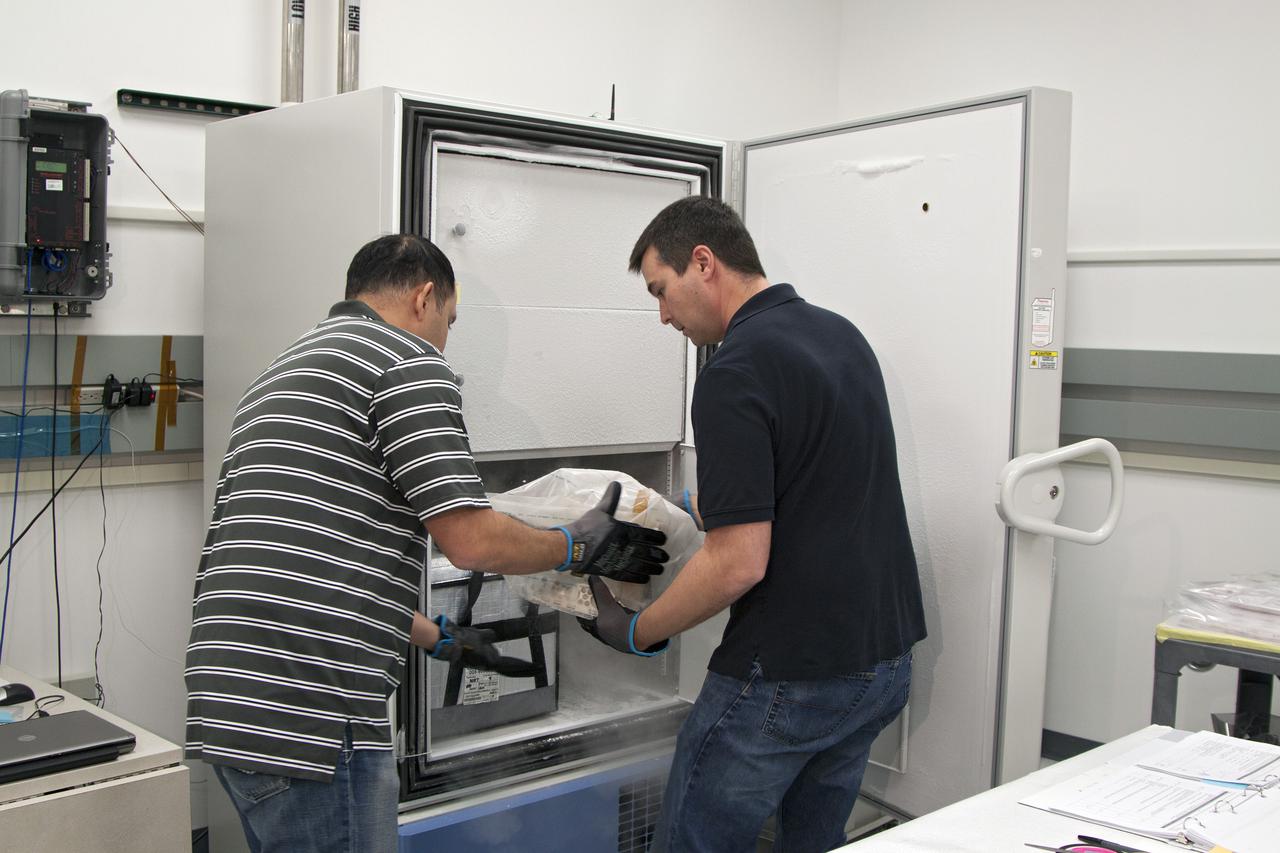
CAPE CANAVERAL, Fla. - In the Space Station Processing Facility at NASA's Kennedy Space Center in Florida, engineers prepare to load experiments requiring low temperatures into the General Laboratory Active Cryogenic International Space Station ISS Experiment Refrigerator, or GLACIER. The samples will then be transported to Space Launch Complex-40 on Cape Canaveral Air Force Station where the GLACIER will be loaded aboard the SpaceX Dragon capsule. Scheduled for launch on March 1 atop a Falcon 9 rocket, Dragon will be marking its third trip to the space station. The mission is the second of 12 SpaceX flights contracted by NASA to resupply the orbiting laboratory. For more information, visit http:__www.nasa.gov_mission_pages_station_structure_launch_spacex2-feature.html Photo credit: NASA_Kim Shiflett
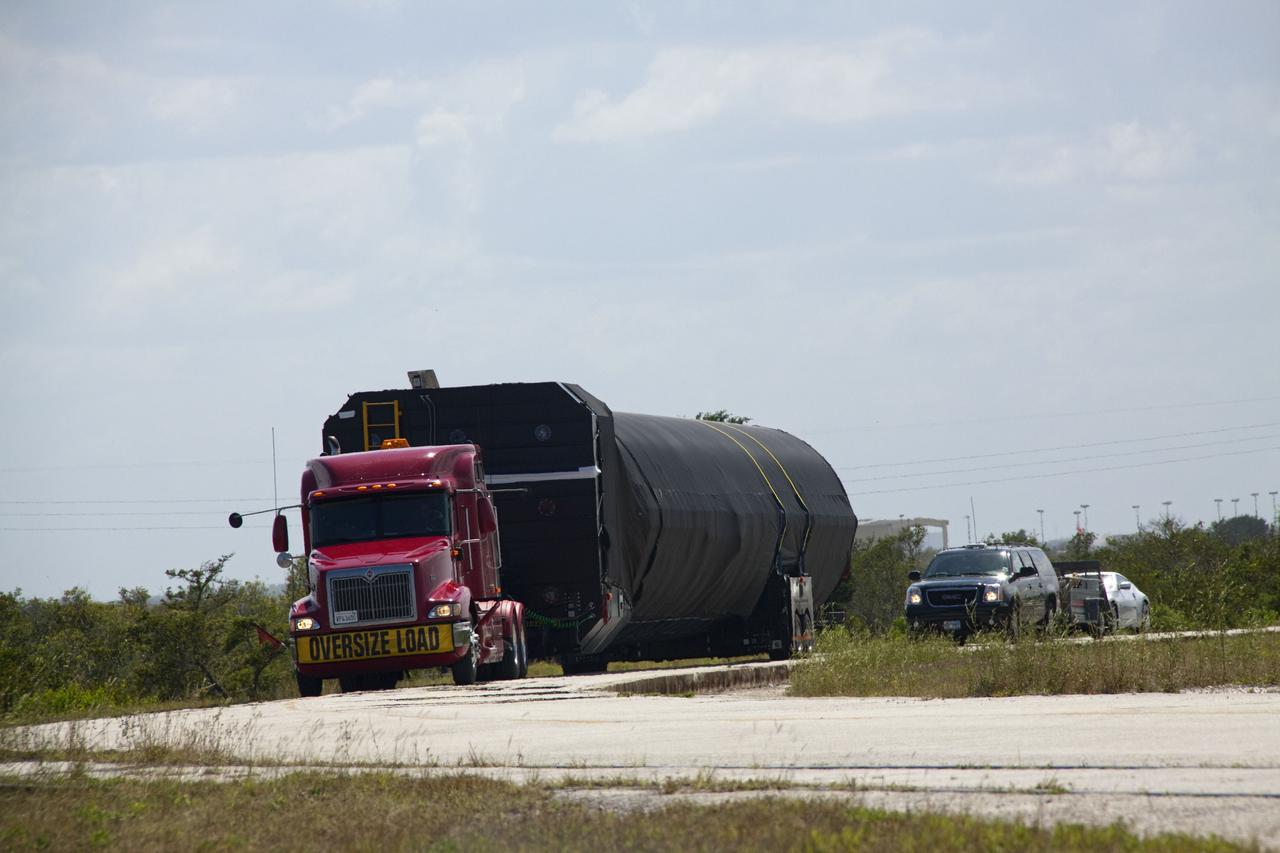
CAPE CANAVERAL, Fla. -- The first stage of the SpaceX COTS-2 Falcon 9 rocket is being transported to a SpaceX hangar at Pad 40 at Cape Canaveral Air Force Station in Florida. Once assembled, it will be a two-stage fully integrated launch vehicle, consisting of a first stage powered by nine SpaceX-developed Merlin 1C engines, a second stage, an interstage, an unpressurized trunk and the Dragon spacecraft qualification unit. SpaceX was awarded procurement for three demonstration flights under the Commercial Orbital Transportation Services, or COTS, program managed by NASA's Johnson Space Center in Houston. A subsequent contract for Commercial Resupply Services, or CRS, was awarded in late 2008 to resupply the International Space Station. The SpaceX CRS contract provides for 12 missions to resupply the station from 2011 through 2015. Photo credit: NASA_Jack Pfaller
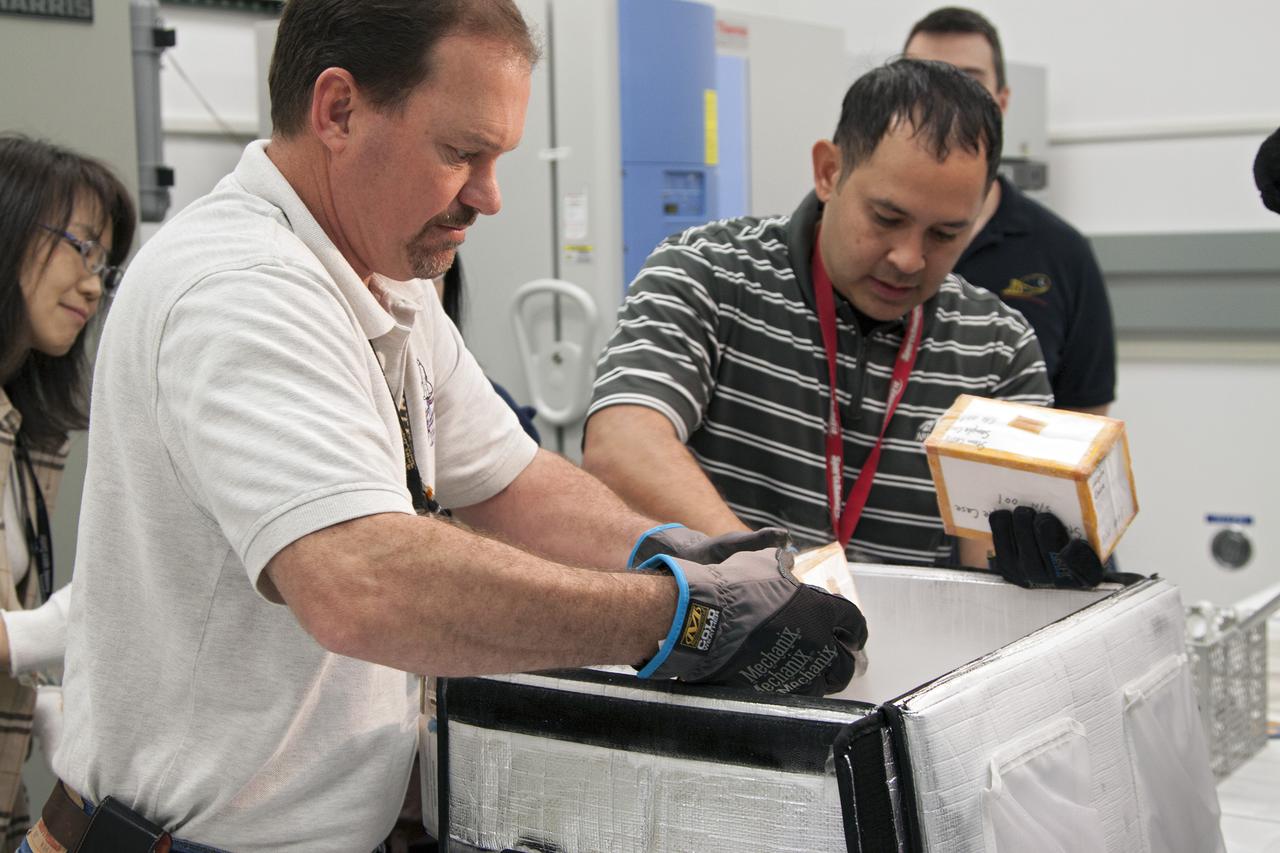
CAPE CANAVERAL, Fla. - In the Space Station Processing Facility at NASA's Kennedy Space Center in Florida, engineers prepare to load experiments requiring low temperatures into the General Laboratory Active Cryogenic International Space Station ISS Experiment Refrigerator, or GLACIER. The samples will then be transported to Space Launch Complex-40 on Cape Canaveral Air Force Station where the GLACIER will be loaded aboard the SpaceX Dragon capsule. Scheduled for launch on March 1 atop a Falcon 9 rocket, Dragon will be marking its third trip to the space station. The mission is the second of 12 SpaceX flights contracted by NASA to resupply the orbiting laboratory. For more information, visit http:__www.nasa.gov_mission_pages_station_structure_launch_spacex2-feature.html Photo credit: NASA_Kim Shiflett
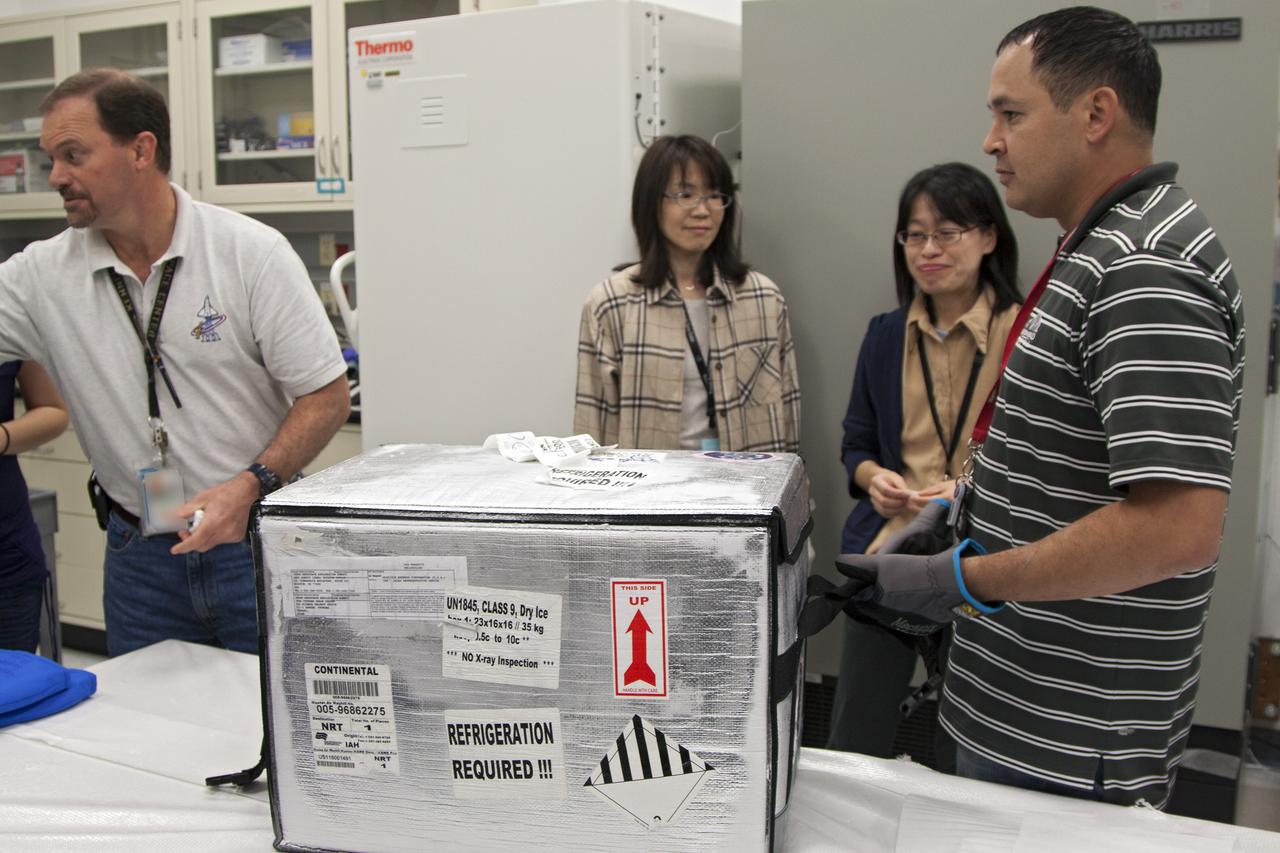
CAPE CANAVERAL, Fla. - In the Space Station Processing Facility at NASA's Kennedy Space Center in Florida, engineers prepare to load experiments requiring low temperatures into the General Laboratory Active Cryogenic International Space Station ISS Experiment Refrigerator, or GLACIER. The samples will then be transported to Space Launch Complex-40 on Cape Canaveral Air Force Station where the GLACIER will be loaded aboard the SpaceX Dragon capsule. Scheduled for launch on March 1 atop a Falcon 9 rocket, Dragon will be marking its third trip to the space station. The mission is the second of 12 SpaceX flights contracted by NASA to resupply the orbiting laboratory. For more information, visit http:__www.nasa.gov_mission_pages_station_structure_launch_spacex2-feature.html Photo credit: NASA_Kim Shiflett
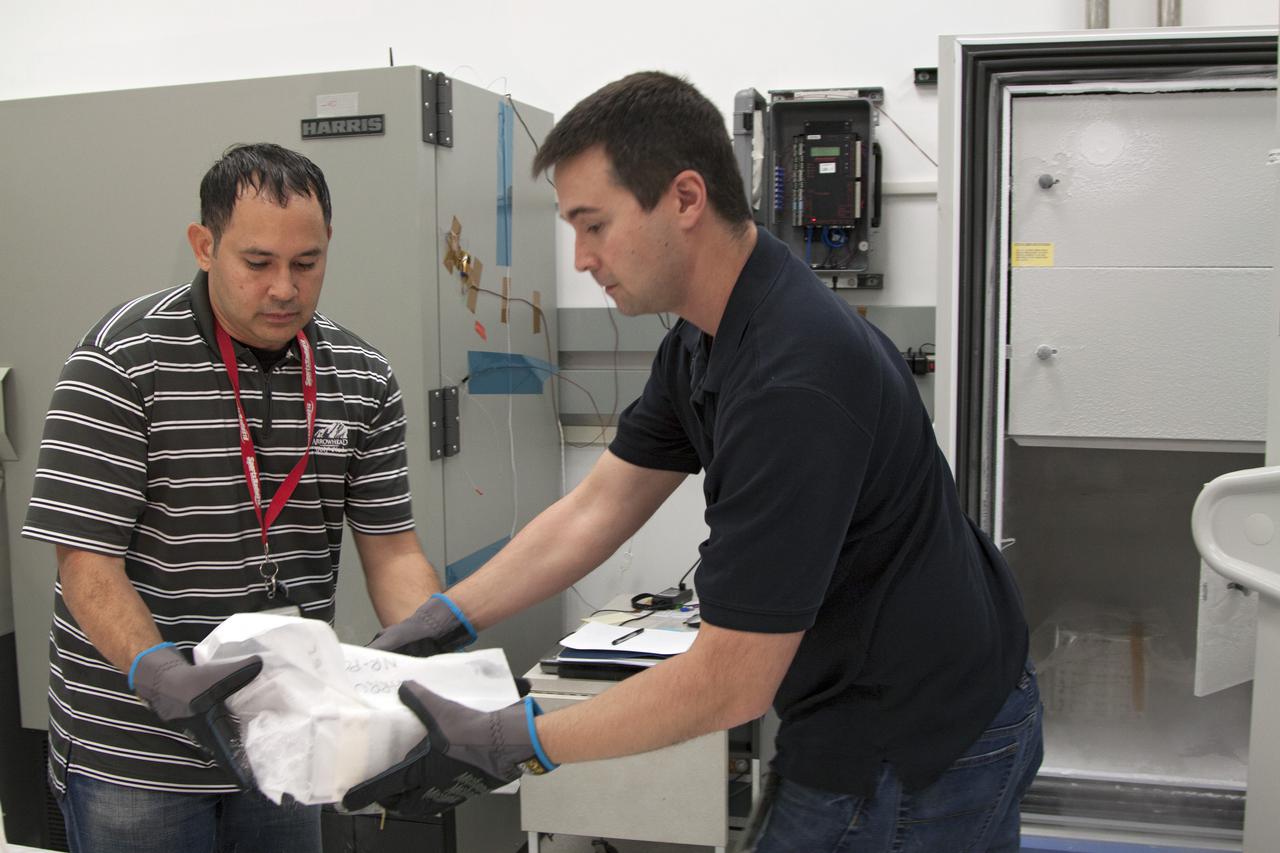
CAPE CANAVERAL, Fla. - In the Space Station Processing Facility at NASA's Kennedy Space Center in Florida, engineers prepare to load experiments requiring low temperatures into the General Laboratory Active Cryogenic International Space Station ISS Experiment Refrigerator, or GLACIER. The samples will then be transported to Space Launch Complex-40 on Cape Canaveral Air Force Station where the GLACIER will be loaded aboard the SpaceX Dragon capsule. Scheduled for launch on March 1 atop a Falcon 9 rocket, Dragon will be marking its third trip to the space station. The mission is the second of 12 SpaceX flights contracted by NASA to resupply the orbiting laboratory. For more information, visit http:__www.nasa.gov_mission_pages_station_structure_launch_spacex2-feature.html Photo credit: NASA_Kim Shiflett
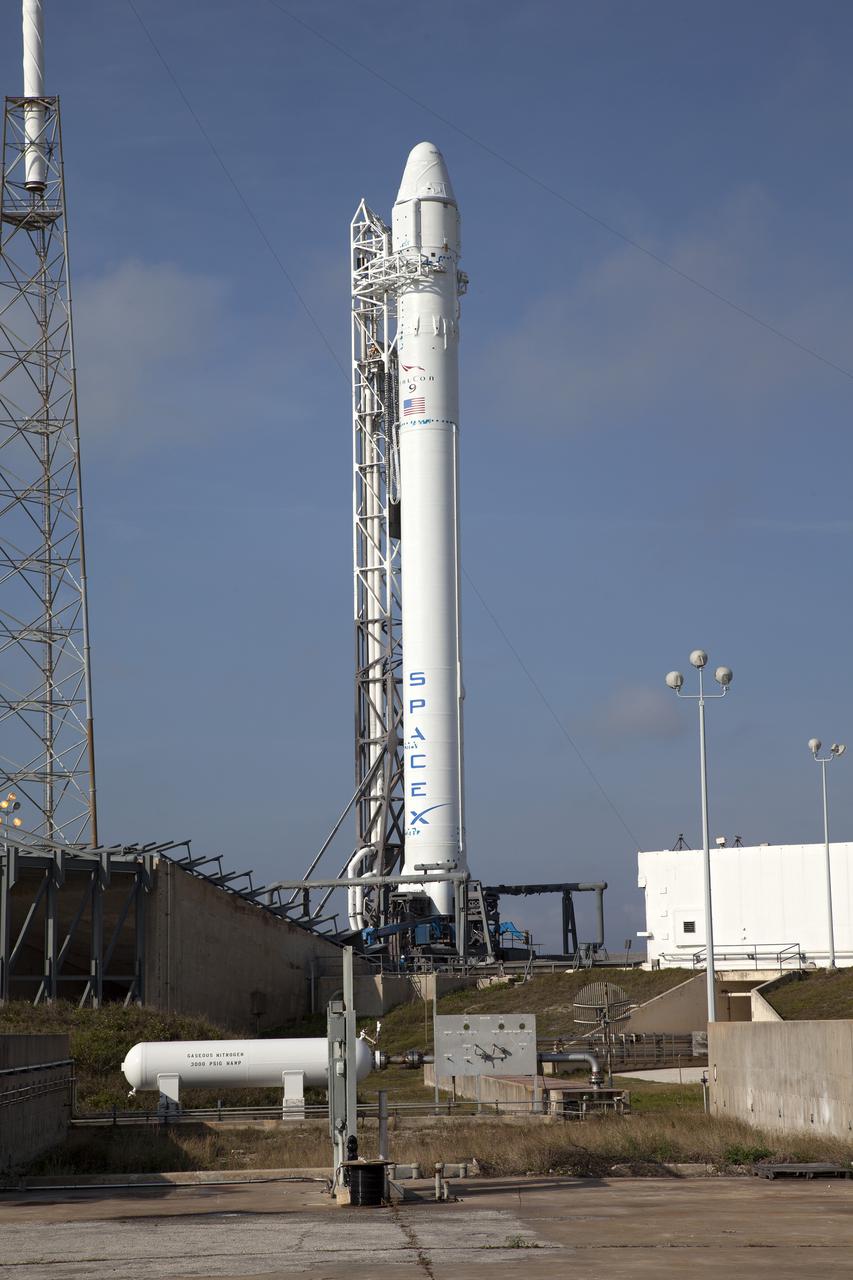
CAPE CANAVERAL, Fla. - At Cape Canaveral Air Force Station in Florida, the SpaceX Falcon 9 rocket stands on the launch pad at Launch Complex 40, awaiting a test firing of the vehicle's nine Merlin first-stage engines. The test is part of prelaunch preparations for the upcoming SpaceX 2 mission. Liftoff of the SpaceX Falcon 9 rocket and Dragon spacecraft is planned for March 1, 2013, at 10:10 a.m. EST, from Space Launch Complex-40 at Cape Canaveral Air Force Station, Fla. Dragon will be making its third trip to the space station. It will carry supplies and experiments to the orbiting laboratory. The mission is the second of 12 SpaceX flights contracted by NASA to resupply the space station. For more information, visit http:__www.nasa.gov_mission_pages_station_structure_launch_spacex2-feature.html Photo credit: NASA_Frankie Martin
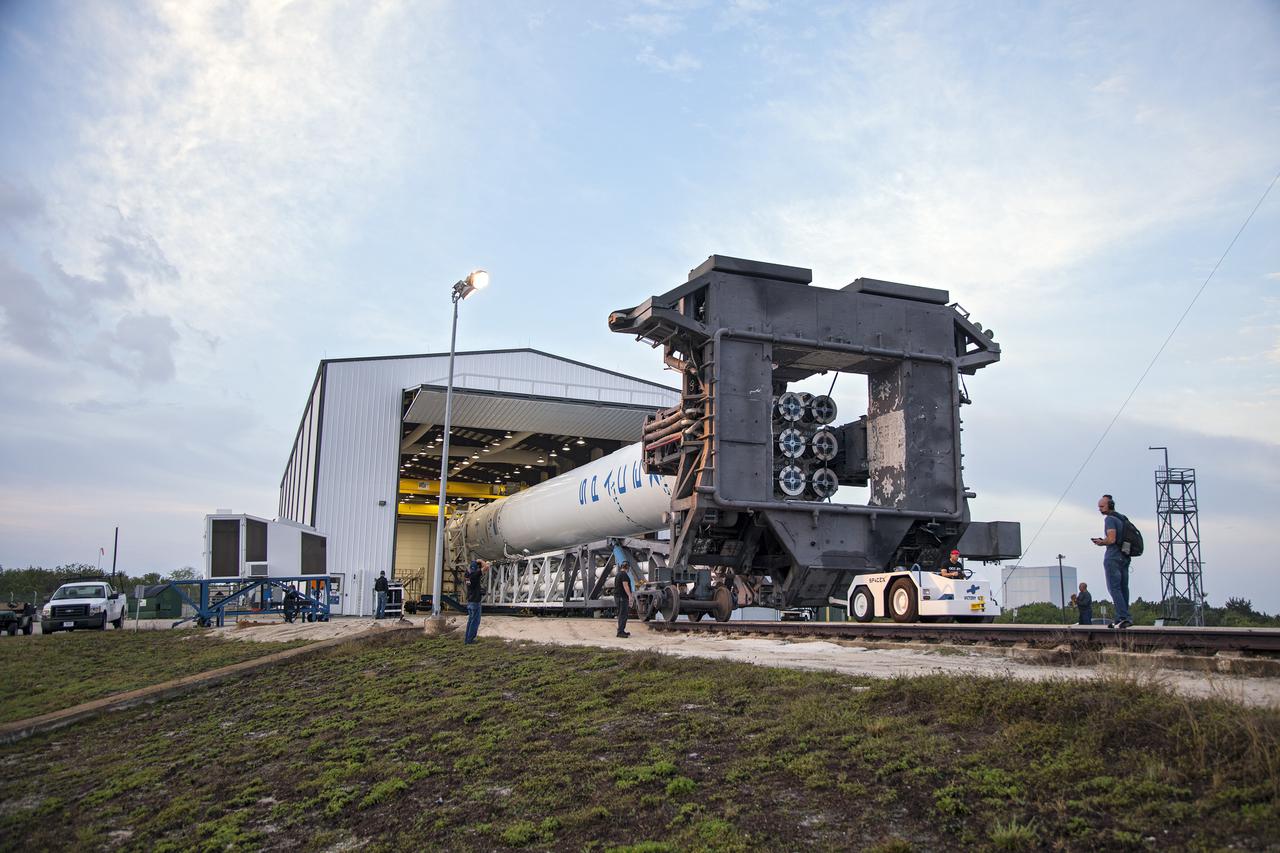
CAPE CANAVERAL, Fla. - The SpaceX Falcon 9 rocket moves out of the company's Falcon Hangar at Launch Complex 40 on Cape Canaveral Air Force Station in Florida. The rocket is rolling to the launch pad for a test firing of its nine Merlin first-stage engines in preparation for the SpaceX 2 launch. Liftoff of the SpaceX Falcon 9 rocket and Dragon spacecraft is planned for March 1, 2013, at 10:10 a.m. EST, from Space Launch Complex-40 at Cape Canaveral Air Force Station, Fla. Dragon will be making its third trip to the space station. It will carry supplies and experiments to the orbiting laboratory. The mission is the second of 12 SpaceX flights contracted by NASA to resupply the space station. For more information, visit http:__www.nasa.gov_mission_pages_station_structure_launch_spacex2-feature.html Photo credit: NASA_Frankie Martin
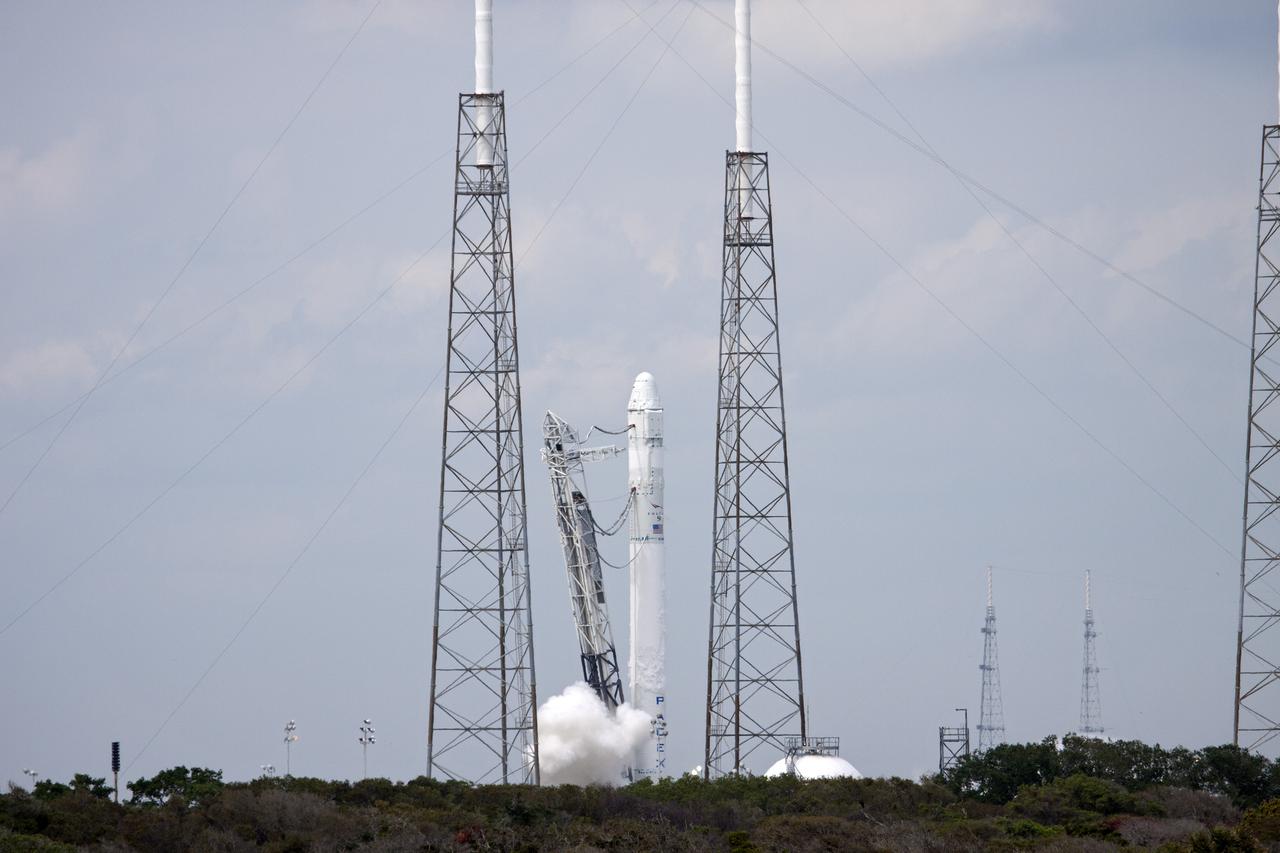
CAPE CANAVERAL, Fla. - Smoke billows from the SpaceX Falcon 9 rocket's nine first-stage Merlin engines during a test firing at Launch Complex 40 at Cape Canaveral Air Force Station in Florida. The test is part of SpaceX 2 prelaunch preparations. Liftoff of the SpaceX Falcon 9 rocket and Dragon spacecraft is planned for March 1, 2013, at 10:10 a.m. EST, from Space Launch Complex-40 at Cape Canaveral Air Force Station, Fla. Dragon will be making its third trip to the space station. It will carry supplies and experiments to the orbiting laboratory. The mission is the second of 12 SpaceX flights contracted by NASA to resupply the space station. For more information, visit http:__www.nasa.gov_mission_pages_station_structure_launch_spacex2-feature.html Photo credit: NASA_Jim Grossmann
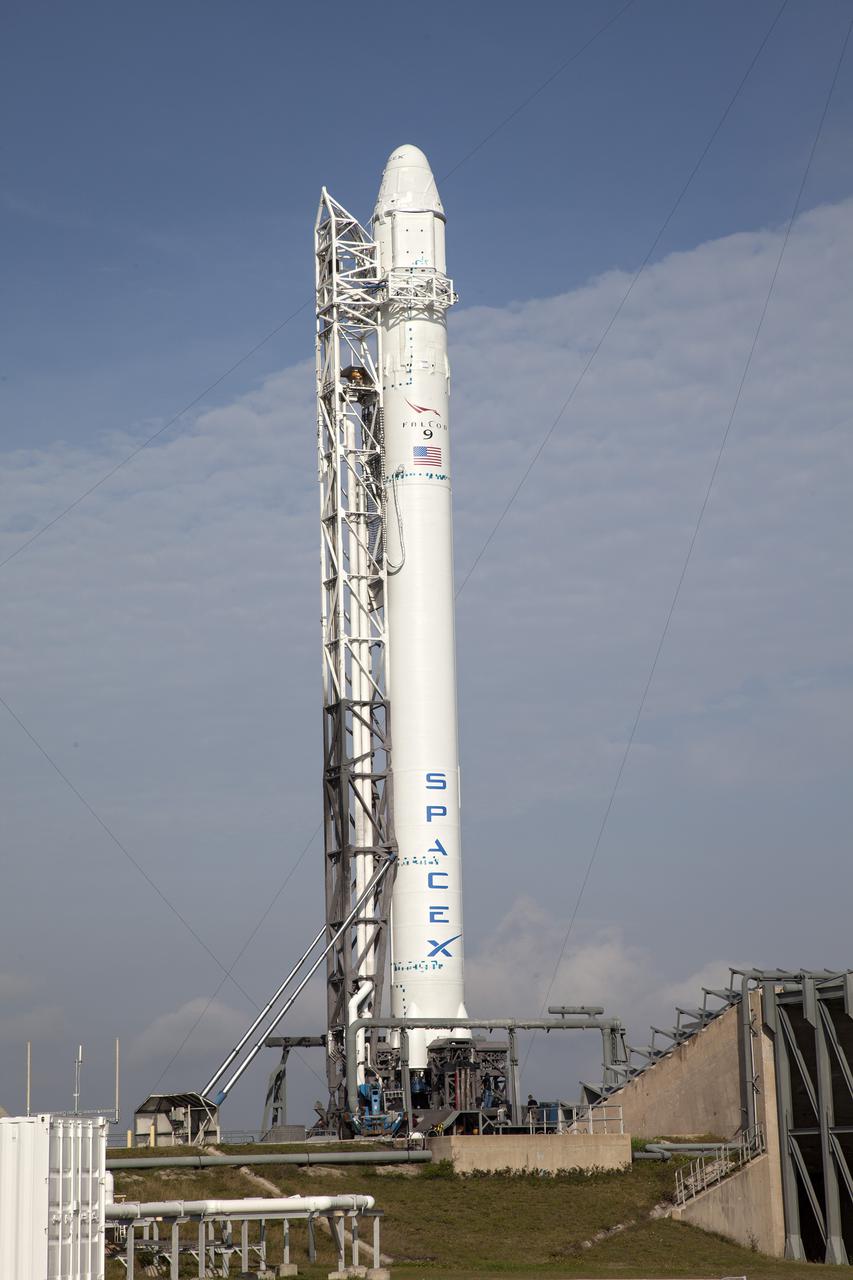
CAPE CANAVERAL, Fla. - At Cape Canaveral Air Force Station in Florida, the SpaceX Falcon 9 rocket has been raised to vertical on the launch pad at Launch Complex 40, awaiting a test firing of the vehicle's nine Merlin first-stage engines. The test is part of prelaunch preparations for the upcoming SpaceX 2 mission. Liftoff of the SpaceX Falcon 9 rocket and Dragon spacecraft is planned for March 1, 2013, at 10:10 a.m. EST, from Space Launch Complex-40 at Cape Canaveral Air Force Station, Fla. Dragon will be making its third trip to the space station. It will carry supplies and experiments to the orbiting laboratory. The mission is the second of 12 SpaceX flights contracted by NASA to resupply the space station. For more information, visit http:__www.nasa.gov_mission_pages_station_structure_launch_spacex2-feature.html Photo credit: NASA_Frankie Martin
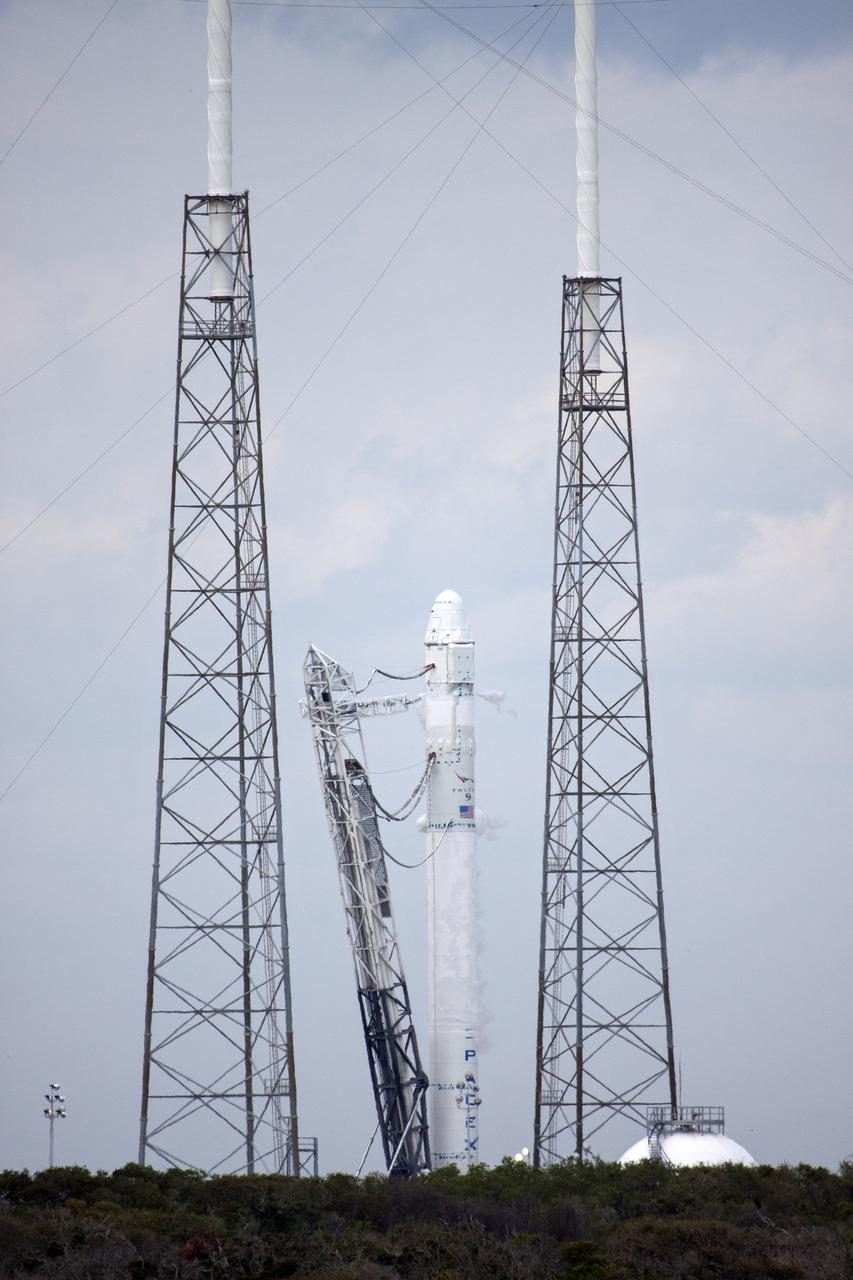
CAPE CANAVERAL, Fla. - The SpaceX Falcon 9 rocket remains standing on Launch Complex 40 at Cape Canaveral Air Force Station in Florida following a test firing of the vehicle's nine Merlin first-stage engines. The test is part of SpaceX 2 prelaunch preparations. Liftoff of the SpaceX Falcon 9 rocket and Dragon spacecraft is planned for March 1, 2013, at 10:10 a.m. EST, from Space Launch Complex-40 at Cape Canaveral Air Force Station, Fla. Dragon will be making its third trip to the space station. It will carry supplies and experiments to the orbiting laboratory. The mission is the second of 12 SpaceX flights contracted by NASA to resupply the space station. For more information, visit http:__www.nasa.gov_mission_pages_station_structure_launch_spacex2-feature.html Photo credit: NASA_Jim Grossmann
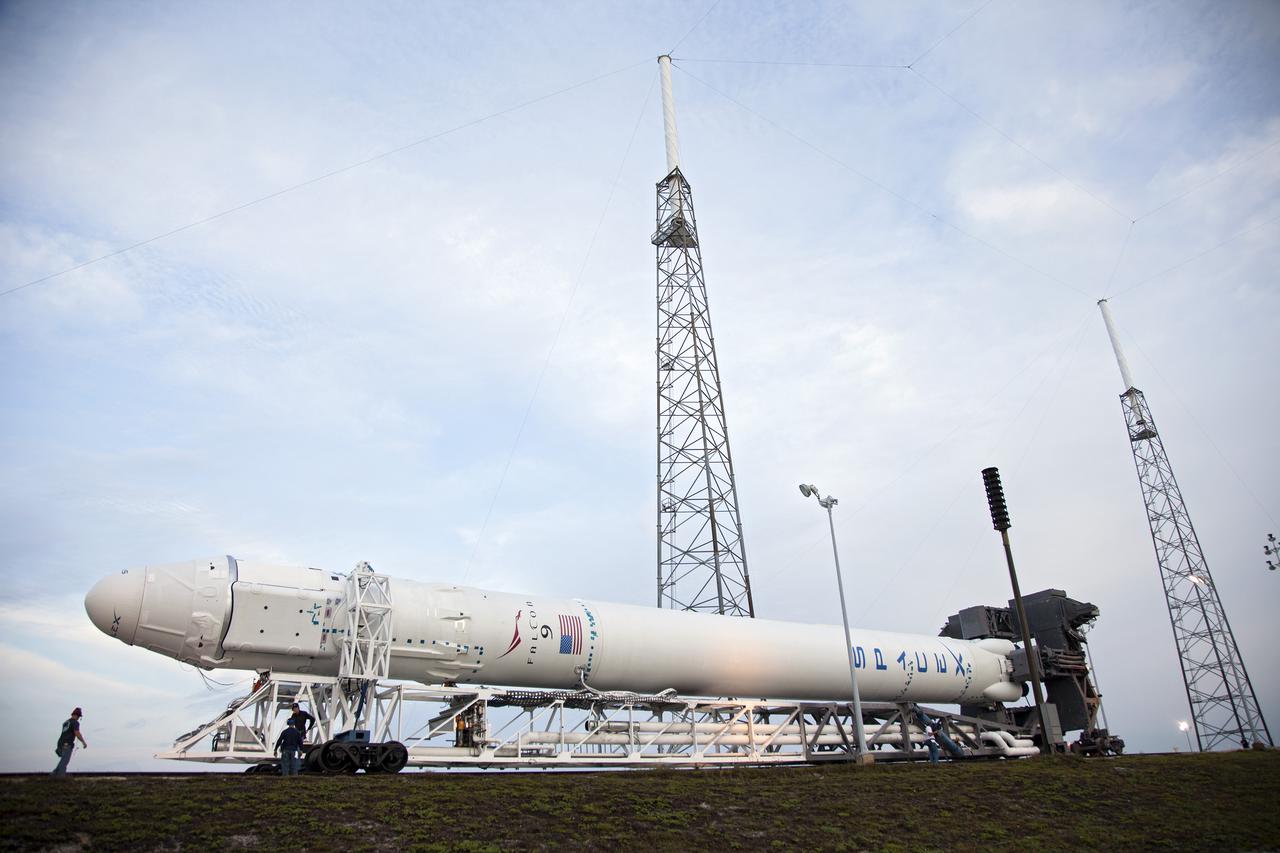
CAPE CANAVERAL, Fla. - At Cape Canaveral Air Force Station in Florida, the SpaceX Falcon 9 rocket approaches the launch pad at Launch Complex 40 for a test firing of the vehicle's nine Merlin first-stage engines. The test is part of prelaunch preparations for the upcoming SpaceX 2 mission. Liftoff of the SpaceX Falcon 9 rocket and Dragon spacecraft is planned for March 1, 2013, at 10:10 a.m. EST, from Space Launch Complex-40 at Cape Canaveral Air Force Station, Fla. Dragon will be making its third trip to the space station. It will carry supplies and experiments to the orbiting laboratory. The mission is the second of 12 SpaceX flights contracted by NASA to resupply the space station. For more information, visit http:__www.nasa.gov_mission_pages_station_structure_launch_spacex2-feature.html Photo credit: NASA_Frankie Martin

CAPE CANAVERAL, Fla. - The SpaceX Falcon 9 rocket, topped by the Dragon spacecraft, awaits a test firing of the vehicle's nine Merlin first-stage engines at Launch Complex 40 at Cape Canaveral Air Force Station in Florida. The test is part of SpaceX 2 prelaunch preparations. Liftoff of the SpaceX Falcon 9 rocket and Dragon spacecraft is planned for March 1, 2013, at 10:10 a.m. EST, from Space Launch Complex-40 at Cape Canaveral Air Force Station, Fla. Dragon will be making its third trip to the space station. It will carry supplies and experiments to the orbiting laboratory. The mission is the second of 12 SpaceX flights contracted by NASA to resupply the space station. For more information, visit http:__www.nasa.gov_mission_pages_station_structure_launch_spacex2-feature.html Photo credit: NASA_Jim Grossmann
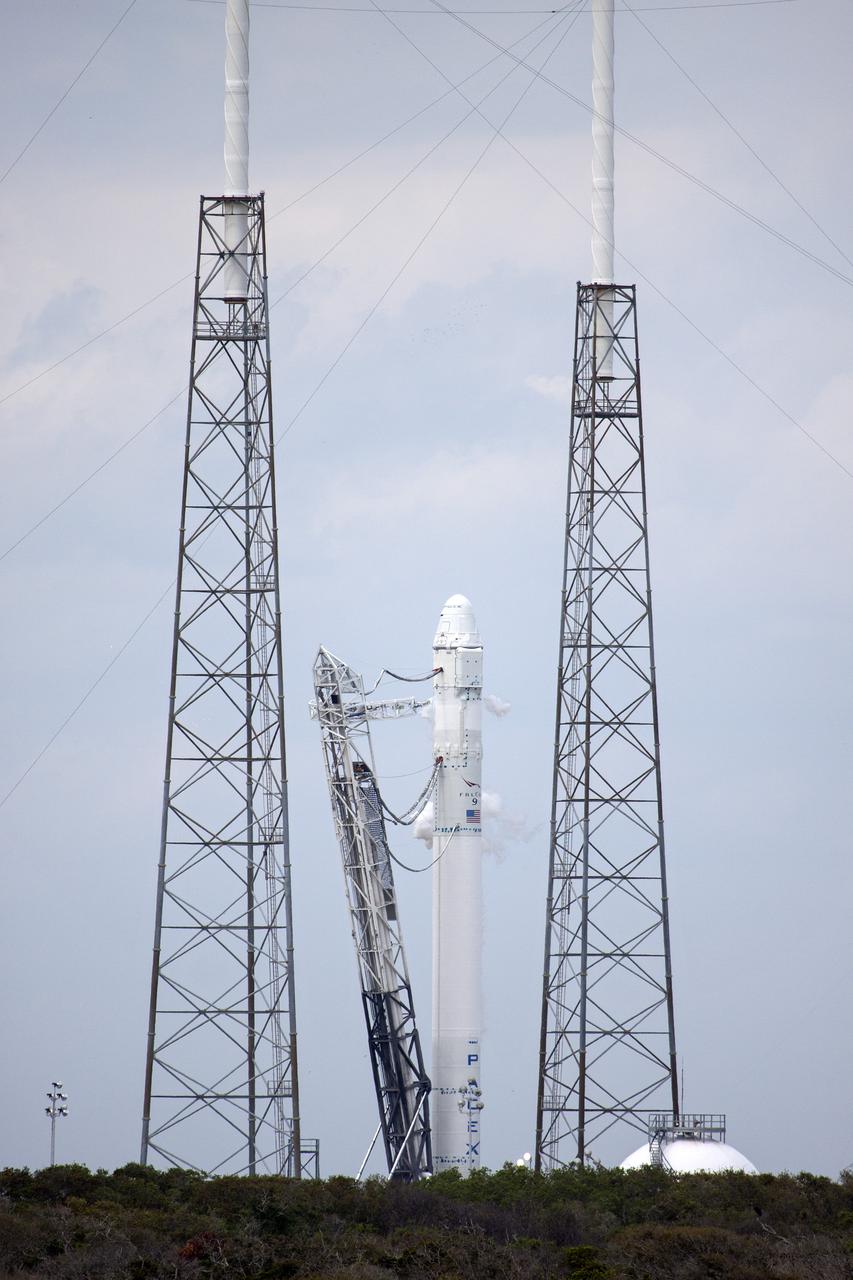
CAPE CANAVERAL, Fla. - The gantry-like strongback structure at Launch Complex 40 has been lowered prior to a test firing of the SpaceX Falcon 9 rocket's nine Merlin first-stage engines. The test is part of SpaceX 2 prelaunch preparations at Cape Canaveral Air Force Station in Florida. Liftoff of the SpaceX Falcon 9 rocket and Dragon spacecraft is planned for March 1, 2013, at 10:10 a.m. EST, from Space Launch Complex-40 at Cape Canaveral Air Force Station, Fla. Dragon will be making its third trip to the space station. It will carry supplies and experiments to the orbiting laboratory. The mission is the second of 12 SpaceX flights contracted by NASA to resupply the space station. For more information, visit http:__www.nasa.gov_mission_pages_station_structure_launch_spacex2-feature.html Photo credit: NASA_Jim Grossmann
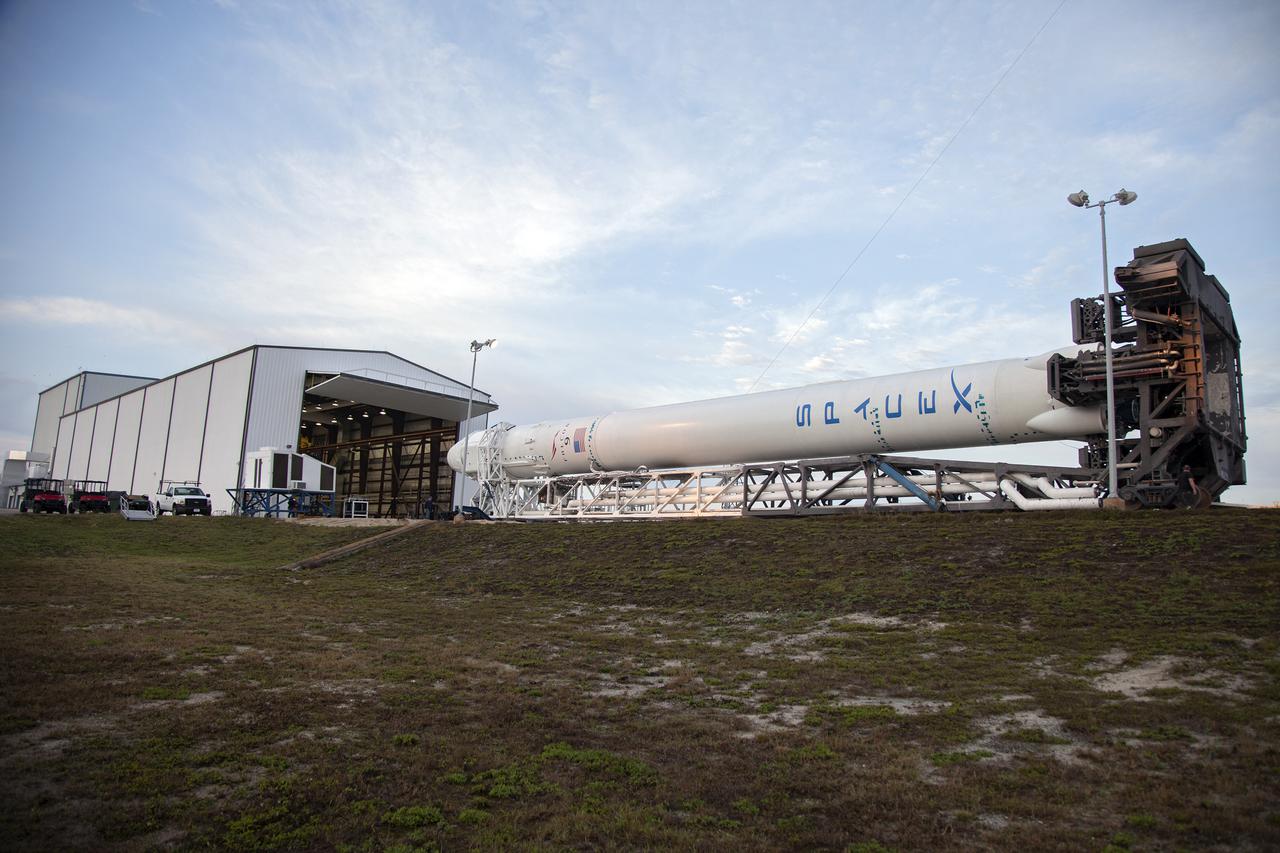
CAPE CANAVERAL, Fla. - The SpaceX Falcon 9 rocket moves away from the company's Falcon Hangar at Launch Complex 40 on Cape Canaveral Air Force Station in Florida. The rocket is rolling to the launch pad for a test firing of its nine Merlin first-stage engines in preparation for the SpaceX 2 launch. Liftoff of the SpaceX Falcon 9 rocket and Dragon spacecraft is planned for March 1, 2013, at 10:10 a.m. EST, from Space Launch Complex-40 at Cape Canaveral Air Force Station, Fla. Dragon will be making its third trip to the space station. It will carry supplies and experiments to the orbiting laboratory. The mission is the second of 12 SpaceX flights contracted by NASA to resupply the space station. For more information, visit http:__www.nasa.gov_mission_pages_station_structure_launch_spacex2-feature.html Photo credit: NASA_Frankie Martin
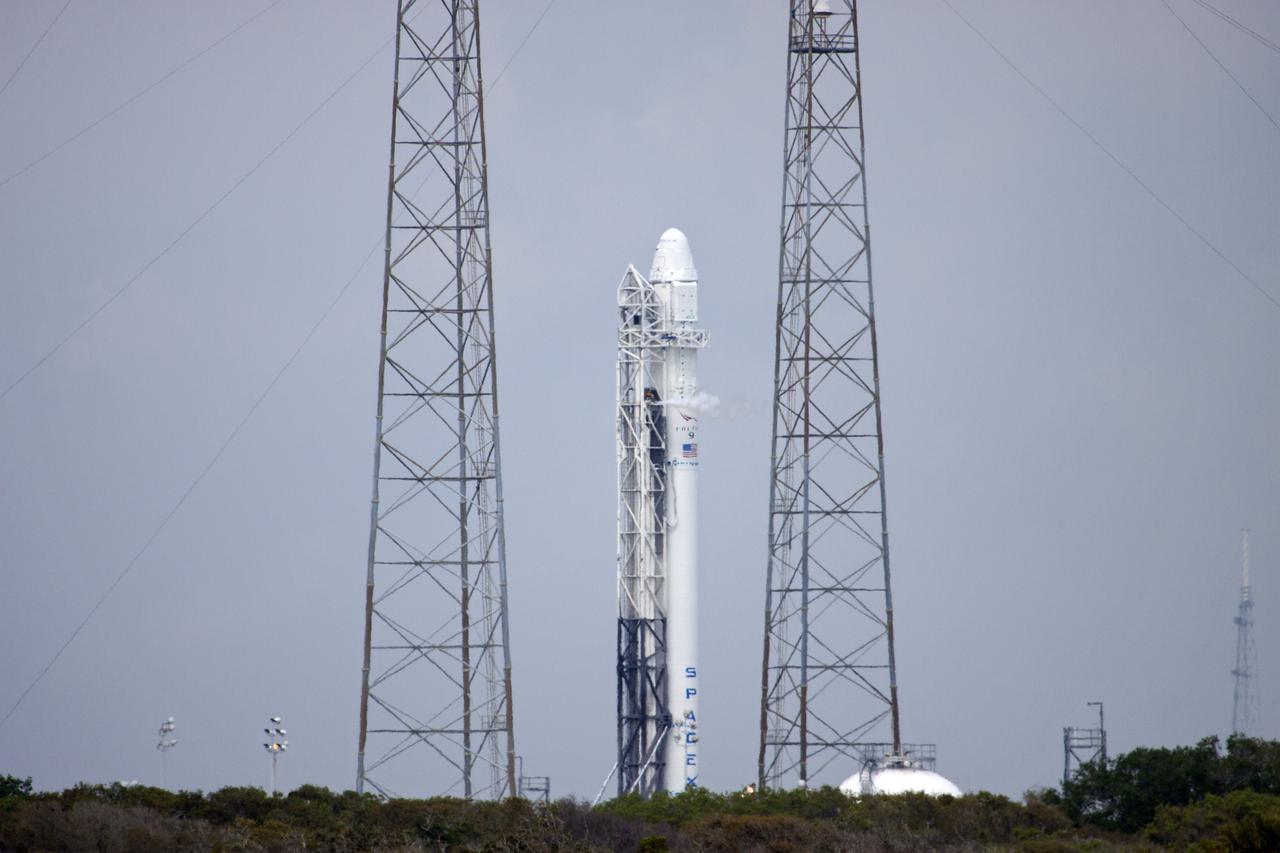
CAPE CANAVERAL, Fla. - Flanked by lightning protection catenary towers at Launch Complex 40, the SpaceX Falcon 9 rocket, topped by the Dragon spacecraft, awaits a test firing of the vehicle's nine Merlin first-stage engines. The test is part of SpaceX 2 prelaunch preparations at Cape Canaveral Air Force Station in Florida. Liftoff of the SpaceX Falcon 9 rocket and Dragon spacecraft is planned for March 1, 2013, at 10:10 a.m. EST, from Space Launch Complex-40 at Cape Canaveral Air Force Station, Fla. Dragon will be making its third trip to the space station. It will carry supplies and experiments to the orbiting laboratory. The mission is the second of 12 SpaceX flights contracted by NASA to resupply the space station. For more information, visit http:__www.nasa.gov_mission_pages_station_structure_launch_spacex2-feature.html Photo credit: NASA_Jim Grossmann
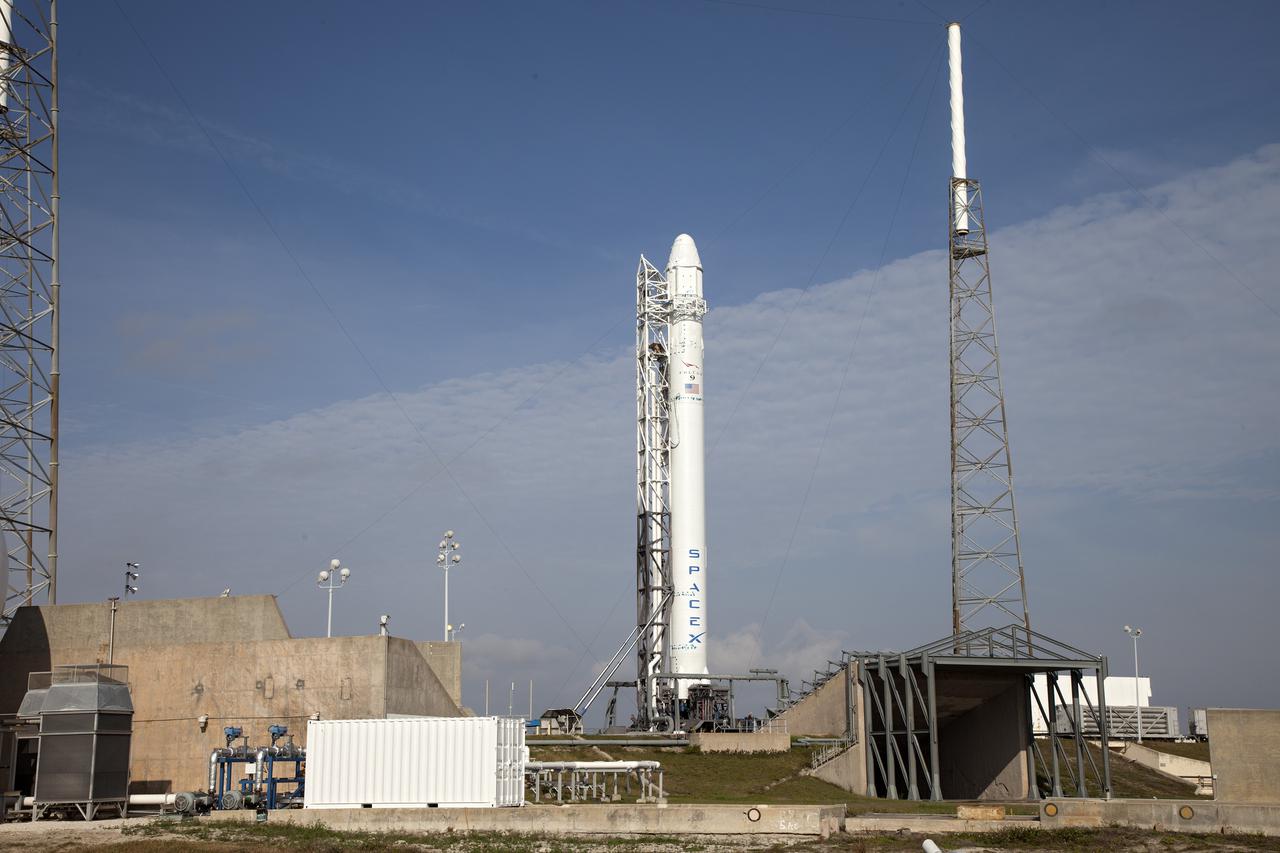
CAPE CANAVERAL, Fla. - At Cape Canaveral Air Force Station in Florida, the SpaceX Falcon 9 rocket stands on the launch pad at Launch Complex 40, awaiting a test firing of the vehicle's nine Merlin first-stage engines. The test is part of prelaunch preparations for the upcoming SpaceX 2 mission. Liftoff of the SpaceX Falcon 9 rocket and Dragon spacecraft is planned for March 1, 2013, at 10:10 a.m. EST, from Space Launch Complex-40 at Cape Canaveral Air Force Station, Fla. Dragon will be making its third trip to the space station. It will carry supplies and experiments to the orbiting laboratory. The mission is the second of 12 SpaceX flights contracted by NASA to resupply the space station. For more information, visit http:__www.nasa.gov_mission_pages_station_structure_launch_spacex2-feature.html Photo credit: NASA_Frankie Martin
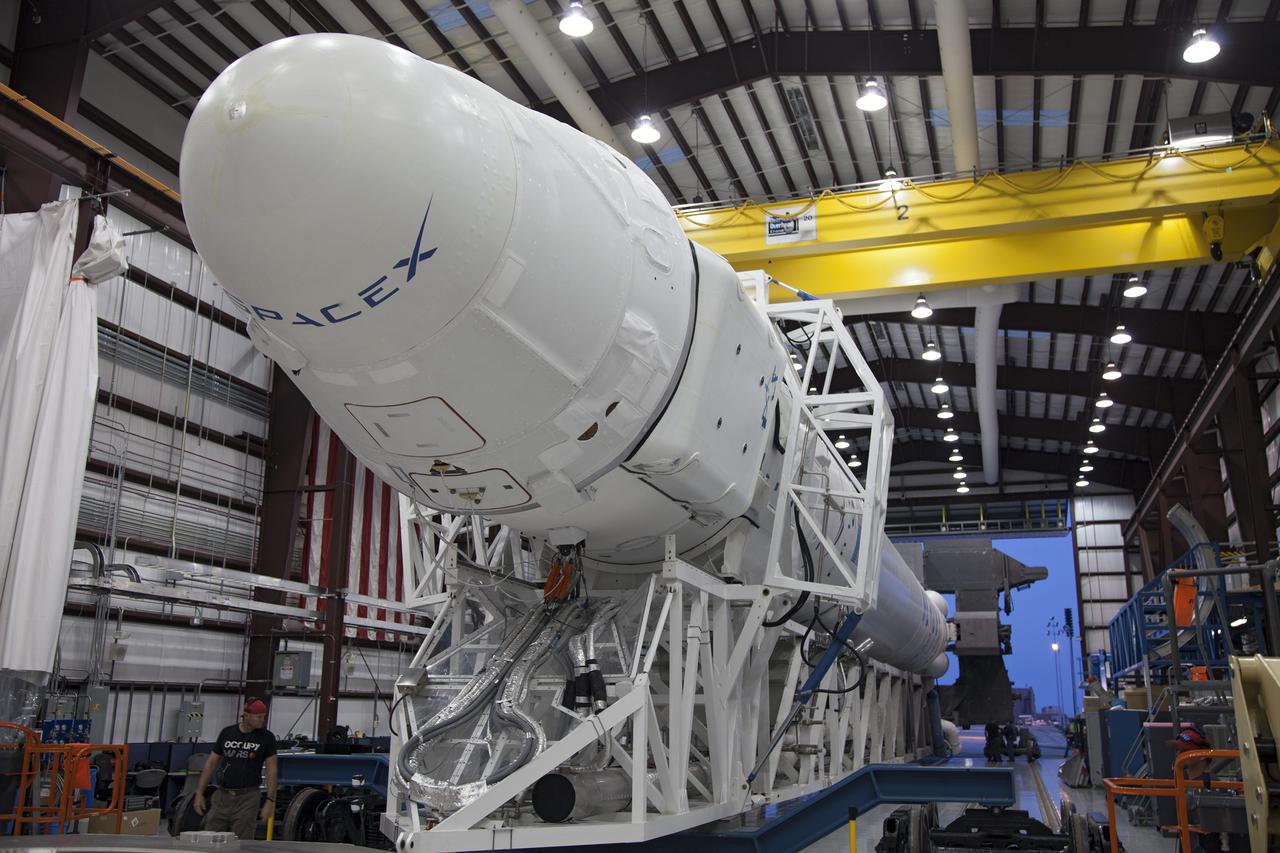
CAPE CANAVERAL, Fla. - The SpaceX Falcon 9 rocket begins its early morning move out of the company's Falcon Hangar at Launch Complex 40 on Cape Canaveral Air Force Station in Florida. Topped by the Dragon spacecraft, the rocket is rolling to the launch pad for a test firing of its nine Merlin first-stage engines in preparation for the SpaceX 2 launch. Liftoff of the SpaceX Falcon 9 rocket and Dragon spacecraft is planned for March 1, 2013, at 10:10 a.m. EST, from Space Launch Complex-40 at Cape Canaveral Air Force Station, Fla. Dragon will be making its third trip to the space station. It will carry supplies and experiments to the orbiting laboratory. The mission is the second of 12 SpaceX flights contracted by NASA to resupply the space station. For more information, visit http:__www.nasa.gov_mission_pages_station_structure_launch_spacex2-feature.html Photo credit: NASA_Frankie Martin
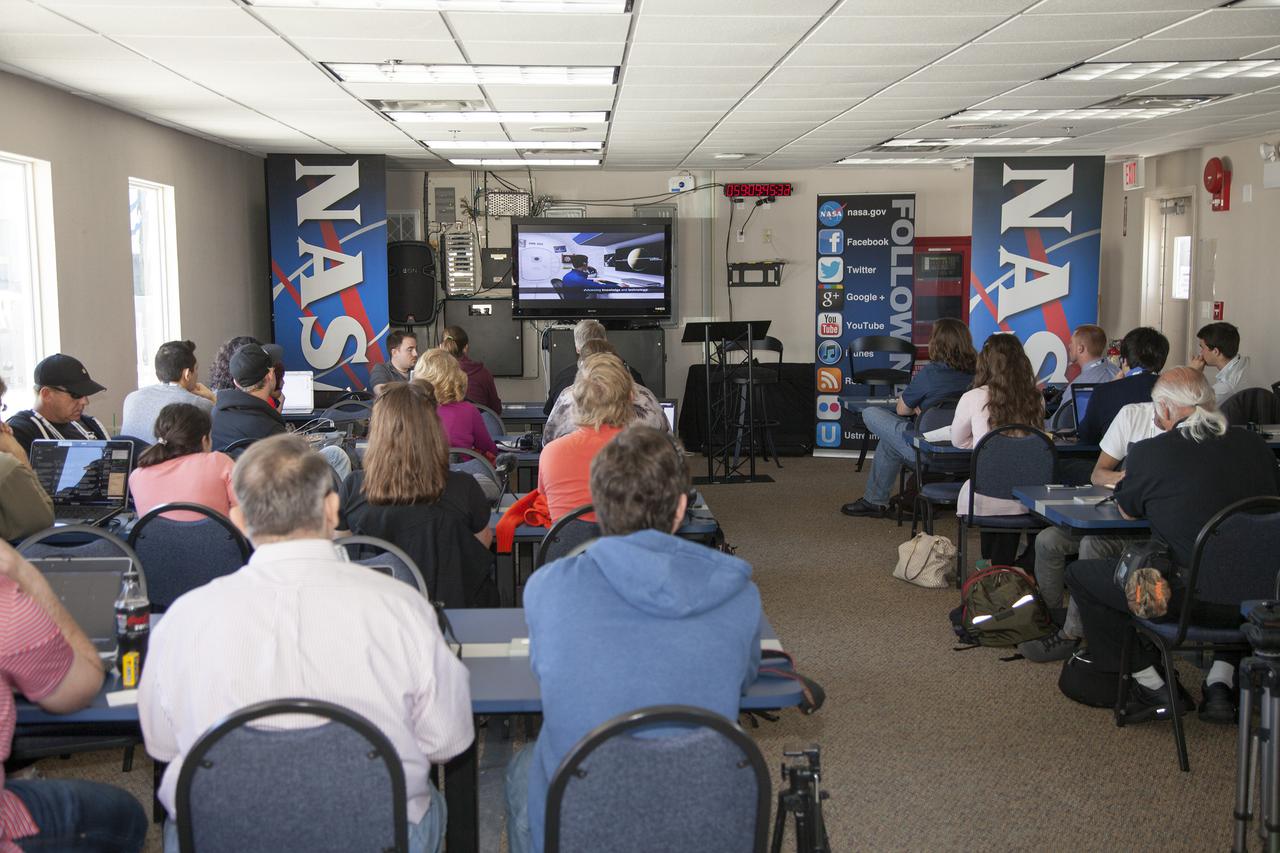
CAPE CANAVERAL, Fla. - At NASA Kennedy Space Center’s Press Site annex building in Florida, social media followers watch a movie titled, “Building Momentum,” during NASA Social media activities focused on the SpaceX 2 Commercial Resupply Mission to the International Space Station. Liftoff of the SpaceX Falcon 9 rocket and Dragon spacecraft is planned for March 1, 2013, at 10:10 a.m. EST, from Space Launch Complex-40 at Cape Canaveral Air Force Station, Fla. Dragon will be making its third trip to the space station. It will carry supplies and experiments to the orbiting laboratory. The mission is the second of 12 SpaceX flights contracted by NASA to resupply the space station. For more information, visit http:__www.nasa.gov_mission_pages_station_structure_launch_spacex2-feature.html Photo credit: NASA_Frankie Martin
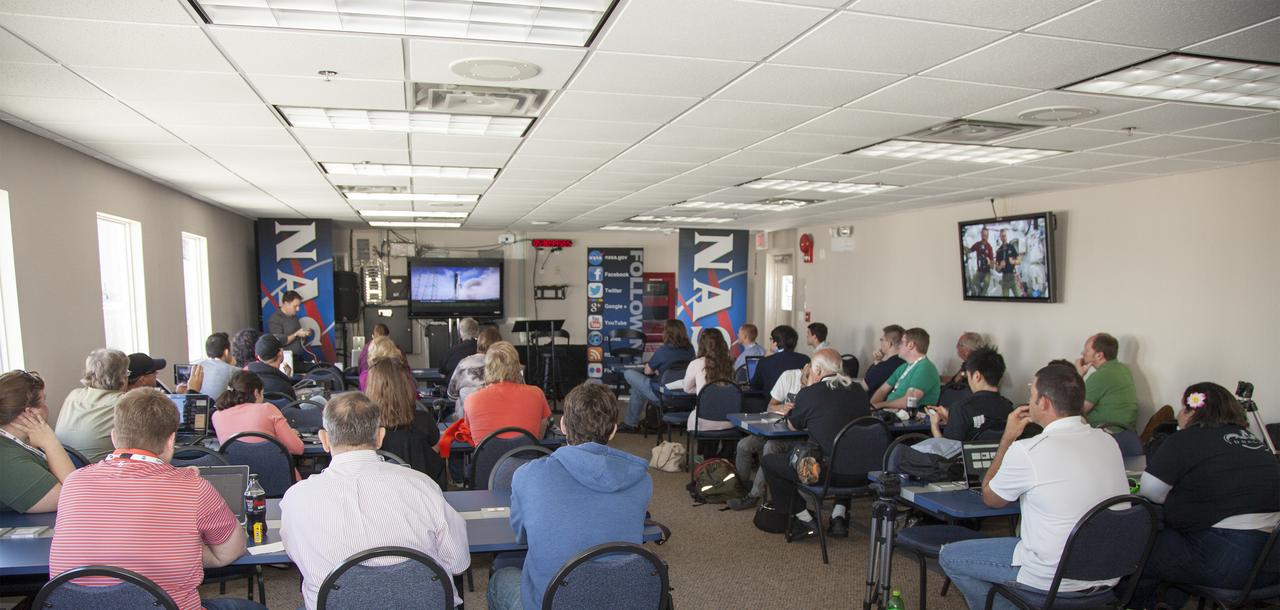
CAPE CANAVERAL, Fla. - At NASA Kennedy Space Center’s Press Site annex building in Florida, social media followers watch a movie titled, “Building Momentum,” during NASA Social media activities focused on the SpaceX 2 Commercial Resupply Mission to the International Space Station. Liftoff of the SpaceX Falcon 9 rocket and Dragon spacecraft is planned for March 1, 2013, at 10:10 a.m. EST, from Space Launch Complex-40 at Cape Canaveral Air Force Station, Fla. Dragon will be making its third trip to the space station. It will carry supplies and experiments to the orbiting laboratory. The mission is the second of 12 SpaceX flights contracted by NASA to resupply the space station. For more information, visit http:__www.nasa.gov_mission_pages_station_structure_launch_spacex2-feature.html Photo credit: NASA_Frankie Martin
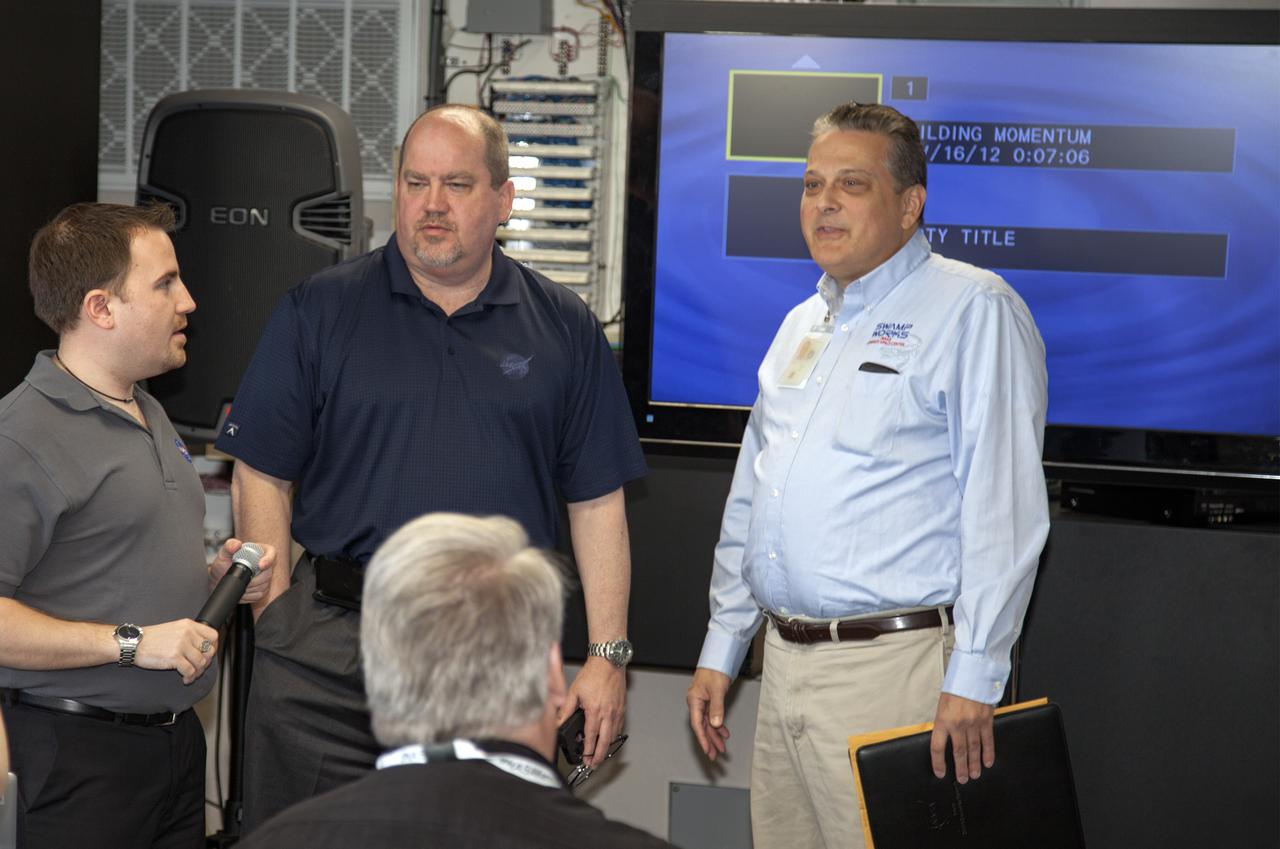
CAPE CANAVERAL, Fla. - At NASA Kennedy Space Center’s Press Site annex building in Florida, social media followers listen to NASA Social media coordinator Jason Townsend, far left, Bob Jacobs, NASA Deputy Associate Administrator for Communications, and Jack Fox, chief of the Surface Systems Office in Kennedy’s Engineering and Technology Directorate, describe the SpaceX 2 Commercial Resupply Mission to the International Space Station. Liftoff of the SpaceX Falcon 9 rocket and Dragon spacecraft is planned for March 1, 2013, at 10:10 a.m. EST, from Space Launch Complex-40 at Cape Canaveral Air Force Station, Fla. Dragon will be making its third trip to the space station. It will carry supplies and experiments to the orbiting laboratory. The mission is the second of 12 SpaceX flights contracted by NASA to resupply the space station. For more information, visit http:__www.nasa.gov_mission_pages_station_structure_launch_spacex2-feature.html Photo credit: NASA_Frankie Martin
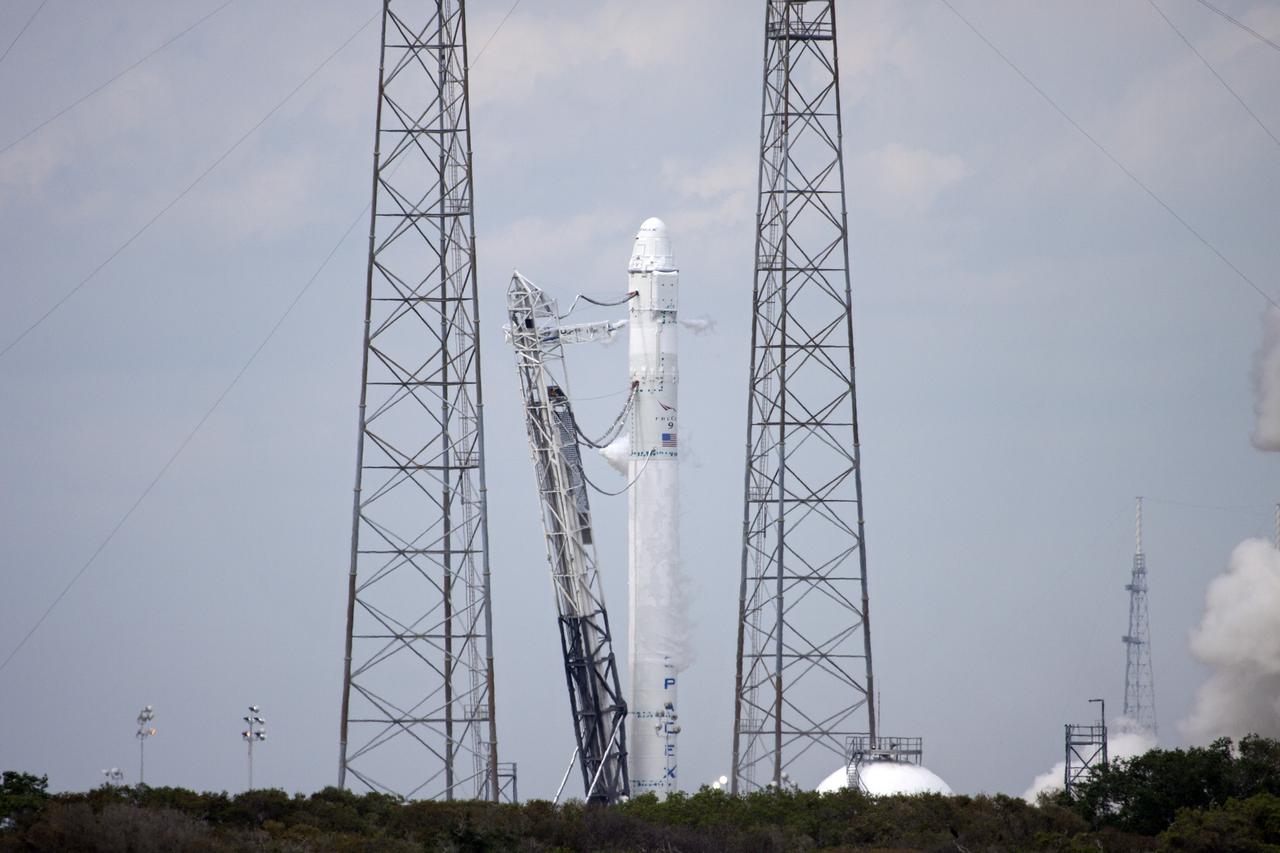
CAPE CANAVERAL, Fla. - Smoke billows from the SpaceX Falcon 9 rocket's nine first-stage Merlin engines during a test firing at Launch Complex 40 at Cape Canaveral Air Force Station in Florida. The test is part of SpaceX 2 prelaunch preparations. Liftoff of the SpaceX Falcon 9 rocket and Dragon spacecraft is planned for March 1, 2013, at 10:10 a.m. EST, from Space Launch Complex-40 at Cape Canaveral Air Force Station, Fla. Dragon will be making its third trip to the space station. It will carry supplies and experiments to the orbiting laboratory. The mission is the second of 12 SpaceX flights contracted by NASA to resupply the space station. For more information, visit http:__www.nasa.gov_mission_pages_station_structure_launch_spacex2-feature.html Photo credit: NASA_Jim Grossmann
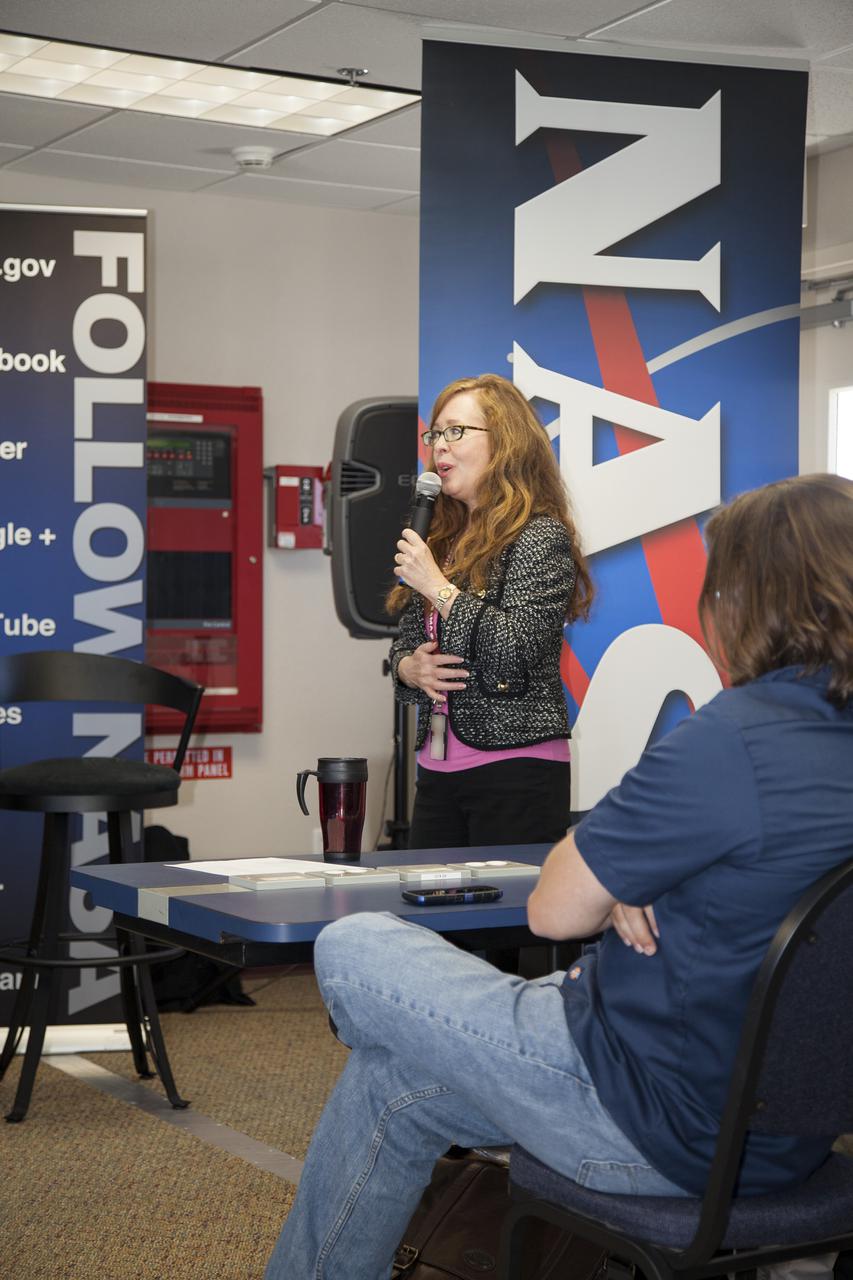
CAPE CANAVERAL, Fla. - At NASA Kennedy Space Center’s Press Site annex building in Florida, Public Affairs Director Lisa Malone speaks to NASA Social media followers about the SpaceX 2 Commercial Resupply Mission to the International Space Station and how Kennedy’s News Center supports prelaunch and launch activities. Liftoff of the SpaceX Falcon 9 rocket and Dragon spacecraft is planned for March 1, 2013, at 10:10 a.m. EST, from Space Launch Complex-40 at Cape Canaveral Air Force Station, Fla. Dragon will be making its third trip to the space station. It will carry supplies and experiments to the orbiting laboratory. The mission is the second of 12 SpaceX flights contracted by NASA to resupply the space station. For more information, visit http:__www.nasa.gov_mission_pages_station_structure_launch_spacex2-feature.html Photo credit: NASA_Frankie Martin