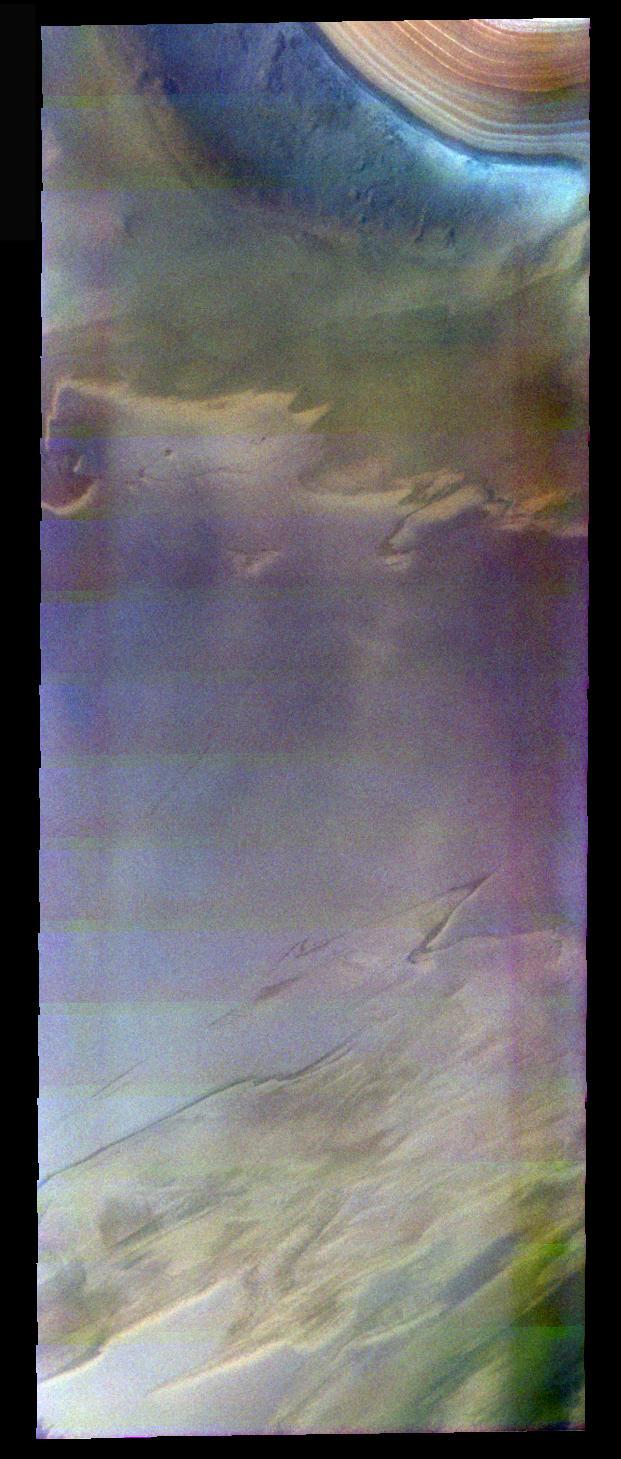
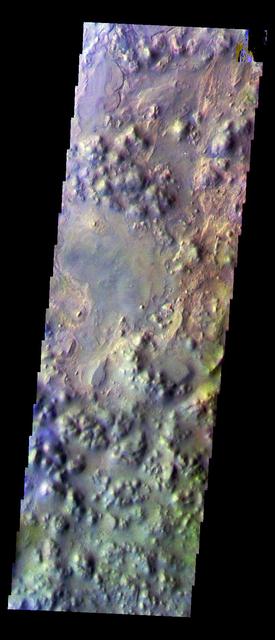
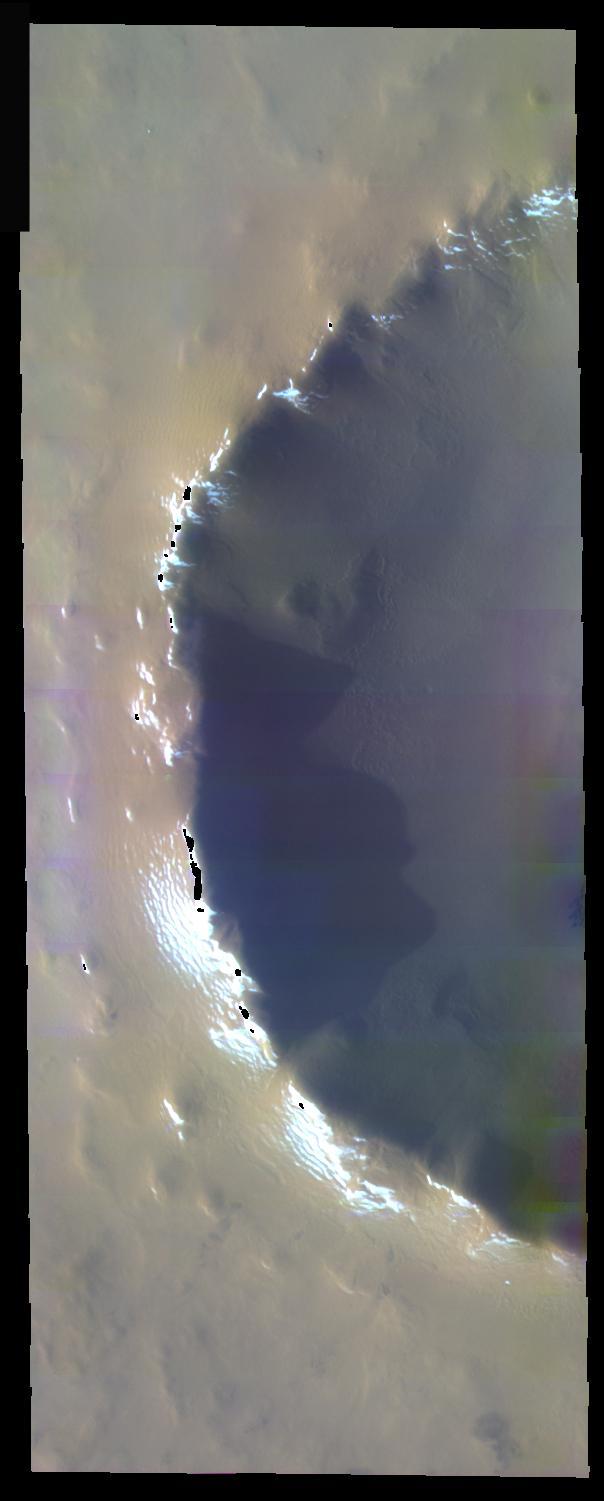
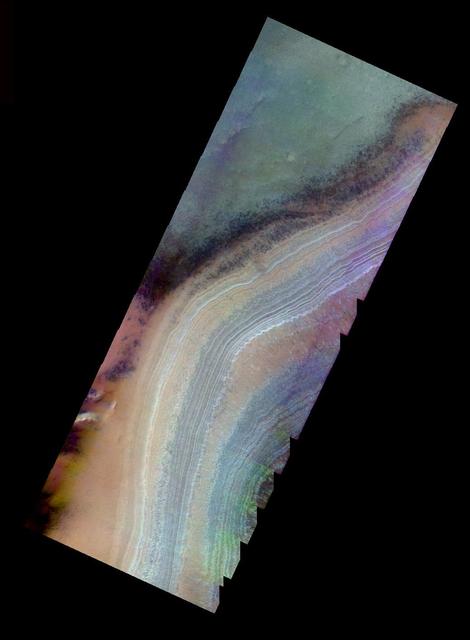
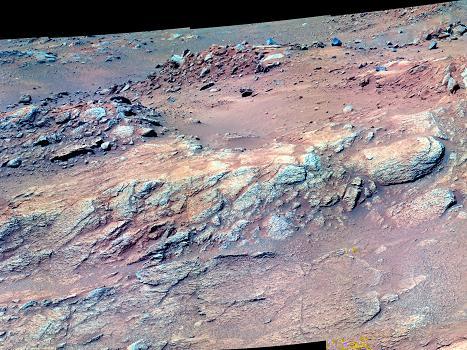
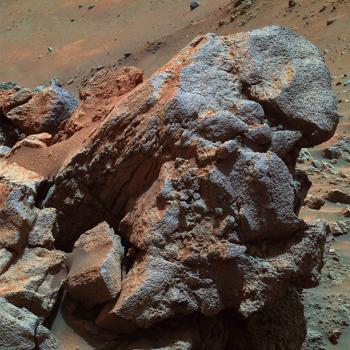
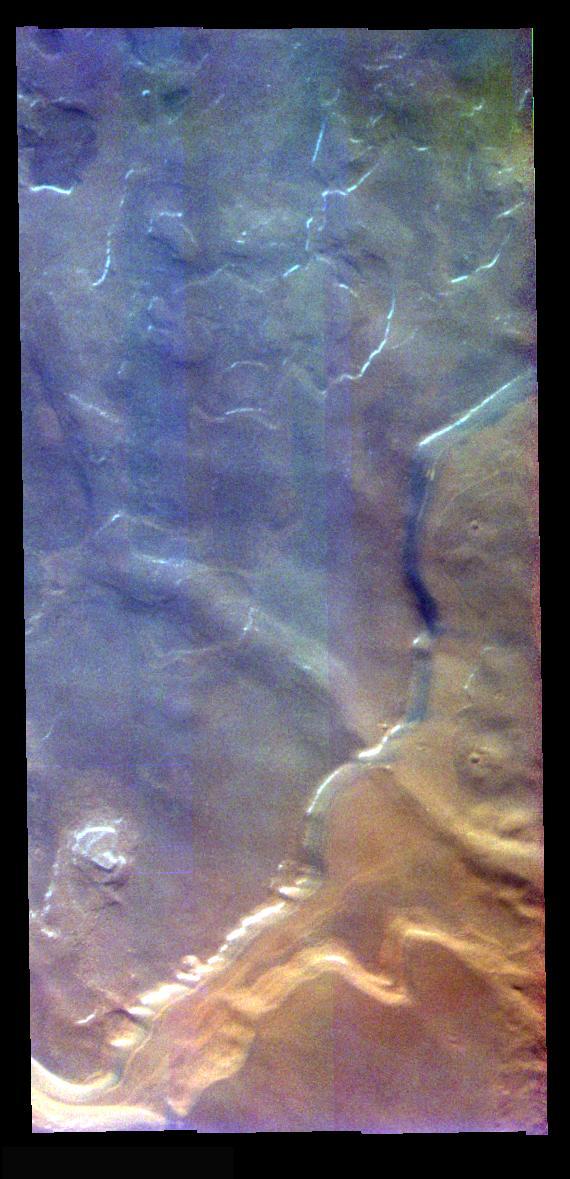
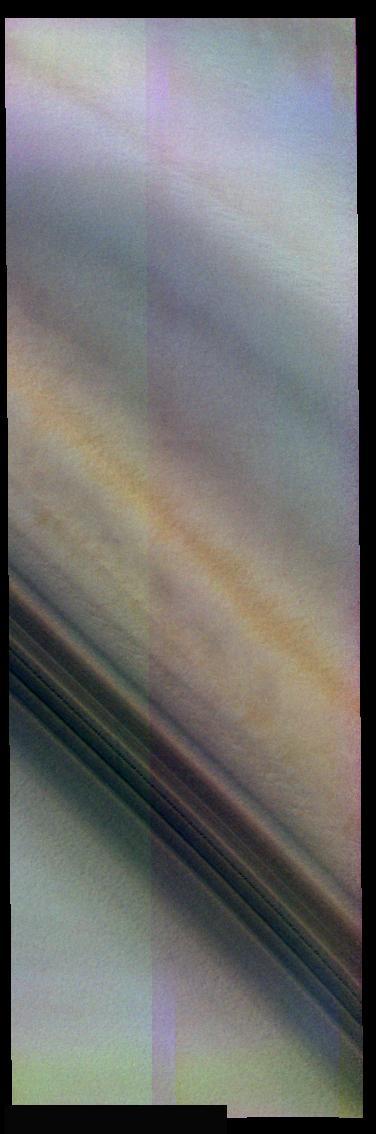
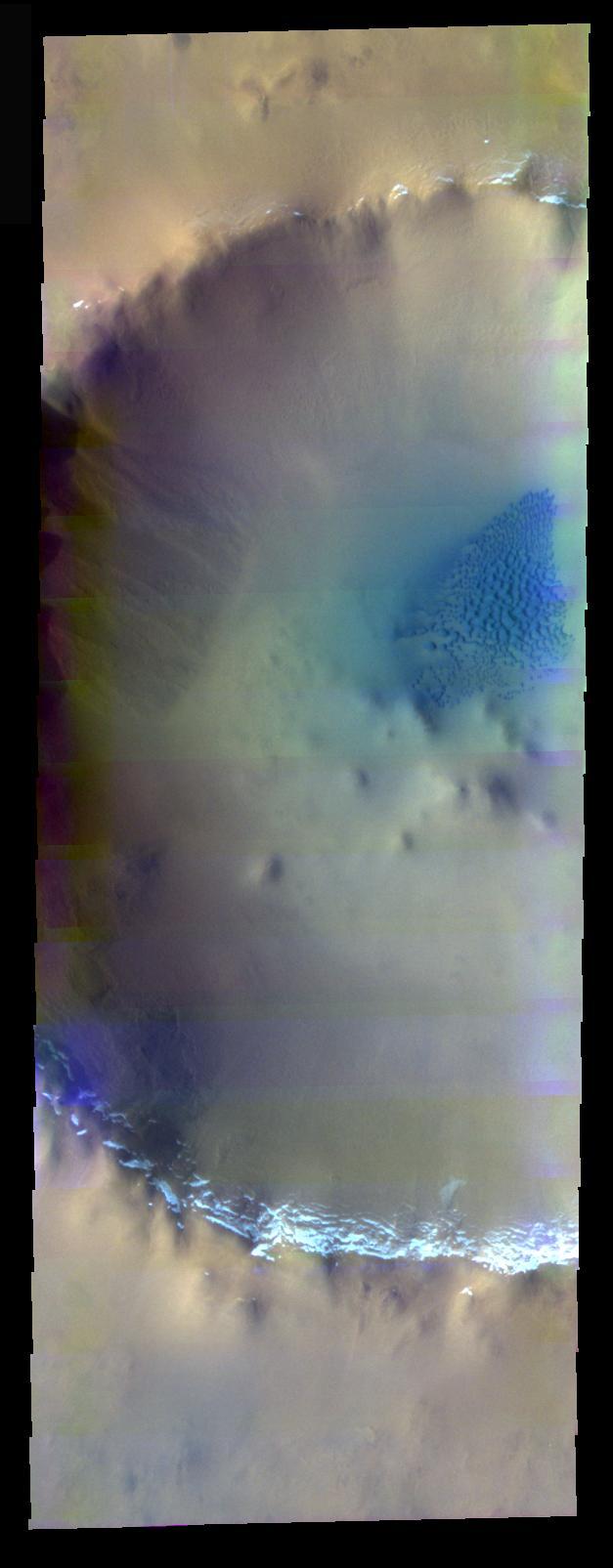
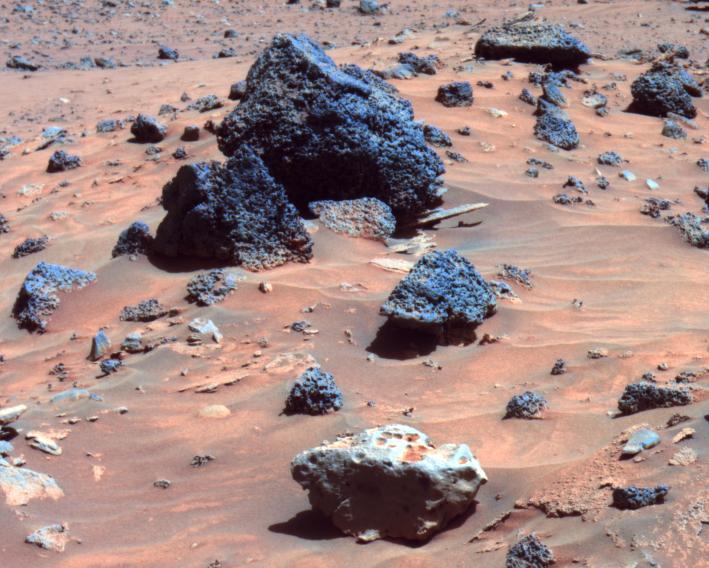
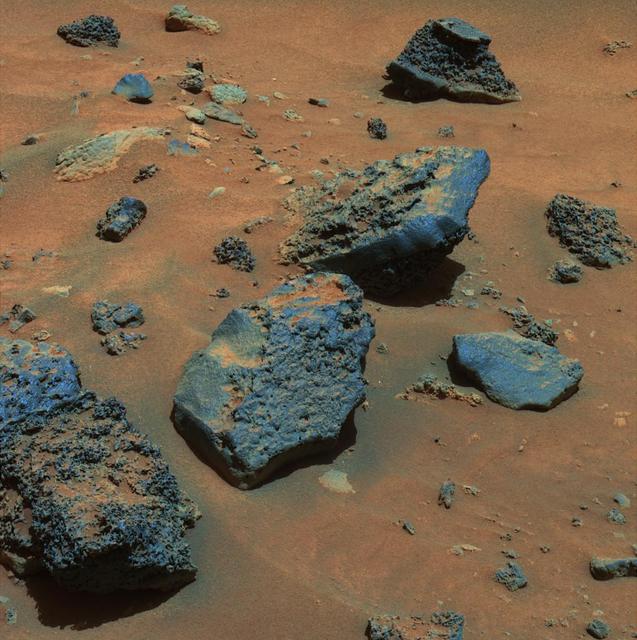
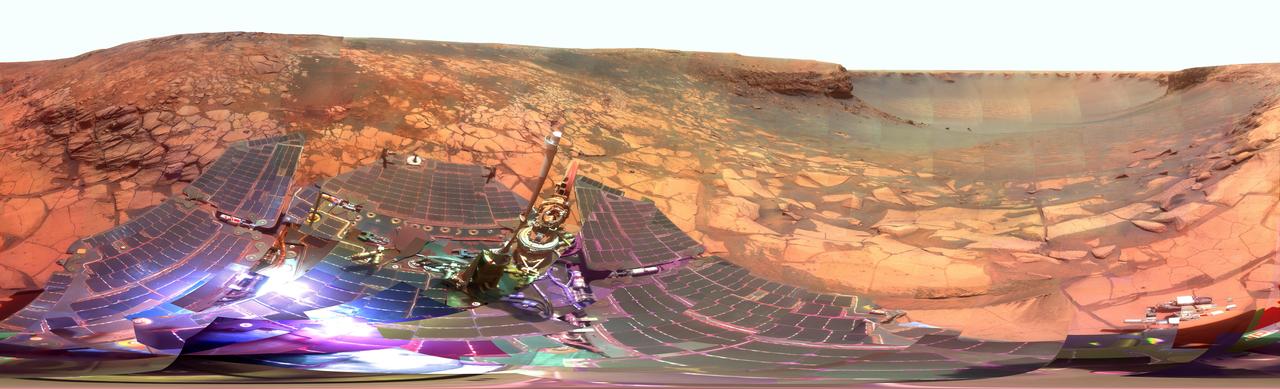
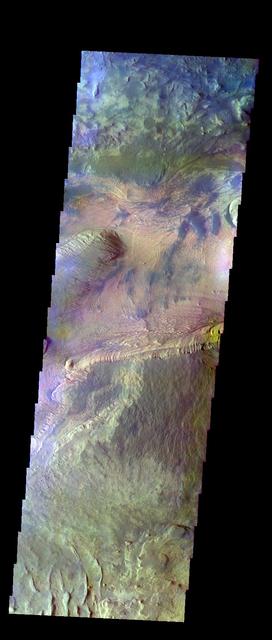
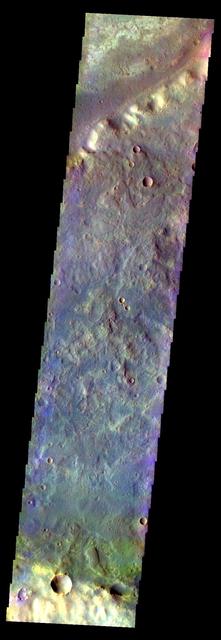
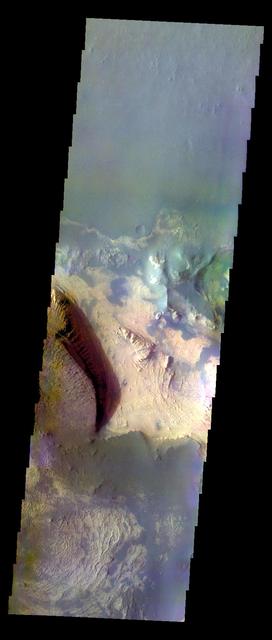
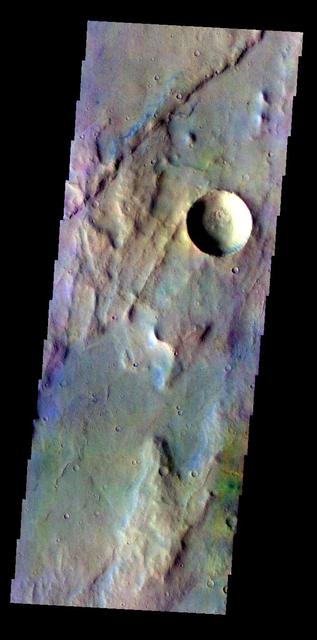
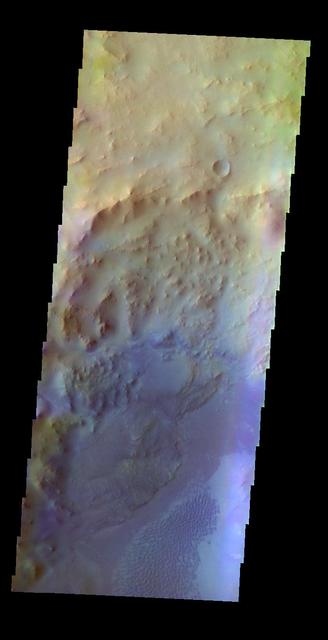
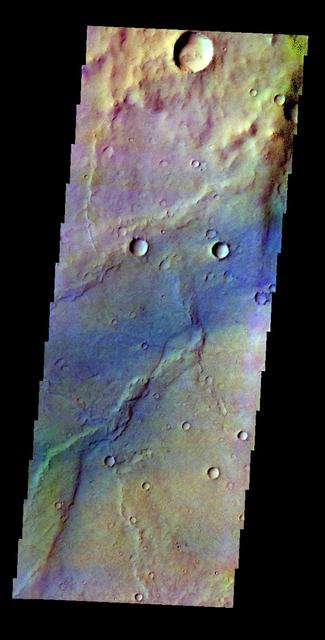
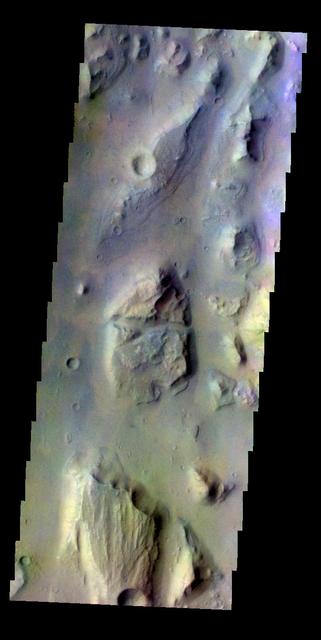
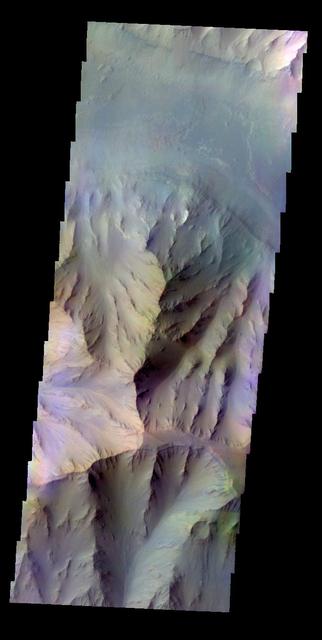
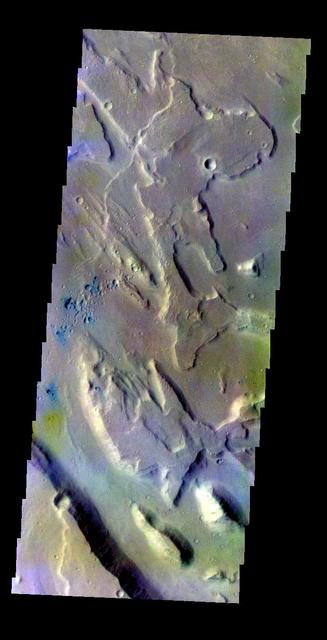
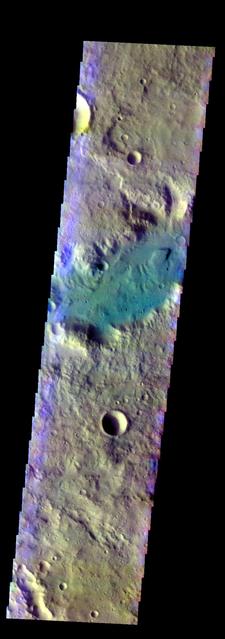
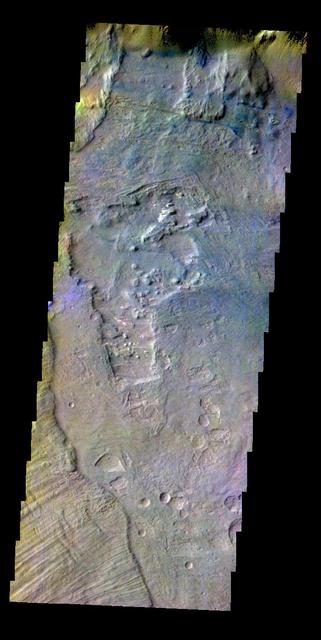
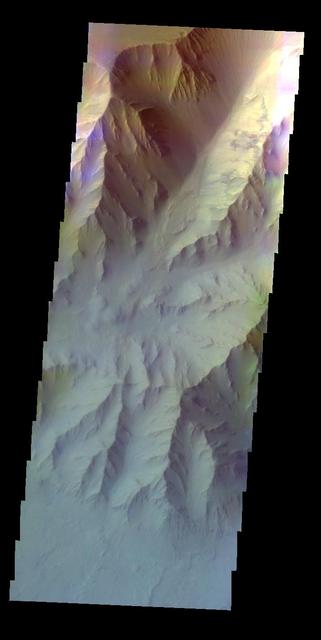
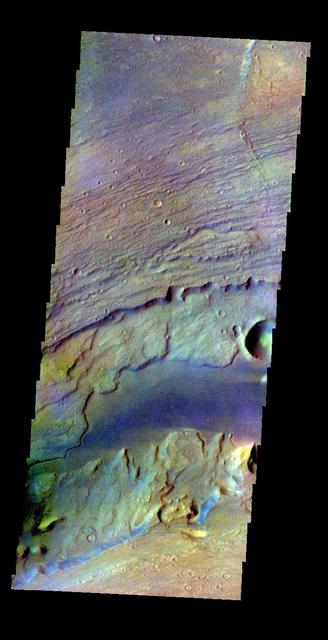
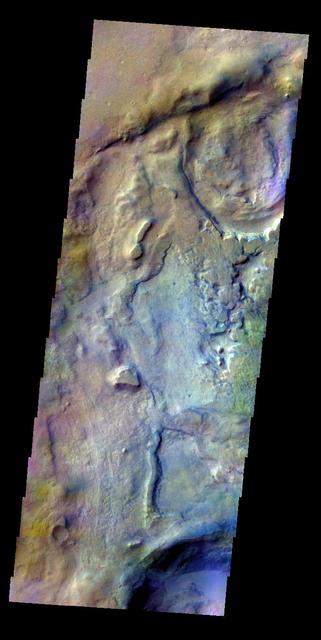
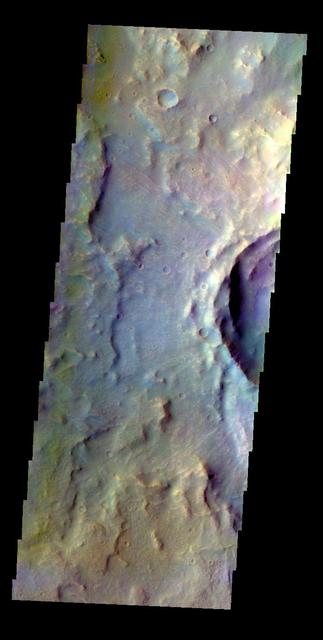
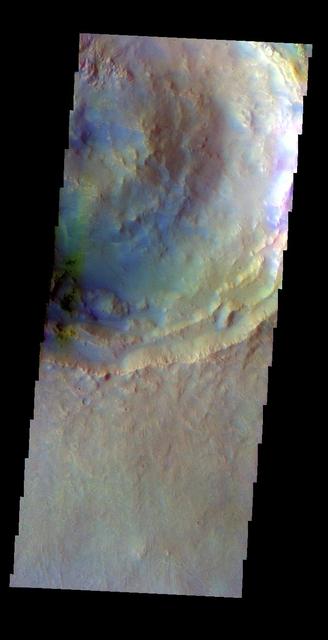
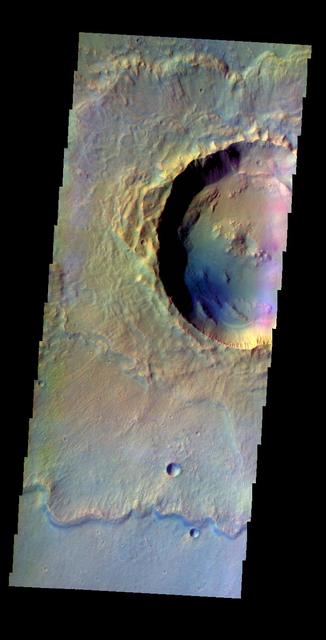
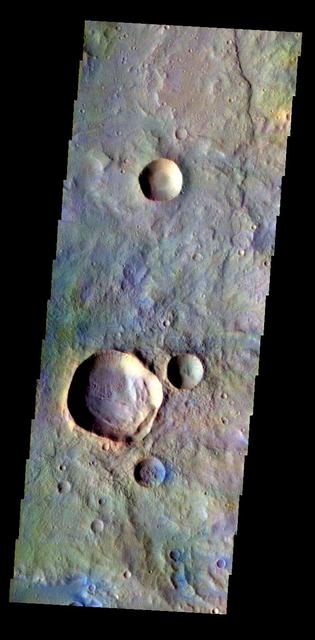
Jibsheet in False Color
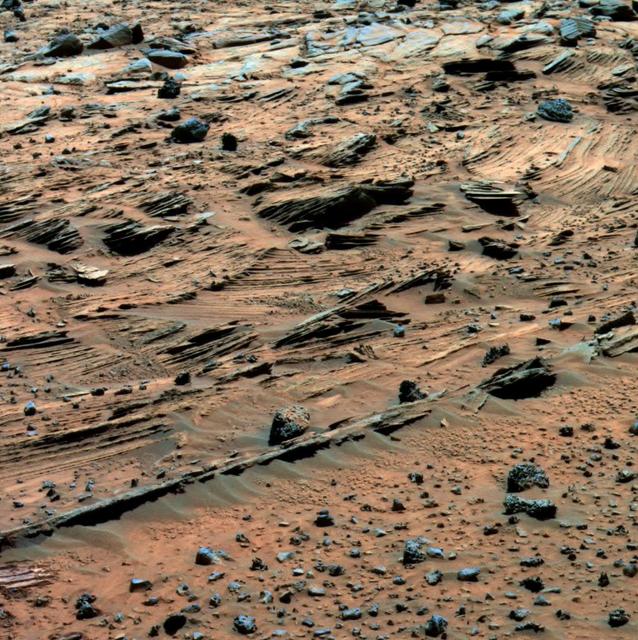
False-color Dalmatian Terrain
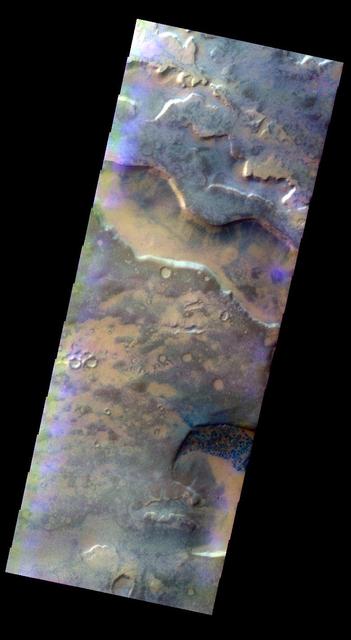
False Color Bands
False Color Bands
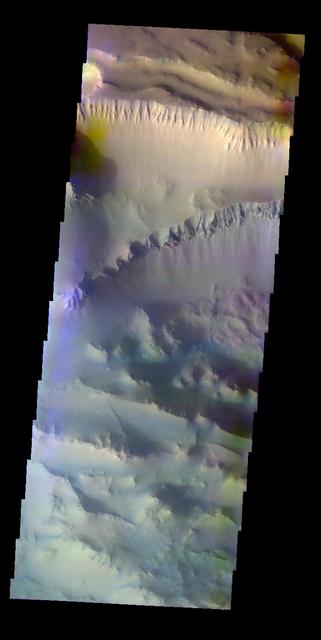
Ius Chasma In False Color
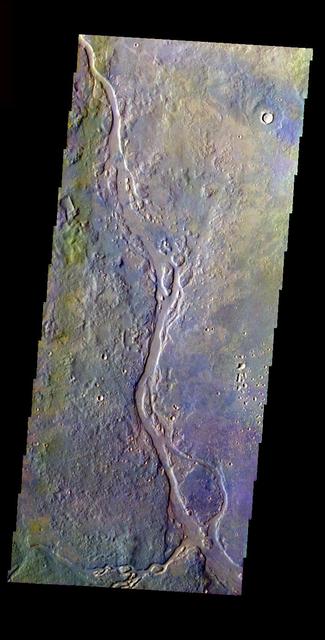
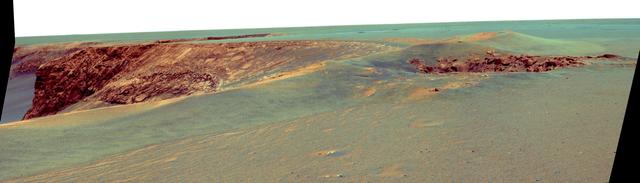
Channel with Island in False Color
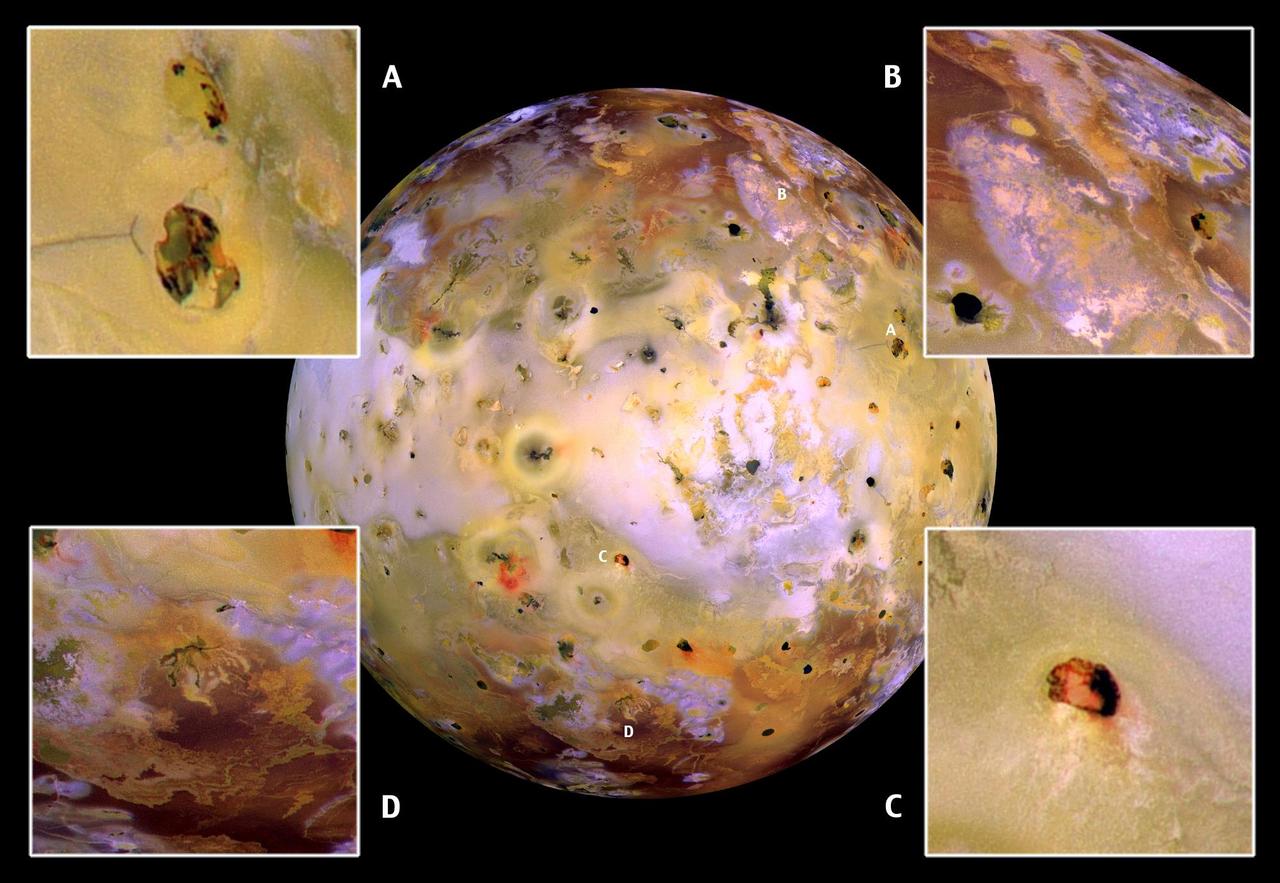
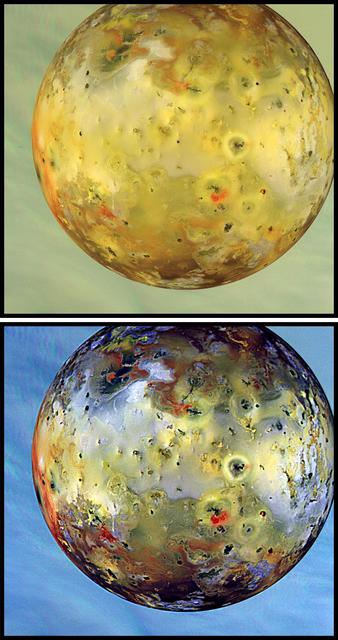
Closeups of Io false color
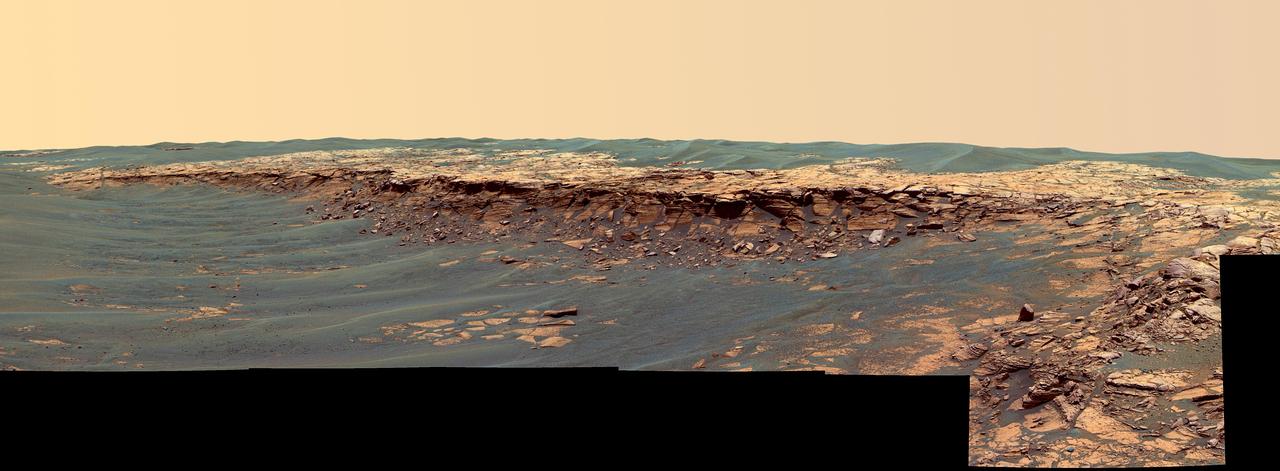
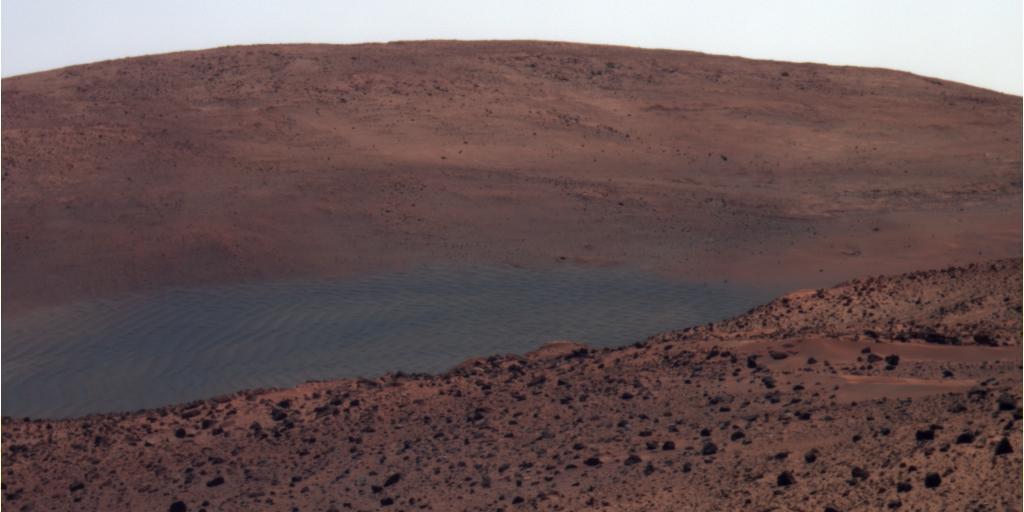
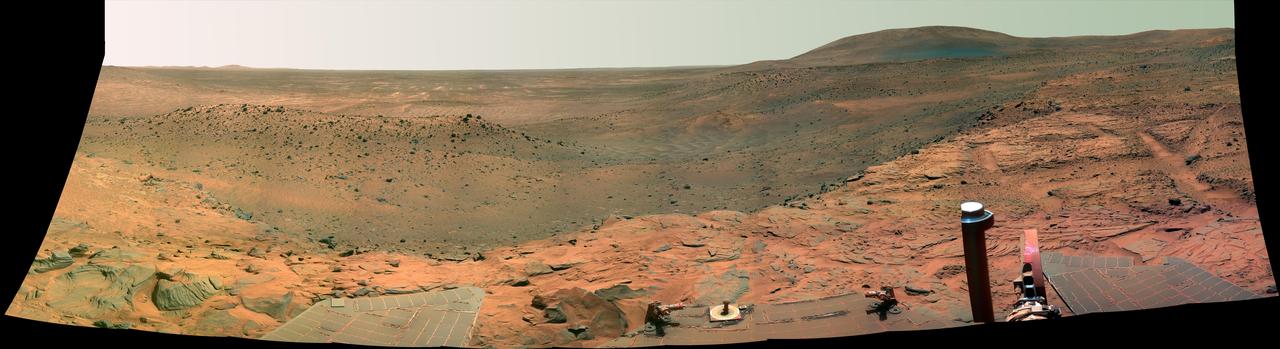
Payson Panorama in False Color
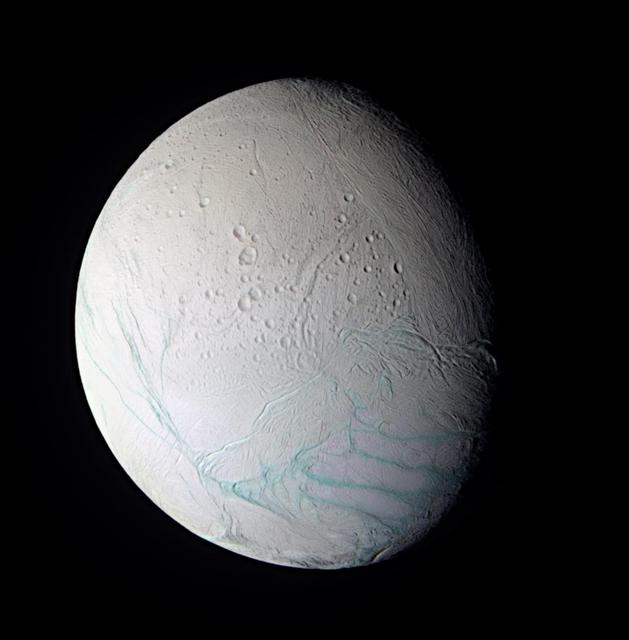
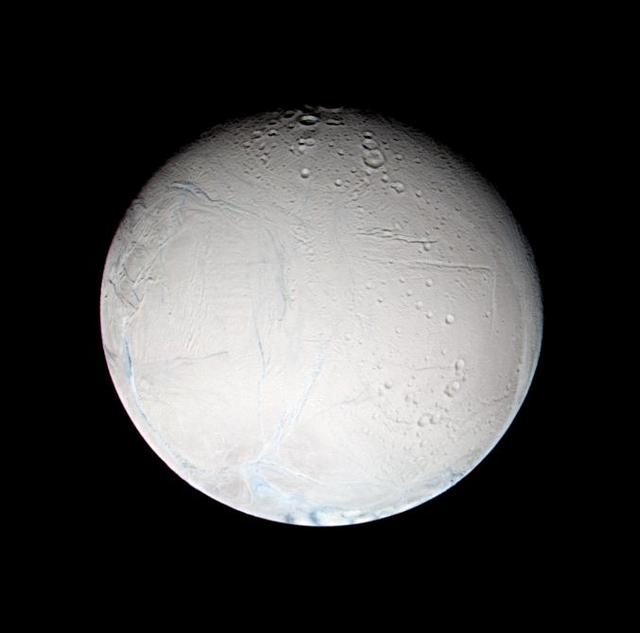
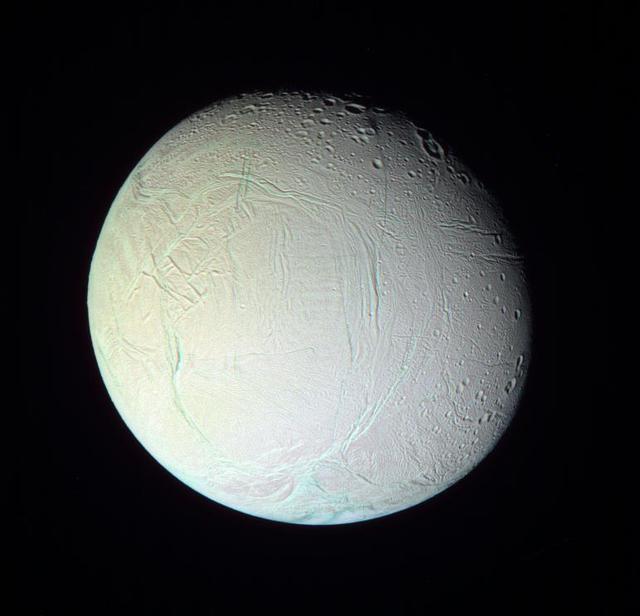
Enceladus In False Color
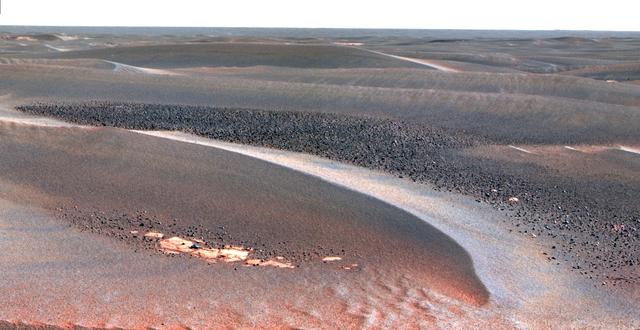
Sand Sea in False Color
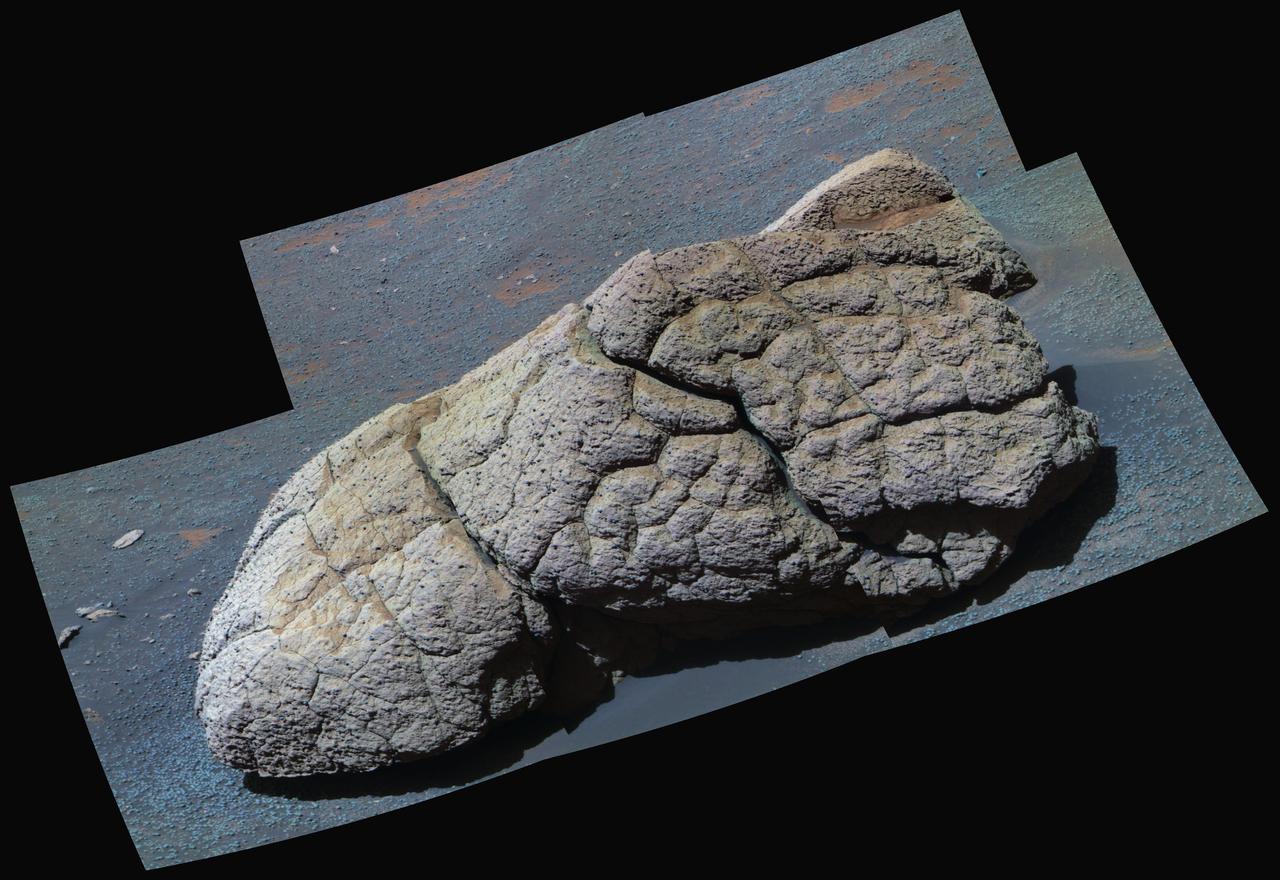
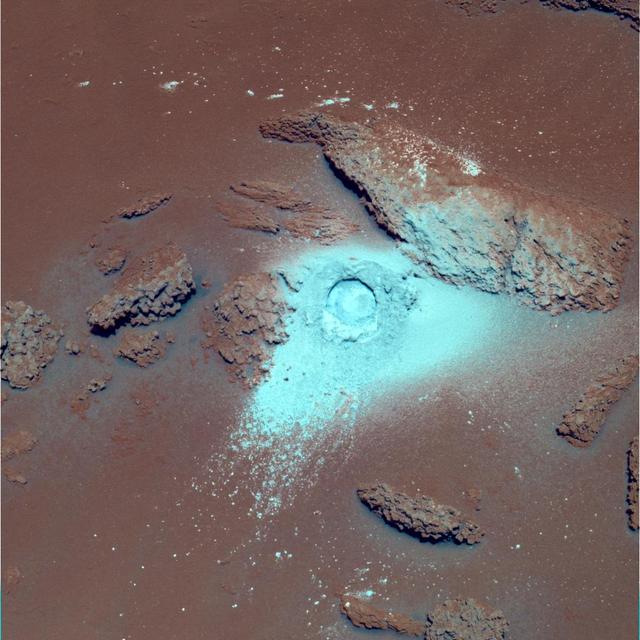
White Rock in False Color
Iani Chaos in False Color
Ice Surfaces In False Color
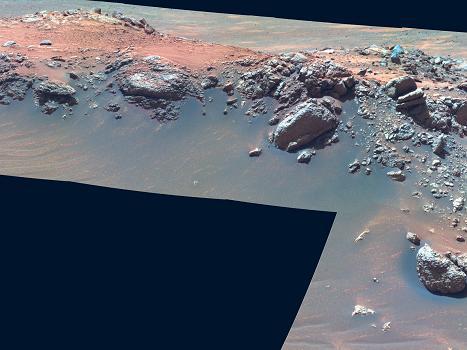
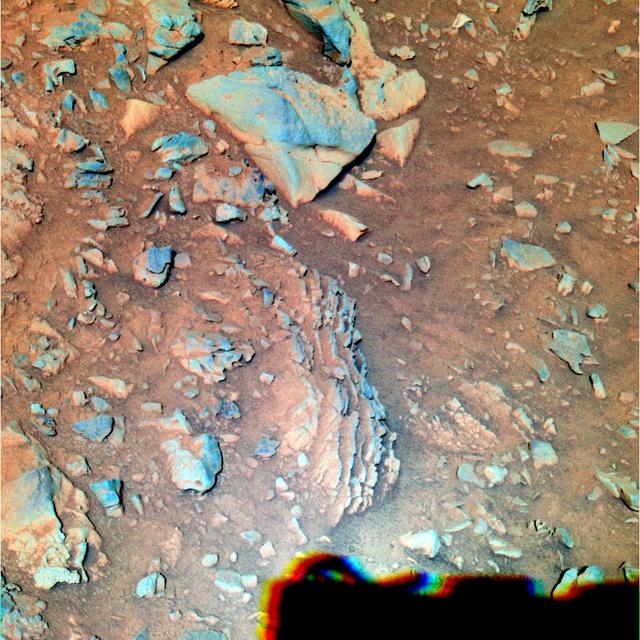
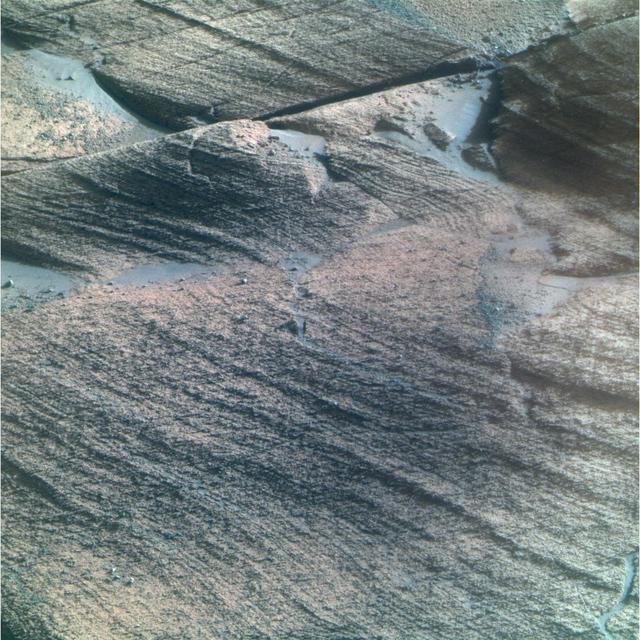
Larry Outcrop in False Color
Polar Layers in False Color
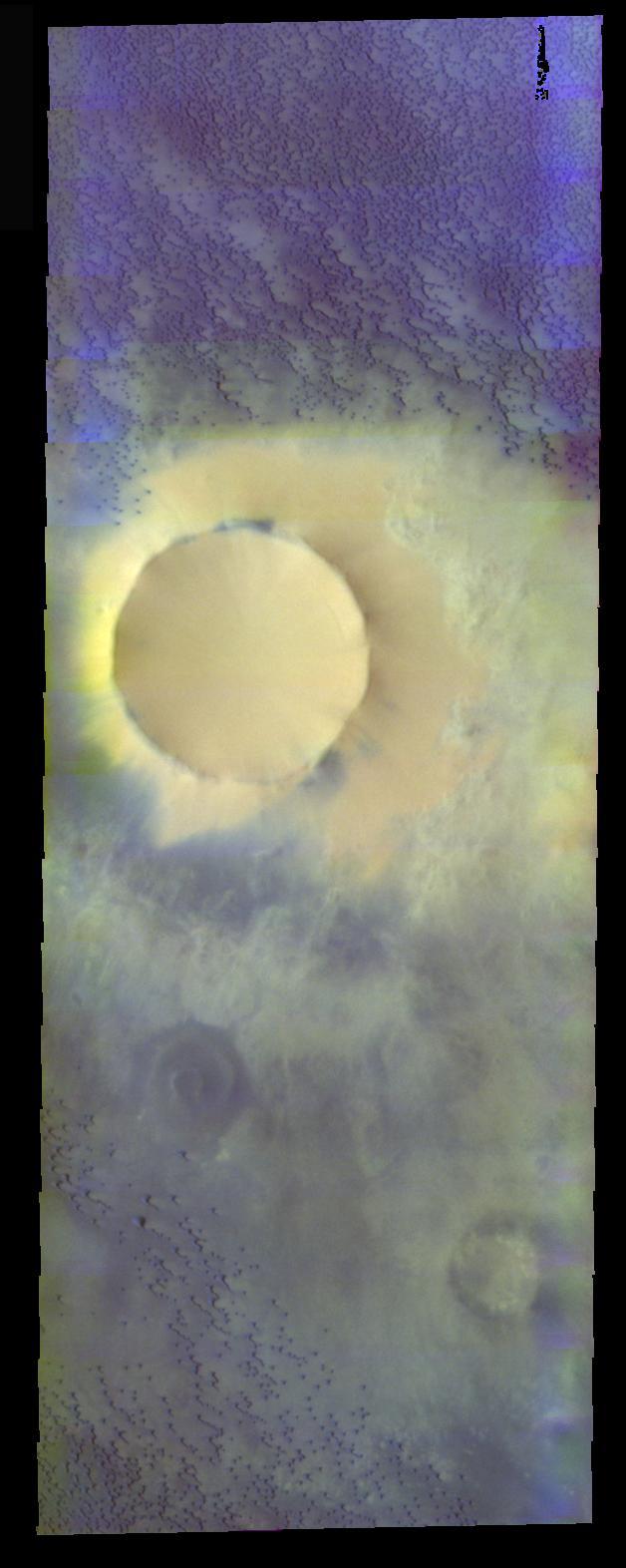
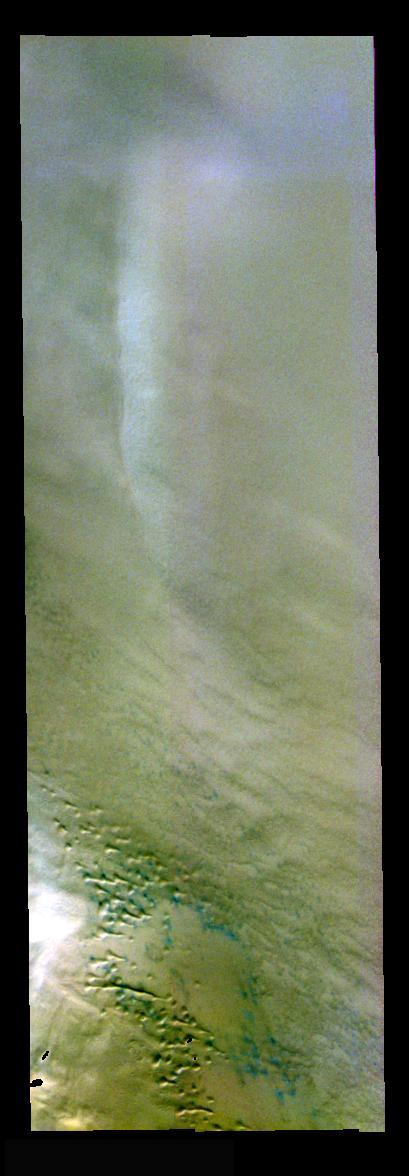
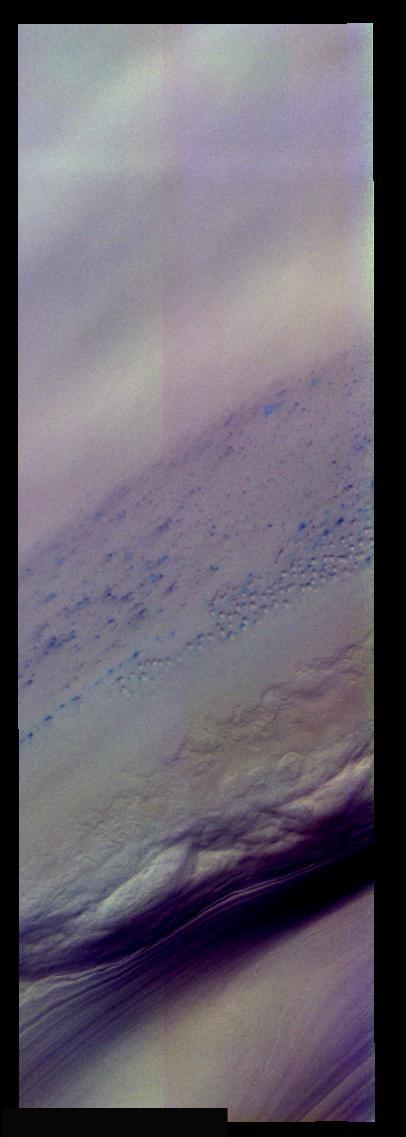
Dunes and Clouds in False Color
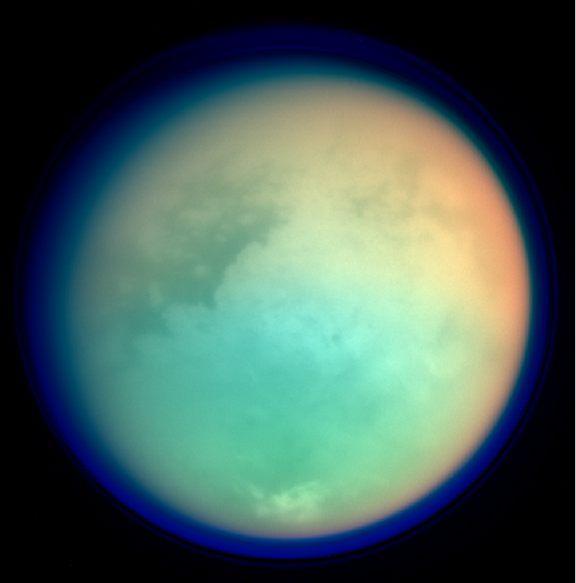
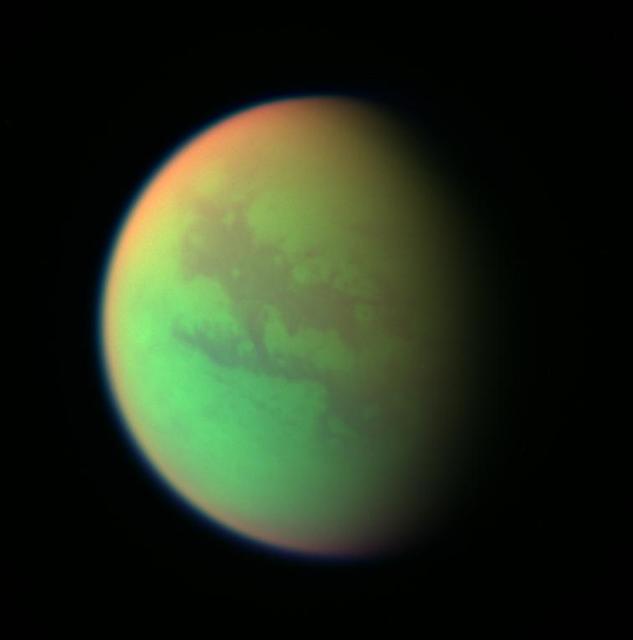
Titan in False Color
A Frosty Rim In False Color
Dusty Crater In False Color
Wopmay in False Color
Methuselah in False Color
False Color Look at Enceladus
North Polar False Color
Southern Spring in False Color
Cape Verde in False Color
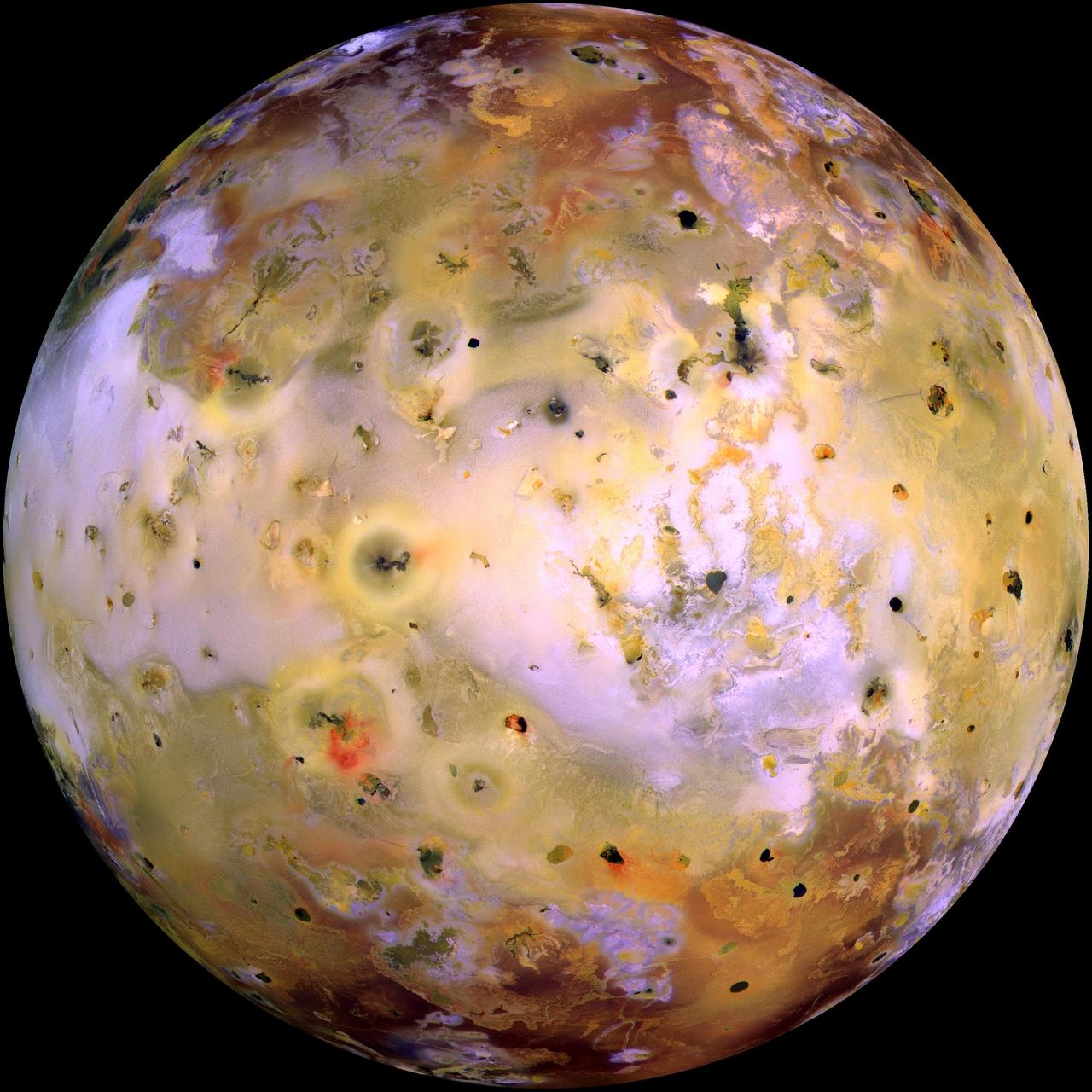
Global image of Io false color
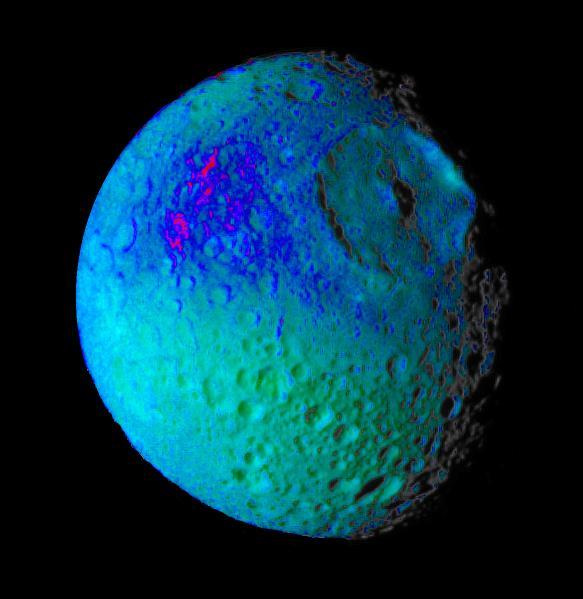
Mimas Showing False Colors #2
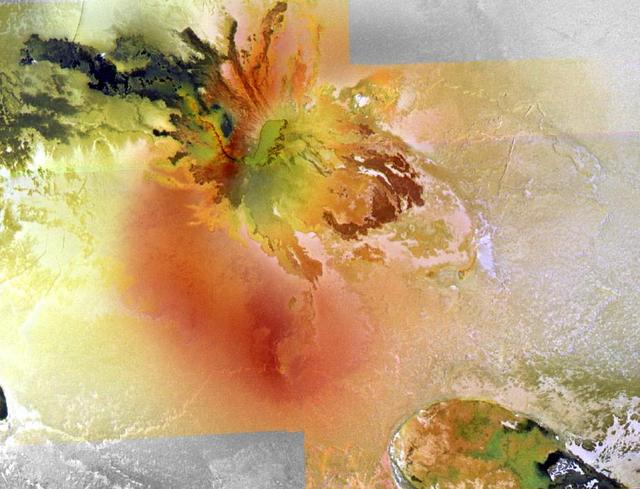
Culann Patera, Io, in False Color
Peering at Pesky Jammerbugt False Color
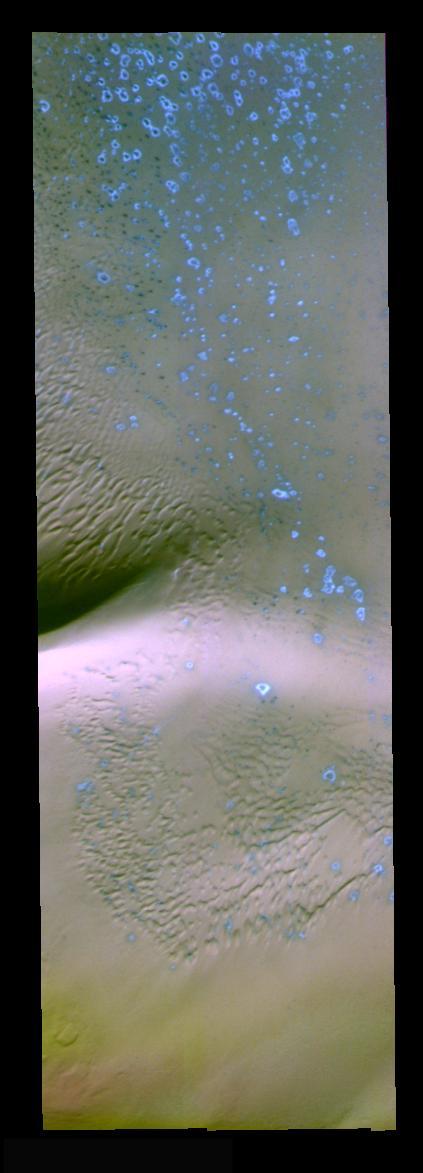
Blue Polar Dunes In False Color
Band of Bright Rock False Color
Saturn With Rhea and Dione false color
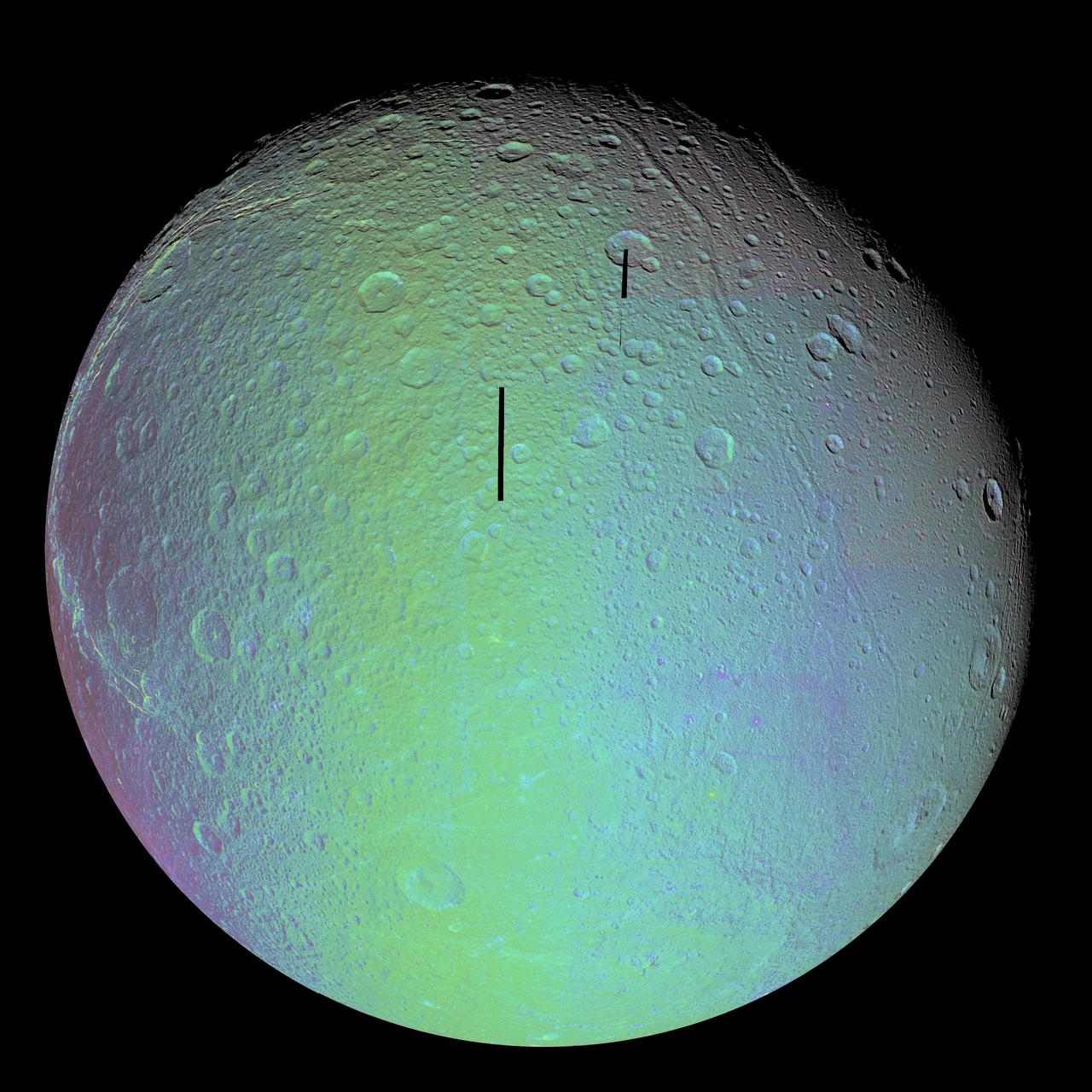
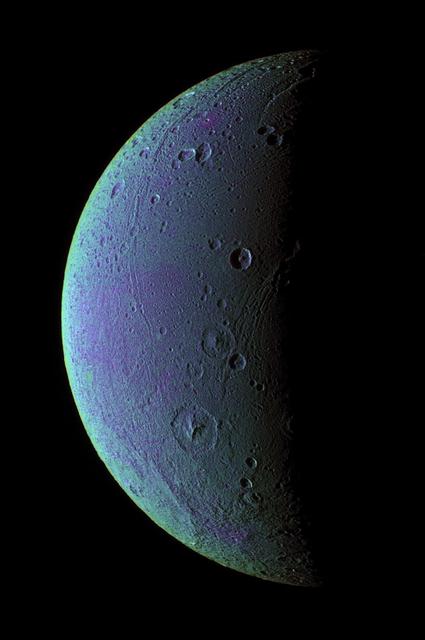
Dione in Full View - False Color
Intrepid Crater on Mars False Color
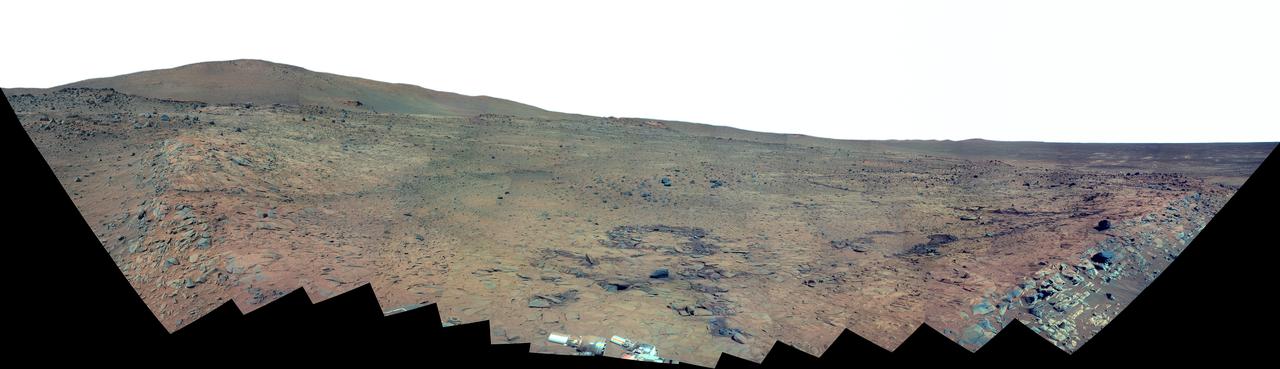
Partial Seminole Panorama False Color
Deep Hole in Clovis False Color
Spirit View of Wishstone False Color
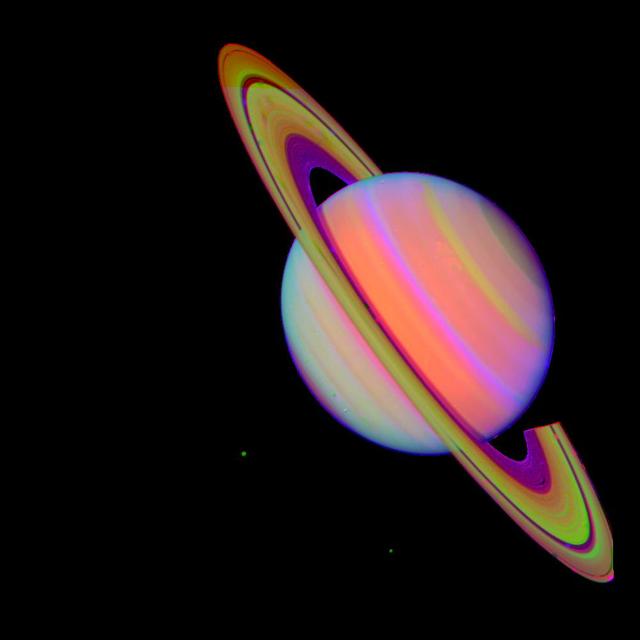
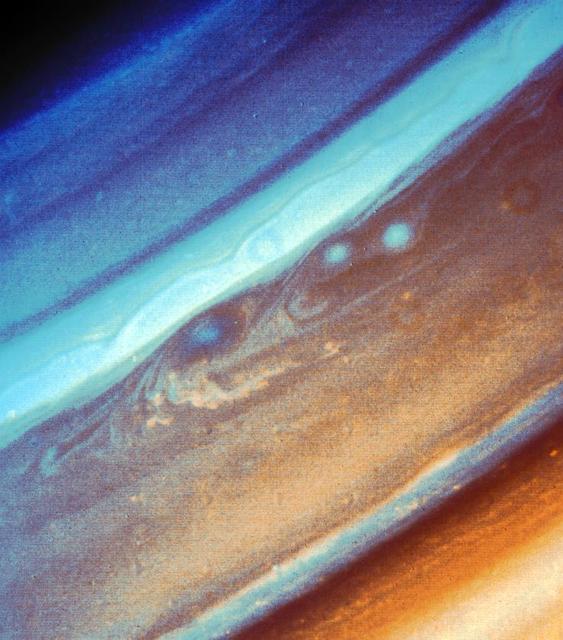
Photograph of Saturn Constructed in False Color
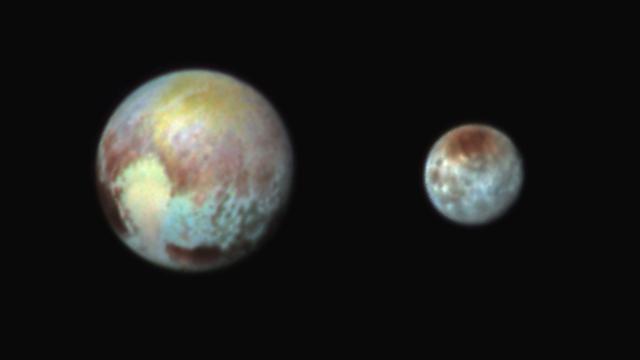
**This image was taken at 3:38 a.m. EDT on July 13, one day before New Horizons’ closest approach to Pluto.**  New Horizons has obtained impressive new images of Pluto and its large moon Charon that highlight their compositional diversity. These are not actual color images of Pluto and Charon—they are shown here in exaggerated colors that make it easy to note the differences in surface material and features on each planetary body.   The images were obtained using three of the color filters of the “Ralph” instrument on July 13 at 3:38 am EDT. New Horizons has seven science instruments on board the spacecraft—including “Ralph” and “Alice”, whose names are a throwback to the “Honeymooners,” a popular 1950s sitcom.    “These images show that Pluto and Charon are truly complex worlds.  There's a whole lot going on here,” said New Horizons co-investigator Will Grundy, Lowell Observatory, Flagstaff, Arizona.  “Our surface composition team is working as fast as we can to identify the substances in different regions on Pluto and unravel the processes that put them where they are.”  The color data helps scientists understand the molecular make-up of ices on the surfaces of Pluto and Charon, as well as the age of geologic features such as craters. They can also tell us about surface changes caused by space “weather,” such as radiation.  The new color images reveal that the “heart” of Pluto actually consists of two remarkably different-colored regions.  In the false-color image, the heart consists of a western lobe shaped like an ice cream cone that appears peach color in this image.  A mottled area on the right (east) side looks bluish.  A mid-latitude band appears in shades ranging from pale blue through red.  Even within the northern polar cap, in the upper part of the image, various shades of yellow-orange indicate subtle compositional differences. This image was obtained using three of the color filters of the Ralph instrument on July 13 at 3:38 am EDT and received on the ground on at 12:25 pm.  Charon is Just as Colorful  The surface of Charon is viewed using the same exaggerated color. The red on the dark northern polar cap of Charon is attributed to hydrocarbon and other molecules, a class of chemical compounds called tholins. The mottled colors at lower latitudes point to the diversity of terrains on Charon.  This image was obtained using three of the color filters of the Ralph instrument on July 13 at 3:38 am EDT and received on the ground on at 12:25 pm.  “We make these color images to highlight the variety of surface environments present in the Pluto system,” said Dennis Reuter, co-investigator with the New Horizons Composition Team. “They show us in an intuitive way that there is much still to learn from the data coming down.”  Due to the three-billion-mile distance to Pluto, data takes 4 ½ hours to come to Earth, even at the speed of light. It will take 16 months for all of New Horizons’ science data to be received, and the treasure trove from this mission will be studied for decades to come.  Image Caption: Pluto and Charon in False Color Show Compositional Diversity  This July 13, 2015, image of Pluto and Charon is presented in false colors to make differences in surface material and features easy to see. It was obtained by the Ralph instrument on NASA's New Horizons spacecraft, using three filters to obtain color information, which is exaggerated in the image.  These are not the actual colors of Pluto and Charon, and the apparent distance between the two bodies has been reduced for this side-by-side view.  The image reveals that the bright heart-shaped region of Pluto includes areas that differ in color characteristics. The western lobe, shaped like an ice-cream cone, appears peach color in this image. A mottled area on the right (east) appears bluish.  Even within Pluto's northern polar cap, in the upper part of the image, various shades of yellow-orange indicate subtle compositional differences.     The surface of Charon is viewed using the same exaggerated color. The red on the dark northern polar cap of Charon is attributed to hydrocarbon materials including a class of chemical compounds called tholins. The mottled colors at lower latitudes point to the diversity of terrains on Charon.  ---  At 7:49 AM EDT on Tuesday, July 14 New Horizons sped past Pluto at 30,800 miles per hour (49,600 kilometers per hour), with a suite of seven science instruments. As planned, New Horizons went incommunicado as it hurtled through the Pluto-Charon system busily gathering data. The New Horizons team will breathe a sigh of relief when New Horizons “phones home” at approximately 9:02 p.m. EDT on July 14. The mission to the icy dwarf planet completes the initial reconnaissance of the solar system.  Stay in touch with the New Horizons mission with #PlutoFlyby and on Facebook at: <a href="https://www.facebook.com/new.horizons1" rel="nofollow">www.facebook.com/new.horizons1</a>
Pluto and it's moon Charon Shine in False Color
D-Star Panorama by Opportunity False Color
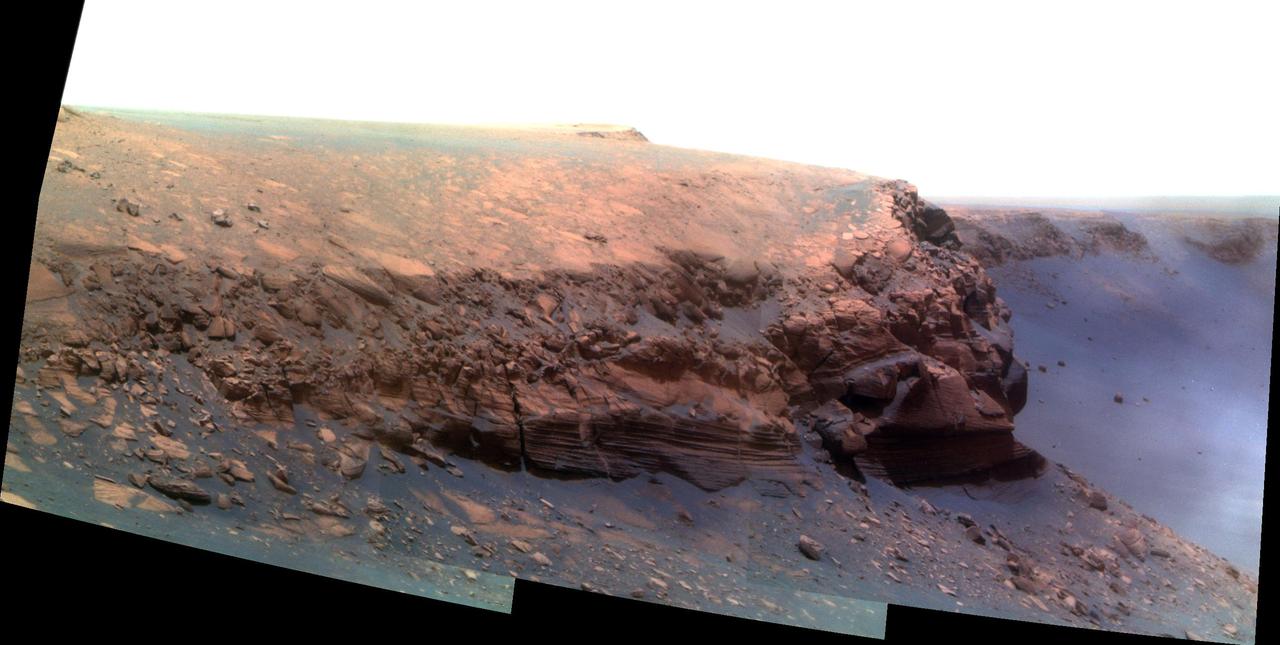
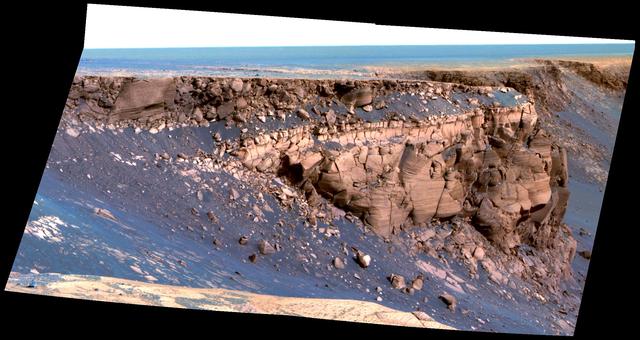
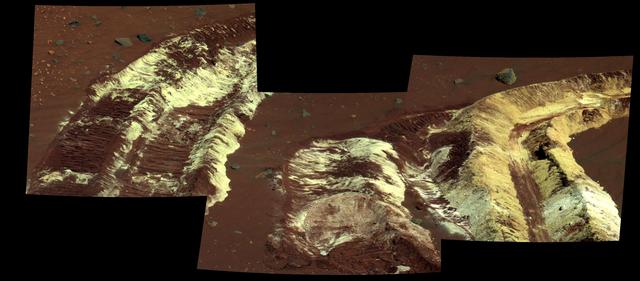
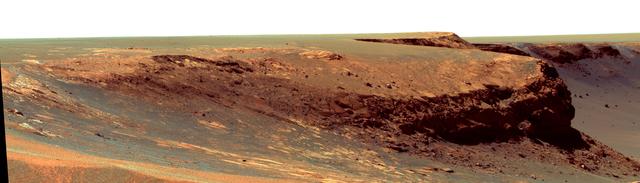
Layers of Cape Verde in Victoria Crater False Color
Descent from the Summit of Husband Hill False Color
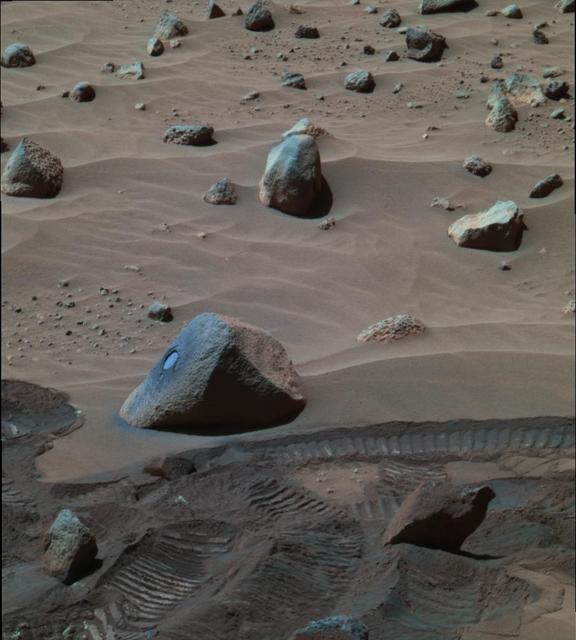
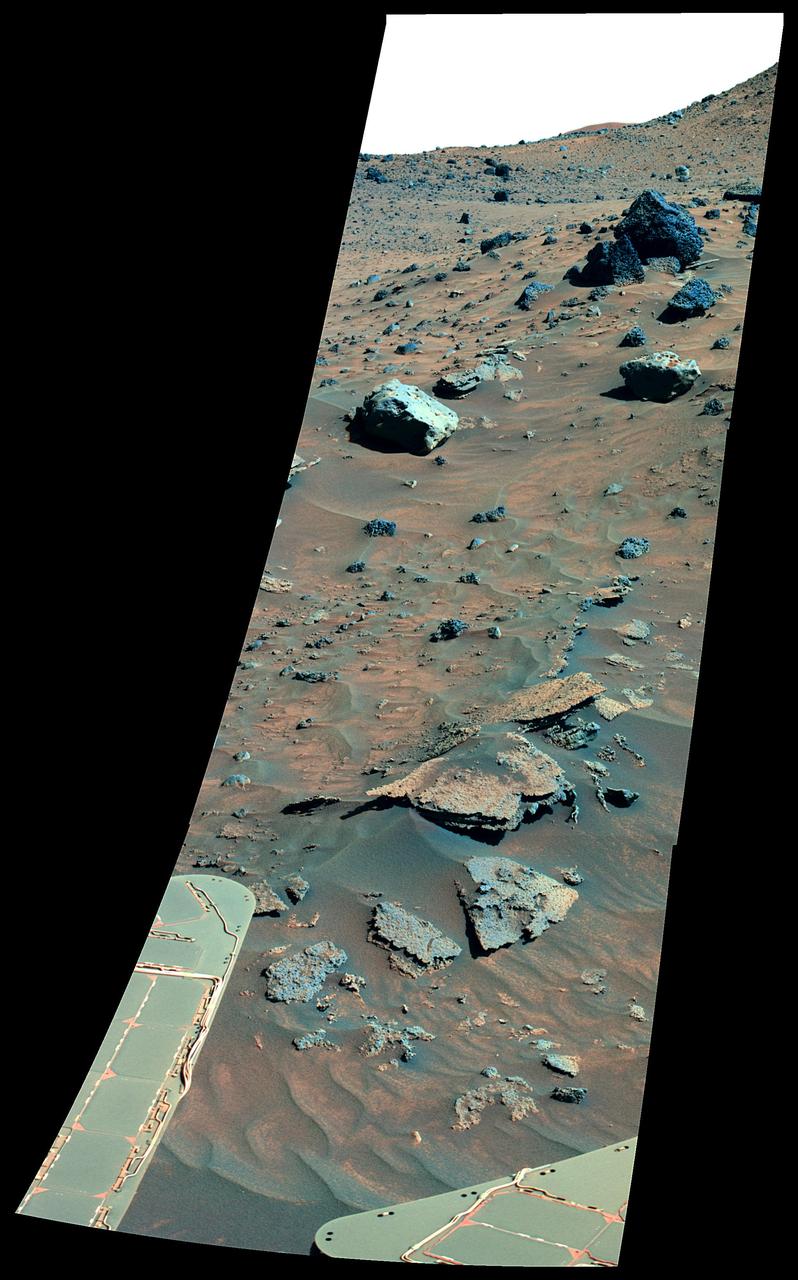
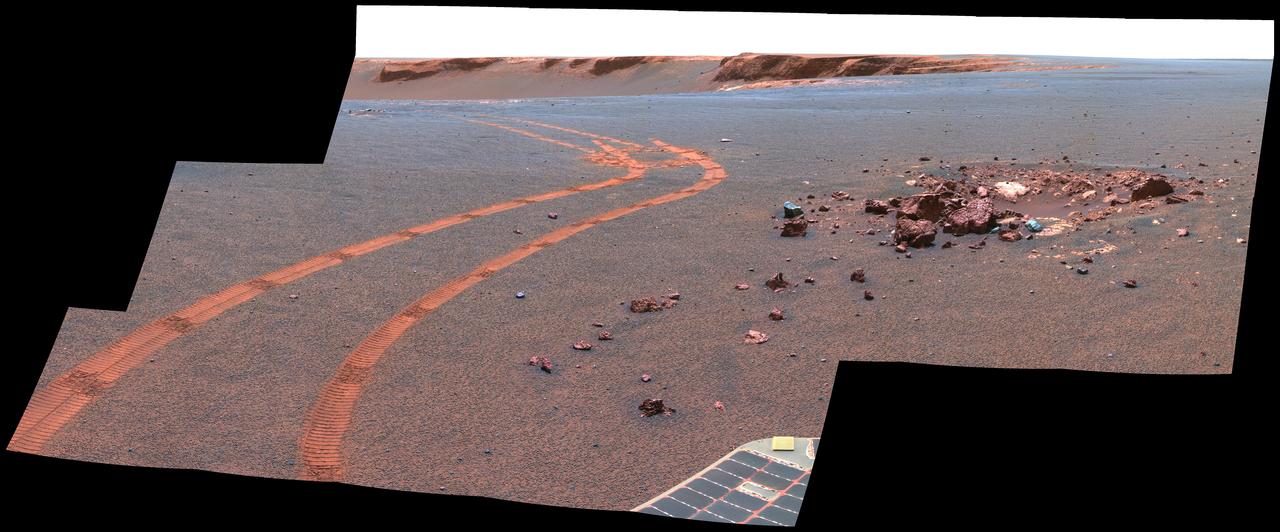
Possible Meteorite in Columbia Hills on Mars False Color
Spirit West Valley Panorama False Color
Opportunity View of Lyell Layer False Color
Lyell Panorama inside Victoria Crater False Color
Iani Chaos - Another View In False Color
Ice Layer Cross-Section In False Color
View from Spirit Overwintering Position False Color
Southern Half of Spirit Bonestell Panorama False Color
False Color Mosaic of Jupiter Belt-Zone Boundary
Gusev Rocks Solidified from Lava False Color
Cassini Views of Titan: False Color Composite
Layers of Cabo Frio in Victoria Crater False Color
Sulfur-Rich Rocks and Dirt False Color
Bright Soil Near McCool False Color
Opportunity Approaches the Bowl of Beagle Crater False Color
Spirit Says Goodbye to Home Plate False Color
Cobbles in Troughs Between Meridiani Ripples False Color
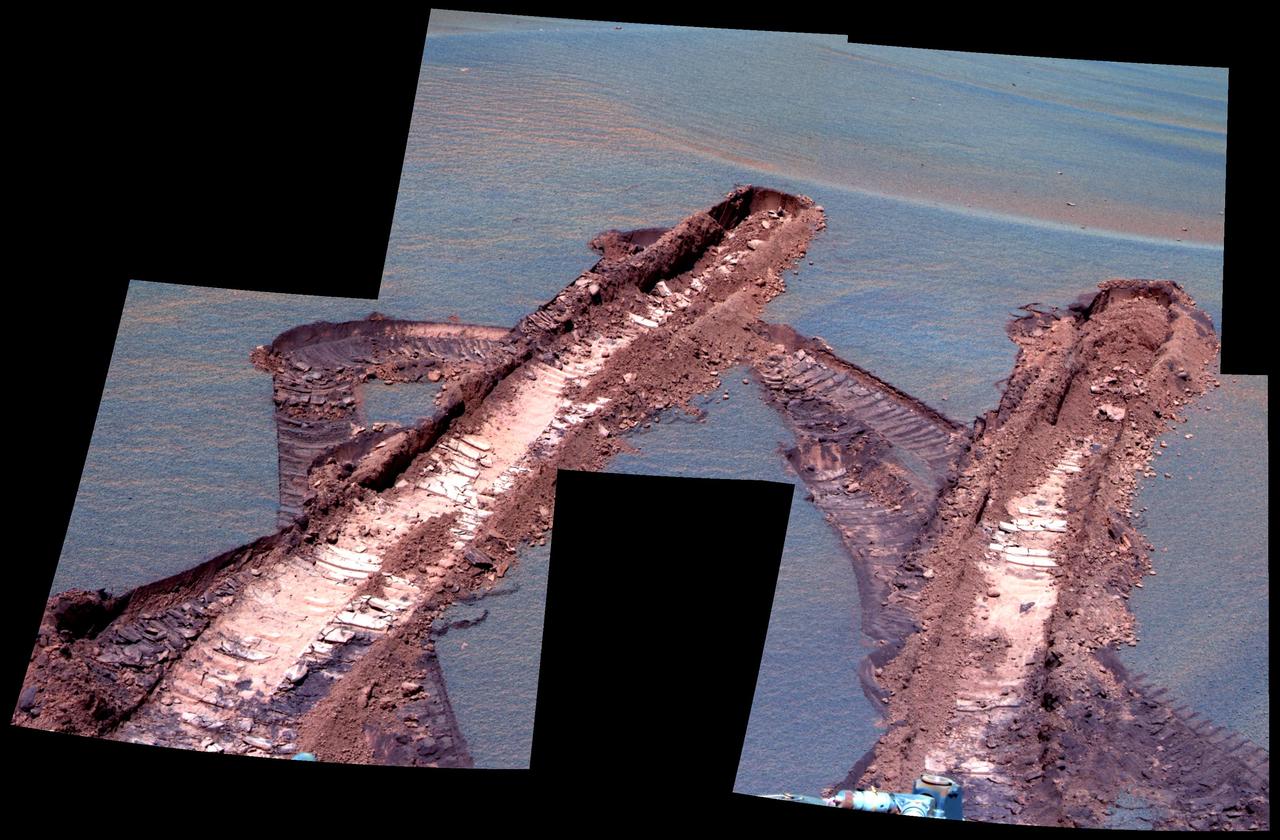
False-Color View of a Rat Hole Trail
Panorama from Cape Verde False Color
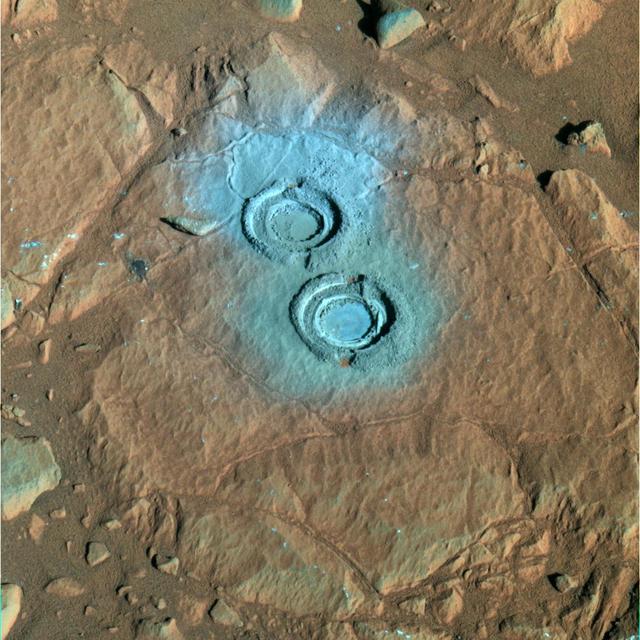
Two Holes in Wooly Patch False Color
Opportunity View of Gilbert Layer False Color
Layered Outcrops in Gusev Crater False Color
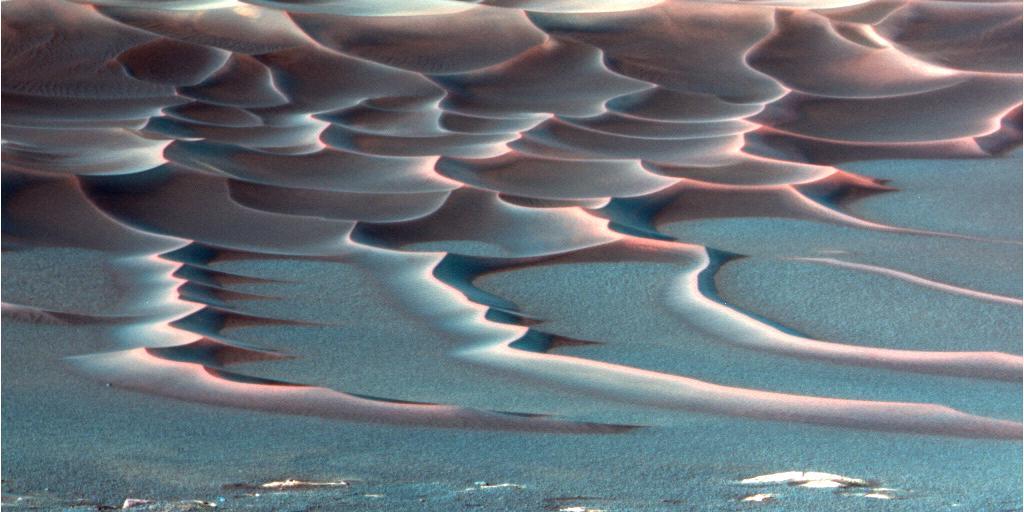
Endurance Crater Dazzling Dunes false-color
Global View of Io Natural and False/Enhanced Color
Possible Meteorites in the Martian Hills False Color
Dione Has Her Faults False Color
A false color look reveals subtle details on Enceladus that are not  visible in natural color views
Fresh Features on Enceladus False color
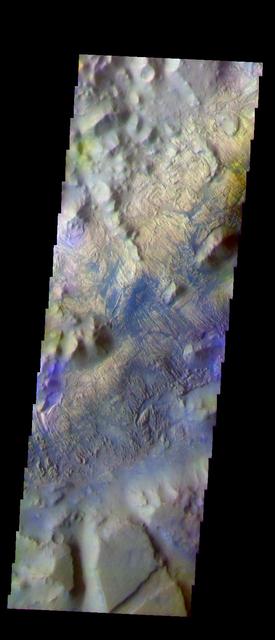
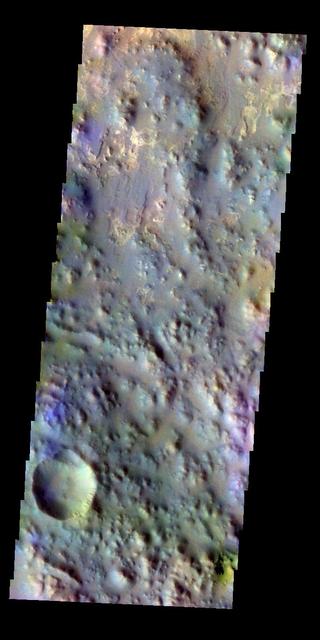
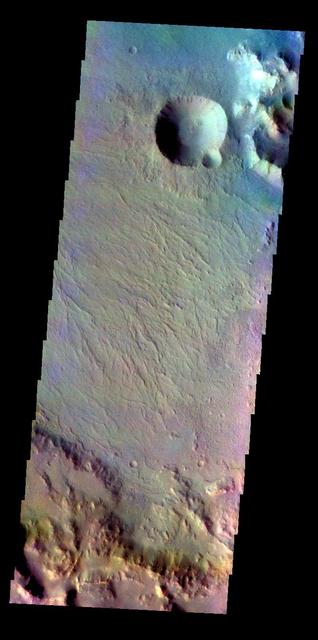
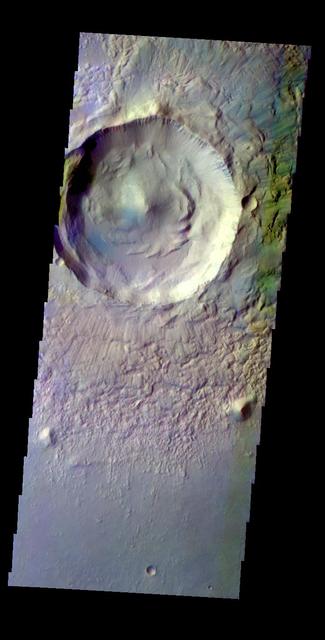
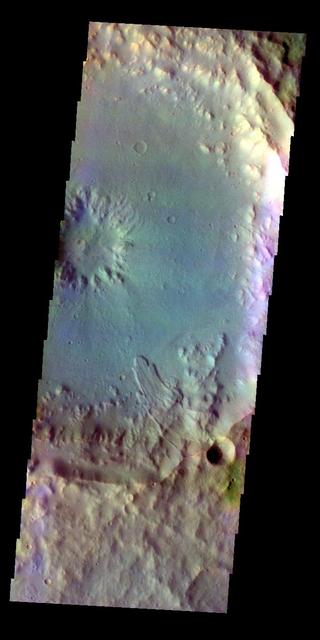
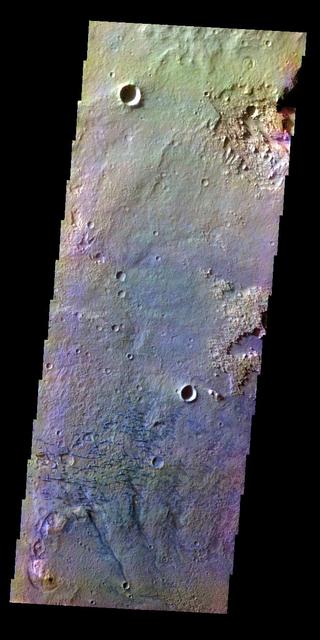
The THEMIS VIS camera contains 5 filters. The data from different filters can be combined in multiple ways to create a false color image. These false color images may reveal subtle variations of the surface not easily identified in a single band image. Today's false color image shows part of Terra Sabaea.  Orbit Number: 8001 Latitude: -20.4268 Longitude: 41.3366 Instrument: VIS Captured: 2003-10-04 04:01  http://photojournal.jpl.nasa.gov/catalog/PIA19723
Terra Sabaea - False Color
The THEMIS VIS camera contains 5 filters. The data from different filters can be combined in multiple ways to create a false color image. These false color images may reveal subtle variations of the surface not easily identified in a single band image. Today's false color image shows part of Solis Planum.  Orbit Number: 8130 Latitude: -28.4509 Longitude: 279.701 Instrument: VIS Captured: 2003-10-14 18:55  http://photojournal.jpl.nasa.gov/catalog/PIA19726
Solis Planum - False Color
The THEMIS VIS camera contains 5 filters. The data from different filters can be combined in multiple ways to create a false color image. These false color images may reveal subtle variations of the surface not easily identified in a single band image. Today's false color image shows part of Candor Chasma.  Orbit Number: 9428 Latitude: -5.22568 Longitude: 283.582 Instrument: VIS Captured: 2004-01-29 15:22  http://photojournal.jpl.nasa.gov/catalog/PIA19748
Candor Chasma - False Color
The THEMIS VIS camera contains 5 filters. The data from different filters can be combined in multiple ways to create a false color image. These false color images may reveal subtle variations of the surface not easily identified in a single band image. Today's false color image shows part of Melas Chasma.  Orbit Number: 10289 Latitude: -9.9472 Longitude: 285.933 Instrument: VIS Captured: 2004-04-09 12:43  http://photojournal.jpl.nasa.gov/catalog/PIA19756
Melas Chasma - False Color
The THEMIS VIS camera contains 5 filters. The data from different filters can be combined in multiple ways to create a false color image. These false color images may reveal subtle variations of the surface not easily identified in a single band image. Today's false color image shows part of Iani Chaos.  Orbit Number: 8465 Latitude: -2.8754 Longitude: 342.708 Instrument: VIS Captured: 2003-11-11 08:31  http://photojournal.jpl.nasa.gov/catalog/PIA19733
Iani Chaos - False Color
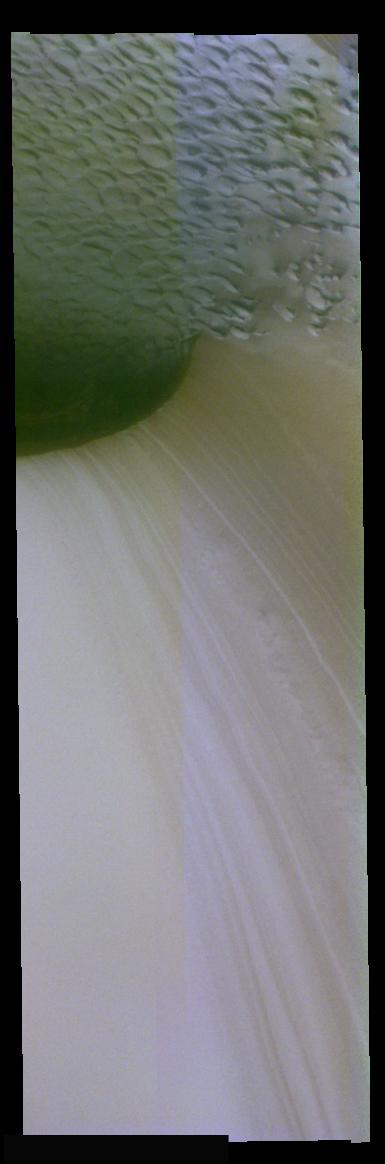
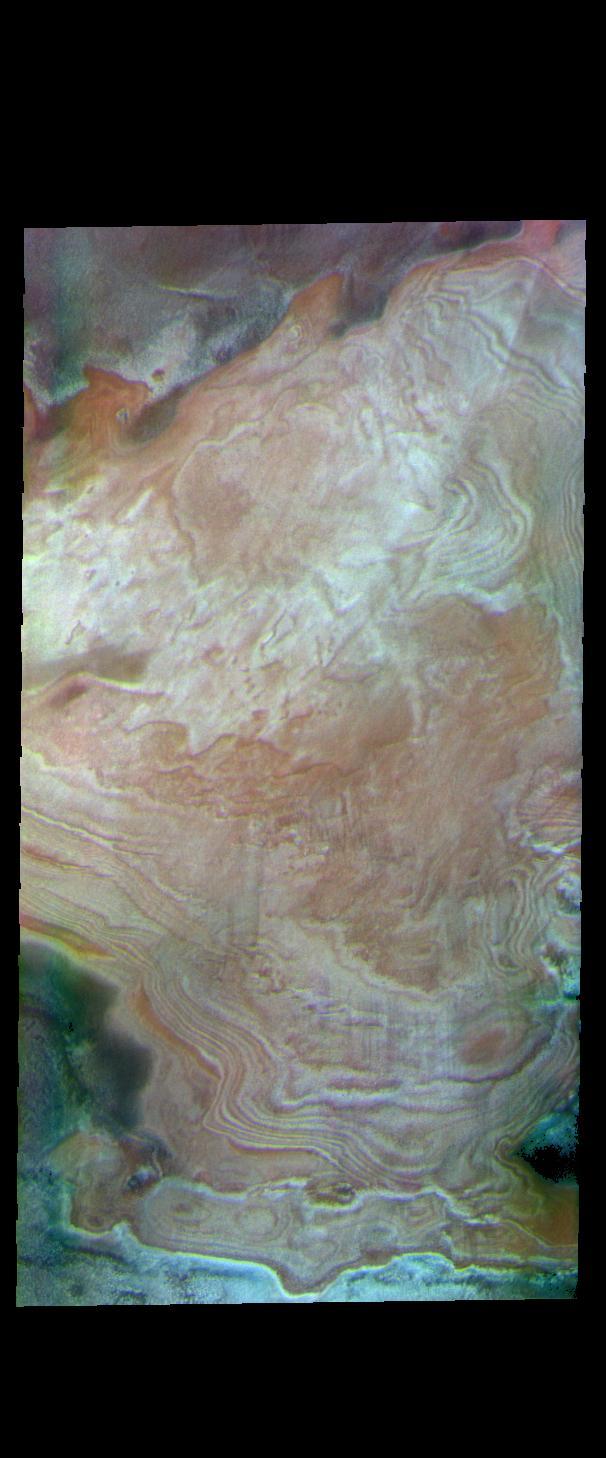
The polar caps of Mars were deposited over millions of years. Seasonal depositions of ice and dust have created layer upon layer of material. In this false color image the white and orange layered features are the polar cap. The greenish and purplish regions are ice free surfaces.  The THEMIS VIS camera contains 5 filters. The data from different filters can be combined in multiple ways to create a false color image. These false color images may reveal subtle variations of the surface not easily identified in a single band image.  Orbit Number: 62954 Latitude: 78.1067 Longitude: 3.4796 Instrument: VIS Captured: 2016-02-22 10:34  https://photojournal.jpl.nasa.gov/catalog/PIA23115
Polar Layers - False Color
The THEMIS VIS camera contains 5 filters. The data from different filters can be combined in multiple ways to create a false color image. This false color image from NASA 2001 Mars Odyssey spacecraft shows part of of Eos Chasma.
Eos Chasma - False Color
The THEMIS VIS camera contains 5 filters. The data from different filters can create a false color image. This false color image from NASA 2001 Mars Odyssey spacecraft shows part of the floor of Schaeberle Crater, including small dunes.
Schaeberle Crater - False Color
The THEMIS VIS camera contains 5 filters. The data from different filters can be combined in multiple ways to create a false color image. This false color image from NASA 2001 Mars Odyssey spacecraft shows part of Nili Patera.
Nili Patera - False Color
The THEMIS VIS camera contains 5 filters. The data from different filters can be combined to create a false color image. This false color image from NASA 2001 Mars Odyssey spacecraft shows part of the caldera at the summit of Olympus Mons.
Olympus Mons - False Color
The THEMIS VIS camera contains 5 filters. The data from different filters can be combined in multiple ways to create a false color image. This false color image from NASA 2001 Mars Odyssey spacecraft shows windstreaks in Daedalia Planum.
Windstreaks -- False Color
The THEMIS VIS camera contains 5 filters. The data from different filters can be combined in multiple ways to create a false color image. This false color image captured by NASA 2001 Mars Odyssey spacecraft shows part of Coprates Chasma.
Coprates Chasma - False Color
The THEMIS VIS camera contains 5 filters. The data from different filters can be combined in multiple ways to create a false color image. This false color image from NASA 2001 Mars Odyssey spacecraft shows part of the floor of Becquerel Crater.
Becquerel Crater - False Color
The THEMIS VIS camera contains 5 filters. The data from different filters can be combined in multiple ways to create a false color image. This false color image from NASA 2001 Mars Odyssey spacecraft shows part of an unnamed crater in Tyrrhena Terra.
Tyrrhena Terra - False Color
The THEMIS VIS camera contains 5 filters. The data from different filters can be combined in multiple ways to create a false color image. This false color image from NASA 2001 Mars Odyssey spacecraft shows part of Calahorra Crater in Chryse Planitia.
Calahorra Crater - False Color
The THEMIS VIS camera contains 5 filters. The data from different filters can be combined in multiple ways to create a false color image. This false color image from NASA 2001 Mars Odyssey spacecraft shows part of an unnamed crater in Terra Cimmeria.
Crater - False Color
The THEMIS VIS camera contains 5 filters. The data from different filters can be combined in multiple ways to create a false color image. This false color image from NASA 2001 Mars Odyssey spacecraft shows part of the floor of Proctor Crater.
Proctor Crater - False Color
The THEMIS VIS camera contains 5 filters. The data from different filters can be combined in multiple ways to create a false color image. This false color image captured by NASA 2001 Mars Odyssey spacecraft shows part of Hebes Chasma.
Hebes Chasma - False Color
The THEMIS VIS camera contains 5 filters. The data from different filters can be combined in multiple ways to create a false color image. This false color image from NASA 2001 Mars Odyssey spacecraft shows part of Sulci Gordii east of Olympus Mons.
Sulci Gordii - False Color
The THEMIS VIS camera contains 5 filters. The data from different filters can be combined in multiple ways to create a false color image. This false color image from NASA 2001 Mars Odyssey spacecraft shows an unnamed crater in Acidalia Planitia.
Crater - False Color
The THEMIS VIS camera contains 5 filters. The data from different filters can be combined in multiple ways to create a false color image. This false color image from NASA 2001 Mars Odyssey spacecraft shows part of Coprates Chasma.
Coprates Chasma - False Color
The THEMIS VIS camera contains 5 filters. The data from different filters can be combined in multiple ways to create a false color image. This false color image from NASA 2001 Mars Odyssey spacecraft shows part of Reull Vallis.
Reull Vallis - False Color
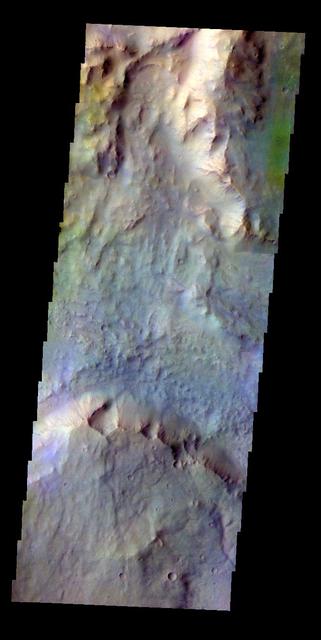
The THEMIS VIS camera contains 5 filters. The data from different filters can be combined in multiple ways to create a false color image. This false color image from NASA 2001 Mars Odyssey spacecraft shows part of Daga Vallis on Eos Mensa.
Daga Vallis - False Color
The THEMIS VIS camera contains 5 filters. The data from different filters can be combined in multiple ways to create a false color image. This false color image from NASA 2001 Mars Odyssey spacecraft shows a region in Syrtis Major.
Syrtis Major - False Color
The THEMIS VIS camera contains 5 filters. The data from different filters can be combined in multiple ways to create a false color image. This false color image from NASA 2001 Mars Odyssey spacecraft shows part of the region near Nili Fossae.
False Color Surface
The THEMIS VIS camera contains 5 filters. The data from different filters can be combined in multiple ways to create a false color image. This false color image from NASA 2001 Mars Odyssey spacecraft shows Makhambet Crater.
Makhambet Crater - False Color
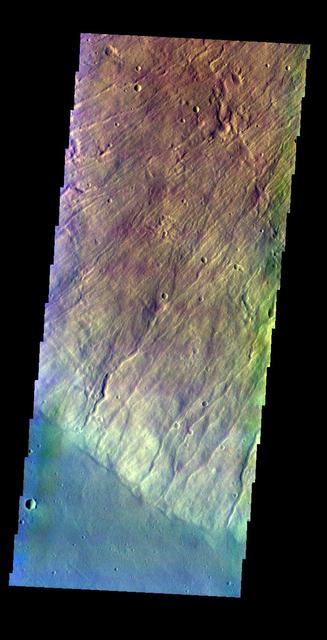
The THEMIS VIS camera contains 5 filters. The data from different filters can be combined in multiple ways to create a false color image. This false color image from NASA 2001 Mars Odyssey spacecraft shows part of the flank of Hecates Tholus.
Hecates Tholus - False Color
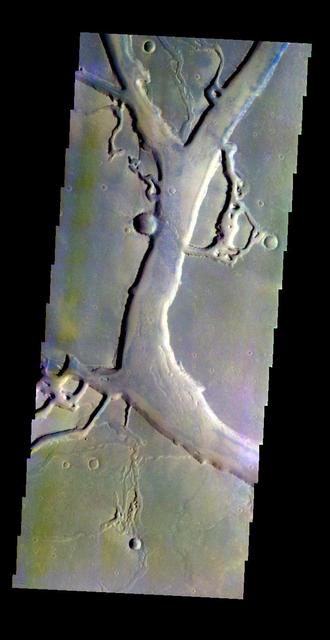
The THEMIS VIS camera contains 5 filters. The data from different filters can be combined in multiple ways to create a false color image. This false color image from NASA 2001 Mars Odyssey spacecraft shows part of Granicus Valles.
Granicus Valles - False Color
The THEMIS VIS camera contains 5 filters. The data from different filters can be combined in multiple ways to create a false color image. This false color image from NASA 2001 Mars Odyssey spacecraft shows part of Hargraves Crater.
Hargraves Crater - False Color
The THEMIS VIS camera contains 5 filters. The data from different filters can be combined in multiple ways to create a false color image. This false color image from NASA 2001 Mars Odyssey spacecraft shows part of Atlantis Chaos.
Atlantis Chaos - False Color
The THEMIS VIS camera contains 5 filters. The data from different filters can be combined in multiple ways to create a false color image. This false color image from NASA 2001 Mars Odyssey spacecraft shows a portion of Kasei Vallis.
Kasei Valles - False Color
The THEMIS VIS camera contains 5 filters. The data from different filters can be combined in multiple ways to create a false color image. This false color image from NASA 2001 Mars Odyssey spacecraft shows part of Candor Labes.
Candor Labes - False Color