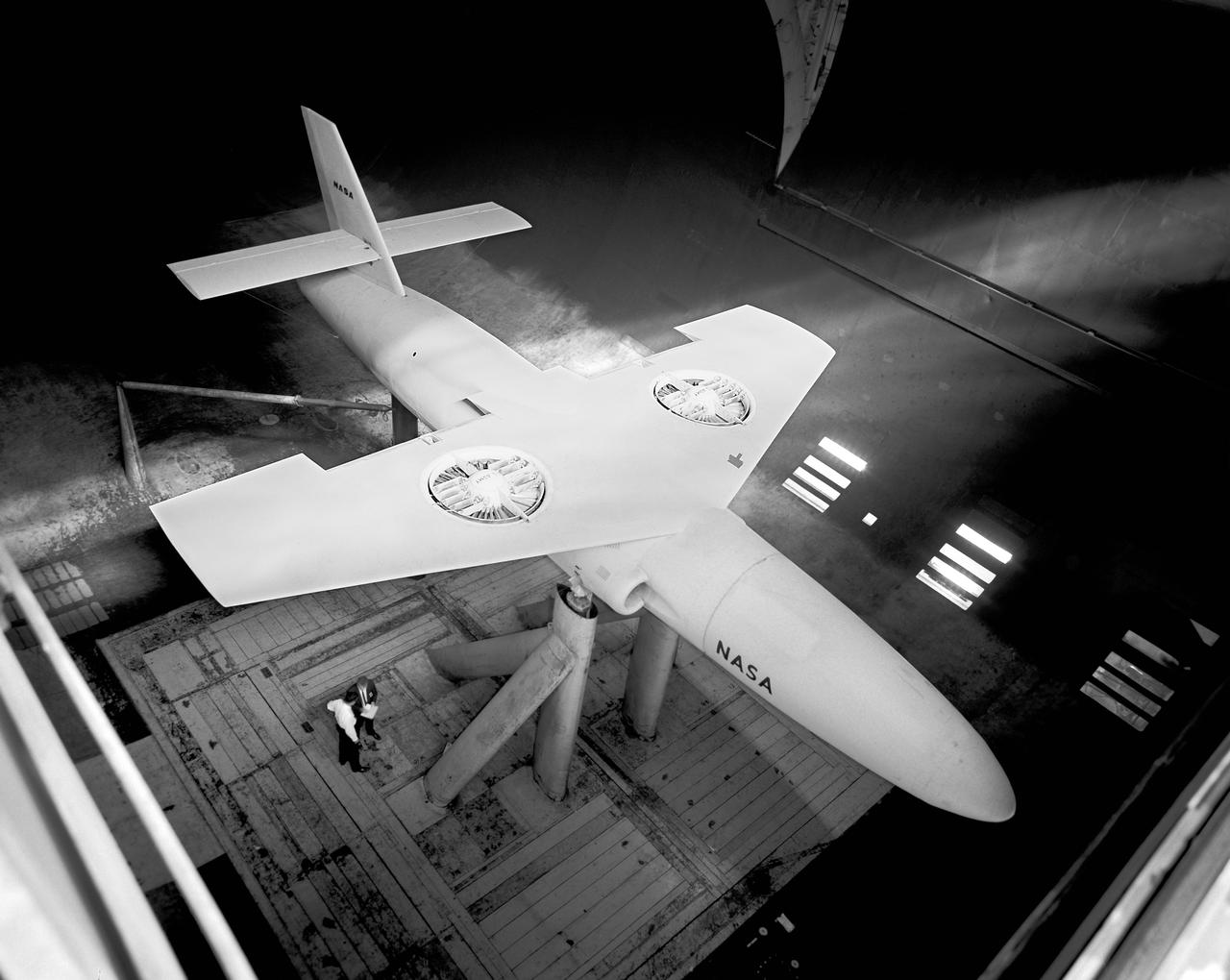
Top view if GE fan model, 3/4 top view. Straight wing. 1 fan per wing, conventional struts. Woody Kook, Branch Chief.
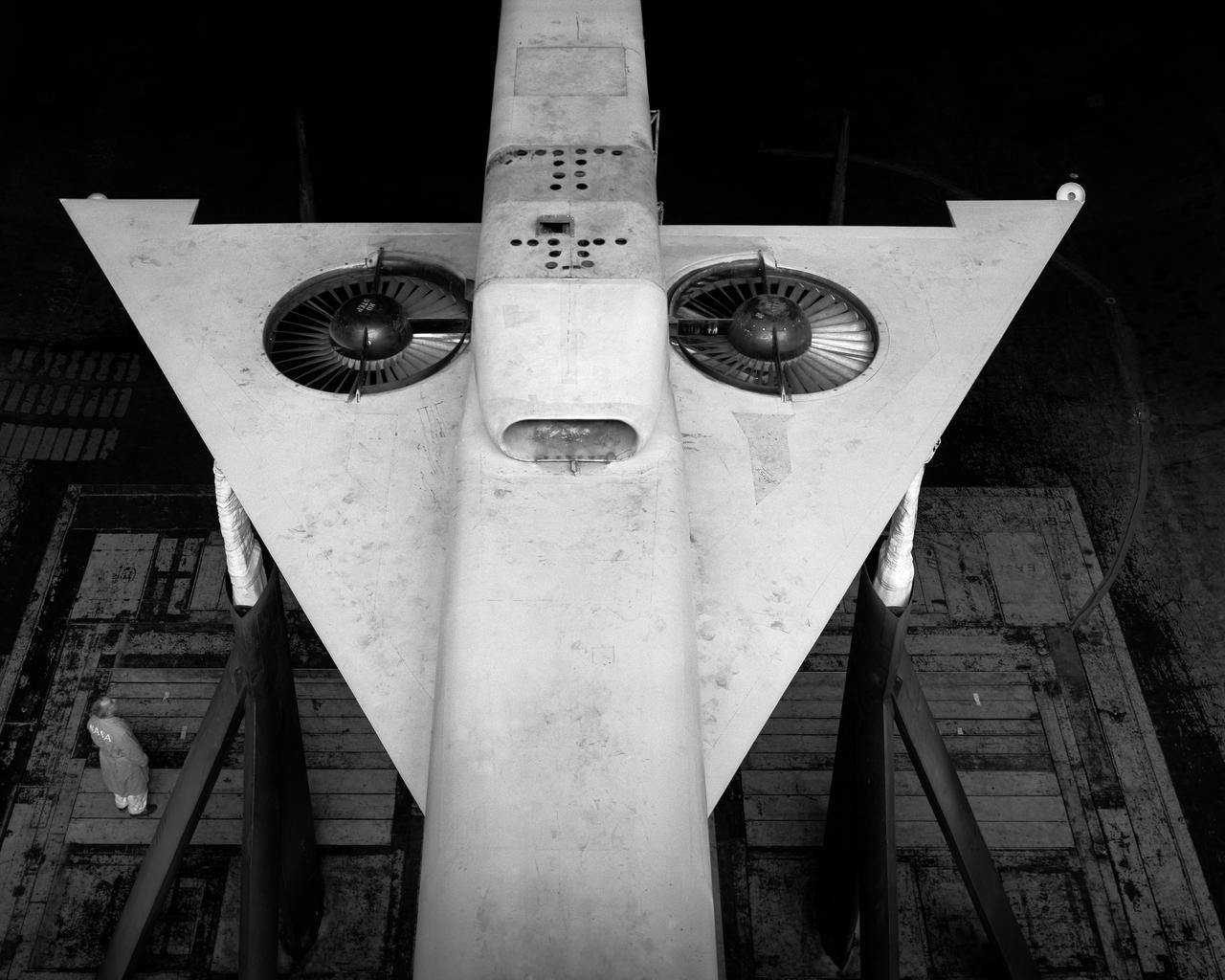
Top front view of Delta wing lift fan fighter model.
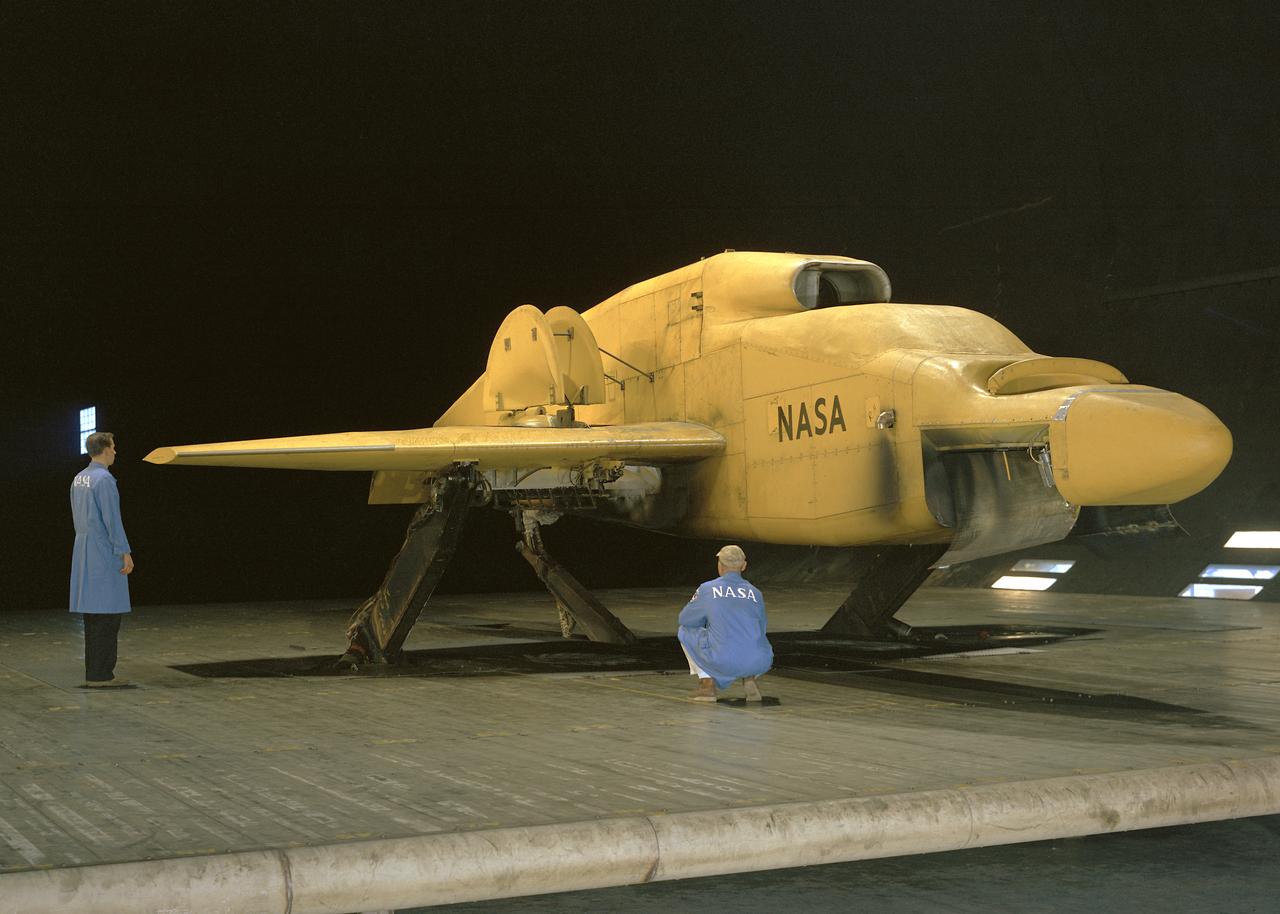
3/4 front view VZ-11 ground test - variable height struts. Engines of the VZ-11 are a pair of General Electric J85-5 turbojets, mounted in high in the centre fuselage, well away from fan disturbance. Designed in the Ames 40x80 foot wind tunnel.
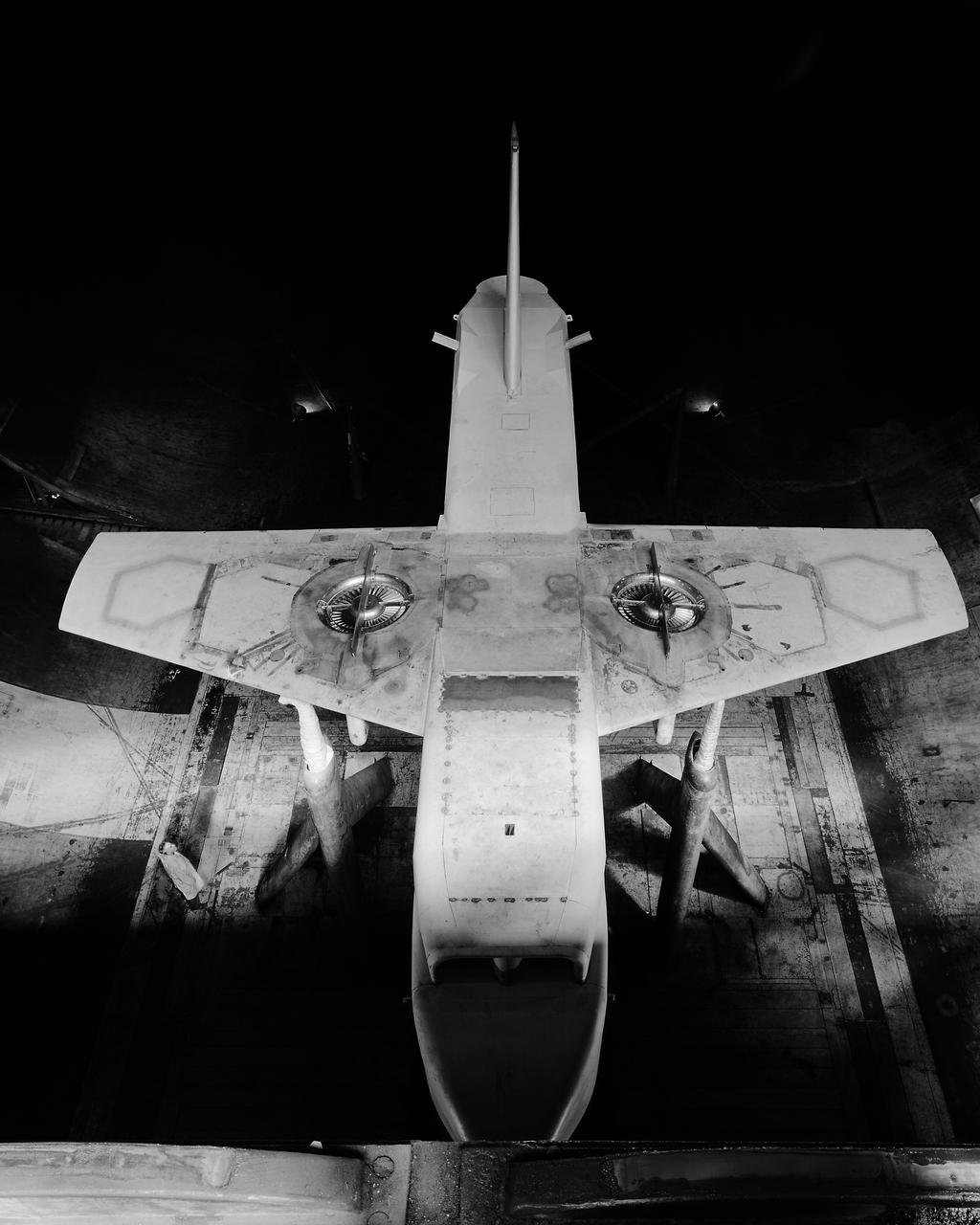
Forward overhead view of lift fan transport model, with two, of a possible six, high pressure ratio wing lift fans. Lift Fan Model In 40 X 80 Wind Tunnel; Test 40-347
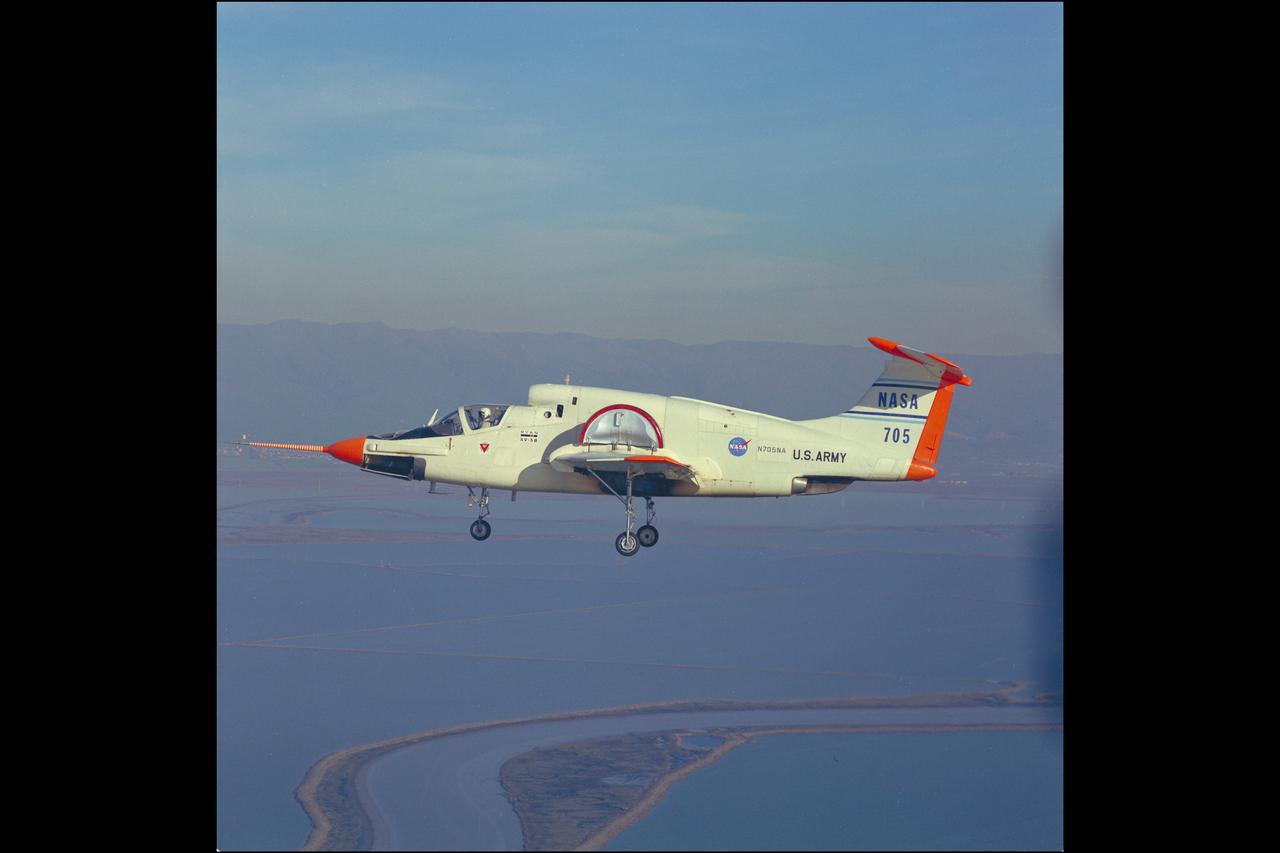
XV-5B (NASA 705) fan in wing airplane in flight
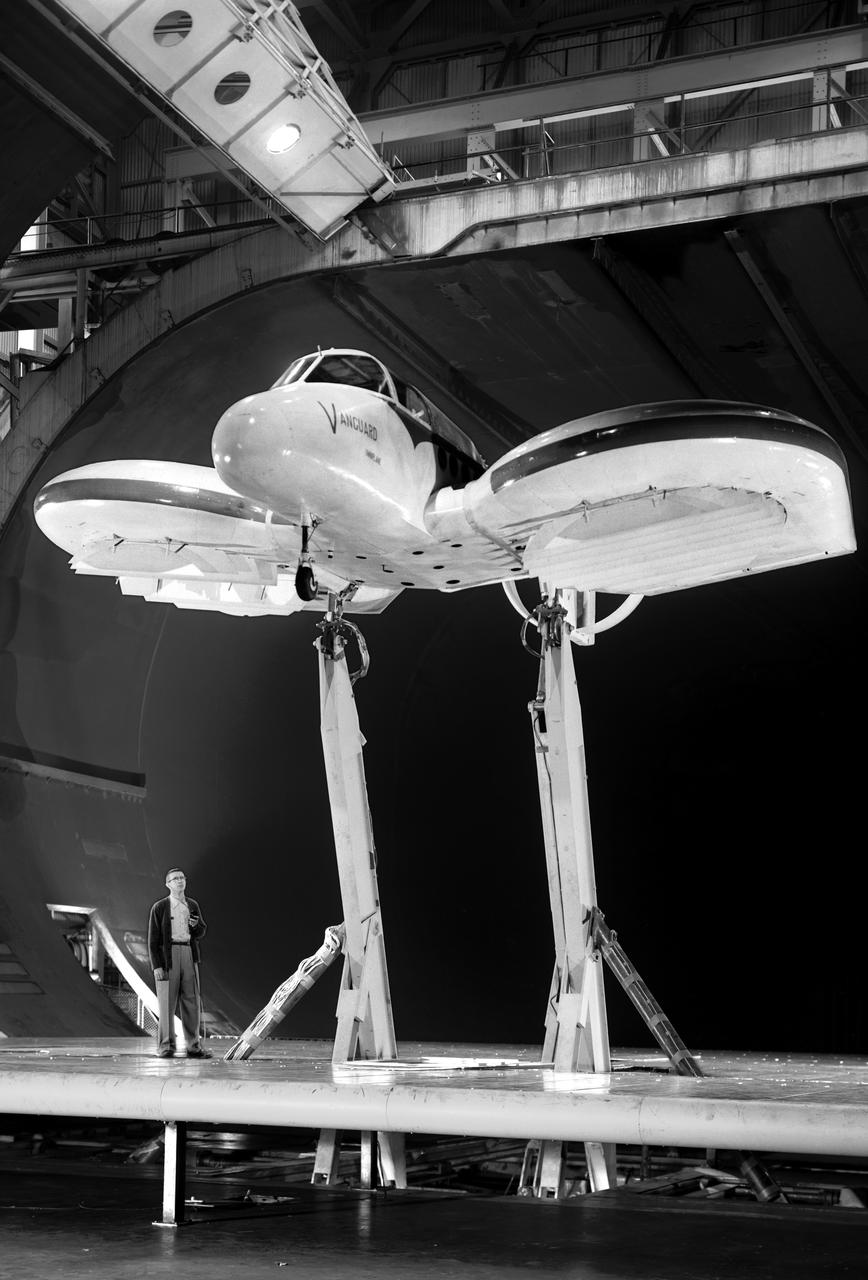
Vanguard 2C vertical take-off and landing (VTOL) airplane, wind tunnel test. Front view from below, model 14 1/2 feet high disk off. Nasa Ames engineer Ralph Maki in photo. Variable height struts and ground plane, low pressure ratio, fan in wing. 02/01/1960.
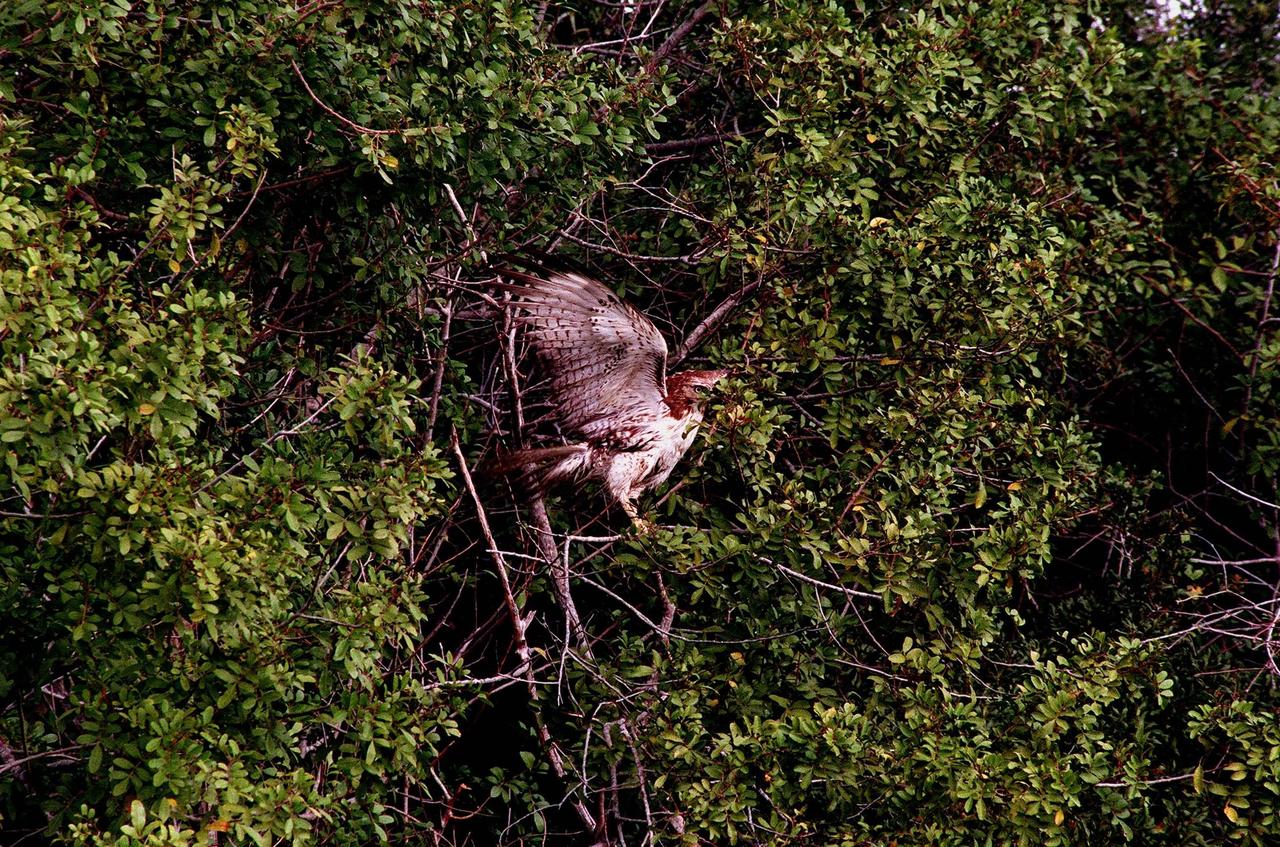
KENNEDY SPACE CENTER, FLA. -- A Rough-legged Hawk fans its wings as it gently lands in a tree in the Merritt Island National Wildlife Refuge. This type of hawk is rarely seen in Florida, ranging from northern Alaska through Manitoba and Newfoundland and wintering from California east to Virginia. The 92,000-acre refuge, which shares a boundary with the Kennedy Space Center, is habitat for more than 310 species of birds, 25 mammals, 117 fishes and 65 amphibians and reptiles

National Aeronautics and Space Administration (NASA) researcher John Carpenter inspects an aircraft model with a four-fan thrust reverser which would be studied in the 9- by 15-Foot Low Speed Wind Tunnel at the Lewis Research Center. Thrust reversers were introduced in the 1950s as a means for slowing high-speed jet aircraft during landing. Engineers sought to apply the technology to Vertical and Short Takeoff and Landing (VSTOL) aircraft in the 1970s. The new designs would have to take into account shorter landing areas, noise levels, and decreased thrust levels. A balance was needed between the thrust reverser’s efficiency, its noise generation, and the engine’s power setting. This model underwent a series of four tests in the 9- by 15-foot tunnel during April and May 1974. The model, with a high-wing configuration and no tail, was equipped with four thrust-reverser engines. The investigations included static internal aerodynamic tests on a single fan/reverser, wind tunnel isolated fan/reverser thrust tests, installation effects on a four-fan airplane model in a wind tunnel, and single reverser acoustic tests. The 9-by 15 was built inside the return leg of the 8- by 6-Foot Supersonic Wind Tunnel in 1968. The facility generates airspeeds from 0 to 175 miles per hour to evaluate the aerodynamic performance and acoustic characteristics of nozzles, inlets, and propellers, and investigate hot gas re-ingestion of advanced VSTOL concepts. John Carpenter was a technician in the Wind Tunnels Service Section of the Test Installations Division.
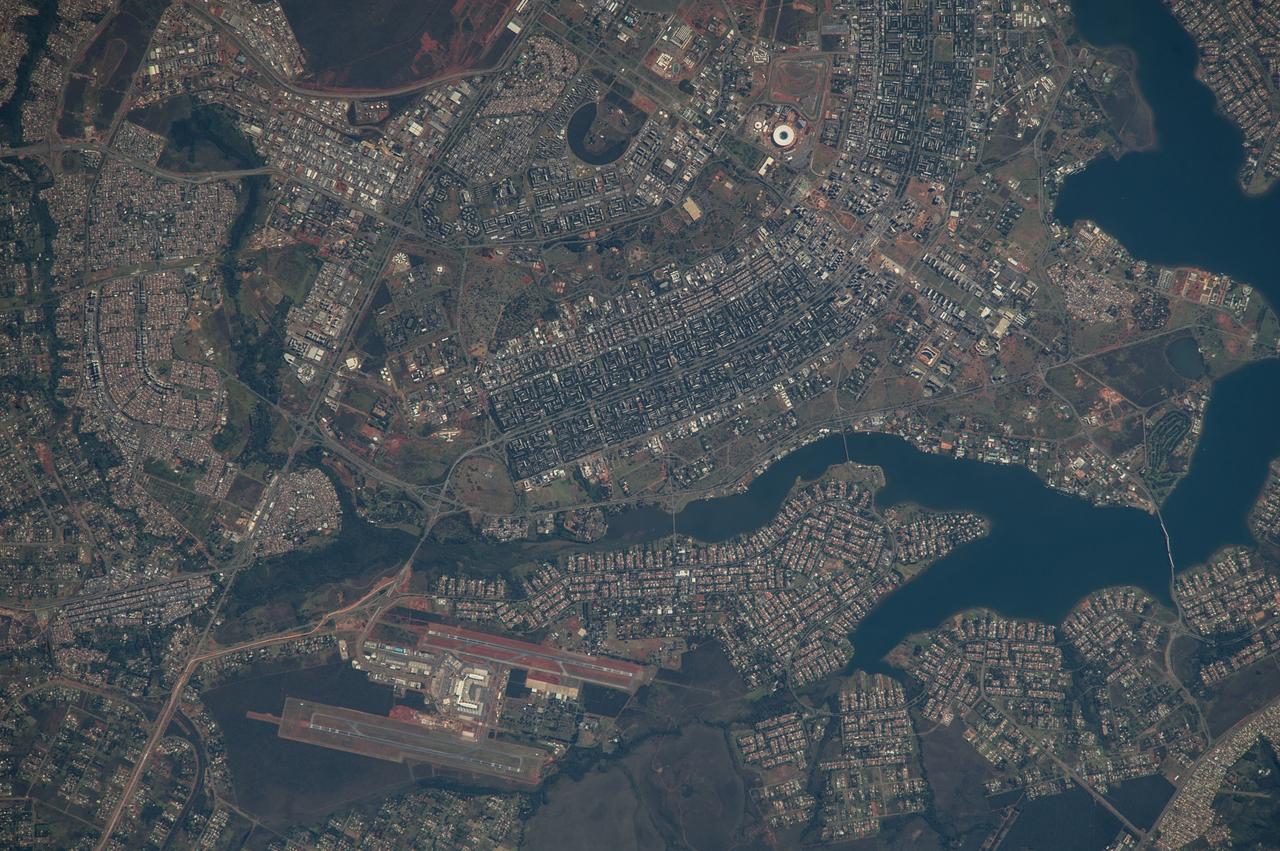
ISS040-E-005839 (28 May 2014) --- The Brasilia World Cup Stadium (top center) is featured in this image photographed by an Expedition 40 crew member on the International Space Station on May 28, 2014. Brazil?s national football stadium, the Estado Nacional, lies near the heart of the capital city of Brasilia. The new roof appears as a brilliant white ring in this image. The stadium is one of Brasilia?s largest buildings. Renovation began in 2010 and it is now the second most expensive stadium in the world, after Wembley Stadium in London, UK. To accommodate expected World Cup fans from all over the world, renovations for all modes of transportation, particularly airports, have been put in place in Brasilia and other host cities. Brasilia?s international airport can be seen lower left on the far side of Lake Paranoa. Brasilia is widely known for its modern building designs and city layout. Space station crew members have the best view of the city?s well-known ?swept wing? city layout ? giving the sense of a flying bird ? expressed in the curves of the boulevards (top). The stadium occupies the city center between the wings. The President Juscelino Kubitschek Bridge crosses the lake at bottom right. Its 1200-meter span gives scale to the city and stadium.

You might see a DeLorean zipping around Greenbelt, Maryland, on Oct. 21, 2015, the day Marty McFly and Doc Brown arrive from 1985 in "Back to the Future, Part II," but don't look for flaming tread marks in its wake. The DeLorean DMC-12, commonly seen on the roads of NASA’s Goddard Space Flight Center in Greenbelt, Maryland, is better known for the version that starred as a plutonium-powered time machine in the “Back to the Future” trilogy. After some investigation, Goddard’s Office of Communications found the owner of the stainless steel, gull-winged, two-door coupe. Goddard software test engineer, Brendan Rebo bought the 1982 DeLorean off eBay about four and a half years ago. “The car attracts a lot more attention than I expected,” Rebo admitted. “I hear a lot of jokes about whether or not I’ve reached 88 miles per hour yet.” As “Back to the Future” fans around the world celebrate today, Rebo also celebrates his birthday. While the second film predicted technology, such as flying cars, that doesn’t yet exist, people can still marvel at the classic car and movie reference. Credit: NASA/Goddard/Rebecca Roth

You might see a DeLorean zipping around Greenbelt, Maryland, on Oct. 21, 2015, the day Marty McFly and Doc Brown arrive from 1985 in "Back to the Future, Part II," but don't look for flaming tread marks in its wake. The DeLorean DMC-12, commonly seen on the roads of NASA’s Goddard Space Flight Center in Greenbelt, Maryland, is better known for the version that starred as a plutonium-powered time machine in the “Back to the Future” trilogy. After some investigation, Goddard’s Office of Communications found the owner of the stainless steel, gull-winged, two-door coupe. Goddard software test engineer, Brendan Rebo bought the 1982 DeLorean off eBay about four and a half years ago. “The car attracts a lot more attention than I expected,” Rebo admitted. “I hear a lot of jokes about whether or not I’ve reached 88 miles per hour yet.” As “Back to the Future” fans around the world celebrate today, Rebo also celebrates his birthday. While the second film predicted technology, such as flying cars, that doesn’t yet exist, people can still marvel at the classic car and movie reference. Credit: NASA/Goddard/Rebecca Roth

You might see a DeLorean zipping around Greenbelt, Maryland, on Oct. 21, 2015, the day Marty McFly and Doc Brown arrive from 1985 in "Back to the Future, Part II," but don't look for flaming tread marks in its wake. The DeLorean DMC-12, commonly seen on the roads of NASA’s Goddard Space Flight Center in Greenbelt, Maryland, is better known for the version that starred as a plutonium-powered time machine in the “Back to the Future” trilogy. After some investigation, Goddard’s Office of Communications found the owner of the stainless steel, gull-winged, two-door coupe. Goddard software test engineer, Brendan Rebo bought the 1982 DeLorean off eBay about four and a half years ago. “The car attracts a lot more attention than I expected,” Rebo admitted. “I hear a lot of jokes about whether or not I’ve reached 88 miles per hour yet.” As “Back to the Future” fans around the world celebrate today, Rebo also celebrates his birthday. While the second film predicted technology, such as flying cars, that doesn’t yet exist, people can still marvel at the classic car and movie reference. Credit: NASA/Goddard/Rebecca Roth

You might see a DeLorean zipping around Greenbelt, Maryland, on Oct. 21, 2015, the day Marty McFly and Doc Brown arrive from 1985 in "Back to the Future, Part II," but don't look for flaming tread marks in its wake. The DeLorean DMC-12, commonly seen on the roads of NASA’s Goddard Space Flight Center in Greenbelt, Maryland, is better known for the version that starred as a plutonium-powered time machine in the “Back to the Future” trilogy. After some investigation, Goddard’s Office of Communications found the owner of the stainless steel, gull-winged, two-door coupe. Goddard software test engineer, Brendan Rebo bought the 1982 DeLorean off eBay about four and a half years ago. “The car attracts a lot more attention than I expected,” Rebo admitted. “I hear a lot of jokes about whether or not I’ve reached 88 miles per hour yet.” As “Back to the Future” fans around the world celebrate today, Rebo also celebrates his birthday. While the second film predicted technology, such as flying cars, that doesn’t yet exist, people can still marvel at the classic car and movie reference. Credit: NASA/Goddard/Rebecca Roth

You might see a DeLorean zipping around Greenbelt, Maryland, on Oct. 21, 2015, the day Marty McFly and Doc Brown arrive from 1985 in "Back to the Future, Part II," but don't look for flaming tread marks in its wake. The DeLorean DMC-12, commonly seen on the roads of NASA’s Goddard Space Flight Center in Greenbelt, Maryland, is better known for the version that starred as a plutonium-powered time machine in the “Back to the Future” trilogy. After some investigation, Goddard’s Office of Communications found the owner of the stainless steel, gull-winged, two-door coupe. Goddard software test engineer, Brendan Rebo bought the 1982 DeLorean off eBay about four and a half years ago. “The car attracts a lot more attention than I expected,” Rebo admitted. “I hear a lot of jokes about whether or not I’ve reached 88 miles per hour yet.” As “Back to the Future” fans around the world celebrate today, Rebo also celebrates his birthday. While the second film predicted technology, such as flying cars, that doesn’t yet exist, people can still marvel at the classic car and movie reference. Credit: NASA/Goddard/Rebecca Roth
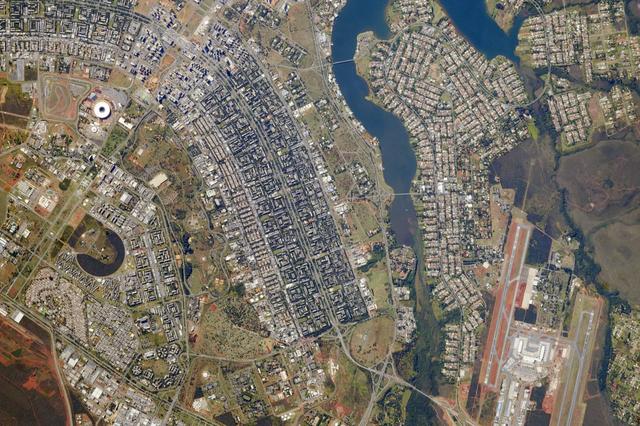
Brazil’s national football stadium, the Estado Nacíonal, lies near the heart of the capital city of Brasília. The roof appears as a brilliant white ring in this photograph taken from the International Space Station. The stadium is one of Brasília’s largest buildings. Renovation began in 2010, and it is now the second most expensive stadium in the world after Wembley Stadium in London. To accommodate World Cup fans visiting from all over the world, renovations were made to nearly all modes of transportation—particularly airports—in Brasília and other host cities. Brasília’s international airport is visible at lower right, on the far side of Lake Paranoá. (Note that the image is rotated so that north is to the left.) Brasília is widely known for its modern building designs and city layout. Astronauts have the best view of the city’s well-known “swept wing” city layout, which takes the form of a flying bird that is expressed in the curves of the boulevards (image left). The stadium occupies the city center, between the wings. Credit: ISS Read more/high res: <a href="http://earthobservatory.nasa.gov/NaturalHazards/view.php?id=83866&src=nha" rel="nofollow">earthobservatory.nasa.gov/NaturalHazards/view.php?id=8386...</a> Credit: <b><a href="http://www.earthobservatory.nasa.gov/" rel="nofollow"> NASA Earth Observatory</a></b> <b><a href="http://www.nasa.gov/audience/formedia/features/MP_Photo_Guidelines.html" rel="nofollow">NASA image use policy.</a></b> <b><a href="http://www.nasa.gov/centers/goddard/home/index.html" rel="nofollow">NASA Goddard Space Flight Center</a></b> enables NASA’s mission through four scientific endeavors: Earth Science, Heliophysics, Solar System Exploration, and Astrophysics. Goddard plays a leading role in NASA’s accomplishments by contributing compelling scientific knowledge to advance the Agency’s mission. <b>Follow us on <a href="http://twitter.com/NASAGoddardPix" rel="nofollow">Twitter</a></b> <b>Like us on <a href="http://www.facebook.com/pages/Greenbelt-MD/NASA-Goddard/395013845897?ref=tsd" rel="nofollow">Facebook</a></b> <b>Find us on <a href="http://instagram.com/nasagoddard?vm=grid" rel="nofollow">Instagram</a></b>
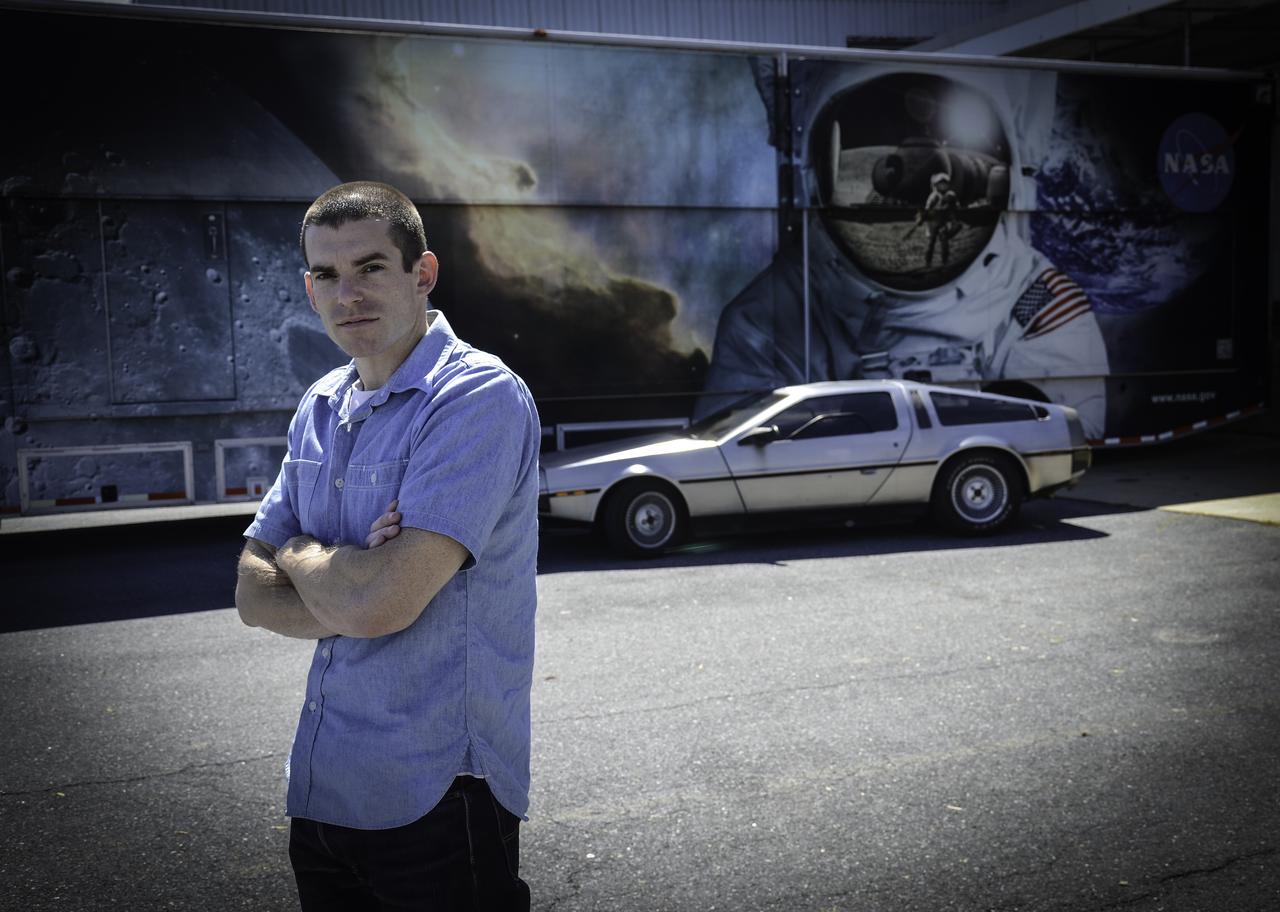
Great Scott, This is Heavy! You might see a DeLorean zipping around Greenbelt, Maryland, on Oct. 21, 2015, the day Marty McFly and Doc Brown arrive from 1985 in "Back to the Future, Part II," but don't look for flaming tread marks in its wake. The DeLorean DMC-12, commonly seen on the roads of NASA’s Goddard Space Flight Center in Greenbelt, Maryland, is better known for the version that starred as a plutonium-powered time machine in the “Back to the Future” trilogy. After some investigation, Goddard’s Office of Communications found the owner of the stainless steel, gull-winged, two-door coupe. Goddard software test engineer, Brendan Rebo bought the 1982 DeLorean off eBay about four and a half years ago. “The car attracts a lot more attention than I expected,” Rebo admitted. “I hear a lot of jokes about whether or not I’ve reached 88 miles per hour yet.” As “Back to the Future” fans around the world celebrate today, Rebo also celebrates his birthday. While the second film predicted technology, such as flying cars, that doesn’t yet exist, people can still marvel at the classic car and movie reference. Credit: NASA/Goddard/Rebecca Roth <b><a href="http://www.nasa.gov/audience/formedia/features/MP_Photo_Guidelines.html" rel="nofollow">NASA image use policy.</a></b> <b><a href="http://www.nasa.gov/centers/goddard/home/index.html" rel="nofollow">NASA Goddard Space Flight Center</a></b> enables NASA’s mission through four scientific endeavors: Earth Science, Heliophysics, Solar System Exploration, and Astrophysics. Goddard plays a leading role in NASA’s accomplishments by contributing compelling scientific knowledge to advance the Agency’s mission. <b>Follow us on <a href="http://twitter.com/NASAGoddardPix" rel="nofollow">Twitter</a></b> <b>Like us on <a href="http://www.facebook.com/pages/Greenbelt-MD/NASA-Goddard/395013845897?ref=tsd" rel="nofollow">Facebook</a></b> <b>Find us on <a href="http://instagrid.me/nasagoddard/?vm=grid" rel="nofollow">Instagram</a></b>
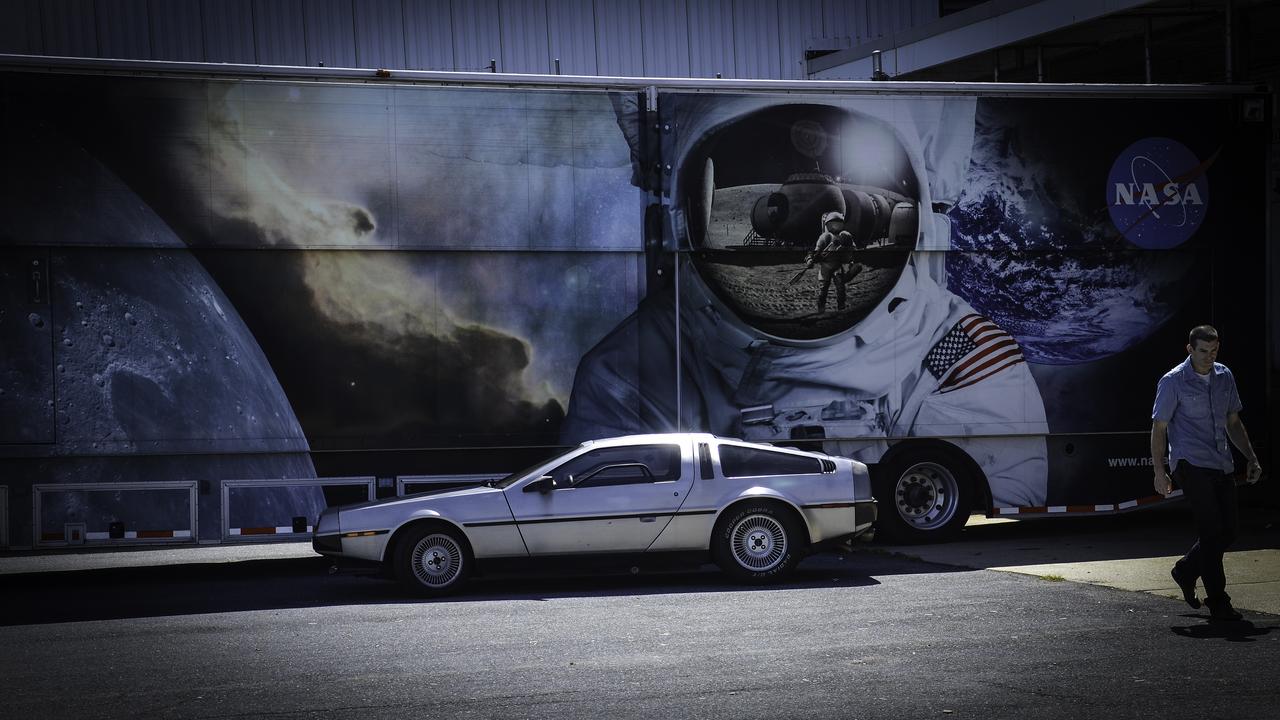
Great Scott, This is Heavy! You might see a DeLorean zipping around Greenbelt, Maryland, on Oct. 21, 2015, the day Marty McFly and Doc Brown arrive from 1985 in "Back to the Future, Part II," but don't look for flaming tread marks in its wake. The DeLorean DMC-12, commonly seen on the roads of NASA’s Goddard Space Flight Center in Greenbelt, Maryland, is better known for the version that starred as a plutonium-powered time machine in the “Back to the Future” trilogy. After some investigation, Goddard’s Office of Communications found the owner of the stainless steel, gull-winged, two-door coupe. Goddard software test engineer, Brendan Rebo bought the 1982 DeLorean off eBay about four and a half years ago. “The car attracts a lot more attention than I expected,” Rebo admitted. “I hear a lot of jokes about whether or not I’ve reached 88 miles per hour yet.” As “Back to the Future” fans around the world celebrate today, Rebo also celebrates his birthday. While the second film predicted technology, such as flying cars, that doesn’t yet exist, people can still marvel at the classic car and movie reference. Credit: NASA/Goddard/Rebecca Roth <b><a href="http://www.nasa.gov/audience/formedia/features/MP_Photo_Guidelines.html" rel="nofollow">NASA image use policy.</a></b> <b><a href="http://www.nasa.gov/centers/goddard/home/index.html" rel="nofollow">NASA Goddard Space Flight Center</a></b> enables NASA’s mission through four scientific endeavors: Earth Science, Heliophysics, Solar System Exploration, and Astrophysics. Goddard plays a leading role in NASA’s accomplishments by contributing compelling scientific knowledge to advance the Agency’s mission. <b>Follow us on <a href="http://twitter.com/NASAGoddardPix" rel="nofollow">Twitter</a></b> <b>Like us on <a href="http://www.facebook.com/pages/Greenbelt-MD/NASA-Goddard/395013845897?ref=tsd" rel="nofollow">Facebook</a></b> <b>Find us on <a href="http://instagrid.me/nasagoddard/?vm=grid" rel="nofollow">Instagram</a></b>
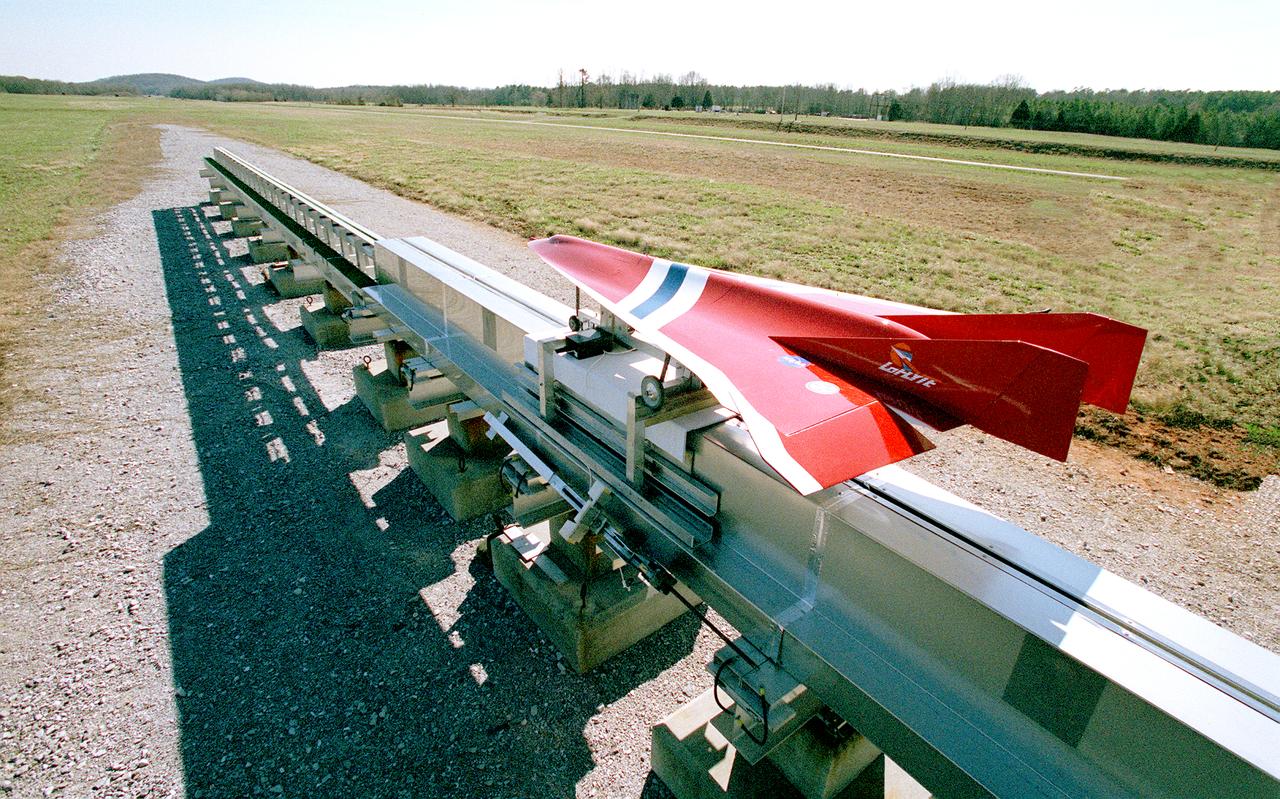
Engineers at the Marshall Space Flight Center (MSFC) have been testing Magnetic Launch Assist Systems, formerly known as Magnetic Levitation (MagLev) technologies. To launch spacecraft into orbit, a Magnetic Launch Assist system would use magnetic fields to levitate and accelerate a vehicle along a track at a very high speed. Similar to high-speed trains and roller coasters that use high-strength magnets to lift and propel a vehicle a couple of inches above a guideway, the launch-assist system would electromagnetically drive a space vehicle along the track. A full-scale, operational track would be about 1.5-miles long and capable of accelerating a vehicle to 600 mph in 9.5 seconds. This photograph shows a subscale model of an airplane running on the experimental track at MSFC during the demonstration test. This track is an advanced linear induction motor. Induction motors are common in fans, power drills, and sewing machines. Instead of spinning in a circular motion to turn a shaft or gears, a linear induction motor produces thrust in a straight line. Mounted on concrete pedestals, the track is 100-feet long, about 2-feet wide, and about 1.5- feet high. The major advantages of launch assist for NASA launch vehicles is that it reduces the weight of the take-off, the landing gear, the wing size, and less propellant resulting in significant cost savings. The US Navy and the British MOD (Ministry of Defense) are planning to use magnetic launch assist for their next generation aircraft carriers as the aircraft launch system. The US Army is considering using this technology for launching target drones for anti-aircraft training.
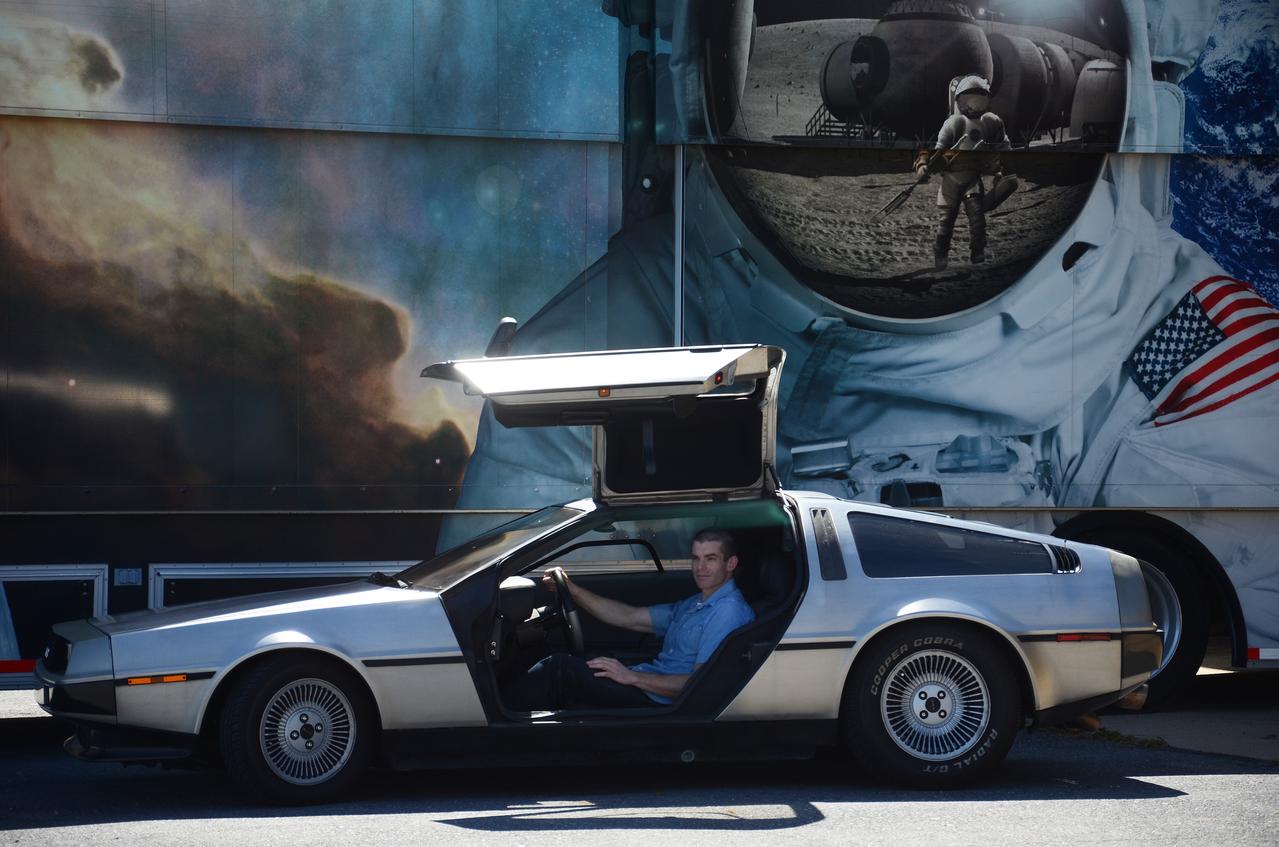
Great Scott, This is Heavy! You might see a DeLorean zipping around Greenbelt, Maryland, on Oct. 21, 2015, the day Marty McFly and Doc Brown arrive from 1985 in "Back to the Future, Part II," but don't look for flaming tread marks in its wake. The DeLorean DMC-12, commonly seen on the roads of NASA’s Goddard Space Flight Center in Greenbelt, Maryland, is better known for the version that starred as a plutonium-powered time machine in the “Back to the Future” trilogy. After some investigation, Goddard’s Office of Communications found the owner of the stainless steel, gull-winged, two-door coupe. Goddard software test engineer, Brendan Rebo bought the 1982 DeLorean off eBay about four and a half years ago. “The car attracts a lot more attention than I expected,” Rebo admitted. “I hear a lot of jokes about whether or not I’ve reached 88 miles per hour yet.” As “Back to the Future” fans around the world celebrate today, Rebo also celebrates his birthday. While the second film predicted technology, such as flying cars, that doesn’t yet exist, people can still marvel at the classic car and movie reference. Credit: NASA/Goddard/Rebecca Roth <b><a href="http://www.nasa.gov/audience/formedia/features/MP_Photo_Guidelines.html" rel="nofollow">NASA image use policy.</a></b> <b><a href="http://www.nasa.gov/centers/goddard/home/index.html" rel="nofollow">NASA Goddard Space Flight Center</a></b> enables NASA’s mission through four scientific endeavors: Earth Science, Heliophysics, Solar System Exploration, and Astrophysics. Goddard plays a leading role in NASA’s accomplishments by contributing compelling scientific knowledge to advance the Agency’s mission. <b>Follow us on <a href="http://twitter.com/NASAGoddardPix" rel="nofollow">Twitter</a></b> <b>Like us on <a href="http://www.facebook.com/pages/Greenbelt-MD/NASA-Goddard/395013845897?ref=tsd" rel="nofollow">Facebook</a></b> <b>Find us on <a href="http://instagrid.me/nasagoddard/?vm=grid" rel="nofollow">Instagram</a></b>
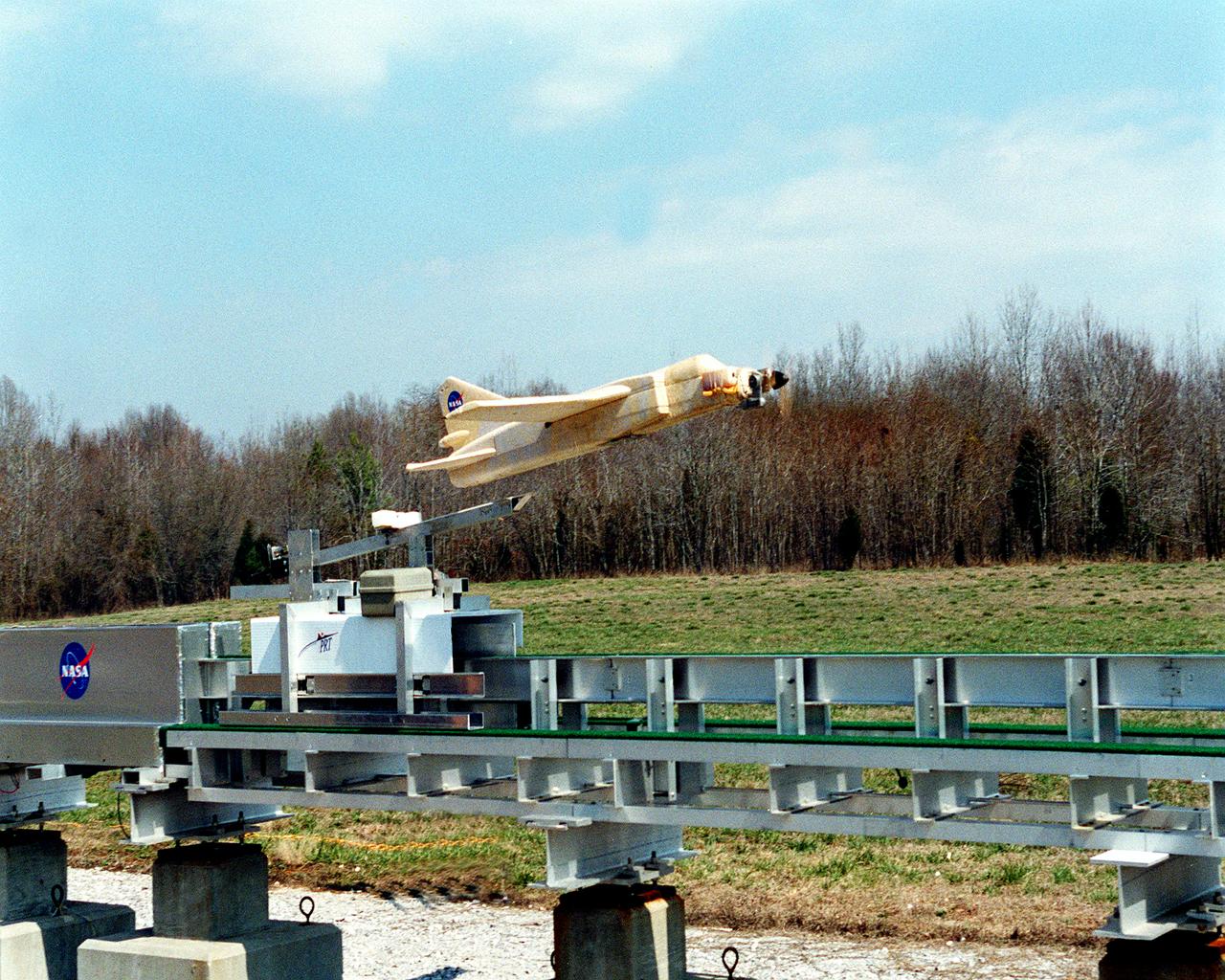
This image shows a 1/9 subscale model vehicle clearing the Magnetic Launch Assist System, formerly referred to as the Magnetic Levitation (MagLev), test track during a demonstration test conducted at the Marshall Space Flight Center (MSFC). Engineers at MSFC have developed and tested Magnetic Launch Assist technologies. To launch spacecraft into orbit, a Magnetic Launch Assist System would use magnetic fields to levitate and accelerate a vehicle along a track at very high speeds. Similar to high-speed trains and roller coasters that use high-strength magnets to lift and propel a vehicle a couple of inches above a guideway, a launch-assist system would electromagnetically drive a space vehicle along the track. A full-scale, operational track would be about 1.5-miles long and capable of accelerating a vehicle to 600 mph in 9.5 seconds. This track is an advanced linear induction motor. Induction motors are common in fans, power drills, and sewing machines. Instead of spinning in a circular motion to turn a shaft or gears, a linear induction motor produces thrust in a straight line. Mounted on concrete pedestals, the track is 100-feet long, about 2-feet wide and about 1.5-feet high. The major advantages of launch assist for NASA launch vehicles is that it reduces the weight of the take-off, the landing gear, the wing size, and less propellant resulting in significant cost savings. The US Navy and the British MOD (Ministry of Defense) are planning to use magnetic launch assist for their next generation aircraft carriers as the aircraft launch system. The US Army is considering using this technology for launching target drones for anti-aircraft training.
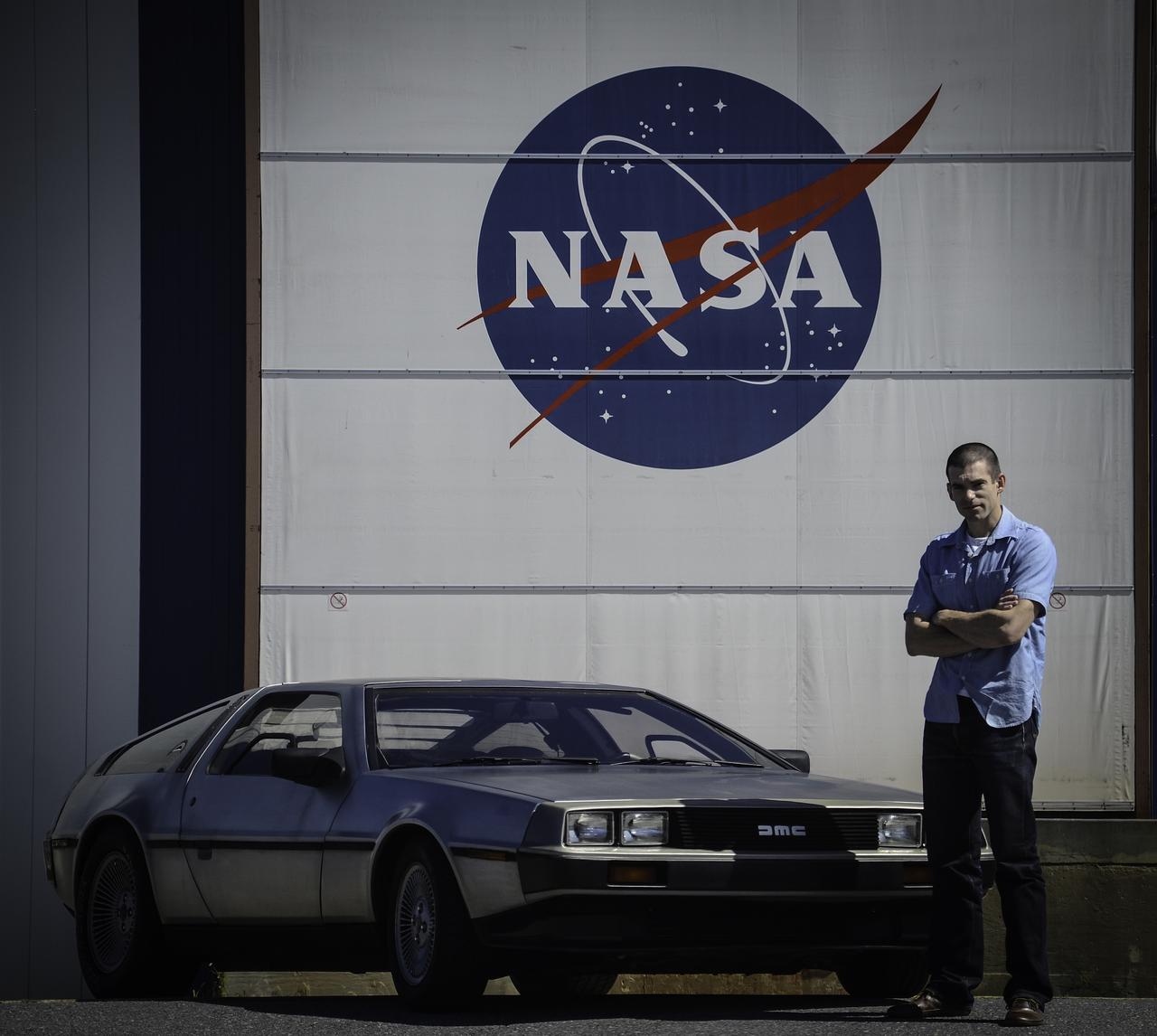
Great Scott, This is Heavy! You might see a DeLorean zipping around Greenbelt, Maryland, on Oct. 21, 2015, the day Marty McFly and Doc Brown arrive from 1985 in "Back to the Future, Part II," but don't look for flaming tread marks in its wake. The DeLorean DMC-12, commonly seen on the roads of NASA’s Goddard Space Flight Center in Greenbelt, Maryland, is better known for the version that starred as a plutonium-powered time machine in the “Back to the Future” trilogy. After some investigation, Goddard’s Office of Communications found the owner of the stainless steel, gull-winged, two-door coupe. Goddard software test engineer, Brendan Rebo bought the 1982 DeLorean off eBay about four and a half years ago. “The car attracts a lot more attention than I expected,” Rebo admitted. “I hear a lot of jokes about whether or not I’ve reached 88 miles per hour yet.” As “Back to the Future” fans around the world celebrate today, Rebo also celebrates his birthday. While the second film predicted technology, such as flying cars, that doesn’t yet exist, people can still marvel at the classic car and movie reference. Credit: NASA/Goddard/Rebecca Roth <b><a href="http://www.nasa.gov/audience/formedia/features/MP_Photo_Guidelines.html" rel="nofollow">NASA image use policy.</a></b> <b><a href="http://www.nasa.gov/centers/goddard/home/index.html" rel="nofollow">NASA Goddard Space Flight Center</a></b> enables NASA’s mission through four scientific endeavors: Earth Science, Heliophysics, Solar System Exploration, and Astrophysics. Goddard plays a leading role in NASA’s accomplishments by contributing compelling scientific knowledge to advance the Agency’s mission. <b>Follow us on <a href="http://twitter.com/NASAGoddardPix" rel="nofollow">Twitter</a></b> <b>Like us on <a href="http://www.facebook.com/pages/Greenbelt-MD/NASA-Goddard/395013845897?ref=tsd" rel="nofollow">Facebook</a></b> <b>Find us on <a href="http://instagrid.me/nasagoddard/?vm=grid" rel="nofollow">Instagram</a></b>
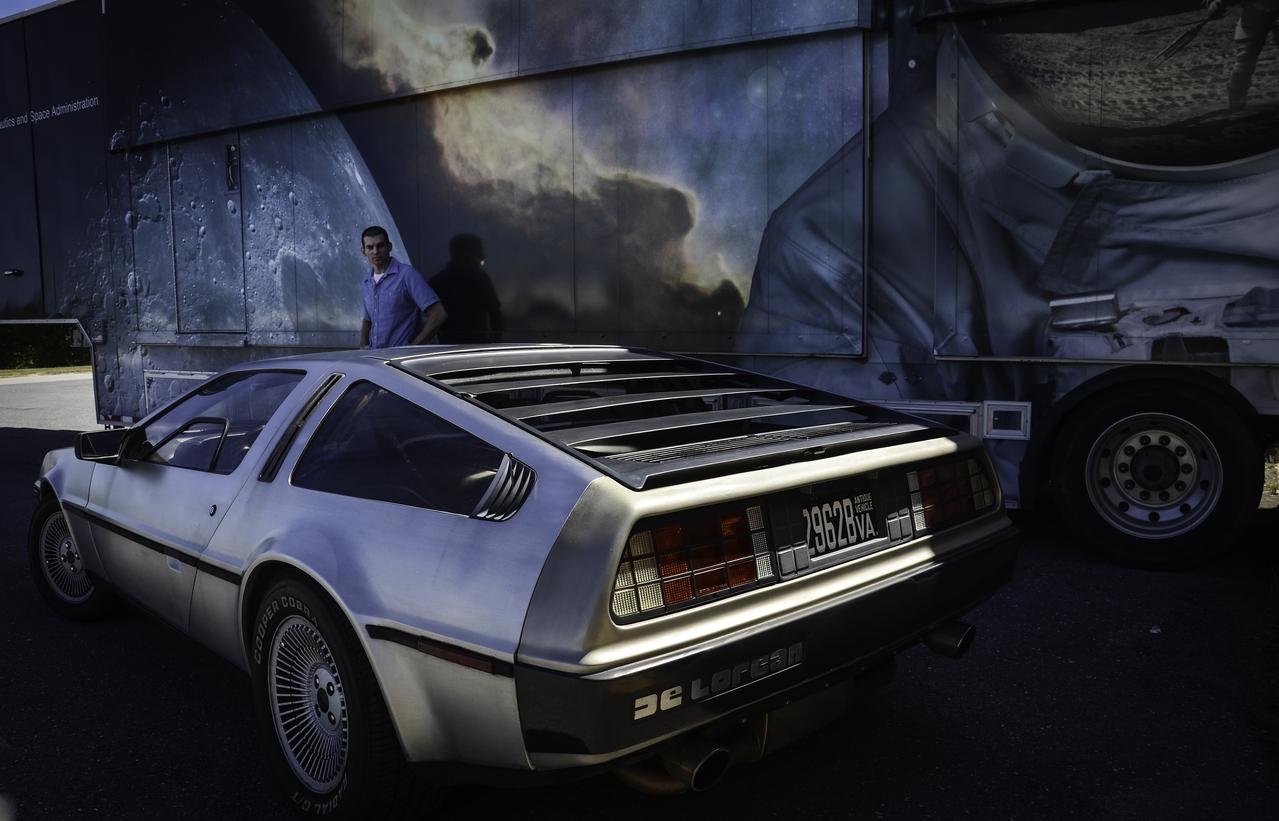
Great Scott, This is Heavy! You might see a DeLorean zipping around Greenbelt, Maryland, on Oct. 21, 2015, the day Marty McFly and Doc Brown arrive from 1985 in "Back to the Future, Part II," but don't look for flaming tread marks in its wake. The DeLorean DMC-12, commonly seen on the roads of NASA’s Goddard Space Flight Center in Greenbelt, Maryland, is better known for the version that starred as a plutonium-powered time machine in the “Back to the Future” trilogy. After some investigation, Goddard’s Office of Communications found the owner of the stainless steel, gull-winged, two-door coupe. Goddard software test engineer, Brendan Rebo bought the 1982 DeLorean off eBay about four and a half years ago. “The car attracts a lot more attention than I expected,” Rebo admitted. “I hear a lot of jokes about whether or not I’ve reached 88 miles per hour yet.” As “Back to the Future” fans around the world celebrate today, Rebo also celebrates his birthday. While the second film predicted technology, such as flying cars, that doesn’t yet exist, people can still marvel at the classic car and movie reference. Credit: NASA/Goddard/Rebecca Roth <b><a href="http://www.nasa.gov/audience/formedia/features/MP_Photo_Guidelines.html" rel="nofollow">NASA image use policy.</a></b> <b><a href="http://www.nasa.gov/centers/goddard/home/index.html" rel="nofollow">NASA Goddard Space Flight Center</a></b> enables NASA’s mission through four scientific endeavors: Earth Science, Heliophysics, Solar System Exploration, and Astrophysics. Goddard plays a leading role in NASA’s accomplishments by contributing compelling scientific knowledge to advance the Agency’s mission. <b>Follow us on <a href="http://twitter.com/NASAGoddardPix" rel="nofollow">Twitter</a></b> <b>Like us on <a href="http://www.facebook.com/pages/Greenbelt-MD/NASA-Goddard/395013845897?ref=tsd" rel="nofollow">Facebook</a></b> <b>Find us on <a href="http://instagrid.me/nasagoddard/?vm=grid" rel="nofollow">Instagram</a></b>
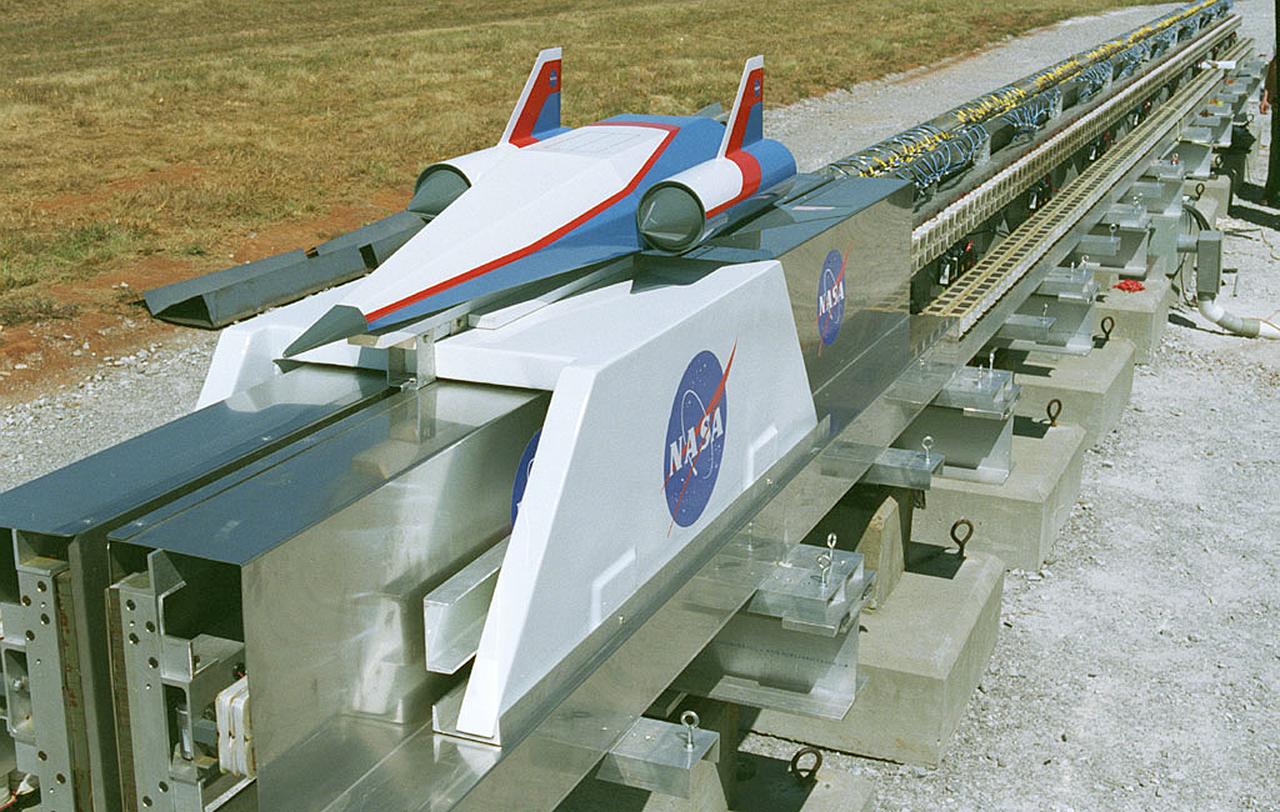
In this photograph, a futuristic spacecraft model sits atop a carrier on the Magnetic Launch Assist System, formerly known as the Magnetic Levitation (MagLev) System, experimental track at the Marshall Space Flight Center (MSFC). Engineers at MSFC have developed and tested Magnetic Launch Assist technologies that would use magnetic fields to levitate and accelerate a vehicle along a track at very high speeds. Similar to high-speed trains and roller coasters that use high-strength magnets to lift and propel a vehicle a couple of inches above a guideway, a Magnetic Launch Assist system would electromagnetically drive a space vehicle along the track. A full-scale, operational track would be about 1.5-miles long and capable of accelerating a vehicle to 600 mph in 9.5 seconds. This track is an advanced linear induction motor. Induction motors are common in fans, power drills, and sewing machines. Instead of spinning in a circular motion to turn a shaft or gears, a linear induction motor produces thrust in a straight line. Mounted on concrete pedestals, the track is 100-feet long, about 2-feet wide, and about 1.5-feet high. The major advantages of launch assist for NASA launch vehicles is that it reduces the weight of the take-off, the landing gear, the wing size, and less propellant resulting in significant cost savings. The US Navy and the British MOD (Ministry of Defense) are planning to use magnetic launch assist for their next generation aircraft carriers as the aircraft launch system. The US Army is considering using this technology for launching target drones for anti-aircraft training.