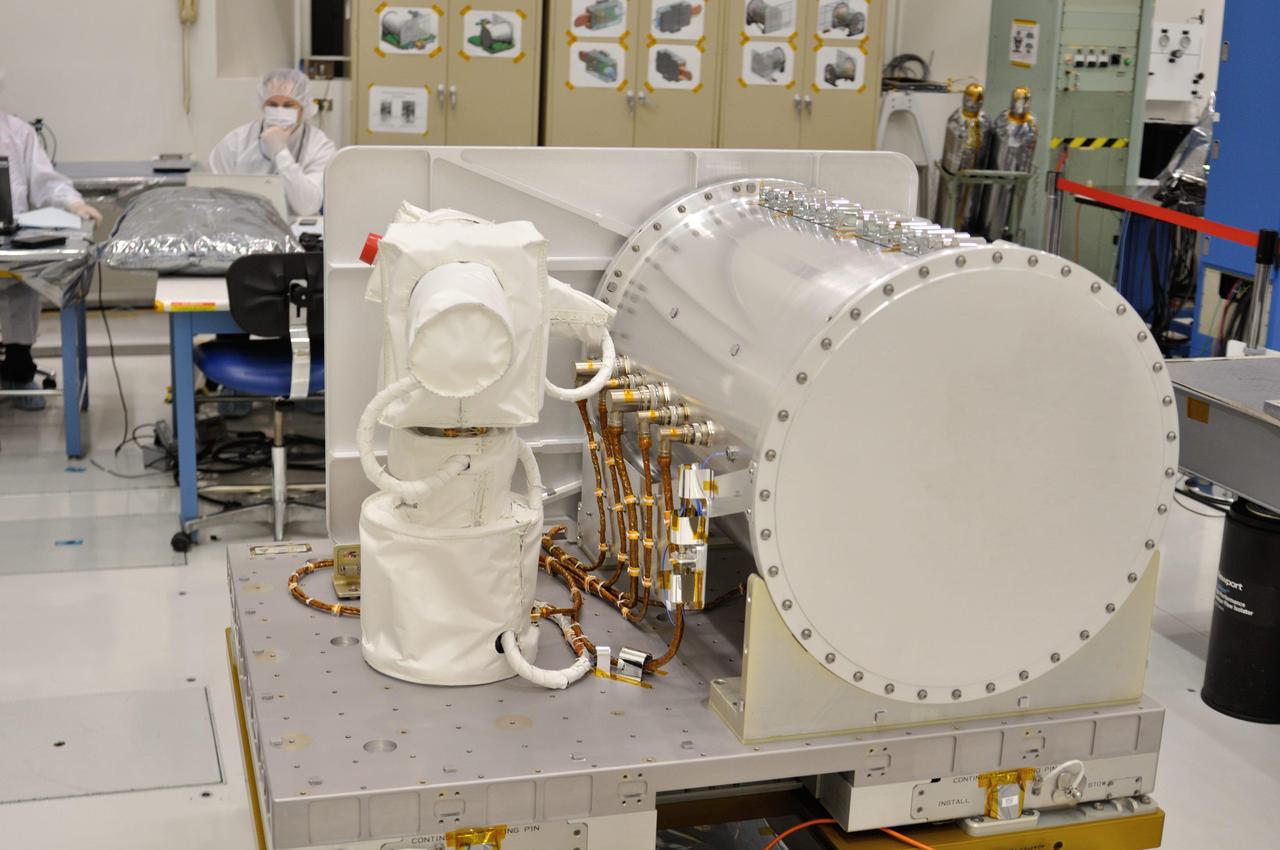
Optical PAyload for Lasercomm Science OPALS flight terminal undergoes final testing at NASA Jet Propulsion Laboratory. OPALS was launched to the International Space Station from Cape Canaveral Air Force Station in Florida on April 18, 2014.
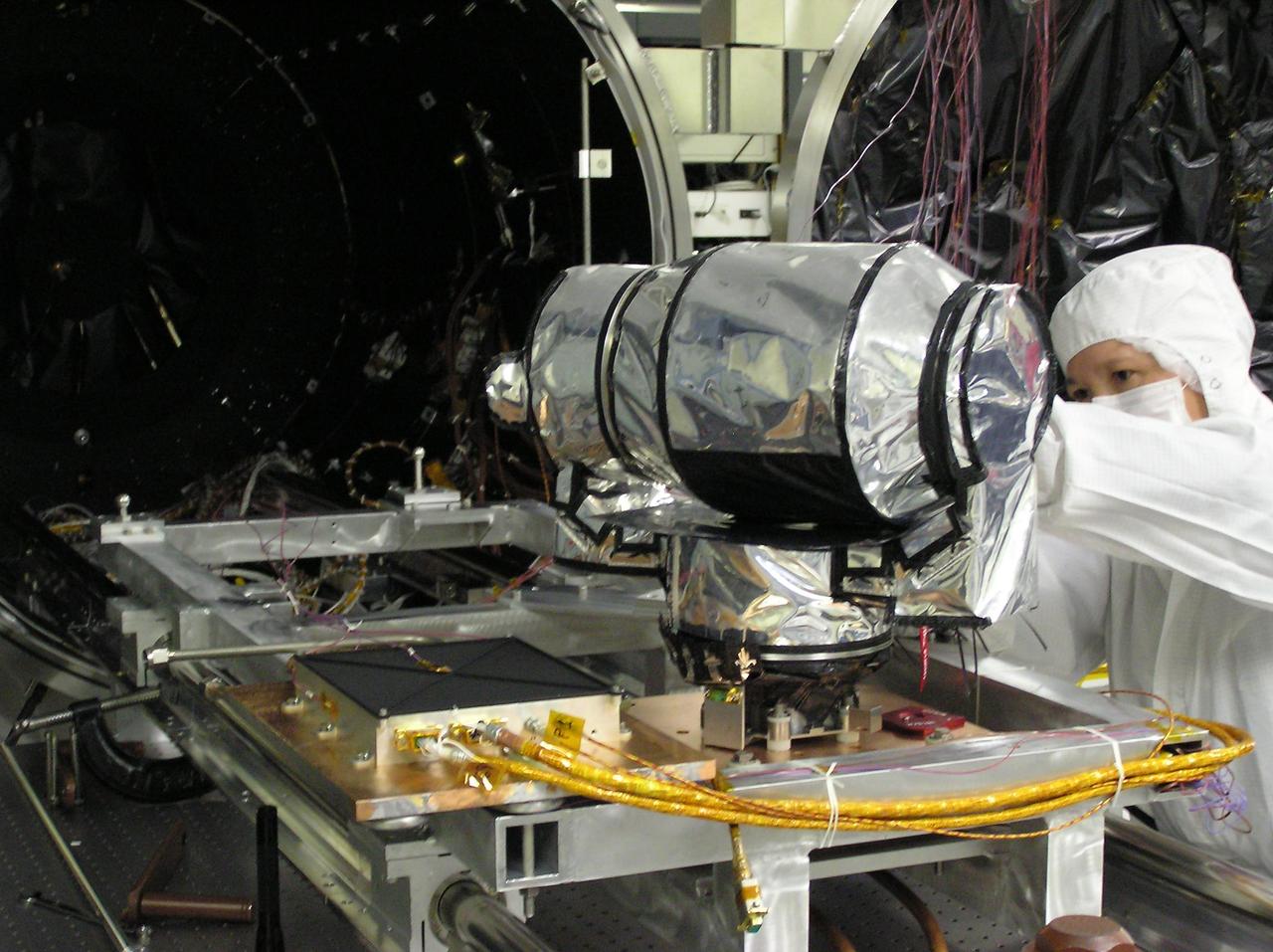
This image shows final preparations being made for thermal balance testing of the Diviner Lunar Radiometer Experiment at JPL. Diviner is one of seven instruments aboard NASA LRO Mission.
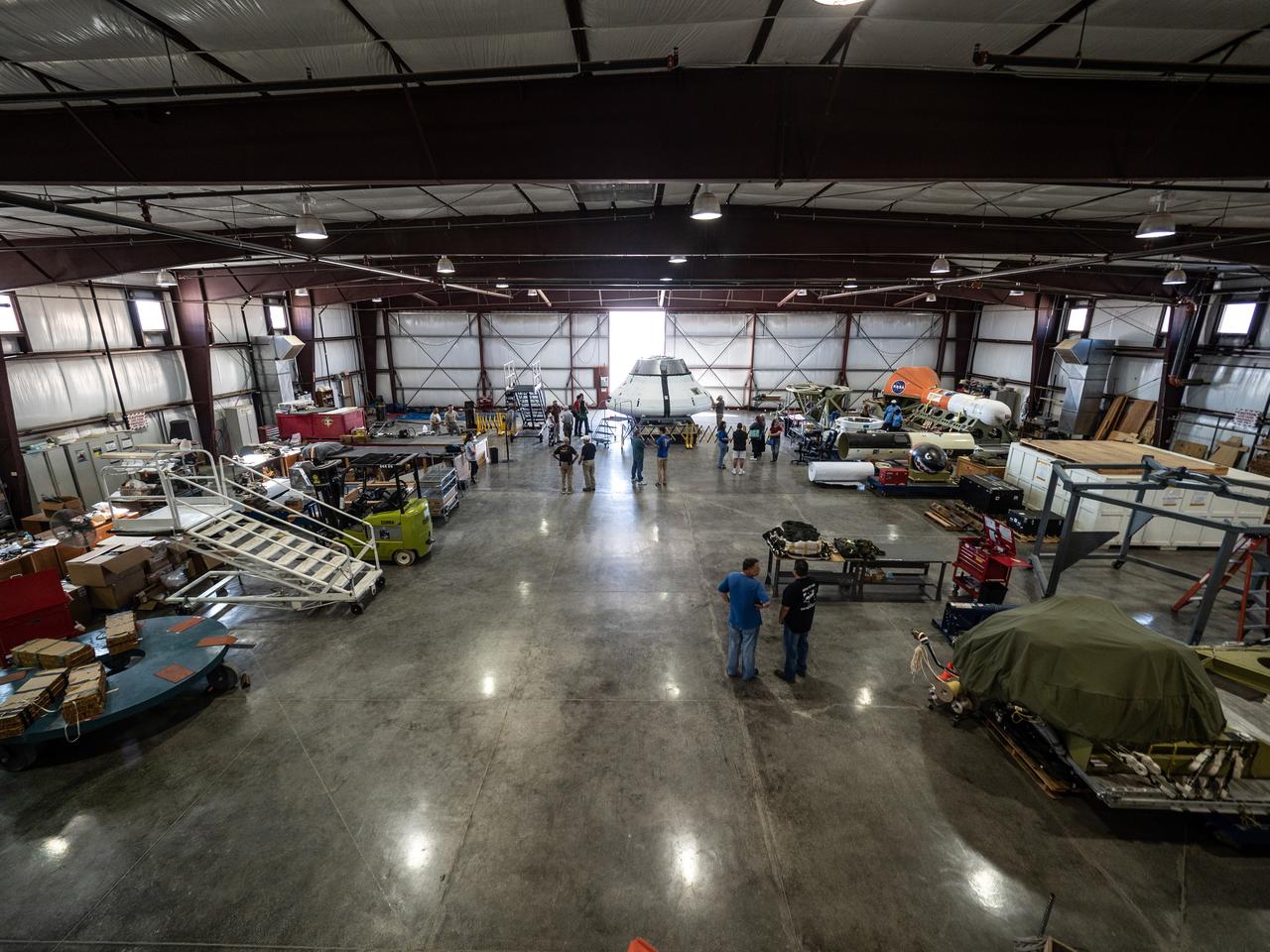
The Orion team prepares the parachute test vehicle for the final drop test which will qualify Orion's parachutes for human flight on Sept. 10, 2018...On September 12, 2018 an Orion test capsule will be dropped from a C-17 aircraft at an altitude of more than six miles to verify the spacecraft’s complex system of 11 parachutes, cannon-like mortars, and pyrotechnic devices work in sequence to slow the capsule’s descent for a safe landing on Earth.
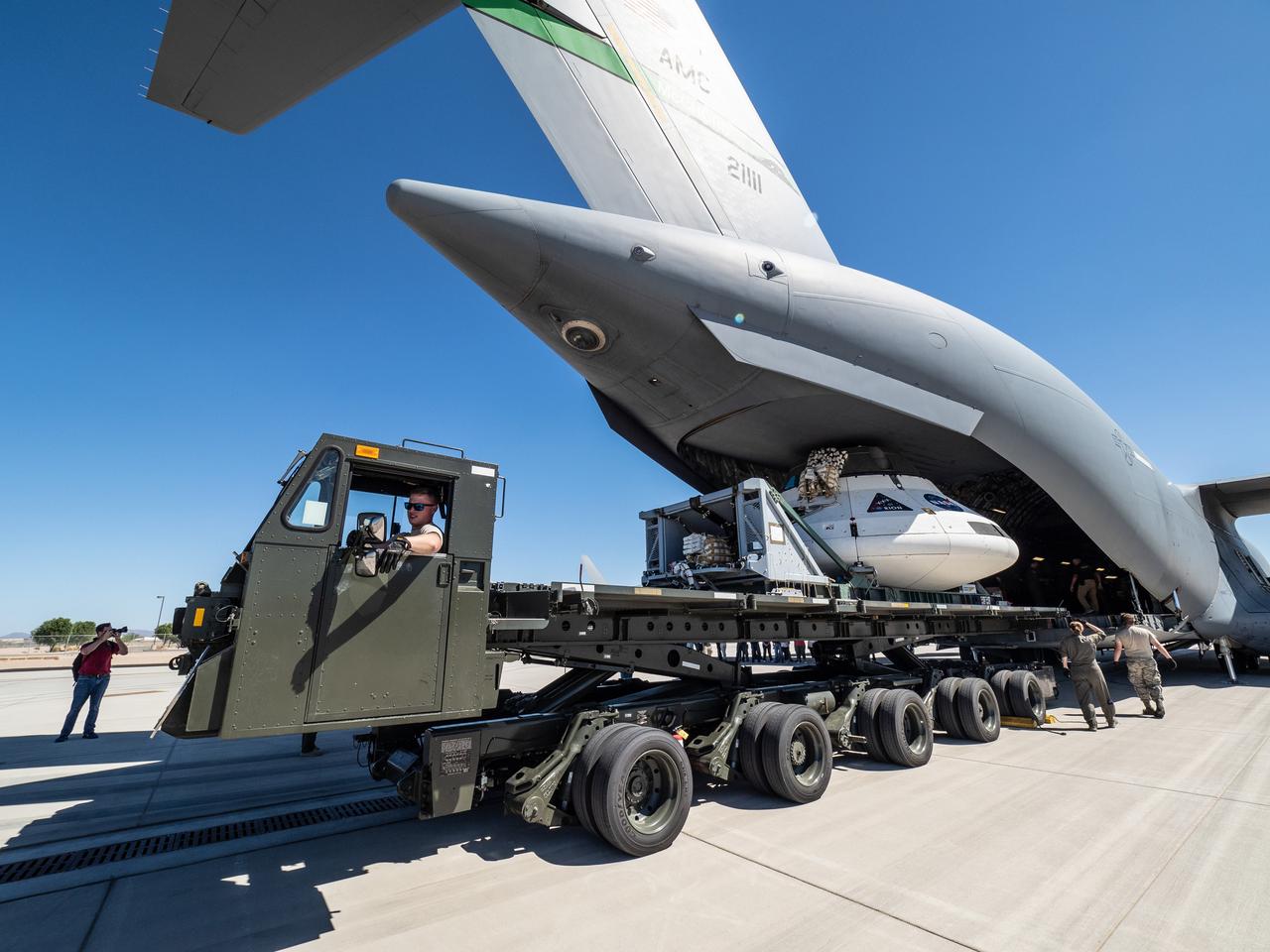
The Orion team prepares the parachute test vehicle for the final drop test which will qualify Orion's parachutes for human flight on Sept. 10, 2018...On September 12, 2018 an Orion test capsule will be dropped from a C-17 aircraft at an altitude of more than six miles to verify the spacecraft’s complex system of 11 parachutes, cannon-like mortars, and pyrotechnic devices work in sequence to slow the capsule’s descent for a safe landing on Earth.
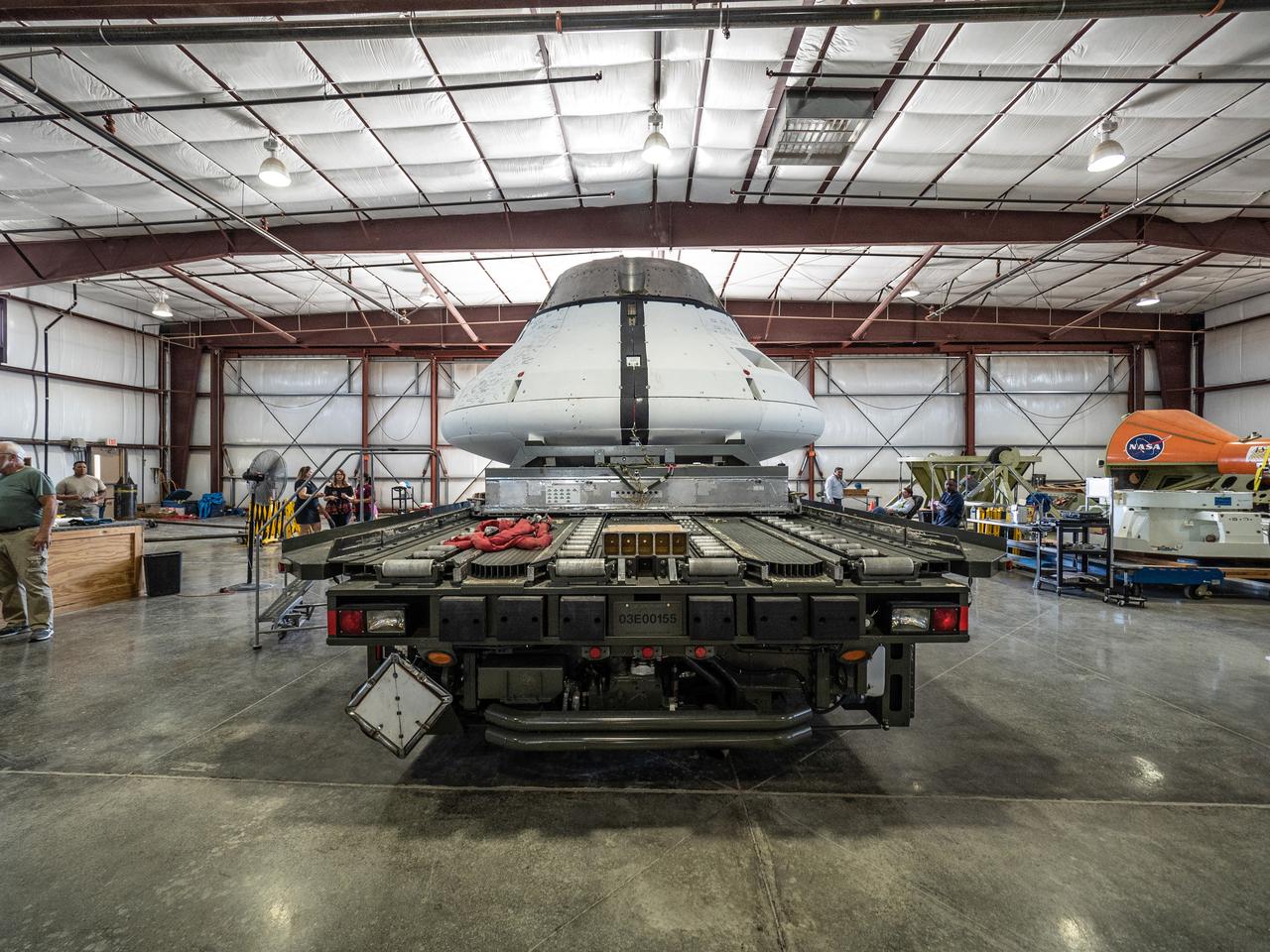
The Orion team prepares the parachute test vehicle for the final drop test which will qualify Orion's parachutes for human flight on Sept. 10, 2018...On September 12, 2018 an Orion test capsule will be dropped from a C-17 aircraft at an altitude of more than six miles to verify the spacecraft’s complex system of 11 parachutes, cannon-like mortars, and pyrotechnic devices work in sequence to slow the capsule’s descent for a safe landing on Earth.

The Orion team prepares the parachute test vehicle for the final drop test which will qualify Orion's parachutes for human flight on Sept. 10, 2018...On September 12, 2018 an Orion test capsule will be dropped from a C-17 aircraft at an altitude of more than six miles to verify the spacecraft’s complex system of 11 parachutes, cannon-like mortars, and pyrotechnic devices work in sequence to slow the capsule’s descent for a safe landing on Earth.
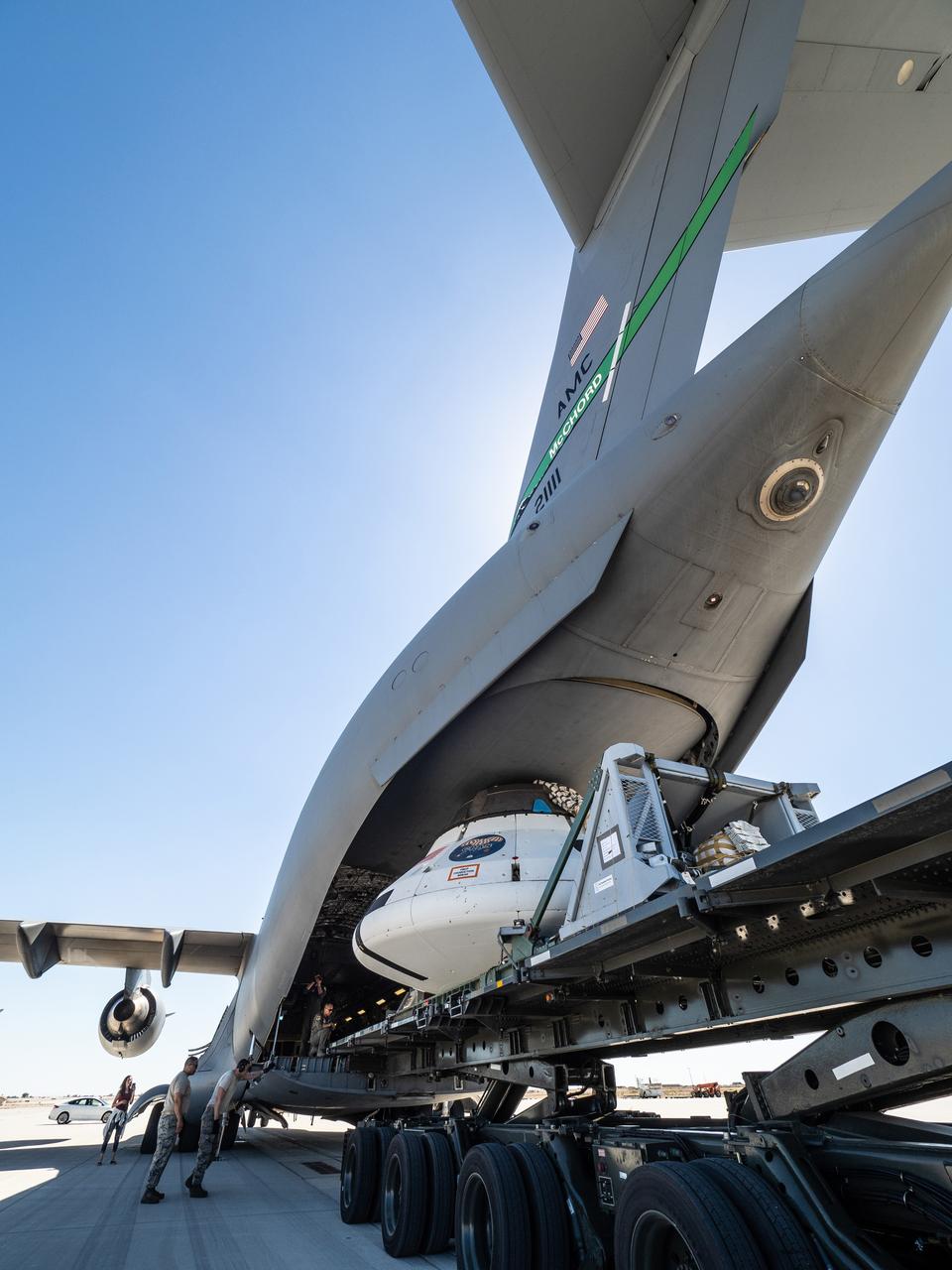
The Orion team prepares the parachute test vehicle for the final drop test which will qualify Orion's parachutes for human flight on Sept. 10, 2018...On September 12, 2018 an Orion test capsule will be dropped from a C-17 aircraft at an altitude of more than six miles to verify the spacecraft’s complex system of 11 parachutes, cannon-like mortars, and pyrotechnic devices work in sequence to slow the capsule’s descent for a safe landing on Earth.
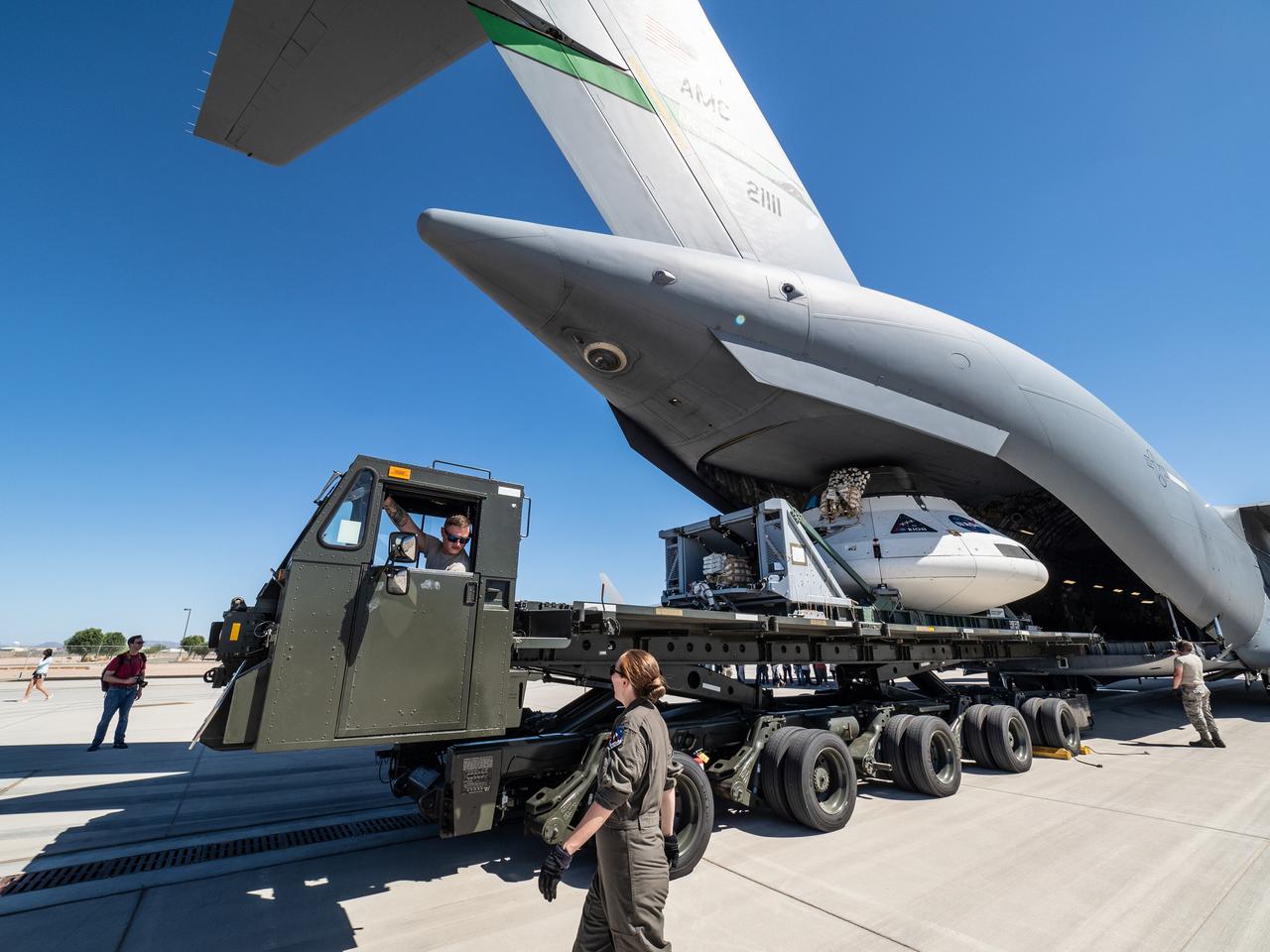
The Orion team prepares the parachute test vehicle for the final drop test which will qualify Orion's parachutes for human flight on Sept. 10, 2018...On September 12, 2018 an Orion test capsule will be dropped from a C-17 aircraft at an altitude of more than six miles to verify the spacecraft’s complex system of 11 parachutes, cannon-like mortars, and pyrotechnic devices work in sequence to slow the capsule’s descent for a safe landing on Earth.
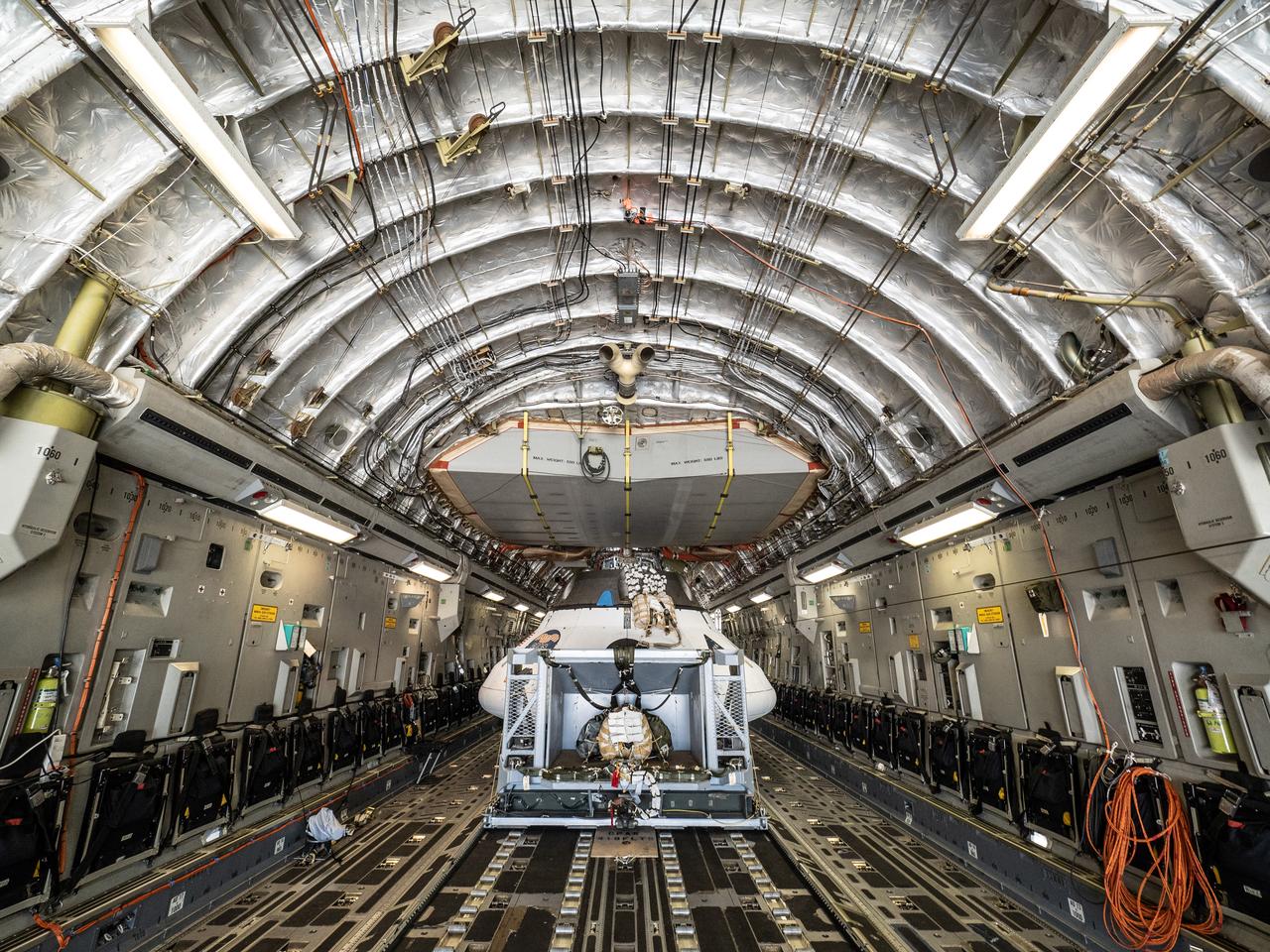
The Orion team prepares the parachute test vehicle for the final drop test which will qualify Orion's parachutes for human flight on Sept. 10, 2018...On September 12, 2018 an Orion test capsule will be dropped from a C-17 aircraft at an altitude of more than six miles to verify the spacecraft’s complex system of 11 parachutes, cannon-like mortars, and pyrotechnic devices work in sequence to slow the capsule’s descent for a safe landing on Earth.
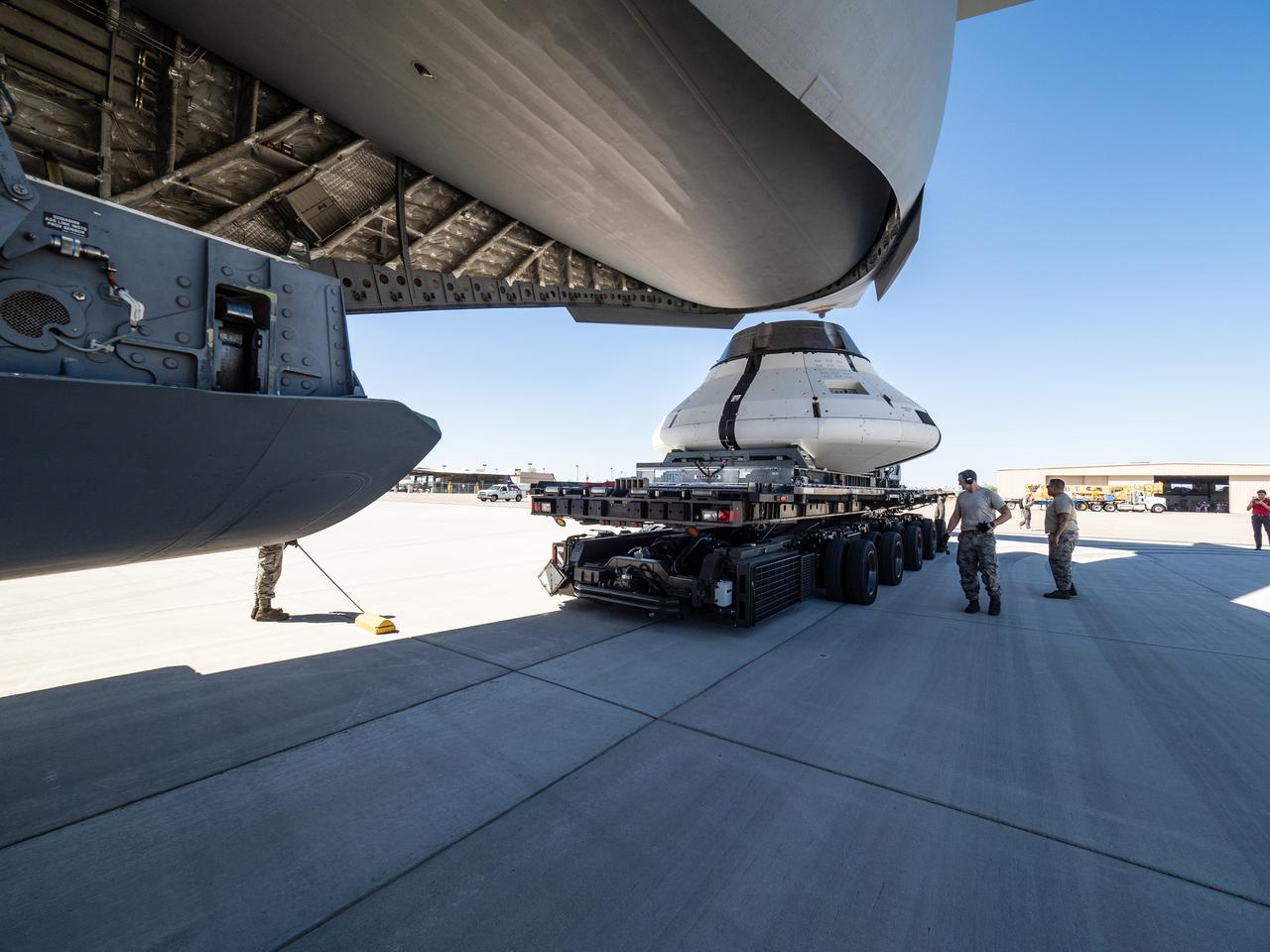
The Orion team prepares the parachute test vehicle for the final drop test which will qualify Orion's parachutes for human flight on Sept. 10, 2018...On September 12, 2018 an Orion test capsule will be dropped from a C-17 aircraft at an altitude of more than six miles to verify the spacecraft’s complex system of 11 parachutes, cannon-like mortars, and pyrotechnic devices work in sequence to slow the capsule’s descent for a safe landing on Earth.
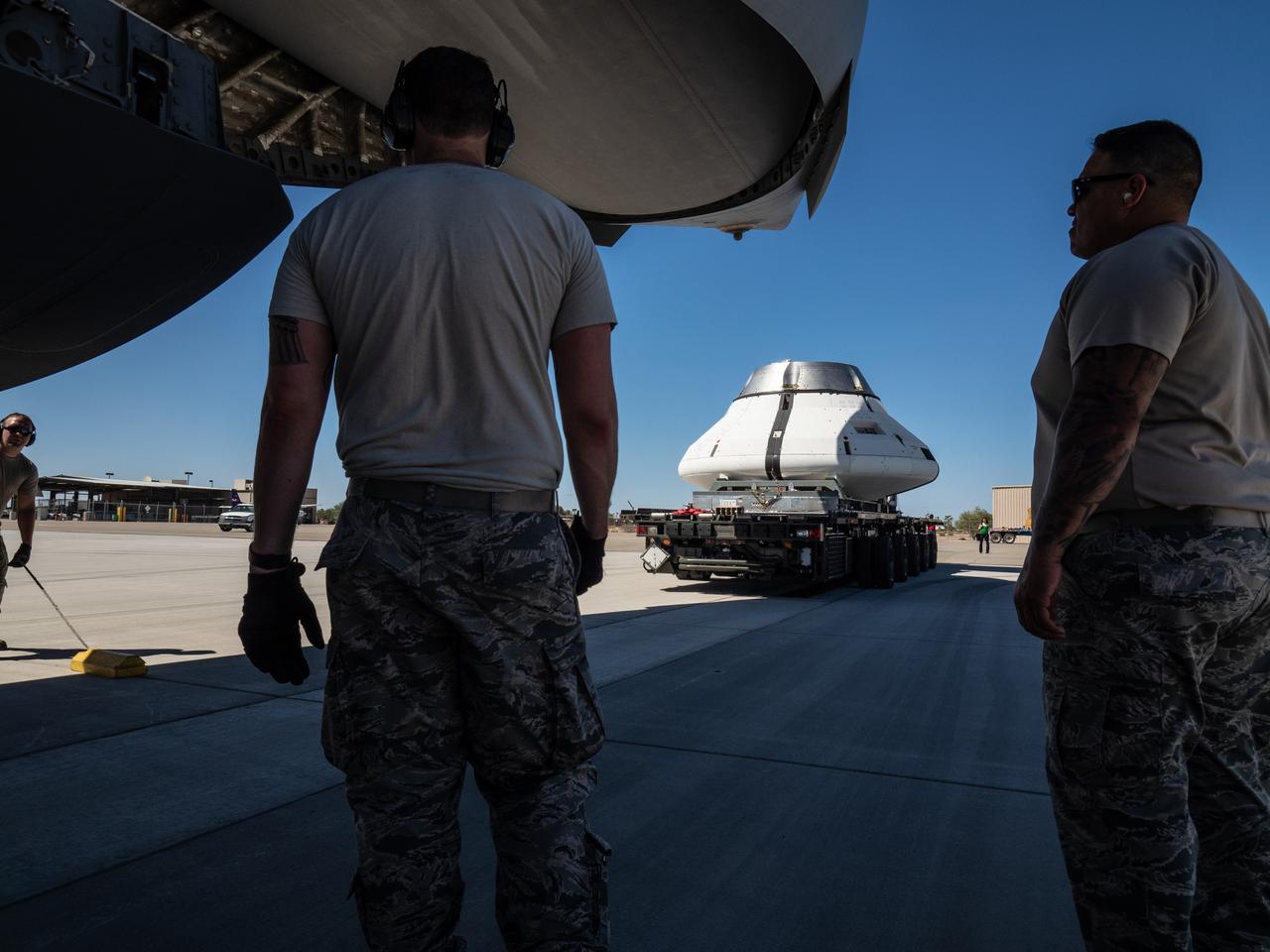
The Orion team prepares the parachute test vehicle for the final drop test which will qualify Orion's parachutes for human flight on Sept. 10, 2018...On September 12, 2018 an Orion test capsule will be dropped from a C-17 aircraft at an altitude of more than six miles to verify the spacecraft’s complex system of 11 parachutes, cannon-like mortars, and pyrotechnic devices work in sequence to slow the capsule’s descent for a safe landing on Earth.
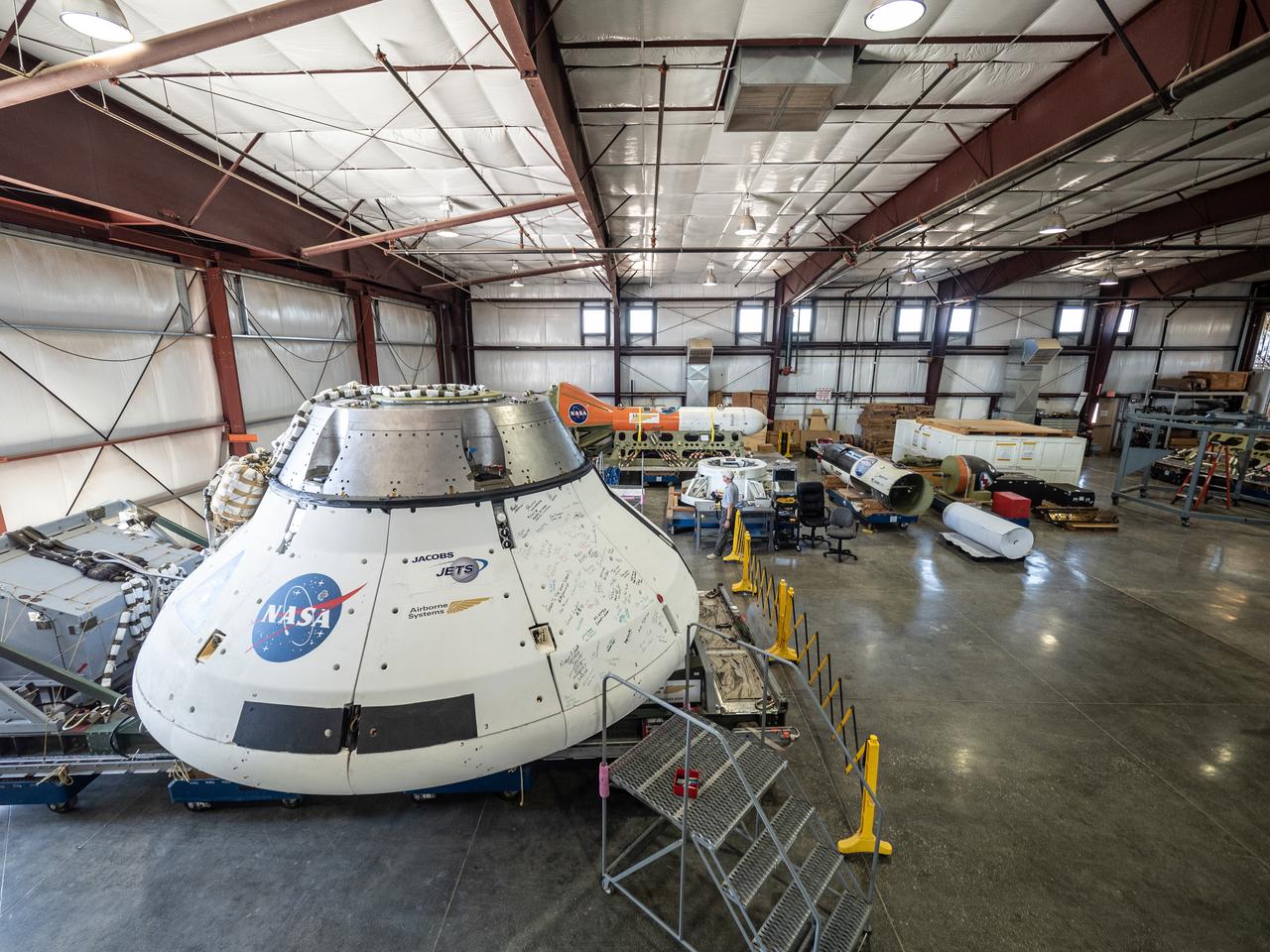
The Orion team prepares the parachute test vehicle for the final drop test which will qualify Orion's parachutes for human flight on Sept. 10, 2018...On September 12, 2018 an Orion test capsule will be dropped from a C-17 aircraft at an altitude of more than six miles to verify the spacecraft’s complex system of 11 parachutes, cannon-like mortars, and pyrotechnic devices work in sequence to slow the capsule’s descent for a safe landing on Earth.
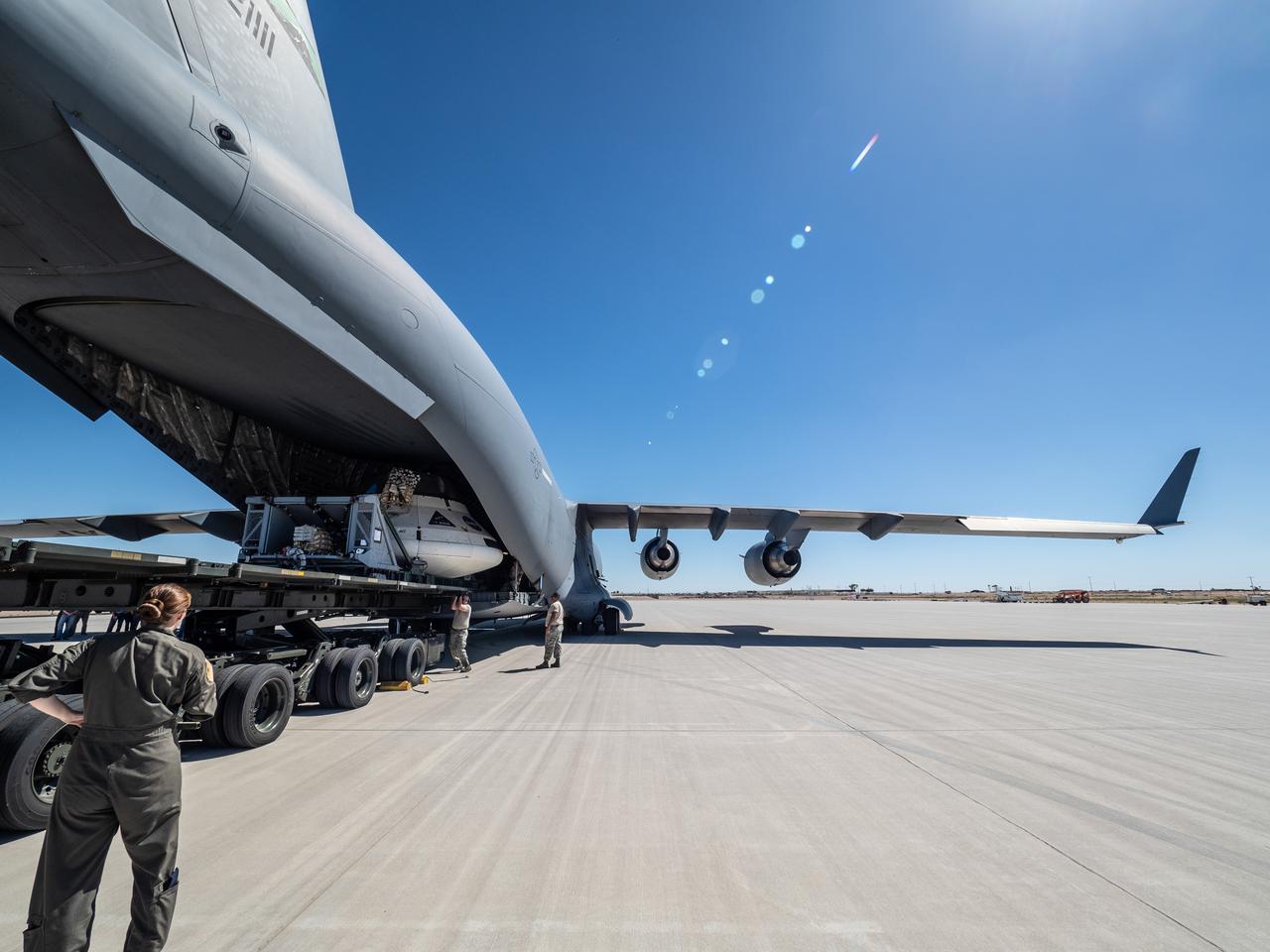
The Orion team prepares the parachute test vehicle for the final drop test which will qualify Orion's parachutes for human flight on Sept. 10, 2018...On September 12, 2018 an Orion test capsule will be dropped from a C-17 aircraft at an altitude of more than six miles to verify the spacecraft’s complex system of 11 parachutes, cannon-like mortars, and pyrotechnic devices work in sequence to slow the capsule’s descent for a safe landing on Earth.
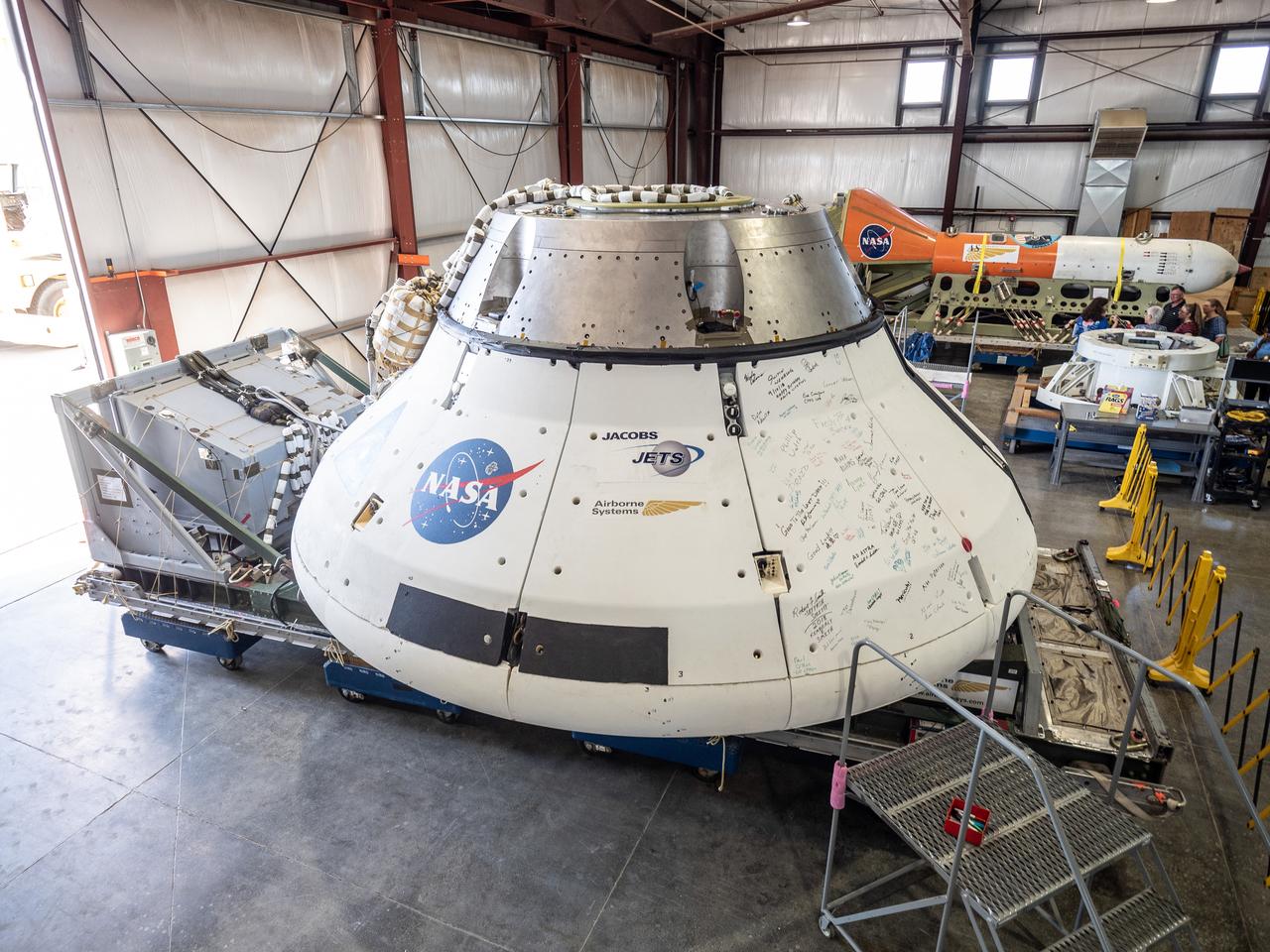
The Orion team prepares the parachute test vehicle for the final drop test which will qualify Orion's parachutes for human flight on Sept. 10, 2018...On September 12, 2018 an Orion test capsule will be dropped from a C-17 aircraft at an altitude of more than six miles to verify the spacecraft’s complex system of 11 parachutes, cannon-like mortars, and pyrotechnic devices work in sequence to slow the capsule’s descent for a safe landing on Earth.
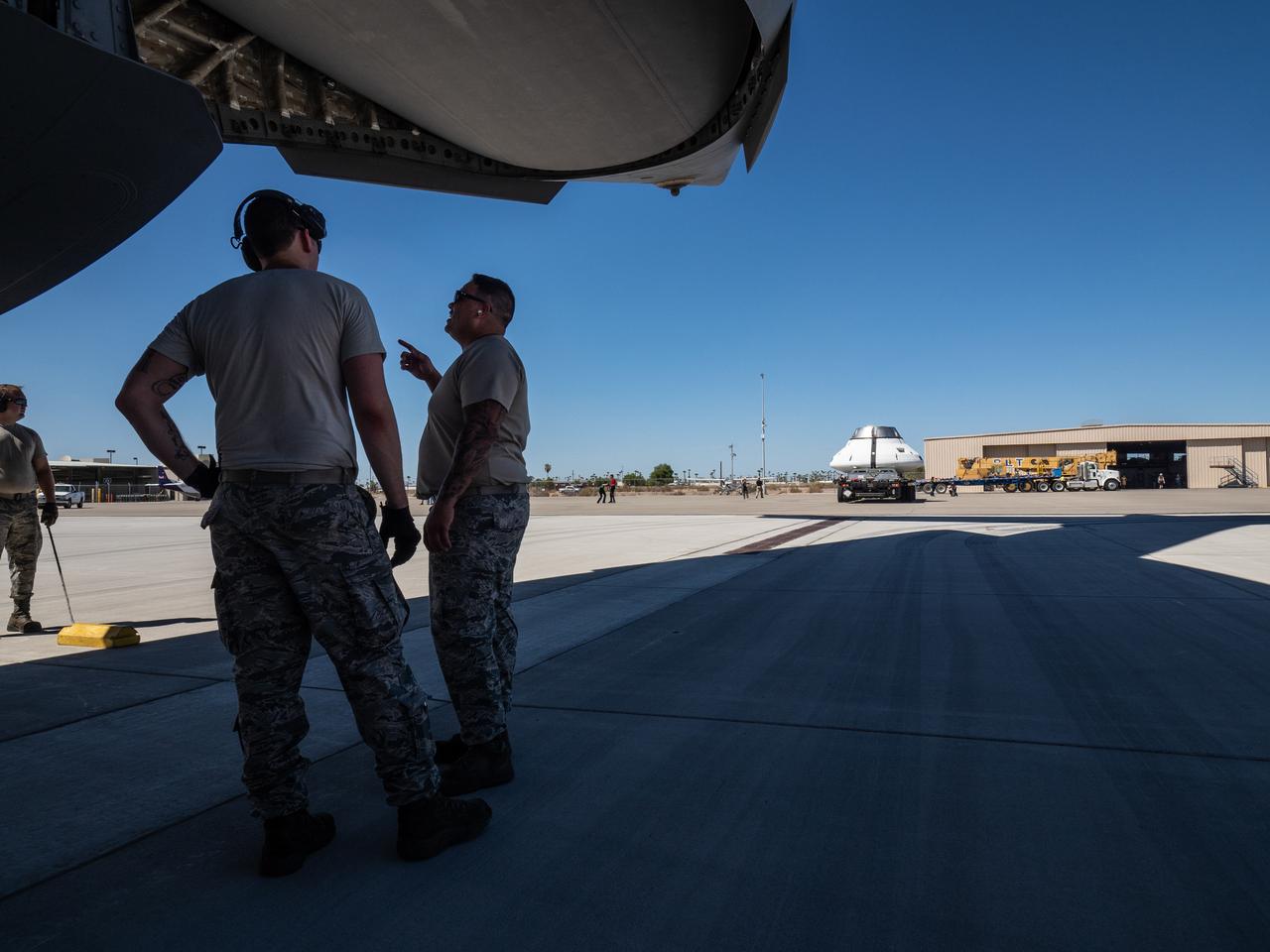
The Orion team prepares the parachute test vehicle for the final drop test which will qualify Orion's parachutes for human flight on Sept. 10, 2018...On September 12, 2018 an Orion test capsule will be dropped from a C-17 aircraft at an altitude of more than six miles to verify the spacecraft’s complex system of 11 parachutes, cannon-like mortars, and pyrotechnic devices work in sequence to slow the capsule’s descent for a safe landing on Earth.
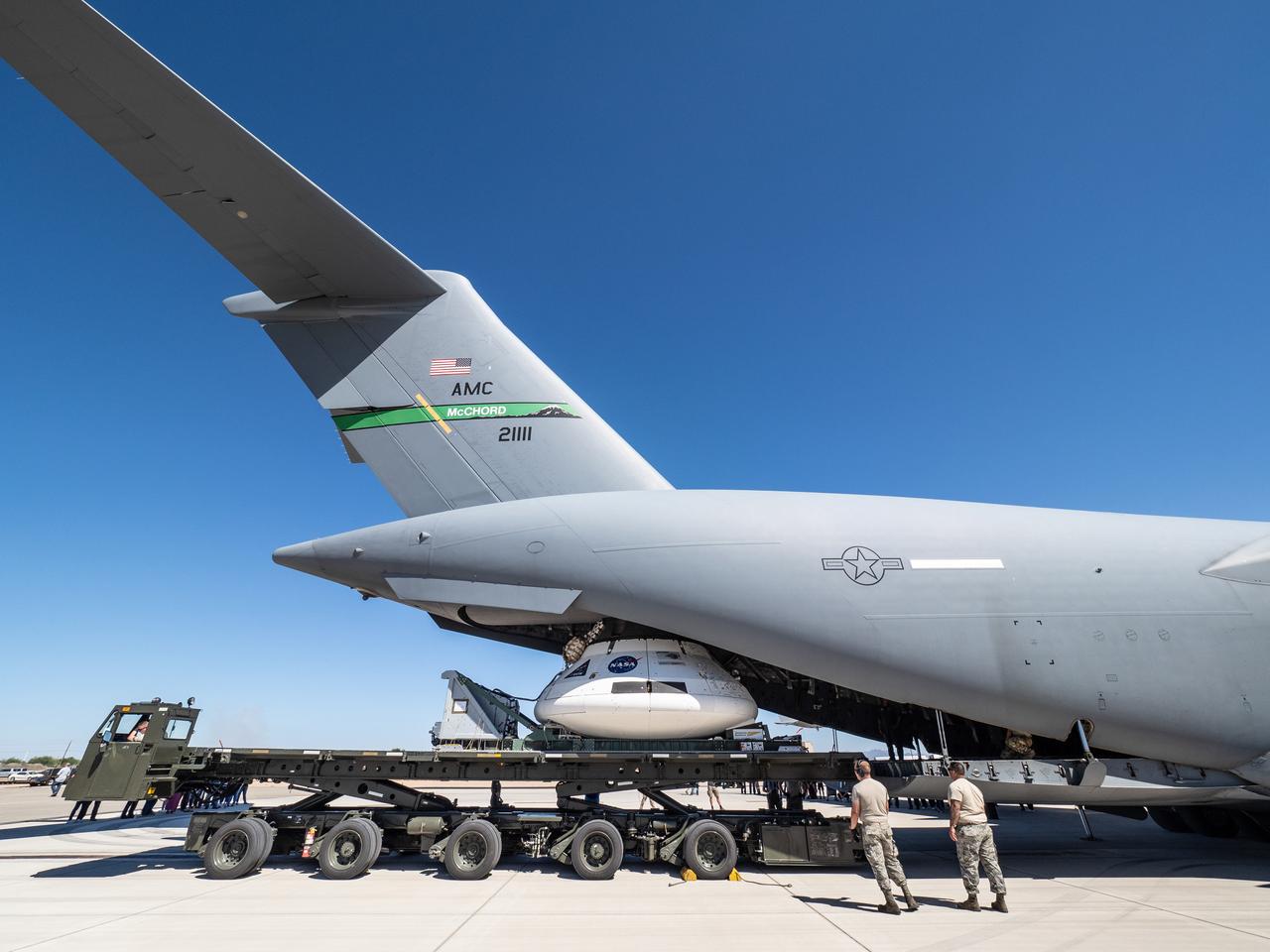
The Orion team prepares the parachute test vehicle for the final drop test which will qualify Orion's parachutes for human flight on Sept. 10, 2018...On September 12, 2018 an Orion test capsule will be dropped from a C-17 aircraft at an altitude of more than six miles to verify the spacecraft’s complex system of 11 parachutes, cannon-like mortars, and pyrotechnic devices work in sequence to slow the capsule’s descent for a safe landing on Earth.
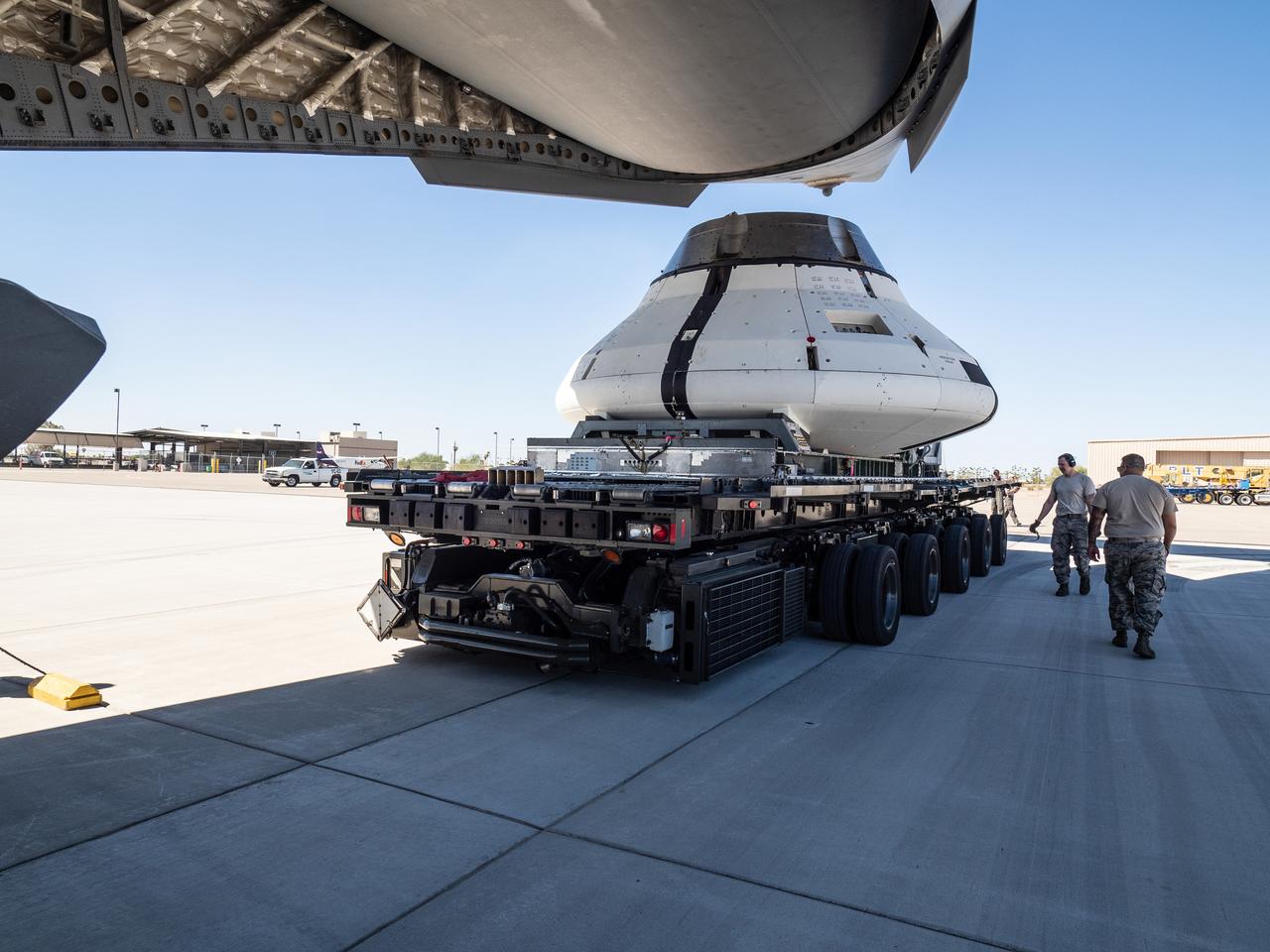
The Orion team prepares the parachute test vehicle for the final drop test which will qualify Orion's parachutes for human flight on Sept. 10, 2018...On September 12, 2018 an Orion test capsule will be dropped from a C-17 aircraft at an altitude of more than six miles to verify the spacecraft’s complex system of 11 parachutes, cannon-like mortars, and pyrotechnic devices work in sequence to slow the capsule’s descent for a safe landing on Earth.
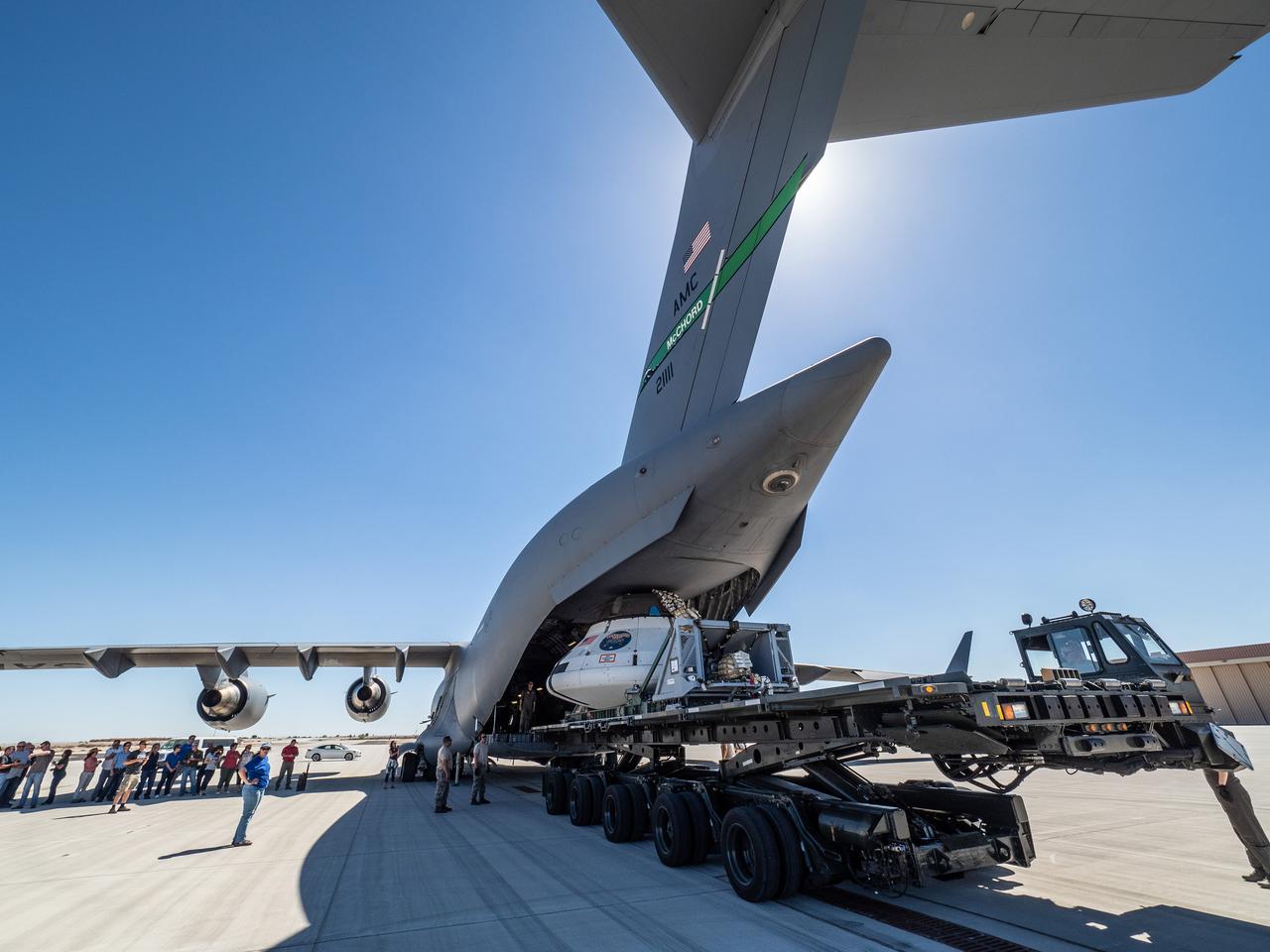
The Orion team prepares the parachute test vehicle for the final drop test which will qualify Orion's parachutes for human flight on Sept. 10, 2018...On September 12, 2018 an Orion test capsule will be dropped from a C-17 aircraft at an altitude of more than six miles to verify the spacecraft’s complex system of 11 parachutes, cannon-like mortars, and pyrotechnic devices work in sequence to slow the capsule’s descent for a safe landing on Earth.
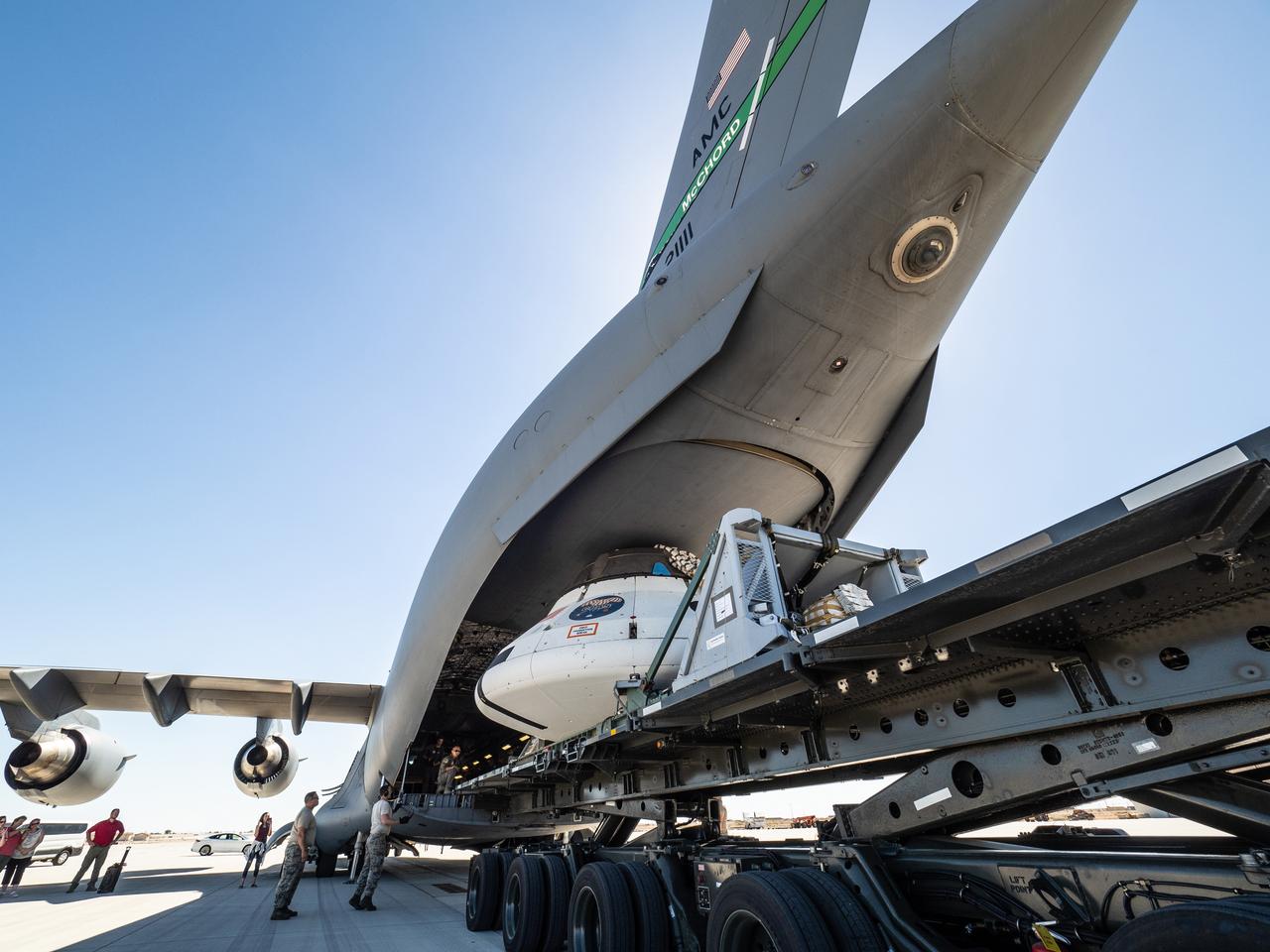
The Orion team prepares the parachute test vehicle for the final drop test which will qualify Orion's parachutes for human flight on Sept. 10, 2018...On September 12, 2018 an Orion test capsule will be dropped from a C-17 aircraft at an altitude of more than six miles to verify the spacecraft’s complex system of 11 parachutes, cannon-like mortars, and pyrotechnic devices work in sequence to slow the capsule’s descent for a safe landing on Earth.
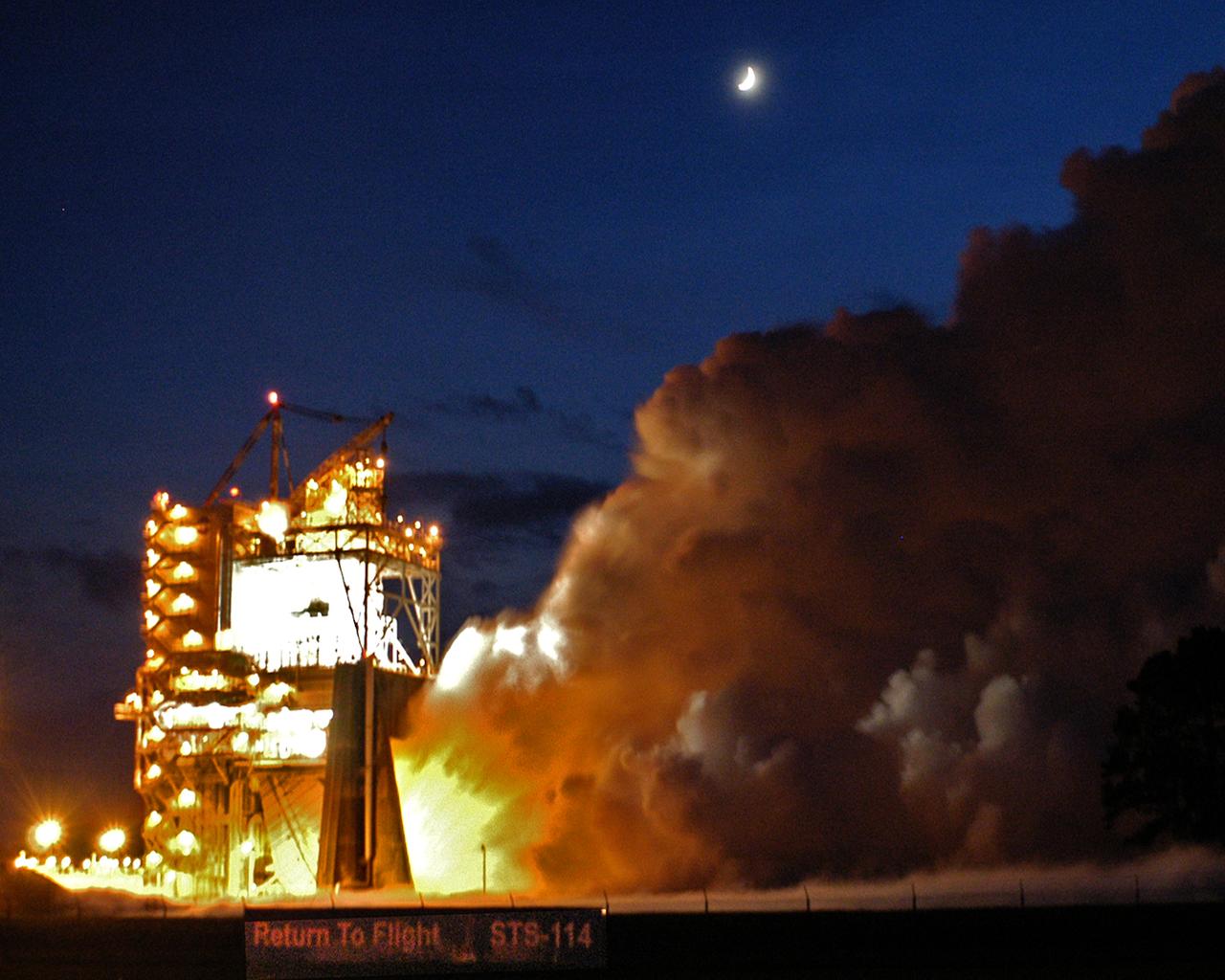
The Space Shuttle's Main Engine (SSME) reached another milestone Aug. 19, 2004, when a successful flight acceptance test was conducted at NASA Stennis Space Center (SSC). The engine tested was the final of three engines that will carry the next Space Shuttle into orbit. The engine will be shipped to NASA Kennedy Space Center in Florida for installation on Space Shuttle Discovery for STS-114, NASA's Return to Flight mission. The engine test, which began about 8:10 p.m. CDT, ran for 520 seconds (8 minutes), the length of time it takes for the Space Shuttle to reach orbit.
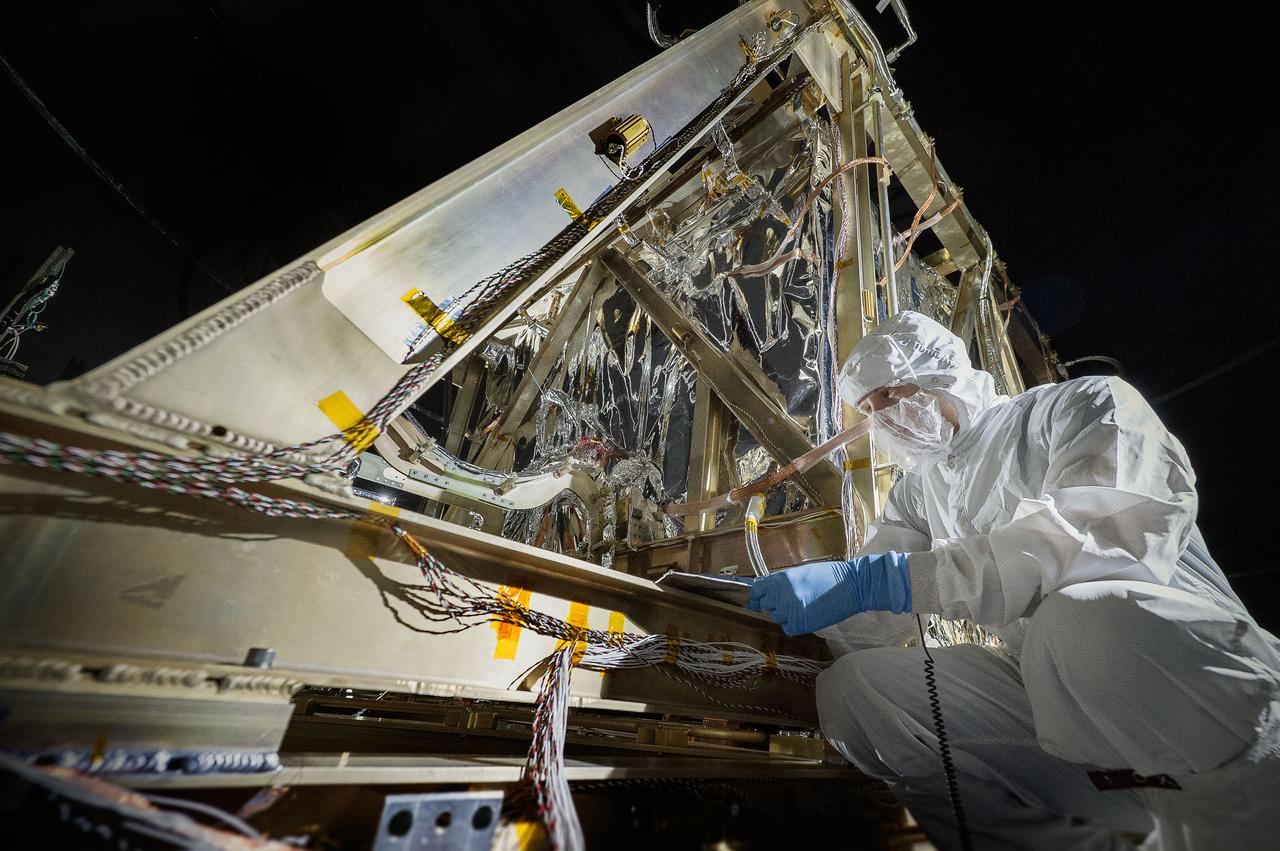
At NASA's James Webb Space Telescope's final destination in space, one million miles away from Earth, it will operate at incredibly cold temperatures of -387 degrees Fahrenheit, or 40 degrees Kelvin. This is 260 degrees Fahrenheit colder than any place on the Earth’s surface has ever been. So first, this final super cold test at Goddard will prepare the Integrated Science Instrument Module (ISIM), or the “heart” of the telescope, for space. Read more: <a href="http://go.nasa.gov/1KFPwJG" rel="nofollow">go.nasa.gov/1KFPwJG</a> Contamination Control Engineer Alan Abeel conducts final inspections and places contamination foils before the start of the test. Credit: NASA/Goddard/Chris Gunn <b><a href="http://www.nasa.gov/audience/formedia/features/MP_Photo_Guidelines.html" rel="nofollow">NASA image use policy.</a></b> <b><a href="http://www.nasa.gov/centers/goddard/home/index.html" rel="nofollow">NASA Goddard Space Flight Center</a></b> enables NASA’s mission through four scientific endeavors: Earth Science, Heliophysics, Solar System Exploration, and Astrophysics. Goddard plays a leading role in NASA’s accomplishments by contributing compelling scientific knowledge to advance the Agency’s mission. <b>Follow us on <a href="http://twitter.com/NASAGoddardPix" rel="nofollow">Twitter</a></b> <b>Like us on <a href="http://www.facebook.com/pages/Greenbelt-MD/NASA-Goddard/395013845897?ref=tsd" rel="nofollow">Facebook</a></b> <b>Find us on <a href="http://instagrid.me/nasagoddard/?vm=grid" rel="nofollow">Instagram</a></b>
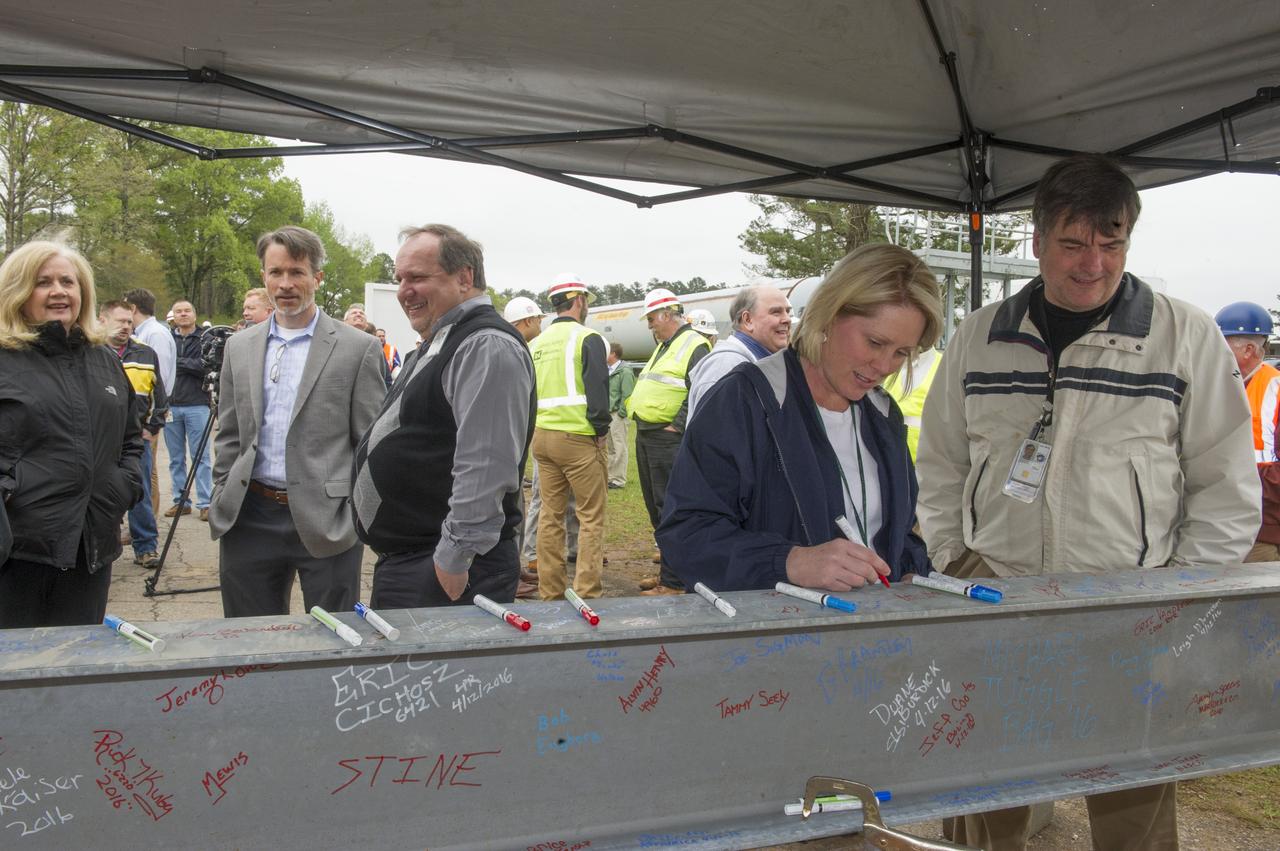
HEATHER HANEY SIGNS FINAL BEAM TO BE PLACED ATOP TEST STAND 4693 DURING THE STRUCTURE'S TOPPING OUT CEREMONY
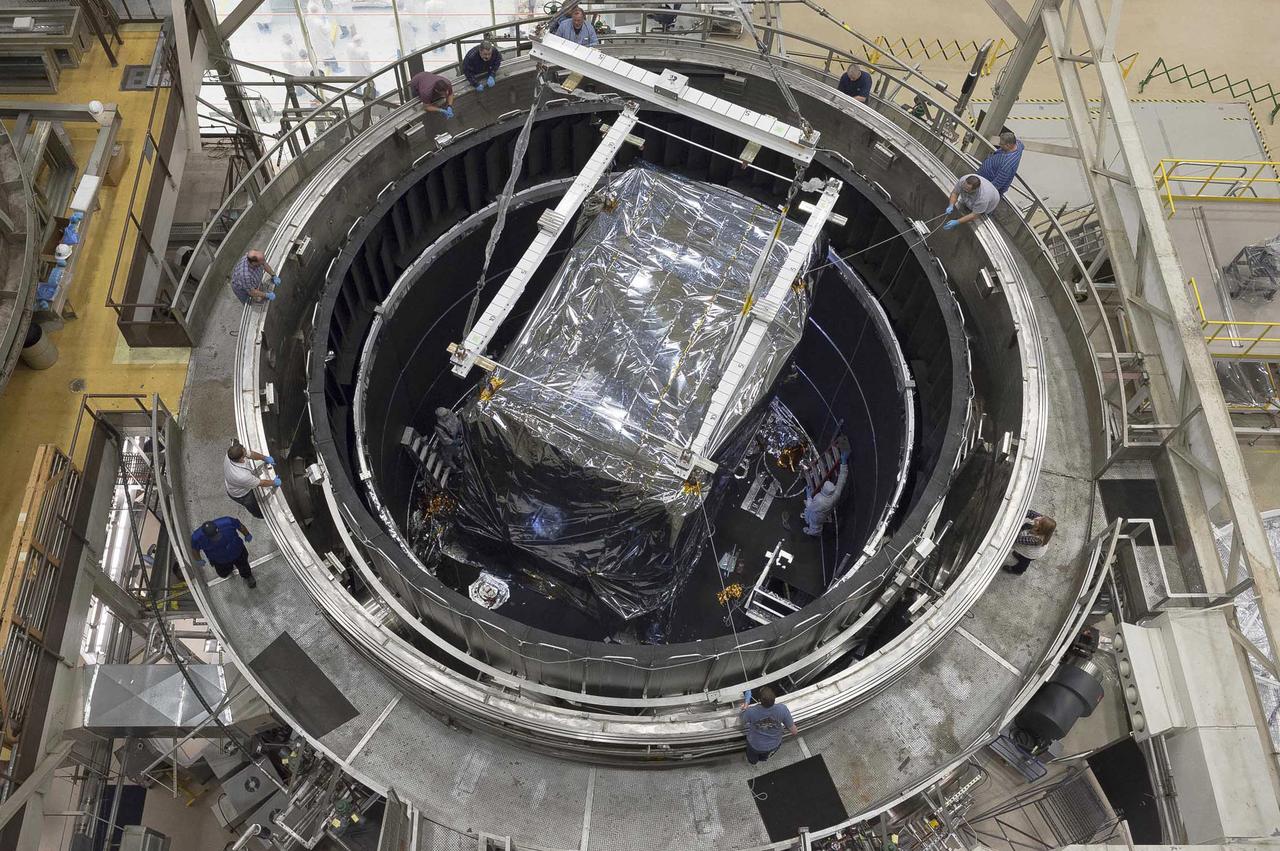
At NASA's James Webb Space Telescope's final destination in space, one million miles away from Earth, it will operate at incredibly cold temperatures of -387 degrees Fahrenheit, or 40 degrees Kelvin. This is 260 degrees Fahrenheit colder than any place on the Earth’s surface has ever been. So first, this final super cold test at Goddard will prepare the Integrated Science Instrument Module (ISIM), or the “heart” of the telescope, for space. Read more: <a href="http://go.nasa.gov/1KFPwJG" rel="nofollow">go.nasa.gov/1KFPwJG</a> Credit: NASA/Goddard/Chris Gunn <b><a href="http://www.nasa.gov/audience/formedia/features/MP_Photo_Guidelines.html" rel="nofollow">NASA image use policy.</a></b> <b><a href="http://www.nasa.gov/centers/goddard/home/index.html" rel="nofollow">NASA Goddard Space Flight Center</a></b> enables NASA’s mission through four scientific endeavors: Earth Science, Heliophysics, Solar System Exploration, and Astrophysics. Goddard plays a leading role in NASA’s accomplishments by contributing compelling scientific knowledge to advance the Agency’s mission. <b>Follow us on <a href="http://twitter.com/NASAGoddardPix" rel="nofollow">Twitter</a></b> <b>Like us on <a href="http://www.facebook.com/pages/Greenbelt-MD/NASA-Goddard/395013845897?ref=tsd" rel="nofollow">Facebook</a></b> <b>Find us on <a href="http://instagrid.me/nasagoddard/?vm=grid" rel="nofollow">Instagram</a></b>
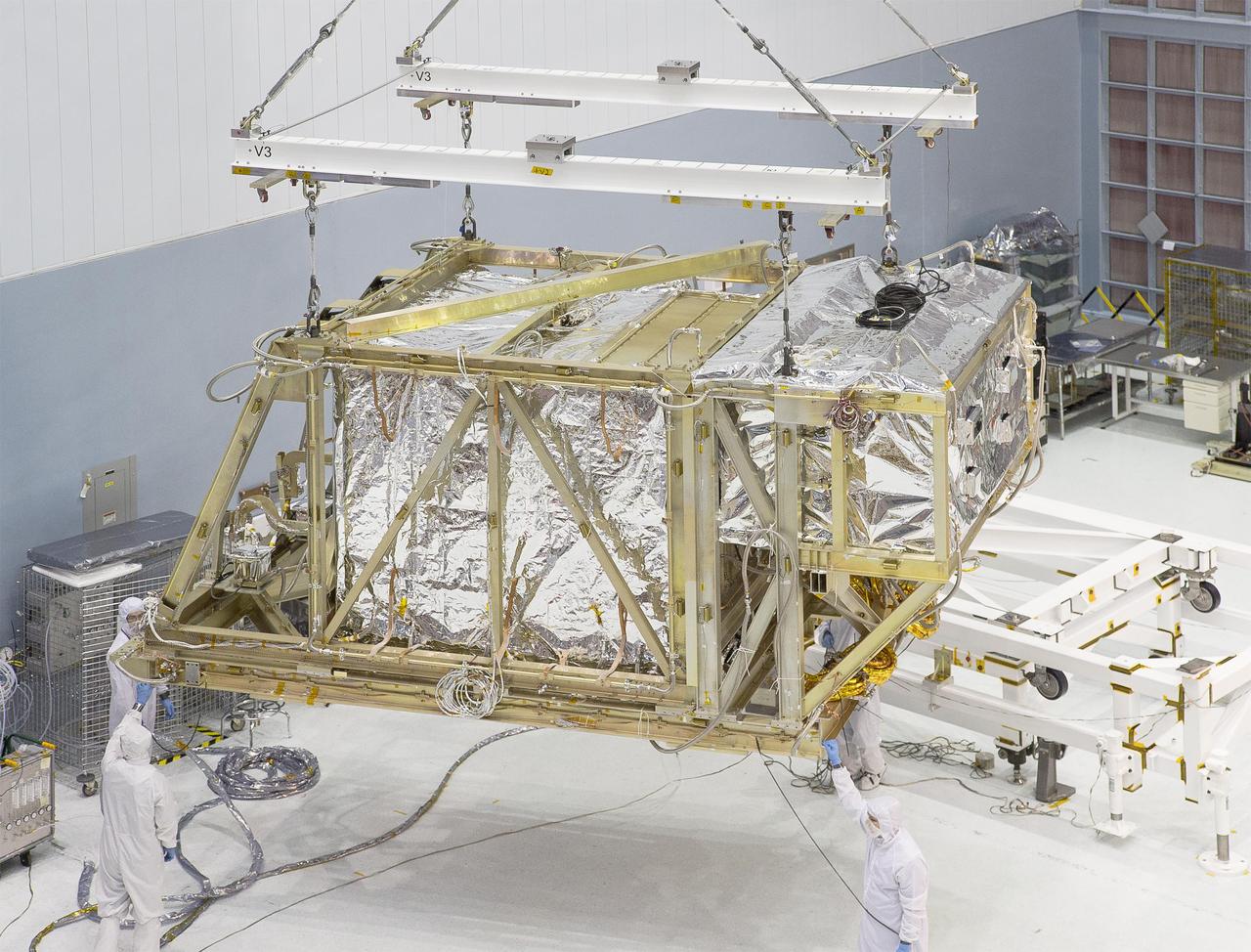
At NASA's James Webb Space Telescope's final destination in space, one million miles away from Earth, it will operate at incredibly cold temperatures of -387 degrees Fahrenheit, or 40 degrees Kelvin. This is 260 degrees Fahrenheit colder than any place on the Earth’s surface has ever been. So first, this final super cold test at Goddard will prepare the Integrated Science Instrument Module (ISIM), or the “heart” of the telescope, for space. Read more: <a href="http://go.nasa.gov/1KFPwJG" rel="nofollow">go.nasa.gov/1KFPwJG</a> Credit: NASA/Goddard/Chris Gunn <b><a href="http://www.nasa.gov/audience/formedia/features/MP_Photo_Guidelines.html" rel="nofollow">NASA image use policy.</a></b> <b><a href="http://www.nasa.gov/centers/goddard/home/index.html" rel="nofollow">NASA Goddard Space Flight Center</a></b> enables NASA’s mission through four scientific endeavors: Earth Science, Heliophysics, Solar System Exploration, and Astrophysics. Goddard plays a leading role in NASA’s accomplishments by contributing compelling scientific knowledge to advance the Agency’s mission. <b>Follow us on <a href="http://twitter.com/NASAGoddardPix" rel="nofollow">Twitter</a></b> <b>Like us on <a href="http://www.facebook.com/pages/Greenbelt-MD/NASA-Goddard/395013845897?ref=tsd" rel="nofollow">Facebook</a></b> <b>Find us on <a href="http://instagrid.me/nasagoddard/?vm=grid" rel="nofollow">Instagram</a></b>
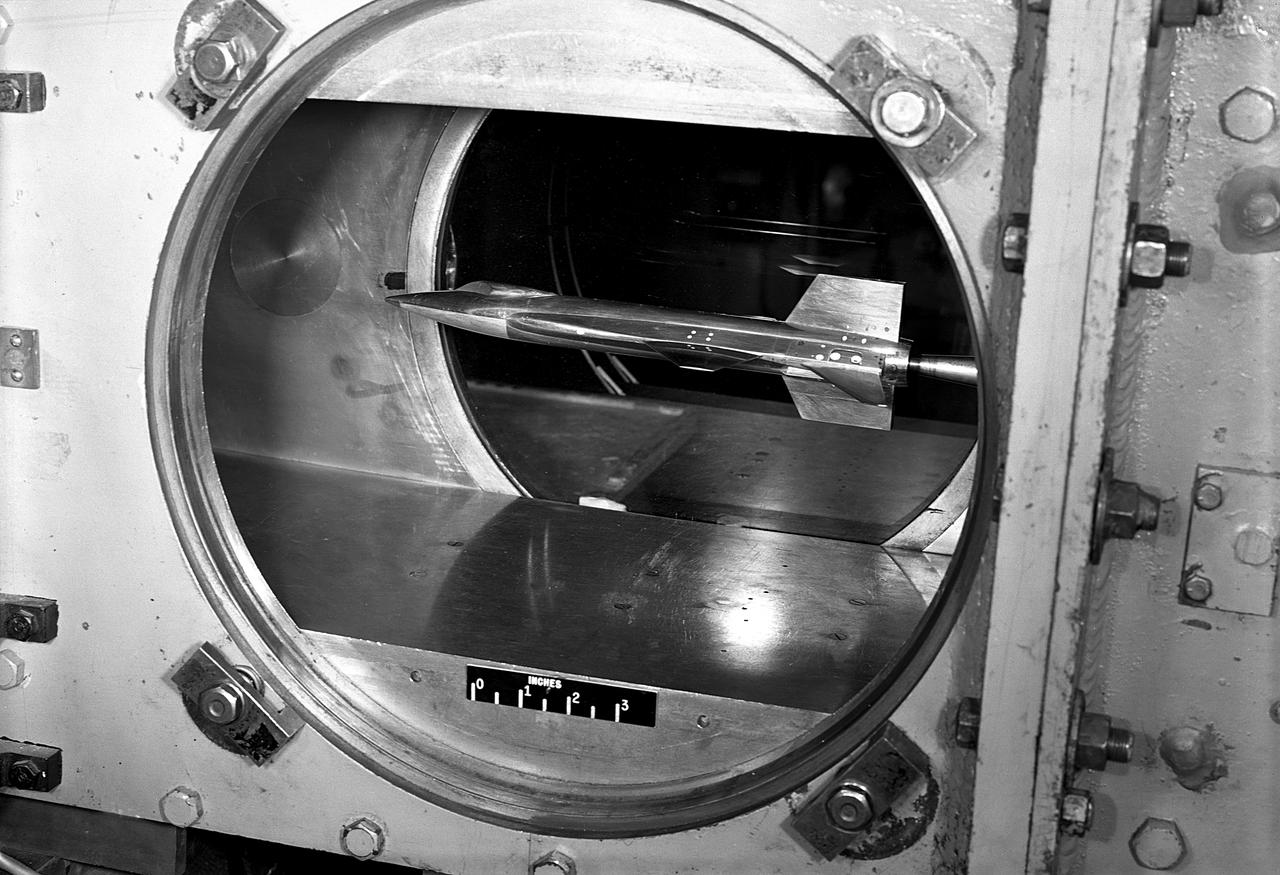
Scale-model of final X-15 configuration, mounted for testing in the Langley 11-Inch Hypersonic Tunnel.
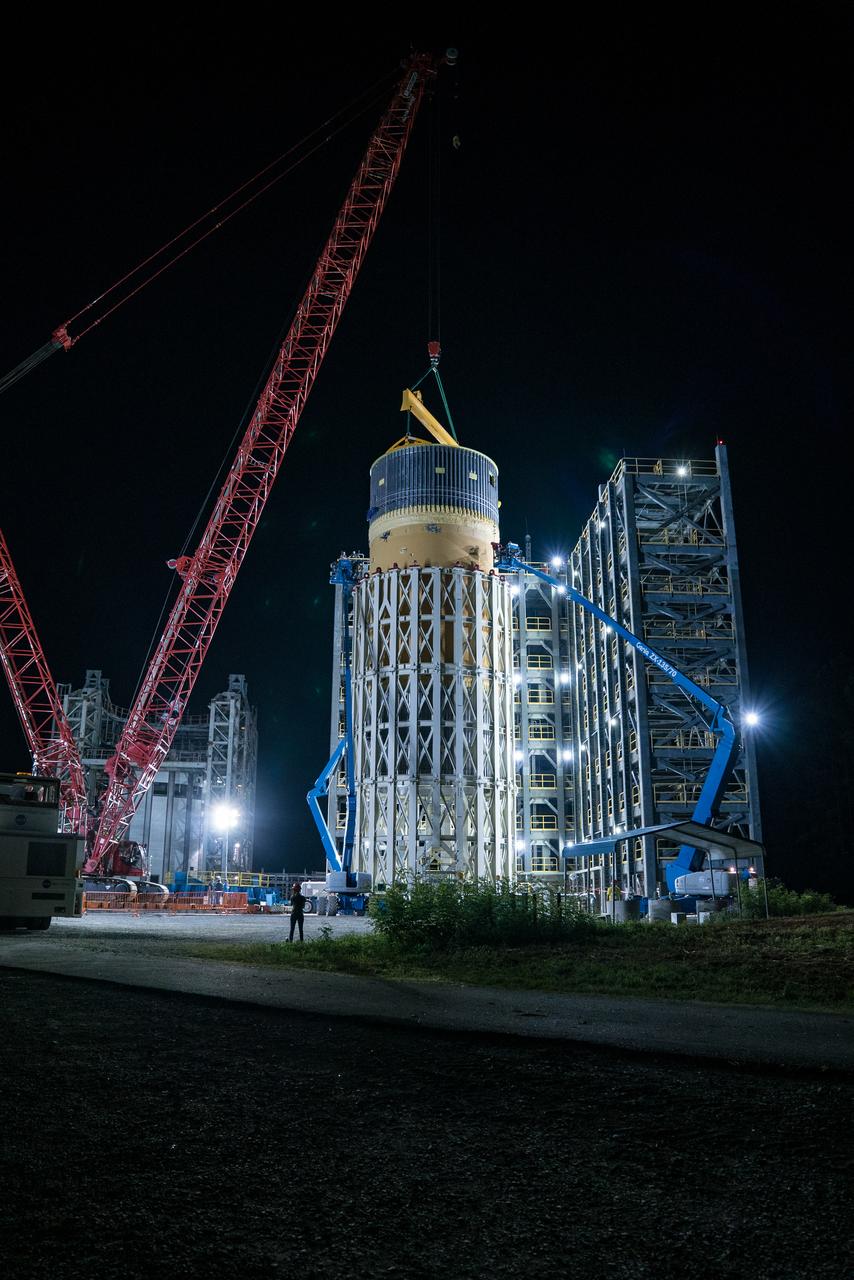
This collection of photos shows the steps NASA engineers took to lift the final structural test article for NASA’s Space Launch System (SLS) core stage into Test Stand 4697 at NASA’s Marshall Space Flight Center in Huntsville, Alabama, July 10, 2019. The liquid oxygen (LOX) tank is one of two propellant tanks in the rocket’s massive core stage that will produce more than 2 million pounds of thrust to help launch Artemis 1, the first flight of NASA’s Orion spacecraft and SLS, to the Moon. The nearly 70-foot-long liquid oxygen tank structural test article was manufactured at NASA’s Michoud Assembly Facility in New Orleans and delivered by NASA’s barge Pegasus to Marshall. Once bolted into the test stand, dozens of hydraulic cylinders will push and pull the tank, subjecting it to the same stresses and forces it will endure during liftoff and flight, to verify it is fit for flight.
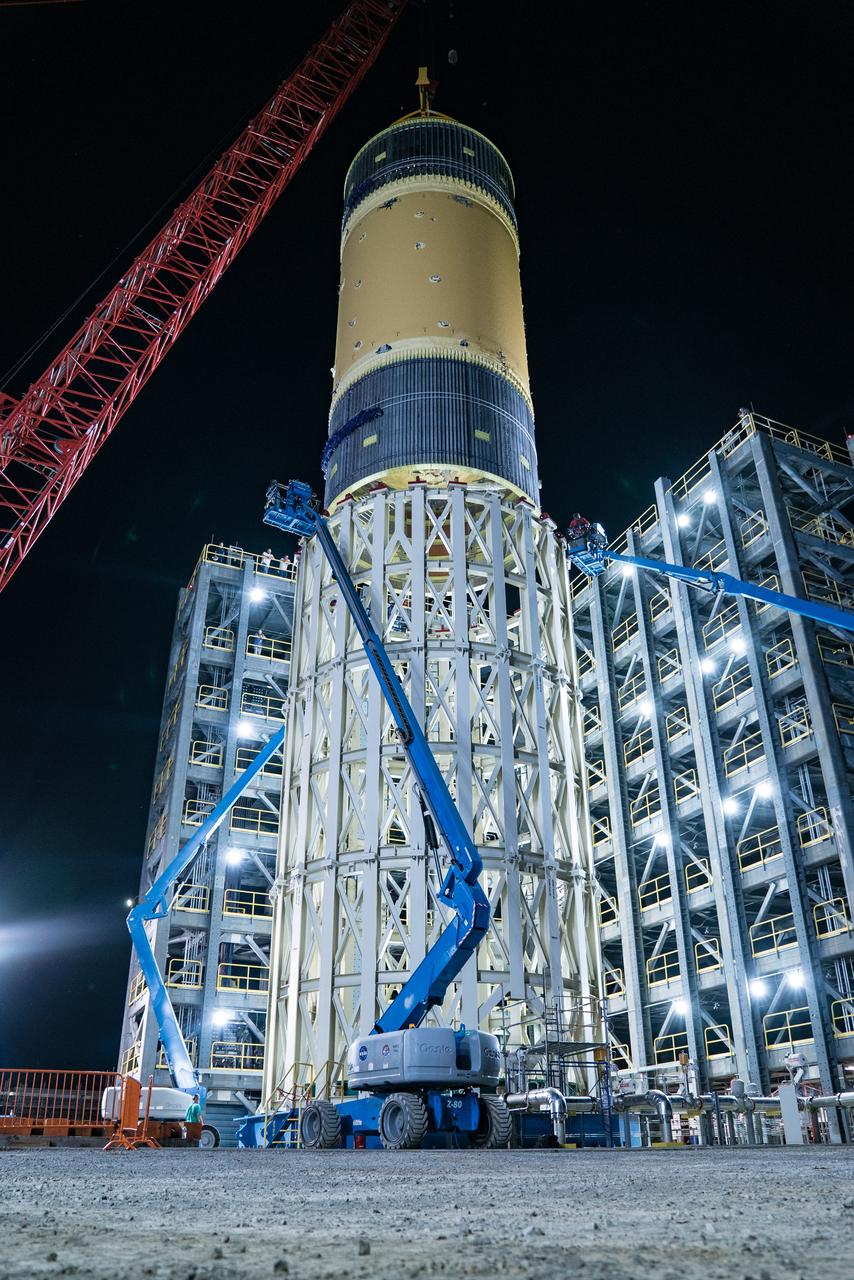
This collection of photos shows the steps NASA engineers took to lift the final structural test article for NASA’s Space Launch System (SLS) core stage into Test Stand 4697 at NASA’s Marshall Space Flight Center in Huntsville, Alabama, July 10, 2019. The liquid oxygen (LOX) tank is one of two propellant tanks in the rocket’s massive core stage that will produce more than 2 million pounds of thrust to help launch Artemis 1, the first flight of NASA’s Orion spacecraft and SLS, to the Moon. The nearly 70-foot-long liquid oxygen tank structural test article was manufactured at NASA’s Michoud Assembly Facility in New Orleans and delivered by NASA’s barge Pegasus to Marshall. Once bolted into the test stand, dozens of hydraulic cylinders will push and pull the tank, subjecting it to the same stresses and forces it will endure during liftoff and flight, to verify it is fit for flight.
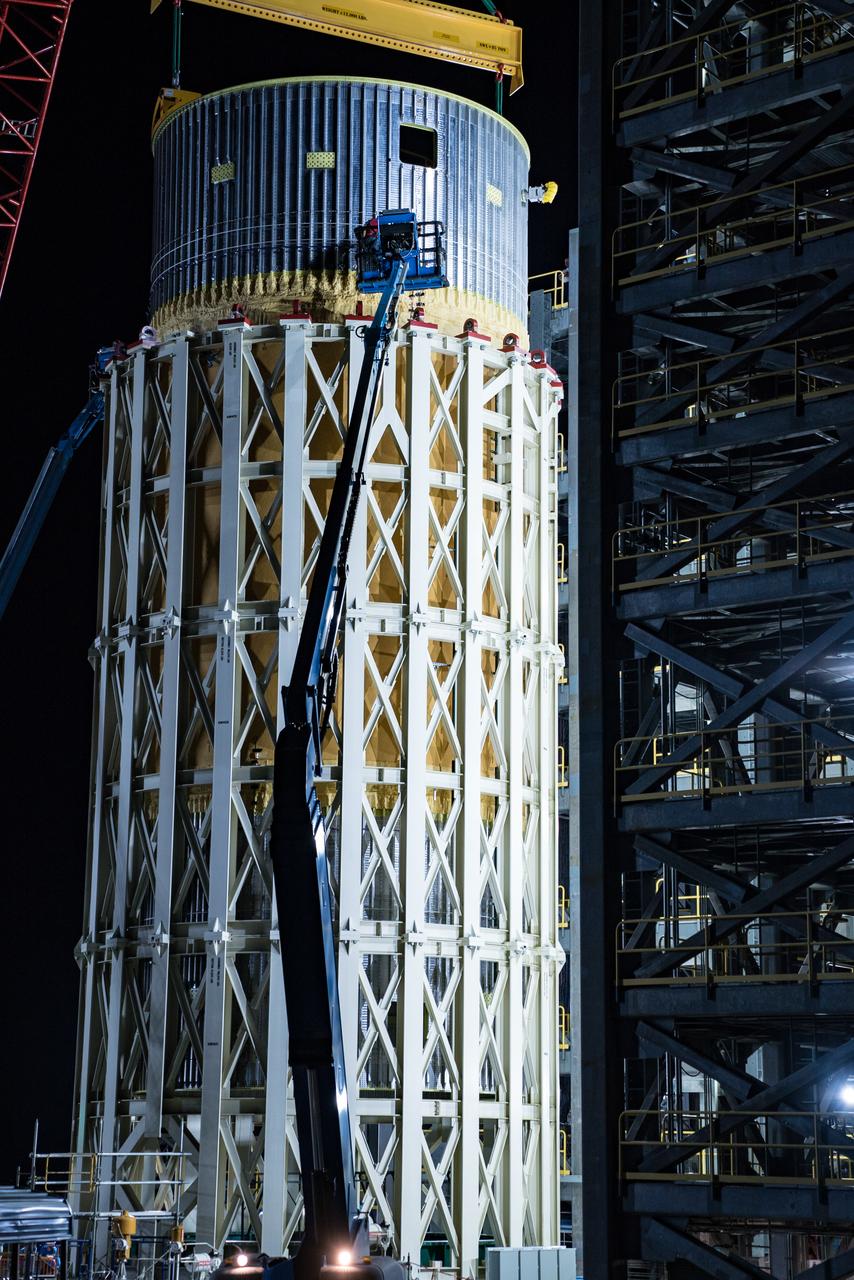
This collection of photos shows the steps NASA engineers took to lift the final structural test article for NASA’s Space Launch System (SLS) core stage into Test Stand 4697 at NASA’s Marshall Space Flight Center in Huntsville, Alabama, July 10, 2019. The liquid oxygen (LOX) tank is one of two propellant tanks in the rocket’s massive core stage that will produce more than 2 million pounds of thrust to help launch Artemis 1, the first flight of NASA’s Orion spacecraft and SLS, to the Moon. The nearly 70-foot-long liquid oxygen tank structural test article was manufactured at NASA’s Michoud Assembly Facility in New Orleans and delivered by NASA’s barge Pegasus to Marshall. Once bolted into the test stand, dozens of hydraulic cylinders will push and pull the tank, subjecting it to the same stresses and forces it will endure during liftoff and flight, to verify it is fit for flight.
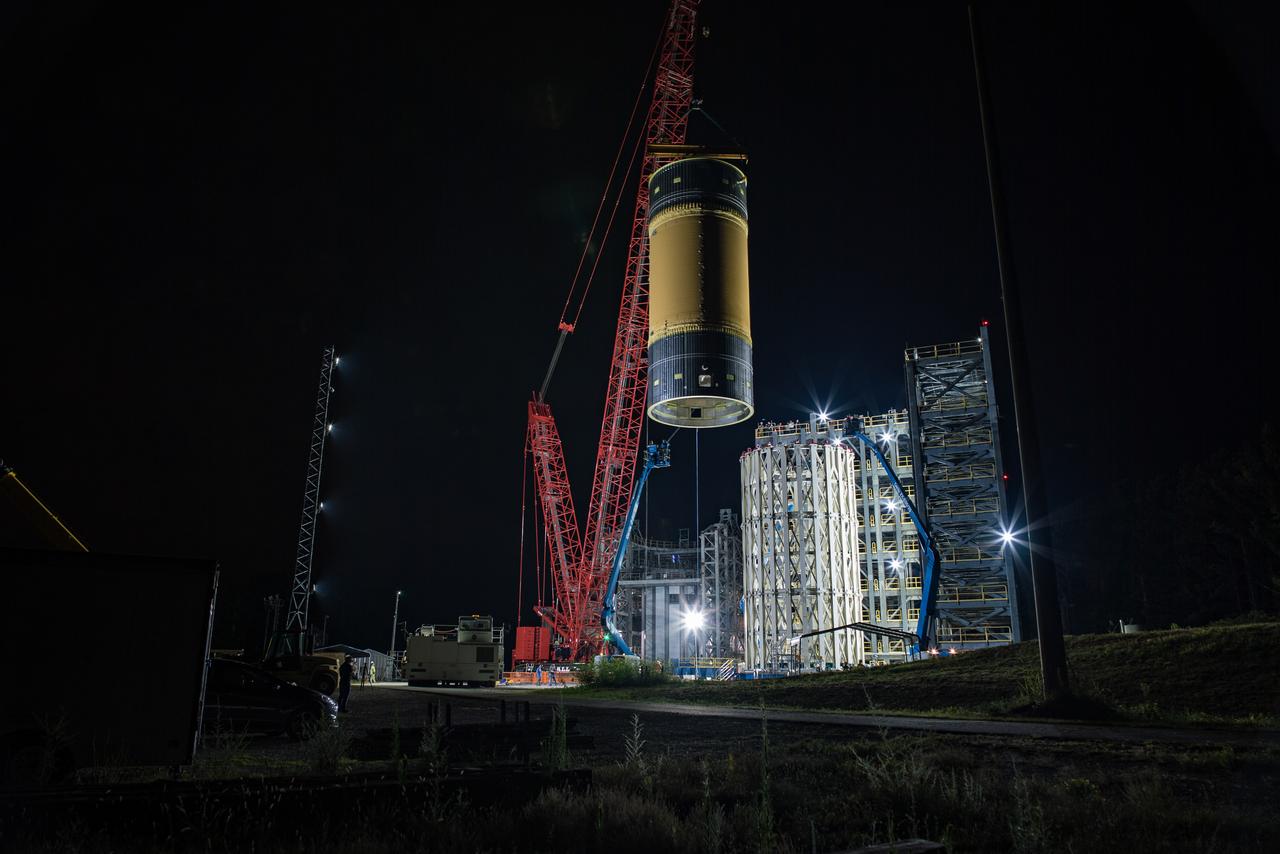
This collection of photos shows the steps NASA engineers took to lift the final structural test article for NASA’s Space Launch System (SLS) core stage into Test Stand 4697 at NASA’s Marshall Space Flight Center in Huntsville, Alabama, July 10, 2019. The liquid oxygen (LOX) tank is one of two propellant tanks in the rocket’s massive core stage that will produce more than 2 million pounds of thrust to help launch Artemis 1, the first flight of NASA’s Orion spacecraft and SLS, to the Moon. The nearly 70-foot-long liquid oxygen tank structural test article was manufactured at NASA’s Michoud Assembly Facility in New Orleans and delivered by NASA’s barge Pegasus to Marshall. Once bolted into the test stand, dozens of hydraulic cylinders will push and pull the tank, subjecting it to the same stresses and forces it will endure during liftoff and flight, to verify it is fit for flight.
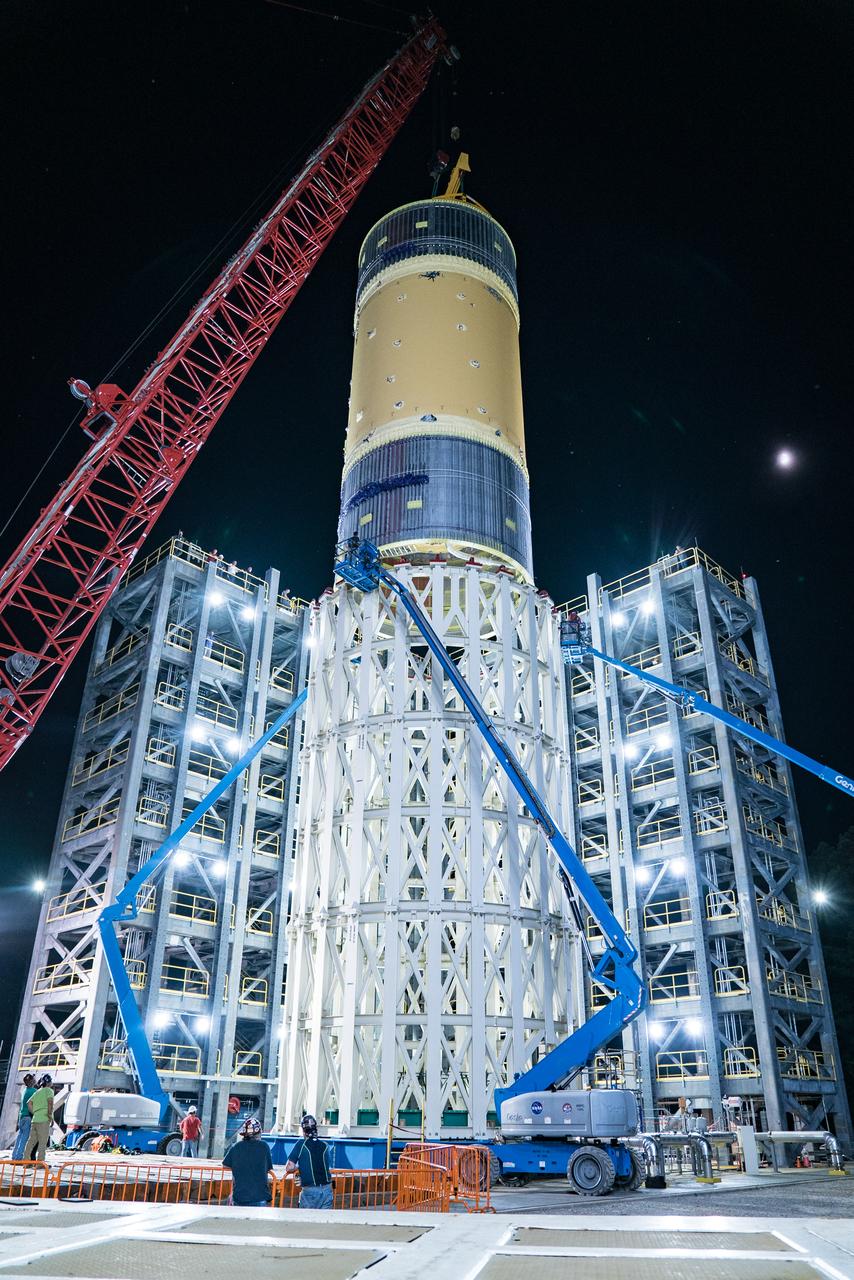
This collection of photos shows the steps NASA engineers took to lift the final structural test article for NASA’s Space Launch System (SLS) core stage into Test Stand 4697 at NASA’s Marshall Space Flight Center in Huntsville, Alabama, July 10, 2019. The liquid oxygen (LOX) tank is one of two propellant tanks in the rocket’s massive core stage that will produce more than 2 million pounds of thrust to help launch Artemis 1, the first flight of NASA’s Orion spacecraft and SLS, to the Moon. The nearly 70-foot-long liquid oxygen tank structural test article was manufactured at NASA’s Michoud Assembly Facility in New Orleans and delivered by NASA’s barge Pegasus to Marshall. Once bolted into the test stand, dozens of hydraulic cylinders will push and pull the tank, subjecting it to the same stresses and forces it will endure during liftoff and flight, to verify it is fit for flight.
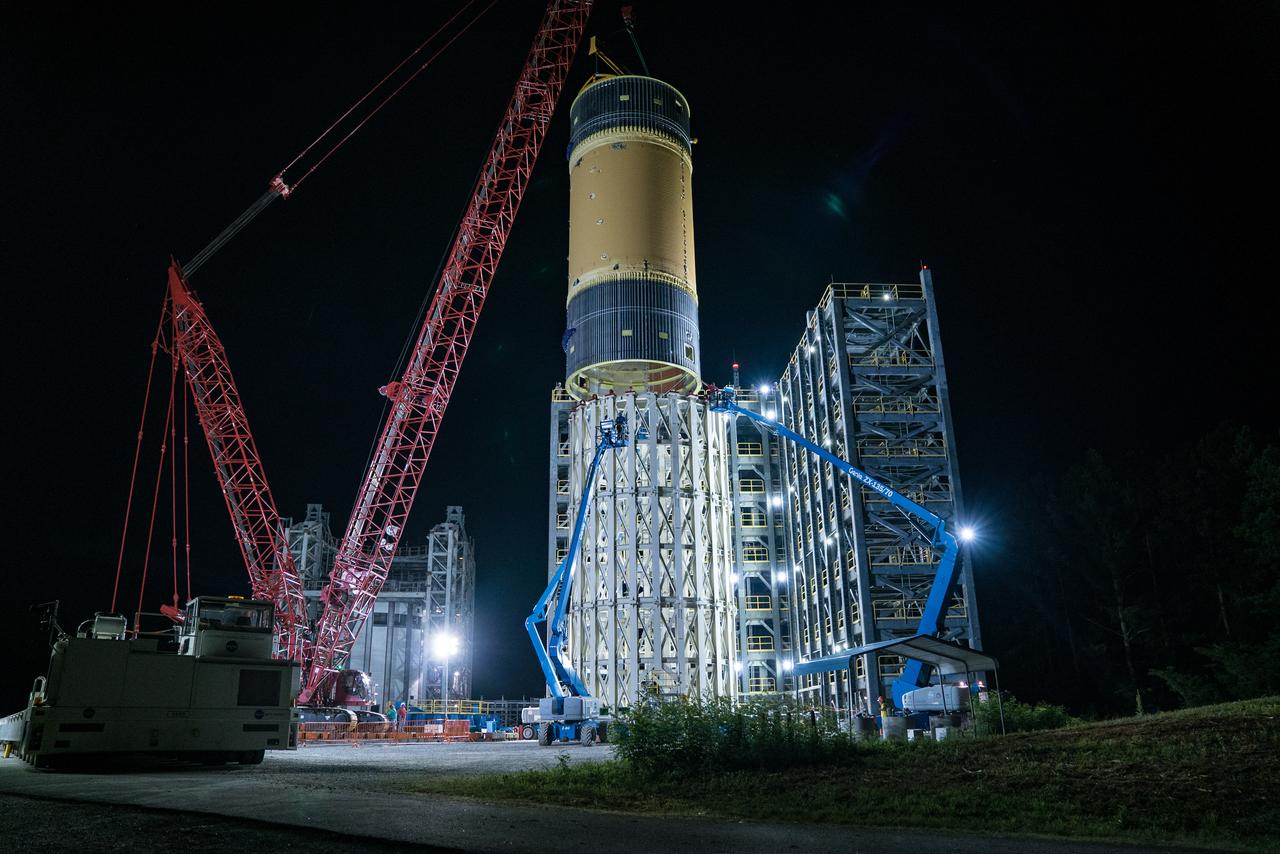
This collection of photos shows the steps NASA engineers took to lift the final structural test article for NASA’s Space Launch System (SLS) core stage into Test Stand 4697 at NASA’s Marshall Space Flight Center in Huntsville, Alabama, July 10, 2019. The liquid oxygen (LOX) tank is one of two propellant tanks in the rocket’s massive core stage that will produce more than 2 million pounds of thrust to help launch Artemis 1, the first flight of NASA’s Orion spacecraft and SLS, to the Moon. The nearly 70-foot-long liquid oxygen tank structural test article was manufactured at NASA’s Michoud Assembly Facility in New Orleans and delivered by NASA’s barge Pegasus to Marshall. Once bolted into the test stand, dozens of hydraulic cylinders will push and pull the tank, subjecting it to the same stresses and forces it will endure during liftoff and flight, to verify it is fit for flight.
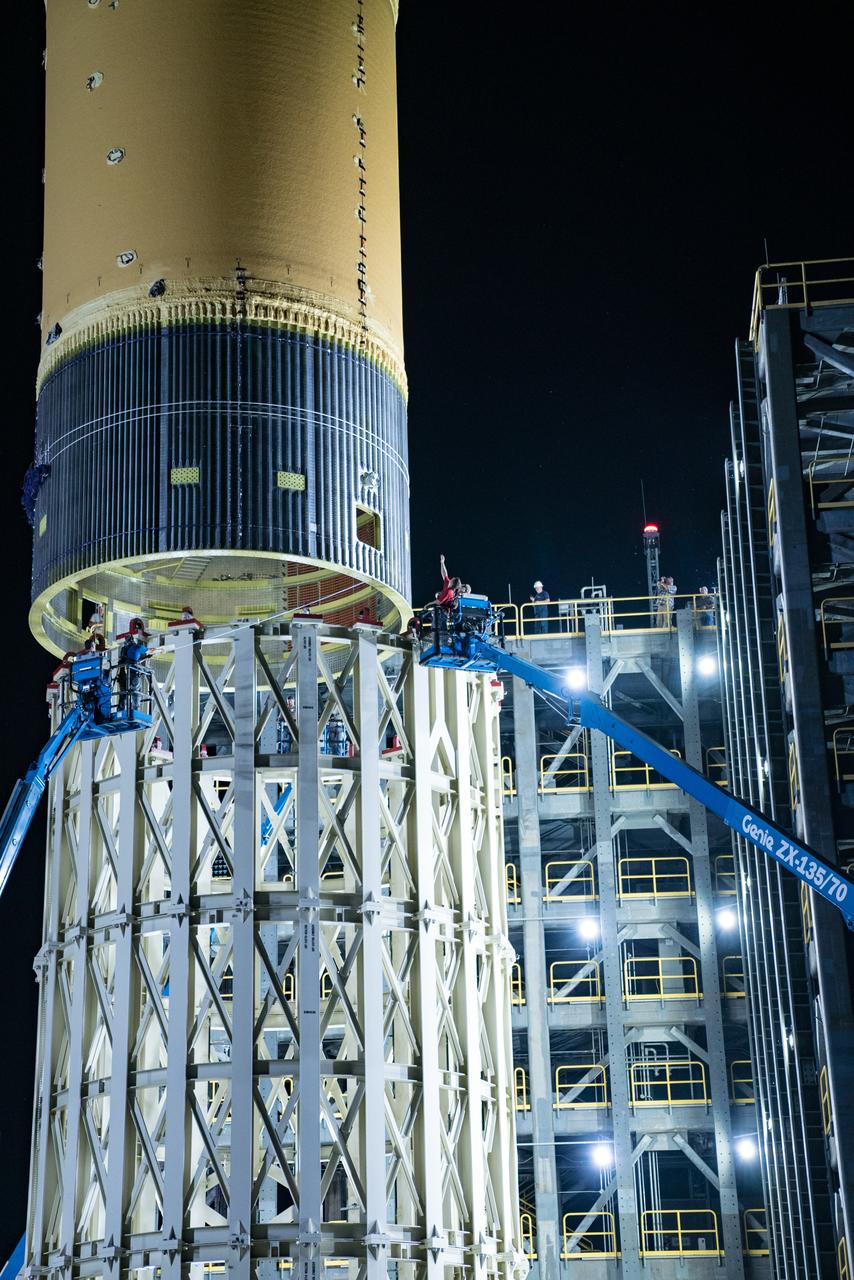
This collection of photos shows the steps NASA engineers took to lift the final structural test article for NASA’s Space Launch System (SLS) core stage into Test Stand 4697 at NASA’s Marshall Space Flight Center in Huntsville, Alabama, July 10, 2019. The liquid oxygen (LOX) tank is one of two propellant tanks in the rocket’s massive core stage that will produce more than 2 million pounds of thrust to help launch Artemis 1, the first flight of NASA’s Orion spacecraft and SLS, to the Moon. The nearly 70-foot-long liquid oxygen tank structural test article was manufactured at NASA’s Michoud Assembly Facility in New Orleans and delivered by NASA’s barge Pegasus to Marshall. Once bolted into the test stand, dozens of hydraulic cylinders will push and pull the tank, subjecting it to the same stresses and forces it will endure during liftoff and flight, to verify it is fit for flight.
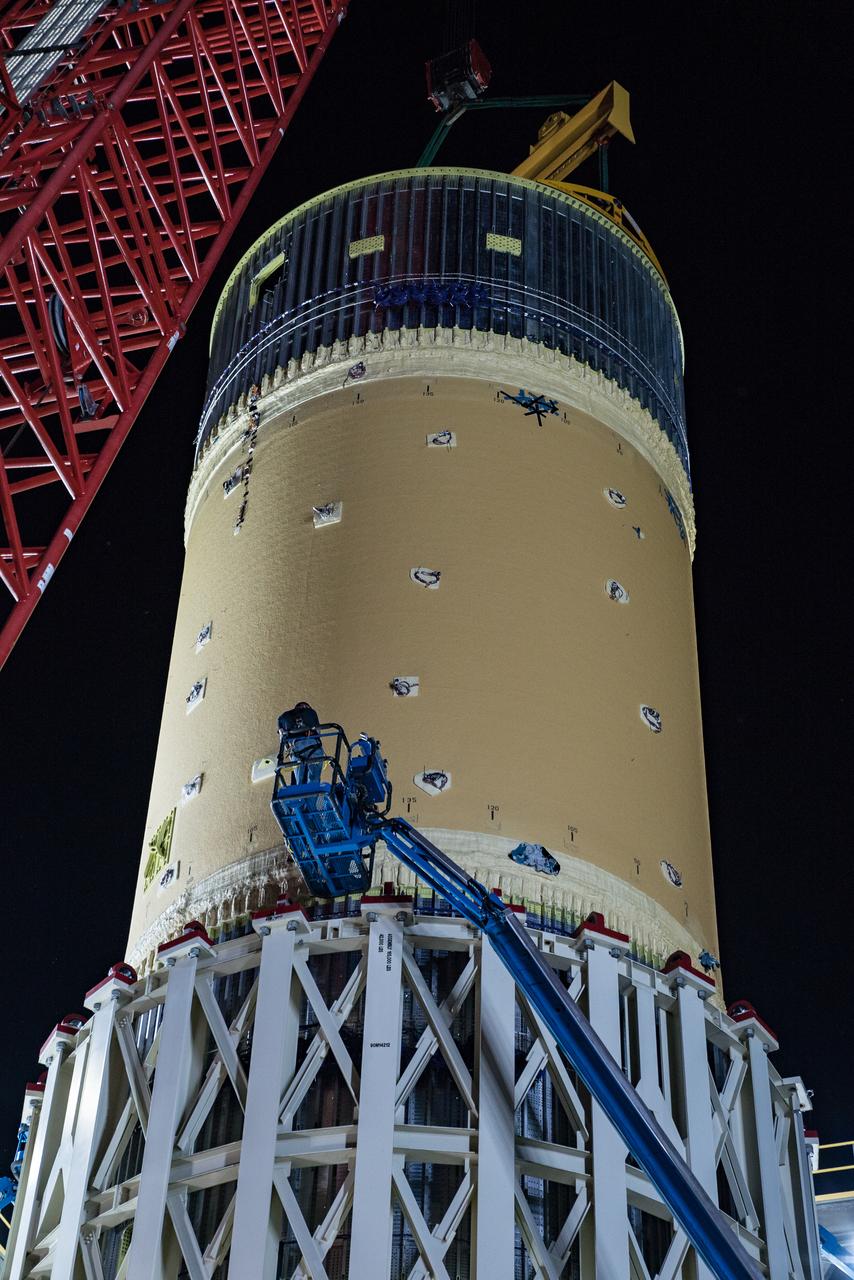
This collection of photos shows the steps NASA engineers took to lift the final structural test article for NASA’s Space Launch System (SLS) core stage into Test Stand 4697 at NASA’s Marshall Space Flight Center in Huntsville, Alabama, July 10, 2019. The liquid oxygen (LOX) tank is one of two propellant tanks in the rocket’s massive core stage that will produce more than 2 million pounds of thrust to help launch Artemis 1, the first flight of NASA’s Orion spacecraft and SLS, to the Moon. The nearly 70-foot-long liquid oxygen tank structural test article was manufactured at NASA’s Michoud Assembly Facility in New Orleans and delivered by NASA’s barge Pegasus to Marshall. Once bolted into the test stand, dozens of hydraulic cylinders will push and pull the tank, subjecting it to the same stresses and forces it will endure during liftoff and flight, to verify it is fit for flight.
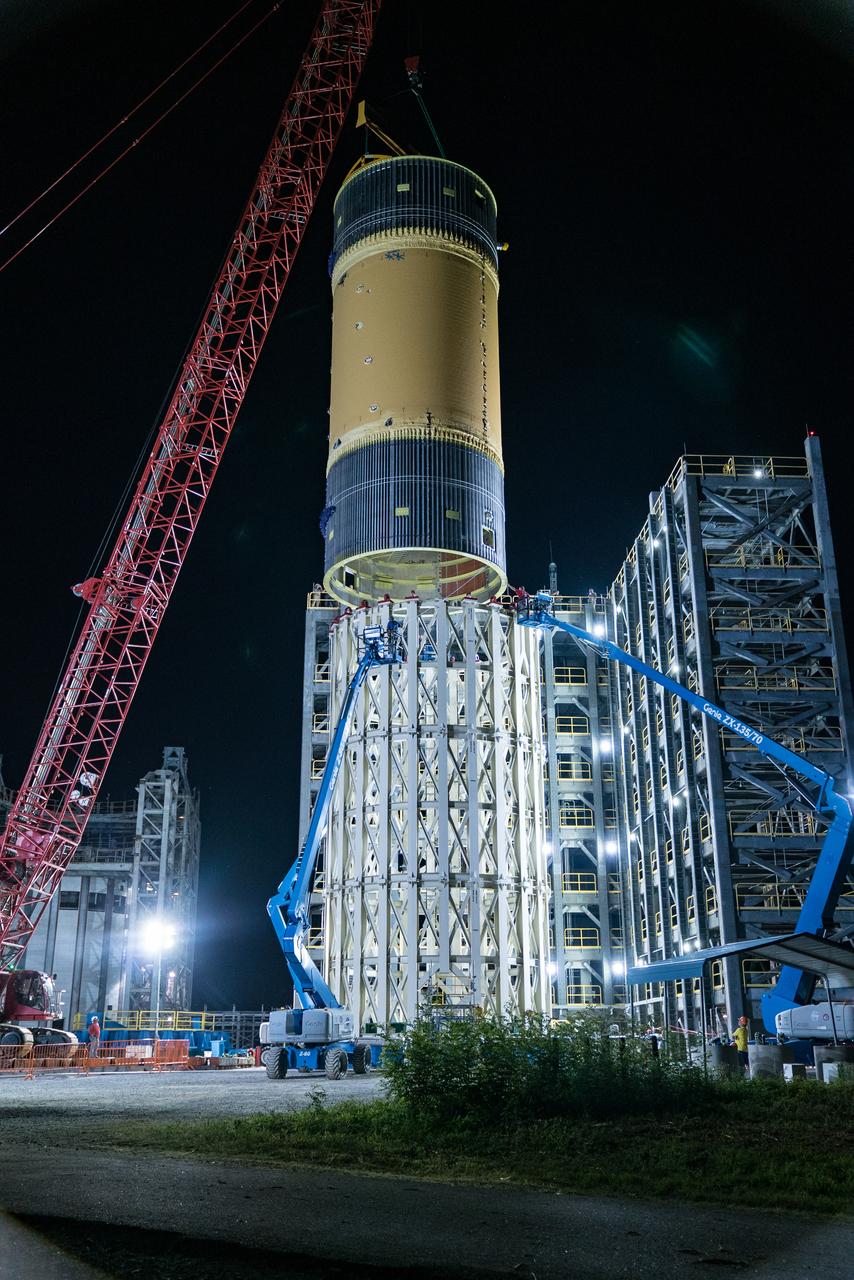
This collection of photos shows the steps NASA engineers took to lift the final structural test article for NASA’s Space Launch System (SLS) core stage into Test Stand 4697 at NASA’s Marshall Space Flight Center in Huntsville, Alabama, July 10, 2019. The liquid oxygen (LOX) tank is one of two propellant tanks in the rocket’s massive core stage that will produce more than 2 million pounds of thrust to help launch Artemis 1, the first flight of NASA’s Orion spacecraft and SLS, to the Moon. The nearly 70-foot-long liquid oxygen tank structural test article was manufactured at NASA’s Michoud Assembly Facility in New Orleans and delivered by NASA’s barge Pegasus to Marshall. Once bolted into the test stand, dozens of hydraulic cylinders will push and pull the tank, subjecting it to the same stresses and forces it will endure during liftoff and flight, to verify it is fit for flight.
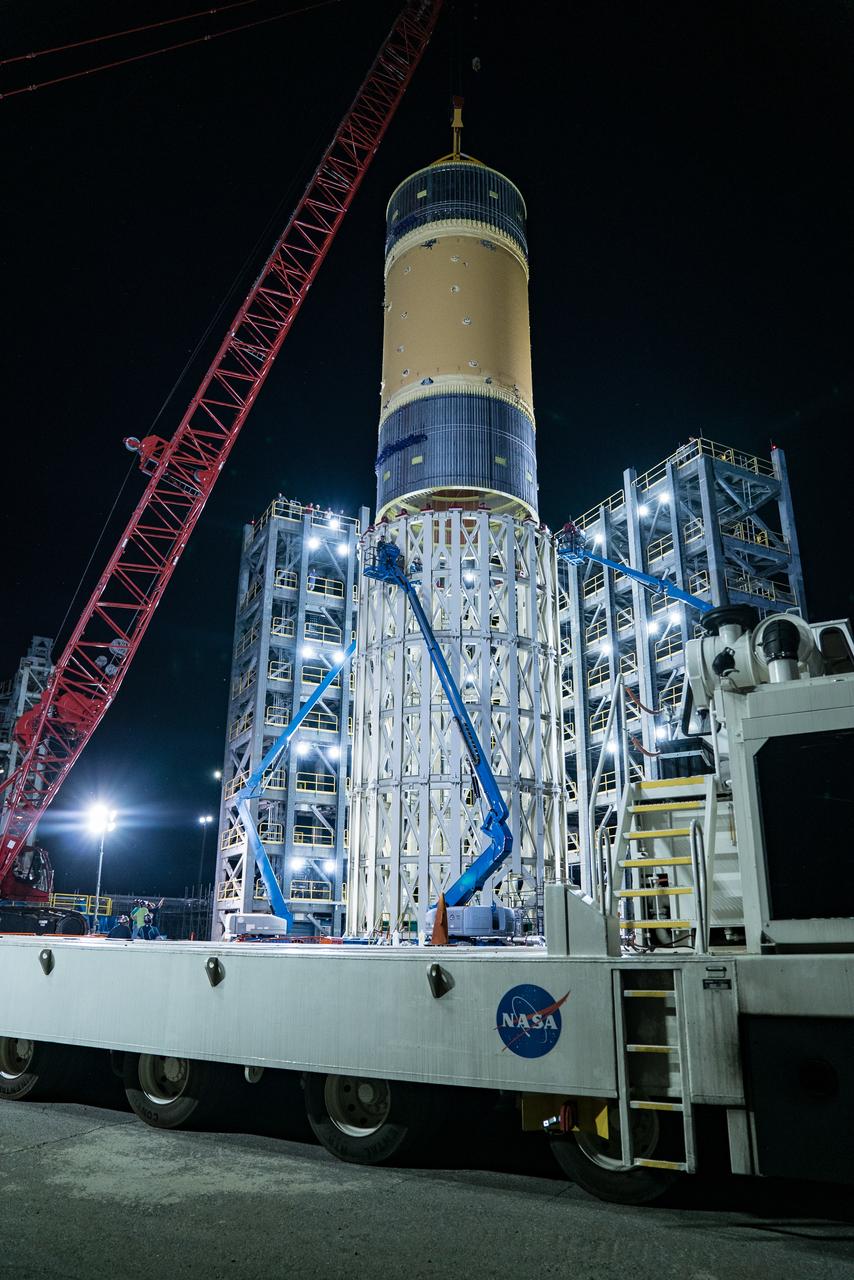
This collection of photos shows the steps NASA engineers took to lift the final structural test article for NASA’s Space Launch System (SLS) core stage into Test Stand 4697 at NASA’s Marshall Space Flight Center in Huntsville, Alabama, July 10, 2019. The liquid oxygen (LOX) tank is one of two propellant tanks in the rocket’s massive core stage that will produce more than 2 million pounds of thrust to help launch Artemis 1, the first flight of NASA’s Orion spacecraft and SLS, to the Moon. The nearly 70-foot-long liquid oxygen tank structural test article was manufactured at NASA’s Michoud Assembly Facility in New Orleans and delivered by NASA’s barge Pegasus to Marshall. Once bolted into the test stand, dozens of hydraulic cylinders will push and pull the tank, subjecting it to the same stresses and forces it will endure during liftoff and flight, to verify it is fit for flight.
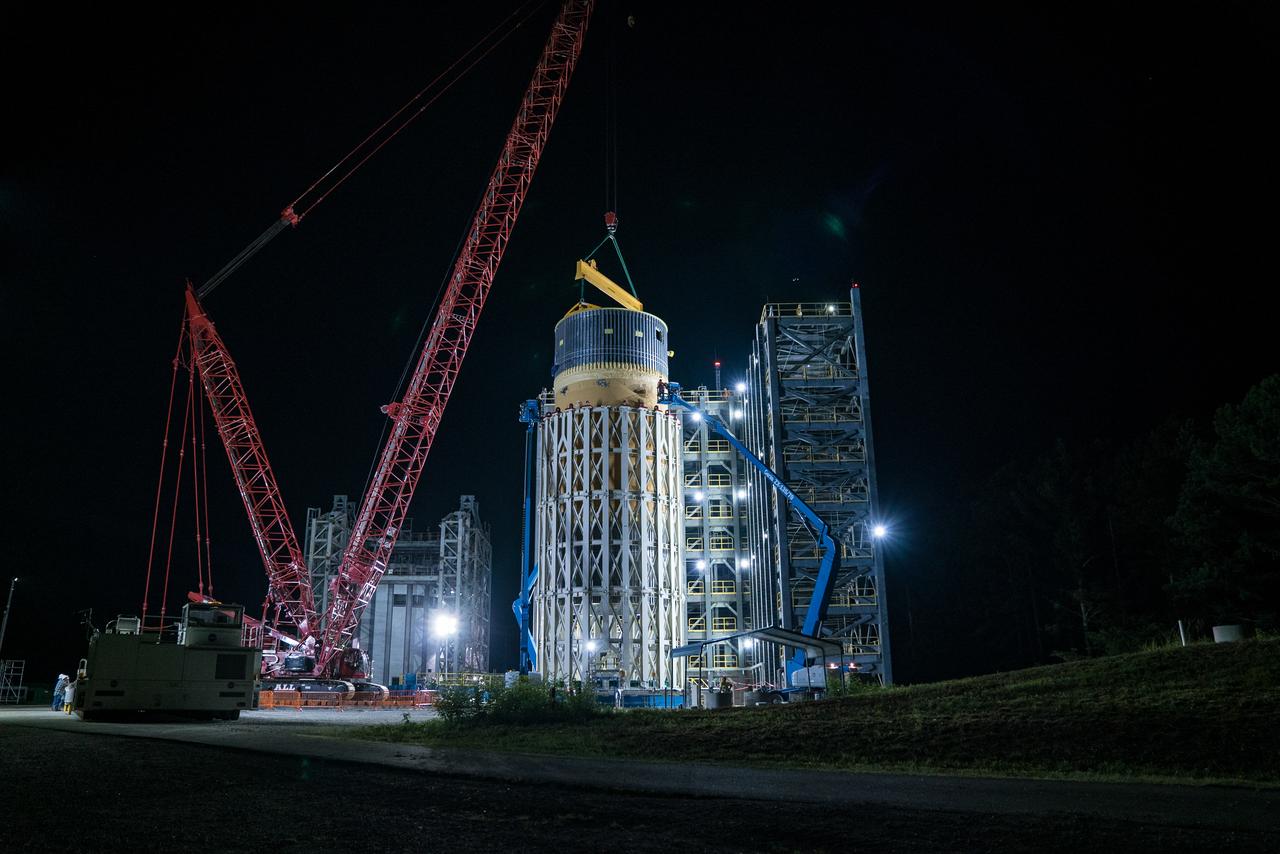
This collection of photos shows the steps NASA engineers took to lift the final structural test article for NASA’s Space Launch System (SLS) core stage into Test Stand 4697 at NASA’s Marshall Space Flight Center in Huntsville, Alabama, July 10, 2019. The liquid oxygen (LOX) tank is one of two propellant tanks in the rocket’s massive core stage that will produce more than 2 million pounds of thrust to help launch Artemis 1, the first flight of NASA’s Orion spacecraft and SLS, to the Moon. The nearly 70-foot-long liquid oxygen tank structural test article was manufactured at NASA’s Michoud Assembly Facility in New Orleans and delivered by NASA’s barge Pegasus to Marshall. Once bolted into the test stand, dozens of hydraulic cylinders will push and pull the tank, subjecting it to the same stresses and forces it will endure during liftoff and flight, to verify it is fit for flight.
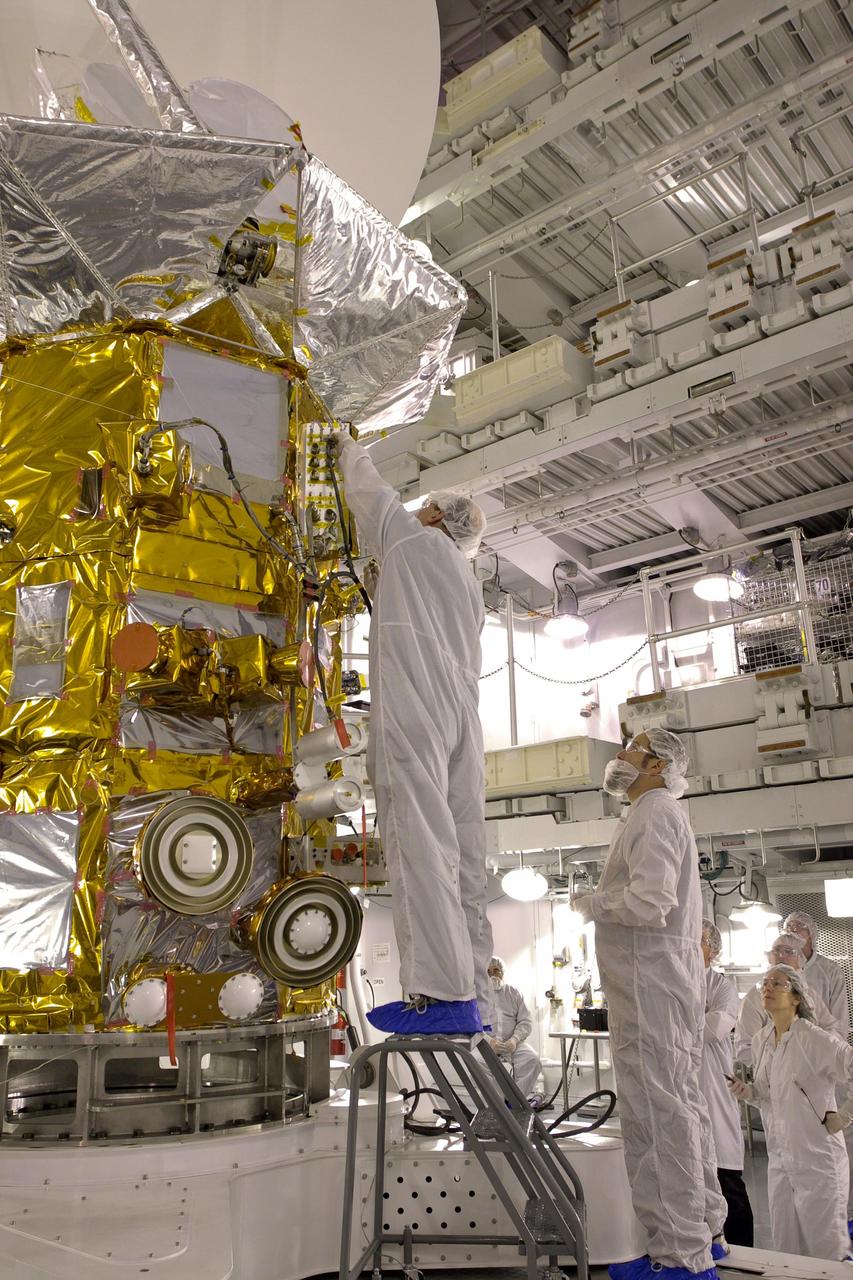
Less than two months before launch, team members conduct their final checks of NASA Aquarius instrument at Vandenberg Air Force Base, Calif. Subsequent final instrument tests will be conducted on the launch pad.
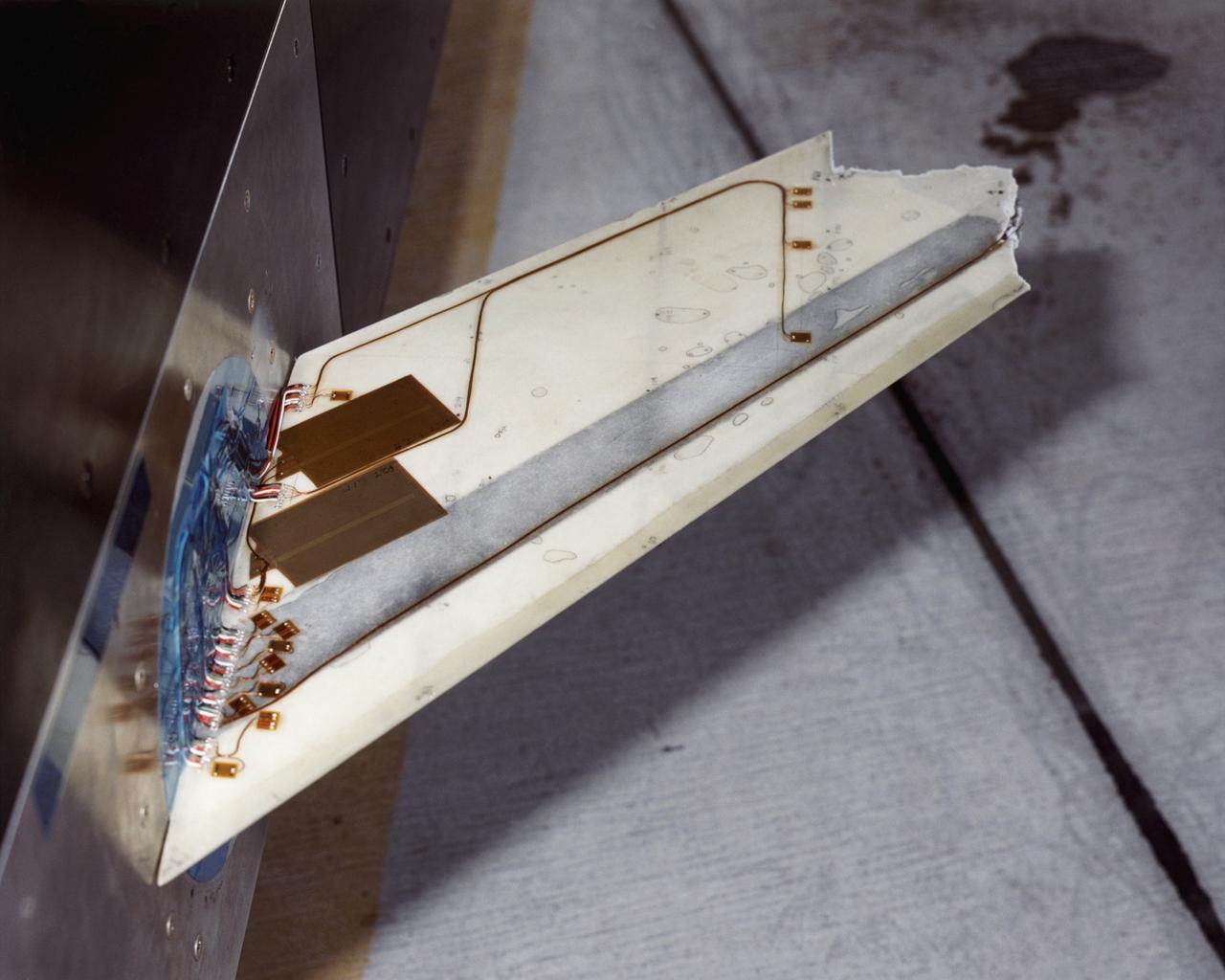
The Aerostructures Test Wing (ATW), which consisted of an 18-inch carbon fiber test wing with surface-mounted piezoelectric strain actuators, following intentional failure on its final flight
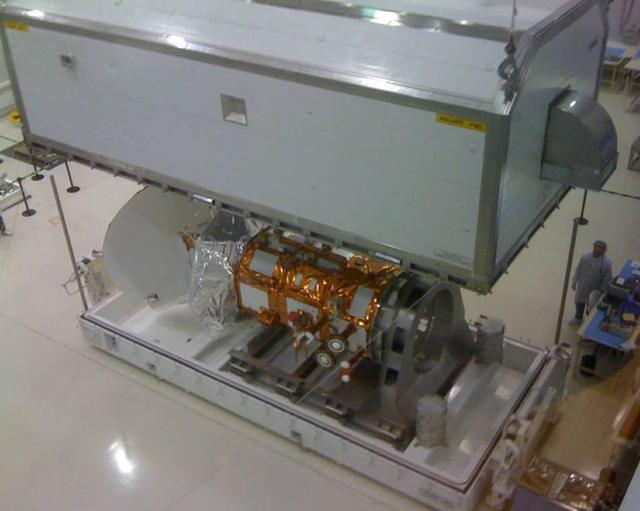
NASA Aquarius/SAC-D being prepared for shipment to Brazil National Institute for Space Research Integration and Testing Lab. At INPE, the Aquarius/SAC-D observatory will undergo its final environmental testing.
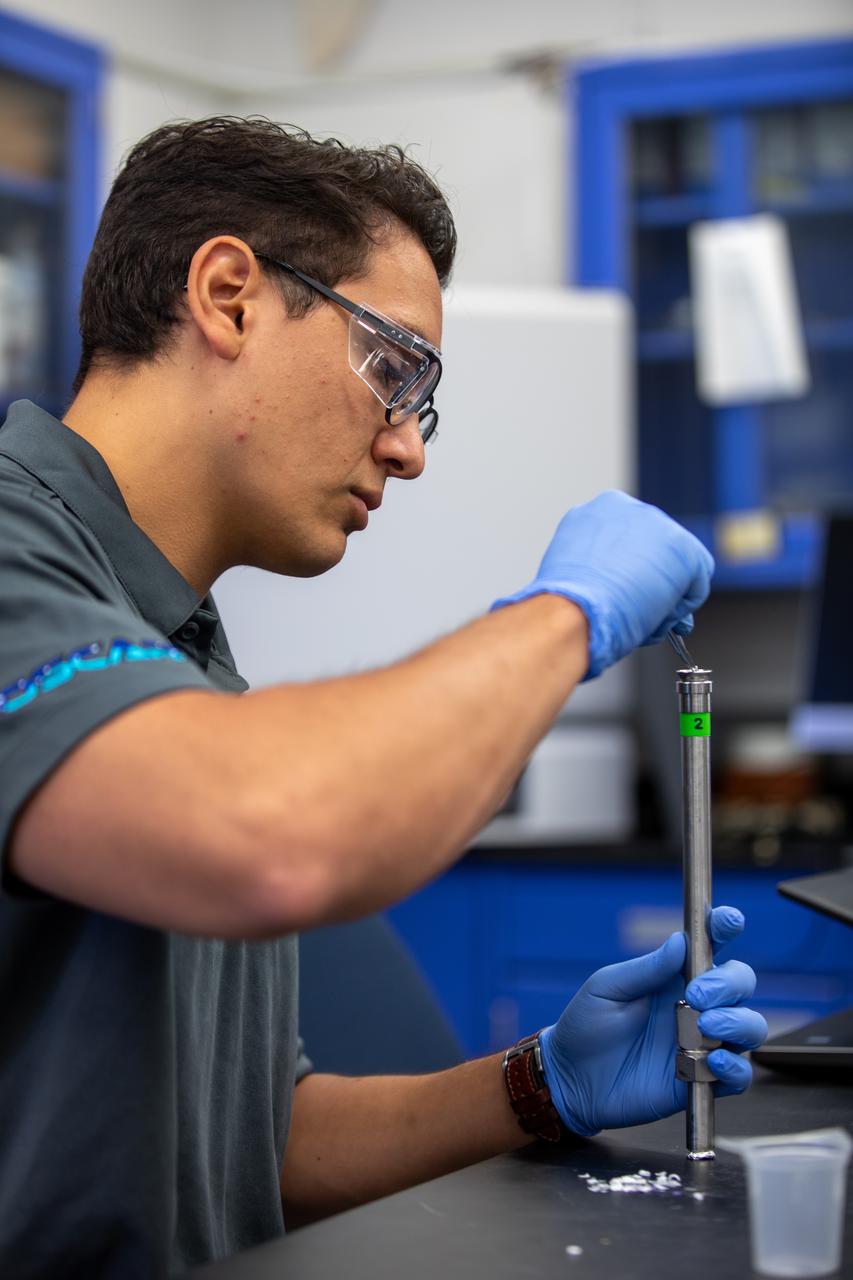
Ray Pitts, co-principal investigator for the Orbital Syngas Commodity Augmentation Reactor (OSCAR), performs ground testing at NASA’s Kennedy Space Center in Florida. The tests are in preparation for a scheduled suborbital flight test later this year, facilitated by NASA’s Flight Opportunities program. Begun as an Early Career Initiative project, OSCAR evaluates technology to make use of trash and human waste generated during long-duration spaceflight.
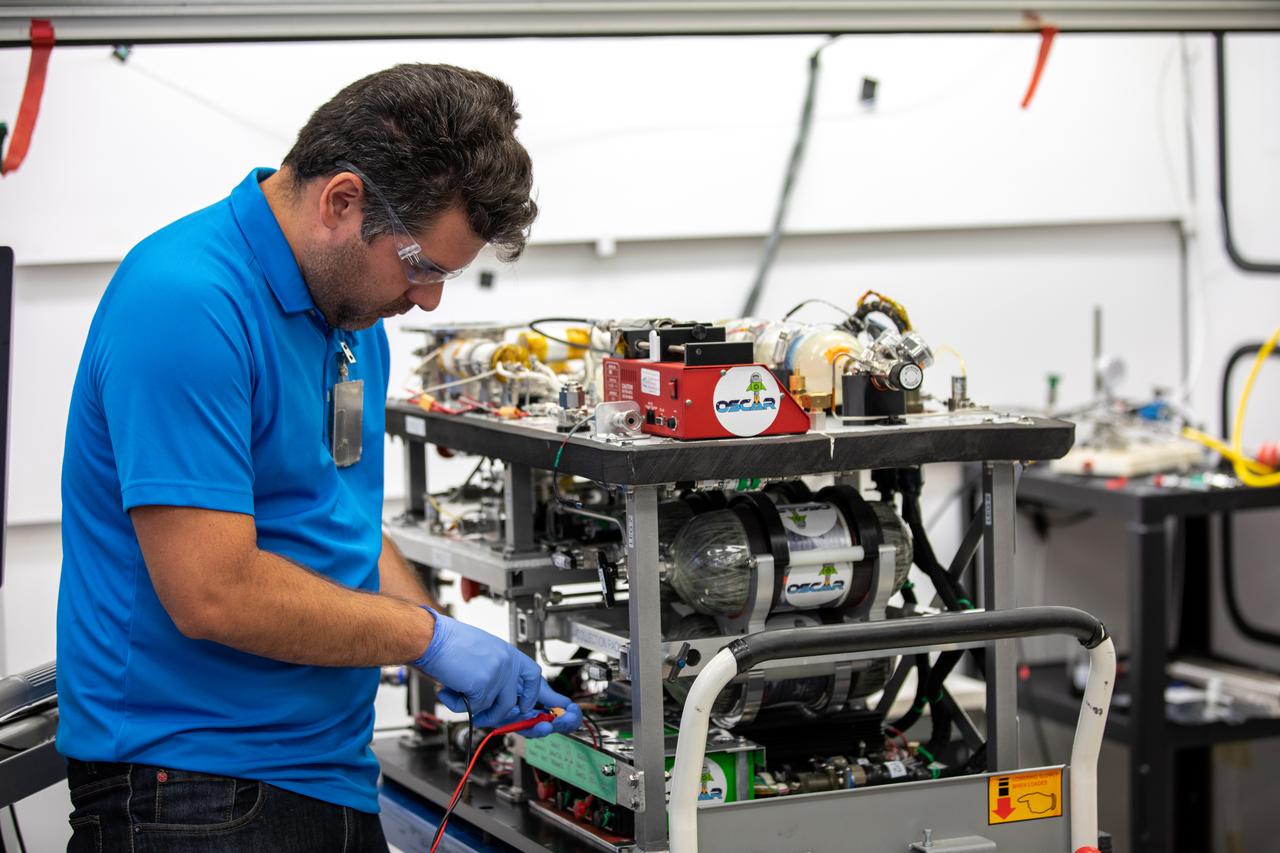
Jaime Toro, an aerospace/mechanical engineer and member of the Orbital Syngas Commodity Augmentation Reactor (OSCAR) team, performs ground testing at NASA’s Kennedy Space Center in Florida. The tests are in preparation for a scheduled suborbital flight test later this year, facilitated by NASA’s Flight Opportunities program. Begun as an Early Career Initiative project, OSCAR evaluates technology to make use of trash and human waste generated during long-duration spaceflight.
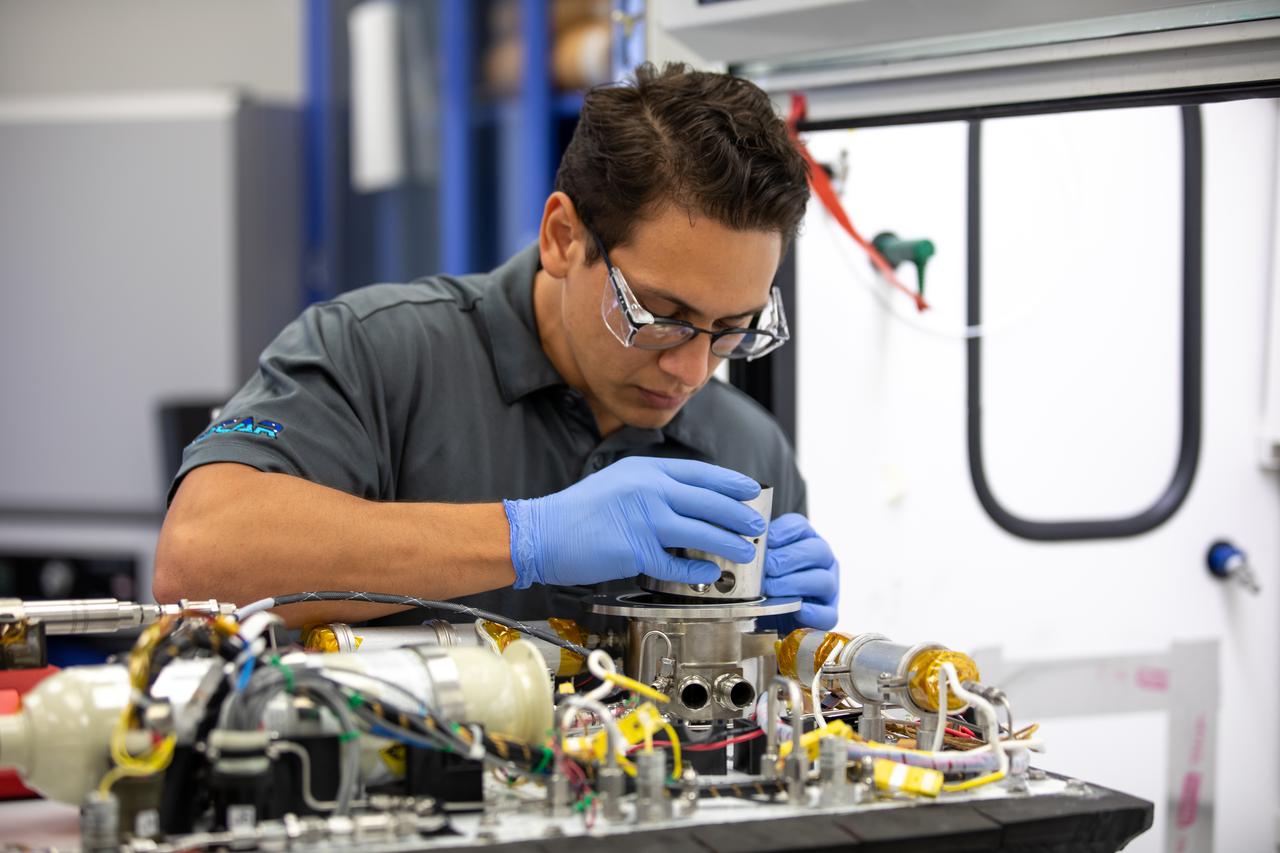
Ray Pitts, co-principal investigator for the Orbital Syngas Commodity Augmentation Reactor (OSCAR), performs ground testing at NASA’s Kennedy Space Center in Florida. The tests are in preparation for a scheduled suborbital flight test later this year, facilitated by NASA’s Flight Opportunities program. Begun as an Early Career Initiative project, OSCAR evaluates technology to make use of trash and human waste generated during long-duration spaceflight.
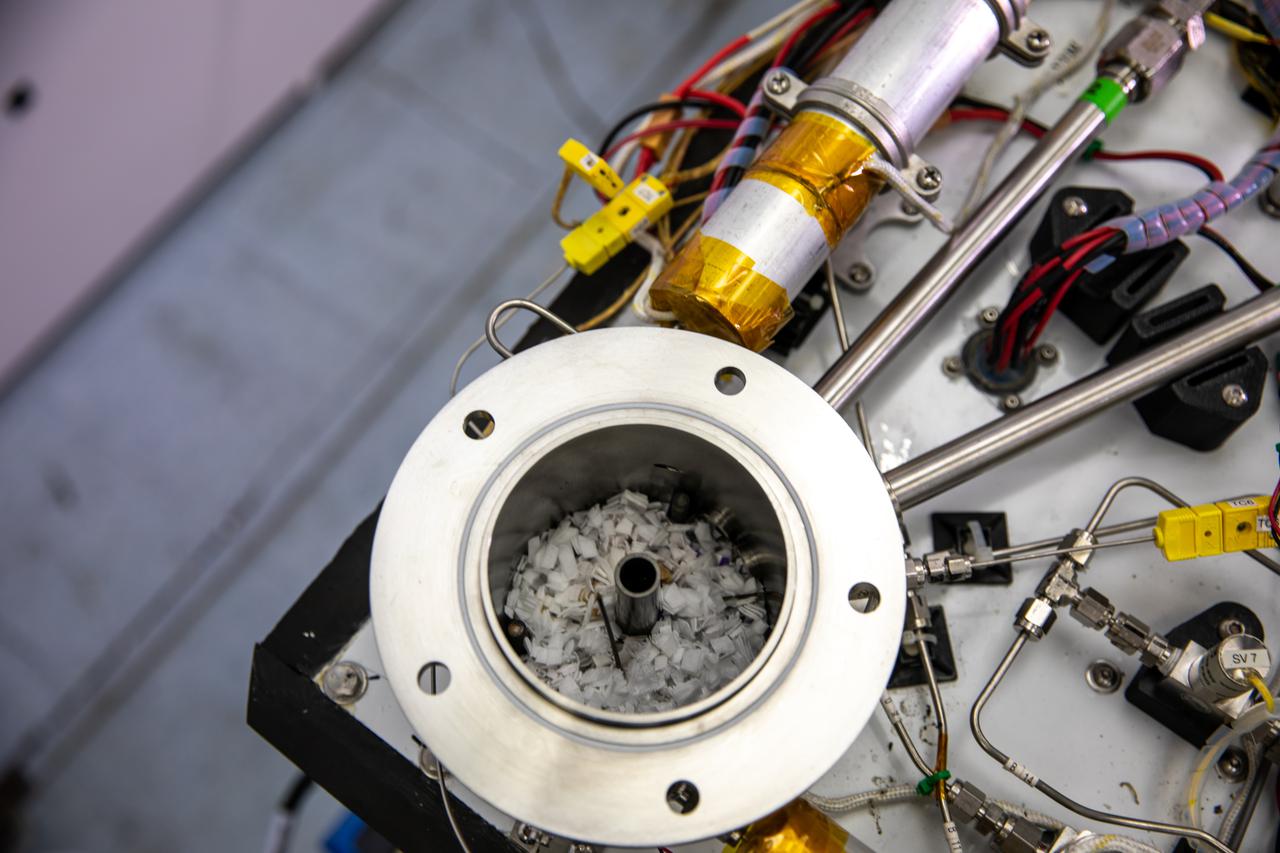
A member of the Orbital Syngas Commodity Augmentation Reactor (OSCAR) team performs ground testing at NASA’s Kennedy Space Center in Florida. The tests are in preparation for a scheduled suborbital flight test later this year, facilitated by NASA’s Flight Opportunities program. Begun as an Early Career Initiative project, OSCAR evaluates technology to make use of trash and human waste generated during long-duration spaceflight.
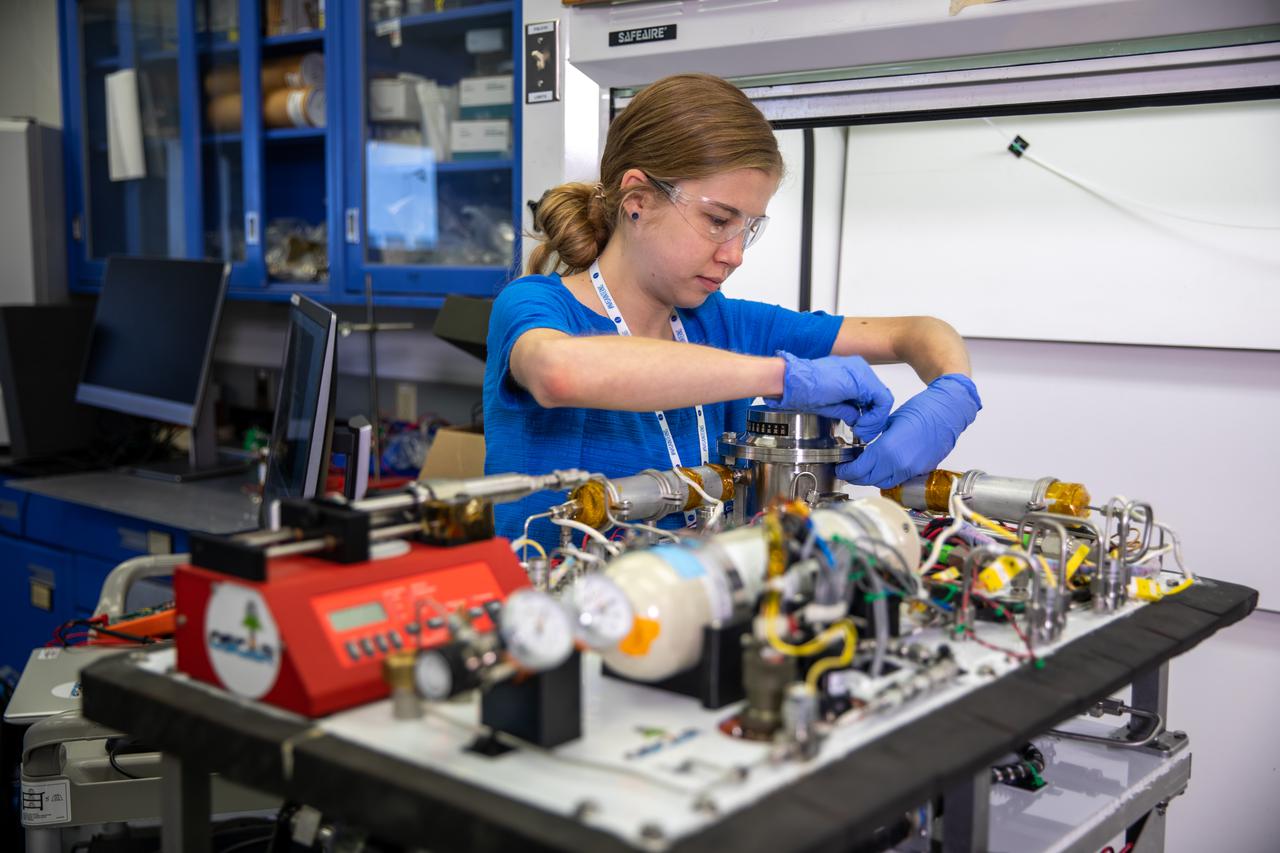
A member of the Orbital Syngas Commodity Augmentation Reactor (OSCAR) team performs ground testing at NASA’s Kennedy Space Center in Florida. The tests are in preparation for a scheduled suborbital flight test later this year, facilitated by NASA’s Flight Opportunities program. Begun as an Early Career Initiative project, OSCAR evaluates technology to make use of trash and human waste generated during long-duration spaceflight.
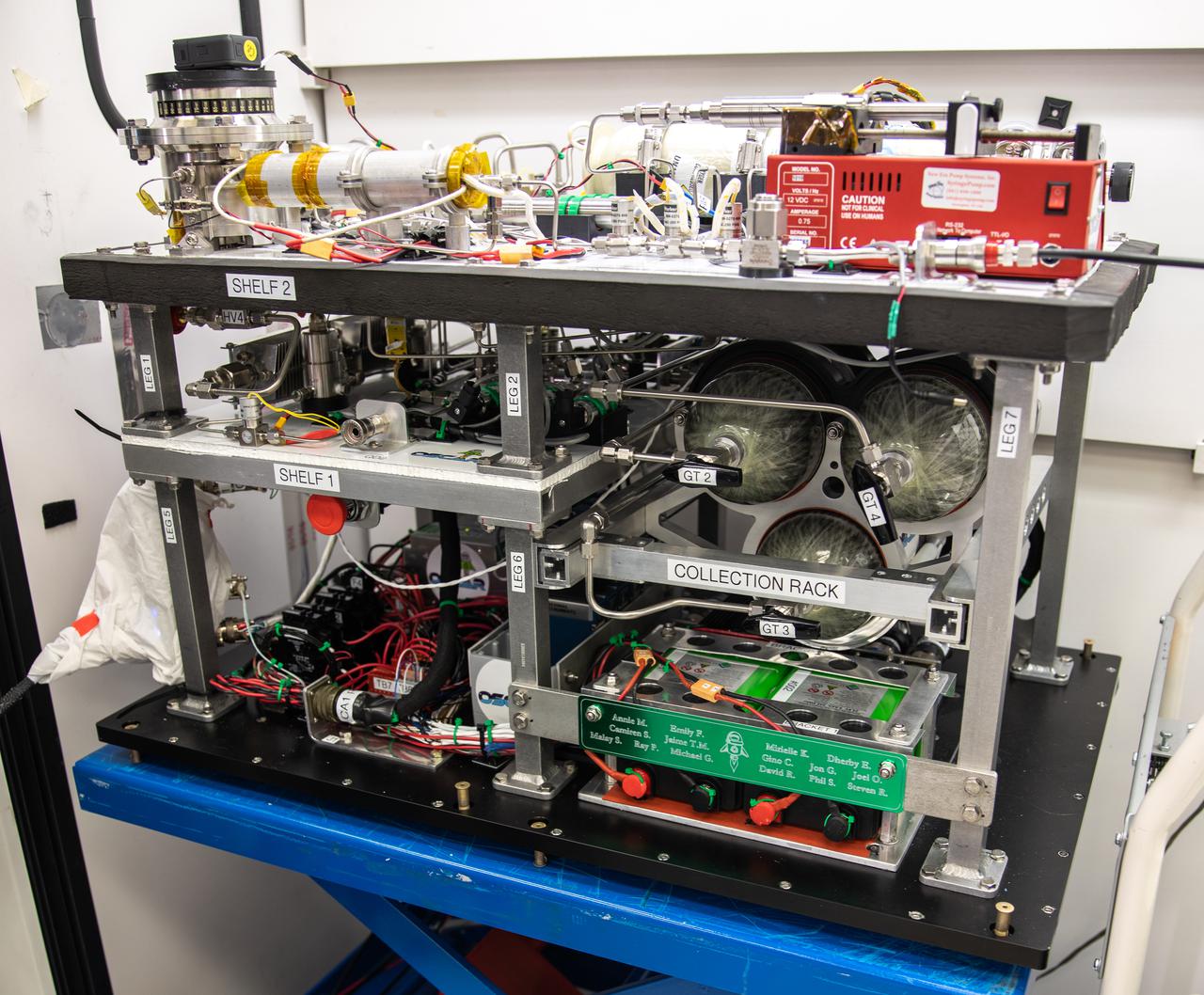
Members of the Orbital Syngas Commodity Augmentation Reactor (OSCAR) team perform ground testing at NASA’s Kennedy Space Center in Florida. The tests are in preparation for a scheduled suborbital flight test later this year, facilitated by NASA’s Flight Opportunities program. Begun as an Early Career Initiative project, OSCAR evaluates technology to make use of trash and human waste generated during long-duration spaceflight.
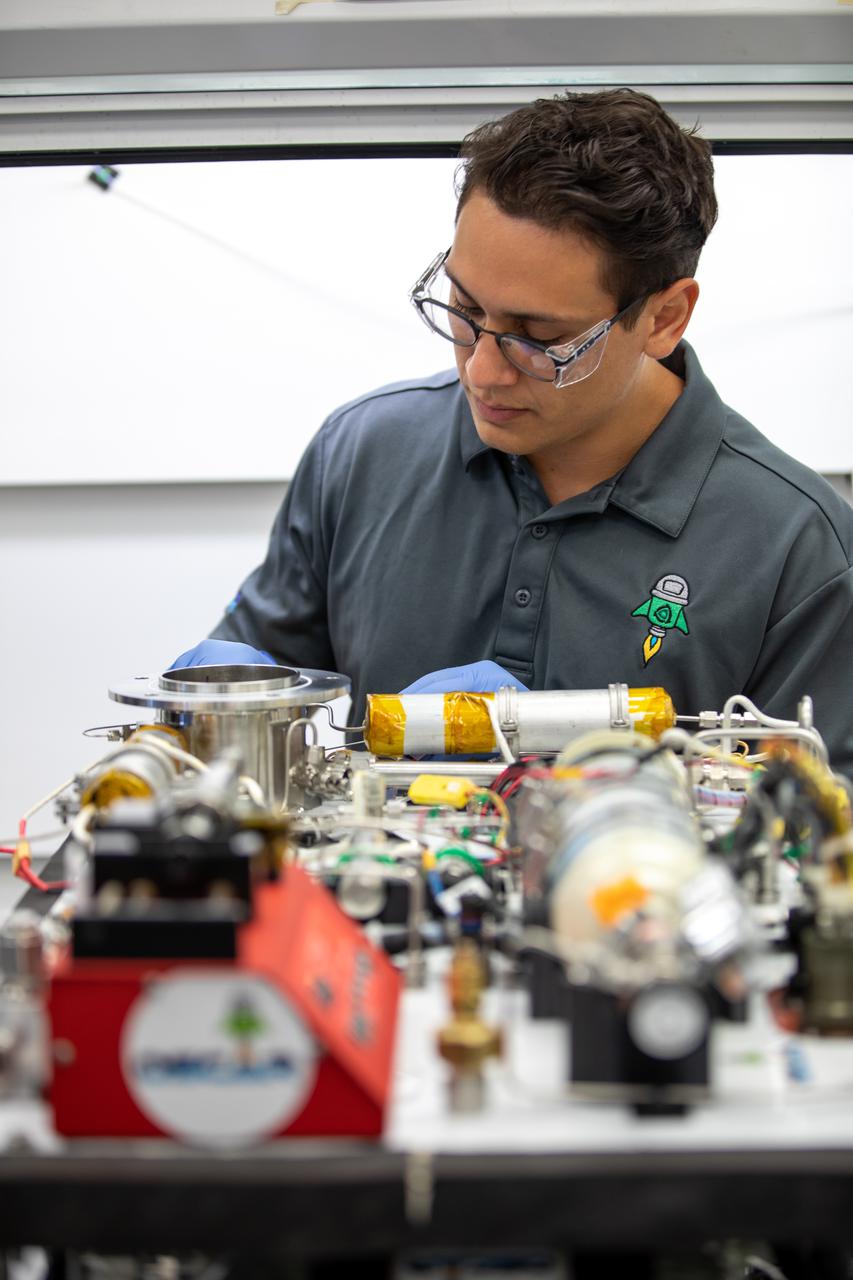
Ray Pitts, co-principal investigator for the Orbital Syngas Commodity Augmentation Reactor (OSCAR), performs ground testing at NASA’s Kennedy Space Center in Florida. The tests are in preparation for a scheduled suborbital flight test later this year, facilitated by NASA’s Flight Opportunities program. Begun as an Early Career Initiative project, OSCAR evaluates technology to make use of trash and human waste generated during long-duration spaceflight.
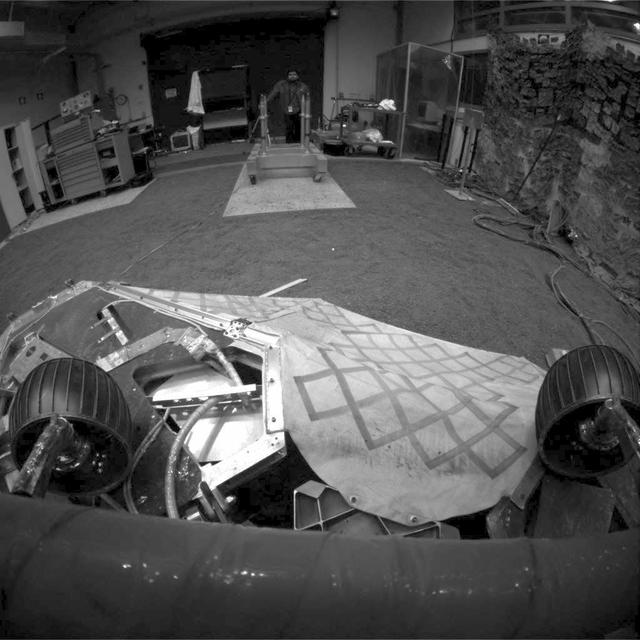
This image shows a test rover in a near-final turned position on the lander in NASA Jet Propulsion Laboratory In-Situ Instruments Laboratory, or testbed.
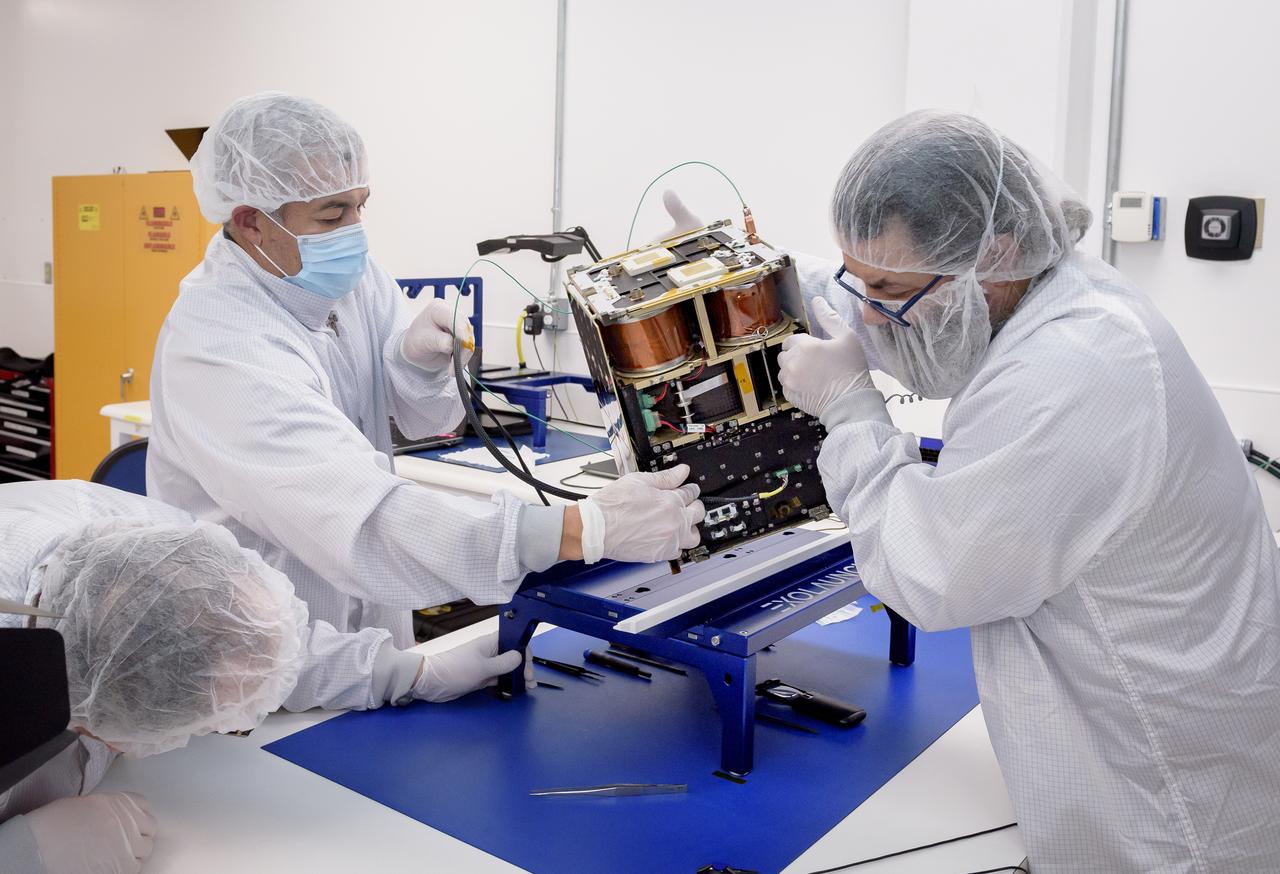
Left to right: Keats Wilkie, Mario Perez, and Craig Turczynski rotate the Advanced Composite Solar Sail System (ACS3) spacecraft on the workbench of the Ames Integration Facility located in N213 room 104.
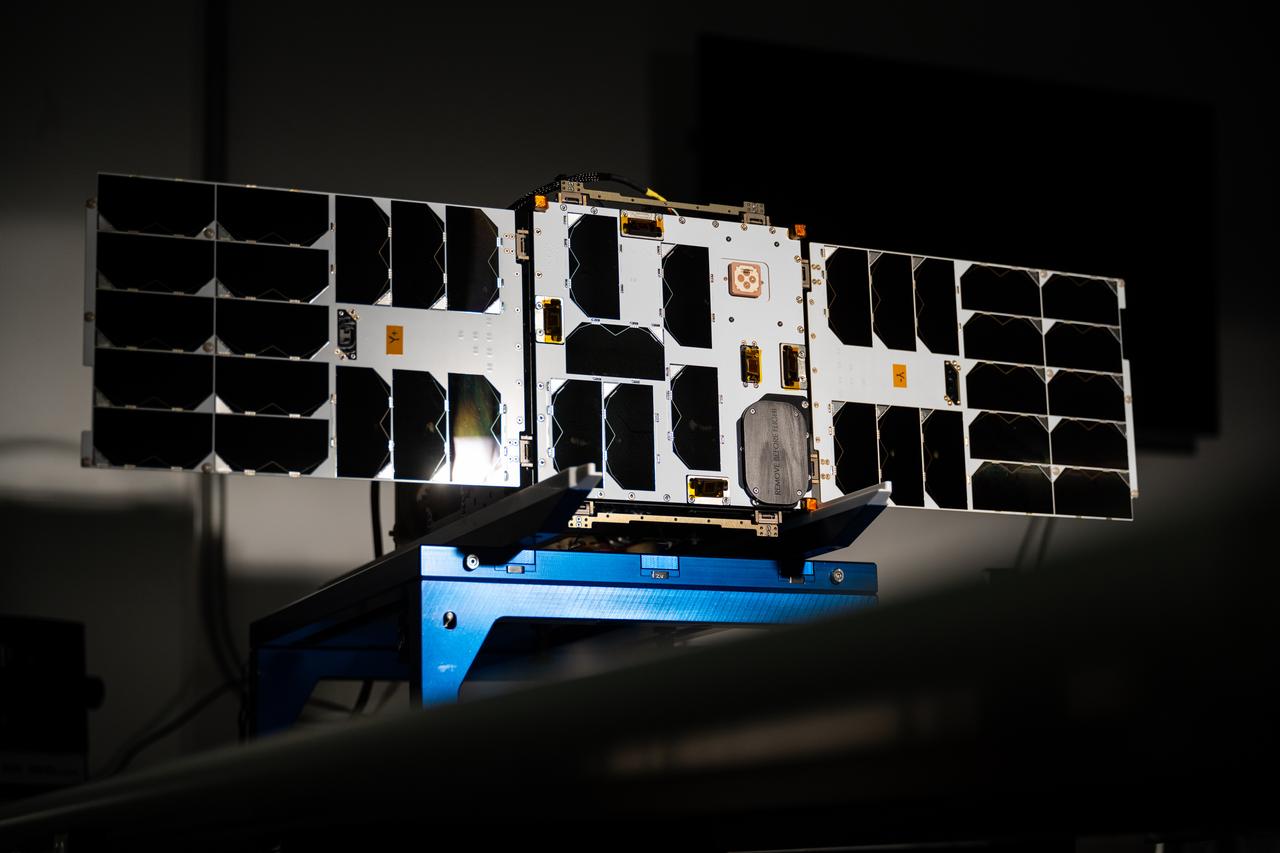
Overview of the solar panels test of the Advanced Composite Solar Sail System (ACS3) spacecraft in the Ames Integration Facility in N213 room 104.
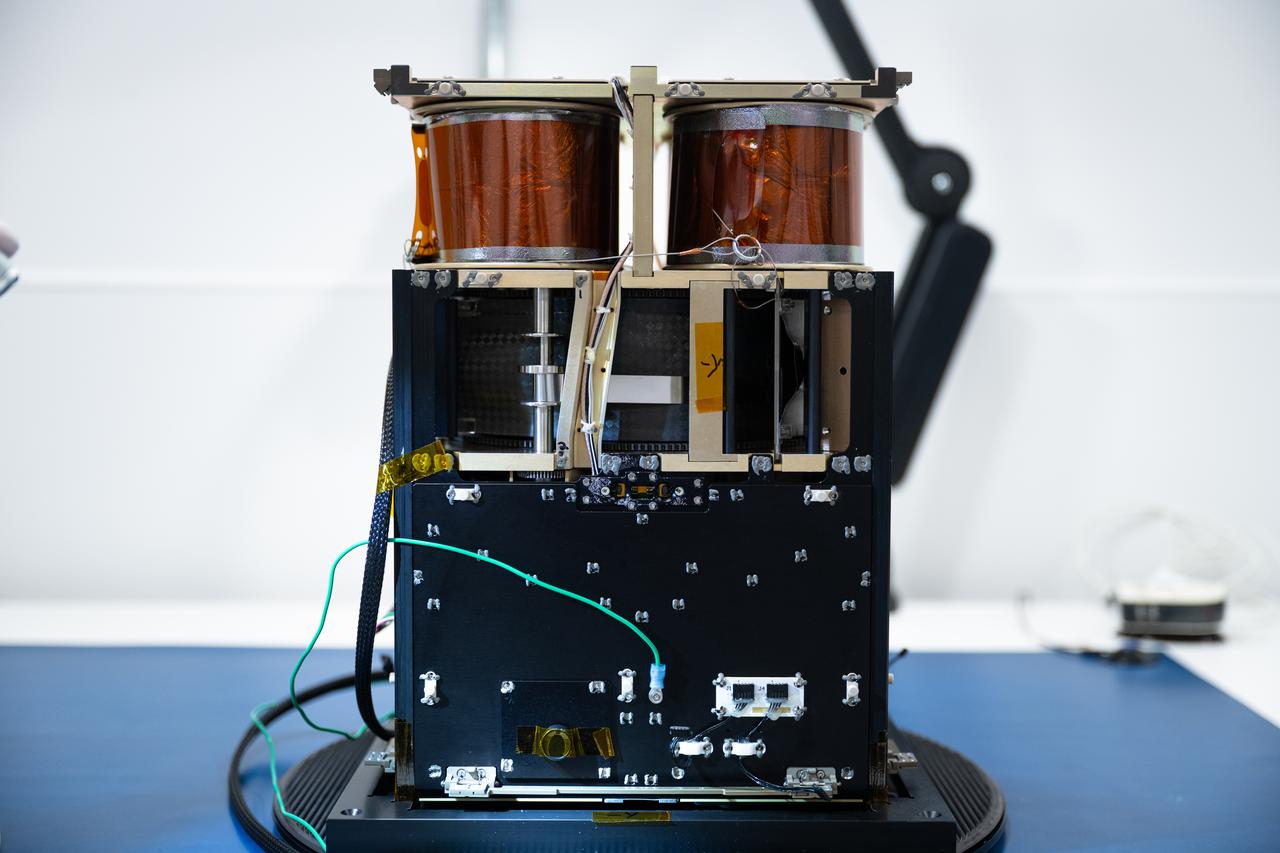
Overview of the -Y axis of the Advanced Composite Solar Sail System (ACS3) spacecraft before the installation of the solar panels in the Ames Integration Facility in N213 room 104.
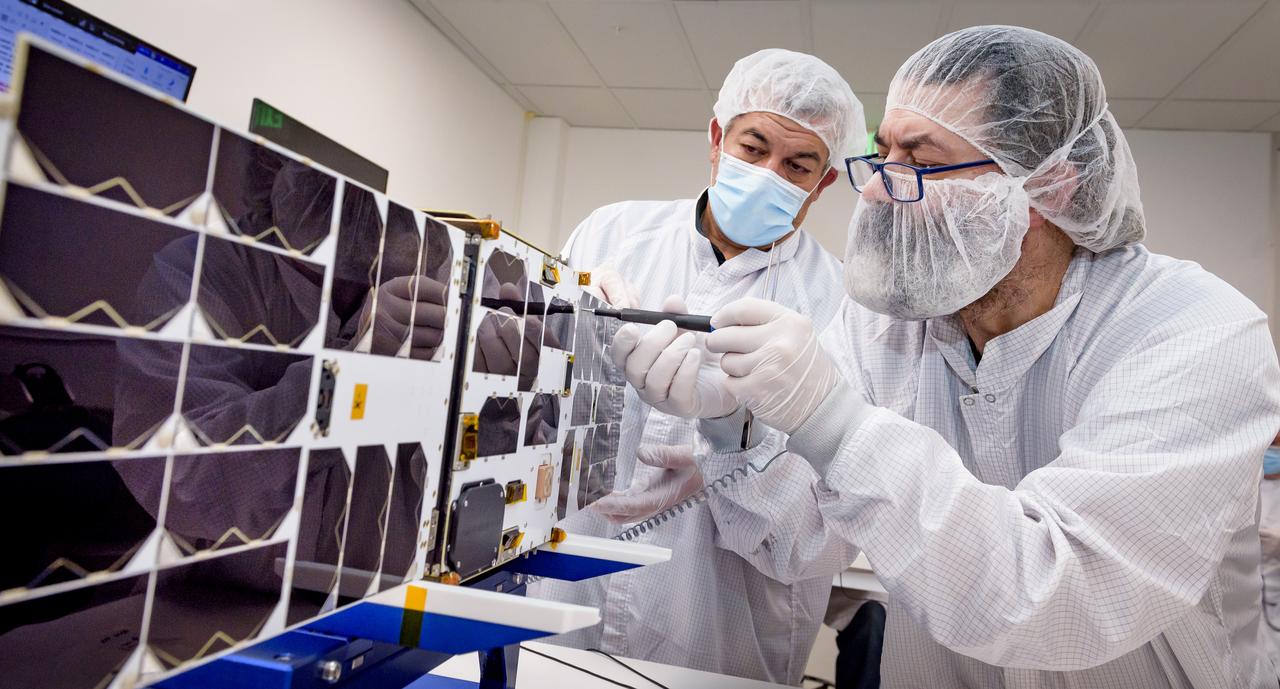
Mario Perez, back, holds the deployable solar panel as Craig Turczynski, left, secures it to the Advanced Composite Solar Sail System (ACS3) spacecraft in the Ames Integration Facility located in N213 room 104.
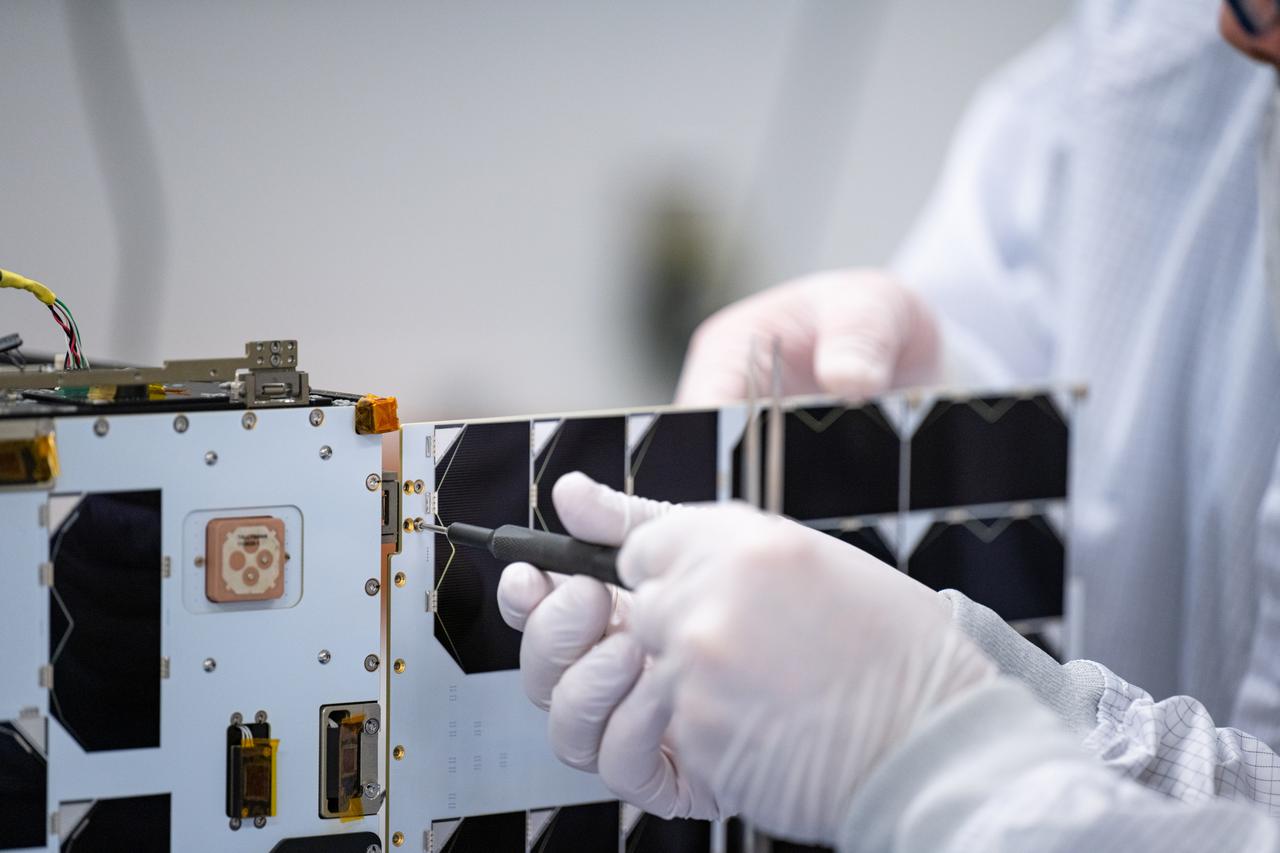
Craig Turczynski, and Mario Perez install the solar panels on the +Y and -Y axis of Advanced Composite Solar Sail System (ACS3) spacecraft in the Ames Integration Facility in N213 room 104.
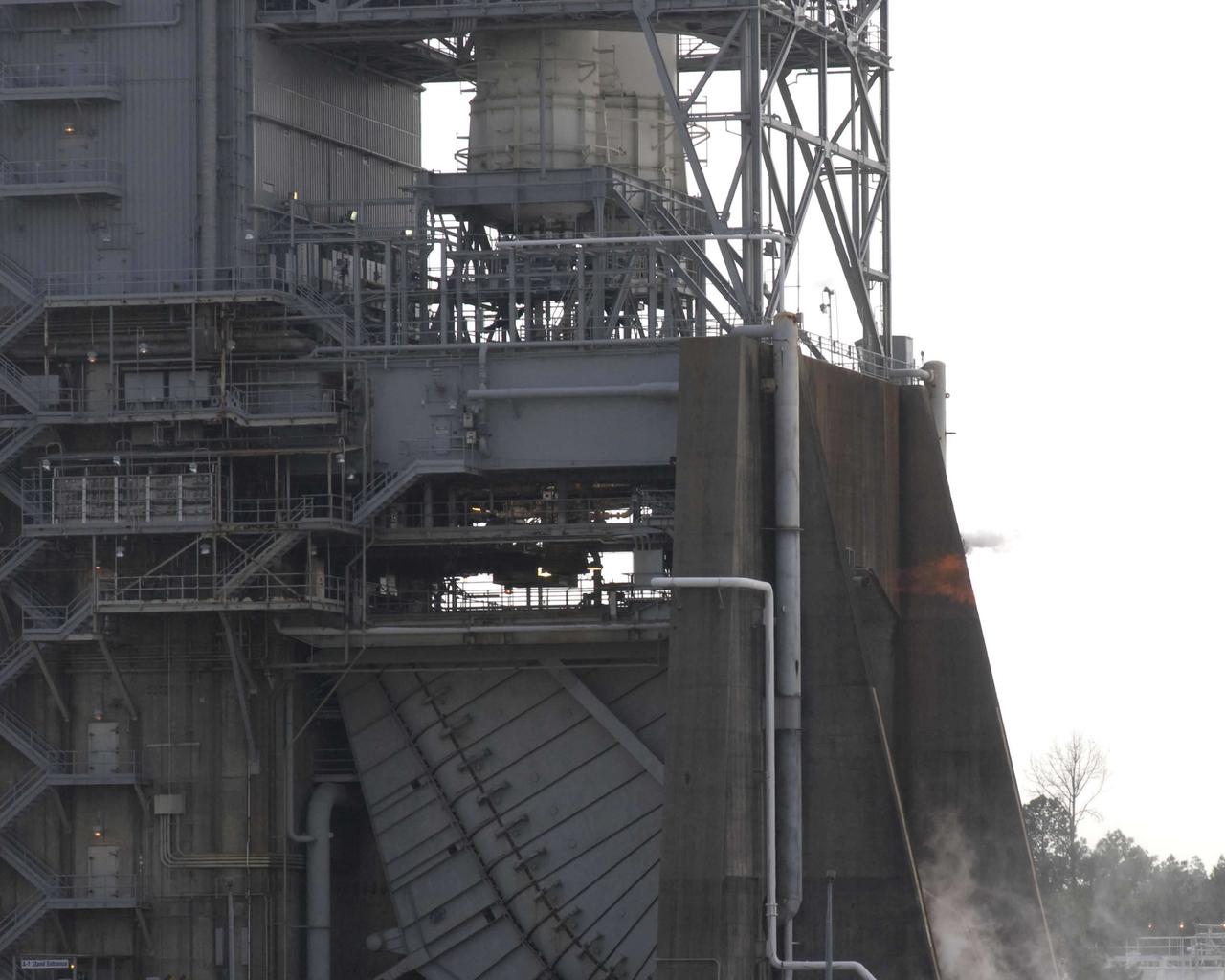
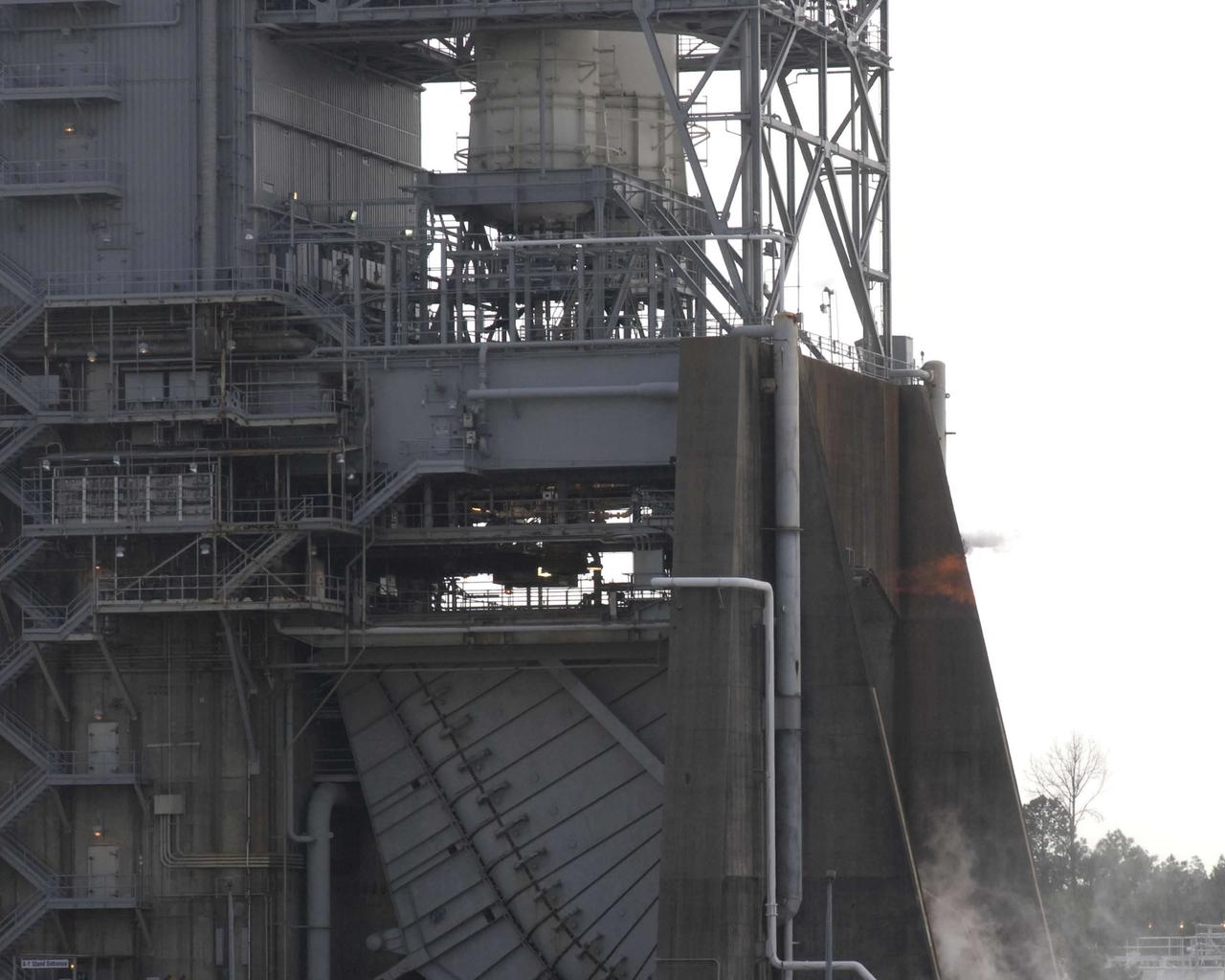
NASA engineers successfully complete the first series of tests in the early development of the J-2X engine that will power the Ares I and Ares V rockets, key components of NASA's Constellation Program.
NASA engineers successfully complete the first series of tests in the early development of the J-2X engine that will power the Ares I and Ares V rockets, key components of NASA's Constellation Program.
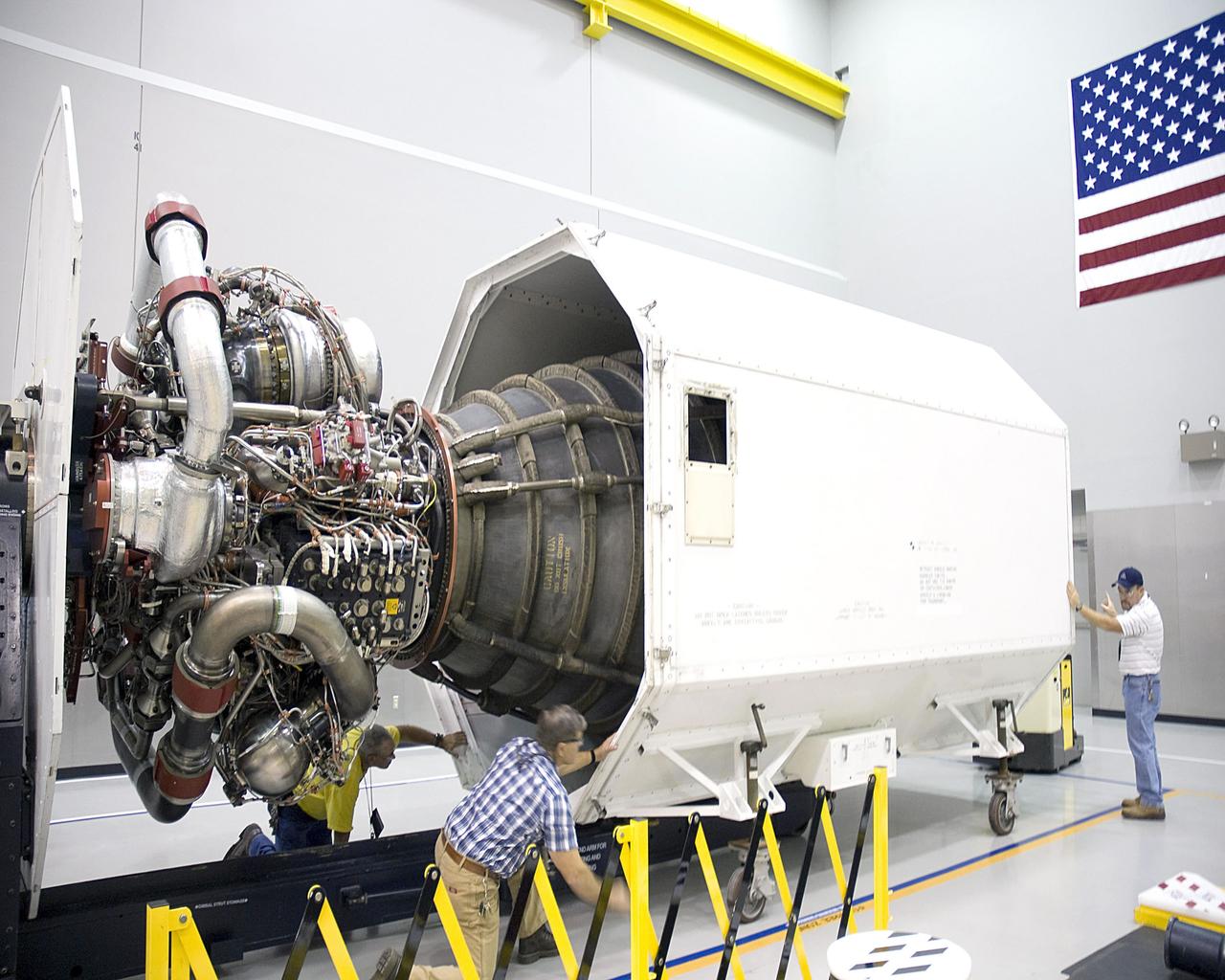
Workers at Stennis Space Center examine space shuttle main engine 2061 upon its arrival Oct. 1. The engine was to be the last shuttle flight engine to be scheduled for testing at Stennis.
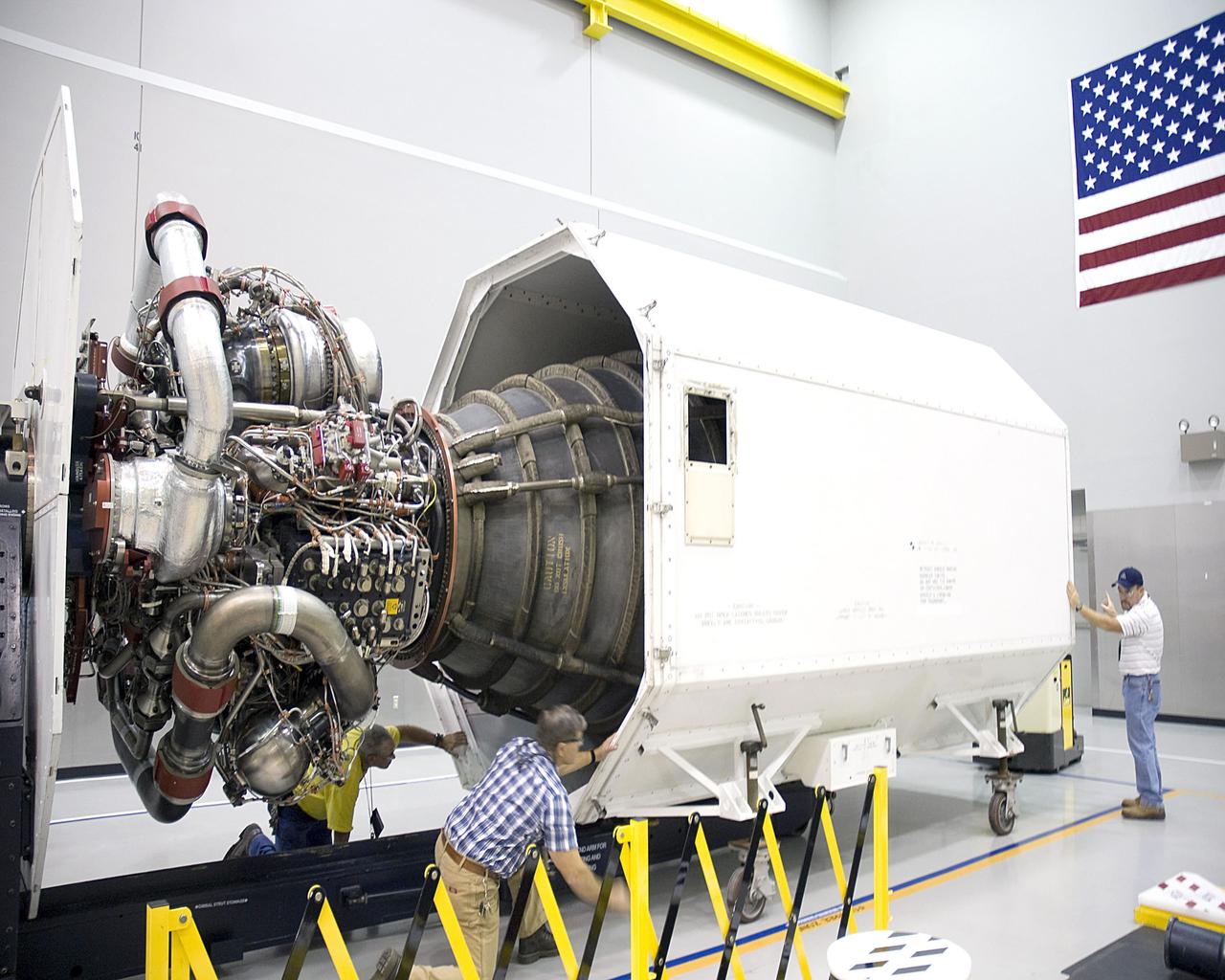
Workers at Stennis Space Center examine space shuttle main engine 2061 upon its arrival Oct. 1. The engine was to be the last shuttle flight engine to be scheduled for testing at Stennis.
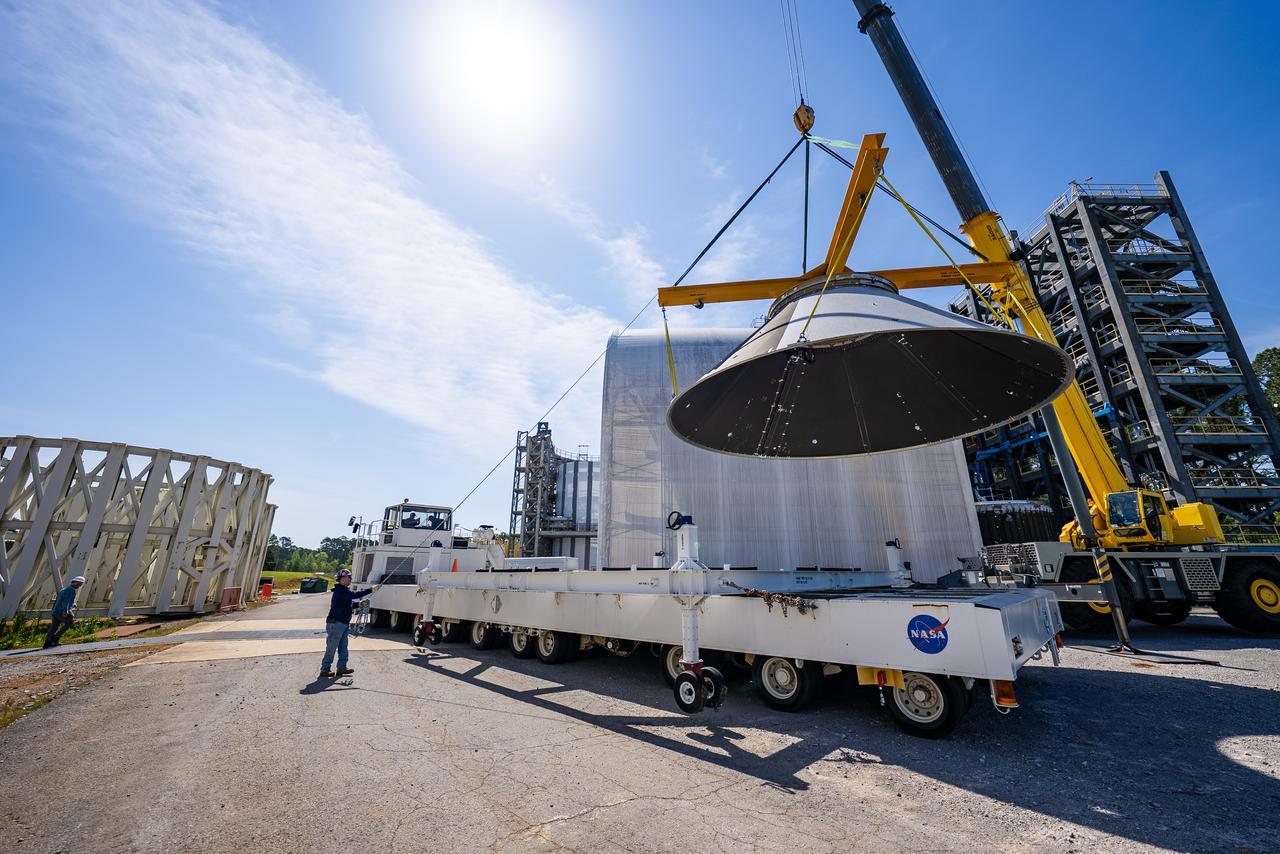
Technicians at NASA’s Marshall Space Flight Center in Huntsville, Alabama, are seen in these images taken April 17, 2025, moving the payload adapter test article from Building 4697 to Building 4705 for storage. This move marks the end of structural testing for the test article. Next, engineers will complete the qualification article and conduct additional for further testing before building the final flight hardware. Manufactured at Marshall, the test article underwent extensive and rigorous testing to validate the design before engineers finalized the configuration for the flight article. The newly completed composite payload adapter is an evolution from the Orion stage adapter to be used in the upgraded Block 1B configuration of the SLS (Space Launch System) rocket, debuting with Artemis IV.
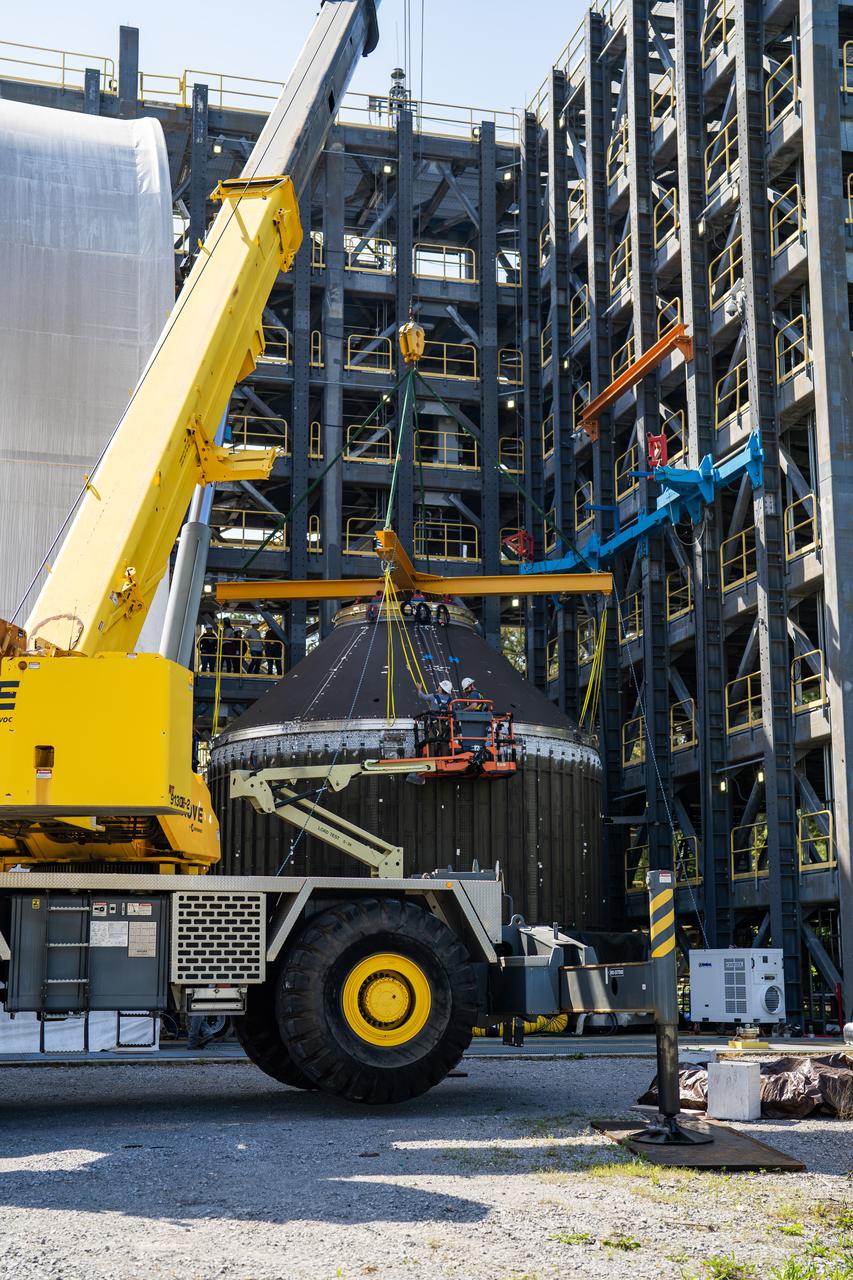
Technicians at NASA’s Marshall Space Flight Center in Huntsville, Alabama, are seen in these images taken April 17, 2025, moving the payload adapter test article from Building 4697 to Building 4705 for storage. This move marks the end of structural testing for the test article. Next, engineers will complete the qualification article and conduct additional for further testing before building the final flight hardware. Manufactured at Marshall, the test article underwent extensive and rigorous testing to validate the design before engineers finalized the configuration for the flight article. The newly completed composite payload adapter is an evolution from the Orion stage adapter to be used in the upgraded Block 1B configuration of the SLS (Space Launch System) rocket, debuting with Artemis IV.
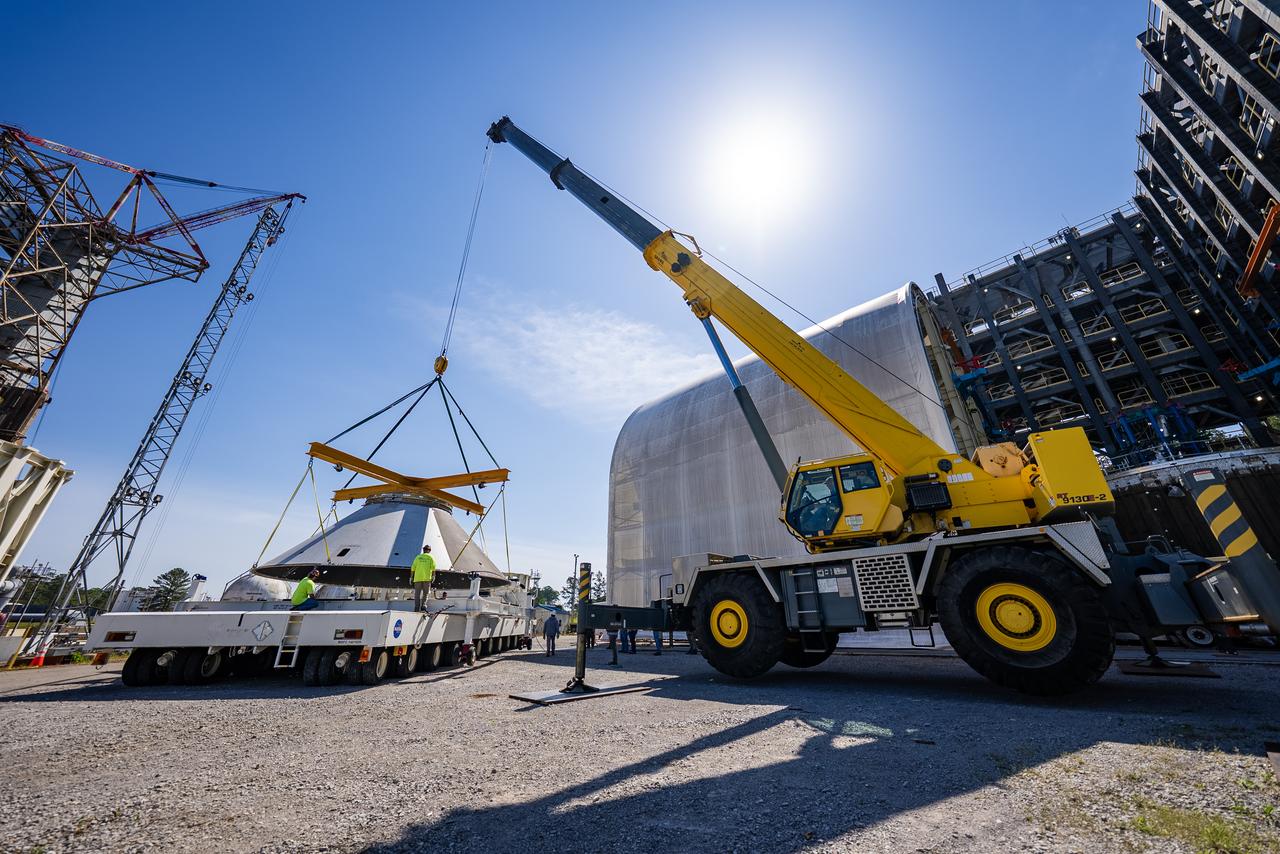
Technicians at NASA’s Marshall Space Flight Center in Huntsville, Alabama, are seen in these images taken April 17, 2025, moving the payload adapter test article from Building 4697 to Building 4705 for storage. This move marks the end of structural testing for the test article. Next, engineers will complete the qualification article and conduct additional for further testing before building the final flight hardware. Manufactured at Marshall, the test article underwent extensive and rigorous testing to validate the design before engineers finalized the configuration for the flight article. The newly completed composite payload adapter is an evolution from the Orion stage adapter to be used in the upgraded Block 1B configuration of the SLS (Space Launch System) rocket, debuting with Artemis IV.

Technicians at NASA’s Marshall Space Flight Center in Huntsville, Alabama, are seen in these images taken April 17, 2025, moving the payload adapter test article from Building 4697 to Building 4705 for storage. This move marks the end of structural testing for the test article. Next, engineers will complete the qualification article and conduct additional for further testing before building the final flight hardware. Manufactured at Marshall, the test article underwent extensive and rigorous testing to validate the design before engineers finalized the configuration for the flight article. The newly completed composite payload adapter is an evolution from the Orion stage adapter to be used in the upgraded Block 1B configuration of the SLS (Space Launch System) rocket, debuting with Artemis IV.
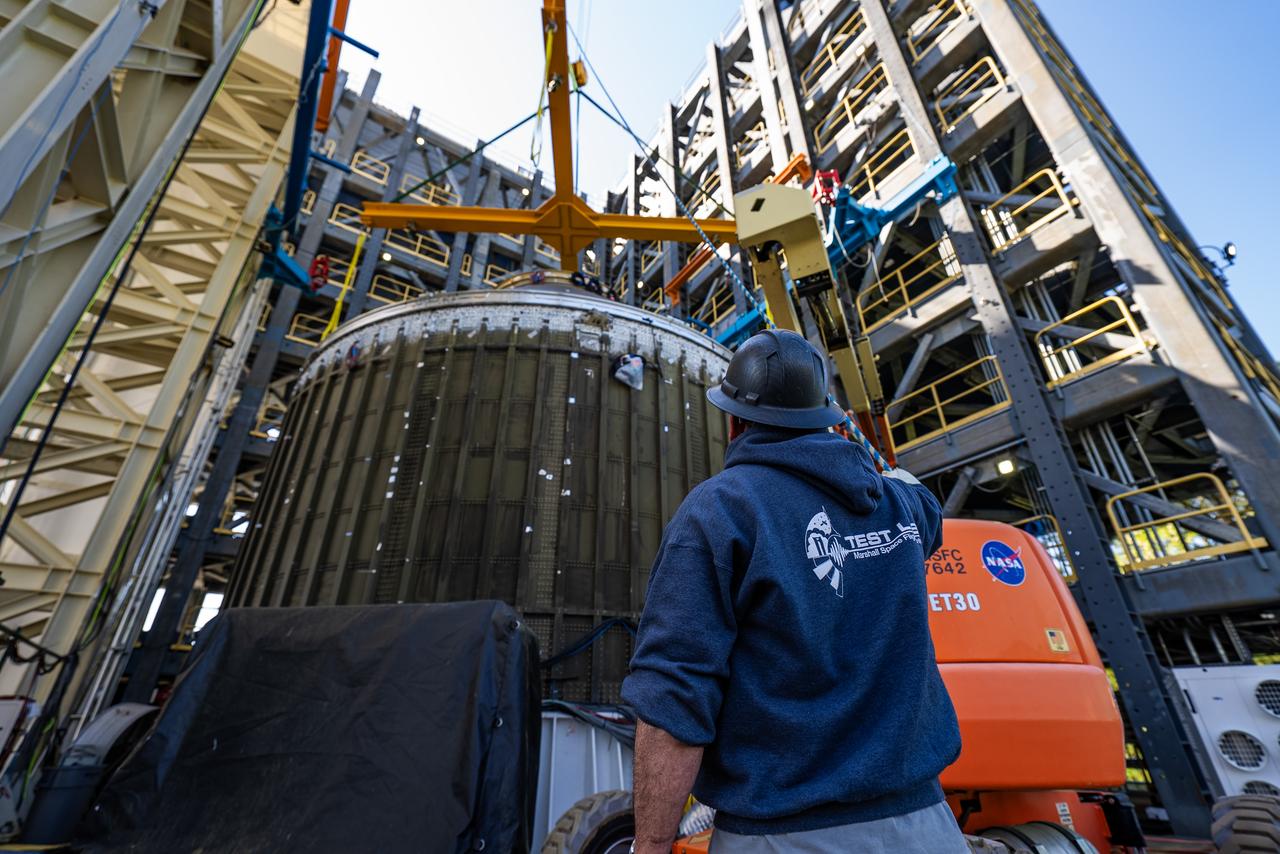
Technicians at NASA’s Marshall Space Flight Center in Huntsville, Alabama, are seen in these images taken April 17, 2025, moving the payload adapter test article from Building 4697 to Building 4705 for storage. This move marks the end of structural testing for the test article. Next, engineers will complete the qualification article and conduct additional for further testing before building the final flight hardware. Manufactured at Marshall, the test article underwent extensive and rigorous testing to validate the design before engineers finalized the configuration for the flight article. The newly completed composite payload adapter is an evolution from the Orion stage adapter to be used in the upgraded Block 1B configuration of the SLS (Space Launch System) rocket, debuting with Artemis IV.
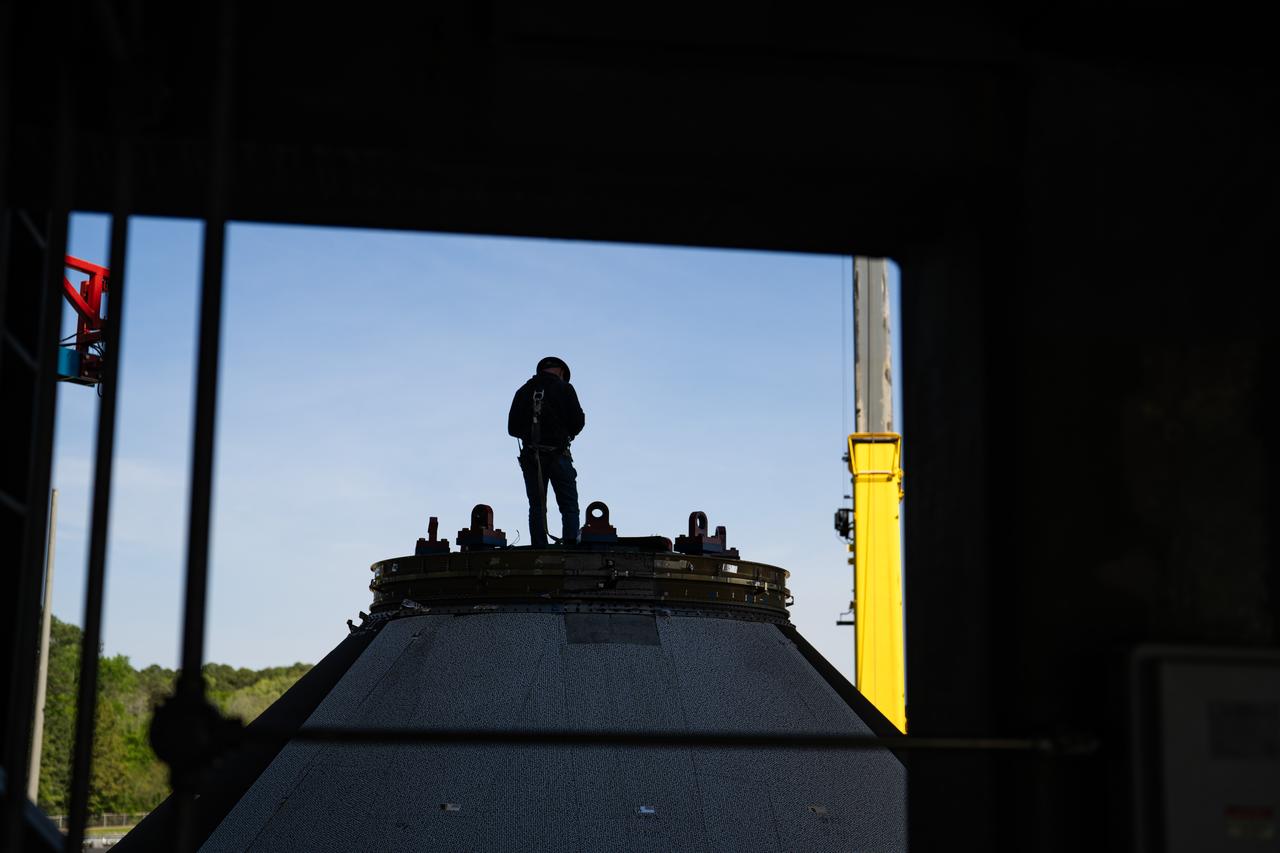
Technicians at NASA’s Marshall Space Flight Center in Huntsville, Alabama, are seen in these images taken April 17, 2025, moving the payload adapter test article from Building 4697 to Building 4705 for storage. This move marks the end of structural testing for the test article. Next, engineers will complete the qualification article and conduct additional for further testing before building the final flight hardware. Manufactured at Marshall, the test article underwent extensive and rigorous testing to validate the design before engineers finalized the configuration for the flight article. The newly completed composite payload adapter is an evolution from the Orion stage adapter to be used in the upgraded Block 1B configuration of the SLS (Space Launch System) rocket, debuting with Artemis IV.
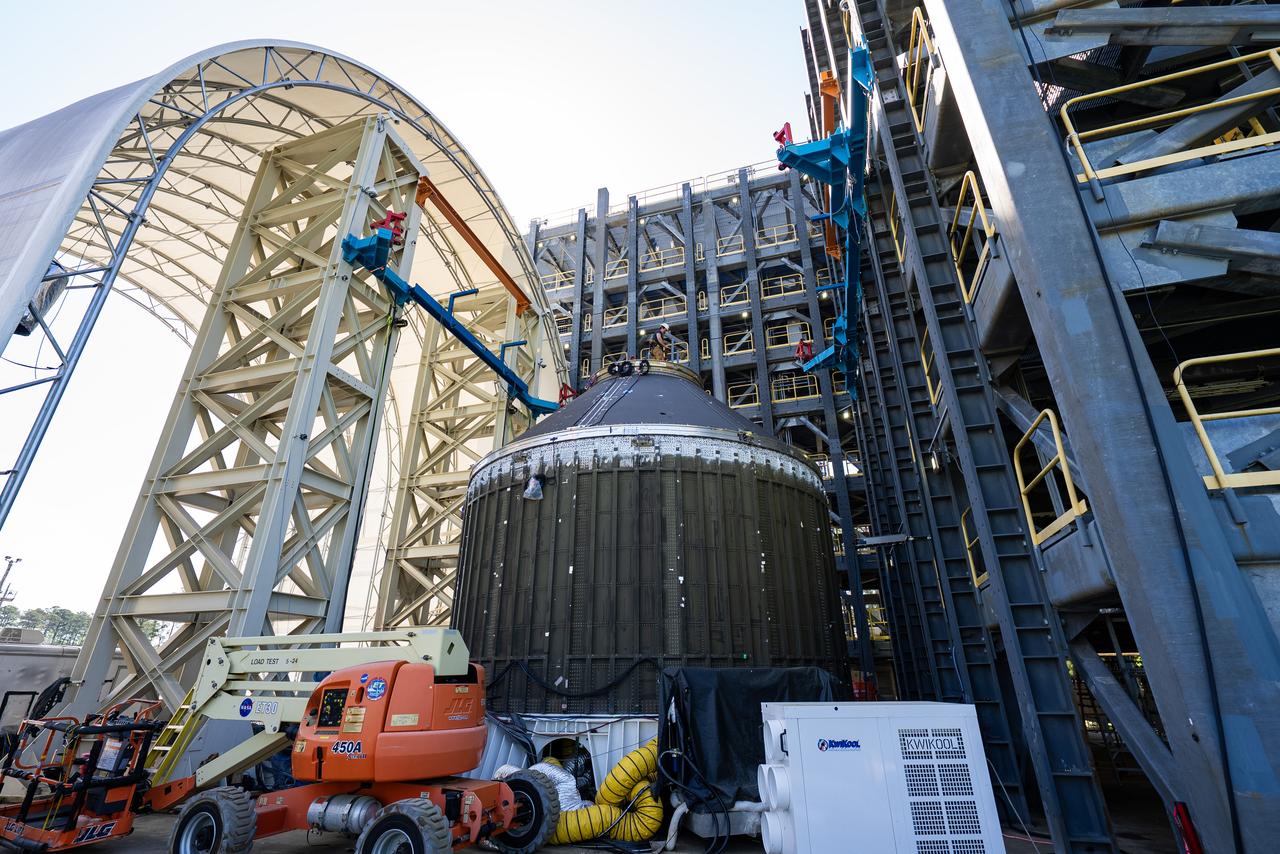
Technicians at NASA’s Marshall Space Flight Center in Huntsville, Alabama, are seen in these images taken April 17, 2025, moving the payload adapter test article from Building 4697 to Building 4705 for storage. This move marks the end of structural testing for the test article. Next, engineers will complete the qualification article and conduct additional for further testing before building the final flight hardware. Manufactured at Marshall, the test article underwent extensive and rigorous testing to validate the design before engineers finalized the configuration for the flight article. The newly completed composite payload adapter is an evolution from the Orion stage adapter to be used in the upgraded Block 1B configuration of the SLS (Space Launch System) rocket, debuting with Artemis IV.
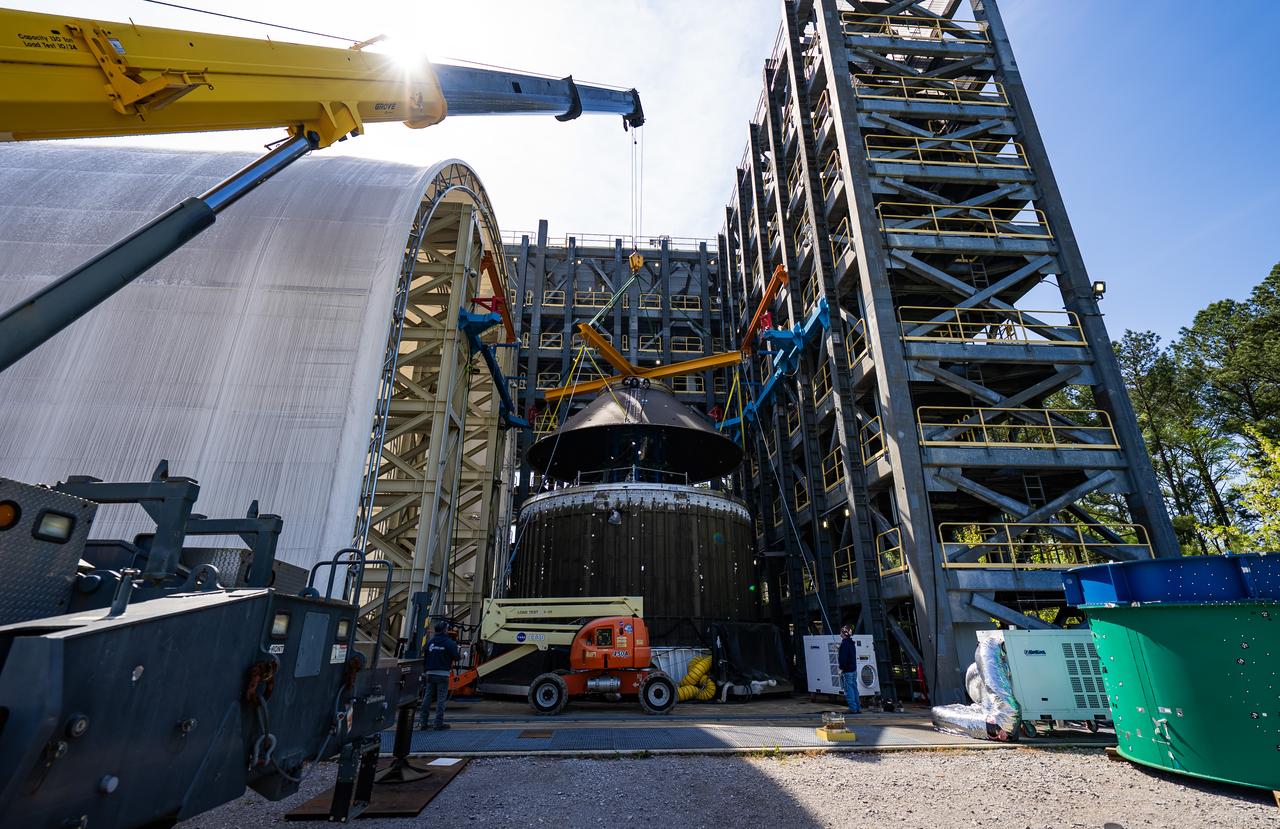
Technicians at NASA’s Marshall Space Flight Center in Huntsville, Alabama, are seen in these images taken April 17, 2025, moving the payload adapter test article from Building 4697 to Building 4705 for storage. This move marks the end of structural testing for the test article. Next, engineers will complete the qualification article and conduct additional for further testing before building the final flight hardware. Manufactured at Marshall, the test article underwent extensive and rigorous testing to validate the design before engineers finalized the configuration for the flight article. The newly completed composite payload adapter is an evolution from the Orion stage adapter to be used in the upgraded Block 1B configuration of the SLS (Space Launch System) rocket, debuting with Artemis IV.
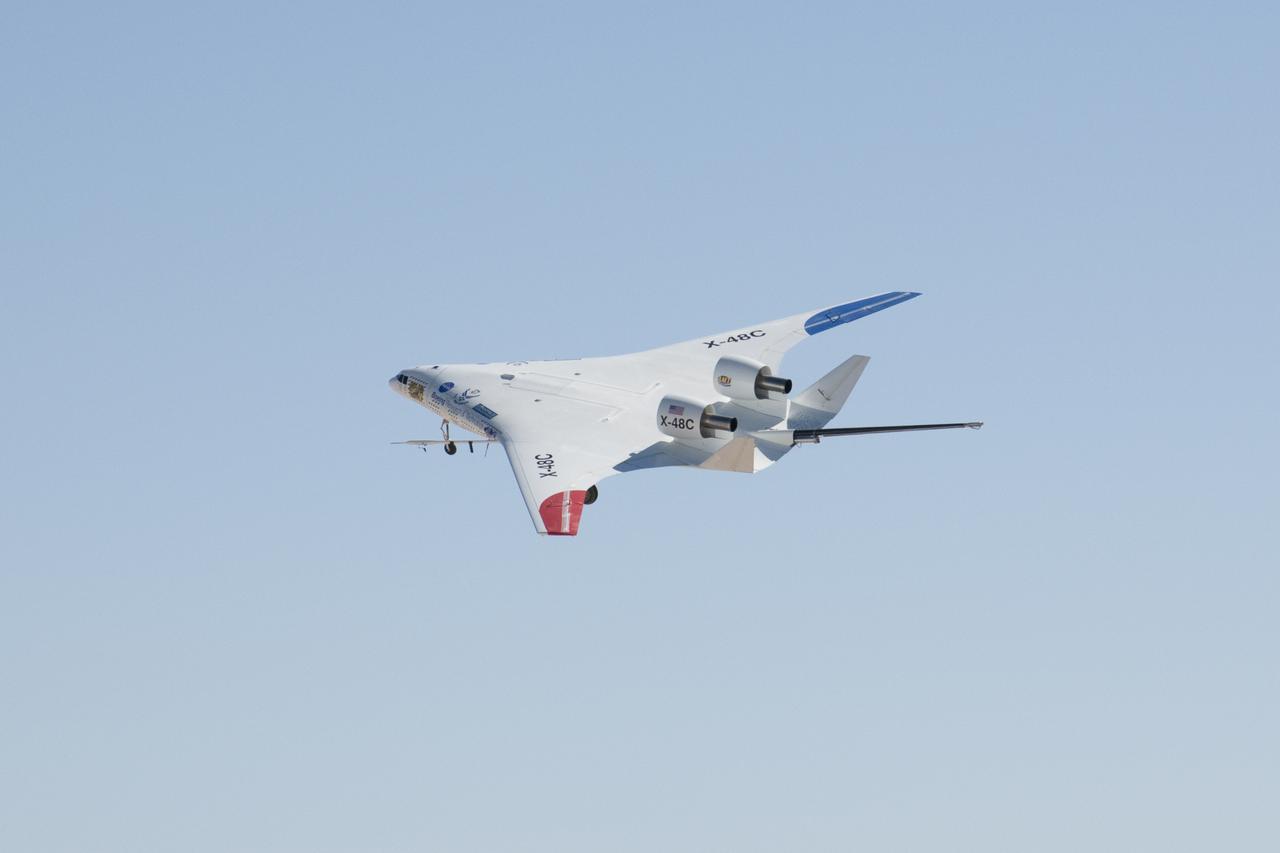
The NASA-Boeing X-48C Hybrid/Blended Wing Body research aircraft banked left during one of its final test flights over Edwards Air Force Base from NASA's Dryden Flight Research Center on Feb. 28, 2013.
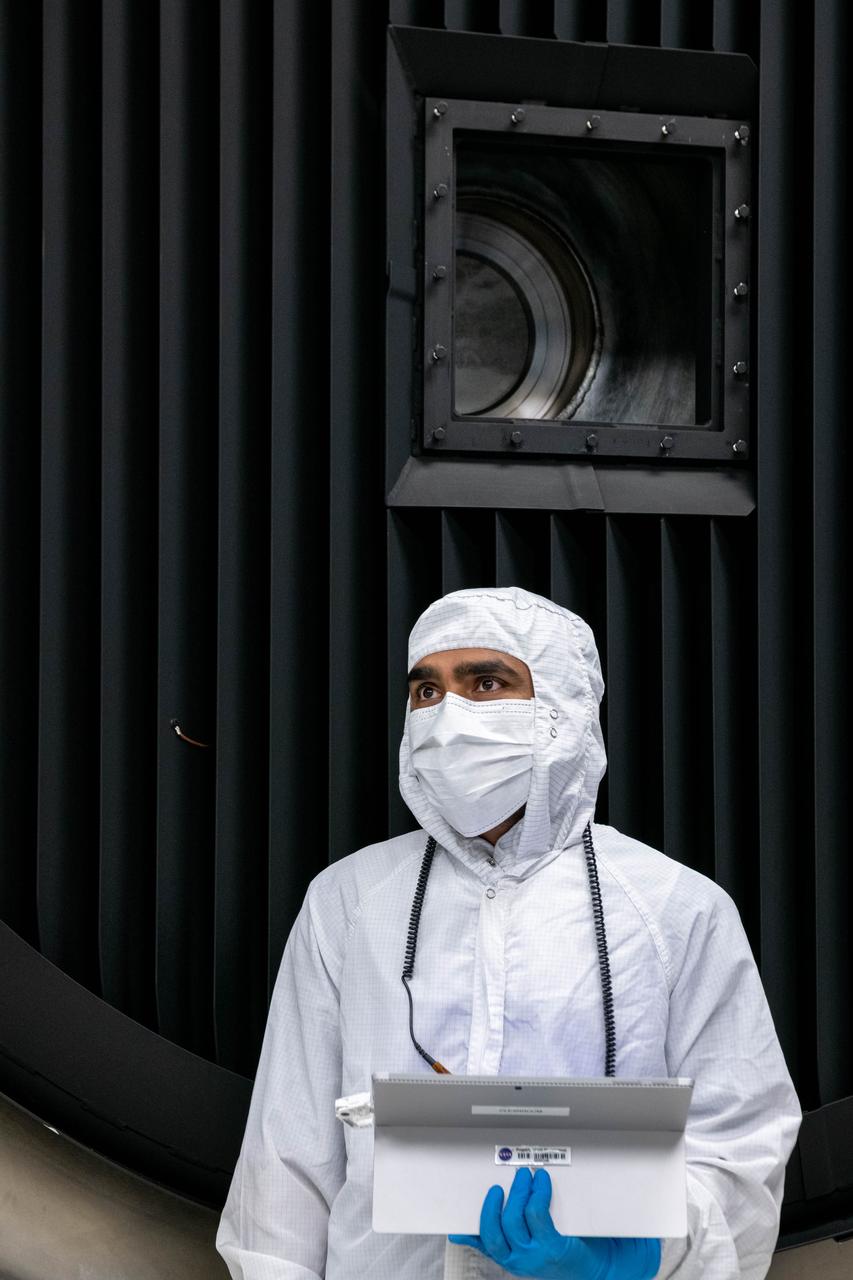
Thermal Engineer, Deepak Patel, reviews test plans and inspects the Ocean Color Instrument (OCI) in the thermal vacuum chamber prior to the door for the instruments sixty day thermal test to ensure it will perform effectively once it launches into the airless environment of space. OCI is a highly advanced optical spectrometer that will be used to measure properties of light over portions of the electromagnetic spectrum. It will enable continuous measurement of light at finer wavelength resolution than previous NASA satellite sensors, extending key system ocean color data records for climate studies. OCI is PACE's (Plankton, Aerosol, Cloud, ocean Ecosystem) primary sensor built at Goddard Space Flight Center in Greenbelt, MD.
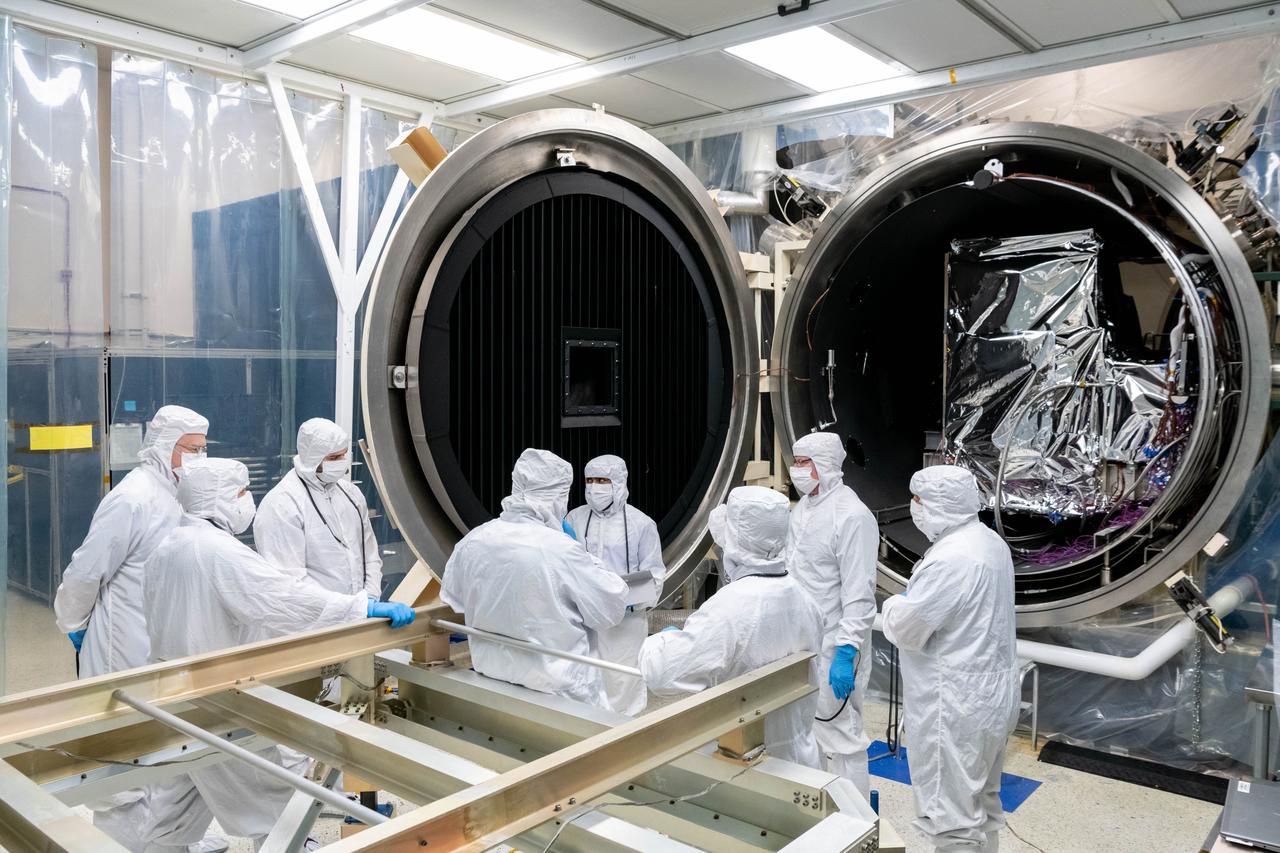
The Ocean Color Instrument (OCI) team reviews test plans and inspects the instrument in the thermal vacuum chamber prior to closing the large door for a sixty day thermal test which ensures the instrument will perform effectively once it launches into the airless environment of space. OCI is a highly advanced optical spectrometer that will be used to measure properties of light over portions of the electromagnetic spectrum. It will enable continuous measurement of light at finer wavelength resolution than previous NASA satellite sensors, extending key system ocean color data records for climate studies. OCI is PACE's (Plankton, Aerosol, Cloud, ocean Ecosystem) primary sensor built at Goddard Space Flight Center in Greenbelt, MD.

A model of a tiny, wedge-shaped robot designed to explore subsurface oceans of icy moons, right, sits beside a large waterproof capsule containing electronics and sensors for testing below glacial ice at the Juneau Icefield in Alaska in July 2023. The model, about 5 inches (12 centimeters) long, was 3D-printed to show the final envisioned size of a futuristic NASA mission concept called SWIM, short for Sensing With Independent Micro-swimmers. Led by NASA's Jet Propulsion Laboratory from spring 2021 to fall 2024, SWIM envisions a swarm of dozens of self-propelled, cellphone-size robots exploring the waters of icy moons like Jupiter's Europa and Saturn's Enceladus. Delivered to the subsurface ocean by an ice-melting cryobot, the tiny robots would zoom away to look for chemical and temperature signals that could point to life. The capsule shown here contains the first generation of an ocean composition sensor built for the SWIM robots by a team at Georgia Tech. The final version of the sensor would enable each robot to simultaneously measure temperature, pressure, acidity or alkalinity, conductivity, and chemical makeup. During the Alaska field test, the team lowered the capsule through a borehole in the ice and measured pressure and conductivity down to a depth of 164 feet (50 meters). This field test was conducted as part of a JPL-managed project called ORCAA (Ocean Worlds Reconnaissance and Characterization of Astrobiological Analogs). Known as an analog mission, ORCAA is working to answer science questions and test technology in preparation for a potential future mission to explore the surface or subsurface of icy moons. ORCAA is funded by NASA's Planetary Science and Technology from Analog Research program. SWIM was supported by Phase I and II funding from NASA's Innovative Advanced Concepts program under the agency's Space Technology Mission Directorate. JPL is managed for NASA by Caltech in Pasadena, California. https://photojournal.jpl.nasa.gov/catalog/PIA26424
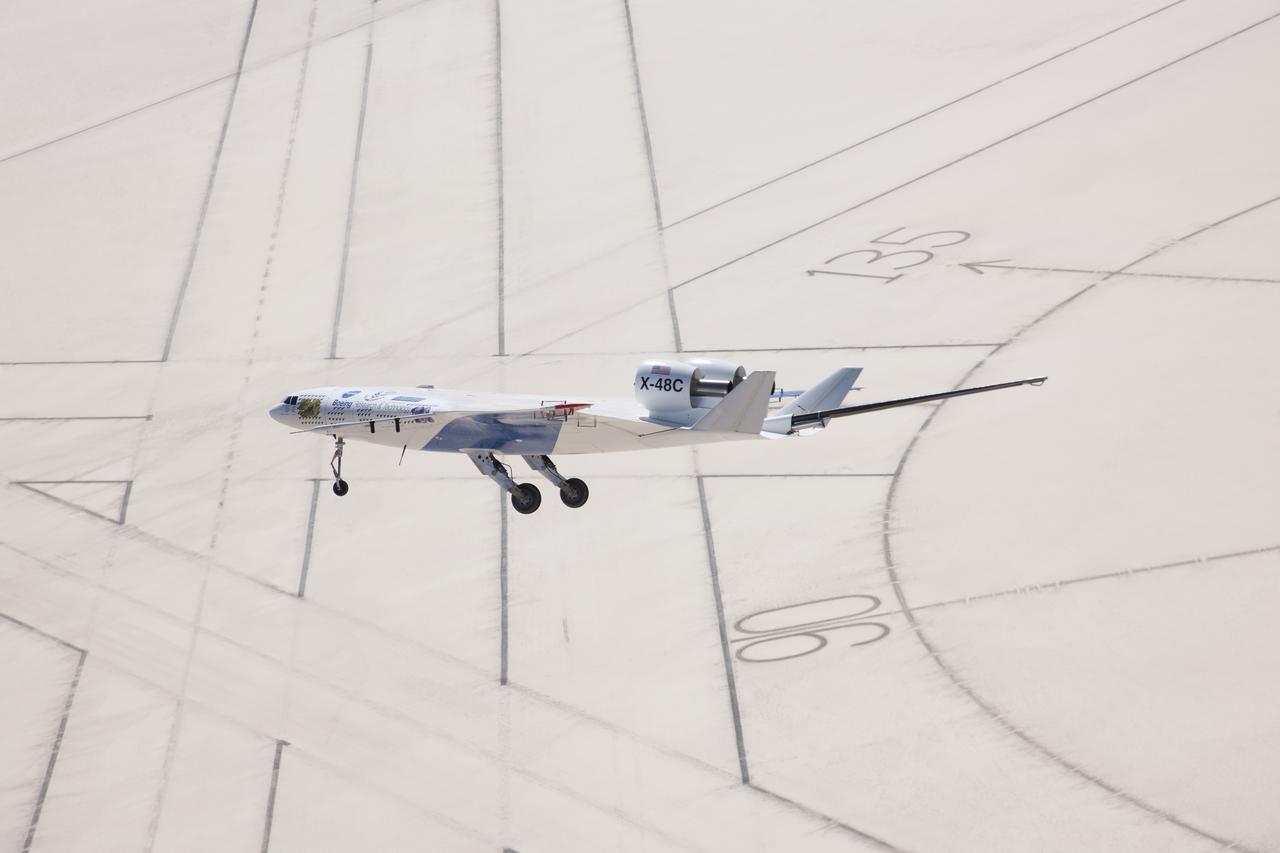
The X-48C Hybrid Wing Body research aircraft flew over the intersection of several runways adjacent to the compass rose on Rogers Dry Lake at Edwards Air Force Base during one of the sub-scale aircraft's final test flights on Feb. 28, 2013.
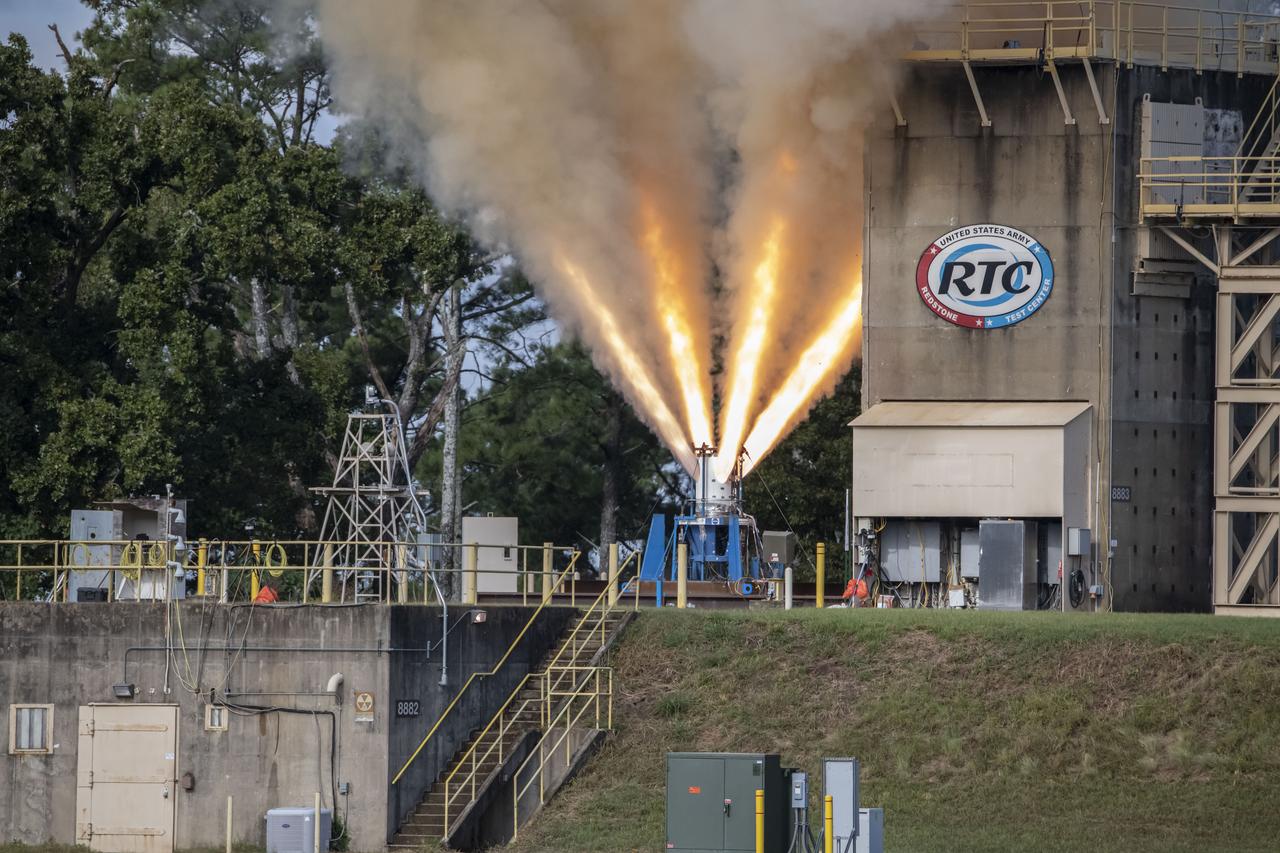
Redstone Test Center hosted the final hot fire test of the Aerojet Rocketdyne Orion Launch Abort System (LAS) at Redstone Arsenal’s test area 5.
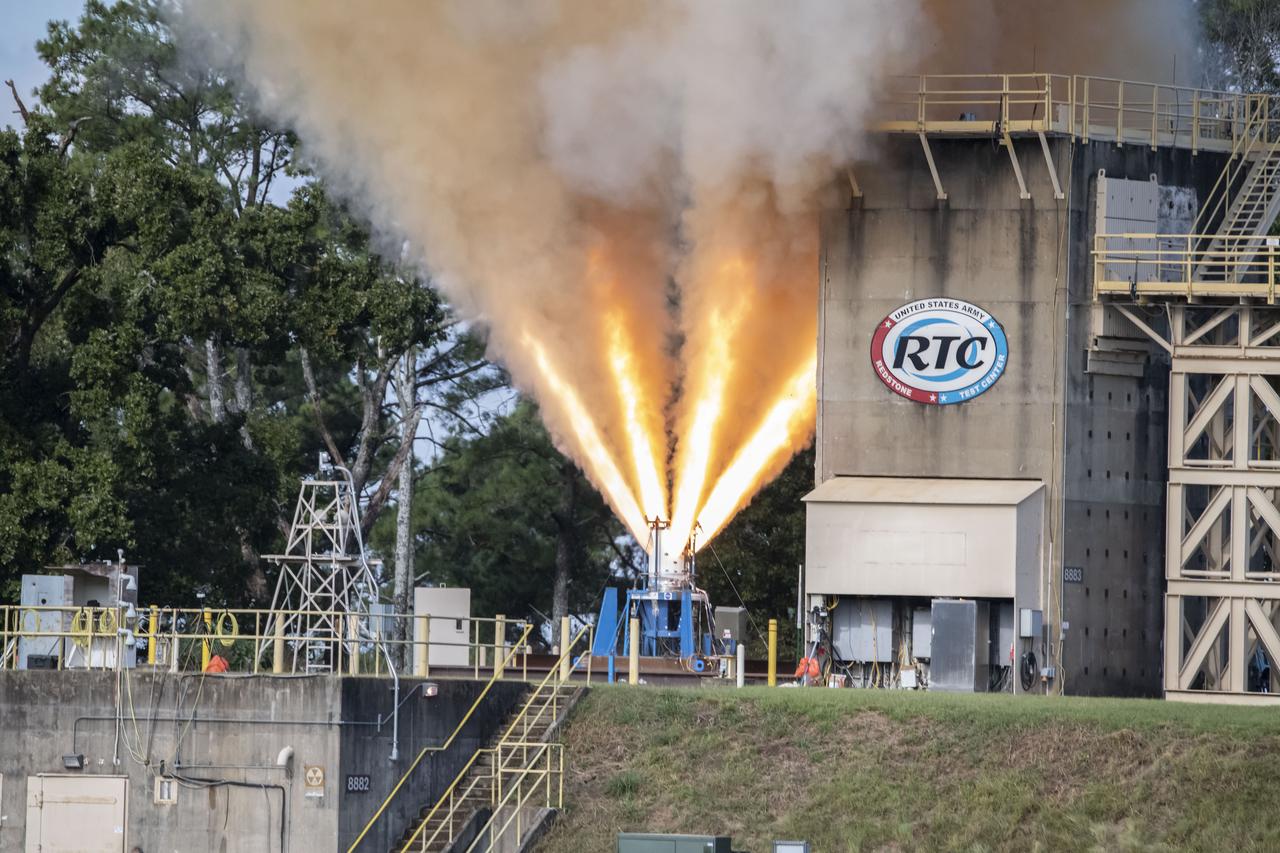
Redstone Test Center hosted the final hot fire test of the Aerojet Rocketdyne Orion Launch Abort System (LAS) at Redstone Arsenal’s test area 5.
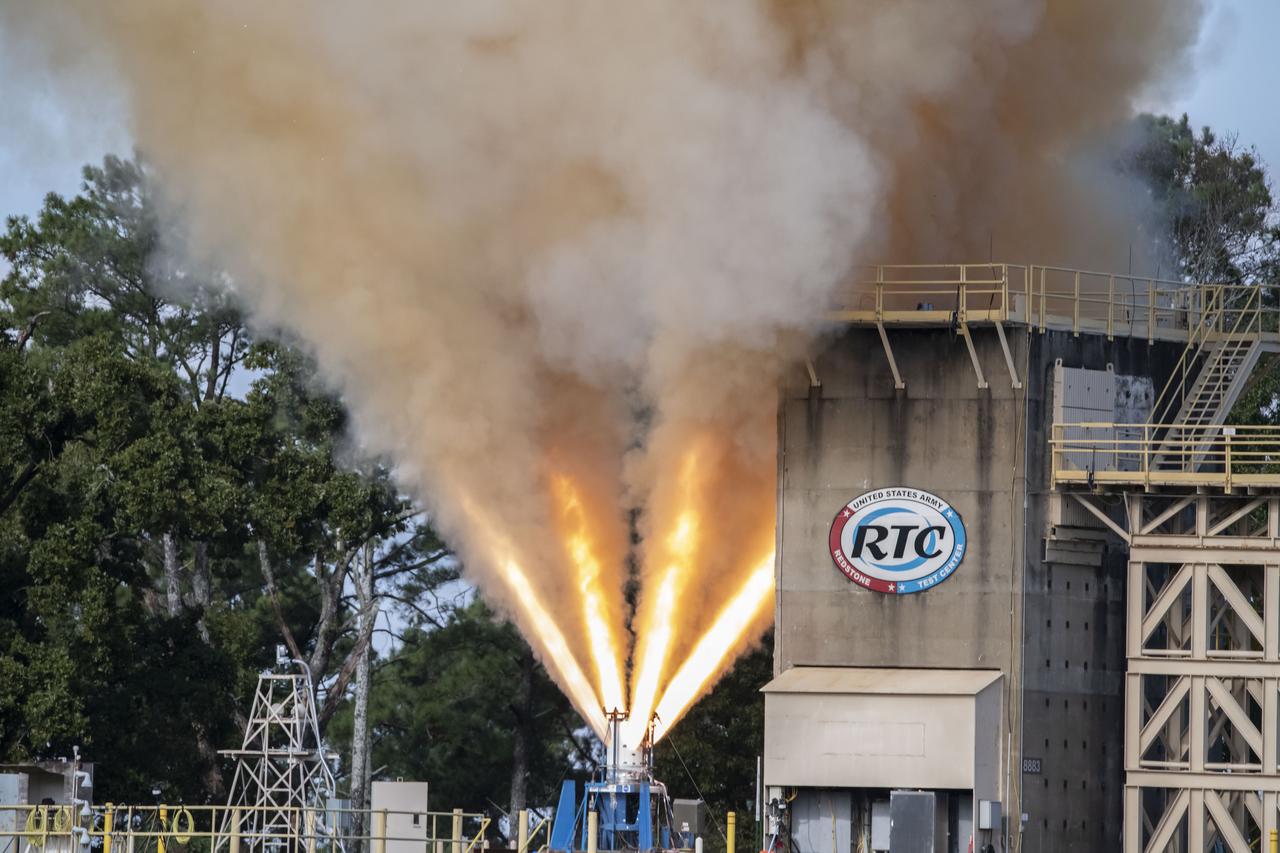
Redstone Test Center hosted the final hot fire test of the Aerojet Rocketdyne Orion Launch Abort System (LAS) at Redstone Arsenal’s test area 5.
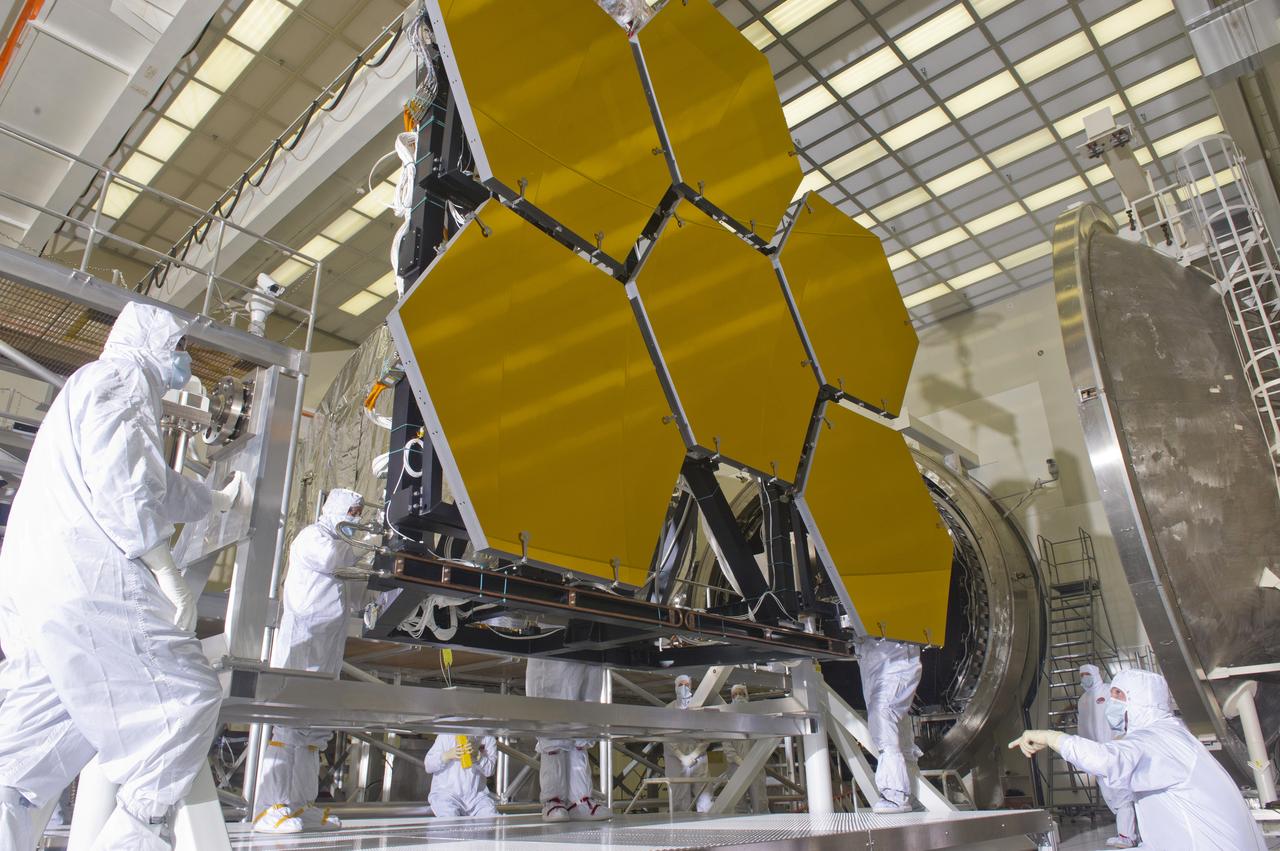
BALL AEROSPACE TECHNICIANS REMOVE FINAL SIX JWST MIRRORS TESTED AT MSFC X-RAY AND CRYOGENIC FACILITY
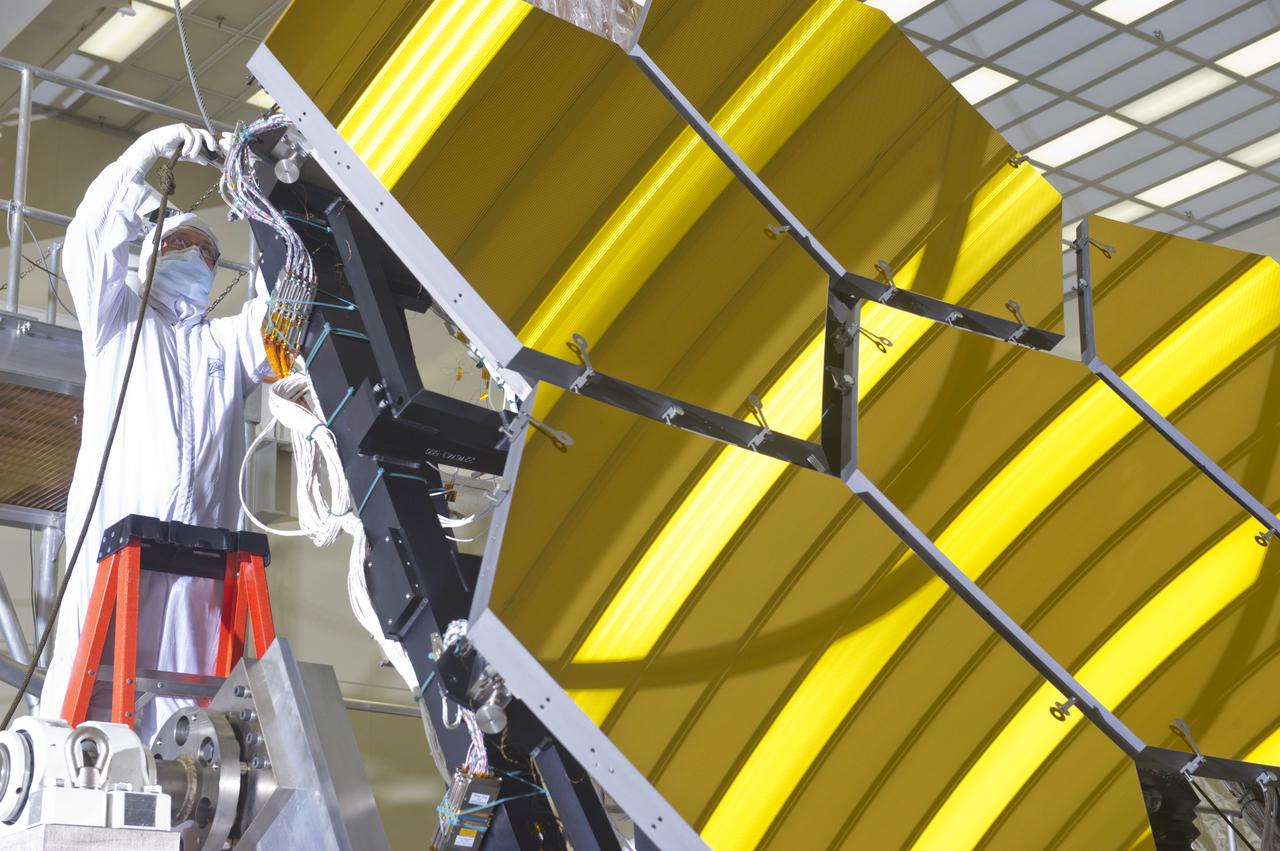
BALL AEROSPACE TECHNICIANS REMOVE FINAL SIX JWST MIRRORS TESTED AT MSFC X-RAY AND CRYOGENIC FACILITY
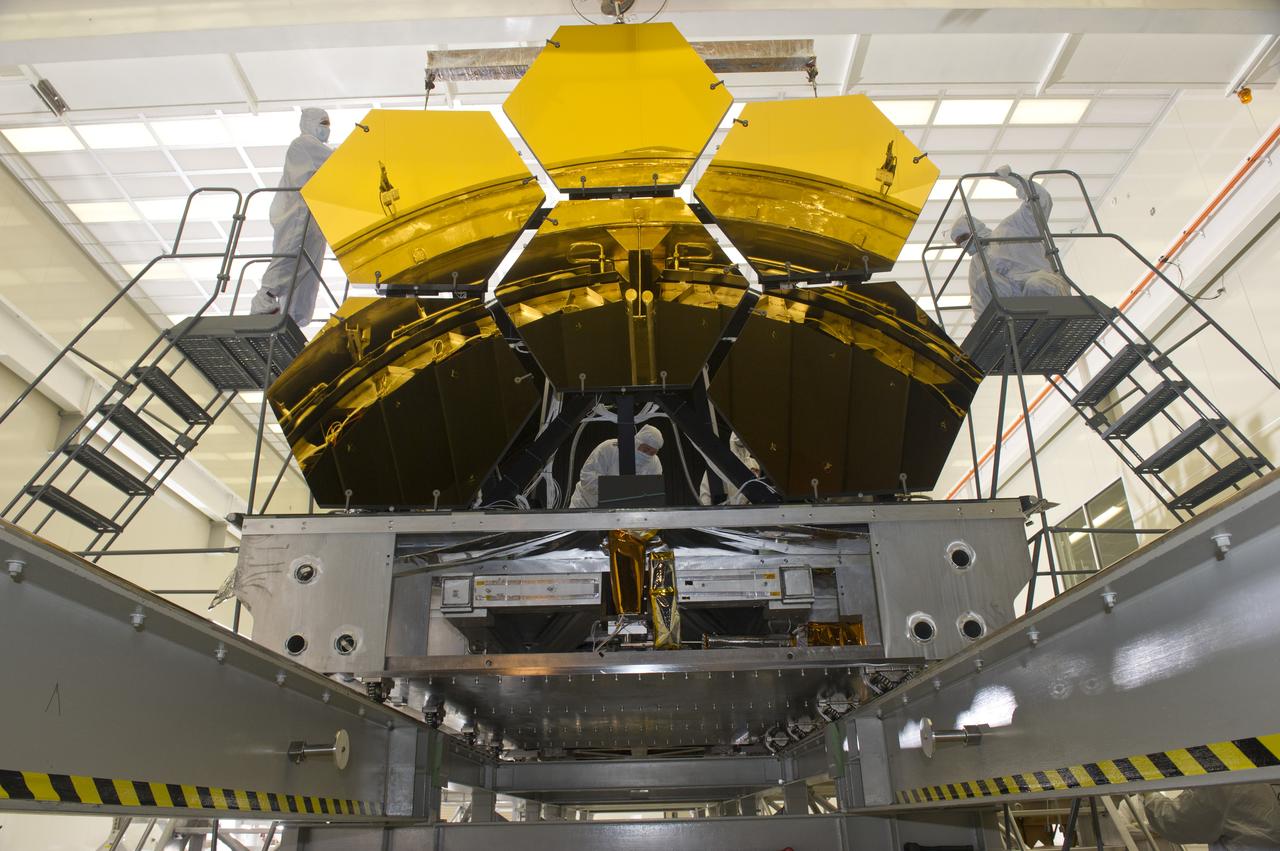
BALL AEROSPACE TECHNICIANS REMOVE FINAL SIX JWST MIRRORS TESTED AT MSFC X-RAY AND CRYOGENIC FACILITY
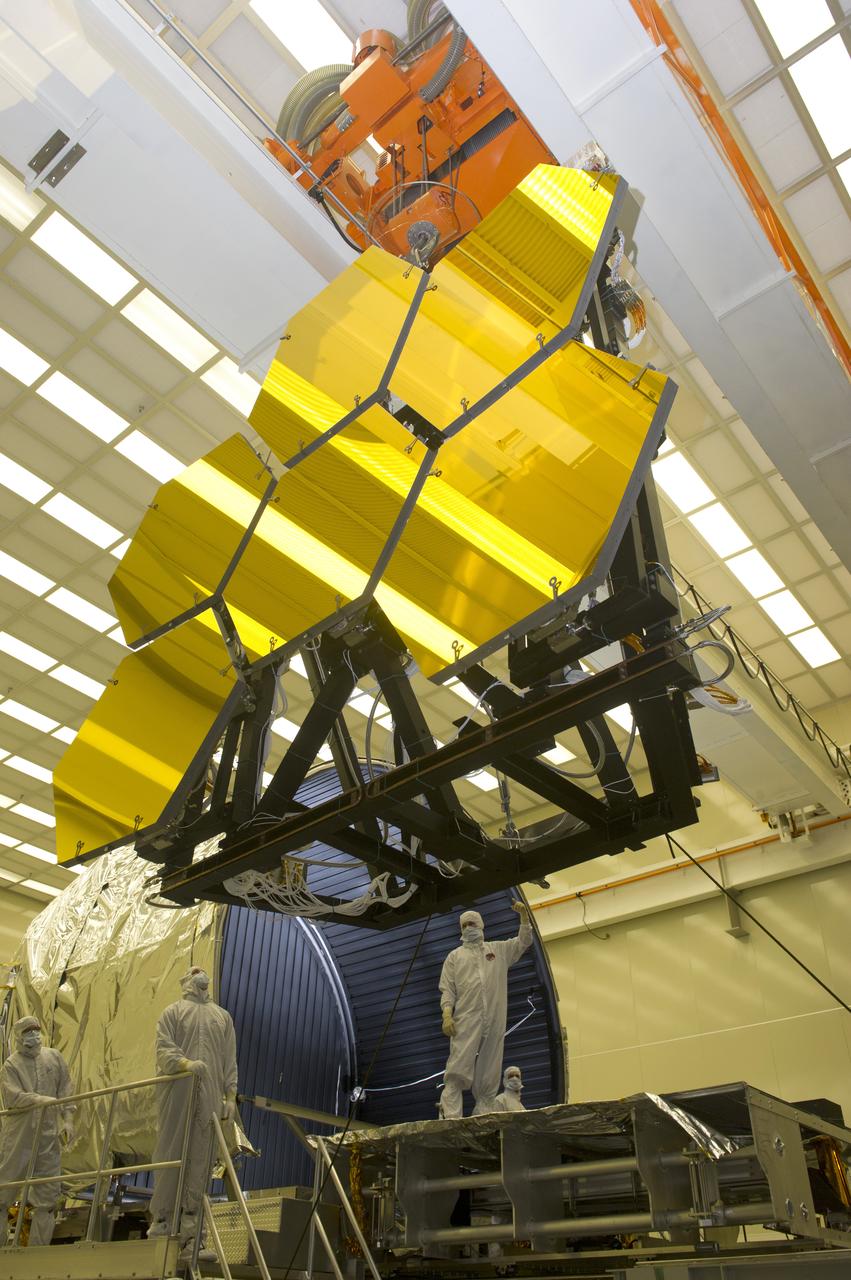
BALL AEROSPACE TECHNICIANS REMOVE FINAL SIX JWST MIRRORS TESTED AT MSFC X-RAY AND CRYOGENIC FACILITY
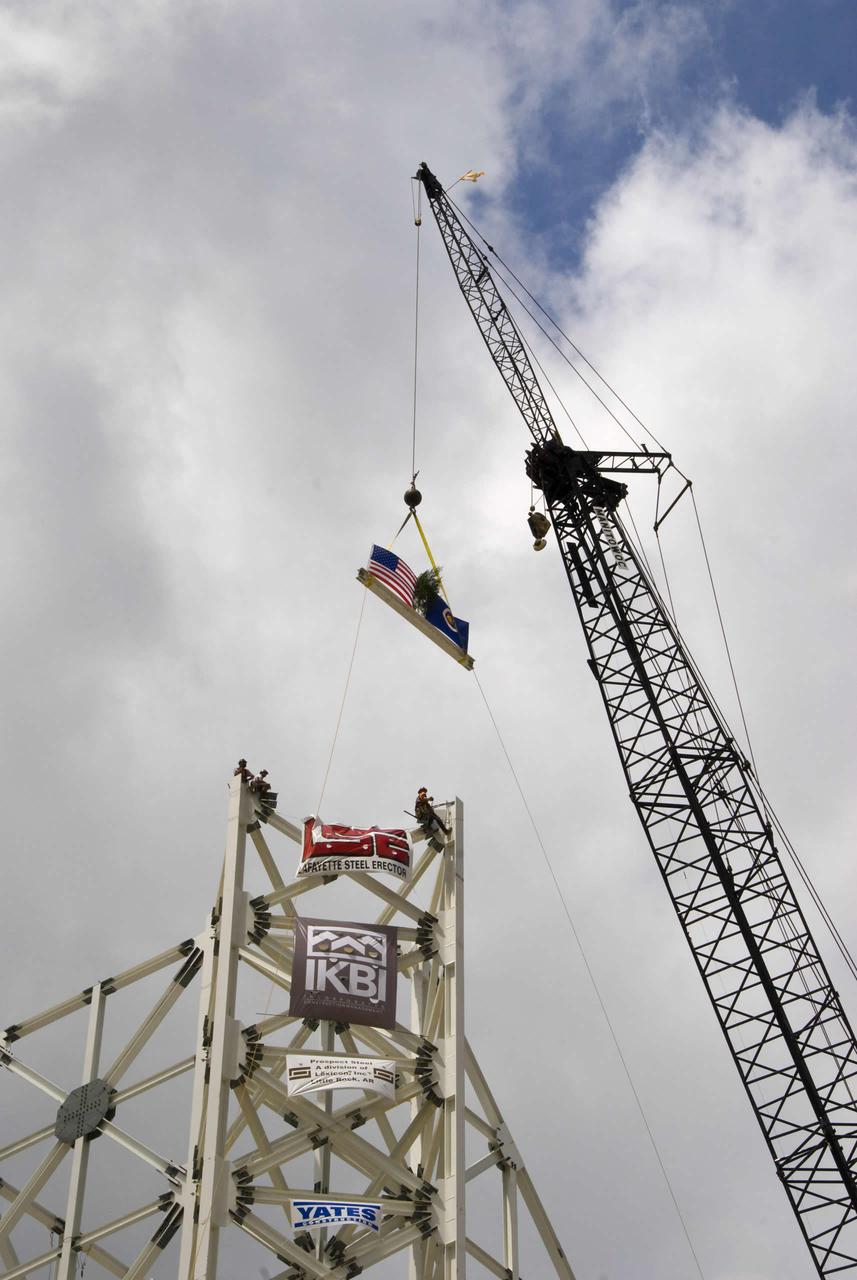
The final structural steel beam, bearing flags and the names of project workers, is hoisted and fastened into place atop the A-3 Test Stand.
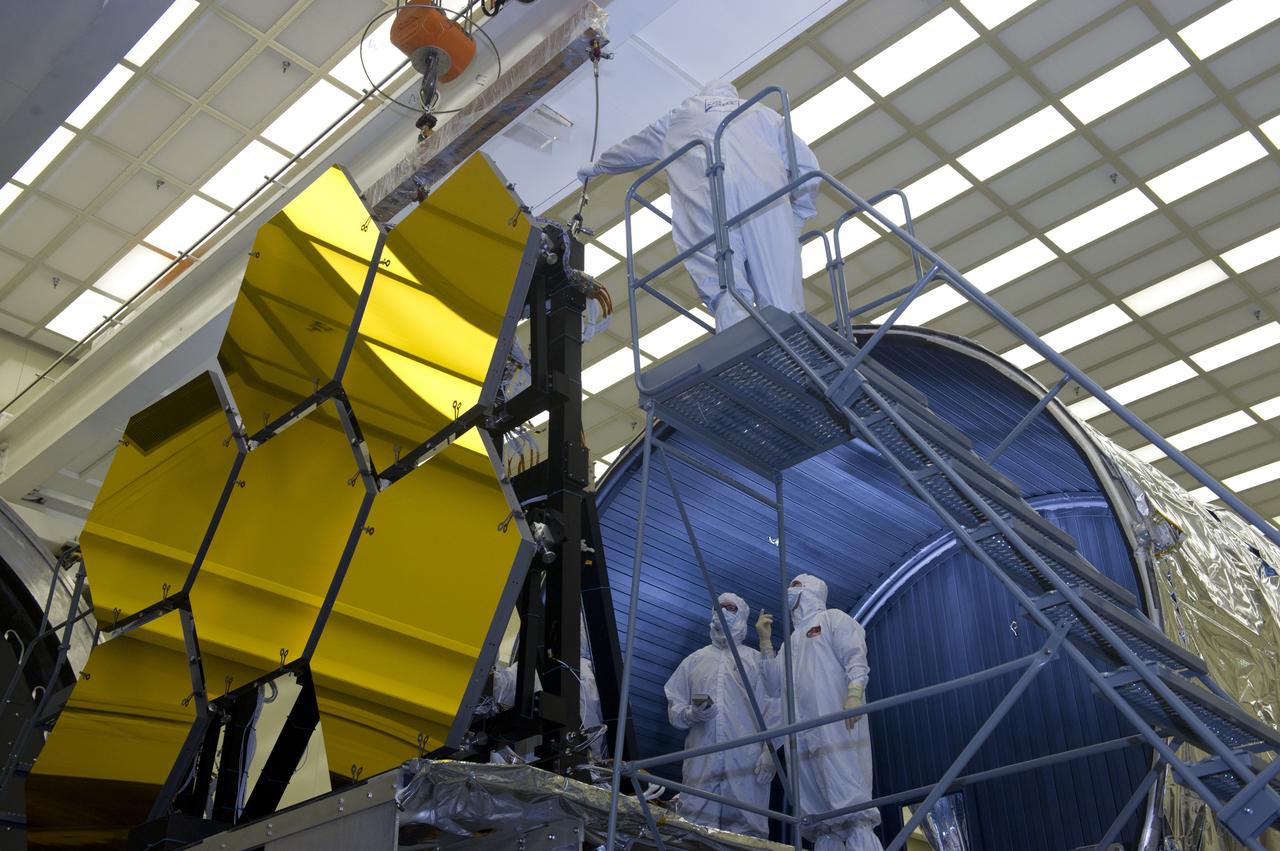
BALL AEROSPACE TECHNICIANS REMOVE FINAL SIX JWST MIRRORS TESTED AT MSFC X-RAY AND CRYOGENIC FACILITY
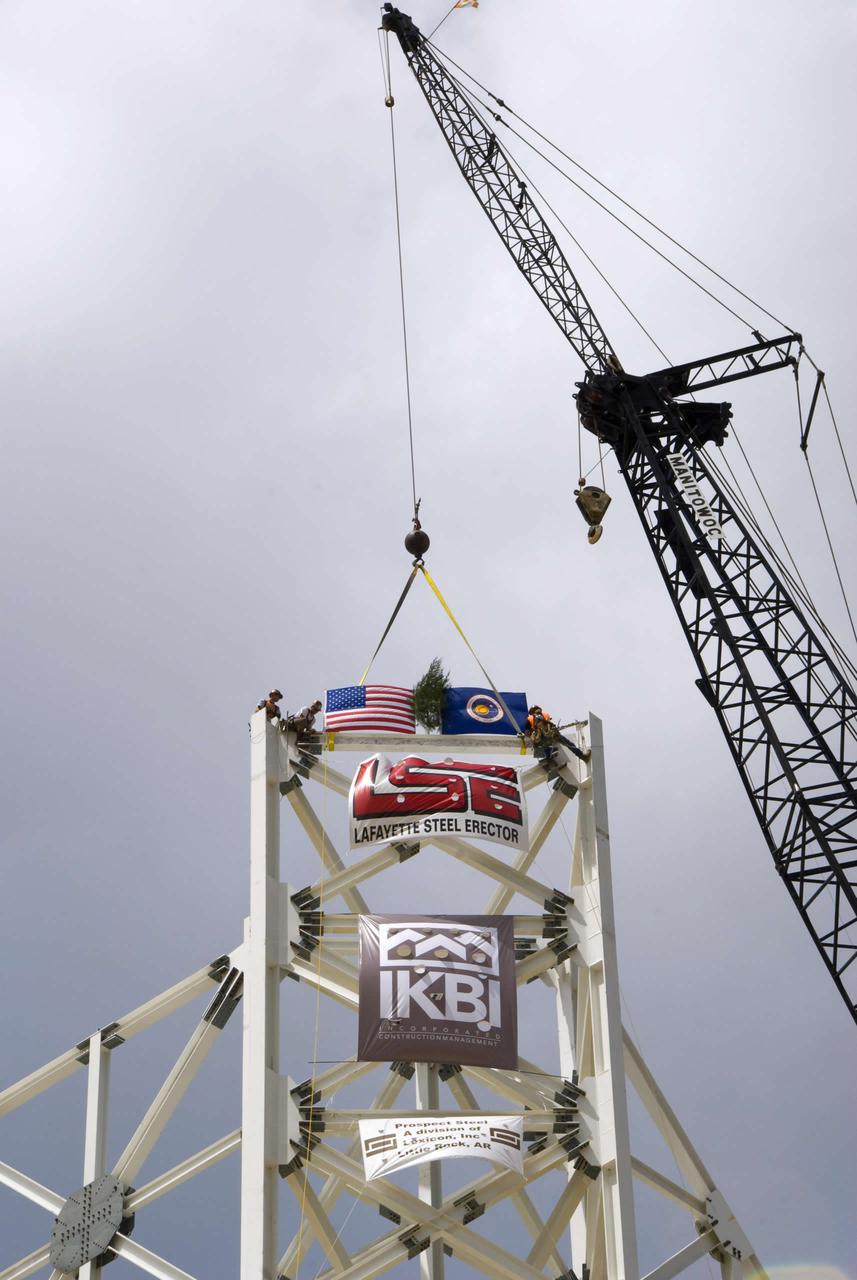
The final structural steel beam, bearing flags and the names of project workers, is hoisted and fastened into place atop the A-3 Test Stand.
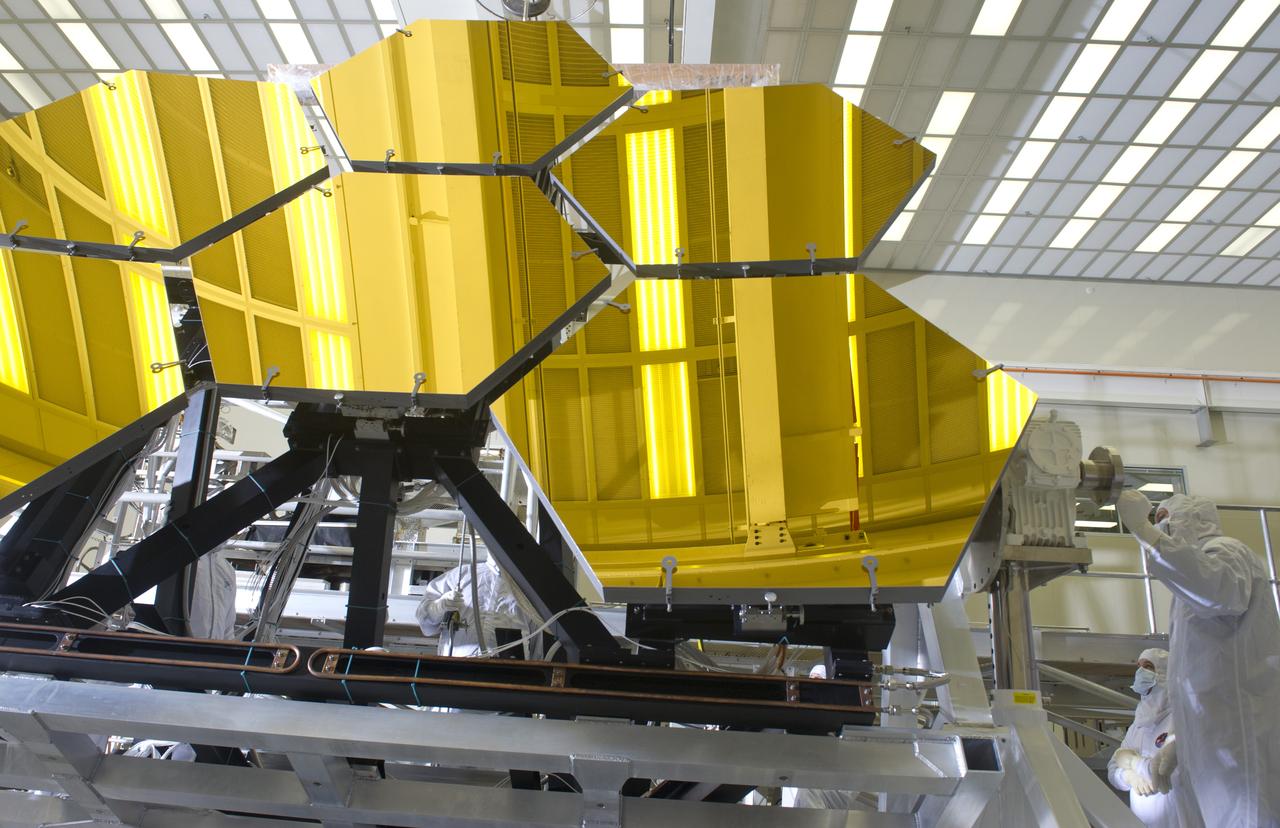
BALL AEROSPACE TECHNICIANS REMOVE FINAL SIX JWST MIRRORS TESTED AT MSFC X-RAY AND CRYOGENIC FACILITY
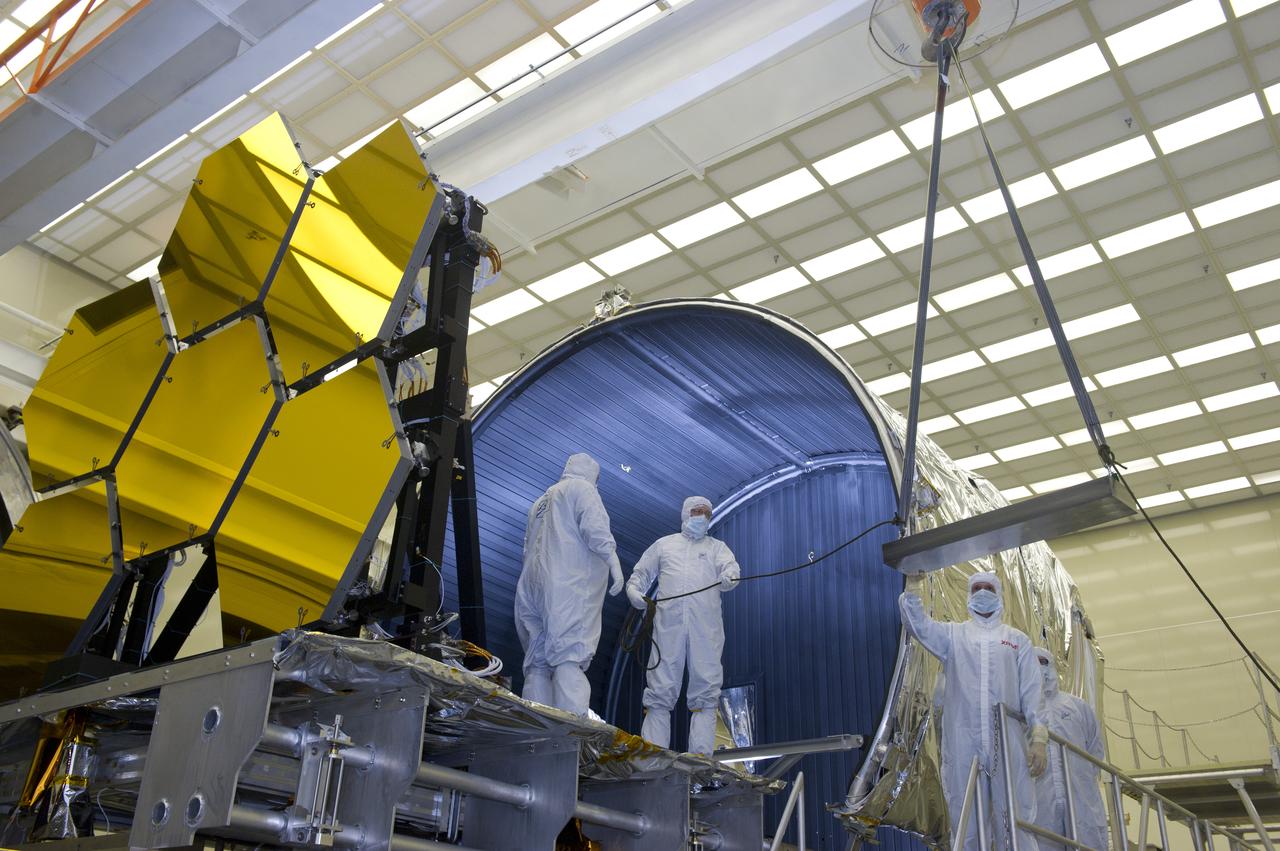
BALL AEROSPACE TECHNICIANS REMOVE FINAL SIX JWST MIRRORS TESTED AT MSFC X-RAY AND CRYOGENIC FACILITY
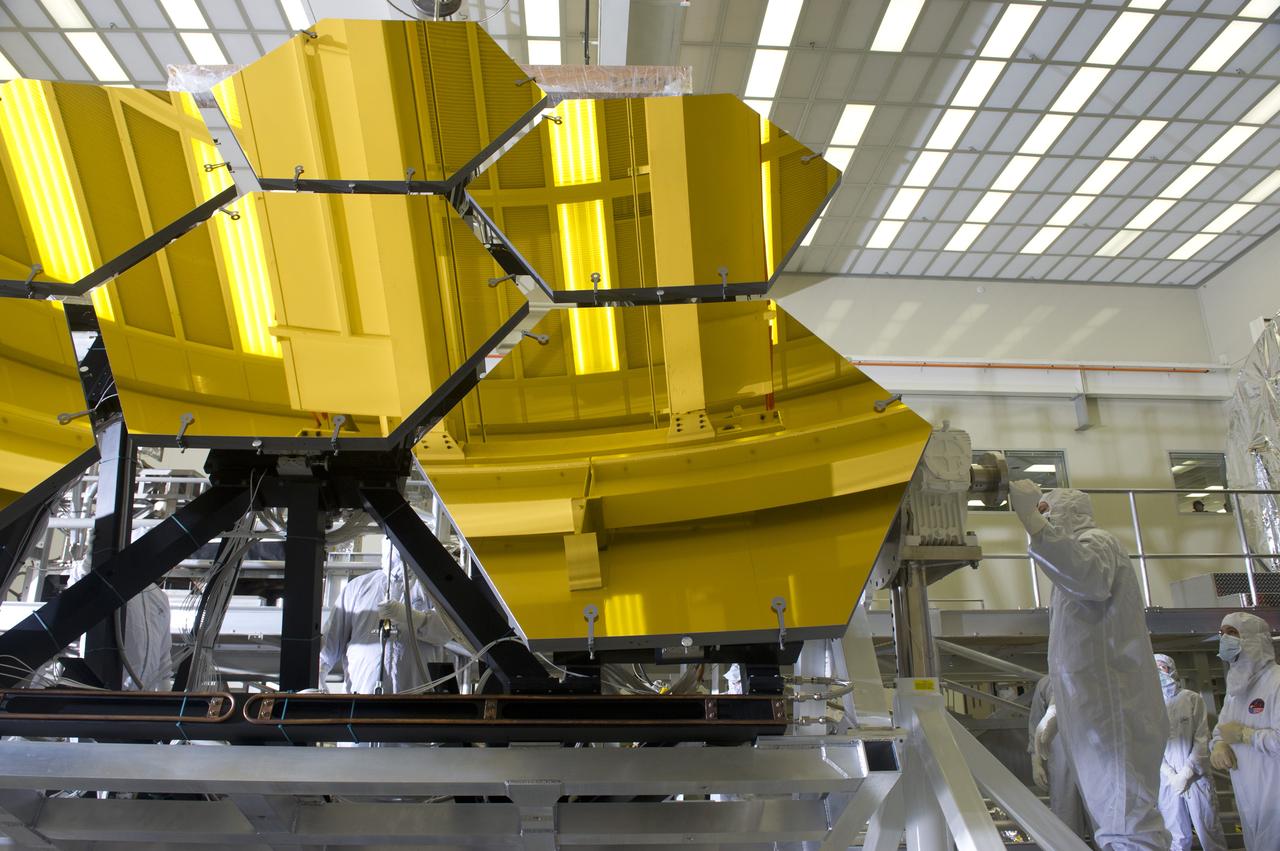
BALL AEROSPACE TECHNICIANS REMOVE FINAL SIX JWST MIRRORS TESTED AT MSFC X-RAY AND CRYOGENIC FACILITY

BALL AEROSPACE TECHNICIANS REMOVE FINAL SIX JWST MIRRORS TESTED AT MSFC X-RAY AND CRYOGENIC FACILITY
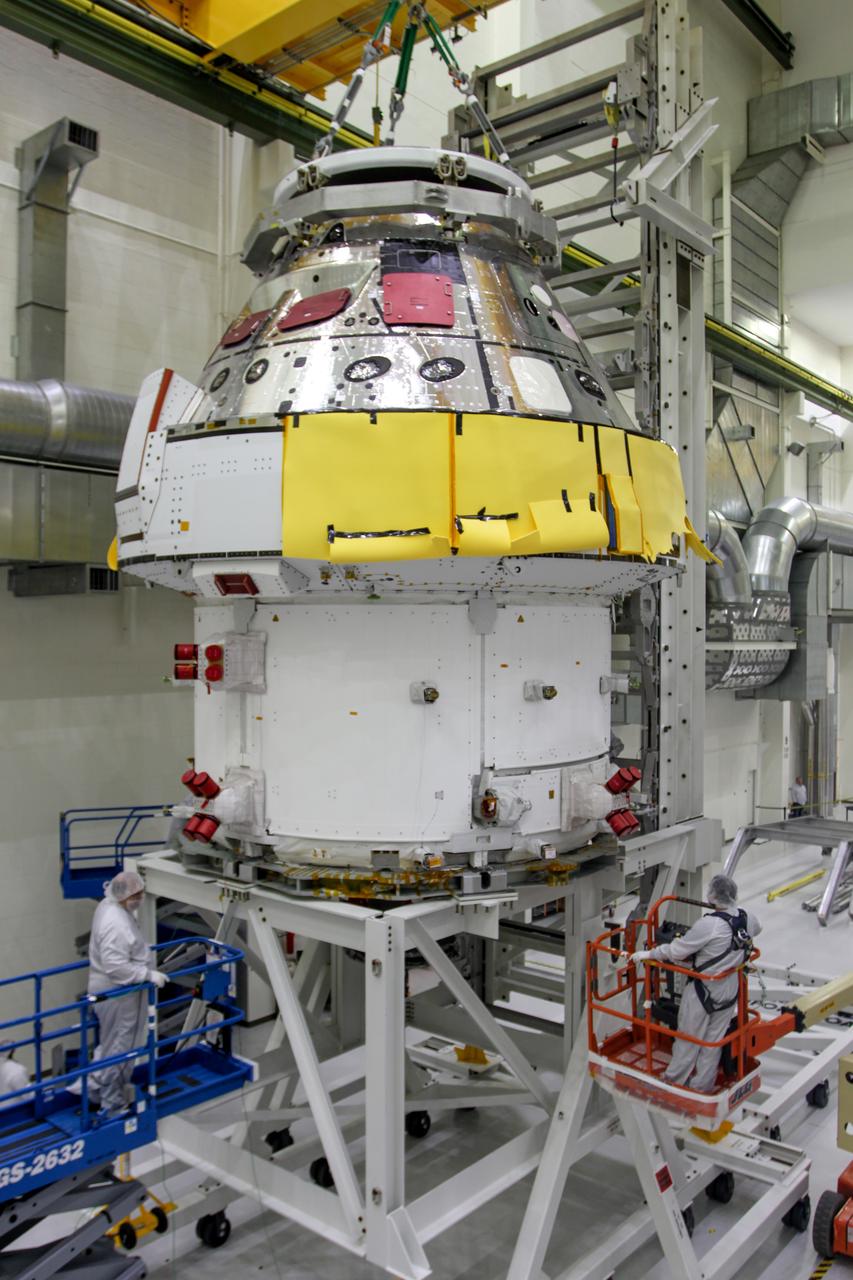
The Orion spacecraft is moved to the Final Assembly and Systems Test cell at Kennedy Space Center. The spacecraft returned from Ohio after a successful series of environmental test at Glenn Research Center's Plum Brook Station.
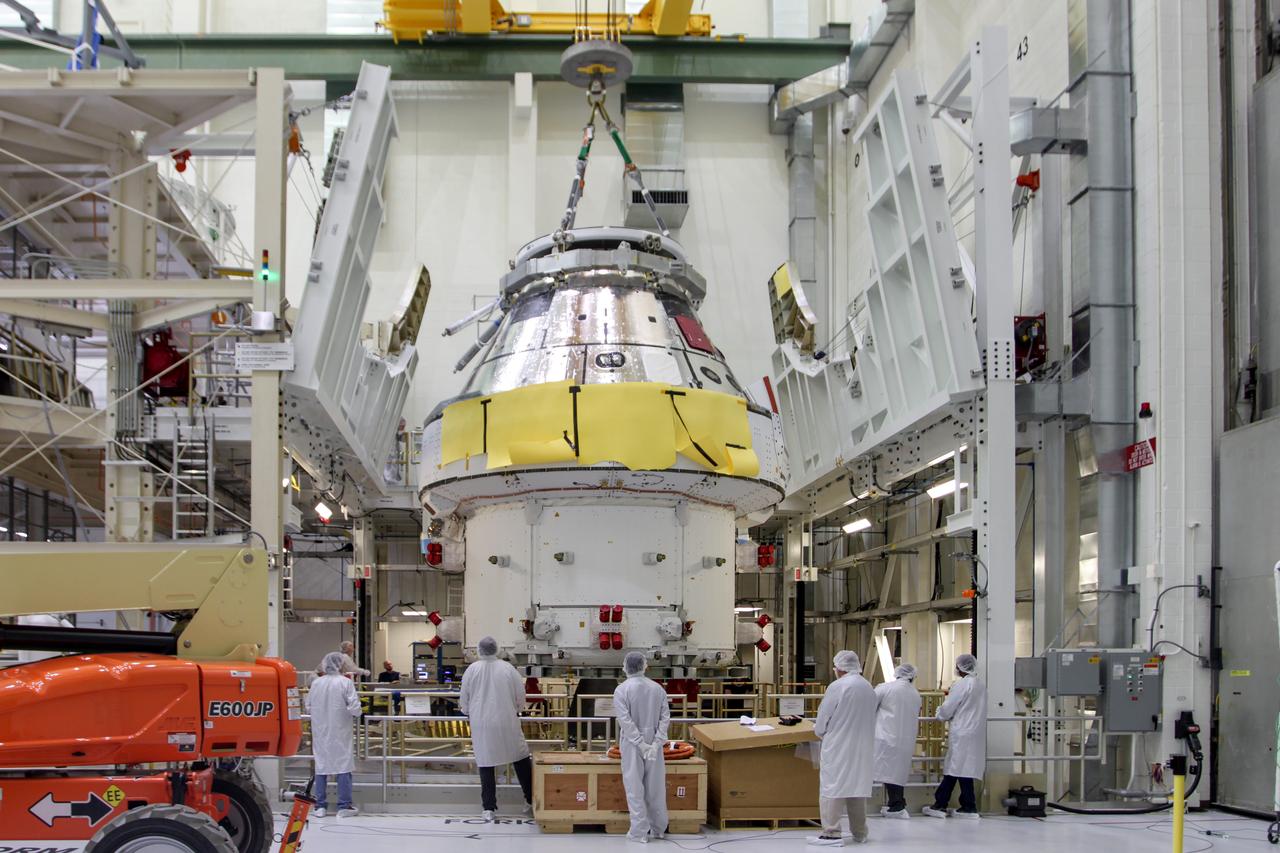
The Orion spacecraft is moved to the Final Assembly and Systems Test cell at Kennedy Space Center. The spacecraft returned from Ohio after a successful series of environmental test at Glenn Research Center's Plum Brook Station.
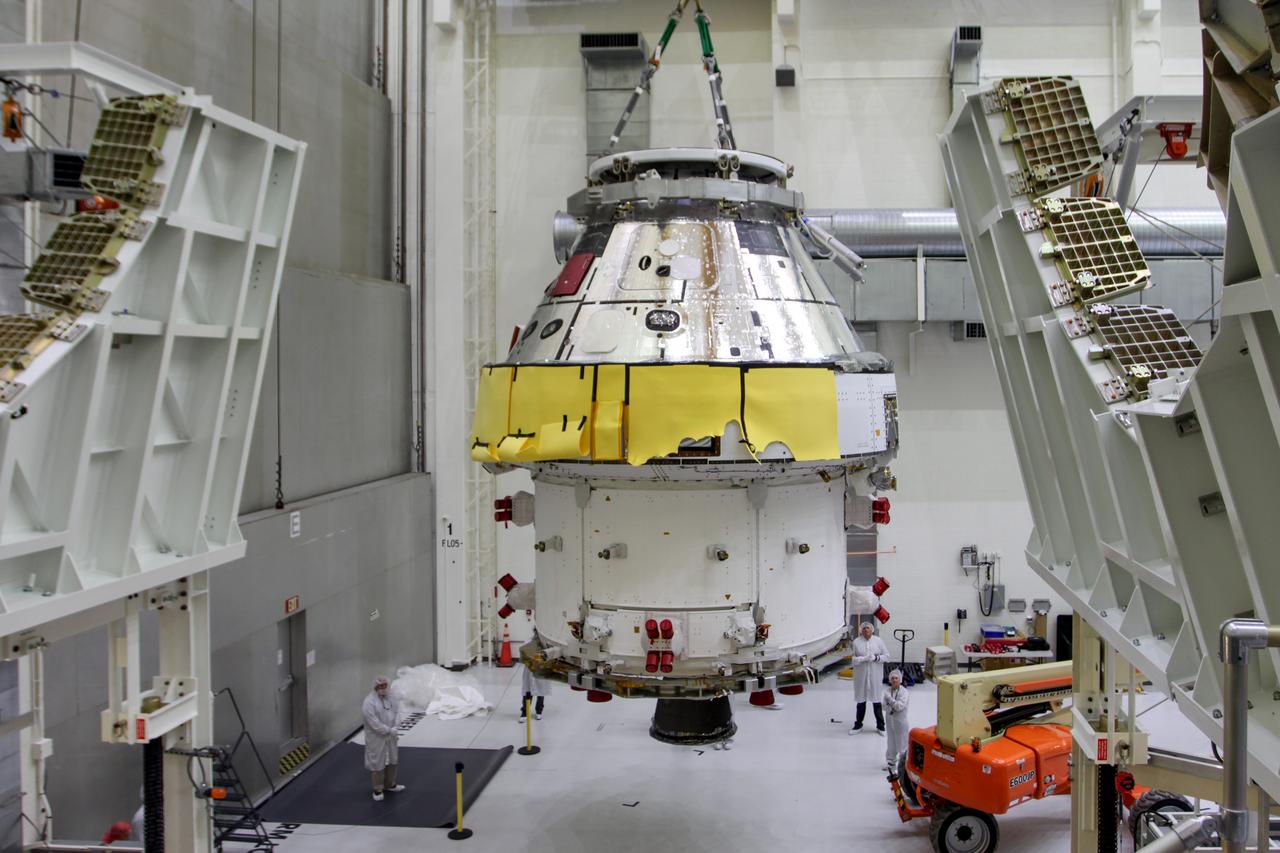
The Orion spacecraft is moved to the Final Assembly and Systems Test cell at Kennedy Space Center. The spacecraft returned from Ohio after a successful series of environmental test at Glenn Research Center's Plum Brook Station.
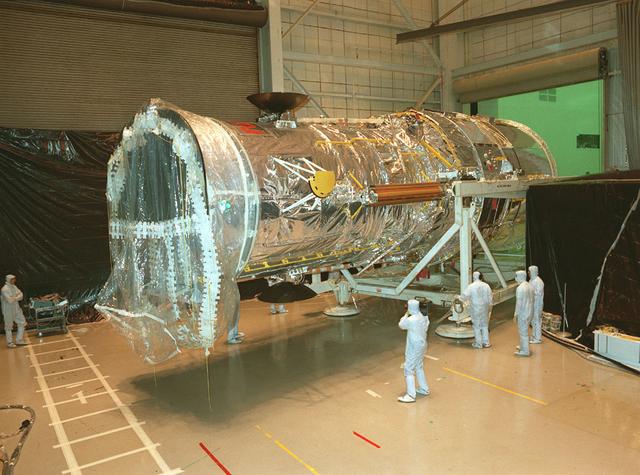
The Hubble Space Telescope (HST) being transferred from the Vertical Assembly Test Area (VATA) to the High Bay at the Lockheed assembly plant in preparation for transport to the Kennedy Space Center (KSC) after final testing and verification.
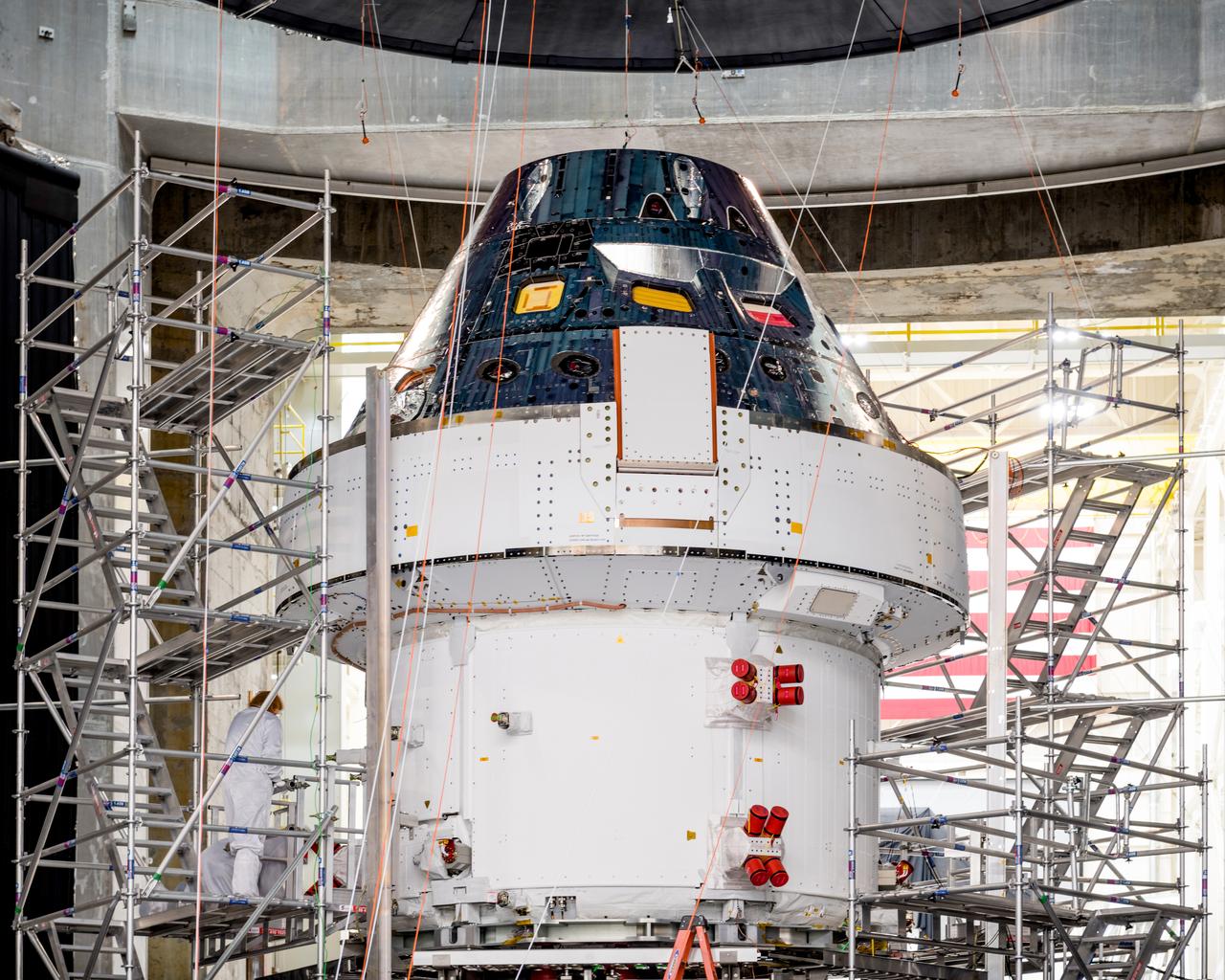
The Artemis I Orion spacecraft is prepared for the final set of environmental tests at NASA Glenn Research Center Neil A. Armstrong Test Facility (formerly Plum Brook Station) in Sandusky, Ohio on Feb. 21, 2020.
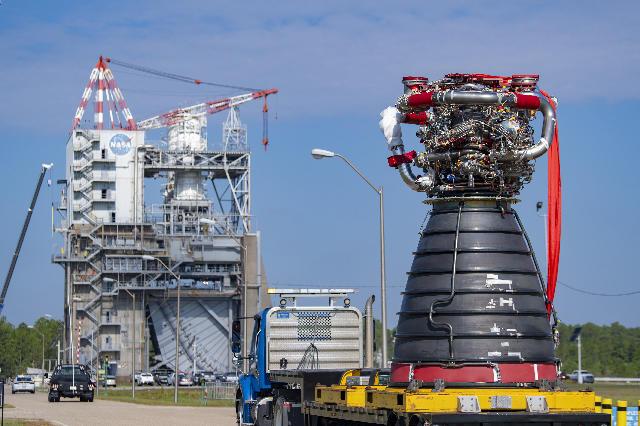
Crews bring RS-25 developmental engine E0525 to the Fred Haise Test Stand at NASA’s Stennis Space Center on Aug. 30 for the second and final certification test series.
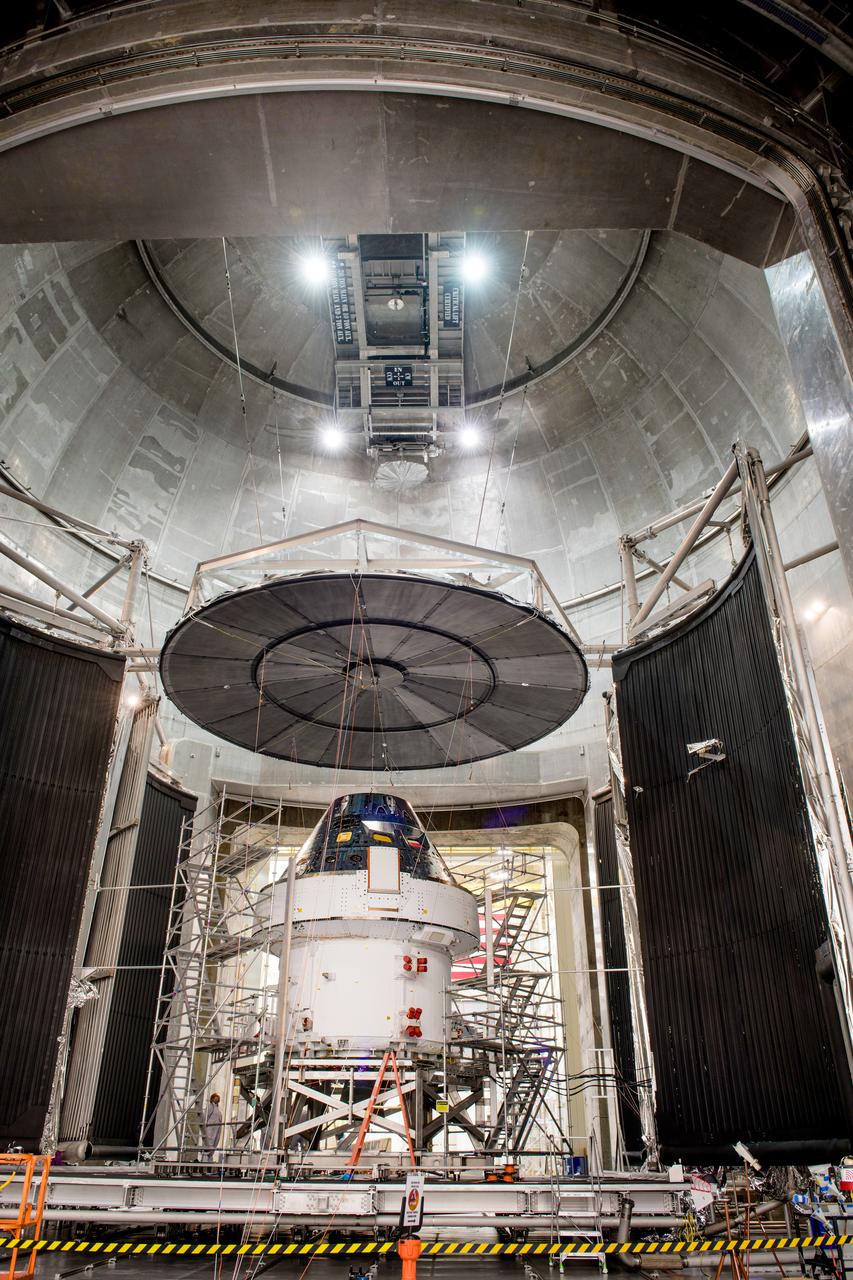
The Artemis I Orion spacecraft is prepared for the final set of environmental tests at NASA Glenn Research Center Neil A. Armstrong Test Facility (formerly Plum Brook Station) in Sandusky, Ohio on Feb. 21, 2020.
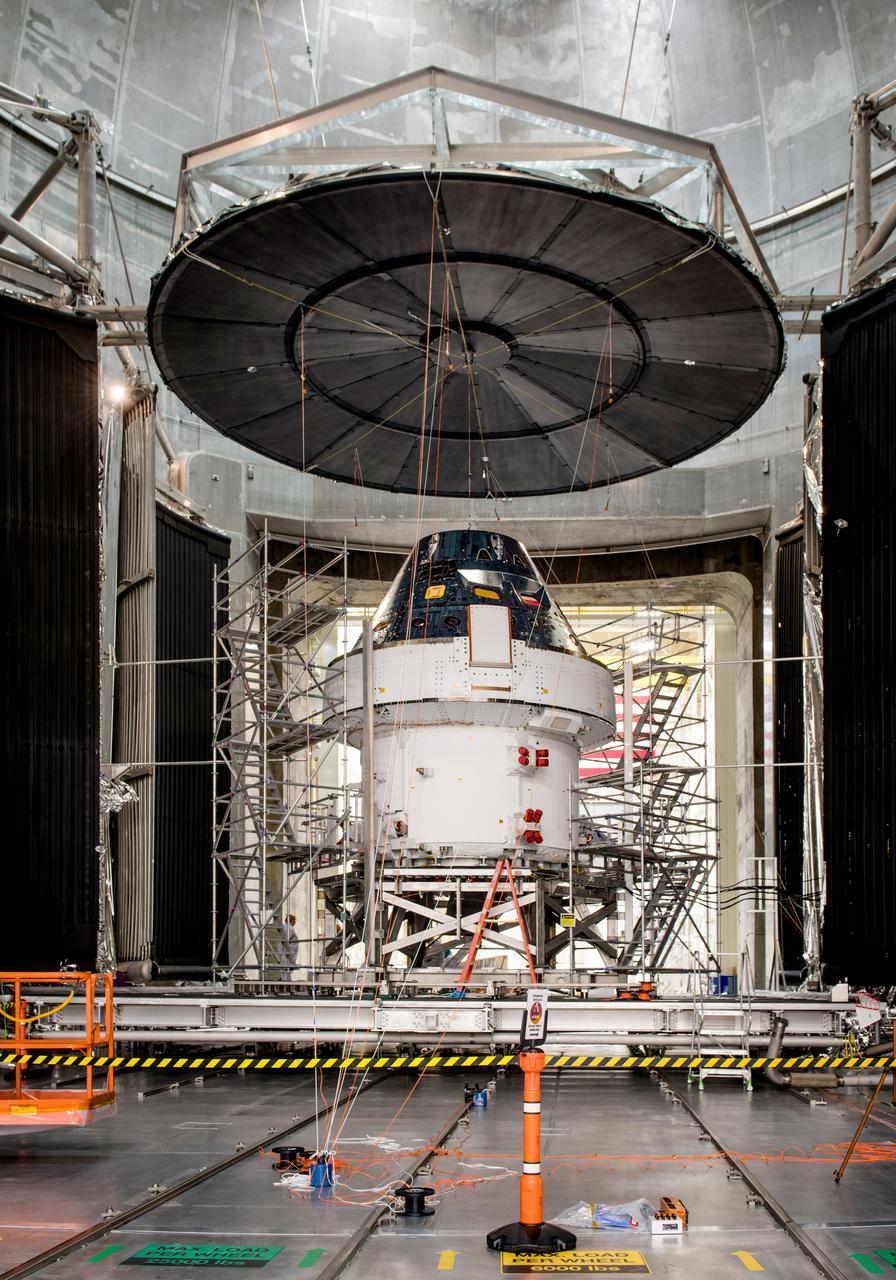
The Artemis I Orion spacecraft is prepared for the final set of environmental tests at NASA Glenn Research Center Neil A. Armstrong Test Facility (formerly Plum Brook Station) in Sandusky, Ohio on Feb. 21, 2020.
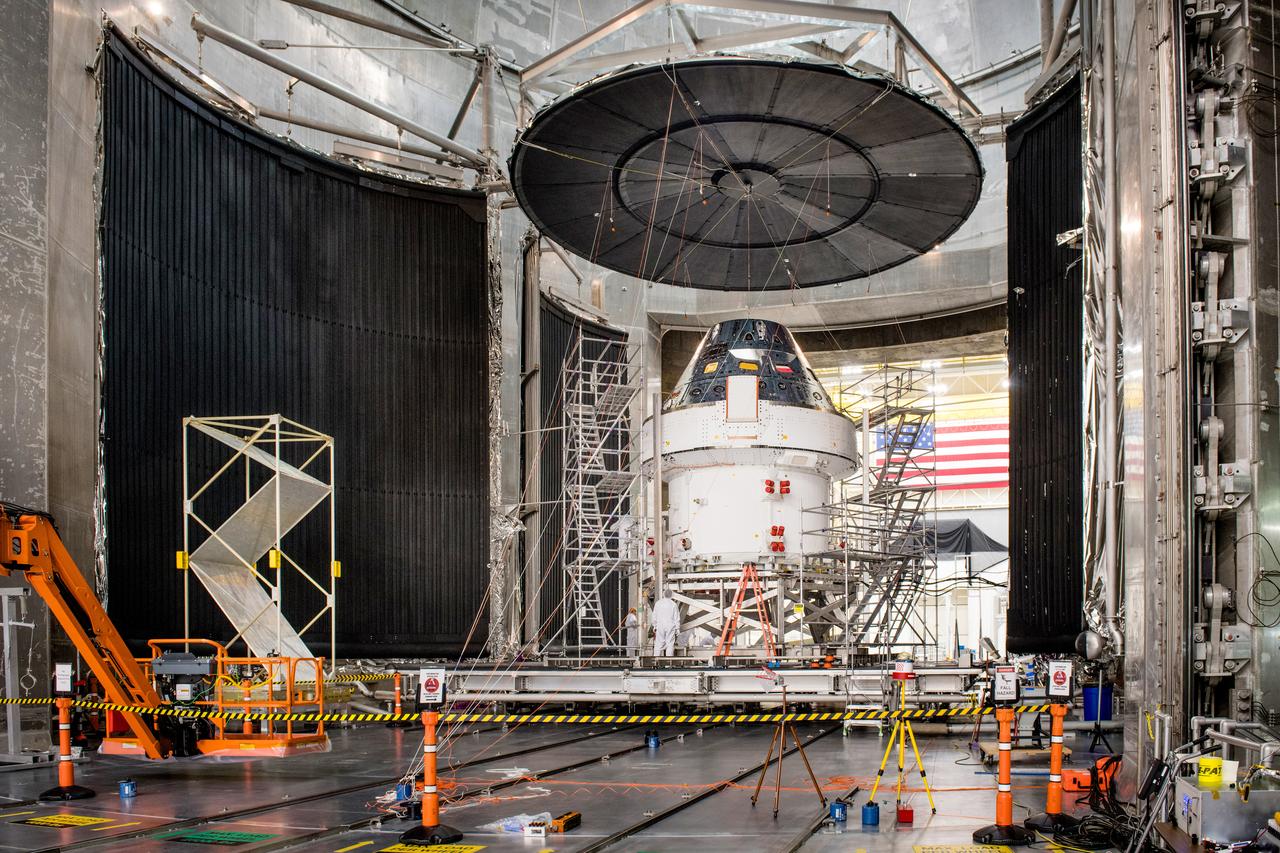
The Artemis I Orion spacecraft is prepared for the final set of environmental tests at NASA Glenn Research Center Neil A. Armstrong Test Facility (formerly Plum Brook Station) in Sandusky, Ohio on Feb. 21, 2020.
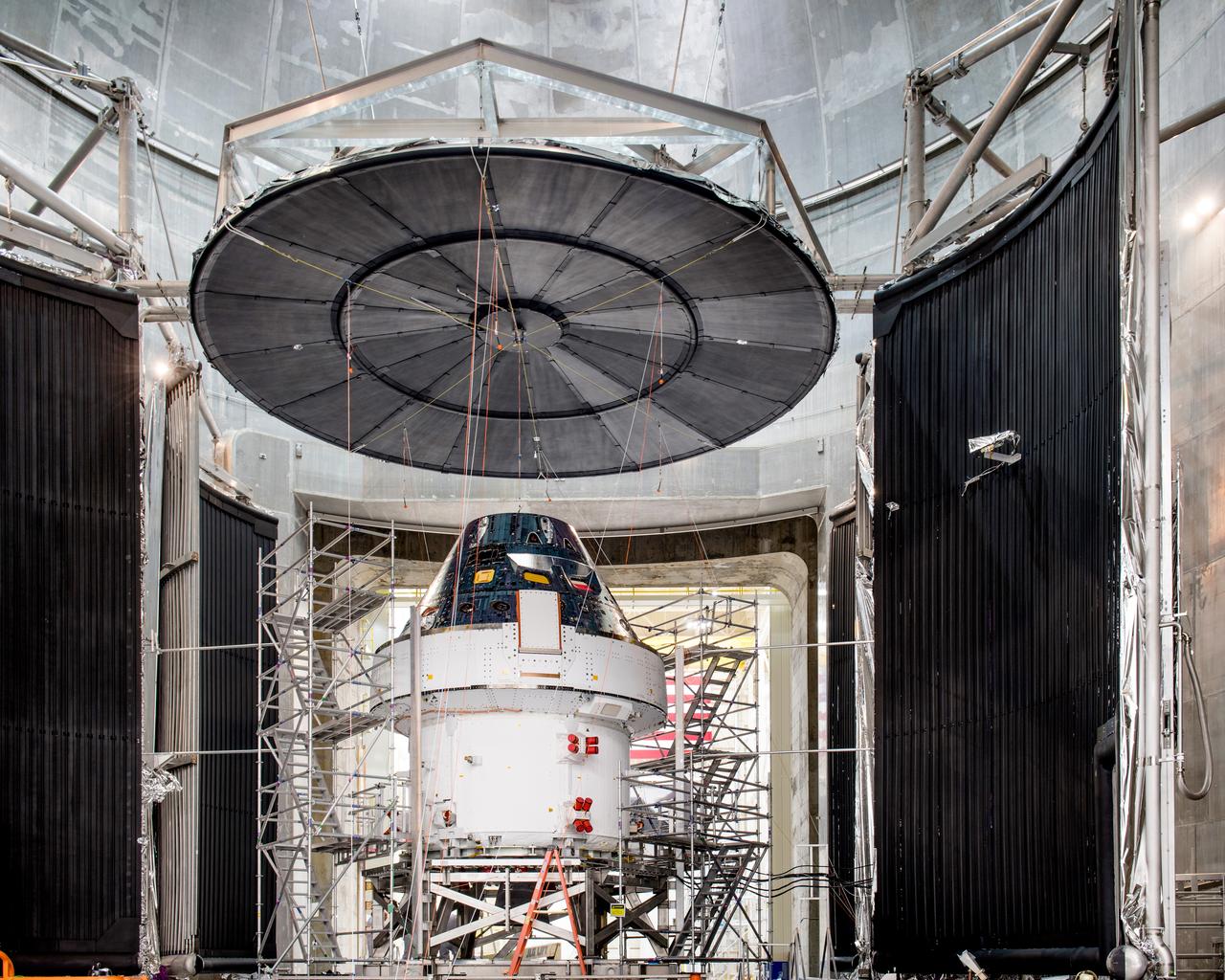
The Artemis I Orion spacecraft is prepared for the final set of environmental tests at NASA Glenn Research Center Neil A. Armstrong Test Facility (formerly Plum Brook Station) in Sandusky, Ohio on Feb. 21, 2020.
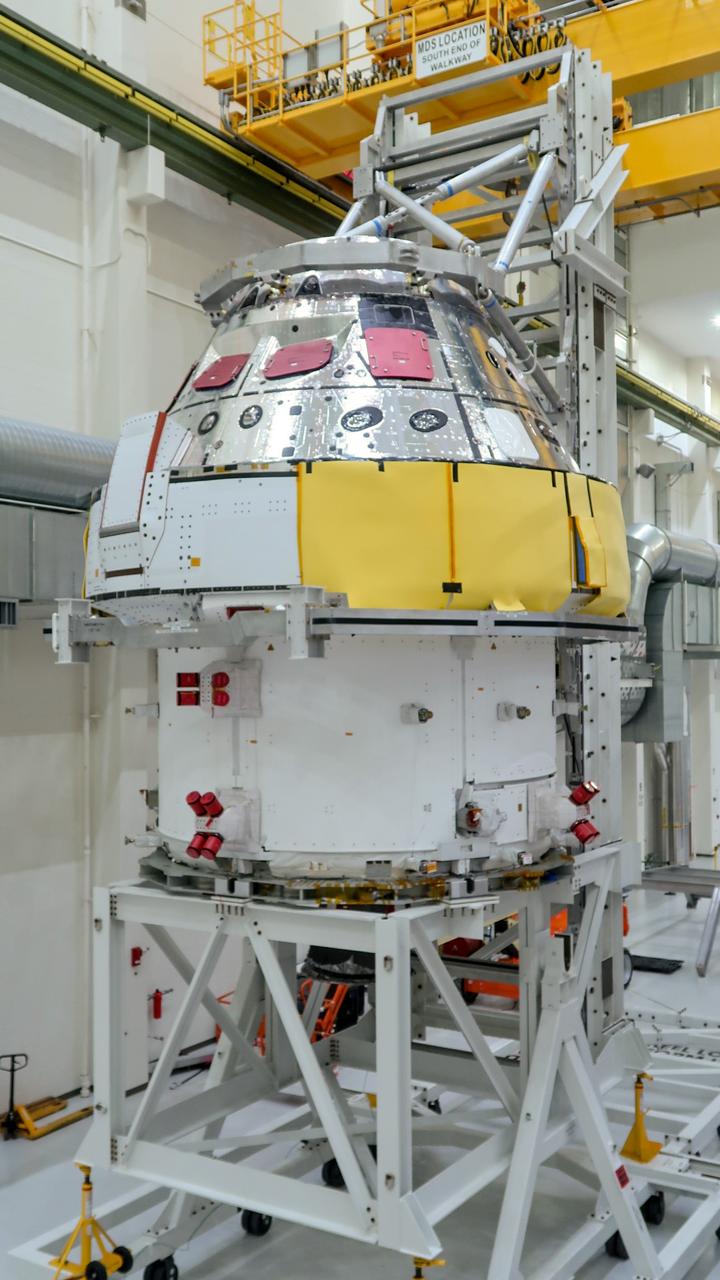
The Orion spacecraft is moved to the Final Assembly and Systems Test cell at Kennedy Space Center. The spacecraft returned from Ohio after a successful series of environmental test at Glenn Research Center's Plum Brook Station.
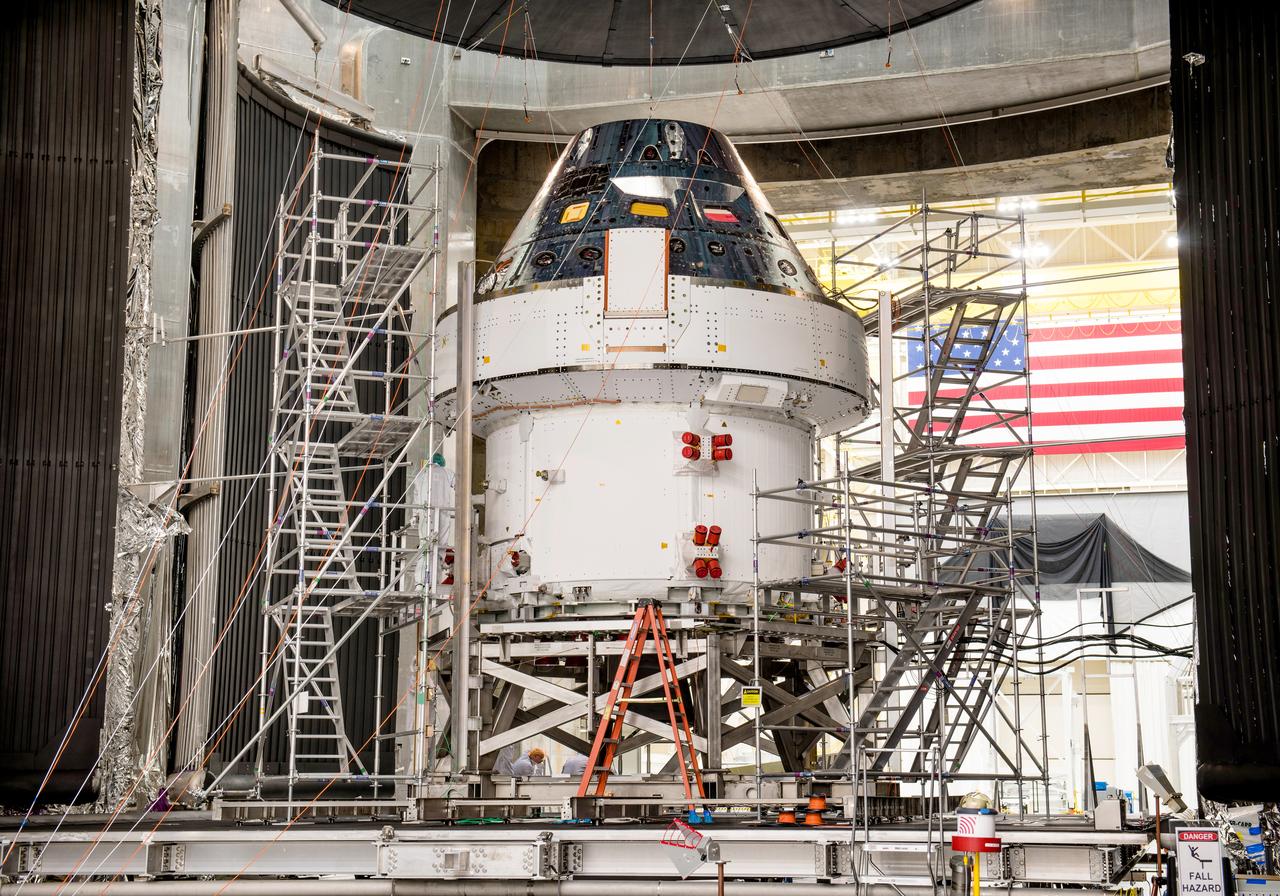
The Artemis I Orion spacecraft is prepared for the final set of environmental tests at NASA Glenn Research Center Neil A. Armstrong Test Facility (formerly Plum Brook Station) in Sandusky, Ohio on Feb. 21, 2020.
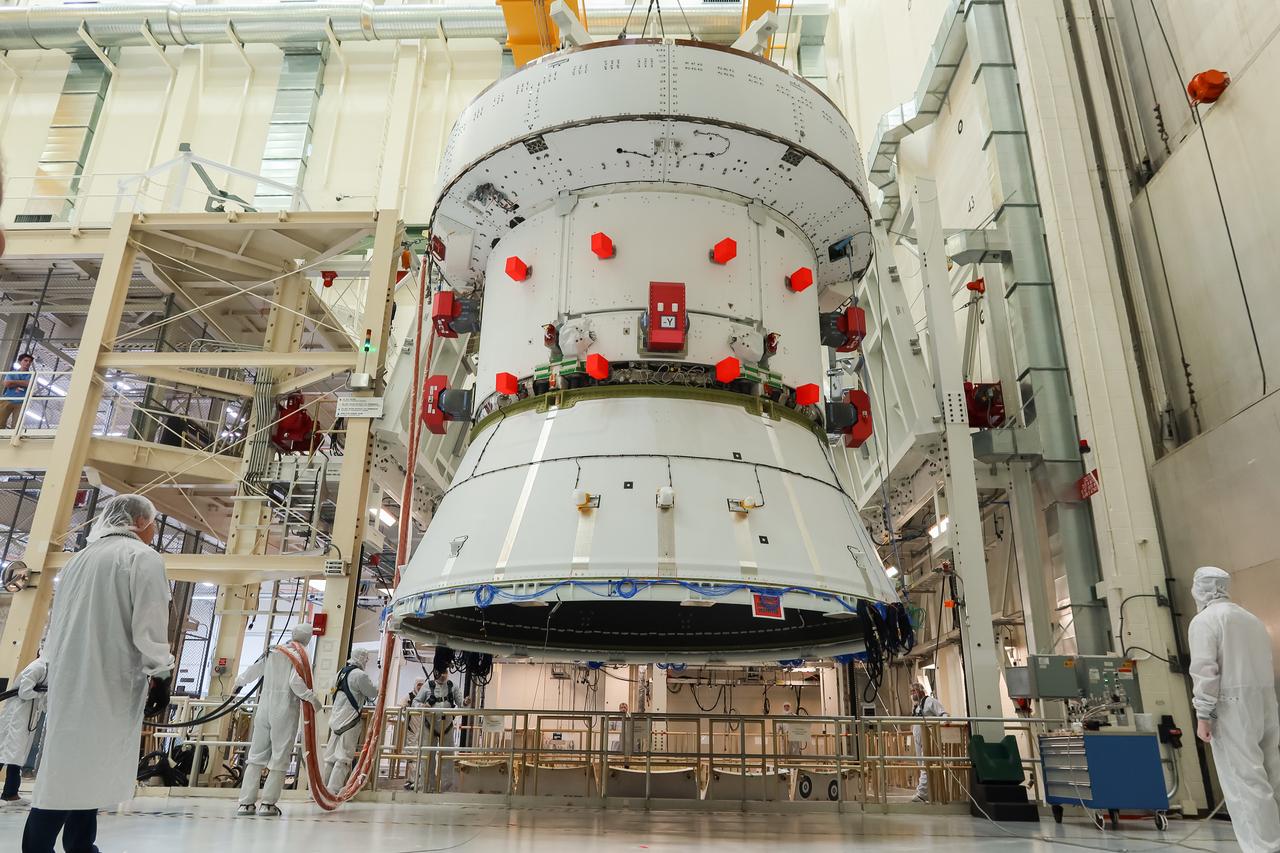
The European Service Module (ESM) for NASA’s Artemis II mission arrives at the Final Assembly and System Testing (FAST) cell inside the high bay of the Neil A. Armstrong Operations and Checkout Building at NASA’s Kennedy Space Center in Florida on May 22, 2023. Teams from NASA and Lockheed Martin are transferring the service module to the FAST (final assembly and system testing) cell for final checkouts before it is stacked with the Orion crew module.. The powerhouse that will fuel and propel Orion in space, the ESM will be used for Artemis II, the first Artemis mission flying crew aboard Orion.
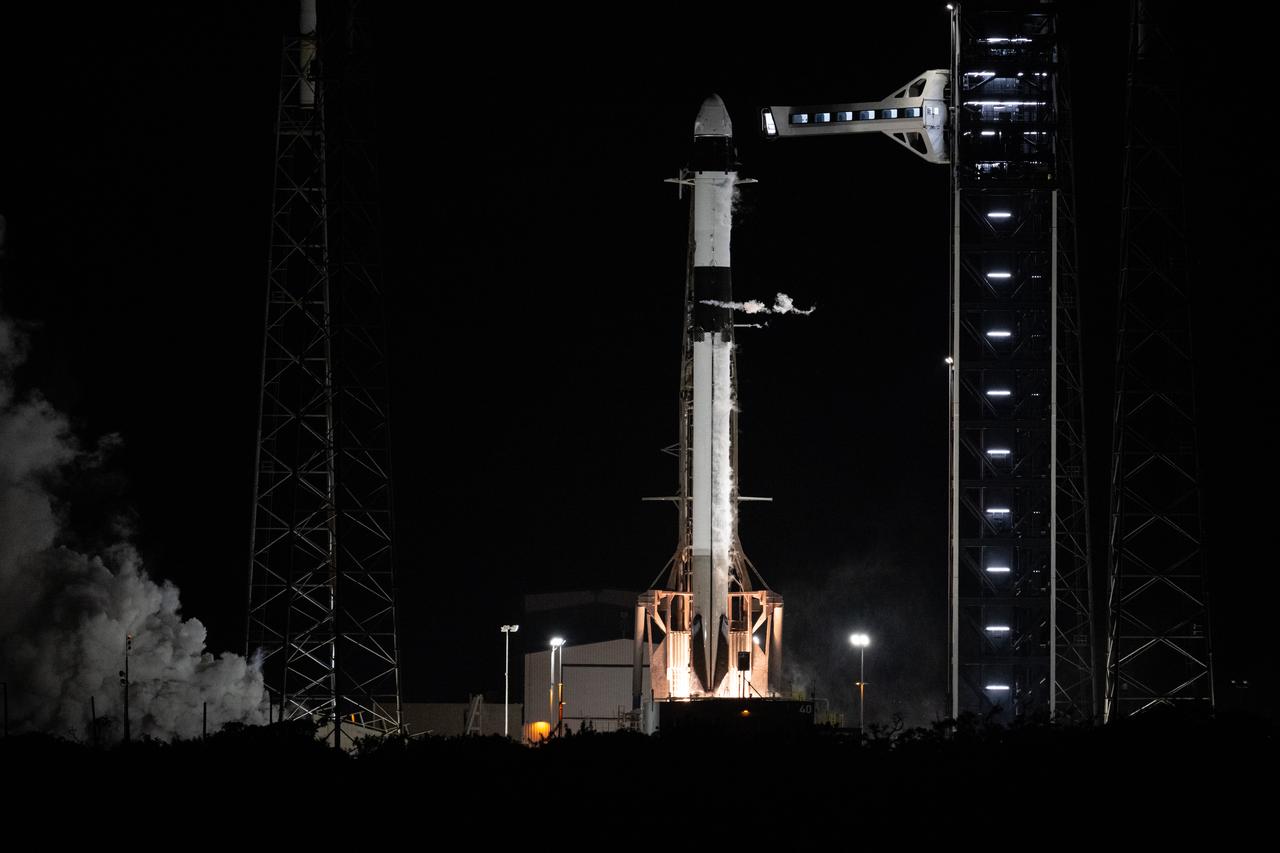
A SpaceX Falcon 9 rocket with the company's Dragon spacecraft onboard is seen on the launch pad at Space Launch Complex 40 during a brief static fire test ahead of NASA’s SpaceX Crew-9 mission, Tuesday, Sept. 24, 2024, at the Cape Canaveral Space Force Station in Florida. NASA’s SpaceX Crew-9 mission is the ninth crew rotation mission of the SpaceX Dragon spacecraft and Falcon 9 rocket to the International Space Station as part of the agency’s Commercial Crew Program. Photo Credit: (NASA/Keegan Barber)
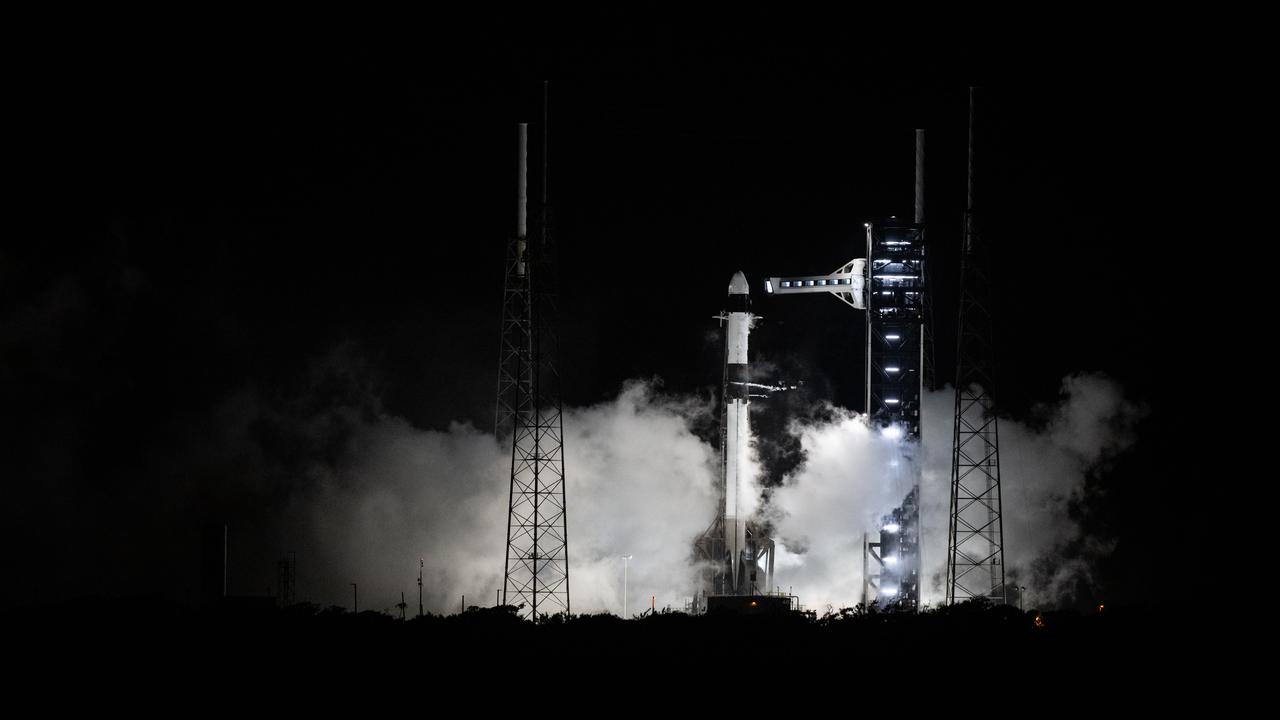
A SpaceX Falcon 9 rocket with the company's Dragon spacecraft onboard is seen on the launch pad at Space Launch Complex 40 following a brief static fire test ahead of NASA’s SpaceX Crew-9 mission, Tuesday, Sept. 24, 2024, at the Cape Canaveral Space Force Station in Florida. NASA’s SpaceX Crew-9 mission is the ninth crew rotation mission of the SpaceX Dragon spacecraft and Falcon 9 rocket to the International Space Station as part of the agency’s Commercial Crew Program. Photo Credit: (NASA/Keegan Barber)
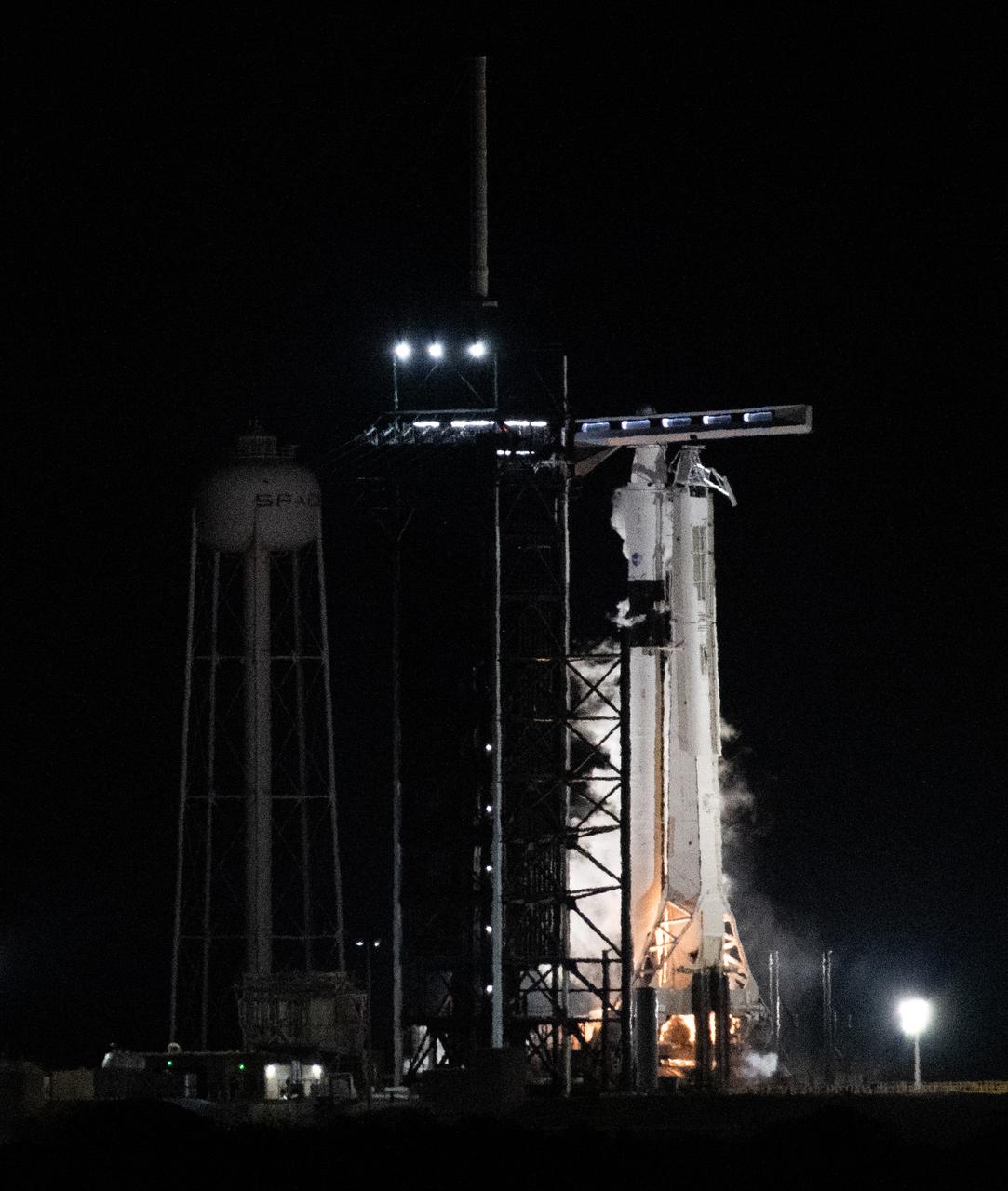
A SpaceX Falcon 9 rocket with the company's Dragon spacecraft onboard is seen on the launch pad at Launch Complex 39A during a brief static fire test ahead of NASA’s SpaceX Crew-6 mission, Friday, Feb. 24, 2023, at the agency’s Kennedy Space Center in Florida. NASA’s SpaceX Crew-6 mission is the sixth crew rotation mission of the SpaceX Dragon spacecraft and Falcon 9 rocket to the International Space Station as part of the agency’s Commercial Crew Program. NASA astronauts Stephen Bowen and Warren "Woody" Hoburg, UAE (United Arab Emirates) astronaut Sultan Alneyadi, and Roscosmos cosmonaut Andrey Fedyaev are scheduled to launch at 1:45 a.m. EST on Feb. 27, from Launch Complex 39A at the Kennedy Space Center. Photo Credit: (NASA/Joel Kowsky)
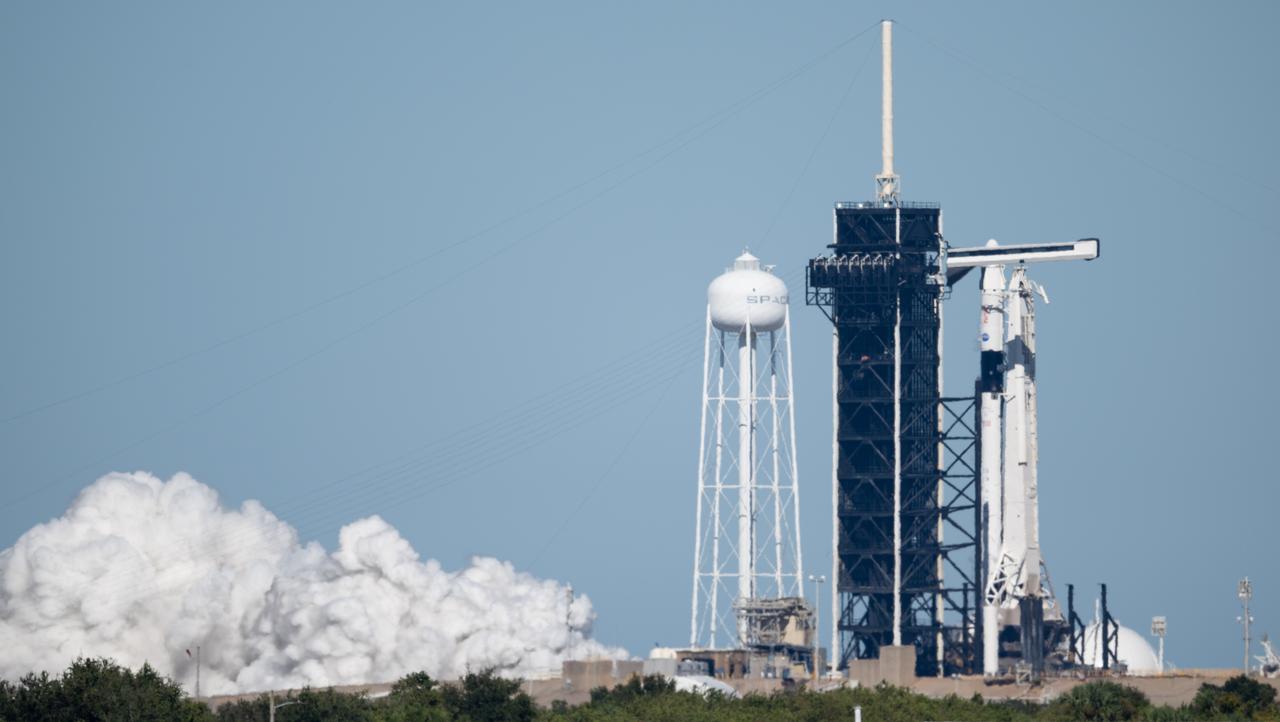
A SpaceX Falcon 9 rocket with the company's Crew Dragon spacecraft onboard is seen on the launch pad at Launch Complex 39A during a brief static fire test ahead of NASA’s SpaceX Crew-5 mission, Sunday, Oct. 2, 2022, at NASA’s Kennedy Space Center in Florida. NASA’s SpaceX Crew-5 mission is the fifth crew rotation mission of the SpaceX Crew Dragon spacecraft and Falcon 9 rocket to the International Space Station as part of the agency’s Commercial Crew Program. NASA astronauts Nicole Mann and Josh Cassada, Japan Aerospace Exploration Agency (JAXA) astronaut Koichi Wakata, and Roscosmos cosmonaut Anna Kikina are scheduled to launch at 12:00 p.m. EDT on Oct. 5 from Launch Complex 39A at the Kennedy Space Center. Photo Credit: (NASA/Joel Kowsky)