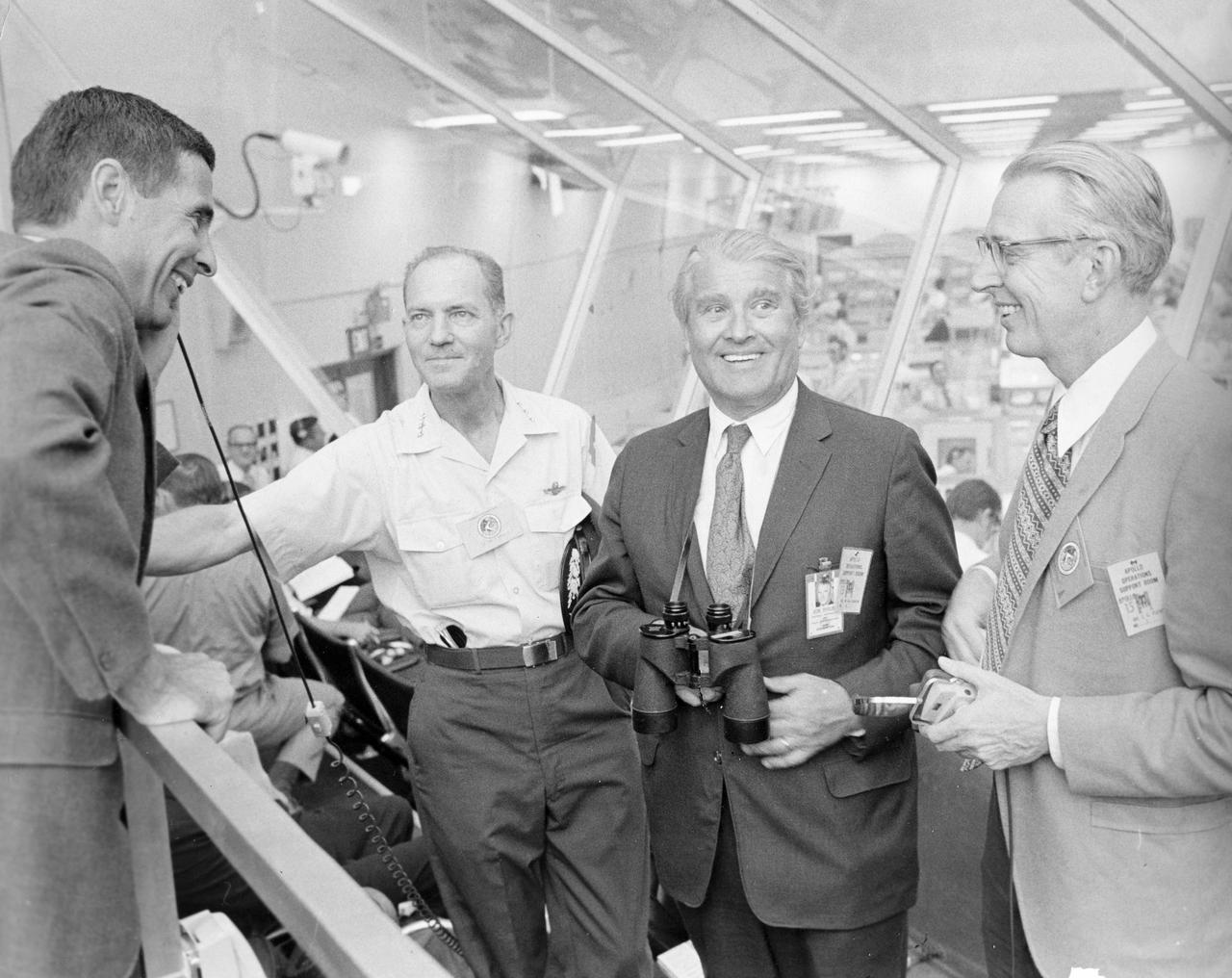
During the Apollo 15 pre-launch activity in the launch control center's firing room 1 at Kennedy Space Center, the then recently appointed NASA Administrator, Dr. James C. Fletcher (right) speaks with (Left to right) William Anders, executive secretary of the National Aeronautics and Space Council; Lt. General Sam Phillips, former Apollo Program Director; and Dr. Wernher von Braun, NASA's Deputy Associate Administrator for planning.
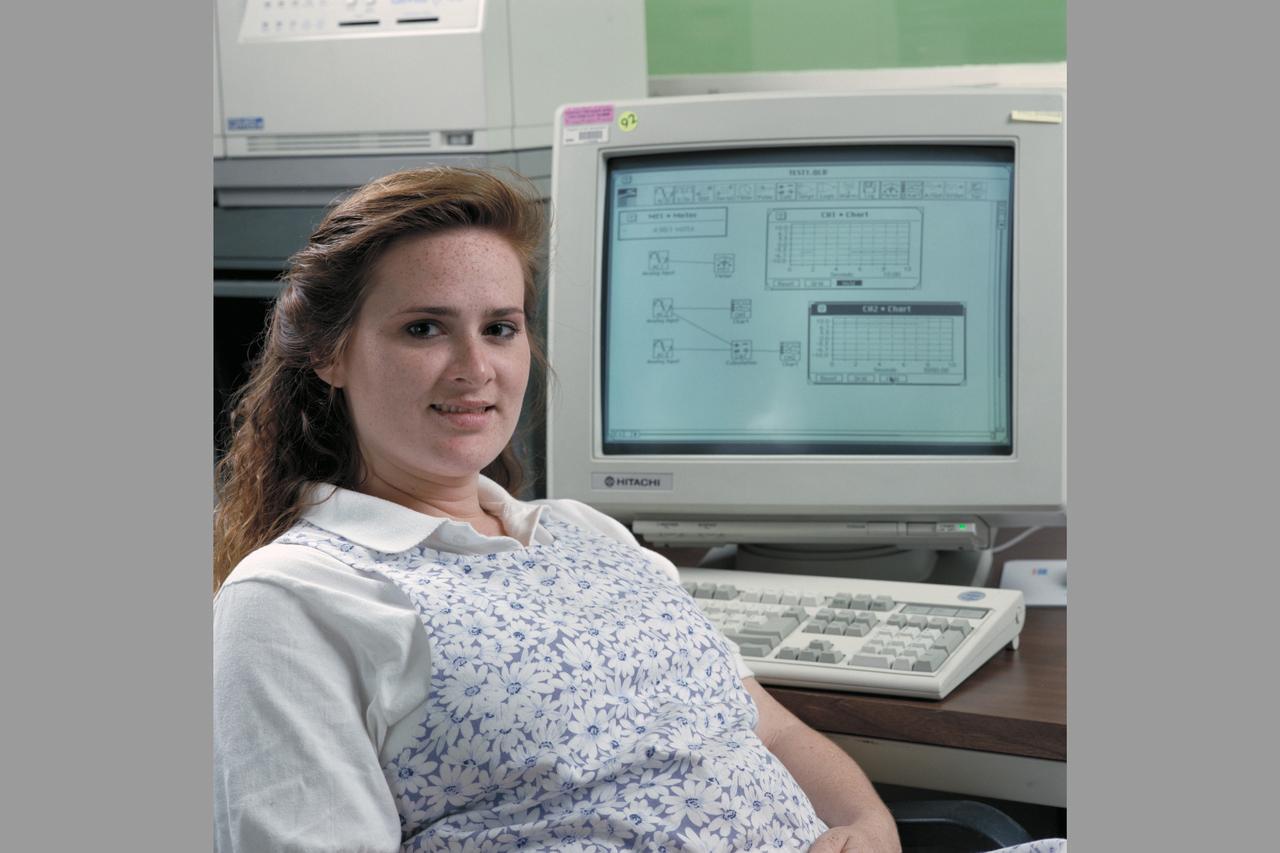
Life Sciences Division (code SL) laboratories and personnel: Tianna Fletcher (Shaw)
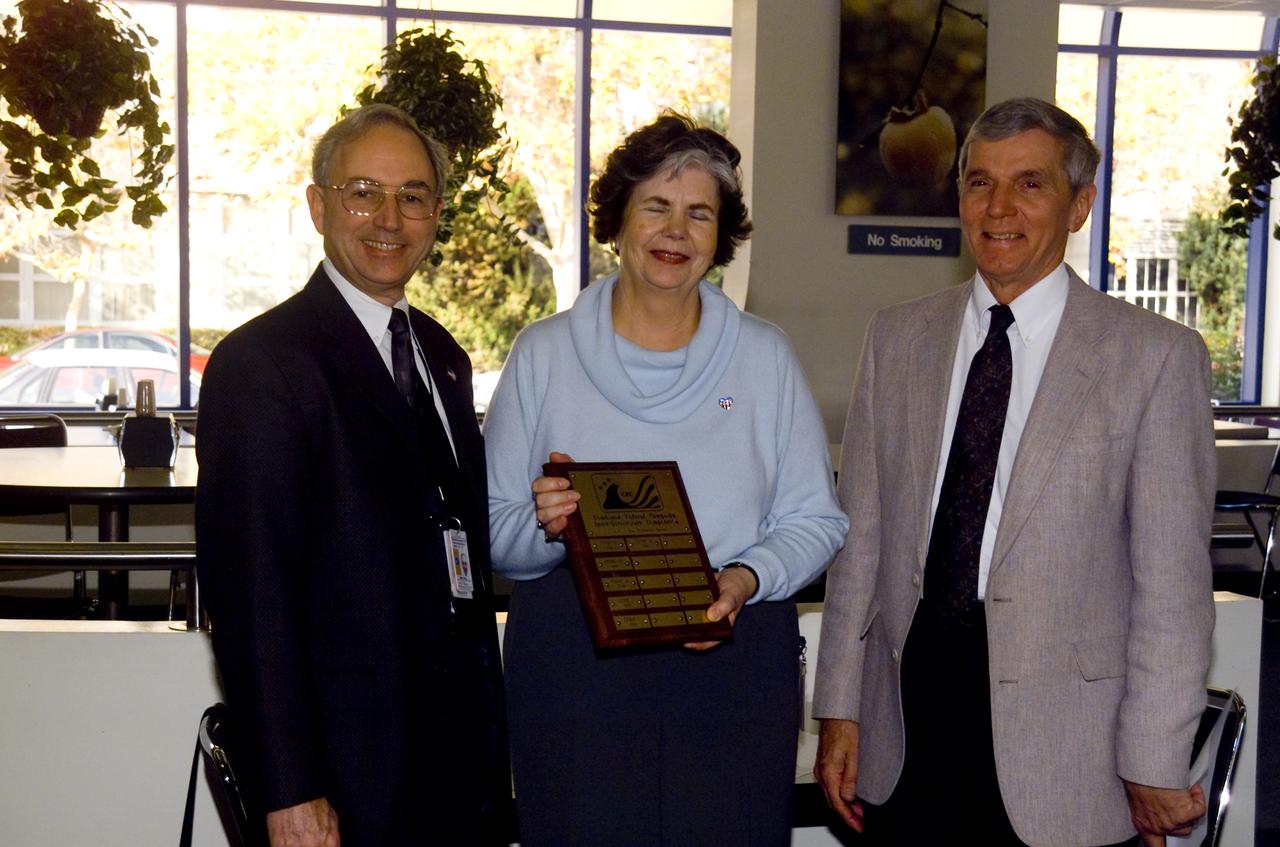
CFC Awards ceremony: (L) Bill Berry, Grace Ann Weiler (C) Ames 2001 CFC chairperson and 'Skip' Fletcher, Aerospace Directorate.
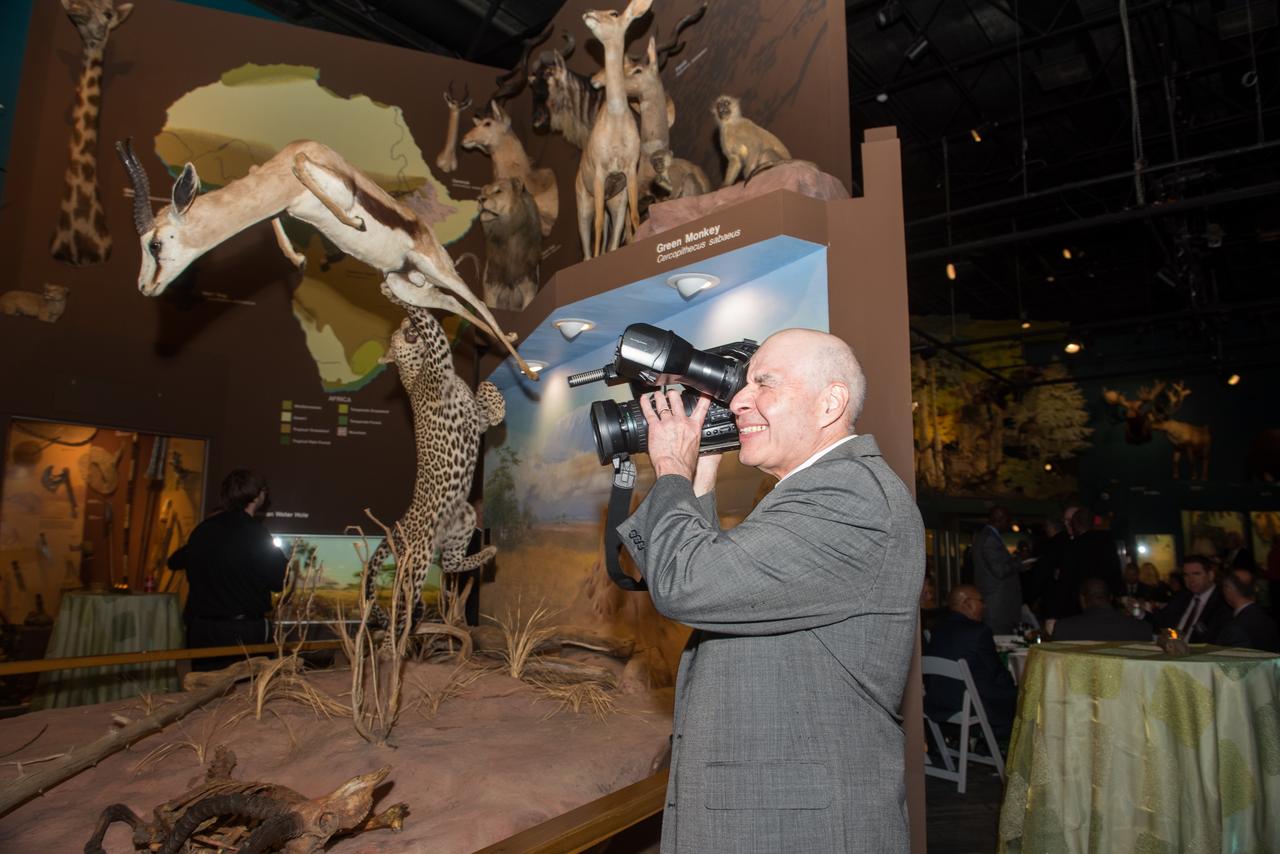
Evening With The Stars - 2019
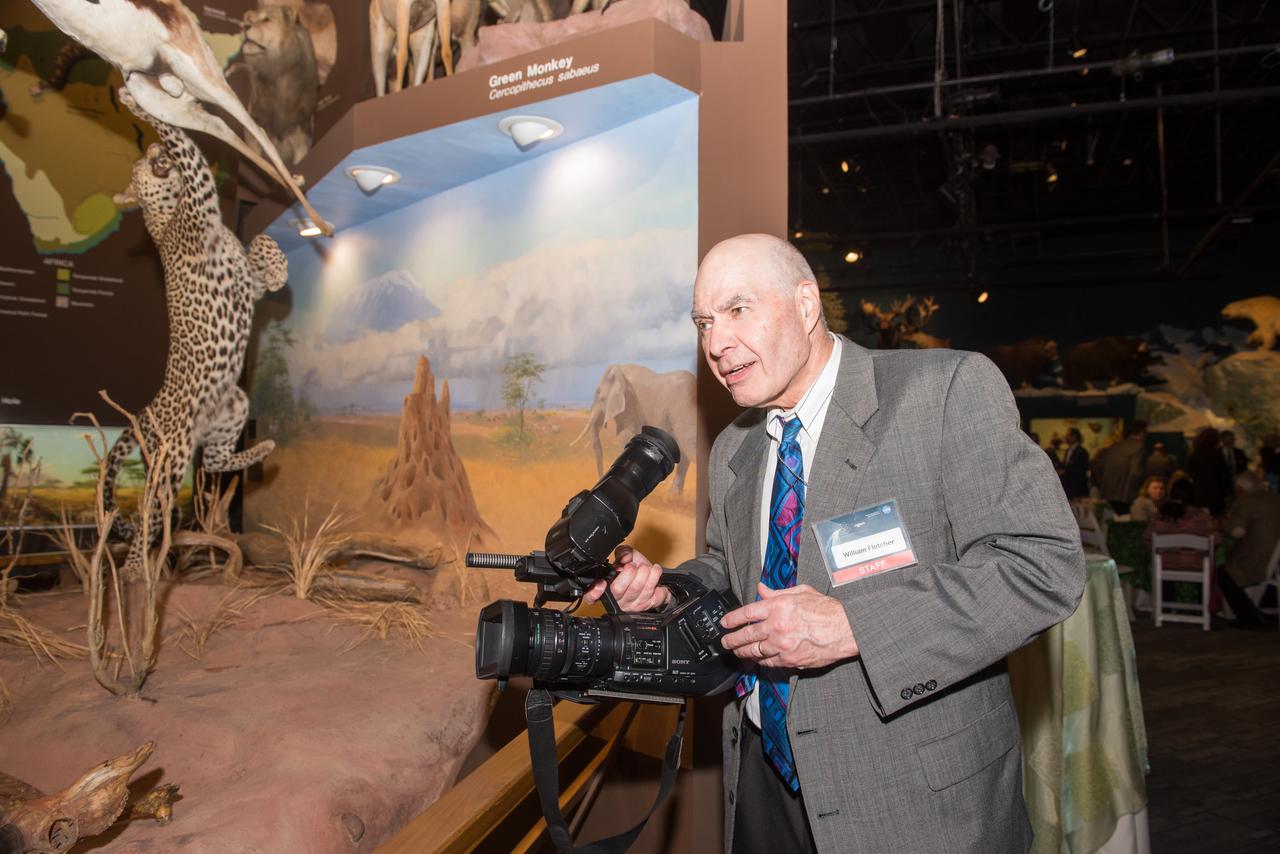
Evening With The Stars - 2019
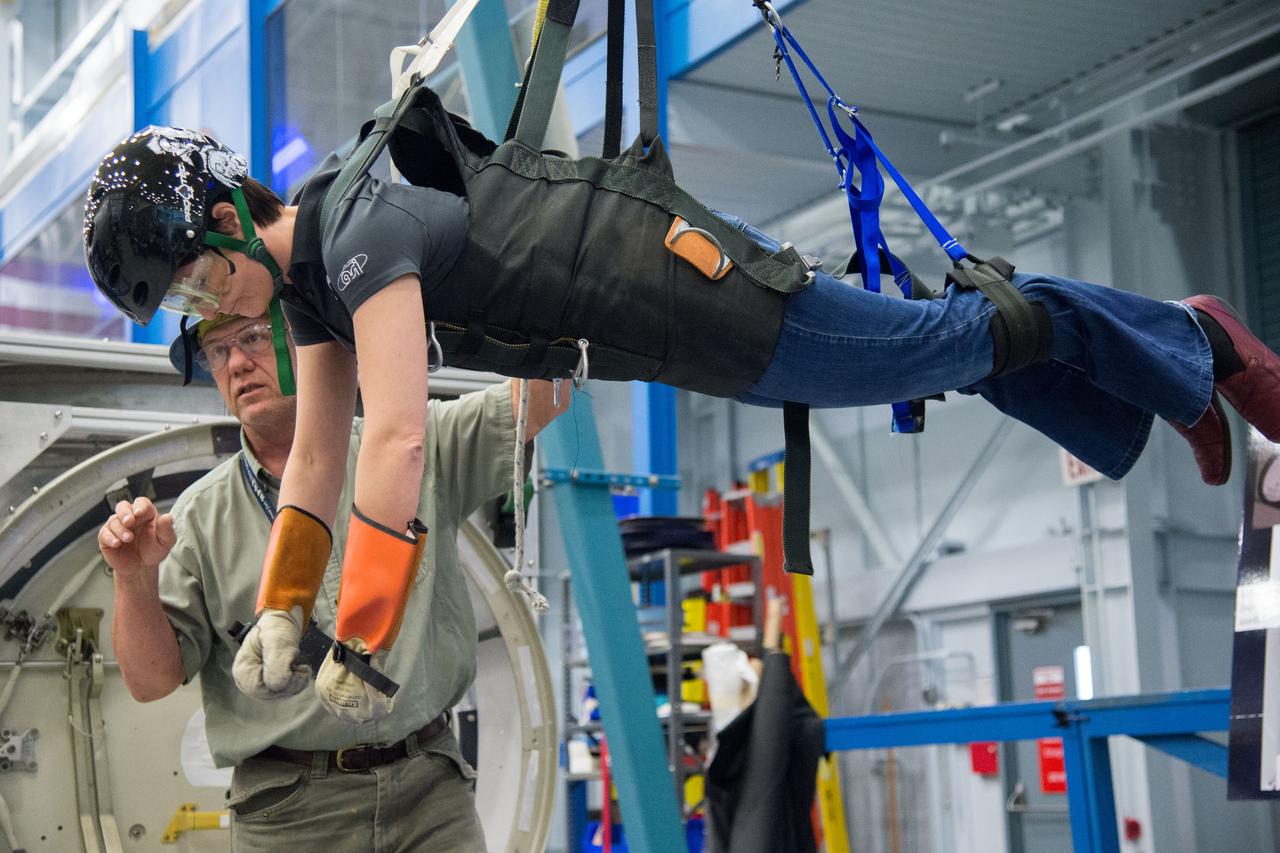
DATE: 6-25-14 LOCATION: Bldg 9NW - POGO SUBJECT: Expedition 42/43 ESA astronaut Samantha Cristoforetti during ISS EVA POGO 2 training with instructor Sandy Fletcher. PHOTOGRAPHER: Lauren Harnett
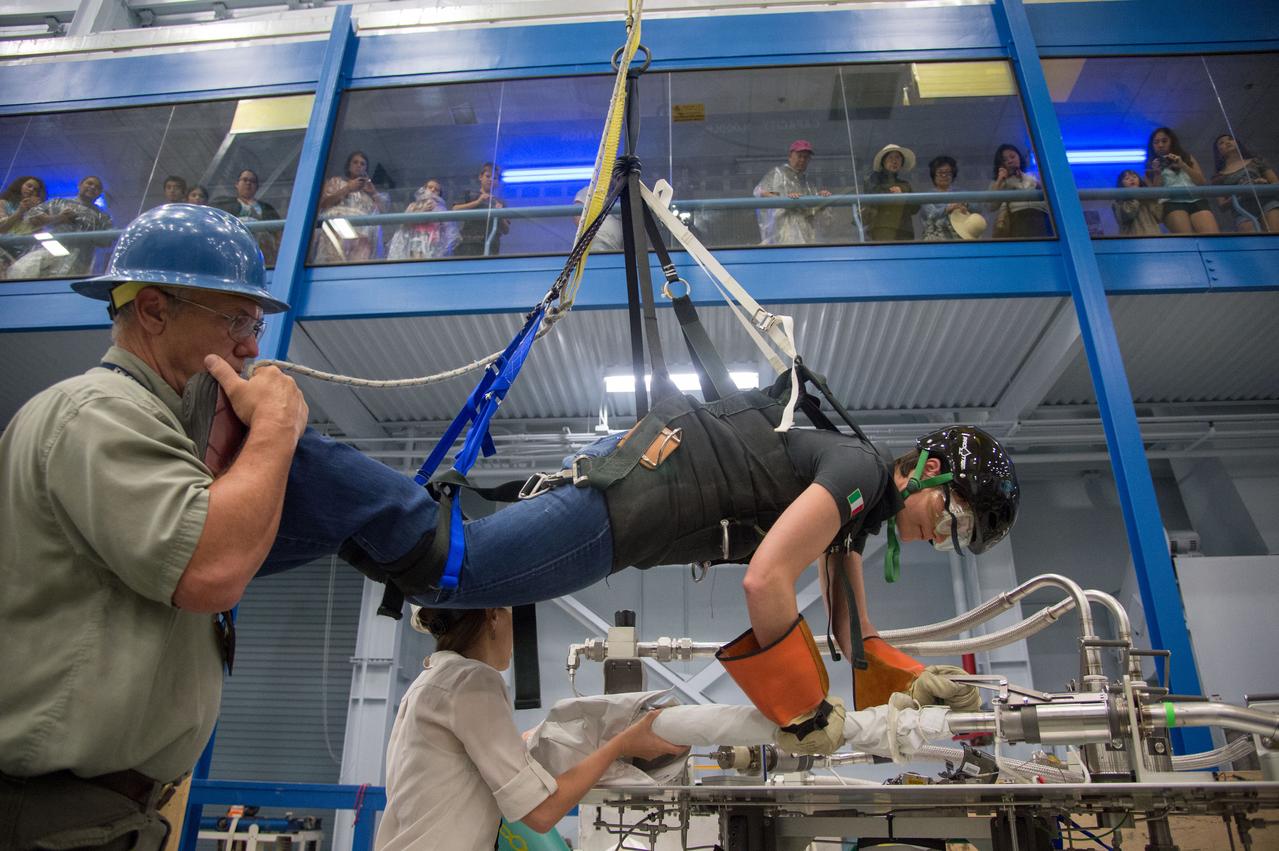
DATE: 6-25-14 LOCATION: Bldg 9NW - POGO SUBJECT: Expedition 42/43 ESA astronaut Samantha Cristoforetti during ISS EVA POGO 2 training with instructor Sandy Fletcher. PHOTOGRAPHER: Lauren Harnett
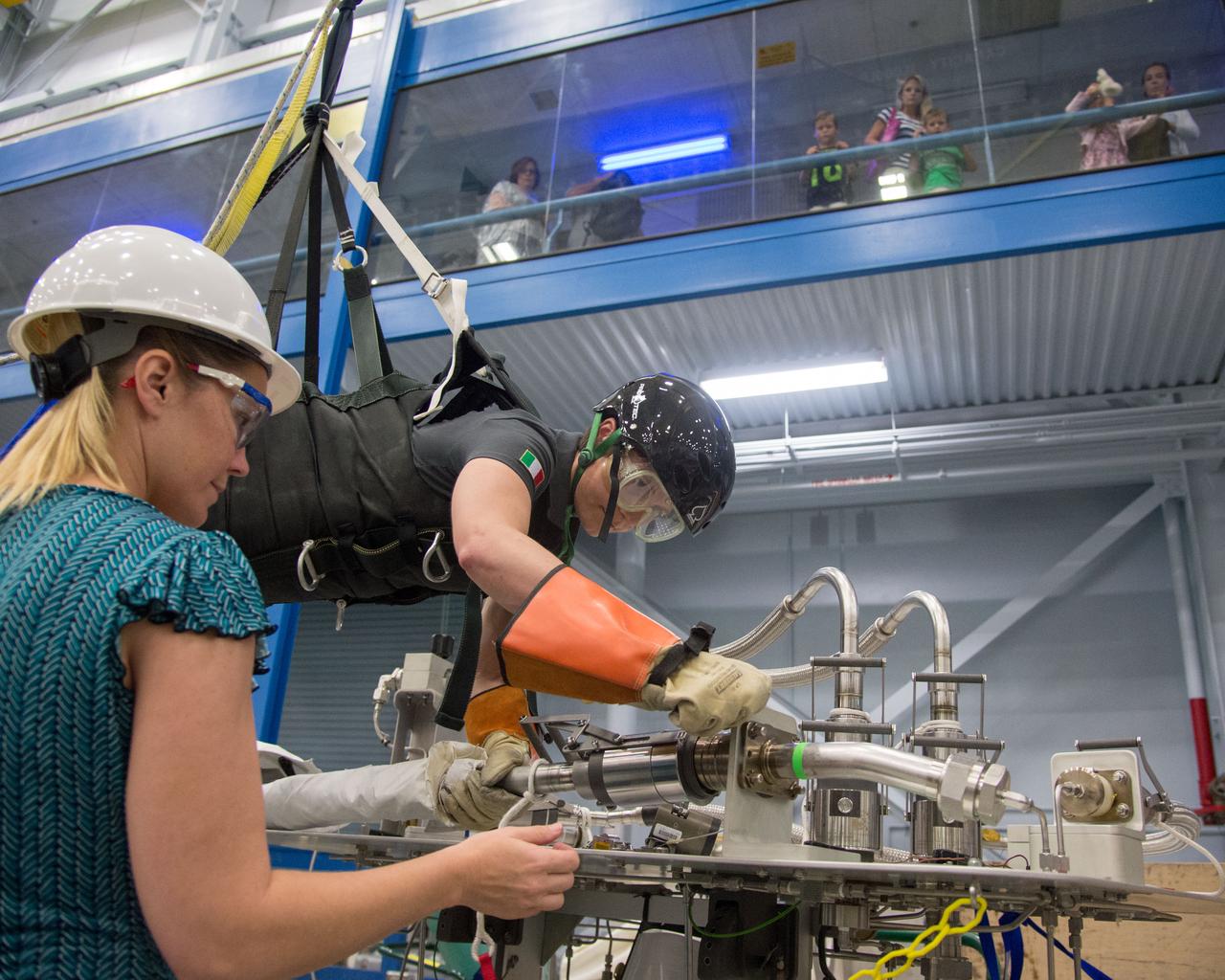
DATE: 6-25-14 LOCATION: Bldg 9NW - POGO SUBJECT: Expedition 42/43 ESA astronaut Samantha Cristoforetti during ISS EVA POGO 2 training with instructor Sandy Fletcher. PHOTOGRAPHER: Lauren Harnett
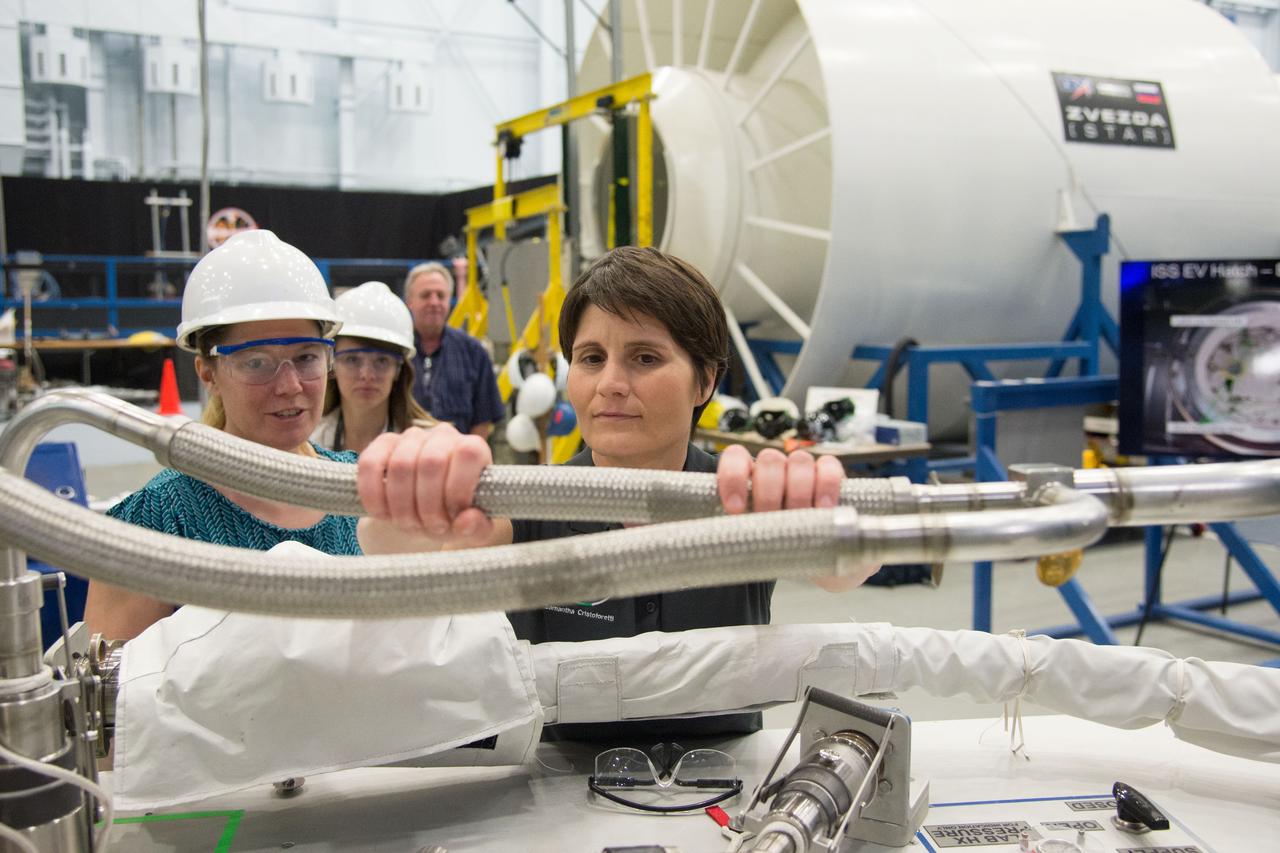
DATE: 6-25-14 LOCATION: Bldg 9NW - POGO SUBJECT: Expedition 42/43 ESA astronaut Samantha Cristoforetti during ISS EVA POGO 2 training with instructor Sandy Fletcher. PHOTOGRAPHER: Lauren Harnett
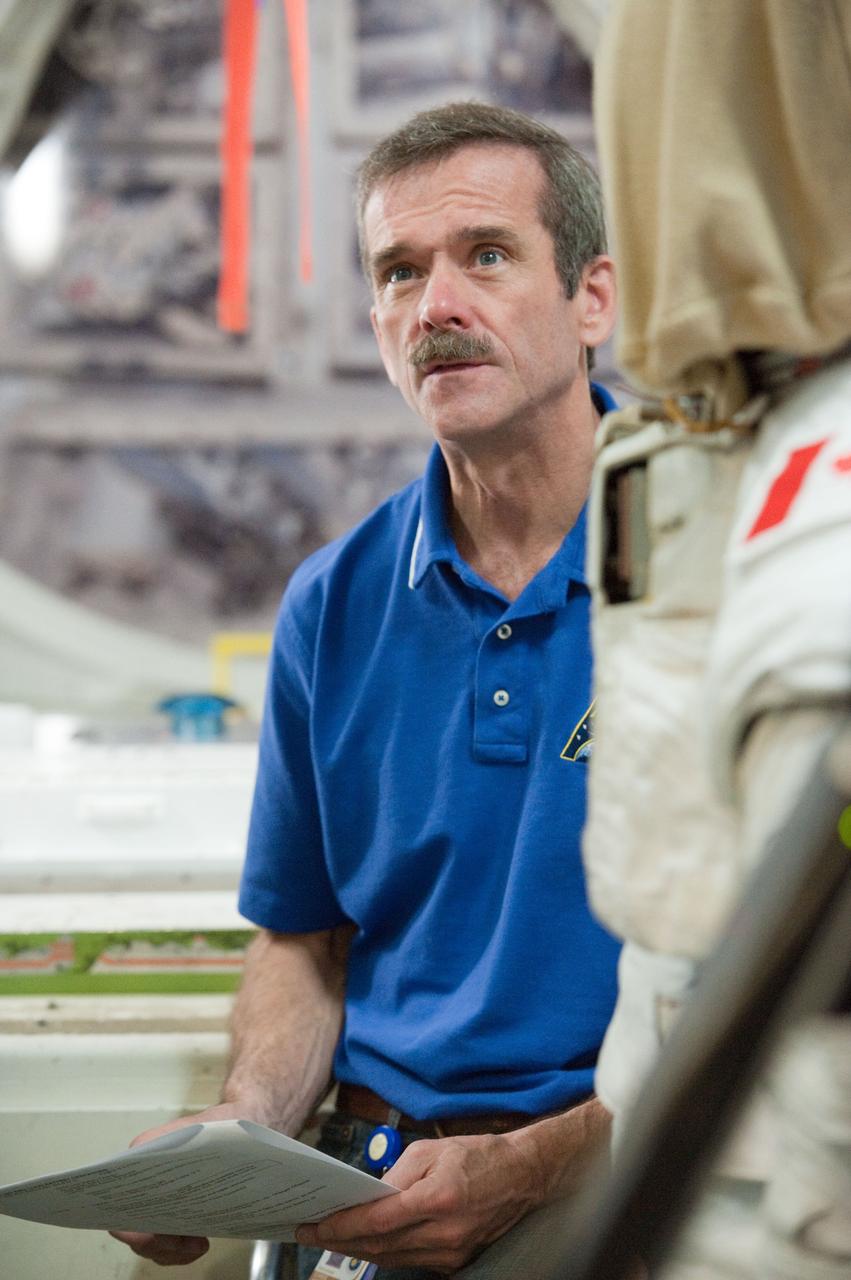
Soyuz 33 crew (33s) (Hadfield, Romanenko and Marshburn) during EVA Prep & Post training with Sandy Fletcher. Photo Date: March 6, 2012. Location: Building 9NW - ISS Mockups. Photographer: Robert Markowitz
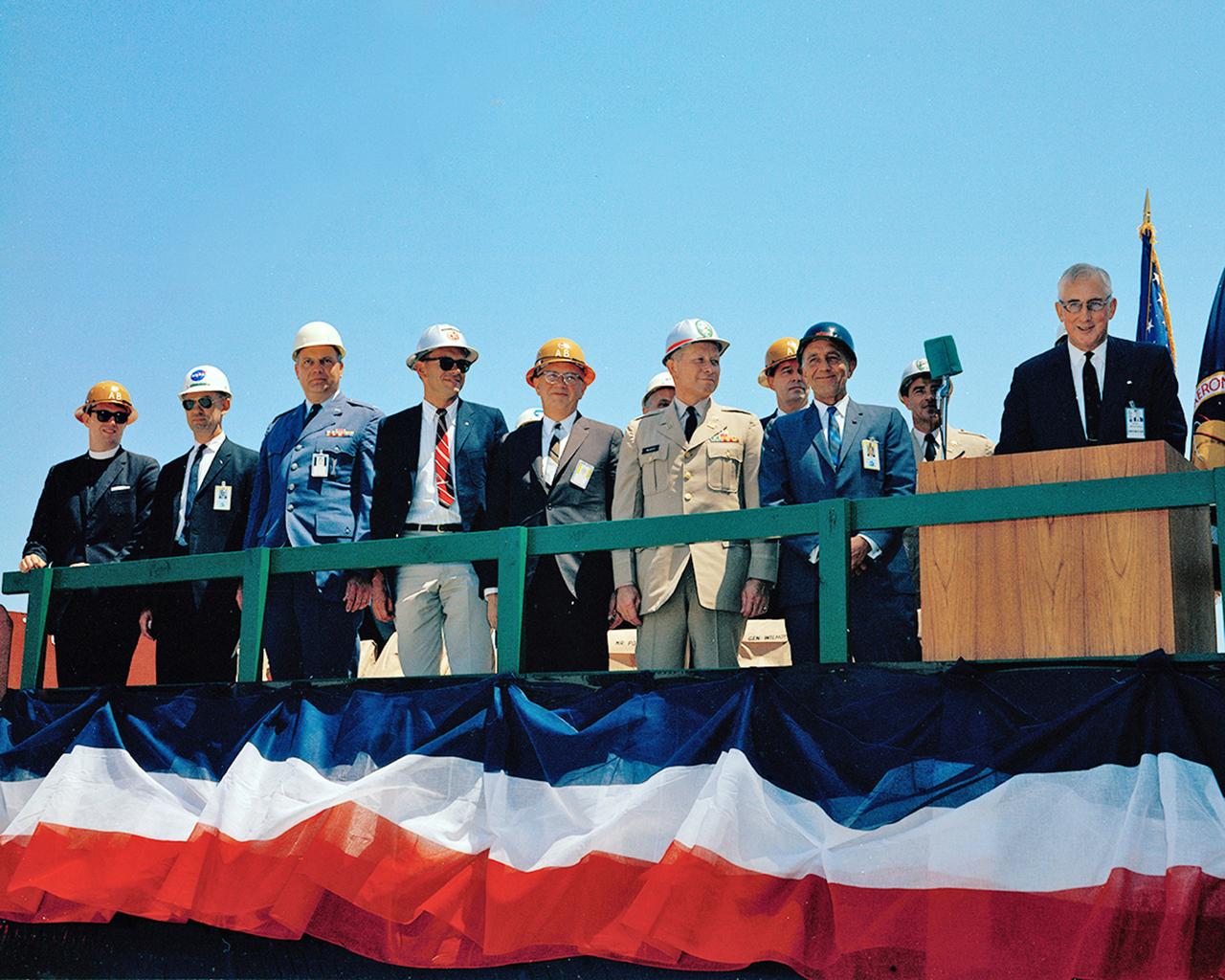
Dignataries (KSC Director Dr. Kurt Debus is second from right, NASA Administrator James C. Fletcher speaking), at the Last Major Beam Installation, attending the VAB Topping-Off Ceremony. MILA.

NASA AMES Photographers N-258 NAS DEDICATION CEREMONY. VIP speakers Ames Director Ballhaus, Assoc. Admin. OAST Raymond Colladay, NASA Director Dr. James Fletcher
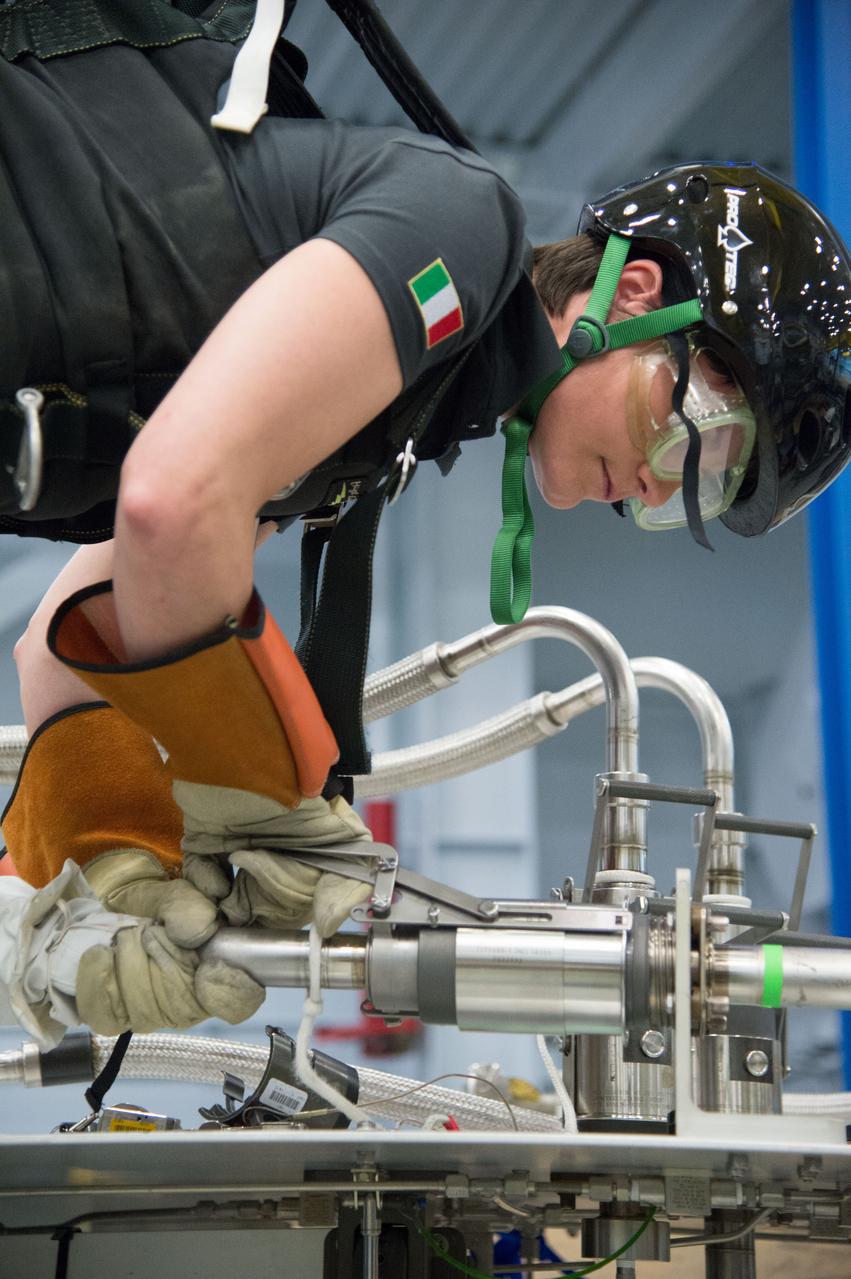
DATE: 6-25-14 LOCATION: Bldg 9NW - POGO SUBJECT: Expedition 42/43 ESA astronaut Samantha Cristoforetti during ISS EVA POGO 2 training with instructor Sandy Fletcher. PHOTOGRAPHER: Lauren Harnett
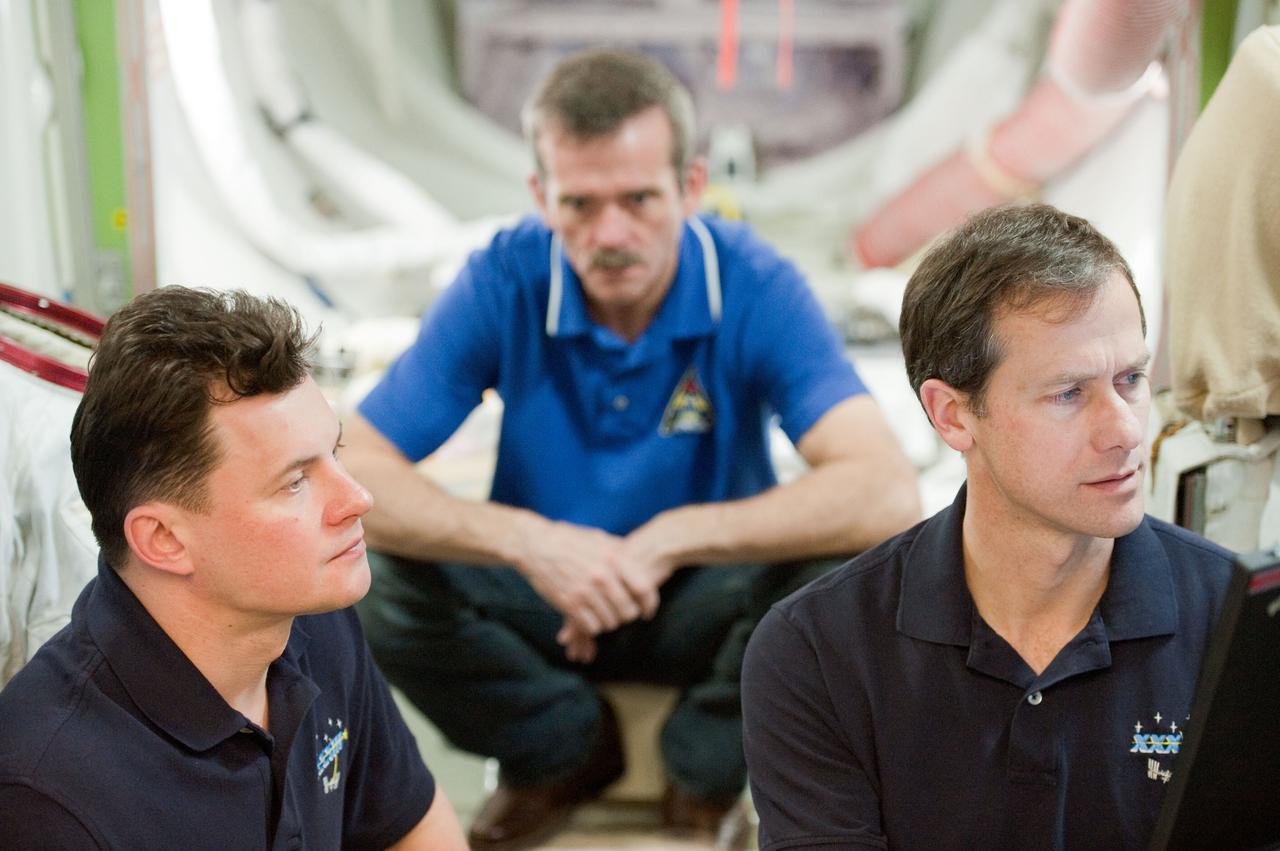
Soyuz 33 crew (33s) (Hadfield, Romanenko and Marshburn) during EVA Prep & Post training with Sandy Fletcher. Photo Date: March 6, 2012. Location: Building 9NW - ISS Mockups. Photographer: Robert Markowitz
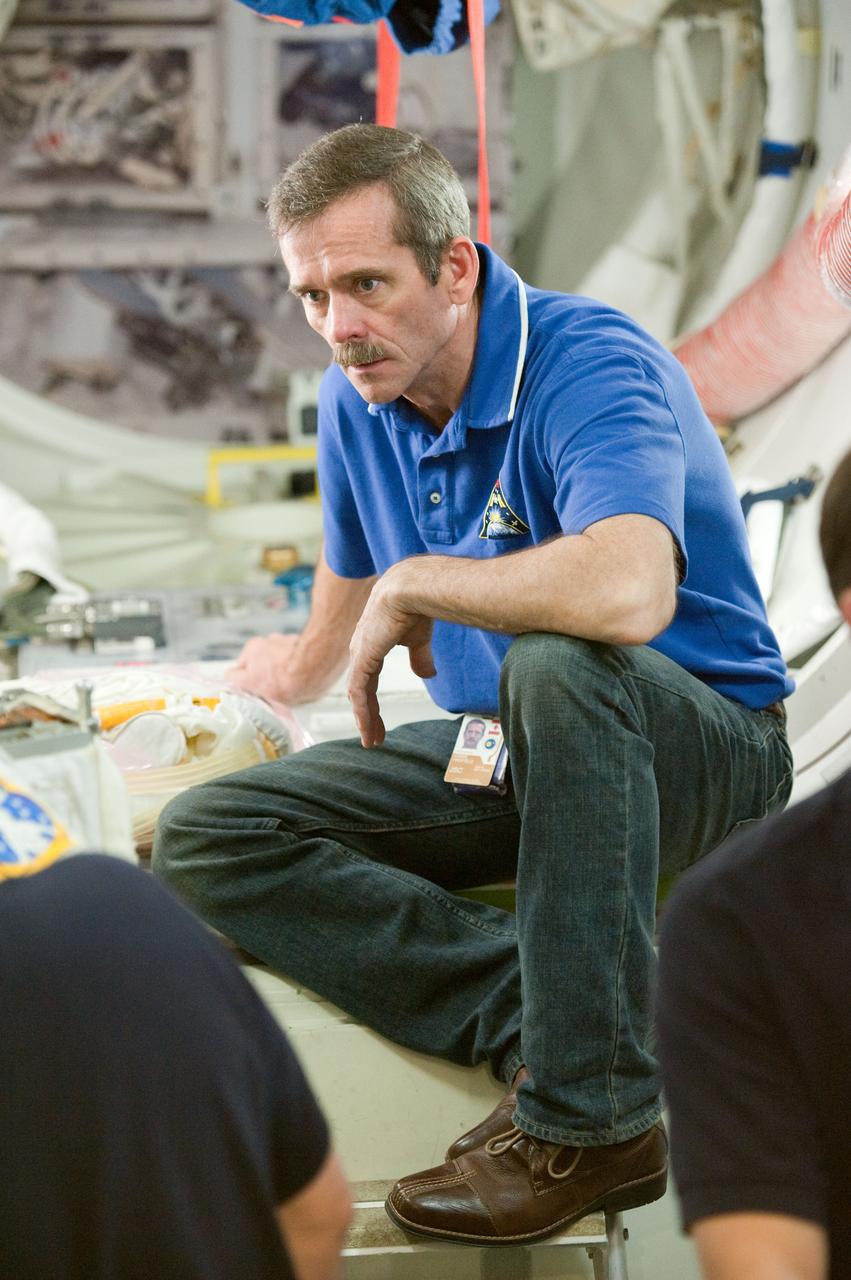
Soyuz 33 crew (33s) (Hadfield, Romanenko and Marshburn) during EVA Prep & Post training with Sandy Fletcher. Photo Date: March 6, 2012. Location: Building 9NW - ISS Mockups. Photographer: Robert Markowitz
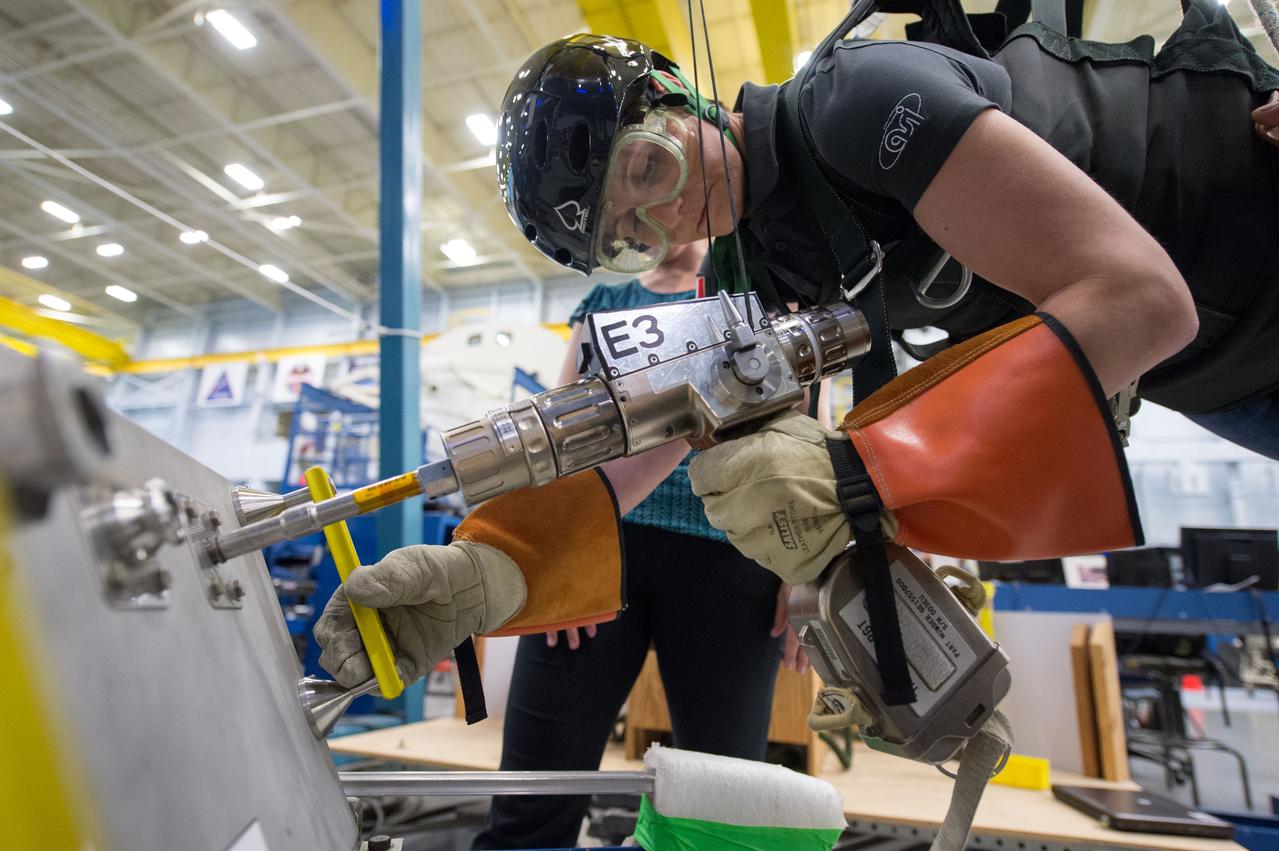
DATE: 6-25-14 LOCATION: Bldg 9NW - POGO SUBJECT: Expedition 42/43 ESA astronaut Samantha Cristoforetti during ISS EVA POGO 2 training with instructor Sandy Fletcher. PHOTOGRAPHER: Lauren Harnett
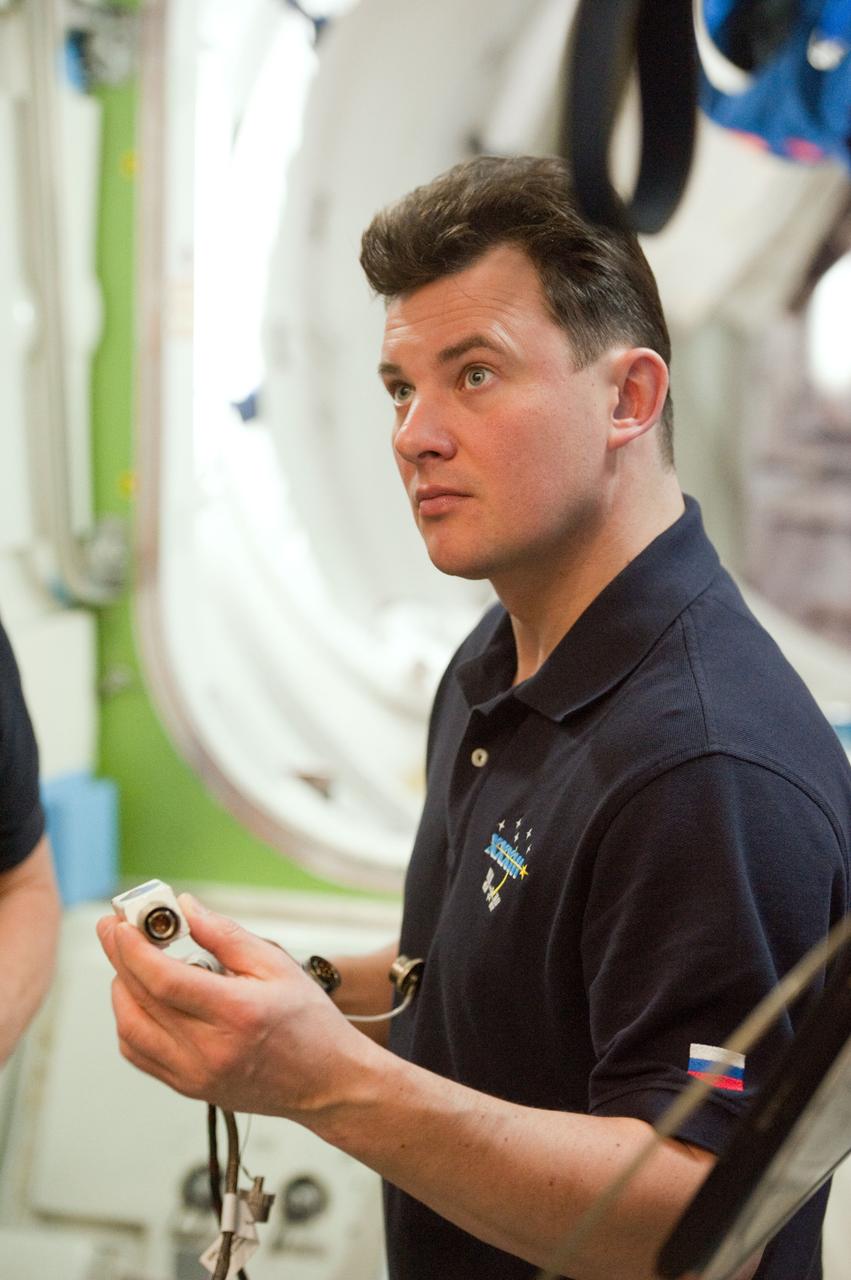
Soyuz 33 crew (33s) (Hadfield, Romanenko and Marshburn) during EVA Prep & Post training with Sandy Fletcher. Photo Date: March 6, 2012. Location: Building 9NW - ISS Mockups. Photographer: Robert Markowitz
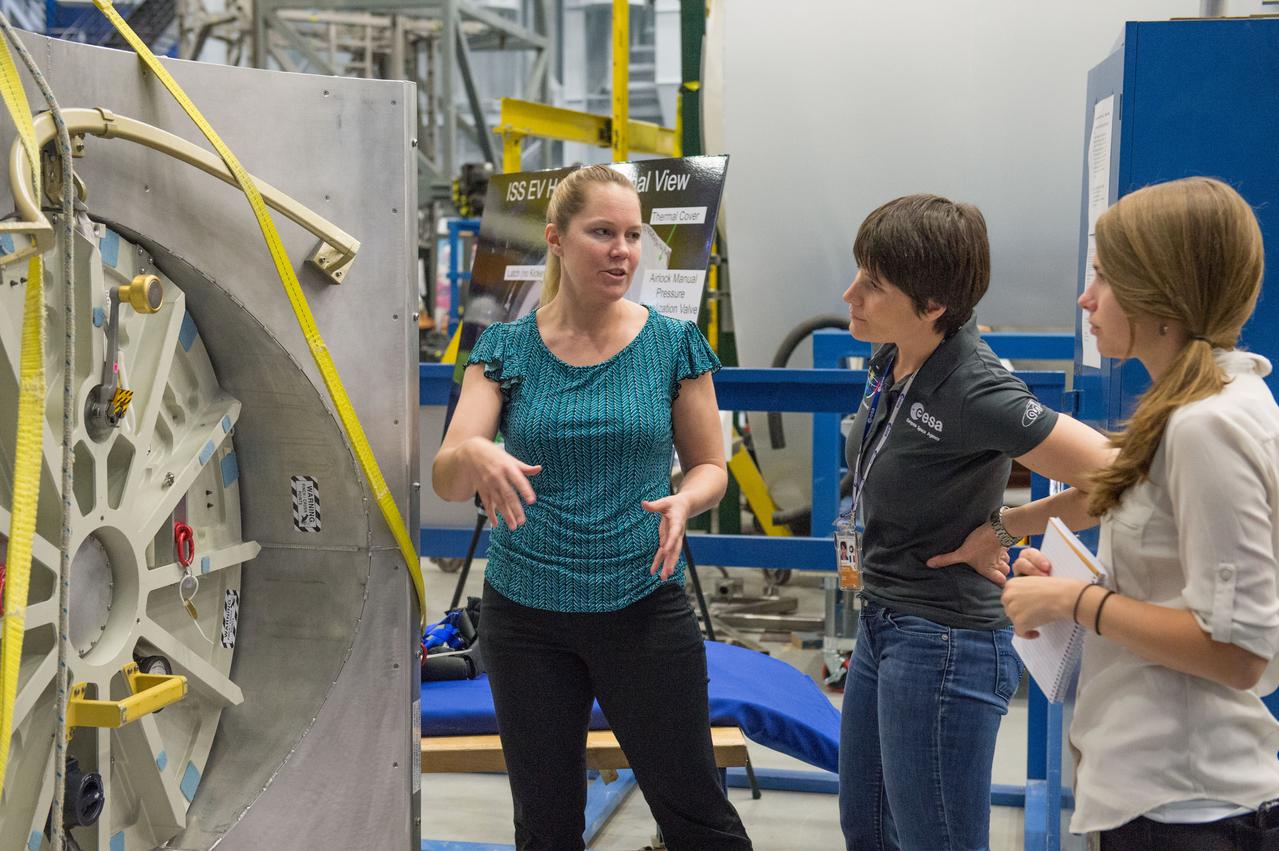
DATE: 6-25-14 LOCATION: Bldg 9NW - POGO SUBJECT: Expedition 42/43 ESA astronaut Samantha Cristoforetti during ISS EVA POGO 2 training with instructor Sandy Fletcher. PHOTOGRAPHER: Joe DeMartino
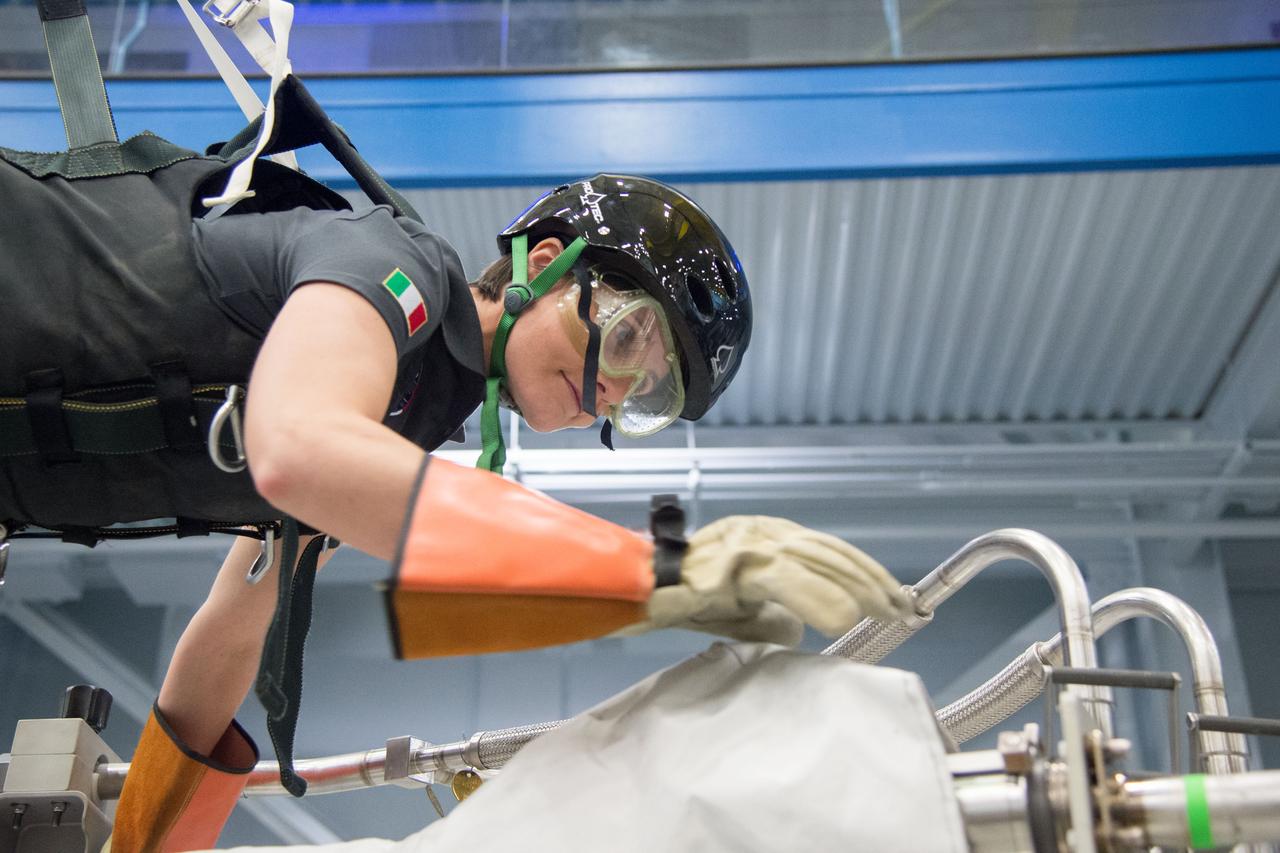
DATE: 6-25-14 LOCATION: Bldg 9NW - POGO SUBJECT: Expedition 42/43 ESA astronaut Samantha Cristoforetti during ISS EVA POGO 2 training with instructor Sandy Fletcher. PHOTOGRAPHER: Lauren Harnett
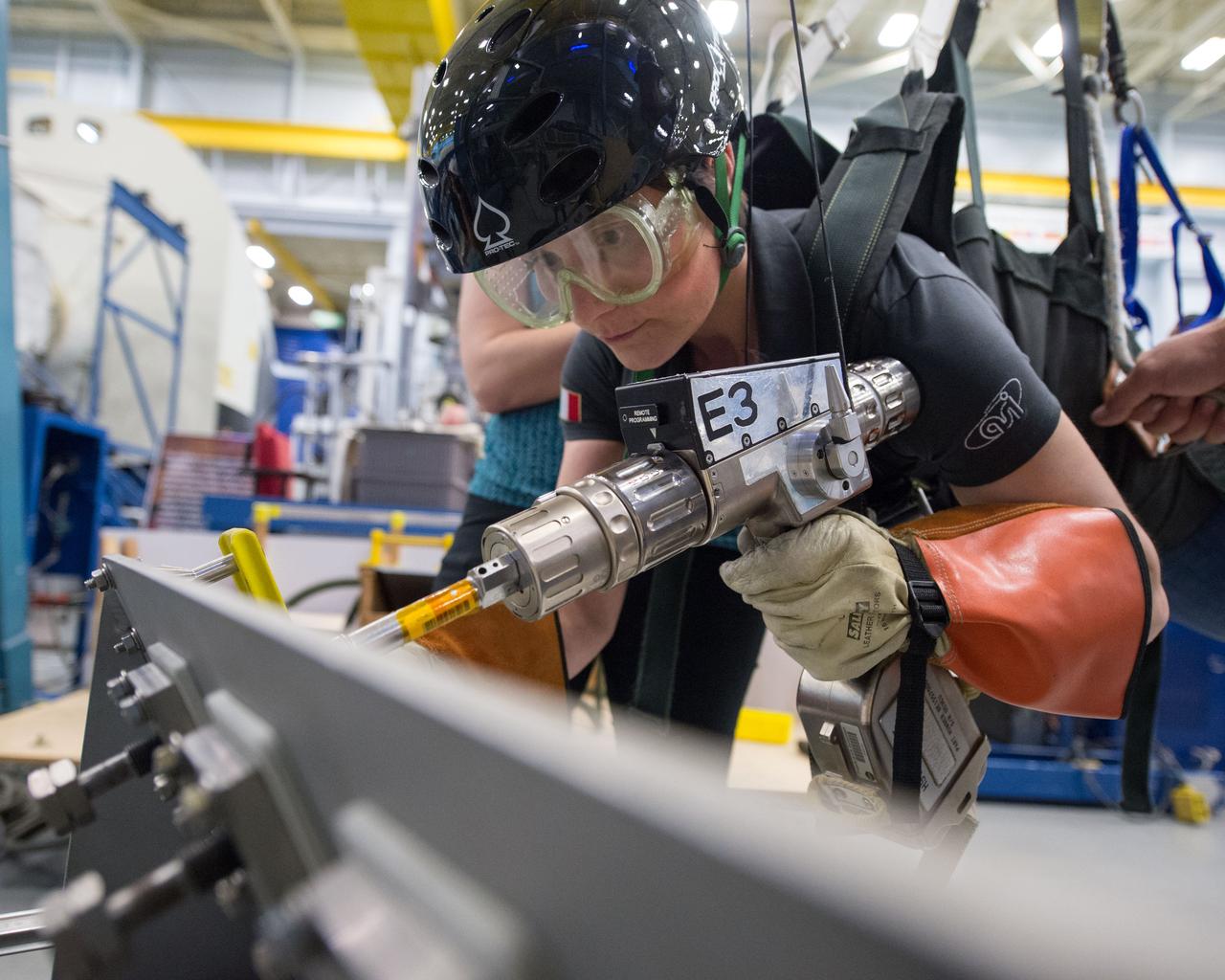
DATE: 6-25-14 LOCATION: Bldg 9NW - POGO SUBJECT: Expedition 42/43 ESA astronaut Samantha Cristoforetti during ISS EVA POGO 2 training with instructor Sandy Fletcher. PHOTOGRAPHER: Lauren Harnett
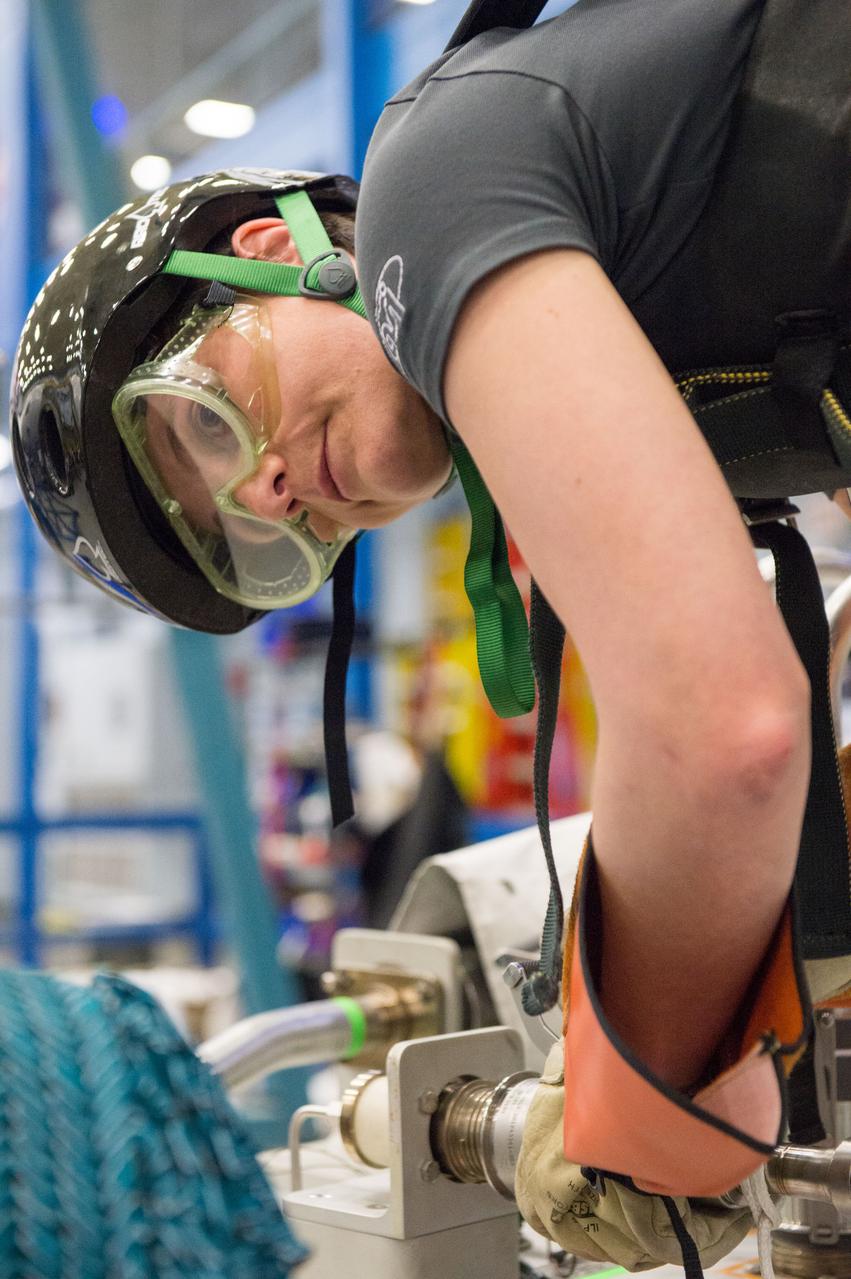
DATE: 6-25-14 LOCATION: Bldg 9NW - POGO SUBJECT: Expedition 42/43 ESA astronaut Samantha Cristoforetti during ISS EVA POGO 2 training with instructor Sandy Fletcher. PHOTOGRAPHER: Joe DeMartino
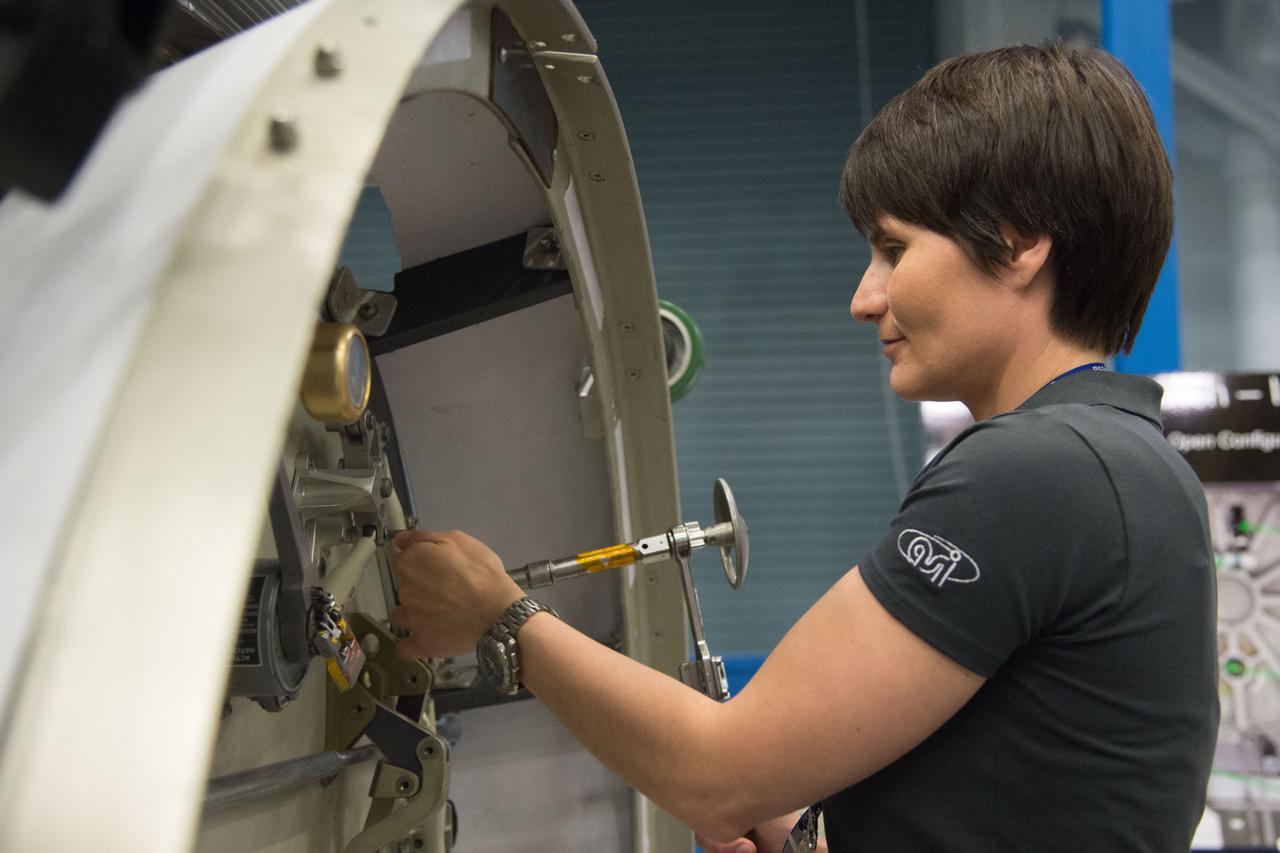
DATE: 6-25-14 LOCATION: Bldg 9NW - POGO SUBJECT: Expedition 42/43 ESA astronaut Samantha Cristoforetti during ISS EVA POGO 2 training with instructor Sandy Fletcher. PHOTOGRAPHER: Lauren Harnett
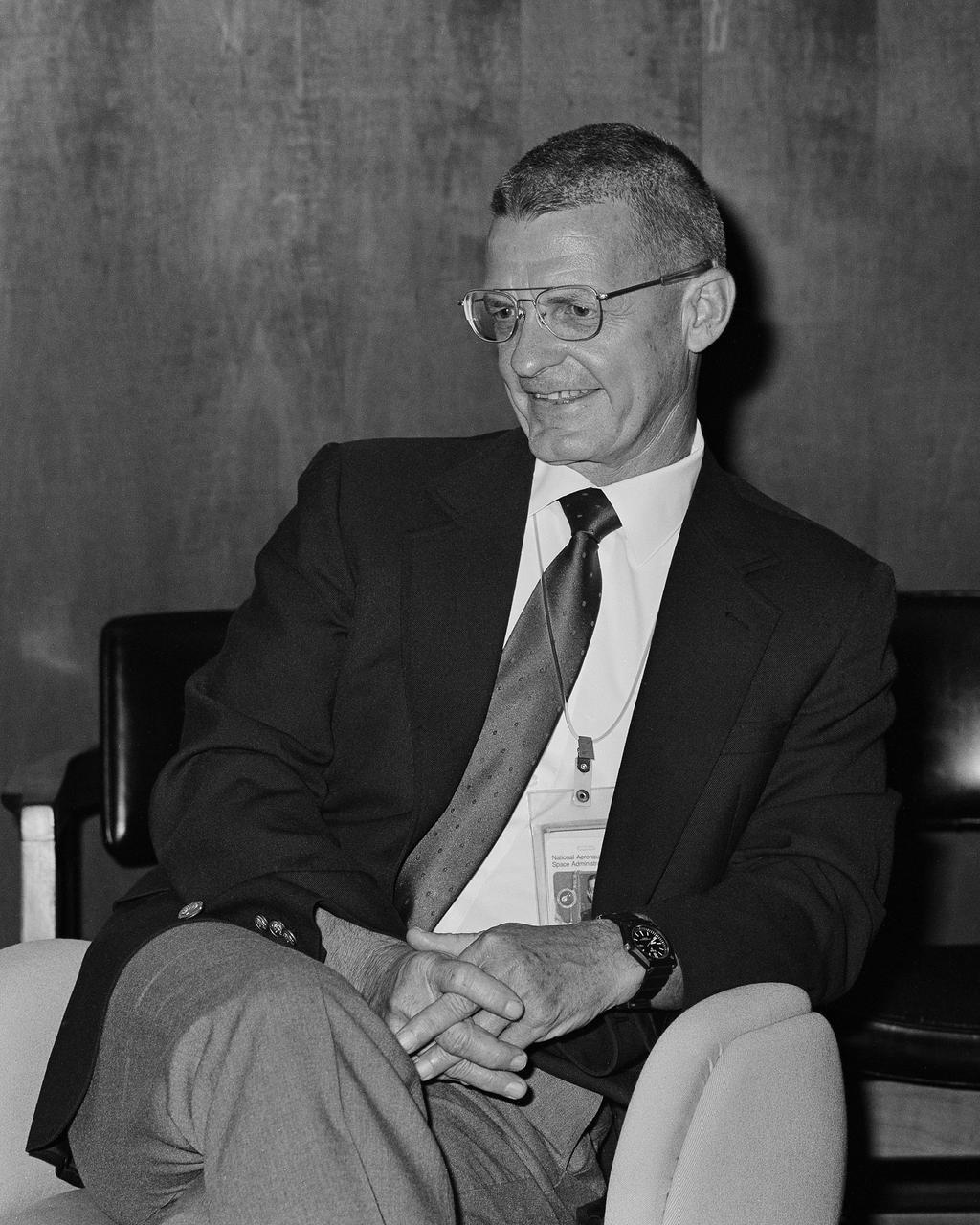
CAPE CANAVERAL, Fla. - Kennedy Space Center Director Forrest McCartney listens to NASA Administrator Dr. James Fletcher say his goodbyes to Kennedy Space Center upon his announced retirement from NASA's top position. Photo credit: NASA
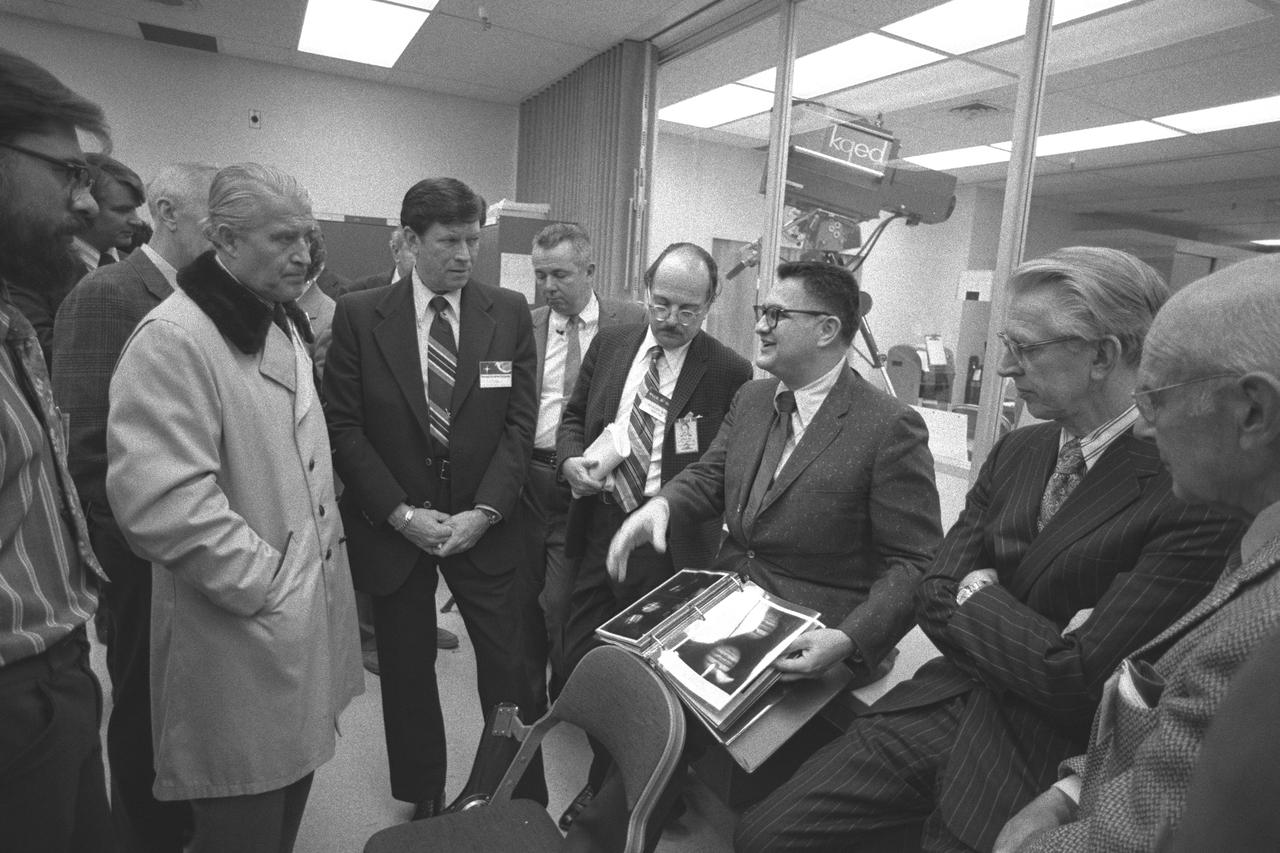
Pioneer 10 Mission to Jupiter; Press conference and tour of Mission Control for VIP visitors with Dr. Werner Von Braun on left (in trench coat) Dr Richard Fimmel, Ames, center (with album) and Dr Fletcher, NASA Administrator to his right.
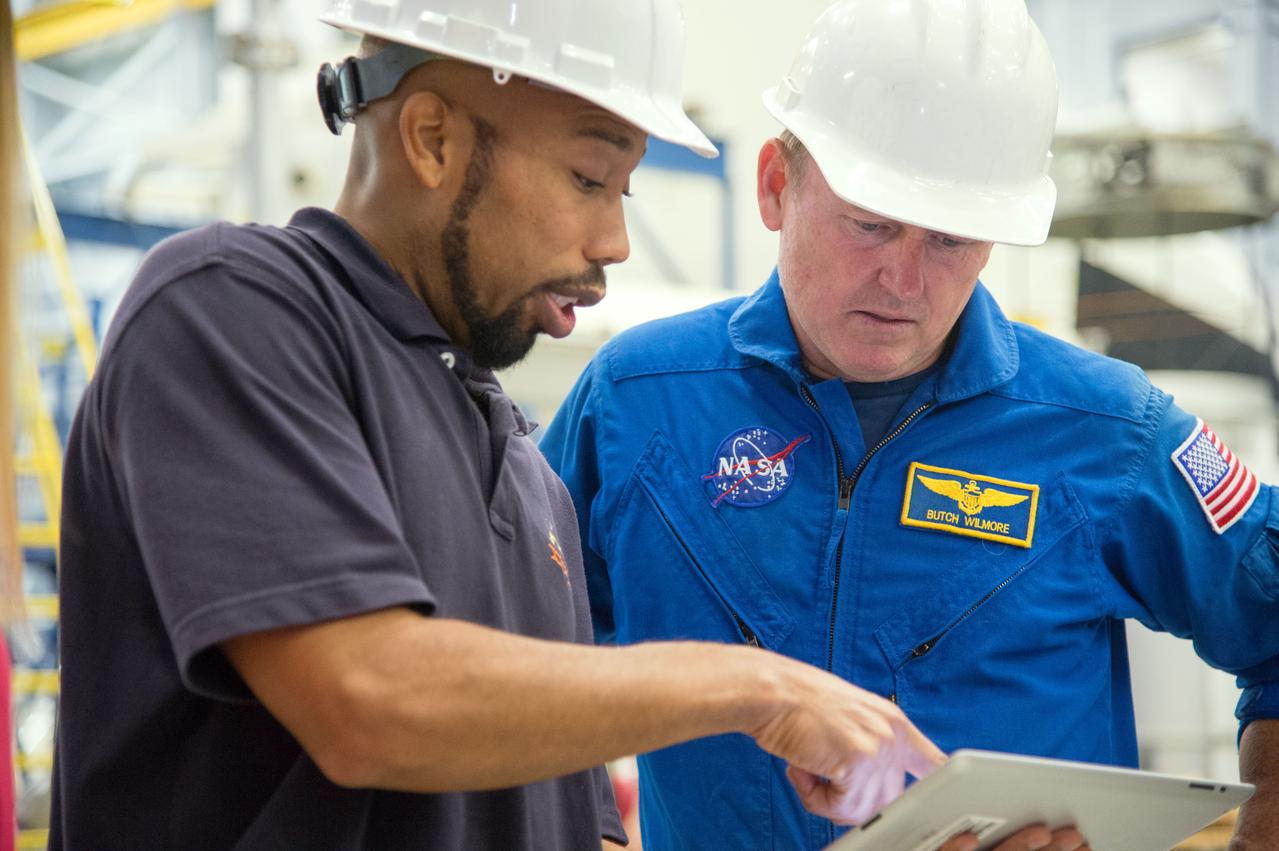
PHOTO DATE: 29 July 2013 LOCATION: Bldg. 9NW, Space Vehicle Mockup Training Facility - POGO SUBJECT: Expedition 42 crew member and astronaut Barry "Butch" Wilmore during ISS EVA POGO 1 training. Instructors Faruq Sabur (black shirt), Allissa Battocletti (red shirt), Sandy Fletcher (light blue shirt with glasses) and astronaut Shane Kimbrough assist. PHOTOGRAPHER: Mark Sowa

Five (5) views of President Richard M. Nixon during his visit to the JSC. These views show the President as he addresses a crowd of employees and visitors outside of Building 1 Auditorium. Dr. Christopher C. Kraft, Fletcher, and Astronaut Gerald Carr, with Pete Clements, George Abbey, and Jack Waite in the background is also seen with the President. 1. Pres. Richard M. Nixon 2. Dr. Christopher C. Kraft JSC, HOUSTON, TX

PHOTO DATE: 29 July 2013 LOCATION: Bldg. 9NW, Space Vehicle Mockup Training Facility - POGO SUBJECT: Expedition 42 crew member and astronaut Barry "Butch" Wilmore during ISS EVA POGO 1 training. Instructors Faruq Sabur (black shirt), Allissa Battocletti (red shirt), Sandy Fletcher (light blue shirt with glasses) and astronaut Shane Kimbrough assist. PHOTOGRAPHER: Mark Sowa
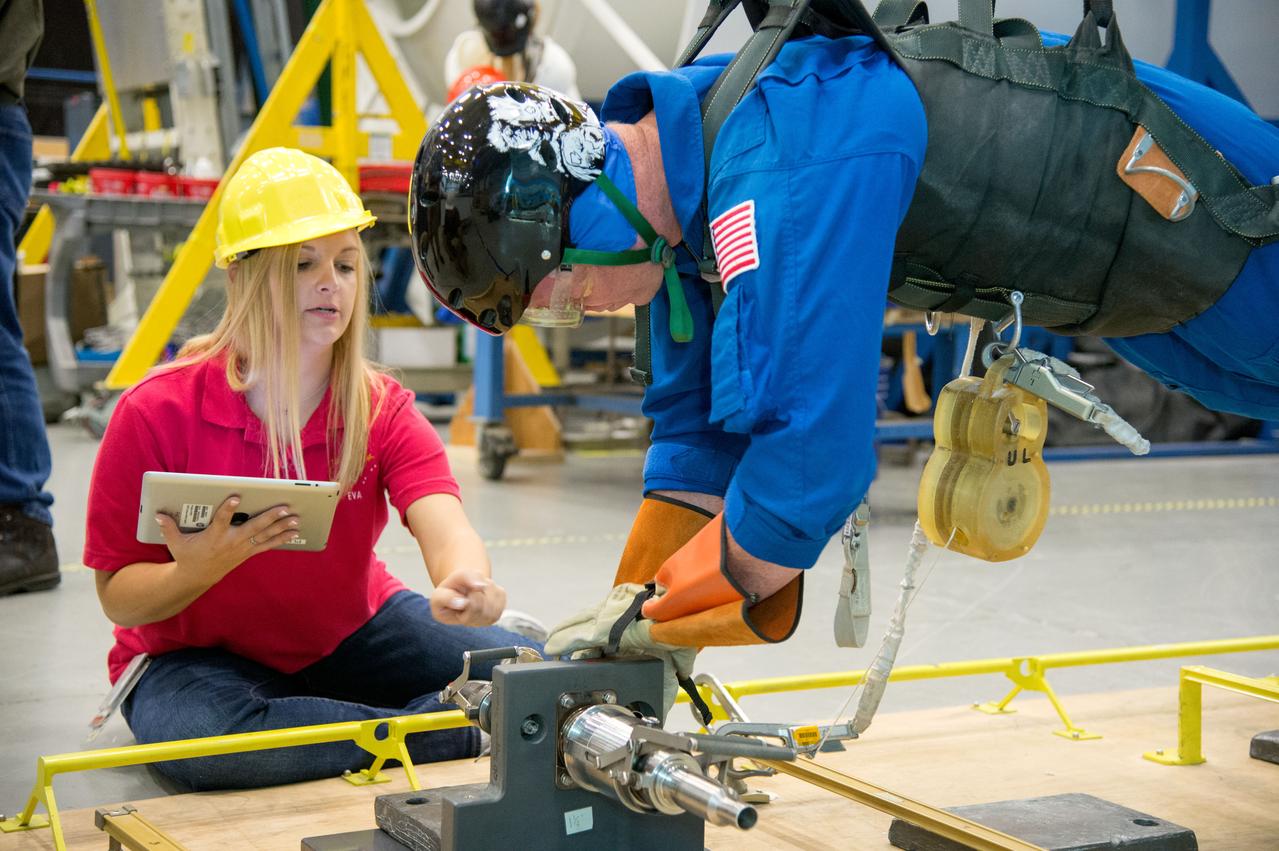
PHOTO DATE: 29 July 2013 LOCATION: Bldg. 9NW, Space Vehicle Mockup Training Facility - POGO SUBJECT: Expedition 42 crew member and astronaut Barry "Butch" Wilmore during ISS EVA POGO 1 training. Instructors Faruq Sabur (black shirt), Allissa Battocletti (red shirt), Sandy Fletcher (light blue shirt with glasses) and astronaut Shane Kimbrough assist. PHOTOGRAPHER: Mark Sowa
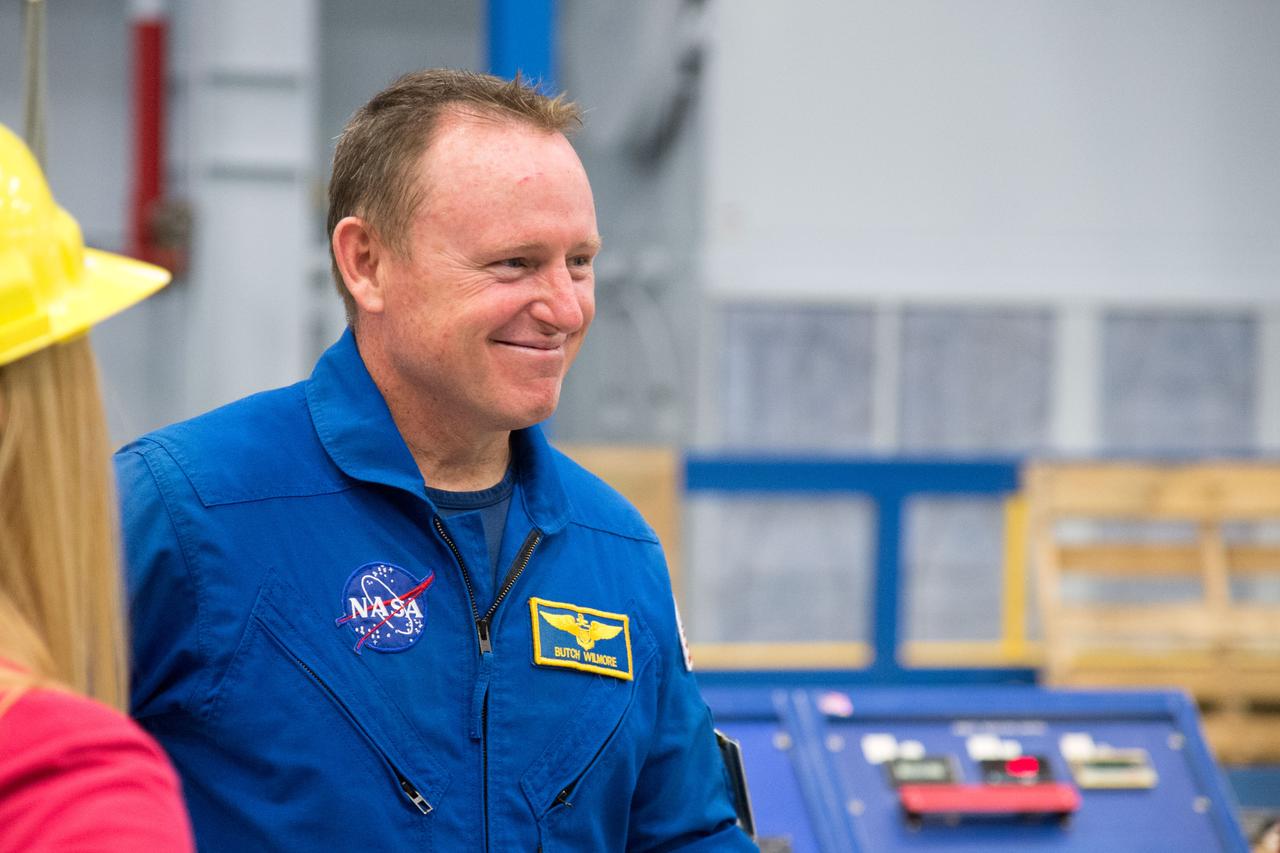
PHOTO DATE: 29 July 2013 LOCATION: Bldg. 9NW, Space Vehicle Mockup Training Facility - POGO SUBJECT: Expedition 42 crew member and astronaut Barry "Butch" Wilmore during ISS EVA POGO 1 training. Instructors Faruq Sabur (black shirt), Allissa Battocletti (red shirt), Sandy Fletcher (light blue shirt with glasses) and astronaut Shane Kimbrough assist. PHOTOGRAPHER: Mark Sowa
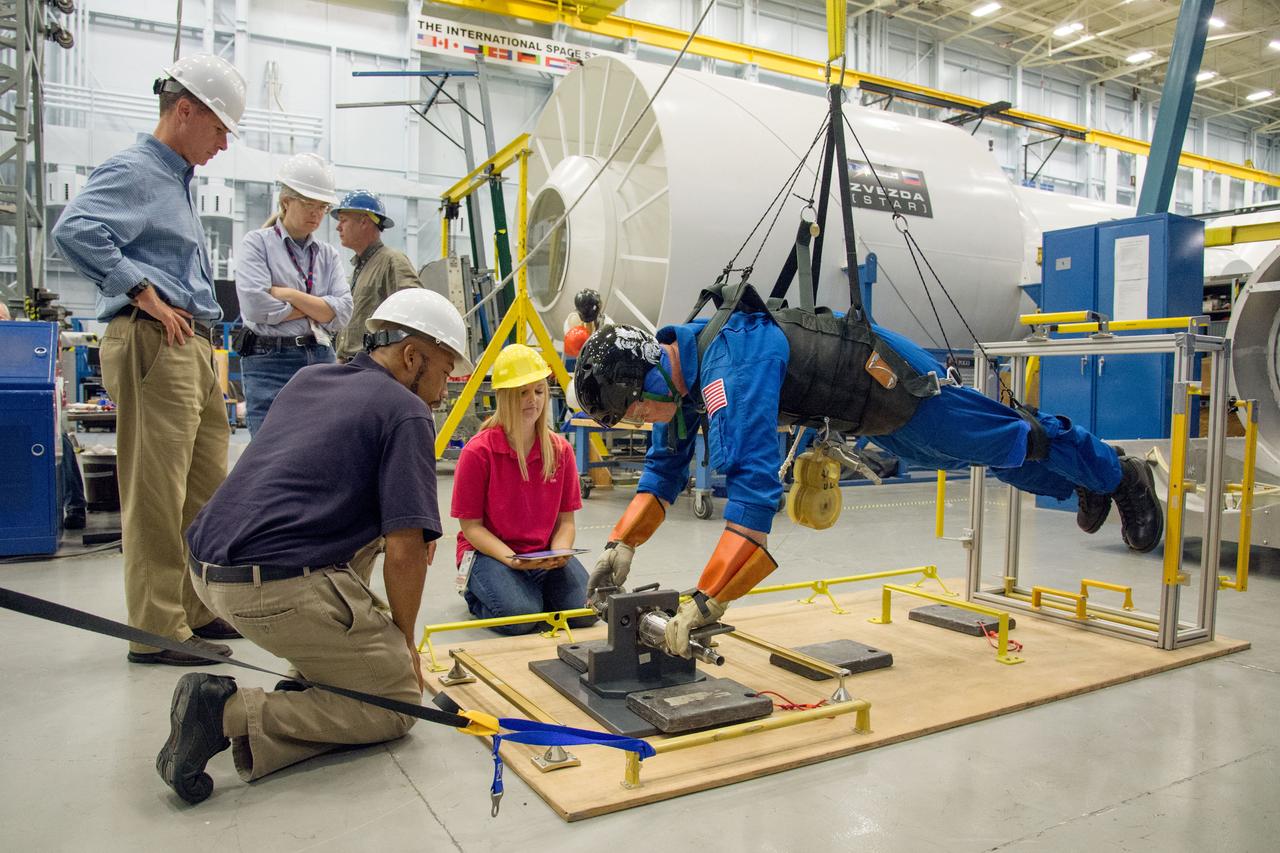
PHOTO DATE: 29 July 2013 LOCATION: Bldg. 9NW, Space Vehicle Mockup Training Facility - POGO SUBJECT: Expedition 42 crew member and astronaut Barry "Butch" Wilmore during ISS EVA POGO 1 training. Instructors Faruq Sabur (black shirt), Allissa Battocletti (red shirt), Sandy Fletcher (light blue shirt with glasses) and astronaut Shane Kimbrough assist. PHOTOGRAPHER: Mark Sowa
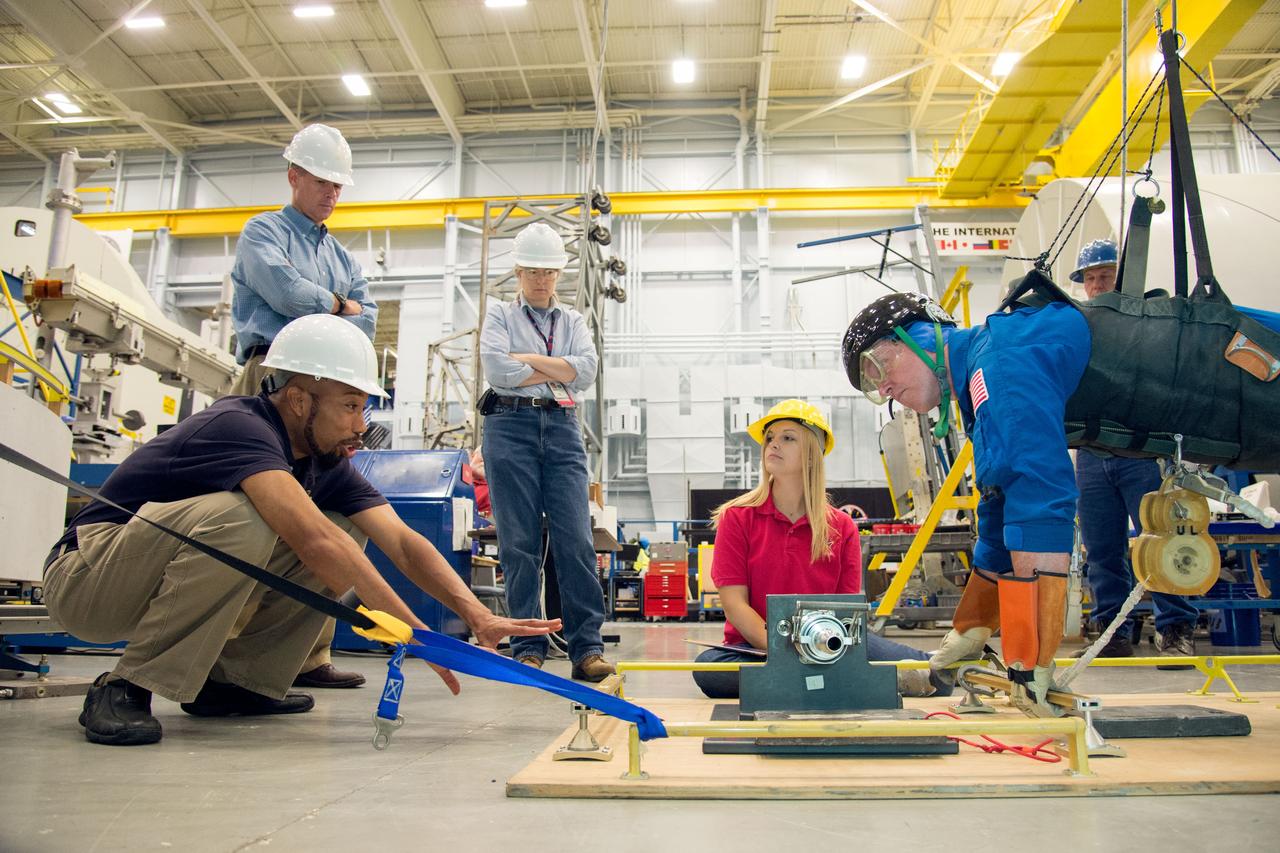
PHOTO DATE: 29 July 2013 LOCATION: Bldg. 9NW, Space Vehicle Mockup Training Facility - POGO SUBJECT: Expedition 42 crew member and astronaut Barry "Butch" Wilmore during ISS EVA POGO 1 training. Instructors Faruq Sabur (black shirt), Allissa Battocletti (red shirt), Sandy Fletcher (light blue shirt with glasses) and astronaut Shane Kimbrough assist. PHOTOGRAPHER: Mark Sowa
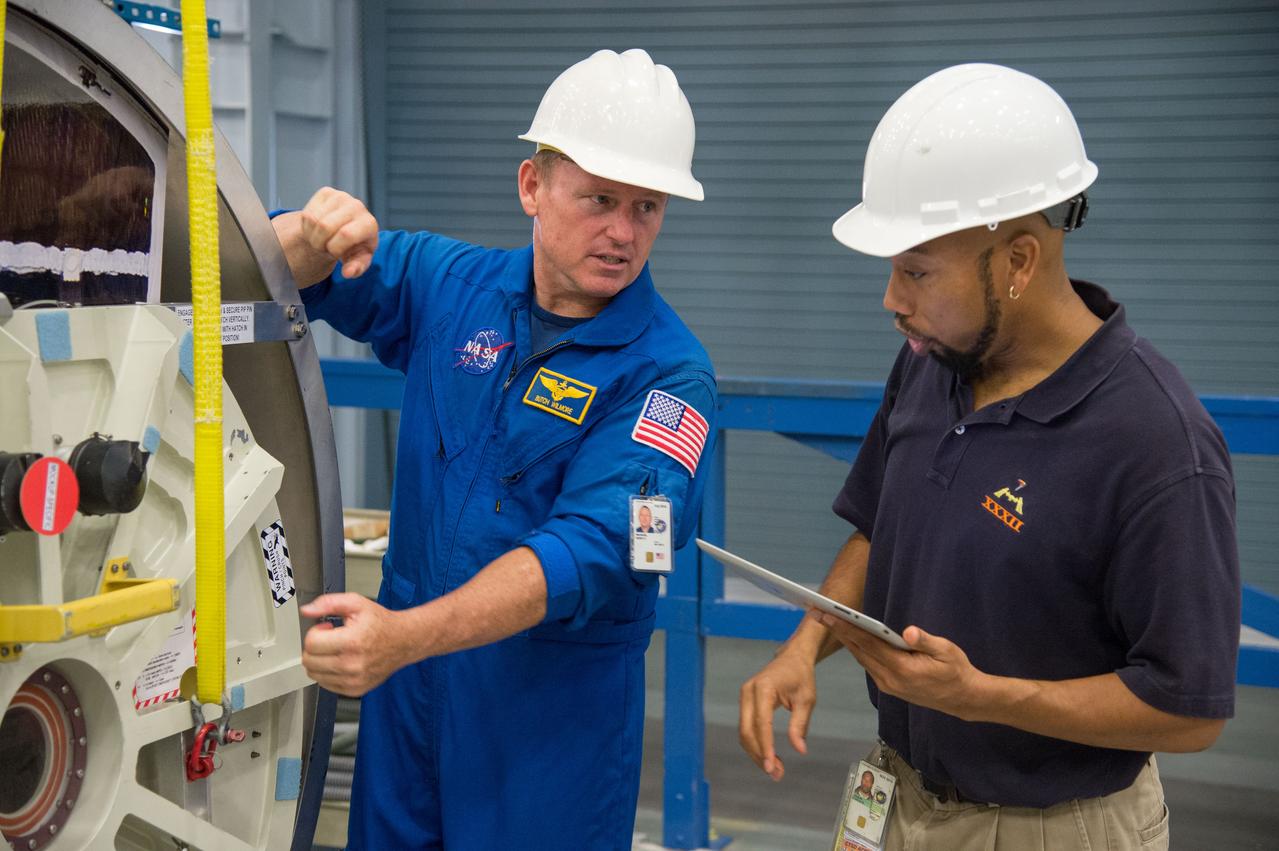
PHOTO DATE: 29 July 2013 LOCATION: Bldg. 9NW, Space Vehicle Mockup Training Facility - POGO SUBJECT: Expedition 42 crew member and astronaut Barry "Butch" Wilmore during ISS EVA POGO 1 training. Instructors Faruq Sabur (black shirt), Allissa Battocletti (red shirt), Sandy Fletcher (light blue shirt with glasses) and astronaut Shane Kimbrough assist. PHOTOGRAPHER: Mark Sowa

CAPE CANAVERAL, Fla. -- Dr. Lesley Fletcher, Kennedy Space Center deputy division chief for Education Programs, speaks to about 45 of NASA’s social media followers for two days of presentations on the Kennedy's past, present and future. The social media participants gathered at the Florida spaceport on Aug. 2 and 3, 2012 to hear from key former and current leaders who related stories of the space agency's efforts to explore the unknown. It was the first social media event totally run by Kennedy. Photo credit: NASA/ Gianni Woods
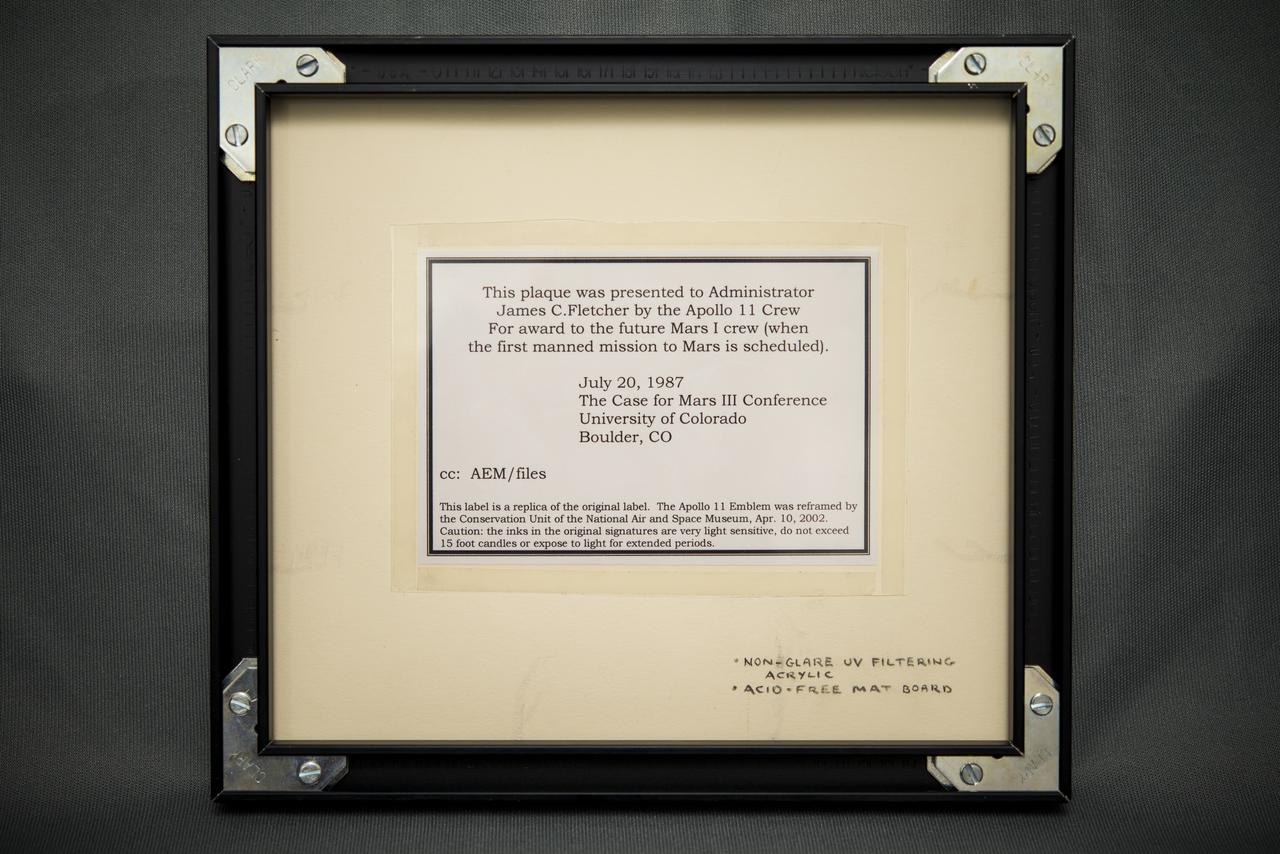
The description on the back of the plaque reads: "This plaque was presented to Administrator James C. Fletcher by the Apollo 11 Crew for award to the future Mars I crew (when the first manned mission to Mars is scheduled), July 20, 1987 at The Case for Mars III Conference at the University of Colorado in Boulder, Colorado." Photographed on Friday, July 11, 2014 in Washington, DC. Photo Credit: (NASA/Joel Kowsky)
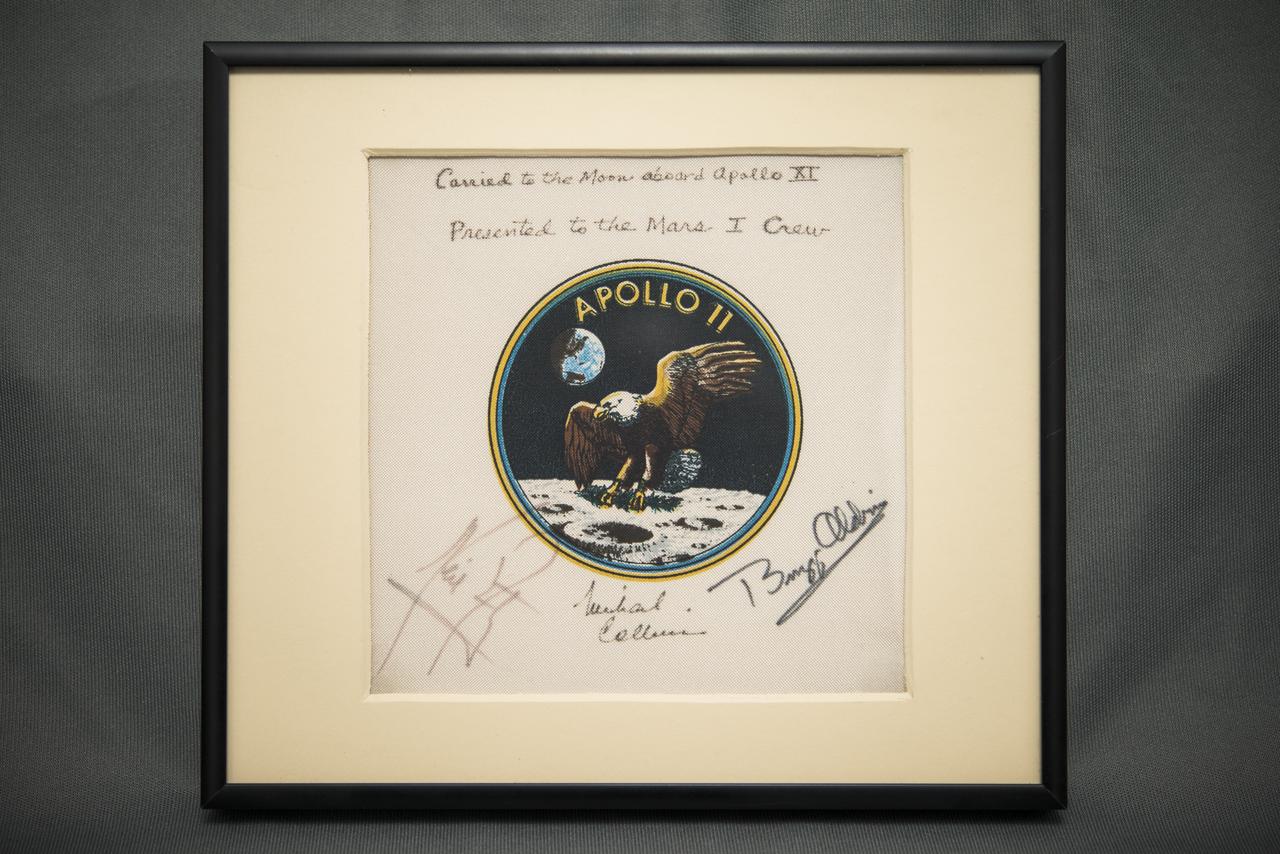
The description on the back of the plaque reads: "This plaque was presented to Administrator James C. Fletcher by the Apollo 11 Crew for award to the future Mars I crew (when the first manned mission to Mars is scheduled), July 20, 1987 at The Case for Mars III Conference at the University of Colorado in Boulder, Colorado." Photographed on Friday, July 11, 2014 in Washington, DC. Photo Credit: (NASA/Joel Kowsky)
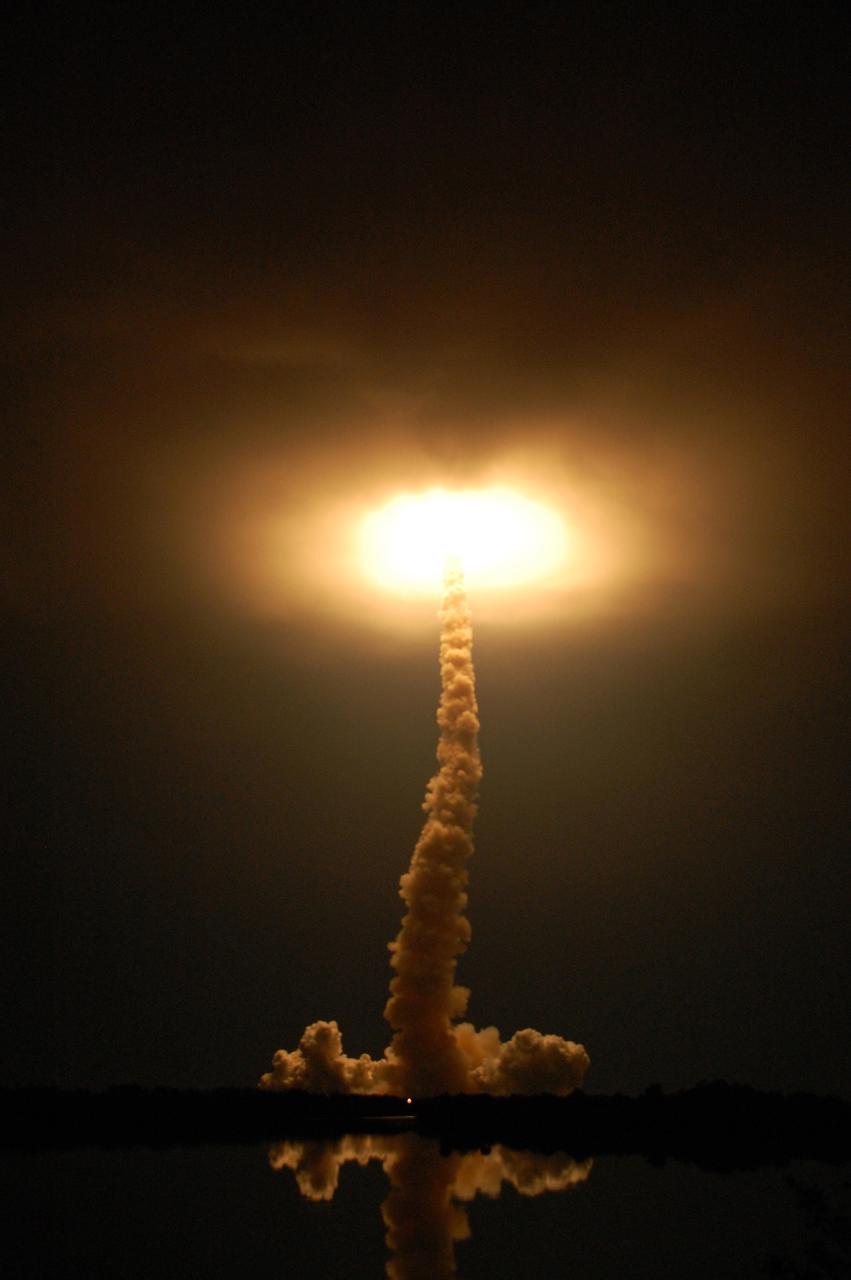
KENNEDY SPACE CENTER, FLA. -- Blazing into the cloud-covered sky, Space shuttle Endeavour lifts off Launch Pad 39A at NASA's Kennedy Space Center on the STS-123 mission. Liftoff was on time at 2:28 a.m. EDT. The crew will make a record-breaking 16-day mission to the International Space Station and deliver the first section of the Japan Aerospace Exploration Agency's Kibo laboratory and the Canadian Space Agency's two-armed robotic system, Dextre. Photo credit: NASA/Fletcher Hildreth
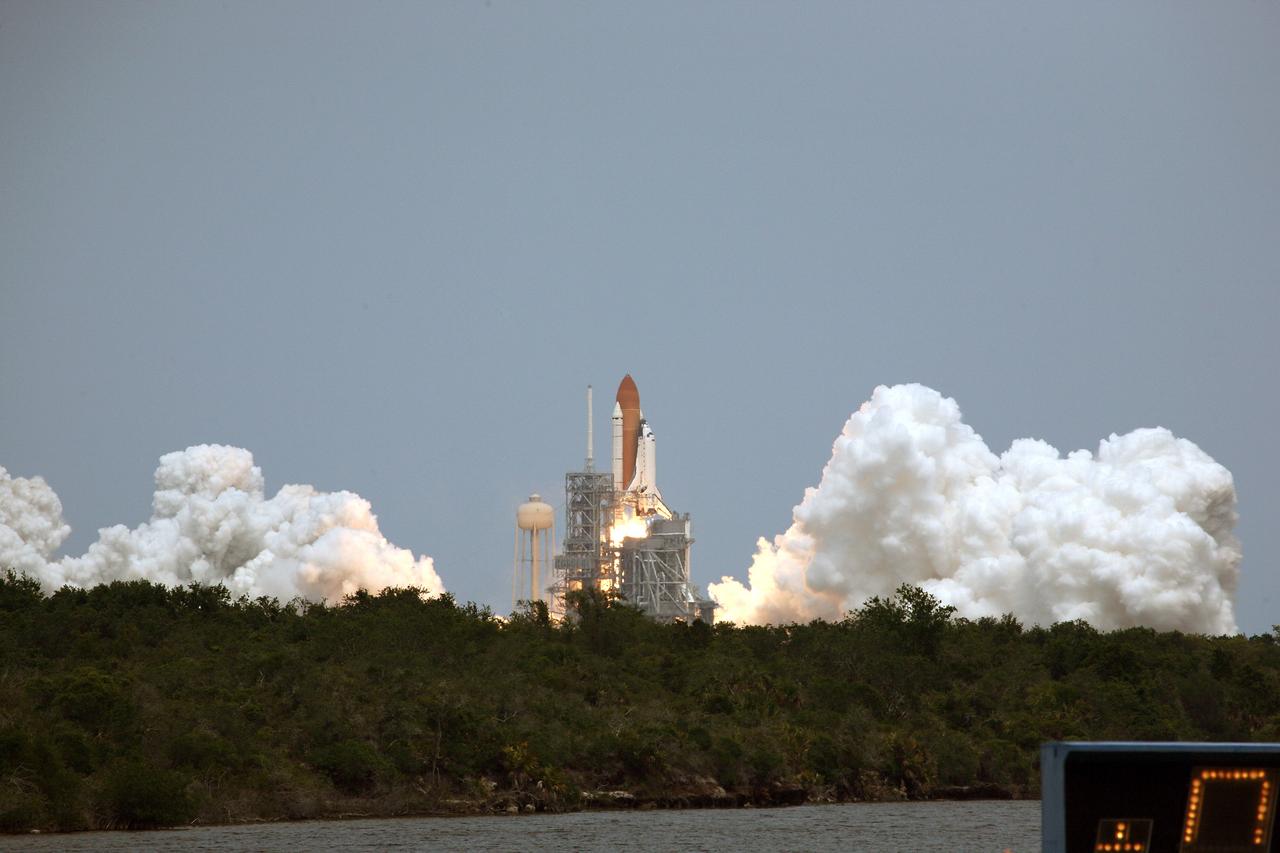
CAPE CANAVERAL, Fla. – White clouds of smoke and steam sandwich space shuttle Atlantis as it roars off Launch Pad 39A at NASA's Kennedy Space Center in Florida with its crew of seven for a rendezvous with NASA's Hubble Space Telescope. The launch was on-time at 2:01 p.m. EDT. Atlantis' 11-day flight will include five spacewalks to refurbish and upgrade the telescope with state-of-the-art science instruments that will expand Hubble's capabilities and extend its operational lifespan through at least 2014. The payload includes a Wide Field Camera 3, fine guidance sensor and the Cosmic Origins Spectrograph. Photo credit: NASA/Fletcher Hildreth

In recognition of Black History Month, the Black Employee Strategy Team hosted a panel discussion featuring some of the future leaders of NASA’s Kennedy Space Center on Feb. 13, 2019. Participants from left, are Tamiko Fletcher, Kennedy’s chief security information officer in IT Security; Anthony Harris, chief, Facility Systems Branch in Safety and Mission Assurance; Charmel Anderson-Jones, senior cross program quality engineer in the Safety and Mission Assurance Directorate, Exploration Ground Systems Division; and Malcolm Boston, contracting officer representative in the Launch Services Program. They shared personal testimony about their journey toward NASA employment, leadership styles and keys to their success.
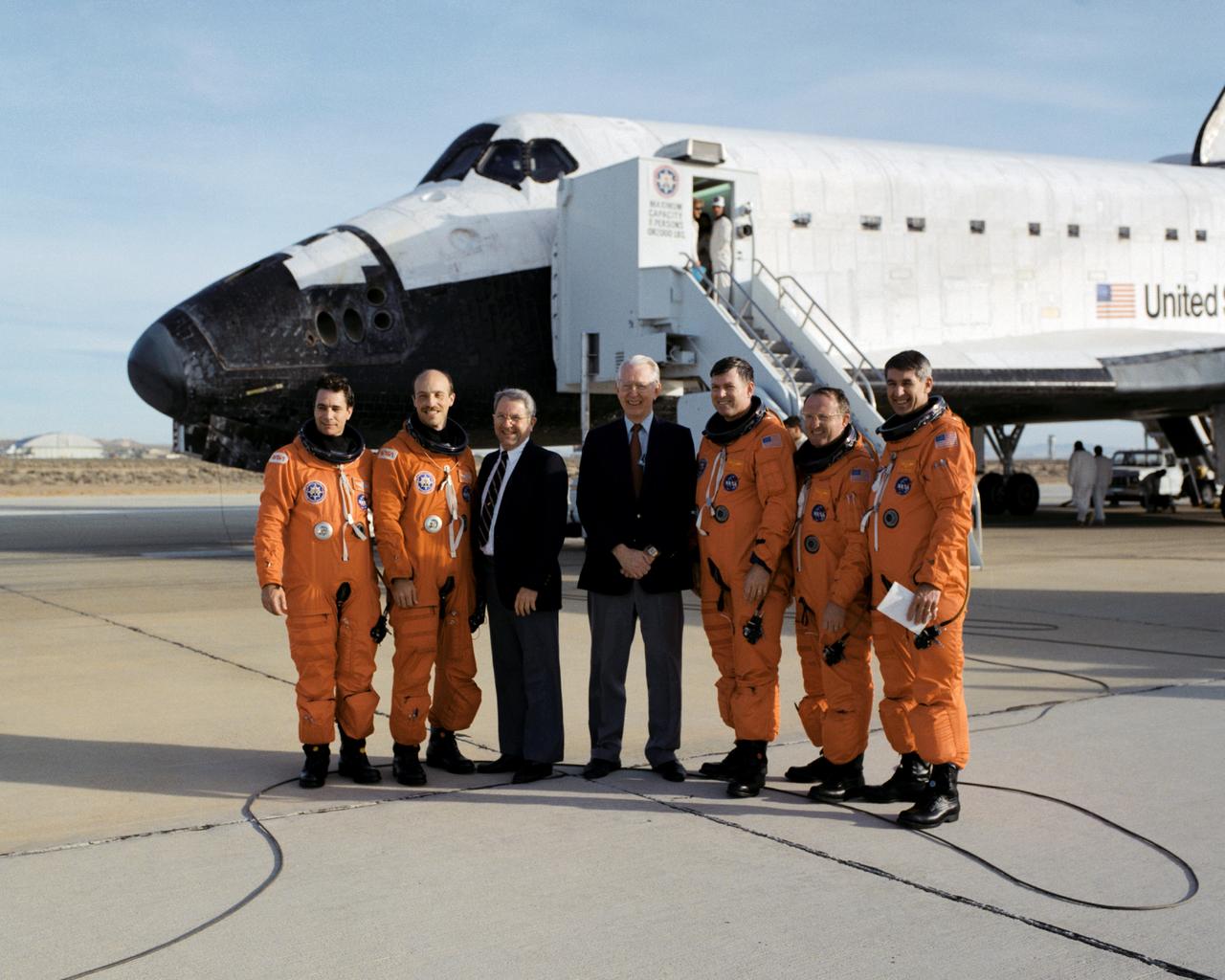
STS029-S-066 (18 March 1989) --- The five-man crew who flew aboard NASA's Space Shuttle Discovery (background) pose near it with NASA officials following a successful five-day mission in space. Left to right are astronauts John E. Blaha, pilot; and James P. Bagian, mission specialist; Rear Admiral Richard H. Truly, NASA Associate Administrator for Space Flight; Dr. James C. Fletcher, NASA Administrator; astronauts Michael L. Coats, commander; and James F. Buchli and Robert C. Springer, mission specialists.
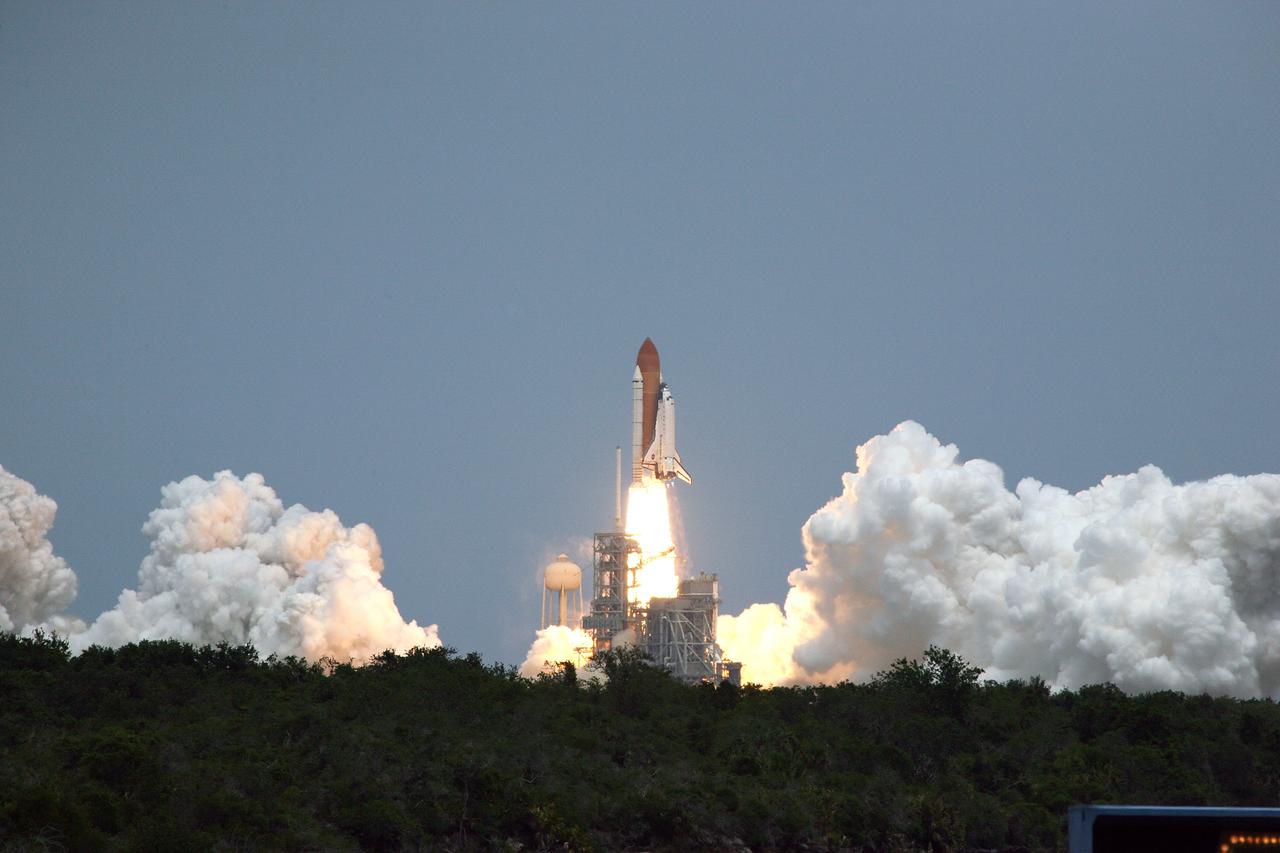
CAPE CANAVERAL, Fla. – Space shuttle Atlantis rides a column of fire as it roars off Launch Pad 39A at NASA's Kennedy Space Center in Florida with its crew of seven for a rendezvous with NASA's Hubble Space Telescope. The launch was on-time at 2:01 p.m. EDT. Atlantis' 11-day flight will include five spacewalks to refurbish and upgrade the telescope with state-of-the-art science instruments that will expand Hubble's capabilities and extend its operational lifespan through at least 2014. The payload includes a Wide Field Camera 3, fine guidance sensor and the Cosmic Origins Spectrograph. Photo credit: NASA/Fletcher Hildreth
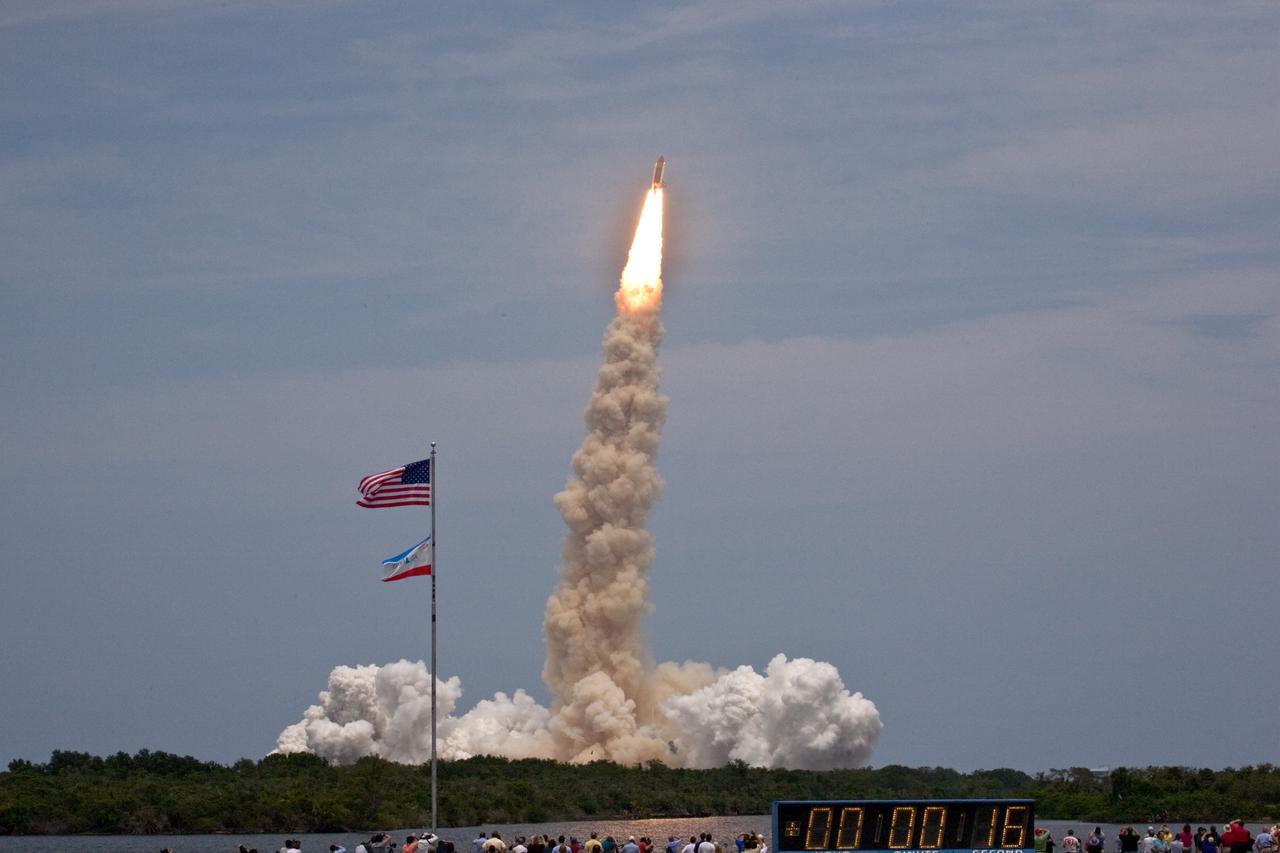
CAPE CANAVERAL, Fla. – Under a dry, hot, cloud-washed Florida sky, space shuttle Atlantis roars off Launch Pad 39A at NASA's Kennedy Space Center in Florida with its crew of seven for a rendezvous with NASA's Hubble Space Telescope. The launch was on-time at 2:01 p.m. EDT. Atlantis' 11-day flight will include five spacewalks to refurbish and upgrade the telescope with state-of-the-art science instruments that will expand Hubble's capabilities and extend its operational lifespan through at least 2014. The payload includes a Wide Field Camera 3, fine guidance sensor and the Cosmic Origins Spectrograph. Photo credit: NASA/Fletcher Hildreth
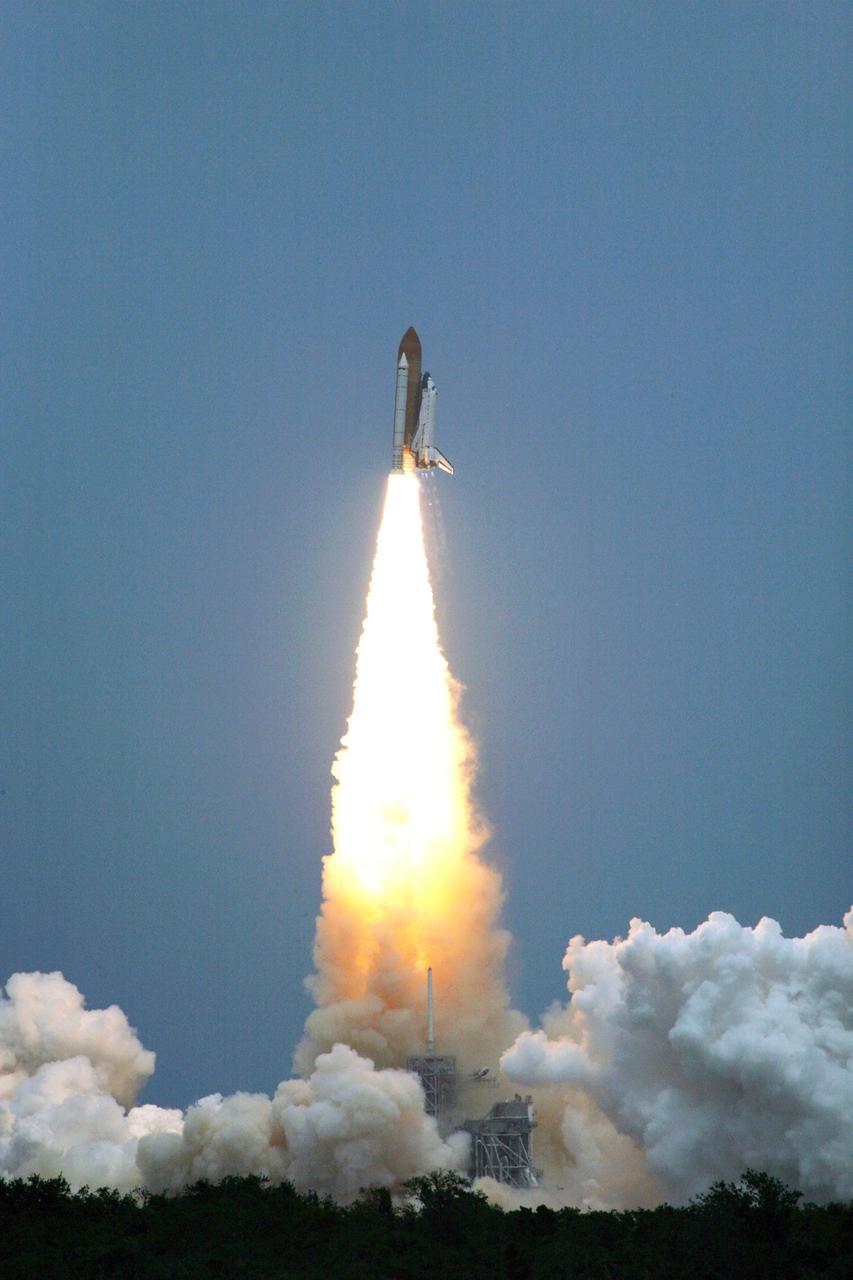
CAPE CANAVERAL, Fla. – Riding a column of fire, space shuttle Atlantis hurtles into the cloud-washed sky over NASA's Kennedy Space Center in Florida. Atlantis and its crew of seven will rendezvous with NASA's Hubble Space Telescope. The launch was on-time at 2:01 p.m. EDT. Atlantis' 11-day flight will include five spacewalks to refurbish and upgrade the telescope with state-of-the-art science instruments that will expand Hubble's capabilities and extend its operational lifespan through at least 2014. The payload includes a Wide Field Camera 3, fine guidance sensor and the Cosmic Origins Spectrograph. Photo credit: NASA/Fletcher Hildreth

In recognition of Black History Month, the Black Employee Strategy Team hosted a panel discussion featuring some of the future leaders of NASA’s Kennedy Space Center on Feb. 13, 2019. Participants from left, are Tamiko Fletcher, Kennedy’s chief security information officer in IT Security; Anthony Harris, chief, Facility Systems Branch in Safety and Mission Assurance; Charmel Anderson-Jones, senior cross program quality engineer in the Safety and Mission Assurance Directorate, Exploration Ground Systems Division; and Malcolm Boston, contracting officer representative in the Launch Services Program. They shared personal testimony about their journey toward NASA employment, leadership styles and keys to their success.
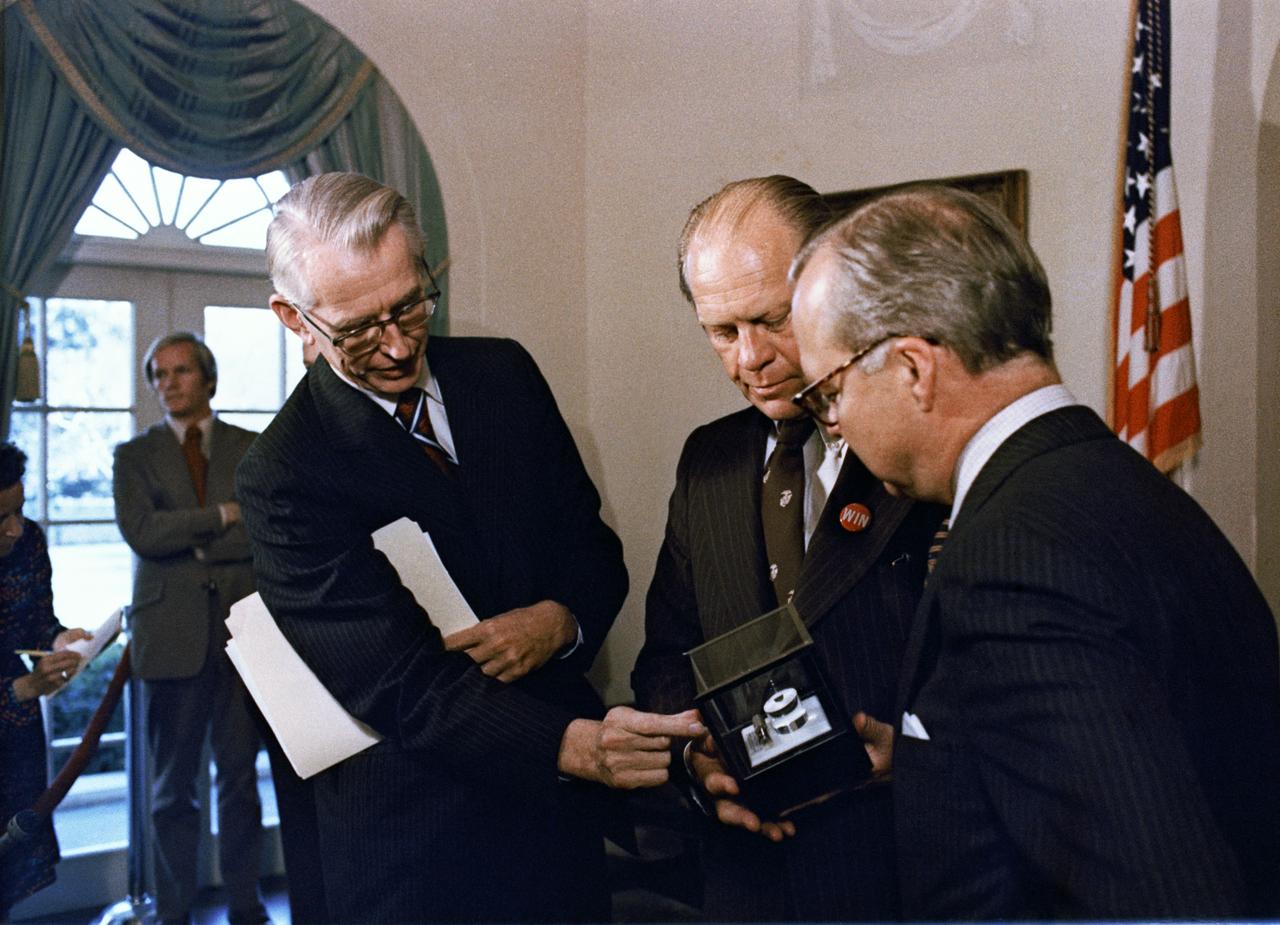
S74-34046 (October 1974) --- Dr. James C. Fletcher, left, NASA Administrator, explains the formation of the indium-antimonide crystal, manufactured in space, to President Gerald R. Ford at the White House. Standing at right is Harold Johnson, Chairman of the Massachusetts Institute of Technology. The segment of indium-antimonide is cut from a cylindrical single crystal that was partially melted and resolidified aboard the Skylab space station on Jan. 6, 1974, during the third and final manned flight. This segment is approximately one by one centimeters and about three millimeters thick. The sequence of heating and cooling was started and supervised by the members of the third Skylab crew, astronauts Gerald P. Carr, Edward G. Gibson and William R. Pogue. The crystal forming was accomplished in a special multipurpose furnace, known as the Materials Processing Facility (Skylab Technology Experiment M512). Photo credit: NASA
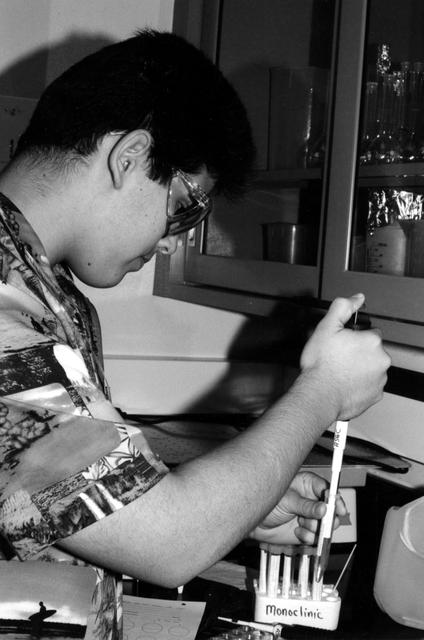
High school students screen crystals of various proteins that are part of the ground-based work that supports Alexander McPherson's protein crystal growth experiment. The students also prepared and stored samples in the Enhanced Gaseous Nitrogen Dewar, which was launched on the STS-98 mission for delivery to the ISS. The crystals grown on the ground will be compared with crystals grown in orbit. Participants include Joseph Negron (shown), of Terry Parker High School, Jacksonville, Florida; Megan Miskowski, of Ridgeview High School, Orange Park, Florida; and Sam Swank, of Fletcher High School, Neptune Beach, Florida. The proteins are placed in plastic tubing that is heat-sealed at the ends, then flash-frozen and preserved in a liquid nitrogen Dewar. Aboard the ISS, the nitrogen will be allowed to evaporated so the samples thaw and then slowly crystallize. They will be analyzed after return to Earth. Photo credit: NASA/Marshall Space Flight Center.
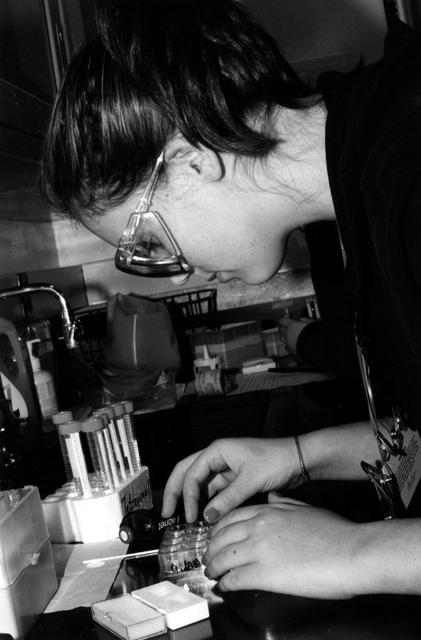
High school students screen crystals of various proteins that are part of the ground-based work that supports Alexander McPherson's protein crystal growth experiment. The students also prepared and stored samples in the Enhanced Gaseous Nitrogen Dewar, which was launched on the STS-98 mission for delivery to the ISS. The crystals grown on the ground will be compared with crystals grown in orbit. Participants include Joseph Negron, of Terry Parker High School, Jacksonville, Florida; Megan Miskowski (shown), of Ridgeview High School, Orange Park, Florida; and Sam Swank, of Fletcher High School, Neptune Beach, Florida. The proteins are placed in plastic tubing that is heat-sealed at the ends, then flash-frozen and preserved in a liquid nitrogen Dewar. Aboard the ISS, the nitrogen will be allowed to evaporated so the samples thaw and then slowly crystallize. They will be analyzed after return to Earth. Photo credit: NASA/Marshall Space Flight Center.
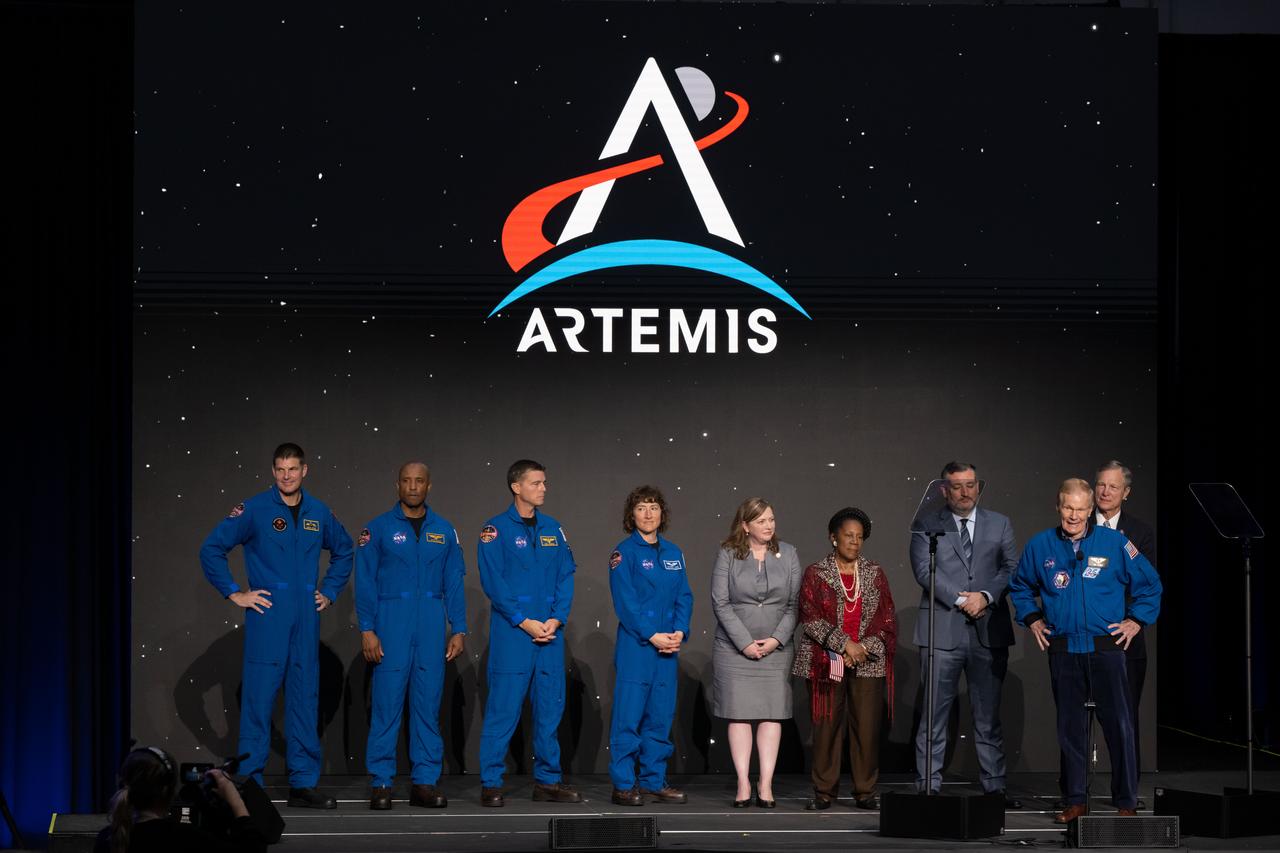
jsc2023e018469 (April 3, 2023) -- The Artemis II crew is seen on stage with the elected officials from the state of Texas and NASA leadership after being announced during a Monday, April 3, 2023, news conference at Ellington Field near NASA’s Johnson Space Center. The crew is comprised of Commander Reid Wiseman, Pilot Victor Glover, and Mission Specialists Christina Koch and Jeremy Hansen. The four astronauts will venture around the Moon on Artemis II, the first crewed mission on NASA’s path to establishing a long-term presence at the Moon for science and exploration through Artemis. From left, CSA (Canadian Space Agency) astronaut Mission Specialist Jeremy Hansen, NASA astronauts Pilot Victor Glover, Commander Reid Wiseman, and Mission Specialist Christina Koch, U.S. Representative Lizzie Fletcher, U.S. Representative Sheila Jackson Lee, U.S. Senator Ted Cruz, NASA Administrator Bill Nelson, and U.S. Representative Brian Babin.
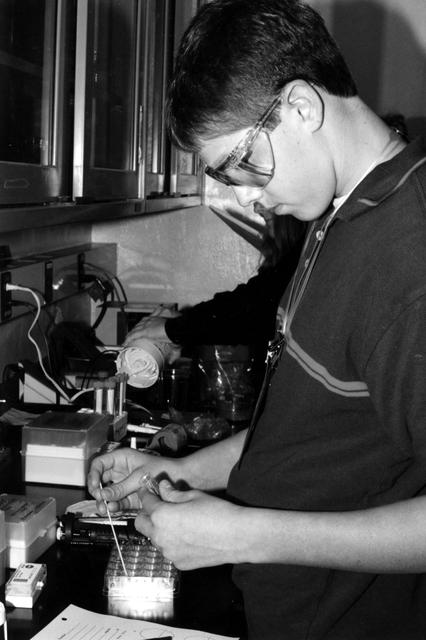
High school students screen crystals of various proteins that are part of the ground-based work that supports Alexander McPherson's protein crystal growth experiment. The students also prepared and stored samples in the Enhanced Gaseous Nitrogen Dewar, which was launched on the STS-98 mission for delivery to the ISS. The crystals grown on the ground will be compared with crystals grown in orbit. Participants include Joseph Negron, of Terry Parker High School, Jacksonville, Florida; Megan Miskowski, of Ridgeview High School, Orange Park, Florida; and Sam Swank (shown), of Fletcher High School, Neptune Beach, Florida. The proteins are placed in plastic tubing that is heat-sealed at the ends, then flash-frozen and preserved in a liquid nitrogen Dewar. Aboard the ISS, the nitrogen will be allowed to evaporated so the samples thaw and then slowly crystallize. They will be analyzed after return to Earth. Photo credit: NASA/Marshall Space Flight Center.
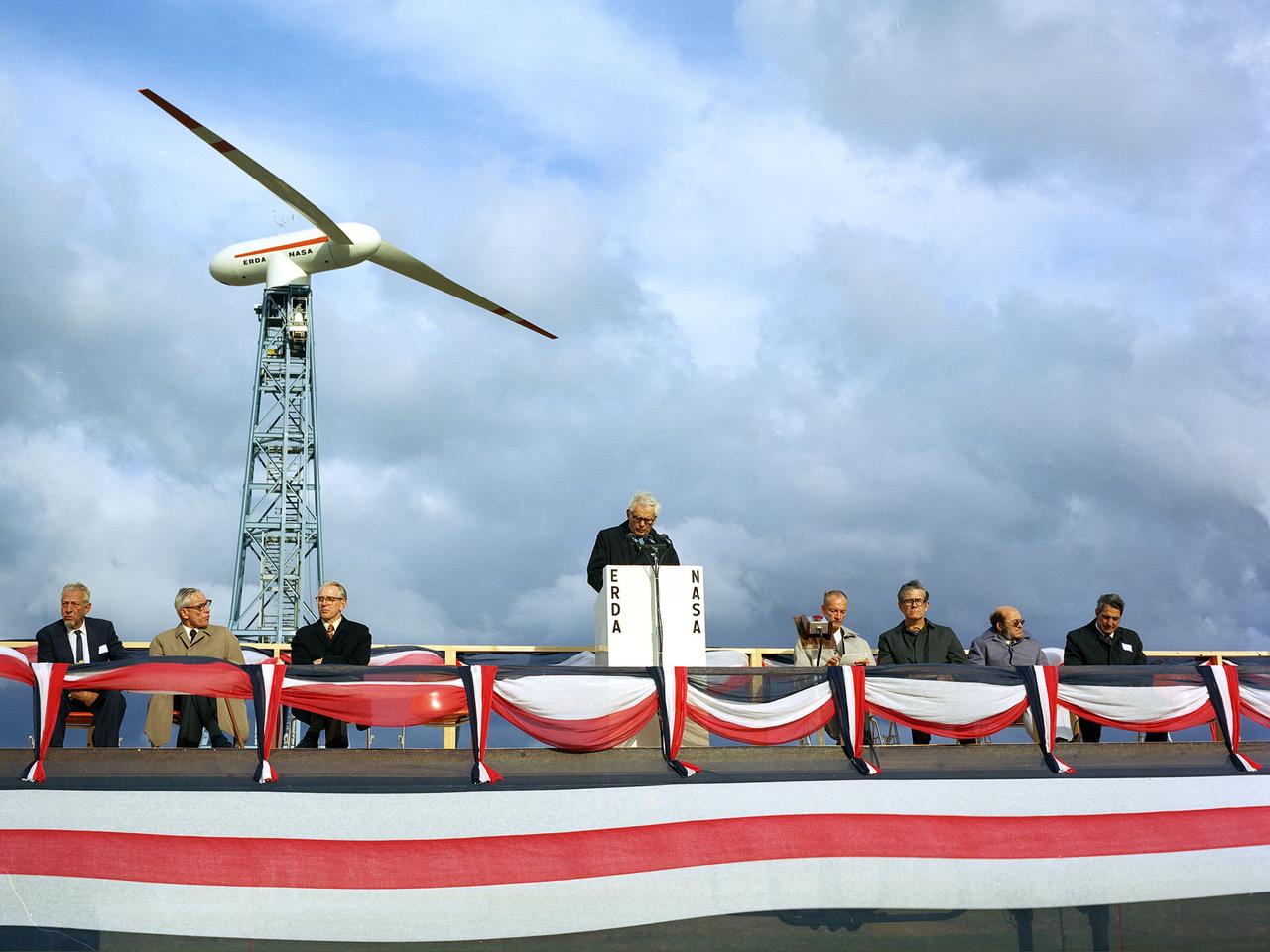
Energy Research and Development Administration (ERDA) Administrator Robert Seamans addresses the crowd at the dedication ceremony for the Mod-0 100-kilowatt wind turbine at the National Aeronautics and Space Administration’s (NASA) Plum Brook Station. The wind turbine program was a joint NASA/ERDA effort to develop less expensive forms of energy during the 1970s. NASA Lewis was able to use its experience with aerodynamics, powerplants, and energy transfer to develop efficient and cost-effective wind energy systems. The Plum Brook wind turbine was the first of a series of increasingly powerful NASA-ERDA wind turbines built around the nation. From left to right: Congressional Committee aide John Dugan, retired S. Morgan Smith Company chief engineer Carl Wilcox, windmill pioneer Beauchamp Smith, NASA Administrator James Fletcher, Seamans, and Lewis Center Director Bruce Lundin. The three men to the right are unidentified.
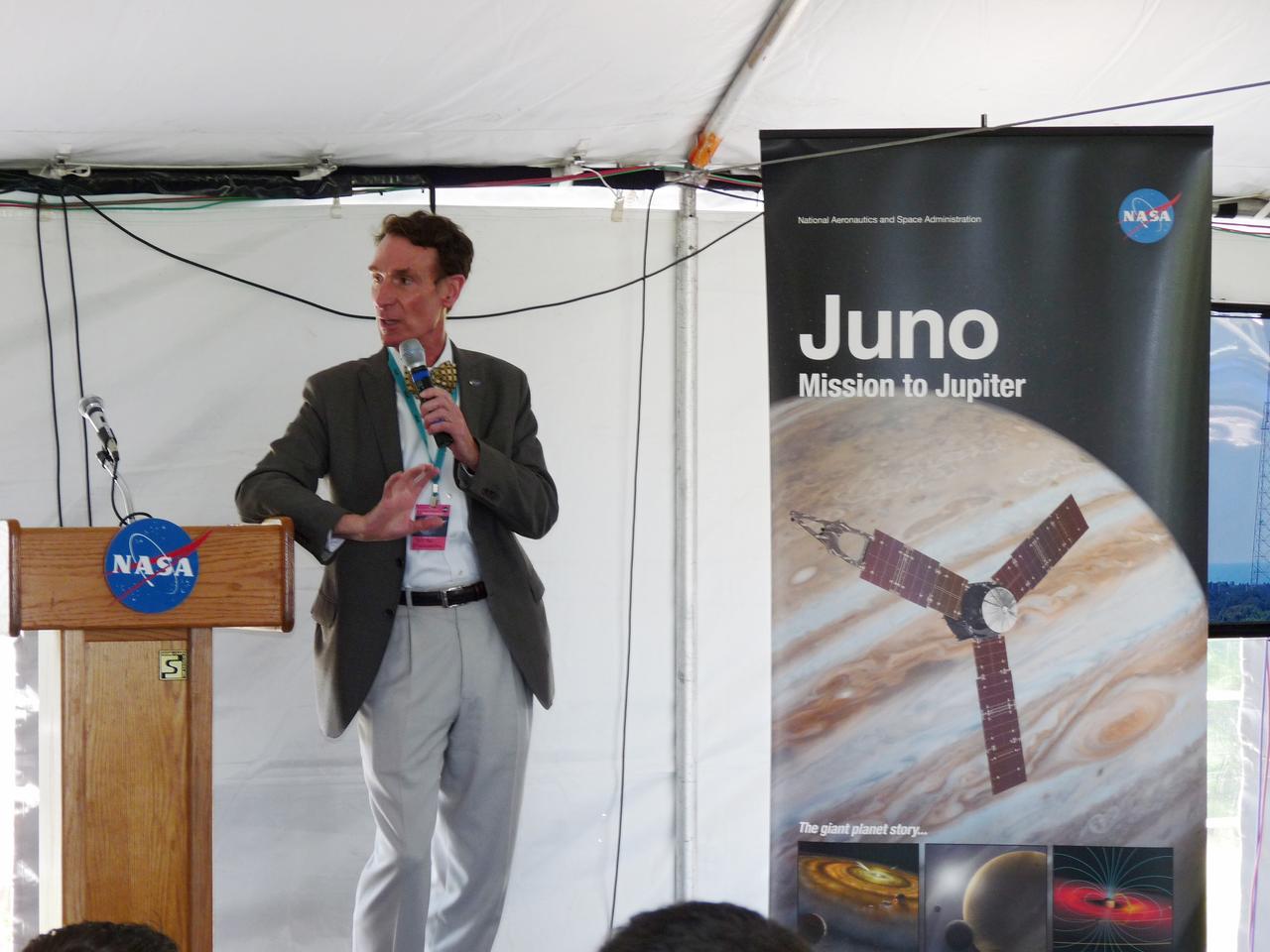
CAPE CANAVERAL, Fla. – At NASA’s Kennedy Space Center in Florida, television personality Bill Nye, the science guy, speaks to about 150 followers of the agency’s Twitter account during Juno Tweetup activities inside a tent at the Press Site. The tweeters are at the center for two days of prelaunch activities. Juno is NASA’s mission to Jupiter to study the giant planet and improve our understanding of the planet’s formation and evolution. The tweeters will share their experiences with followers through the social networking site Twitter. Attendees represent 28 states, the District of Columbia and five other countries: Canada, Finland, Norway, Spain and the United Kingdom. This is the first time NASA has invited Twitter followers to experience the launch of a planetary spacecraft. The Juno spacecraft is scheduled to launch on an Atlas V rocket from Space Launch Complex 41 at Cape Canaveral Air Force Station in Florida, Aug. 5, at 11:34 a.m. EDT. For more information, visit http://www.nasa.gov/juno. Photo credit: NASA/Fletcher Hildreth
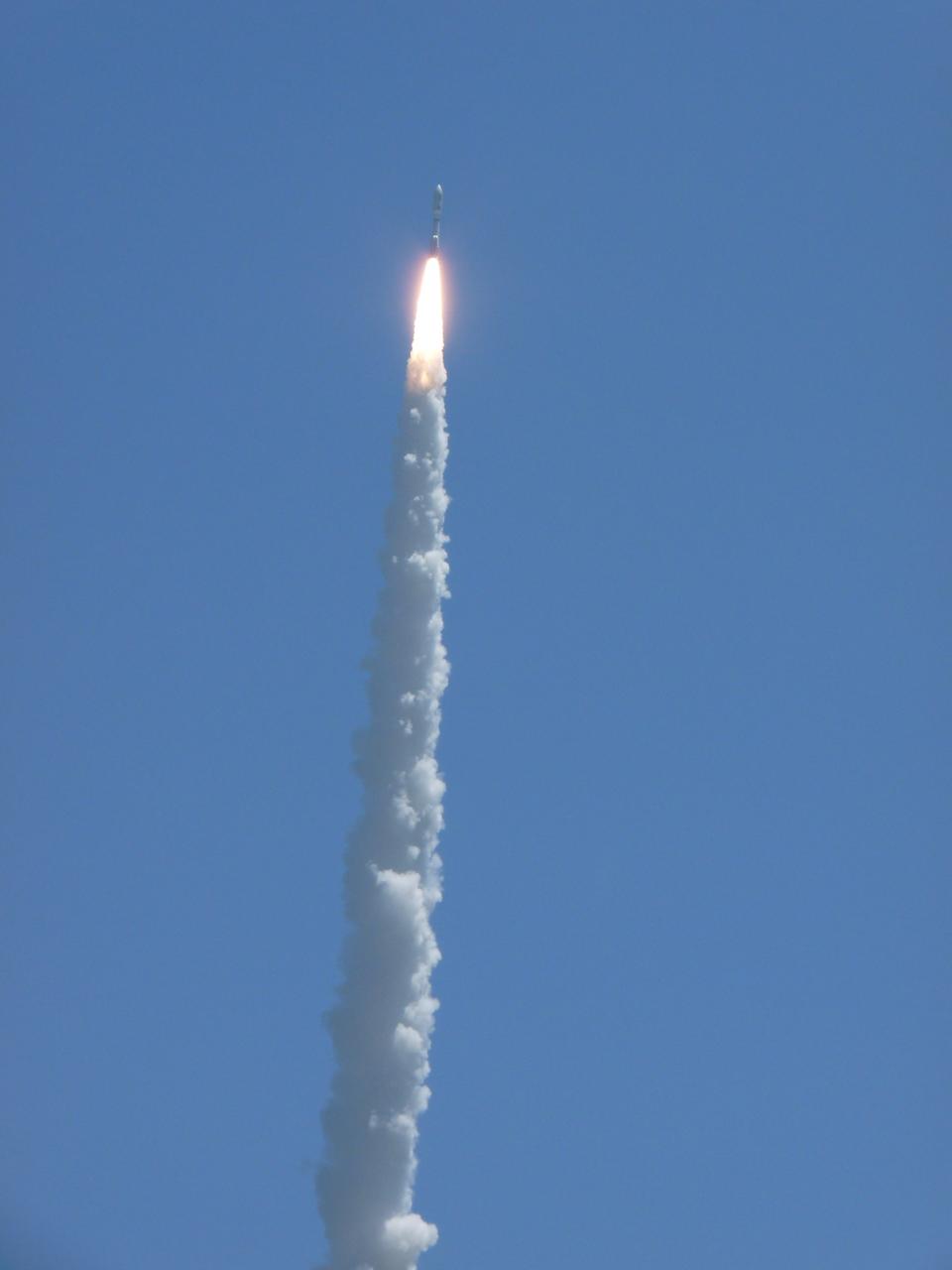
CAPE CANAVERAL, Fla. -- NASA's Juno planetary probe, enclosed in its payload fairing, begins its five-year journey to Jupiter atop a United Launch Alliance Atlas V-551 launch vehicle from Space Launch Complex 41 on Cape Canaveral Air Force Station in Florida. Liftoff was at 12:25 p.m. EDT Aug. 5. The solar-powered spacecraft will orbit Jupiter's poles 33 times to find out more about the gas giant's origins, structure, atmosphere and magnetosphere and investigate the existence of a solid planetary core. NASA's Jet Propulsion Laboratory, Pasadena, Calif., manages the Juno mission for the principal investigator, Scott Bolton, of Southwest Research Institute in San Antonio. The Juno mission is part of the New Frontiers Program managed at NASA's Marshall Space Flight Center in Huntsville, Ala. Lockheed Martin Space Systems, Denver, built the spacecraft. Launch management for the mission is the responsibility of NASA's Launch Services Program at the Kennedy Space Center in Florida. For more information, visit www.nasa.gov/juno. Photo credit: NASA/Fletcher Hildreth
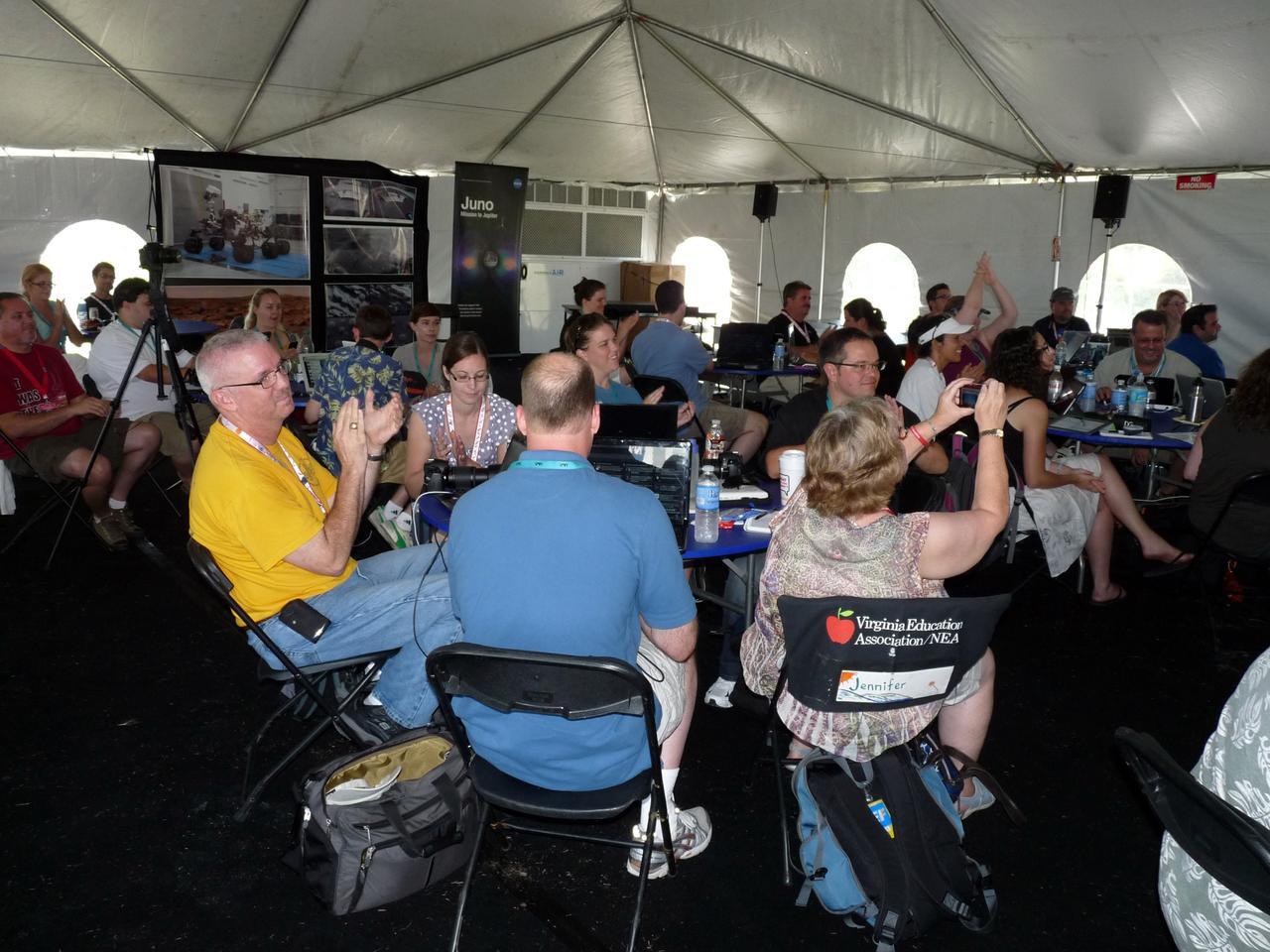
CAPE CANAVERAL, Fla. – At NASA’s Kennedy Space Center in Florida, about 150 followers of the agency’s Twitter account listen to presentations about NASA’s Juno mission to Jupiter during Tweetup activities inside a tent at the Press Site. The tweeters are at the center for two days of Juno prelaunch activities. Juno is NASA’s mission to Jupiter to study the giant planet and improve our understanding of the planet’s formation and evolution. The tweeters will share their experiences with followers through the social networking site Twitter. Attendees represent 28 states, the District of Columbia and five other countries: Canada, Finland, Norway, Spain and the United Kingdom. This is the first time NASA has invited Twitter followers to experience the launch of a planetary spacecraft. The Juno spacecraft is scheduled to launch on an Atlas V rocket from Space Launch Complex 41 at Cape Canaveral Air Force Station in Florida, Aug. 5, at 11:34 a.m. EDT. For more information, visit http://www.nasa.gov/juno. Photo credit: NASA/Fletcher Hildreth

CAPE CANAVERAL, Fla. – At NASA’s Kennedy Space Center in Florida, about 150 followers of the agency’s Twitter account listen to presentations about NASA’s Juno mission to Jupiter during Tweetup activities inside a tent at the Press Site. The tweeters are at the center for two days of Juno prelaunch activities. Juno is NASA’s mission to Jupiter to study the giant planet and improve our understanding of the planet’s formation and evolution. The tweeters will share their experiences with followers through the social networking site Twitter. Attendees represent 28 states, the District of Columbia and five other countries: Canada, Finland, Norway, Spain and the United Kingdom. This is the first time NASA has invited Twitter followers to experience the launch of a planetary spacecraft. The Juno spacecraft is scheduled to launch on an Atlas V rocket from Space Launch Complex 41 at Cape Canaveral Air Force Station in Florida, Aug. 5, at 11:34 a.m. EDT. For more information, visit http://www.nasa.gov/juno. Photo credit: NASA/Fletcher Hildreth
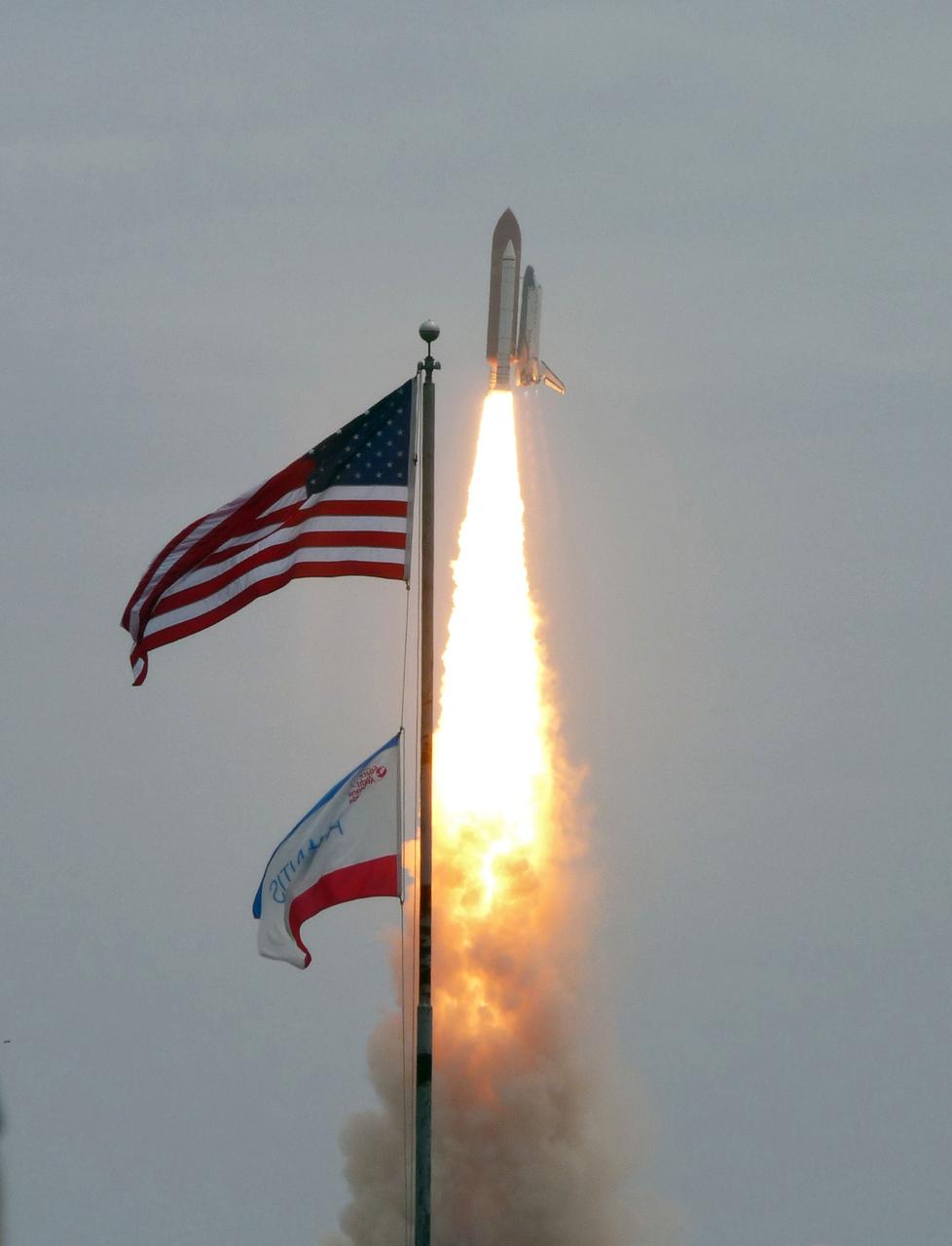
CAPE CANAVERAL, Fla. -- After 30 years and 135 missions, residents and visitors to Florida's Space Coast see this rocket's red glare for the last time as space shuttle Atlantis soars past the American flag after lifting off Launch Pad 39A at NASA's Kennedy Space Center in Florida at 11:29 a.m. EDT on July 8. On board are four experienced astronauts -- STS-135 Commander Chris Ferguson, Pilot Doug Hurley, and Mission Specialists Sandy Magnus and Rex Walheim. STS-135 will deliver the Raffaello multi-purpose logistics module packed with supplies and spare parts for the International Space Station. Atlantis also will fly the Robotic Refueling Mission experiment that will investigate the potential for robotically refueling existing satellites in orbit. In addition, Atlantis will return with a failed ammonia pump module to help NASA better understand the failure mechanism and improve pump designs for future systems. STS-135 will be the 33rd flight of Atlantis, the 37th shuttle mission to the space station, and the 135th and final mission of NASA's Space Shuttle Program. For more information visit, www.nasa.gov/mission_pages/shuttle/shuttlemissions/sts135/index.html. Photo credit: NASA/Fletcher Hildreth
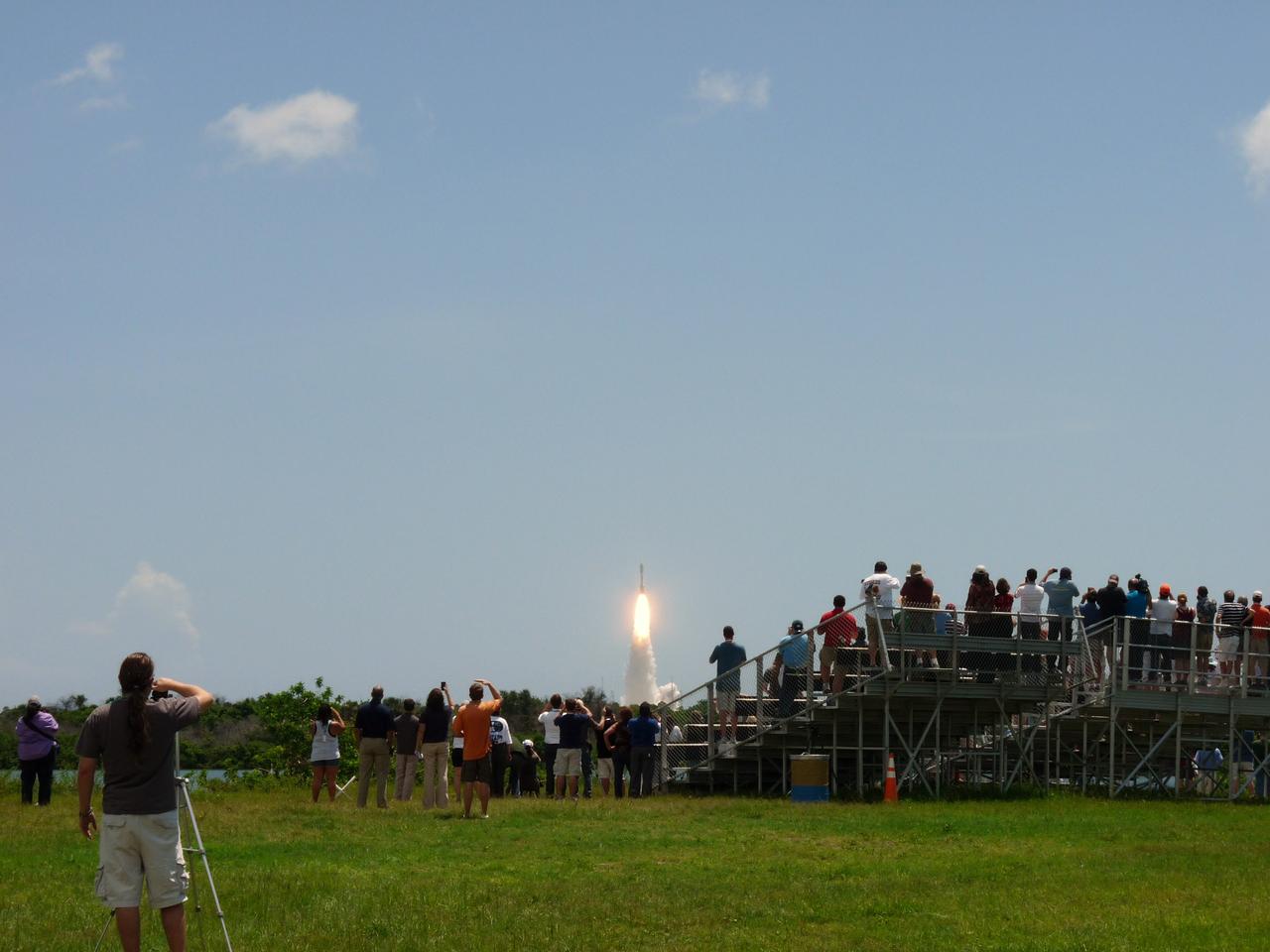
CAPE CANAVERAL, Fla. -- At the Press Site at NASA’s Kennedy Space Center in Florida, about 150 followers of the agency’s Twitter account view the launch of NASA's Juno planetary probe atop a United Launch Alliance Atlas V-551 rocket. The tweeters, in turn, will share their experiences with followers through the social networking site Twitter. Liftoff was at 12:25 p.m. EDT Aug. 5 from Space Launch Complex 41 on Cape Canaveral Air Force Station in Florida. The solar-powered spacecraft will orbit Jupiter's poles 33 times to find out more about the gas giant's origins, structure, atmosphere and magnetosphere and investigate the existence of a solid planetary core. NASA's Jet Propulsion Laboratory, Pasadena, Calif., manages the Juno mission for the principal investigator, Scott Bolton, of Southwest Research Institute in San Antonio. The Juno mission is part of the New Frontiers Program managed at NASA's Marshall Space Flight Center in Huntsville, Ala. Lockheed Martin Space Systems, Denver, built the spacecraft. Launch management for the mission is the responsibility of NASA's Launch Services Program at the Kennedy Space Center in Florida. For more information, visit www.nasa.gov/juno. Photo credit: NASA/Fletcher Hildreth
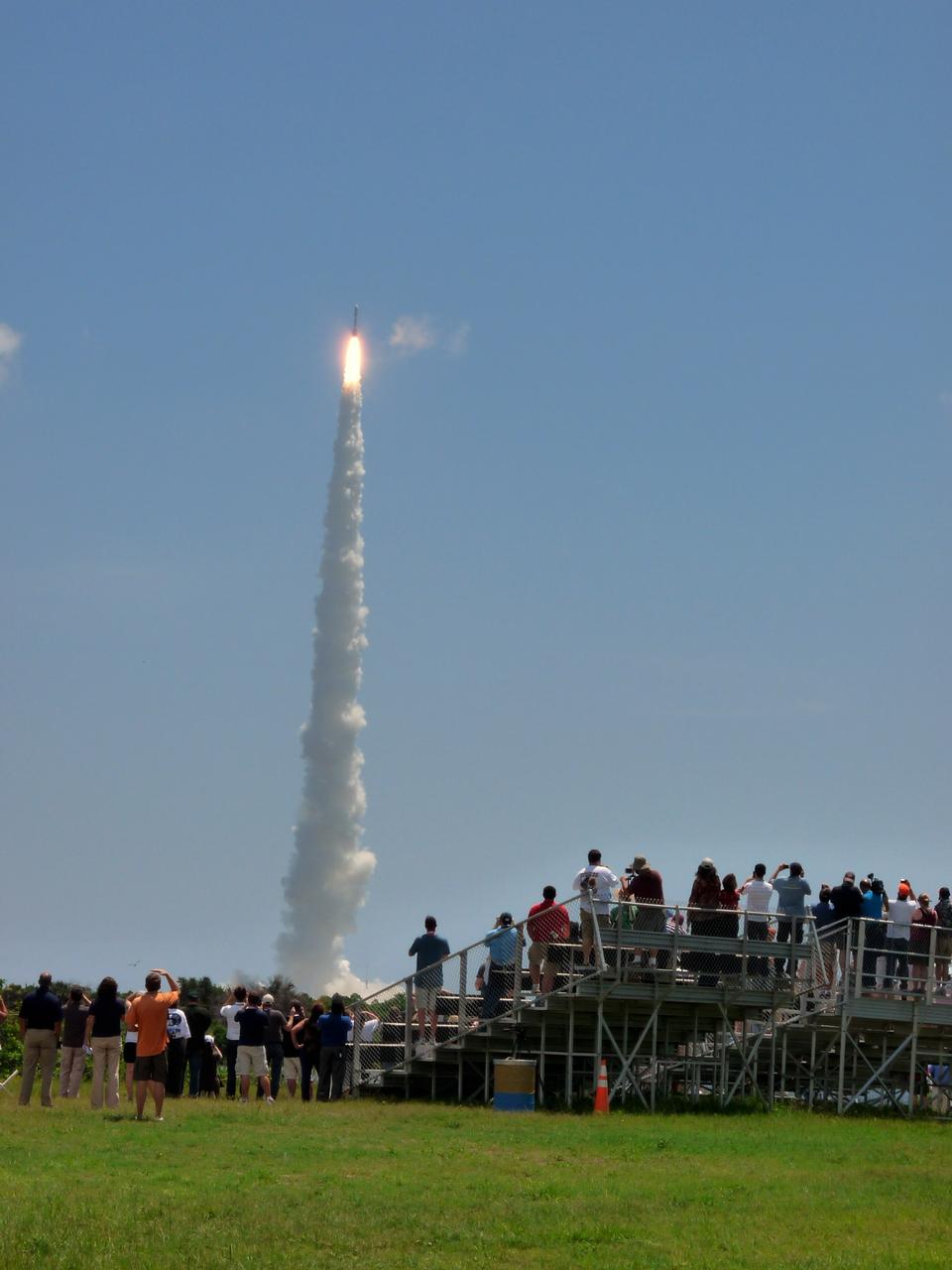
CAPE CANAVERAL, Fla. -- At the Press Site at NASA’s Kennedy Space Center in Florida, about 150 followers of the agency’s Twitter account view the launch of NASA's Juno planetary probe atop a United Launch Alliance Atlas V-551 rocket. The tweeters, in turn, will share their experiences with followers through the social networking site Twitter. Liftoff was at 12:25 p.m. EDT Aug. 5 from Space Launch Complex 41 on Cape Canaveral Air Force Station in Florida. The solar-powered spacecraft will orbit Jupiter's poles 33 times to find out more about the gas giant's origins, structure, atmosphere and magnetosphere and investigate the existence of a solid planetary core. NASA's Jet Propulsion Laboratory, Pasadena, Calif., manages the Juno mission for the principal investigator, Scott Bolton, of Southwest Research Institute in San Antonio. The Juno mission is part of the New Frontiers Program managed at NASA's Marshall Space Flight Center in Huntsville, Ala. Lockheed Martin Space Systems, Denver, built the spacecraft. Launch management for the mission is the responsibility of NASA's Launch Services Program at the Kennedy Space Center in Florida. For more information, visit www.nasa.gov/juno. Photo credit: NASA/Fletcher Hildreth
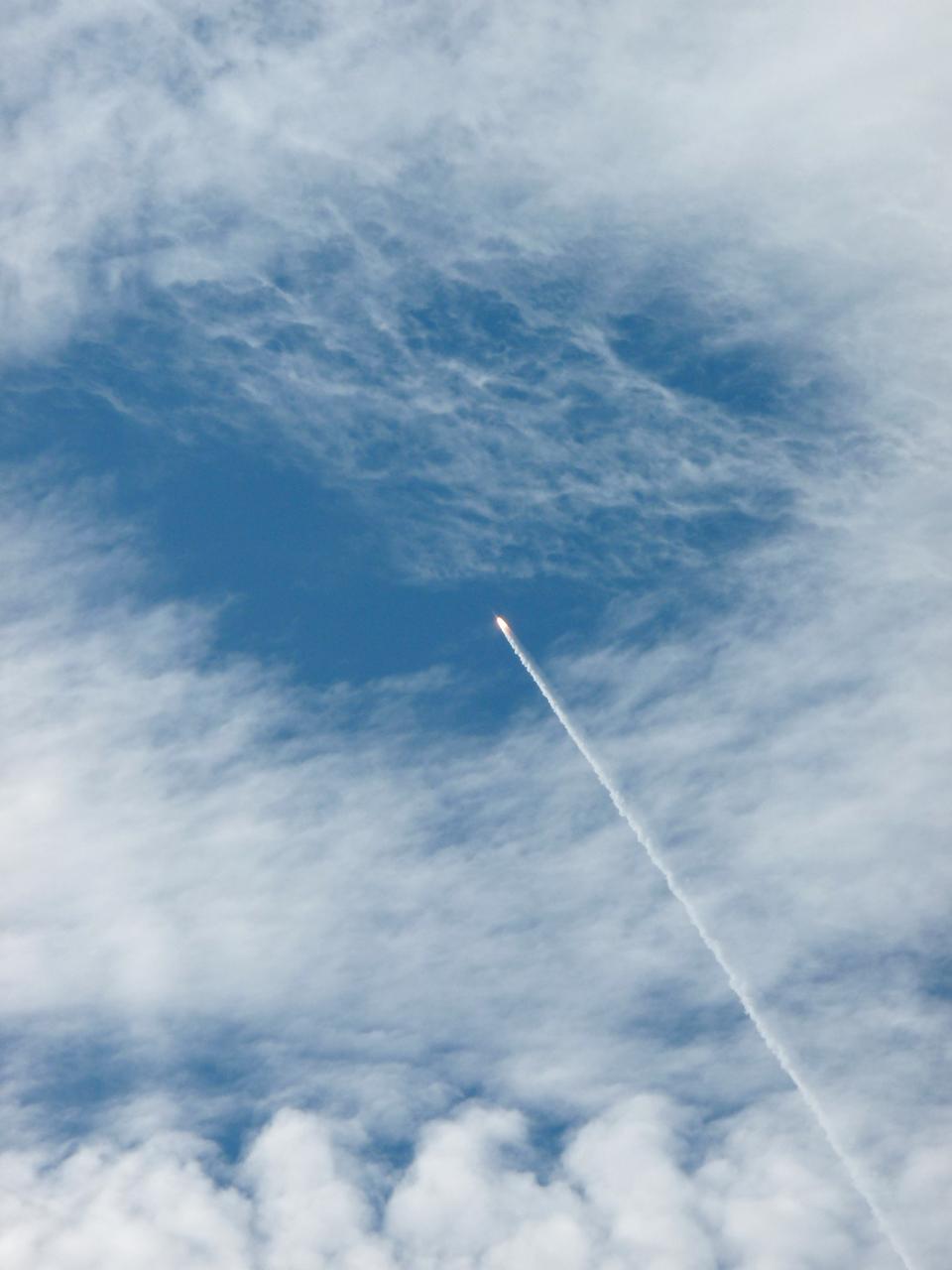
CAPE CANAVERAL, Fla. –The United Launch Alliance Delta II Heavy rocket propels NASA’s twin Gravity Recovery and Interior Laboratory (GRAIL) mission into the clouds over Space Launch Complex 17B on Cape Canaveral Air Force Station in Florida. Liftoff was at 9:08:52 a.m. EDT Sept.10. GRAIL-A will separate from the second stage of the rocket at about one hour, 21 minutes after liftoff, followed by GRAIL-B at 90 minutes after launch. The spacecraft are embarking on a three-month journey to reach the moon. GRAIL will fly twin spacecraft in tandem around the moon to precisely measure and map variations in the moon's gravitational field. The mission will provide the most accurate global gravity field to date for any planet, including Earth. This detailed information will reveal differences in the density of the moon's crust and mantle and will help answer fundamental questions about the moon's internal structure, thermal evolution, and history of collisions with asteroids. The aim is to map the moon's gravity field so completely that future moon vehicles can safely navigate anywhere on the moon’s surface. For more information, visit http://www.nasa.gov/grail. Photo credit: NASA/Fletcher Hildreth
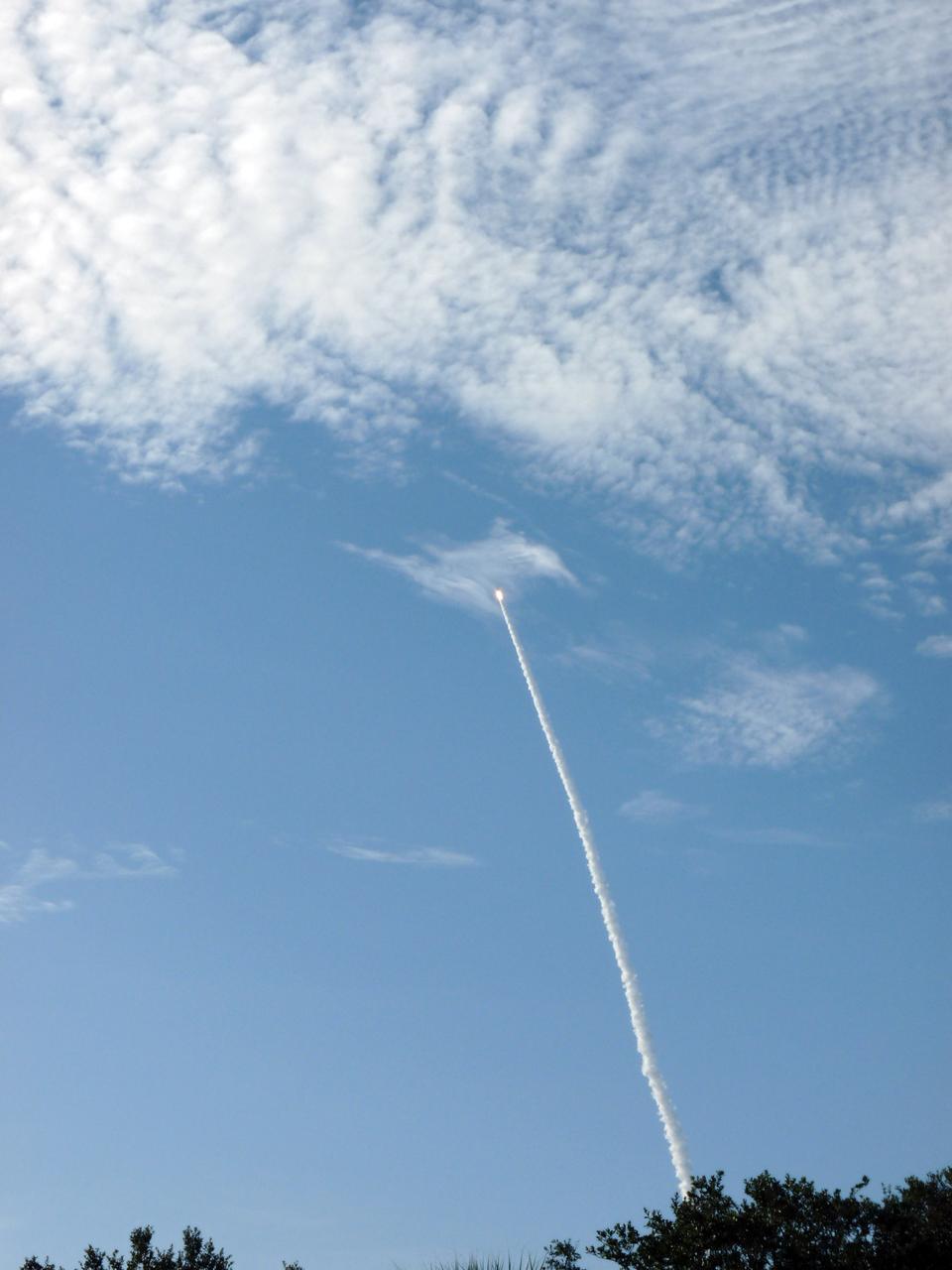
CAPE CANAVERAL, Fla. – Fire lights up a blue sky on Space Launch Complex 17B on Cape Canaveral Air Force Station in Florida as a United Launch Alliance Delta II Heavy rocket lofts the Gravity Recovery and Interior Laboratory (GRAIL) mission into space. Liftoff was at 9:08:52 a.m. EDT Sept.10. GRAIL-A will separate from the second stage of the rocket at about one hour, 21 minutes after liftoff, followed by GRAIL-B at 90 minutes after launch. The spacecraft are embarking on a three-month journey to reach the moon. GRAIL will fly twin spacecraft in tandem around the moon to precisely measure and map variations in the moon's gravitational field. The mission will provide the most accurate global gravity field to date for any planet, including Earth. This detailed information will reveal differences in the density of the moon's crust and mantle and will help answer fundamental questions about the moon's internal structure, thermal evolution, and history of collisions with asteroids. The aim is to map the moon's gravity field so completely that future moon vehicles can safely navigate anywhere on the moon’s surface. For more information, visit http://www.nasa.gov/grail. Photo credit: NASA/Fletcher Hildreth
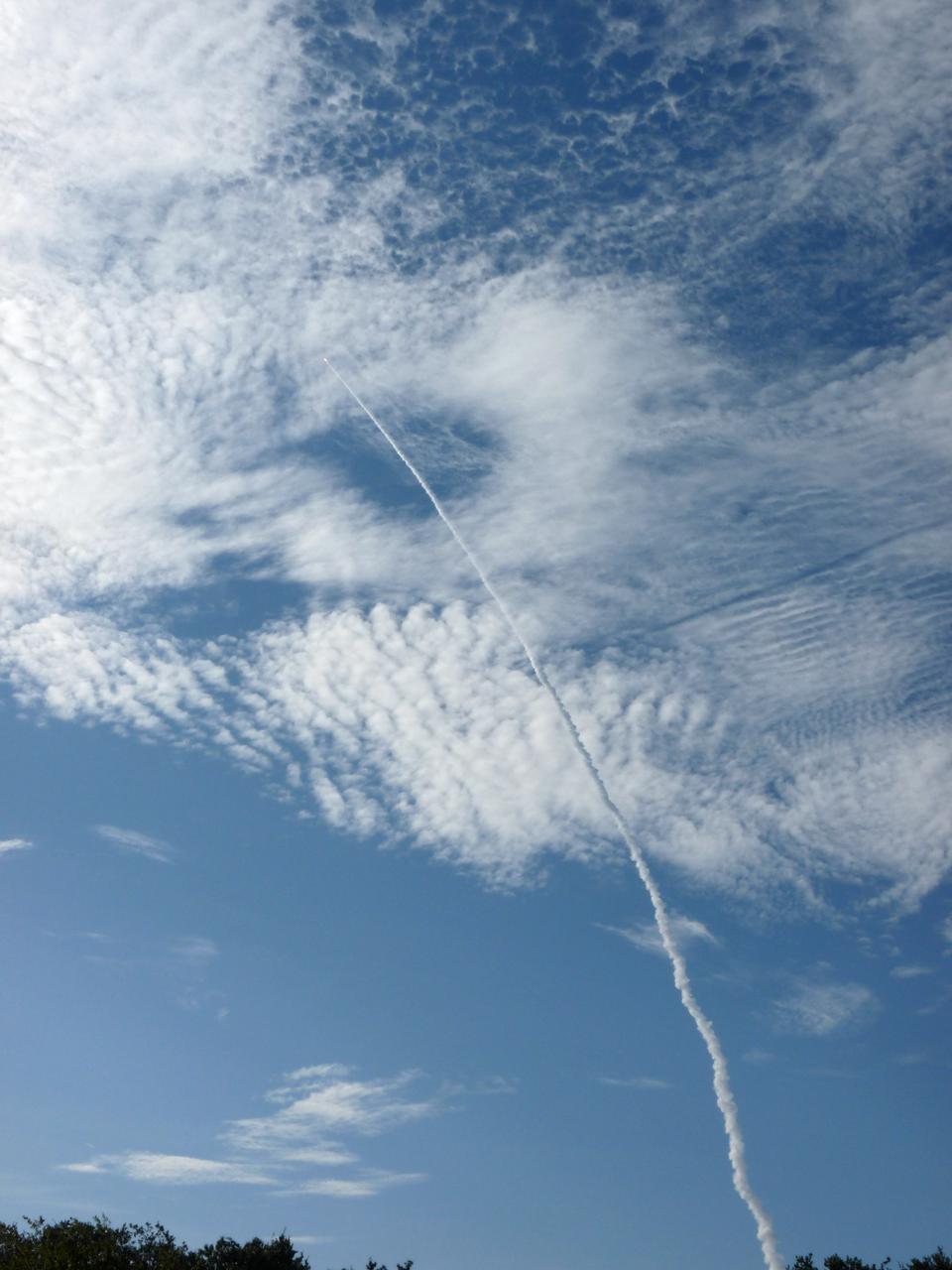
CAPE CANAVERAL, Fla. –The United Launch Alliance Delta II Heavy rocket propels NASA’s twin Gravity Recovery and Interior Laboratory (GRAIL) mission into the clouds over Space Launch Complex 17B on Cape Canaveral Air Force Station in Florida. Liftoff was at 9:08:52 a.m. EDT Sept.10. GRAIL-A will separate from the second stage of the rocket at about one hour, 21 minutes after liftoff, followed by GRAIL-B at 90 minutes after launch. The spacecraft are embarking on a three-month journey to reach the moon. GRAIL will fly twin spacecraft in tandem around the moon to precisely measure and map variations in the moon's gravitational field. The mission will provide the most accurate global gravity field to date for any planet, including Earth. This detailed information will reveal differences in the density of the moon's crust and mantle and will help answer fundamental questions about the moon's internal structure, thermal evolution, and history of collisions with asteroids. The aim is to map the moon's gravity field so completely that future moon vehicles can safely navigate anywhere on the moon’s surface. For more information, visit http://www.nasa.gov/grail. Photo credit: NASA/Fletcher Hildreth
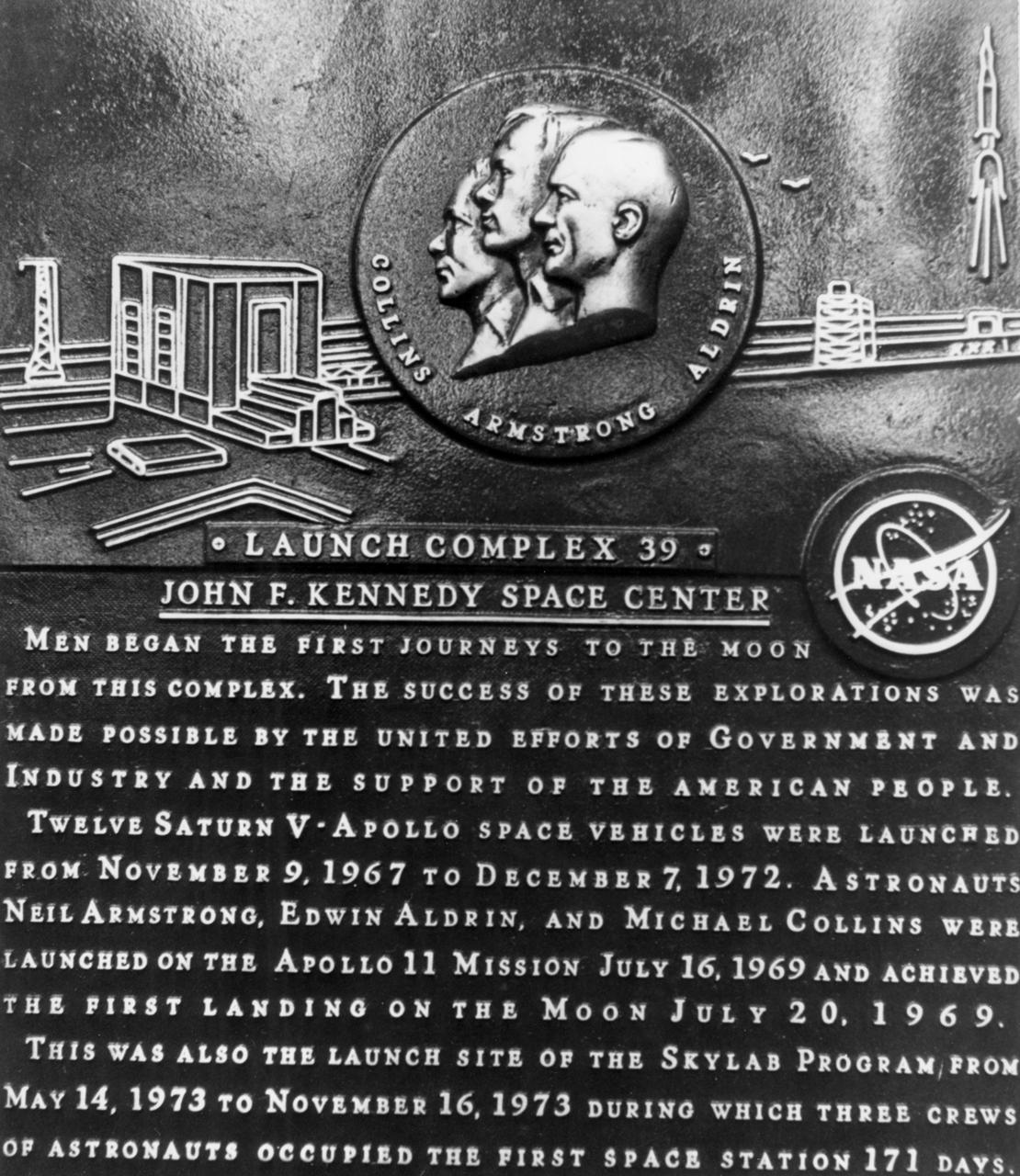
On July 3, 1974 NASA commemorated the 5th anniversary of the Apollo 11, first lunar landing mission, at the Kennedy Space Center (KSC). Launch Pad 39, from which astronauts Neil Armstrong, Edwin Aldrin, and Michael Collins first embarked on their historic journey to the Moon, was dedicated as a national landmark. Apollo 11 was launched at 9:32 am on July 16, 1969 and made the first successful lunar landing July 20th. During the 45 minute ceremony, the three Apollo 11 astronauts unveiled this plaque which was placed at the launch site. Other participating dignitaries included Dr. James Fletcher and Dr. George H. Low, NASA Administrator and Deputy Administrator respectively; Florida Governor Rubin Askew; Senator frank E. Moss; Congressman Olin E. Teague, and Kurt Debus, KSC Director. Apollo 11 launched from the Kennedy Space Center, Florida via a Saturn V launch which was developed by the Marshall Space Flight Center (MSFC) under the direction of Dr. Wernher von Braun.
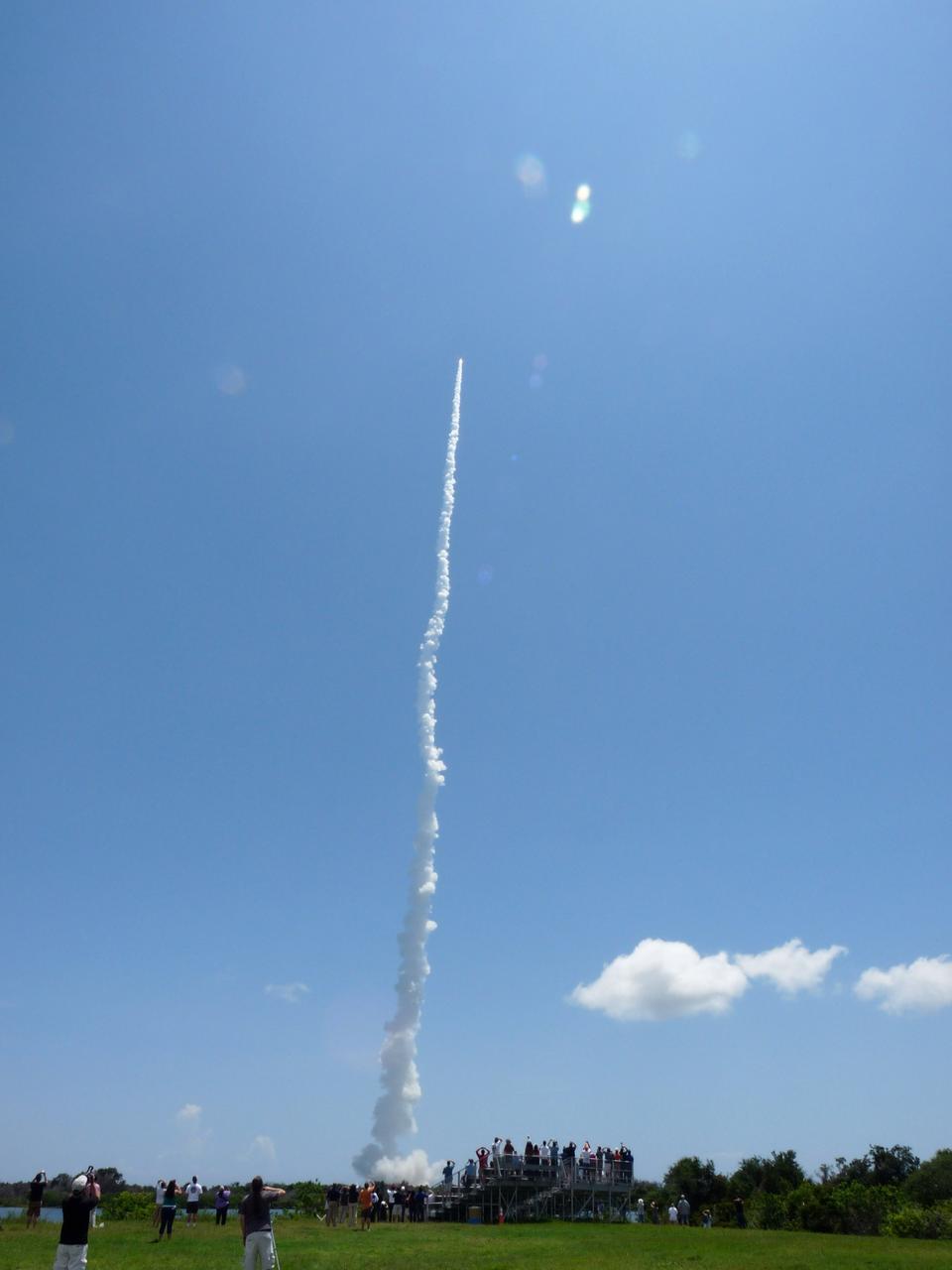
CAPE CANAVERAL, Fla. -- At the Press Site at NASA’s Kennedy Space Center in Florida, about 150 followers of the agency’s Twitter account view the launch of NASA's Juno planetary probe atop a United Launch Alliance Atlas V-551 rocket. The tweeters, in turn, will share their experiences with followers through the social networking site Twitter. Liftoff was at 12:25 p.m. EDT Aug. 5 from Space Launch Complex 41 on Cape Canaveral Air Force Station in Florida. The solar-powered spacecraft will orbit Jupiter's poles 33 times to find out more about the gas giant's origins, structure, atmosphere and magnetosphere and investigate the existence of a solid planetary core. NASA's Jet Propulsion Laboratory, Pasadena, Calif., manages the Juno mission for the principal investigator, Scott Bolton, of Southwest Research Institute in San Antonio. The Juno mission is part of the New Frontiers Program managed at NASA's Marshall Space Flight Center in Huntsville, Ala. Lockheed Martin Space Systems, Denver, built the spacecraft. Launch management for the mission is the responsibility of NASA's Launch Services Program at the Kennedy Space Center in Florida. For more information, visit www.nasa.gov/juno. Photo credit: NASA/Fletcher Hildreth