
Mission Adaptive Digital Composite Aerostructure Technologies (MADCAT) model in the 14x22 test section, building 1212C For more information go to NASA.gov article. April 3, 2019 "What is MADCAT?" Flexing Wings for Efficient Flight.
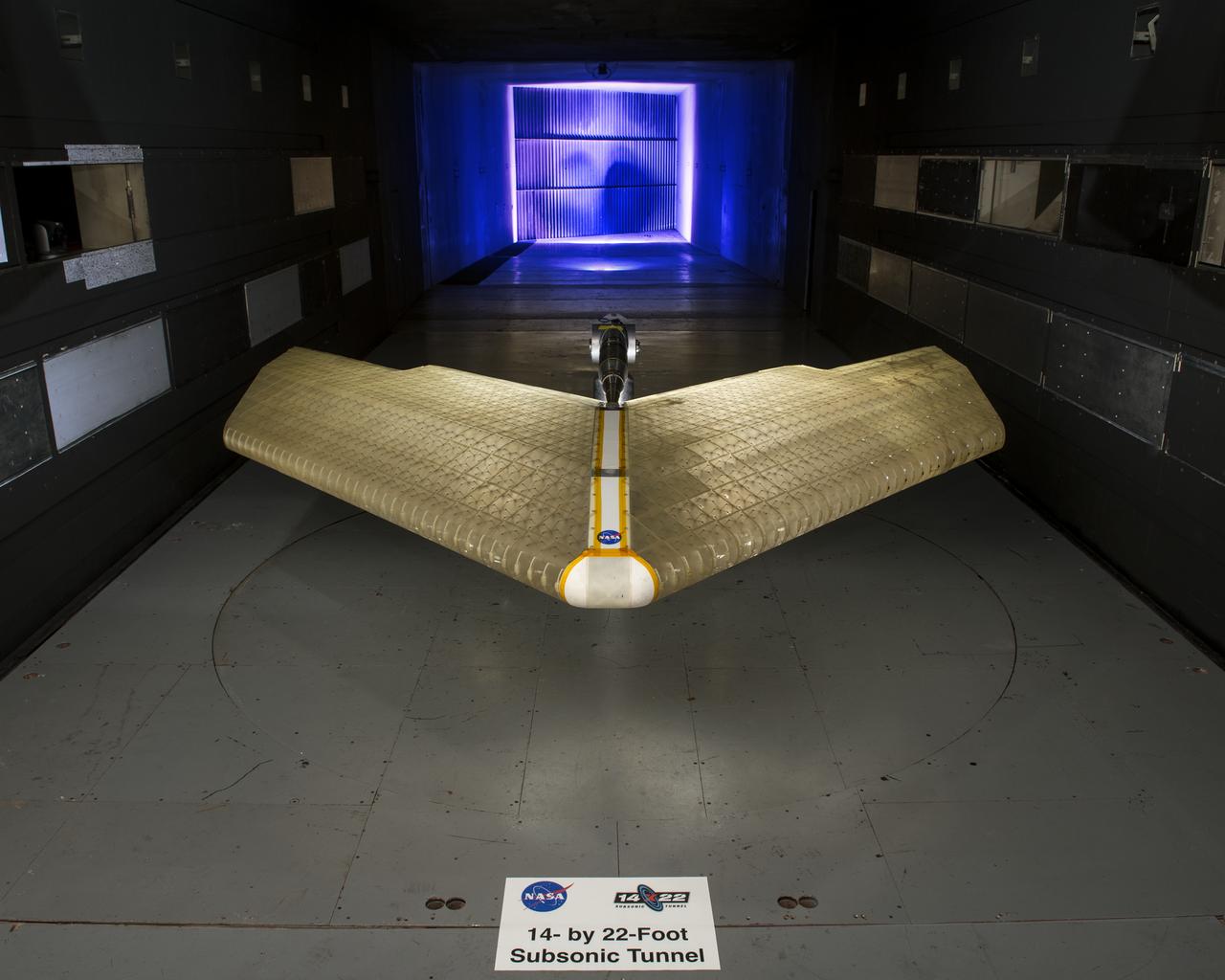
Mission Adaptive Digital Composite Aerostructure Technologies (MADCAT) model in the 14x22 test section, building 1212C. For more information go to NASA.gov article. April 3, 2019 " What is MADCAT? " Flexing Wings for Efficient Flight.
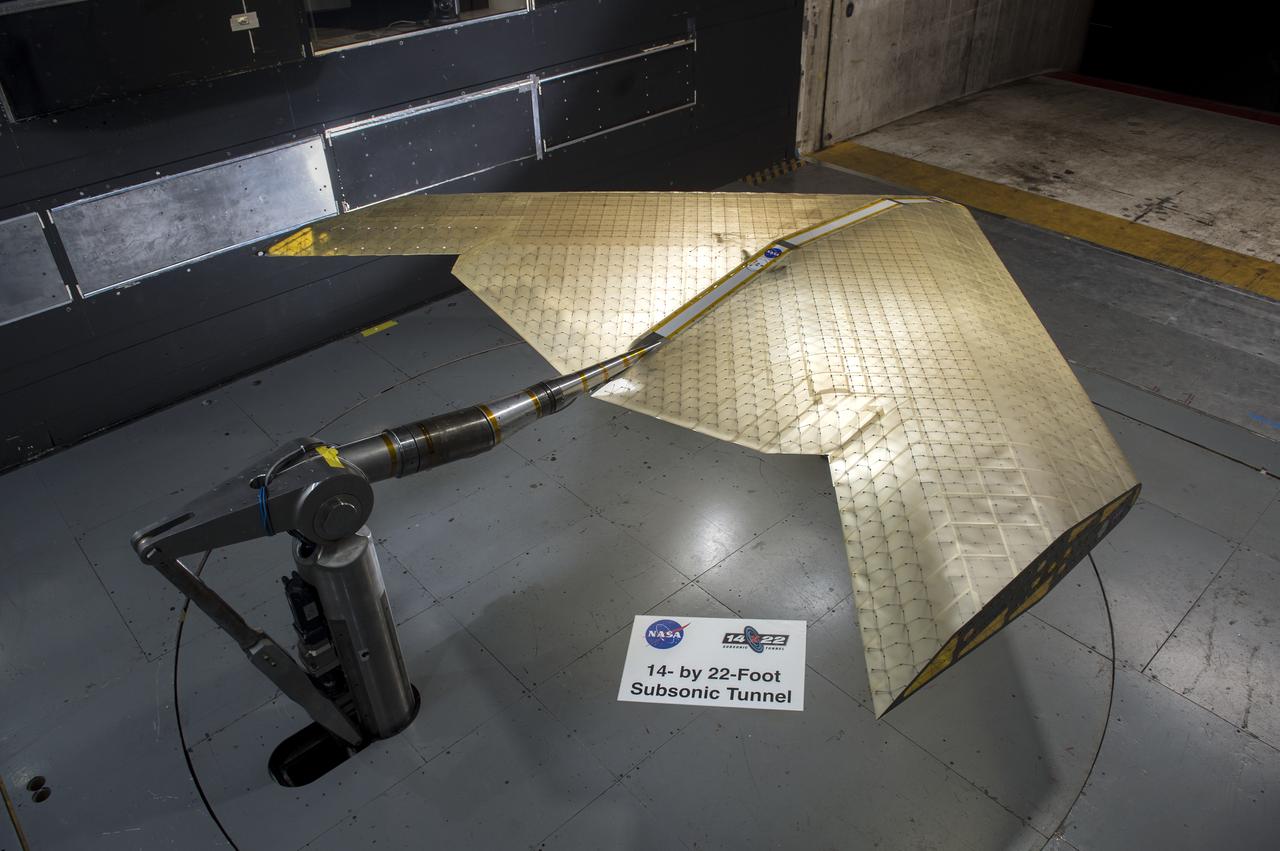
Mission Adaptive Digital Composite Aerostructure Technologies (MADCAT) model in the 14x22 test section, building 1212C For more information go to NASA.gov article. April 3, 2019 "What is MADCAT?" Flexing Wings for Efficient Flight
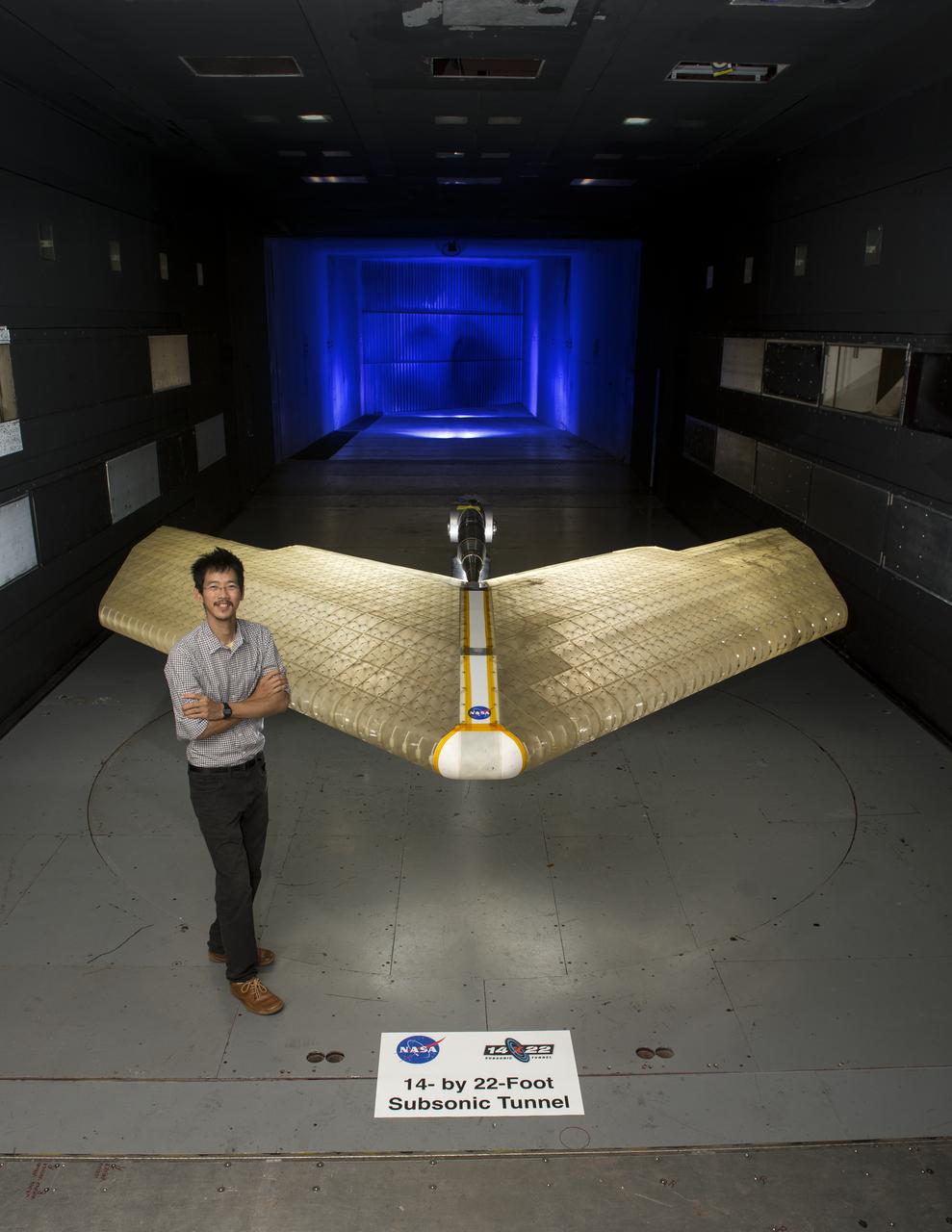
Mission Adaptive Digital Composite Aerostructure Technologies (MADCAT) model in the 14x22 test section, building 1212C, Kenny Cheung from Ames Research Center in photograph. For more information go to NASA.gov article. April 3, 2019 "What is MADCAT?" Flexing Wings for Efficient Flight
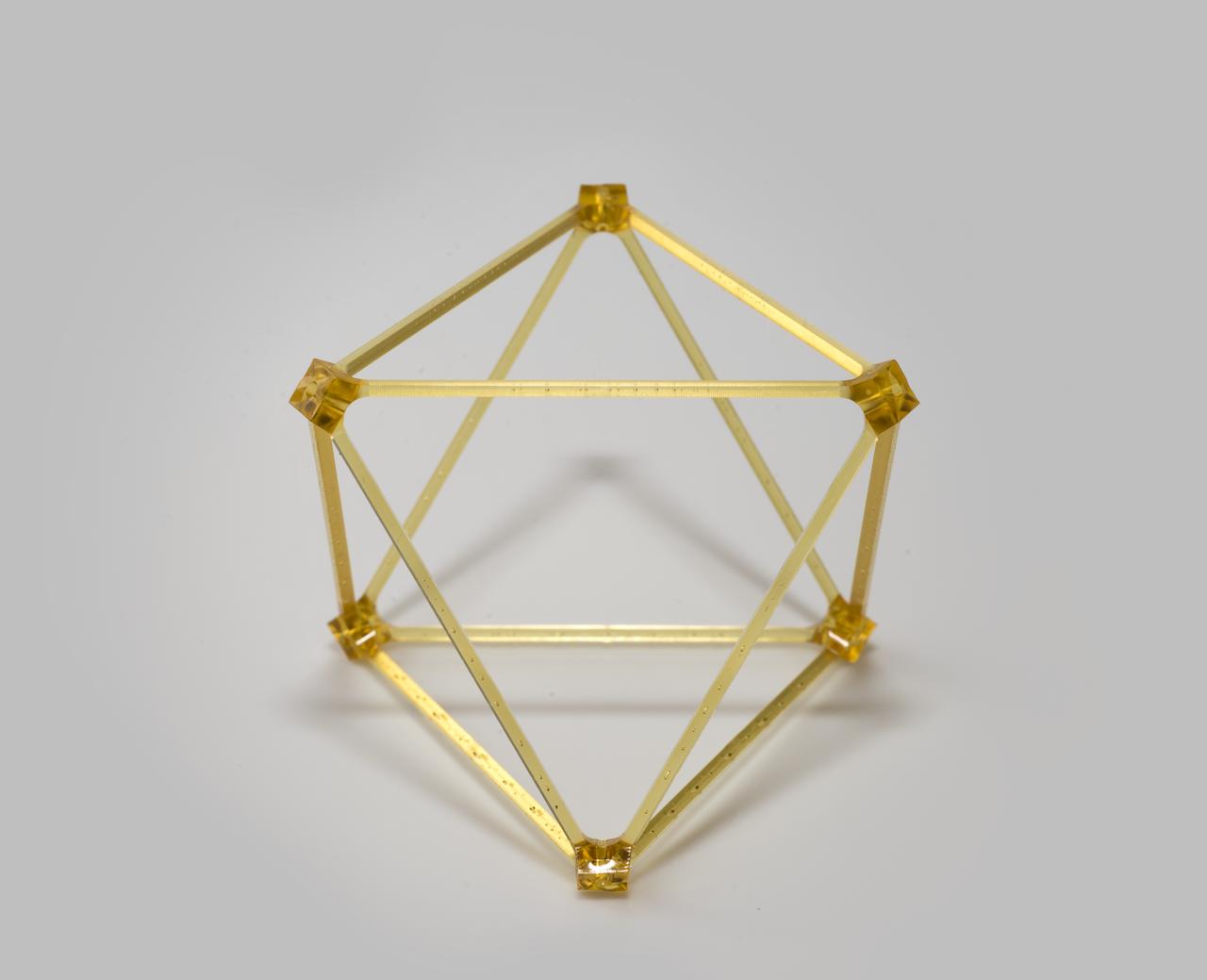
Mission Adaptive Digital Composite Aerostructure Technologies (MADCAT) model in the 14x22 test section. Interior of structure. For more information go to NASA.gov article. April 3, 2019 "What is MADCAT?" Flexing Wings for Efficient Flight
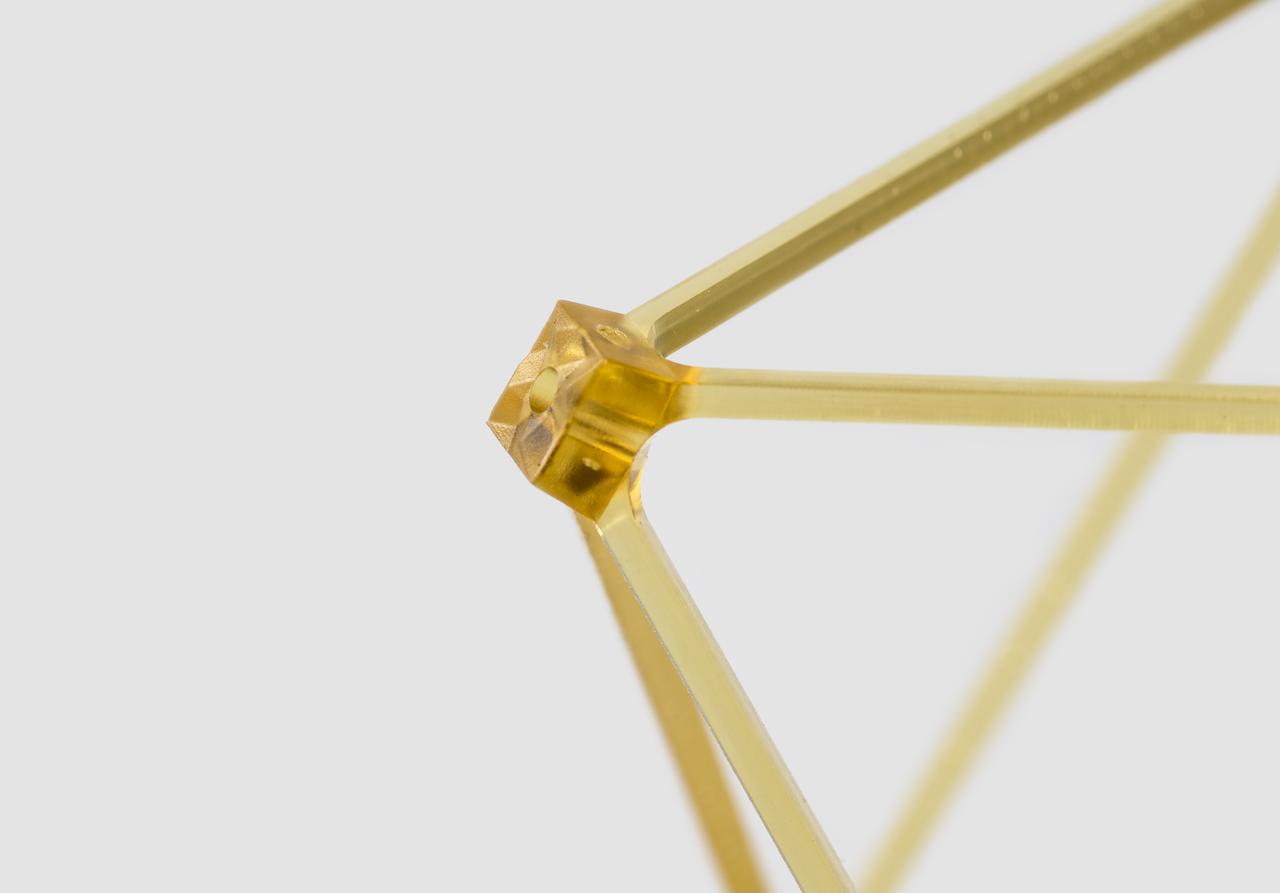
Mission Adaptive Digital Composite Aerostructure Technologies (MADCAT) model in the 14x22 test section. Interior of Structure. For more information go to NASA.gov article. April 3, 2019 "What is MADCAT?" Flexing Wings for Efficient Flight
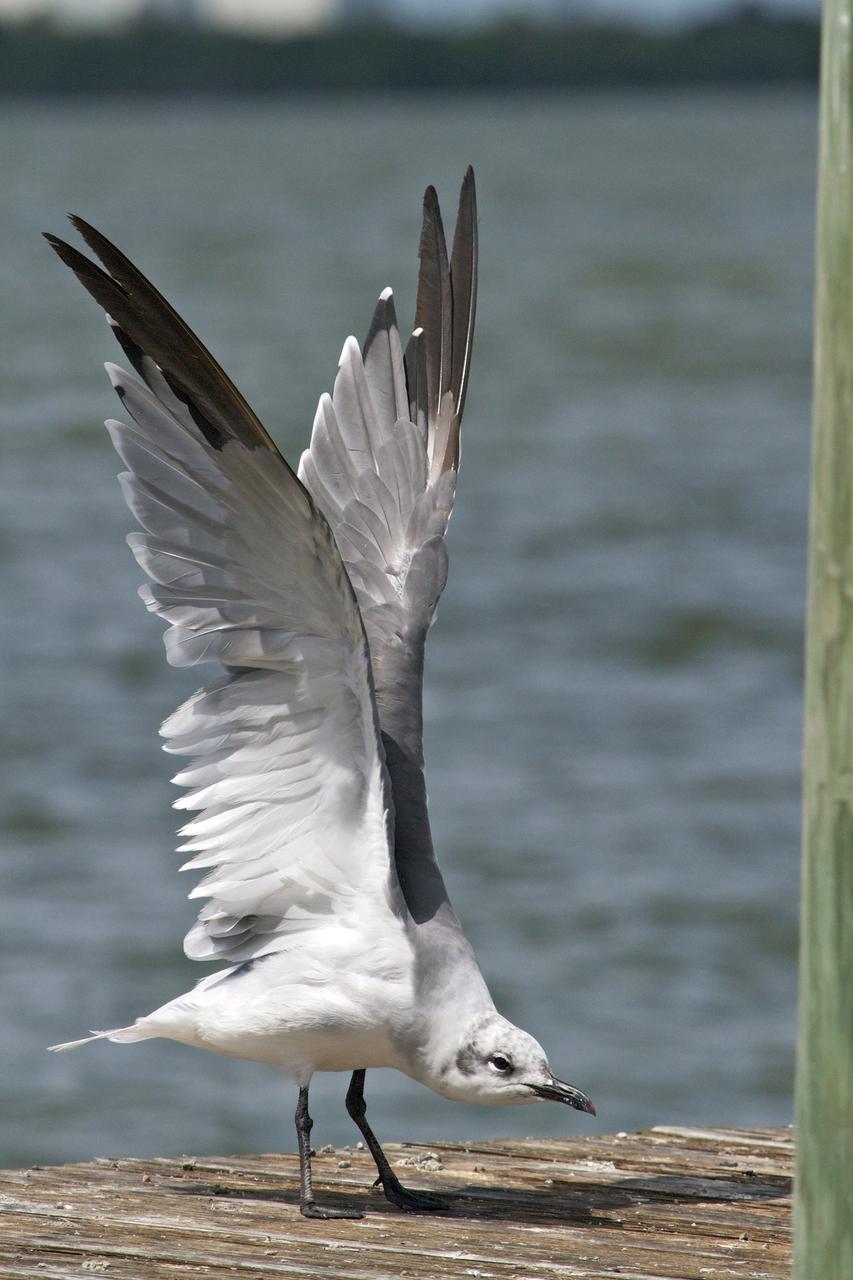
CAPE CANAVERAL, Fla. – At NASA’s Kennedy Space Center in Florida, a seagull flexes his wings while sitting on a dock along the NASA Causeway. The center shares a boundary with the Merritt Island National Wildlife Refuge, consisting of 140,000 acres. The Refuge provides a wide variety of habitats: coastal dunes, saltwater estuaries and marshes, freshwater impoundments, scrub, pine flatwoods, and hardwood hammocks that provide habitat for more than 1,500 species of plants and animals, including about 331 species of birds. Photo credit: NASA_Ben Smegelsky
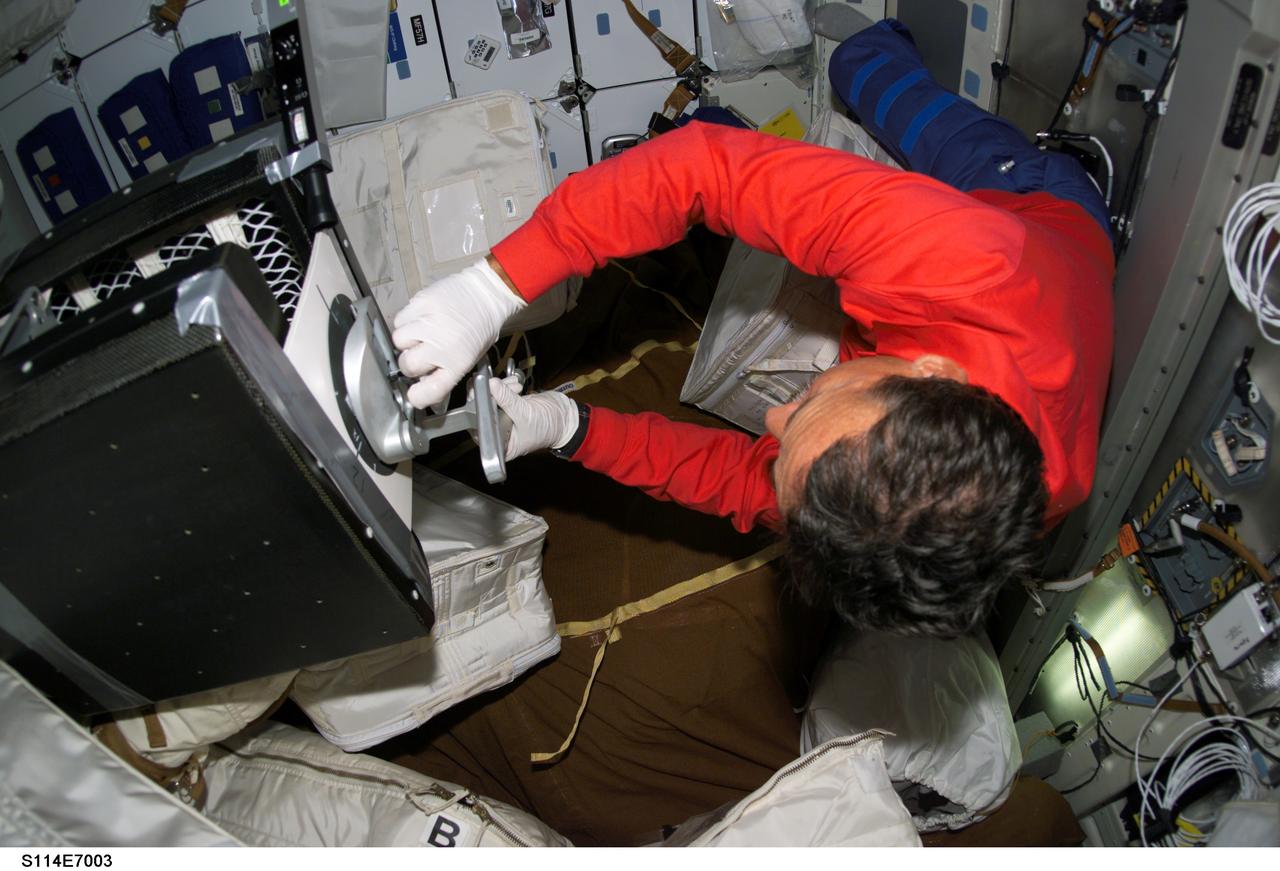
S114-E-7003 (4 August 2005) --- Astronaut Charles J. Camarda, STS-114 mission specialist, performs a middeck evaluation of the mechanical "plug" option for Reinforced Carbon-Carbon (RCC) repair aboard the Space Shuttle Discovery. Camarda used special pre-designated tools to accomplish the procedure, along with round thin, flexible 7-inch-diamter carbon-silicon cover plates designed to flex up to 0.25 inch to conform to the wing leading edge RCC panels, a hardware attachment mechanism similar to a toggle bolt and sealant.
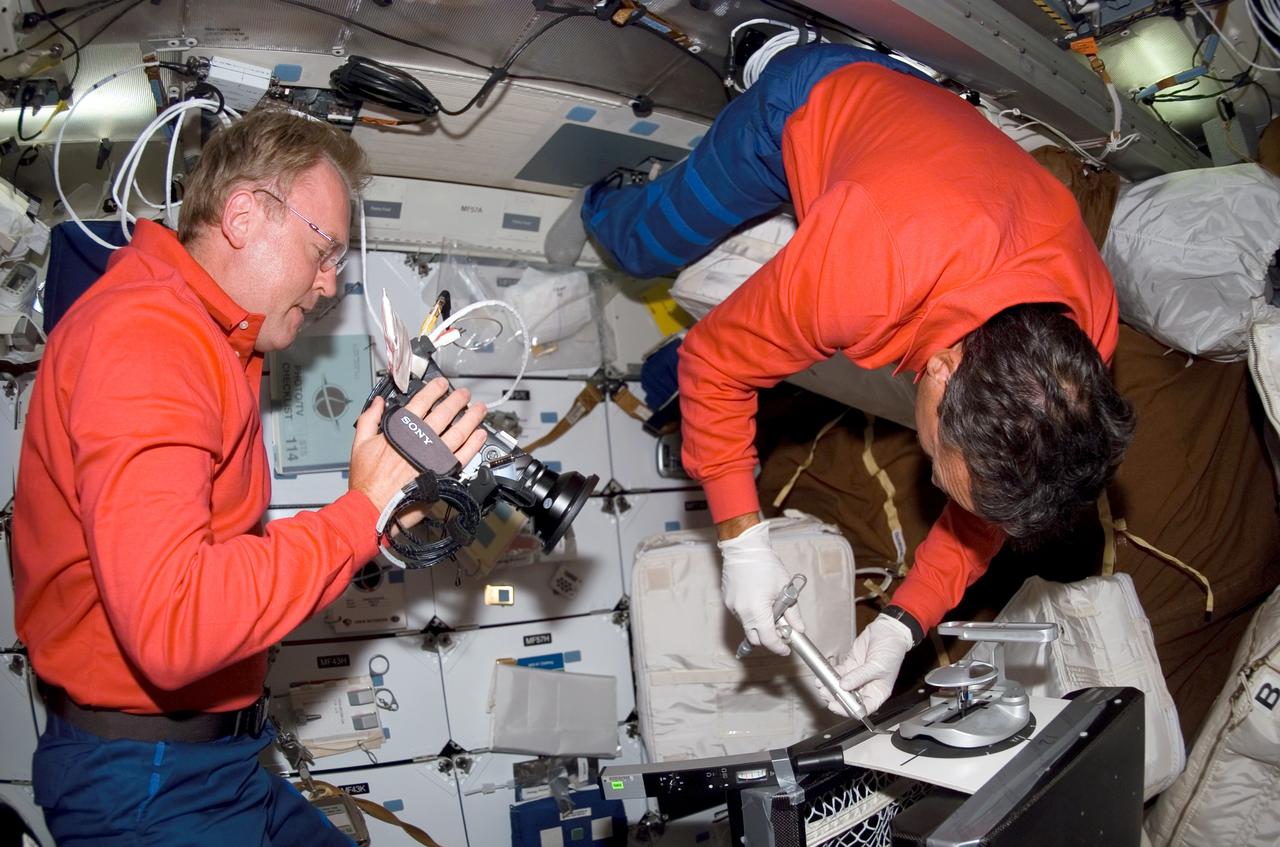
S114-E-7001 (4 August 2005) --- Astronaut Andrew S. W. Thomas, STS-114 mission specialist, photographs a middeck evaluation of the mechanical "plug" option for Reinforced Carbon-Carbon (RCC) repair aboard the Space Shuttle Discovery. Astronaut Charles J. Camarda, mission specialist, uses special pre-designated tools to accomplish the procedure, along with round thin, flexible 7-inch-diamter carbon-silicon cover plates designed to flex up to 0.25 inch to conform to the wing leading edge RCC panels, a hardware attachment mechanism similar to a toggle bolt and sealant.
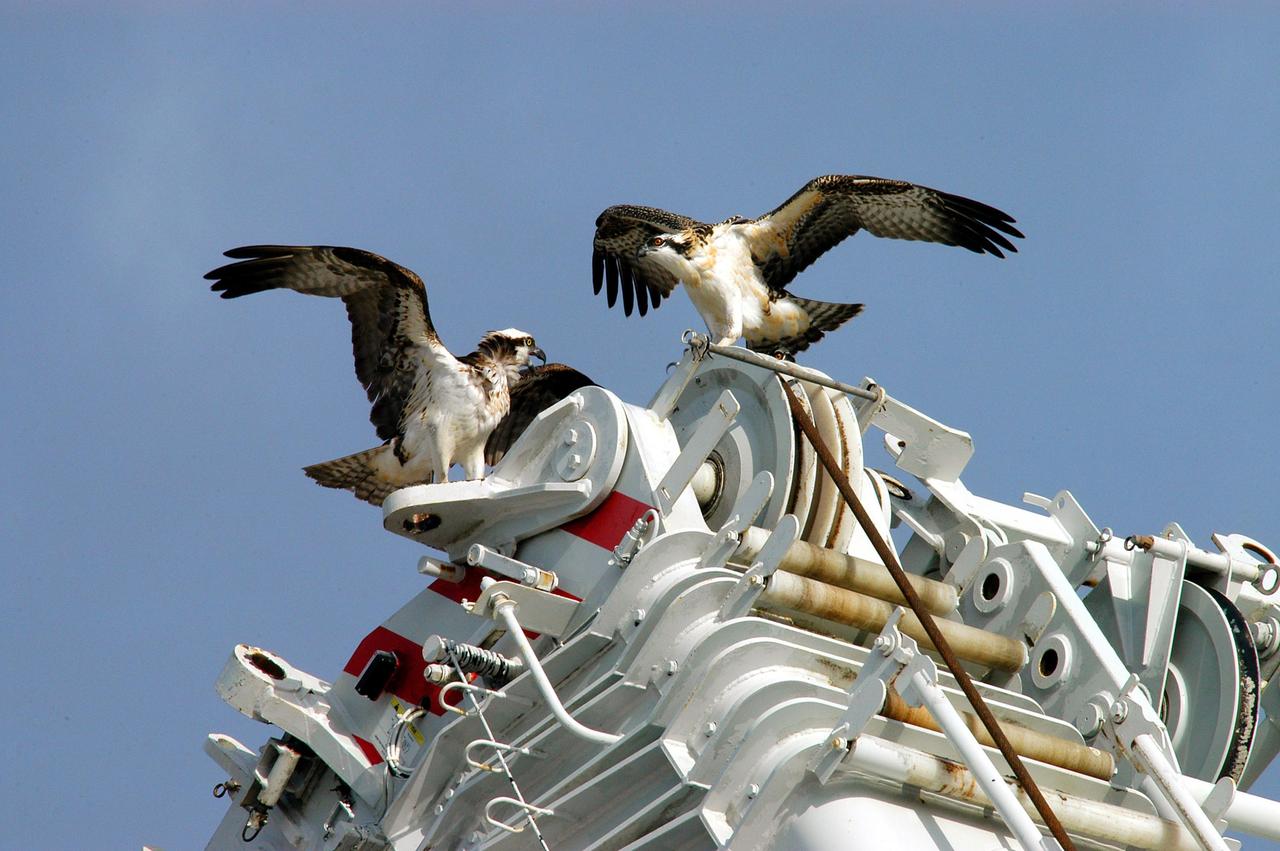
KENNEDY SPACE CENTER, FLA. -- - Two young ospreys flex their wings for flight. Their nest is located in the NASA KSC News Center parking lot. Ospreys select nesting sites of opportunity, from trees and telephone poles to rocks or even flat ground. In the United States they are found from Alaska to Florida and the Gulf Coast. Osprey nests are found throughout the Kennedy Space Center and nearby Merritt Island National Wildlife Refuge. Known as a fish hawk, ospreys often can be seen flying overhead with a fish in their talons. Fish are their sole source of food.
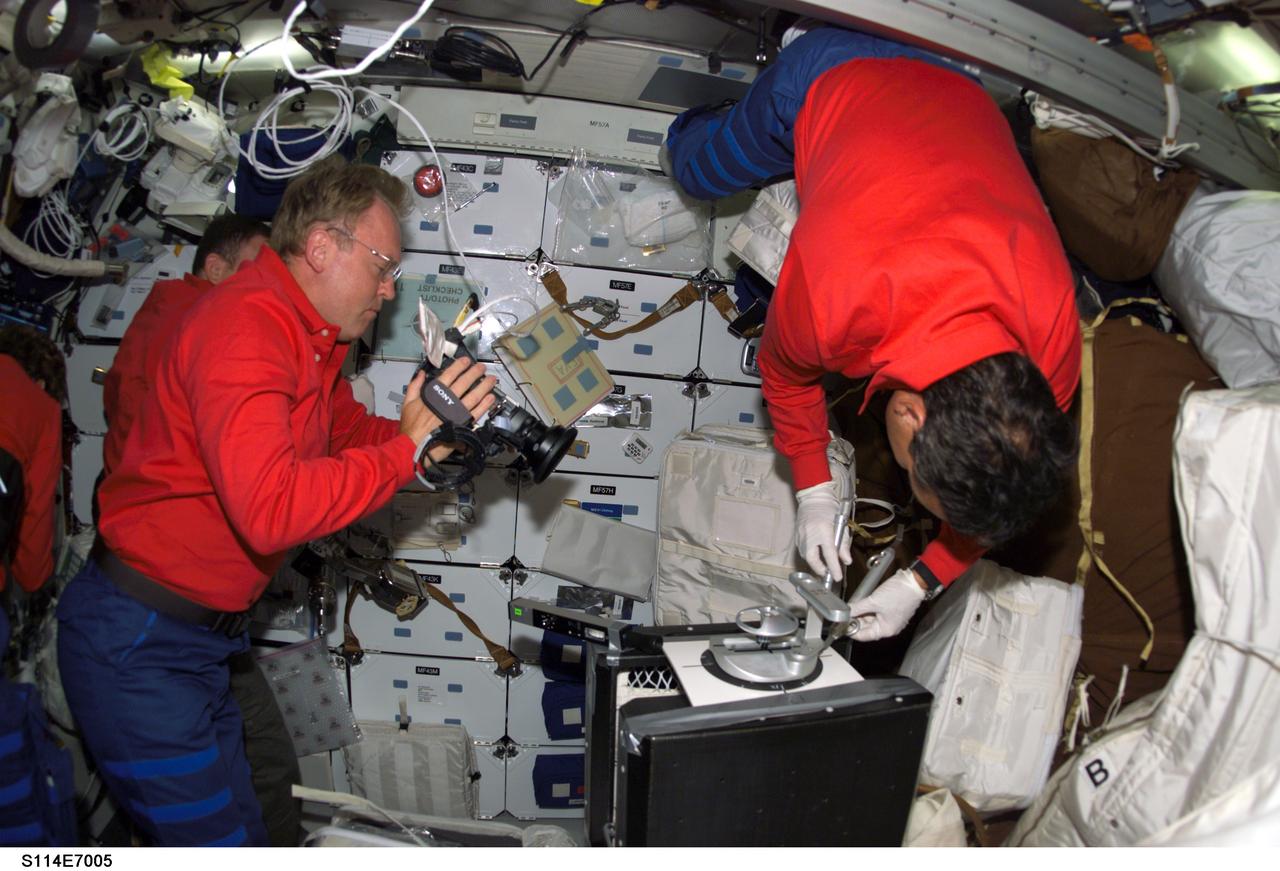
S114-E-7005 (4 August 2005) --- Astronaut Andrew S. W. Thomas, STS-114 mission specialist, photographs a middeck evaluation of the mechanical "plug" option for Reinforced Carbon-Carbon (RCC) repair aboard the Space Shuttle Discovery. Astronaut Charles J. Camarda, mission specialist, uses special pre-designated tools to accomplish the procedure, along with round thin, flexible 7-inch-diamter carbon-silicon cover plates designed to flex up to 0.25 inch to conform to the wing leading edge RCC panels, a hardware attachment mechanism similar to a toggle bolt and sealant.