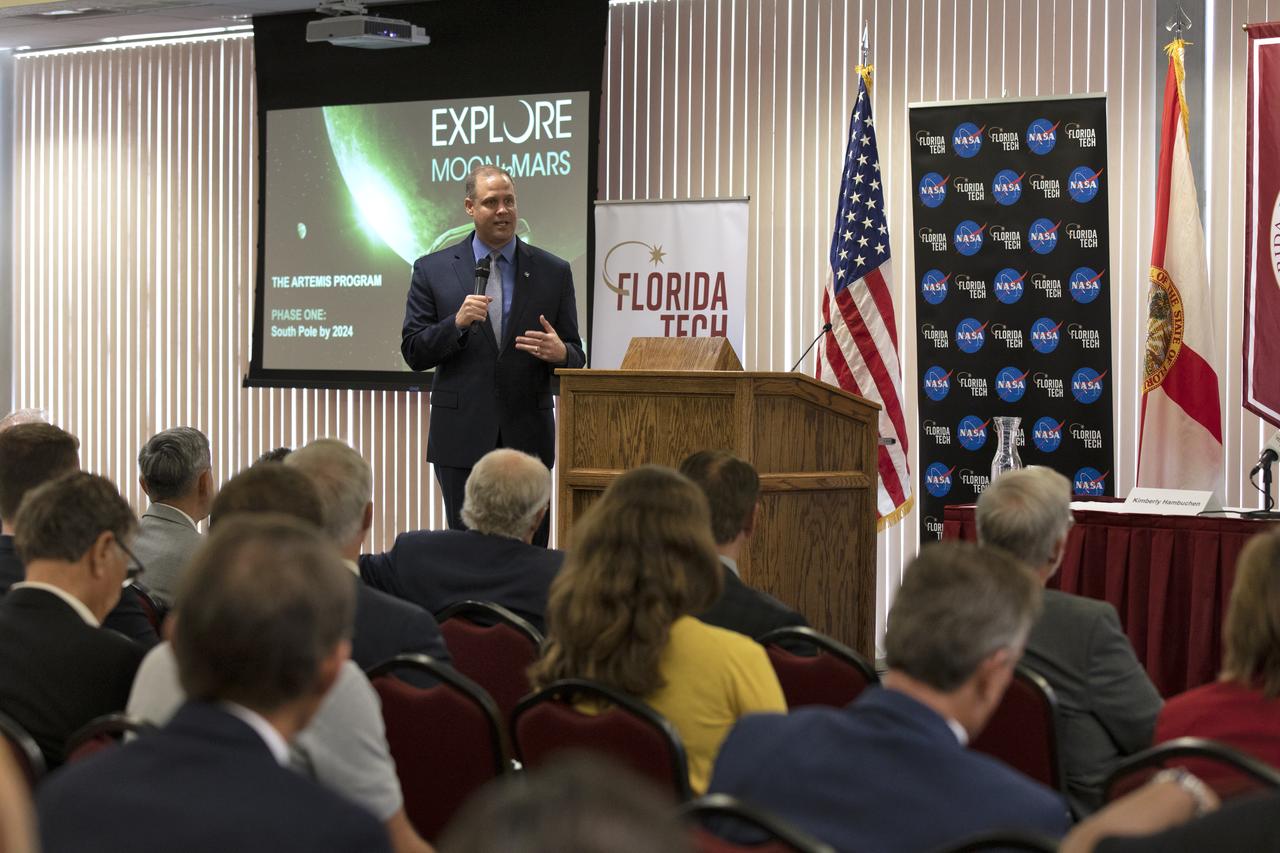
NASA Administrator Jim Bridenstine speaks to students, faculty, engineers and area business leaders at Florida Institute of Technology on Thursday, May 23, 2019. Bridenstine delivered the keynote address at the Melbourne, FL campus during the university’s Space Technology Day. Among the key topics Bridenstine discussed was NASA’s Artemis missions to the Moon, including the lunar Gateway, which will serve as an orbiting outpost for astronauts.
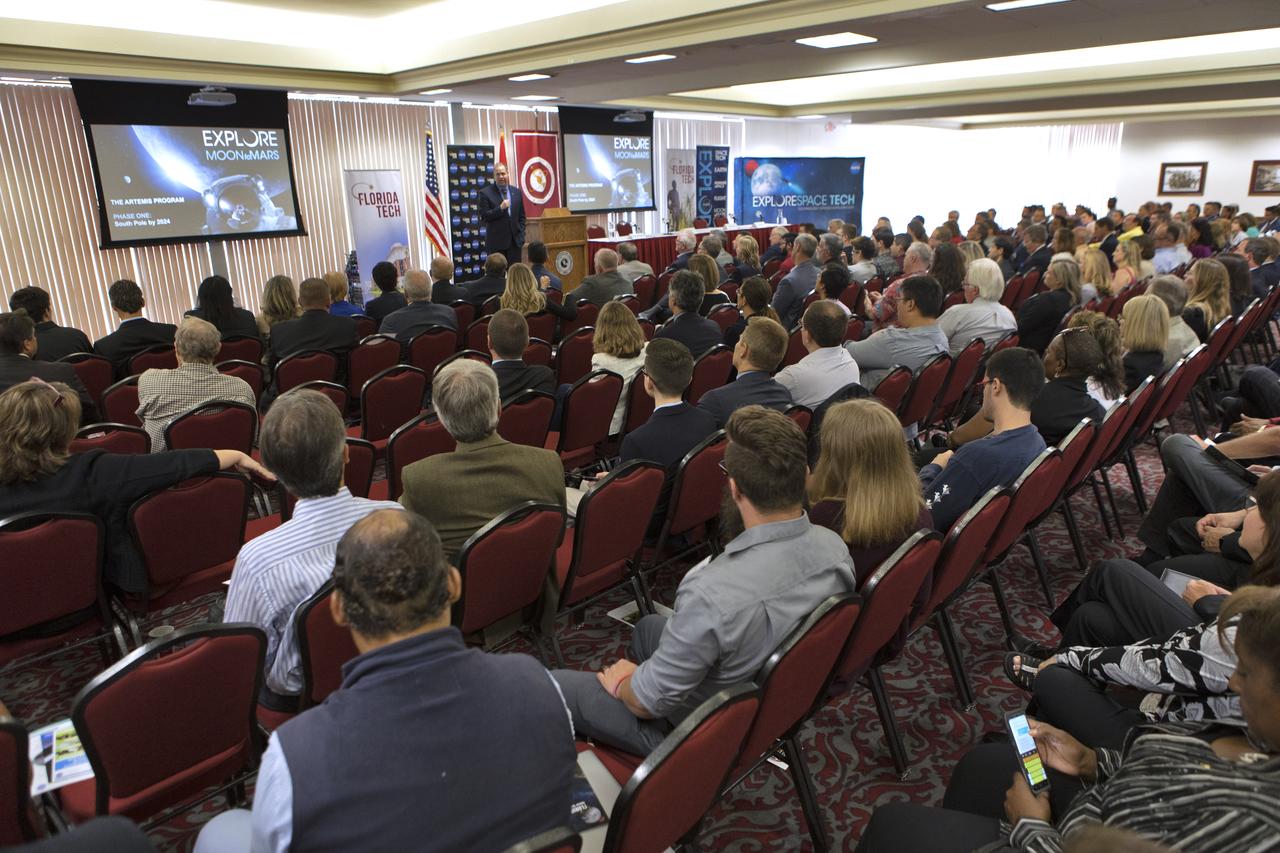
NASA Administrator Jim Bridenstine speaks to students, faculty, engineers and area business leaders at Florida Institute of Technology on Thursday, May 23, 2019. Bridenstine delivered the keynote address at the Melbourne, FL campus during the university’s Space Technology Day. Among the key topics Bridenstine discussed was NASA’s Artemis missions to the Moon, including the lunar Gateway, which will serve as an orbiting outpost for astronauts.
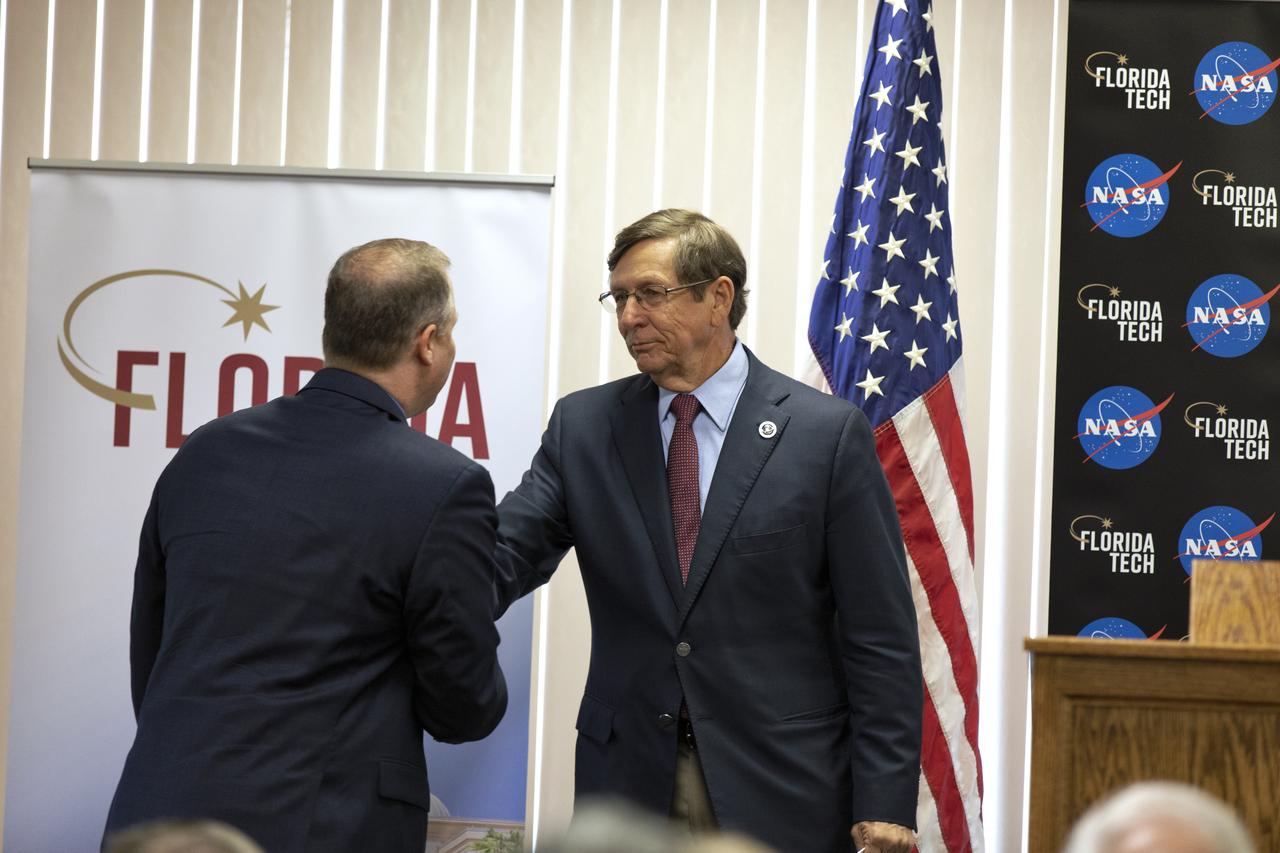
NASA Administrator Jim Bridenstine, left, shakes hands with Florida Institute of Technology President T. Dwayne McCay on Thursday, May 23, 2019 at the Melbourne, FL campus. Bridenstine delivered the keynote address during the university’s Space Technology Day. Among the key topics Bridenstine discussed was NASA’s Artemis missions to the Moon, including the lunar Gateway, which will serve as an orbiting outpost for astronauts.
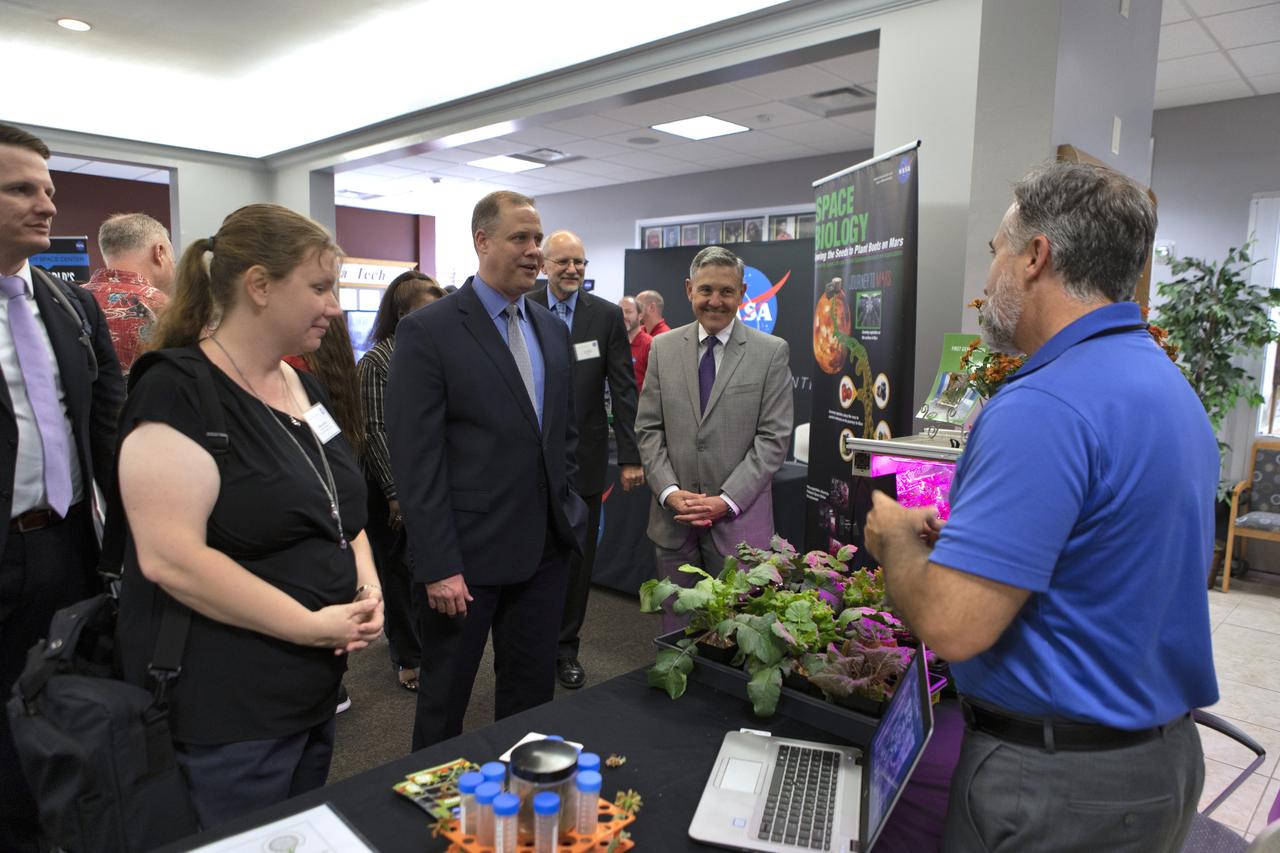
NASA Administrator Jim Bridenstine, center, and Kennedy Space Center Director Bob Cabana, right, visit Florida Institute of Technology on Thursday, May 23, 2019. Bridenstine delivered the keynote address at the Melbourne, FL campus during the university’s Space Technology Day. Among the key topics Bridenstine discussed was NASA’s Artemis missions to the Moon, including the lunar Gateway, which will serve as an orbiting outpost for astronauts.
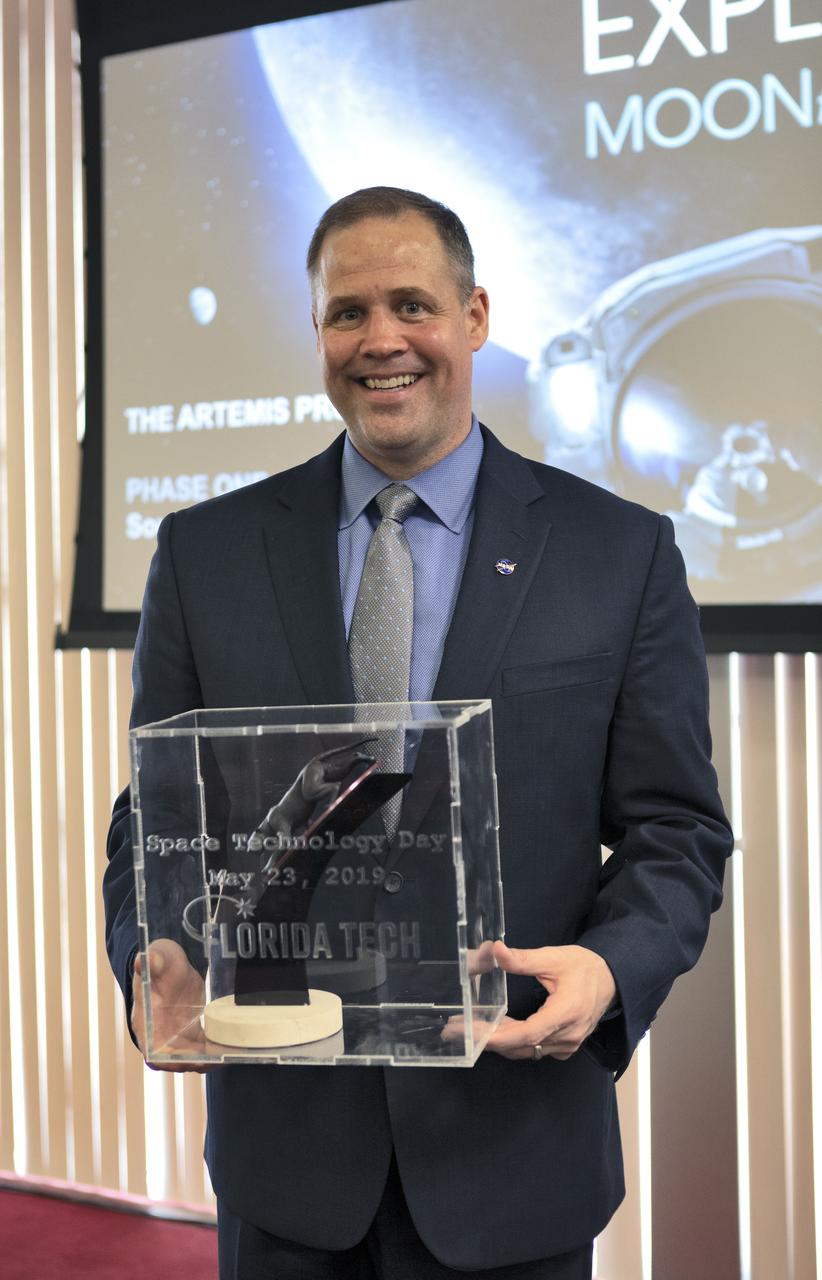
NASA Administrator Jim Bridenstine poses at Florida Institute of Technology on Thursday, May 23, 2019. Bridenstine delivered the keynote address at the Melbourne, FL campus during the university’s Space Technology Day. Among the key topics Bridenstine discussed was NASA’s Artemis missions to the Moon, including the lunar Gateway, which will serve as an orbiting outpost for astronauts.
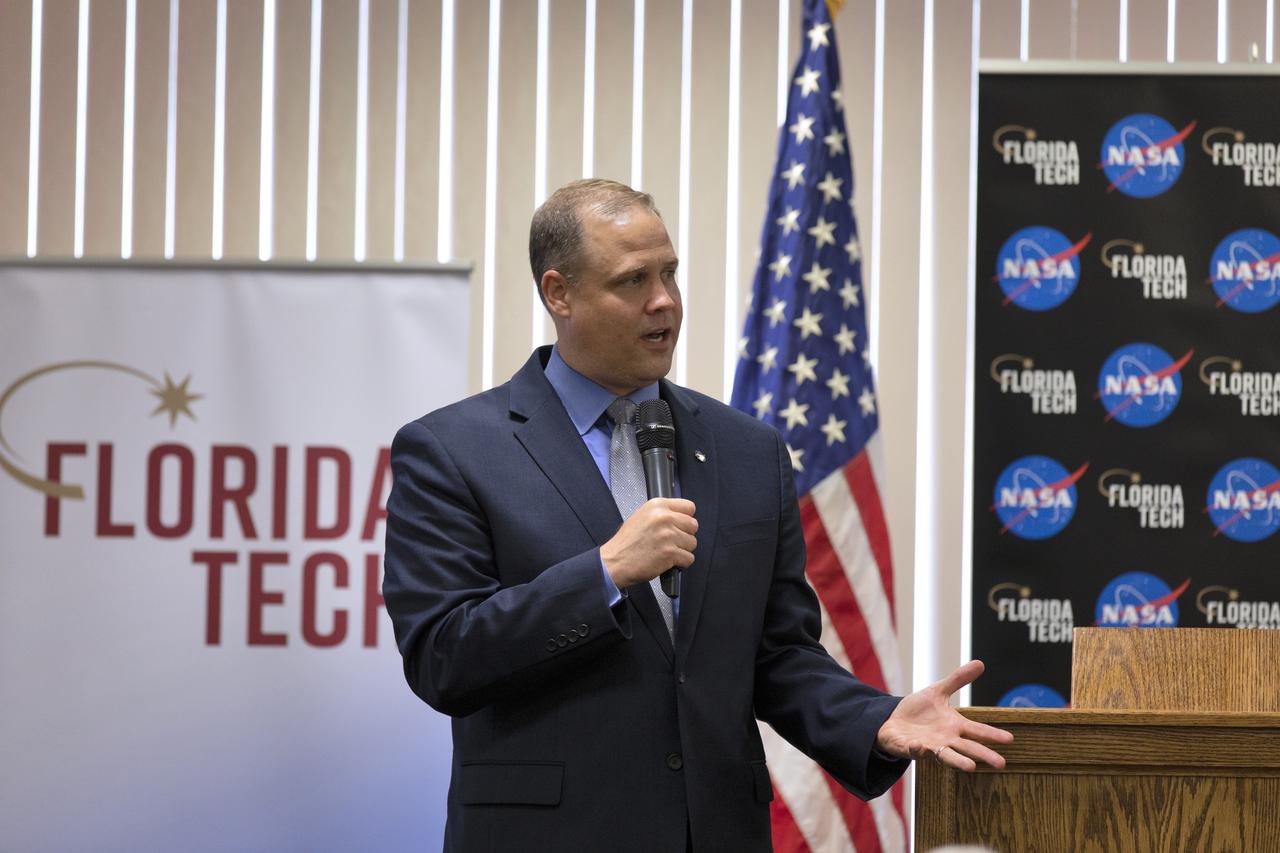
NASA Administrator Jim Bridenstine speaks to students, faculty, engineers and area business leaders at Florida Institute of Technology on Thursday, May 23, 2019. Bridenstine delivered the keynote address at the Melbourne, FL campus during the university’s Space Technology Day. Among the key topics Bridenstine discussed was NASA’s Artemis missions to the Moon, including the lunar Gateway, which will serve as an orbiting outpost for astronauts.
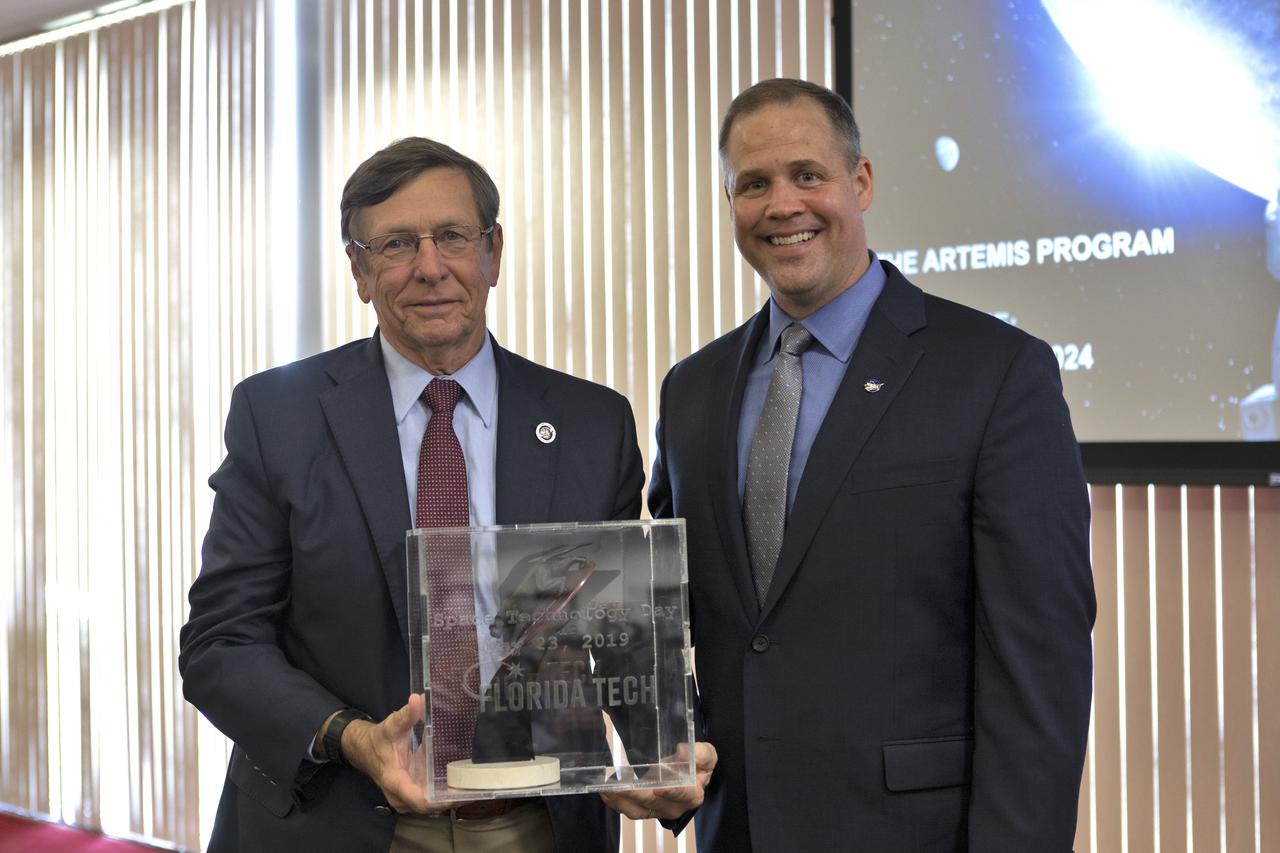
NASA Administrator Jim Bridenstine, right, poses with Florida Institute of Technology President T. Dwayne McCay on Thursday, May 23, 2019 at the Melbourne, FL campus. Bridenstine delivered the keynote address during the university’s Space Technology Day. Among the key topics Bridenstine discussed was NASA’s Artemis missions to the Moon, including the lunar Gateway, which will serve as an orbiting outpost for astronauts.
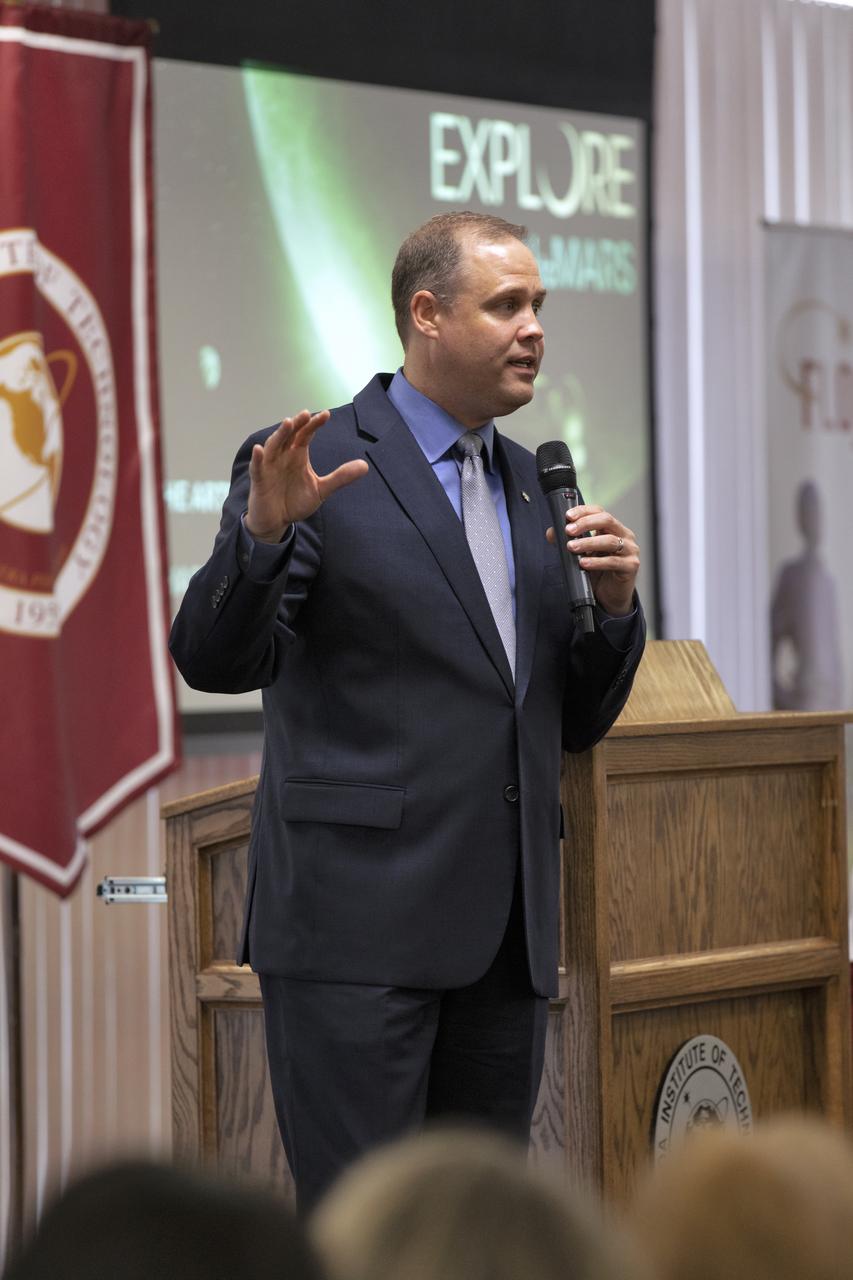
NASA Administrator Jim Bridenstine speaks to students, faculty, engineers and area business leaders at Florida Institute of Technology on Thursday, May 23, 2019. Bridenstine delivered the keynote address at the Melbourne, FL campus during the university’s Space Technology Day. Among the key topics Bridenstine discussed was NASA’s Artemis missions to the Moon, including the lunar Gateway, which will serve as an orbiting outpost for astronauts.
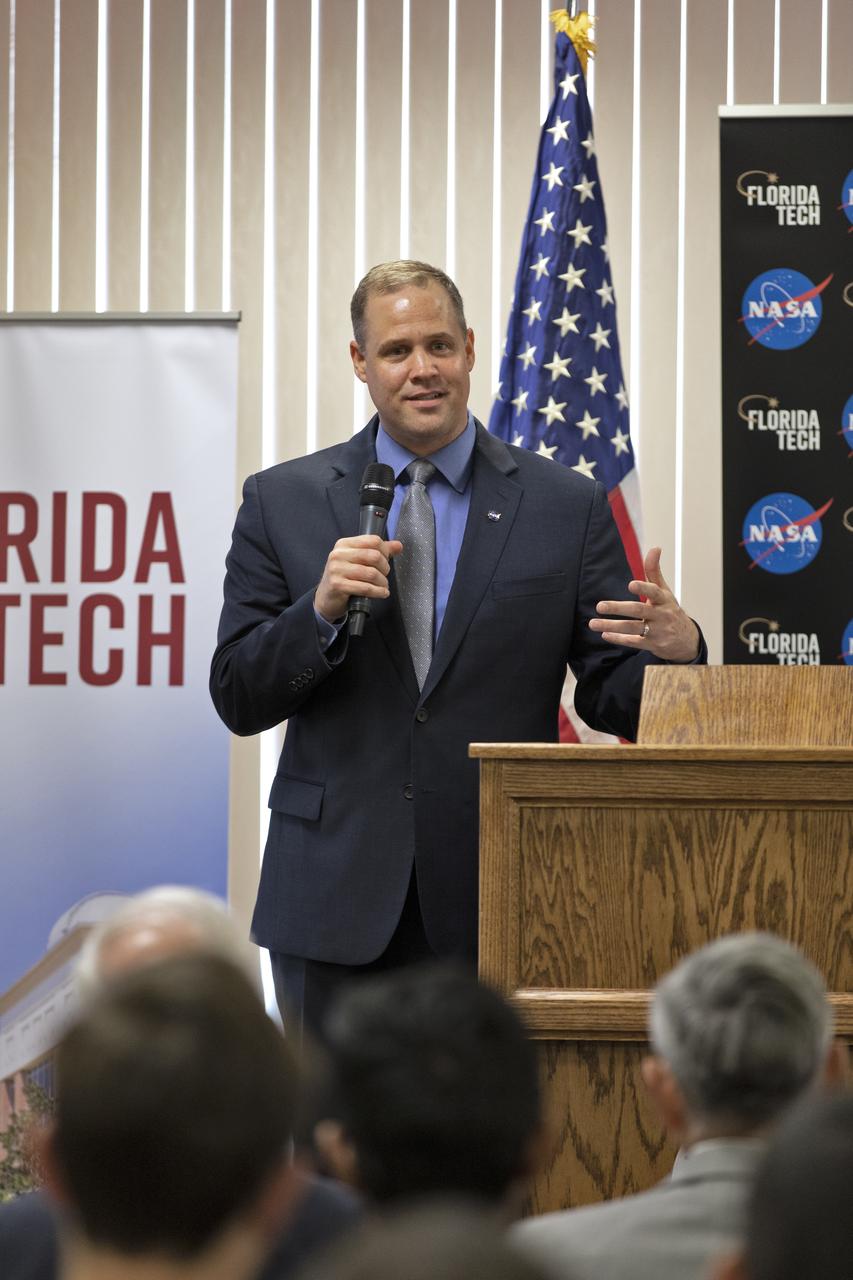
NASA Administrator Jim Bridenstine speaks to students, faculty, engineers and area business leaders at Florida Institute of Technology on Thursday, May 23, 2019. Bridenstine delivered the keynote address at the Melbourne, FL campus during the university’s Space Technology Day. Among the key topics Bridenstine discussed was NASA’s Artemis missions to the Moon, including the lunar Gateway, which will serve as an orbiting outpost for astronauts.
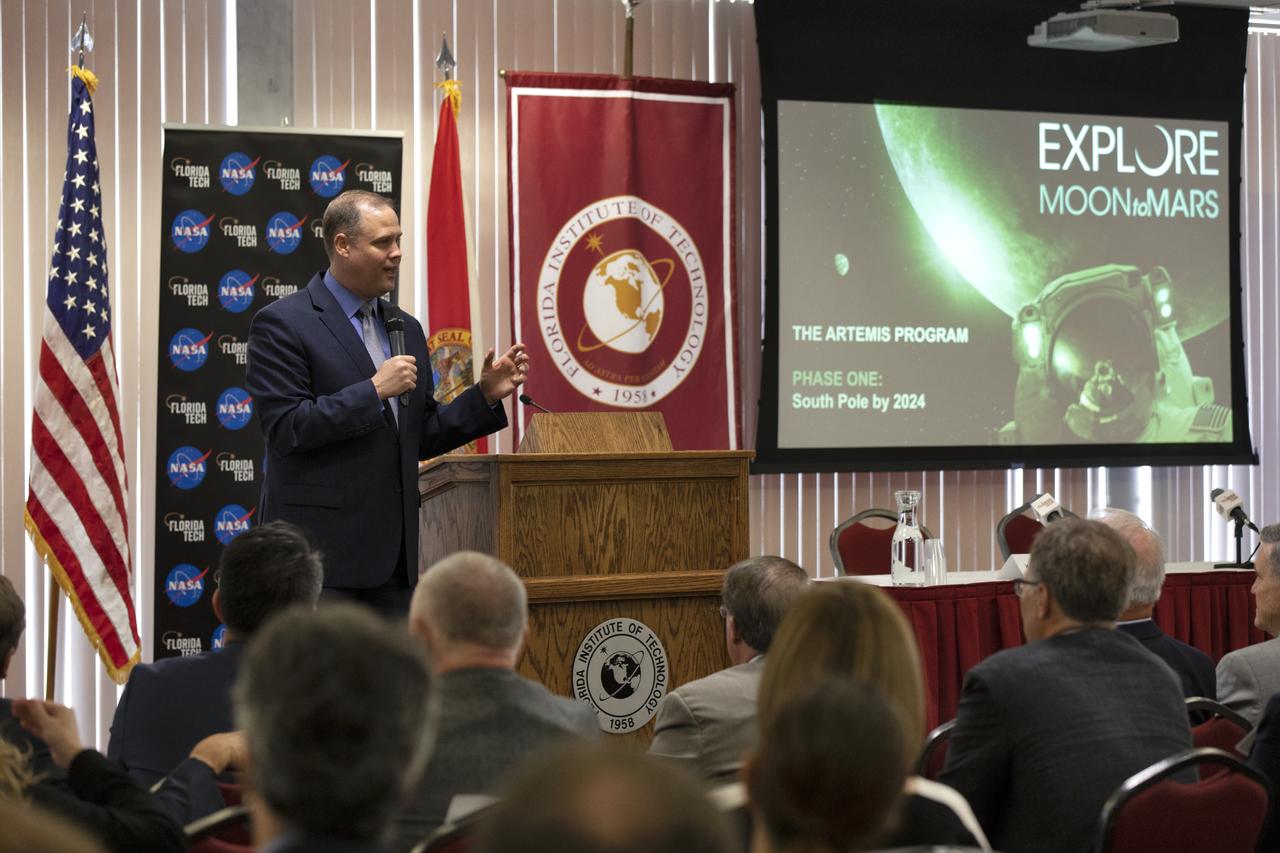
NASA Administrator Jim Bridenstine speaks to students, faculty, engineers and area business leaders at Florida Institute of Technology on Thursday, May 23, 2019. Bridenstine delivered the keynote address at the Melbourne, FL campus during the university’s Space Technology Day. Among the key topics Bridenstine discussed was NASA’s Artemis missions to the Moon, including the lunar Gateway, which will serve as an orbiting outpost for astronauts.
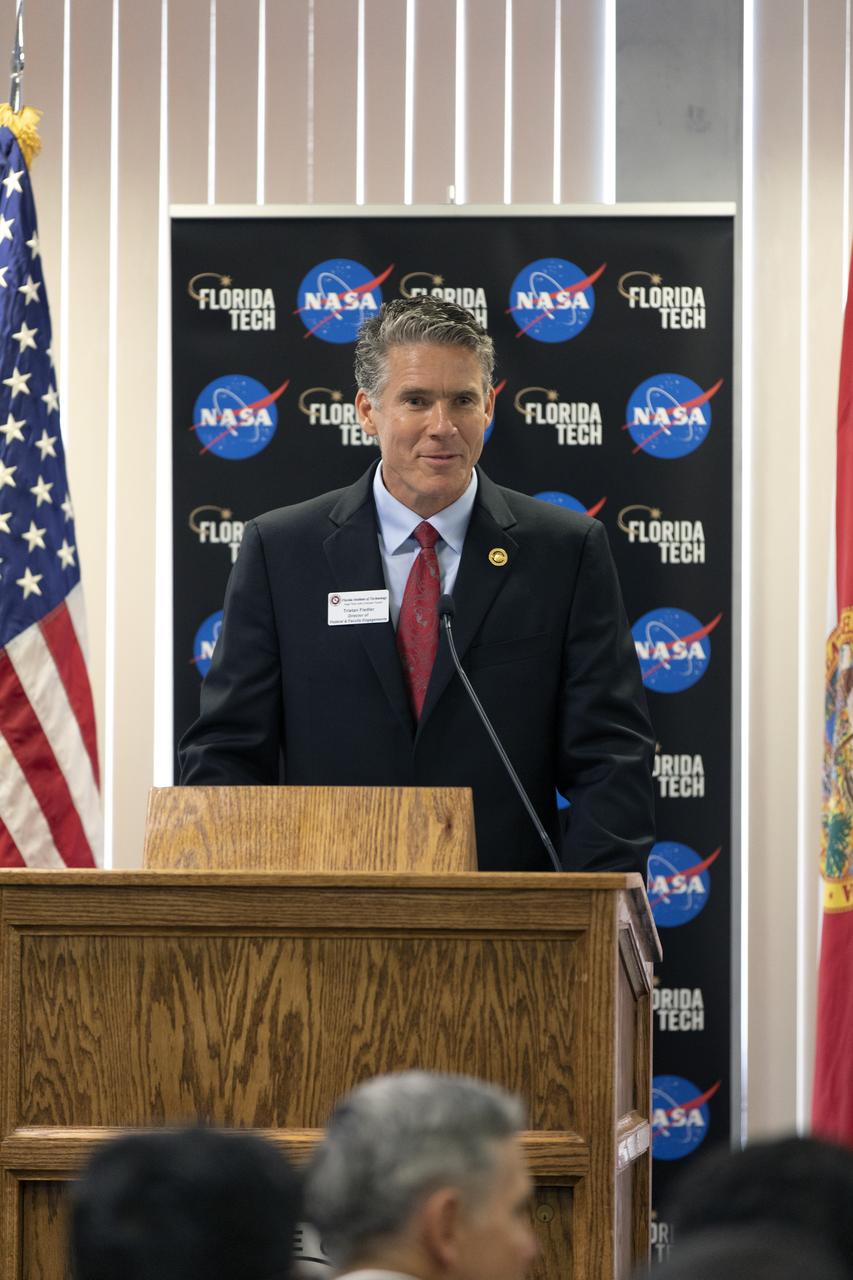
Tristan Fiedler, director of federal and faculty engagements at Florida Institute of Technology, speaks during the university’s Space Technology Day on Thursday, May 23, 2019. NASA Administrator Jim Bridenstine delivered the keynote address at the Melbourne, FL campus, which included students, faculty, engineers and area business leaders in attendance. Among the key topics Bridenstine discussed was NASA’s Artemis missions to the Moon, including the lunar Gateway, which will serve as an orbiting outpost for astronauts.
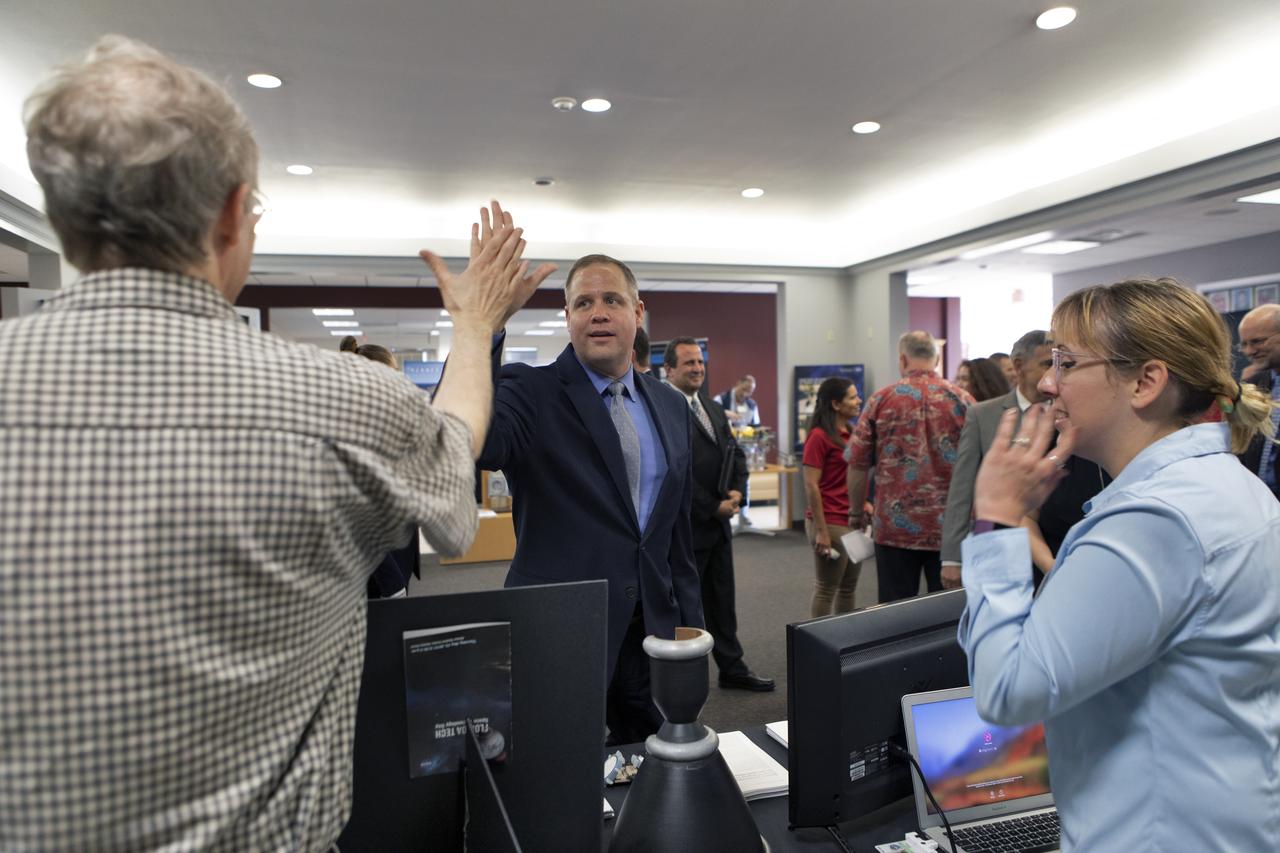
NASA Administrator Jim Bridenstine, center, speaks to students, faculty, engineers and area business leaders at Florida Institute of Technology on Thursday, May 23, 2019. Bridenstine delivered the keynote address at the Melbourne, FL campus during the university’s Space Technology Day. Among the key topics Bridenstine discussed was NASA’s Artemis missions to the Moon, including the lunar Gateway, which will serve as an orbiting outpost for astronauts.
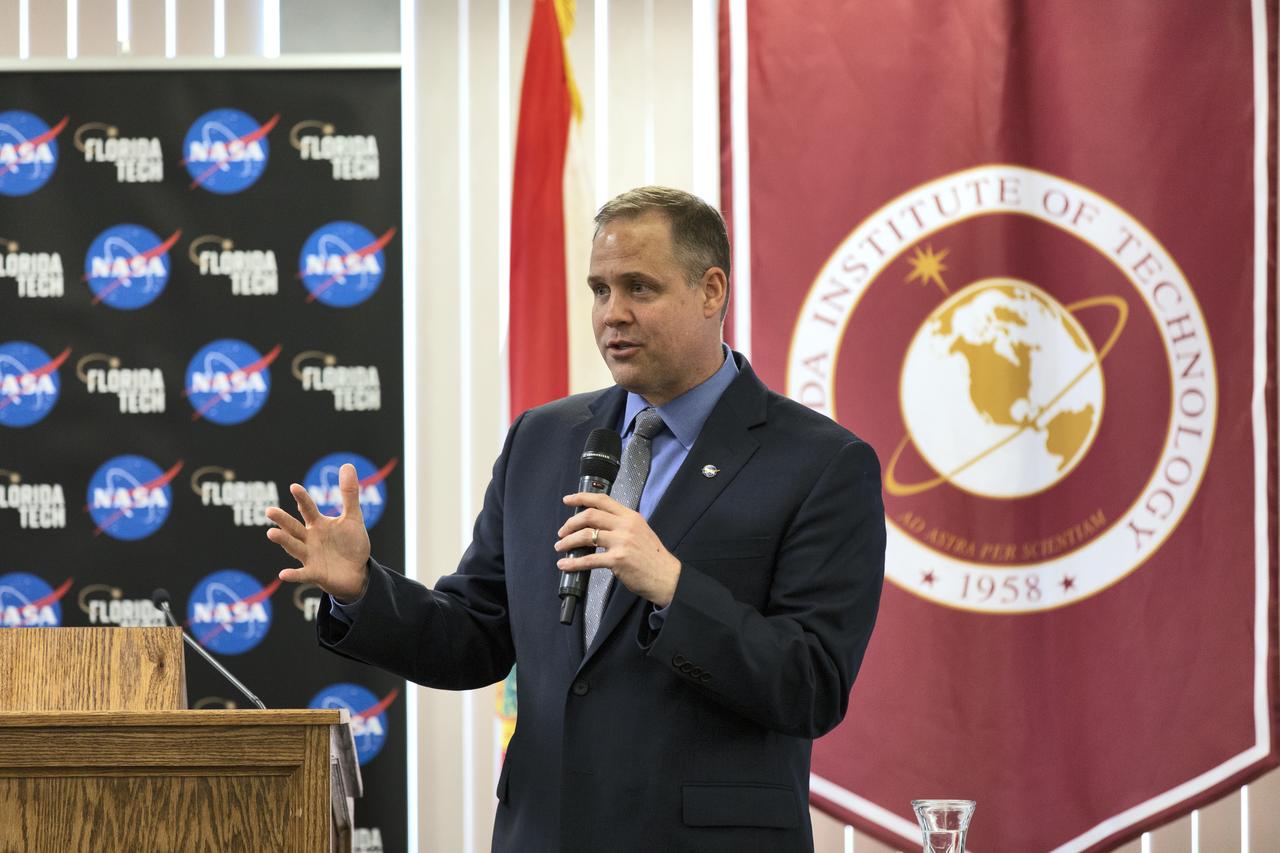
NASA Administrator Jim Bridenstine speaks to students, faculty, engineers and area business leaders at Florida Institute of Technology on Thursday, May 23, 2019. Bridenstine delivered the keynote address at the Melbourne, FL campus during the university’s Space Technology Day. Among the key topics Bridenstine discussed was NASA’s Artemis missions to the Moon, including the lunar Gateway, which will serve as an orbiting outpost for astronauts.
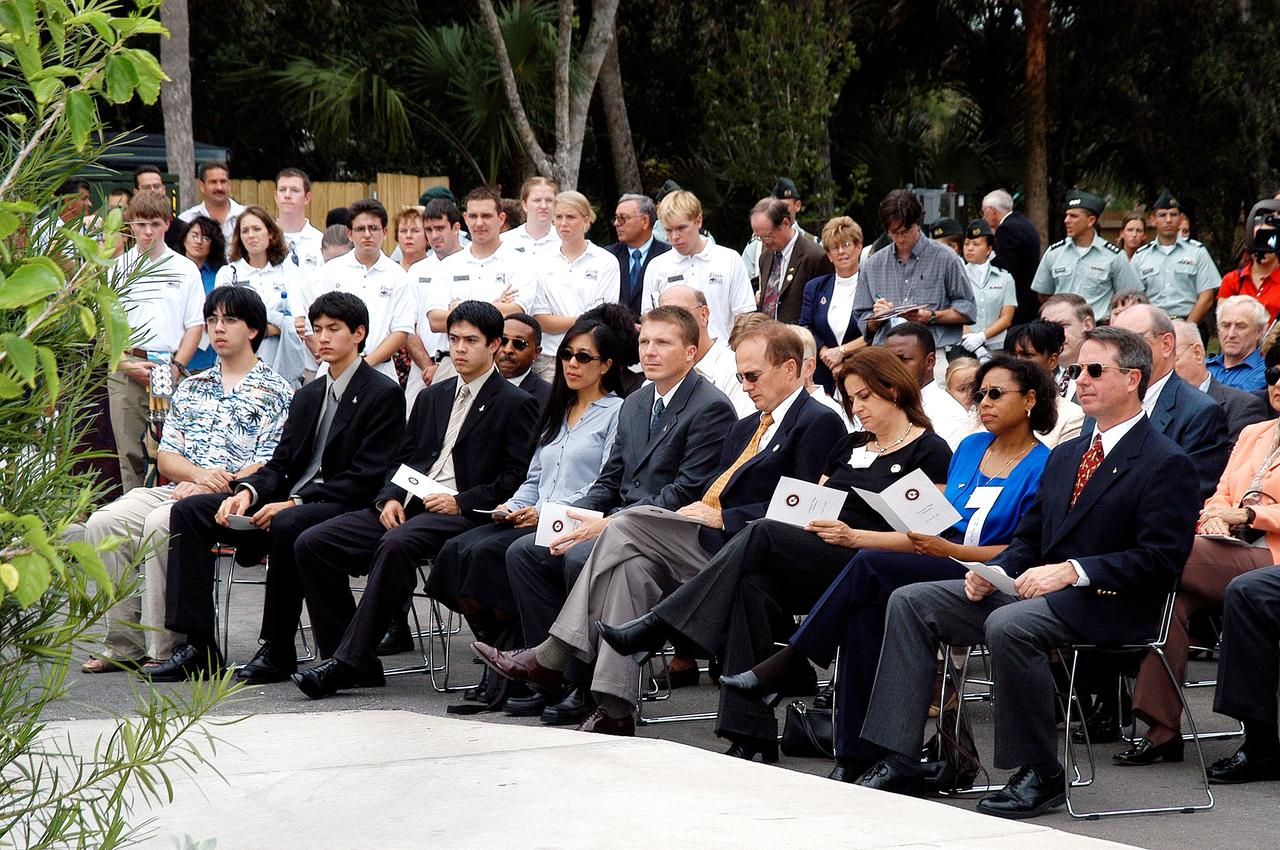
KENNEDY SPACE CENTER, FLA. -- Family members of the STS-107 astronauts and other dignitaries gather for the dedication ceremony of the Columbia Village at the Florida Institute of Technology in Melbourne, Fla. Each of the seven new residence halls in the complex is named for one of the STS-107 astronauts who perished during the Columbia accident -- Rick Husband, Willie McCool, Laurel Clark, Michael Anderson, David Brown, Kalpana Chawla, and Ilan Ramon.
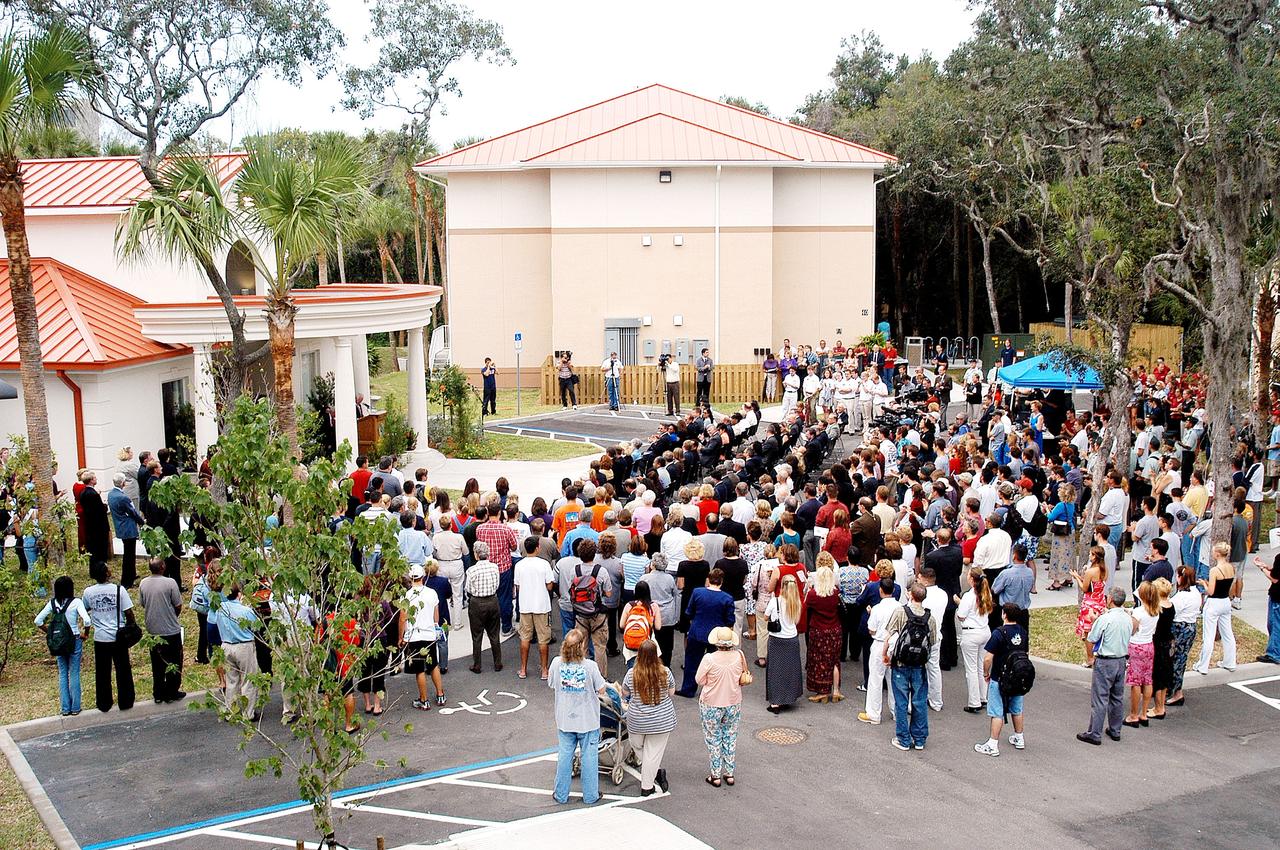
KENNEDY SPACE CENTER, FLA. - Family members of the STS-107 astronauts, other dignitaries, members of the university community and the public gather for the dedication ceremony of the Columbia Village at the Florida Institute of Technology in Melbourne, Fla. Each of the seven new residence halls in the complex is named for one of the STS-107 astronauts who perished during the Columbia accident -- Rick Husband, Willie McCool, Laurel Clark, Michael Anderson, David Brown, Kalpana Chawla, and Ilan Ramon.
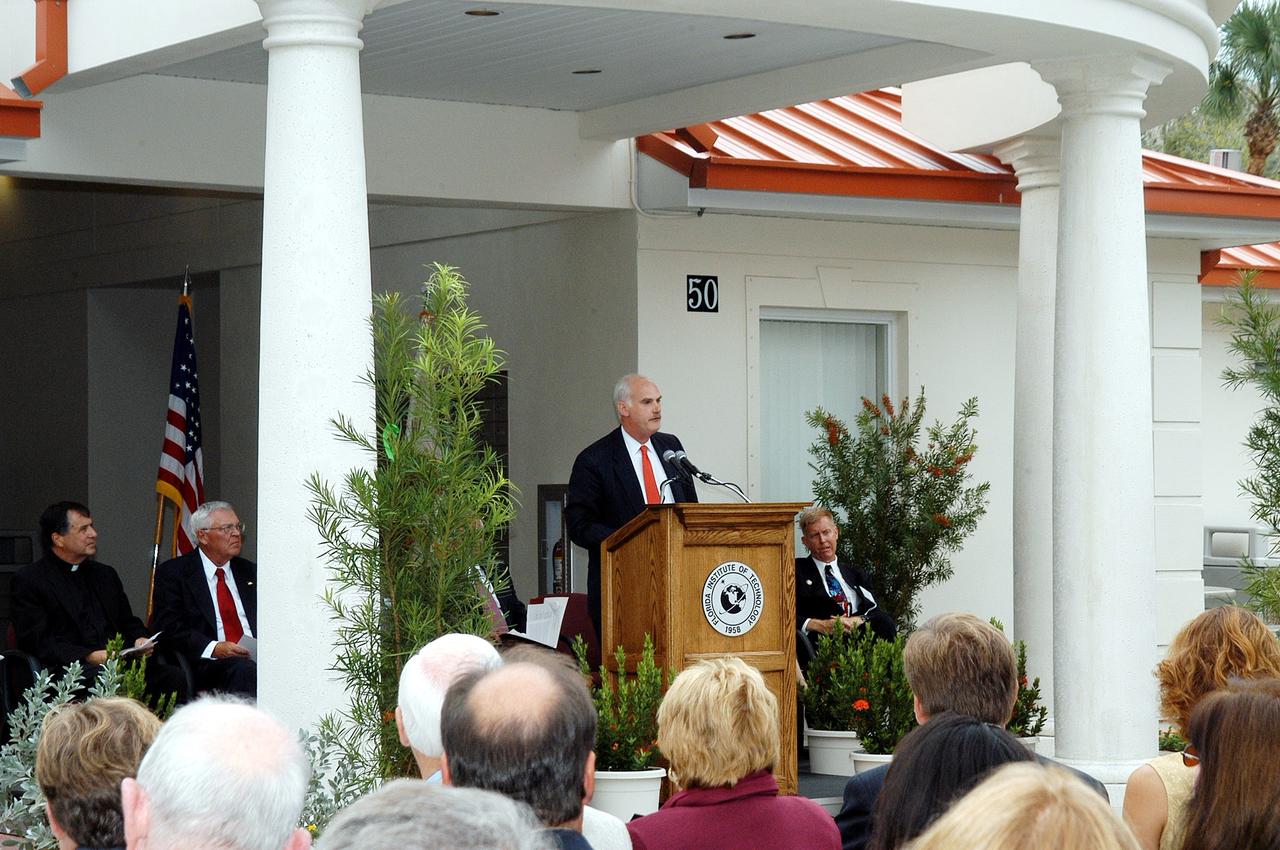
KENNEDY SPACE CENTER, FLA. -- NASA Associate Administrator for Space Flight William F. Readdy addresses the family members of the STS-107 astronauts, other dignitaries, members of the university community and the public gathered for the dedication ceremony of the Columbia Village at the Florida Institute of Technology in Melbourne, Fla. Each of the seven new residence halls in the complex is named for one of the STS-107 astronauts who perished during the Columbia accident -- Rick Husband, Willie McCool, Laurel Clark, Michael Anderson, David Brown, Kalpana Chawla, and Ilan Ramon.
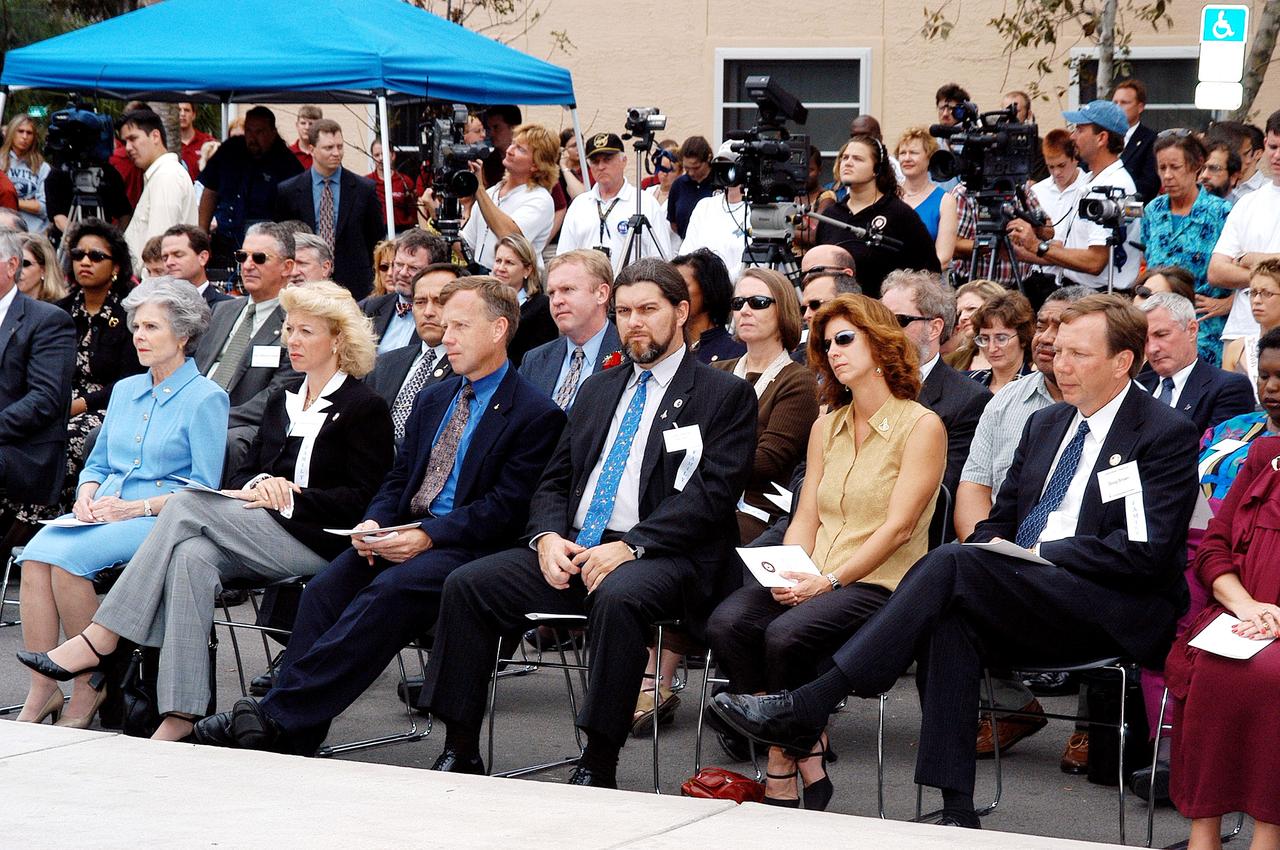
KENNEDY SPACE CENTER, FLA. -- Family members of the STS-107 astronauts and other dignitaries gather for the dedication ceremony of the Columbia Village at the Florida Institute of Technology in Melbourne, Fla. Each of the seven new residence halls in the complex is named for one of the STS-107 astronauts who perished during the Columbia accident -- Rick Husband, Willie McCool, Laurel Clark, Michael Anderson, David Brown, Kalpana Chawla, and Ilan Ramon.

KENNEDY SPACE CENTER, FLA. - Family members of the STS-107 astronauts and other dignitaries attending the Columbia Village dedication ceremony at the Florida Institute of Technology in Melbourne, Fla., stand for the posting of the colors by members of the university's ROTC. Each of the seven new residence halls in the complex is named for one of the STS-107 astronauts who perished during the Columbia accident -- Rick Husband, Willie McCool, Laurel Clark, Michael Anderson, David Brown, Kalpana Chawla, and Ilan Ramon.
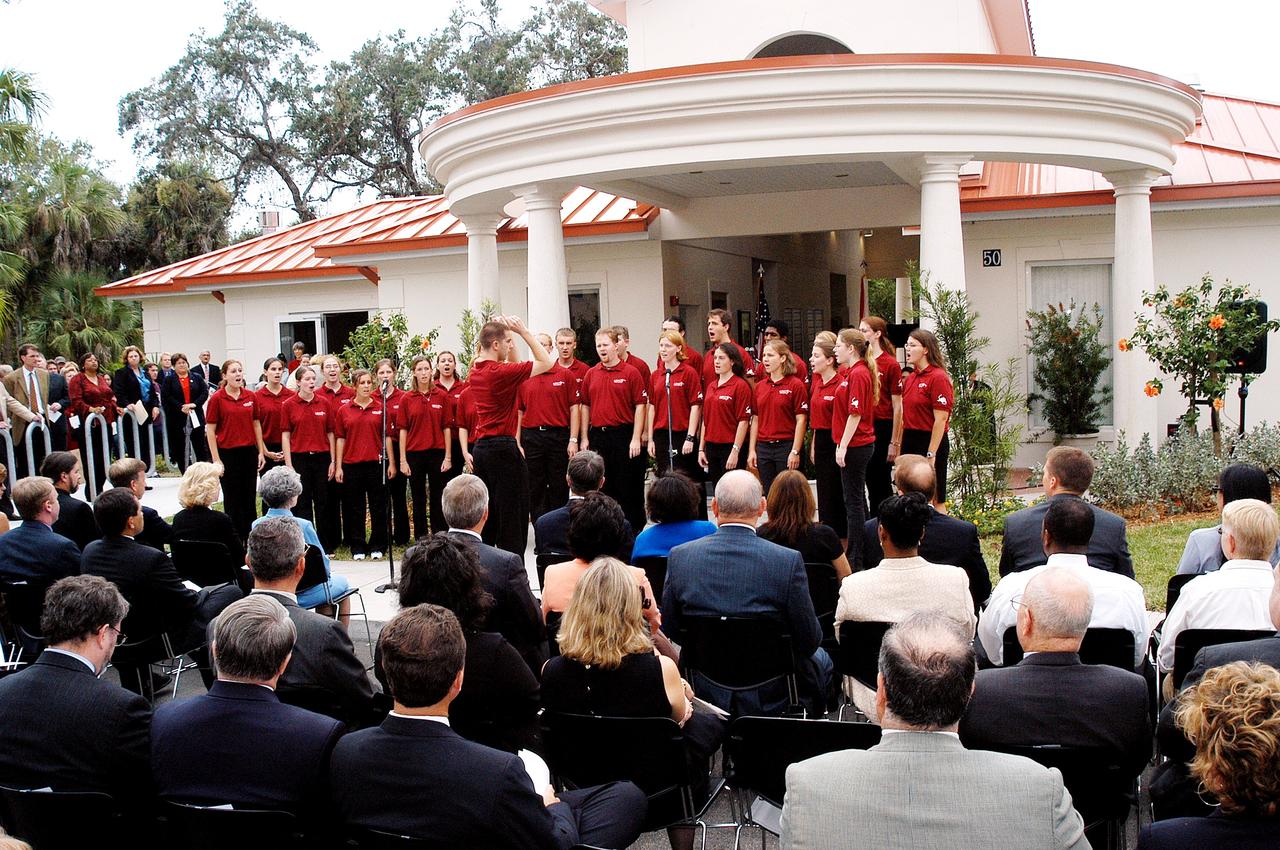
KENNEDY SPACE CENTER, FLA. - Family members of the STS-107 astronauts and other dignitaries attending the Columbia Village dedication ceremony at the Florida Institute of Technology in Melbourne, Fla., enjoy a rendition of "God Bless America" by the university's Players in Harmony. Each of the seven new residence halls in the complex is named for one of the STS-107 astronauts who perished during the Columbia accident -- Rick Husband, Willie McCool, Laurel Clark, Michael Anderson, David Brown, Kalpana Chawla, and Ilan Ramon.
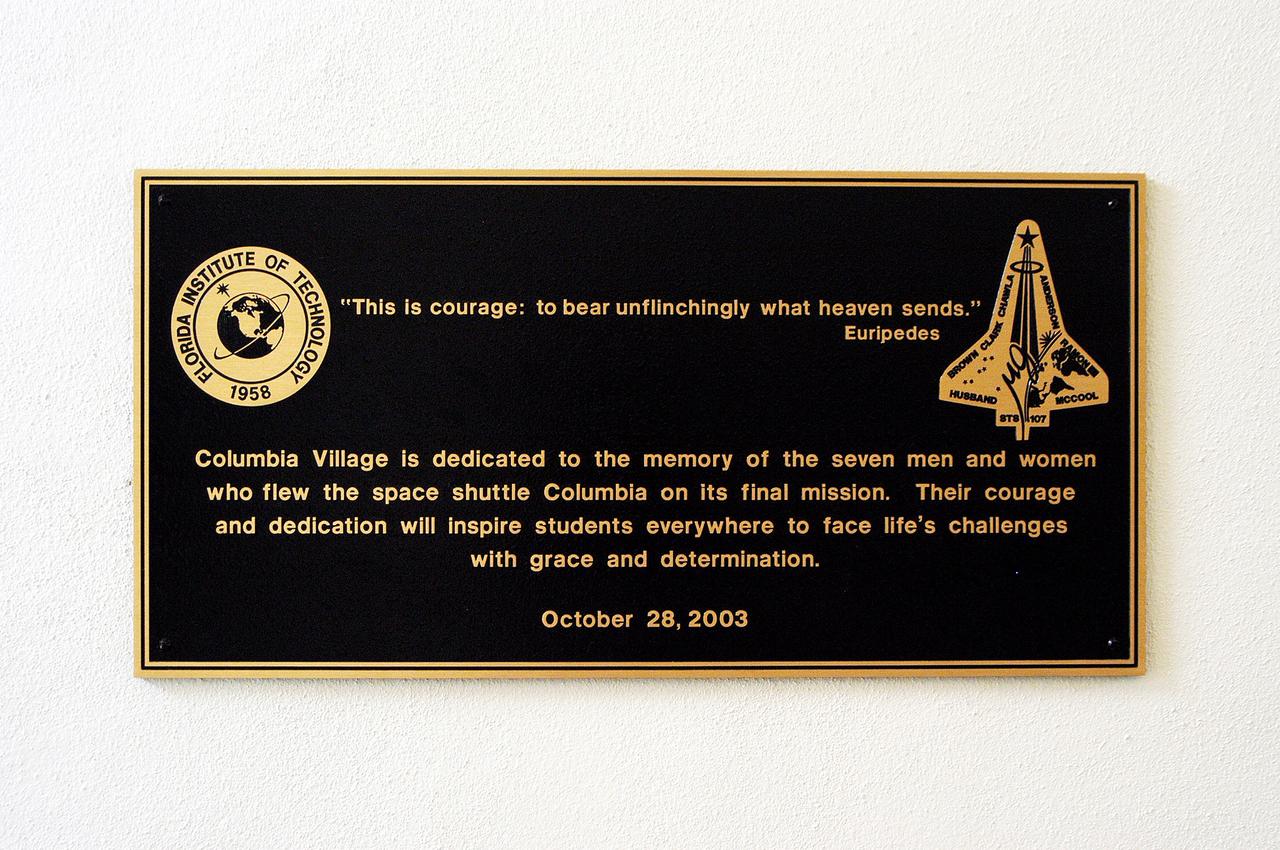
KENNEDY SPACE CENTER, FLA. - A plaque dedicating the Columbia Village at the Florida Institute of Technology in Melbourne, Fla., is unveiled at a ceremony attended by family members of the STS-107 astronauts and other dignitaries. Each of the seven new residence halls in the complex is named for one of the STS-107 astronauts who perished during the Columbia accident -- Rick Husband, Willie McCool, Laurel Clark, Michael Anderson, David Brown, Kalpana Chawla, and Ilan Ramon.
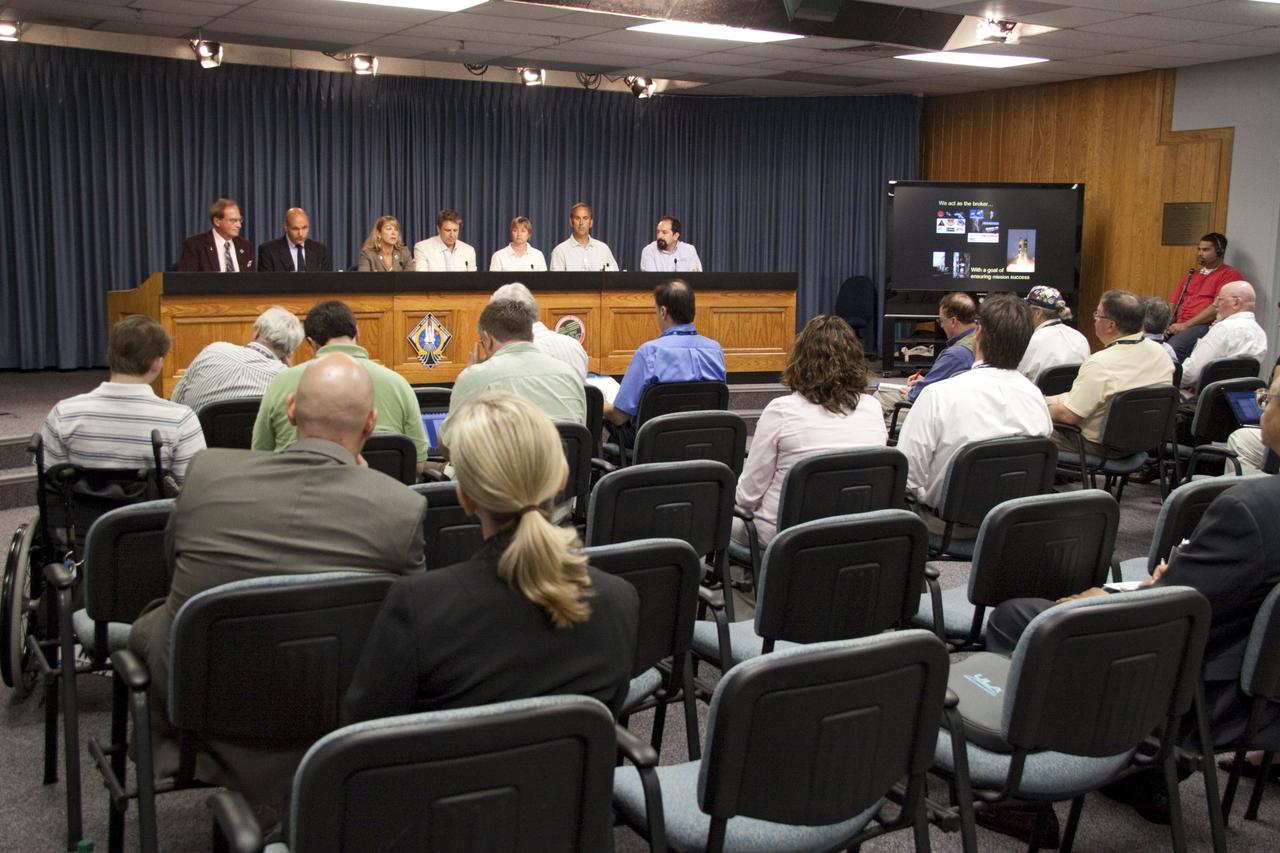
CAPE CANAVERAL, Fla. -- In the Press Site auditorium at NASA's Kennedy Space Center in Florida, media were briefed about NASA's future science missions. Seen here are NASA Public Affairs Officer George Diller (left); Waleed Abdalati, NASA chief scientist; Amanda Mitskevich, NASA Launch Services Program manager; Scott Bolton, Juno principal investigator with the Southwest Research Institute, San Antonio; Maria Zuber, GRAIL principal investigator with the Massachusetts Institute of Technology; John Grotzinger, Mars Science Lab project scientist with the California Institute of Technology and Daniel Stern, NuStar project scientist with NASA's Jet Propulsion Laboratory in Calif. Photo credit: NASA/Jack Pfaller
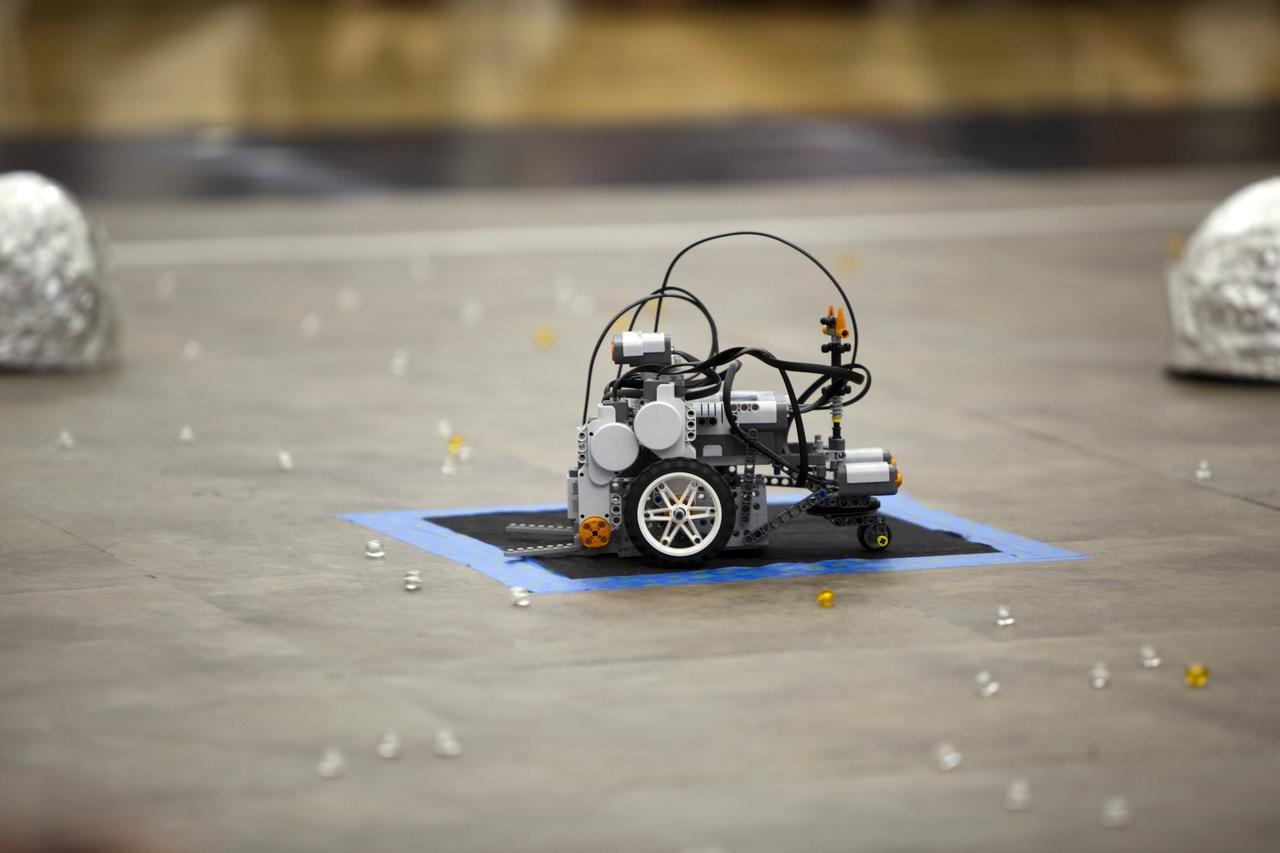
MELBOURNE, Fla. – A robot developed by students takes part in a competition during the International Space University's Space Studies Program 2012 session at the Florida Institute of Technology in Melbourne, Fla. Photo credit: NASA/Dmitri Gerondidakis
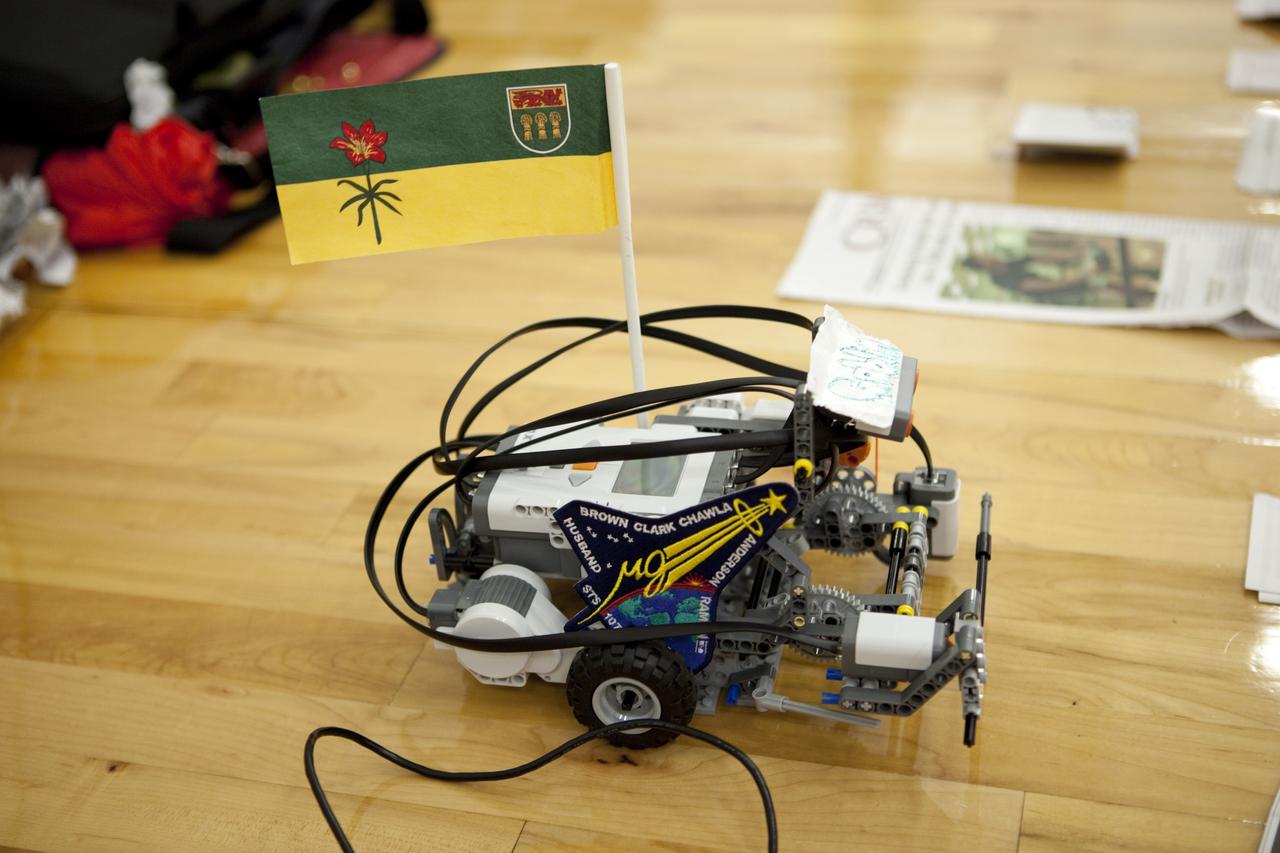
MELBOURNE, Fla. – A robot developed by students takes part in a competition during the International Space University's Space Studies Program 2012 session at the Florida Institute of Technology in Melbourne, Fla. Photo credit: NASA/Dmitri Gerondidakis
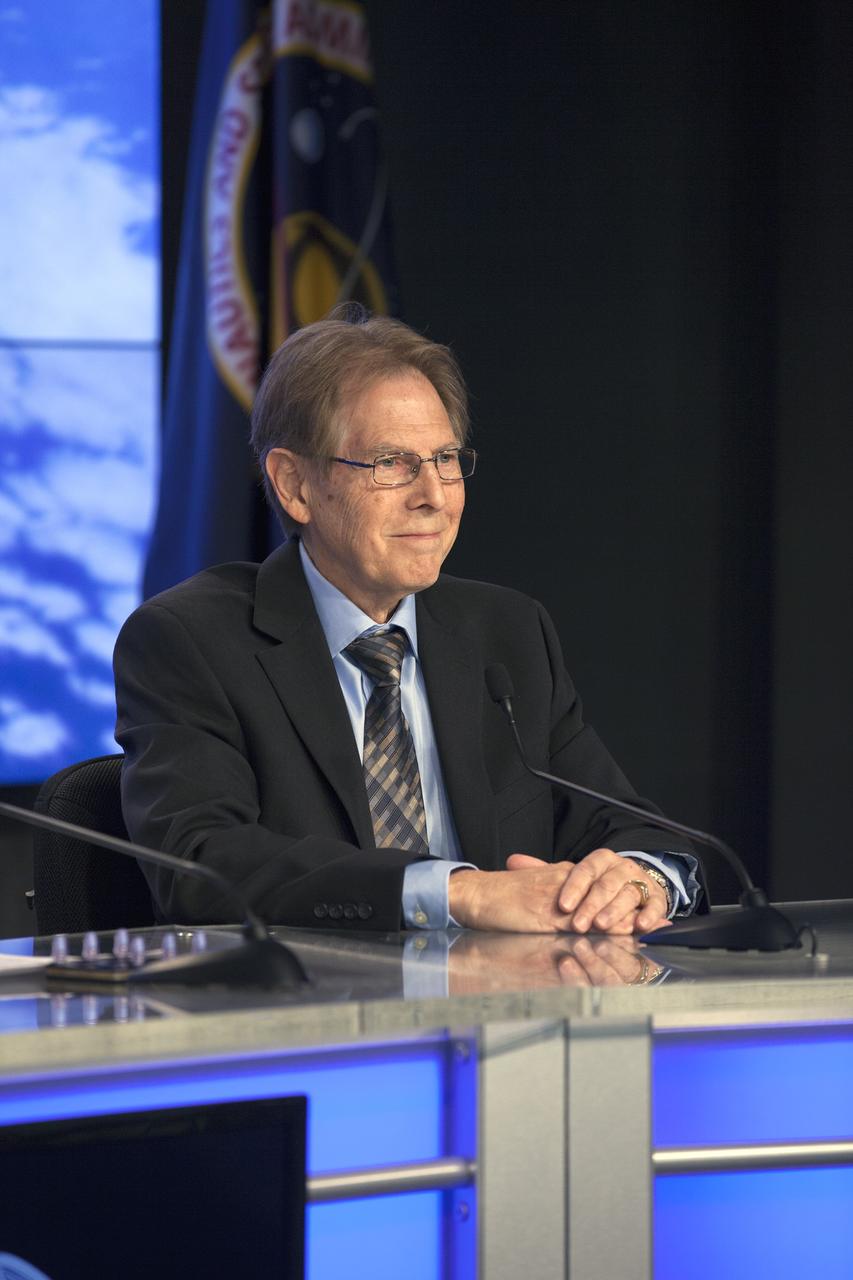
CAPE CANAVERAL, Fla. -- In the Kennedy Space Center’s Press Site auditorium, agency and industry leaders spoke to members of the news media on International Space Station research and technology developments. Participants included Samuel Durrance of the Florida Institute of Technology, principal investigator for the NR-SABOL experiment. Photo credit: NASA/ Kim Shiflett
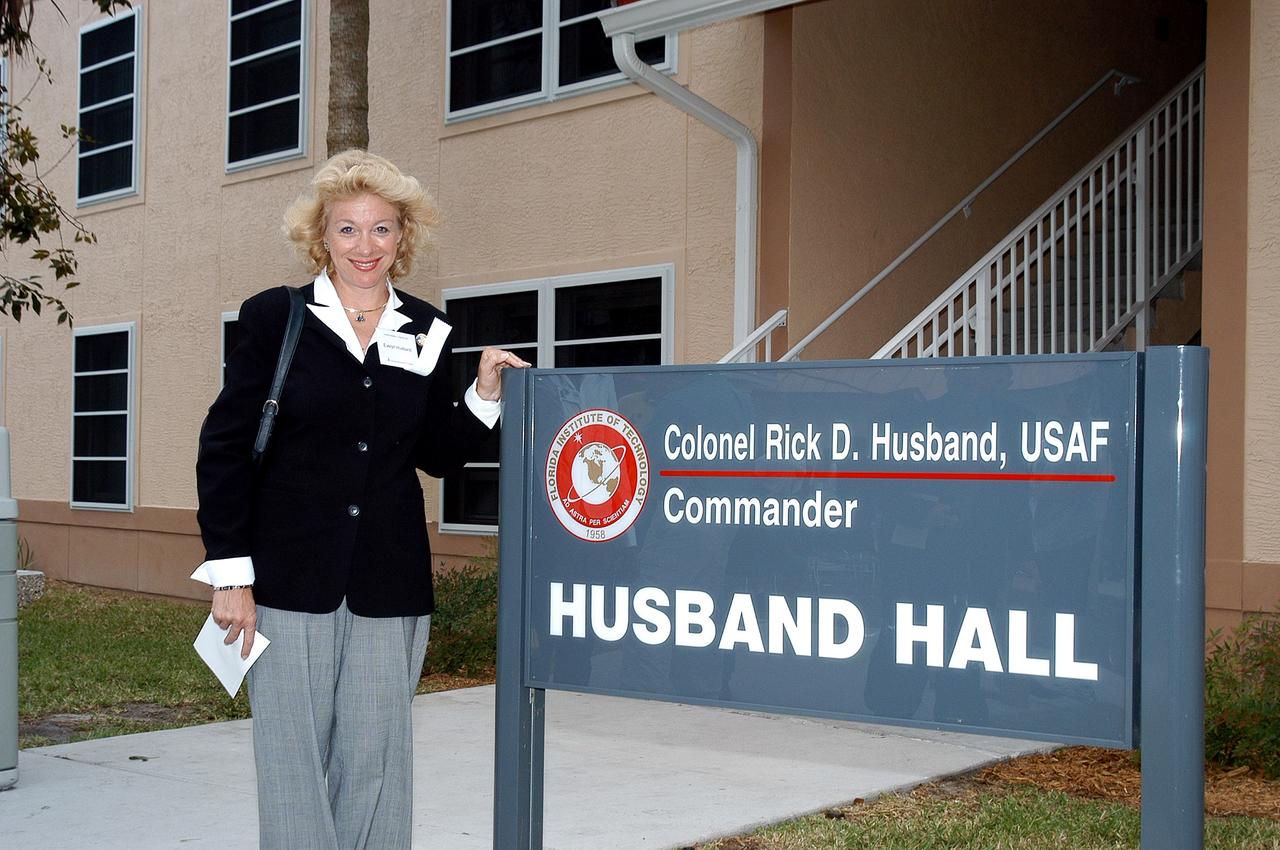
KENNEDY SPACE CENTER, FLA. -- Evelyn Husband, wife of STS-107 Commander Rick Husband, visits a new residence hall at the Florida Institute of Technology (FIT) in Melbourne, Fla., named for her late husband. Family members of the STS-107 astronauts, other dignitaries, members of the university community and the public gathered for a dedication ceremony for the Columbia Village at FIT. Each of the seven new residence halls in the complex is named for one of the STS-107 astronauts who perished during the Columbia accident -- Rick Husband, Willie McCool, Laurel Clark, Michael Anderson, David Brown, Kalpana Chawla, and Ilan Ramon.
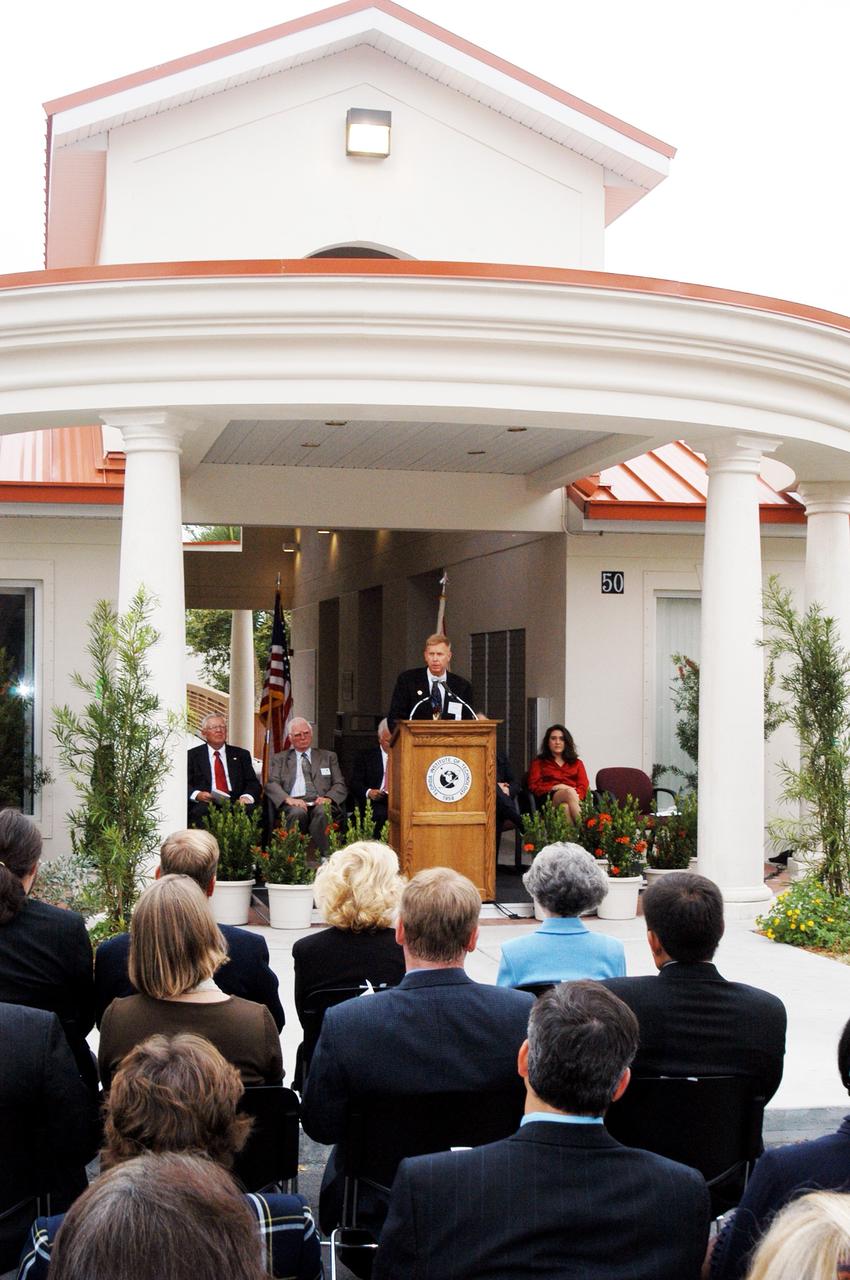
KENNEDY SPACE CENTER, FLA. -- Dr. Jonathan Clark, husband of STS-107 astronaut Laurel Clark, addresses the family members of the STS-107 astronauts, other dignitaries, members of the university community and the public gathered for the dedication ceremony of the Columbia Village at the Florida Institute of Technology in Melbourne, Fla. Each of the seven new residence halls in the complex is named for one of the STS-107 astronauts who perished during the Columbia accident -- Rick Husband, Willie McCool, Laurel Clark, Michael Anderson, David Brown, Kalpana Chawla, and Ilan Ramon.
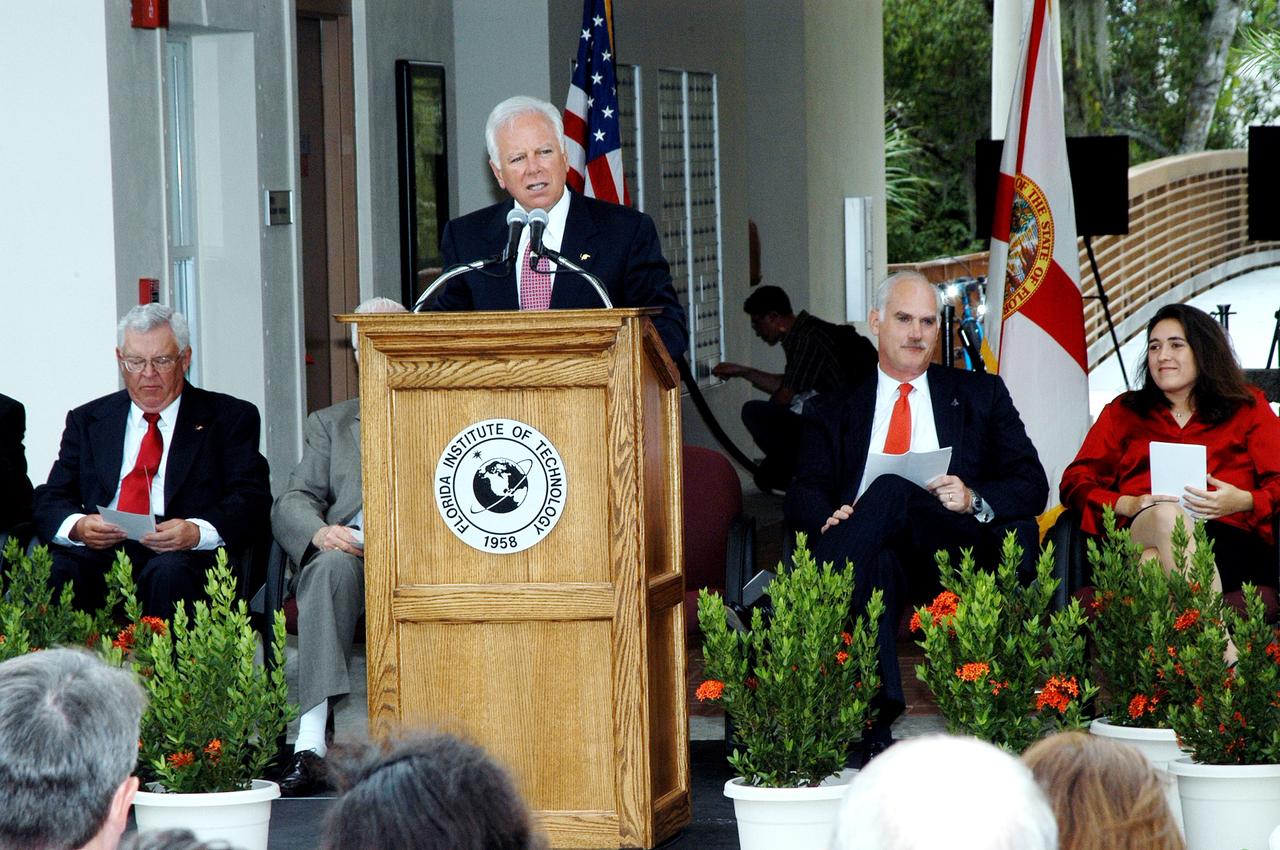
KENNEDY SPACE CENTER, FLA. - Dr. Anthony J. Catanese, president of the Florida Institute of Technology in Melbourne, Fla., delivers the opening remarks at the university's Columbia Village dedication ceremony. The event is attended by family members of the STS-107 astronauts, other dignitaries, members of the university community and the public. Each of the seven new residence halls in the complex is named for one of the STS-107 astronauts who perished during the Columbia accident -- Rick Husband, Willie McCool, Laurel Clark, Michael Anderson, David Brown, Kalpana Chawla, and Ilan Ramon.
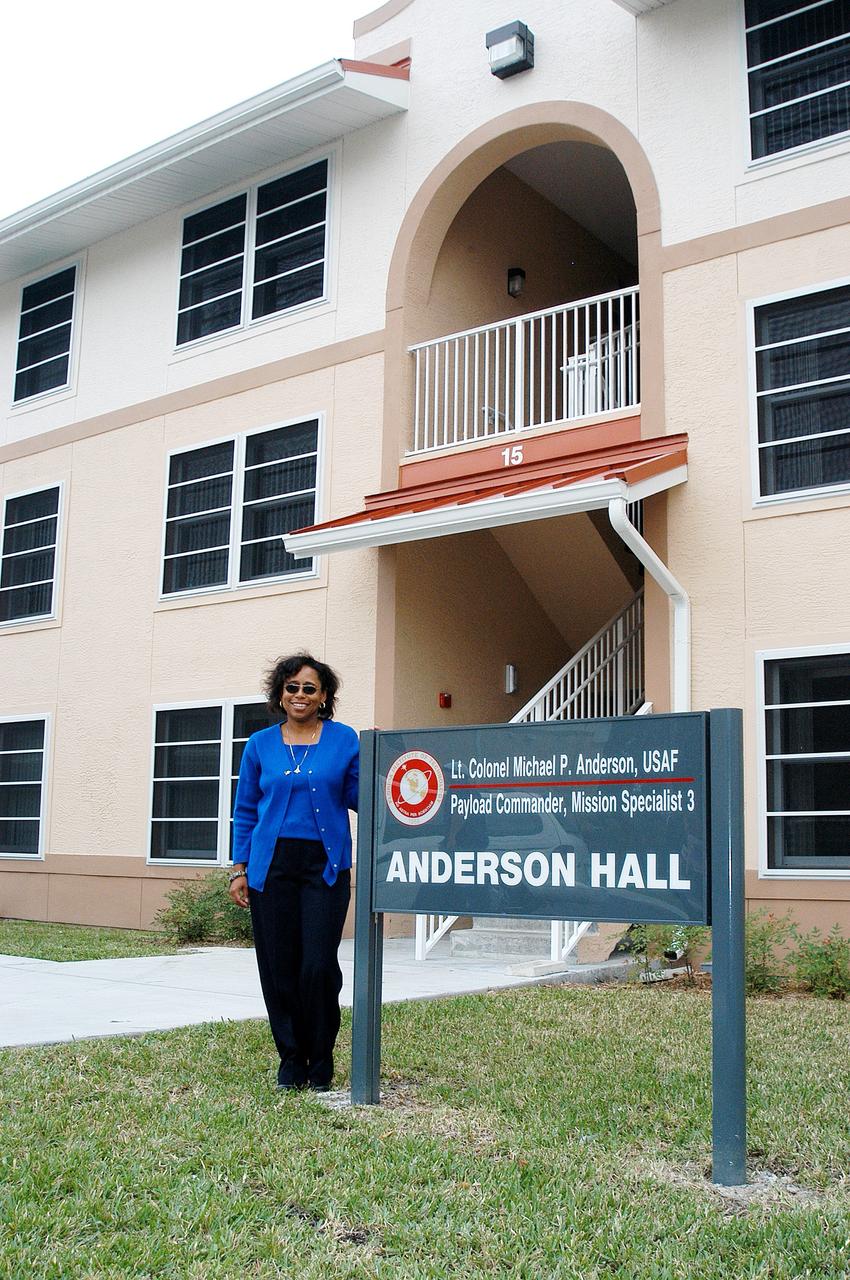
KENNEDY SPACE CENTER, FLA. -- Sandra Anderson, wife of STS-107 Payload Commander Michael Anderson, visits a new residence hall at the Florida Institute of Technology (FIT) in Melbourne, Fla., named for her late husband. Family members of the STS-107 astronauts, other dignitaries, members of the university community and the public gathered for a dedication ceremony for the Columbia Village at FIT. Each of the seven new residence halls in the complex is named for one of the STS-107 astronauts who perished during the Columbia accident -- Rick Husband, Willie McCool, Laurel Clark, Michael Anderson, David Brown, Kalpana Chawla, and Ilan Ramon.
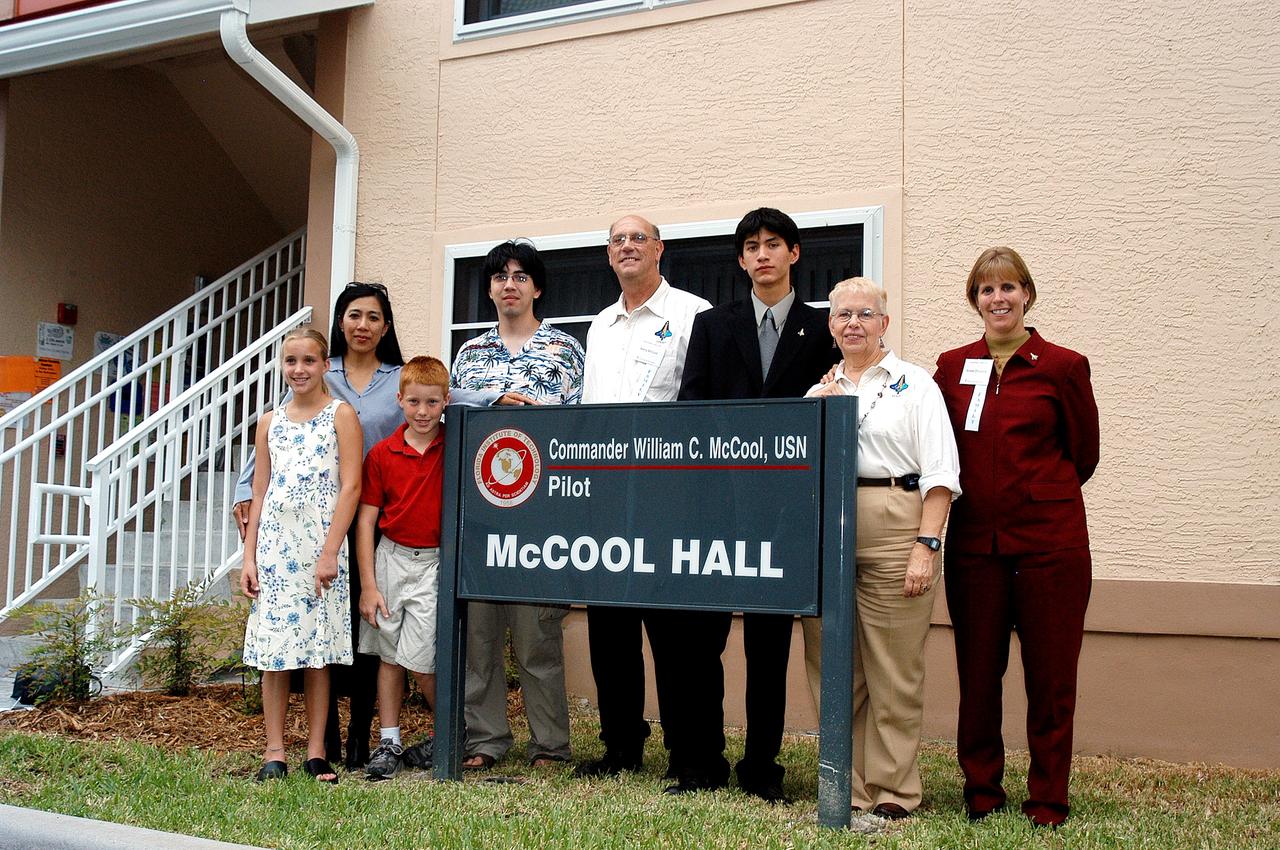
KENNEDY SPACE CENTER, FLA. -- Lani McCool (back row, left), wife of STS-107 Pilot Willie McCool, accompanied by their children and other family members, visits a new residence hall at the Florida Institute of Technology (FIT) in Melbourne, Fla., named for her late husband. Family members of the STS-107 astronauts, other dignitaries, members of the university community and the public gathered for a dedication ceremony for the Columbia Village at FIT. Each of the seven new residence halls in the complex is named for one of the STS-107 astronauts who perished during the Columbia accident -- Rick Husband, Willie McCool, Laurel Clark, Michael Anderson, David Brown, Kalpana Chawla, and Ilan Ramon.
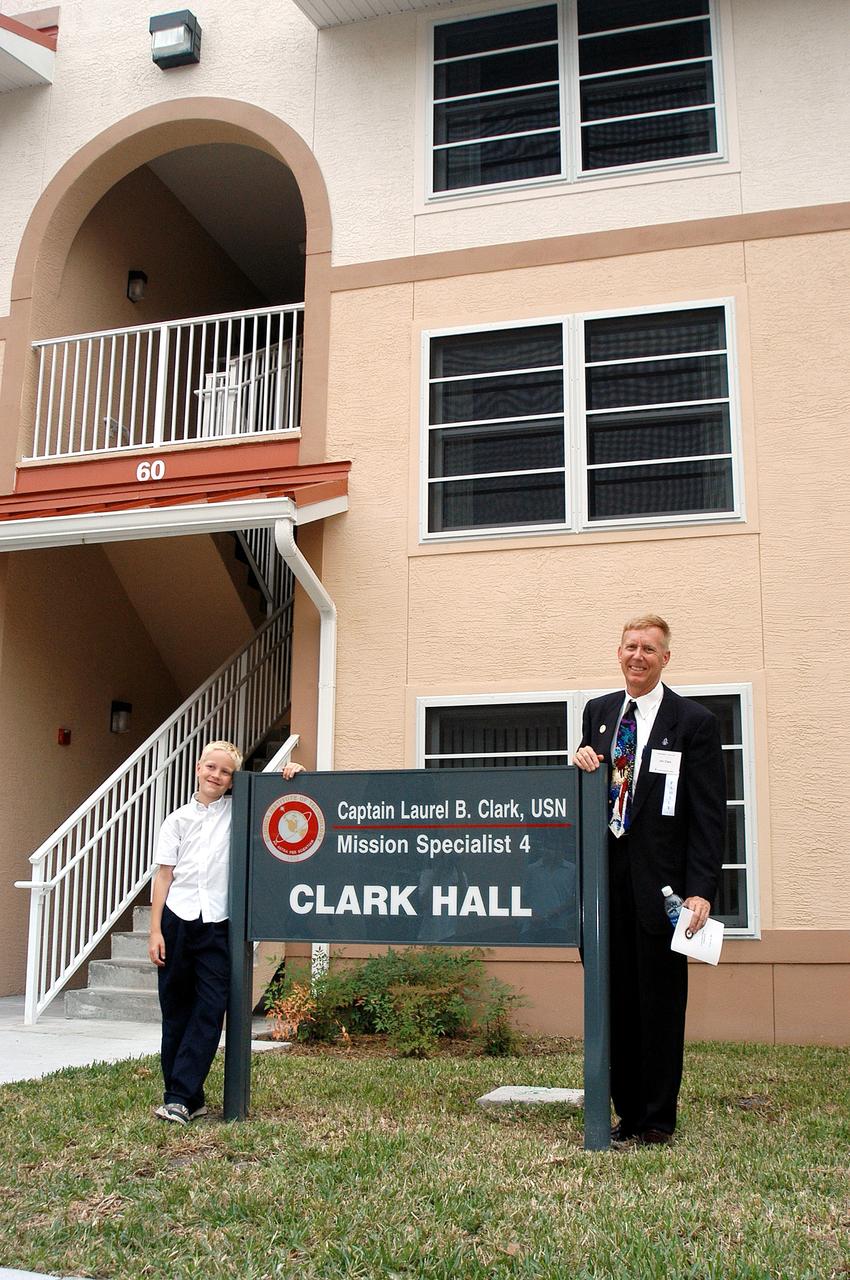
KENNEDY SPACE CENTER, FLA. -- Dr. Jonathan Clark (right), husband of STS-107 Mission Specialist Laurel Clark, and their son (left) visit a new residence hall at the Florida Institute of Technology (FIT) in Melbourne, Fla., named for his late wife. Family members of the STS-107 astronauts, other dignitaries, members of the university community and the public gathered for a dedication ceremony for the Columbia Village at FIT. Each of the seven new residence halls in the complex is named for one of the STS-107 astronauts who perished during the Columbia accident -- Rick Husband, Willie McCool, Laurel Clark, Michael Anderson, David Brown, Kalpana Chawla, and Ilan Ramon.
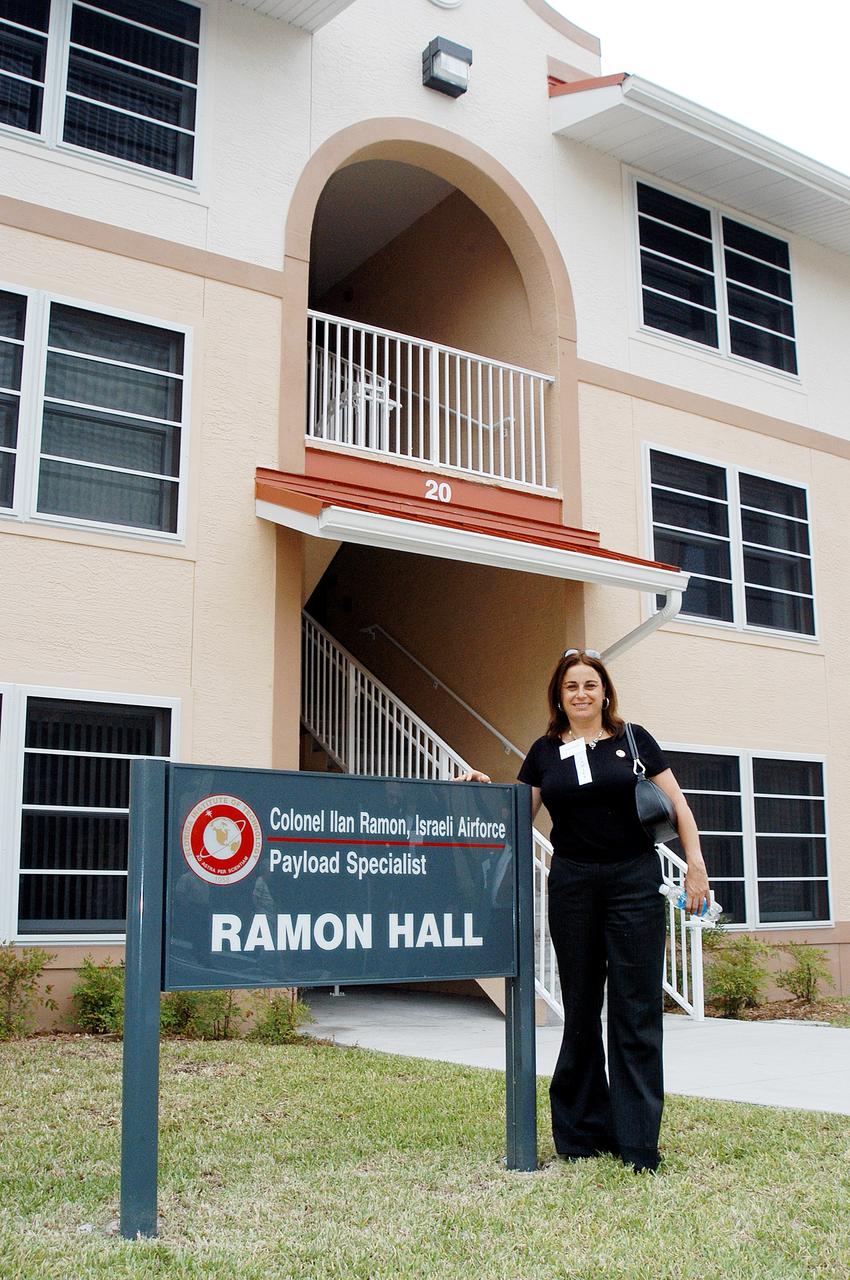
KENNEDY SPACE CENTER, FLA. -- Rona Ramon, wife of STS-107 Payload Specialist Ilan Ramon, visits a new residence hall at the Florida Institute of Technology (FIT) in Melbourne, Fla., named for her late husband. Family members of the STS-107 astronauts, other dignitaries, members of the university community and the public gathered for a dedication ceremony for the Columbia Village at FIT. Each of the seven new residence halls in the complex is named for one of the STS-107 astronauts who perished during the Columbia accident -- Rick Husband, Willie McCool, Laurel Clark, Michael Anderson, David Brown, Kalpana Chawla, and Ilan Ramon.
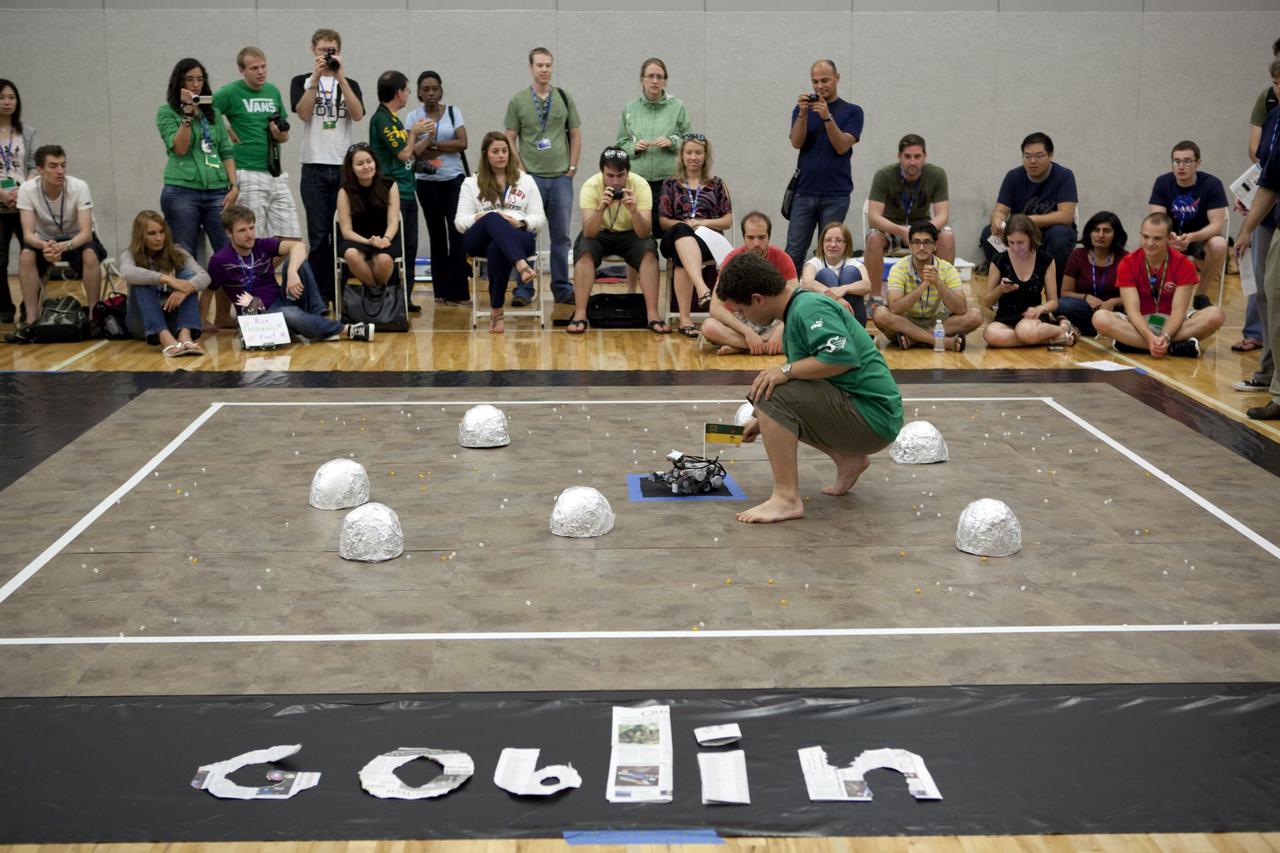
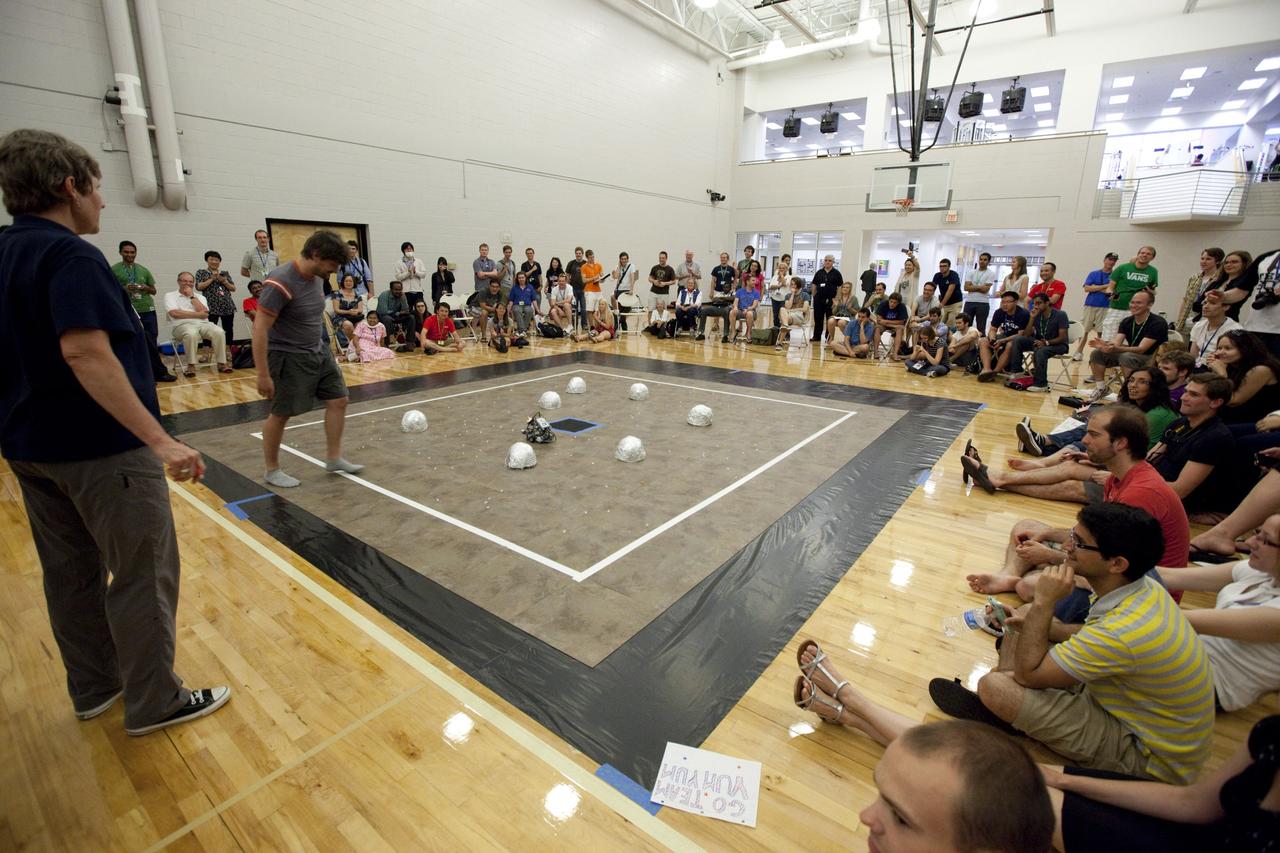
MELBOURNE, Fla. – Students and faculty watch as a robot takes part in a competition during the International Space University's Space Studies Program 2012 session inside a gymnasium at the Florida Institute of Technology in Melbourne, Fla. Photo credit: NASA/Dmitri Gerondidakis
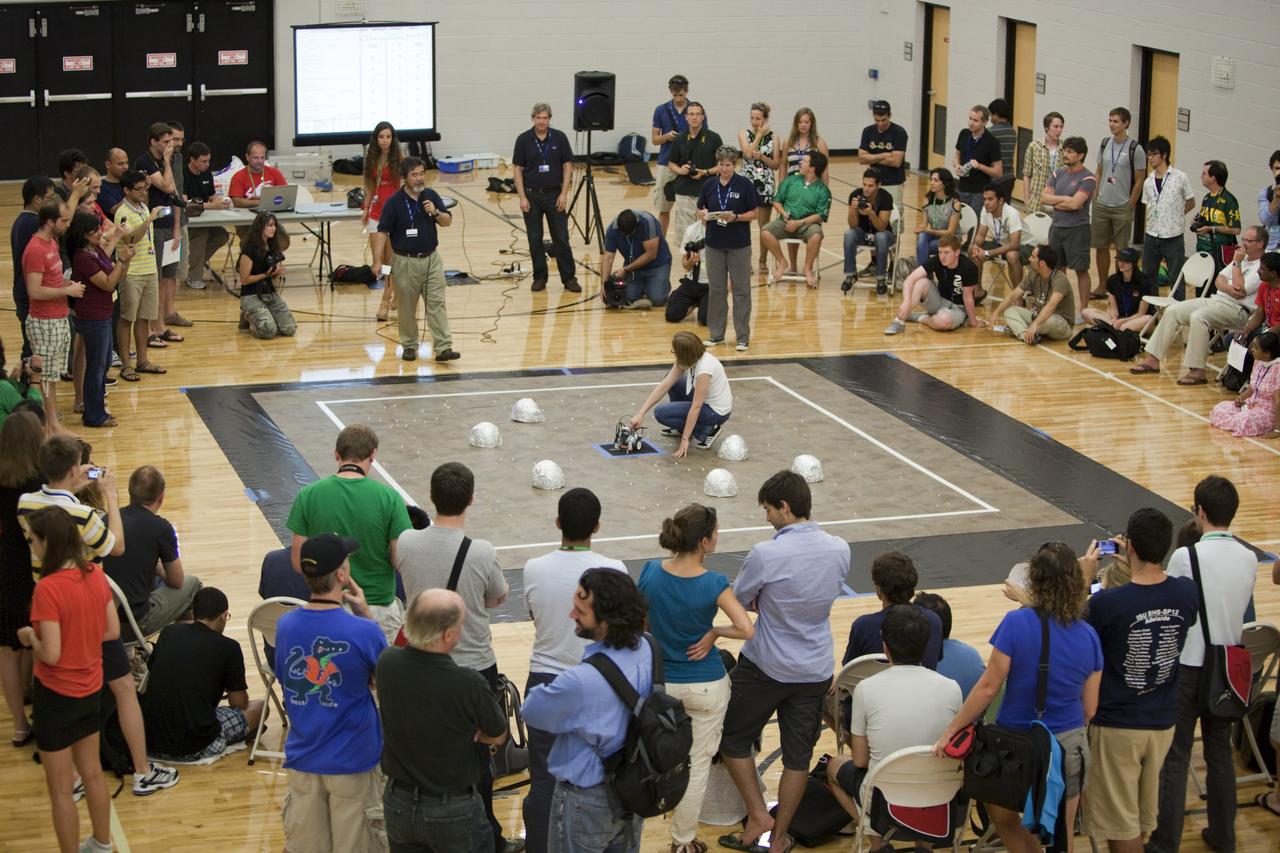
MELBOURNE, Fla. – Students and faculty watch as a robot takes part in a competition during the International Space University's Space Studies Program 2012 session inside a gymnasium at the Florida Institute of Technology in Melbourne, Fla. Photo credit: NASA/Dmitri Gerondidakis
MELBOURNE, Fla. – Students and faculty watch as a robot takes part in a competition during the International Space University's Space Studies Program 2012 session inside a gymnasium at the Florida Institute of Technology in Melbourne, Fla. Photo credit: NASA/Dmitri Gerondidakis
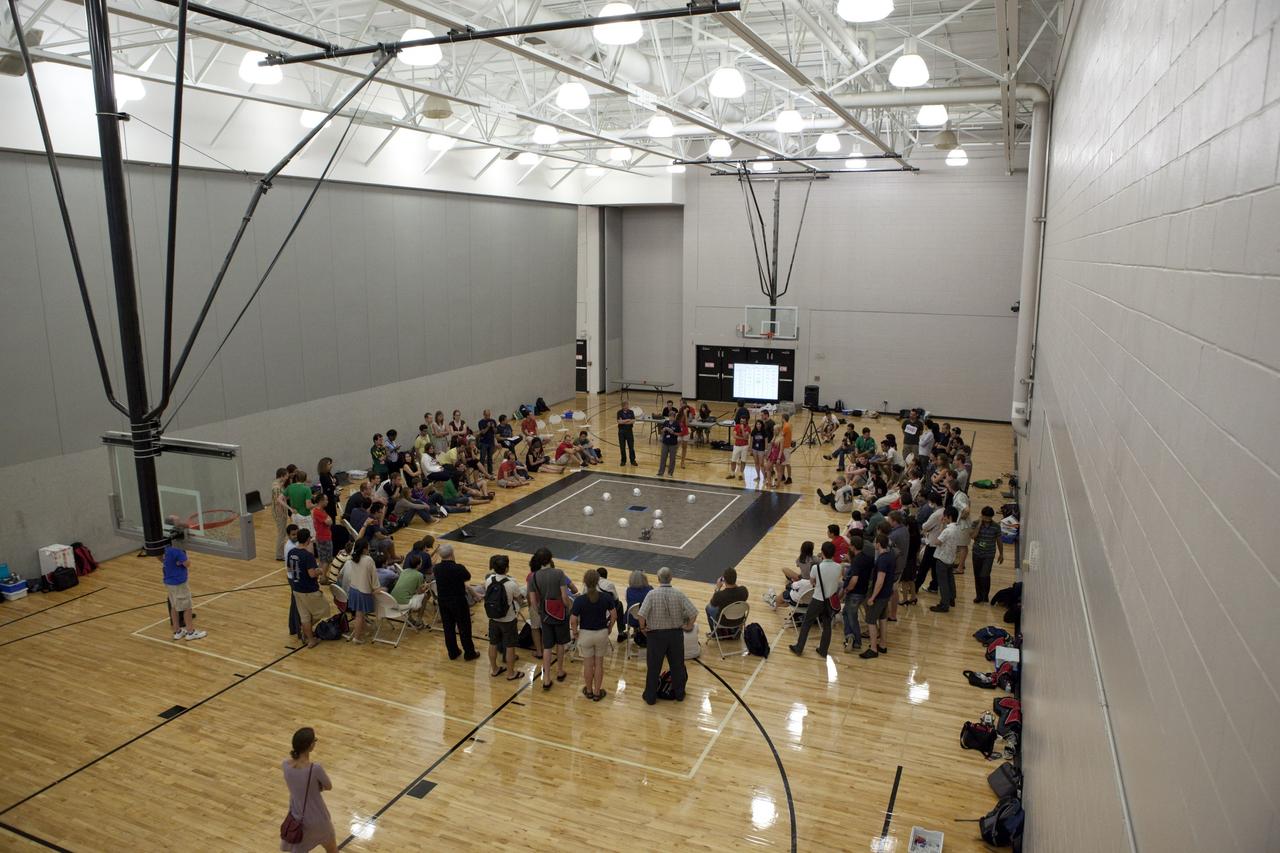
MELBOURNE, Fla. – Students and faculty watch as a robot takes part in a competition during the International Space University's Space Studies Program 2012 session inside a gymnasium at the Florida Institute of Technology in Melbourne, Fla. Photo credit: NASA/Dmitri Gerondidakis
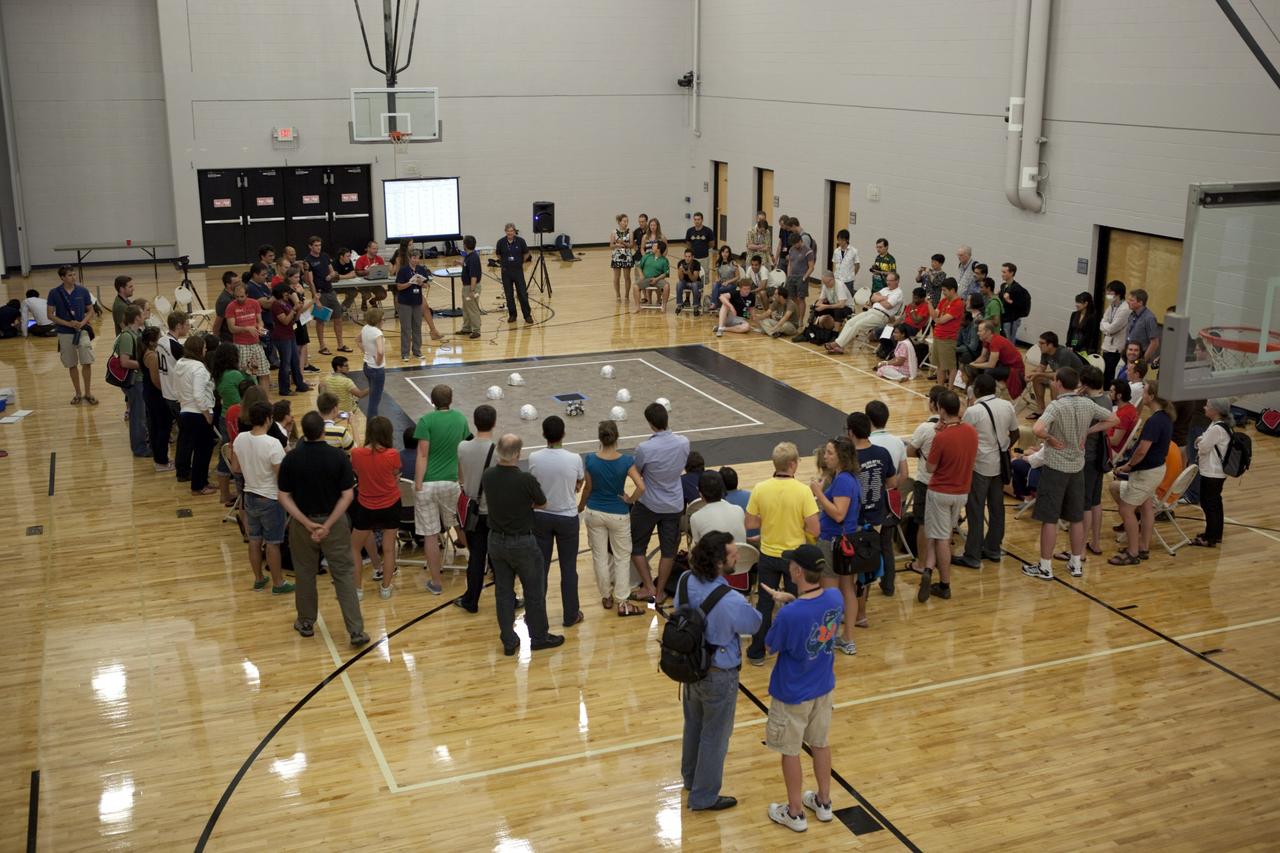
MELBOURNE, Fla. – Students and faculty watch as a robot takes part in a competition during the International Space University's Space Studies Program 2012 session inside a gymnasium at the Florida Institute of Technology in Melbourne, Fla. Photo credit: NASA/Dmitri Gerondidakis
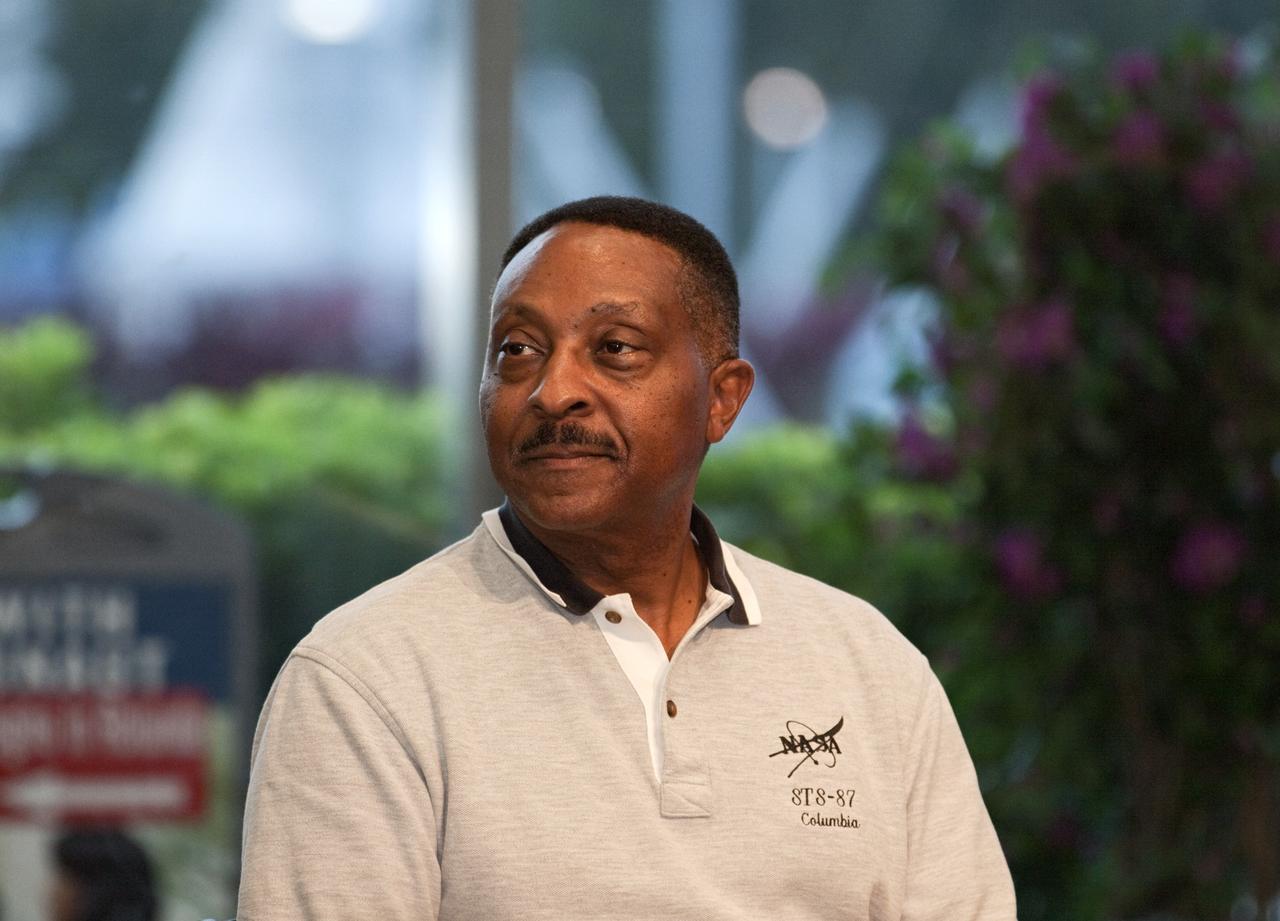
CAPE CANAVERAL, Fla. – Current and former NASA and international astronauts spoke to participants of the International Space University on the future of human spaceflight during a panel discussion at the Kennedy Space Center Visitor Complex in Florida. Participating in the discussion is Winston Scott, dean of the College of Aeronautics at Florida Institute of Technology and former NASA astronaut. The International Space University is a nine-week intensive course designed for post-graduate university students and professionals during the summer. The program is hosted by a different country each year, providing a unique educational experience for participants from around the world. NASA Kennedy Space Center and the Florida Institute of Technology in Melbourne, Fla., are co-hosting this year’s event which runs from June 4 to Aug. 3. There are about 125 participants representing 31 countries. For more information, visit http://www.isunet.edu. Photo credit: NASA/Kim Shiflett
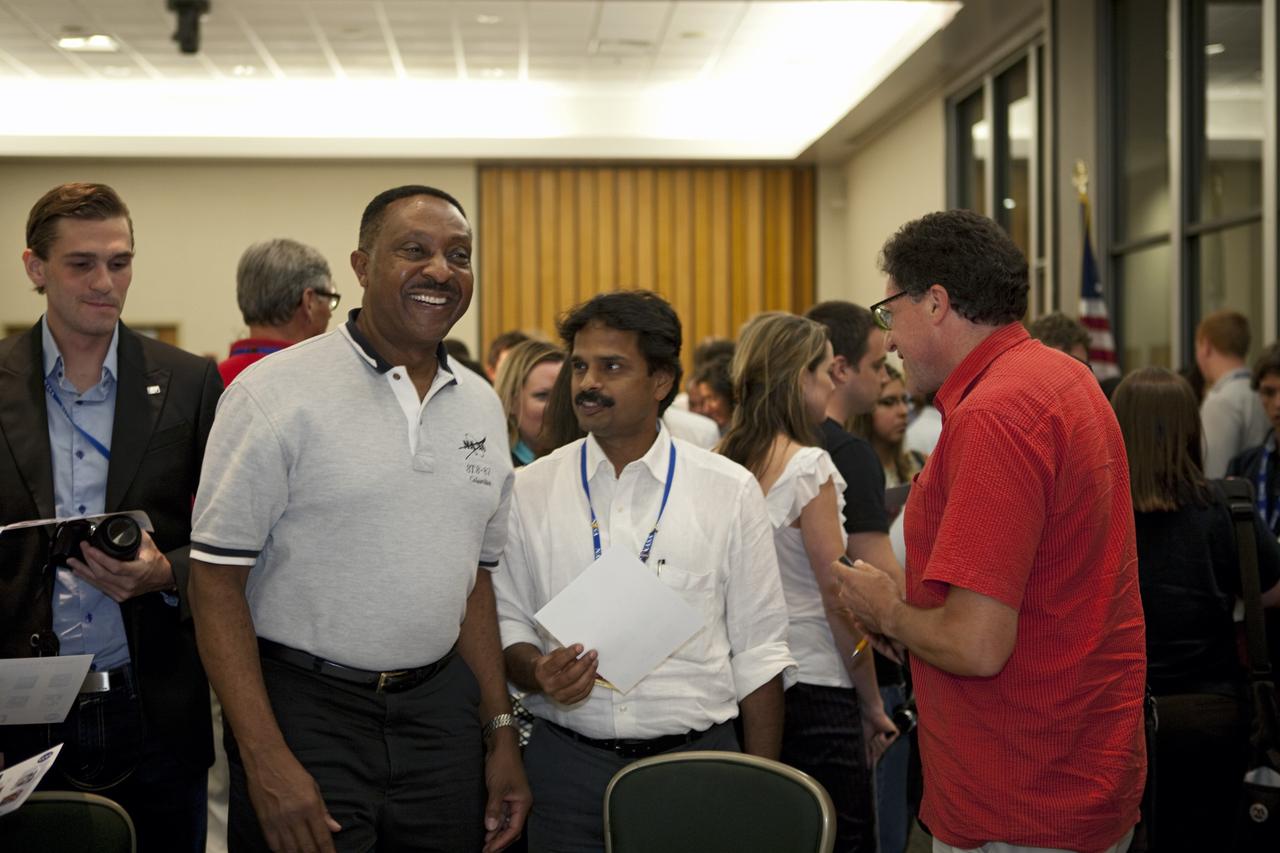
CAPE CANAVERAL, Fla. – Winston Scott, dean of the College of Aeronautics at Florida Institute of Technology and former NASA astronaut, signs autographs and talks with participants of the International Space University during a panel discussion on the future of human spaceflight at the Kennedy Space Center Visitor Complex in Florida. The International Space University is a nine-week intensive course designed for post-graduate university students and professionals during the summer. The program is hosted by a different country each year, providing a unique educational experience for participants from around the world. NASA Kennedy Space Center and the Florida Institute of Technology in Melbourne, Fla., are co-hosting this year’s event which runs from June 4 to Aug. 3. There are about 125 participants representing 31 countries. For more information, visit http://www.isunet.edu. Photo credit: NASA/Kim Shiflett
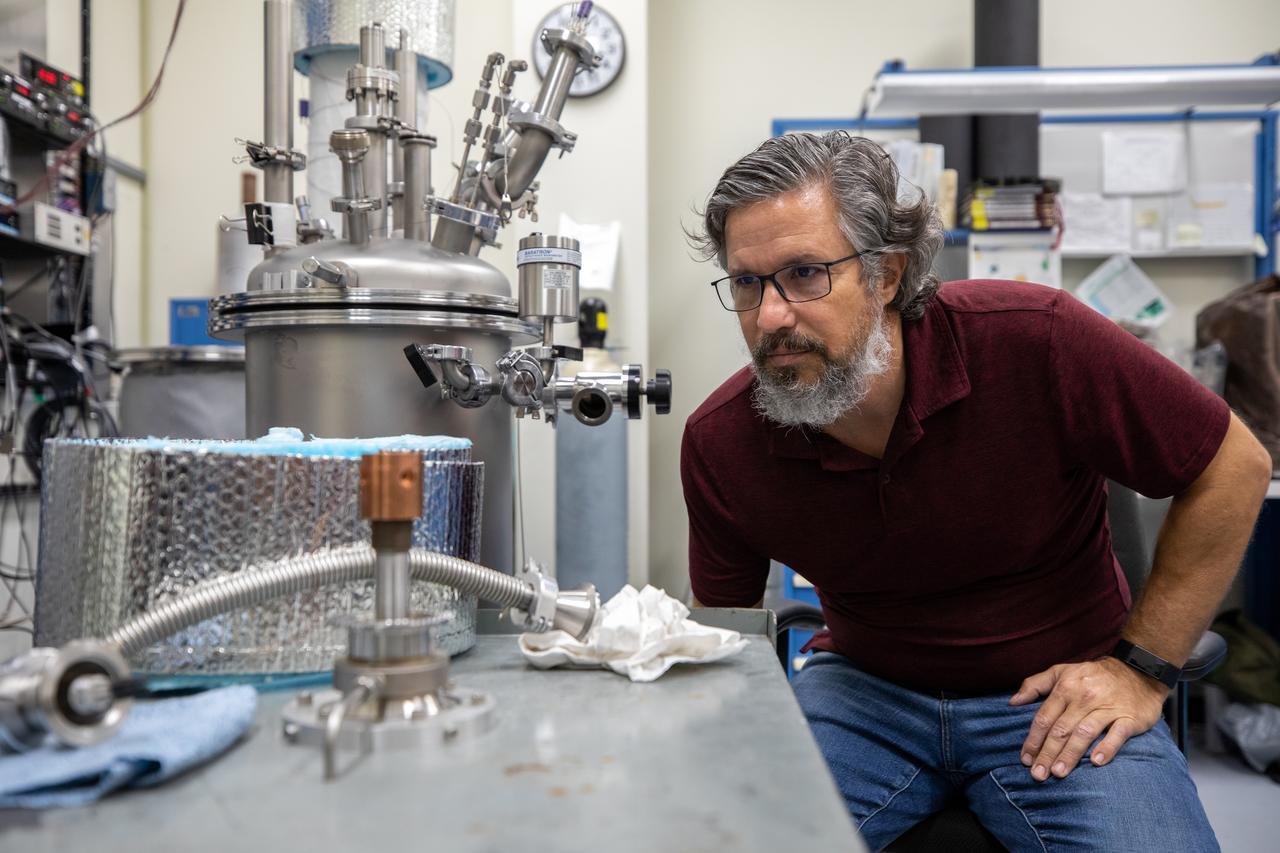
Jared Sass, NASA engineer, monitors a test inside the Cryogenics Test Laboratory at NASA’s Kennedy Space Center in Florida on Oct. 21, 2020. Established in 2000, the Cryogenics Test Laboratory provides a one-of-a kind capability for research, development and application of cross-cutting technologies to meet the needs of industry and government. The test lab provides cryogenic expertise, experimental testing, technical standards development, prototype construction and practical problem-solving for technology development with research institutions and commercial partners.
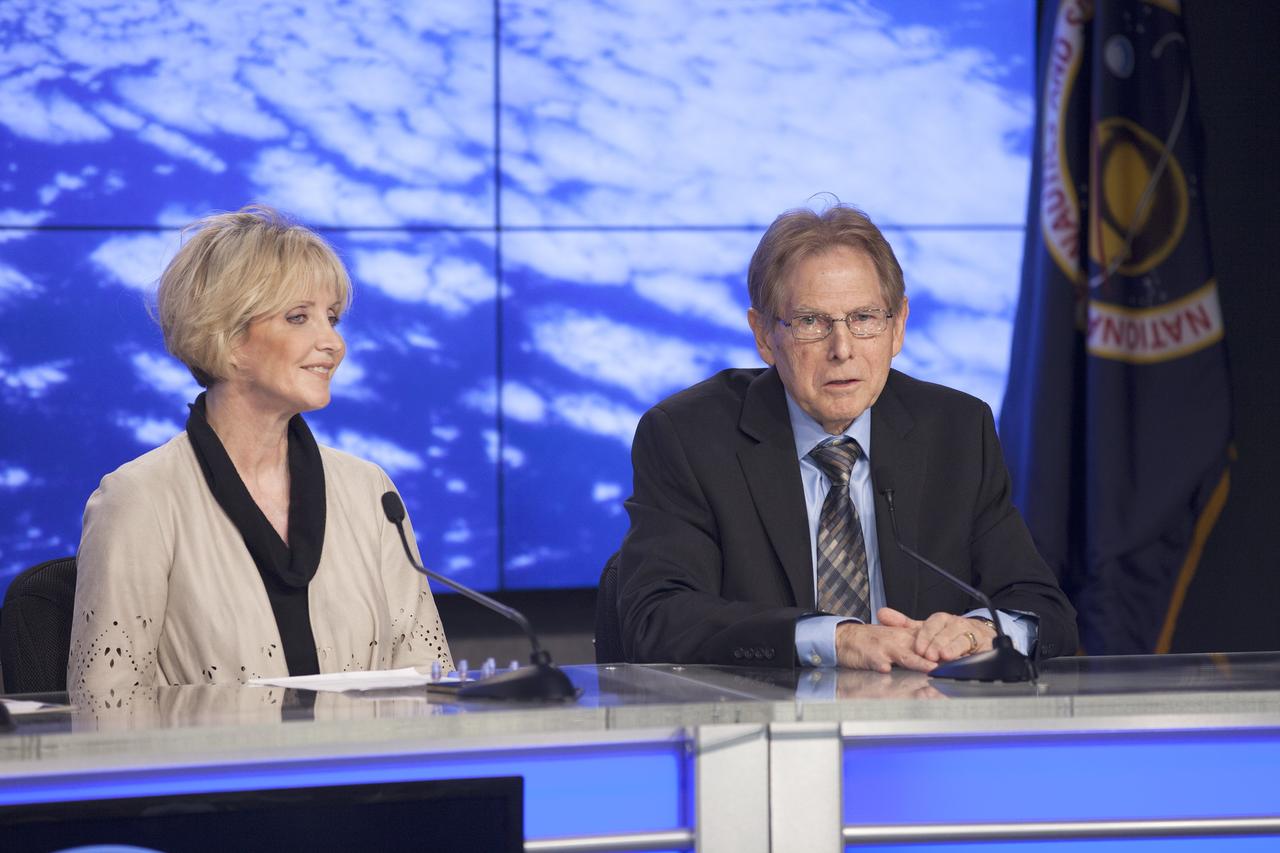
CAPE CANAVERAL, Fla. -- In the Kennedy Space Center’s Press Site auditorium, agency and industry leaders spoke to members of the news media on International Space Station research and technology developments. Participants included Cheryl Nickerson of Arizona State University, and principal investigator for the Micro-5 experiment, and Samuel Durrance of the Florida Institute of Technology, principal investigator for the NR-SABOL experiment. Photo credit: NASA/ Kim Shiflett
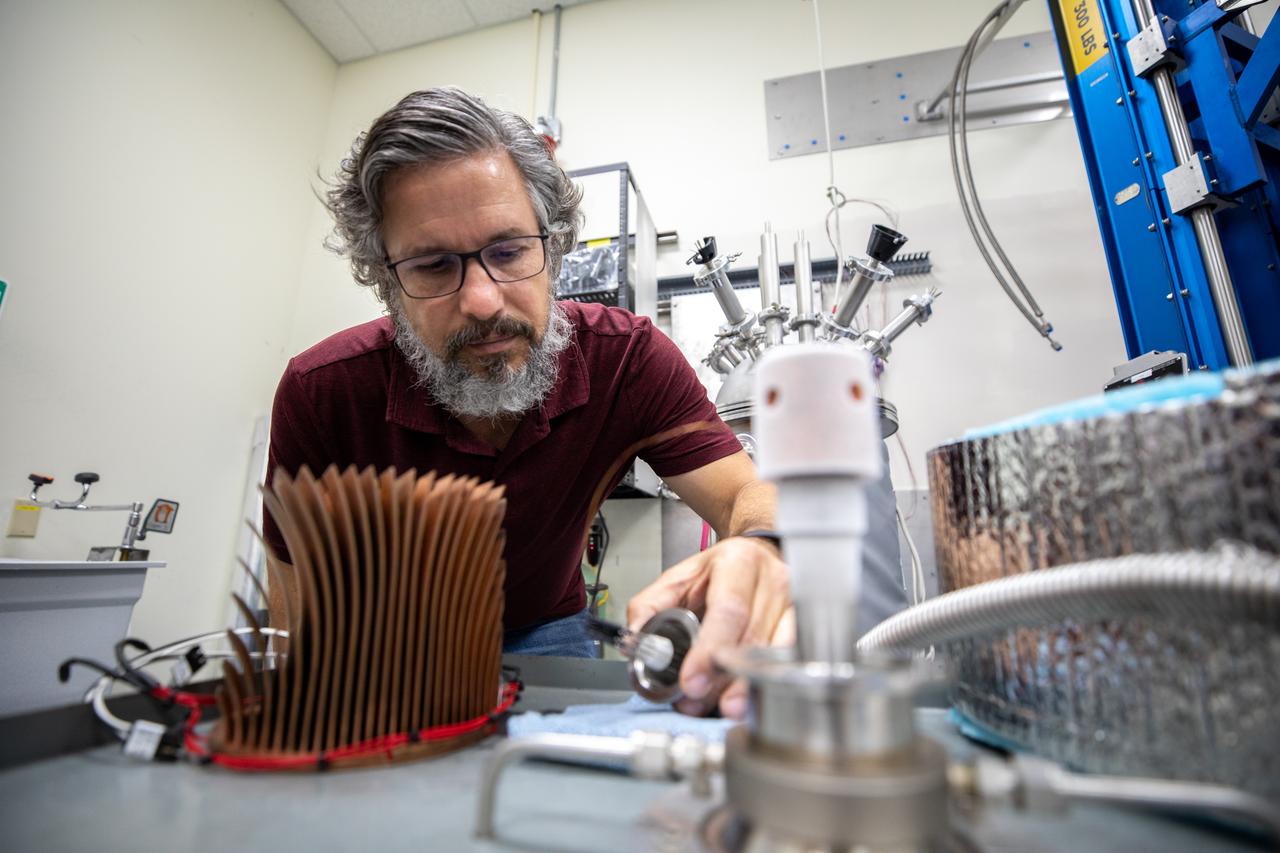
Jared Sass, NASA engineer, monitors a test inside the Cryogenics Test Laboratory at NASA’s Kennedy Space Center in Florida on Oct. 21, 2020. Established in 2000, the Cryogenics Test Laboratory provides a one-of-a kind capability for research, development and application of cross-cutting technologies to meet the needs of industry and government. The test lab provides cryogenic expertise, experimental testing, technical standards development, prototype construction and practical problem-solving for technology development with research institutions and commercial partners.
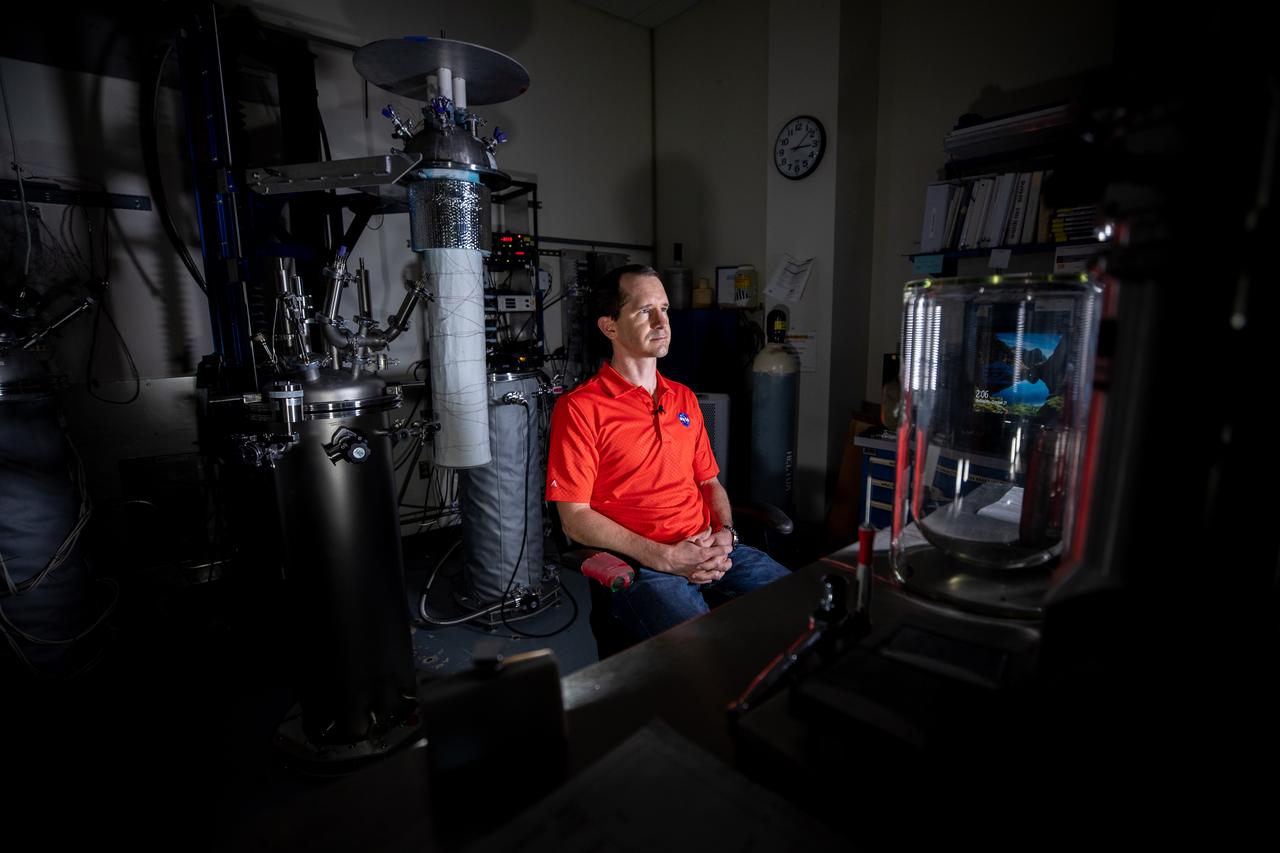
Adam Swanger, NASA engineer, is inside the Cryogenics Test Laboratory at NASA’s Kennedy Space Center in Florida on Oct. 21, 2020. Established in 2000, the Cryogenics Test Laboratory provides a one-of-a kind capability for research, development and application of cross-cutting technologies to meet the needs of industry and government. The test lab provides cryogenic expertise, experimental testing, technical standards development, prototype construction and practical problem-solving for technology development with research institutions and commercial partners.
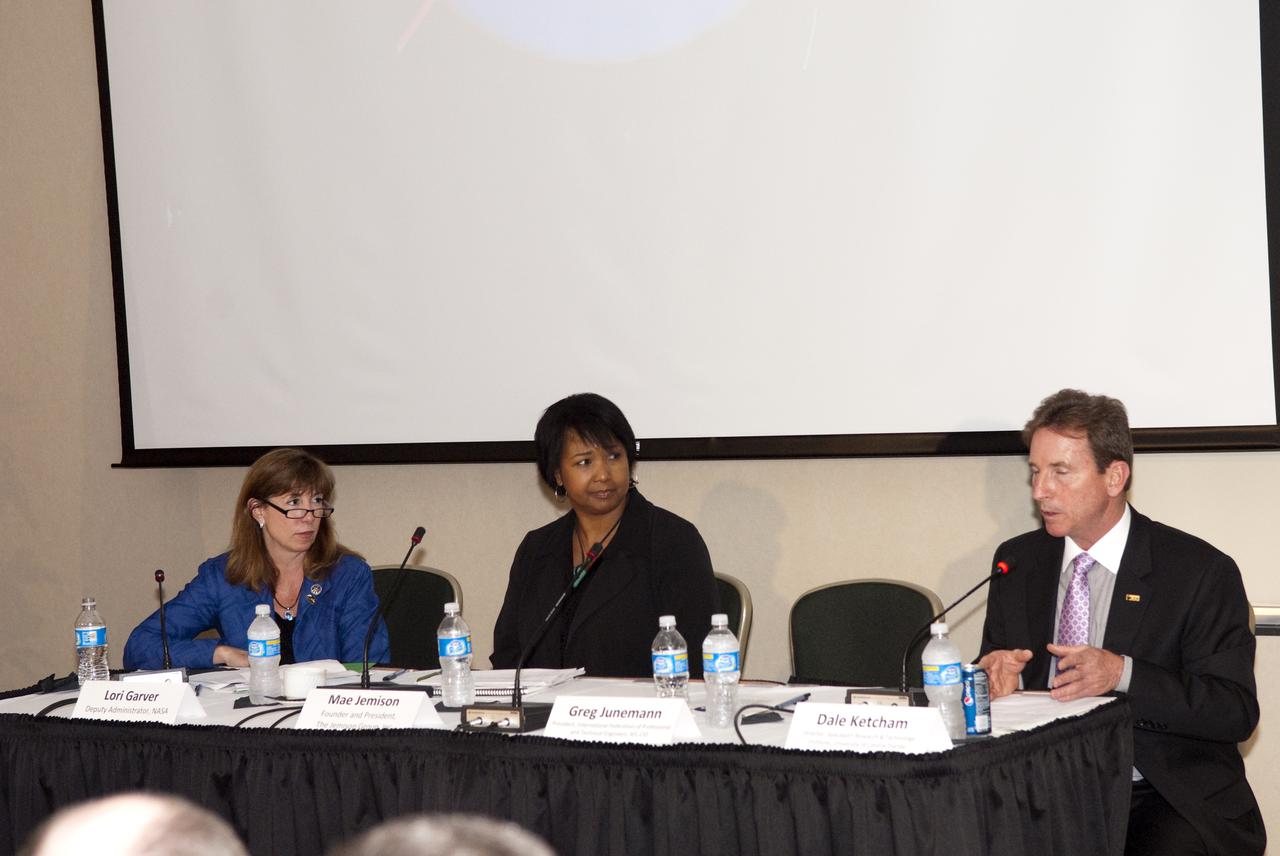
CAPE CANAVERAL, Fla. - In the Juno_Jupiter room of the Debus Center at NASA Kennedy Space Center Visitor Complex in Florida, Lori Garver, NASA Deputy Administrator (left) and panel moderator and Mae Jamison, Founder and President of The Jamison Group Inc. listen intently as Dale Ketcham, Director of the Spaceport Research and Technology Institute at the University of Central Florida speaks at the 'Harnessing Space to Expand Economic Opportunity,' break-out session that is part of the Conference on the American Space Program for the 21st Century. Photo Credit: NASA_Jim Grossmann
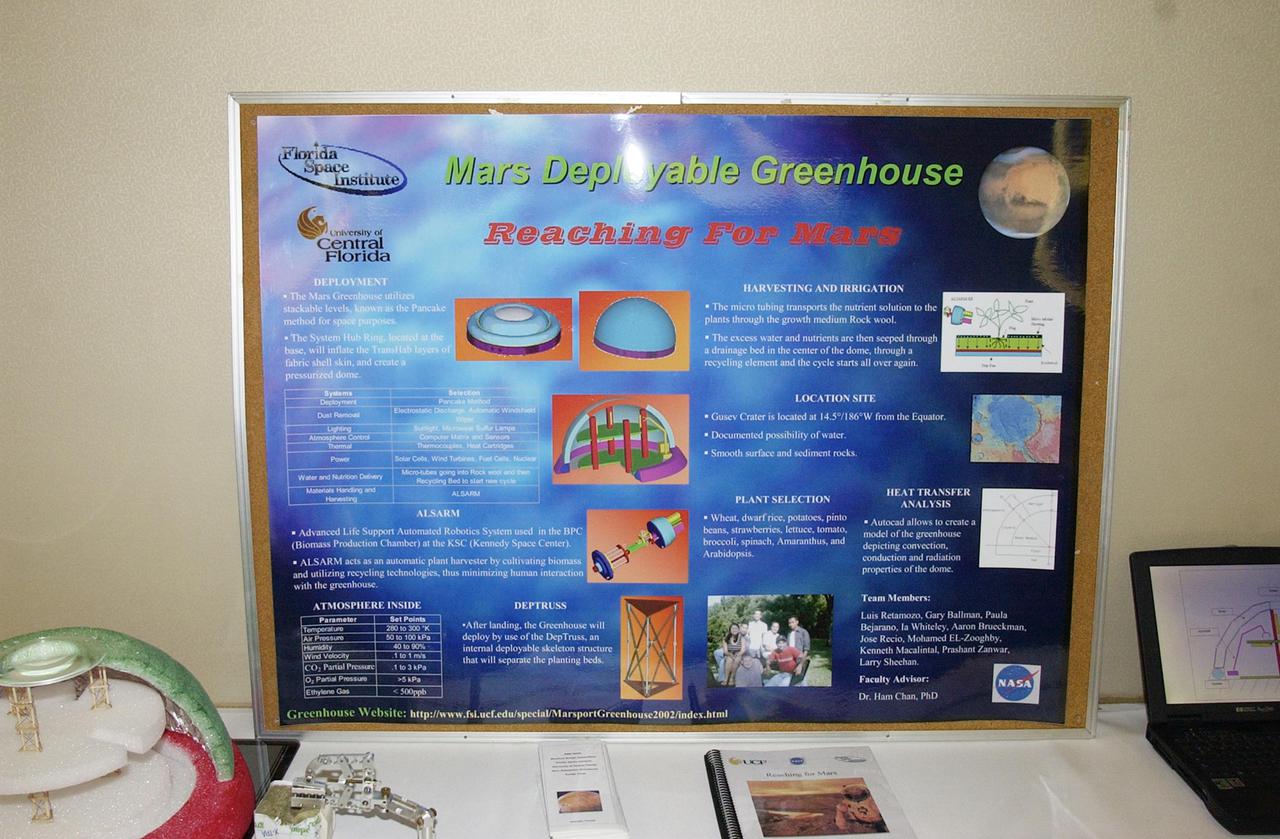
KENNEDY SPACE CENTER, FLA. -- A presentation by the University of Central Florida is on display at the KSC Visitor Complex for this year's NASA MarsPort Engineering Design Student Competition 2002 conference. Participants are presenting papers on engineering trade studies to design optimal configurations for a MarsPort Deployable Greenhouse for operation on the surface of Mars. Judges in the competition were from KSC, Dynamac Corporation and Florida Institute of Technology. The winning team's innovative ideas will be used by NASA to evaluate and study other engineering trade concepts.
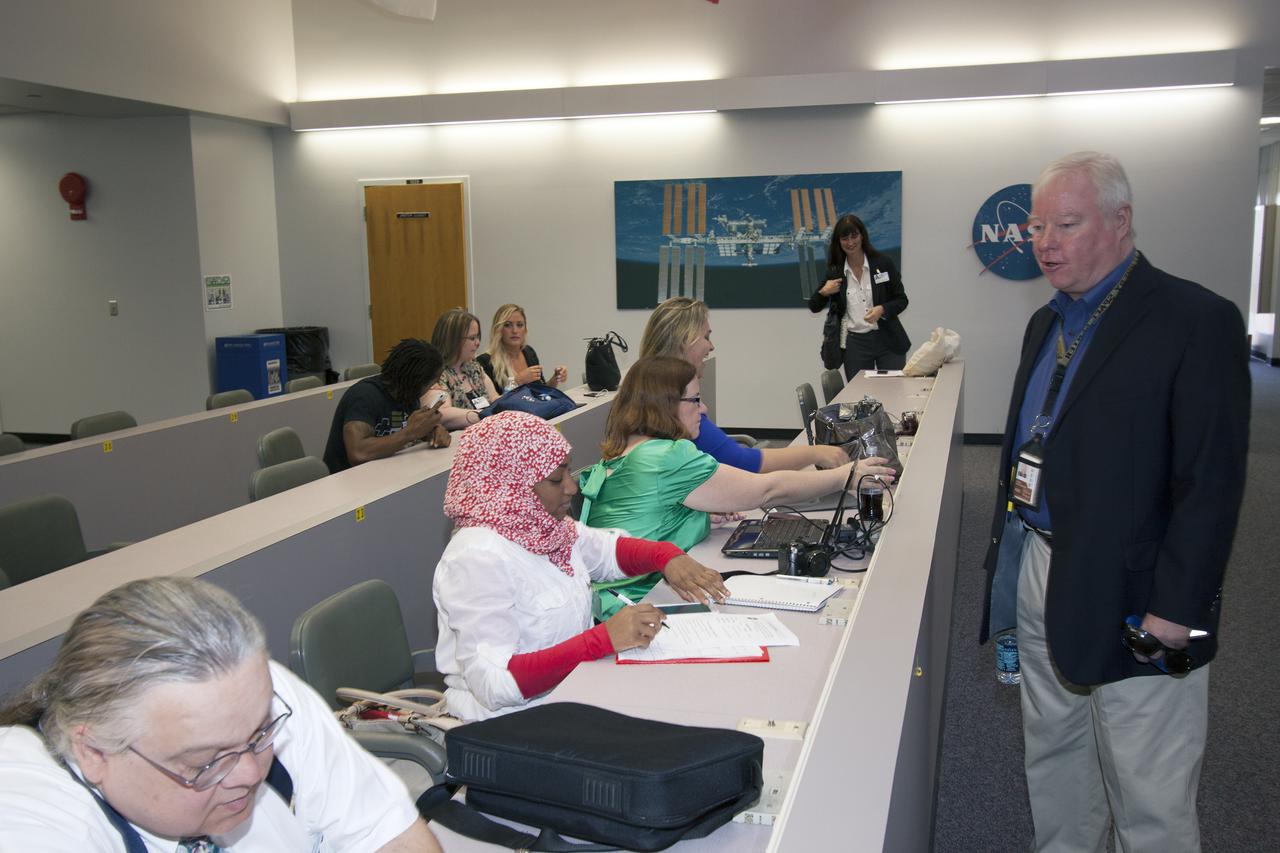
CAPE CANAVERAL, Fla. – Florida Today reporter Todd Halvorson, shares his expertise and experiences with nine Florida Institute of Technology aspiring journalists visiting Kennedy Space Center in Florida on May 22 at the Press Site. The group of students, in collaboration with Florida Today, is working on a multimedia project that examines health in zero gravity and how life in space can help people live better on Earth. These multimedia stories will be published for the print and online versions of Florida Today. During their visit, the students interviewed astronaut and Expedition 35 flight engineer Chris Cassidy during an International Space Station downlink in the Press Site auditorium. The journalists also worked on multimedia deadline news assignments at the Press Site. They also met with Kennedy Director Bob Cabana who talked about NASA's goals for the future and his own experience in space, answering questions about health effects of spaceflight. The journalists toured the Vehicle Assembly Building and the Apollo Saturn V Center. Learn about the Florida Institute of Technology journalists' findings on their Facebook page at http:__www.facebook.com_FT3atFIT or Twitter at #SpaceHealth. Photo credit: NASA_Jim Grossmann
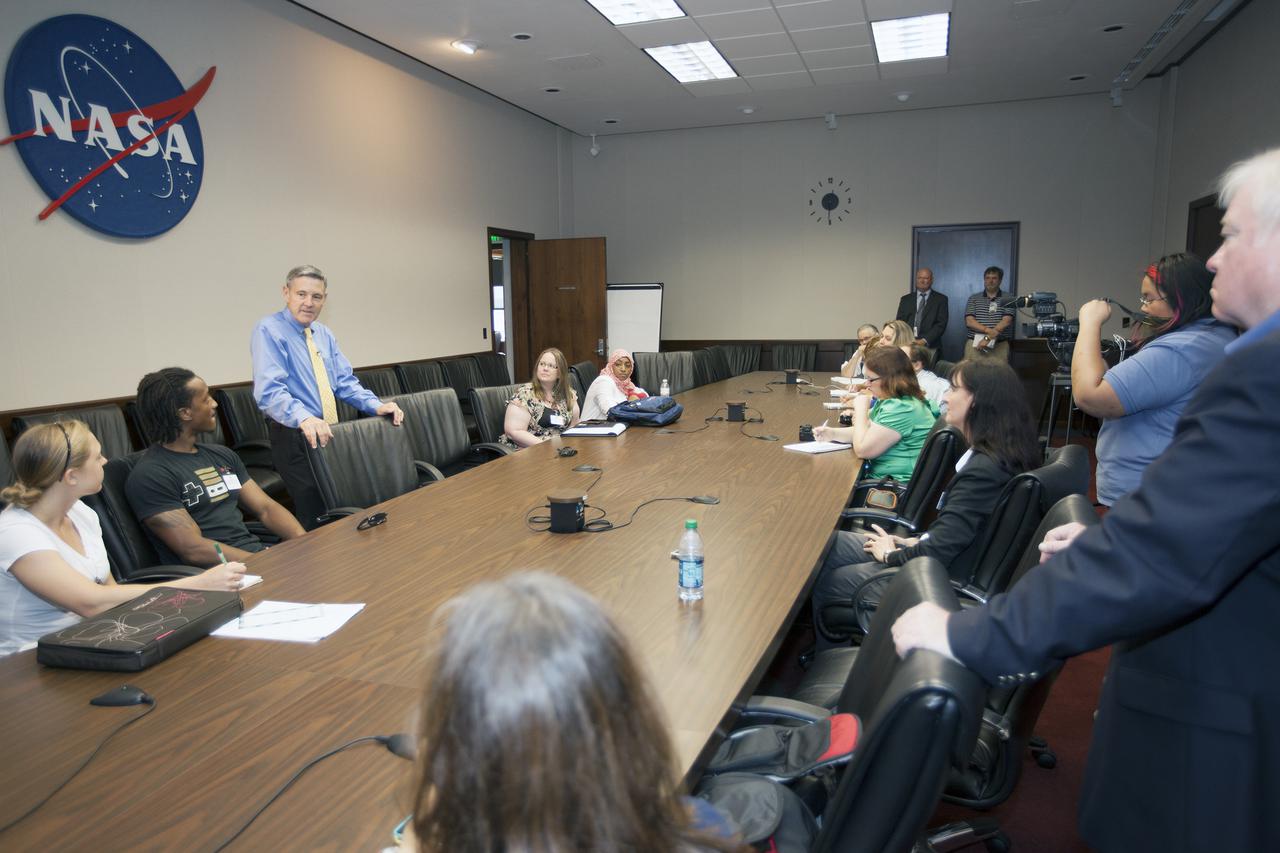
Kennedy Center Director Bob Cabana, standing left, addresses nine Florida Institute of Technology aspiring journalists at NASA's Kennedy Space Center Headquarters Building in Florida on May 22. Cabana talked about NASA's goals for the future and his own experience in space, answering questions about health effects of spaceflight. The journalists, in collaboration with Florida Today, are working on a multimedia project that examines health in zero gravity and how life in space can help people live better on Earth. At right are Florida Today videographer Caroline Perez and reporter Todd Halverson These multimedia stories will be published for the print and online versions of Florida Today. During their visit, the journalists interviewed astronaut and Expedition 35 flight engineer Chris Cassidy during an International Space Station downlink, after which they worked on multimedia deadline news assignments at the Press Site. The journalists toured the Vehicle Assembly Building and the Apollo Saturn V Center. Learn about the Florida Institute of Technology journalists' findings on their Facebook page at http:__www.facebook.com_FT3atFIT or Twitter at #SpaceHealth. Photo credit: NASA_Kim Shiflett
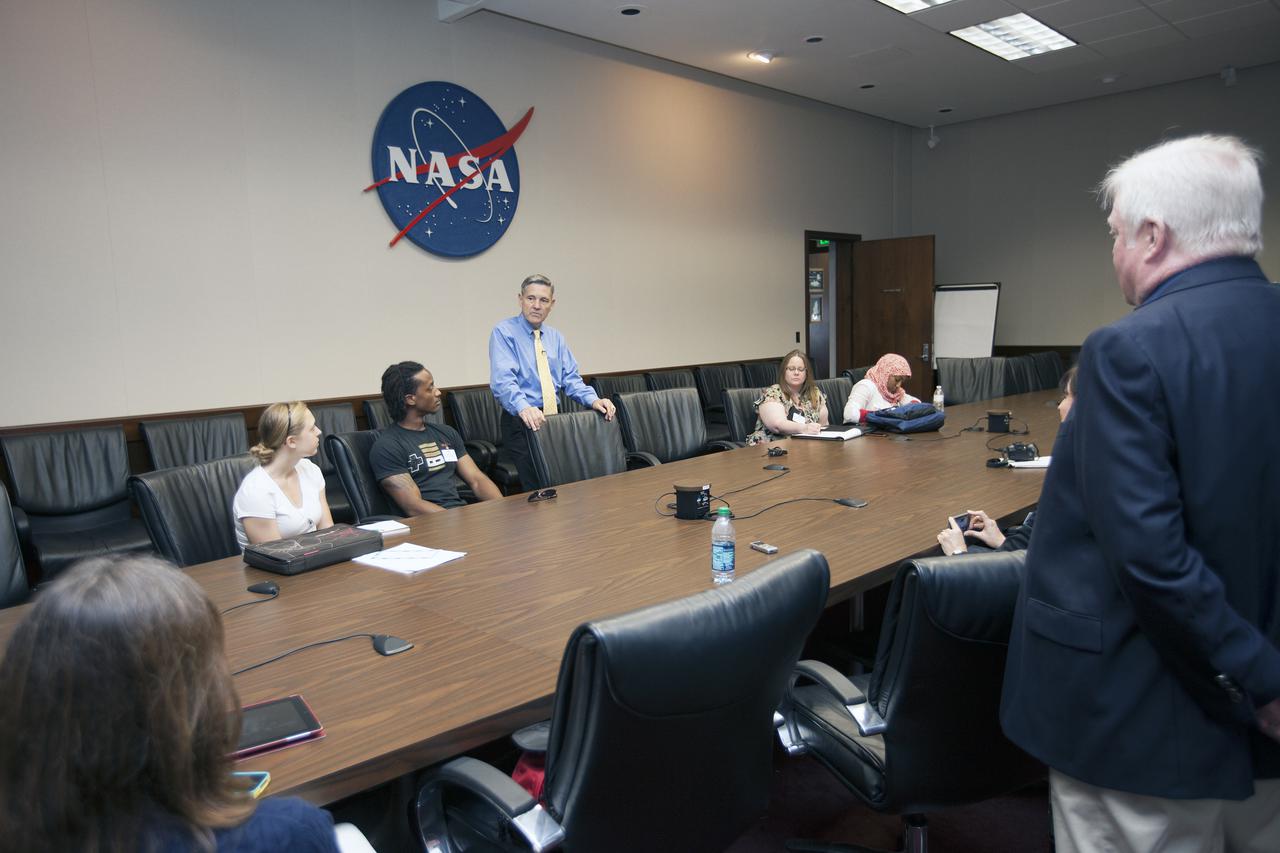
Kennedy Center Director Bob Cabana, standing left, addresses nine Florida Institute of Technology aspiring journalists at NASA's Kennedy Space Center Headquarters Building in Florida on May 22. Cabana talked about NASA's goals for the future and his own experience in space, answering questions about health effects of spaceflight. The journalists, in collaboration with Florida Today, are working on a multimedia project that examines health in zero gravity and how life in space can help people live better on Earth. At right are Florida Today videographer Caroline Perez and reporter Todd Halverson These multimedia stories will be published for the print and online versions of Florida Today. During their visit, the journalists interviewed astronaut and Expedition 35 flight engineer Chris Cassidy during an International Space Station downlink, after which they worked on multimedia deadline news assignments at the Press Site. The journalists toured the Vehicle Assembly Building and the Apollo Saturn V Center. Learn about the Florida Institute of Technology journalists' findings on their Facebook page at http:__www.facebook.com_FT3atFIT or Twitter at #SpaceHealth. Photo credit: NASA_Kim Shiflett
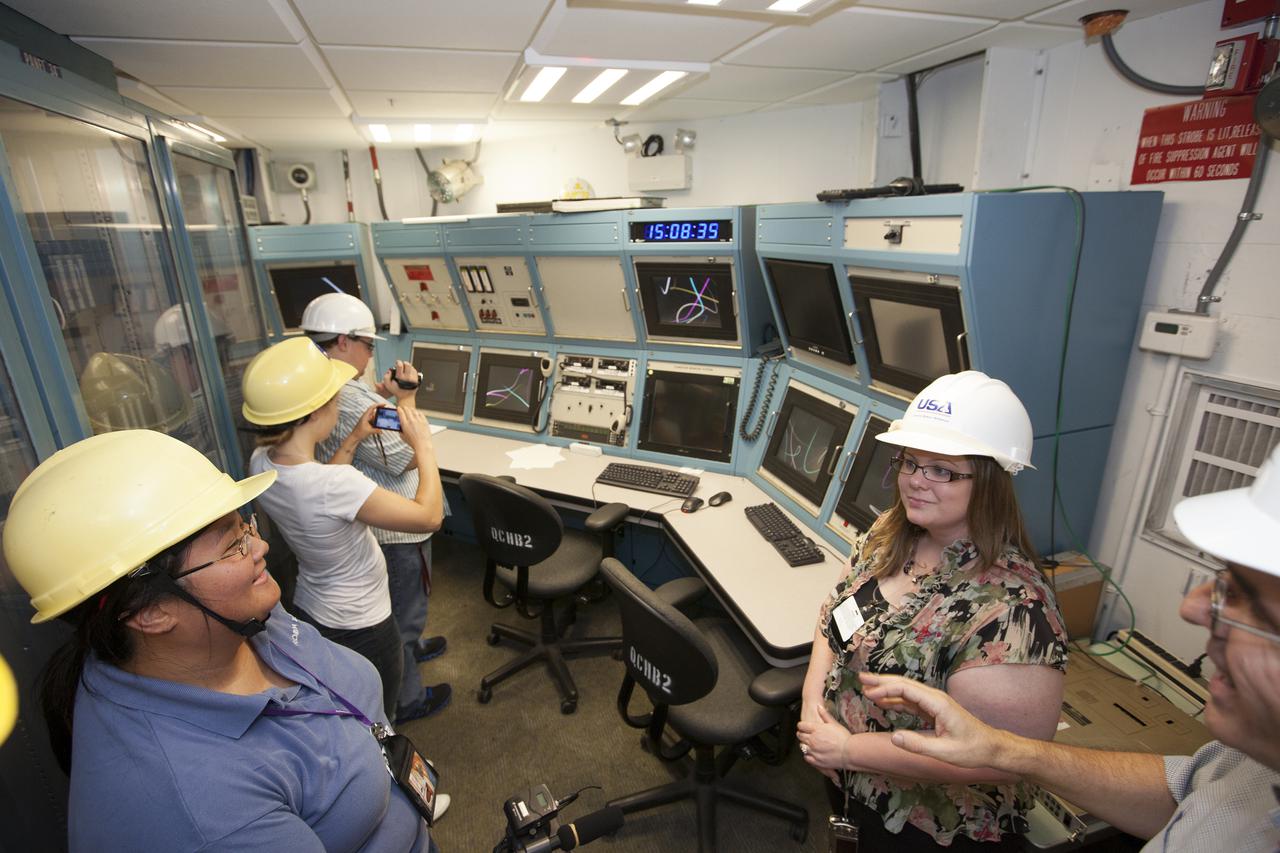
CAPE CANAVERAL, Fla. – A group of nine Florida Institute of Technology aspiring journalists observe the interior of the mobile launcher inside the Vehicle Assembly Building, or VAB, at NASA's Kennedy Space Center in Florida on May 22. The group of students, in collaboration with Florida Today, is working on a multimedia project that examines health in zero gravity and how life in space can help people live better on Earth. These multimedia stories will be published for the print and online versions of Florida Today. At left is Florida Today videographer Caroline Perez. During their visit, the students interviewed astronaut and Expedition 35 flight engineer Chris Cassidy during an International Space Station downlink in the Press Site auditorium. The journalists also met with Kennedy Director Bob Cabana who talked about NASA's goals for the future and his own experience in space, answering questions about health effects of spaceflight. The journalists also toured the Apollo Saturn V Center. Learn about the Florida Institute of Technology journalists' findings on their Facebook page at http:__www.facebook.com_FT3atFIT or Twitter at #SpaceHealth. Photo credit: Photo credit: NASA_Kim Shiflett
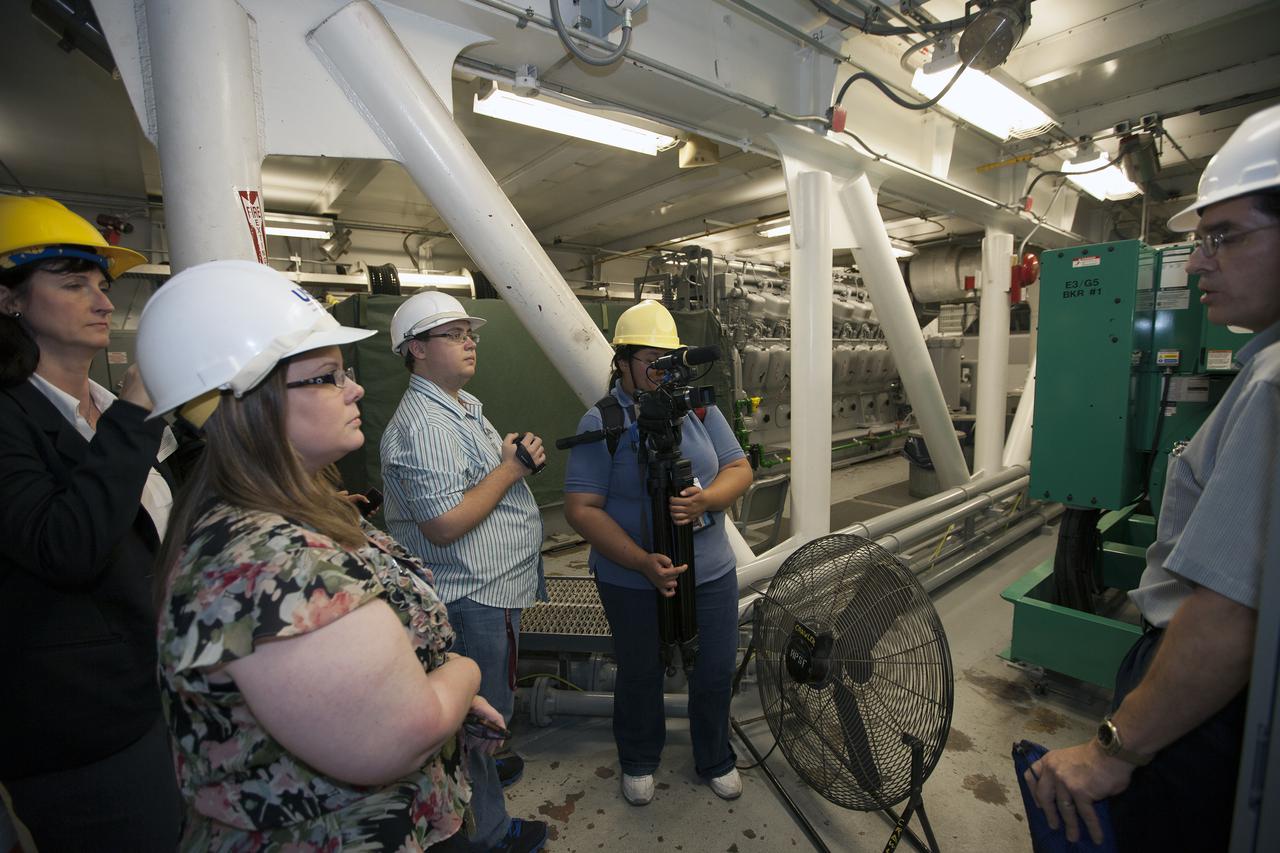
CAPE CANAVERAL, Fla. – A group of nine Florida Institute of Technology aspiring journalists observe the interior of the mobile launcher inside the Vehicle Assembly Building, or VAB, at NASA's Kennedy Space Center in Florida on May 22. The group of students, in collaboration with Florida Today, is working on a multimedia project that examines health in zero gravity and how life in space can help people live better on Earth. These multimedia stories will be published for the print and online versions of Florida Today. During their visit, the students interviewed astronaut and Expedition 35 flight engineer Chris Cassidy during an International Space Station downlink in the Press Site auditorium. The journalists also met with Kennedy Director Bob Cabana who talked about NASA's goals for the future and his own experience in space, answering questions about health effects of spaceflight. The journalists also toured the Apollo Saturn V Center. Learn about the Florida Institute of Technology journalists' findings on their Facebook page at http:__www.facebook.com_FT3atFIT or Twitter at #SpaceHealth. Photo credit: Photo credit: NASA_Kim Shiflett
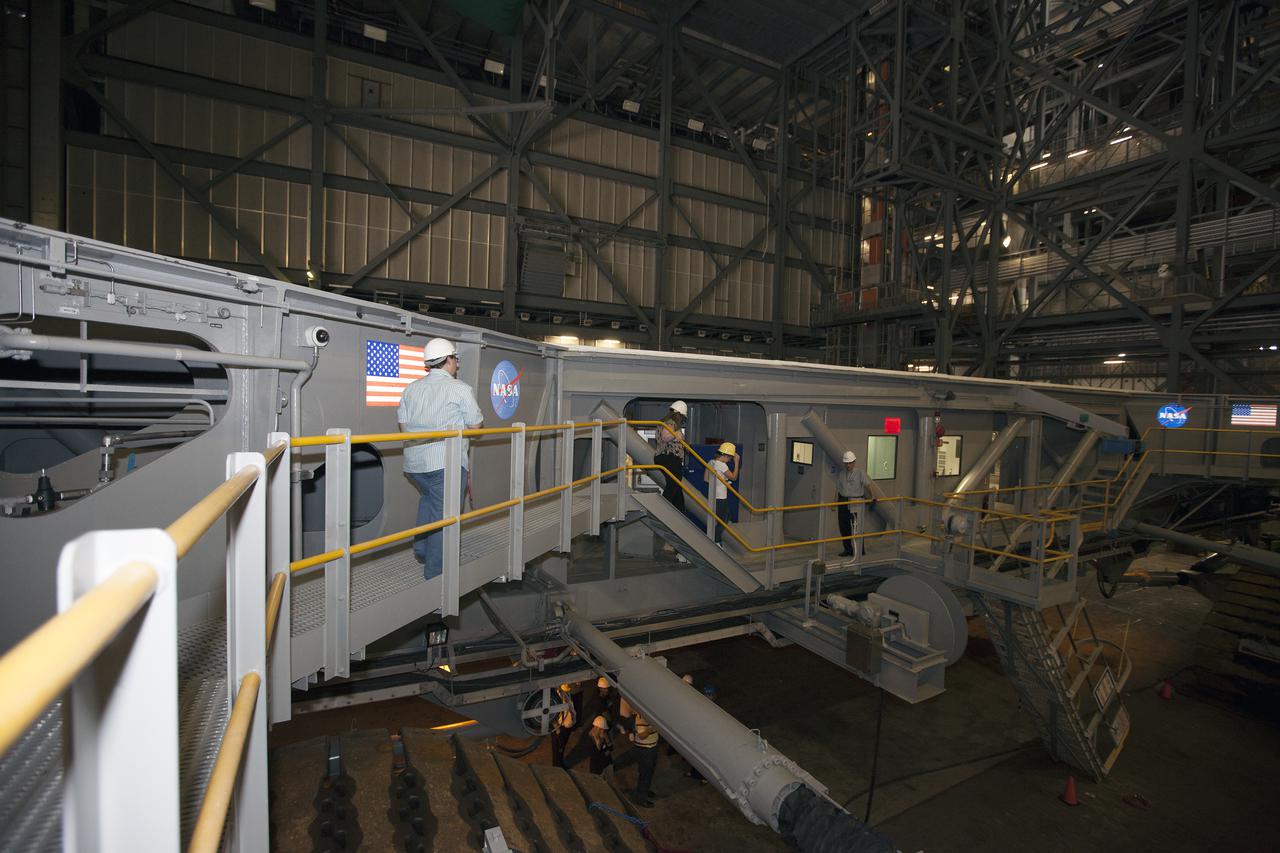
CAPE CANAVERAL, Fla. – A group of nine Florida Institute of Technology aspiring journalists walk on the outside of the mobile launcher inside the Vehicle Assembly Building, or VAB, at NASA's Kennedy Space Center in Florida on May 22. The group of students, in collaboration with Florida Today, is working on a multimedia project that examines health in zero gravity and how life in space can help people live better on Earth. These multimedia stories will be published for the print and online versions of Florida Today. During their visit, the students interviewed astronaut and Expedition 35 flight engineer Chris Cassidy during an International Space Station downlink in the Press Site auditorium. The journalists also met with Kennedy Director Bob Cabana who talked about NASA's goals for the future and his own experience in space, answering questions about health effects of spaceflight. The journalists also toured the Apollo Saturn V Center. Learn about the Florida Institute of Technology journalists' findings on their Facebook page at http:__www.facebook.com_FT3atFIT or Twitter at #SpaceHealth. Photo credit: Photo credit: NASA_Kim Shiflett
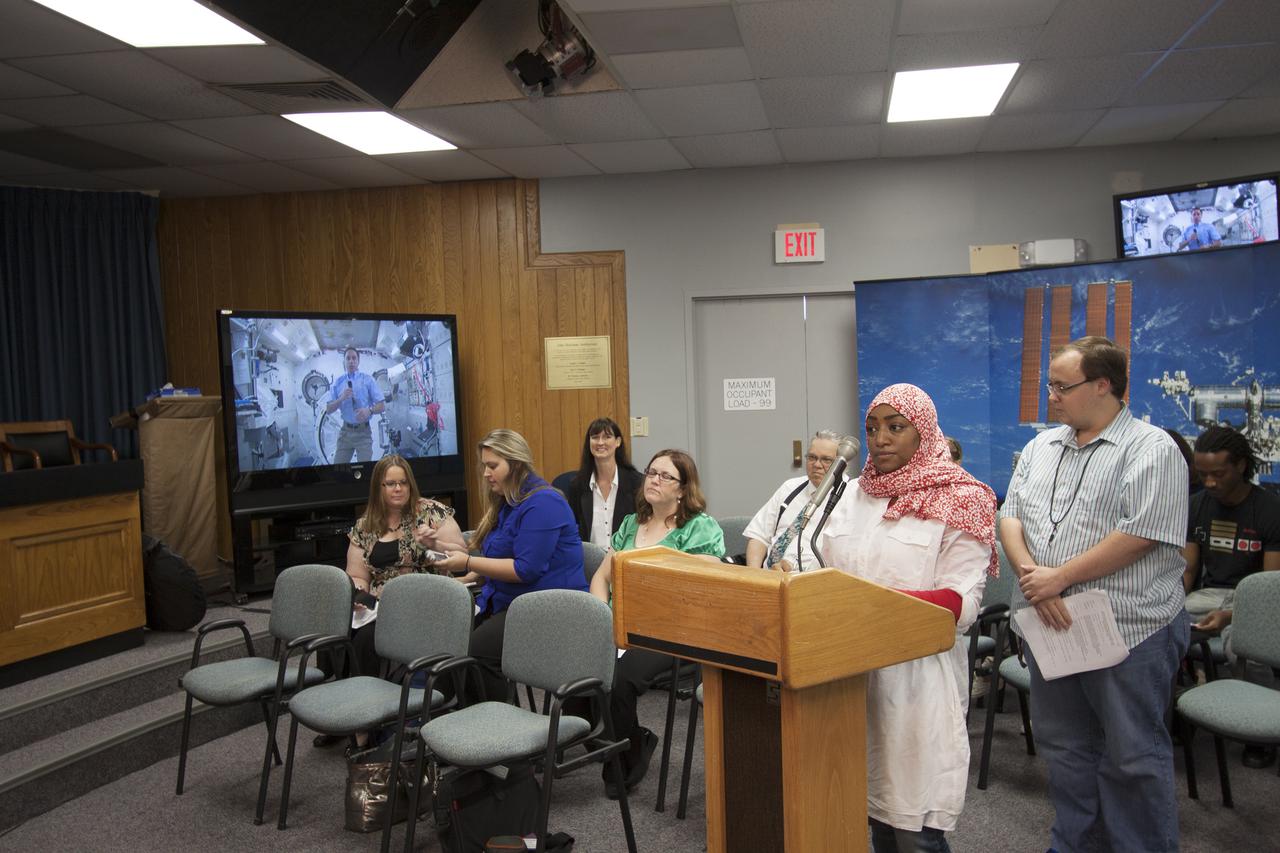
CAPE CANAVERAL, Fla. – Eman Mareh, one of nine Florida Institute of Technology aspiring journalists visiting Kennedy Space Center in Florida on May 22, interviews astronaut and Expedition 35 flight engineer Chris Cassidy during an International Space Station downlink in the Press Site auditorium. The journalists, in collaboration with Florida Today, are working on a multimedia project that examines health in zero gravity and how life in space can help people live better on Earth. These multimedia stories will be published for the print and online versions of Florida Today. During their visit, they worked on multimedia deadline news assignments at the Press Site. They also met with Kennedy Director Bob Cabana who talked about NASA's goals for the future and his own experience in space, answering questions about health effects of spaceflight. The journalists toured the Vehicle Assembly Building and the Apollo Saturn V Center. Learn about the Florida Institute of Technology journalists' findings on their Facebook page at http:__www.facebook.com_FT3atFIT or Twitter at #SpaceHealth. Photo credit: NASA_Jim Grossmann
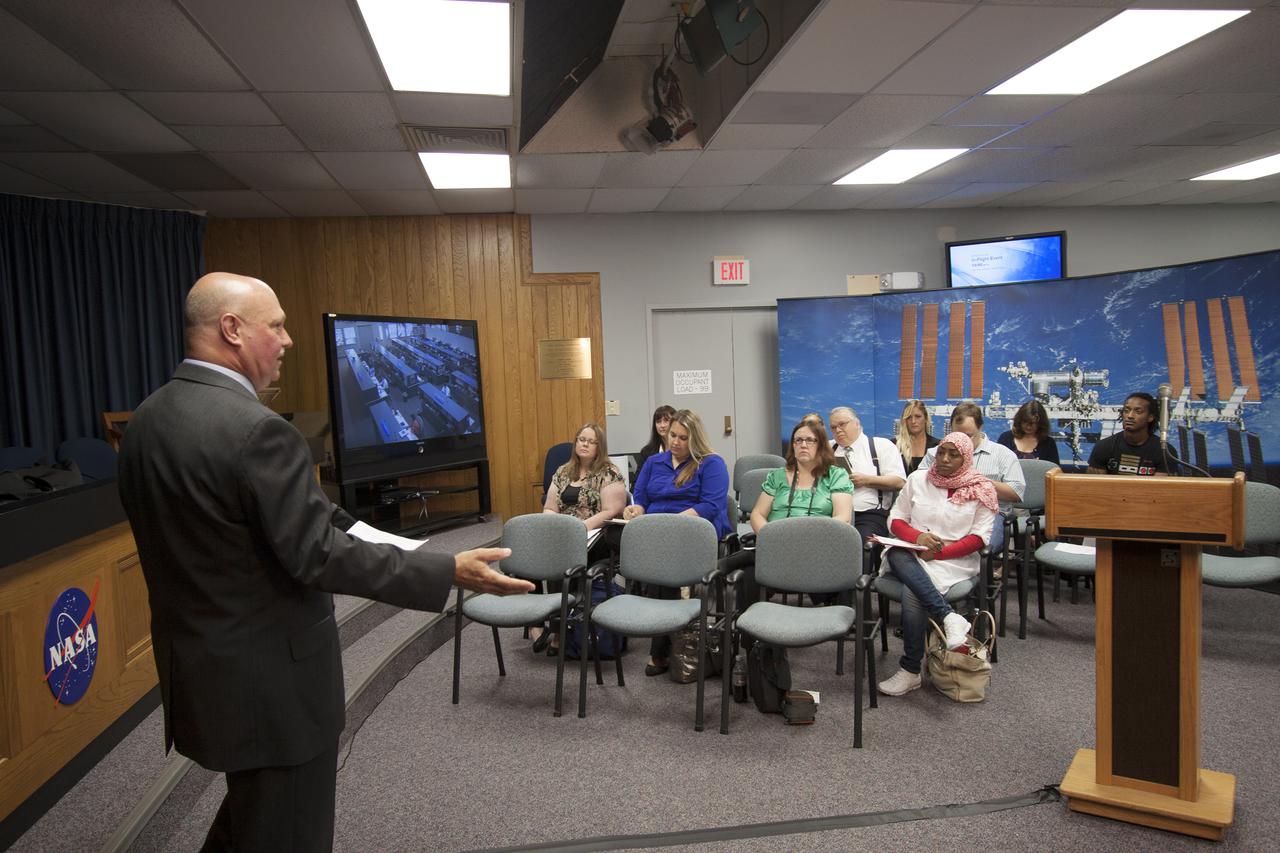
CAPE CANAVERAL, Fla. – Michael Curie, NASA Public Affairs, addresses nine Florida Institute of Technology aspiring journalists in the Press Site auditorium at NASA's Kennedy Space Center in Florida on May 22. The journalists, in collaboration with Florida Today, are working on a multimedia project that examines health in zero gravity and how life in space can help people live better on Earth. These multimedia stories will be published for the print and online versions of Florida Today. During their visit, the journalists interviewed astronaut and Expedition 35 flight engineer Chris Cassidy during an International Space Station downlink, after which they worked on multimedia deadline news assignments at the Press Site. They also met with Kennedy Director Bob Cabana who talked about NASA's goals for the future and his own experience in space, answering questions about health effects of spaceflight. The journalists toured the Vehicle Assembly Building and the Apollo Saturn V Center. Learn about the Florida Institute of Technology journalists' findings on their Facebook page at http:__www.facebook.com_FT3atFIT or Twitter at #SpaceHealth. Photo credit: NASA_Jim Grossmann
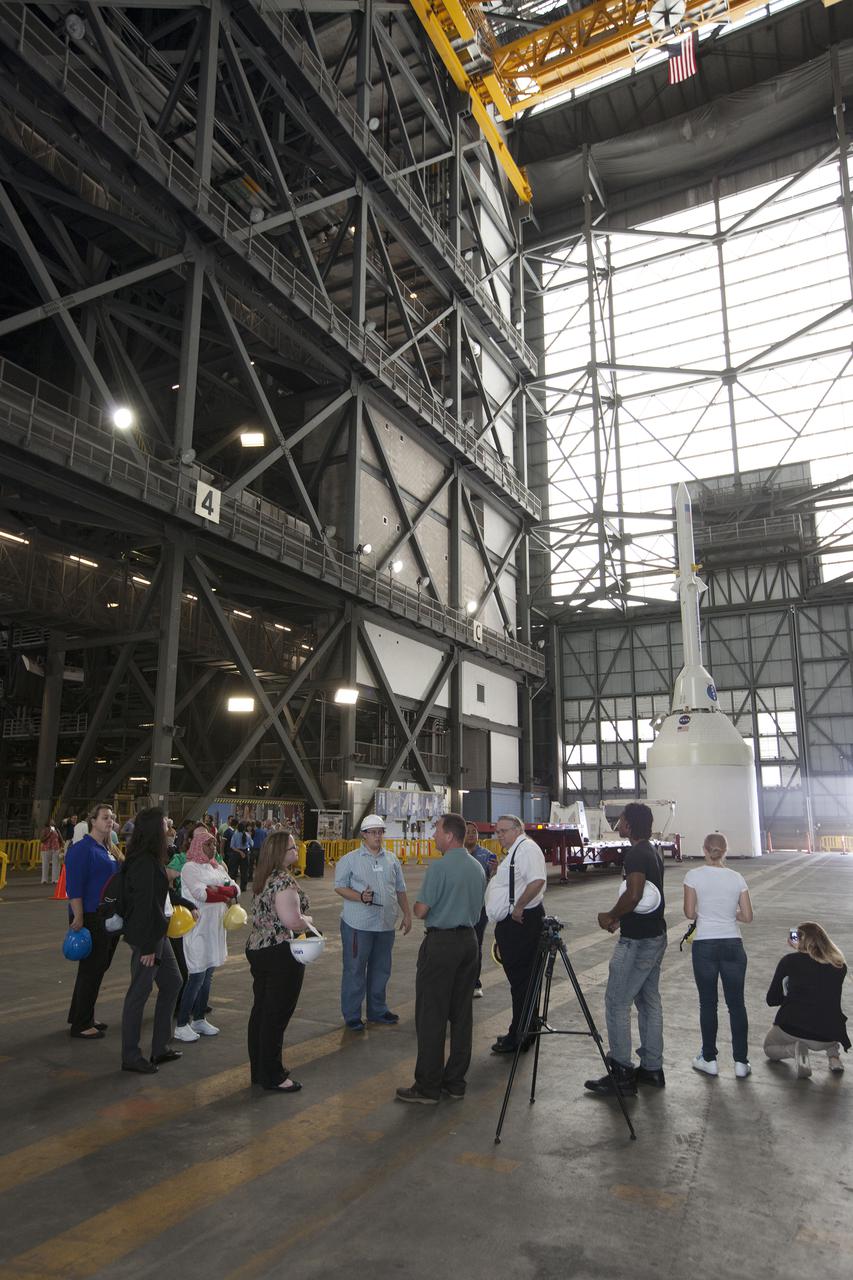
CAPE CANAVERAL, Fla. – A group of nine Florida Institute of Technology aspiring journalists congregate inside the Vehicle Assembly Building, or VAB, at NASA's Kennedy Space Center in Florida on May 22. The group of students, in collaboration with Florida Today, is working on a multimedia project that examines health in zero gravity and how life in space can help people live better on Earth. These multimedia stories will be published for the print and online versions of Florida Today. During their visit, the students interviewed astronaut and Expedition 35 flight engineer Chris Cassidy during an International Space Station downlink in the Press Site auditorium. The journalists also met with Kennedy Director Bob Cabana who talked about NASA's goals for the future and his own experience in space, answering questions about health effects of spaceflight. The journalists also toured the Apollo Saturn V Center. Learn about the Florida Institute of Technology journalists' findings on their Facebook page at http:__www.facebook.com_FT3atFIT or Twitter at #SpaceHealth. Photo credit: Photo credit: NASA_Kim Shiflett
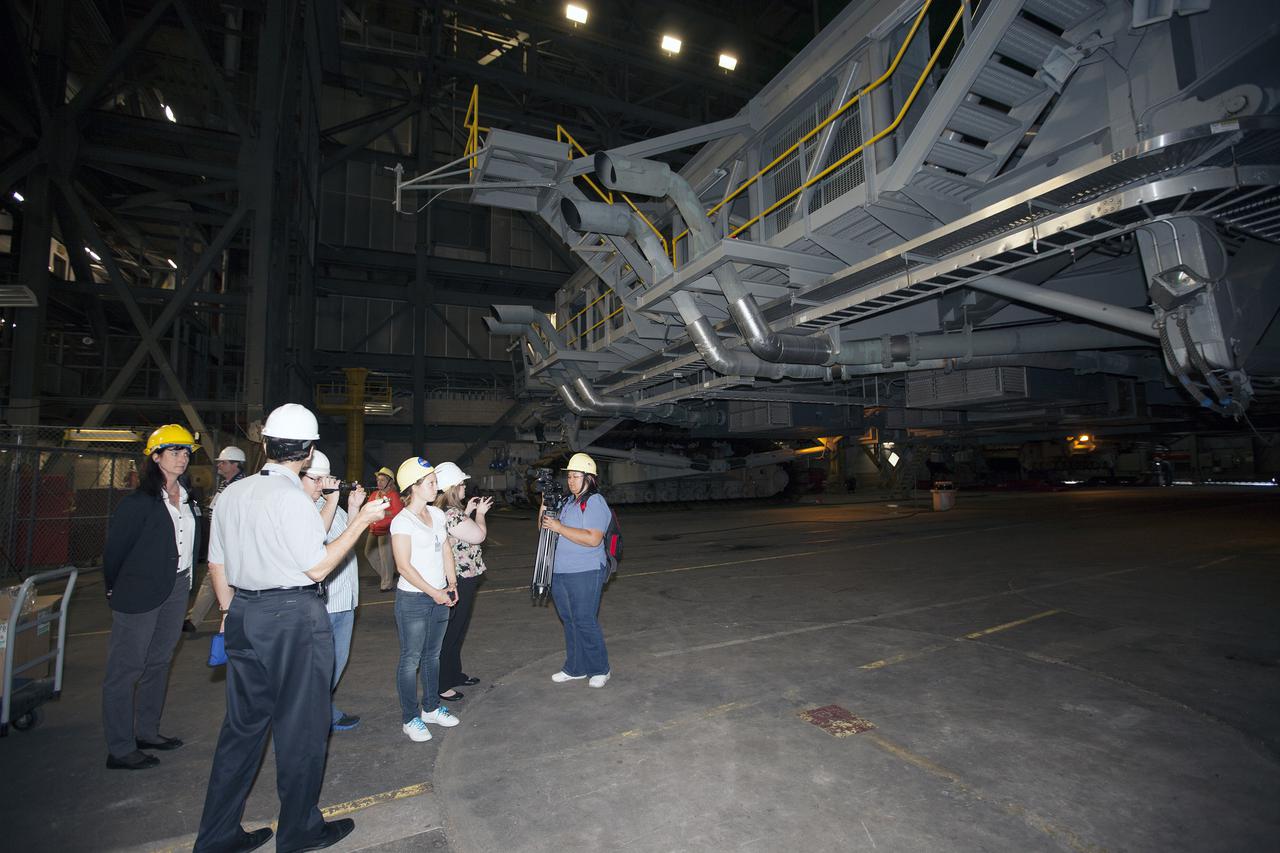
--- CAPE CANAVERAL, Fla. – A group of nine Florida Institute of Technology aspiring journalists check out the mobile launcher inside the Vehicle Assembly Building, or VAB, at NASA's Kennedy Space Center in Florida on May 22. The group of students, in collaboration with Florida Today, is working on a multimedia project that examines health in zero gravity and how life in space can help people live better on Earth. These multimedia stories will be published for the print and online versions of Florida Today. During their visit, the students interviewed astronaut and Expedition 35 flight engineer Chris Cassidy during an International Space Station downlink in the Press Site auditorium. The journalists also met with Kennedy Director Bob Cabana who talked about NASA's goals for the future and his own experience in space, answering questions about health effects of spaceflight. The journalists also toured the Apollo Saturn V Center. Learn about the Florida Institute of Technology journalists' findings on their Facebook page at http:__www.facebook.com_FT3atFIT or Twitter at #SpaceHealth. Photo credit: Photo credit: NASA_Kim Shiflett
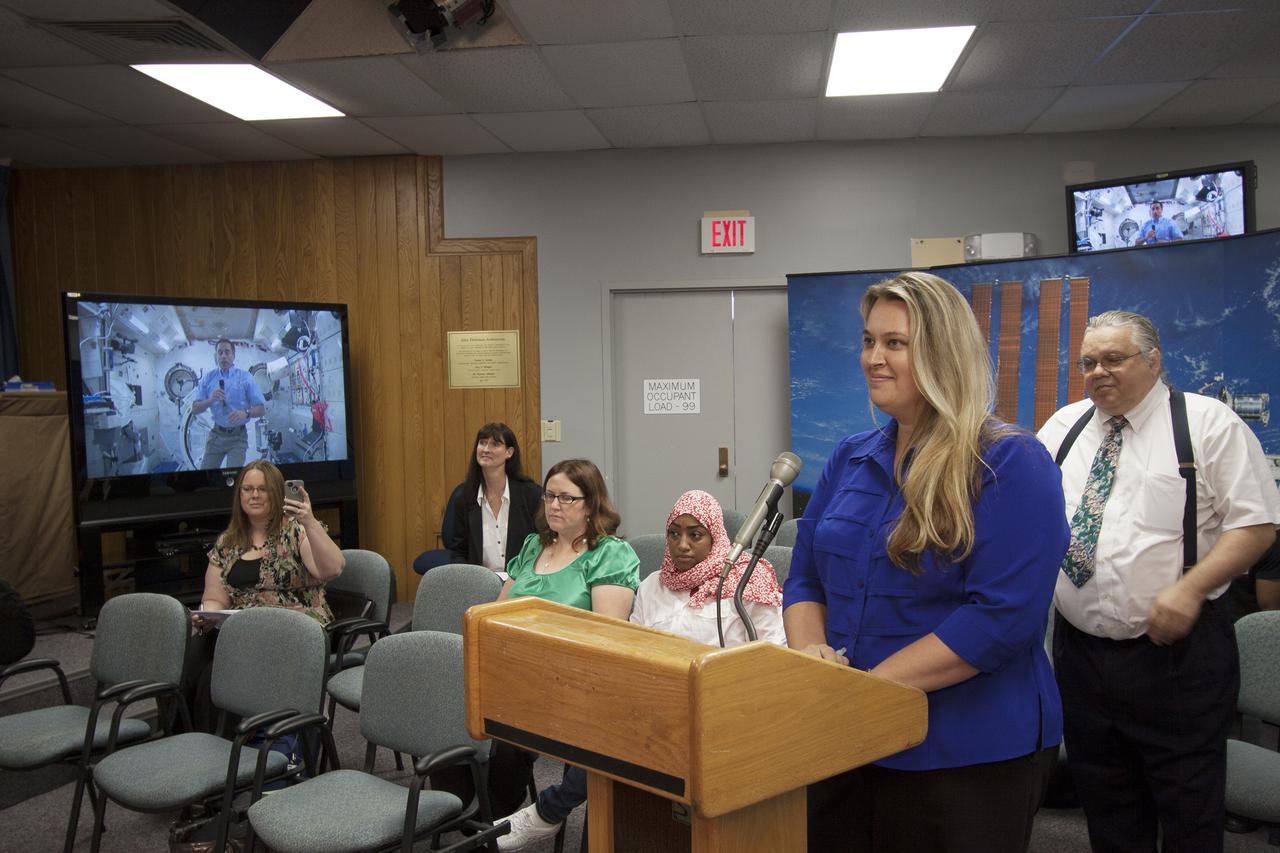
CAPE CANAVERAL, Fla. – Monica DeFelice, one of nine Florida Institute of Technology aspiring journalists visiting Kennedy Space Center in Florida on May 22, interviews astronaut and Expedition 35 flight engineer Chris Cassidy during an International Space Station downlink in the Press Site auditorium. The journalists, in collaboration with Florida Today, are working on a multimedia project that examines health in zero gravity and how life in space can help people live better on Earth. These multimedia stories will be published for the print and online versions of Florida Today. During their visit, they worked on multimedia deadline news assignments at the Press Site. They also met with Kennedy Director Bob Cabana who talked about NASA's goals for the future and his own experience in space, answering questions about health effects of spaceflight. The journalists toured the Vehicle Assembly Building and the Apollo Saturn V Center. Learn about the Florida Institute of Technology journalists' findings on their Facebook page at http:__www.facebook.com_FT3atFIT or Twitter at #SpaceHealth. Photo credit: NASA_Jim Grossmann
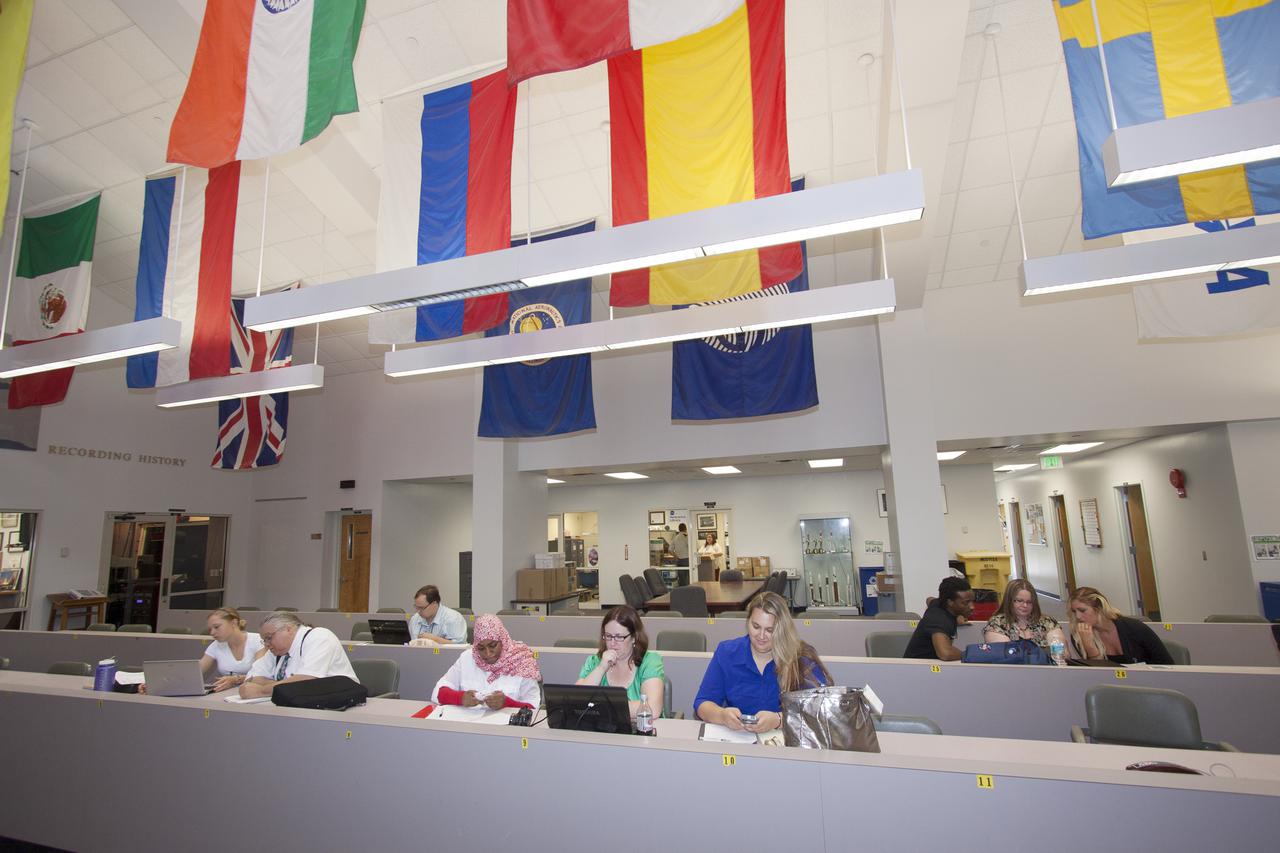
CAPE CANAVERAL, Fla. – A group of nine Florida Institute of Technology aspiring journalists work on multimedia deadline news assignments at the Press Site at NASA's Kennedy Space Center in Florida on May 22. The group of students, in collaboration with Florida Today, is working on a multimedia project that examines health in zero gravity and how life in space can help people live better on Earth. These multimedia stories will be published for the print and online versions of Florida Today. During their visit, the students interviewed astronaut and Expedition 35 flight engineer Chris Cassidy during an International Space Station downlink in the Press Site auditorium. The journalists also met with Kennedy Director Bob Cabana who talked about NASA's goals for the future and his own experience in space, answering questions about health effects of spaceflight. The journalists toured the Vehicle Assembly Building and the Apollo Saturn V Center. Learn about the Florida Institute of Technology journalists' findings on their Facebook page at http:__www.facebook.com_FT3atFIT or Twitter at #SpaceHealth. Photo credit: NASA_Jim Grossmann
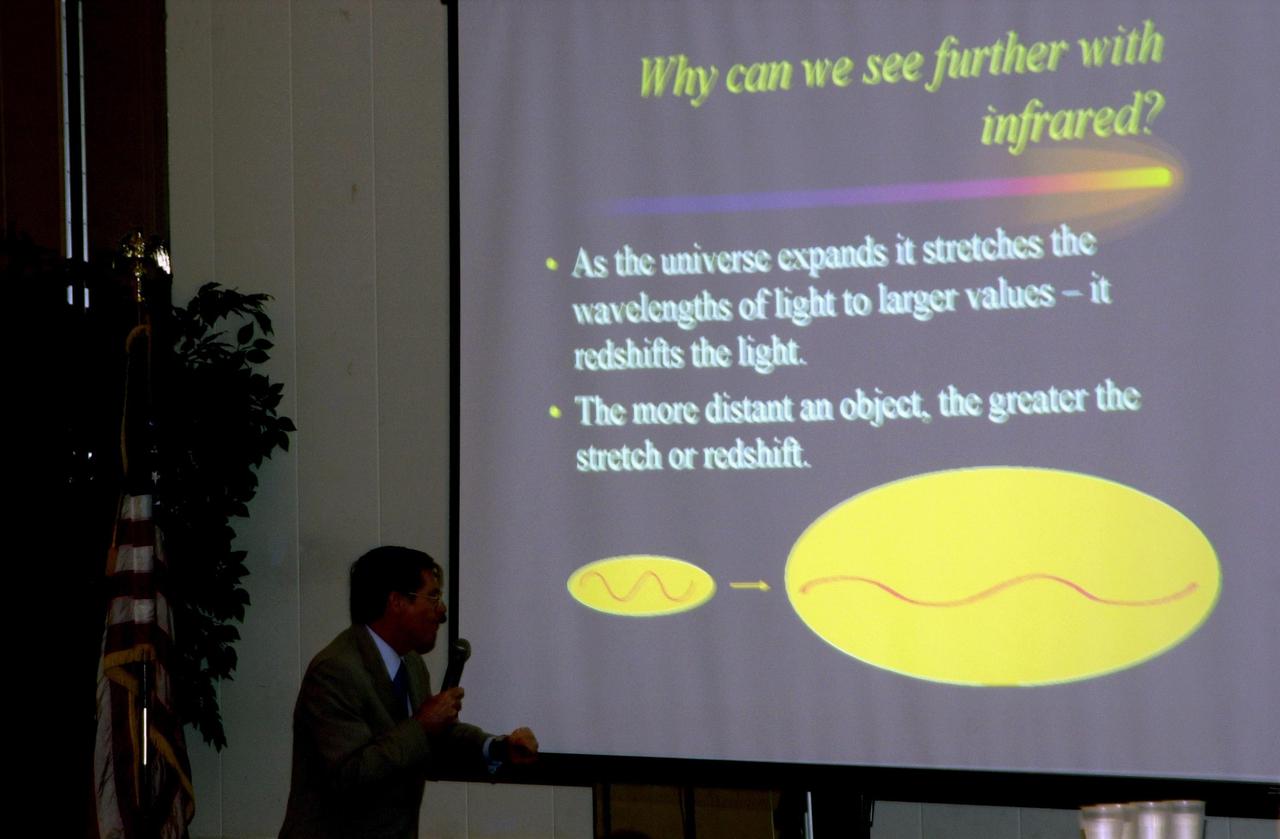
KENNEDY SPACE CENTER, FLA. -- At the 2002 Space Congress, Cape Canaveral, Fla., a presentation on 'Hubble Discoveries' included a discussion on infrared, as seen on the screen. At left is Dr. Mario Liviio, director of Science Division, Space Telescope Science Institute. The Space Congress is held annually to highlight military and space initiatives, new technologies, and Florida's role in programs and research. This year's theme is Beginning a New Era - Initiatives in Space. NASA presented several paper sessions, including Advancements in Technology. Space Congress is sponsored by the Canaveral Council of Technical Societies
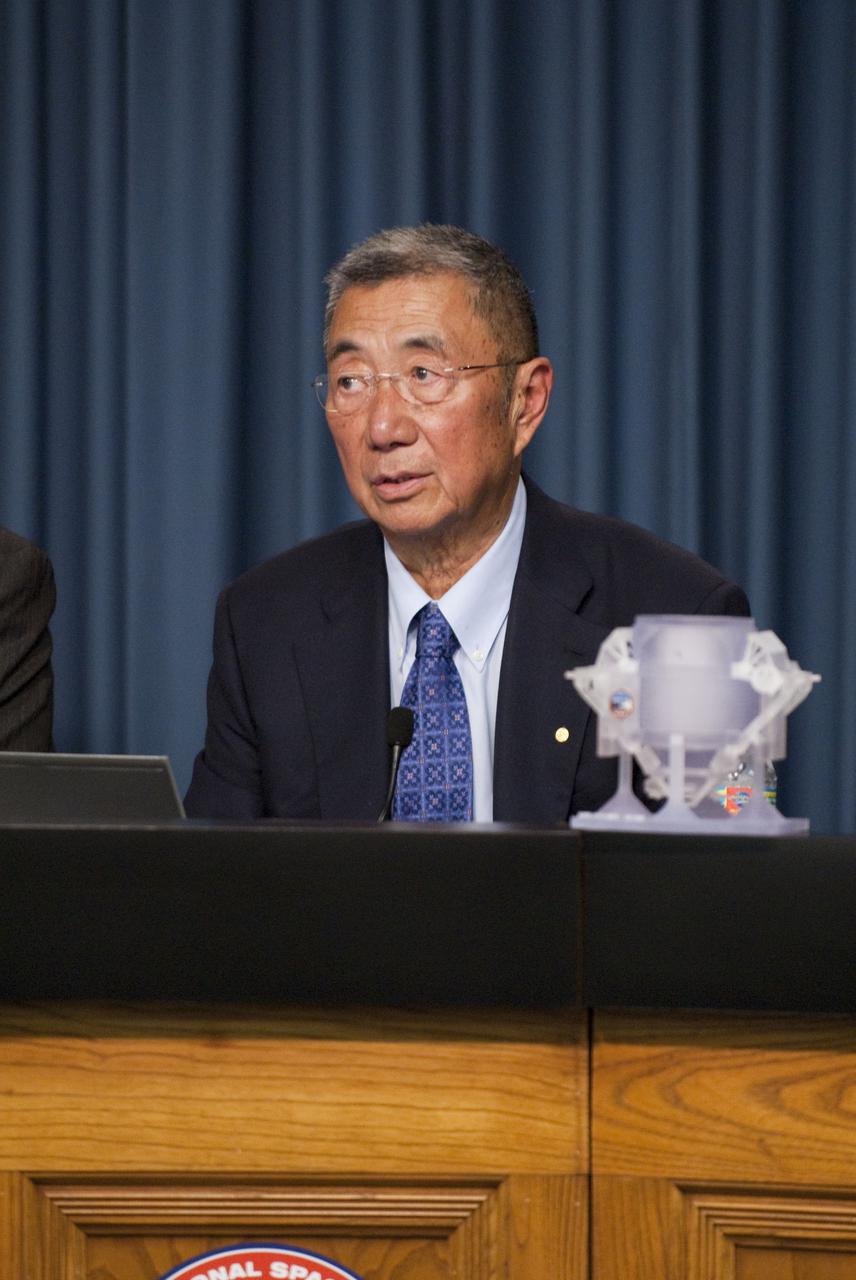
CAPE CANAVERAL, Fla. -- The International Space Station Science and Technology Briefing was held in the Press Site auditorium at NASA's Kennedy Space Center in Florida. Speaking to media about the Alpha Magnetic Spectrometer-2 (AMS) is Professor Sam Ting, AMS-2 principal investigator at the Massachusetts Institute of Technology. Endeavour and its crew will deliver the Express Logistics Carrier-3, Alpha Magnetic Spectrometer-2 (AMS), a high-pressure gas tank and additional spare parts for the Dextre robotic helper to the International Space Station. Launch is scheduled for April 29 at 3:47 p.m. EDT. This will be the final spaceflight for Endeavour. For more information visit, www.nasa.gov_mission_pages_shuttle_shuttlemissions_sts134_index.html. Photo credit: NASA_Kim Shiflett
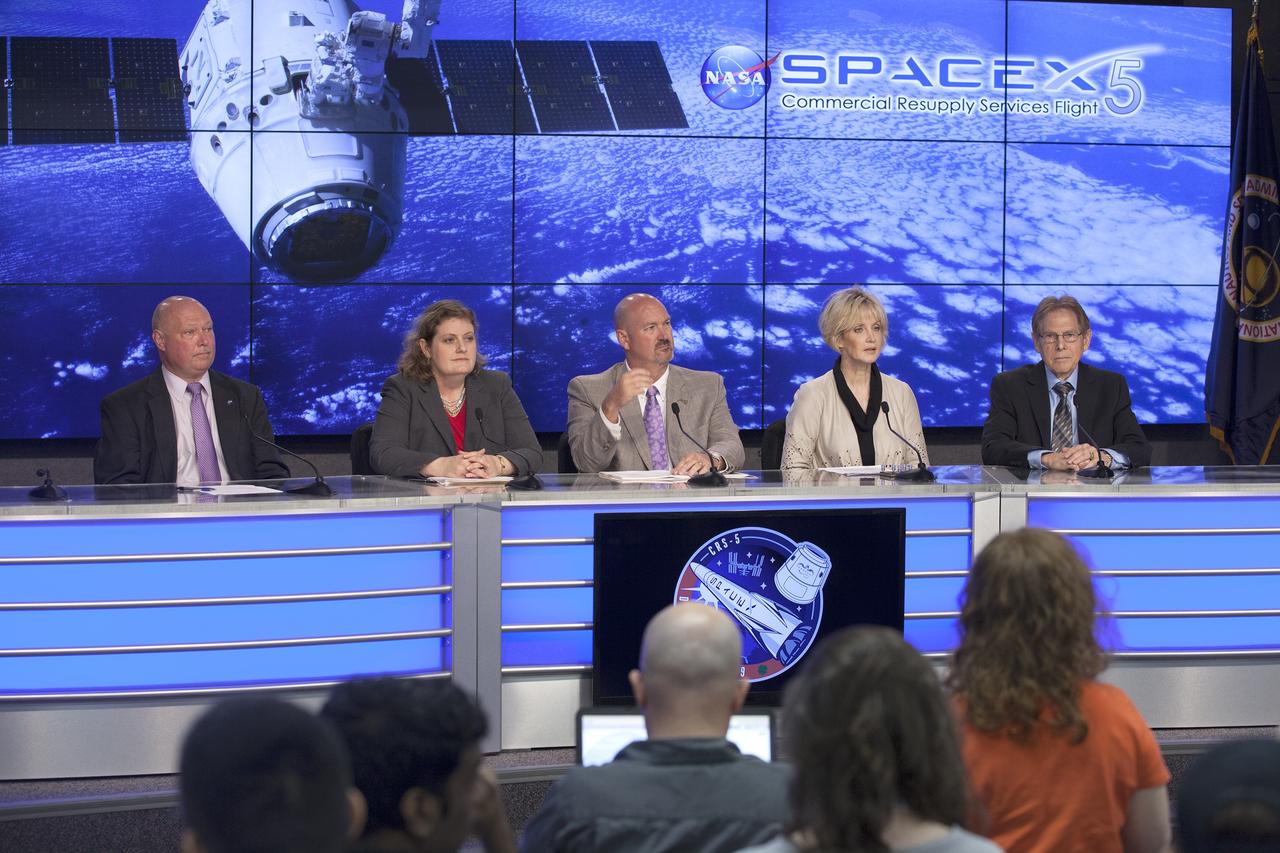
CAPE CANAVERAL, Fla. -- In the Kennedy Space Center’s Press Site auditorium, agency and industry leaders spoke to members of the news media on International Space Station research and technology developments. From left are: Mike Curie of NASA Public Affairs, Julie Robinson, ISS Program chief scientist at NASA’s Johnson Space Center, Kenneth Shields, director of operations and education for the Center for the Advancement of Science in Space, Cheryl Nickerson of Arizona State University, and principal investigator for the Micro-5 experiment, and Samuel Durrance of the Florida Institute of Technology, principal investigator for the NR-SABOL experiment. Photo credit: NASA/ Kim Shiflett
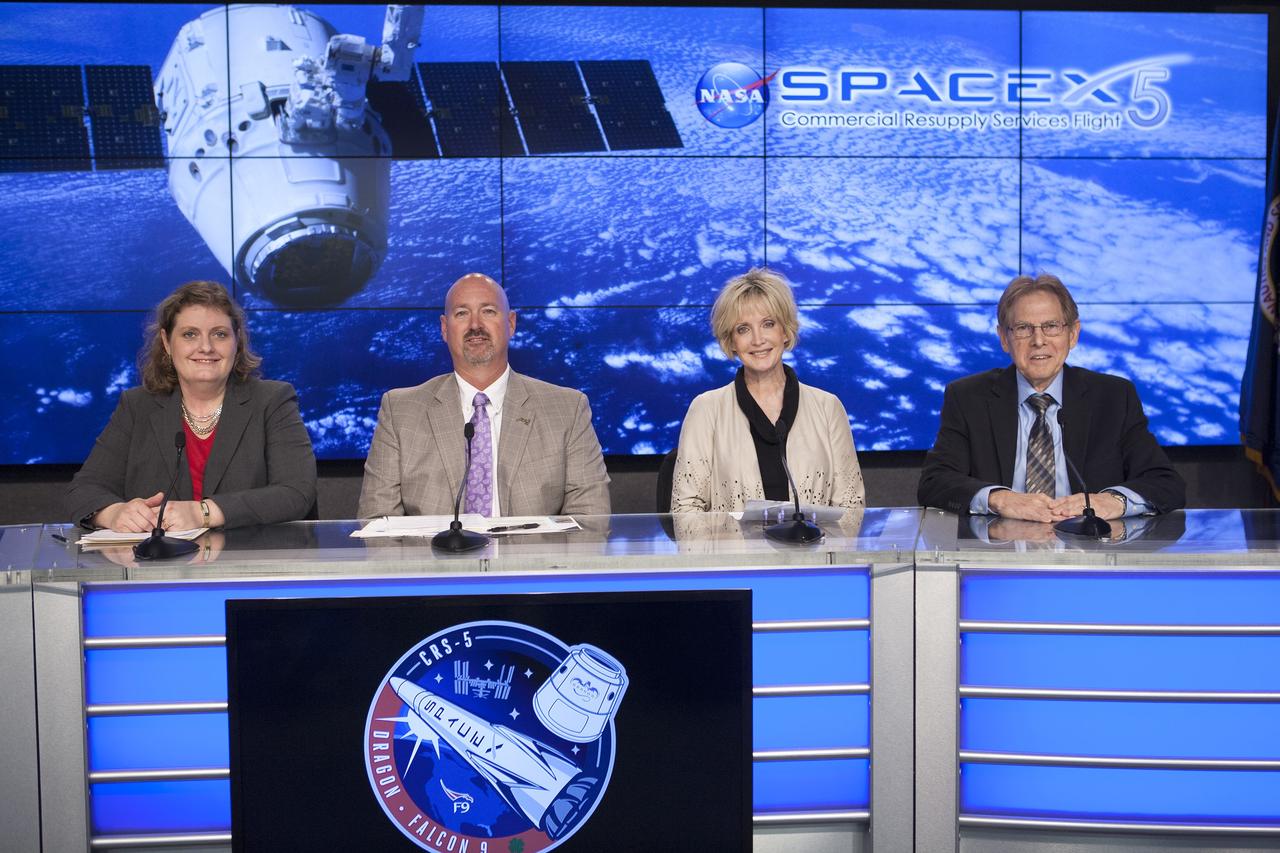
CAPE CANAVERAL, Fla. – In the Kennedy Space Center’s Press Site auditorium, agency and industry leaders spoke to members of the news media on International Space Station research and technology developments. From left are: Julie Robinson, ISS Program chief scientist at NASA’s Johnson Space Center, Kenneth Shields, director of operations and education for the Center for the Advancement of Science in Space, Cheryl Nickerson of Arizona State University, and principal investigator for the Micro-5 experiment, and Samuel Durrance of the Florida Institute of Technology, principal investigator for the NR-SABOL experiment. Photo credit: NASA/ Kim Shiflett
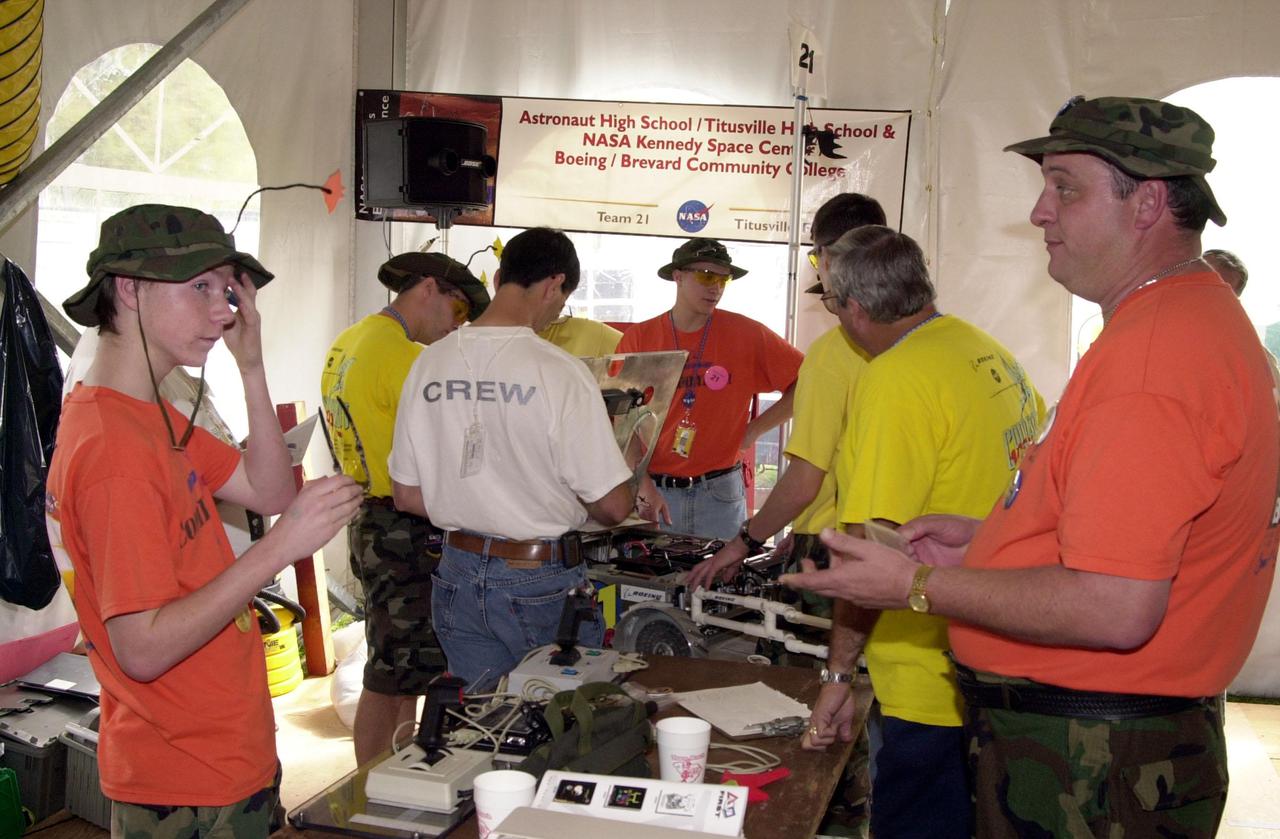
Getting ready for preliminary heats, students from Astronaut and Titusville High Schools work on their robot to compete in the NASA_KSC FIRST Southeastern Regional event. FIRST (For Inspiration and Recognition of Science and Technology) events are held nationwide, pitting the student-built robots against each other and the clock on a playing field. Many teams are sponsored by corporations and academic institutions. There are 27 teams throughout the State of Florida who are competing. KSC, which sponsors nine teams, has held the regional event for two years.

Students and their mentors prepare their team robot to compete in the NASA_KSC FIRST Southeastern Regional event. FIRST (For Inspiration and Recognition of Science and Technology) events are held nationwide, pitting the student-built robots against each other and the clock on a playing field. Many teams are sponsored by corporations and academic institutions. There are 27 teams throughout the State of Florida who are competing. KSC, which sponsors nine teams, has held the regional event for two years.
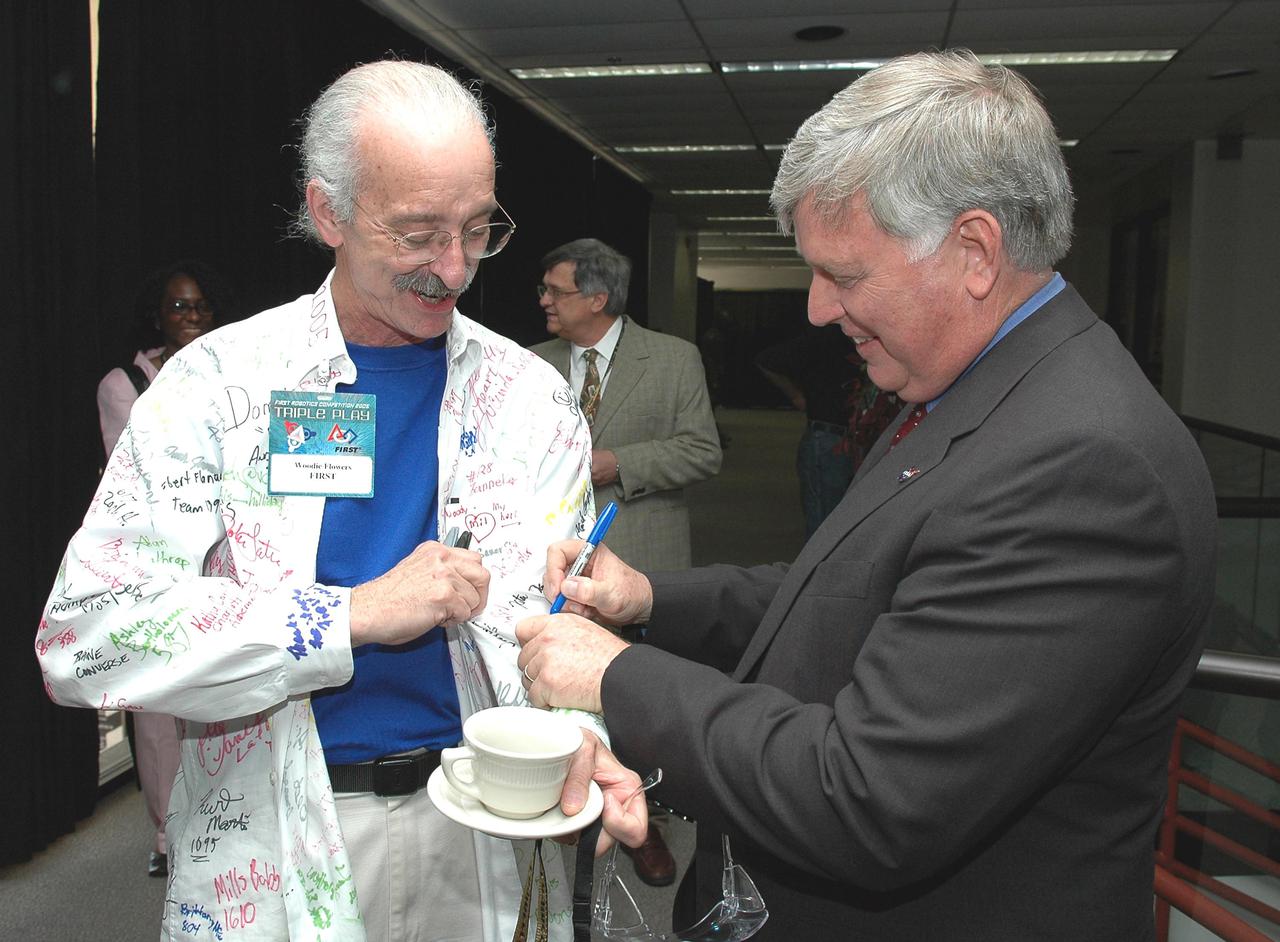
KENNEDY SPACE CENTER, FLA. - At the 2005 FIRST Robotics Regional Competition held at the University of Central Florida March 10-12, Center Director Jim Kennedy (right) autographs the shirt of Dr. Woodie Flowers, who is a national advisor and co-founder of FIRST. Dr. Flowers is the Pappalardo Professor of Mechanical Engineering at the Massachusetts Institute of Technology.
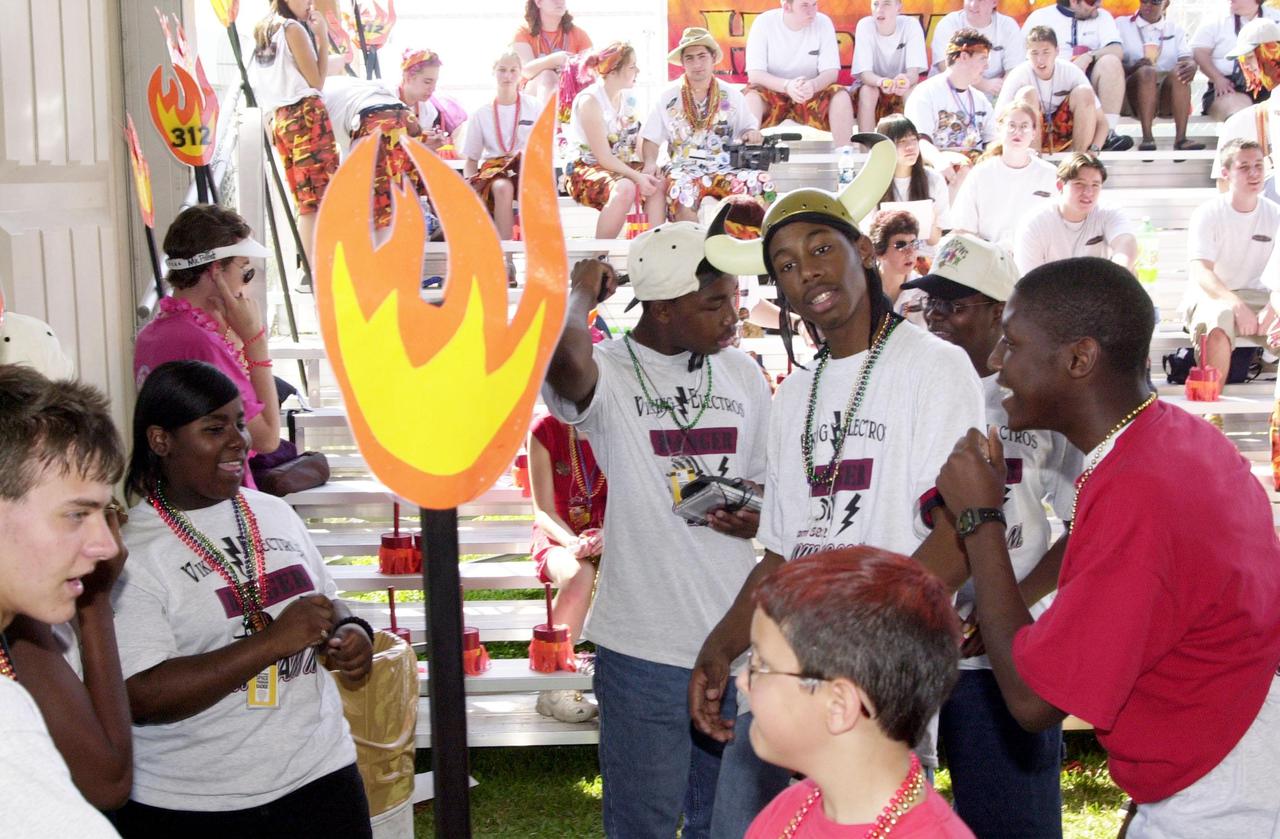
The student team Viking Electros, from W.M. Raines High School, Jacksonville, Fla., relaxes between heats at the NASA_KSC FIRST Southeastern Regional event held March 1-3, 2001. FIRST (For Inspiration and Recognition of Science and Technology) events are held nationwide, pitting robots against each other and the clock on a playing field. Many teams are sponsored by corporations and academic institutions. There are 27 teams throughout the State of Florida who are competing. KSC, which sponsors nine teams, has held the regional event for two years
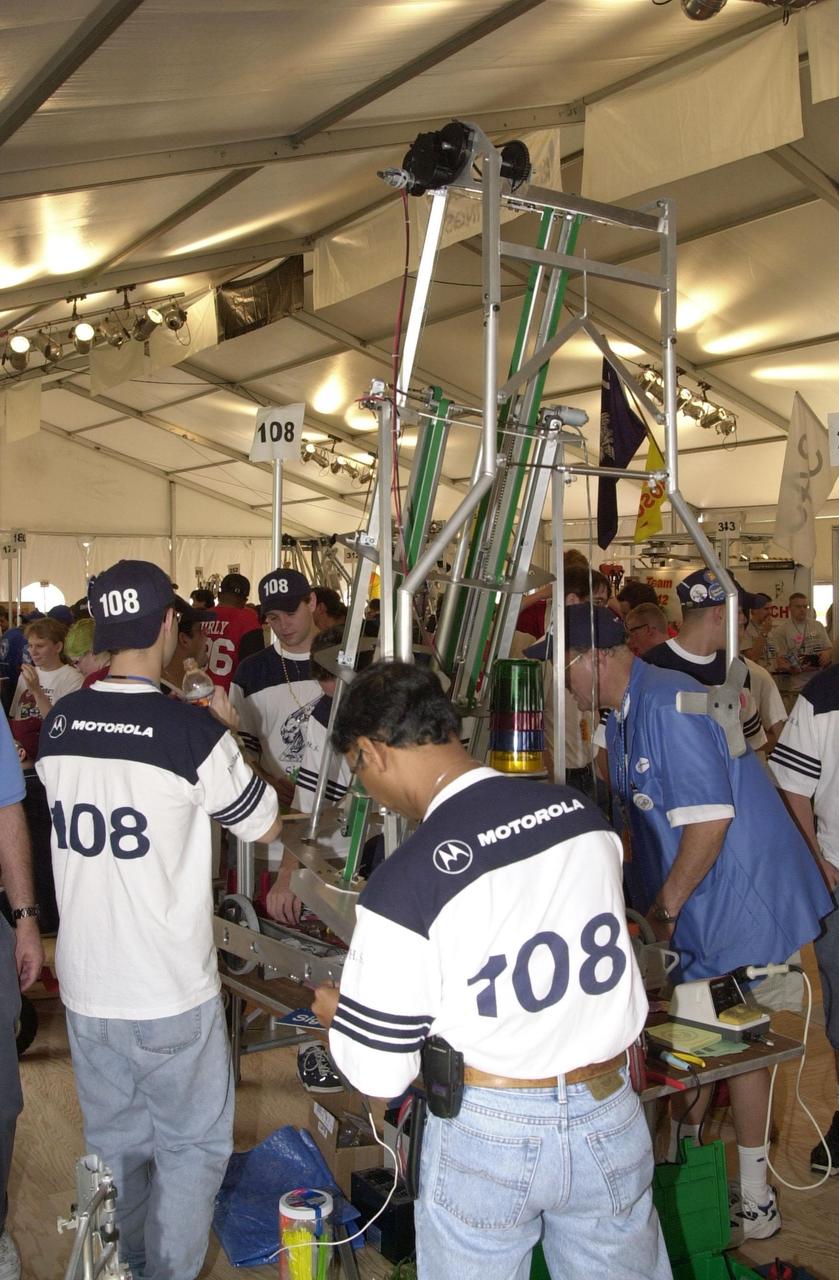
Students from Plantation, Fla., and their mentors prepare their team robot to compete in the NASA/KSC FIRST Southeastern Regional event. FIRST (For Inspiration and Recognition of Science and Technology) events are held nationwide, pitting the student-built robots against each other and the clock on a playing field. Many teams are sponsored by corporations, such as Motorola seen on these students’ shirts, and academic institutions. There are 27 teams throughout the State of Florida who are competing. KSC, which sponsors nine teams, has held the regional event for two years.
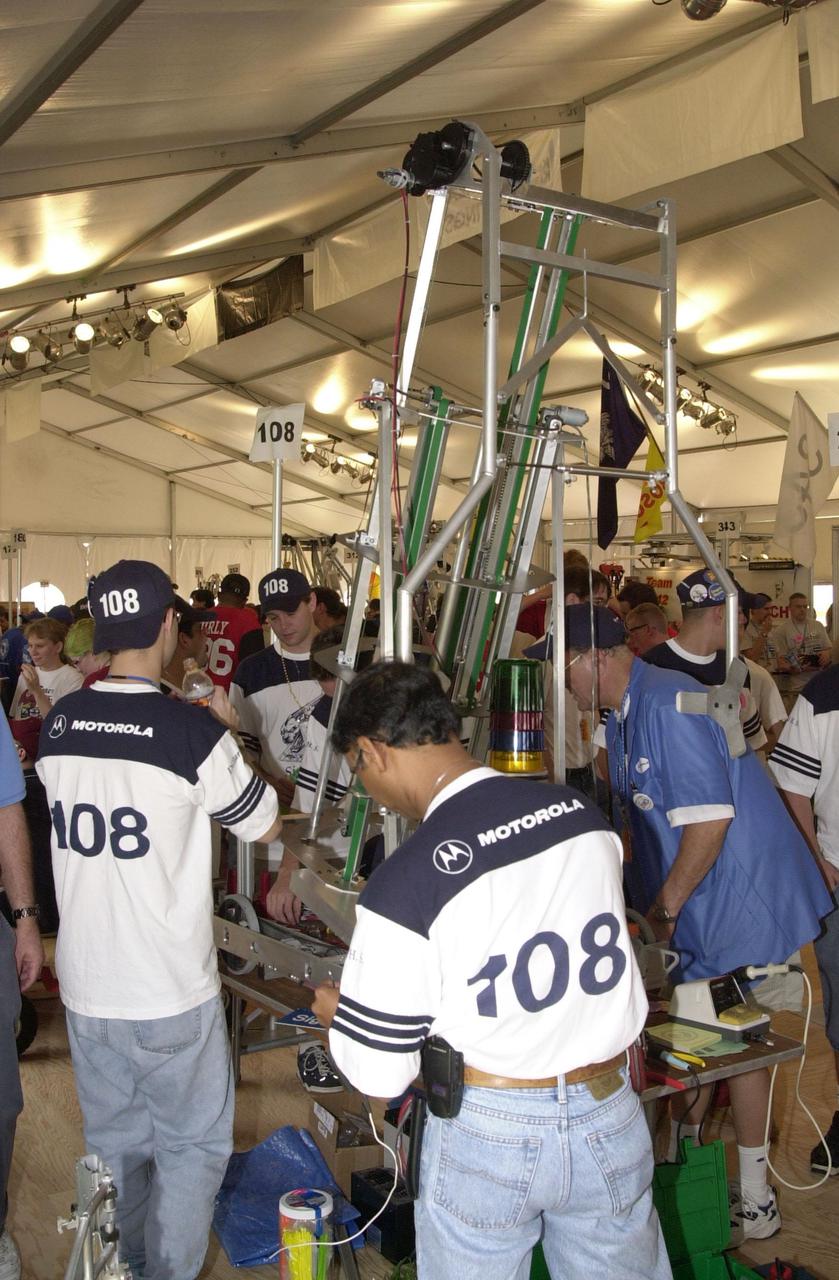
Students from Plantation, Fla., and their mentors prepare their team robot to compete in the NASA_KSC FIRST Southeastern Regional event. FIRST (For Inspiration and Recognition of Science and Technology) events are held nationwide, pitting the student-built robots against each other and the clock on a playing field. Many teams are sponsored by corporations, such as Motorola seen on these students’ shirts, and academic institutions. There are 27 teams throughout the State of Florida who are competing. KSC, which sponsors nine teams, has held the regional event for two years.
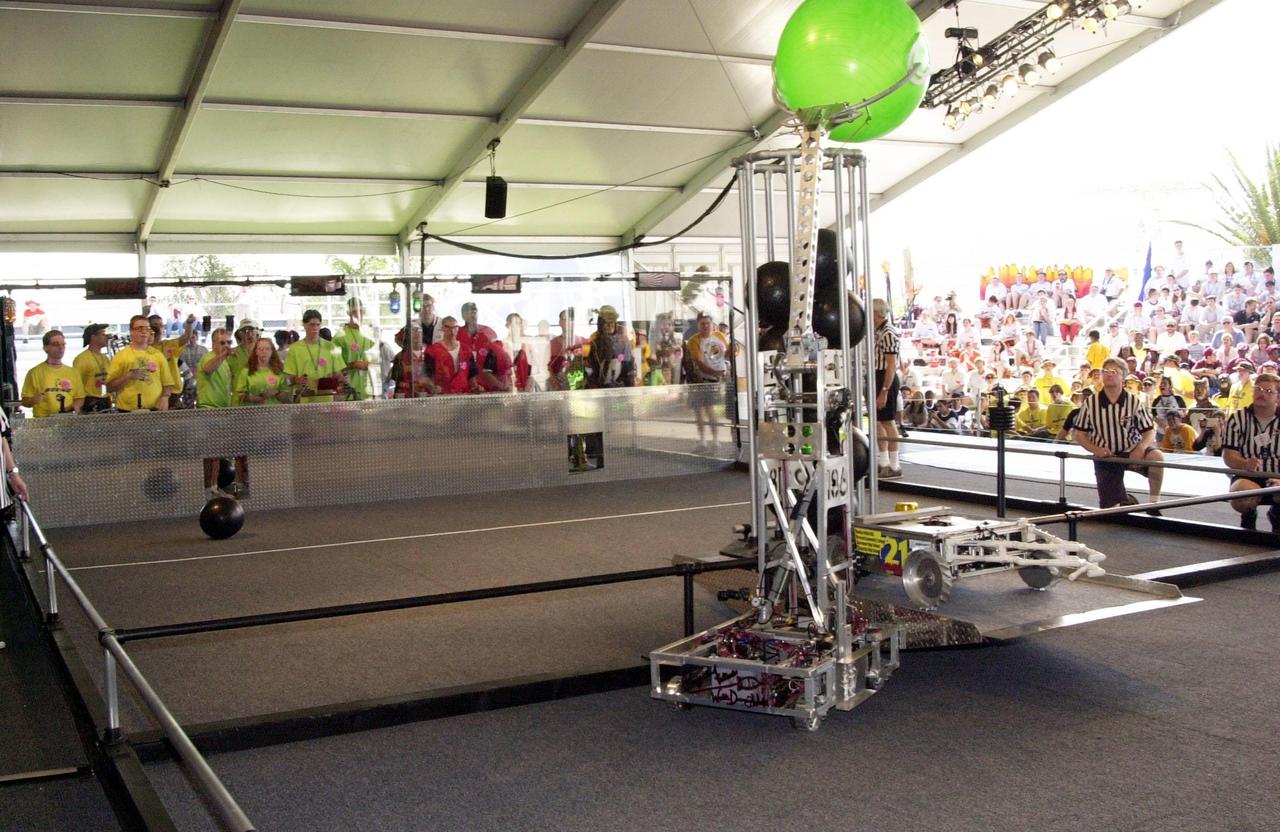
Student teams and spectators look over the playing field and listen to instructions about the competition at the NASA/KSC FIRST Southeastern Regional event held March 1-3, 2001. FIRST (For Inspiration and Recognition of Science and Technology) events are held nationwide, pitting robots against each other and the clock on a playing field. Many teams are sponsored by corporations and academic institutions. There are 27 teams throughout the State of Florida who are competing. KSC, which sponsors nine teams, has held the regional event for two years
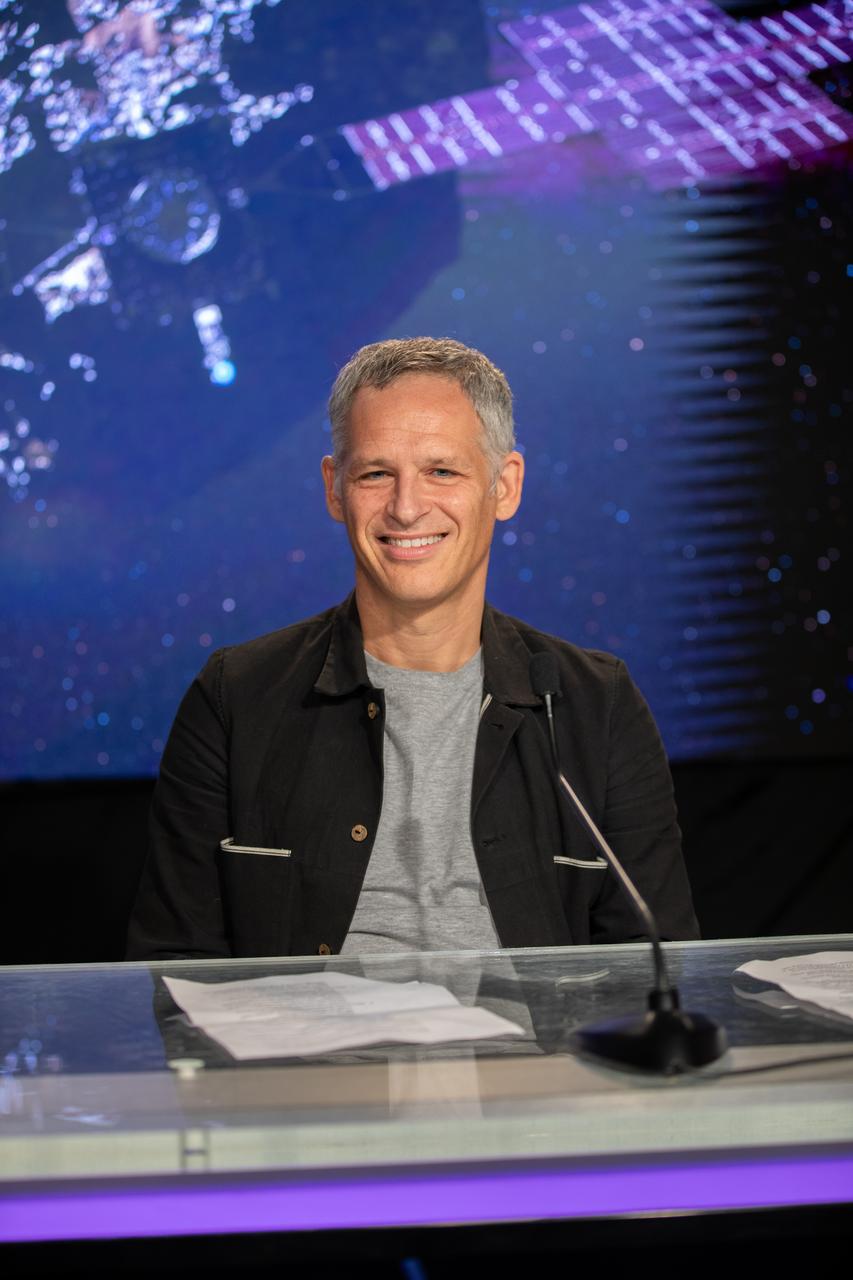
Ben Weiss, Psyche deputy principal investigator and magnetometer lead, Massachusetts Institute of Technology, participates in a Psyche mission and science briefing at NASA’s Kennedy Space Center in Florida on Tuesday, Oct. 10, 2023. Psyche is the first mission to explore an asteroid with a surface that likely contains substantial amounts of metal rather than rock or ice. Liftoff of NASA’s Psyche spacecraft, atop a SpaceX Falcon Heavy rocket, is targeted for 10:16 a.m. EDT Thursday, Oct. 12, from Kennedy’s Launch Complex 39A.
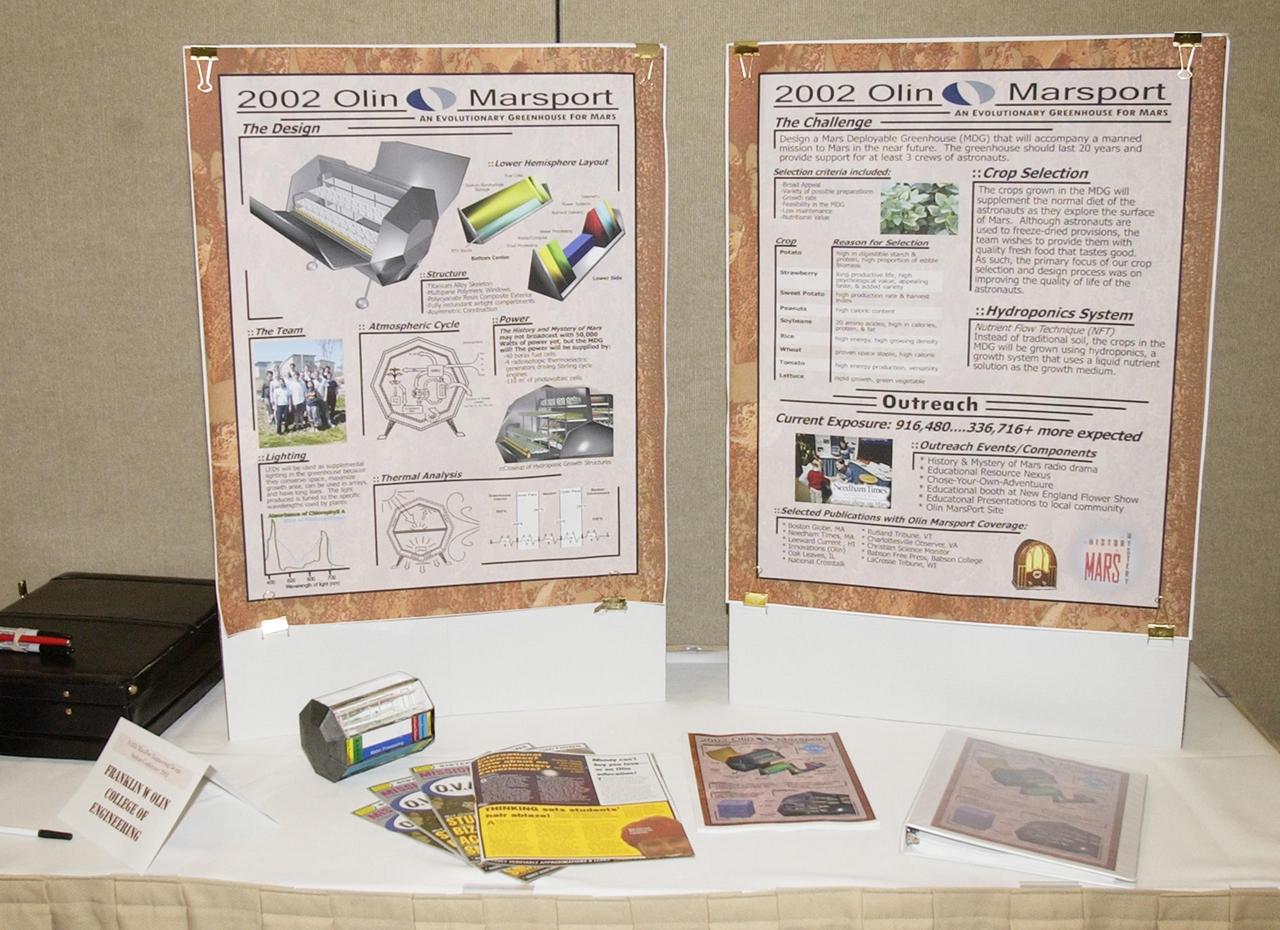
KENNEDY SPACE CENTER, FLA. -- A presentation by Franklin W. Olin College of Engineering is on display at the KSC Visitor Complex for this year's NASA MarsPort Engineering Design Student Competition 2002 conference. Participants are presenting papers on engineering trade studies to design optimal configurations for a MarsPort Deployable Greenhouse for operation on the surface of Mars. Judges in the competition were from KSC, Dynamac Corporation and Florida Institute of Technology. The winning team's innovative ideas will be used by NASA to evaluate and study other engineering trade concepts
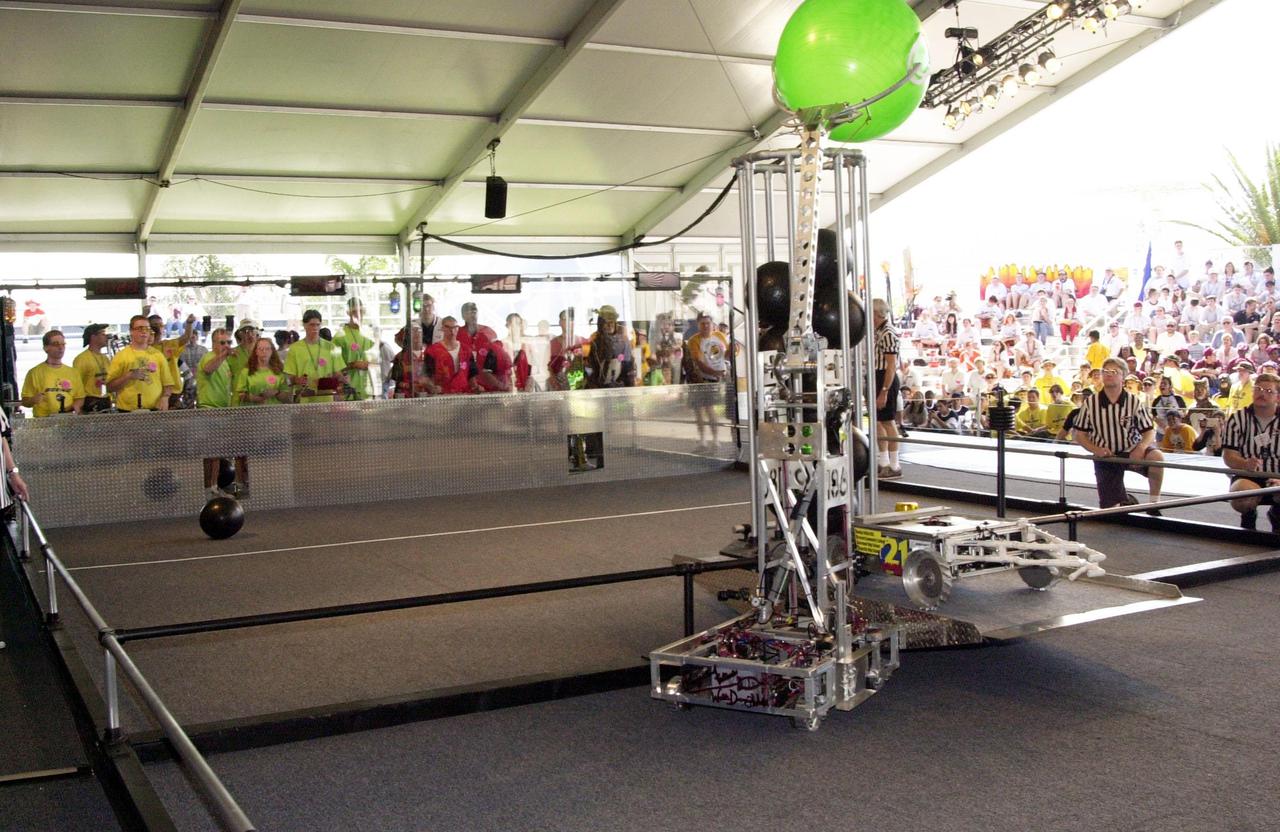
Student teams and spectators look over the playing field and listen to instructions about the competition at the NASA_KSC FIRST Southeastern Regional event held March 1-3, 2001. FIRST (For Inspiration and Recognition of Science and Technology) events are held nationwide, pitting robots against each other and the clock on a playing field. Many teams are sponsored by corporations and academic institutions. There are 27 teams throughout the State of Florida who are competing. KSC, which sponsors nine teams, has held the regional event for two years
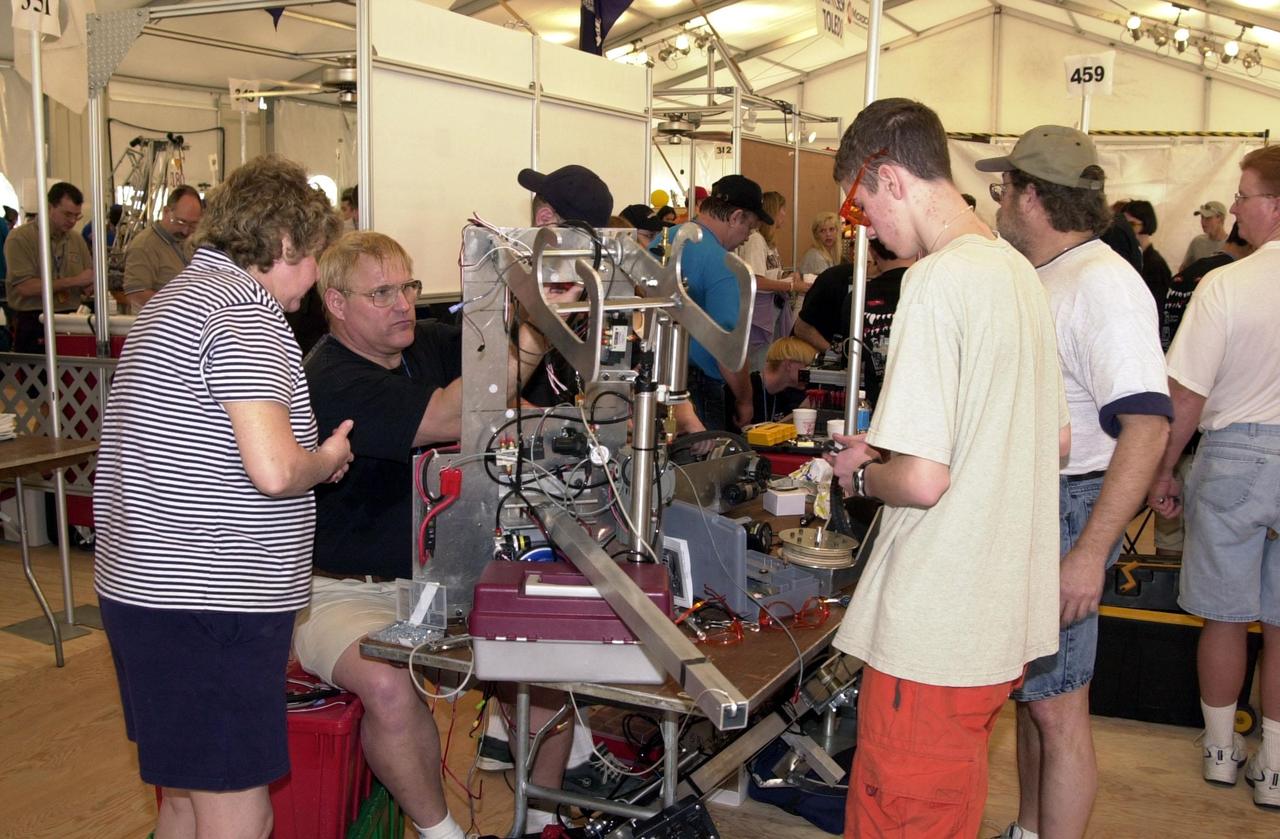
Students and their mentors prepare their team robot to compete in the NASA/KSC FIRST Southeastern Regional event. FIRST (For Inspiration and Recognition of Science and Technology) events are held nationwide, pitting the student-built robots against each other and the clock on a playing field. Many teams are sponsored by corporations and academic institutions. There are 27 teams throughout the State of Florida who are competing. KSC, which sponsors nine teams, has held the regional event for two years.
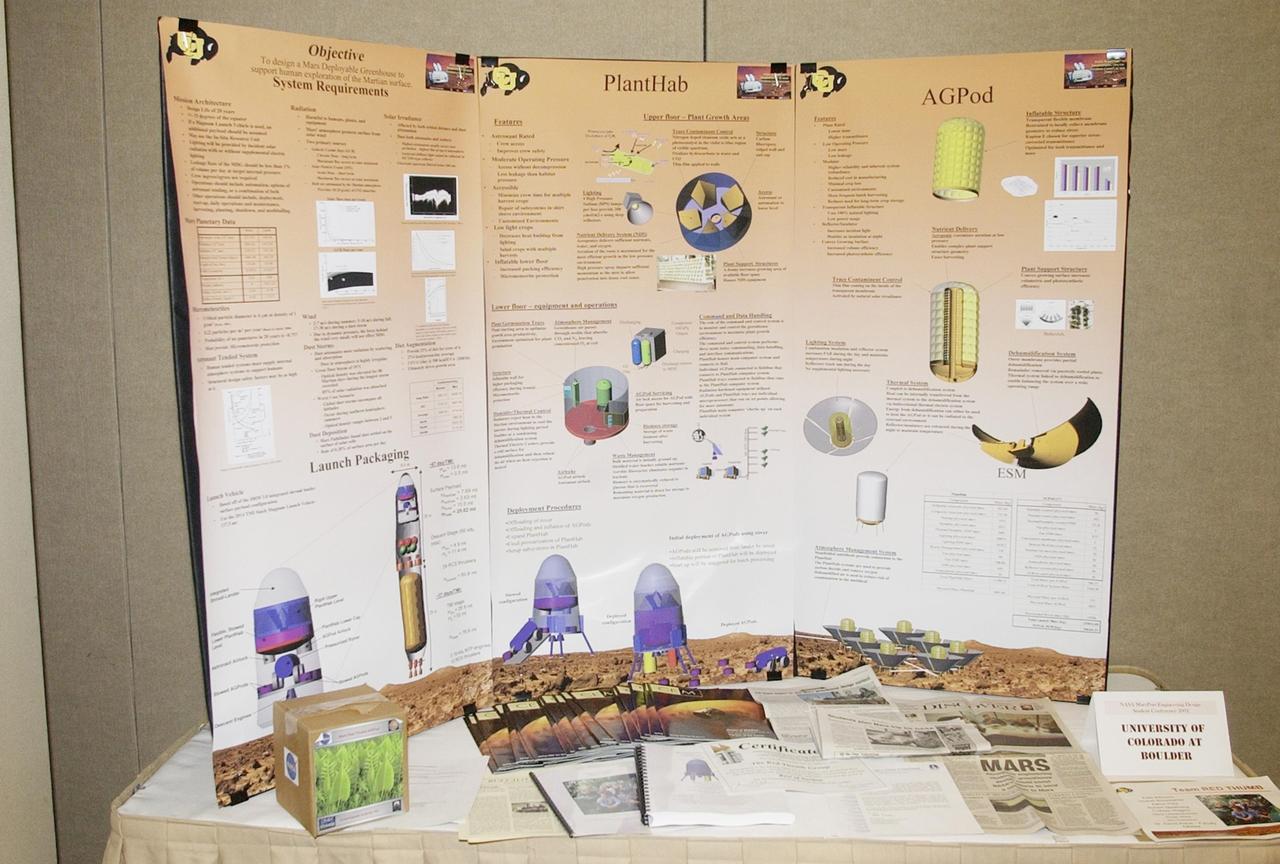
KENNEDY SPACE CENTER, FLA. -- During this year's NASA MarsPort Engineering Design Student Competition 2002 conference, the University of Colorado at Boulder presents this display. Participants are presenting papers on engineering trade studies to design optimal configurations for a MarsPort Deployable Greenhouse for operation on the surface of Mars. Judges in the competition were from KSC, Dynamac Corporation and Florida Institute of Technology. The winning team's innovative ideas will be used by NASA to evaluate and study other engineering trade concepts.
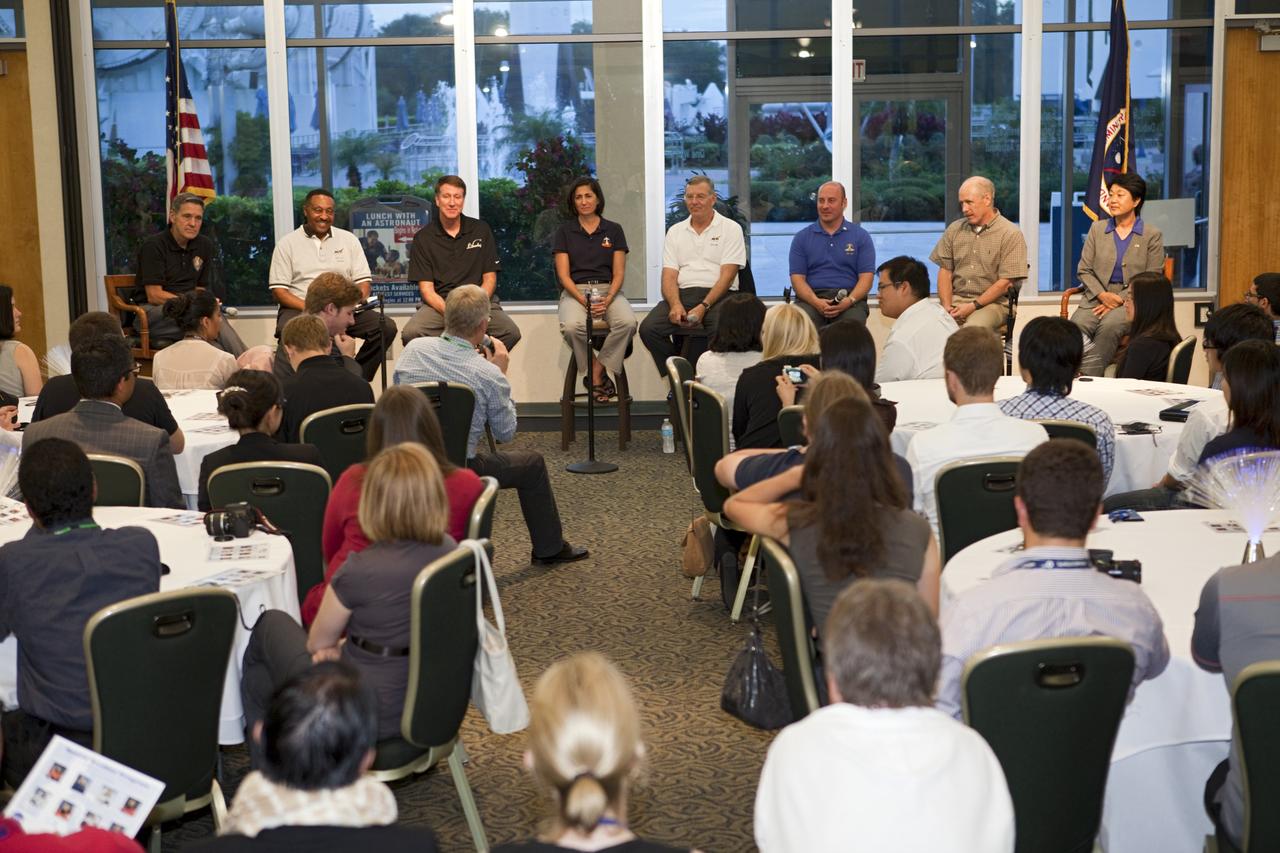
CAPE CANAVERAL, Fla. – Current and former NASA and international astronauts spoke to participants of the International Space University on the future of human spaceflight during a panel discussion at the Kennedy Space Center Visitor Complex in Florida. Participating in the discussion from left, are Kennedy Space Center Director Bob Cabana Winston Scott, dean of the College of Aeronautics at Florida Institute of Technology and former NASA astronaut Kent Rominger, vice president with Alliant Techsystems and former NASA astronaut Nicole Stott, NASA astronaut currently on detail at Kennedy Space Center Jim Voss, director of advanced programs at Sierra Nevada Corporation and former NASA astronaut Garrett Reisman, senior engineer with SpaceX and former NASA astronaut Ken Bowersox, former NASA astronaut and Chiaki Mukai, a Japan Aerospace Exploration Agency astronaut. The International Space University is a nine-week intensive course designed for post-graduate university students and professionals during the summer. The program is hosted by a different country each year, providing a unique educational experience for participants from around the world. NASA Kennedy Space Center and the Florida Institute of Technology in Melbourne, Fla., are co-hosting this year’s event which runs from June 4 to Aug. 3. There are about 125 participants representing 31 countries. For more information, visit http://www.isunet.edu. Photo credit: NASA/Kim Shiflett
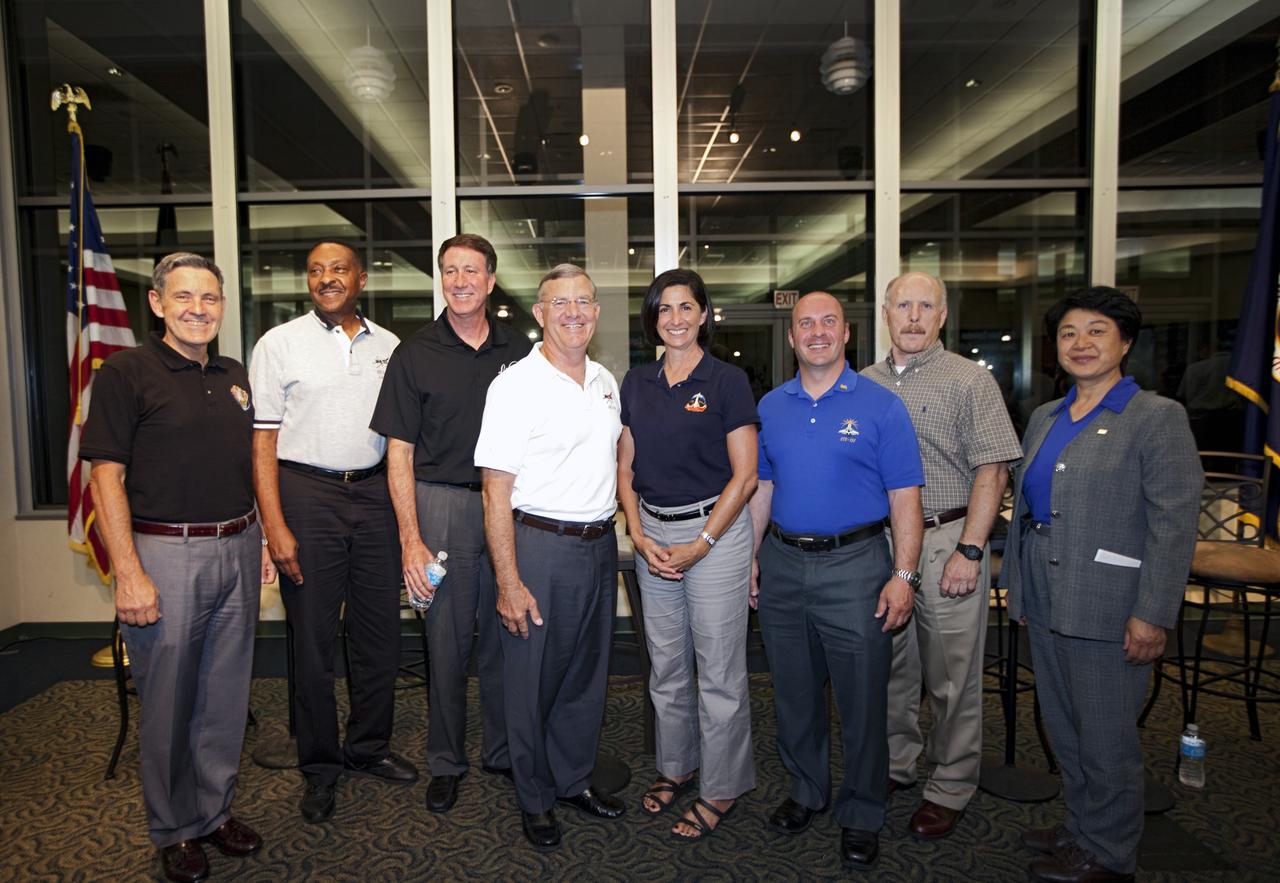
CAPE CANAVERAL, Fla. – Current and former NASA and international astronauts gather for a group photograph after speaking to participants of the International Space University on the future of human spaceflight during a panel discussion at the Kennedy Space Center Visitor Complex in Florida. From left, are Kennedy Space Center Director Bob Cabana Winston Scott, dean of the College of Aeronautics at Florida Institute of Technology and former NASA astronaut Kent Rominger, vice president with Alliant Techsystems and former NASA astronaut Nicole Stott, NASA astronaut currently on detail at Kennedy Space Center Jim Voss, director of advanced programs at Sierra Nevada Corporation and former NASA astronaut Garrett Reisman, senior engineer with SpaceX and former NASA astronaut Ken Bowersox, former NASA astronaut and Chiaki Mukai, a Japan Aerospace Exploration Agency astronaut. The International Space University is a nine-week intensive course designed for post-graduate university students and professionals during the summer. The program is hosted by a different country each year, providing a unique educational experience for participants from around the world. NASA Kennedy Space Center and the Florida Institute of Technology in Melbourne, Fla., are co-hosting this year’s event which runs from June 4 to Aug. 3. There are about 125 participants representing 31 countries. For more information, visit http://www.isunet.edu. Photo credit: NASA/Kim Shiflett
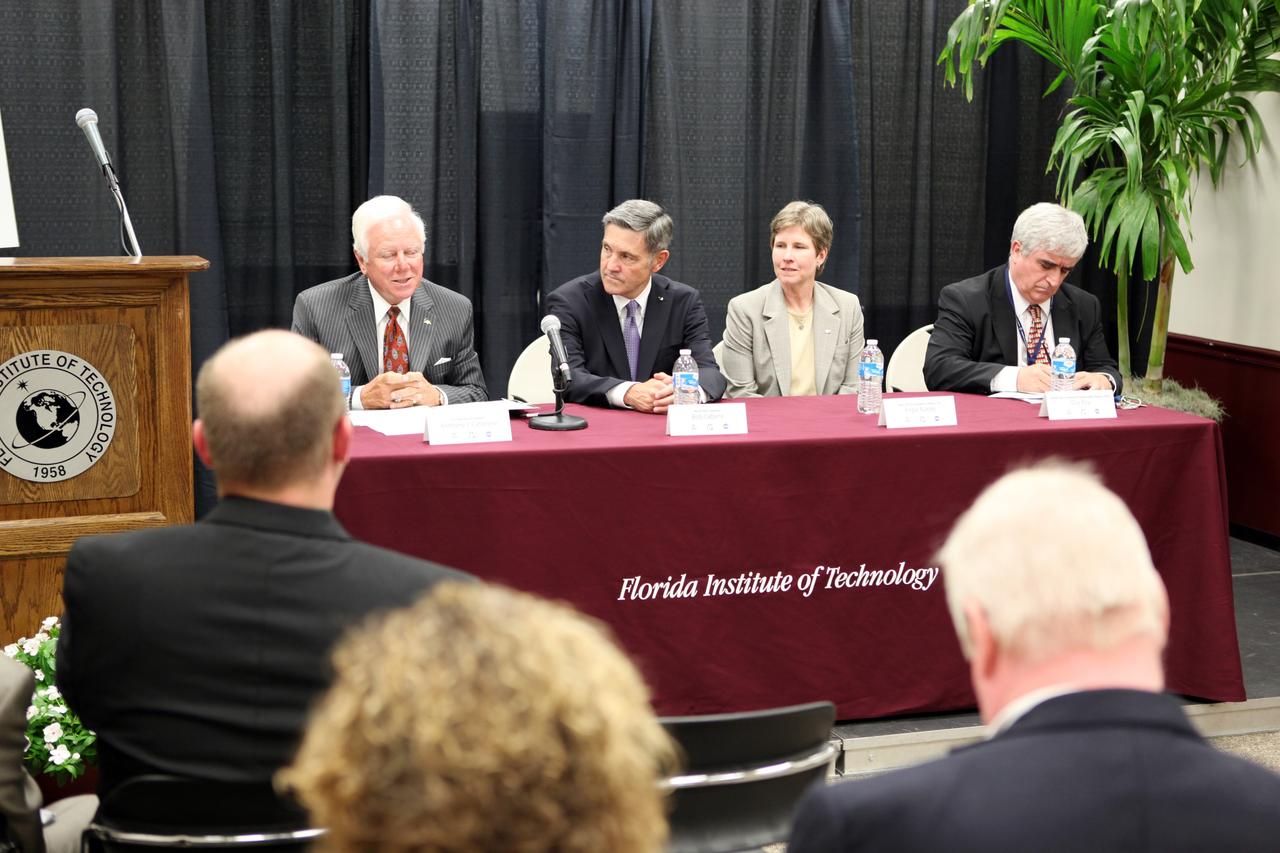
MELBOURNE, Fla. – Anthony J. Catanese, president of the Florida Institute of Technology, participates in the opening ceremonies for the International Space University's 25th annual Space Studies Program session at the Florida Institute of Technology in Melbourne, Fla. Seated from left are Catanese NASA Kennedy Space Center Director Bob Cabana Professor Angie Bukley, dean and vice president for Academic Affairs, International Space University and Dr. Guy A. Boy, chair of the Space Studies Program’s local organizing committee. The nine-week intensive course is designed for post-graduate university students and professionals during the summer. The program is hosted by a different country each year, providing a unique educational experience for participants from around the globe. NASA Kennedy Space Center and Florida Tech are co-hosting this year's event which runs from June 4 to Aug. 3. This year, there are about 125 participants representing 31 countries. For more information, visit http://www.isunet.edu. Photo credit: NASA/Dimitri Gerondidakis
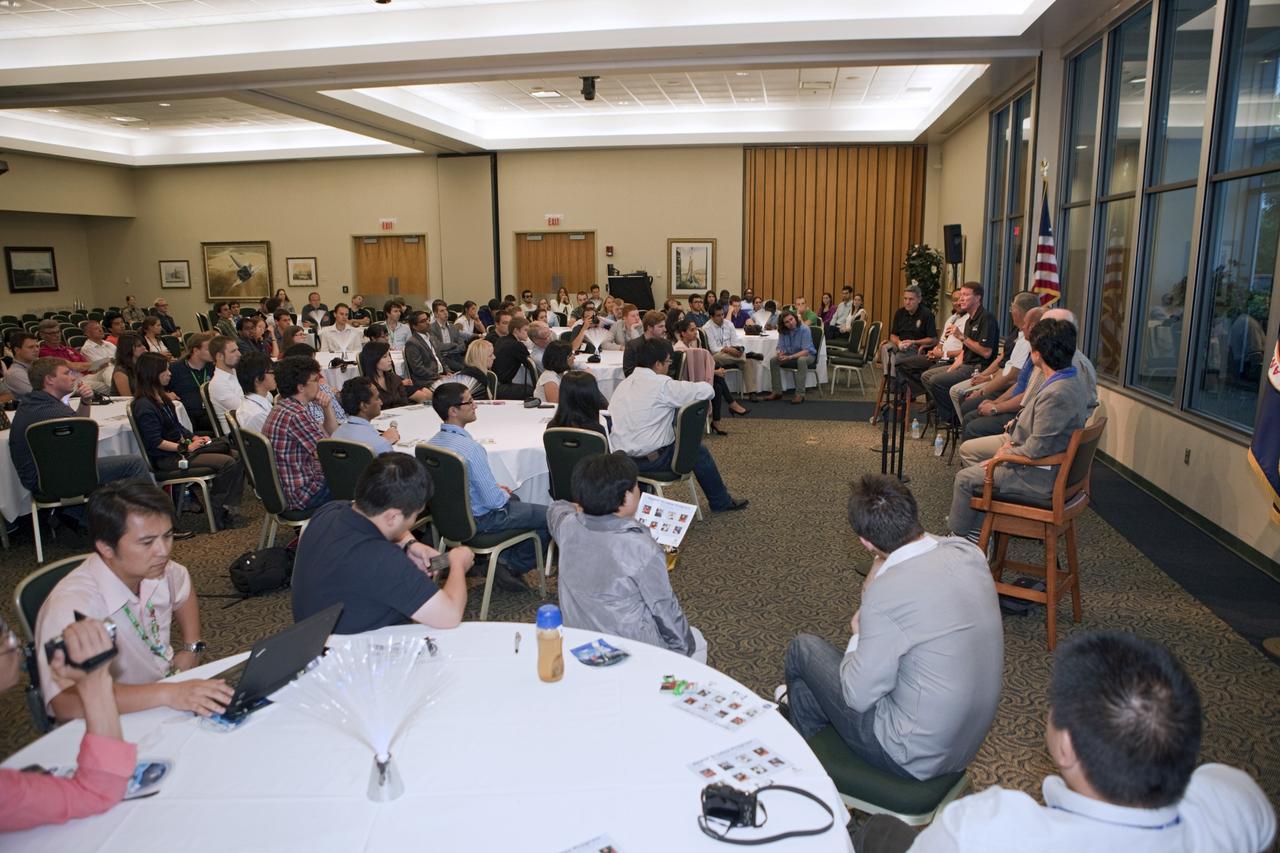
CAPE CANAVERAL, Fla. – Current and former NASA and international astronauts spoke to participants of the International Space University on the future of human spaceflight during a panel discussion at the Kennedy Space Center Visitor Complex in Florida. Participating in the discussion from left, are Kennedy Space Center Director Bob Cabana Winston Scott, dean of the College of Aeronautics at Florida Institute of Technology and former NASA astronaut Kent Rominger, vice president with Alliant Techsystems and former NASA astronaut Nicole Stott, NASA astronaut currently on detail at Kennedy Space Center Jim Voss, director of advanced programs at Sierra Nevada Corporation and former NASA astronaut Garrett Reisman, senior engineer with SpaceX and former NASA astronaut Ken Bowersox, former NASA astronaut and Chiaki Mukai, a Japan Aerospace Exploration Agency astronaut. The International Space University is a nine-week intensive course designed for post-graduate university students and professionals during the summer. The program is hosted by a different country each year, providing a unique educational experience for participants from around the world. NASA Kennedy Space Center and the Florida Institute of Technology in Melbourne, Fla., are co-hosting this year’s event which runs from June 4 to Aug. 3. There are about 125 participants representing 31 countries. For more information, visit http://www.isunet.edu. Photo credit: NASA/Kim Shiflett
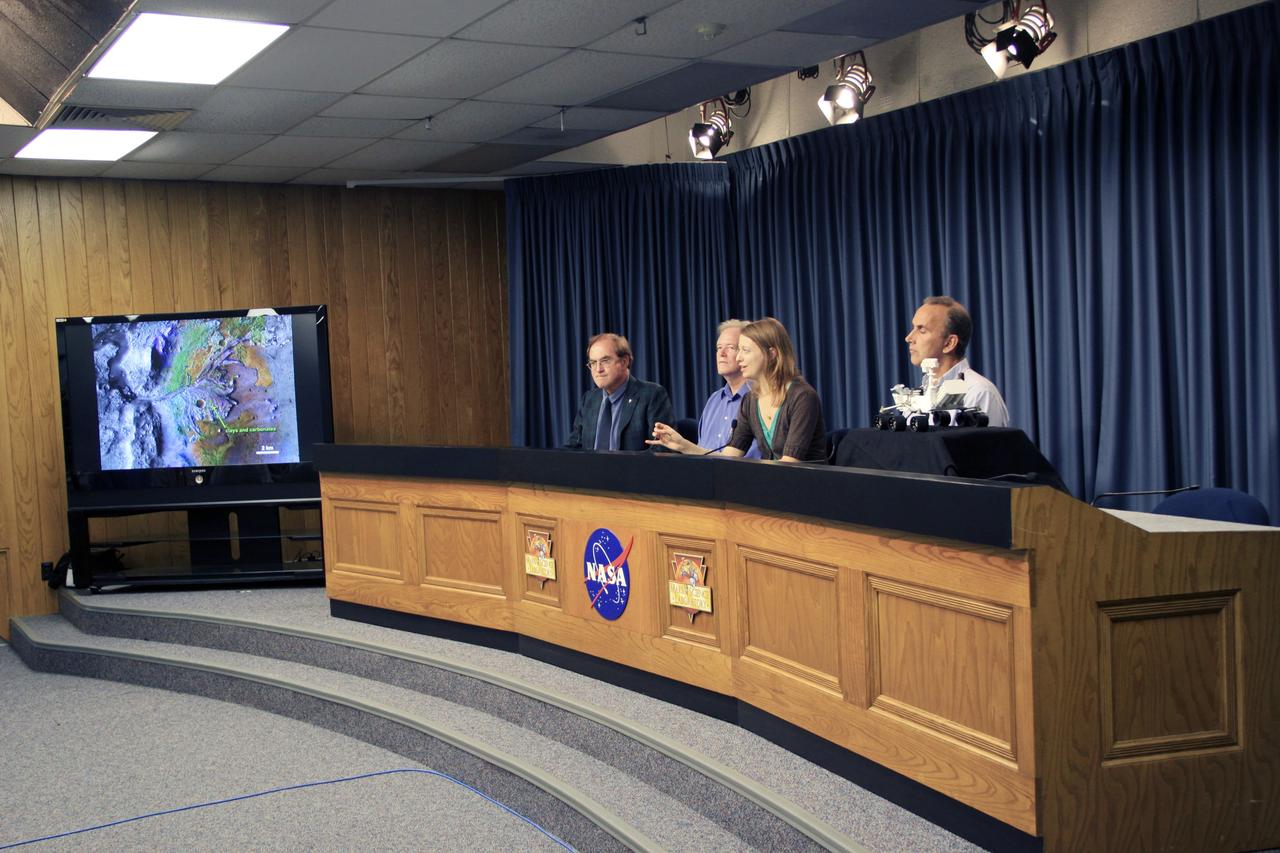
CAPE CANAVERAL, Fla. – At NASA’s Kennedy Space Center in Florida, Scientist and Assistant Professor Bethany Ehlmann with the California Institute of Technology and Jet Propulsion Laboratory, answers a question from the media during a “What Do We Know About Mars” news conference, Nov. 21. The press conference was part of preflight activities for the Mars Science Laboratory (MSL) mission. NASA Public Affairs Officer George Diller, at left, moderates the conference that also features Lead Scientist Michael Meyer, Mars Exploration Program and Mars Science Laboratory Project Scientist John Grotzinger from the California Institute of Technology. MSL’s components include a car-sized rover, Curiosity, which has 10 science instruments designed to search for signs of life, including methane, and help determine if the gas is from a biological or geological source. Launch of MSL aboard a United Launch Alliance Atlas V rocket is targeted for Nov. 26 from Space Launch Complex 41 on Cape Canaveral Air Force Station in Florida. For more information, visit http://www.nasa.gov/msl. Photo credit: NASA/Jim Grossmann
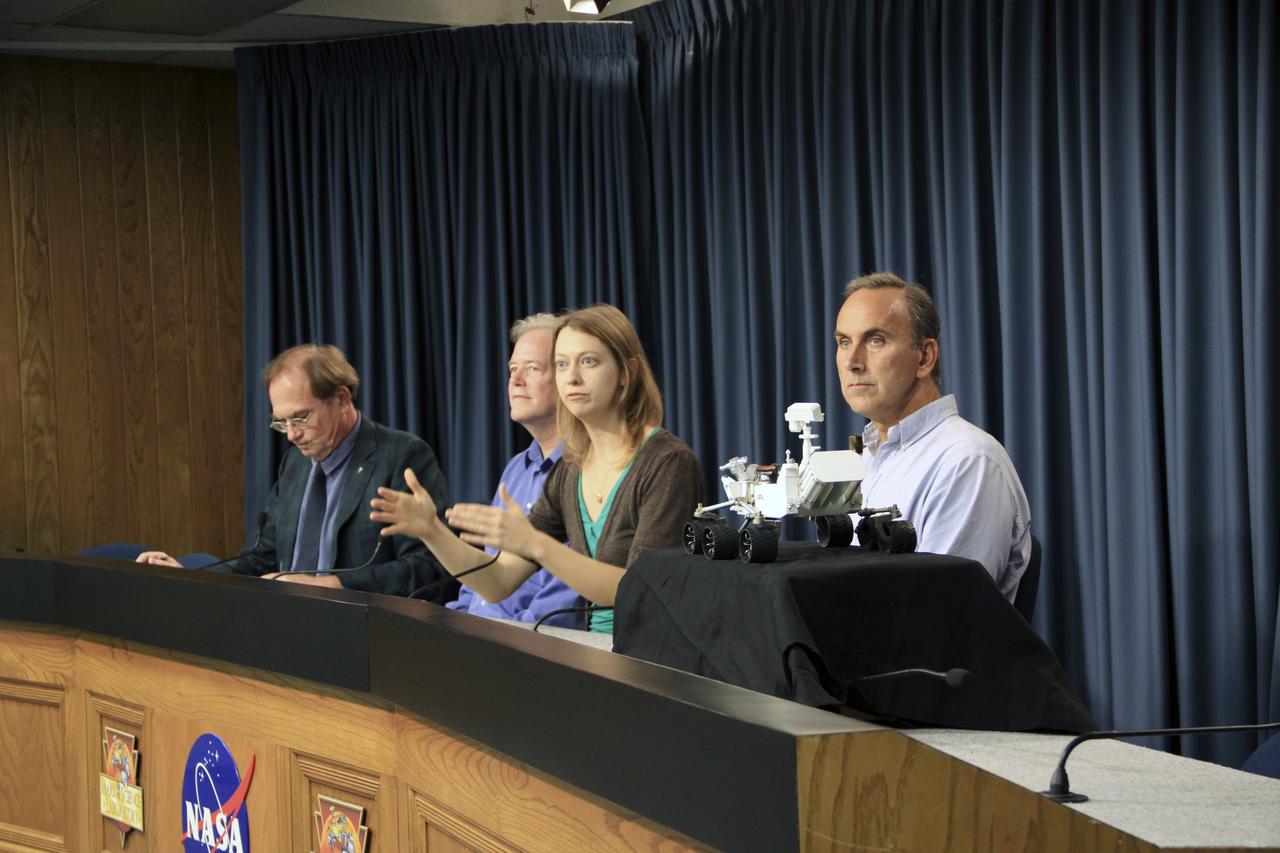
CAPE CANAVERAL, Fla. – At NASA’s Kennedy Space Center in Florida, Scientist and Assistant Professor Bethany Ehlmann with the California Institute of Technology and Jet Propulsion Laboratory, answers a question from the media during a “What Do We Know About Mars” news conference, Nov. 21. The press conference was part of preflight activities for the Mars Science Laboratory (MSL) mission. NASA Public Affairs Officer George Diller, at left, moderates the conference that also features Lead Scientist Michael Meyer, Mars Exploration Program and Mars Science Laboratory Project Scientist John Grotzinger from the California Institute of Technology. MSL’s components include a car-sized rover, Curiosity, which has 10 science instruments designed to search for signs of life, including methane, and help determine if the gas is from a biological or geological source. Launch of MSL aboard a United Launch Alliance Atlas V rocket is targeted for Nov. 26 from Space Launch Complex 41 on Cape Canaveral Air Force Station in Florida. For more information, visit http://www.nasa.gov/msl. Photo credit: NASA/Jim Grossmann
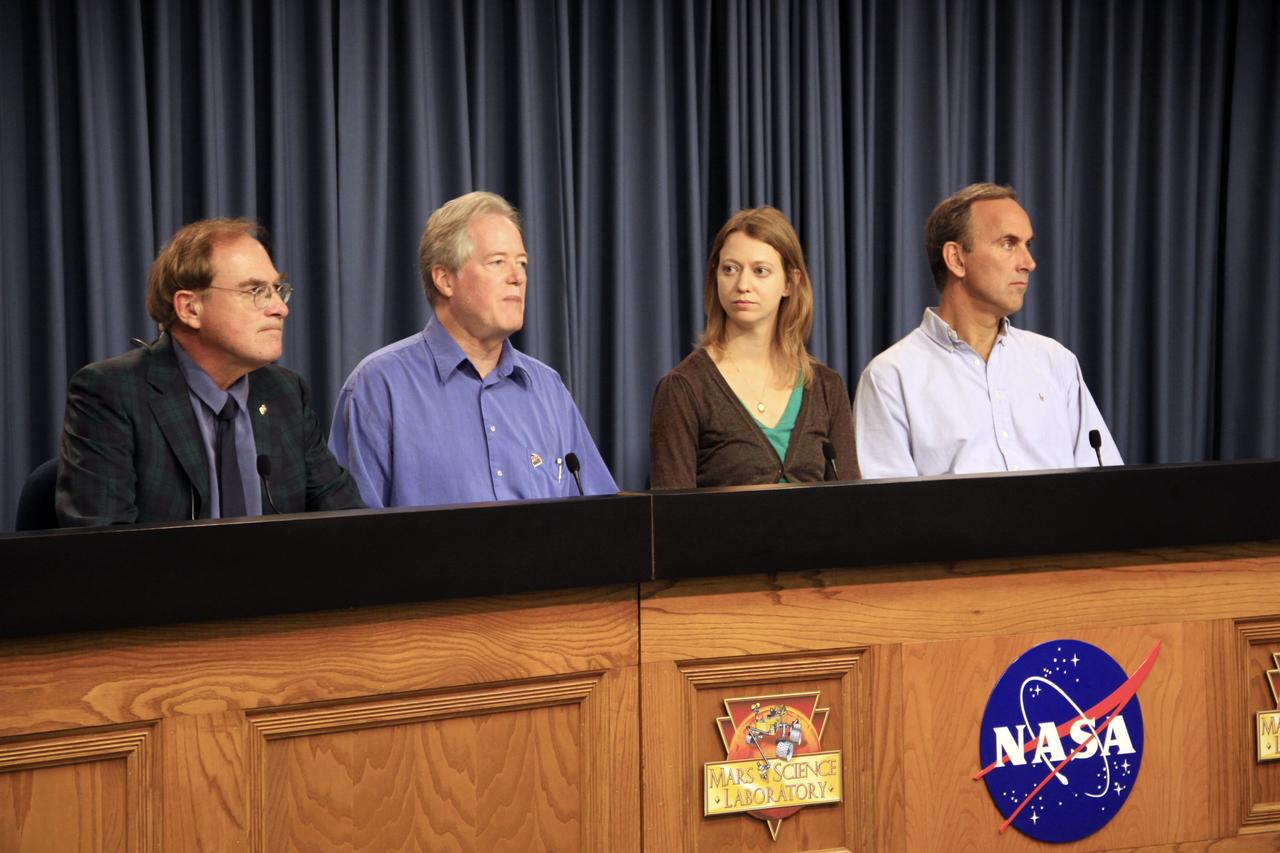
CAPE CANAVERAL, Fla. – NASA’s Kennedy Space Center in Florida is host to a “What Do We Know About Mars” news conference, Nov. 21, as part of preflight activities for the Mars Science Laboratory (MSL) mission. NASA Public Affairs Officer George Diller, at left, moderates the conference featuring Lead Scientist Michael Meyer, Mars Exploration Program; Scientist and Assistant Professor Bethany Ehlmann with the California Institute of Technology and Jet Propulsion Laboratory; and Mars Science Laboratory Project Scientist John Grotzinger from the California Institute of Technology. MSL’s components include a car-sized rover, Curiosity, which has 10 science instruments designed to search for signs of life, including methane, and help determine if the gas is from a biological or geological source. Launch of MSL aboard a United Launch Alliance Atlas V rocket is targeted for Nov. 26 from Space Launch Complex 41 on Cape Canaveral Air Force Station in Florida. For more information, visit http://www.nasa.gov/msl. Photo credit: NASA/Jim Grossmann
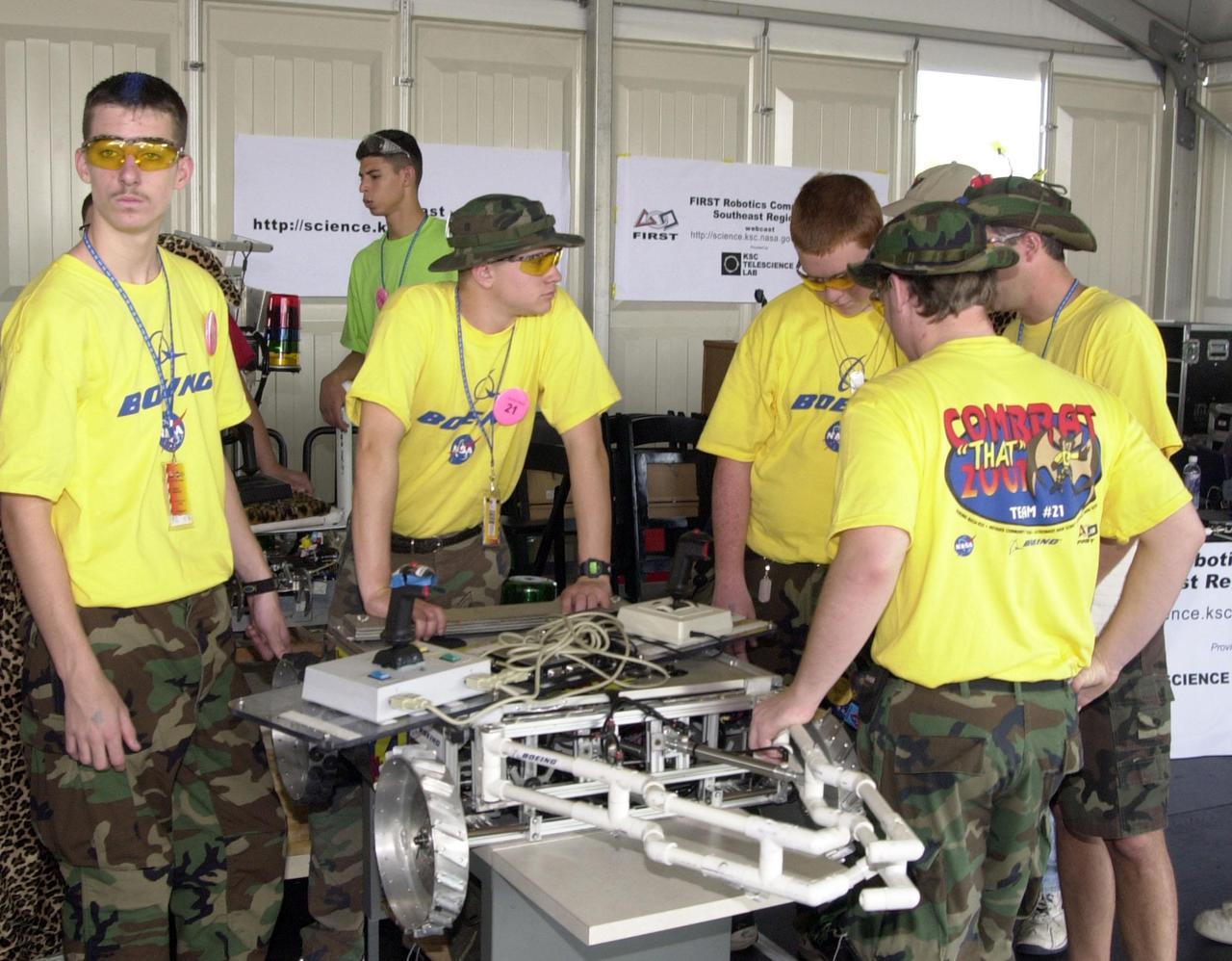
During the NASA_KSC FIRST Southeastern Regional competition held March 1-3, 2001, the ComBBAT 2001 team gives a final check to their robot. ComBBAT is a KSC joint-sponsored team of students from Astronaut and Titusville High Schools, Florida. FIRST (For Inspiration and Recognition of Science and Technology) events are held nationwide, pitting robots against each other and the clock on a playing field. Many teams are sponsored by corporations and academic institutions. There are 27 teams throughout the State of Florida who are competing. KSC, which sponsors nine teams, has held the regional event for two years
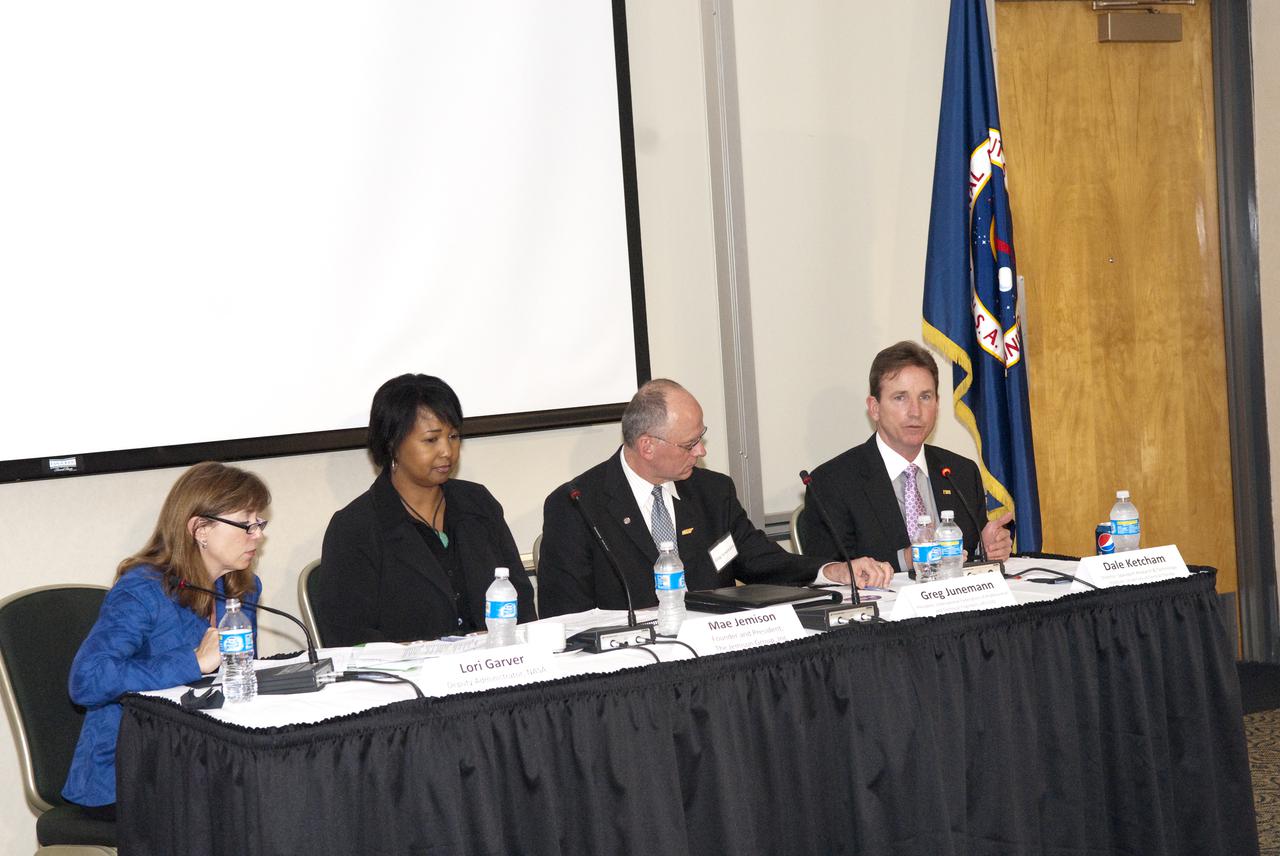
CAPE CANAVERAL, Fla. - In the Juno_Jupiter room of the Debus Center at NASA Kennedy Space Center Visitor Complex in Florida, Lori Garver, NASA Deputy Administrator (left) heads up the fourth break-out session 'Harnessing Space to Expand Economic Opportunity,' that is part of the Conference on the American Space Program for the 21st Century. The distinguished panel for this session is: Mae Jamison, Founder and President of The Jamison Group Inc.; Greg Junemann, President of the International Federation of Professional and Technical Engineers, AFL-CIO and CLC and Dale Ketcham, Director of the Spaceport Research and Technology Institute at the University of Central Florida. Photo Credit: NASA_Jim Grossmann
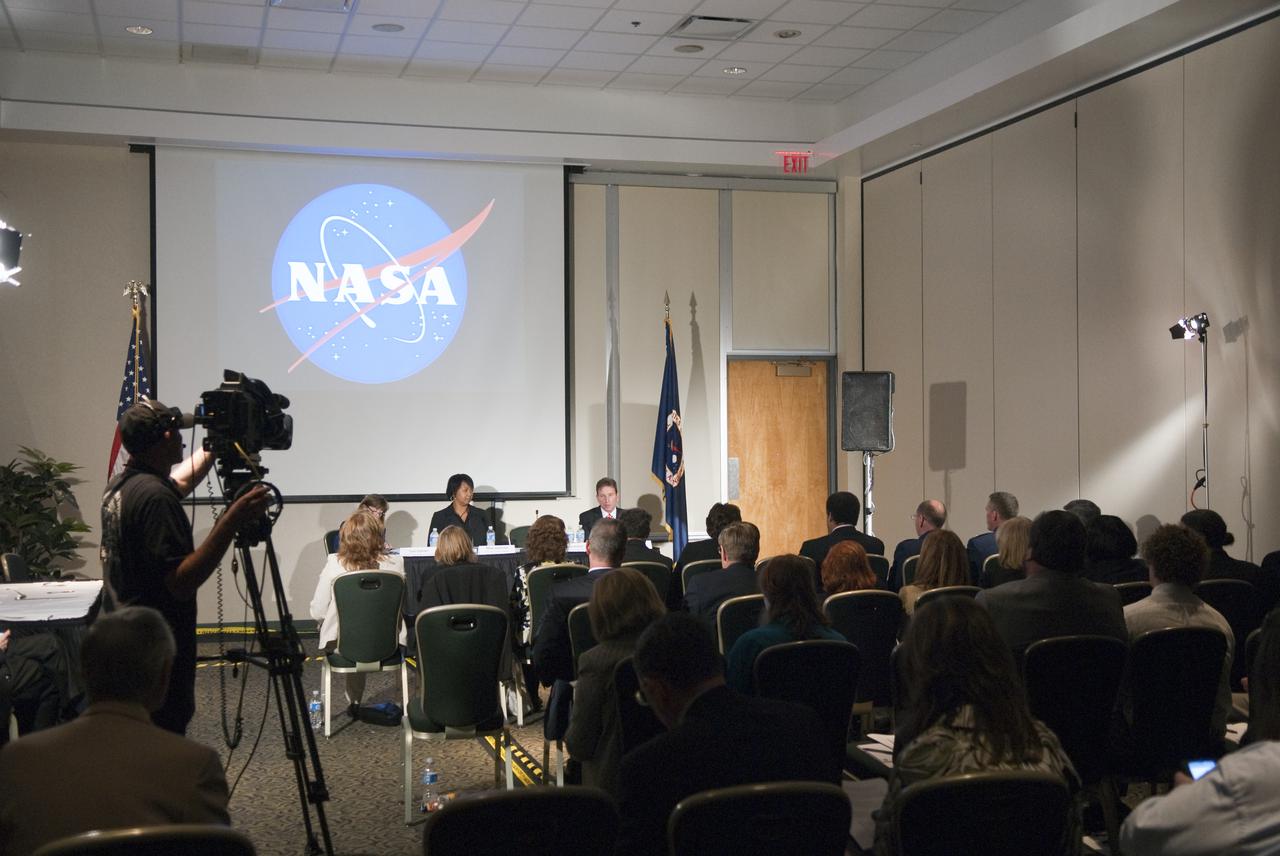
CAPE CANAVERAL, Fla. - In the Juno_Jupiter room of the Debus Center at NASA Kennedy Space Center Visitor Complex in Florida, Lori Garver, NASA Deputy Administrator (partially obscured left) heads up the fourth break-out session, 'Harnessing Space to Expand Economic Opportunity,' that is part of the Conference on the American Space Program for the 21st Century. The distinguished panel for this session is: Mae Jamison, Founder and President of The Jamison Group Inc.; Greg Junemann, President of the International Federation of Professional and Technical Engineers, AFL-CIO and CLC (not in frame) and Dale Ketcham, Director of the Spaceport Research and Technology Institute at the University of Central Florida. Photo Credit: NASA_Jim Grossmann
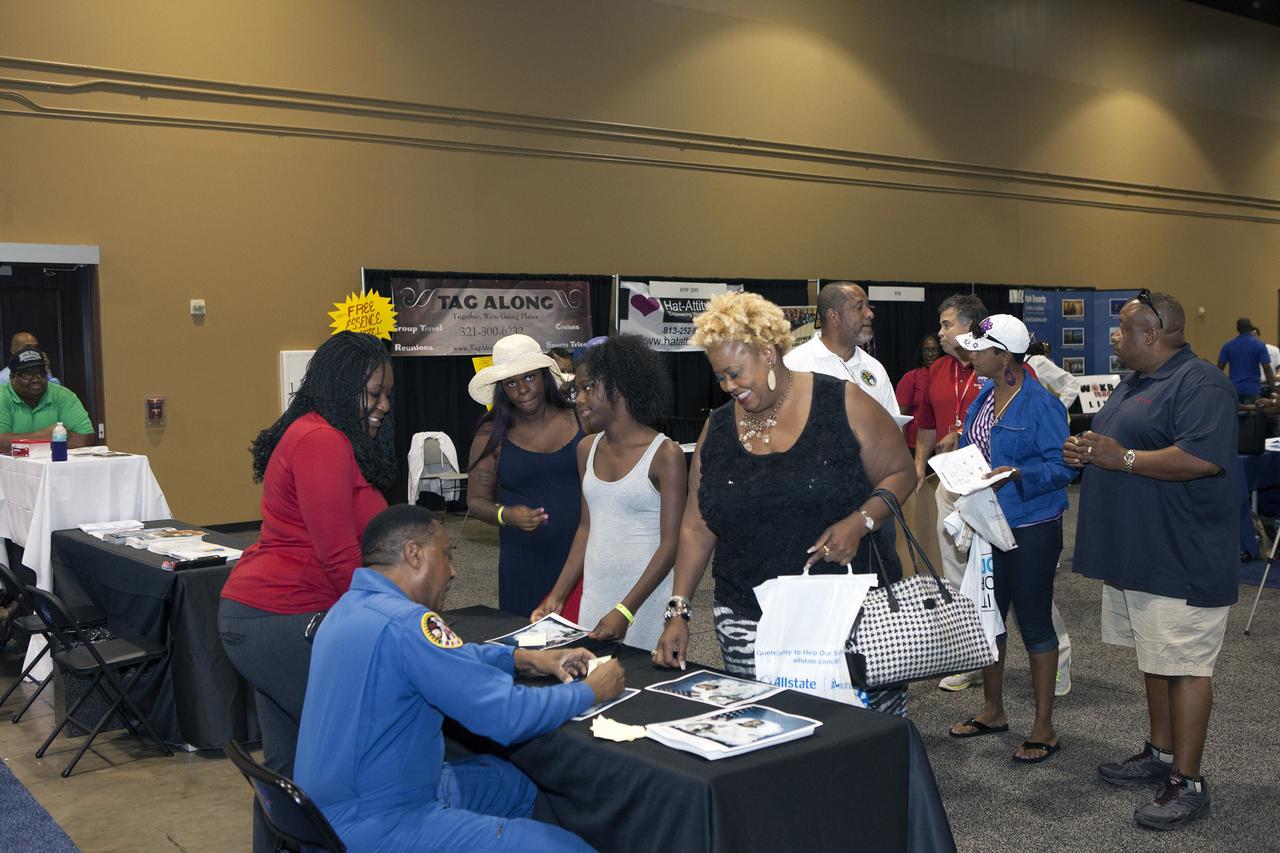
KISSIMMEE, Fla. – Former NASA astronaut Winston Scott signed autographs and posed for pictures with guests at the agency exhibit during the Tom Joyner Family Reunion. Now a senior vice president at the Florida Institute of Technology, he said that he likes to emphasize to young people how important a good education is in preparation for the future. The Tom Joyner Family Reunion is designed to present uplifting programs, entertainment and information about growing, diverse communities. An annual event of the nationally-syndicated Tom Joyner Morning Show, the many exhibits included NASA's participation focusing on encouraging young people to consider studies and careers in STEM -- science, technology, engineering and math. NASA's Education Division promoted the benefits of math and scientific learning along with career opportunities offered by the space agency. The activities took place at the Gaylord Palms Resort in Kissimmee, Florida, during the Labor Day weekend. Photo credit: NASA/Daniel Casper
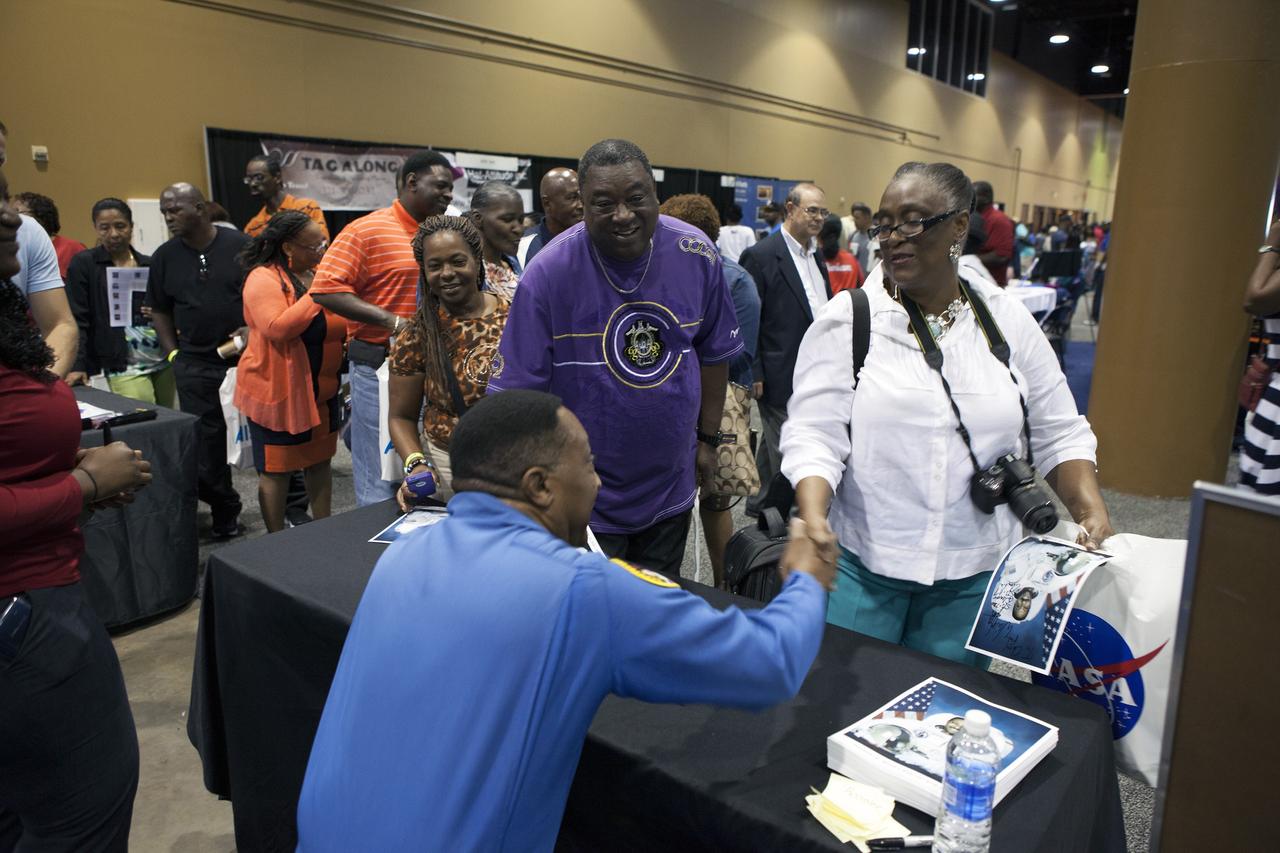
KISSIMMEE, Fla. – Former NASA astronaut Winston Scott signed autographs and posed for pictures with guests at the agency exhibit during the Tom Joyner Family Reunion. Now a senior vice president at the Florida Institute of Technology, he said that he likes to emphasize to young people how important a good education is in preparation for the future. The Tom Joyner Family Reunion is designed to present uplifting programs, entertainment and information about growing, diverse communities. An annual event of the nationally-syndicated Tom Joyner Morning Show, the many exhibits included NASA's participation focusing on encouraging young people to consider studies and careers in STEM -- science, technology, engineering and math. NASA's Education Division promoted the benefits of math and scientific learning along with career opportunities offered by the space agency. The activities took place at the Gaylord Palms Resort in Kissimmee, Florida, during the Labor Day weekend. Photo credit: NASA/Daniel Casper
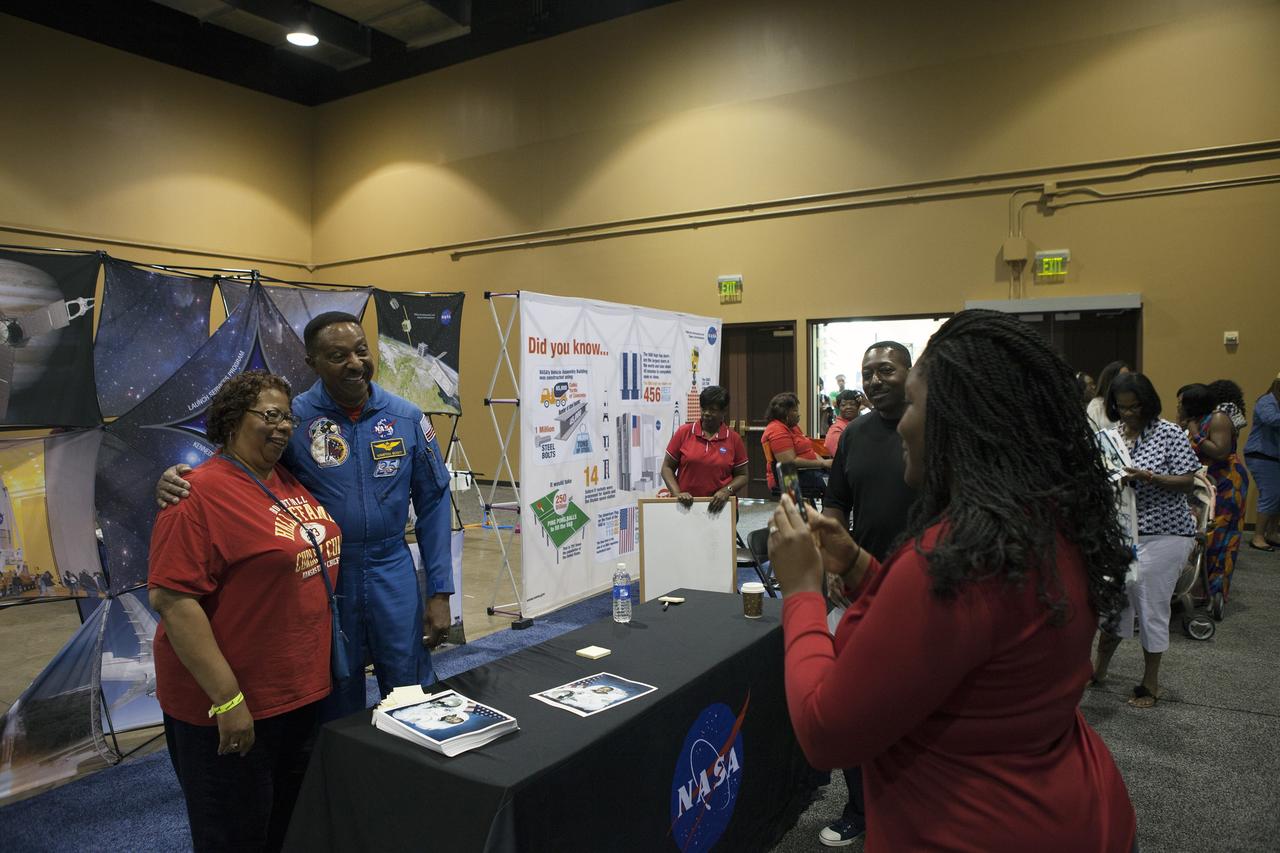
KISSIMMEE, Fla. – Former NASA astronaut Winston Scott signed autographs and posed for pictures with guests at the agency exhibit during the Tom Joyner Family Reunion. Now a senior vice president at the Florida Institute of Technology, he said that he likes to emphasize to young people how important a good education is in preparation for the future. The Tom Joyner Family Reunion is designed to present uplifting programs, entertainment and information about growing, diverse communities. An annual event of the nationally-syndicated Tom Joyner Morning Show, the many exhibits included NASA's participation focusing on encouraging young people to consider studies and careers in STEM -- science, technology, engineering and math. NASA's Education Division promoted the benefits of math and scientific learning along with career opportunities offered by the space agency. The activities took place at the Gaylord Palms Resort in Kissimmee, Florida, during the Labor Day weekend. Photo credit: NASA/Daniel Casper

NASA and industry leaders speak to NASA Social participants about the agency's Transiting Exoplanet Survey Satellite (TESS) in the Press Site auditorium at Kennedy Space Center in Florida. Speaking to the group is Jessie Christiansen, staff scientiest, NASA Exoplaneet Science Institute, California Institute of Technology. TESS is the next step in the search for planets outside of our solar system. The mission will find exoplanets that periodically block part of the light from their host stars, events called transits. The satellite will survey the nearest and brightest stars for two years to search for transiting exoplanets. TESS will launch on a SpaceX Falcon 9 rocket from Space Launch Complex 40 at Cape Canaveral Air Force Station no earlier than 6:32 p.m. EDT on Monday, April 16.

NASA and industry leaders speak to NASA Social participants about the agency's Transiting Exoplanet Survey Satellite (TESS) in the Press Site auditorium at Kennedy Space Center in Florida. Speaking to the group from center, are Martin Still, TESS Program Scientist, NASA Headquarters, and Jessie Christiansen, Staff scientist, NASA Exoplanet Science Institute, California Institute of Technology. At far left is Jason Townsend, NASA Communications. TESS is the next step in the search for planets outside of our solar system. The mission will find exoplanets that periodically block part of the light from their host stars, events called transits. The satellite will survey the nearest and brightest stars for two years to search for transiting exoplanets. TESS will launch on a SpaceX Falcon 9 rocket from Space Launch Complex 40 at Cape Canaveral Air Force Station no earlier than 6:32 p.m. EDT on Monday, April 16.
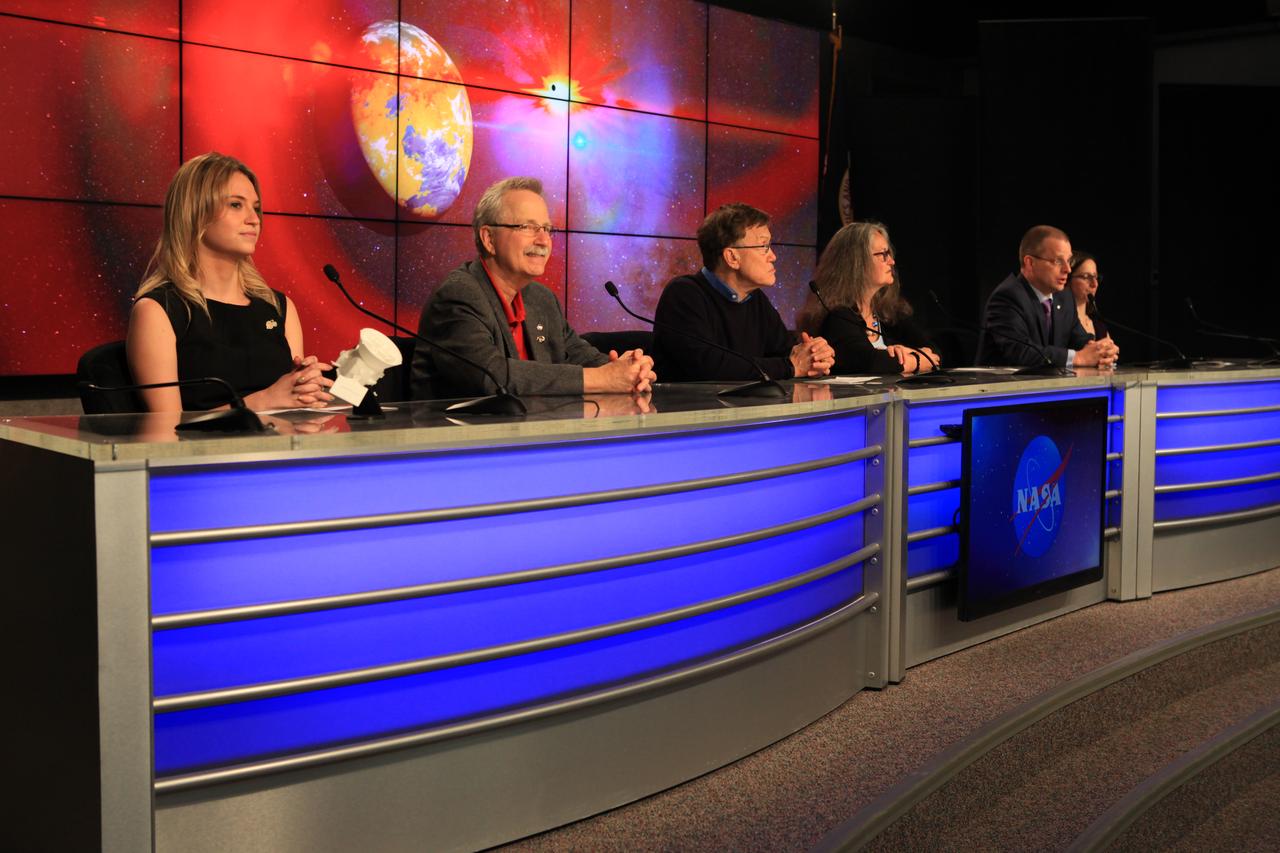
NASA and science investigators from MIT participate in a science briefing for the agency's Transiting Exoplanet Survey Satellite (TESS) in the Press Site auditorium at Kennedy Space Center in Florida. From left are moderator Claire Saravia, NASA Communications; Paul Hertz, Astrophysics Division director, NASA Headquarters; George Ricker, TESS principal investigator, Massachusetts Institute of Technology; Padi Boyd, TESS Guest Investigator Program lead, NASA’s Goddard Space Flight Center; Stephen Rinehart, TESS Project scientist, NASA’s Goddard Space Flight Center; and Diana Dragomir, NASA Hubble Postdoctoral Fellow, Massachusetts Institute of Technology. TESS is the next step in the search for planets outside of our solar system. The mission will find exoplanets that periodically block part of the light from their host stars, events called transits. The satellite will survey the nearest and brightest stars for two years to search for transiting exoplanets. TESS will launch on a SpaceX Falcon 9 rocket from Space Launch Complex 40 at Cape Canaveral Air Force Station no earlier than 6:32 p.m. EDT on Monday, April 16.
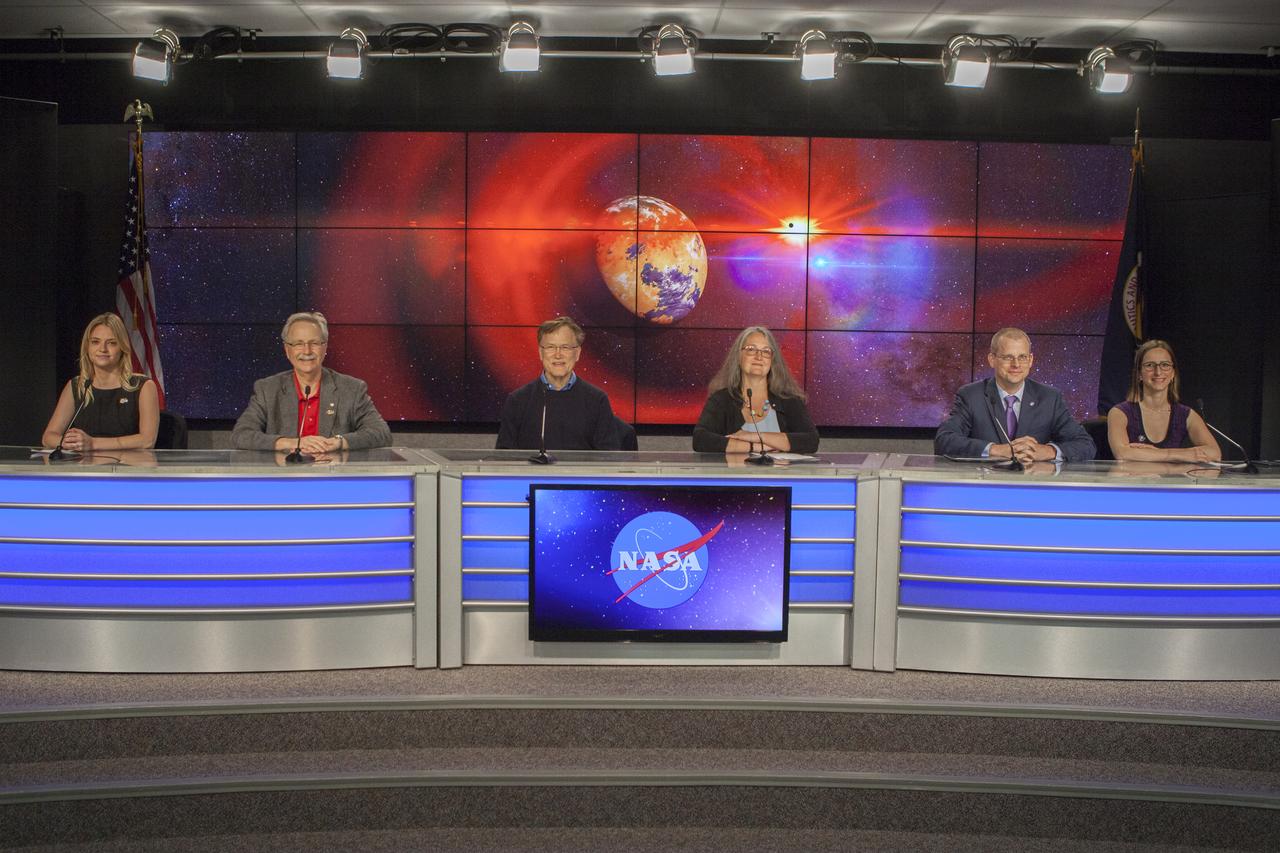
NASA and science investigators from MIT participate in a science briefing for the agency's Transiting Exoplanet Survey Satellite (TESS) in the Press Site auditorium at Kennedy Space Center in Florida. From left are moderator Claire Saravia, NASA Communications; Paul Hertz, Astrophysics Division director, NASA Headquarters; George Ricker, TESS principal investigator, Massachusetts Institute of Technology; Padi Boyd, TESS Guest Investigator Program lead, NASA’s Goddard Space Flight Center; Stephen Rinehart, TESS Project scientist, NASA’s Goddard Space Flight Center; and Diana Dragomir, NASA Hubble Postdoctoral Fellow, Massachusetts Institute of Technology. TESS is the next step in the search for planets outside of our solar system. The mission will find exoplanets that periodically block part of the light from their host stars, events called transits. The satellite will survey the nearest and brightest stars for two years to search for transiting exoplanets. TESS will launch on a SpaceX Falcon 9 rocket from Space Launch Complex 40 at Cape Canaveral Air Force Station no earlier than 6:32 p.m. EDT on Monday, April 16.

CAPE CANAVERAL, Fla. -- Prior to the arrival of the Alpha Magnetic Spectrometer, or AMS, to the Shuttle Landing Facility at NASA's Kennedy Space Center in Florida, Professor Sam Ting, AMS Principal Investigator from the Massachusetts Institute of Technology speaks to the media. AMS,a state-of-the-art particle physics detector, is designed to operate as an external module on the International Space Station. It will use the unique environment of space to study the universe and its origin by searching for dark matter. AMS will fly to the International Space Station aboard space shuttle Endeavour's STS-134 mission targeted to launch Feb. 26, 2011. Photo credit: NASA/Kim Shiflett
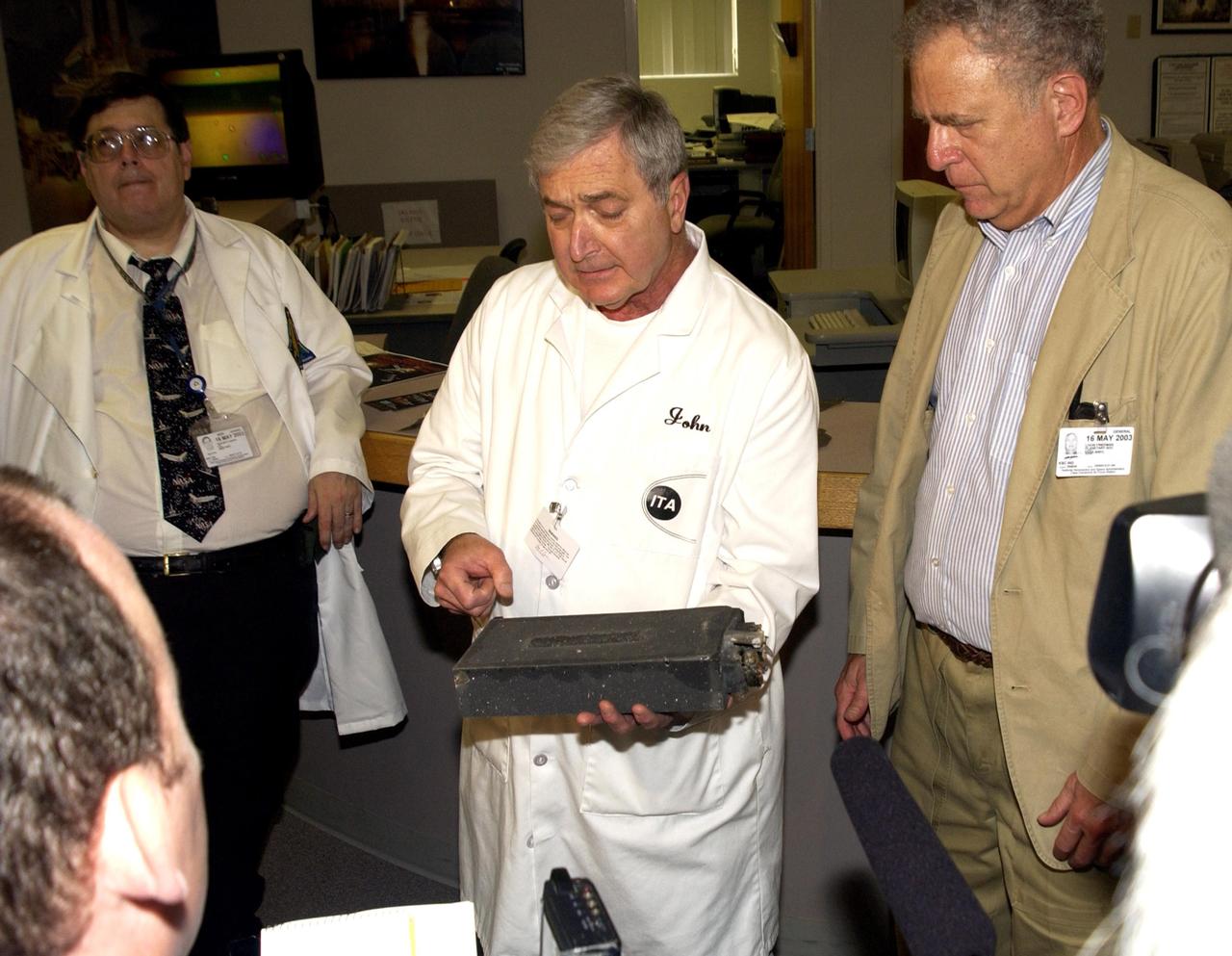
KENNEDY SPACE CENTER, FLA. - John Cassanto (center), with Instrumentation Technology Associates, Inc., explains the use of the apparatus used for experiments on mission STS-107. At left is Barry Perlman, with Pembroke Pines Middle School in Florida; at right is Lou Friedman, executive director of the Planetary Society. The box was part of the Commercial ITA Biomedical Experiments payload on mission STS-107 that included the Growth of Bacterial Biofilm on Surfaces during Spaceflight (GOBBSS) experiment and crystals grown for cancer research. The GOBBSS experiment was sponsored by the Planetary Society, with joint participation of an Israeli and a Palestinian student, and developed by the Israeli Aerospace Medical Institute and JSC Astrobiology Center.
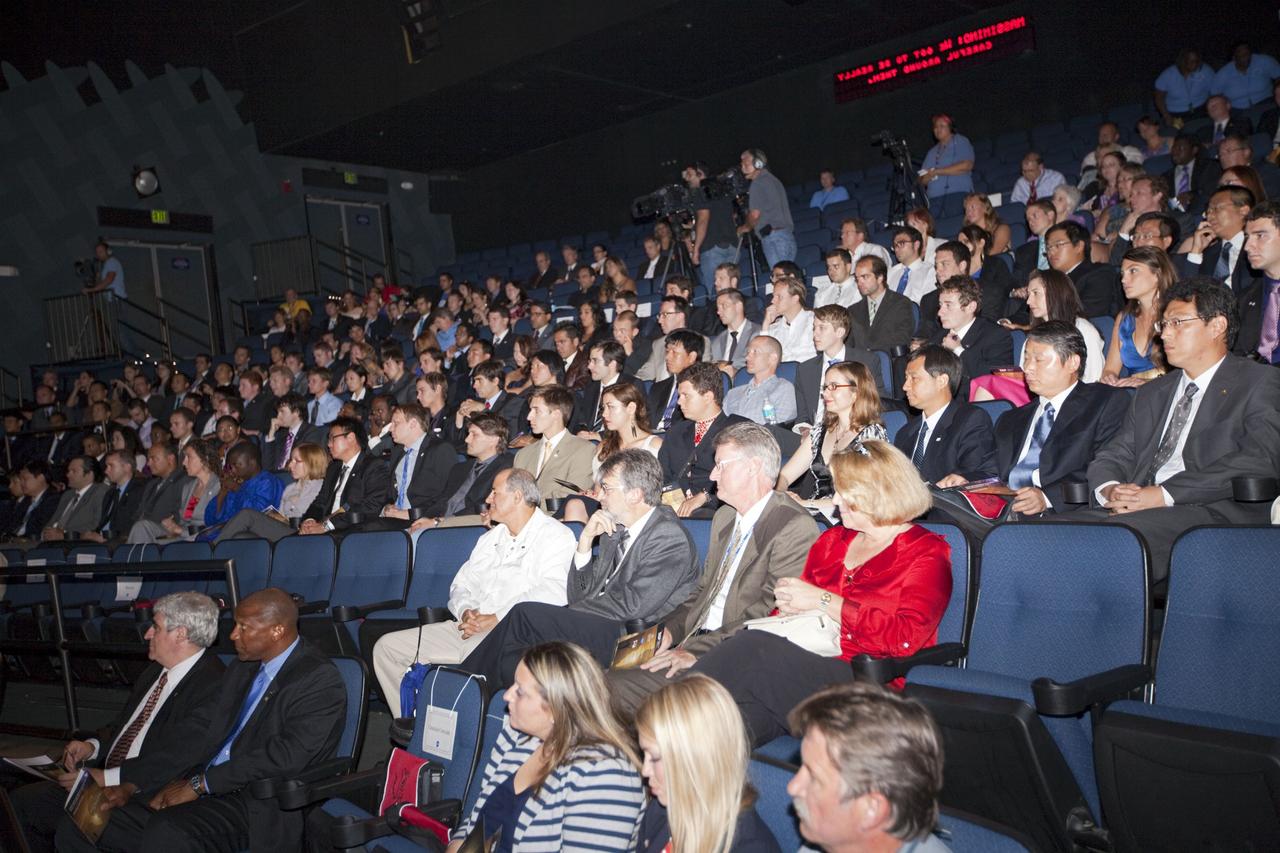
CAPE CANAVERAL, Fla. – Graduates and guests gather for the closing ceremonies for the International Space University at the Kennedy Space center Visitor Complex on Aug. 3, 2012. The International Space University is a nine-week intensive course designed for post-graduate university students and professionals during the summer. The program is hosted by a different country each year, providing a unique educational experience for participants from around the world. NASA Kennedy Space Center and the Florida Institute of Technology co-hosted this year's event which ran from June 4 to Aug. 3. There were about 125 participants representing 31 countries. For more information, visit http://www.isunet.edu Photo credit: NASA/Kim Shiflett
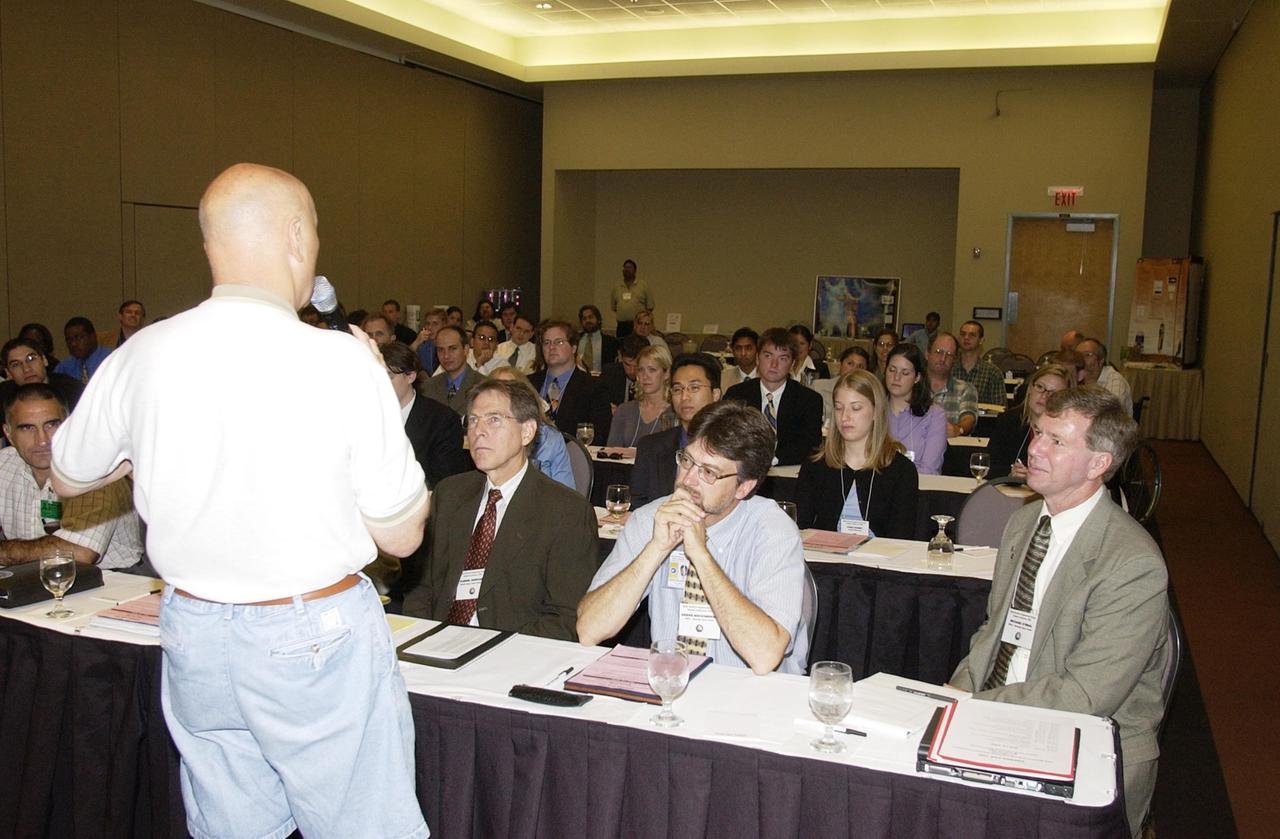
KENNEDY SPACE CENTER, FLA. -- Former astronaut Story Musgrave speaks to students and faculty from across the nation gathered at the KSC Visitor Complex for this year's NASA MarsPort Engineering Design Student Competition 2002 conference. The participants are presenting papers on engineering trade studies to design optimal configurations for a MarsPort Deployable Greenhouse for operation on the surface of Mars. Judges in the competition were from KSC, Dynamac Corporation and Florida Institute of Technology. The winning team's innovative ideas will be used by NASA to evaluate and study other engineering trade concepts. Featured at the opening ceremony were Dr. Sam Durrance, FSGC director and former astronaut, and Dr. Gary Stutte, plant scientist, Dynamac Corporation.
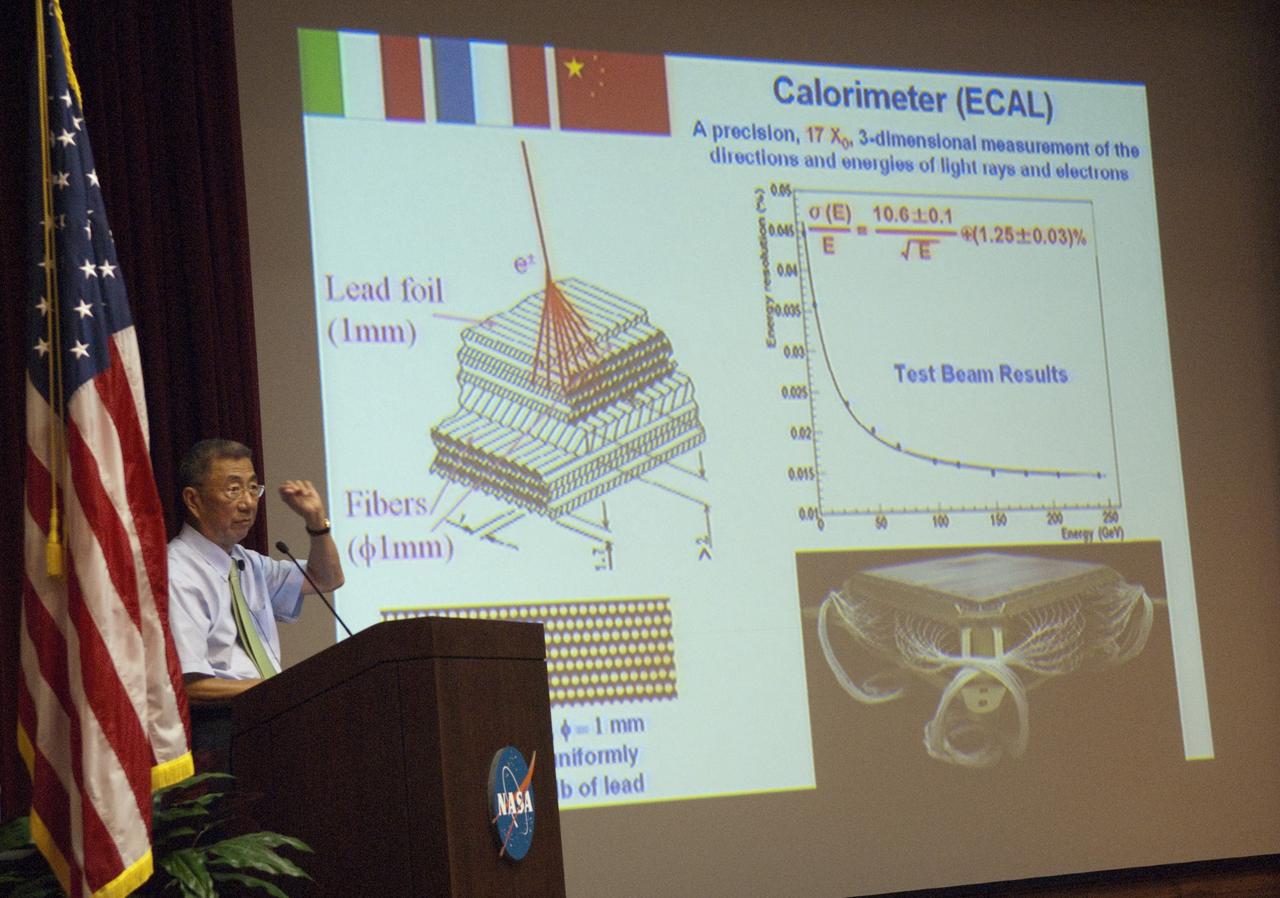
CAPE CANAVERAL, Fla. -- In the Training Auditorium at NASA's Kennedy Space Center in Florida, Professor Sam Ting talks to employees about the Alpha Magnetic Spectrometer-2 (AMS). Ting is the particle physics detector's principal investigator at the Massachusetts Institute of Technology. AMS is designed to operate as an external module on the International Space Station. It will use the unique environment of space to study the universe and its origin by searching for dark matter. AMS-2 will fly to the station aboard space shuttle Endeavour's STS-134 mission targeted to launch Feb. 27, 2011. Photo credit: NASA/Jim Grossmann
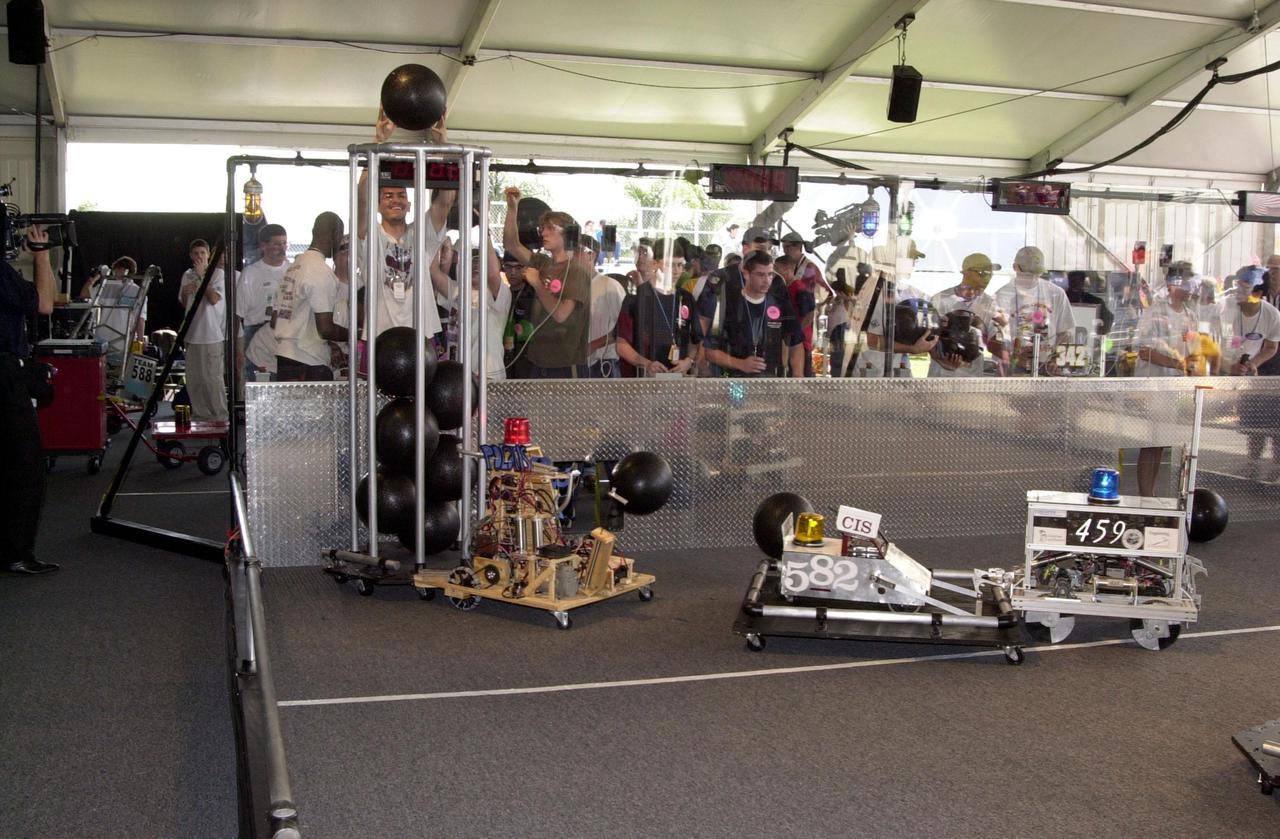
Student teams direct their robots on the playing field during the NASA_KSC FIRST Southeastern Regional event held March 1-3, 2001. Robot number 582 is by the Viking Electros, W.M. Raines High School, Jacksonville, Fla. Number 459 is by Eastside High School, Gainesville, Fla. FIRST (For Inspiration and Recognition of Science and Technology) events are held nationwide, pitting robots against each other and the clock on a playing field. Many teams are sponsored by corporations and academic institutions. There are 27 teams throughout the State of Florida who are competing. KSC, which sponsors nine teams, has held the regional event for two years
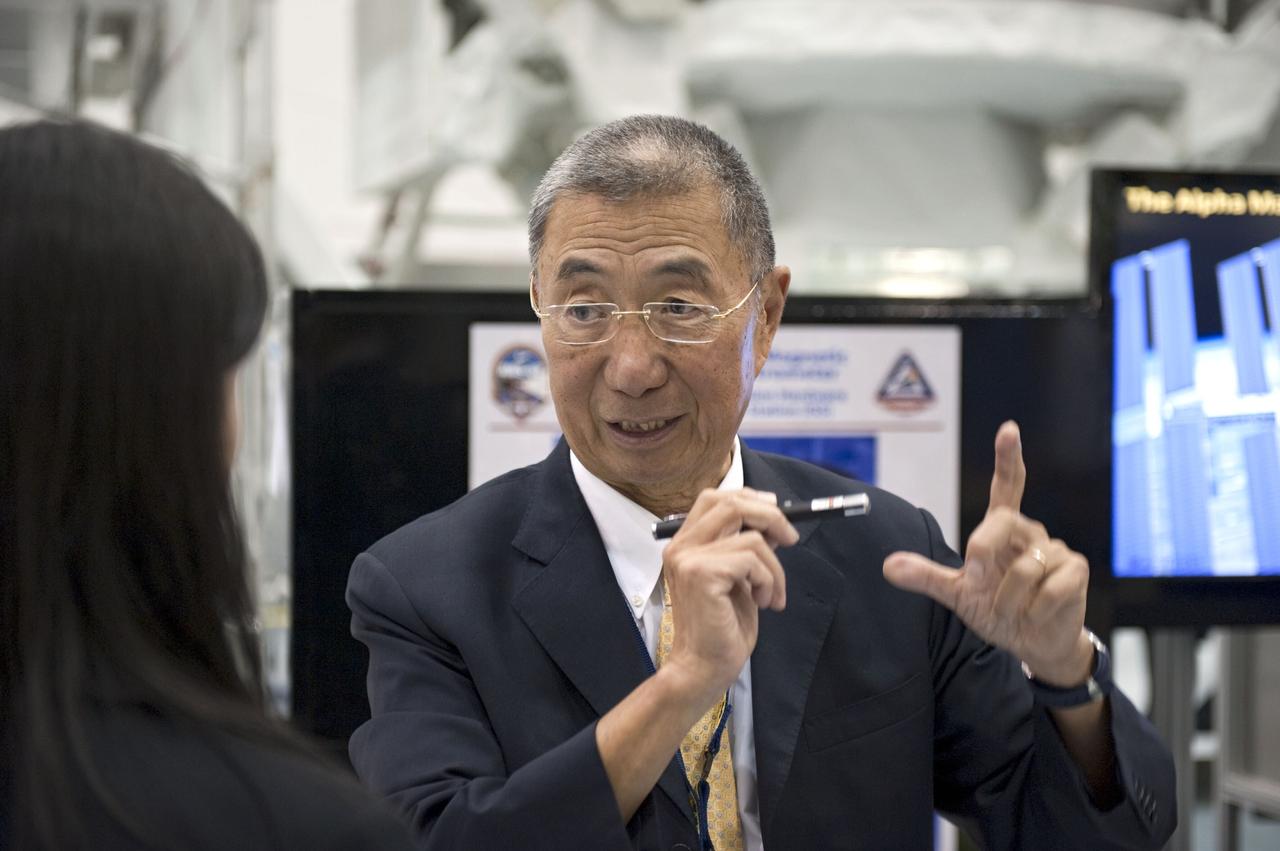
CAPE CANAVERAL, Fla. -- In the Space Station Processing Facility at NASA's Kennedy Space Center in Florida Professor Sam Ting, Alpha Magnetic Spectrometer-2 (AMS) principal investigator at the Massachusetts Institute of Technology, talks to media about the particle physics detector. AMS is designed to operate as an external experiment on the International Space Station. It will use the unique environment of space to study the universe and its origin by searching for dark matter. AMS-2 will fly to the station aboard space shuttle Endeavour's STS-134 mission targeted to launch April 19 at 7:48 p.m. EDT. For more information visit, www.nasa.gov/mission_pages/shuttle/shuttlemissions/sts134/index.html. Photo credit: NASA/Glenn Benson
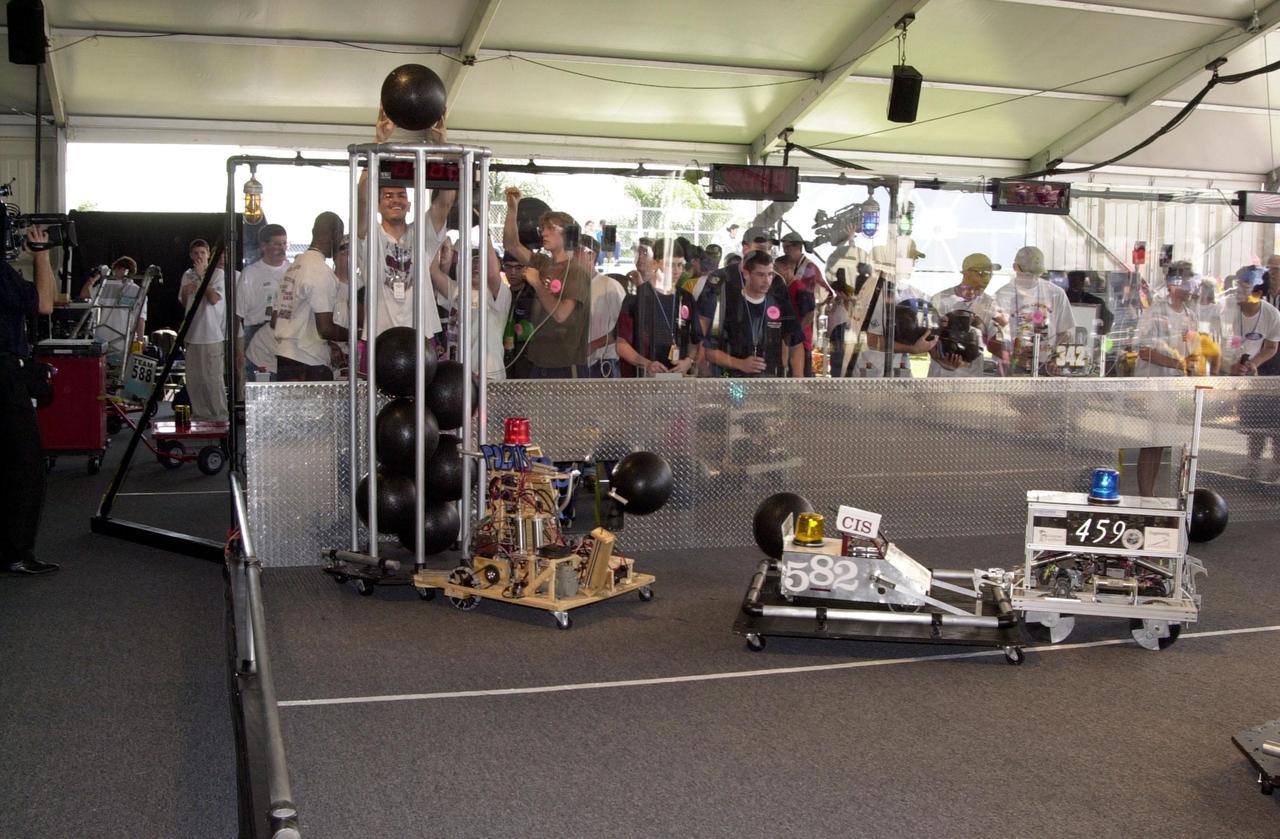
Student teams direct their robots on the playing field during the NASA/KSC FIRST Southeastern Regional event held March 1-3, 2001. Robot number 582 is by the Viking Electros, W.M. Raines High School, Jacksonville, Fla. Number 459 is by Eastside High School, Gainesville, Fla. FIRST (For Inspiration and Recognition of Science and Technology) events are held nationwide, pitting robots against each other and the clock on a playing field. Many teams are sponsored by corporations and academic institutions. There are 27 teams throughout the State of Florida who are competing. KSC, which sponsors nine teams, has held the regional event for two years
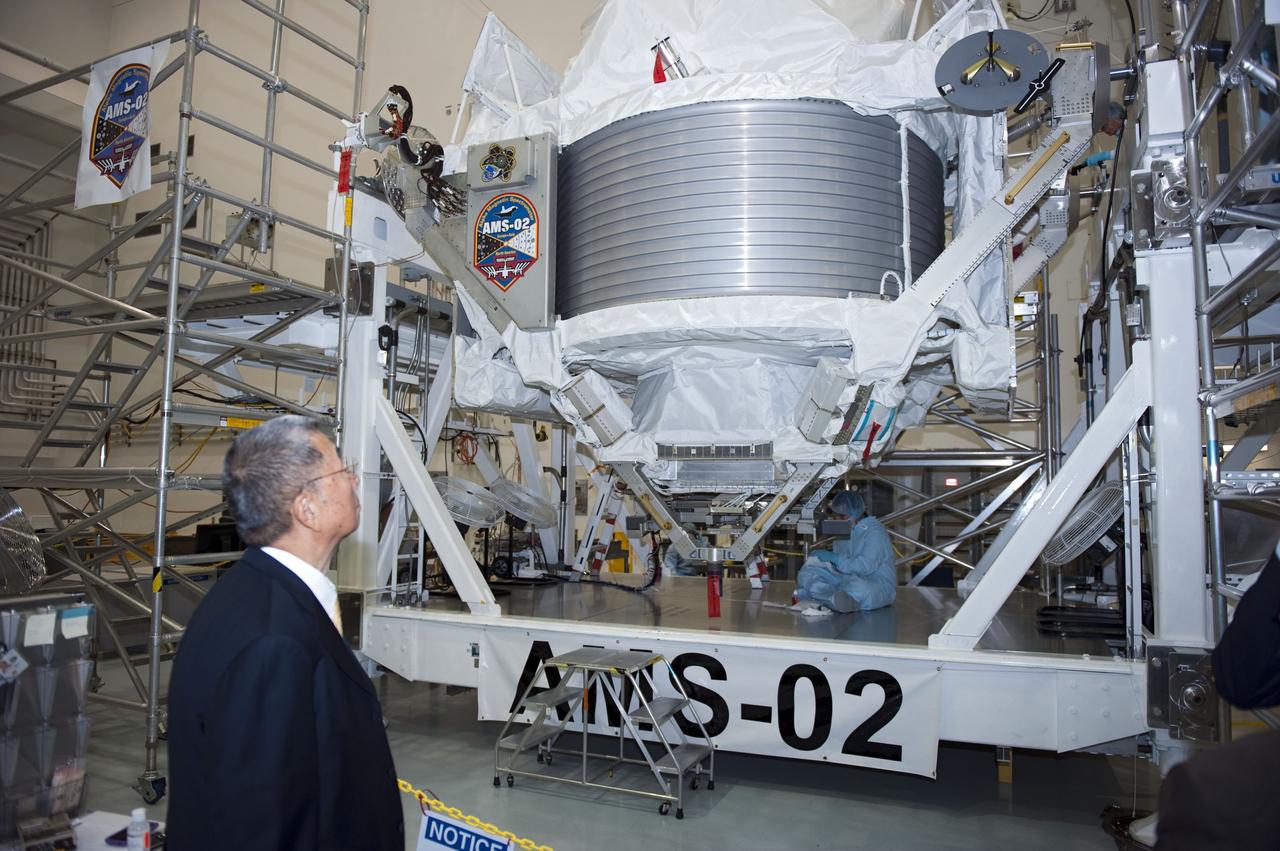
CAPE CANAVERAL, Fla. -- In the Space Station Processing Facility at NASA's Kennedy Space Center in Florida, Professor Sam Ting, Alpha Magnetic Spectrometer-2 (AMS) principal investigator at the Massachusetts Institute of Technology, checks out the particle physics detector. AMS is designed to operate as an external experiment on the International Space Station. It will use the unique environment of space to study the universe and its origin by searching for dark matter. AMS-2 will fly to the station aboard space shuttle Endeavour's STS-134 mission targeted to launch April 19 at 7:48 p.m. EDT. For more information visit, www.nasa.gov/mission_pages/shuttle/shuttlemissions/sts134/index.html. Photo credit: NASA/Glenn Benson
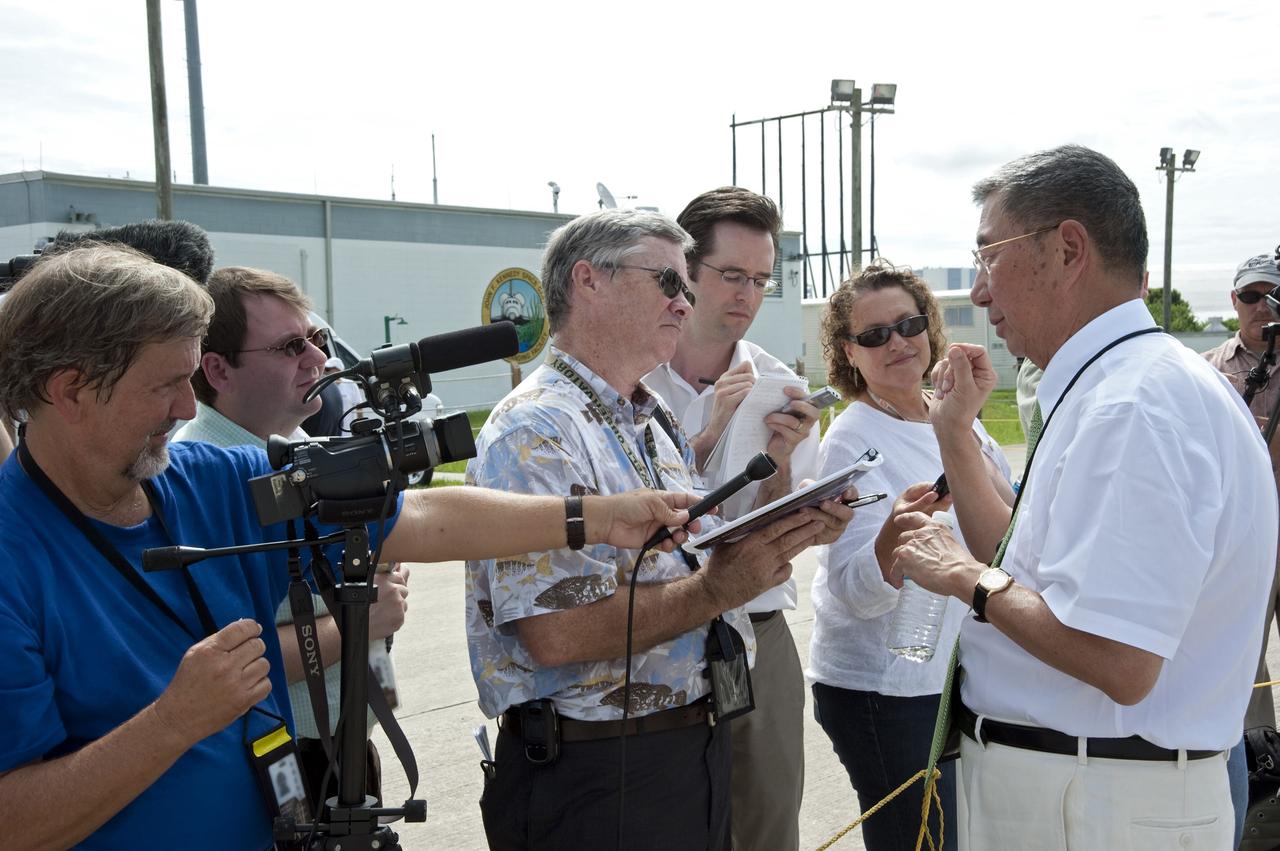
CAPE CANAVERAL, Fla. -- Prior to the arrival of the Alpha Magnetic Spectrometer, or AMS, to the Shuttle Landing Facility at NASA's Kennedy Space Center in Florida, Professor Sam Ting, AMS Principal Investigator from the Massachusetts Institute of Technology speaks with the media. AMS is a state-of-the-art particle physics detector is designed to operate as an external module on the International Space Station. It will use the unique environment of space to study the universe and its origin by searching for dark matter. AMS will fly to the International Space Station aboard space shuttle Endeavour's STS-134 mission targeted to launch Feb. 26, 2011. Photo credit: NASA/Kim Shiflett
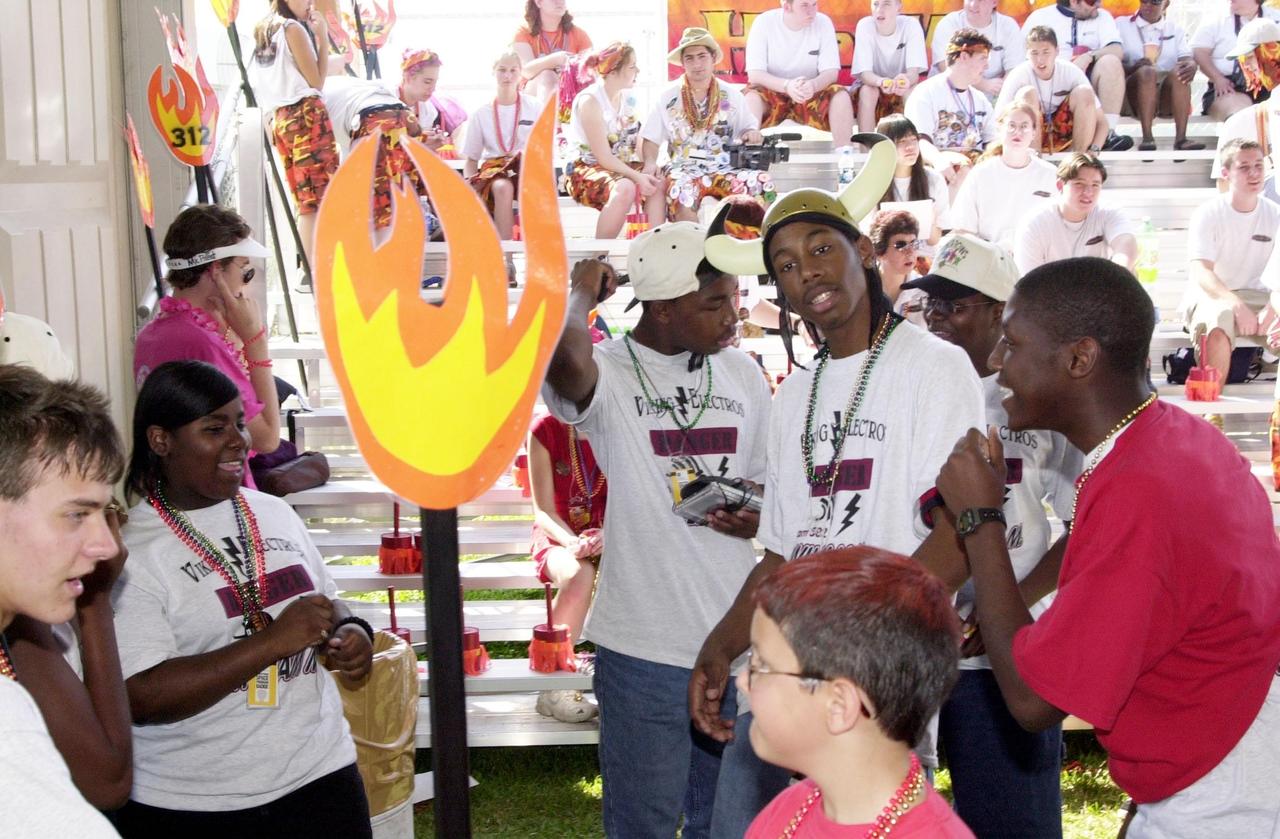
The student team Viking Electros, from W.M. Raines High School, Jacksonville, Fla., relaxes between heats at the NASA/KSC FIRST Southeastern Regional event held March 1-3, 2001. FIRST (For Inspiration and Recognition of Science and Technology) events are held nationwide, pitting robots against each other and the clock on a playing field. Many teams are sponsored by corporations and academic institutions. There are 27 teams throughout the State of Florida who are competing. KSC, which sponsors nine teams, has held the regional event for two years