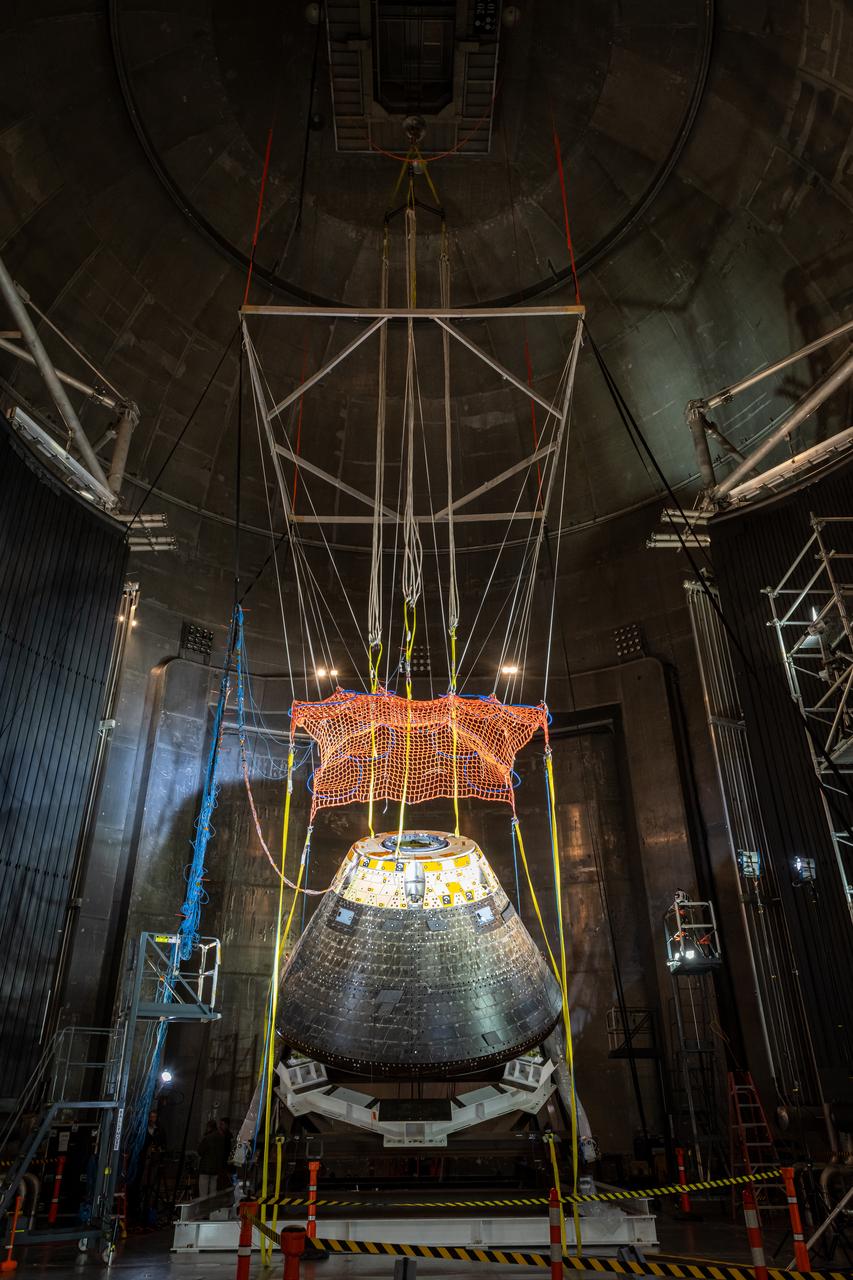
The Orion Crew Module, also known as the Orion Environmental Test Article (ETA), returned to NASA’s Neil Armstrong Test Facility in Sandusky, Ohio, in January 2024 and completed an 11-month test campaign necessary for the safety and success of Artemis II. In November 2024, experts completed the Forward Bay Cover jettison test, which is the last piece that must eject right before parachutes deploy. This image shows the setup right before the FBC deployment test. Photo Credit: (NASA/Jordan Salkin)
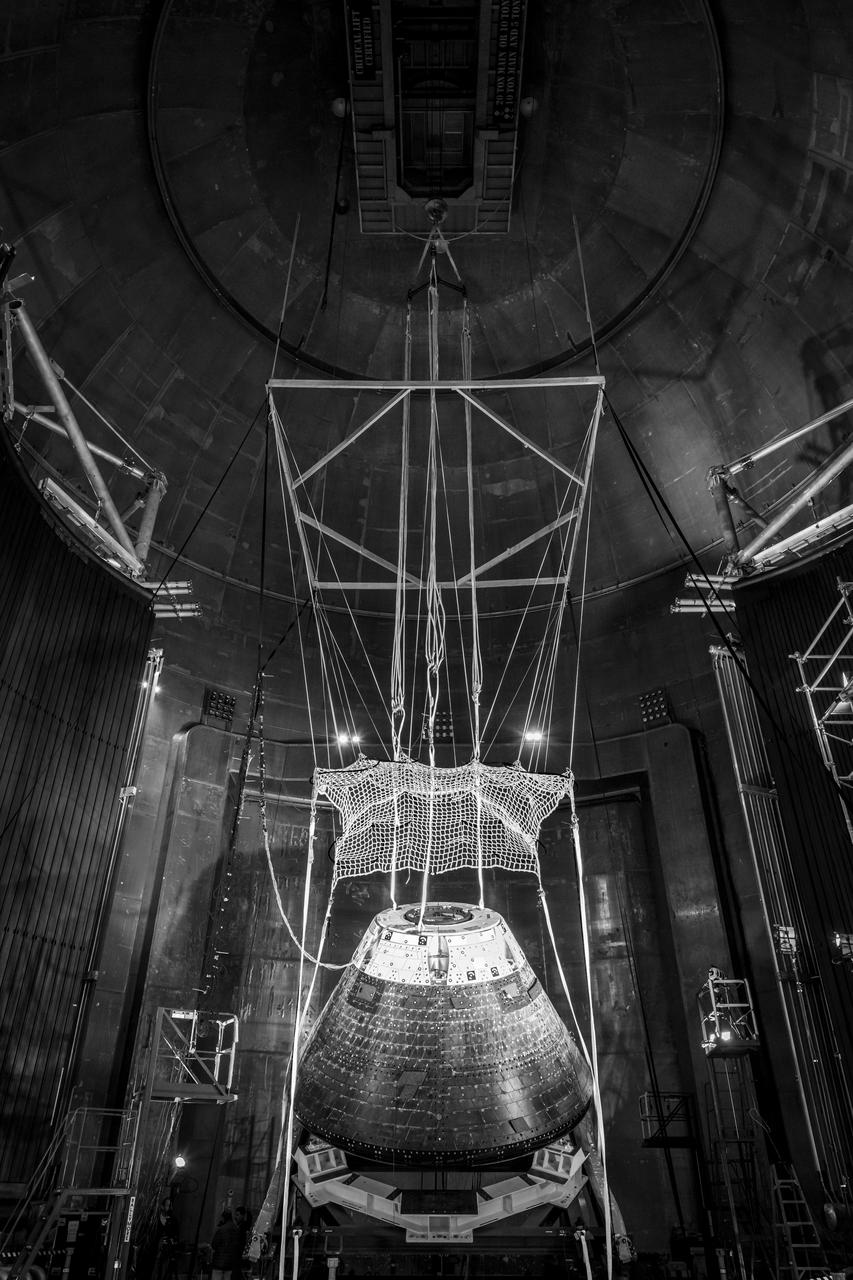
The Orion Crew Module, also known as the Orion Environmental Test Article (ETA), returned to NASA’s Neil Armstrong Test Facility in Sandusky, Ohio, in January 2024 and completed an 11-month test campaign necessary for the safety and success of Artemis II. In November 2024, experts completed the Forward Bay Cover jettison test, which is the last piece that must eject right before parachutes deploy. This image shows the setup right before the FBC deployment test. Photo Credit: (NASA/Jordan Salkin)
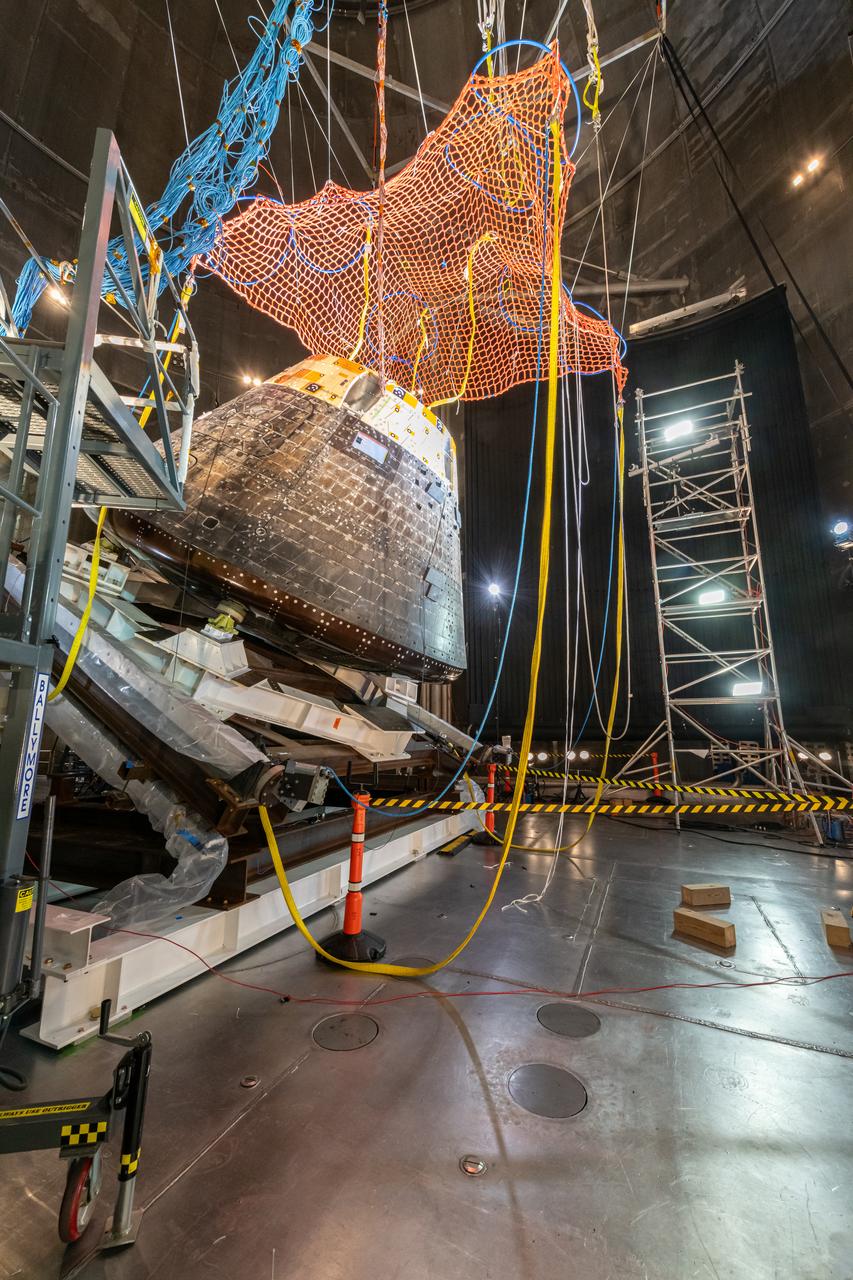
The Orion Crew Module, also known as the Orion Environmental Test Article (ETA), returned to NASA’s Neil Armstrong Test Facility in Sandusky, Ohio, in January 2024 and completed an 11-month test campaign necessary for the safety and success of Artemis II. In November 2024, experts completed the Forward Bay Cover jettison test, which is the last piece that must eject right before parachutes deploy. This image shows the setup right before the FBC deployment test. Photo Credit: (NASA/Jordan Salkin)
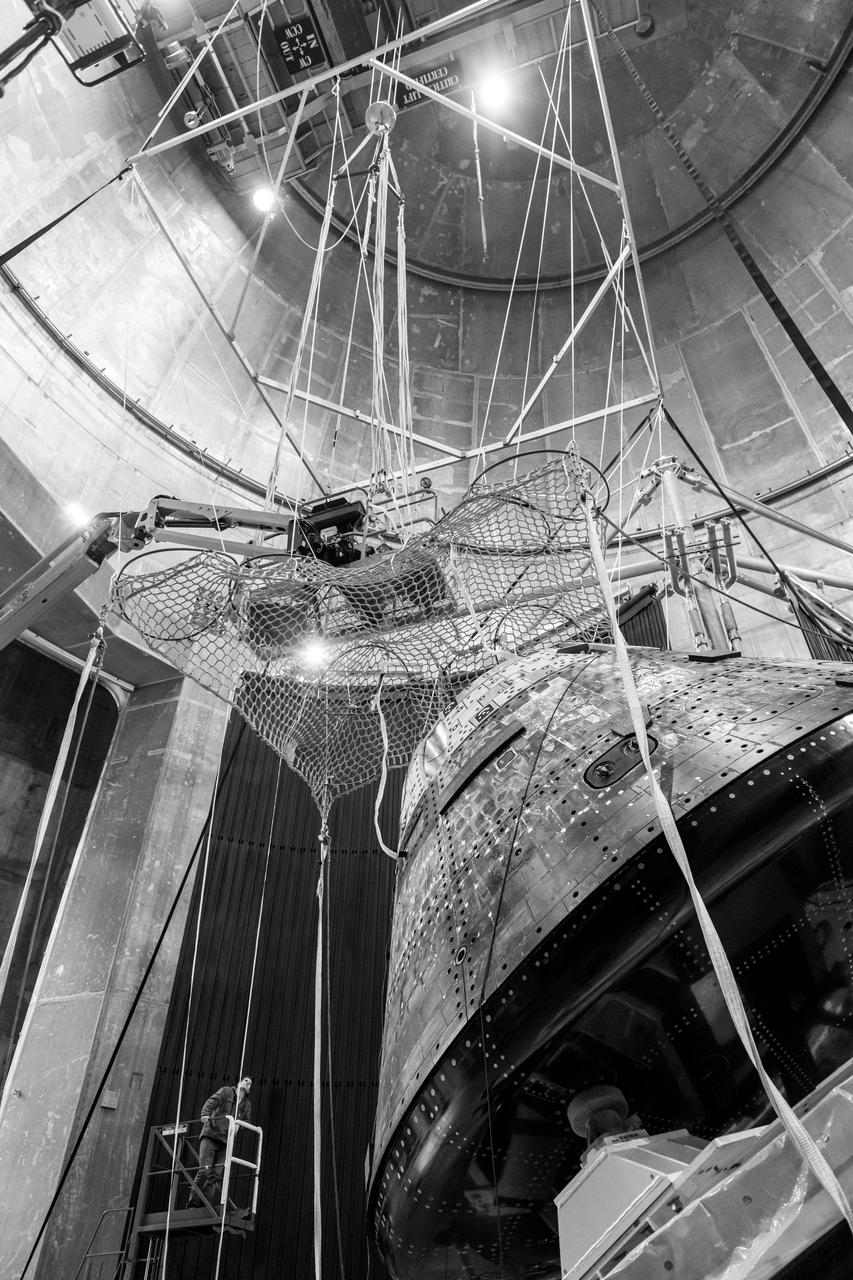
The Orion Crew Module, also known as the Orion Environmental Test Article (ETA), returned to NASA’s Neil Armstrong Test Facility in Sandusky, Ohio, in January 2024 and completed an 11-month test campaign necessary for the safety and success of Artemis II. In November 2024, experts completed the Forward Bay Cover jettison test, which is the last piece that must eject right before parachutes deploy. This image shows the setup right before the FBC deployment test. Photo Credit: (NASA/Jordan Salkin)
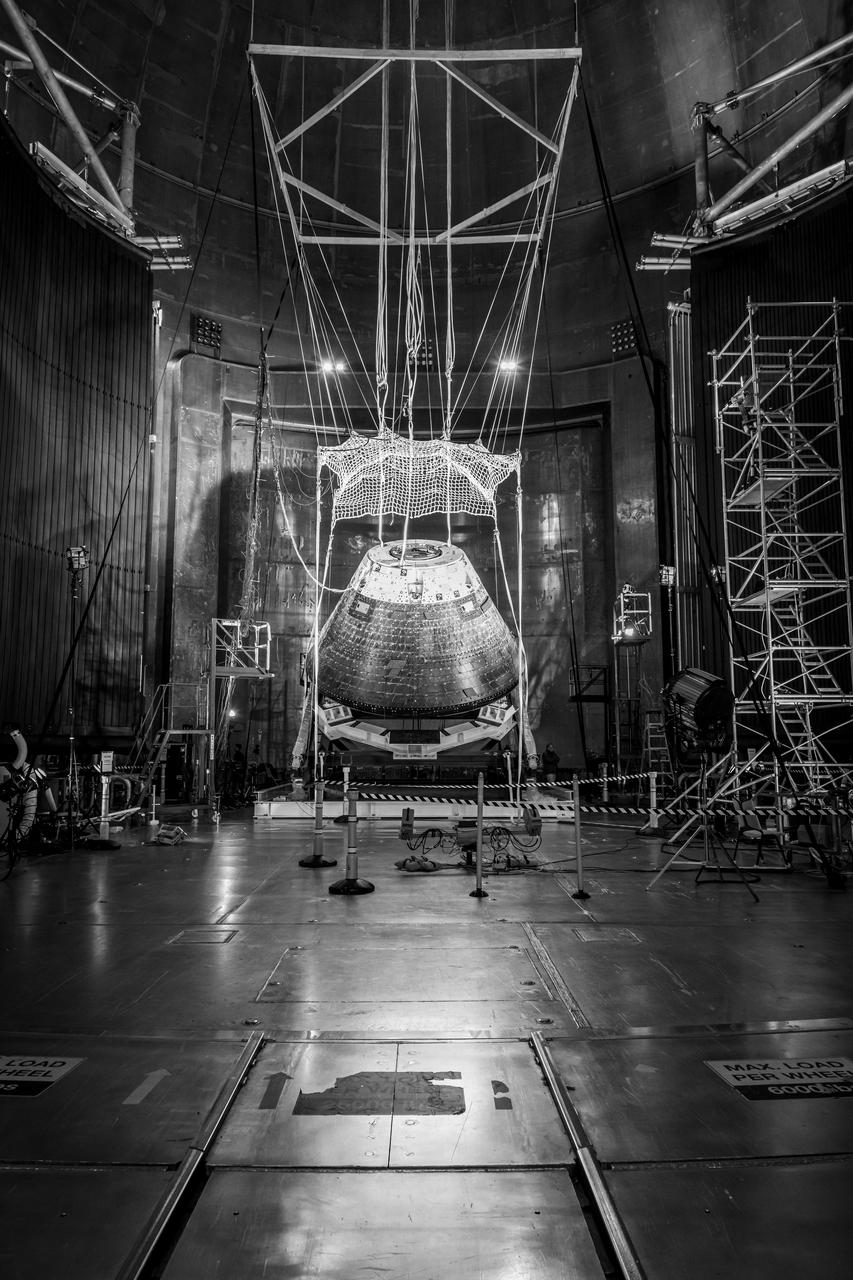
The Orion Crew Module, also known as the Orion Environmental Test Article (ETA), returned to NASA’s Neil Armstrong Test Facility in Sandusky, Ohio, in January 2024 and completed an 11-month test campaign necessary for the safety and success of Artemis II. In November 2024, experts completed the Forward Bay Cover jettison test, which is the last piece that must eject right before parachutes deploy. This image shows the setup right before the FBC deployment test. Photo Credit: (NASA/Jordan Salkin)

The Orion Crew Module, also known as the Orion Environmental Test Article (ETA), returned to NASA’s Neil Armstrong Test Facility in Sandusky, Ohio, in January 2024 and completed an 11-month test campaign necessary for the safety and success of Artemis II. In November 2024, experts completed the Forward Bay Cover jettison test, which is the last piece that must eject right before parachutes deploy. This image shows the setup right before the FBC deployment test. Photo Credit: (NASA/Jordan Salkin)
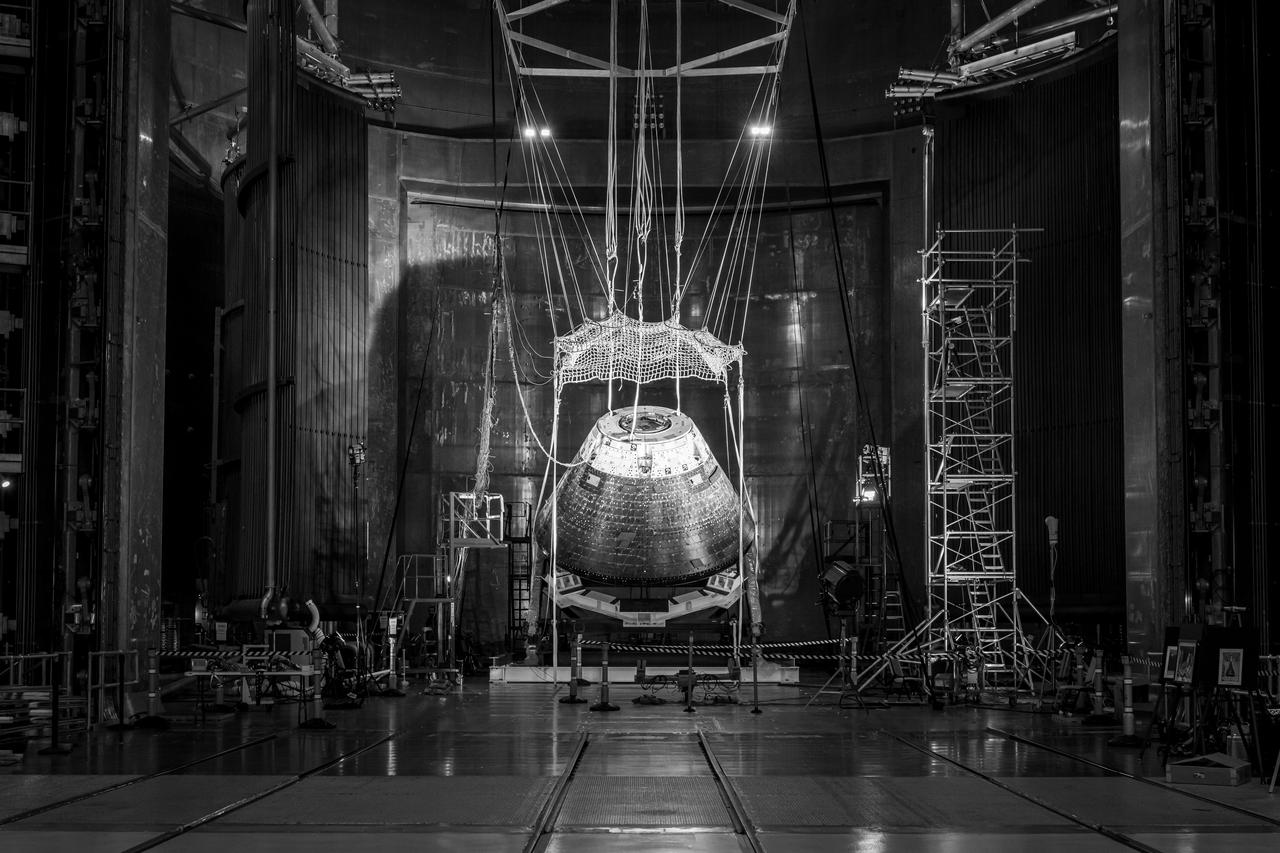
The Orion Crew Module, also known as the Orion Environmental Test Article (ETA), returned to NASA’s Neil Armstrong Test Facility in Sandusky, Ohio, in January 2024 and completed an 11-month test campaign necessary for the safety and success of Artemis II. In November 2024, experts completed the Forward Bay Cover jettison test, which is the last piece that must eject right before parachutes deploy. This image shows the setup right before the FBC deployment test. Photo Credit: (NASA/Jordan Salkin)
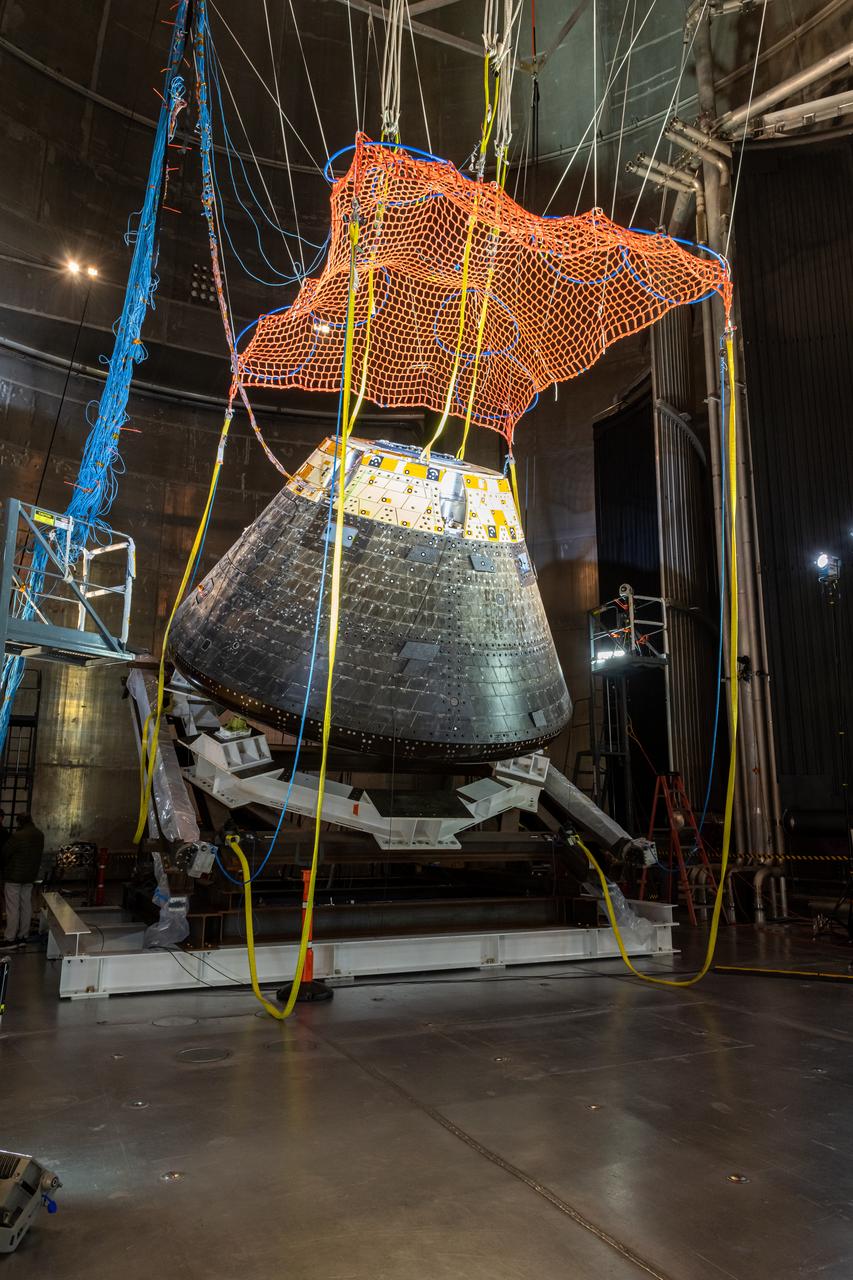
The Orion Crew Module, also known as the Orion Environmental Test Article (ETA), returned to NASA’s Neil Armstrong Test Facility in Sandusky, Ohio, in January 2024 and completed an 11-month test campaign necessary for the safety and success of Artemis II. In November 2024, experts completed the Forward Bay Cover jettison test, which is the last piece that must eject right before parachutes deploy. This image shows the setup right before the FBC deployment test. Photo Credit: (NASA/Jordan Salkin)
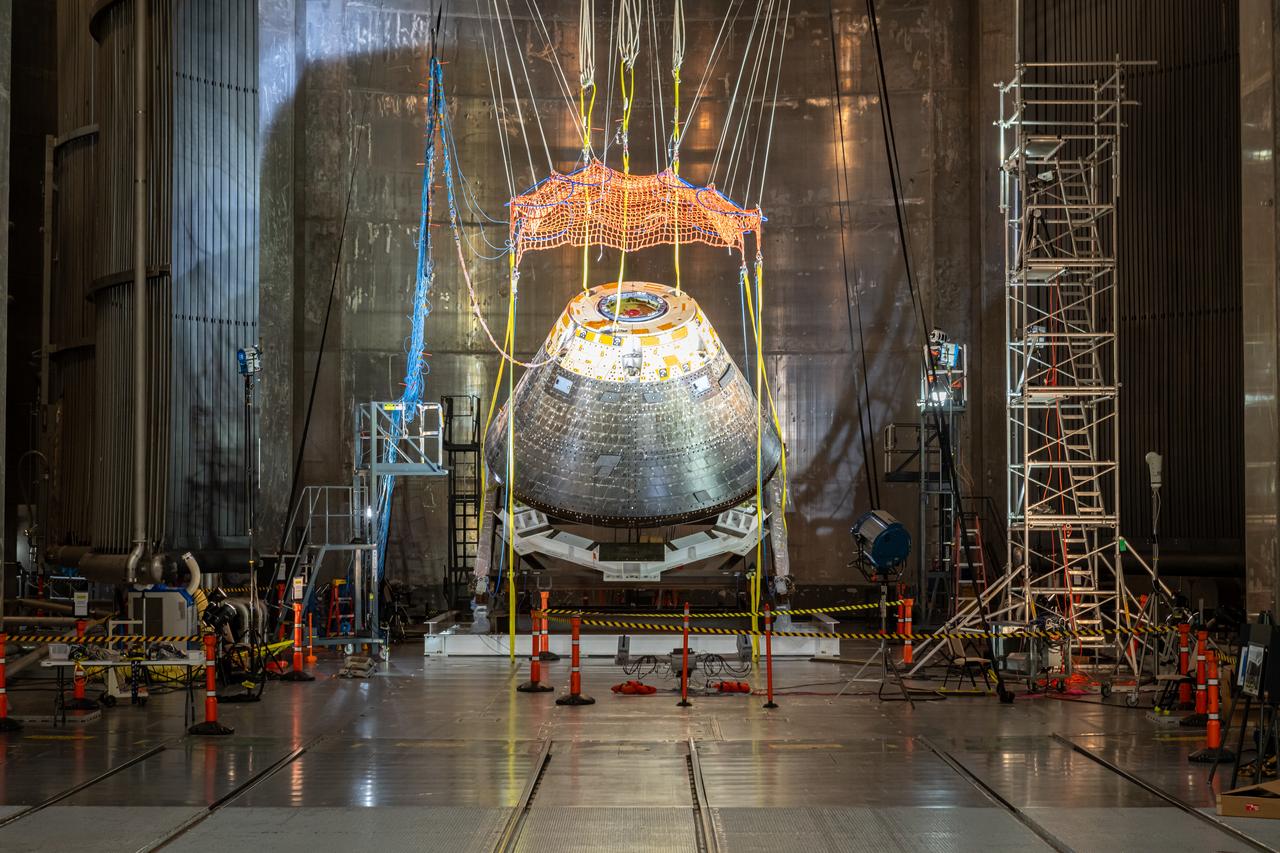
The Orion Crew Module, also known as the Orion Environmental Test Article (ETA), returned to NASA’s Neil Armstrong Test Facility in Sandusky, Ohio, in January 2024 and completed an 11-month test campaign necessary for the safety and success of Artemis II. In November 2024, experts completed the Forward Bay Cover jettison test, which is the last piece that must eject right before parachutes deploy. This image shows the setup right before the FBC deployment test. Photo Credit: (NASA/Jordan Salkin)
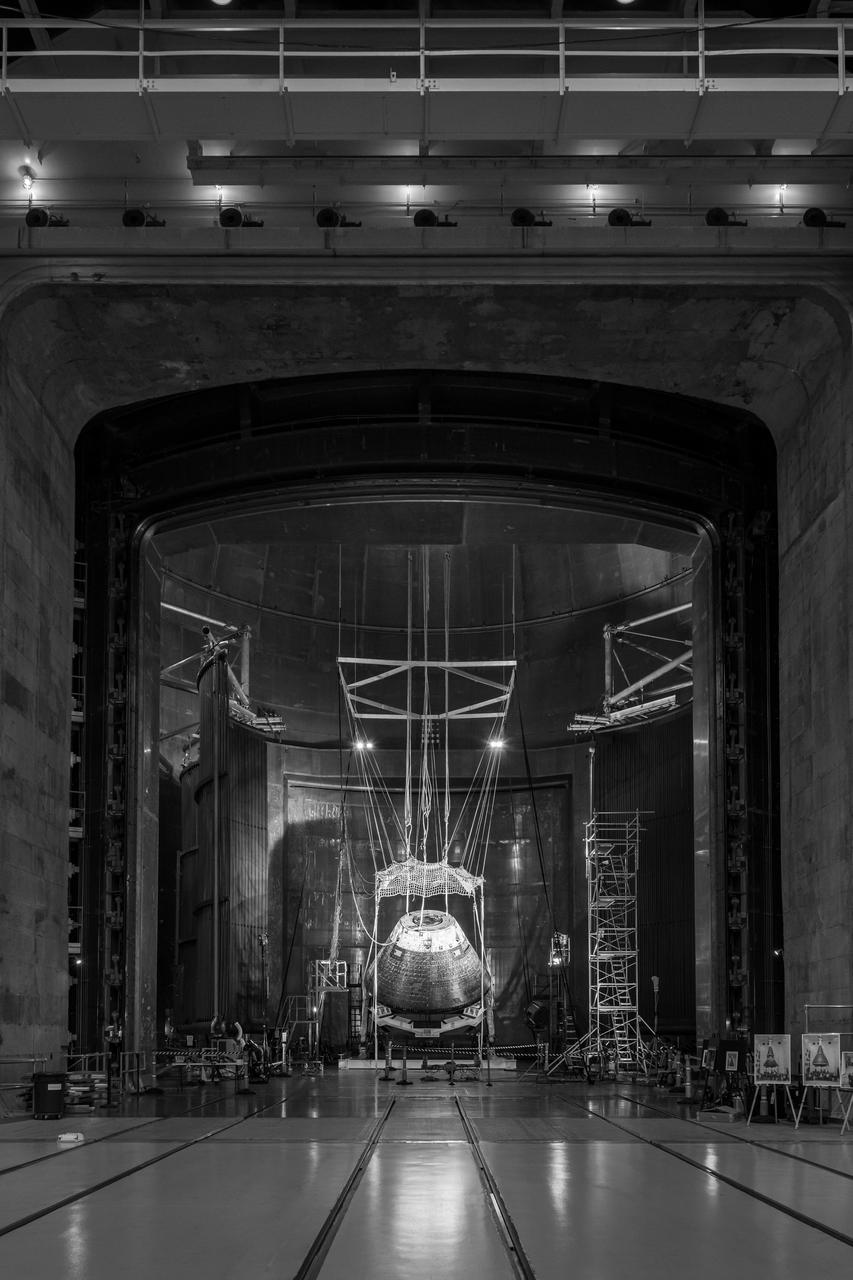
The Orion Crew Module, also known as the Orion Environmental Test Article (ETA), returned to NASA’s Neil Armstrong Test Facility in Sandusky, Ohio, in January 2024 and completed an 11-month test campaign necessary for the safety and success of Artemis II. In November 2024, experts completed the Forward Bay Cover jettison test, which is the last piece that must eject right before parachutes deploy. This image shows the setup right before the FBC deployment test. Photo Credit: (NASA/Jordan Salkin)
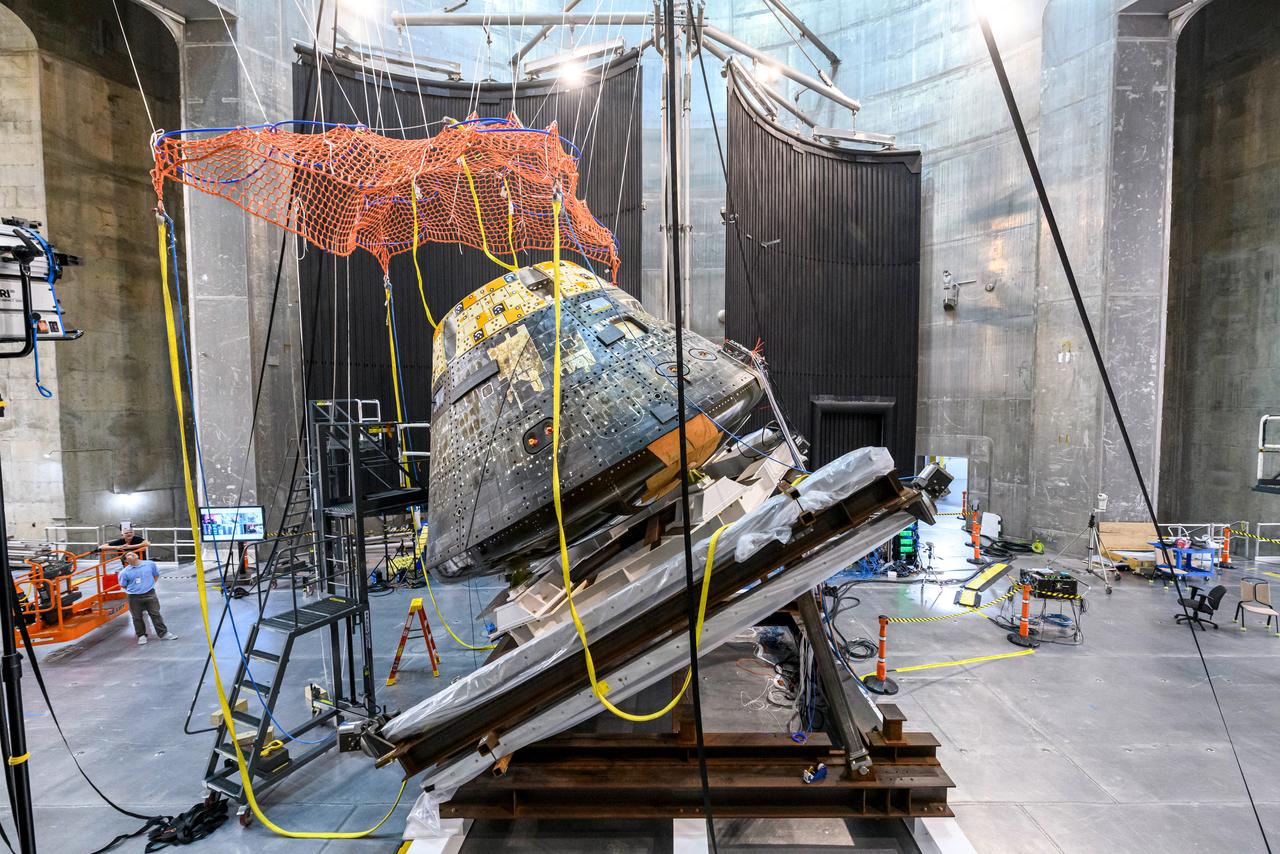
The Orion Crew Module, also known as the Orion Environmental Test Article (ETA), returned to NASA’s Neil Armstrong Test Facility in Sandusky, Ohio, in January 2024 and completed an 11-month test campaign necessary for the safety and success of Artemis II. In November 2024, experts completed the Forward Bay Cover jettison test, which is the last piece that must eject right before parachutes deploy. This image shows the setup right before the FBC deployment test. Photo Credit: (NASA/Jordan Salkin)
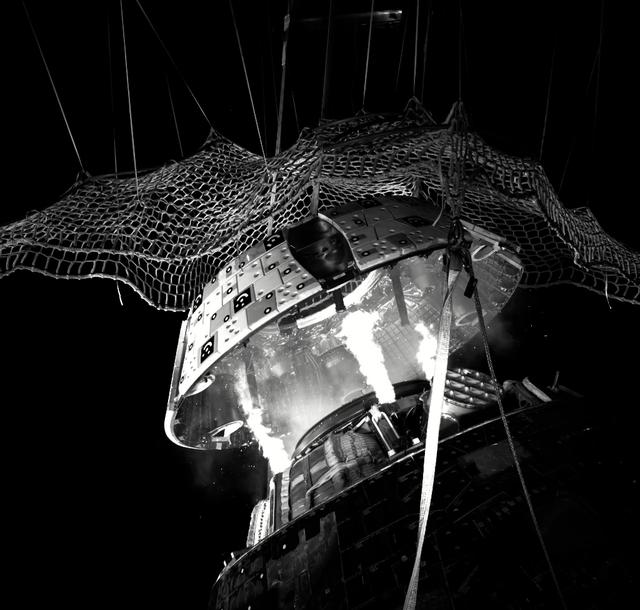
The Orion Crew Module, also known as the Orion Environmental Test Article (ETA), returned to NASA’s Neil Armstrong Test Facility in Sandusky, Ohio, in January 2024 and completed an 11-month test campaign necessary for the safety and success of Artemis II. In November 2024, experts completed the Forward Bay Cover jettison test, which is the last piece that must eject right before parachutes deploy. Photo Credit: (NASA/Quentin Schwinn and Jordan Salkin)
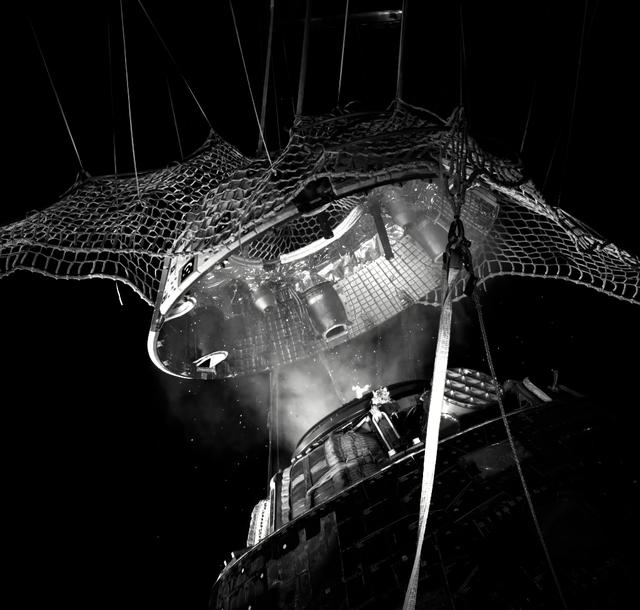
The Orion Crew Module, also known as the Orion Environmental Test Article (ETA), returned to NASA’s Neil Armstrong Test Facility in Sandusky, Ohio, in January 2024 and completed an 11-month test campaign necessary for the safety and success of Artemis II. In November 2024, experts completed the Forward Bay Cover jettison test, which is the last piece that must eject right before parachutes deploy.
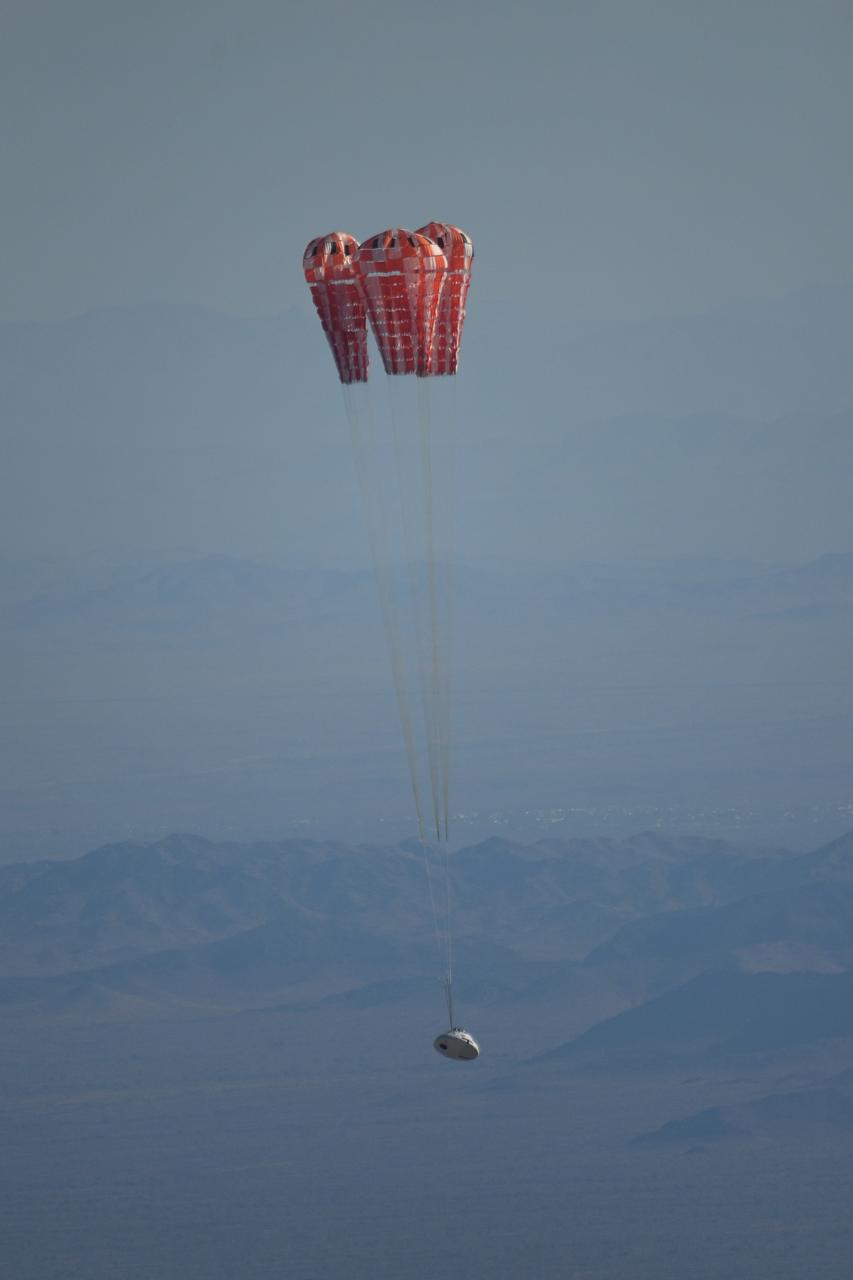
Orion’s three main orange and white parachutes help a representative model of the spacecraft descend through sky above Arizona, where NASA engineers tested the parachute system on Sept. 13, 2017 at the U.S. Army Proving Ground in Yuma. NASA is qualifying Orion’s parachutes for missions with astronauts.. .During this test, engineers replicated a situation in which Orion must abort off the Space Launch System rocket and bypasses part of its normal parachute deployment sequence that typically helps the spacecraft slow down during its descent to Earth after deep space missions. The capsule was dropped out of a C-17 aircraft at more than 4.7 miles in altitude and allowed to free fall for 20 seconds, longer than ever before, to produce high aerodynamic pressure before only its pilot and main parachutes were deployed, testing whether they could perform as expected under extreme loads. Orion’s full parachute system includes 11 total parachutes -- three forward bay cover parachutes and two drogue parachutes, along with three pilot parachutes that help pull out the spacecraft’s three mains.
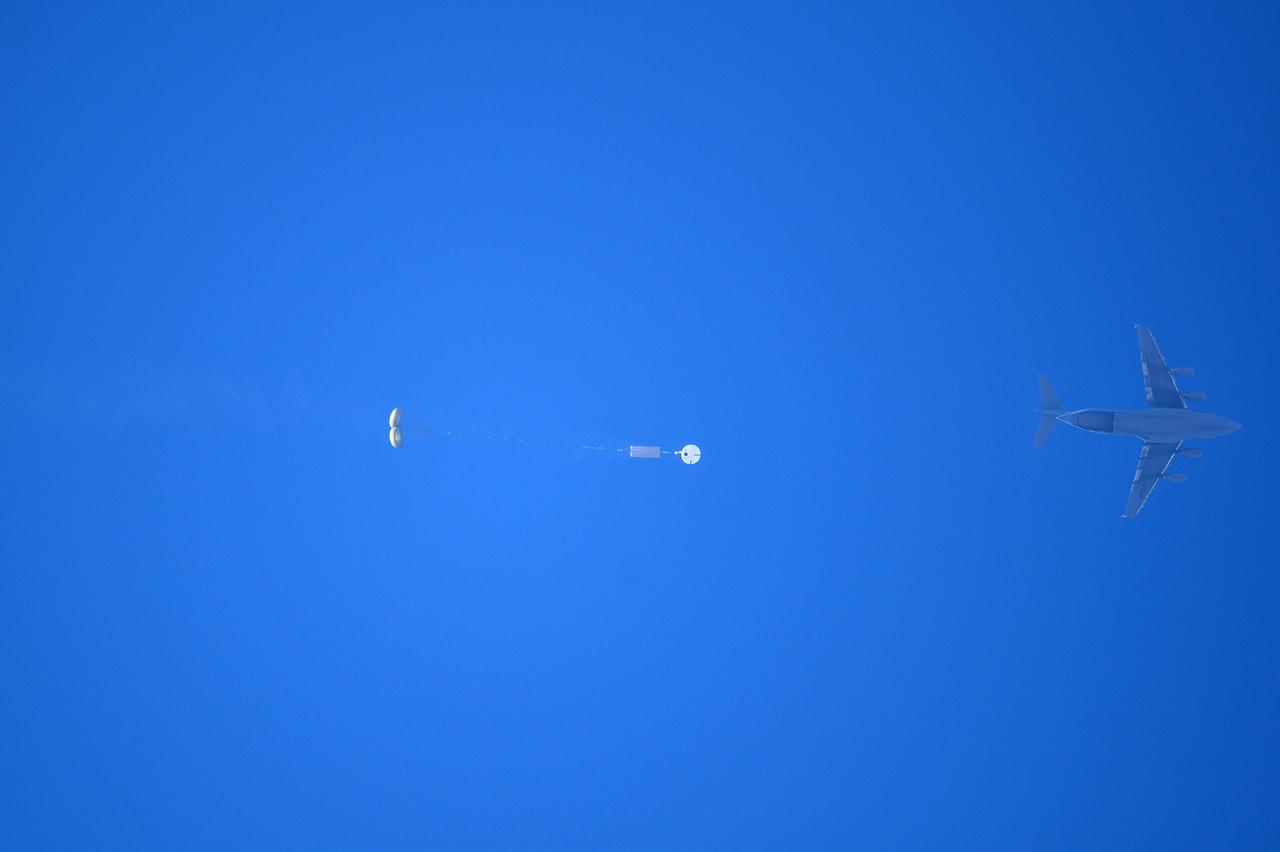
Orion’s three main orange and white parachutes help a representative model of the spacecraft descend through sky above Arizona, where NASA engineers tested the parachute system on Sept. 13, 2017 at the U.S. Army Proving Ground in Yuma. NASA is qualifying Orion’s parachutes for missions with astronauts.. .During this test, engineers replicated a situation in which Orion must abort off the Space Launch System rocket and bypasses part of its normal parachute deployment sequence that typically helps the spacecraft slow down during its descent to Earth after deep space missions. The capsule was dropped out of a C-17 aircraft at more than 4.7 miles in altitude and allowed to free fall for 20 seconds, longer than ever before, to produce high aerodynamic pressure before only its pilot and main parachutes were deployed, testing whether they could perform as expected under extreme loads. Orion’s full parachute system includes 11 total parachutes -- three forward bay cover parachutes and two drogue parachutes, along with three pilot parachutes that help pull out the spacecraft’s three mains.
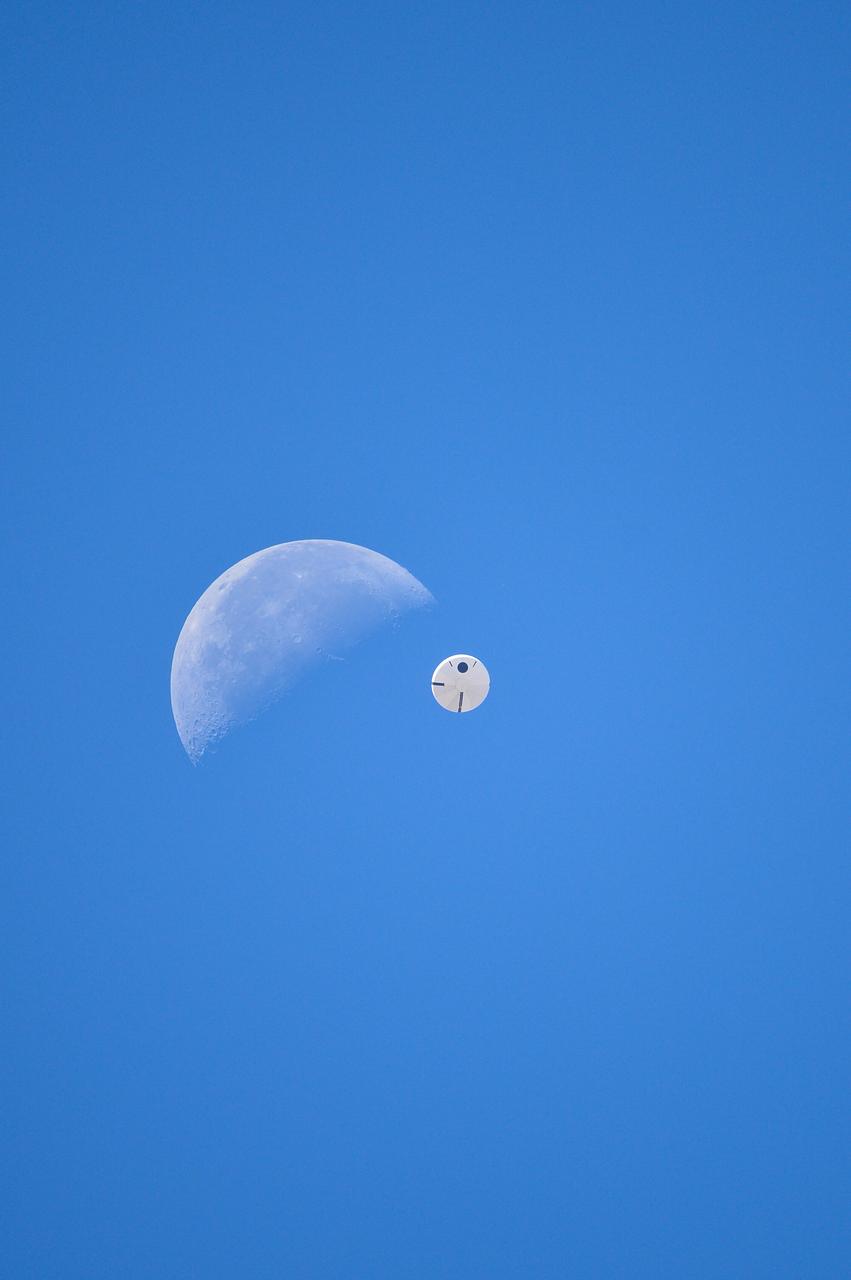
Orion’s three main orange and white parachutes help a representative model of the spacecraft descend through sky above Arizona, where NASA engineers tested the parachute system on Sept. 13, 2017 at the U.S. Army Proving Ground in Yuma. NASA is qualifying Orion’s parachutes for missions with astronauts.. .During this test, engineers replicated a situation in which Orion must abort off the Space Launch System rocket and bypasses part of its normal parachute deployment sequence that typically helps the spacecraft slow down during its descent to Earth after deep space missions. The capsule was dropped out of a C-17 aircraft at more than 4.7 miles in altitude and allowed to free fall for 20 seconds, longer than ever before, to produce high aerodynamic pressure before only its pilot and main parachutes were deployed, testing whether they could perform as expected under extreme loads. Orion’s full parachute system includes 11 total parachutes -- three forward bay cover parachutes and two drogue parachutes, along with three pilot parachutes that help pull out the spacecraft’s three mains.
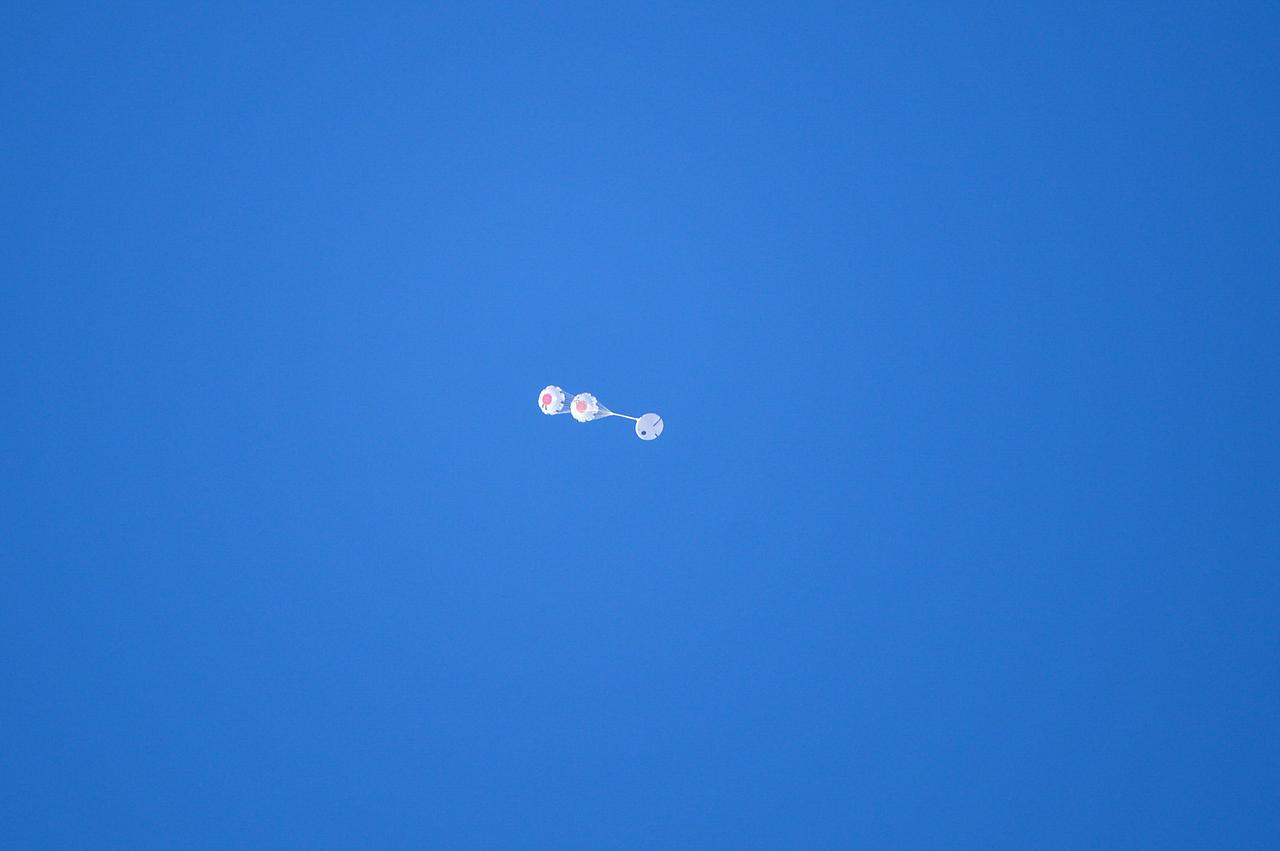
Orion’s three main orange and white parachutes help a representative model of the spacecraft descend through sky above Arizona, where NASA engineers tested the parachute system on Sept. 13, 2017 at the U.S. Army Proving Ground in Yuma. NASA is qualifying Orion’s parachutes for missions with astronauts.. .During this test, engineers replicated a situation in which Orion must abort off the Space Launch System rocket and bypasses part of its normal parachute deployment sequence that typically helps the spacecraft slow down during its descent to Earth after deep space missions. The capsule was dropped out of a C-17 aircraft at more than 4.7 miles in altitude and allowed to free fall for 20 seconds, longer than ever before, to produce high aerodynamic pressure before only its pilot and main parachutes were deployed, testing whether they could perform as expected under extreme loads. Orion’s full parachute system includes 11 total parachutes -- three forward bay cover parachutes and two drogue parachutes, along with three pilot parachutes that help pull out the spacecraft’s three mains.

Orion’s three main orange and white parachutes help a representative model of the spacecraft descend through sky above Arizona, where NASA engineers tested the parachute system on Sept. 13, 2017 at the U.S. Army Proving Ground in Yuma. NASA is qualifying Orion’s parachutes for missions with astronauts.. .During this test, engineers replicated a situation in which Orion must abort off the Space Launch System rocket and bypasses part of its normal parachute deployment sequence that typically helps the spacecraft slow down during its descent to Earth after deep space missions. The capsule was dropped out of a C-17 aircraft at more than 4.7 miles in altitude and allowed to free fall for 20 seconds, longer than ever before, to produce high aerodynamic pressure before only its pilot and main parachutes were deployed, testing whether they could perform as expected under extreme loads. Orion’s full parachute system includes 11 total parachutes -- three forward bay cover parachutes and two drogue parachutes, along with three pilot parachutes that help pull out the spacecraft’s three mains.
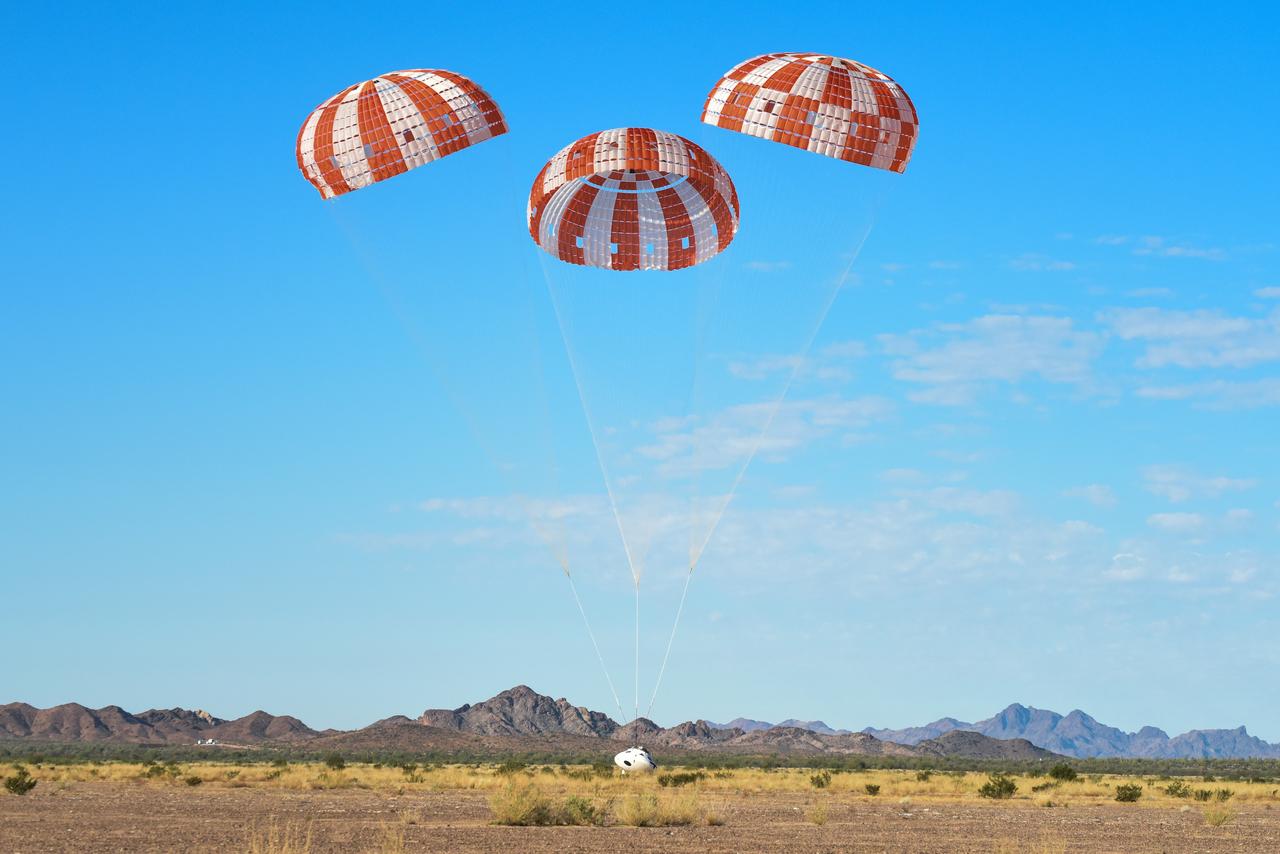
Orion’s three main orange and white parachutes help a representative model of the spacecraft descend through sky above Arizona, where NASA engineers tested the parachute system on Sept. 13, 2017 at the U.S. Army Proving Ground in Yuma. NASA is qualifying Orion’s parachutes for missions with astronauts.. .During this test, engineers replicated a situation in which Orion must abort off the Space Launch System rocket and bypasses part of its normal parachute deployment sequence that typically helps the spacecraft slow down during its descent to Earth after deep space missions. The capsule was dropped out of a C-17 aircraft at more than 4.7 miles in altitude and allowed to free fall for 20 seconds, longer than ever before, to produce high aerodynamic pressure before only its pilot and main parachutes were deployed, testing whether they could perform as expected under extreme loads. Orion’s full parachute system includes 11 total parachutes -- three forward bay cover parachutes and two drogue parachutes, along with three pilot parachutes that help pull out the spacecraft’s three mains.
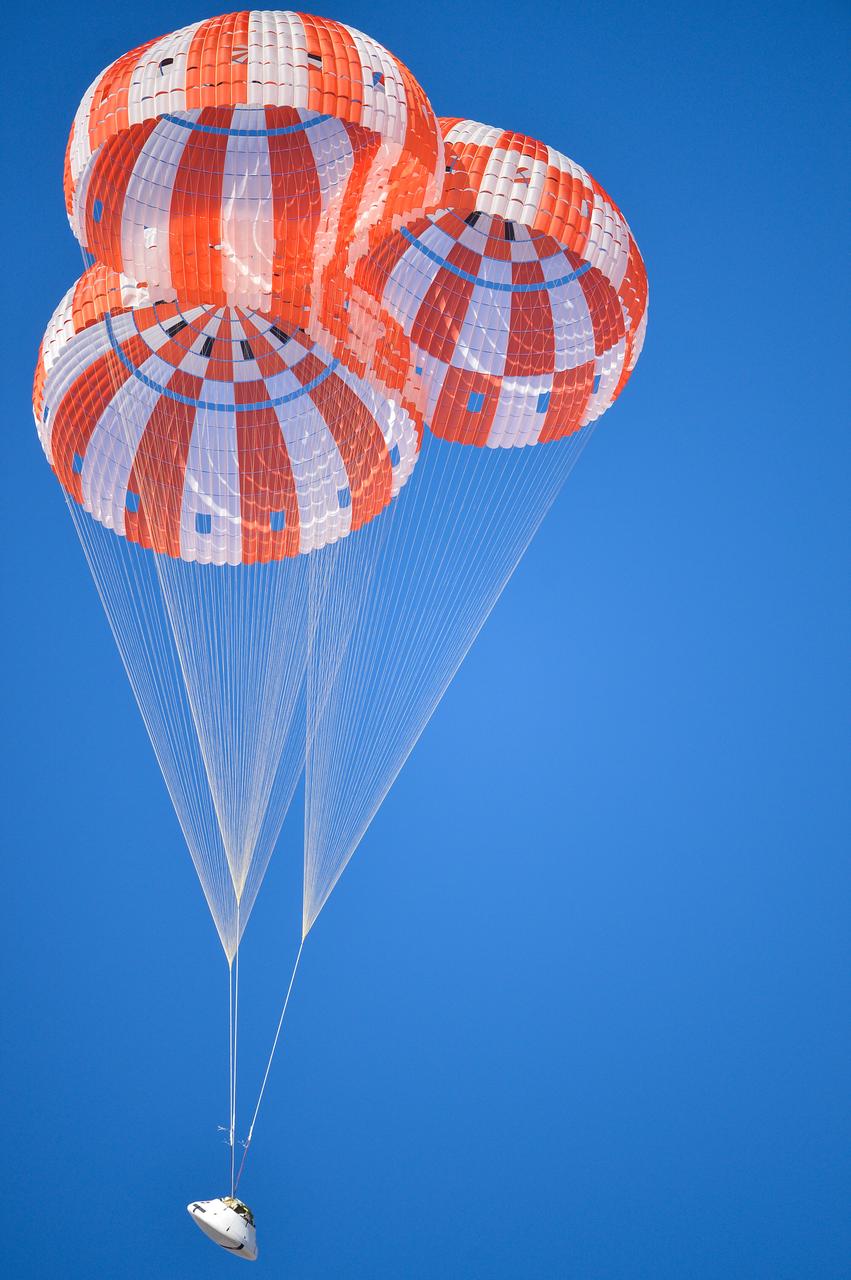
Orion’s three main orange and white parachutes help a representative model of the spacecraft descend through sky above Arizona, where NASA engineers tested the parachute system on Sept. 13, 2017 at the U.S. Army Proving Ground in Yuma. NASA is qualifying Orion’s parachutes for missions with astronauts.. .During this test, engineers replicated a situation in which Orion must abort off the Space Launch System rocket and bypasses part of its normal parachute deployment sequence that typically helps the spacecraft slow down during its descent to Earth after deep space missions. The capsule was dropped out of a C-17 aircraft at more than 4.7 miles in altitude and allowed to free fall for 20 seconds, longer than ever before, to produce high aerodynamic pressure before only its pilot and main parachutes were deployed, testing whether they could perform as expected under extreme loads. Orion’s full parachute system includes 11 total parachutes -- three forward bay cover parachutes and two drogue parachutes, along with three pilot parachutes that help pull out the spacecraft’s three mains.
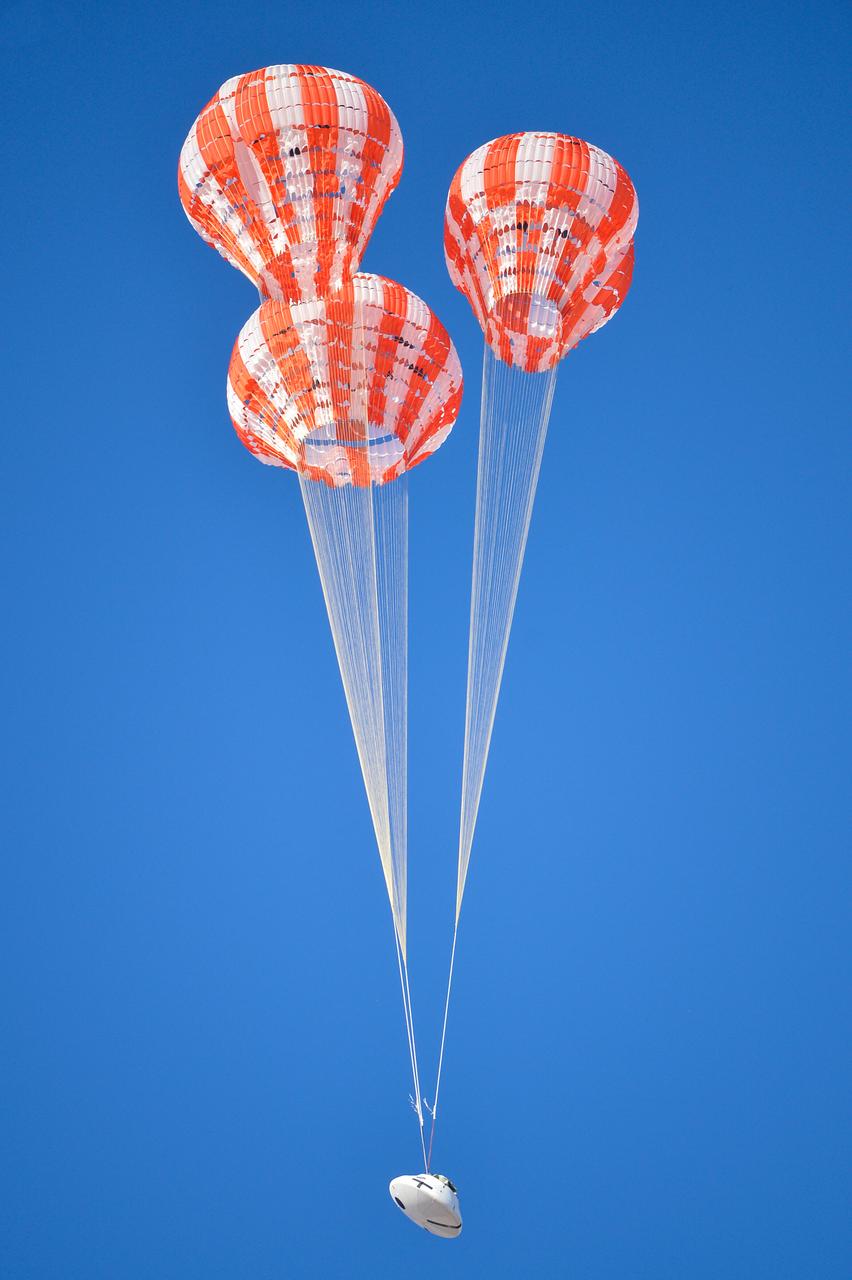
Orion’s three main orange and white parachutes help a representative model of the spacecraft descend through sky above Arizona, where NASA engineers tested the parachute system on Sept. 13, 2017 at the U.S. Army Proving Ground in Yuma. NASA is qualifying Orion’s parachutes for missions with astronauts.. .During this test, engineers replicated a situation in which Orion must abort off the Space Launch System rocket and bypasses part of its normal parachute deployment sequence that typically helps the spacecraft slow down during its descent to Earth after deep space missions. The capsule was dropped out of a C-17 aircraft at more than 4.7 miles in altitude and allowed to free fall for 20 seconds, longer than ever before, to produce high aerodynamic pressure before only its pilot and main parachutes were deployed, testing whether they could perform as expected under extreme loads. Orion’s full parachute system includes 11 total parachutes -- three forward bay cover parachutes and two drogue parachutes, along with three pilot parachutes that help pull out the spacecraft’s three mains.
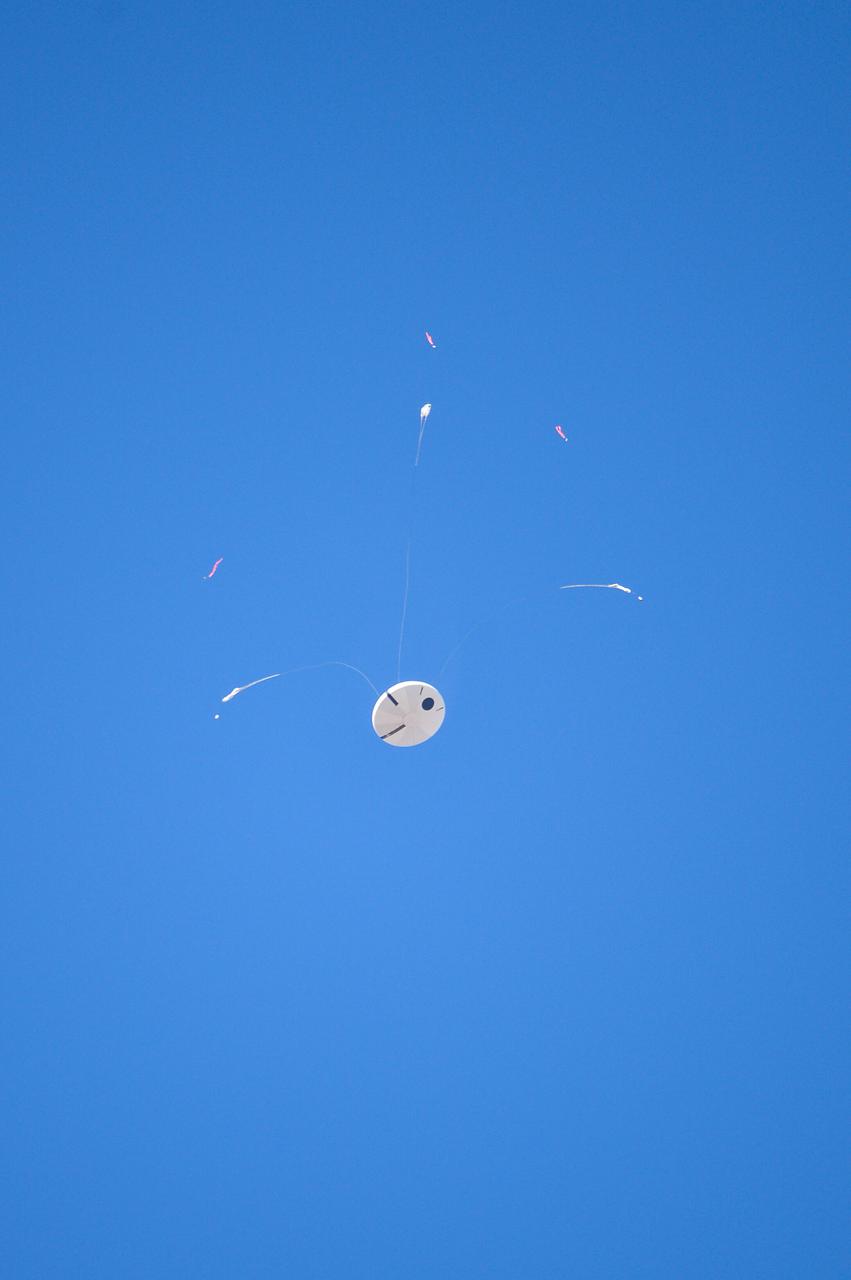
Orion’s three main orange and white parachutes help a representative model of the spacecraft descend through sky above Arizona, where NASA engineers tested the parachute system on Sept. 13, 2017 at the U.S. Army Proving Ground in Yuma. NASA is qualifying Orion’s parachutes for missions with astronauts.. .During this test, engineers replicated a situation in which Orion must abort off the Space Launch System rocket and bypasses part of its normal parachute deployment sequence that typically helps the spacecraft slow down during its descent to Earth after deep space missions. The capsule was dropped out of a C-17 aircraft at more than 4.7 miles in altitude and allowed to free fall for 20 seconds, longer than ever before, to produce high aerodynamic pressure before only its pilot and main parachutes were deployed, testing whether they could perform as expected under extreme loads. Orion’s full parachute system includes 11 total parachutes -- three forward bay cover parachutes and two drogue parachutes, along with three pilot parachutes that help pull out the spacecraft’s three mains.
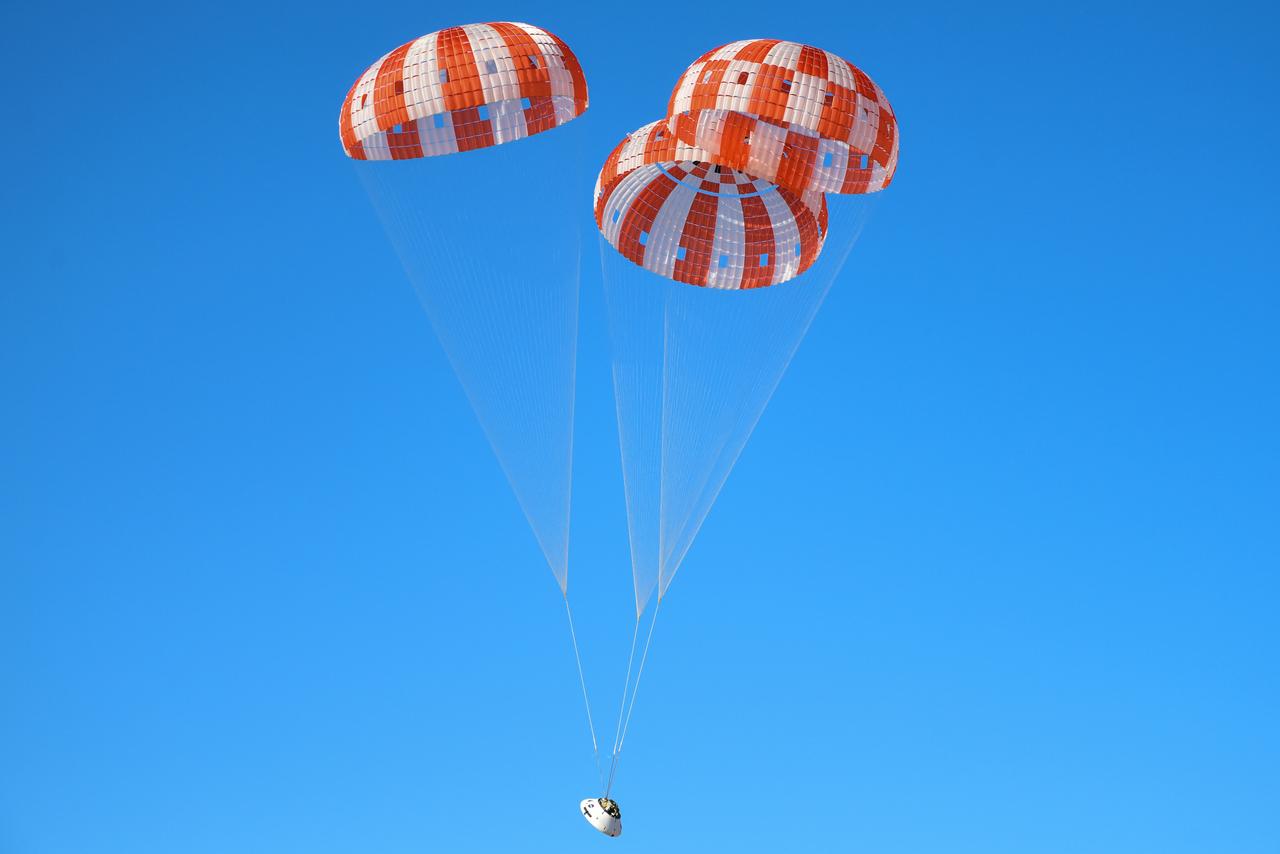
Orion’s three main orange and white parachutes help a representative model of the spacecraft descend through sky above Arizona, where NASA engineers tested the parachute system on Sept. 13, 2017 at the U.S. Army Proving Ground in Yuma. NASA is qualifying Orion’s parachutes for missions with astronauts.. .During this test, engineers replicated a situation in which Orion must abort off the Space Launch System rocket and bypasses part of its normal parachute deployment sequence that typically helps the spacecraft slow down during its descent to Earth after deep space missions. The capsule was dropped out of a C-17 aircraft at more than 4.7 miles in altitude and allowed to free fall for 20 seconds, longer than ever before, to produce high aerodynamic pressure before only its pilot and main parachutes were deployed, testing whether they could perform as expected under extreme loads. Orion’s full parachute system includes 11 total parachutes -- three forward bay cover parachutes and two drogue parachutes, along with three pilot parachutes that help pull out the spacecraft’s three mains.

Orion’s three main orange and white parachutes help a representative model of the spacecraft descend through sky above Arizona, where NASA engineers tested the parachute system on Sept. 13, 2017 at the U.S. Army Proving Ground in Yuma. NASA is qualifying Orion’s parachutes for missions with astronauts.. .During this test, engineers replicated a situation in which Orion must abort off the Space Launch System rocket and bypasses part of its normal parachute deployment sequence that typically helps the spacecraft slow down during its descent to Earth after deep space missions. The capsule was dropped out of a C-17 aircraft at more than 4.7 miles in altitude and allowed to free fall for 20 seconds, longer than ever before, to produce high aerodynamic pressure before only its pilot and main parachutes were deployed, testing whether they could perform as expected under extreme loads. Orion’s full parachute system includes 11 total parachutes -- three forward bay cover parachutes and two drogue parachutes, along with three pilot parachutes that help pull out the spacecraft’s three mains.
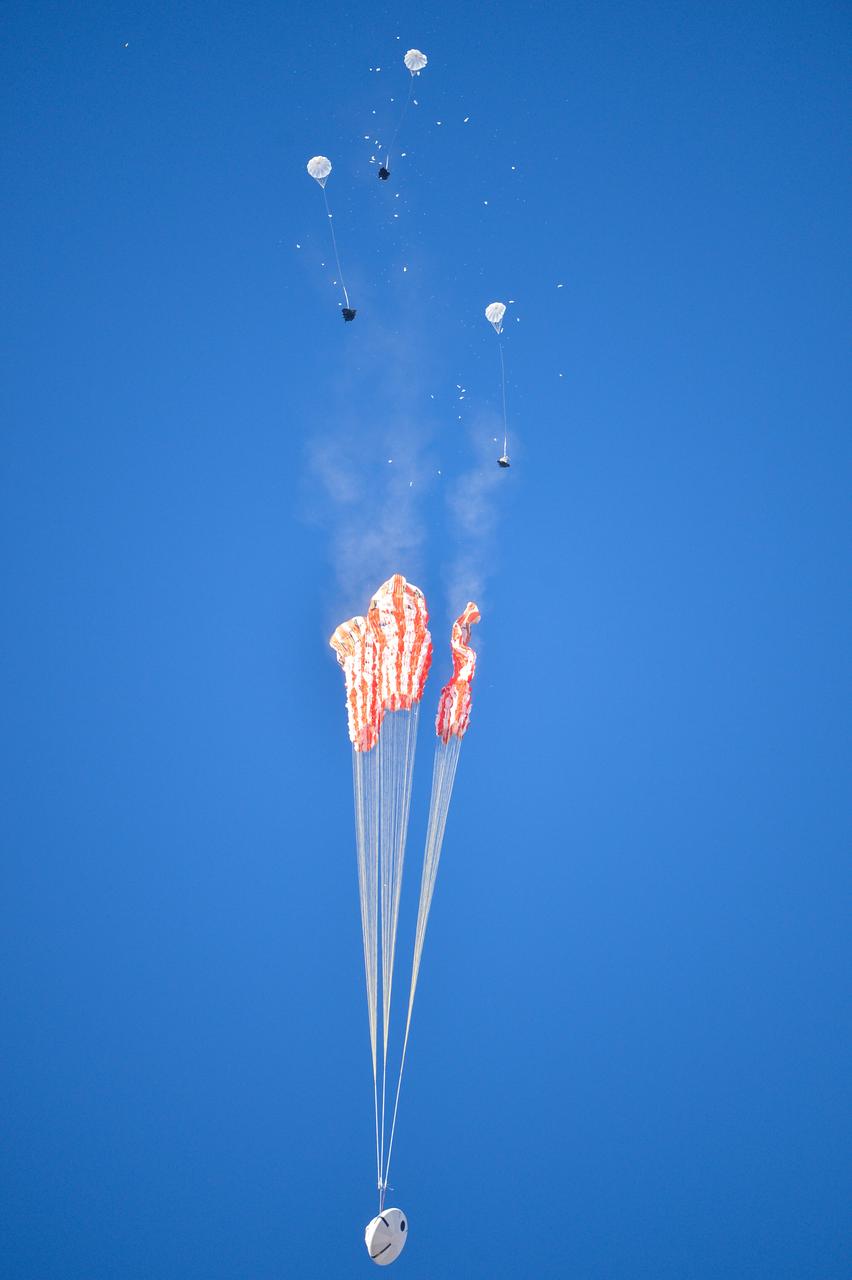
Orion’s three main orange and white parachutes help a representative model of the spacecraft descend through sky above Arizona, where NASA engineers tested the parachute system on Sept. 13, 2017 at the U.S. Army Proving Ground in Yuma. NASA is qualifying Orion’s parachutes for missions with astronauts.. .During this test, engineers replicated a situation in which Orion must abort off the Space Launch System rocket and bypasses part of its normal parachute deployment sequence that typically helps the spacecraft slow down during its descent to Earth after deep space missions. The capsule was dropped out of a C-17 aircraft at more than 4.7 miles in altitude and allowed to free fall for 20 seconds, longer than ever before, to produce high aerodynamic pressure before only its pilot and main parachutes were deployed, testing whether they could perform as expected under extreme loads. Orion’s full parachute system includes 11 total parachutes -- three forward bay cover parachutes and two drogue parachutes, along with three pilot parachutes that help pull out the spacecraft’s three mains.
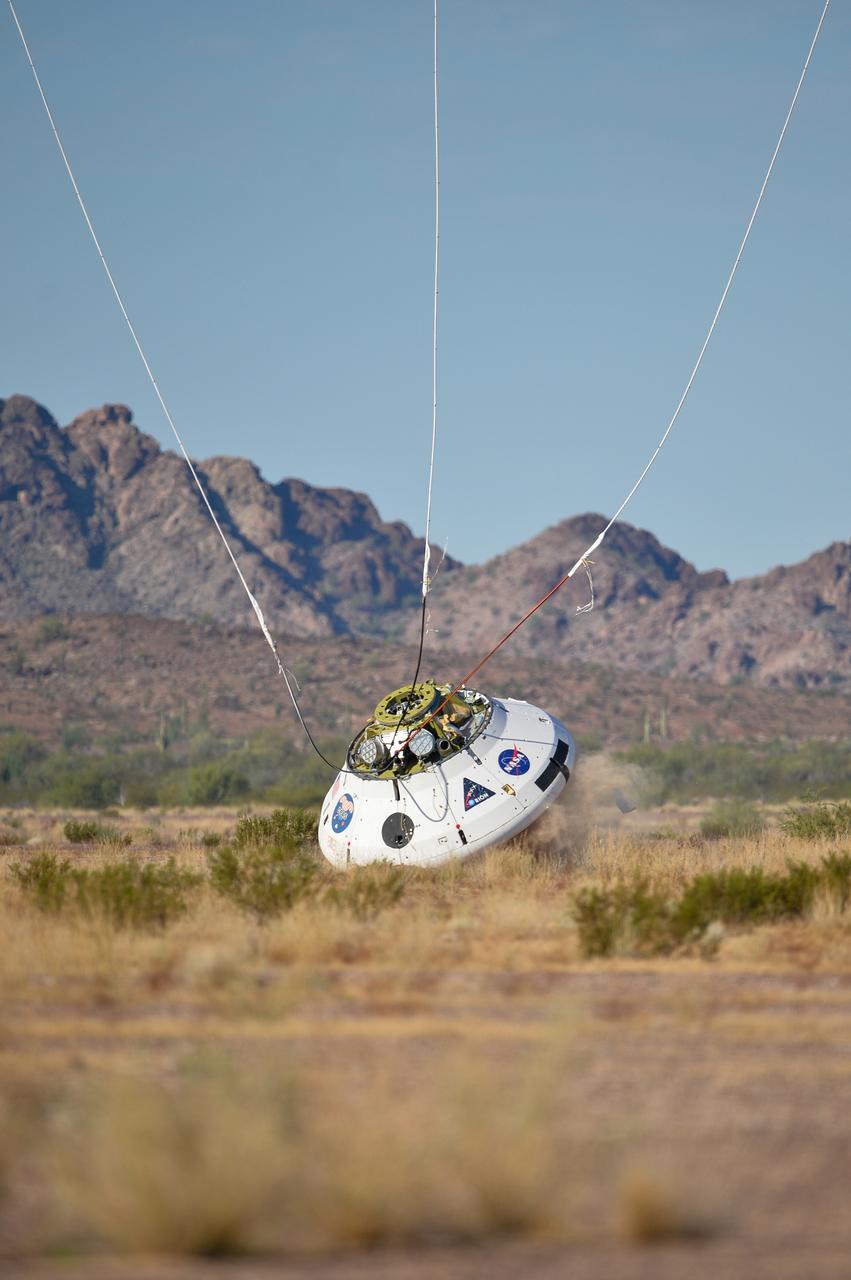
Engineers testing the parachute system for Orion during a Sept. 13, 2017 evaluation at the U.S. Army Proving Ground in Yuma.. .During this test, engineers replicated a situation in which Orion must abort off the Space Launch System rocket and bypasses part of its normal parachute deployment sequence that typically helps the spacecraft slow down during its descent to Earth after deep space missions. The capsule was dropped out of a C-17 aircraft at more than 4.7 miles in altitude and allowed to free fall for 20 seconds, longer than ever before, to produce high aerodynamic pressure before only its pilot and main parachutes were deployed, testing whether they could perform as expected under extreme loads. Orion’s full parachute system includes 11 total parachutes -- three forward bay cover parachutes and two drogue parachutes, along with three pilot parachutes that help pull out the spacecraft’s three mains.
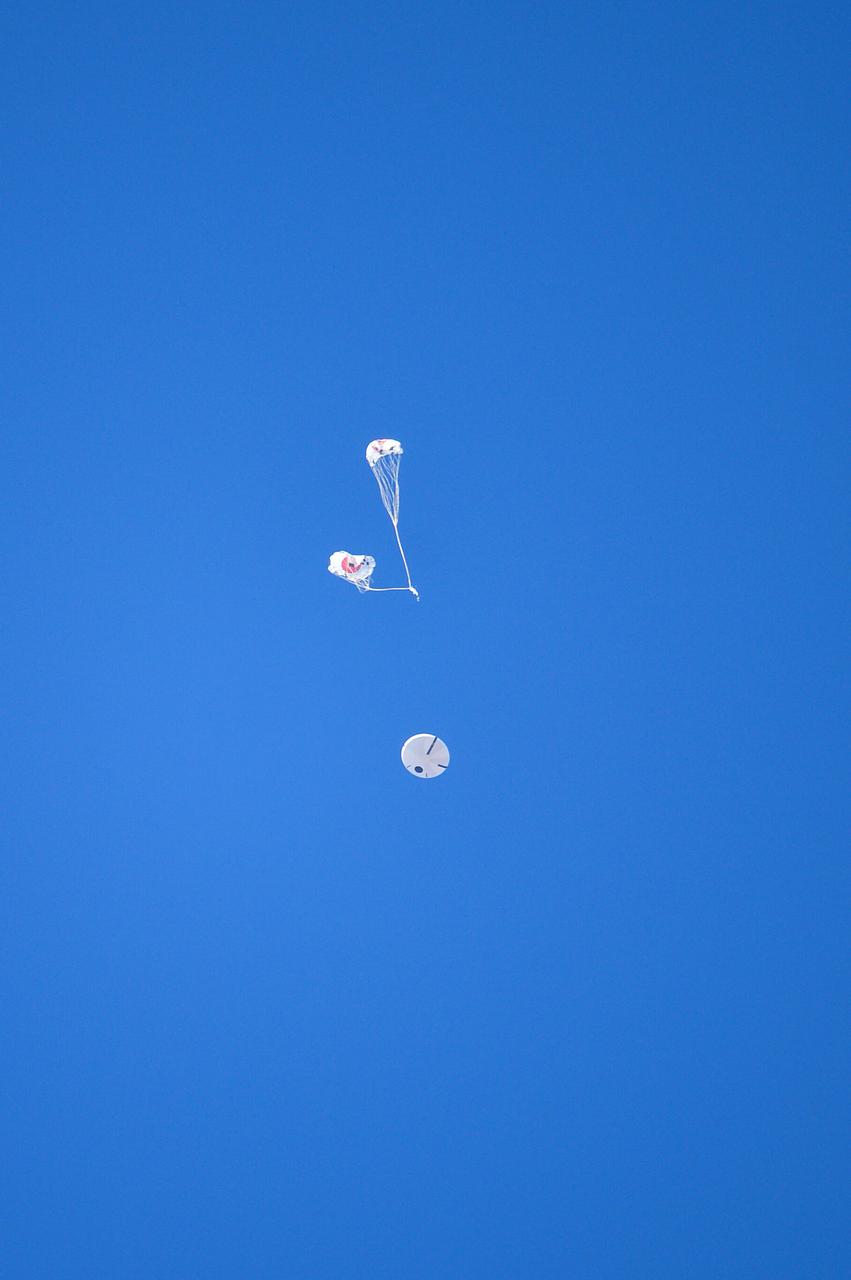
Orion’s three main orange and white parachutes help a representative model of the spacecraft descend through sky above Arizona, where NASA engineers tested the parachute system on Sept. 13, 2017 at the U.S. Army Proving Ground in Yuma. NASA is qualifying Orion’s parachutes for missions with astronauts.. .During this test, engineers replicated a situation in which Orion must abort off the Space Launch System rocket and bypasses part of its normal parachute deployment sequence that typically helps the spacecraft slow down during its descent to Earth after deep space missions. The capsule was dropped out of a C-17 aircraft at more than 4.7 miles in altitude and allowed to free fall for 20 seconds, longer than ever before, to produce high aerodynamic pressure before only its pilot and main parachutes were deployed, testing whether they could perform as expected under extreme loads. Orion’s full parachute system includes 11 total parachutes -- three forward bay cover parachutes and two drogue parachutes, along with three pilot parachutes that help pull out the spacecraft’s three mains.
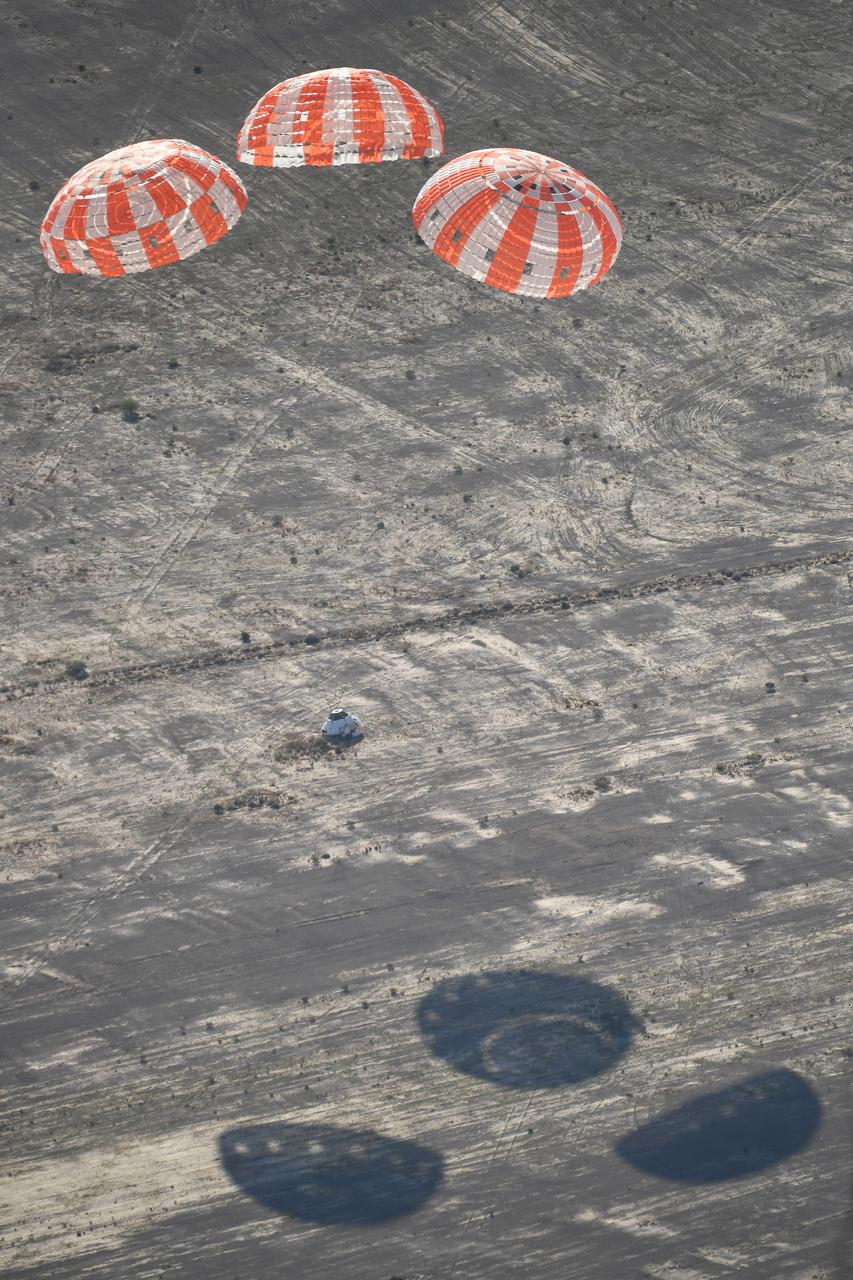
Orion’s three main orange and white parachutes help a representative model of the spacecraft descend through sky above Arizona, where NASA engineers tested the parachute system on Sept. 13, 2017 at the U.S. Army Proving Ground in Yuma. NASA is qualifying Orion’s parachutes for missions with astronauts.. .During this test, engineers replicated a situation in which Orion must abort off the Space Launch System rocket and bypasses part of its normal parachute deployment sequence that typically helps the spacecraft slow down during its descent to Earth after deep space missions. The capsule was dropped out of a C-17 aircraft at more than 4.7 miles in altitude and allowed to free fall for 20 seconds, longer than ever before, to produce high aerodynamic pressure before only its pilot and main parachutes were deployed, testing whether they could perform as expected under extreme loads. Orion’s full parachute system includes 11 total parachutes -- three forward bay cover parachutes and two drogue parachutes, along with three pilot parachutes that help pull out the spacecraft’s three mains.
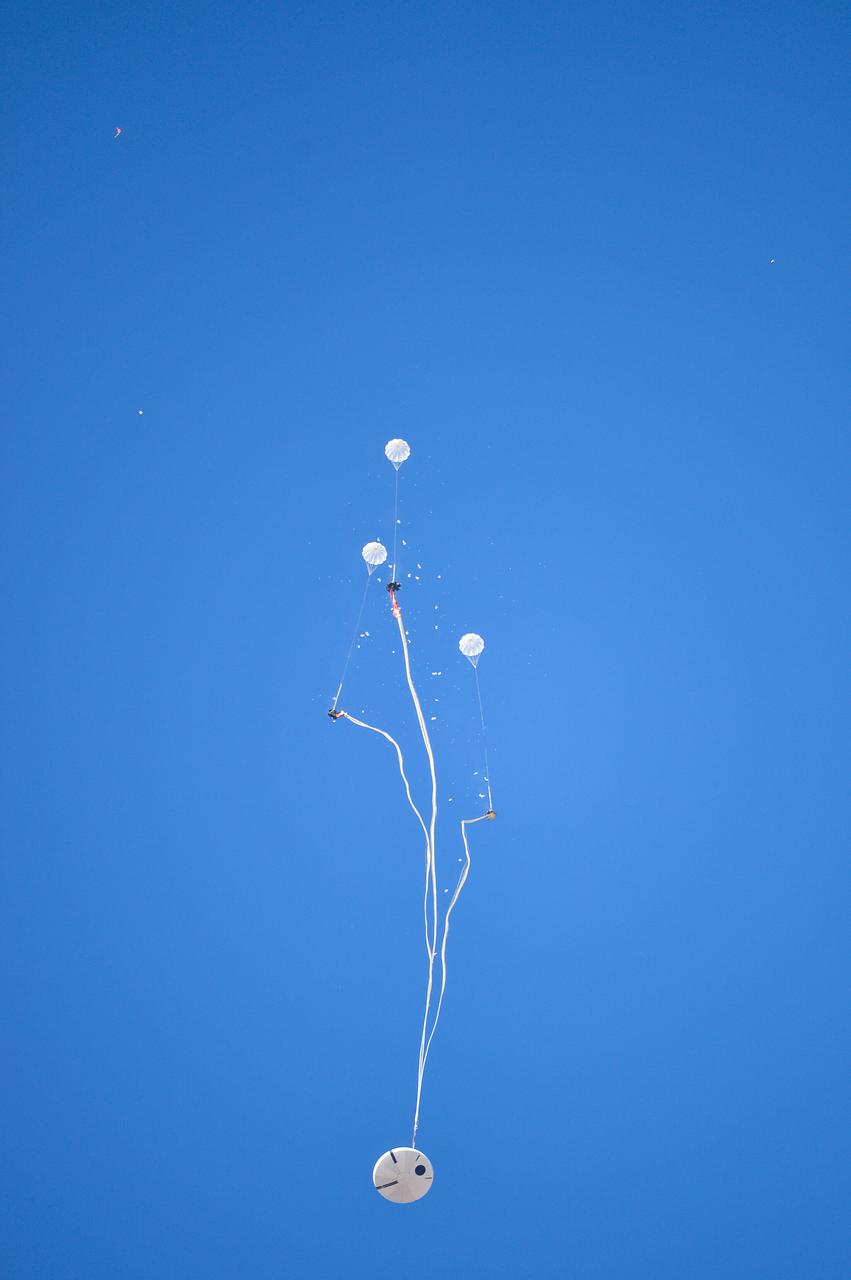
Orion’s three main orange and white parachutes help a representative model of the spacecraft descend through sky above Arizona, where NASA engineers tested the parachute system on Sept. 13, 2017 at the U.S. Army Proving Ground in Yuma. NASA is qualifying Orion’s parachutes for missions with astronauts.. .During this test, engineers replicated a situation in which Orion must abort off the Space Launch System rocket and bypasses part of its normal parachute deployment sequence that typically helps the spacecraft slow down during its descent to Earth after deep space missions. The capsule was dropped out of a C-17 aircraft at more than 4.7 miles in altitude and allowed to free fall for 20 seconds, longer than ever before, to produce high aerodynamic pressure before only its pilot and main parachutes were deployed, testing whether they could perform as expected under extreme loads. Orion’s full parachute system includes 11 total parachutes -- three forward bay cover parachutes and two drogue parachutes, along with three pilot parachutes that help pull out the spacecraft’s three mains.