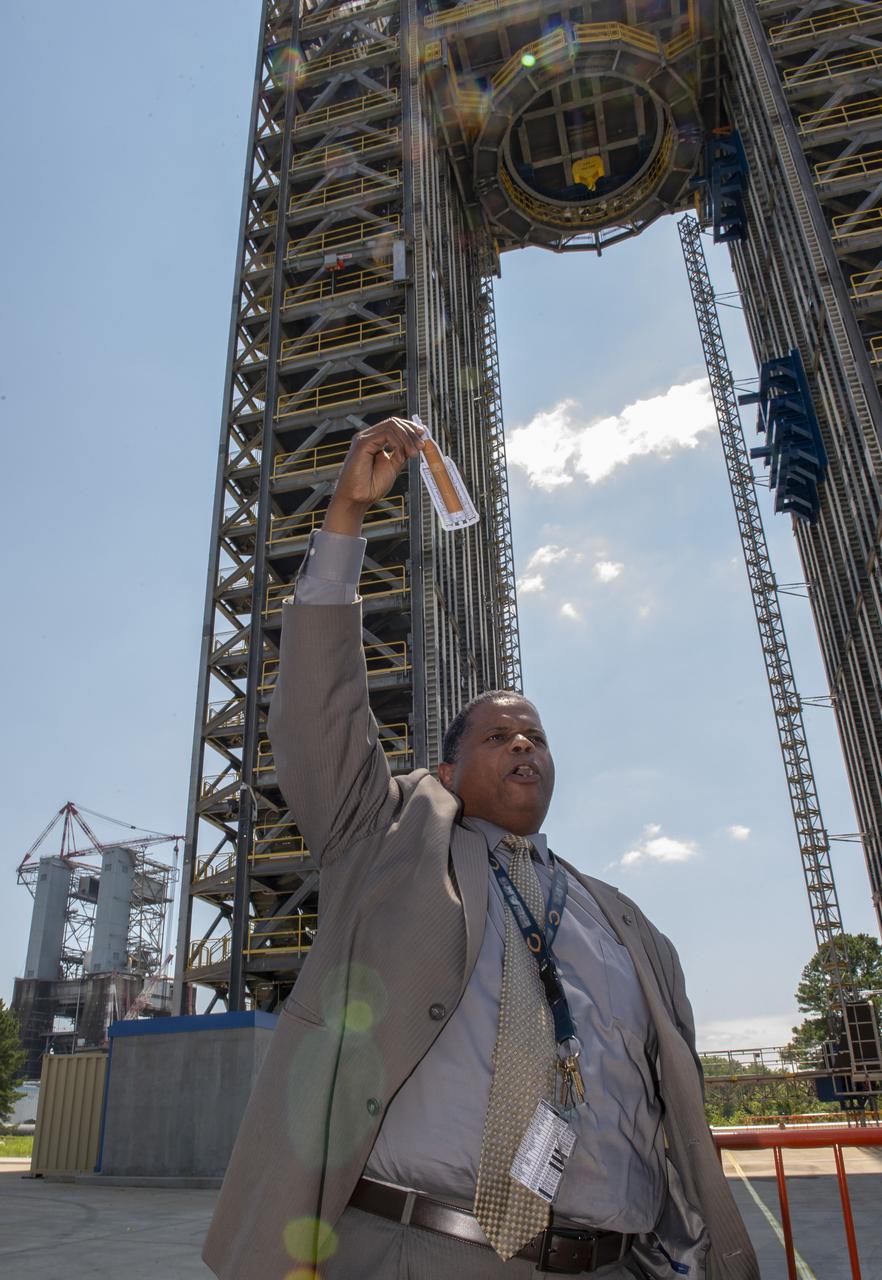
Students from the Tarik Black Foundation attend a STEM program at MSFC and visit SLS Test Stand 4693 in West Test Area. Gary Willis tells Tarik Black Foundation students about Test Stand 4693 and its importance in SLS development.
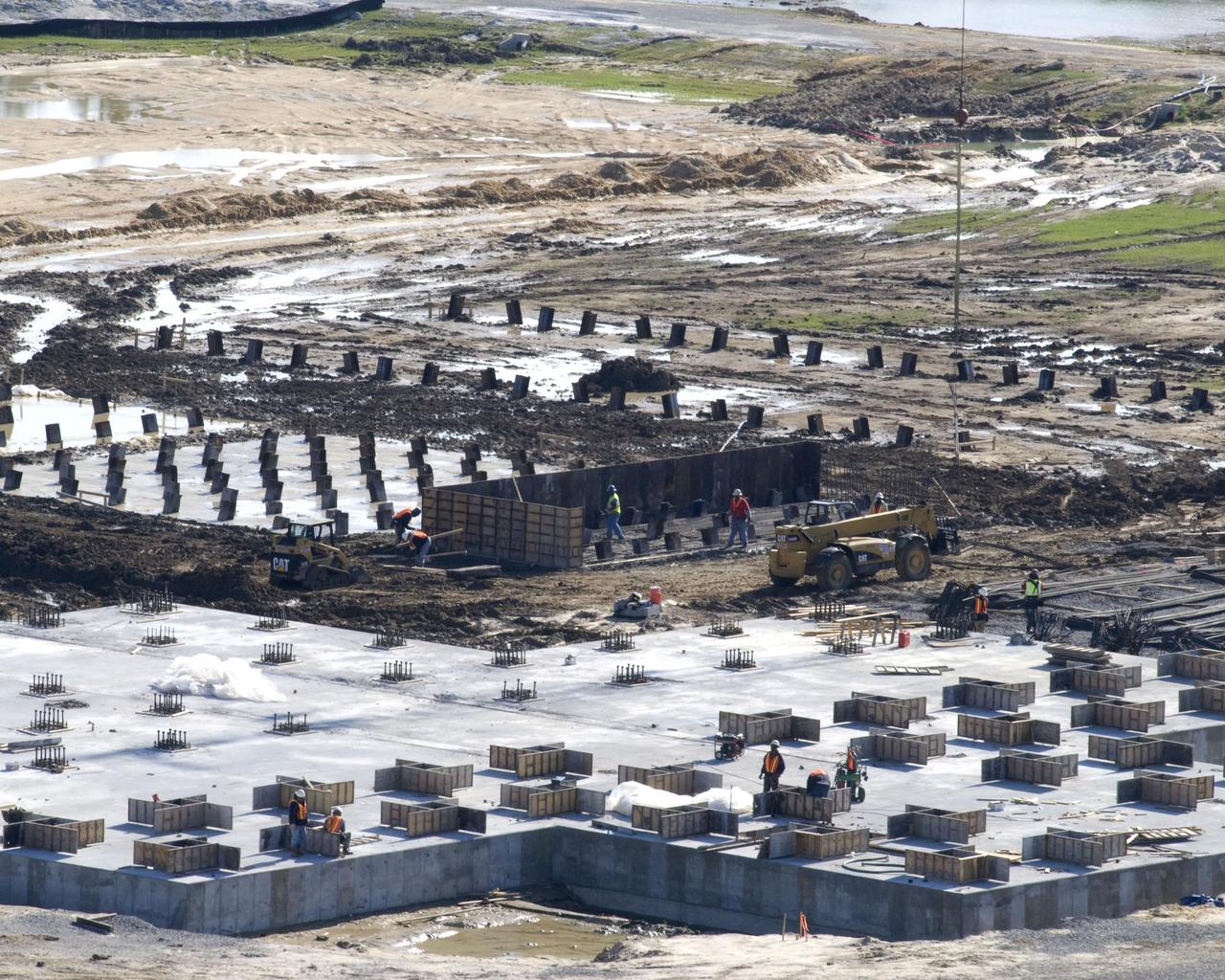
The concrete foundation placed Dec. 18 (foreground) for Stennis Space Center's future A-3 Test Stand has almost completely cured by early January, according to Bo Clarke, NASA's contracting officer technical representative for the foundation contract. By late December, construction on foundations for many of the test stand's support structures - diffuser, liquid oxygen, isopropyl alcohol and water tanks and gaseous nitrogen bottle battery - had begun with the installation of (background) `mud slabs.' The slabs provide a working surface for the reinforcing steel and foundation forms.
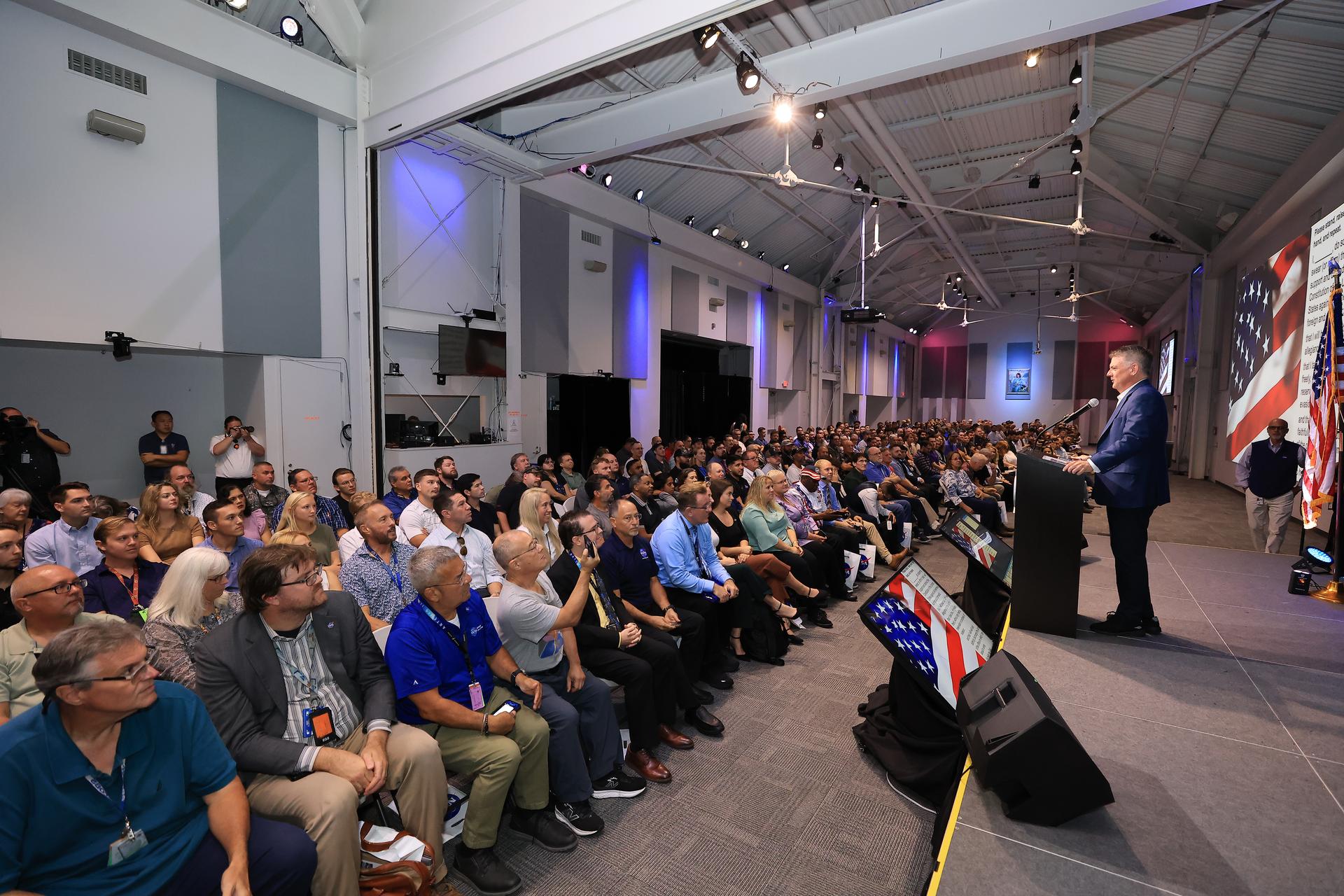
NASA’s Kennedy Space Center Director Brian Hughes (at podium) conducts a swearing-in ceremony for NASA’s latest civil servants on Monday, Sept. 21, 2026, inside the Astronauts Memorial Foundation’s Center for Space Education at the Kennedy Space Center Visitor Complex in Florida. The ceremony featured the swearing-in of employees formerly from the Consolidated Operations, Management, Engineering, and Test (COMET) contract, as well as outside hires, as part of the administrator’s workforce directive to restore technical core competencies within the civil servants ranks.
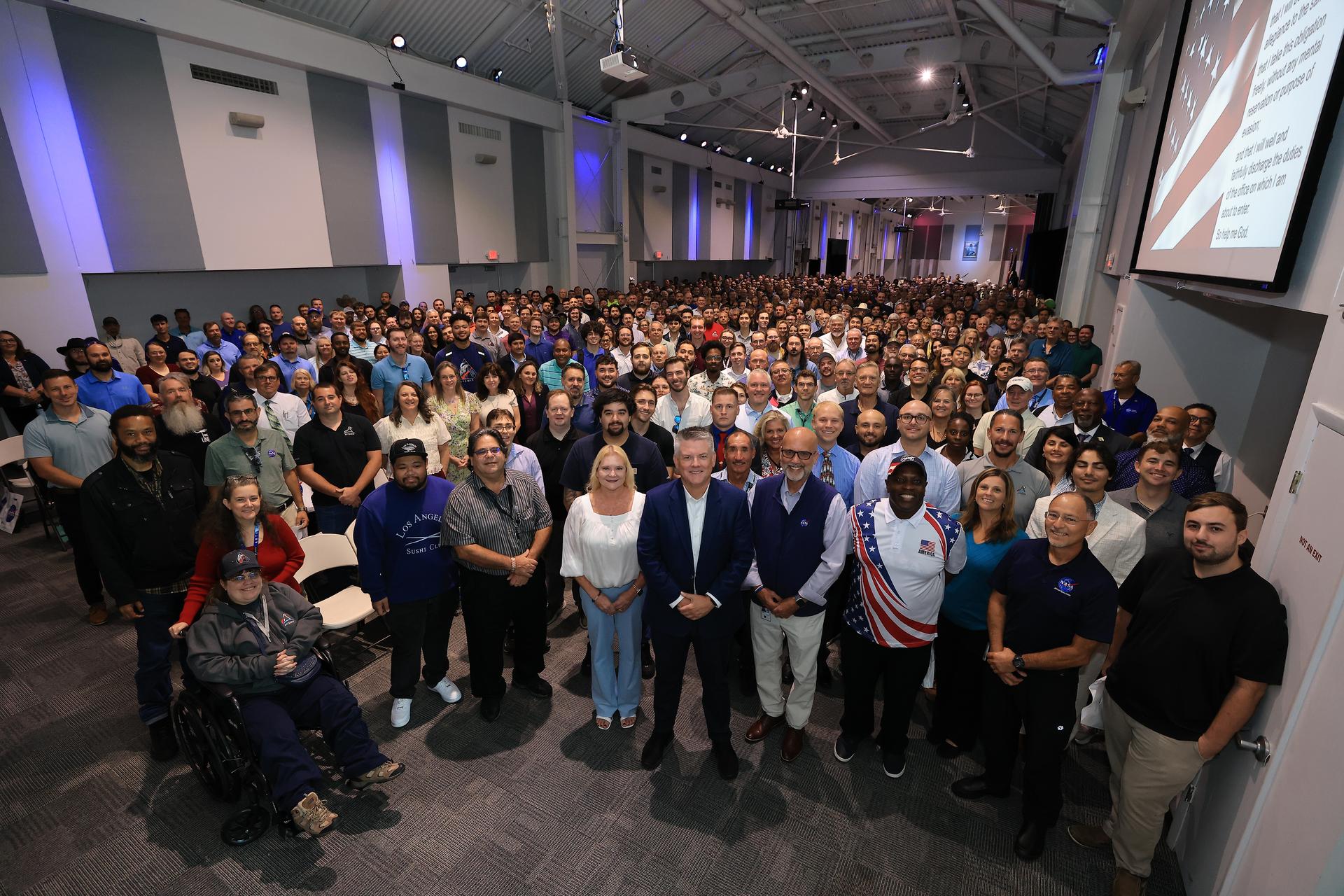
New NASA civil servants pose for a photograph with NASA’s Kennedy Space Center Director Brian Hughes (front, center) following their swearing-in ceremony on Monday, Sept. 21, 2026, inside the Astronauts Memorial Foundation’s Center for Space Education at the Kennedy Space Center Visitor Complex in Florida. The ceremony featured the swearing-in of employees formerly from the Consolidated Operations, Management, Engineering, and Test (COMET) contract, as well as outside hires, as part of the administrator’s workforce directive to restore technical core competencies within the civil servants ranks.
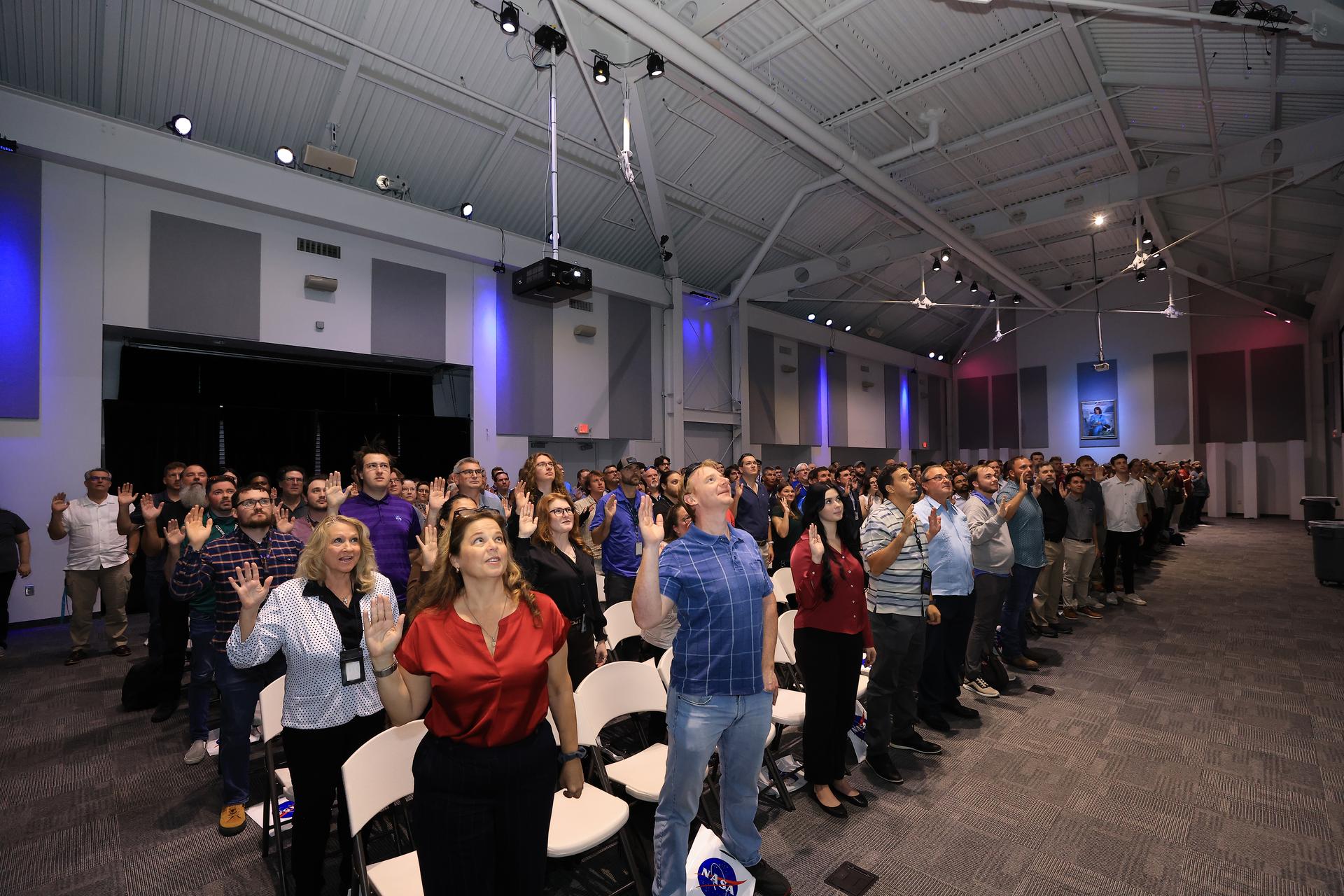
NASA’s newest civil servants participate in a swearing-in ceremony on Monday, Sept. 21, 2026, inside the Astronauts Memorial Foundation’s Center for Space Education at the Kennedy Space Center Visitor Complex in Florida. The ceremony featured the swearing-in of employees formerly from the Consolidated Operations, Management, Engineering, and Test (COMET) contract, as well as outside hires, as part of the administrator’s workforce directive to restore technical core competencies within the civil servants ranks.
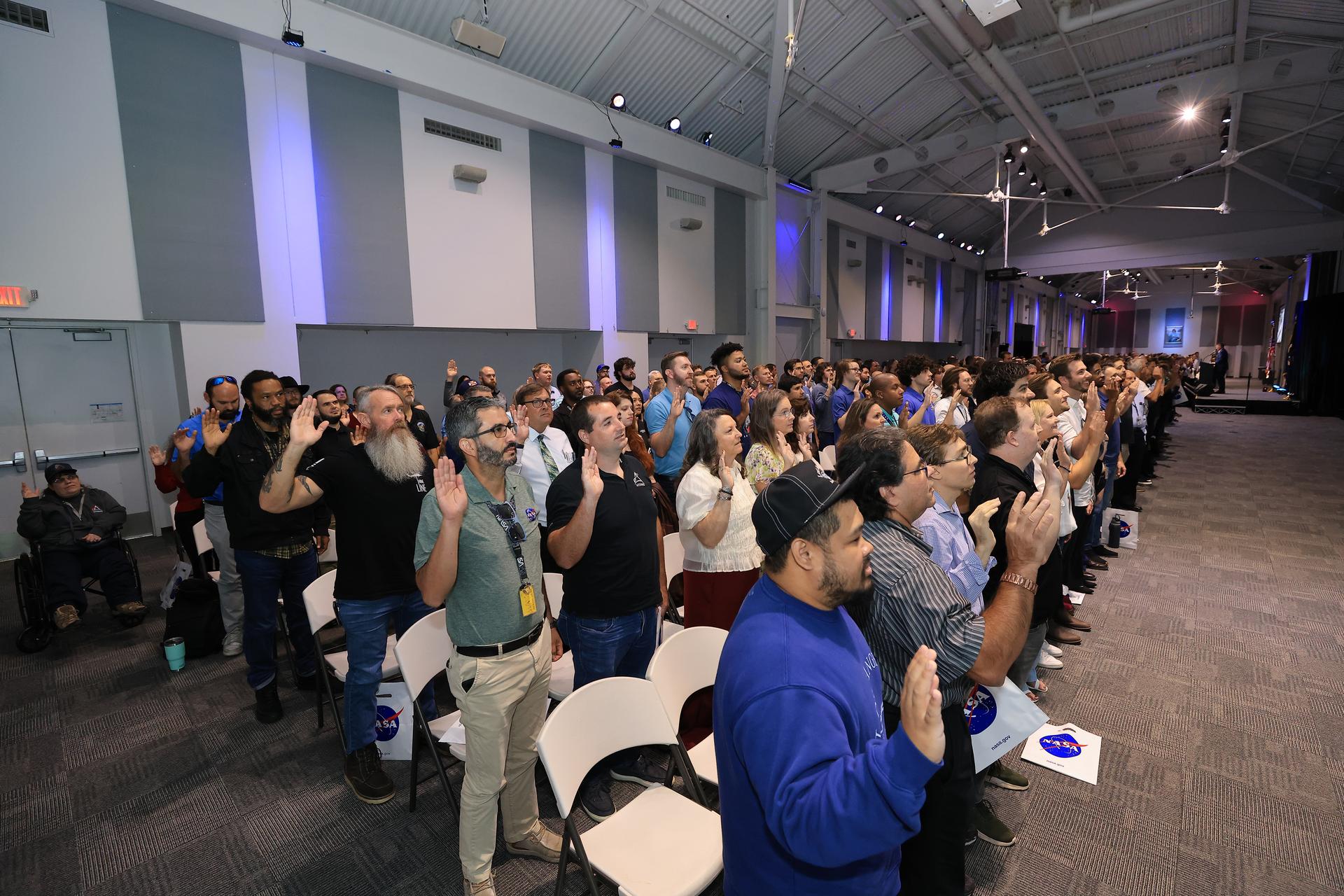
NASA’s newest civil servants participate in a swearing-in ceremony on Monday, Sept. 21, 2026, inside the Astronauts Memorial Foundation’s Center for Space Education at the Kennedy Space Center Visitor Complex in Florida. The ceremony featured the swearing-in of employees formerly from the Consolidated Operations, Management, Engineering, and Test (COMET) contract, as well as outside hires, as part of the administrator’s workforce directive to restore technical core competencies within the civil servants ranks.
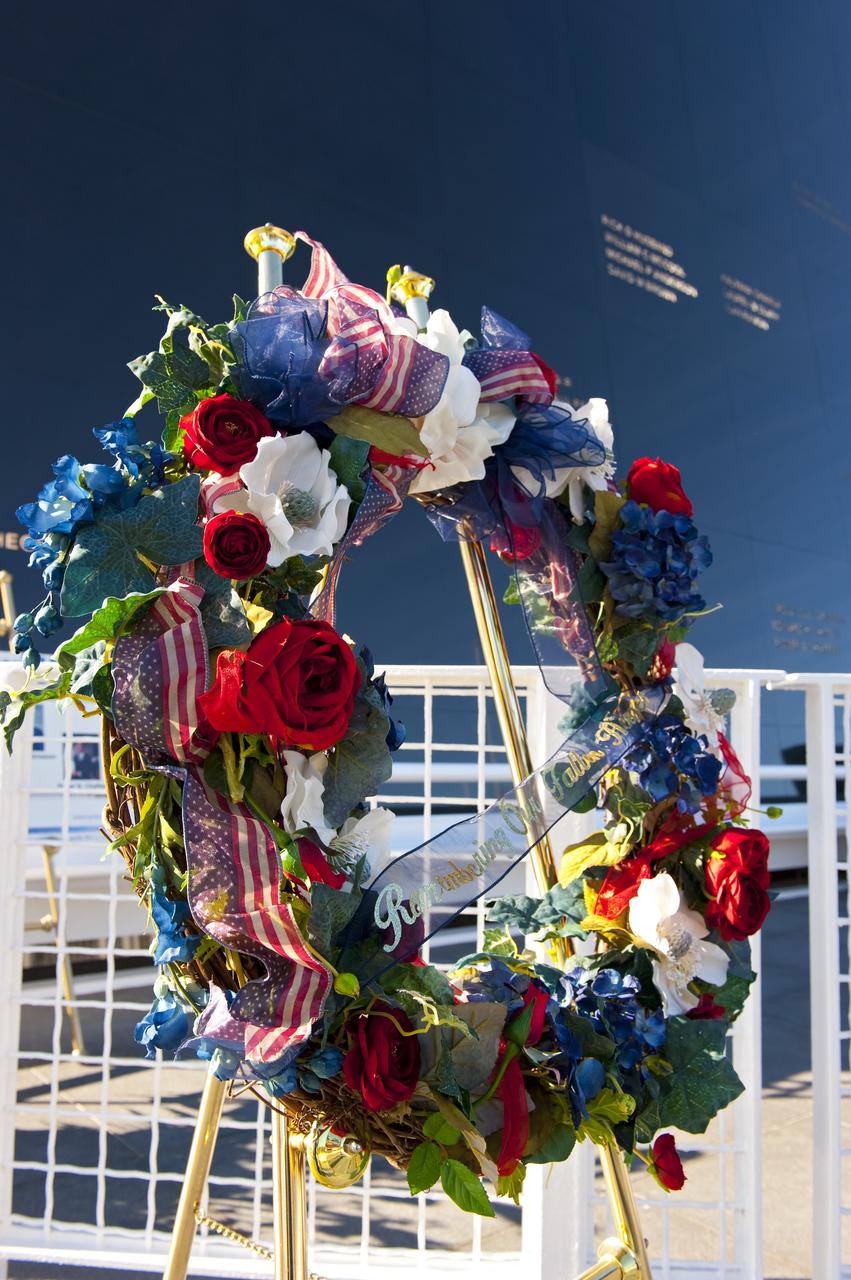
CAPE CANAVERAL, Fla. -- A wreath is displayed at the foot of the Space Mirror Memorial at the Kennedy Space Center Visitor Complex in Florida during a Day of Remembrance ceremony to honor members of the NASA family who lost their lives while furthering the cause of exploration and discovery. The memorial honors 24 United States astronauts, including the crew members of space shuttles Columbia and Challenger, Apollo 1, and those who died in training and commercial airplane accidents. The memorial is a project of the Astronauts Memorial Foundation and was paid for by Florida residents who purchased special Challenger mission automobile license plates. 2011 marks the 25th anniversary of the loss of Challenger, which broke apart over the Atlantic Ocean 73 seconds into flight on Jan. 28, 1986. Photo credit: NASA/Kim Shiflett
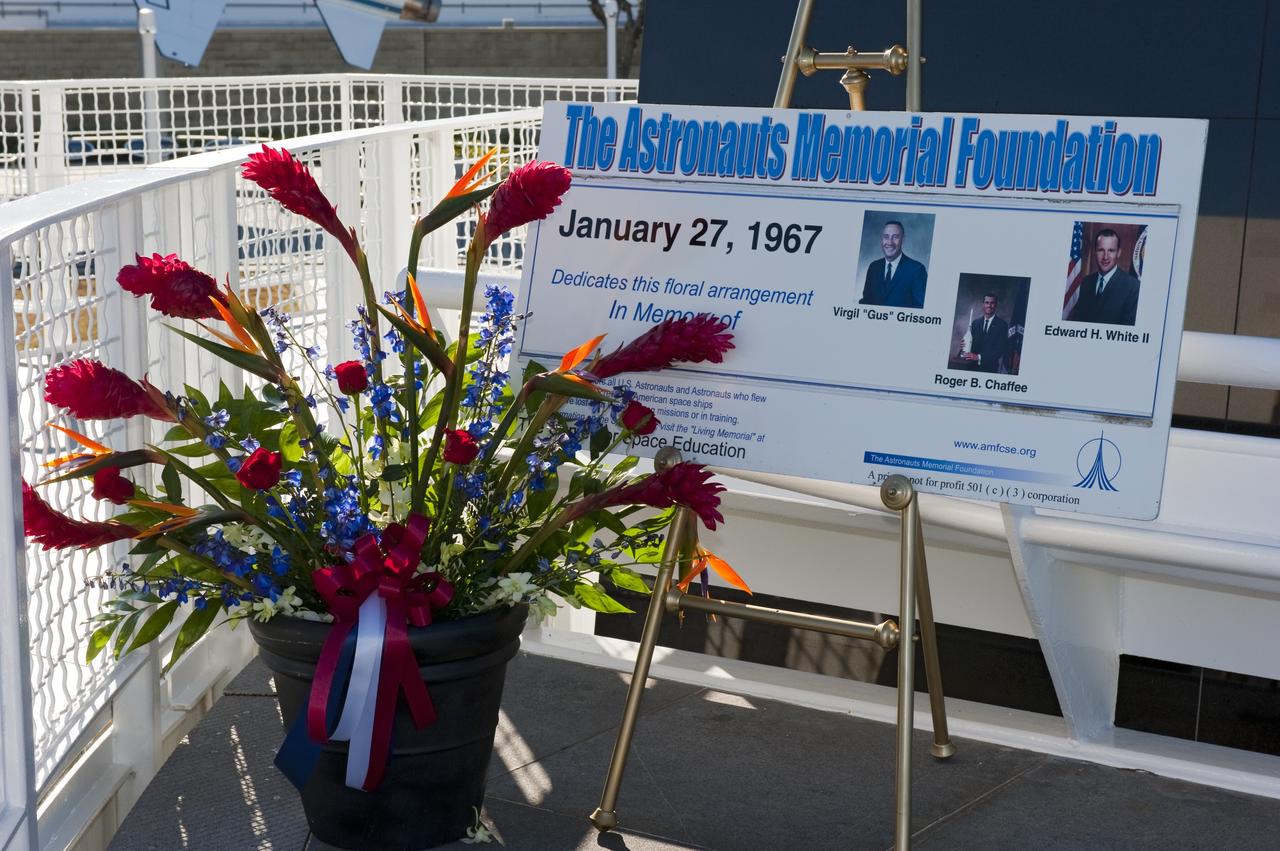
CAPE CANAVERAL, Fla. -- Flowers lay at the foot of the Space Mirror Memorial at the Kennedy Space Center Visitor Complex in Florida before a Day of Remembrance wreath laying ceremony to honor members of the NASA family who lost their lives while furthering the cause of exploration and discovery. The floral arrangement is dedicated to the Apollo 1 crew members Virgil "Gus" Grissom, Roger B. Chaffee and Edward H. White II. The memorial honors 24 United States astronauts, including the crew members of space shuttles Columbia and Challenger, Apollo 1, and those who died in training and commercial airplane accidents. The memorial is a project of the Astronauts Memorial Foundation and was paid for by Florida residents who purchased special Challenger mission automobile license plates. 2011 marks the 25th anniversary of the loss of Challenger, which broke apart over the Atlantic Ocean 73 seconds into flight on Jan. 28, 1986. Photo credit: NASA/Kim Shiflett
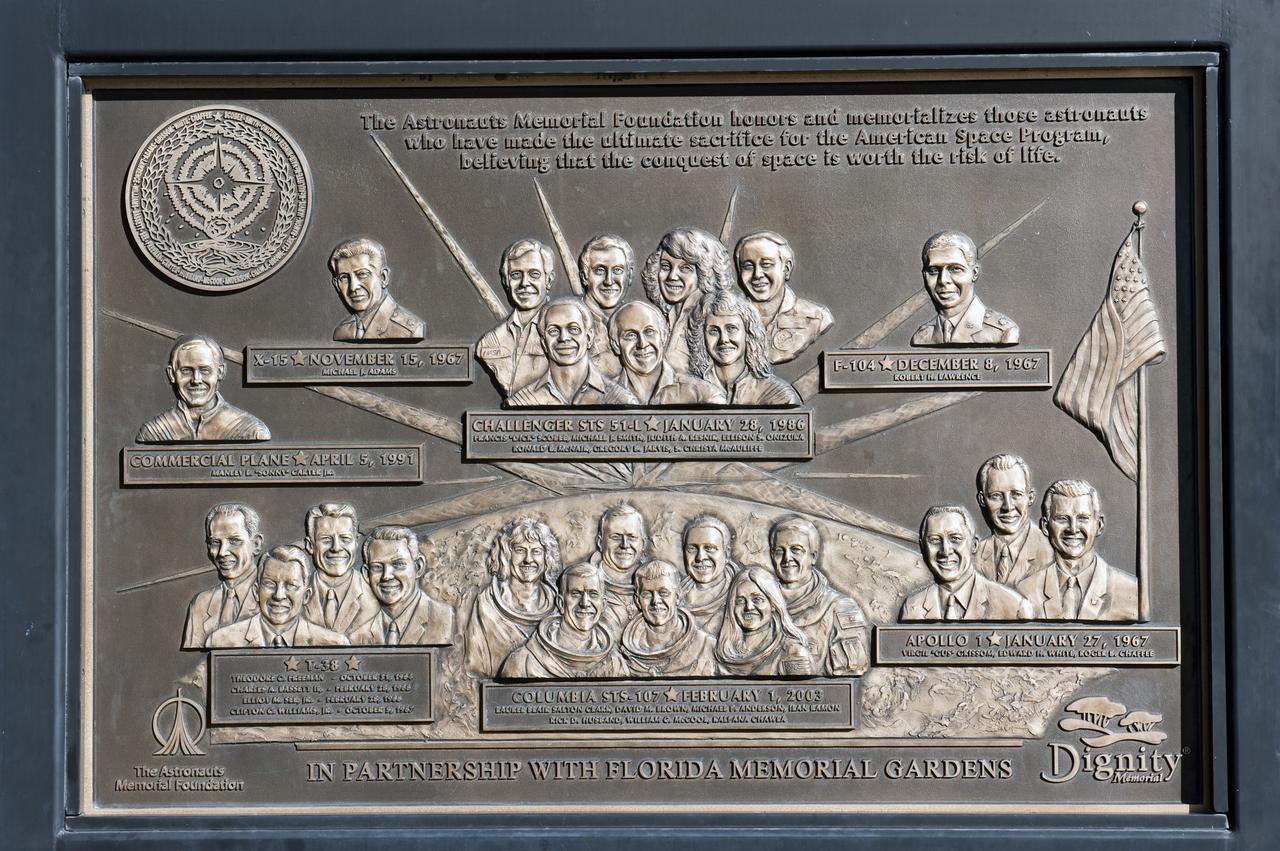
CAPE CANAVERAL, Fla. -- Pictured near the Space Mirror Memorial at the Kennedy Space Center Visitor Complex in Florida are the members of the NASA family who lost their lives while furthering the cause of exploration and discovery. The memorial honors 24 United States astronauts, including the crew members of space shuttles Columbia and Challenger, Apollo 1, and those who died in training and commercial airplane accidents. The memorial is a project of the Astronauts Memorial Foundation and was paid for by Florida residents who purchased special Challenger mission automobile license plates. 2011 marks the 25th anniversary of the loss of Challenger, which broke apart over the Atlantic Ocean 73 seconds into flight on Jan. 28, 1986. Photo credit: NASA/Kim Shiflett
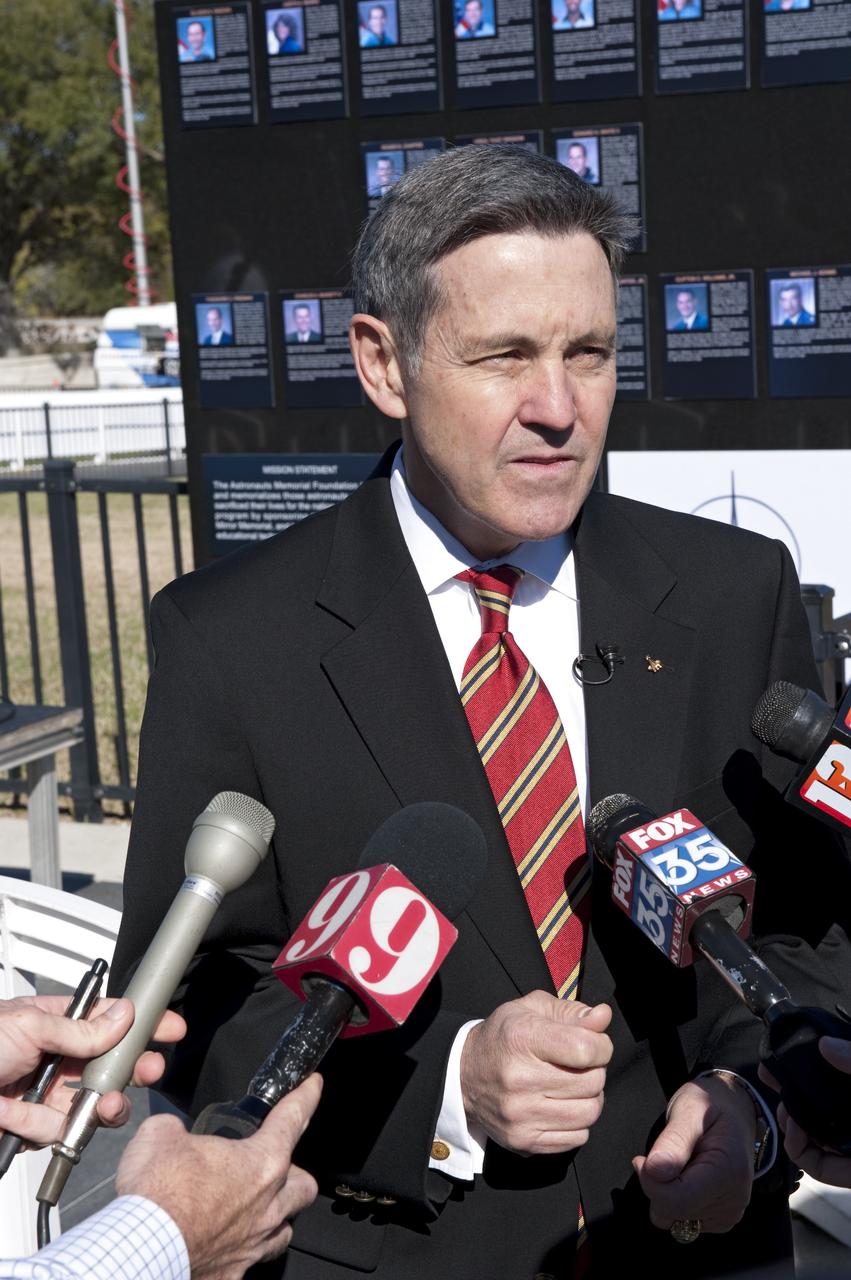
CAPE CANAVERAL, Fla. -- Kennedy Space Center Director and former astronaut Bob Cabana answers media questions during a Day of Remembrance wreath laying ceremony at the Space Mirror Memorial at the Kennedy Space Center Visitor Complex in Florida. The ceremony honors members of the NASA family who lost their lives while furthering the cause of exploration and discovery. The memorial displays the names of 24 United States astronauts, including the crew members of space shuttles Columbia and Challenger, Apollo 1, and those who died in training and commercial airplane accidents. The memorial is a project of the Astronauts Memorial Foundation and was paid for by Florida residents who purchased special Challenger mission automobile license plates. 2011 marks the 25th anniversary of the loss of Challenger, which broke apart over the Atlantic Ocean 73 seconds into flight on Jan. 28, 1986. Photo credit: NASA/Kim Shiflett
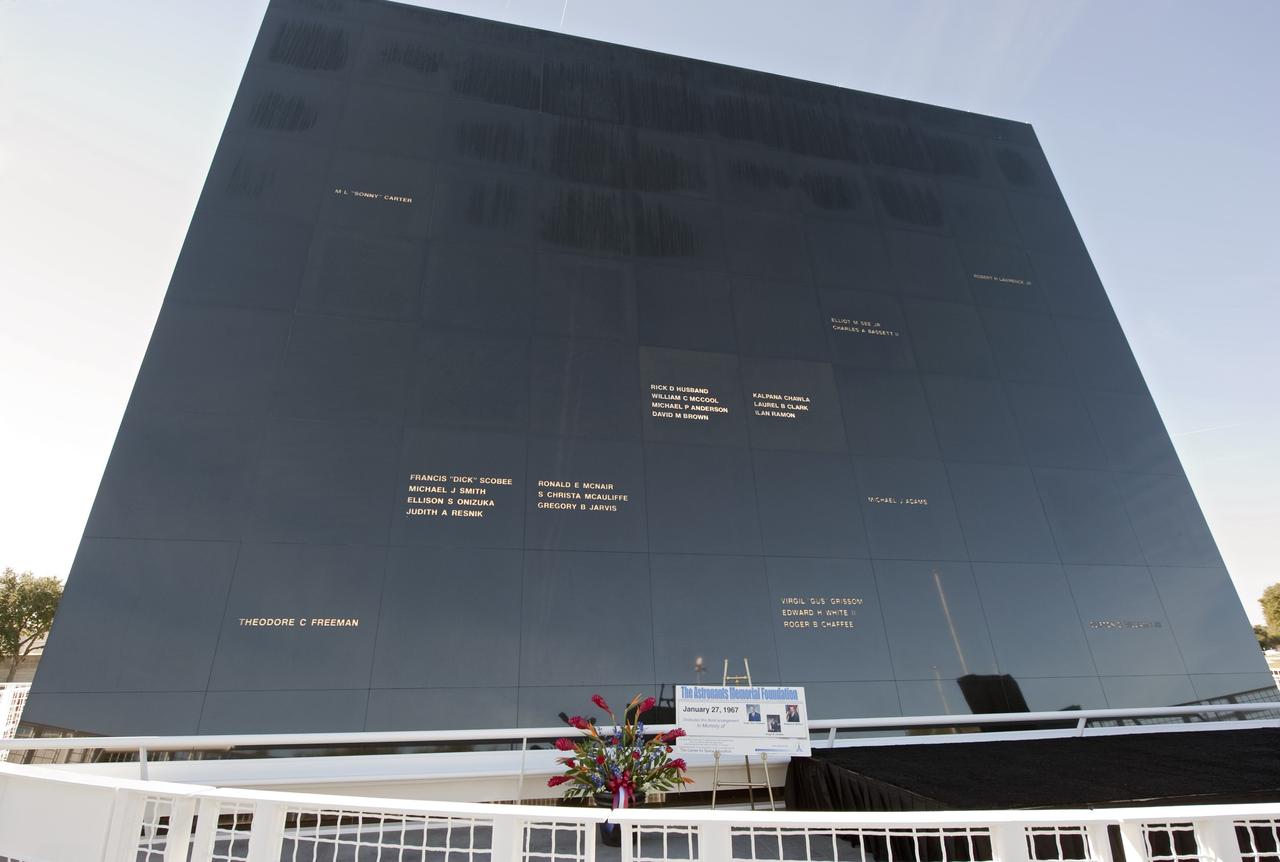
CAPE CANAVERAL, Fla. -- Flowers lay at the foot of the Space Mirror Memorial at the Kennedy Space Center Visitor Complex in Florida before a Day of Remembrance wreath laying ceremony to honor members of the NASA family who lost their lives while furthering the cause of exploration and discovery. The memorial honors 24 United States astronauts, including the crew members of space shuttles Columbia and Challenger, Apollo 1, and those who died in training and commercial airplane accidents. The memorial is a project of the Astronauts Memorial Foundation and was paid for by Florida residents who purchased special Challenger mission automobile license plates. 2011 marks the 25th anniversary of the loss of Challenger, which broke apart over the Atlantic Ocean 73 seconds into flight on Jan. 28, 1986. Photo credit: NASA/Kim Shiflett
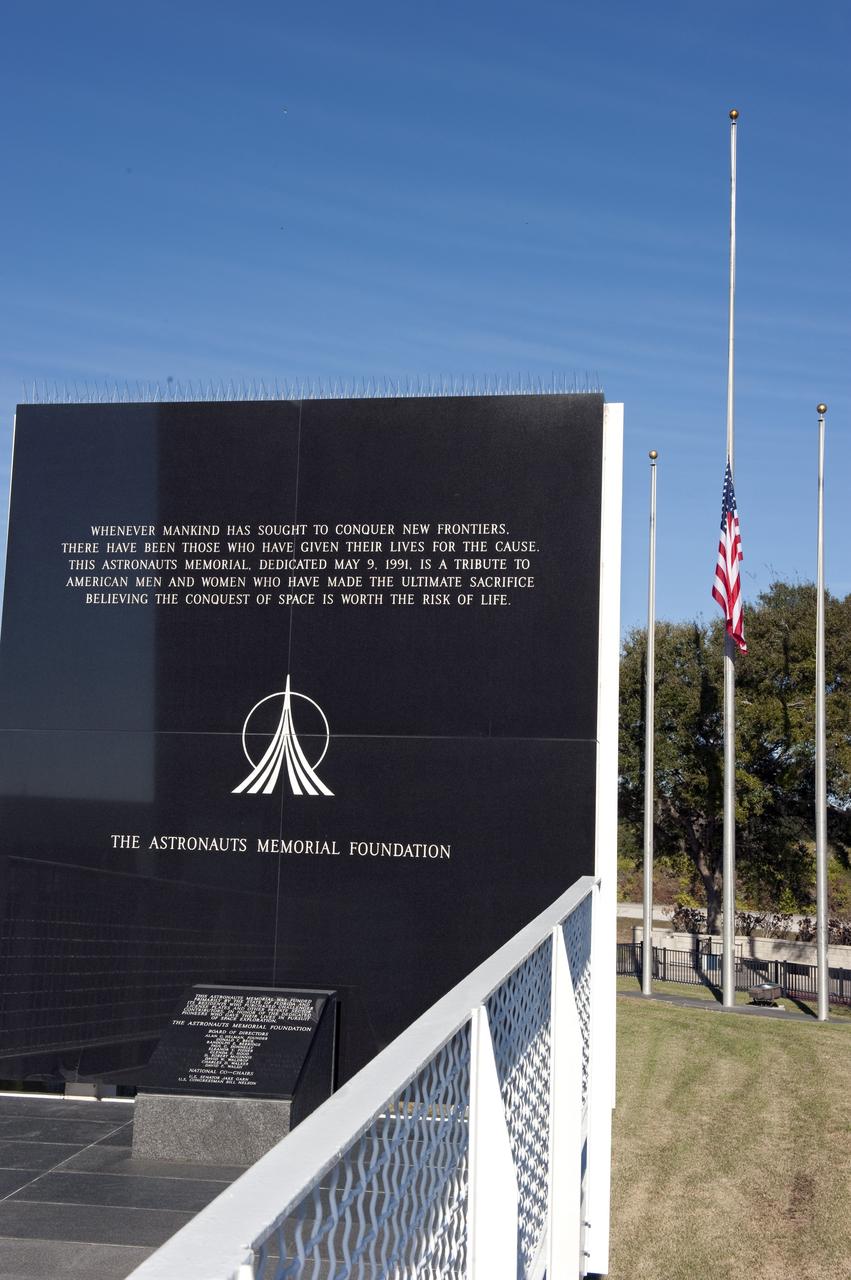
CAPE CANAVERAL, Fla. -- A flag flies at half-staff near the Space Mirror Memorial at the Kennedy Space Center Visitor Complex in Florida during a Day of Remembrance wreath laying ceremony to honor members of the NASA family who lost their lives while furthering the cause of exploration and discovery. The large mirror made of black granite was designated as a national memorial by Congress and President George Bush in 1991. It honors 24 United States astronauts, including the crew members of space shuttles Columbia and Challenger, Apollo 1, and those who died in training and commercial airplane accidents. The memorial is a project of the Astronauts Memorial Foundation and was paid for by Florida residents who purchased special Challenger mission automobile license plates. 2011 marks the 25th anniversary of the loss of Challenger, which broke apart over the Atlantic Ocean 73 seconds into flight on Jan. 28, 1986. Photo credit: NASA/Kim Shiflett
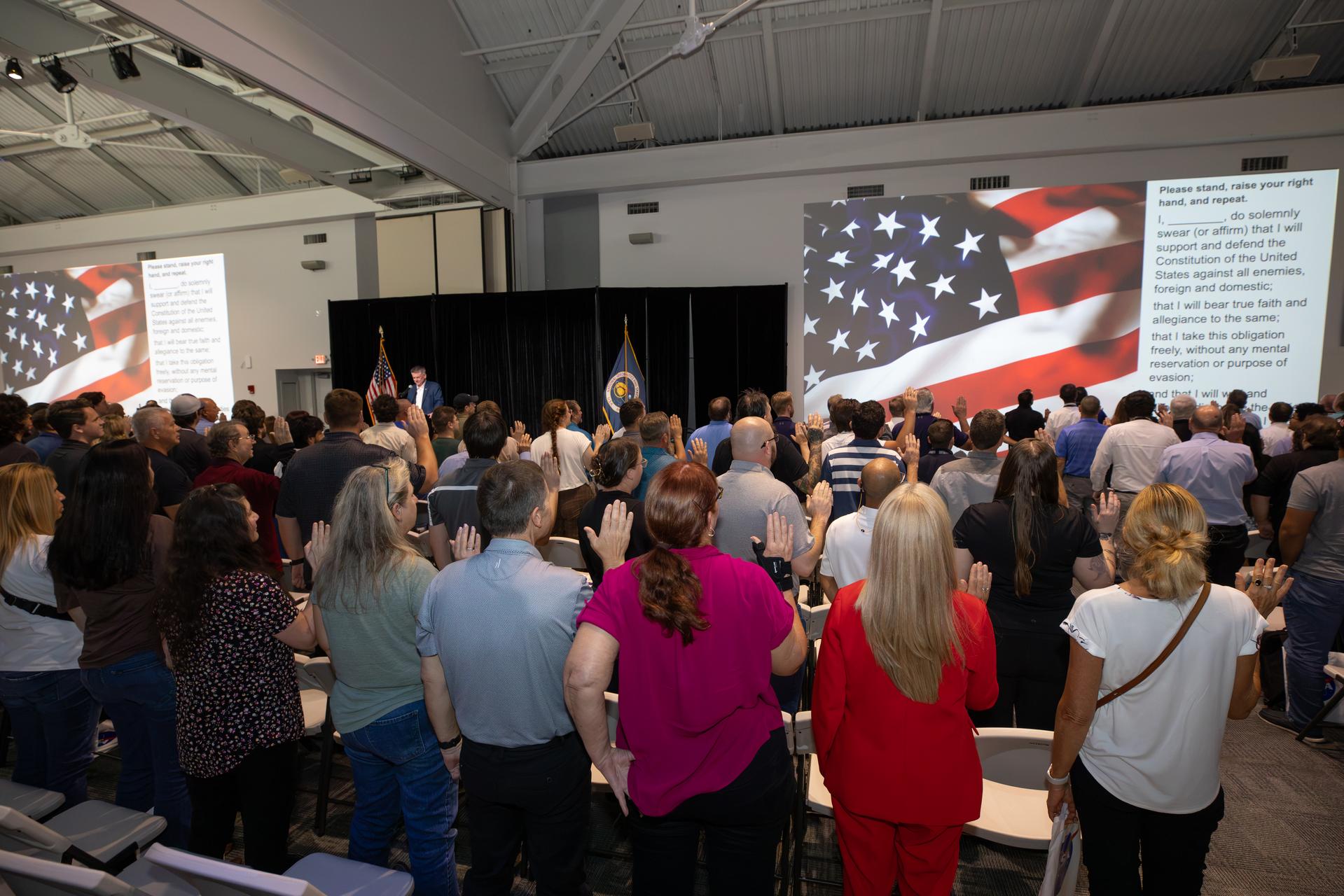
NASA’s Kennedy Space Center Director Brian Hughes (at podium) conducts a swearing-in ceremony for NASA’s latest civil servants on Monday, Aug. 24, 2026, inside the Astronauts Memorial Foundation’s Center for Space Education at the Kennedy Space Center Visitor Complex in Florida. The ceremony featured the swearing-in of employees formerly from the Consolidated Operations, Management, Engineering, and Test (COMET) contract, as well as outside hires, as part of the administrator’s workforce directive to restore technical core competencies within the civil servants ranks.
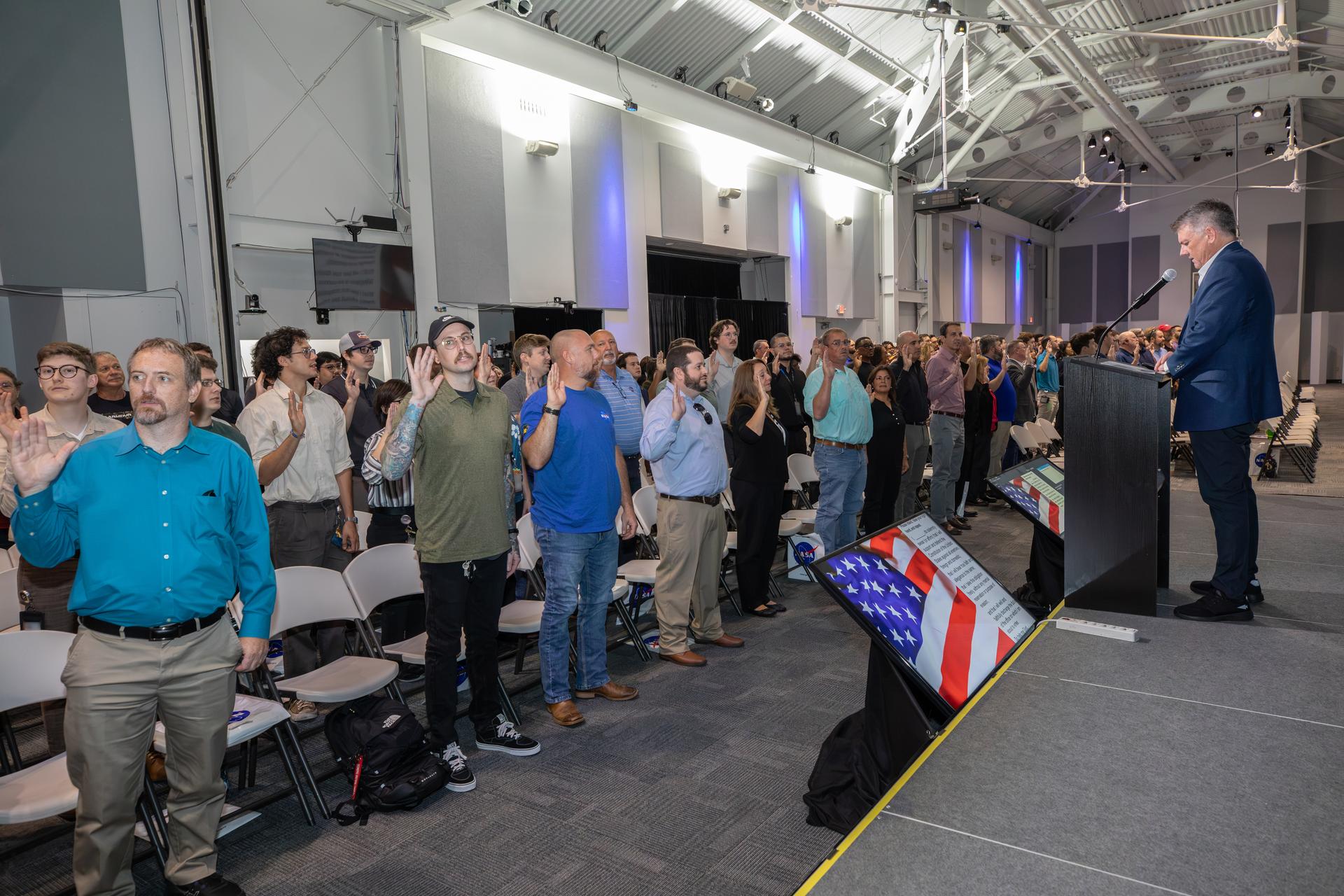
NASA’s Kennedy Space Center Director Brian Hughes (right) conducts a swearing-in ceremony for NASA’s newest civil servants on Monday, Aug. 24, 2026, inside the Astronauts Memorial Foundation’s Center for Space Education at the Kennedy Space Center Visitor Complex in Florida. The ceremony featured the swearing-in of employees formerly from the Consolidated Operations, Management, Engineering, and Test (COMET) contract, as well as outside hires, as part of the administrator’s workforce directive to restore technical core competencies within the civil servants ranks.
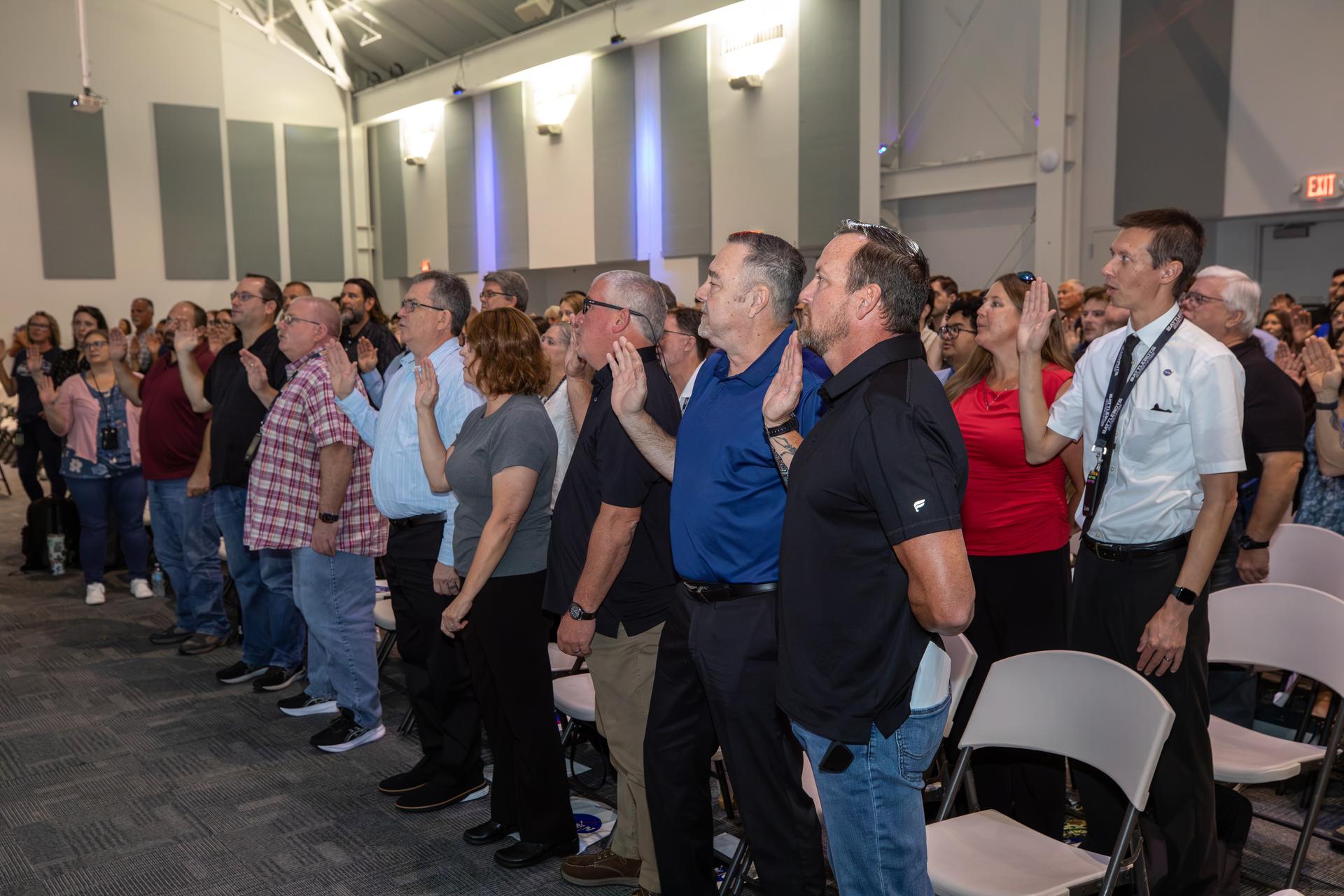
NASA’s newest civil servants participate in a swearing-in ceremony on Monday, Aug. 24, 2026, inside the Astronauts Memorial Foundation’s Center for Space Education at the Kennedy Space Center Visitor Complex in Florida. The ceremony featured the swearing-in of employees formerly from the Consolidated Operations, Management, Engineering, and Test (COMET) contract, as well as outside hires, as part of the administrator’s workforce directive to restore technical core competencies within the civil servants ranks.
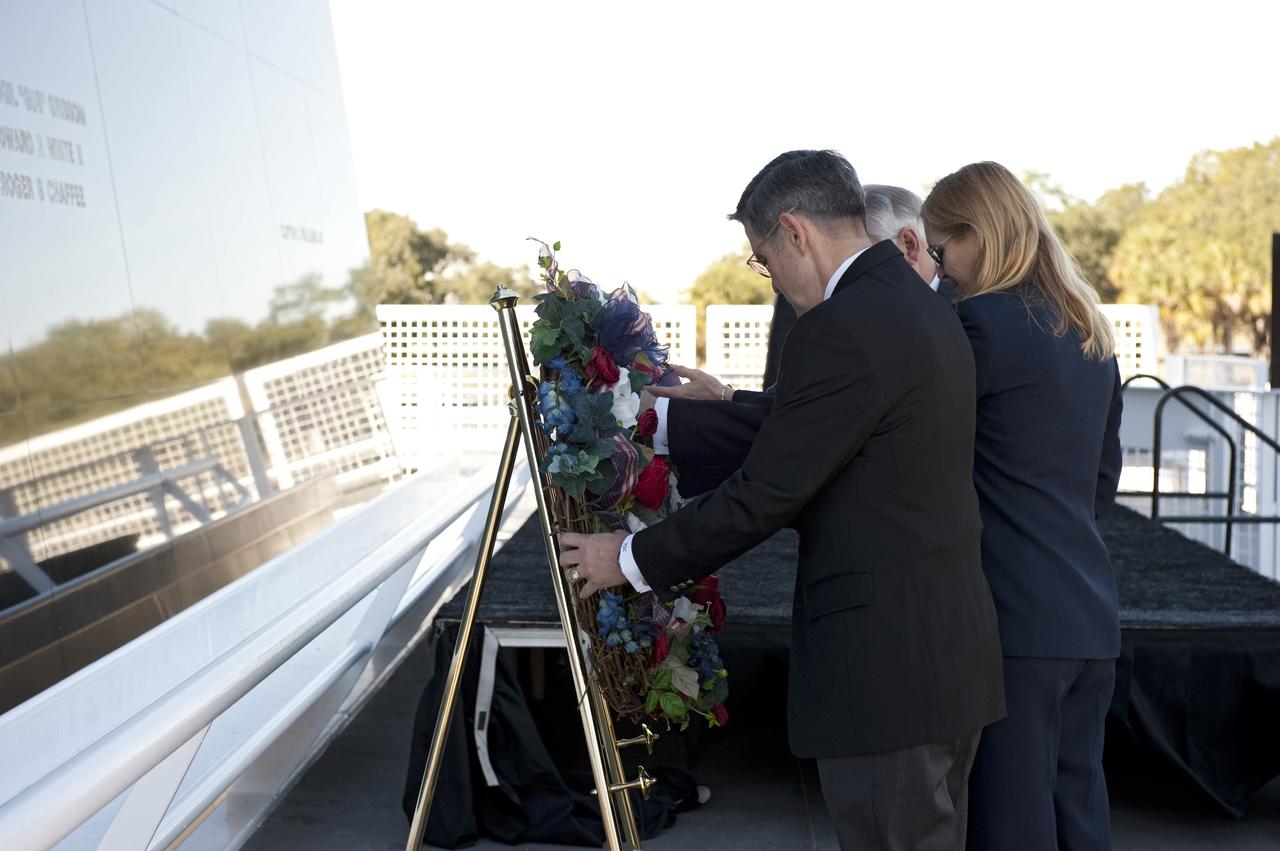
CAPE CANAVERAL, Fla. -- United Space Alliance's Associate Program Manager for Solid Rocket Boosters Roger Elliott, back, Kennedy Space Center Deputy Director Janet Petro, and Center Director and former astronaut Bob Cabana, participate in a Day of Remembrance wreath laying ceremony at the Space Mirror Memorial at the Kennedy Space Center Visitor Complex in Florida. The ceremony honors members of the NASA family who lost their lives while furthering the cause of exploration and discovery. The memorial displays the names of 24 United States astronauts, including the crew members of space shuttles Columbia and Challenger, Apollo 1, and those who died in training and commercial airplane accidents. The memorial is a project of the Astronauts Memorial Foundation and was paid for by Florida residents who purchased special Challenger mission automobile license plates. 2011 marks the 25th anniversary of the loss of Challenger, which broke apart over the Atlantic Ocean 73 seconds into flight on Jan. 28, 1986. Photo credit: NASA/Kim Shiflett
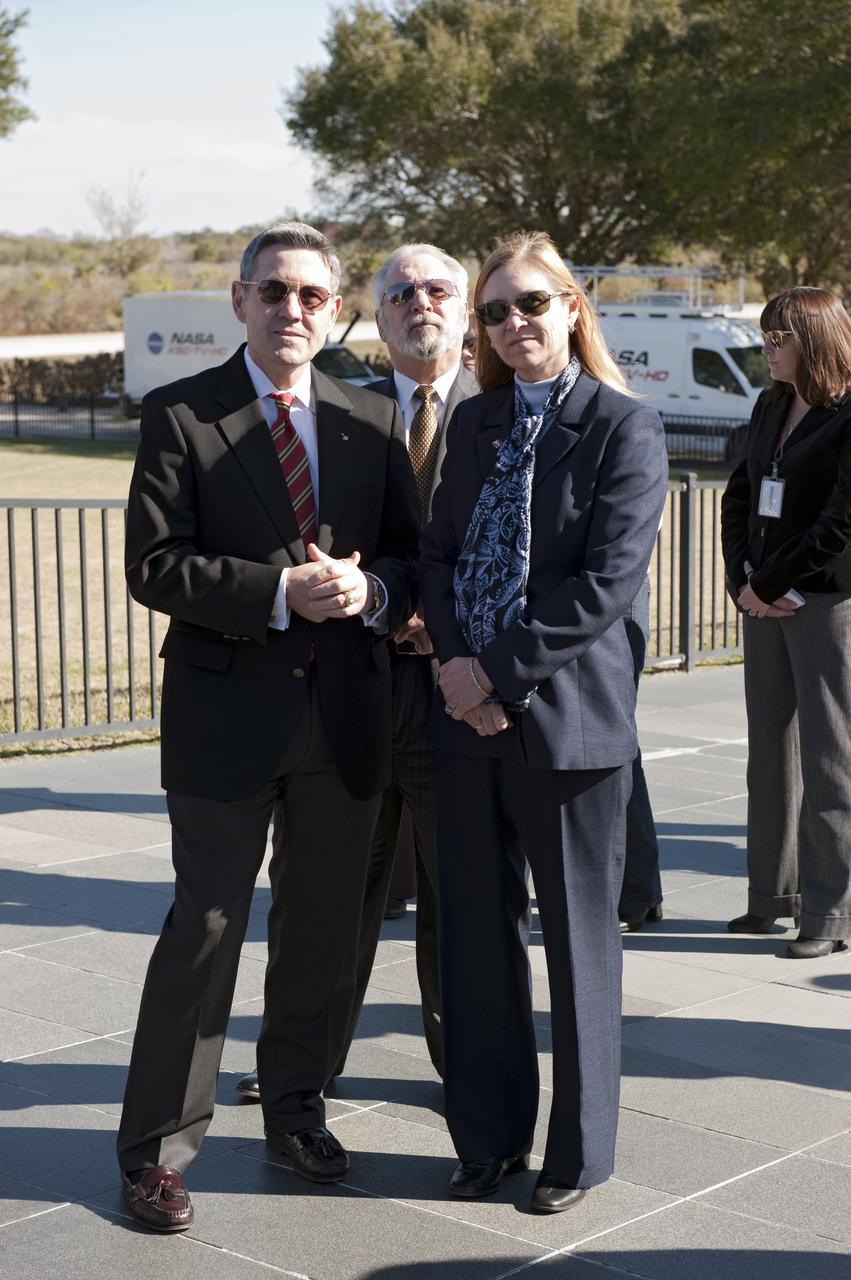
CAPE CANAVERAL, Fla. -- Kennedy Space Center Director and former astronaut Bob Cabana, left, United Space Alliance's Associate Program Manager for Solid Rocket Boosters Roger Elliott and Center Deputy Director Janet Petro participate in a Day of Remembrance wreath laying ceremony at the Space Mirror Memorial at the Kennedy Space Center Visitor Complex in Florida. The ceremony honors members of the NASA family who lost their lives while furthering the cause of exploration and discovery. The memorial displays the names of 24 United States astronauts, including the crew members of space shuttles Columbia and Challenger, Apollo 1, and those who died in training and commercial airplane accidents. The memorial is a project of the Astronauts Memorial Foundation and was paid for by Florida residents who purchased special Challenger mission automobile license plates. 2011 marks the 25th anniversary of the loss of Challenger, which broke apart over the Atlantic Ocean 73 seconds into flight on Jan. 28, 1986. Photo credit: NASA/Kim Shiflett
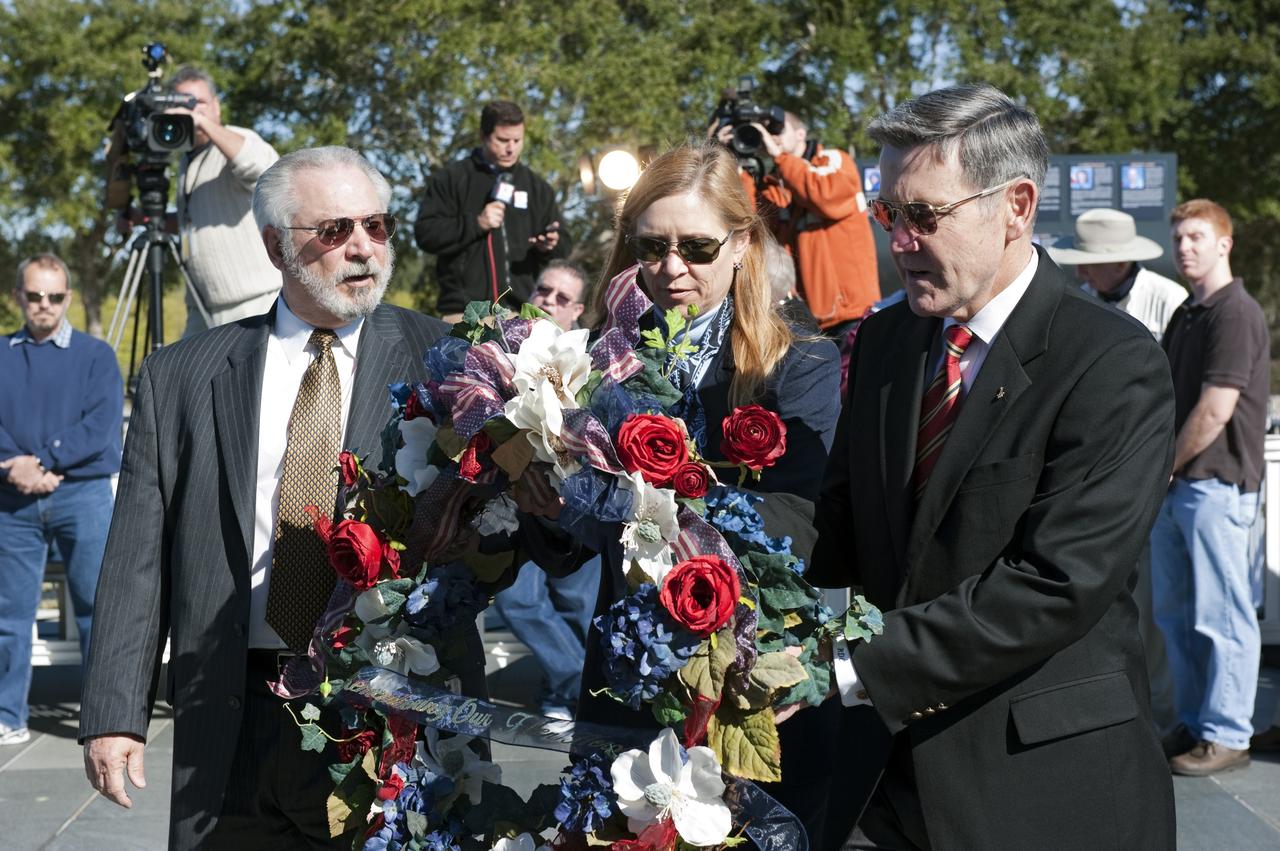
CAPE CANAVERAL, Fla. -- United Space Alliance's Associate Program Manager for Solid Rocket Boosters Roger Elliott, left, Kennedy Space Center Deputy Director Janet Petro, and Center Director and former astronaut Bob Cabana, participate in a Day of Remembrance wreath laying ceremony at the Space Mirror Memorial at the Kennedy Space Center Visitor Complex in Florida. The ceremony honors members of the NASA family who lost their lives while furthering the cause of exploration and discovery. The memorial displays the names of 24 United States astronauts, including the crew members of space shuttles Columbia and Challenger, Apollo 1, and those who died in training and commercial airplane accidents. The memorial is a project of the Astronauts Memorial Foundation and was paid for by Florida residents who purchased special Challenger mission automobile license plates. 2011 marks the 25th anniversary of the loss of Challenger, which broke apart over the Atlantic Ocean 73 seconds into flight on Jan. 28, 1986. Photo credit: NASA/Kim Shiflett
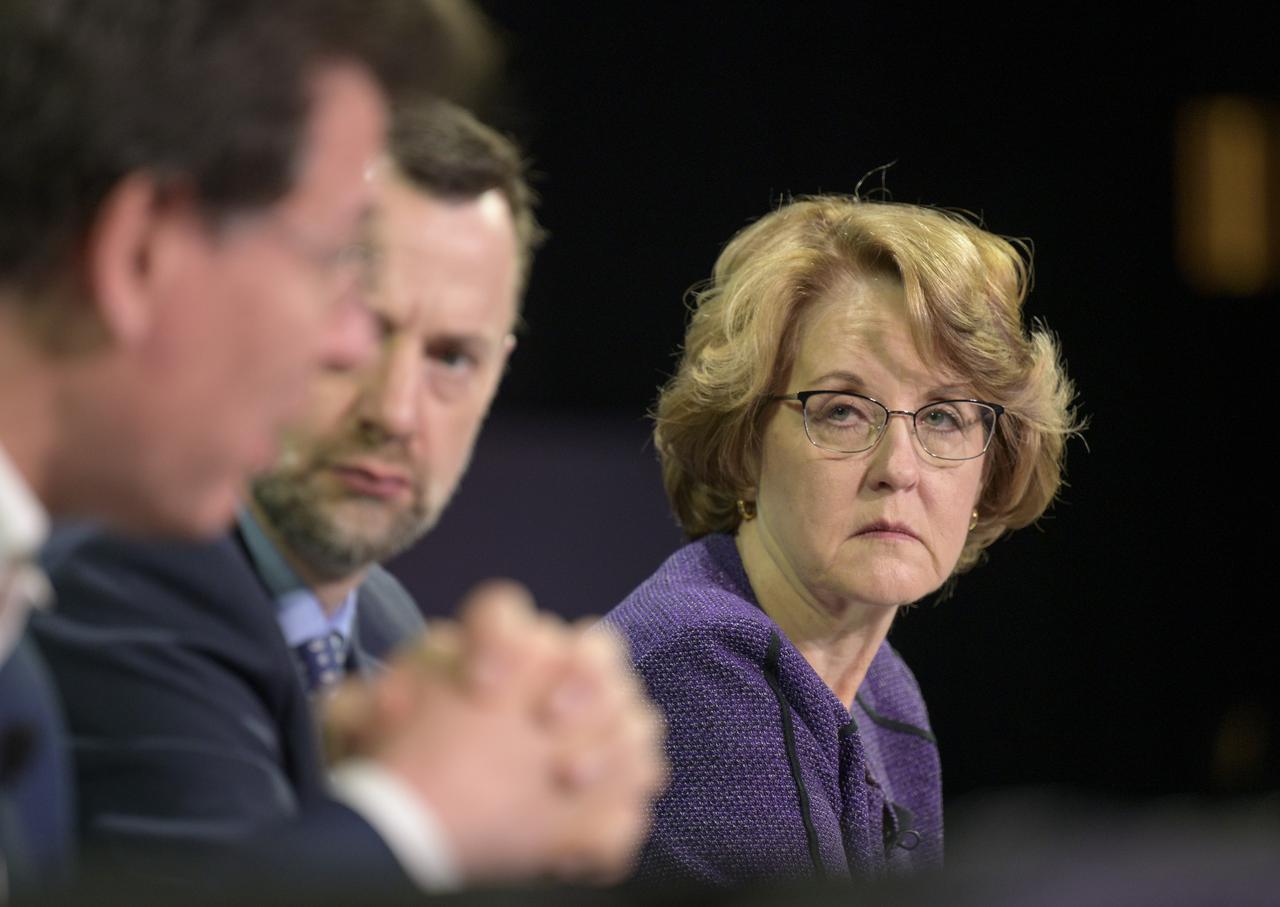
Dr. Kathryn C. Thornton, Chairwoman, Space Foundation, moderates a Heads of Agency panel during the 37th Space Symposium, Wednesday, April 6, 2022, in Colorado Springs, Colorado. Photo Credit: (NASA/Bill Ingalls)
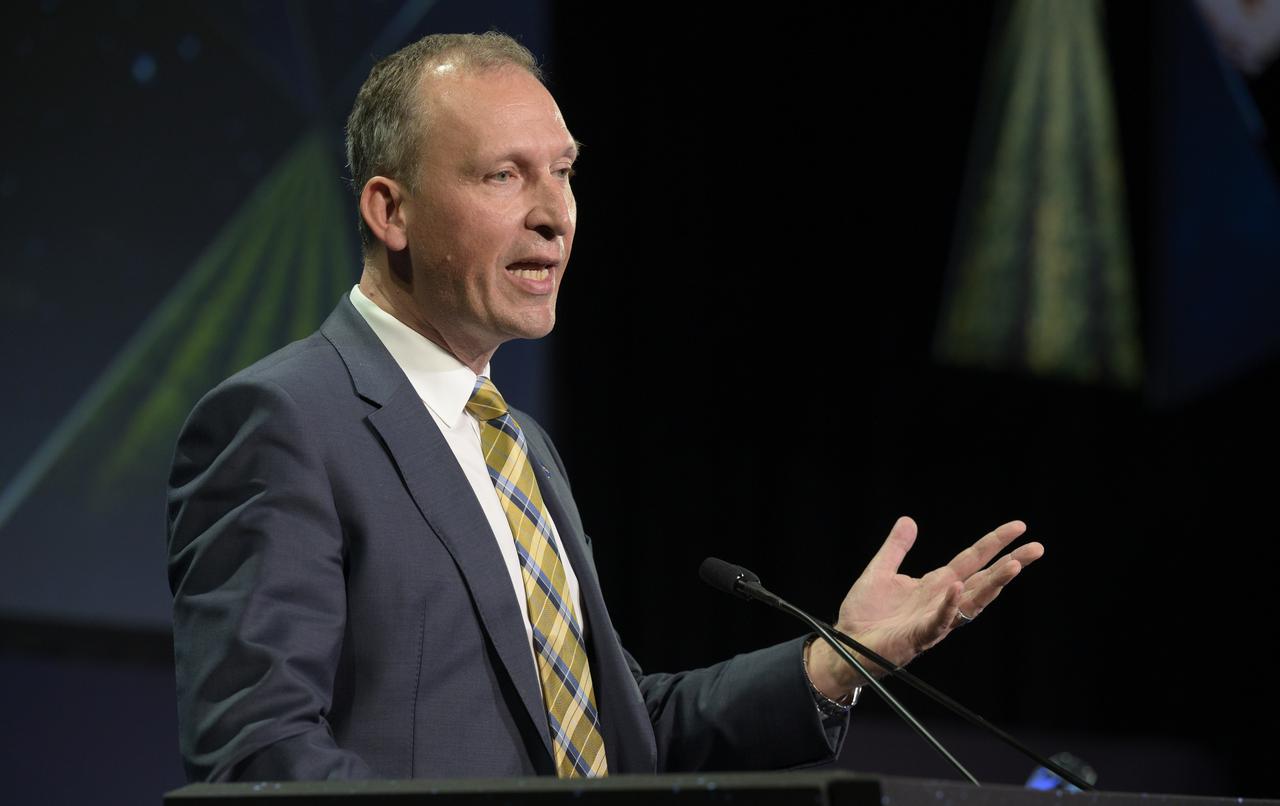
NASA Associate Administrator for Science Thomas Zurbuchen gives remarks after the 2022 John L. “Jack” Swigert, Jr., Award for Space Exploration was presented to the OSIRIS-REx team by the Space Foundation during the 37th Space Symposium, Monday, April 4, 2022, in Colorado Springs, Colorado. The John L. “Jack” Swigert, Jr., Award for Space Exploration recognizes extraordinary accomplishments by a company, space agency, or consortium of organizations in the realm of space exploration and discovery. The award honors the memory of astronaut John L. “Jack” Swigert, Jr., one of the inspirations for the creation of Space Foundation. Photo Credit: (NASA/Bill Ingalls)
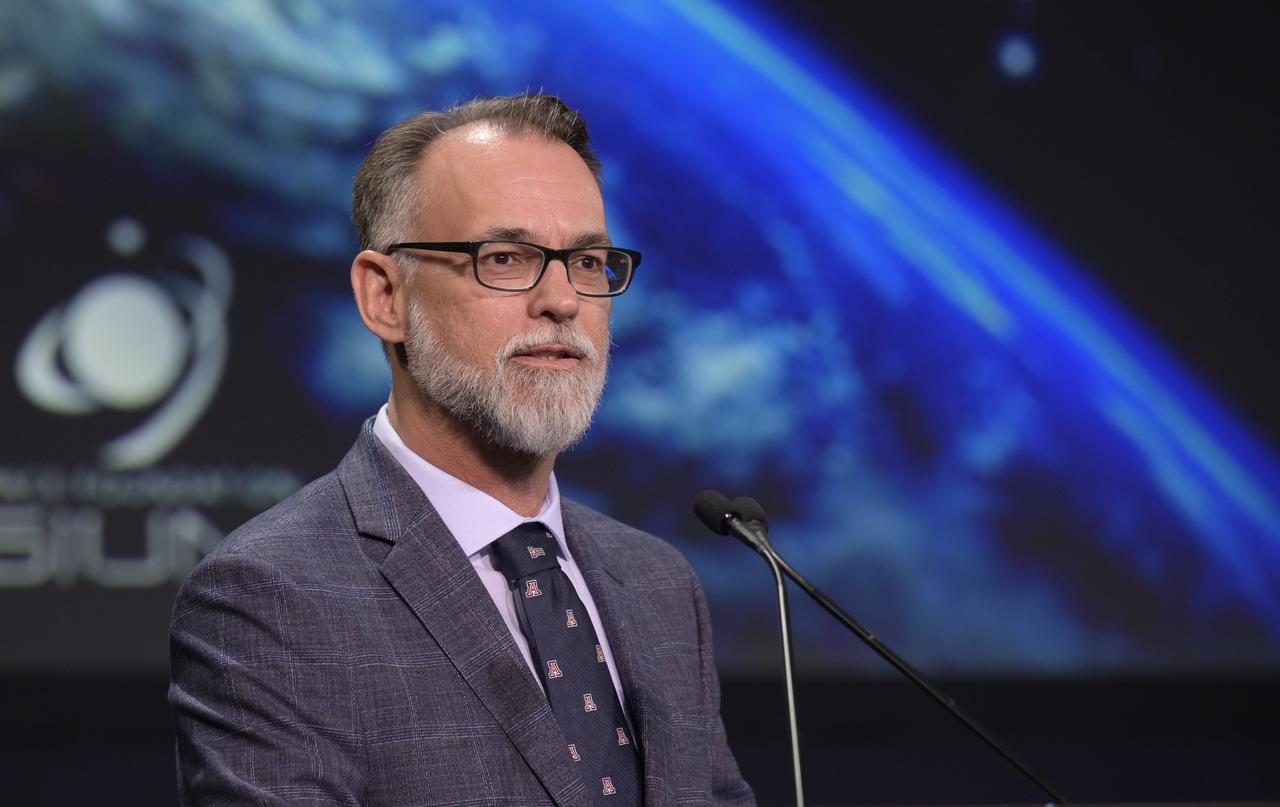
University of Arizona OSIRIS-REx Principal Investigator Dante Lauretta gives remarks after the 2022 John L. “Jack” Swigert, Jr., Award for Space Exploration was presented to the OSIRIS-REx team by the Space Foundation during the 37th Space Symposium, Monday, April 4, 2022, in Colorado Springs, Colorado. The John L. “Jack” Swigert, Jr., Award for Space Exploration recognizes extraordinary accomplishments by a company, space agency, or consortium of organizations in the realm of space exploration and discovery. The award honors the memory of astronaut John L. “Jack” Swigert, Jr., one of the inspirations for the creation of Space Foundation. Photo Credit: (NASA/Bill Ingalls)
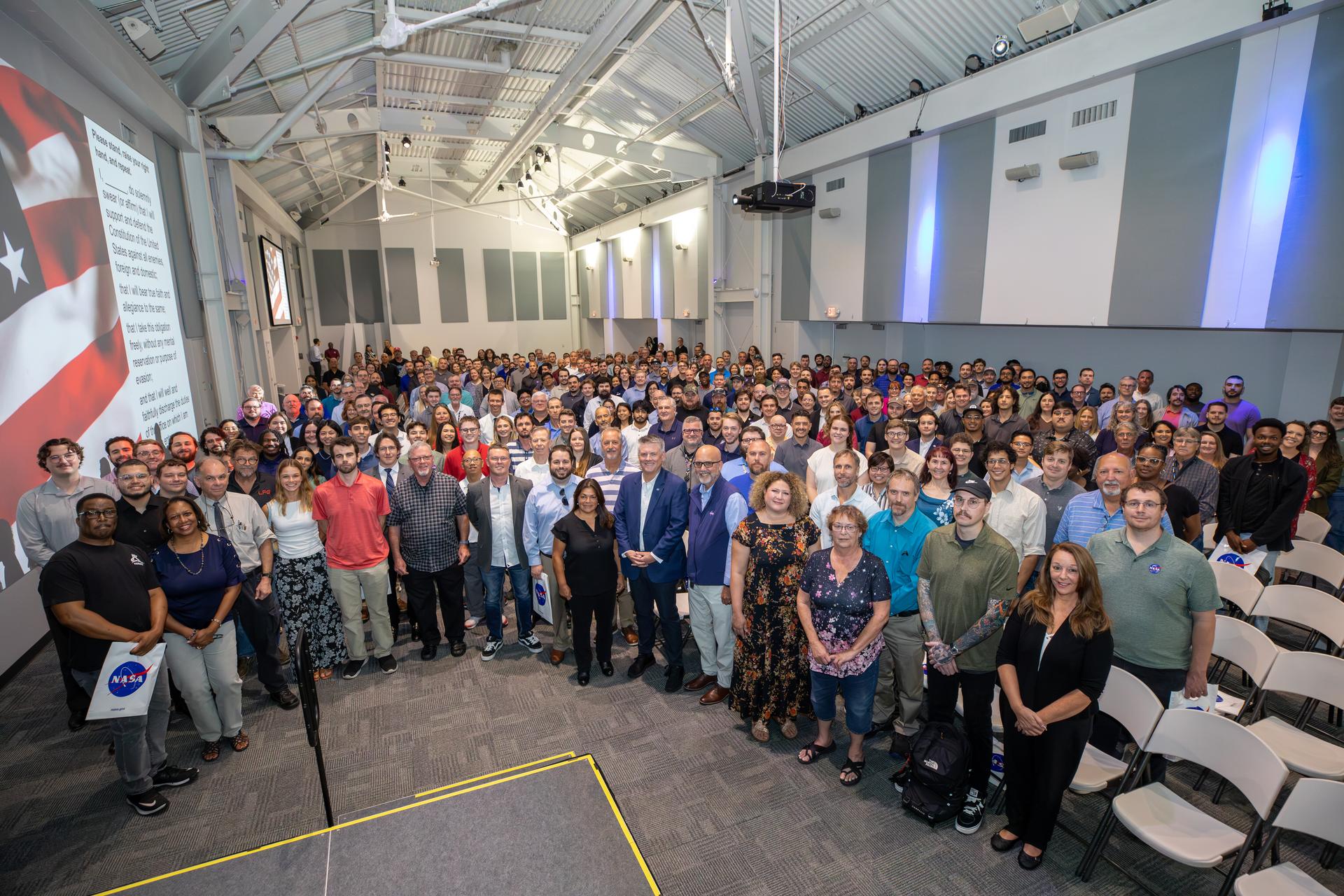
New NASA civil servants pose for a photograph with NASA’s Kennedy Space Center Director Brian Hughes (front, center) and Michael Beaupre, director, Kennedy Human Capital Office (center, right of Hughes) following their swearing-in ceremony on Monday, Aug. 24, 2026, inside the Astronauts Memorial Foundation’s Center for Space Education at the Kennedy Space Center Visitor Complex in Florida. The ceremony featured the swearing-in of employees formerly from the Consolidated Operations, Management, Engineering, and Test (COMET) contract, as well as outside hires, as part of the administrator’s workforce directive to restore technical core competencies within the civil servants ranks.
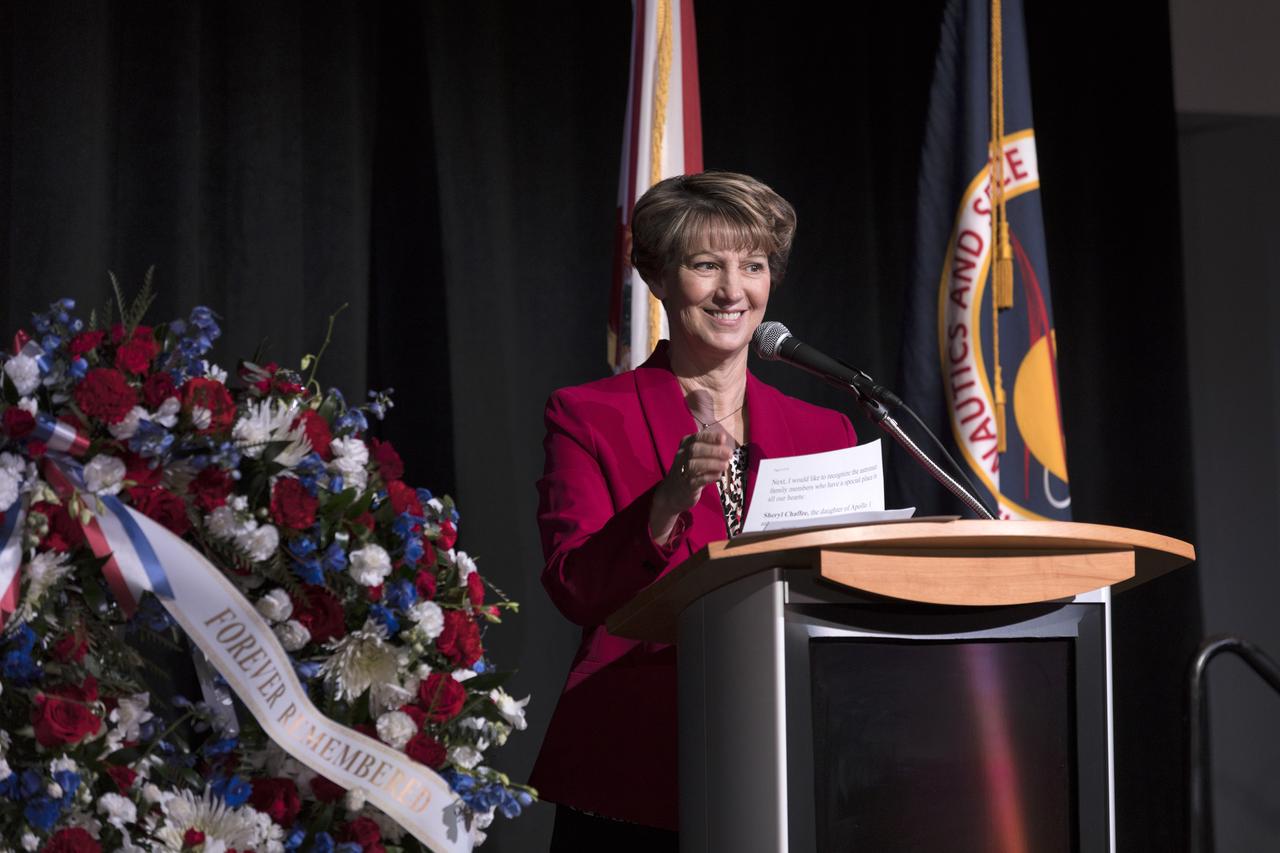
Astronauts Memorial Foundation Board Chair Eileen Collins, a former space shuttle commander, speaks during this year's Day of Remembrance ceremony at the Kennedy Space Center Visitor Complex. Each year spaceport employees and guests join others throughout NASA honoring the contributions of astronauts who have perished in the conquest of space.
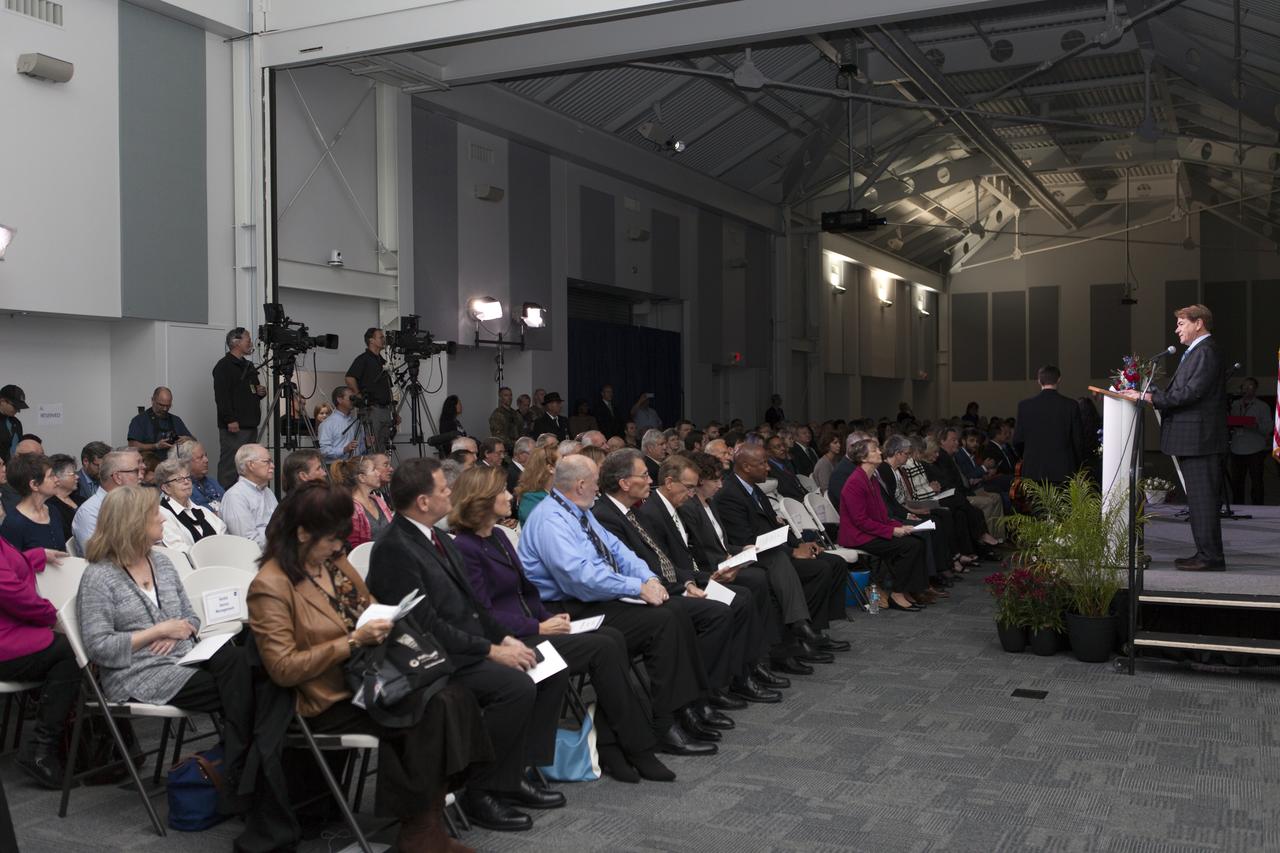
State Sen. Thad Altman, president and CEO of the Astronauts Memorial Foundation, speaks during this year's Day of Remembrance ceremony at the Kennedy Space Center Visitor Complex. Each year spaceport employees and guests join others throughout NASA honoring the contributions of astronauts who have perished in the conquest of space.
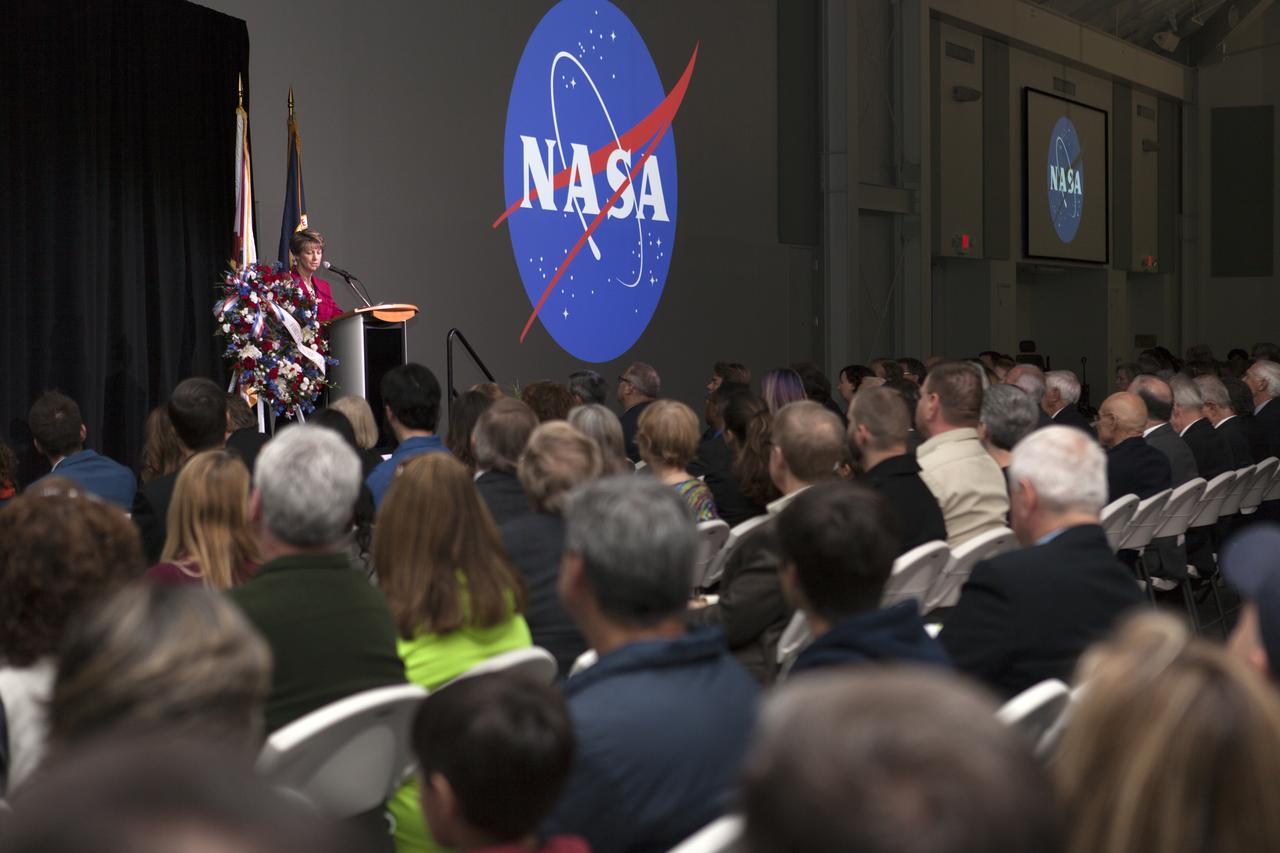
Astronauts Memorial Foundation Board Chair Eileen Collins, a former space shuttle commander, speaks during this year's Day of Remembrance ceremony at the Kennedy Space Center Visitor Complex. Each year spaceport employees and guests join others throughout NASA honoring the contributions of astronauts who have perished in the conquest of space.
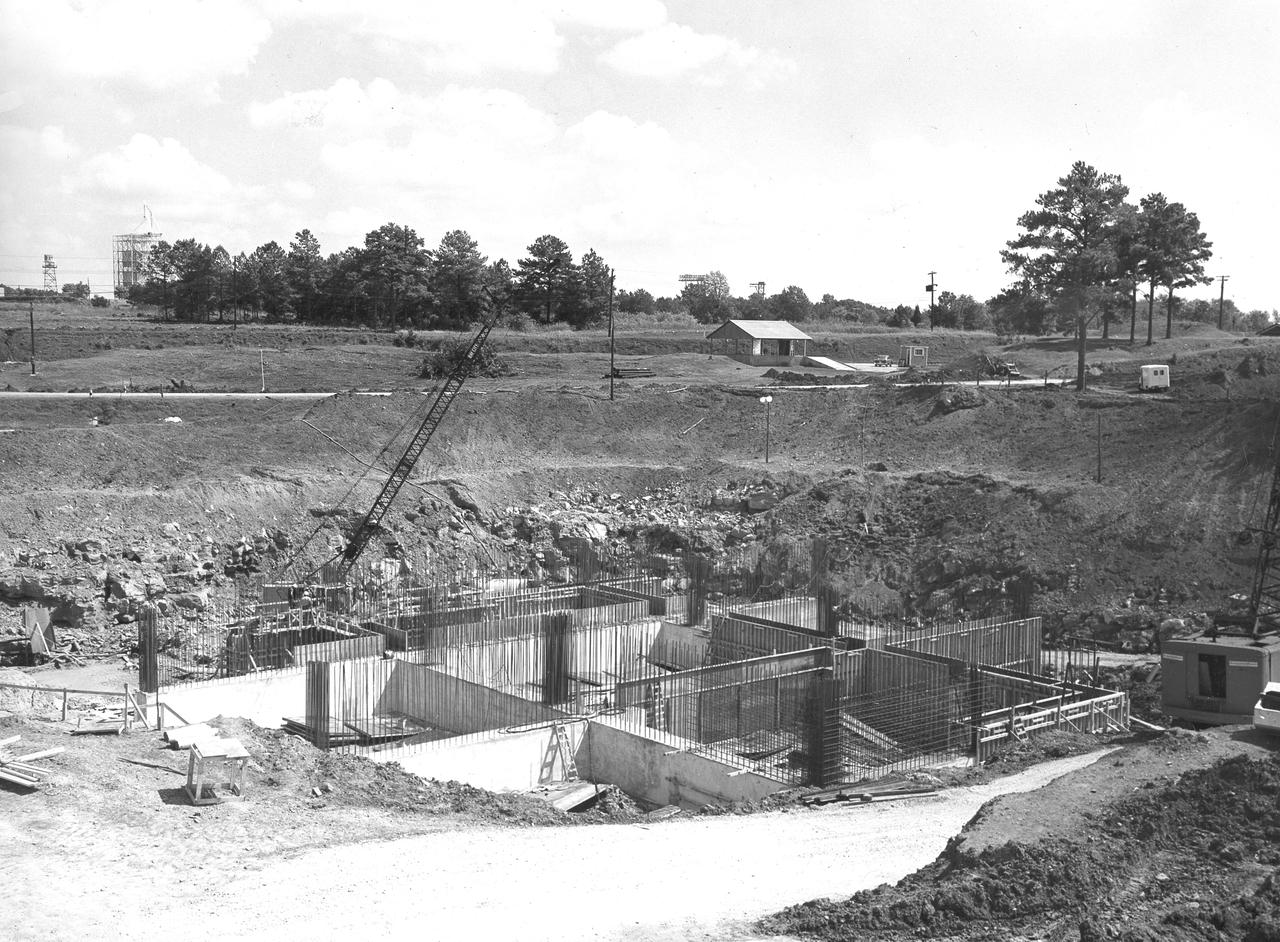
At its founding, the Marshall Space Flight Center (MSFC) inherited the Army’s Jupiter and Redstone test stands, but much larger facilities were needed for the giant stages of the Saturn V. From 1960 to 1964, the existing stands were remodeled and a sizable new test area was developed. The new comprehensive test complex for propulsion and structural dynamics was unique within the nation and the free world, and they remain so today because they were constructed with foresight to meet the future as well as on going needs. Construction of the S-IC Static test stand complex began in 1961 in the west test area of MSFC, and was completed in 1964. The S-IC static test stand was designed to develop and test the 138-ft long and 33-ft diameter Saturn V S-IC first stage, or booster stage, weighing in at 280,000 pounds. Required to hold down the brute force of a 7,500,000-pound thrust produced by 5 F-1 engines, the S-IC static test stand was designed and constructed with the strength of hundreds of tons of steel and 12,000,000 pounds of cement, planted down to bedrock 40 feet below ground level. The foundation walls, constructed with concrete and steel, are 4 feet thick. The base structure consists of four towers with 40-foot-thick walls extending upward 144 feet above ground level. The structure was topped by a crane with a 135-foot boom. With the boom in the upright position, the stand was given an overall height of 405 feet, placing it among the highest structures in Alabama at the time. This photo, taken September 22, 1961, shows the progress of the concrete walls for the stand’s foundation. Some of the walls have been poured and some of the concrete forms have been removed.
At its founding, the Marshall Space Flight Center (MSFC) inherited the Army’s Jupiter and Redstone test stands, but much larger facilities were needed for the giant stages of the Saturn V. From 1960 to 1964, the existing stands were remodeled and a sizable new test area was developed. The new comprehensive test complex for propulsion and structural dynamics was unique within the nation and the free world, and they remain so today because they were constructed with foresight to meet the future as well as on going needs. Construction of the S-IC Static test stand complex began in 1961 in the west test area of MSFC, and was completed in 1964. The S-IC static test stand was designed to develop and test the 138-ft long and 33-ft diameter Saturn V S-IC first stage, or booster stage, weighing in at 280,000 pounds. Required to hold down the brute force of a 7,500,000-pound thrust produced by 5 F-1 engines, the S-IC static test stand was designed and constructed with the strength of hundreds of tons of steel and 12,000,000 pounds of cement, planted down to bedrock 40 feet below ground level. The foundation walls, constructed with concrete and steel, are 4 feet thick. The base structure consists of four towers with 40-foot-thick walls extending upward 144 feet above ground level. The structure was topped by a crane with a 135-foot boom. With the boom in the upright position, the stand was given an overall height of 405 feet, placing it among the highest structures in Alabama at the time. This photo, taken September 29, 1961, shows the progress of the concrete walls for the stand’s foundation. Some of the walls have been poured and some of the concrete forms have been removed.
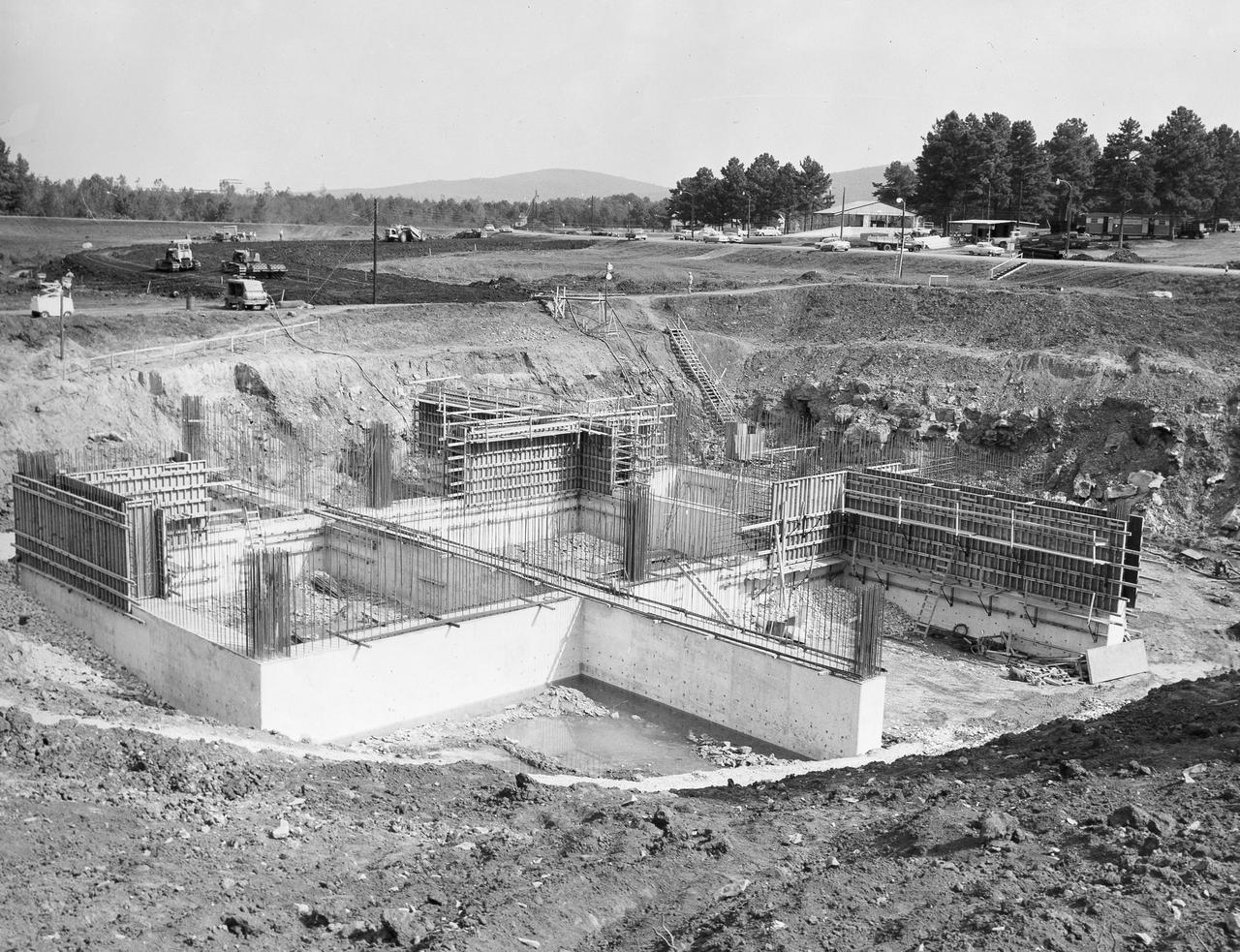
At its founding, the Marshall Space Flight Center (MSFC) inherited the Army’s Jupiter and Redstone test stands, but much larger facilities were needed for the giant stages of the Saturn V. From 1960 to 1964, the existing stands were remodeled and a sizable new test area was developed. The new comprehensive test complex for propulsion and structural dynamics was unique within the nation and the free world, and they remain so today because they were constructed with foresight to meet the future as well as on going needs. Construction of the S-IC Static test stand complex began in 1961 in the west test area of MSFC, and was completed in 1964. The S-IC static test stand was designed to develop and test the 138-ft long and 33-ft diameter Saturn V S-IC first stage, or booster stage, weighing in at 280,000 pounds. Required to hold down the brute force of a 7,500,000-pound thrust produced by 5 F-1 engines, the S-IC static test stand was designed and constructed with the strength of hundreds of tons of steel and 12,000,000 pounds of cement, planted down to bedrock 40 feet below ground level. The foundation walls, constructed with concrete and steel, are 4 feet thick. The base structure consists of four towers with 40-foot-thick walls extending upward 144 feet above ground level. The structure was topped by a crane with a 135-foot boom. With the boom in the upright position, the stand was given an overall height of 405 feet, placing it among the highest structures in Alabama at the time. This photo, taken September 29, 1961, shows the progress of the concrete walls for the stand’s foundation. Some of the walls have been poured and some of the concrete forms have been removed.
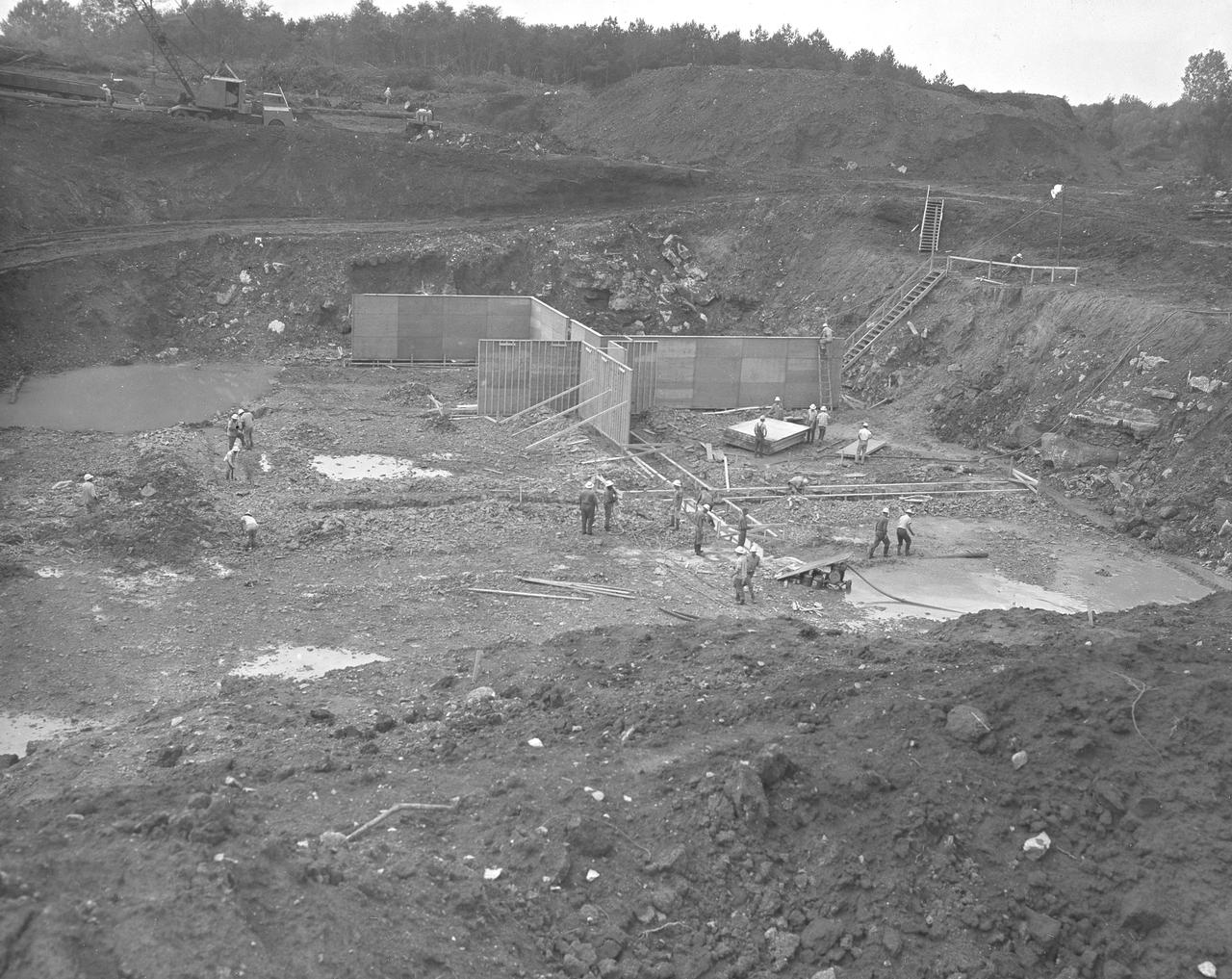
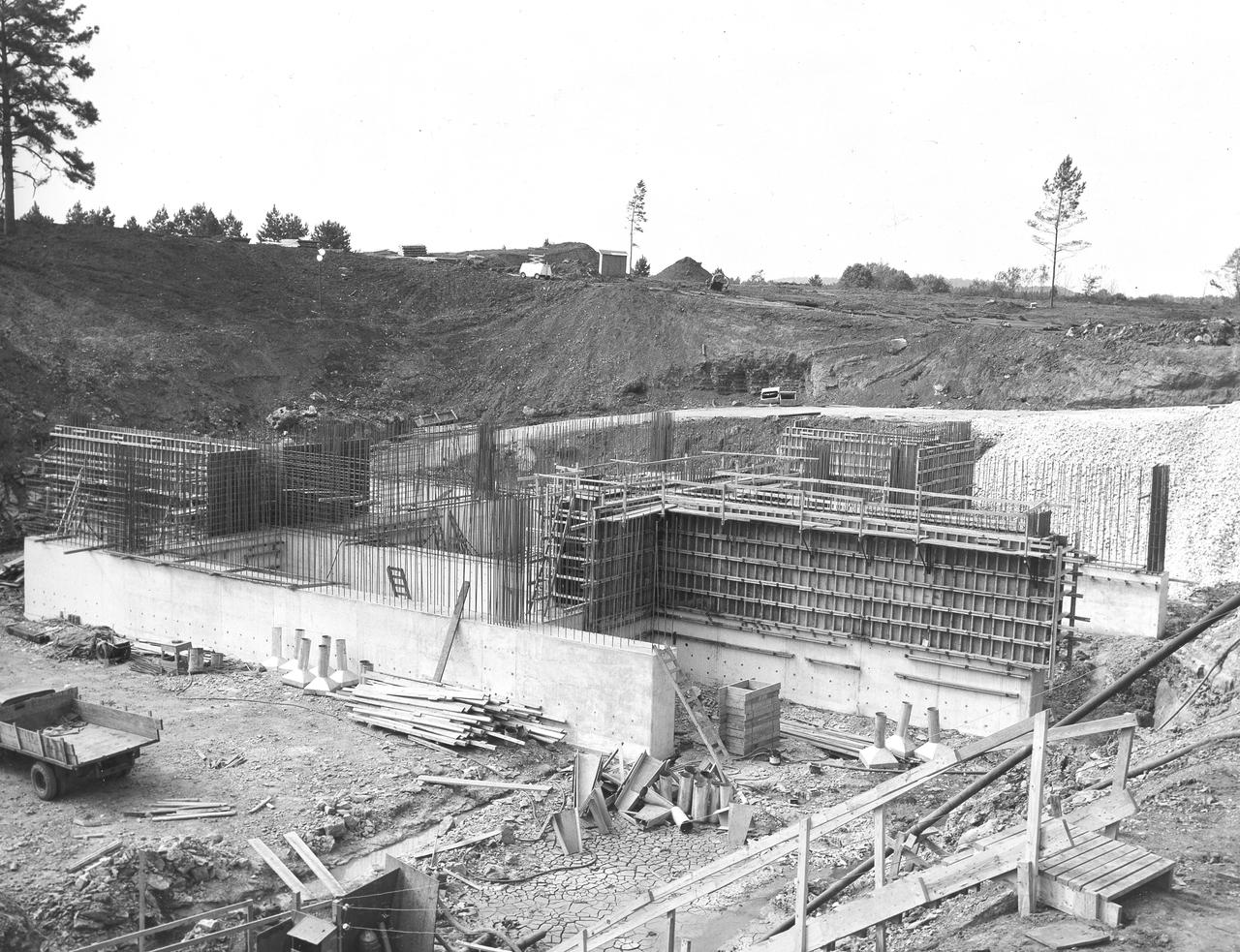
At its founding, the Marshall Space Flight Center (MSFC) inherited the Army’s Jupiter and Redstone test stands, but much larger facilities were needed for the giant stages of the Saturn V. From 1960 to 1964, the existing stands were remodeled and a sizable new test area was developed. The new comprehensive test complex for propulsion and structural dynamics was unique within the nation and the free world, and they remain so today because they were constructed with foresight to meet the future as well as on going needs. Construction of the S-IC Static test stand complex began in 1961 in the west test area of MSFC, and was completed in 1964. The S-IC static test stand was designed to develop and test the 138-ft long and 33-ft diameter Saturn V S-IC first stage, or booster stage, weighing in at 280,000 pounds. Required to hold down the brute force of a 7,500,000-pound thrust produced by 5 F-1 engines, the S-IC static test stand was designed and constructed with the strength of hundreds of tons of steel and 12,000,000 pounds of cement, planted down to bedrock 40 feet below ground level. The foundation walls, constructed with concrete and steel, are 4 feet thick. The base structure consists of four towers with 40-foot-thick walls extending upward 144 feet above ground level. The structure was topped by a crane with a 135-foot boom. With the boom in the upright position, the stand was given an overall height of 405 feet, placing it among the highest structures in Alabama at the time. This photo, taken September 1, 1961, shows the construction of forms which became the concrete foundation for the massive stand.
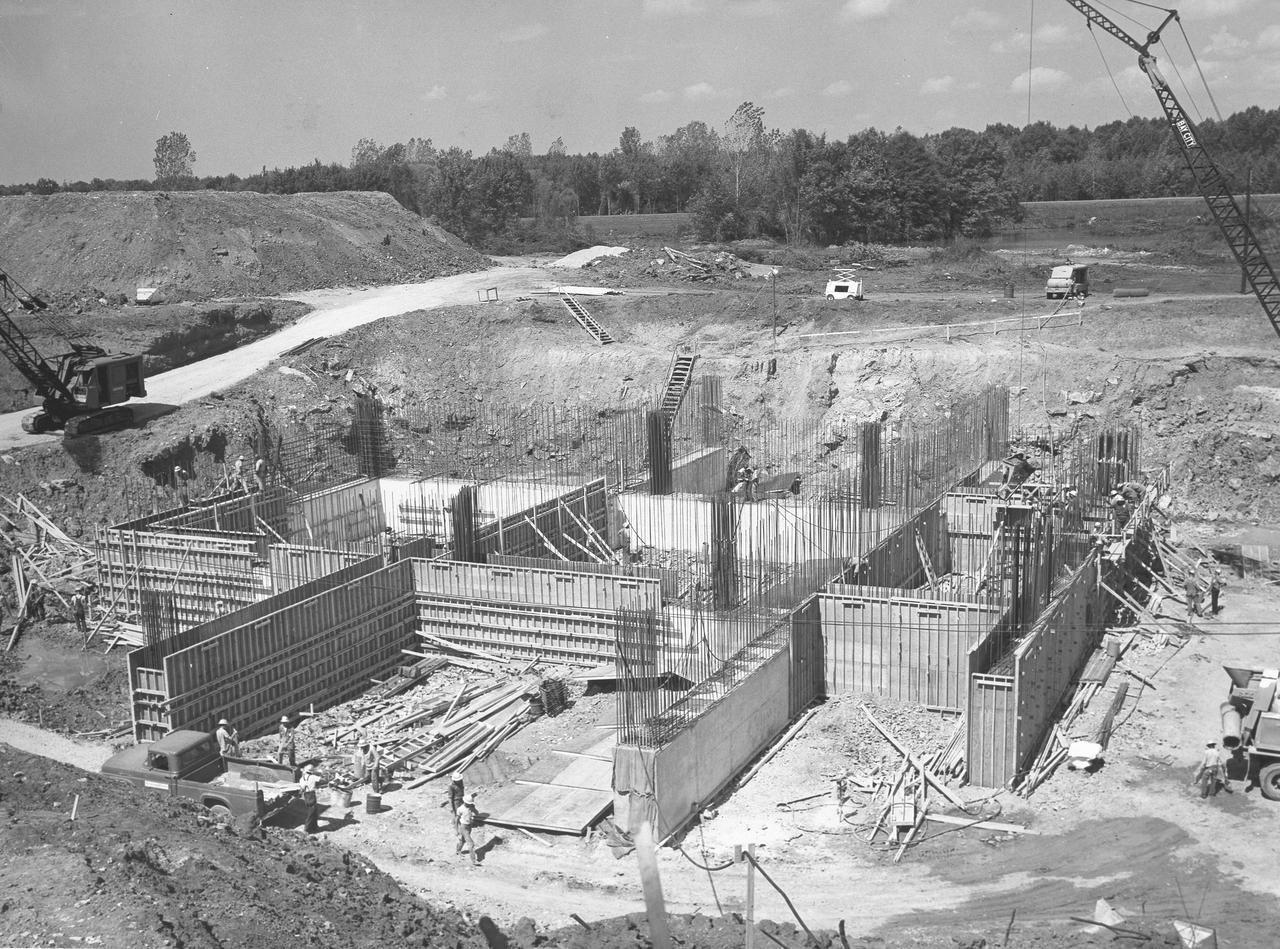
At its founding, the Marshall Space Flight Center (MSFC) inherited the Army’s Jupiter and Redstone test stands, but much larger facilities were needed for the giant stages of the Saturn V. From 1960 to 1964, the existing stands were remodeled and a sizable new test area was developed. The new comprehensive test complex for propulsion and structural dynamics was unique within the nation and the free world, and they remain so today because they were constructed with foresight to meet the future as well as on going needs. Construction of the S-IC Static test stand complex began in 1961 in the west test area of MSFC, and was completed in 1964. The S-IC static test stand was designed to develop and test the 138-ft long and 33-ft diameter Saturn V S-IC first stage, or booster stage, weighing in at 280,000 pounds. Required to hold down the brute force of a 7,500,000-pound thrust produced by 5 F-1 engines, the S-IC static test stand was designed and constructed with the strength of hundreds of tons of steel and 12,000,000 pounds of cement, planted down to bedrock 40 feet below ground level. The foundation walls, constructed with concrete and steel, are 4 feet thick. The base structure consists of four towers with 40-foot-thick walls extending upward 144 feet above ground level. The structure was topped by a crane with a 135-foot boom. With the boom in the upright position, the stand was given an overall height of 405 feet, placing it among the highest structures in Alabama at the time. This photo, taken September 22, 1961, shows the progress of the concrete walls for the stand’s foundation. Some of the walls have been poured and some of the concrete forms have been removed.
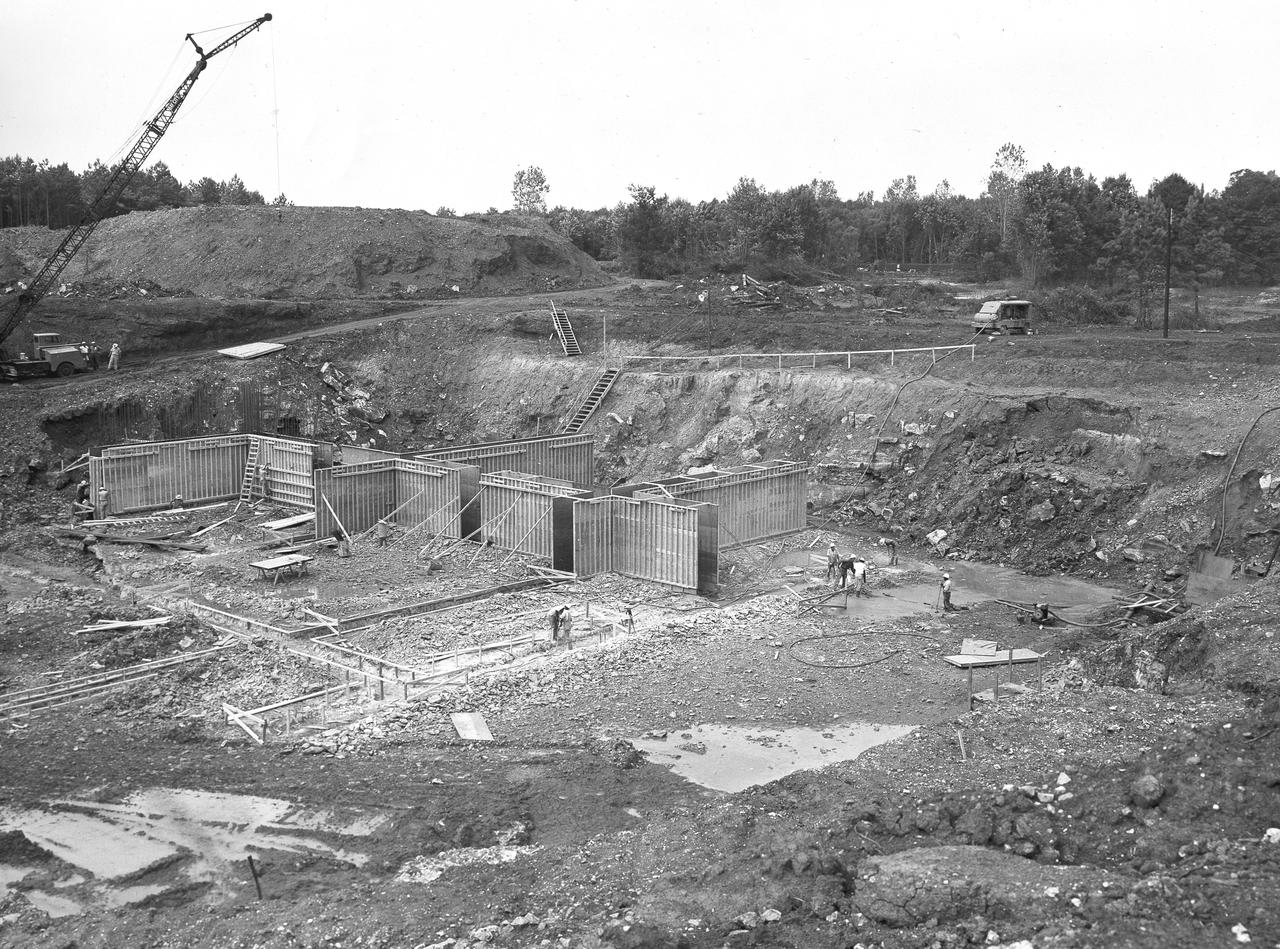
At its founding, the Marshall Space Flight Center (MSFC) inherited the Army’s Jupiter and Redstone test stands, but much larger facilities were needed for the giant stages of the Saturn V. From 1960 to 1964, the existing stands were remodeled and a sizable new test area was developed. The new comprehensive test complex for propulsion and structural dynamics was unique within the nation and the free world, and they remain so today because they were constructed with foresight to meet the future as well as on going needs. Construction of the S-IC Static test stand complex began in 1961 in the west test area of MSFC, and was completed in 1964. The S-IC static test stand was designed to develop and test the 138-ft long and 33-ft diameter Saturn V S-IC first stage, or booster stage, weighing in at 280,000 pounds. Required to hold down the brute force of a 7,500,000-pound thrust produced by 5 F-1 engines, the S-IC static test stand was designed and constructed with the strength of hundreds of tons of steel and 12,000,000 pounds of cement, planted down to bedrock 40 feet below ground level. The foundation walls, constructed with concrete and steel, are 4 feet thick. The base structure consists of four towers with 40-foot-thick walls extending upward 144 feet above ground level. The structure was topped by a crane with a 135-foot boom. With the boom in the upright position, the stand was given an overall height of 405 feet, placing it among the highest structures in Alabama at the time. This photo shows the construction progress of the forms for the concrete foundation walls as of September 7, 1961.
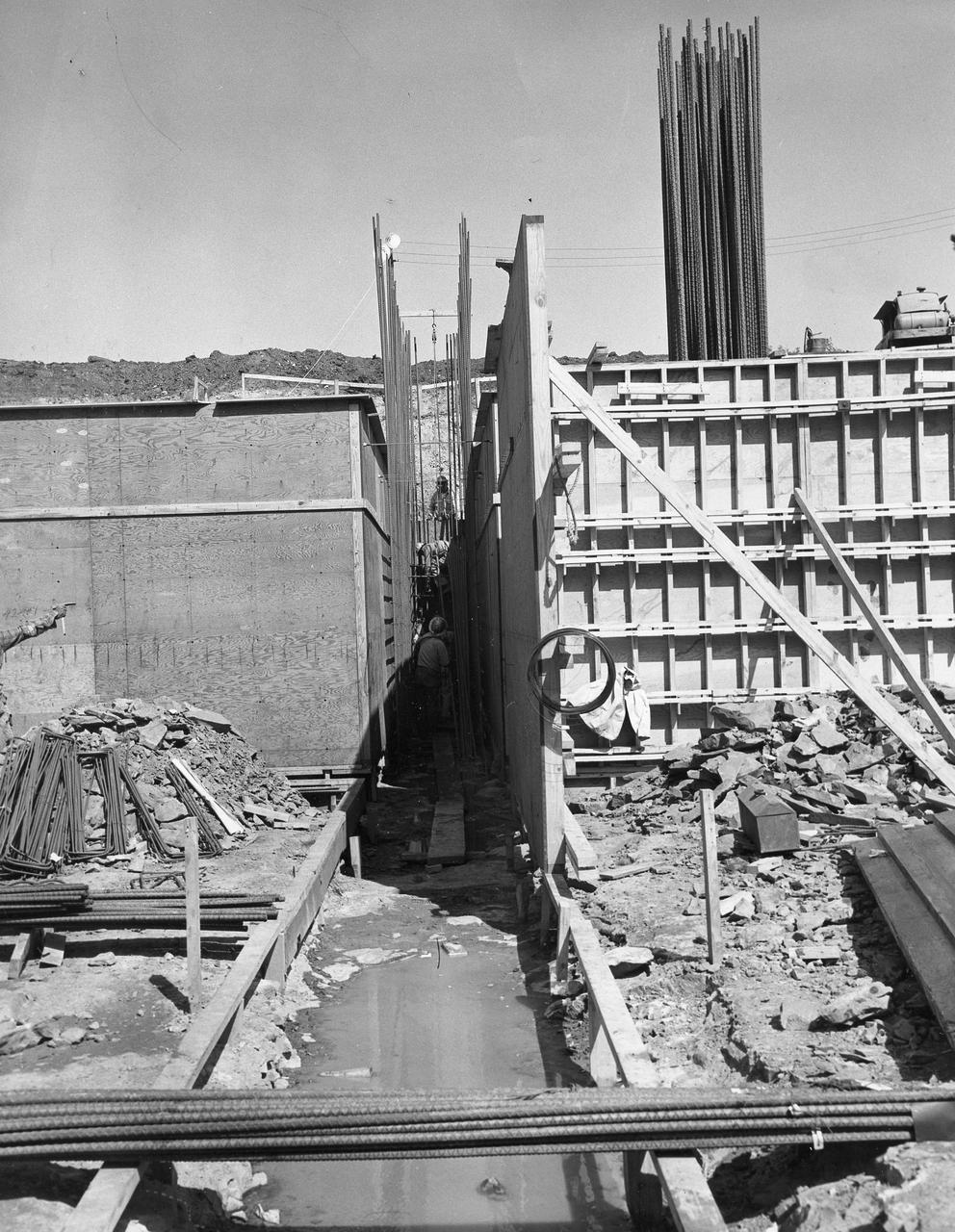
At its founding, the Marshall Space Flight Center (MSFC) inherited the Army’s Jupiter and Redstone test stands, but much larger facilities were needed for the giant stages of the Saturn V. From 1960 to 1964, the existing stands were remodeled and a sizable new test area was developed. The new comprehensive test complex for propulsion and structural dynamics was unique within the nation and the free world, and they remain so today because they were constructed with foresight to meet the future as well as on going needs. Construction of the S-IC Static test stand complex began in 1961 in the west test area of MSFC, and was completed in 1964. The S-IC static test stand was designed to develop and test the 138-ft long and 33-ft diameter Saturn V S-IC first stage, or booster stage, weighing in at 280,000 pounds. Required to hold down the brute force of a 7,500,000-pound thrust produced by 5 F-1 engines, the S-IC static test stand was designed and constructed with the strength of hundreds of tons of steel and 12,000,000 pounds of cement, planted down to bedrock 40 feet below ground level. The foundation walls, constructed with concrete and steel, are 4 feet thick. The base structure consists of four towers with 40-foot-thick walls extending upward 144 feet above ground level. The structure was topped by a crane with a 135-foot boom. With the boom in the upright position, the stand was given an overall height of 405 feet, placing it among the highest structures in Alabama at the time. This photo, taken September 15, 1961, is a close up inside of the foundation wall forms as concrete is being poured.
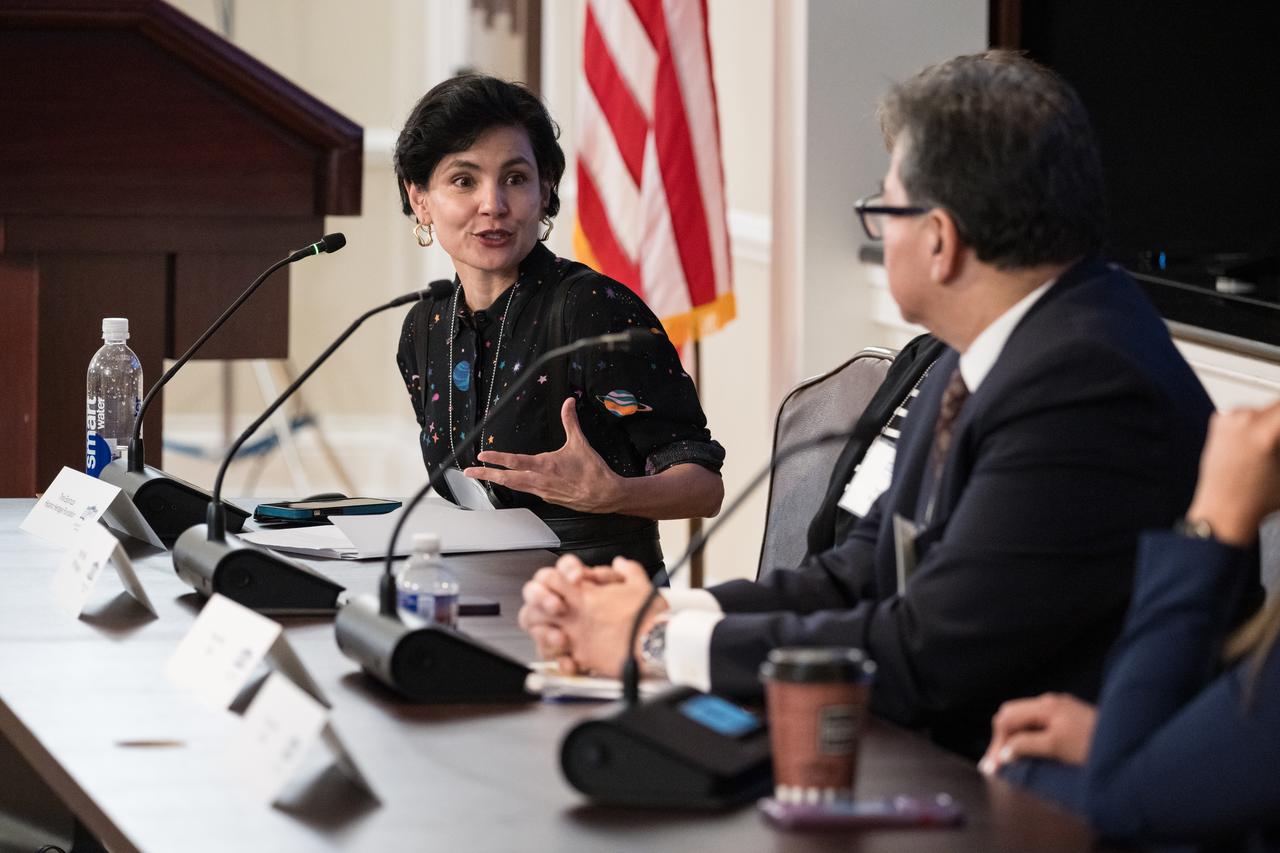
Trina Espinoza, Science Communicator, Hispanic Heritage Foundation, moderates a panel at a White House Hispanic Heritage month event titled “Soaring Together: Inspiring the Next Generation of Space Leaders” at the Eisenhower Executive Office Building, Monday, Sept. 30, 2024 in Washington. Photo Credit: (NASA/Aubrey Gemignani)
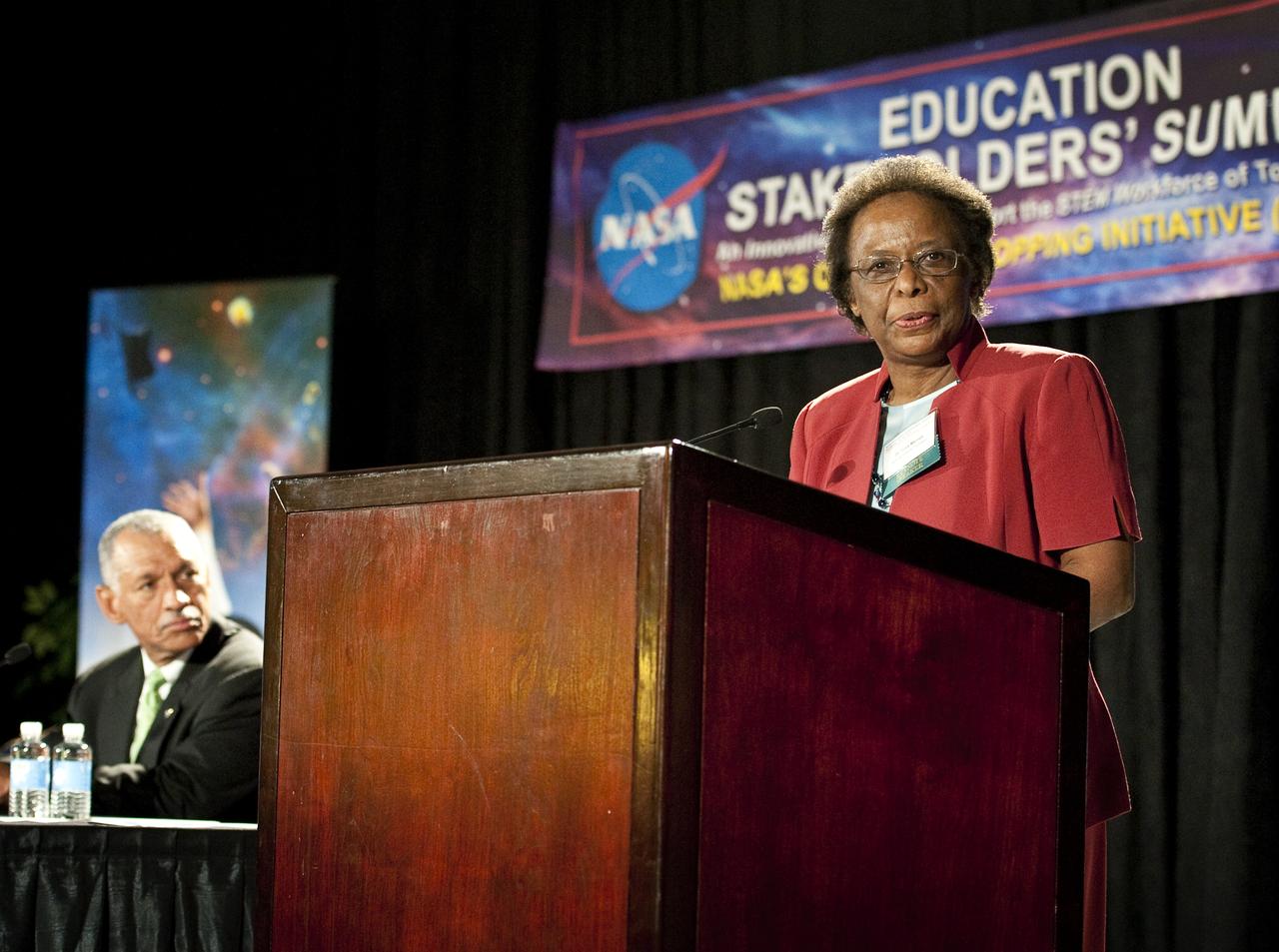
Cora B. Marrett, right, PhD, Acting Director, National Science Foundation gives keynote remarks at the NASA Education Stakeholders’ Summit One Stop Shopping Initiative (OSSI), Monday, Sep. 13, 2010, at the Westfields Marriott Conference Center in Chantilly, VA. (Photo Credit: NASA/Carla Cioffi)
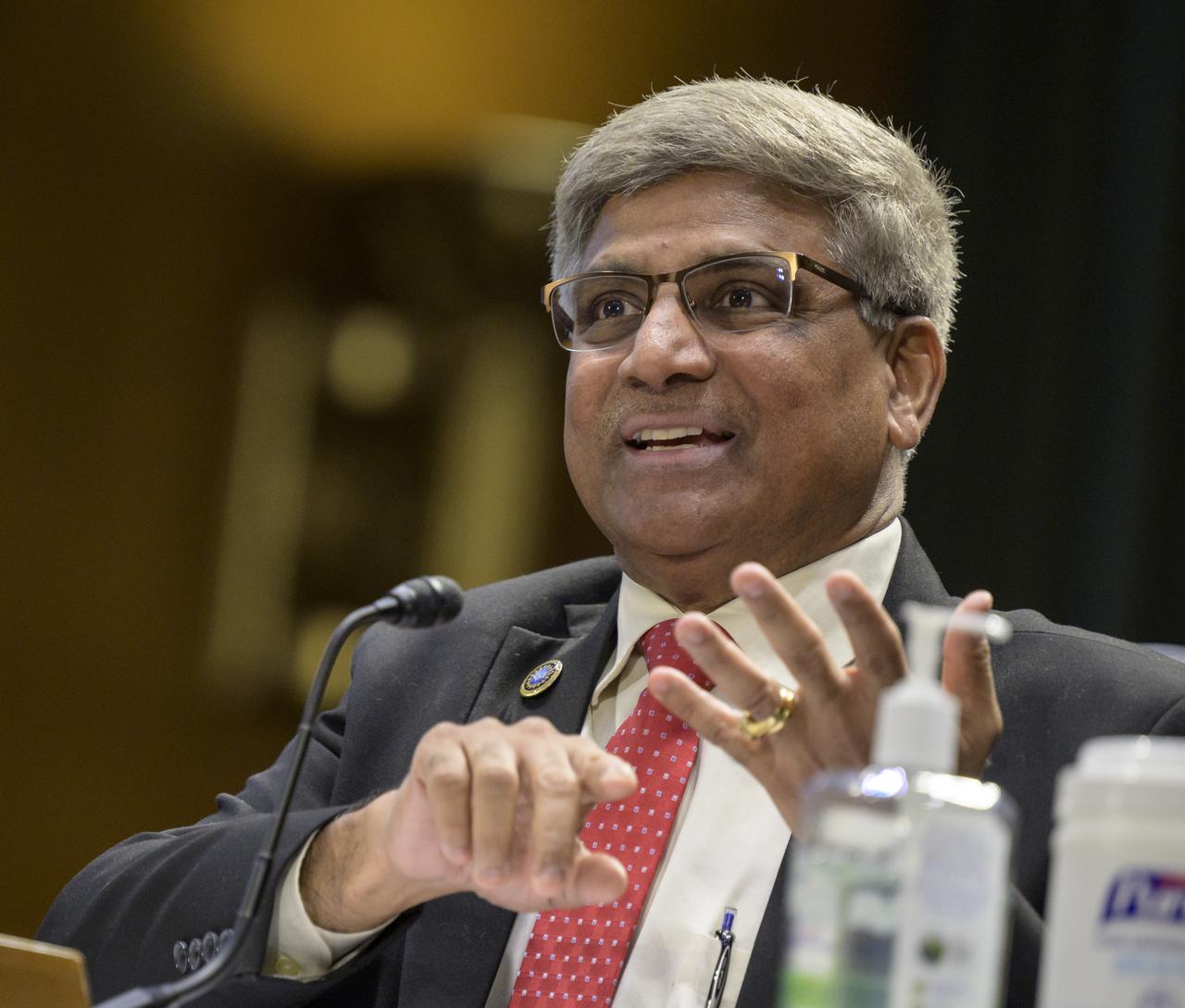
National Science Foundation Director Sethuraman Panchanathan testifies before the Senate Appropriations’ Commerce, Justice, Science, and Related Agencies subcommittee during a budget hearing, Tuesday, May 3, 2022, at the Dirksen Senate Office Building in Washington. Photo Credit: (NASA/Bill Ingalls)
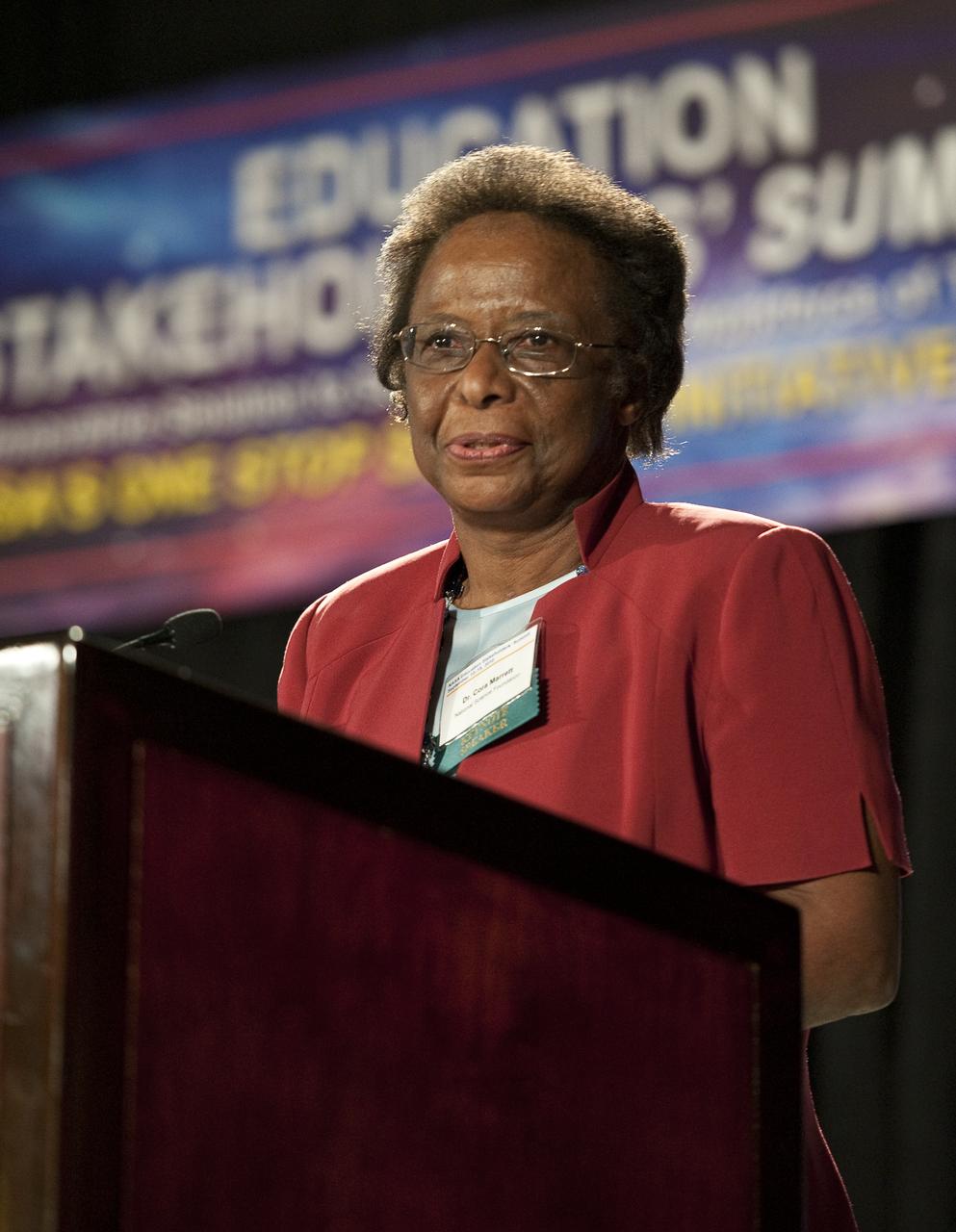
Cora B. Marrett, PhD, Acting Director, National Science Foundation gives keynote remarks at the NASA Education Stakeholders’ Summit One Stop Shopping Initiative (OSSI), Monday, Sep. 13, 2010, at the Westfields Marriott Conference Center in Chantilly, VA. (Photo Credit: NASA/Carla Cioffi)
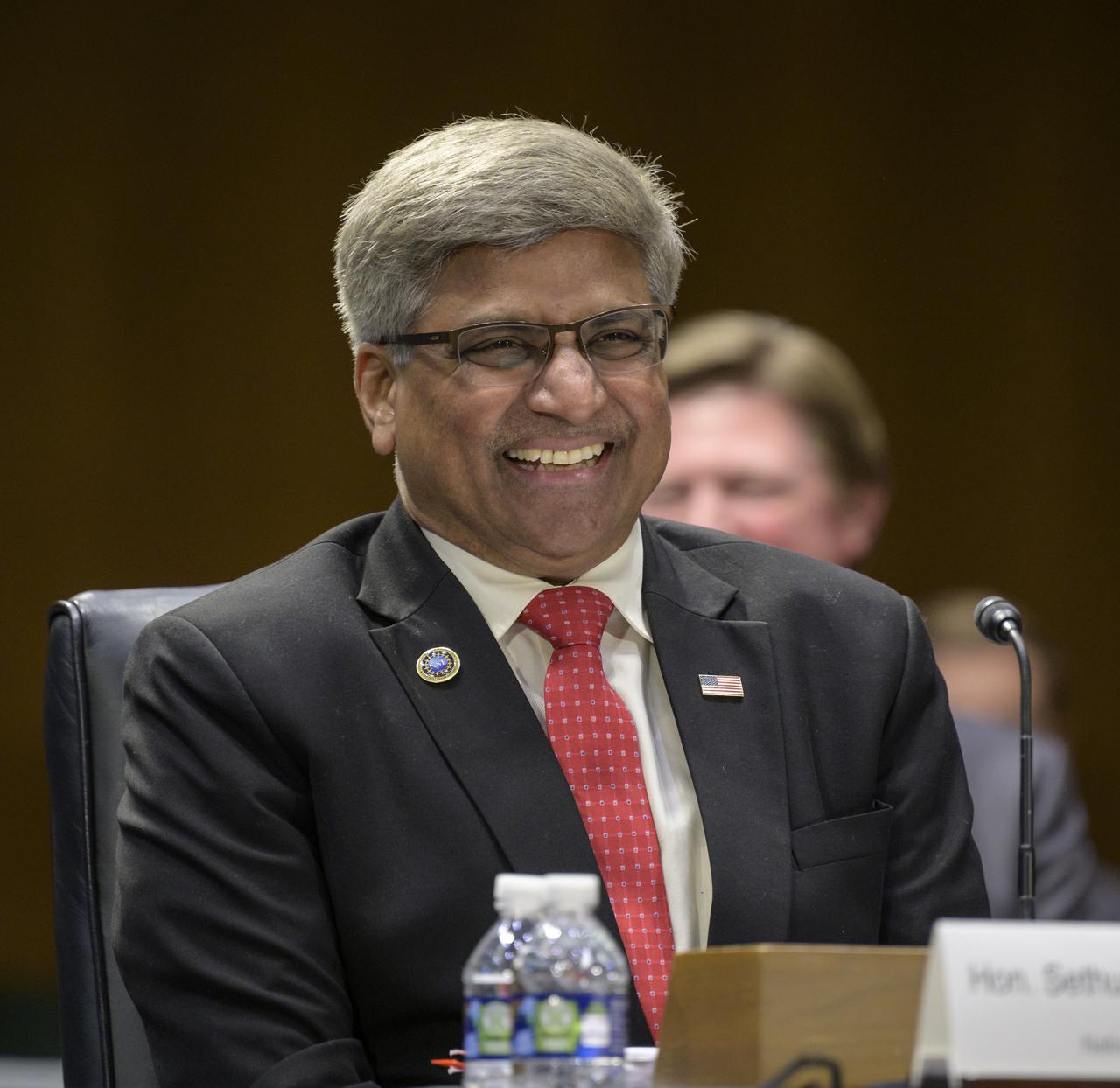
National Science Foundation Director Sethuraman Panchanathan testifies before the Senate Appropriations’ Commerce, Justice, Science, and Related Agencies subcommittee during a budget hearing, Tuesday, May 3, 2022, at the Dirksen Senate Office Building in Washington. Photo Credit: (NASA/Bill Ingalls)
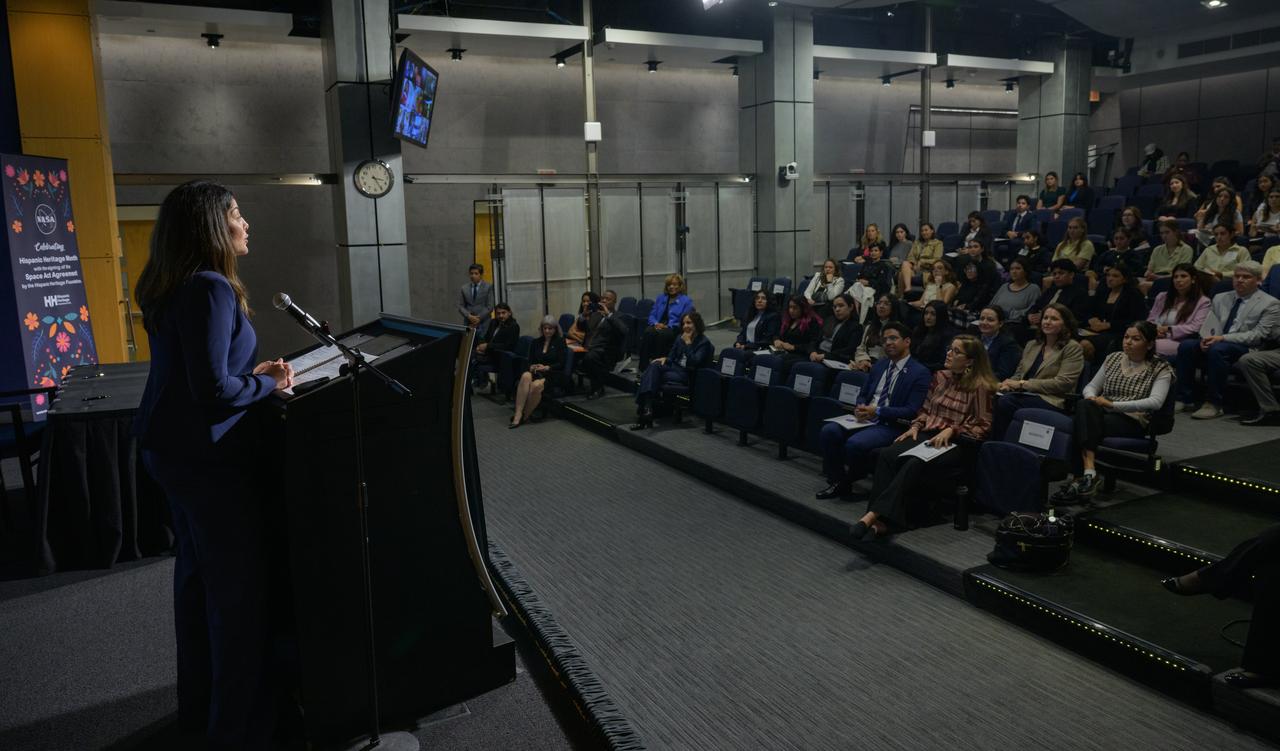
NASA Flight Director Diana Trujillo gives remarks during an event where NASA and the Hispanic Heritage Foundation signed a Space Act Agreement to collaborate and expand STEM opportunities for Latino K-12 and university students and reduce barriers to agency activities and opportunities, Monday, Sept. 30, 2024, at the NASA Headquarters Mary W. Jackson Building in Washington. Photo Credit: (NASA/Bill Ingalls)
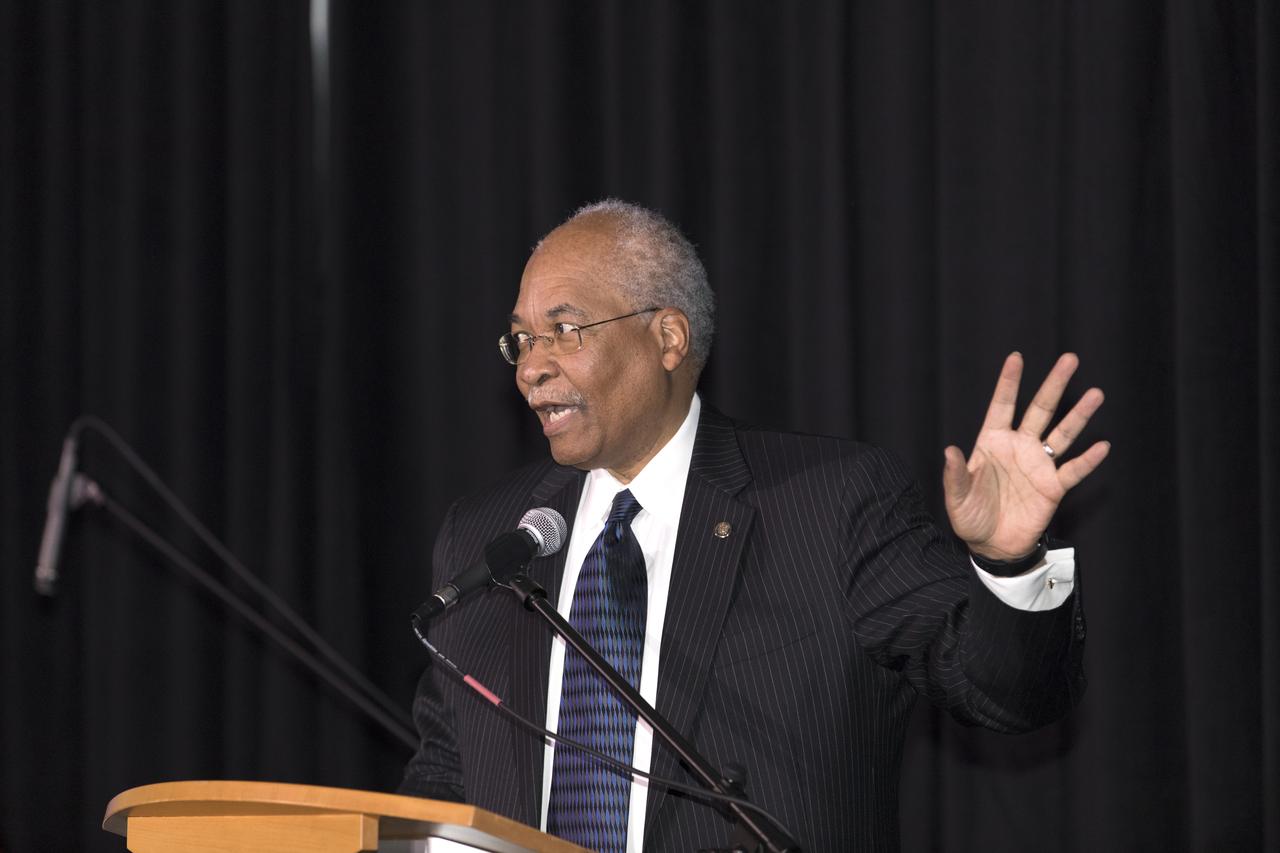
During an Astronauts Memorial Foundation tribute honoring U.S. Air Foce Maj. Robert Lawrence, physicist Herman White, Ph.D., of the Fermi National Accelerator Laboratory, speaks to guests during the ceremony. Selected in 1967 for the Manned Orbiting Laboratory Program, Lawrence was the first African-American astronaut. He lost his life in a training accident 50 years ago. The ceremony took place in the Center for Space Education at the Kennedy Space Center Visitor Complex.
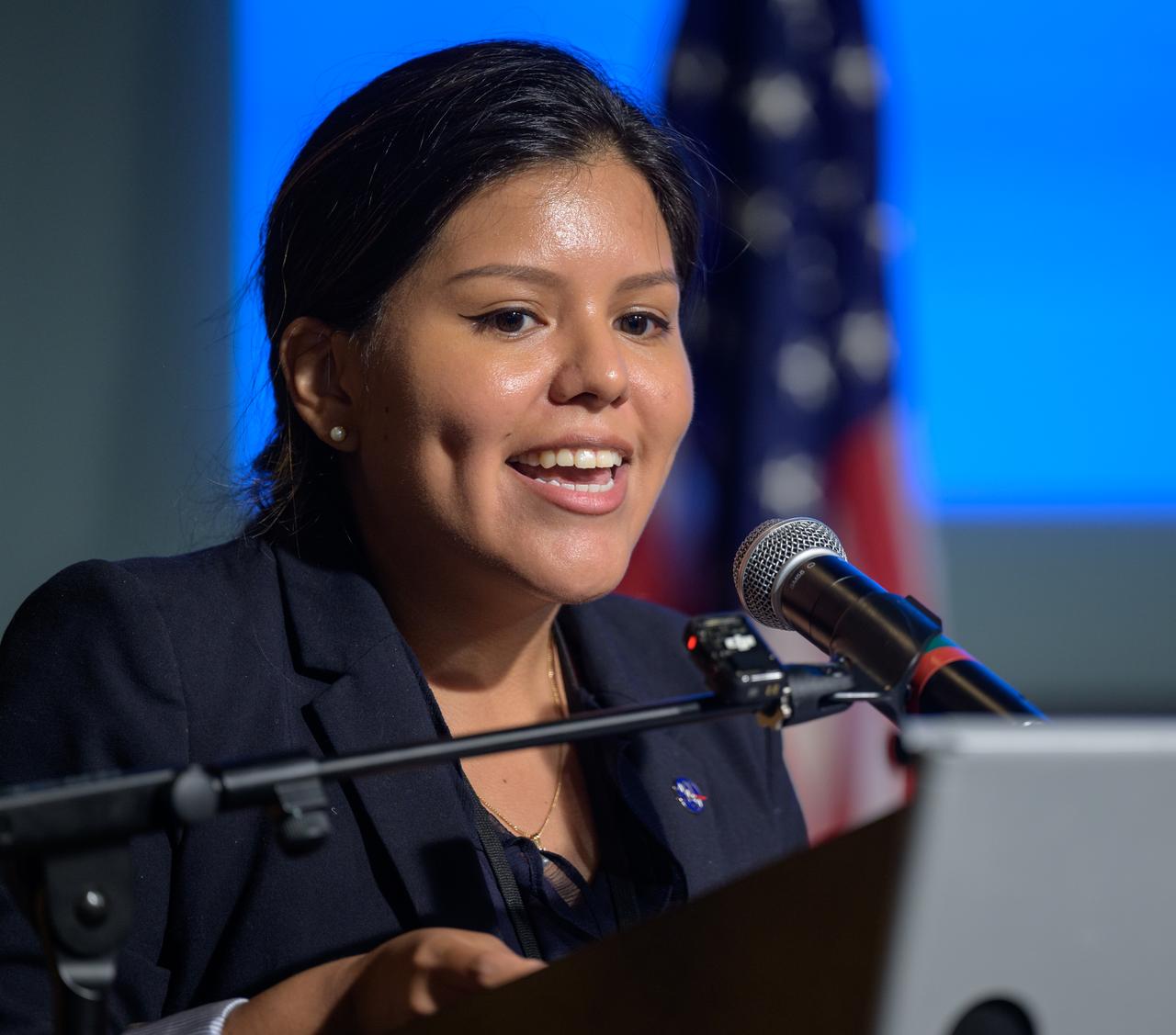
NASA Public Engagement Advisor Sol Ortega moderates an event where NASA and the Hispanic Heritage Foundation signed a Space Act Agreement to collaborate and expand STEM opportunities for Latino K-12 and university students and reduce barriers to agency activities and opportunities, Monday, Sept. 30, 2024, at the NASA Headquarters Mary W. Jackson Building in Washington. Photo Credit: (NASA/Bill Ingalls)
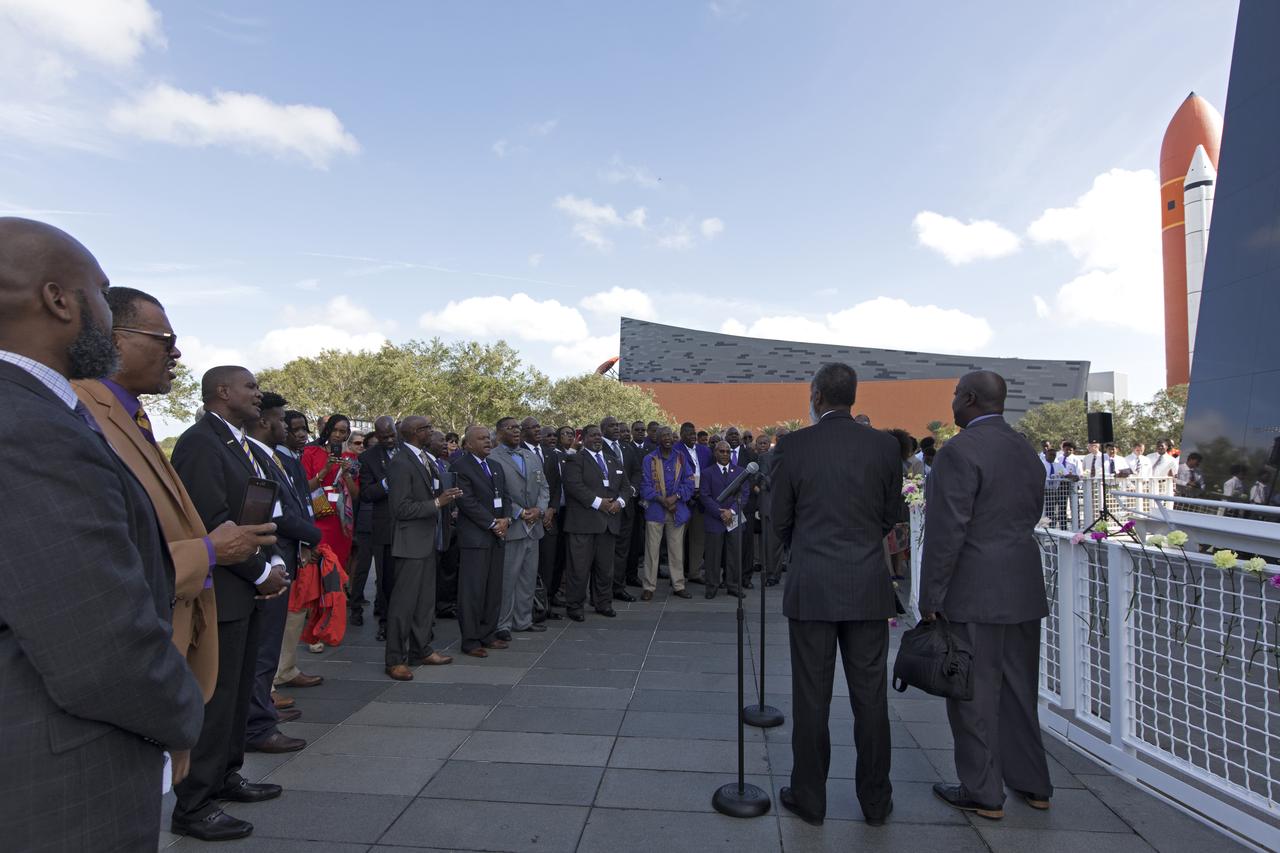
Following an Astronauts Memorial Foundation tribute honoring U.S. Air Foce Maj. Robert Lawrence, guests listen to speakers at the Space Mirror Memorial at the Kenendy Space Center Visitor Compelx. Selected in 1967 for the Manned Orbiting Laboratory Program, Lawrence was the first African-American astronaut. He lost his life in a training accident 50 years ago. The ceremony took place in the Center for Space Education at the Kennedy Space Center Visitor Complex.
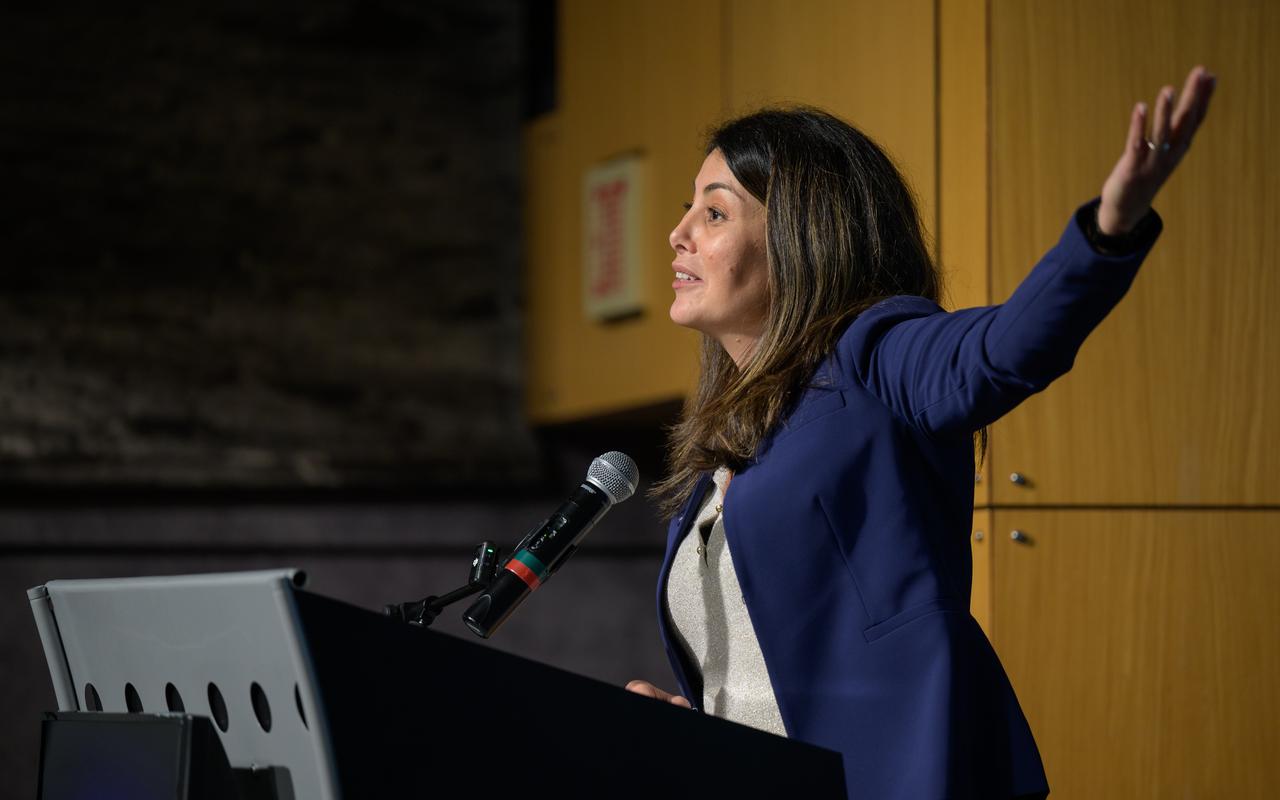
NASA Flight Director Diana Trujillo gives remarks during an event where NASA and the Hispanic Heritage Foundation signed a Space Act Agreement to collaborate and expand STEM opportunities for Latino K-12 and university students and reduce barriers to agency activities and opportunities, Monday, Sept. 30, 2024, at the NASA Headquarters Mary W. Jackson Building in Washington. Photo Credit: (NASA/Bill Ingalls)
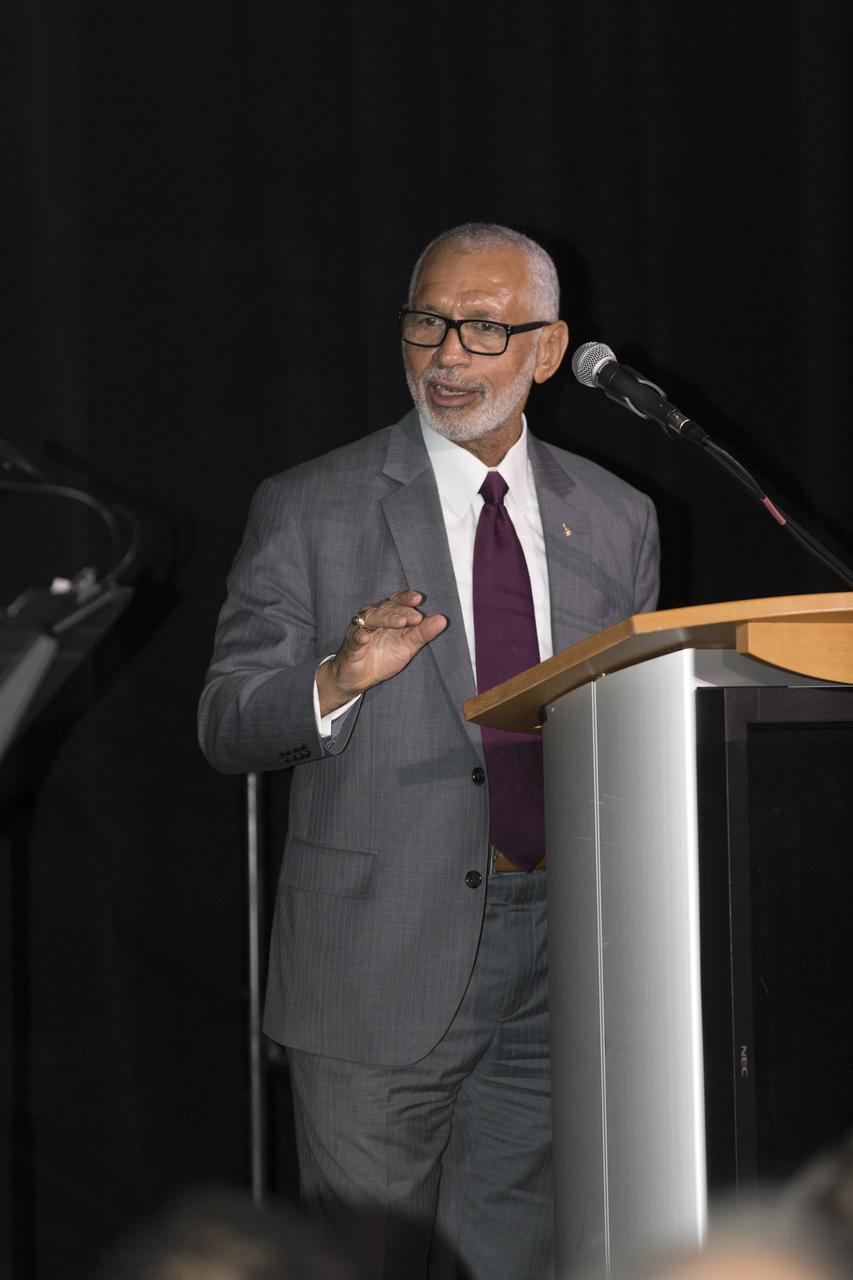
Former NASA administrator Charlie Bolden speaks during an Astronauts Memorial Foundation tribute honoring U.S. Air Foce Maj. Robert Lawrence. Selected in 1967 for the Manned Orbiting Laboratory Program, Lawrence was the first African-American astronaut. He lost his life in a training accident 50 years ago. The ceremony took place in the Center for Space Education at the Kennedy Space Center Visitor Complex.
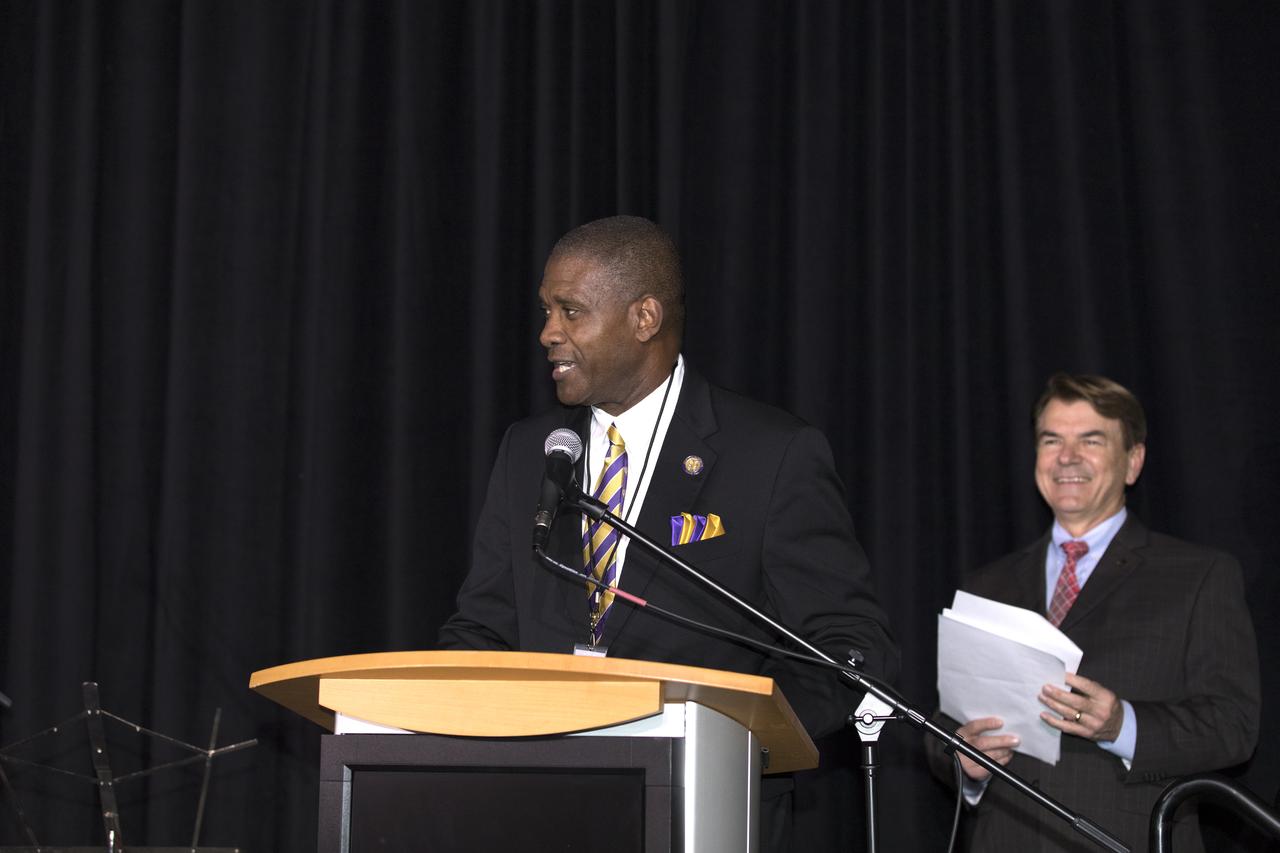
Former Florida State Sen. Tony Hill speaks during an Astronauts Memorial Foundation tribute honoring U.S. Air Foce Maj. Robert Lawrence. Looking on is State Rep. Thad Altman, president of the AMF. Selected in 1967 for the Manned Orbiting Laboratory Program, Lawrence was the first African-American astronaut. He lost his life in a training accident 50 years ago. The ceremony took place in the Center for Space Education at the Kennedy Space Center Visitor Complex.
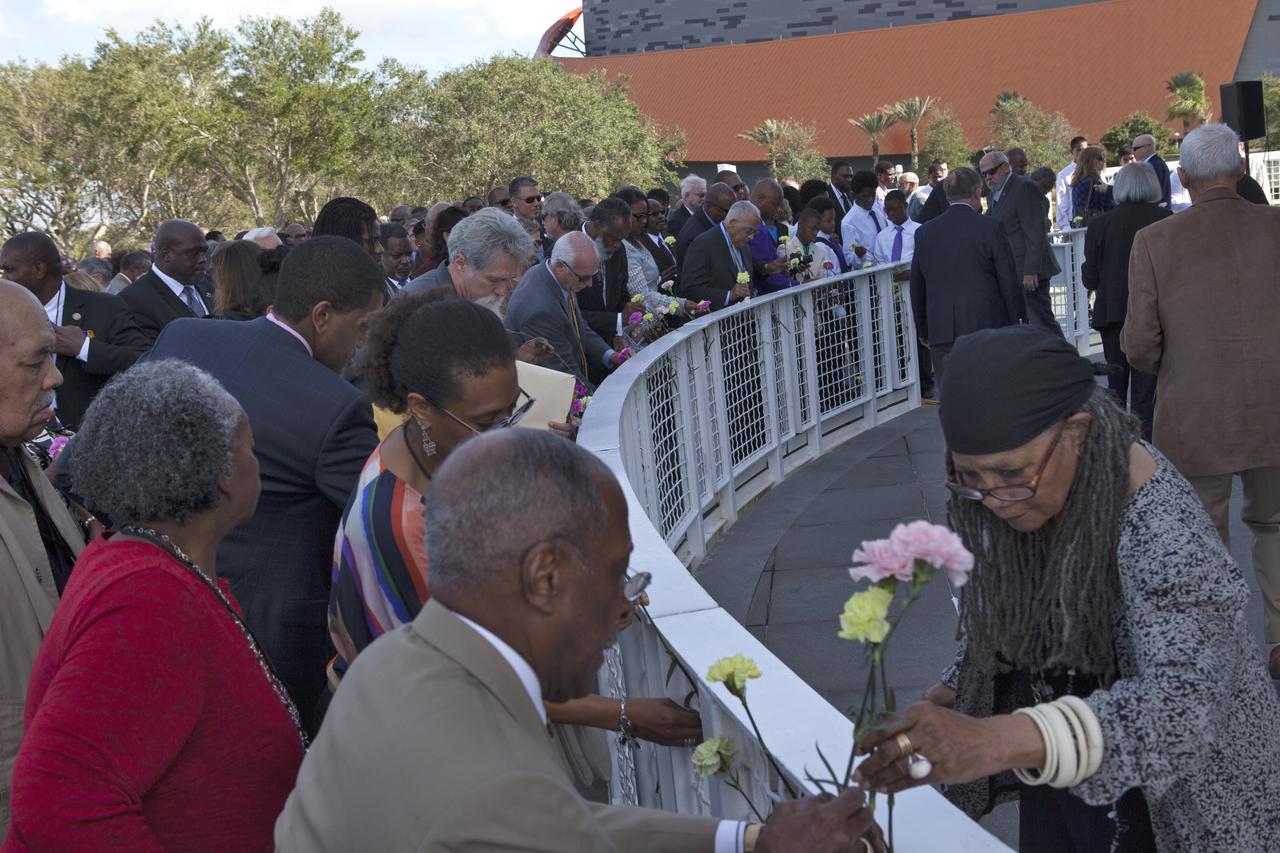
Following an Astronauts Memorial Foundation tribute honoring U.S. Air Foce Maj. Robert Lawrence, guests place flowers at the Space Mirror Memorial at the Kennedy Space Center Visitor Complex. Selected in 1967 for the Manned Orbiting Laboratory Program, Lawrence was the first African-American astronaut. He lost his life in a training accident 50 years ago. The ceremony took place in the Center for Space Education at the Kennedy Space Center Visitor Complex.
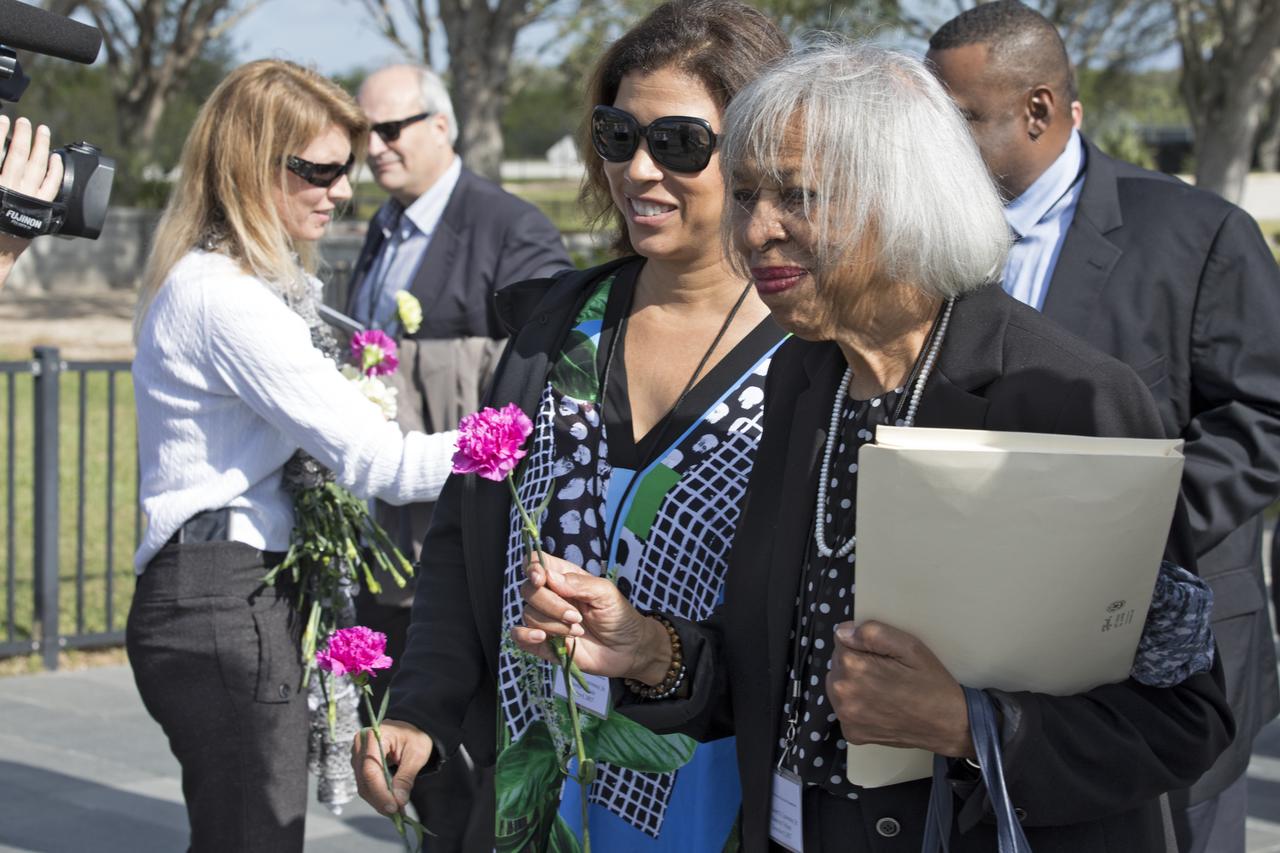
During an Astronauts Memorial Foundation tribute honoring U.S. Air Foce Maj. Robert Lawrence, his sister, Barbara Lawrence, Ph.D., places a flower at the Space Mirror Memorial which honors those lost in efforts to explore space. Selected in 1967 for the Manned Orbiting Laboratory Program, Lawrence was the first African-American astronaut. He lost his life in a training accident 50 years ago. The ceremony took place in the Center for Space Education at the Kennedy visitor complex.
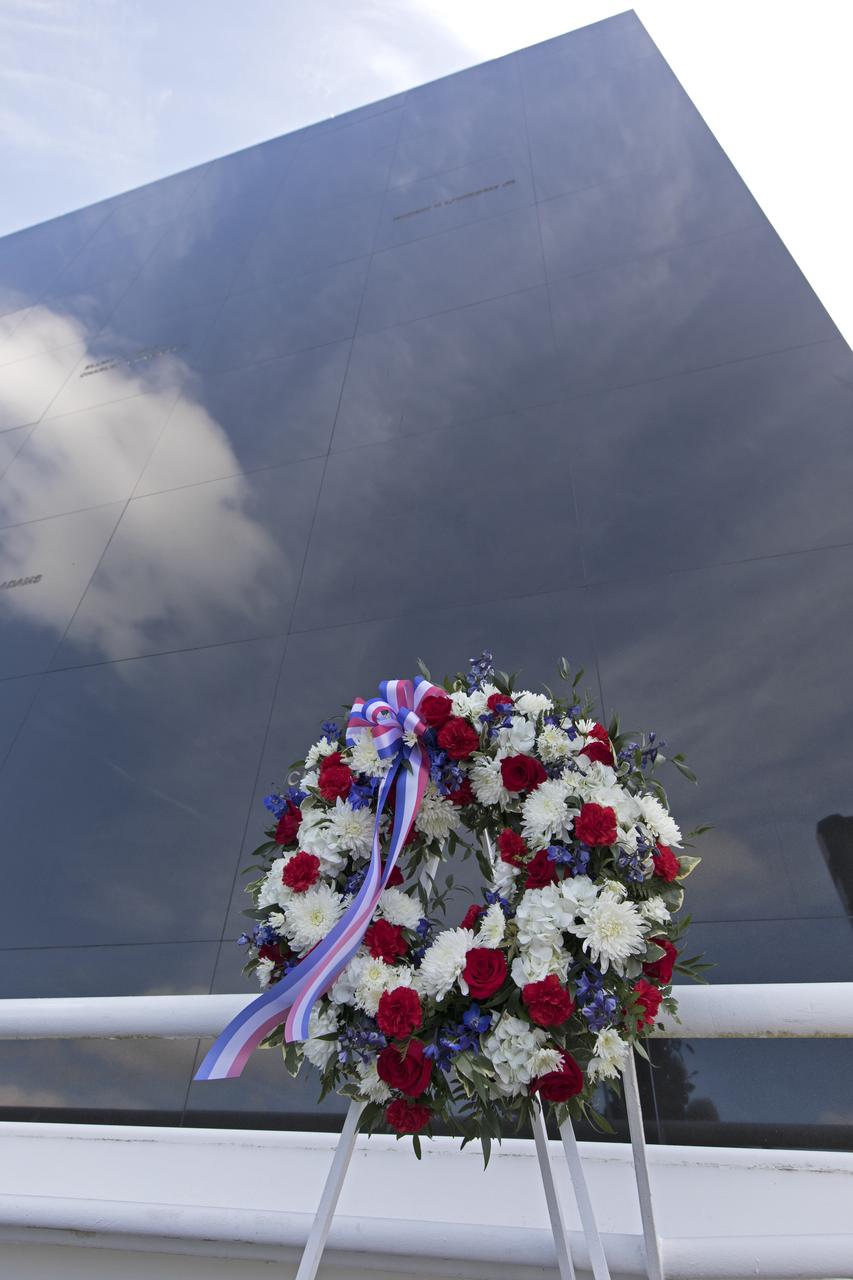
Following an Astronauts Memorial Foundation tribute honoring U.S. Air Foce Maj. Robert Lawrence, a wreath was place at the Space Mirror Memorial at the Kenendy Space Center Visitor Compelx. Selected in 1967 for the Manned Orbiting Laboratory Program, Lawrence was the first African-American astronaut. He lost his life in a training accident 50 years ago. The ceremony took place in the Center for Space Education at the Kennedy Space Center Visitor Complex.

During an Astronauts Memorial Foundation tribute honoring U.S. Air Foce Maj. Robert Lawrence, his sister, Barbara Lawrence, Ph.D., speaks to guests during the ceremony. Selected in 1967 for the Manned Orbiting Laboratory Program, Lawrence was the first African-American astronaut. He lost his life in a training accident 50 years ago. The ceremony took place in the Center for Space Education at the Kennedy Space Center Visitor Complex.
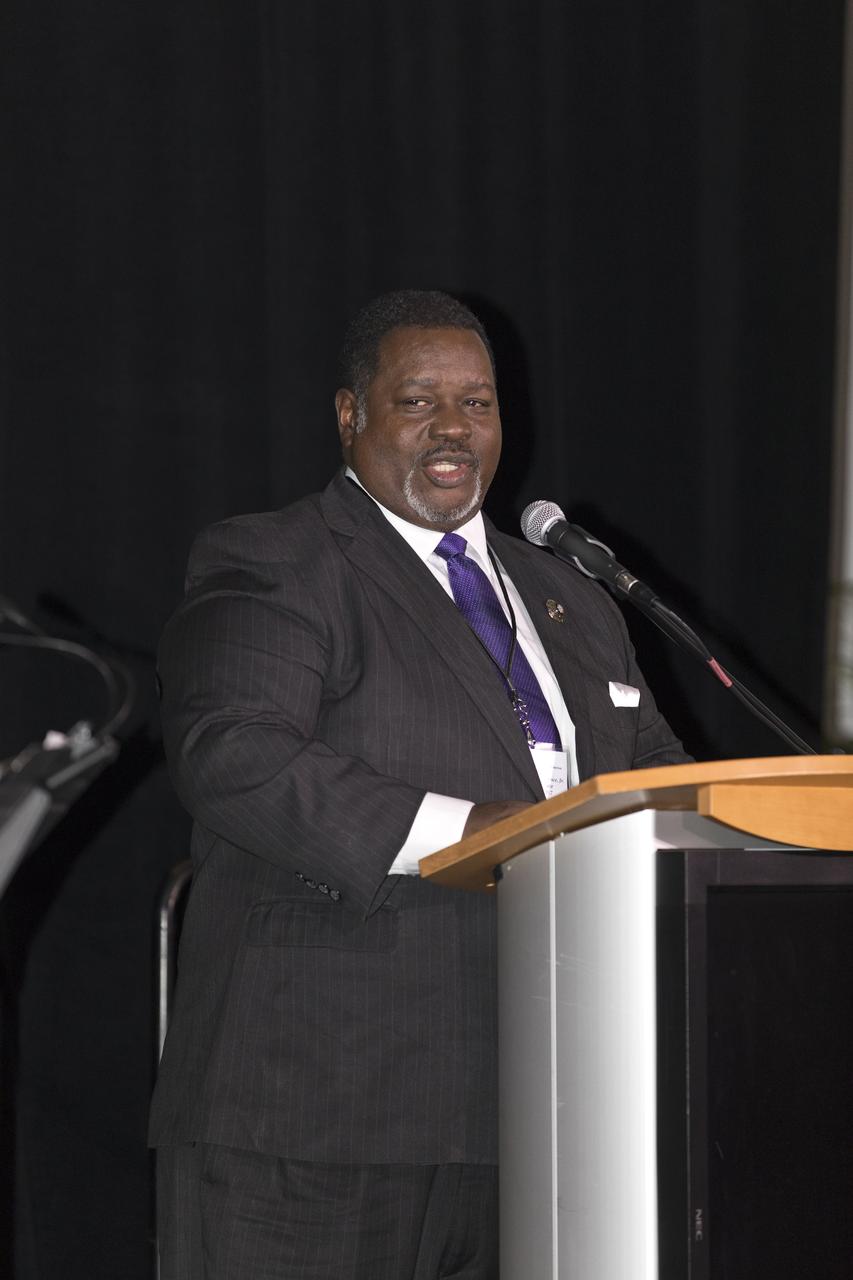
Antonio "Tony" Knox, grand basileus of the Omega Psi Phi, speaks during an Astronauts Memorial Foundation tribute honoring U.S. Air Foce Maj. Robert Lawrence who was a member of the fraternity. Selected in 1967 for the Manned Orbiting Laboratory Program, Lawrence was the first African-American astronaut. He lost his life in a training accident 50 years ago. The ceremony took place in the Center for Space Education at the Kennedy Space Center Visitor Complex.
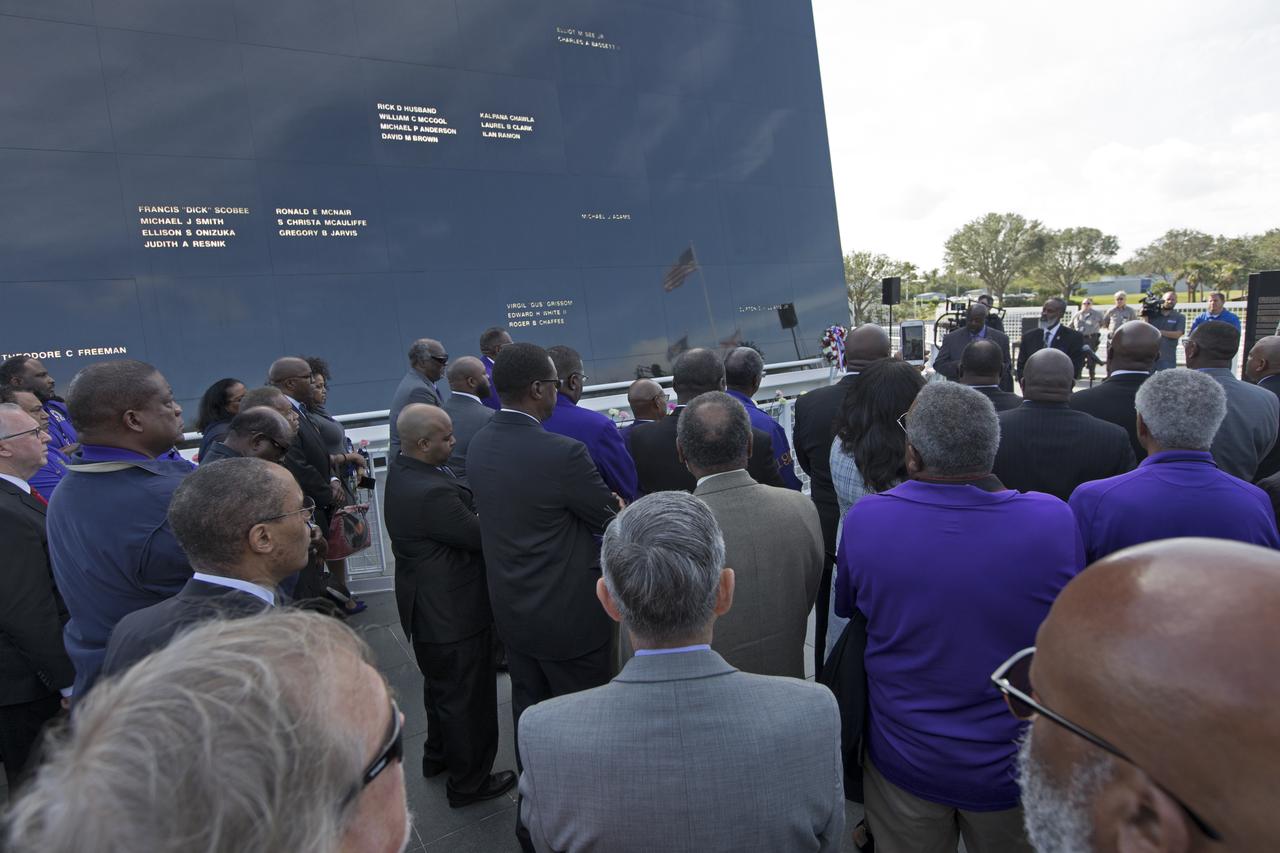
Following an Astronauts Memorial Foundation tribute honoring U.S. Air Foce Maj. Robert Lawrence, guests gathered at the Space Mirror Memorial at the Kenendy Space Center Visitor Compelx. Selected in 1967 for the Manned Orbiting Laboratory Program, Lawrence was the first African-American astronaut. He lost his life in a training accident 50 years ago. The ceremony took place in the Center for Space Education at the Kennedy Space Center Visitor Complex.
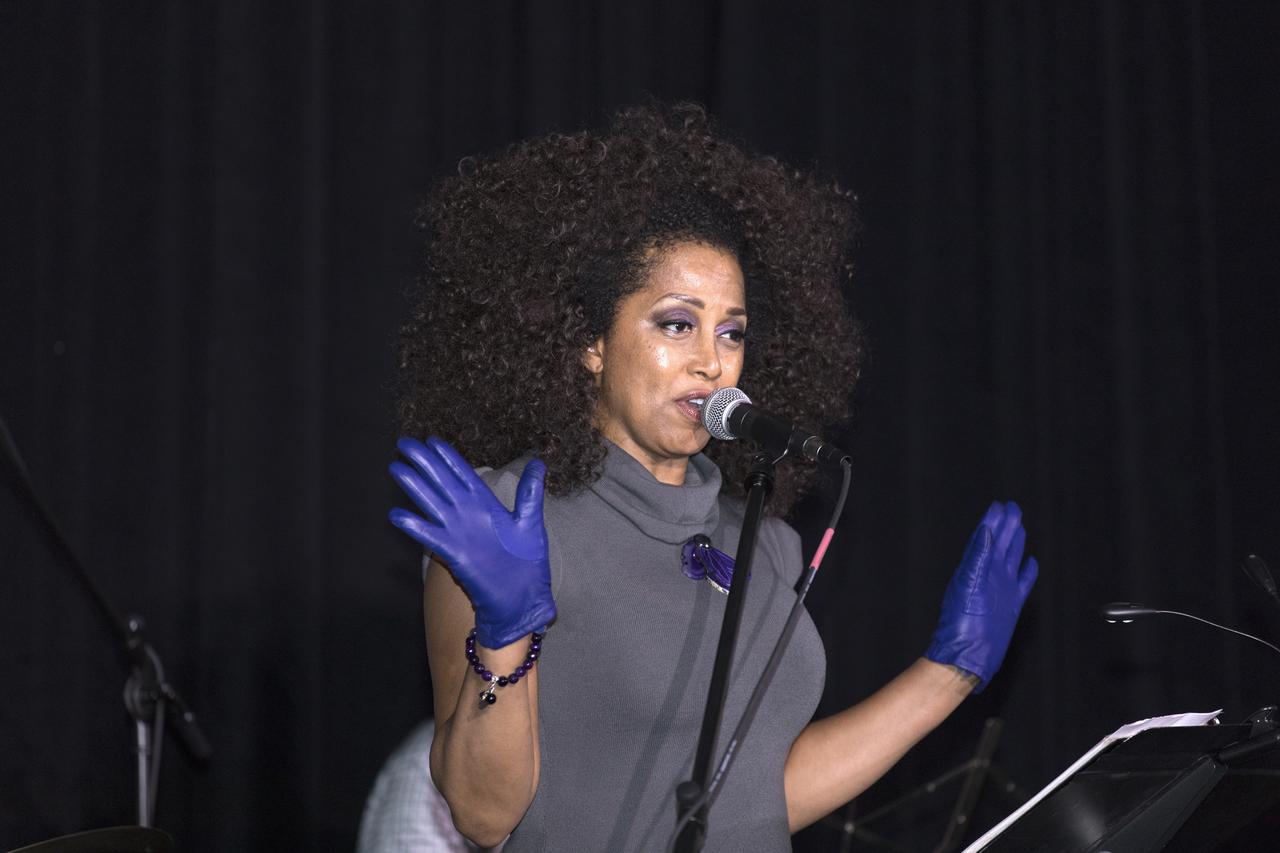
During an Astronauts Memorial Foundation tribute honoring U.S. Air Foce Maj. Robert Lawrence, vocalist Marva King sings with the Winston Scott “Cosmic Jazz Ensemble.” Selected in 1967 for the Manned Orbiting Laboratory Program, Lawrence was the first African-American astronaut. He lost his life in a training accident 50 years ago. The ceremony took place in the Center for Space Education at the Kennedy Space Center Visitor Complex.

NASA Flight Director Diana Trujillo gives remarks during an event where NASA and the Hispanic Heritage Foundation signed a Space Act Agreement to collaborate and expand STEM opportunities for Latino K-12 and university students and reduce barriers to agency activities and opportunities, Monday, Sept. 30, 2024, at the NASA Headquarters Mary W. Jackson Building in Washington. Photo Credit: (NASA/Bill Ingalls)
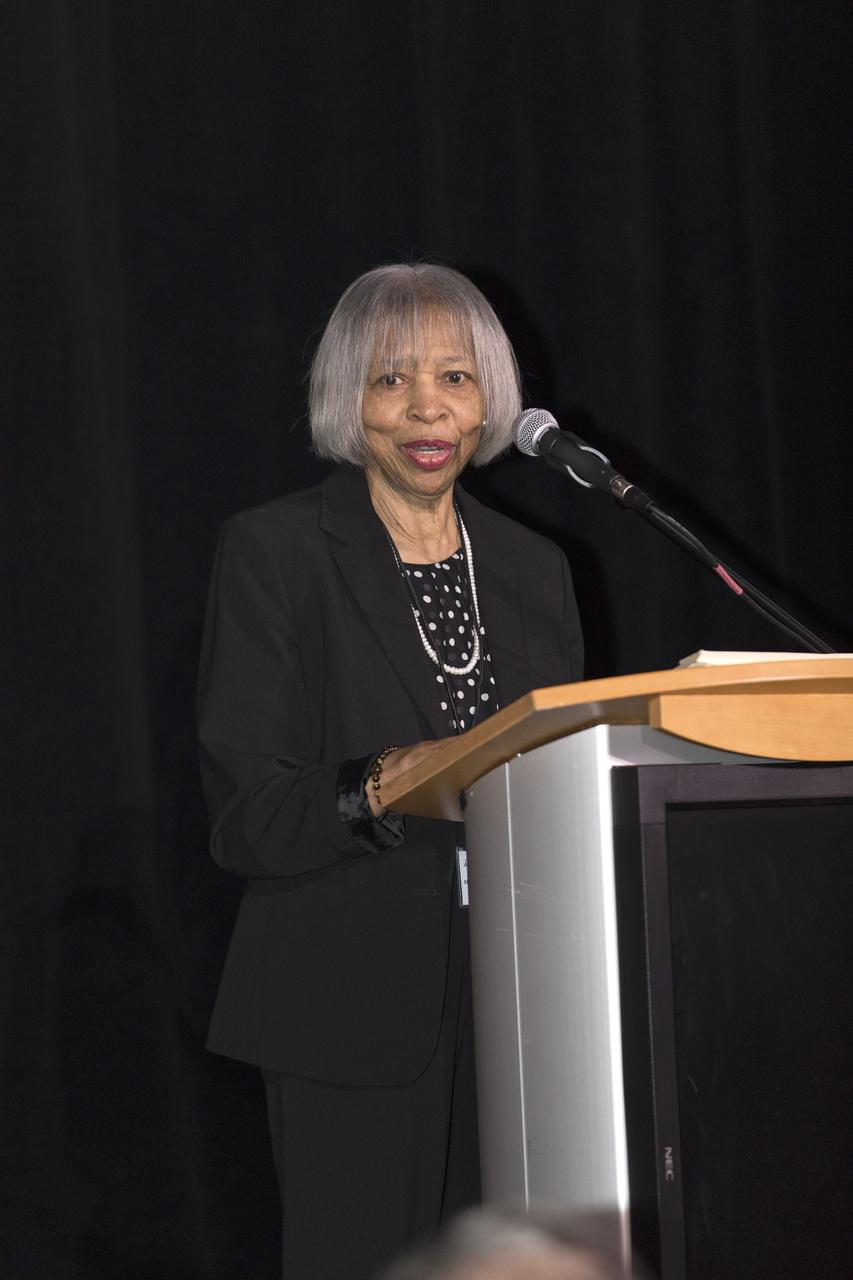
During an Astronauts Memorial Foundation tribute honoring U.S. Air Foce Maj. Robert Lawrence, his sister, Barbara Lawrence, Ph.D., speaks to guests during the ceremony. Selected in 1967 for the Manned Orbiting Laboratory Program, Lawrence was the first African-American astronaut. He lost his life in a training accident 50 years ago. The ceremony took place in the Center for Space Education at the Kennedy Space Center Visitor Complex.
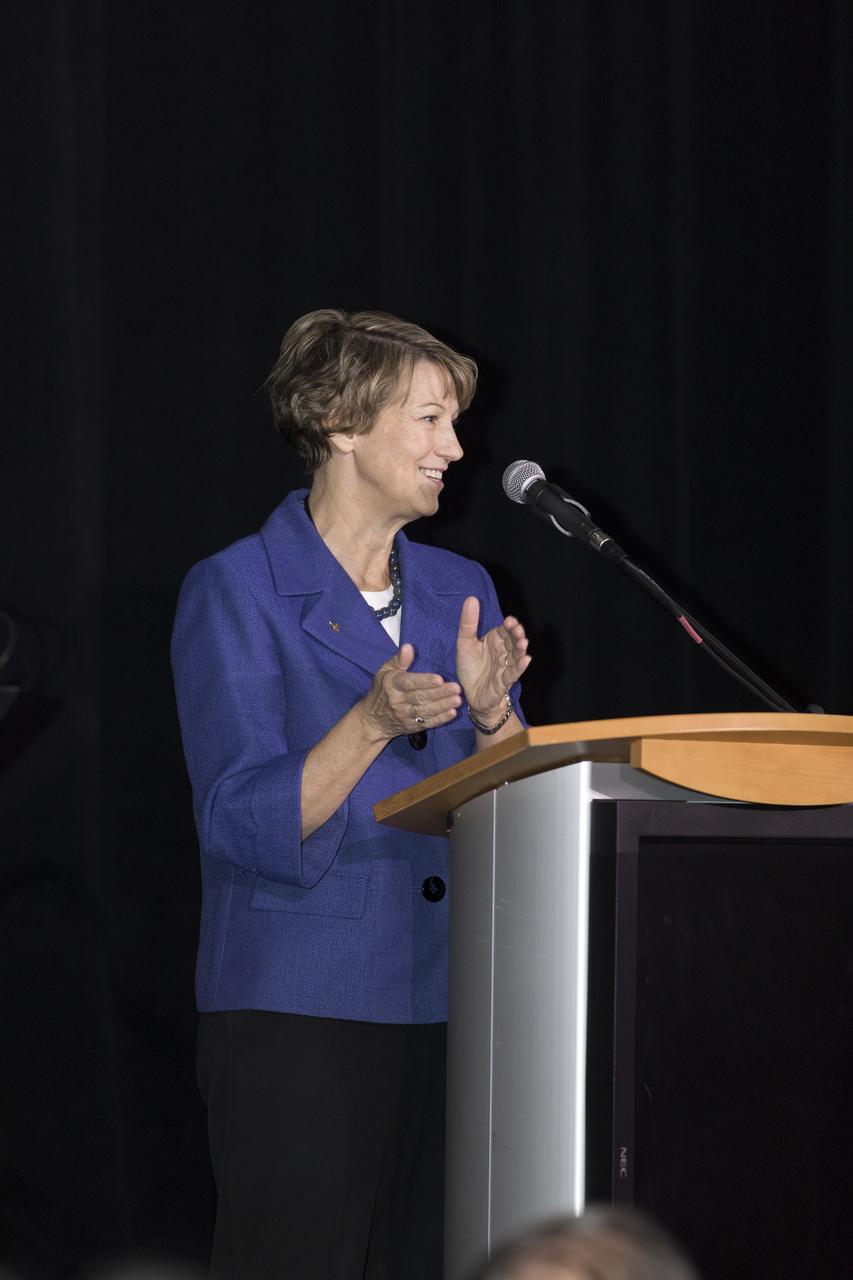
Former NASA astronaut Eileen Collins, who now is chair of the Astronauts Memorial Foundation, speaks during a tribute honoring U.S. Air Foce Maj. Robert Lawrence. Selected in 1967 for the Manned Orbiting Laboratory Program, Lawrence was the first African-American astronaut. He lost his life in a training accident 50 years ago. The ceremony took place in the Center for Space Education at the Kennedy Space Center Visitor Complex.
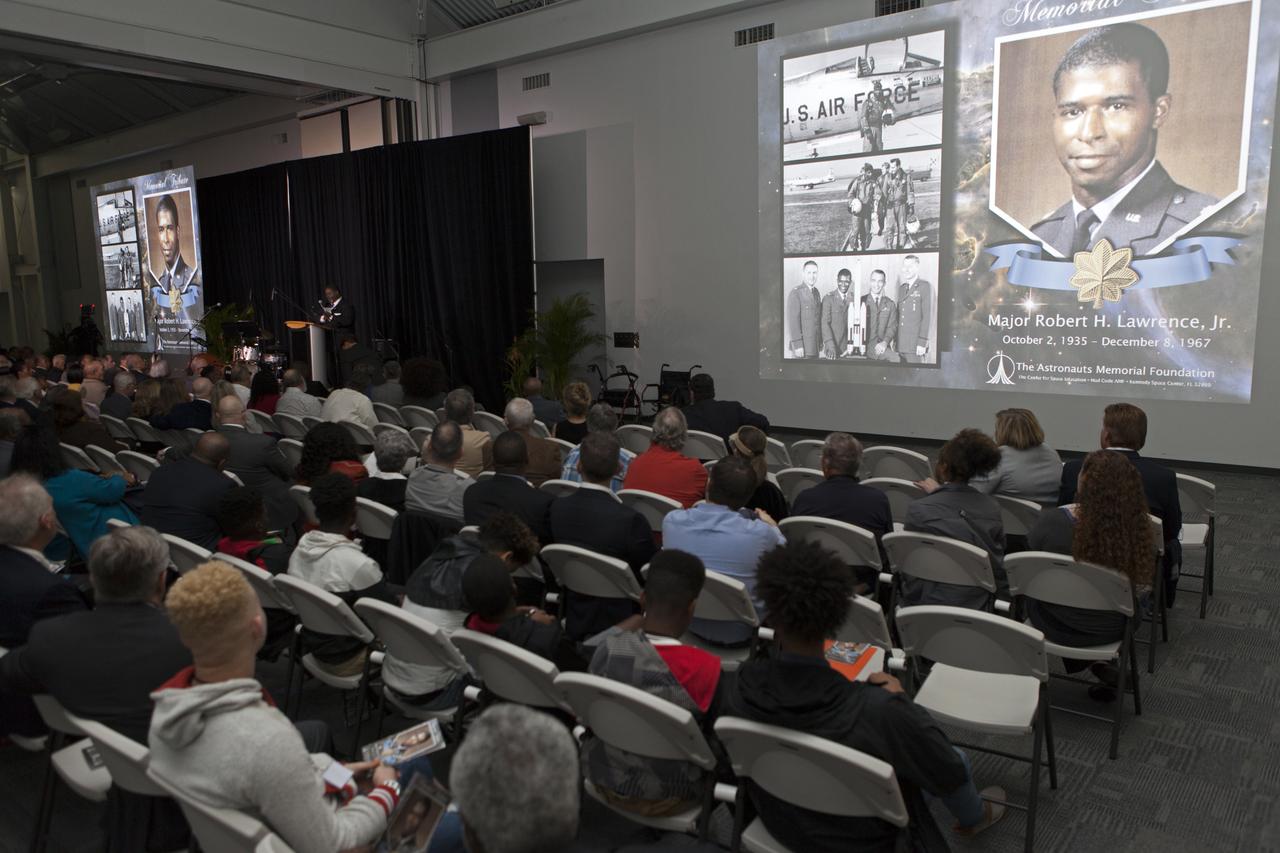
During an Astronauts Memorial Foundation tribute honoring U.S. Air Foce Maj. Robert Lawrence, photographs are projected during a video presentation. Selected in 1967 for the Manned Orbiting Laboratory Program, Lawrence was the first African-American astronaut. He lost his life in a training accident 50 years ago. The ceremony took place in the Center for Space Education at the Kennedy Space Center Visitor Complex.
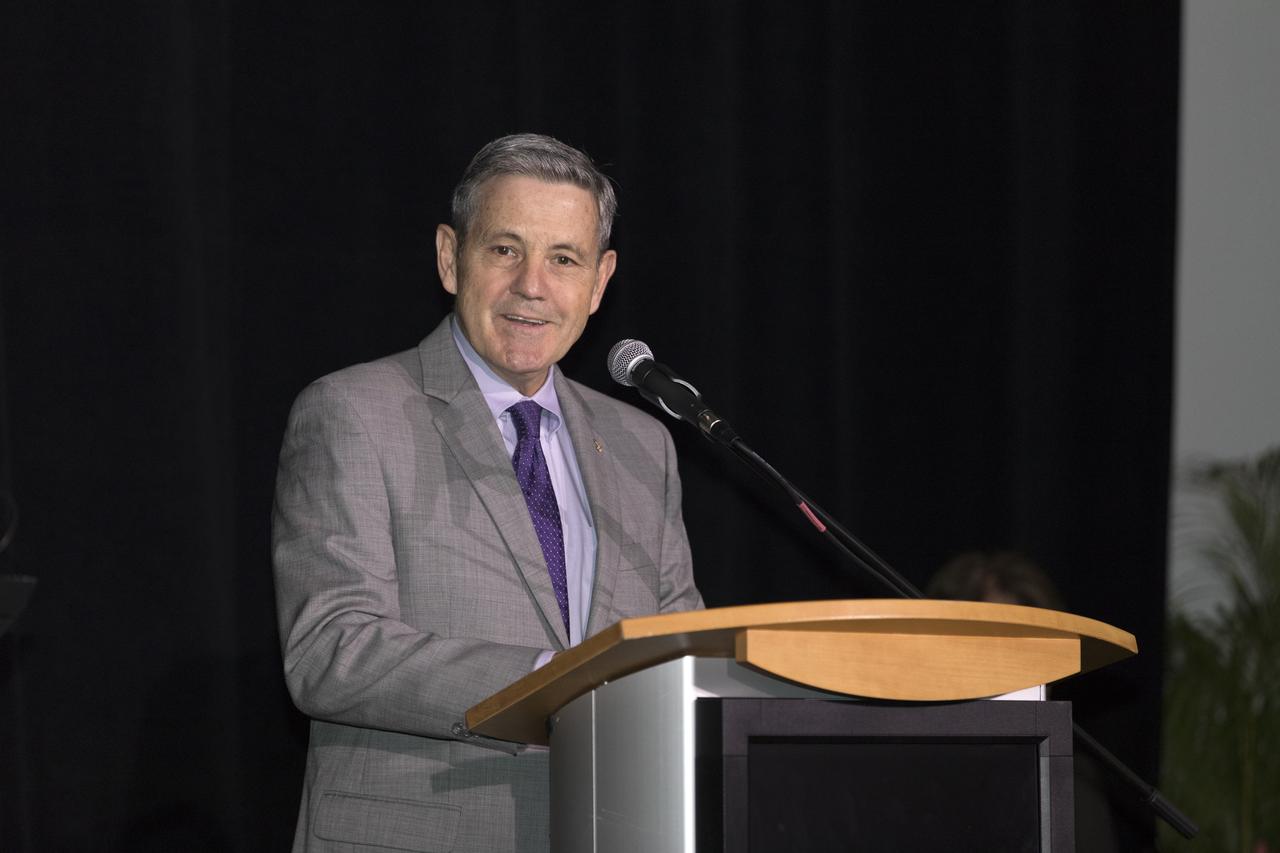
Kennedy Space Center Director Bob Cabana speaks during an Astronauts Memorial Foundation tribute honoring U.S. Air Foce Maj. Robert Lawrence. Selected in 1967 for the Manned Orbiting Laboratory Program, Lawrence was the first African-American astronaut. He lost his life in a training accident 50 years ago. The ceremony took place in the Center for Space Education at the Kennedy Space Center Visitor Complex.
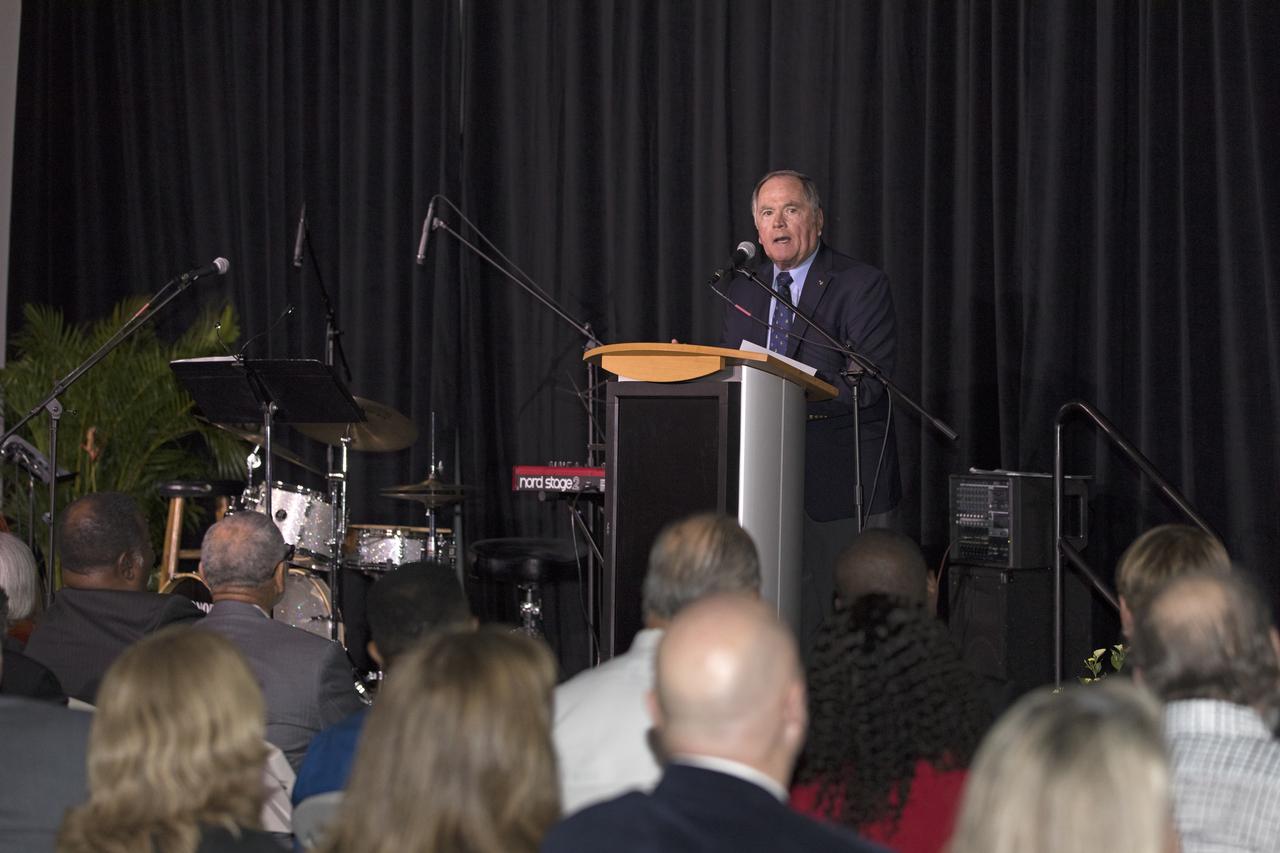
Bob Crippen, former Kennedy center director and NASA astronaut, speaks to guests during an Astronauts Memorial Foundation tribute honoring U.S. Air Foce Maj. Robert Lawrence. Like Crippen, Lawrence was selected in the 1960s for the Manned Orbiting Laboratory Program. As such, Lawrence was the first African-American astronaut. He lost his life in a training accident 50 years ago. The ceremony took place in the Center for Space Education at the Kennedy Space Center Visitor Complex.
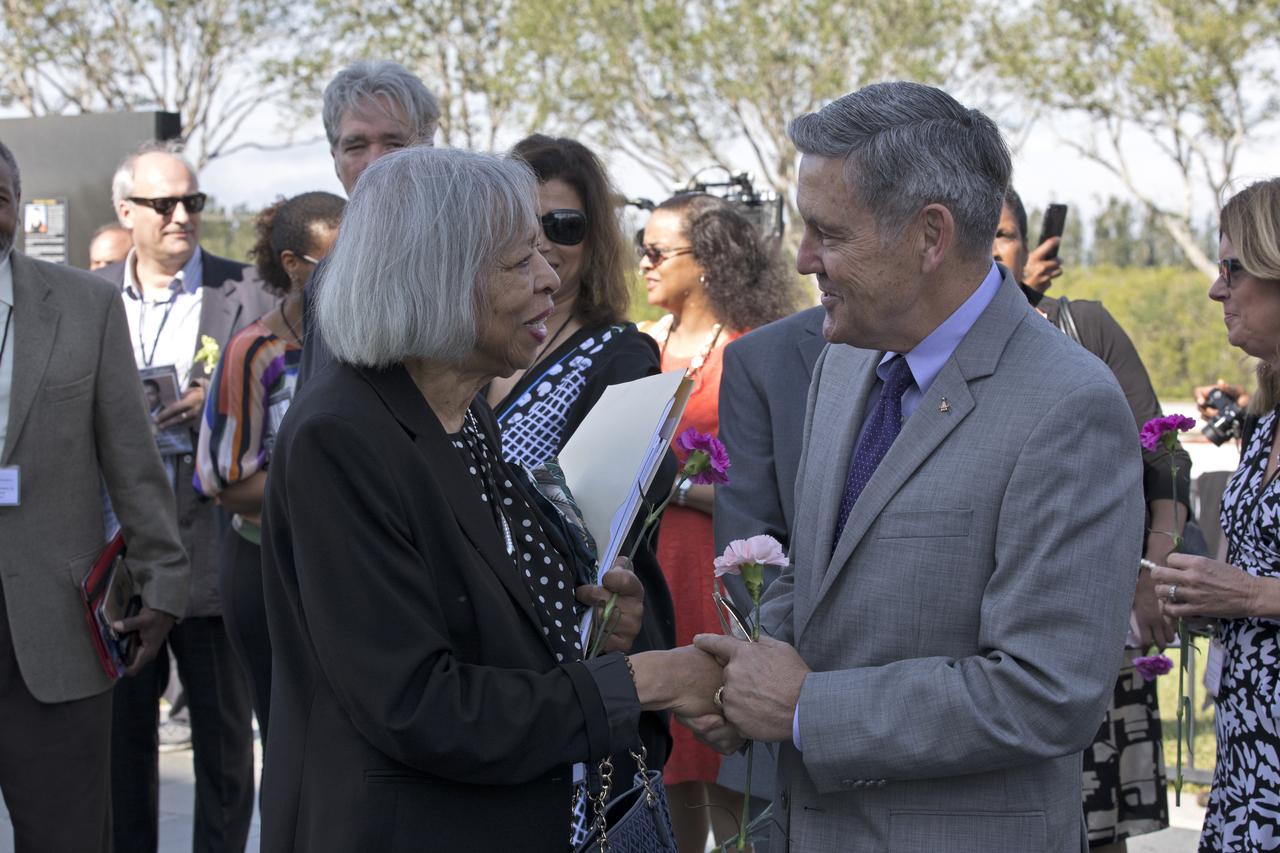
Following an Astronauts Memorial Foundation tribute honoring U.S. Air Foce Maj. Robert Lawrence, Kennedy Space Center Director Bob Cabana, right, speaks with Lawrence's sister, Barbara Lawrence, Ph.D. Selected in 1967 for the Manned Orbiting Laboratory Program, Lawrence was the first African-American astronaut. He lost his life in a training accident 50 years ago. The ceremony took place in the Center for Space Education at the Kennedy Space Center Visitor Complex.
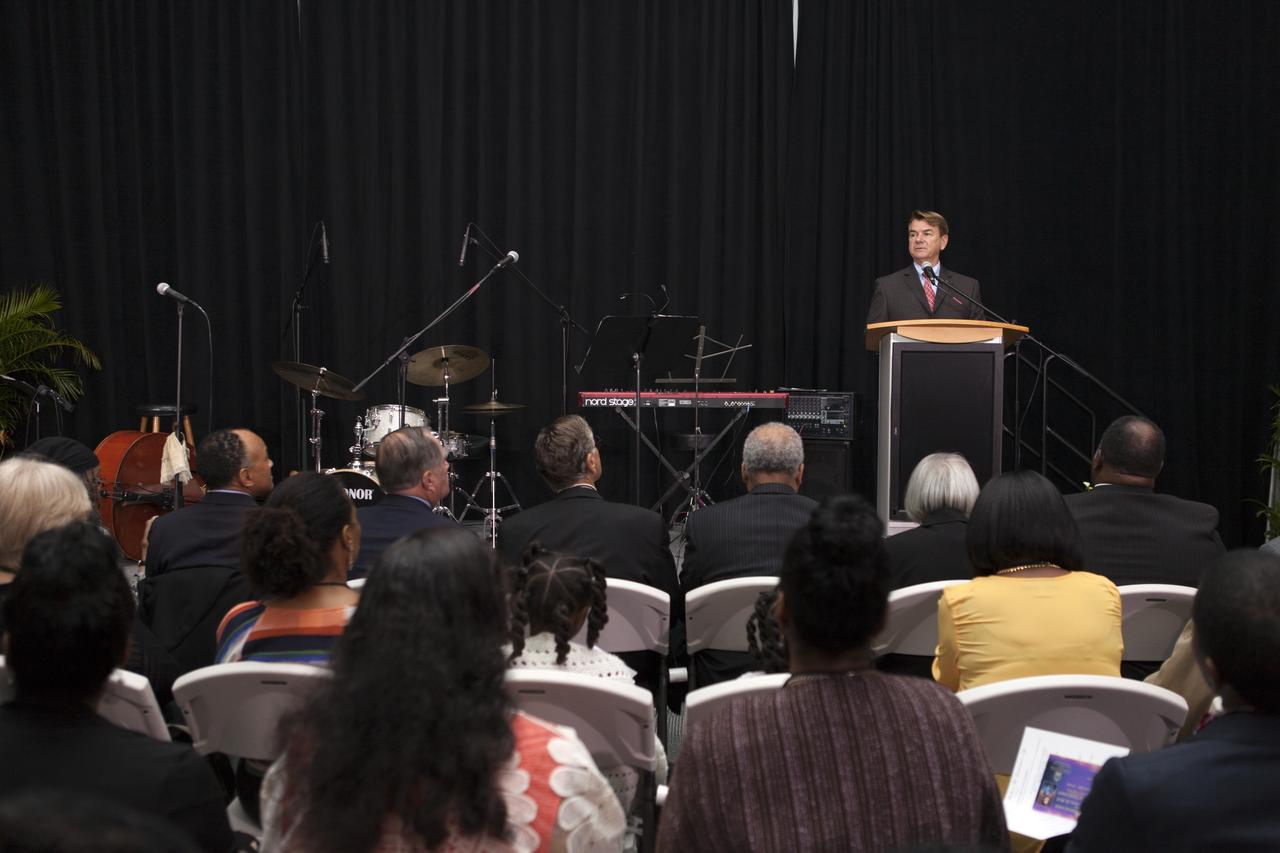
State Rep. Thad Altman, president of the Astronauts Memorial Foundation (AMF), speaks during a tribute honoring U.S. Air Foce Maj. Robert Lawrence. Selected in 1967 for the Manned Orbiting Laboratory Program, Lawrence was the first African-American astronaut. He lost his life in a training accident 50 years ago. The ceremony took place in the Center for Space Education at the Kennedy Space Center Visitor Complex.
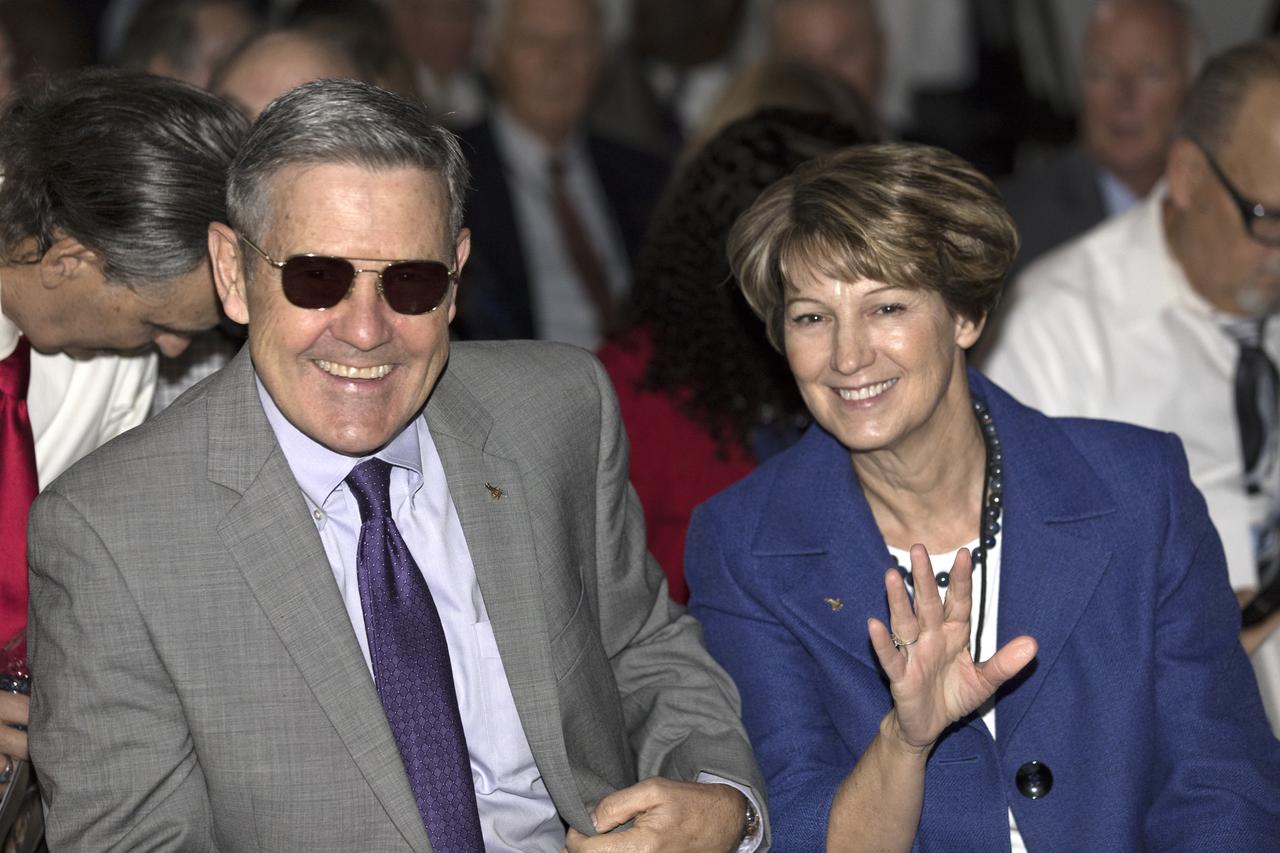
Kennedy Space Center Director Bob Cabana, left, and Astronauts Memorial Foundation board chair Eileen Collins, acknowledge guests during a tribute honoring U.S. Air Foce Maj. Robert Lawrence. Both Cabana and Collins are former NASA astronauts. Selected in 1967 for the Manned Orbiting Laboratory Program, Lawrence was the first African-American astronaut. He lost his life in a training accident 50 years ago. The ceremony took place in the Center for Space Education at the Kennedy Space Center Visitor Complex.
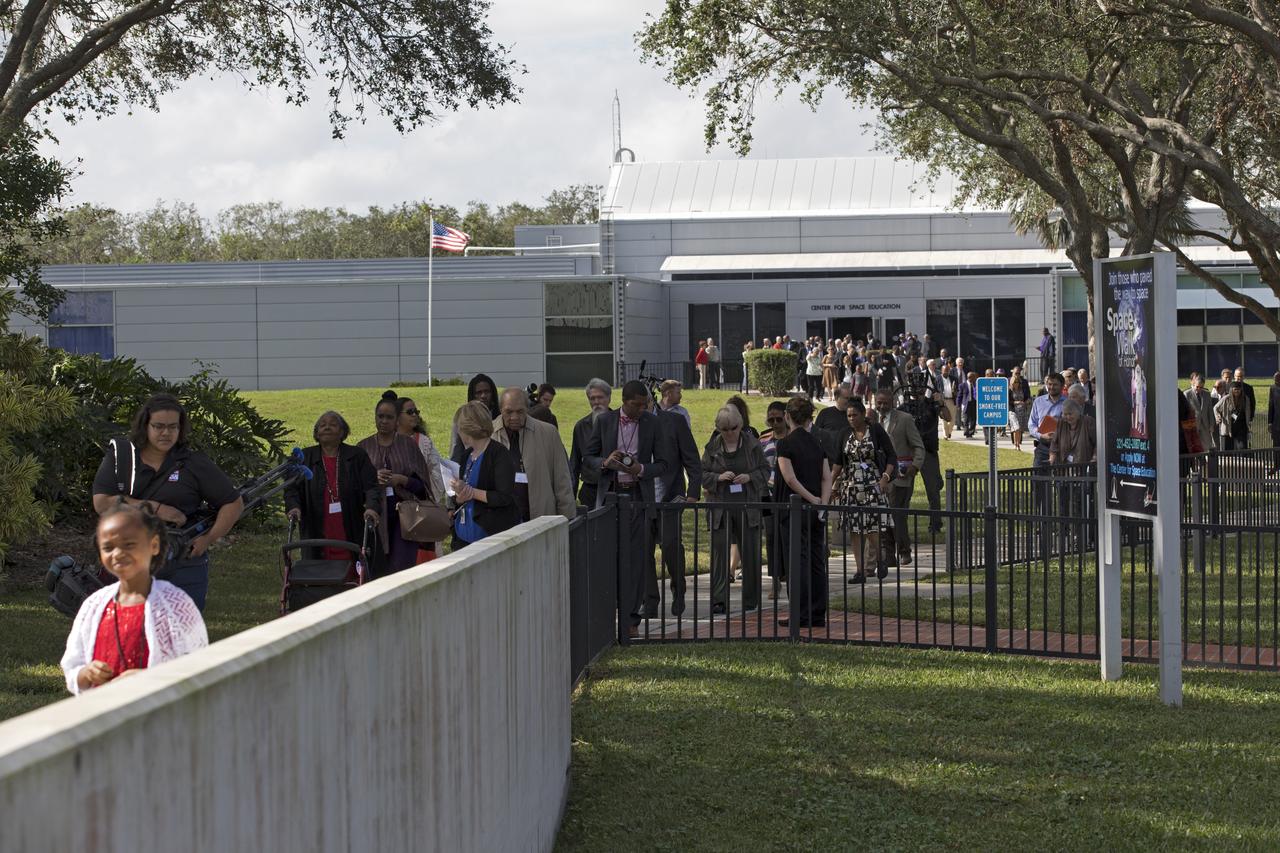
During an Astronauts Memorial Foundation tribute honoring U.S. Air Foce Maj. Robert Lawrence, guests walk to the Space Mirror Memorial at the Kennedy Space Center's Visitor Complex. Selected in 1967 for the Manned Orbiting Laboratory Program, Lawrence was the first African-American astronaut. He lost his life in a training accident 50 years ago. The ceremony took place in the Center for Space Education at the Kennedy visitor complex.
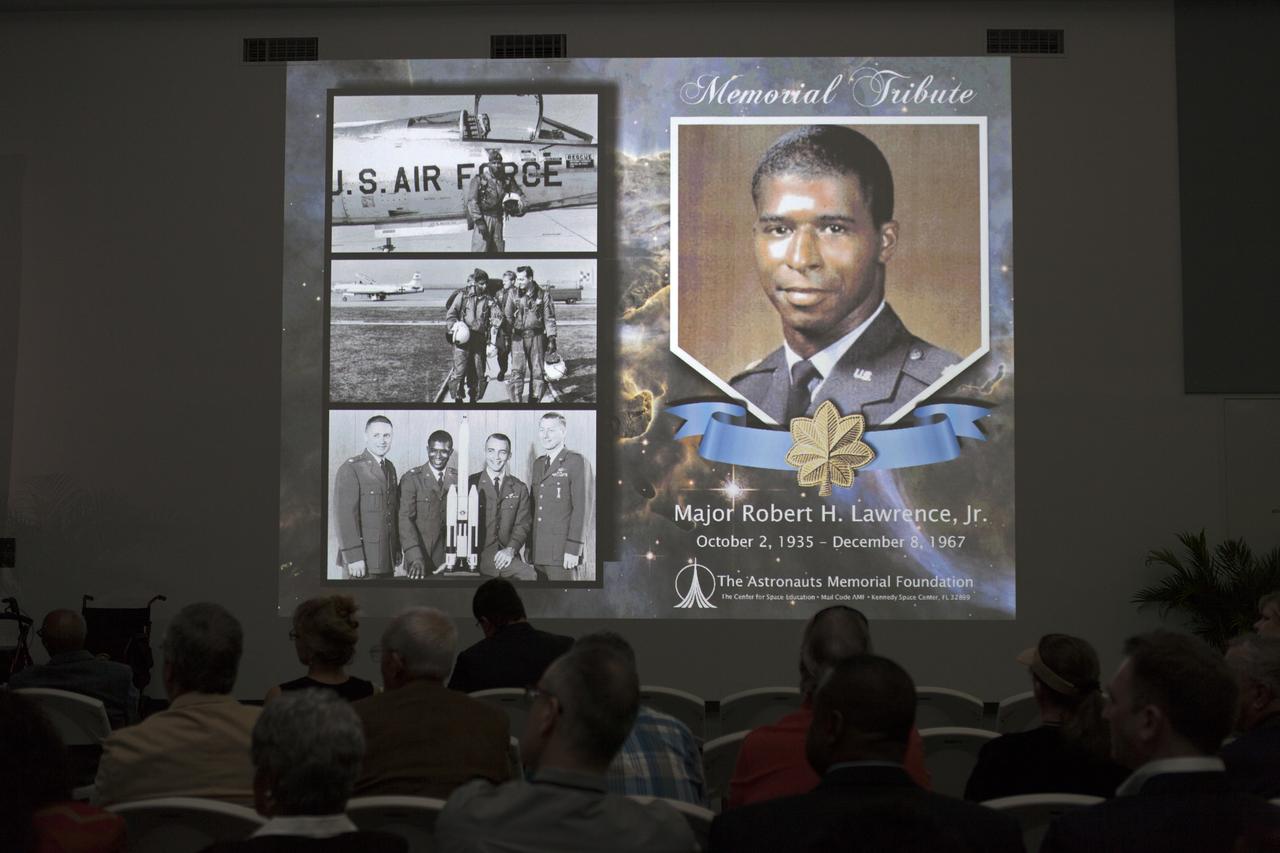
During an Astronauts Memorial Foundation tribute honoring U.S. Air Foce Maj. Robert Lawrence, photographs are projected during a video presentation. Selected in 1967 for the Manned Orbiting Laboratory Program, Lawrence was the first African-American astronaut. He lost his life in a training accident 50 years ago. The ceremony took place in the Center for Space Education at the Kennedy Space Center Visitor Complex.

NASA Flight Director Diana Trujillo gives remarks during an event where NASA and the Hispanic Heritage Foundation signed a Space Act Agreement to collaborate and expand STEM opportunities for Latino K-12 and university students and reduce barriers to agency activities and opportunities, Monday, Sept. 30, 2024, at the NASA Headquarters Mary W. Jackson Building in Washington. Photo Credit: (NASA/Bill Ingalls)
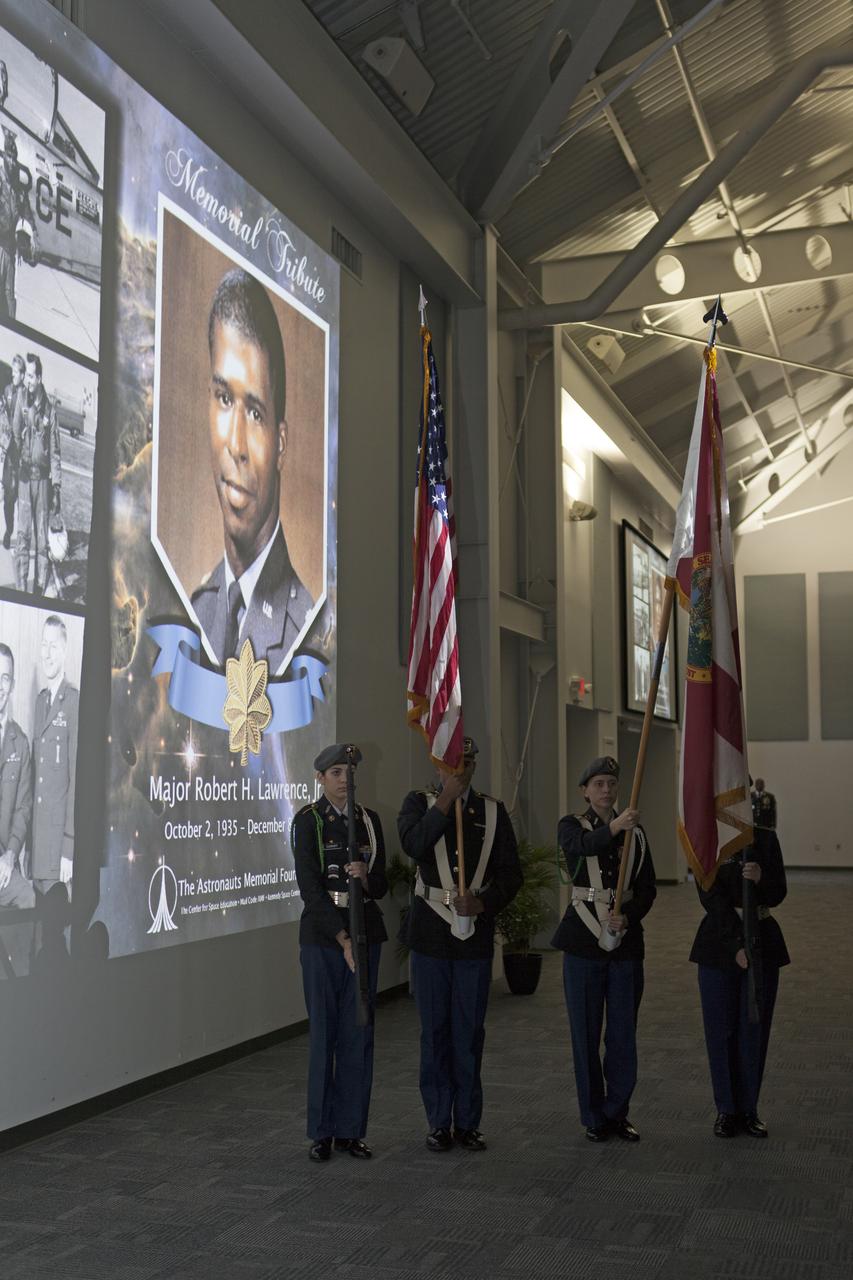
The Viera High School Army JROTC Color Guard presented the colors during an Astronauts Memorial Foundation tribute honoring U.S. Air Foce Maj. Robert Lawrence. Selected in 1967 for the Manned Orbiting Laboratory Program, Lawrence was the first African-American astronaut. He lost his life in a training accident 50 years ago. The ceremony took place in the Center for Space Education at the Kennedy Space Center Visitor Complex.
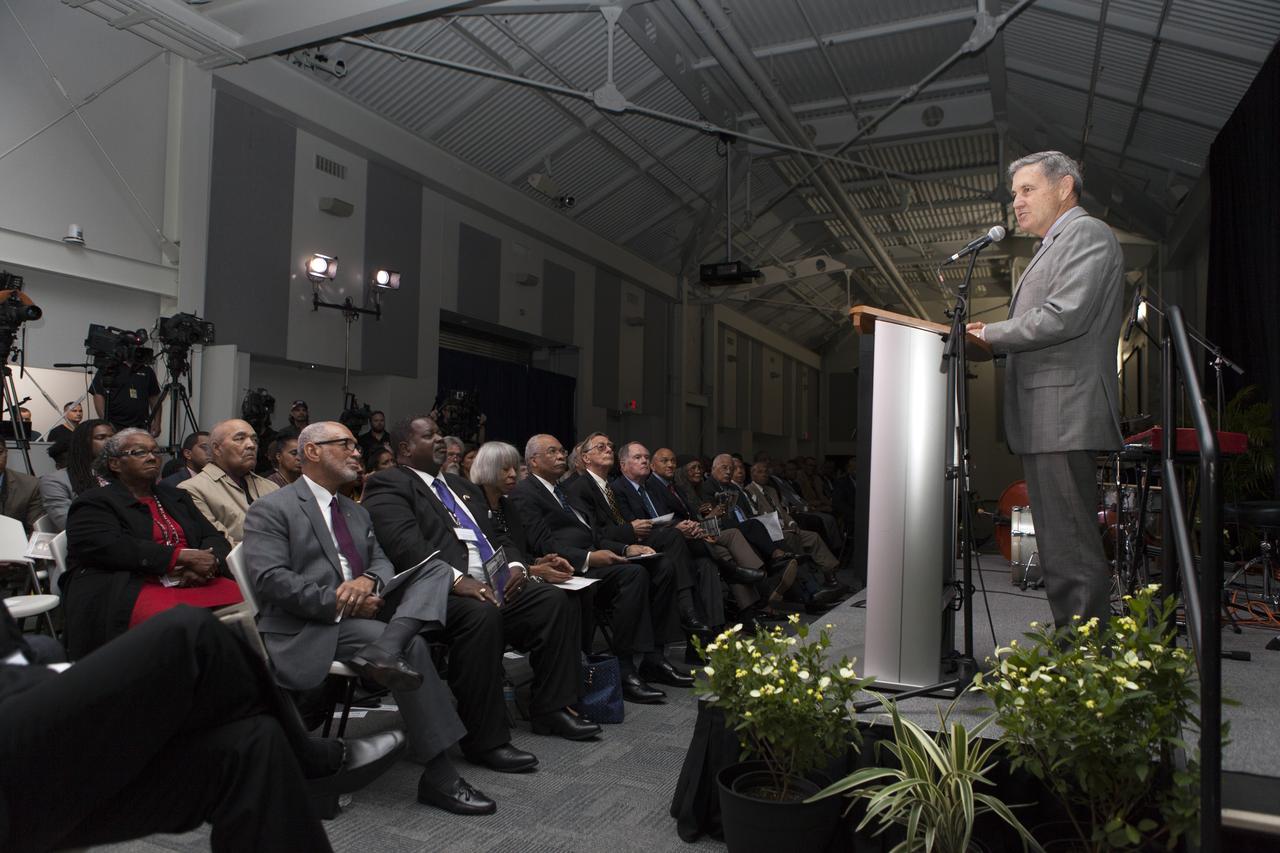
Kennedy Space Center Director Bob Cabana speaks during an Astronauts Memorial Foundation tribute honoring U.S. Air Foce Maj. Robert Lawrence. Selected in 1967 for the Manned Orbiting Laboratory Program, Lawrence was the first African-American astronaut. He lost his life in a training accident 50 years ago. The ceremony took place in the Center for Space Education at the Kennedy Space Center Visitor Complex.
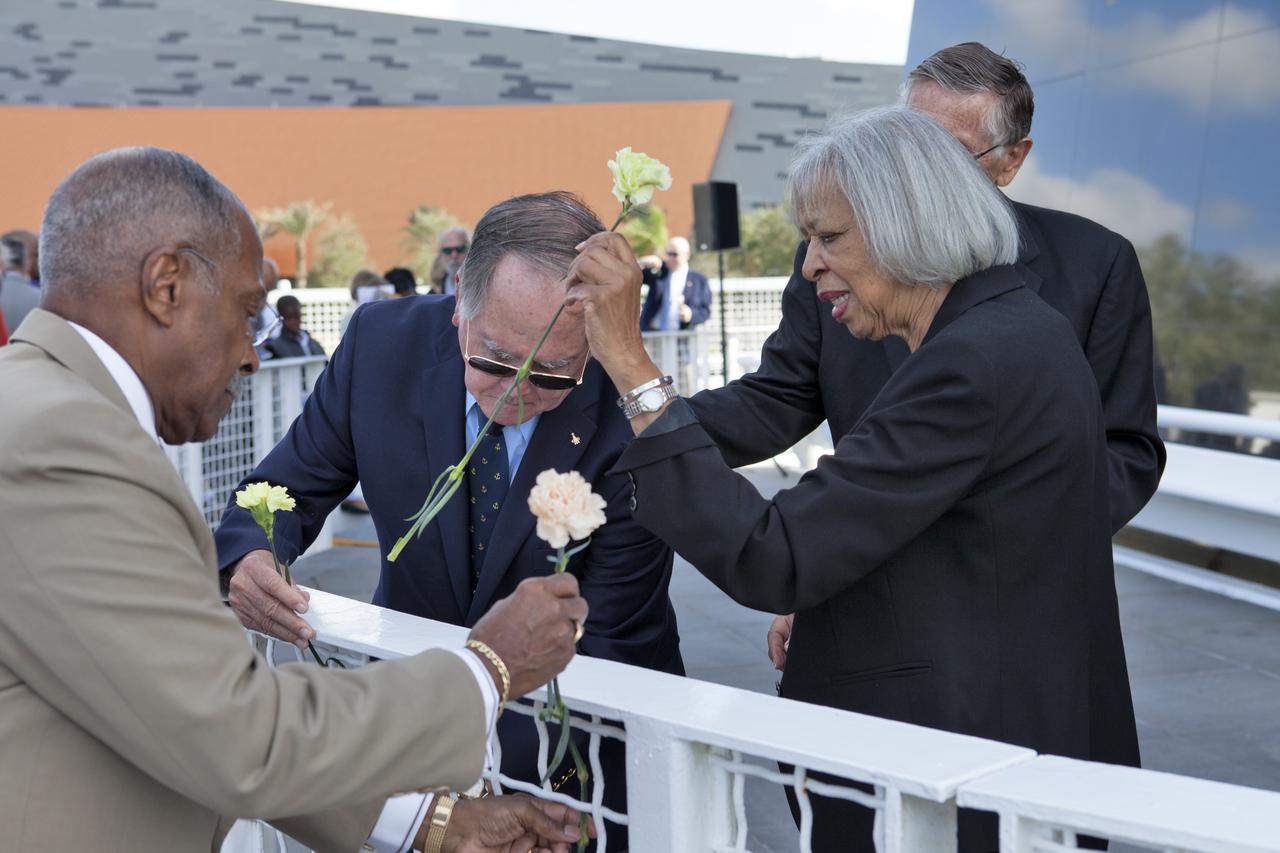
During an Astronauts Memorial Foundation tribute honoring U.S. Air Foce Maj. Robert Lawrence, his sister, Barbara Lawrence, Ph.D., far right, places a flower at the Space Mirror Memorial at the Kennedy Space Center Visitor Complex. Selected in 1967 for the Manned Orbiting Laboratory Program, Lawrence was the first African-American astronaut. He lost his life in a training accident 50 years ago. The ceremony took place in the Center for Space Education at the Kennedy Space Center Visitor Complex.
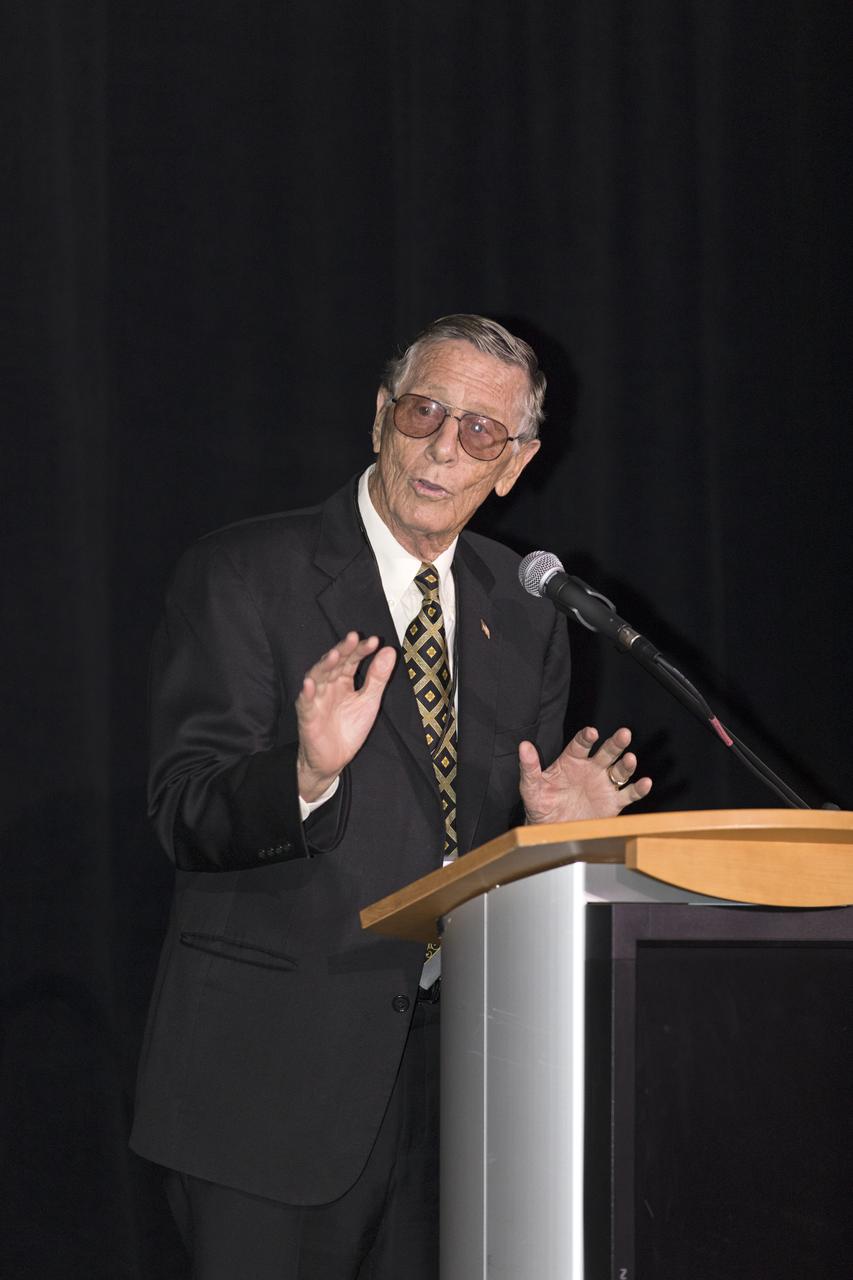
During an Astronauts Memorial Foundation tribute honoring U.S. Air Foce Maj. Robert Lawrence, James Abrahamson, speaks to guests during the ceremony. A retired U.S. Air Force lieutenant general, Abrahamson also was a Manned Orbiting Laboratory astronaut who later was associate administrator of NASA and served as director of the Strategic Defense Initiative. Selected in 1967 for the MOL Program, Lawrence was the first African-American astronaut. He lost his life in a training accident 50 years ago. The ceremony took place in the Center for Space Education at the Kennedy Space Center Visitor Complex.
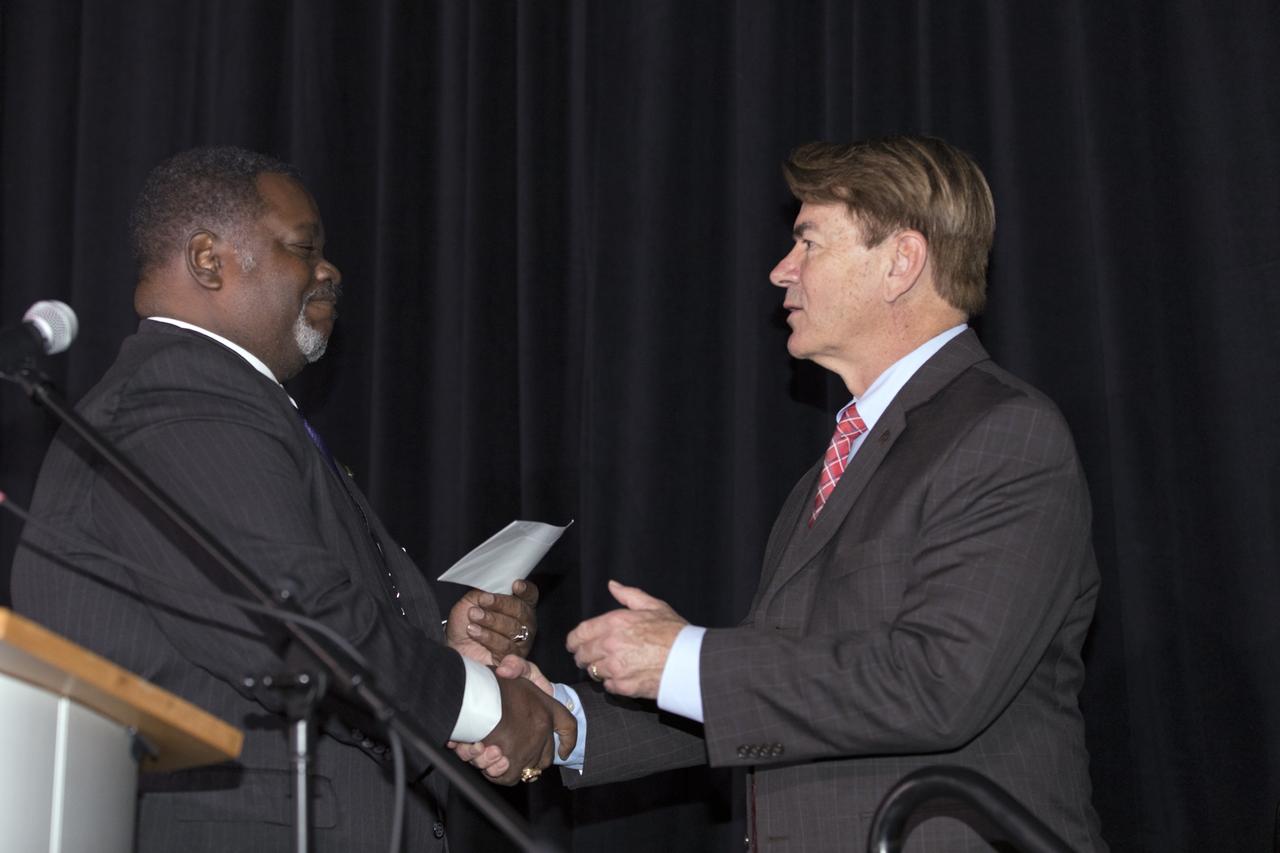
Antonio "Tony" Knox, grand basileus of the Omega Psi Phi farternity, makes a presentation to the Astronauts Memorial Foundation (AMF) with State Rep. Thad Altman, AMF president, accepting on behalf of the organization. The presentation took palce during an AMF tribute honoring U.S. Air Foce Maj. Lawrence who was a member of the fraternity. Selected in 1967 for the Manned Orbiting Laboratory Program, Lawrence was the first African-American astronaut. He lost his life in a training accident 50 years ago. The ceremony took place in the Center for Space Education at the Kennedy Space Center Visitor Complex.
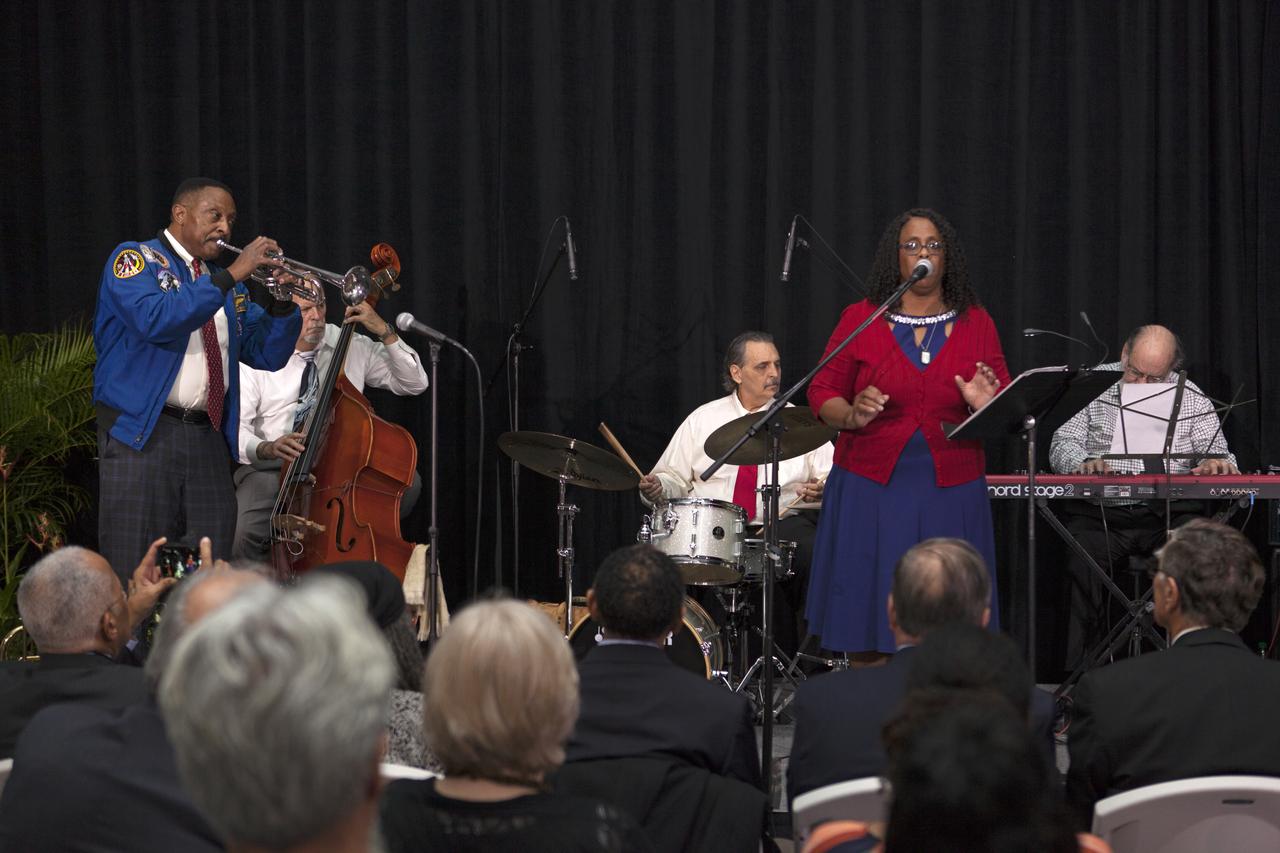
During an Astronauts Memorial Foundation tribute honoring U.S. Air Foce Maj. Robert Lawrence, The Winston Scott “Cosmic Jazz Ensemble” performed. Participants are, from the left, former NASA astronaut Winston Scott playing trumpet, Al Dodds on bass, Stan Soloko playing drums, vocalist Shyrl “Lady Tandy” Johnson, and Ron Teixeira playing piano. Selected in 1967 for the Manned Orbiting Laboratory Program, Lawrence was the first African-American astronaut. He lost his life in a training accident 50 years ago. The ceremony took place in the Center for Space Education at the Kennedy Space Center Visitor Complex.
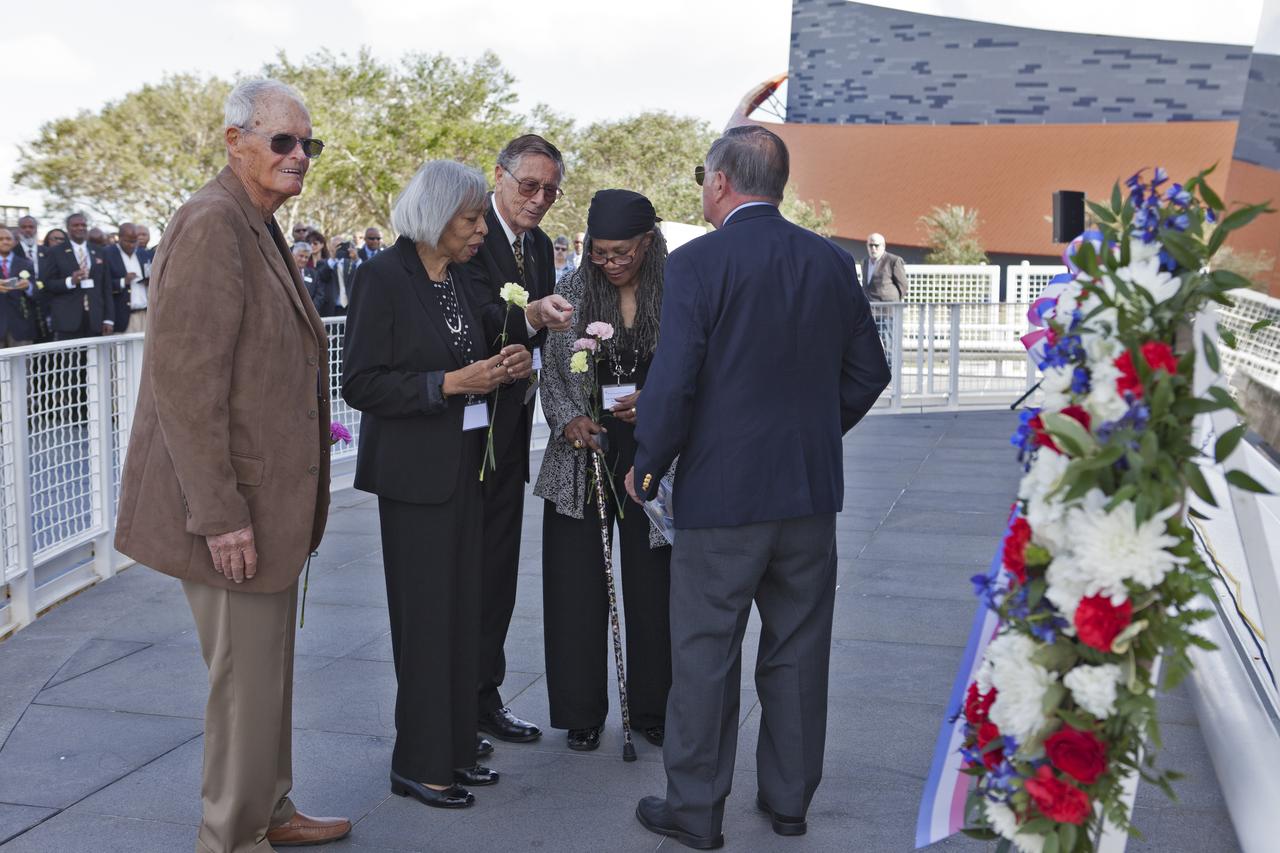
During an Astronauts Memorial Foundation tribute honoring U.S. Air Foce Maj. Robert Lawrence, a wreath is placed at the Space Mirror Memorial at the Kenendy Space Center Visitor Compelx. Participating are, from thje left, Al Crews, Lawrence's sister, Barbara Lawrence, Ph.D., James Abrahamson, Lawrence's sister-in-law Lorne Cress Love, and Bob Crippen. Crews, Abrahamson and Crippen all were selected as astronauts for the Manned Orbiting Laboratory (MOL) Program. Selected in 1967 for MOL, Lawrence was the first African-American astronaut. He lost his life in a training accident 50 years ago. The ceremony took place in the Center for Space Education at the Kennedy Space Center Visitor Complex.
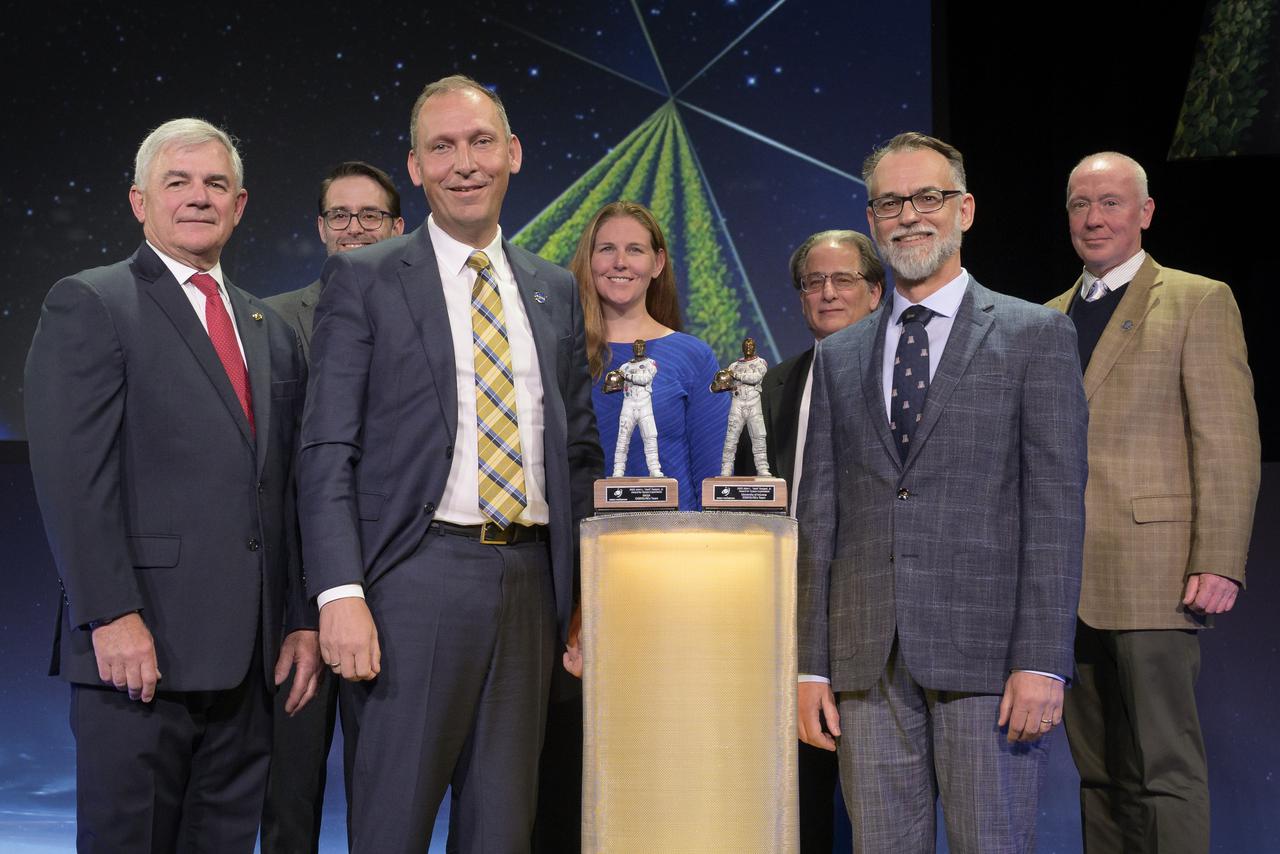
Space Foundation Chief Executive Officer Thomas E. Zelibor, Rear Admiral, USN (Ret.); left, Mike Moreau, Deputy Project Manager, Space Science Mission Operations, NASA Goddard Space Flight Center; NASA Associate Administrator for Science Thomas Zurbuchen; Sandra Freund, OSIRIS-REx Mission Operations Manager, Lockheed Martin Space; Pete Antreasian, OSIRIS-REx Navigation Team Chief, KinetX; University of Arizona OSIRIS-REx Principal Investigator Dante Lauretta; Rich Burns, Project Manager, Space Science Mission Operations, NASA Goddard Space Flight Center, right, pose for a photograph during the awarding of the 2022 John L. “Jack” Swigert, Jr., Award for Space Exploration given to the OSIRIS-REx team by the Space Foundation during the 37th Space Symposium, Monday, April 4, 2022, in Colorado Springs, Colorado. The John L. “Jack” Swigert, Jr., Award for Space Exploration recognizes extraordinary accomplishments by a company, space agency, or consortium of organizations in the realm of space exploration and discovery. The award honors the memory of astronaut John L. “Jack” Swigert, Jr., one of the inspirations for the creation of Space Foundation. Photo Credit: (NASA/Bill Ingalls)
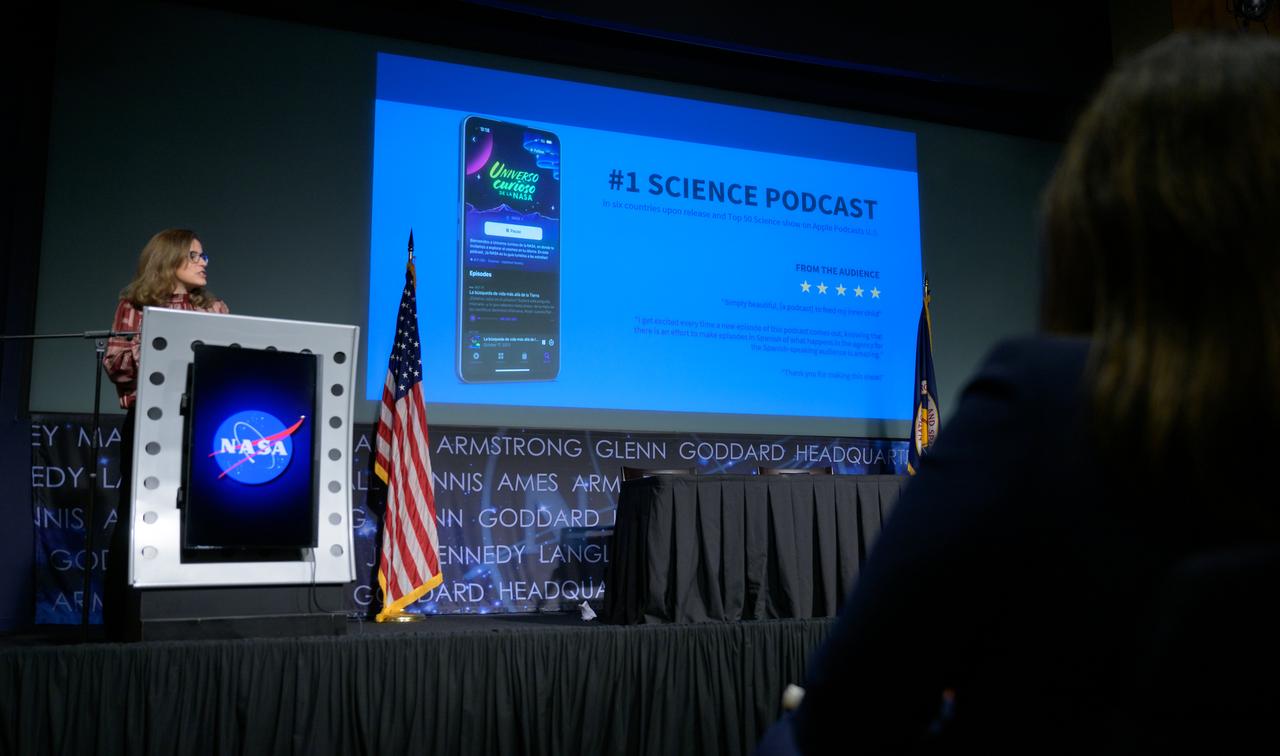
NASA Spanish Communications Lead María-José Viñas Garcia gives remarks during an event where NASA and the Hispanic Heritage Foundation signed a Space Act Agreement to collaborate and expand STEM opportunities for Latino K-12 and university students and reduce barriers to agency activities and opportunities, Monday, Sept. 30, 2024, at the NASA Headquarters Mary W. Jackson Building in Washington. Photo Credit: (NASA/Bill Ingalls)
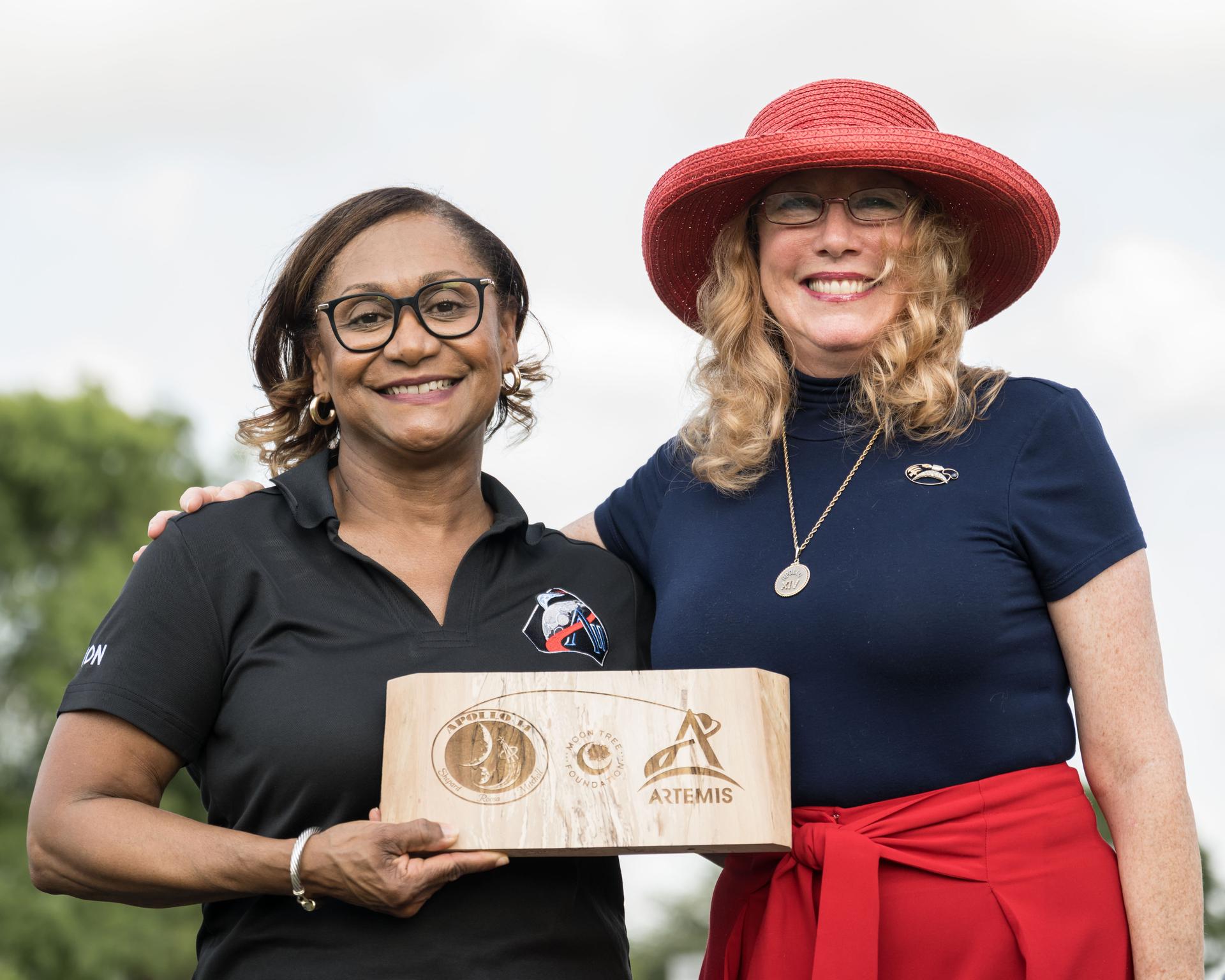
jsc2026e396742 (June 25, 2026) - NASA's Johnson Space Center Director Vanessa Wyche and Rosemary Roosa, president of The Moon Tree foundation and daughter of late Apollo 14 astronaut Stuart Roosa, share a special plaque honoring the ties between the Apollo and Artemis Programs. The plaque is constructed from an original Moon tree planted soon after the Apollo 14 mission and symbolizes the passing of the baton from Apollo to Artemis. Credit: NASA

NASA Spanish Communications Lead María-José Viñas Garcia gives remarks during an event where NASA and the Hispanic Heritage Foundation signed a Space Act Agreement to collaborate and expand STEM opportunities for Latino K-12 and university students and reduce barriers to agency activities and opportunities, Monday, Sept. 30, 2024, at the NASA Headquarters Mary W. Jackson Building in Washington. Photo Credit: (NASA/Bill Ingalls)
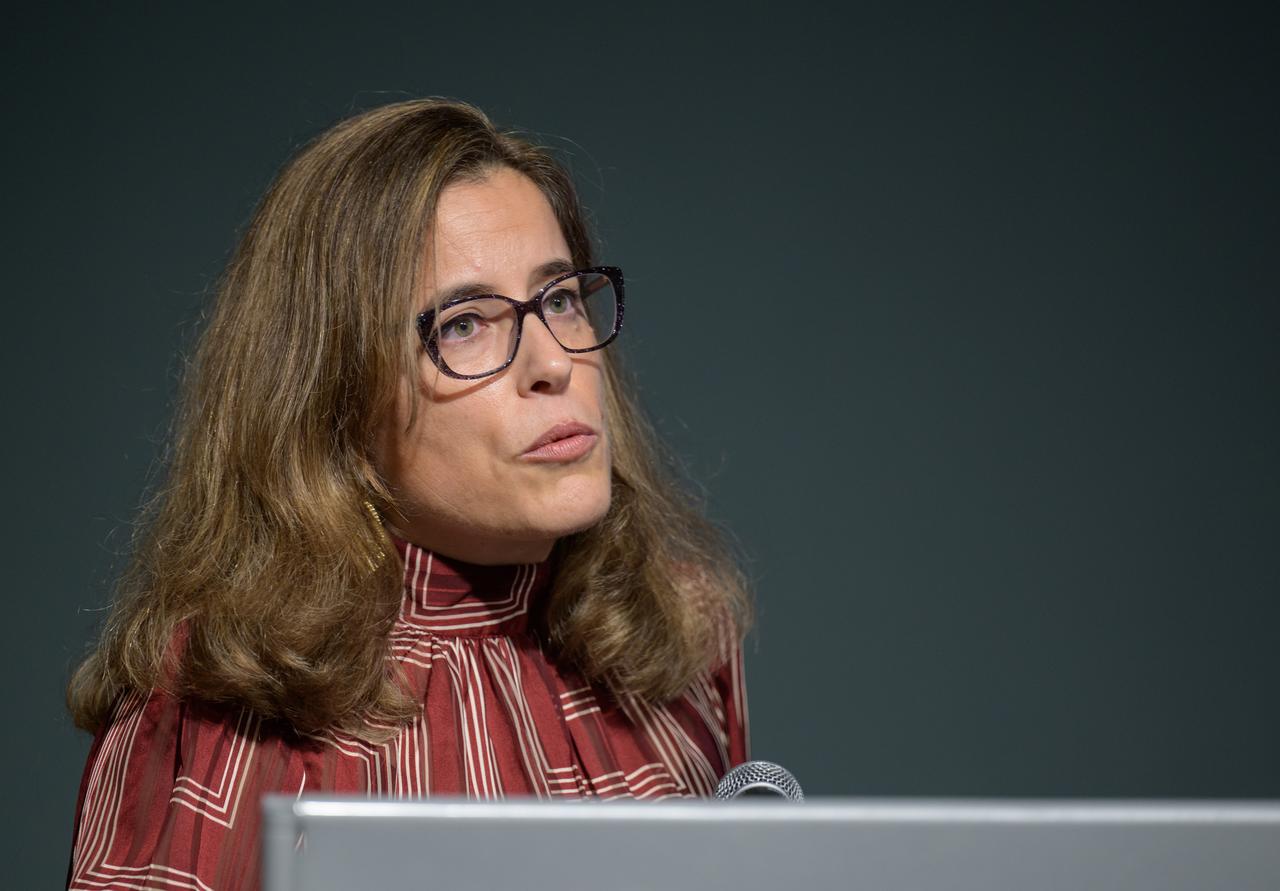
NASA Spanish Communications Lead María-José Viñas Garcia gives remarks during an event where NASA and the Hispanic Heritage Foundation signed a Space Act Agreement to collaborate and expand STEM opportunities for Latino K-12 and university students and reduce barriers to agency activities and opportunities, Monday, Sept. 30, 2024, at the NASA Headquarters Mary W. Jackson Building in Washington. Photo Credit: (NASA/Bill Ingalls)
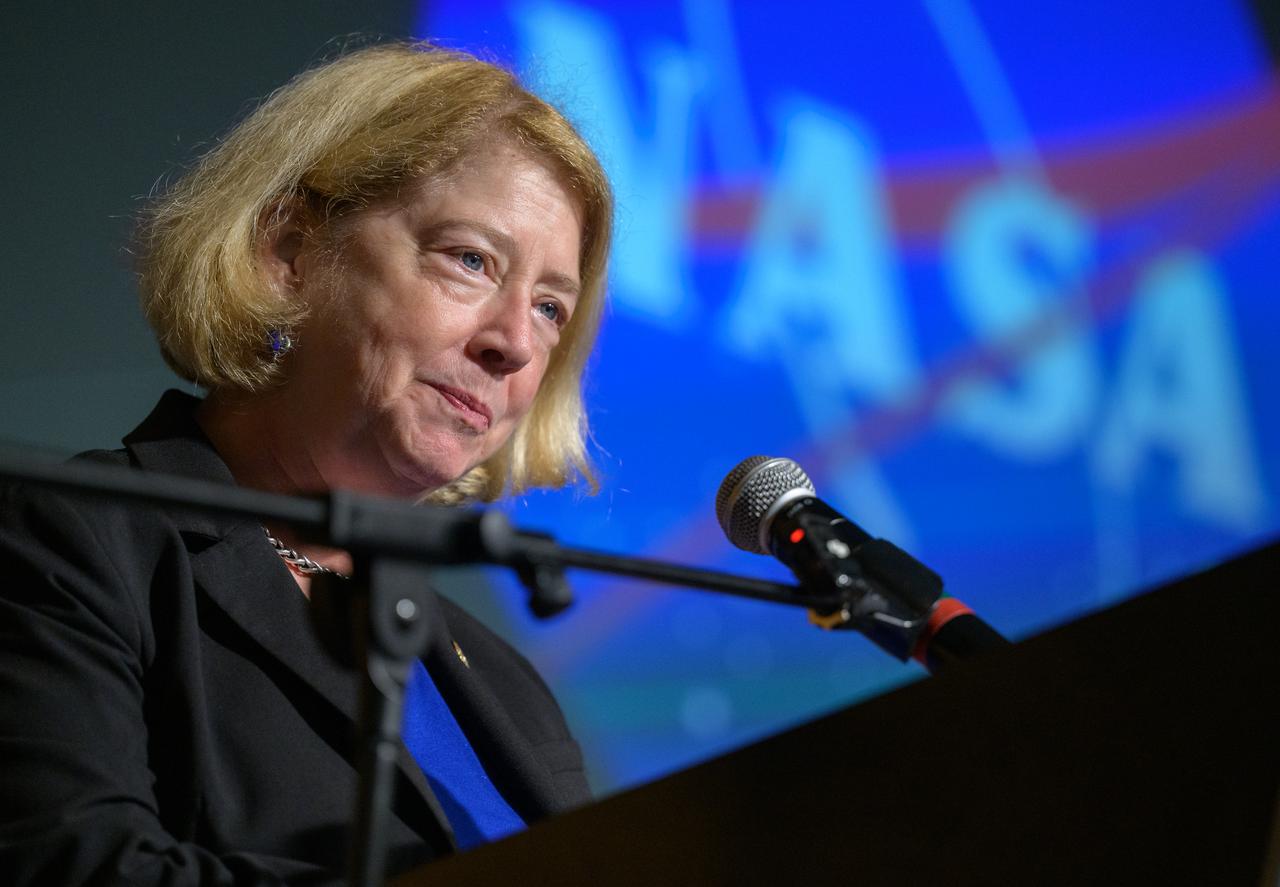
NASA Deputy Administrator Pam Melroy gives remarks during an event where NASA and the Hispanic Heritage Foundation signed a Space Act Agreement to collaborate and expand STEM opportunities for Latino K-12 and university students and reduce barriers to agency activities and opportunities, Monday, Sept. 30, 2024, at the NASA Headquarters Mary W. Jackson Building in Washington. Photo Credit: (NASA/Bill Ingalls)
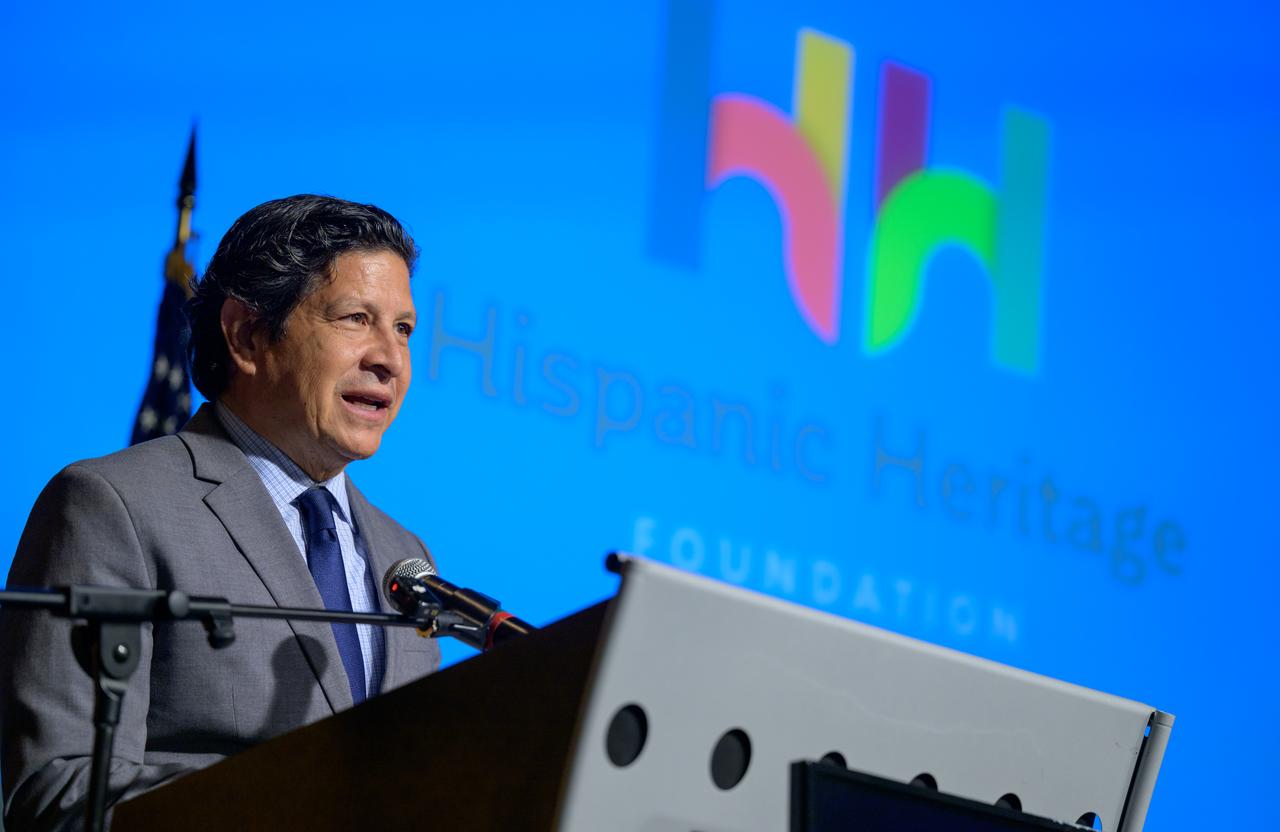
President and CEO of the Hispanic Heritage Foundation Jose Antonio Tijerino gives remarks during an event where NASA and the HHF signed a Space Act Agreement to collaborate and expand STEM opportunities for Latino K-12 and university students and reduce barriers to agency activities and opportunities, Monday, Sept. 30, 2024, at the NASA Headquarters Mary W. Jackson Building in Washington. Photo Credit: (NASA/Bill Ingalls)
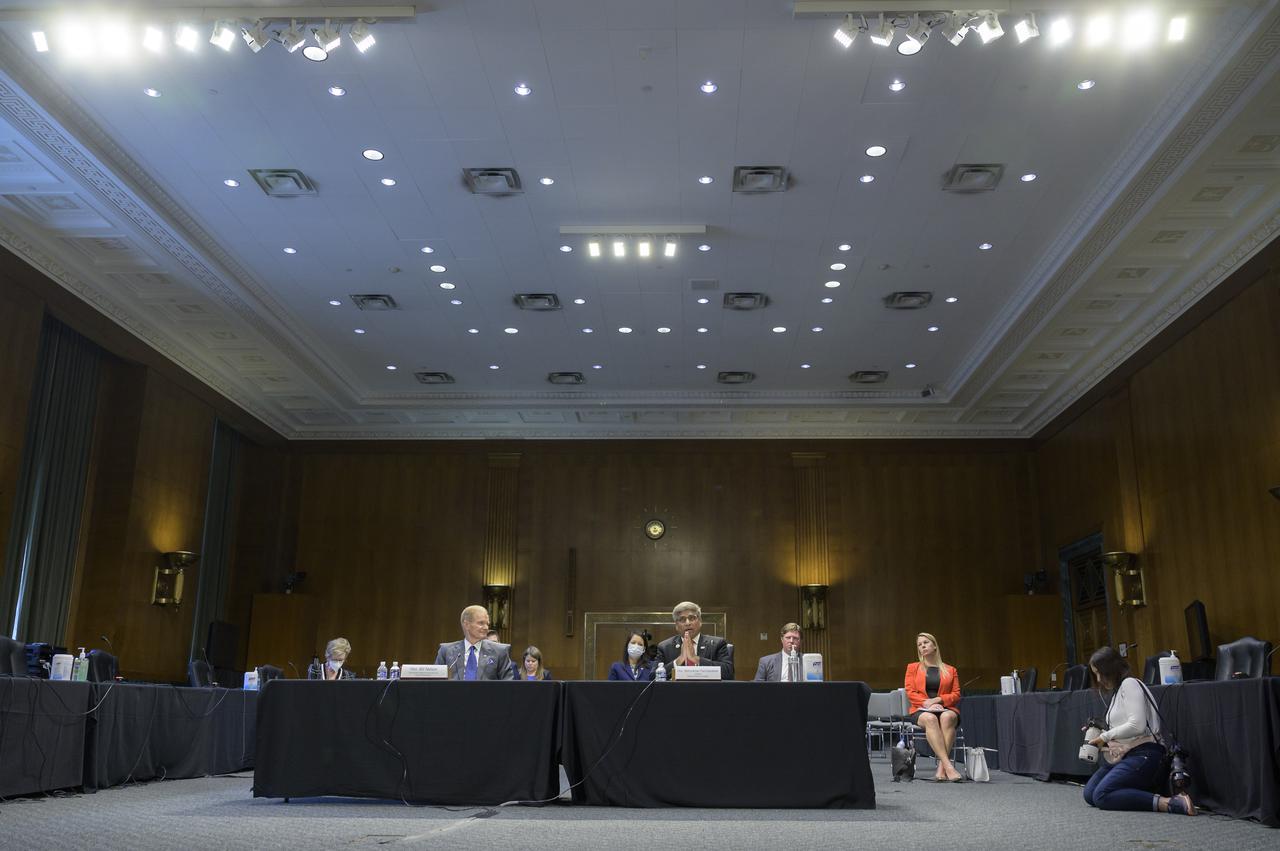
NASA Administrator Bill Nelson, left, and National Science Foundation Director Sethuraman Panchanathan, testify before the Senate Appropriations’ Commerce, Justice, Science, and Related Agencies subcommittee during a budget hearing, Tuesday, May 3, 2022, at the Dirksen Senate Office Building in Washington. Photo Credit: (NASA/Bill Ingalls)
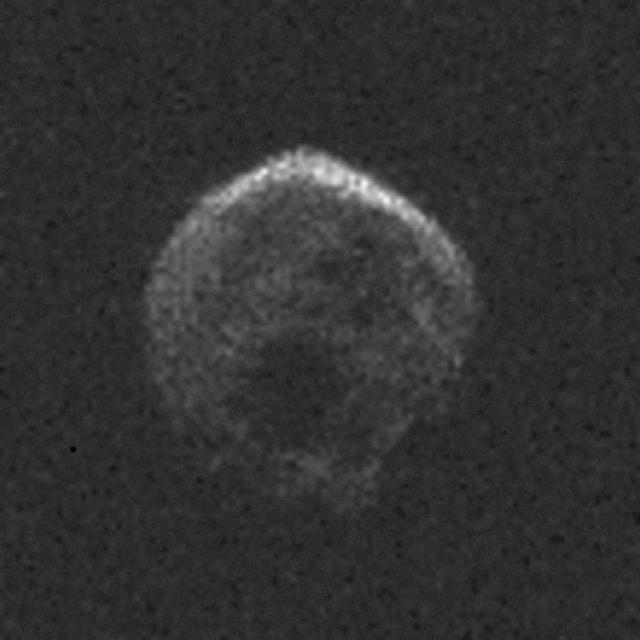
This partial frame from an animation was generated using radar data collected by the National Science Foundation 1,000-foot 305-meter Arecibo Observatory in Puerto Rico.
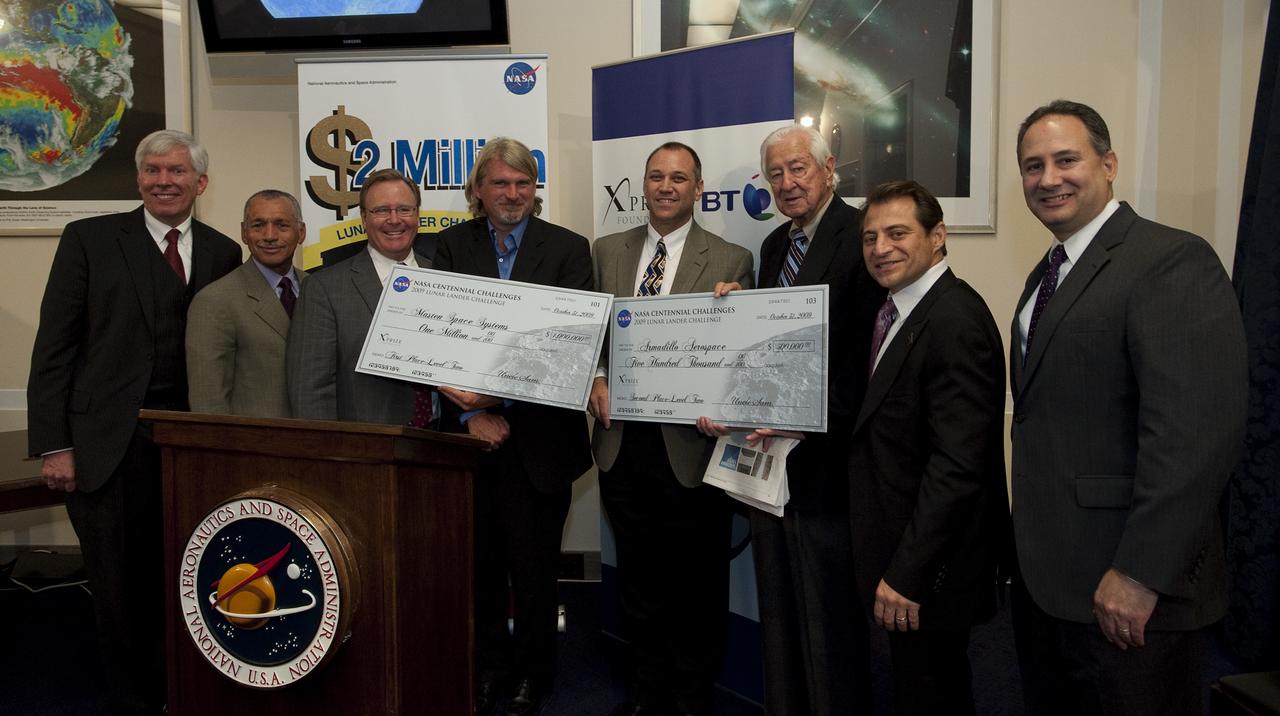
NASA and the X PRIZE Foundation announced the winners of the Northrop Grumman Lunar Lander Challenge at an awards ceremony at the Rayburn House Office Building, Thursday, Nov. 5, 2009 in Washington, DC. From left to right, George Nield, Associate Administrator of Commercial Space Transportation, FAA; Charles Bolden, NASA Administrator; Doug Comstock, Director, Innovative Partnerships Program, NASA; David Masten, CEO, Masten Space Systems; Phil Eaton, VP, Operations, Armadillo Aerospace; U.S. Rep. Ralph Hall (R-TX); Peter Diamandis, Chairman and CEO, X PRIZE Foundation and Mitch Waldman, VP, Advanced Programs & Technology, Northrop Grumman. Photo Credit: (NASA/Carla Cioffi)
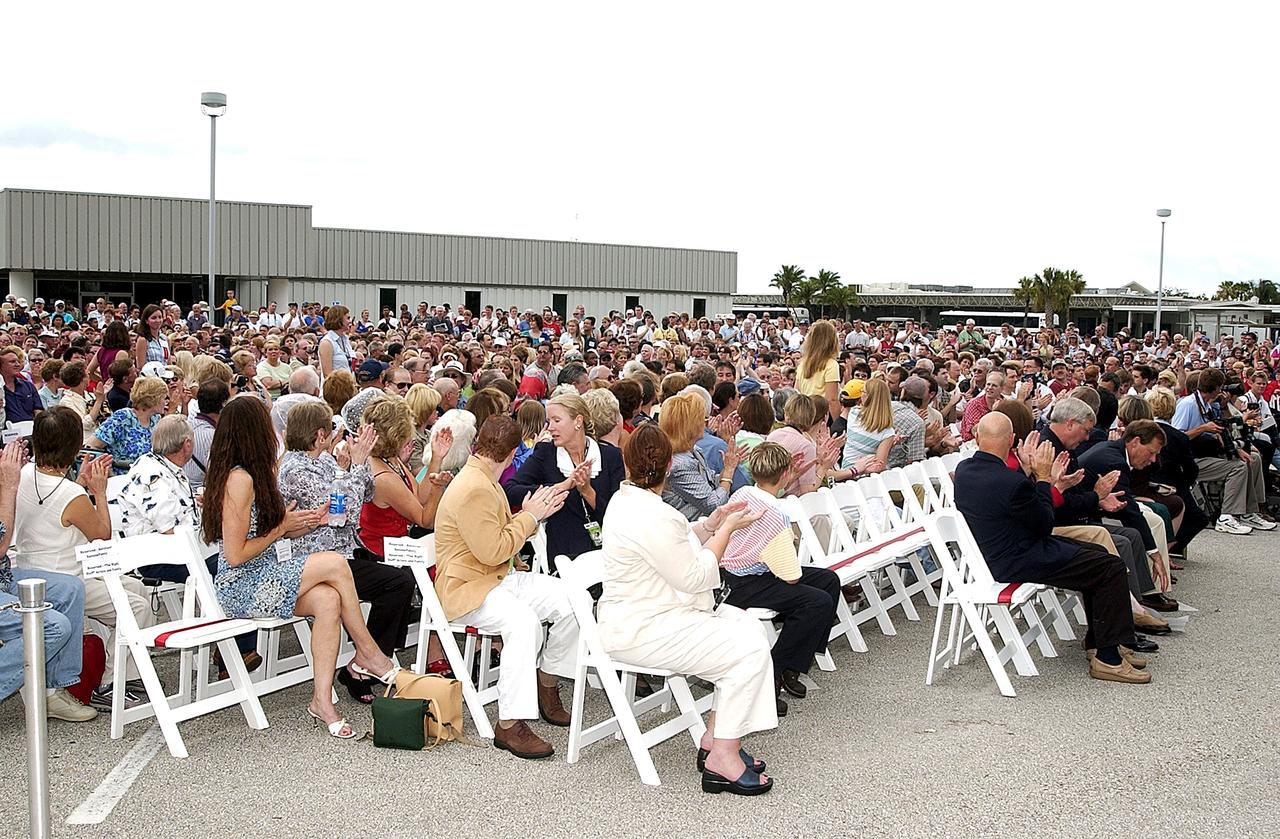
KENNEDY SPACE CENTER, FLA. - At the KSC Visitor Complex, past and present recipients of college scholarships awarded by the Astronaut Scholarship Foundation stand up to be recognized by the audience. The occasion was the induction ceremony of four Space Shuttle astronauts into the U.S. Astronaut Hall of Fame, including Daniel Brandenstein, Robert "Hoot" Gibson, Story Musgrave, and Sally K. Ride. The Foundation awards 17 scholarships annually, each worth $8,500, to students interested in studying science and engineering. Since 1984, more than $1.7 million in scholarship funds have been awarded.
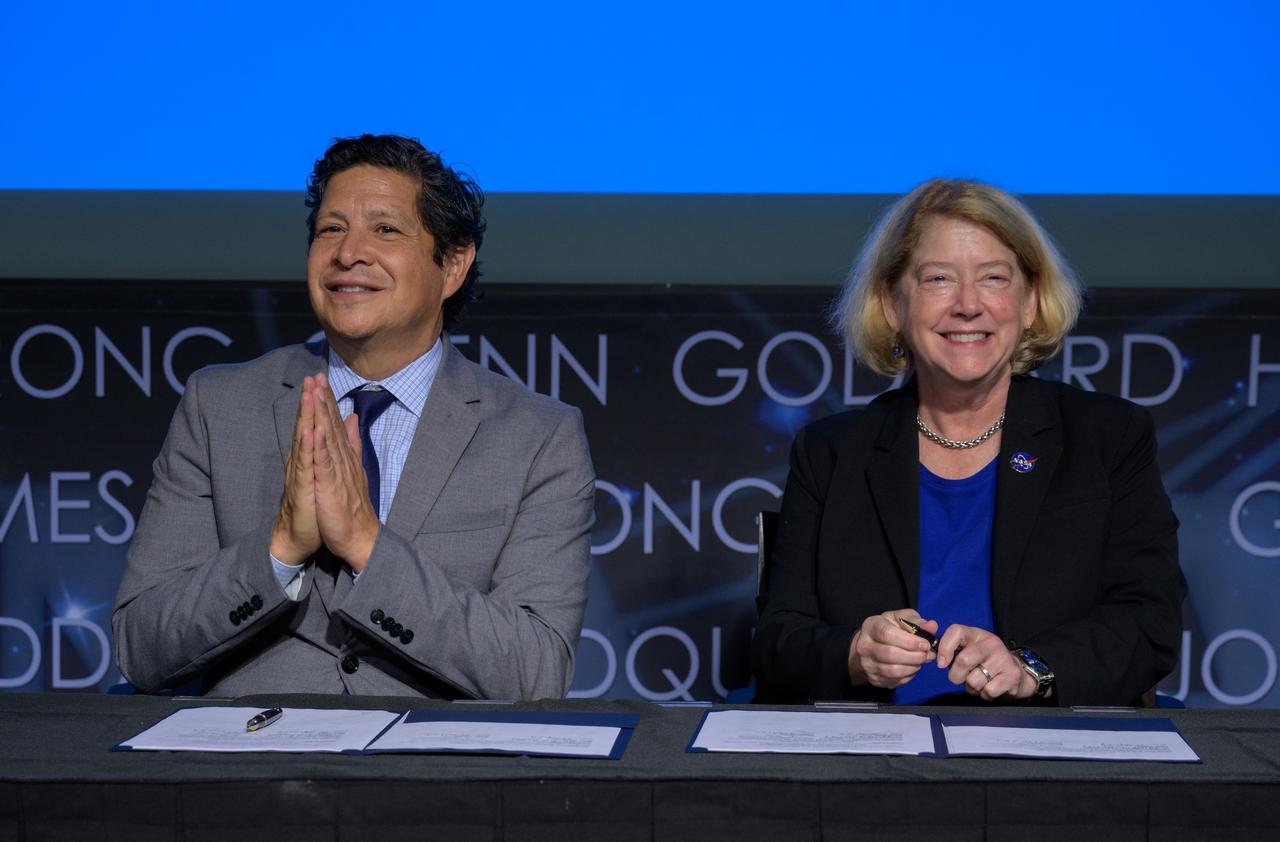
President and CEO of the Hispanic Heritage Foundation Jose Antonio Tijerino, left, and NASA Deputy Administrator Pam Melroy, react after signing a Space Act Agreement between the HHF and NASA to collaborate and expand STEM opportunities for Latino K-12 and university students and reduce barriers to agency activities and opportunities, Monday, Sept. 30, 2024, at the NASA Headquarters Mary W. Jackson Building in Washington. Photo Credit: (NASA/Bill Ingalls)
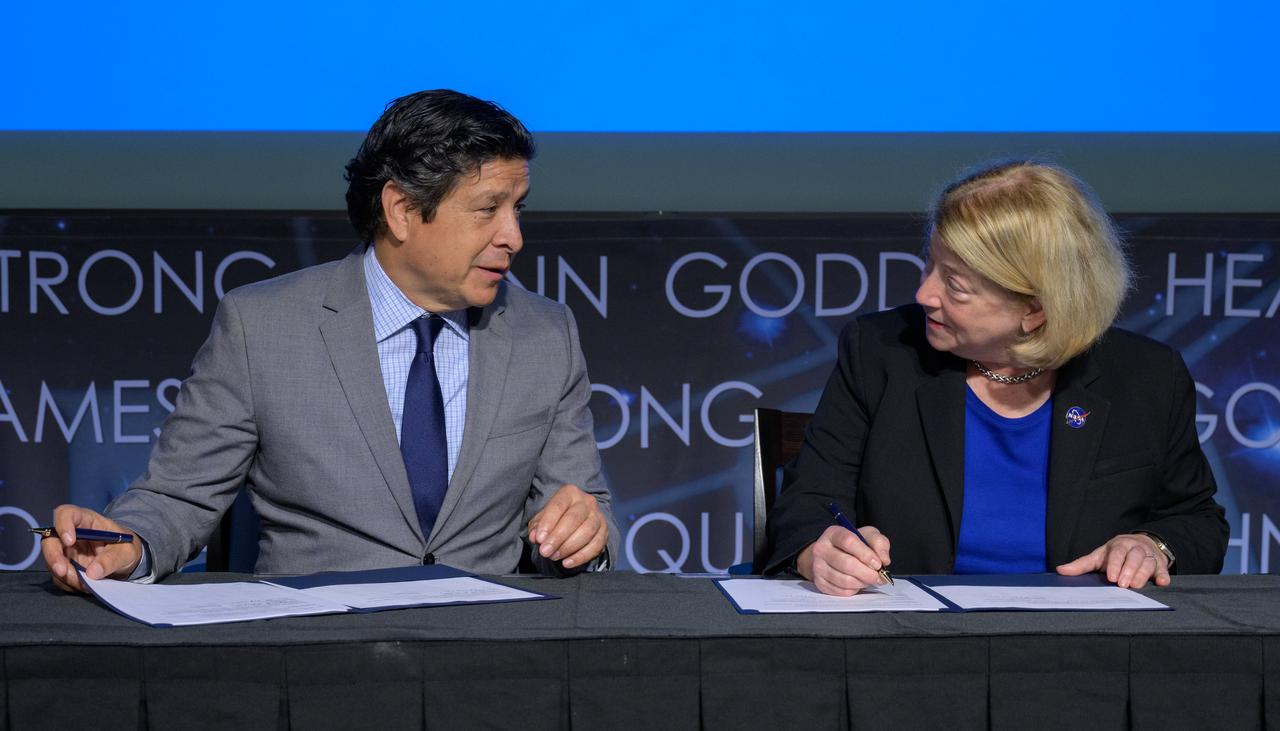
President and CEO of the Hispanic Heritage Foundation Jose Antonio Tijerino, left, and NASA Deputy Administrator Pam Melroy, sign a Space Act Agreement between the HHF and NASA to collaborate and expand STEM opportunities for Latino K-12 and university students and reduce barriers to agency activities and opportunities, Monday, Sept. 30, 2024, at the NASA Headquarters Mary W. Jackson Building in Washington. Photo Credit: (NASA/Bill Ingalls)
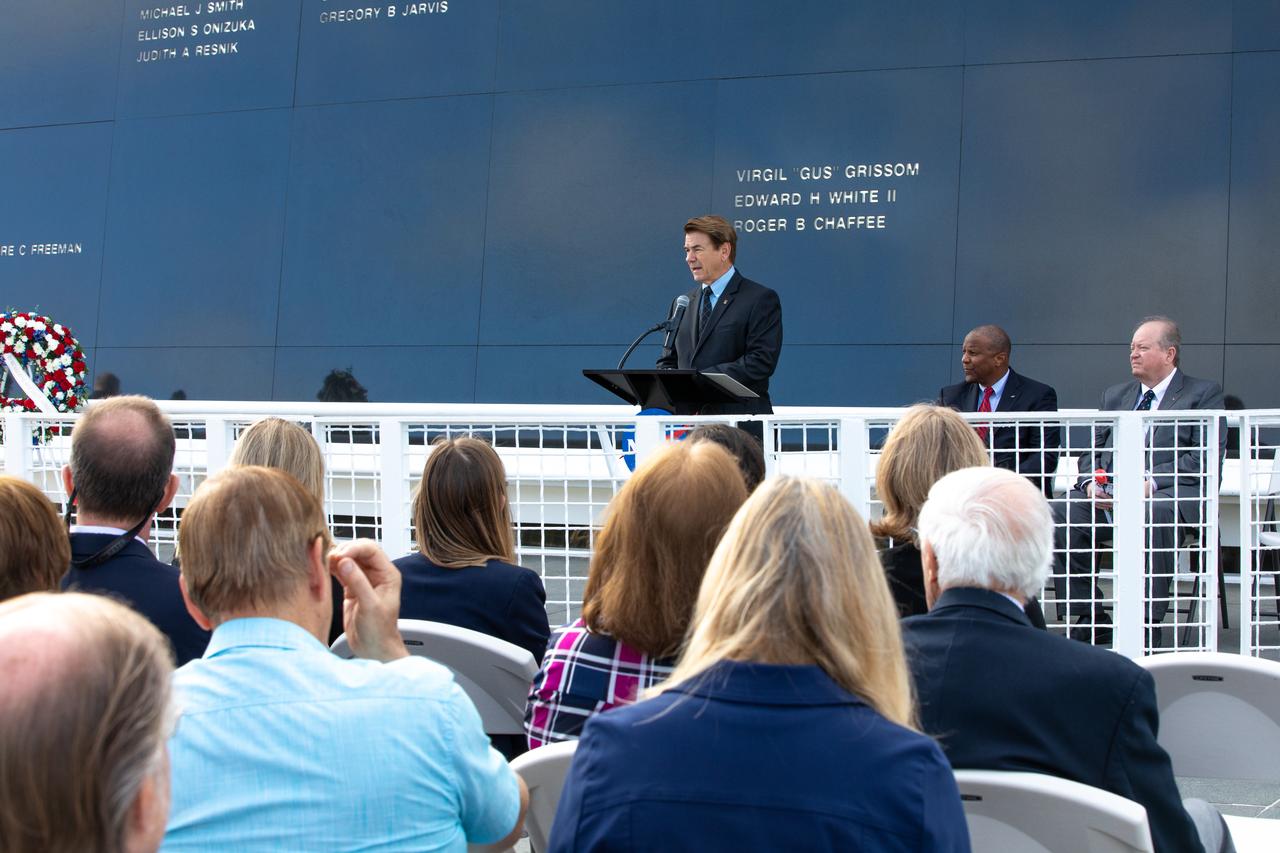
Astronauts Memorial Foundation president and CEO Thad Altman addresses the audience during the NASA Day of Remembrance ceremony at the Space Mirror Memorial in the Kennedy Space Center Visitor Complex on Jan. 30, 2020. Behind Altman, from left to right, are Kelvin Manning, Kennedy associate director, technical; and Burt Summerfield, associate director, management. The crews of Apollo 1 and space shuttles Challenger and Columbia, as well as other fallen astronauts who lost their lives in the name of space exploration and discovery, were honored at the annual event.
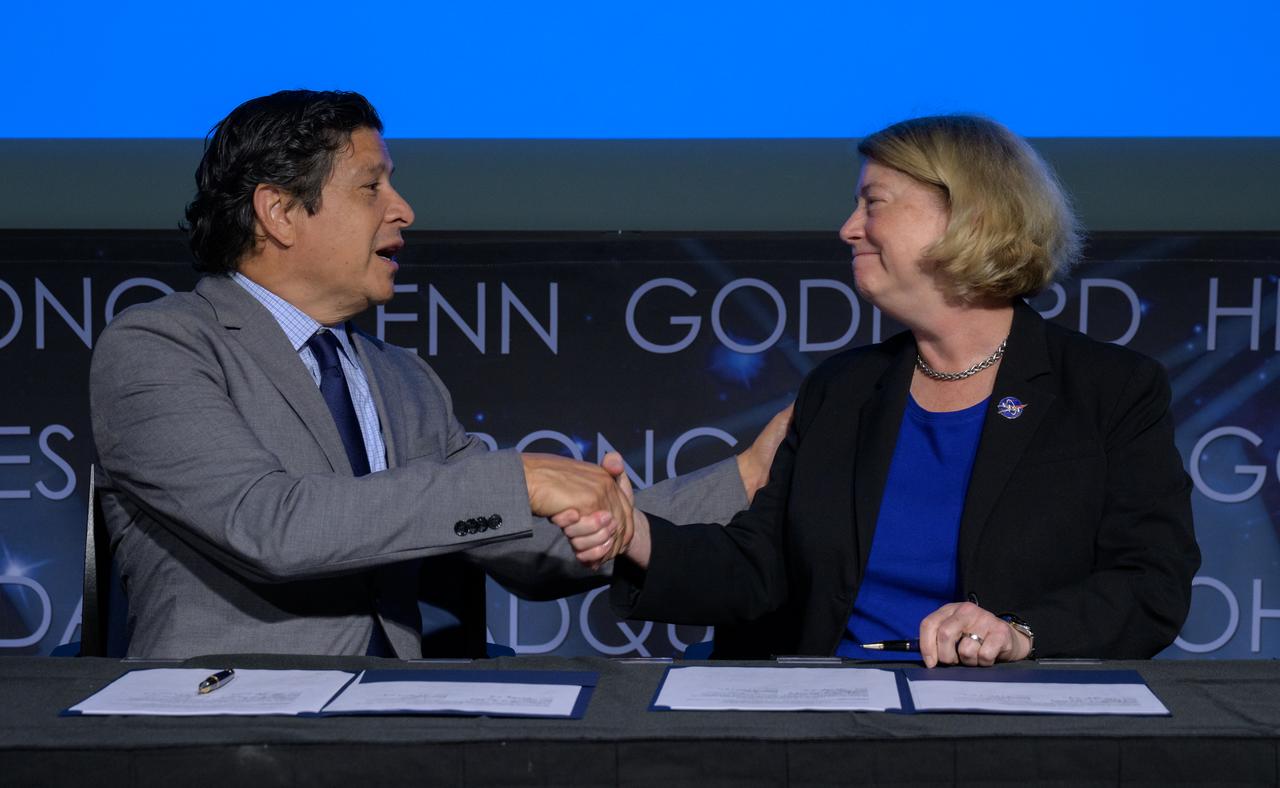
President and CEO of the Hispanic Heritage Foundation Jose Antonio Tijerino, left, and NASA Deputy Administrator Pam Melroy, shake hands after signing a Space Act Agreement between the HHF and NASA to collaborate and expand STEM opportunities for Latino K-12 and university students and reduce barriers to agency activities and opportunities, Monday, Sept. 30, 2024, at the NASA Headquarters Mary W. Jackson Building in Washington. Photo Credit: (NASA/Bill Ingalls)
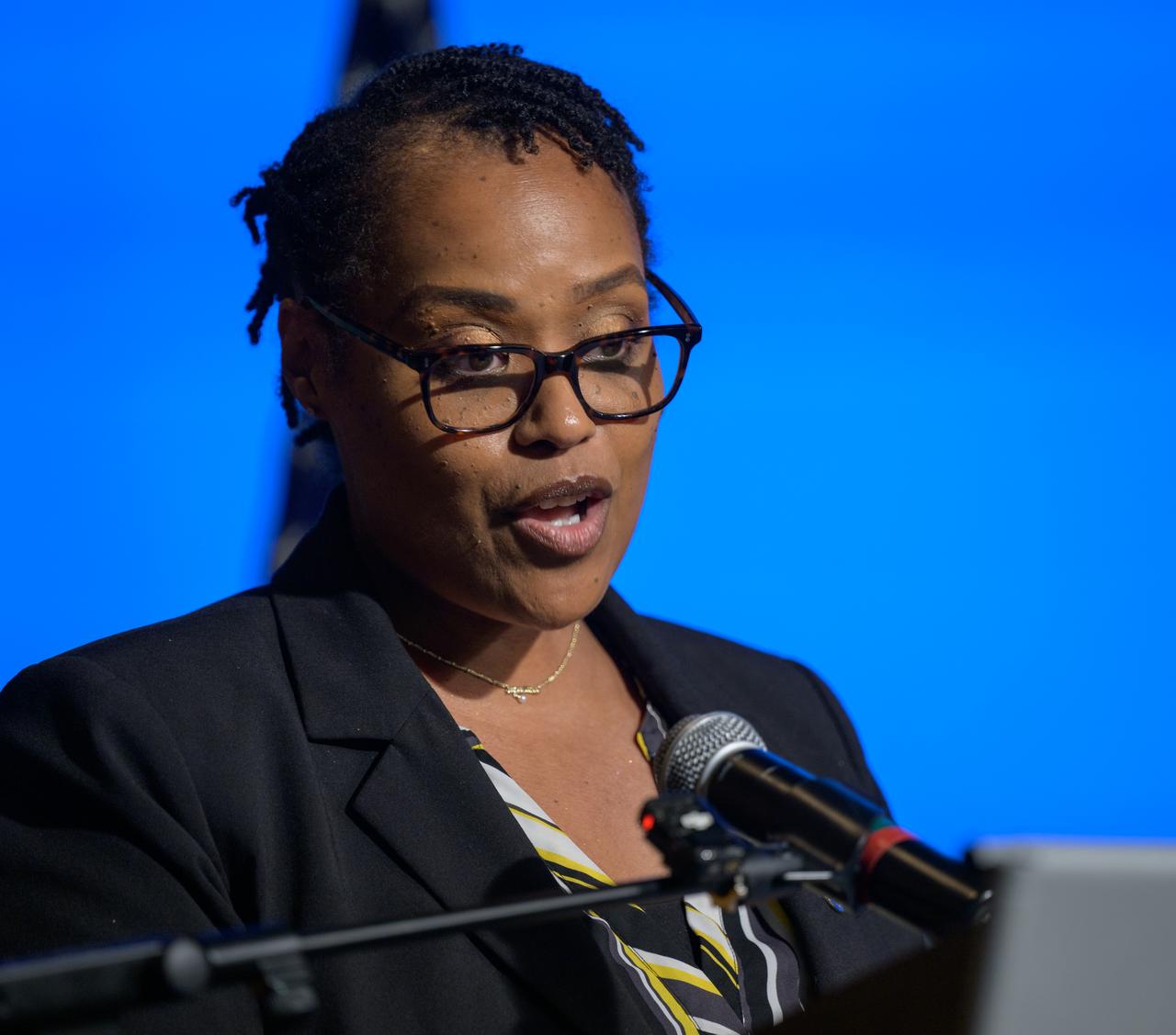
NASA Minority University Research and Education Project, Program Manager, Keya Briscoe, gives remarks during an event where NASA and the Hispanic Heritage Foundation signed a Space Act Agreement to collaborate and expand STEM opportunities for Latino K-12 and university students and reduce barriers to agency activities and opportunities, Monday, Sept. 30, 2024, at the NASA Headquarters Mary W. Jackson Building in Washington. Photo Credit: (NASA/Bill Ingalls)
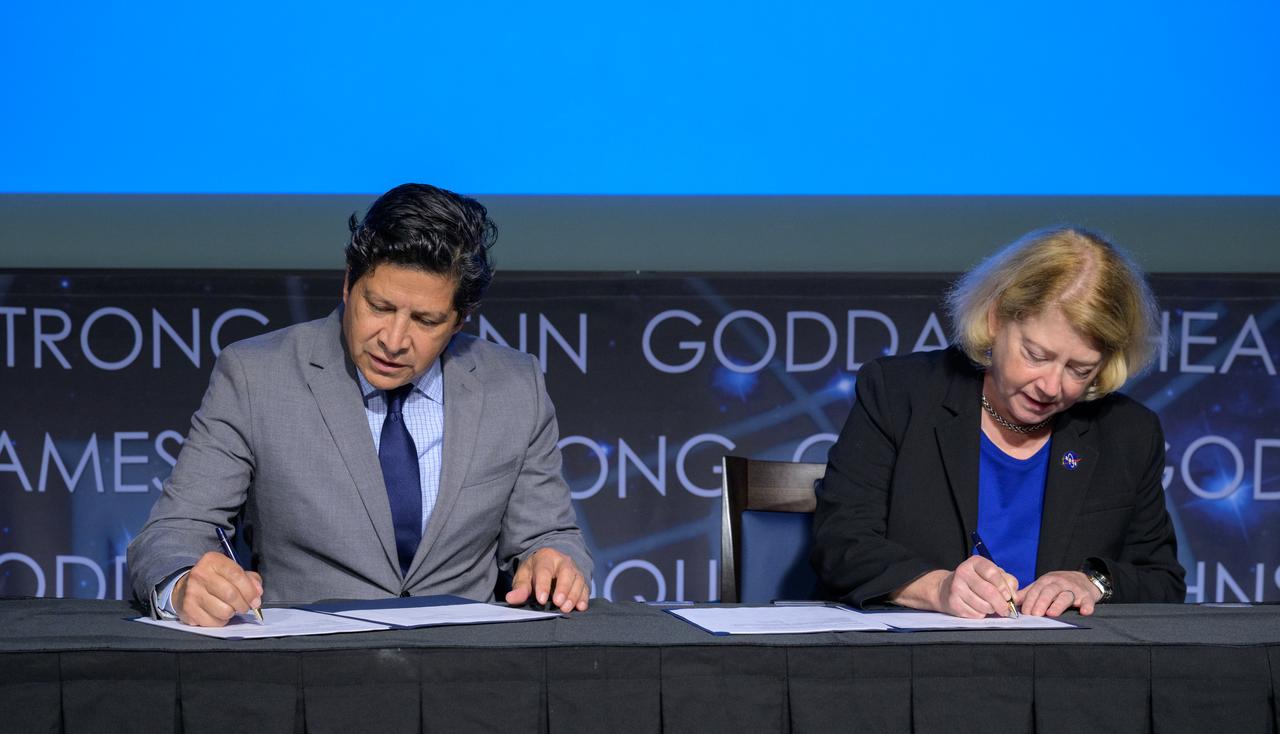
President and CEO of the Hispanic Heritage Foundation Jose Antonio Tijerino, left, and NASA Deputy Administrator Pam Melroy, sign a Space Act Agreement between the HHF and NASA to collaborate and expand STEM opportunities for Latino K-12 and university students and reduce barriers to agency activities and opportunities, Monday, Sept. 30, 2024, at the NASA Headquarters Mary W. Jackson Building in Washington. Photo Credit: (NASA/Bill Ingalls)
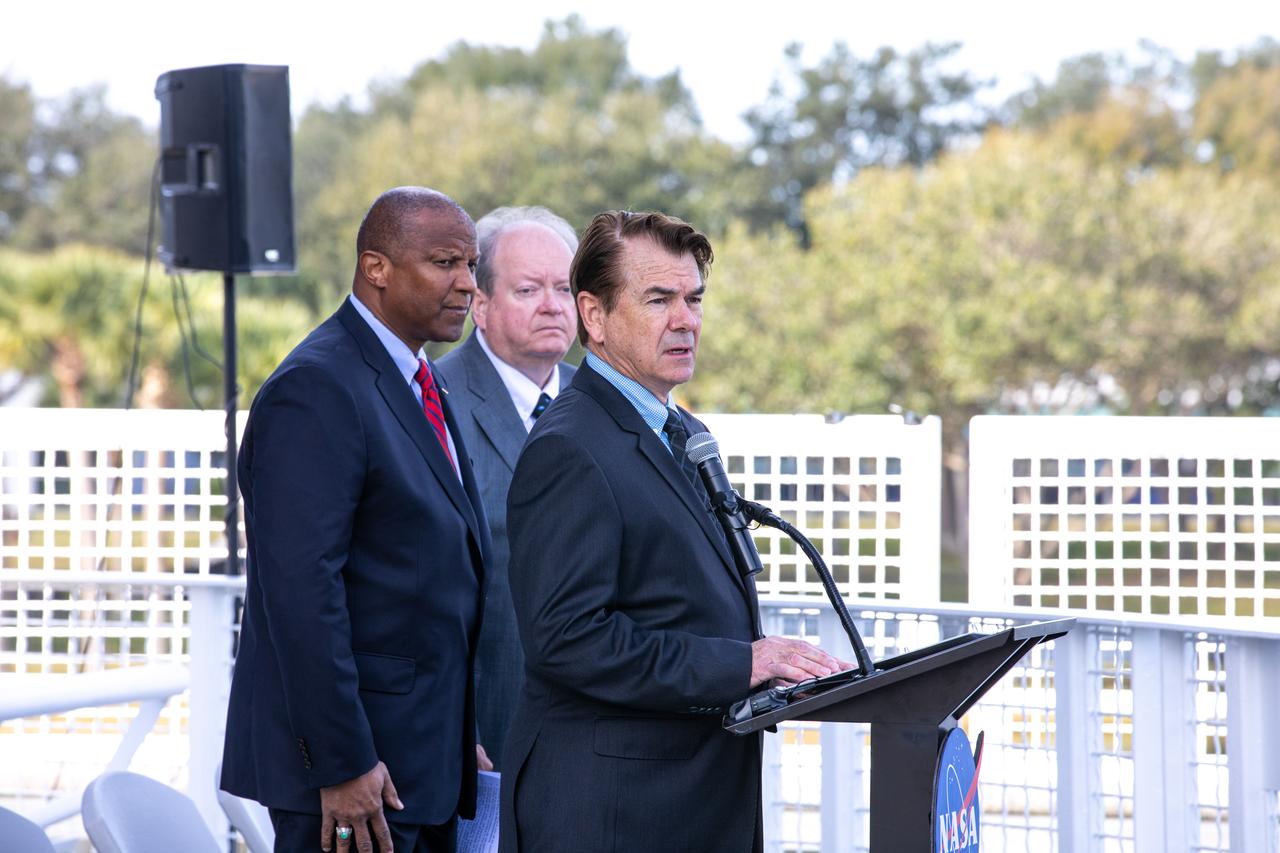
Astronauts Memorial Foundation CEO Thad Altman addresses the audience during the NASA Day of Remembrance ceremony at the Space Mirror Memorial in the Kennedy Space Center Visitor Complex on Jan. 30, 2020. Behind Altman, from left to right, are Kelvin Manning, Kennedy associate director, technical; and Burt Summerfield, associate director, management. The crews of Apollo 1 and space shuttles Challenger and Columbia, as well as other fallen astronauts who lost their lives in the name of space exploration and discovery, were honored at the annual event.
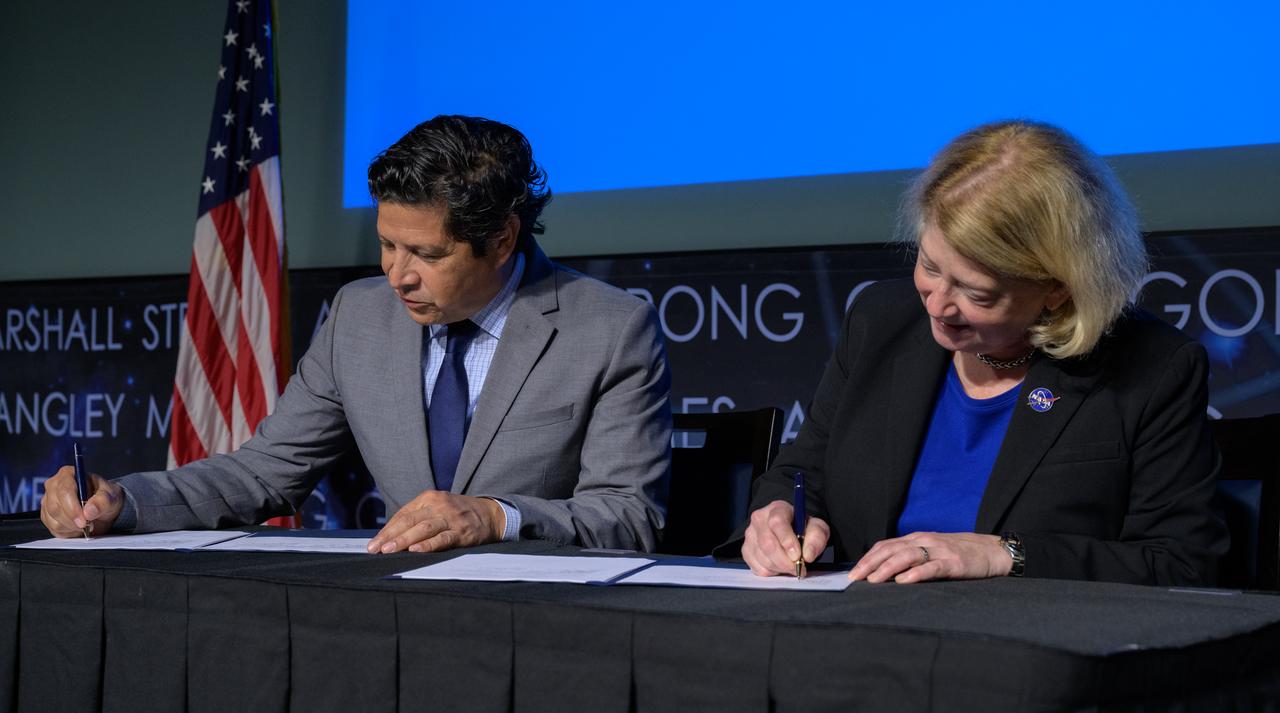
President and CEO of the Hispanic Heritage Foundation Jose Antonio Tijerino, left, and NASA Deputy Administrator Pam Melroy, sign a Space Act Agreement between the HHF and NASA to collaborate and expand STEM opportunities for Latino K-12 and university students and reduce barriers to agency activities and opportunities, Monday, Sept. 30, 2024, at the NASA Headquarters Mary W. Jackson Building in Washington. Photo Credit: (NASA/Bill Ingalls)

NASA Minority University Research and Education Project, Program Manager, Keya Briscoe, gives remarks during an event where NASA and the Hispanic Heritage Foundation signed a Space Act Agreement to collaborate and expand STEM opportunities for Latino K-12 and university students and reduce barriers to agency activities and opportunities, Monday, Sept. 30, 2024, at the NASA Headquarters Mary W. Jackson Building in Washington. Photo Credit: (NASA/Bill Ingalls)
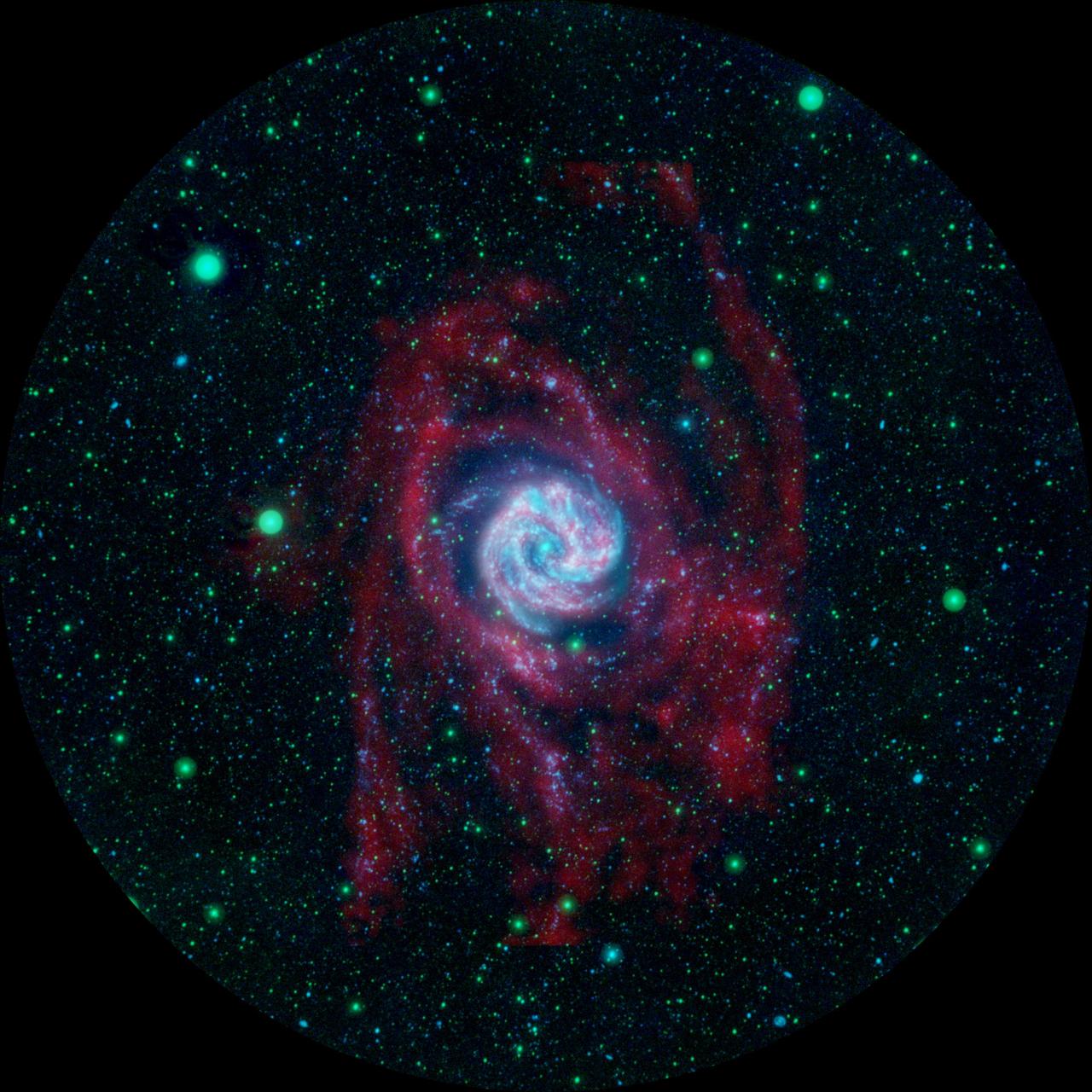
The outlying regions around the Southern Pinwheel galaxy, or M83, are highlighted in this composite image from NASA Galaxy Evolution Explorer and the National Science Foundation Very Large Array in New Mexico.
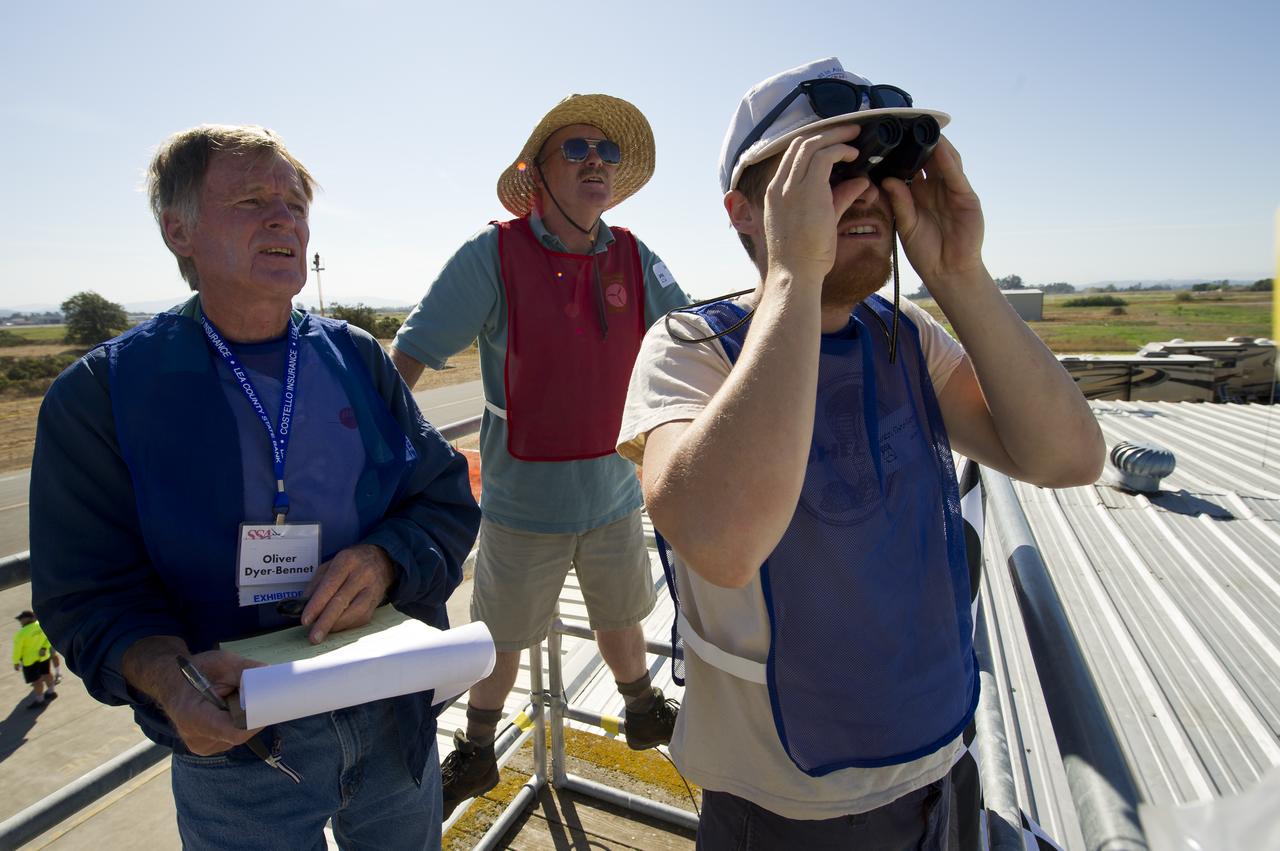
CAFE Foundation volunteer Oliver Dyer-Bennet, left, CAFE Foundation Hanger Boss Mike Fenn, center, and CAFE Foundation volunteer, Justin Dyer-Bennett scan the sky for aircraft during the speed competition portion of the 2011 Green Flight Challenge, sponsored by Google, being held at the Charles M. Schulz Sonoma County Airport in Santa Rosa, Calif. on Thursday, Sept. 29, 2011. NASA and the Comparative Aircraft Flight Efficiency (CAFE) Foundation are having the challenge with the goal to advance technologies in fuel efficiency and reduced emissions with cleaner renewable fuels and electric aircraft. Photo Credit: (NASA/Bill Ingalls)
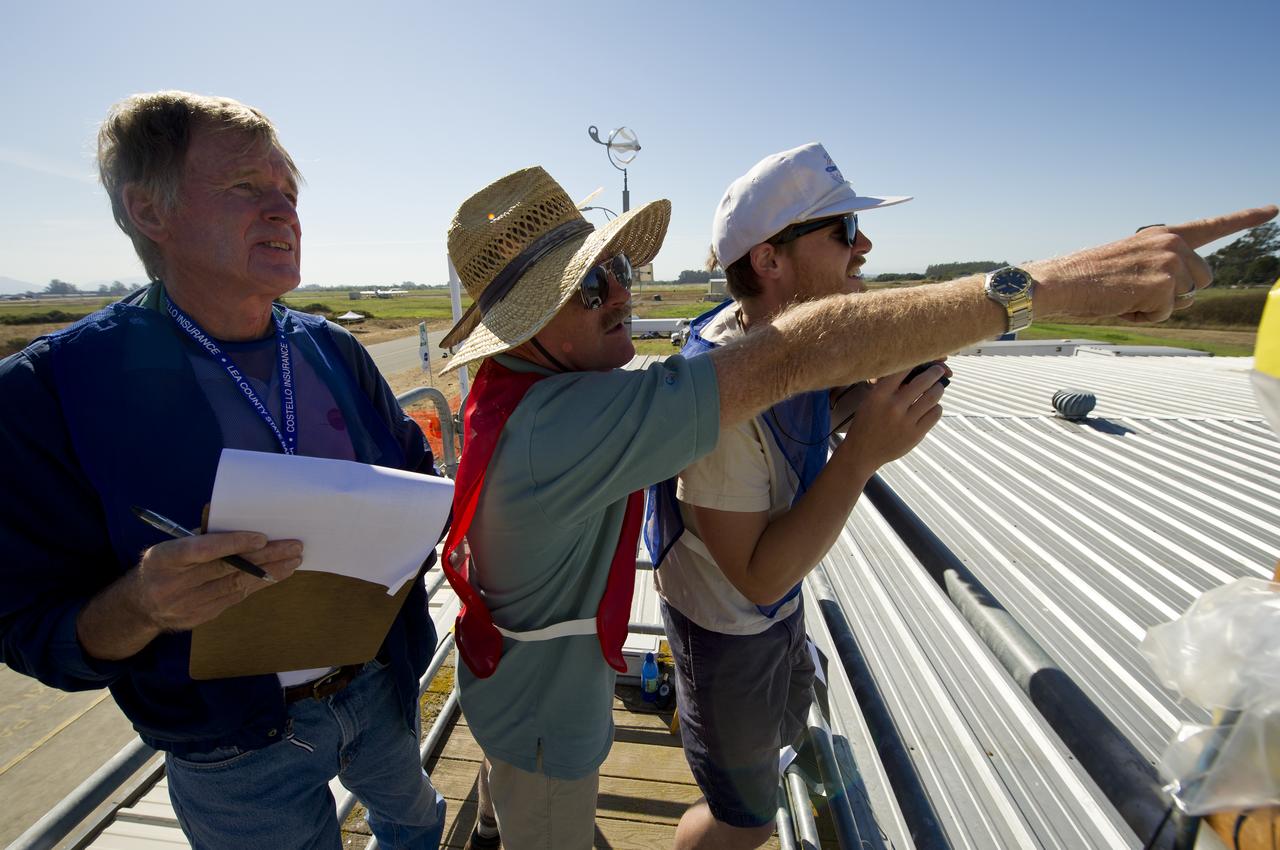
CAFE Foundation volunteer Oliver Dyer-Bennet, left, CAFE Foundation Hanger Boss Mike Fenn, center, and CAFE Foundation volunteer, Justin Dyer-Bennett scan the sky for aircraft during the speed competition portion of the 2011 Green Flight Challenge, sponsored by Google, being held at the Charles M. Schulz Sonoma County Airport in Santa Rosa, Calif. on Thursday, Sept. 29, 2011. NASA and the Comparative Aircraft Flight Efficiency (CAFE) Foundation are having the challenge with the goal to advance technologies in fuel efficiency and reduced emissions with cleaner renewable fuels and electric aircraft. Photo Credit: (NASA/Bill Ingalls)
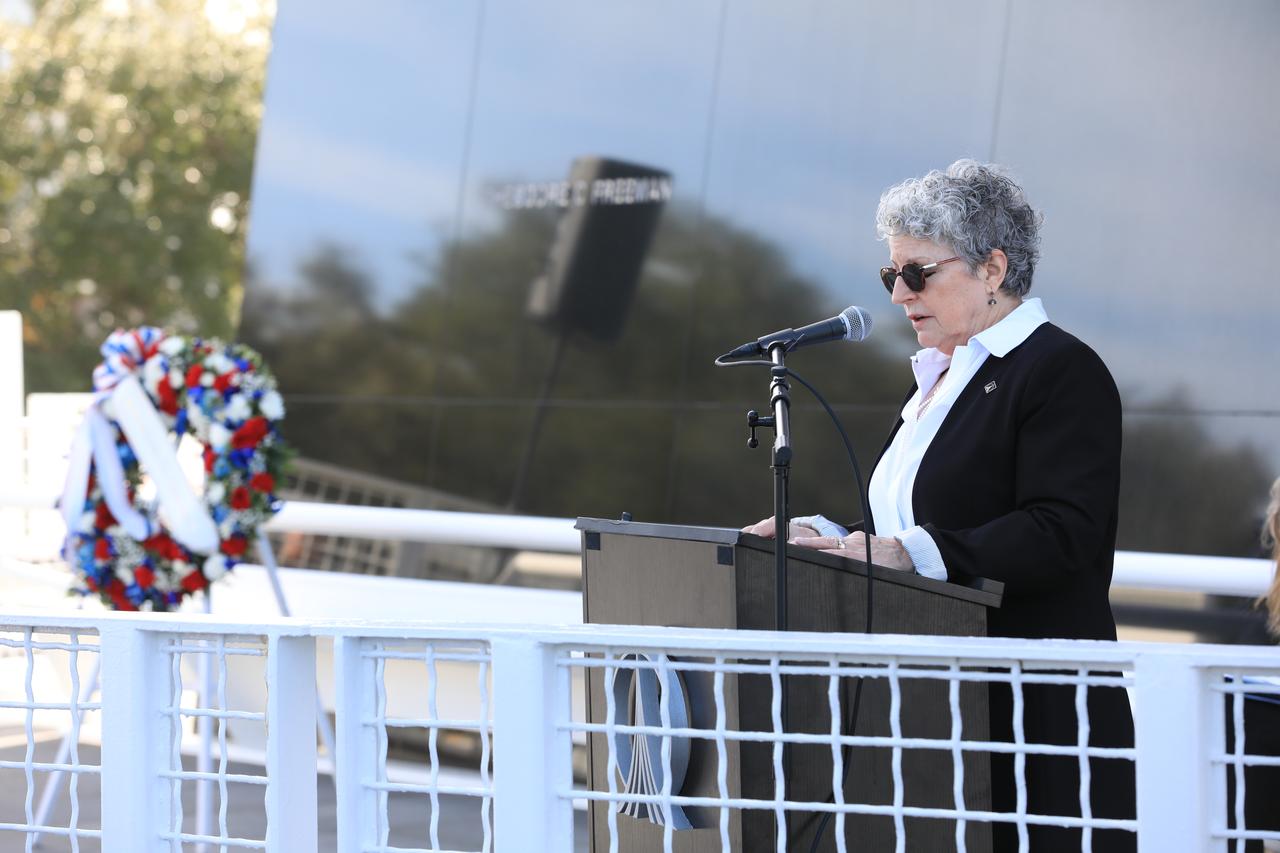
Astronauts Memorial Foundation board member Karen Bassett Stevenson and daughter of Charles Bassett II, delivers remarks honoring fallen astronauts who lost their lives while furthering the cause of exploration and discovery during NASA’s annual Day of Remembrance on Thursday, Jan. 25, 2024, at the Space Mirror Memorial at the agency’s Kennedy Space Center Visitor Complex in Florida. Those remembered include the crews of Apollo 1, Challenger STS-51L, and Columbia STS-107.
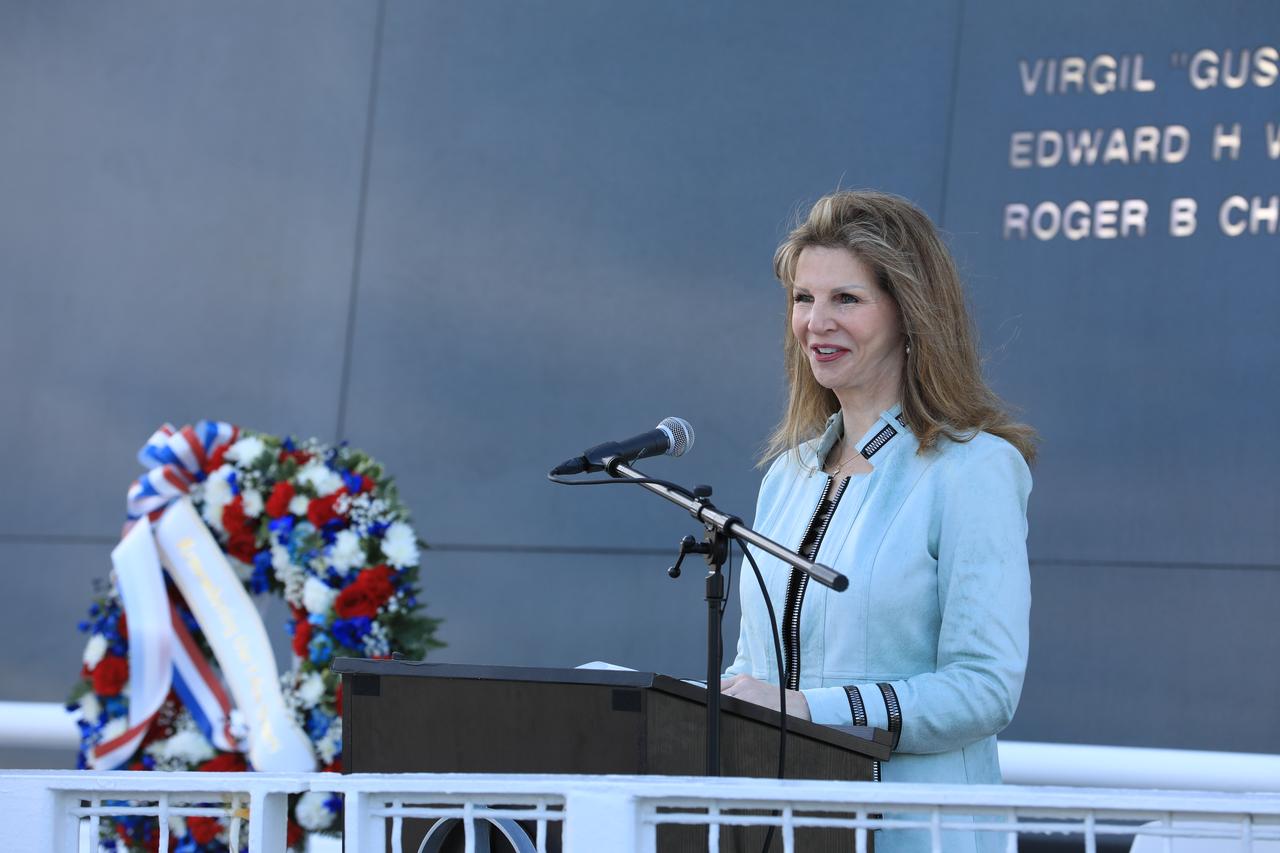
Kathie Scobee Fulgham, Astronauts Memorial Foundation chair and daughter of Challenger astronaut Francis “Dick” Scobee, delivers remarks honoring fallen astronauts who lost their lives while furthering the cause of exploration and discovery during NASA’s annual Day of Remembrance on Thursday, Jan. 25, 2024, at the Space Mirror Memorial at the agency’s Kennedy Space Center Visitor Complex in Florida. Those remembered include the crews of Apollo 1, Challenger STS-51L, and Columbia STS-107.
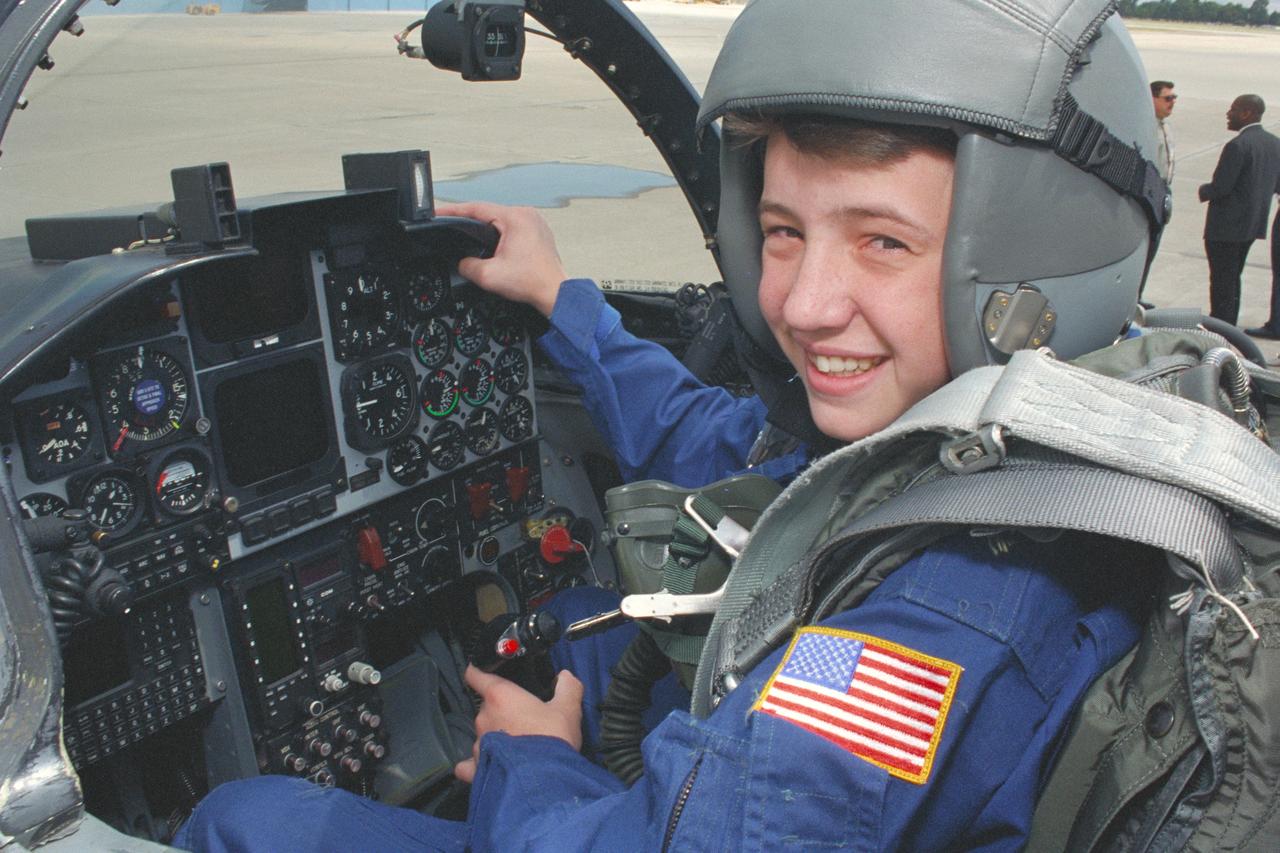
Make a wish foundation VMS ride for Tom Evans.
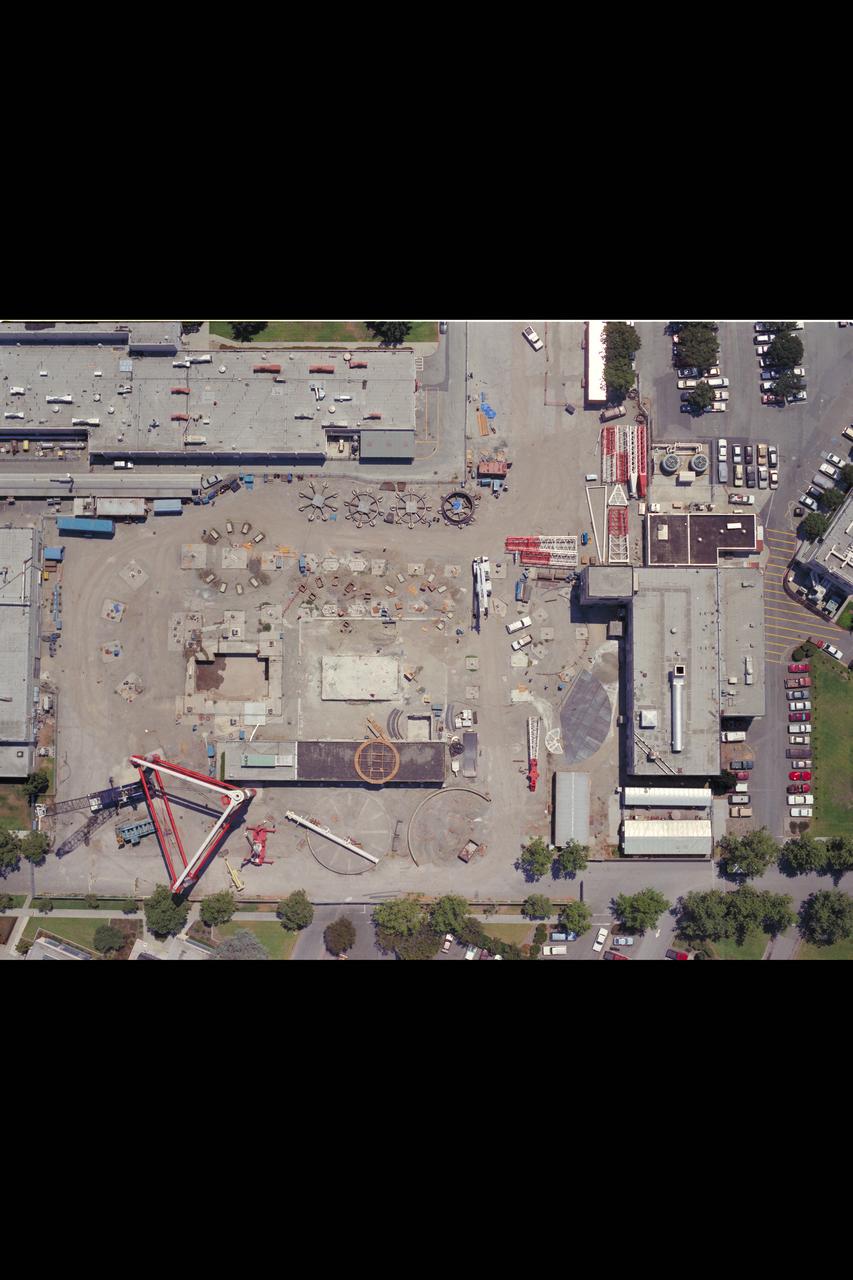
N-206 12ft. PWT Reconstruction Aerial: foundation and begining crane assembly
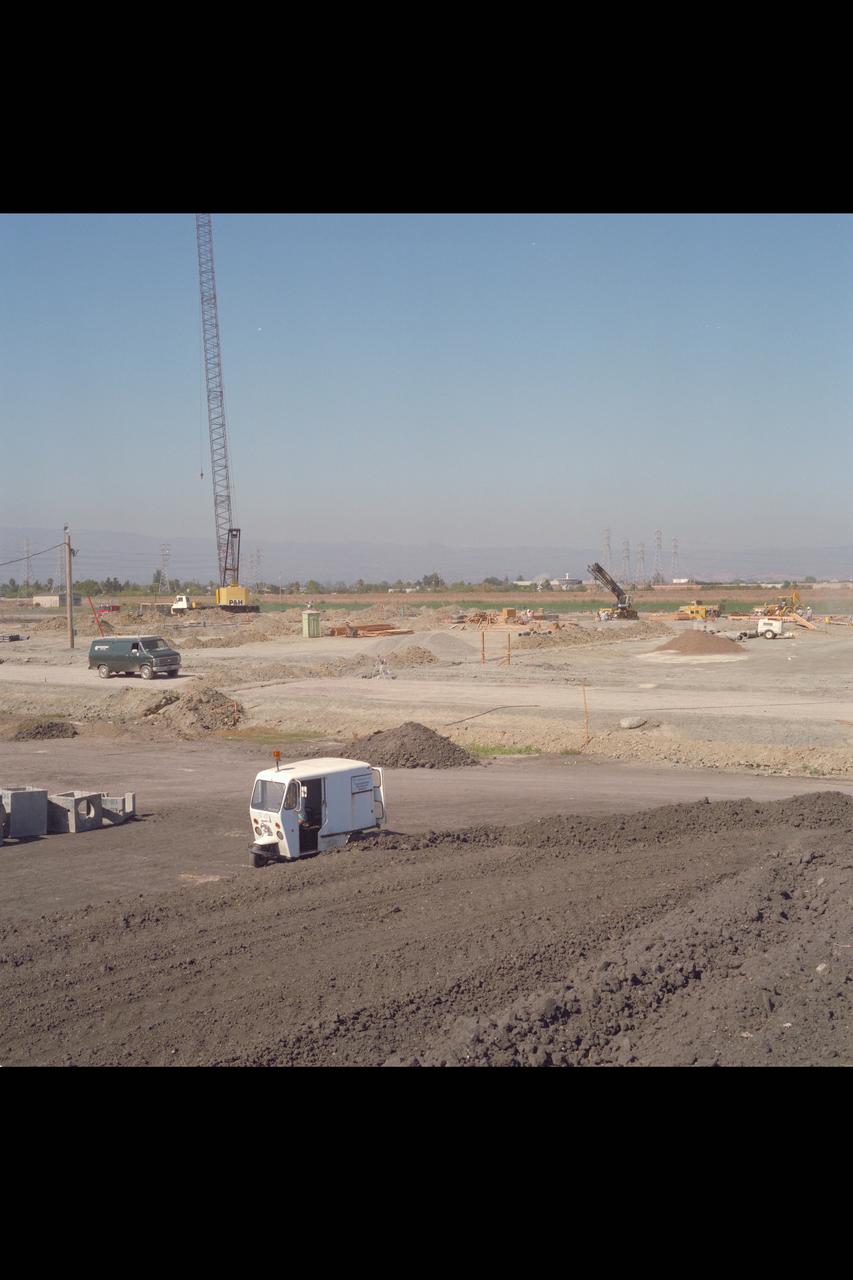
N-258 NAS (Numerical Aerodynamic Simualtion) Facility, Foundation

N-258 NAS (Numerical Aerodynamic Simualtion) Facility, Foundation
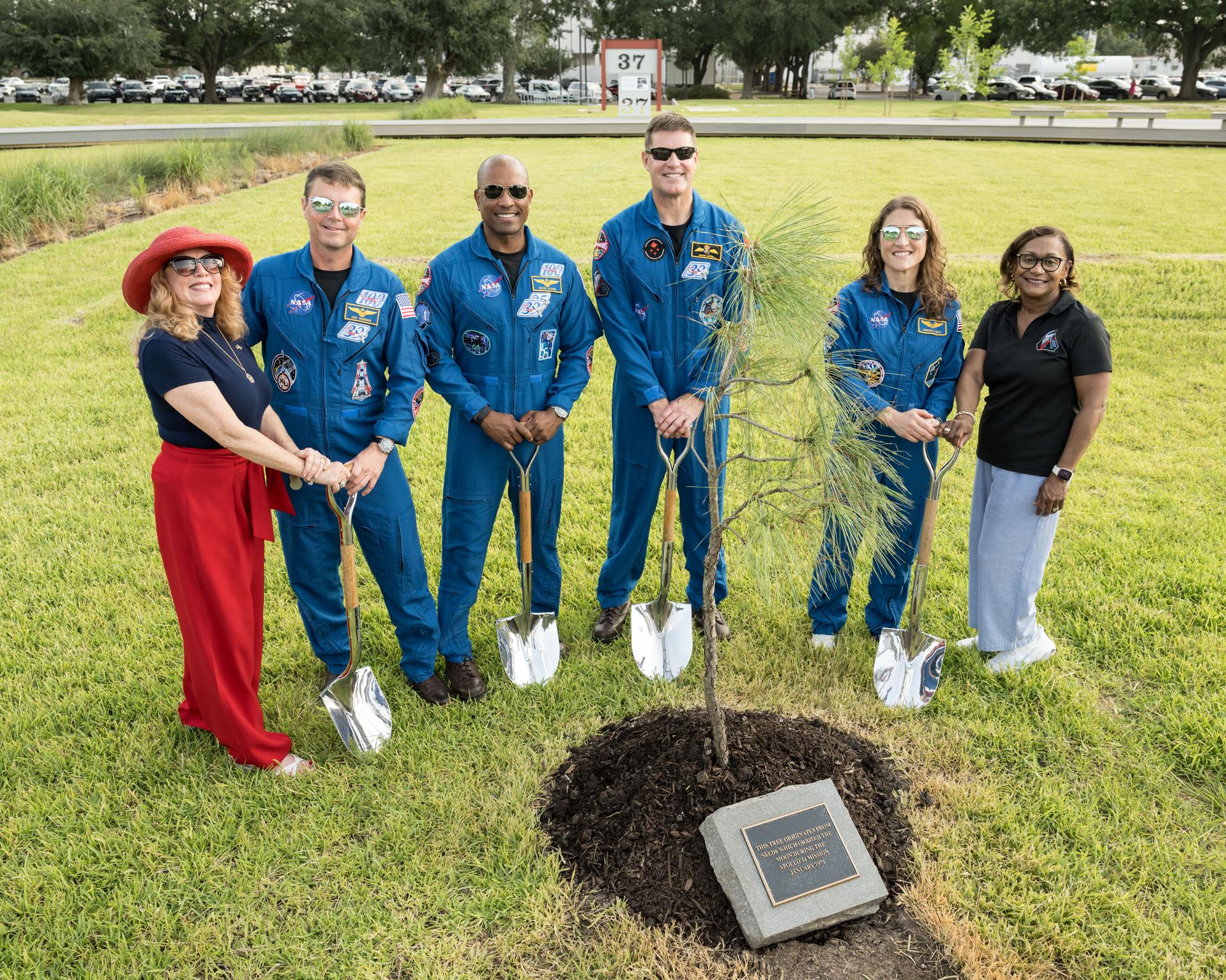
jsc2026e396762 (June 25, 2026) - From left to right, Rosemary Roosa, president of The Moon Tree Foundation and daughter of late Apollo 14 astronaut Stuart Roosa, and Vanessa Wyche, director of NASA's Johnson Space Center, participate in the dedication of the Apollo 14 Moon tree alongside the Artemis II crew. This tree is a second-generation Apollo Moon tree of the loblolly pine species. The original Apollo Moon trees were grown from seeds carried aboard Apollo 14 by NASA astronaut Stuart Roosa, a former U.S. Forest Service smoke jumper. Upon return to Earth, the seeds were germinated by the Forest Service, and the resulting seedlings were planted throughout the United States and around the world. Credit: NASA