On the Final Frontier
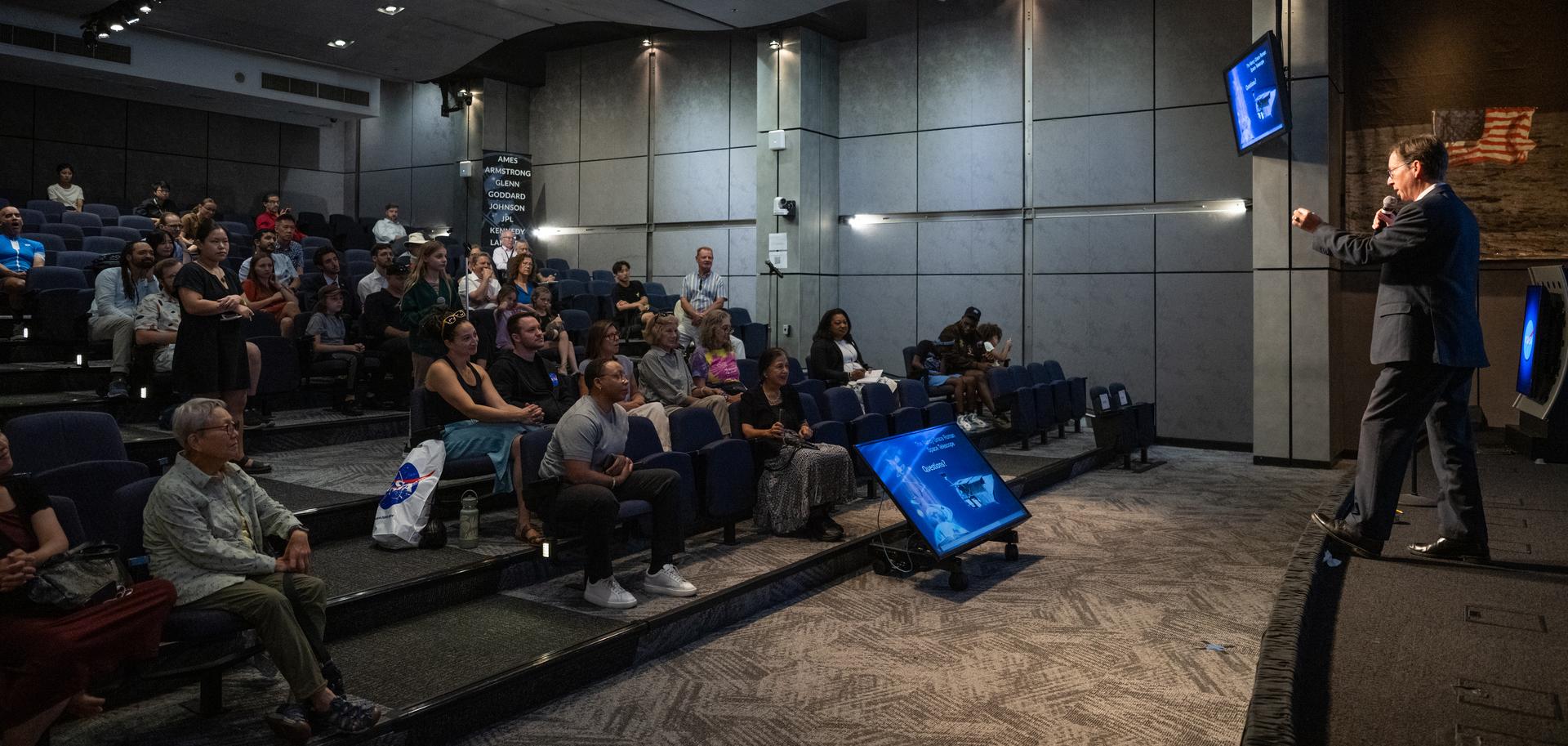
Dr. Dominic Benford, program scientist for the Nancy Grace Roman Space Telescope, answers questions from visitors during a Frontiers Forum event titled "Countdown to Launch – Why We’re Excited about the Nancy Grace Roman Space Telescope," Thursday, Aug. 6, 2026, at the Mary W. Jackson NASA Headquarters building in Washington. Photo Credit: (NASA/Keegan Barber)
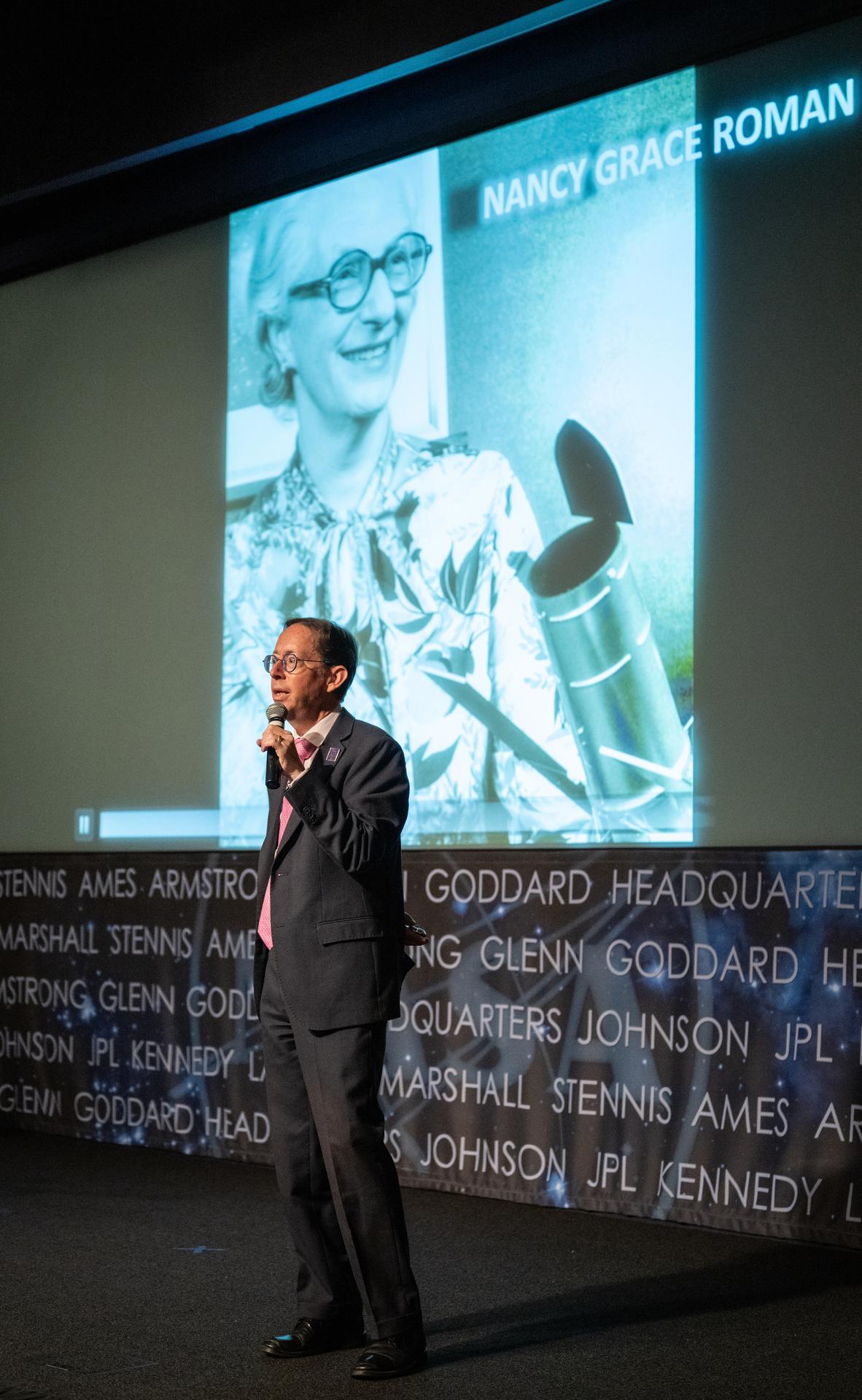
Dr. Dominic Benford, program scientist for the Nancy Grace Roman Space Telescope, speaks at a Frontiers Forum event titled "Countdown to Launch – Why We’re Excited about the Nancy Grace Roman Space Telescope," Thursday, Aug. 6, 2026, at the Mary W. Jackson NASA Headquarters building in Washington. Photo Credit: (NASA/Keegan Barber)
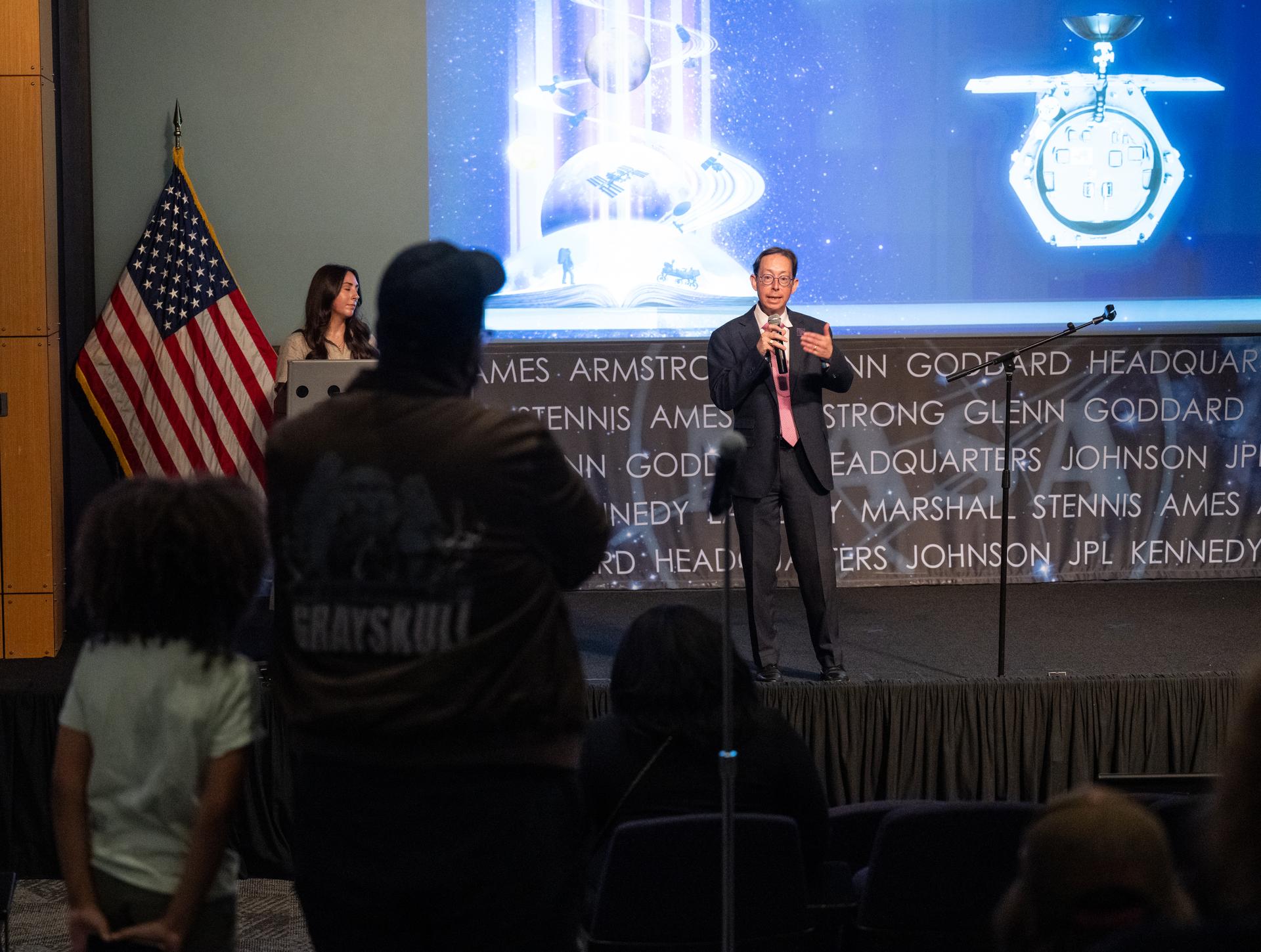
Dr. Dominic Benford, program scientist for the Nancy Grace Roman Space Telescope, answers questions from visitors during a Frontiers Forum event titled "Countdown to Launch – Why We’re Excited about the Nancy Grace Roman Space Telescope," Thursday, Aug. 6, 2026, at the Mary W. Jackson NASA Headquarters building in Washington. Photo Credit: (NASA/Keegan Barber)
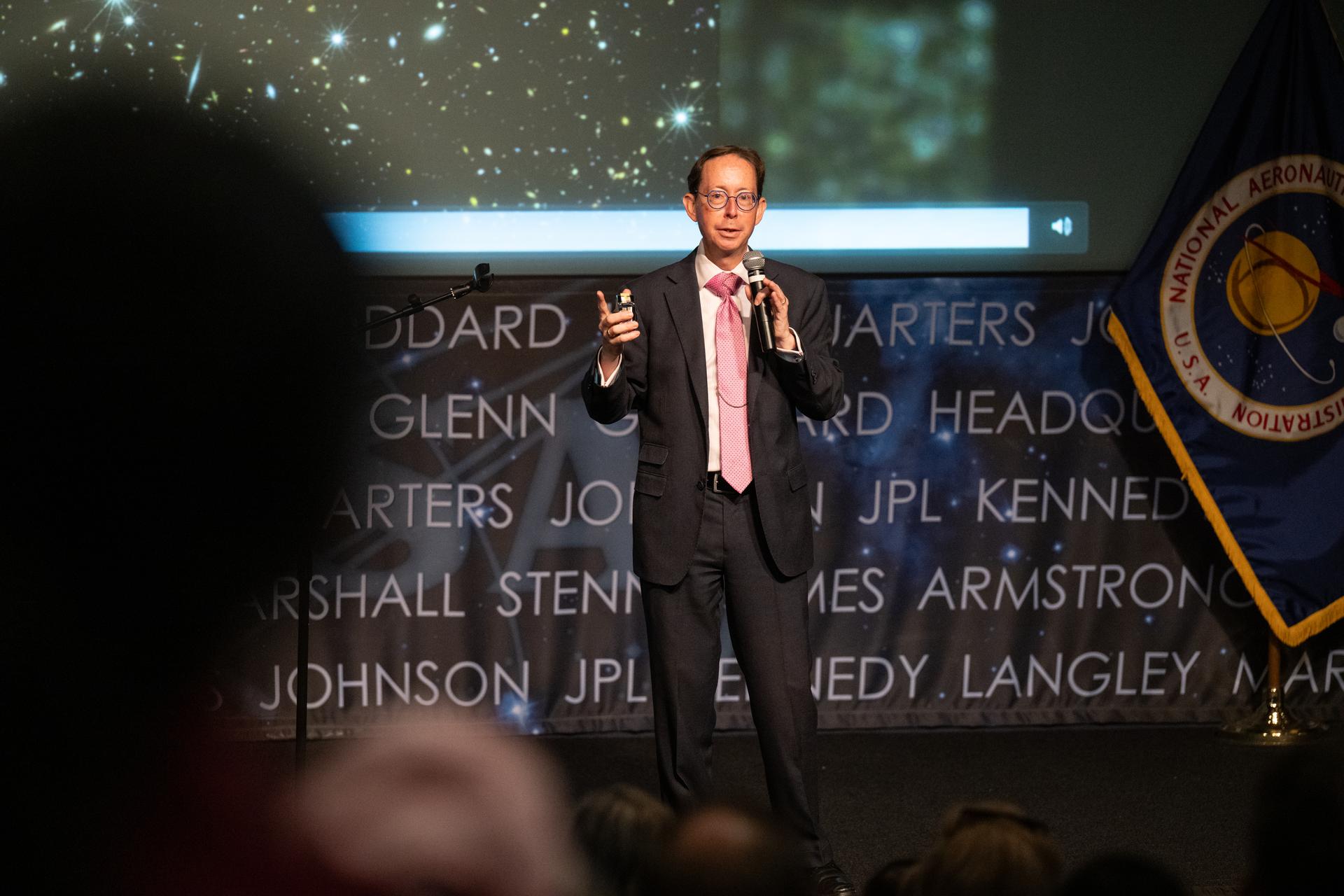
Dr. Dominic Benford, program scientist for the Nancy Grace Roman Space Telescope, speaks at a Frontiers Forum event titled "Countdown to Launch – Why We’re Excited about the Nancy Grace Roman Space Telescope," Thursday, Aug. 6, 2026, at the Mary W. Jackson NASA Headquarters building in Washington. Photo Credit: (NASA/Keegan Barber)
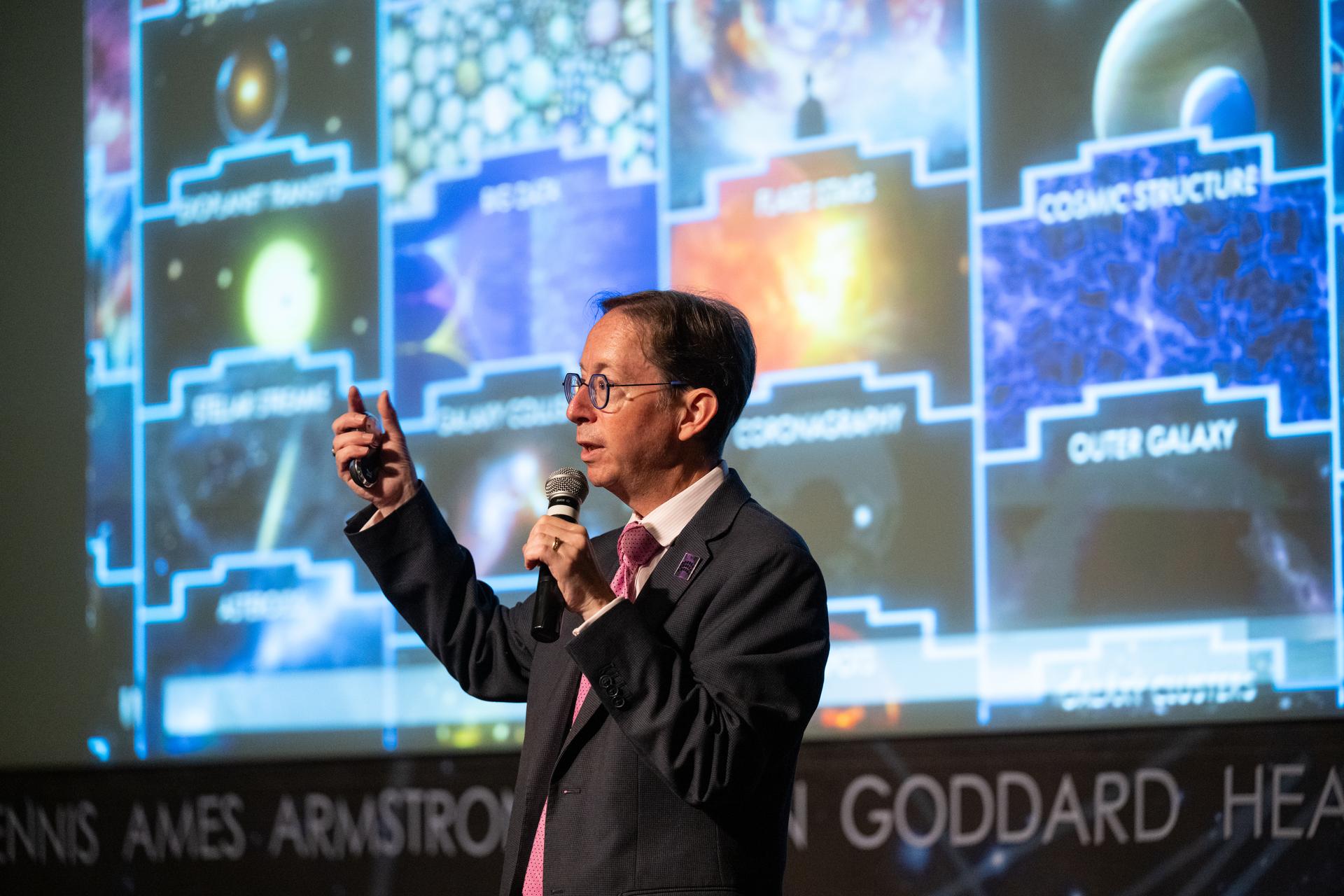
Dr. Dominic Benford, program scientist for the Nancy Grace Roman Space Telescope, speaks at a Frontiers Forum event titled "Countdown to Launch – Why We’re Excited about the Nancy Grace Roman Space Telescope," Thursday, Aug. 6, 2026, at the Mary W. Jackson NASA Headquarters building in Washington. Photo Credit: (NASA/Keegan Barber)
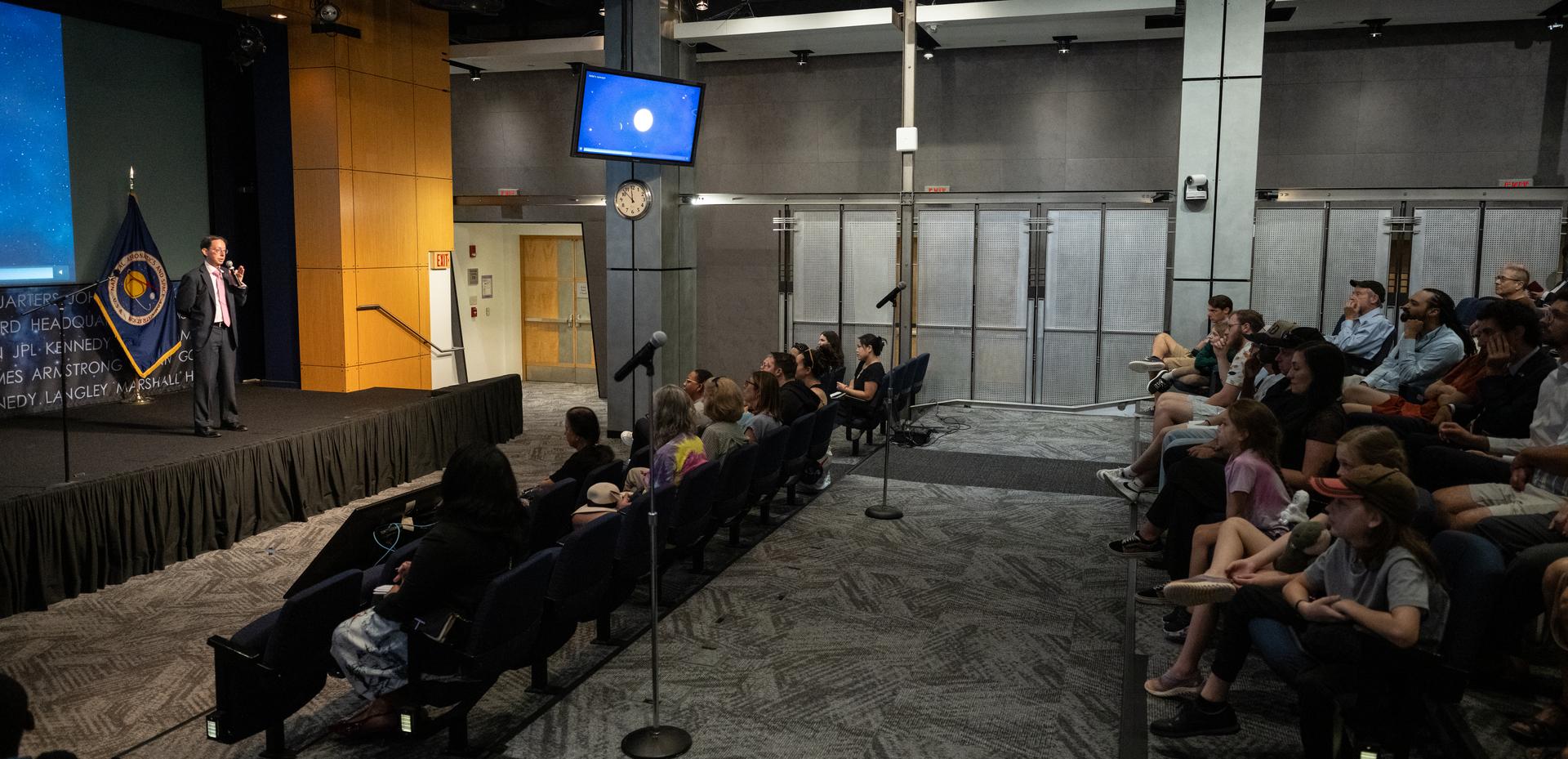
Dr. Dominic Benford, program scientist for the Nancy Grace Roman Space Telescope, speaks at a Frontiers Forum event titled "Countdown to Launch – Why We’re Excited about the Nancy Grace Roman Space Telescope," Thursday, Aug. 6, 2026, at the Mary W. Jackson NASA Headquarters building in Washington. Photo Credit: (NASA/Keegan Barber)
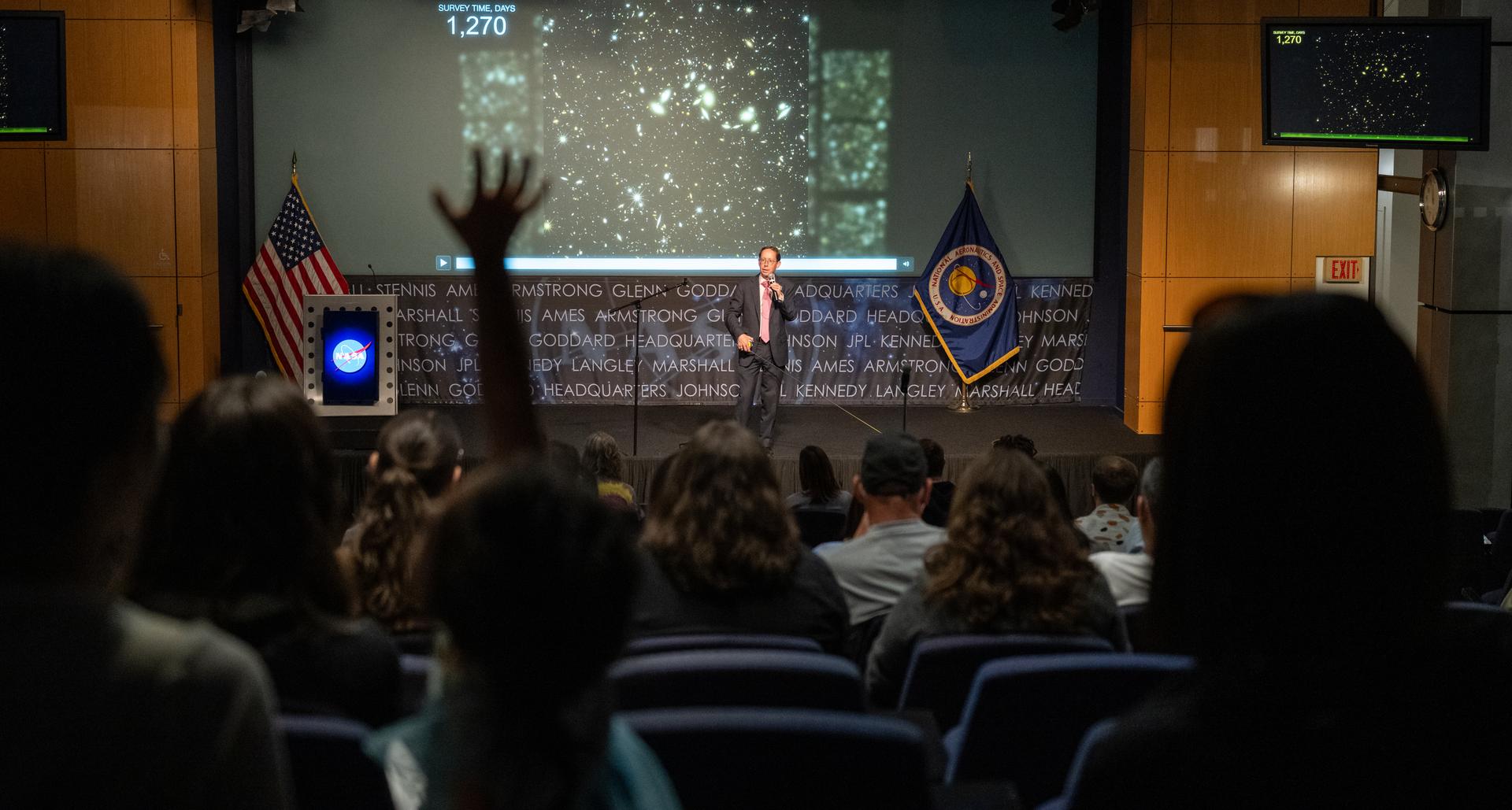
Dr. Dominic Benford, program scientist for the Nancy Grace Roman Space Telescope, speaks at a Frontiers Forum event titled "Countdown to Launch – Why We’re Excited about the Nancy Grace Roman Space Telescope," Thursday, Aug. 6, 2026, at the Mary W. Jackson NASA Headquarters building in Washington. Photo Credit: (NASA/Keegan Barber)
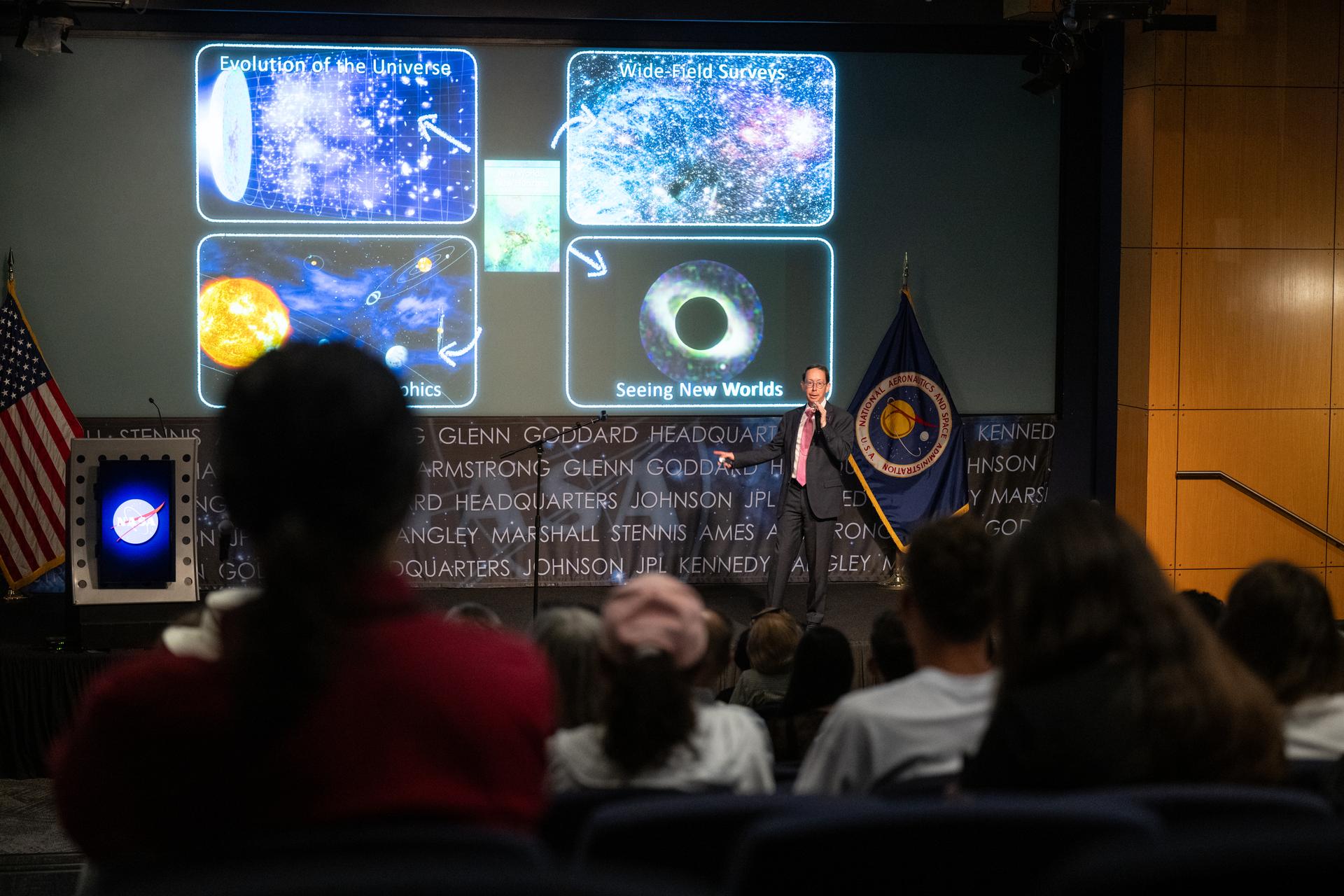
Dr. Dominic Benford, program scientist for the Nancy Grace Roman Space Telescope, speaks at a Frontiers Forum event titled "Countdown to Launch – Why We’re Excited about the Nancy Grace Roman Space Telescope," Thursday, Aug. 6, 2026, at the Mary W. Jackson NASA Headquarters building in Washington. Photo Credit: (NASA/Keegan Barber)
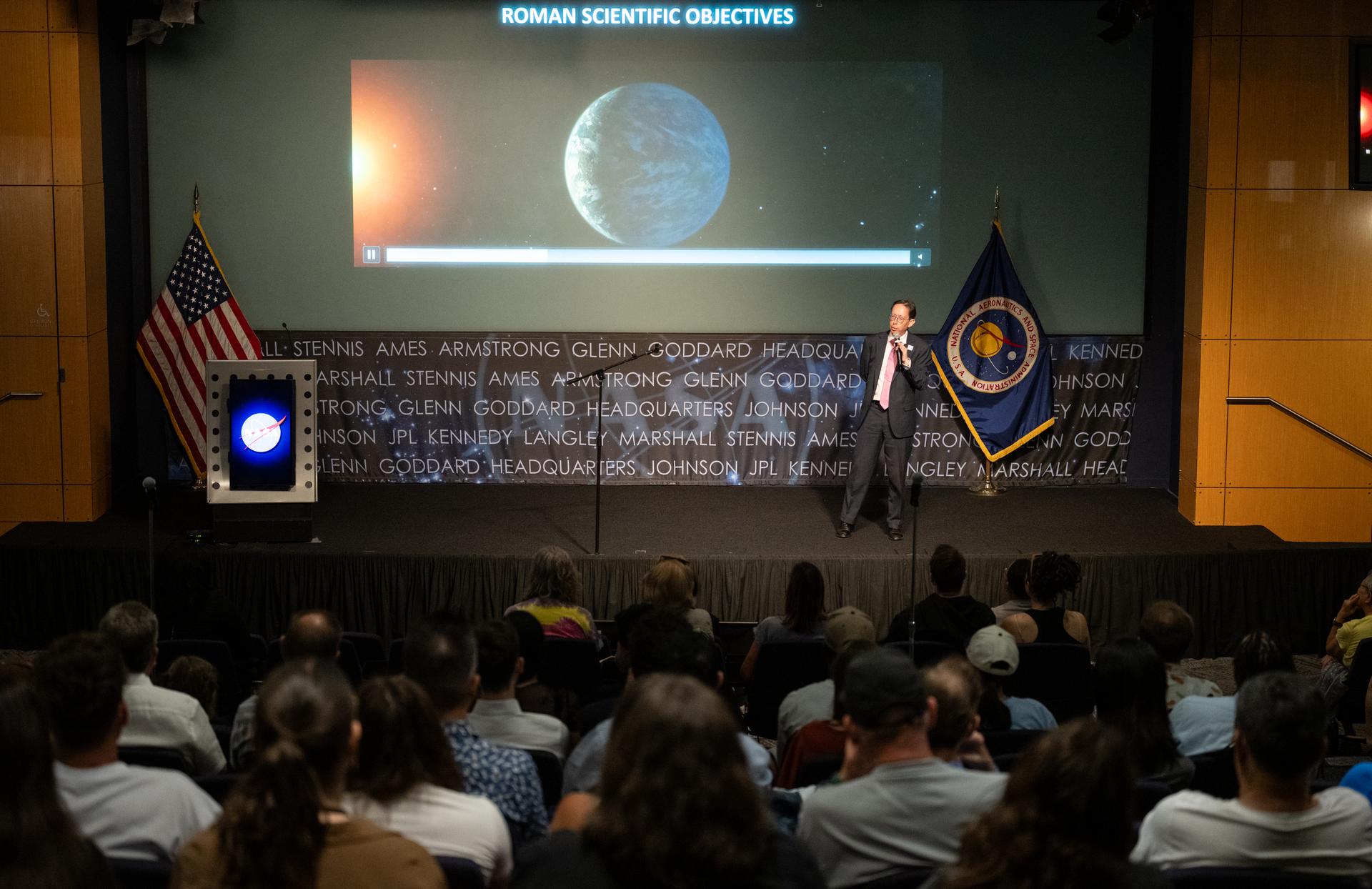
Dr. Dominic Benford, program scientist for the Nancy Grace Roman Space Telescope, speaks at a Frontiers Forum event titled "Countdown to Launch – Why We’re Excited about the Nancy Grace Roman Space Telescope," Thursday, Aug. 6, 2026, at the Mary W. Jackson NASA Headquarters building in Washington. Photo Credit: (NASA/Keegan Barber)
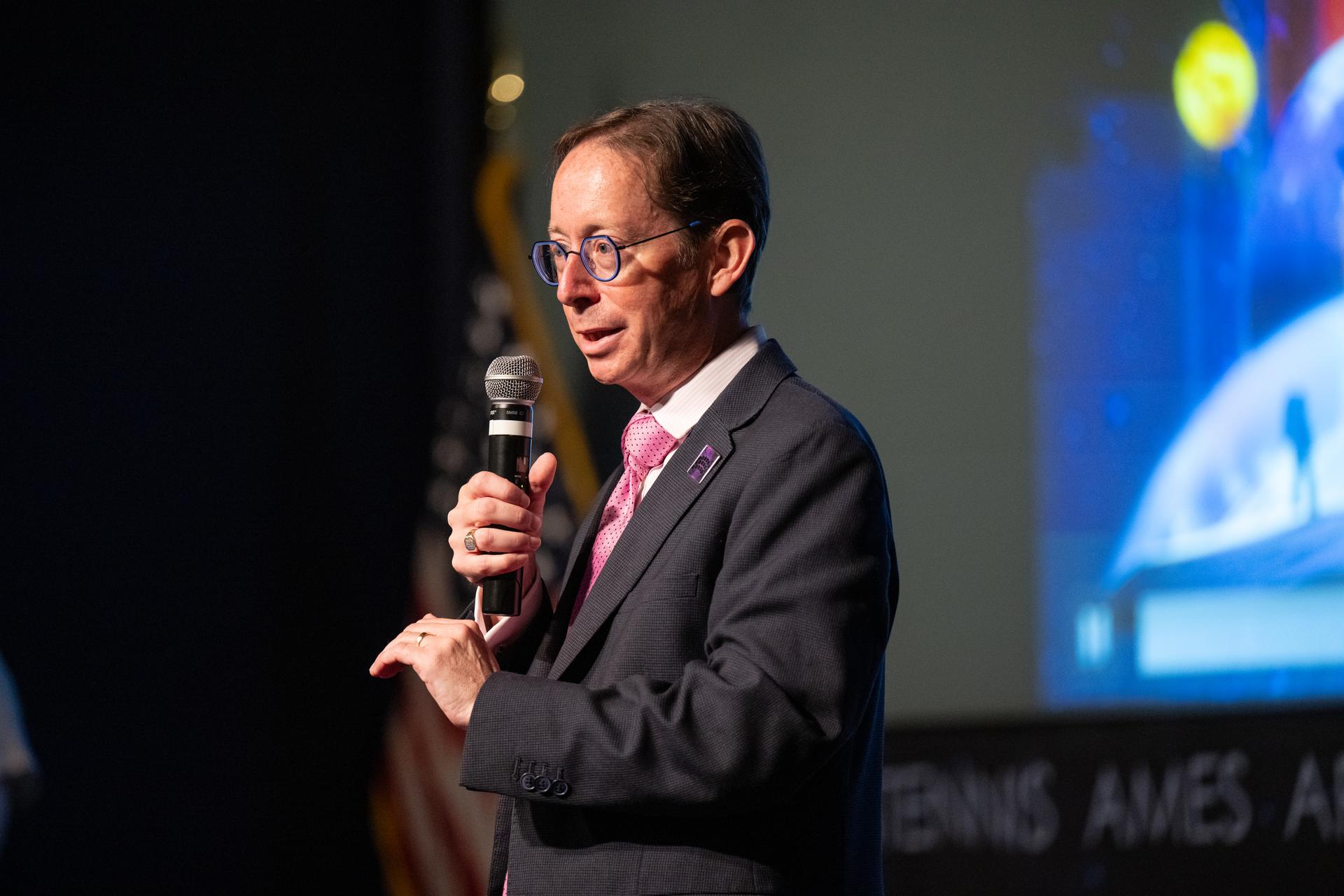
Dr. Dominic Benford, program scientist for the Nancy Grace Roman Space Telescope, answers questions from visitors during a Frontiers Forum event titled "Countdown to Launch – Why We’re Excited about the Nancy Grace Roman Space Telescope," Thursday, Aug. 6, 2026, at the Mary W. Jackson NASA Headquarters building in Washington. Photo Credit: (NASA/Keegan Barber)
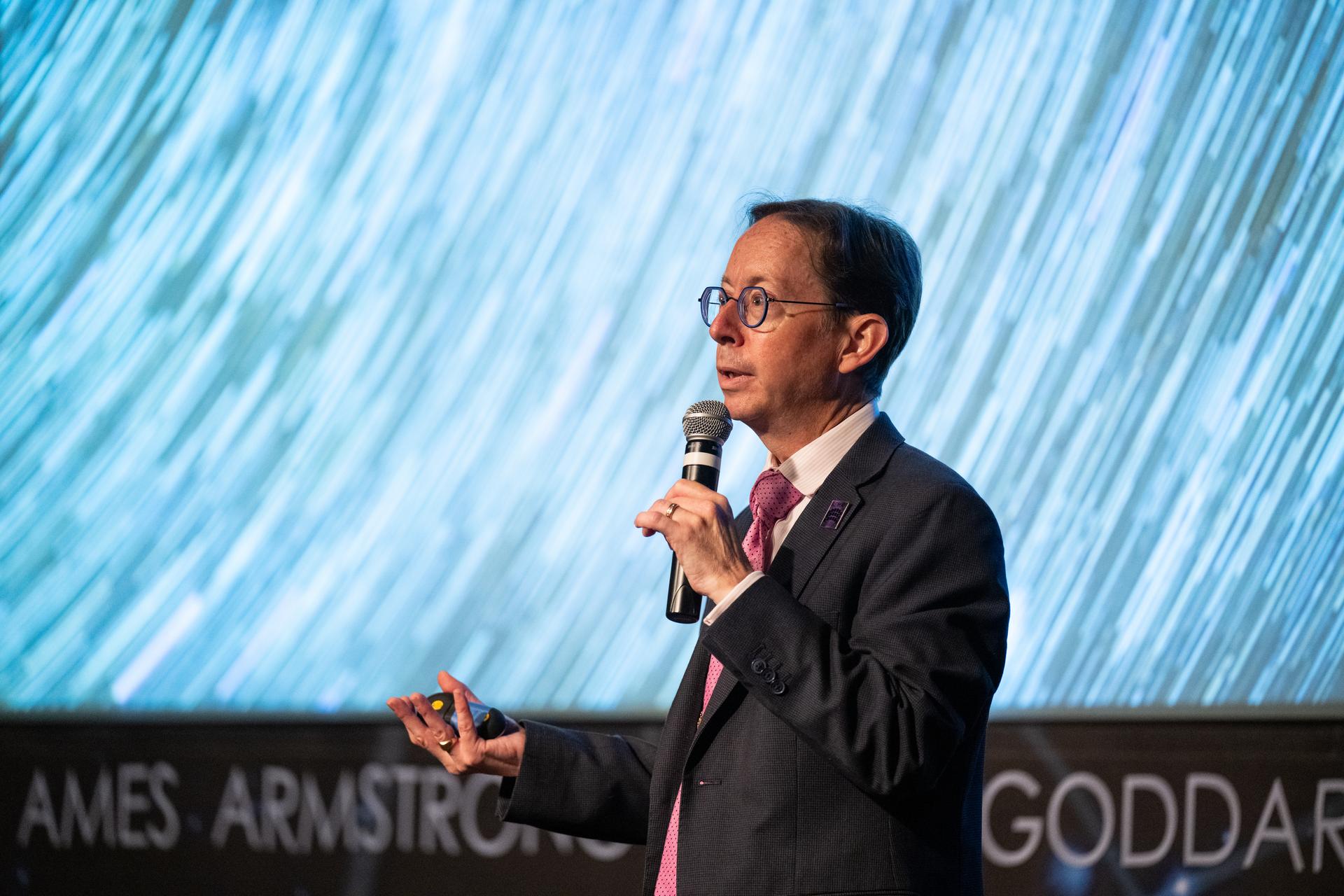
Dr. Dominic Benford, program scientist for the Nancy Grace Roman Space Telescope, speaks at a Frontiers Forum event titled "Countdown to Launch – Why We’re Excited about the Nancy Grace Roman Space Telescope," Thursday, Aug. 6, 2026, at the Mary W. Jackson NASA Headquarters building in Washington. Photo Credit: (NASA/Keegan Barber)
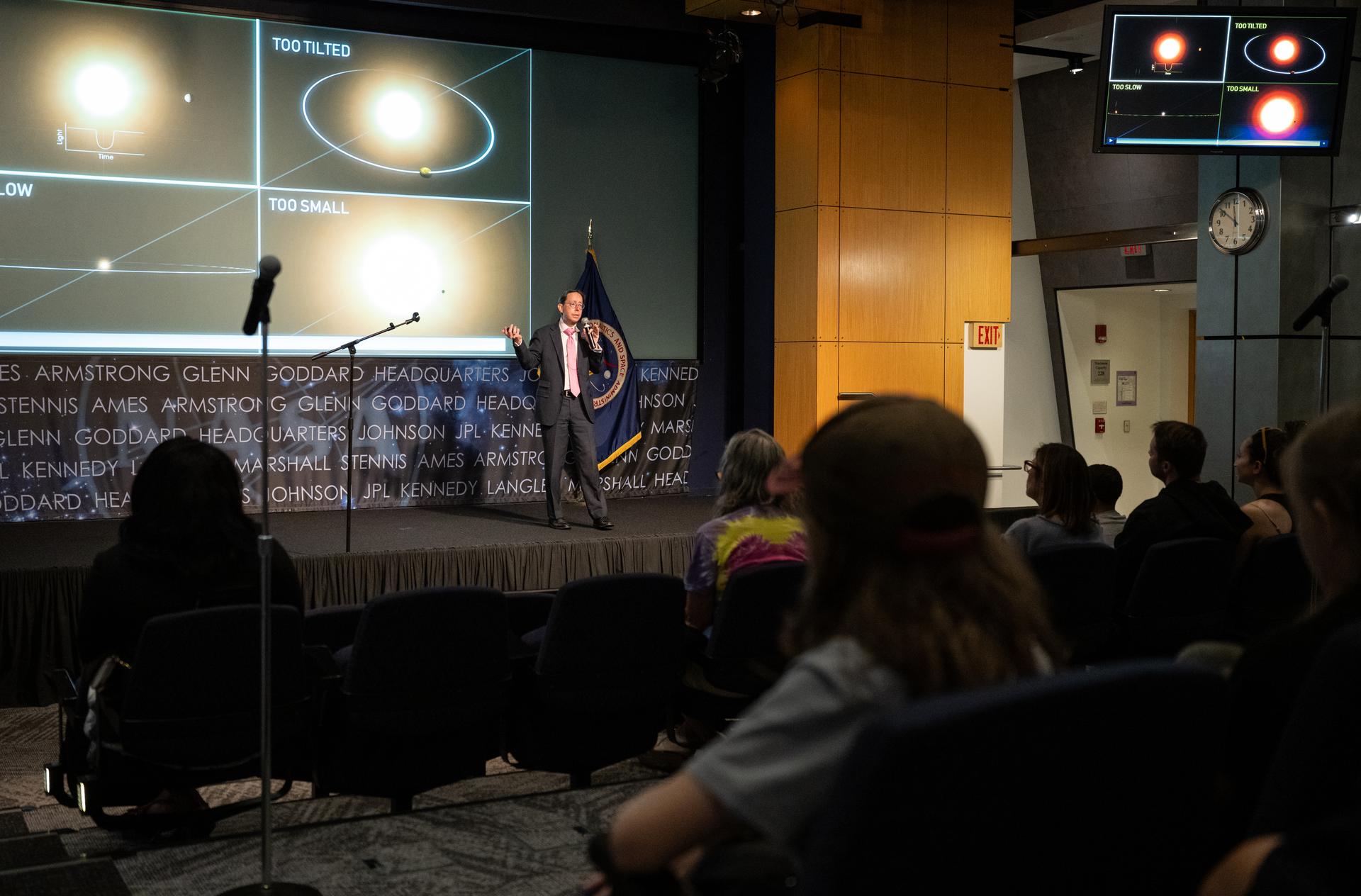
Dr. Dominic Benford, program scientist for the Nancy Grace Roman Space Telescope, speaks at a Frontiers Forum event titled "Countdown to Launch – Why We’re Excited about the Nancy Grace Roman Space Telescope," Thursday, Aug. 6, 2026, at the Mary W. Jackson NASA Headquarters building in Washington. Photo Credit: (NASA/Keegan Barber)
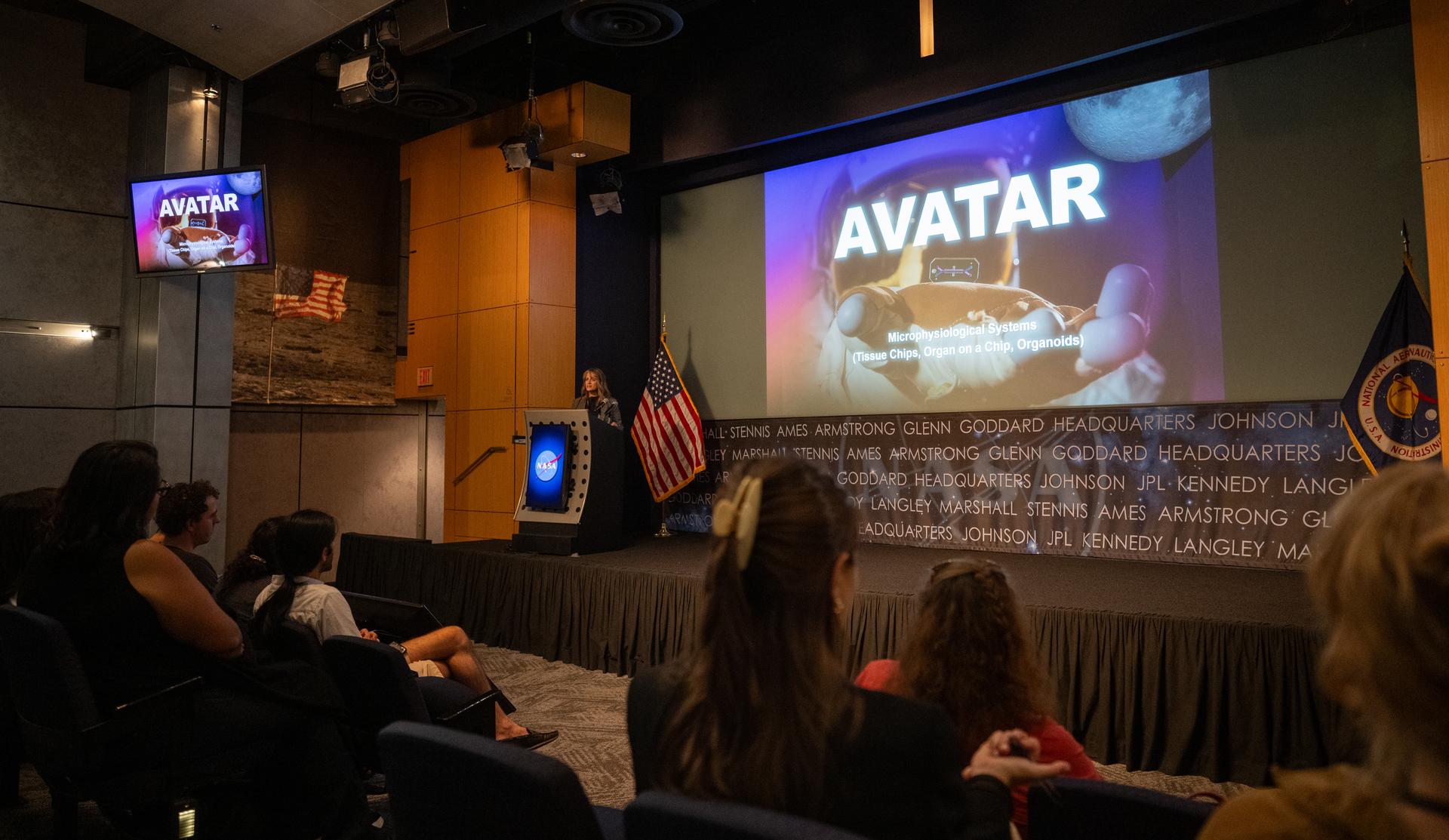
Dr. Lisa Carnell, director of NASA’s Biological and Physical Sciences Division, is seen during a Frontiers Forum talk titled “Revolutionizing Medicine – In Space,” Wednesday, Sept. 16, 2026, at the Mary W. Jackson NASA Headquarters building in Washington. Photo Credit: (NASA/Joel Kowsky)
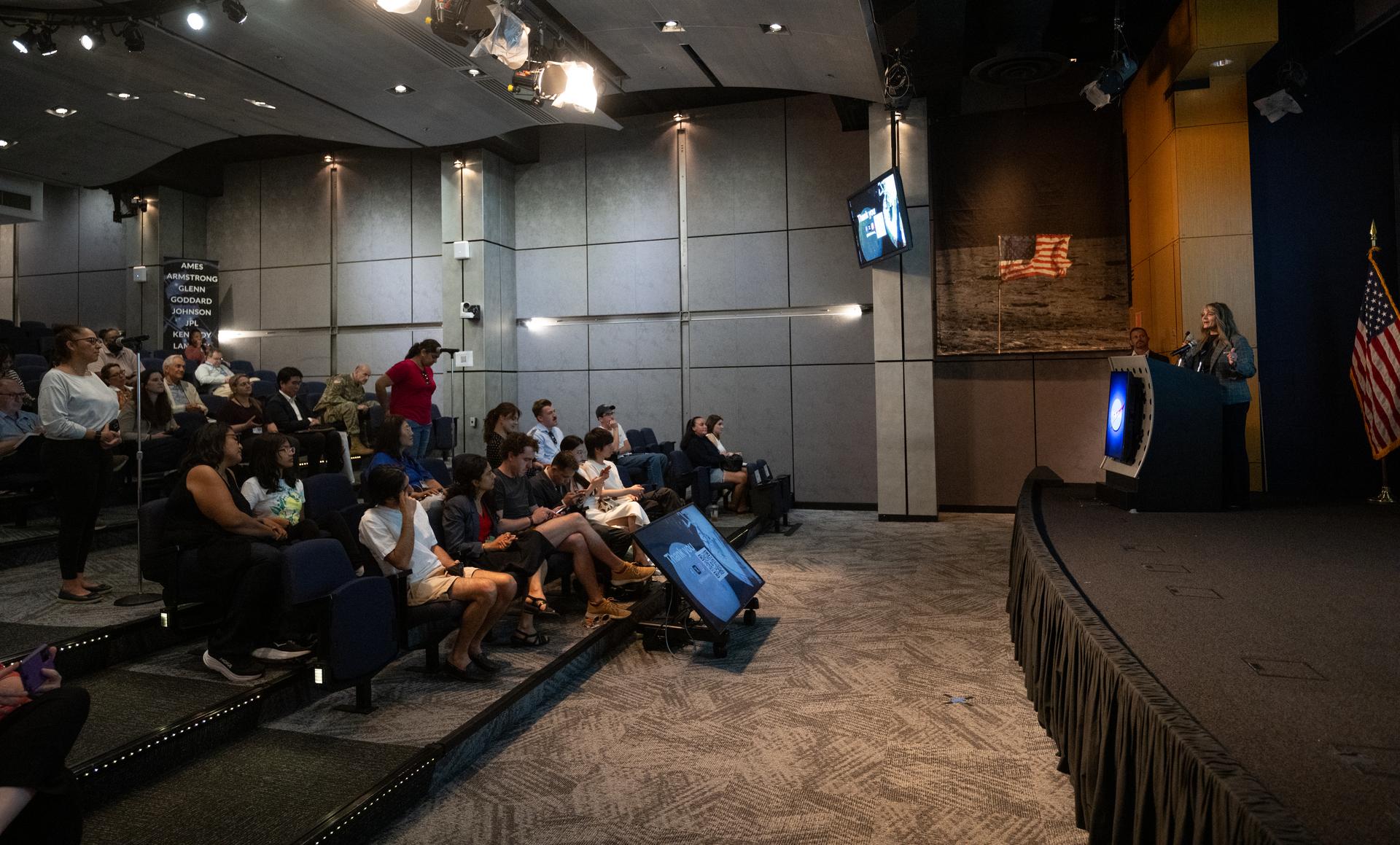
Dr. Lisa Carnell, director of NASA’s Biological and Physical Sciences Division, answers a question from the audience during a Frontiers Forum talk titled “Revolutionizing Medicine – In Space,” Wednesday, Sept. 16, 2026, at the Mary W. Jackson NASA Headquarters building in Washington. Photo Credit: (NASA/Joel Kowsky)
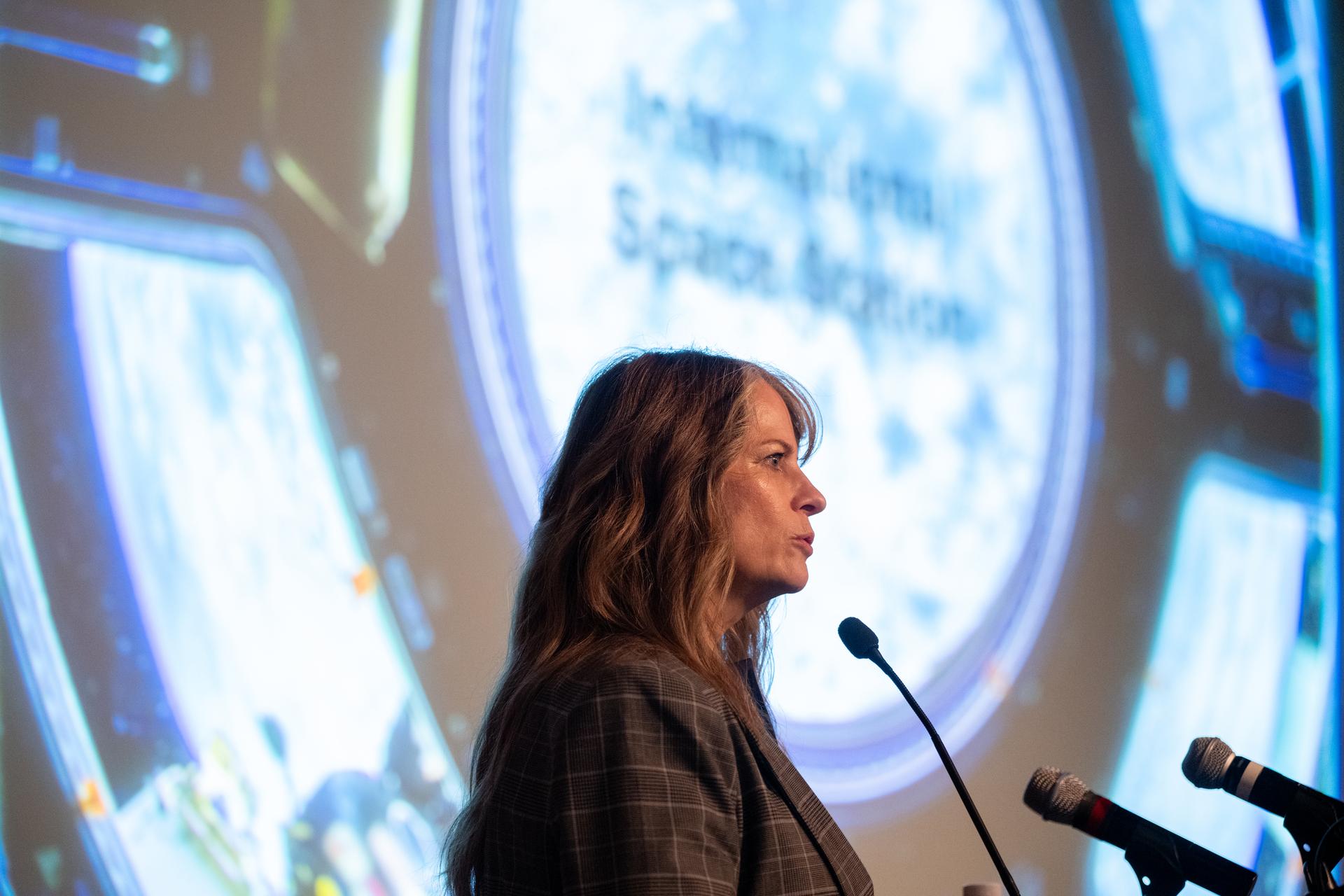
Dr. Lisa Carnell, director of NASA’s Biological and Physical Sciences Division, is seen during a Frontiers Forum talk titled “Revolutionizing Medicine – In Space,” Wednesday, Sept. 16, 2026, at the Mary W. Jackson NASA Headquarters building in Washington. Photo Credit: (NASA/Joel Kowsky)
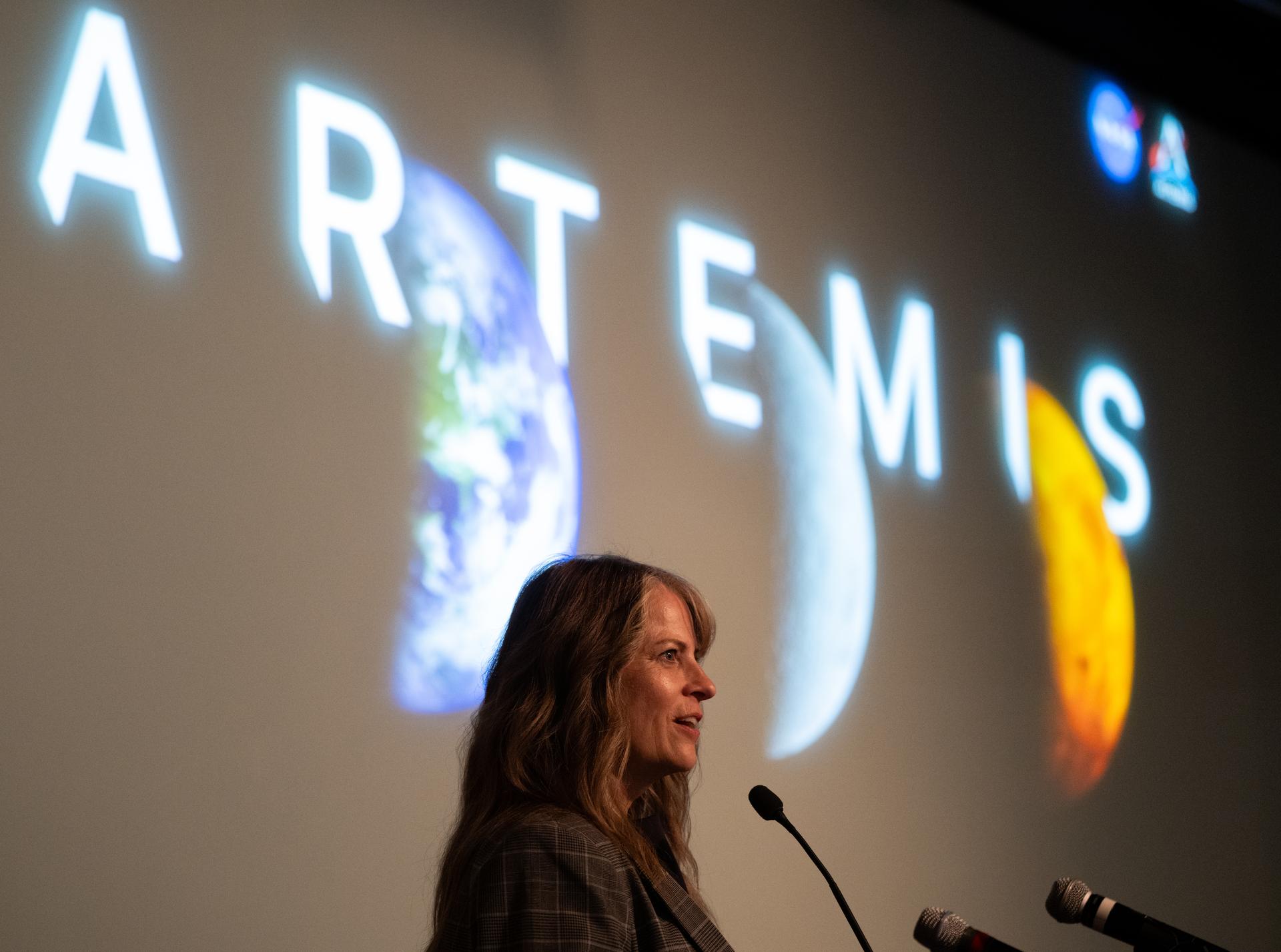
Dr. Lisa Carnell, director of NASA’s Biological and Physical Sciences Division, is seen during a Frontiers Forum talk titled “Revolutionizing Medicine – In Space,” Wednesday, Sept. 16, 2026, at the Mary W. Jackson NASA Headquarters building in Washington. Photo Credit: (NASA/Joel Kowsky)
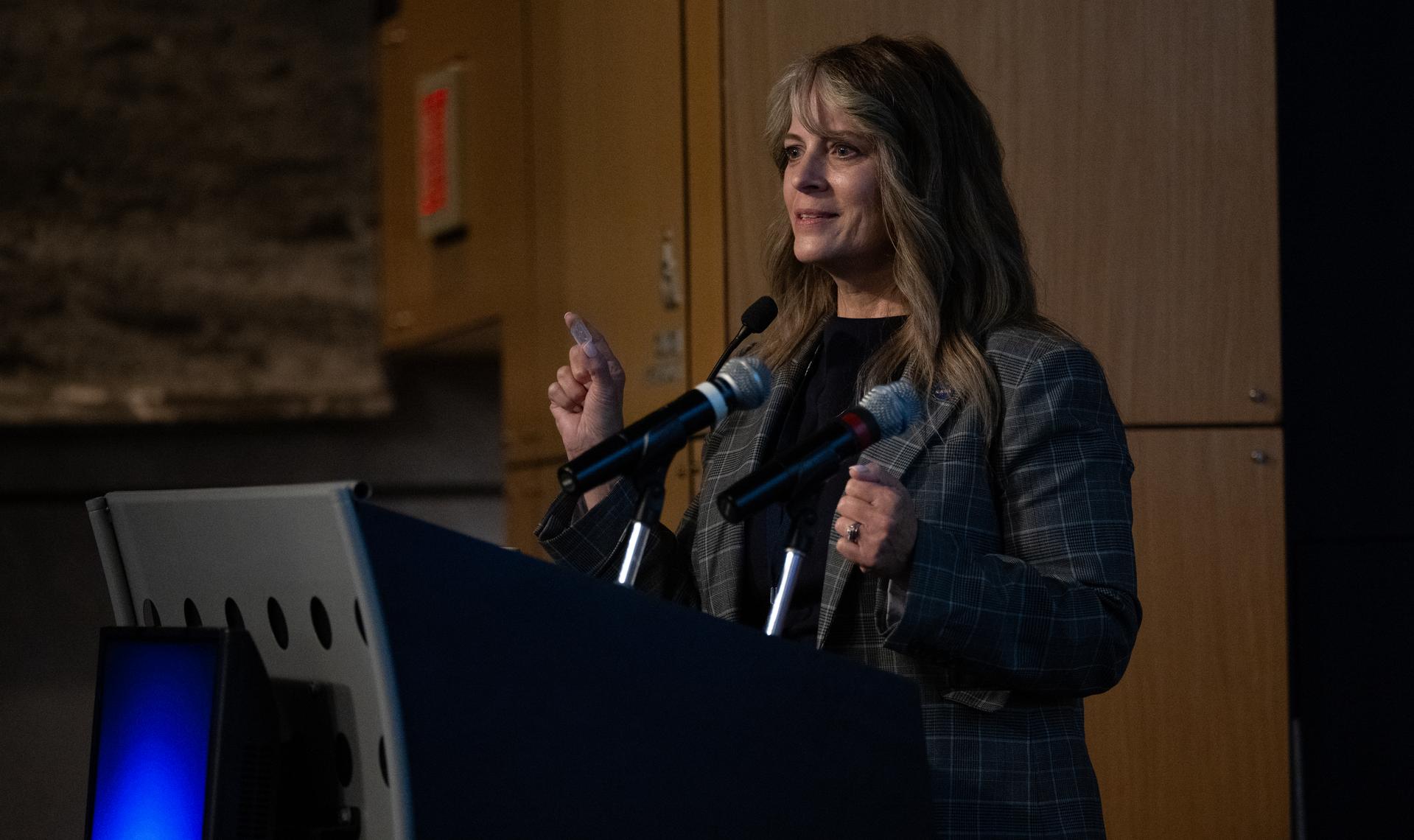
Dr. Lisa Carnell, director of NASA’s Biological and Physical Sciences Division, holds an organ chip during a Frontiers Forum talk titled “Revolutionizing Medicine – In Space,” as she discusses the AVATAR investigation, Wednesday, Sept. 16, 2026, at the Mary W. Jackson NASA Headquarters building in Washington. Photo Credit: (NASA/Joel Kowsky)
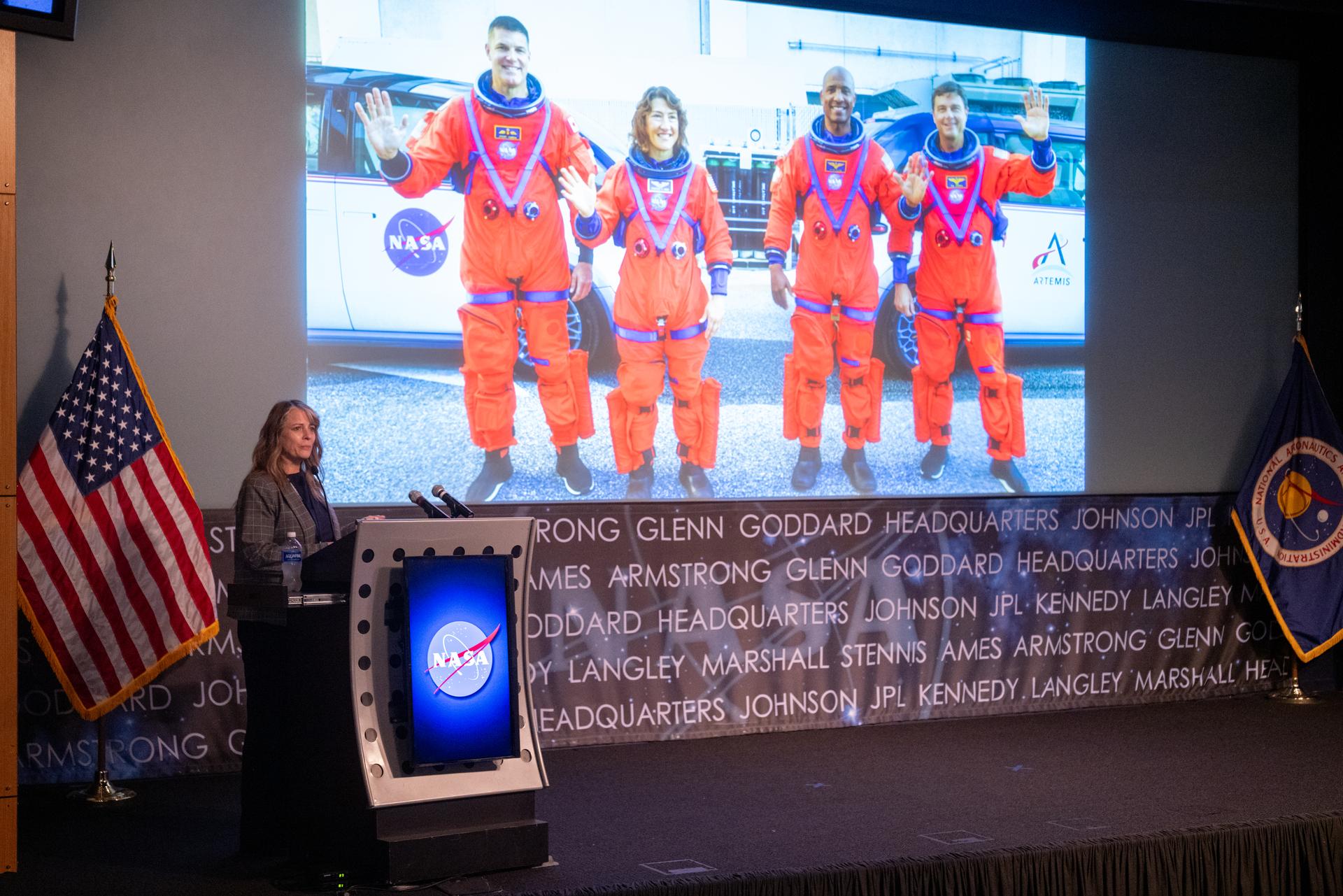
Dr. Lisa Carnell, director of NASA’s Biological and Physical Sciences Division, is seen during a Frontiers Forum talk titled “Revolutionizing Medicine – In Space,” Wednesday, Sept. 16, 2026, at the Mary W. Jackson NASA Headquarters building in Washington. Photo Credit: (NASA/Joel Kowsky)
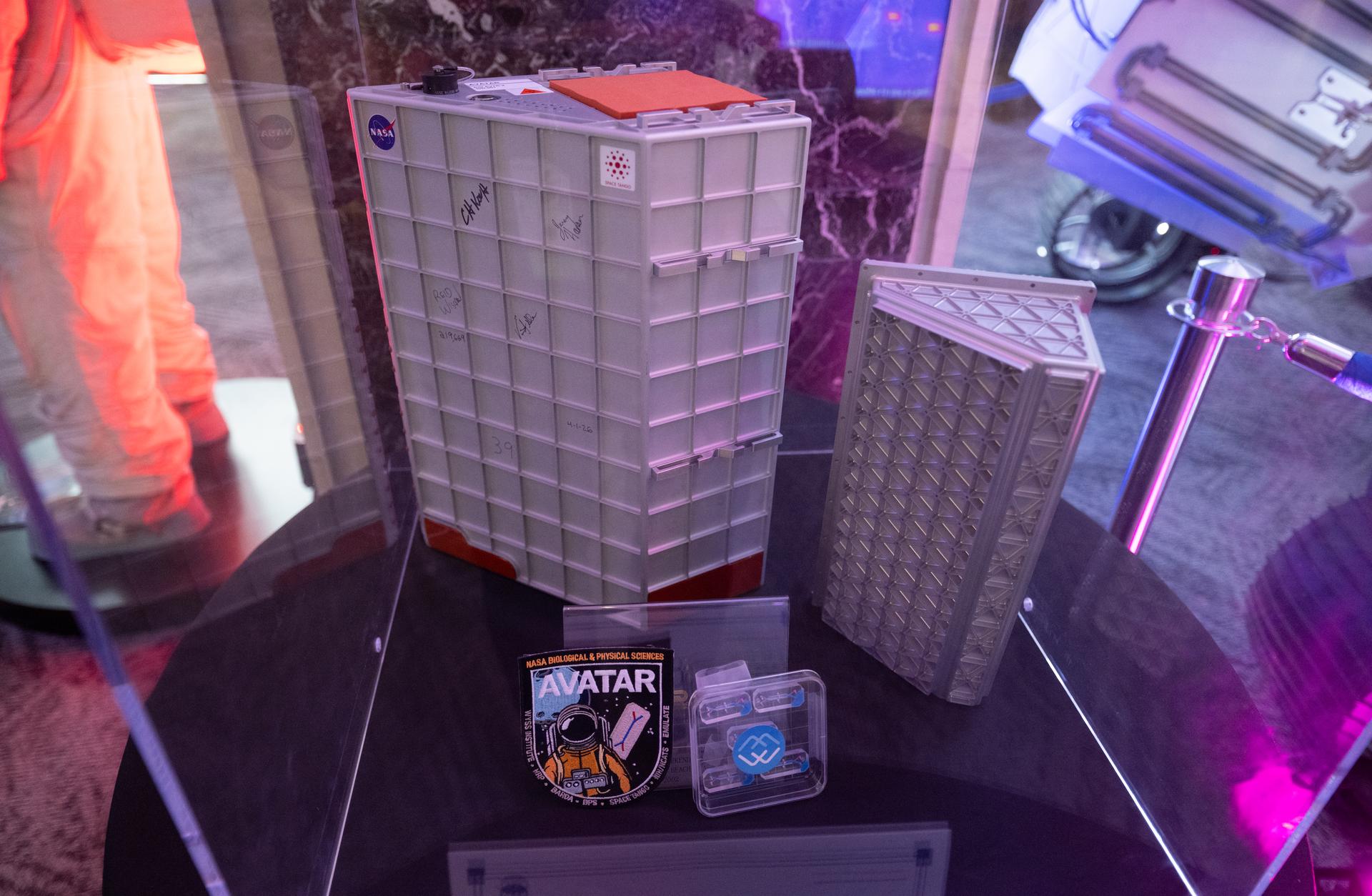
The AVATAR (A Virtual Astronaut Tissue Analog Response) payload the flew on the Artemis II mission is seen in the lobby of the Mary W. Jackson NASA Headquarters building in Washington, Wednesday, Sept. 16, 2026, following a Frontiers Forum talk titled “Revolutionizing Medicine – In Space.” Photo Credit: (NASA/Joel Kowsky)
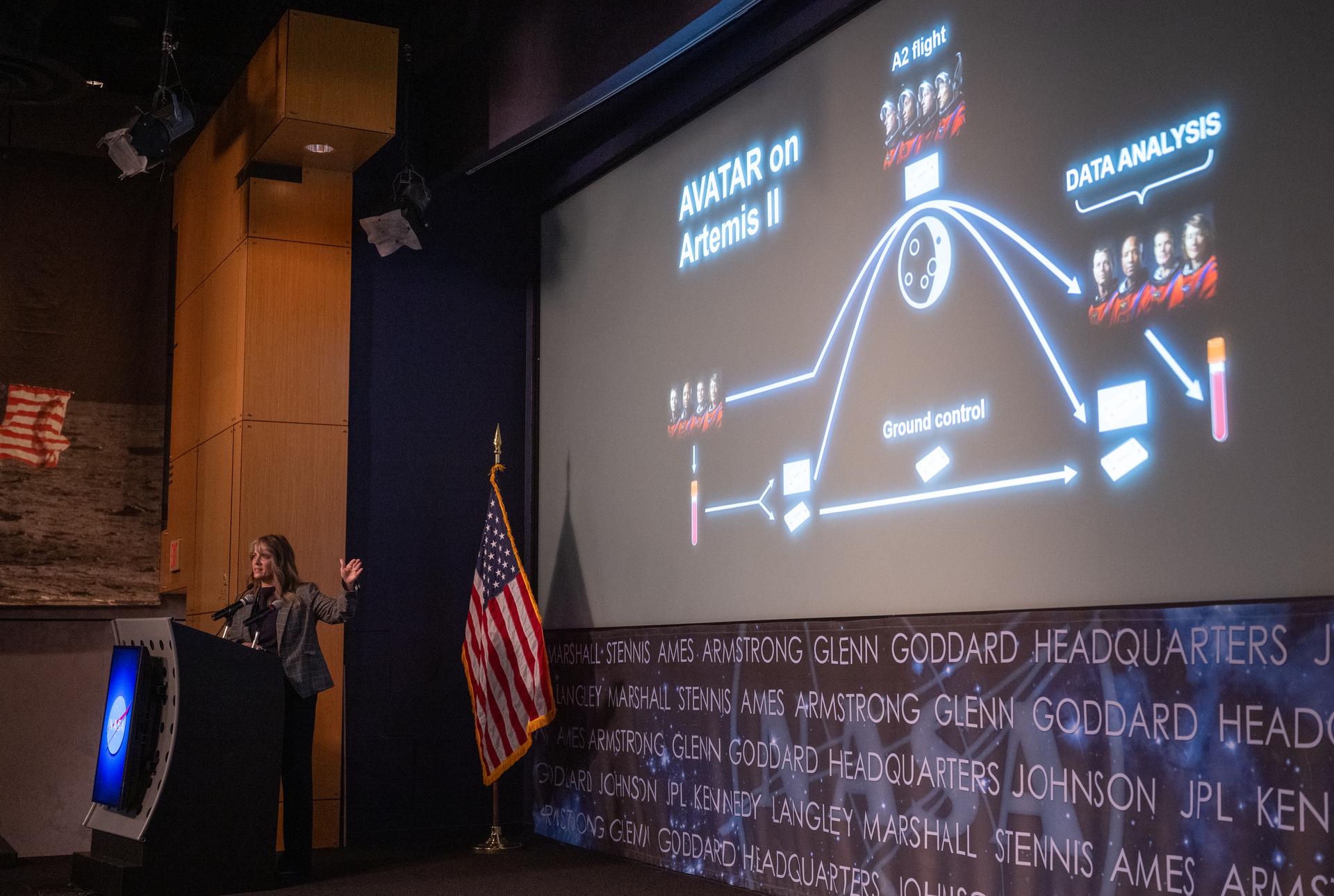
Dr. Lisa Carnell, director of NASA’s Biological and Physical Sciences Division, is seen during a Frontiers Forum talk titled “Revolutionizing Medicine – In Space,” Wednesday, Sept. 16, 2026, at the Mary W. Jackson NASA Headquarters building in Washington. Photo Credit: (NASA/Joel Kowsky)
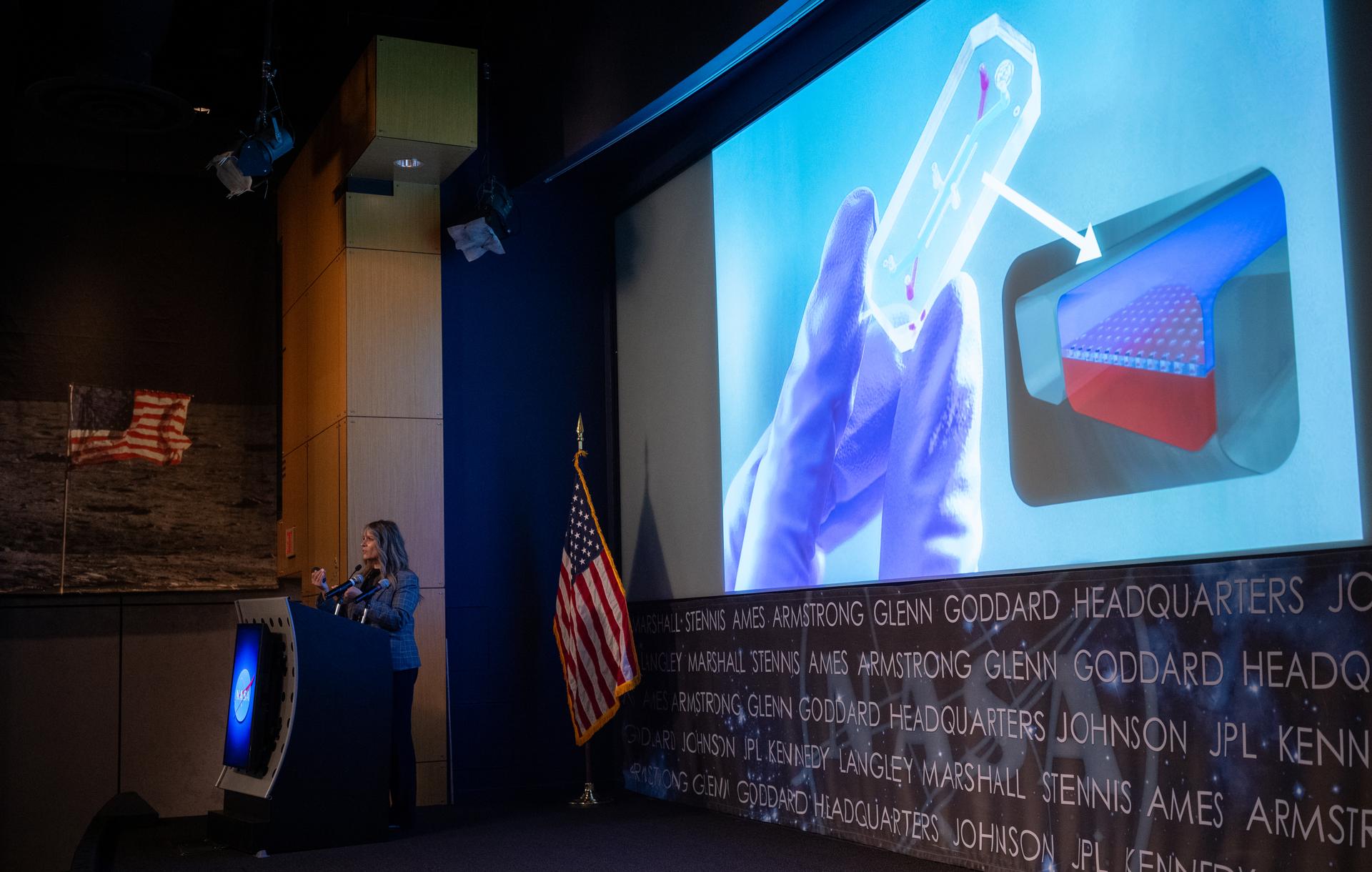
Dr. Lisa Carnell, director of NASA’s Biological and Physical Sciences Division, is seen during a Frontiers Forum talk titled “Revolutionizing Medicine – In Space,” Wednesday, Sept. 16, 2026, at the Mary W. Jackson NASA Headquarters building in Washington. Photo Credit: (NASA/Joel Kowsky)
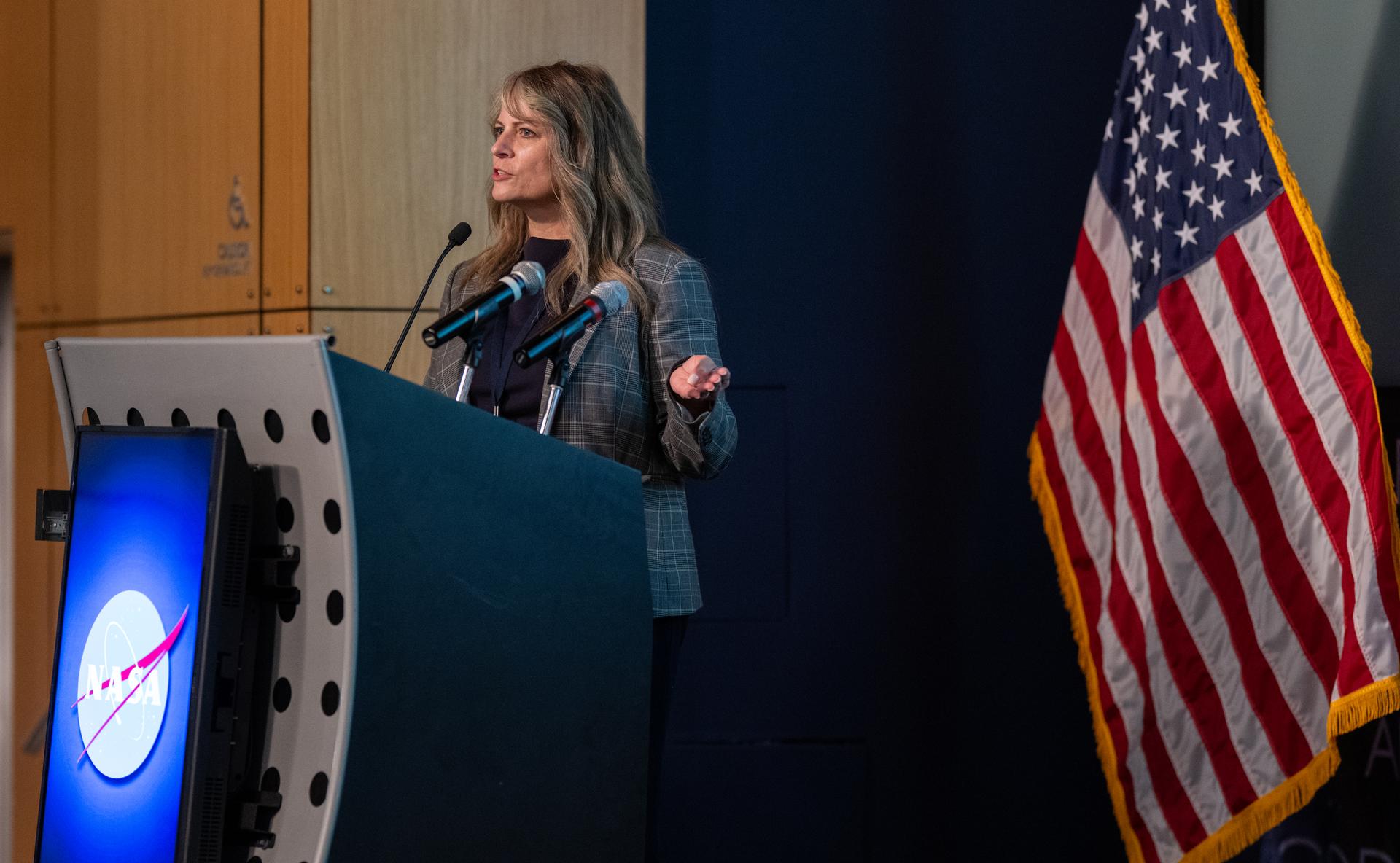
Dr. Lisa Carnell, director of NASA’s Biological and Physical Sciences Division, is seen during a Frontiers Forum talk titled “Revolutionizing Medicine – In Space,” Wednesday, Sept. 16, 2026, at the Mary W. Jackson NASA Headquarters building in Washington. Photo Credit: (NASA/Joel Kowsky)
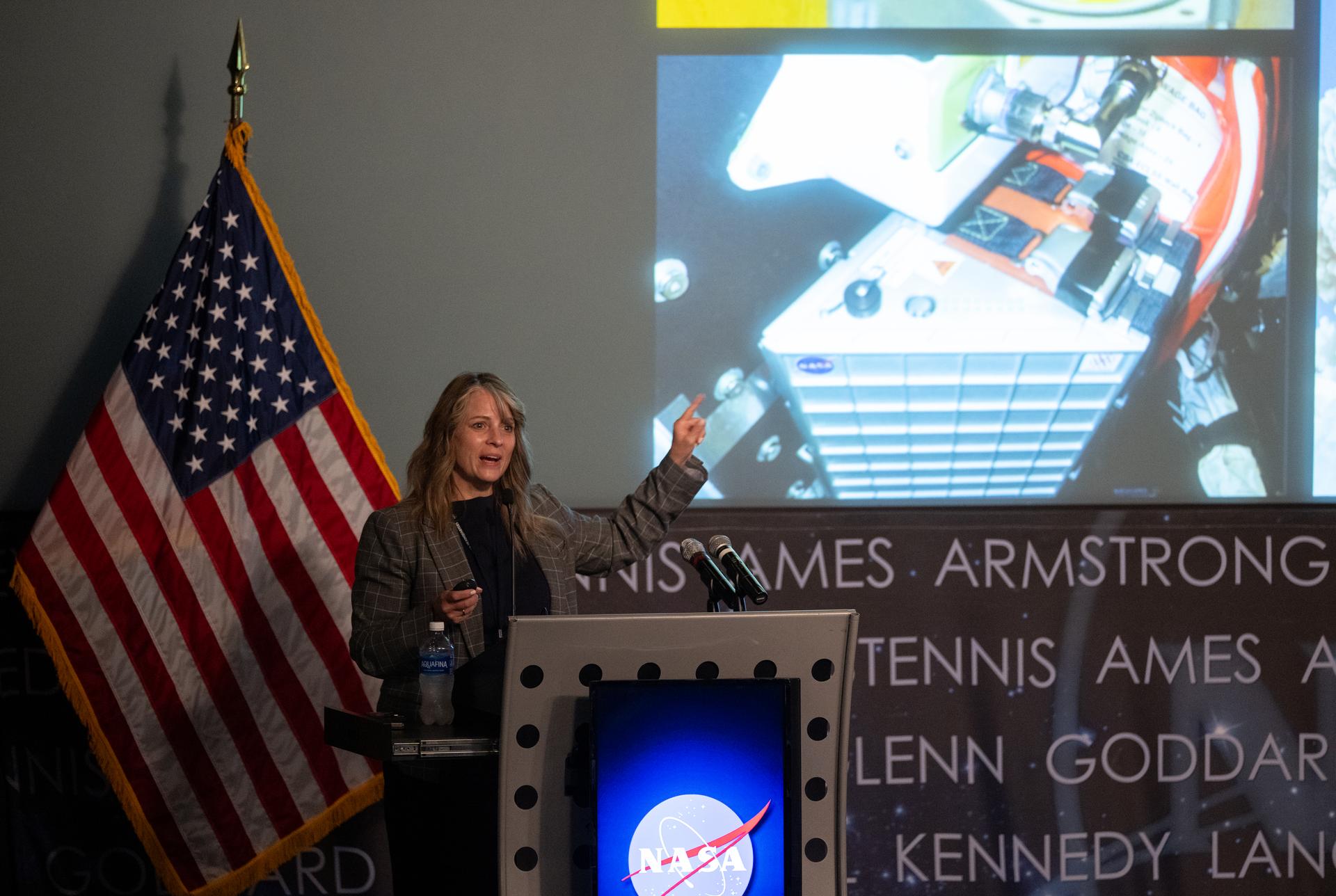
Dr. Lisa Carnell, director of NASA’s Biological and Physical Sciences Division, is seen during a Frontiers Forum talk titled “Revolutionizing Medicine – In Space,” Wednesday, Sept. 16, 2026, at the Mary W. Jackson NASA Headquarters building in Washington. Photo Credit: (NASA/Joel Kowsky)
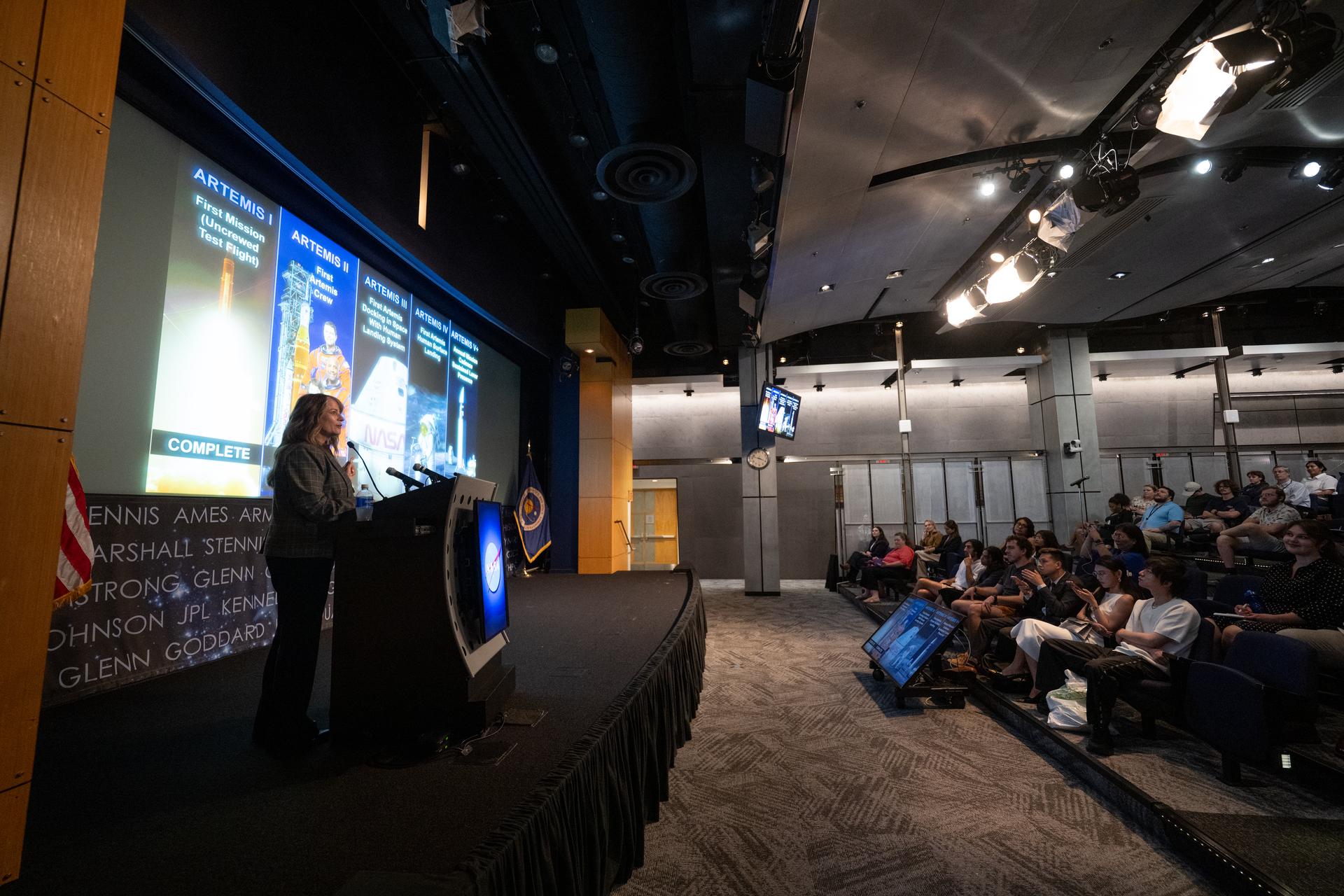
Dr. Lisa Carnell, director of NASA’s Biological and Physical Sciences Division, is seen during a Frontiers Forum talk titled “Revolutionizing Medicine – In Space,” Wednesday, Sept. 16, 2026, at the Mary W. Jackson NASA Headquarters building in Washington. Photo Credit: (NASA/Joel Kowsky)
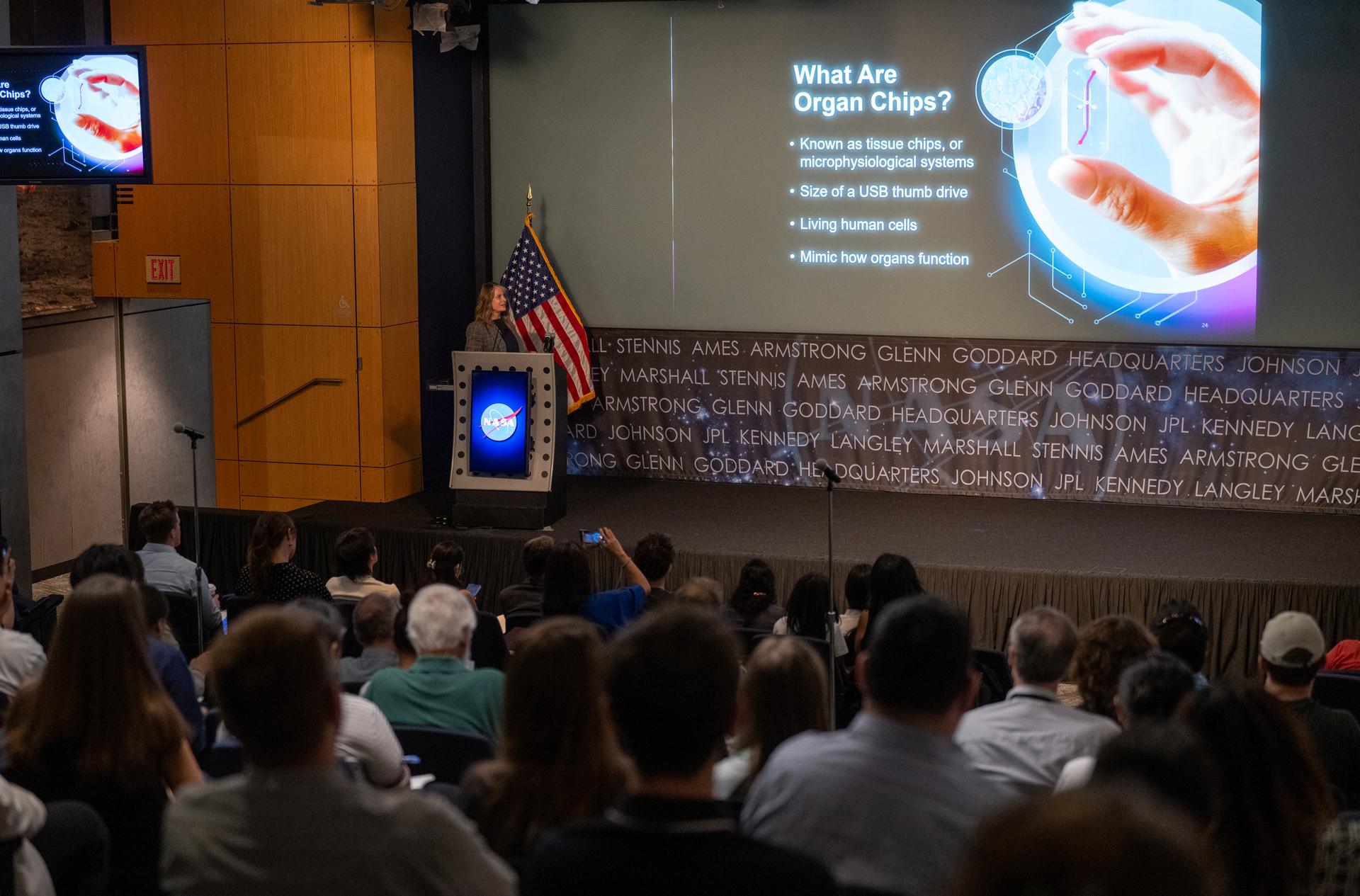
Dr. Lisa Carnell, director of NASA’s Biological and Physical Sciences Division, is seen during a Frontiers Forum talk titled “Revolutionizing Medicine – In Space,” Wednesday, Sept. 16, 2026, at the Mary W. Jackson NASA Headquarters building in Washington. Photo Credit: (NASA/Joel Kowsky)
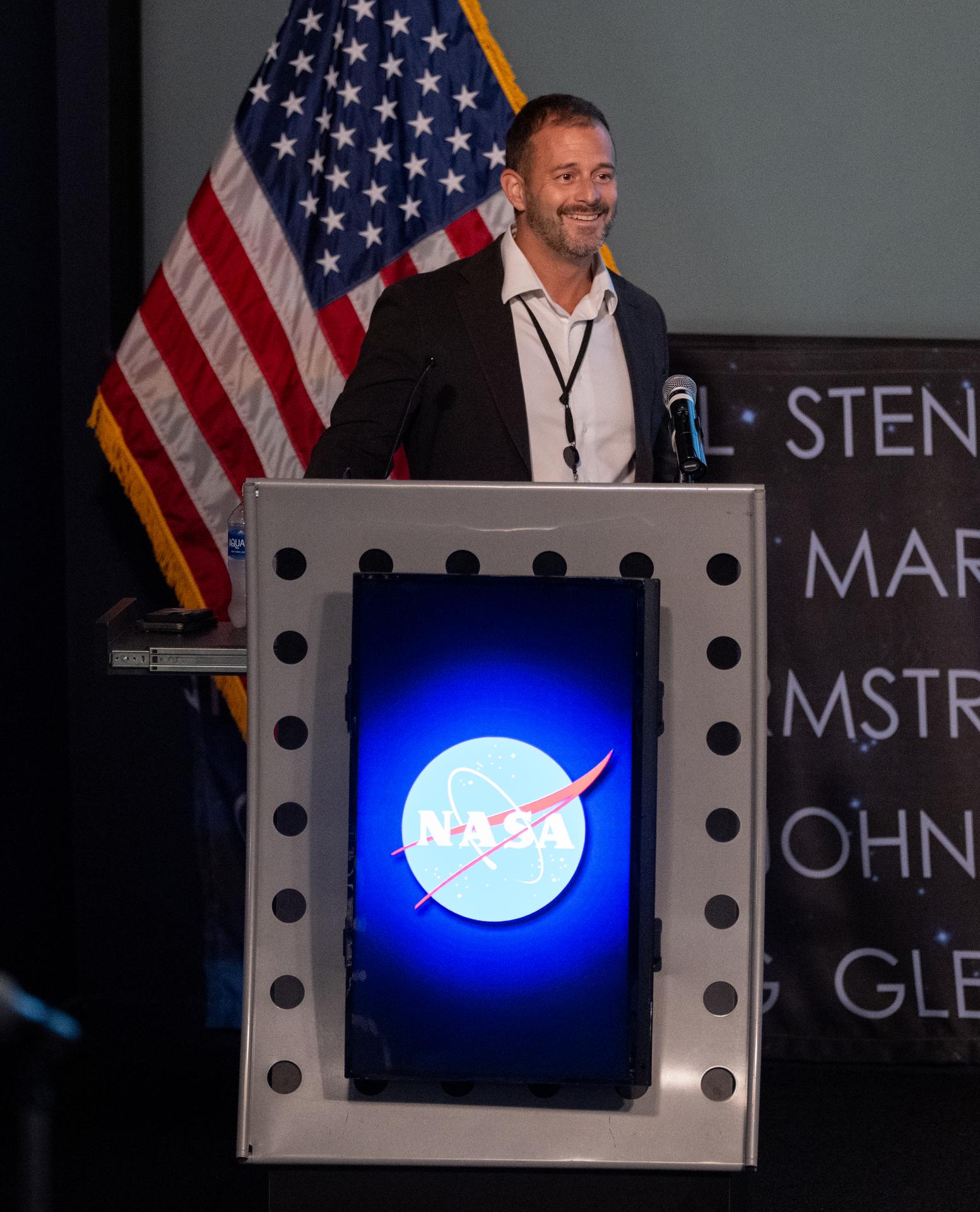
Stephen Zepecki, strategic communications manager for NASA’s Science Mission Directorate, introduces Dr. Lisa Carnell, director of NASA’s Biological and Physical Sciences Division, during a Frontiers Forum talk titled “Revolutionizing Medicine – In Space,” Wednesday, Sept. 16, 2026, at the Mary W. Jackson NASA Headquarters building in Washington. Photo Credit: (NASA/Joel Kowsky)
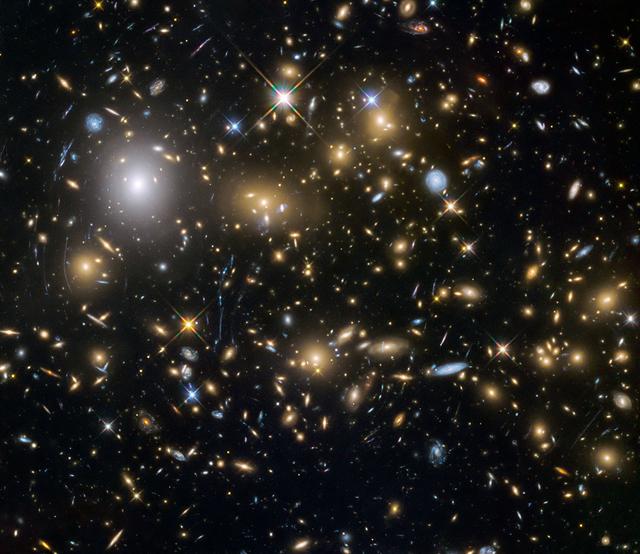
Observations by the NASA/ESA Hubble Space Telescope have taken advantage of gravitational lensing to reveal the largest sample of the faintest and earliest known galaxies in the universe. Some of these galaxies formed just 600 million years after the big bang and are fainter than any other galaxy yet uncovered by Hubble. The team has determined for the first time with some confidence that these small galaxies were vital to creating the universe that we see today. An international team of astronomers, led by Hakim Atek of the Ecole Polytechnique Fédérale de Lausanne, Switzerland, has discovered over 250 tiny galaxies that existed only 600-900 million years after the big bang— one of the largest samples of dwarf galaxies yet to be discovered at these epochs. The light from these galaxies took over 12 billion years to reach the telescope, allowing the astronomers to look back in time when the universe was still very young. Read more: <a href="http://www.nasa.gov/feature/goddard/hubble-spies-big-bang-frontiers" rel="nofollow">www.nasa.gov/feature/goddard/hubble-spies-big-bang-frontiers</a> Credit: NASA/ESA <b><a href="http://www.nasa.gov/audience/formedia/features/MP_Photo_Guidelines.html" rel="nofollow">NASA image use policy.</a></b> <b><a href="http://www.nasa.gov/centers/goddard/home/index.html" rel="nofollow">NASA Goddard Space Flight Center</a></b> enables NASA’s mission through four scientific endeavors: Earth Science, Heliophysics, Solar System Exploration, and Astrophysics. Goddard plays a leading role in NASA’s accomplishments by contributing compelling scientific knowledge to advance the Agency’s mission. <b>Follow us on <a href="http://twitter.com/NASAGoddardPix" rel="nofollow">Twitter</a></b> <b>Like us on <a href="http://www.facebook.com/pages/Greenbelt-MD/NASA-Goddard/395013845897?ref=tsd" rel="nofollow">Facebook</a></b> <b>Find us on <a href="http://instagrid.me/nasagoddard/?vm=grid" rel="nofollow">Instagram</a></b>
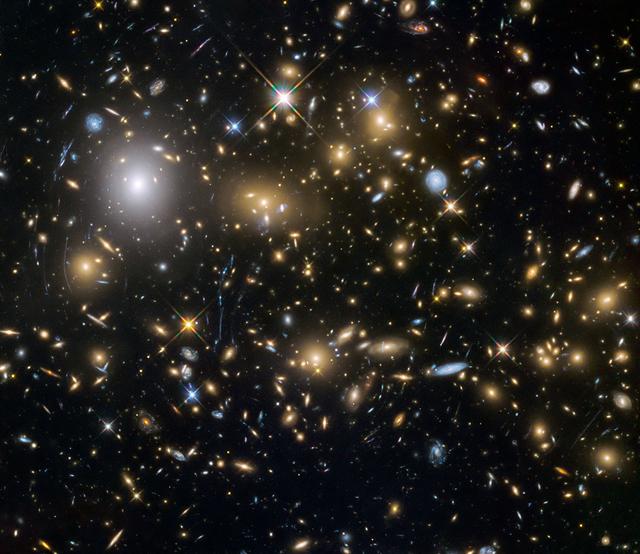
This image from the NASA/ESA Hubble Space Telescope shows the galaxy cluster MACSJ0717.5+3745. This is one of six being studied by the Hubble Frontier Fields programme, which together have produced the deepest images of gravitational lensing ever made. Due to the huge mass of the cluster it is bending the light of background objects, acting as a magnifying lens. It is one of the most massive galaxy clusters known, and it is also the largest known gravitational lens. Of all of the galaxy clusters known and measured, MACS J0717 lenses the largest area of the sky.
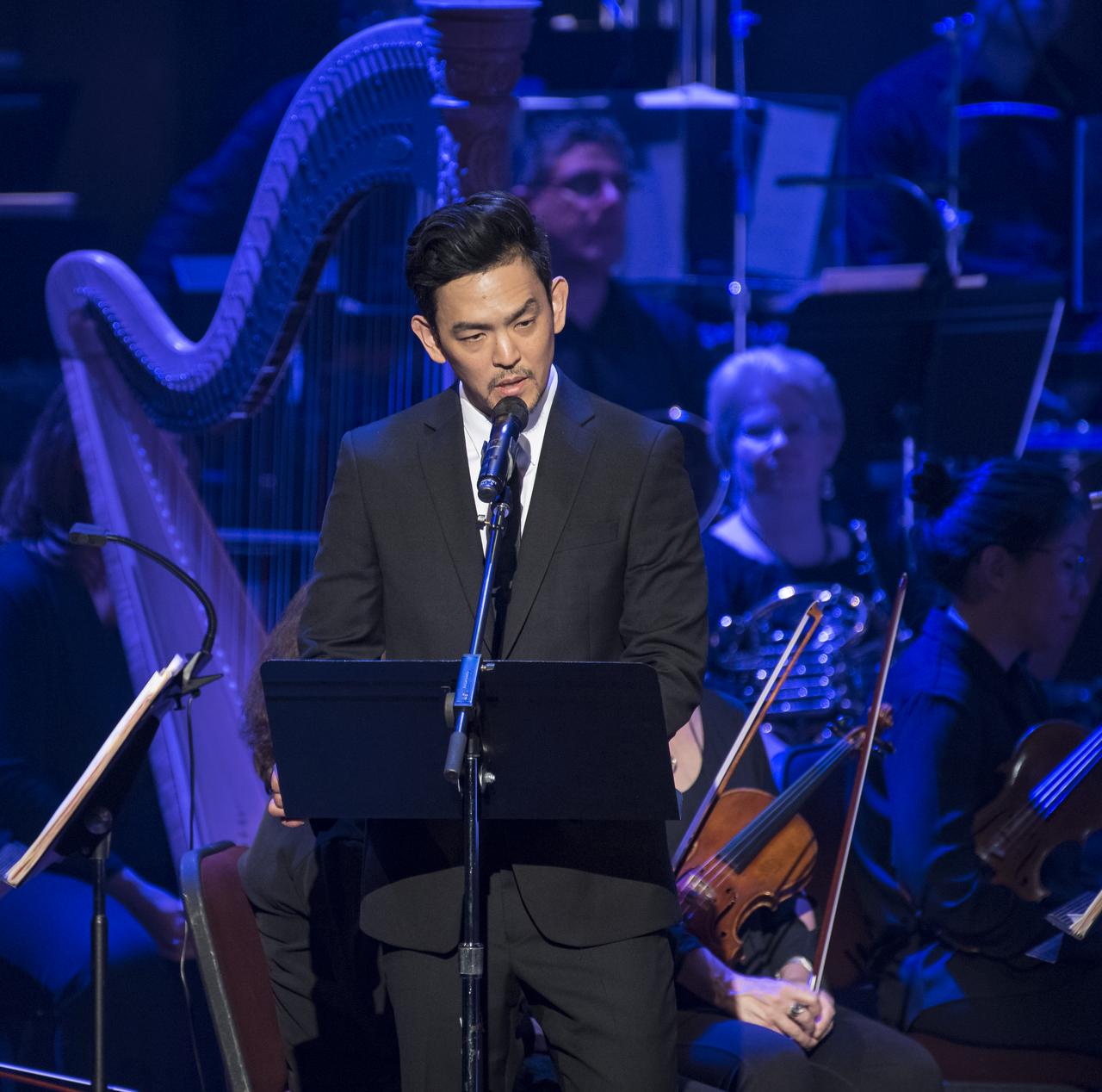
Actor John Cho recites a poem during the "National Symphony Orchestra Pops: Space, the Next Frontier" event celebrating NASA's 60th Anniversary, Friday, June 1, 2018 at the John F. Kennedy Center for the Performing Arts in Washington. The event featured music inspired by space including artists will.i.am, Grace Potter, Coheed & Cambria, John Cho, and guest Nick Sagan, son of Carl Sagan. Photo Credit: (NASA/Aubrey Gemignani)
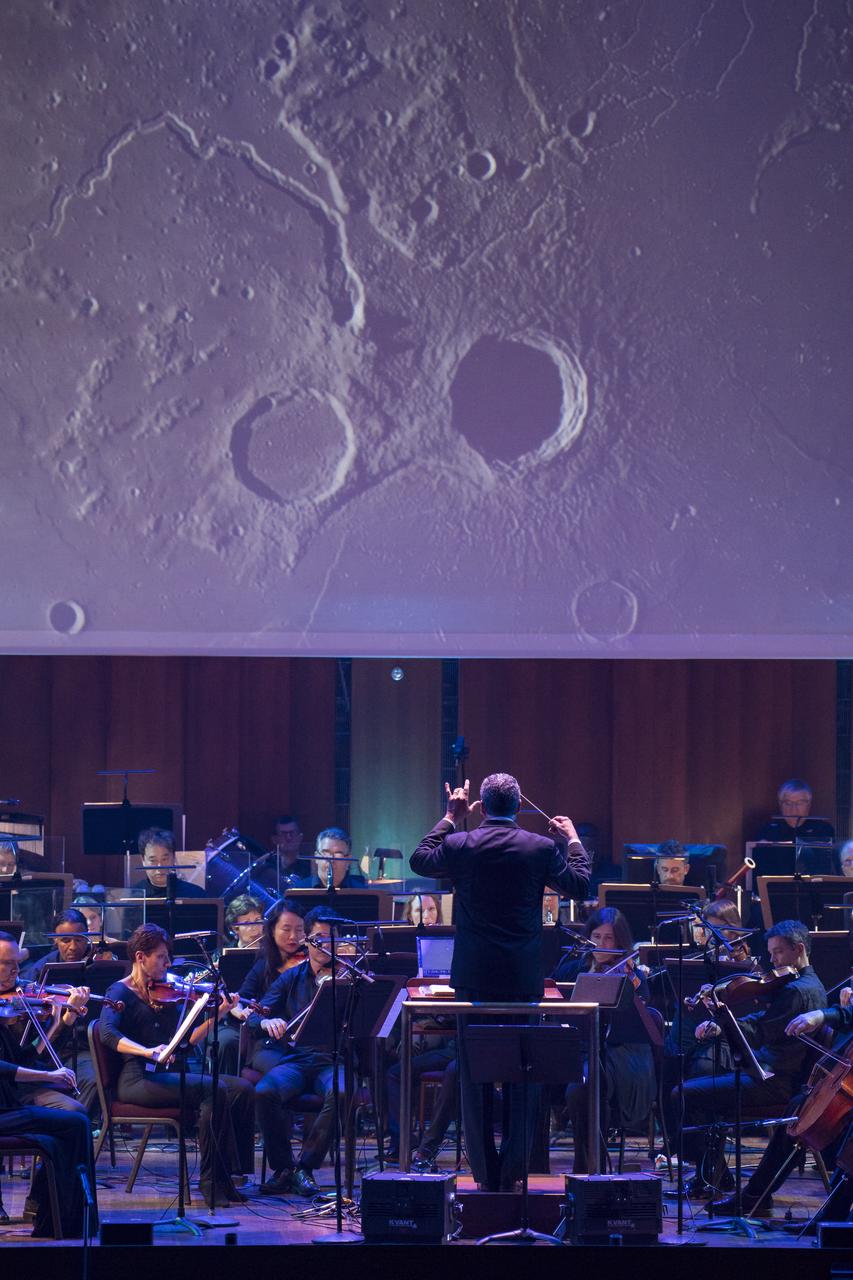
Conductor Emil de Cou leads the National Symphony Orchestra during the "Space, the Next Frontier" event celebrating NASA's 60th Anniversary, Friday, June 1, 2018 at the John F. Kennedy Center for the Performing Arts in Washington. The event featured music inspired by space including artists will.i.am, Grace Potter, Coheed & Cambria, John Cho, and guest Nick Sagan, son of Carl Sagan. Photo Credit: (NASA/Aubrey Gemignani)

Will.i.am's "Reach for the Stars" is performed while he conducts the National Symphony Orchestra during the "Space, the Next Frontier" event celebrating NASA's 60th Anniversary, Friday, June 1, 2018 at the John F. Kennedy Center for the Performing Arts in Washington. The event featured music inspired by space including artists will.i.am, Grace Potter, Coheed & Cambria, John Cho, and guest Nick Sagan, son of Carl Sagan. Photo Credit: (NASA/Aubrey Gemignani)
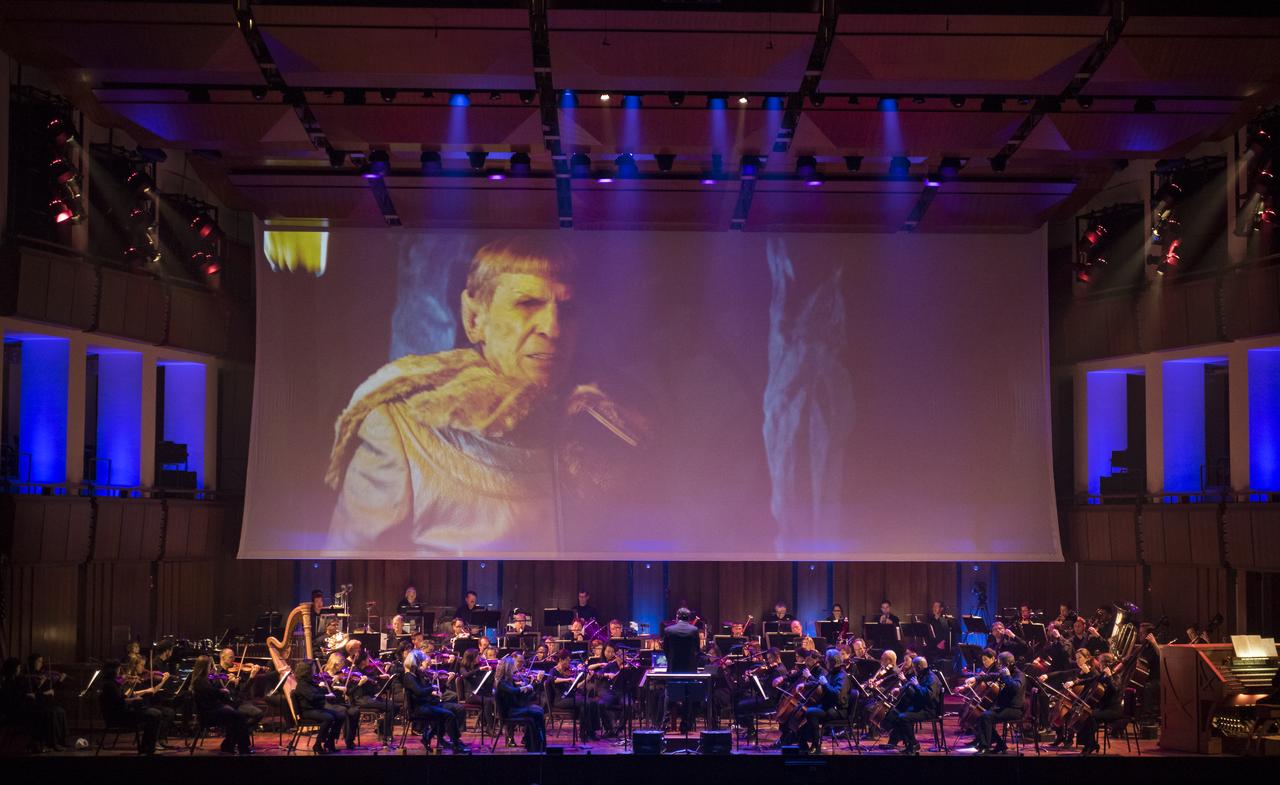
Star Trek composer Michael Giacchino conducts the National Symphony Orchestra during the "Space, the Next Frontier" event celebrating NASA's 60th Anniversary, Friday, June 1, 2018 at the John F. Kennedy Center for the Performing Arts in Washington. The event featured music inspired by space including artists will.i.am, Grace Potter, Coheed & Cambria, John Cho, and guest Nick Sagan, son of Carl Sagan. Photo Credit: (NASA/Aubrey Gemignani)
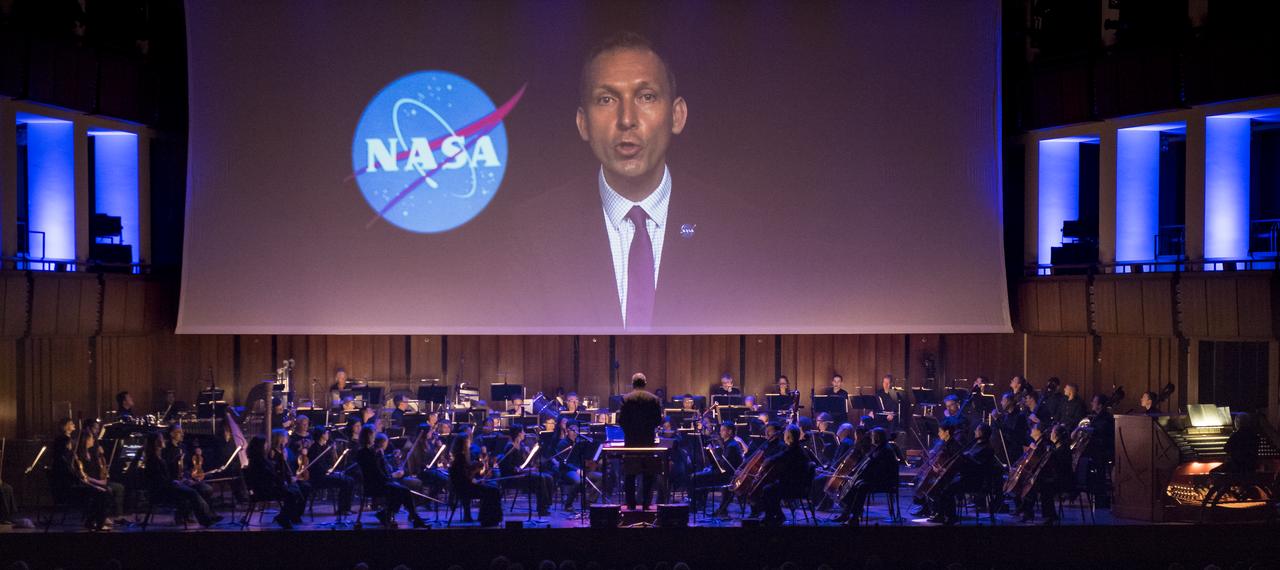
NASA's Associate Administrator for the Science Mission Directorate, Thomas Zurbuchen, is seen in a video message during the "National Symphony Orchestra Pops: Space, the Next Frontier" event celebrating NASA's 60th Anniversary, Friday, June 1, 2018 at the John F. Kennedy Center for the Performing Arts in Washington. The event featured music inspired by space including artists will.i.am, Grace Potter, Coheed & Cambria, John Cho, and guest Nick Sagan, son of Carl Sagan. Photo Credit: (NASA/Aubrey Gemignani)
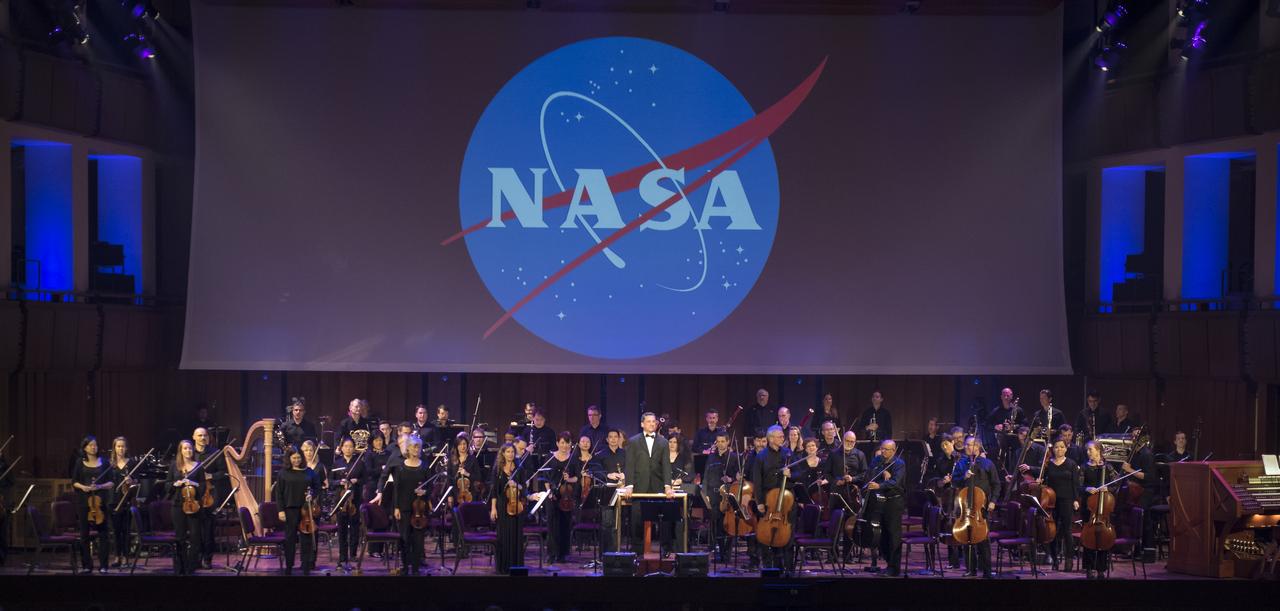
Conductor Emil de Cou and the National Symphony Orchestra stands at the start of the second half of "Space, the Next Frontier" celebrating NASA's 60th Anniversary, Friday, June 1, 2018 at the John F. Kennedy Center for the Performing Arts in Washington. The event featured music inspired by space including artists will.i.am, Grace Potter, Coheed & Cambria, John Cho, and guest Nick Sagan, son of Carl Sagan. Photo Credit: (NASA/Aubrey Gemignani)
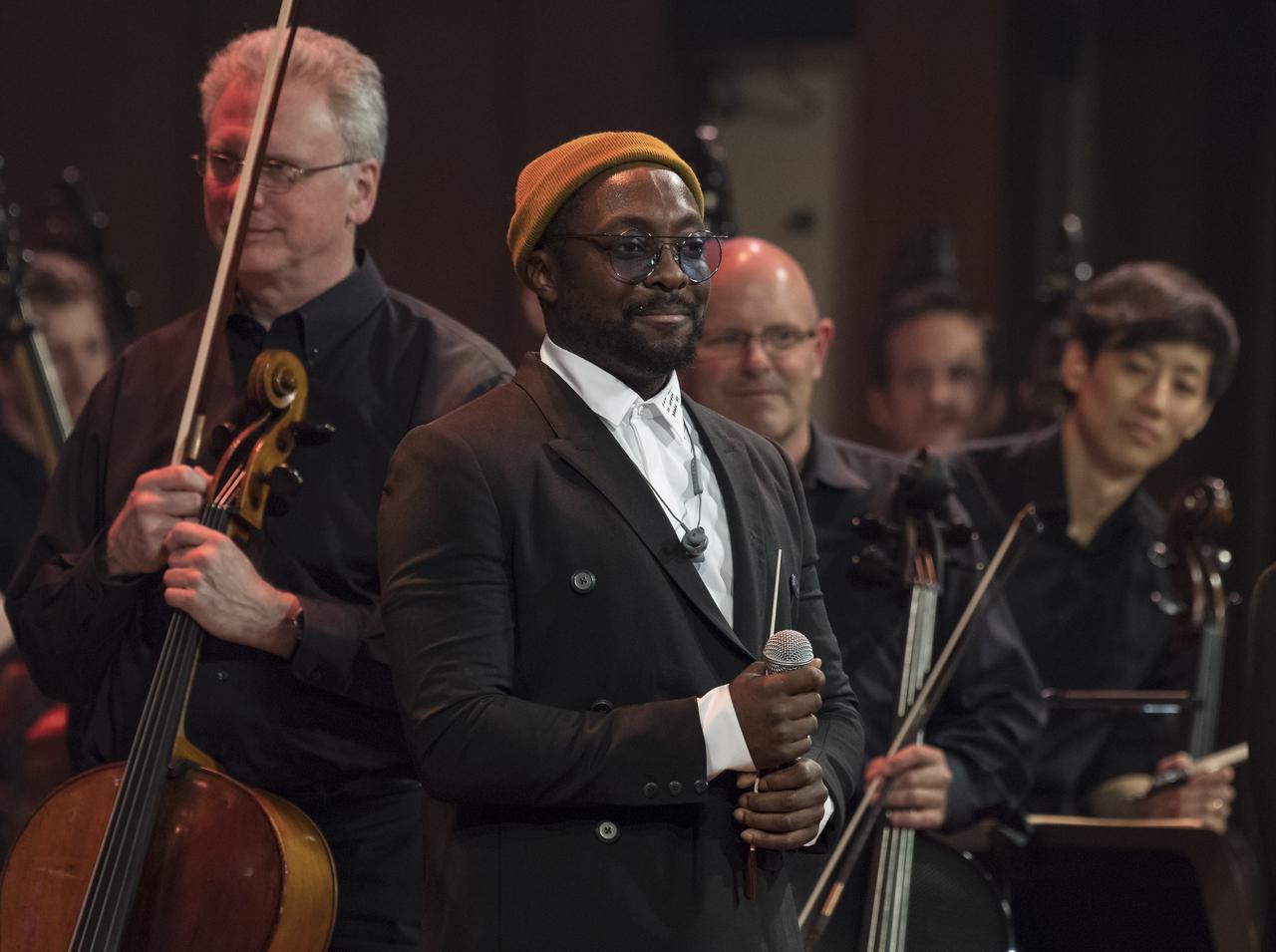
Will.i.am's is seen just after he conducted the National Symphony Orchestra during the "Space, the Next Frontier" event celebrating NASA's 60th Anniversary, Friday, June 1, 2018 at the John F. Kennedy Center for the Performing Arts in Washington. The event featured music inspired by space including artists will.i.am, Grace Potter, Coheed & Cambria, John Cho, and guest Nick Sagan, son of Carl Sagan. Photo Credit: (NASA/Aubrey Gemignani)
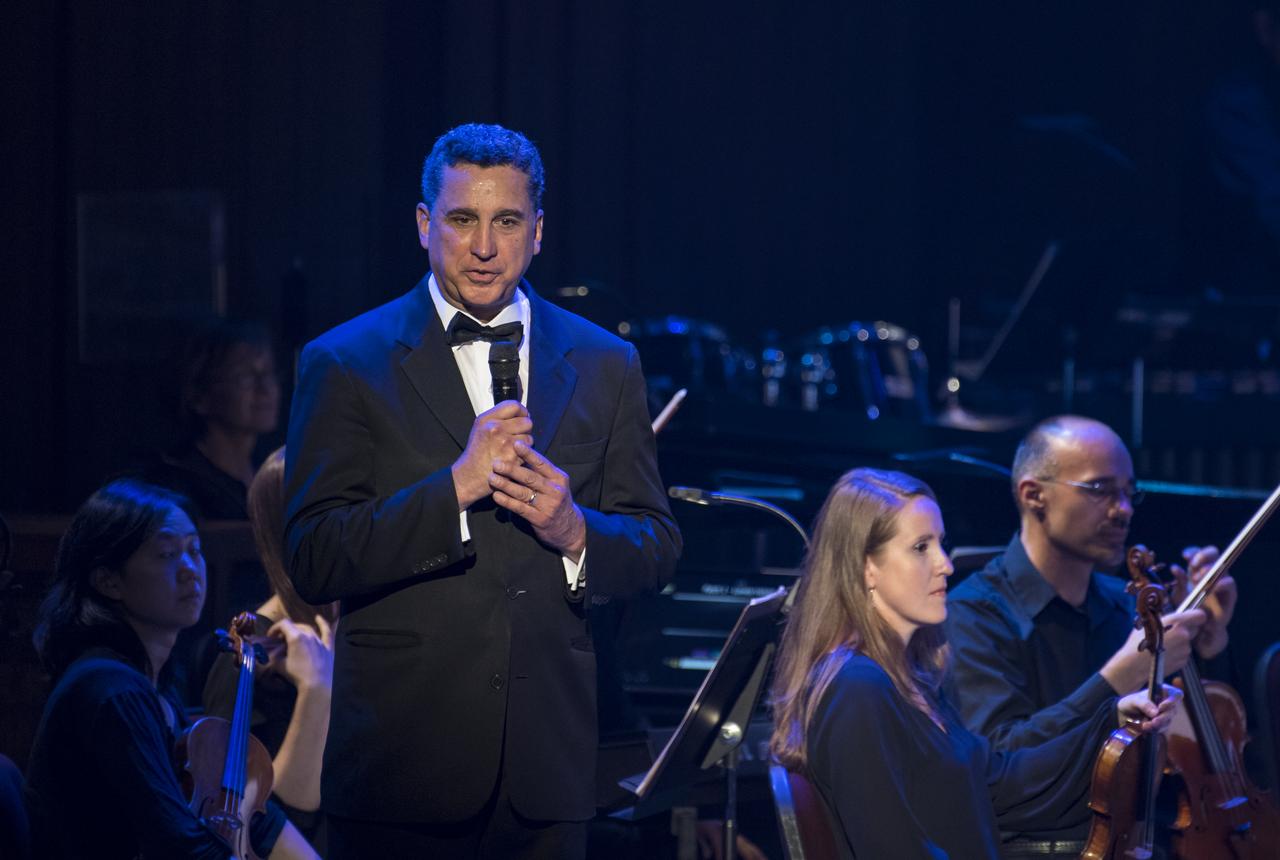
Conductor Emil de Cou speaks after leading the National Symphony Orchestra during the "Space, the Next Frontier" event celebrating NASA's 60th Anniversary, Friday, June 1, 2018 at the John F. Kennedy Center for the Performing Arts in Washington. The event featured music inspired by space including artists will.i.am, Grace Potter, Coheed & Cambria, John Cho, and guest Nick Sagan, son of Carl Sagan. Photo Credit: (NASA/Aubrey Gemignani)
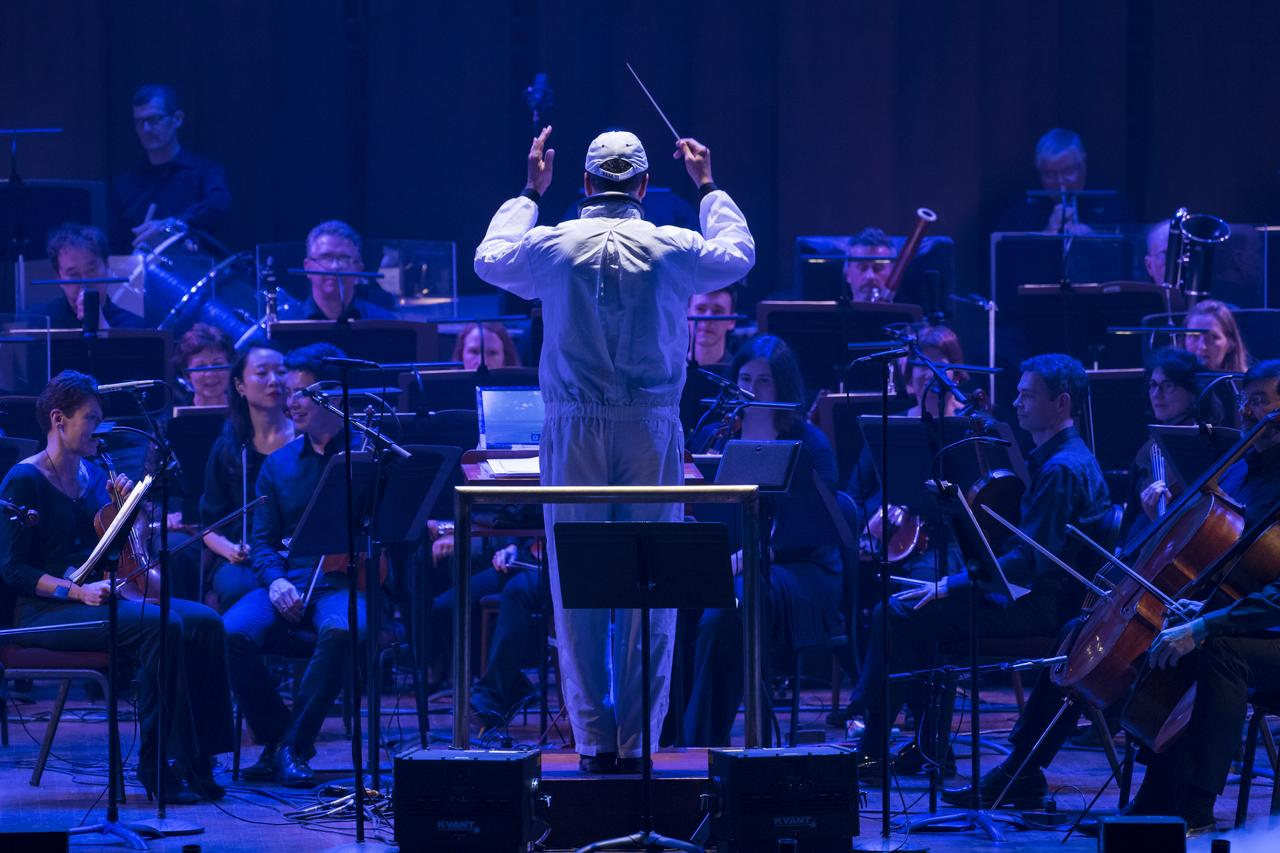
Conductor Emil de Cou leads the National Symphony Orchestra during the "Space, the Next Frontier" event celebrating NASA's 60th Anniversary, Friday, June 1, 2018 at the John F. Kennedy Center for the Performing Arts in Washington. The event featured music inspired by space including artists will.i.am, Grace Potter, Coheed & Cambria, John Cho, and guest Nick Sagan, son of Carl Sagan. Photo Credit: (NASA/Aubrey Gemignani)
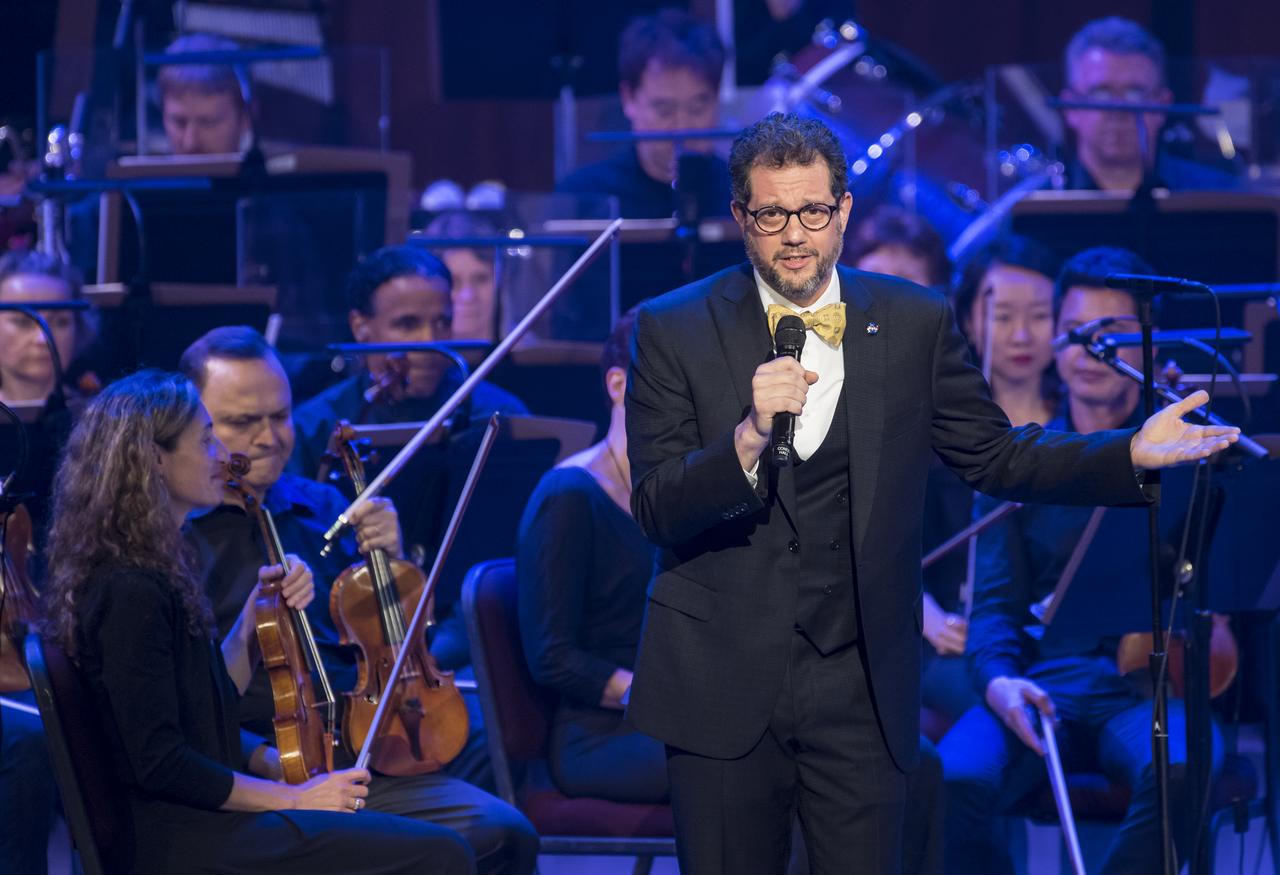
Composer Michael Giacchino speaks during the "National Symphony Orchestra Pops: Space, the Next Frontier" event celebrating NASA's 60th Anniversary, Friday, June 1, 2018 at the John F. Kennedy Center for the Performing Arts in Washington. The event featured music inspired by space including artists will.i.am, Grace Potter, Coheed & Cambria, John Cho, and guest Nick Sagan, son of Carl Sagan. Photo Credit: (NASA/Aubrey Gemignani)

Will.i.am speaks before conducting the National Symphony Orchestra during the "Space, the Next Frontier" event celebrating NASA's 60th Anniversary, Friday, June 1, 2018 at the John F. Kennedy Center for the Performing Arts in Washington. The event featured music inspired by space including artists will.i.am, Grace Potter, Coheed & Cambria, John Cho, and guest Nick Sagan, son of Carl Sagan. Photo Credit: (NASA/Aubrey Gemignani)
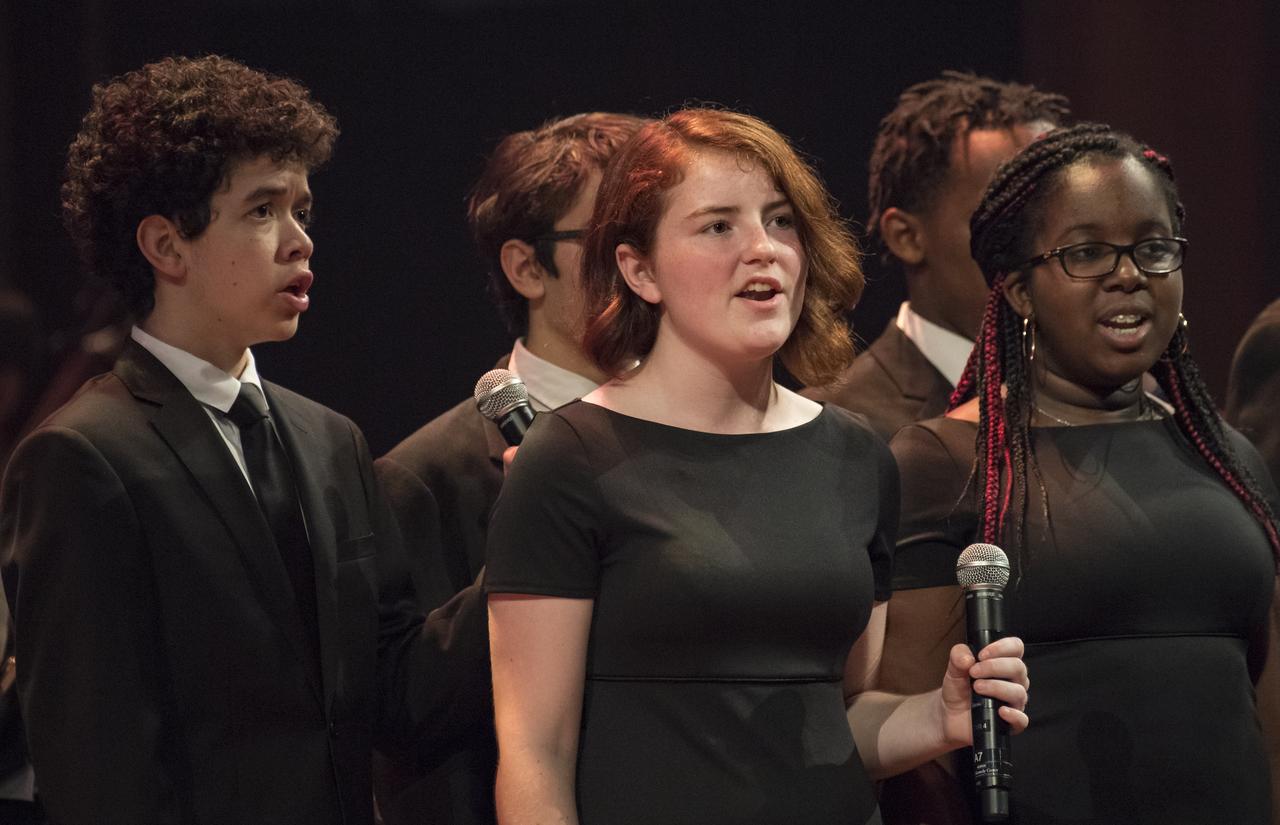
Students provide backup vocals during a performance of Will.i.am's "Reach for the Stars" at the "National Symphony Orchestra Pops: Space, the Next Frontier" event celebrating NASA's 60th Anniversary, Friday, June 1, 2018 at the John F. Kennedy Center for the Performing Arts in Washington. The event featured music inspired by space including artists will.i.am, Grace Potter, Coheed & Cambria, John Cho, and guest Nick Sagan, son of Carl Sagan. Photo Credit: (NASA/Aubrey Gemignani)
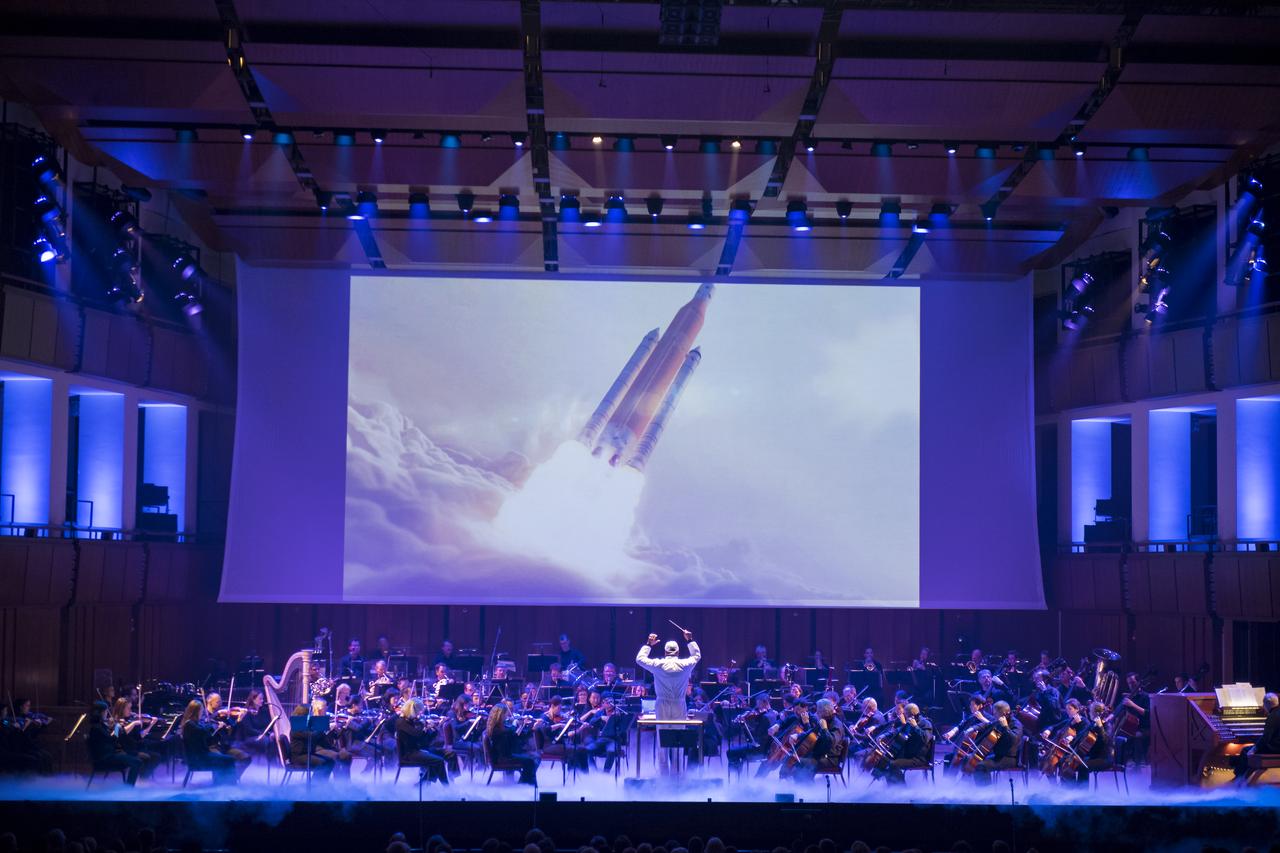
Conductor Emil de Cou leads the National Symphony Orchestra during the "Space, the Next Frontier" event celebrating NASA's 60th Anniversary, Friday, June 1, 2018 at the John F. Kennedy Center for the Performing Arts in Washington. The event featured music inspired by space including artists will.i.am, Grace Potter, Coheed & Cambria, John Cho, and guest Nick Sagan, son of Carl Sagan. Photo Credit: (NASA/Aubrey Gemignani)

Coheed and Cambria performs at the "National Symphony Orchestra Pops: Space, the Next Frontier" event celebrating NASA's 60th Anniversary, Friday, June 1, 2018 at the John F. Kennedy Center for the Performing Arts in Washington. The event featured music inspired by space including artists will.i.am, Grace Potter, Coheed & Cambria, John Cho, and guest Nick Sagan, son of Carl Sagan. Photo Credit: (NASA/Aubrey Gemignani)
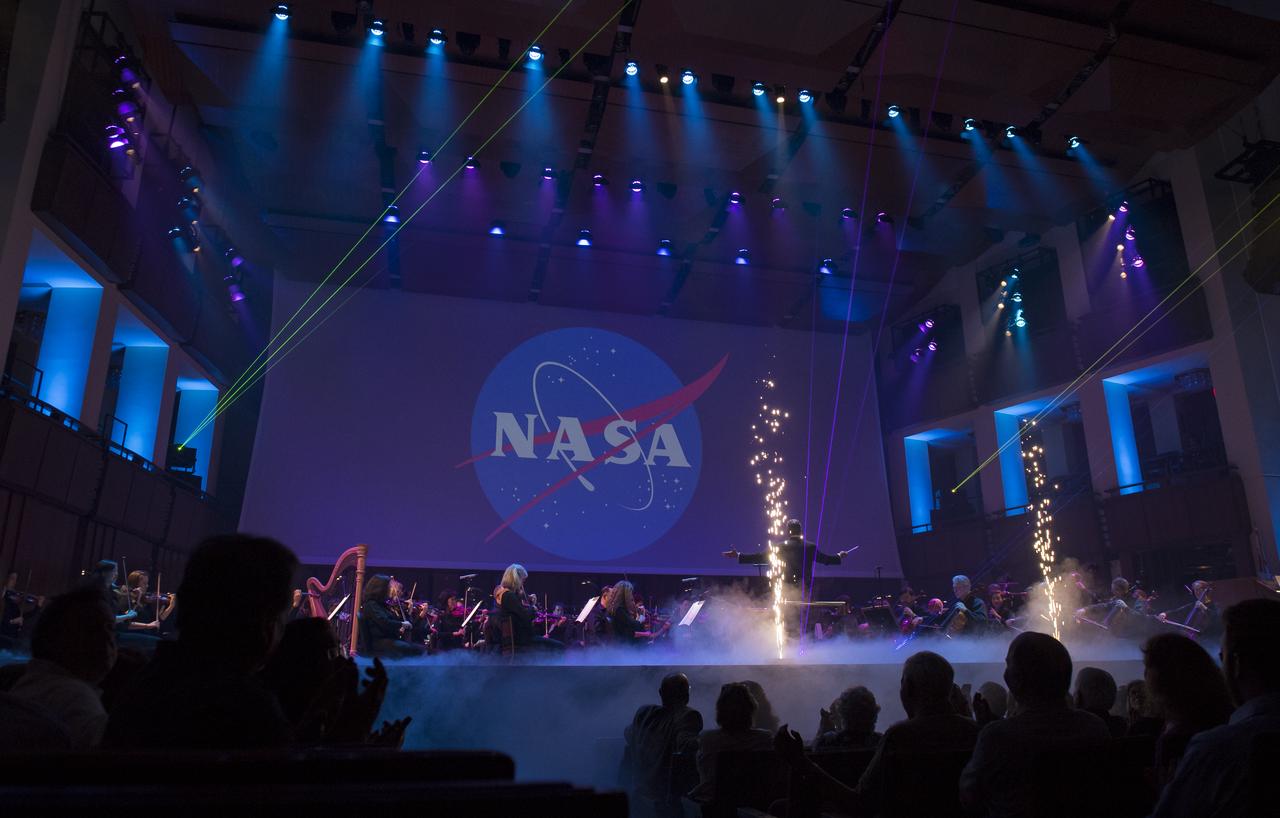
Conductor Emil de Cou leads the final performance of the National Symphony Orchestra during the "Space, the Next Frontier" event celebrating NASA's 60th Anniversary, Friday, June 1, 2018 at the John F. Kennedy Center for the Performing Arts in Washington. The event featured music inspired by space including artists will.i.am, Grace Potter, Coheed & Cambria, John Cho, and guest Nick Sagan, son of Carl Sagan. Photo Credit: (NASA/Aubrey Gemignani)
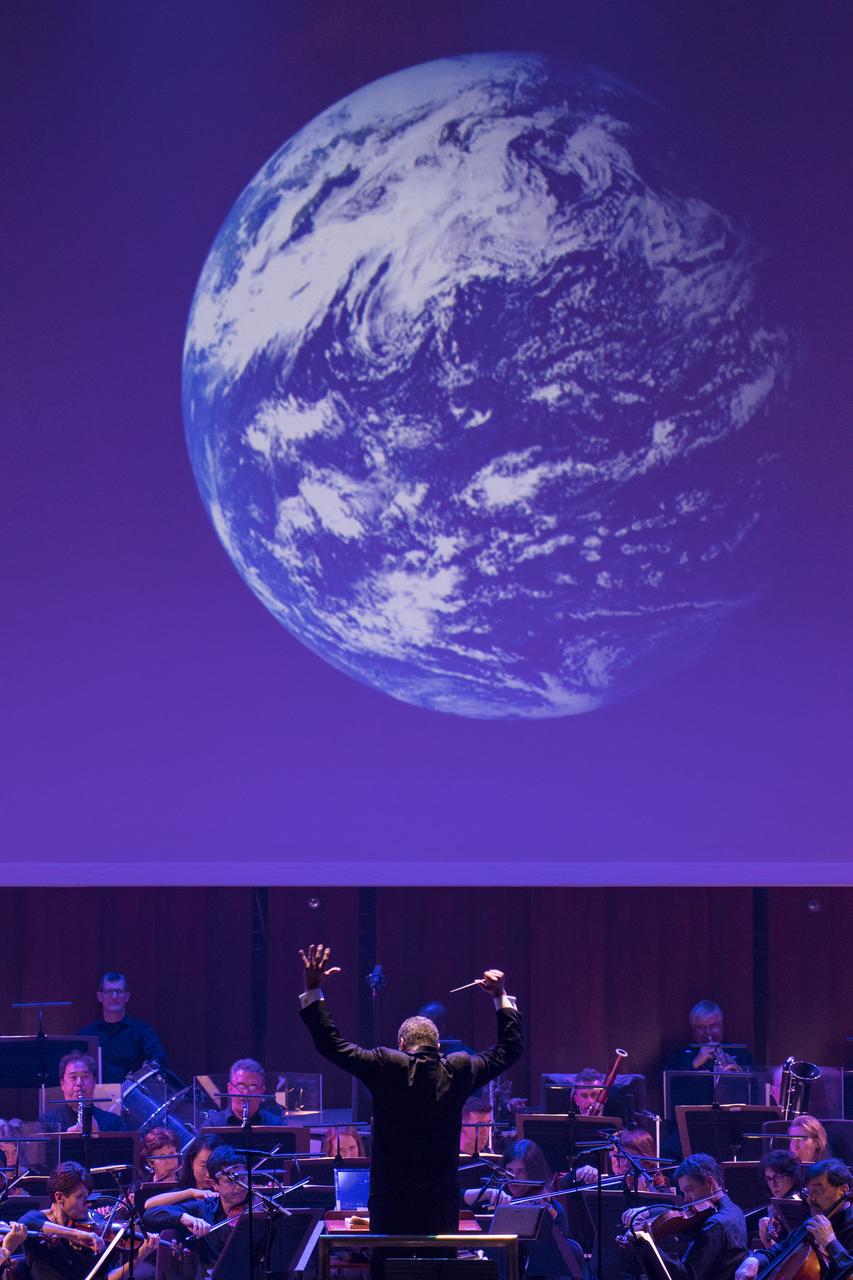
Conductor Emil de Cou leads the National Symphony Orchestra during the "Space, the Next Frontier" event celebrating NASA's 60th Anniversary, Friday, June 1, 2018 at the John F. Kennedy Center for the Performing Arts in Washington. The event featured music inspired by space including artists will.i.am, Grace Potter, Coheed & Cambria, John Cho, and guest Nick Sagan, son of Carl Sagan. Photo Credit: (NASA/Aubrey Gemignani)
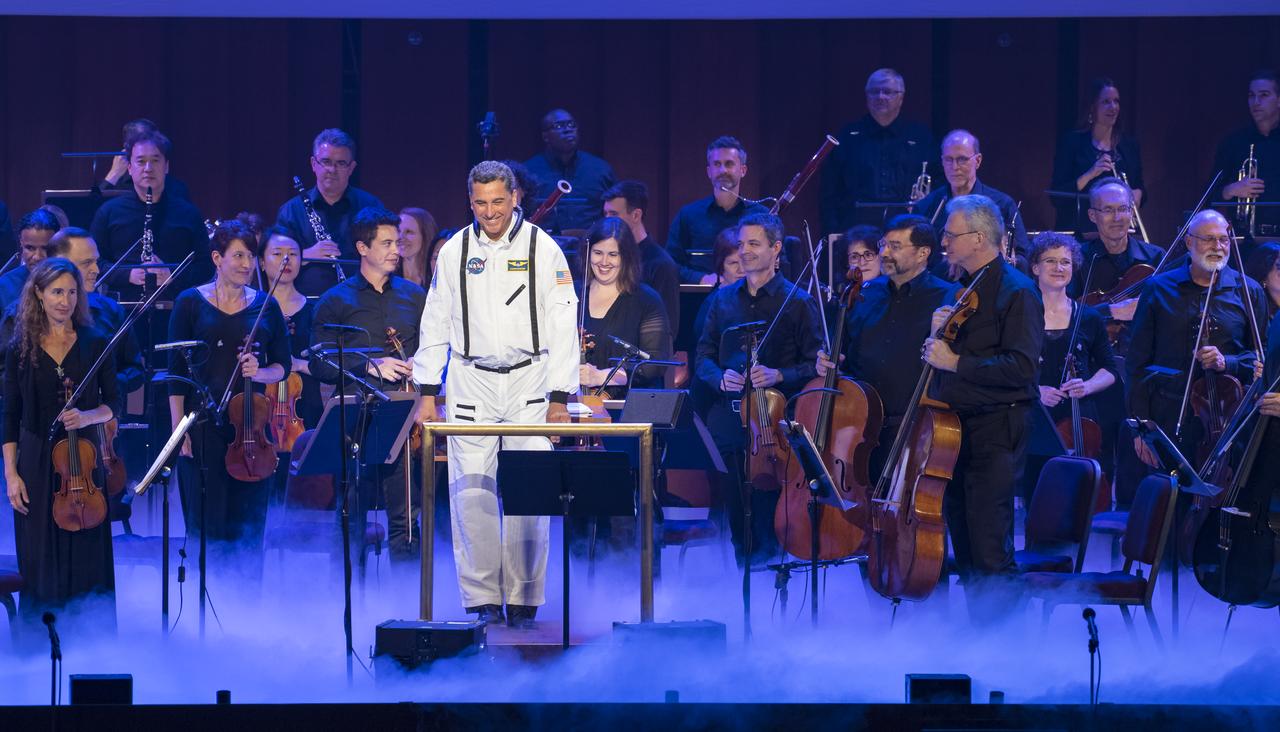
Conductor Emil de Cou speaks after leading the National Symphony Orchestra during the "Space, the Next Frontier" event celebrating NASA's 60th Anniversary, Friday, June 1, 2018 at the John F. Kennedy Center for the Performing Arts in Washington. The event featured music inspired by space including artists will.i.am, Grace Potter, Coheed & Cambria, John Cho, and guest Nick Sagan, son of Carl Sagan. Photo Credit: (NASA/Aubrey Gemignani)
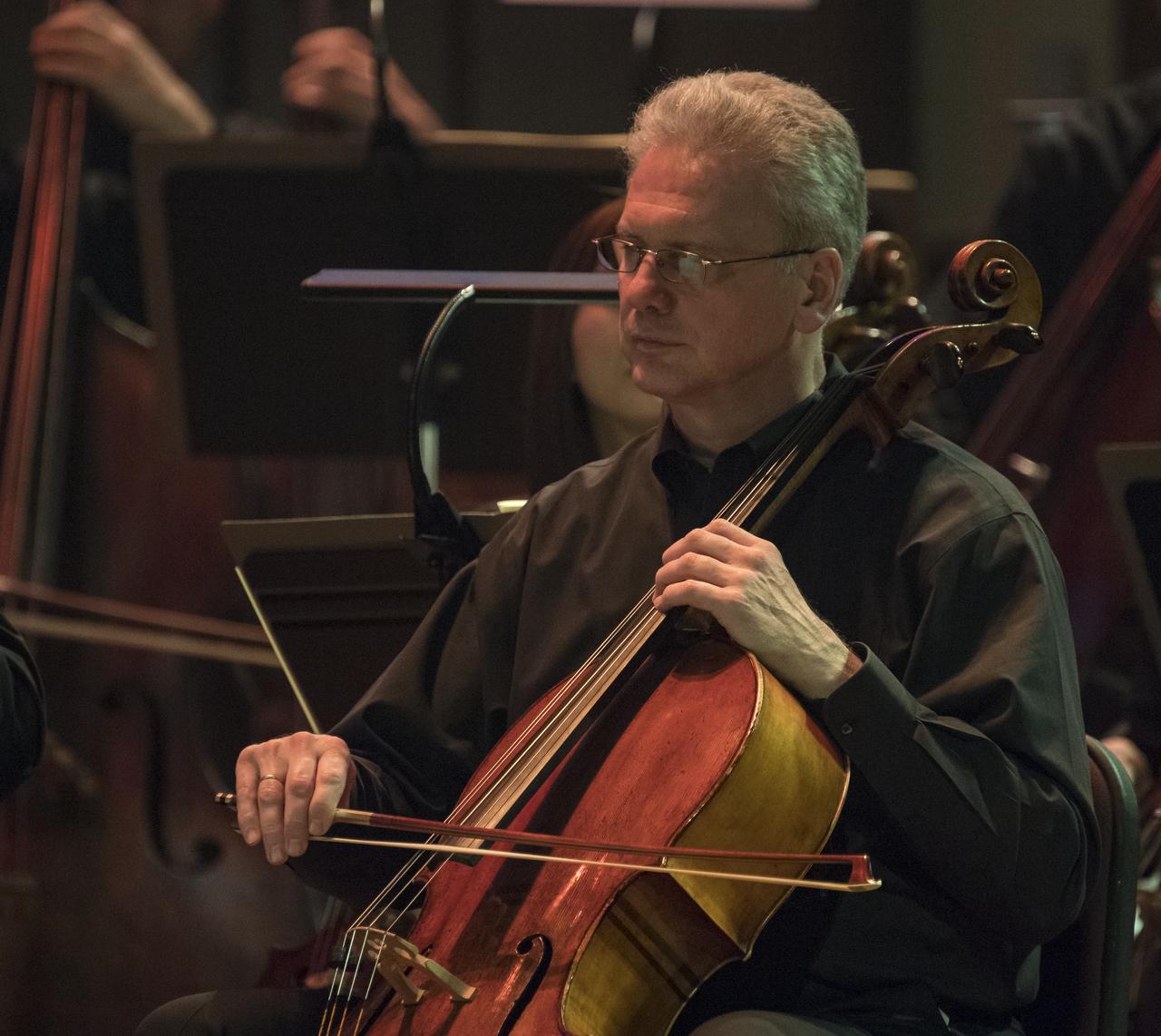
National Symphony Orchestra members are seen performing during the "Space, the Next Frontier" event celebrating NASA's 60th Anniversary, Friday, June 1, 2018 at the John F. Kennedy Center for the Performing Arts in Washington. The event featured music inspired by space including artists will.i.am, Grace Potter, Coheed & Cambria, John Cho, and guest Nick Sagan, son of Carl Sagan. Photo Credit: (NASA/Aubrey Gemignani)

Singer-songwriter Grace Potter performs at the "National Symphony Orchestra Pops: Space, the Next Frontier" event celebrating NASA's 60th Anniversary, Friday, June 1, 2018 at the John F. Kennedy Center for the Performing Arts in Washington. The event featured music inspired by space including artists will.i.am, Grace Potter, Coheed & Cambria, John Cho, and guest Nick Sagan, son of Carl Sagan. Photo Credit: (NASA/Aubrey Gemignani)
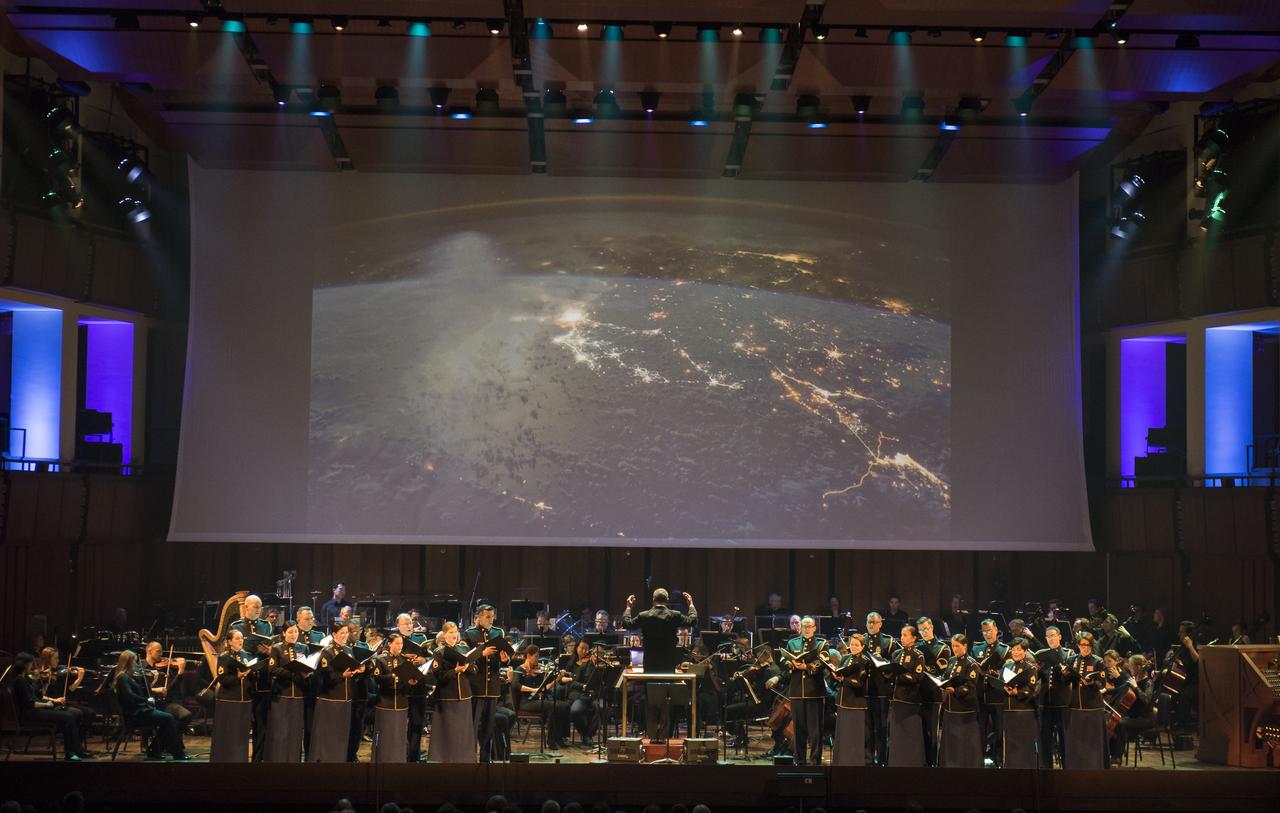
Conductor Emil de Cou leads the National Symphony Orchestra during the "Space, the Next Frontier" event celebrating NASA's 60th Anniversary, Friday, June 1, 2018 at the John F. Kennedy Center for the Performing Arts in Washington. The event featured music inspired by space including artists will.i.am, Grace Potter, Coheed & Cambria, John Cho, and guest Nick Sagan, son of Carl Sagan. Photo Credit: (NASA/Aubrey Gemignani)
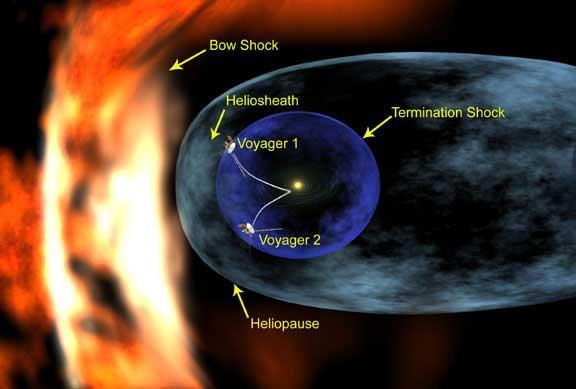
An artist's concept illustrates the positions of the Voyager spacecraft in relation to structures formed around our Sun by the solar wind. Also illustrated is the termination shock, a violent region the spacecraft must pass through before reaching the outer limits of the solar system. At the termination shock, the supersonic solar wind abruptly slows from an average speed of 400 kilometers per second to less than 100 kilometer per second (900,000 to less than 225,000 miles per hour). Beyond the termination shock is the solar system's final frontier, the heliosheath, a vast region where the turbulent and hot solar wind is compressed as it presses outward against the interstellar wind that is beyond the heliopause. A bow shock likely forms as the interstellar wind approaches and is deflected around the heliosphere, forcing it into a teardrop-shaped structure with a long, comet-like tail. The exact location of the termination shock is unknown, and it originally was thought to be closer to the Sun than Voyager 1 currently is. As Voyager 1 cruised ever farther from the Sun, it confirmed that all the planets are inside an immense bubble blown by the solar wind and the termination shock was much more distant. http://photojournal.jpl.nasa.gov/catalog/PIA04927
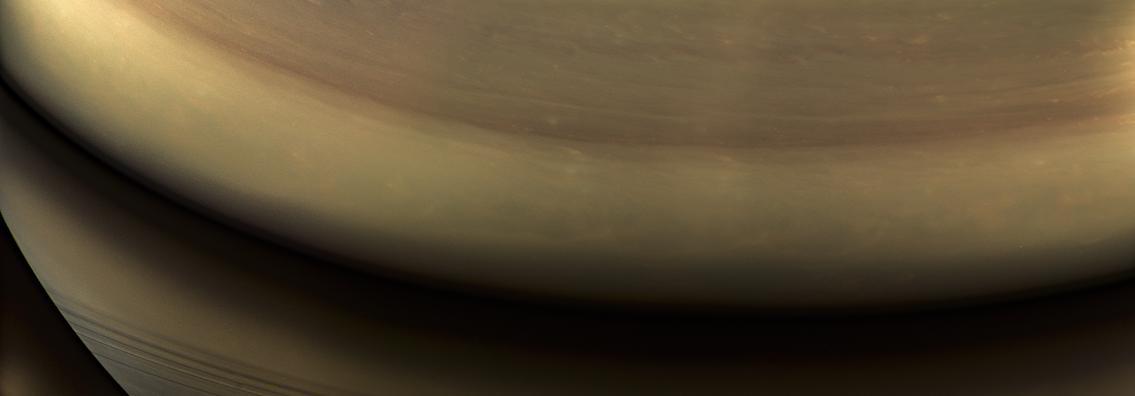
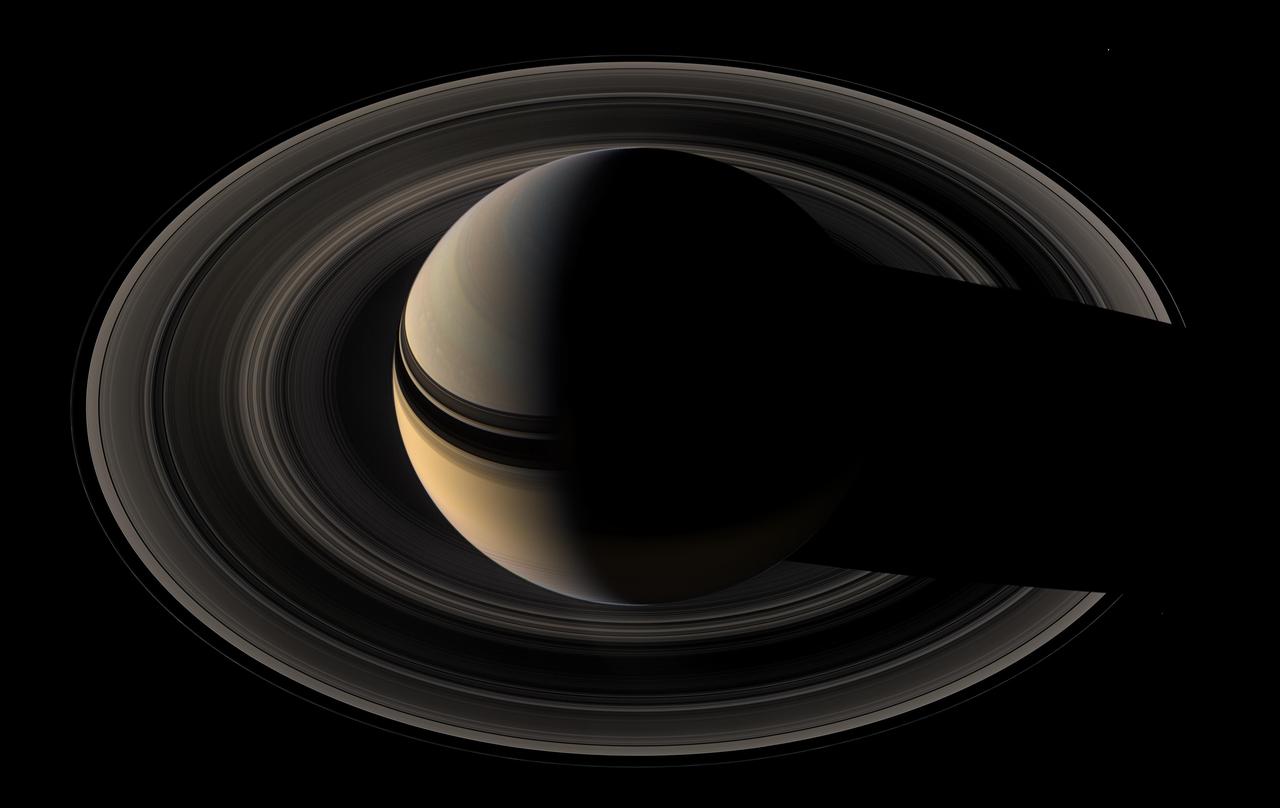
This view of Saturn looks toward the planet's night side, lit by sunlight reflected from the rings. A mosaic of some of the very last images captured by Cassini's cameras, it shows the location where the spacecraft would enter the planet's atmosphere hours later. While this area was on the night side of the planet at the time, it would rotate into daylight by the time Cassini made its final dive into Saturn's upper atmosphere, ending its remarkable 13-year exploration of Saturn. Images taken using red, green and blue spectral filters were combined to show the scene in near natural color. The images were taken with Cassini's wide-angle camera on Sept. 14, 2017, at a distance of approximately 394,000 miles (634,000 kilometers) from Saturn. The Cassini spacecraft ended its mission on Sept. 15, 2017. More information is available at https://photojournal.jpl.nasa.gov/catalog/PIA21903
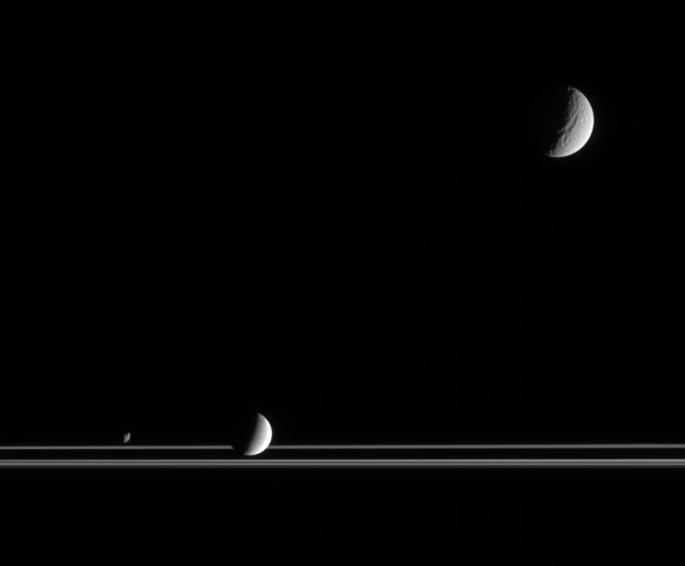
The three very different moons seen here provide targets of great interest for planetary scientists studying the Saturn system. Captured here by Cassini, along with the rings, are Tethys at upper right, Enceladus below center and Janus at lower left
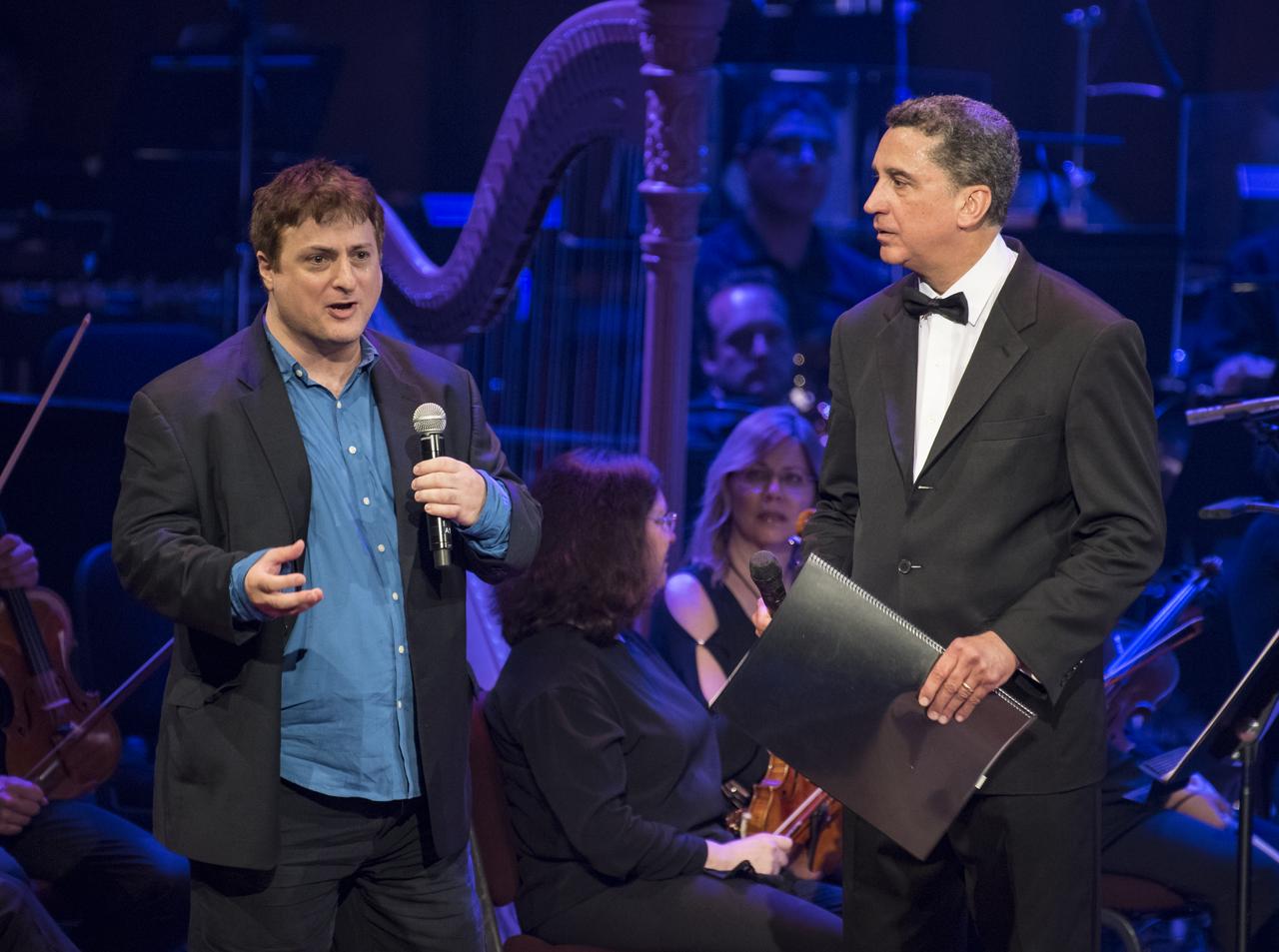
Carl Sagan's son, Nick Sagan, left, speaks at the "National Symphony Orchestra Pops: Space, the Next Frontier" event celebrating NASA's 60th Anniversary, Friday, June 1, 2018 at the John F. Kennedy Center for the Performing Arts in Washington. The event featured music inspired by space including artists will.i.am, Grace Potter, Coheed & Cambria, John Cho, and guest Nick Sagan. Photo Credit: (NASA/Aubrey Gemignani)
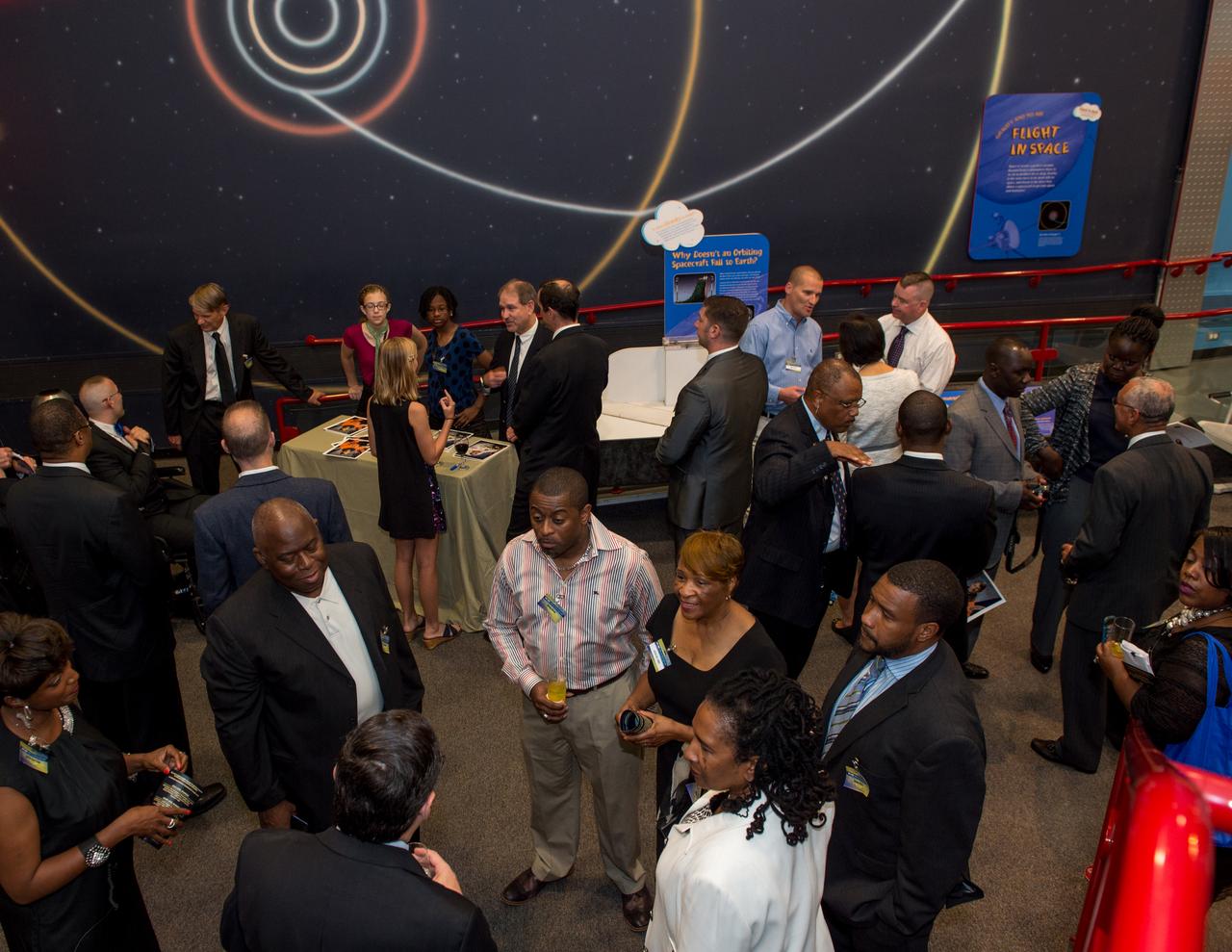
NASA Administrator Charle Bolden, Dr. John Grunsfeld, Dr. Piers Sellers, Goddard Center Director Chris Scolese and MSBR president Ms. Yang hold a meet and greet with Wounded Warriors from Fort Belvoir, MSBR Final Frontier Students and STEM Partners from Summer of Innovation local camps at Vital Signs: Taking the Pulse of Our Planet - Annual NASA reception and lecture hosted by the National Air and Space Museum and Sponsored by the Maryland Space Business Roundtable
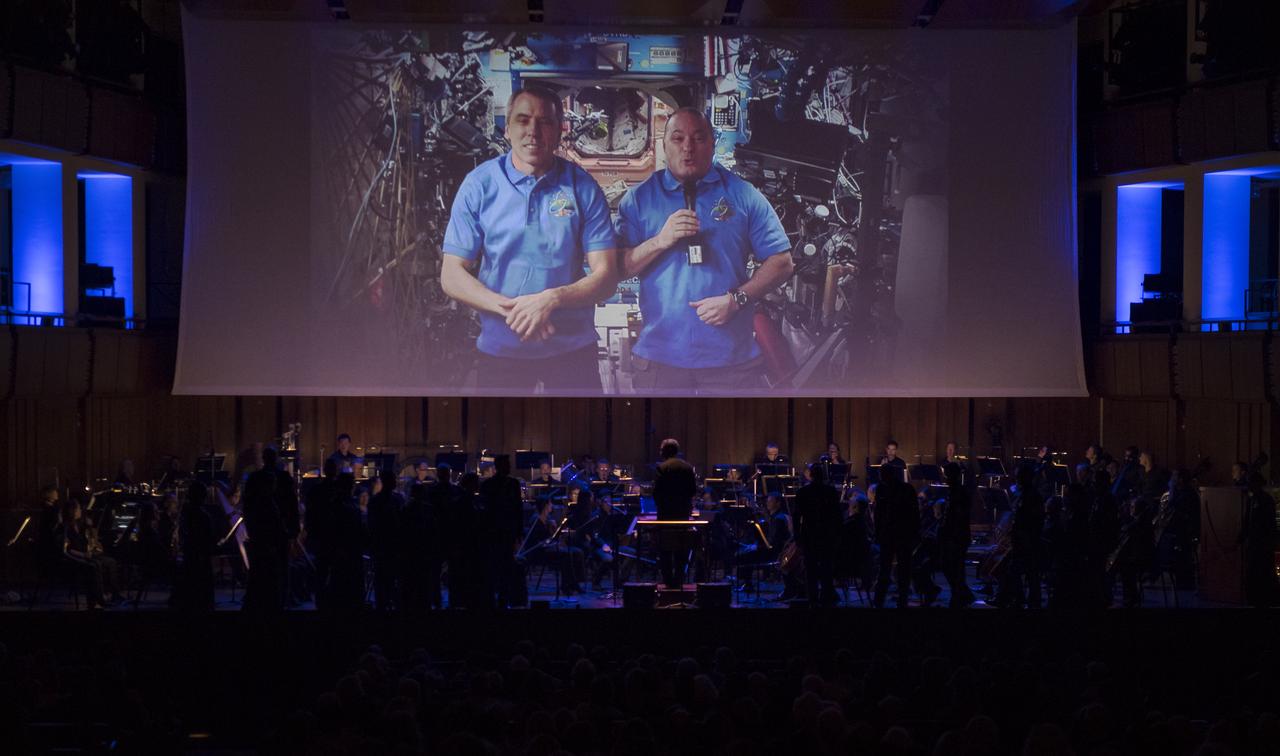
NASA astronauts Drew Feustel, left, and Scott Tingle, are seen during a video message to the audience of the "National Symphony Orchestra Pops: Space, the Next Frontier" event celebrating NASA's 60th Anniversary, Friday, June 1, 2018 at the John F. Kennedy Center for the Performing Arts in Washington. The event featured music inspired by space including artists will.i.am, Grace Potter, Coheed & Cambria, John Cho, and guest Nick Sagan, son of Carl Sagan. Photo Credit: (NASA/Aubrey Gemignani)
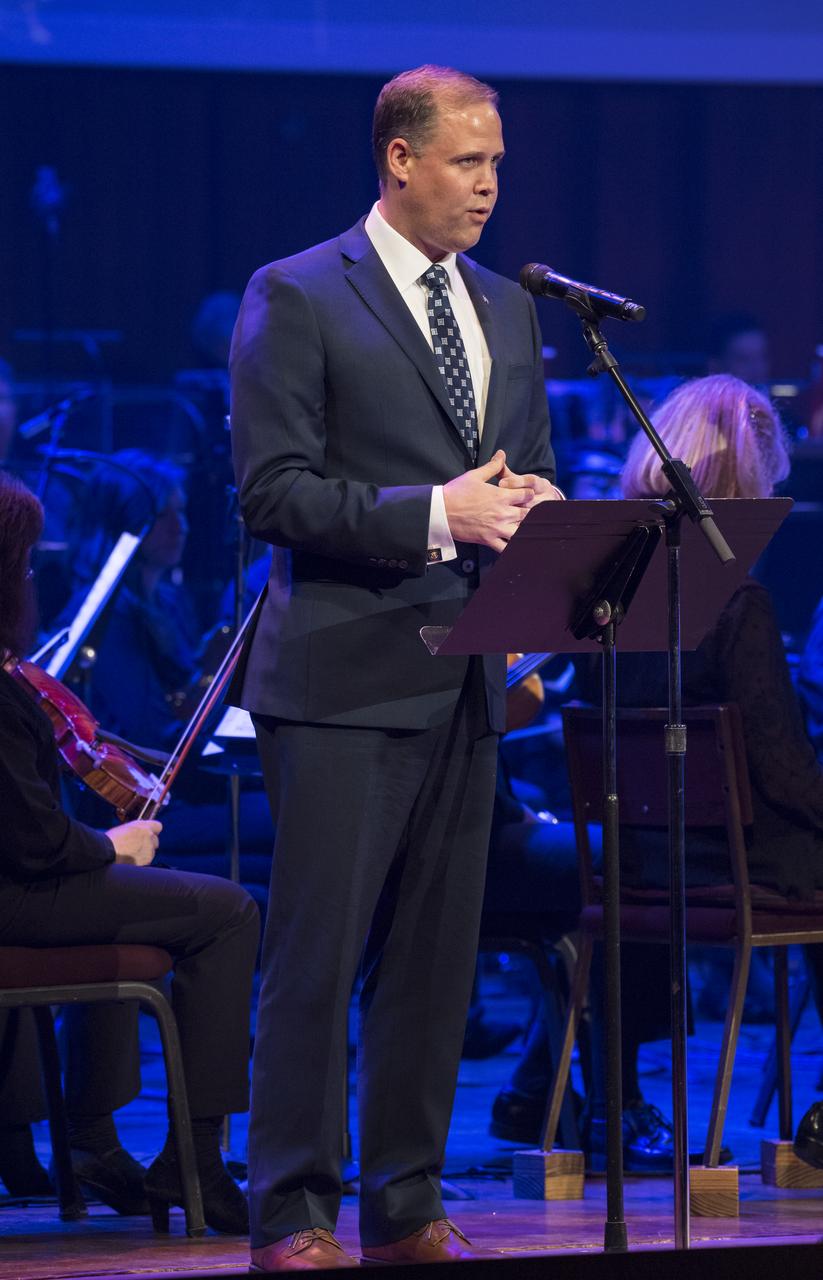
NASA Administrator Jim Bridenstine speaks during the "National Symphony Orchestra Pops: Space, the Next Frontier" event celebrating NASA's 60th Anniversary, Friday, June 1, 2018 at the John F. Kennedy Center for the Performing Arts in Washington. The event featured music inspired by space including artists will.i.am, Grace Potter, Coheed & Cambria, John Cho, and guest Nick Sagan, son of Carl Sagan. Photo Credit: (NASA/Aubrey Gemignani)
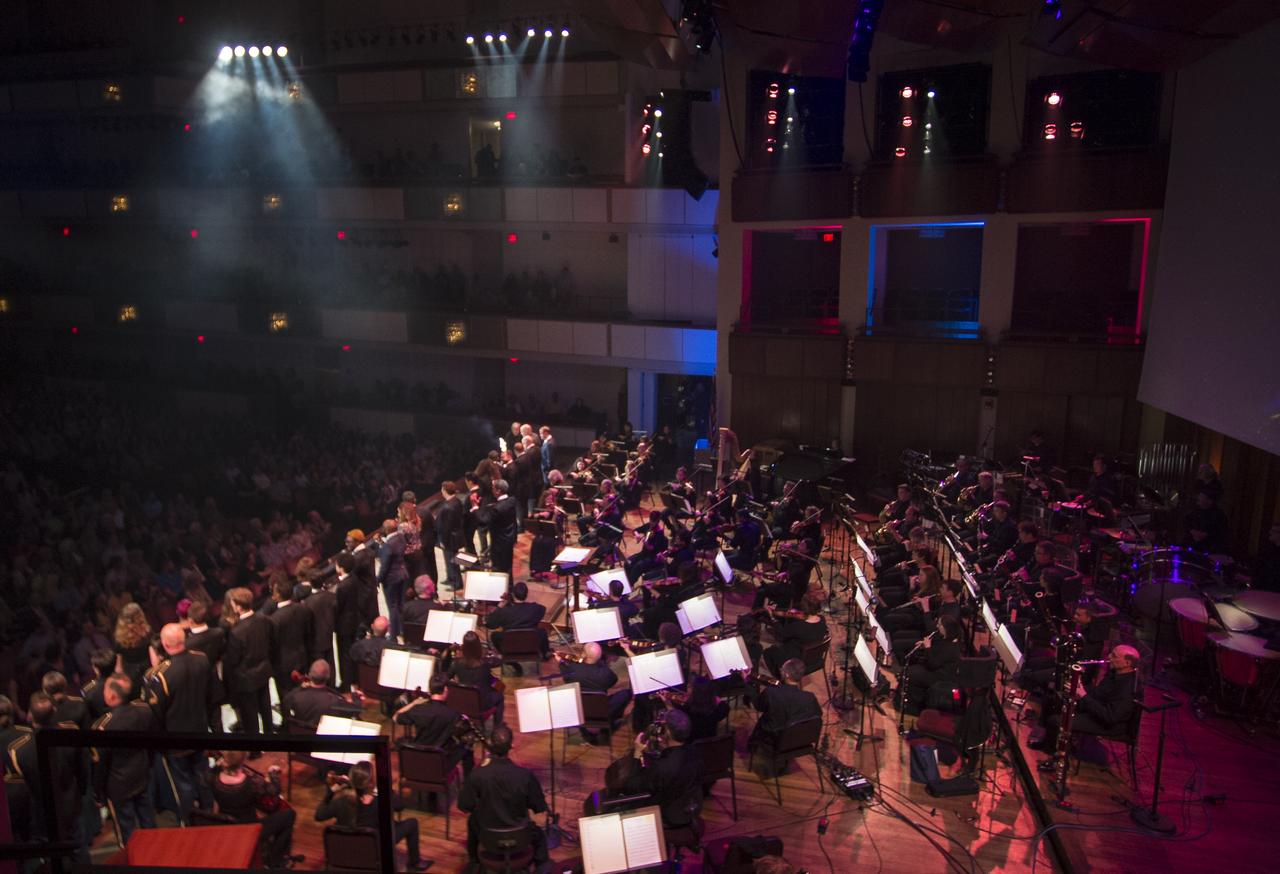
A NASA logo cake is brought onstage during the "National Symphony Orchestra Pops: Space, the Next Frontier" event celebrating NASA's 60th Anniversary, Friday, June 1, 2018 at the John F. Kennedy Center for the Performing Arts in Washington. The event featured music inspired by space including artists will.i.am, Grace Potter, Coheed & Cambria, John Cho, and guest Nick Sagan, son of Carl Sagan. Photo Credit: (NASA/Aubrey Gemignani)
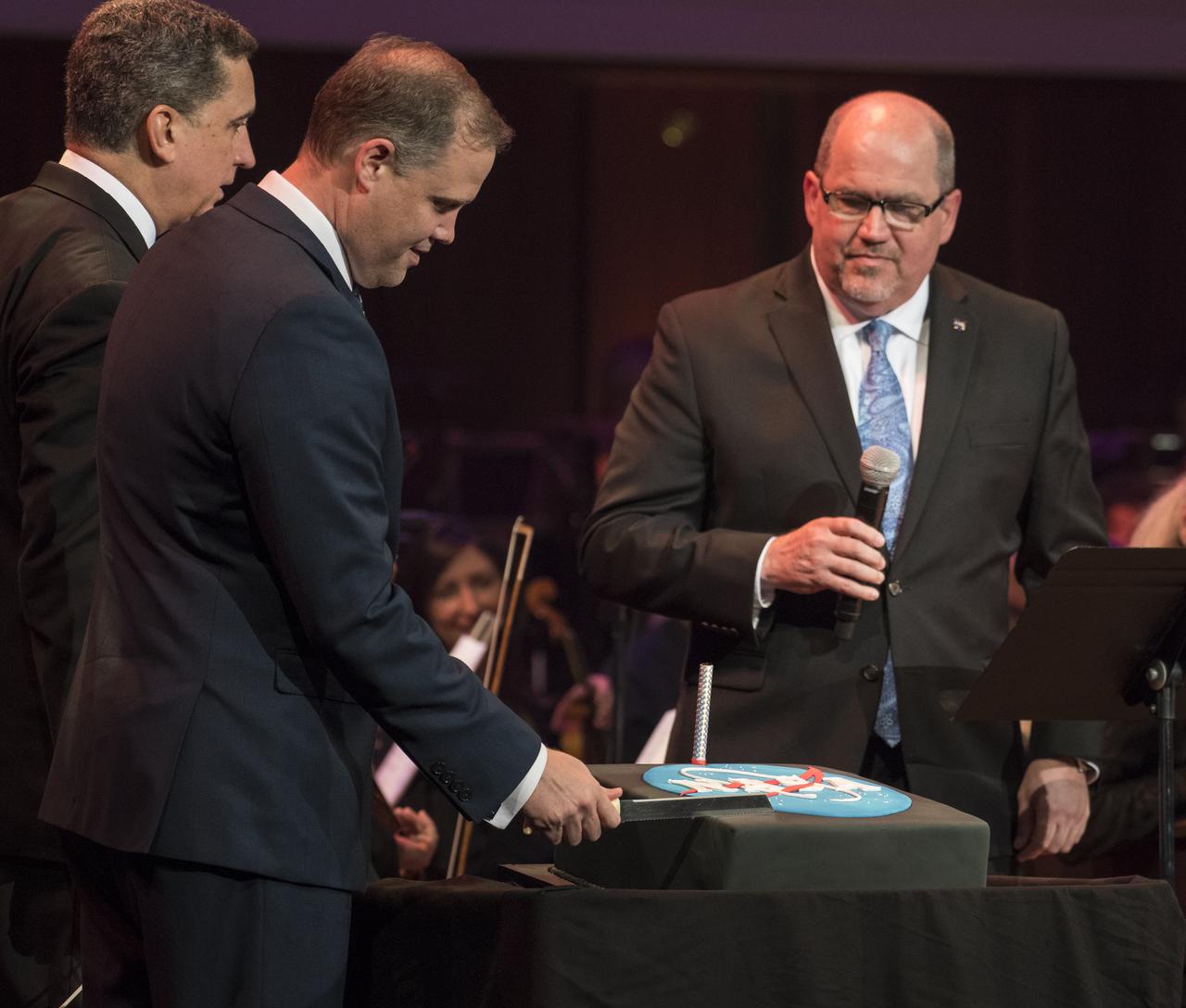
A NASA logo cake is cut by Administrator Bridenstine at the "National Symphony Orchestra Pops: Space, the Next Frontier" event celebrating NASA's 60th Anniversary, Friday, June 1, 2018 at the John F. Kennedy Center for the Performing Arts in Washington. The event featured music inspired by space including artists will.i.am, Grace Potter, Coheed & Cambria, John Cho, and guest Nick Sagan, son of Carl Sagan. Photo Credit: (NASA/Aubrey Gemignani)
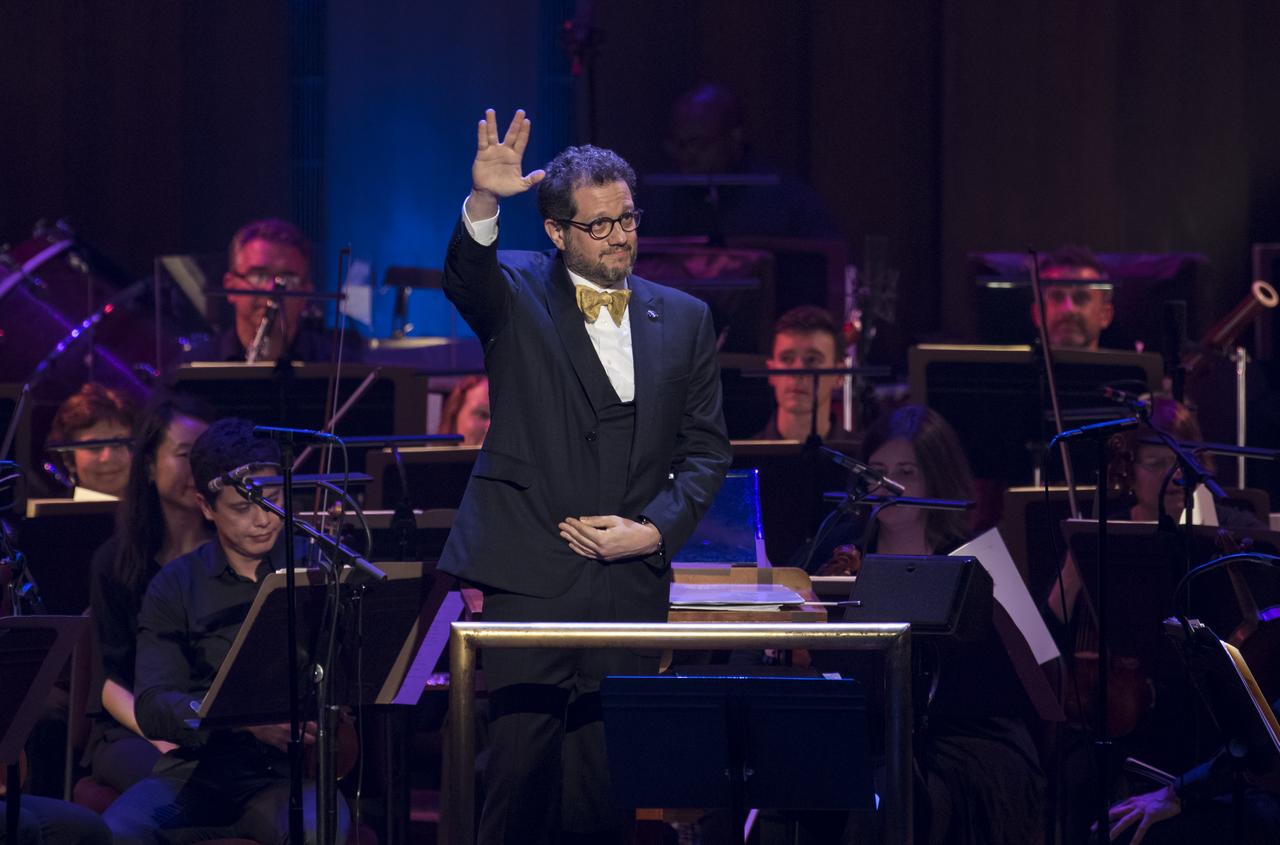
Star Trek composer Michael Giacchino does the Vulcan salute after conducting the National Symphony Orchestra during the "Space, the Next Frontier" event celebrating NASA's 60th Anniversary, Friday, June 1, 2018 at the John F. Kennedy Center for the Performing Arts in Washington. The event featured music inspired by space including artists will.i.am, Grace Potter, Coheed & Cambria, John Cho, and guest Nick Sagan, son of Carl Sagan. Photo Credit: (NASA/Aubrey Gemignani)
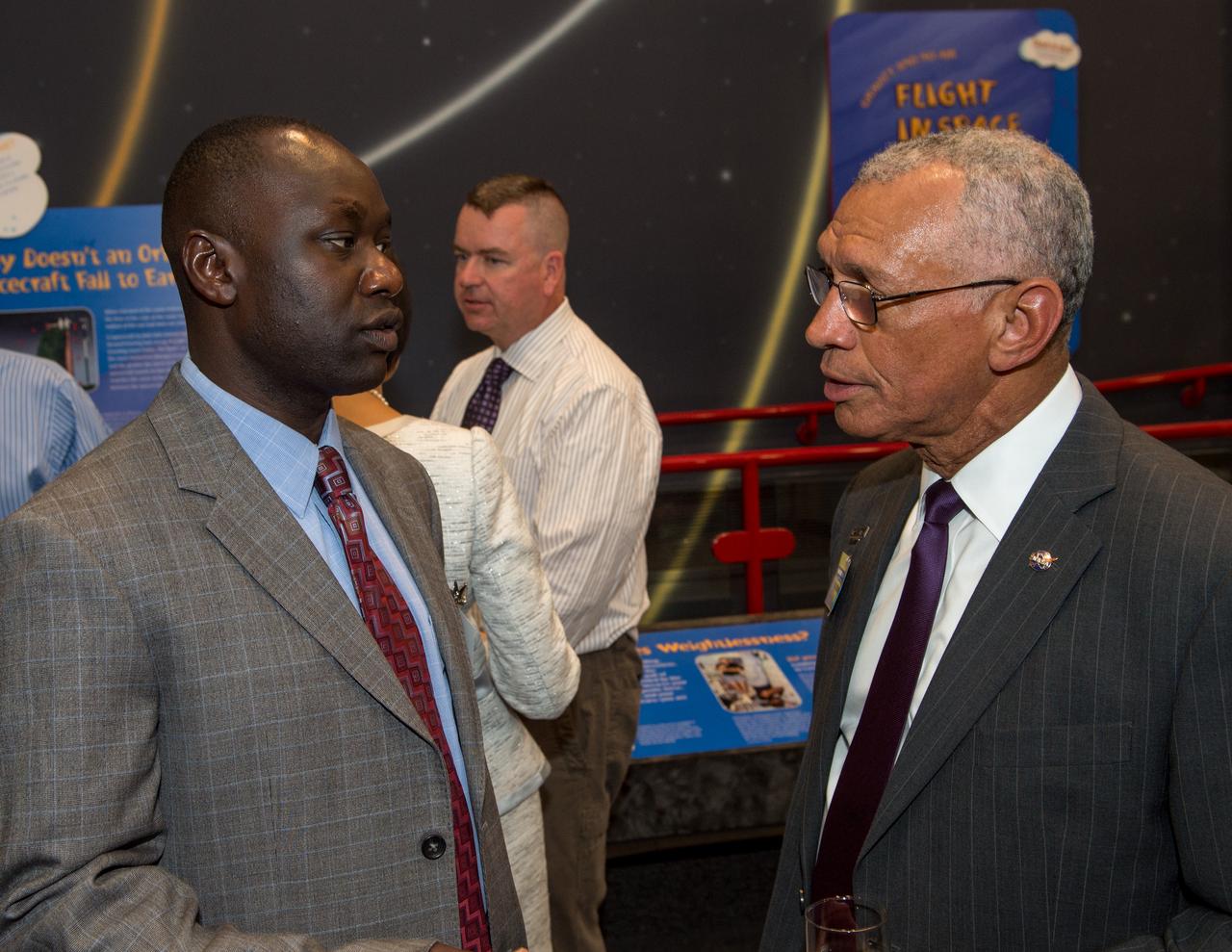
NASA Administrator Charle Bolden, Dr. John Grunsfeld, Dr. Piers Sellers, Goddard Center Director Chris Scolese and MSBR president Ms. Yang hold a meet and greet with Wounded Warriors from Fort Belvoir, MSBR Final Frontier Students and STEM Partners from Summer of Innovation local camps at Vital Signs: Taking the Pulse of Our Planet - Annual NASA reception and lecture hosted by the National Air and Space Museum and Sponsored by the Maryland Space Business Roundtable
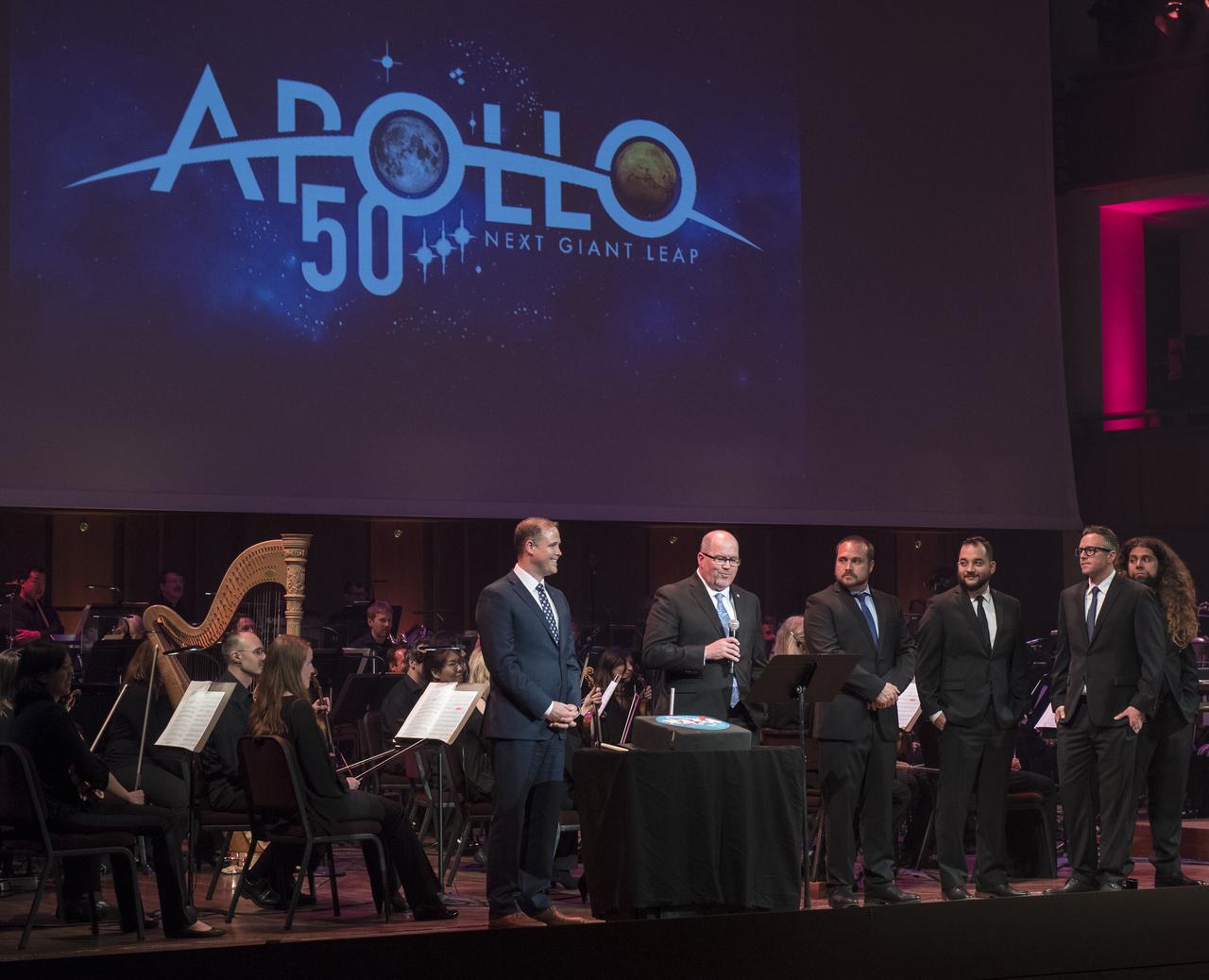
The Apollo 50th Anniversary logo is unveiled during the "National Symphony Orchestra Pops: Space, the Next Frontier" event celebrating NASA's 60th Anniversary, Friday, June 1, 2018 at the John F. Kennedy Center for the Performing Arts in Washington. The event featured music inspired by space including artists will.i.am, Grace Potter, Coheed & Cambria, John Cho, and guest Nick Sagan, son of Carl Sagan. Photo Credit: (NASA/Aubrey Gemignani)
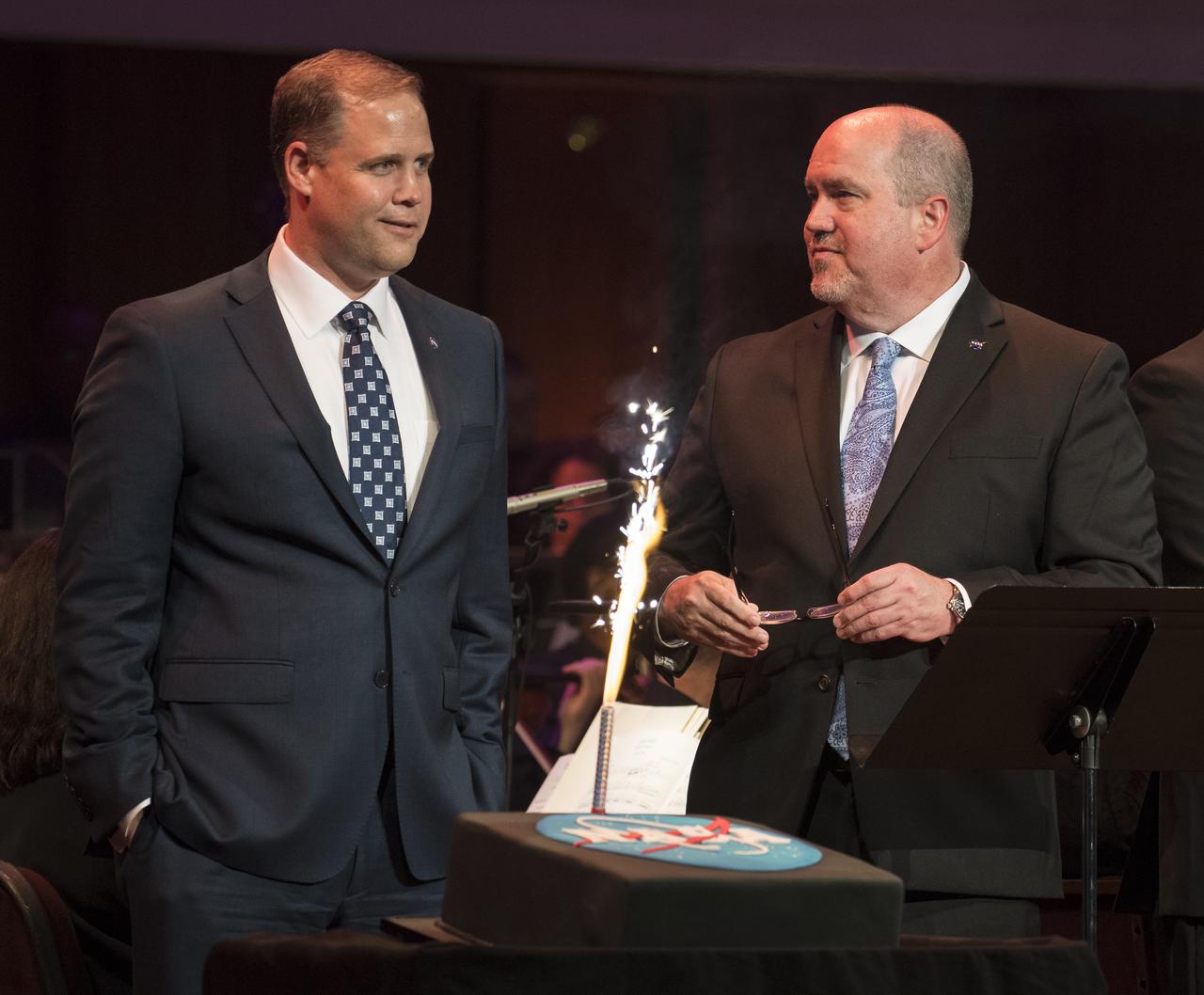
A NASA logo cake is brought onstage during the "National Symphony Orchestra Pops: Space, the Next Frontier" event celebrating NASA's 60th Anniversary, Friday, June 1, 2018 at the John F. Kennedy Center for the Performing Arts in Washington. The event featured music inspired by space including artists will.i.am, Grace Potter, Coheed & Cambria, John Cho, and guest Nick Sagan, son of Carl Sagan. Photo Credit: (NASA/Aubrey Gemignani)
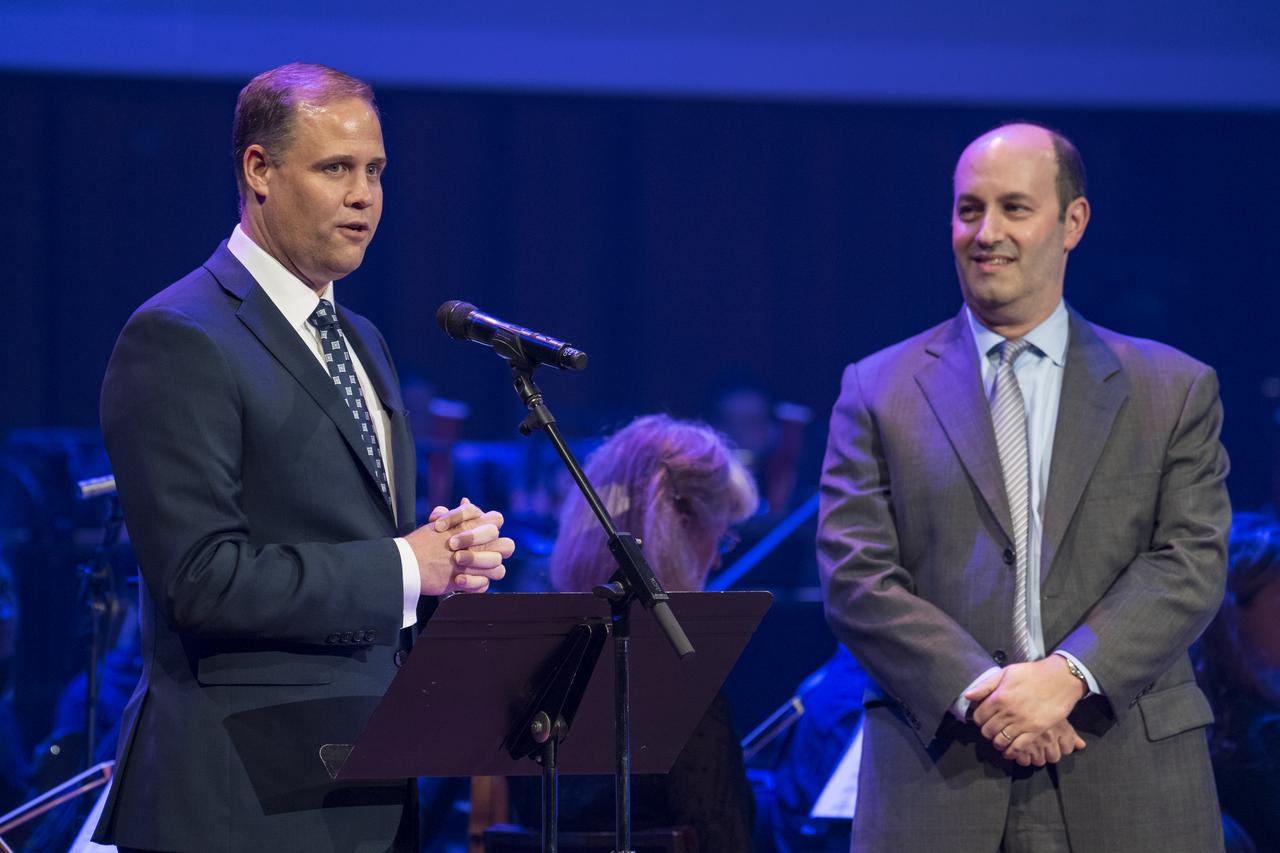
NASA Administrator Jim Bridenstine, left, speaks during the "National Symphony Orchestra Pops: Space, the Next Frontier" event celebrating NASA's 60th Anniversary, Friday, June 1, 2018 at the John F. Kennedy Center for the Performing Arts in Washington. The event featured music inspired by space including artists will.i.am, Grace Potter, Coheed & Cambria, John Cho, and guest Nick Sagan, son of Carl Sagan. Photo Credit: (NASA/Aubrey Gemignani)
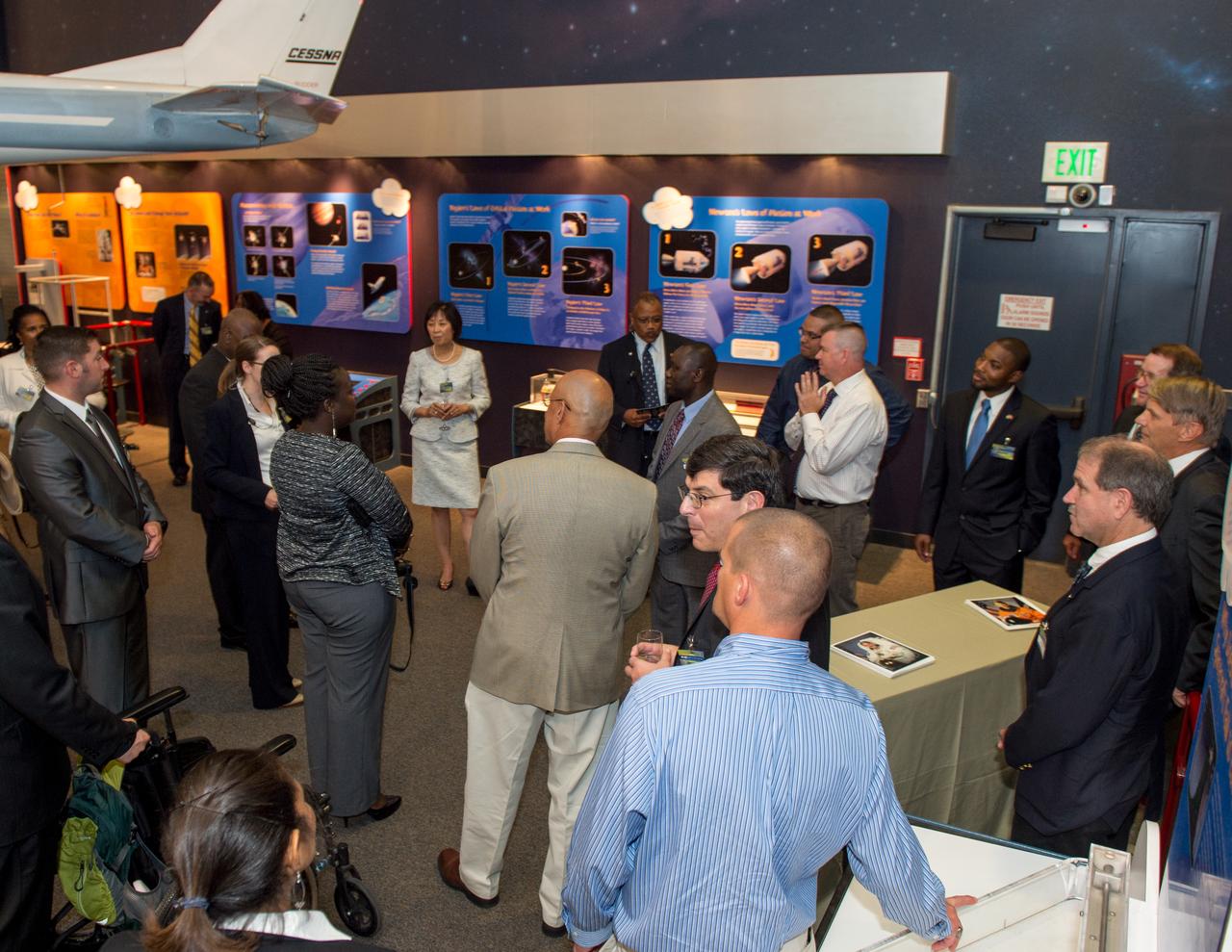
NASA Administrator Charle Bolden, Dr. John Grunsfeld, Dr. Piers Sellers, Goddard Center Director Chris Scolese and MSBR president Ms. Yang hold a meet and greet with Wounded Warriors from Fort Belvoir, MSBR Final Frontier Students and STEM Partners from Summer of Innovation local camps at Vital Signs: Taking the Pulse of Our Planet - Annual NASA reception and lecture hosted by the National Air and Space Museum and Sponsored by the Maryland Space Business Roundtable
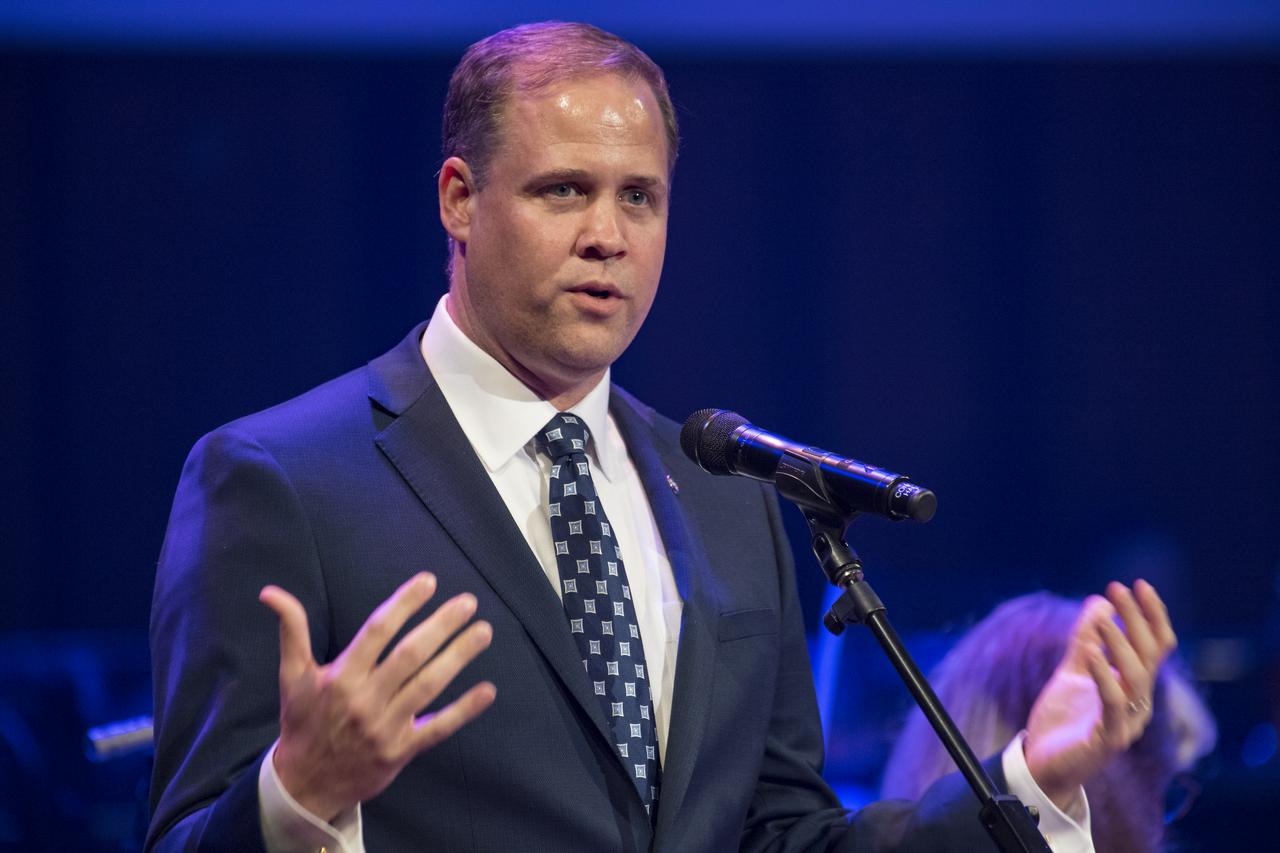
NASA Administrator Jim Bridenstine speaks during the "National Symphony Orchestra Pops: Space, the Next Frontier" event celebrating NASA's 60th Anniversary, Friday, June 1, 2018 at the John F. Kennedy Center for the Performing Arts in Washington. The event featured music inspired by space including artists will.i.am, Grace Potter, Coheed & Cambria, John Cho, and guest Nick Sagan, son of Carl Sagan. Photo Credit: (NASA/Aubrey Gemignani)
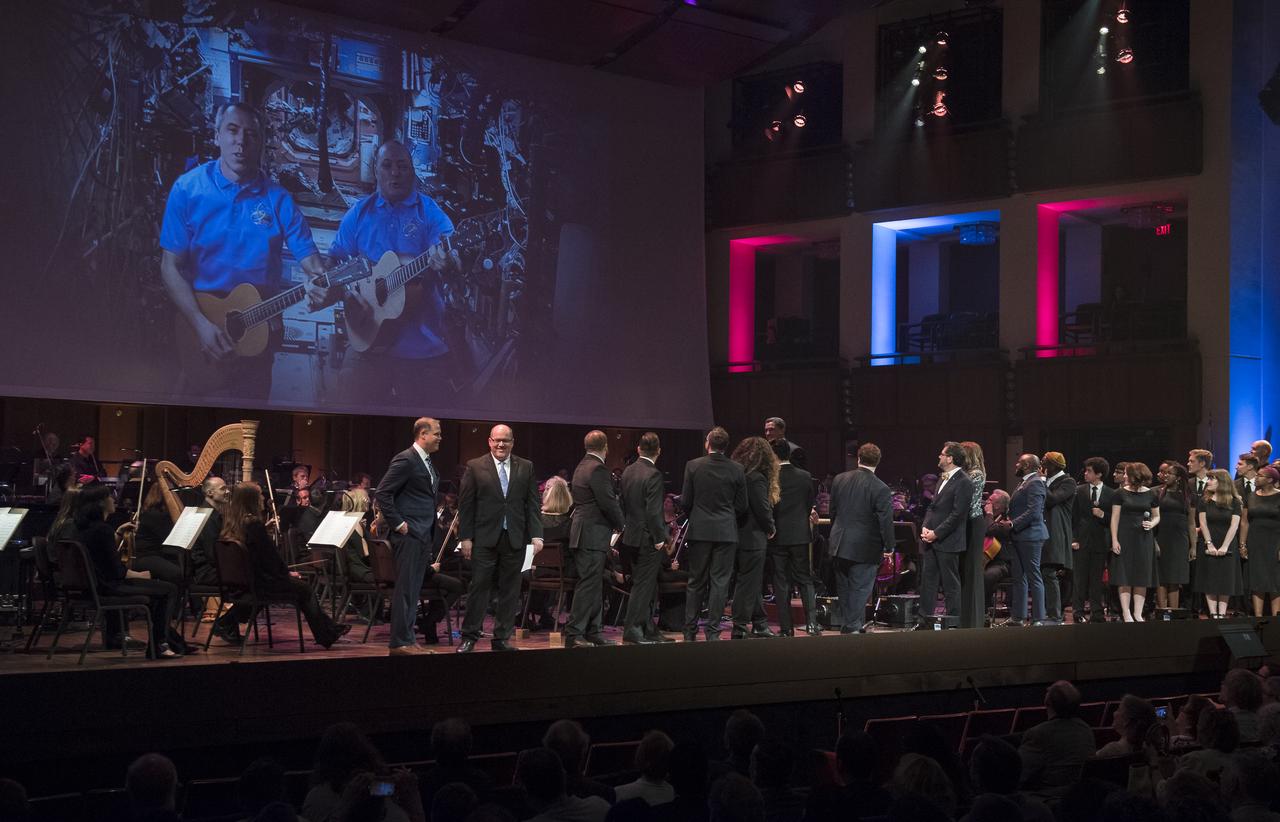
NASA astronauts Drew Feustel, left, and Scott Tingle, perform a song by video at the "National Symphony Orchestra Pops: Space, the Next Frontier" event celebrating NASA's 60th Anniversary, Friday, June 1, 2018 at the John F. Kennedy Center for the Performing Arts in Washington. The event featured music inspired by space including artists will.i.am, Grace Potter, Coheed & Cambria, John Cho, and guest Nick Sagan, son of Carl Sagan. Photo Credit: (NASA/Aubrey Gemignani)
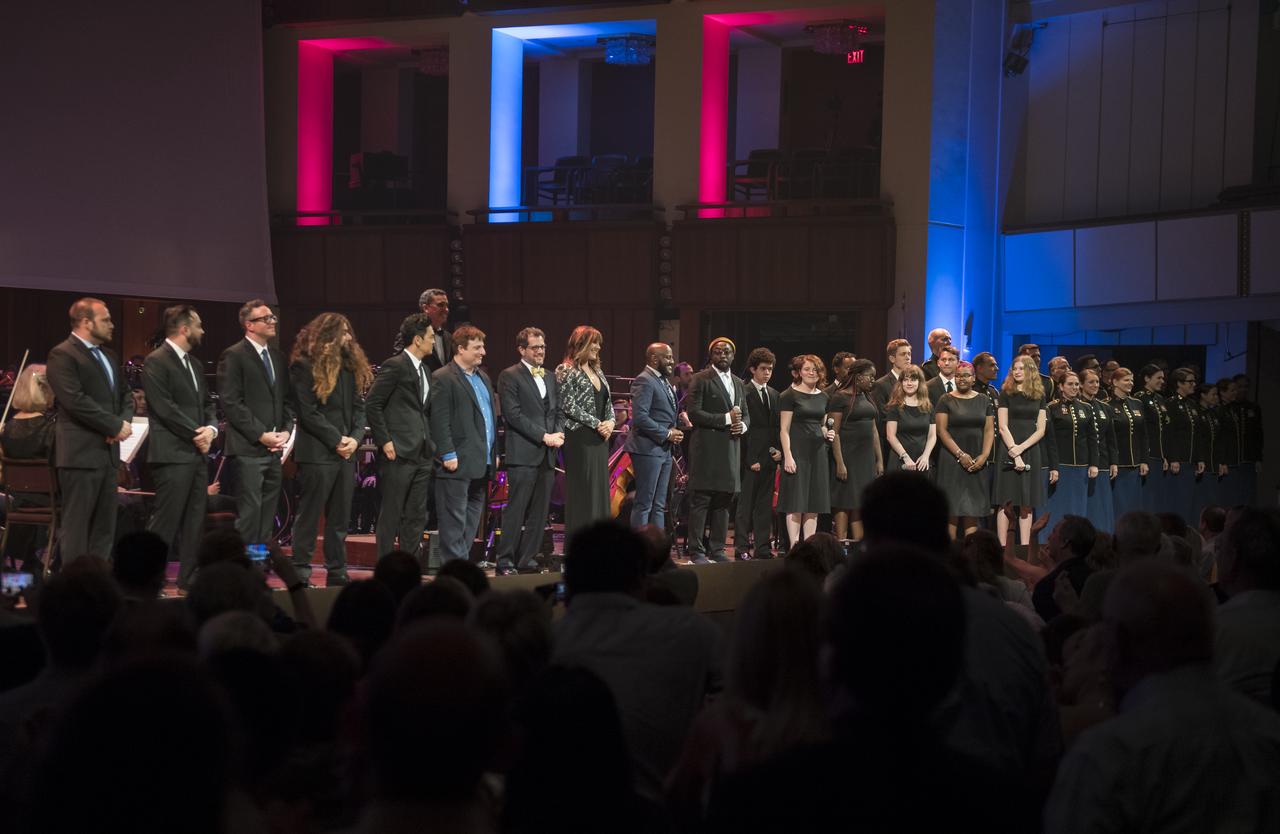
All artists are seen at the conclusion of the "National Symphony Orchestra Pops: Space, the Next Frontier" event celebrating NASA's 60th Anniversary, Friday, June 1, 2018 at the John F. Kennedy Center for the Performing Arts in Washington. The event featured music inspired by space including artists will.i.am, Grace Potter, Coheed & Cambria, John Cho, and guest Nick Sagan, son of Carl Sagan. Photo Credit: (NASA/Aubrey Gemignani)

This long-exposure image from NASA Hubble Space Telescope of massive galaxy cluster Abell 2744 is the deepest ever made of any cluster of galaxies. Shown in the foreground is Abell 2744, located in the constellation Sculptor.
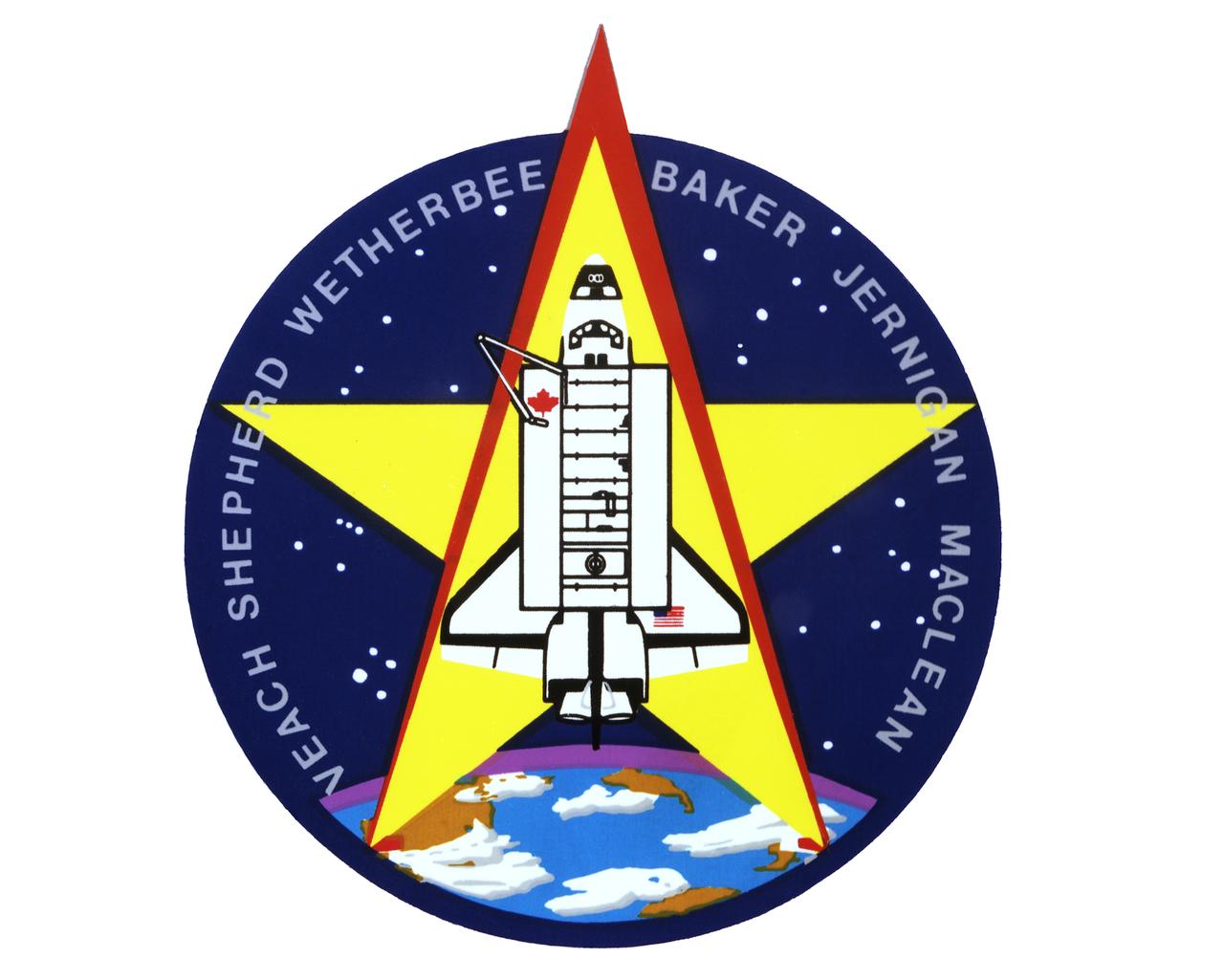
The STS-52 insignia, designed by the mission’s crew members, features a large gold star to symbolize the crew's mission on the frontiers of space. A gold star is often used to symbolize the frontier period of the American West. The red star in the shape of the Greek letter lambda represents both the laser measurements taken from the Laser Geodynamic Satellite (LAGEOS II) and the Lambda Point Experiment, which was part of the United States Microgravity Payload (USMP-l). The remote manipulator and maple leaf are emblematic of the Canadian payload specialist who conducted a series of Canadian flight experiments (CANEX-2), including the Space Vision System test.

Aya Collins, director of the engagement division of NASA’s Office of Communications, moderates a discussion with NASA astronauts Mike Fincke and Zena Cardman and JAXA (Japan Aerospace Exploration Agency) astronaut Kimiya Yui, Monday, June 1, 2026 at the Mary W. Jackson NASA Headquarters building in Washington. Fincke, Cardman, and Yui served as part of Expeditions 73 and 74 onboard the International Space Station. Photo Credit: (NASA/Aubrey Gemignani)
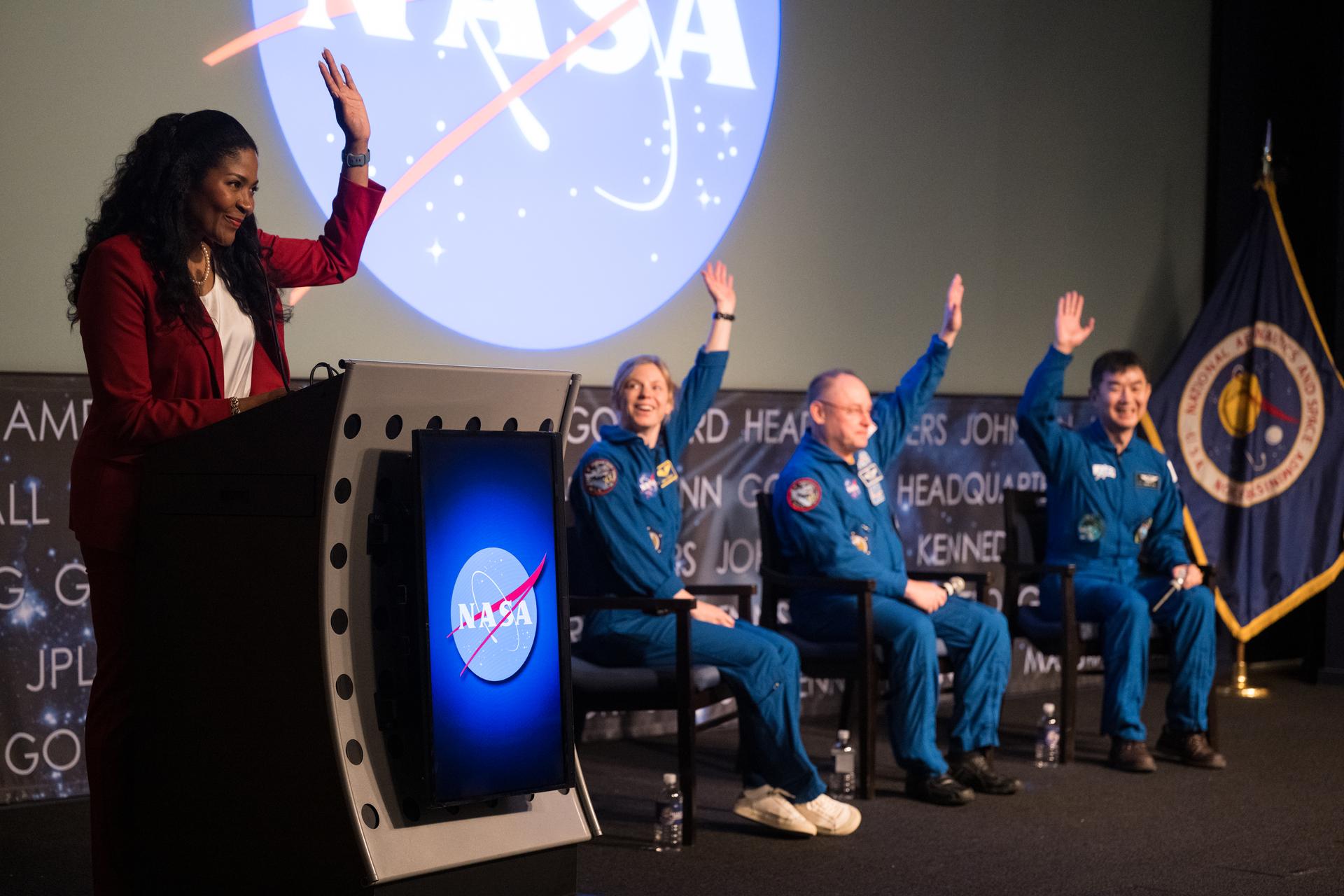
Aya Collins, director of the engagement division of NASA’s Office of Communications, moderates a discussion with NASA astronauts Mike Fincke and Zena Cardman and JAXA (Japan Aerospace Exploration Agency) astronaut Kimiya Yui, Monday, June 1, 2026 at the Mary W. Jackson NASA Headquarters building in Washington. Fincke, Cardman, and Yui served as part of Expeditions 73 and 74 onboard the International Space Station. Photo Credit: (NASA/Aubrey Gemignani)

From left to right, NASA astronauts Zena Cardman, Mike Fincke, and JAXA (Japan Aerospace Exploration Agency) astronaut Kimiya Yui share about their time onboard the International Space Station as part of Expeditions 73 and 74, Monday, June 1, 2026 at the Mary W. Jackson NASA Headquarters building in Washington. Photo Credit: (NASA/Aubrey Gemignani)

NASA astronaut Mike Fincke shares about his time onboard the International Space Station as part of Expeditions 73 and 74 with crew mates NASA astronaut Zena Cardman and JAXA (Japan Aerospace Exploration Agency) astronaut Kimiya Yui, Monday, June 1, 2026 at the Mary W. Jackson NASA Headquarters building in Washington. Photo Credit: (NASA/Aubrey Gemignani)

Aya Collins, director of the engagement division of NASA’s Office of Communications, moderates a discussion with NASA astronauts Mike Fincke and Zena Cardman and JAXA (Japan Aerospace Exploration Agency) astronaut Kimiya Yui, Monday, June 1, 2026 at the Mary W. Jackson NASA Headquarters building in Washington. Fincke, Cardman, and Yui served as part of Expeditions 73 and 74 onboard the International Space Station. Photo Credit: (NASA/Aubrey Gemignani)

A student asks a question during a discussion with NASA astronauts Mike Fincke and Zena Cardman and JAXA (Japan Aerospace Exploration Agency) astronaut Kimiya Yui about their time onboard the International Space Station as part of Expeditions 73 and 74, Monday, June 1, 2026 at the Mary W. Jackson NASA Headquarters building in Washington. Photo Credit: (NASA/Aubrey Gemignani)

JAXA (Japan Aerospace Exploration Agency) astronaut Kimiya Yui, shares about his time onboard the International Space Station as part of Expeditions 73 and 74 with crew mates NASA astronauts Mike Fincke and Zena Cardman, Monday, June 1, 2026 at the Mary W. Jackson NASA Headquarters building in Washington. Photo Credit: (NASA/Aubrey Gemignani)

A student asks a question during a discussion with NASA astronauts Mike Fincke and Zena Cardman and JAXA (Japan Aerospace Exploration Agency) astronaut Kimiya Yui about their time onboard the International Space Station as part of Expeditions 73 and 74, Monday, June 1, 2026 at the Mary W. Jackson NASA Headquarters building in Washington. Photo Credit: (NASA/Aubrey Gemignani)

NASA astronaut Zena Cardman shares about her time onboard the International Space Station as part of Expeditions 73 and 74 with crew mates NASA astronaut Mike Fincke, center, and JAXA (Japan Aerospace Exploration Agency) astronaut Kimiya Yui Monday, June 1, 2026 at the Mary W. Jackson NASA Headquarters building in Washington. Photo Credit: (NASA/Aubrey Gemignani)

NASA astronaut Zena Cardman shares about her time onboard the International Space Station as part of Expeditions 73 and 74 with crew mates NASA astronaut Mike Fincke, and JAXA (Japan Aerospace Exploration Agency) astronaut Kimiya Yui Monday, June 1, 2026 at the Mary W. Jackson NASA Headquarters building in Washington. Photo Credit: (NASA/Aubrey Gemignani)

A student asks a question during a discussion with NASA astronauts Mike Fincke and Zena Cardman and JAXA (Japan Aerospace Exploration Agency) astronaut Kimiya Yui about their time onboard the International Space Station as part of Expeditions 73 and 74, Monday, June 1, 2026 at the Mary W. Jackson NASA Headquarters building in Washington. Photo Credit: (NASA/Aubrey Gemignani)

NASA astronaut Zena Cardman shares about her time onboard the International Space Station as part of Expeditions 73 and 74 with crew mates NASA astronaut Mike Fincke, and JAXA (Japan Aerospace Exploration Agency) astronaut Kimiya Yui Monday, June 1, 2026 at the Mary W. Jackson NASA Headquarters building in Washington. Photo Credit: (NASA/Aubrey Gemignani)

A student asks a question during a discussion with NASA astronauts Mike Fincke and Zena Cardman and JAXA (Japan Aerospace Exploration Agency) astronaut Kimiya Yui about their time onboard the International Space Station as part of Expeditions 73 and 74, Monday, June 1, 2026 at the Mary W. Jackson NASA Headquarters building in Washington. Photo Credit: (NASA/Aubrey Gemignani)

NASA astronaut Mike Fincke shares about his time onboard the International Space Station as part of Expeditions 73 and 74 with crew mates NASA astronaut Zena Cardman, left, and JAXA (Japan Aerospace Exploration Agency) astronaut Kimiya Yui (not pictured), Monday, June 1, 2026 at the Mary W. Jackson NASA Headquarters building in Washington. Photo Credit: (NASA/Aubrey Gemignani)

NASA astronaut Mike Fincke shares about his time onboard the International Space Station as part of Expeditions 73 and 74 with crew mates NASA astronaut Zena Cardman and JAXA (Japan Aerospace Exploration Agency) astronaut Kimiya Yui, Monday, June 1, 2026 at the Mary W. Jackson NASA Headquarters building in Washington. Photo Credit: (NASA/Aubrey Gemignani)

NASA Strategic Events & Engagements Lead, Lisa Frazier introduces NASA Director of the Engagement Division, Aya Collins, during a discussion with NASA astronauts Mike Fincke and Zena Cardman and JAXA (Japan Aerospace Exploration Agency) astronaut Kimiya Yui, Monday, June 1, 2026 at the Mary W. Jackson NASA Headquarters building in Washington. Fincke, Cardman, and Yui served as part of Expeditions 73 and 74 onboard the International Space Station. Photo Credit: (NASA/Aubrey Gemignani)
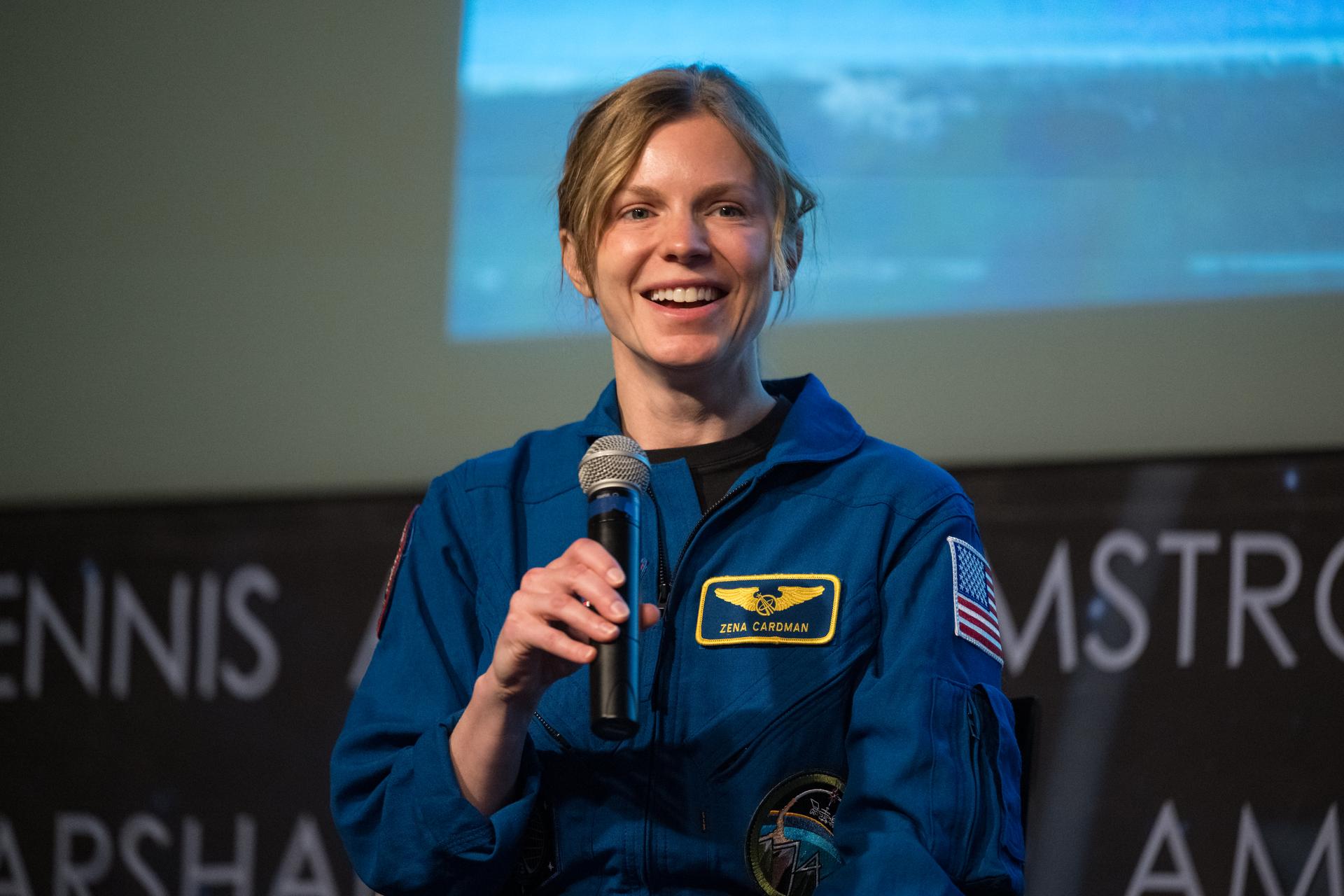
NASA astronaut Zena Cardman shares about her time onboard the International Space Station as part of Expeditions 73 and 74 with crew mates NASA astronaut Mike Fincke, and JAXA (Japan Aerospace Exploration Agency) astronaut Kimiya Yui Monday, June 1, 2026 at the Mary W. Jackson NASA Headquarters building in Washington. Photo Credit: (NASA/Aubrey Gemignani)

JAXA (Japan Aerospace Exploration Agency) astronaut Kimiya Yui, shares about his time onboard the International Space Station as part of Expeditions 73 and 74 with crew mates NASA astronauts Mike Fincke and Zena Cardman, Monday, June 1, 2026 at the Mary W. Jackson NASA Headquarters building in Washington. Photo Credit: (NASA/Aubrey Gemignani)
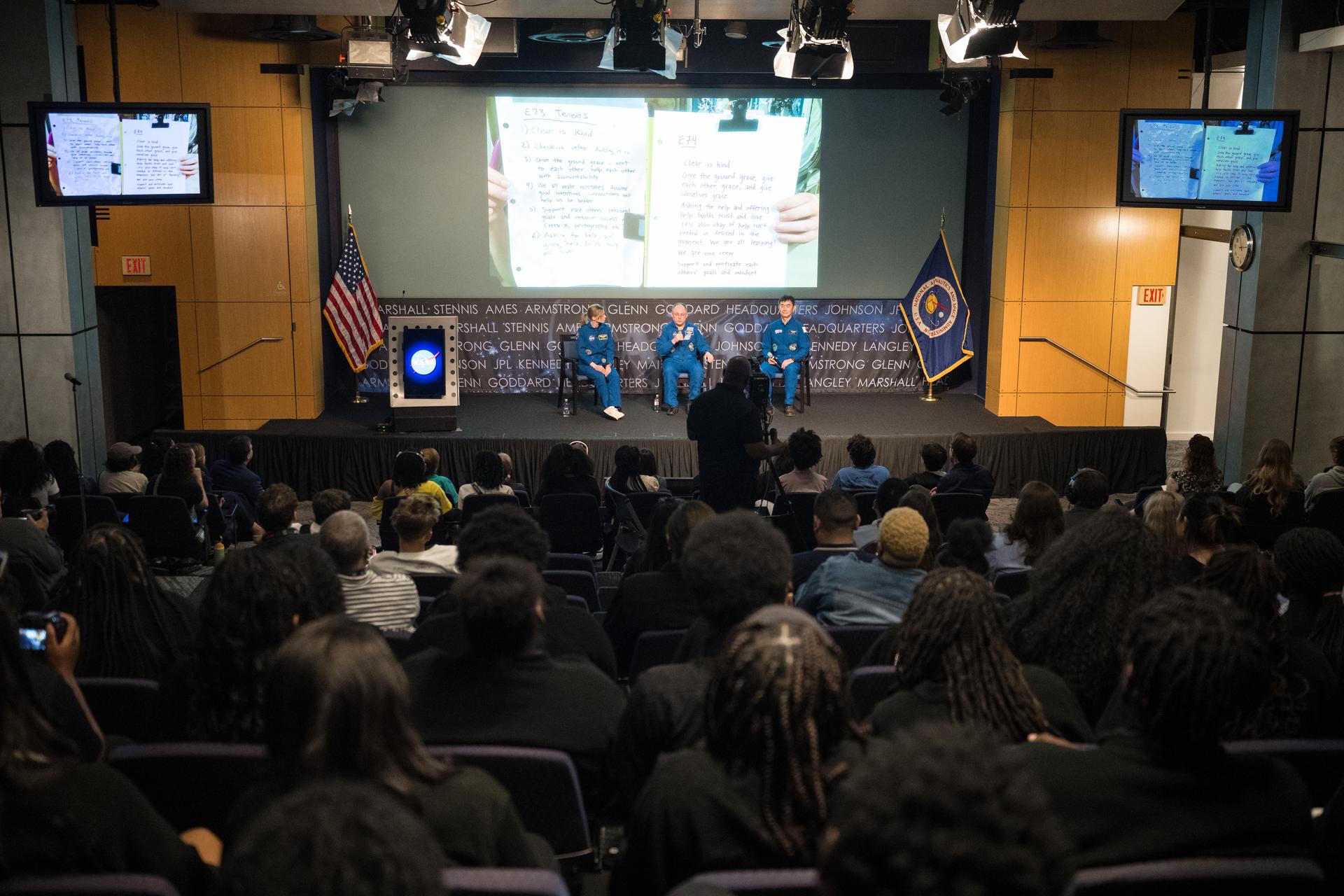
From left to right, NASA astronauts Zena Cardman, Mike Fincke, and JAXA (Japan Aerospace Exploration Agency) astronaut Kimiya Yui share about their time onboard the International Space Station as part of Expeditions 73 and 74, Monday, June 1, 2026 at the Mary W. Jackson NASA Headquarters building in Washington. Photo Credit: (NASA/Aubrey Gemignani)

Aya Collins, director of the engagement division of NASA’s Office of Communications, moderates a discussion with NASA astronauts Mike Fincke and Zena Cardman and JAXA (Japan Aerospace Exploration Agency) astronaut Kimiya Yui, Monday, June 1, 2026 at the Mary W. Jackson NASA Headquarters building in Washington. Fincke, Cardman, and Yui served as part of Expeditions 73 and 74 onboard the International Space Station. Photo Credit: (NASA/Aubrey Gemignani)

Aya Collins, director of the engagement division of NASA’s Office of Communications, moderates a discussion with NASA astronauts Mike Fincke and Zena Cardman and JAXA (Japan Aerospace Exploration Agency) astronaut Kimiya Yui, Monday, June 1, 2026 at the Mary W. Jackson NASA Headquarters building in Washington. Fincke, Cardman, and Yui served as part of Expeditions 73 and 74 onboard the International Space Station. Photo Credit: (NASA/Aubrey Gemignani)

NASA astronaut Mike Fincke shares about his time onboard the International Space Station as part of Expeditions 73 and 74 with crew mates NASA astronaut Zena Cardman and JAXA (Japan Aerospace Exploration Agency) astronaut Kimiya Yui, Monday, June 1, 2026 at the Mary W. Jackson NASA Headquarters building in Washington. Photo Credit: (NASA/Aubrey Gemignani)
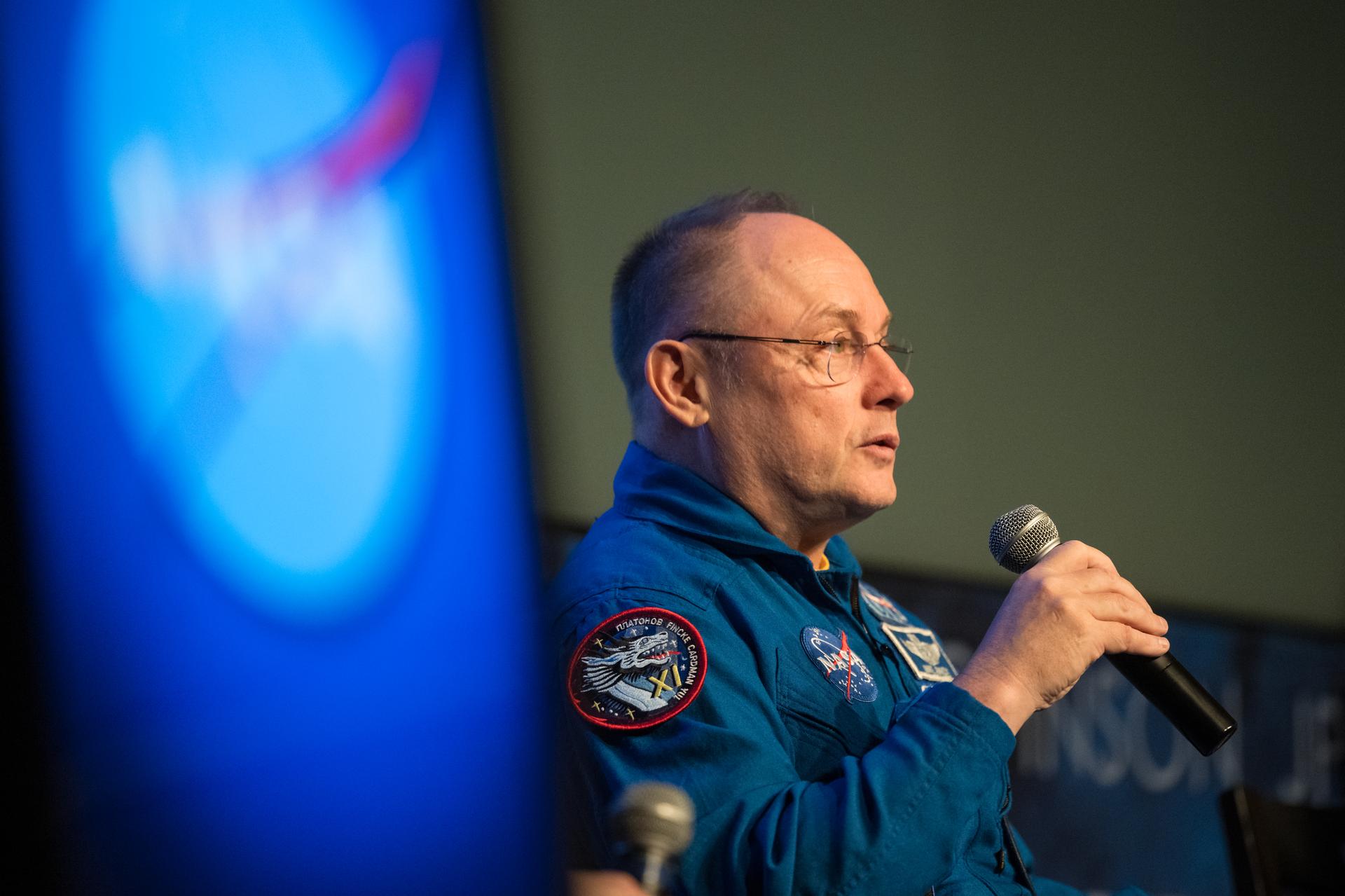
NASA astronaut Mike Fincke shares about his time onboard the International Space Station as part of Expeditions 73 and 74 with crew mates NASA astronaut Zena Cardman and JAXA (Japan Aerospace Exploration Agency) astronaut Kimiya Yui, Monday, June 1, 2026 at the Mary W. Jackson NASA Headquarters building in Washington. Photo Credit: (NASA/Aubrey Gemignani)

From left to right, NASA astronauts Zena Cardman, Mike Fincke, and JAXA (Japan Aerospace Exploration Agency) astronaut Kimiya Yui share about their time onboard the International Space Station as part of Expeditions 73 and 74, Monday, June 1, 2026 at the Mary W. Jackson NASA Headquarters building in Washington. Photo Credit: (NASA/Aubrey Gemignani)

NASA astronaut Zena Cardman shares about her time onboard the International Space Station as part of Expeditions 73 and 74 with crew mates NASA astronaut Mike Fincke, right, and JAXA (Japan Aerospace Exploration Agency) astronaut Kimiya Yui (not pictured), Monday, June 1, 2026 at the Mary W. Jackson NASA Headquarters building in Washington. Photo Credit: (NASA/Aubrey Gemignani)

Aya Collins, director of the engagement division of NASA’s Office of Communications, moderates a discussion with, from left to right, NASA astronauts Zena Cardman, Mike Fincke, and JAXA (Japan Aerospace Exploration Agency) astronaut Kimiya Yui, Monday, June 1, 2026 at the Mary W. Jackson NASA Headquarters building in Washington. Fincke, Cardman, and Yui served as part of Expeditions 73 and 74 onboard the International Space Station. Photo Credit: (NASA/Aubrey Gemignani)
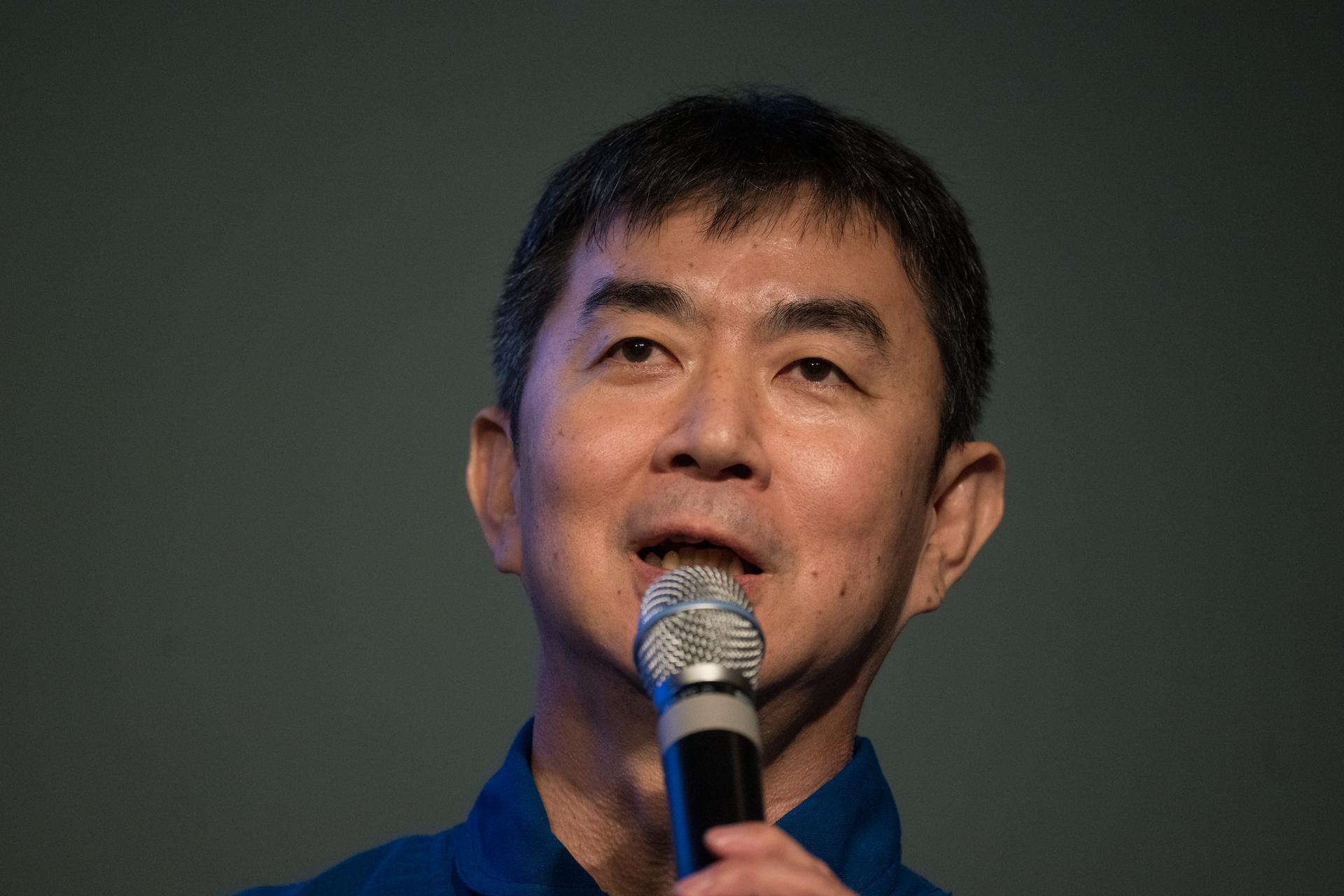
JAXA (Japan Aerospace Exploration Agency) astronaut Kimiya Yui, shares about his time onboard the International Space Station as part of Expeditions 73 and 74 with crew mates NASA astronauts Mike Fincke and Zena Cardman, Monday, June 1, 2026 at the Mary W. Jackson NASA Headquarters building in Washington. Photo Credit: (NASA/Aubrey Gemignani)
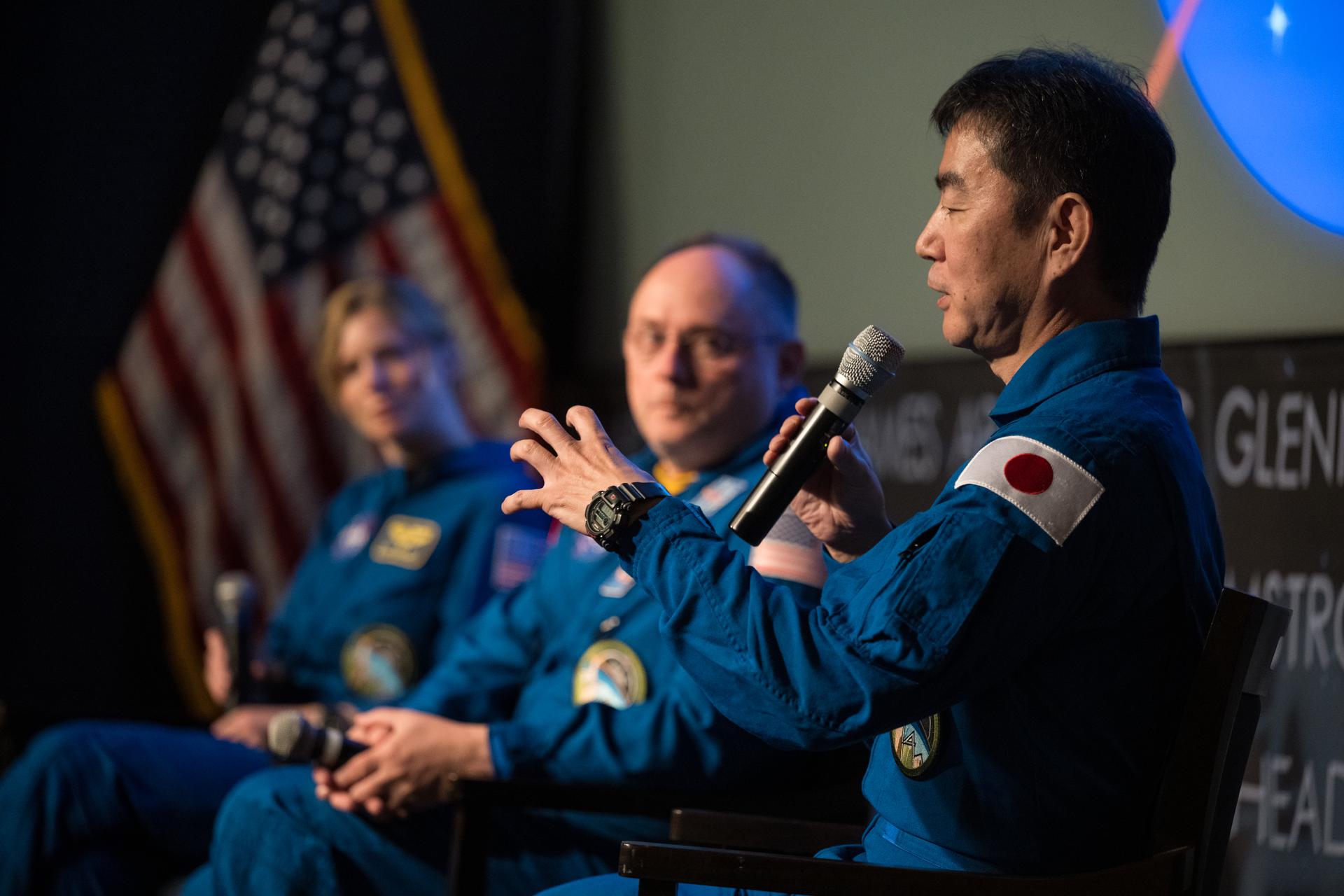
JAXA (Japan Aerospace Exploration Agency) astronaut Kimiya Yui shares about his time onboard the International Space Station as part of Expeditions 73 and 74 with crew mates NASA astronauts Mike Fincke and Zena Cardman, Monday, June 1, 2026 at the Mary W. Jackson NASA Headquarters building in Washington. Photo Credit: (NASA/Aubrey Gemignani)
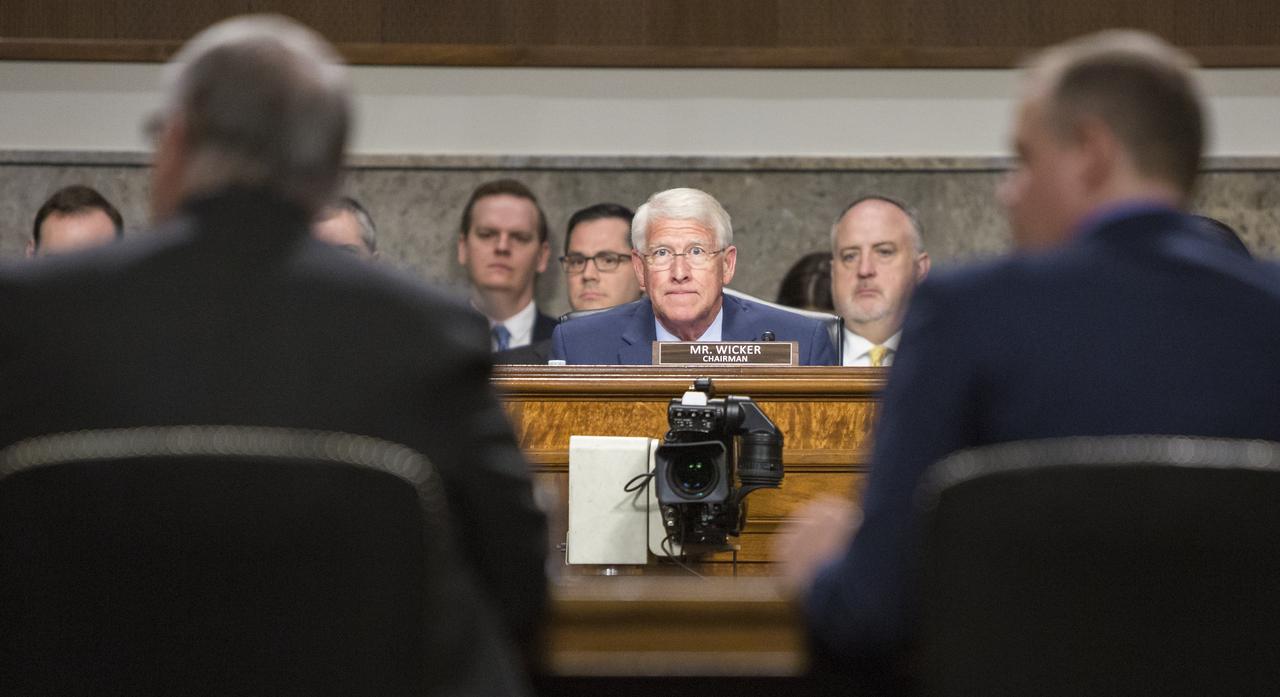
Senator Roger Wicker, R-Miss., Chairman of the Senate Committee on Commerce, Science, and Transportation is seen during a committee hearing titled "The New Space Race: Ensuring U.S. Global Leadership on the Final Frontier," Wednesday, March 13, 2019 at the Dirksen Senate Office Building in Washington. Photo Credit: (NASA/Joel Kowsky)
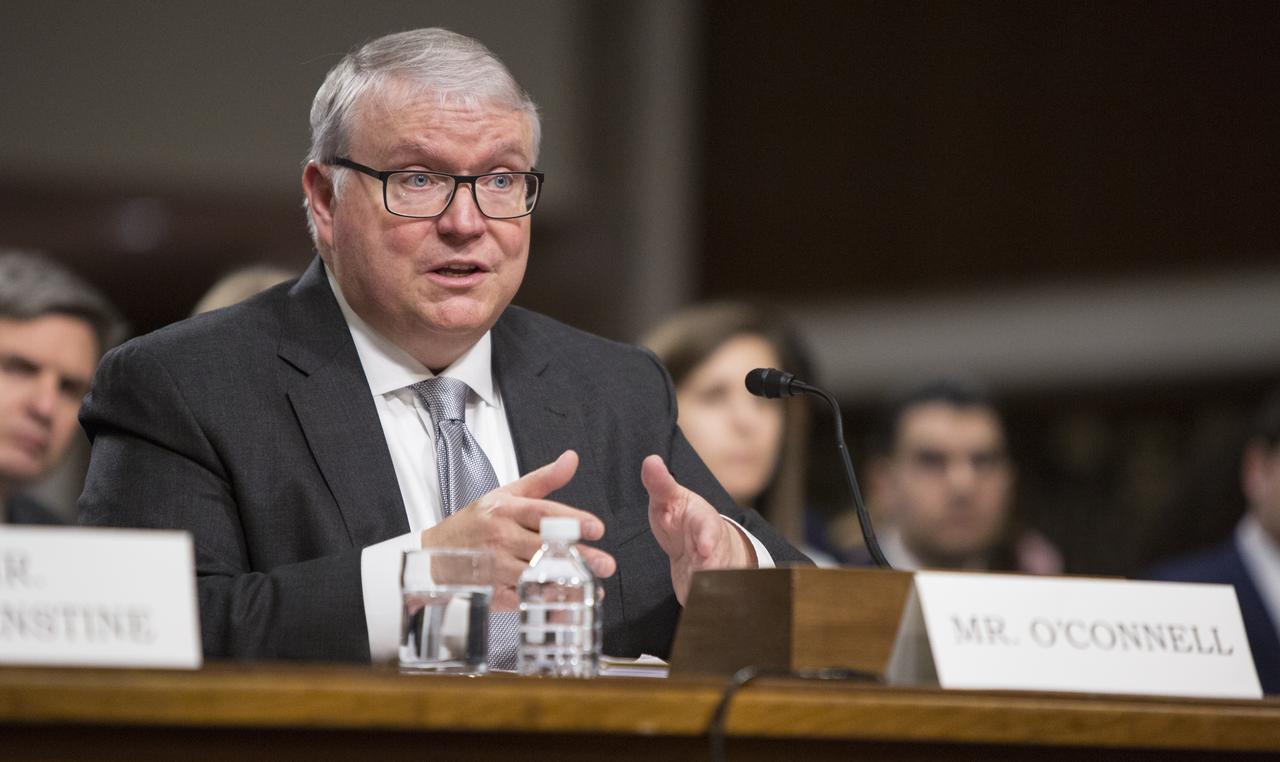
Kevin O'Connell, Director of the Office of Space Commerce at the Department of Commerce, testifies during a hearing of the Senate Committee on Commerce, Science, and Transportation titled "The New Space Race: Ensuring U.S. Global Leadership on the Final Frontier," Wednesday, March 13, 2019 at the Dirksen Senate Office Building in Washington. Photo Credit: (NASA/Joel Kowsky)
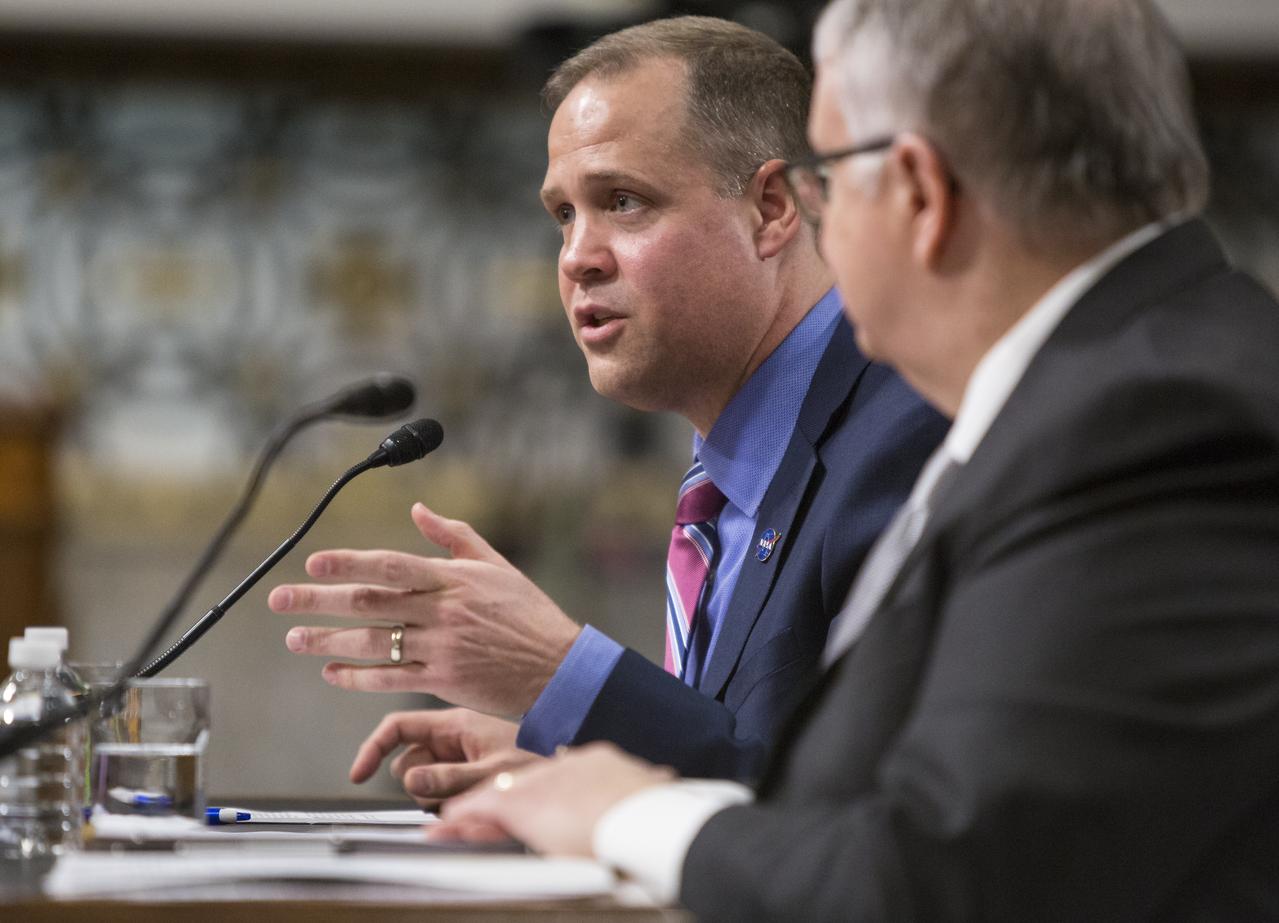
NASA Administrator Jim Bridenstine testifies during a hearing of the Senate Committee on Commerce, Science, and Transportation titled "The New Space Race: Ensuring U.S. Global Leadership on the Final Frontier," Wednesday, March 13, 2019 at the Dirksen Senate Office Building in Washington. Photo Credit: (NASA/Joel Kowsky)