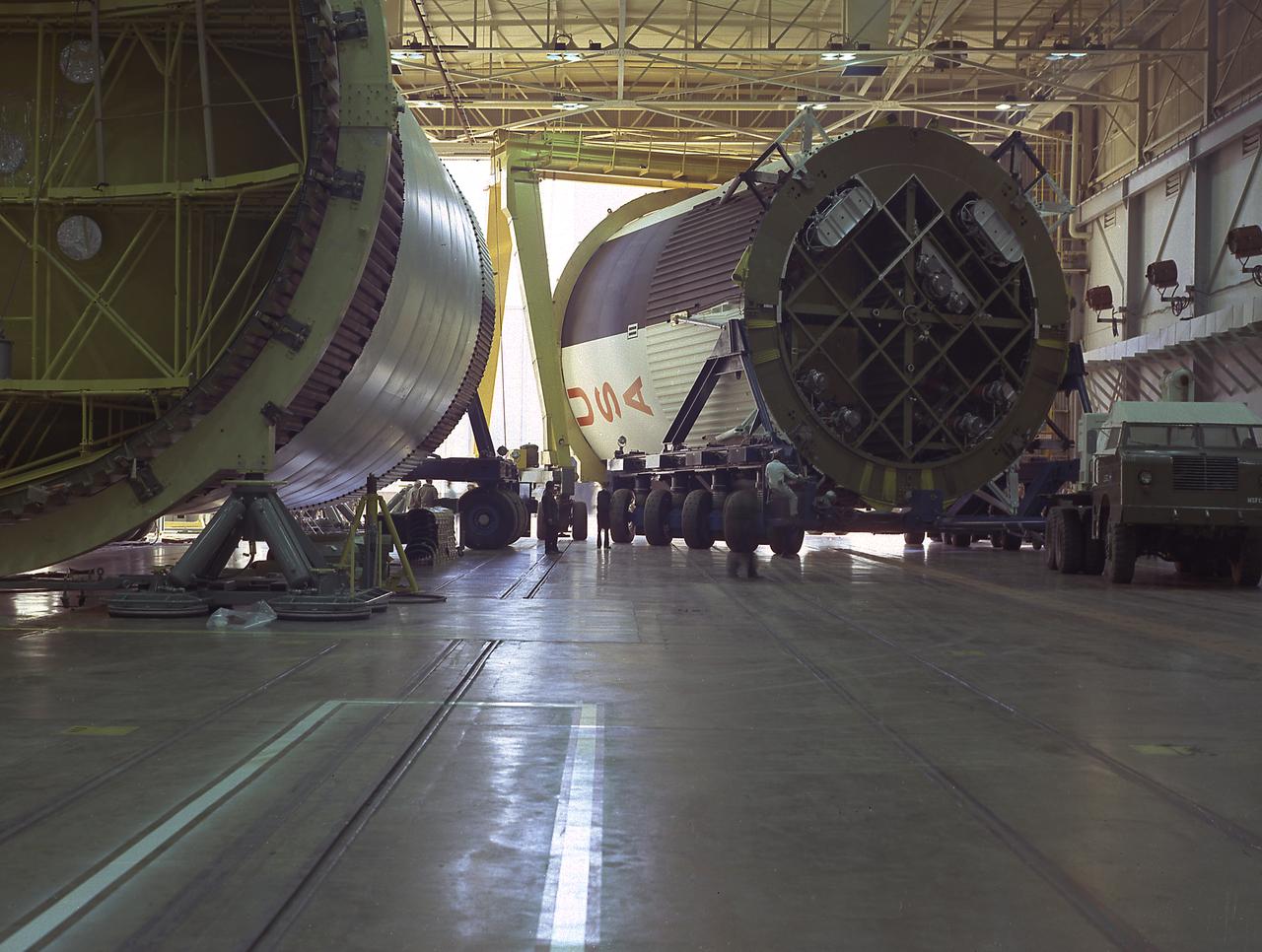
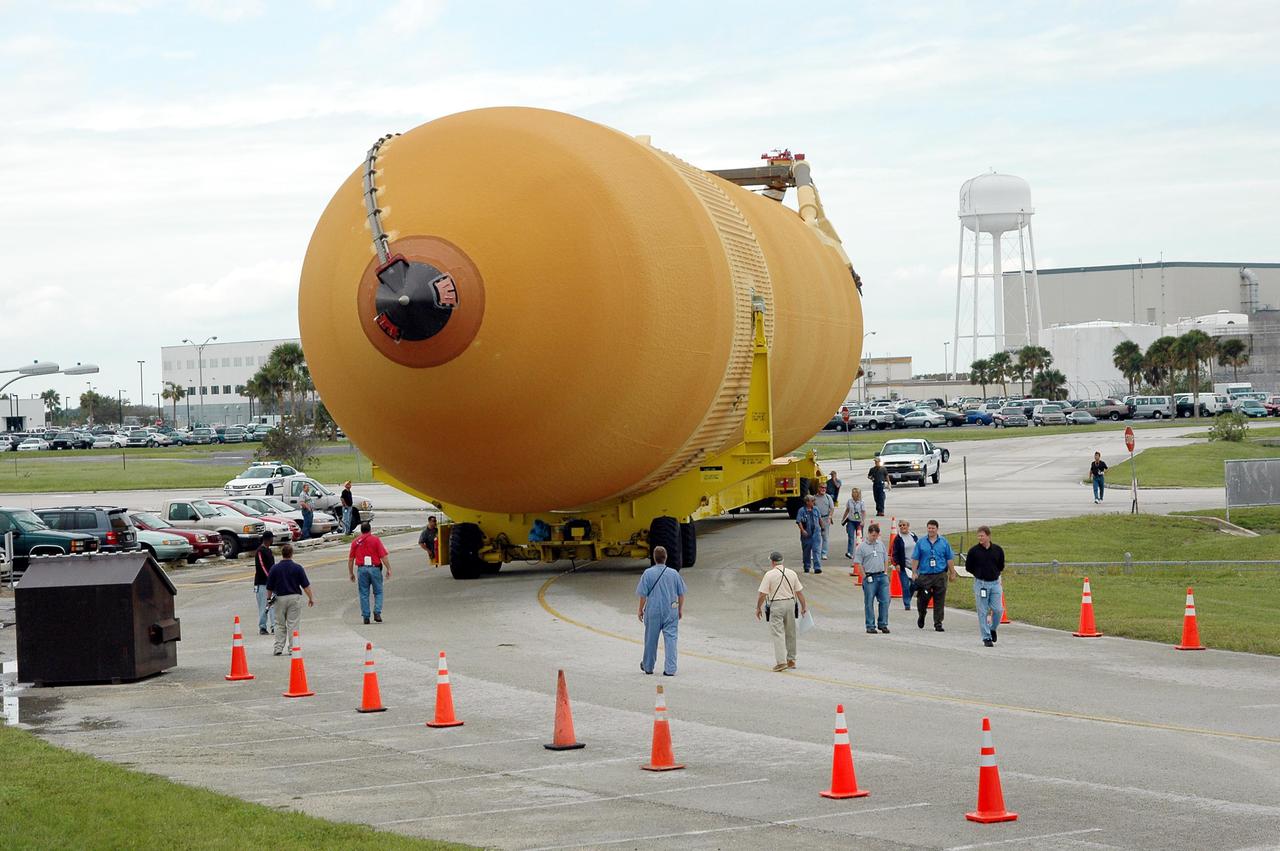
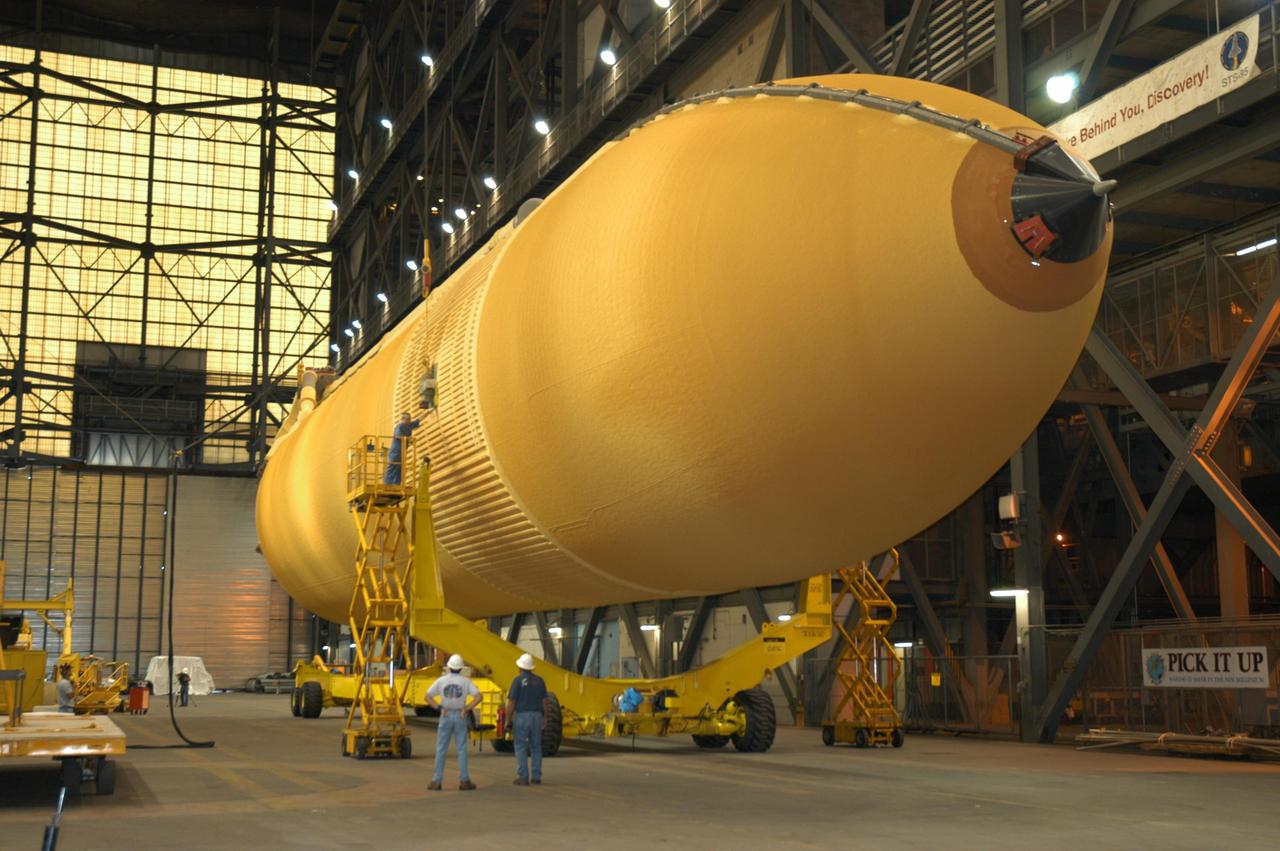
The fuel tank assembly for the Saturn V S-IC (first) stage arrived at the Marshall Space Flight Center, building 4707, for mating to the liquid oxygen tank. The fuel tank carried kerosene as its fuel. The S-IC stage used five F-1 engines, that used kerosene and liquid oxygen as propellant and each engine provided 1,500,000 pounds of thrust. This stage lifted the entire vehicle and Apollo spacecraft from the launch pad.
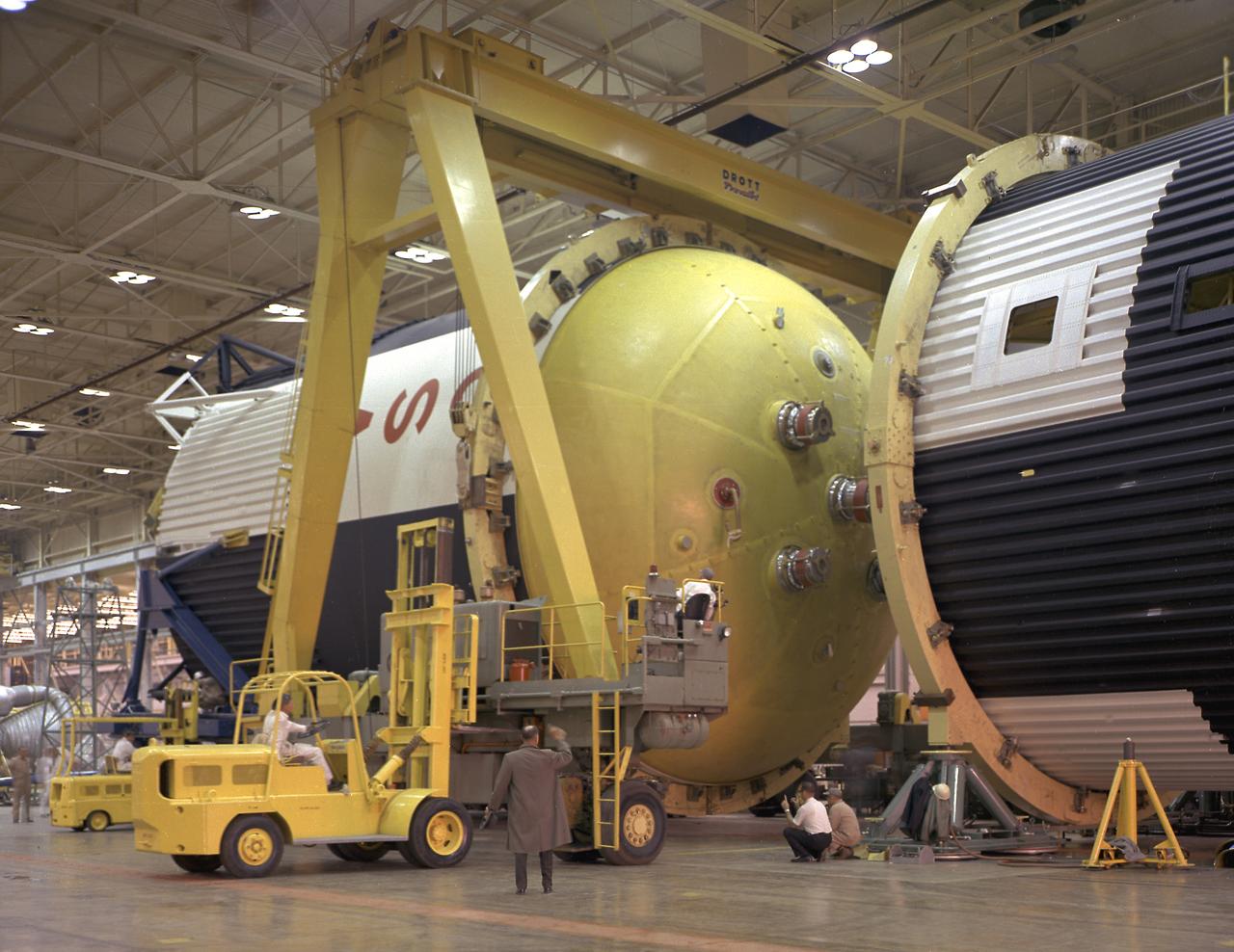
This photograph shows how the fuel tank assembly and the liquid oxygen tank for the Saturn V S-IC (first) stage are placed side by side prior to commencement of the mating of the two stages in the Marshall Space Flight Center, building 4705. The fuel tank carried kerosene as its fuel. The S-IC stage used five F-1 engines, that used kerosene and liquid oxygen as propellant and each engine provided 1,500,000 pounds of thrust. This stage lifted the entire vehicle and Apollo spacecraft from the launch pad.
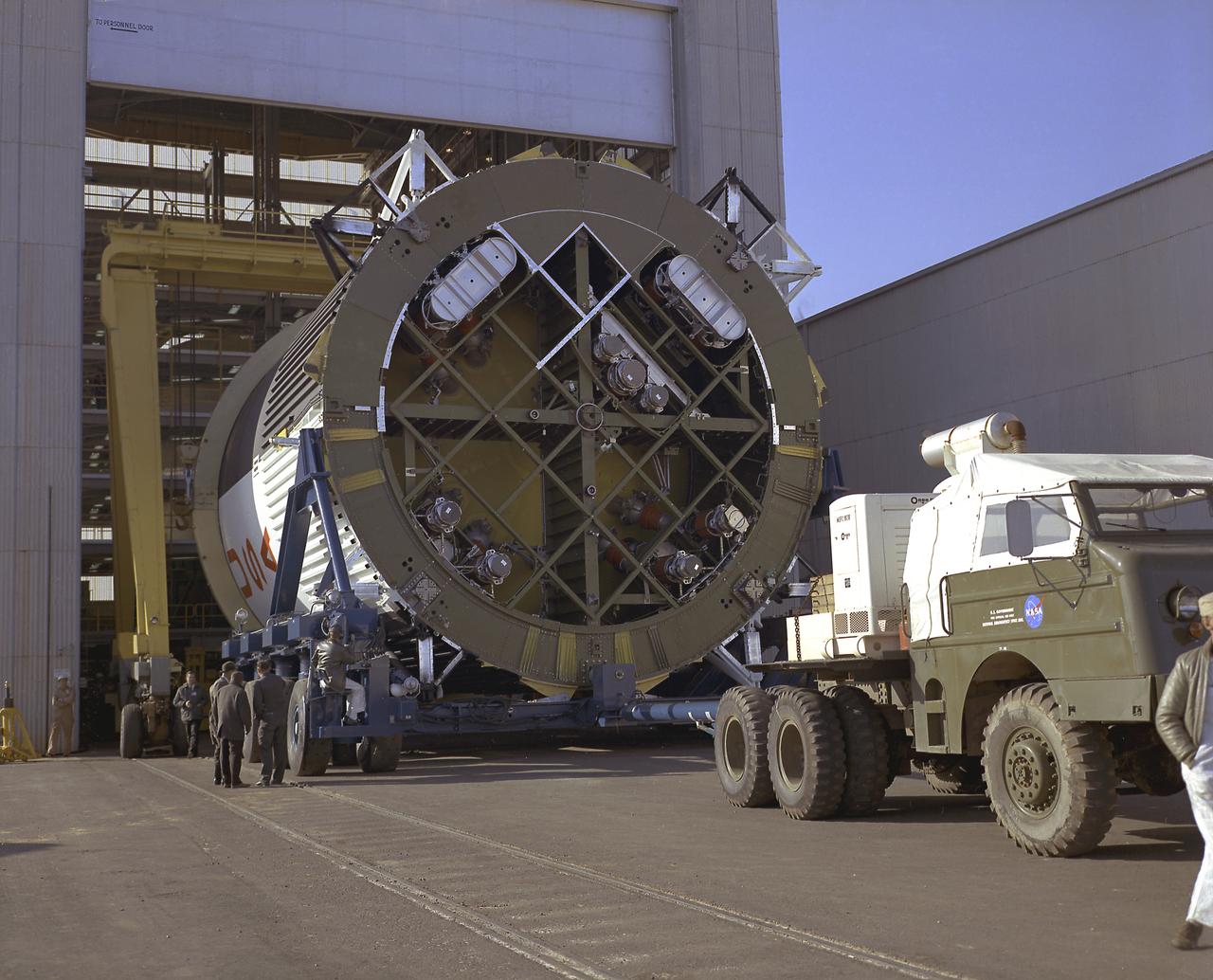
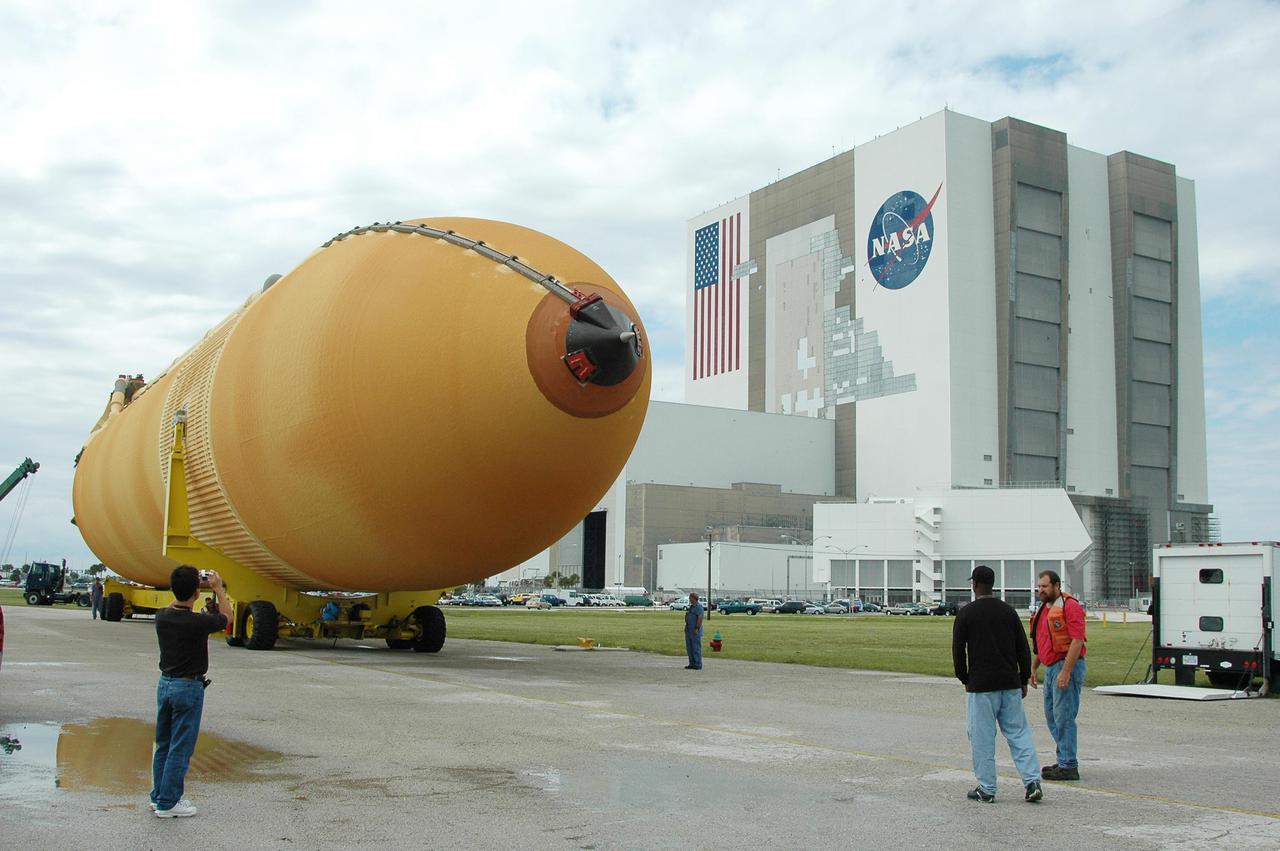
This photograph shows the fuel tank assembly for the Saturn V S-IC (first) stage being transported to the Marshall Space Flight Center, building 4705 for mating to the liquid oxygen (LOX) tank. The fuel tank carried kerosene (RP-1) as its fuel. The S-IC stage used five F-1 engines, that used kerosene and liquid oxygen as propellant and each engine provided 1,500,000 pounds of thrust. This stage lifted the entire vehicle and Apollo spacecraft from the launch pad.
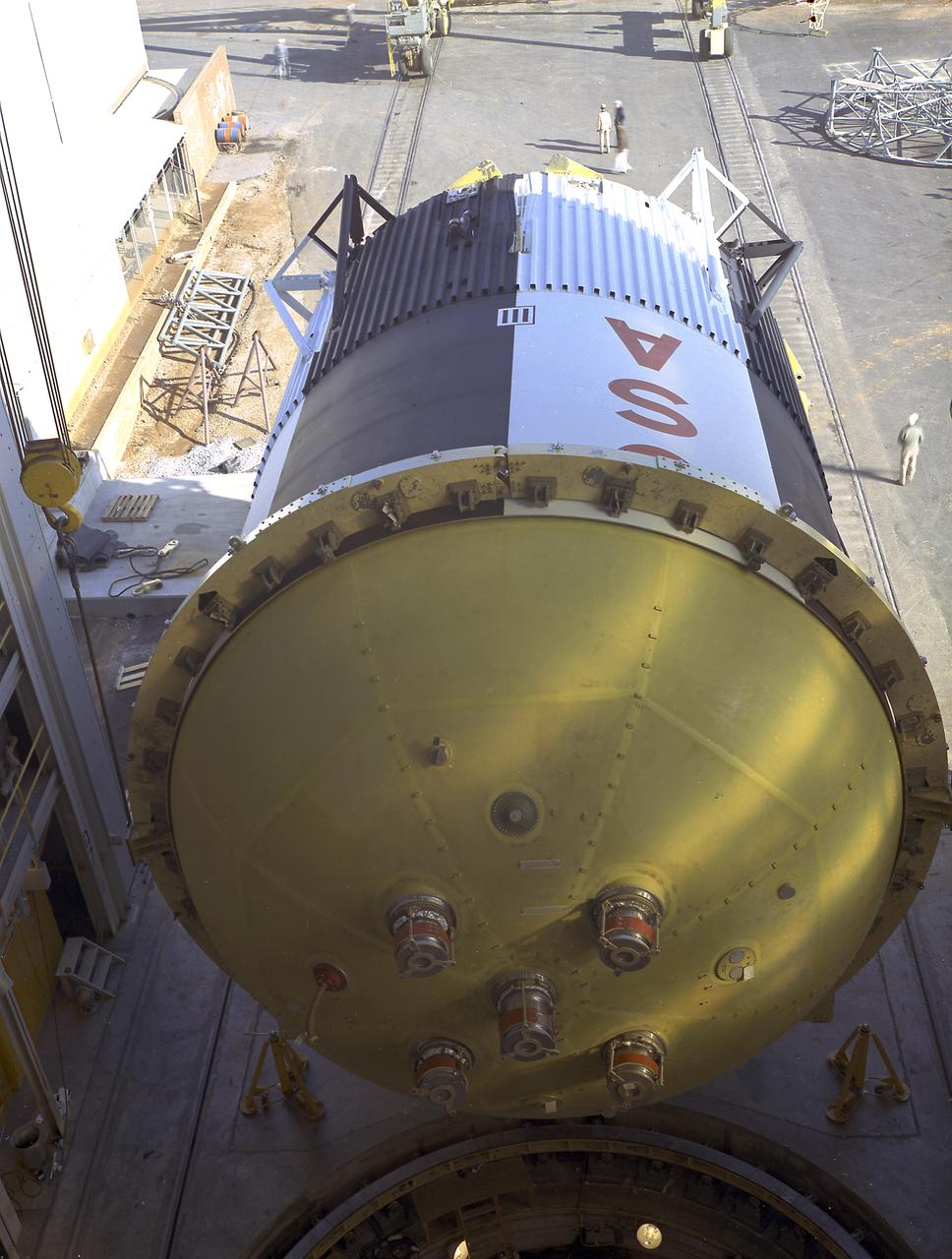
The fuel tank assembly of the Saturn V S-IC (first) stage is readied to be mated to the liquid oxygen tank at the Marshall Space Flight Center. The fuel tank carried kerosene as its fuel. The S-IC stage utilized five F-1 engines that used kerosene and liquid oxygen as propellant. Each engine provided 1,500,000 pounds of thrust. This stage lifted the entire vehicle and Apollo spacecraft from the launch pad.
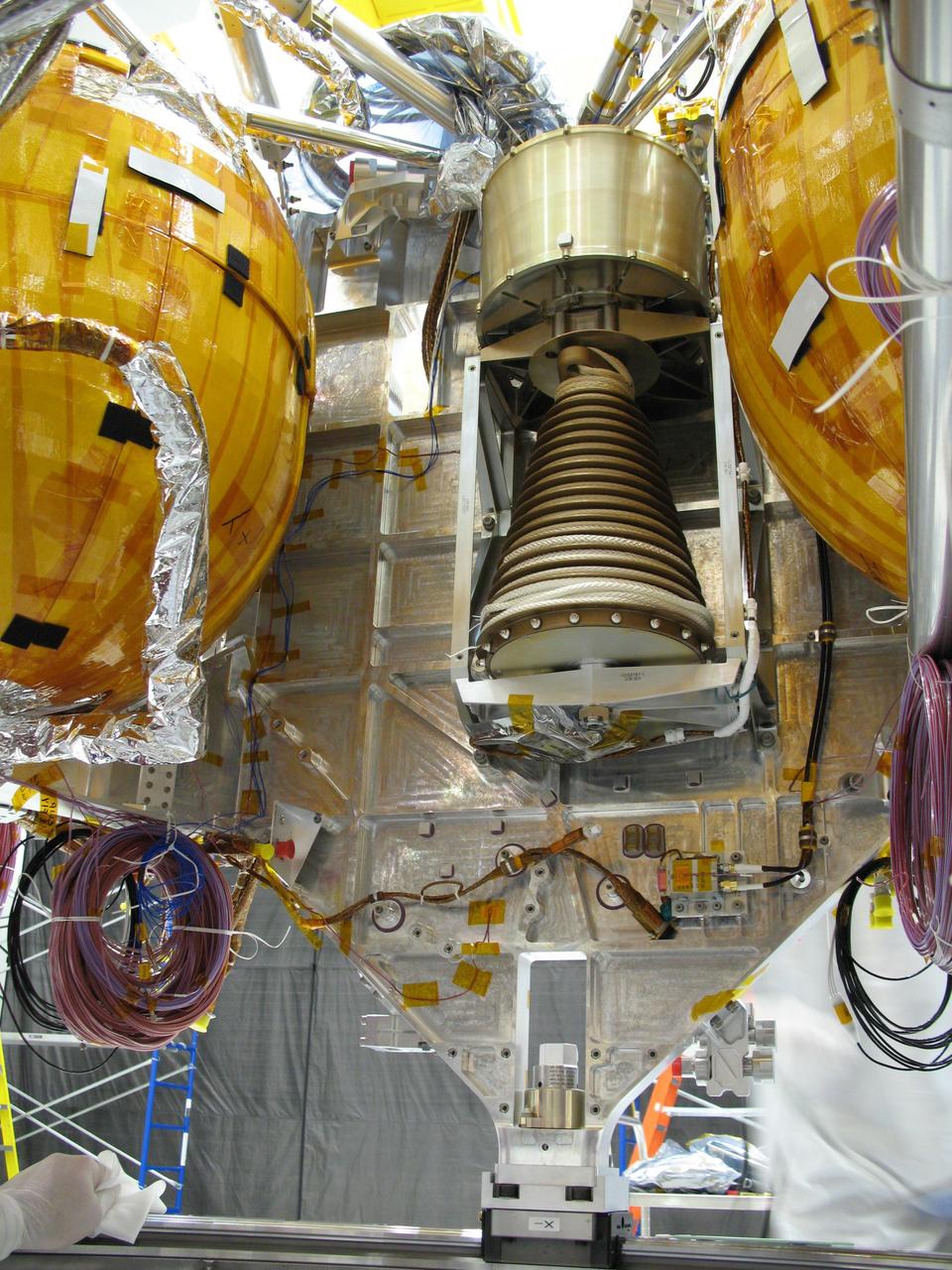
This view of a portion of the descent stage of NASA Mars Science Laboratory shows two of the stage three spherical fuel tanks flanking the bridle device assembly.
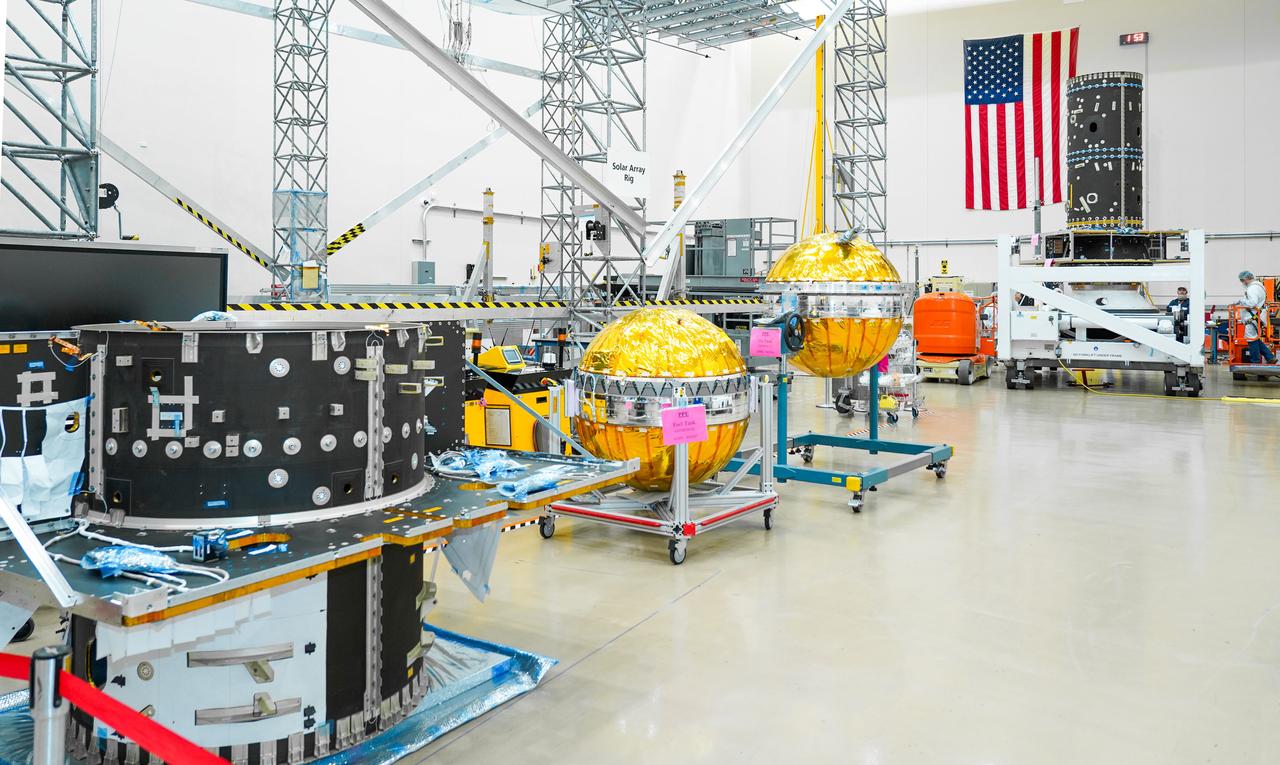
Hardware for the Gateway space station’s Power and Propulsion element, including its primary structure and fuel tanks ready for assembly, are shown at Maxar Space Systems in Palo Alto, California.
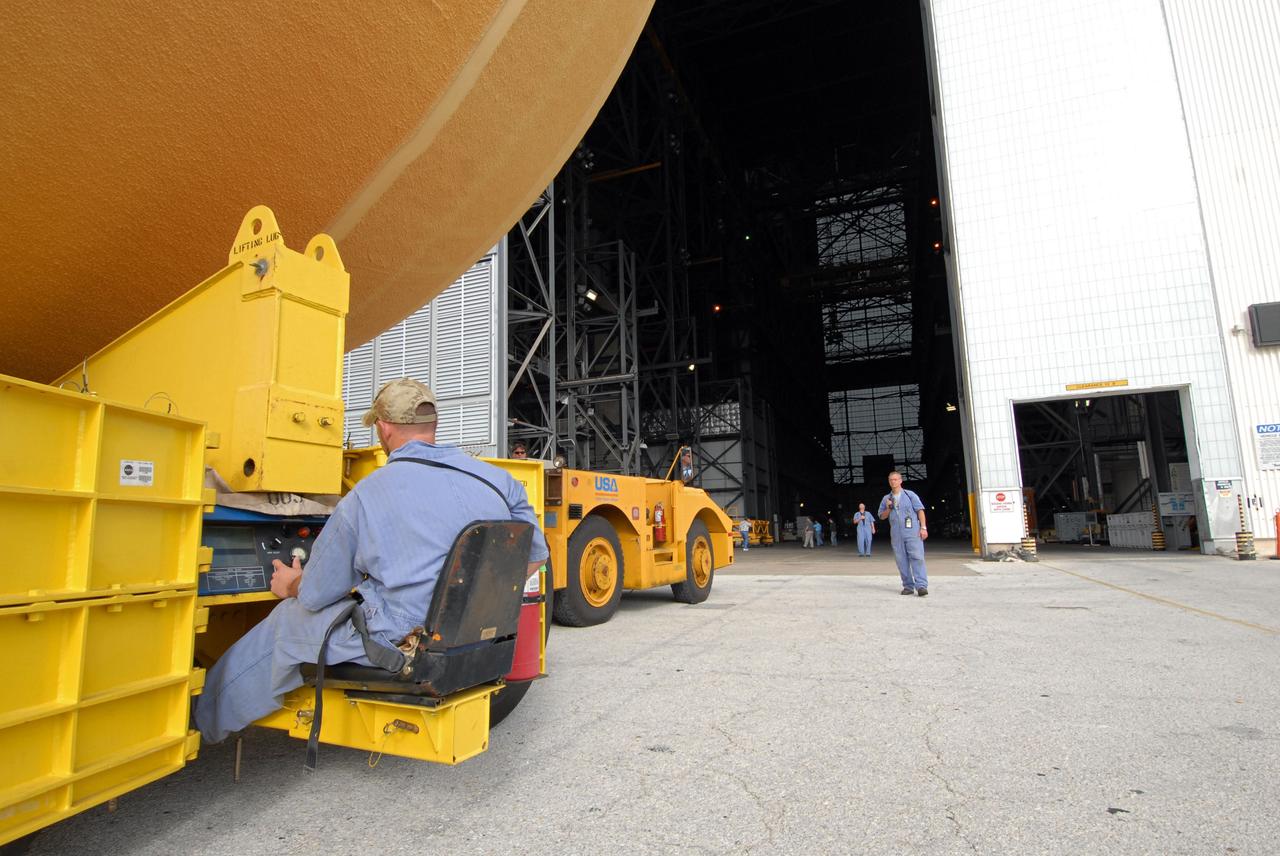
CAPE CANAVERAL, Fla. -- Controlled by a United Space Alliance technician, a transporter moves External Tank 130 toward the open door of the Vehicle Assembly Building at NASA's Kennedy Space Center in Florida. The Pegasus barge transported the fuel tank from the Michoud Assembly Facility in New Orleans. ET 130, which will be used on the Hubble servicing mission, STS-125, will be moved into a high bay for checkout. The fuel tank was previously designated for the STS-127 mission. Photo credit: NASA/Jack Pfaller
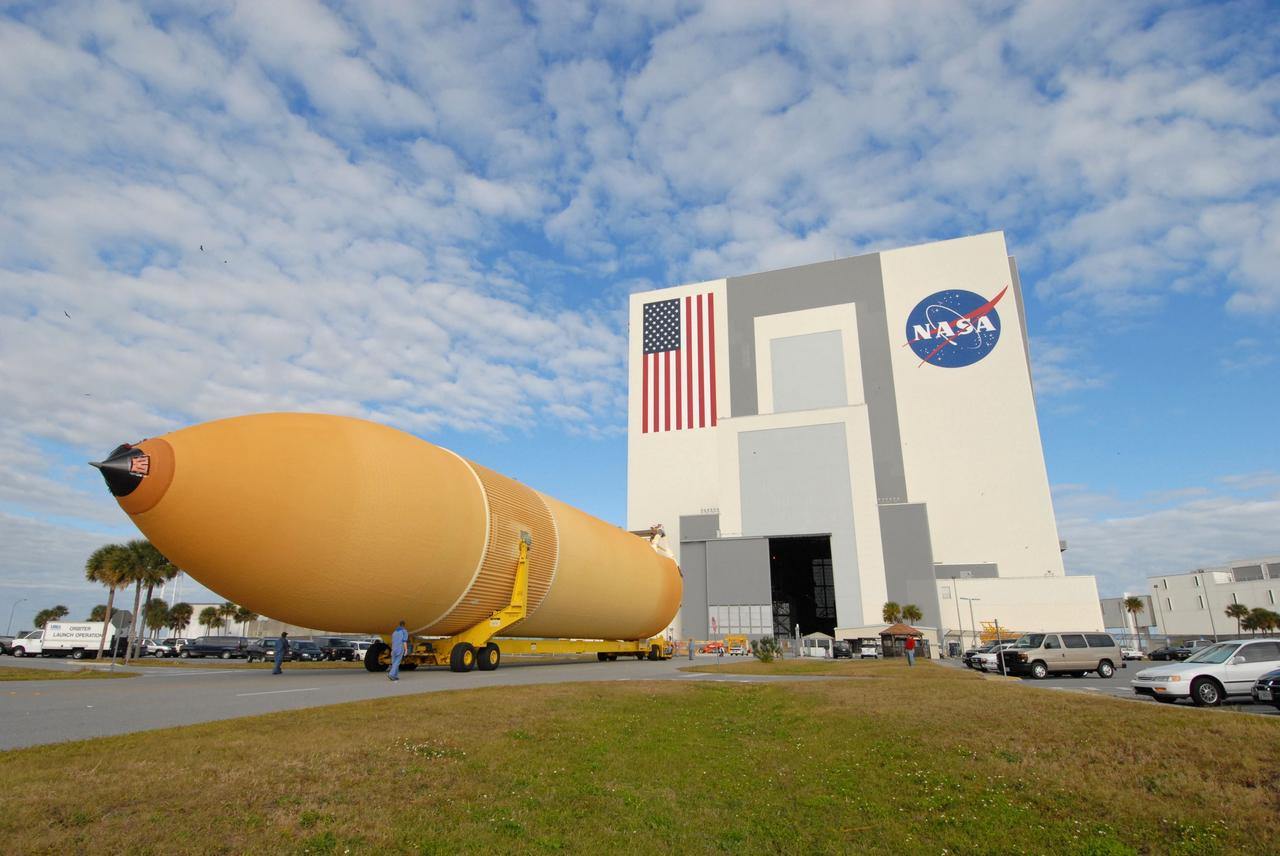
CAPE CANAVERAL, Fla. -- External Tank 130 rolls toward the Vehicle Assembly Building at NASA's Kennedy Space Center in Florida. The Pegasus barge transported the fuel tank from the Michoud Assembly Facility in New Orleans. ET 130, which will be used on the Hubble servicing mission, STS-125, will be moved into a high bay for checkout. The fuel tank was previously designated for the STS-127 mission. Photo credit: NASA/Jack Pfaller
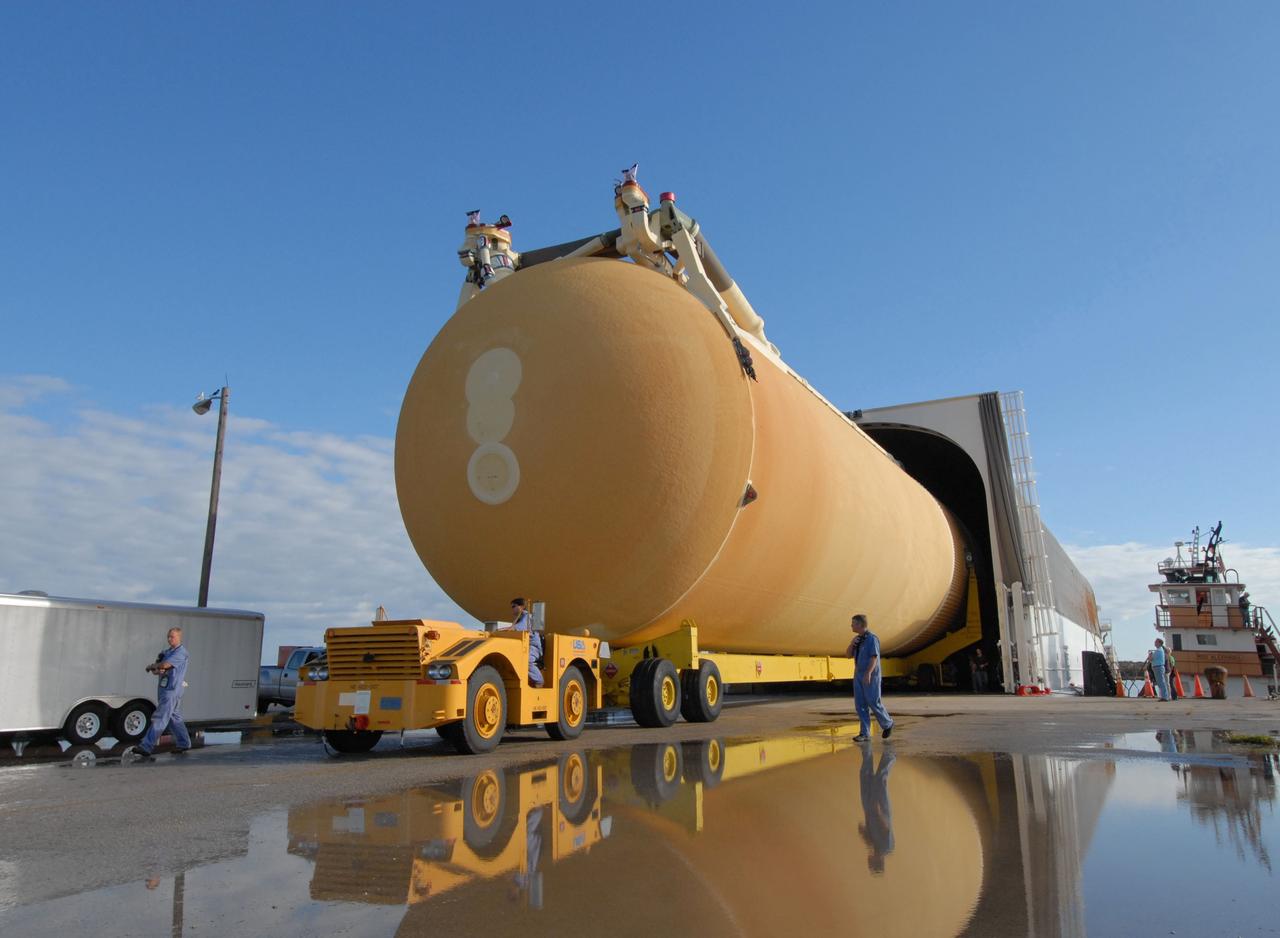
CAPE CANAVERAL, Fla. -- External Tank 130 moves out of the Pegasus barge docked at the turn basin at NASA's Kennedy Space Center in Florida. The barge transported the fuel tank from the Michoud Assembly Facility in New Orleans. ET 130, which will be used on the Hubble servicing mission, STS-125, will be moved to the Vehicle Assembly Building and into a high bay for checkout. The fuel tank was previously designated for the STS-127 mission. Photo credit: NASA/Jack Pfaller

CAPE CANAVERAL, Fla. -- External Tank 130 rolls into the Vehicle Assembly Building at NASA's Kennedy Space Center in Florida. The Pegasus barge transported the fuel tank from the Michoud Assembly Facility in New Orleans. ET 130, which will be used on the Hubble servicing mission, STS-125, will be moved into a high bay for checkout. The fuel tank was previously designated for the STS-127 mission. Photo credit: NASA/Jack Pfaller
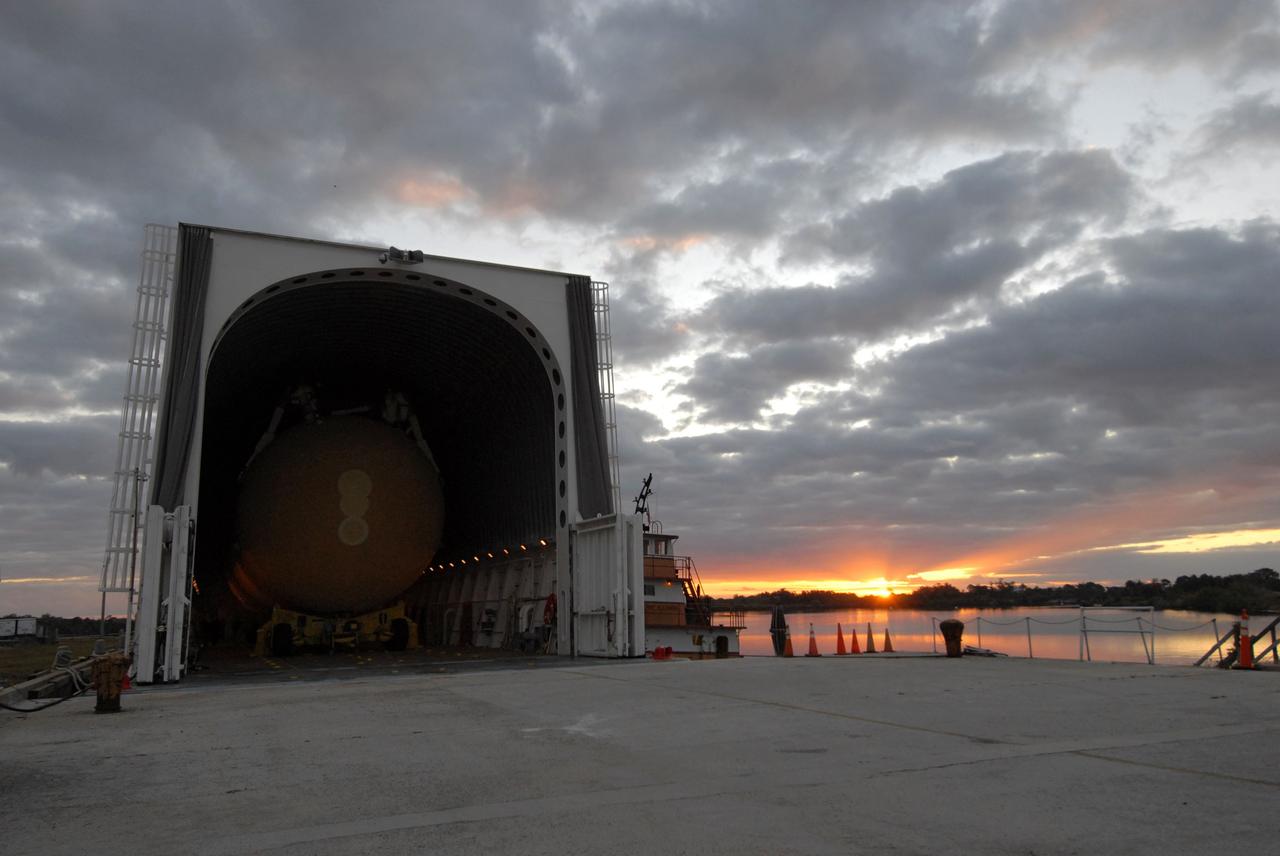
CAPE CANAVERAL, Fla. -- Just after sunrise, External Tank 130 is seen inside the Pegasus barge docked at the turn basin at NASA's Kennedy Space Center in Florida. The barge transported the fuel tank from the Michoud Assembly Facility in New Orleans. ET 130, which will be used on the Hubble servicing mission, STS-125, will be moved to the Vehicle Assembly Building and into a high bay for checkout. The fuel tank was previously designated for the STS-127 mission. Photo credit: NASA/Jack Pfaller
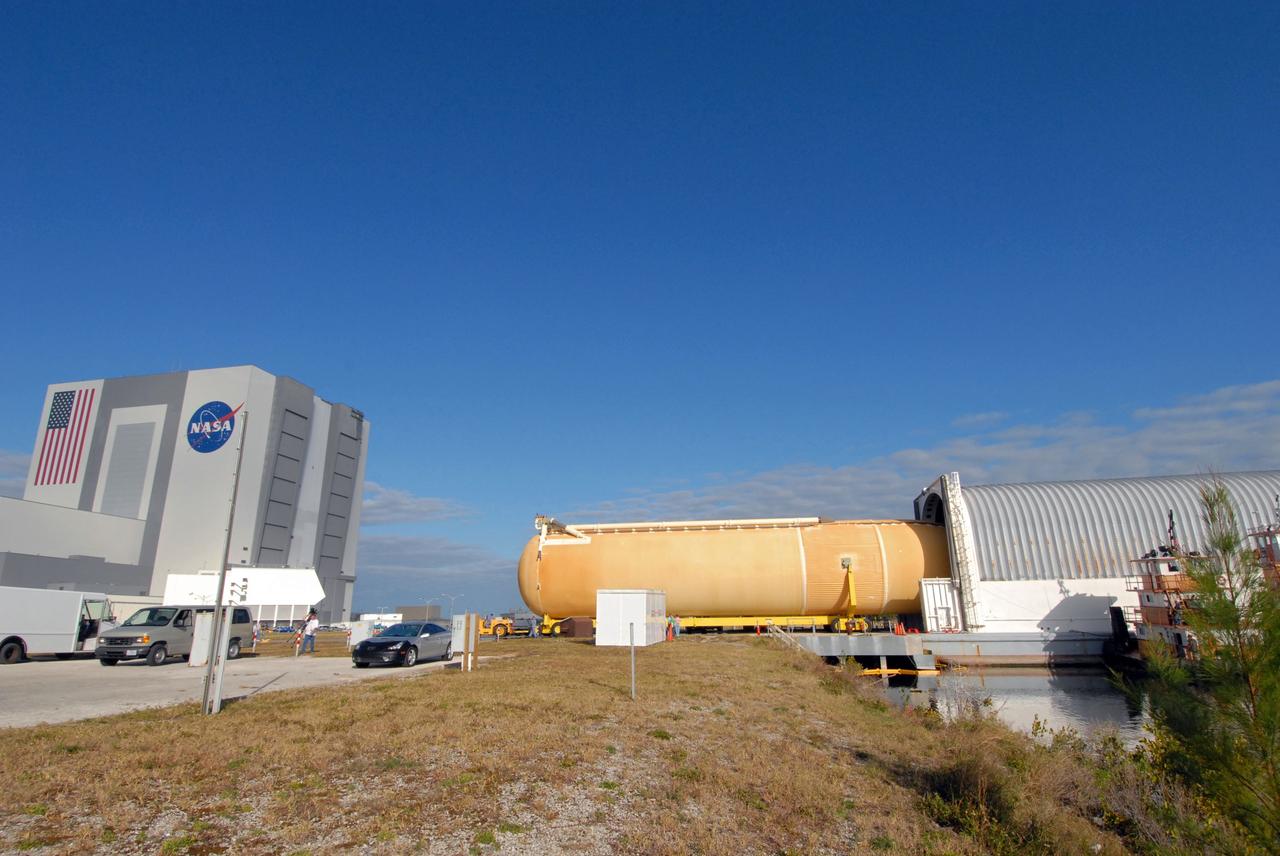
CAPE CANAVERAL, Fla. -- External Tank 130 moves out of the Pegasus barge docked at the turn basin at NASA's Kennedy Space Center in Florida. The barge transported the fuel tank from the Michoud Assembly Facility in New Orleans. ET 130, which will be used on the Hubble servicing mission, STS-125, is being moved to the Vehicle Assembly Building, seen at left, and into a high bay for checkout. The fuel tank was previously designated for the STS-127 mission. Photo credit: NASA/Jack Pfaller
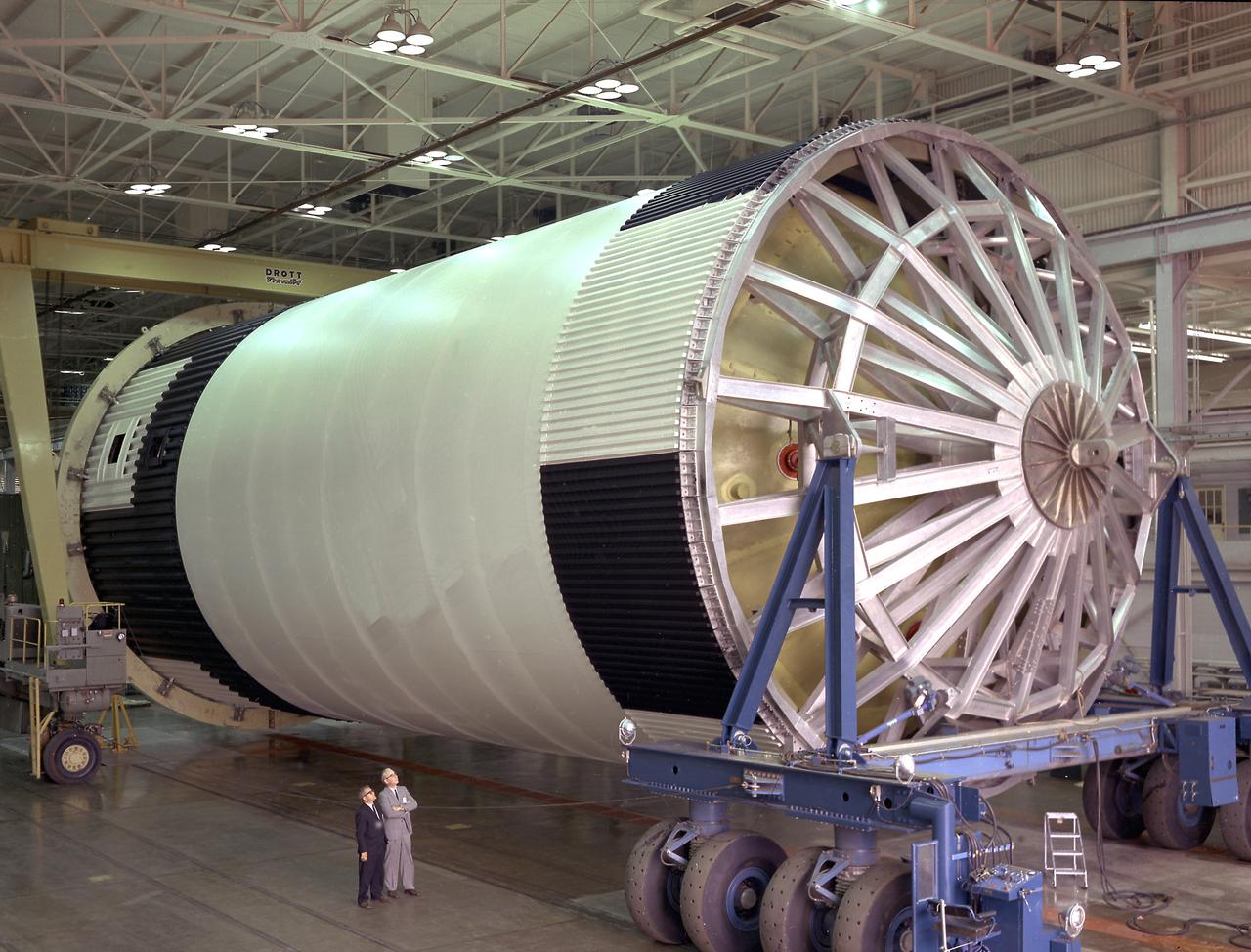
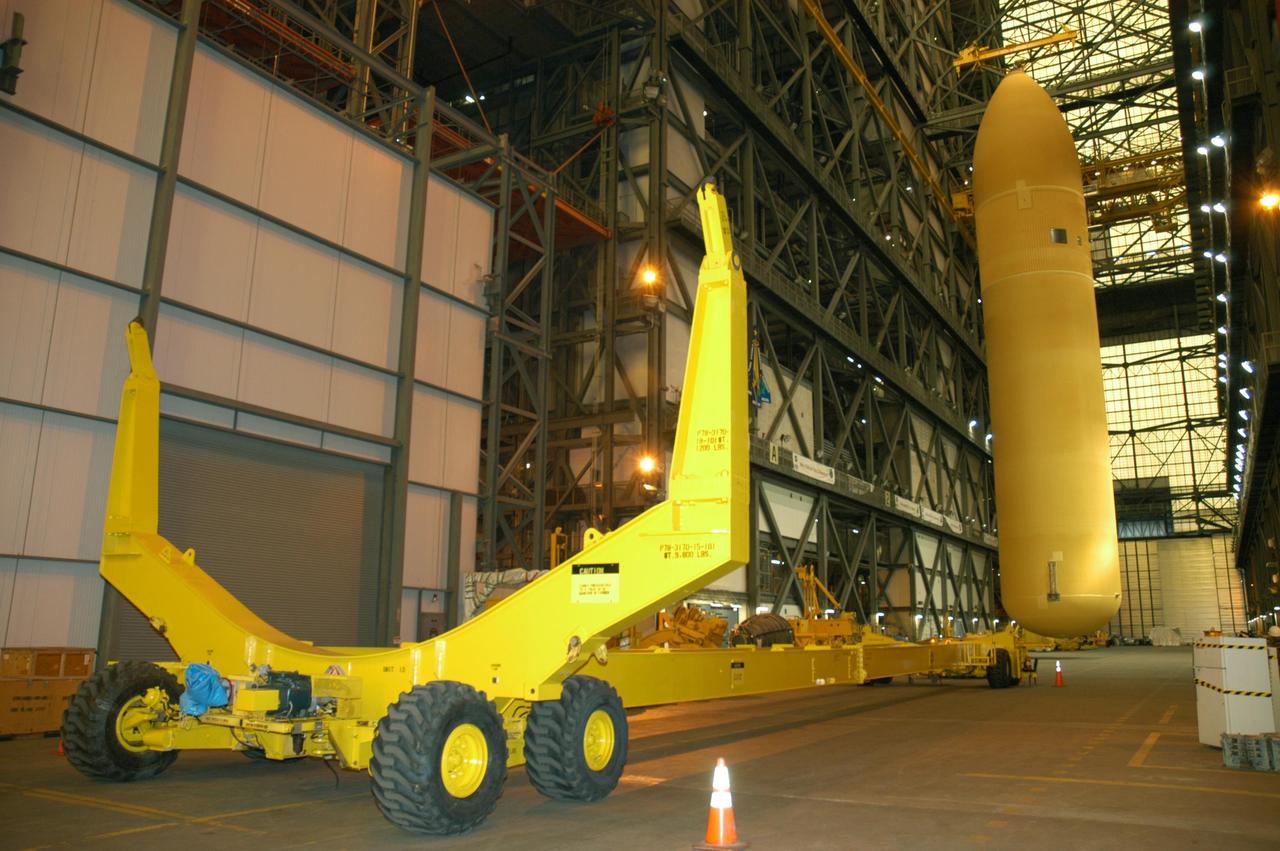
This is a picture of the assembled liquid oxygen (LOX) tank for the Saturn V S-IC (first) stage, with A-frame, that arrived to be mated to the fuel tank at a later date at the Marshall Space Flight Center, building 4705.
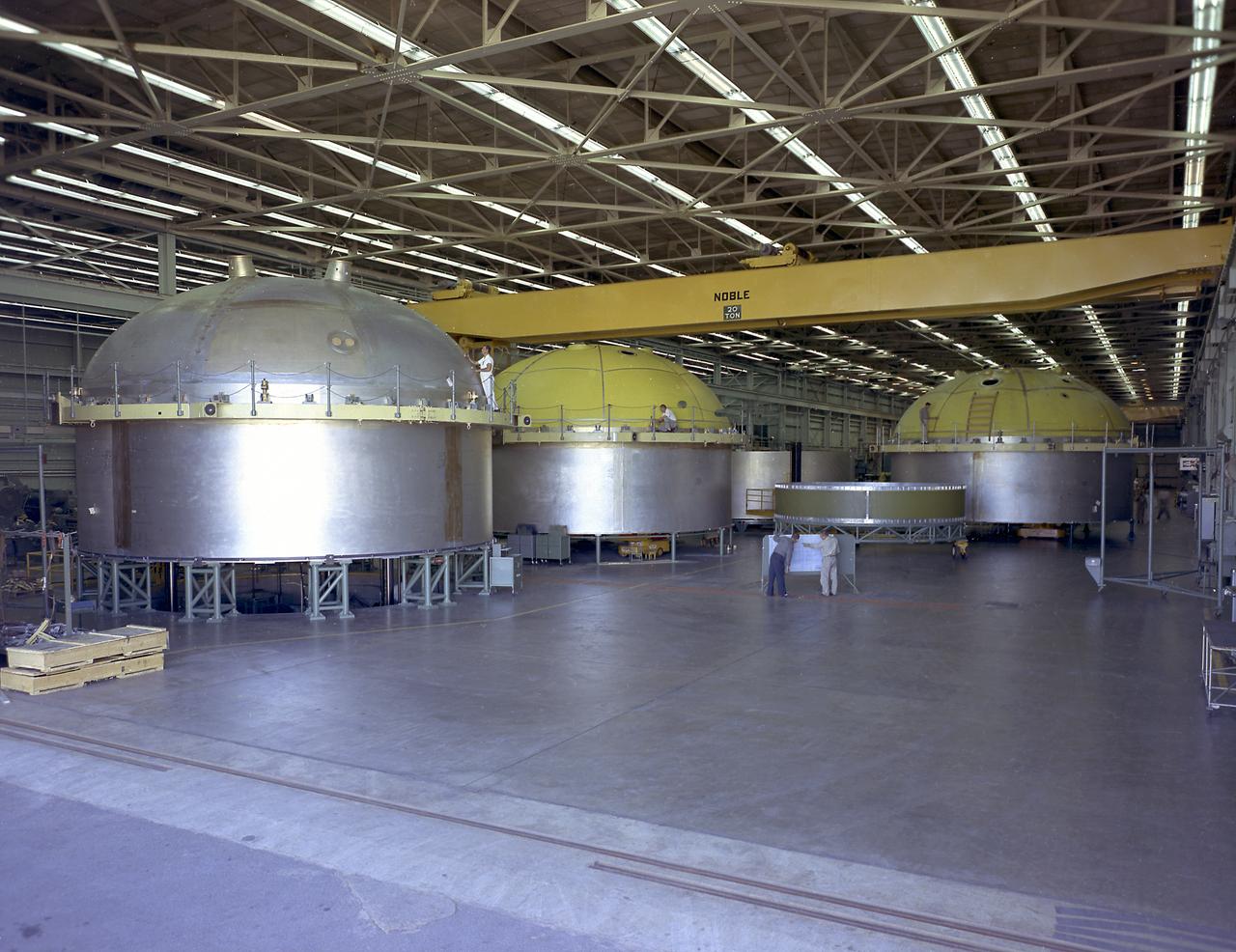
The components of the Saturn V booster (S-IC stage) fuel tank are shown in this photograph. The liquid oxygen tank bulkhead on the left and both halves of the fuel tank were in the Marshall Space Flight Center (MSFC) Manufacturing Engineering Laboratory, building 4707. These components were used at MSFC in structural testing to prove that they could withstand the forces to which they were subjected in flight. Each S-IC stage has two tanks, one for kerosene and one for liquid oxygen, made from such components as these. Thirty-three feet in diameter, they hold a total of 4,400,000 pounds of fuel. Although this tankage was assembled at MSFC, the elements were made by the Boeing Company at Wichita and the Michoud Operations at New Orleans.
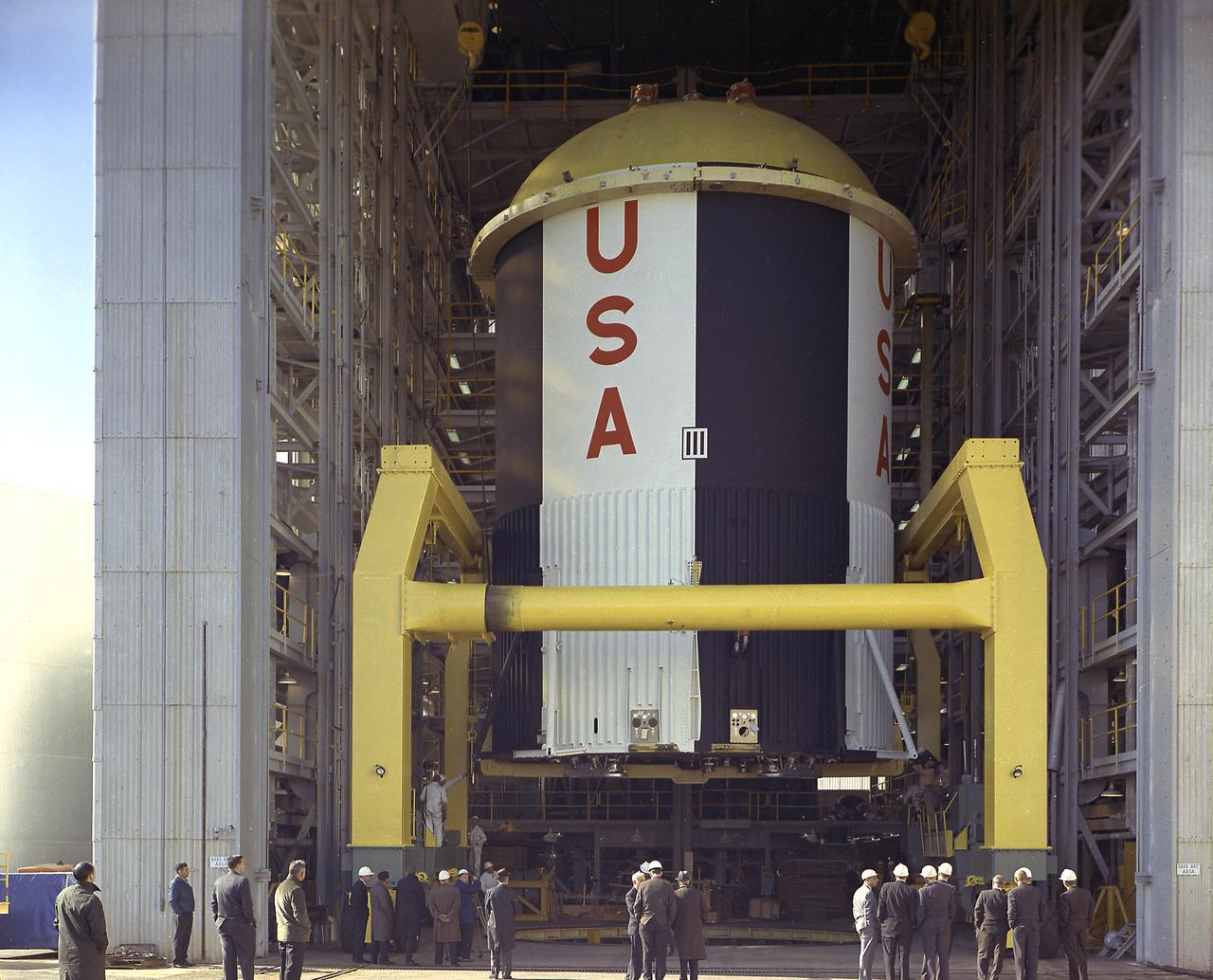
The fuel tank assembly of the Saturn V S-IC (first) stage supported with the aid of a C frame on the transporter was readied to be transported to the Marshall Space Flight Center, building 4705. The fuel tank carried kerosene (RP-1) as its fuel. The S-IC stage utilized five F-1 engines that used kerosene and liquid oxygen as propellant and each engine provided 1,500,000 pounds of thrust. This stage lifted the entire vehicle and Apollo spacecraft from the launch pad.

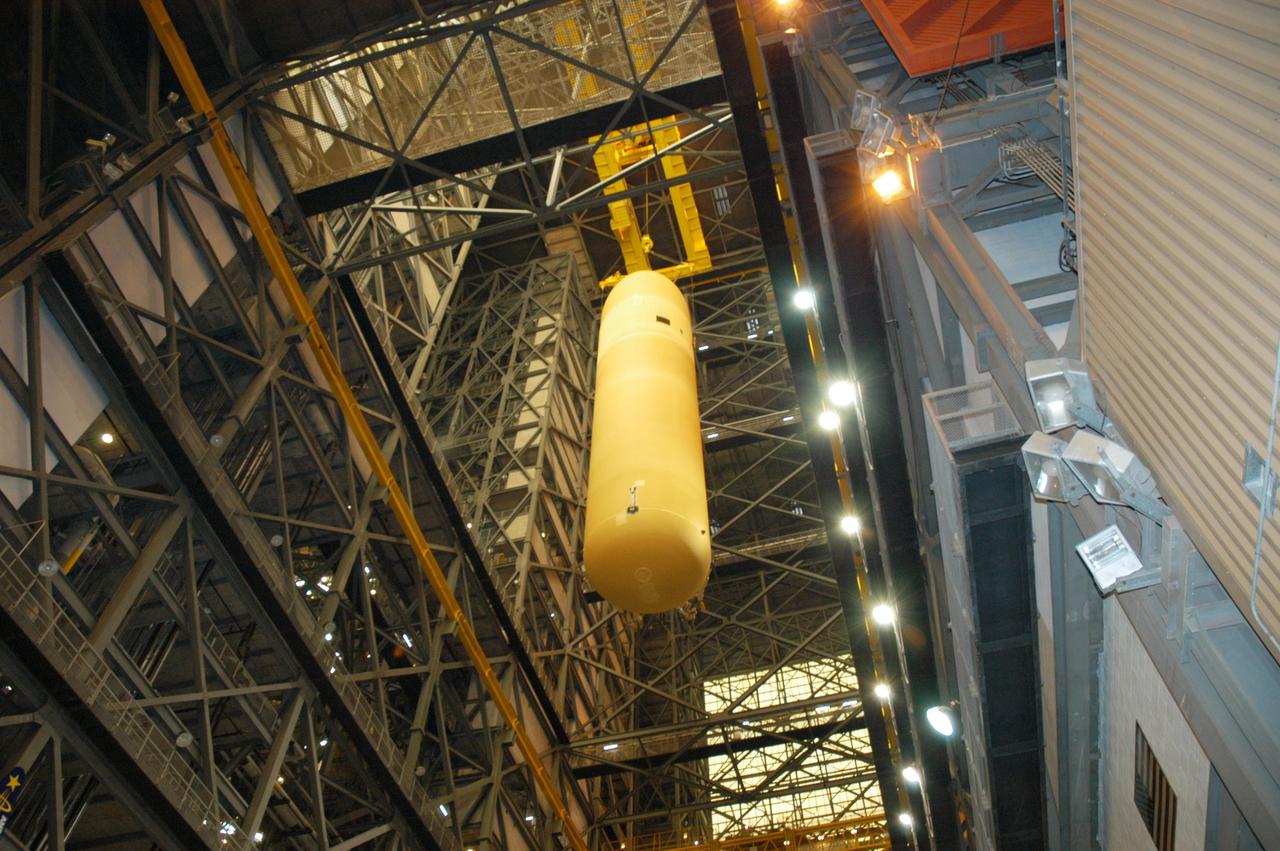
CAPE CANAVERAL, Fla. -- In the Vehicle Assembly Building at NASA's Kennedy Space Center in Florida, the vertical external fuel tank 130 is suspended by a crane over the transfer aisle. The tank will be lifted into high bay 2 for checkout before stacking with the solid rocket boosters and space shuttle Atlantis for the STS-125 mission. The fuel tank was previously designated for the STS-127 mission. The STS-125 Hubble servicing mission is targeted to launch May 12. Photo credit: NASA/Tim Jacobs

CAPE CANAVERAL, Fla. -- In the transfer aisle of the Vehicle Assembly Building at NASA's Kennedy Space Center in Florida, external fuel tank 130 is fitted with a crane to lift it off the transporter. The tank will be raised to vertical and lifted into high bay 2 for checkout before stacking with the solid rocket boosters and space shuttle Endeavour for the STS-125 mission. The fuel tank was previously designated for the STS-127 mission. The STS-125 Hubble servicing mission is targeted to launch May 12. Photo credit: NASA/Tim Jacobs
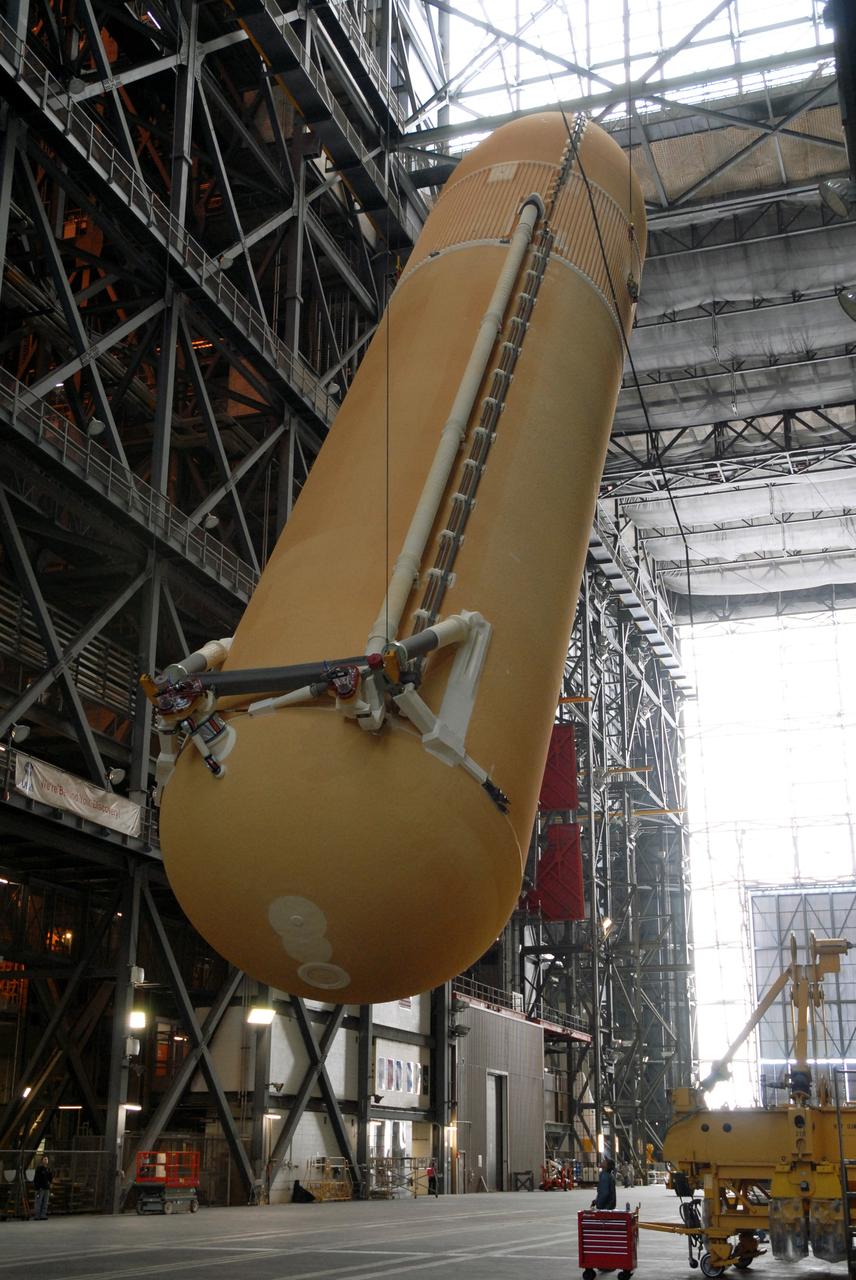
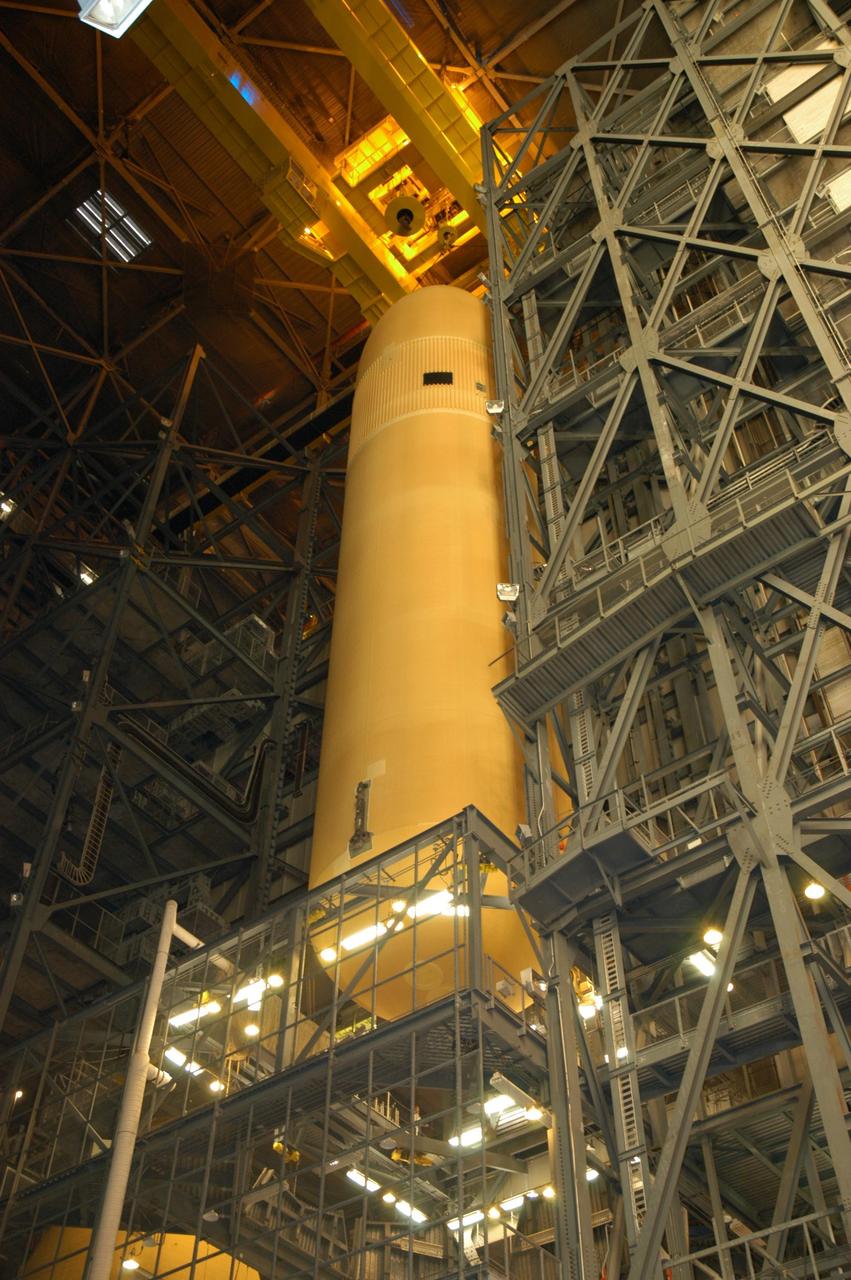
CAPE CANAVERAL, Fla. -- In the transfer aisle of the Vehicle Assembly Building at NASA's Kennedy Space Center in Florida, external fuel tank 130 is raised to a vertical position. The tank will be lifted into high bay 2 for checkout before stacking with the solid rocket boosters and space shuttle Atlantis for the STS-125 mission. The fuel tank was previously designated for the STS-127 mission. The STS-125 Hubble servicing mission is targeted to launch May 12. Photo credit: NASA/Tim Jacobs
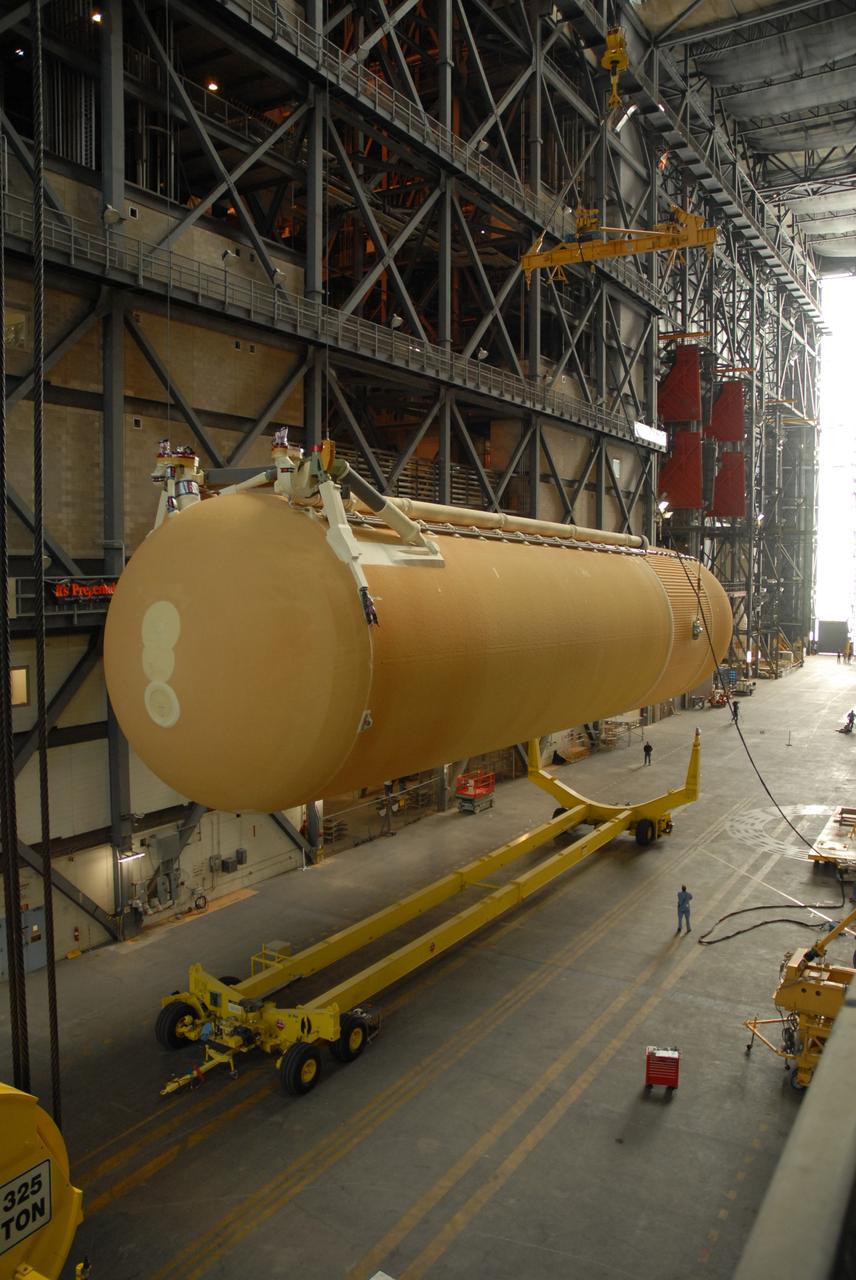
CAPE CANAVERAL, Fla. -- In the transfer aisle of the Vehicle Assembly Building at NASA's Kennedy Space Center in Florida, external fuel tank 130 is lifted off its transporter. The tank will be raised to vertical and lifted into high bay 2 for checkout. The fuel tank was previously designated for the STS-127 mission. The STS-125 Hubble servicing mission is targeted to launch May 12. Photo credit: NASA/Tim Jacobs
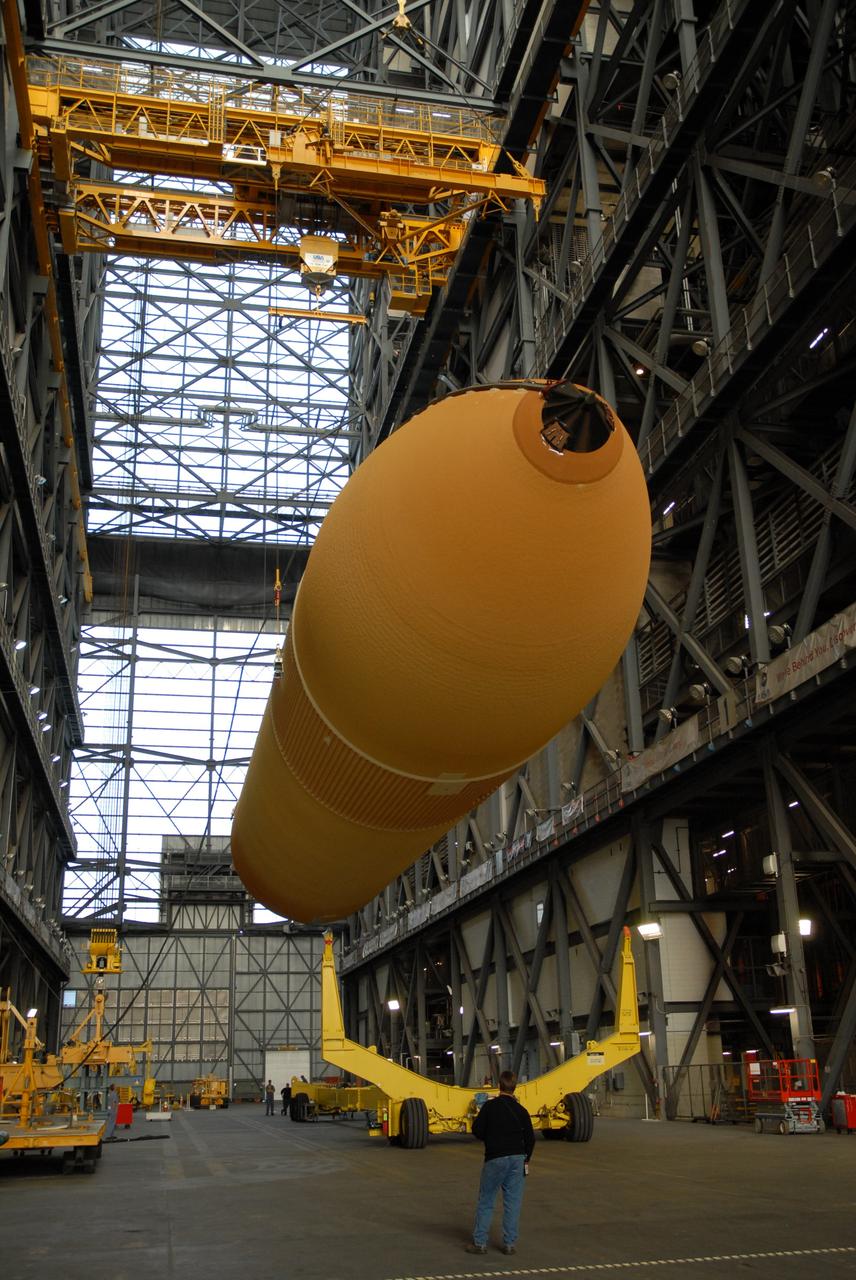
CAPE CANAVERAL, Fla. -- In the transfer aisle of the Vehicle Assembly Building at NASA's Kennedy Space Center in Florida, external fuel tank 130 is lifted off its transporter. The tank will be raised to vertical and lifted into high bay 2 for checkout before stacking with the solid rocket boosters and space shuttle Atlantis for the STS-125 mission. The fuel tank was previously designated for the STS-127 mission. The STS-125 Hubble servicing mission is targeted to launch May 12. Photo credit: NASA/Tim Jacobs
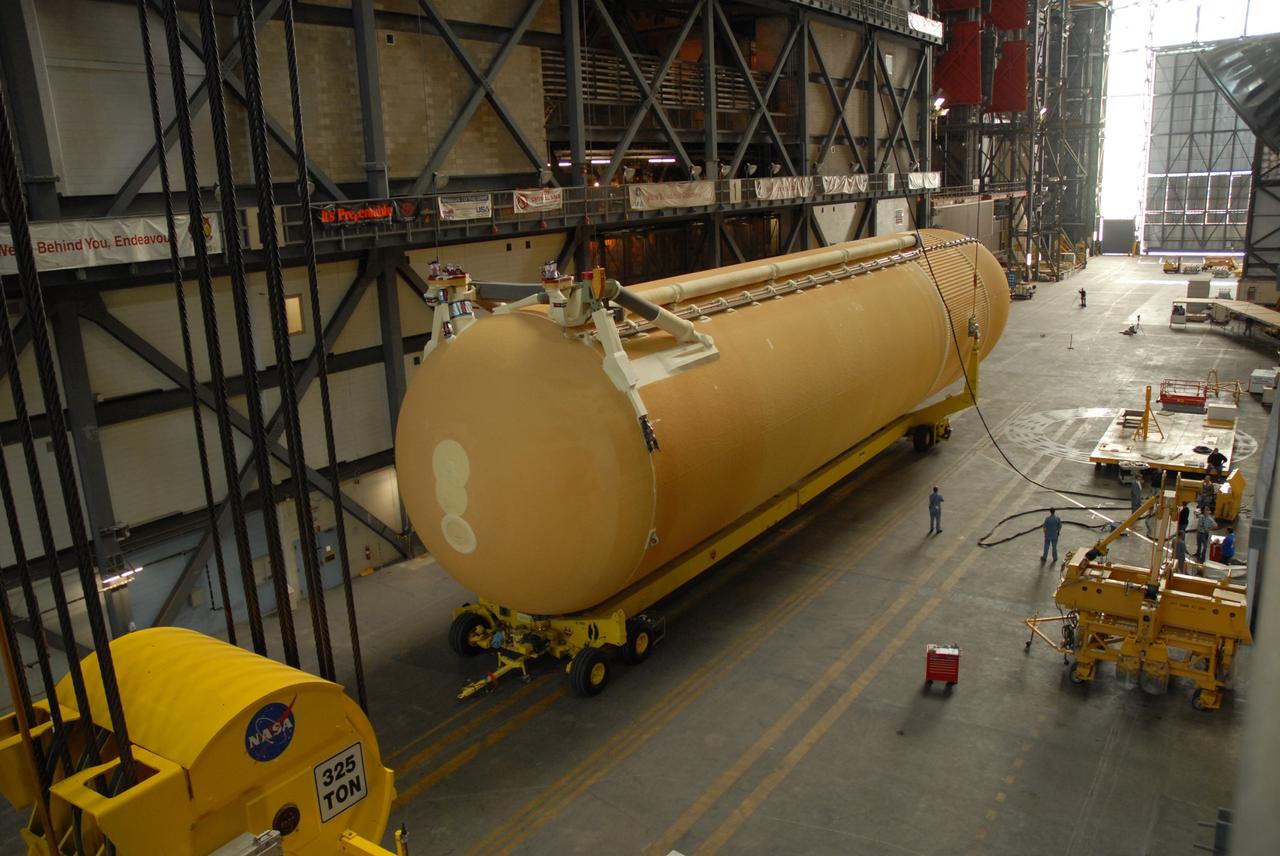
CAPE CANAVERAL, Fla. -- In the transfer aisle of the Vehicle Assembly Building at NASA's Kennedy Space Center in Florida, external fuel tank 130 is fitted with a crane to lift it off the transporter. The tank will be raised to vertical and lifted into high bay 2 for checkout before stacking with the solid rocket boosters and space shuttle Endeavour for the STS-125 mission. The fuel tank was previously designated for the STS-127 mission. The STS-125 Hubble servicing mission is targeted to launch May 12. Photo credit: NASA/Tim Jacobs
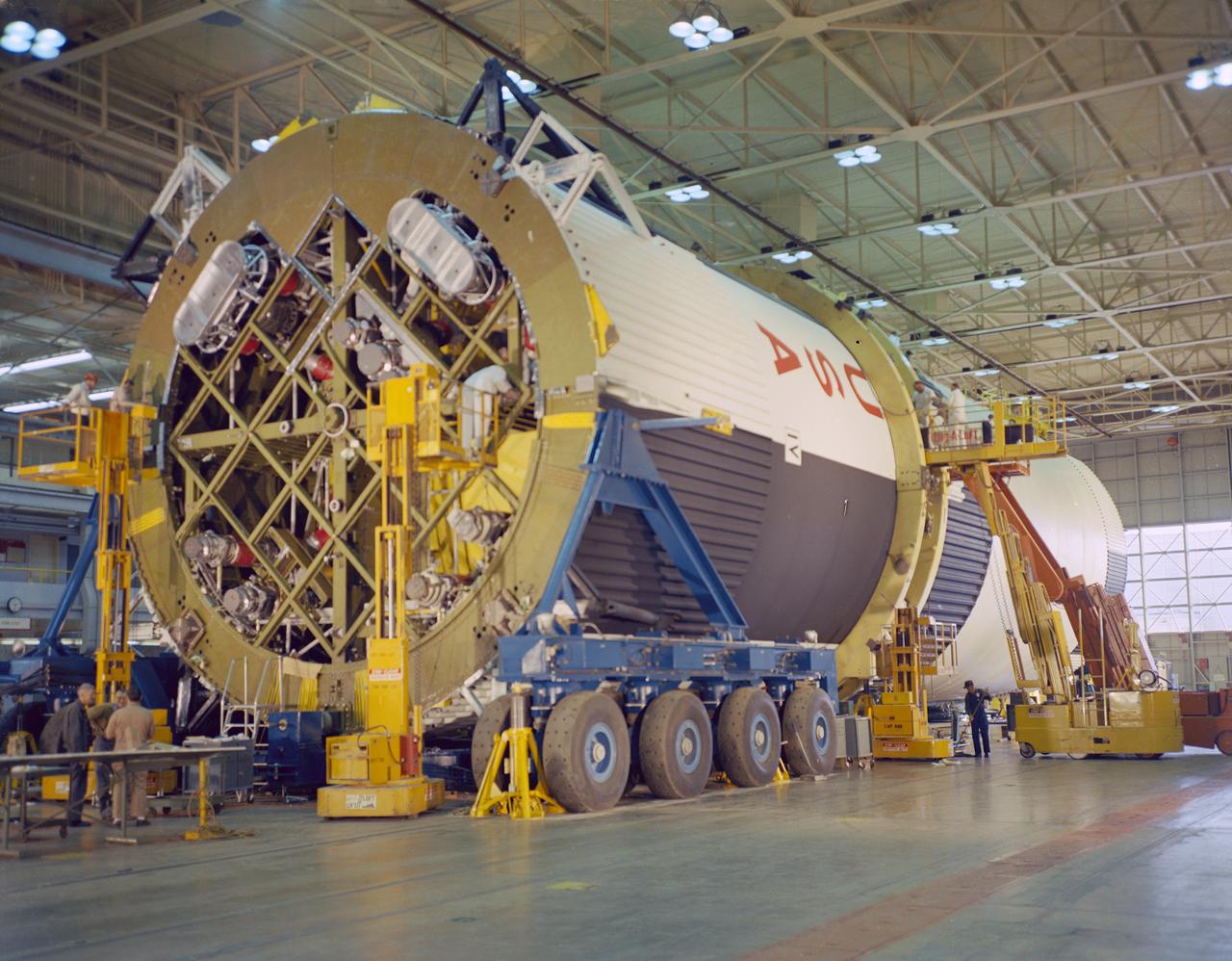
At the Marshall Space Flight Center (MSFC), the fuel tank assembly for the Saturn V S-IC-T (static test stage) fuel tank assembly is mated to the liquid oxygen (LOX) tank in building 4705. This stage underwent numerous static firings at the newly-built S-IC Static Test Stand at the MSFC west test area. The S-IC (first) stage used five F-1 engines that produced a total thrust of 7,500,000 pounds as each engine produced 1,500,000 pounds of thrust. The S-IC stage lifted the Saturn V vehicle and Apollo spacecraft from the launch pad.
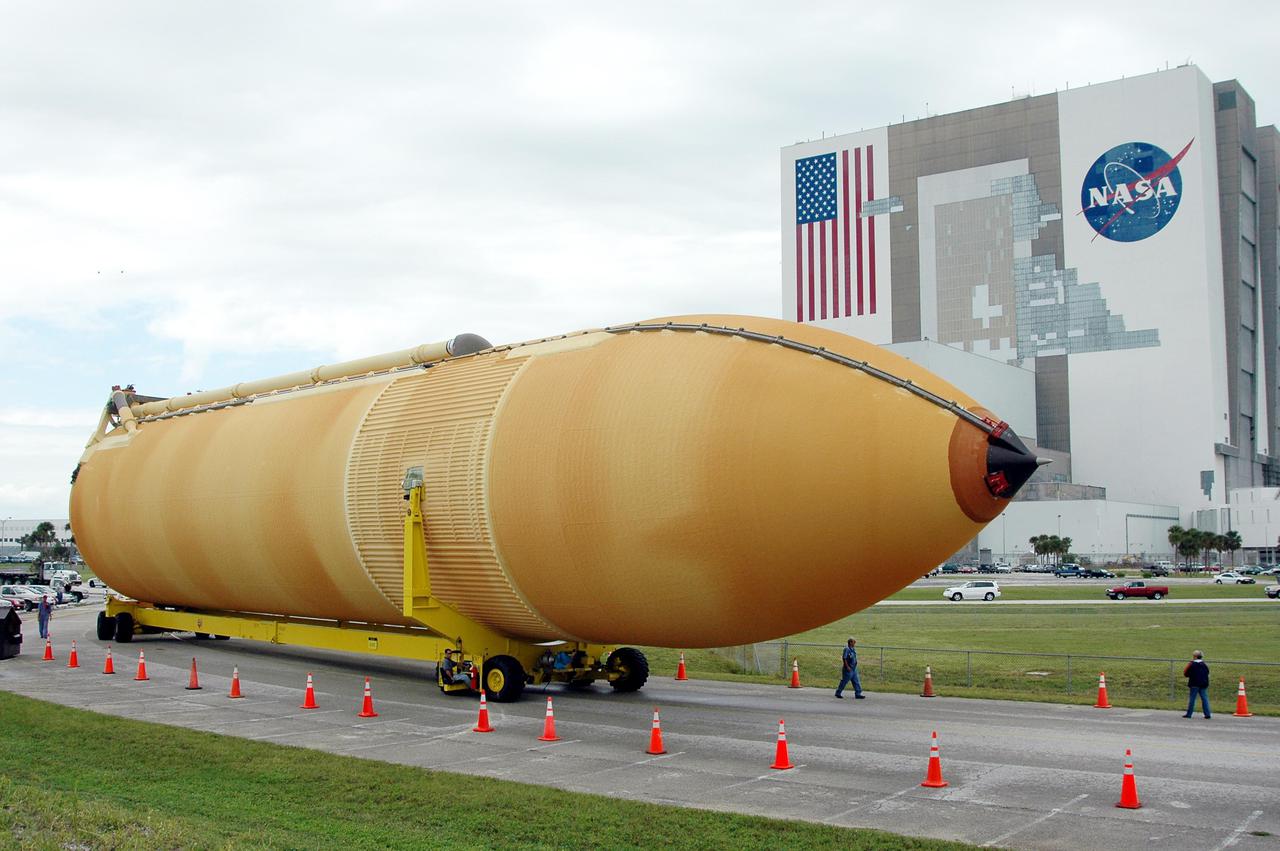
KENNEDY SPACE CENTER, FLA. - External Tank 118 (ET-118) moves from the Vehicle Assembly Building, in the background, toward the barge in the Turn Basin at Launch Complex 39. The tank will be transported to NASA’s Michoud Assembly Facility in New Orleans. The tank is being installed with an improved bipod fitting, which connects the external fuel tank to the Shuttle during launch. The new design, a significant milestone in the effort to return the Shuttle to safe flight, replaces the foam that was used to prevent ice buildup on the tank’s bipod fittings with four rod-shaped heaters. The heaters are being retrofitted on the 11 existing tanks and incorporated into the manufacture of all new tanks.
KENNEDY SPACE CENTER, FLA. - External Tank 118 (ET-118) is transferred from the Vehicle Assembly Building to the barge in the Turn Basin at Launch Complex 39. The tank will be transported to NASA’s Michoud Assembly Facility in New Orleans. The tank is being installed with an improved bipod fitting, which connects the external fuel tank to the Shuttle during launch. The new design, a significant milestone in the effort to return the Shuttle to safe flight, replaces the foam that was used to prevent ice buildup on the tank’s bipod fittings with four rod-shaped heaters. The heaters are being retrofitted on the 11 existing tanks and incorporated into the manufacture of all new tanks.
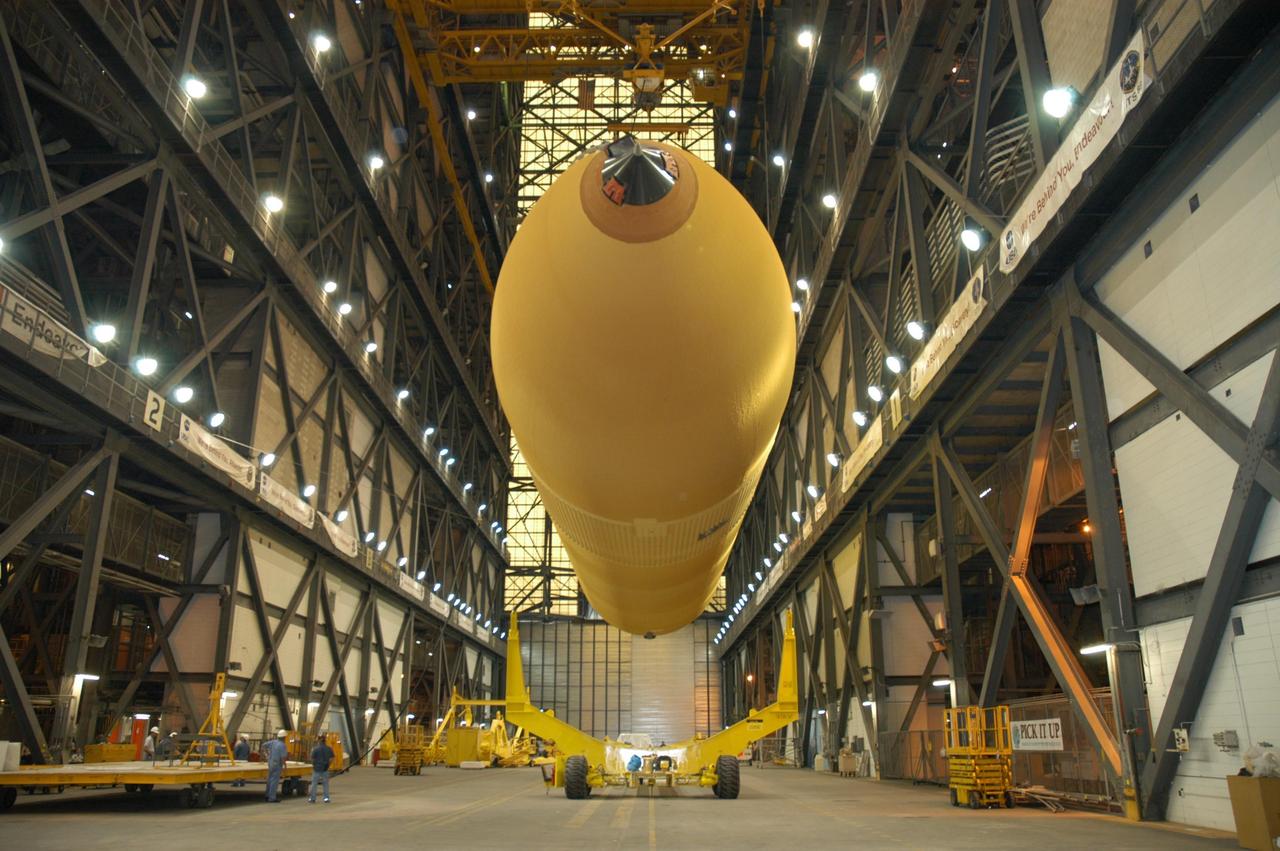
KENNEDY SPACE CENTER, FLA. - External Tank 118 (ET-118) is slowly moved above the transporter in the transfer aisle of the Vehicle Assembly Building before being lowered. The tank will be transferred to NASA’s Michoud Assembly Facility in New Orleans. The tank is being installed with an improved bipod fitting, which connects the external fuel tank to the Shuttle during launch. The new design, a significant milestone in the effort to return the Shuttle to safe flight, replaces the foam that was used to prevent ice buildup on the tank’s bipod fittings with four rod-shaped heaters. The heaters are being retrofitted on the 11 existing tanks and incorporated into the manufacture of all new tanks.
KENNEDY SPACE CENTER, FLA. - After being lowered from its cell in the Vehicle Assembly Building, External Tank 118 (ET-118) is suspended above the transfer aisle before being placed on the transporter at left. The tank will be transferred to NASA’s Michoud Assembly Facility in New Orleans. The tank is being installed with an improved bipod fitting, which connects the external fuel tank to the Shuttle during launch. The new design, a significant milestone in the effort to return the Shuttle to safe flight, replaces the foam that was used to prevent ice buildup on the tank’s bipod fittings with four rod-shaped heaters. The heaters are being retrofitted on the 11 existing tanks and incorporated into the manufacture of all new tanks.

KENNEDY SPACE CENTER, FLA. - Workers in the transfer aisle of the Vehicle Assembly Building prepare to lower the External Tank 118 (ET-118) to a horizontal position before being placed on a transporter. The tank will be transferred to NASA’s Michoud Assembly Facility in New Orleans. The tank is being installed with an improved bipod fitting, which connects the external fuel tank to the Shuttle during launch. The new design, a significant milestone in the effort to return the Shuttle to safe flight, replaces the foam that was used to prevent ice buildup on the tank’s bipod fittings with four rod-shaped heaters. The heaters are being retrofitted on the 11 existing tanks and incorporated into the manufacture of all new tanks.
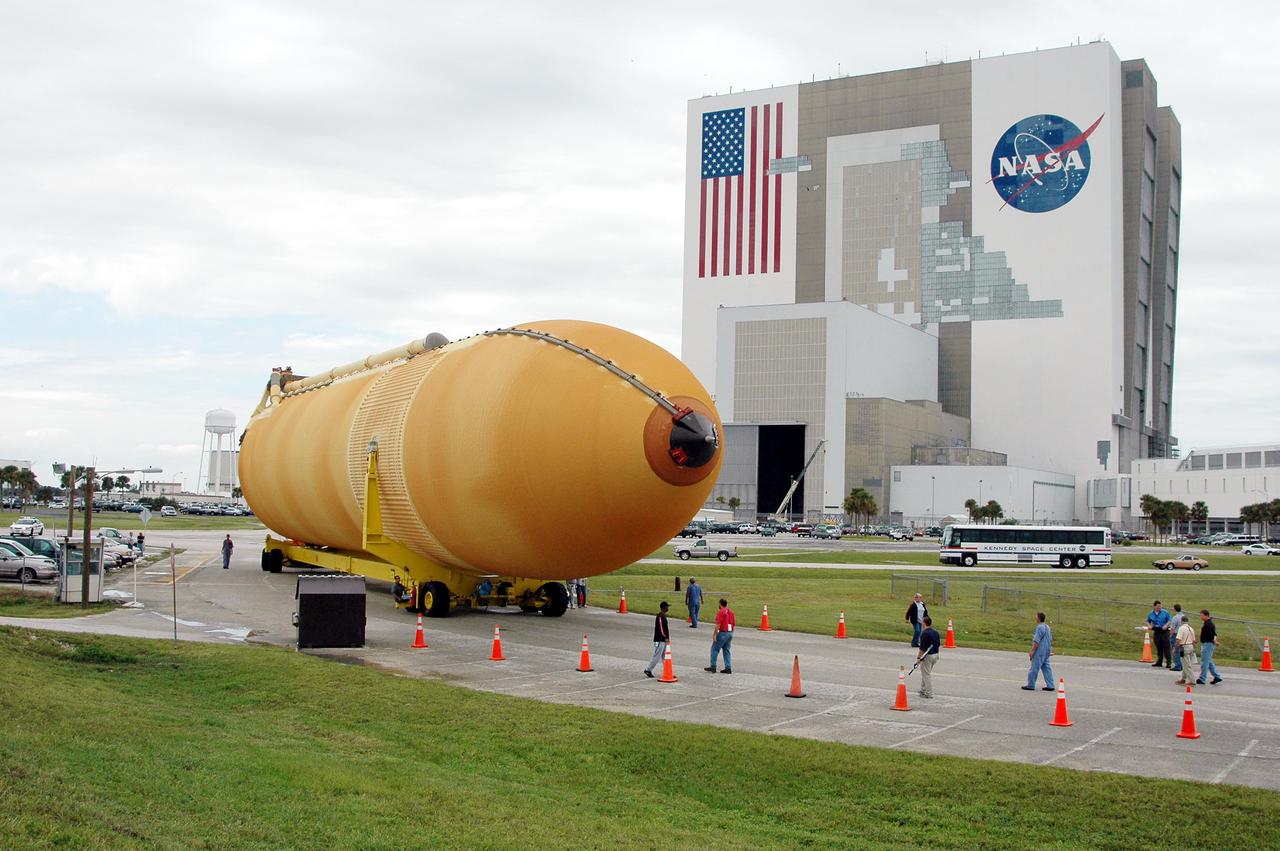
KENNEDY SPACE CENTER, FLA. - KSC workers escort External Tank 118 (ET-118) from the Vehicle Assembly Building, in the background, to the barge in the Turn Basin at Launch Complex 39. The tank will be transported to NASA’s Michoud Assembly Facility in New Orleans. The tank is being installed with an improved bipod fitting, which connects the external fuel tank to the Shuttle during launch. The new design, a significant milestone in the effort to return the Shuttle to safe flight, replaces the foam that was used to prevent ice buildup on the tank’s bipod fittings with four rod-shaped heaters. The heaters are being retrofitted on the 11 existing tanks and incorporated into the manufacture of all new tanks.
KENNEDY SPACE CENTER, FLA. - External Tank 118 (ET-118) progresses slowly from the Vehicle Assembly Building, in the background, to the barge in the Turn Basin at Launch Complex 39. The tank will be transported to NASA’s Michoud Assembly Facility in New Orleans. The tank is being installed with an improved bipod fitting, which connects the external fuel tank to the Shuttle during launch. The new design, a significant milestone in the effort to return the Shuttle to safe flight, replaces the foam that was used to prevent ice buildup on the tank’s bipod fittings with four rod-shaped heaters. The heaters are being retrofitted on the 11 existing tanks and incorporated into the manufacture of all new tanks.
KENNEDY SPACE CENTER, FLA. - External Tank 118 (ET-118) is lowered from its cell in the Vehicle Assembly Building in order to place it on a transporter. The tank will be transferred to NASA’s Michoud Assembly Facility in New Orleans. The tank is being installed with an improved bipod fitting, which connects the external fuel tank to the Shuttle during launch. The new design, a significant milestone in the effort to return the Shuttle to safe flight, replaces the foam that was used to prevent ice buildup on the tank’s bipod fittings with four rod-shaped heaters. The heaters are being retrofitted on the 11 existing tanks and incorporated into the manufacture of all new tanks.
KENNEDY SPACE CENTER, FLA. - Workers in the transfer aisle of the Vehicle Assembly Building check the progress of External Tank 118 (ET-118) as it is lowered onto the transporter below it. The tank will be transferred to NASA’s Michoud Assembly Facility in New Orleans. The tank is being installed with an improved bipod fitting, which connects the external fuel tank to the Shuttle during launch. The new design, a significant milestone in the effort to return the Shuttle to safe flight, replaces the foam that was used to prevent ice buildup on the tank’s bipod fittings with four rod-shaped heaters. The heaters are being retrofitted on the 11 existing tanks and incorporated into the manufacture of all new tanks.
KENNEDY SPACE CENTER, FLA. - External Tank 118 (ET-118) is lifted from its cell in the Vehicle Assembly Building in order to place it on a transporter. The tank will be transferred to NASA’s Michoud Assembly Facility in New Orleans. The tank is being installed with an improved bipod fitting, which connects the external fuel tank to the Shuttle during launch. The new design, a significant milestone in the effort to return the Shuttle to safe flight, replaces the foam that was used to prevent ice buildup on the tank’s bipod fittings with four rod-shaped heaters. The heaters are being retrofitted on the 11 existing tanks and incorporated into the manufacture of all new tanks.
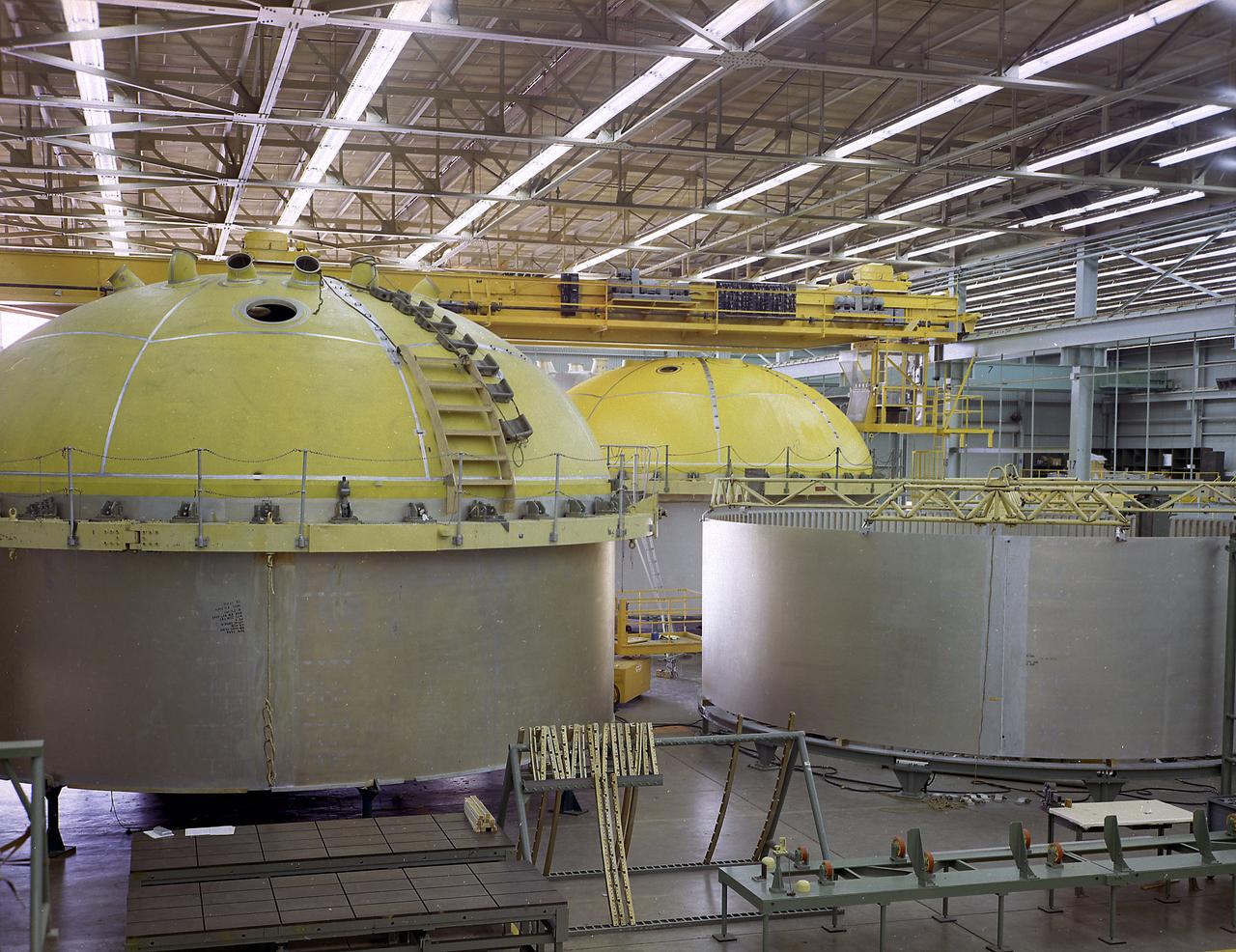
This photograph shows the components for the Saturn V S-IC stage fuel tank assembly in the Manufacturing Engineering Laboratory, building 4707, at the Marshall Space Flight Center (MSFC). Left to right are upper head, lower head, and forward skirt assembly. Thirty-three feet in diameter, they will hold a total of 4,400,000 pounds of fuel. Although this tankage was assembled at MSFC, the elements were made by the Boeing Company at Wichita and the Michould Operations at New Orleans.
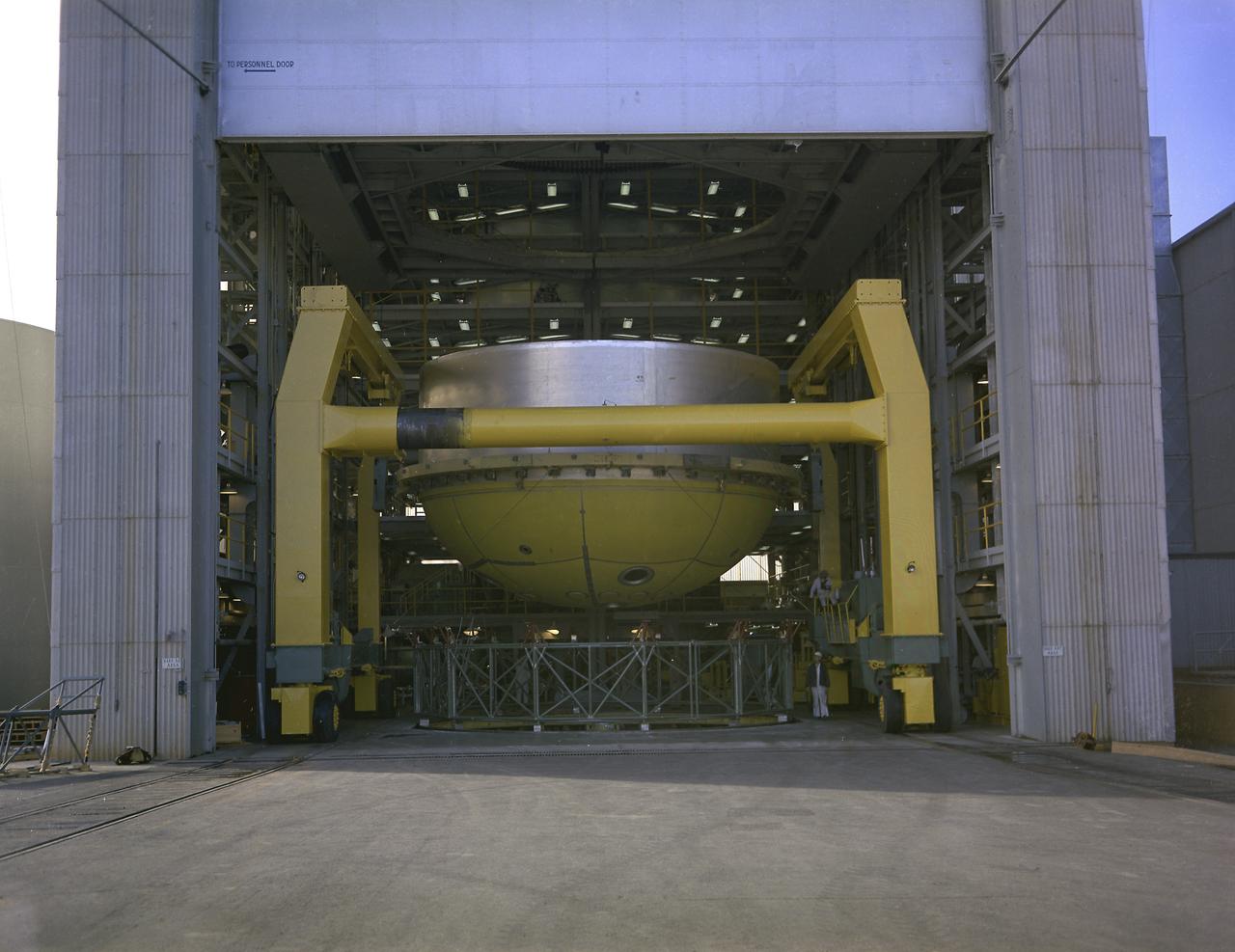
This photograph shows a fuel tank lower half for the Saturn V S-IC-T stage (the S-IC stage for static testing) on a C-frame transporter inside the vertical assembly building at the Marshall Space Flight Center.
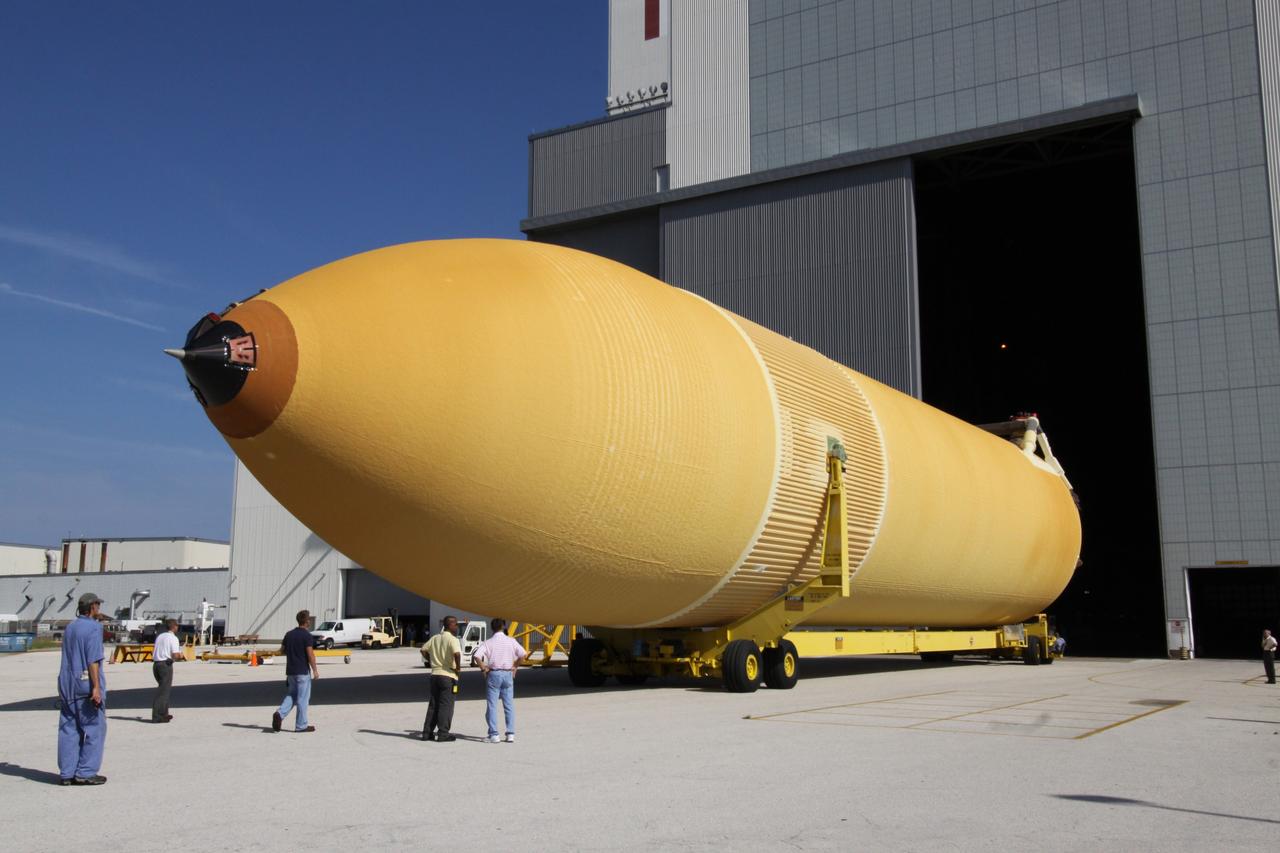
CAPE CANAVERAL, Fla. – At NASA's Kennedy Space Center in Florida, the external fuel tank designated ET-133 is moved toward the open doors of the Vehicle Assembly Building. In the VAB, the tank will be moved into a high bay for checkout. The tank was shipped aboard the Pegasus from NASA's Michoud Assembly Facility near New Orleans. Pegasus was towed to Port Canaveral by the Freedom Star Retrieval Ship. Launch of Atlantis is targeted for November. Photo credit: NASA/Troy Cryder
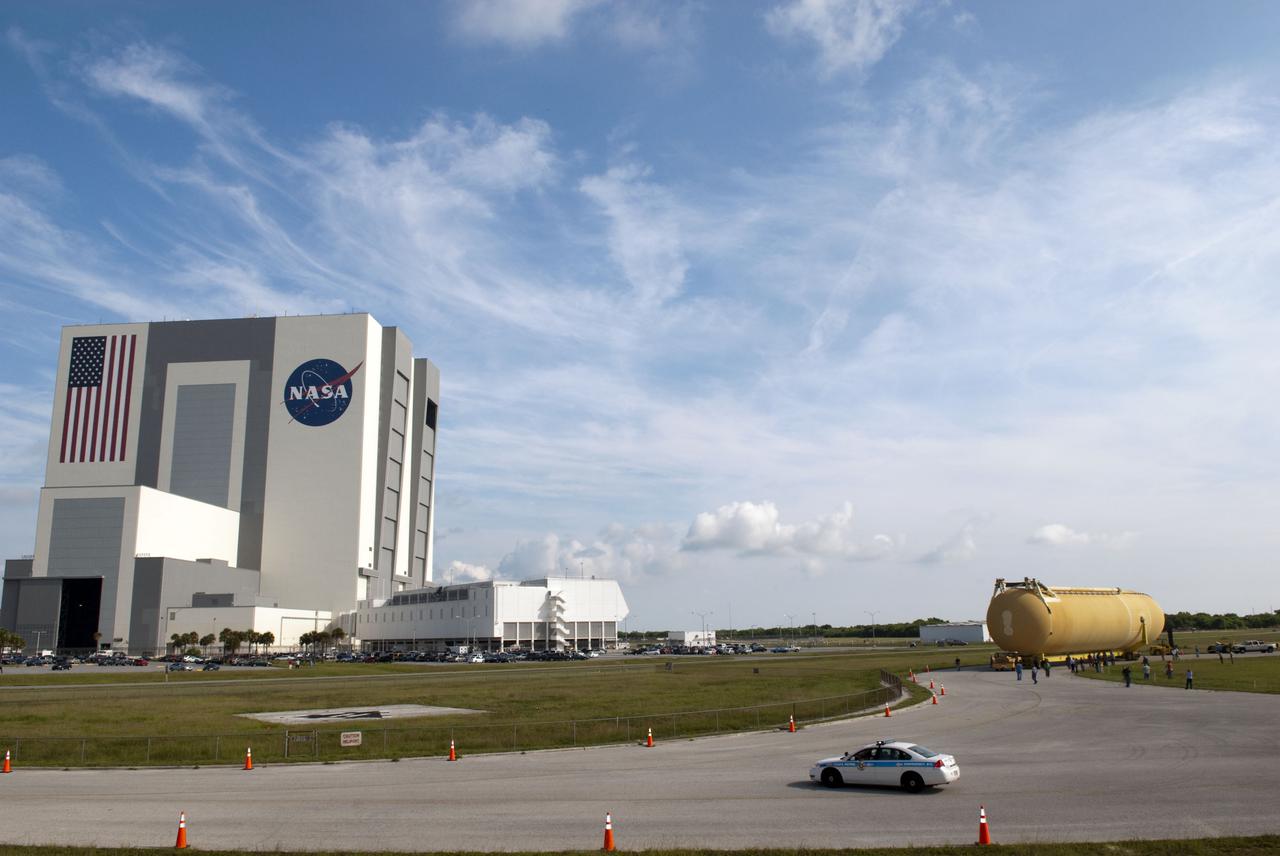
CAPE CANAVERAL, Fla. -- At NASA's Kennedy Space Center in Florida, External Tank-138 is being transported to the Vehicle Assembly Building. The external fuel tank arrived in Florida on July 13, from NASA's Michoud Assembly Facility near New Orleans. ET-138, the last newly manufactured tank, was originally designated to fly on Endeavour's STS-134 mission to the International Space Station, but later reassigned to fly on space shuttle Atlantis' final mission, STS-135. For information, visit www.nasa.gov_shuttle. Photo credit: NASA_Jim Grossmann
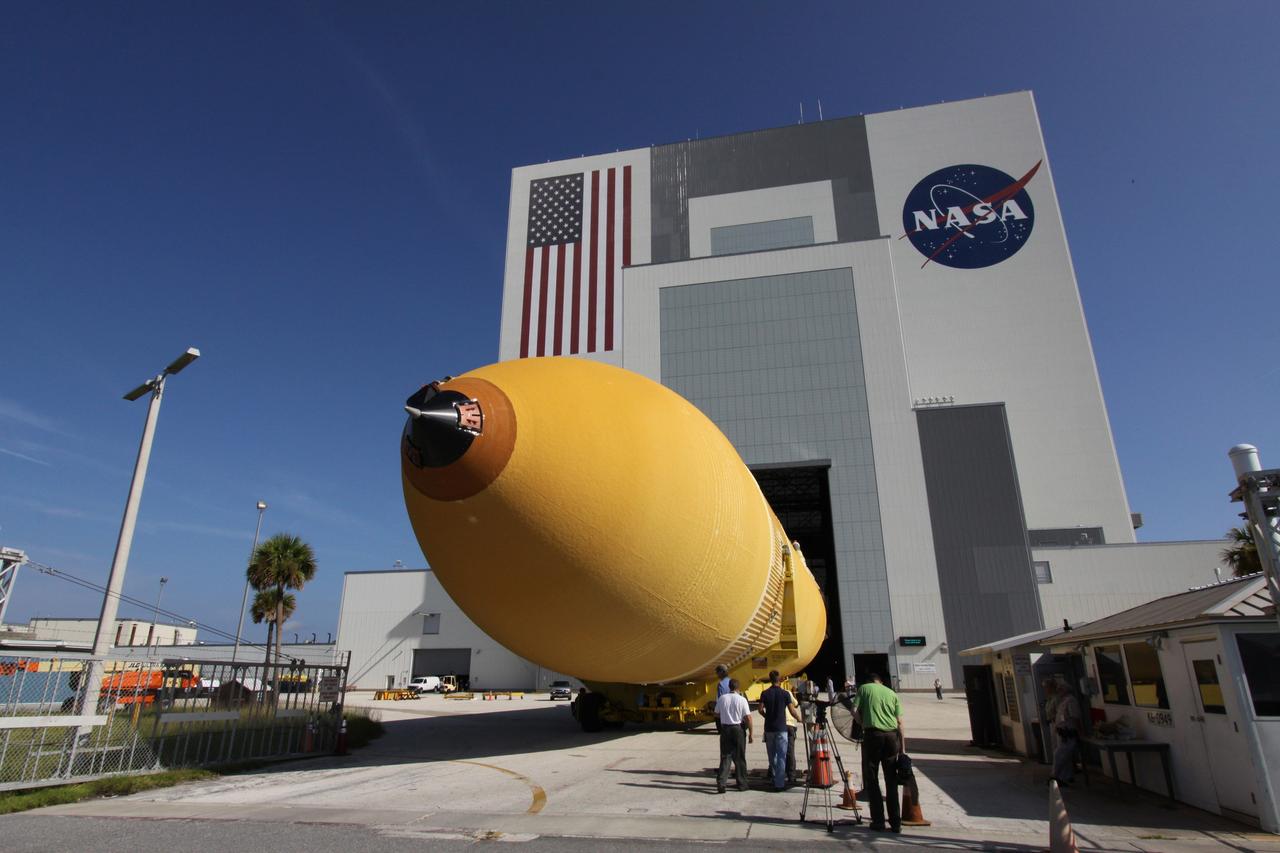
CAPE CANAVERAL, Fla. – At NASA's Kennedy Space Center in Florida, the external fuel tank designated ET-133 is moved toward the open doors of the Vehicle Assembly Building. In the VAB, the tank will be moved into a high bay for checkout. The tank was shipped aboard the Pegasus from NASA's Michoud Assembly Facility near New Orleans. Pegasus was towed to Port Canaveral by the Freedom Star Retrieval Ship. Launch of Atlantis is targeted for November. Photo credit: NASA/Troy Cryder
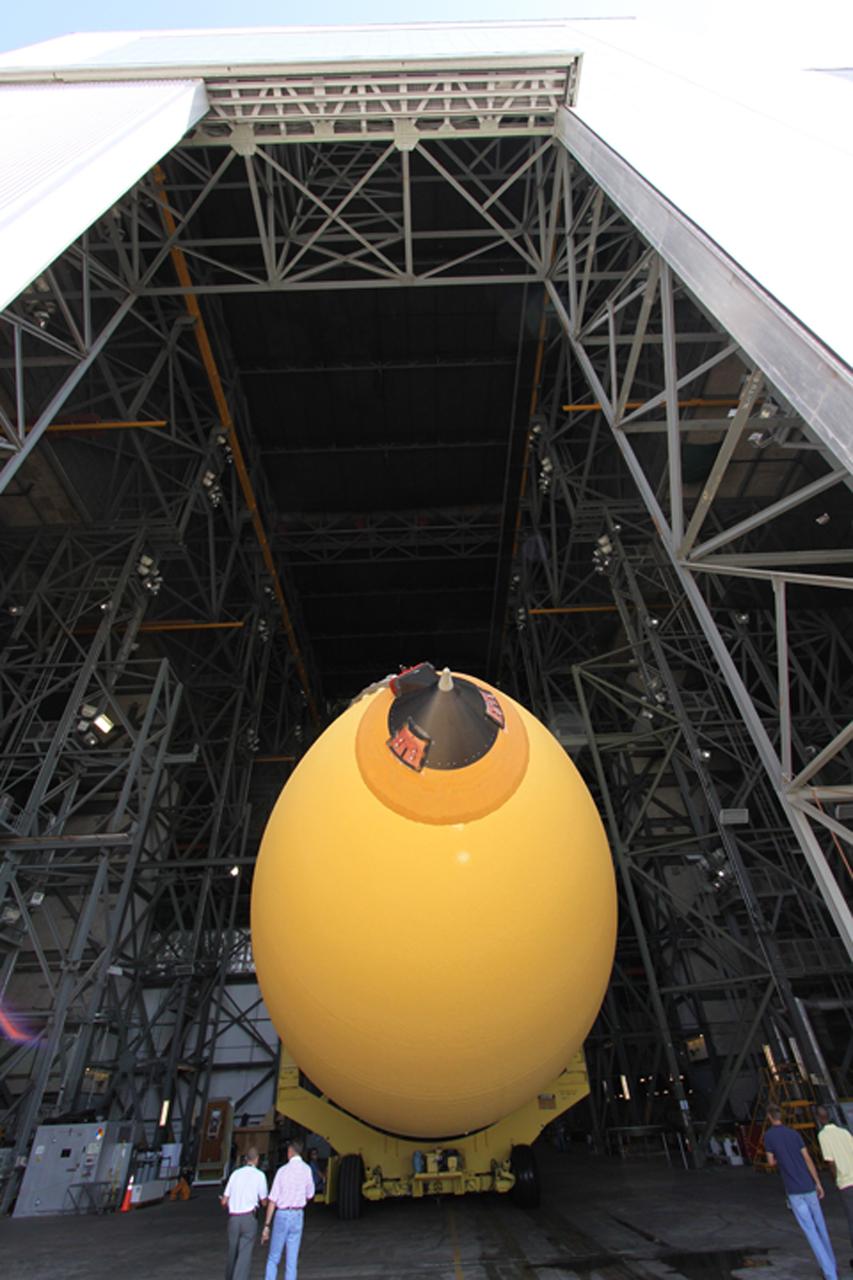
CAPE CANAVERAL, Fla. – At NASA's Kennedy Space Center in Florida, the external fuel tank designated ET-133 is moved into the transfer aisle of the Vehicle Assembly Building. In the VAB, the tank will be moved into a high bay for checkout. The tank was shipped aboard the Pegasus from NASA's Michoud Assembly Facility near New Orleans. Pegasus was towed to Port Canaveral by the Freedom Star Retrieval Ship. Launch of Atlantis is targeted for November. Photo credit: NASA/Troy Cryder
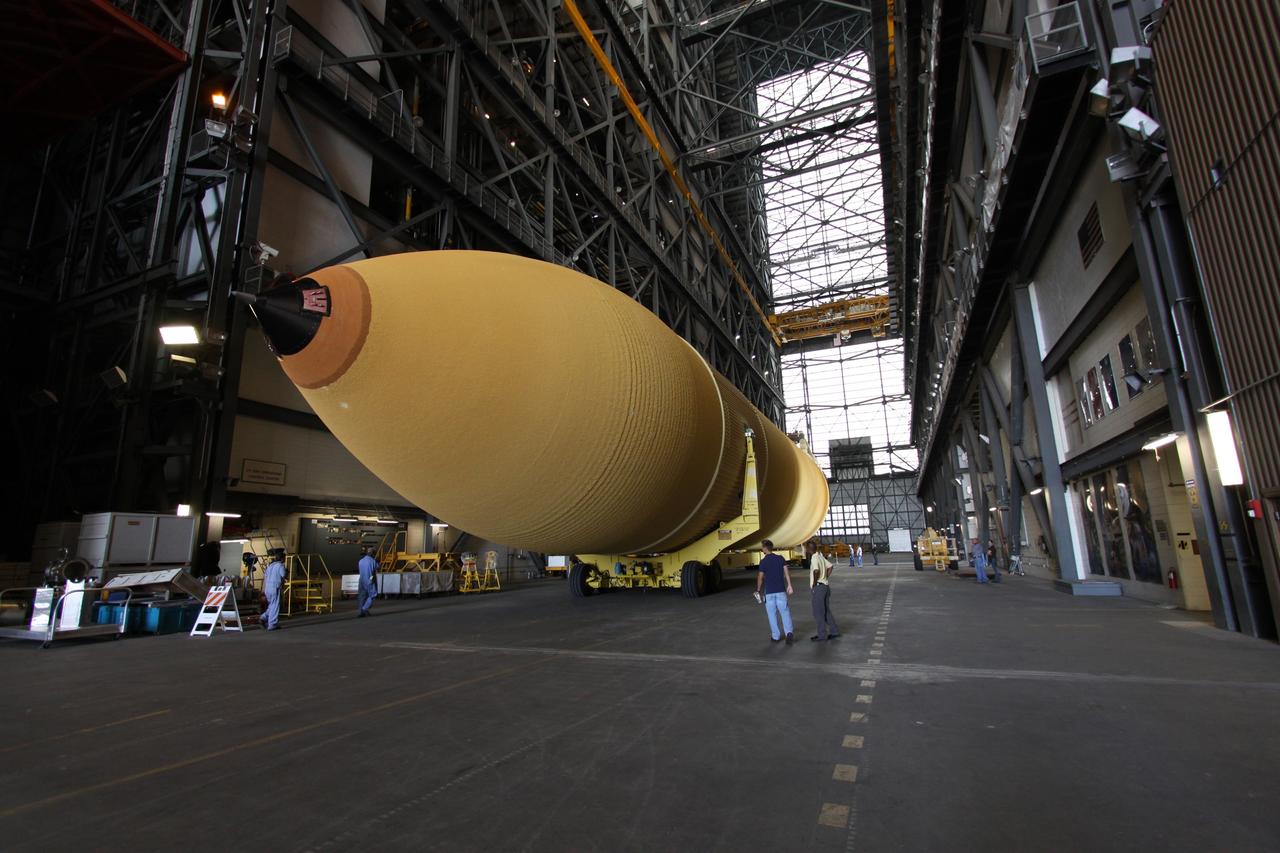
CAPE CANAVERAL, Fla. – At NASA's Kennedy Space Center in Florida, the external fuel tank designated ET-133 stops in the transfer aisle of the Vehicle Assembly Building. In the VAB, the tank will be moved into a high bay for checkout. The tank was shipped aboard the Pegasus from NASA's Michoud Assembly Facility near New Orleans. Pegasus was towed to Port Canaveral by the Freedom Star Retrieval Ship. Launch of Atlantis is targeted for November. Photo credit: NASA/Troy Cryder
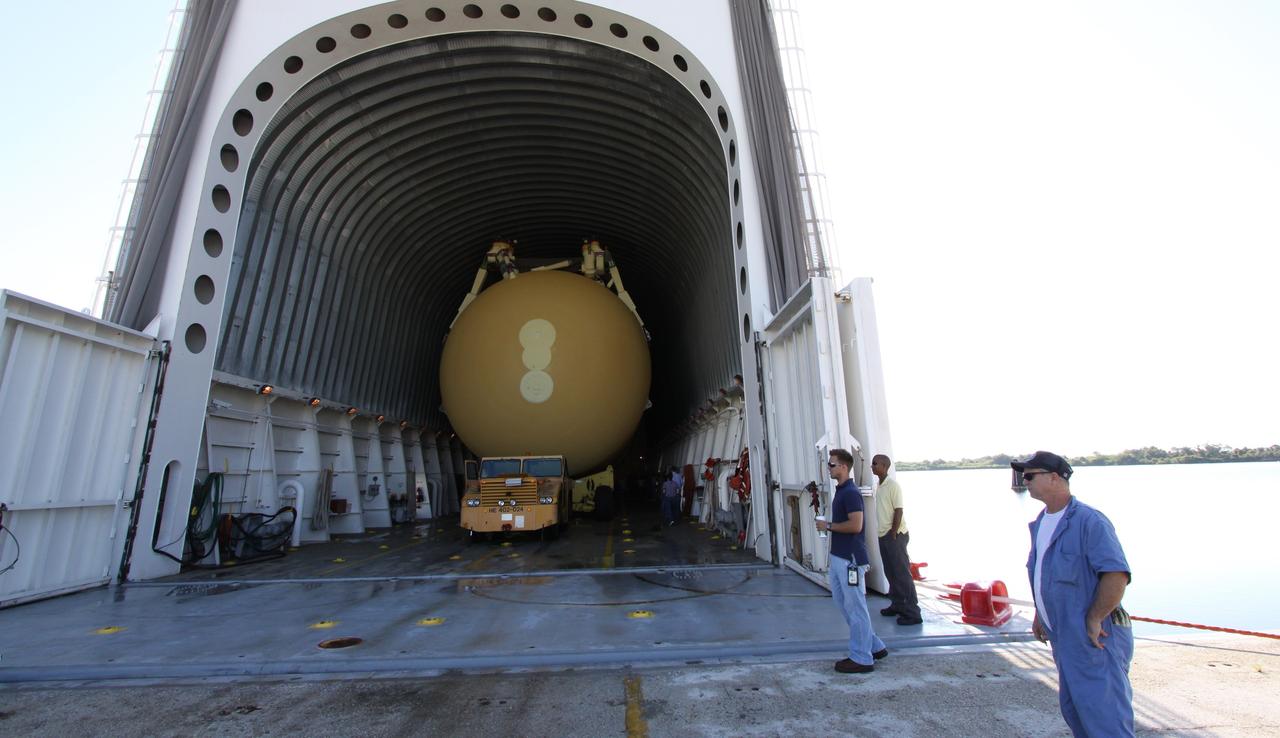
CAPE CANAVERAL, Fla. – Inside NASA's Pegasus barge at NASA's Kennedy Space Center in Florida is the external fuel tank designated ET-133 that will be used for space shuttle Atlantis' STS-129 mission. The tank will be unloaded and moved into a high bay in the Vehicle Assembly Building for checkout. The tank was shipped aboard the Pegasus from NASA's Michoud Assembly Facility near New Orleans. Pegasus was towed to Port Canaveral by the Freedom Star Retrieval Ship. Launch of Atlantis is targeted for November. Photo credit: NASA/Troy Cryder
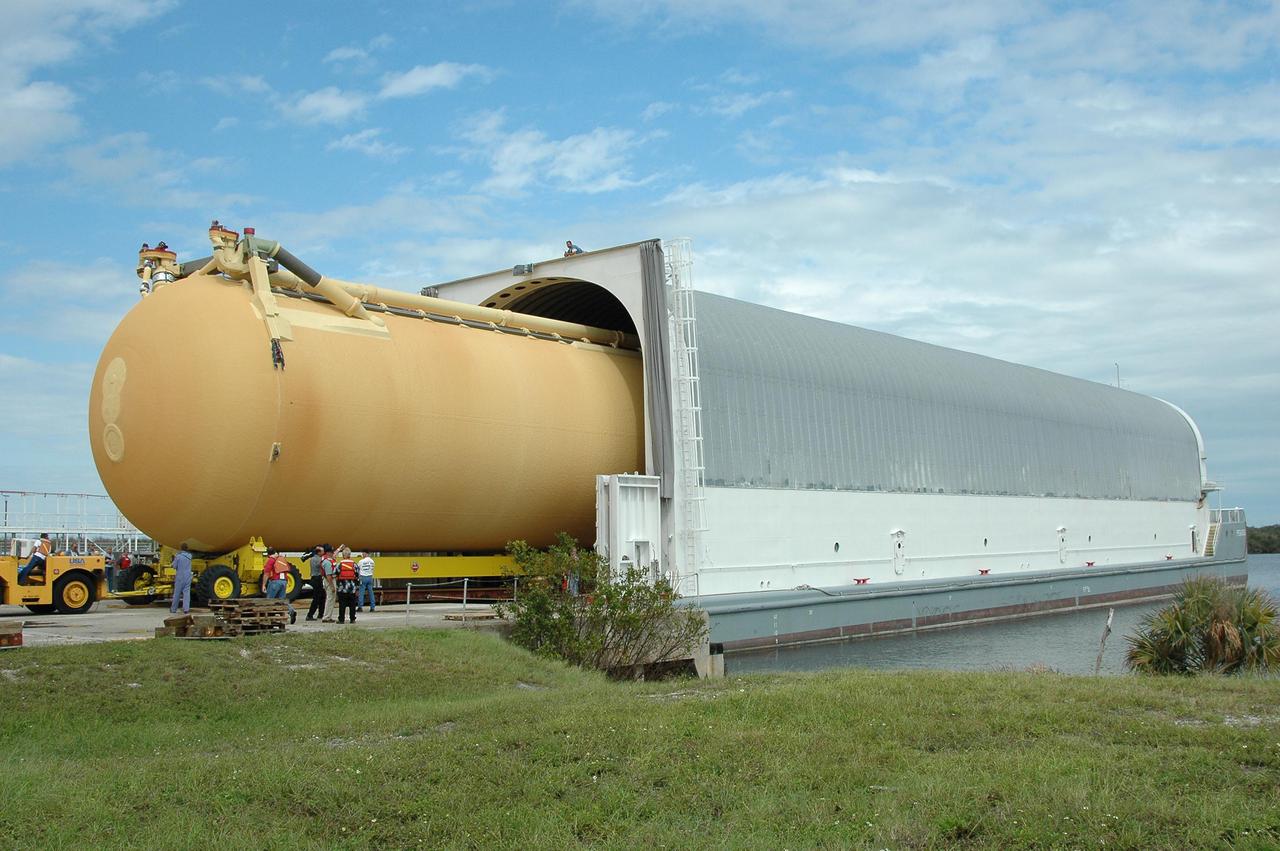
KENNEDY SPACE CENTER, FLA. - At the Turn Basin in Launch Complex 39, External Tank 118 (ET-118) enters the barge that will transport it to NASA’s Michoud Assembly Facility in New Orleans. It had been stored in the Vehicle Assembly Building. The tank is being installed with an improved bipod fitting, which connects the external fuel tank to the Shuttle during launch. The new design, a significant milestone in the effort to return the Shuttle to safe flight, replaces the foam that was used to prevent ice buildup on the tank’s bipod fittings with four rod-shaped heaters. The heaters are being retrofitted on the 11 existing tanks and incorporated into the manufacture of all new tanks.

KENNEDY SPACE CENTER, FLA. - At the Turn Basin in Launch Complex 39, KSC workers move External Tank 118 (ET-118) into the barge that will transport it to NASA’s Michoud Assembly Facility in New Orleans. It had been stored in the Vehicle Assembly Building. The tank is being installed with an improved bipod fitting, which connects the external fuel tank to the Shuttle during launch. The new design, a significant milestone in the effort to return the Shuttle to safe flight, replaces the foam that was used to prevent ice buildup on the tank’s bipod fittings with four rod-shaped heaters. The heaters are being retrofitted on the 11 existing tanks and incorporated into the manufacture of all new tanks.
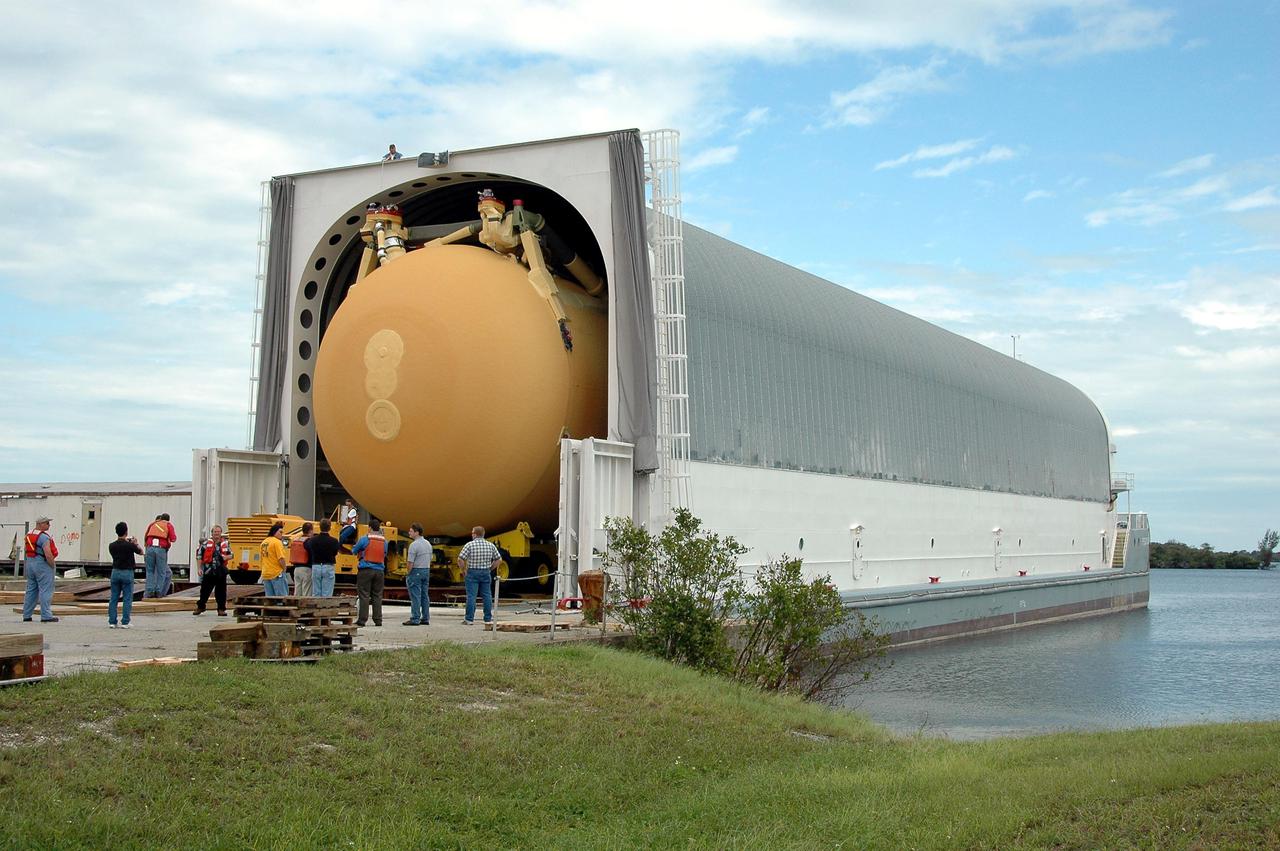
KENNEDY SPACE CENTER, FLA. - At the Turn Basin in Launch Complex 39, KSC workers prepare to secure External Tank 118 (ET-118) in the barge that will transport it to NASA’s Michoud Assembly Facility in New Orleans. It had been stored in the Vehicle Assembly Building. The tank is being installed with an improved bipod fitting, which connects the external fuel tank to the Shuttle during launch. The new design, a significant milestone in the effort to return the Shuttle to safe flight, replaces the foam that was used to prevent ice buildup on the tank’s bipod fittings with four rod-shaped heaters. The heaters are being retrofitted on the 11 existing tanks and incorporated into the manufacture of all new tanks.

KENNEDY SPACE CENTER, FLA. - At the Turn Basin in Launch Complex 39, External Tank 118 (ET-118) makes its way into the barge that will transport it to NASA’s Michoud Assembly Facility in New Orleans. It had been stored in the Vehicle Assembly Building in the background. The tank is being installed with an improved bipod fitting, which connects the external fuel tank to the Shuttle during launch. The new design, a significant milestone in the effort to return the Shuttle to safe flight, replaces the foam that was used to prevent ice buildup on the tank’s bipod fittings with four rod-shaped heaters. The heaters are being retrofitted on the 11 existing tanks and incorporated into the manufacture of all new tanks.
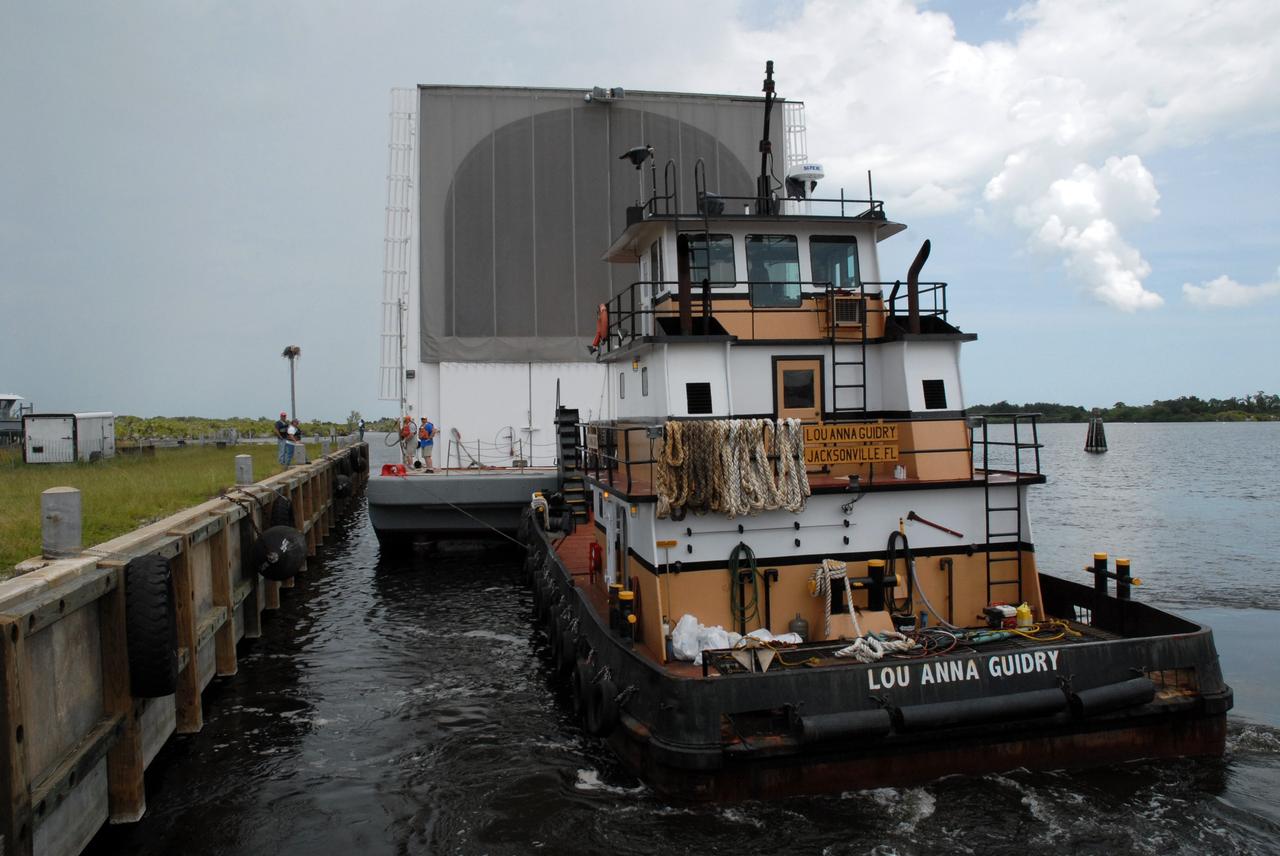
CAPE CANAVERAL, Fla. – Tugboats maneuver NASA's Pegasus barge next to the Turn Basin dock at NASA's Kennedy Space Center in Florida. The barge contains the external fuel tank, designated ET-133, that will be used for space shuttle Atlantis' STS-129 mission. The tank will be offloaded and moved into a high bay in the Vehicle Assembly Building for checkout. The tank will be offloaded and moved into a high bay in the Vehicle Assembly Building for checkout. The tank was shipped aboard the Pegasus from NASA's Michoud Assembly Facility near New Orleans. Pegasus was towed to Port Canaveral by the Freedom Star Retrieval Ship. Launch of Atlantis is targeted for November. Photo credit: NASA/Tim Jacobs
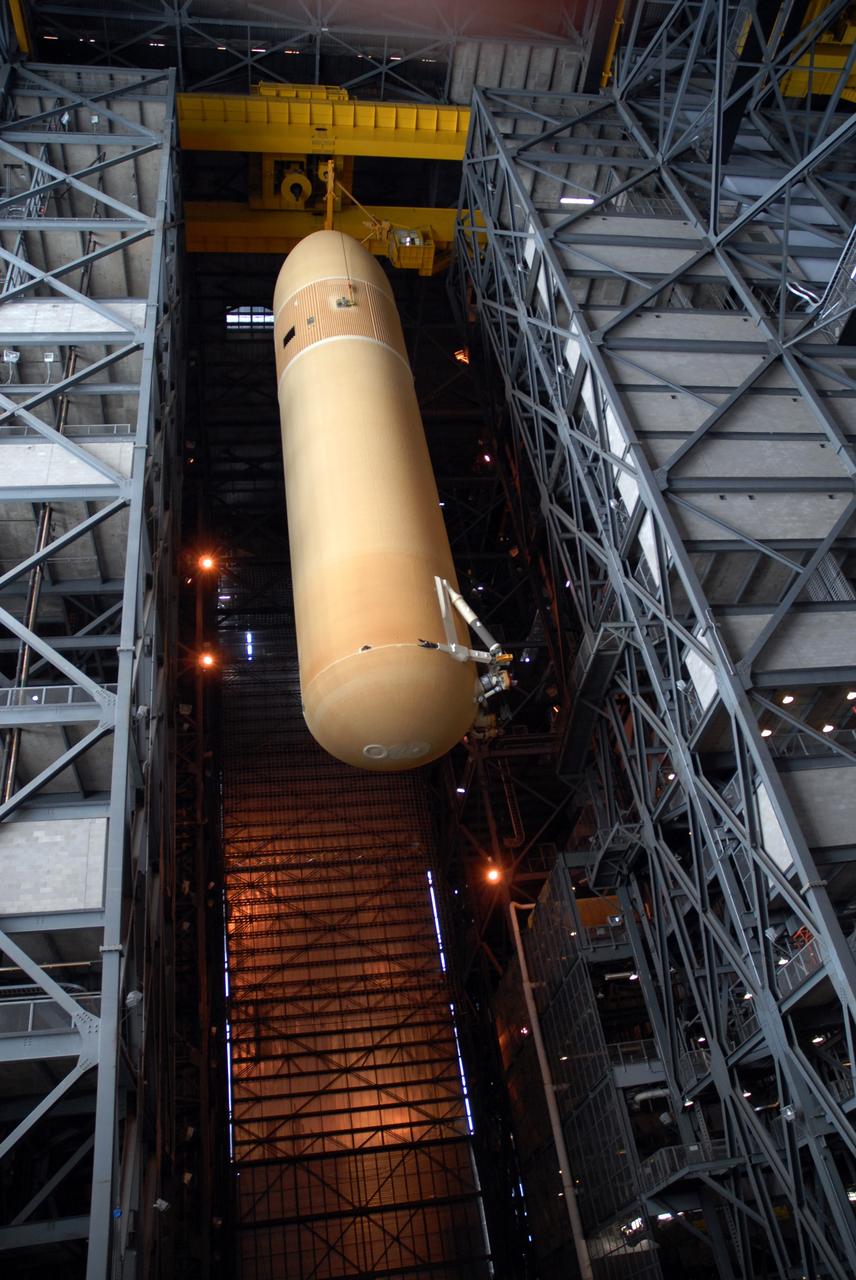
CAPE CANAVERAL, Fla. -- Suspended by a crane in the Vehicle Assembly Building at NASA's Kennedy Space Center in Florida, external fuel tank 130 is moved into high bay 2 for checkout before stacking with the solid rocket boosters and space shuttle Atlantis for the STS-125 mission. The fuel tank was previously designated for the STS-127 mission. The STS-125 Hubble servicing mission is targeted to launch May 12. Photo credit: NASA/Tim Jacobs
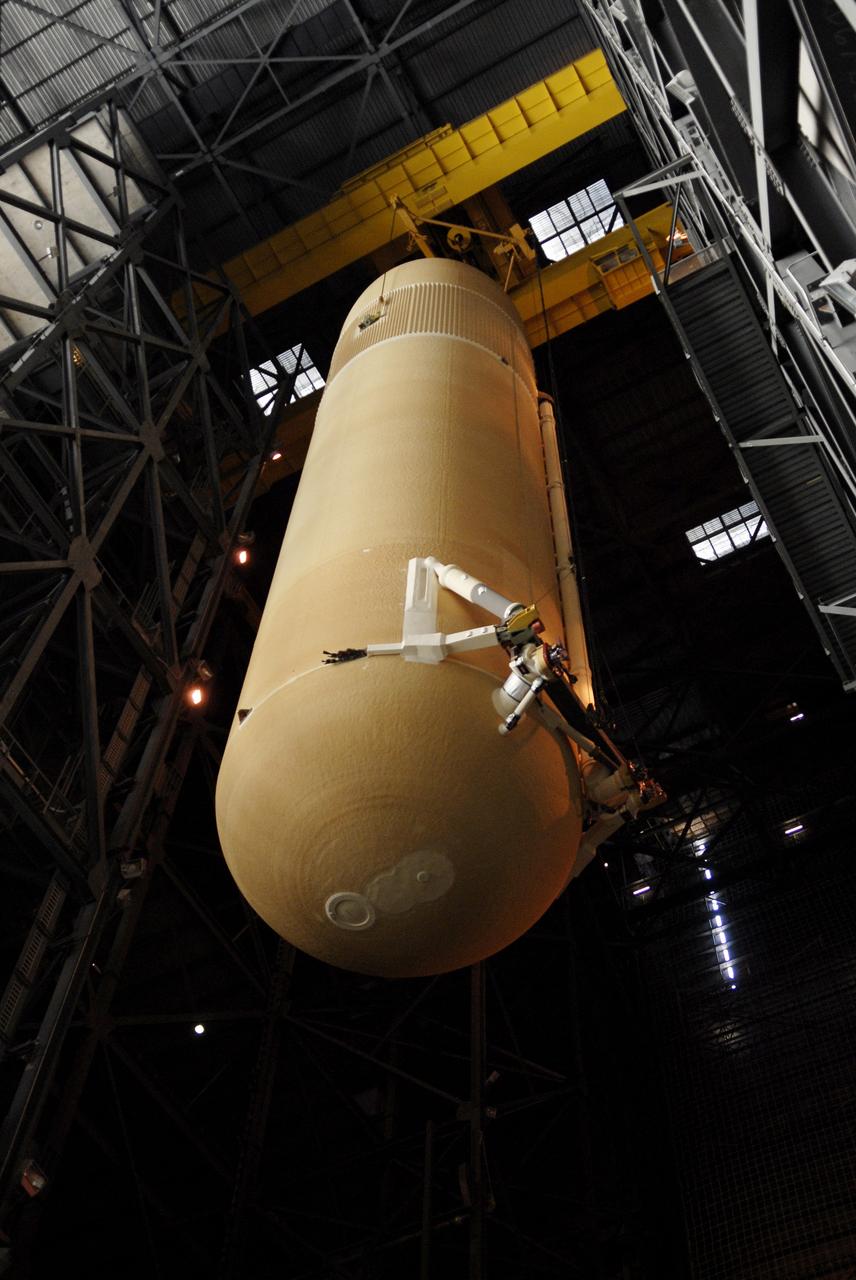
CAPE CANAVERAL, Fla. – In the Vehicle Assembly Building at NASA's Kennedy Space Center in Florida, external fuel tank ET-131 has been lifted into the upper levels and is moving above a high bay. The fuel tank will be lowered onto a stand for checkout. ET-131 will be used on space shuttle Endeavour's STS-127 mission. Payload for the mission is the Japanese Experiment Module's Experiment Logistics Module-Exposed Section, or ELM-ES. Launch is targeted for June. Photo credit: NASA/Kim Shiflett
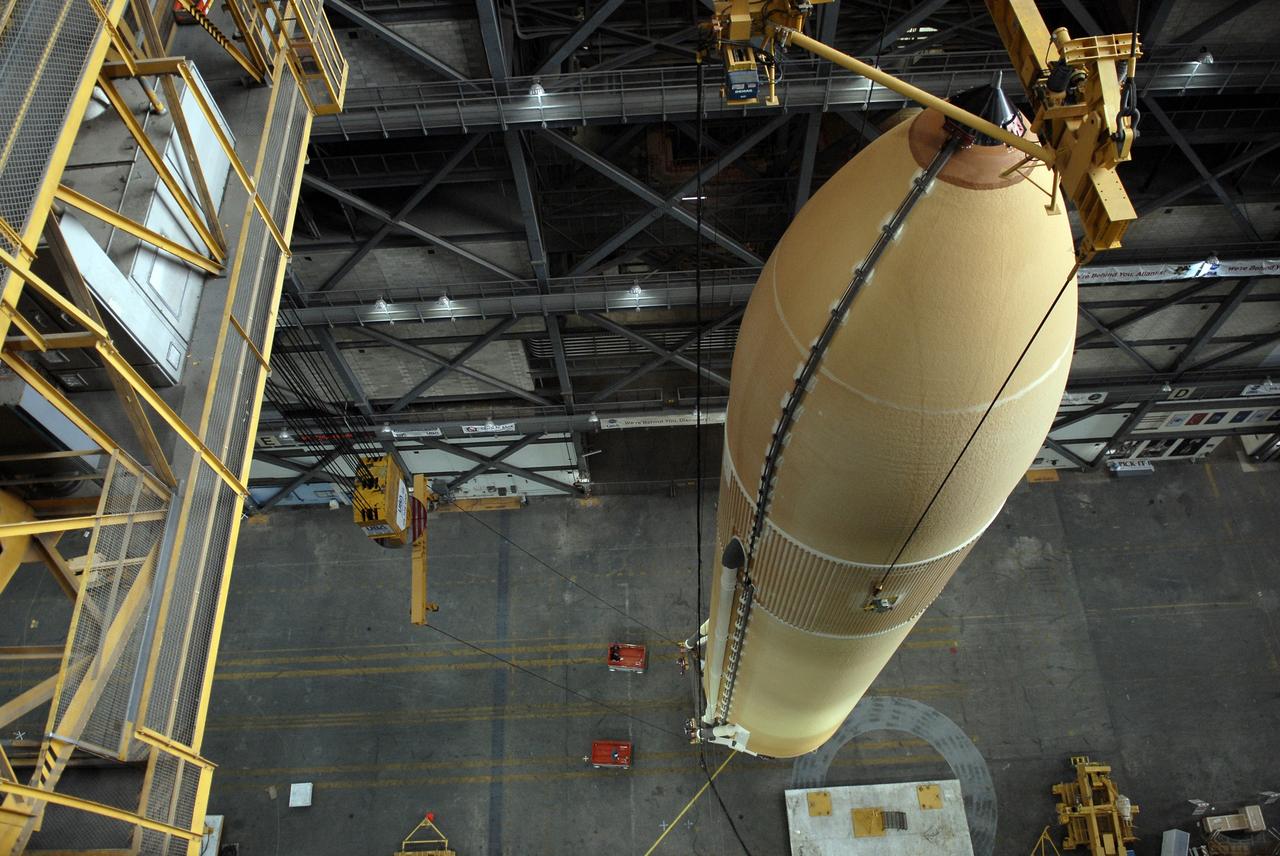
CAPE CANAVERAL, Fla. – The suspension of external fuel tank ET-131 over the transfer aisle of the Vehicle Assembly Building at NASA's Kennedy Space Center in Florida is viewed from an upper level. The fuel tank will be lifted into the upper levels and lowered into a high bay for checkout. ET-131 will be used on space shuttle Endeavour's STS-127 mission. Payload for the mission is the Japanese Experiment Module's Experiment Logistics Module-Exposed Section, or ELM-ES. Launch is targeted for June. Photo credit: NASA/Kim Shiflett
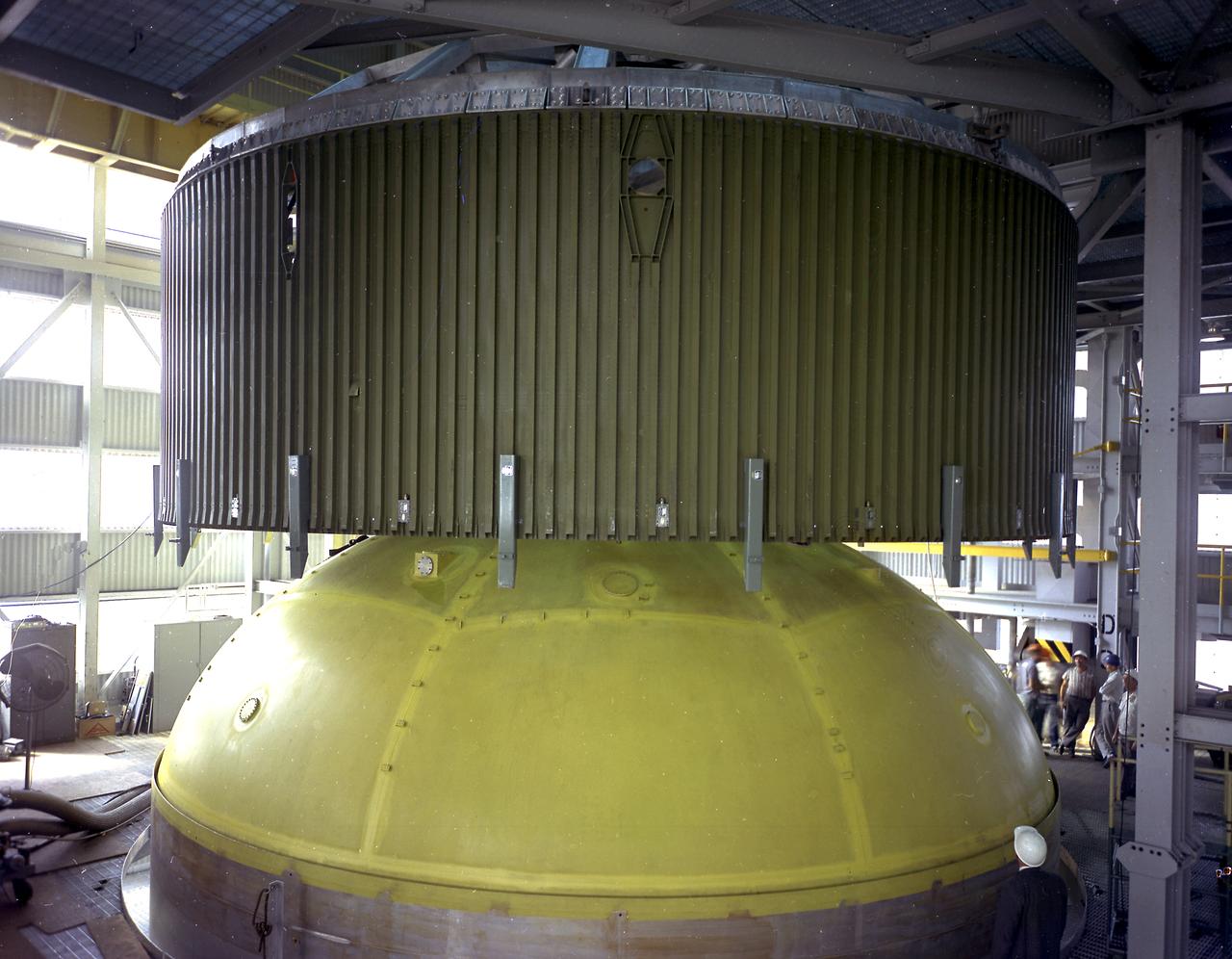
This photograph depicts a forward skirt being placed on the liquid oxygen tank for Saturn V S-IC (first) stage in the Manufacturing Engineering Laboratory at the Marshall Space Flight Center. Thirty-three feet in diameter, the fuel tanks hold a total of 4,400,000 pounds of fuel. Although this tankage was assembled at MSFC, the elements were made by the Boeing Company at Wichita and the Michoud Operations at New Orleans.
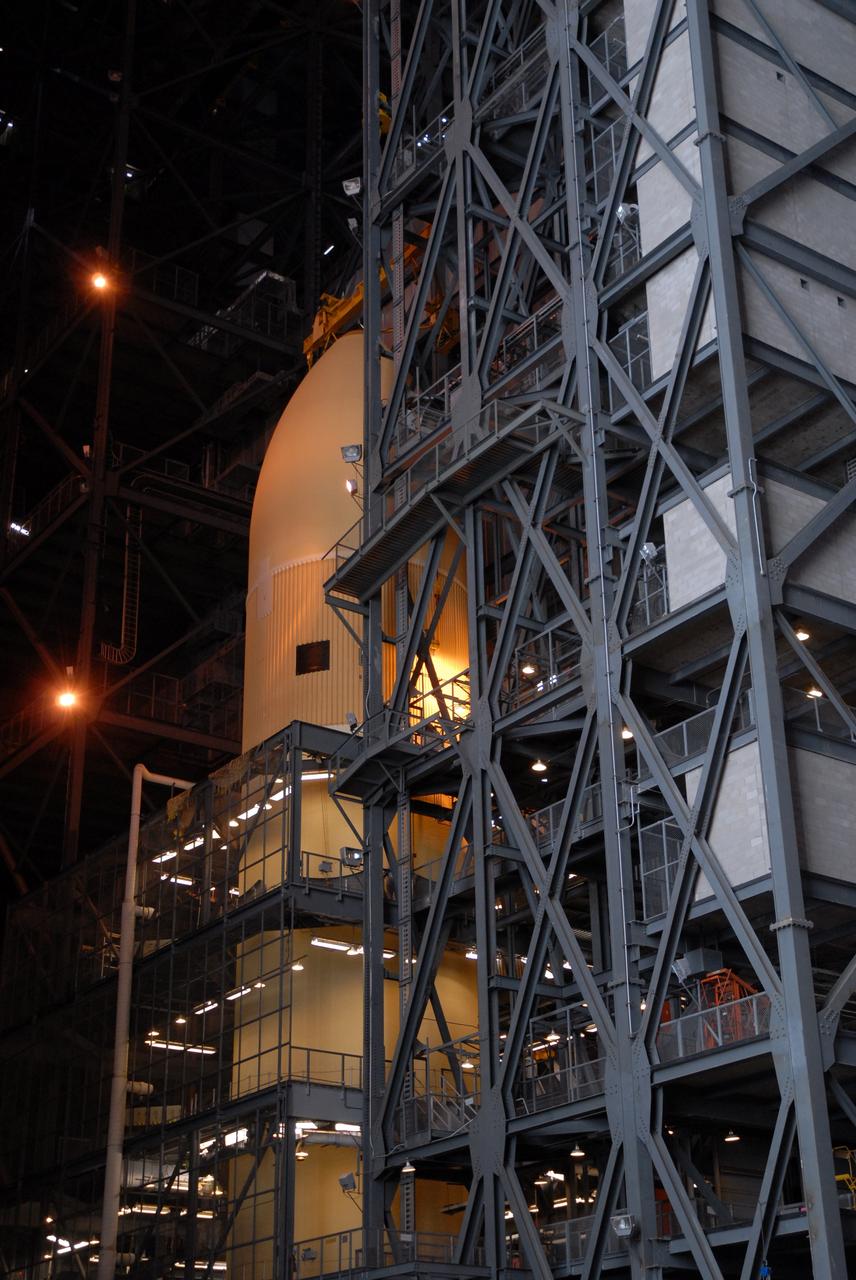
CAPE CANAVERAL, Fla. -- In the Vehicle Assembly Building at NASA's Kennedy Space Center in Florida, external fuel tank 130 is in place in high bay 2 where it will undergo checkout before stacking with the solid rocket boosters and space shuttle Atlantis for the STS-125 mission. The fuel tank was previously designated for the STS-127 mission. The STS-125 Hubble servicing mission is targeted to launch May 12. Photo credit: NASA/Tim Jacobs
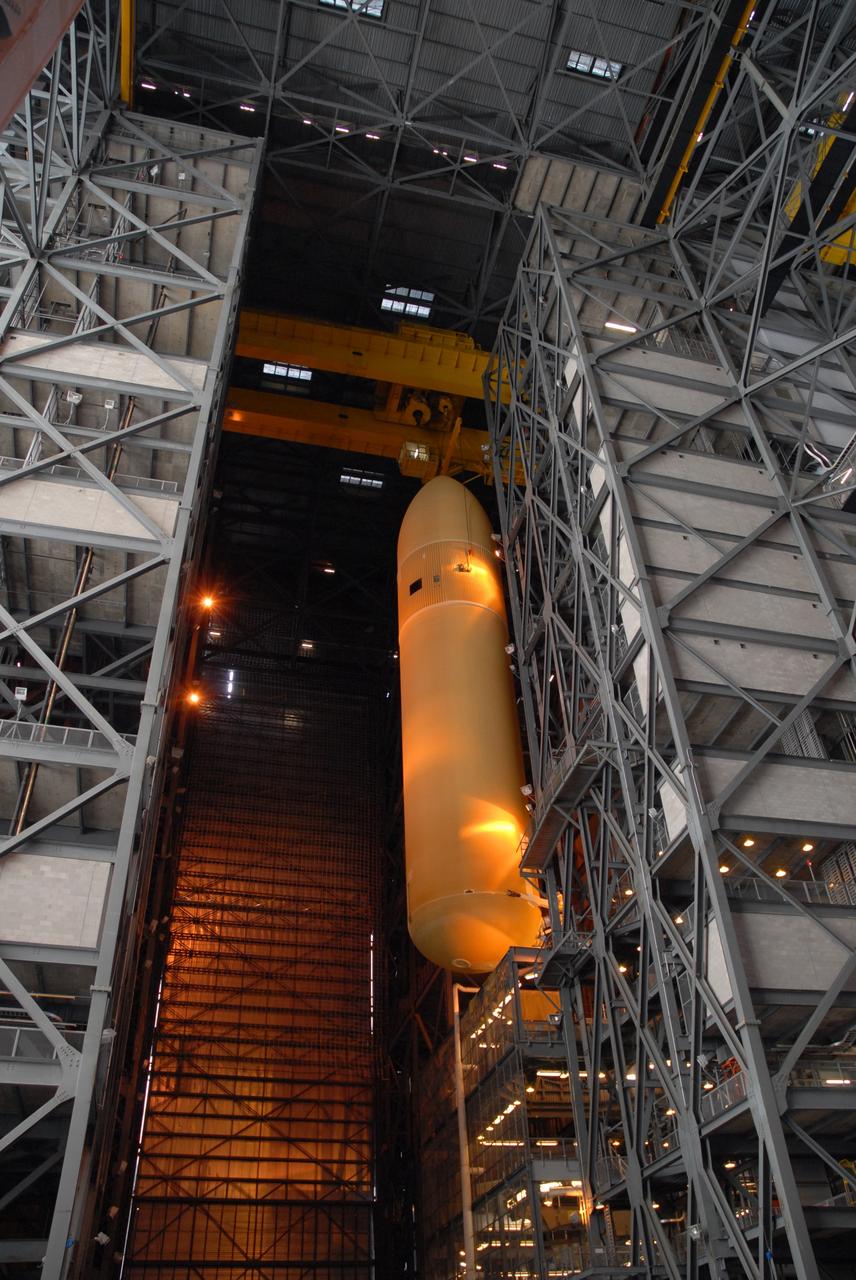
CAPE CANAVERAL, Fla. -- Suspended by a crane in the Vehicle Assembly Building at NASA's Kennedy Space Center in Florida, external fuel tank 130 is moved into high bay 2 for checkout before stacking with the solid rocket boosters and space shuttle Atlantis for the STS-125 mission. The fuel tank was previously designated for the STS-127 mission. The STS-125 Hubble servicing mission is targeted to launch May 12. Photo credit: NASA/Tim Jacobs
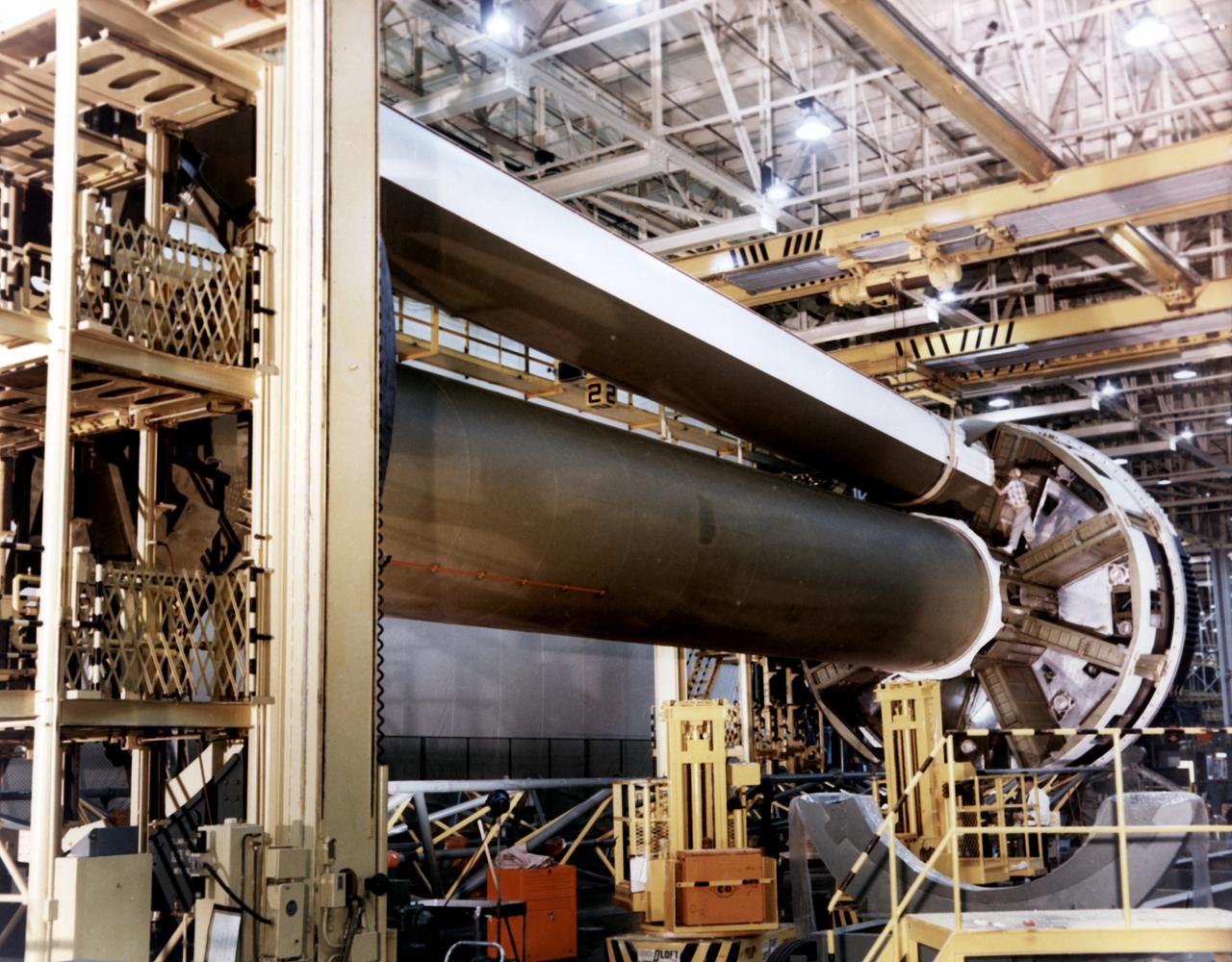
In the clustering procedure, an initial assembly step for the Saturn IB launch vehicle's S-IB (first) stage, workers at the Michoud Assembly Facility (MAF) near New Orleans, Louisiana, place the first of eight outboard fuel tanks atop the central liquid-oxygen tank. Developed by the Marshall Space Flight Center and built by the Chrysler Corporation at Michoud Assembly Facility (MAF), the S-IB utilized eight H-1 engines and each produced 200,000 pounds of thrust, a combined thrust of 1,600,000 pounds.
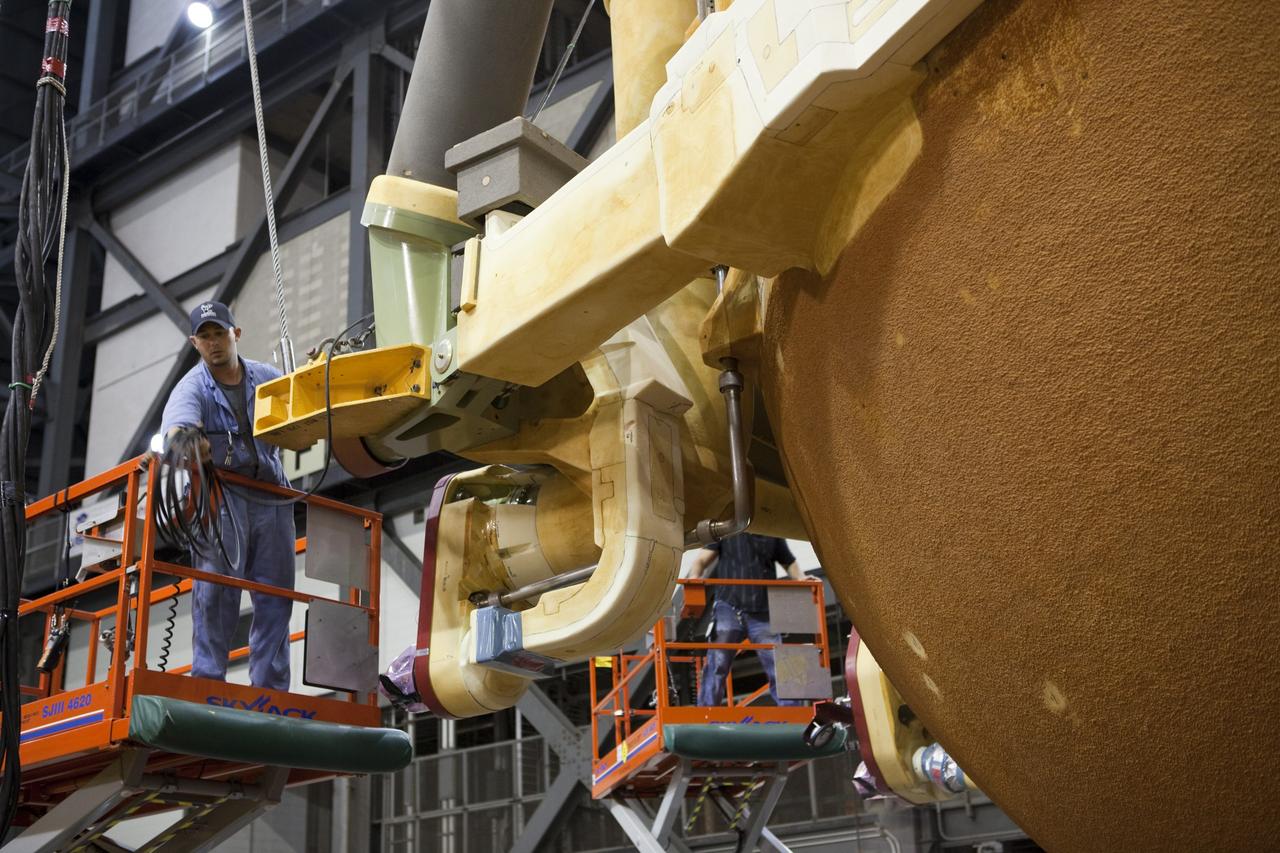
CAPE CANAVERAL, Fla. -- In the Vehicle Assembly Building at NASA's Kennedy Space Center in Florida, workers check the hoist connections on External Fuel Tank-122 as it is lifted toward a test cell. ET-122, the Space Shuttle Program's last external fuel tank was delivered to Kennedy's Turn Basin from NASA’s Michoud Assembly Facility in New Orleans aboard the Pegasus Barge. After testing, ET-122 eventually will be attached to space shuttle Endeavour for the STS-134 mission to the International Space Station targeted to launch February, 2011. For more information visit: http://www.nasa.gov/mission_pages/shuttle/shuttlemissions/sts134/index.html. Photo credit: NASA/Dimitri Gerondidakis
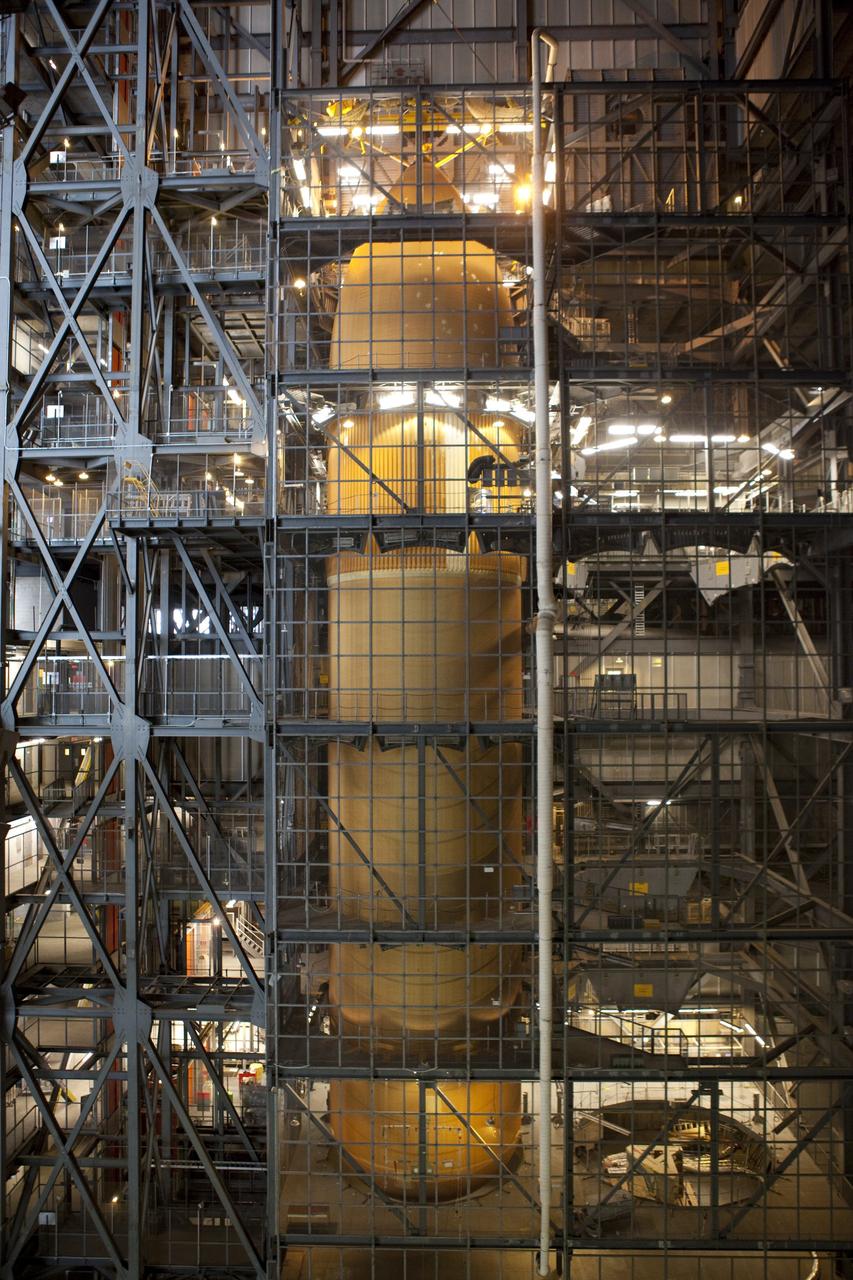
CAPE CANAVERAL, Fla. -- In the Vehicle Assembly Building at NASA's Kennedy Space Center in Florida, External Fuel Tank-122 is being lowered onto a test stand where it will be checked out before launch. ET-122, the Space Shuttle Program's last external fuel tank was delivered to Kennedy's Turn Basin from NASA’s Michoud Assembly Facility in New Orleans aboard the Pegasus Barge. After testing ET-122 eventually will be attached to space shuttle Endeavour for the STS-134 mission to the International Space Station targeted to launch February, 2011. For more information visit: http://www.nasa.gov/mission_pages/shuttle/shuttlemissions/sts134/index.html. Photo credit: NASA/Dimitri Gerondidakis
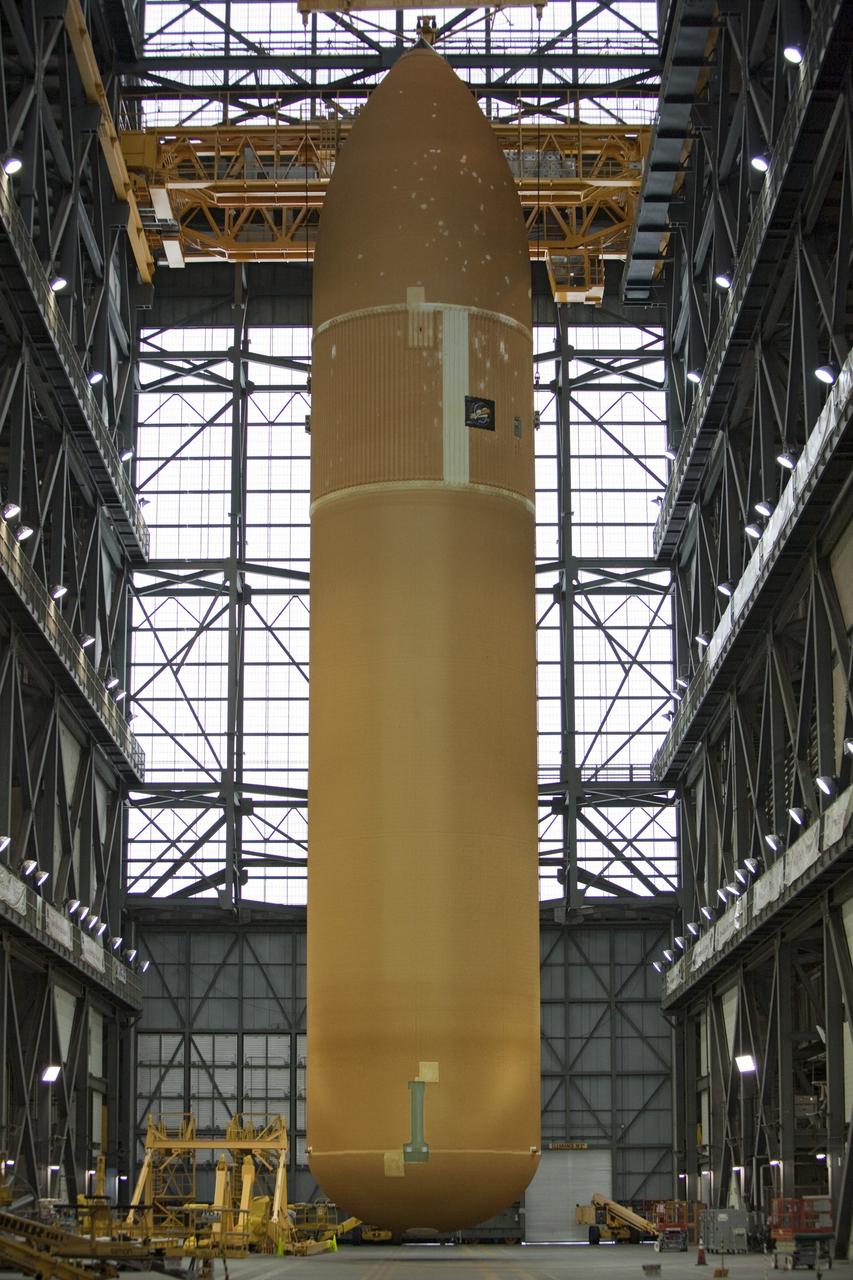
CAPE CANAVERAL, Fla. -- At NASA’s Kennedy Space Center in Florida, External Fuel Tank-122 is suspended vertically over the transfer aisle of the Vehicle Assembly Building as it is lifted toward a test cell. ET-122, the Space Shuttle Program's last external fuel tank was delivered to Kennedy's Turn Basin from NASA’s Michoud Assembly Facility in New Orleans aboard the Pegasus Barge. After testing, ET-122 eventually will be attached to space shuttle Endeavour for the STS-134 mission to the International Space Station targeted to launch February, 2011. For more information visit: http://www.nasa.gov/mission_pages/shuttle/shuttlemissions/sts134/index.html. Photo credit: NASA/Dimitri Gerondidakis
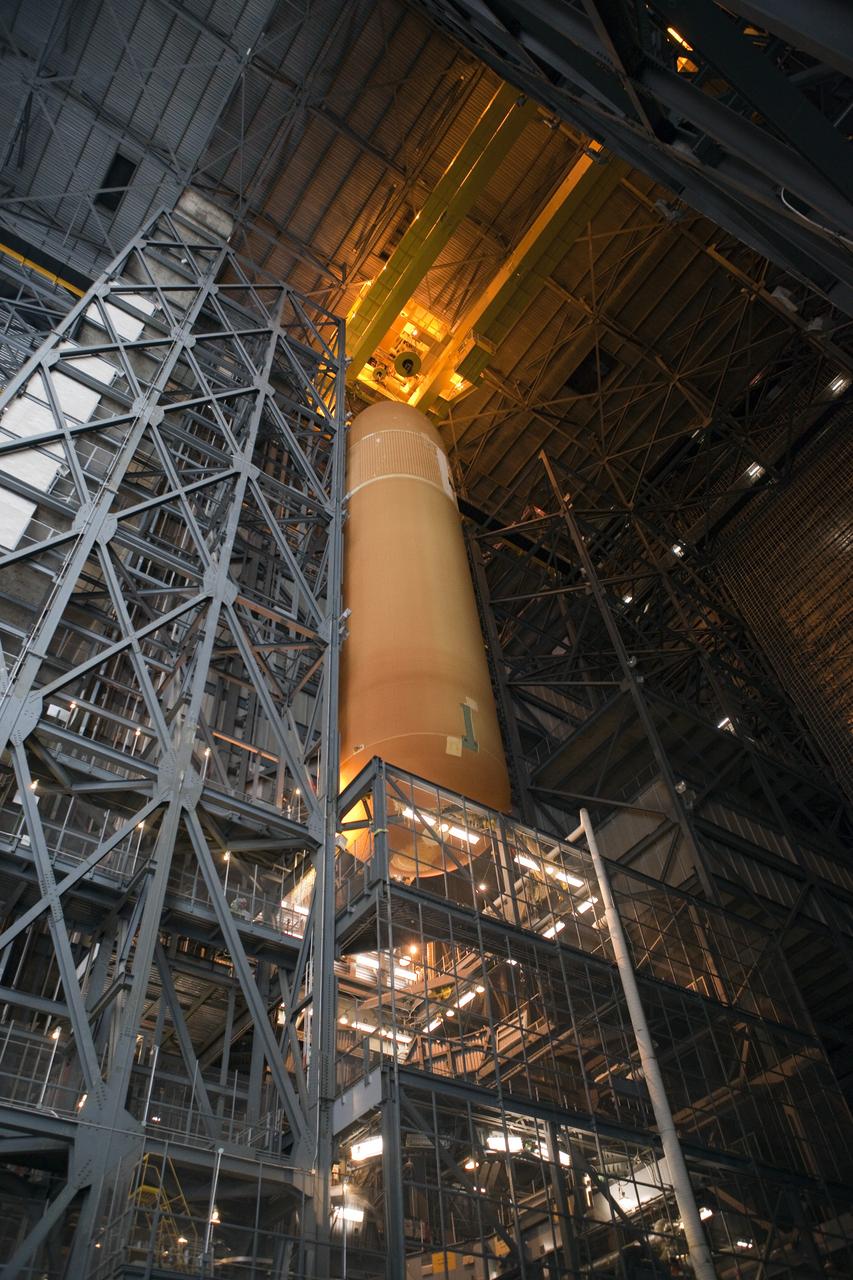
CAPE CANAVERAL, Fla. -- In the Vehicle Assembly Building at NASA's Kennedy Space Center in Florida, External Fuel Tank-122 is being lowered toward a test stand where it will be checked out before launch. ET-122, the Space Shuttle Program's last external fuel tank was delivered to Kennedy's Turn Basin from NASA’s Michoud Assembly Facility in New Orleans aboard the Pegasus Barge. After testing, ET-122 eventually will be attached to space shuttle Endeavour for the STS-134 mission to the International Space Station targeted to launch February, 2011. For more information visit: http://www.nasa.gov/mission_pages/shuttle/shuttlemissions/sts134/index.html. Photo credit: NASA/Dimitri Gerondidakis

CAPE CANAVERAL, Fla. -- In the Vehicle Assembly Building at NASA's Kennedy Space Center in Florida, External Fuel Tank-122 sits on its transporter in the transfer aisle waiting to be lifted into a test cell. ET-122, the Space Shuttle Program's last external fuel tank was delivered to Kennedy's Turn Basin from NASA’s Michoud Assembly Facility in New Orleans aboard the Pegasus Barge. After testing, ET-122 eventually will be attached to space shuttle Endeavour for the STS-134 mission to the International Space Station targeted to launch February, 2011. For more information visit: http://www.nasa.gov/mission_pages/shuttle/shuttlemissions/sts134/index.html. Photo credit: NASA/Dimitri Gerondidakis
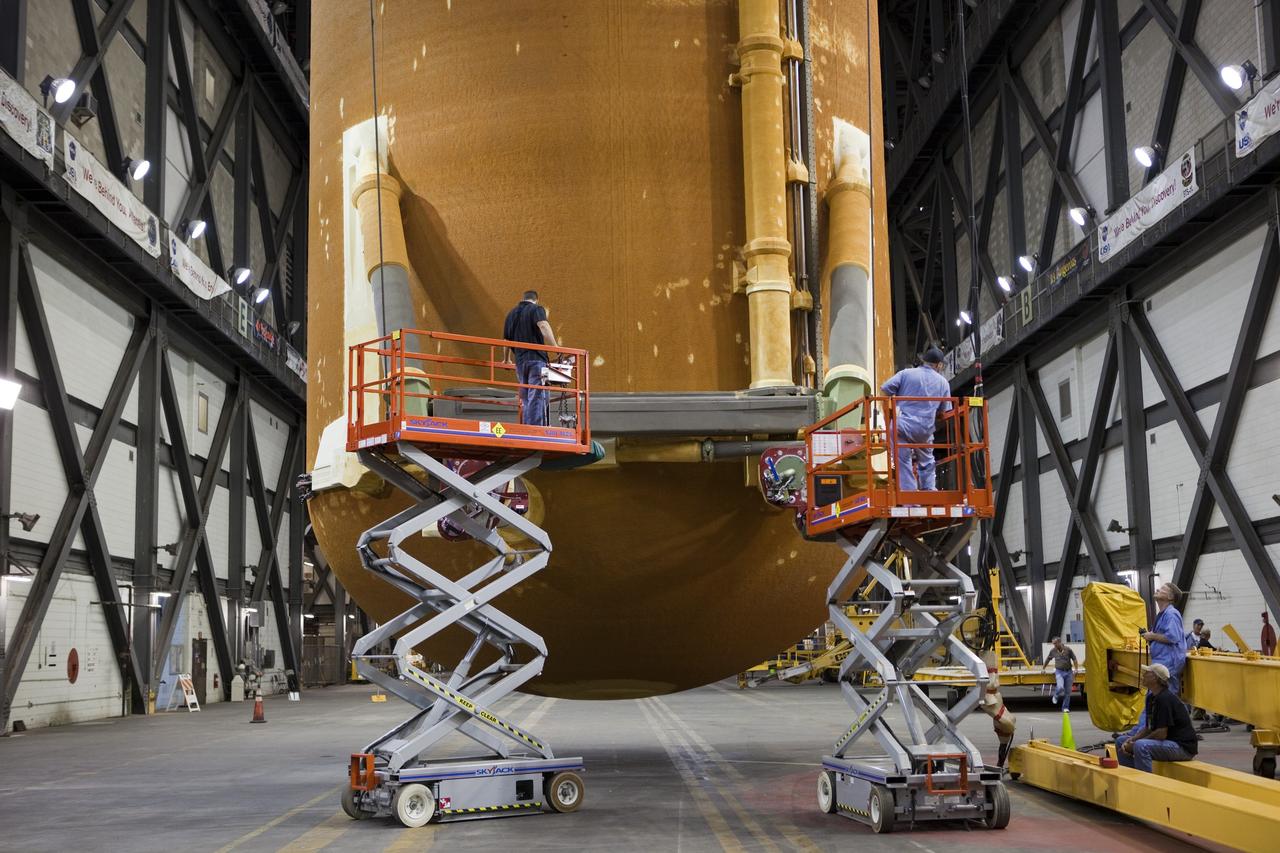
CAPE CANAVERAL, Fla. -- In the Vehicle Assembly Building at NASA's Kennedy Space Center in Florida, workers check the hoist connections on External Fuel Tank-122 as it is lifted toward a test cell. ET-122, the Space Shuttle Program's last external fuel tank was delivered to Kennedy's Turn Basin from NASA’s Michoud Assembly Facility in New Orleans aboard the Pegasus Barge. After testing, ET-122 eventually will be attached to space shuttle Endeavour for the STS-134 mission to the International Space Station targeted to launch February, 2011. For more information visit: http://www.nasa.gov/mission_pages/shuttle/shuttlemissions/sts134/index.html. Photo credit: NASA/Dimitri Gerondidakis

CAPE CANAVERAL, Fla. -- In the Vehicle Assembly Building at NASA's Kennedy Space Center in Florida, External Fuel Tank-122 is being lowered toward a test stand where it will be checked out before launch. ET-122, the Space Shuttle Program's last external fuel tank was delivered to Kennedy's Turn Basin from NASA’s Michoud Assembly Facility in New Orleans aboard the Pegasus Barge. After testing, ET-122 eventually will be attached to space shuttle Endeavour for the STS-134 mission to the International Space Station targeted to launch February, 2011. For more information visit: http://www.nasa.gov/mission_pages/shuttle/shuttlemissions/sts134/index.html. Photo credit: NASA/Dimitri Gerondidakis
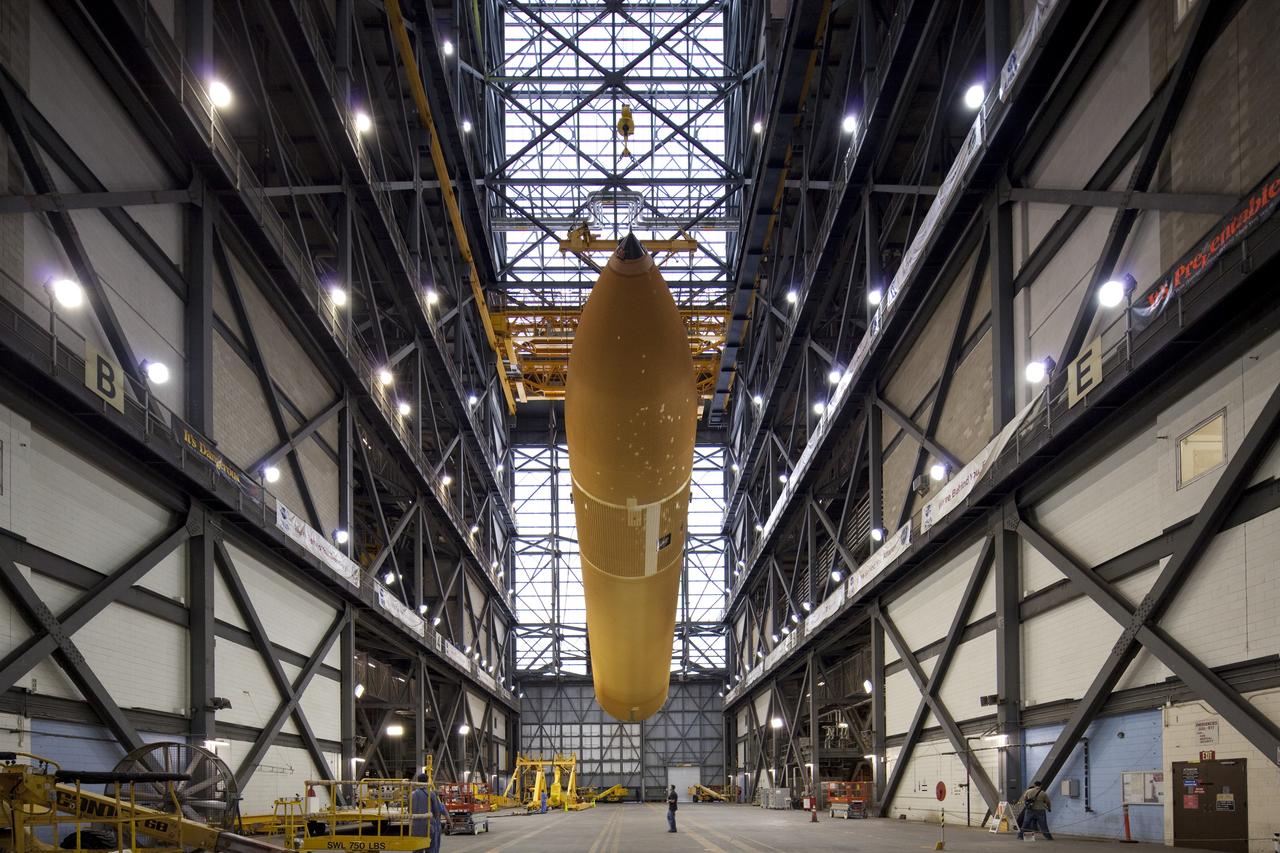
CAPE CANAVERAL, Fla. -- In the Vehicle Assembly Building at NASA's Kennedy Space Center in Florida, workers monitor the progress of External Fuel Tank-122 as it is lifted toward a test cell. ET-122, the Space Shuttle Program's last external fuel tank was delivered to Kennedy's Turn Basin from NASA’s Michoud Assembly Facility in New Orleans aboard the Pegasus Barge. After testing, ET-122 eventually will be attached to space shuttle Endeavour for the STS-134 mission to the International Space Station targeted to launch February, 2011. For more information visit: http://www.nasa.gov/mission_pages/shuttle/shuttlemissions/sts134/index.html. Photo credit: NASA/Dimitri Gerondidakis
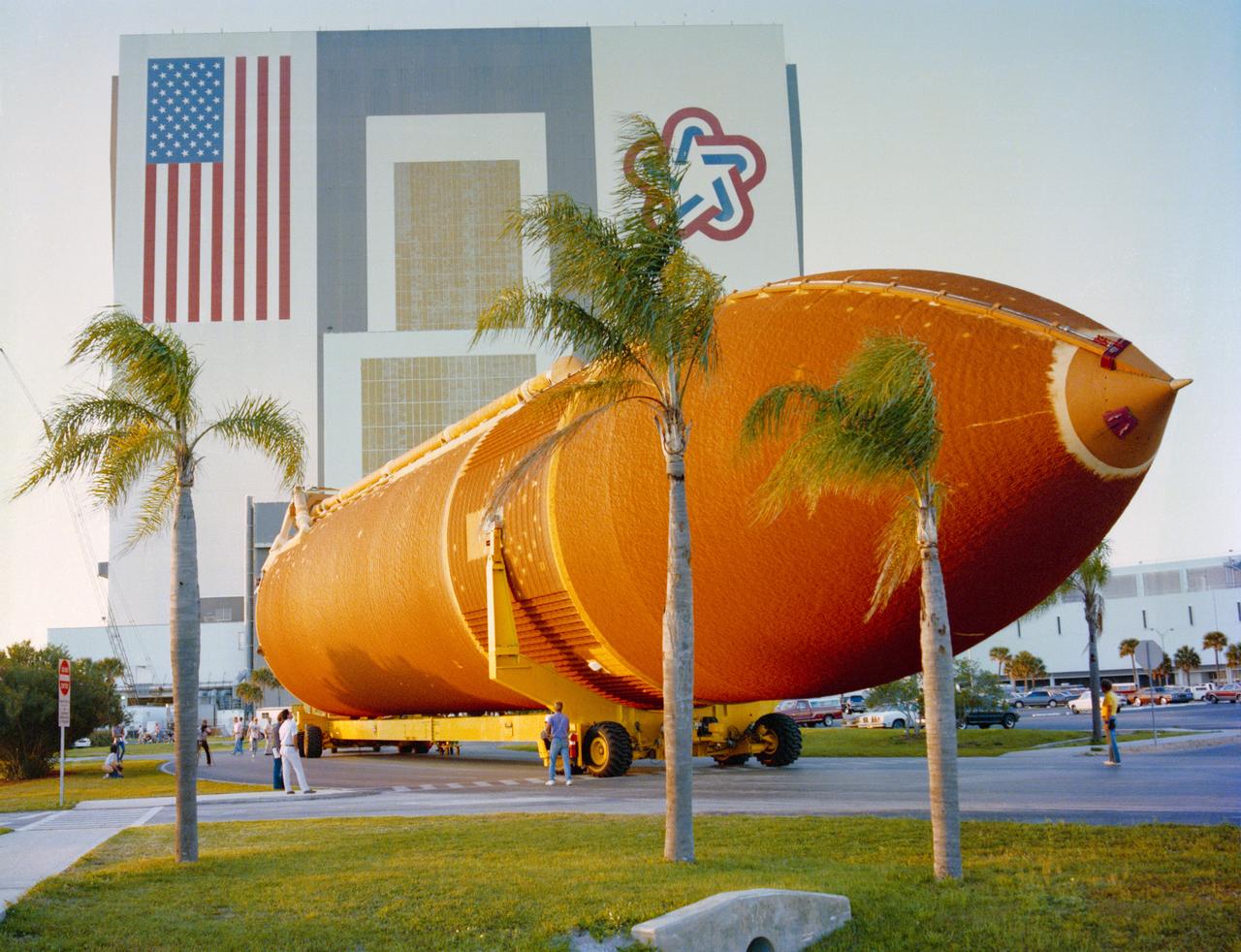
S88-37367 (March 28, 1988) --- The external tank (ET) for STS-27 arrived at Kennedy Space Center (KSC) today via ocean going barge and was moved into the Vehicle Assembly Building (VAB) where preparations will soon begin to ready it for the second return flight launch of the Space Shuttle. The tank is 154 feet long, 27.5 feet in diameter, and holds a total of 1,585,379 pounds of liquid oxygen and liquid hydrogen fuel - fuel which is used by the orbiter's main engines during launch. The empty burnt orange colored tank weighs 1,667,677 pounds and is the only piece of flight hardware not recovered for reuse.
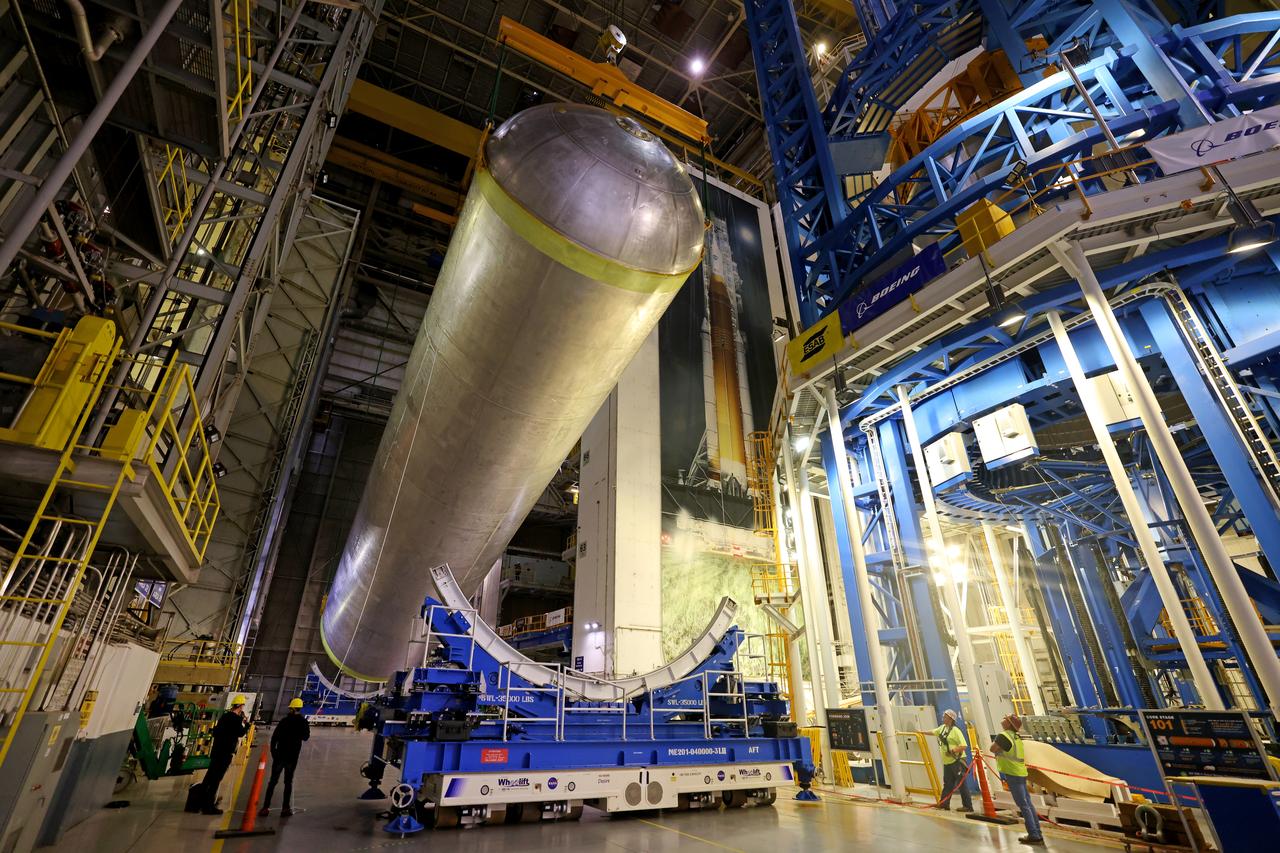
These photos show how teams moved and prepared a liquid hydrogen tank for the SLS (Space Launch System) rocket for priming in the Vertical Assembly Building at NASA’s Michoud Assembly Facility in New Orleans Nov. 14, 2023. The hardware will form part of the core stage for the SLS rocket that will power Artemis III. To prepare the flight hardware for primer, the tank underwent internal cleaning in nearby Cell E in October. Internal cleaning is part of the manufacturing process for the core stage. After testing, both of the stage’s propellant tanks and its dry structures – the elements that do not hold fuel – are cleaned, primed, and readied for the next phase of production Technichians will next sand down and prepare the surface of the tank before coating it in a primer. Primer is applied to the barrel section of the tank by an automated robotic tool, whereas the forward and aft domes are primed manually. The propellant tank is the largest of the five major elements that make up the 212-foot-tall Moon rocket stage. The core stage, along with its four RS-25 engines, produce two million pounds of thrust to help launch NASA’s Orion spacecraft, astronauts, and supplies beyond Earth’s orbit and to the lunar surface for Artemis. Image credit: NASA/Michael DeMocker

These photos show how teams moved and prepared a liquid hydrogen tank for the SLS (Space Launch System) rocket for priming in the Vertical Assembly Building at NASA’s Michoud Assembly Facility in New Orleans Nov. 14, 2023. The hardware will form part of the core stage for the SLS rocket that will power Artemis III. To prepare the flight hardware for primer, the tank underwent internal cleaning in nearby Cell E in October. Internal cleaning is part of the manufacturing process for the core stage. After testing, both of the stage’s propellant tanks and its dry structures – the elements that do not hold fuel – are cleaned, primed, and readied for the next phase of production Technichians will next sand down and prepare the surface of the tank before coating it in a primer. Primer is applied to the barrel section of the tank by an automated robotic tool, whereas the forward and aft domes are primed manually. The propellant tank is the largest of the five major elements that make up the 212-foot-tall Moon rocket stage. The core stage, along with its four RS-25 engines, produce two million pounds of thrust to help launch NASA’s Orion spacecraft, astronauts, and supplies beyond Earth’s orbit and to the lunar surface for Artemis. Image credit: NASA/Michael DeMocker
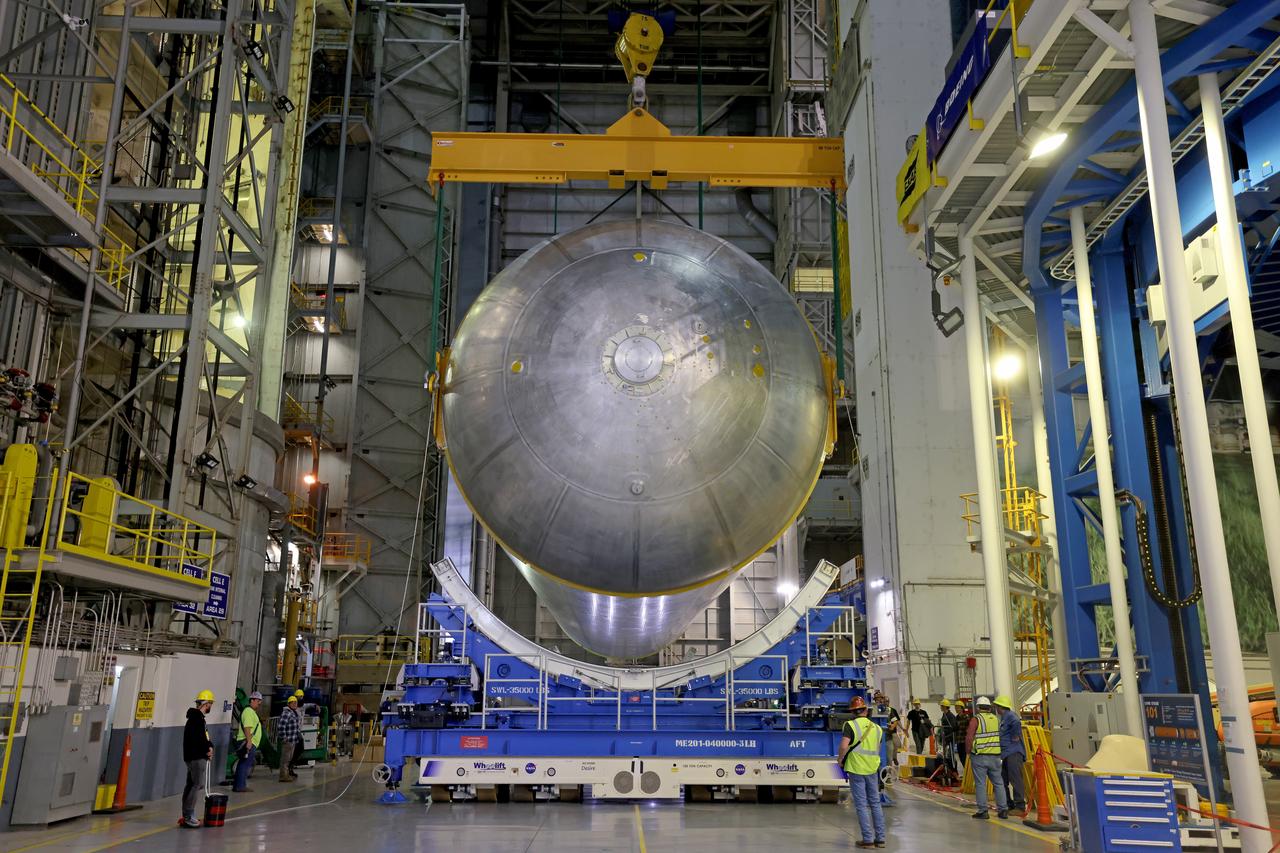
These photos show how teams moved and prepared a liquid hydrogen tank for the SLS (Space Launch System) rocket for priming in the Vertical Assembly Building at NASA’s Michoud Assembly Facility in New Orleans Nov. 14, 2023. The hardware will form part of the core stage for the SLS rocket that will power Artemis III. To prepare the flight hardware for primer, the tank underwent internal cleaning in nearby Cell E in October. Internal cleaning is part of the manufacturing process for the core stage. After testing, both of the stage’s propellant tanks and its dry structures – the elements that do not hold fuel – are cleaned, primed, and readied for the next phase of production Technichians will next sand down and prepare the surface of the tank before coating it in a primer. Primer is applied to the barrel section of the tank by an automated robotic tool, whereas the forward and aft domes are primed manually. The propellant tank is the largest of the five major elements that make up the 212-foot-tall Moon rocket stage. The core stage, along with its four RS-25 engines, produce two million pounds of thrust to help launch NASA’s Orion spacecraft, astronauts, and supplies beyond Earth’s orbit and to the lunar surface for Artemis. Image credit: NASA/Michael DeMocker
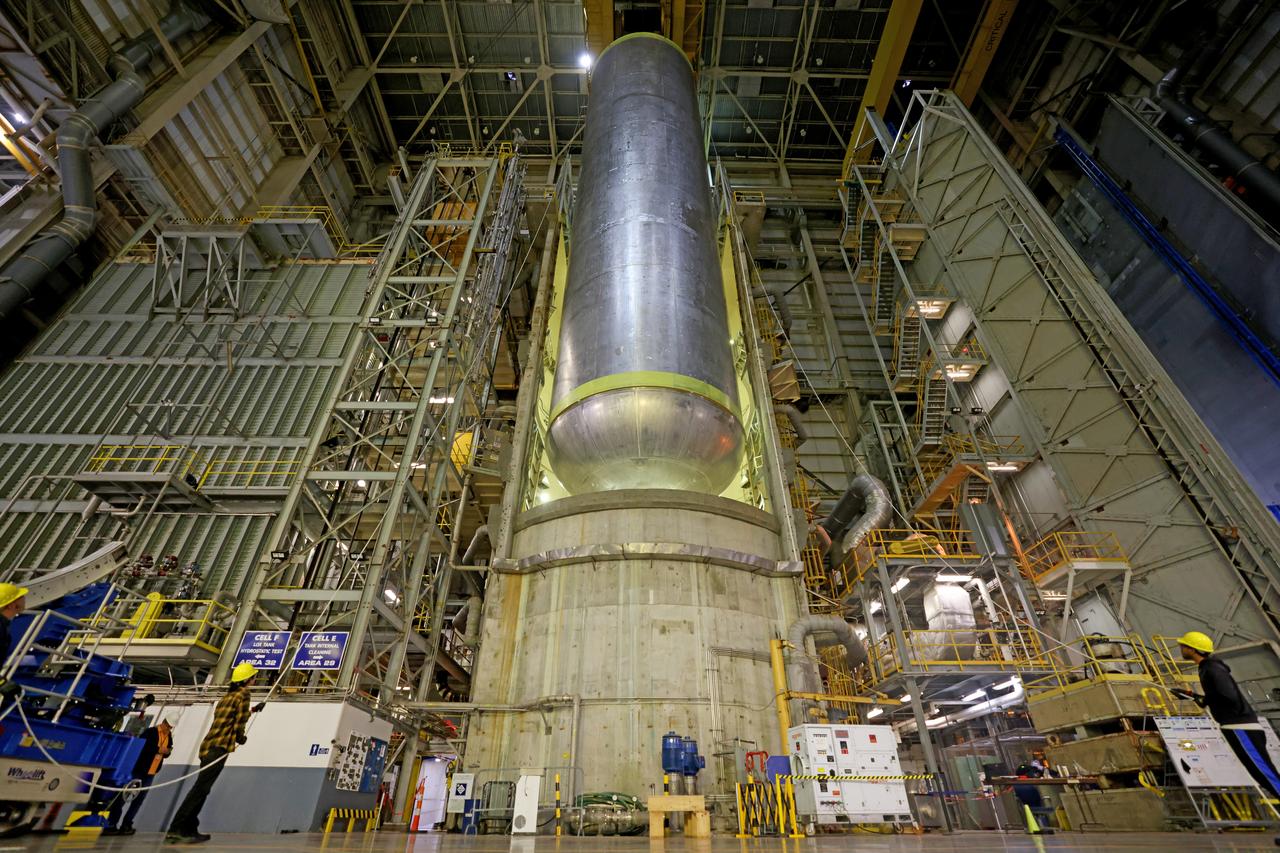
These photos show how teams moved and prepared a liquid hydrogen tank for the SLS (Space Launch System) rocket for priming in the Vertical Assembly Building at NASA’s Michoud Assembly Facility in New Orleans Nov. 14, 2023. The hardware will form part of the core stage for the SLS rocket that will power Artemis III. To prepare the flight hardware for primer, the tank underwent internal cleaning in nearby Cell E in October. Internal cleaning is part of the manufacturing process for the core stage. After testing, both of the stage’s propellant tanks and its dry structures – the elements that do not hold fuel – are cleaned, primed, and readied for the next phase of production Technichians will next sand down and prepare the surface of the tank before coating it in a primer. Primer is applied to the barrel section of the tank by an automated robotic tool, whereas the forward and aft domes are primed manually. The propellant tank is the largest of the five major elements that make up the 212-foot-tall Moon rocket stage. The core stage, along with its four RS-25 engines, produce two million pounds of thrust to help launch NASA’s Orion spacecraft, astronauts, and supplies beyond Earth’s orbit and to the lunar surface for Artemis. Image credit: NASA/Michael DeMocker
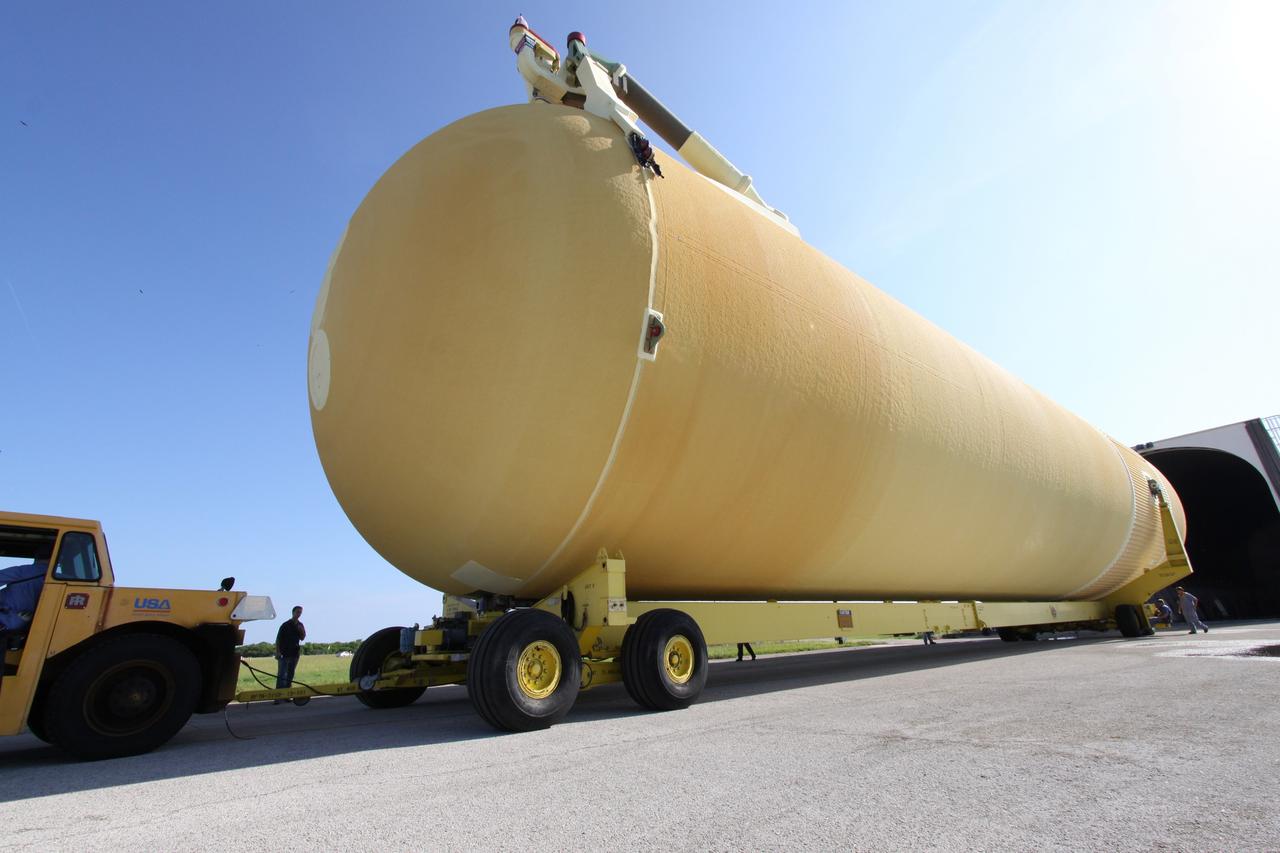
CAPE CANAVERAL, Fla. – At NASA's Kennedy Space Center in Florida, the external fuel tank designated ET-133 is moved out of NASA's Pegasus barge docked at the Turn Basin. The tank will be used for space shuttle Atlantis' STS-129 mission. After unloading, the tank will be moved into a high bay in the Vehicle Assembly Building for checkout. The tank was shipped aboard the Pegasus from NASA's Michoud Assembly Facility near New Orleans. Pegasus was towed to Port Canaveral by the Freedom Star Retrieval Ship. Launch of Atlantis is targeted for November. Photo credit: NASA/Troy Cryder
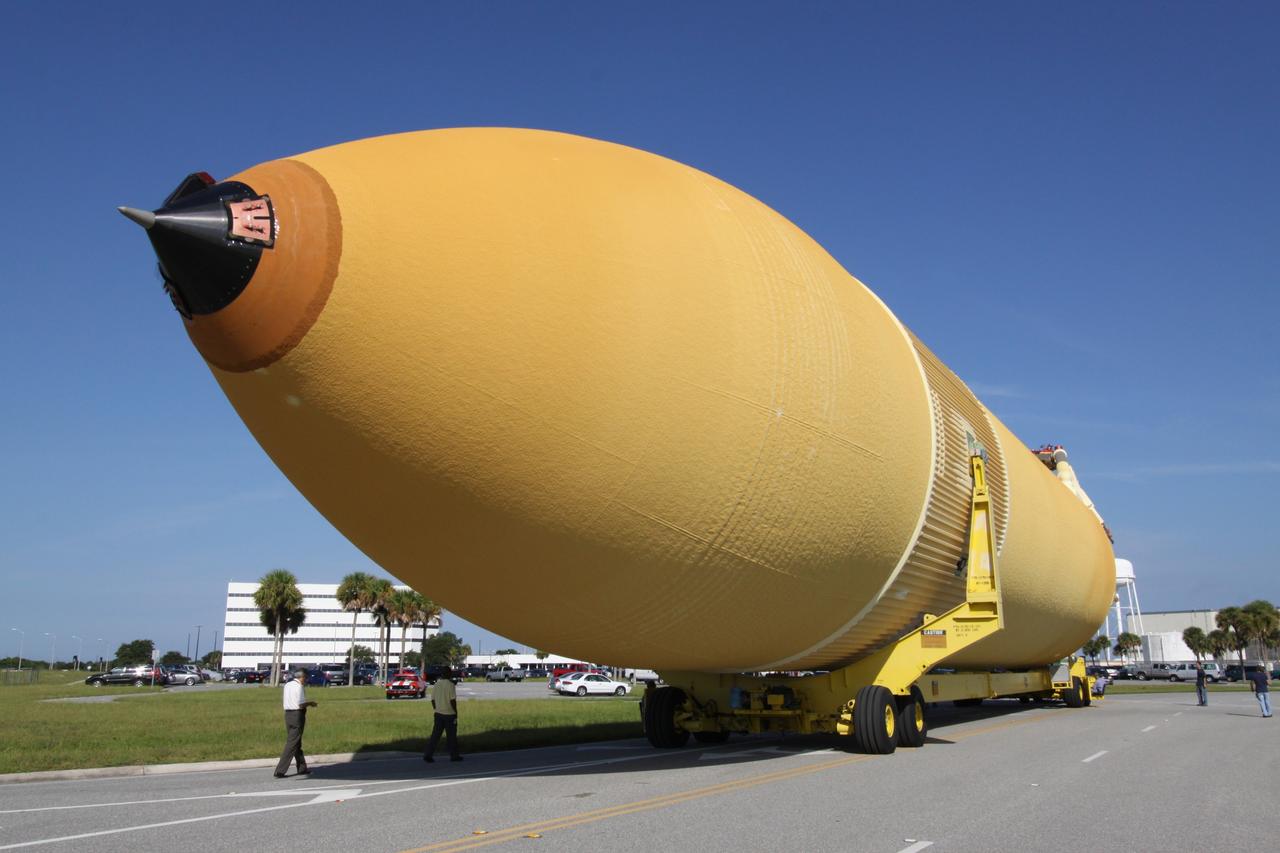
CAPE CANAVERAL, Fla. – At NASA's Kennedy Space Center in Florida, the external fuel tank designated ET-133 is transported from the Turn Basin to the Vehicle Assembly Building, behind it. The tank will be used for space shuttle Atlantis' STS-129 mission. In the VAB, the tank will be moved into a high bay for checkout. The tank was shipped aboard the Pegasus from NASA's Michoud Assembly Facility near New Orleans. Pegasus was towed to Port Canaveral by the Freedom Star Retrieval Ship. Launch of Atlantis is targeted for November. Photo credit: NASA/Troy Cryder
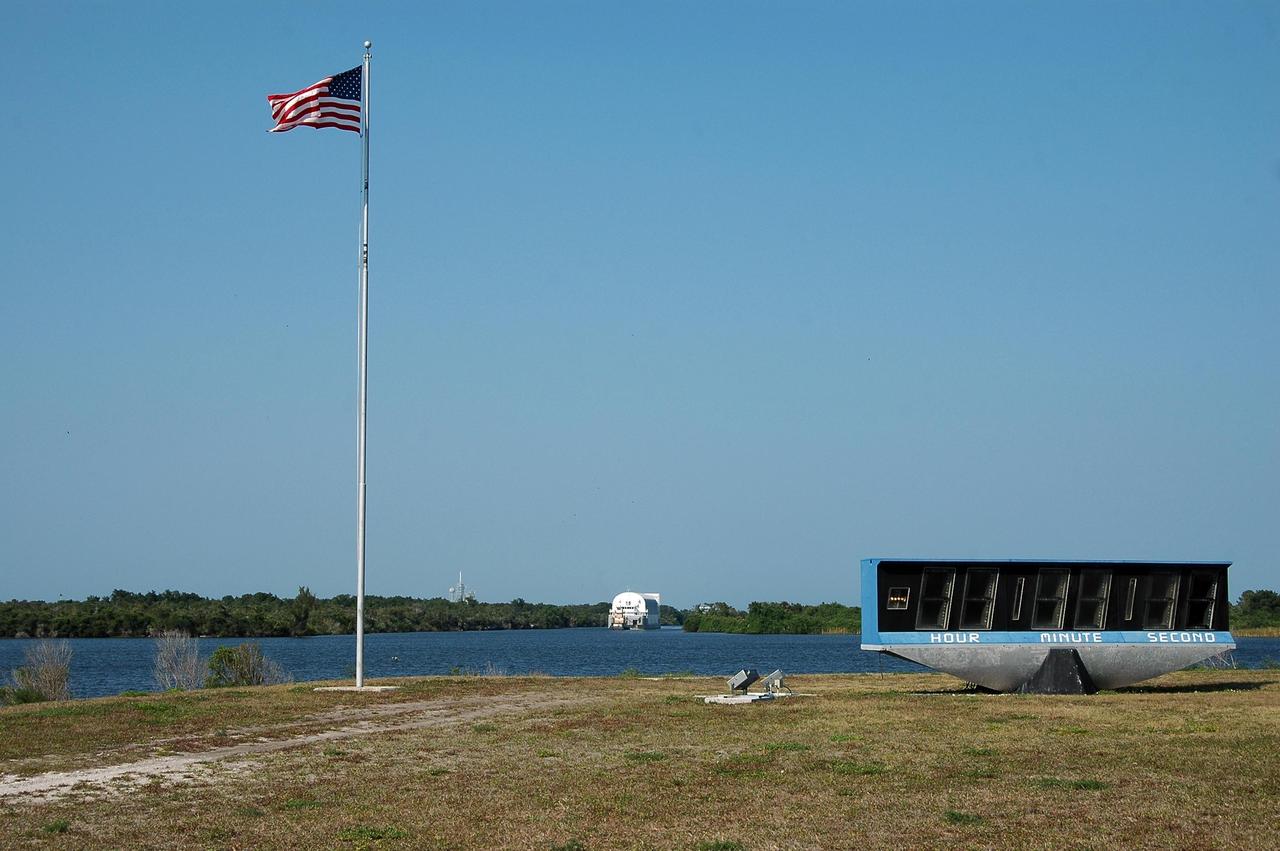
KENNEDY SPACE CENTER, FLA. - Viewed from the NASA News Center, a tug boat in the background maneuvers the Pegasus barge into the turn basin at the Launch Complex 39 Area. The barge holds the redesigned external fuel tank, designated ET-118, that will launch Space Shuttle Atlantis on the next shuttle mission, STS-115. The tank was shipped from the Michoud Assembly Facility in New Orleans. After off-loading, the tank will be moved into the Vehicle Assembly Building and lifted into a checkout cell for further work. The tank will fly with many major safety changes, including the removal of the protuberance air load ramps. Photo credit: NASA/Kim Shiflett
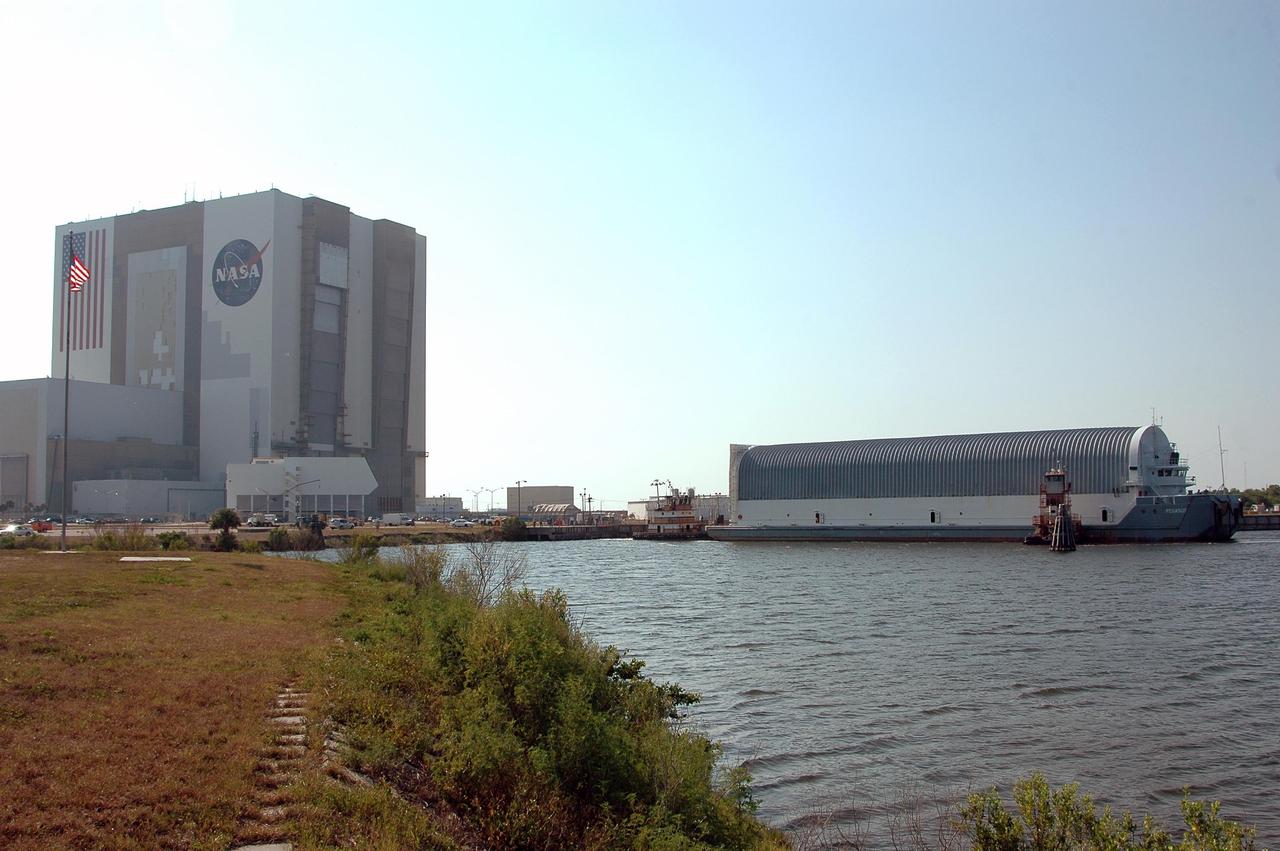
KENNEDY SPACE CENTER, FLA. - Tug boats maneuver the Pegasus barge next to the dock in the turn basin at the Launch Complex 39 Area. The barge holds the redesigned external fuel tank, designated ET-118, that will launch Space Shuttle Atlantis on the next shuttle mission, STS-115. The tank was shipped from the Michoud Assembly Facility in New Orleans. After off-loading, the tank will be moved into the Vehicle Assembly Building and lifted into a checkout cell for further work. The tank will fly with many major safety changes, including the removal of the protuberance air load ramps. Photo credit: NASA/Kim Shiflett
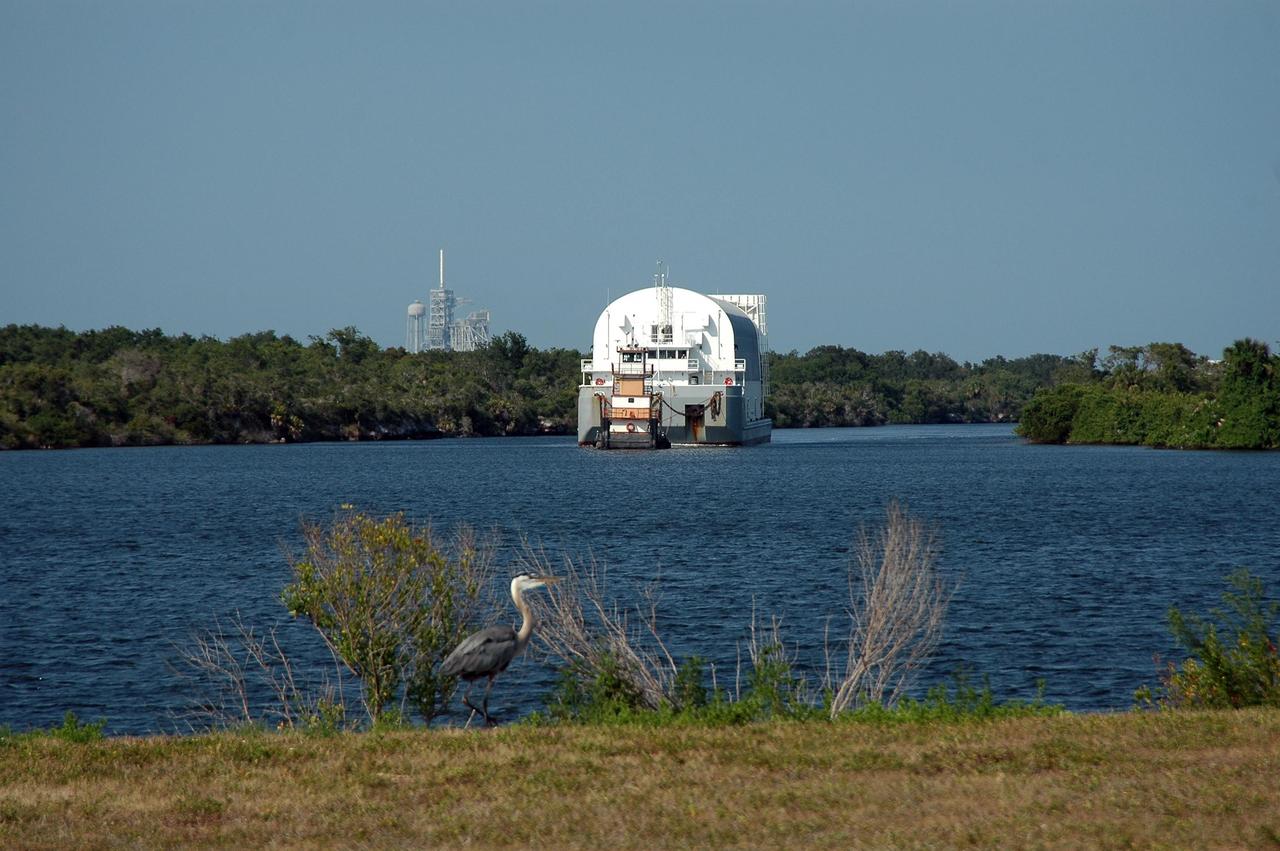
KENNEDY SPACE CENTER, FLA. - A Great Blue Heron on the near bank has a front row perch for the arrival of the Pegasus barge being towed into the turn basin at the Launch Complex 39 Area. The barge holds the redesigned external fuel tank, designated ET-118, that will launch Space Shuttle Atlantis on the next shuttle mission, STS-115. The tank was shipped from the Michoud Assembly Facility in New Orleans. After off-loading, the tank will be moved into the Vehicle Assembly Building and lifted into a checkout cell for further work. The tank will fly with many major safety changes, including the removal of the protuberance air load ramps. Photo credit: NASA/Kim Shiflett
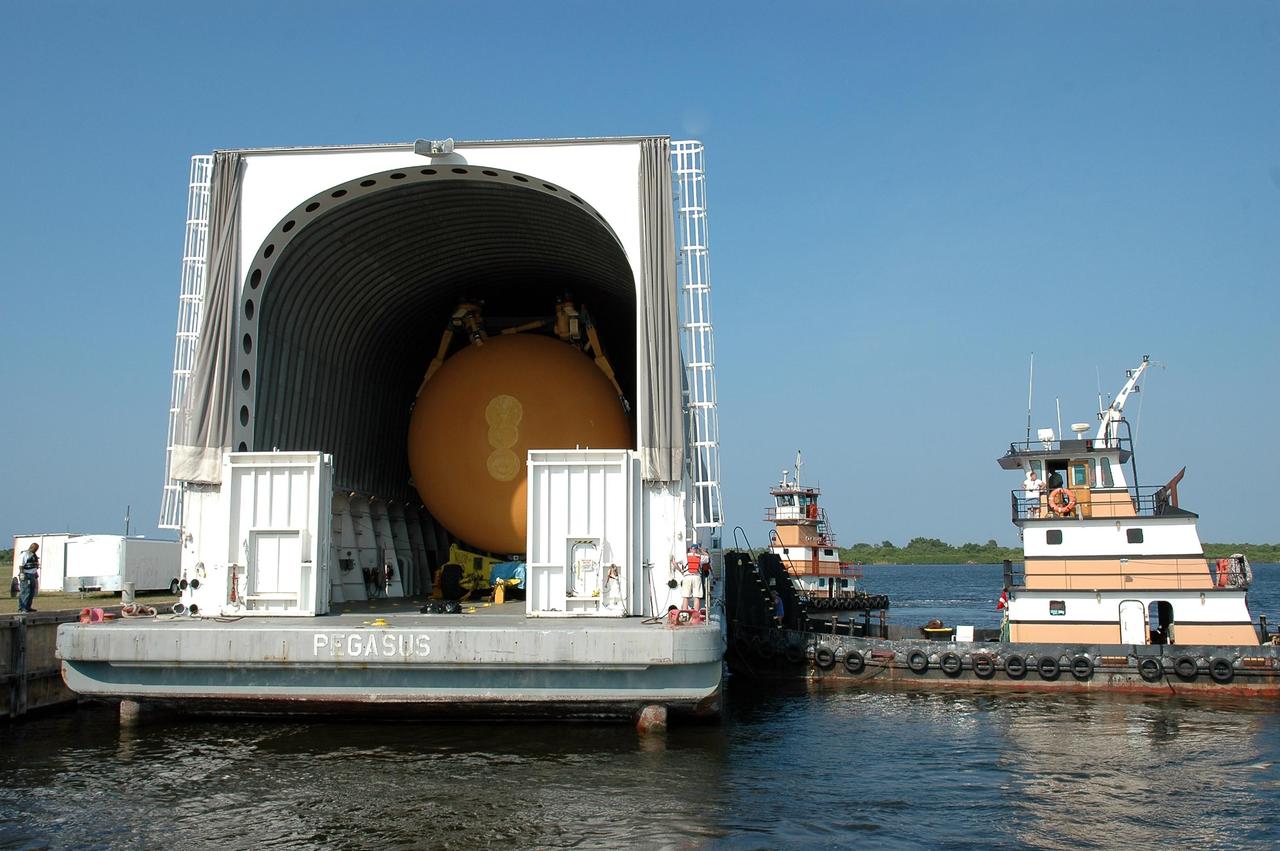
KENNEDY SPACE CENTER, FLA. - Tug boats maneuver the Pegasus barge next to the dock in the turn basin at the Launch Complex 39 Area. The barge holds the redesigned external fuel tank, seen inside, that will launch Space Shuttle Atlantis on the next shuttle mission, STS-115. The tank, designated ET-118, was shipped from the Michoud Assembly Facility in New Orleans. After off-loading, the tank will be moved into the Vehicle Assembly Building and lifted into a checkout cell for further work. The tank will fly with many major safety changes, including the removal of the protuberance air load ramps. Photo credit: NASA/Kim Shiflett
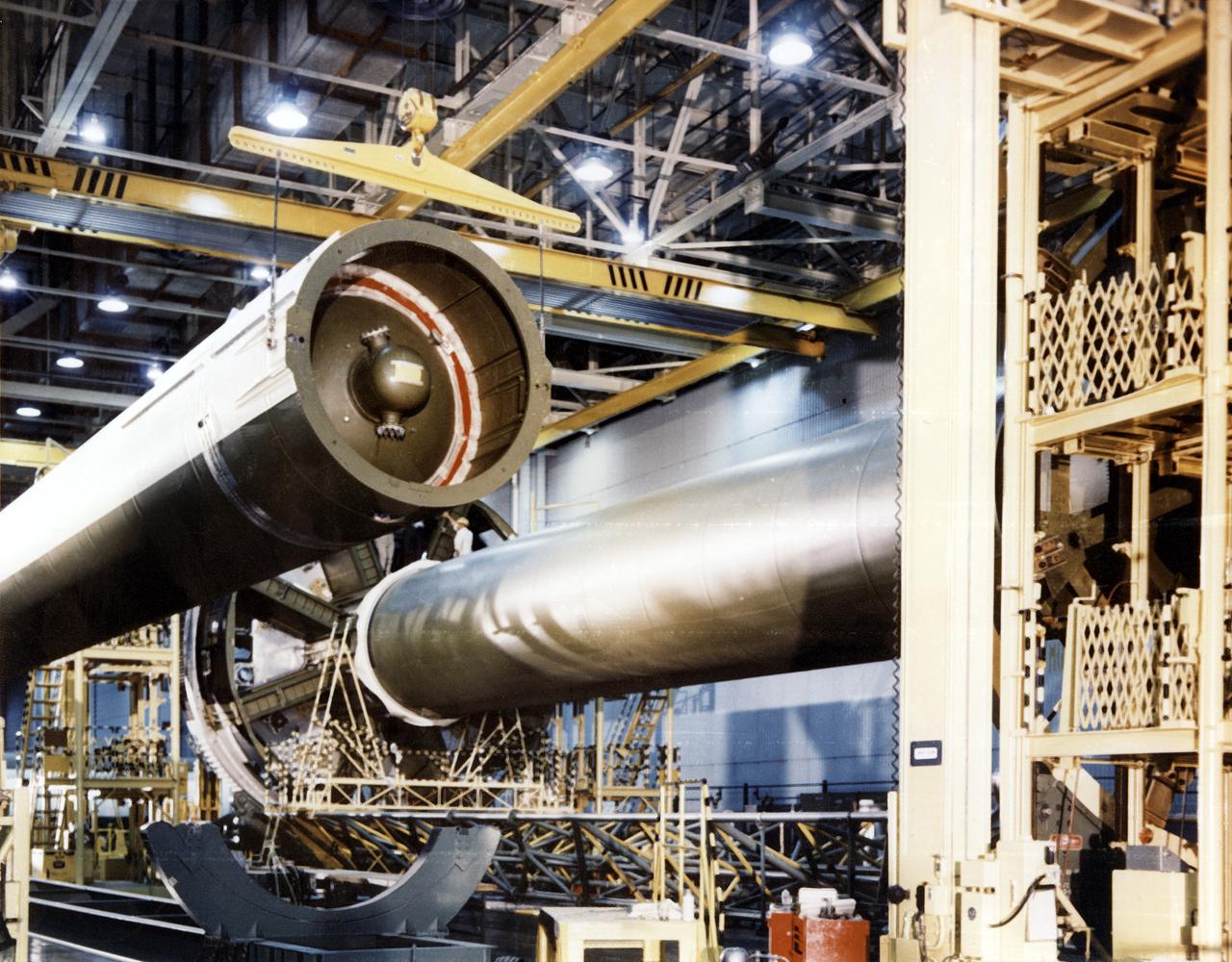
In the "clustering" procedure, an initial assembly step for the first stage (S-IB stage) of the Saturn IB launch vehicle, workers at the Michoud Assembly Facility (MAF) near New Orleans, Louisiana, place the first of eight outboard fuel tanks (left) next to the central liquid-oxygen tank of S-IB stage. Developed by the Marshall Space Flight Center (MSFC) and built by the Chrysler Corporation at MAF, the S-IB stage utilized eight H-1 engines to produce a combined thrust of 1,600,000 pounds.
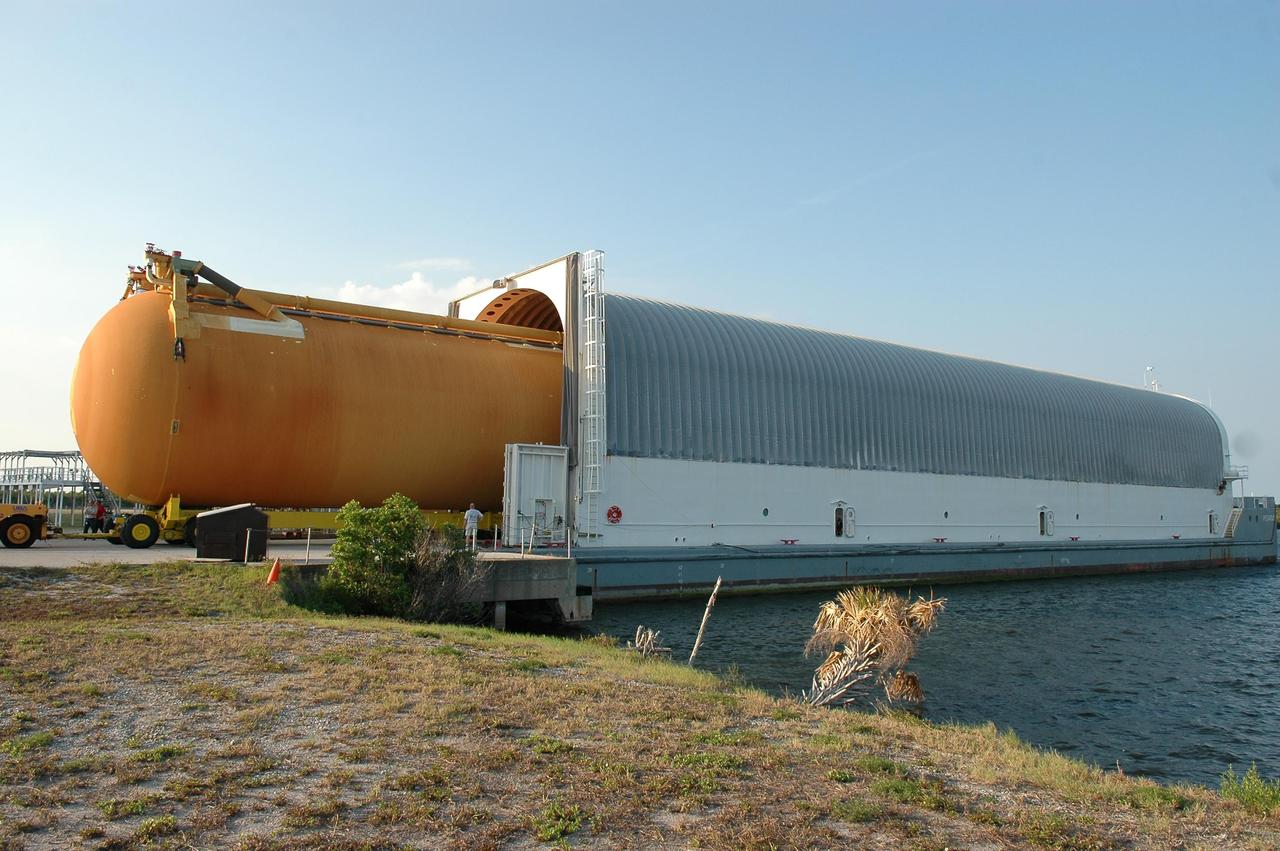
KENNEDY SPACE CENTER, FLA. - The redesigned external fuel tank, designated ET-118, that will launch Space Shuttle Atlantis on mission STS-115 is offloaded from the Pegasus barge that carried it from the Michoud Assembly Facility in New Orleans. The tank will be moved into the Vehicle Assembly Building and lifted into a checkout cell for further work. It will fly with many major safety changes, including the removal of the protuberance air load ramps. Photo credit: NASA/Kim Shiflett
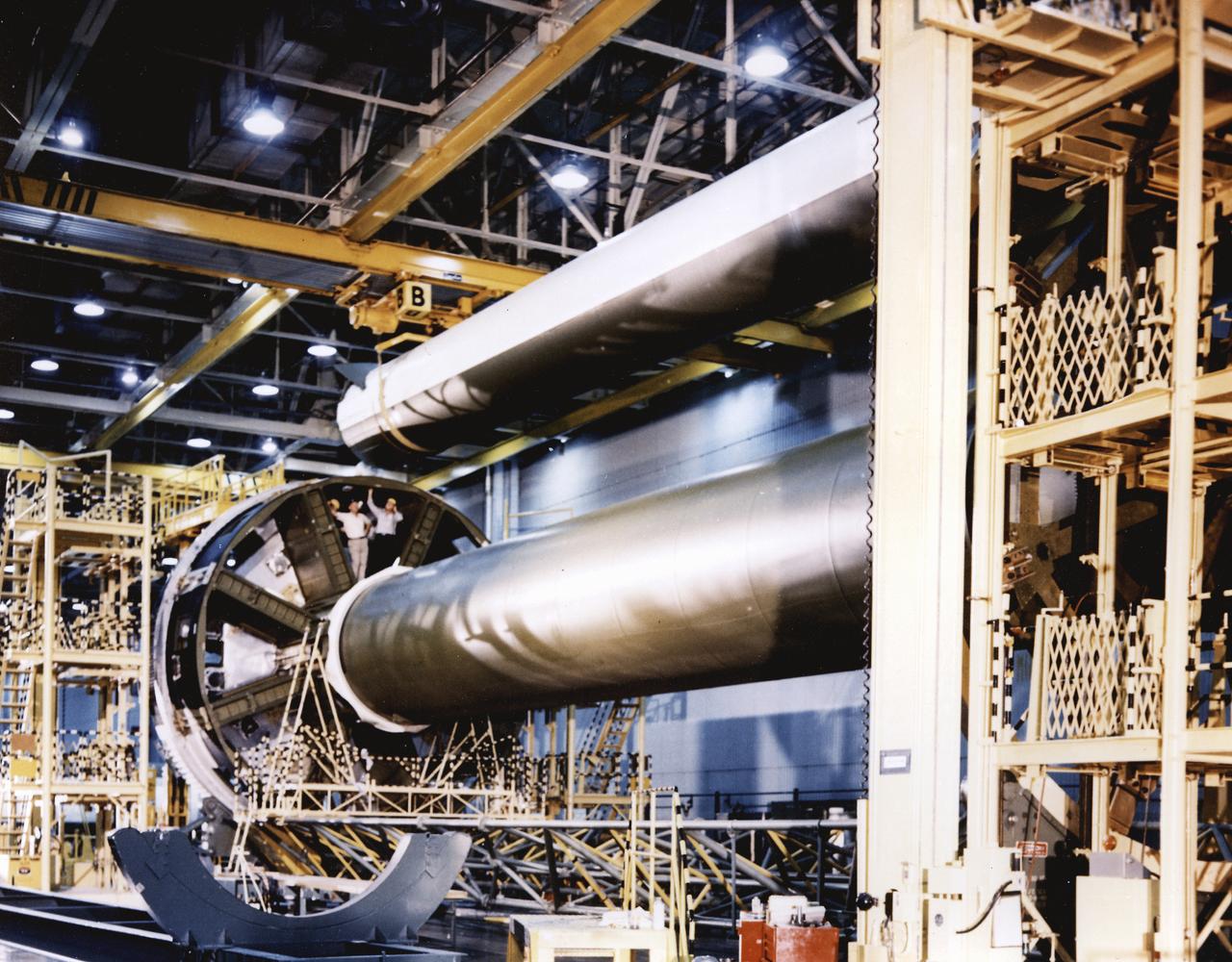
In the clustering procedure, an initial assembly step for the first stage (S-IB stage) of the Saturn IB launch vehicle, workers at the Michoud Assembly Facility (MAF) near New Orleans, Louisiana, place the first of eight outboard fuel tanks next to the central liquid-oxygen tank of the S-IB stage. Developed by the Marshall Space Flight Center (MSFC) and built by the Chrysler Corporation at MAF, the S-IB stage utilized eight H-1 engines to produce a combined thrust of 1,600,000 pounds.
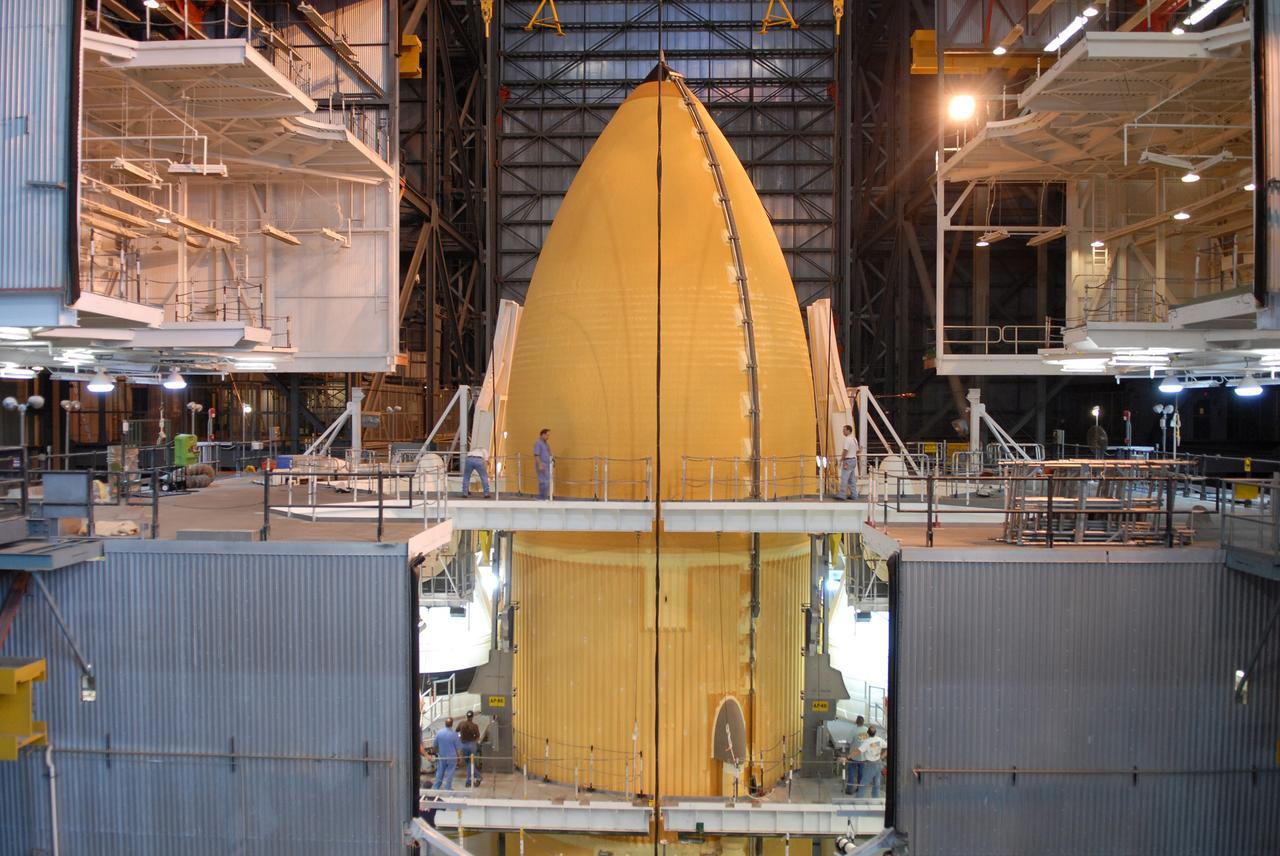
CAPE CANAVERAL, Fla. – In NASA Kennedy Space Center's Vehicle Assembly Building, work platforms surround the external fuel tank for space shuttle Atlantis' STS-129 mission. The tank has been lowered onto the mobile launch platform for assembly with the solid rocket boosters stacked there. The STS-129 mission is targeted to launch Nov. 12 on an 11-day supply mission to the International Space Station. Photo credit: NASA/Jim Grossmann

KENNEDY SPACE CENTER, FLA. - The redesigned external fuel tank, designated ET-118, that will launch Space Shuttle Atlantis on mission, STS-115 begins moving out of the Pegasus barge that carried it from the Michoud Assembly Facility in New Orleans. The tank will be moved into the Vehicle Assembly Building and lifted into a checkout cell for further work. It will fly with many major safety changes, including the removal of the protuberance air load ramps. Photo credit: NASA/Kim Shiflett

CAPE CANAVERAL, Fla. – The external fuel tank for space shuttle Atlantis' STS-129 mission is being lowered into NASA Kennedy Space Center's Vehicle Assembly Building high bay 2 for assembly with the solid rocket boosters already stacked on the mobile launch platform (seen at either side of the tank). The STS-129 mission is targeted to launch Nov. 12 on an 11-day supply mission to the International Space Station. Photo credit: NASA/Jim Grossmann
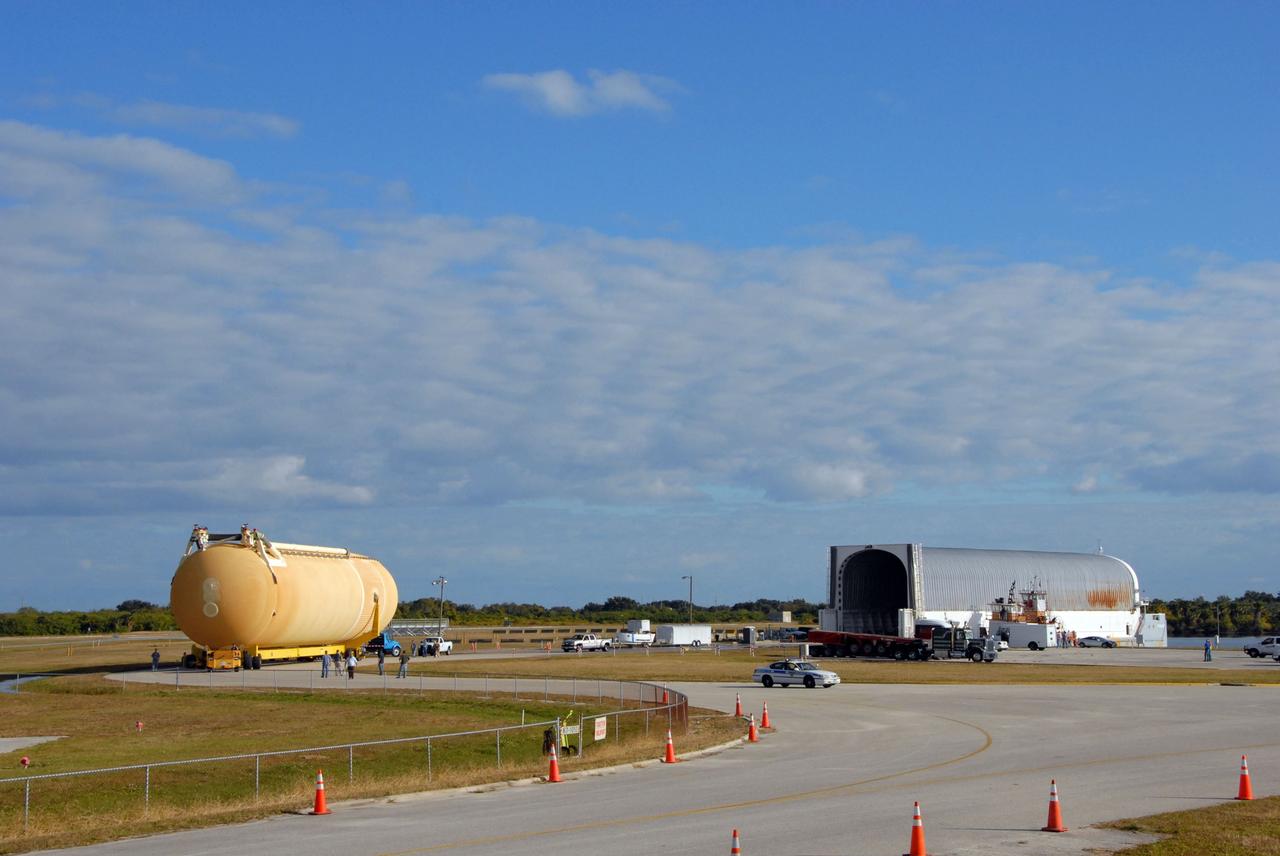
CAPE CANAVERAL, Fla. -- External Tank 130 is towed away from the turn basin at NASA's Kennedy Space Center in Florida. At right is the Pegasus barge that carried it from the Michoud Assembly Facility in New Orleans. ET 130, which will be used on the Hubble servicing mission, STS-125, is being moved to the Vehicle Assembly Building, seen at left, and into a high bay for checkout. The fuel tank was previously designated for the STS-127 mission. Photo credit: NASA/Jack Pfaller

CAPE CANAVERAL, Fla. – The external fuel tank for space shuttle Atlantis' STS-129 mission is being prepared for lifting in NASA Kennedy Space Center's Vehicle Assembly Building. The tank will be lifted into high bay 2 for assembly with the solid rocket boosters already stacked on the mobile launch platform. The STS-129 mission is targeted to launch Nov. 12 on an 11-day supply mission to the International Space Station. Photo credit: NASA/Jim Grossmann
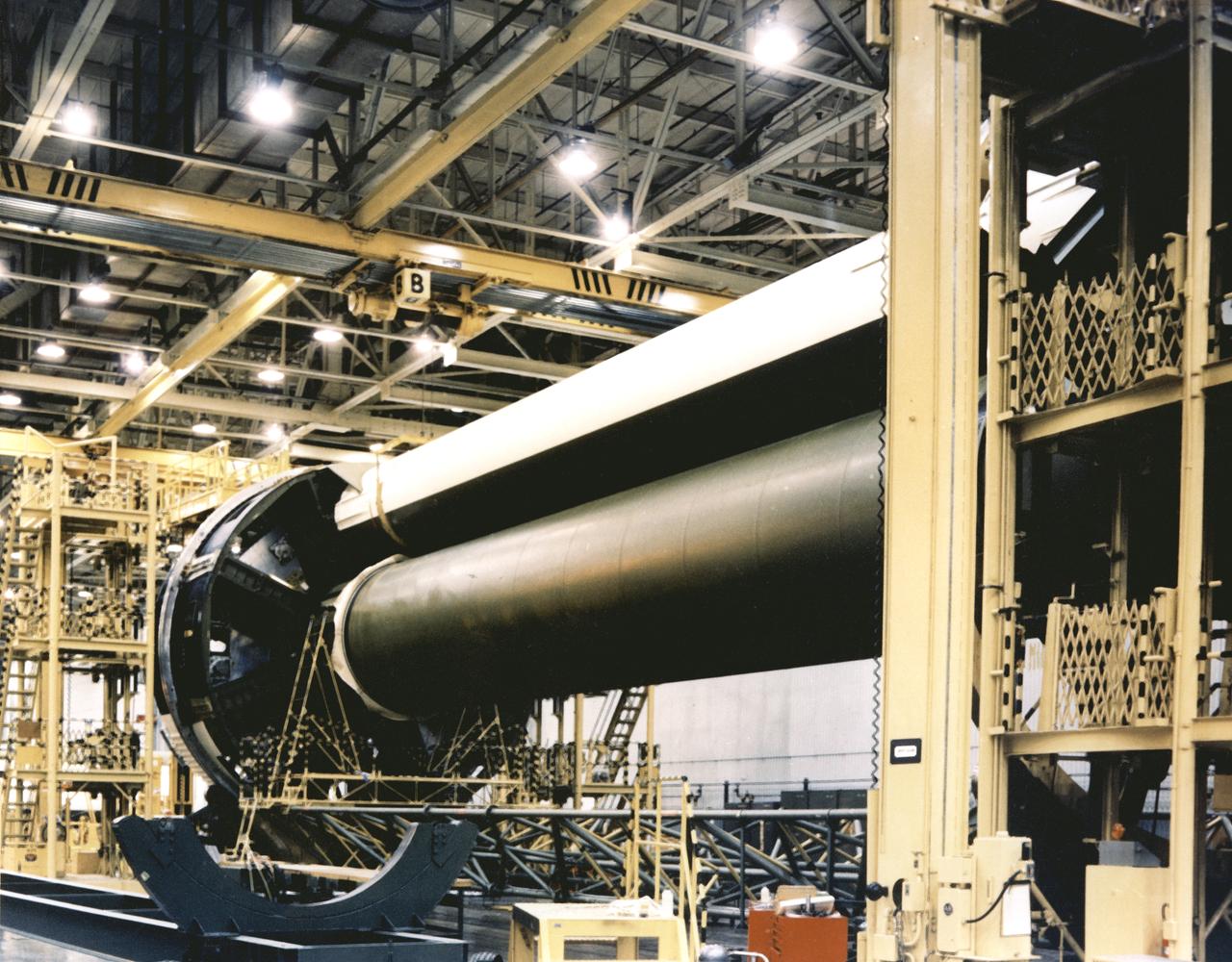
In the clustering procedure, an initial assembly step for the first stage (S-IB stage) of the Saturn IB launch vehicle, workers at the Michoud Assembly Facility (MAF) near New Orleans, Louisiana, place the first of eight outboard fuel tanks next to the central liquid-oxygen tank of the S-IB stage. Developed by the Marshall Space Flight Center (MSFC) and built by the Chrysler Corporation at MAF, the S-IB stage utilized eight H-1 engines to produce a combined thrust of 1,600,000 pounds.
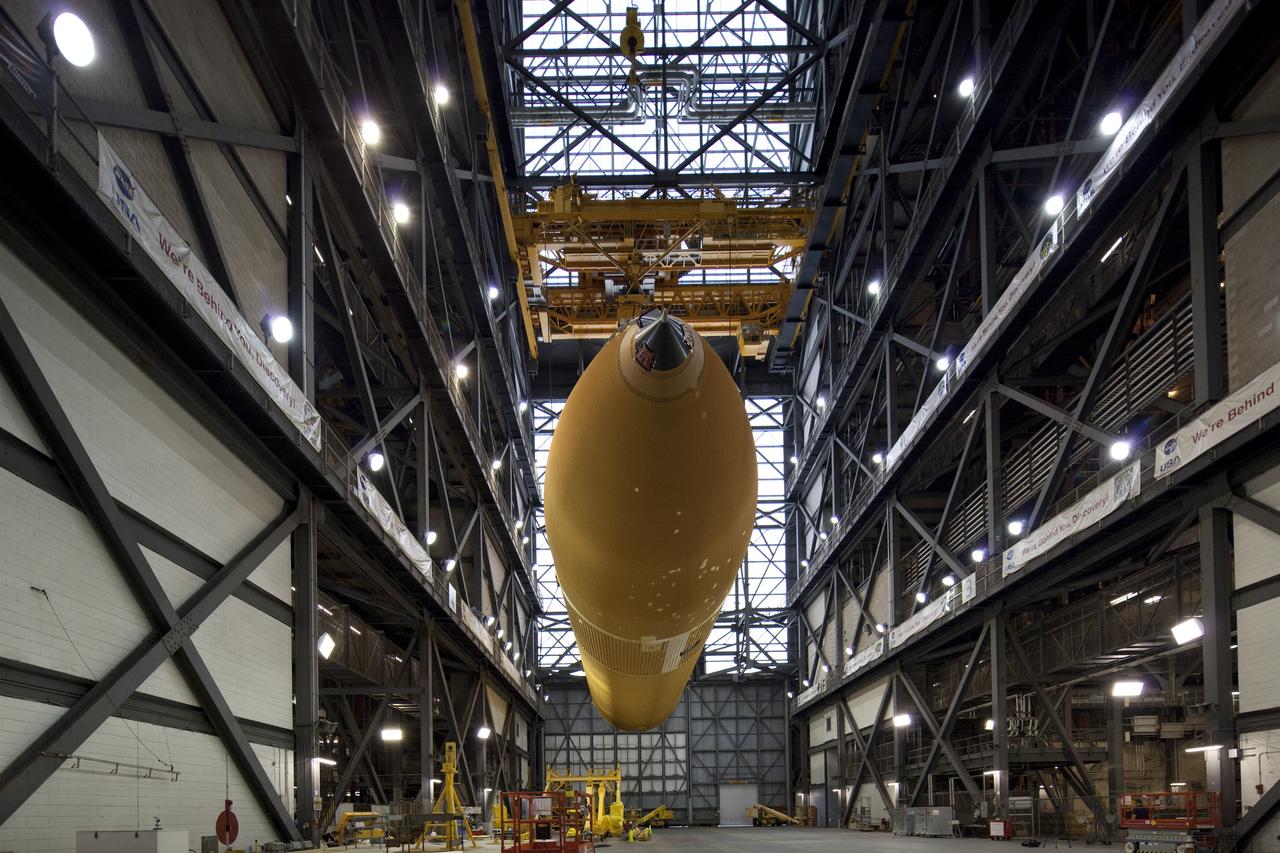
CAPE CANAVERAL, Fla. -- In the Vehicle Assembly Building at NASA's Kennedy Space Center in Florida, External Fuel Tank-122 is lifted above the transfer aisle. The external tank is being moved into a test cell where it will be checked out before launch. ET-122, the Space Shuttle Program's last external fuel tank was delivered to Kennedy's Turn Basin from NASA’s Michoud Assembly Facility in New Orleans aboard the Pegasus Barge. After testing ET-122 eventually will be attached to space shuttle Endeavour for the STS-134 mission to the International Space Station targeted to launch February, 2011. For more information visit: http://www.nasa.gov/mission_pages/shuttle/shuttlemissions/sts134/index.html. Photo credit: NASA/Dimitri Gerondidakis
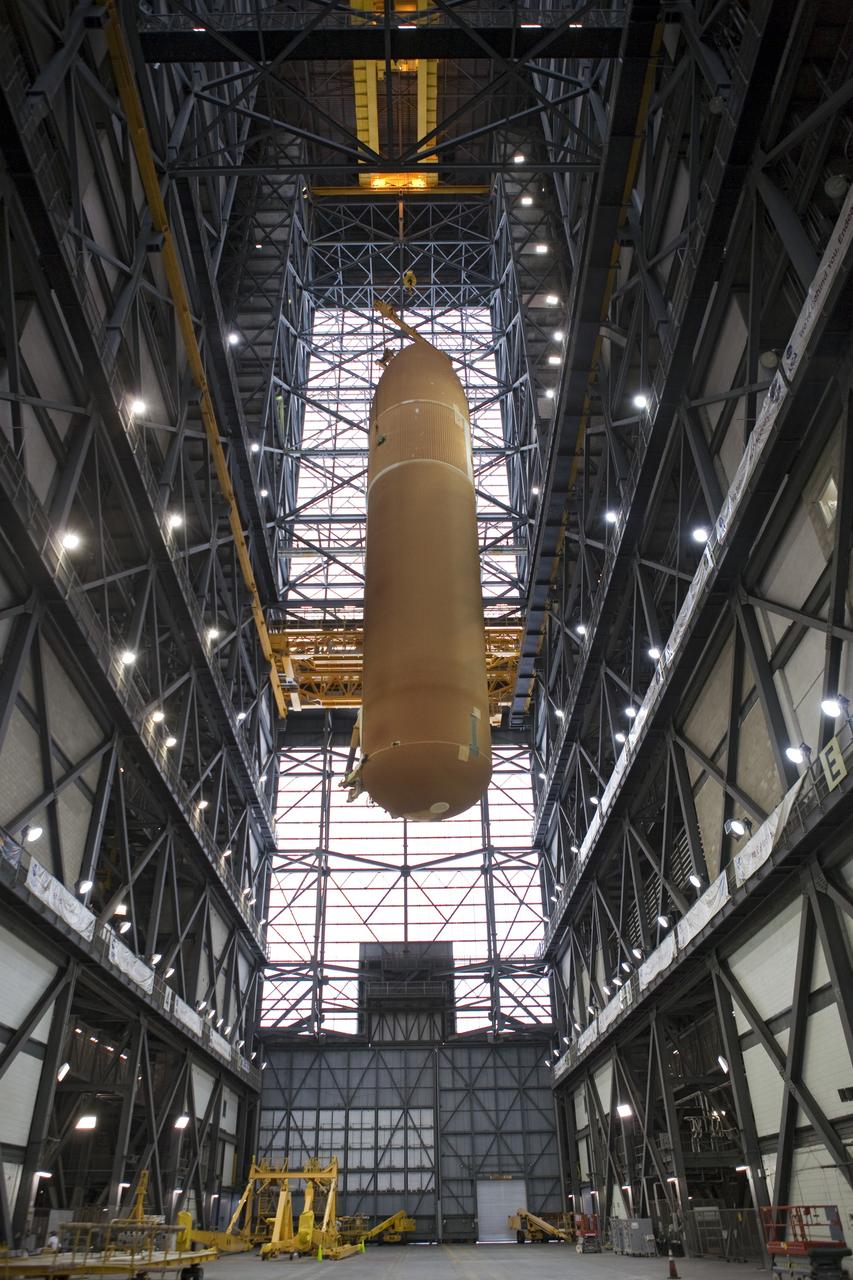
CAPE CANAVERAL, Fla. -- In the Vehicle Assembly Building at NASA's Kennedy Space Center in Florida, External Fuel Tank-122 is lifted into a vertical position above the transfer aisle. The external tank is being moved to a test cell where it will be checked out before launch. ET-122, the Space Shuttle Program's last external fuel tank was delivered to Kennedy's Turn Basin from NASA’s Michoud Assembly Facility in New Orleans aboard the Pegasus Barge. After testing ET-122 eventually will be attached to space shuttle Endeavour for the STS-134 mission to the International Space Station targeted to launch February, 2011. For more information visit: http://www.nasa.gov/mission_pages/shuttle/shuttlemissions/sts134/index.html. Photo credit: NASA/Dimitri Gerondidakis
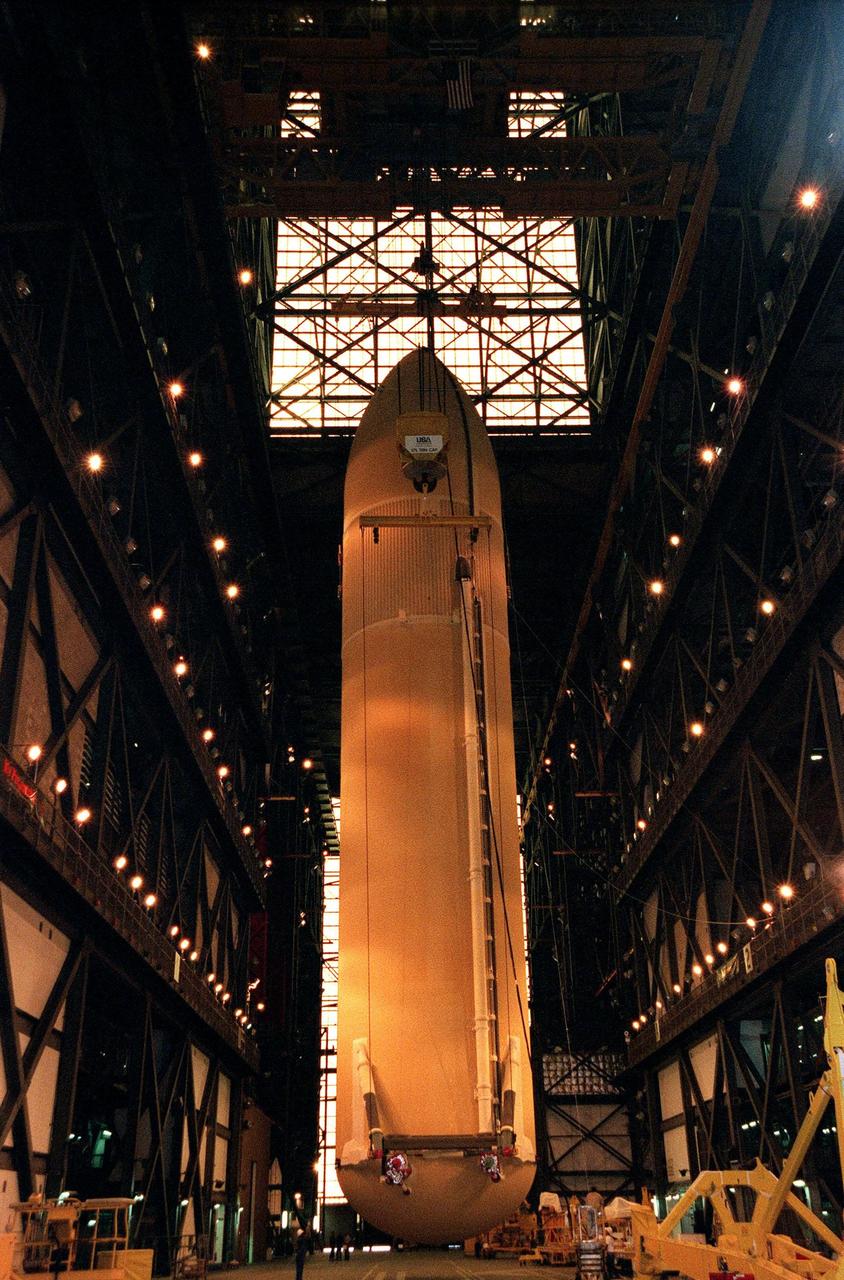
KENNEDY SPACE CENTER, FLA. -- An external tank is suspended in the transfer aisle of the Vehicle Assembly Building before being placed into its storage compartment. The largest and heaviest element of the Space Shuttle, an external tank contains the liquid hydrogen fuel and liquid oxygen oxidizer for the three Space Shuttle main engines (SSMEs) in the orbiter during liftoff and ascent. When the SSMEs are shut down, the external tank is jettisoned, breaking up as it enters the Earth's atmopshere and impacting in a remote ocean area. It is not recovered
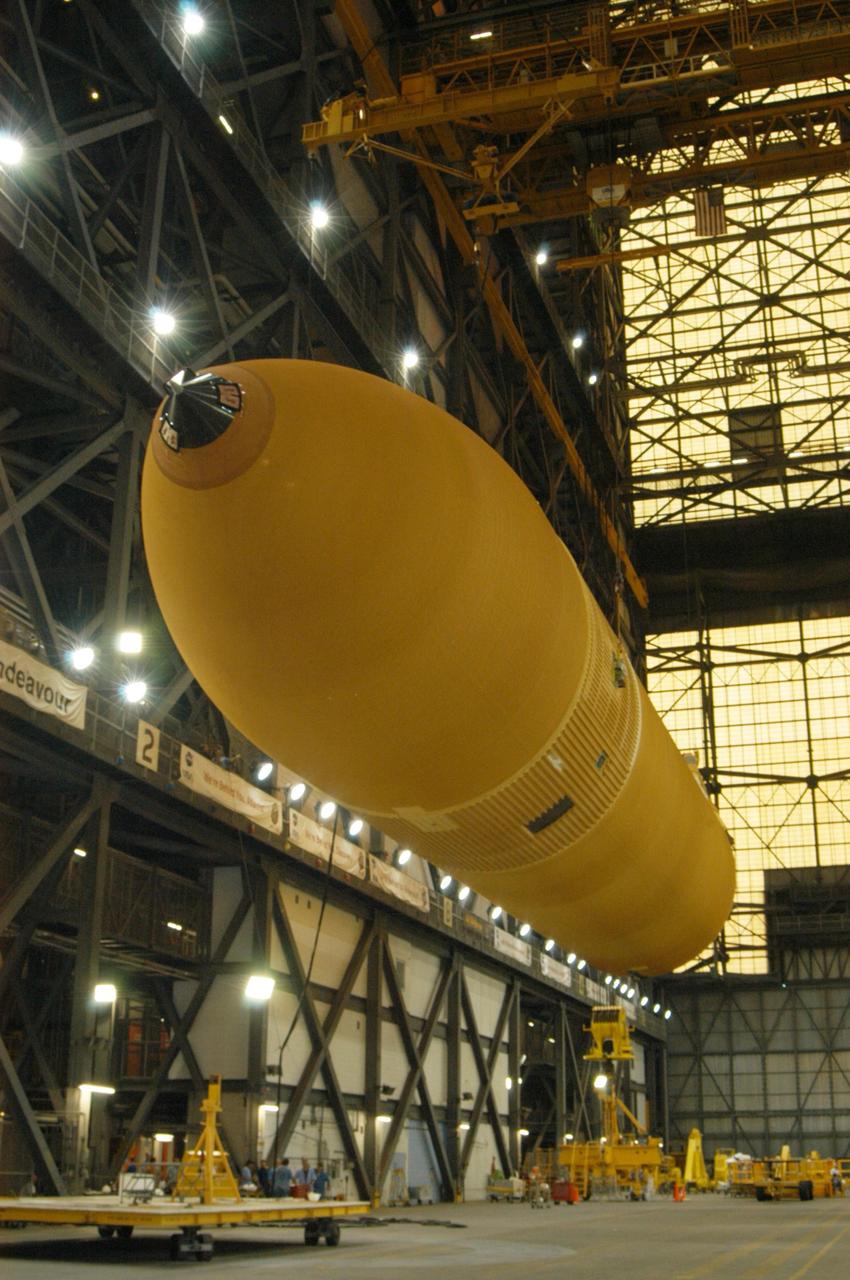
KENNEDY SPACE CENTER, FLA. - In NASA's Vehicle Assembly Building, the redesigned external fuel tank that will launch Space Shuttle Atlantis on the next shuttle mission, STS-115, is suspended above the transfer aisle where it will be raised to a vertical position. Once it is raised, the tank will be moved into a checkout cell for further work. The tank, designated ET-118, will fly with many major safety changes, including the removal of the protuberance air load ramps. Photo credit: NASA/George Shelton
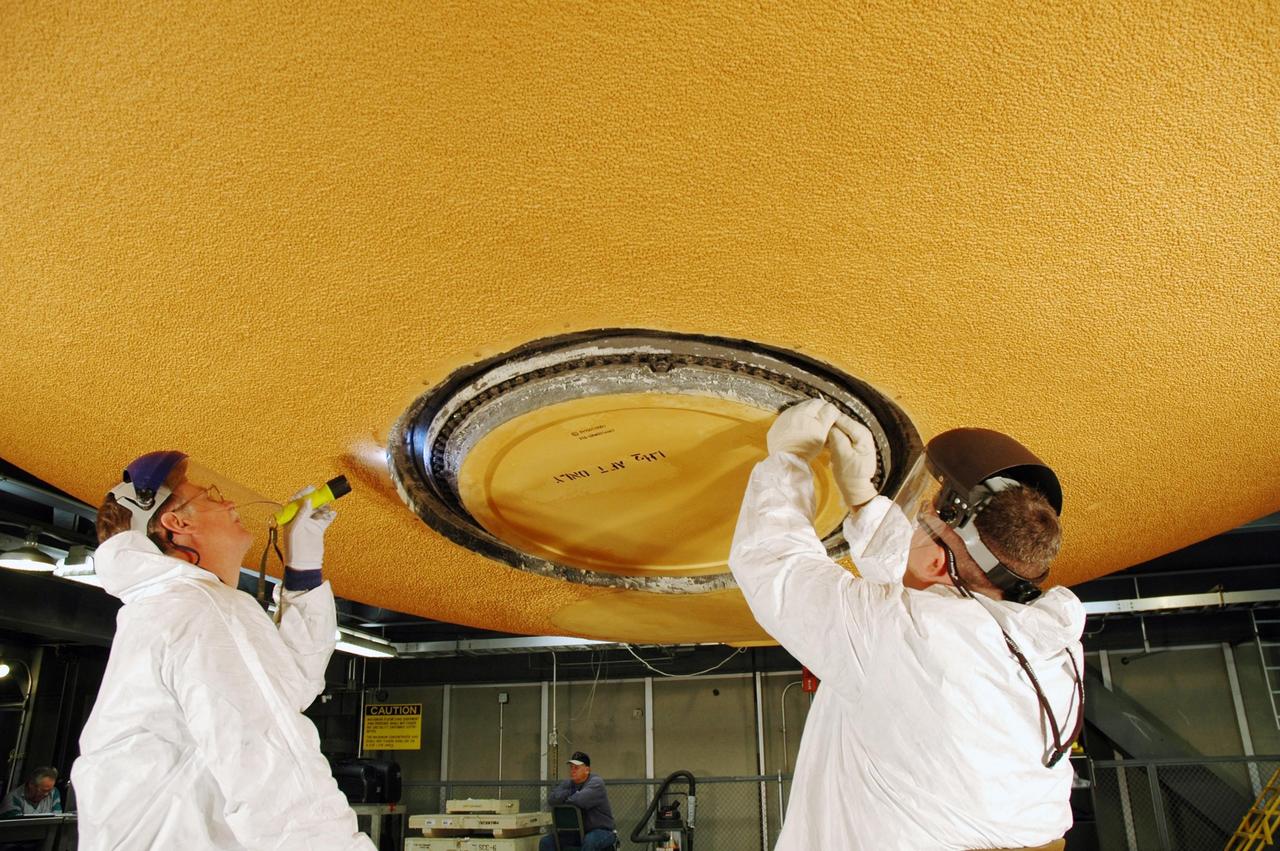
KENNEDY SPACE CENTER, FLA. - Lockheed Martin technicians from NASA's Michoud Assembly Facility in Louisiana inspect and clean the area around the "manhole" on the external tank designated for mission STS-121. The work is part of the process in removing and replacing the external tank's four liquid hydrogen main engine cutoff sensors, which indicate whether the tank still has fuel during its climb to orbit. After the cleaning, the manhole will be removed to provide access to the area of the sensors for their removal. Photo credit: NASA/Jim Grossmann
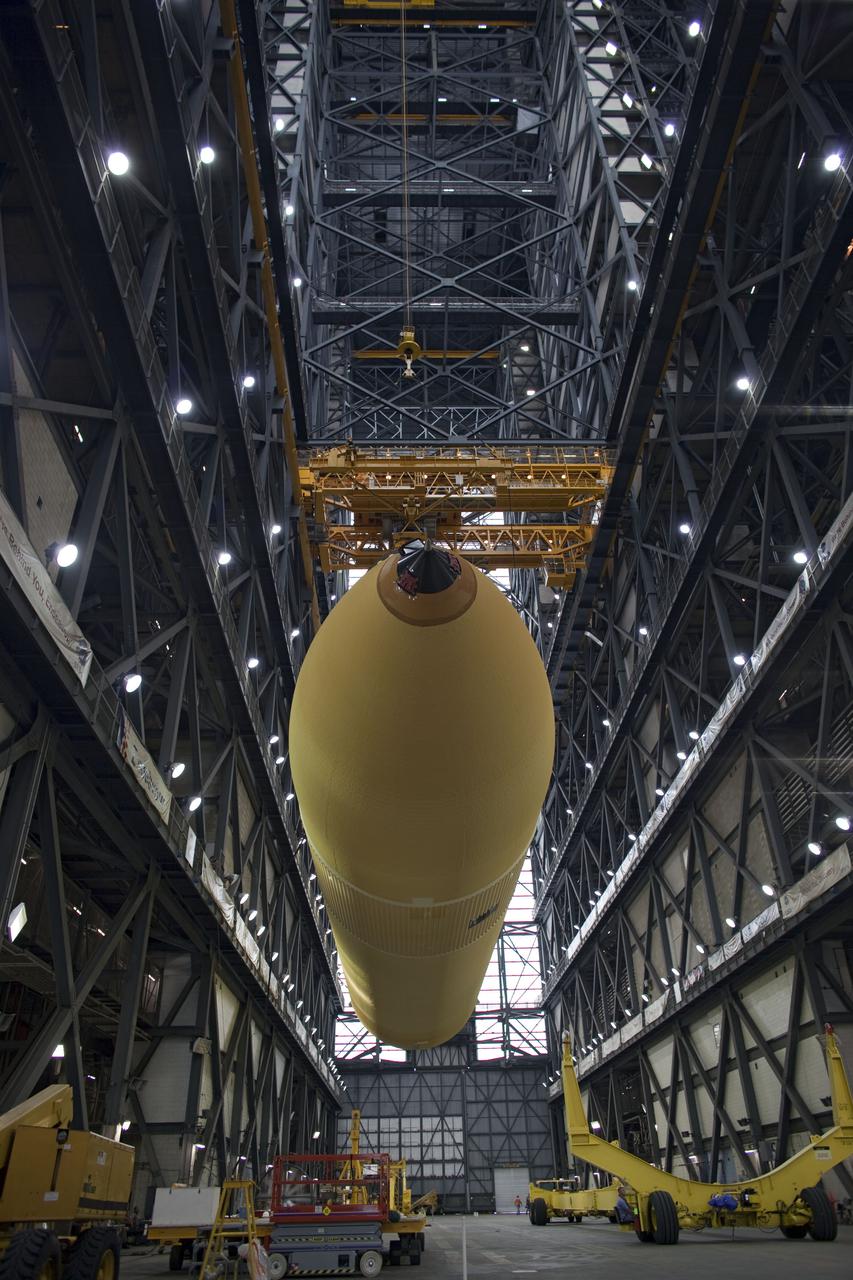
CAPE CANAVERAL, Fla. -- In the Vehicle Assembly Building at NASA's Kennedy Space Center in Florida, External Tank-138 is lifted above the transfer aisle. The external fuel tank is being moved into a test cell where it will be checked out before launch. ET-138, the last newly manufactured tank, was originally designated to fly on Endeavour's STS-134 mission to the International Space Station, but later reassigned to fly on space shuttle Atlantis' final mission, STS-135. For information, visit www.nasa.gov_shuttle. Photo credit: NASA_Dimitri Gerondidakis
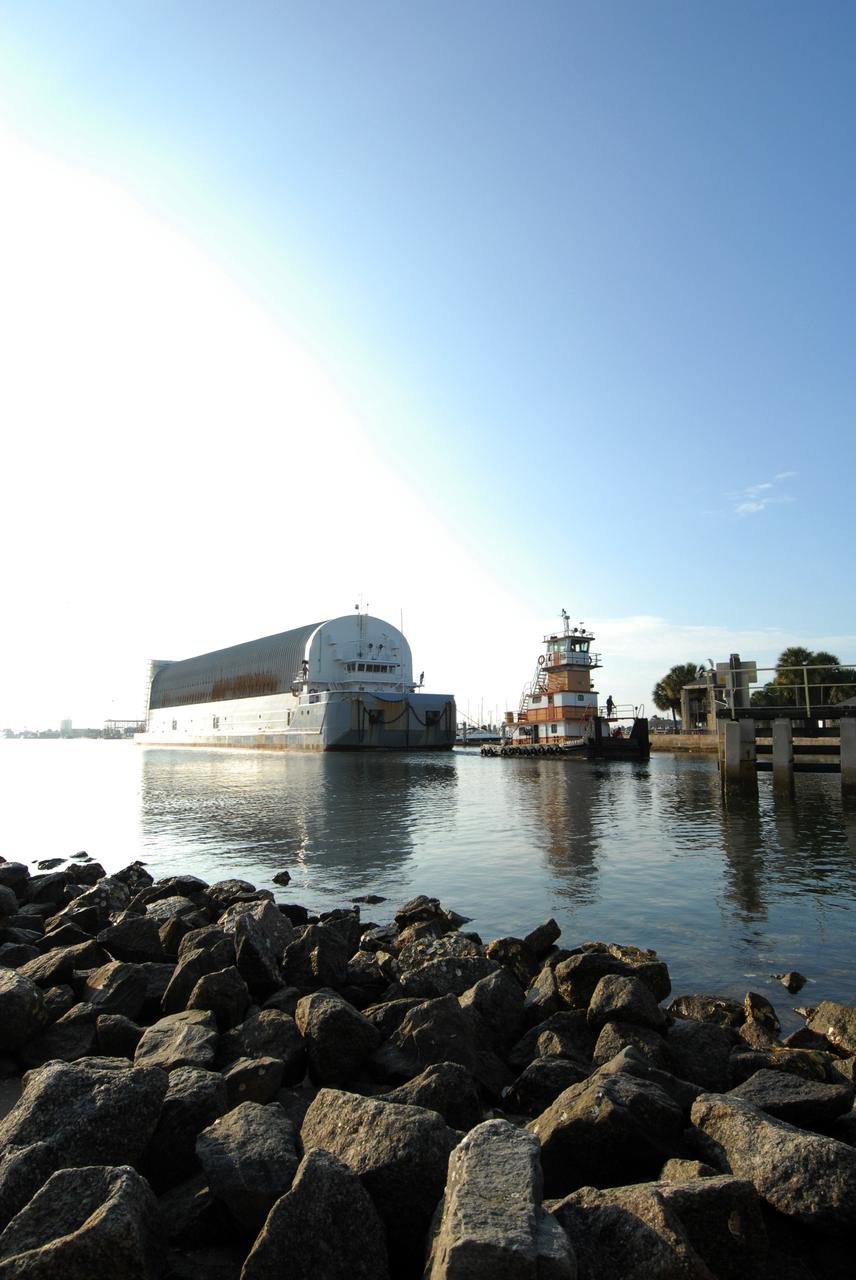
CAPE CANAVERAL, Fla. – The external fuel tank for space shuttle Atlantis' STS-125 mission to NASA's Hubble Space Telescope is towed to the turn basin in the Launch Complex 39 Area at NASA's Kennedy Space Center, where it will be offloaded and moved to the Vehicle Assembly Building. Once inside the building, the tank will be raised to vertical, lifted and moved into a checkout cell. Stacking of the tank and solid rocket boosters is planned to start Aug. 7. Atlantis is targeted to launch Oct. 8. Photo credit: NASA/Jack Pfaller

KENNEDY SPACE CENTER, FLA. - In the transfer aisle of NASA's Vehicle Assembly Building, the redesigned external fuel tank that will launch Space Shuttle Atlantis on the next shuttle mission, STS-115, is raised to a vertical position. The tank will next be moved into a checkout cell for further work. Designated ET-118, the tank will fly with many major safety changes, including the removal of the protuberance air load ramps. Photo credit: NASA/George Shelton
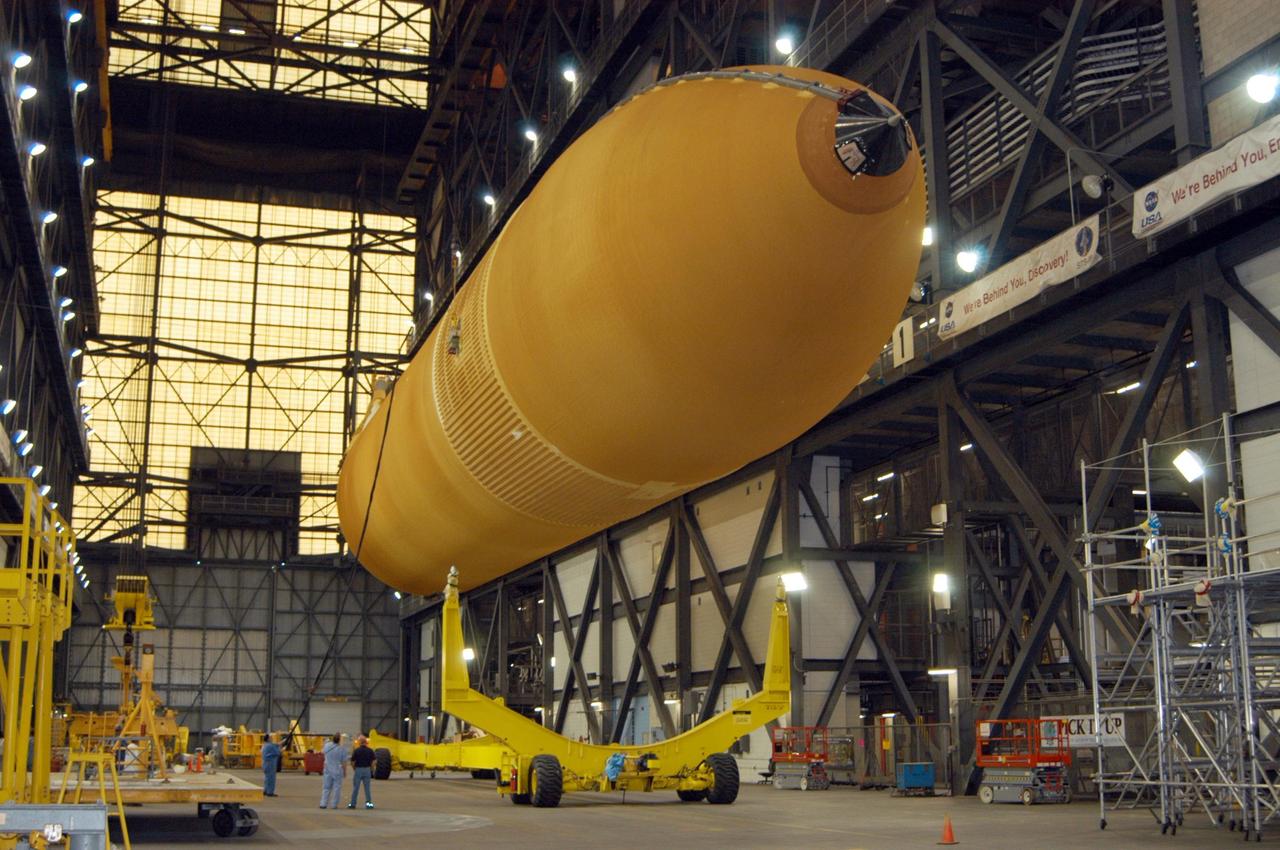
KENNEDY SPACE CENTER, FLA. - In the transfer aisle of NASA's Vehicle Assembly Building, the redesigned external fuel tank that will launch Space Shuttle Atlantis on the next shuttle mission, STS-115, is lifted off its transporter and will be raised to a vertical position. Once it is raised, the tank will be moved into a checkout cell for further work. The tank, designated ET-118, will fly with many major safety changes, including the removal of the protuberance air load ramps. Photo credit: NASA/George Shelton
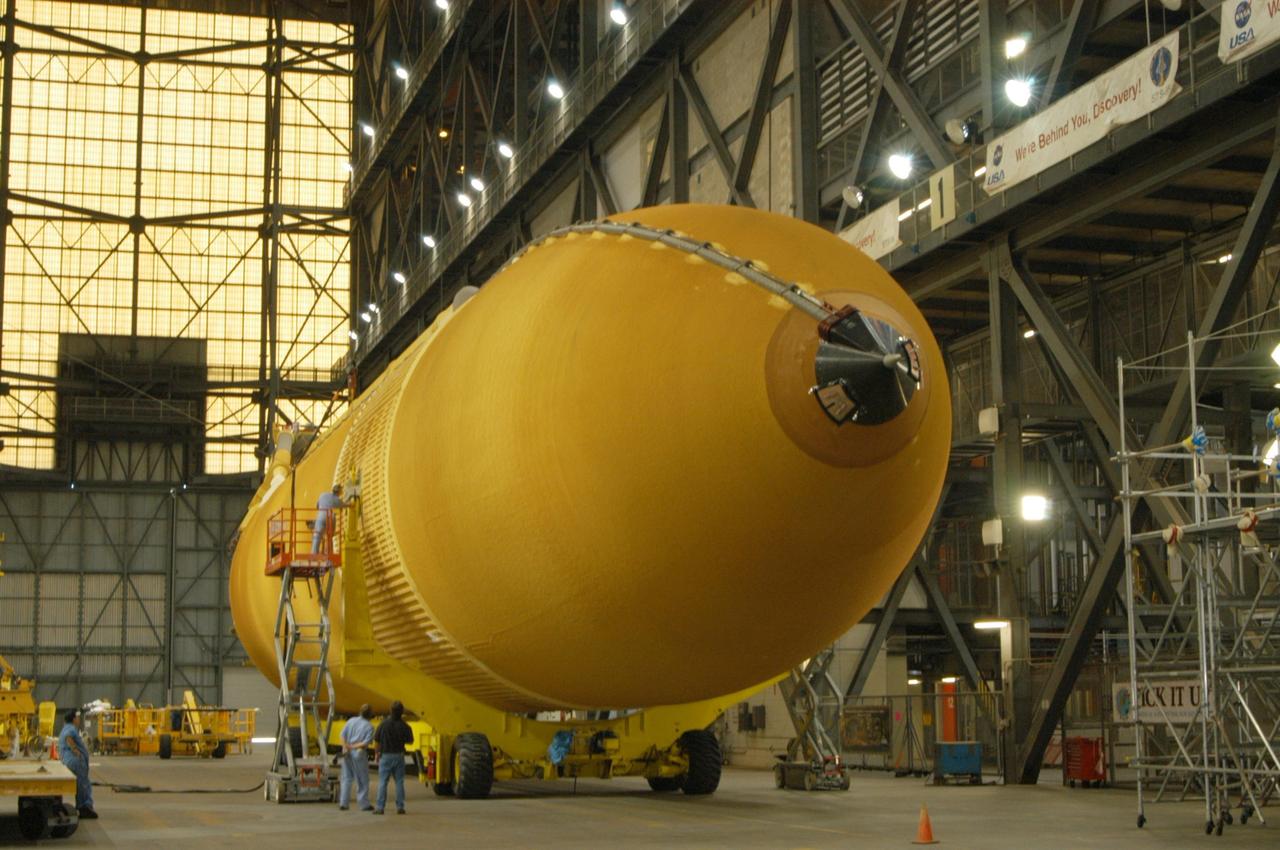
KENNEDY SPACE CENTER, FLA. - In the transfer aisle of NASA's Vehicle Assembly Building, the redesigned external fuel tank that will launch Space Shuttle Atlantis on the next shuttle mission, STS-115, is prepared to be raised to a vertical position. Once it is raised, the tank will be moved into a checkout cell for further work. The tank, designated ET-118, will fly with many major safety changes, including the removal of the protuberance air load ramps. Photo credit: NASA/George Shelton
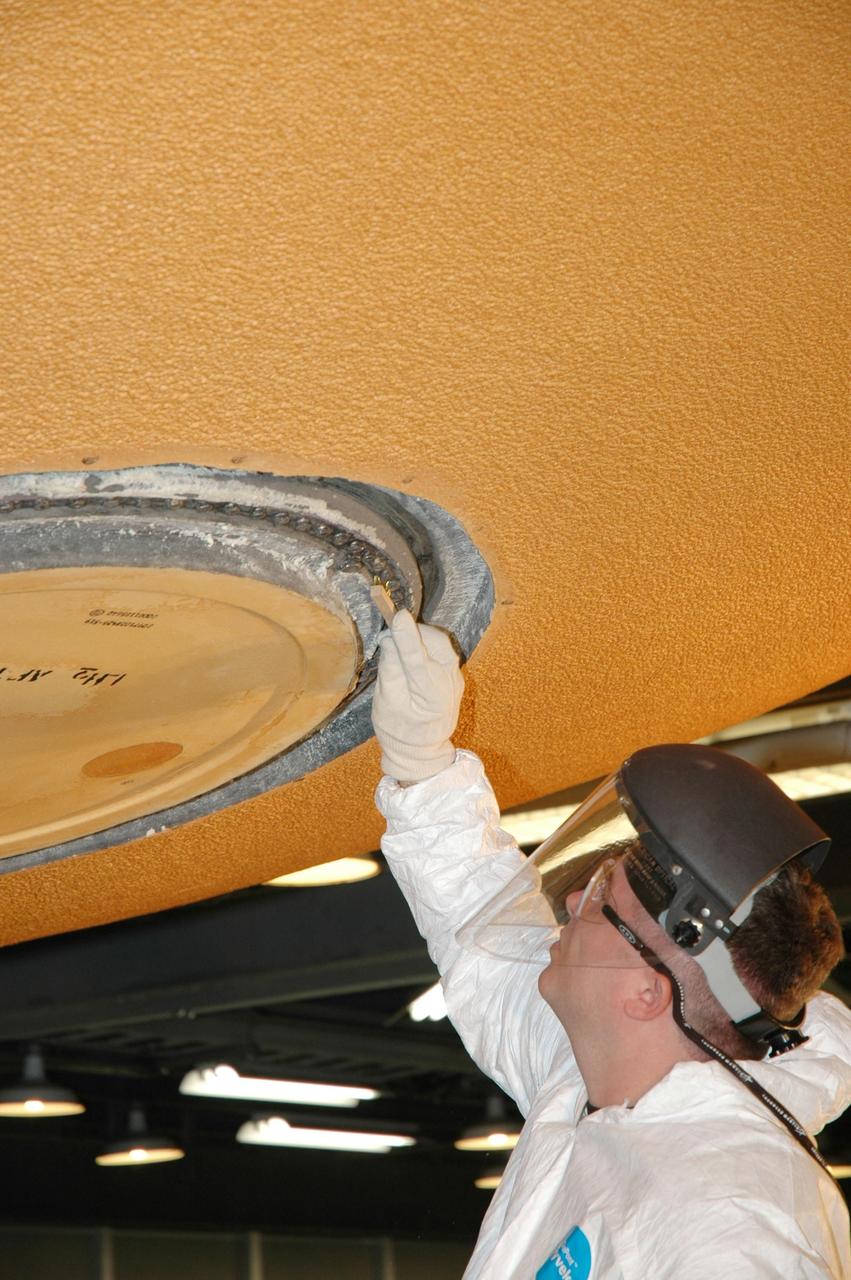
KENNEDY SPACE CENTER, FLA. - A Lockheed Martin technician from NASA's Michoud Assembly Facility in Louisiana cleans the area around the "manhole" on the external tank designated for mission STS-121. The work is part of the process in removing and replacing the external tank's four liquid hydrogen main engine cutoff sensors, which indicate whether the tank still has fuel during its climb to orbit. After the cleaning, the manhole will be removed to provide access to the area of the sensors for their removal. Photo credit: NASA/Jim Grossmann
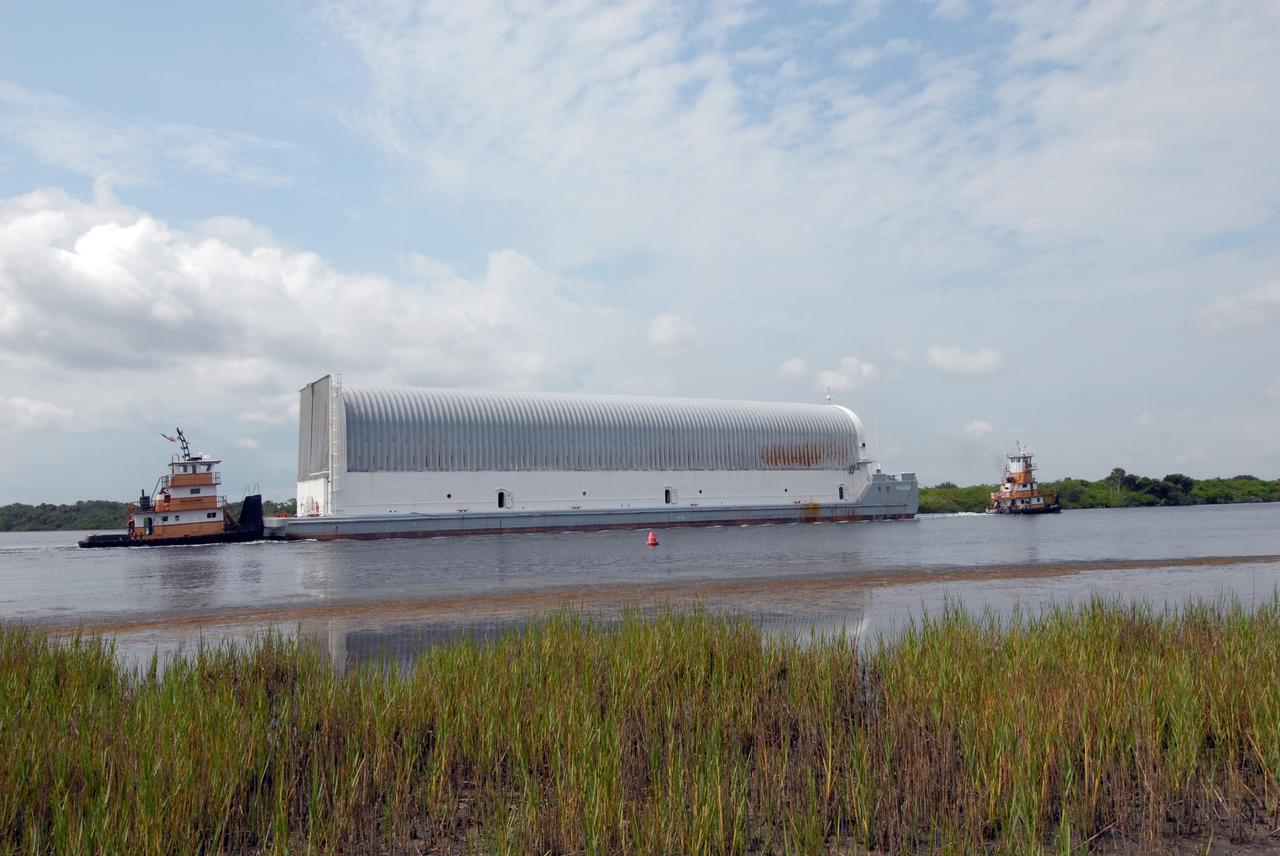
CAPE CANAVERAL, Fla. – The external fuel tank for space shuttle Atlantis' STS-125 mission to NASA's Hubble Space Telescope is towed to the turn basin in the Launch Complex 39 Area at NASA's Kennedy Space Center, where it will be offloaded and moved to the Vehicle Assembly Building. Once inside the building, the tank will be raised to vertical, lifted and moved into a checkout cell. Stacking of the tank and solid rocket boosters is planned to start Aug. 7. Atlantis is targeted to launch Oct. 8. Photo credit: NASA/Jack Pfaller

KENNEDY SPACE CENTER, FLA. - Lockheed Martin technicians from NASA's Michoud Assembly Facility in Louisiana clean the area around the "manhole" on the external tank designated for mission STS-121. The work is part of the process in removing and replacing the external tank's four liquid hydrogen main engine cutoff sensors, which indicate whether the tank still has fuel during its climb to orbit. After the cleaning, the manhole will be removed to provide access to the area of the sensors for their removal. Photo credit: NASA/Jim Grossmann
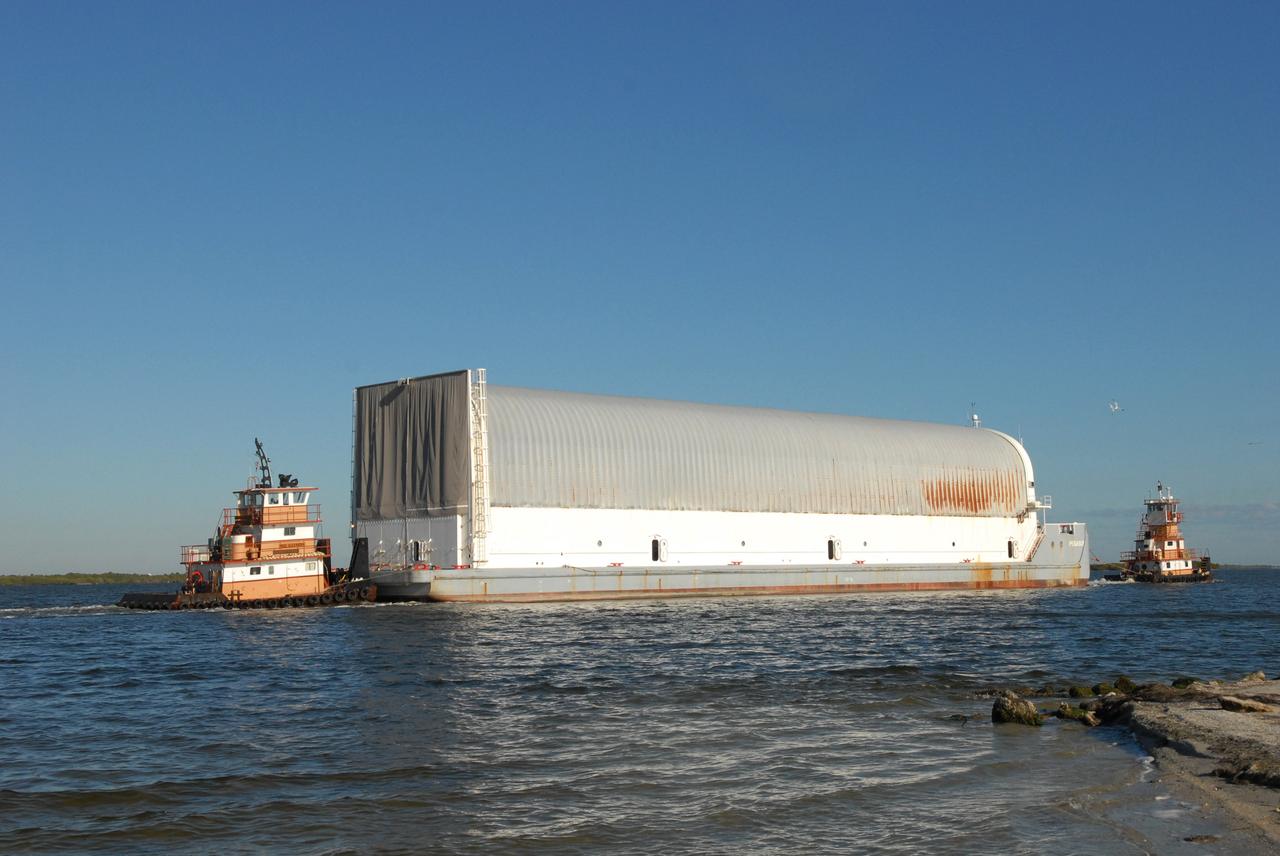
CAPE CANAVERAL, Fla. -- Tugboats move the Pegasus barge carrying external tank 130 through the Banana River toward the turn basin near the Vehicle Assembly Building, or VAB, at NASA's Kennedy Space Center in Florida. Pegasus arrived in Florida after an ocean voyage towed by a solid rocket booster retrieval ship from NASA's Michoud Assembly Facility near New Orleans. After the Pegasus docks, the fuel tank will be offloaded and transported to the VAB. External tank 130 is the one designated for space shuttle Endeavour on the STS-127 mission targeted for launch on May 15. Photo credit: NASA/Troy Cryder
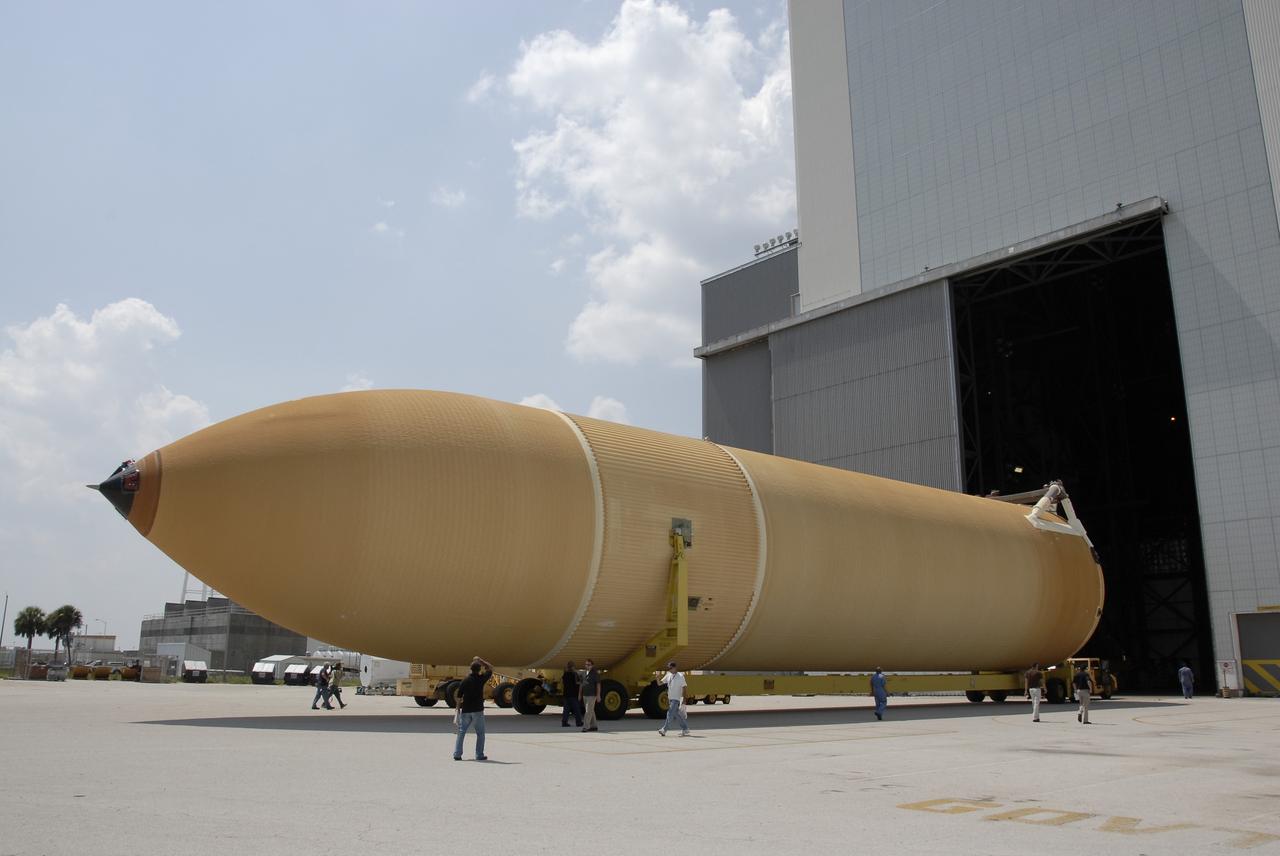
CAPE CANAVERAL, Fla. – The external fuel tank for space shuttle Endeavour's STS-126 mission to the International Space Station heads through the open door of the Vehicle Assembly Building at NASA's Kennedy Space Center. The tank arrived earlier after a six-day ocean voyage towed by a solid rocket booster retrieval ship from the Michoud Assembly Facility near New Orleans. The tank will be moved into the VAB transfer aisle, lifted and lowered into a checkout cell. The STS-126 mission will deliver a Multi-Purpose Logistics Module to the International Space Station. Launch is targeted for Nov. 10. Photo credit: NASA/Kim Shiflett
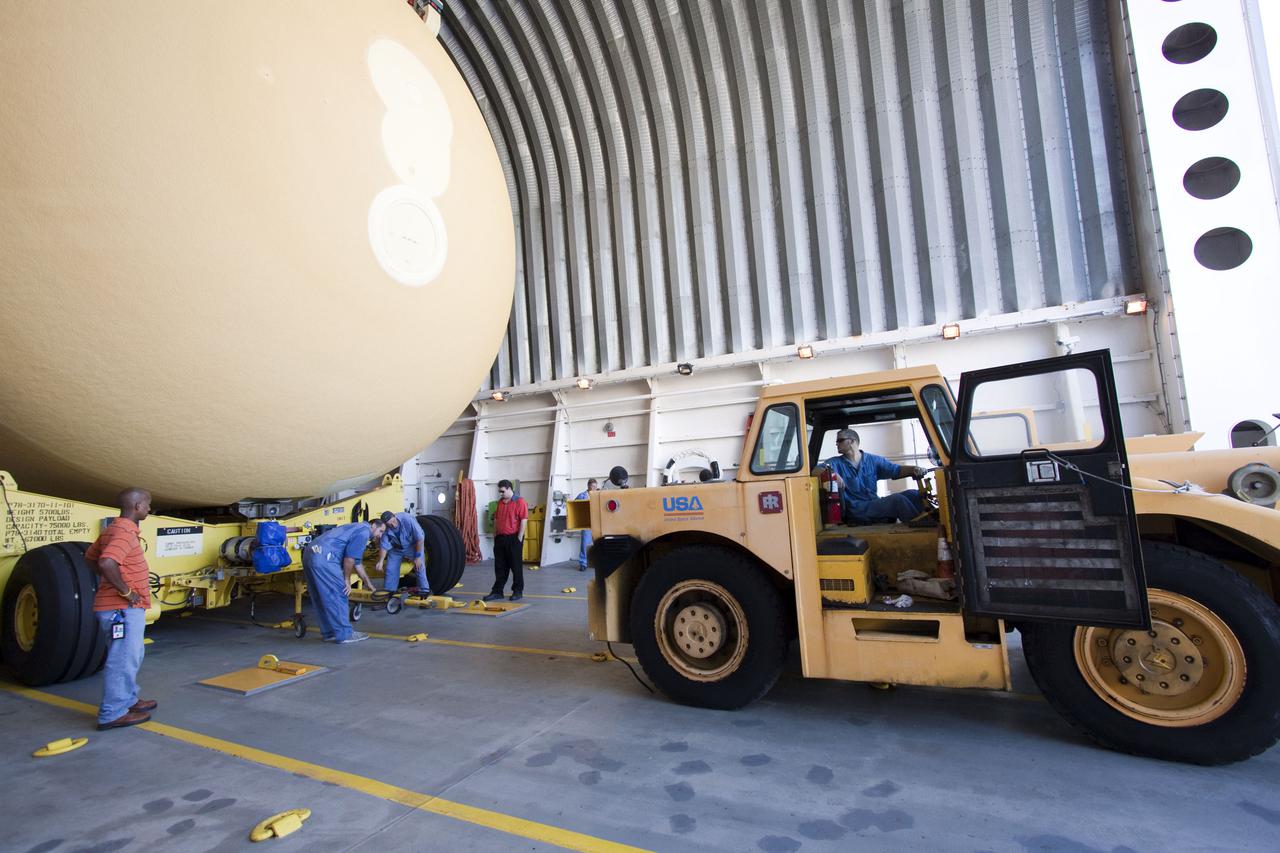
CAPE CANAVERAL, Fla. -- At NASA's Kennedy Space Center in Florida, workers prepare External Tank-138 for offload from the Pegasus barge docked in the turn basin near the Vehicle Assembly Building. The external fuel tank arrived in Florida on July 13, from NASA's Michoud Assembly Facility near New Orleans. ET-138, the last newly manufactured tank, was originally designated to fly on Endeavour's STS-134 mission to the International Space Station, but later reassigned to fly on space shuttle Atlantis' final mission, STS-135. For information, visit www.nasa.gov_shuttle. Photo credit: NASA_Jack Pfaller
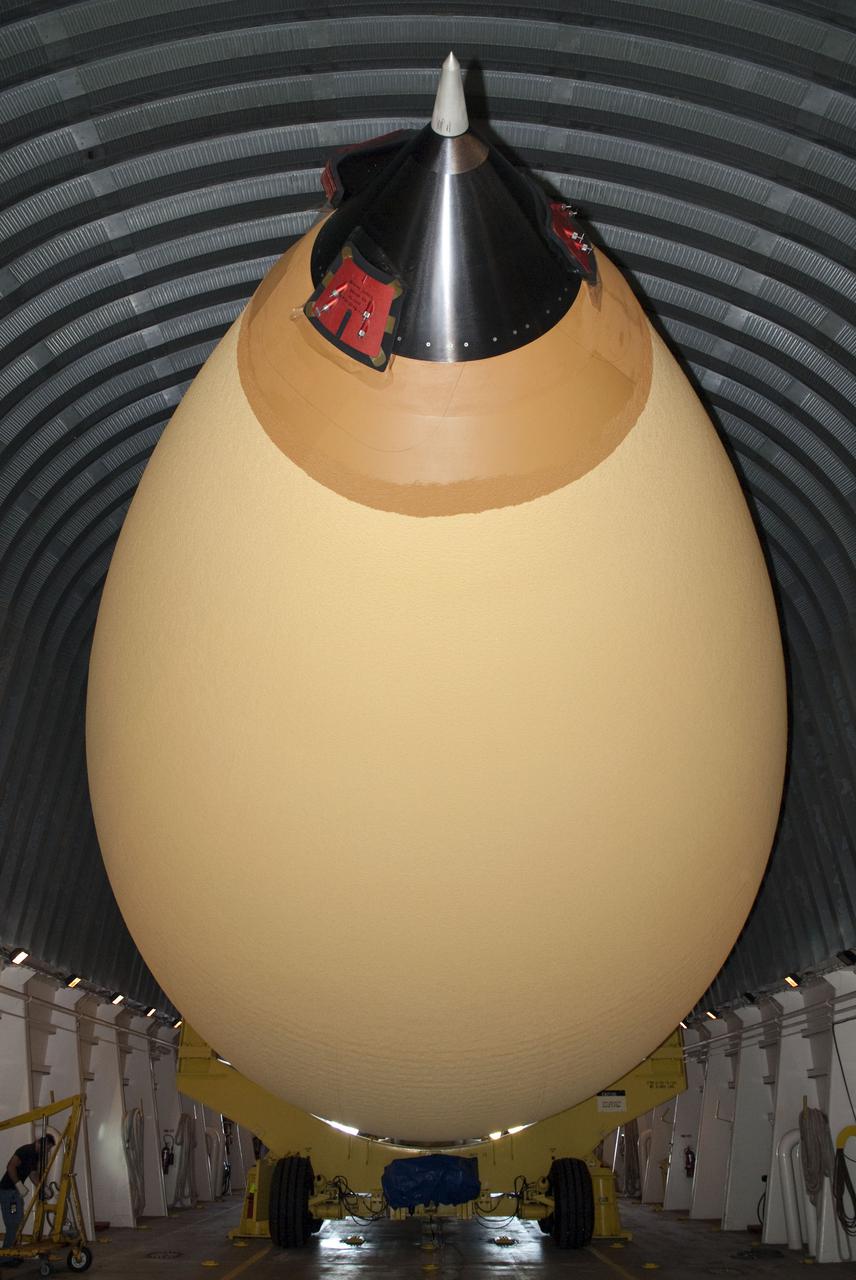
CAPE CANAVERAL, Fla. -- At NASA's Kennedy Space Center in Florida, preparations are under way to offload External Tank-138 from the Pegasus barge docked in the turn basin near the Vehicle Assembly Building. The external fuel tank arrived in Florida on July 13, from NASA's Michoud Assembly Facility near New Orleans. ET-138, the last newly manufactured tank, was originally designated to fly on Endeavour's STS-134 mission to the International Space Station, but later reassigned to fly on space shuttle Atlantis' final mission, STS-135. For information, visit www.nasa.gov_shuttle. Photo credit: NASA_Jim Grossmann
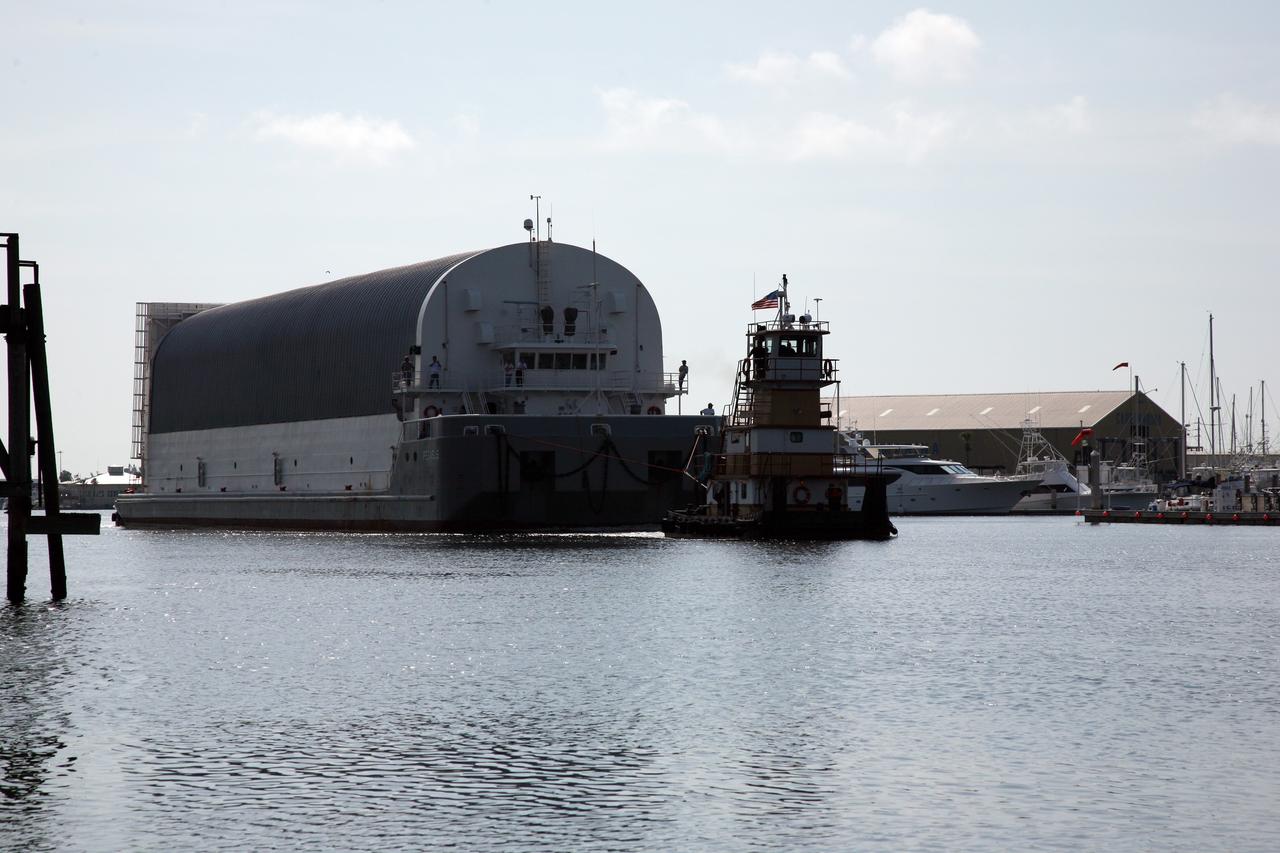
CAPE CANAVERAL, Fla. – NASA's Pegasus barge moves through the locks at Port Canaveral, Fla. The barge contains the external fuel tank designated ET-133 that will be used for space shuttle Atlantis' STS-129 mission. The barge is delivering the external tank to the Turn Basin dock at NASA's Kennedy Space Center in Florida where it will be offloaded and moved into the Vehicle Assembly Building. The tank was shipped aboard the Pegasus from NASA's Michould Assembly Facility near New Orleans. Pegasus was towed to Port Canaveral by the Freedom Star Retrieval Ship. Photo credit: NASA/Troy Cryder
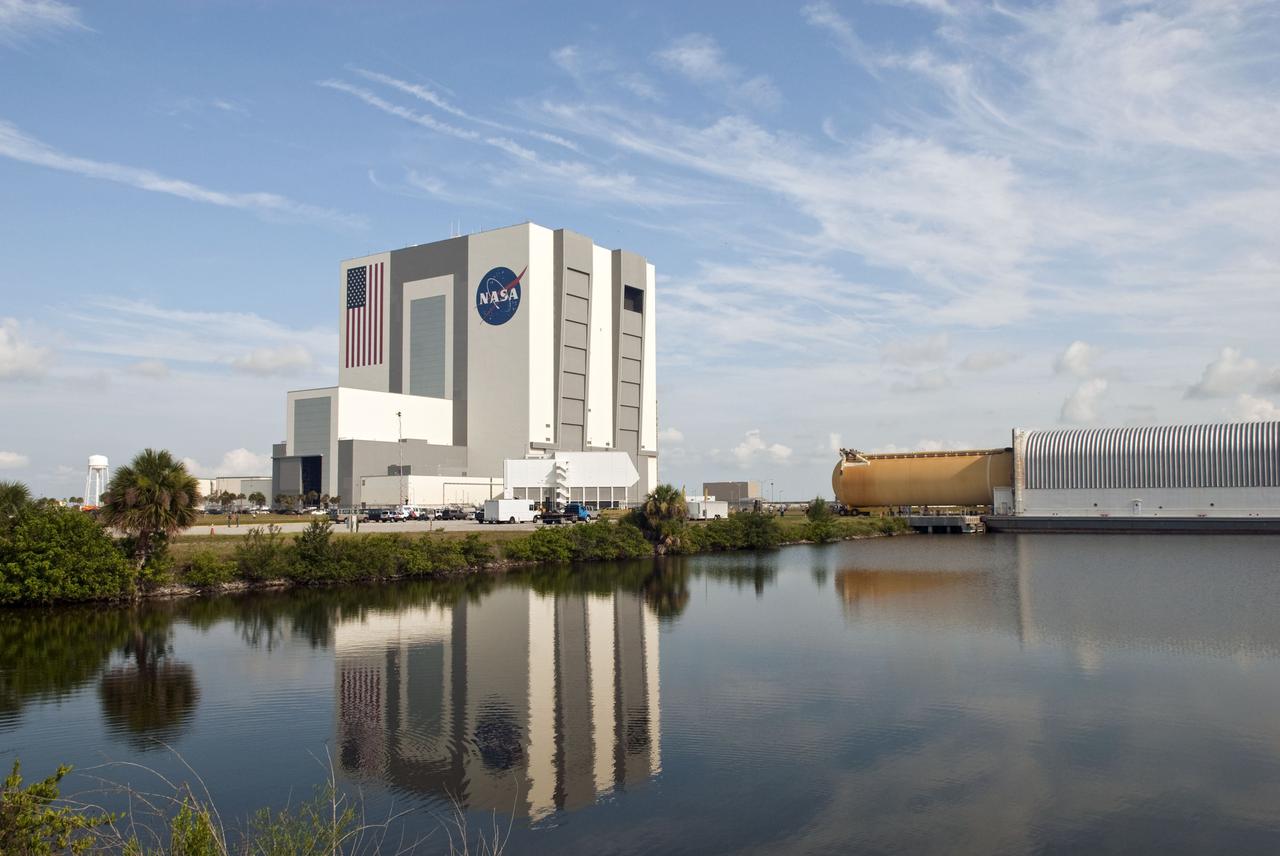
CAPE CANAVERAL, Fla. -- Viewed from across the turn basin in the Launch Complex 39 area at NASA's Kennedy Space Center in Florida, External Tank-138 is being offloaded from the Pegasus barge near the Vehicle Assembly Building. The external fuel tank arrived in Florida on July 13, from NASA's Michoud Assembly Facility near New Orleans. ET-138, the last newly manufactured tank, was originally designated to fly on Endeavour's STS-134 mission to the International Space Station, but later reassigned to fly on space shuttle Atlantis' final mission, STS-135. For information, visit www.nasa.gov_shuttle. Photo credit: NASA_Jim Grossmann
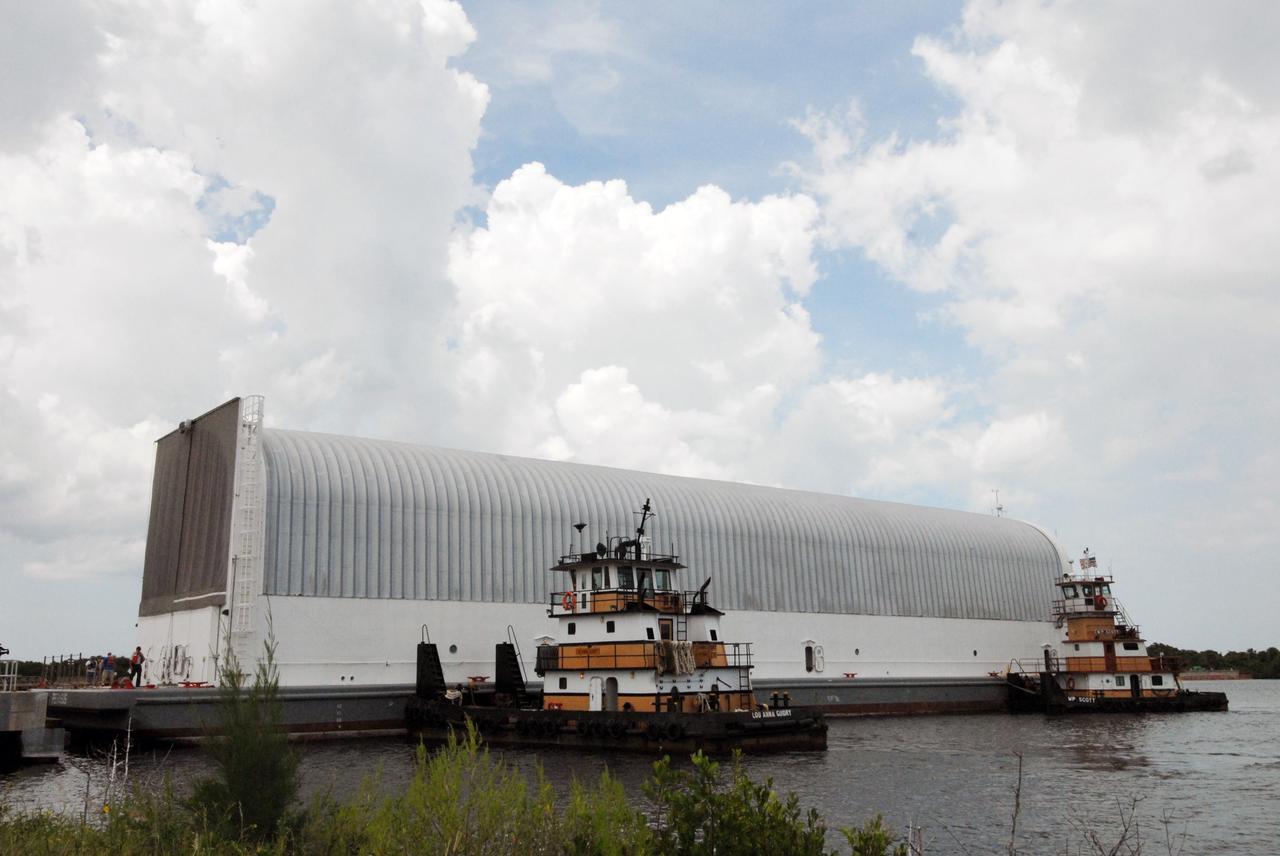
CAPE CANAVERAL, Fla. – Tugboats maneuver NASA's Pegasus barge into to the Turn Basin dock at NASA's Kennedy Space Center in Florida. The barge contains the external fuel tank, designated ET-133, that will be used for space shuttle Atlantis' STS-129 mission. The tank will be offloaded and moved into a high bay in the Vehicle Assembly Building for checkout. The tank was shipped aboard the Pegasus from NASA's Michoud Assembly Facility near New Orleans. Pegasus was towed to Port Canaveral by the Freedom Star Retrieval Ship. Launch of Atlantis is targeted for November. Photo credit: NASA/Tim Jacobs