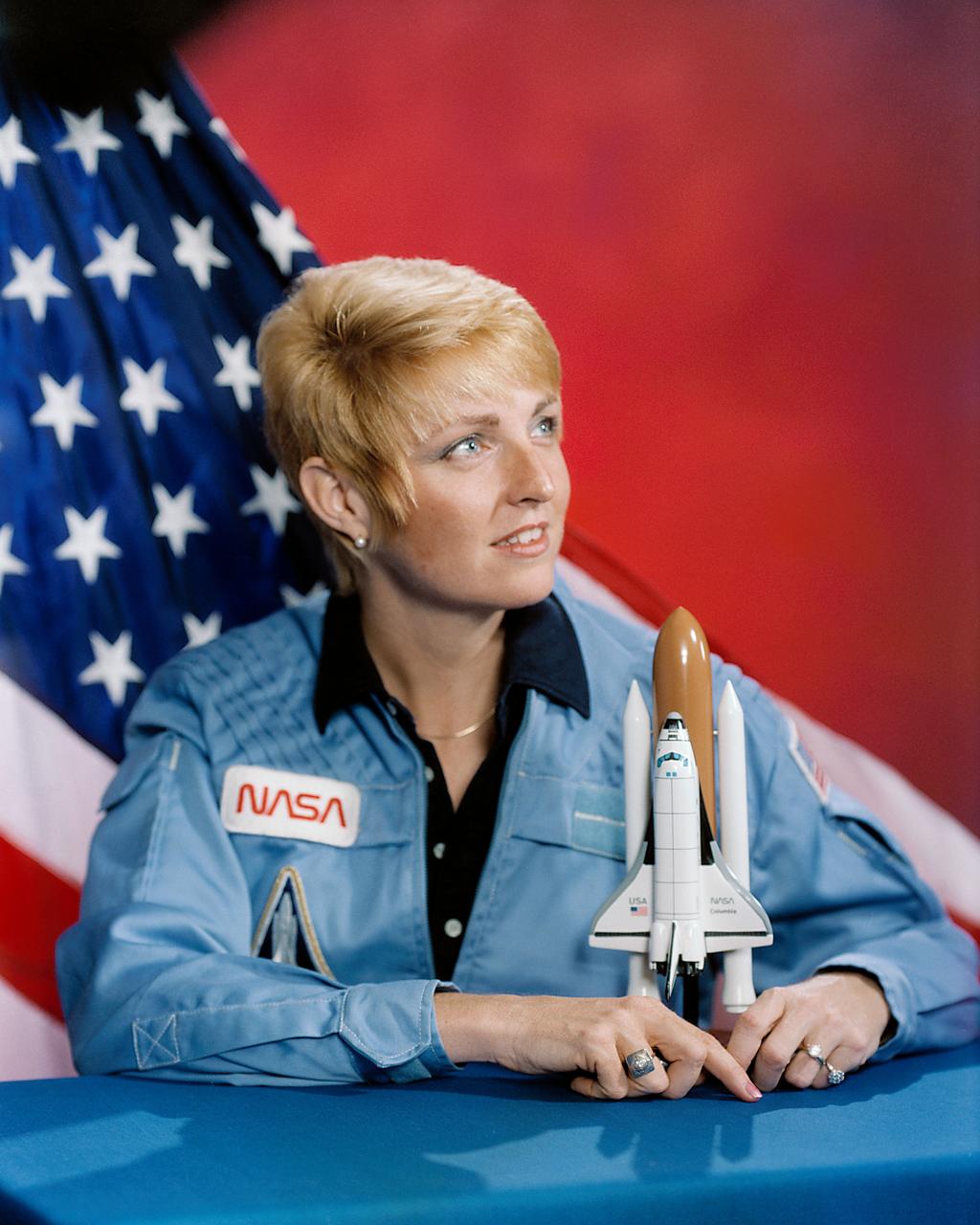
S84-44094 (13 Jan 1984) --- Payload Specialist Dr. Millie Hughes Fulford with the Veterans' Administration Hospital and the University of California at San Francisco
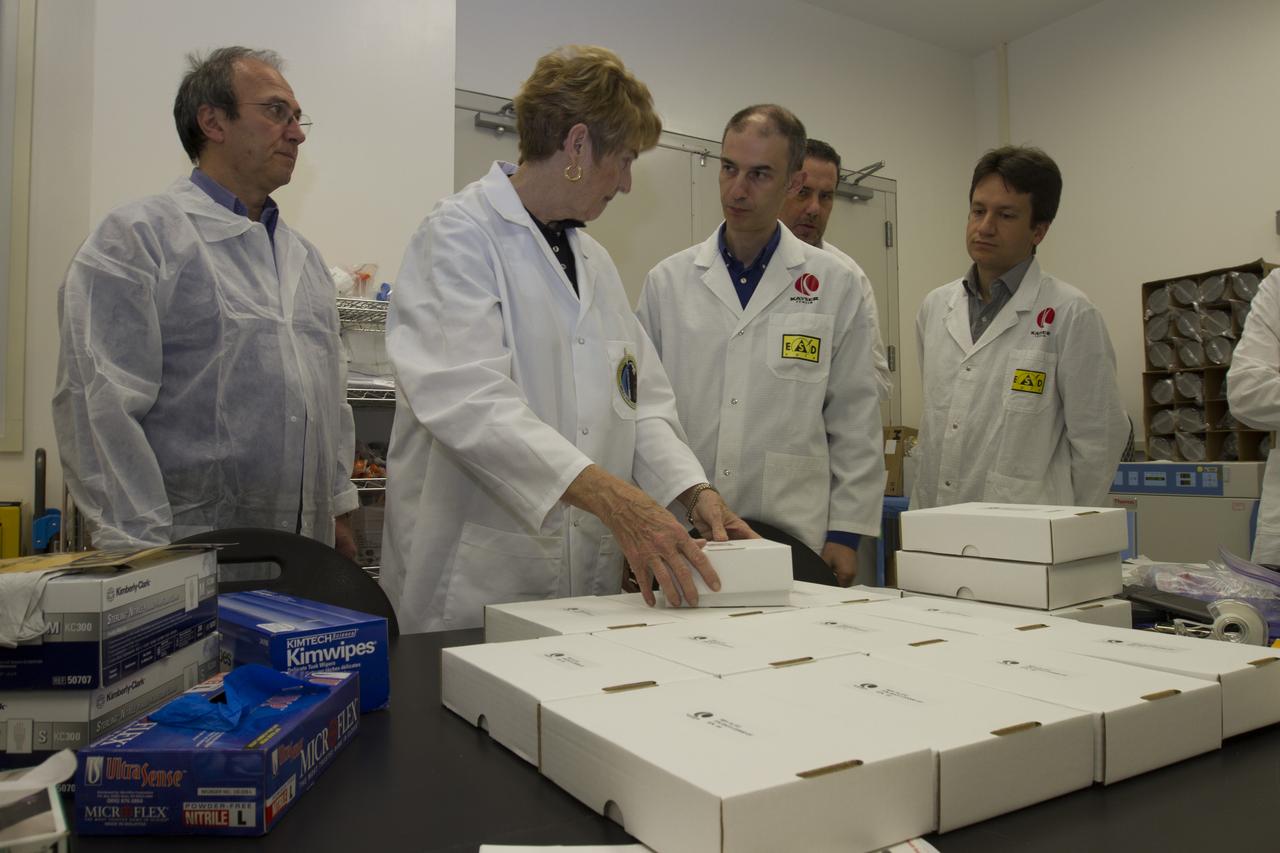
CAPE CANAVERAL, Fla. - Researcher and former NASA payload specialist Millie Hughes-Fulford, of the Hughes-Fulford Laboratory, San Francisco, Calif., accepts the European Space Agency ESA T-cell experiment flight units being handed over in a Space Station Processing Facility laboratory at NASA's Kennedy Space Center in Florida. From left are Raimondo Fortezza of ESA, Hughes-Fulford, and Pier Luigi Ganga, Marco Vukich and Fabio Creati of Kayser Italia, manufacturer of the hardware. The immunology experiment will launch on SpaceX-3 and focus on the effects of microgravity on early T-cell signaling pathways. Current work aims to identify and compare the gene expression of microRNAs miRNAs during T-cell activation under normal gravity and in microgravity, and compare those patterns to changes seen in aging populations. The experiment will be the first flown on SpaceX funded by the National Institutes of Health. Dr. Hughes-Fulford flew aboard space shuttle mission STS-40 in June 1991, the first Spacelab mission dedicated to biomedical studies. For more information on the T-cell experiment, visit http://hughesfulfordlab.com and http://www.nasa.gov/ames/research/space-biosciences/t-cell-activation-in-aging-spacex-3/. Photo credit: NASA/Cory Huston
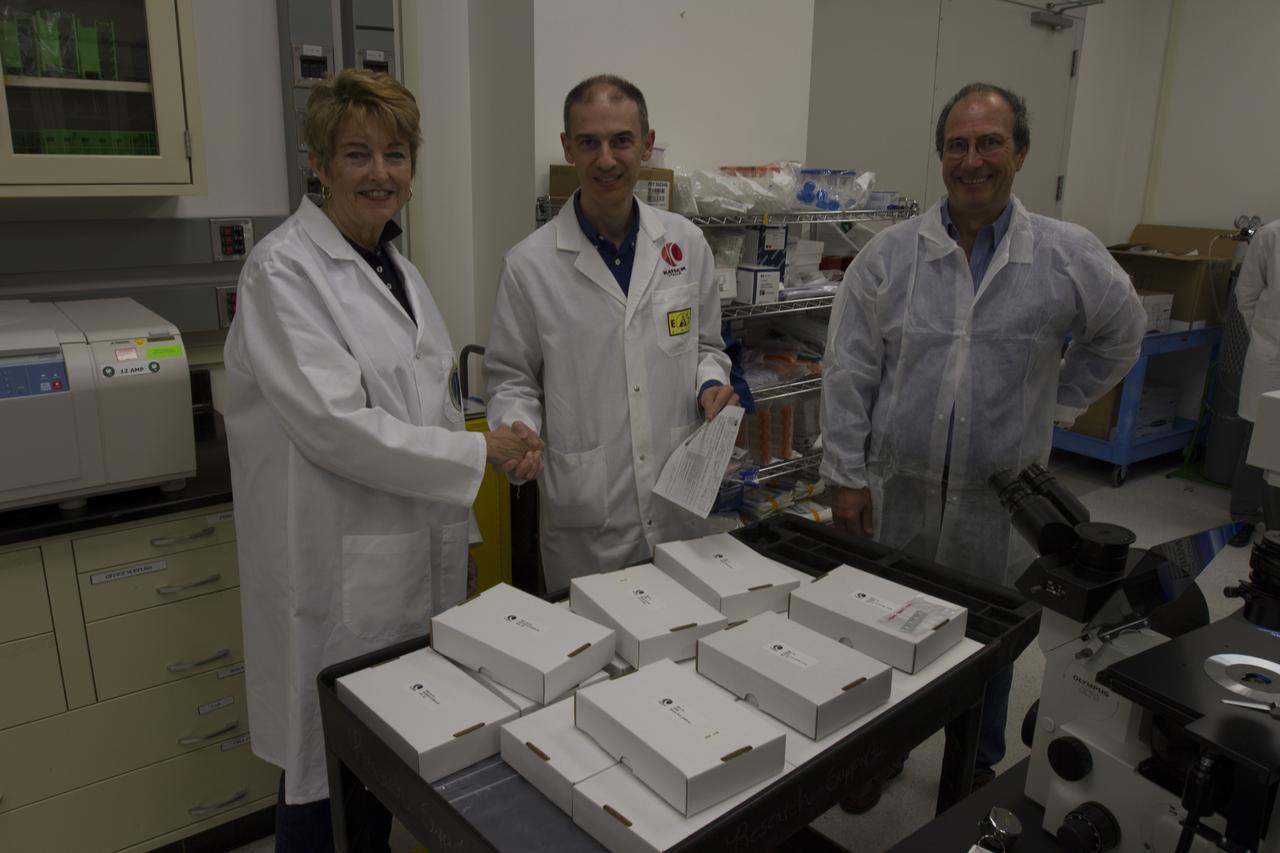
CAPE CANAVERAL, Fla. - Researcher and former NASA payload specialist Millie Hughes-Fulford, of the Hughes-Fulford Laboratory, San Francisco, Calif., accepts the European Space Agency ESA T-cell experiment flight units being handed over in a Space Station Processing Facility laboratory at NASA's Kennedy Space Center in Florida. From left are Hughes-Fulford shaking hands with Pier Luigi Ganga of Kayser Italia, manufacturer of the hardware, with Raimondo Fortezza of ESA looking on. The immunology experiment will launch on SpaceX-3 and focus on the effects of microgravity on early T-cell signaling pathways. Current work aims to identify and compare the gene expression of microRNAs miRNAs during T-cell activation under normal gravity and in microgravity, and compare those patterns to changes seen in aging populations. The experiment will be the first flown on SpaceX funded by the National Institutes of Health. Dr. Hughes-Fulford flew aboard space shuttle mission STS-40 in June 1991, the first Spacelab mission dedicated to biomedical studies. For more information on the T-cell experiment, visit http://hughesfulfordlab.com and http://www.nasa.gov/ames/research/space-biosciences/t-cell-activation-in-aging-spacex-3/. Photo credit: NASA/Cory Huston
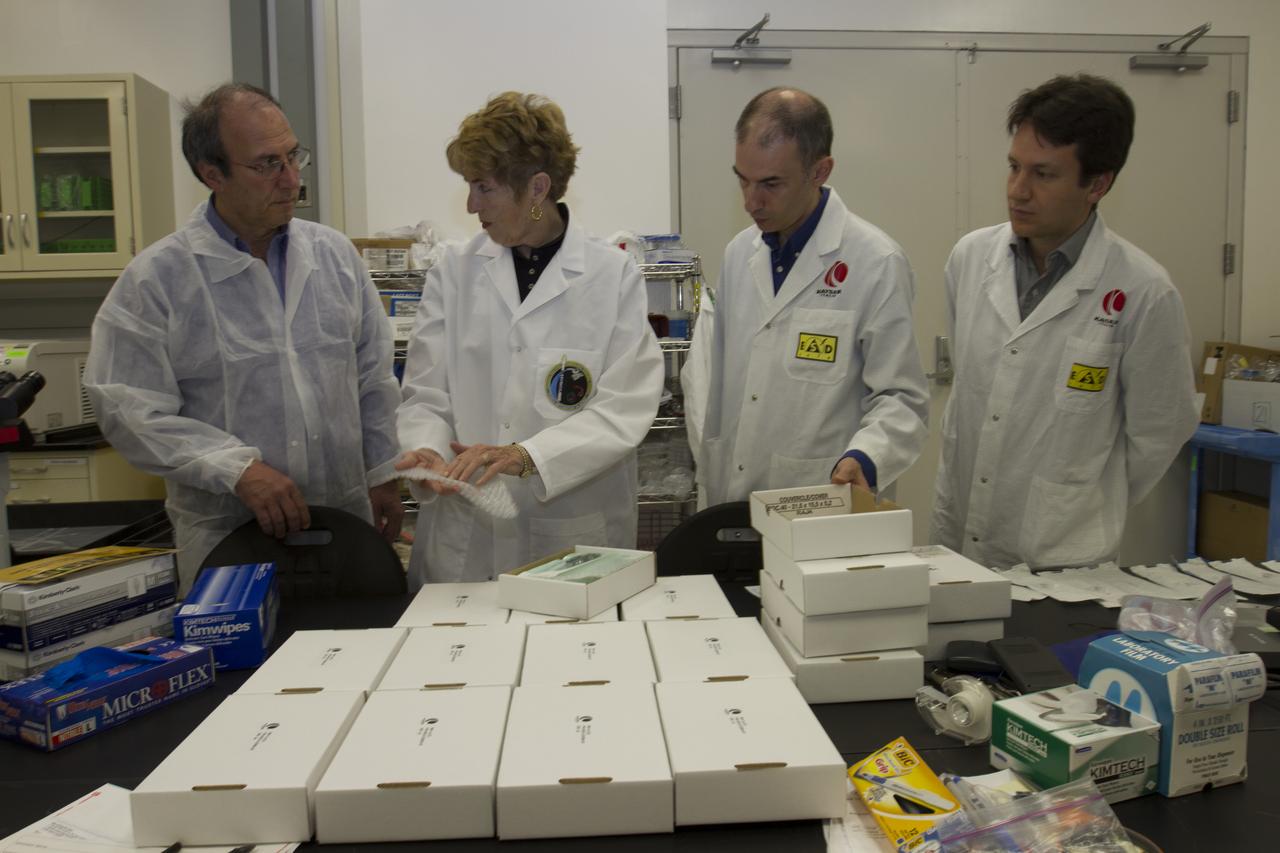
CAPE CANAVERAL, Fla. - Researcher and former NASA payload specialist Millie Hughes-Fulford, of the Hughes-Fulford Laboratory, San Francisco, Calif., accepts the European Space Agency ESA T-cell experiment flight units being handed over in a Space Station Processing Facility laboratory at NASA's Kennedy Space Center in Florida. From left are Raimondo Fortezza of ESA, Hughes-Fulford, and Pier Luigi Ganga and Fabio Creati of Kayser Italia, manufacturer of the hardware. The immunology experiment will launch on SpaceX-3 and focus on the effects of microgravity on early T-cell signaling pathways. Current work aims to identify and compare the gene expression of microRNAs miRNAs during T-cell activation under normal gravity and in microgravity, and compare those patterns to changes seen in aging populations. The experiment will be the first flown on SpaceX funded by the National Institutes of Health. Dr. Hughes-Fulford flew aboard space shuttle mission STS-40 in June 1991, the first Spacelab mission dedicated to biomedical studies. For more information on the T-cell experiment, visit http://hughesfulfordlab.com and http://www.nasa.gov/ames/research/space-biosciences/t-cell-activation-in-aging-spacex-3/. Photo credit: NASA/Cory Huston
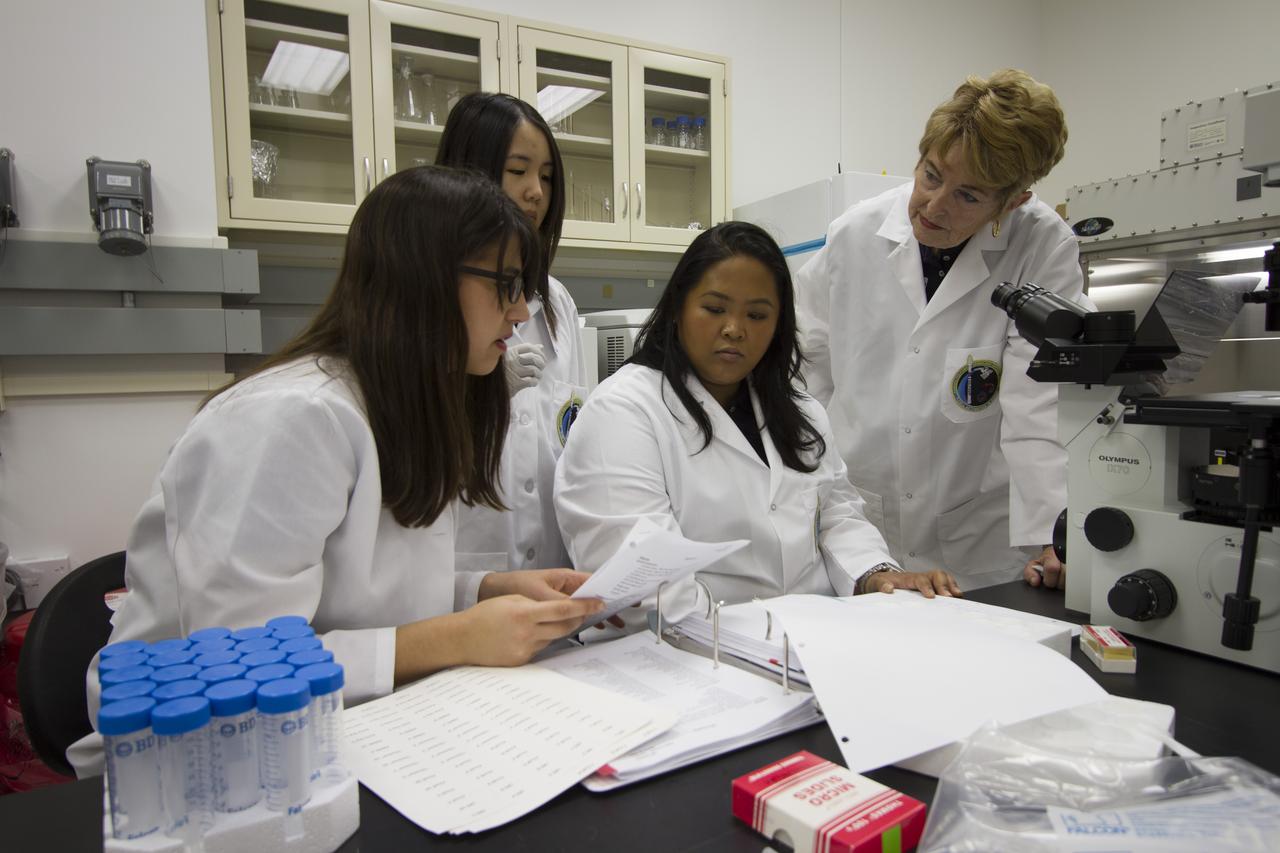
CAPE CANAVERAL, Fla. - Researcher and principal investigator Dr. Millie Hughes-Fulford of the Hughes-Fulford Laboratory, San Francisco, Calif., at right, plans preflight and post-flight experiment operations with T-cell science team members Emily Martinez, left, and Tara Candelario in the Space Station Processing Facility at NASA's Kennedy Space Center in Florida. The immunology experiment will launch on SpaceX-3 and focus on the effects of microgravity on early T-cell signaling pathways. Current work aims to identify and compare the gene expression of microRNAs miRNAs during T-cell activation under normal gravity and in microgravity, and compare those patterns to changes seen in aging populations. The experiment will be the first flown on SpaceX funded by the National Institutes of Health. Dr. Hughes-Fulford flew aboard space shuttle mission STS-40 in June 1991, the first Spacelab mission dedicated to biomedical studies. For more information on the T-cell experiment, visit http://hughesfulfordlab.com and http://www.nasa.gov/ames/research/space-biosciences/t-cell-activation-in-aging-spacex-3/. Photo credit: NASA/Cory Huston
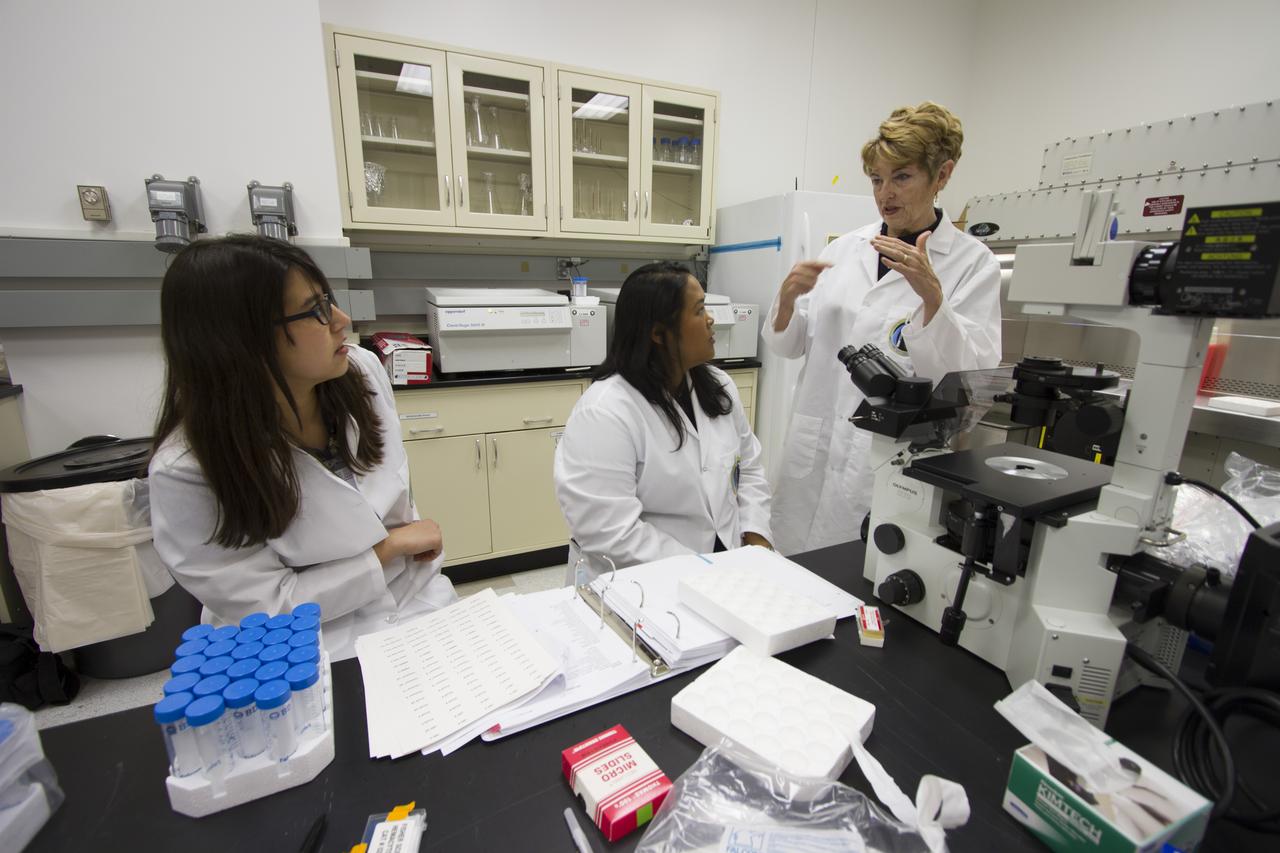
CAPE CANAVERAL, Fla. - From left, T-cell science team members Emily Martinez, Miya Yoshida and Tara Candelario, of the Hughes-Fulford Laboratory, San Francisco, Calif., discuss preflight and post-flight experiment operations with researcher and principal investigator Dr. Millie Hughes-Fulford in the Space Station Processing Facility at NASA's Kennedy Space Center in Florida. The immunology experiment will launch on SpaceX-3 and focus on the effects of microgravity on early T-cell signaling pathways. Current work aims to identify and compare the gene expression of microRNAs miRNAs during T-cell activation under normal gravity and in microgravity, and compare those patterns to changes seen in aging populations. The experiment will be the first flown on SpaceX funded by the National Institutes of Health. Dr. Hughes-Fulford flew aboard space shuttle mission STS-40 in June 1991, the first Spacelab mission dedicated to biomedical studies. For more information on the T-cell experiment, visit http://hughesfulfordlab.com and http://www.nasa.gov/ames/research/space-biosciences/t-cell-activation-in-aging-spacex-3/. Photo credit: NASA/Cory Huston
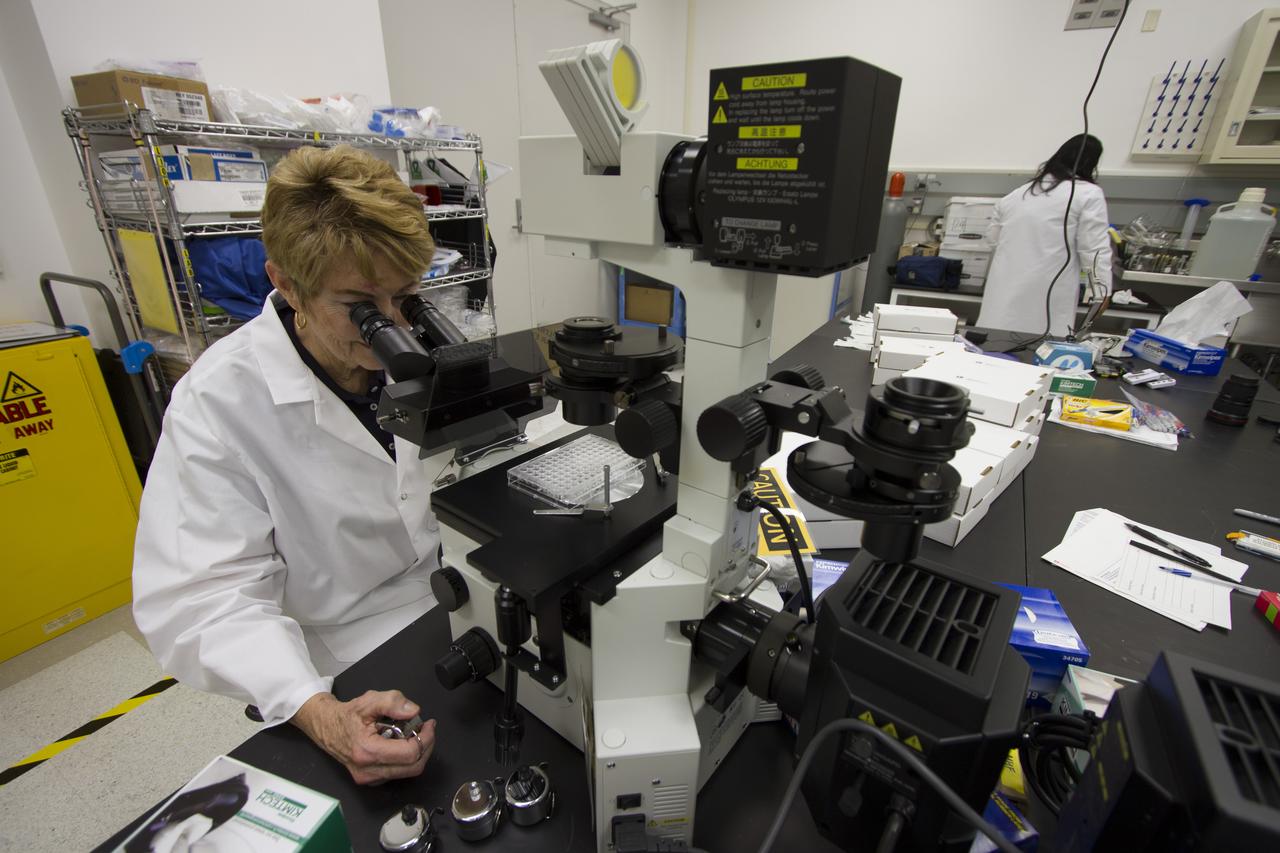
CAPE CANAVERAL, Fla. - Researcher and principal investigator Dr. Millie Hughes-Fulford, of the Hughes-Fulford Laboratory, San Francisco, Calif., at the microscope, examines T-cells as part of preflight experiment operations in the Space Station Processing Facility at NASA's Kennedy Space Center in Florida. The immunology experiment will launch on SpaceX-3 and focus on the effects of microgravity on early T-cell signaling pathways. Current work aims to identify and compare the gene expression of microRNAs miRNAs during T-cell activation under normal gravity and in microgravity, and compare those patterns to changes seen in aging populations. The experiment will be the first flown on SpaceX funded by the National Institutes of Health. Dr. Hughes-Fulford flew aboard space shuttle mission STS-40 in June 1991, the first Spacelab mission dedicated to biomedical studies. For more information on the T-cell experiment, visit http://hughesfulfordlab.com and http://www.nasa.gov/ames/research/space-biosciences/t-cell-activation-in-aging-spacex-3/. Photo credit: NASA/Cory Huston
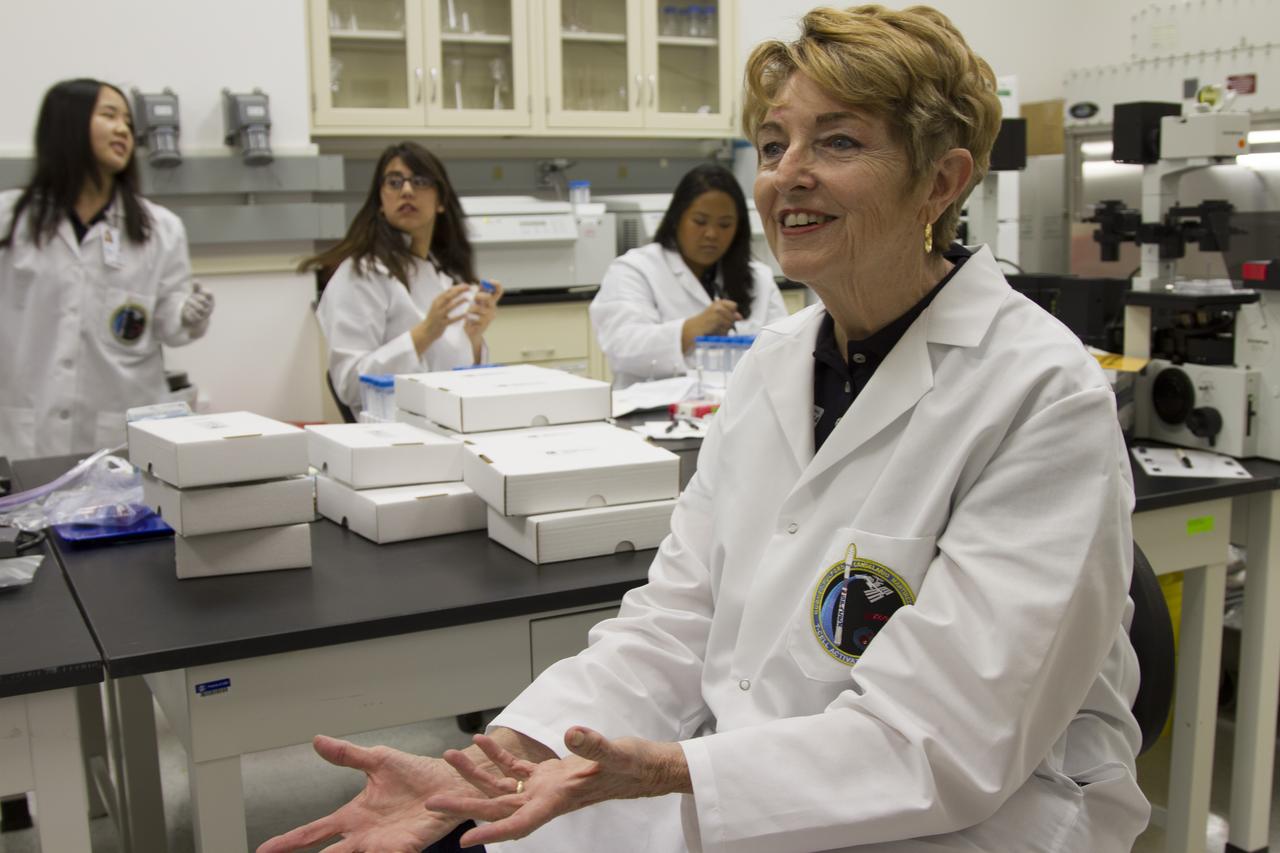
CAPE CANAVERAL, Fla. - Researcher and principal investigator Dr. Millie Hughes-Fulford, of the Hughes-Fulford Laboratory, San Francisco, Calif., discusses her laboratory's T-cell experiment and the impact the research may have on aging adults and their immune systems with an interviewer in the Space Station Processing Facility. From left, T-cell science team members Miya Yoshida, Emily Martinez and Tara Candelario are at work preparing for launch in the background. The immunology experiment will launch on SpaceX-3 and focus on the effects of microgravity on early T-cell signaling pathways. Current work aims to identify and compare the gene expression of microRNAs miRNAs during T-cell activation under normal gravity and in microgravity, and compare those patterns to changes seen in aging populations. The experiment will be the first flown on SpaceX funded by the National Institutes of Health. Dr. Hughes-Fulford flew aboard space shuttle mission STS-40 in June 1991, the first Spacelab mission dedicated to biomedical studies. For more information on the T-cell experiment, visit http://hughesfulfordlab.com and http://www.nasa.gov/ames/research/space-biosciences/t-cell-activation-in-aging-spacex-3/. Photo credit: NASA/Cory Huston
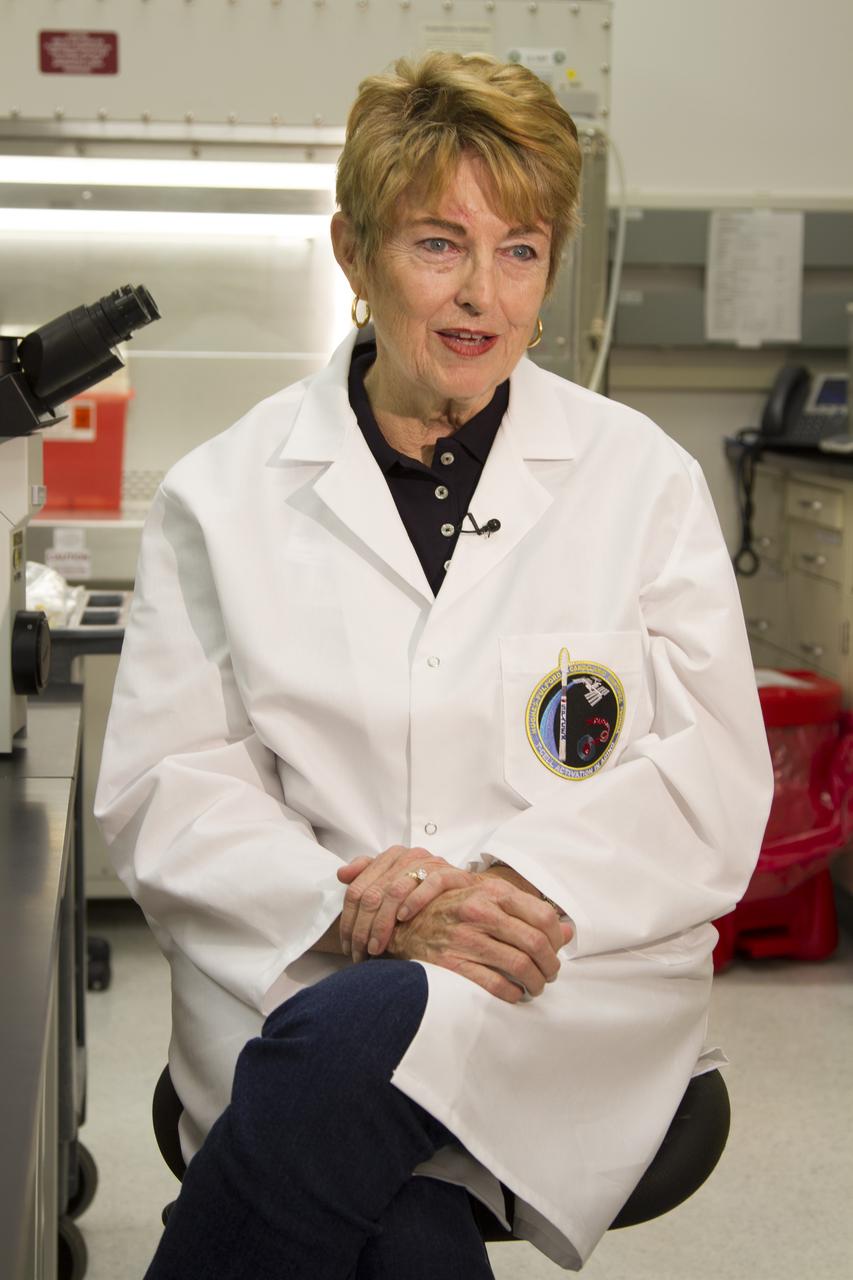
CAPE CANAVERAL, Fla. - Researcher and former NASA payload specialist Millie Hughes-Fulford, of the Hughes-Fulford Laboratory, San Francisco, Calif., discusses her laboratory's T-cell experiment and the impact the research may have on aging adults and their immune systems with an interviewer in the Space Station Processing Facility at NASA's Kennedy Space Center in Florida. The immunology experiment will launch on SpaceX-3 and focus on the effects of microgravity on early T-cell signaling pathways. Current work aims to identify and compare the gene expression of microRNAs miRNAs during T-cell activation under normal gravity and in microgravity, and compare those patterns to changes seen in aging populations. The experiment will be the first flown on SpaceX funded by the National Institutes of Health. Dr. Hughes-Fulford flew aboard space shuttle mission STS-40 in June 1991, the first Spacelab mission dedicated to biomedical studies. For more information on the T-cell experiment, visit http://hughesfulfordlab.com and http://www.nasa.gov/ames/research/space-biosciences/t-cell-activation-in-aging-spacex-3/. Photo credit: NASA/Cory Huston
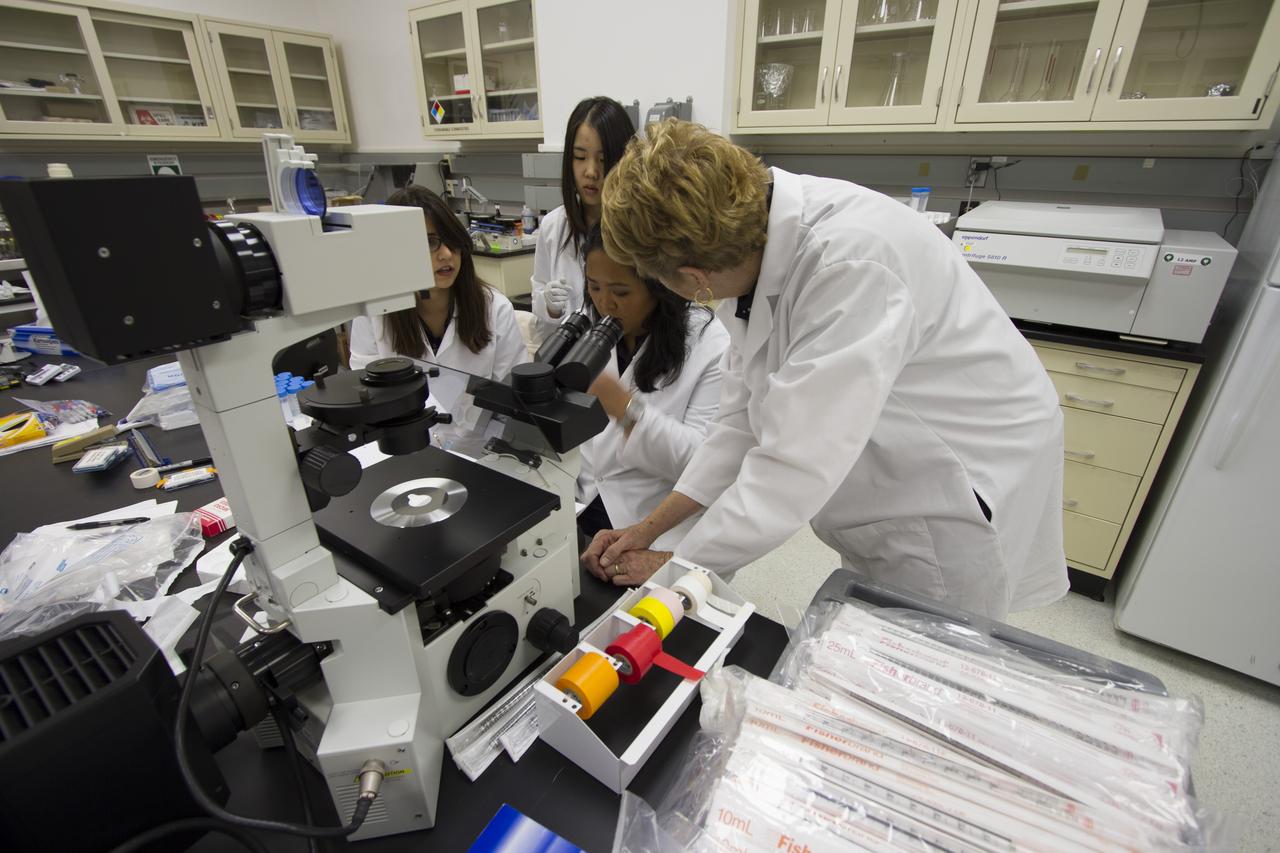
CAPE CANAVERAL, Fla. - T-cell science team member Tara Candelario of the Hughes-Fulford Laboratory, San Francisco, Calif., at the microscope, discusses preflight and post-flight experiment operations with researcher and principal investigator Dr. Millie Hughes-Fulford in the Space Station Processing Facility at NASA's Kennedy Space Center in Florida as T-cell science team members Emily Martinez, left, and Miya Yoshida look on. The immunology experiment will launch on SpaceX-3 and focus on the effects of microgravity on early T-cell signaling pathways. Current work aims to identify and compare the gene expression of microRNAs miRNAs during T-cell activation under normal gravity and in microgravity, and compare those patterns to changes seen in aging populations. The experiment will be the first flown on SpaceX funded by the National Institutes of Health. Dr. Hughes-Fulford flew aboard space shuttle mission STS-40 in June 1991, the first Spacelab mission dedicated to biomedical studies. For more information on the T-cell experiment, visit http://hughesfulfordlab.com and http://www.nasa.gov/ames/research/space-biosciences/t-cell-activation-in-aging-spacex-3/. Photo credit: NASA/Cory Huston
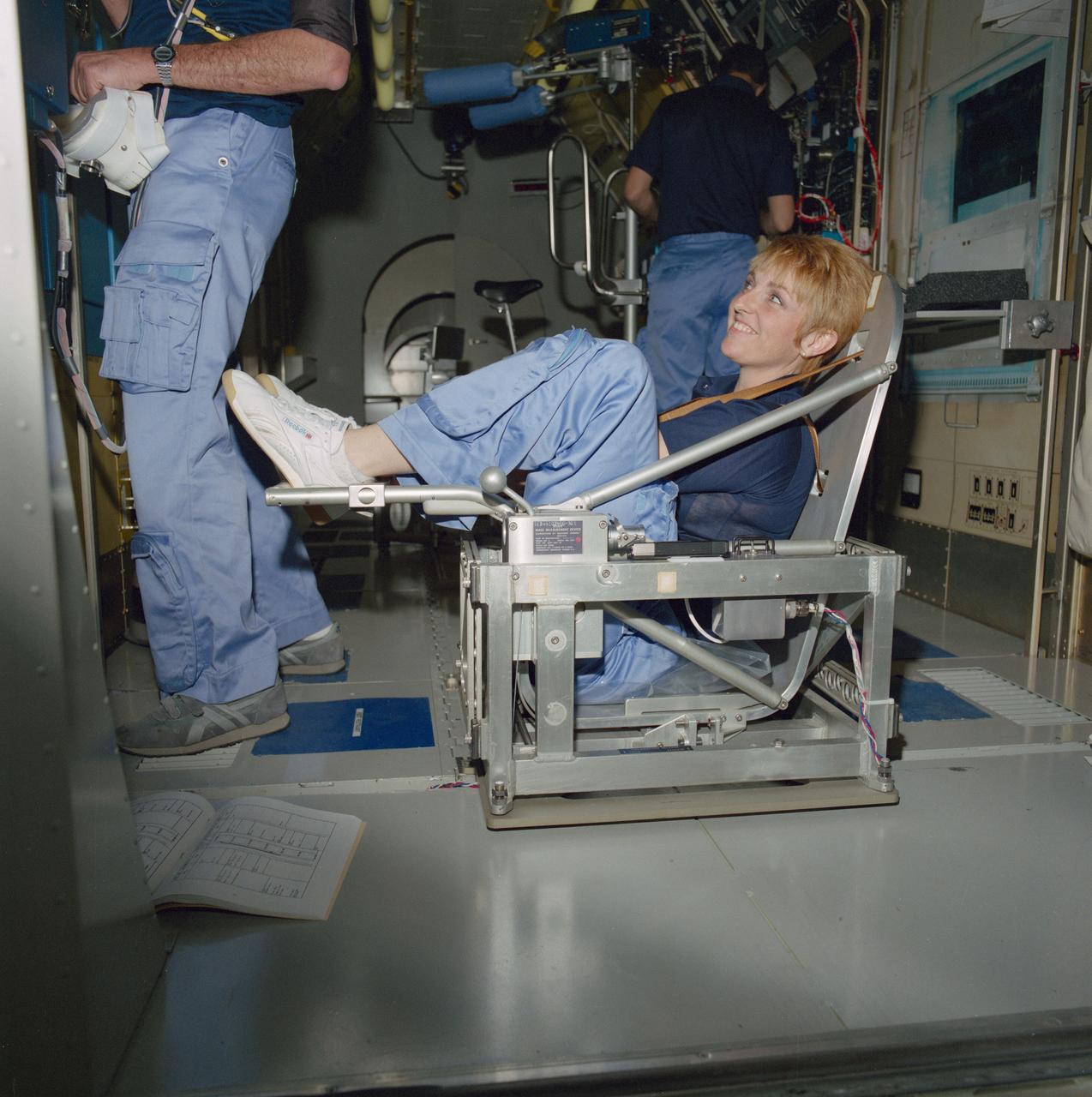
S85-26553 (Feb 1985) --- STS-40/SLS-1 payload specialist Millie Hughes-Fulford sits strapped in the special device scientists have developed for determining mass on orbit. As the chair swings back and forth, a timer records how much the crewmember's mass retards the chair's movement. Dr. Hughes-Fulford will be joined by three mission specialists, the mission commander, the pilot and a second payload specialist for the scheduled 10-day Spacelab Life Sciences-1 (SLS-1) mission. The flight is totally dedicated to biological and medical experimentation.
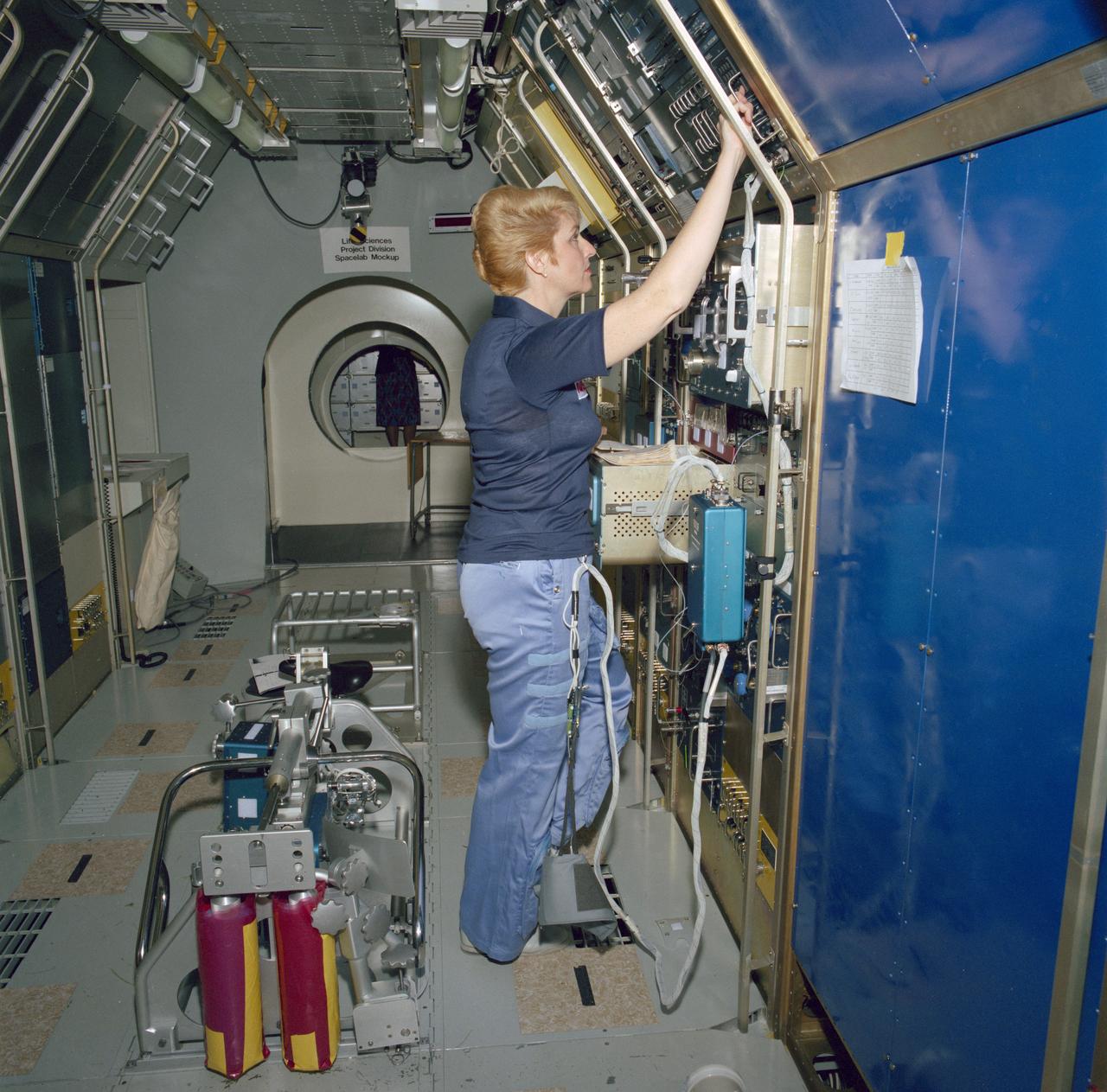
STS-40 Payload Specialist Millie Hughes-Fulford conducts Spacelab Life Sciences 1 (SLS-1) Experiment No. 198, Pulmonary Function During Weightlessness, in JSC's Life Sciences Project Division (LSPD) SLS mockup located in the Bioengineering and Test Support Facility Bldg 36. Hughes-Fulford sets switches on Rack 8. Behind her in the center aisle are the stowed bicycle ergometer (foreground) and the body restraint system.
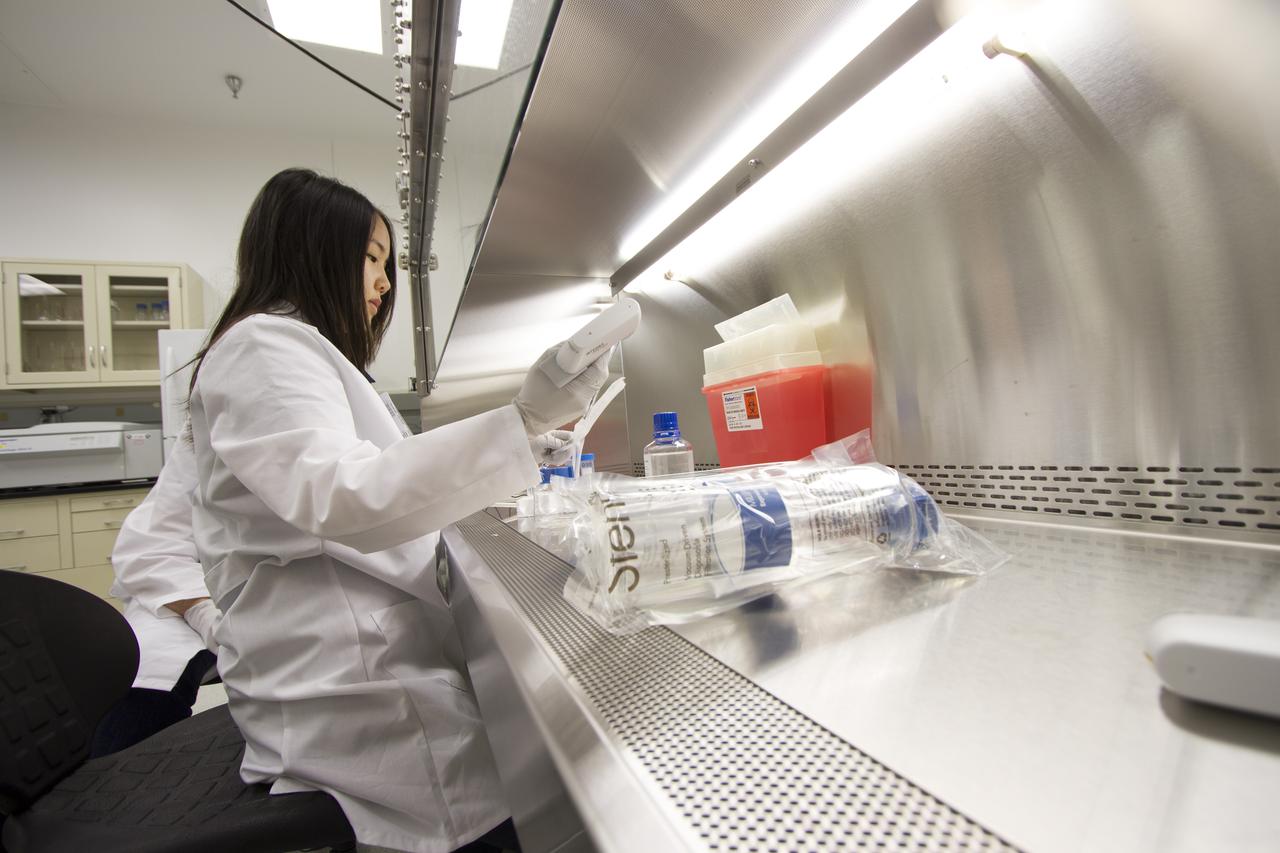
CAPE CANAVERAL, Fla. - T-cell science team member Miya Yoshida, of the Hughes-Fulford Laboratory in San Francisco, Calif., works in a biosafety hood during preflight experiment preparations in the Space Station Processing Facility at NASA's Kennedy Space Center in Florida. The immunology experiment will launch on SpaceX-3 and focus on the effects of microgravity on early T-cell signaling pathways. Current work aims to identify and compare the gene expression of microRNAs miRNAs during T-cell activation under normal gravity and in microgravity, and compare those patterns to changes seen in aging populations. The experiment will be the first flown on SpaceX funded by the National Institutes of Health. Dr. Hughes-Fulford flew aboard space shuttle mission STS-40 in June 1991, the first Spacelab mission dedicated to biomedical studies. For more information on the T-cell experiment, visit http://hughesfulfordlab.com and http://www.nasa.gov/ames/research/space-biosciences/t-cell-activation-in-aging-spacex-3/. Photo credit: NASA/Cory Huston
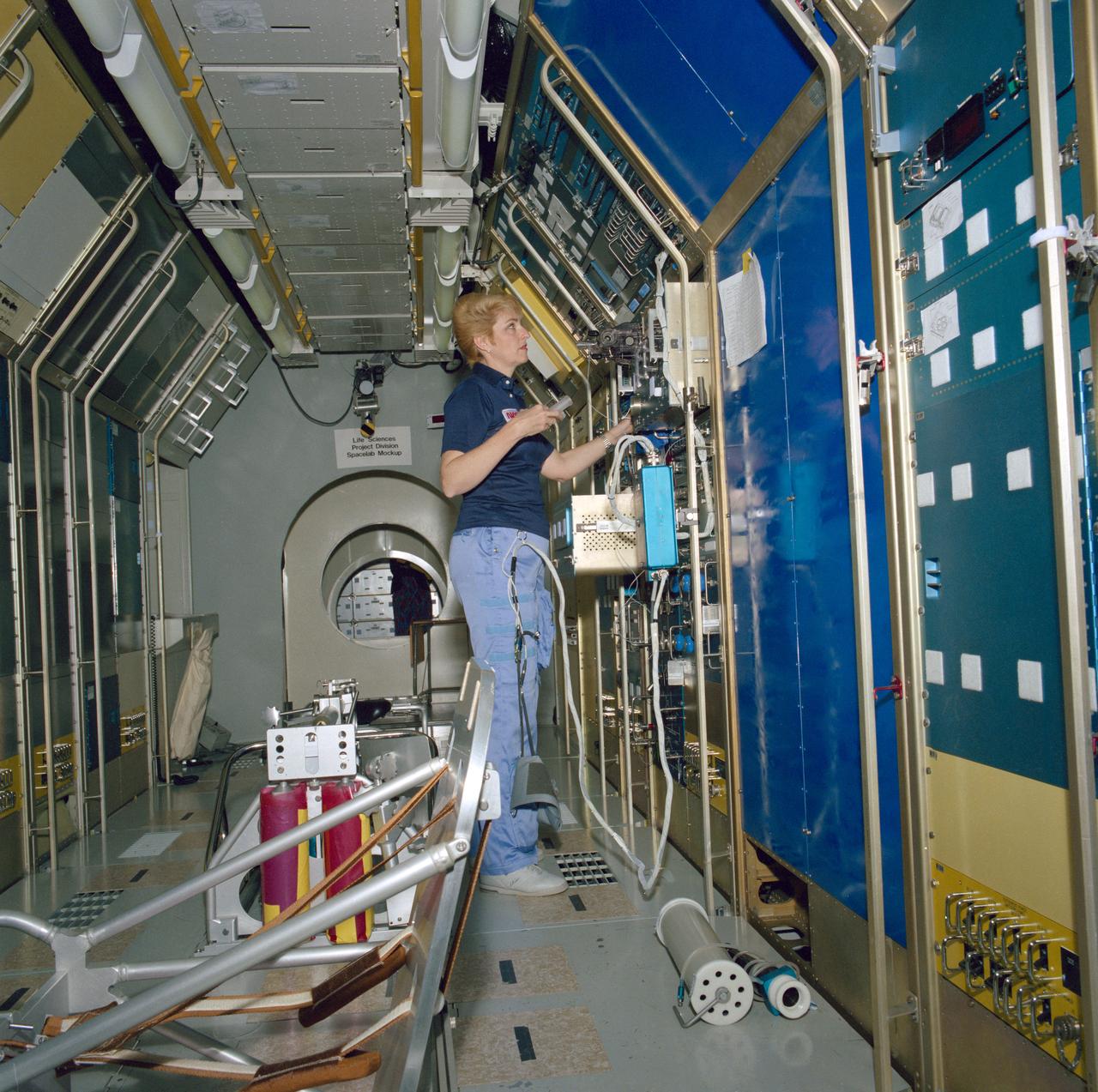
S87-28666 (March 1987) --- Millie Hughes-Fulford, STS-40/SLS-1 payload specialist, stands near the Echocardiograph on Rack 6 of the SLS-1 module, during a rehearsal of experimentation scheduled for her spaceflight.
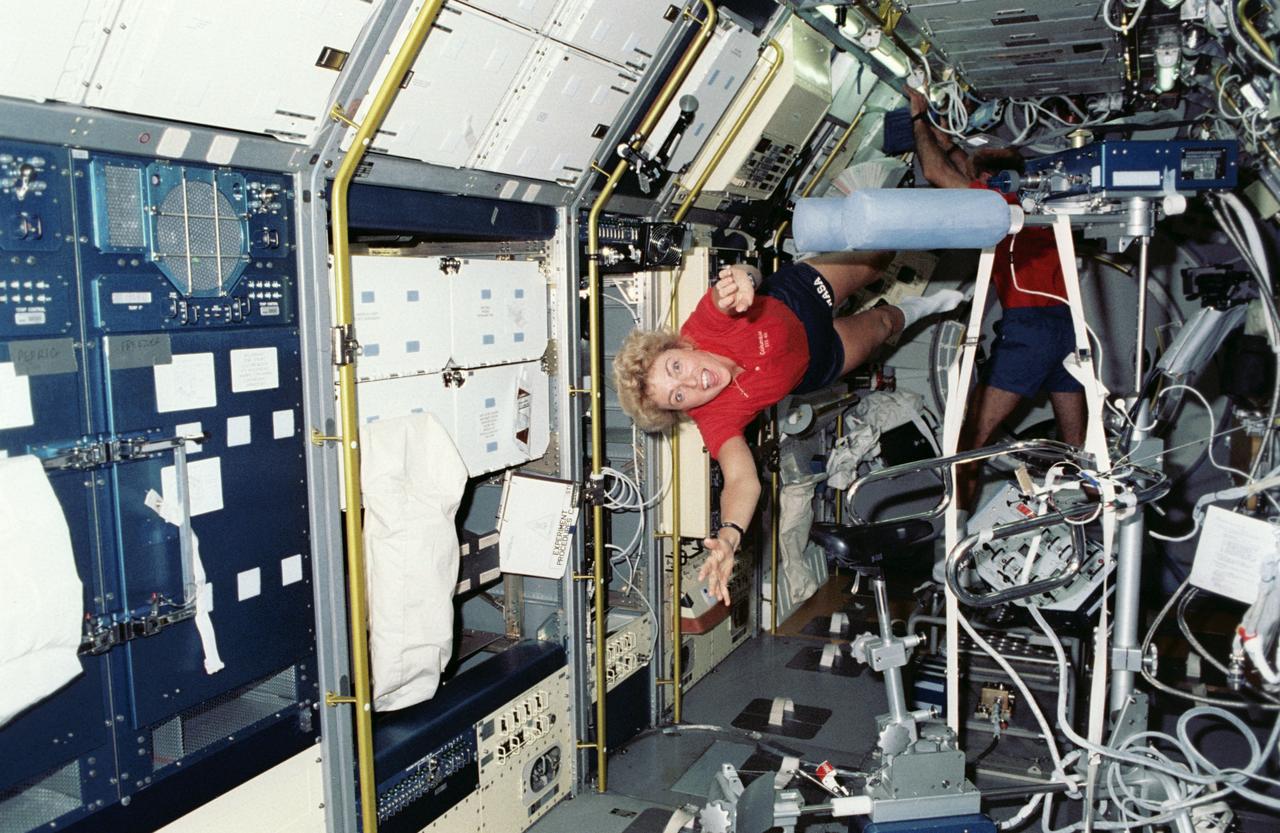
STS040-212-006 (5-14 June 1991) --- Payload specialist Millie Hughes-Fulford floats through the Spacelab Life Sciences (SLS-1) module aboard the Earth-orbiting Columbia. Astronaut James P. Bagian, mission specialist, is at the blood draw station in the background. The scene was photographed with a 35mm camera.
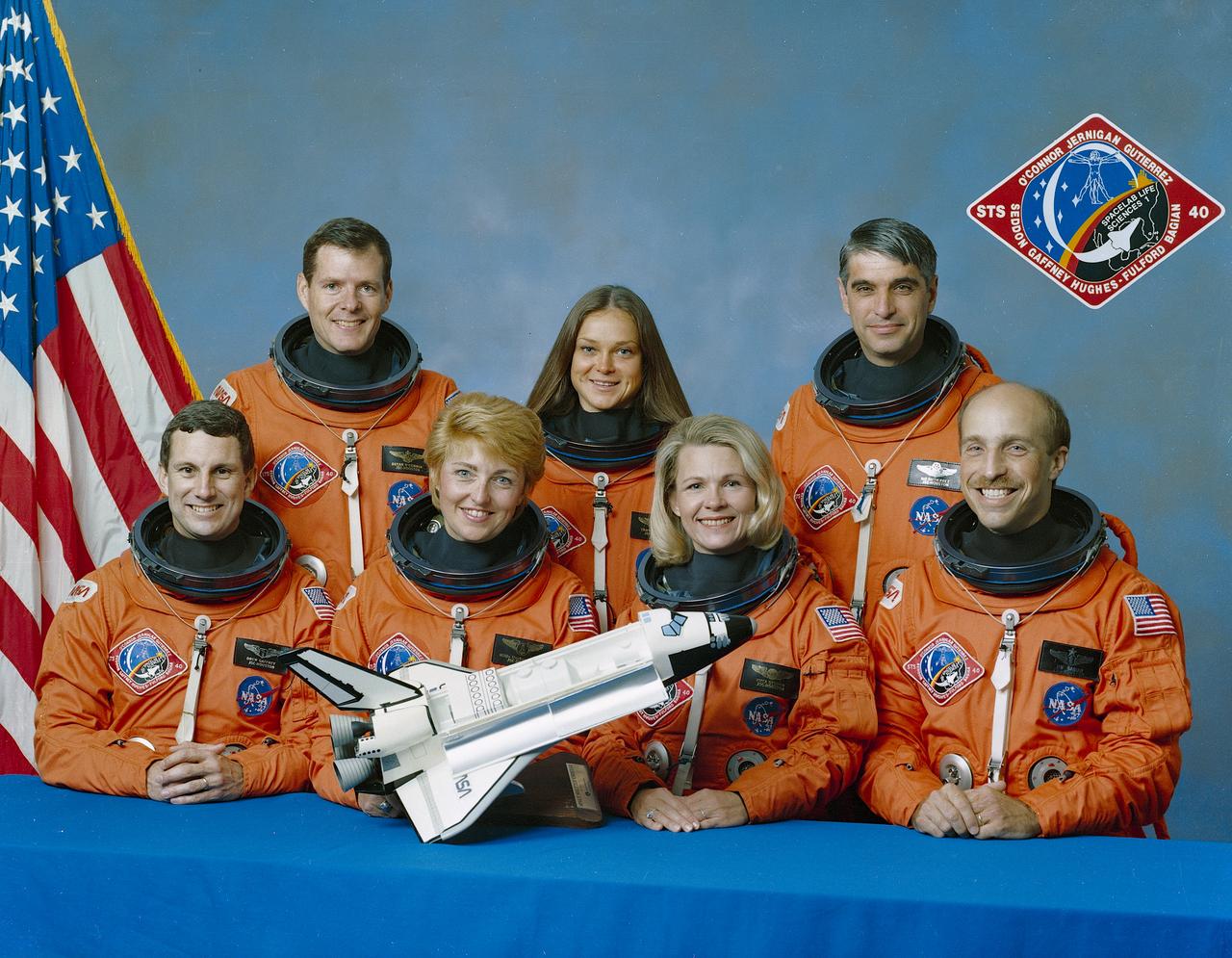
The STS-40 crew portrait includes 7 astronauts. Pictured on the front row from left to right are F. Drew Gaffney, payload specialist 1; Milli-Hughes Fulford, payload specialist 2; M. Rhea Seddon, mission specialist 3; and James P. Bagian, mission specialist 1. Standing in the rear, left to right, are Bryan D. O’Connor, commander; Tamara E. Jernigan, mission specialist 2; and Sidney M. Gutierrez, pilot. Launched aboard the Space Shuttle Columbia on June 5, 1991 at 9:24; am (EDT), the STS-40 mission was the fifth dedicated Spacelab Mission, Spacelab Life Sciences-1 (SLS-1), and the first mission dedicated solely to life sciences.
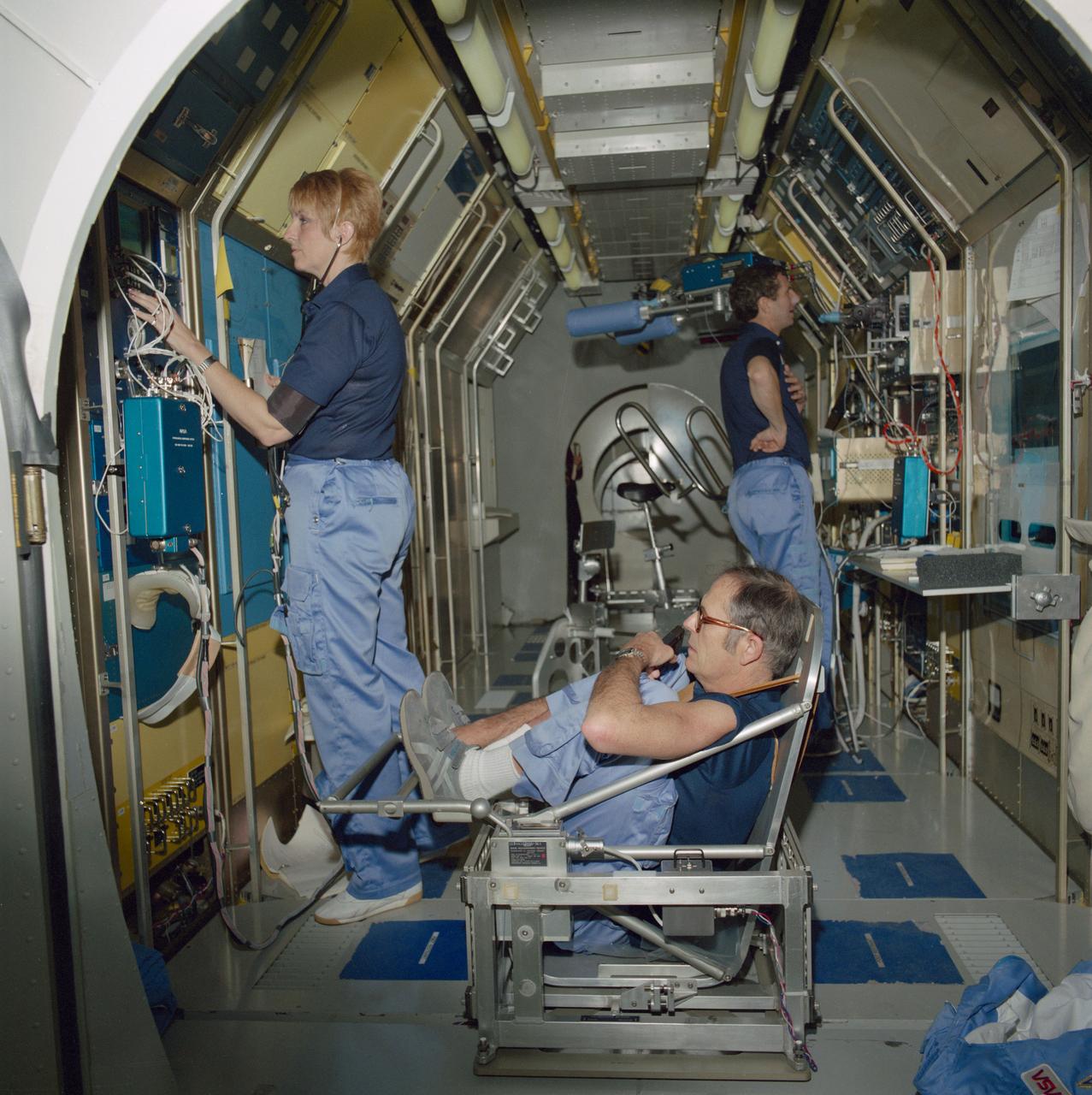
S85-26569 (Feb 1985) --- Two prime crew payload specialists (PS) for NASA's Space Life Sciences-1 (STS-40) mission and a backup PS rehearse medical experiments in a JSC trainer. Left to right are Millie Hughes-Fulford, Robert Phillips and Drew Gaffney. Hughes-Fulford and Gaffney are scheduled to join five NASA astronauts for a Space Shuttle mission devoted to the study of life sciences.
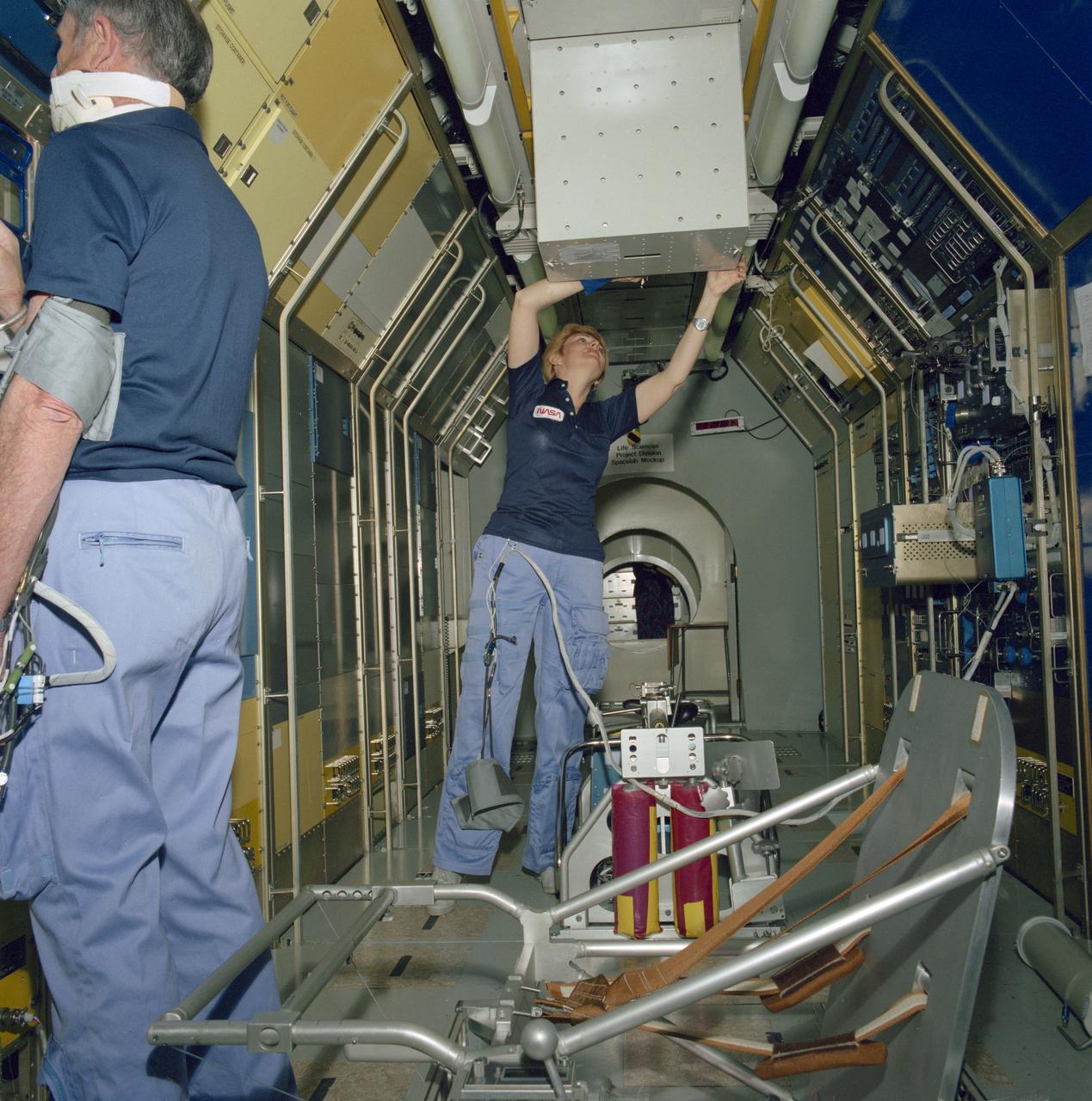
STS-40 Payload Specialist Millie Hughes-Fulford along with backup payload specialist Robert Ward Phillips familiarize themselves with Spacelab Life Sciences 1 (SLS-1) equipment. The two scientists are in JSC's Life Sciences Project Division (LSPD) SLS mockup located in the Bioengineering and Test Support Facility Bldg 36. Hughes-Fulford, in the center aisle, pulls equipment from an overhead stowage locker while Phillips, in the foreground, experiments with the baroreflex neck pressure chamber at Rack 11. The baroreflex collar will be used in conjuction with Experiment No. 022, Influence of Weightlessness Upon Human Autonomic Cardiovascular Control. Behind Phillips in the center aisle are body mass measurement device (BMMD) (foreground) and the stowed bicycle ergometer.
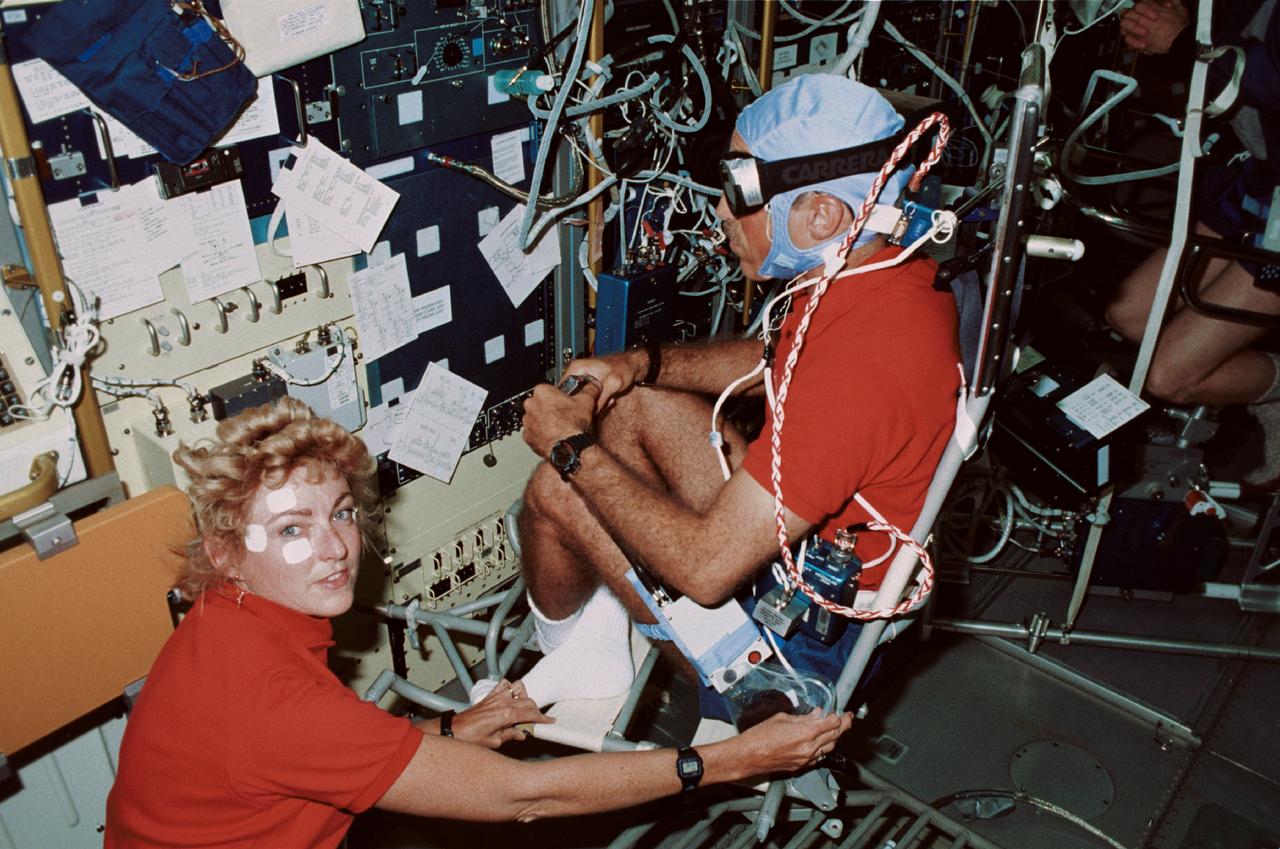
STS040-211-020 (5-14 June 1991) --- Vestibular experiment activities were captured onboard Columbia's Spacelab Life Sciences (SLS-1) module in this 35mm scene. Astronaut James P. Bagian, STS-40 mission specialist, is in a rotating chair while wearing an accelometer and electrodes to record head motion and horizontal and vertical eye movements during the rotations. Payload specialist Millie Hughes-Fulford, lower left, assists with the test.
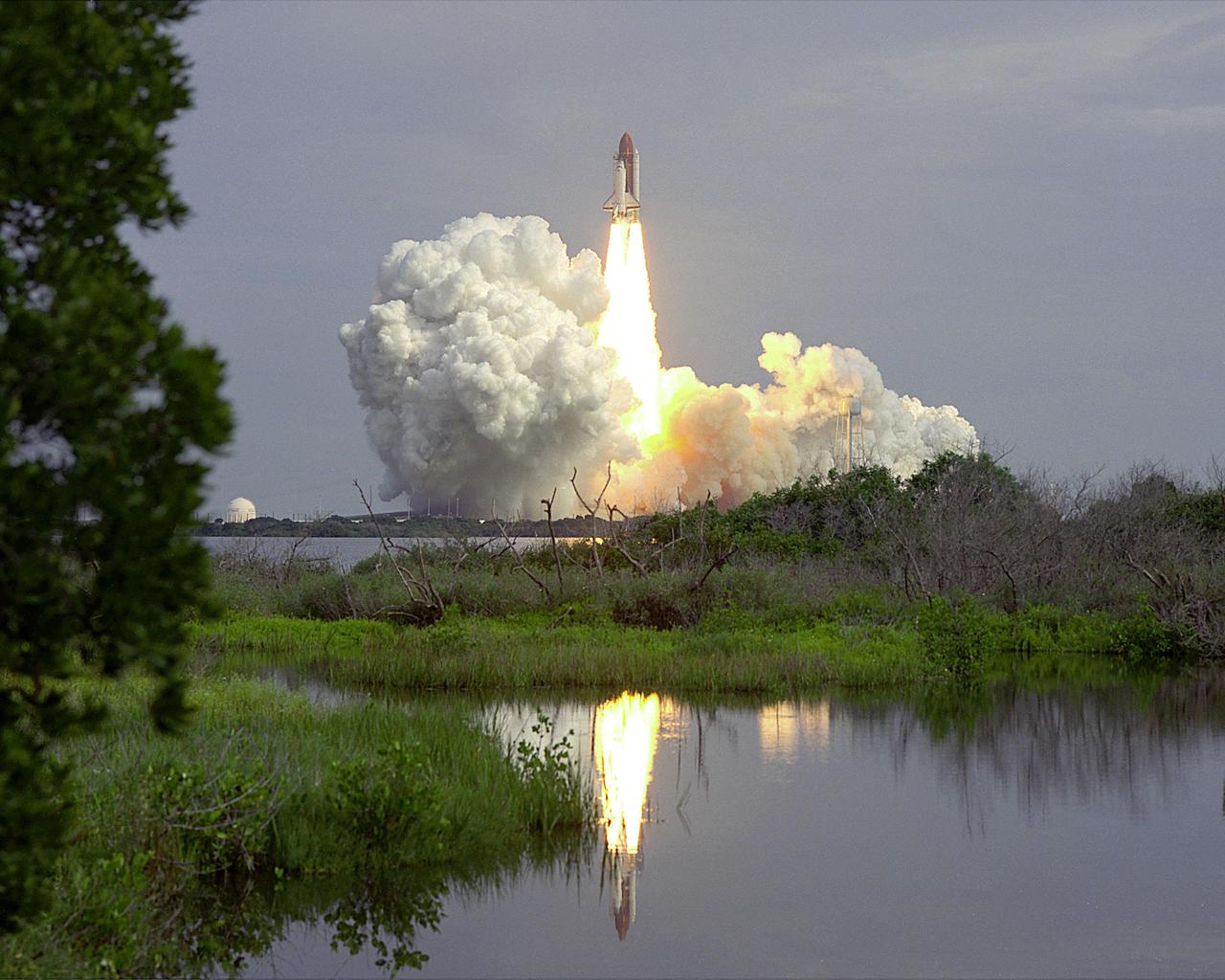
KENNEDY SPACE CENTER, FLA. -- Columbia launches on mission STS-40. Carrying Spacelab Life Sciences-1, it is the first dedicated solely to life sciences, using the habitable module. The crew of seven comprises Commander Bryan D. O'Connor, Pilot Sidney M. Gutierrez, Mission Specialists James P. Bagian, Tamara E. Jernigan and M. Rhea Seddon, and Payload Specialists F. Drew Gaffney and Millie Hughes-Fulford.
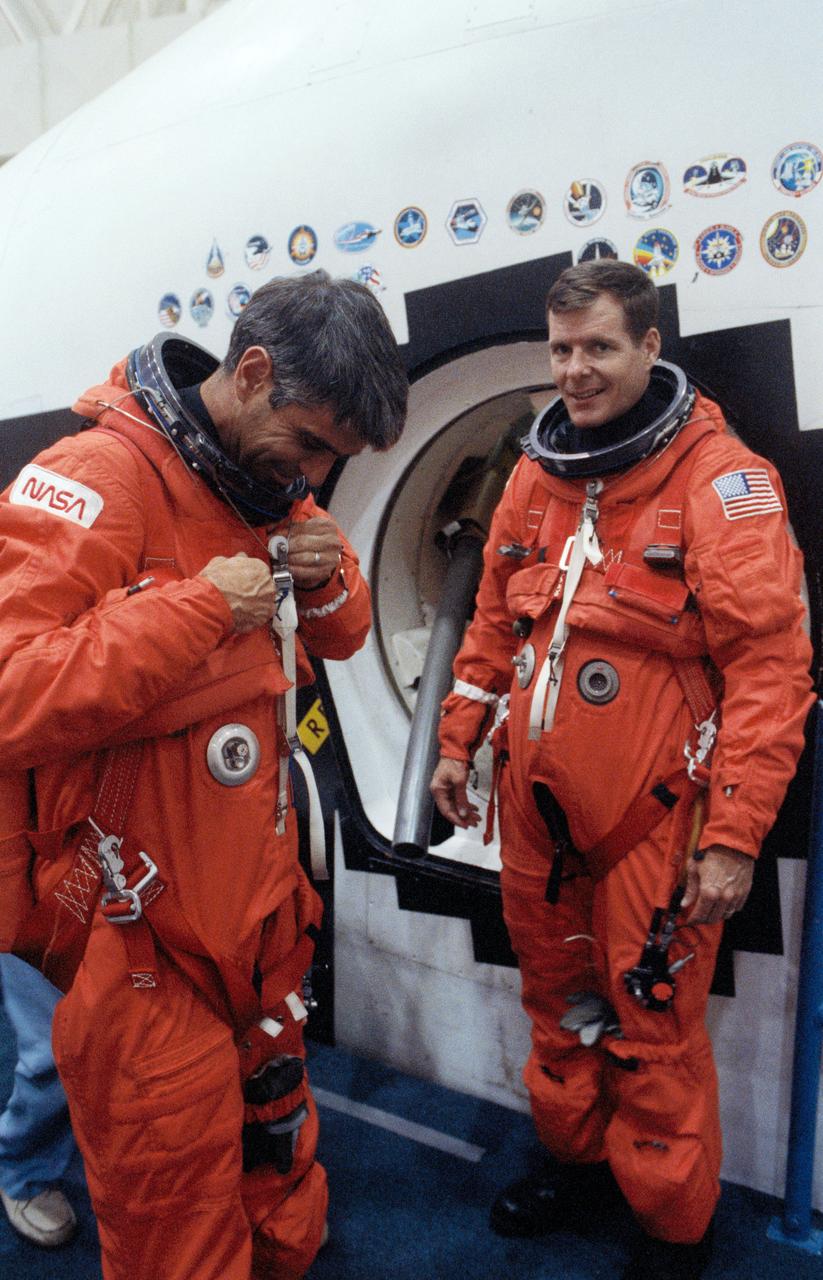
S90-41360 (11 June 1990) --- Two crewmembers assigned to NASA's Spacelab Life Sciences (SLS-1)/STS-40 mission are pictured during emergency egress training in the Shuttle mockup and integration laboratory at the Johnson Space Center (JSC). Seen are astronauts Sidney M. Gutierrez (left) pilot, and Bryan D. O'Connor, mission commander. Out of frame are astronauts Rhea Seddon, James P. Bagian, Tamara E. Jernigan, all mission specialists; and payload specialists Millie Hughes-Fulford and F. Drew Gaffney.
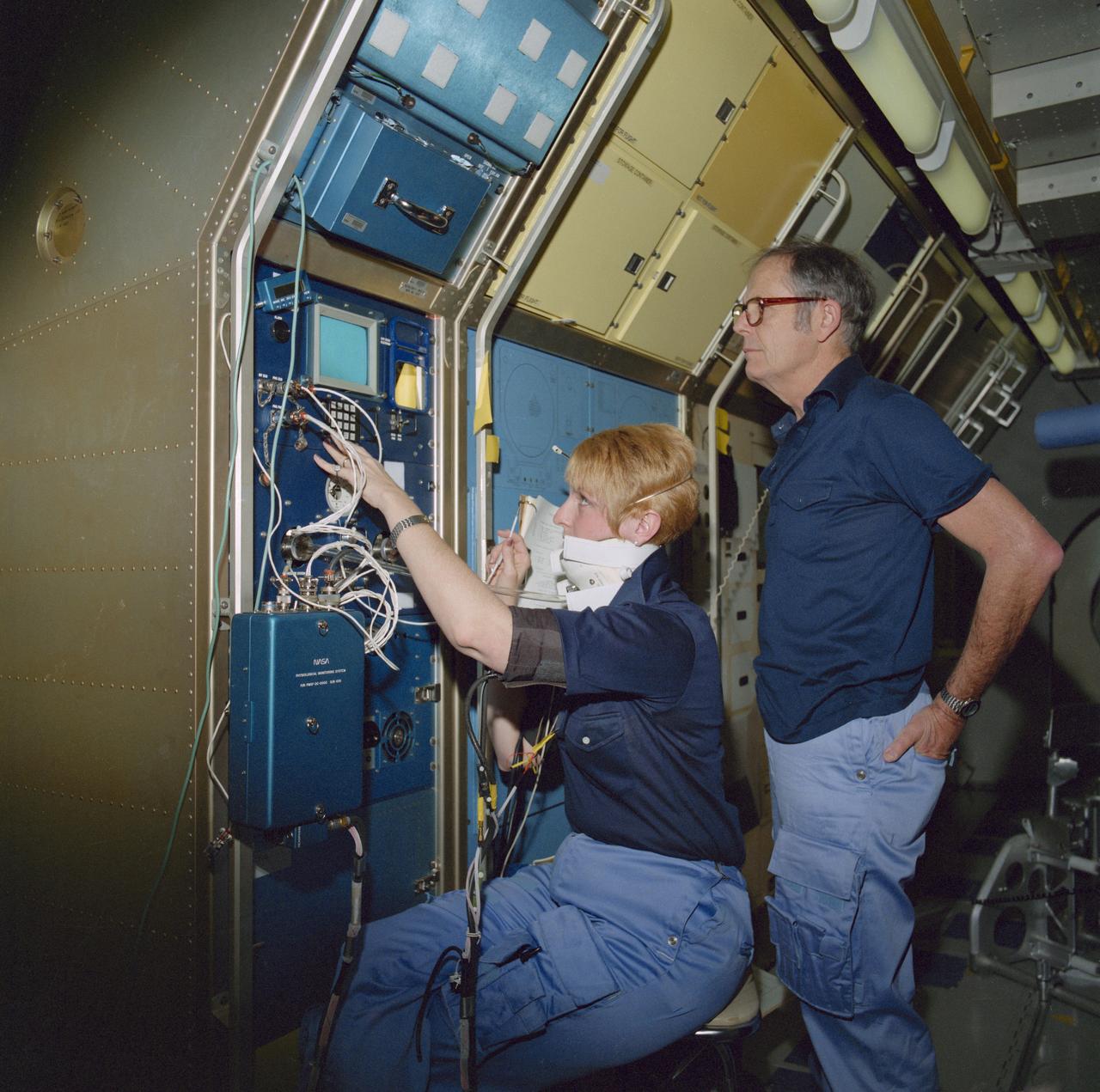
S85-26571 (Feb 1985) --- Wearing a special collar, Millie Hughes-Fulford, payload specialist, practices medical test operations scheduled for the Spacelab Life Sciences (SLS-1) mission. Robert Ward Phillips, backup payload specialist, looks on. The collar, called the baroflex neck pressure chamber, is designed to stimulate the bioceptors in the carotid artery, one of the two main arteries that supply blood to the head.
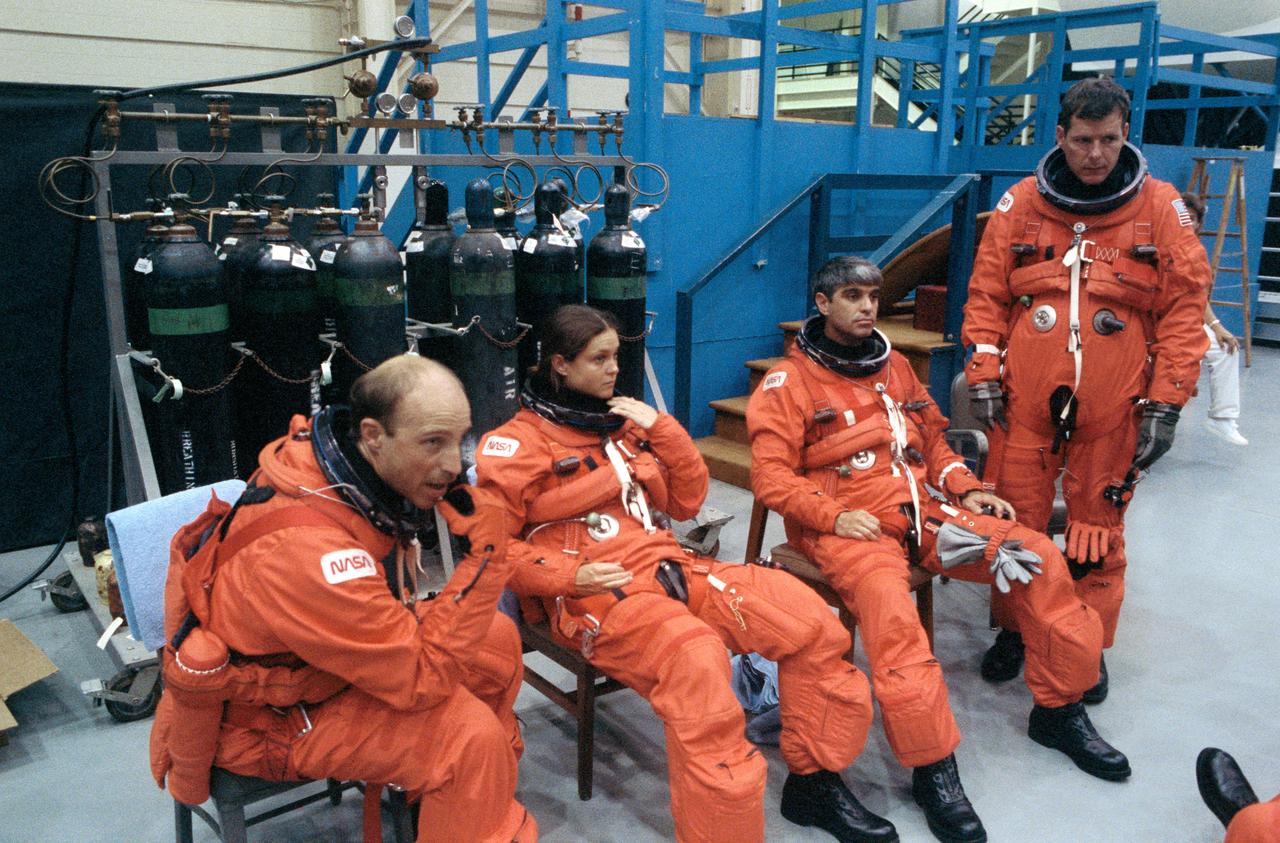
S90-41372 (11 June 1990) --- Crewmembers assigned to NASA's STS 40 Spacelab Life Sciences (SLS-1) mission take a brief break during emergency egress training in the Shuttle mockup and integration laboratory at the Johnson Space Center (JSC). Left to right are astronauts James P. Bagian, Tamara E. Jernigan, both mission specialists; and Sidney M. Gutierrez, pilot; and Bryan D. O'Connor, mission commander. Out of frame are astronaut Rhea Seddon, mission specialist, and payload specialists Millie Hughes-Fulford and Drew Gaffney.
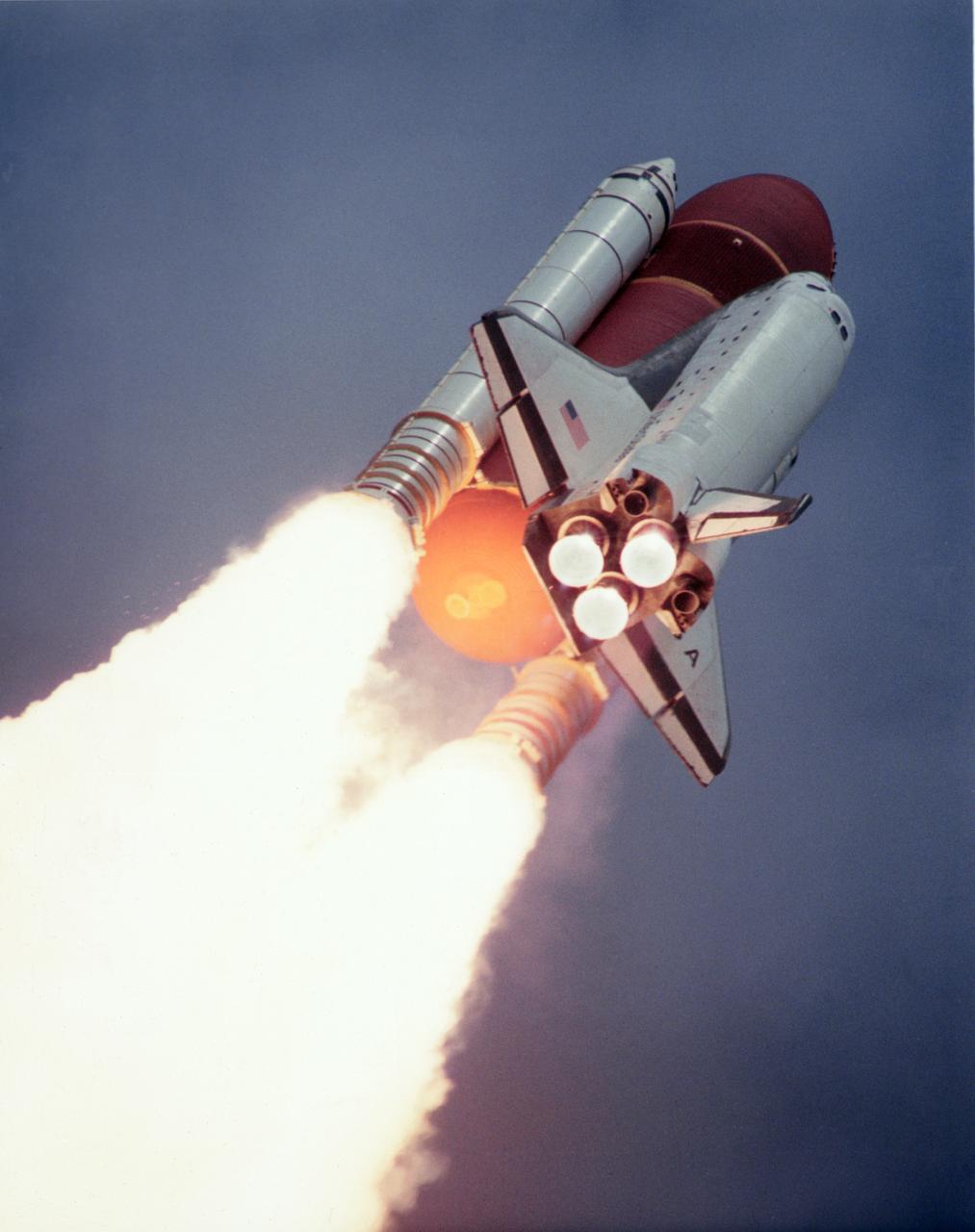
Launched aboard the Space Shuttle Columbia on June 5, 1991 at 9:24; am (EDT), the STS-40 mission was the fifth dedicated Spacelab Mission, Spacelab Life Sciences-1 (SLS-1), and the first mission dedicated solely to life sciences. The STS-40 crew included 7 astronauts: Bryan D. O’Connor, commander; Sidney M. Gutierrez, pilot; F. Drew Gaffney, payload specialist 1; Milli-Hughes Fulford, payload specialist 2; James P. Bagian, mission specialist 1; Tamara E. Jernigan, mission specialist 2; and M. Rhea Seddon, mission specialist 3.
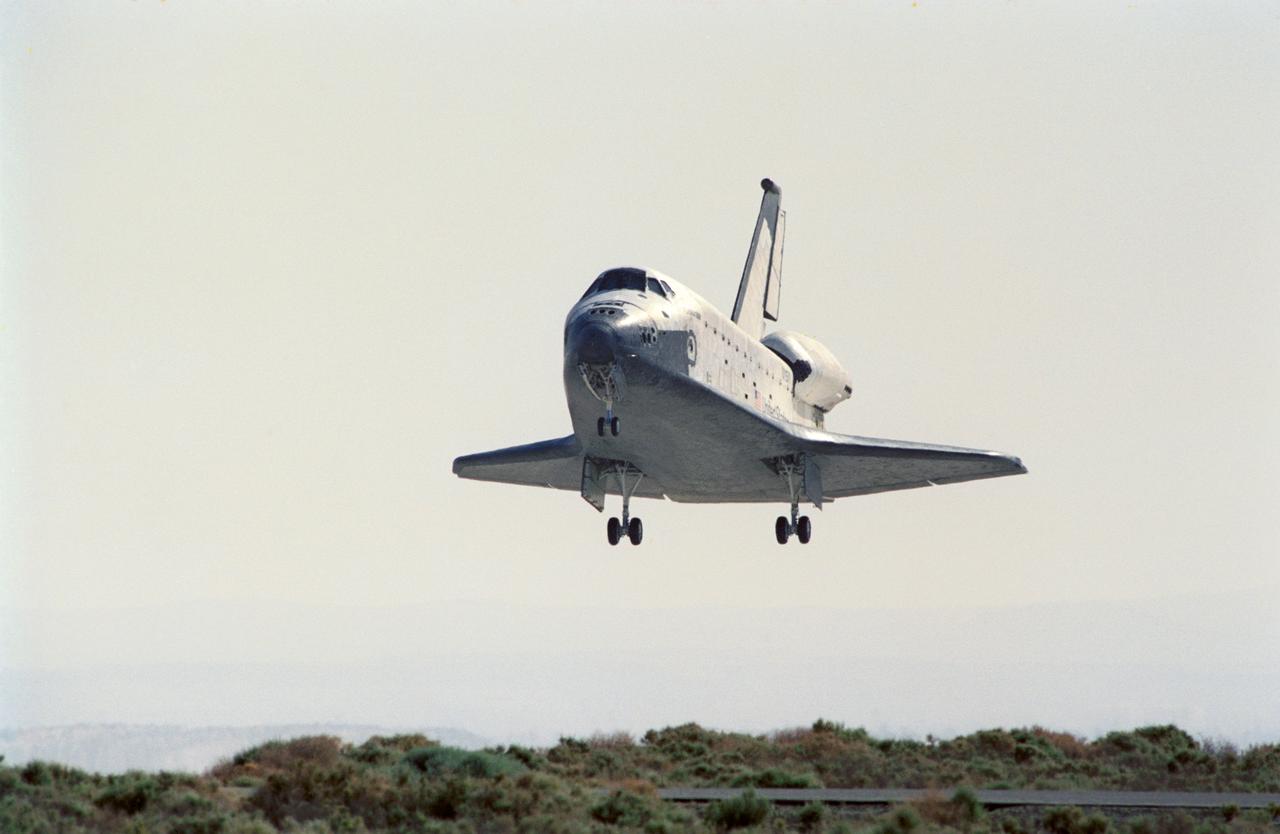
STS040-S-174 (14 June 1991) --- The Space Shuttle Columbia is only moments away from touchdown on Runway 22 at Edwards Air Force Base in California. The landing completes a successful nine-day Spacelab Life Sciences (SLS-1) mission, the first ever devoted exclusively to life sciences research. Onboard the spacecraft were astronauts Bryan D. O'Connor, Sidney M. Gutierrez, Rhea Seddon, James P. Bagian and Tamara E. Jernigan; and payload specialists F. Drew Gaffney and Millie Hughes-Fulford. Landing occurred at 8:39:11 a.m. (PDT), June 14, 1991.
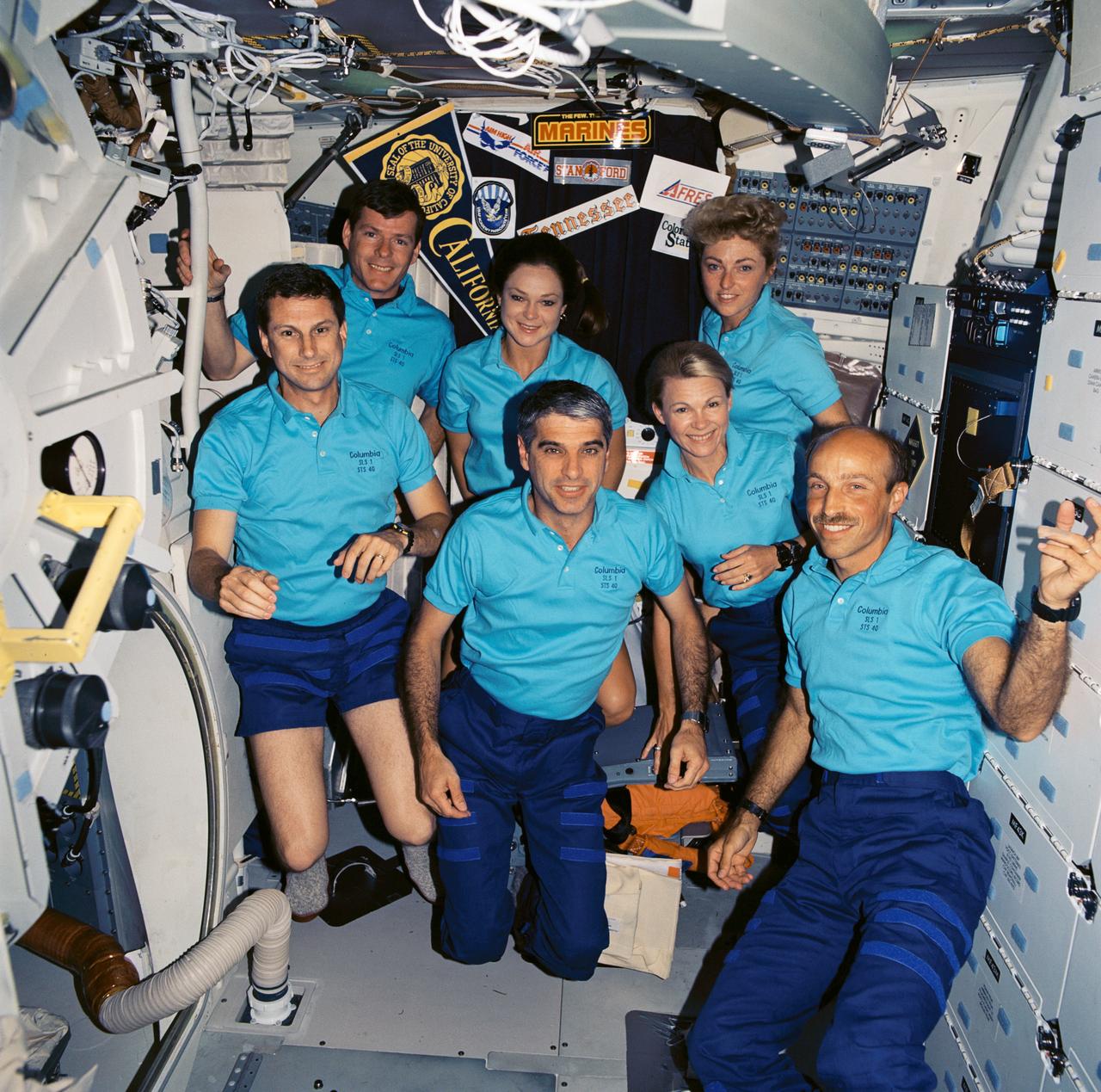
STS040-605-009 (5-14 June 1991) --- The seven crew members for STS-40 pose for an in-space portrait on the Space Shuttle Columbia's mid-deck. Left to right, in front are F. Andrew Gaffney, Sidney M. Gutierrez, Rhea Seddon and James P. Bagian; in back, Bryan D. O'Connor, Tamara E. Jernigan and Millie Hughes-Fulford. The five astronauts and two payload specialists are spending nine days in space in support of the Spacelab Life Sciences (SLS-1) mission. The image was one of 25 visuals used by the STS-40 crew at its Post Flight Press Conference (PFPC) on June 28, 1991.
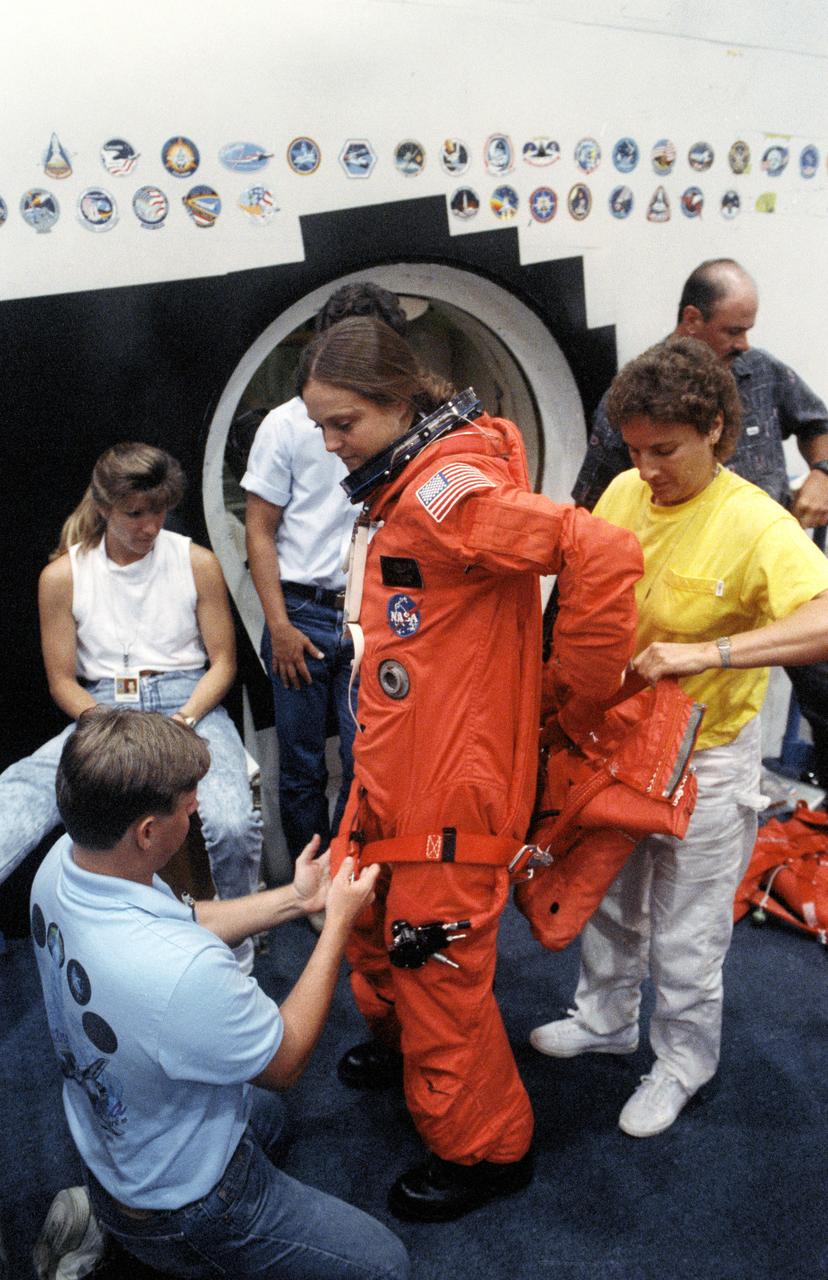
S90-41359 (11 June 1990) --- Astronaut James P. Bagian, STS-40 mission specialist, is seen in his partial pressure ascent/entry suit during a training exercise in the Johnson Space Center's Shuttle mockup and integration laboratory. Dr. Bagian will be joined on the Spacelab Life Sciences (SLS-1) mission, scheduled for launch in less than a year, by astronauts Bryan D. O'Connor, Sidney M. Gutierrez, Rhea Seddon and Tamara E. Jernigan, along with payload specialists F. Drew Gaffney and Millie Hughes-Fulford.
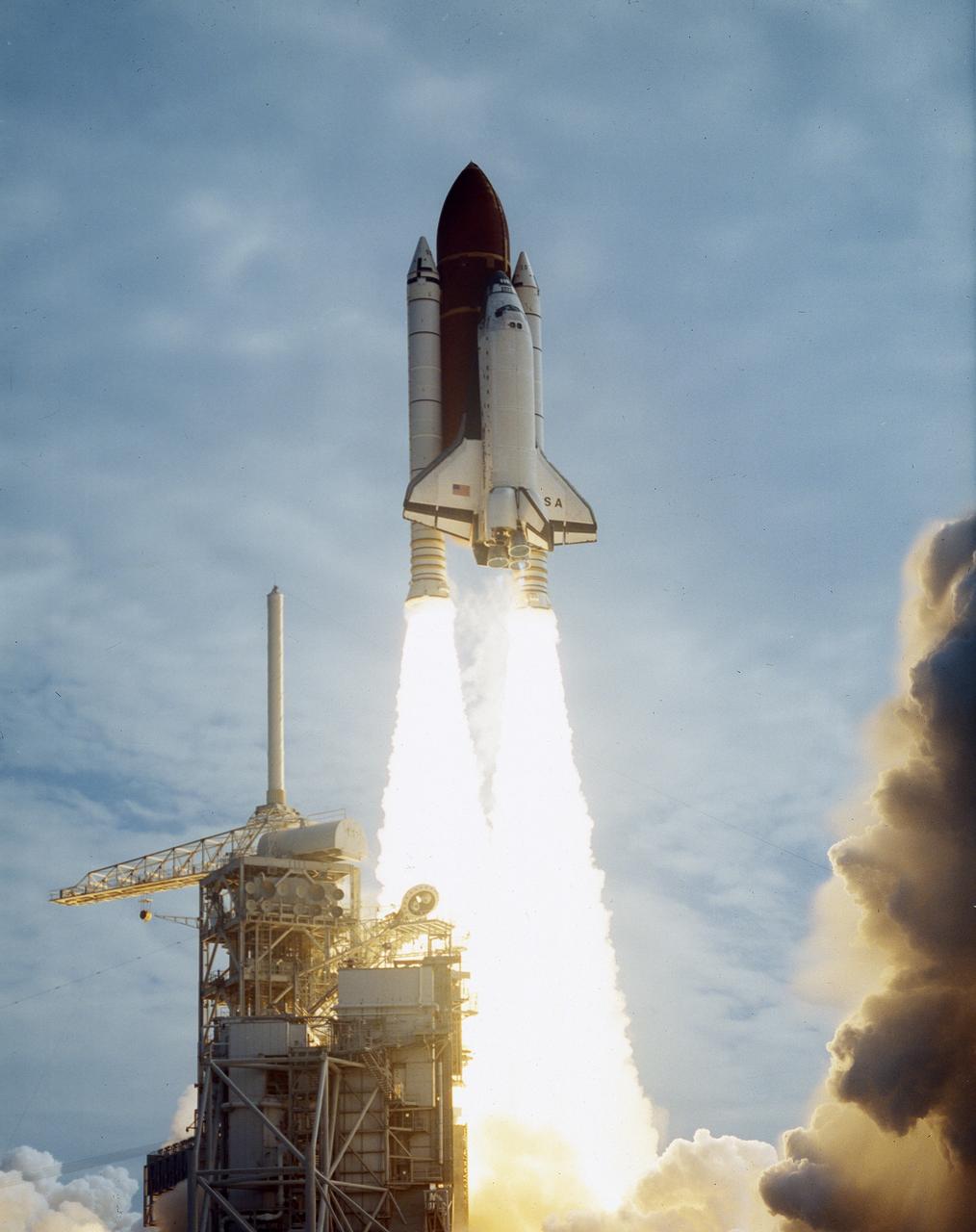
Launched aboard the Space Shuttle Columbia on June 5, 1991 at 9:24; am (EDT), the STS-40 mission was the fifth dedicated Spacelab Mission, Spacelab Life Sciences-1 (SLS-1), and the first mission dedicated solely to life sciences. The STS-40 crew included 7 astronauts: Bryan D. O’Connor, commander; Sidney M. Gutierrez, pilot; F. Drew Gaffney, payload specialist 1; Milli-Hughes Fulford, payload specialist 2; James P. Bagian, mission specialist 1; Tamara E. Jernigan, mission specialist 2; and M. Rhea Seddon, mission specialist 3.
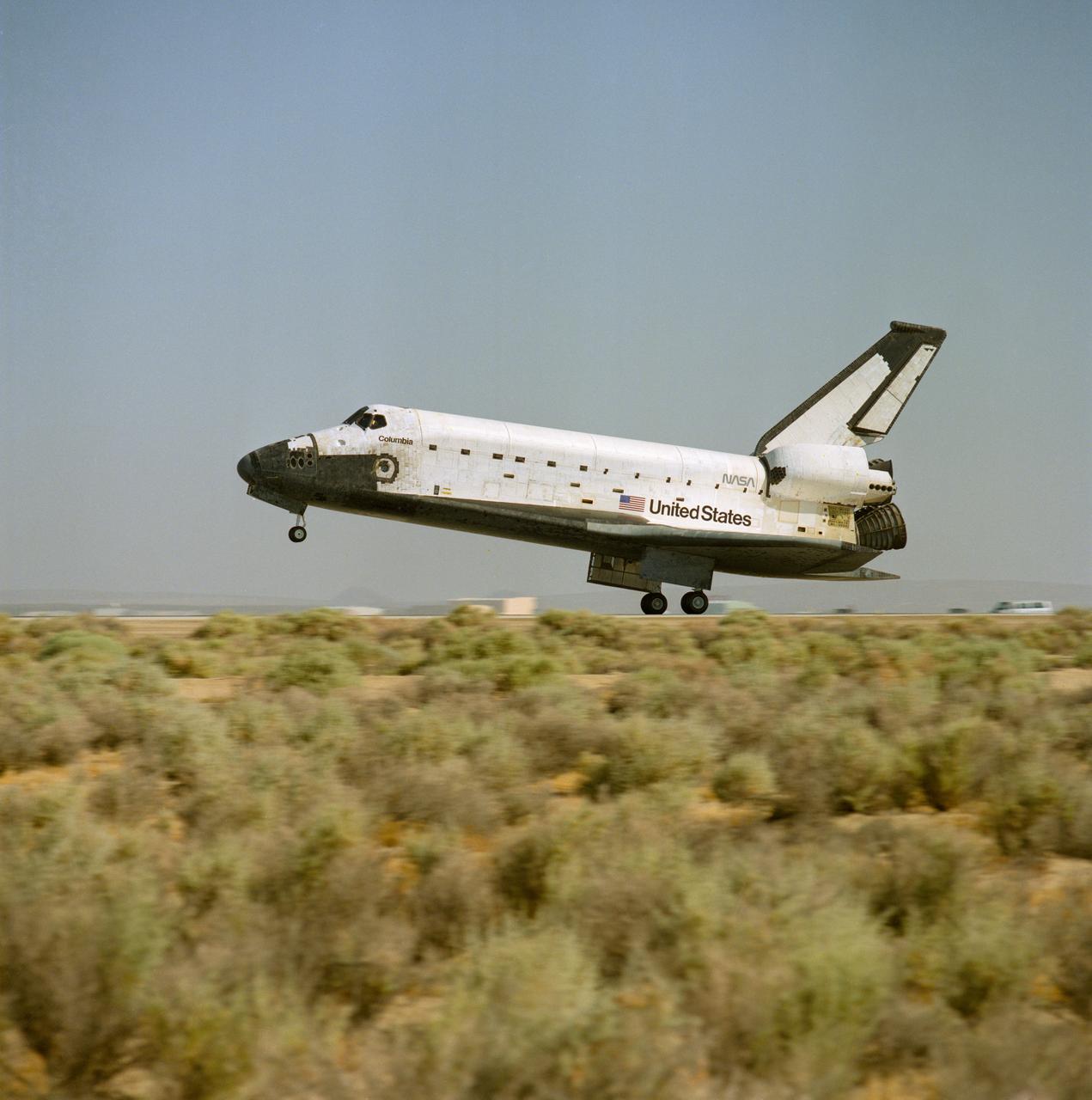
STS040-S-175 (14 June 1991) --- The main landing gear of the Space Shuttle Columbia touches down, on Runway 22 at Edwards Air Force Base in California, to complete a successful nine-day mission. The Spacelab Life Sciences (SLS-1) mission was the first ever devoted exclusively to life sciences research. Onboard the spacecraft were astronauts Bryan D. O'Connor, Sidney M. Gutierrez, Rhea Seddon, James P. Bagian and Tamara E. Jernigan; and payload specialists F. Drew Gaffney and Millie Hughes-Fulford. Landing occurred at 8:39:11 a.m. (PDT), June 14, 1991.
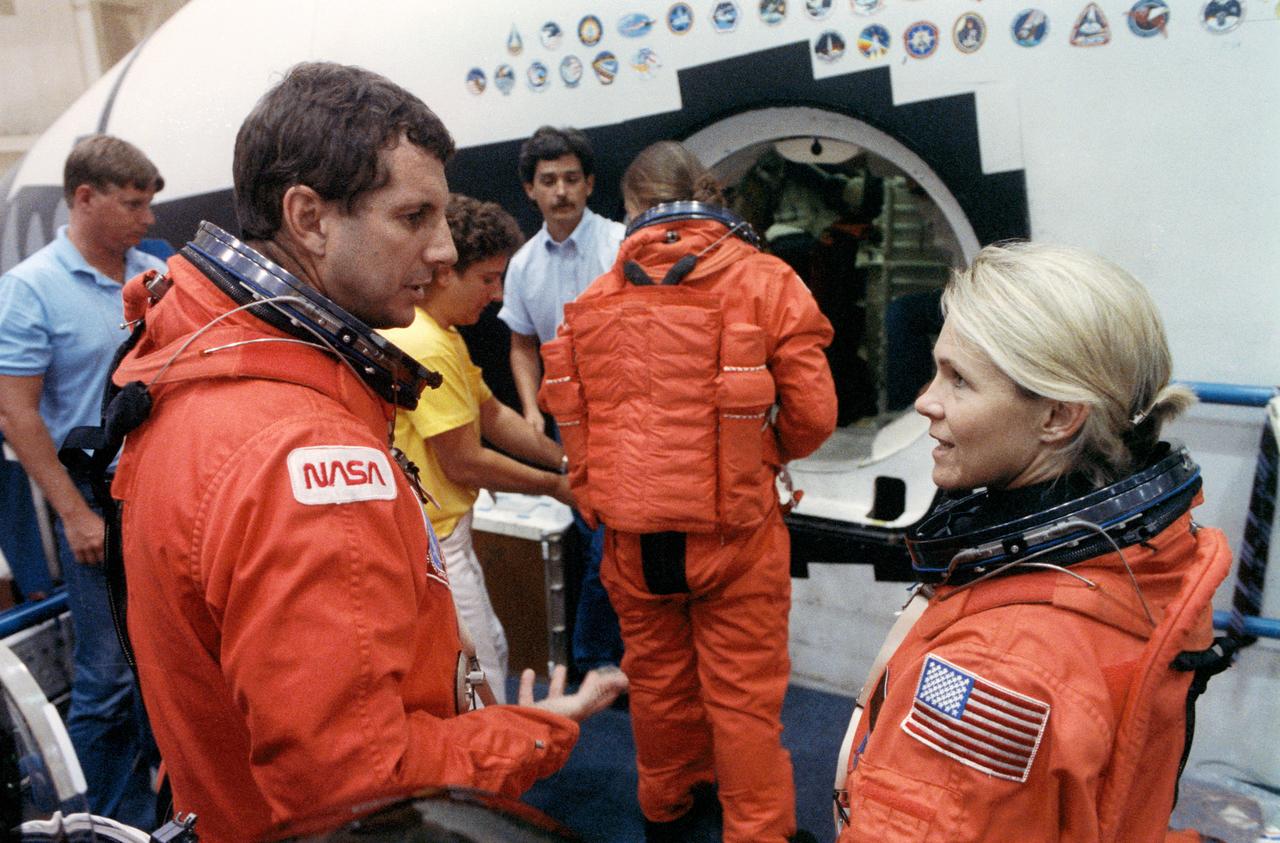
S90-41365 (11 June 1990) --- Crewmembers assigned to NASA's STS-40/Spacelab Life Sciences (SLS-1) mission take a brief break during emergency egress training in the Shuttle mockup and integration laboratory at the Johnson Space Center (JSC). In the foreground are astronauts Rhea Seddon and payload specialist F. Drew Gaffney. In the background, also wearing an orange partial pressure, ascent/entry suit is astronaut Tamara E. Jernigan, mission specialist. Not in the frame are astronauts Bryan D. O'Connor, mission commander; Sidney M. Gutierrez, pilot; James P. Bagian, mission specialist, and payload specialist Millie Fulford-Hughes.
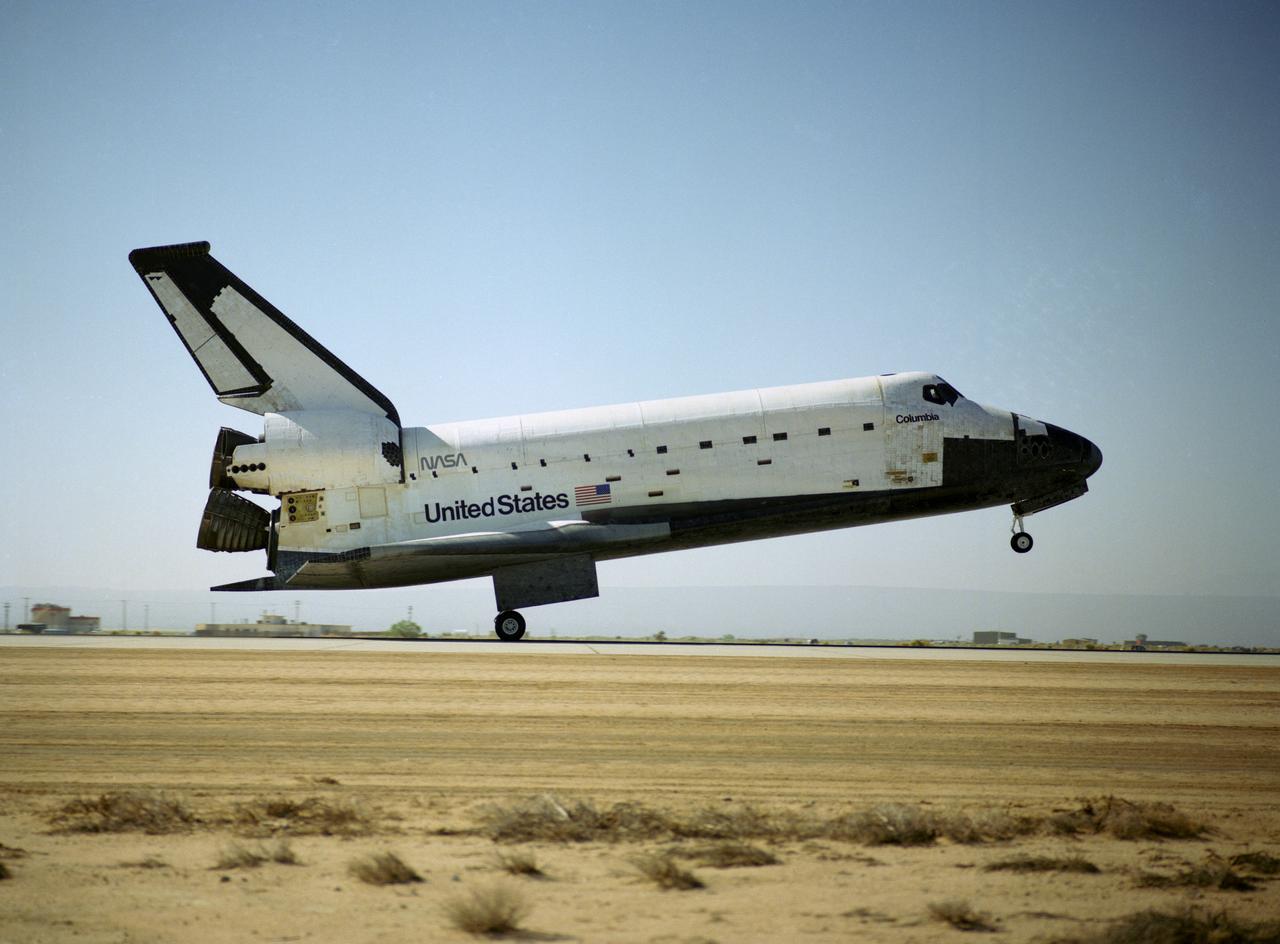
STS040-S-176 (14 June 1991) --- The main landing gear of the Space Shuttle Columbia touches down, on Runway 22 at Edwards Air Force Base in California, to complete a successful nine-day mission. The Spacelab Life Sciences (SLS-1) mission was the first ever devoted exclusively to life sciences research. Onboard the spacecraft were astronauts Bryan D. O'Connor, Sidney M. Gutierrez, Rhea Seddon, James P. Bagian and Tamara E. Jernigan; and payload specialists F. Drew Gaffney and Millie Hughes-Fulford. Landing occurred at 8:39:11 a.m. (PDT), June 14, 1991.
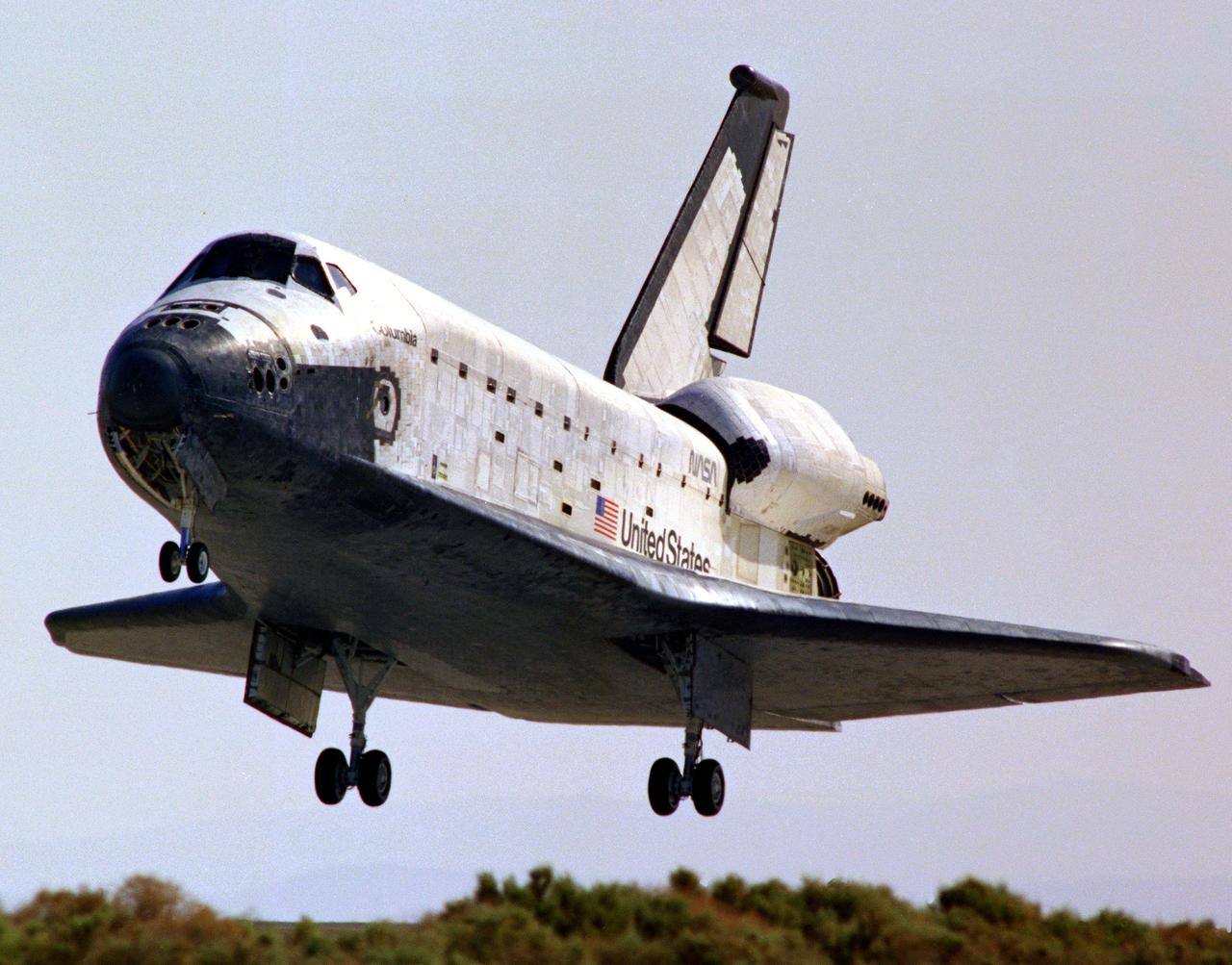
Space Shuttle Columbia nears its touchdown on Runway 22 at Edwards, California, at 8:39 a.m., 14 June 1991, as the STS-40 life sciences mission comes to an end at NASA's Ames-Dryden Flight Research Facility (later redesignated Dryden Flight Research Center) after nine days of orbital flight. Aboard Columbia during the extended mission were Bryan D. O'Connor, mission commander; Sidney M. Gutierrez, pilot; mission specialists James P. Bagian, Tamara E. Jernigan, and Margaret Rhea Seddon; and payload specialists Francis Andrew Gaffney and Millie Hughes-Fulford. STS-40 was the first space shuttle mission dedicated to life sciences research to explore how the body reacts to a weightless environment and how it readjusts to gravity on return to earth. Columbia was launched on the STS-40 mission 5 June 1991, from Kennedy Space Center in Florida.