It Full of Moons!
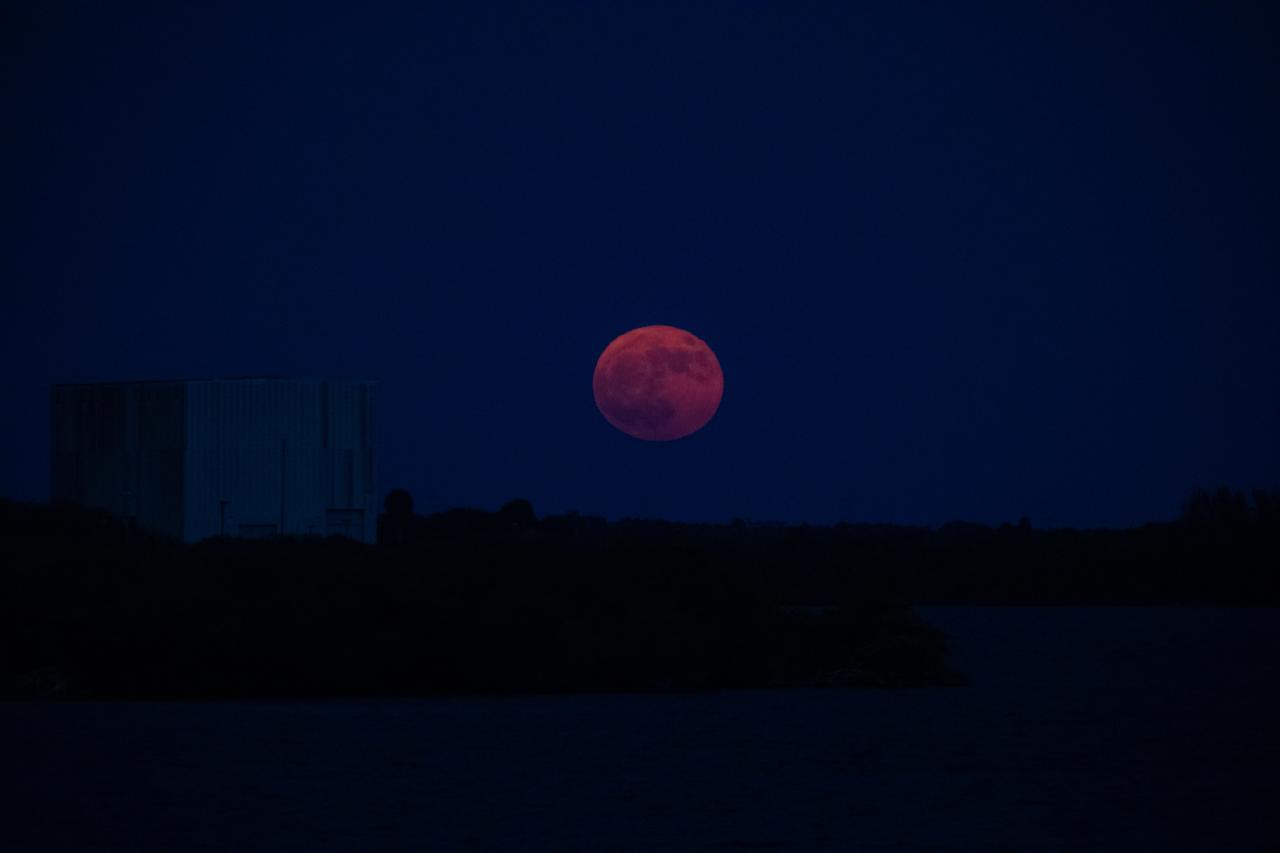
A super blue Moon rises above Kennedy Space Center in Florida on Monday, Aug. 18, 2024. Although not actually appearing blue, as the third full Moon in a season with four full Moons, this is called a “blue” Moon. The Moon at or near its closest point to Earth is a “super” Moon and can appear up to 14% bigger and brighter than normal full Moons. About 25% of all full Moons are super, but only 3% of full Moons are blue, with the next super blue Moons occurring as a pair in January and March 2037.

A super blue Moon rises above Kennedy Space Center in Florida on Monday, Aug. 18, 2024. Although not actually appearing blue, as the third full Moon in a season with four full Moons, this is called a “blue” Moon. The Moon at or near its closest point to Earth is a “super” Moon and can appear up to 14% bigger and brighter than normal full Moons. About 25% of all full Moons are super, but only 3% of full Moons are blue, with the next super blue Moons occurring as a pair in January and March 2037.
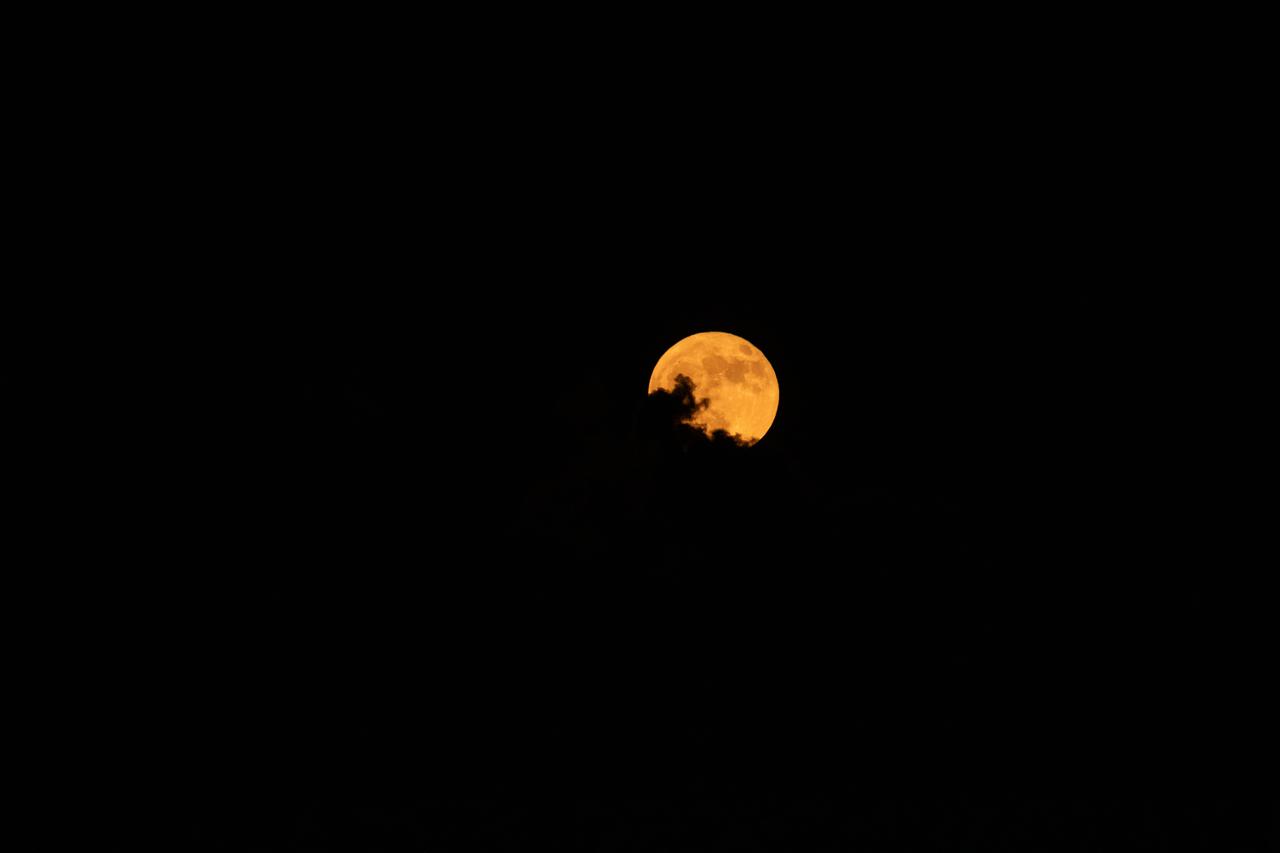
A super blue Moon rises above Kennedy Space Center in Florida on Monday, Aug. 18, 2024. Although not actually appearing blue, as the third full Moon in a season with four full Moons, this is called a “blue” Moon. The Moon at or near its closest point to Earth is a “super” Moon and can appear up to 14% bigger and brighter than normal full Moons. About 25% of all full Moons are super, but only 3% of full Moons are blue, with the next super blue Moons occurring as a pair in January and March 2037.
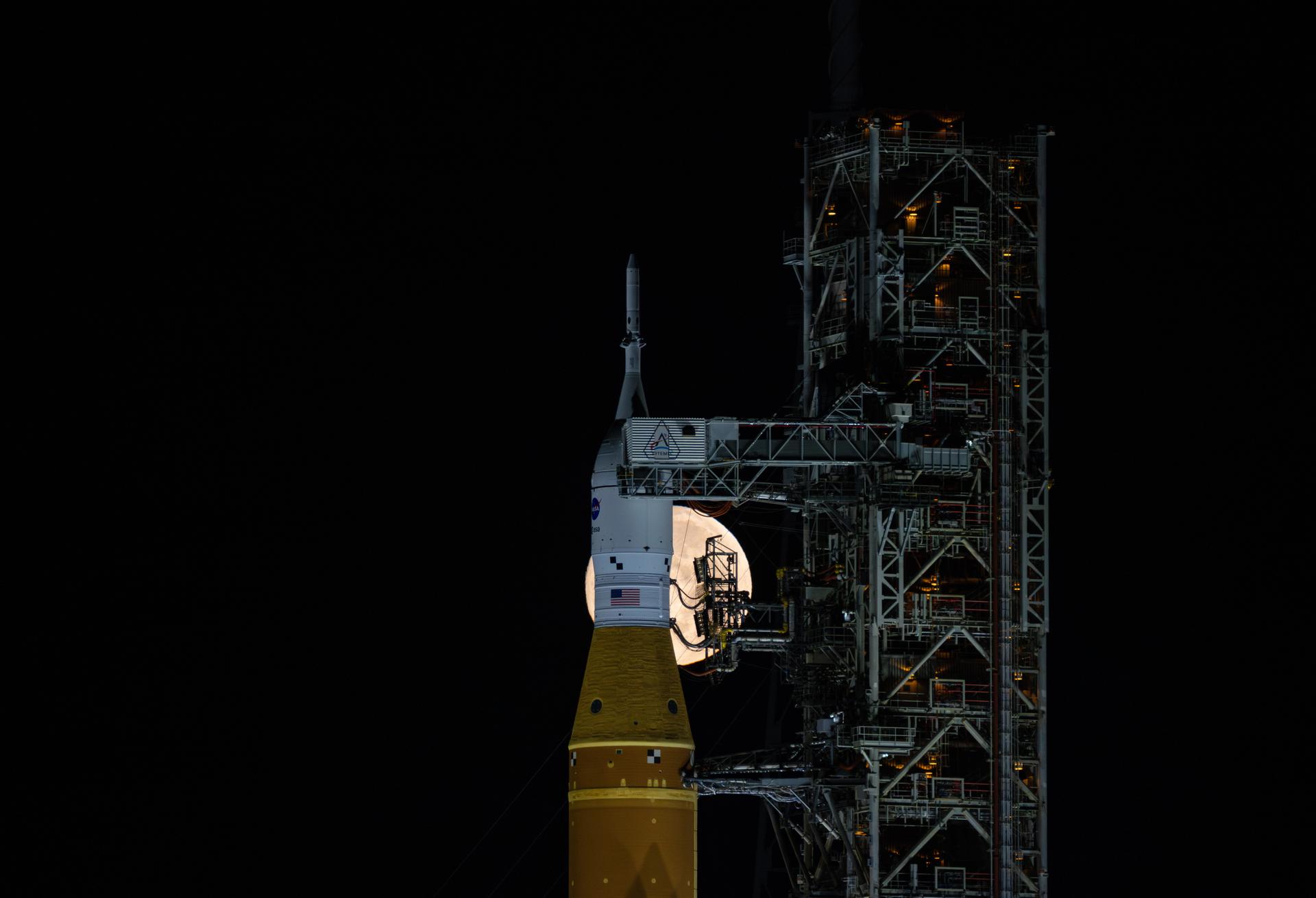
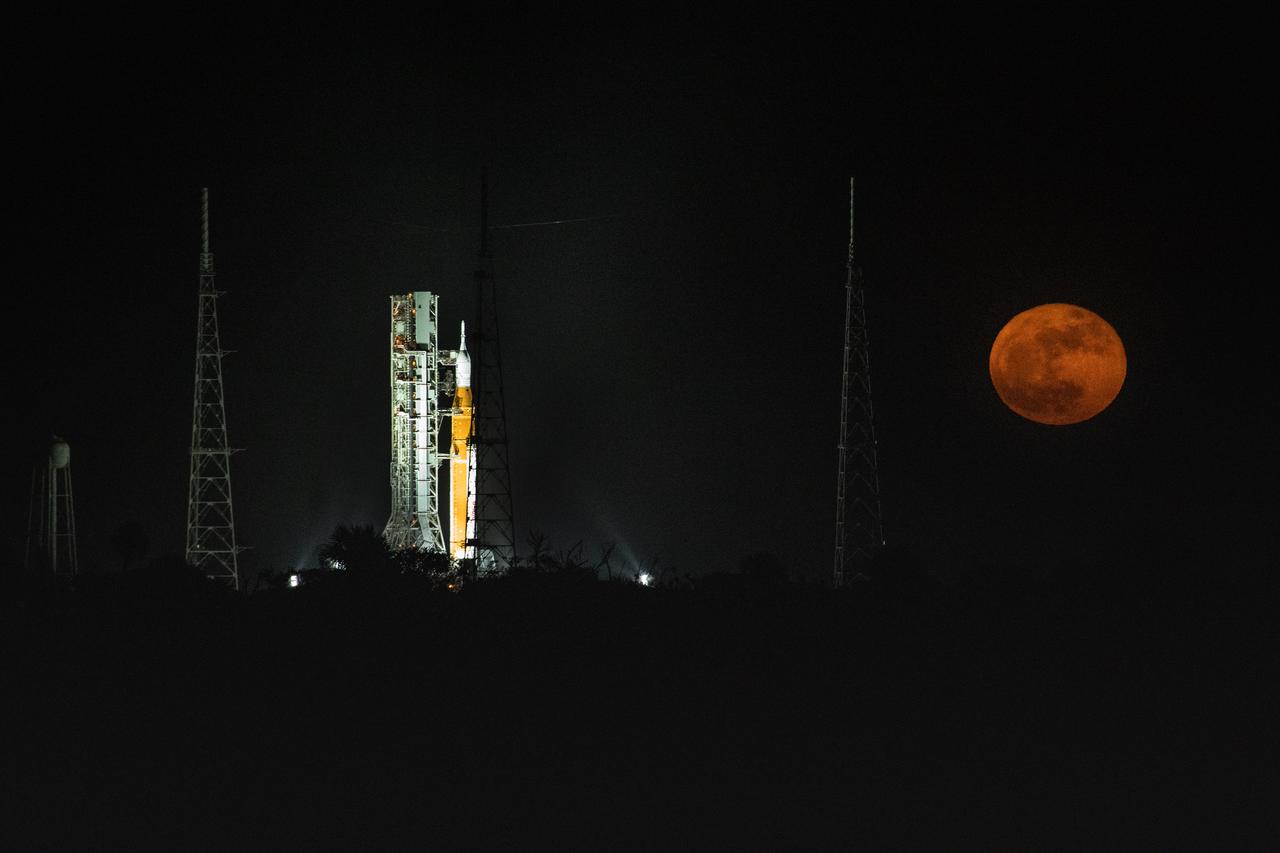
A full Moon is seen shining over NASA’s SLS (Space Launch System) and Orion spacecraft, atop the mobile launcher in the early hours of February 1, 2026. The rocket is currently at Launch Pad 39B at NASA’s Kennedy Space Center in Florida, as teams are preparing for a wet dress rehearsal to practice timelines and procedures for the launch of Artemis II.
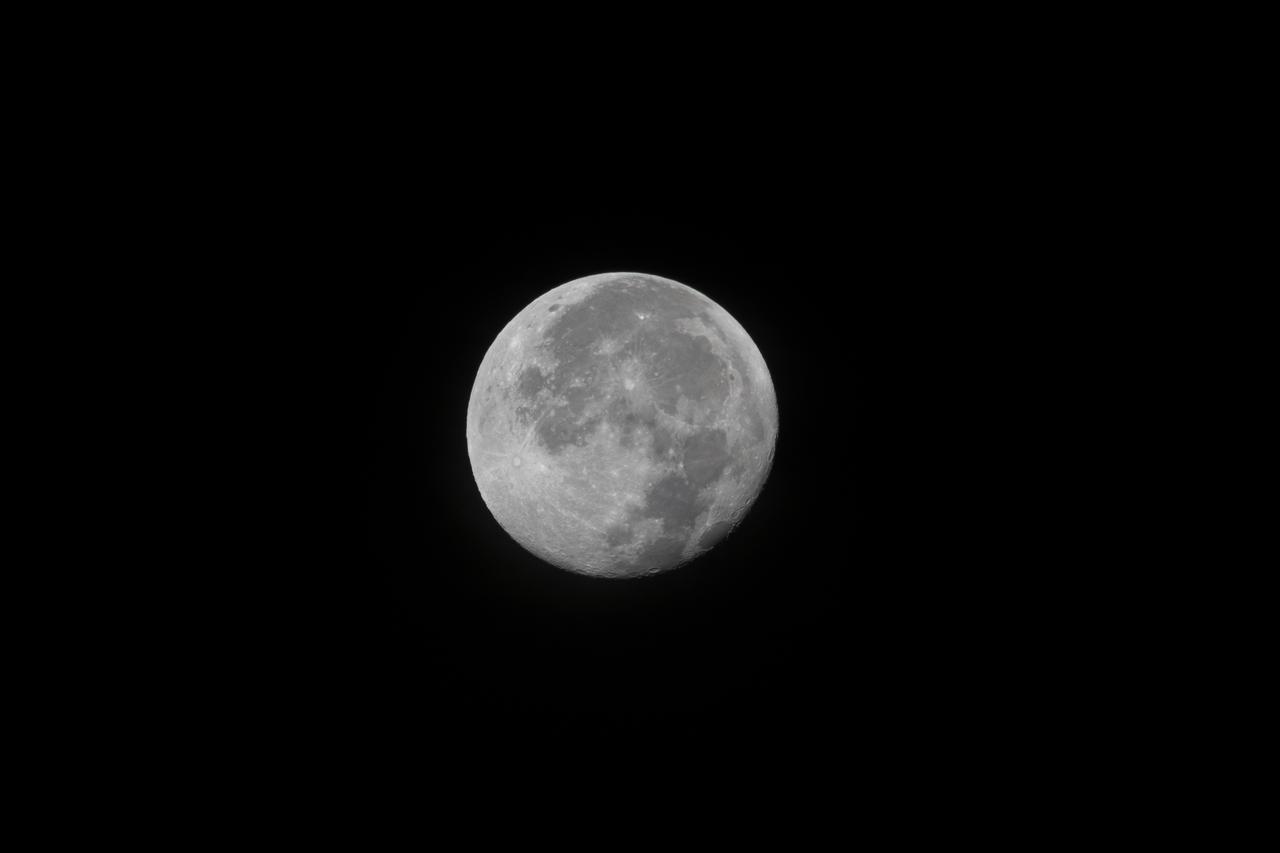
A brilliant full moon rises over the Launch Complex 39 area at NASA's Kennedy Space Center in Florida. A brilliant full moon rises over the Launch Complex 39 area at NASA's Kennedy Space Center in Florida.

The full Moon and the U.S. Capitol are seen early in the evening on Tuesday, Feb. 7, 2012 from Arlington National Cemetery. Photo Credit: (NASA/Bill Ingalls)
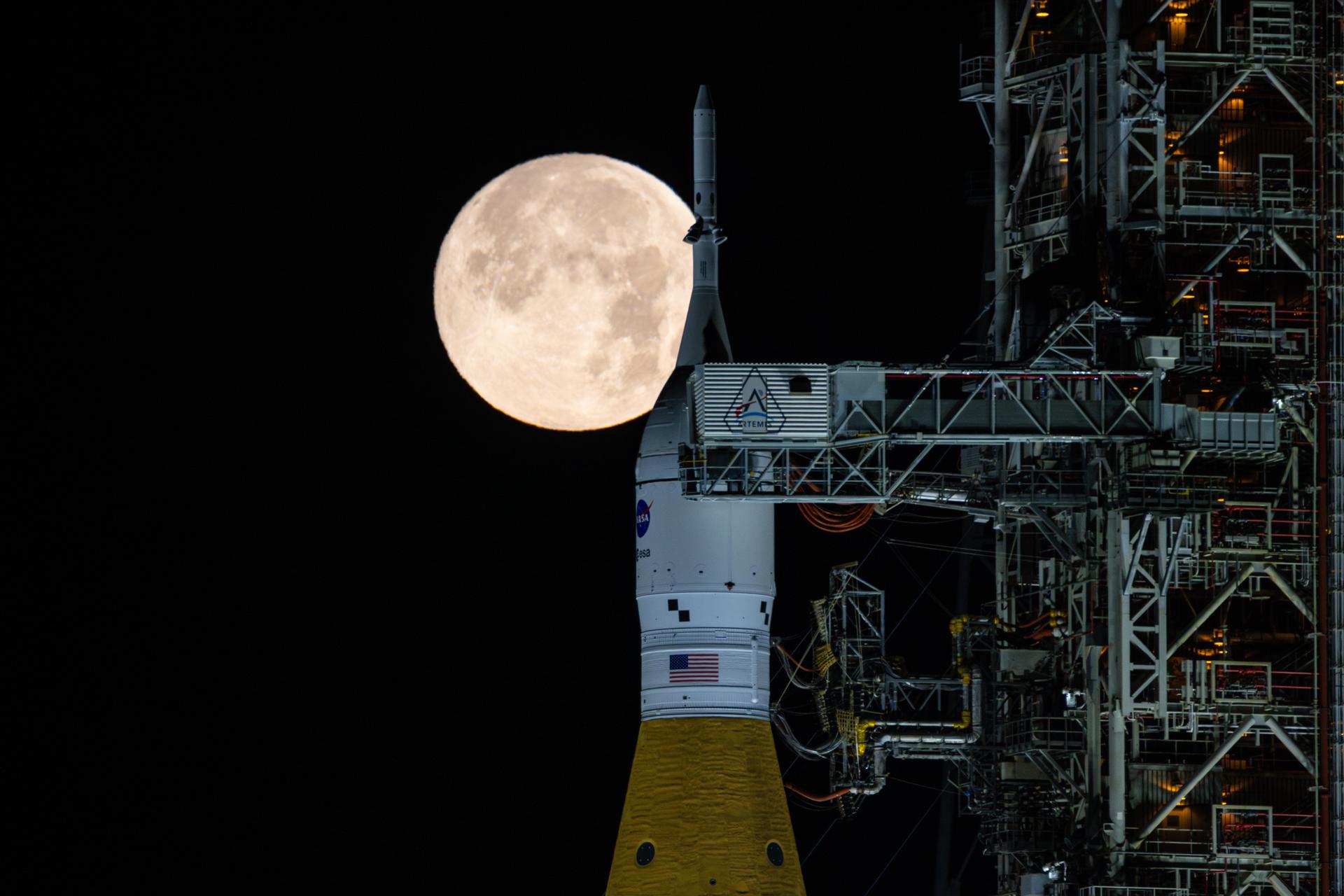
A full Moon is seen shining over NASA’s SLS (Space Launch System) and Orion spacecraft, atop the mobile launcher in the early hours of February 1, 2026. The rocket is currently at Launch Pad 39B at NASA’s Kennedy Space Center in Florida, as teams are preparing for a wet dress rehearsal to practice timelines and procedures for the launch of Artemis II.
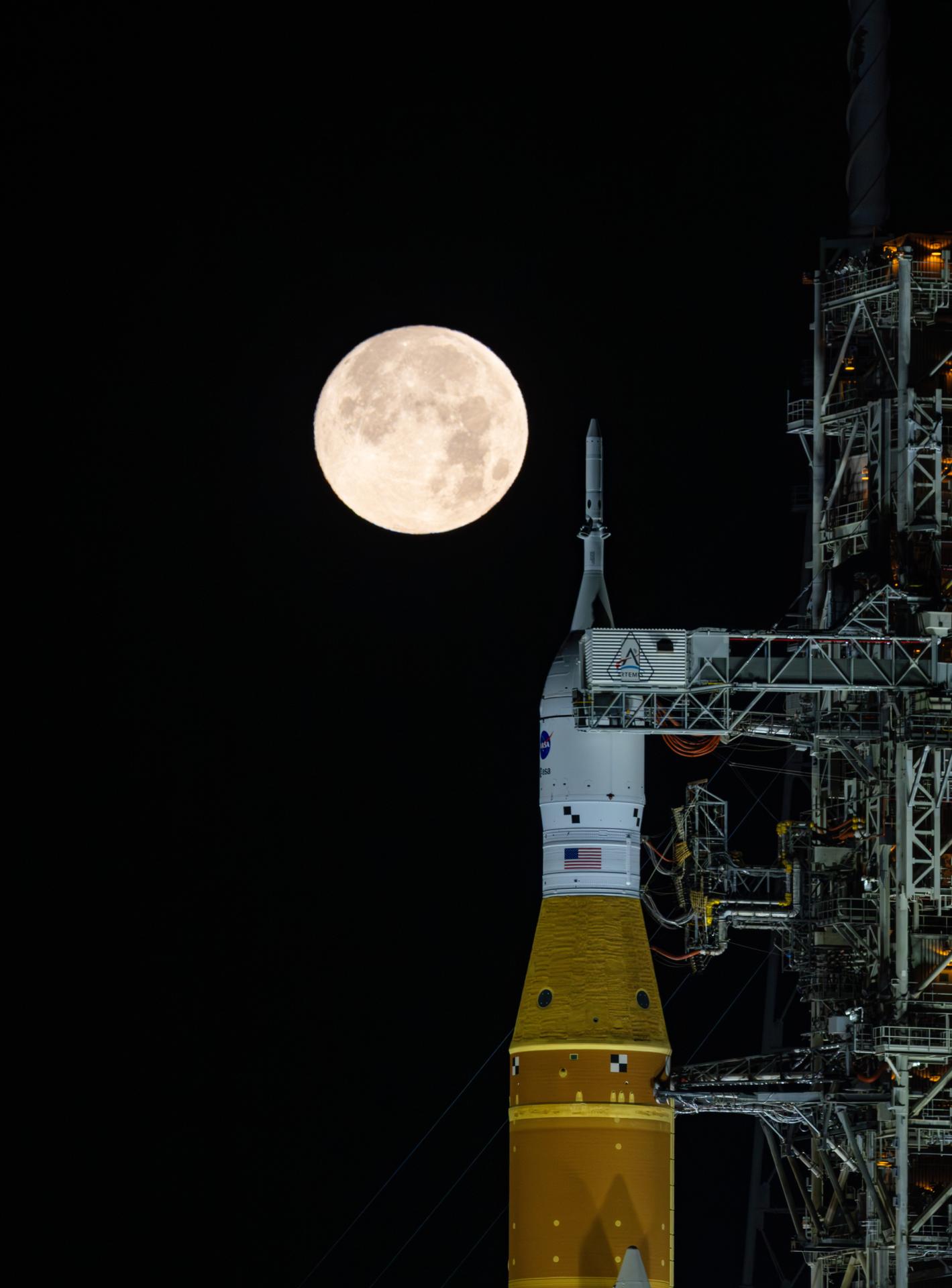
A full Moon is seen shining over NASA’s SLS (Space Launch System) and Orion spacecraft, atop the mobile launcher in the early hours of February 1, 2026. The rocket is currently at Launch Pad 39B at NASA’s Kennedy Space Center in Florida, as teams are preparing for a wet dress rehearsal to practice timelines and procedures for the launch of Artemis II.
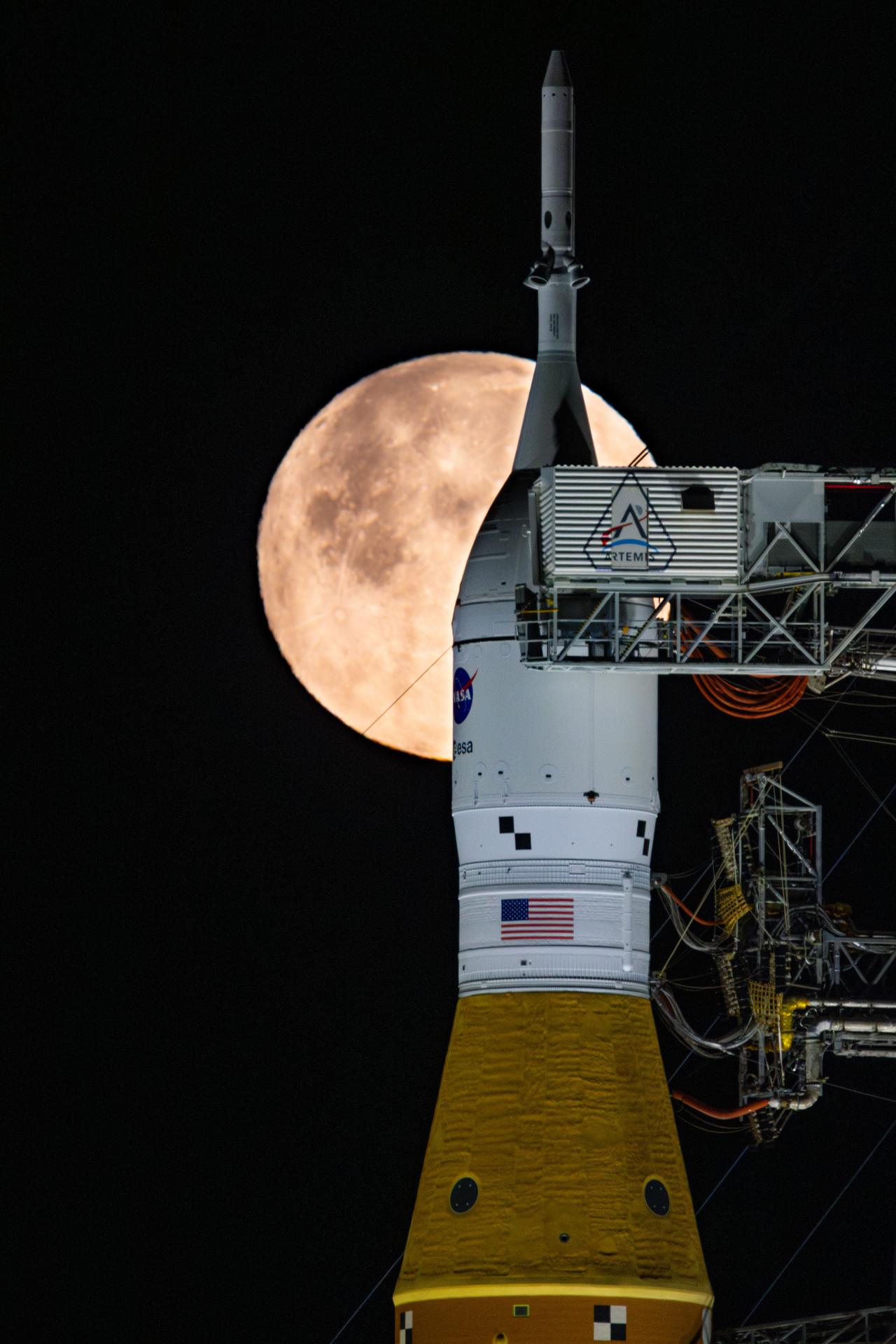
A full Moon is seen shining over NASA’s SLS (Space Launch System) and Orion spacecraft, atop the mobile launcher in the early hours of February 1, 2026. The rocket is currently at Launch Pad 39B at NASA’s Kennedy Space Center in Florida, as teams are preparing for a wet dress rehearsal to practice timelines and procedures for the launch of Artemis II.
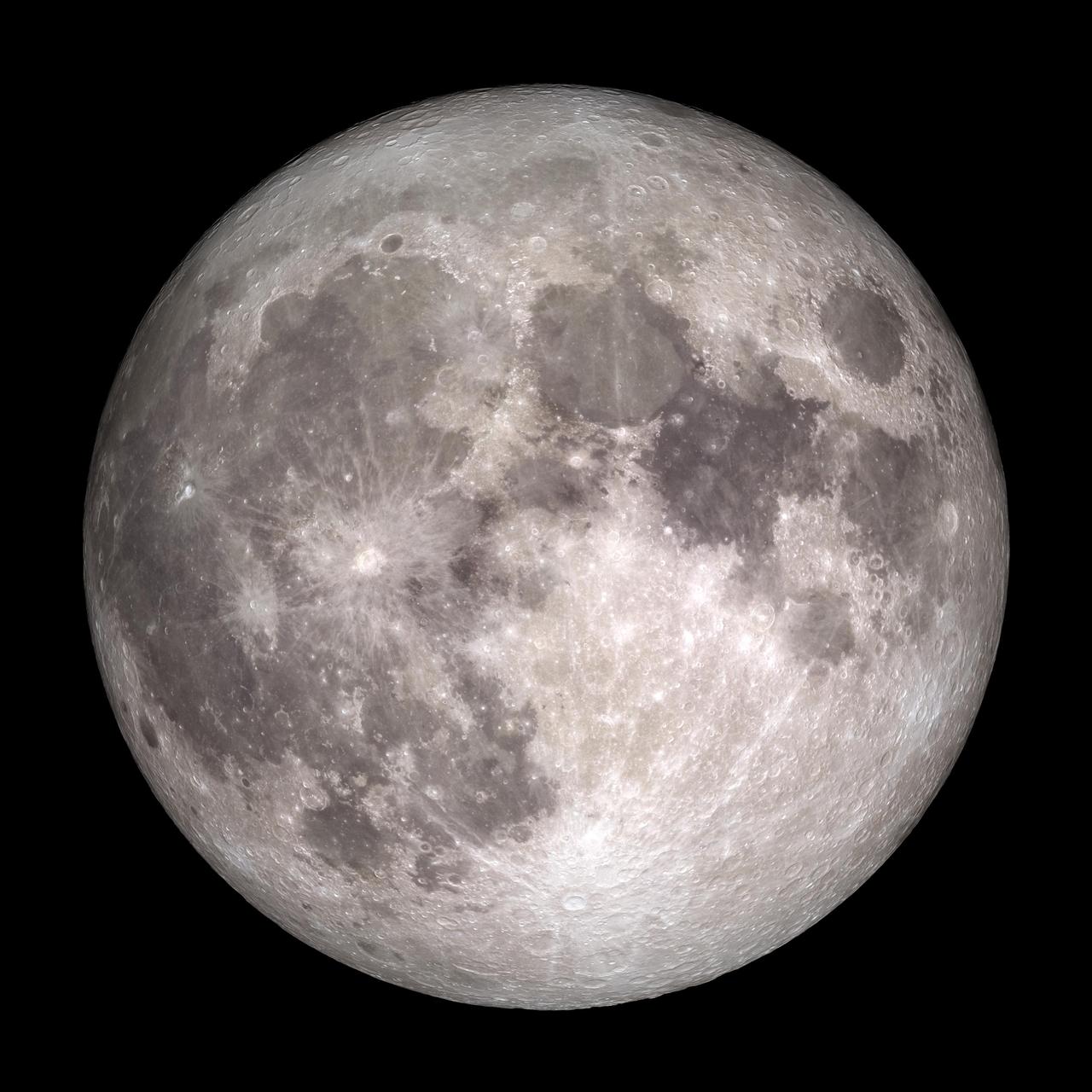
Full Moon. Rises at sunset, high in the sky around midnight. Visible all night. NASA's Lunar Reconnaissance Orbiter (LRO) has been in orbit around the Moon since the summer of 2009. Its laser altimeter (LOLA) and camera (LROC) are recording the rugged, airless lunar terrain in exceptional detail, making it possible to visualize the Moon with unprecedented fidelity. This is especially evident in the long shadows cast near the terminator, or day-night line. The pummeled, craggy landscape thrown into high relief at the terminator would be impossible to recreate in the computer without global terrain maps like those from LRO. To download, learn more about this visualization, or to see what the Moon will look like at any hour in 2015, visit <a href="http://svs.gsfc.nasa.gov/goto?4236" rel="nofollow">svs.gsfc.nasa.gov/goto?4236</a> <b><a href="http://www.nasa.gov/audience/formedia/features/MP_Photo_Guidelines.html" rel="nofollow">NASA image use policy.</a></b> <b><a href="http://www.nasa.gov/centers/goddard/home/index.html" rel="nofollow">NASA Goddard Space Flight Center</a></b> enables NASA’s mission through four scientific endeavors: Earth Science, Heliophysics, Solar System Exploration, and Astrophysics. Goddard plays a leading role in NASA’s accomplishments by contributing compelling scientific knowledge to advance the Agency’s mission. <b>Follow us on <a href="http://twitter.com/NASAGoddardPix" rel="nofollow">Twitter</a></b> <b>Like us on <a href="http://www.facebook.com/pages/Greenbelt-MD/NASA-Goddard/395013845897?ref=tsd" rel="nofollow">Facebook</a></b> <b>Find us on <a href="http://instagram.com/nasagoddard?vm=grid" rel="nofollow">Instagram</a></b>

Full Moon. Rises at sunset, high in the sky around midnight. Visible all night. This marks the first time that accurate shadows at this level of detail are possible in such a computer simulation. The shadows are based on the global elevation map being developed from measurements by the Lunar Orbiter Laser Altimeter (LOLA) aboard the Lunar Reconnaissance Orbiter (LRO). LOLA has already taken more than 10 times as many elevation measurements as all previous missions combined. The Moon always keeps the same face to us, but not exactly the same face. Because of the tilt and shape of its orbit, we see the Moon from slightly different angles over the course of a month. When a month is compressed into 12 seconds, as it is in this animation, our changing view of the Moon makes it look like it's wobbling. This wobble is called libration. The word comes from the Latin for "balance scale" (as does the name of the zodiac constellation Libra) and refers to the way such a scale tips up and down on alternating sides. The sub-Earth point gives the amount of libration in longitude and latitude. The sub-Earth point is also the apparent center of the Moon's disk and the location on the Moon where the Earth is directly overhead. The Moon is subject to other motions as well. It appears to roll back and forth around the sub-Earth point. The roll angle is given by the position angle of the axis, which is the angle of the Moon's north pole relative to celestial north. The Moon also approaches and recedes from us, appearing to grow and shrink. The two extremes, called perigee (near) and apogee (far), differ by more than 10%. The most noticed monthly variation in the Moon's appearance is the cycle of phases, caused by the changing angle of the Sun as the Moon orbits the Earth. The cycle begins with the waxing (growing) crescent Moon visible in the west just after sunset. By first quarter, the Moon is high in the sky at sunset and sets around midnight. The full Moon rises at sunset and is high in the sky at midnight. The third quarter Moon is often surprisingly conspicuous in the daylit western sky long after sunrise. Celestial north is up in these images, corresponding to the view from the northern hemisphere. The descriptions of the print resolution stills also assume a northern hemisphere orientation. To adjust for southern hemisphere views, rotate the images 180 degrees, and substitute "north" for "south" in the descriptions. Credit: <a href="http://svs.gsfc.nasa.gov/index.html" rel="nofollow">NASA/Goddard Space Flight Center Scientific Visualization Studio</a> <b><a href="http://www.nasa.gov/centers/goddard/home/index.html" rel="nofollow">NASA Goddard Space Flight Center</a></b> enables NASA’s mission through four scientific endeavors: Earth Science, Heliophysics, Solar System Exploration, and Astrophysics. Goddard plays a leading role in NASA’s accomplishments by contributing compelling scientific knowledge to advance the Agency’s mission. <b>Follow us on <a href="http://twitter.com/NASA_GoddardPix" rel="nofollow">Twitter</a></b> <b>Join us on <a href="http://www.facebook.com/pages/Greenbelt-MD/NASA-Goddard/395013845897?ref=tsd" rel="nofollow">Facebook</a></b> <b>Find us on <a href="http://web.stagram.com/n/nasagoddard/?vm=grid" rel="nofollow">Instagram</a></b>
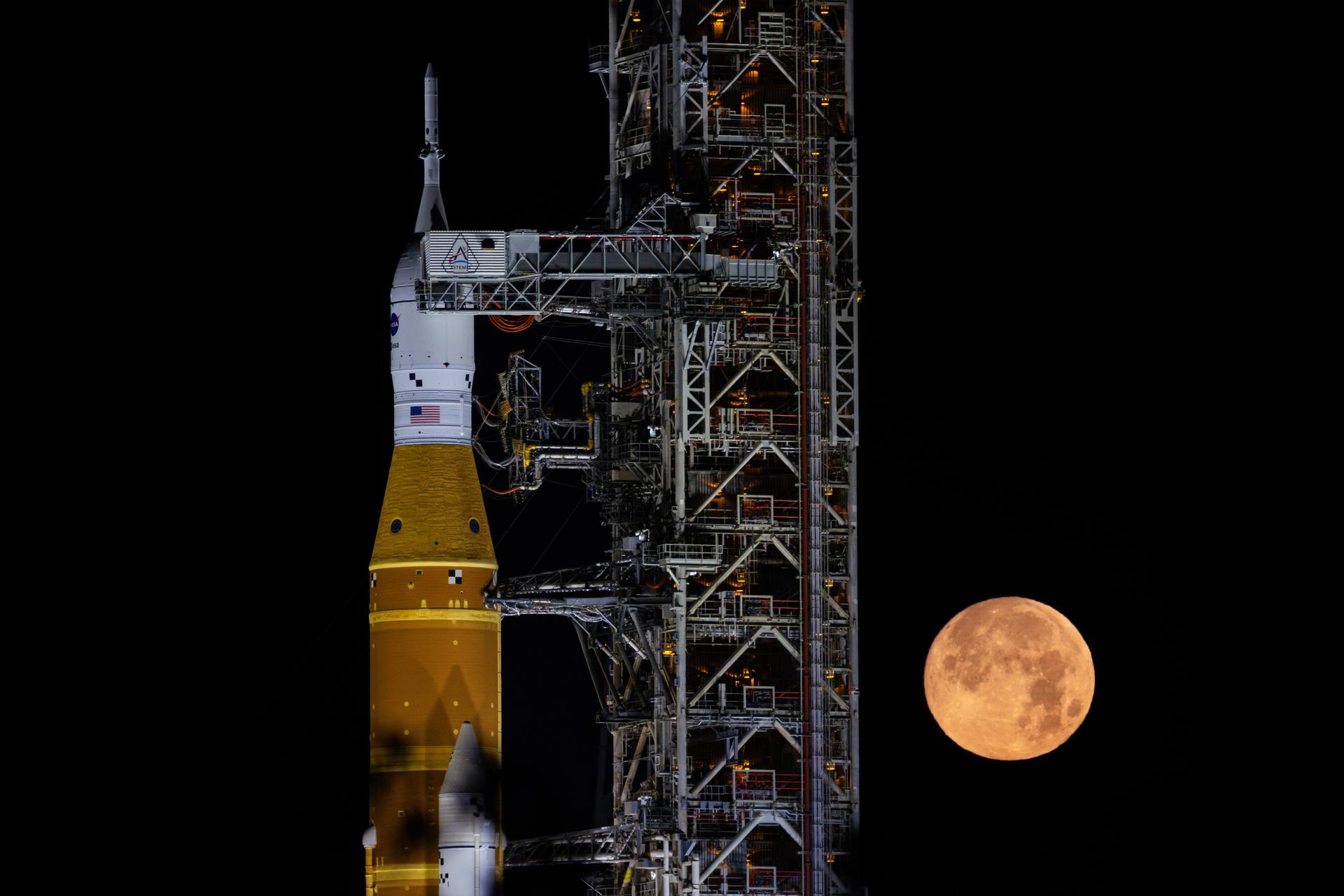
A full Moon is seen shining over NASA’s SLS (Space Launch System) and Orion spacecraft, atop the mobile launcher in the early hours of February 1, 2026. The rocket is currently at Launch Pad 39B at NASA’s Kennedy Space Center in Florida, as teams are preparing for a wet dress rehearsal to practice timelines and procedures for the launch of Artemis II.
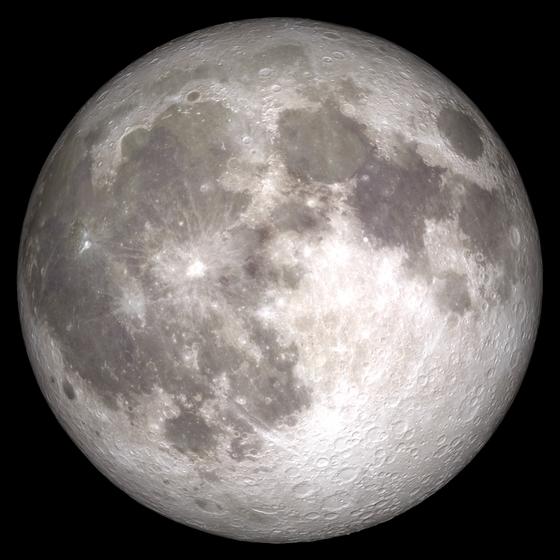
<b>Share YOUR pink moon and/or partial lunar eclipse images in our Flickr Group here: <a href="http://www.flickr.com/groups/pinkmoon/">www.flickr.com/groups/pinkmoon/</a> </b> TimeThursday, April 25, 2013, 21:00 UT Phase 100.0% Diameter - 1962.6 arcseconds Distance - 365185 km (28.66 Earth diameters There is a special lunar name for every full moon in a year. The April 25 full moon is known as the “Full Pink Moon” because of the grass pink – or wild ground phlox – flower, which is one of the earliest widespread flowers to bloom in the spring. This month’s full moon is also known as the Sprouting Grass moon and the Egg moon. The first lunar eclipse of 2013 occurs at the Moon's ascending node in southern Virgo about 12° east of Spica (mv = +1.05). It is visible primarily from the Eastern Hemisphere. This event will not be visible in North America, it will only be visible from Eastern Europea, Africa, Asia, and Western Australia. April’s full moon, which is set to rise tonight, is known as a pink moon. And this year it coincides with the partial lunar eclipse. This NASA animation shows elevation measurements by the Lunar Orbiter Laser Altimeter (LOLA) aboard the Lunar Reconnaissance Orbiter (LRO). Credit: NASA/Goddard Space Flight Center Scientific Visualization Studio <b><a href="http://www.nasa.gov/audience/formedia/features/MP_Photo_Guidelines.html" rel="nofollow">NASA image use policy.</a></b> <b><a href="http://www.nasa.gov/centers/goddard/home/index.html" rel="nofollow">NASA Goddard Space Flight Center</a></b> enables NASA’s mission through four scientific endeavors: Earth Science, Heliophysics, Solar System Exploration, and Astrophysics. Goddard plays a leading role in NASA’s accomplishments by contributing compelling scientific knowledge to advance the Agency’s mission. <b>Follow us on <a href="http://twitter.com/NASA_GoddardPix" rel="nofollow">Twitter</a></b> <b>Like us on <a href="http://www.facebook.com/pages/Greenbelt-MD/NASA-Goddard/395013845897?ref=tsd" rel="nofollow">Facebook</a></b> <b>Find us on <a href="http://instagram.com/nasagoddard?vm=grid" rel="nofollow">Instagram</a></b>
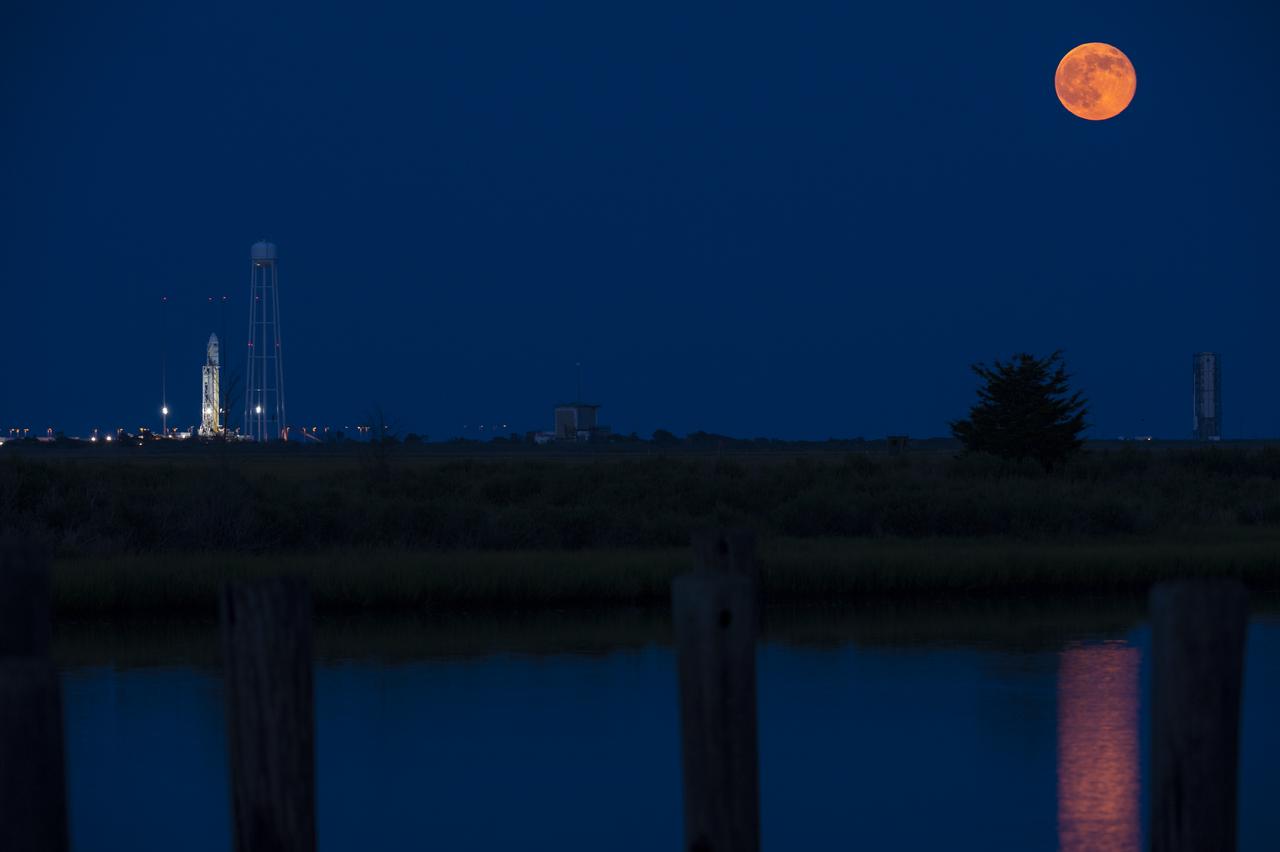
The full Moon rises in the sky to the right of the Orbital Sciences Corporation Antares rocket, with the Cygnus spacecraft onboard, Saturday, July 12, 2014, launch Pad-0A, NASA's Wallops Flight Facility in Virginia. The Antares is scheduled to launch Sunday, July 13, 2014 with the Cygnus spacecraft filled with over 3,000 pounds of supplies for the International Space Station, including science experiments, experiment hardware, spare parts, and crew provisions. The Orbital-2 mission is Orbital Sciences' second contracted cargo delivery flight to the space station for NASA. Photo Credit: (NASA/Aubrey Gemignani)
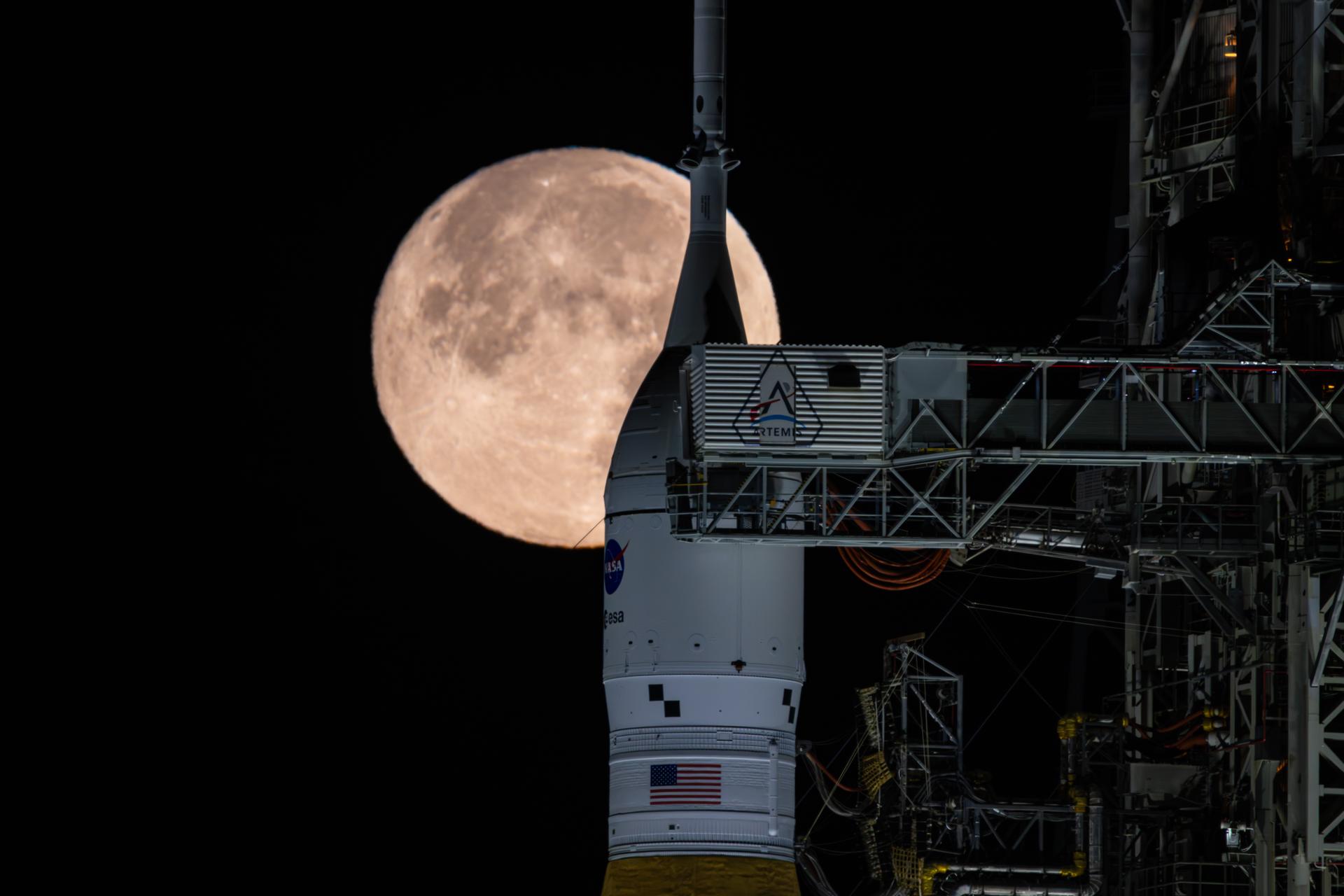
The Moon is seen shining over the SLS (Space Launch System) and Orion spacecraft, atop the mobile launcher on February 1, 2026. The rocket is currently at Launch Pad 39B at NASA’s Kennedy Space Center in Florida, as teams are preparing for a wet dress rehearsal to practice timelines and procedures for the launch of Artemis II.
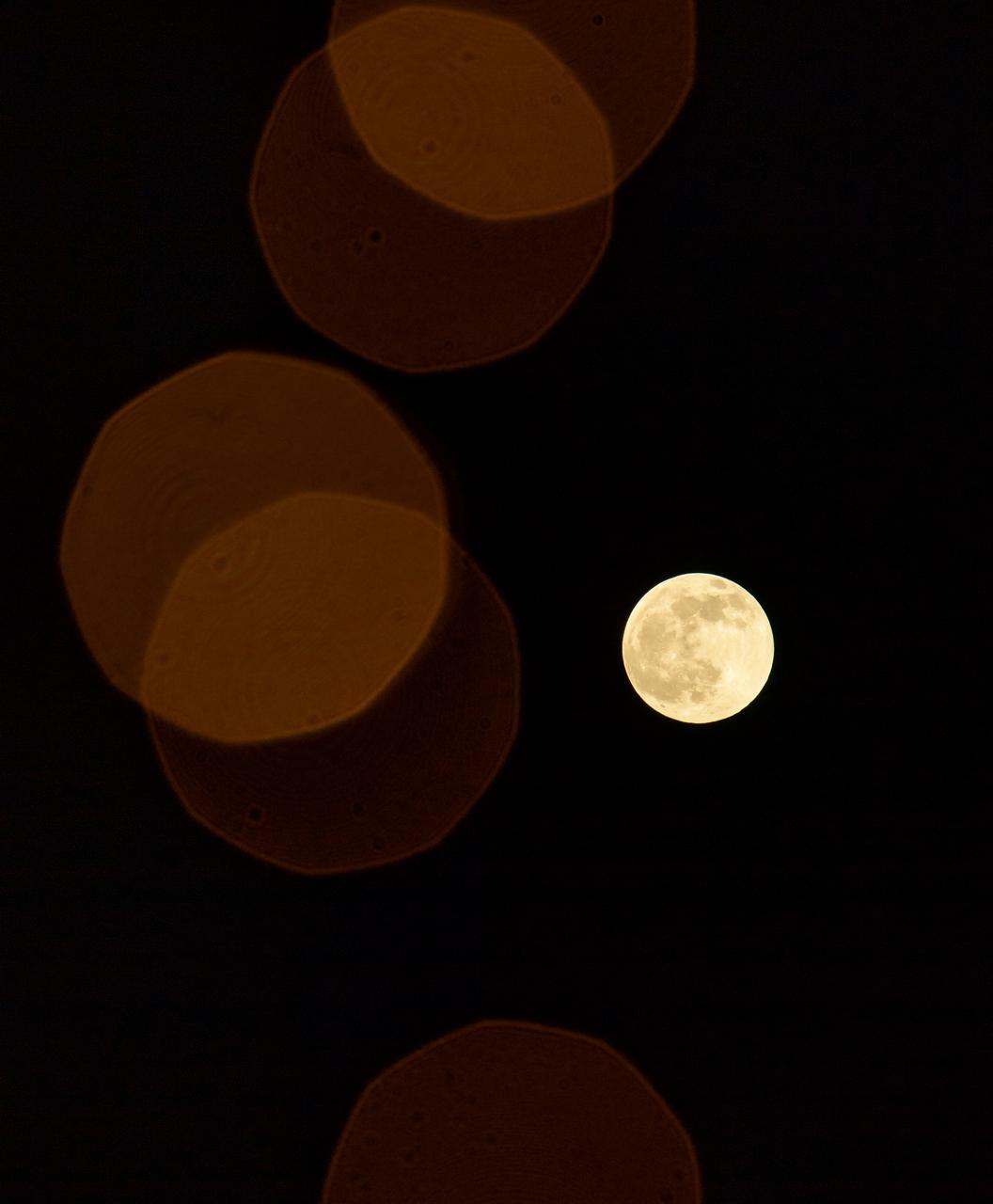
The full moon is seen with holiday lights, Tuesday, Dec. 29, 2020, in Arlington, Va. Photo Credit: (NASA/Bill Ingalls)
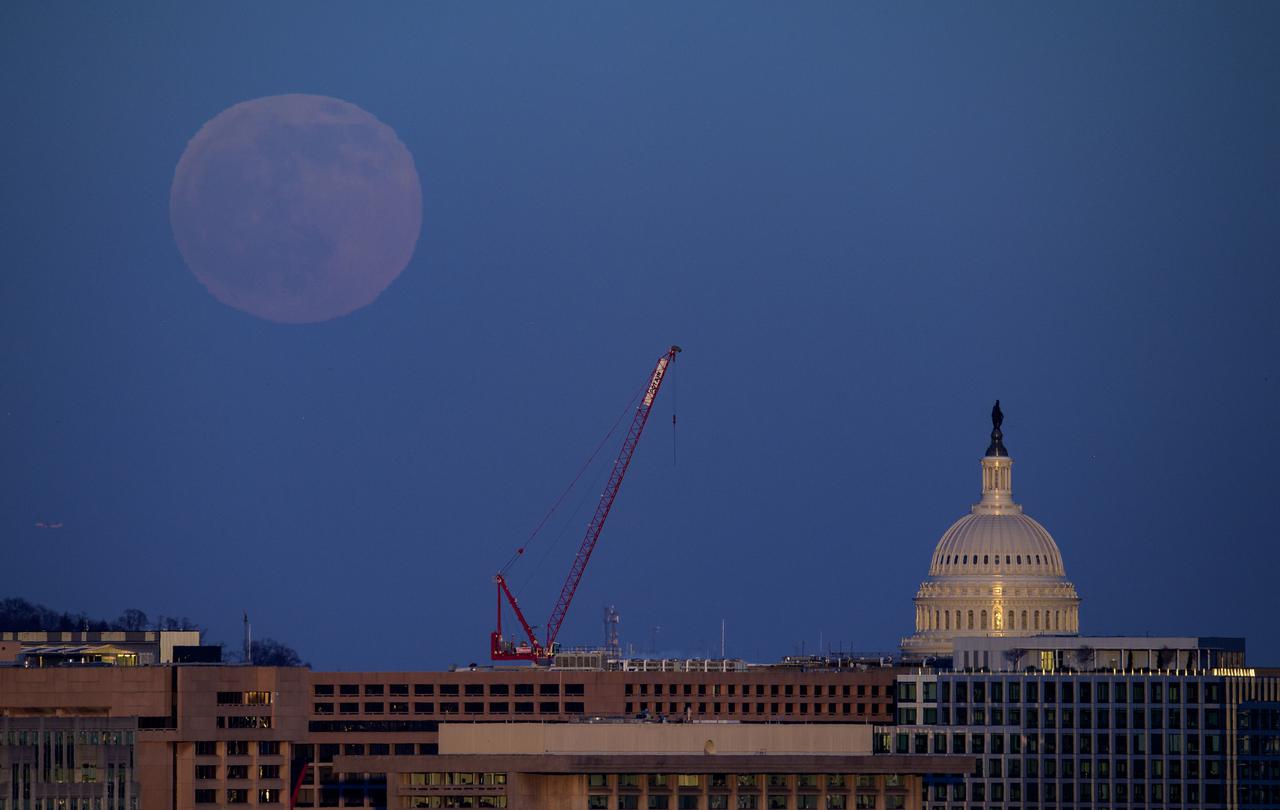
The rising full moon is seen with the U.S. Capitol, Tuesday, Dec. 29, 2020, in Washington. Photo Credit: (NASA/Bill Ingalls)
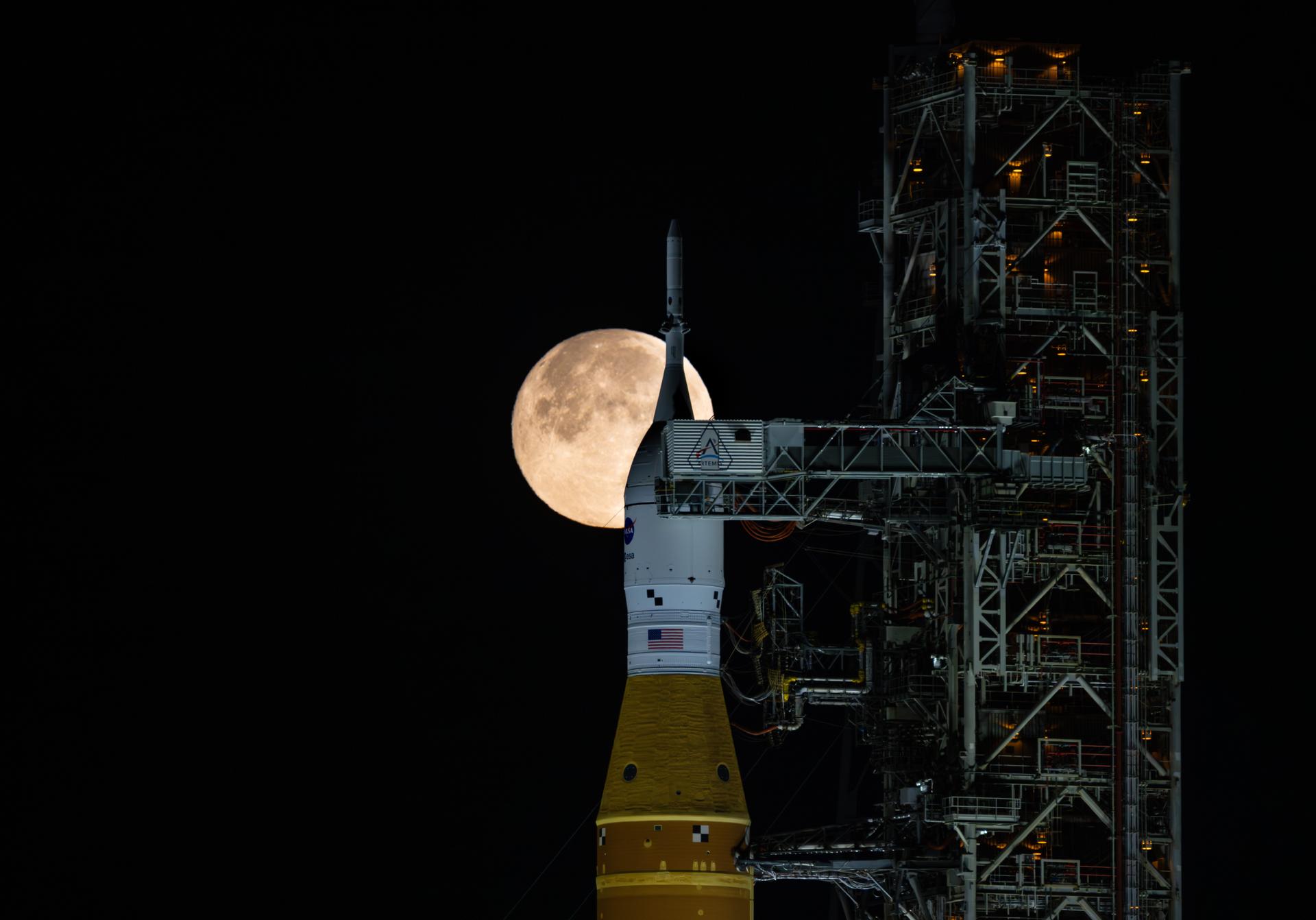
A full Moon is seen shining over NASA’s SLS (Space Launch System) and Orion spacecraft, atop the mobile launcher in the early hours of February 1, 2026. The rocket is currently at Launch Pad 39B at NASA’s Kennedy Space Center in Florida, as teams are preparing for a wet dress rehearsal to practice timelines and procedures for the launch of Artemis II.

A perigee full moon or supermoon is seen, Sunday, August 10, 2014, in Washington. A supermoon occurs when the moon’s orbit is closest (perigee) to Earth at the same time it is full. Photo Credit: (NASA/Bill Ingalls)
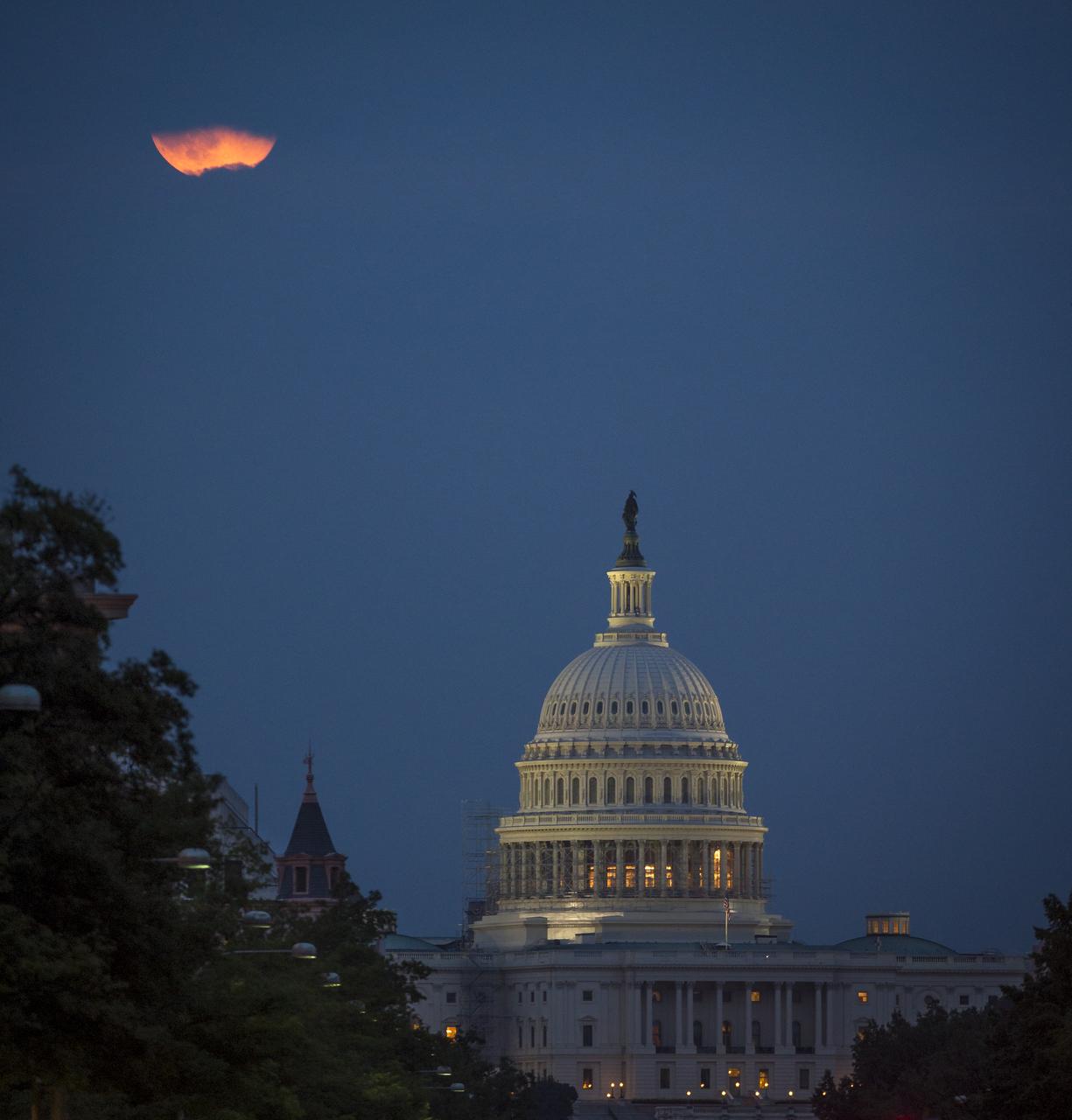
A perigee full moon or supermoon is seen behind clouds over the United States Capitol, Sunday, August 10, 2014, in Washington. A supermoon occurs when the moon’s orbit is closest (perigee) to Earth at the same time it is full. Photo Credit: (NASA/Bill Ingalls)
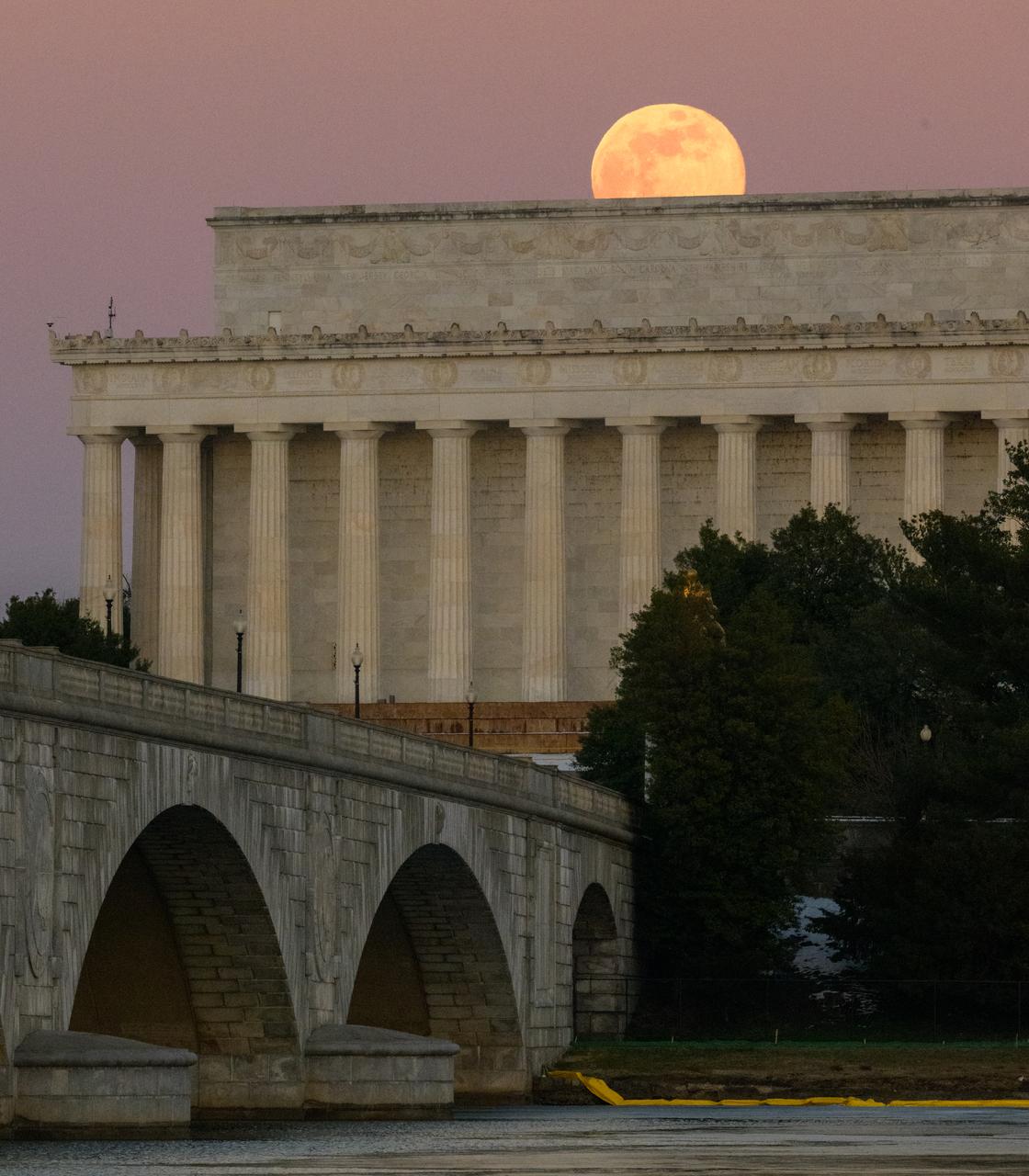
The full Moon, also known in January as the Wolf Moon, rises above the Lincoln Memorial and the Memorial Bridge, Monday, Jan. 13, 2025, as seen from Arlington, Virginia. Photo Credit: (NASA/Bill Ingalls)
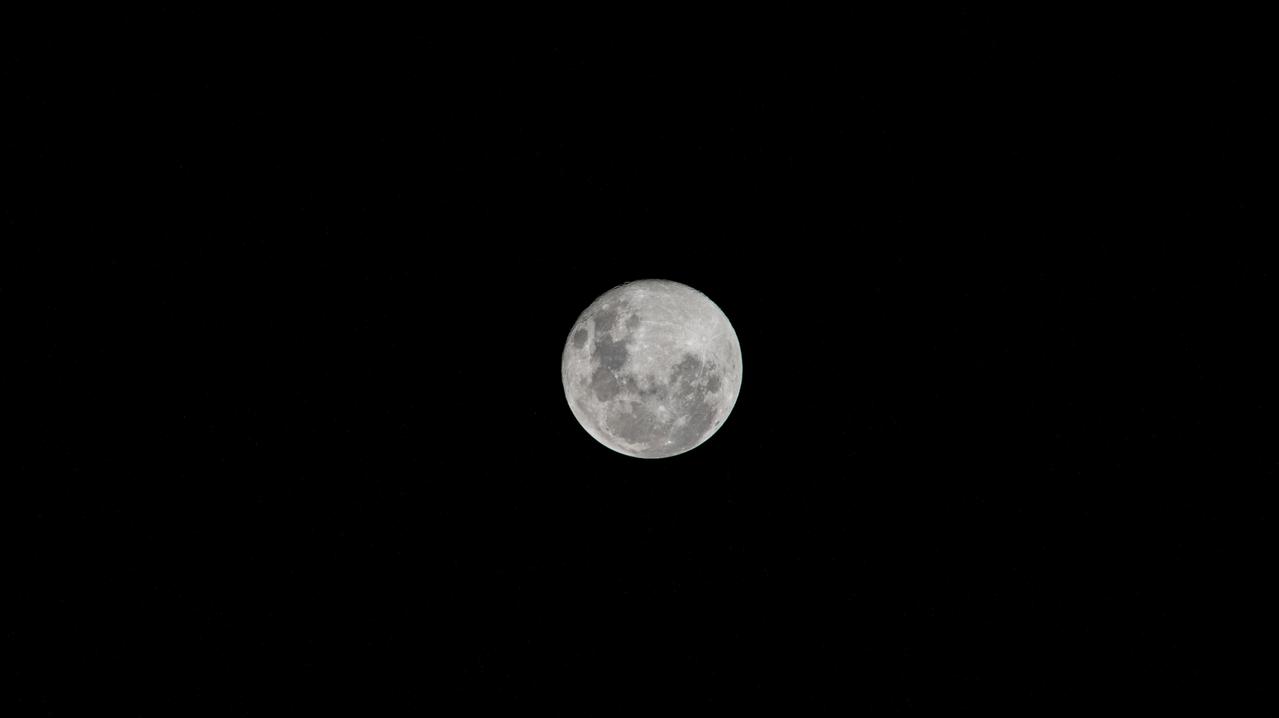
iss072e068280 (Oct. 18, 2024) -- October's full moon, known as "The Hunter's Moon," is pictured from the International Space Station as it orbited 273 miles above the South Pacific Ocean.
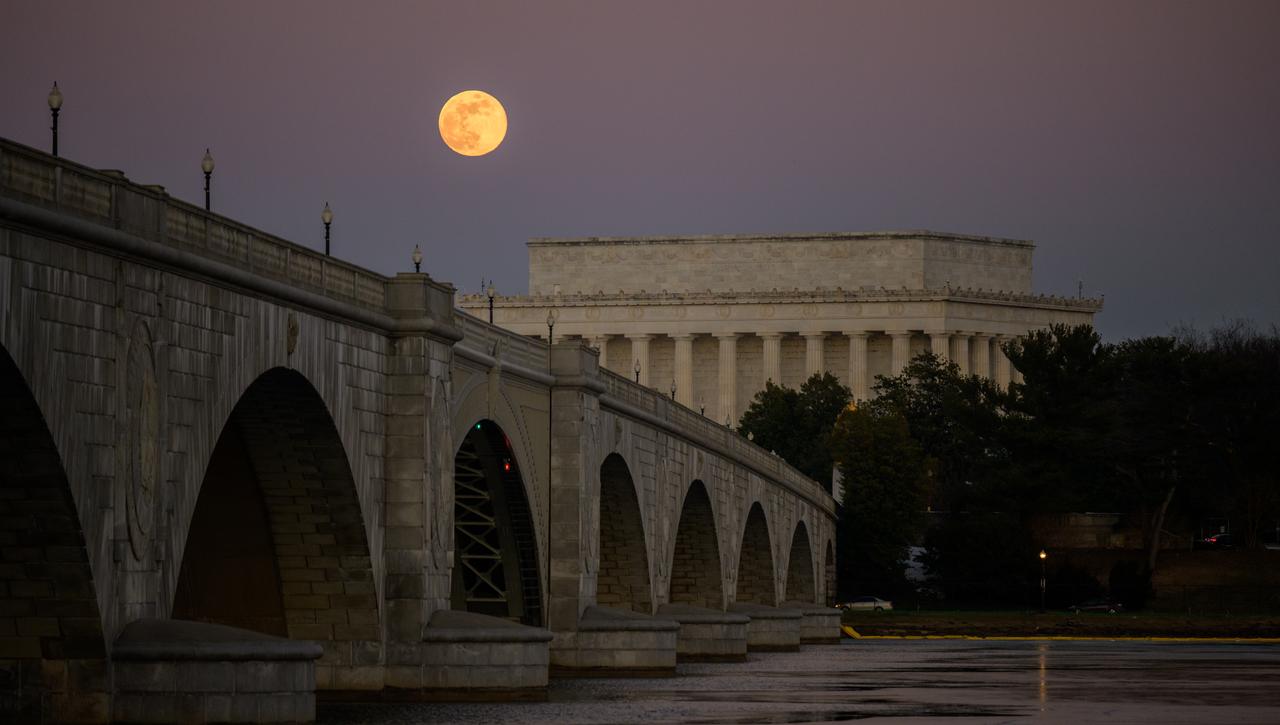
The full Moon, also known in January as the Wolf Moon, rises above the Lincoln Memorial and the Memorial Bridge, Monday, Jan. 13, 2025, as seen from Arlington, Virginia. Photo Credit: (NASA/Bill Ingalls)
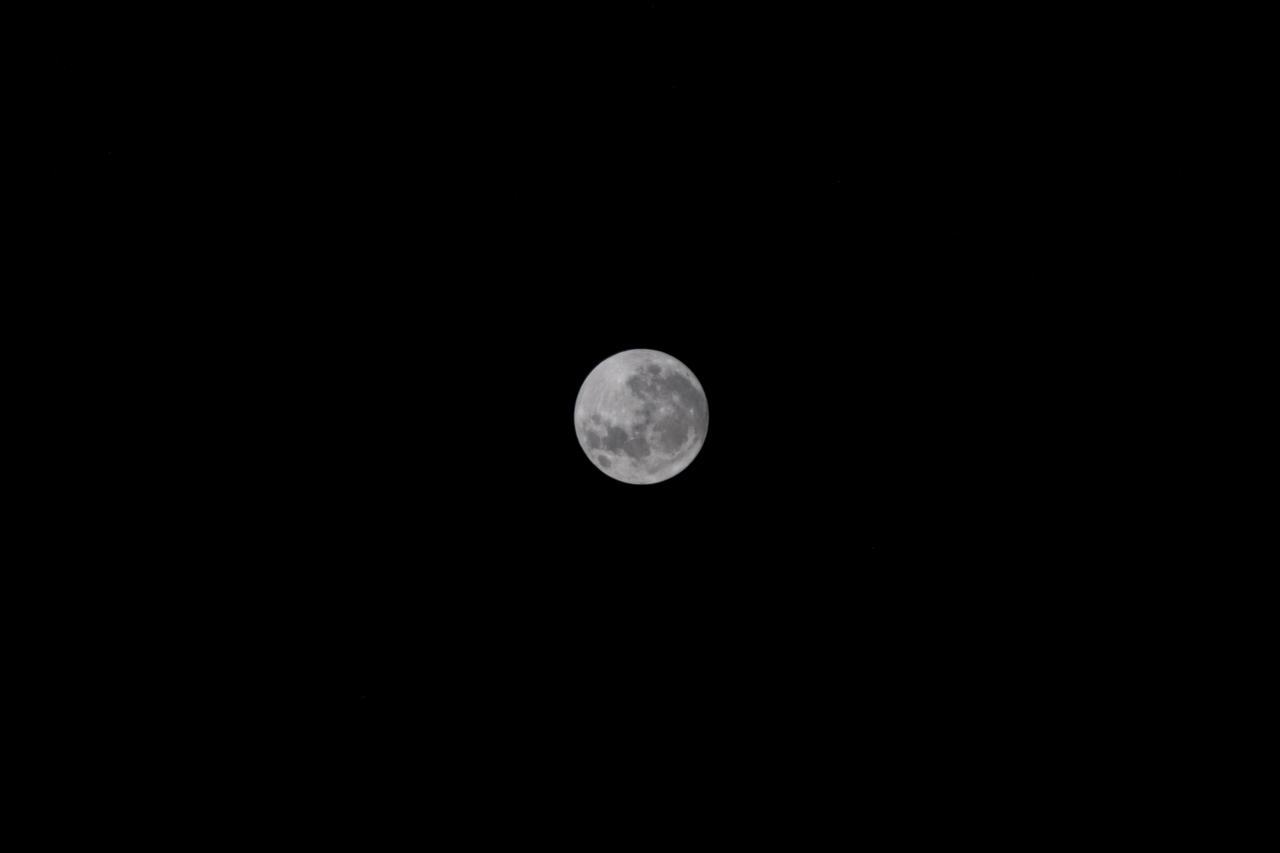
iss069e051764 (August 1, 2023) -- A full Moon on the night of Aug. 1— the first of two in the month— as the International Space Station orbited 265 miles above Earth.
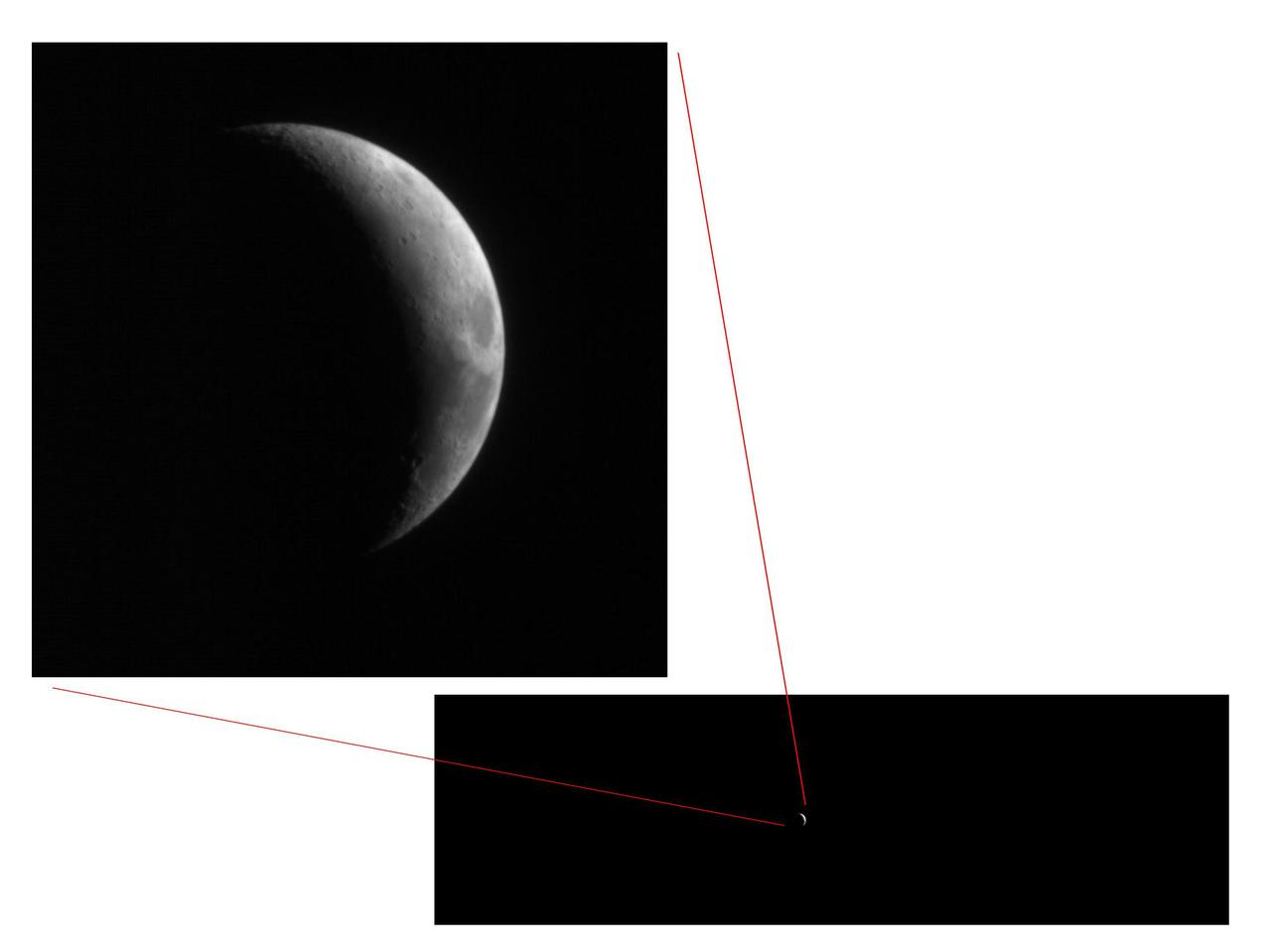
This pair of views shows how little of the full image frame was taken up by the Moon in test images taken Sept. 8, 2005, by the High Resolution Imaging Science Experiment HiRISE camera on NASA Mars Reconnaissance Orbiter.
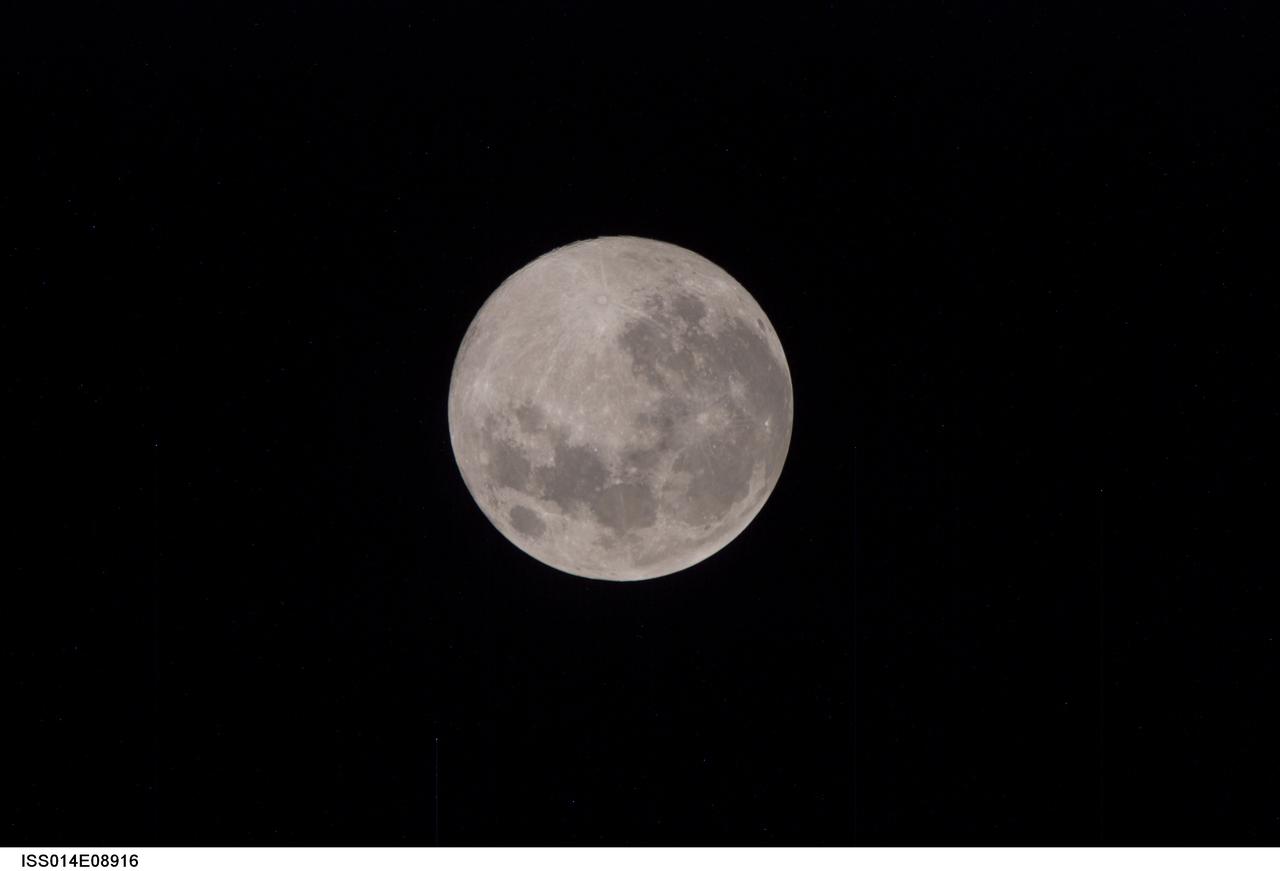
ISS014-E-08916 (4 Dec. 2006) --- This view of a full moon was photographed by an Expedition 14 crewmember onboard the International Space Station.
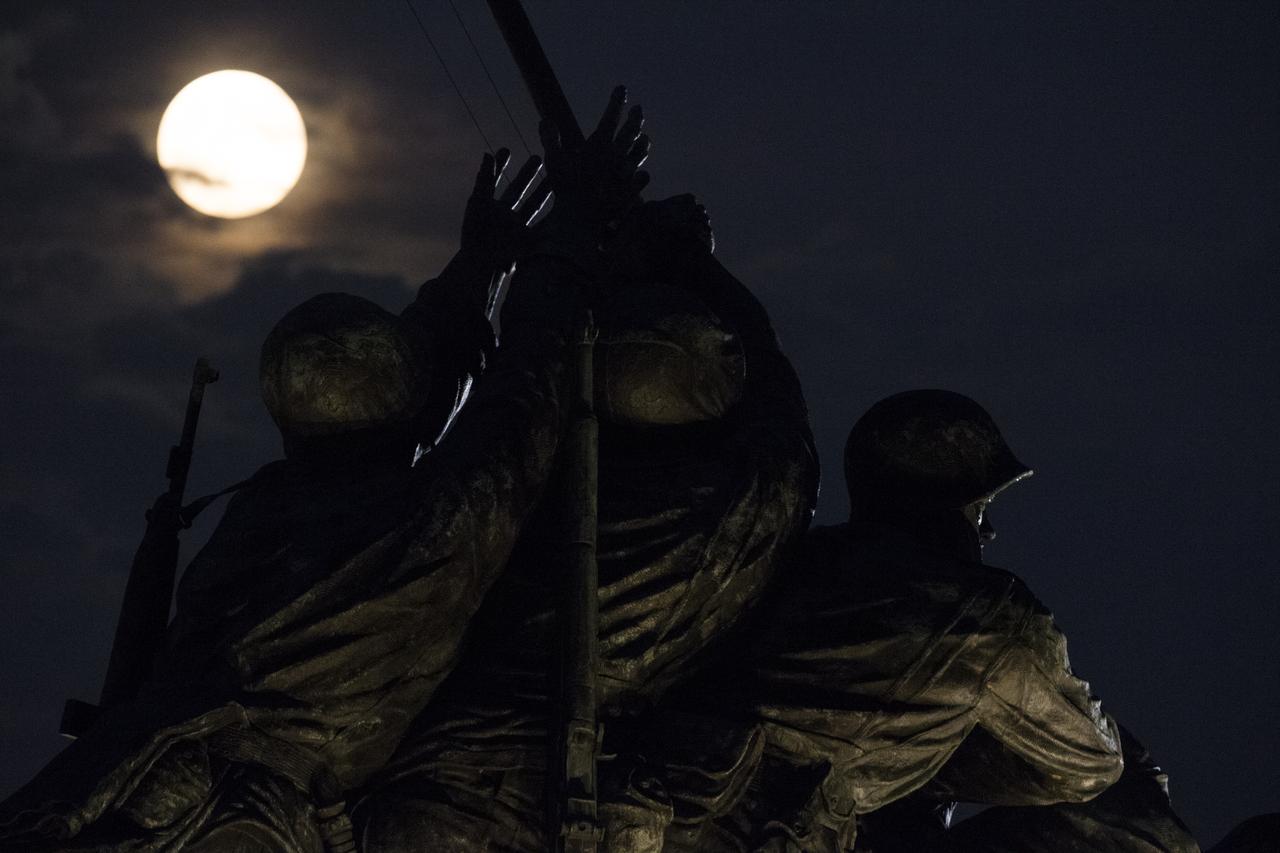
A perigree full moon or supermoon is seen over the US Marine Corps War Memorial, Sunday, August 10, 2014, in Arlington, Virginia. A supermoon occurs when the moon’s orbit is closest (perigee) to Earth at the same time it is full. Photo Credit: (NASA/Joel Kowsky)
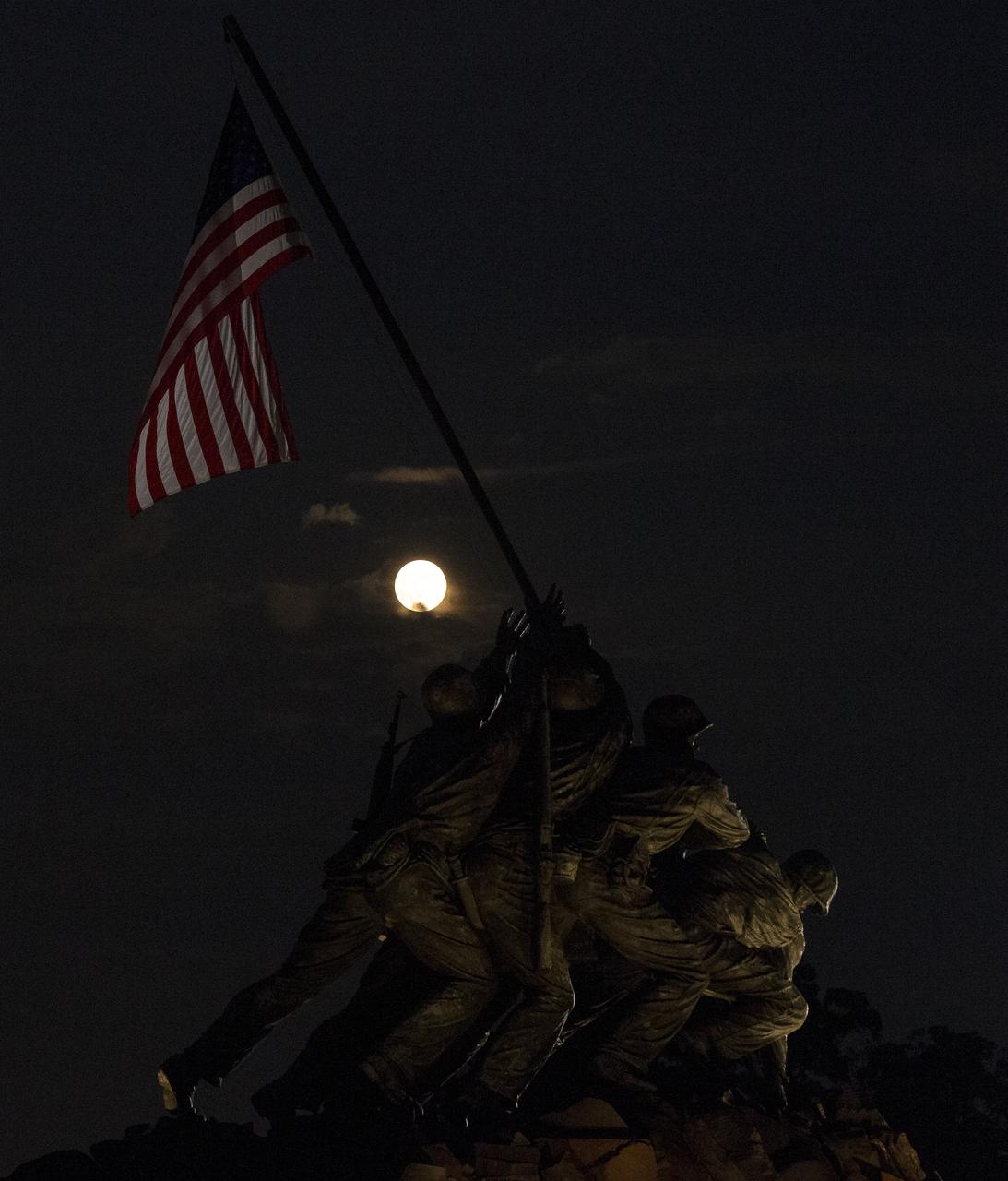
A perigree full moon or supermoon is seen over the US Marine Corps War Memorial, Sunday, August 10, 2014, in Arlington, Virginia. A supermoon occurs when the moon’s orbit is closest (perigee) to Earth at the same time it is full. Photo Credit: (NASA/Joel Kowsky)
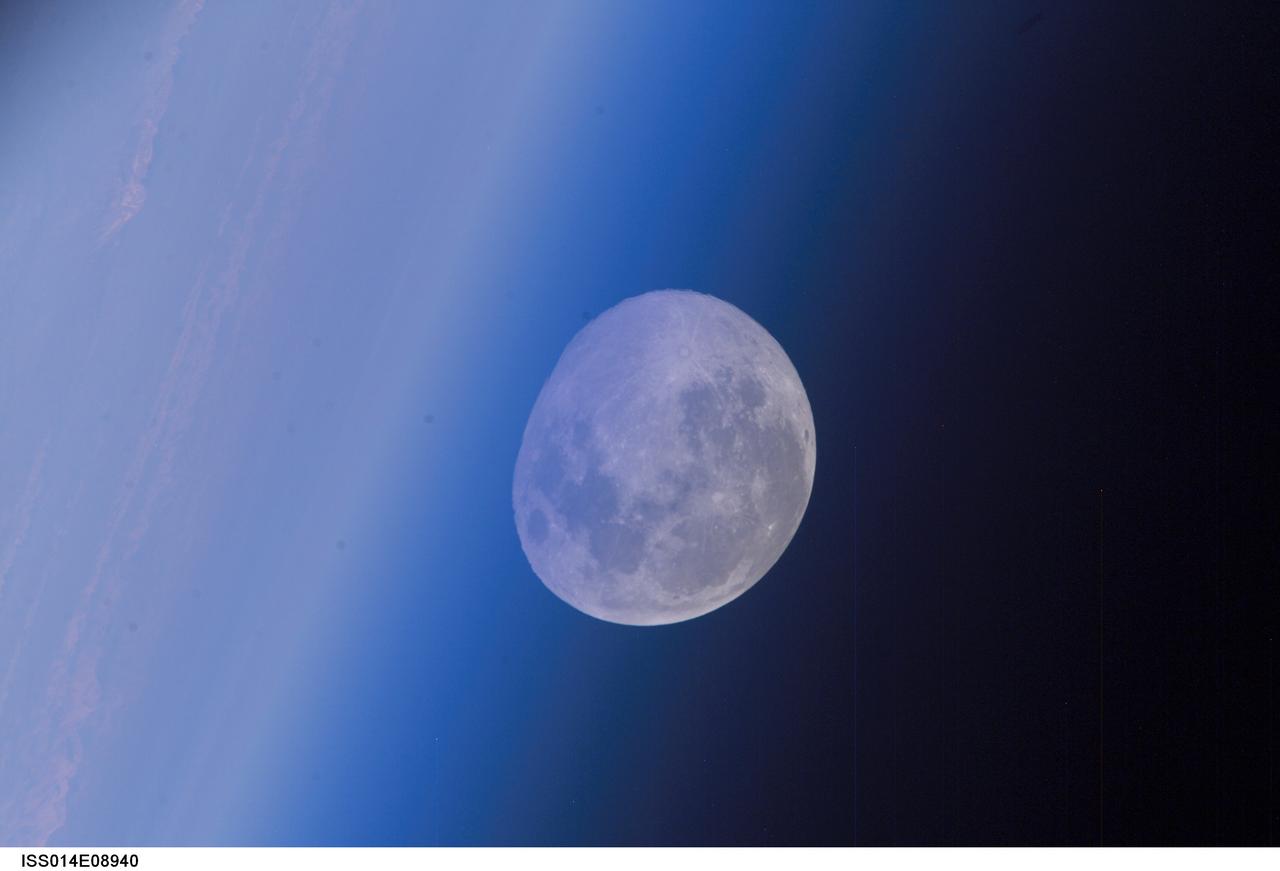
ISS014-E-08940 (4 Dec. 2006) --- This distorted view of a full moon intersecting Earth's horizon was photographed by an Expedition 14 crewmember onboard the International Space Station.
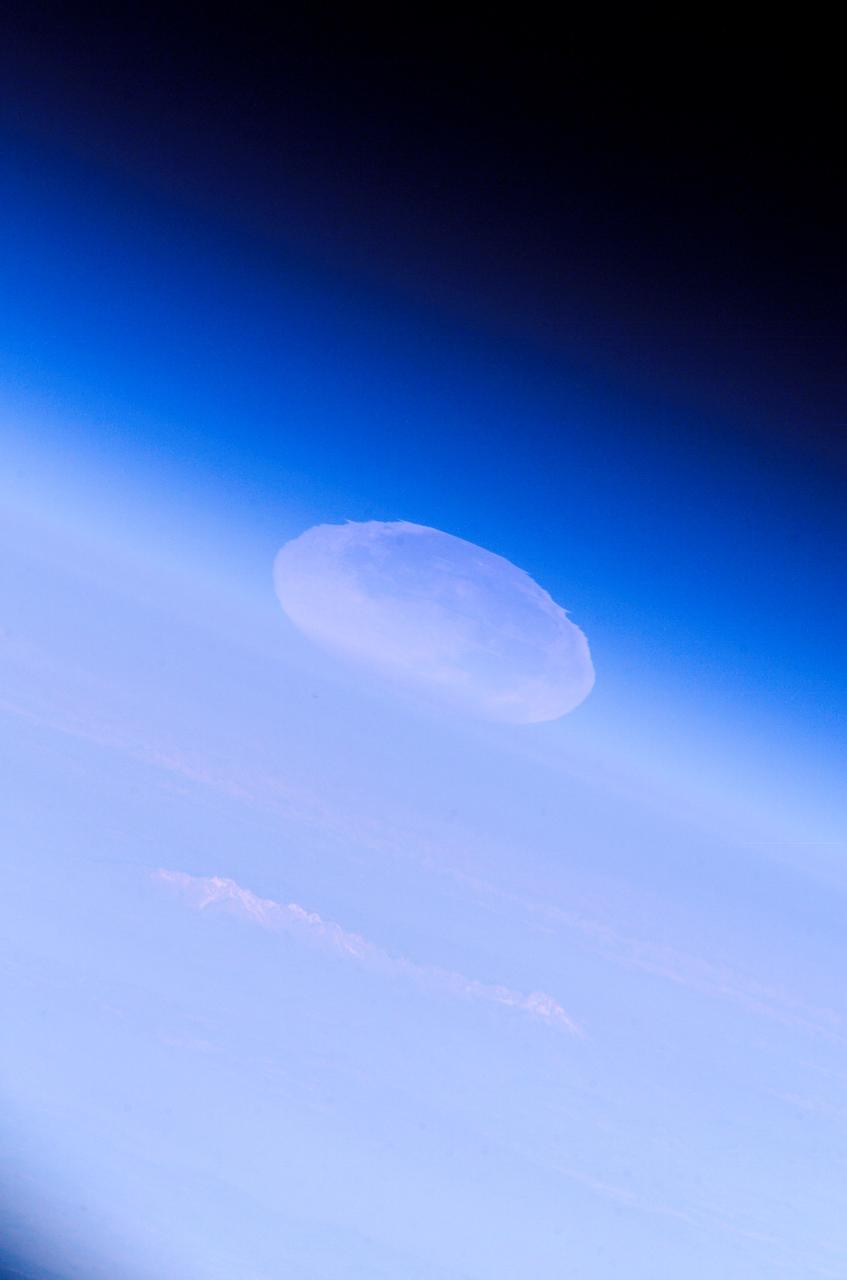
ISS014-E-08948 (4 Dec. 2006) --- This distorted view of a full moon intersecting Earth's horizon was photographed by an Expedition 14 crewmember onboard the International Space Station.
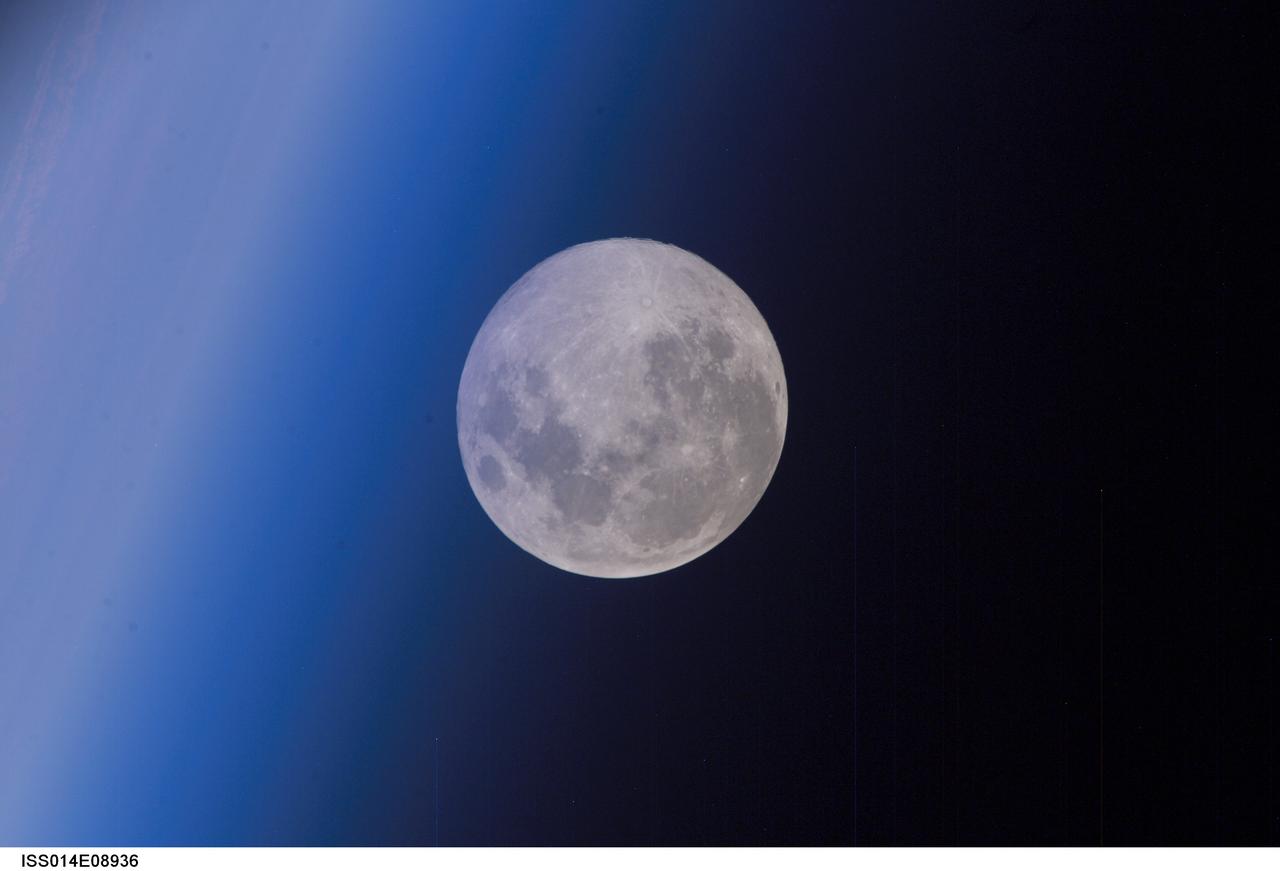
ISS014-E-08936 (4 Dec. 2006) --- This view of a full moon was photographed by an Expedition 14 crewmember onboard the International Space Station. Earth's horizon and airglow are visible at left.
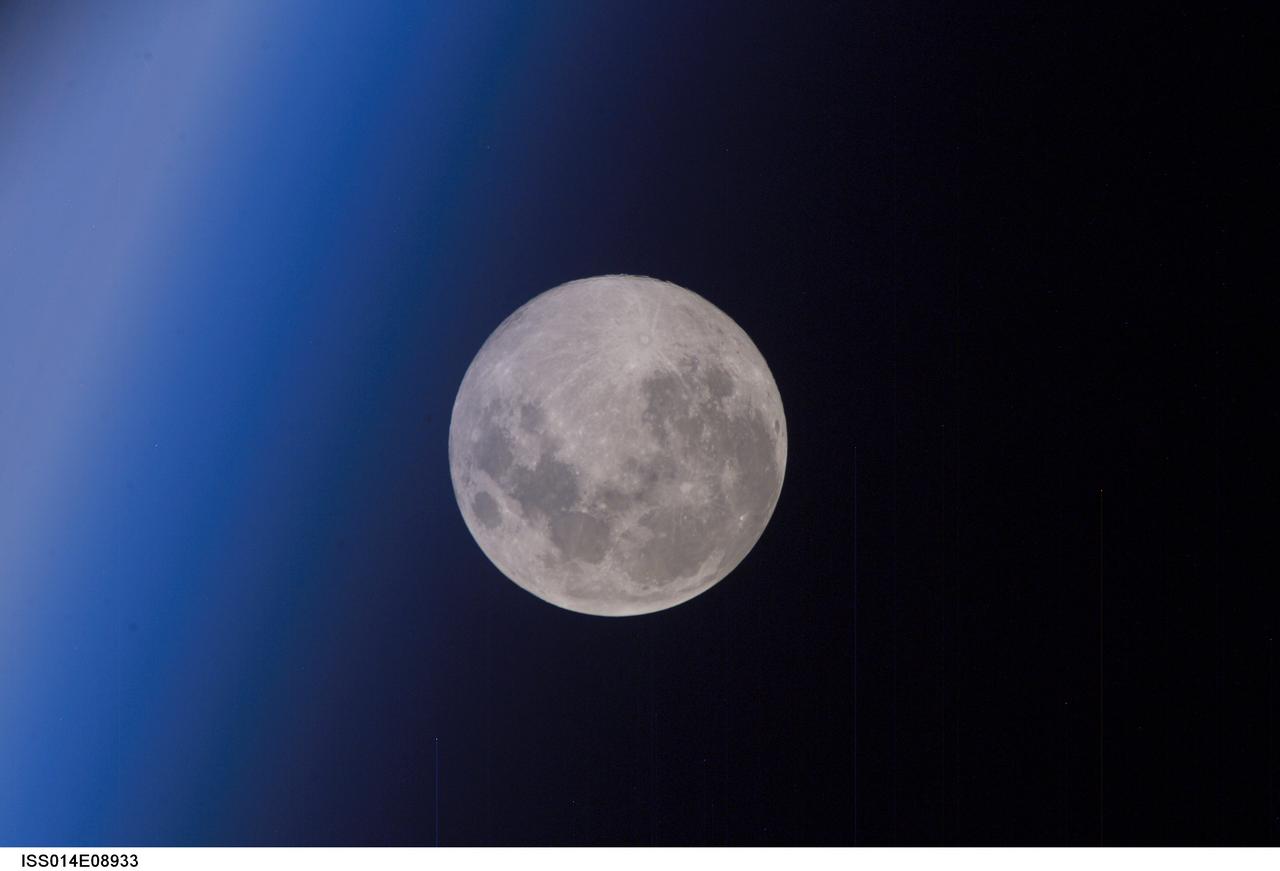
ISS014-E-08933 (4 Dec. 2006) --- This view of a full moon was photographed by an Expedition 14 crewmember onboard the International Space Station. Earth's horizon and airglow are visible at left.
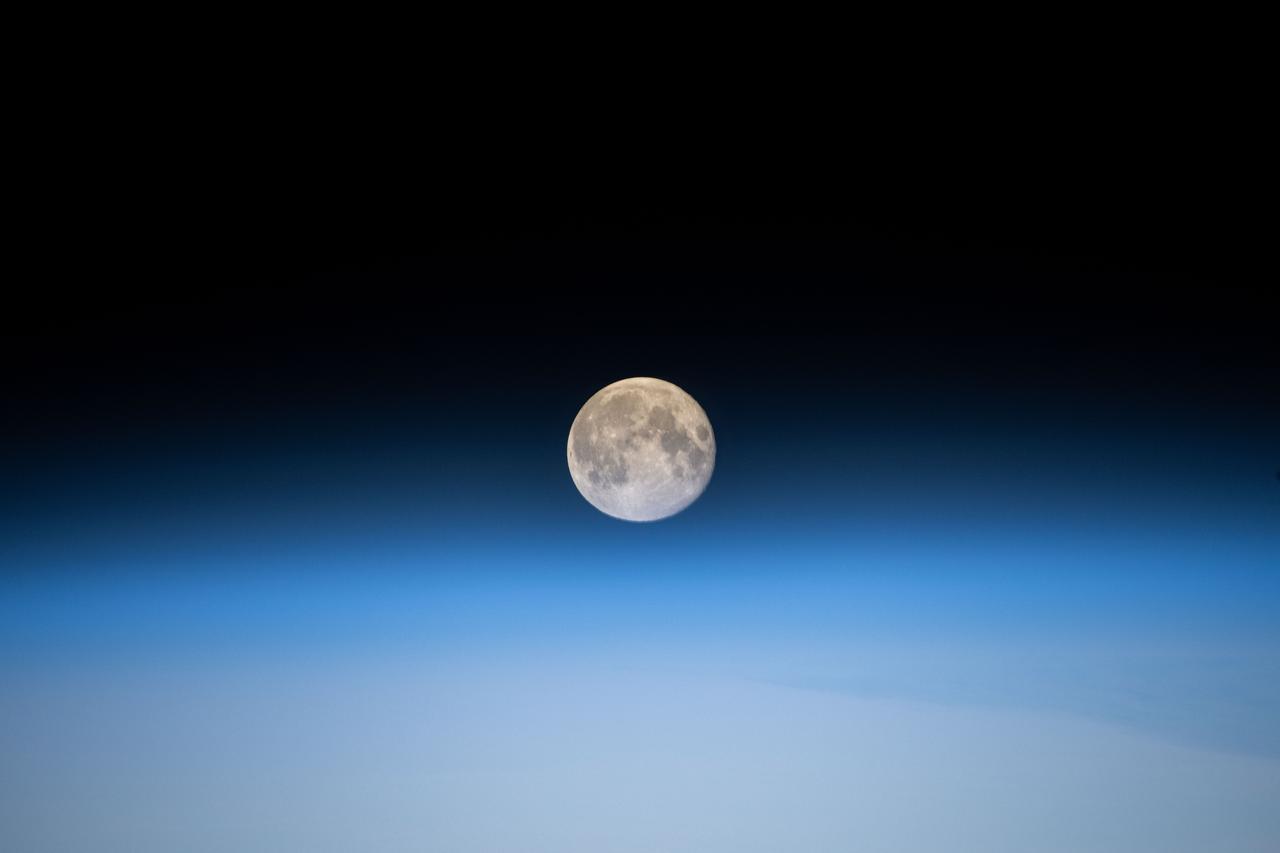
iss072e618284 (Feb. 10, 2025) --- The full Moon is pictured just above Earth's horizon from the International Space Station as it soared 260 miles over Durango, Mexico.
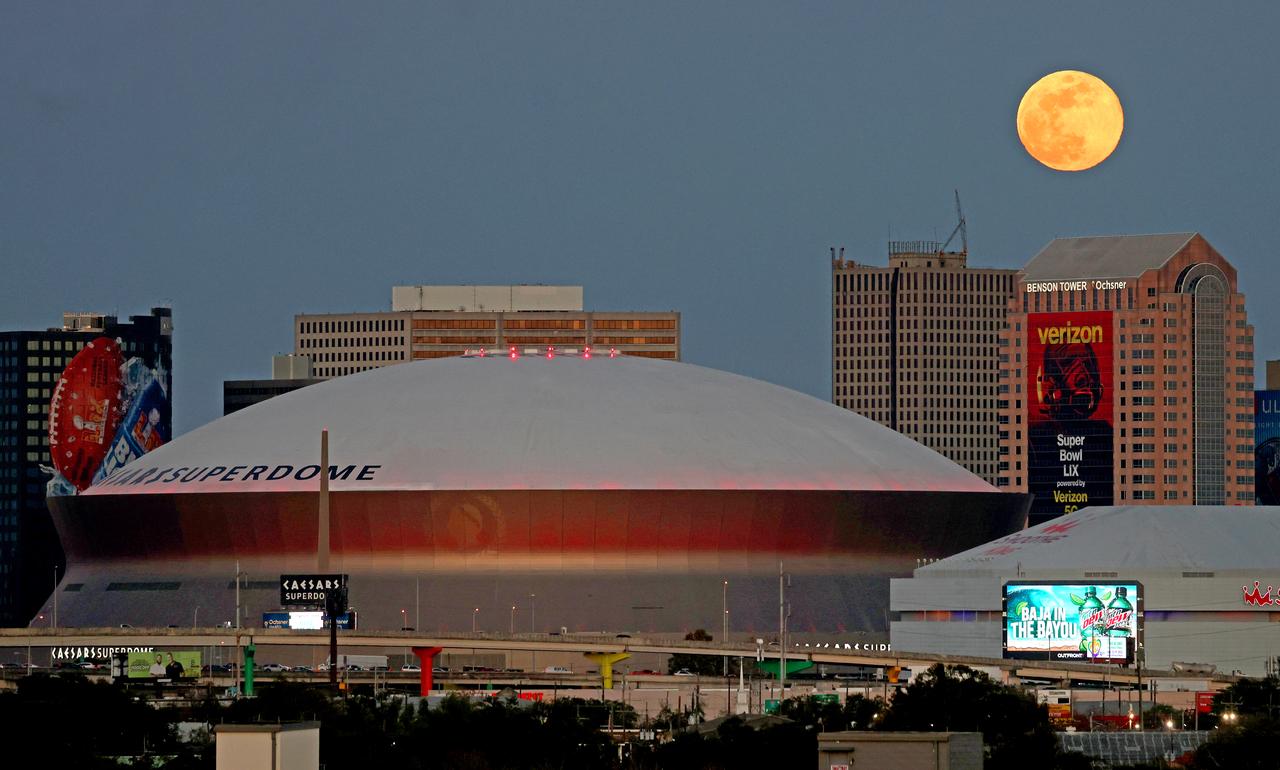
The full moon rises over the Superdome and the city of New Orleans, Louisiana on Monday evening, January 13, 2025. The Wolf Moon, also known as the Ice or Cold Moon, was full at 5:27 p.m. EST. New Orleans is home to NASA’s Michoud Assembly Facility where several pieces of hardware for the SLS (Space Launch system) are being built. Image credit: NASA/Michael DeMocker
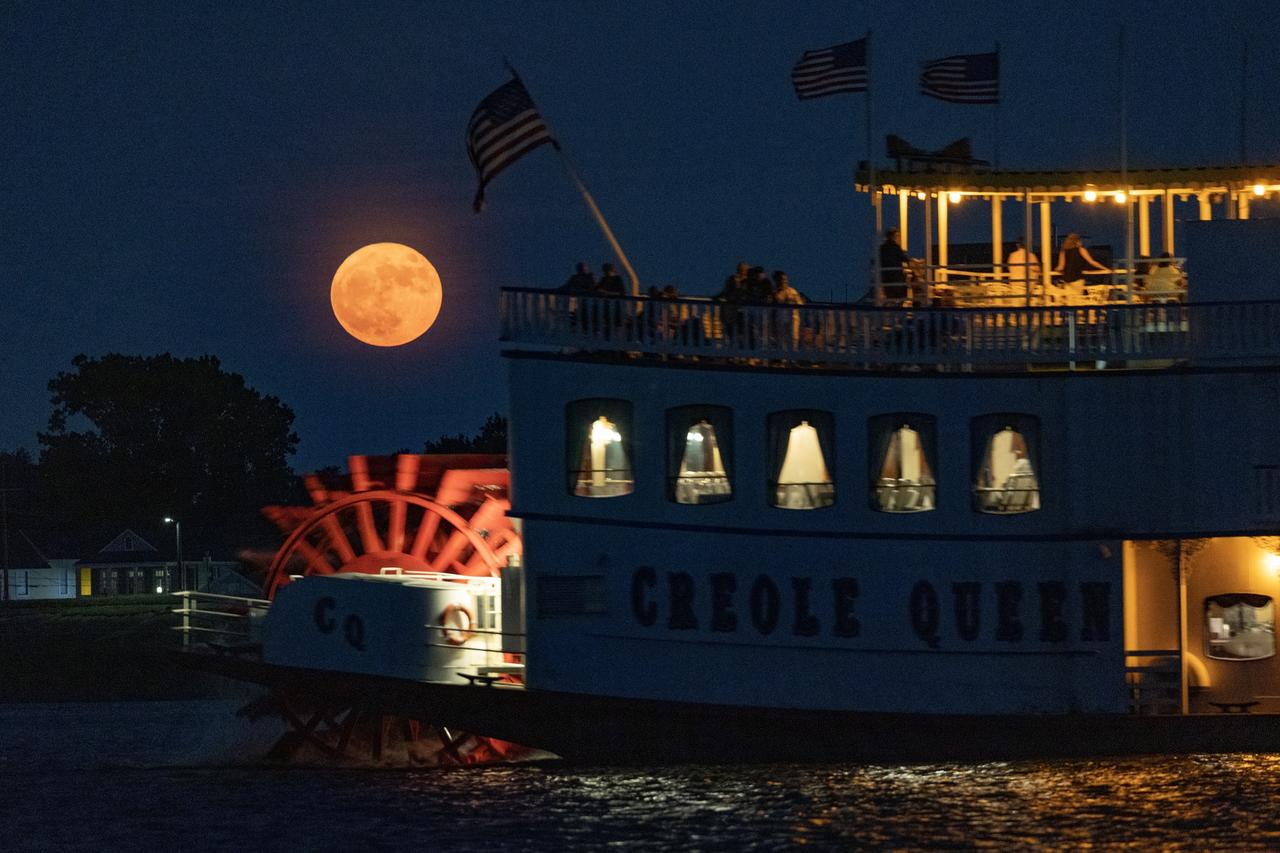
A supermoon rises over the Mississippi River and the Crescent City Aug. 1. The early August full Moon is the second largest in Earth’s skies for 2023. Later in August, a full Moon will appear in the skies for a second time. New Orleans is home to NASA’s Michoud Assembly Facility, where stages for NASA’s SLS (Space Launch System) rocket and structures for Orion spacecraft are produced for the Artemis missions.
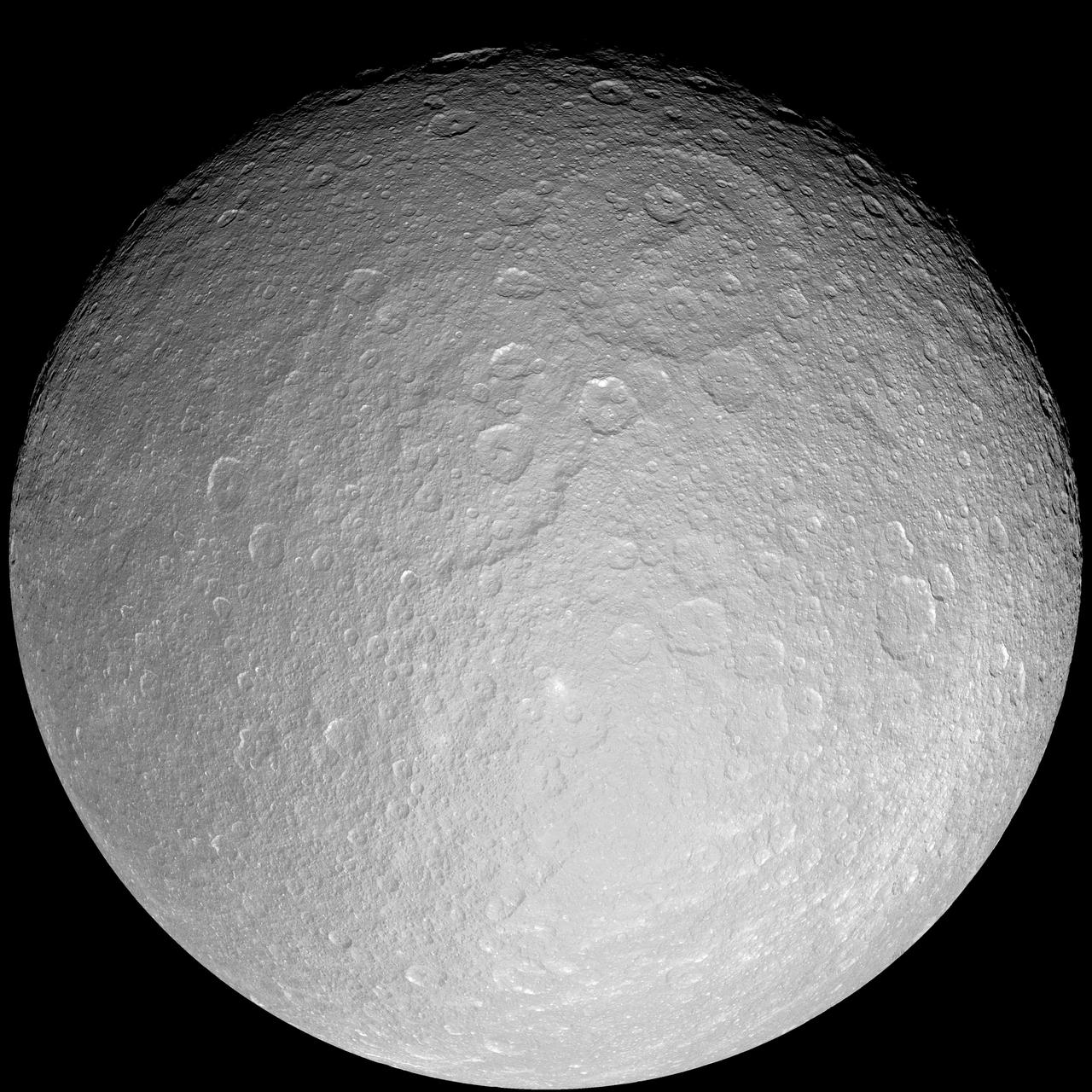
This giant mosaic reveals Saturn's icy moon Rhea in her full, crater-scarred glory. This view consists of 21 clear-filter images and is centered at 0.4 degrees south latitude, 171 degrees west longitude. The giant Tirawa impact basin is seen above and to the right of center. Tirawa, and another basin to its southwest, are both covered in impact craters, indicating they are quite ancient. The bright, approximately 40-kilometer-wide (25-mile) ray crater seen in many Cassini views of Rhea is located on the right side of this mosaic (at 12 degrees south latitude, 111 degrees west longitude). See PIA07764 for a close-up view of the eastern portion of the bright, ray crater. There are few signs of tectonic activity in this view. However, the wispy streaks on Rhea that were seen at lower resolution by NASA's Voyager and Cassini spacecraft, were beyond the western (left) limb from this perspective. In high-resolution Cassini flyby images of Dione, similar features were identified as fractures caused by extensive tectonism. Rhea is Saturn's second-largest moon, at 1,528 kilometers (949 miles) across. The images in this mosaic were taken with the Cassini spacecraft narrow-angle camera during a close flyby on Nov. 26, 2005. The images were acquired as Cassini approached the moon at distances ranging from 79,190 to 58,686 kilometers (49,206 to 36,466 miles) from Rhea and at a Sun-Rhea-spacecraft, or phase, angle of about 19 degrees. Image scale in the mosaic is 354 meters (1,161 feet) per pixel. http://photojournal.jpl.nasa.gov/catalog/PIA07763
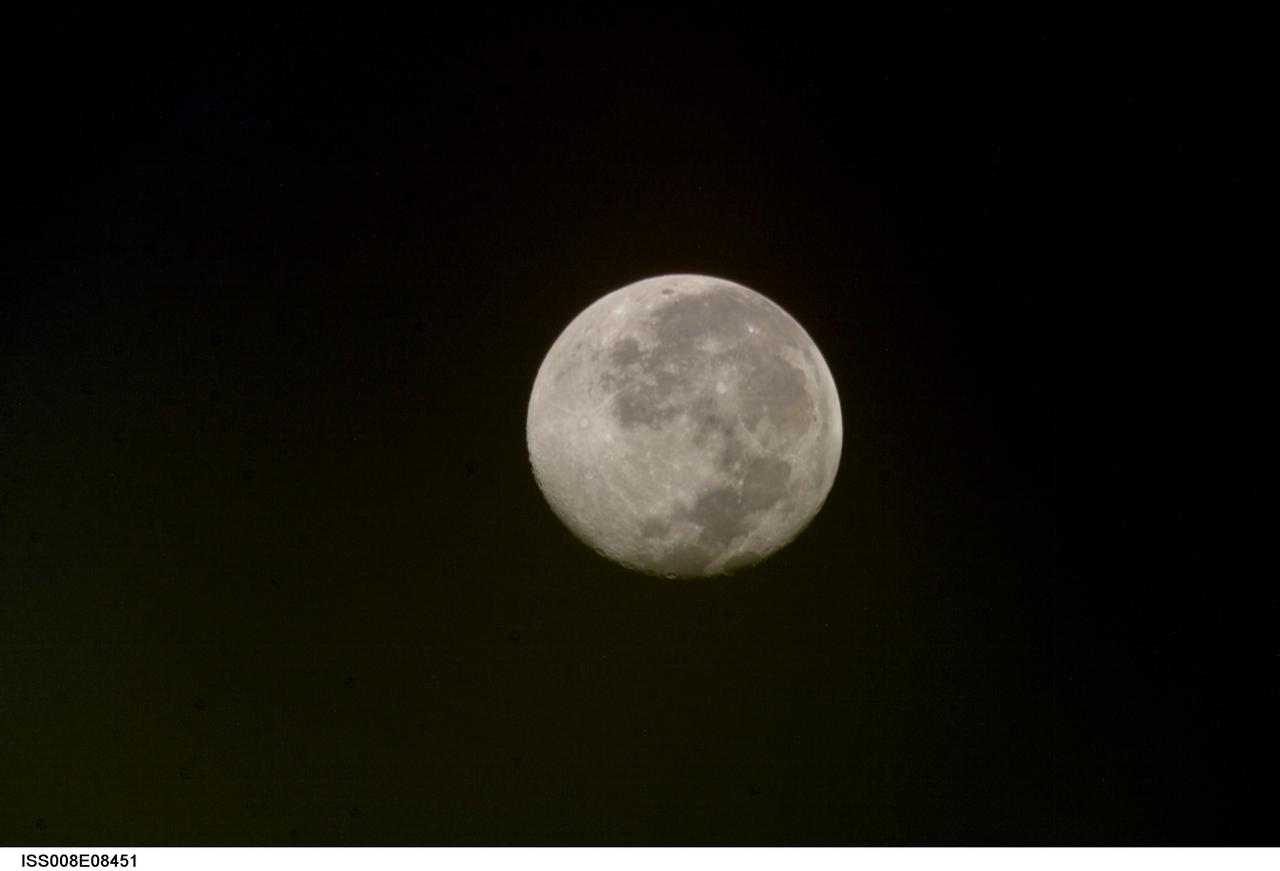
ISS008-E-08451 (10 December 2003) --- This view of a full moon was photographed by one of the Expedition 8 crewmembers aboard the International Space Station (ISS).
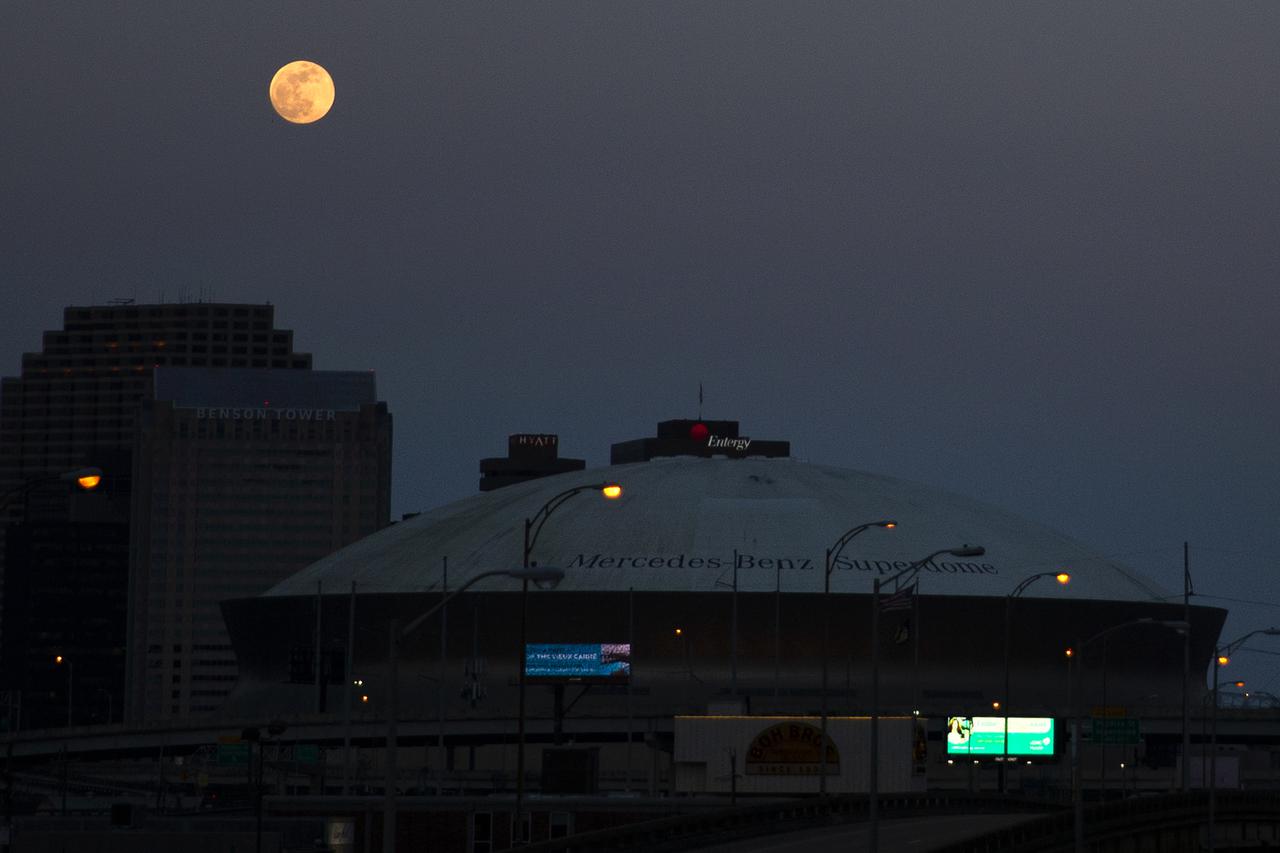
The nearly full moon rises over the Superdome and the city of New Orleans on Tuesday evening, May 25, 2021. Image credit: NASA/Michael DeMocker
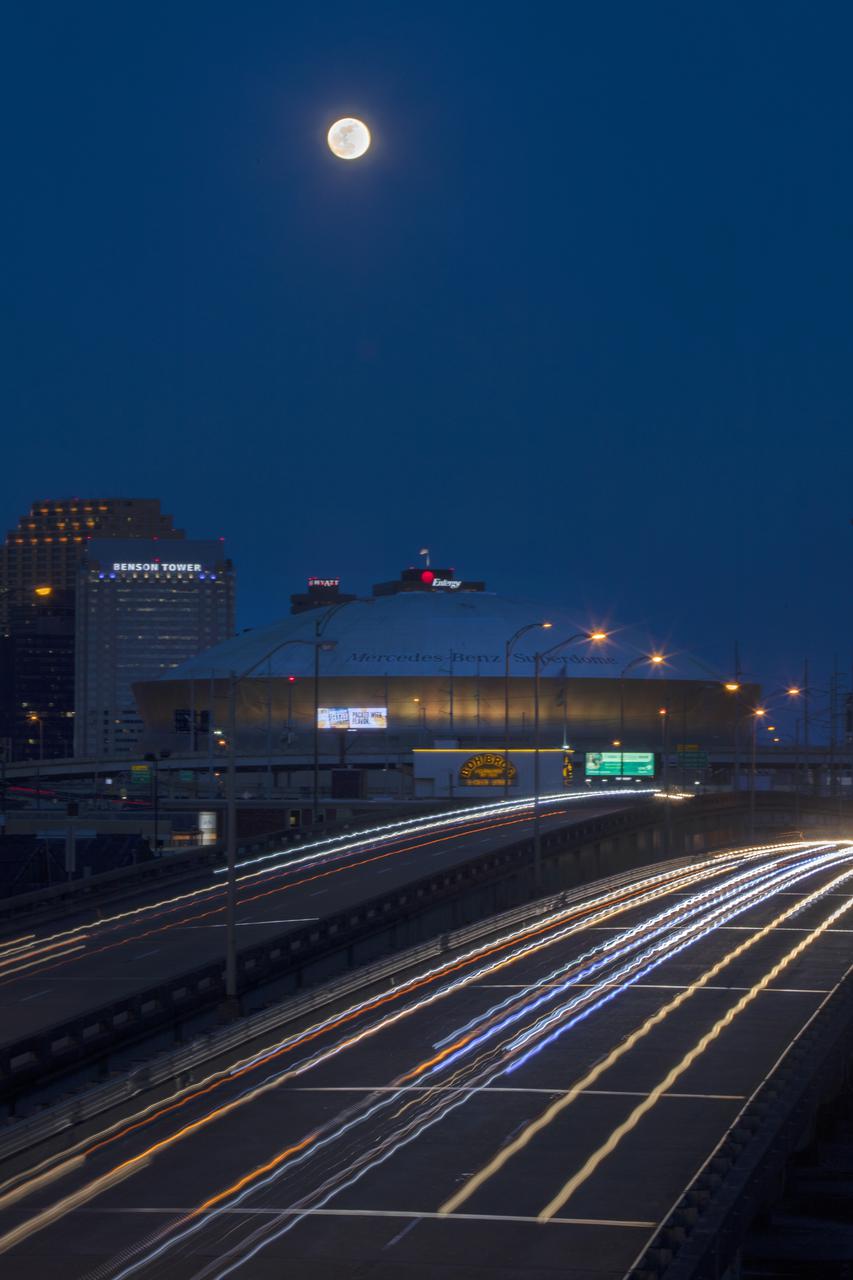
The nearly full moon rises over the city of New Orleans on Tuesday evening, May 25, 2021. Image credit: NASA/Michael DeMocker
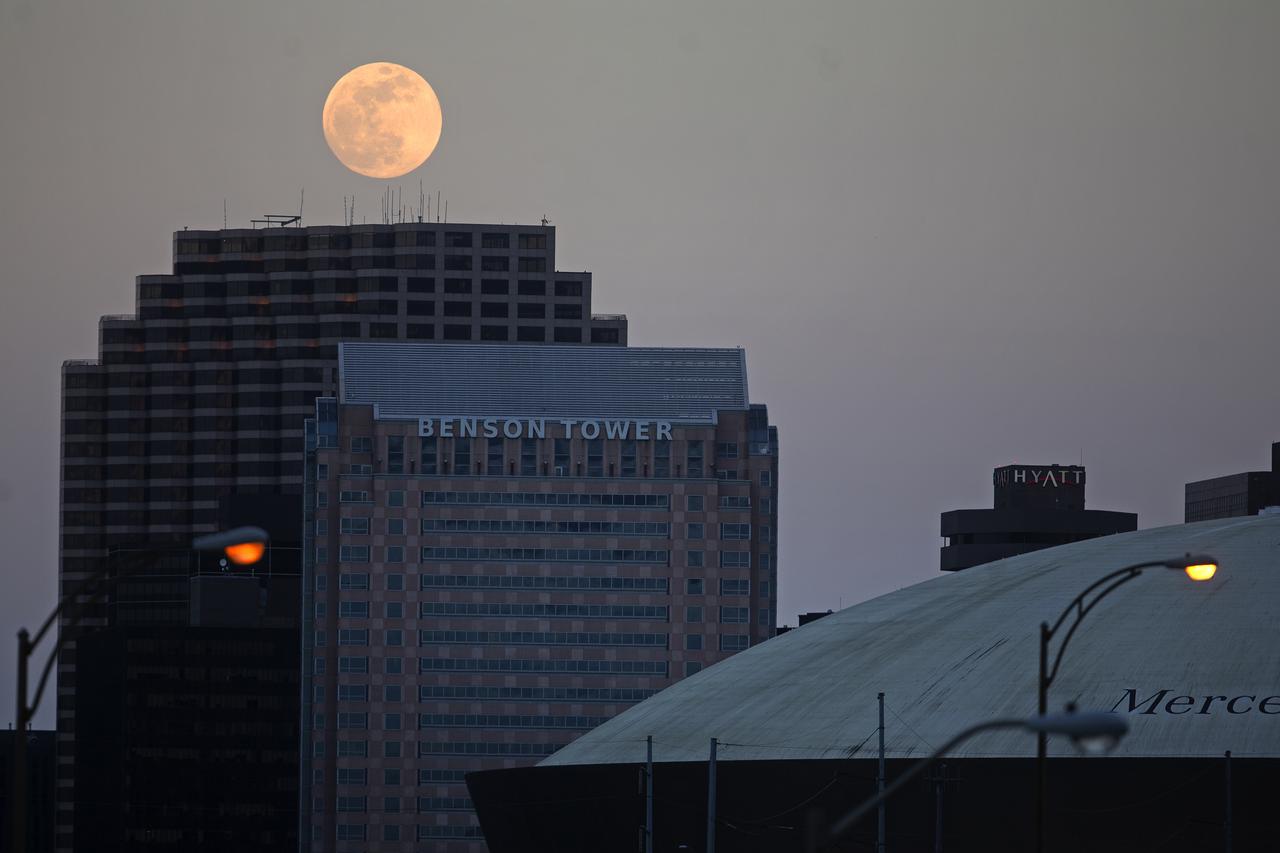
The nearly full moon rises over the city of New Orleans on Tuesday evening, May 25, 2021. Image credit: NASA/Michael DeMocker
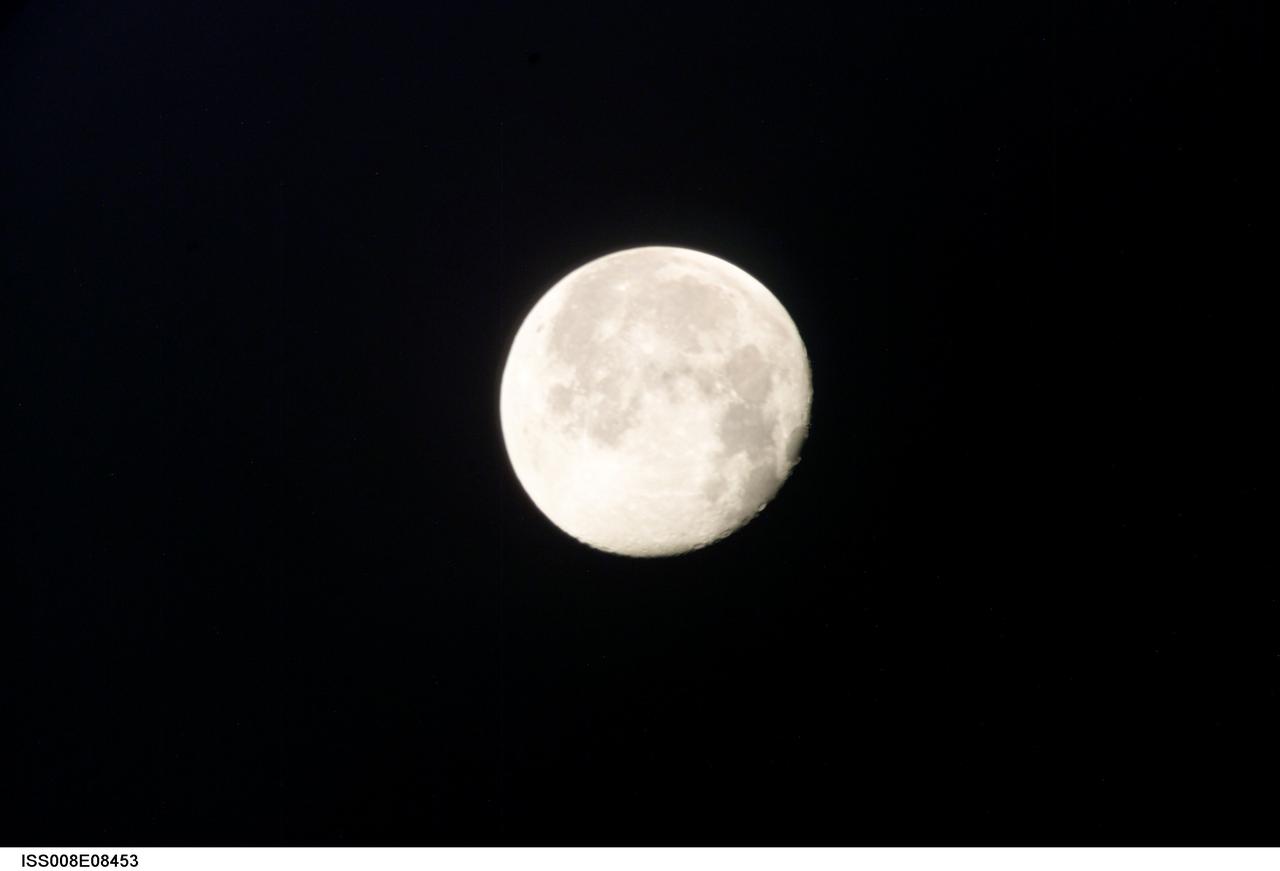
ISS008-E-08453 (10 December 2003) --- This view of a full moon was photographed by one of the Expedition 8 crewmembers aboard the International Space Station (ISS).
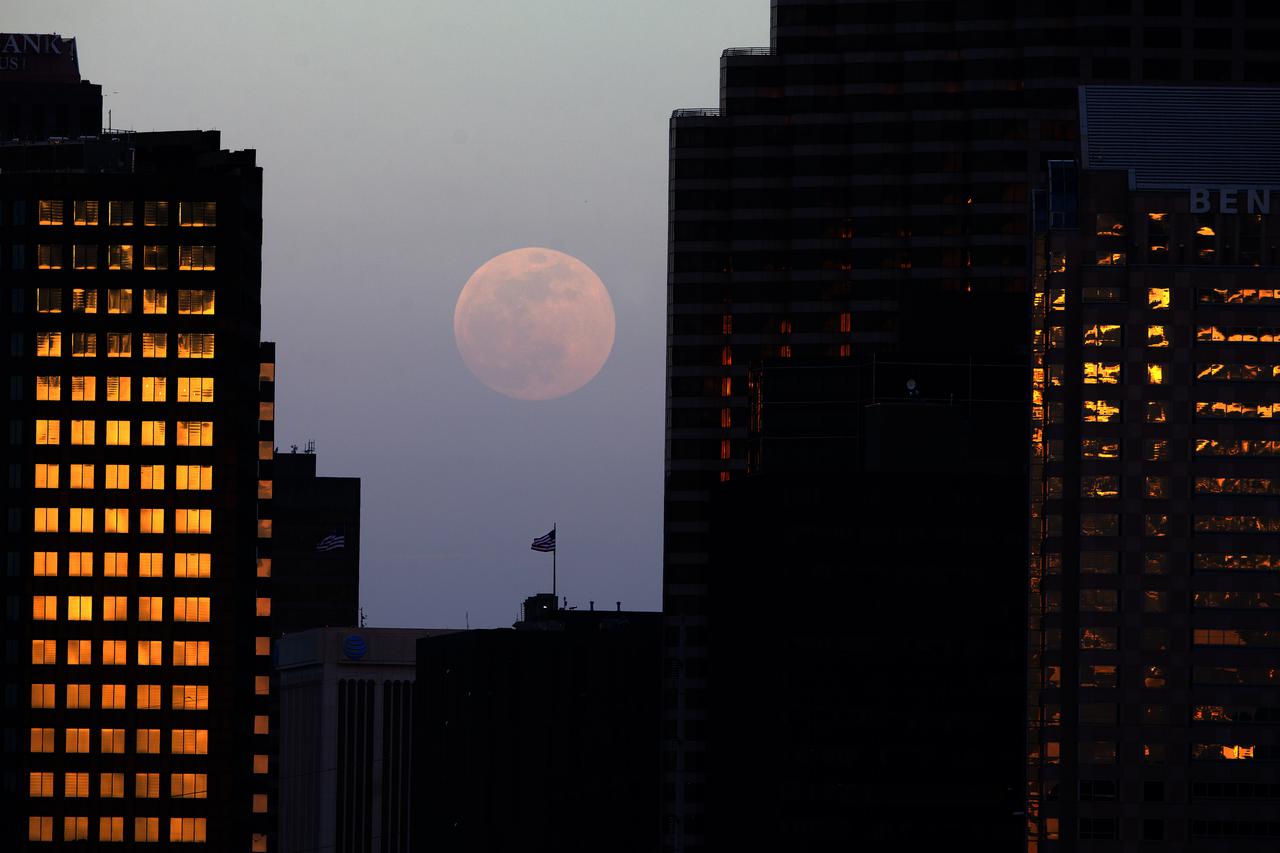
The nearly full moon rises over the city of New Orleans on Tuesday evening, May 25, 2021. Image credit: NASA/Michael DeMocker
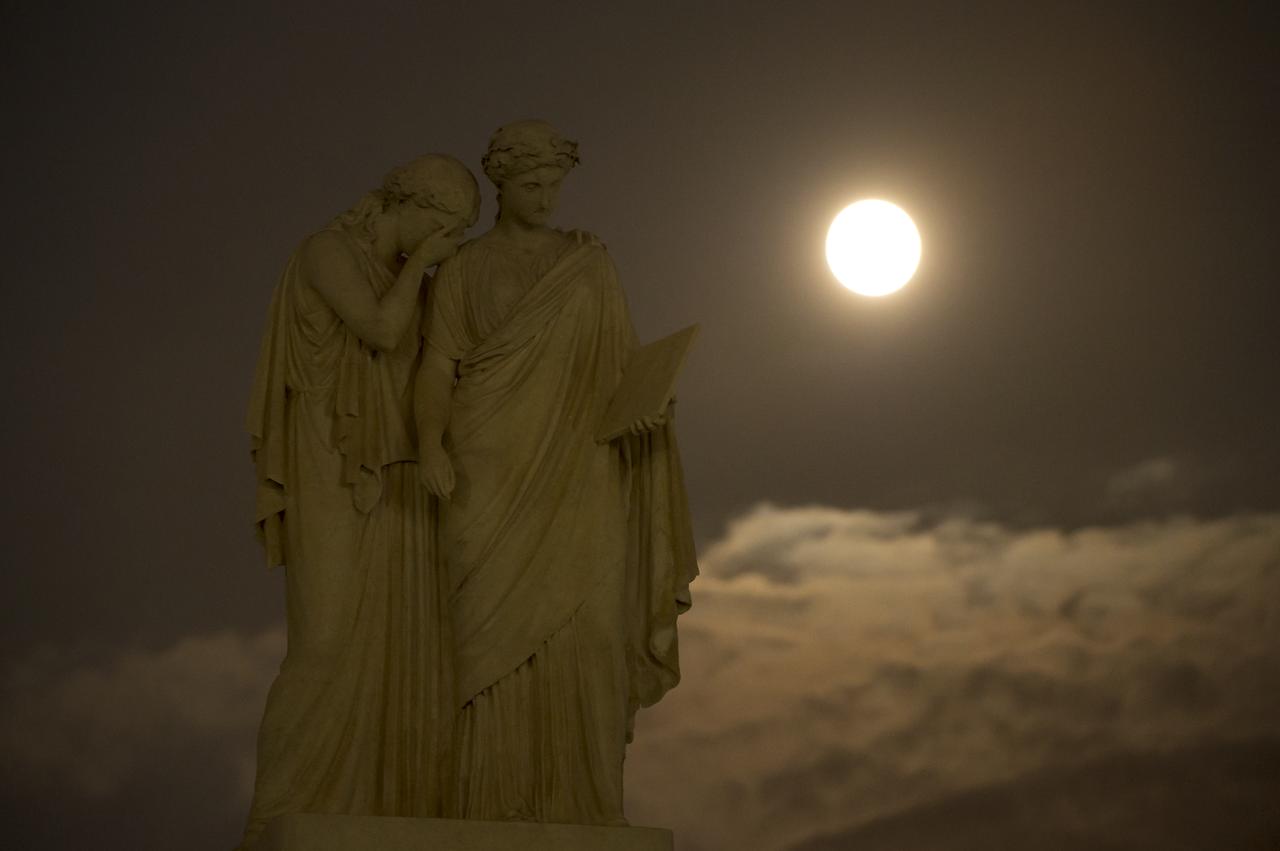
A perigee full moon or supermoon is seen over the The Peace Monument on the grounds of the United States Capitol, Sunday, August 10, 2014, in Washington. A supermoon occurs when the moon’s orbit is closest (perigee) to Earth at the same time it is full. Photo Credit: (NASA/Bill Ingalls)
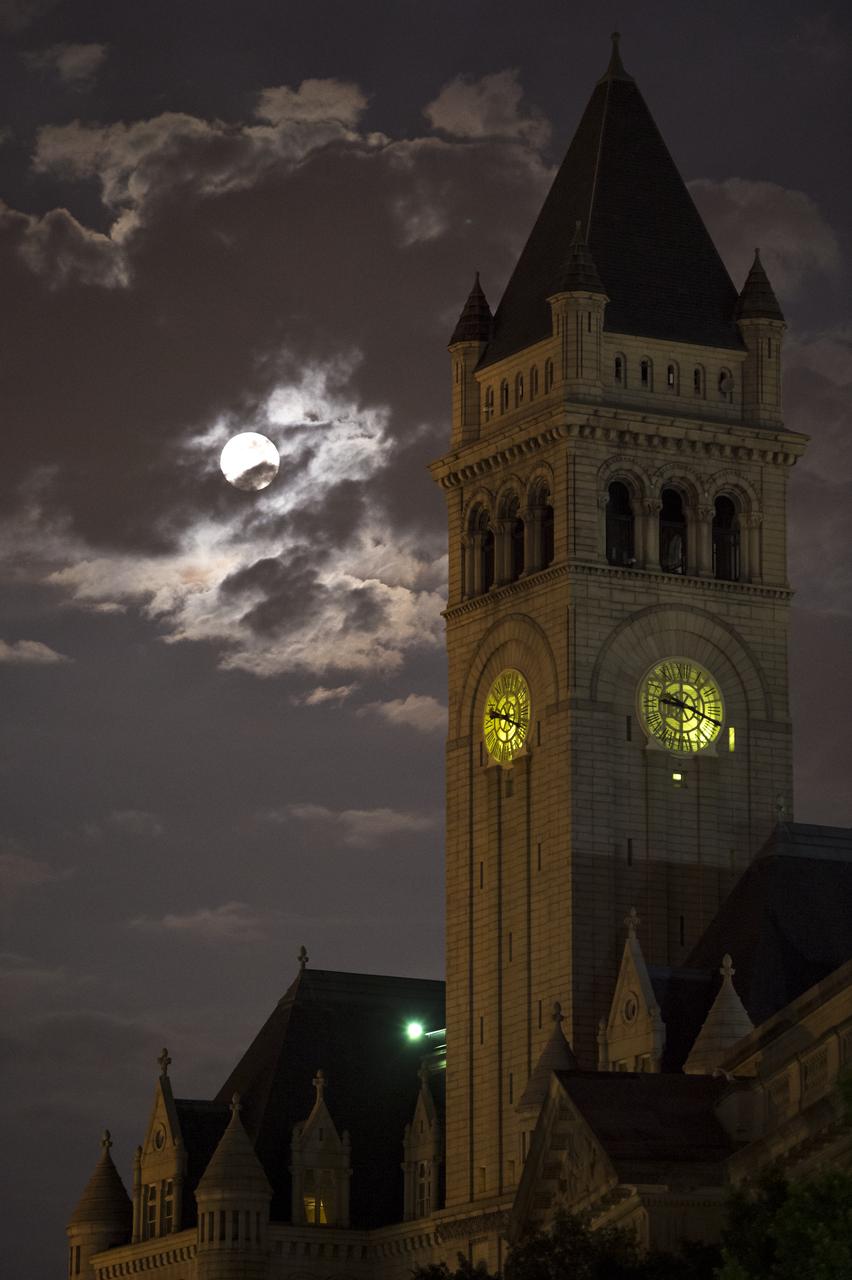
A perigee full moon or supermoon is seen over the Old Post Office and Clock Tower, Sunday, August 10, 2014, in Washington. A supermoon occurs when the moon’s orbit is closest (perigee) to Earth at the same time it is full. Photo Credit: (NASA/Bill Ingalls)
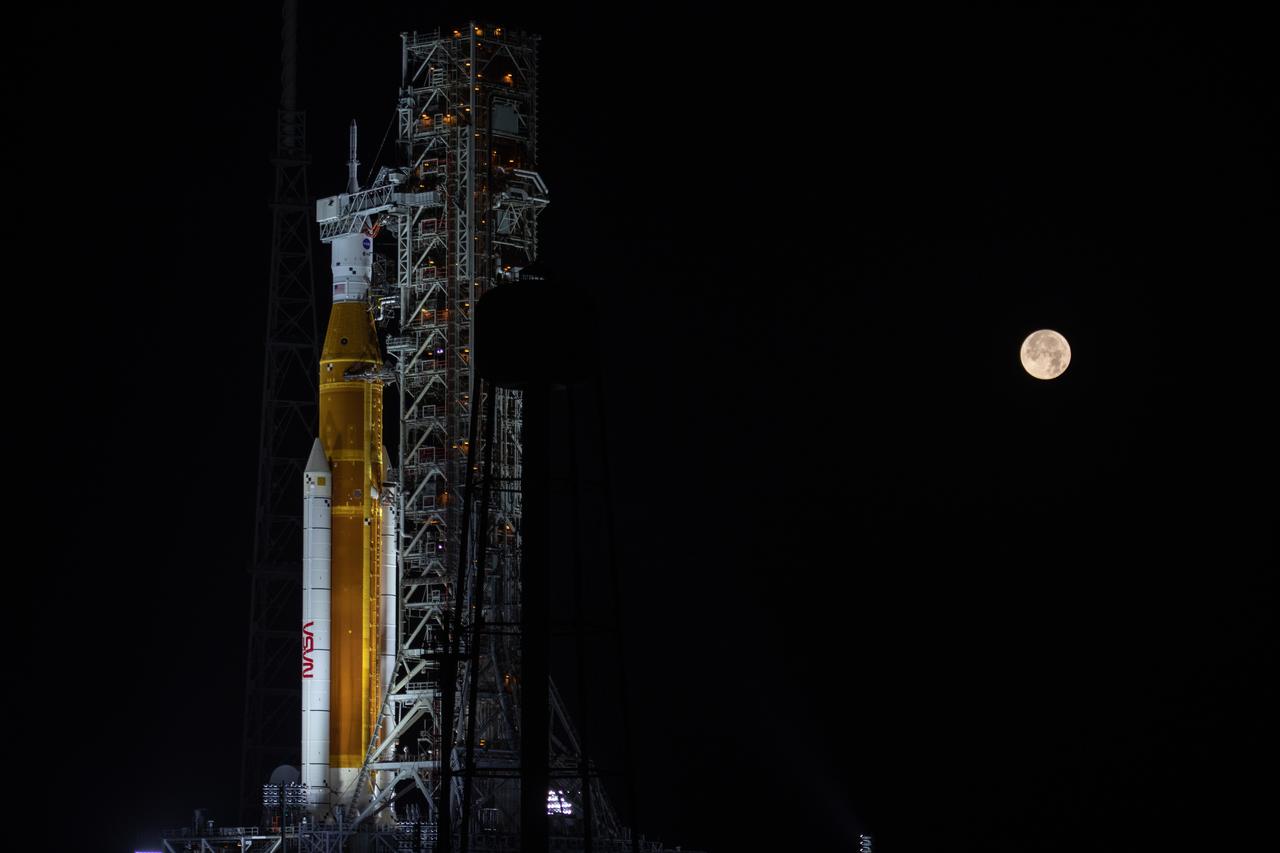
A full Moon is in view from Launch Complex 39B at NASA’s Kennedy Space Center in Florida on June 14, 2022. The Artemis I Space Launch System (SLS) and Orion spacecraft, atop the mobile launcher, are being prepared for a wet dress rehearsal to practice timelines and procedures for launch. The first in an increasingly complex series of missions, Artemis I will test SLS and Orion as an integrated system prior to crewed flights to the Moon. Through Artemis, NASA will land the first woman and first person of color on the lunar surface, paving the way for a long-term lunar presence and using the Moon as a steppingstone on the way to Mars.
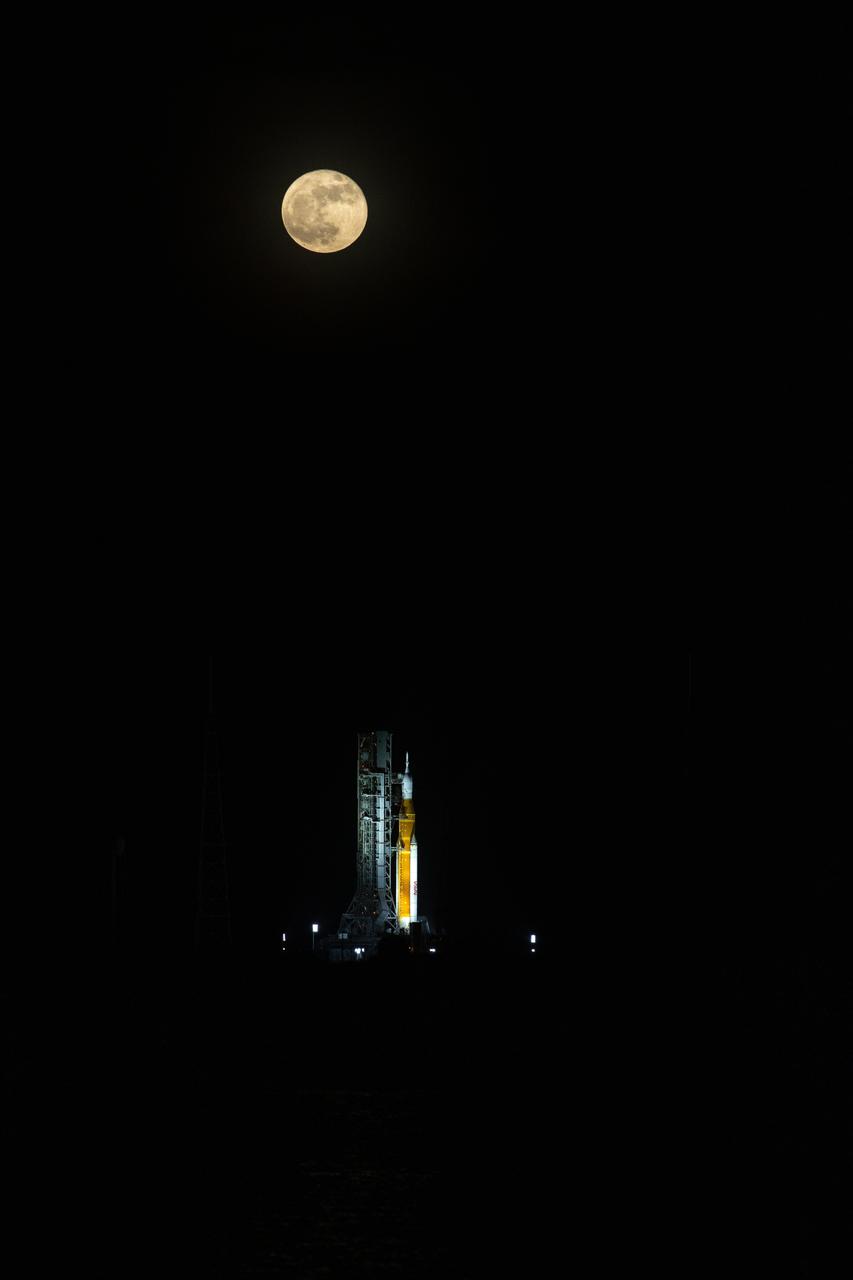
A full Moon is in view from Launch Complex 39B at NASA’s Kennedy Space Center in Florida on June 14, 2022. The Artemis I Space Launch System (SLS) and Orion spacecraft, atop the mobile launcher, are being prepared for a wet dress rehearsal to practice timelines and procedures for launch. The first in an increasingly complex series of missions, Artemis I will test SLS and Orion as an integrated system prior to crewed flights to the Moon. Through Artemis, NASA will land the first woman and first person of color on the lunar surface, paving the way for a long-term lunar presence and using the Moon as a steppingstone on the way to Mars.
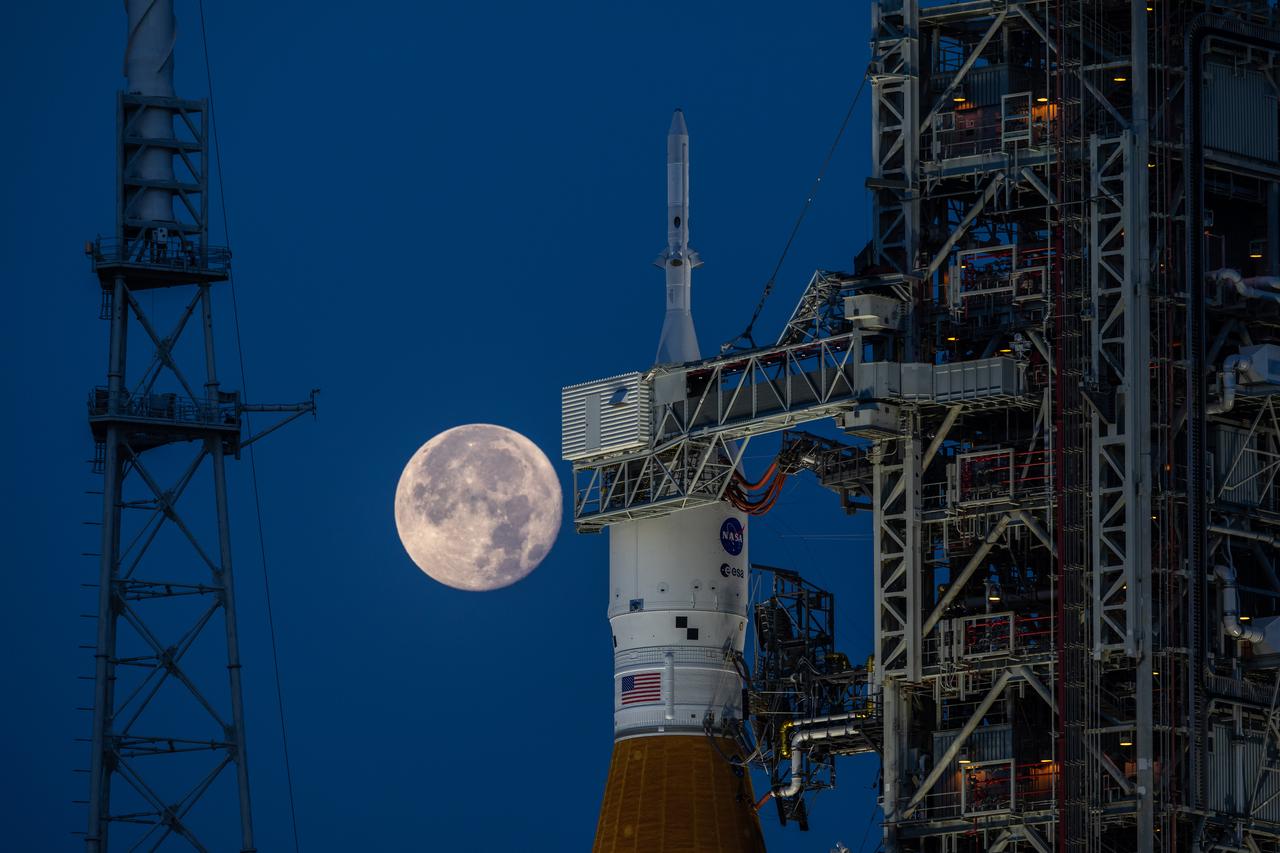
A full Moon is in view from Launch Complex 39B at NASA’s Kennedy Space Center in Florida on June 14, 2022. The Artemis I Space Launch System (SLS) and Orion spacecraft, atop the mobile launcher, are being prepared for a wet dress rehearsal to practice timelines and procedures for launch. The first in an increasingly complex series of missions, Artemis I will test SLS and Orion as an integrated system prior to crewed flights to the Moon. Through Artemis, NASA will land the first woman and first person of color on the lunar surface, paving the way for a long-term lunar presence and using the Moon as a steppingstone on the way to Mars.
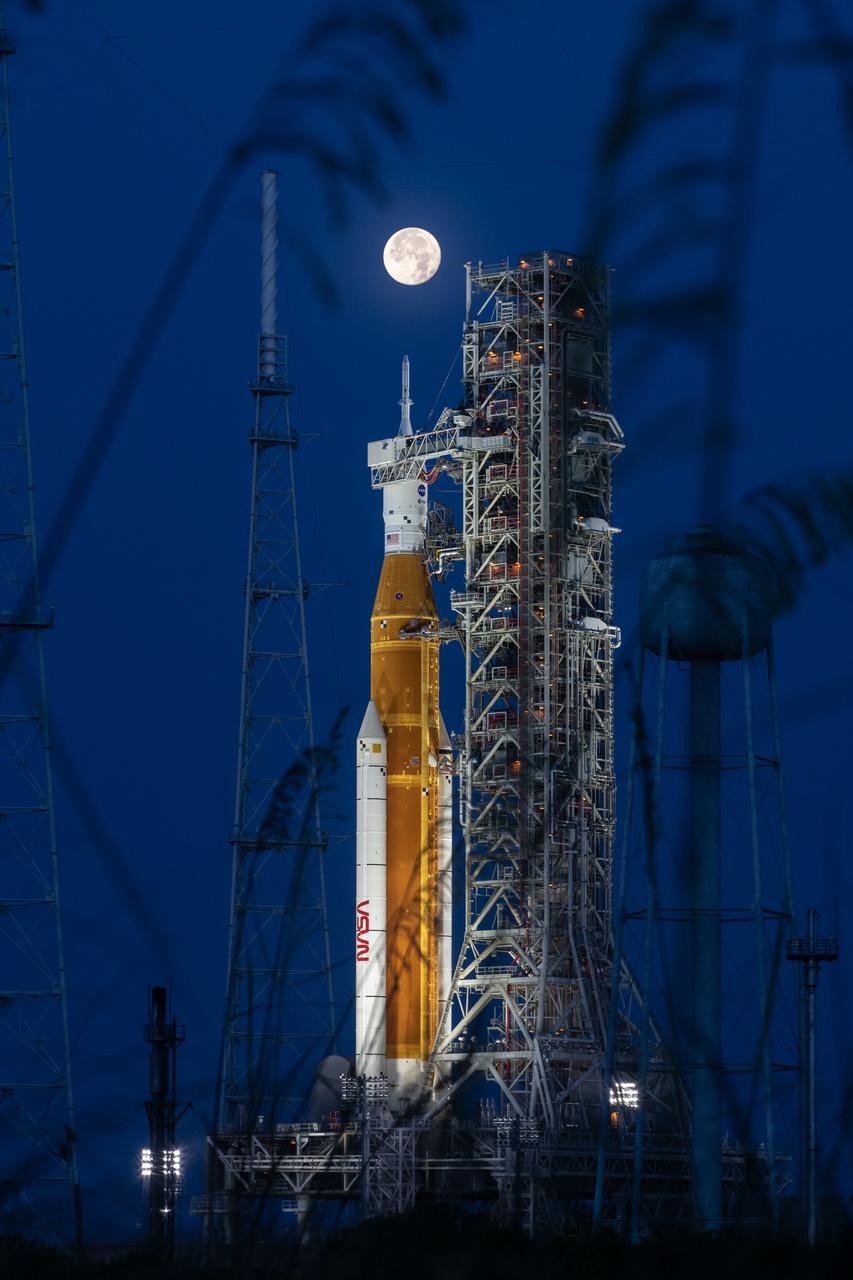
A full Moon is in view from Launch Complex 39B at NASA’s Kennedy Space Center in Florida on June 14, 2022. The Artemis I Space Launch System (SLS) and Orion spacecraft, atop the mobile launcher, are being prepared for a wet dress rehearsal to practice timelines and procedures for launch. The first in an increasingly complex series of missions, Artemis I will test SLS and Orion as an integrated system prior to crewed flights to the Moon. Through Artemis, NASA will land the first woman and first person of color on the lunar surface, paving the way for a long-term lunar presence and using the Moon as a steppingstone on the way to Mars.

A full Moon is in view from Launch Complex 39B at NASA’s Kennedy Space Center in Florida on June 14, 2022. The Artemis I Space Launch System (SLS) and Orion spacecraft, atop the mobile launcher, are being prepared for a wet dress rehearsal to practice timelines and procedures for launch. The first in an increasingly complex series of missions, Artemis I will test SLS and Orion as an integrated system prior to crewed flights to the Moon. Through Artemis, NASA will land the first woman and first person of color on the lunar surface, paving the way for a long-term lunar presence and using the Moon as a steppingstone on the way to Mars.
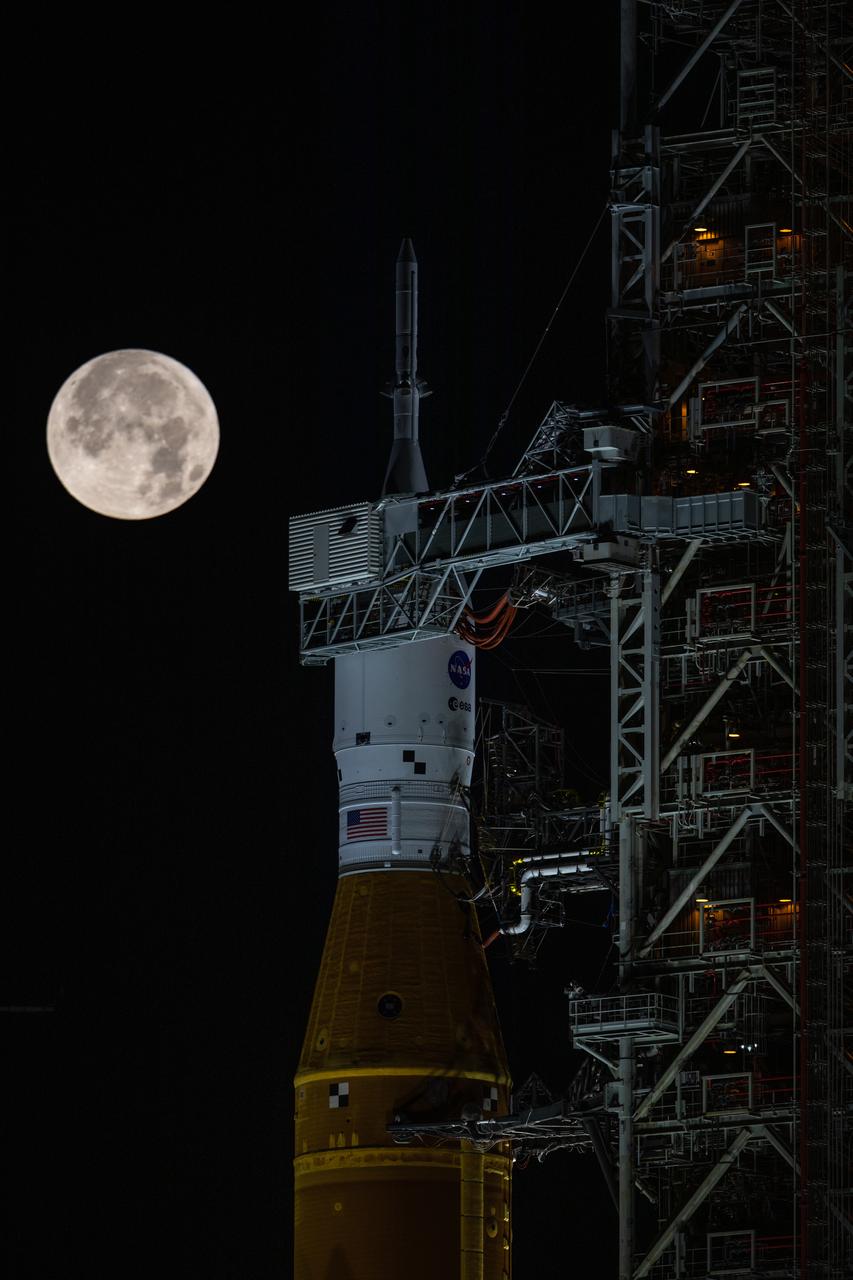
A full Moon is in view from Launch Complex 39B at NASA’s Kennedy Space Center in Florida on June 14, 2022. The Artemis I Space Launch System (SLS) and Orion spacecraft, atop the mobile launcher, are being prepared for a wet dress rehearsal to practice timelines and procedures for launch. The first in an increasingly complex series of missions, Artemis I will test SLS and Orion as an integrated system prior to crewed flights to the Moon. Through Artemis, NASA will land the first woman and first person of color on the lunar surface, paving the way for a long-term lunar presence and using the Moon as a steppingstone on the way to Mars.
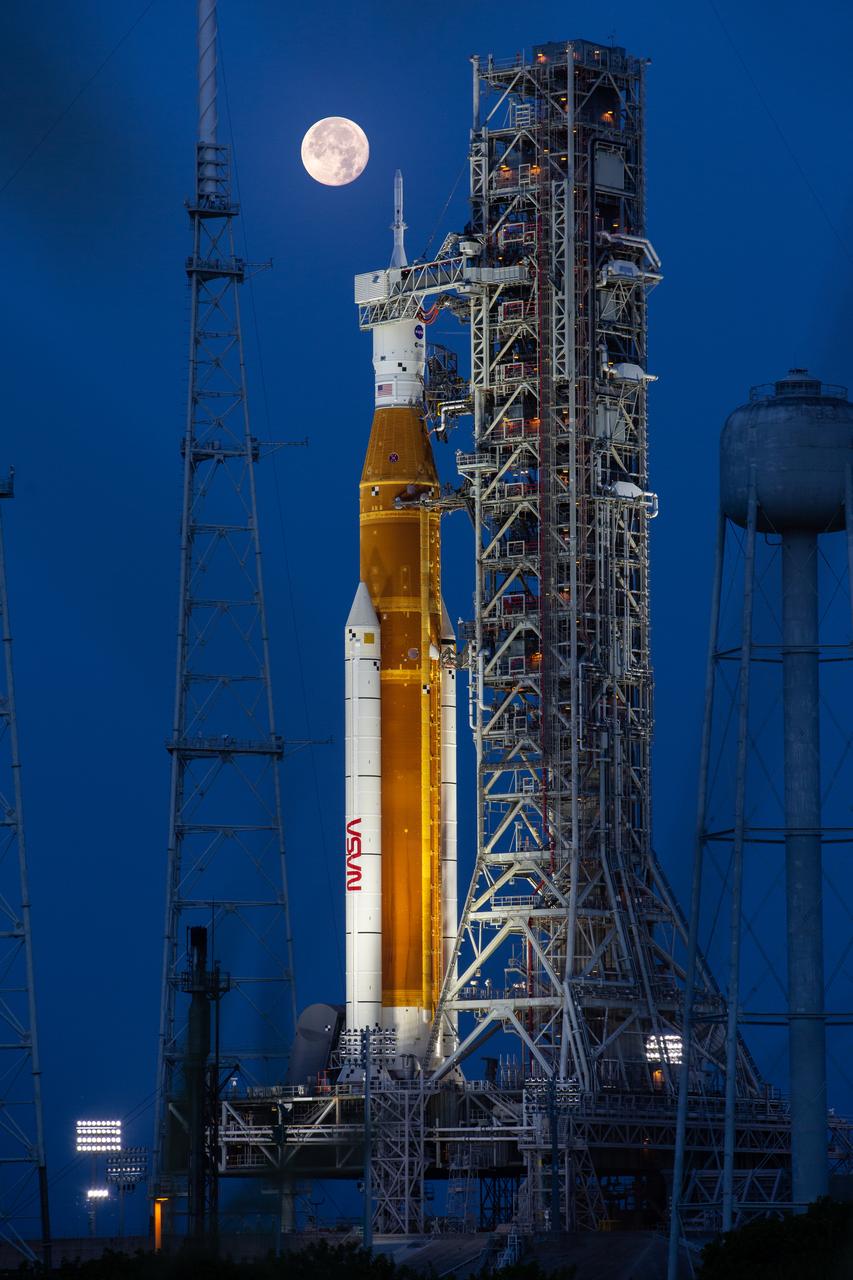
A full Moon is in view from Launch Complex 39B at NASA’s Kennedy Space Center in Florida on June 14, 2022. The Artemis I Space Launch System (SLS) and Orion spacecraft, atop the mobile launcher, are being prepared for a wet dress rehearsal to practice timelines and procedures for launch. The first in an increasingly complex series of missions, Artemis I will test SLS and Orion as an integrated system prior to crewed flights to the Moon. Through Artemis, NASA will land the first woman and first person of color on the lunar surface, paving the way for a long-term lunar presence and using the Moon as a steppingstone on the way to Mars.
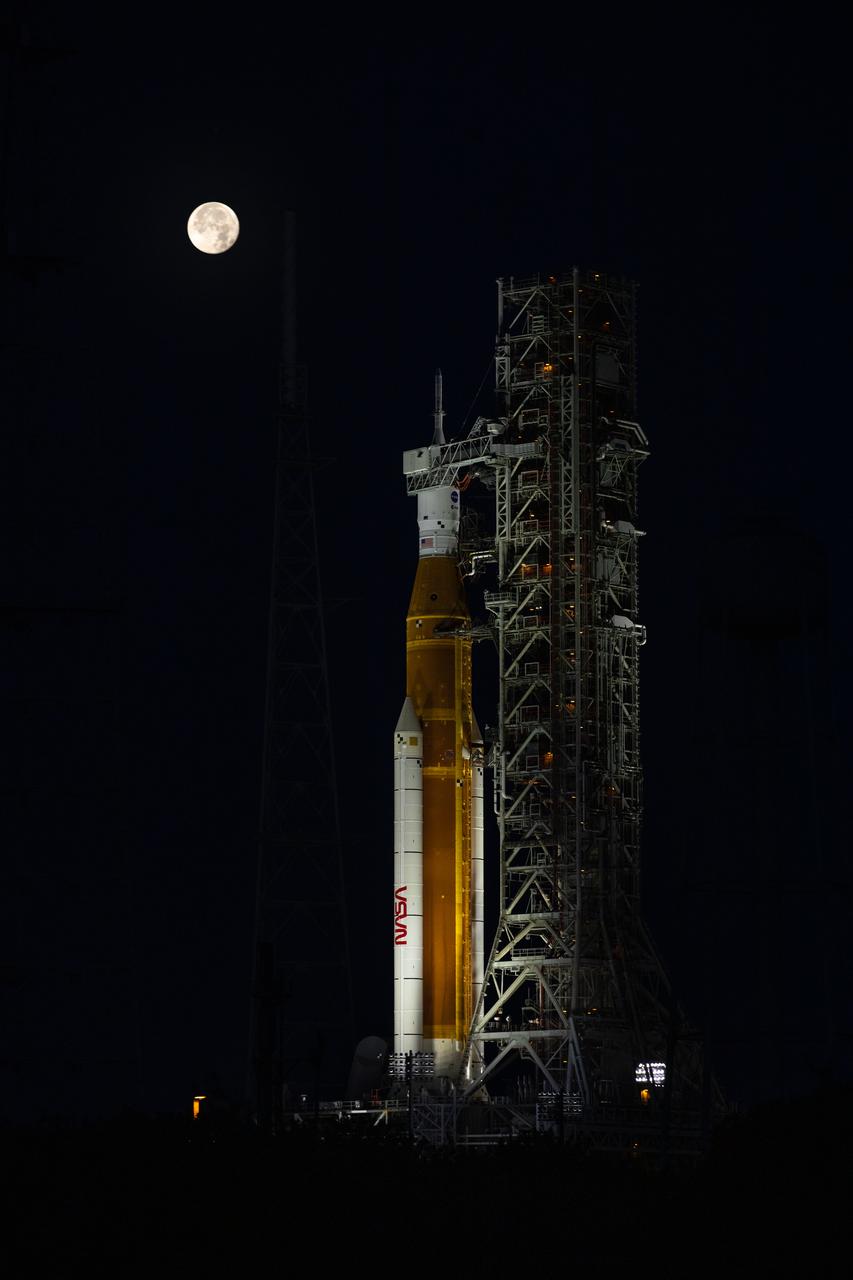
A full Moon is in view from Launch Complex 39B at NASA’s Kennedy Space Center in Florida on June 14, 2022. The Artemis I Space Launch System (SLS) and Orion spacecraft, atop the mobile launcher, are being prepared for a wet dress rehearsal to practice timelines and procedures for launch. The first in an increasingly complex series of missions, Artemis I will test SLS and Orion as an integrated system prior to crewed flights to the Moon. Through Artemis, NASA will land the first woman and first person of color on the lunar surface, paving the way for a long-term lunar presence and using the Moon as a steppingstone on the way to Mars.
A full Moon is in view from Launch Complex 39B at NASA’s Kennedy Space Center in Florida on June 14, 2022. The Artemis I Space Launch System (SLS) and Orion spacecraft, atop the mobile launcher, are being prepared for a wet dress rehearsal to practice timelines and procedures for launch. The first in an increasingly complex series of missions, Artemis I will test SLS and Orion as an integrated system prior to crewed flights to the Moon. Through Artemis, NASA will land the first woman and first person of color on the lunar surface, paving the way for a long-term lunar presence and using the Moon as a steppingstone on the way to Mars.
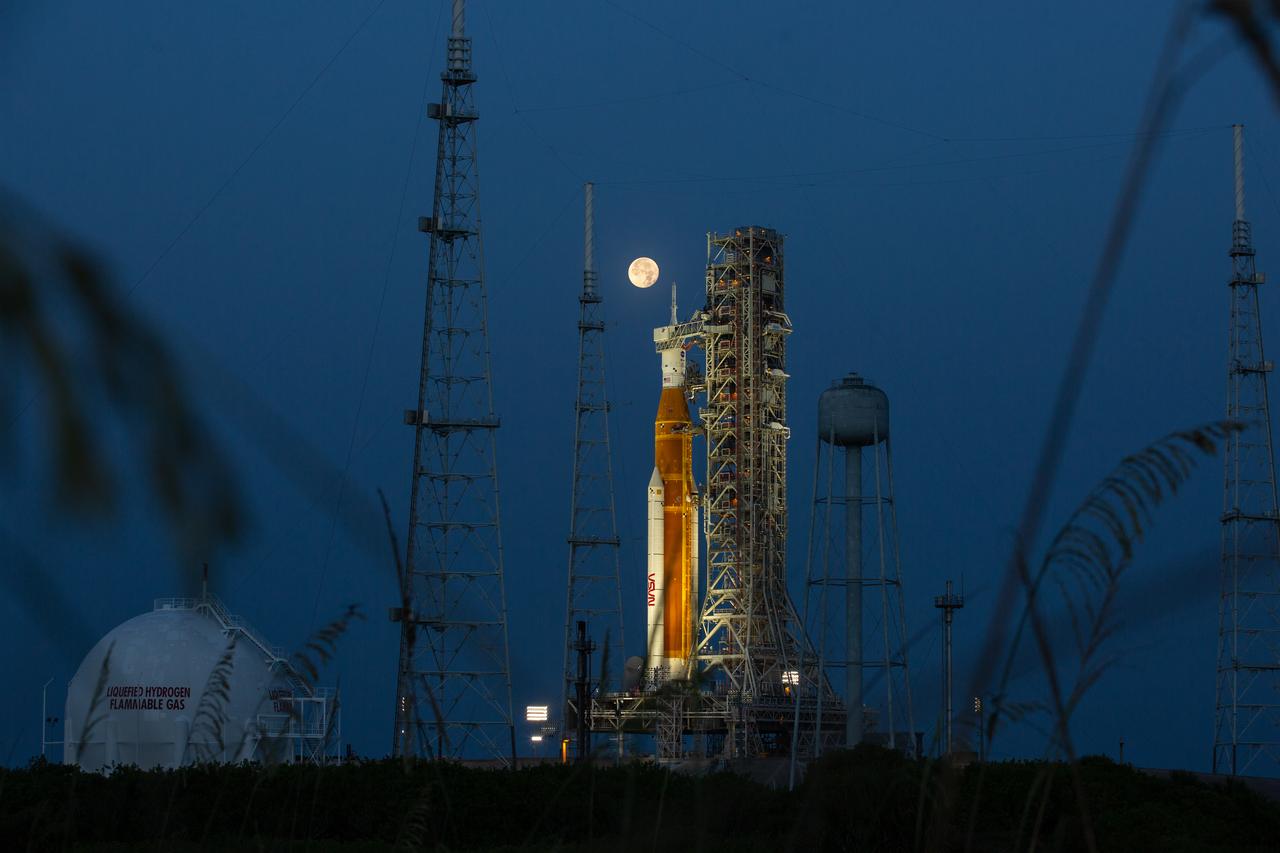
A full Moon is in view from Launch Complex 39B at NASA’s Kennedy Space Center in Florida on June 14, 2022. The Artemis I Space Launch System (SLS) and Orion spacecraft, atop the mobile launcher, are being prepared for a wet dress rehearsal to practice timelines and procedures for launch. The first in an increasingly complex series of missions, Artemis I will test SLS and Orion as an integrated system prior to crewed flights to the Moon. Through Artemis, NASA will land the first woman and first person of color on the lunar surface, paving the way for a long-term lunar presence and using the Moon as a steppingstone on the way to Mars.
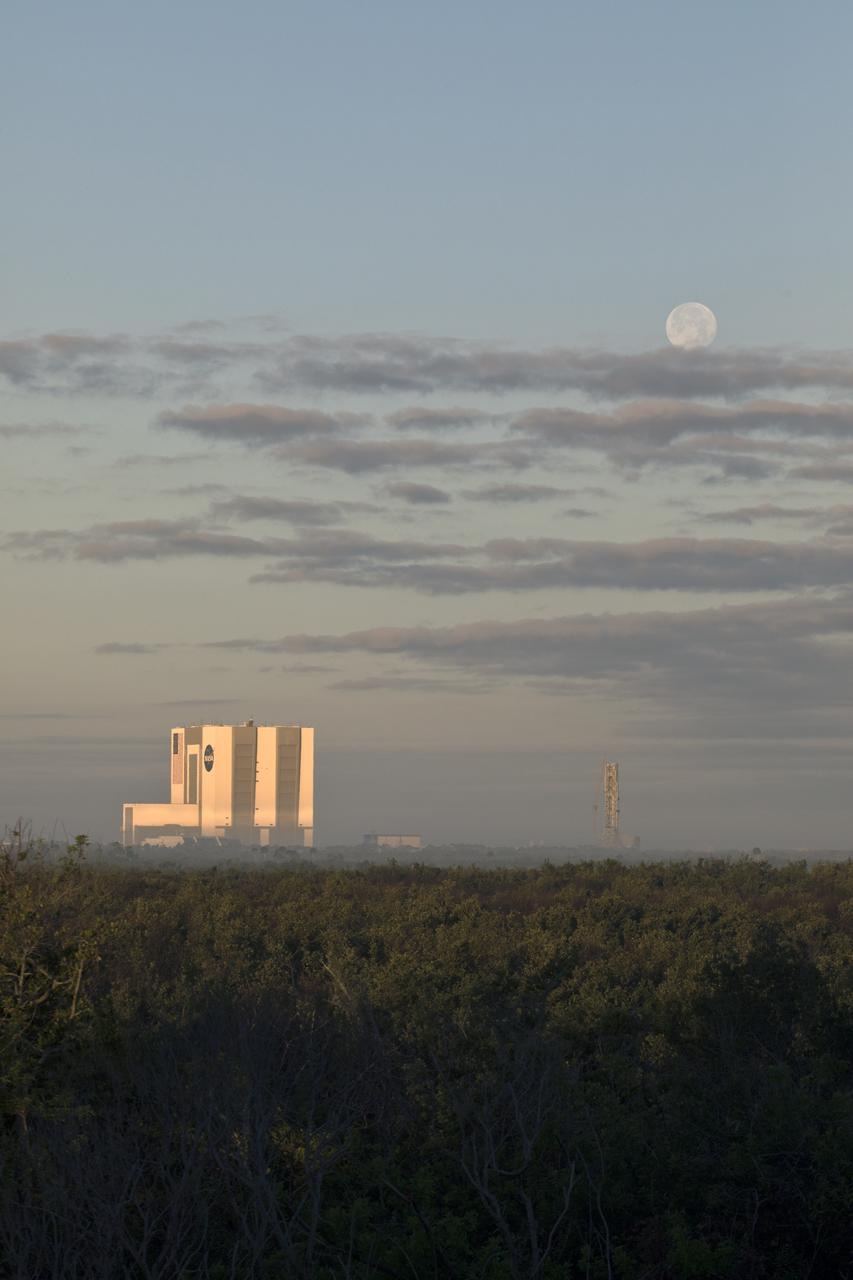
A full Moon sets behind the Vehicle Assembly Building and Mobile Launcher at NASA’s Kennedy Space Center in Florida. At the nation’s premier multi-user spaceport, NASA and its commercial and international partners are looking to return humans to the Moon and beyond utilizing a variety of rockets and capabilities.

iss074e0431854 (April 1, 2026) --- The full Moon is pictured from the International Space Station a few hours before the launch of Artemis II, NASA’s first crewed mission to the Moon since December 1972, from Kennedy Space Center in Florida. Credit: NASA/Chris Williams
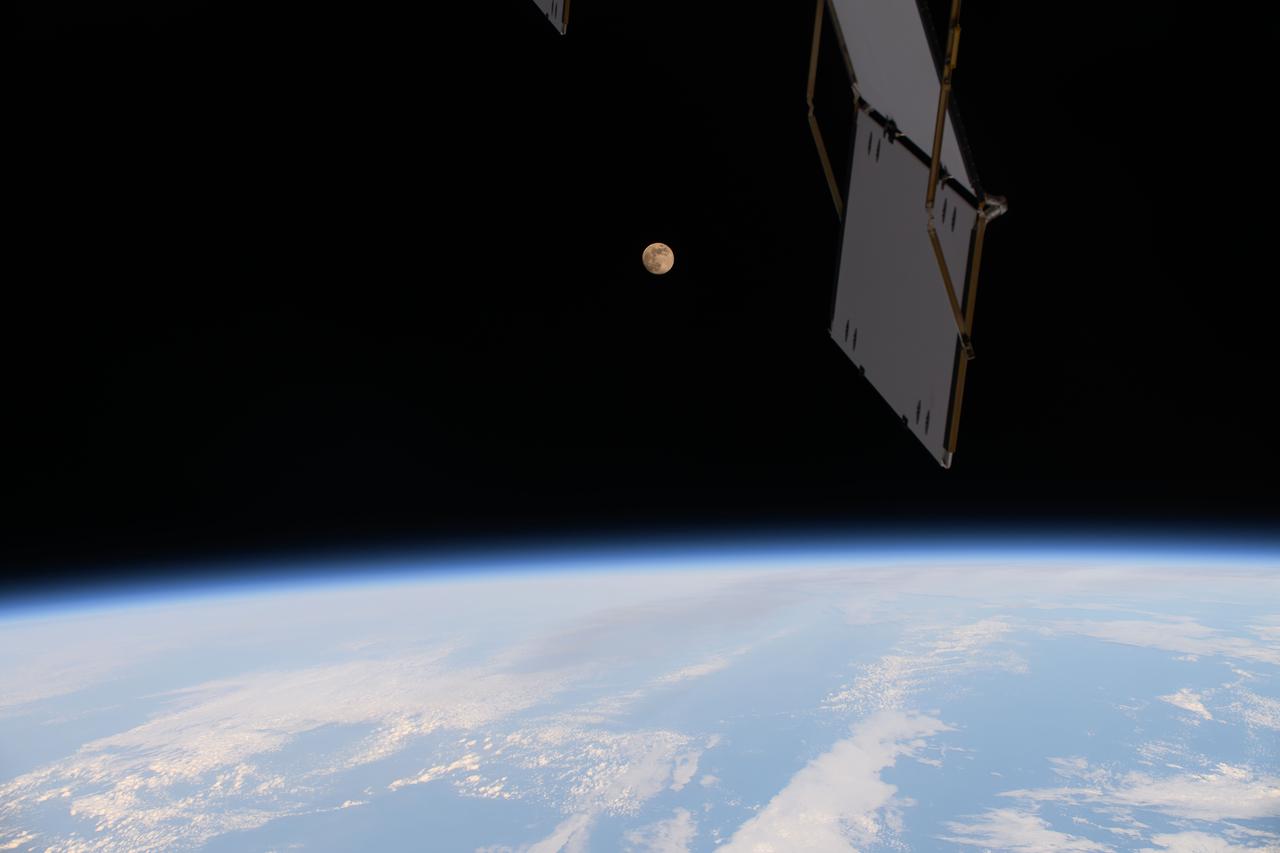
iss072e364168 (Dec. 14, 2024) --- The Full Moon is pictured from the International Space Station as it orbited 261 miles above the Pacific Ocean. In the foreground, a portion of one of the orbital outpost's radiators, also known as the External Active Thermal Control System, is seen.
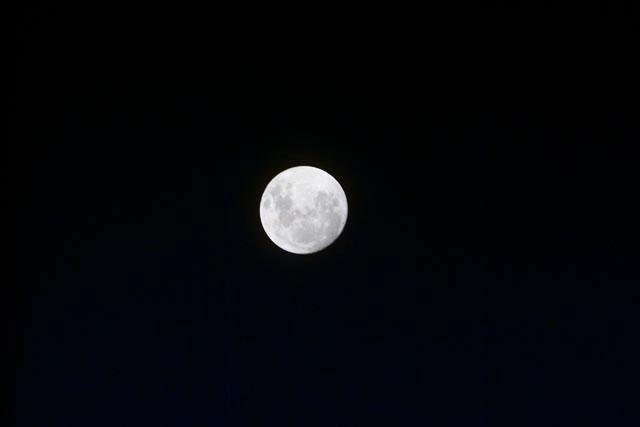
S103-E-5043 (21 December 1999)---This photo of a full Moon was taken with an electronic still camera at 15:16:27 GMT, Dec. 21, 1999.
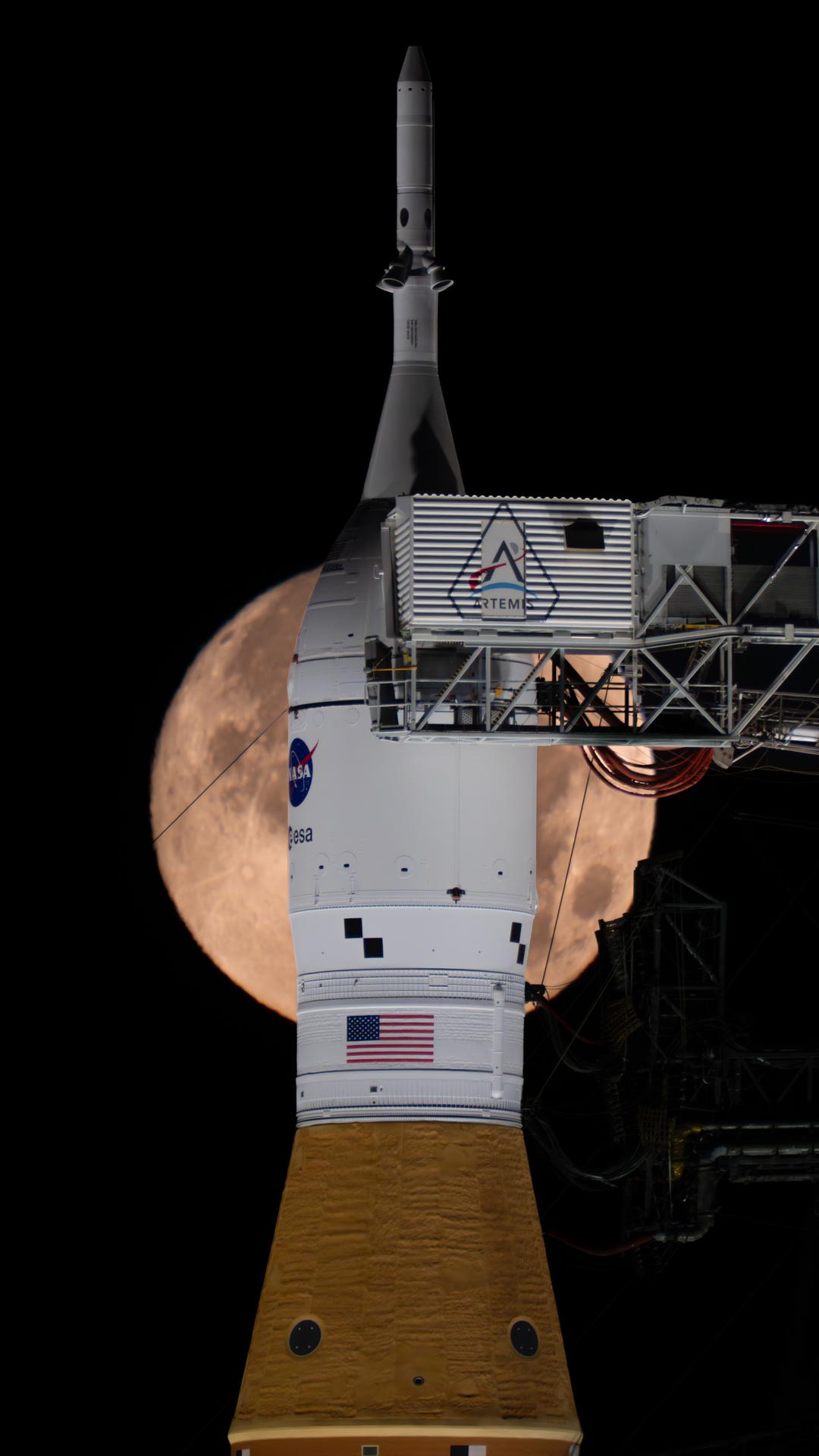
A full Moon is seen setting behind NASA’s SLS (Space Launch System) and Orion spacecraft, atop the mobile launcher in the early hours of February 1, 2026. The rocket is currently at Launch Pad 39B at NASA’s Kennedy Space Center in Florida, as teams are preparing for a wet dress rehearsal to practice timelines and procedures for the launch of Artemis II.
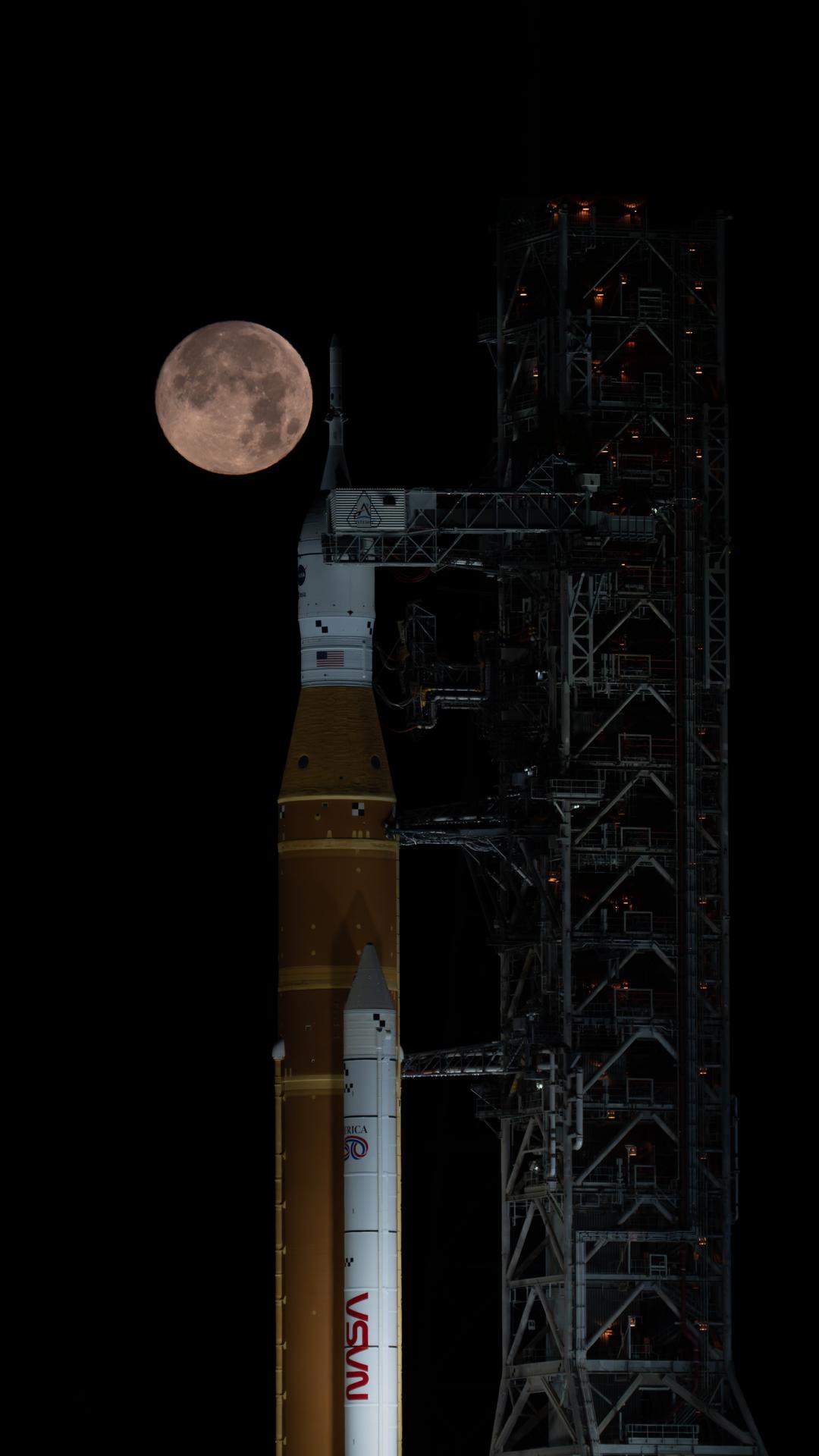
A full Moon is seen shining over NASA’s SLS (Space Launch System) and Orion spacecraft, atop the mobile launcher in the early hours of February 1, 2026. The rocket is currently at Launch Pad 39B at NASA’s Kennedy Space Center in Florida, as teams are preparing for a wet dress rehearsal to practice timelines and procedures for the launch of Artemis II.
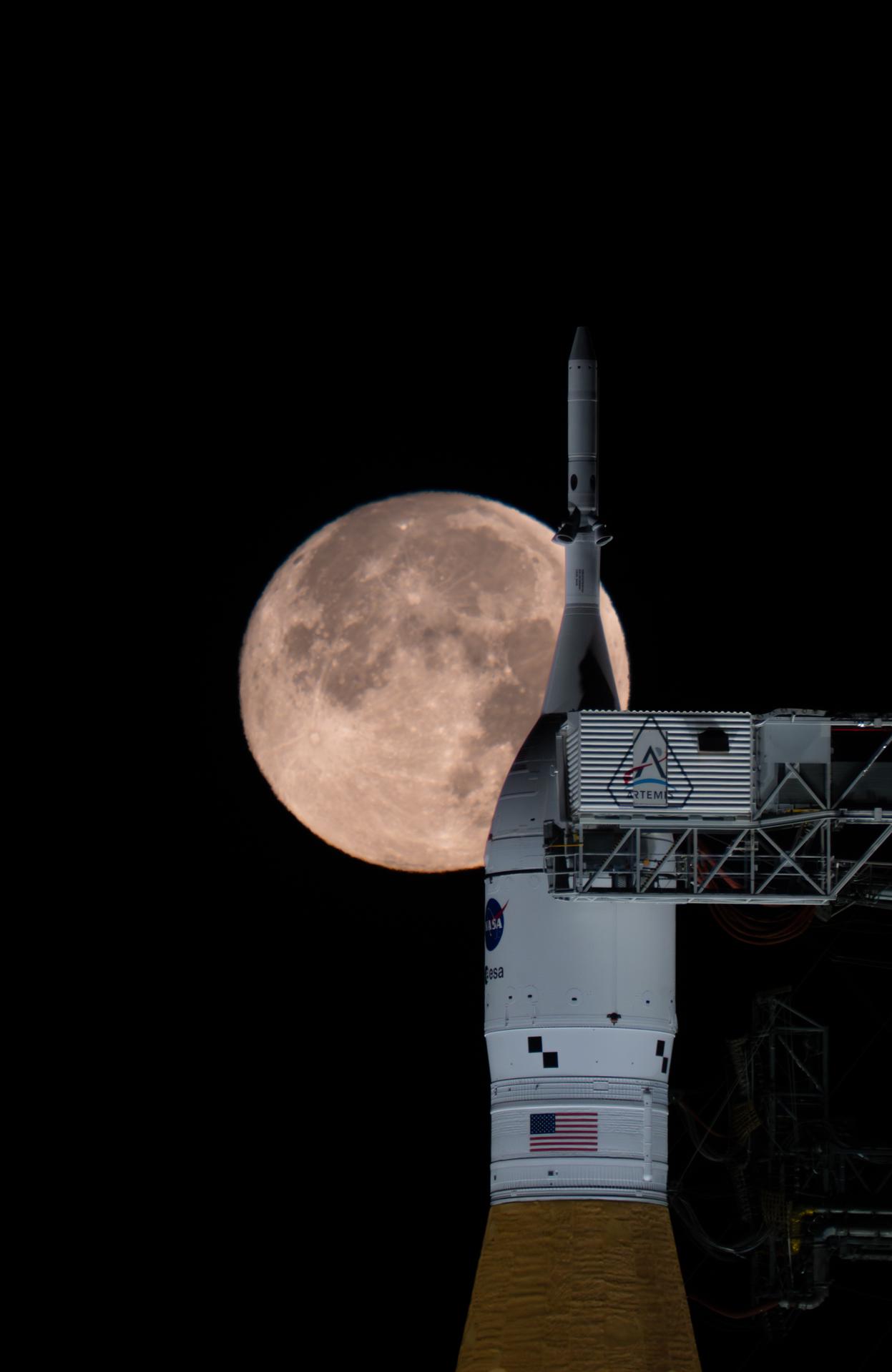
A full Moon is seen shining over NASA’s SLS (Space Launch System) and Orion spacecraft, atop the mobile launcher in the early hours of February 1, 2026. The rocket is currently at Launch Pad 39B at NASA’s Kennedy Space Center in Florida, as teams are preparing for a wet dress rehearsal to practice timelines and procedures for the launch of Artemis II.
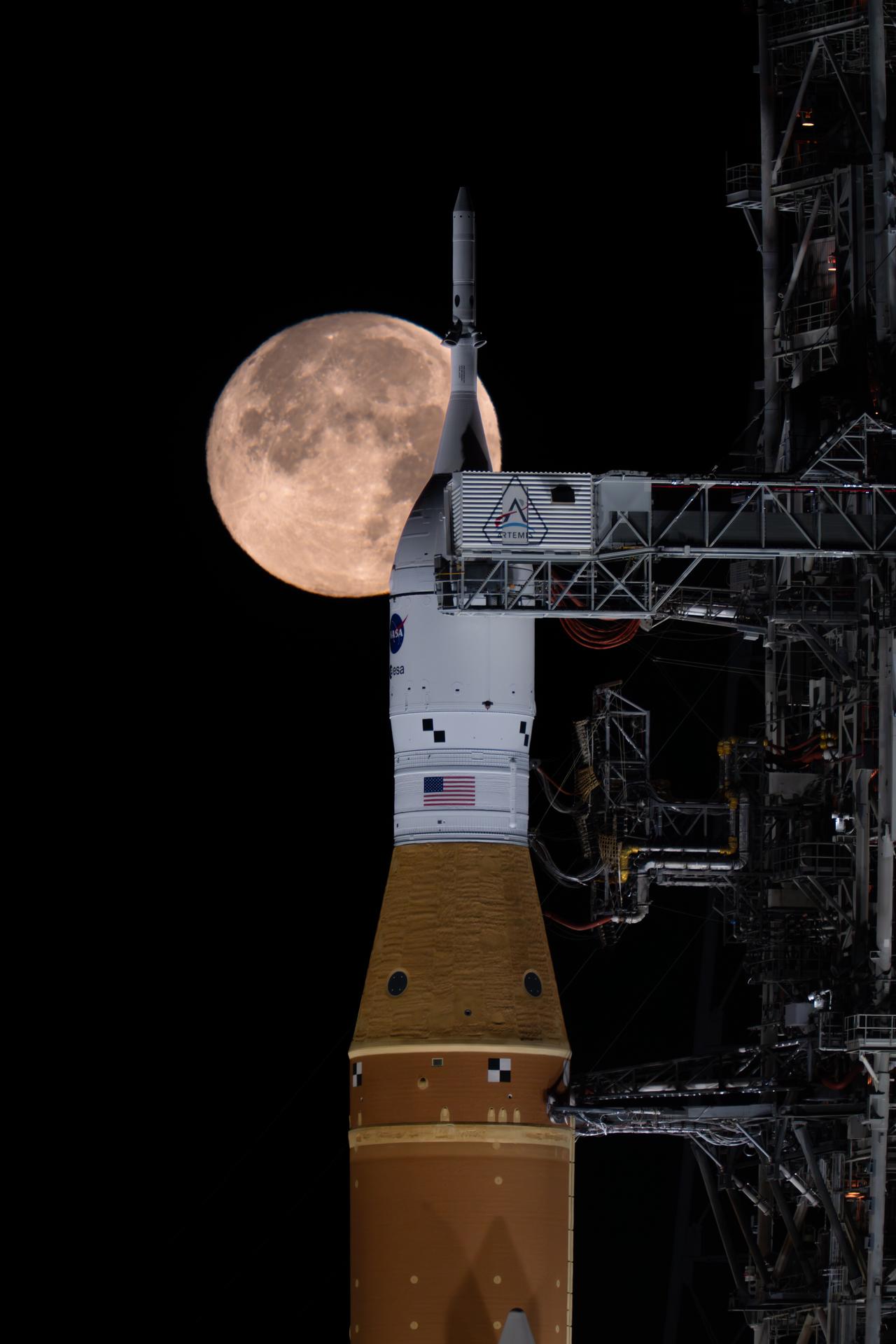
A full Moon is seen setting behind NASA’s SLS (Space Launch System) and Orion spacecraft, atop the mobile launcher in the early hours of February 1, 2026. The rocket is currently at Launch Pad 39B at NASA’s Kennedy Space Center in Florida, as teams are preparing for a wet dress rehearsal to practice timelines and procedures for the launch of Artemis II.
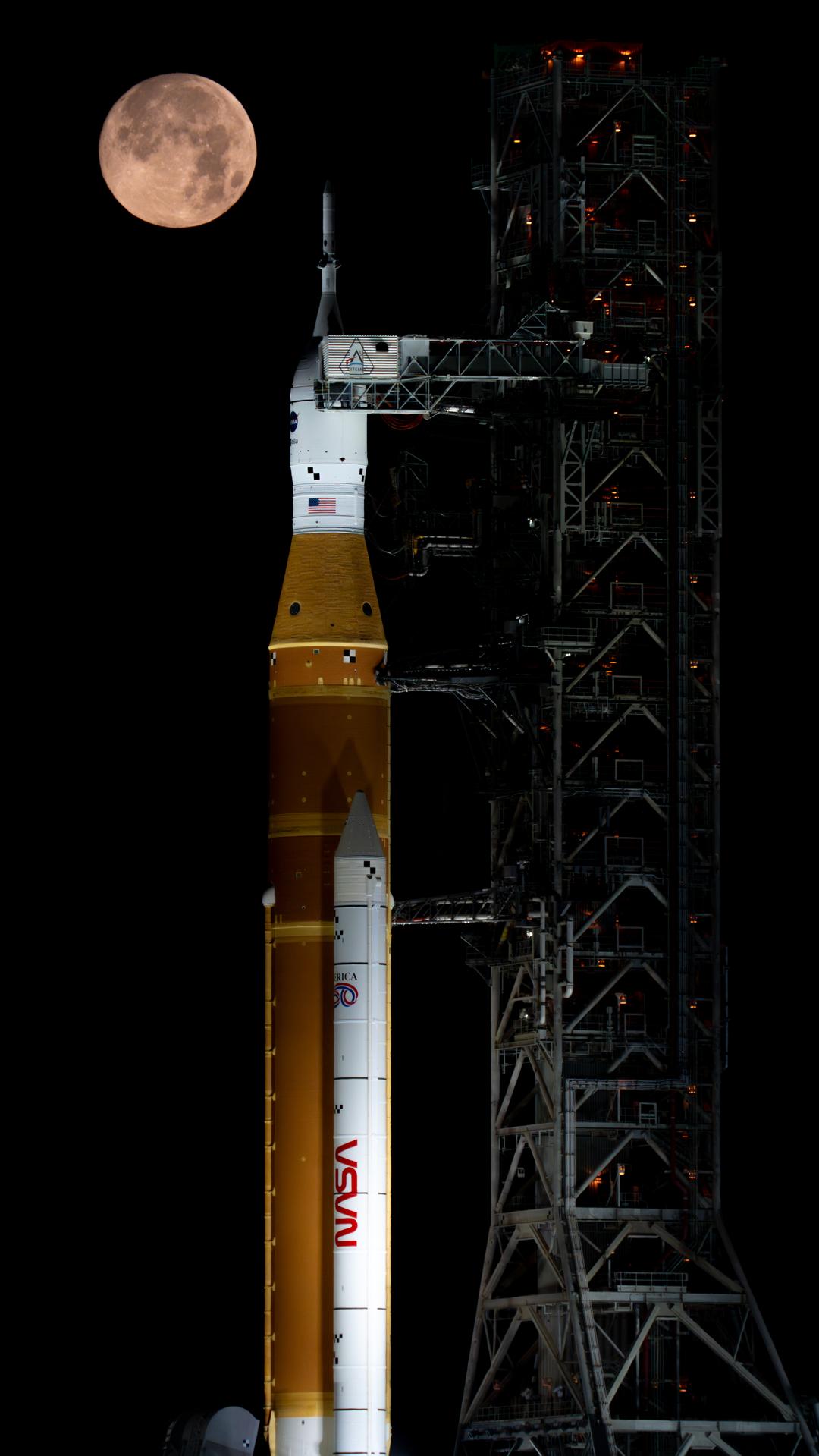
A full Moon is seen setting behind NASA’s SLS (Space Launch System) and Orion spacecraft, atop the mobile launcher in the early hours of February 1, 2026. The rocket is currently at Launch Pad 39B at NASA’s Kennedy Space Center in Florida, as teams are preparing for a wet dress rehearsal to practice timelines and procedures for the launch of Artemis II.
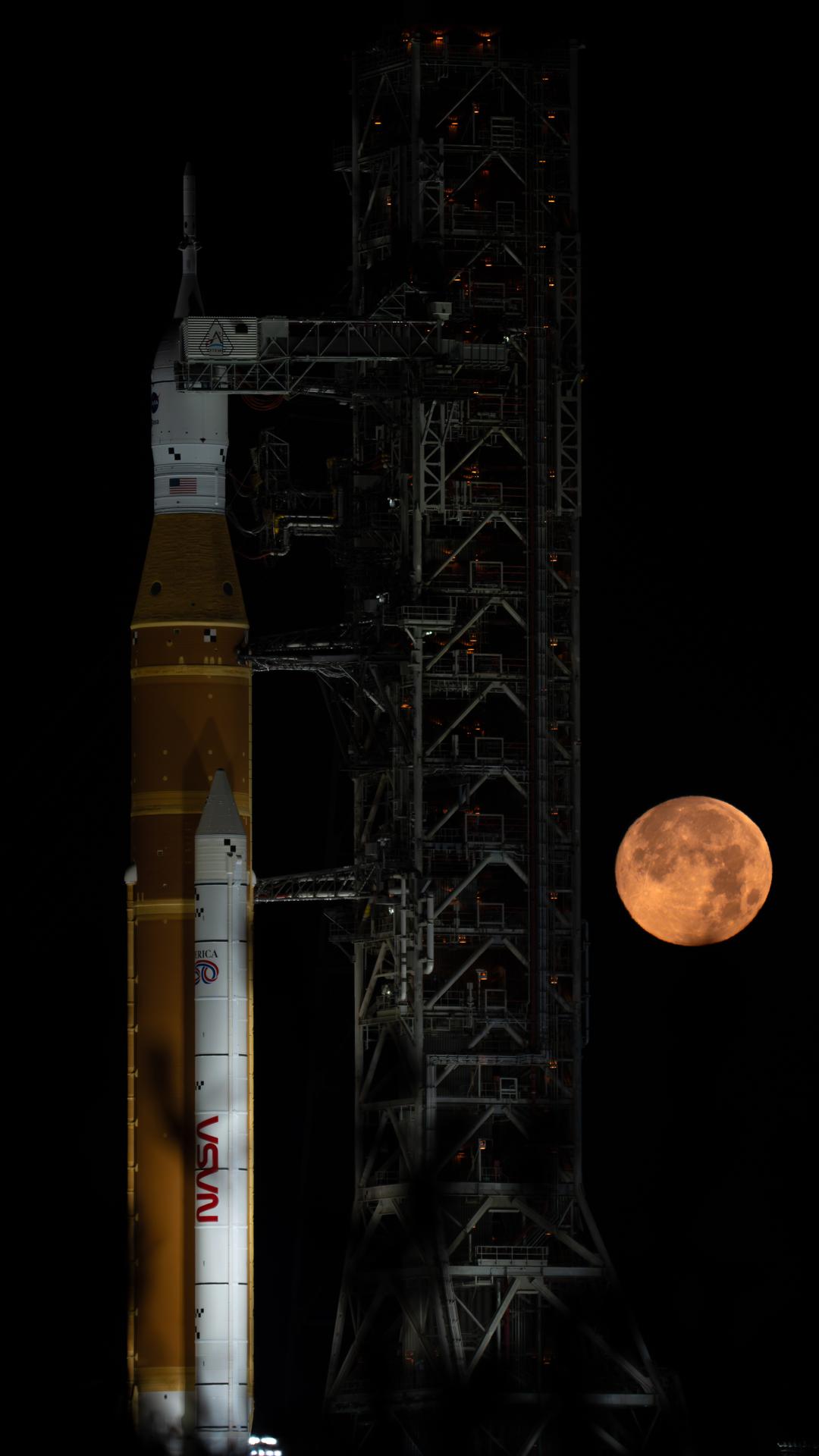
A full Moon is seen shining over NASA’s SLS (Space Launch System) and Orion spacecraft, atop the mobile launcher in the early hours of February 1, 2026. The rocket is currently at Launch Pad 39B at NASA’s Kennedy Space Center in Florida, as teams are preparing for a wet dress rehearsal to practice timelines and procedures for the launch of Artemis II.
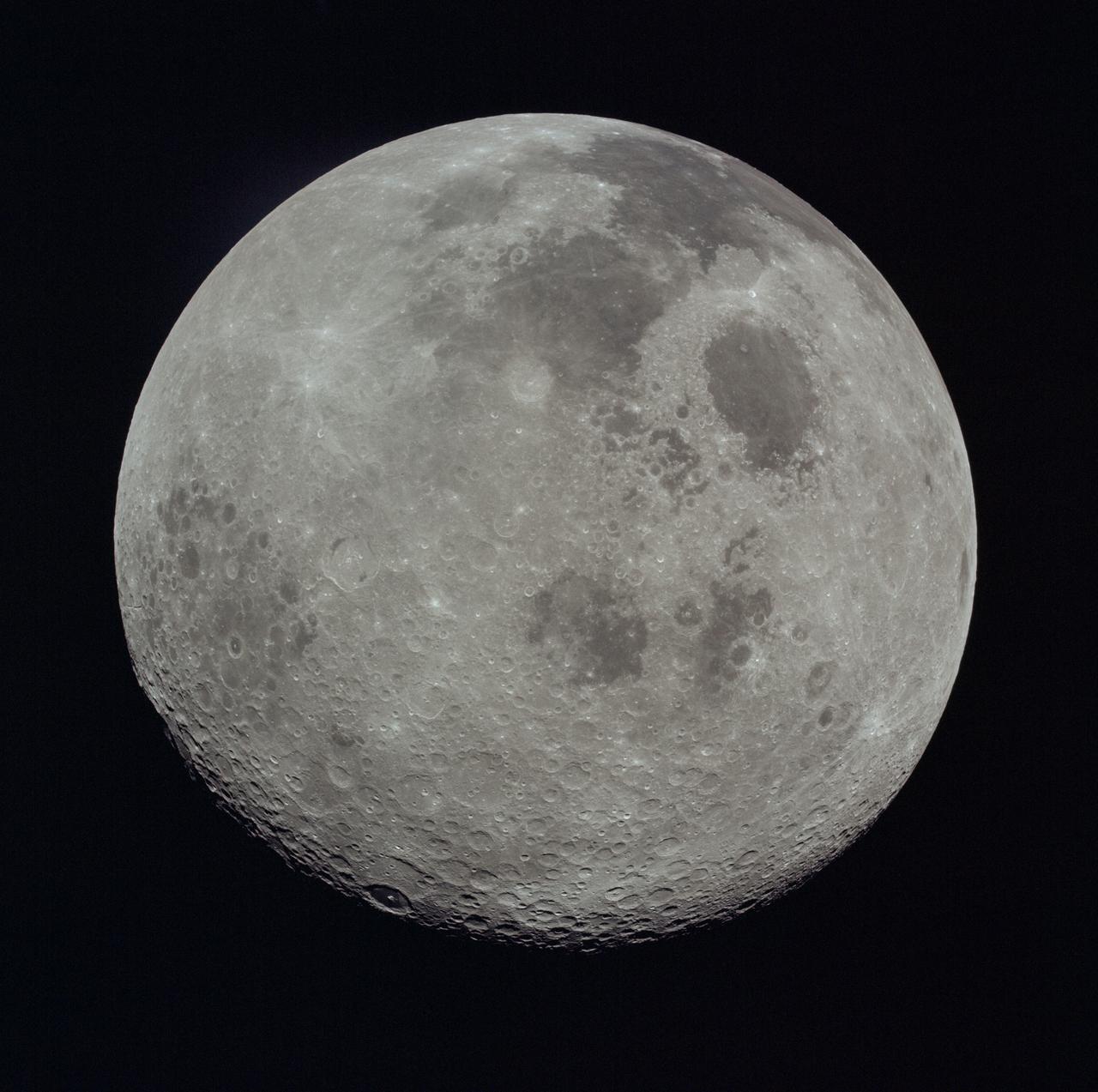
AS17-152-23311 (19 Dec. 1972) --- This full disc of the moon was photographed by the Apollo 17 crewmen during their trans-Earth coast homeward following a successful lunar landing mission in December 1972. Mare seen on this photo include Serentatis, Tranquillitatis, Nectaris, Foecunditatis and Crisium.
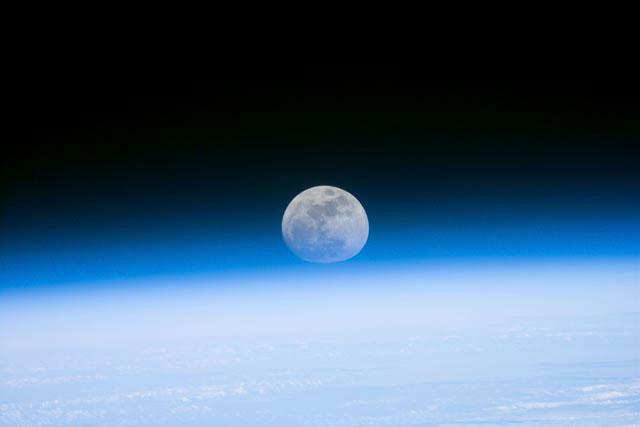
S103-E-5037 (21 December 1999)--- Astronauts aboard the Space Shuttle Discovery recorded this rarely seen phenomenon of the full Moon partially obscured by the atmosphere of Earth. The image was recorded with an electronic still camera at 15:15:15 GMT, Dec. 21, 1999.
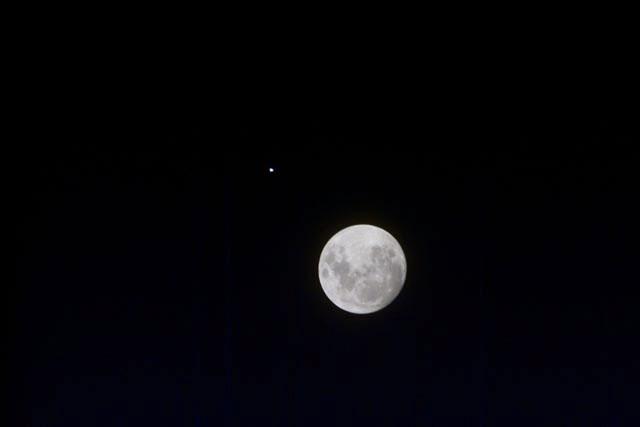
S103-E-5050 (21 December 1999) --- Full Moon, as photographed by the STS-103 crew aboard Discovery about three hours before rendezvous with the Hubble Space Telescope (HST). HST appears as a tiny dot above and to left of the Moon. The picture was taken with an electronic still camera (ESC) at 15:22:41 GMT Dec. 21, 1999.
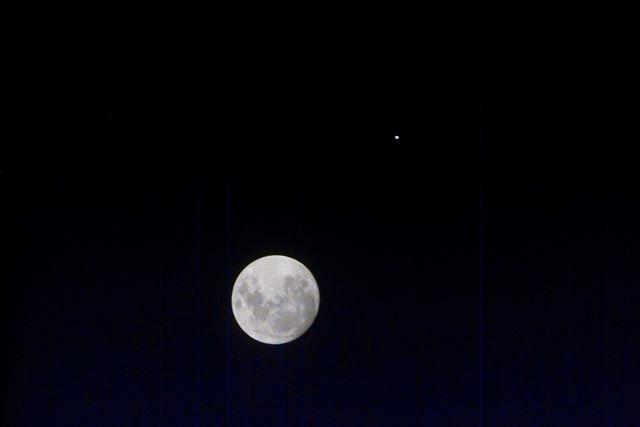
S103-E-5053 (21 December 1999) --- Full Moon, as photographed by the STS-103 crew aboard Discovery about three hours before rendezvous with the Hubble Space Telescope (HST). HST appears as a tiny dot above and to right of the Moon. The picture was taken with an electronic still camera (ESC) at 15:23:05 GMT, Dec. 21, 1999.

A supermoon rises over Huntsville, Alabama, home to NASA’s Marshall Space Flight Center, Aug. 19. Visible through Wednesday, Aug. 21, the full Moon is both a supermoon and a Blue Moon. Supermoons are the biggest and brightest full Moons of the year because the Moon is within 90% of its closest point to Earth. While not blue in color, the third full Moon in a season with four full Moons is called a “Blue Moon.” Huntsville is known as the “Rocket City” because of its proximity to NASA Marshall, which manages vital propulsion systems and hardware, launch vehicles, engineering technologies, and cutting-edge science for the agency.

A supermoon rises over Huntsville, Alabama, home to NASA’s Marshall Space Flight Center, Aug. 19. Visible through Wednesday, Aug. 21, the full Moon is both a supermoon and a Blue Moon. Supermoons are the biggest and brightest full Moons of the year because the Moon is within 90% of its closest point to Earth. While not blue in color, the third full Moon in a season with four full Moons is called a “Blue Moon.” Huntsville is known as the “Rocket City” because of its proximity to NASA Marshall, which manages vital propulsion systems and hardware, launch vehicles, engineering technologies, and cutting-edge science for the agency.

A supermoon rises over Huntsville, Alabama, home to NASA’s Marshall Space Flight Center, Aug. 19. Visible through Wednesday, Aug. 21, the full Moon is both a supermoon and a Blue Moon. Supermoons are the biggest and brightest full Moons of the year because the Moon is within 90% of its closest point to Earth. While not blue in color, the third full Moon in a season with four full Moons is called a “Blue Moon.” Huntsville is known as the “Rocket City” because of its proximity to NASA Marshall, which manages vital propulsion systems and hardware, launch vehicles, engineering technologies, and cutting-edge science for the agency.
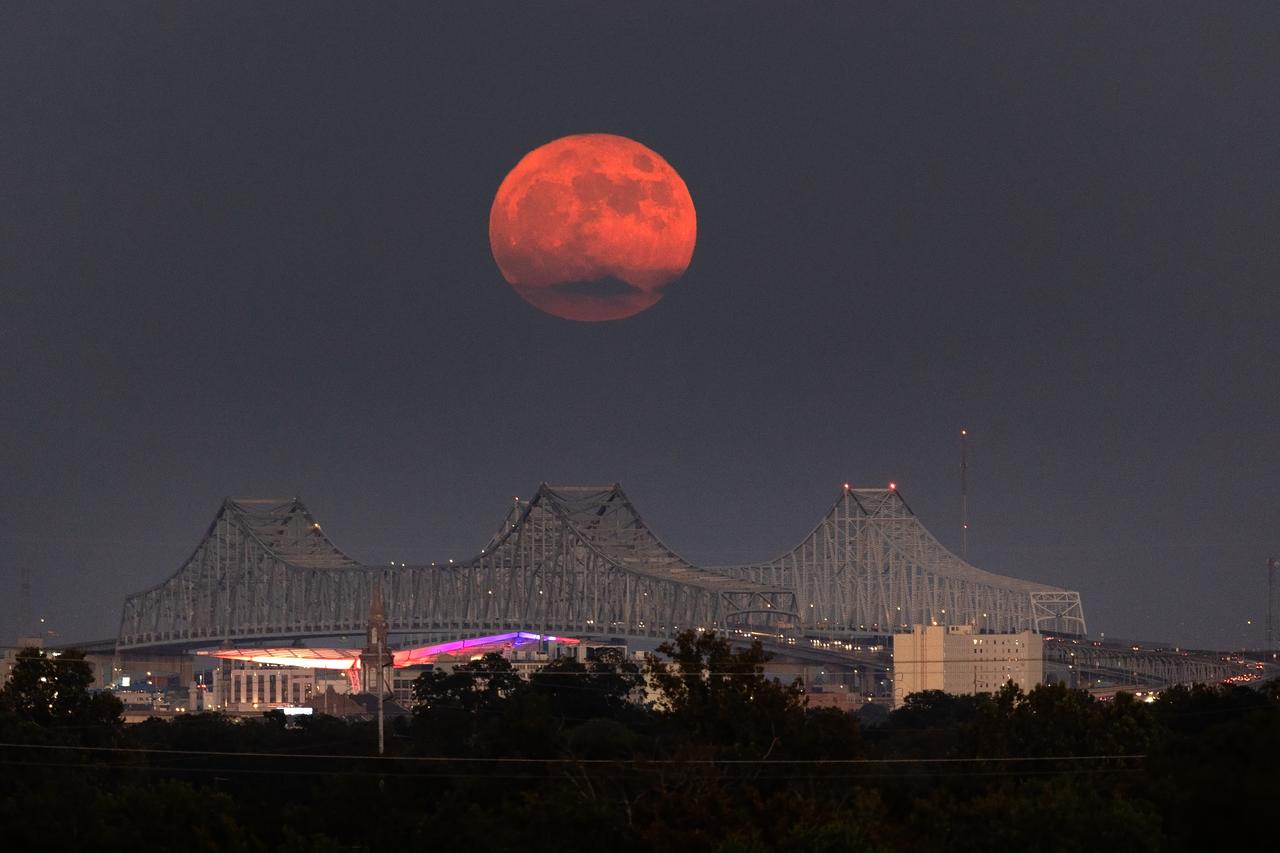
A Super Blue Moon rises above the Mississippi River and the Crescent City Connection Bridge in New Orleans, Aug. 30. The full moon is “super” because it’s slightly closer to Earth and “blue” because it’s the second full moon in a month. About 25% of all full moons are supermoons, but only 3% of full moons are blue moons. The next super blue moons will occur in a pair in January and March 2037. New Orleans is home to NASA’s Michoud Assembly Facility, where stages for NASA’s SLS (Space Launch System) rocket and structures for Orion spacecraft are produced for the Artemis missions.
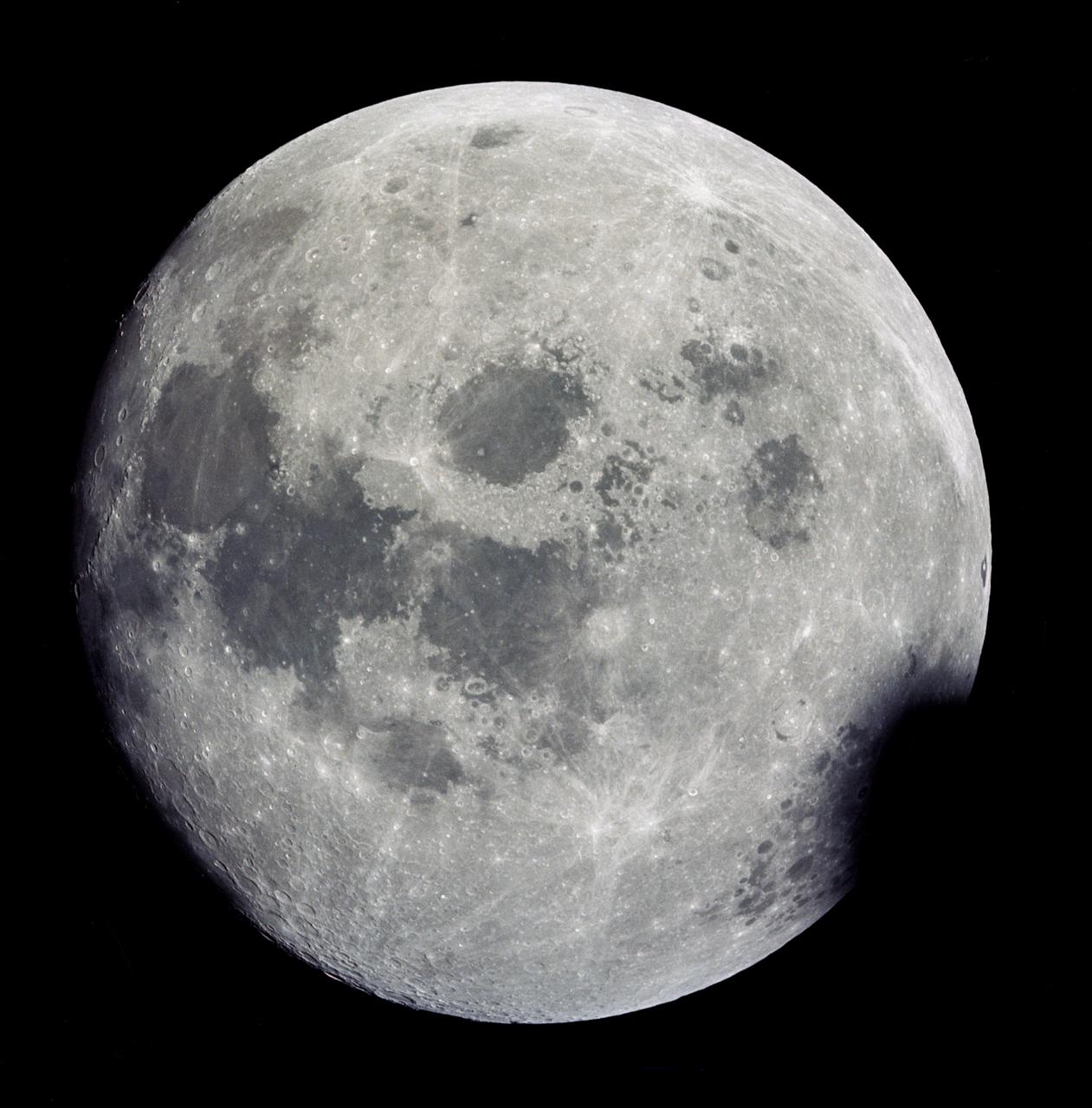
AS13-60-8703 (11-17 April 1970) --- This outstanding view of a near full moon was photographed from the Apollo 13 spacecraft during its trans-Earth journey homeward. Though the explosion of the oxygen tank in the Service Module (SM) forced the cancellation of the scheduled lunar landing, Apollo 13 made a pass around the moon prior to returning to Earth. Some of the conspicuous lunar features include the Sea of Crisis, the Sea of Fertility, the Sea of Tranquility, the Sea of Serenity, the Sea of Nectar, the Sea of Vapors, the Border Sea, Smyth's Sea, the crater Langrenus, and the crater Tsiolkovsky.

AS11-44-6667 (21 July 1969) --- This outstanding view of the whole full moon was photographed from the Apollo 11 spacecraft during its trans-Earth journey homeward. When this picture was taken, the spacecraft was already 10,000 nautical miles away. Onboard Apollo 11 were astronauts Neil A. Armstrong, commander; Michael Collins, command module pilot; and Edwin E. Aldrin Jr., lunar module pilot. While astronauts Armstrong and Aldrin descended in the Lunar Module (LM) "Eagle" to explore the moon, astronaut Collins remained with the Command and Service Modules (CSM) "Columbia" in lunar orbit.
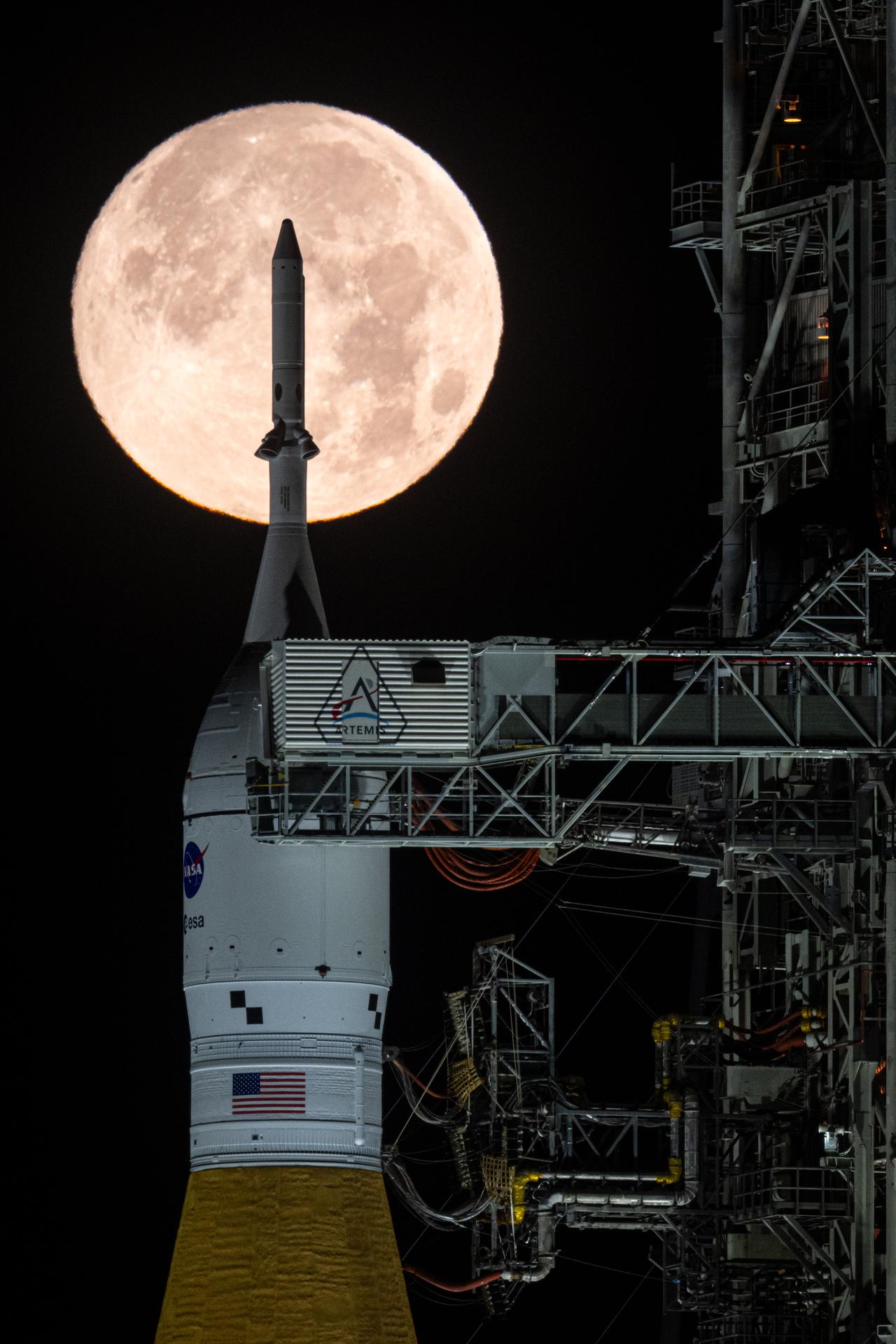
The full Moon is seen behind NASA’s Artemis II Space Launch System (SLS) rocket and Orion spacecraft, standing atop a mobile launcher at Launch Complex 39B, Sunday, Feb. 1, 2026, at NASA’s Kennedy Space Center in Florida. NASA’s Artemis II test flight will take Commander Reid Wiseman, Pilot Victor Glover, and Mission Specialist Christina Koch from NASA, and Mission Specialist Jeremy Hansen from the CSA (Canadian Space Agency), around the Moon and back to Earth no later than April 2026. Photo Credit: (NASA/John Kraus)
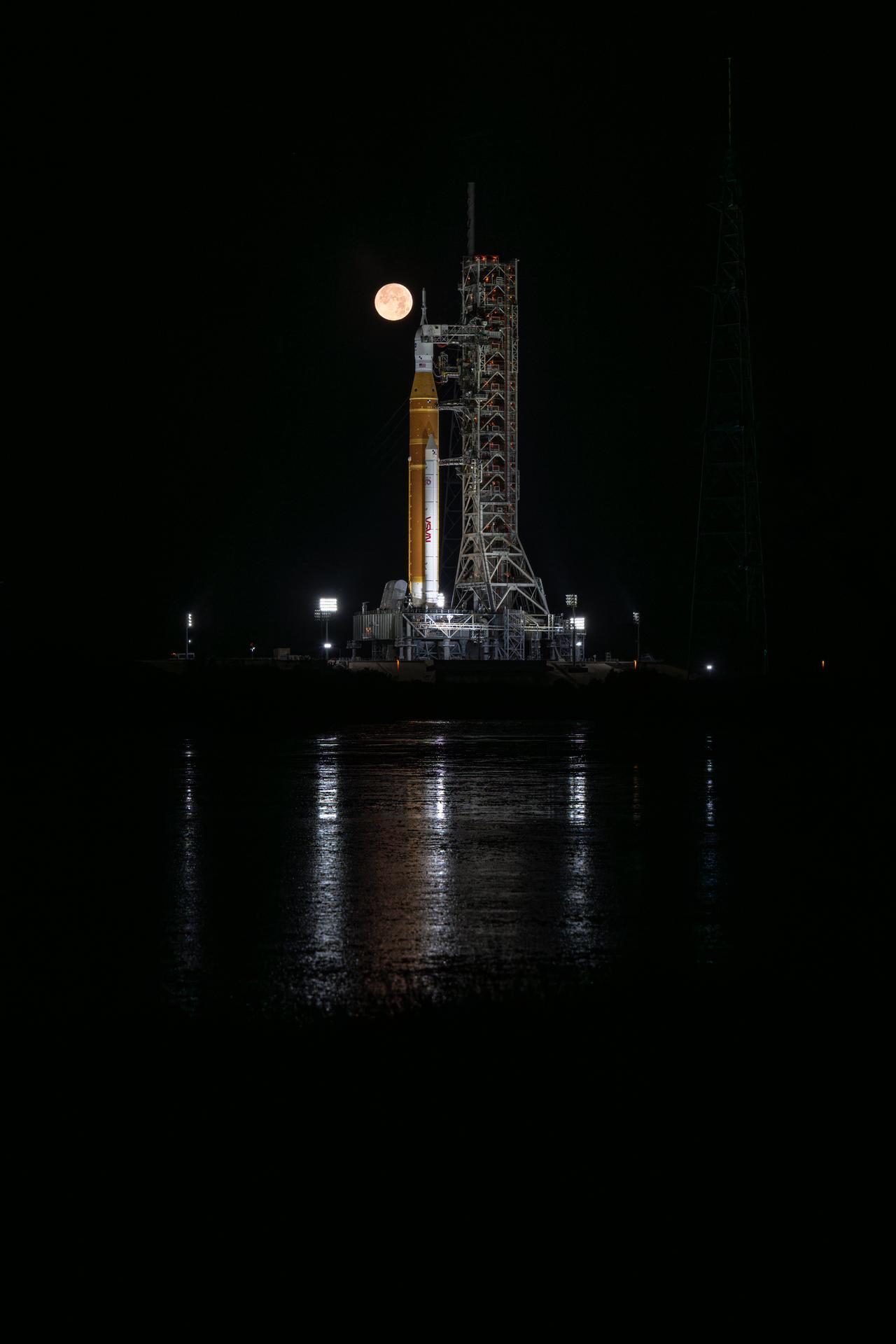
The full Moon is seen behind NASA’s Artemis II Space Launch System (SLS) rocket and Orion spacecraft, standing atop a mobile launcher at Launch Complex 39B, Sunday, Feb. 1, 2026, at NASA’s Kennedy Space Center in Florida. NASA’s Artemis II test flight will take Commander Reid Wiseman, Pilot Victor Glover, and Mission Specialist Christina Koch from NASA, and Mission Specialist Jeremy Hansen from the CSA (Canadian Space Agency), around the Moon and back to Earth no later than April 2026. Photo Credit: (NASA/John Kraus)
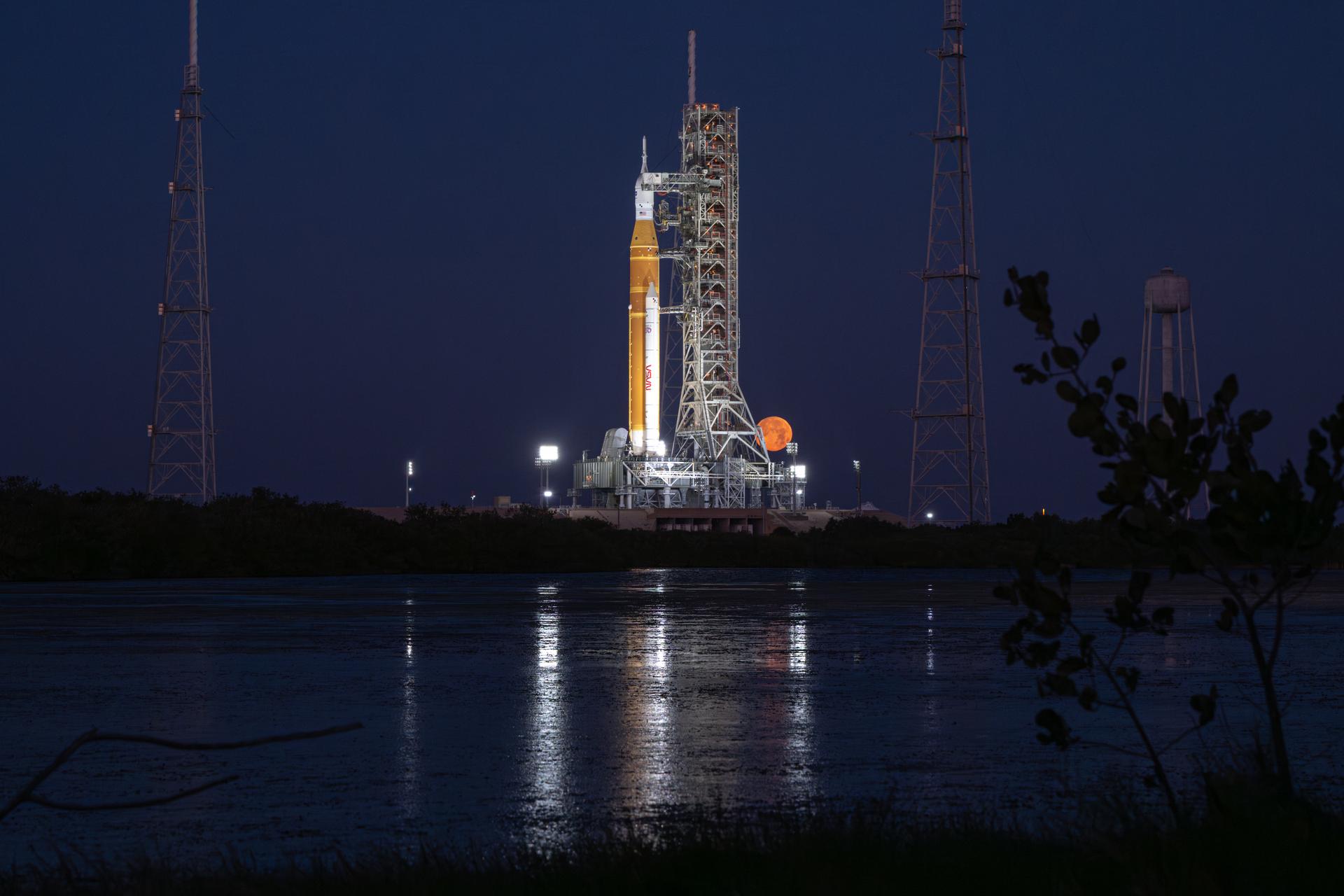
The full Moon is seen behind NASA’s Artemis II Space Launch System (SLS) rocket and Orion spacecraft, standing atop a mobile launcher at Launch Complex 39B, Sunday, Feb. 1, 2026, at NASA’s Kennedy Space Center in Florida. NASA’s Artemis II test flight will take Commander Reid Wiseman, Pilot Victor Glover, and Mission Specialist Christina Koch from NASA, and Mission Specialist Jeremy Hansen from the CSA (Canadian Space Agency), around the Moon and back to Earth no later than April 2026. Photo Credit: (NASA/John Kraus)
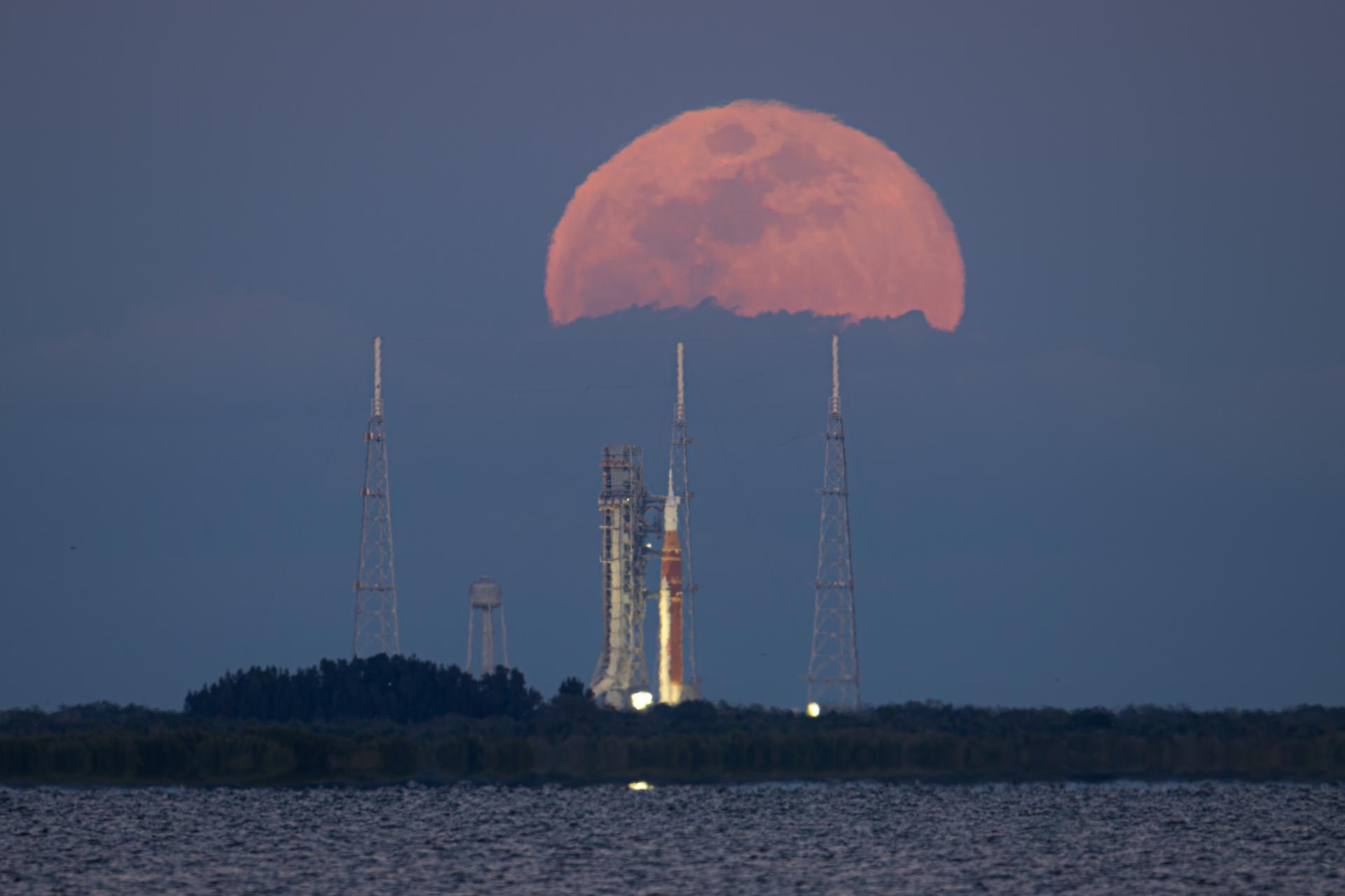
The full Moon rises behind NASA’s Artemis II Space Launch System (SLS) rocket and Orion spacecraft, standing atop a mobile launcher at Launch Complex 39B, Sunday, Feb. 1, 2026, at NASA’s Kennedy Space Center, as seen from Titusville, Fla. NASA’s Artemis II test flight will take Commander Reid Wiseman, Pilot Victor Glover, and Mission Specialist Christina Koch from NASA, and Mission Specialist Jeremy Hansen from the CSA (Canadian Space Agency), around the Moon and back to Earth no later than April 2026. Photo Credit: (NASA/John Kraus)
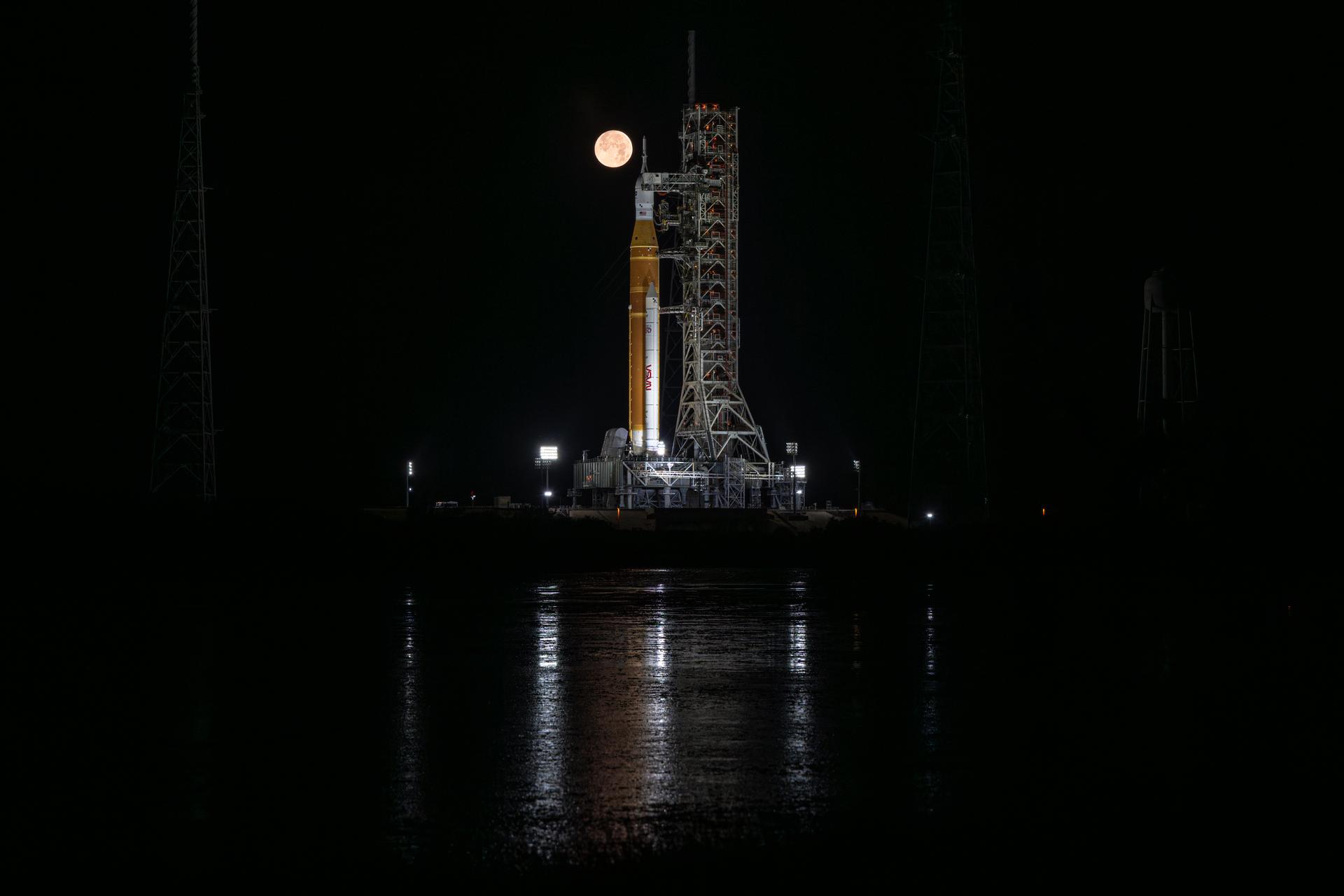
The full Moon is seen behind NASA’s Artemis II Space Launch System (SLS) rocket and Orion spacecraft, standing atop a mobile launcher at Launch Complex 39B, Sunday, Feb. 1, 2026, at NASA’s Kennedy Space Center in Florida. NASA’s Artemis II test flight will take Commander Reid Wiseman, Pilot Victor Glover, and Mission Specialist Christina Koch from NASA, and Mission Specialist Jeremy Hansen from the CSA (Canadian Space Agency), around the Moon and back to Earth no later than April 2026. Photo Credit: (NASA/John Kraus)
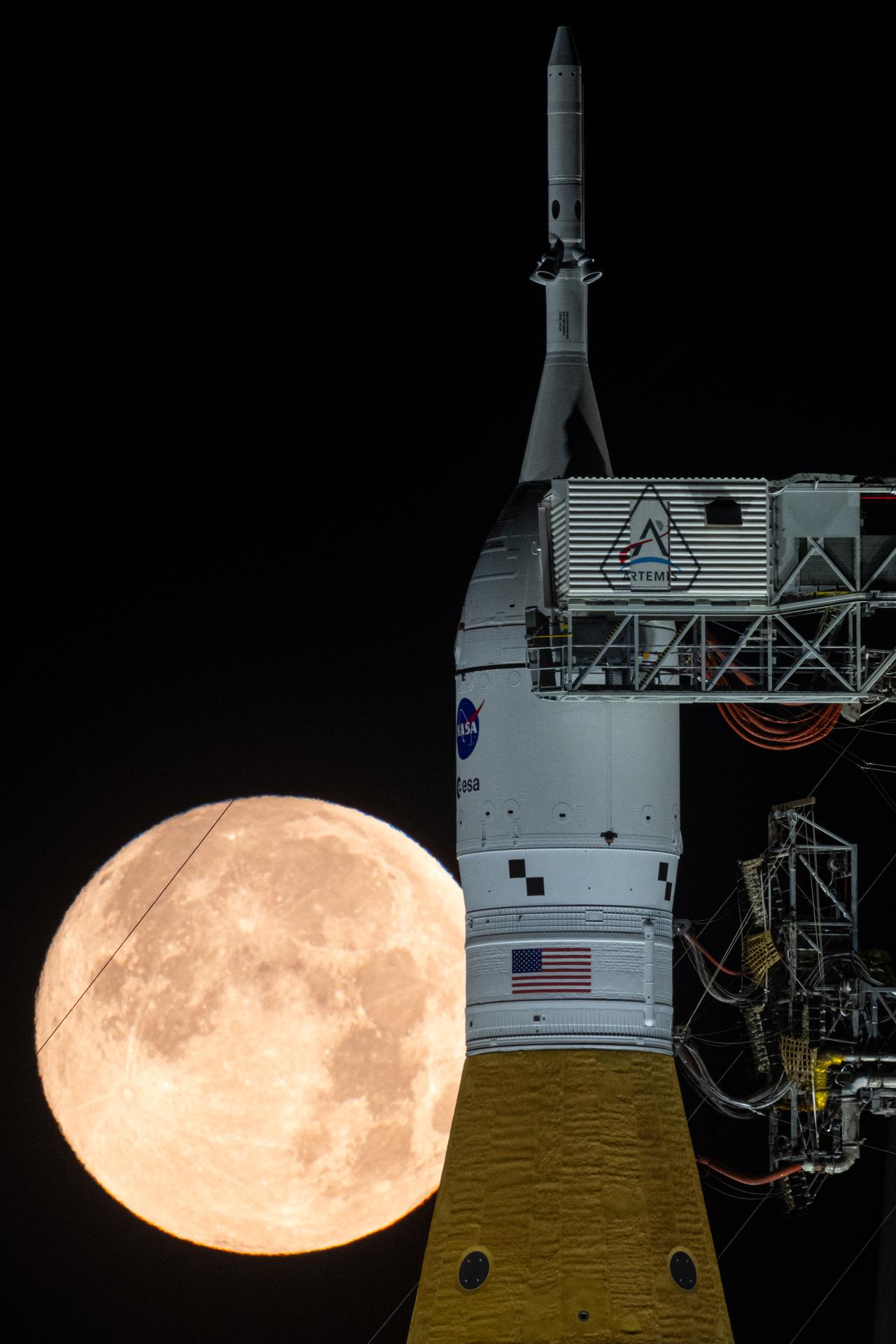
The full Moon is seen behind NASA’s Artemis II Space Launch System (SLS) rocket and Orion spacecraft, standing atop a mobile launcher at Launch Complex 39B, Sunday, Feb. 1, 2026, at NASA’s Kennedy Space Center in Florida. NASA’s Artemis II test flight will take Commander Reid Wiseman, Pilot Victor Glover, and Mission Specialist Christina Koch from NASA, and Mission Specialist Jeremy Hansen from the CSA (Canadian Space Agency), around the Moon and back to Earth no later than April 2026. Photo Credit: (NASA/John Kraus)
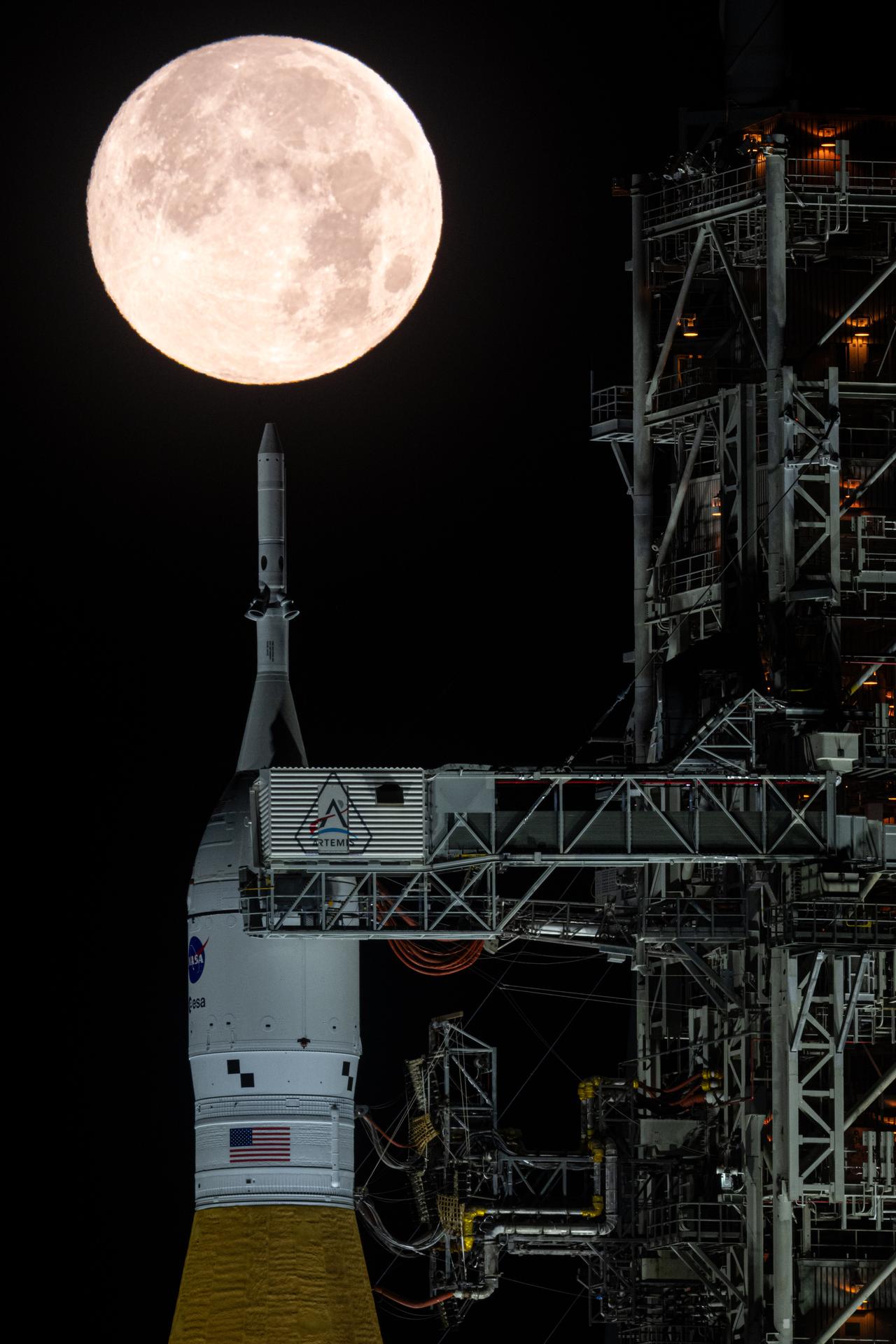
The full Moon is seen behind NASA’s Artemis II Space Launch System (SLS) rocket and Orion spacecraft, standing atop a mobile launcher at Launch Complex 39B, Sunday, Feb. 1, 2026, at NASA’s Kennedy Space Center in Florida. NASA’s Artemis II test flight will take Commander Reid Wiseman, Pilot Victor Glover, and Mission Specialist Christina Koch from NASA, and Mission Specialist Jeremy Hansen from the CSA (Canadian Space Agency), around the Moon and back to Earth no later than April 2026. Photo Credit: (NASA/John Kraus)
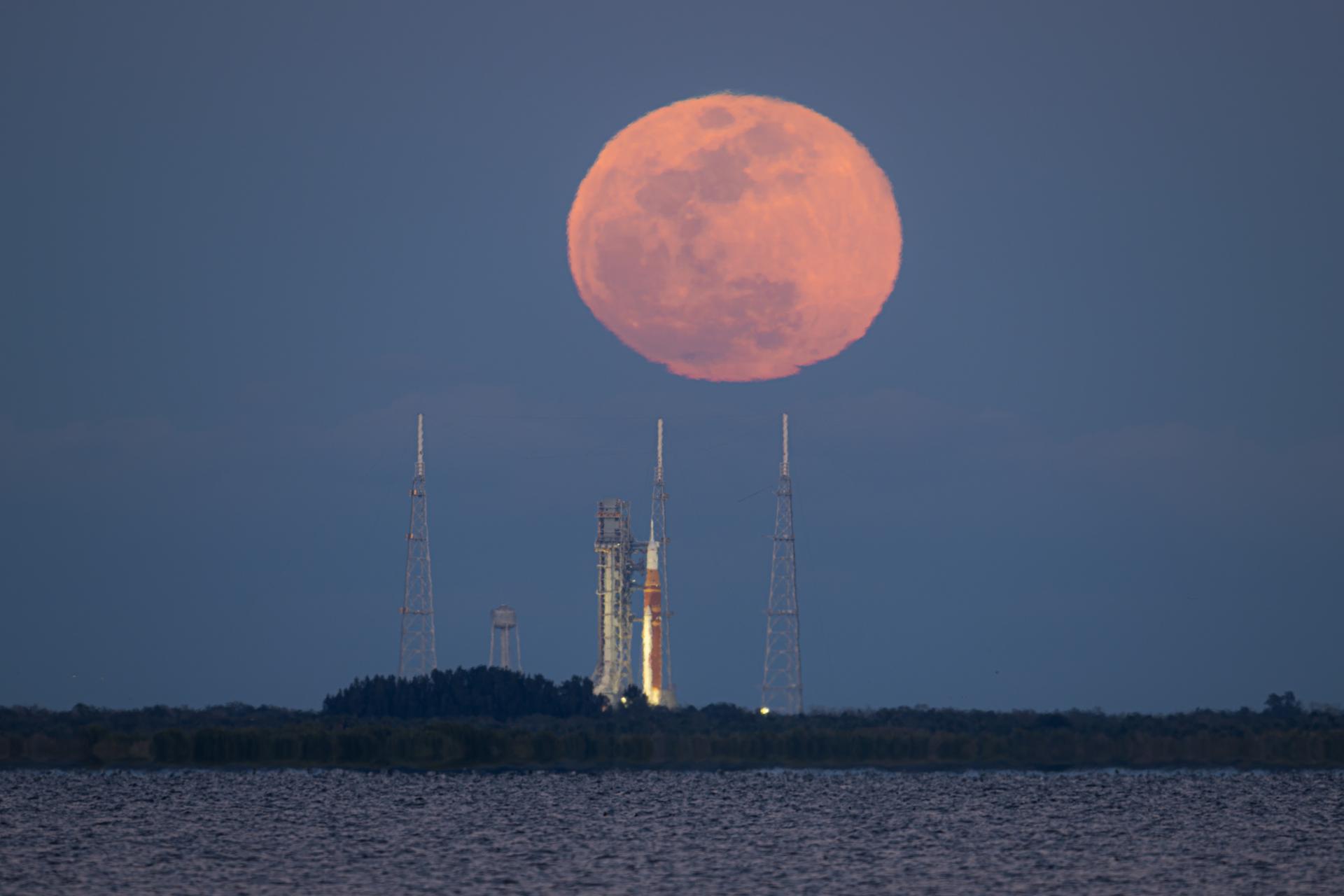
The full Moon rises behind NASA’s Artemis II Space Launch System (SLS) rocket and Orion spacecraft, standing atop a mobile launcher at Launch Complex 39B, Sunday, Feb. 1, 2026, at NASA’s Kennedy Space Center, as seen from Titusville, Fla. NASA’s Artemis II test flight will take Commander Reid Wiseman, Pilot Victor Glover, and Mission Specialist Christina Koch from NASA, and Mission Specialist Jeremy Hansen from the CSA (Canadian Space Agency), around the Moon and back to Earth no later than April 2026. Photo Credit: (NASA/John Kraus)
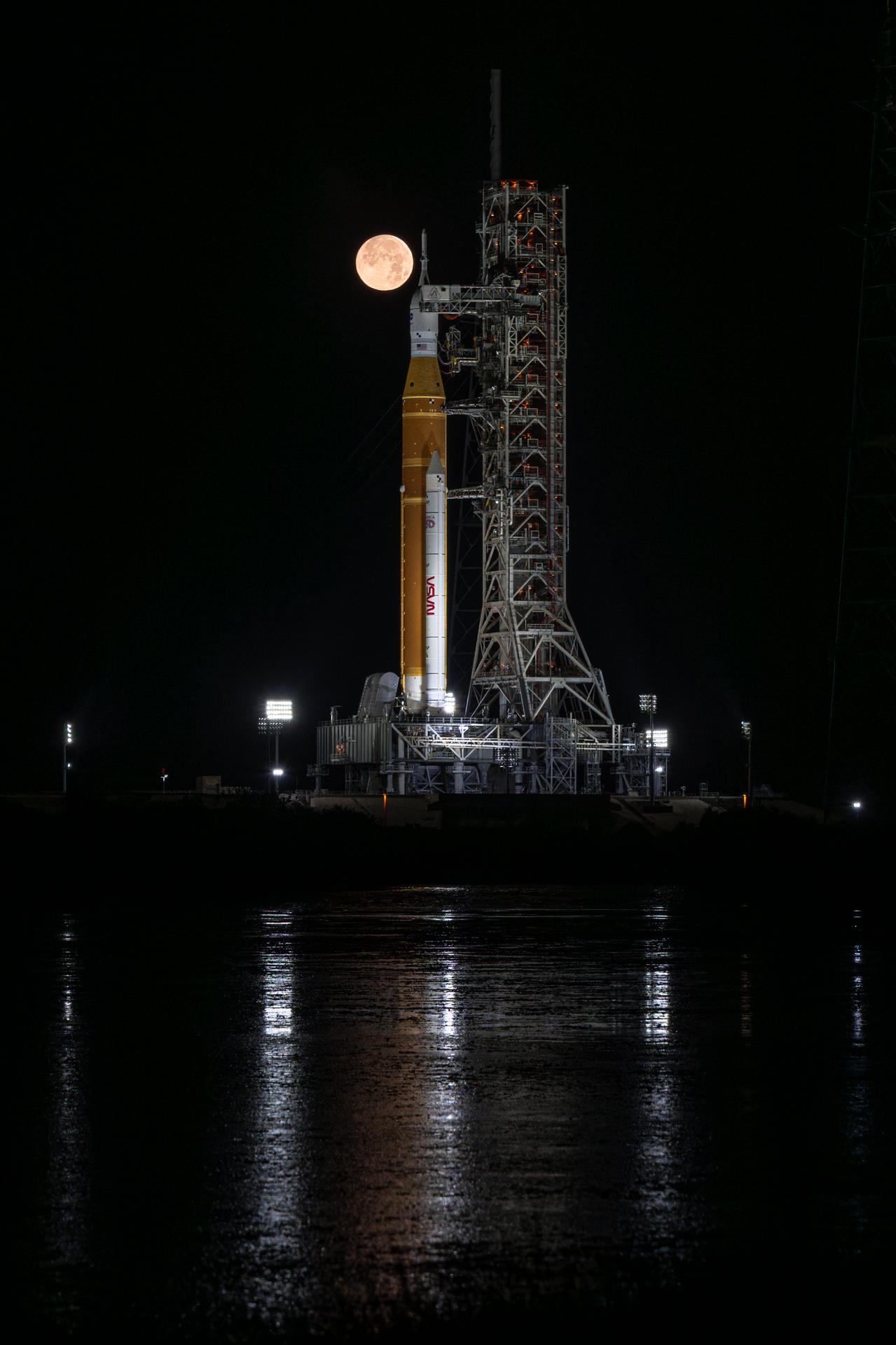
The full Moon is seen behind NASA’s Artemis II Space Launch System (SLS) rocket and Orion spacecraft, standing atop a mobile launcher at Launch Complex 39B, Sunday, Feb. 1, 2026, at NASA’s Kennedy Space Center in Florida. NASA’s Artemis II test flight will take Commander Reid Wiseman, Pilot Victor Glover, and Mission Specialist Christina Koch from NASA, and Mission Specialist Jeremy Hansen from the CSA (Canadian Space Agency), around the Moon and back to Earth no later than April 2026. Photo Credit: (NASA/John Kraus)
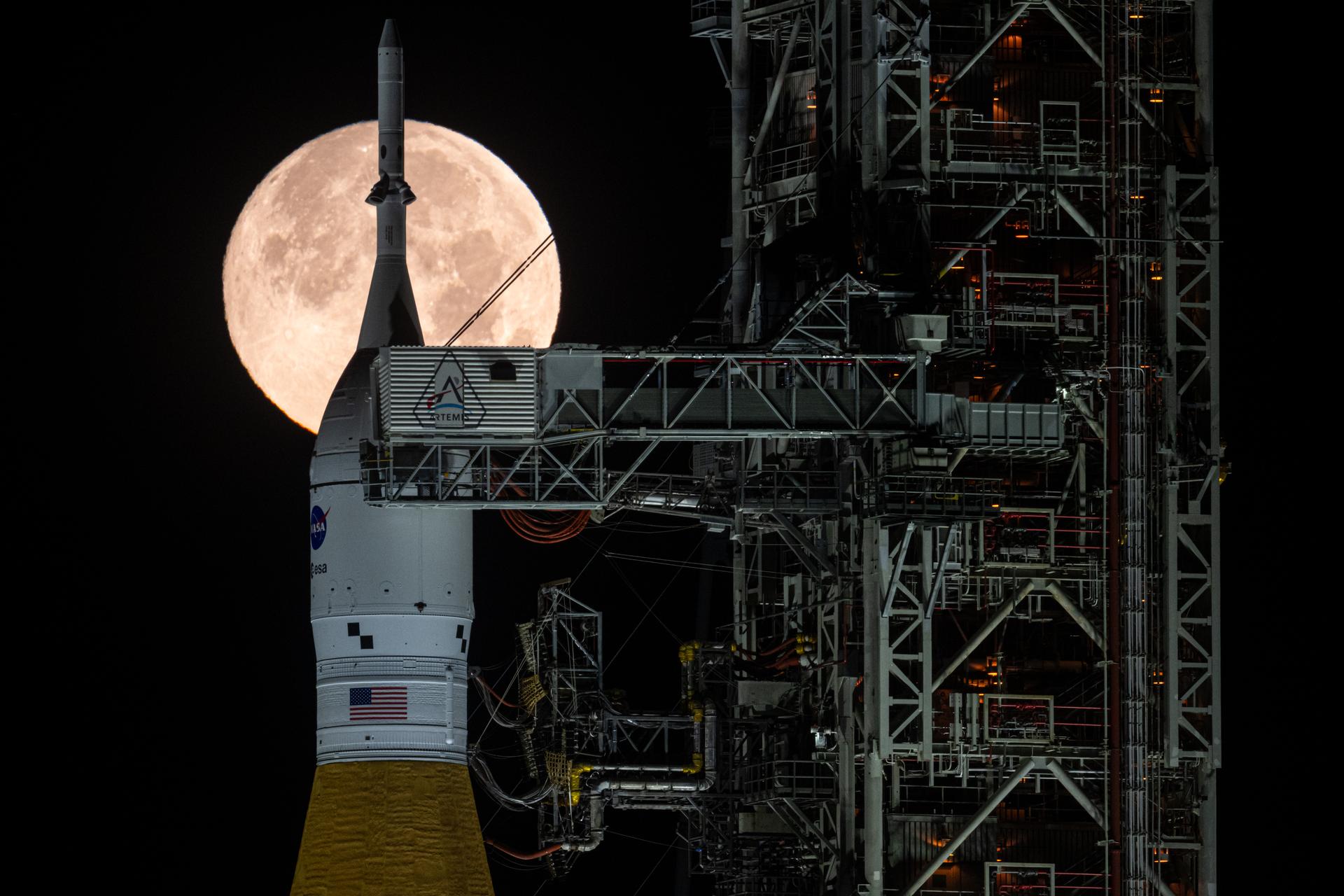
The full Moon is seen behind NASA’s Artemis II Space Launch System (SLS) rocket and Orion spacecraft, standing atop a mobile launcher at Launch Complex 39B, Sunday, Feb. 1, 2026, at NASA’s Kennedy Space Center in Florida. NASA’s Artemis II test flight will take Commander Reid Wiseman, Pilot Victor Glover, and Mission Specialist Christina Koch from NASA, and Mission Specialist Jeremy Hansen from the CSA (Canadian Space Agency), around the Moon and back to Earth no later than April 2026. Photo Credit: (NASA/John Kraus)
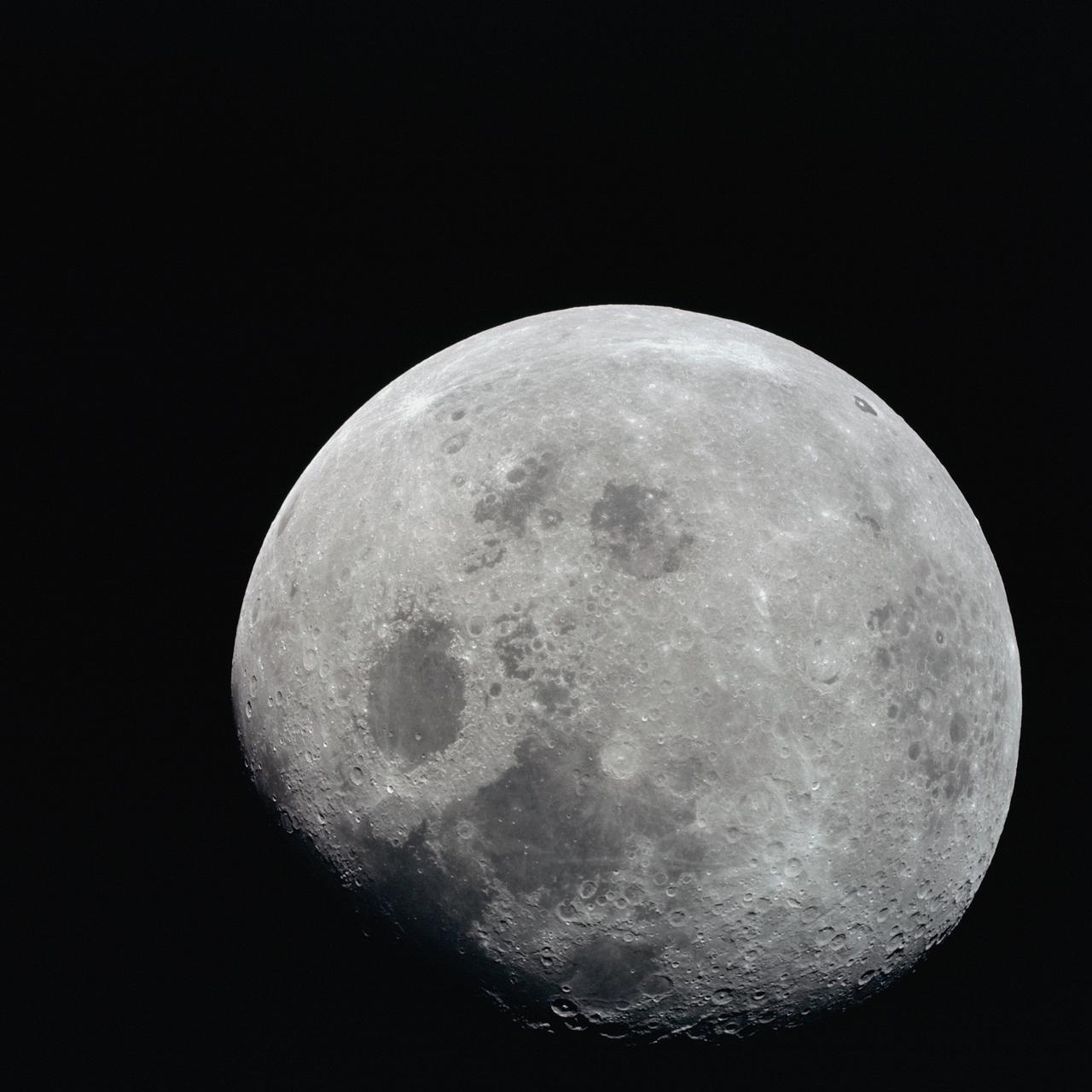
AS08-14-2506 (21-27 Dec. 1968) --- This photograph of a nearly full moon was taken from the Apollo 8 spacecraft at a point above 70 degrees east longitude. (Hold picture with moon's dark portion at left). Mare Crisium, the circular, dark-colored area near the center, is near the eastern edge of the moon as viewed from Earth. Mare Nectaris is the circular mare near the terminator. The large, irregular maira are Tranquillitatis and Fecunditatis. The terminator at left side of picture crosses Mare Tranquillitatis and highlands to the south. Lunar farside features occupy most of the right half of the picture. The large, dark-colored crater Tsiolkovsky is near the limb at the lower right. Conspicuous bright rays radiate from two large craters, one to the north of Tsiolkovsky, the other near the limb in the upper half of the picture. These rayed craters were not conspicuous in Lunar Orbiter photography due to the low sun elevations when the Lunar Orbiter photography was made. The crater Langrenus is near the center of the picture at the eastern edge of Mare Fecunditatis. The lunar surface probably has less pronounced color that indicated by this print.
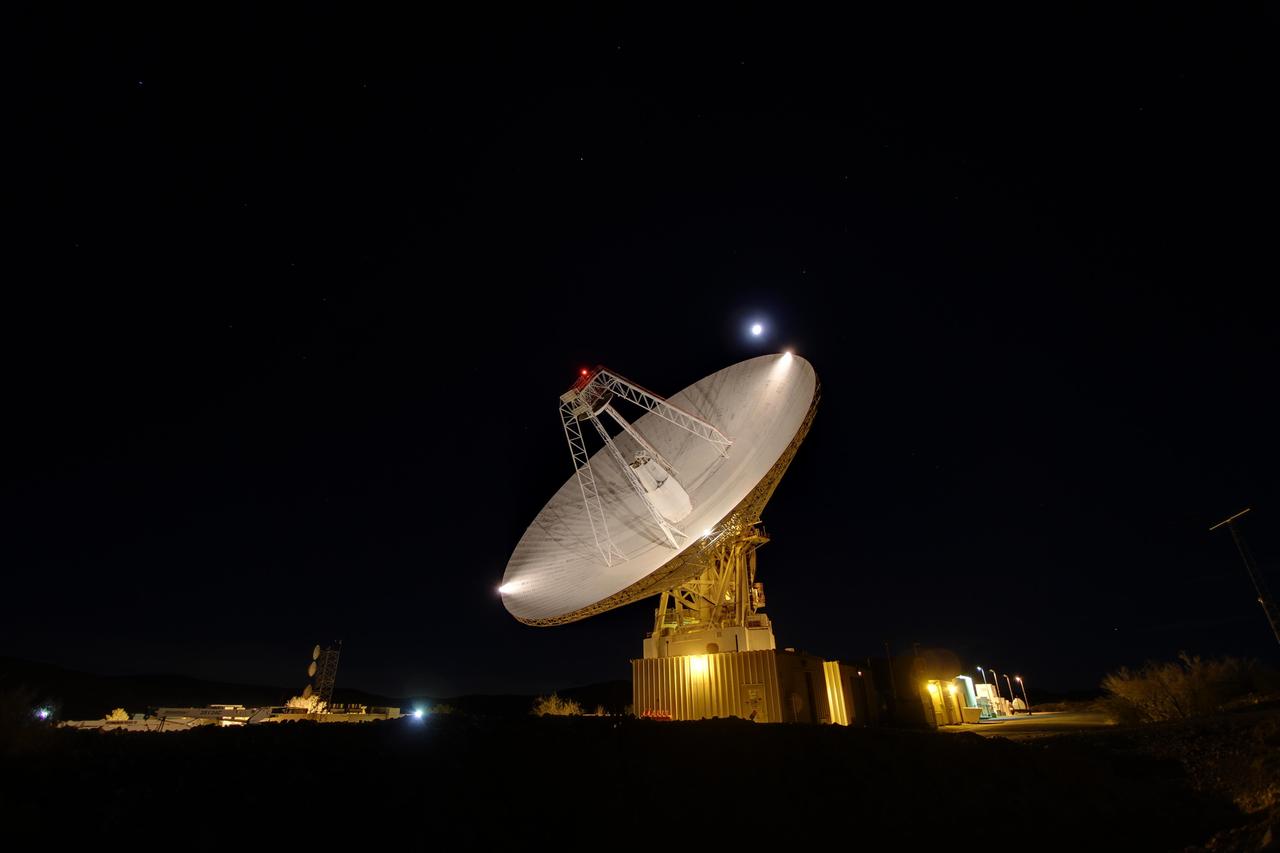
Goldstone 230-foot 70-m antenna tracks under a full moon. The Goldstone Deep Space Communications Complex is located in the Mojave Desert in California, USA.
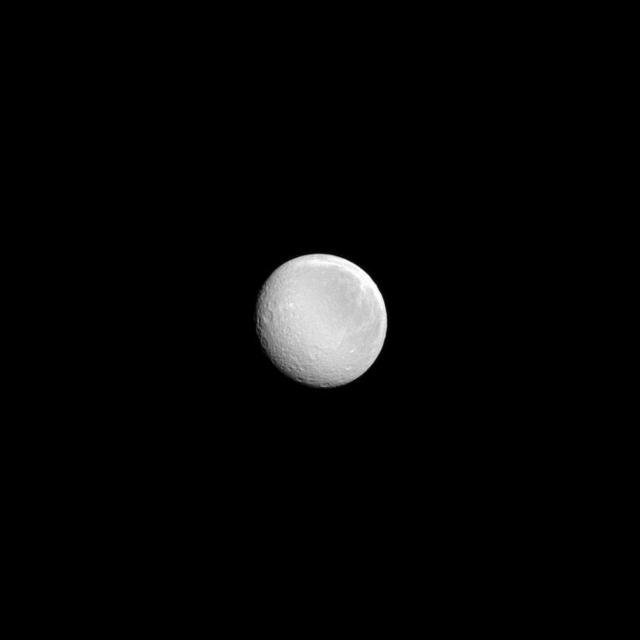
A nearly full Rhea shines in the sunlight in this image from NASA Cassini spacecraft. Rhea 949 miles, or 1,527 kilometers across is Saturn second largest moon.
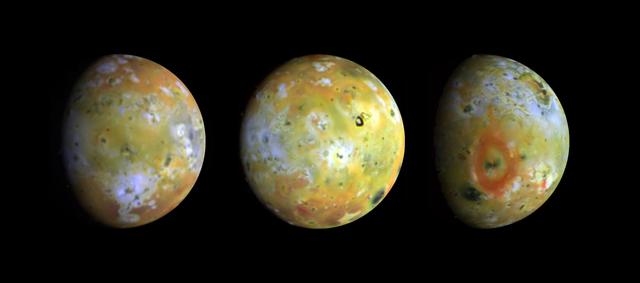
Three full-disk color views of Jupiter volcanic moon Io as seen by NASA Galileo spacecraft are shown in enhanced color to highlight details of the surface. http://photojournal.jpl.nasa.gov/catalog/PIA00292

The full moon is seen as it rises near the Lincoln Memorial, Saturday, March 19, 2011, in Washington. The full moon tonight is called a "Super Perigee Moon" since it is at it's closest to Earth in 2011. The last full moon so big and close to Earth occurred in March of 1993.
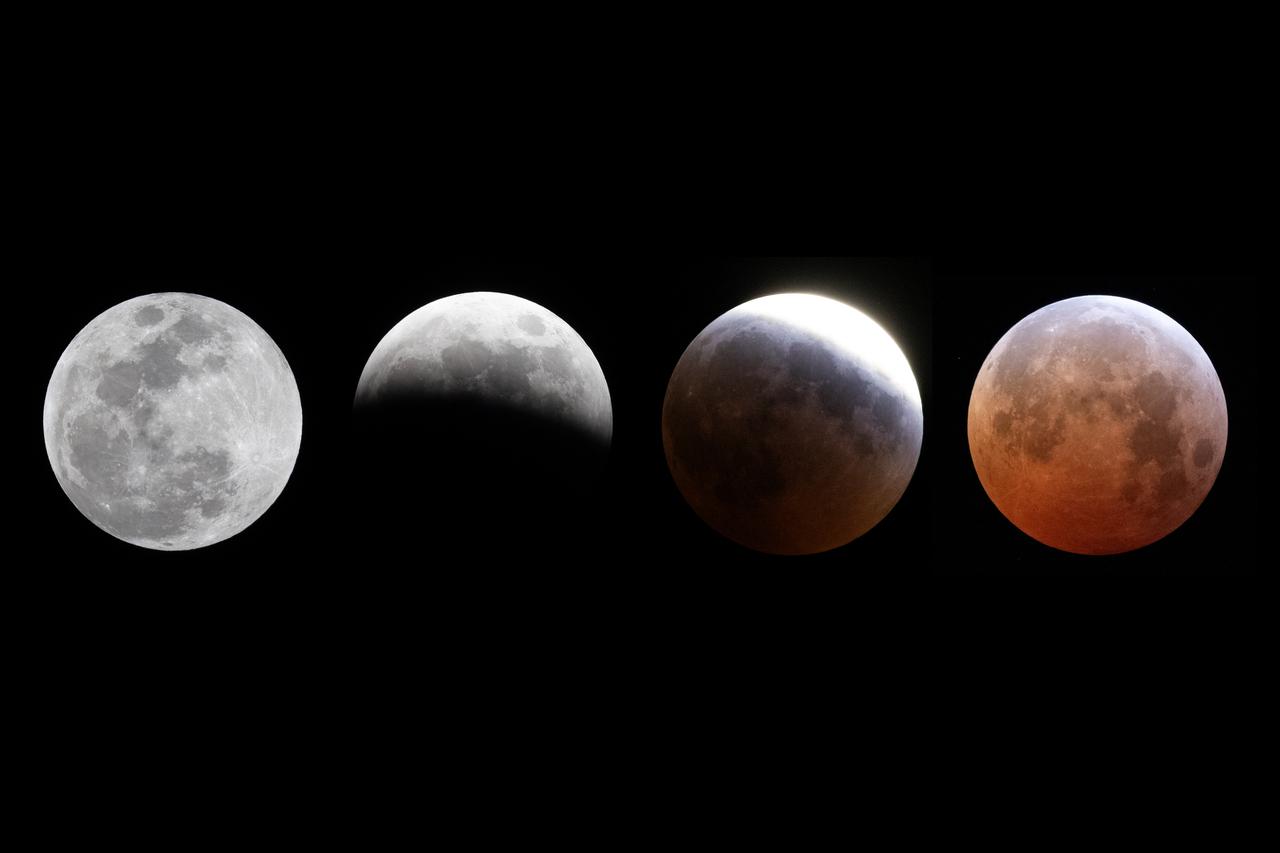
The blood moon lunar eclipse over New Orleans, home to NASA’s Michoud Assembly Facility, is shown from full moon to totality as it moves into the Earth’s umbral shadow in a composite of four images shot early Friday morning, March 14, 2025. Image credit: NASA/Michael DeMocker
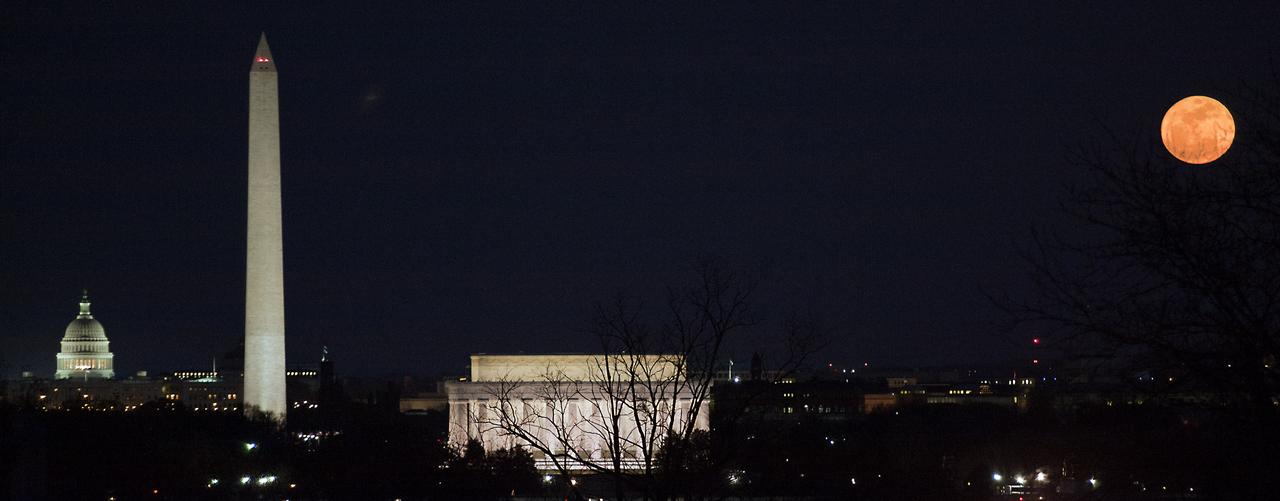
The full moon is seen as it rises near the National Mall, Saturday, March 19, 2011, in Washington. The full moon tonight is called a "Super Moon" since it is at its closest to Earth. Photo Credit: (NASA/Paul E. Alers)

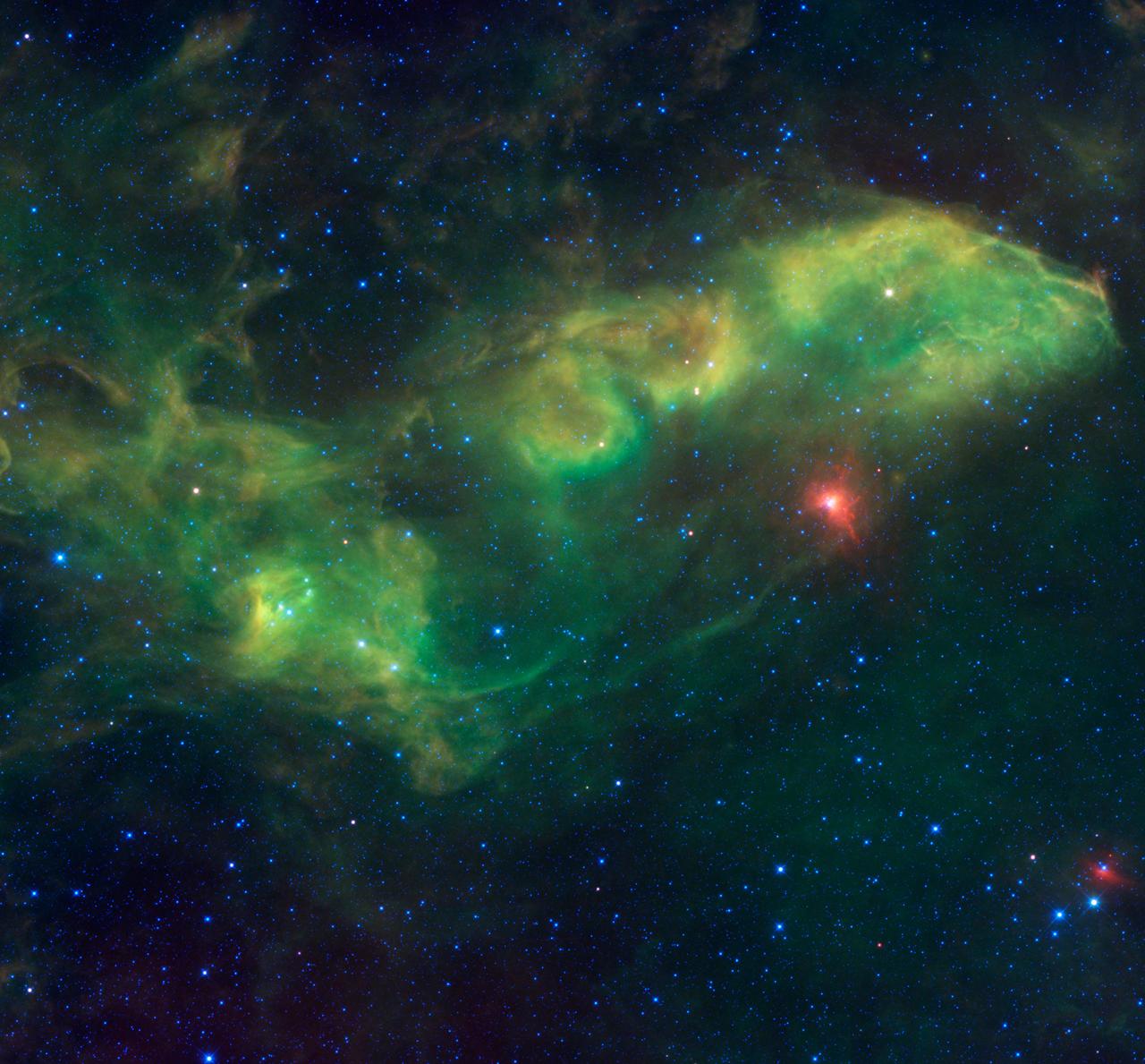
This image from NASA Wide-field Infrared Survey Explorer, or WISE, is a view of an area of the sky over 12 times the size of the full Moon on the border of the constellations Sagittarius and Corona Australis.
This view from NASA Wide-field Infrared Survey Explorer takes in an area of the sky in the constellation of Scorpius surrounding Jabbah Arabic name means the forehead of the scorpion which is larger than a grid of eight by eight full moons.
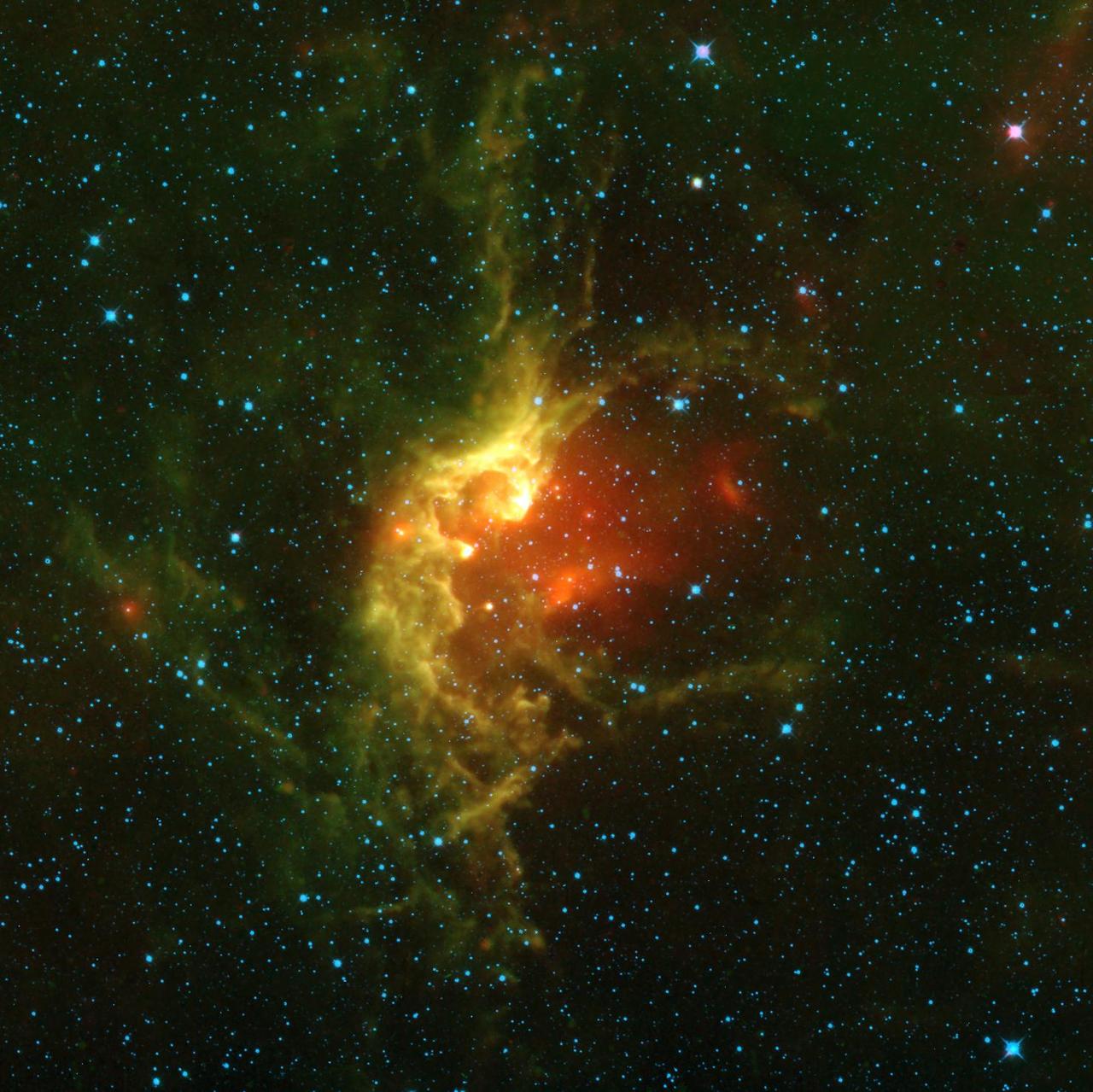
This picture of the open star cluster NGC 7380 is a mosaic of images from NASA Wide-field Infrared Survey Explorer mission spanning an area on the sky of about 5 times the size of the full Moon.
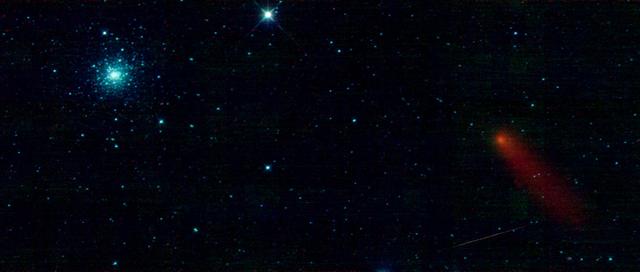
This image from NASA Wide-field Infrared Survey Explorer is a mosaic of 3 individual WISE frames spanning an area on the sky about 7 times the size of the full Moon in portions of the constellations Bootes and Canes Venatici.
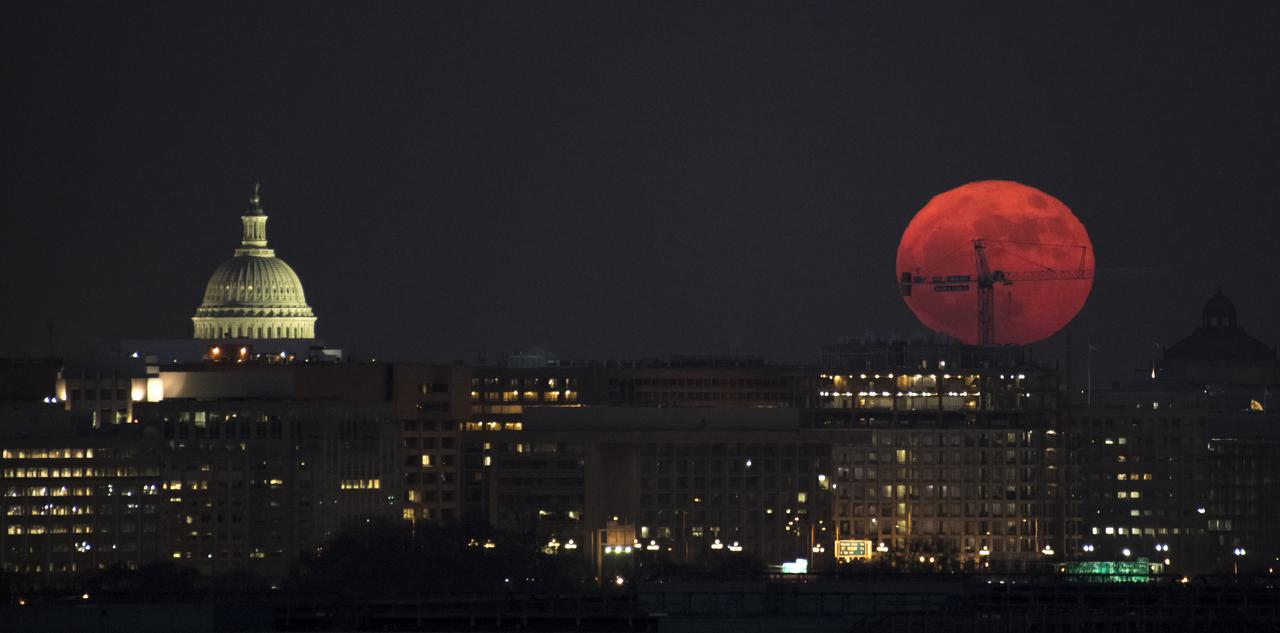
The Moon is seen as is rises, Sunday, Dec. 3, 2017 in Washington. Today's full Moon is the first of three consecutive supermoons. The two will occur on Jan. 1 and Jan. 31, 2018. A supermoon occurs when the moon’s orbit is closest (perigee) to Earth at the same time it is full. Photo Credit: (NASA/Bill Ingalls)
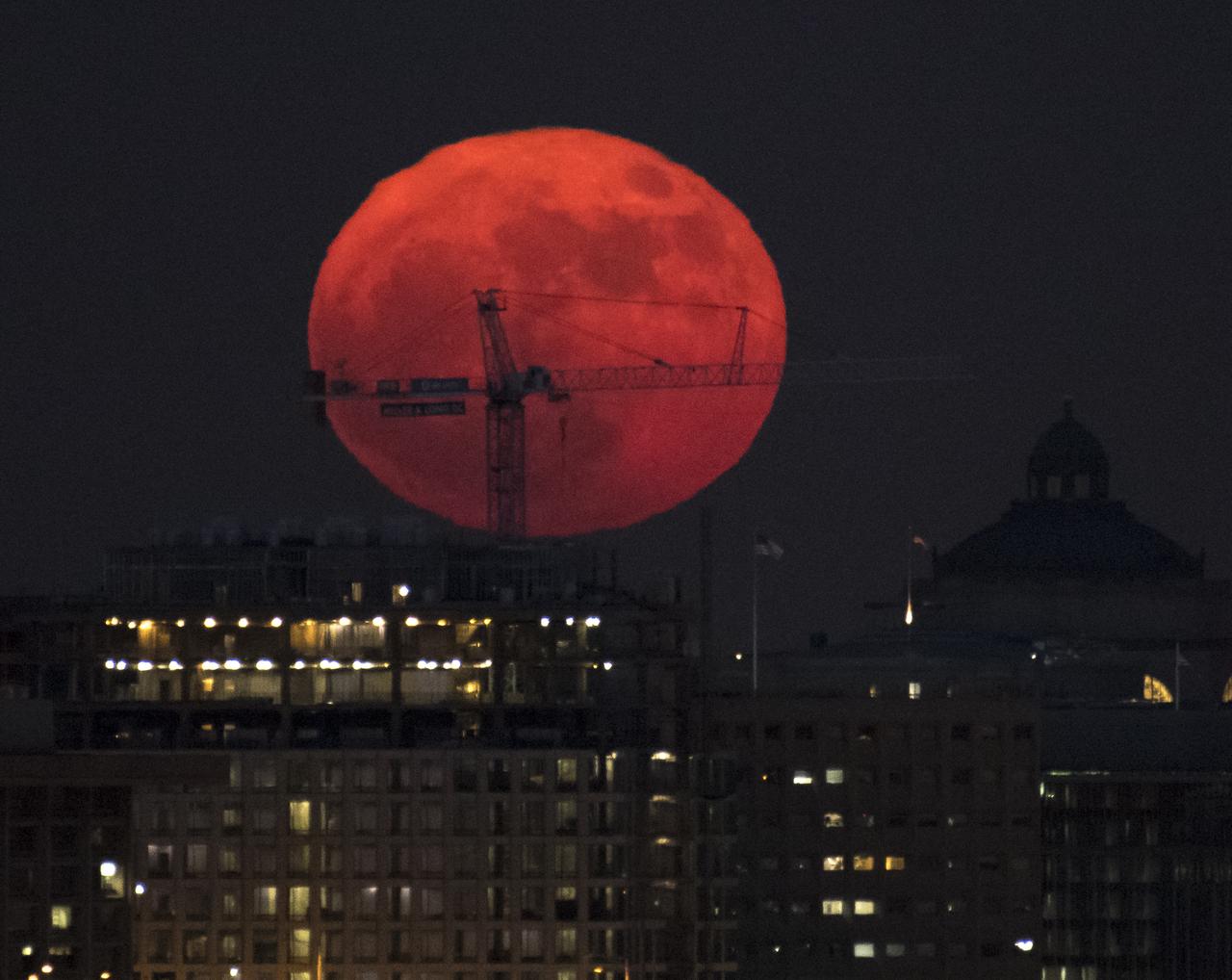
The Moon is seen as is rises, Sunday, Dec. 3, 2017 in Washington. Today's full Moon is the first of three consecutive supermoons. The two will occur on Jan. 1 and Jan. 31, 2018. A supermoon occurs when the moon’s orbit is closest (perigee) to Earth at the same time it is full. Photo Credit: (NASA/Bill Ingalls)
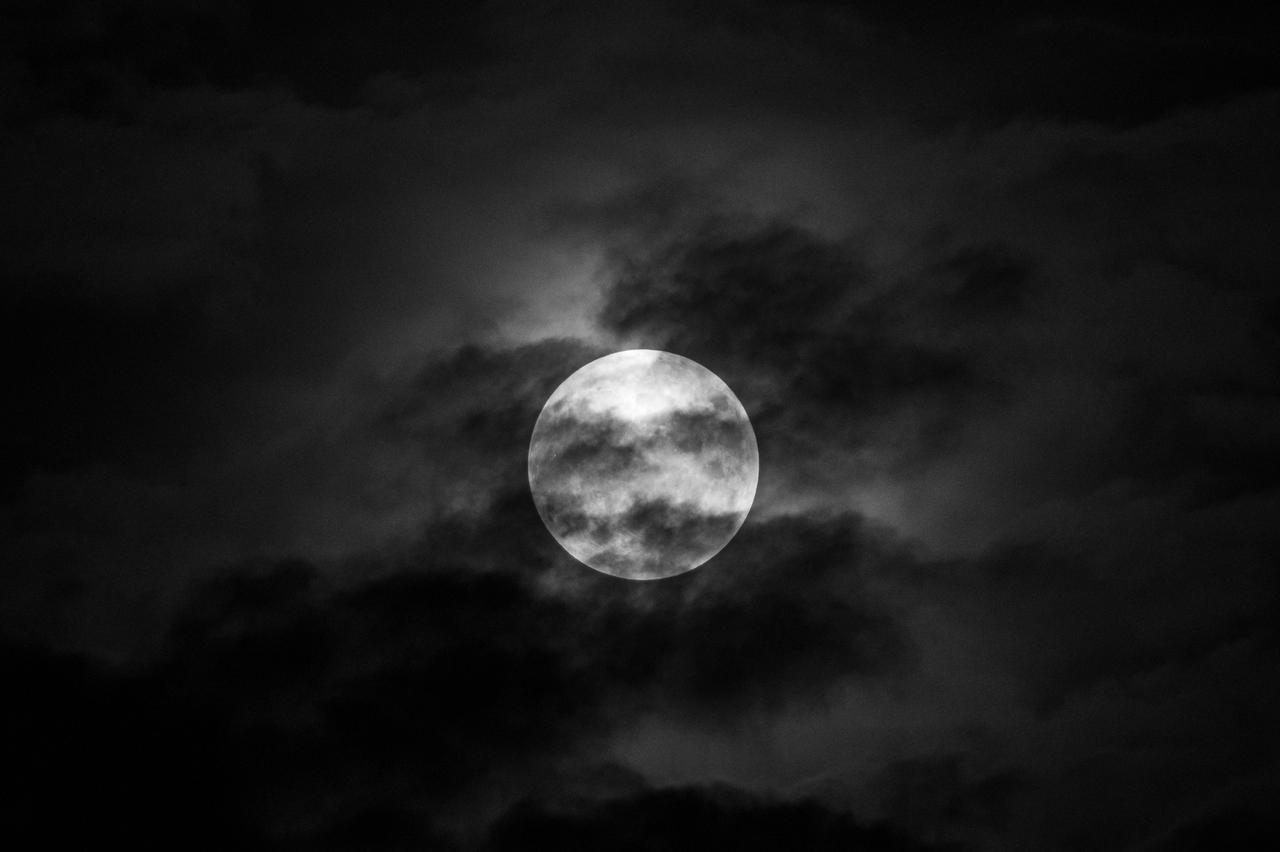
The Supermoon that was visible on September 17th, 2024 in Cleveland, OH. On this day, the full moon was a partial lunar eclipse; a supermoon; and a harvest moon.
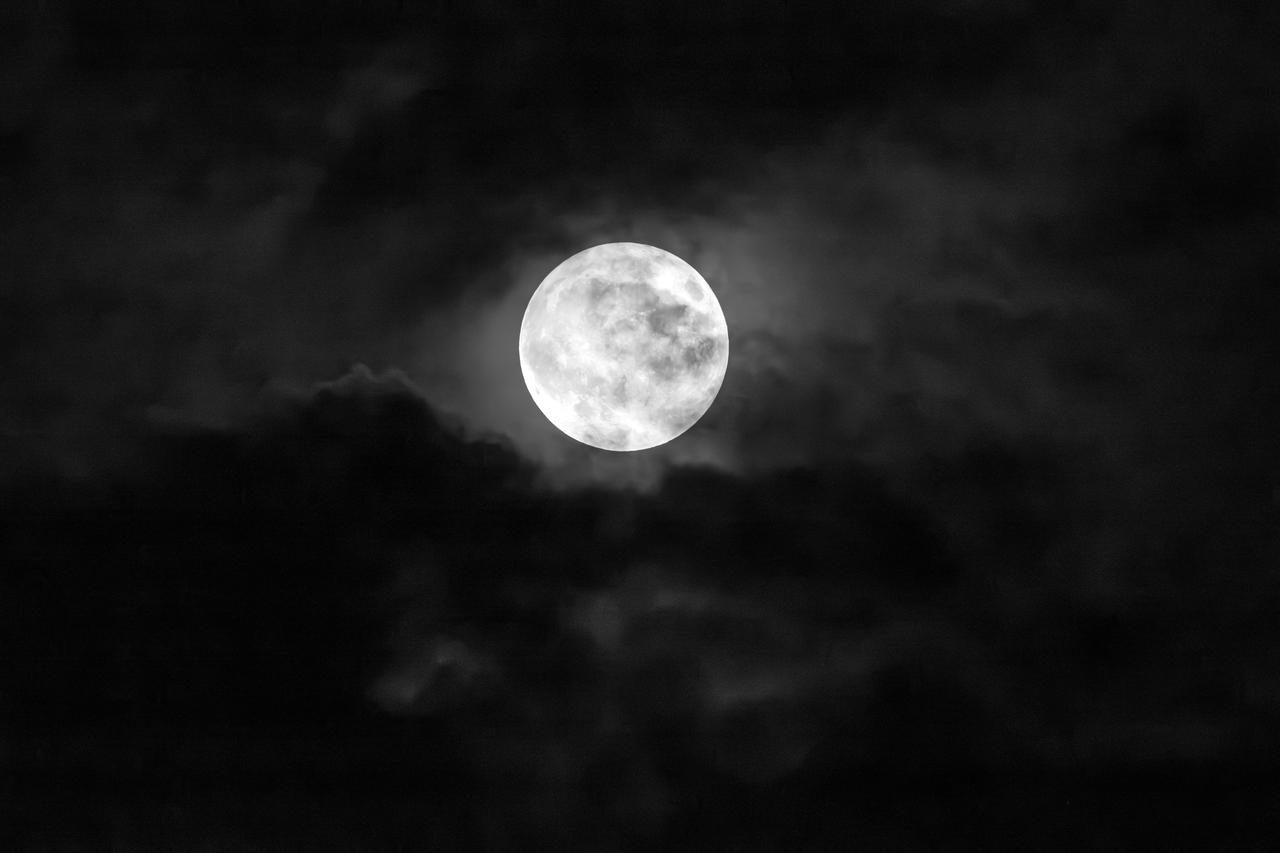
The Supermoon that was visible on September 17th, 2024 in Cleveland, OH. On this day, the full moon was a partial lunar eclipse; a supermoon; and a harvest moon.