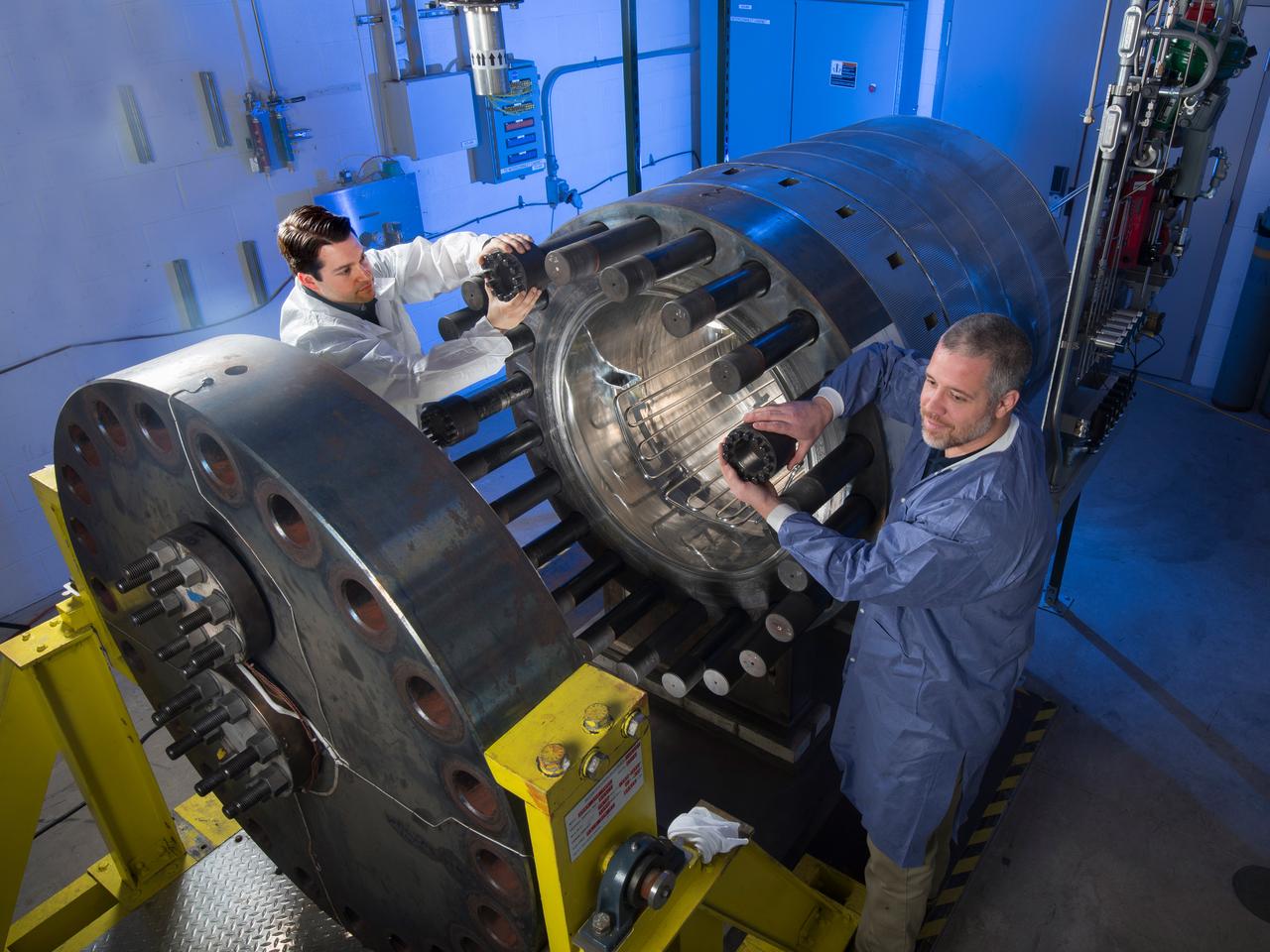
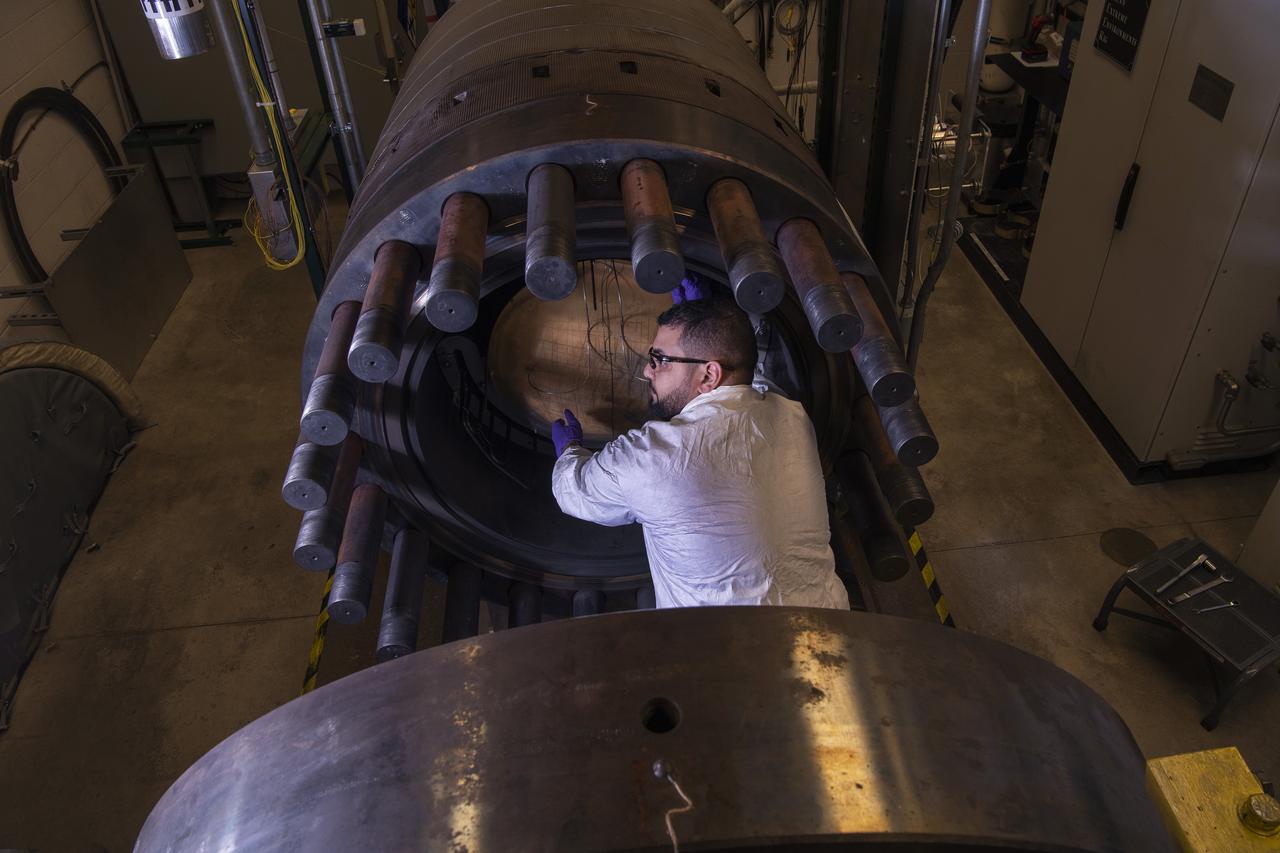
NASA Glenn research engineers prepare our extreme environments chamber (GEER) for a test. GEER, which simulates the extreme conditions found in space, tests many devices that will explore Venus to see if they can withstand the punishing environment and temperatures over 800˚F.
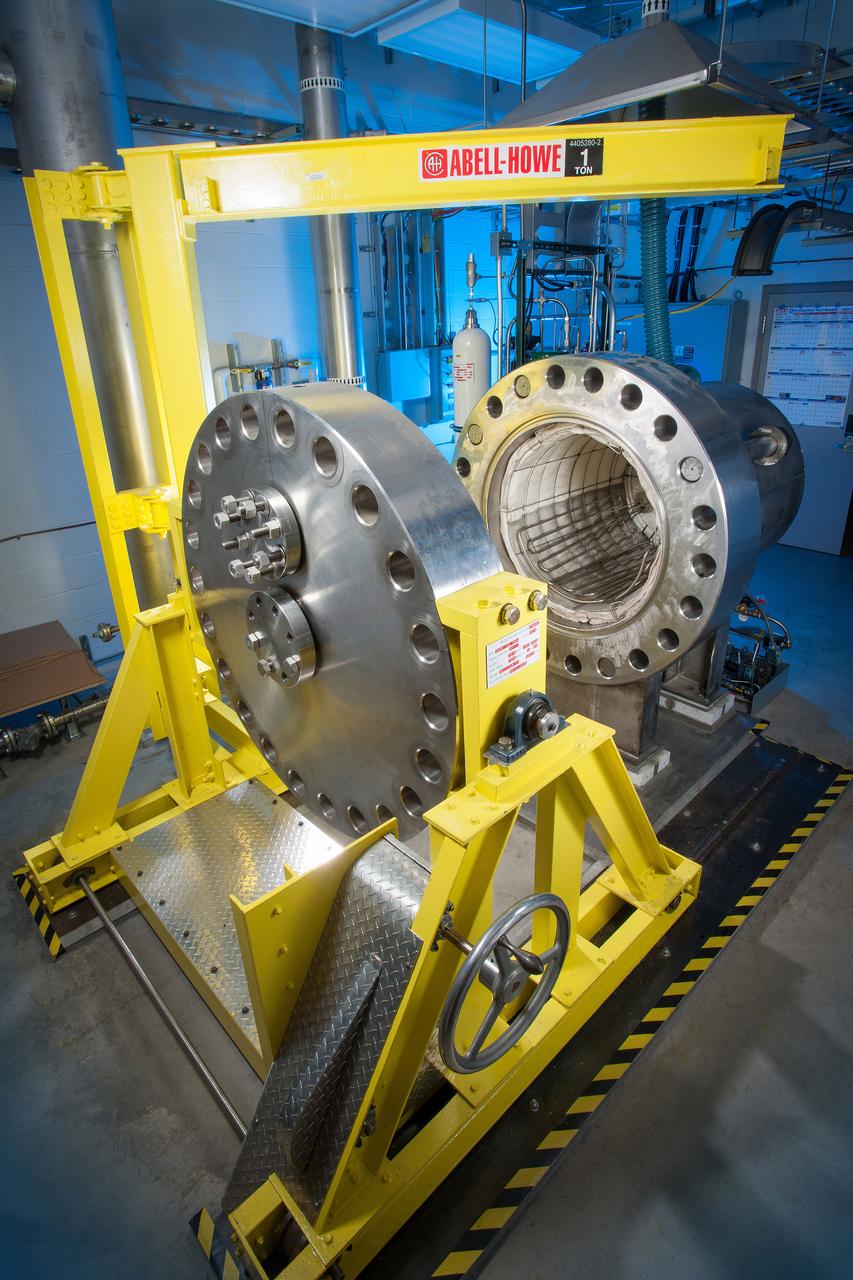
The Glenn Extreme Environment Chamber (GEER) simulates the extreme conditions found in space and tests many devices that will explore Venus to see if they can withstand the punishing environment and temperatures over 800 degrees F.
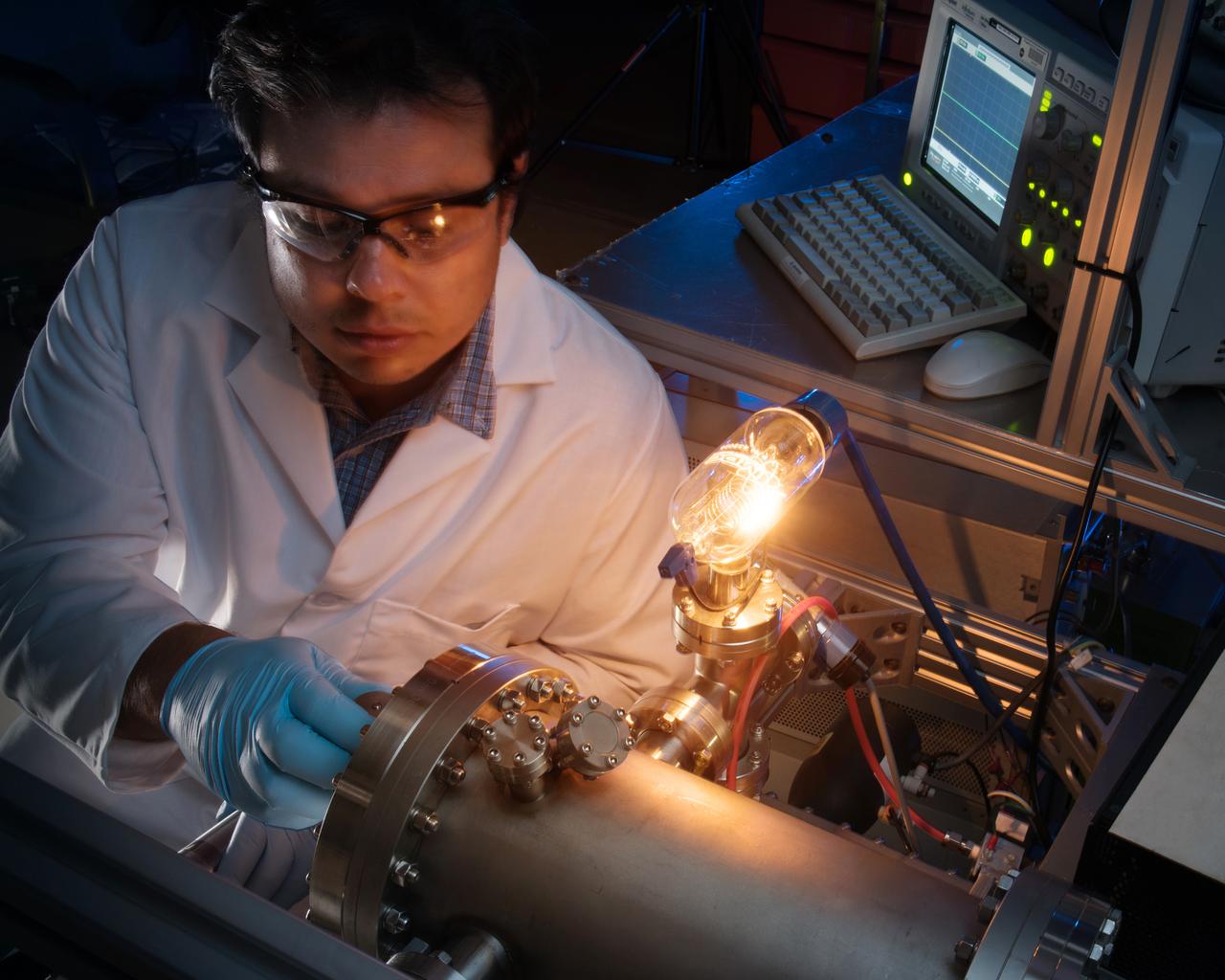
Glenn's Extreme Environment Rig, GEER Mass Spectrometer
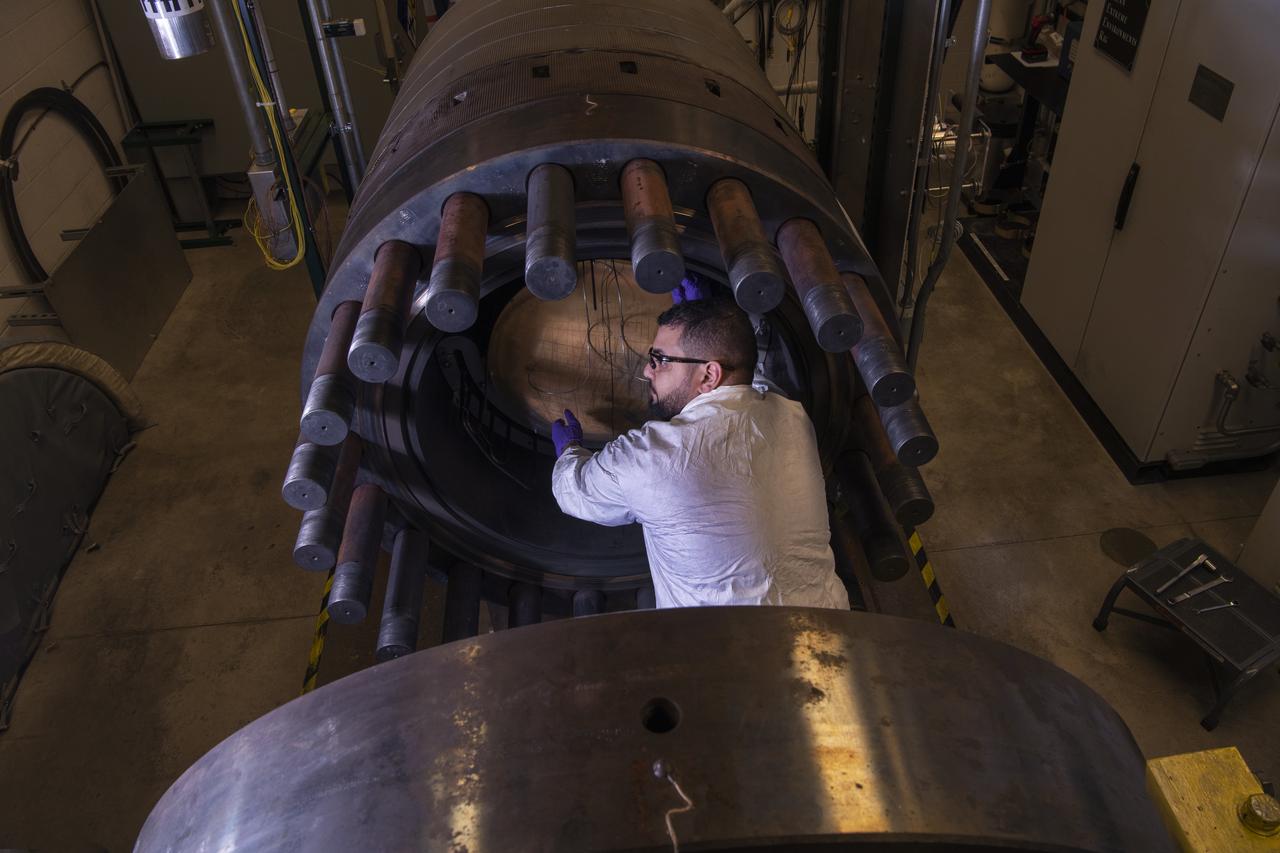
Juno testing in Glenn Extreme Environments Rig, GEER Laboratory. Juno is a solar-powered NASA spacecraft that spans the width of a basketball court and makes long, looping orbits around giant planet Jupiter
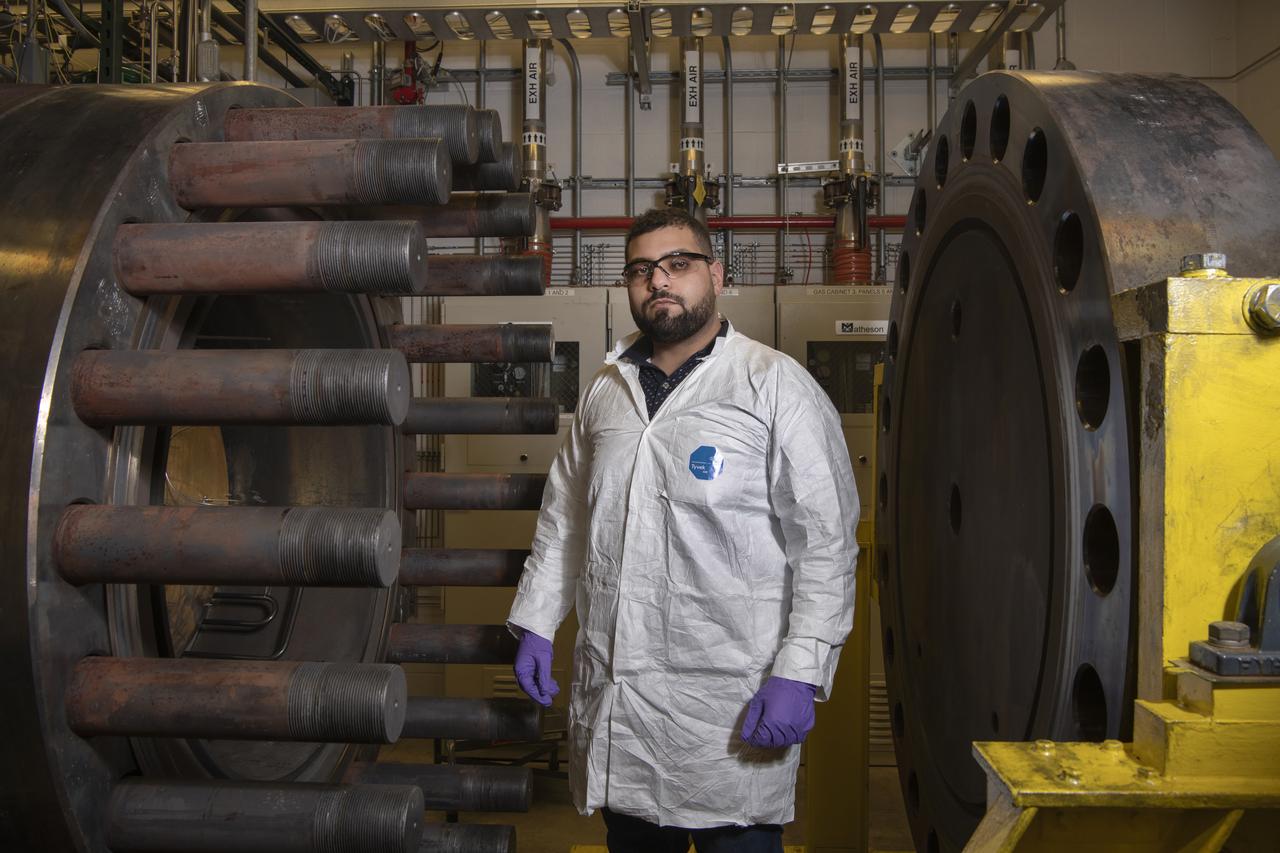
Daniel Gerges, Technician, poses for a portrait in the Glenn Extreme Environments Rig, GEER Lab
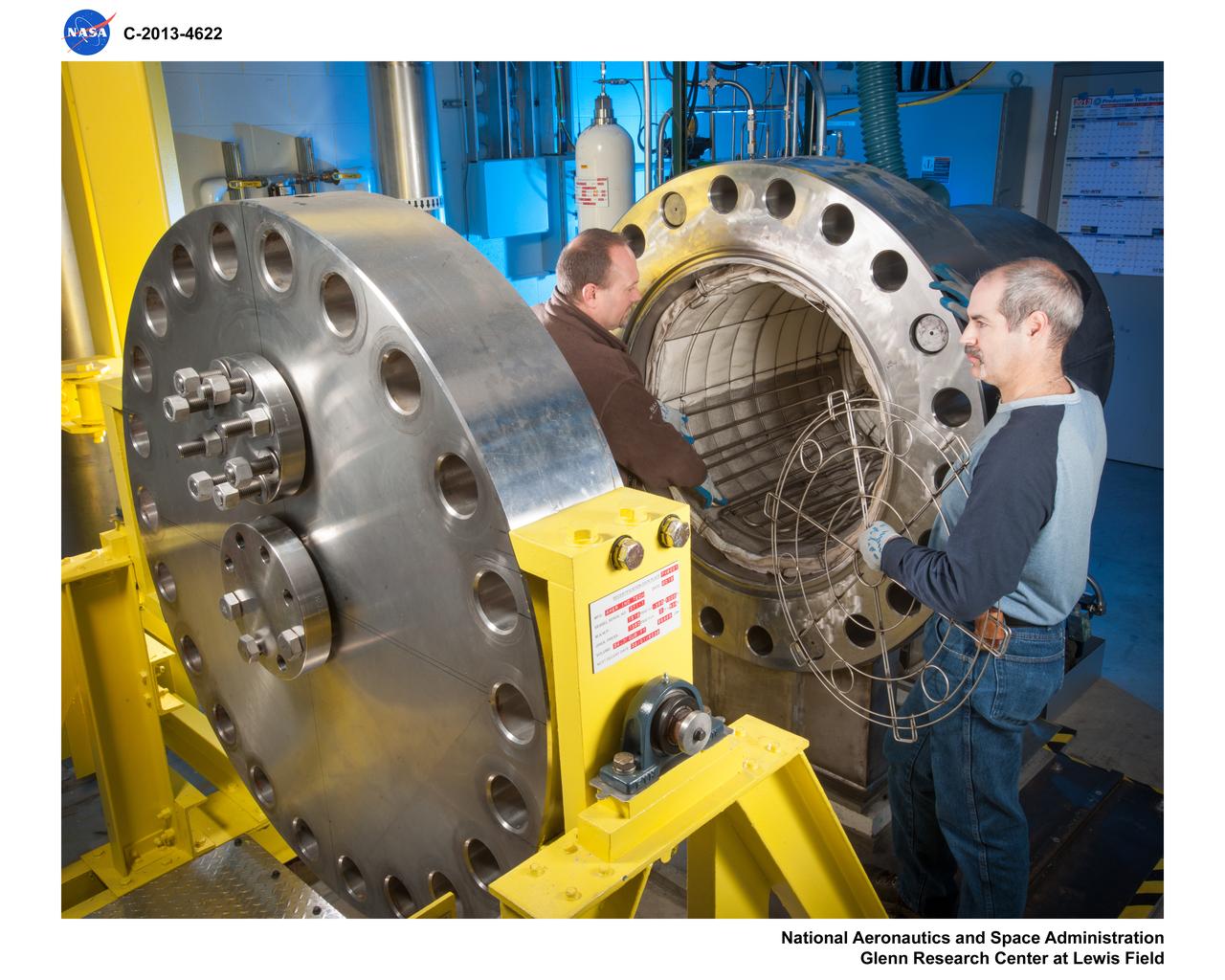
Glenn Extreme Environments Rig, GEER, Test Chamber, recreate Venus conditions on Earth, photos of insulation construction progress
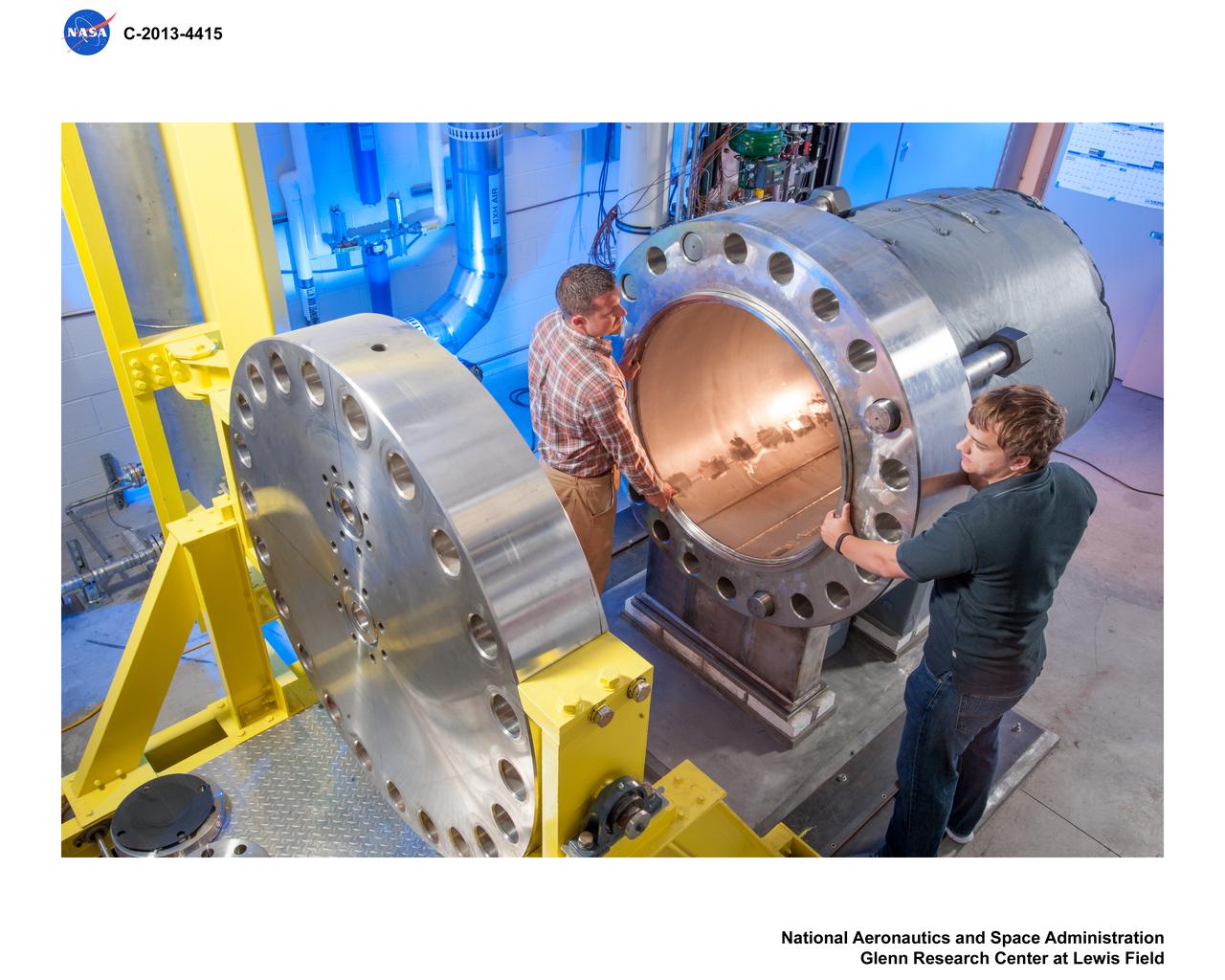
Glenn Extreme Environments Rig, GEER, Test Chamber used to create Venus Conditions on Earth
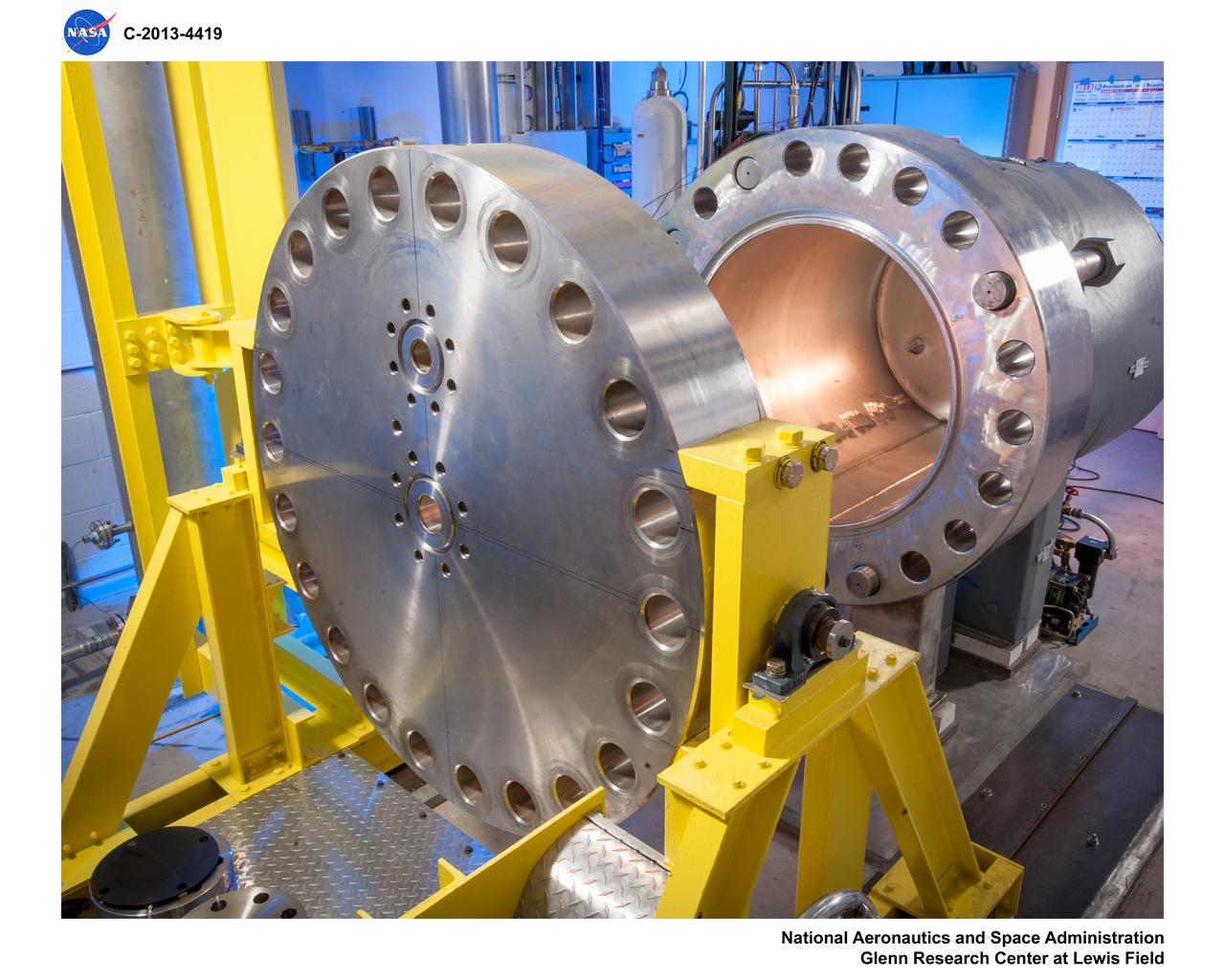
Glenn Extreme Environments Rig, GEER, Test Chamber used to create Venus Conditions on Earth
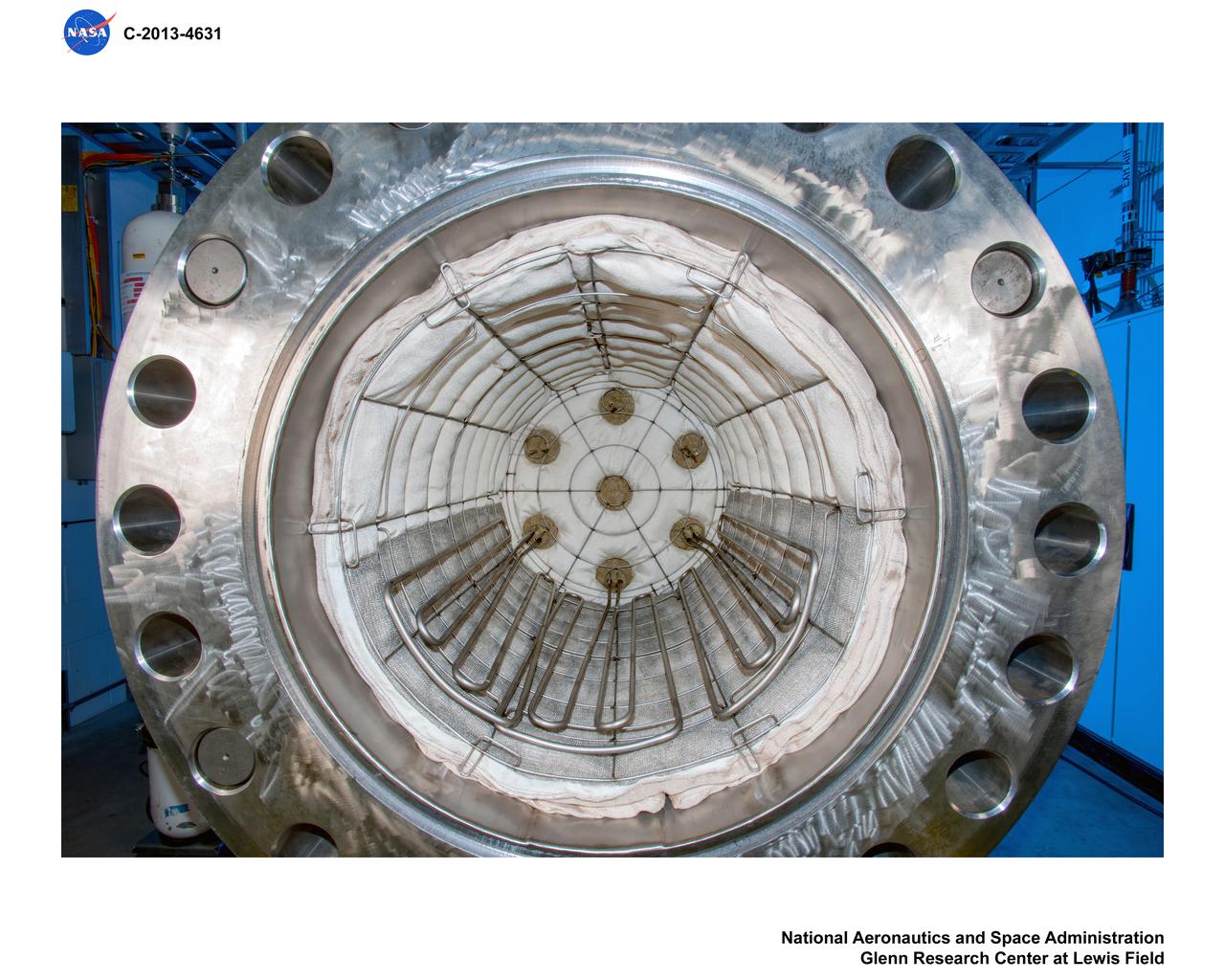
Glenn Extreme Environments Rig, GEER, Test Chamber, recreate Venus conditions on Earth, photos of insulation construction progress
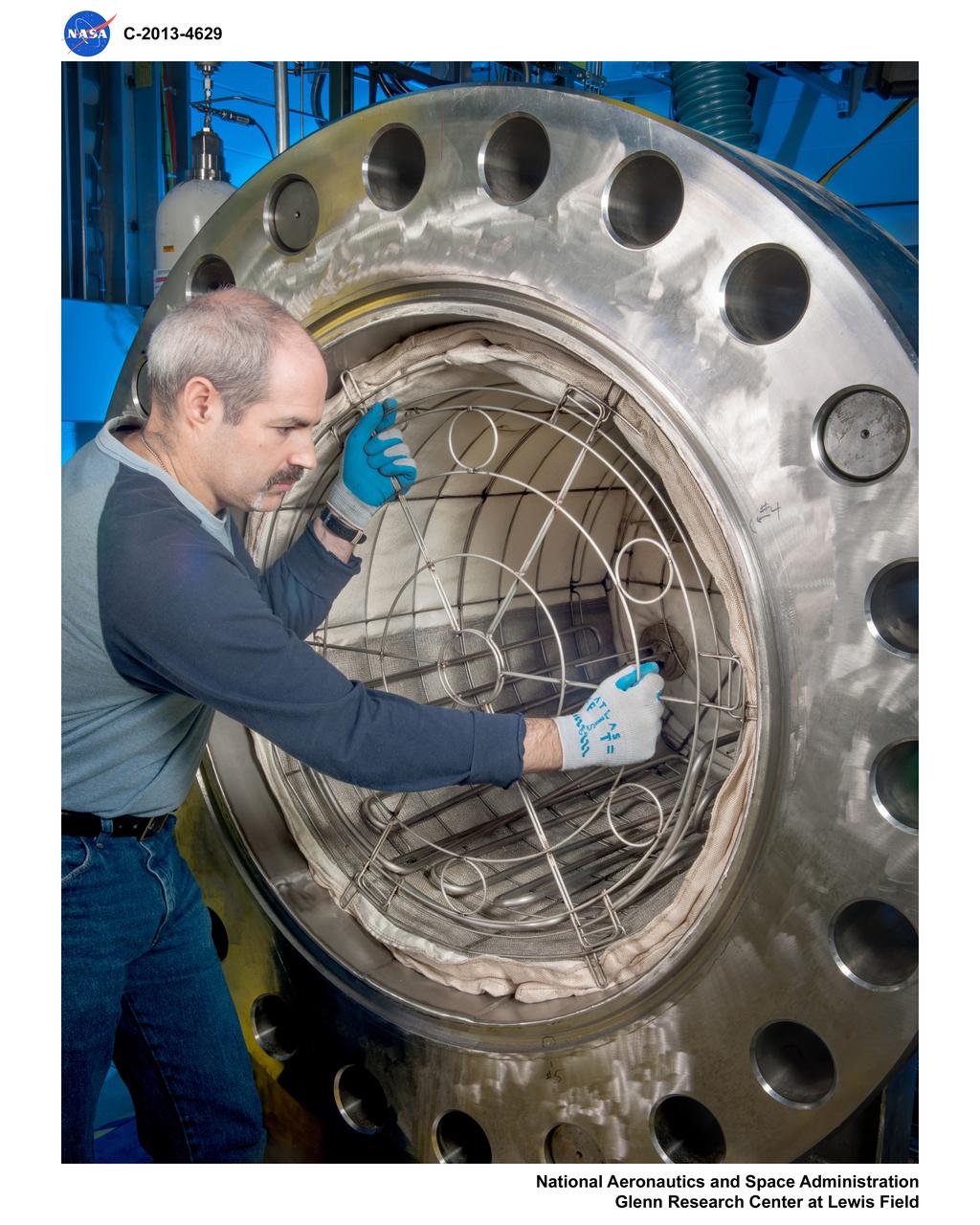
Glenn Extreme Environments Rig, GEER, Test Chamber, recreate Venus conditions on Earth, photos of insulation construction progress
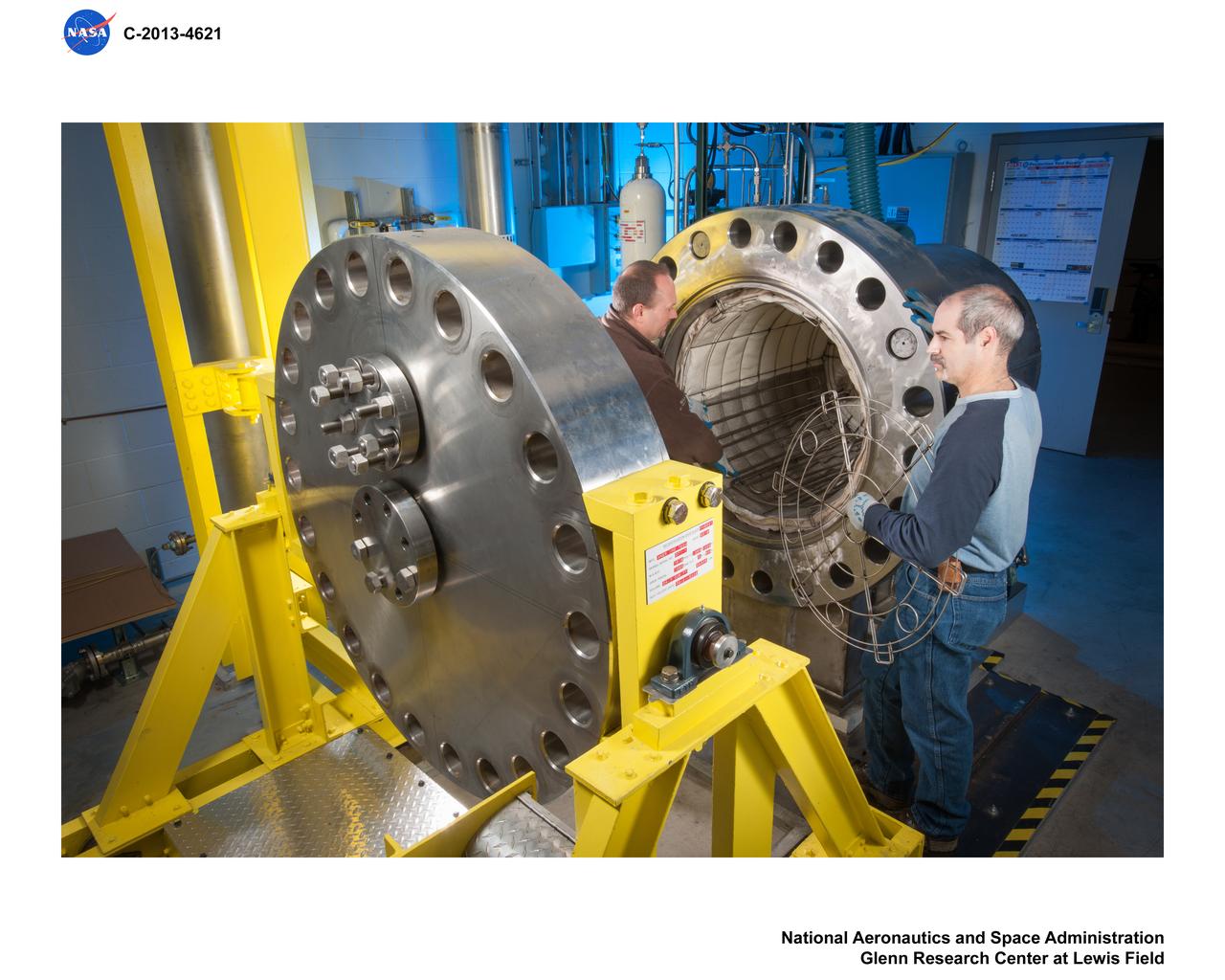
Glenn Extreme Environments Rig, GEER, Test Chamber, recreate Venus conditions on Earth, photos of insulation construction progress
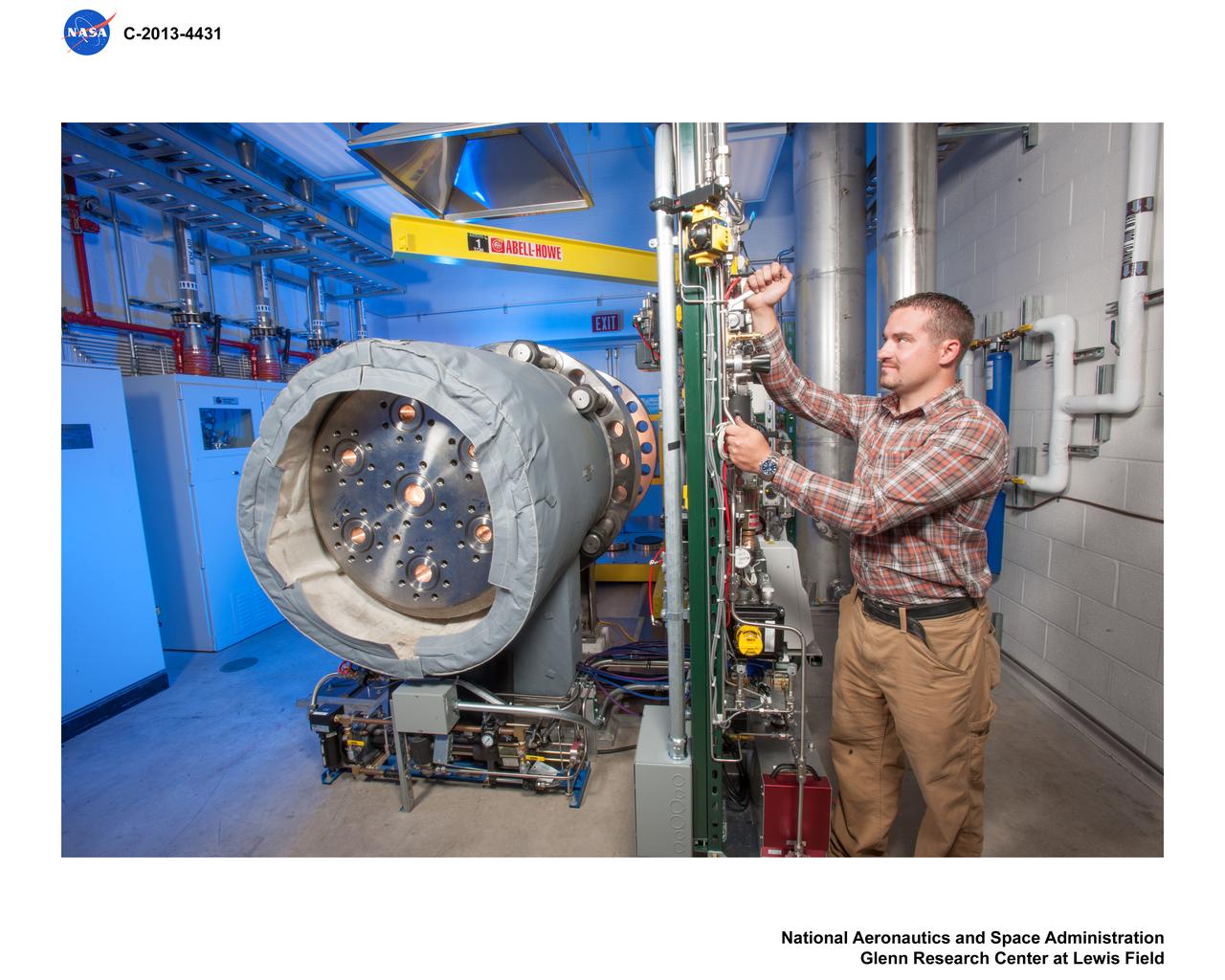
Glenn Extreme Environments Rig, GEER, Test Chamber used to create Venus Conditions on Earth
Juno is a solar-powered NASA spacecraft that spans the width of a basketball court and makes long, looping orbits around giant planet Jupiter
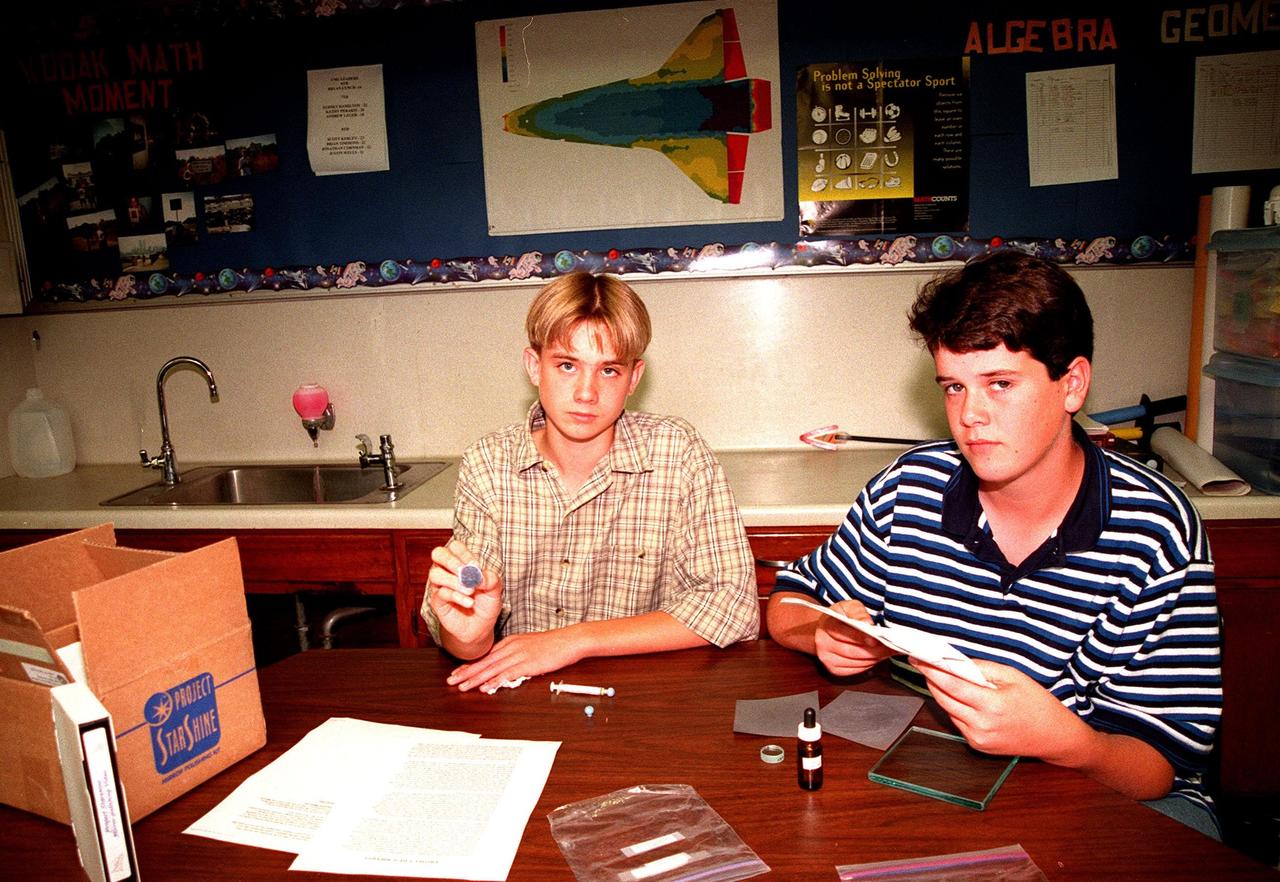
Students Scott Kerley and Bryan Geer demonstrate how they polished mirrors for STARSHINE, a student spacecraft built by the Naval Research Laboratory in Washington, D.C. The two seventh graders at McNair Magnet School, Cocoa Beach, Fla., are among dozens of students teams of elementary, middle and high school students who have polished nearly nine hundred of the one-inch mirrors and returned them to Utah for coating with a protective transparent layer of Silicon Dioxide at Hill Air Force Base. The mirrors are being mounted on the surface of the spacecraft. STARSHINE is being deployed into a highly inclined low-earth orbit from a Hitchhiker canister on mission STS-96, targeted to launch May 20. After deployment from the Shuttle in May, the spacecraft will reflect flashes of sunlight to observers on the earth during the mission. This twinkling satellite will be naked-eye visible against the star background for about six months during recurring morning and evening twilight periods to student observers around the world
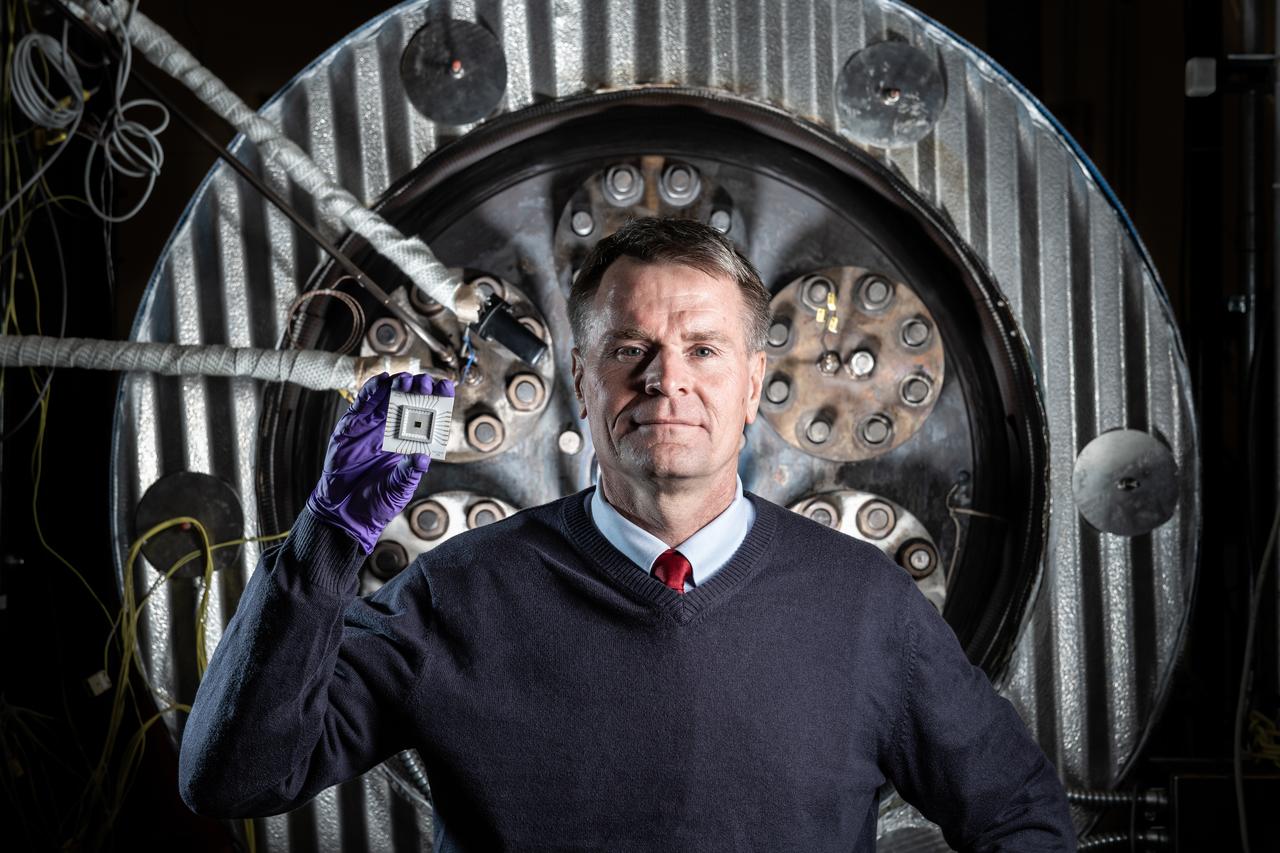
Phil Neudeck- Can Take the Heat When it comes to the heat of extreme environments like Venus, electronics can get fried within a few minutes of arrival. But NASA Researcher Phil Neudeck and his team have developed extremely durable silicon carbide semiconductor integrated circuits to survive those harsh conditions. After successfully testing the electronics in our high-pressure, high-temperature extreme environments chamber, there is now a path forward for Venus landers to survive and operate scientific experiments on the planet’s surface for longer durations.