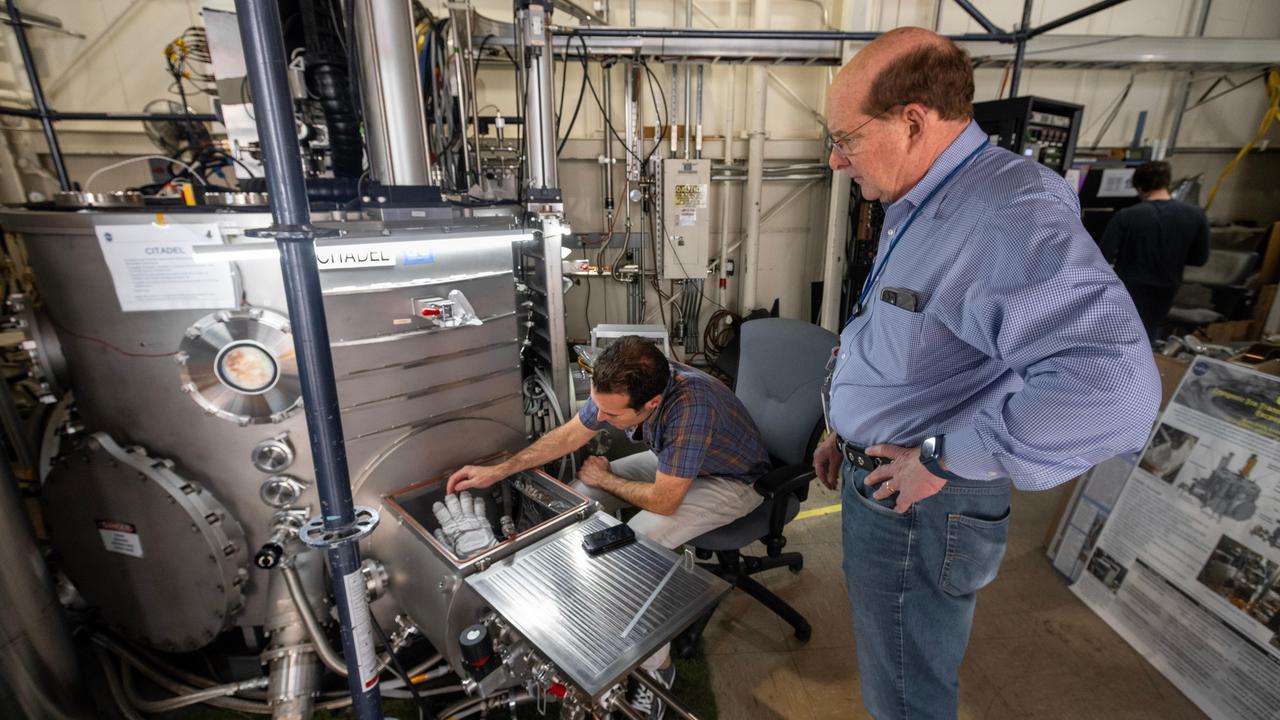
Spacesuit engineer Shane McFarland, left, of the Advanced Suit Team at NASA's Johnson Space Center prepares an astronaut glove for thermal vacuum testing inside a chamber at the agency's Jet Propulsion Laboratory in Southern California on Nov. 1, 2023. Tim Brady of the NASA Engineering and Safety Center (NESC), which spearheaded the glove testing campaign, looks on as McFarland positions the glove in a load lock – one of four small drawer-like chambers through which test materials are inserted into the larger main chamber of a facility called CITADEL (Cryogenic Ice Testing, Acquisition Development, and Excavation Laboratory). The glove was tested at vacuum and temperatures as low as minus 352 degrees Fahrenheit (minus 213 degrees Celsius) – temperatures as frigid as those Artemis III astronauts could experience on the Moon's South Pole. Built to prepare potential future robotic spacecraft for the frosty, low-pressure conditions on ocean worlds like Jupiter's frozen moon Europa, CITADEL has also proven key to evaluating how astronaut gloves and boots hold up in extraordinary cold. The NASA Engineering and Safety Center spearheaded a glove testing campaign in CITADEL from October 2023 to March 2024. Part of a spacesuit design called the Extravehicular Mobility Unit, the gloves tested in the chamber are the sixth version of a glove NASA began using in the 1980s. The testing in CITADEL showed that the legacy glove would not meet thermal requirements in the more challenging lunar South Pole environment. In addition to spotting vulnerabilities with existing suits, the CITADEL experiments will help NASA develop this unique test capability and prepare criteria for standardized, repeatable, and inexpensive test methods for the next-generation lunar suit being built by Axiom Space. https://photojournal.jpl.nasa.gov/catalog/PIA26591
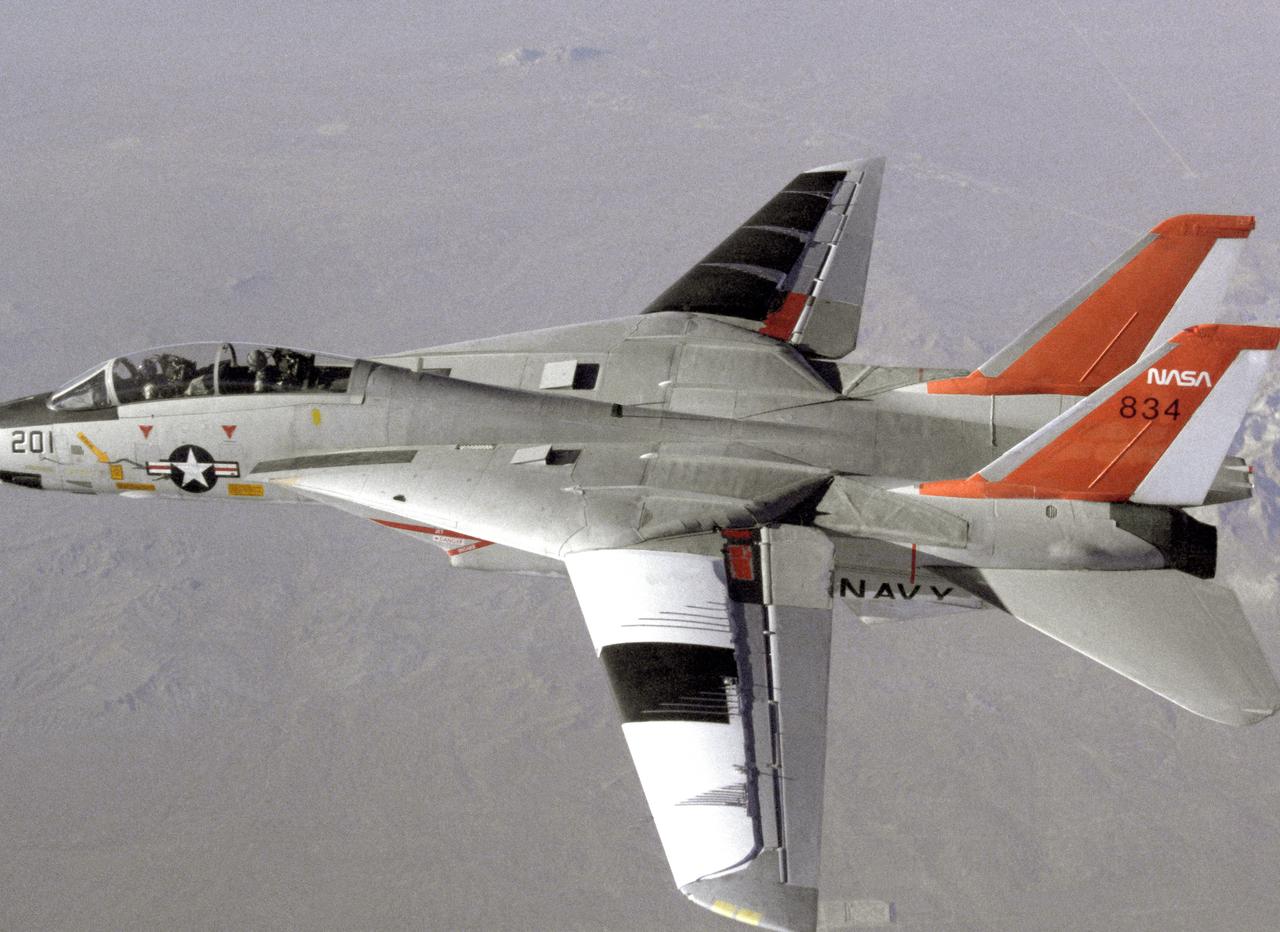
NASA 834, an F-14 Navy Tomcat, seen here in flight, was used at Dryden in 1986 and 1987 in a program known as the Variable-Sweep Transition Flight Experiment (VSTFE). This program explored laminar flow on variable sweep aircraft at high subsonic speeds. An F-14 aircraft was chosen as the carrier vehicle for the VSTFE program primarily because of its variable-sweep capability, Mach and Reynolds number capability, availability, and favorable wing pressure distribution. The variable sweep outer-panels of the F-14 aircraft were modified with natural laminar flow gloves to provide not only smooth surfaces but also airfoils that can produce a wide range of pressure distributions for which transition location can be determined at various flight conditions and sweep angles. Glove I, seen here installed on the upper surface of the left wing, was a "cleanup" or smoothing of the basic F-14 wing, while Glove II was designed to provide specific pressure distributions at Mach 0.7. Laminar flow research continued at Dryden with a research program on the NASA 848 F-16XL, a laminar flow experiment involving a wing-mounted panel with millions of tiny laser cut holes drawing off turbulent boundary layer air with a suction pump.
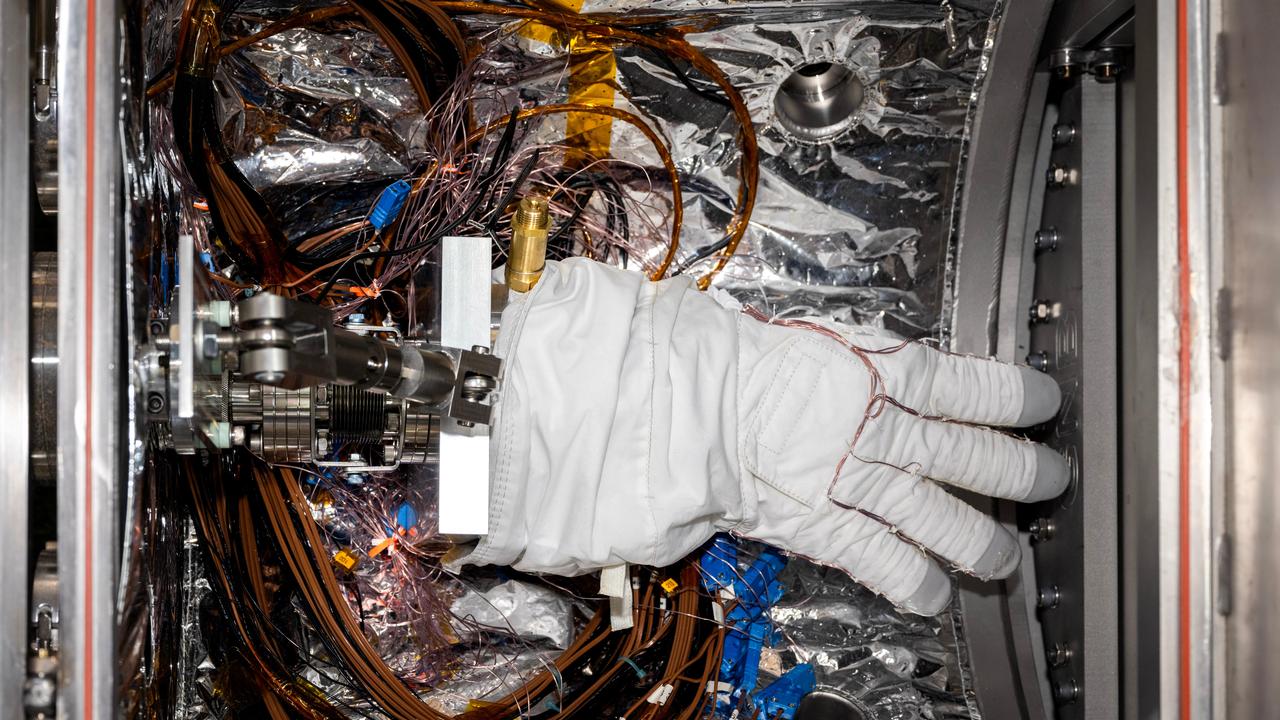
An astronaut glove designed for use during spacewalks on the International Space Station is prepared for thermal vacuum testing inside a chamber at NASA's Jet Propulsion Laboratory in Southern California on Nov. 1, 2023. The glove lies in a load lock, one of four small drawer-like chambers through which test materials are inserted into the larger main chamber of a facility called CITADEL (Cryogenic Ice Testing, Acquisition Development, and Excavation Laboratory). The glove was tested at vacuum and temperatures as low as minus 352 degrees Fahrenheit (minus 213 degrees Celsius) – temperatures as frigid as those Artemis III astronauts could experience on the Moon's South Pole. Built to prepare potential future robotic spacecraft for the frosty, low-pressure conditions on ocean worlds like Jupiter's frozen moon Europa, CITADEL has also proven key to evaluating how astronaut gloves and boots hold up in extraordinary cold. The NASA Engineering and Safety Center spearheaded a glove testing campaign in CITADEL from October 2023 to March 2024. Part of a spacesuit design called the Extravehicular Mobility Unit, the gloves tested in the chamber are the sixth version of a glove NASA began using in the 1980s. The testing in CITADEL showed that the legacy glove would not meet thermal requirements in the more challenging lunar South Pole environment. In addition to spotting vulnerabilities with existing suits, the CITADEL experiments will help NASA develop this unique test capability and prepare criteria for standardized, repeatable, and inexpensive test methods for the next-generation lunar suit being built by Axiom Space. https://photojournal.jpl.nasa.gov/catalog/PIA26430
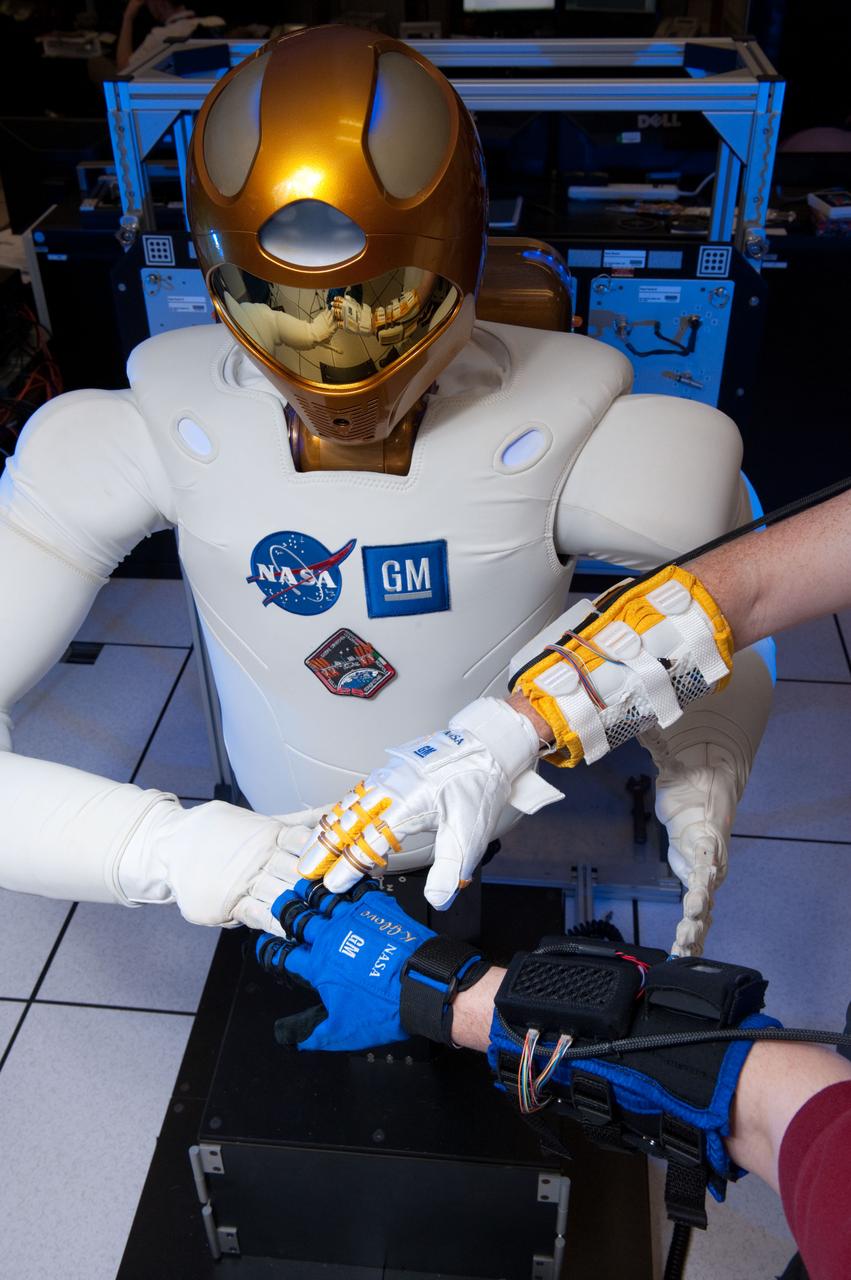
JSC2012-E-034639 (13 March 2012) ---The new Human Grasp Assist device, or Robo-Glove, was built through the continuing partnership between NASA and General Motors. It uses Robonaut 2 technology to increase the strength of a human?s grasp. Photo credit: NASA
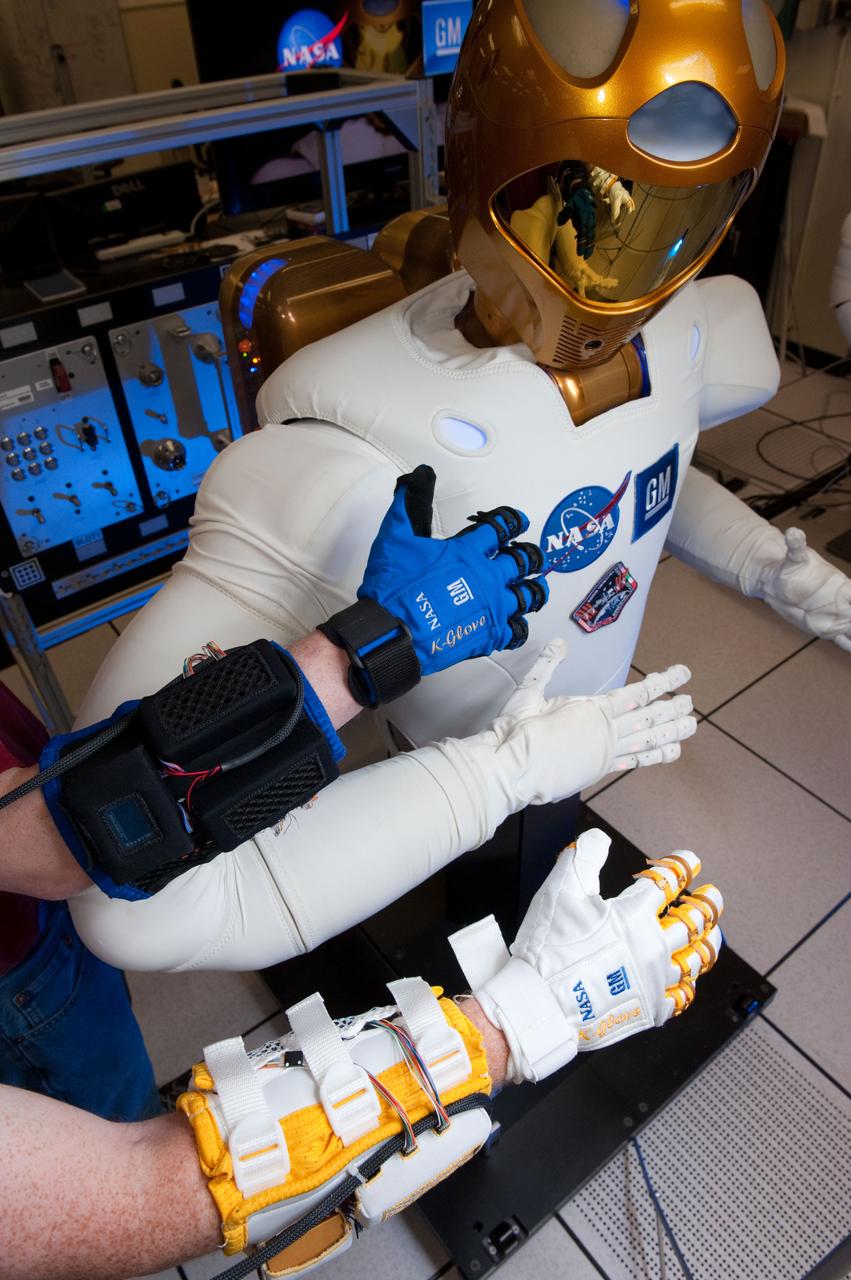
JSC2012-E-034637 (13 March 2012) ---The new Human Grasp Assist device, or Robo-Glove, was built through the continuing partnership between NASA and General Motors. It uses Robonaut 2 technology to increase the strength of a human?s grasp. Photo credit: NASA
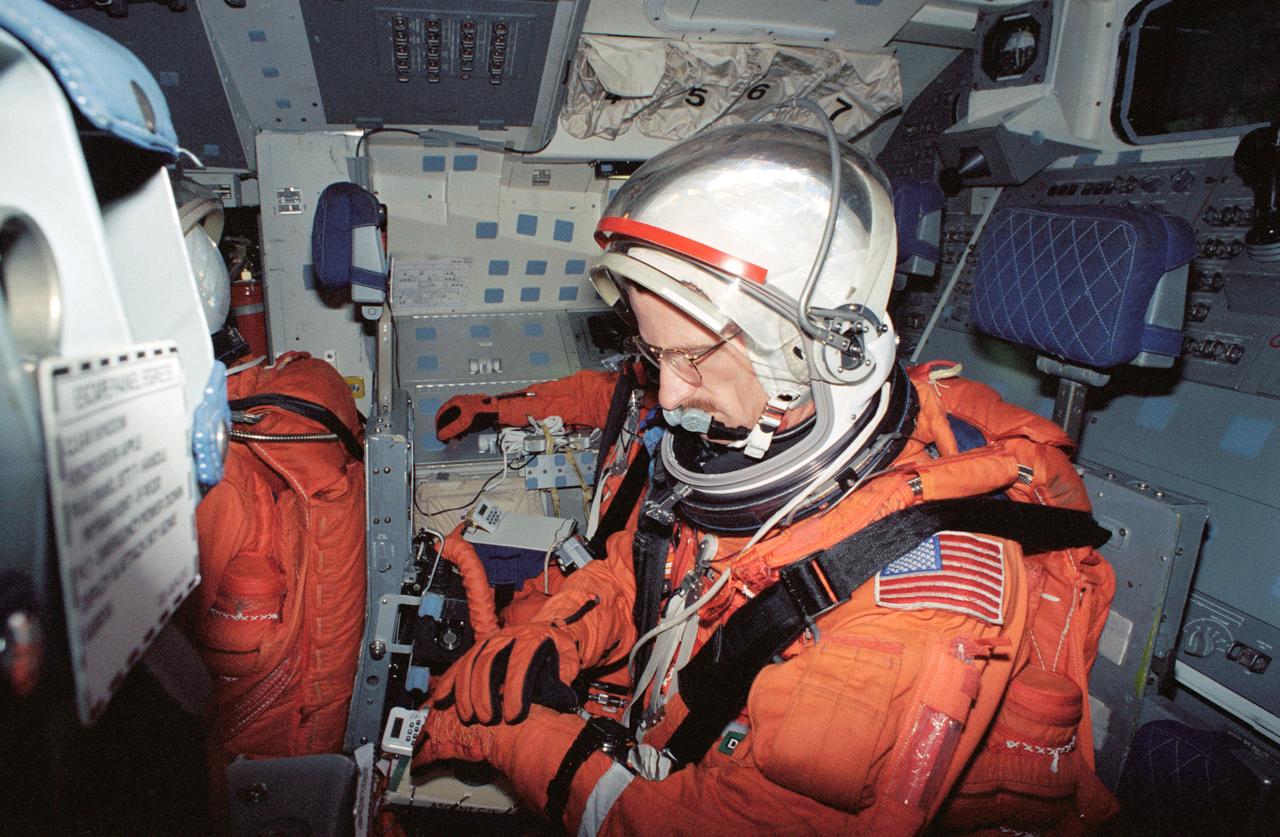
S94-40082 (23 June 1994) --- Astronaut Joseph R. Tanner, mission specialist, checks his glove during a rehearsal for launch and entry phases of the scheduled November flight of STS-66. This rehearsal, held in the Crew Compartment Trainer (CCT) of the Johnson Space Center's (JSC) Shuttle Mockup and Integration Laboratory, was followed by a training session on emergency egress procedures. In November, Tanner will join four other NASA astronauts and a European mission specialist for a week and a half aboard the Space Shuttle Atlantis in Earth-orbit in support of the Atmospheric Laboratory for Applications and Science (ATLAS-3).
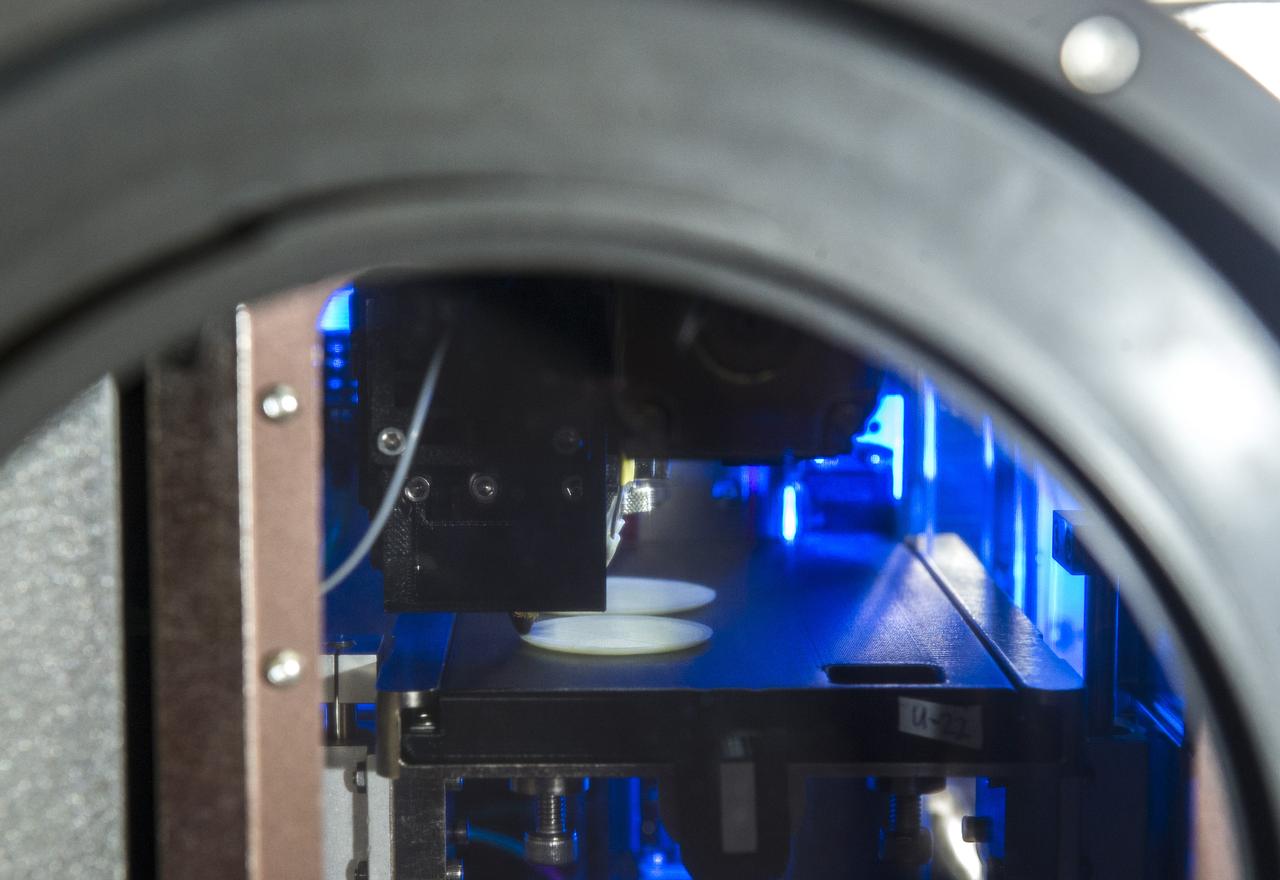
MADE IN SPACE” 3D PRINTER PRINTING TEST SAMPLES WHILE PRINTER IS IN MICROGRAVITY GLOVE BOX
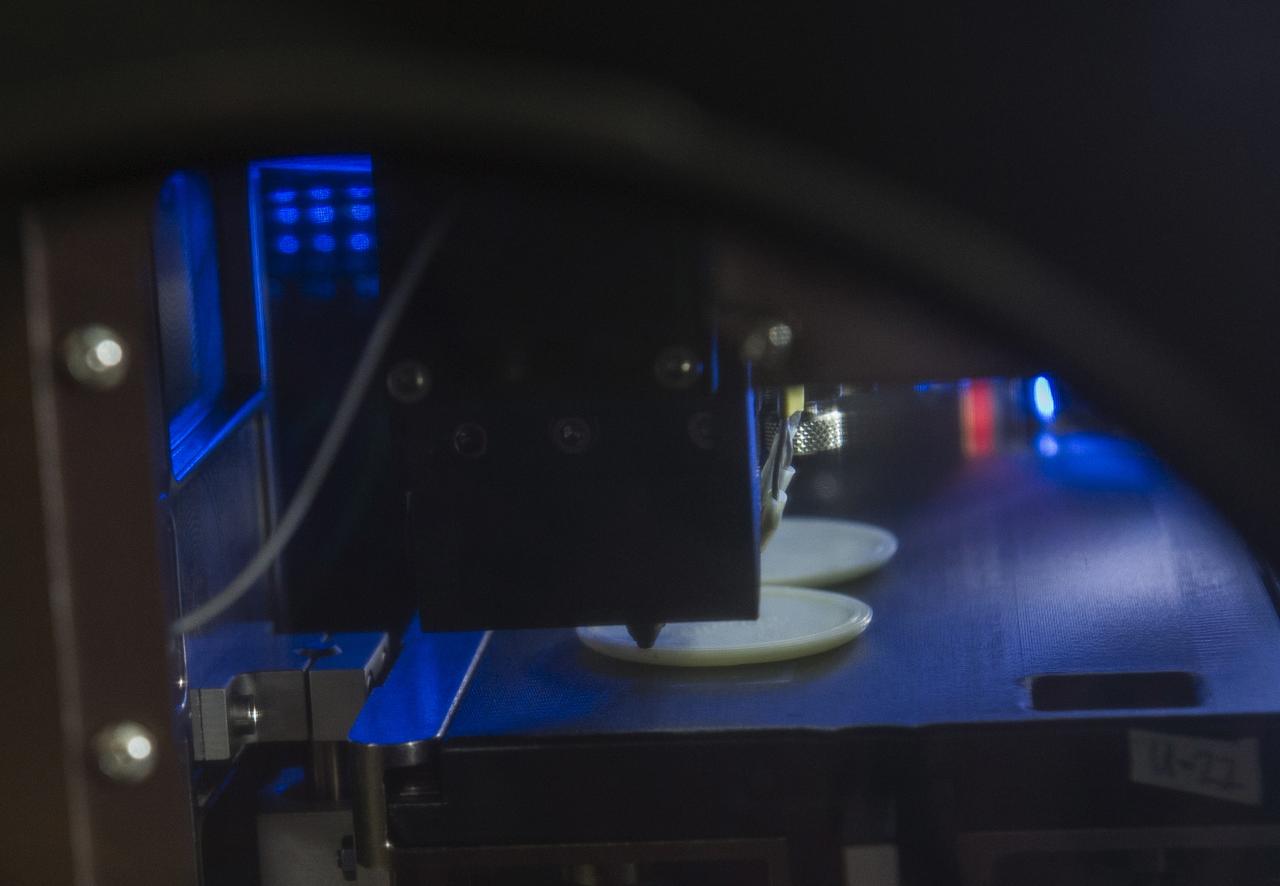
MADE IN SPACE” 3D PRINTER PRINTING TEST SAMPLES WHILE PRINTER IS IN MICROGRAVITY GLOVE BOX
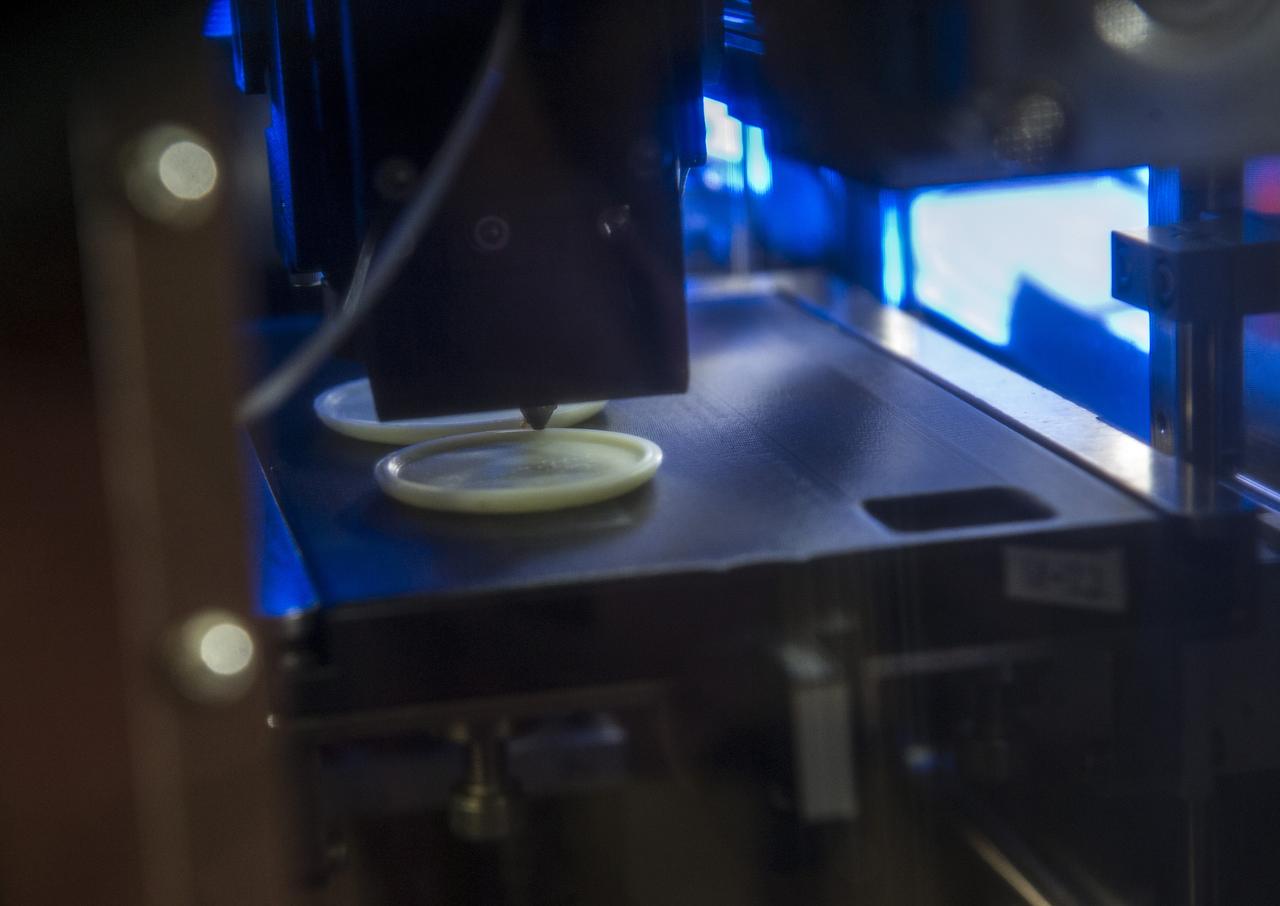
MADE IN SPACE” 3D PRINTER PRINTING TEST SAMPLES WHILE PRINTER IS IN MICROGRAVITY GLOVE BOX
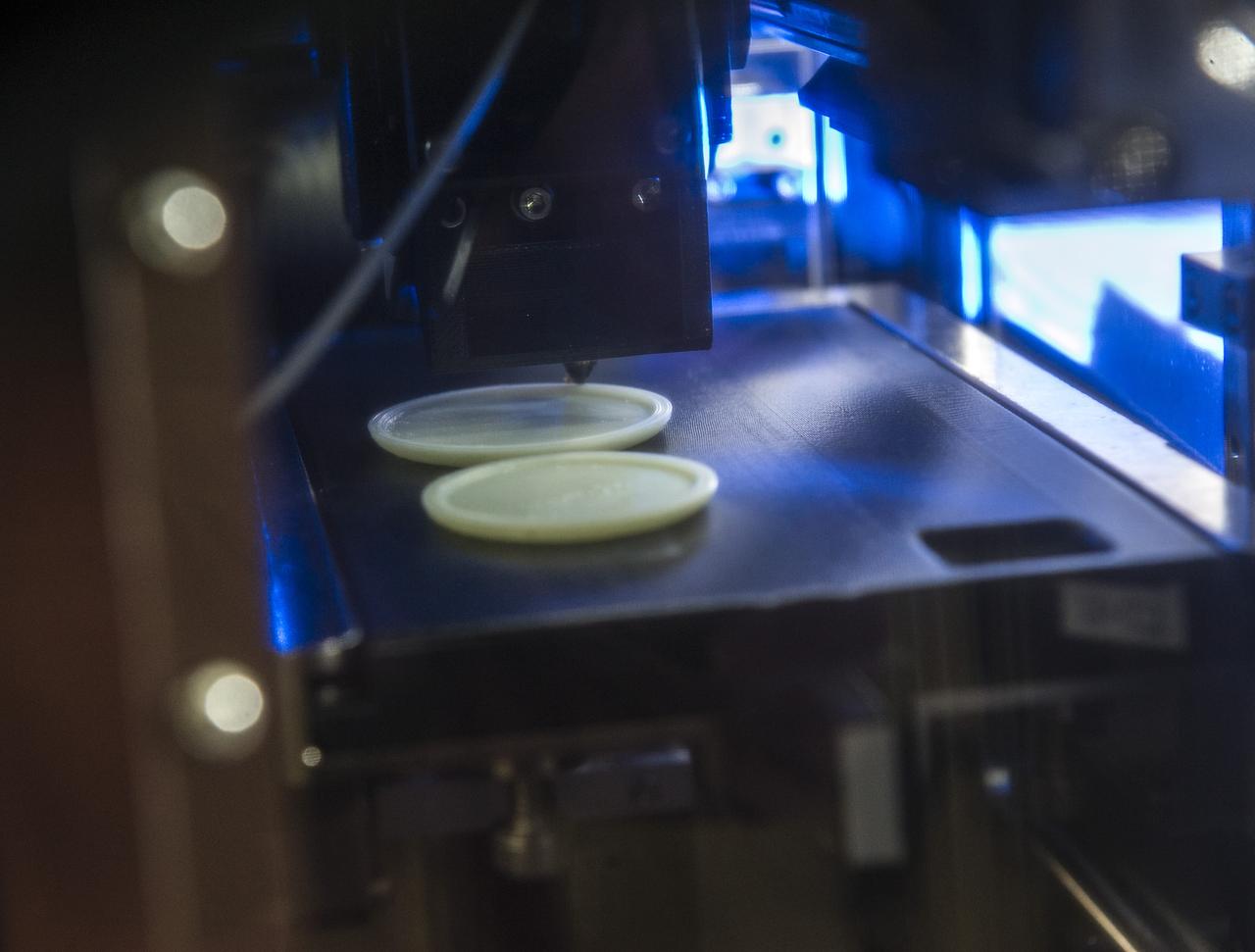
MADE IN SPACE” 3D PRINTER PRINTING TEST SAMPLES WHILE PRINTER IS IN MICROGRAVITY GLOVE BOX
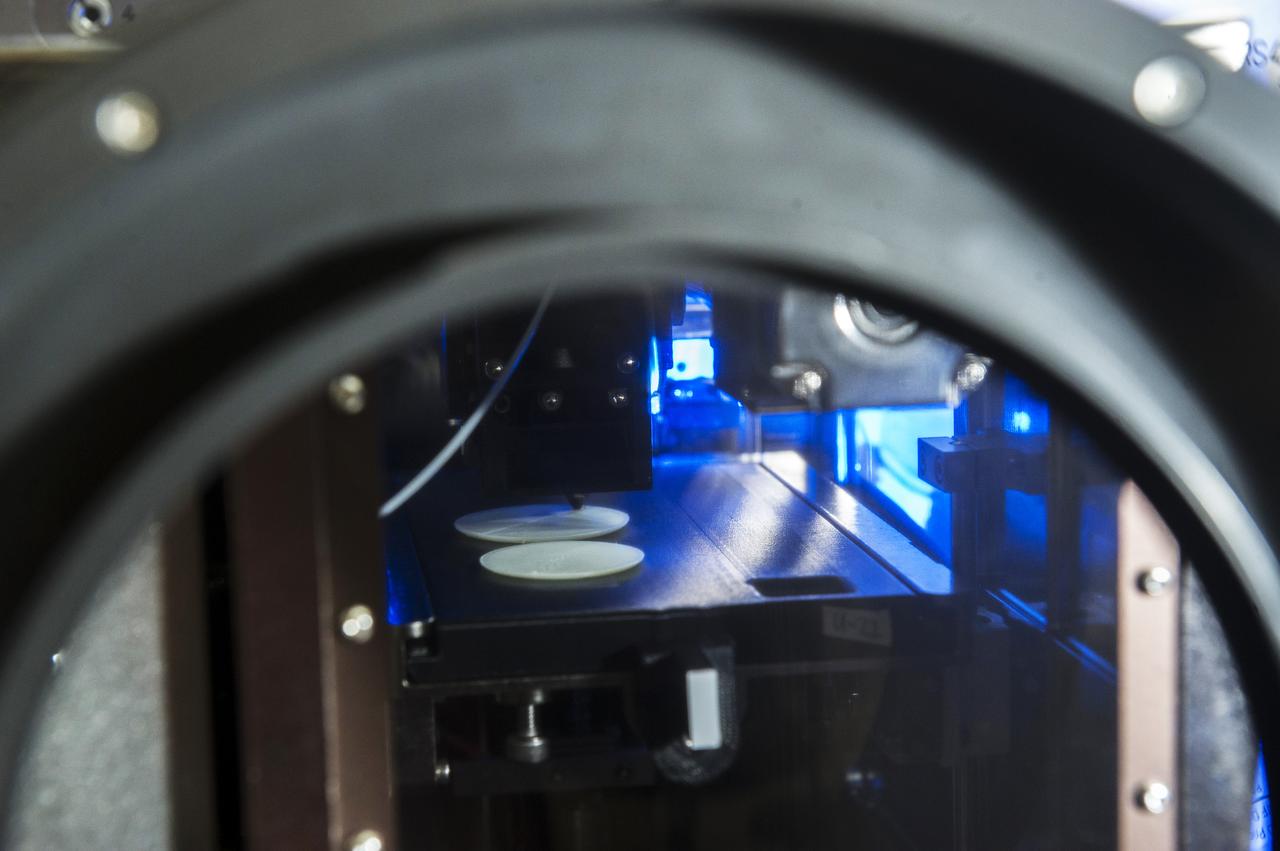
MADE IN SPACE” 3D PRINTER PRINTING TEST SAMPLES WHILE PRINTER IS IN MICROGRAVITY GLOVE BOX
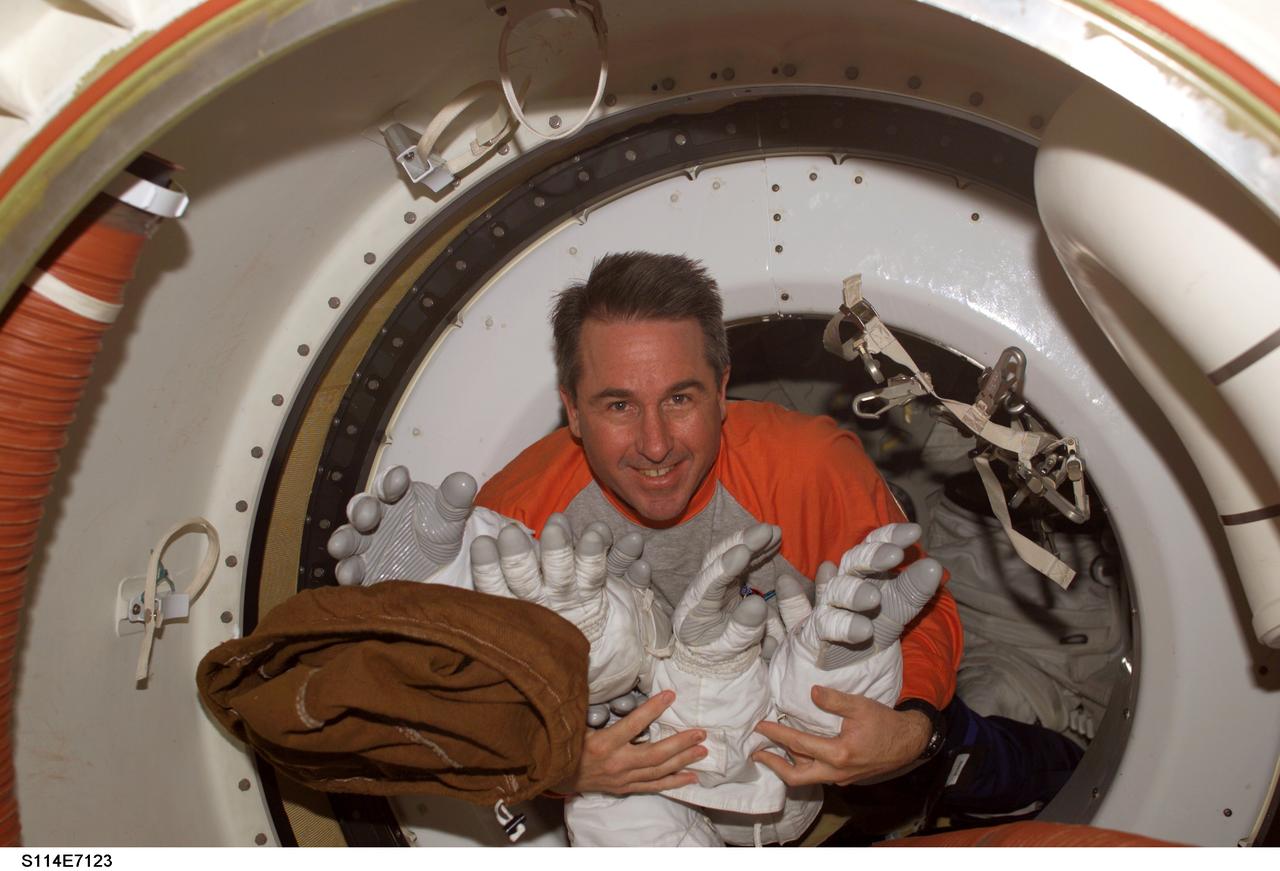
S114-E-7123 (5 August 2005) --- Astronaut Stephen K. Robinson, STS-114 mission specialist, holds Extravehicular Mobility Unit (EMU) spacesuit gloves as he floats through a hatch while Space Shuttle Discovery was docked to the International Space Station.
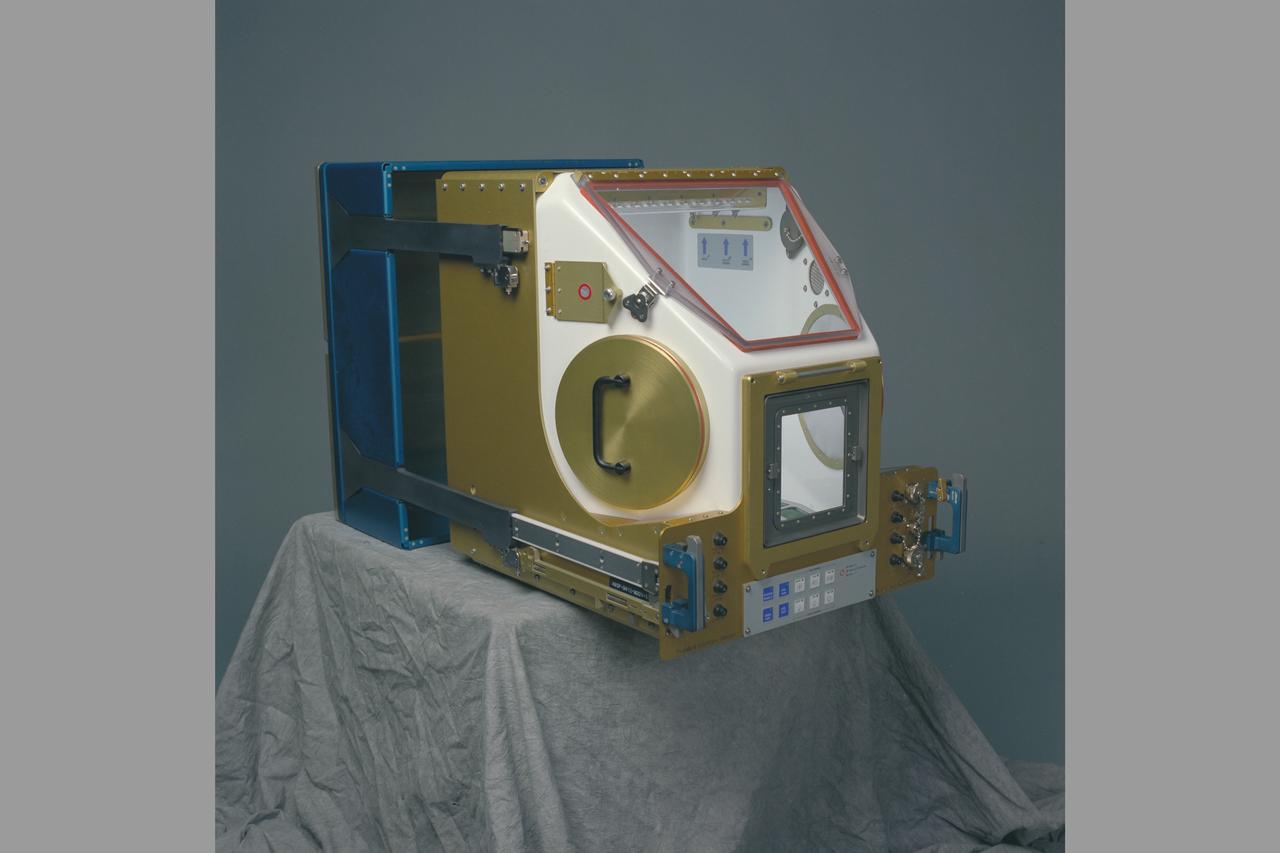
SIGB (Standard Interface Glove Box) & MRS (Middeck Rack Structure).
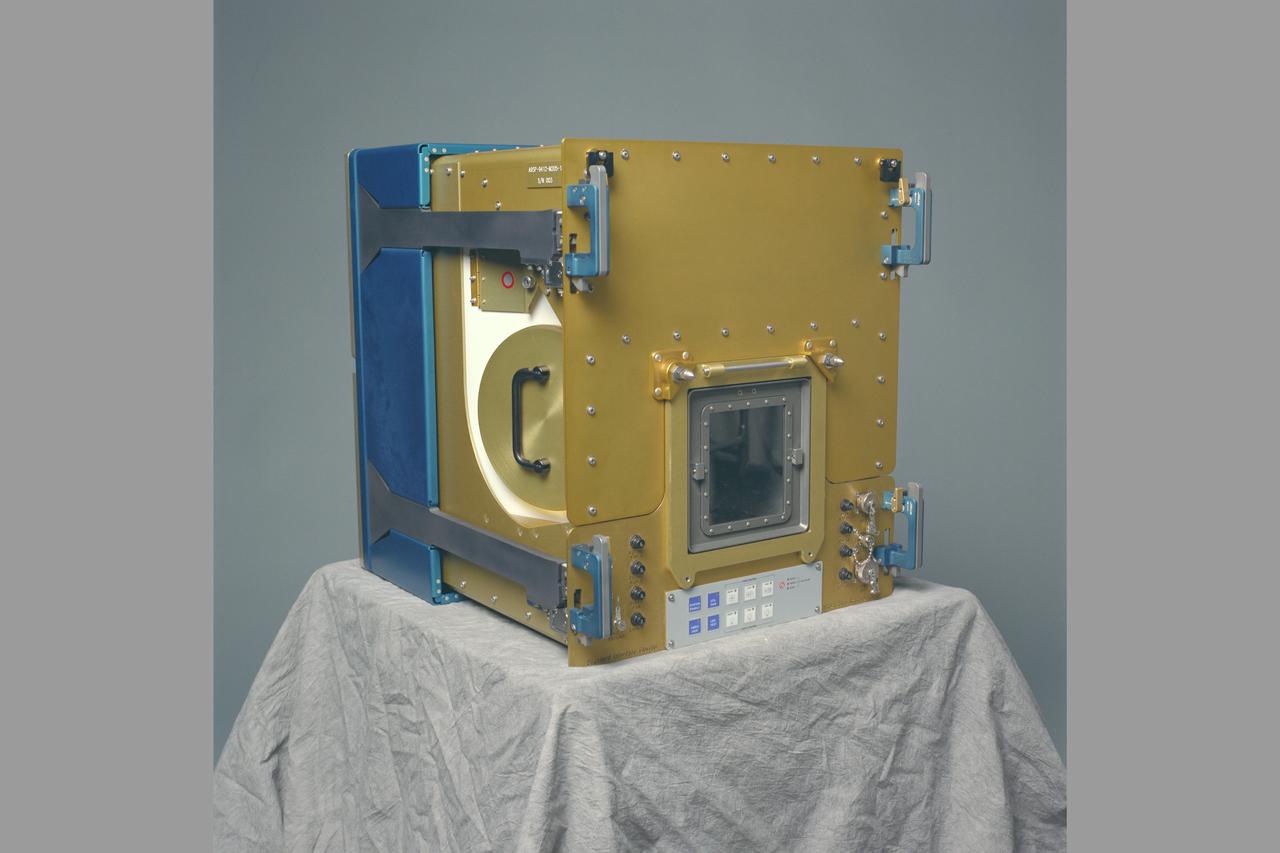
SIGB (Standard Interface Glove Box) & MRS (Middeck Rack Structure).
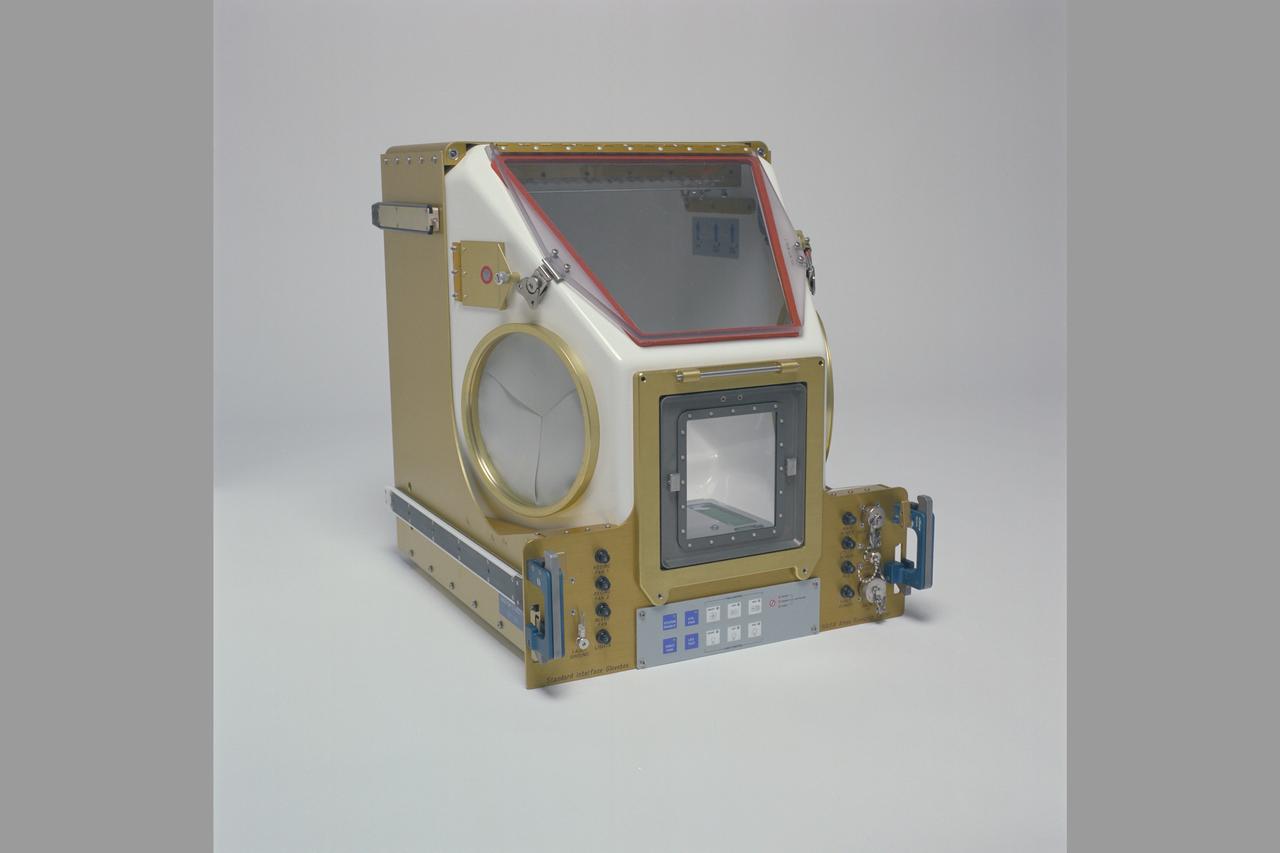
SIGB (Standard Interface Glove Box) & MRS (Middeck Rack Structure).
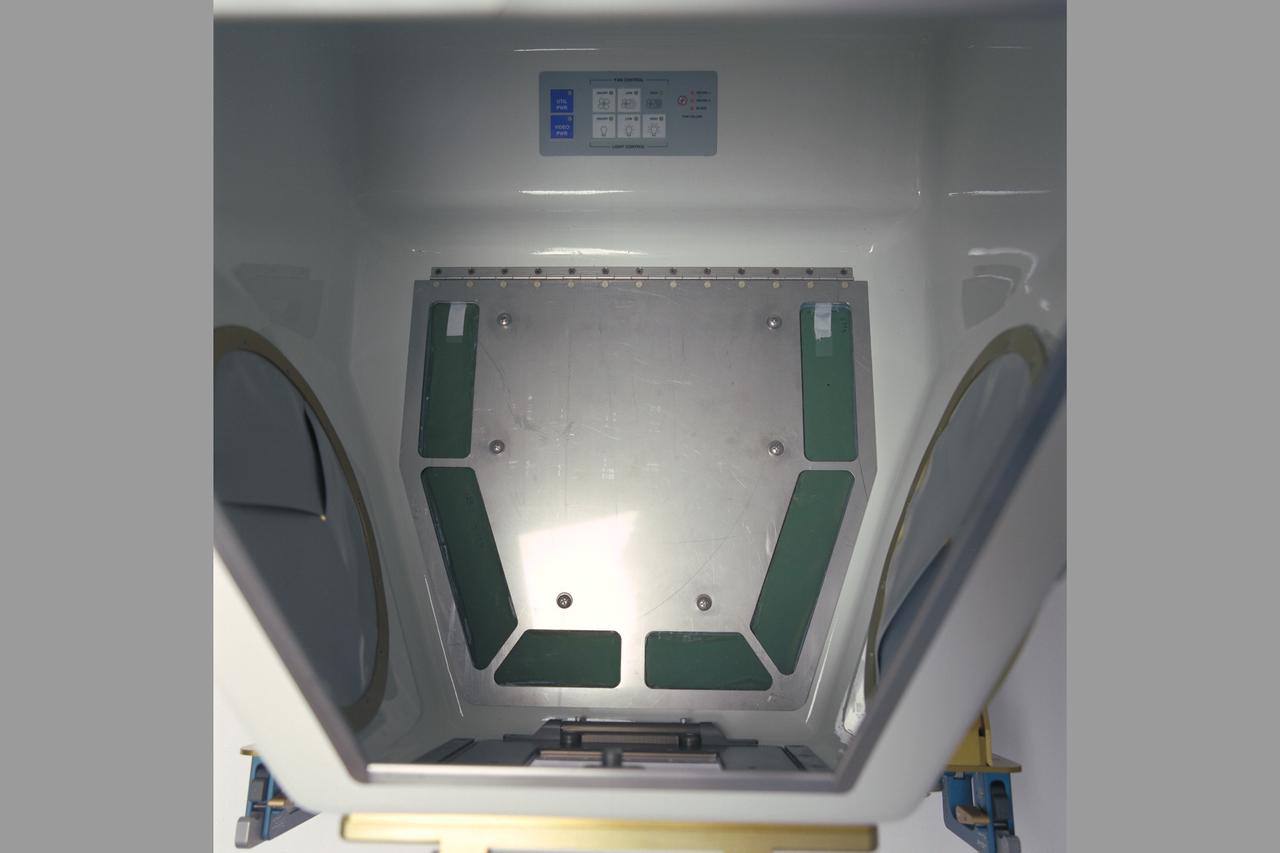
SIGB (Standard Interface Glove Box) & MRS (Middeck Rack Structure).
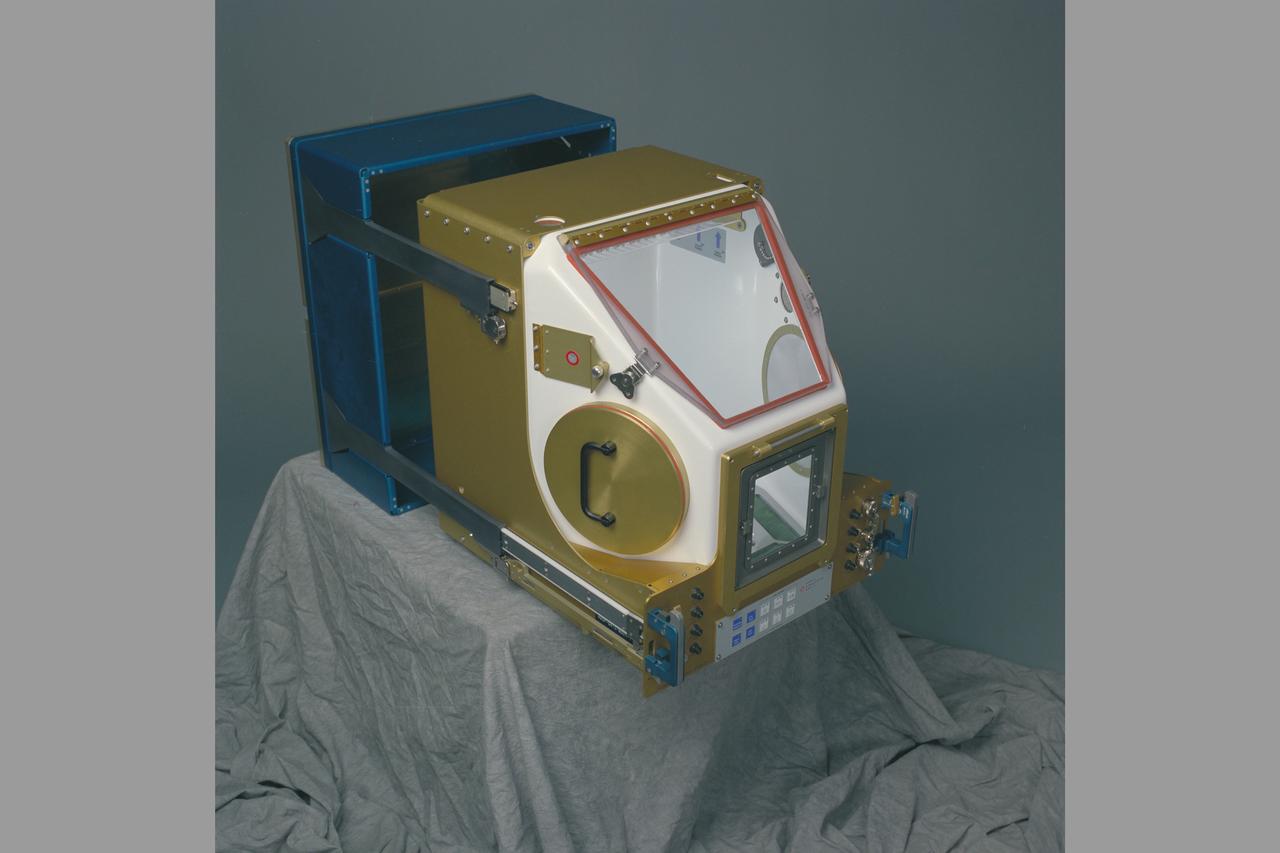
SIGB (Standard Interface Glove Box) & MRS (Middeck Rack Structure).
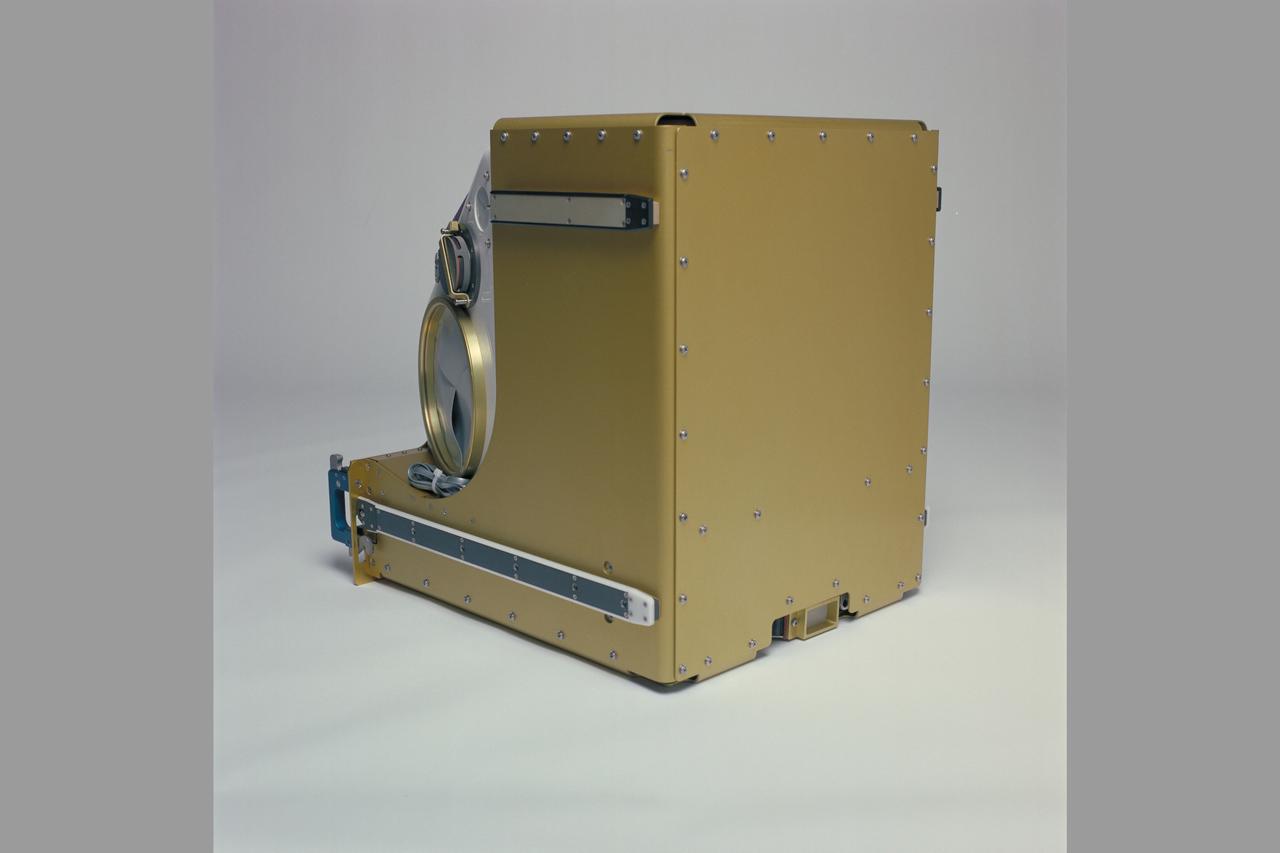
SIGB (Standard Interface Glove Box) & MRS (Middeck Rack Structure).
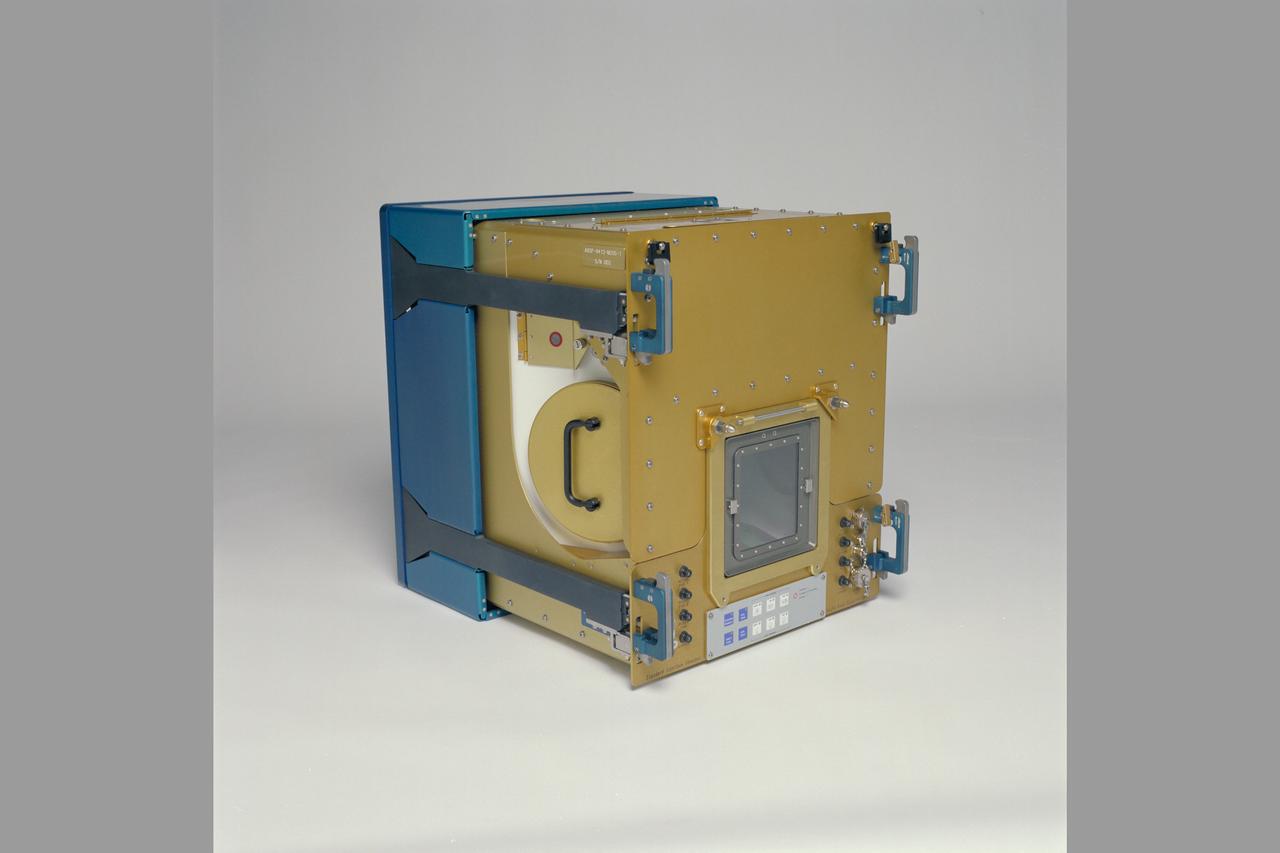
SIGB (Standard Interface Glove Box) & MRS (Middeck Rack Structure).
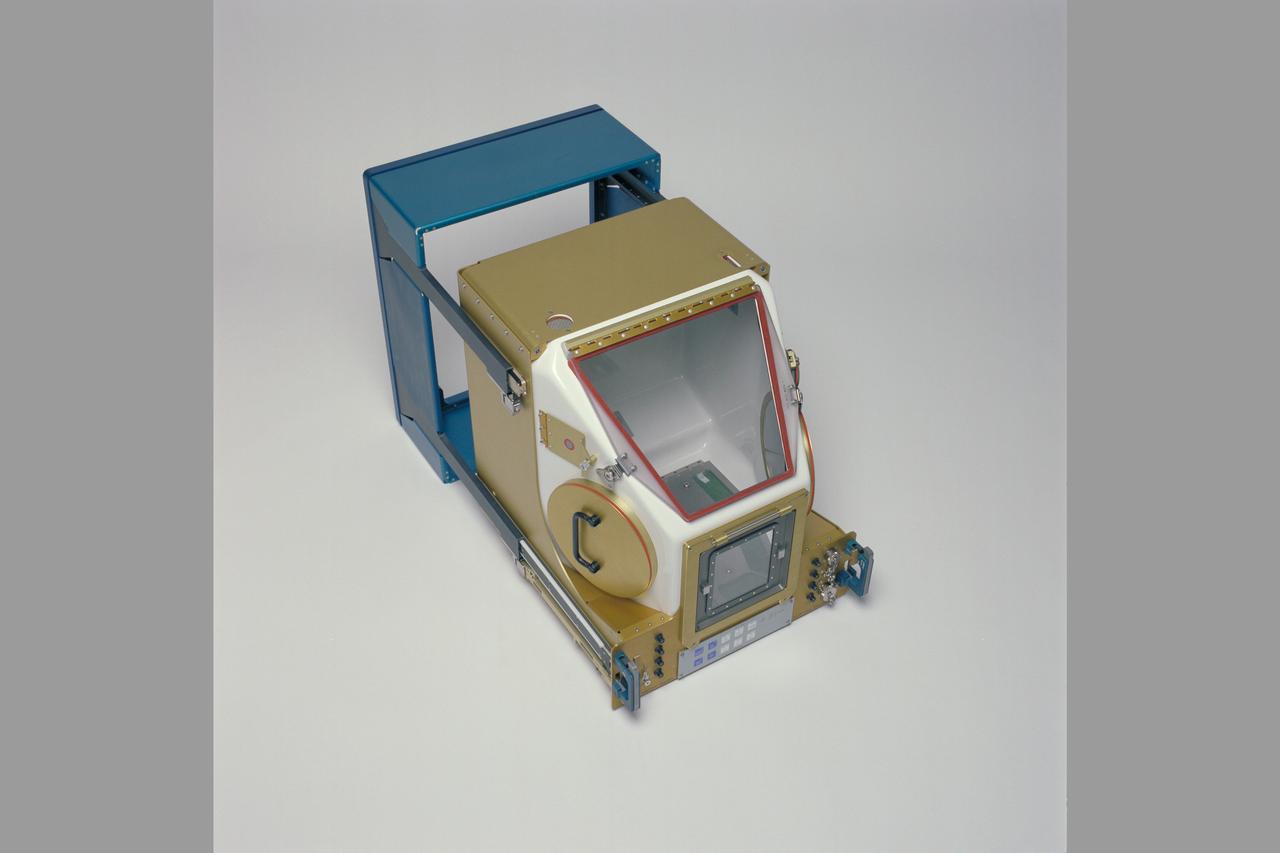
SIGB (Standard Interface Glove Box) & MRS (Middeck Rack Structure).
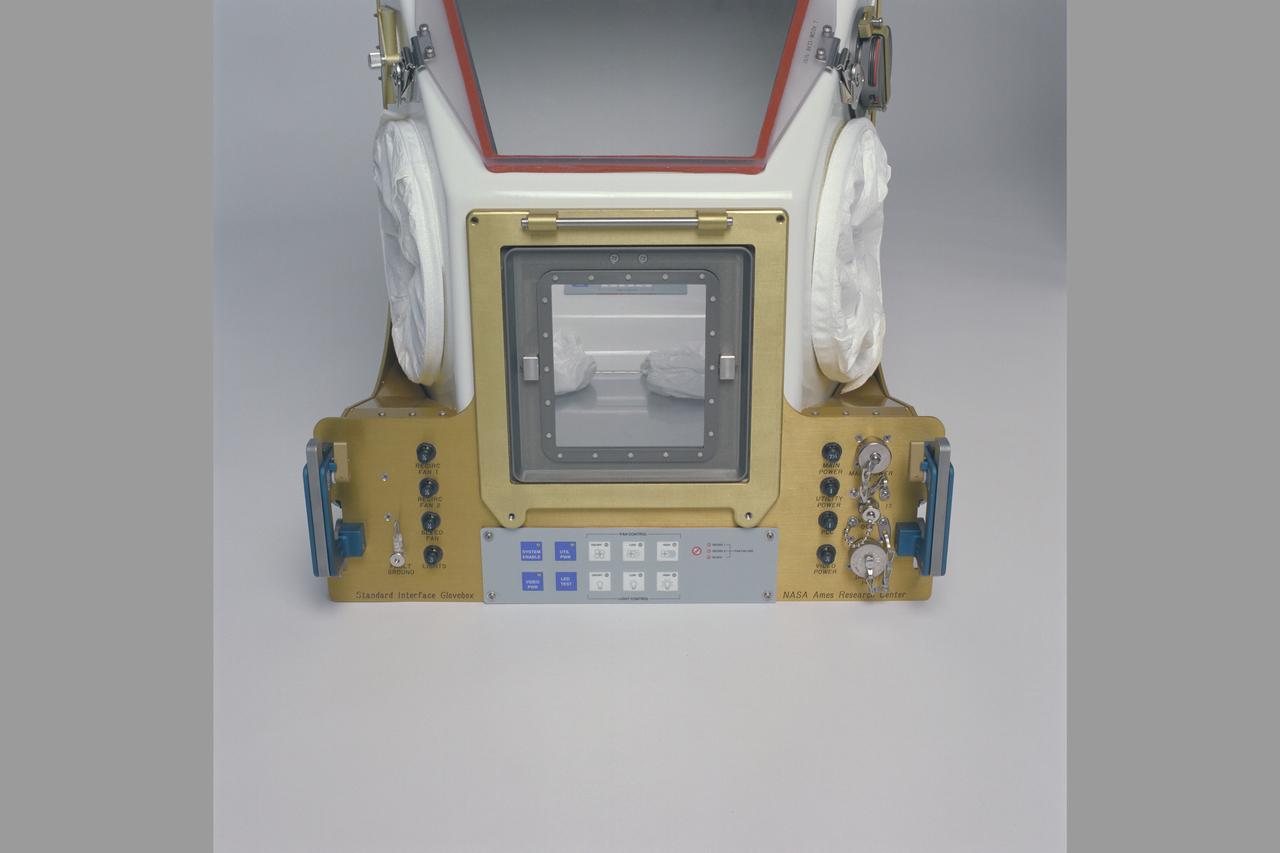
SIGB (Standard Interface Glove Box) & MRS (Middeck Rack Structure).
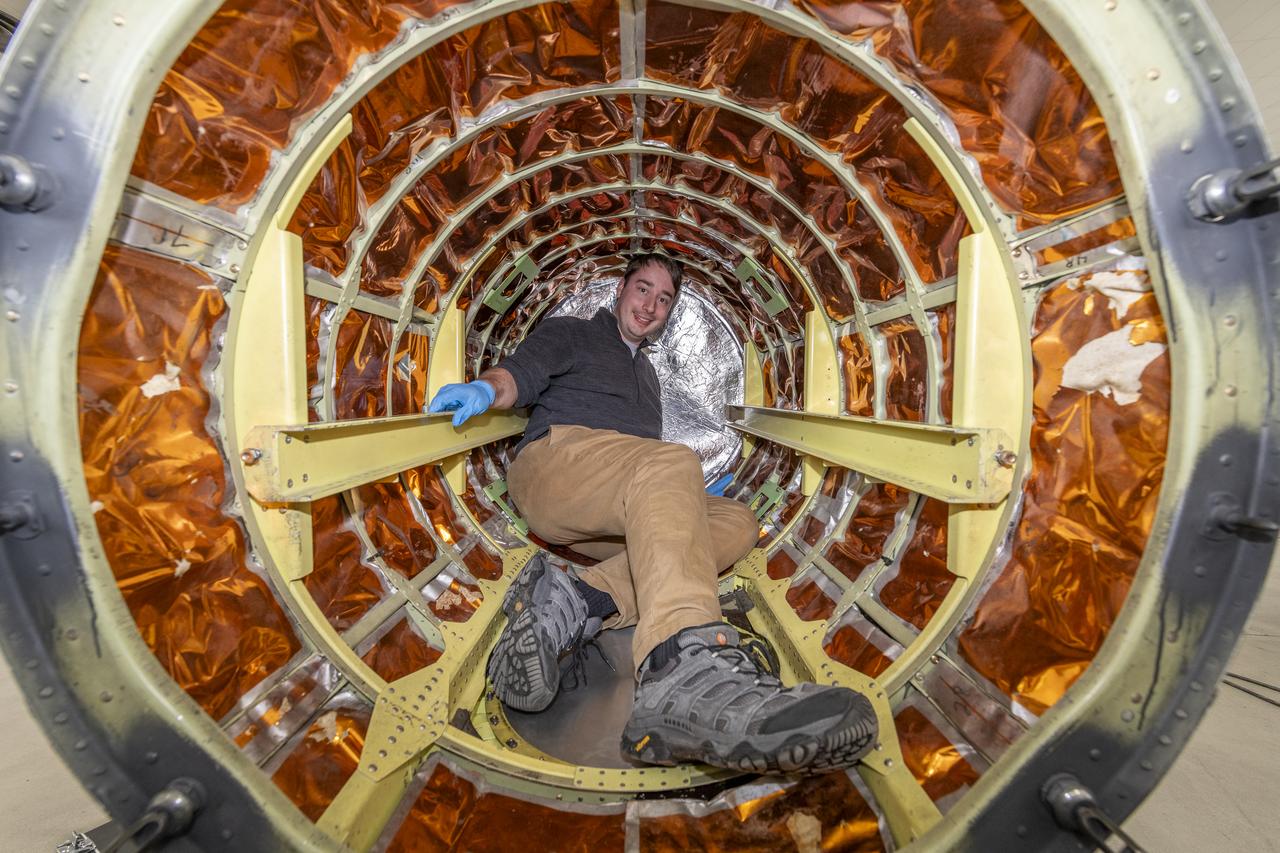
A team of experts prepares the ER-2 aircraft at Armstrong Flight Research Center in Edwards, California for the GSFC Lidar Observation and Validation Experiment (GLOVE) in February 2025. Researcher Grant Finneman from the University of Iowa installs the insulations at the front of the ER-2 forebody pod where the Cloud Physics Lidar (CPL) flies. As a collaboration between engineers, scientists, and aircraft professionals, GLOVE aims to improve satellite data products for Earth Science applications.
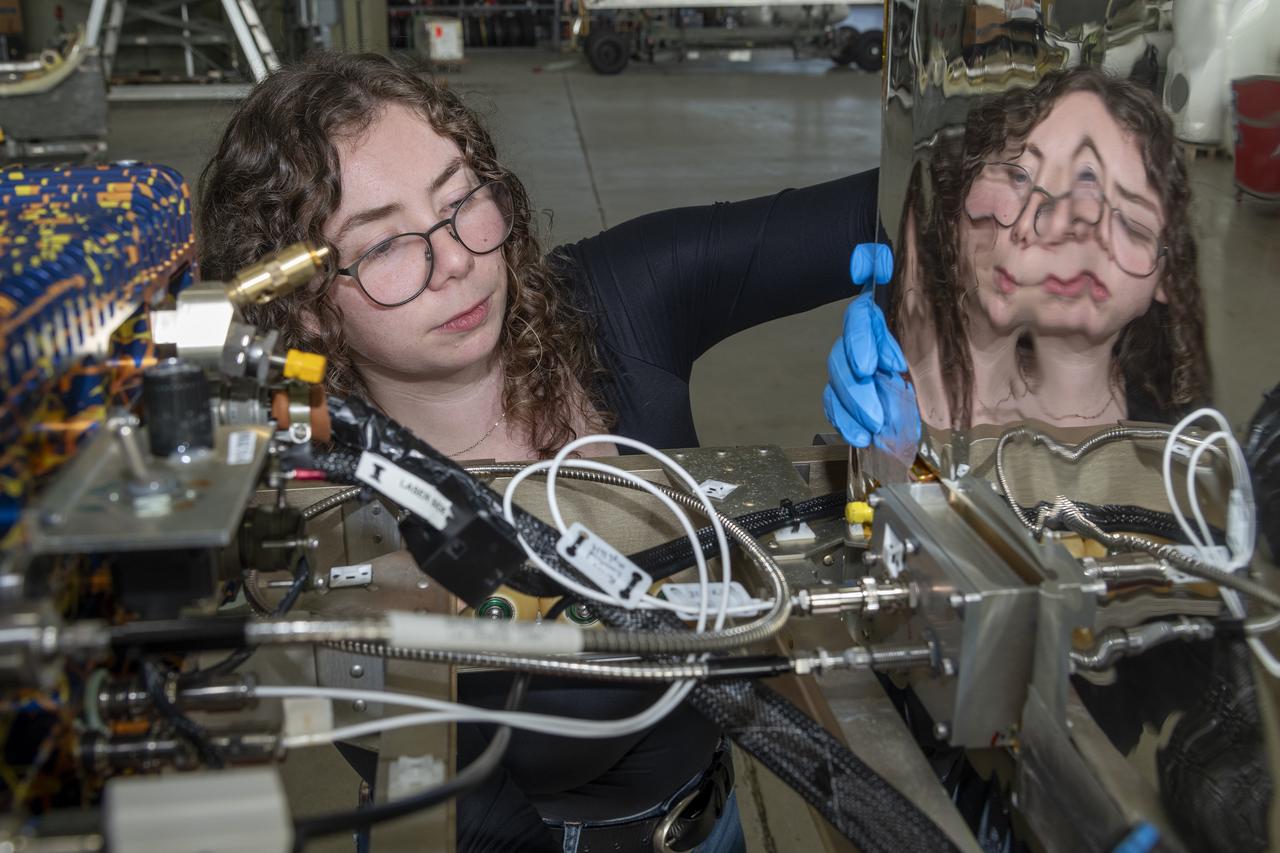
A team of experts prepares the ER-2 aircraft at Armstrong Flight Research Center in Edwards, California for the GSFC Lidar Observation and Validation Experiment (GLOVE) in February 2025. Researcher Jennifer Moore checks the cabling on the Roscoe instrument which flew at high altitudes on the ER-2. As a collaboration between engineers, scientists, and aircraft professionals, GLOVE aims to improve satellite data products for Earth Science applications.
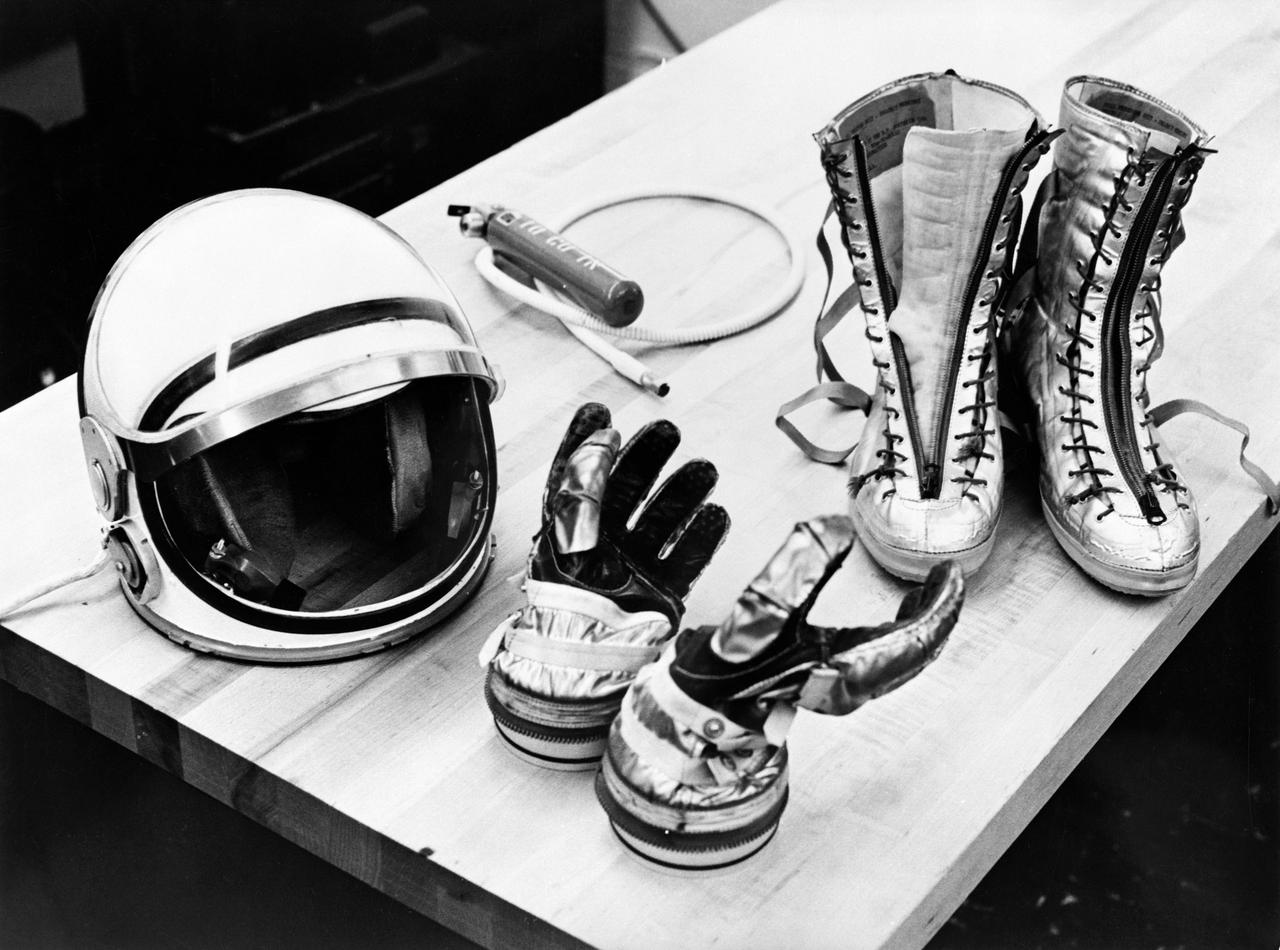
S61-02733 (28 July 1961) --- Table top view of some of the Mercury suit components including gloves, boots and helmet. Photo credit: NASA
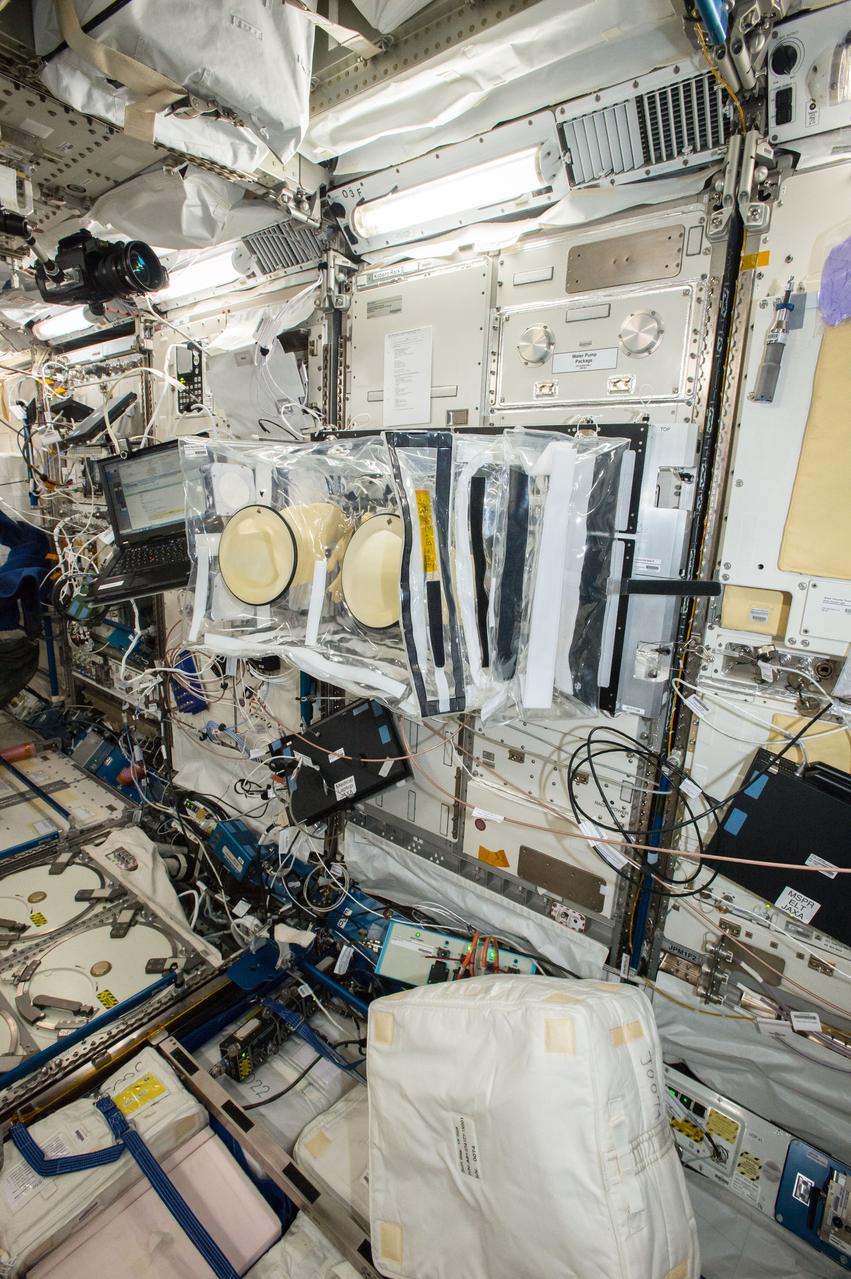
iss048e042371 (Jul. 21, 2016) --- Glove Box set up on the Kobairo Rack for the Mouse Epigenetics experiment in the Kibo Japanese Experiment Pressurized Module (JPM). The Mouse Epigenetics experiment studies the effects of the space environment on genetic activity, which can be used as a proxy for understanding how the human body changes in space.
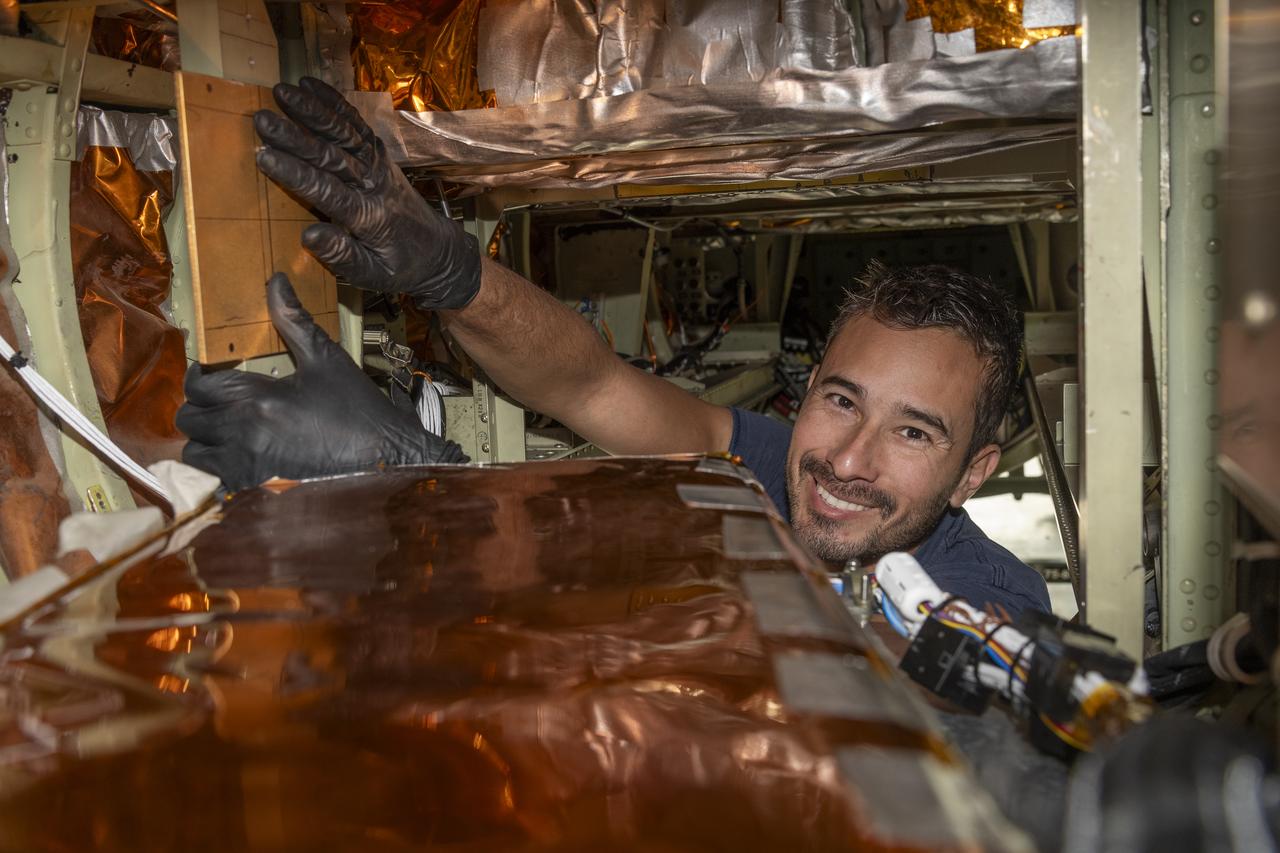
A team of experts prepares the ER-2 aircraft at Armstrong Flight Research Center in Edwards, California for the GSFC Lidar Observation and Validation Experiment (GLOVE) in February 2025. Aircraft mechanic Darick Alvarez-Alonzo installs a satellite-simulating instrument which will fly at high altitudes on the ER-2 to validate satellite-borne data. As a collaboration between engineers, scientists, and aircraft professionals, GLOVE aims to improve satellite data products for Earth Science applications.
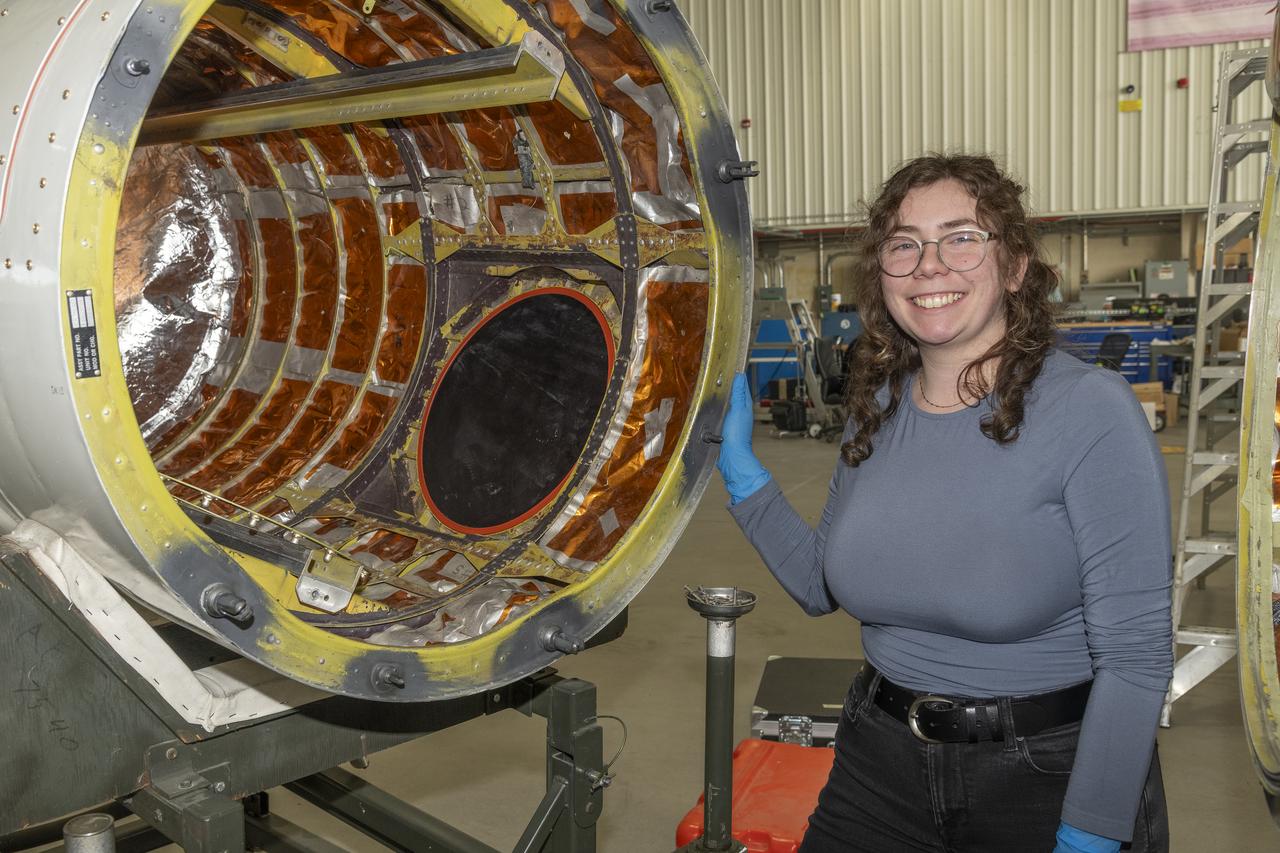
A team of experts prepares the ER-2 aircraft at Armstrong Flight Research Center in Edwards, California for the GSFC Lidar Observation and Validation Experiment (GLOVE) in February 2025. Researcher Jennifer Moore from NASA’s Goddard Space Flight Center smiles beside the ER-2 aircraft’s forebody pod where the Cloud Physics Lidar (CPL) instrument will be installed. As a collaboration between engineers, scientists, and aircraft professionals, GLOVE aims to improve satellite data products for Earth Science applications.
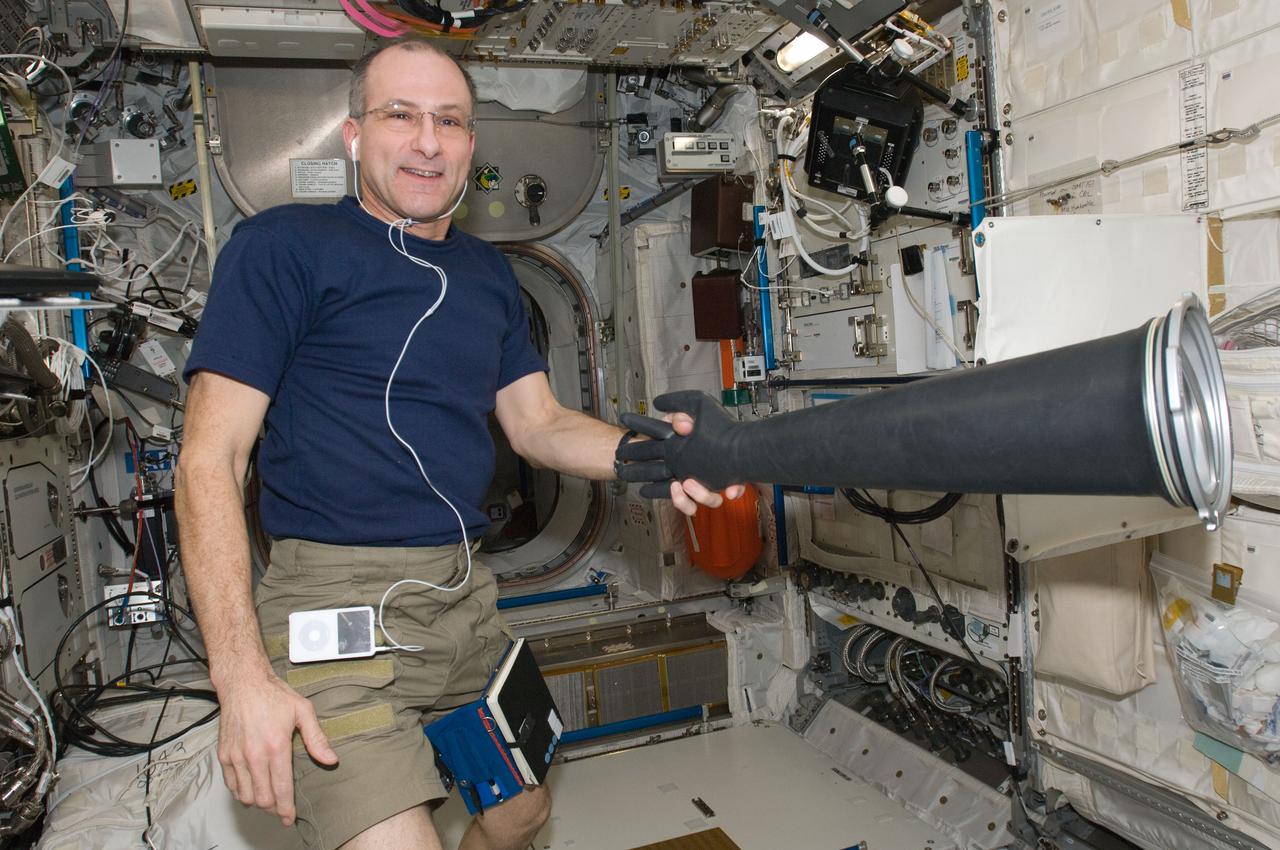
ISS030-E-049556 (17 Jan. 2012) --- NASA astronaut Don Pettit, Expedition 30 flight engineer, holds a Microgravity Science Glovebox (MSG) glove in the Columbus laboratory of the International Space Station.
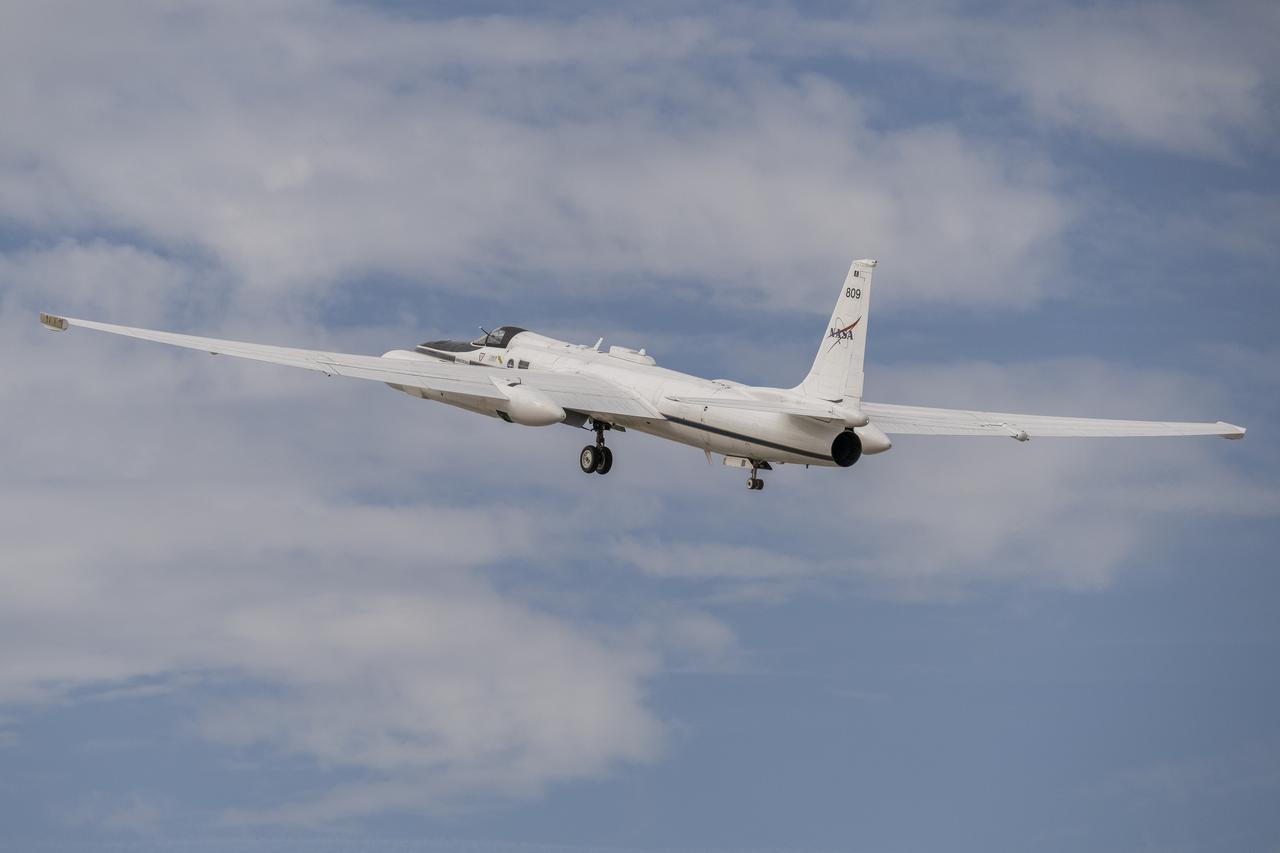
A team of experts wrap up science flights on the ER-2 aircraft at Armstrong Flight Research Center in Edwards, California after the GSFC Lidar Observation and Validation Experiment (GLOVE) in February 2025. Pilot Tim Williams ascends the ER-2 to higher skies for one of the final science flights validating satellite-borne data. As a collaboration between engineers, scientists, and aircraft professionals, GLOVE aims to improve satellite data products for Earth Science applications.
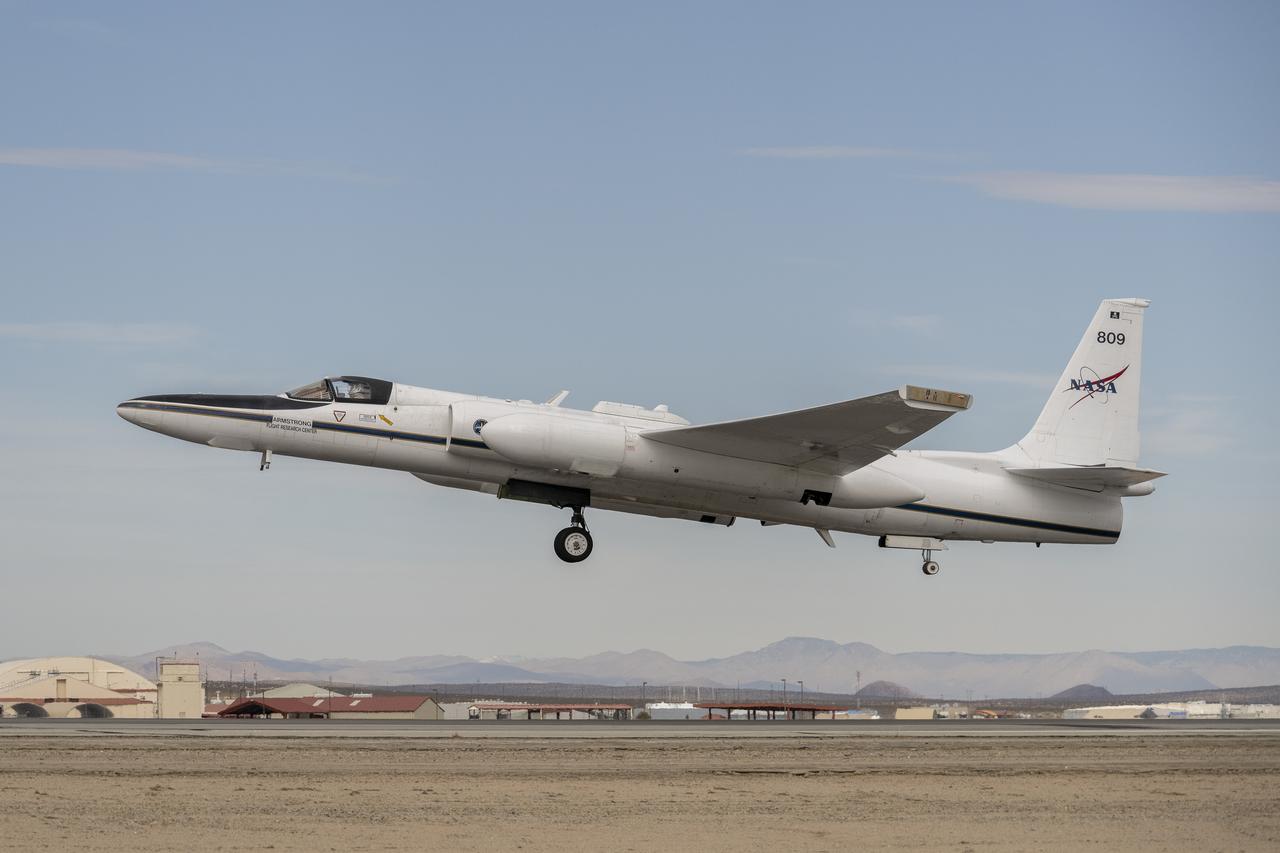
A team of experts wrap up science flights on the ER-2 aircraft at Armstrong Flight Research Center in Edwards, California after the GSFC Lidar Observation and Validation Experiment (GLOVE) in February 2025. Pilot Tim Williams ascends the ER-2 on the runway for one of the final science flights validating satellite-borne data. As a collaboration between engineers, scientists, and aircraft professionals, GLOVE aims to improve satellite data products for Earth Science applications.
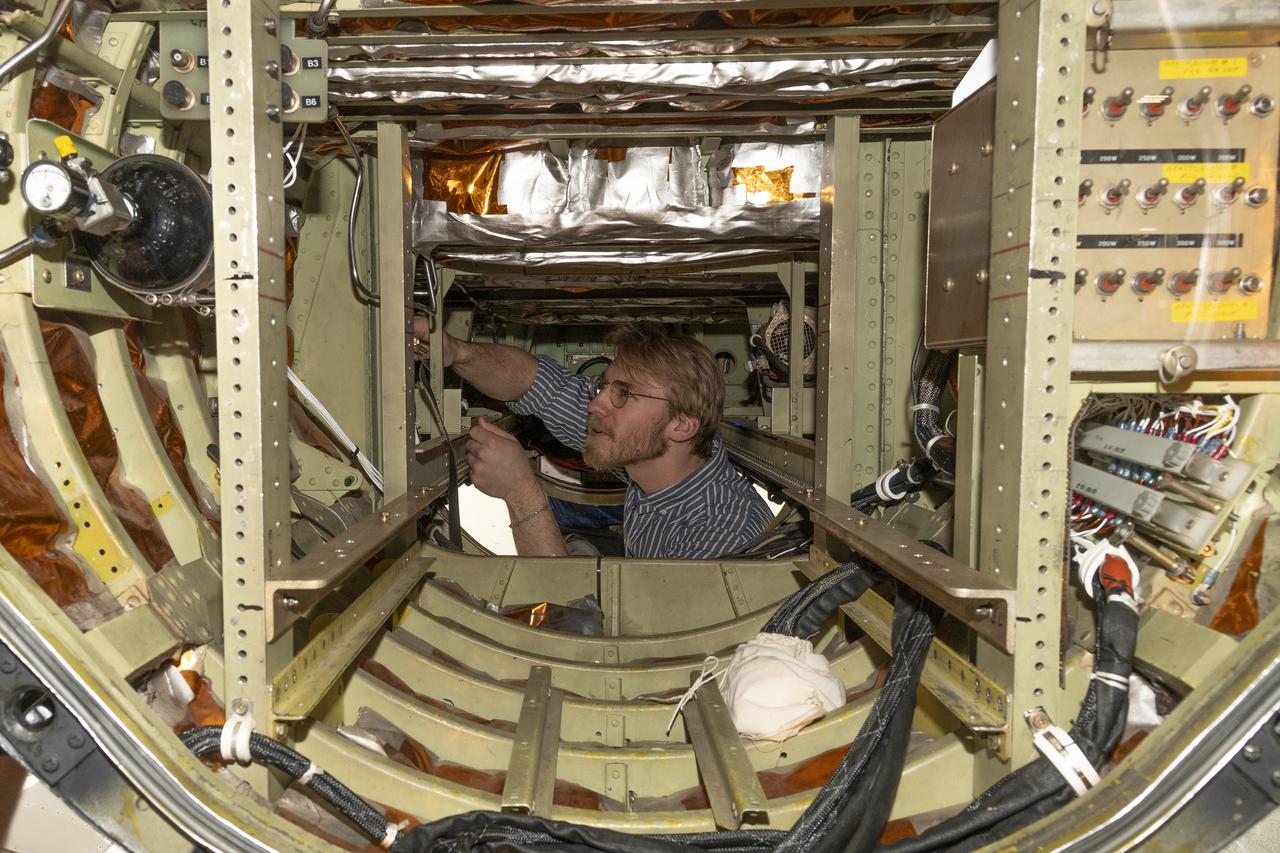
A team of experts prepares the ER-2 aircraft at Armstrong Flight Research Center in Edwards, California for the GSFC Lidar Observation and Validation Experiment (GLOVE) in February 2025. Researcher Jackson Begolka from the University of Iowa examines the instrument connectors in the ER-2 onboard the ER-2, which flies at high altitudes to validate satellite-borne data. As a collaboration between engineers, scientists, and aircraft professionals, GLOVE aims to improve satellite data products for Earth Science applications.
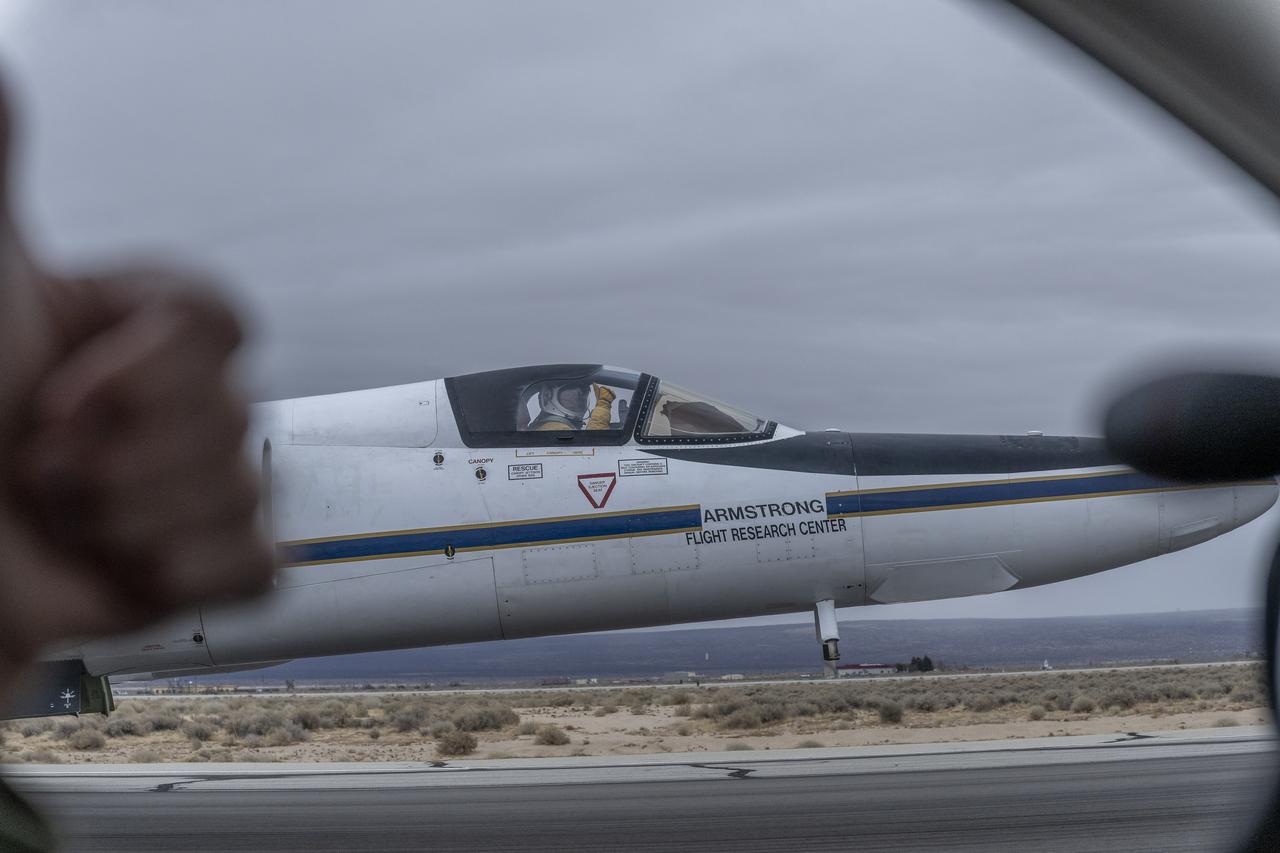
A team of experts wrap up science flights on the ER-2 aircraft at Armstrong Flight Research Center in Edwards, California after the GSFC Lidar Observation and Validation Experiment (GLOVE) in February 2025. Pilot Kirt Stallings ascends the ER-2 on the runway for one of the final science flights validating satellite-borne data. As a collaboration between engineers, scientists, and aircraft professionals, GLOVE aims to improve satellite data products for Earth Science applications.
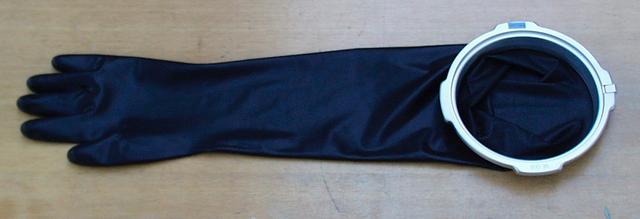
This photo shows a rubber glove and its attachment ring for the Microgravity Science Glovebox (MSG) being developed by the European Space Agency (ESA) and NASA for use aboard the International Space Station (ISS). Scientists will use the MSG to carry out multidisciplinary studies in combustion science, fluid physics and materials science. The MSG is managed by NASA's Marshall Space Flight Center (MSFC). Photo Credit: NASA/MSFC
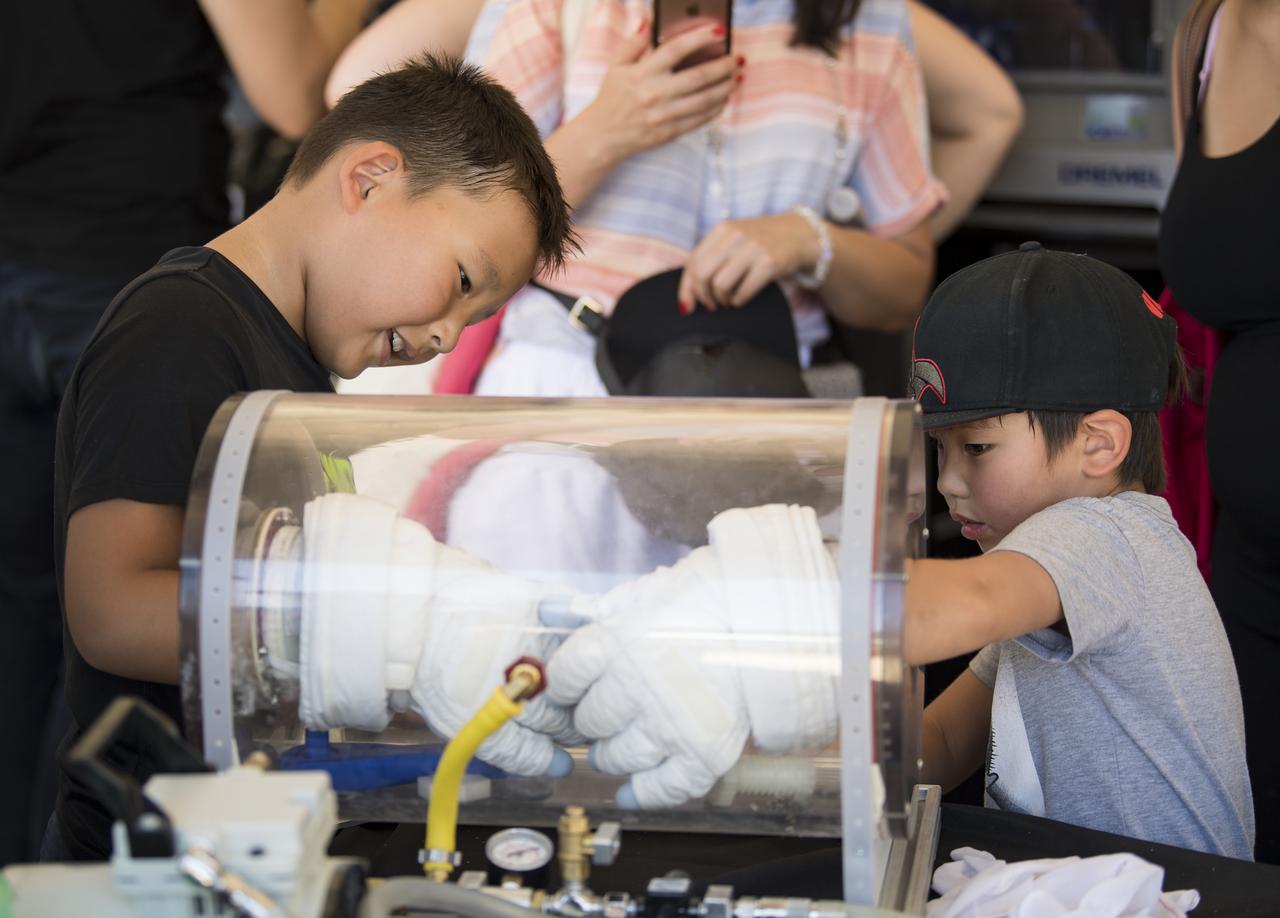
Visitors test out some space gloves at the Apollo 11 50th Anniversary celebration on the National Mall, Friday, July 19, 2019 in Washington. Apollo 11 was the first mission to land astronauts on the Moon and launched on July 16, 1969 with astronauts Neil Armstrong, Michael Collins, and Buzz Aldrin. Photo Credit: (NASA/Aubrey Gemignani)
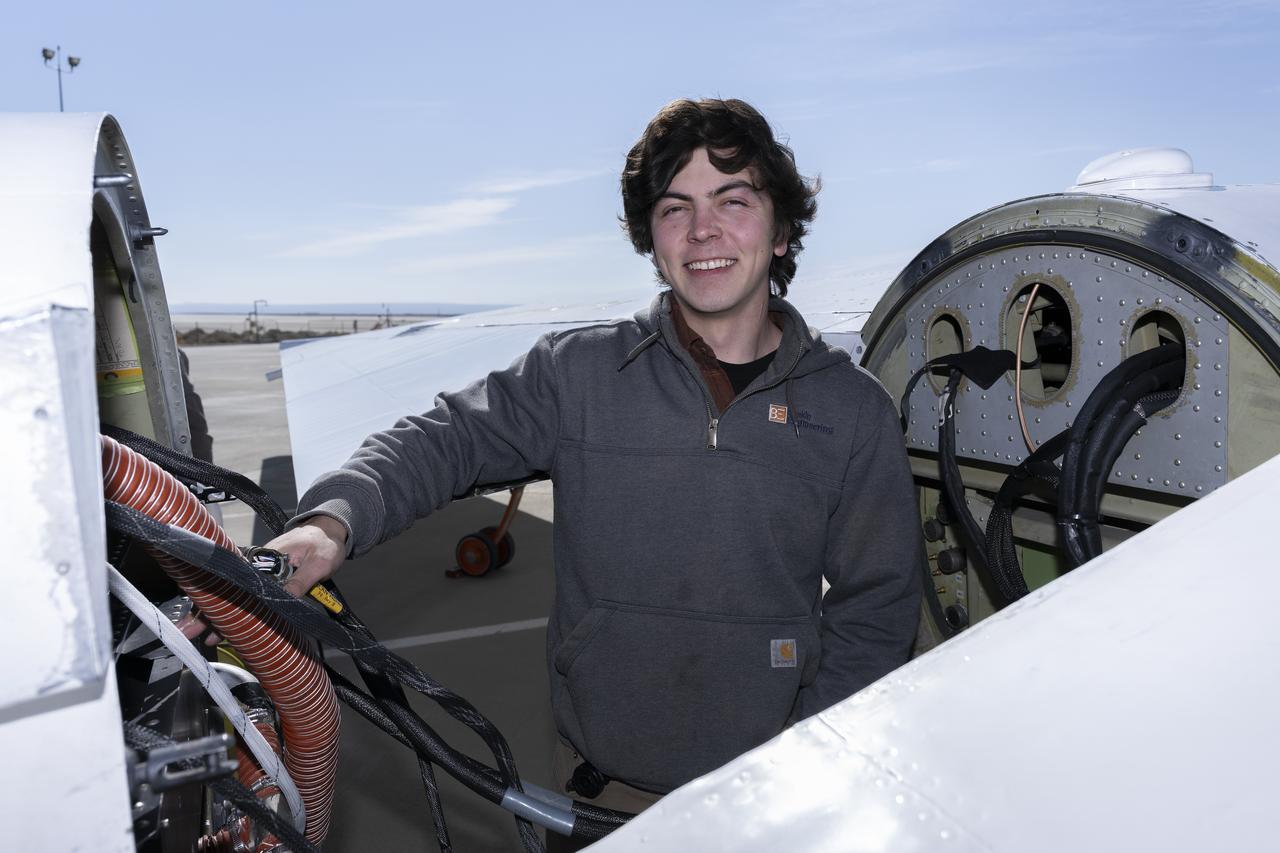
A team of experts wrap up science flights on the ER-2 aircraft at Armstrong Flight Research Center in Edwards, California after the GSFC Lidar Observation and Validation Experiment (GLOVE) in February 2025. Nikolas Gibson from NASA Ames Research Center integrates the enhanced MODIS Airbrone Simulator (eMAS) instrument onto the ER-2. As a collaboration between engineers, scientists, and aircraft professionals, GLOVE aims to improve satellite data products for Earth Science applications.
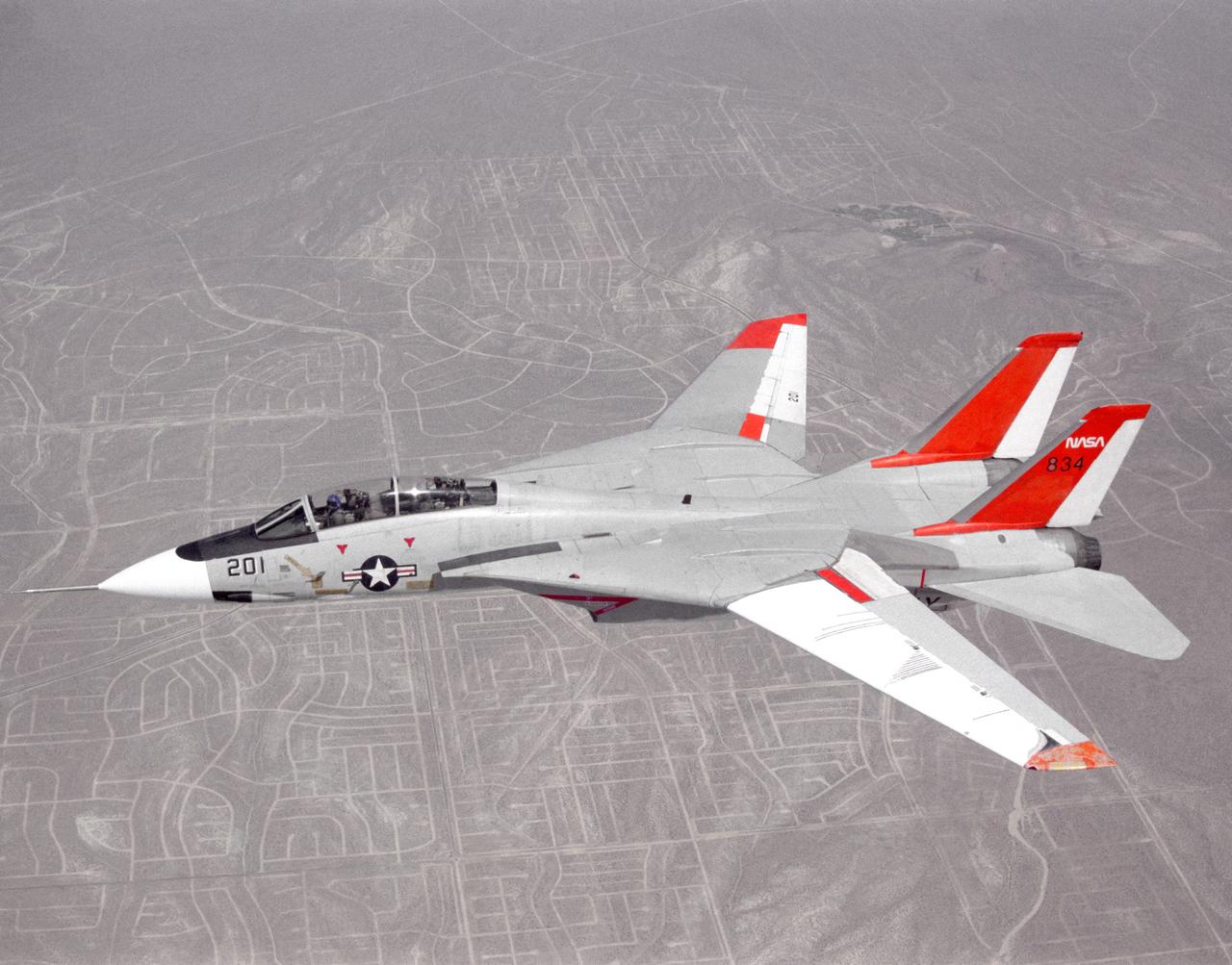
NASA 834, an F-14 Navy Tomcat, seen here in flight, was used at Dryden in 1986 and 1987 in a program known as the Variable-Sweep Transition Flight Experiment (VSTFE). This program explored laminar flow on variable sweep aircraft at high subsonic speeds. An F-14 aircraft was chosen as the carrier vehicle for the VSTFE program primarily because of its variable-sweep capability, Mach and Reynolds number capability, availability, and favorable wing pressure distribution. The variable sweep outer-panels of the F-14 aircraft were modified with natural laminar flow gloves to provide not only smooth surfaces but also airfoils that can produce a wide range of pressure distributions for which transition location can be determined at various flight conditions and sweep angles. Glove I, seen here installed on the upper surface of the left wing, was a "cleanup" or smoothing of the basic F-14 wing, while Glove II was designed to provide specific pressure distributions at Mach 0.7. Laminar flow research continued at Dryden with a research program on the NASA 848 F-16XL, a laminar flow experiment involving a wing-mounted panel with millions of tiny laser cut holes drawing off turbulent boundary layer air with a suction pump.
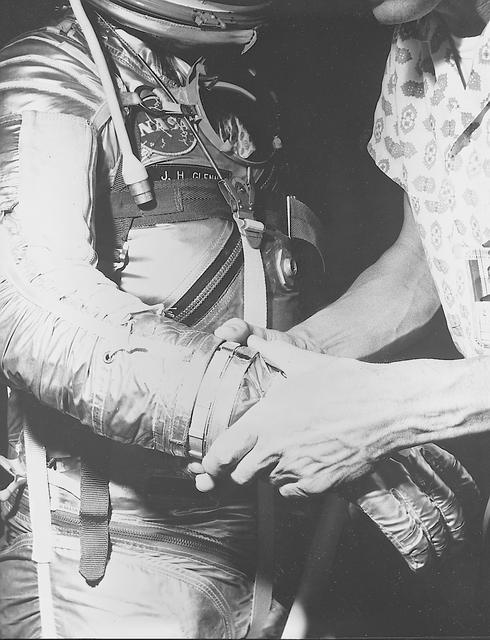
S62-00249 (1962) --- View of astronaut John H. Glenn Jr. being fitted with gloves for his spacesuit during preflight training activities at Cape Canaveral, Florida. Glenn is assisted by suit technician Joe Schmitt. Photo credit: NASA
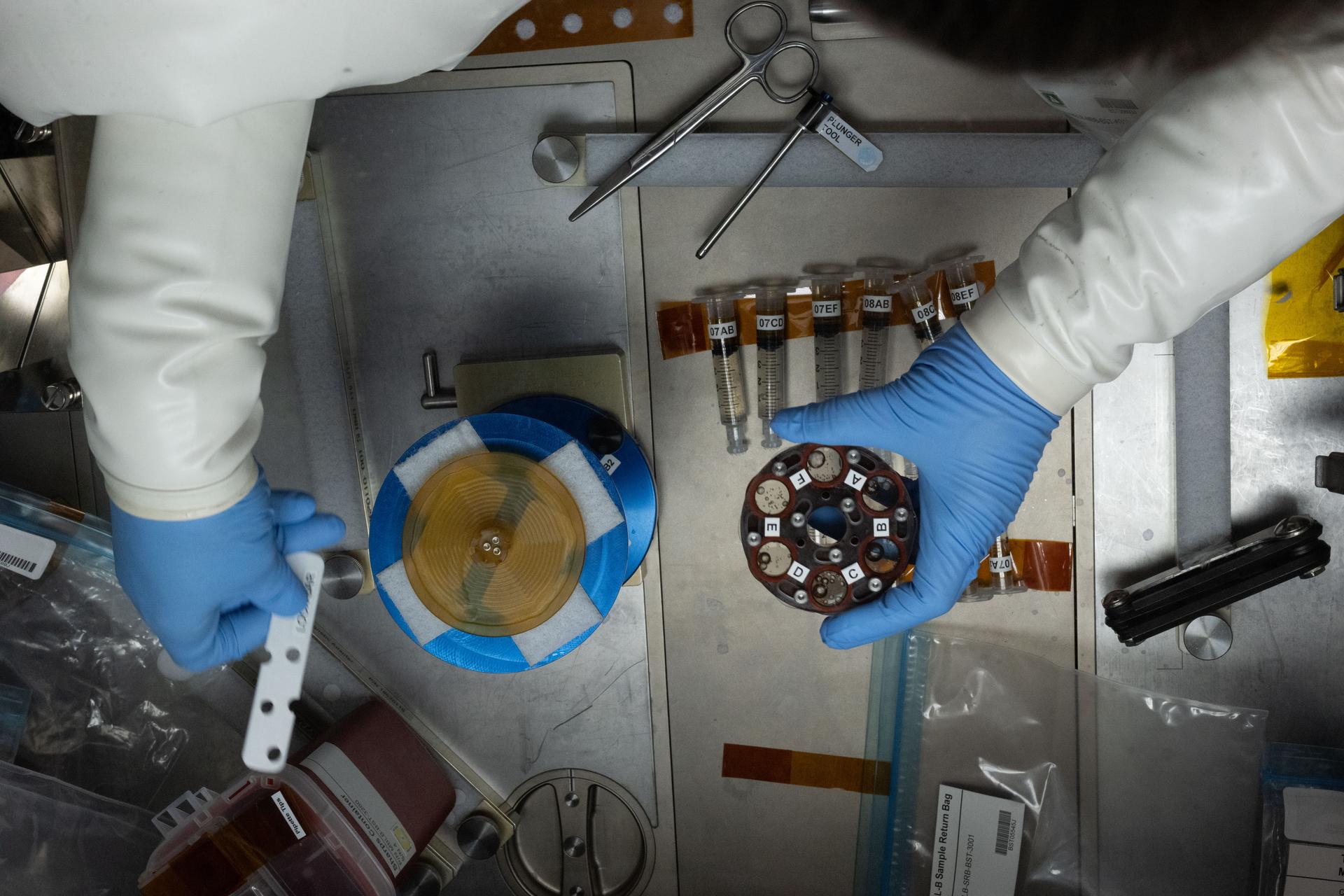
iss073e0759779 (Sept. 2, 2025) --- A top-down view inside the Destiny laboratory module’s Microgravity Science Glovebox shows the gloved arms and hands of NASA astronaut and Expedition 73 Flight Engineer Zena Cardman. She was processing bone marrow stem cell samples for the Microgravity Associated Bone Loss-B (MABL-B) experiment. The space biology investigation could help scientists better understand the molecular mechanisms behind space-caused bone loss and the natural aging process on Earth.
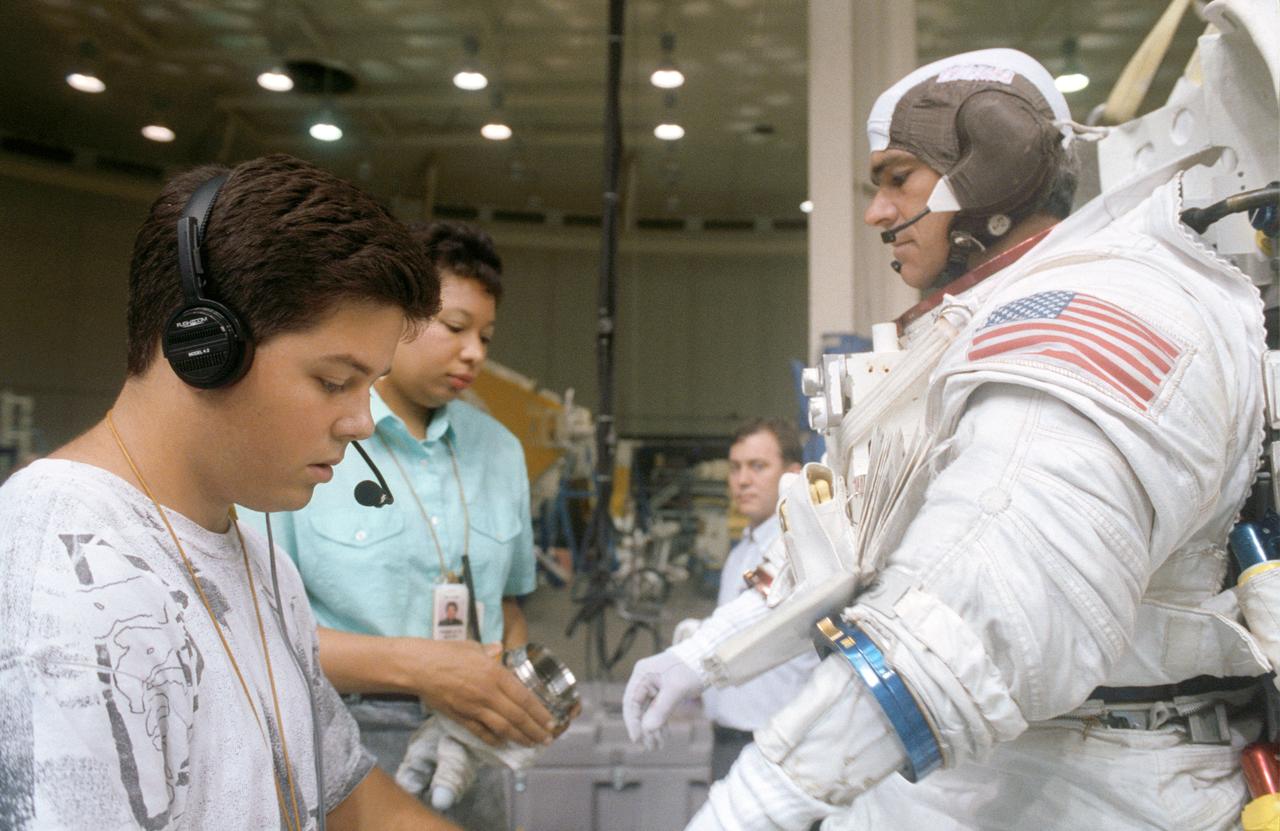
S92-42681 (28 July 1992) --- STS-53 Discovery, Orbiter Vehicle (OV) 103, Mission Specialist (MS) Michael R.U. Clifford, wearing extravehicular mobility unit (EMU) and communications carrier assembly (CCA), dons gloves with assistance from two technicians. Clifford is preparing for an underwater contingency extravehicular activity (EVA) simulation in JSC's Weightless Environment Training Facility (WETF) Bldg 29 pool.
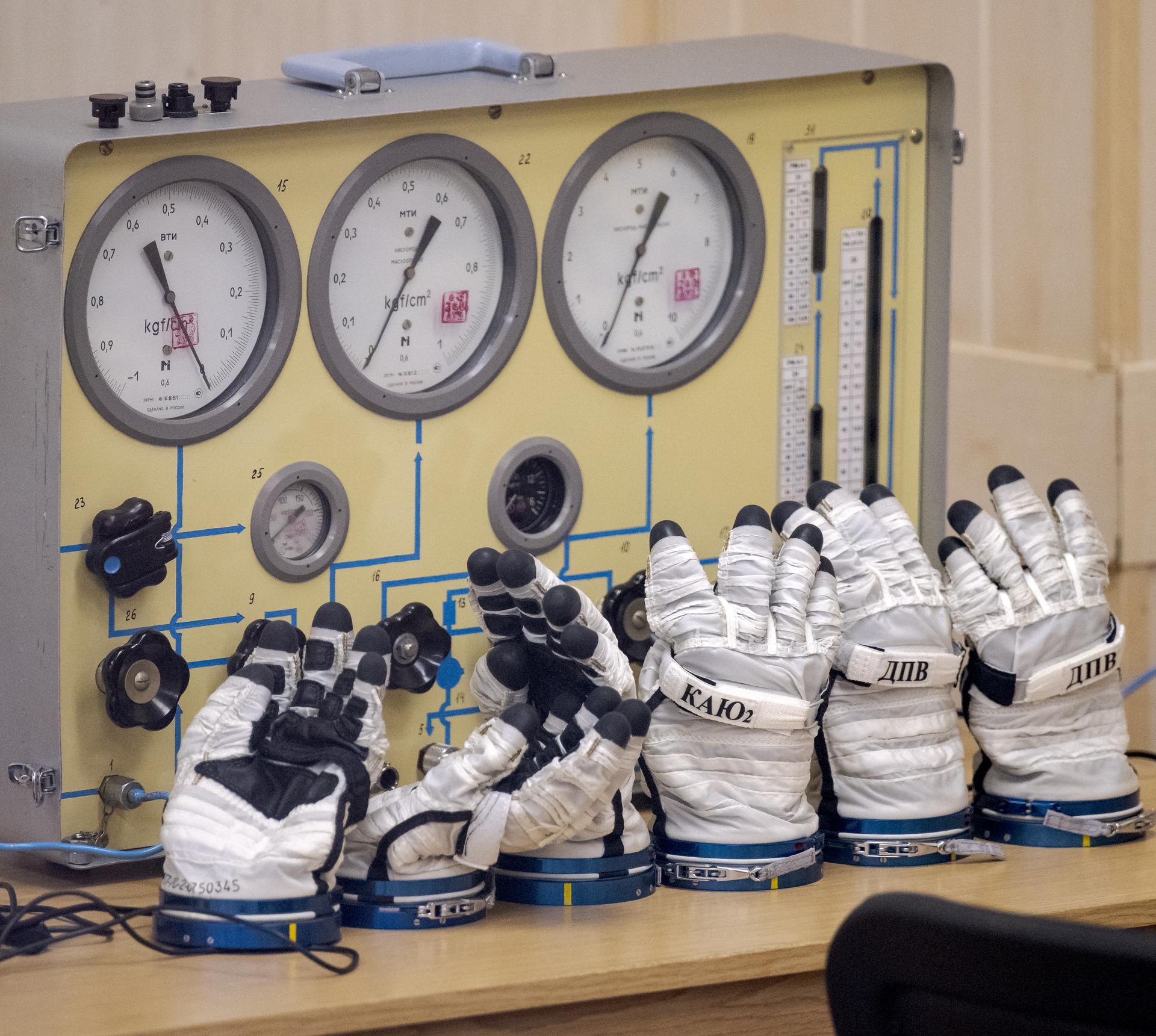
Russian Sokol Suit gloves are seen inside building 254 of the Baikonur Cosmodrome where Expedition 75 crew members: NASA astronaut Anil Menon, Roscosmos cosmonauts Pyotr Dubrov, and Anna Kikina, will suit up ahead of their Soyuz launch to the International Space Station Tuesday, July 14, 2026 in Baikonur, Kazakhstan. The launch will send Menon, Dubrov, and Kikina on a mission to the International Space Station. Photo Credit: (NASA/Bill Ingalls)
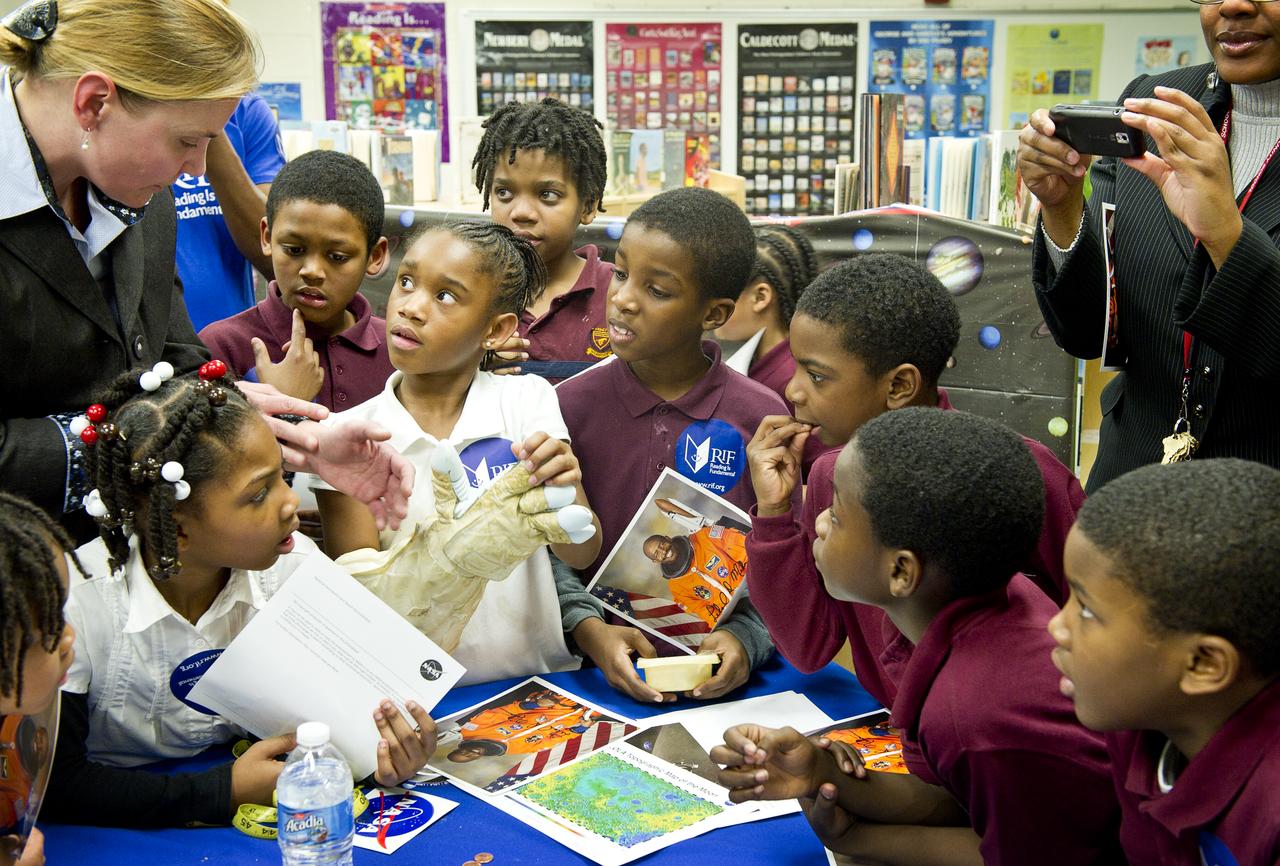
Betsy Pugel, far left, a physicist from NASA’s Goddard Space Flight Center in Greenbelt, Md., talks with students about the space suit glove they are trying on, Tuesday, Feb. 8, 2011 at Ferebee-Hope Elementary School in Washington, DC. Ferebee-Hope Elementary School, in collaboration with Reading is Fundamental (RIF), hosted this event in honor of Black History Month, and to highlight the importance of reading. Photo Credit: (NASA/Carla Cioffi)
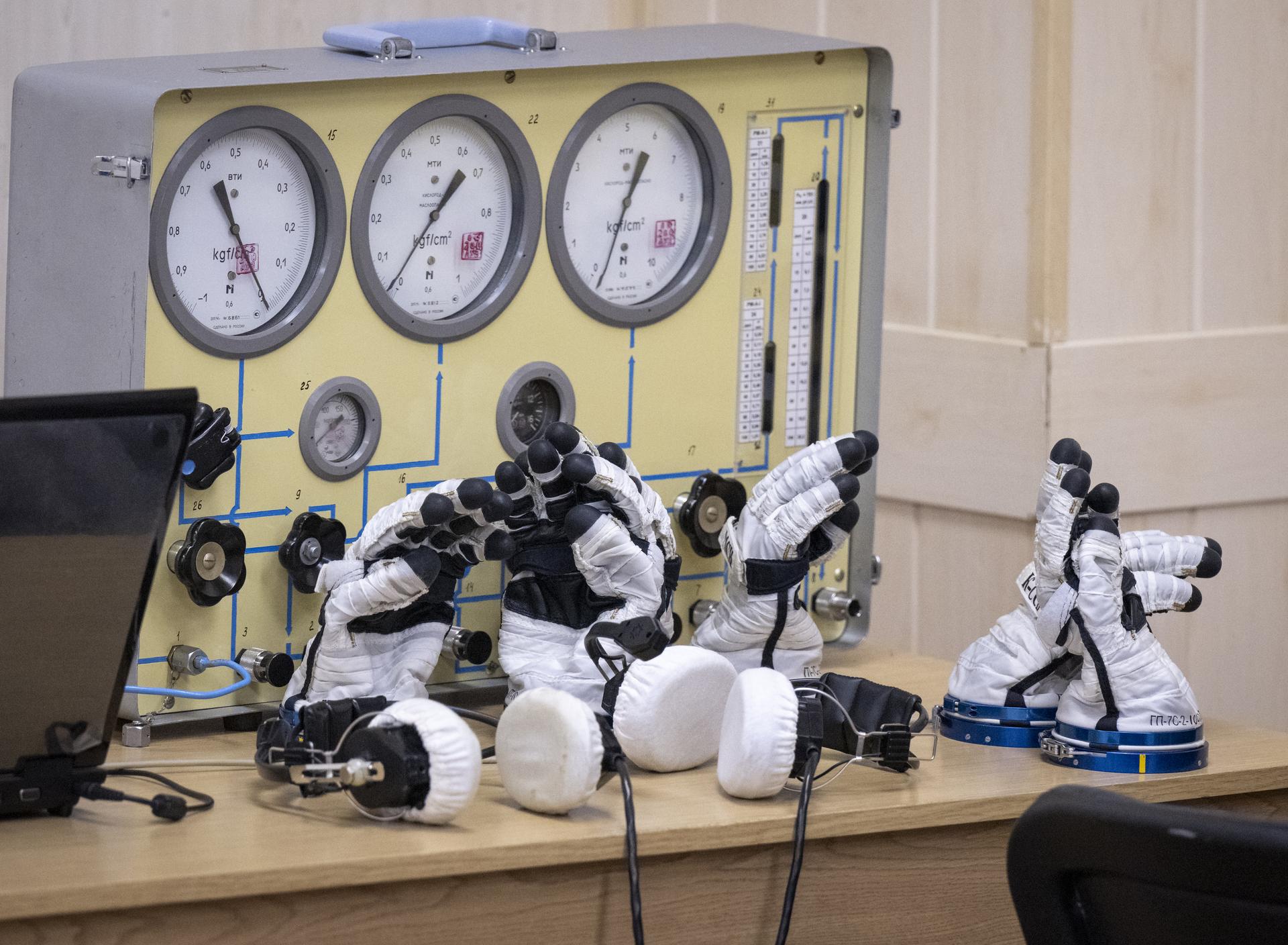
Russian Sokol suit gloves are seen ahead of Expedition 74 crewmates: NASA astronaut Chris Williams, Roscosmos cosmonauts Sergey Kud-Sverchkov, and Sergei Mikaev, having their Sokol suits pressure checked to prepare for their Soyuz launch to the International Space Station Thursday, Nov. 27, 2025 in Baikonur, Kazakhstan. Photo Credit: (NASA/Bill Ingalls)

Russian Sokol suit gloves and pressure monitoring equipment is seen ahead of Expedition 72 crew members: NASA astronaut Don Pettit, Roscosmos cosmonauts Alexey Ovchinin, and Ivan Vagner, having their suits pressure checked prior to their Soyuz launch to the International Space Station Wednesday, Sept. 11, 2024 in Baikonur, Kazakhstan. The launch will send Pettit, Ovchinin, and Vagner on a mission to the International Space Station. Photo Credit: (NASA/Bill Ingalls)
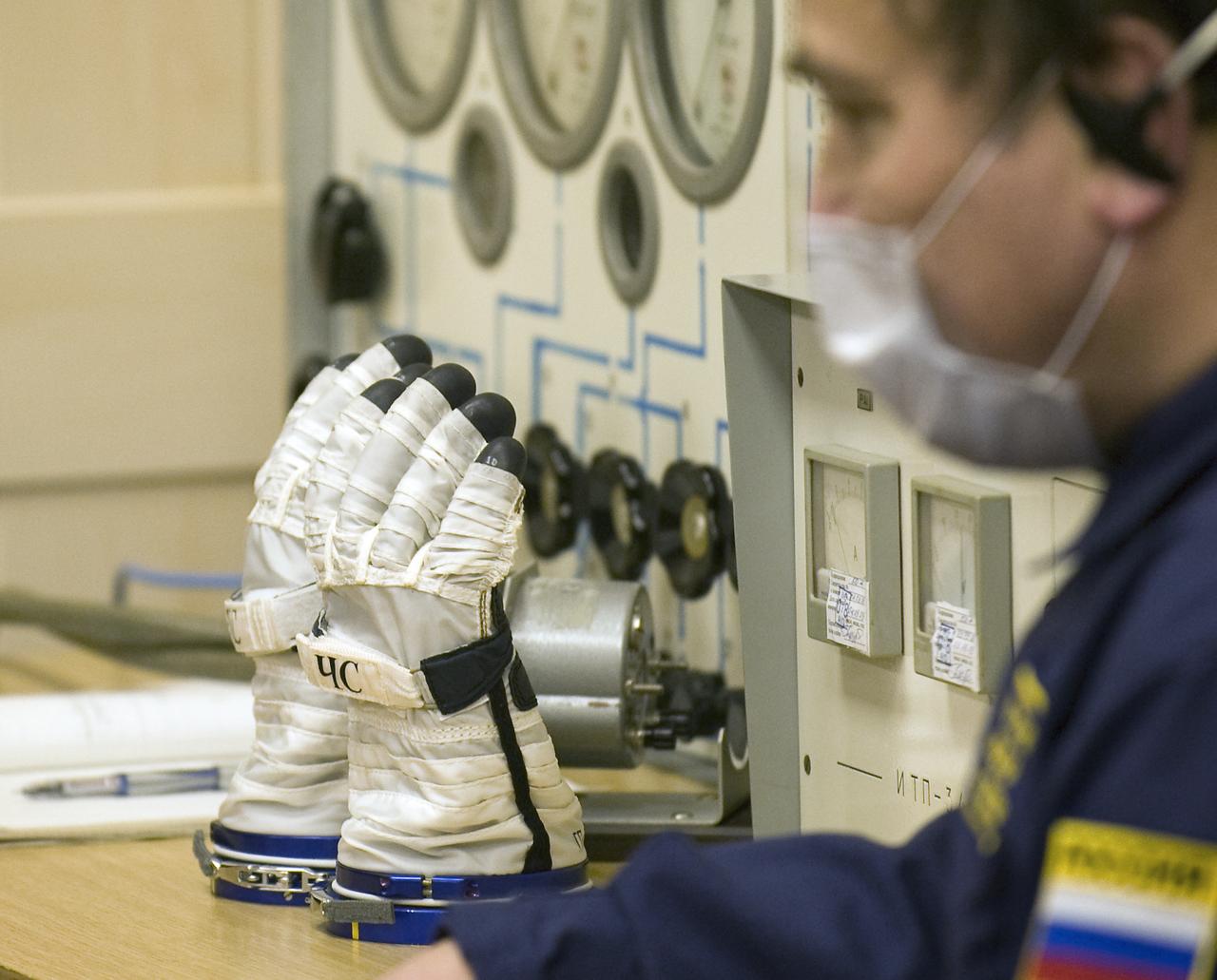
Expedition 19 Flight Engineer Michael R. Barratt's Russian Sokol suit gloves are ready for him to wear during the pressure check procedure prior to the Soyuz launch to the International Space Station with Commander Gennady I. Padalka and Spaceflight Participant Charles Simonyi on Thursday, March 26, 2009 in Baikonur, Kazakhstan. (Photo Credit: NASA/Bill Ingalls)
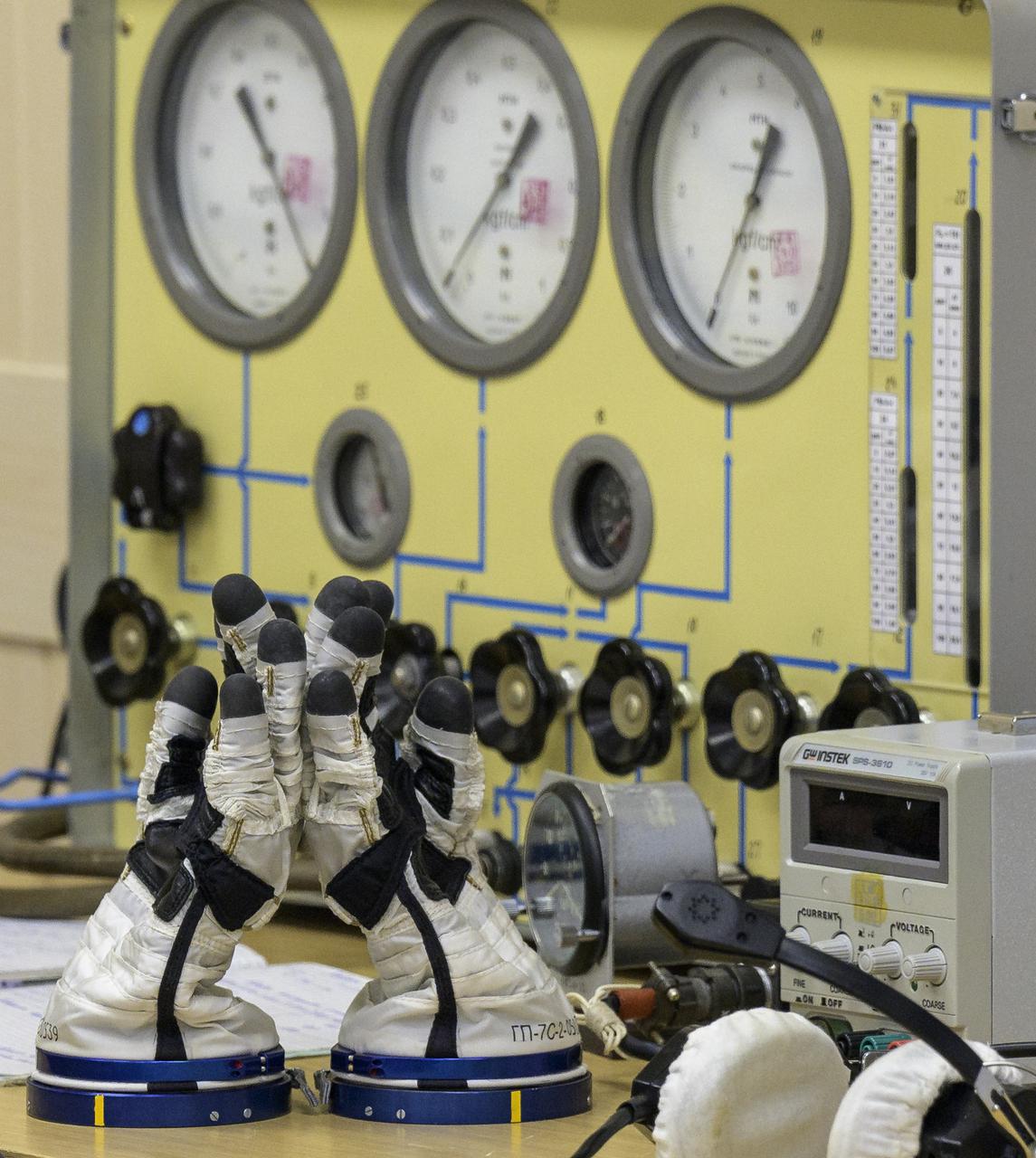
Russian Sokol suit gloves and pressure testing equipment are in place for Expedition 65 NASA astronaut Mark Vande Hei, Russian cosmonauts Oleg Novitskiy and Pyotr Dubrov as they prepare for their Soyuz launch to the International Space Station Friday, April 9, 2021 in Baikonur, Kazakhstan. Launch of the Soyuz rocket sent the trio on a mission to the International Space Station. Photo Credit: (NASA/Bill Ingalls)
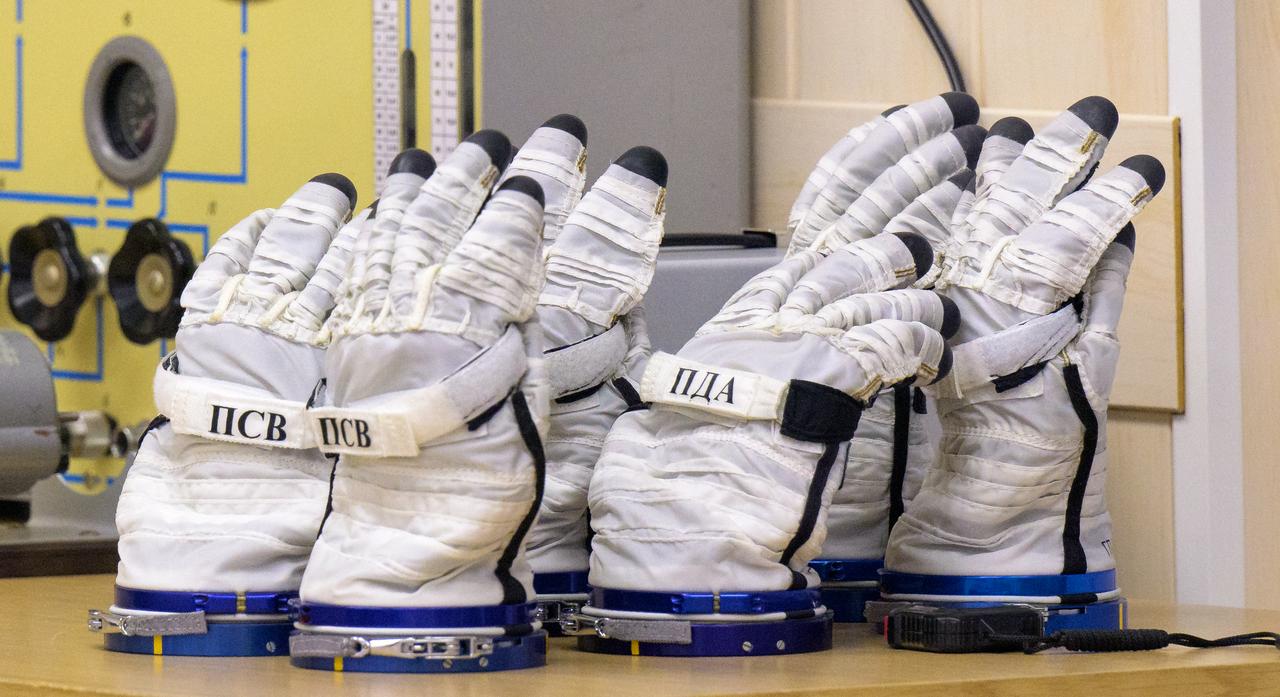
Russian Sokol gloves are seen ahead of Expedition 68 crew members, Frank Rubio of NASA, and Sergey Prokopyev and Dmitri Petelin of Roscosmos having their Russian Sokol suits pressure checked, Wednesday, Sept. 21, 2022, in Baikonur, Kazakhstan. Rubio, Prokopyev and Petelin launched onboard the Soyuz rocket from the Baikonur Cosmodrome for a mission on the International Space Station. Photo Credit: (NASA/Bill Ingalls)
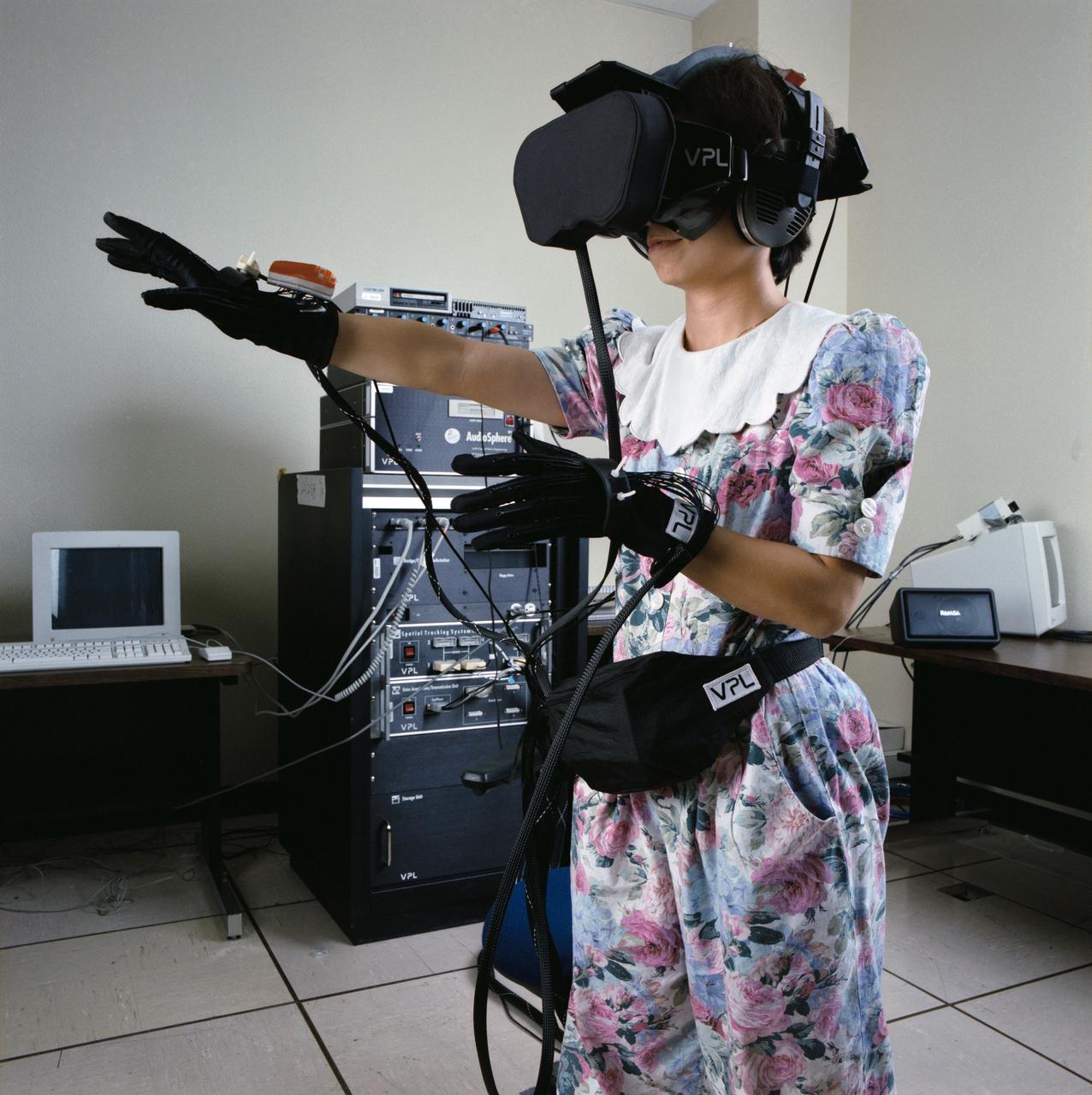
S91-50404 (1 Nov 1991) --- Bebe Ly of the Information Systems Directorate's (ISD) Software Technology Branch at the Johnson Space Center (JSC) gives virtual reality a try. The stereo video goggles and head[phones allow her to see and hear in a computer-generated world and the gloves allow her to move around and grasp objects. Ly is a member of the team that developed the C Language Integrated production System (CLIPS) which has been instrumental in developing several of the systems to be demonstrated in an upcoming Software Technology Exposition at JSC.
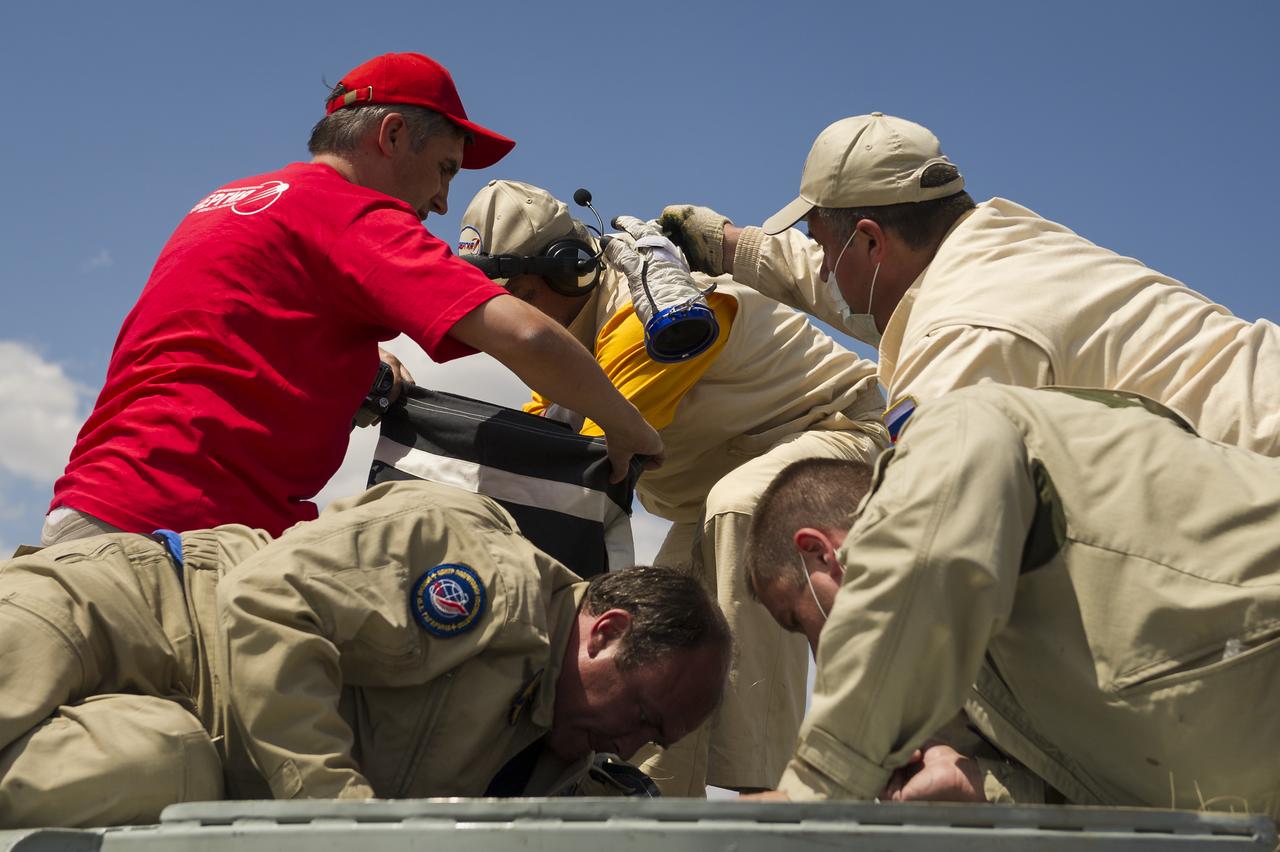
Russian support personnel are handed sokol suit gloves from the crew inside the Soyuz TMA-03M capsule after it landed with Expedition 31 Commander Oleg Kononenko of Russia and Flight Engineers Don Pettit of NASA and Andre Kuipers of the European Space Agency in a remote area near the town of Zhezkazgan, Kazakhstan, on Sunday, July 1, 2012. Pettit, Kononenko and Kuipers returned from more than six months onboard the International Space Station where they served as members of the Expedition 30 and 31 crews. Photo Credit: (NASA/Bill Ingalls)
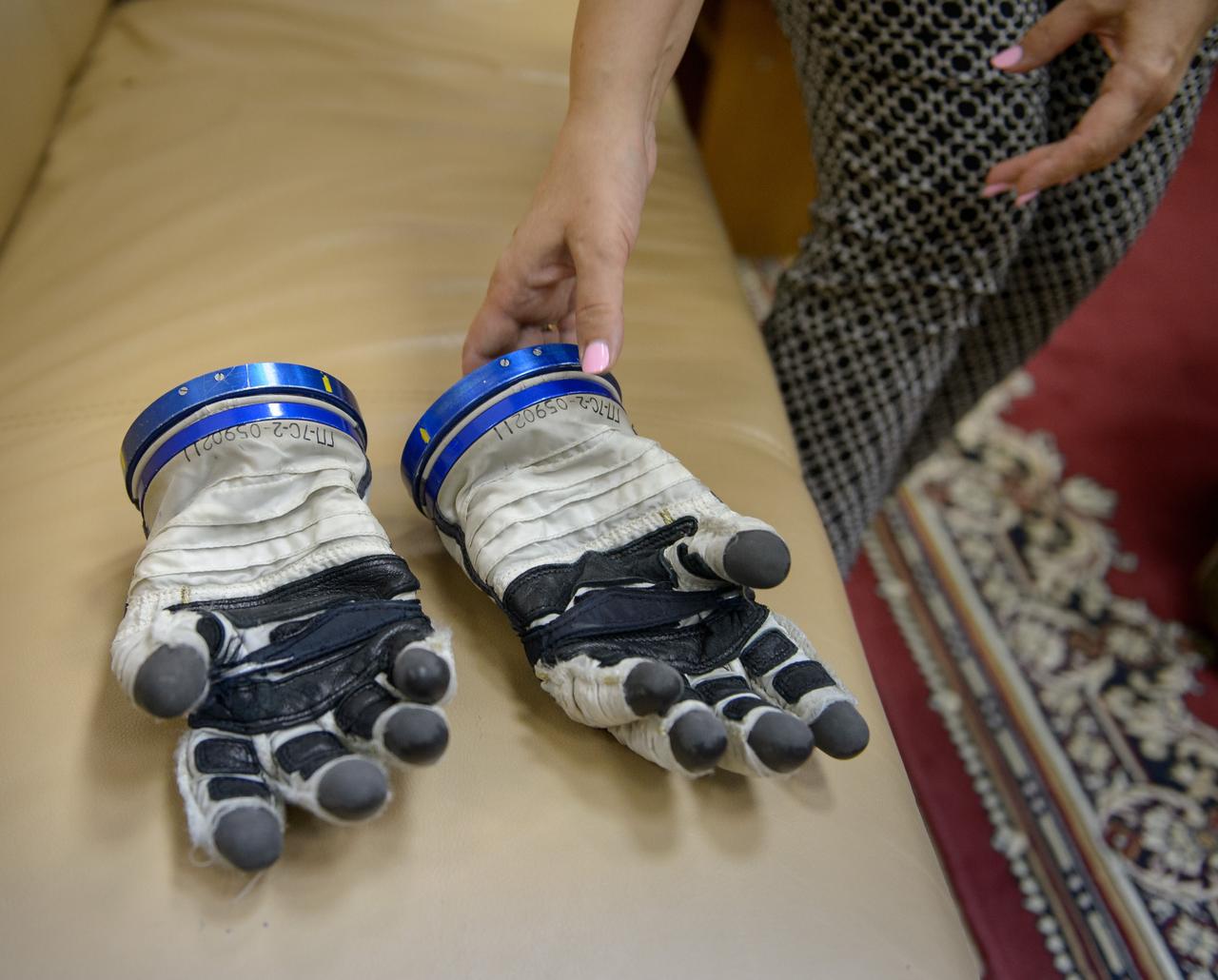
Russian Sokol suit gloves are seen as Expedition 49 NASA astronaut Shane Kimbrough, and Russian cosmonauta Sergei Ryzhikov of Roscosmos and Andrey Borisenko of Roscosmos don their Russian Sokol suits ahead of their Soyuz qualification exams, Wednesday, Aug. 31, 2016, at the Gagarin Cosmonaut Training Center (GCTC) in Star City, Russia. Photo Credit: (NASA/Bill Ingalls)
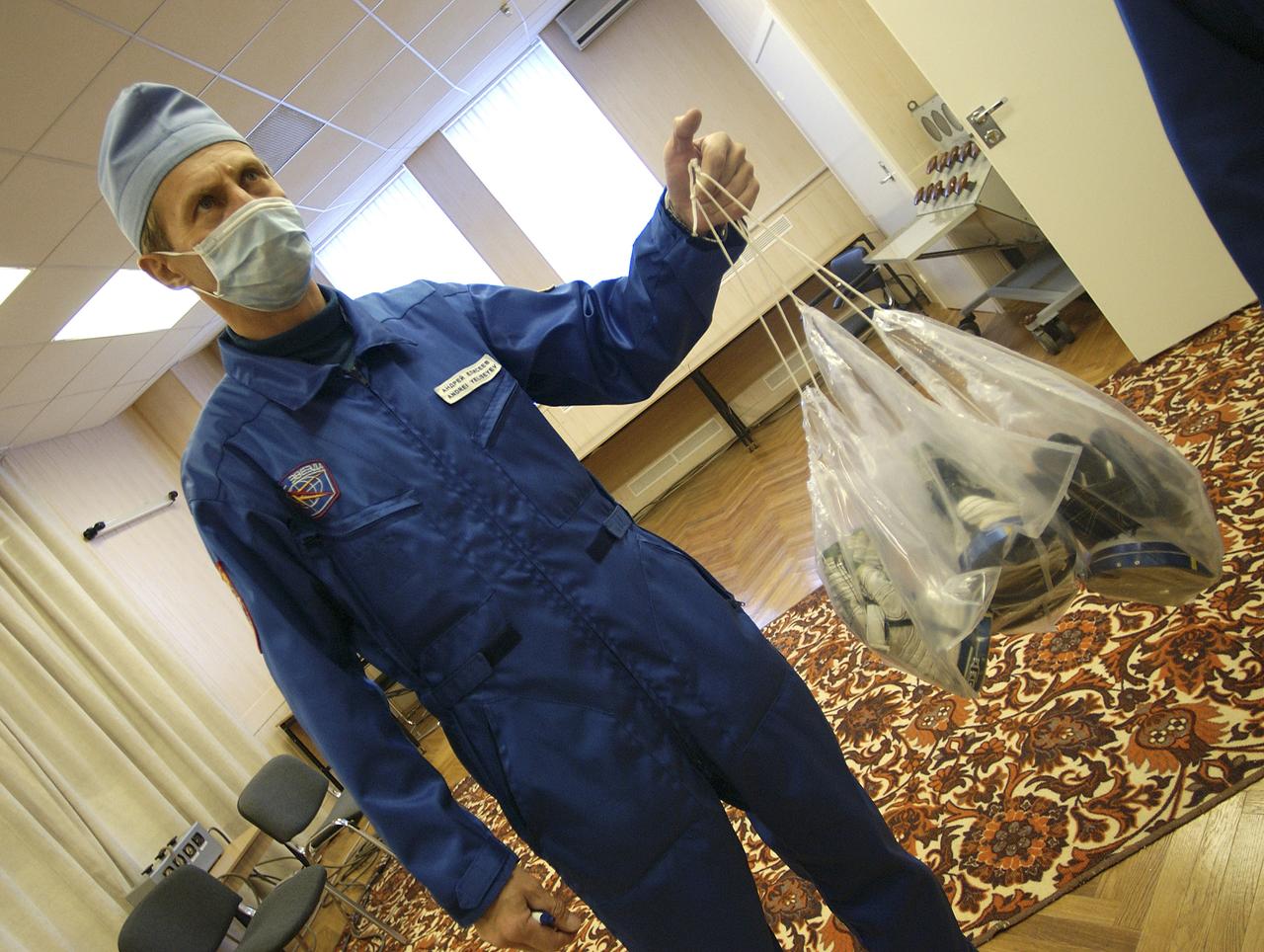
A Russian Suit Technician carries the gloves of all three Expedition 10 crew members Friday, October 5, 2004, at the Baikonur Cosmodrome in Kazakhstan. Expedition 10 Commander and NASA Science Officer Leroy Chiao, Russian Space Forces cosmonaut Yuri Shargin and Flight Engineer and Soyuz Commander Salizhan Sharipov will launch on October 14th to the International Space Station. Photo Credit: (NASA/Bill Ingalls)
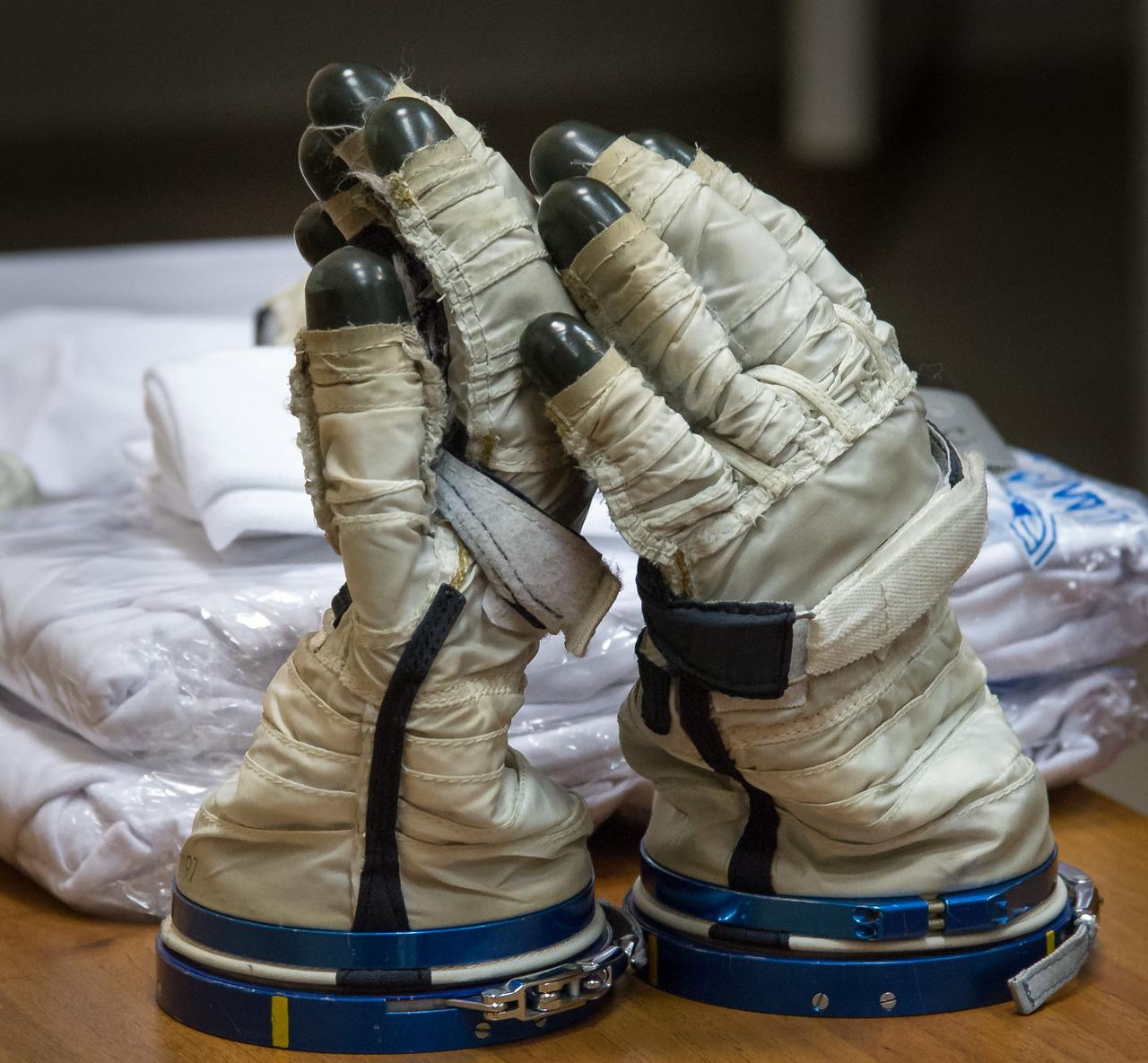
A pair of Russian Sokol suit gloves are seen as Expedition 50 crew members ESA astronaut Thomas Pesquet, NASA astronaut Peggy Whitson, and Russian cosmonaut Oleg Novitskiy of Roscosmos, prepare for their final qualification exams, Tuesday, Oct. 25, 2016, at the Gagarin Cosmonaut Training Center (GCTC) in Star City, Russia. Photo Credit: (NASA/Bill Ingalls)

S82-26645 (March 1982) --- Spacesuit inner gloves consist of pressure bladders covered by Beta Cloth. EVA outer gloves are made of Beta Cloth, Mylar and a metallic mesh hand area. The thumb and fingertips of the glove are molded of silicone rubber to permit a degree of sensitivity. The inner gloves attach to the suit by pressure sealing rings, similar to these used in helmet-to-suit connections. The outer gloves served as a cover to protect from micrometeorites, abrasions and heat.

S123-E-006438 (16 March 2008) --- Attired in their Extravehicular Mobility Unit (EMU) spacesuits, astronauts Mike Foreman (left) and Rick Linnehan, both STS-123 mission specialists, are pictured in the Quest Airlock of the International Space Station as the mission's second session of extravehicular activity (EVA) draws to a close. Astronaut Peggy Whitson, Expedition 16 commander, photographs the EMU gloves worn by the crewmembers while astronaut Robert L. Behnken, STS-123 mission specialist, assists with the doffing of the spacesuits.
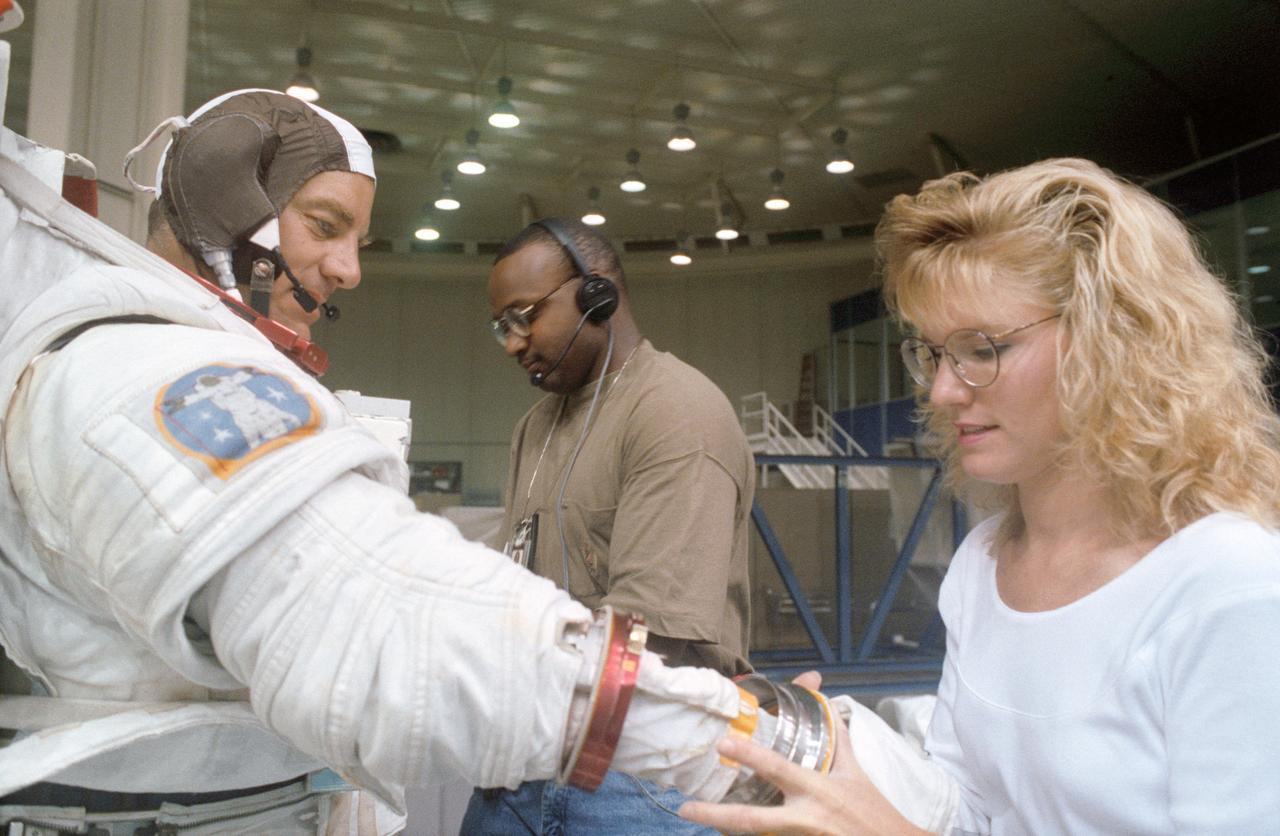
S92-42679 (28 July 1992) --- STS-53 Discovery, Orbiter Vehicle (OV) 103, Mission Specialist James S. Voss, wearing extravehicular mobility unit (EMU) and communications carrier assembly (CCA), dons his gloves with assistance from two technicians. Voss is preparing for an underwater contingency extravehicular activity (EVA) simulation in JSC?s Weightless Environment Training Facility (WETF) Bldg.29 pool.
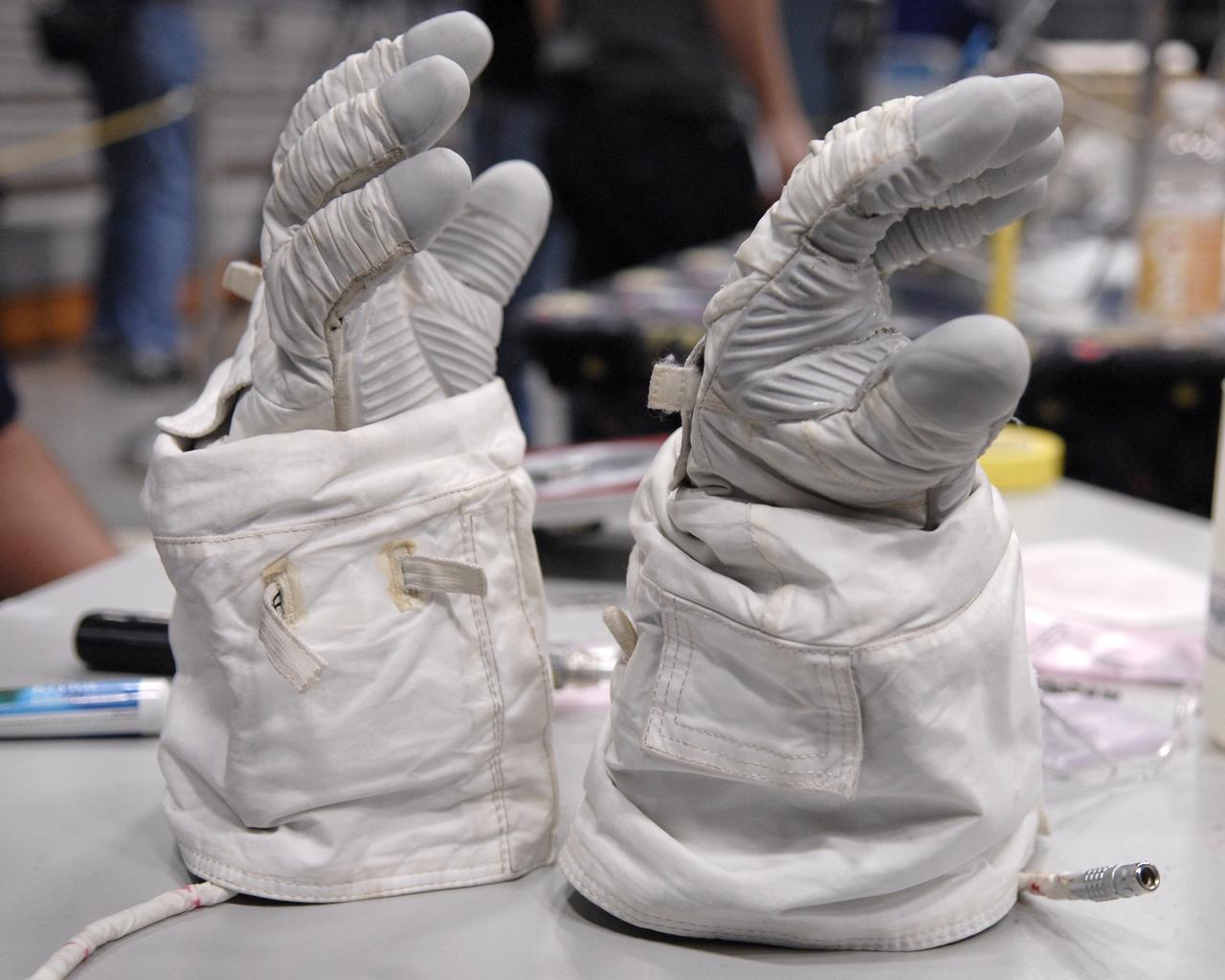
CAPE CANAVERAL, Fla. – These newly designed gloves are entries in the 2009 Astronaut Glove Challenge, part of NASA’s Centennial Challenges Program, at the Astronaut Hall of Fame near NASA’s Kennedy Space Center in Florida. The nationwide competition focused on developing improved pressure suit gloves for astronauts to use while working in space. During the challenge, inventors tested the gloves to measure dexterity and strength during operation in a glove box which simulates the vacuum of space. Centennial Challenges is NASA’s program of technology prizes for the citizen-inventor. The winning prize for the Glove Challenge is $250,000 provided by the Centennial Challenges Program. Photo credit: NASA/Kim Shiflett
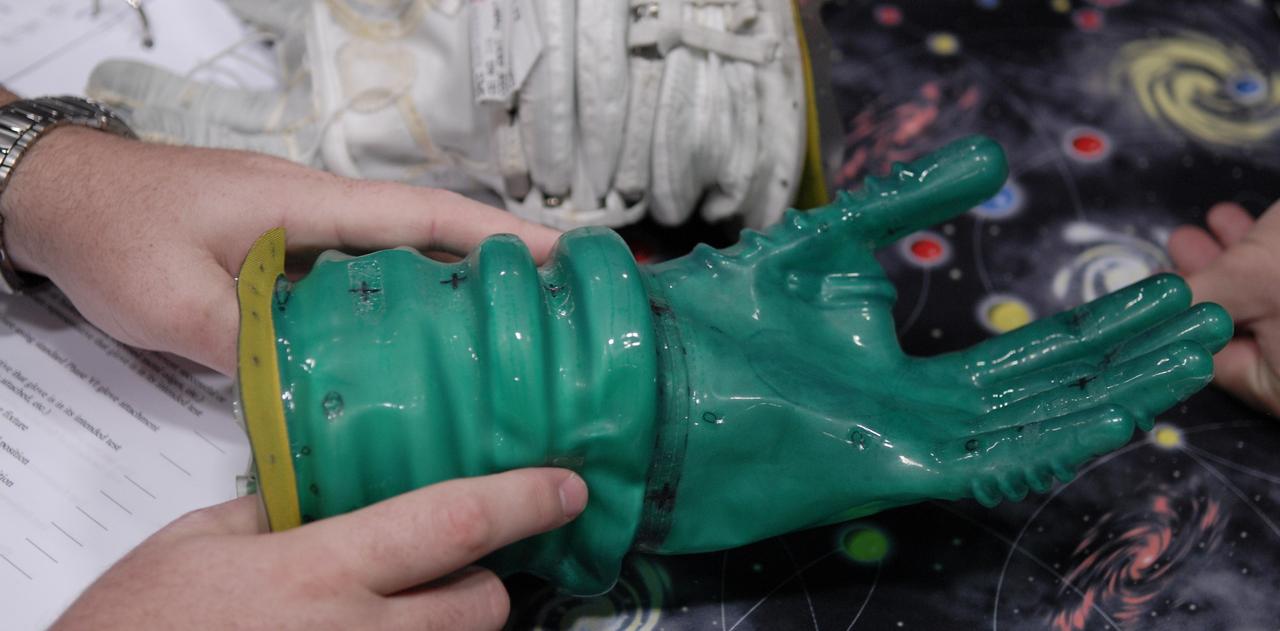
CAPE CANAVERAL, Fla. – This newly designed glove is one of the entries in the 2009 Astronaut Glove Challenge, part of NASA’s Centennial Challenges Program, at the Astronaut Hall of Fame near NASA’s Kennedy Space Center in Florida. The nationwide competition focused on developing improved pressure suit gloves for astronauts to use while working in space. During the challenge, inventors tested the gloves to measure dexterity and strength during operation in a glove box which simulates the vacuum of space. Centennial Challenges is NASA’s program of technology prizes for the citizen-inventor. The winning prize for the Glove Challenge is $250,000 provided by the Centennial Challenges Program. Photo credit: NASA/Kim Shiflett

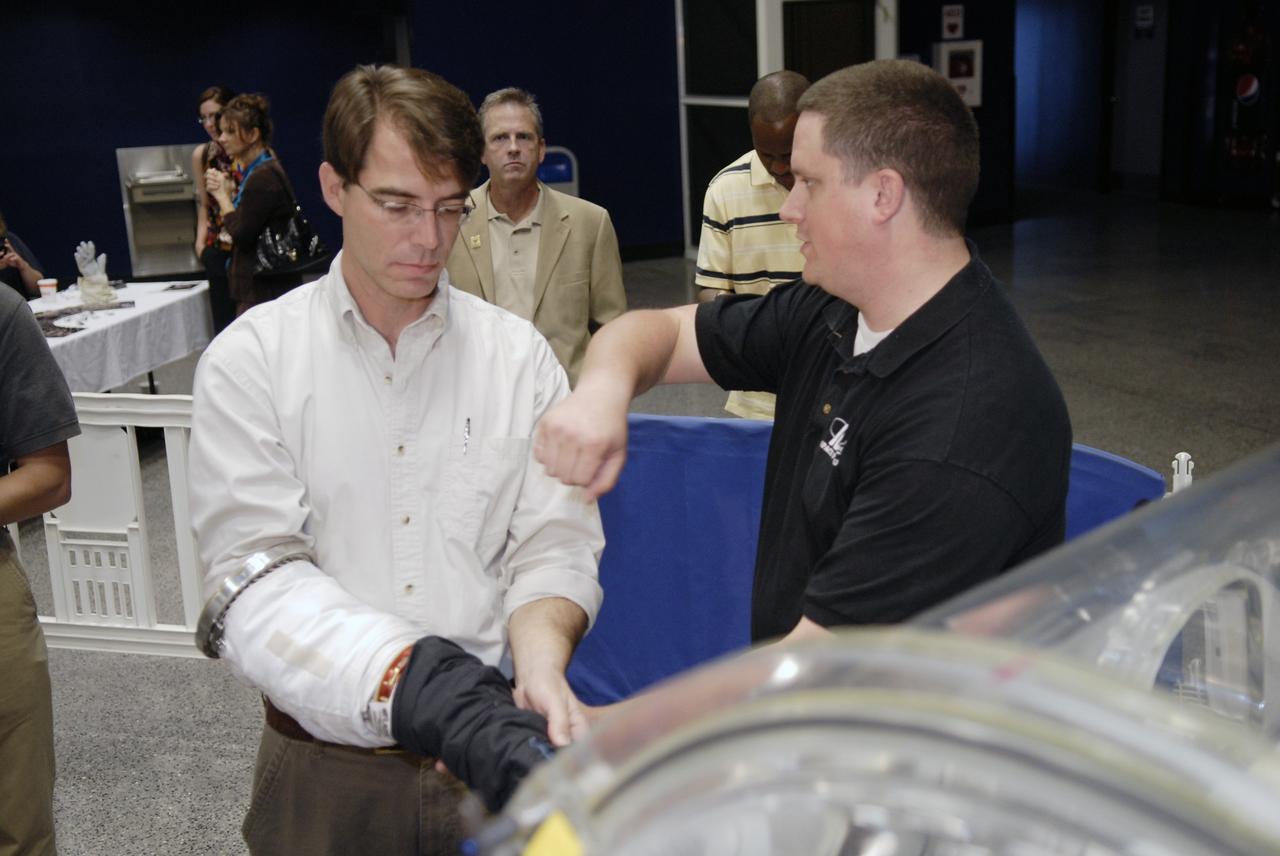
CAPE CANAVERAL, Fla. – A representative of ILC Dover prepares a newly designed glove for a dexterity and flexibility test during the 2009 Astronaut Glove Challenge, part of NASA’s Centennial Challenges Program, at the Astronaut Hall of Fame near NASA’s Kennedy Space Center in Florida. The nationwide competition focused on developing improved pressure suit gloves for astronauts to use while working in space. During the challenge, inventors tested the gloves to measure dexterity and strength during operation in a glove box which simulates the vacuum of space. Centennial Challenges is NASA’s program of technology prizes for the citizen-inventor. The winning prize for the Glove Challenge is $250,000 provided by the Centennial Challenges Program. Photo credit: NASA/Kim Shiflett
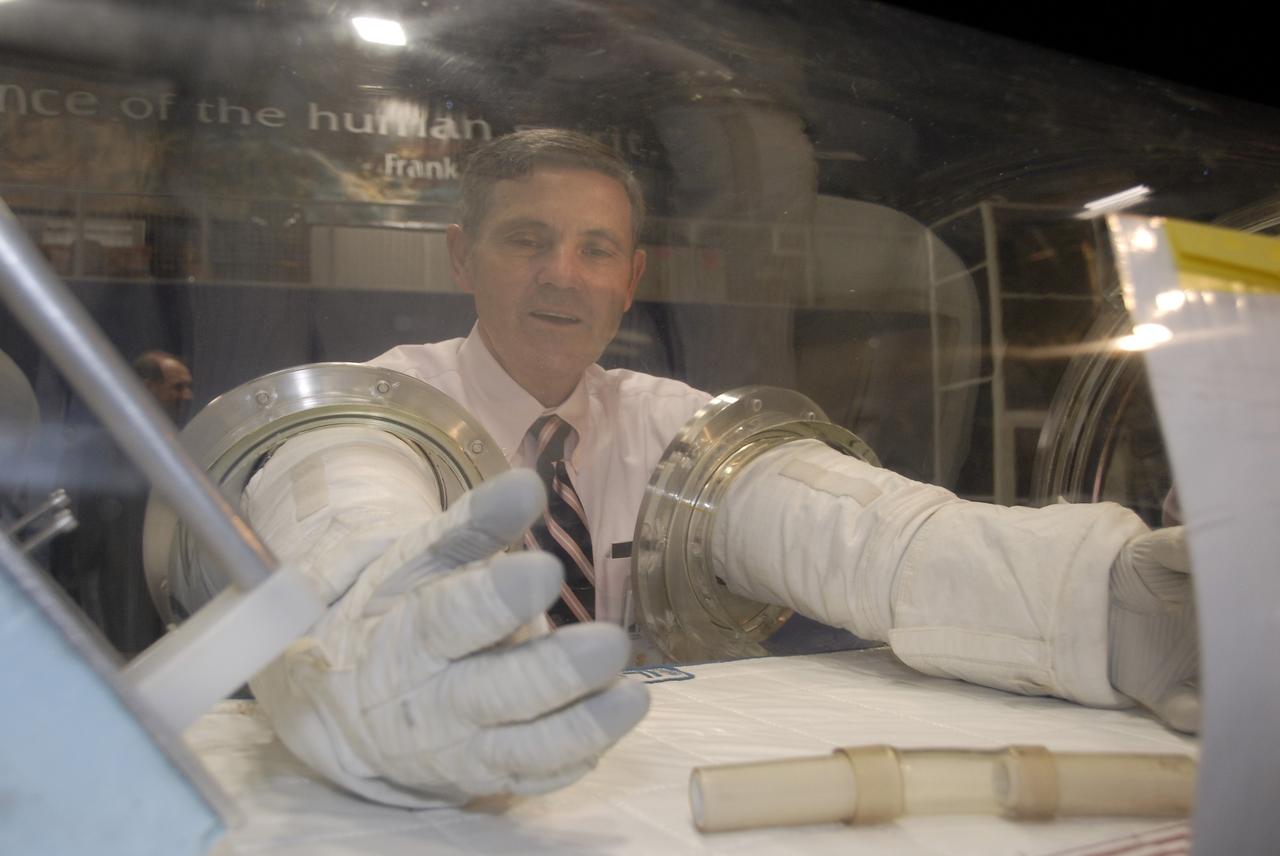
CAPE CANAVERAL, Fla. – At the Astronaut Hall of Fame near NASA’s Kennedy Space Center in Florida, Kennedy Director Bob Cabana, a former astronaut, tries out a pair of space gloves for their dexterity and flexibility in a glove box at the 2009 Astronaut Glove Challenge, part of NASA’s Centennial Challenges Program. The nationwide competition focused on developing improved pressure suit gloves for astronauts to use while working in space. During the challenge, the gloves were submitted to burst tests, joint force tests and tests to measure their dexterity and strength during operation in a glove box which simulates the vacuum of space. Centennial Challenges is NASA’s program of technology prizes for the citizen-inventor. The winning prize for the Glove Challenge is $250,000 provided by the Centennial Challenges Program. Photo credit: NASA/Kim Shiflett

CAPE CANAVERAL, Fla. – Independent inventor Peter Homer, left, founder of Flagsuit LLC, inserts a glove which he designed into a glove box for a demonstration of its dexterity and flexibility during the 2009 Astronaut Glove Challenge, part of NASA’s Centennial Challenges Program, at the Astronaut Hall of Fame near NASA’s Kennedy Space Center in Florida. Homer was the winner of the competition held in 2007. The nationwide competition focused on developing improved pressure suit gloves for astronauts to use while working in space. During the challenge, inventors tested the gloves to measure dexterity and strength during operation in a glove box which simulates the vacuum of space. Centennial Challenges is NASA’s program of technology prizes for the citizen-inventor. The winning prize for the Glove Challenge is $250,000 provided by the Centennial Challenges Program. Photo credit: NASA/Kim Shiflett
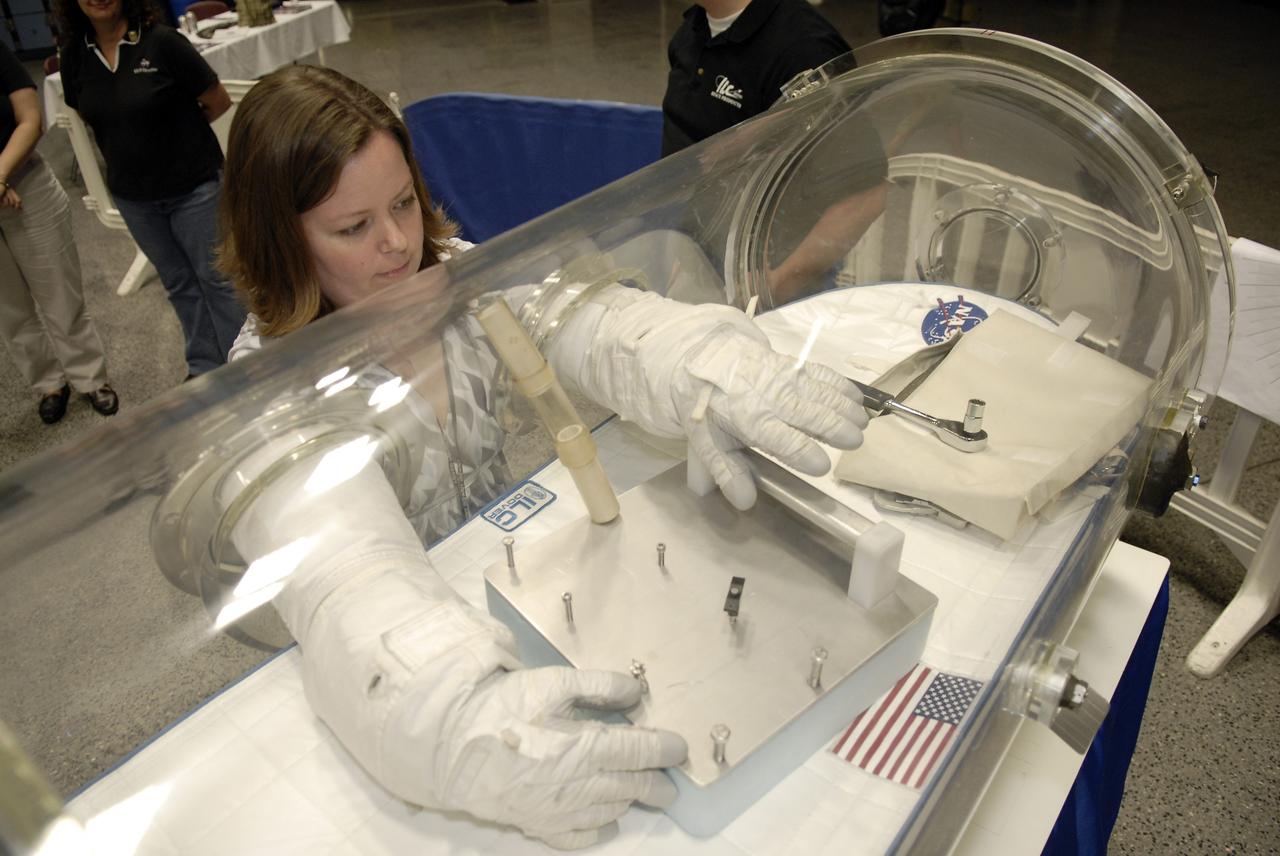
CAPE CANAVERAL, Fla. – At the Astronaut Hall of Fame near NASA’s Kennedy Space Center in Florida, Anna Heiney, a Public Affairs support writer with Abacus Technology at Kennedy, tries out a pair of space gloves for their dexterity and flexibility in a glove box at the 2009 Astronaut Glove Challenge, part of NASA’s Centennial Challenges Program. Looking over his shoulder is Kennedy Director Bob Cabana. The nationwide competition focused on developing improved pressure suit gloves for astronauts to use while working in space. During the challenge, the gloves were submitted to burst tests, joint force tests and tests to measure their dexterity and strength during operation in a glove box which simulates the vacuum of space. Centennial Challenges is NASA’s program of technology prizes for the citizen-inventor. The winning prize for the Glove Challenge is $250,000 provided by the Centennial Challenges Program. Photo credit: NASA/Kim Shiflett
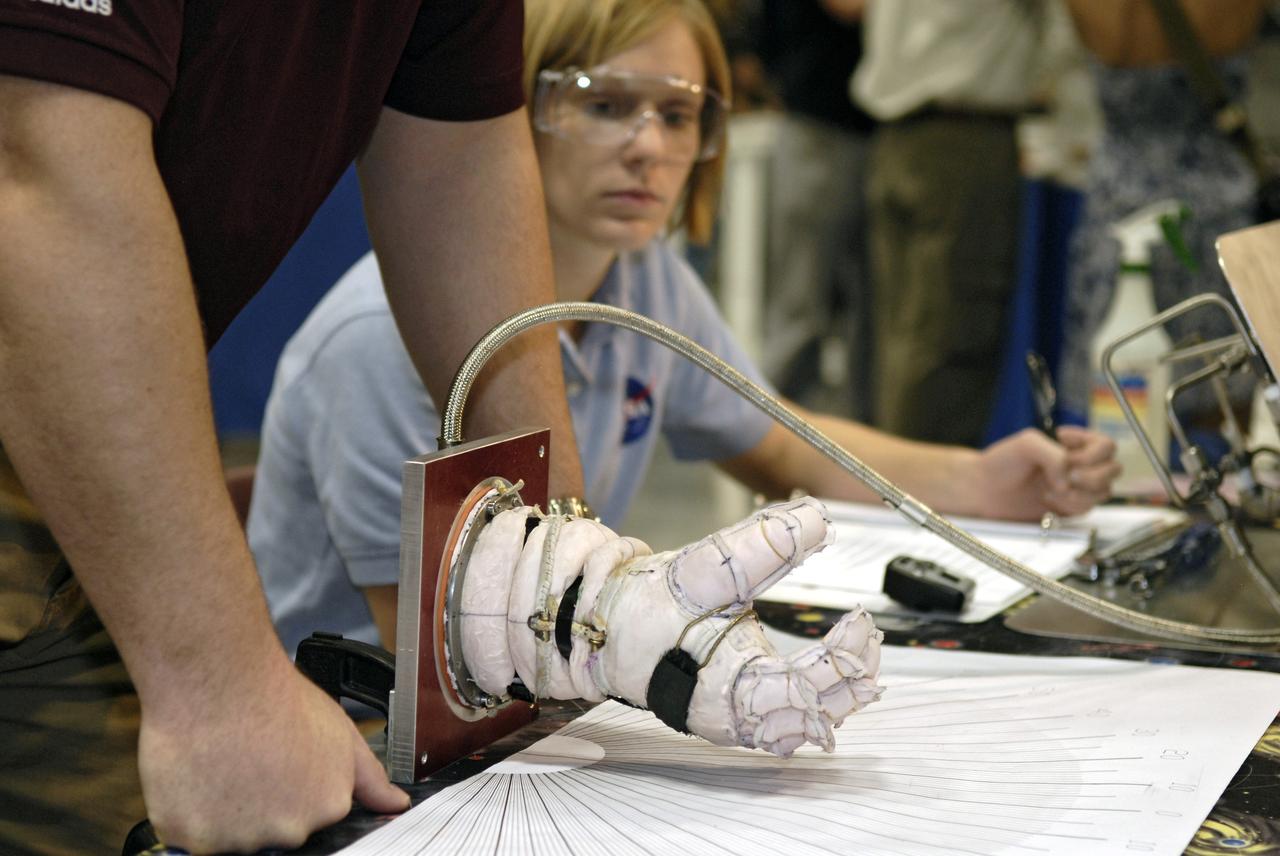
CAPE CANAVERAL, Fla. – This newly designed glove, one of the entries in the 2009 Astronaut Glove Challenge, undergoes a joint force test the 2009 Astronaut Glove Challenge, part of NASA’s Centennial Challenges Program, at the Astronaut Hall of Fame near NASA’s Kennedy Space Center in Florida. The nationwide competition focused on developing improved pressure suit gloves for astronauts to use while working in space. During the challenge, inventors tested the gloves to measure dexterity and strength during operation in a glove box which simulates the vacuum of space. Centennial Challenges is NASA’s program of technology prizes for the citizen-inventor. The winning prize for the Glove Challenge is $250,000 provided by the Centennial Challenges Program. Photo credit: NASA/Kim Shiflett
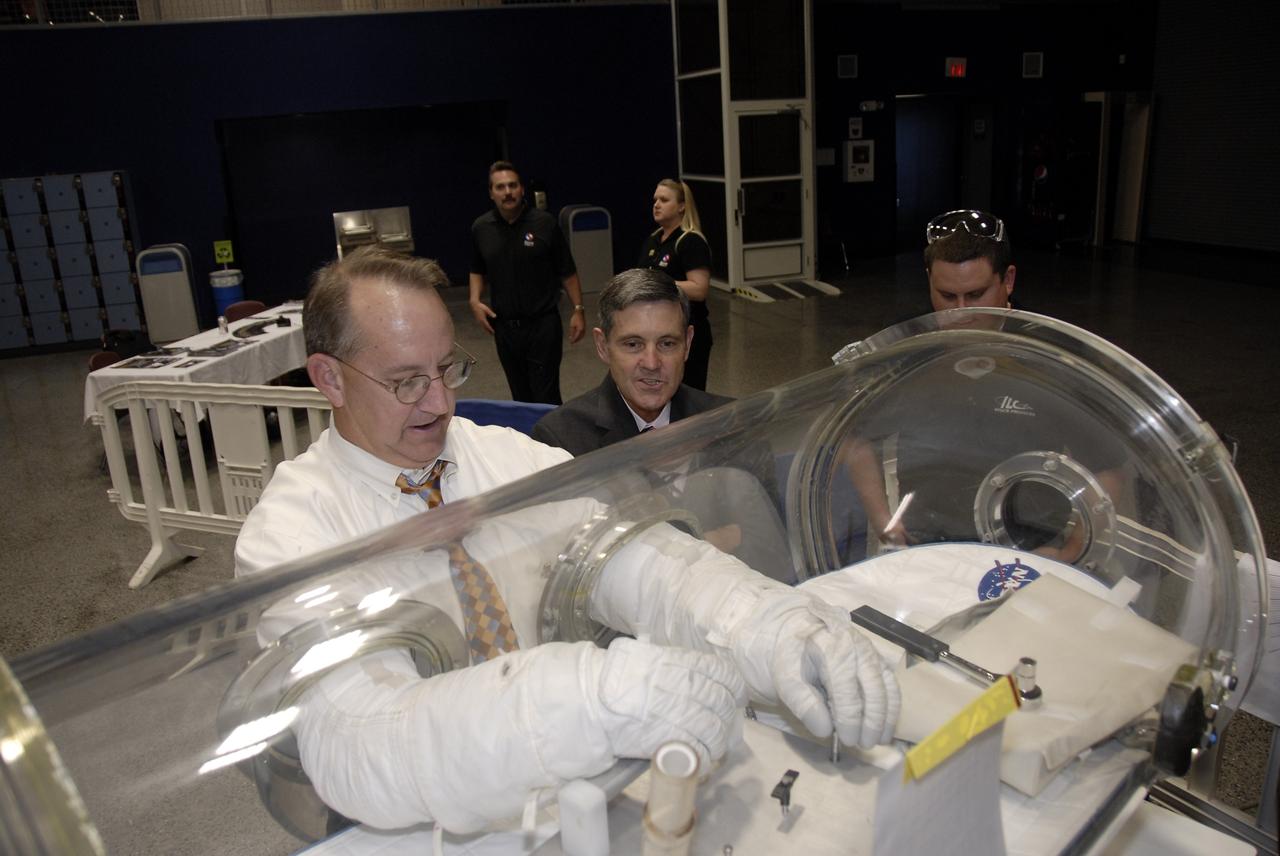
CAPE CANAVERAL, Fla. – At the Astronaut Hall of Fame near NASA’s Kennedy Space Center in Florida, Patrick Simpkins, director of Engineering at Kennedy, tries out a pair of space gloves for their dexterity and flexibility in a glove box at the 2009 Astronaut Glove Challenge, part of NASA’s Centennial Challenges Program. Looking over his shoulder is Kennedy Director Bob Cabana. The nationwide competition focused on developing improved pressure suit gloves for astronauts to use while working in space. During the challenge, the gloves were submitted to burst tests, joint force tests and tests to measure their dexterity and strength during operation in a glove box which simulates the vacuum of space. Centennial Challenges is NASA’s program of technology prizes for the citizen-inventor. The winning prize for the Glove Challenge is $250,000 provided by the Centennial Challenges Program. Photo credit: NASA/Kim Shiflett
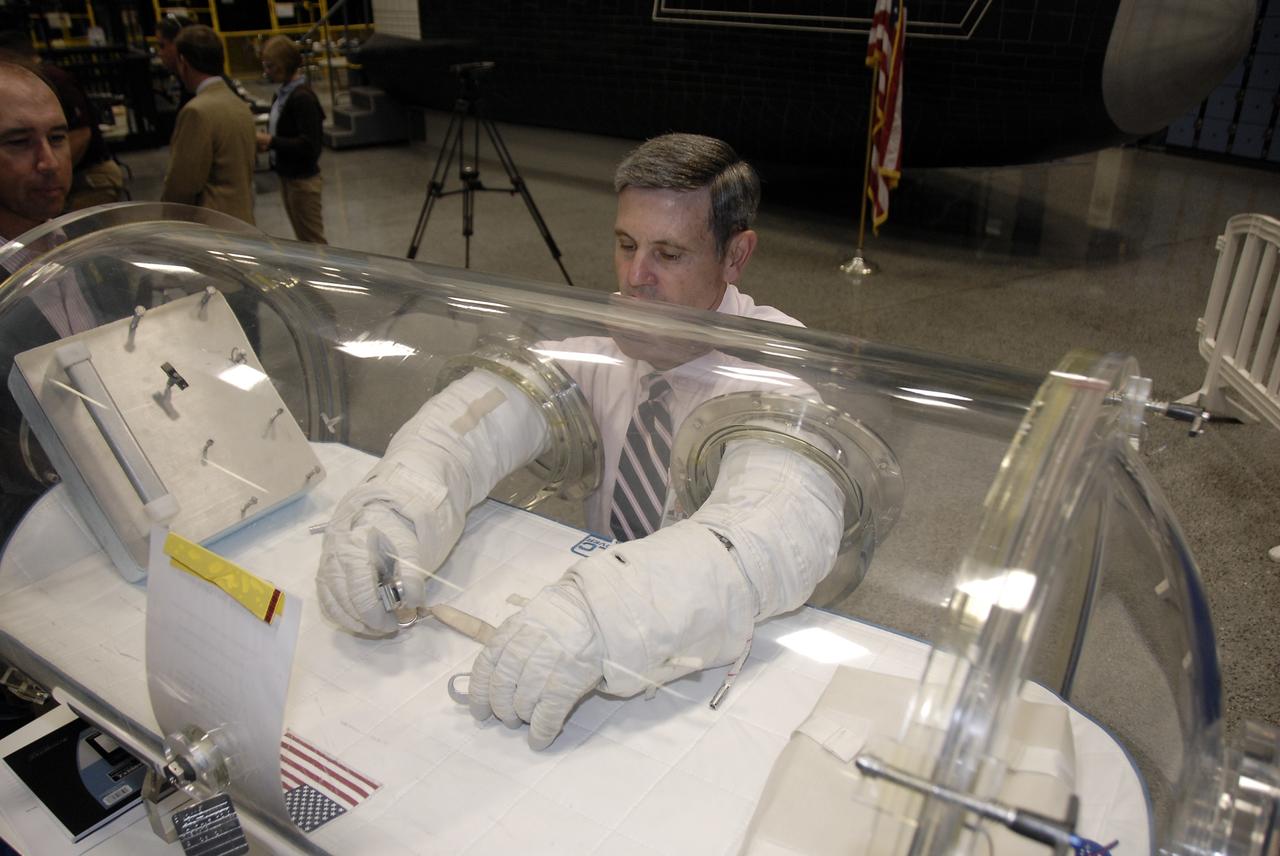
CAPE CANAVERAL, Fla. – At the Astronaut Hall of Fame near NASA’s Kennedy Space Center in Florida, Kennedy Director Bob Cabana, a former astronaut, tries out a pair of space gloves for their dexterity and flexibility in a glove box at the 2009 Astronaut Glove Challenge, part of NASA’s Centennial Challenges Program. The nationwide competition focused on developing improved pressure suit gloves for astronauts to use while working in space. During the challenge, the gloves were submitted to burst tests, joint force tests and tests to measure their dexterity and strength during operation in a glove box which simulates the vacuum of space. Centennial Challenges is NASA’s program of technology prizes for the citizen-inventor. The winning prize for the Glove Challenge is $250,000 provided by the Centennial Challenges Program. Photo credit: NASA/Kim Shiflett

CAPE CANAVERAL, Fla. – Independent inventor Peter Homer, founder of Flagsuit LLC, inserts a glove which he designed into a glove box for a dexterity and flexibility test during the 2009 Astronaut Glove Challenge, part of NASA’s Centennial Challenges Program, at the Astronaut Hall of Fame near NASA’s Kennedy Space Center in Florida. Homer was the winner of the competition held in 2007. The nationwide competition focused on developing improved pressure suit gloves for astronauts to use while working in space. During the challenge, inventors tested the gloves to measure dexterity and strength during operation in a glove box which simulates the vacuum of space. Centennial Challenges is NASA’s program of technology prizes for the citizen-inventor. The winning prize for the Glove Challenge is $250,000 provided by the Centennial Challenges Program. Photo credit: NASA/Kim Shiflett
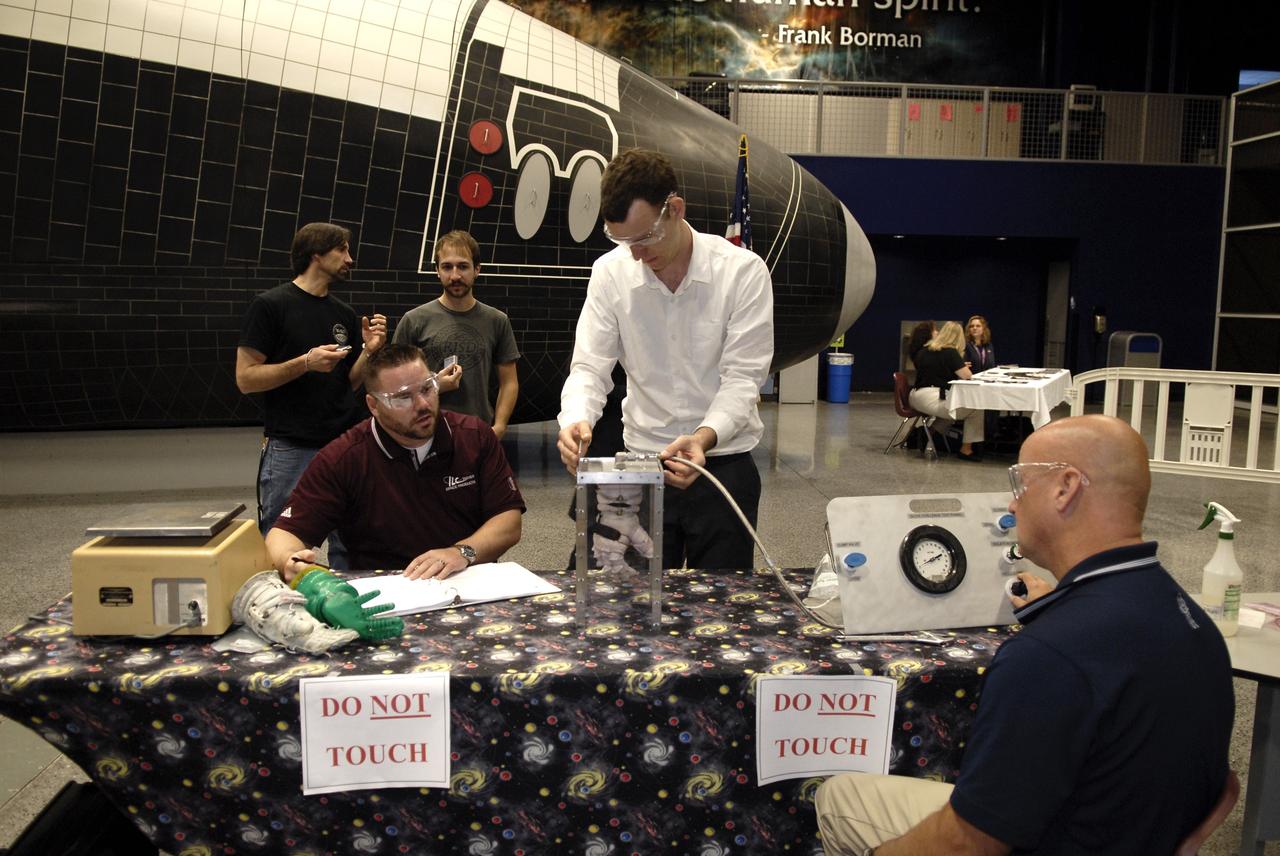
CAPE CANAVERAL, Fla. – Independent inventor Ted Southern of Brooklyn, N.Y., submits a glove which he designed to a burst test as representatives of ILC Dover monitor how much internal pressure the glove can withstand. Southern is a participant in the 2009 Astronaut Glove Challenge, part of NASA’s Centennial Challenges Program, being held at the Astronaut Hall of Fame near NASA’s Kennedy Space Center in Florida. The nationwide competition focused on developing improved pressure suit gloves for astronauts to use while working in space. During the challenge, inventors tested the gloves to measure dexterity and strength during operation in a glove box which simulates the vacuum of space. Centennial Challenges is NASA’s program of technology prizes for the citizen-inventor. The winning prize for the Glove Challenge is $250,000 provided by the Centennial Challenges Program. Photo credit: NASA/Kim Shiflett
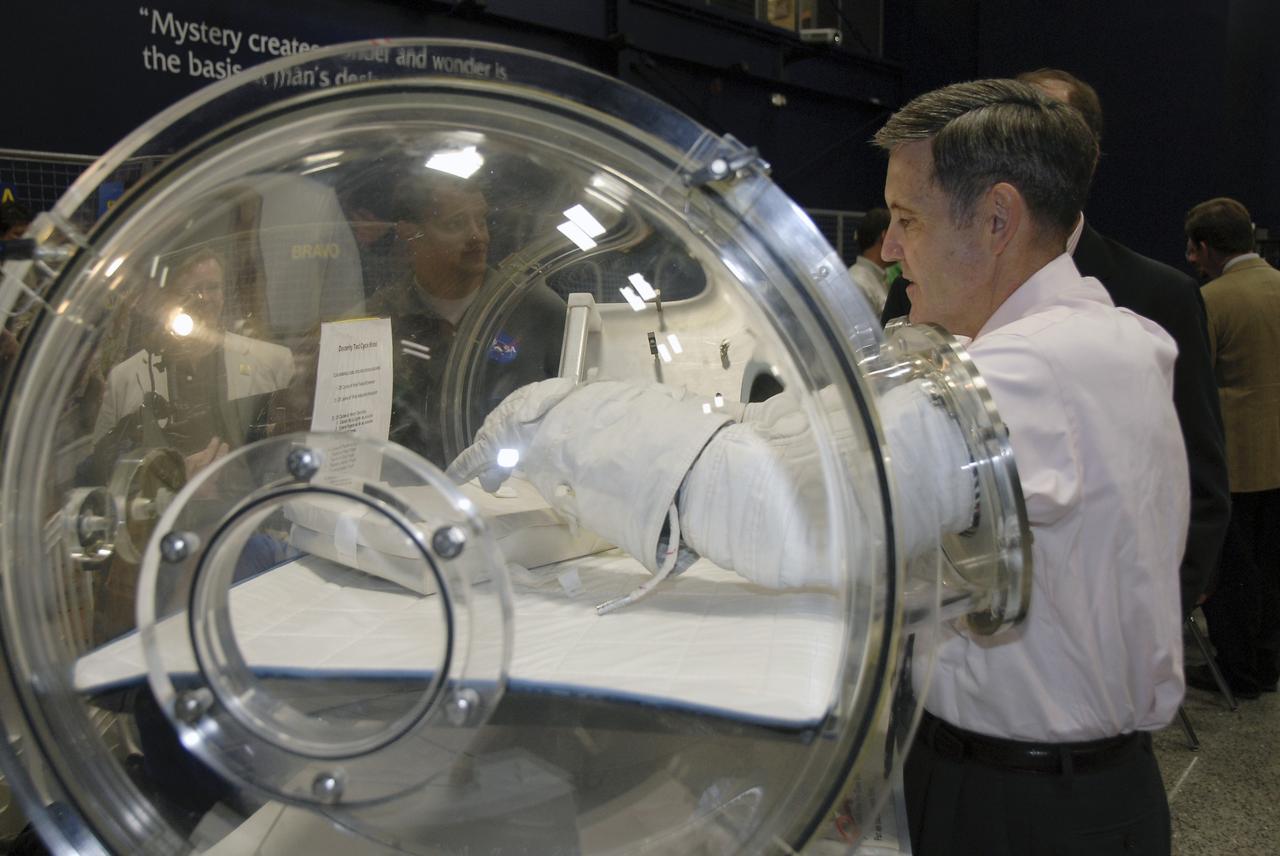
CAPE CANAVERAL, Fla. – At the Astronaut Hall of Fame near NASA’s Kennedy Space Center in Florida, Kennedy Director Bob Cabana, a former astronaut, tests a pair of space gloves for their dexterity and flexibility in a glove box at the 2009 Astronaut Glove Challenge, part of NASA’s Centennial Challenges Program. The nationwide competition focused on developing improved pressure suit gloves for astronauts to use while working in space. During the challenge, the gloves were submitted to burst tests, joint force tests and tests to measure their dexterity and strength during operation in a glove box which simulates the vacuum of space. Centennial Challenges is NASA’s program of technology prizes for the citizen-inventor. The winning prize for the Glove Challenge is $250,000 provided by the Centennial Challenges Program. Photo credit: NASA/Kim Shiflett
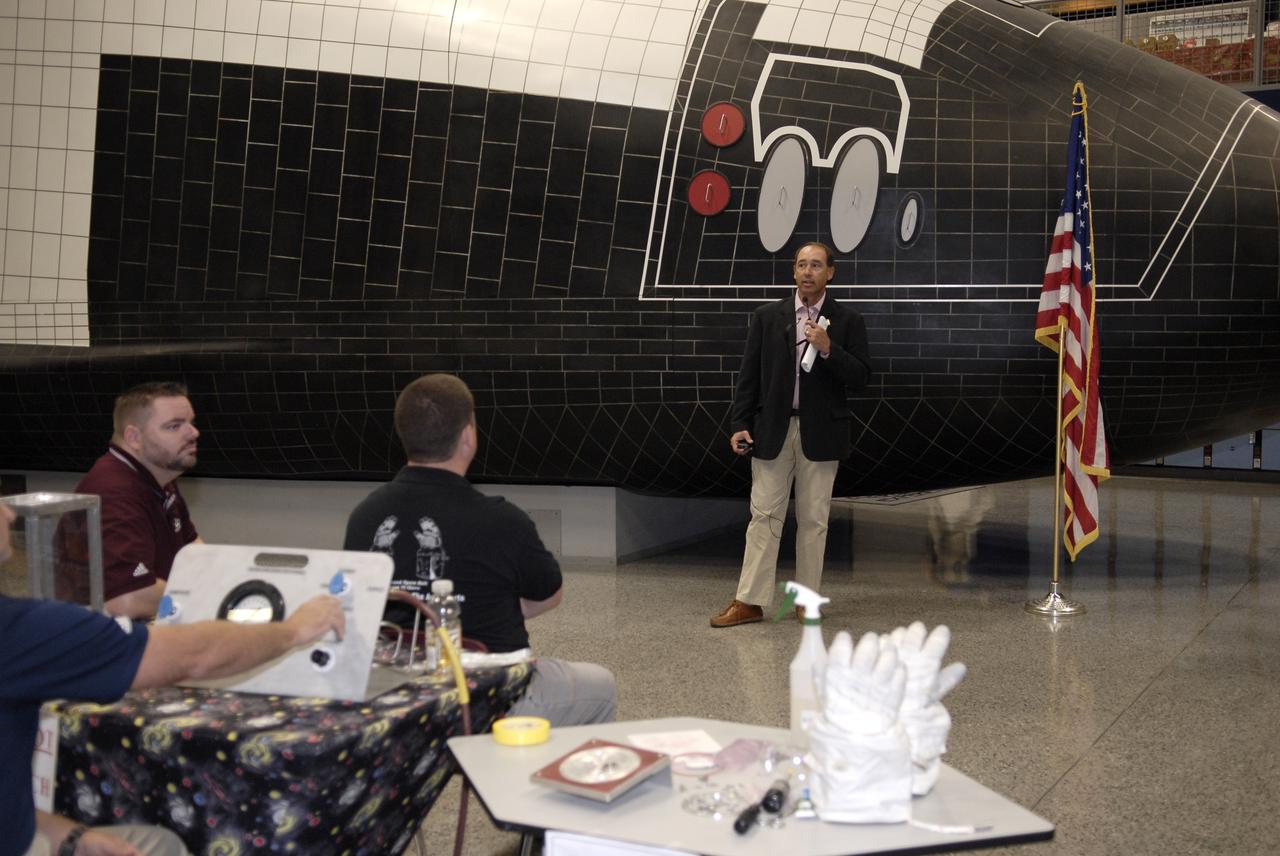
CAPE CANAVERAL, Fla. – Andy Petro, at microphone, manager of NASA Centennial Challenges, addresses the participants in the 2009 Astronaut Glove Challenge, part of NASA’s Centennial Challenges Program, at the Astronaut Hall of Fame near NASA’s Kennedy Space Center in Florida. The nationwide competition focused on developing improved pressure suit gloves for astronauts to use while working in space. During the challenge, inventors tested the gloves to measure dexterity and strength during operation in a glove box which simulates the vacuum of space. Centennial Challenges is NASA’s program of technology prizes for the citizen-inventor. The winning prize for the Glove Challenge is $250,000 provided by the Centennial Challenges Program. Photo credit: NASA/Kim Shiflett
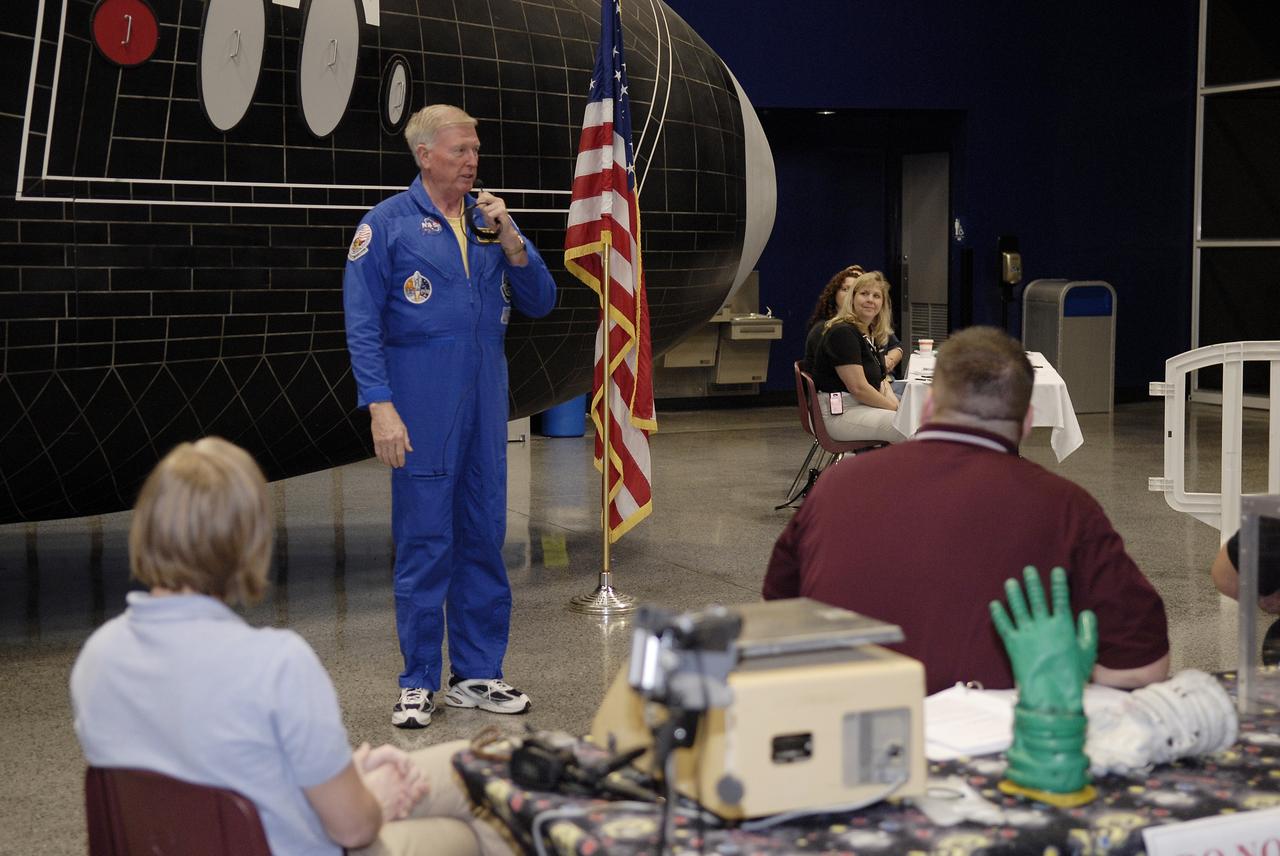
CAPE CANAVERAL, Fla. – Former NASA astronaut Jon McBride, at microphone, addresses the participants in the 2009 Astronaut Glove Challenge, part of NASA’s Centennial Challenges Program, at the Astronaut Hall of Fame near NASA’s Kennedy Space Center in Florida. The nationwide competition focused on developing improved pressure suit gloves for astronauts to use while working in space. During the challenge, inventors tested the gloves to measure dexterity and strength during operation in a glove box which simulates the vacuum of space. Centennial Challenges is NASA’s program of technology prizes for the citizen-inventor. The winning prize for the Glove Challenge is $250,000 provided by the Centennial Challenges Program. Photo credit: NASA/Kim Shiflett
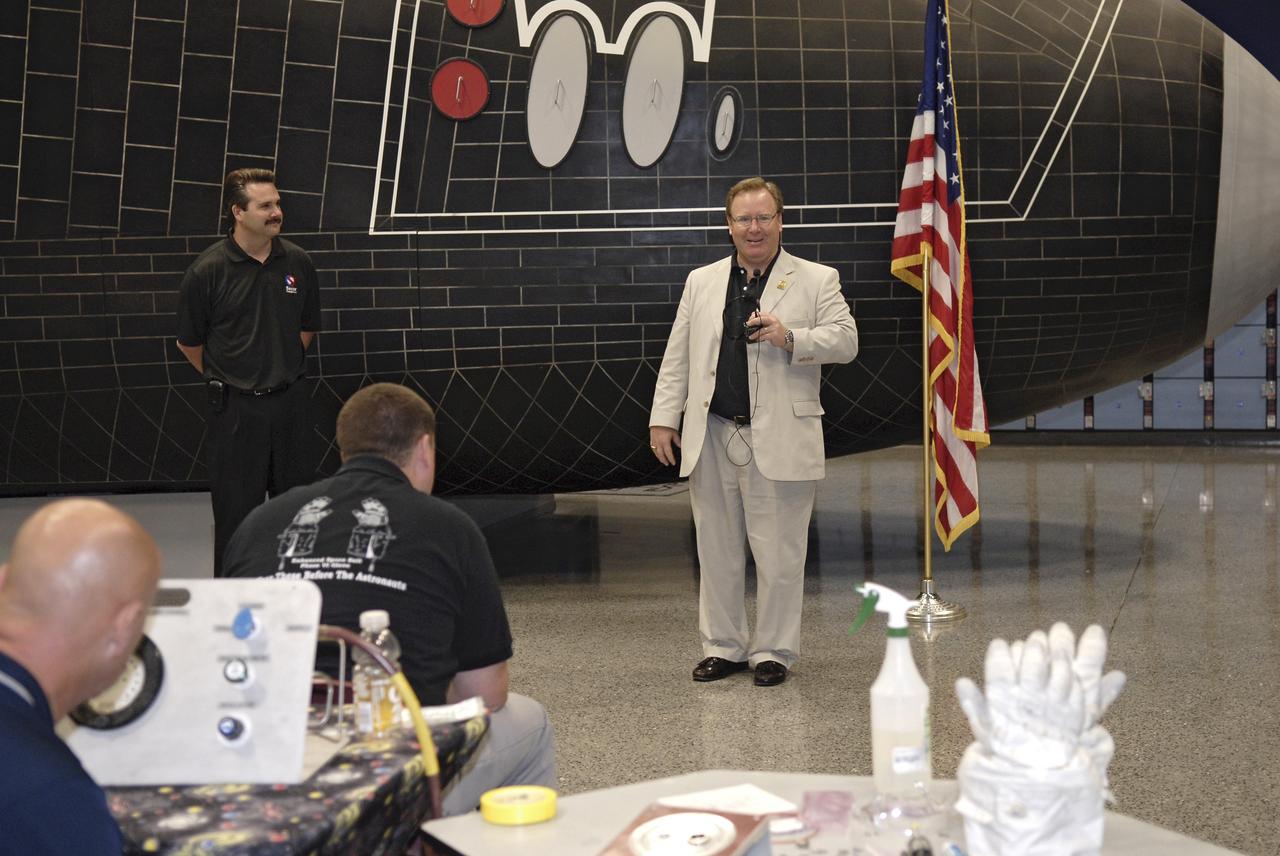
CAPE CANAVERAL, Fla. – Doug Comstock, at microphone, director of the NASA Innovative Partnerships Program, addresses the participants in the 2009 Astronaut Glove Challenge, part of NASA’s Centennial Challenges Program, at the Astronaut Hall of Fame near NASA’s Kennedy Space Center in Florida. The nationwide competition focused on developing improved pressure suit gloves for astronauts to use while working in space. During the challenge, inventors tested the gloves to measure dexterity and strength during operation in a glove box which simulates the vacuum of space. Centennial Challenges is NASA’s program of technology prizes for the citizen-inventor. The winning prize for the Glove Challenge is $250,000 provided by the Centennial Challenges Program. Photo credit: NASA/Kim Shiflett
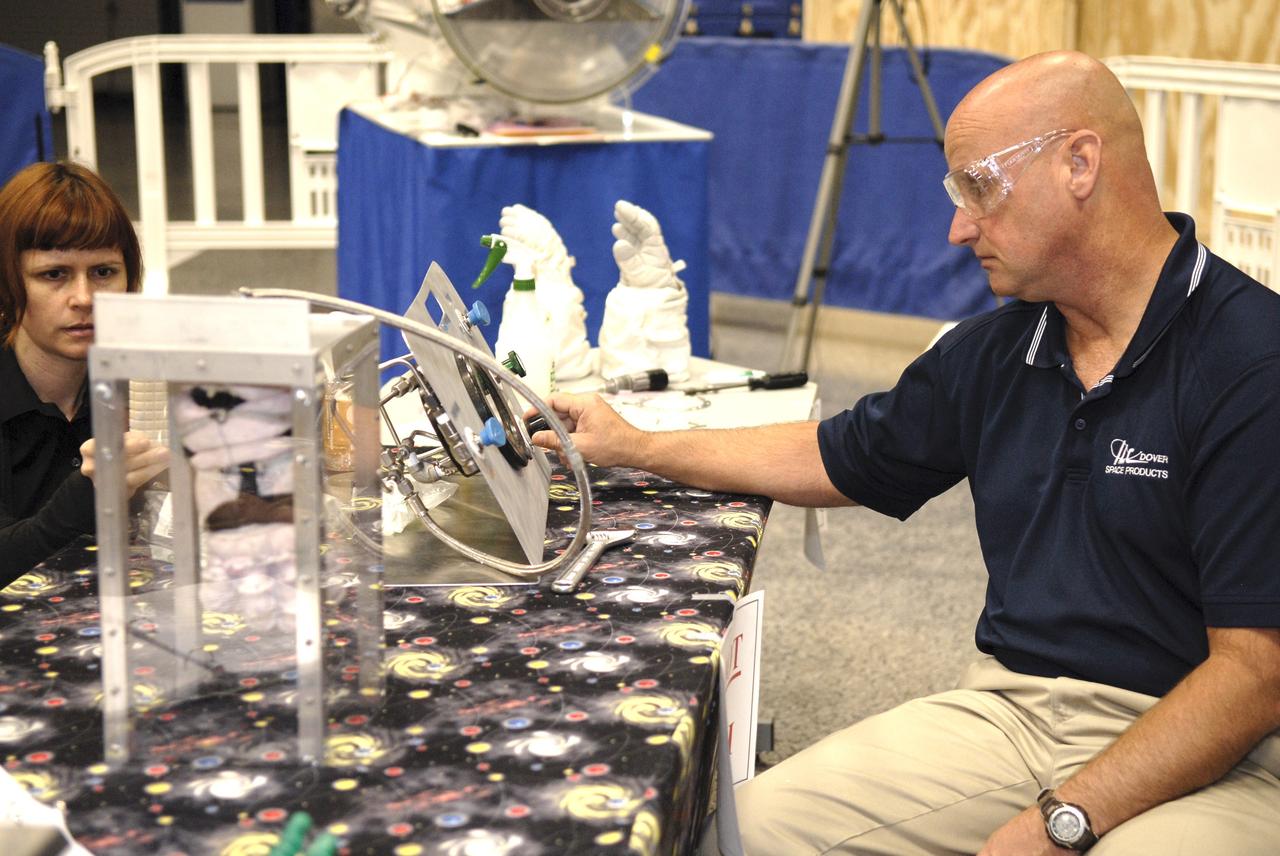
CAPE CANAVERAL, Fla. – A representative of ILC Dover monitors how much internal pressure a newly designed glove can withstand during a burst test at the 2009 Astronaut Glove Challenge, part of NASA’s Centennial Challenges Program, at the Astronaut Hall of Fame near NASA’s Kennedy Space Center in Florida. The nationwide competition focused on developing improved pressure suit gloves for astronauts to use while working in space. During the challenge, inventors tested the gloves to measure dexterity and strength during operation in a glove box which simulates the vacuum of space. Centennial Challenges is NASA’s program of technology prizes for the citizen-inventor. The winning prize for the Glove Challenge is $250,000 provided by the Centennial Challenges Program. Photo credit: NASA/Kim Shiflett
CAPE CANAVERAL, Fla. – Independent inventor Peter Homer, founder of Flagsuit LLC, submits a glove which he designed to a dexterity and flexibility test during the 2009 Astronaut Glove Challenge, part of NASA’s Centennial Challenges Program, at the Astronaut Hall of Fame near NASA’s Kennedy Space Center in Florida. Homer was the winner of the competition held in 2007. The nationwide competition focused on developing improved pressure suit gloves for astronauts to use while working in space. During the challenge, inventors tested the gloves to measure dexterity and strength during operation in a glove box which simulates the vacuum of space. Centennial Challenges is NASA’s program of technology prizes for the citizen-inventor. The winning prize for the Glove Challenge is $250,000 provided by the Centennial Challenges Program. Photo credit: NASA/Kim Shiflett
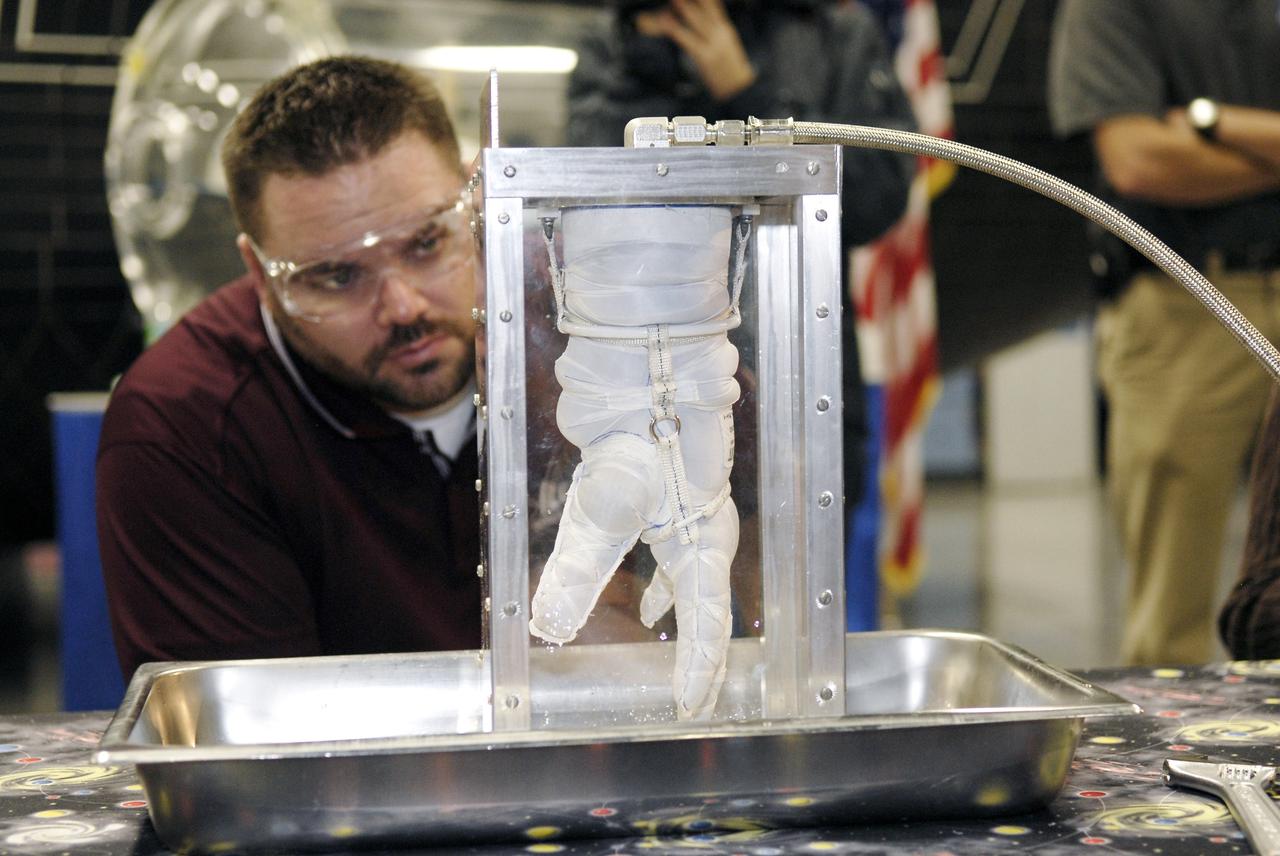
CAPE CANAVERAL, Fla. – A representative of ILC Dover monitors how much internal pressure a newly designed glove can withstand during a burst test at the 2009 Astronaut Glove Challenge, part of NASA’s Centennial Challenges Program, at the Astronaut Hall of Fame near NASA’s Kennedy Space Center in Florida. The nationwide competition focused on developing improved pressure suit gloves for astronauts to use while working in space. During the challenge, the gloves were submitted to burst tests, joint force tests and tests to measure their dexterity and strength during operation in a glove box which simulates the vacuum of space. Centennial Challenges is NASA’s program of technology prizes for the citizen-inventor. The winning prize for the Glove Challenge is $250,000 provided by the Centennial Challenges Program. Photo credit: NASA/Kim Shiflett
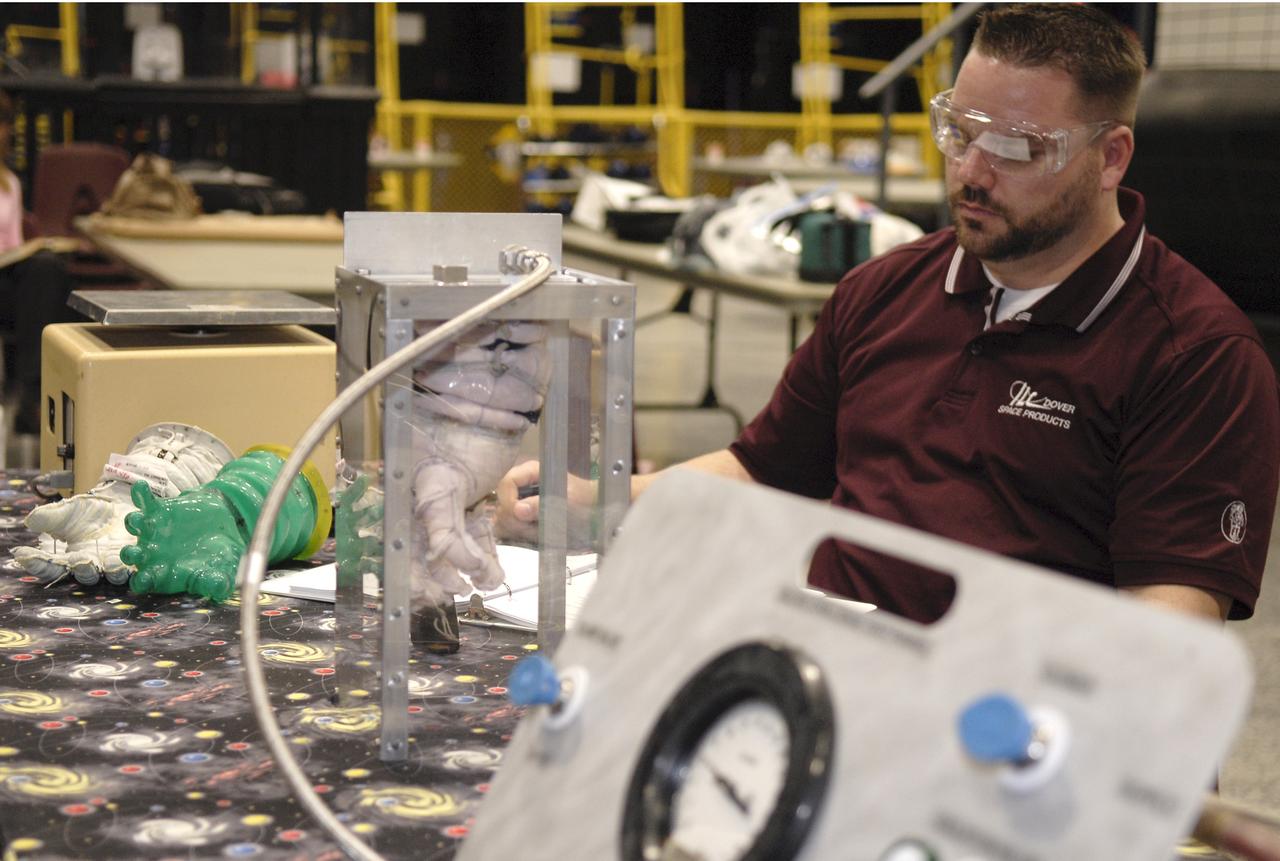
CAPE CANAVERAL, Fla. – A representative of ILC Dover monitors how much internal pressure a newly designed glove can withstand during a burst test at the 2009 Astronaut Glove Challenge, part of NASA’s Centennial Challenges Program, at the Astronaut Hall of Fame near NASA’s Kennedy Space Center in Florida. The nationwide competition focused on developing improved pressure suit gloves for astronauts to use while working in space. During the challenge, inventors tested the gloves to measure dexterity and strength during operation in a glove box which simulates the vacuum of space. Centennial Challenges is NASA’s program of technology prizes for the citizen-inventor. The winning prize for the Glove Challenge is $250,000 provided by the Centennial Challenges Program. Photo credit: NASA/Kim Shiflett
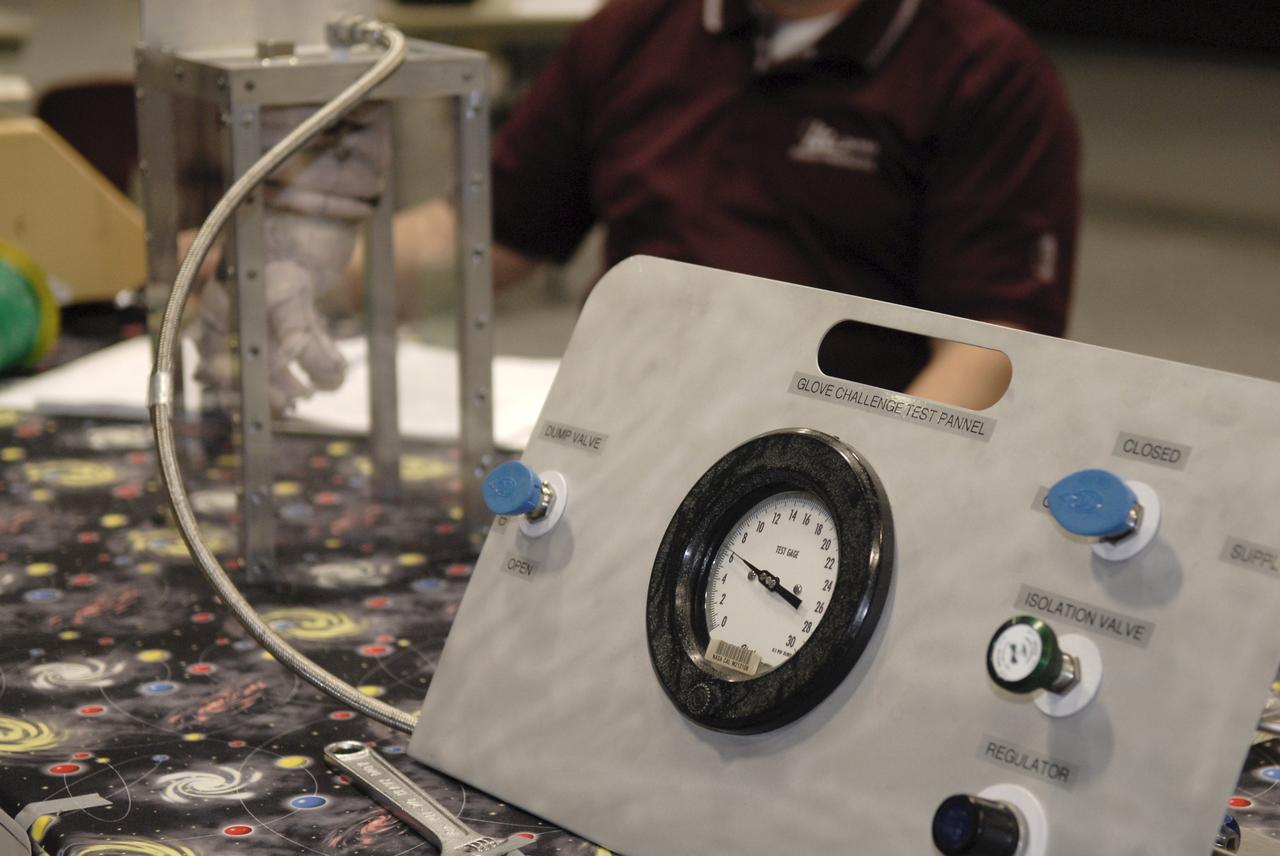
CAPE CANAVERAL, Fla. – This gauge is measuring how much internal pressure a newly designed glove can withstand during a burst test at the 2009 Astronaut Glove Challenge, part of NASA’s Centennial Challenges Program, at the Astronaut Hall of Fame near NASA’s Kennedy Space Center in Florida. The nationwide competition focused on developing improved pressure suit gloves for astronauts to use while working in space. During the challenge, inventors tested the gloves to measure dexterity and strength during operation in a glove box which simulates the vacuum of space. Centennial Challenges is NASA’s program of technology prizes for the citizen-inventor. The winning prize for the Glove Challenge is $250,000 provided by the Centennial Challenges Program. Photo credit: NASA/Kim Shiflett
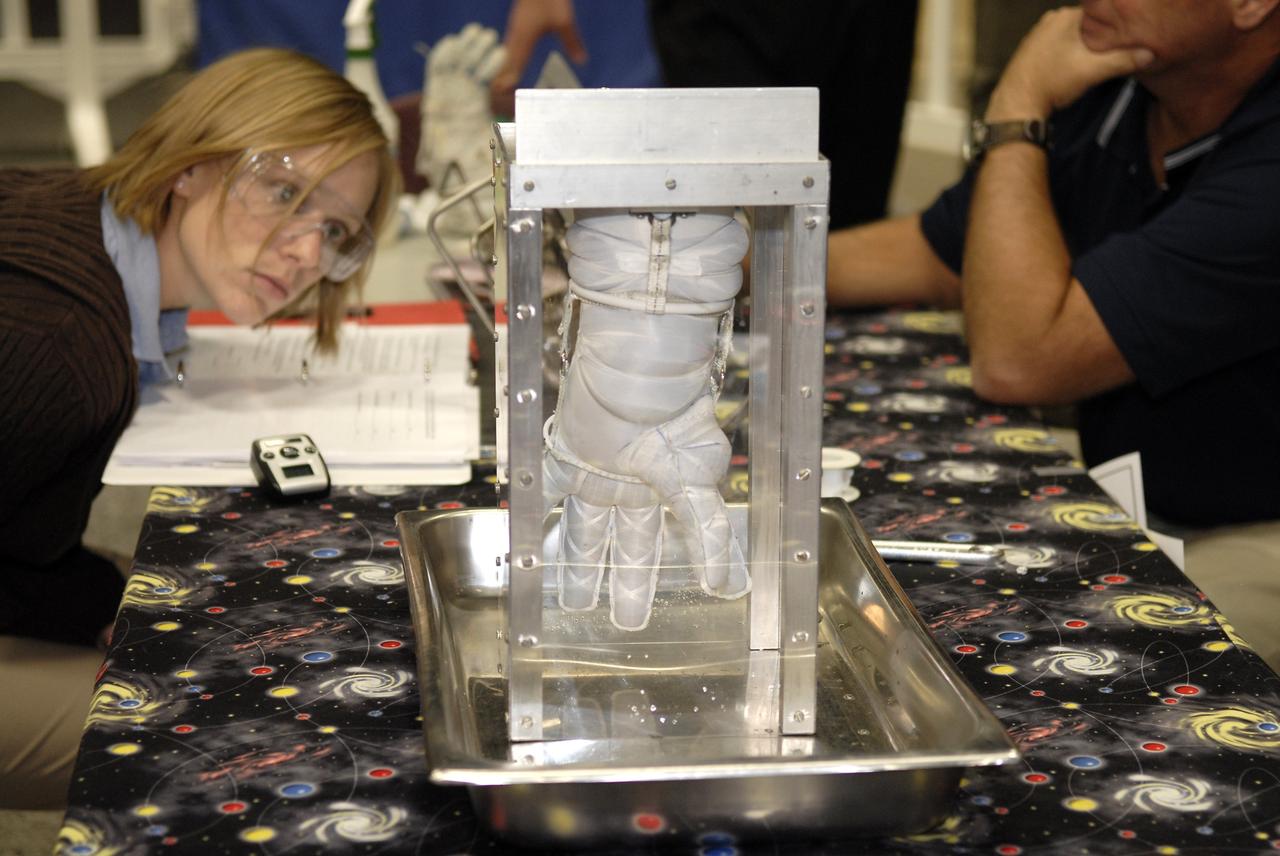
CAPE CANAVERAL, Fla. – A newly designed glove is submitted to a burst test to determine how much internal pressure it can withstand at the 2009 Astronaut Glove Challenge, part of NASA’s Centennial Challenges Program, at the Astronaut Hall of Fame near NASA’s Kennedy Space Center in Florida. The nationwide competition focused on developing improved pressure suit gloves for astronauts to use while working in space. During the challenge, the gloves were submitted to burst tests, joint force tests and tests to measure their dexterity and strength during operation in a glove box which simulates the vacuum of space. Centennial Challenges is NASA’s program of technology prizes for the citizen-inventor. The winning prize for the Glove Challenge is $250,000 provided by the Centennial Challenges Program. Photo credit: NASA/Kim Shiflett
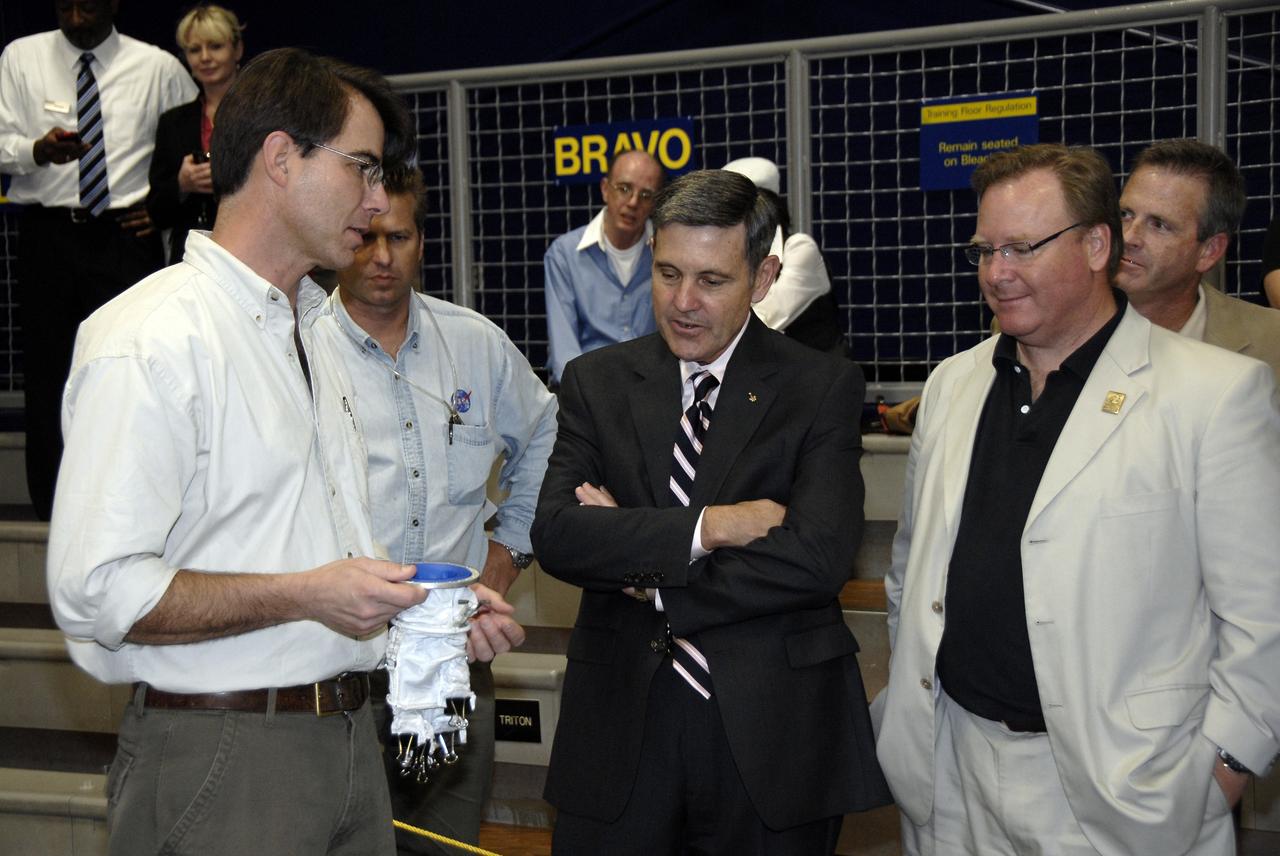
CAPE CANAVERAL, Fla. - At the Astronaut Hall of Fame near NASA’s Kennedy Space Center in Florida, first-prize winner Peter Homer, left, of Southwest Harbor, Maine, talks with Kennedy Director Bob Cabana and Doug Comstock, director of the NASA Innovative Partnerships Program, about his winning glove design in the 2009 Astronaut Glove Challenge, part of NASA’s Centennial Challenges Program. The nationwide competition focused on developing improved pressure suit gloves for astronauts to use while working in space. During the challenge, the gloves were submitted to burst tests, joint force tests and tests to measure their dexterity and strength during operation in a glove box which simulates the vacuum of space. Centennial Challenges is NASA’s program of technology prizes for the citizen-inventor. The winning prize for the Glove Challenge is $250,000 provided by the Centennial Challenges Program. Photo credit: NASA/Kim Shiflett
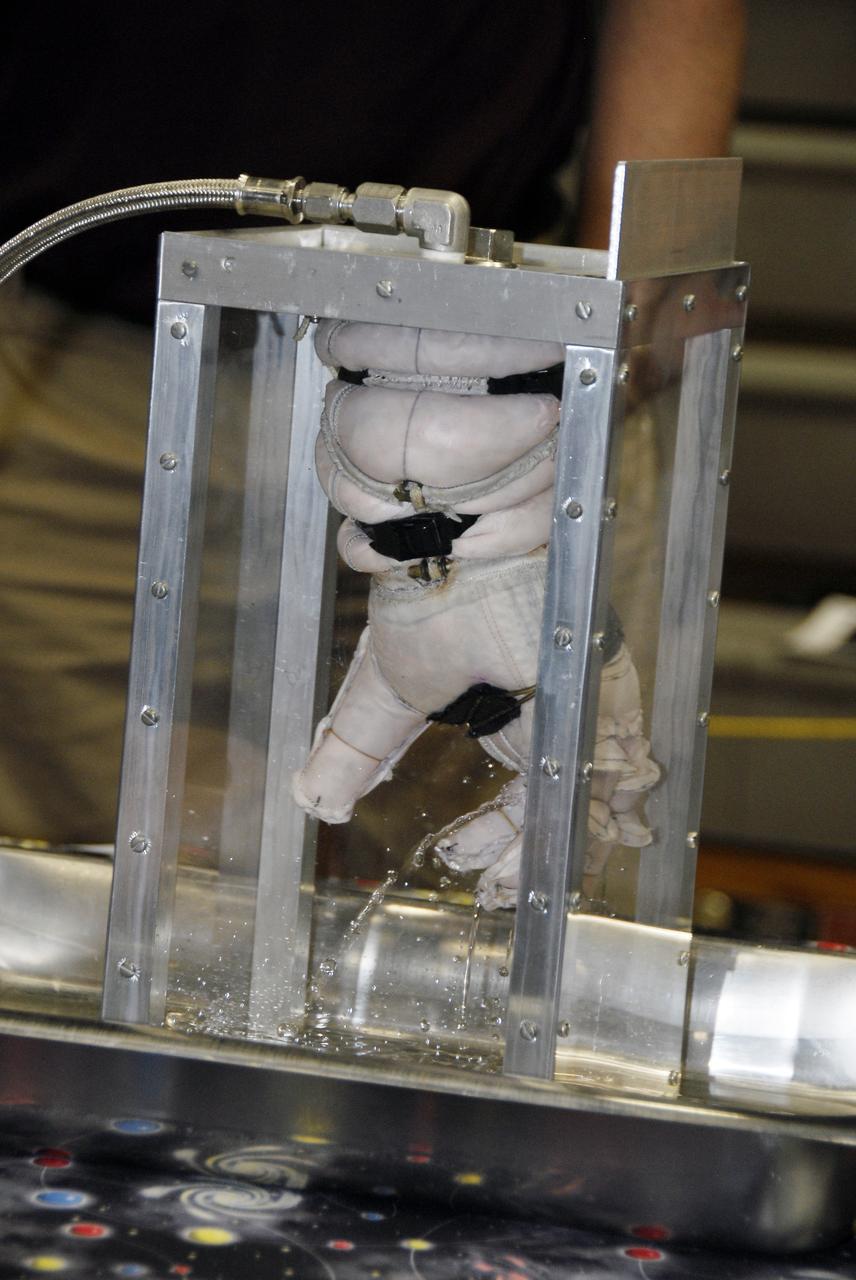
CAPE CANAVERAL, Fla. – A newly designed glove is submitted to a burst test to determine how much internal pressure it can withstand at the 2009 Astronaut Glove Challenge, part of NASA’s Centennial Challenges Program, at the Astronaut Hall of Fame near NASA’s Kennedy Space Center in Florida. The nationwide competition focused on developing improved pressure suit gloves for astronauts to use while working in space. During the challenge, the gloves were submitted to burst tests, joint force tests and tests to measure their dexterity and strength during operation in a glove box which simulates the vacuum of space. Centennial Challenges is NASA’s program of technology prizes for the citizen-inventor. The winning prize for the Glove Challenge is $250,000 provided by the Centennial Challenges Program. Photo credit: NASA/Kim Shiflett
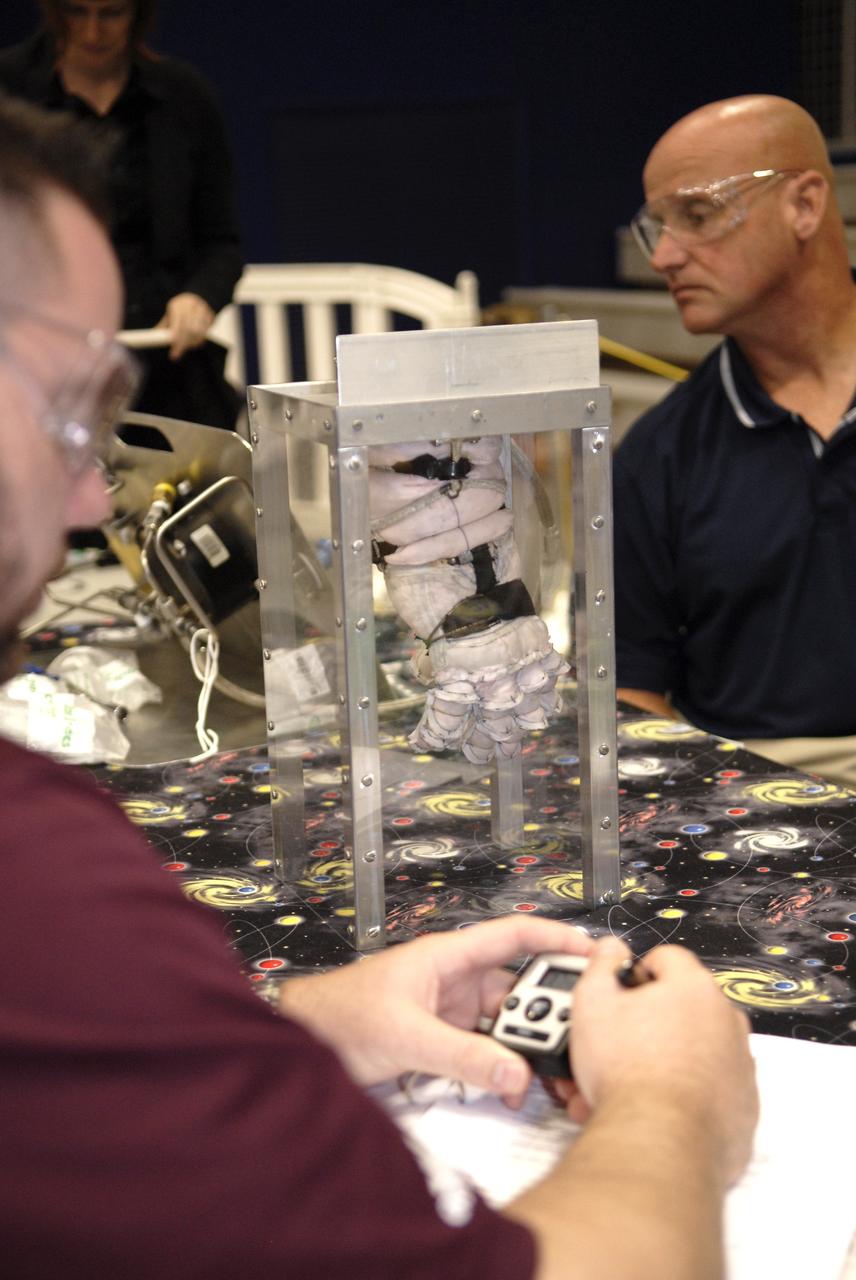
CAPE CANAVERAL, Fla. – Representatives of ILC Dover monitor how much internal pressure a newly designed glove can withstand during a burst test at the 2009 Astronaut Glove Challenge, part of NASA’s Centennial Challenges Program, at the Astronaut Hall of Fame near NASA’s Kennedy Space Center in Florida. The nationwide competition focused on developing improved pressure suit gloves for astronauts to use while working in space. During the challenge, inventors tested the gloves to measure dexterity and strength during operation in a glove box which simulates the vacuum of space. Centennial Challenges is NASA’s program of technology prizes for the citizen-inventor. The winning prize for the Glove Challenge is $250,000 provided by the Centennial Challenges Program. Photo credit: NASA/Kim Shiflett
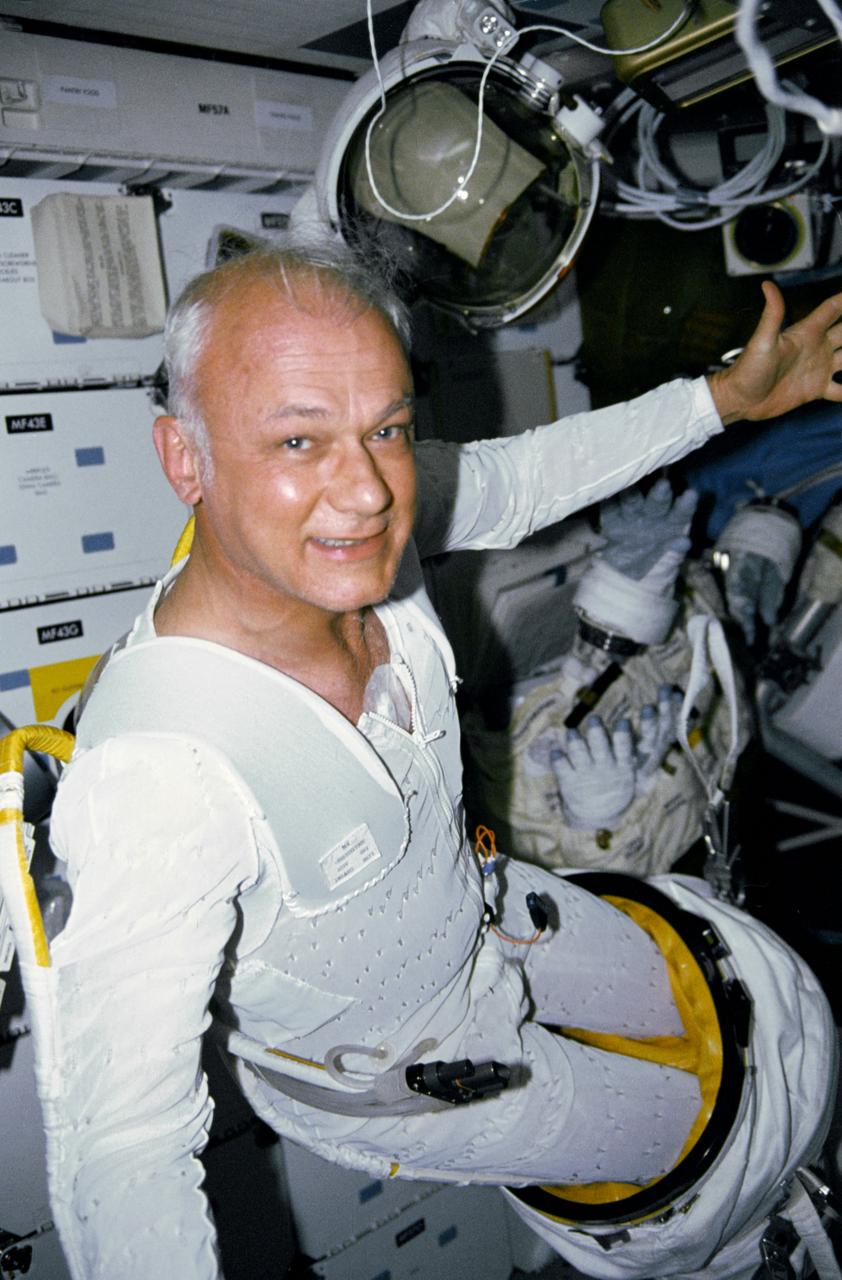
STS-31 Mission Specialist (MS) Bruce McCandless II, wearing liquid cooling and ventilation garment (LCVG), works his way out of the extravehicular mobility unit (EMU) lower torso on the middeck of Discovery, Orbiter Vehicle (OV) 103. McCandless was in a standby mode to perform extravehicular activity (EVA) if needed to support Hubble Space Telescope (HST) deployment and post- deployment tasks. None was needed. His helmet and gloves freefloat in the background.
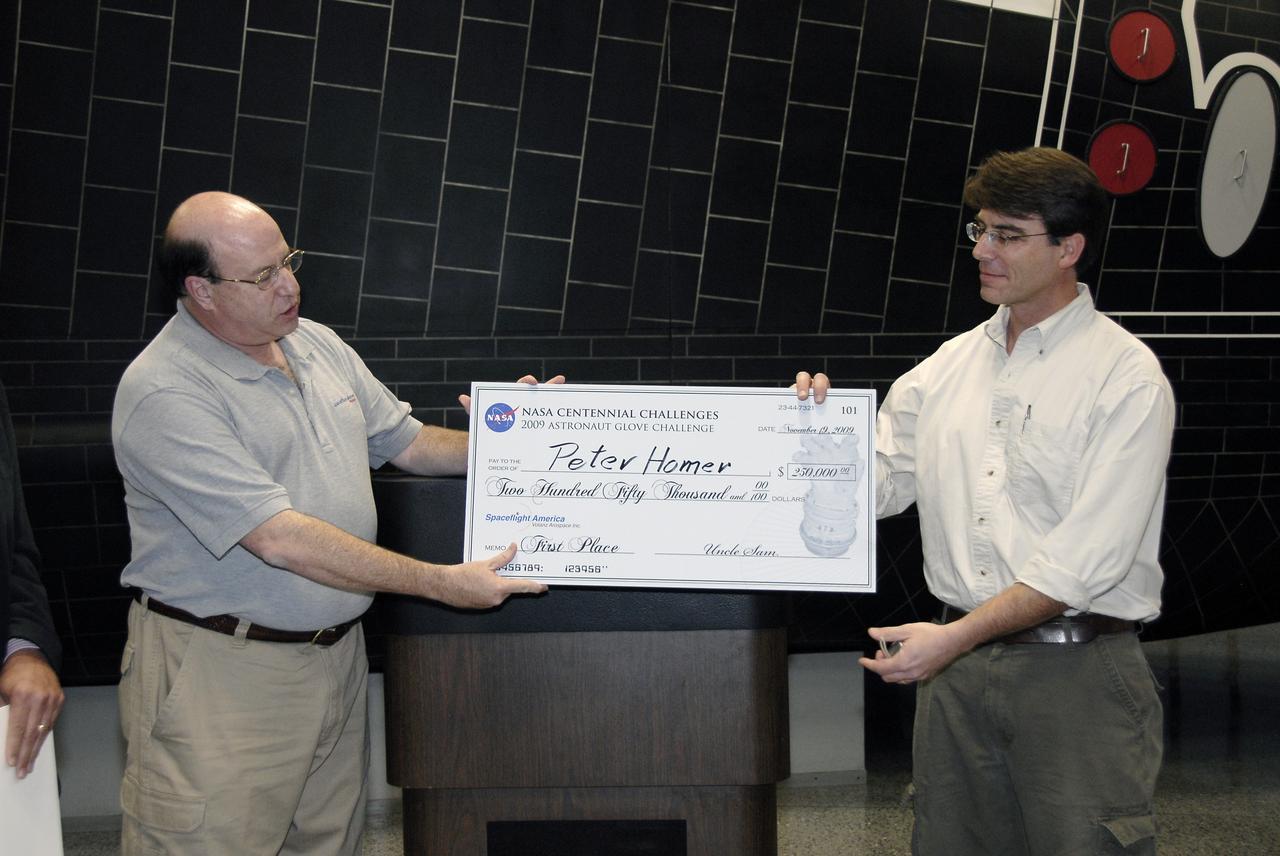
CAPE CANAVERAL, Fla. – Alan Hayes, left, chairman of Volanz Aerospace Inc., presents Peter Homer of Southwest Harbor, Maine, with the first place prize of $250,000 at the 2009 Astronaut Glove Challenge, part of NASA’s Centennial Challenges Program, at the Astronaut Hall of Fame near NASA’s Kennedy Space Center in Florida. The nationwide competition focused on developing improved pressure suit gloves for astronauts to use while working in space. During the challenge, the gloves were submitted to burst tests, joint force tests and tests to measure their dexterity and strength during operation in a glove box which simulates the vacuum of space. Centennial Challenges is NASA’s program of technology prizes for the citizen-inventor. The winning prize for the Glove Challenge is $250,000 provided by the Centennial Challenges Program. Photo credit: NASA/Kim Shiflett
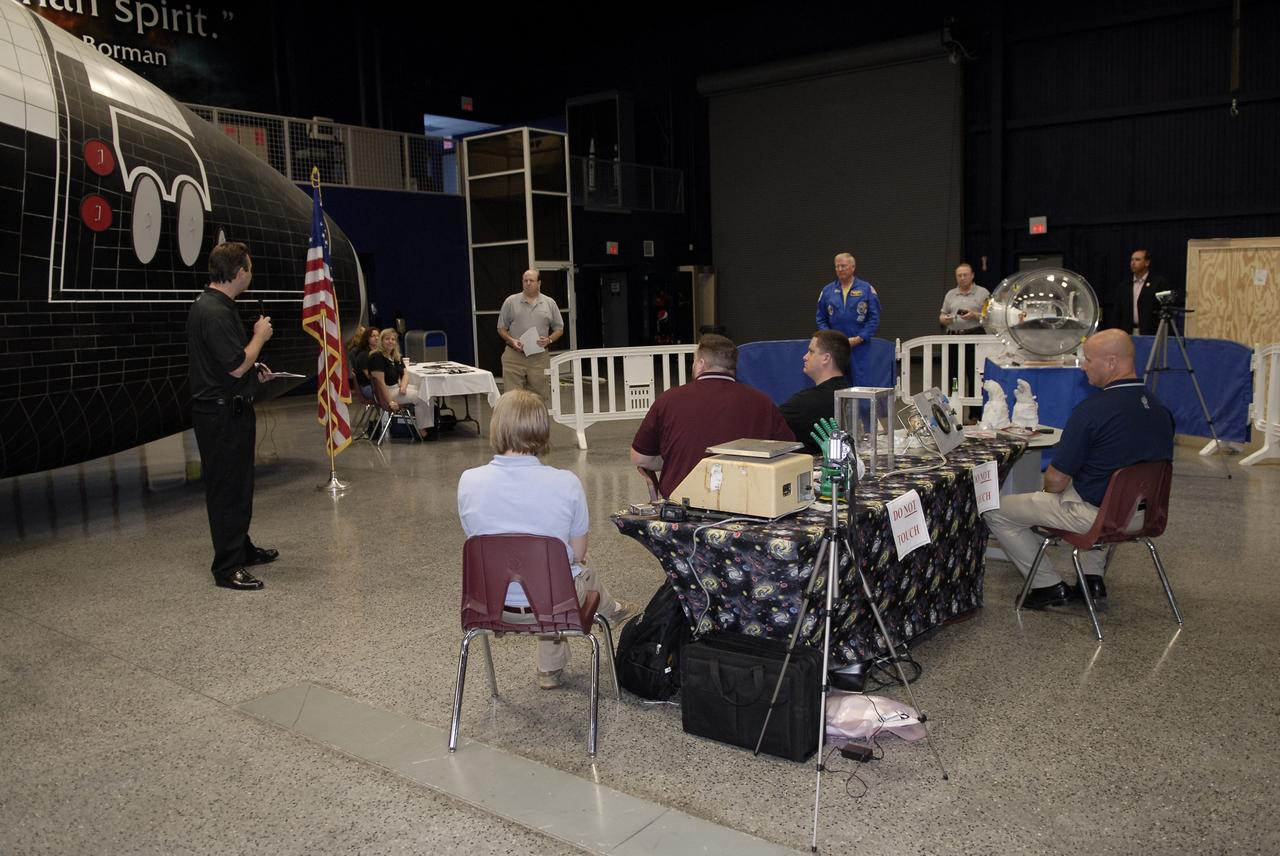
CAPE CANAVERAL, Fla. – Paul Secor, left, of Secor Strategies LLC, addresses the participants in the 2009 Astronaut Glove Challenge, part of NASA’s Centennial Challenges Program, at the Astronaut Hall of Fame near NASA’s Kennedy Space Center in Florida. Secor Strategies LLC, of Titusville, Fla., is a sponsor of the event and provided local logistical services. The nationwide competition focused on developing improved pressure suit gloves for astronauts to use while working in space. During the challenge, inventors tested the gloves to measure dexterity and strength during operation in a glove box which simulates the vacuum of space. Centennial Challenges is NASA’s program of technology prizes for the citizen-inventor. The winning prize for the Glove Challenge is $250,000 provided by the Centennial Challenges Program. Photo credit: NASA/Kim Shiflett
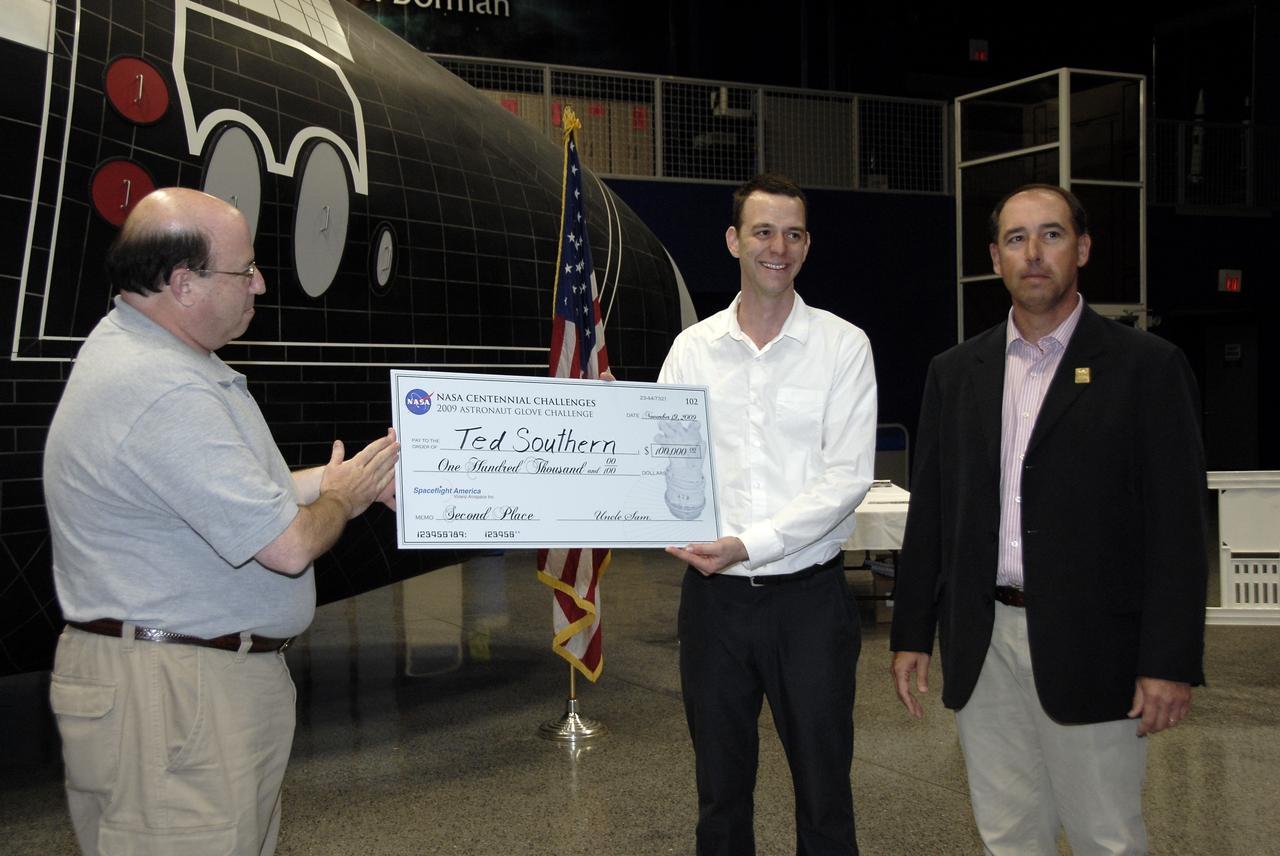
CAPE CANAVERAL, Fla. – Alan Hayes, left, chairman of Volanz Aerospace Inc., presents Ted Southern of Brooklyn, N.Y., with the second place prize of $100,000 at the 2009 Astronaut Glove Challenge, part of NASA’s Centennial Challenges Program, as Andy Petro, manager of NASA Centennial Challenges, stands by at the Astronaut Hall of Fame near NASA’s Kennedy Space Center in Florida. The nationwide competition focused on developing improved pressure suit gloves for astronauts to use while working in space. During the challenge, the gloves were submitted to burst tests, joint force tests and tests to measure their dexterity and strength during operation in a glove box which simulates the vacuum of space. Centennial Challenges is NASA’s program of technology prizes for the citizen-inventor. The winning prize for the Glove Challenge is $250,000 provided by the Centennial Challenges Program. Photo credit: NASA/Kim Shiflett
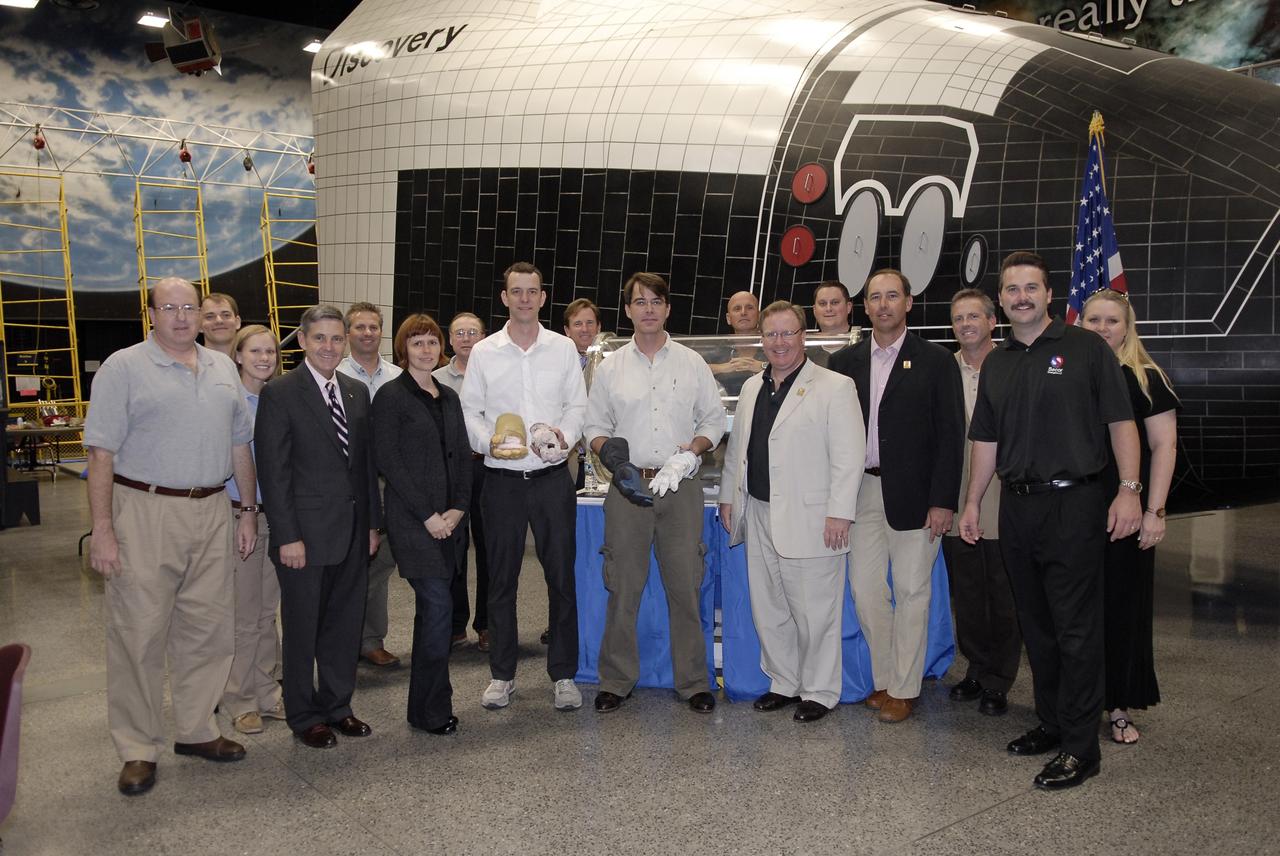
CAPE CANAVERAL, Fla. – At the Astronaut Hall of Fame near NASA’s Kennedy Space Center in Florida, participants in the 2009 Astronaut Glove Challenge, part of NASA’s Centennial Challenges Program, pose for a group portrait. In the center of the front row are the winners, Ted Southern of Brooklyn, N.Y., at left, and Peter Homer of Southwest Harbor, Maine. The nationwide competition focused on developing improved pressure suit gloves for astronauts to use while working in space. During the challenge, the gloves were submitted to burst tests, joint force tests and tests to measure their dexterity and strength during operation in a glove box which simulates the vacuum of space. Centennial Challenges is NASA’s program of technology prizes for the citizen-inventor. The winning prize for the Glove Challenge is $250,000 provided by the Centennial Challenges Program. Photo credit: NASA/Kim Shiflett
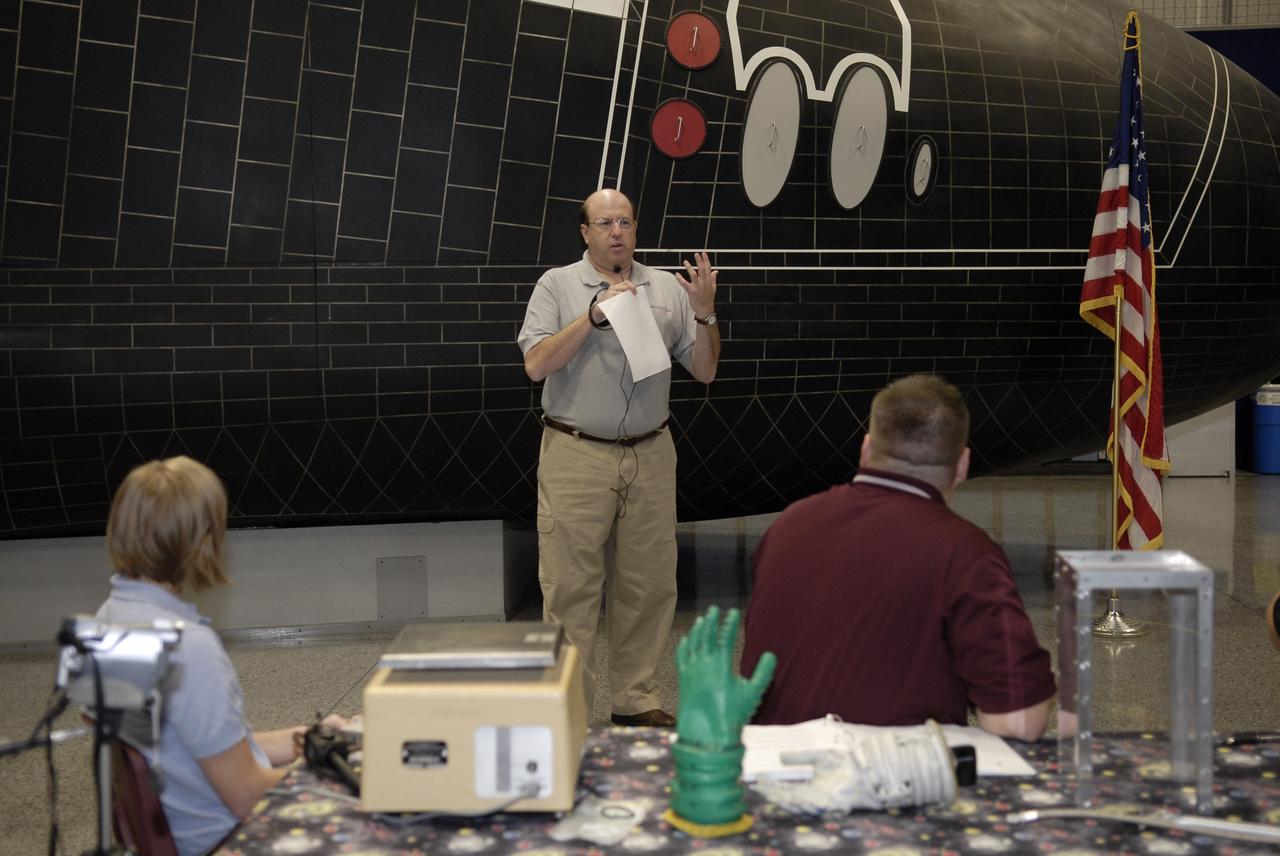
CAPE CANAVERAL, Fla. – Alan Hayes, at microphone, chairman of Volanz Aerospace Inc., addresses the participants in the 2009 Astronaut Glove Challenge, part of NASA’s Centennial Challenges Program, at the Astronaut Hall of Fame near NASA’s Kennedy Space Center in Florida. Volanz Aerospace Inc., of Owings, Md., administers the competition at no cost to NASA. The nationwide competition focused on developing improved pressure suit gloves for astronauts to use while working in space. During the challenge, inventors tested the gloves to measure dexterity and strength during operation in a glove box which simulates the vacuum of space. Centennial Challenges is NASA’s program of technology prizes for the citizen-inventor. The winning prize for the Glove Challenge is $250,000 provided by the Centennial Challenges Program. Photo credit: NASA/Kim Shiflett
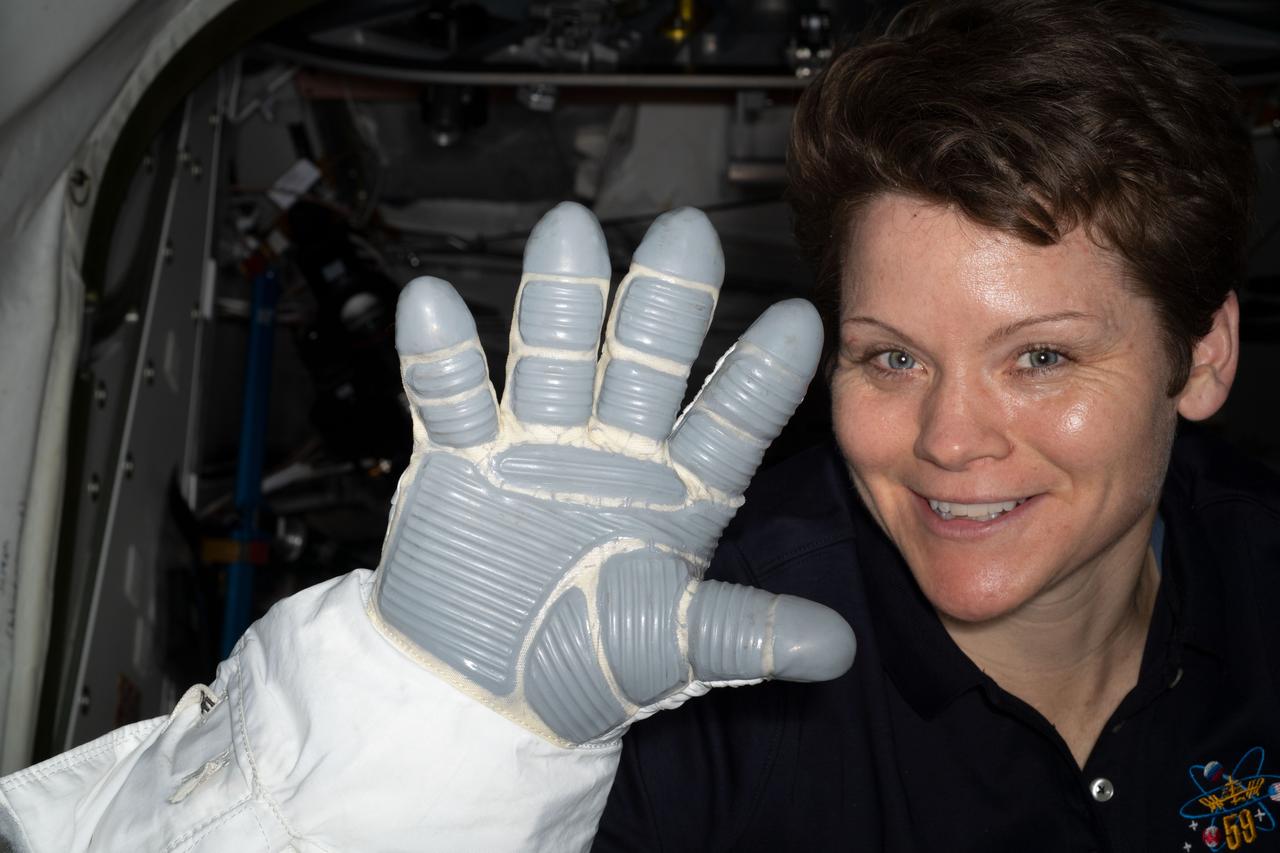
iss059e005614 (Match 29, 2019) -- NASA astronaut Anne McClain displays a spacesuit glove that is part of an Extravehicular Mobility Unit, or spacesuit, worn during spacewalks staged from the U.S. Quest joint airlock. A U.S. spacesuit glove consists of several layers for extra thermal protection and comfort. Thermofoil heaters are also attached inside each of the fingertips in one of the layers of the glove.
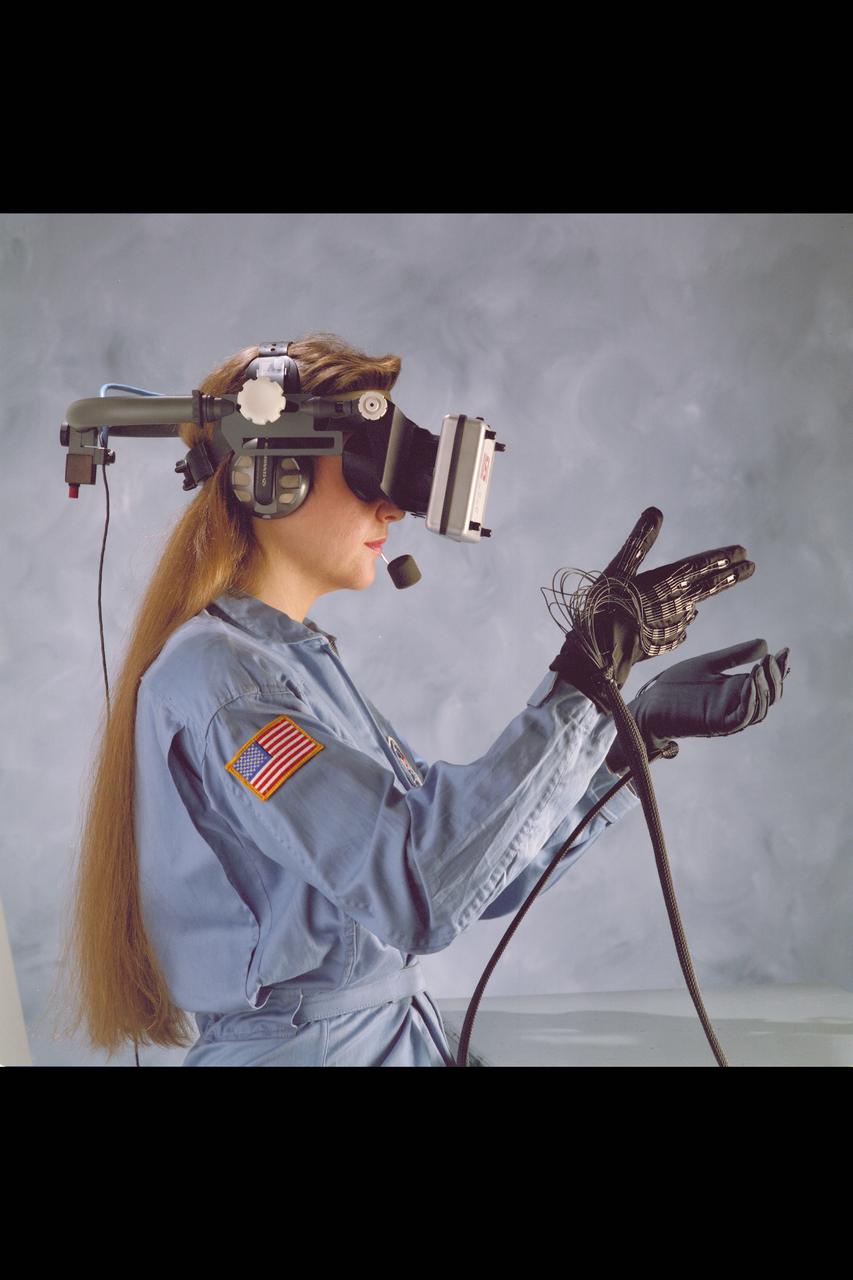
Virtual Environment Reality workstation technology (helmet & gloves)
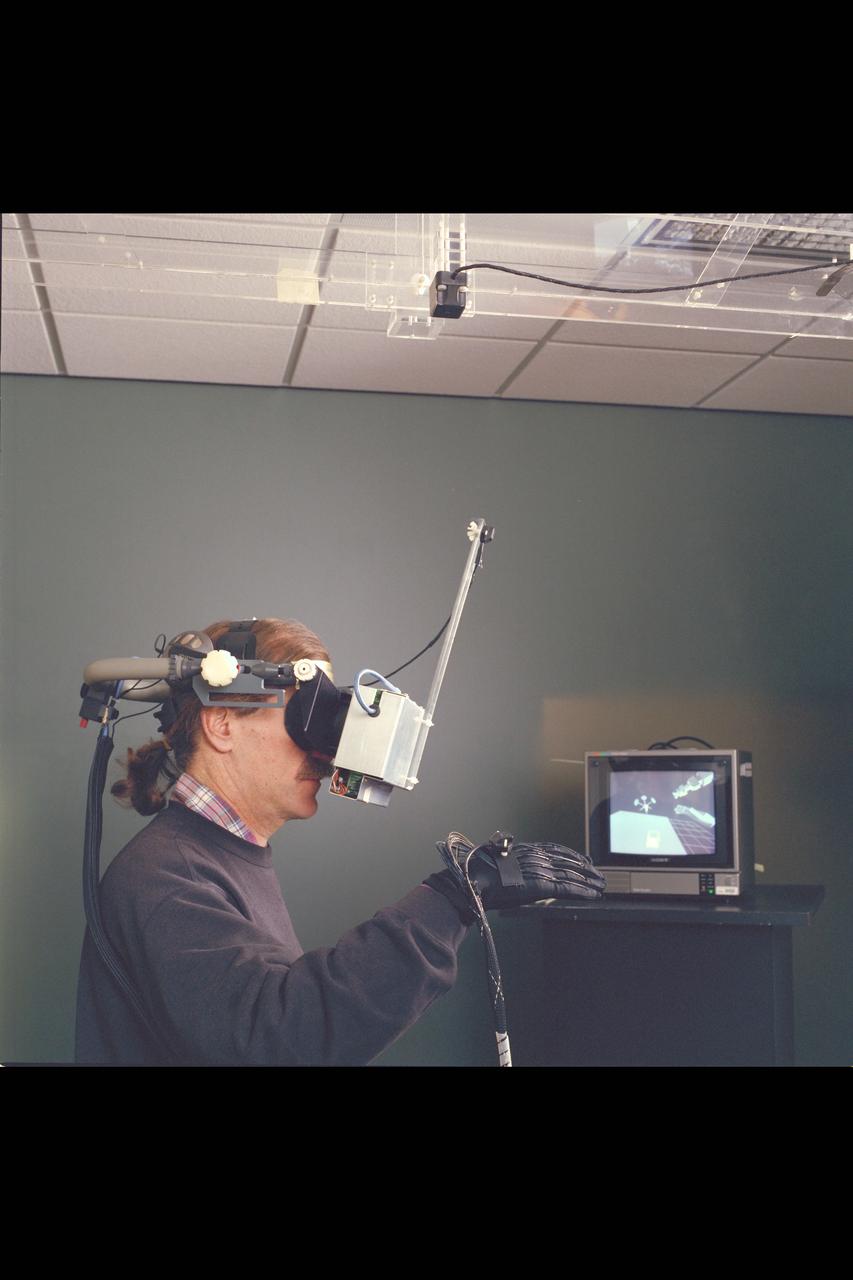
Robotics Laboratory: Helmet, glove & viewing screen
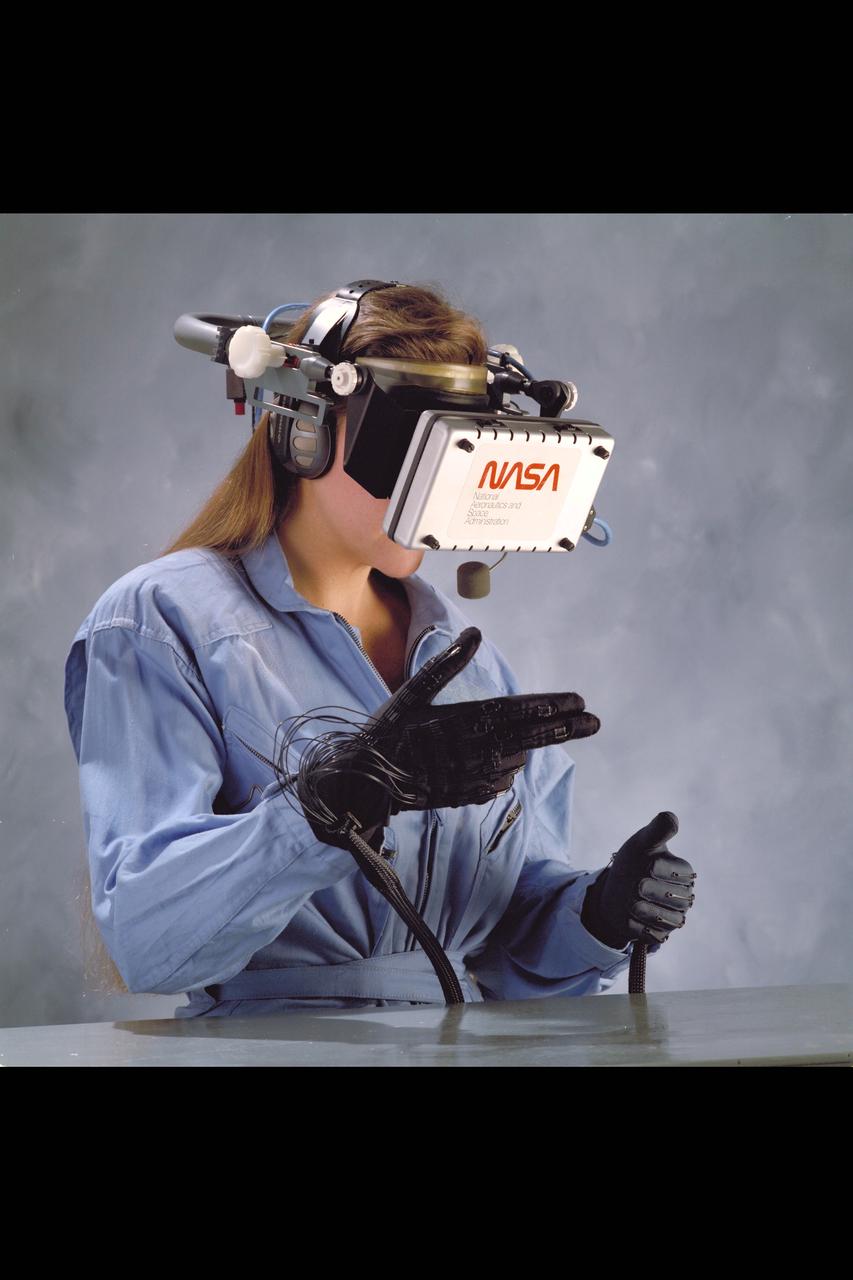
Virtual Environment Reality workstation technology (helmet & gloves)
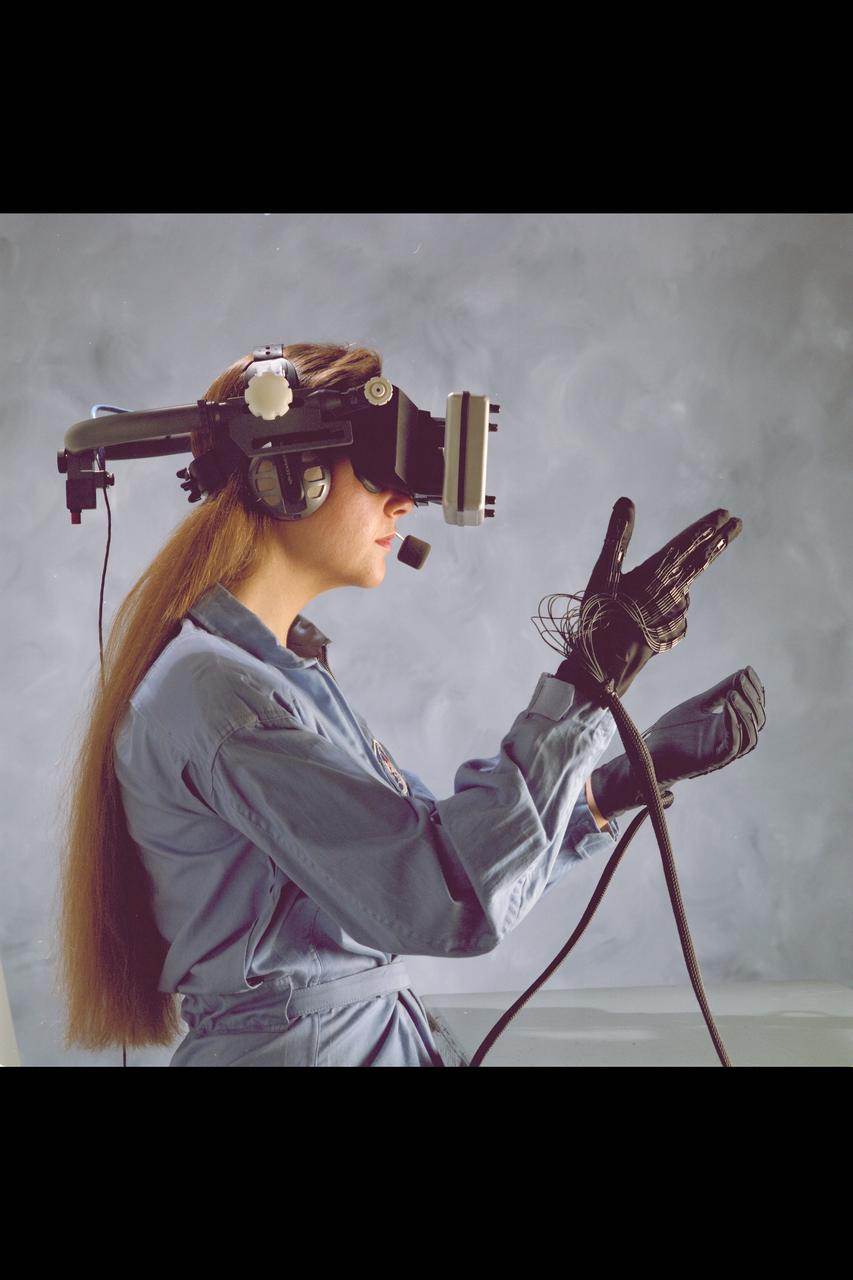
Virtual Environment Reality workstation helmet and gloves
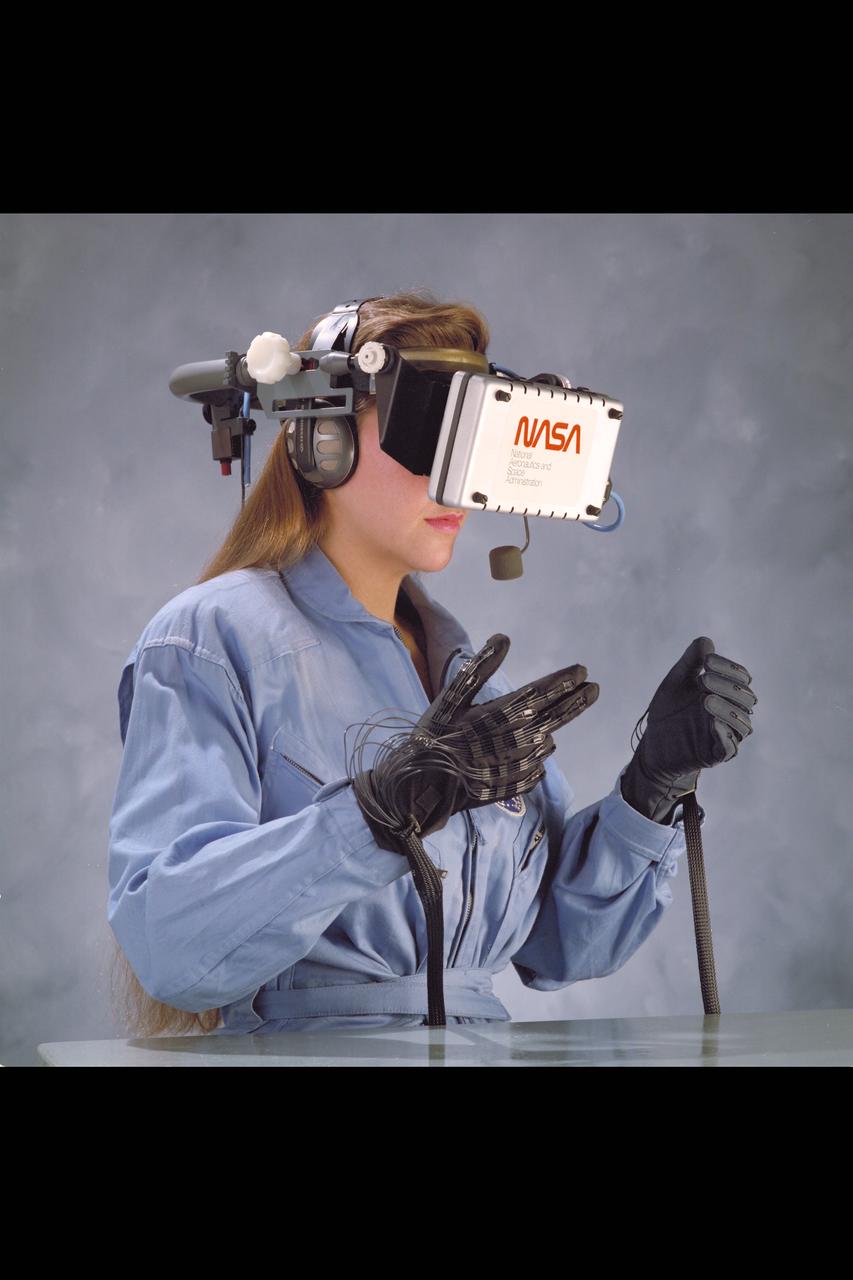
Virtual Environment Reality workstation technology (helmet & gloves)
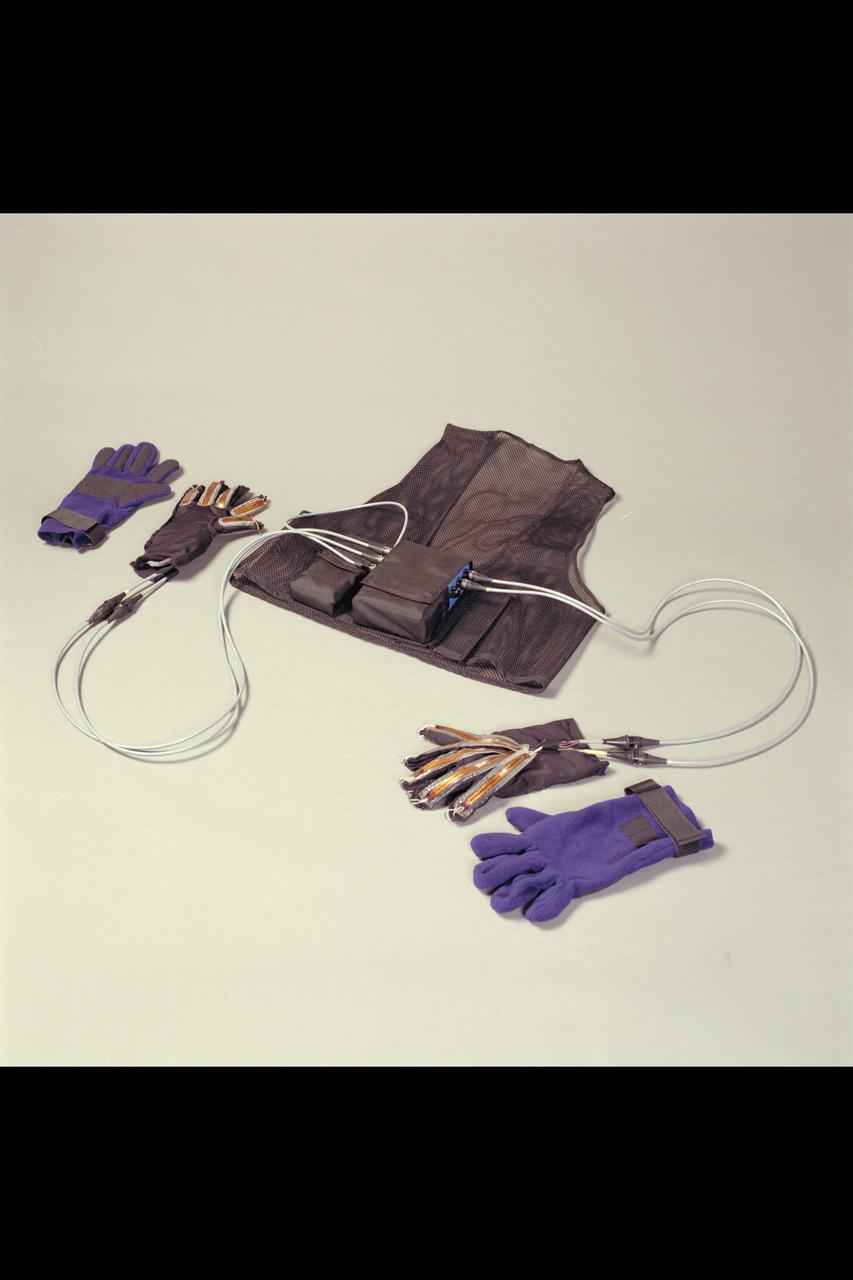
Ames Life Sciences Experiments: Polar gloves and vest
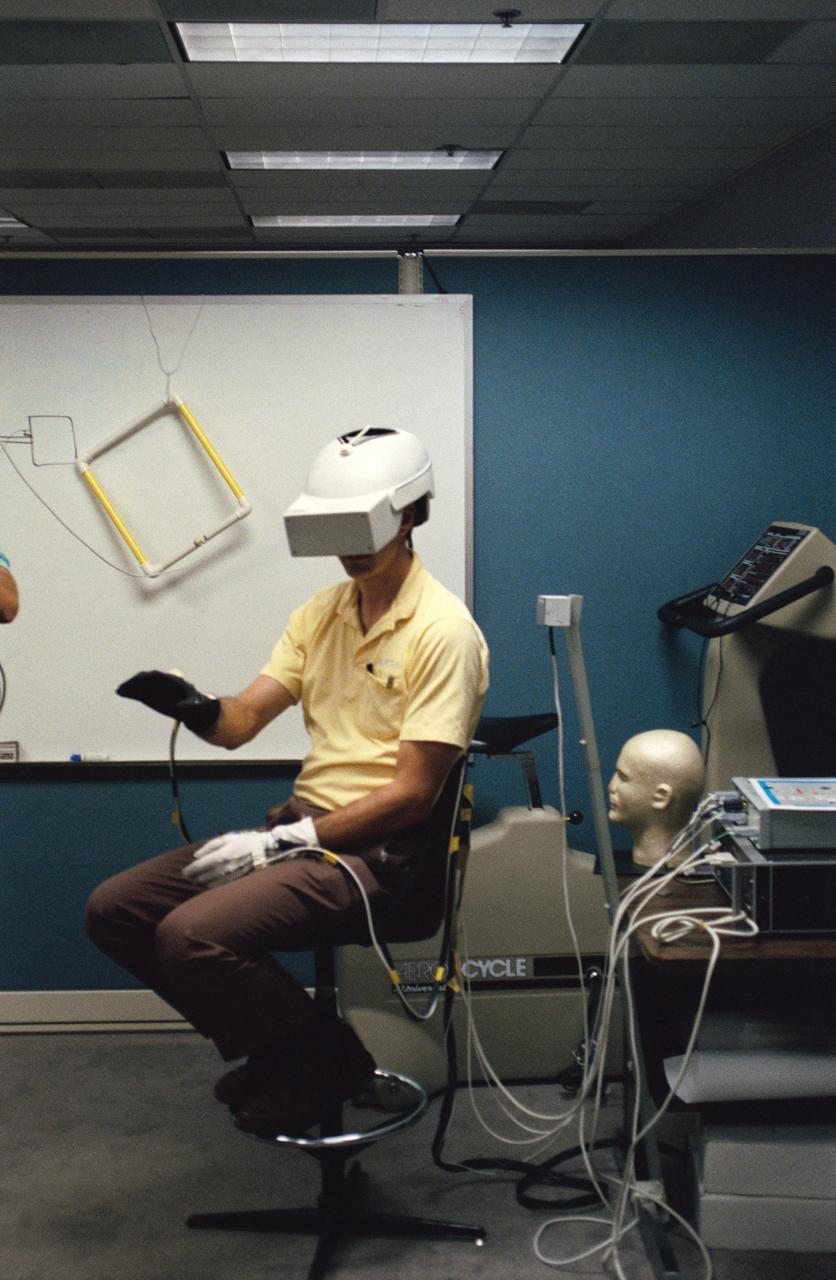
Astronaut Jeffrey A. Hoffman, one of four crewmembers for STS-61 that will conduct scheduled spacewalks during the flight, wears a special helmet and gloves designed to assist in proper positioning near the telescope while on the end of the robot arm. Crewmembers are utilizing a new virtual reality training aid which assists in refining positioning patterns for Space Shuttle Endeavour's Remote Manipulator System (RMS) (36890); Astronaut Claude Nicollier looks at a computer display of the Shuttle's robot arm movements as Thomas D. Akers and Kathryn C. Thornton, mission specialists look on. Nicollier will be responsible for maneuvering the astronauts while they stand in a foot restraint on the end of the RMS arm (36891,36894); Hoffman wears a special helmet and gloves designed to assist in proper positioning near the telescope while on the end of the robot arm (35892); Nicollier looks at a computer display of the Shuttle's robot arm movements as Akers looks on (36893); While (l-r) Astronauts Kenneth Bowersox, Kathryn Thornton, Richard O. Covey and Thomas D. Akers watch, Nicollier moves the Robot arm to desired locations in the Shuttle's payload bay using the Virtual Reality program (36895); Bowersox takes his turn maneuvering the RMS while mission specialist Hoffman, wearing the Virtual Reality helmet, follows his own progress on the end of the robot arm. Crewmembers participating during the training session are (l-r) Astronauts Akers, Hoffman, Bowersox, Nicollier, Covey, and Thornton. In the background, David Homan, an engineer in the JSC Engineering Directorate's Automation and Robotics Division, looks on (36896).
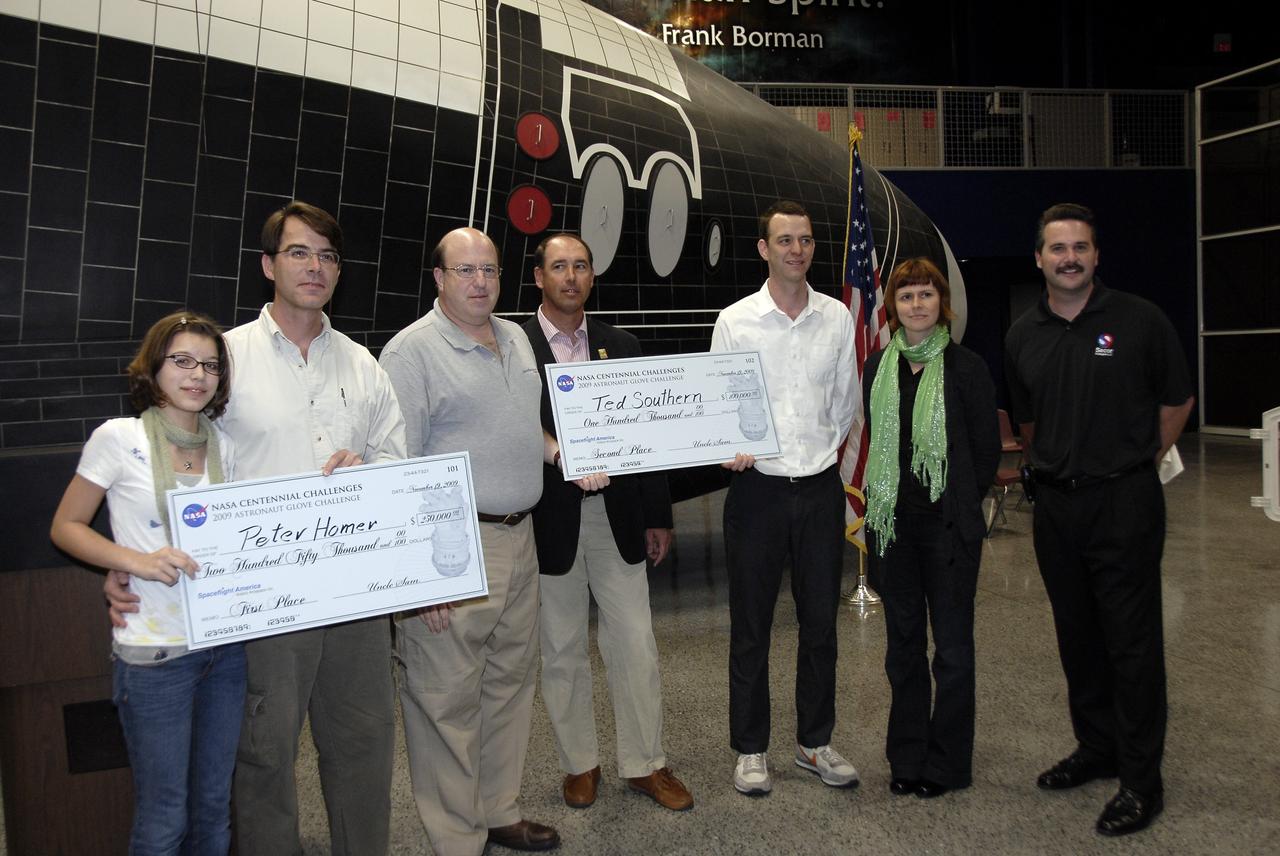
CAPE CANAVERAL, Fla. - At the Astronaut Hall of Fame near NASA’s Kennedy Space Center in Florida, the winners of the 2009 Astronaut Glove Challenge, part of NASA’s Centennial Challenges Program, pose for a group photograph with their friends, family and the event organizers. From left are Caroline Homer and her father, Peter Homer, winner of the $250,000 first prize; Alan Hayes, chairman of Volanz Aerospace Inc.; Andy Petro, manager of NASA Centennial Challenges; Ted Southern, winner of the $100,000 second prize; his friend and glove tester Amy Miller; and Paul Secor, Secor Strategies LLC. The nationwide competition focused on developing improved pressure suit gloves for astronauts to use while working in space. During the challenge, the gloves were submitted to burst tests, joint force tests and tests to measure their dexterity and strength during operation in a glove box which simulates the vacuum of space. Centennial Challenges is NASA’s program of technology prizes for the citizen-inventor. The winning prize for the Glove Challenge is $250,000 provided by the Centennial Challenges Program. Photo credit: NASA/Kim Shiflett
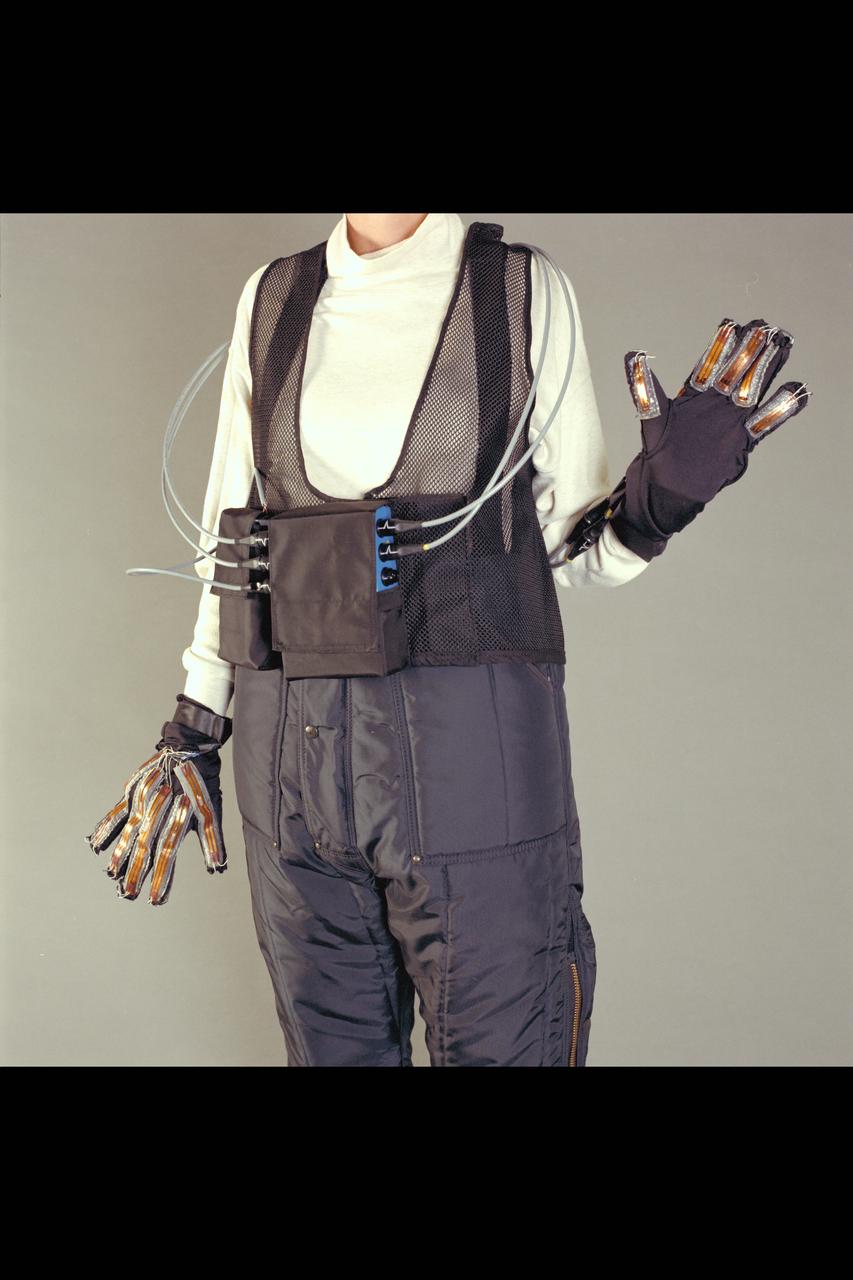
Ames Life Sciences Experiments: Polar gloves and vest with Ann McMormack
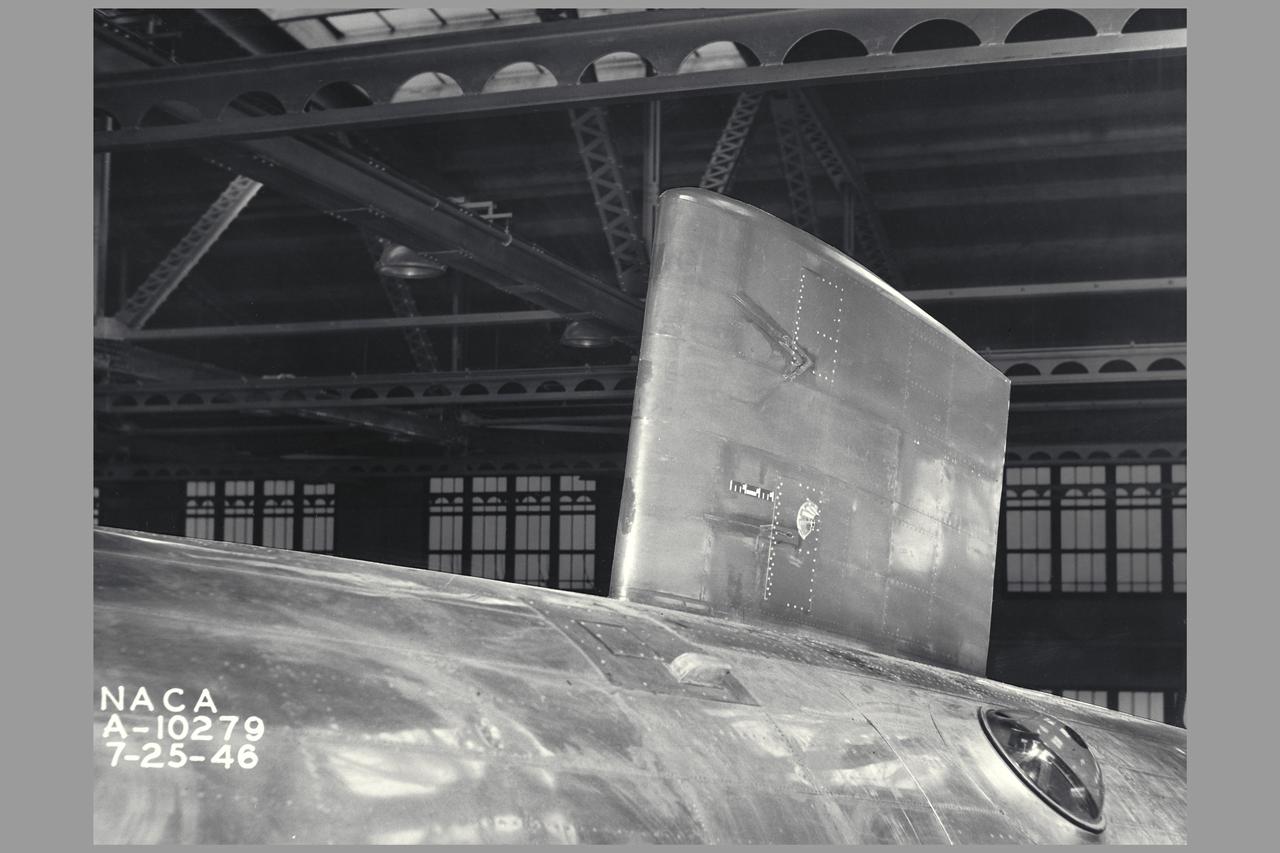
NACA Photographer Electrically heated airfoil - wing glove on C-46 airplane
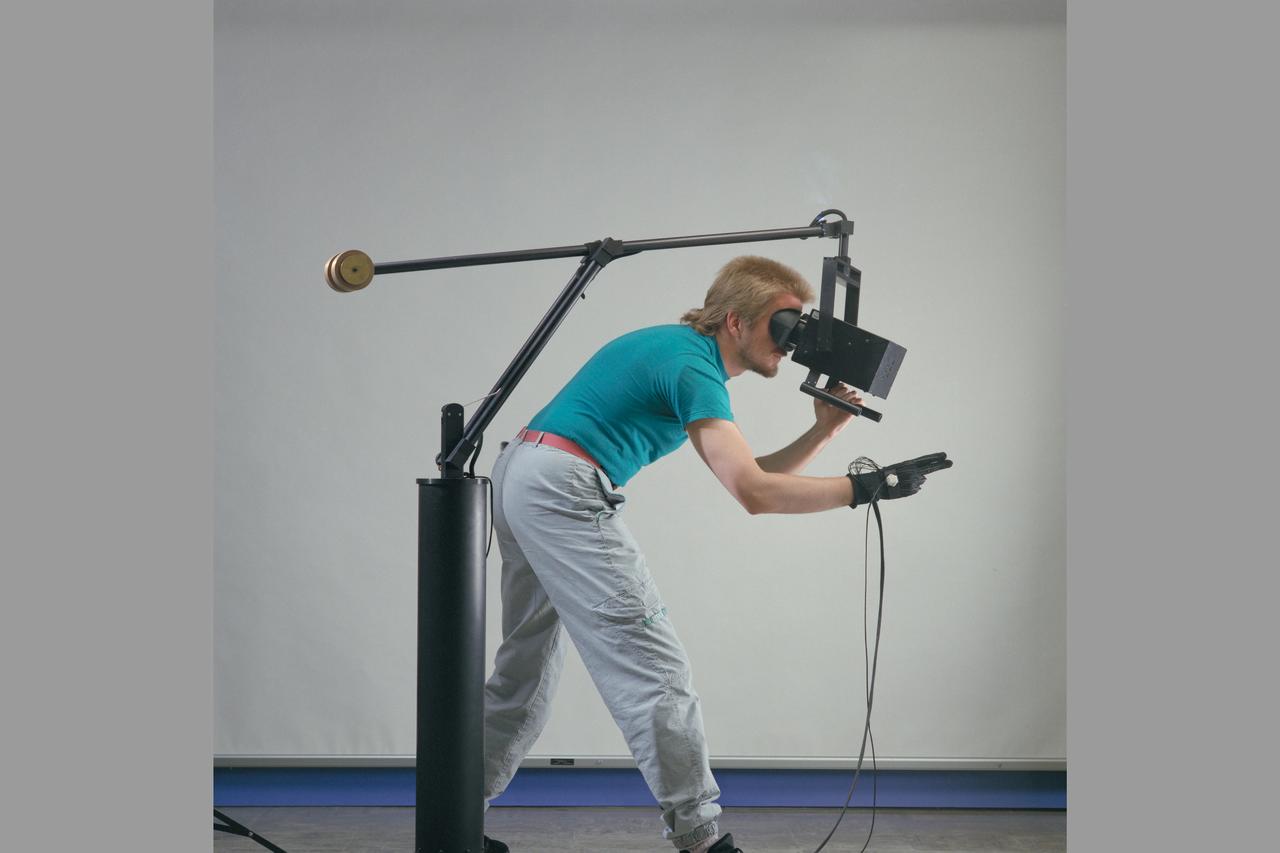
Steve Bryson demonstrates the virtual w.t. (viewer and interactive glove)
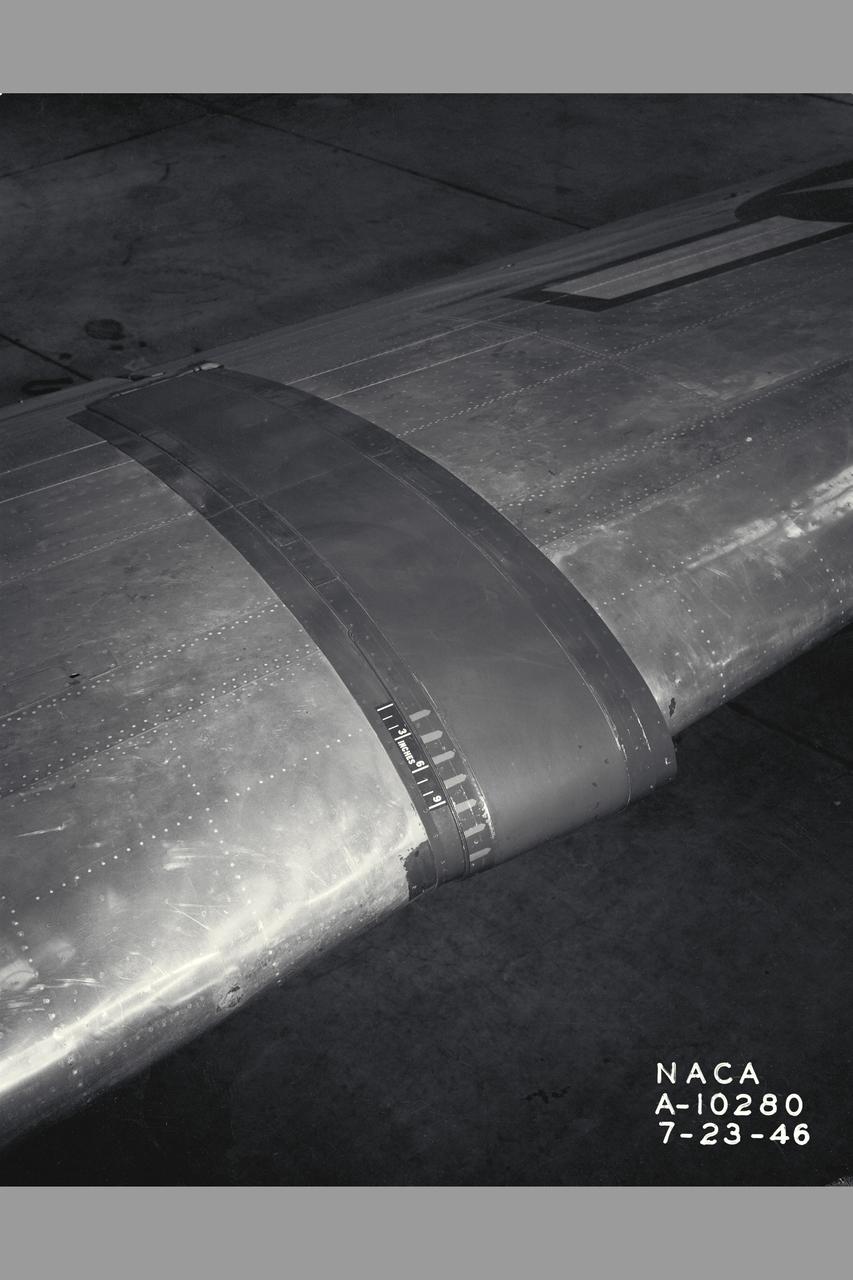
NACA Photographer Electrically heated airfoil - wing glove on C-46 airplane
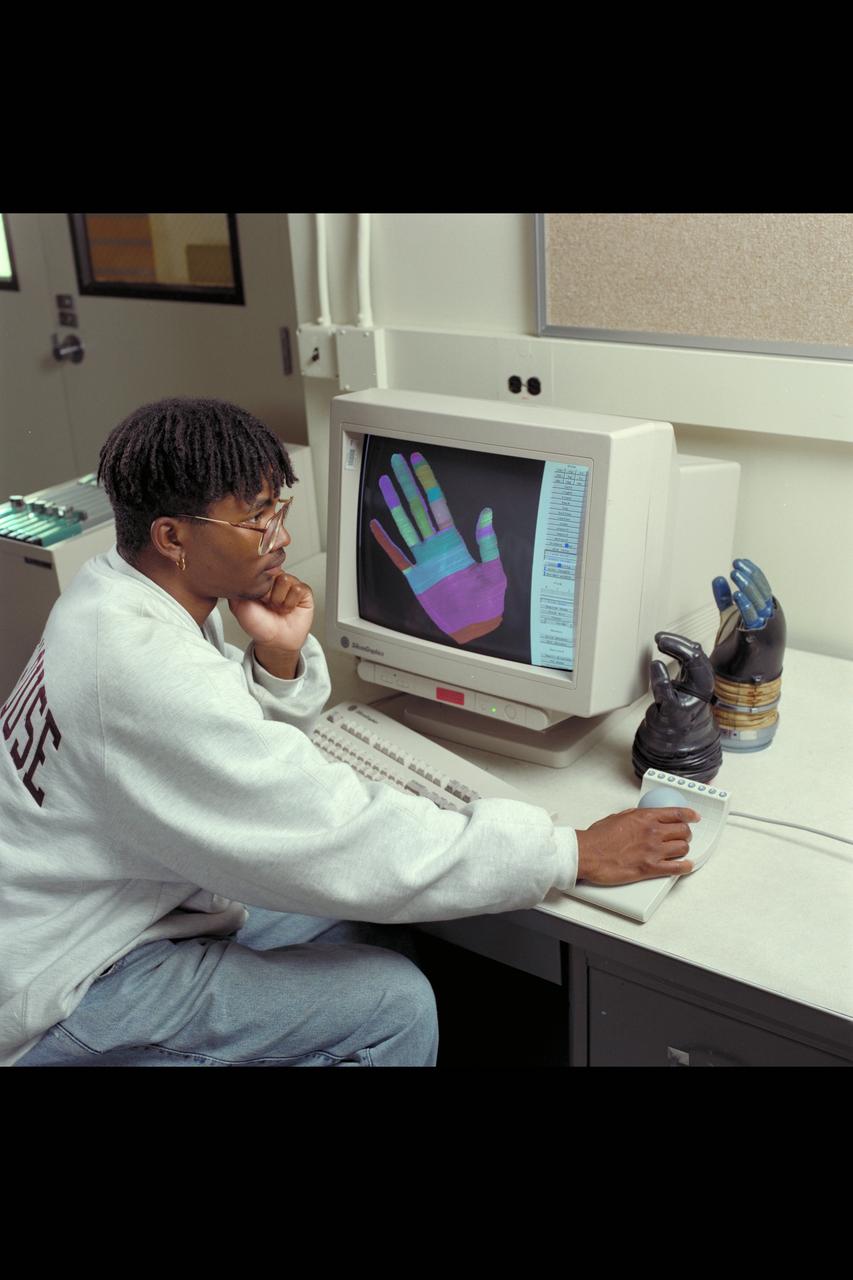
Ames Life Sciences Experiments: Cedi Snowden at Silicon Graphics with AX-5 spacesuit glove
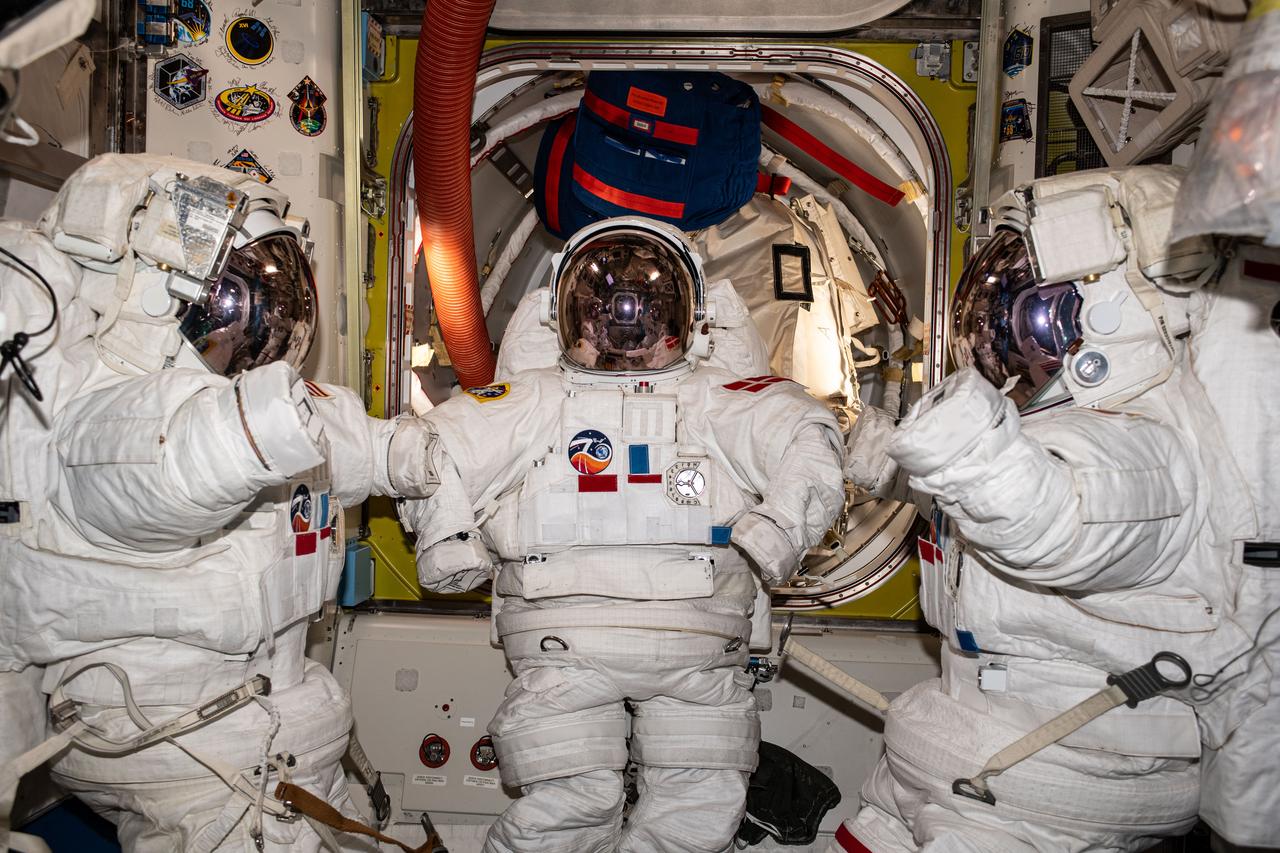
iss070e021451 (Nov. 7, 2023) --- Three near-assembled spacesuits, with their gloves unattached, are pictured inside the International Space Station's Quest airlock ahead of an upcoming spacewalk.

SSBRP Incubator/Small Payloads Development (N-261 Lab 1) with petrie dish speciems, led (red) lights and purple gloved hand