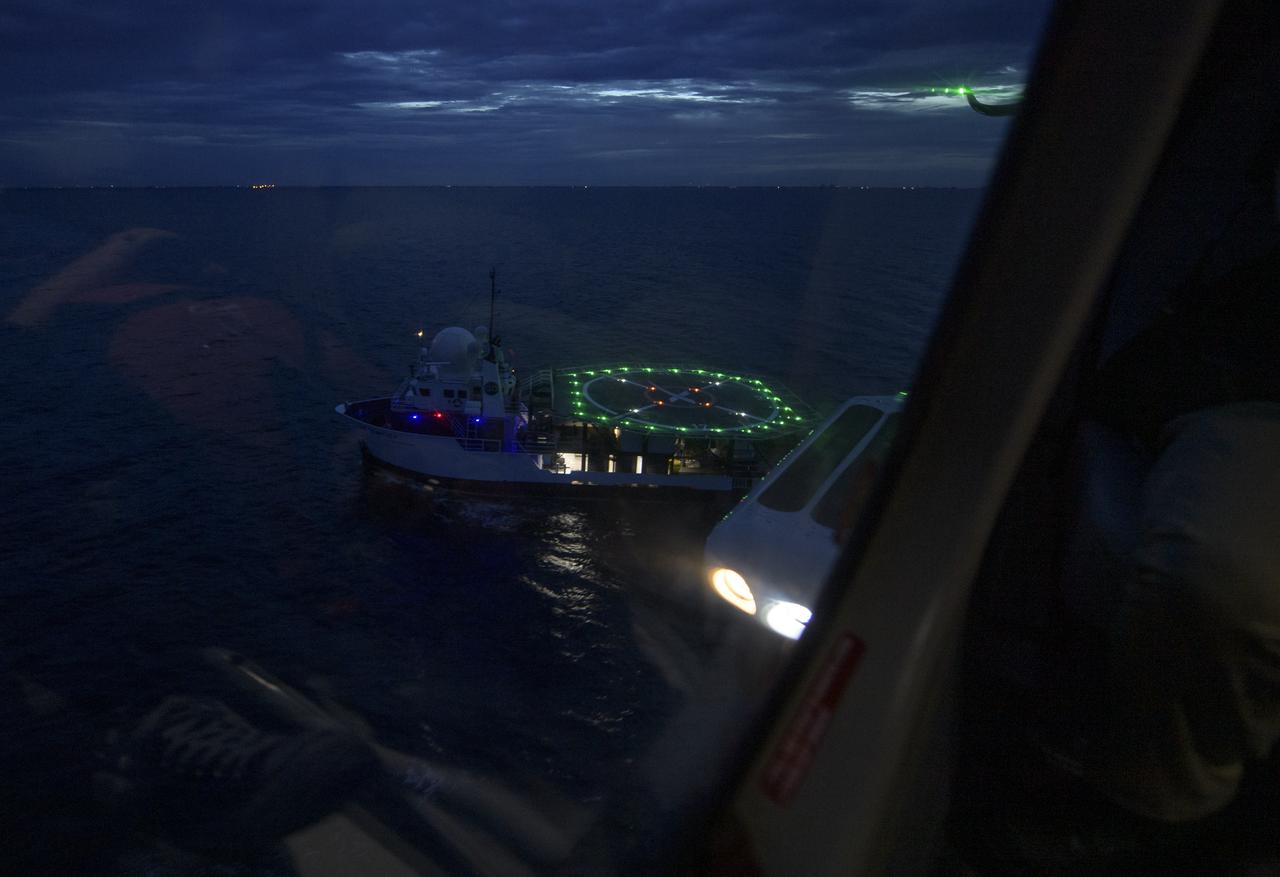
The GO Searcher ship is seen from a helicopter during practice for a medical emergency evacuation, Friday, August 15, 2019 in the Atlantic Ocean off the coast of Cape Canaveral, Florida. Teams from NASA and SpaceX gathered to refine procedures for emergency situations. SpaceX will use the GO Searcher ship during the Demo-2 mission to recover NASA astronauts returning from the International Space Station in their Crew Dragon spacecraft. Photo Credit: (NASA/Bill Ingalls)
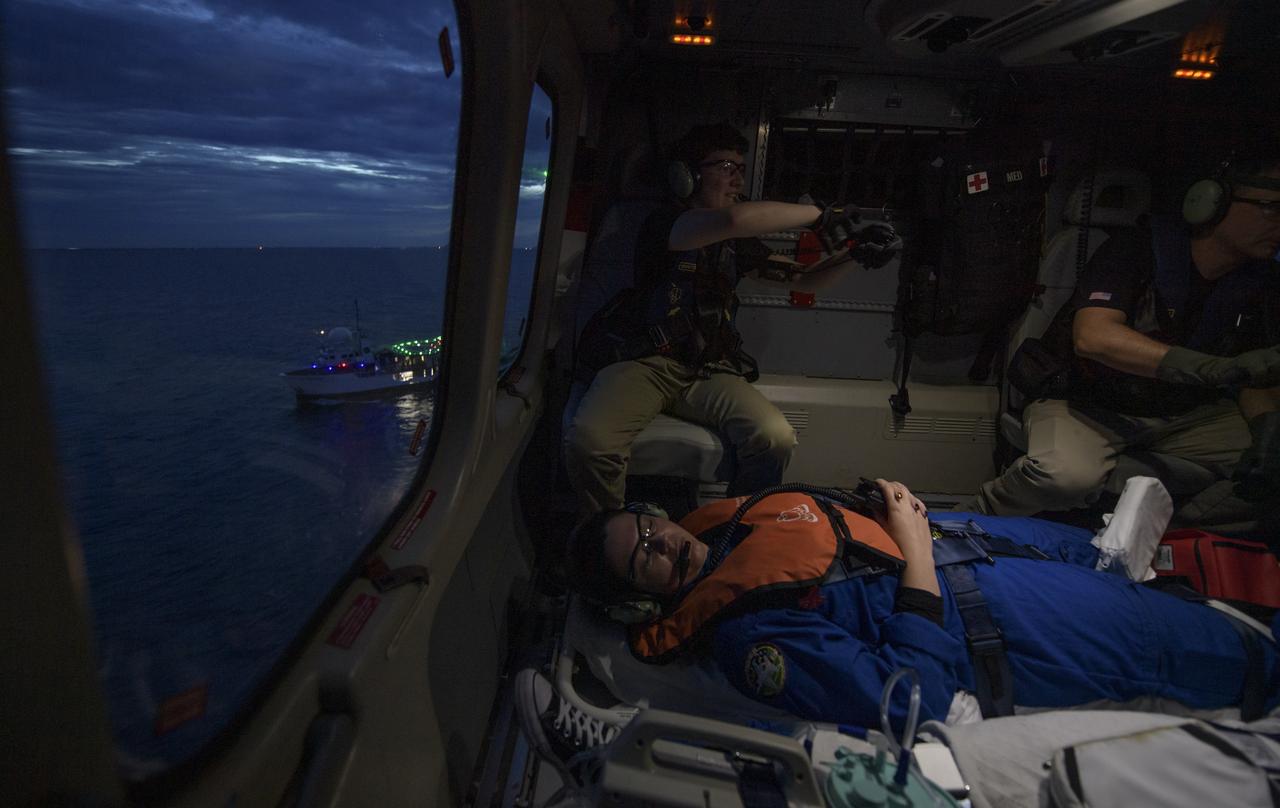
Teams from NASA and SpaceX practice medical emergency evacuations from the GO Searcher ship via helicopter, Friday, August 15, 2019 in the Atlantic Ocean off the coast of Cape Canaveral, Florida. The teams gathered to refine procedures for emergency situations. SpaceX will use the GO Searcher ship during the Demo-2 mission to recover NASA astronauts returning from the International Space Station in their Crew Dragon spacecraft. Photo Credit: (NASA/Bill Ingalls)
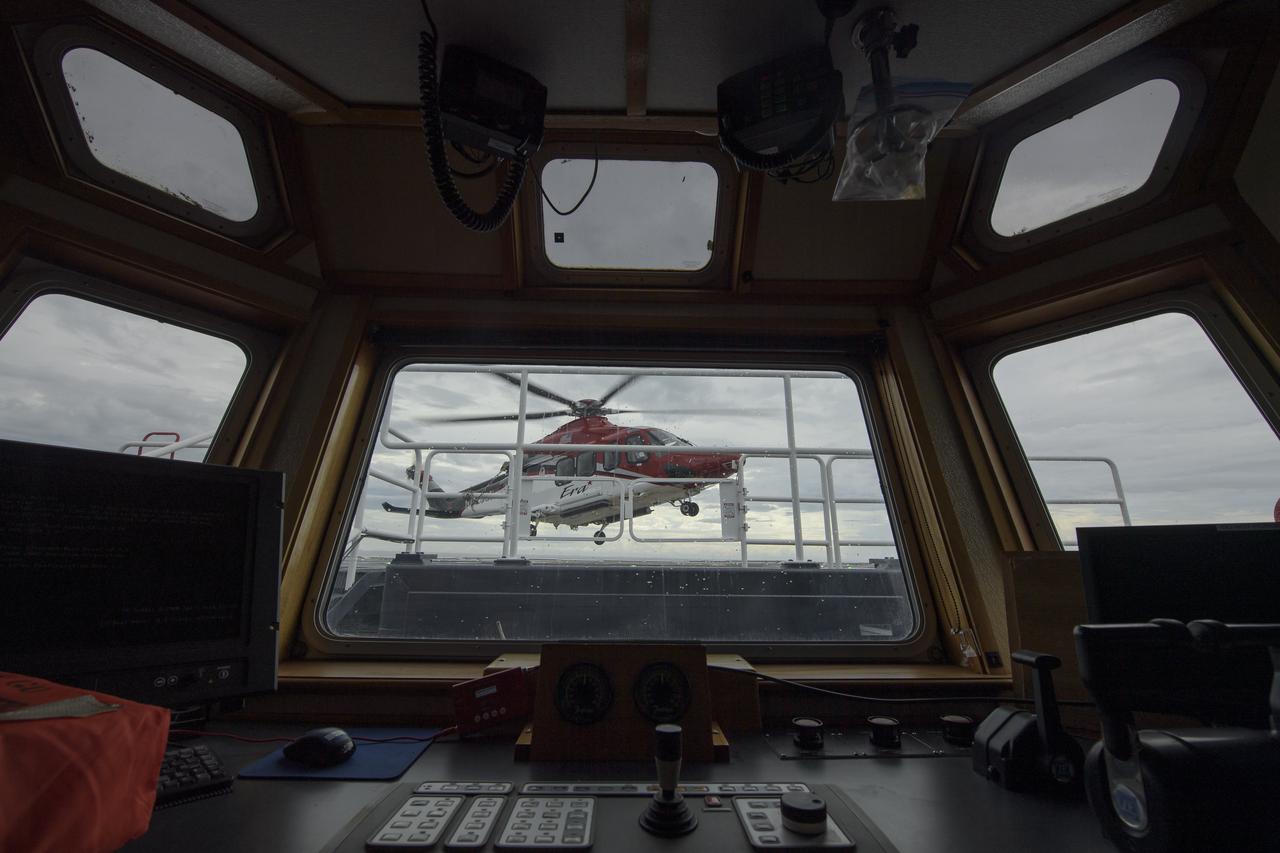
A helicopter equipped for air medical operations lands on the GO Searcher ship as teams from NASA and SpaceX practice procedures for medical emergency evacuation, Friday, August 15, 2019 in the Atlantic Ocean off the coast of Cape Canaveral, Florida. SpaceX will use the GO Searcher ship during the Demo-2 mission to recover NASA astronauts returning from the International Space Station in their Crew Dragon spacecraft. Photo Credit: (NASA/Bill Ingalls)
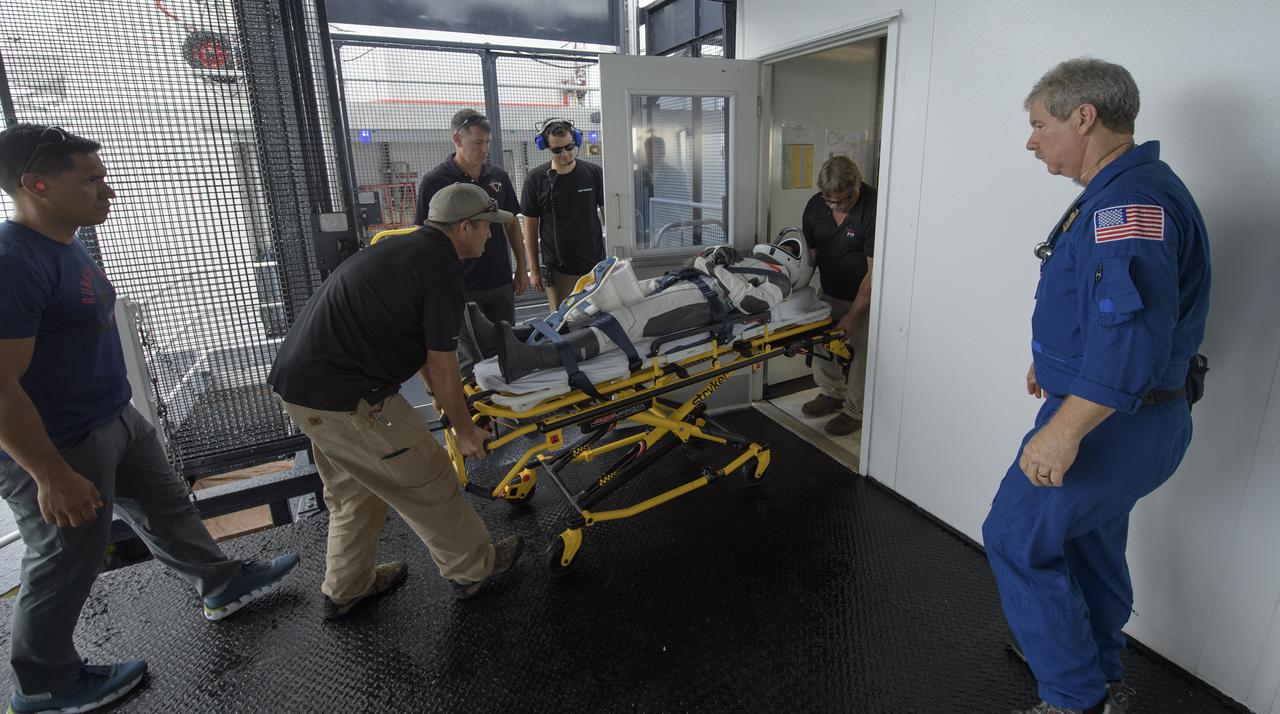
Teams from NASA and SpaceX practice procedures for medical emergency evacuation onboard the GO Searcher ship, Friday, August 15, 2019 in the Atlantic Ocean off the coast of Cape Canaveral, Florida. SpaceX will use the GO Searcher ship during the Demo-2 mission to recover NASA astronauts returning from the International Space Station in their Crew Dragon spacecraft. Photo Credit: (NASA/Bill Ingalls)
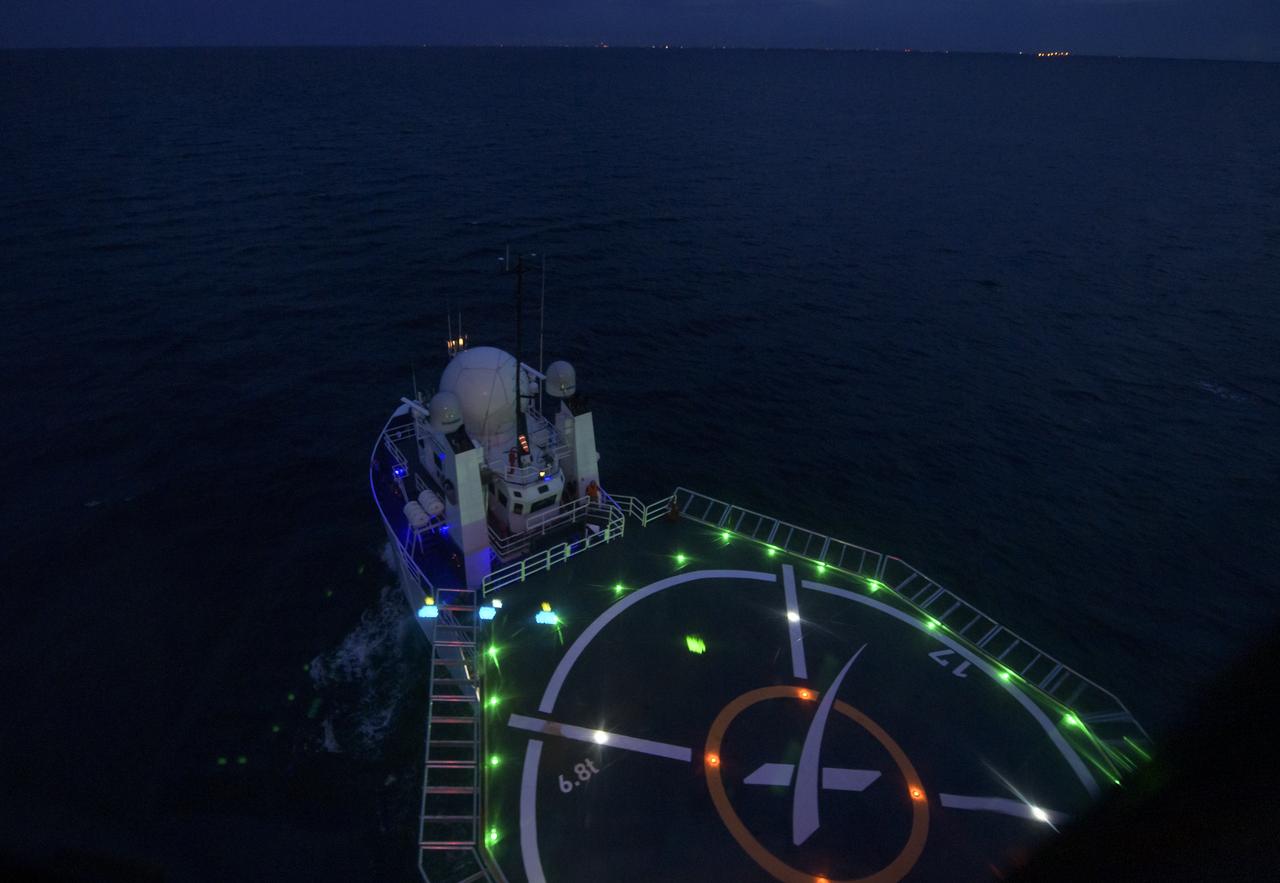
The GO Searcher ship is seen from a helicopter during practice for a medical emergency evacuation, Friday, August 15, 2019 in the Atlantic Ocean off the coast of Cape Canaveral, Florida. Teams from NASA and SpaceX gathered to refine procedures for emergency situations. SpaceX will use the GO Searcher ship during the Demo-2 mission to recover NASA astronauts returning from the International Space Station in their Crew Dragon spacecraft. Photo Credit: (NASA/Bill Ingalls)
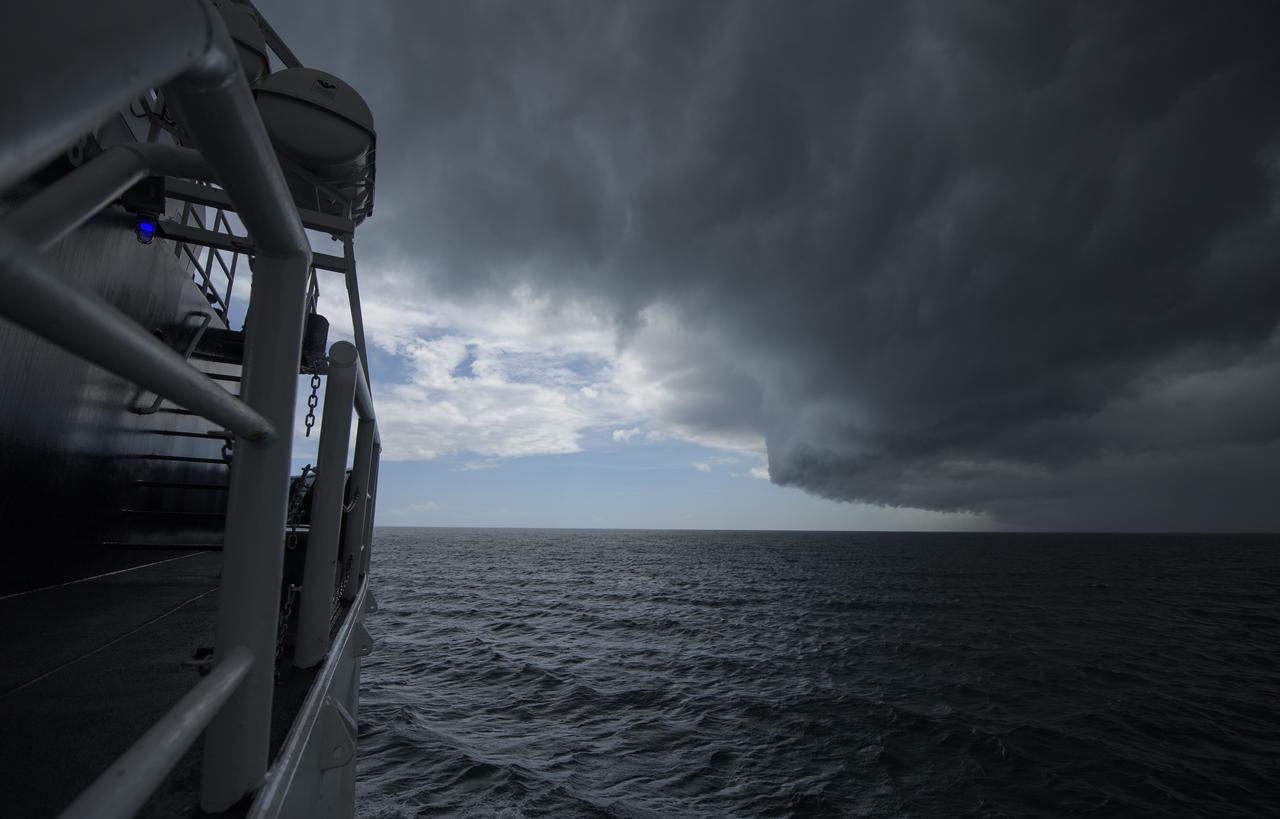
A quick moving storm passes as teams from NASA and SpaceX practice procedures for medical emergency evacuation onboard the GO Searcher ship, Friday, August 15, 2019 in the Atlantic Ocean off the coast of Cape Canaveral, Florida. SpaceX will use the GO Searcher ship during the Demo-2 mission to recover NASA astronauts returning from the International Space Station in their Crew Dragon spacecraft. Photo Credit: (NASA/Bill Ingalls)
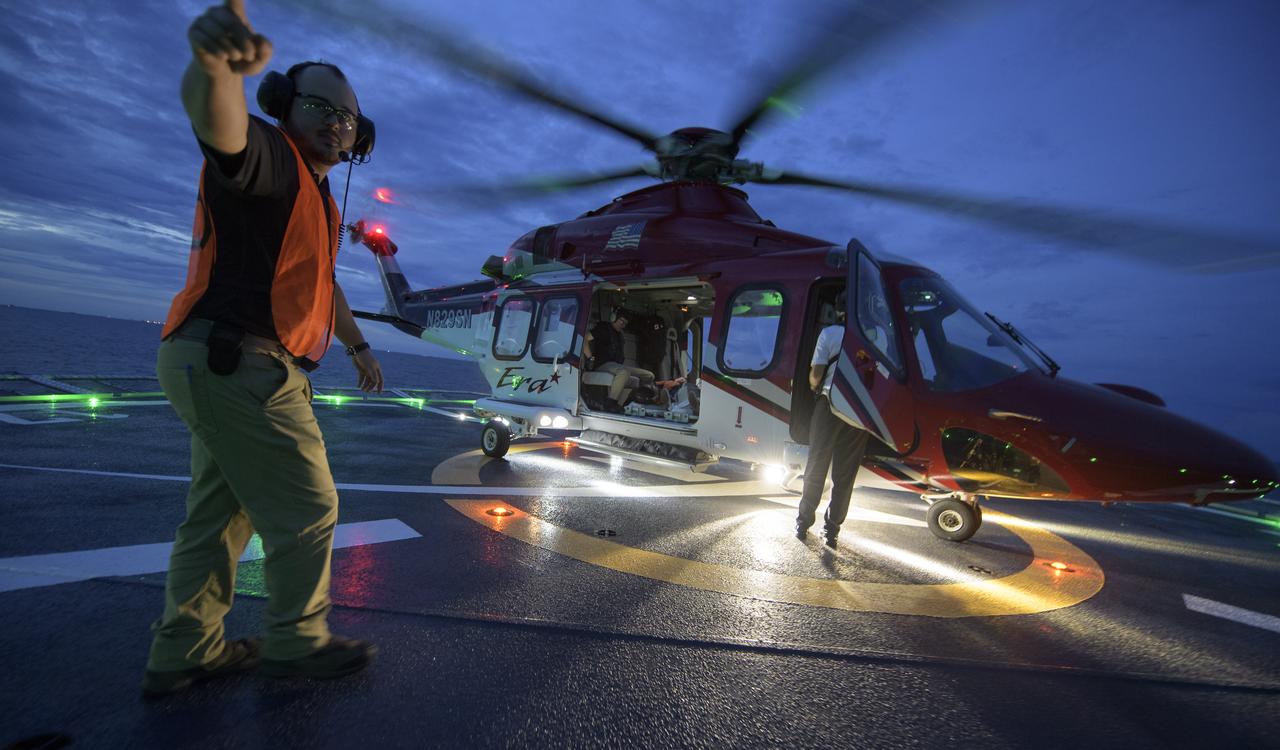
Teams from NASA and SpaceX practice procedures for medical emergency evacuation onboard the GO Searcher ship, Friday, August 15, 2019 in the Atlantic Ocean off the coast of Cape Canaveral, Florida. SpaceX will use the GO Searcher ship during the Demo-2 mission to recover NASA astronauts returning from the International Space Station in their Crew Dragon spacecraft. Photo Credit: (NASA/Bill Ingalls)
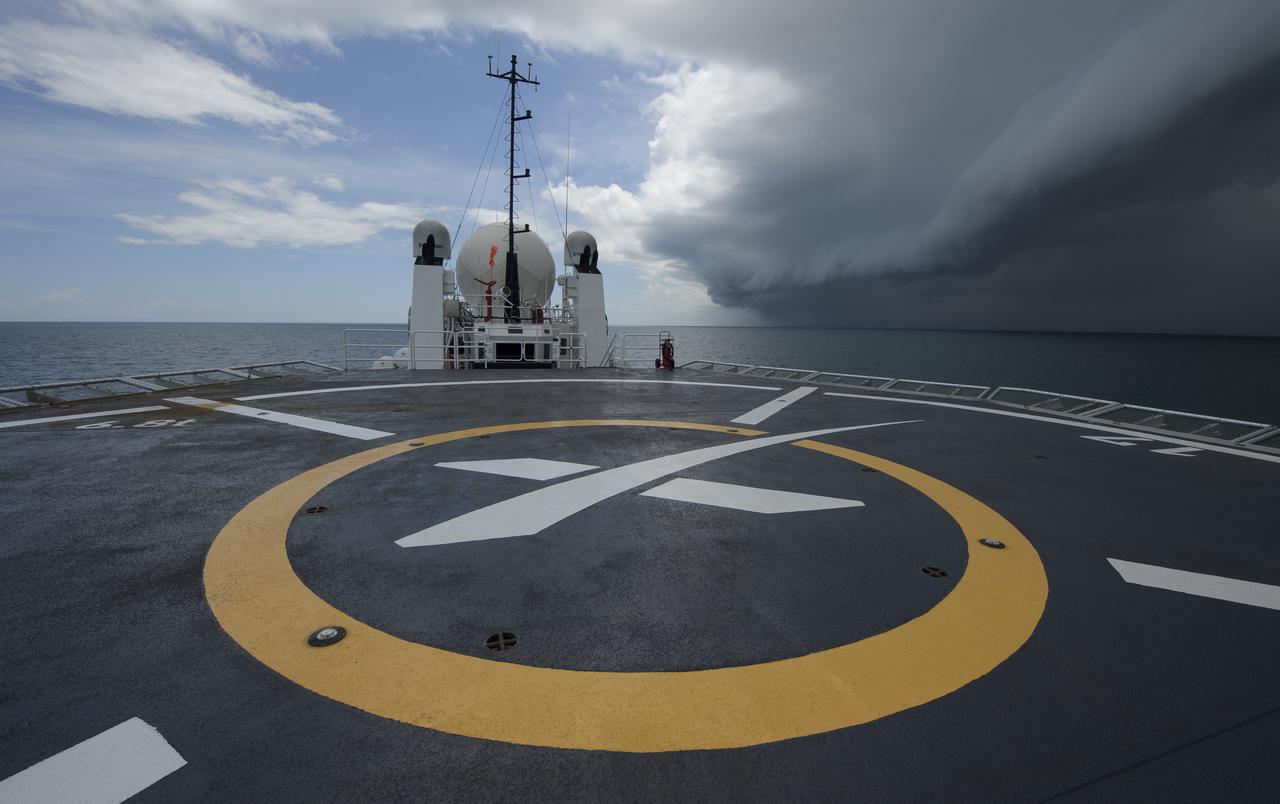
A quick moving storm passes as teams from NASA and SpaceX practice procedures for medical emergency evacuation onboard the GO Searcher ship, Friday, August 15, 2019 in the Atlantic Ocean off the coast of Cape Canaveral, Florida. SpaceX will use the GO Searcher ship during the Demo-2 mission to recover NASA astronauts returning from the International Space Station in their Crew Dragon spacecraft. Photo Credit: (NASA/Bill Ingalls)
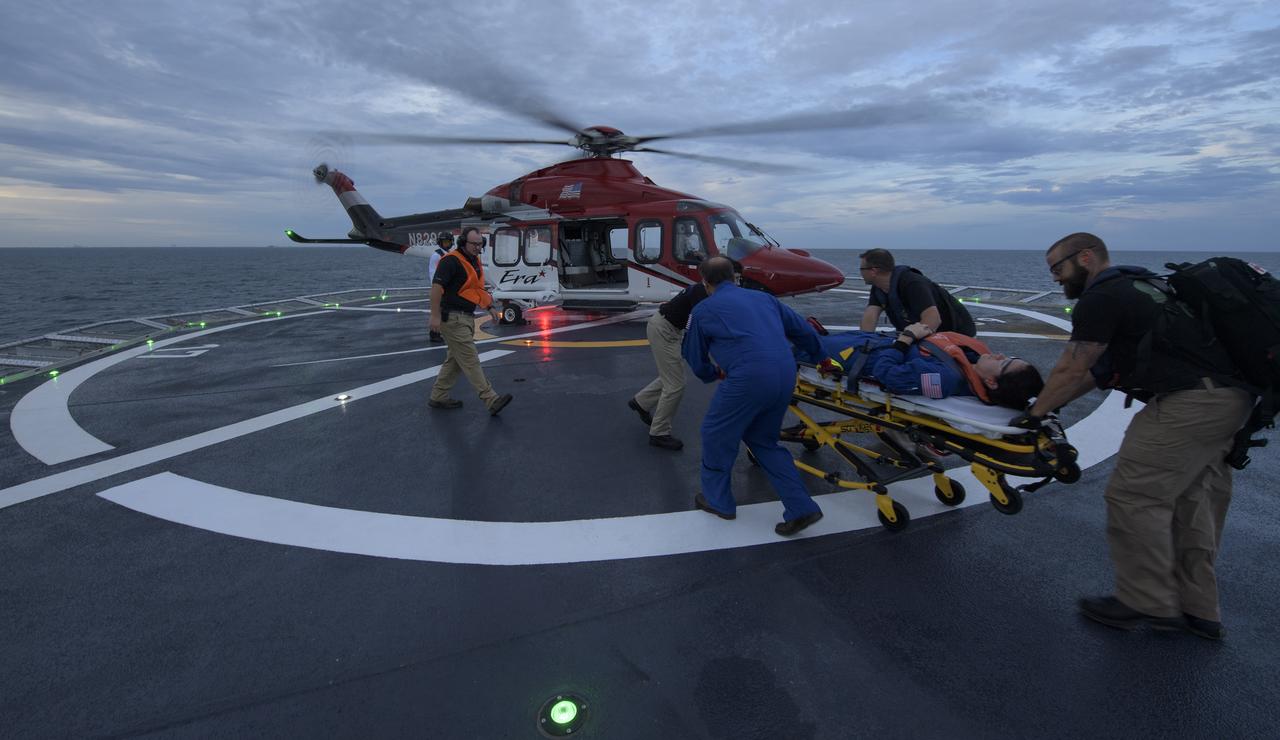
Teams from NASA and SpaceX practice procedures for medical emergency evacuation onboard the GO Searcher ship, Friday, August 15, 2019 in the Atlantic Ocean off the coast of Cape Canaveral, Florida. SpaceX will use the GO Searcher ship during the Demo-2 mission to recover NASA astronauts returning from the International Space Station in their Crew Dragon spacecraft. Photo Credit: (NASA/Bill Ingalls)
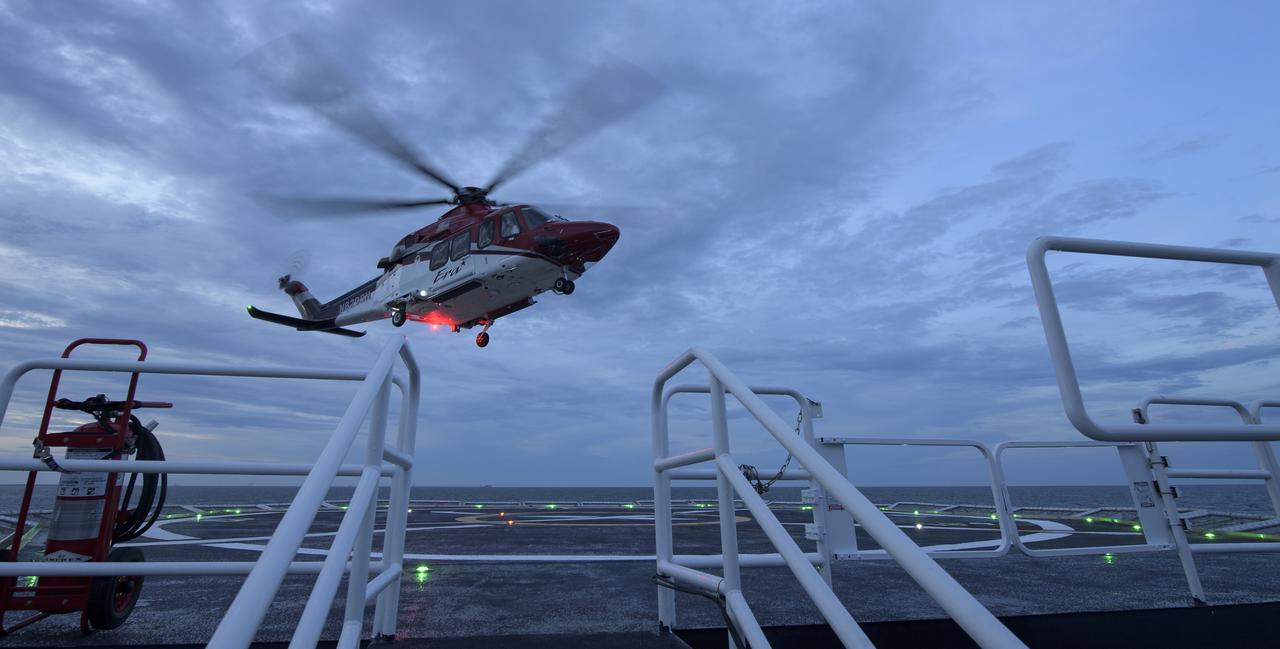
A helicopter equipped for air medical operations takes off from the GO Searcher ship as teams from NASA and SpaceX practice procedures for medical emergency evacuation, Friday, August 15, 2019 in the Atlantic Ocean off the coast of Cape Canaveral, Florida. SpaceX will use the GO Searcher ship during the Demo-2 mission to recover NASA astronauts returning from the International Space Station in their Crew Dragon spacecraft. Photo Credit: (NASA/Bill Ingalls)
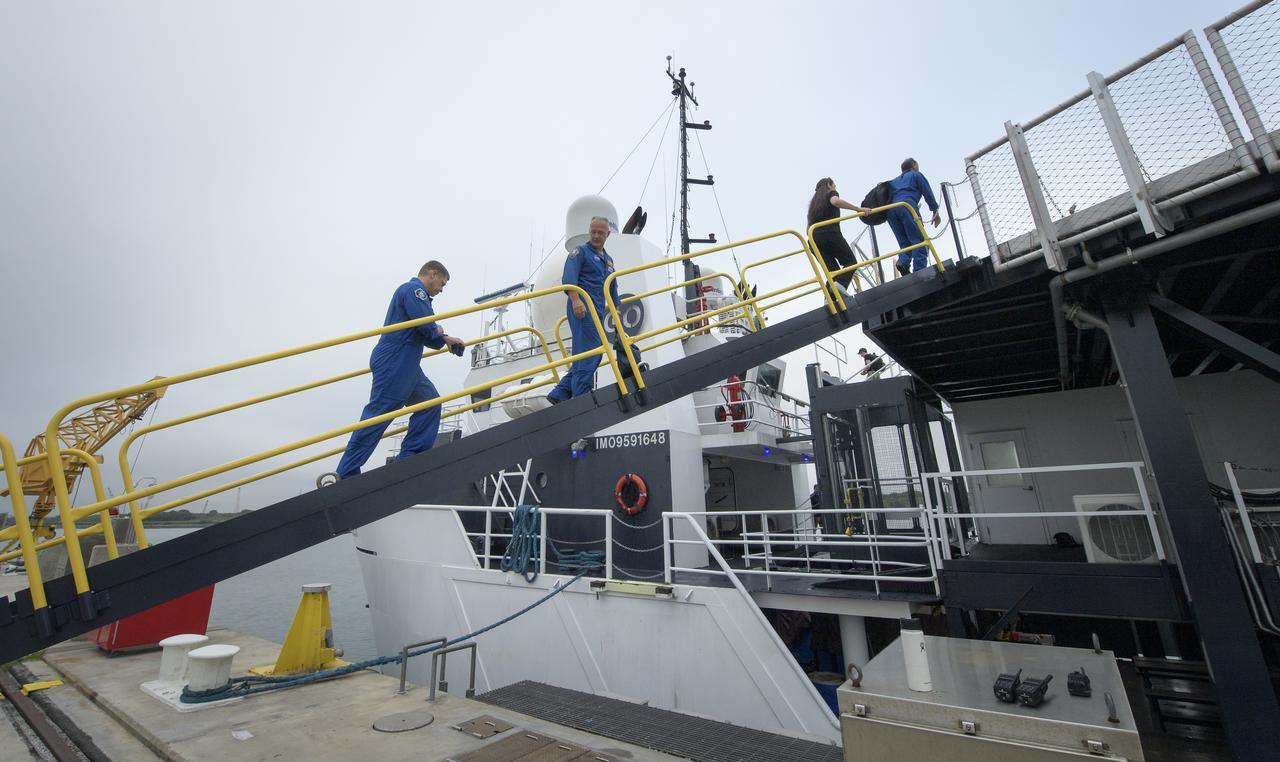
NASA astronauts Bob Behnken, left, and Doug Hurley board the SpaceX GO Searcher ship at the Trident Basin in Cape Canaveral, Florida, on August 13, 2019 to rehearse extracting astronauts from SpaceX’s Crew Dragon, which will be used to carry humans to the International Space Station. Using the Go Searcher ship SpaceX uses to recover their spacecraft after splashdown and a mock-up of the Crew Dragon, the teams worked through the steps necessary to get NASA astronauts Doug Hurley and Bob Behnken out of the Dragon and back to dry land. Hurley and Behnken will fly to the space station aboard the Crew Dragon for the SpaceX Demo-2 mission. Photo Credit: (NASA/Bill Ingalls)
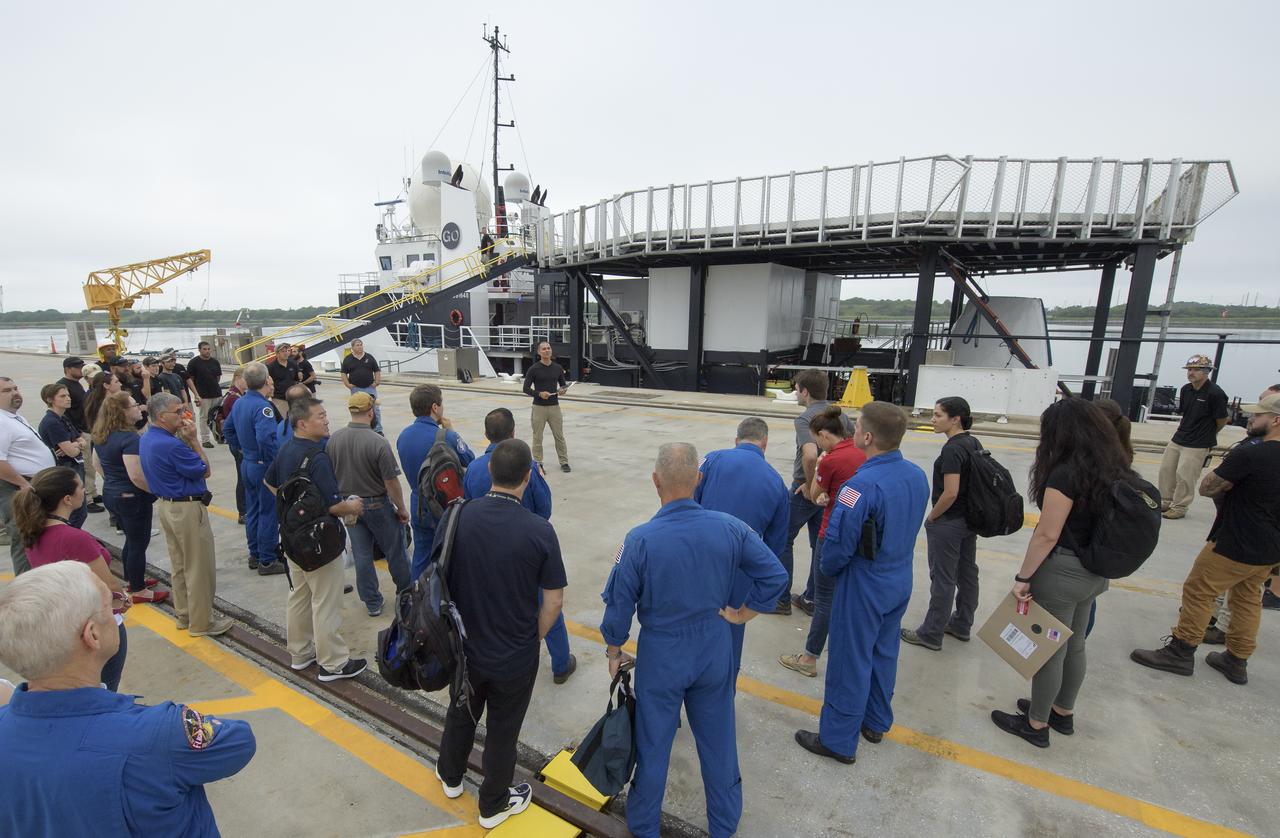
Teams from NASA and SpaceX gather at the Trident Basin in Cape Canaveral, Florida, on August 13, 2019 to rehearse extracting astronauts from SpaceX’s Crew Dragon, which will be used to carry humans to the International Space Station. Using the Go Searcher ship SpaceX uses to recover their spacecraft after splashdown and a mock-up of the Crew Dragon, the teams worked through the steps necessary to get NASA astronauts Doug Hurley and Bob Behnken out of the Dragon and back to dry land. Hurley and Behnken will fly to the space station aboard the Crew Dragon for the SpaceX Demo-2 mission. Photo Credit: (NASA/Bill Ingalls)
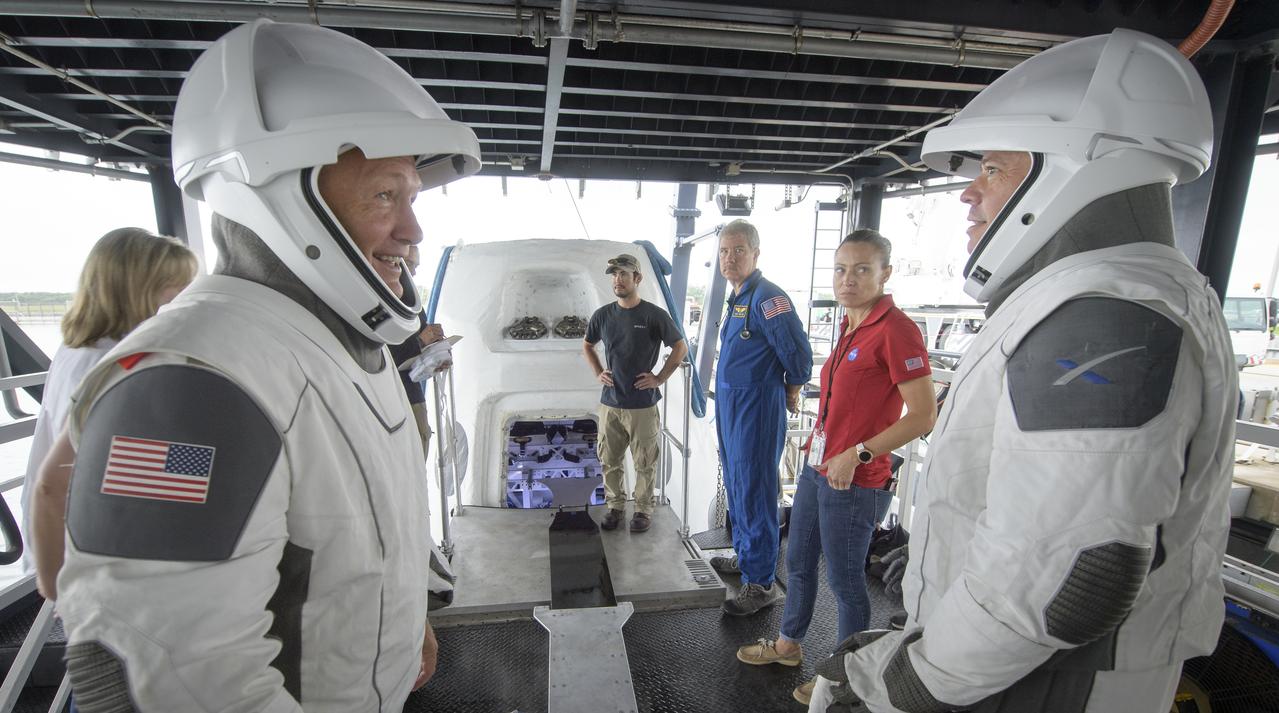
NASA astronauts Doug Hurley, left, and Bob Behnken work with teams from NASA and SpaceX to rehearse crew extraction from SpaceX’s Crew Dragon, which will be used to carry humans to the International Space Station, on August 13, 2019 at the Trident Basin in Cape Canaveral, Florida. Using the Go Searcher ship SpaceX uses to recover their spacecraft after splashdown and a mock-up of the Crew Dragon, the teams worked through the steps necessary to get NASA astronauts Doug Hurley and Bob Behnken out of the Dragon and back to dry land. Hurley and Behnken will fly to the space station aboard the Crew Dragon for the SpaceX Demo-2 mission. Photo Credit: (NASA/Bill Ingalls)
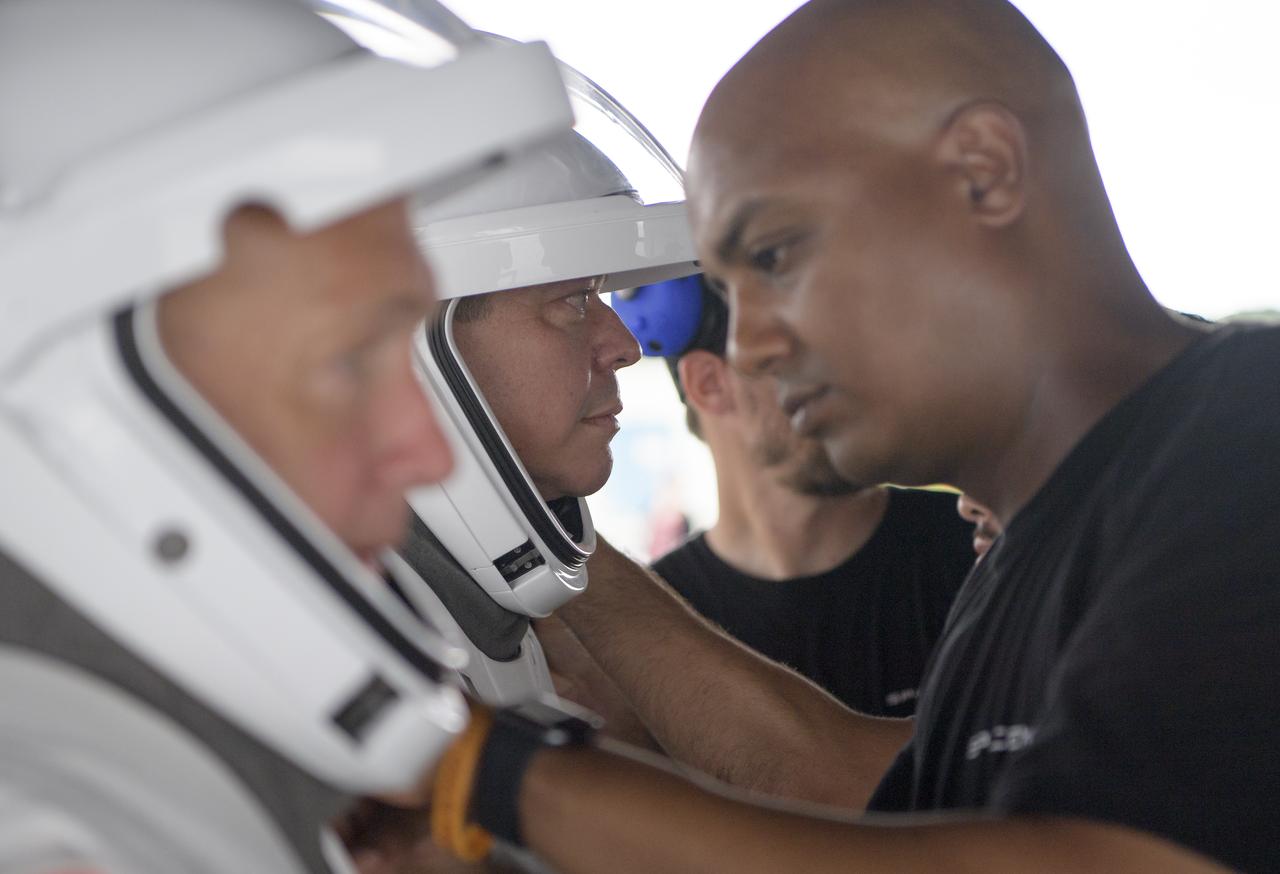
NASA astronauts Doug Hurley, left, and Bob Behnken work with teams from NASA and SpaceX to rehearse crew extraction from SpaceX’s Crew Dragon, which will be used to carry humans to the International Space Station, on August 13, 2019 at the Trident Basin in Cape Canaveral, Florida. Using the Go Searcher ship SpaceX uses to recover their spacecraft after splashdown and a mock-up of the Crew Dragon, the teams worked through the steps necessary to get NASA astronauts Doug Hurley and Bob Behnken out of the Dragon and back to dry land. Hurley and Behnken will fly to the space station aboard the Crew Dragon for the SpaceX Demo-2 mission. Photo Credit: (NASA/Bill Ingalls)
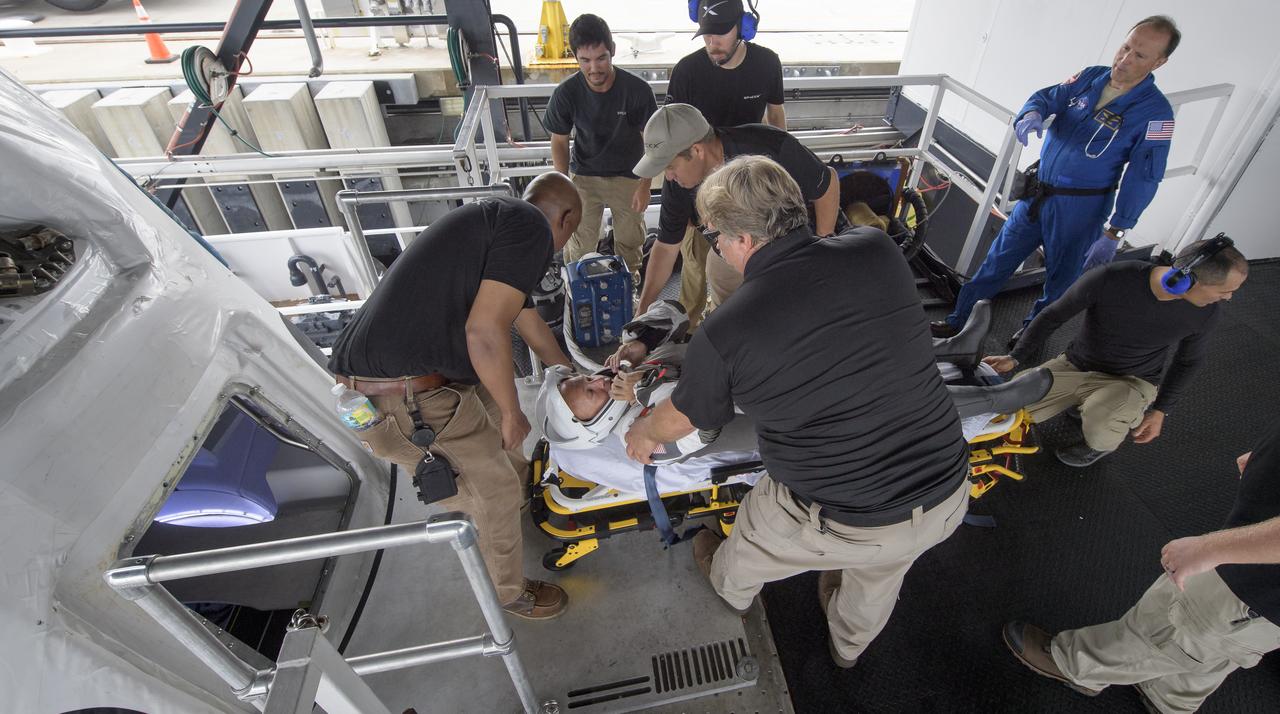
NASA astronaut Doug Hurley, along with teams from NASA and SpaceX, rehearse crew extraction from SpaceX’s Crew Dragon, which will be used to carry humans to the International Space Station, on August 13, 2019 at the Trident Basin in Cape Canaveral, Florida. Using the Go Searcher ship SpaceX uses to recover their spacecraft after splashdown and a mock-up of the Crew Dragon, the teams worked through the steps necessary to get NASA astronauts Doug Hurley and Bob Behnken out of the Dragon and back to dry land. Hurley and Behnken will fly to the space station aboard the Crew Dragon for the SpaceX Demo-2 mission. Photo Credit: (NASA/Bill Ingalls)
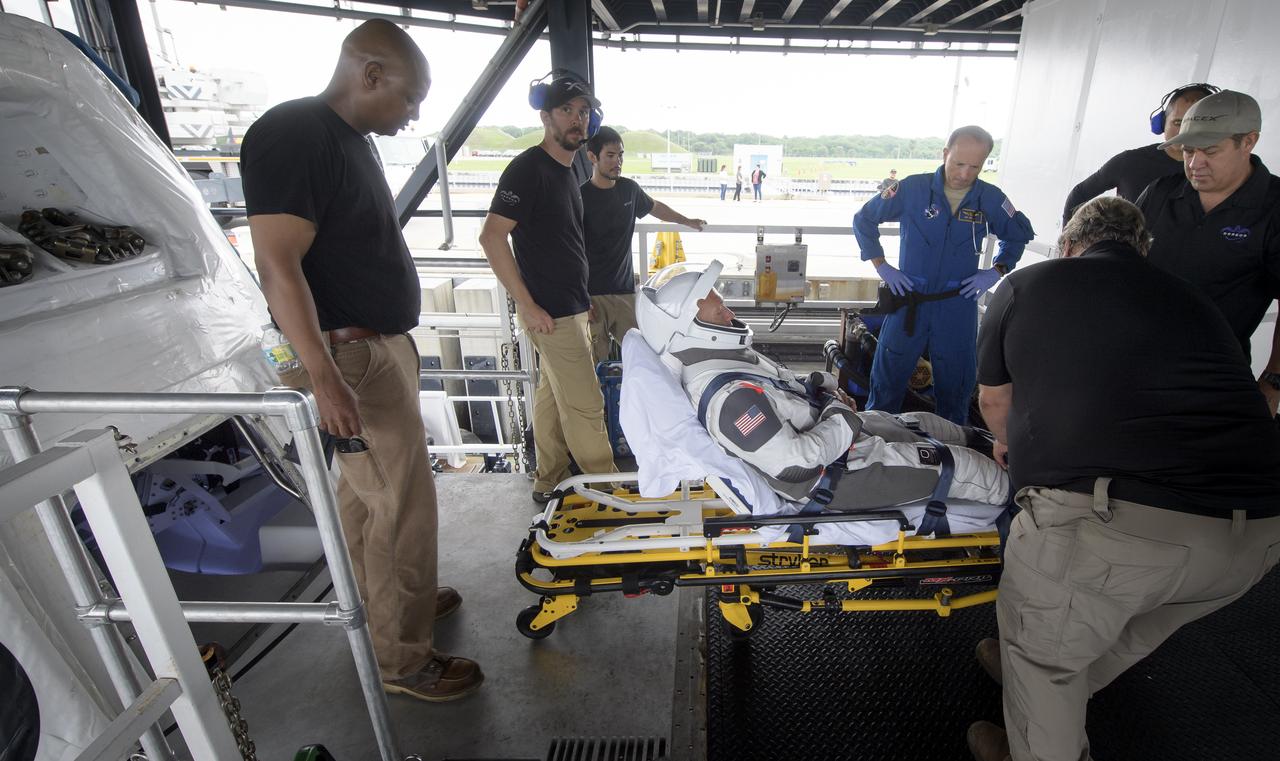
NASA astronaut Doug Hurley, along with teams from NASA and SpaceX, rehearse crew extraction from SpaceX’s Crew Dragon, which will be used to carry humans to the International Space Station, on August 13, 2019 at the Trident Basin in Cape Canaveral, Florida. Using the Go Searcher ship SpaceX uses to recover their spacecraft after splashdown and a mock-up of the Crew Dragon, the teams worked through the steps necessary to get NASA astronauts Doug Hurley and Bob Behnken out of the Dragon and back to dry land. Hurley and Behnken will fly to the space station aboard the Crew Dragon for the SpaceX Demo-2 mission. Photo Credit: (NASA/Bill Ingalls)

SpaceX’s Crew Dragon approaches the International Space Station during the Demo-1 mission on Sunday, March 3, 2019. The uncrewed spacecraft docked to the orbiting laboratory following a 2:49 a.m. EST liftoff aboard a SpaceX Falcon 9 rocket from Launch Complex 39A at NASA’s Kennedy Space Center in Florida on March 2. Crew Dragon made 18 orbits of Earth before successfully attaching to the space station. The spacecraft undocked at 2:32 a.m., March 8, splashing down in the Atlantic Ocean, about 200 miles off Florida’s east coast, at 8:45 a.m. It arrived in Port Canaveral in Florida on the main deck of SpaceX’s recovery ship, Go Searcher, on March 9. SpaceX’s inaugural flight with NASA’s Commercial Crew Program is the first flight test of a space system designed for humans built and operated by a commercial company through a public-private partnership. NASA and SpaceX will use data from Demo-1 to further prepare for Demo-2, the crewed flight test that will carry NASA astronauts Bob Behnken and Doug Hurley to the International Space Station later this year.

SpaceX’s Crew Dragon spacecraft arrives in Port Canaveral, Florida, aboard the company’s recovery ship, Go Searcher, on Saturday, March 9, 2019. Crew Dragon splashed down in the Atlantic Ocean, about 200 miles off Florida’s east coast, at 8:45 a.m. EST on March 8, after undocking from the International Space Station at 2:32 a.m. As part of the Demo-1 mission, the uncrewed spacecraft docked to the orbiting laboratory on March 3, following a 2:49 a.m. EST liftoff aboard a SpaceX Falcon 9 rocket from Launch Complex 39A at NASA’s Kennedy Space Center in Florida on March 2. SpaceX’s inaugural flight with NASA’s Commercial Crew Program is the first flight test of a space system designed for humans built and operated by a commercial company through a public-private partnership. NASA and SpaceX will use data from Demo-1 to further prepare for Demo-2, the crewed flight test that will carry NASA astronauts Bob Behnken and Doug Hurley to the International Space Station later this year.
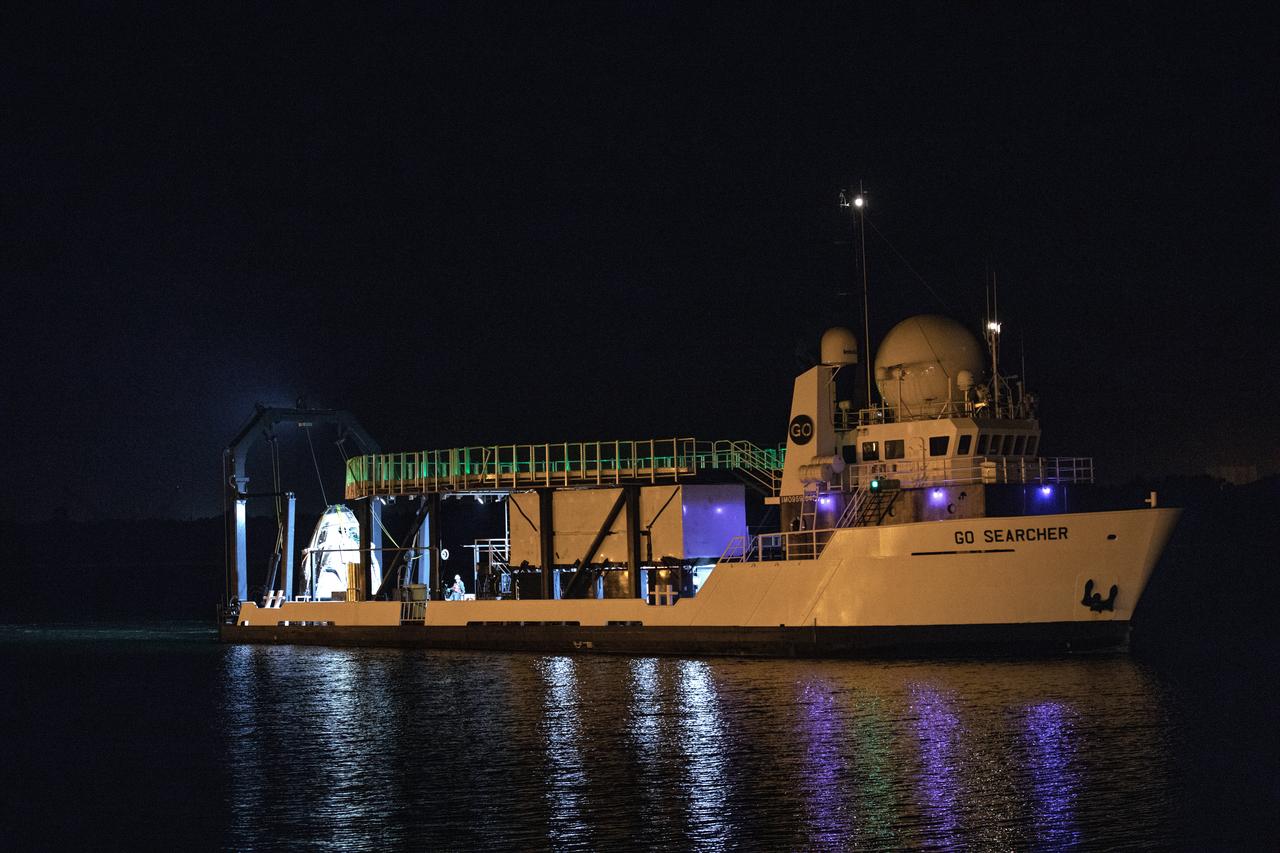
SpaceX’s recovery ship, Go Searcher, enters Port Canaveral in Florida on Saturday, March 9, 2019, with the company’s Crew Dragon spacecraft on its main deck. Crew Dragon splashed down in the Atlantic Ocean, about 200 miles off Florida’s east coast, at 8:45 a.m. EST on March 8, after undocking from the International Space Station at 2:32 a.m. As part of the Demo-1 mission, the uncrewed spacecraft docked to the orbiting laboratory on March 3, following a 2:49 a.m. EST liftoff aboard a SpaceX Falcon 9 rocket from Launch Complex 39A at NASA’s Kennedy Space Center in Florida on March 2. SpaceX’s inaugural flight with NASA’s Commercial Crew Program is the first flight test of a space system designed for humans built and operated by a commercial company through a public-private partnership. NASA and SpaceX will use data from Demo-1 to further prepare for Demo-2, the crewed flight test that will carry NASA astronauts Bob Behnken and Doug Hurley to the International Space Station later this year.
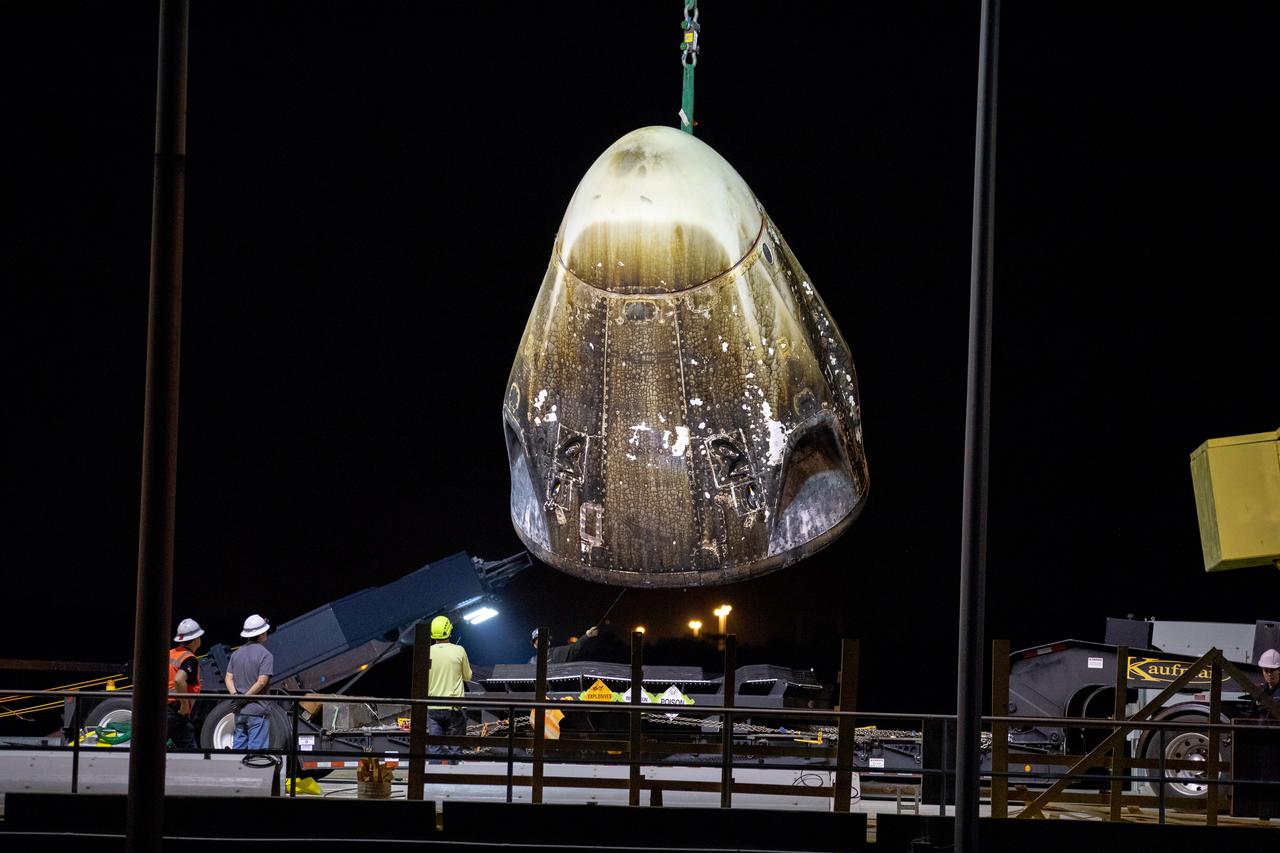
The SpaceX Crew Dragon spacecraft is offloaded from the company’s recovery ship, Go Searcher, in Florida’s Port Canaveral on Saturday, March 9, 2019. Crew Dragon splashed down in the Atlantic Ocean, about 200 miles off Florida’s east coast, at 8:45 a.m. EST on March 8, after undocking from the International Space Station at 2:32 a.m. As part of the Demo-1 mission, the uncrewed spacecraft docked to the orbiting laboratory on March 3, following a 2:49 a.m. EST liftoff aboard a SpaceX Falcon 9 rocket from Launch Complex 39A at NASA’s Kennedy Space Center in Florida on March 2. SpaceX’s inaugural flight with NASA’s Commercial Crew Program is the first flight test of a space system designed for humans built and operated by a commercial company through a public-private partnership. NASA and SpaceX will use data from Demo-1 to further prepare for Demo-2, the crewed flight test that will carry NASA astronauts Bob Behnken and Doug Hurley to the International Space Station later this year.
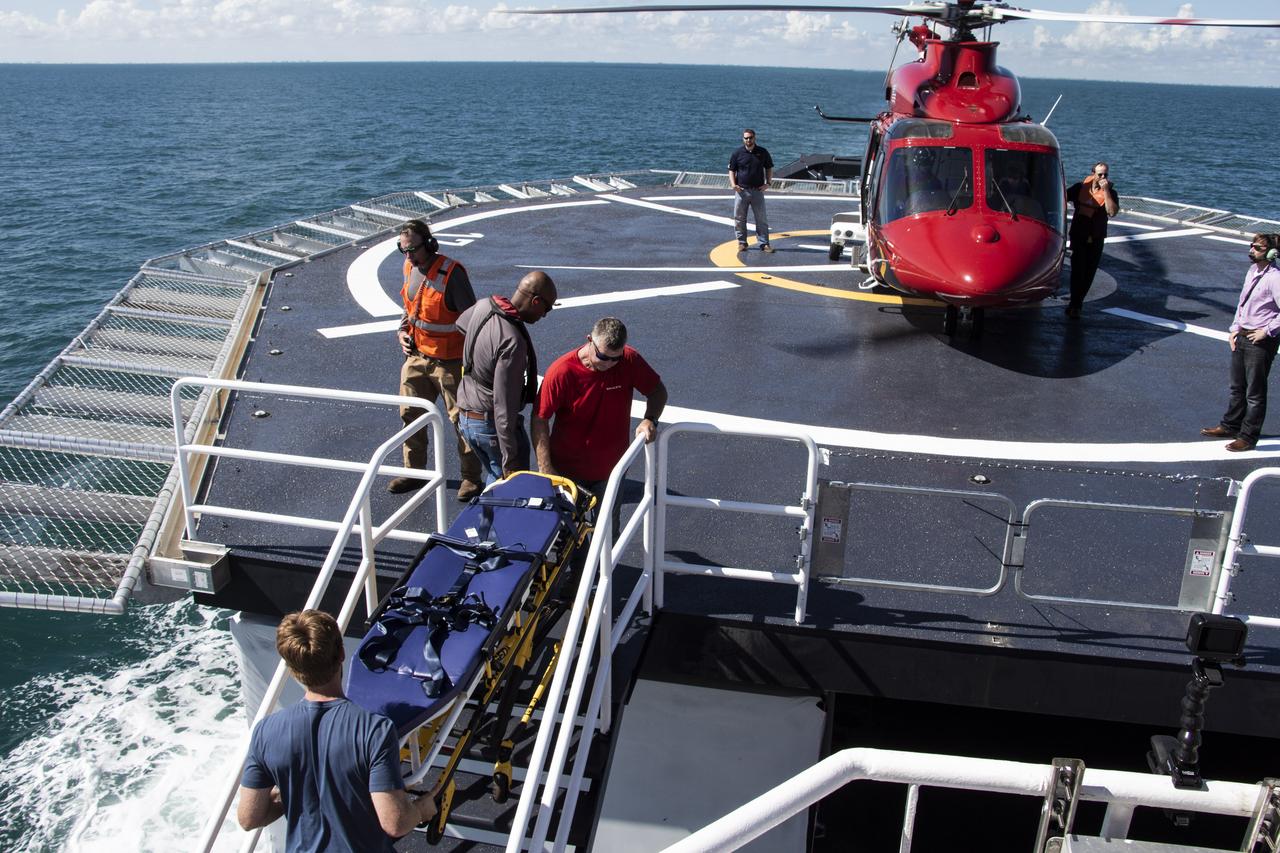
SpaceX rehearses helicopter landing and patient loading on its recovery ship, GO Searcher, practicing how the aircraft will pick up astronauts and fly them to a nearby hospital in the unlikely event of a medical emergency. The company outfitted the ship with a medical treatment facility and a helipad in the center of the vessel. When astronauts splash down into the ocean after their journey to the International Space Station on SpaceX’s Crew Dragon spacecraft, NASA and SpaceX doctors will work together to evaluate the crew onboard the vessel. Should astronauts need to be airlifted to a hospital, the helicopter also will pick up paramedics and doctors from the ship who will care for the astronauts in-flight.
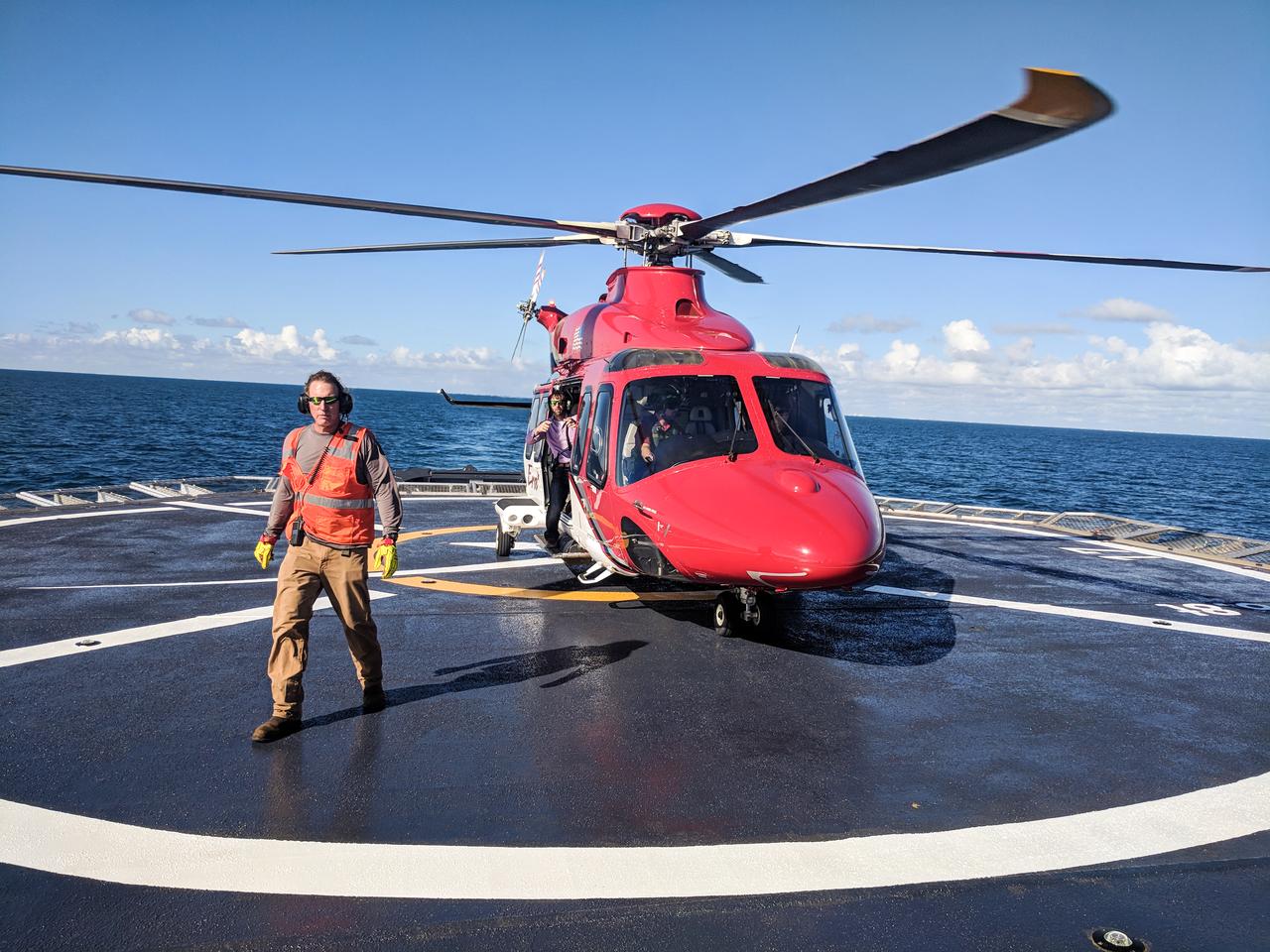
SpaceX rehearses helicopter landing and patient loading on its recovery ship, GO Searcher, practicing how the aircraft will pick up astronauts and fly them to a nearby hospital in the unlikely event of a medical emergency. The company outfitted the ship with a medical treatment facility and a helipad in the center of the vessel. When astronauts splash down into the ocean after their journey to the International Space Station on SpaceX’s Crew Dragon spacecraft, NASA and SpaceX doctors will work together to evaluate the crew onboard the vessel. Should astronauts need to be airlifted to a hospital, the helicopter also will pick up paramedics and doctors from the ship who will care for the astronauts in-flight.
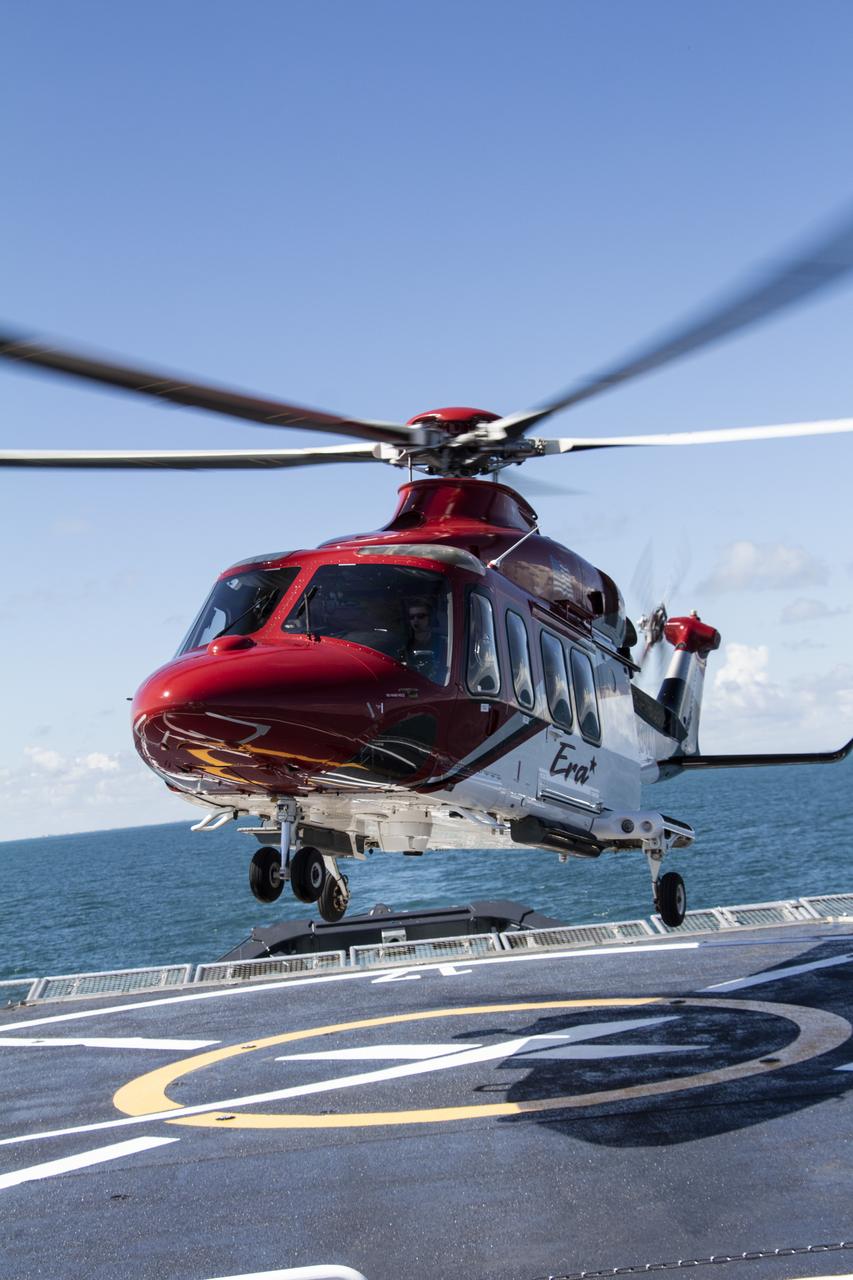
SpaceX rehearses helicopter landing and patient loading on its recovery ship, GO Searcher, practicing how the aircraft will pick up astronauts and fly them to a nearby hospital in the unlikely event of a medical emergency. The company outfitted the ship with a medical treatment facility and a helipad in the center of the vessel. When astronauts splash down into the ocean after their journey to the International Space Station on SpaceX’s Crew Dragon spacecraft, NASA and SpaceX doctors will work together to evaluate the crew onboard the vessel. Should astronauts need to be airlifted to a hospital, the helicopter also will pick up paramedics and doctors from the ship who will care for the astronauts in-flight.
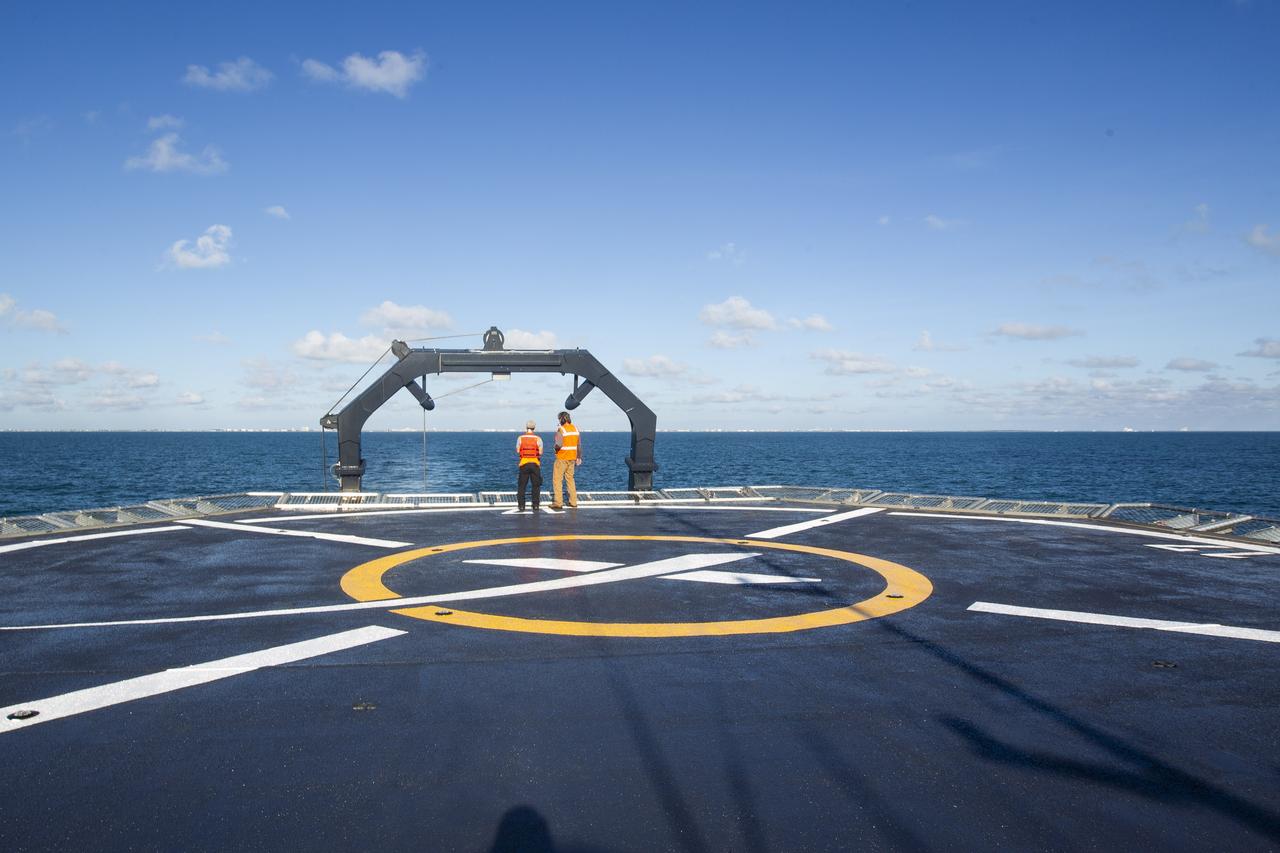
SpaceX rehearses helicopter landing and patient loading on its recovery ship, GO Searcher, practicing how the aircraft will pick up astronauts and fly them to a nearby hospital in the unlikely event of a medical emergency. The company outfitted the ship with a medical treatment facility and a helipad in the center of the vessel. When astronauts splash down into the ocean after their journey to the International Space Station on SpaceX’s Crew Dragon spacecraft, NASA and SpaceX doctors will work together to evaluate the crew onboard the vessel. Should astronauts need to be airlifted to a hospital, the helicopter also will pick up paramedics and doctors from the ship who will care for the astronauts in-flight.
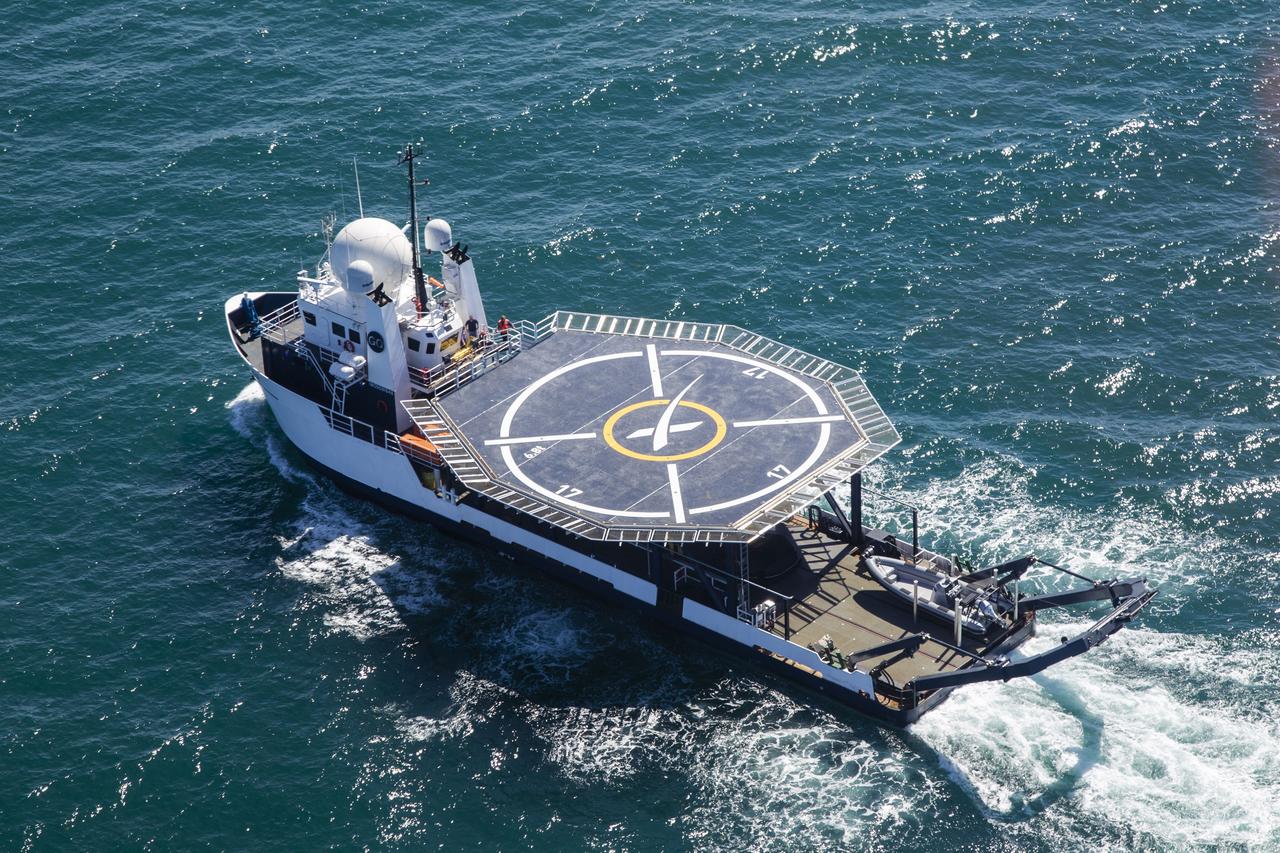
SpaceX rehearses helicopter landing and patient loading on its recovery ship, GO Searcher, practicing how the aircraft will pick up astronauts and fly them to a nearby hospital in the unlikely event of a medical emergency. The company outfitted the ship with a medical treatment facility and a helipad in the center of the vessel. When astronauts splash down into the ocean after their journey to the International Space Station on SpaceX’s Crew Dragon spacecraft, NASA and SpaceX doctors will work together to evaluate the crew onboard the vessel. Should astronauts need to be airlifted to a hospital, the helicopter also will pick up paramedics and doctors from the ship who will care for the astronauts in-flight.
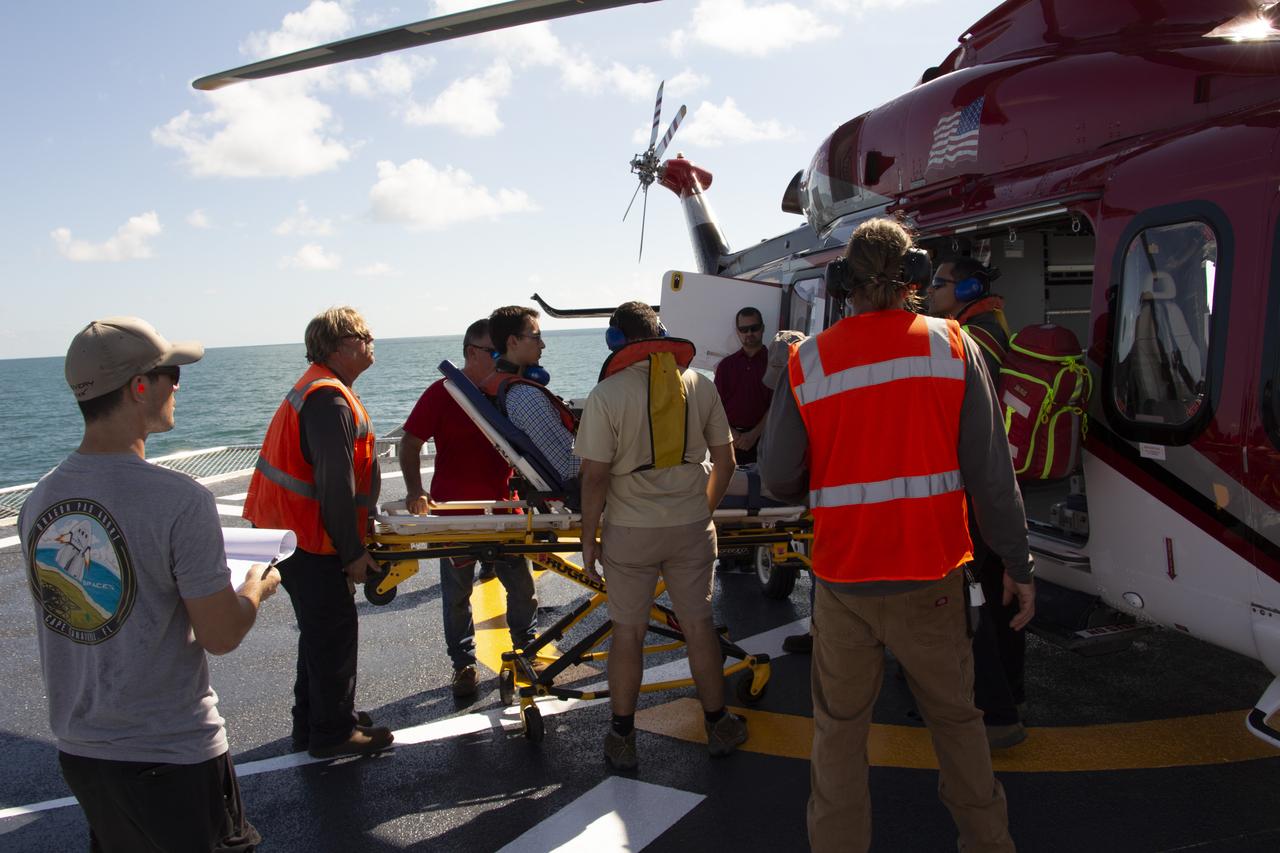
SpaceX rehearses helicopter landing and patient loading on its recovery ship, GO Searcher, practicing how the aircraft will pick up astronauts and fly them to a nearby hospital in the unlikely event of a medical emergency. The company outfitted the ship with a medical treatment facility and a helipad in the center of the vessel. When astronauts splash down into the ocean after their journey to the International Space Station on SpaceX’s Crew Dragon spacecraft, NASA and SpaceX doctors will work together to evaluate the crew onboard the vessel. Should astronauts need to be airlifted to a hospital, the helicopter also will pick up paramedics and doctors from the ship who will care for the astronauts in-flight.
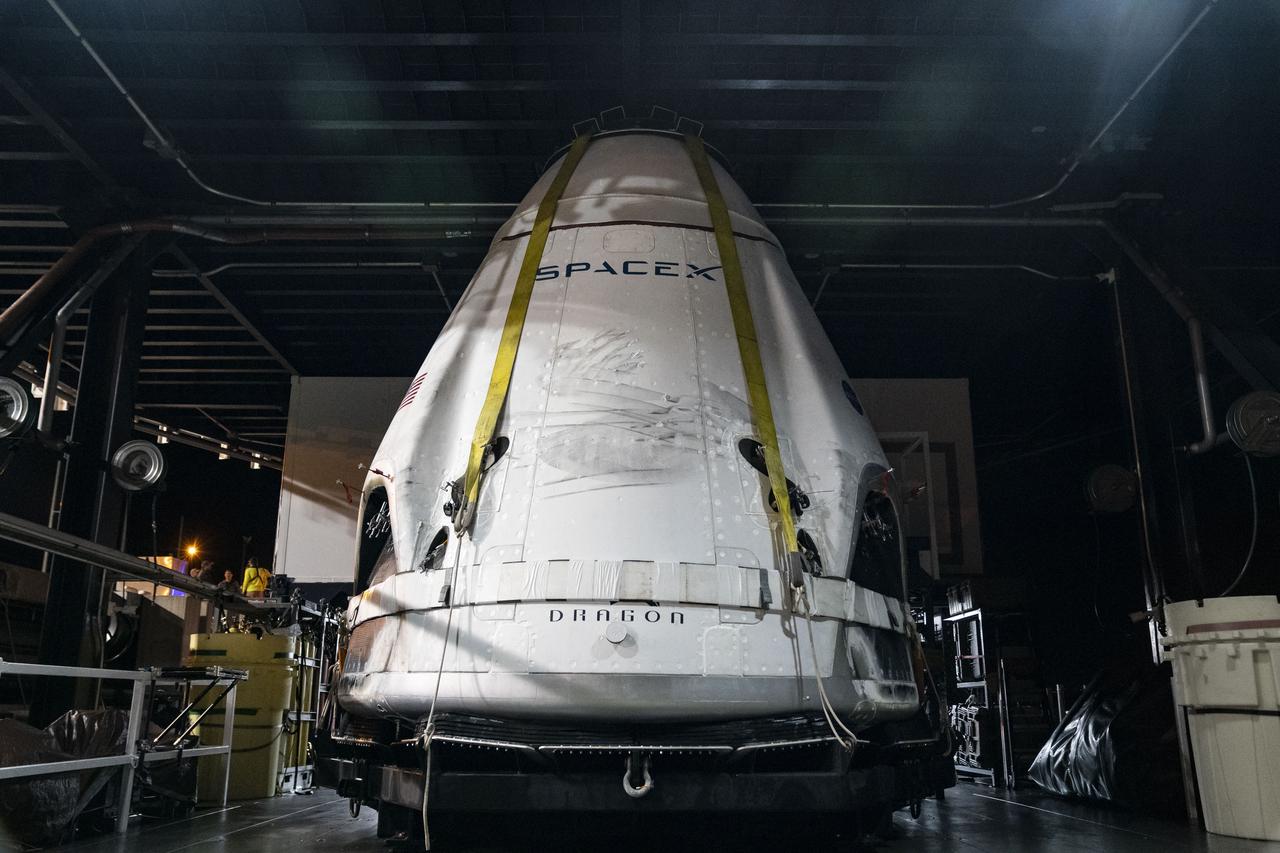
The SpaceX Crew Dragon spacecraft is offloaded from the company’s recovery ship, Go Searcher, at the Port Canaveral Army wharf in Florida carrying the company’s Crew Dragon spacecraft following the uncrewed In-Flight Abort Test, Jan. 19, 2020. The spacecraft lifted off atop a SpaceX Falcon 9 rocket at 10:30 a.m. EST from Launch Complex 39A at NASA’s Kennedy Space Center. The flight test, which concluded with the Crew Dragon’s planned splashdown in the Atlantic Ocean, demonstrated the spacecraft’s escape capabilities in preparation for crewed flights to the International Space Station as part of the agency’s Commercial Crew Program.
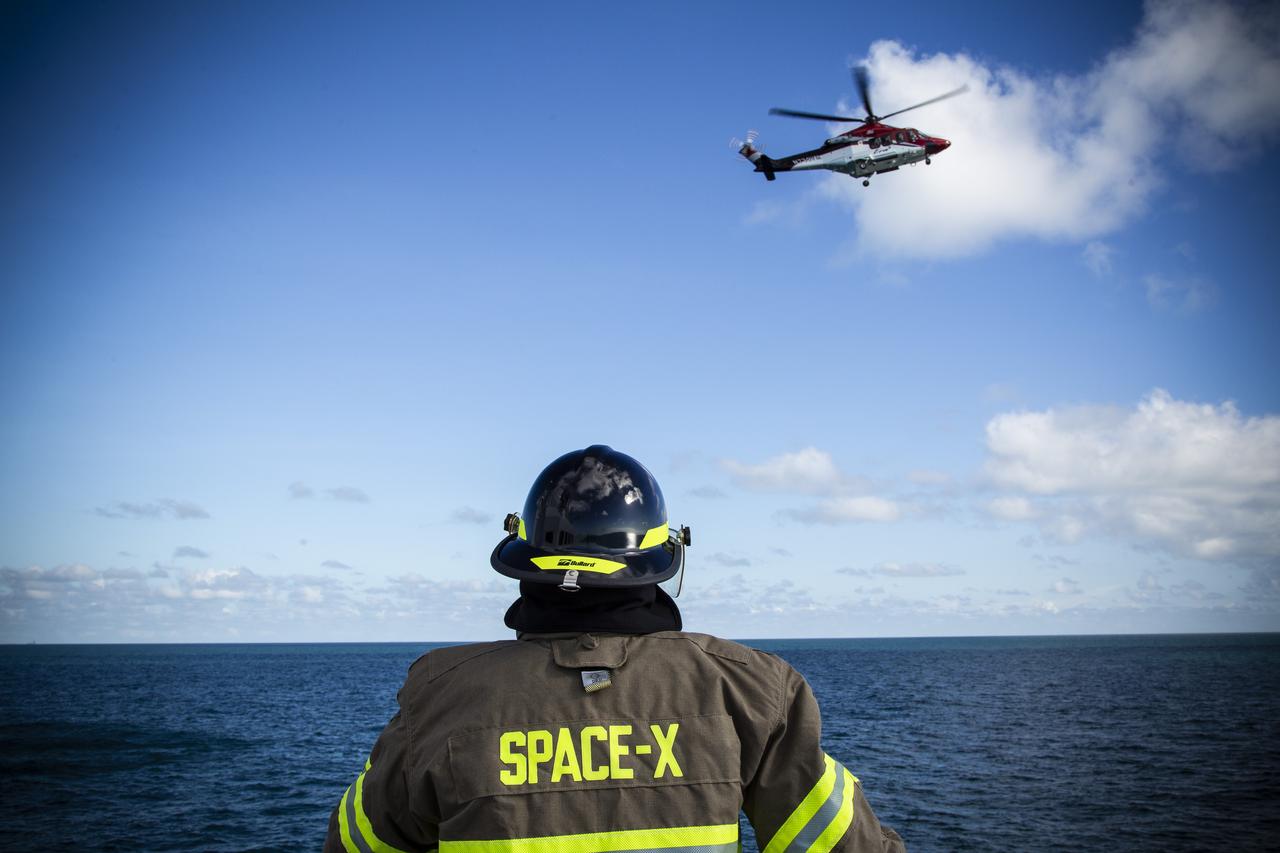
SpaceX rehearses helicopter landing and patient loading on its recovery ship, GO Searcher, practicing how the aircraft will pick up astronauts and fly them to a nearby hospital in the unlikely event of a medical emergency. The company outfitted the ship with a medical treatment facility and a helipad in the center of the vessel. When astronauts splash down into the ocean after their journey to the International Space Station on SpaceX’s Crew Dragon spacecraft, NASA and SpaceX doctors will work together to evaluate the crew onboard the vessel. Should astronauts need to be airlifted to a hospital, the helicopter also will pick up paramedics and doctors from the ship who will care for the astronauts in-flight.
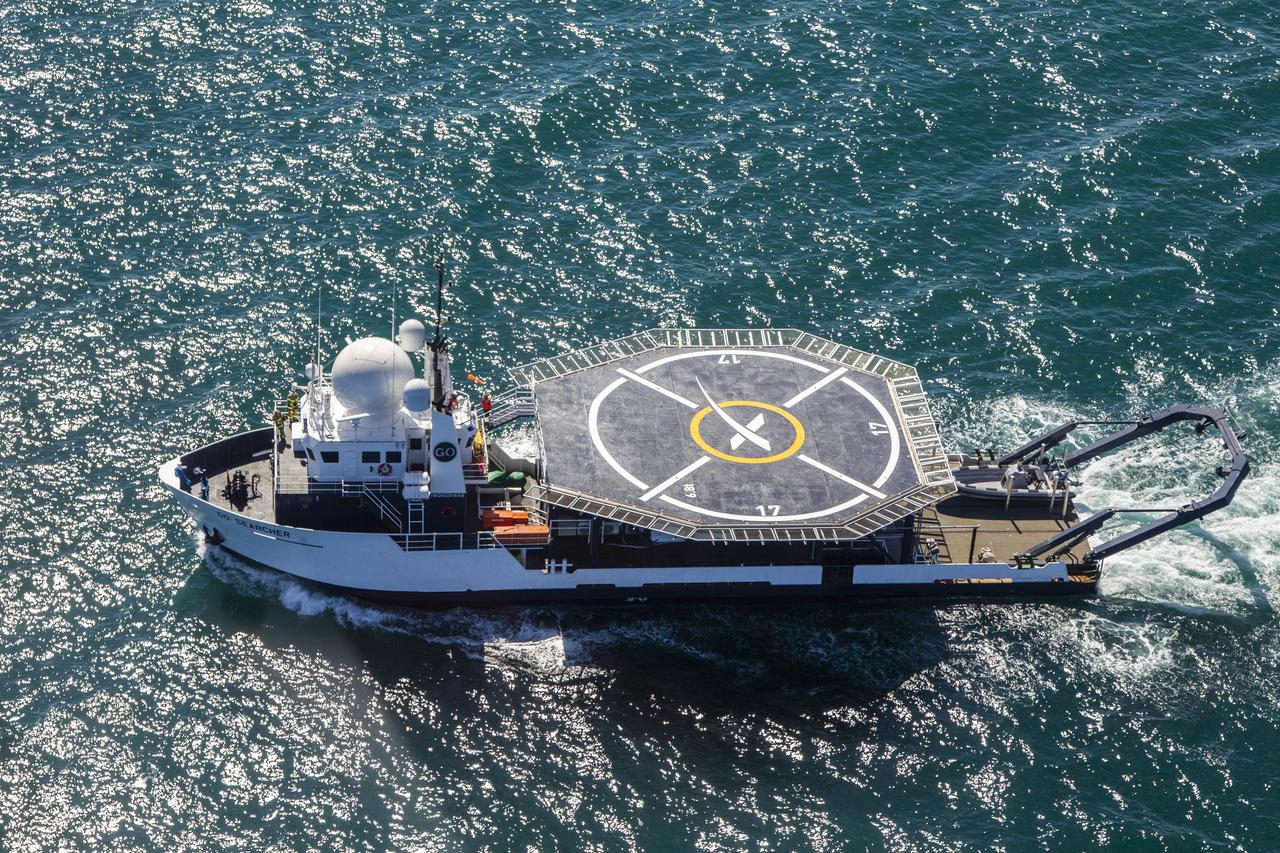
SpaceX rehearses helicopter landing and patient loading on its recovery ship, GO Searcher, practicing how the aircraft will pick up astronauts and fly them to a nearby hospital in the unlikely event of a medical emergency. The company outfitted the ship with a medical treatment facility and a helipad in the center of the vessel. When astronauts splash down into the ocean after their journey to the International Space Station on SpaceX’s Crew Dragon spacecraft, NASA and SpaceX doctors will work together to evaluate the crew onboard the vessel. Should astronauts need to be airlifted to a hospital, the helicopter also will pick up paramedics and doctors from the ship who will care for the astronauts in-flight.
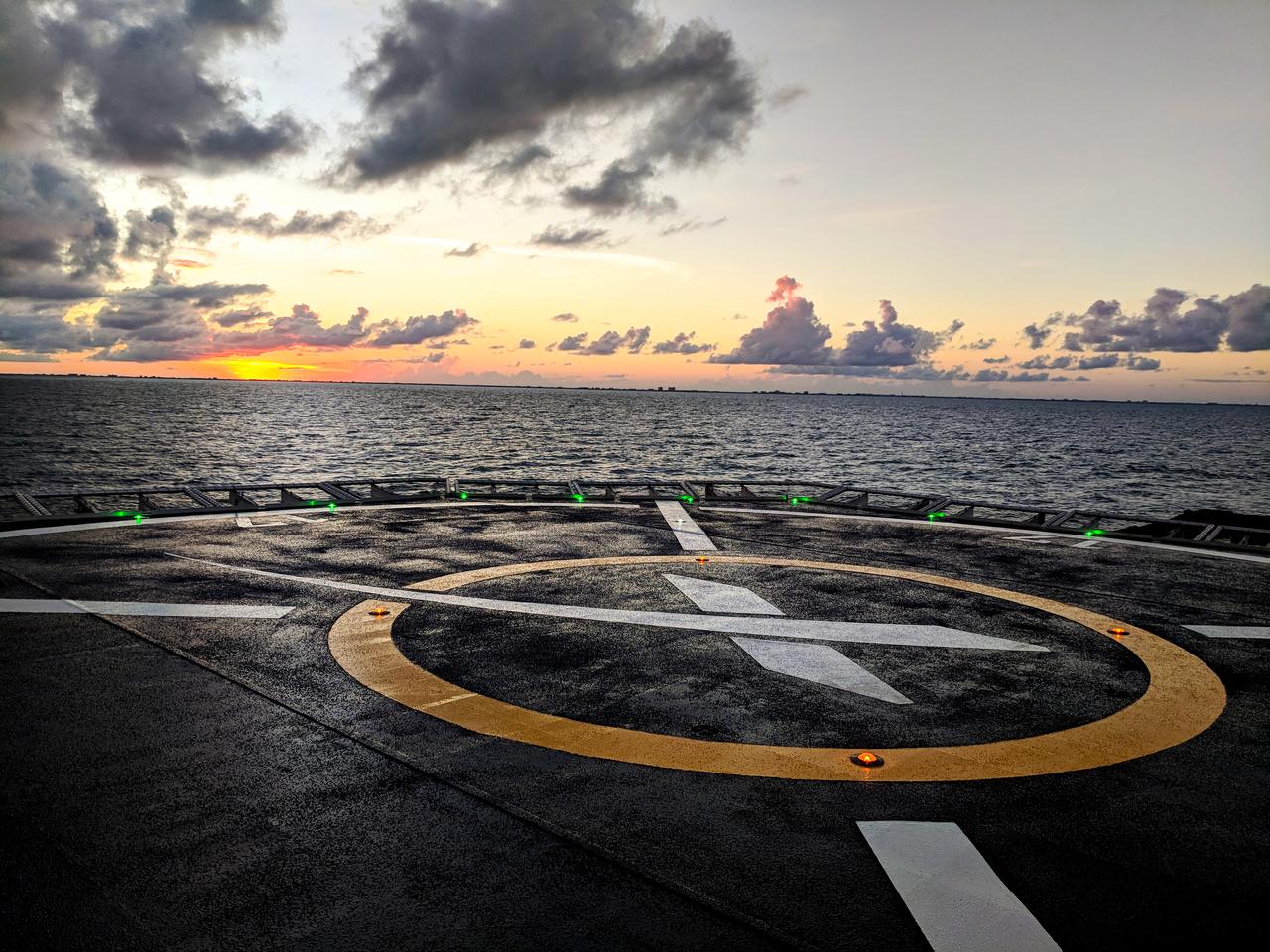
SpaceX rehearses helicopter landing and patient loading on its recovery ship, GO Searcher, practicing how the aircraft will pick up astronauts and fly them to a nearby hospital in the unlikely event of a medical emergency. The company outfitted the ship with a medical treatment facility and a helipad in the center of the vessel. When astronauts splash down into the ocean after their journey to the International Space Station on SpaceX’s Crew Dragon spacecraft, NASA and SpaceX doctors will work together to evaluate the crew onboard the vessel. Should astronauts need to be airlifted to a hospital, the helicopter also will pick up paramedics and doctors from the ship who will care for the astronauts in-flight.
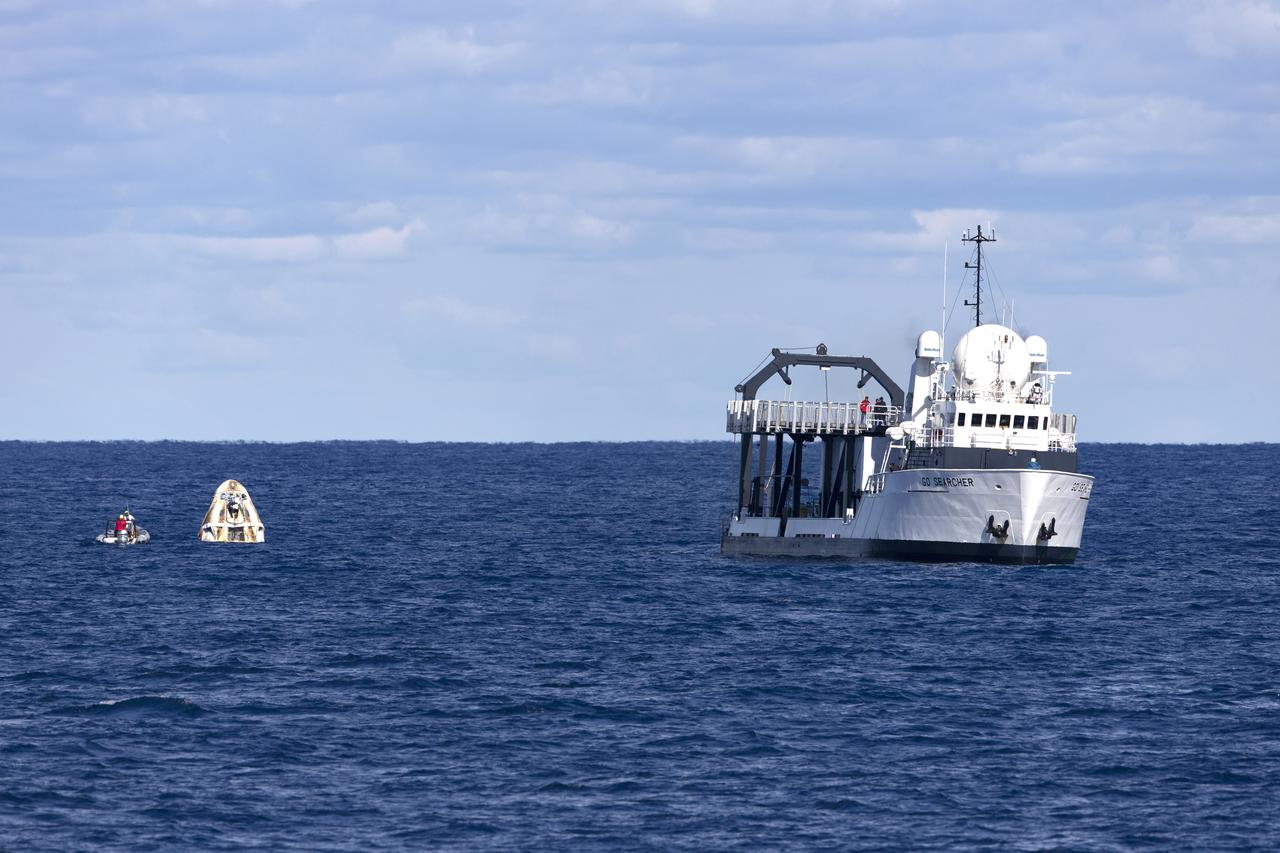
SpaceX’s recovery ship, Go Searcher, prepares to retrieve the company’s Crew Dragon from the Atlantic Ocean, about 200 miles off the east coast of Florida, March 8, 2019. The uncrewed spacecraft docked to the orbiting laboratory on March 3, following a 2:49 a.m. EST liftoff aboard a SpaceX Falcon 9 rocket from Launch Complex 39A at NASA’s Kennedy Space Center in Florida on March 2. The spacecraft undocked at 2:32 a.m., March 8, splashing down in the Atlantic Ocean at 8:45 a.m. SpaceX’s inaugural flight with NASA’s Commercial Crew Program, known as Demo-1, is the first flight test of a space system designed for humans built and operated by a commercial company through a public-private partnership. NASA and SpaceX will use data from Demo-1 to further prepare for Demo-2, the crewed flight test that will carry NASA astronauts Bob Behnken and Doug Hurley to the International Space Station later this year.
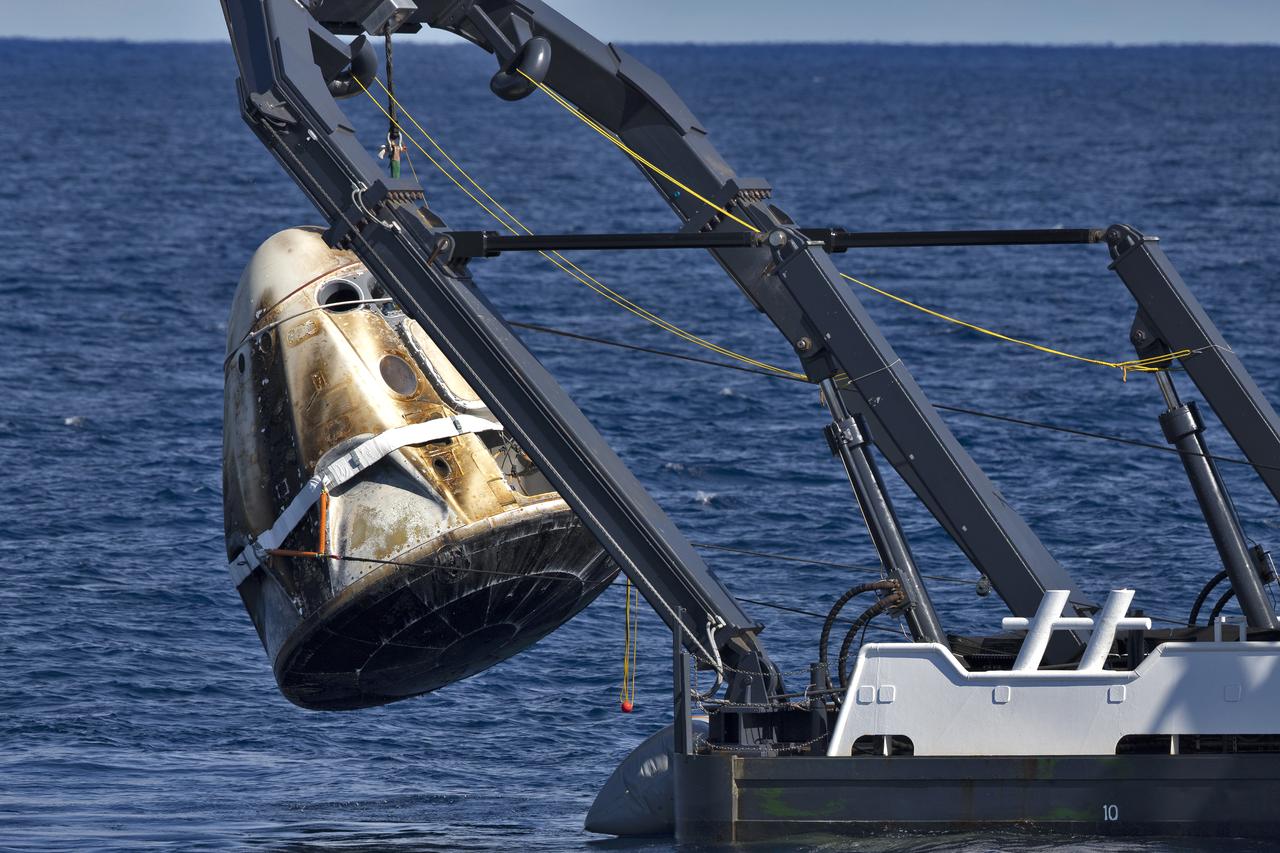
SpaceX’s Crew Dragon is retrieved by the company’s recovery ship, Go Searcher, in the Atlantic Ocean, about 200 miles off the east coast of Florida March 8, 2019, after its return to Earth on the Demo-1 mission. The uncrewed spacecraft docked to the orbiting laboratory on March 3, following a 2:49 a.m. EST liftoff aboard a SpaceX Falcon 9 rocket from Launch Complex 39A at NASA’s Kennedy Space Center in Florida on March 2. The spacecraft undocked at 2:32 a.m., March 8, splashing down in the Atlantic Ocean, at 8:45 a.m. SpaceX’s inaugural flight with NASA’s Commercial Crew Program is the first flight test of a space system designed for humans built and operated by a commercial company through a public-private partnership. NASA and SpaceX will use data from Demo-1 to further prepare for Demo-2, the crewed flight test that will carry NASA astronauts Bob Behnken and Doug Hurley to the International Space Station later this year.
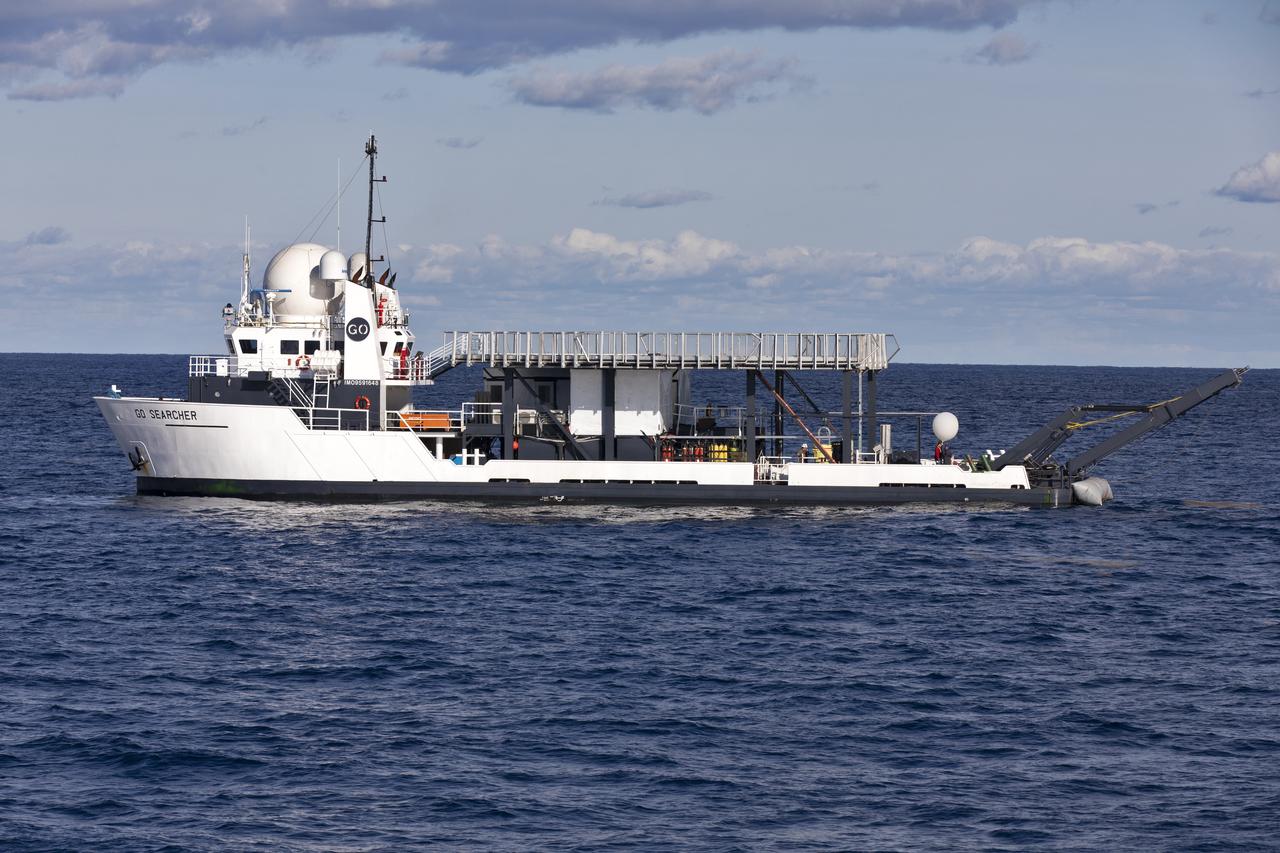
SpaceX’s recovery ship, Go Searcher, sails in the Atlantic Ocean off the east coast of Florida March 8, 2019, in preparation to retrieve the company’s Crew Dragon upon its return to Earth on the Demo-1 mission. The uncrewed spacecraft docked to the orbiting laboratory on March 3, following a 2:49 a.m. EST liftoff aboard a SpaceX Falcon 9 rocket from Launch Complex 39A at NASA’s Kennedy Space Center in Florida on March 2. The spacecraft undocked at 2:32 a.m., March 8, splashing down in the Atlantic Ocean at 8:45 a.m. SpaceX’s inaugural flight with NASA’s Commercial Crew Program is the first flight test of a space system designed for humans built and operated by a commercial company through a public-private partnership. NASA and SpaceX will use data from Demo-1 to further prepare for Demo-2, the crewed flight test that will carry NASA astronauts Bob Behnken and Doug Hurley to the International Space Station later this year.
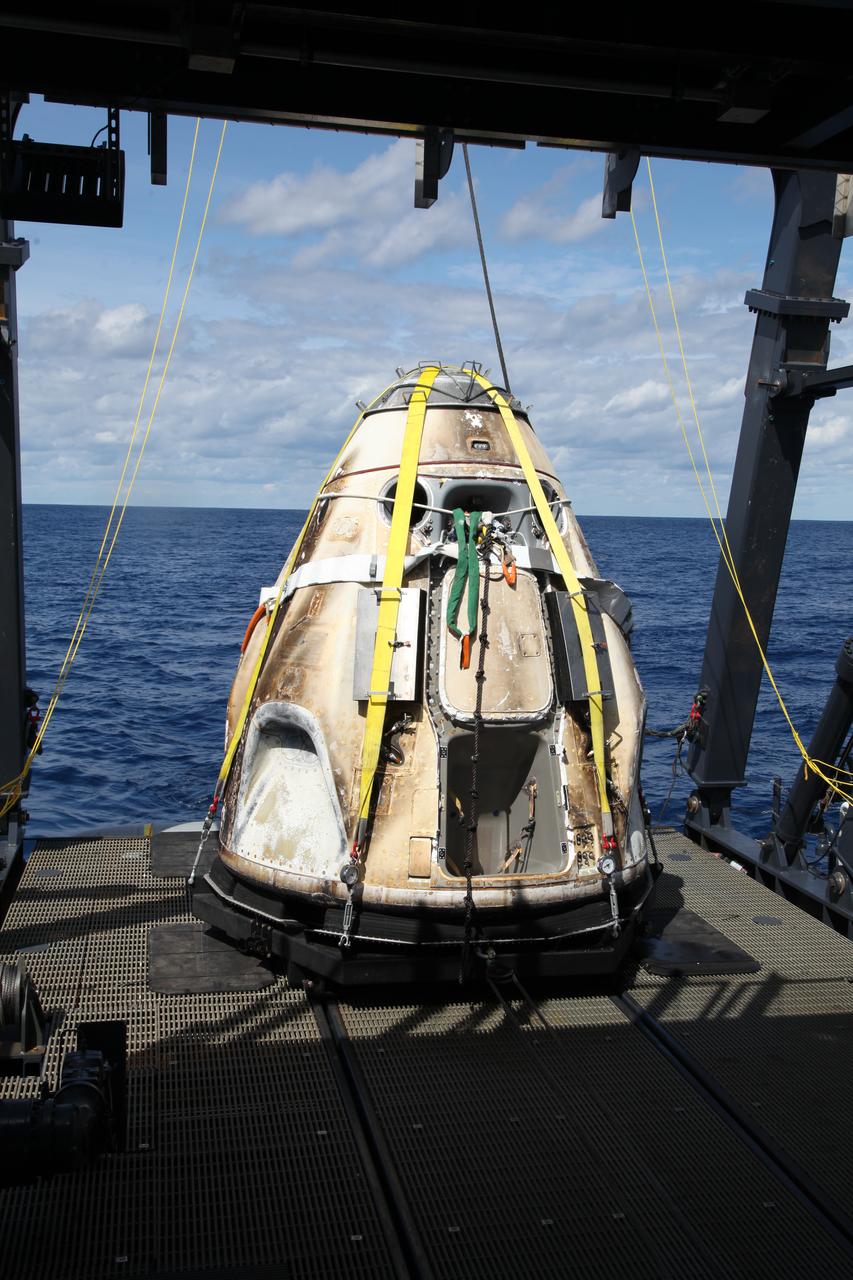
SpaceX’s Crew Dragon is loaded onto the company’s recovery ship, Go Searcher, in the Atlantic Ocean, about 200 miles off Florida’s east coast, on March 8, after returning from the International Space Station on the Demo-1 mission. The uncrewed spacecraft docked to the orbiting laboratory on March 3, following a 2:49 a.m. EST liftoff aboard a SpaceX Falcon 9 rocket from Launch Complex 39A at NASA’s Kennedy Space Center in Florida on March 2. The spacecraft undocked at 2:32 a.m., March 8, splashing down in the Atlantic Ocean, at 8:45 a.m. SpaceX’s inaugural flight with NASA’s Commercial Crew Program is the first flight test of a space system designed for humans built and operated by a commercial company through a public-private partnership. NASA and SpaceX will use data from Demo-1 to further prepare for Demo-2, the crewed flight test that will carry NASA astronauts Bob Behnken and Doug Hurley to the International Space Station later this year.
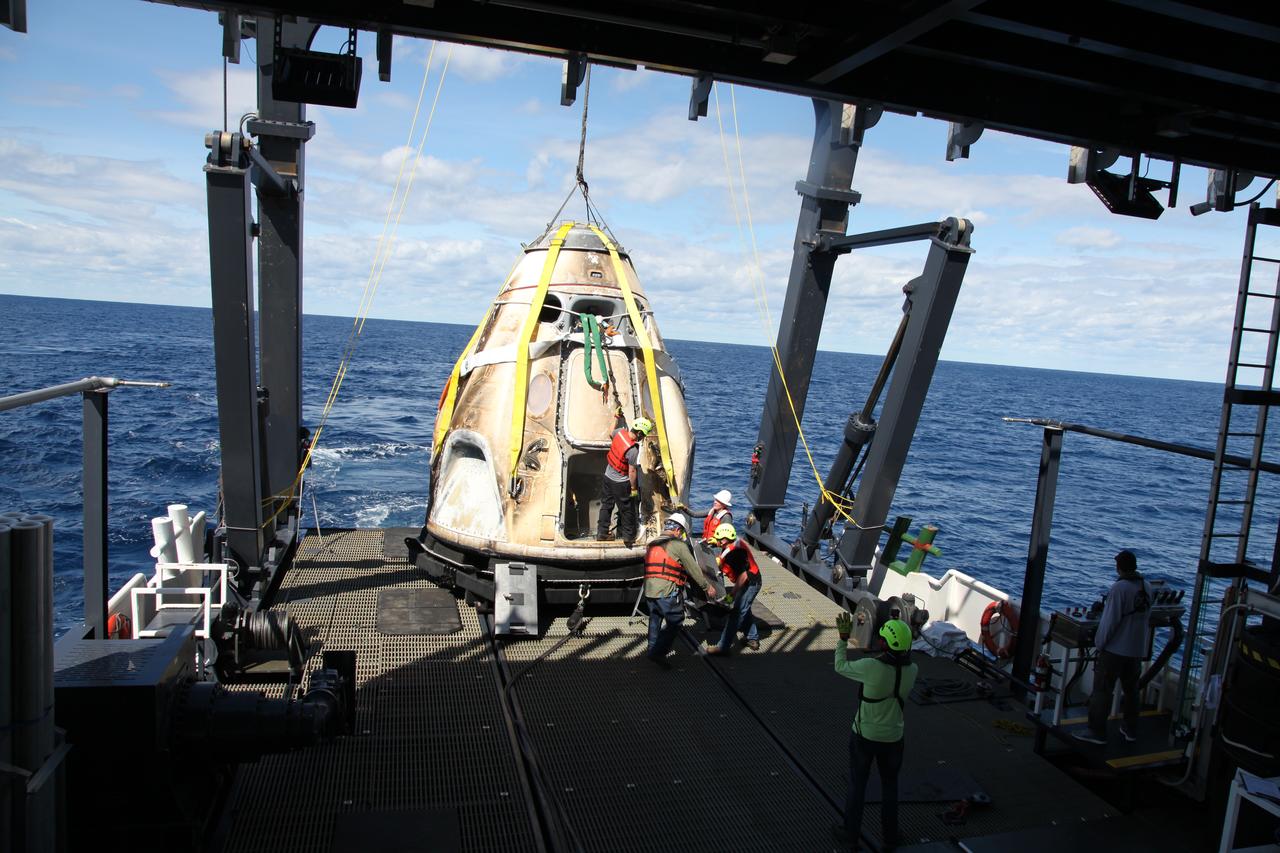
SpaceX’s Crew Dragon is loaded onto the company’s recovery ship, Go Searcher, in the Atlantic Ocean, about 200 miles off Florida’s east coast, on March 8, after returning from the International Space Station on the Demo-1 mission. The uncrewed spacecraft docked to the orbiting laboratory on March 3, following a 2:49 a.m. EST liftoff aboard a SpaceX Falcon 9 rocket from Launch Complex 39A at NASA’s Kennedy Space Center in Florida on March 2. The spacecraft undocked at 2:32 a.m., March 8, splashing down in the Atlantic Ocean, at 8:45 a.m. SpaceX’s inaugural flight with NASA’s Commercial Crew Program is the first flight test of a space system designed for humans built and operated by a commercial company through a public-private partnership. NASA and SpaceX will use data from Demo-1 to further prepare for Demo-2, the crewed flight test that will carry NASA astronauts Bob Behnken and Doug Hurley to the International Space Station later this year.
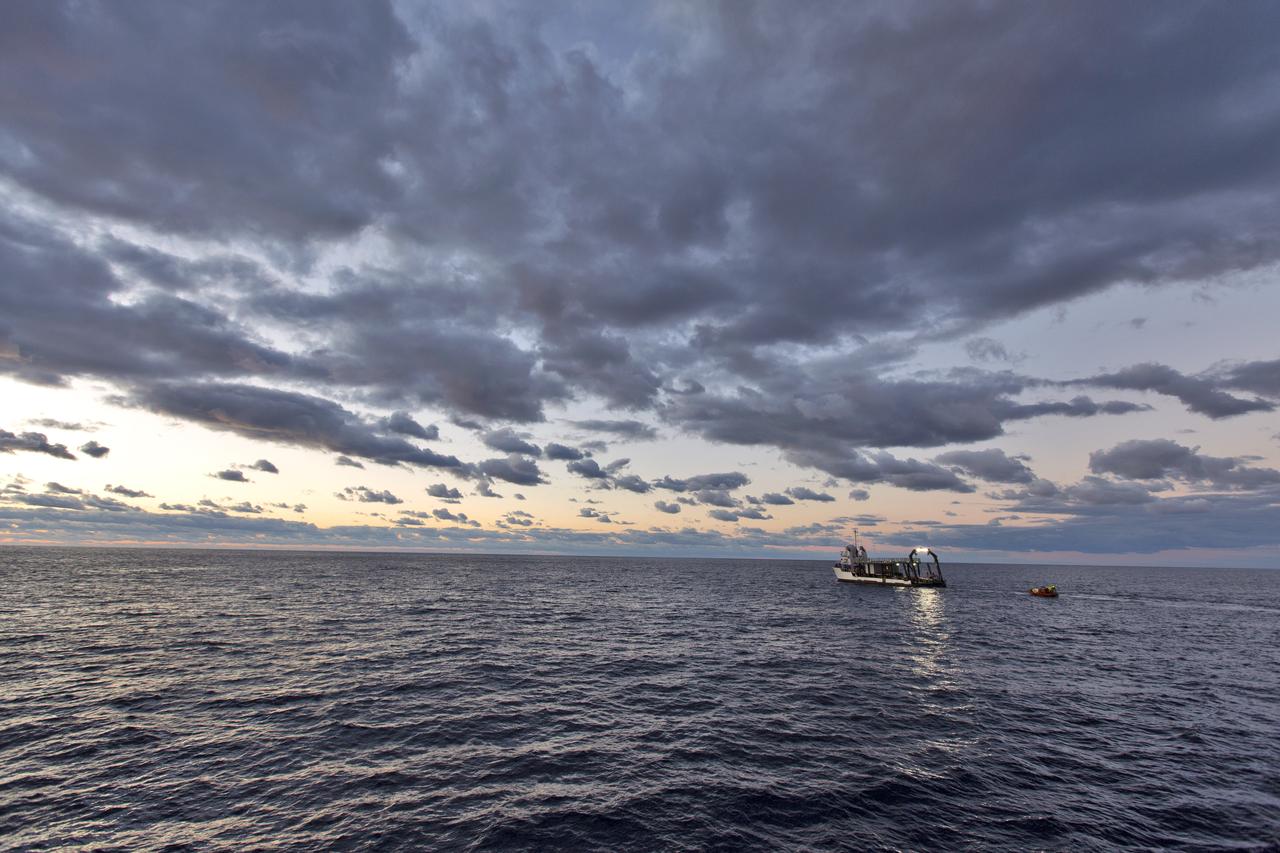
SpaceX’s recovery ship, Go Searcher, sails in the Atlantic Ocean off the east coast of Florida March 8, 2019, in preparation to retrieve the company’s Crew Dragon upon its return to Earth on the Demo-1 mission. The uncrewed spacecraft docked to the orbiting laboratory on March 3, following a 2:49 a.m. EST liftoff aboard a SpaceX Falcon 9 rocket from Launch Complex 39A at NASA’s Kennedy Space Center in Florida on March 2. The spacecraft undocked at 2:32 a.m., March 8, splashing down in the Atlantic Ocean at 8:45 a.m. SpaceX’s inaugural flight with NASA’s Commercial Crew Program is the first flight test of a space system designed for humans built and operated by a commercial company through a public-private partnership. NASA and SpaceX will use data from Demo-1 to further prepare for Demo-2, the crewed flight test that will carry NASA astronauts Bob Behnken and Doug Hurley to the International Space Station later this year.
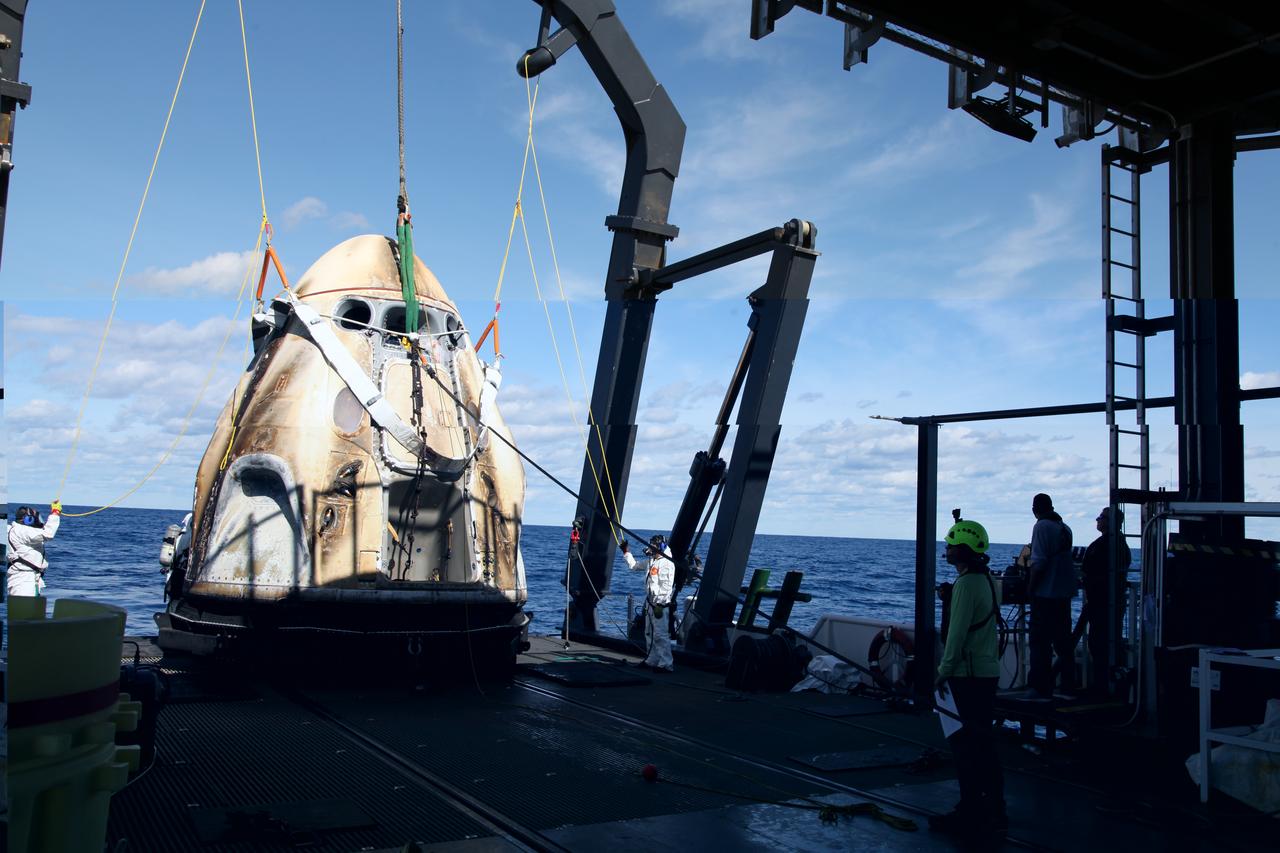
SpaceX’s Crew Dragon is loaded onto the company’s recovery ship, Go Searcher, in the Atlantic Ocean, about 200 miles off Florida’s east coast, on March 8, after returning from the International Space Station on the Demo-1 mission. The uncrewed spacecraft docked to the orbiting laboratory on March 3, following a 2:49 a.m. EST liftoff aboard a SpaceX Falcon 9 rocket from Launch Complex 39A at NASA’s Kennedy Space Center in Florida on March 2. The spacecraft undocked at 2:32 a.m., March 8, splashing down in the Atlantic Ocean, at 8:45 a.m. SpaceX’s inaugural flight with NASA’s Commercial Crew Program is the first flight test of a space system designed for humans built and operated by a commercial company through a public-private partnership. NASA and SpaceX will use data from Demo-1 to further prepare for Demo-2, the crewed flight test that will carry NASA astronauts Bob Behnken and Doug Hurley to the International Space Station later this year.
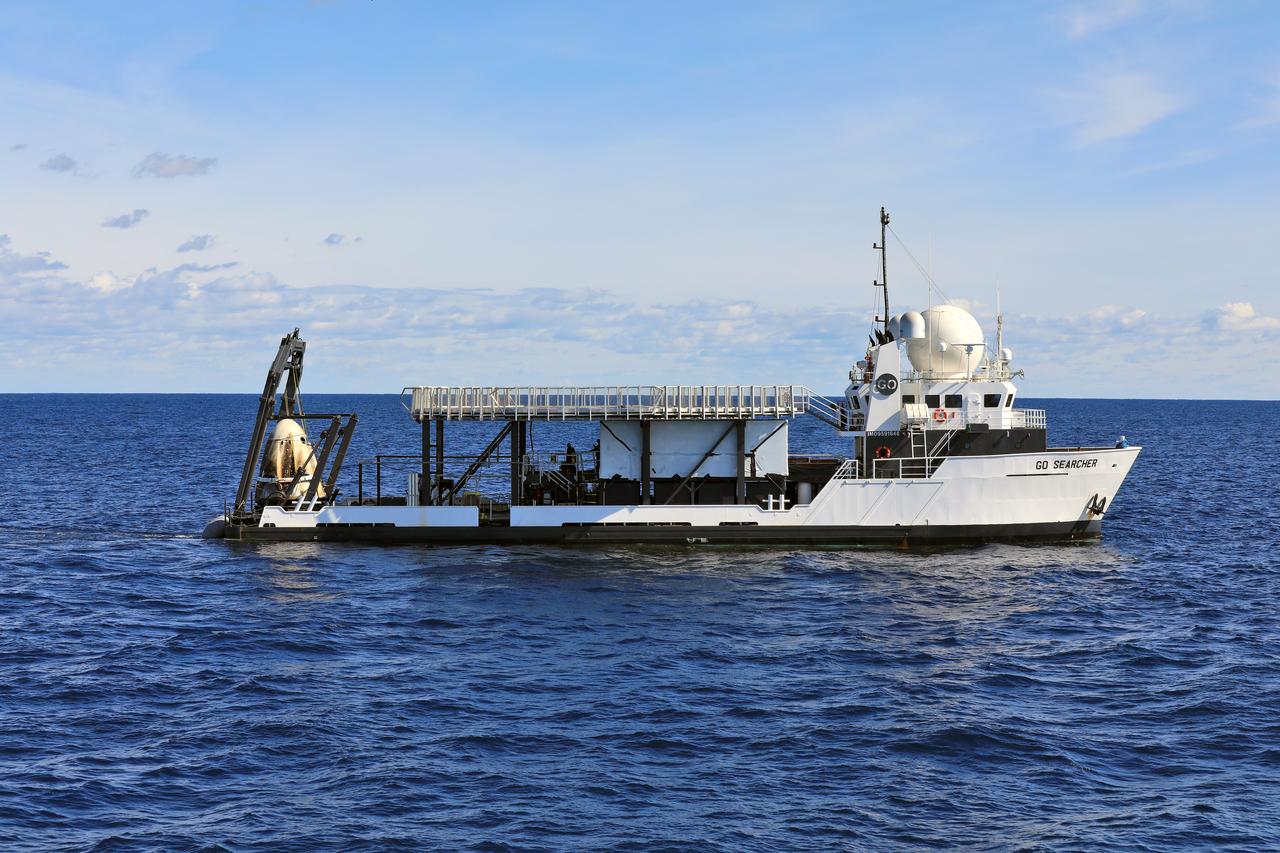
SpaceX’s Crew Dragon is carried by the company’s recovery ship, Go Searcher, in the Atlantic Ocean, about 200 miles off Florida’s east coast, on March 8, after returning from the International Space Station on the Demo-1 mission. The uncrewed spacecraft docked to the orbiting laboratory on March 3, following a 2:49 a.m. EST liftoff aboard a SpaceX Falcon 9 rocket from Launch Complex 39A at NASA’s Kennedy Space Center in Florida on March 2. Crew Dragon made 18 orbits of Earth before successfully attaching to the space station. The spacecraft undocked at 2:32 a.m., March 8, splashing down in the Atlantic Ocean, at 8:45 a.m. SpaceX’s inaugural flight with NASA’s Commercial Crew Program is the first flight test of a space system designed for humans built and operated by a commercial company through a public-private partnership. NASA and SpaceX will use data from Demo-1 to further prepare for Demo-2, the crewed flight test that will carry NASA astronauts Bob Behnken and Doug Hurley to the International Space Station later this year
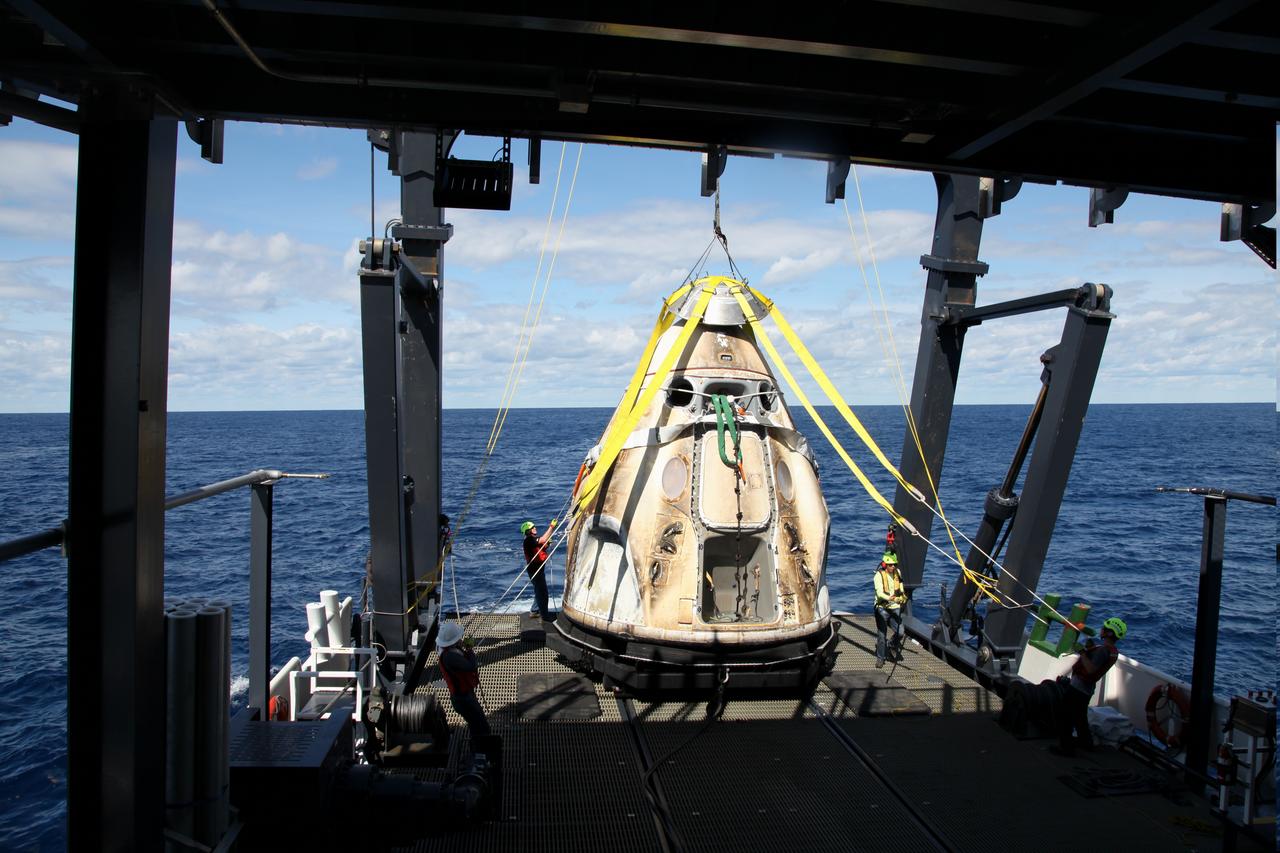
SpaceX’s Crew Dragon is loaded onto the company’s recovery ship, Go Searcher, in the Atlantic Ocean, about 200 miles off Florida’s east coast, on March 8, after returning from the International Space Station on the Demo-1 mission. The uncrewed spacecraft docked to the orbiting laboratory on March 3, following a 2:49 a.m. EST liftoff aboard a SpaceX Falcon 9 rocket from Launch Complex 39A at NASA’s Kennedy Space Center in Florida on March 2. The spacecraft undocked at 2:32 a.m., March 8, splashing down in the Atlantic Ocean, at 8:45 a.m. SpaceX’s inaugural flight with NASA’s Commercial Crew Program is the first flight test of a space system designed for humans built and operated by a commercial company through a public-private partnership. NASA and SpaceX will use data from Demo-1 to further prepare for Demo-2, the crewed flight test that will carry NASA astronauts Bob Behnken and Doug Hurley to the International Space Station later this year.