CAPE CANAVERAL, Fla. – One of two solid rocket boosters is mated to the GOES-O Delta IV launch vehicle on Launch Pad 37 at Cape Canaveral Air Force Station. It is the left rocket. GOES–O is one of a series of Geostationary Operational Environmental Satellites. The multi-mission GOES series N-P will be a vital contributor to weather, solar and space operations and science. NASA and the National Oceanic and Atmospheric Administration, or NOAA, are actively engaged in a cooperative program to expand the existing GOES system with the launch of the GOES N-P satellites. Launch of the GOES-O is targeted for no earlier than April 2009. Photo credit: NASA/Ben Smegelsky
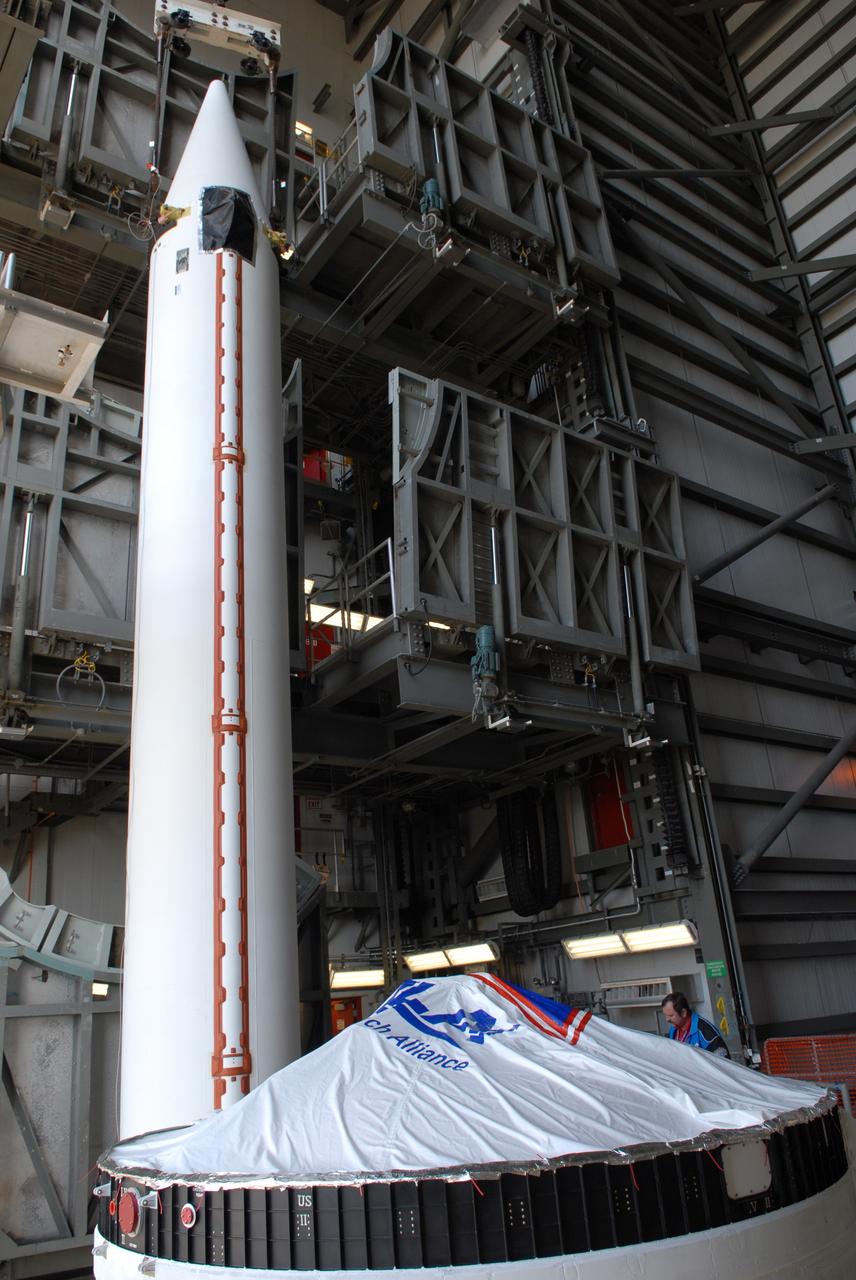
CAPE CANAVERAL, Fla. – One of two solid rocket boosters is lifted into the mobile service tower on Launch Pad 37 at Cape Canaveral Air Force Station. It is the left rocket and it will be mated to the GOES-O Delta IV launch vehicle. GOES–O is one of a series of Geostationary Operational Environmental Satellites. The multi-mission GOES series N-P will be a vital contributor to weather, solar and space operations and science. NASA and the National Oceanic and Atmospheric Administration, or NOAA, are actively engaged in a cooperative program to expand the existing GOES system with the launch of the GOES N-P satellites. Launch of the GOES-O is targeted for no earlier than April 2009. Photo credit: NASA/Ben Smegelsky
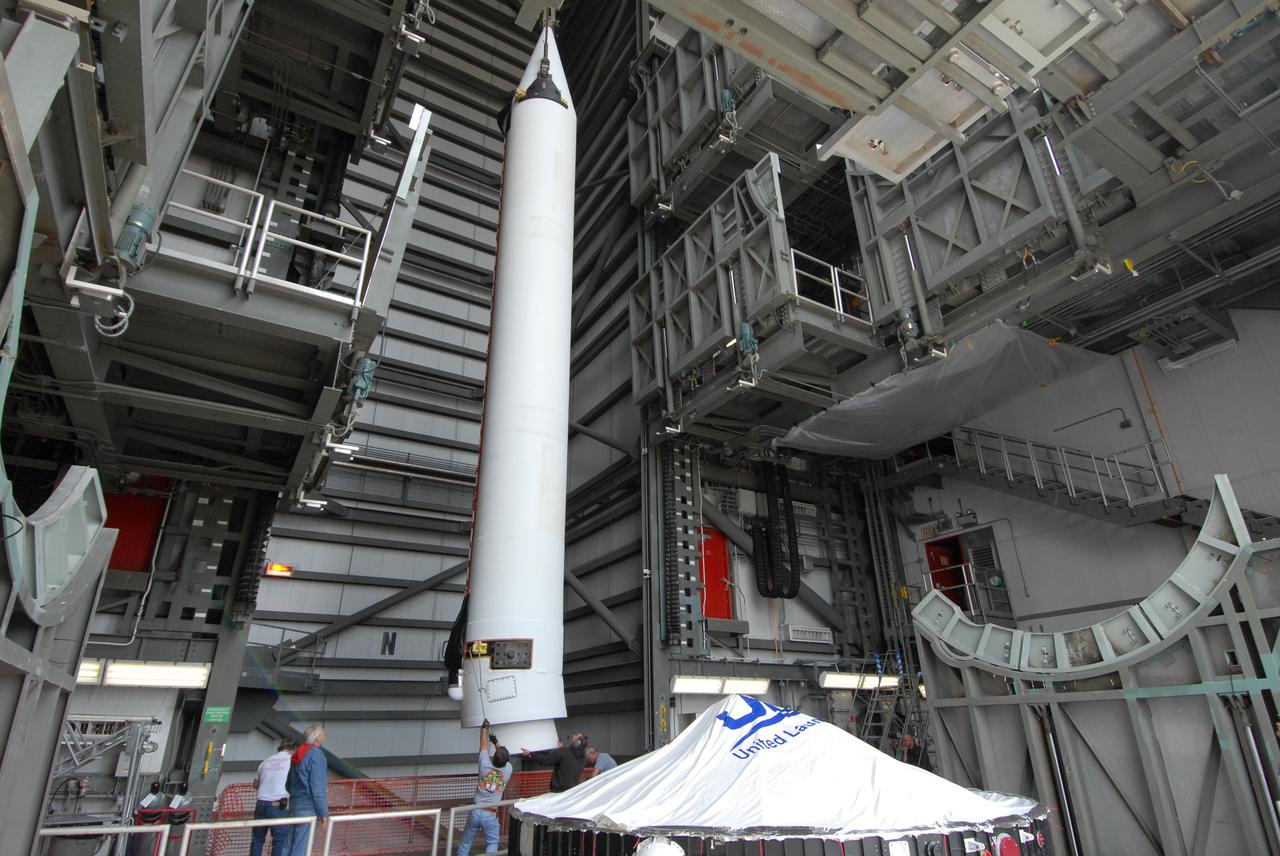
CAPE CANAVERAL, Fla. – On Launch Pad 37 at Cape Canaveral Air Force Station in Florida, the second of two solid rocket boosters is lifted into the mobile service tower. It will be installed on the right side of the Delta IV launch vehicle for the GOES-O spacecraft. GOES–O is one of a series of Geostationary Operational Environmental Satellites. The multi-mission GOES series N-P will be a vital contributor to weather, solar and space operations and science. NASA and the National Oceanic and Atmospheric Administration, or NOAA, are actively engaged in a cooperative program to expand the existing GOES system with the launch of the GOES N-P satellites. Launch of the GOES-O is targeted for no earlier than April 2009. Photo credit: NASA/Jack Pfaller
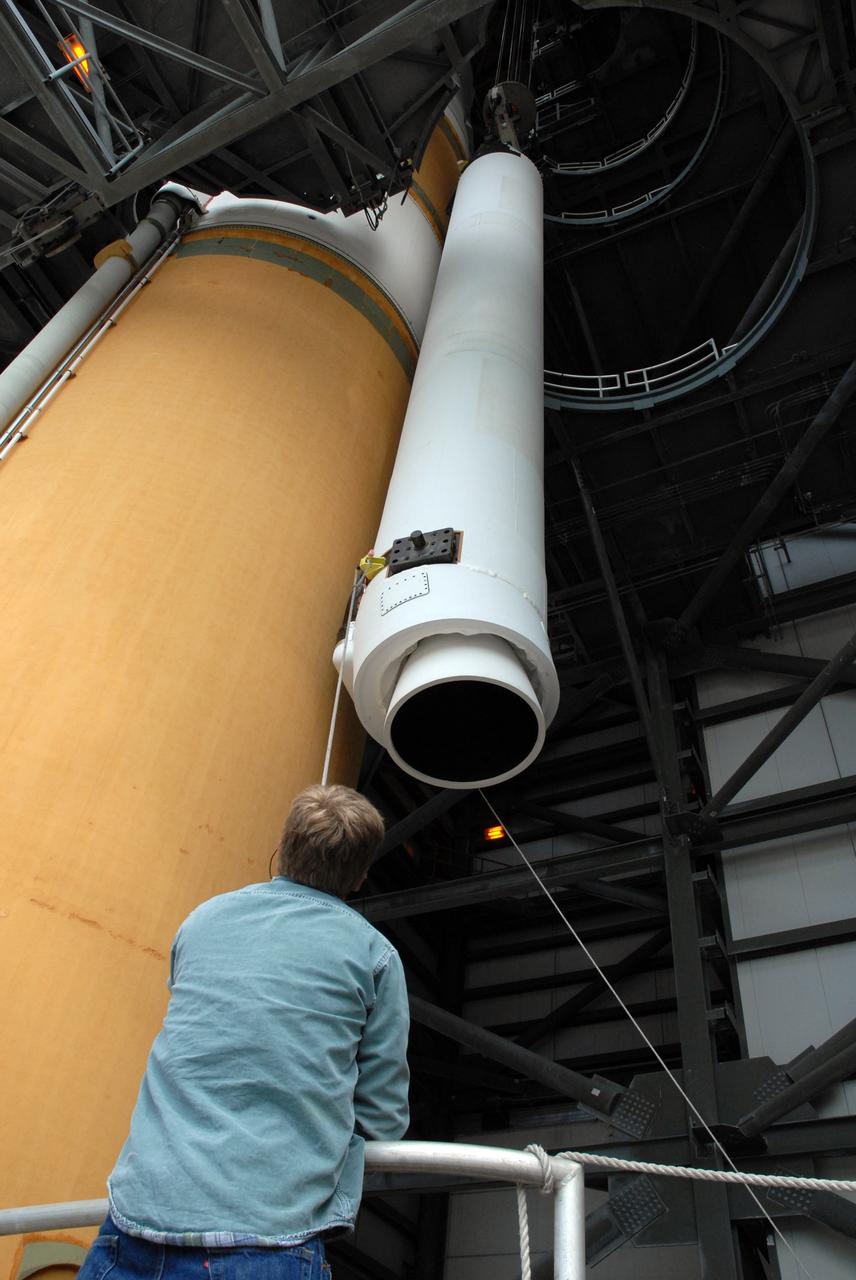
CAPE CANAVERAL, Fla. – On Launch Pad 37 at Cape Canaveral Air Force Station in Florida, the second of two solid rocket boosters is lowered alongside the Delta IV launch vehicle for the GOES-O spacecraft. It is being installed on the right side of the rocket. GOES–O is one of a series of Geostationary Operational Environmental Satellites. The multi-mission GOES series N-P will be a vital contributor to weather, solar and space operations and science. NASA and the National Oceanic and Atmospheric Administration, or NOAA, are actively engaged in a cooperative program to expand the existing GOES system with the launch of the GOES N-P satellites. Launch of the GOES-O is targeted for no earlier than April 2009. Photo credit: NASA/Jack Pfaller
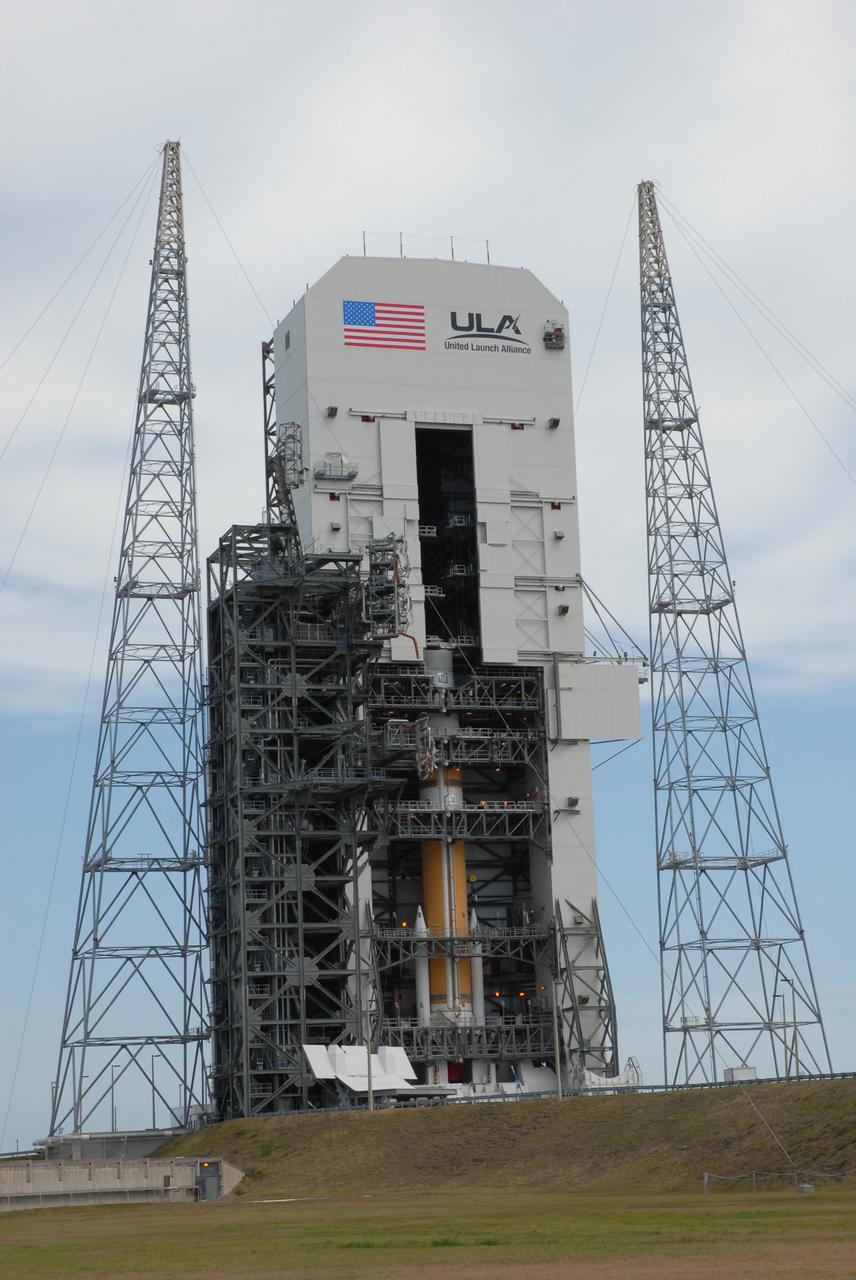
CAPE CANAVERAL, Fla. – On Launch Pad 37 at Cape Canaveral Air Force Station in Florida, the Delta IV launch vehicle for the GOES-O spacecraft stands in the mobile service tower flanked by its two solid rocket boosters. GOES–O is one of a series of Geostationary Operational Environmental Satellites. The multi-mission GOES series N-P will be a vital contributor to weather, solar and space operations and science. NASA and the National Oceanic and Atmospheric Administration, or NOAA, are actively engaged in a cooperative program to expand the existing GOES system with the launch of the GOES N-P satellites. Launch of the GOES-O is targeted for no earlier than April 2009. Photo credit: NASA/Jack Pfaller

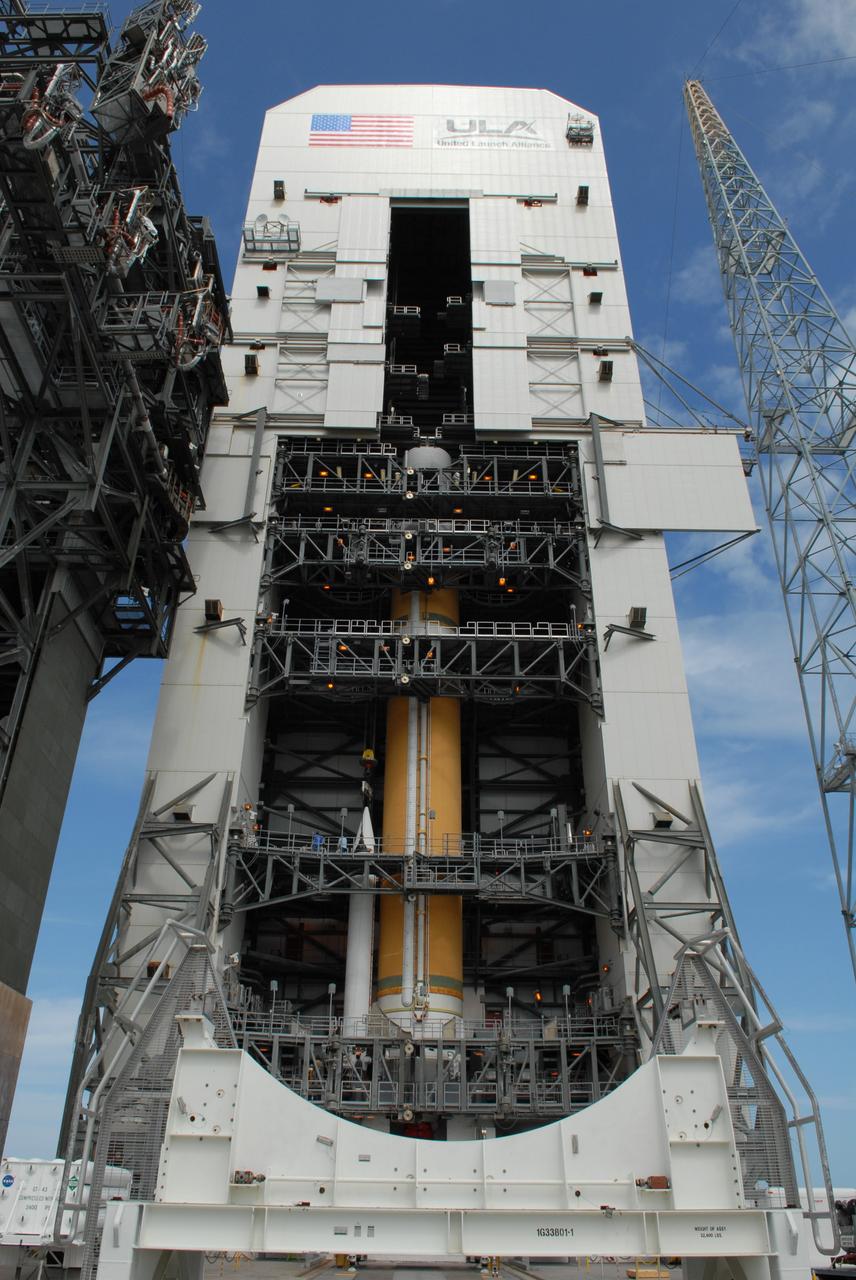
CAPE CANAVERAL, Fla. – On Launch Pad 37 at Cape Canaveral Air Force Station in Florida, the Delta IV launch vehicle is ready for the arrival and mating of the solid rocket boosters for launch. GOES–O is one of a series of Geostationary Operational Environmental Satellites. The multi-mission GOES series N-P will be a vital contributor to weather, solar and space operations and science. NASA and the National Oceanic and Atmospheric Administration, or NOAA, are actively engaged in a cooperative program to expand the existing GOES system with the launch of the GOES N-P satellites. Launch of the GOES-O is targeted for no earlier than April 2009. Photo credit: NASA/Jim Grossmann
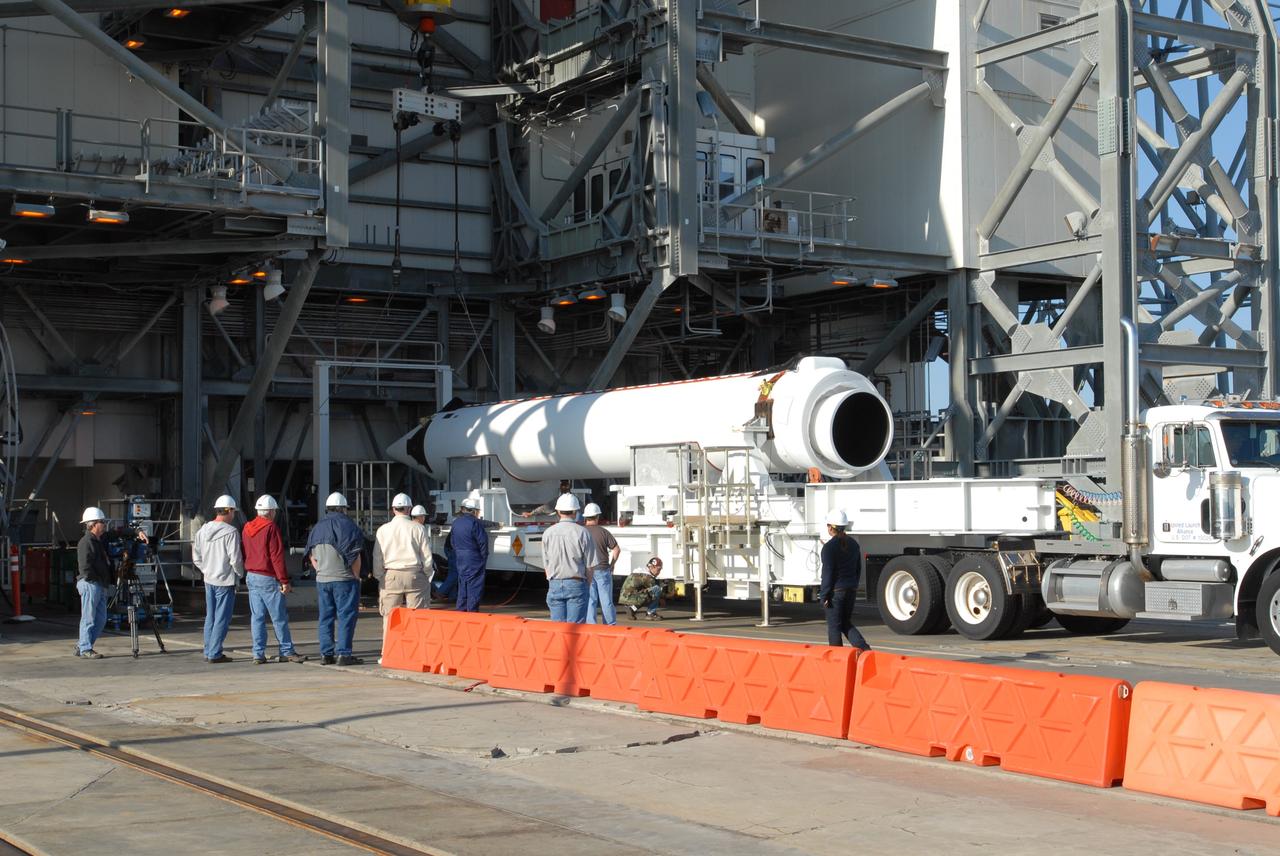
CAPE CANAVERAL, Fla. – On Launch Pad 37 at Cape Canaveral Air Force Station in Florida, lifting and mating of a solid rocket booster to the GOES-O Delta IV rocket is scrubbed due to high winds on the pad. GOES–O is one of a series of Geostationary Operational Environmental Satellites. The multi-mission GOES series N-P will be a vital contributor to weather, solar and space operations and science. NASA and the National Oceanic and Atmospheric Administration, or NOAA, are actively engaged in a cooperative program to expand the existing GOES system with the launch of the GOES N-P satellites. Launch of the GOES-O is targeted for no earlier than April 2009. Photo credit: NASA/Jim Grossmann
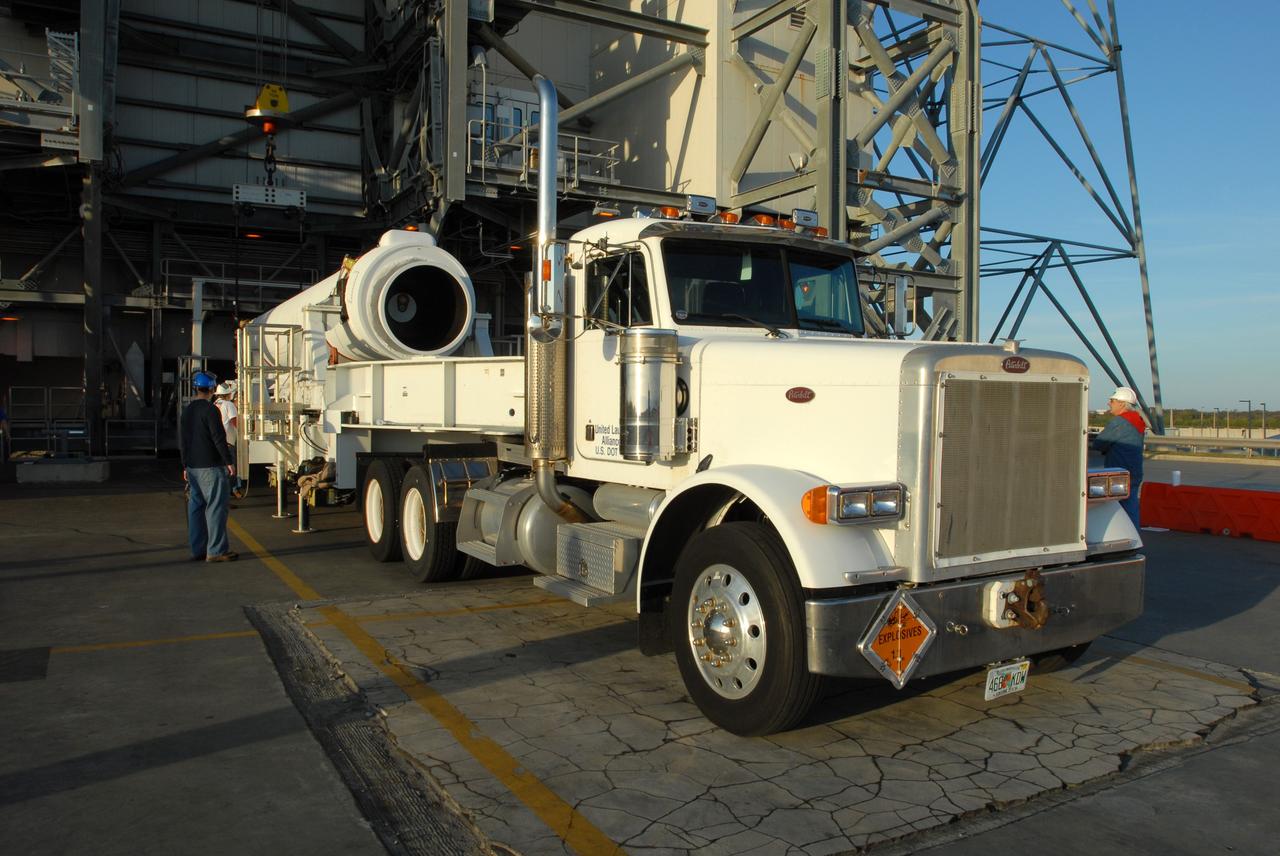
CAPE CANAVERAL, Fla. – One of two solid rocket boosters arrives on Launch Pad 37 at Cape Canaveral Air Force Station. it is the left rocket and it will be lifted into the mobile service tower and mated to the GOES-O Delta IV launch vehicle. GOES–O is one of a series of Geostationary Operational Environmental Satellites. The multi-mission GOES series N-P will be a vital contributor to weather, solar and space operations and science. NASA and the National Oceanic and Atmospheric Administration, or NOAA, are actively engaged in a cooperative program to expand the existing GOES system with the launch of the GOES N-P satellites. Launch of the GOES-O is targeted for no earlier than April 2009. Photo credit: NASA/Ben Smegelsky
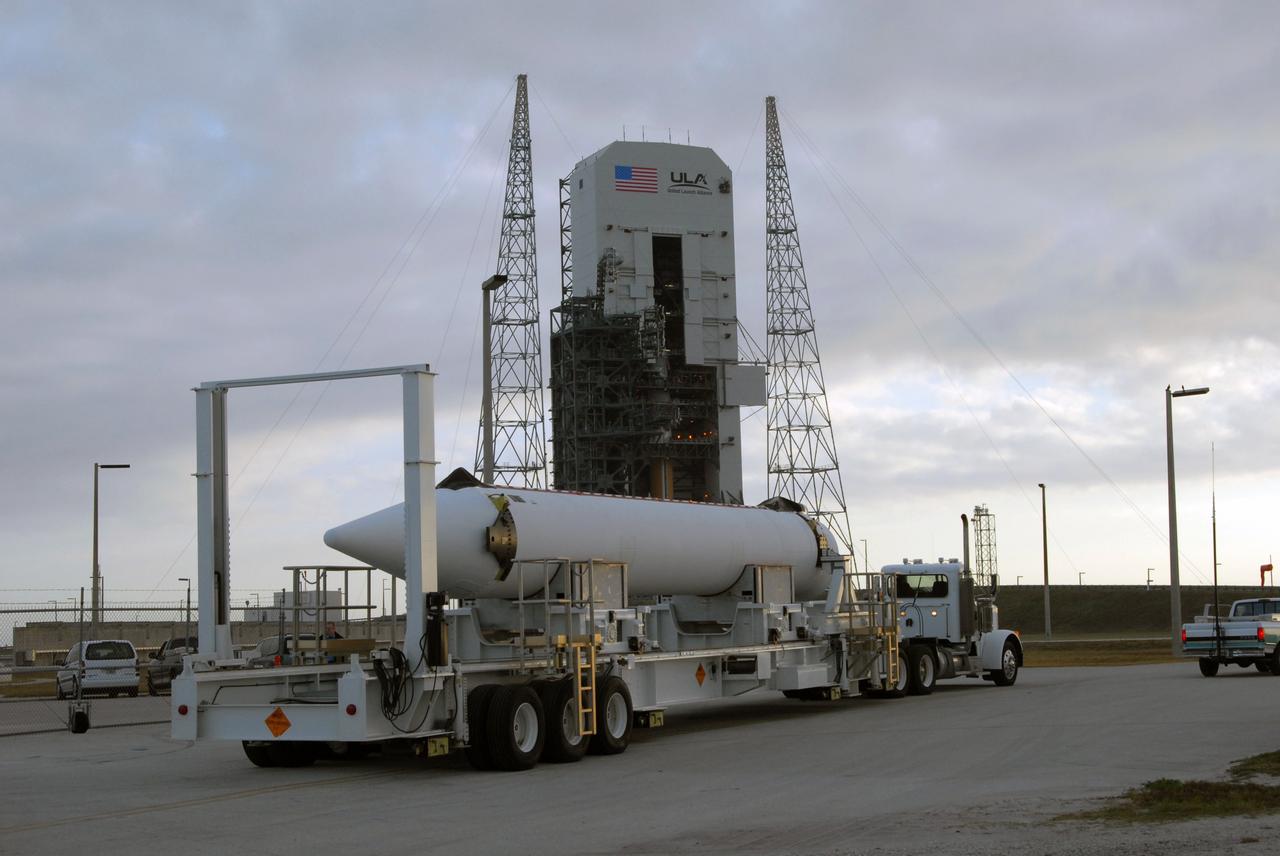
CAPE CANAVERAL, Fla. – The second of two solid rocket boosters arrives on Launch Pad 37 at Cape Canaveral Air Force Station in Florida. It is the rocket to be installed on the right side of the Delta IV launch vehicle for the GOES-O spacecraft. GOES–O is one of a series of Geostationary Operational Environmental Satellites. The multi-mission GOES series N-P will be a vital contributor to weather, solar and space operations and science. NASA and the National Oceanic and Atmospheric Administration, or NOAA, are actively engaged in a cooperative program to expand the existing GOES system with the launch of the GOES N-P satellites. Launch of the GOES-O is targeted for no earlier than April 2009. Photo credit: NASA/Jack Pfaller
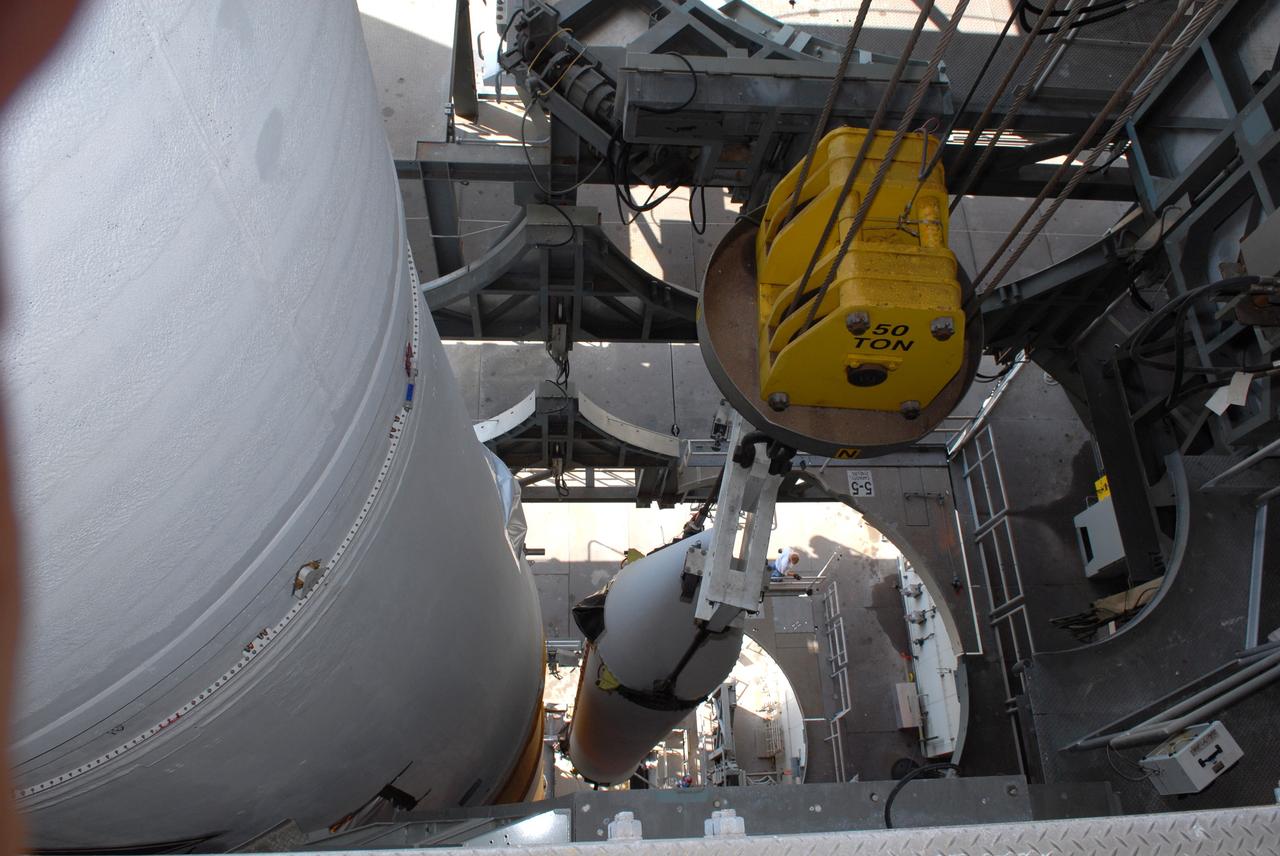
CAPE CANAVERAL, Fla. – One of two solid rocket boosters is mated to the GOES-O Delta IV launch vehicle on Launch Pad 37 at Cape Canaveral Air Force Station. It is the left rocket. GOES–O is one of a series of Geostationary Operational Environmental Satellites. The multi-mission GOES series N-P will be a vital contributor to weather, solar and space operations and science. NASA and the National Oceanic and Atmospheric Administration, or NOAA, are actively engaged in a cooperative program to expand the existing GOES system with the launch of the GOES N-P satellites. Launch of the GOES-O is targeted for no earlier than April 2009. Photo credit: NASA/Ben Smegelsky
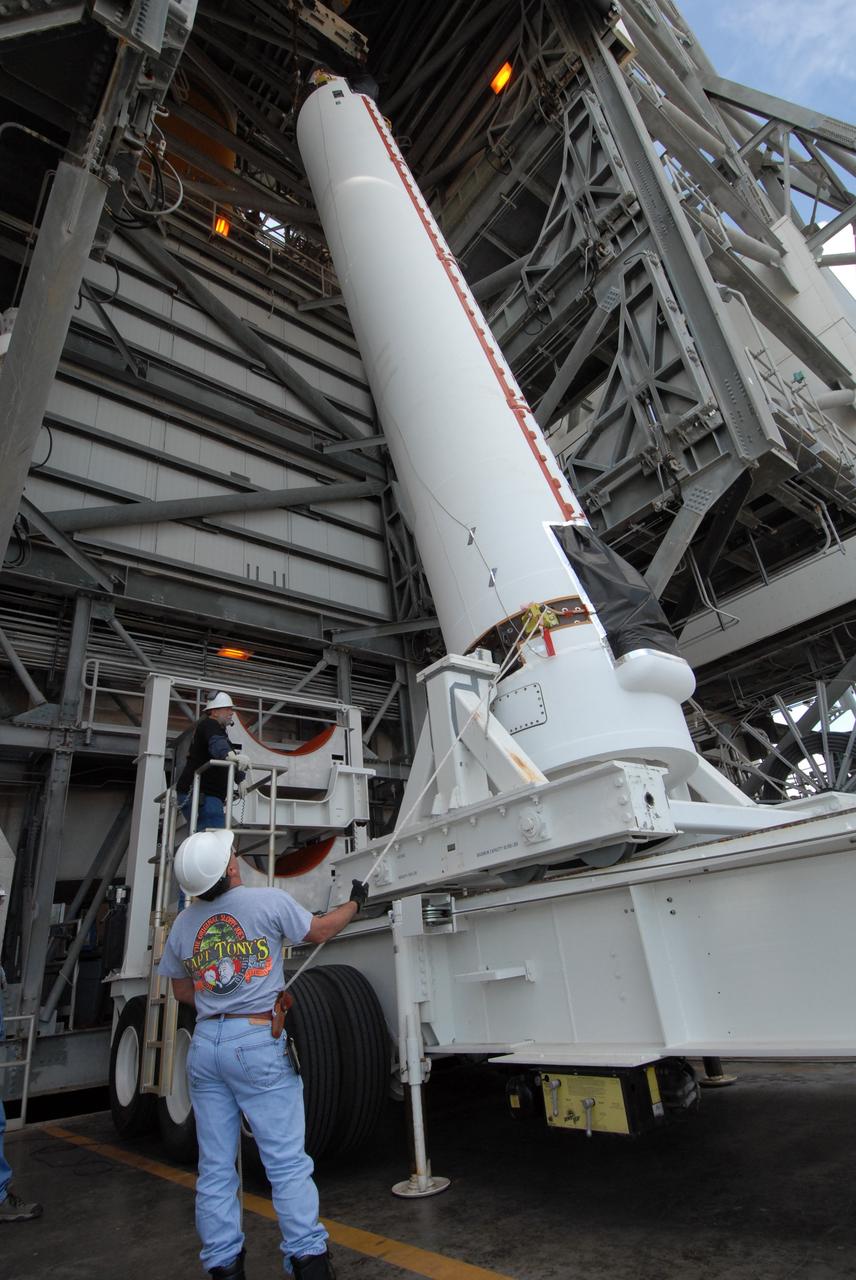
CAPE CANAVERAL, Fla. – On Launch Pad 37 at Cape Canaveral Air Force Station in Florida, the second of two solid rocket boosters is raised from its transporter. The rocket will be lifted into the mobile service tower and installed on the right side of the Delta IV launch vehicle for the GOES-O spacecraft. GOES–O is one of a series of Geostationary Operational Environmental Satellites. The multi-mission GOES series N-P will be a vital contributor to weather, solar and space operations and science. NASA and the National Oceanic and Atmospheric Administration, or NOAA, are actively engaged in a cooperative program to expand the existing GOES system with the launch of the GOES N-P satellites. Launch of the GOES-O is targeted for no earlier than April 2009. Photo credit: NASA/Jack Pfaller
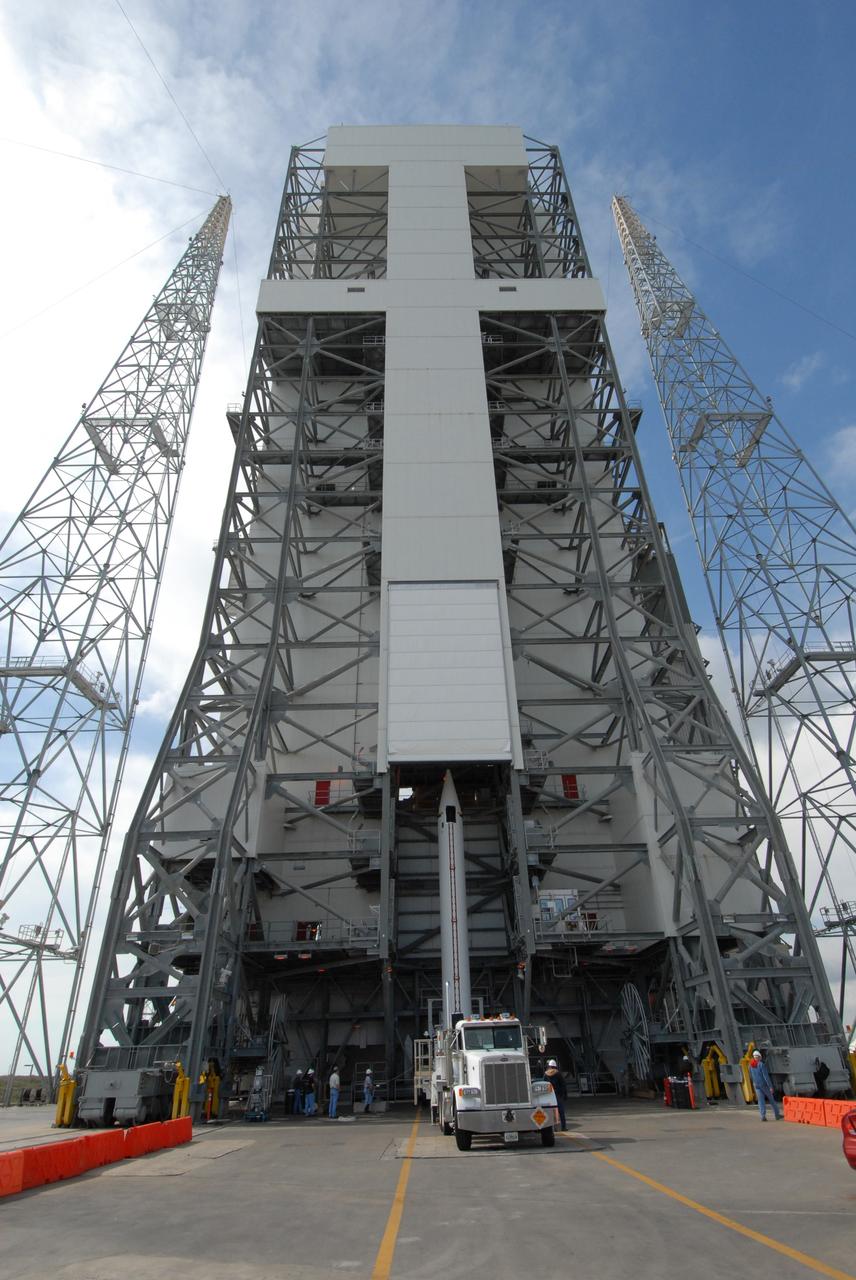
CAPE CANAVERAL, Fla. – On Launch Pad 37 at Cape Canaveral Air Force Station in Florida, the second of two solid rocket boosters is ready to be lifted into the mobile service tower and installed on the right side of the Delta IV launch vehicle for the GOES-O spacecraft. GOES–O is one of a series of Geostationary Operational Environmental Satellites. The multi-mission GOES series N-P will be a vital contributor to weather, solar and space operations and science. NASA and the National Oceanic and Atmospheric Administration, or NOAA, are actively engaged in a cooperative program to expand the existing GOES system with the launch of the GOES N-P satellites. Launch of the GOES-O is targeted for no earlier than April 2009. Photo credit: NASA/Jack Pfaller
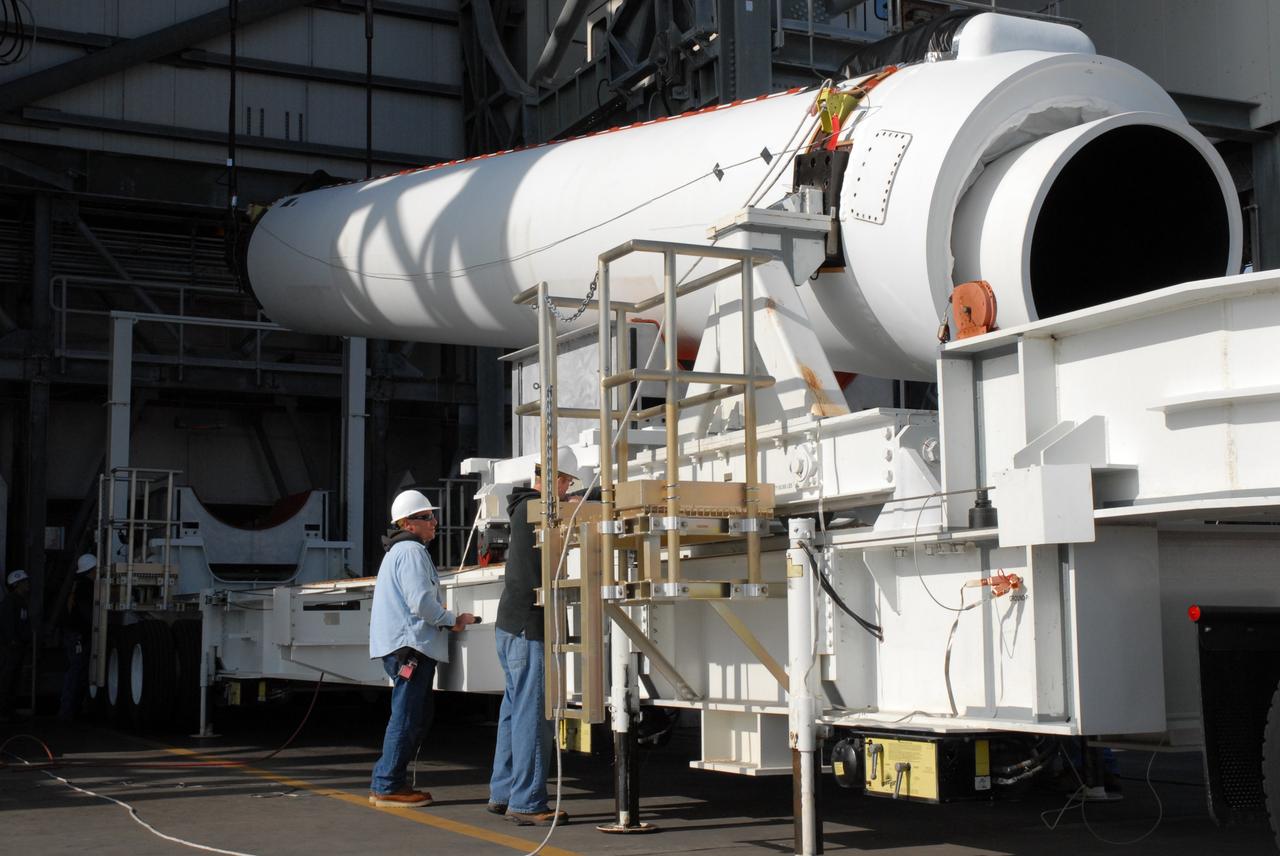
CAPE CANAVERAL, Fla. – On Launch Pad 37 at Cape Canaveral Air Force Station in Florida, the second of two solid rocket boosters is raised from its transporter. The rocket will be lifted into the mobile service tower and installed on the right side of the Delta IV launch vehicle for the GOES-O spacecraft. GOES–O is one of a series of Geostationary Operational Environmental Satellites. The multi-mission GOES series N-P will be a vital contributor to weather, solar and space operations and science. NASA and the National Oceanic and Atmospheric Administration, or NOAA, are actively engaged in a cooperative program to expand the existing GOES system with the launch of the GOES N-P satellites. Launch of the GOES-O is targeted for no earlier than April 2009. Photo credit: NASA/Jack Pfaller
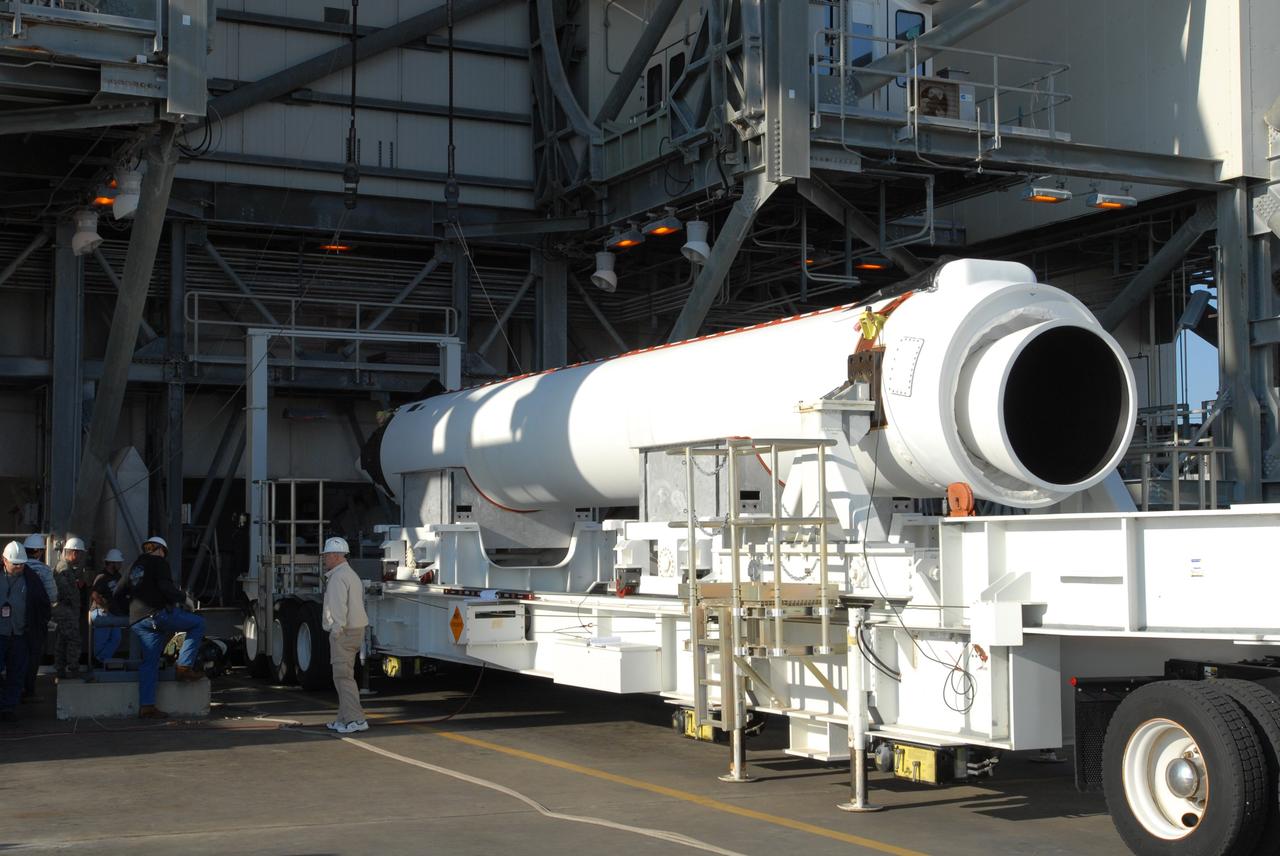
CAPE CANAVERAL, Fla. – On Launch Pad 37 at Cape Canaveral Air Force Station in Florida, one of the solid rocket boosters to be mated to the GOES-O Delta IV rocket arrives. GOES–O is one of a series of Geostationary Operational Environmental Satellites. The multi-mission GOES series N-P will be a vital contributor to weather, solar and space operations and science. NASA and the National Oceanic and Atmospheric Administration, or NOAA, are actively engaged in a cooperative program to expand the existing GOES system with the launch of the GOES N-P satellites. Launch of the GOES-O is targeted for no earlier than April 2009. Photo credit: NASA/Jim Grossmann
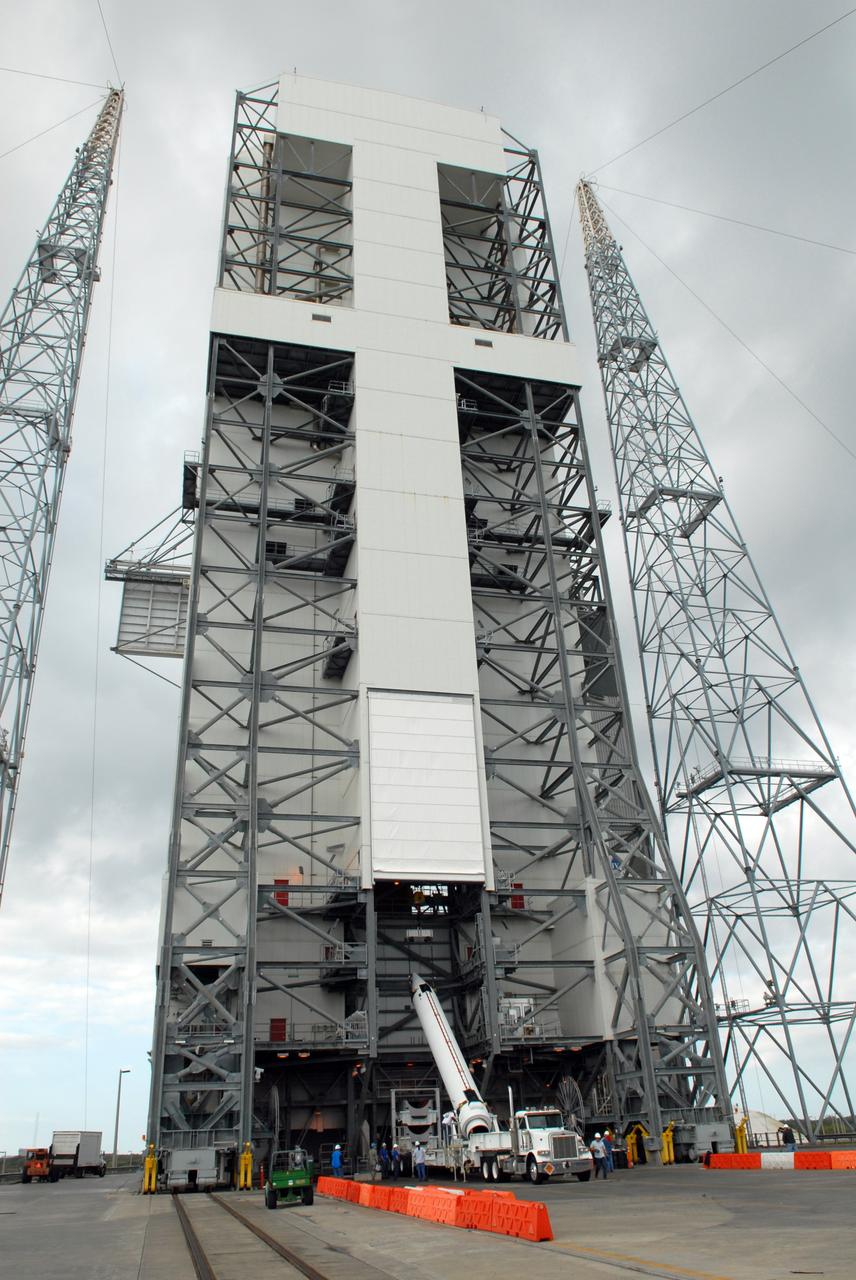
CAPE CANAVERAL, Fla. – One of two solid rocket boosters is lifted into the mobile service tower on Launch Pad 37 at Cape Canaveral Air Force Station. It is the left rocket and it will be mated to the GOES-O Delta IV launch vehicle. GOES–O is one of a series of Geostationary Operational Environmental Satellites. The multi-mission GOES series N-P will be a vital contributor to weather, solar and space operations and science. NASA and the National Oceanic and Atmospheric Administration, or NOAA, are actively engaged in a cooperative program to expand the existing GOES system with the launch of the GOES N-P satellites. Launch of the GOES-O is targeted for no earlier than April 2009. Photo credit: NASA/Ben Smegelsky
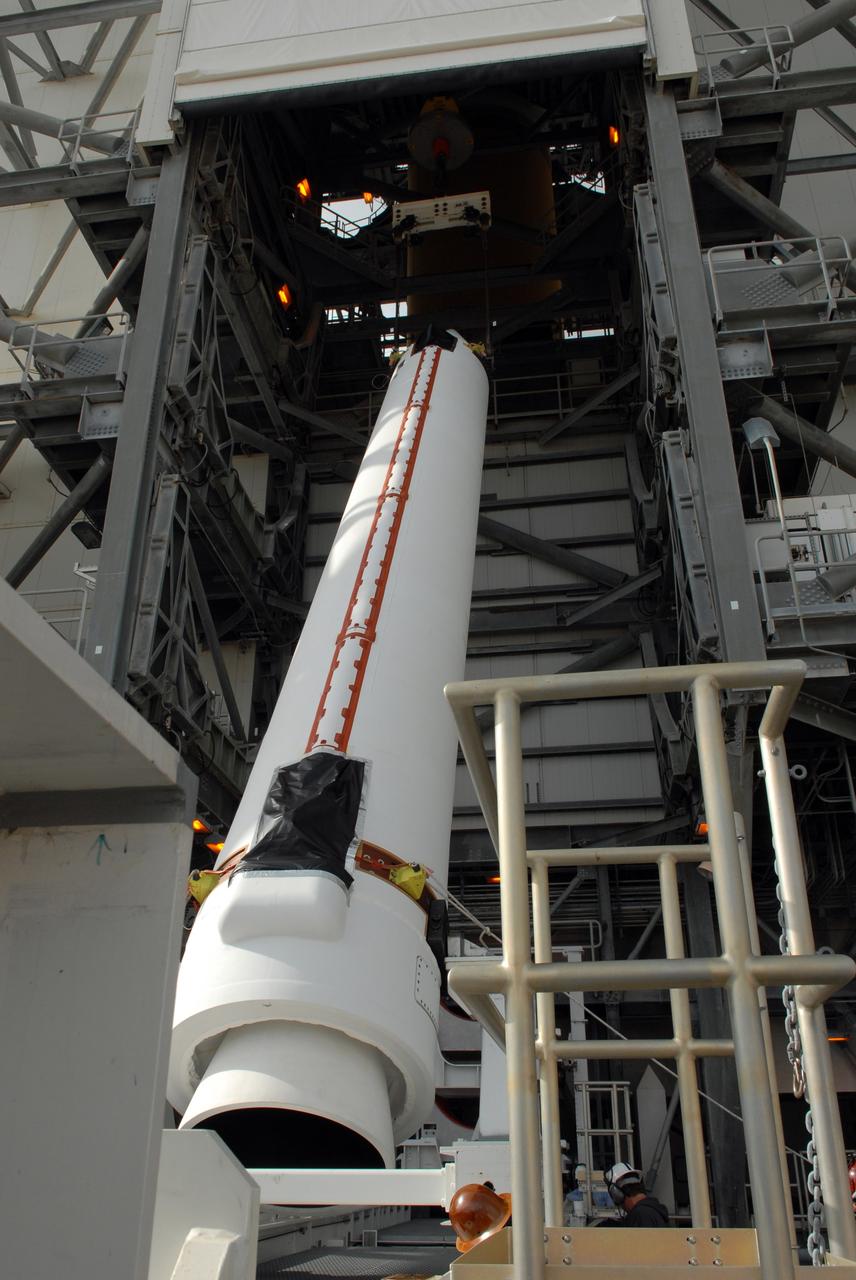
CAPE CANAVERAL, Fla. – One of two solid rocket boosters is lifted into the mobile service tower on Launch Pad 37 at Cape Canaveral Air Force Station. It is the left rocket and it will be mated to the GOES-O Delta IV launch vehicle. GOES–O is one of a series of Geostationary Operational Environmental Satellites. The multi-mission GOES series N-P will be a vital contributor to weather, solar and space operations and science. NASA and the National Oceanic and Atmospheric Administration, or NOAA, are actively engaged in a cooperative program to expand the existing GOES system with the launch of the GOES N-P satellites. Launch of the GOES-O is targeted for no earlier than April 2009. Photo credit: NASA/Ben Smegelsky
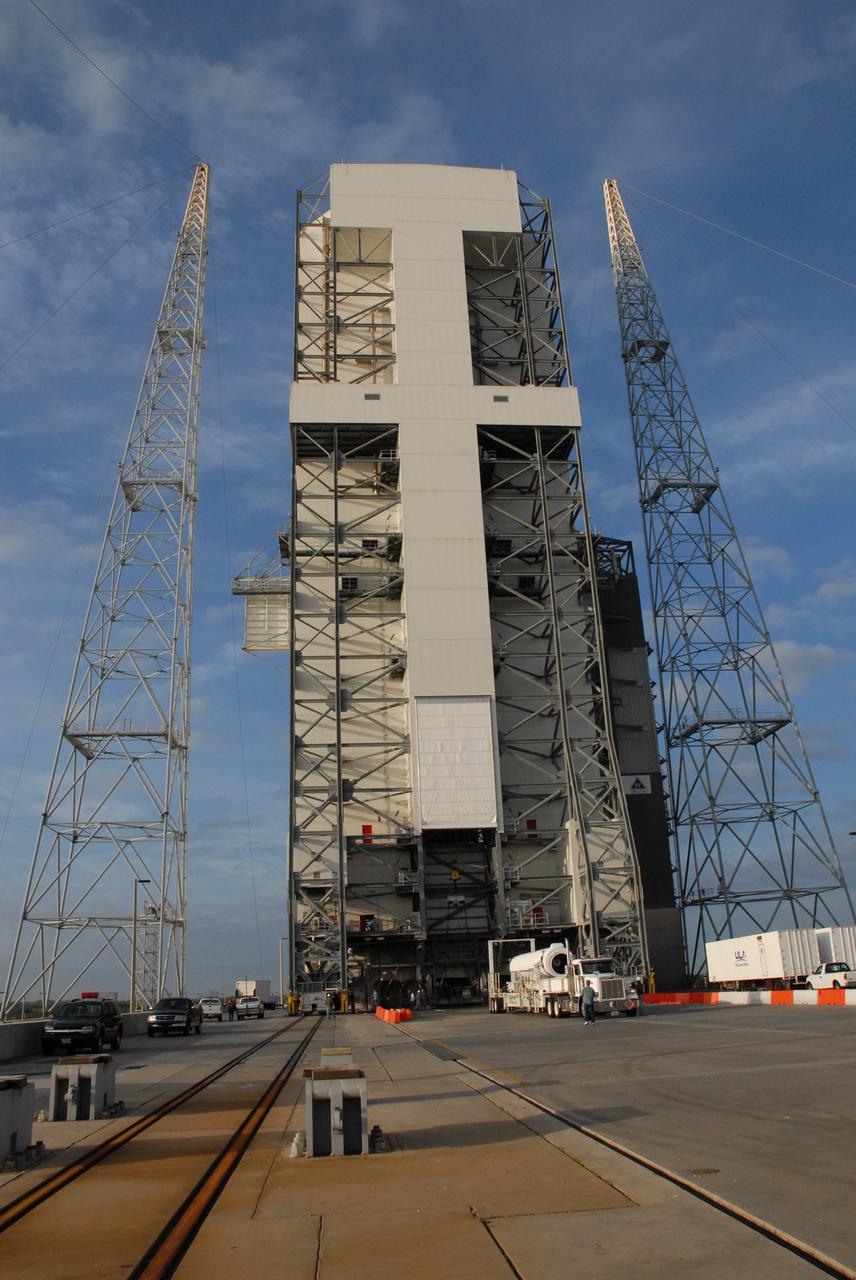
CAPE CANAVERAL, Fla. – The second of two solid rocket boosters rolls up to the mobile service tower on Launch Pad 37 at Cape Canaveral Air Force Station in Florida. The rocket will be installed on the right side of the Delta IV launch vehicle for the GOES-O spacecraft. GOES–O is one of a series of Geostationary Operational Environmental Satellites. The multi-mission GOES series N-P will be a vital contributor to weather, solar and space operations and science. NASA and the National Oceanic and Atmospheric Administration, or NOAA, are actively engaged in a cooperative program to expand the existing GOES system with the launch of the GOES N-P satellites. Launch of the GOES-O is targeted for no earlier than April 2009. Photo credit: NASA/Jack Pfaller
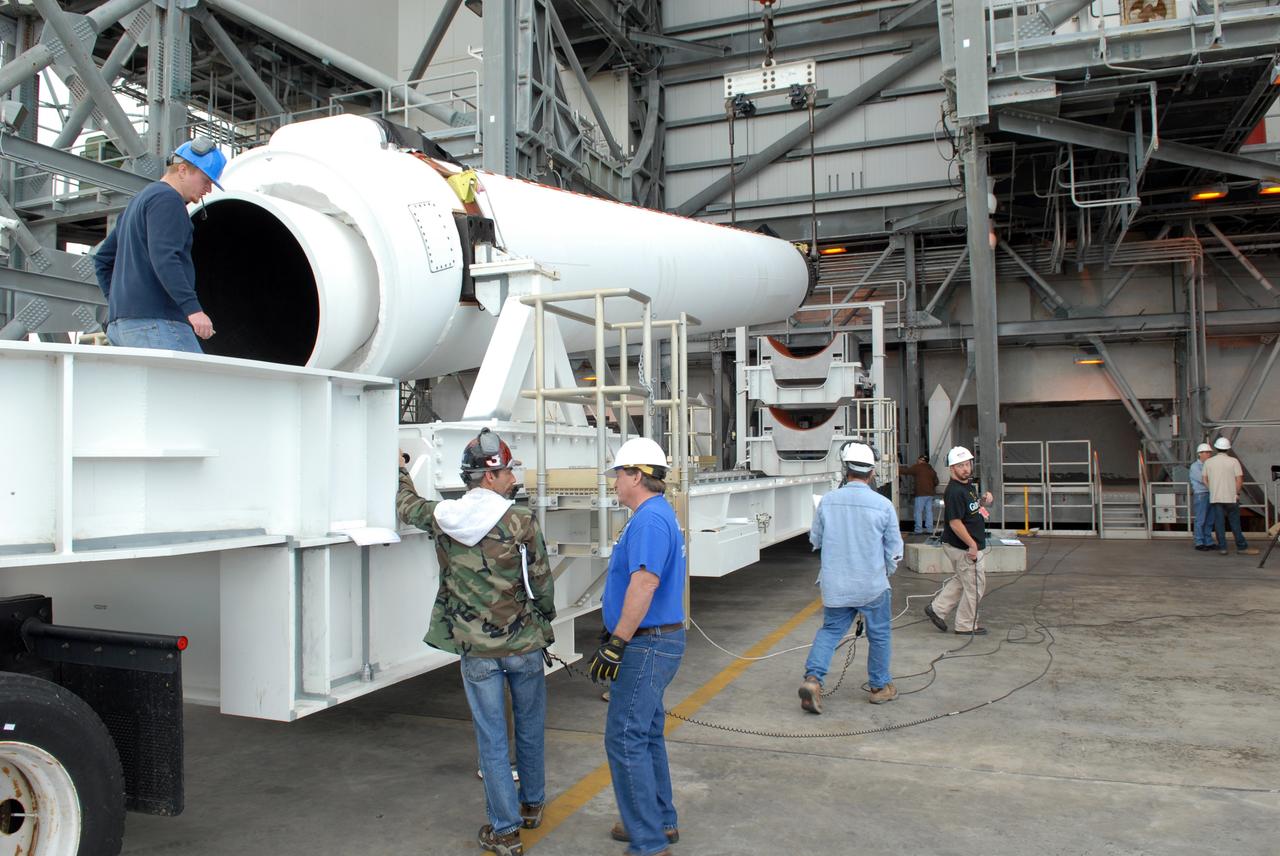
CAPE CANAVERAL, Fla. – One of two solid rocket boosters arrives on Launch Pad 37 at Cape Canaveral Air Force Station. it is the left rocket and it will be lifted into the mobile service tower and mated to the GOES-O Delta IV launch vehicle. GOES–O is one of a series of Geostationary Operational Environmental Satellites. The multi-mission GOES series N-P will be a vital contributor to weather, solar and space operations and science. NASA and the National Oceanic and Atmospheric Administration, or NOAA, are actively engaged in a cooperative program to expand the existing GOES system with the launch of the GOES N-P satellites. Launch of the GOES-O is targeted for no earlier than April 2009. Photo credit: NASA/Ben Smegelsky
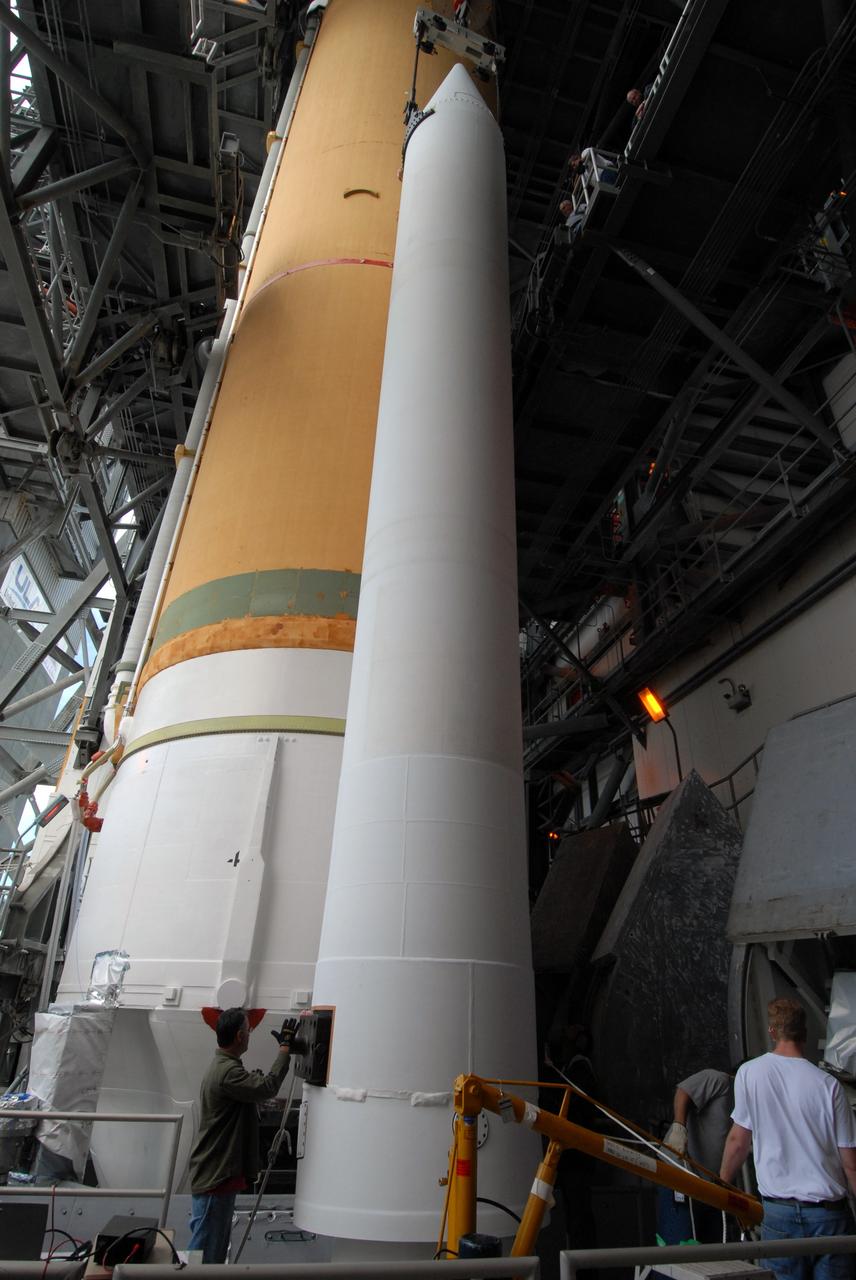
CAPE CANAVERAL, Fla. – On Launch Pad 37 at Cape Canaveral Air Force Station in Florida, the second of two solid rocket boosters is being installed on the right side of the Delta IV launch vehicle for the GOES-O spacecraft. GOES–O is one of a series of Geostationary Operational Environmental Satellites. The multi-mission GOES series N-P will be a vital contributor to weather, solar and space operations and science. NASA and the National Oceanic and Atmospheric Administration, or NOAA, are actively engaged in a cooperative program to expand the existing GOES system with the launch of the GOES N-P satellites. Launch of the GOES-O is targeted for no earlier than April 2009. Photo credit: NASA/Jack Pfaller