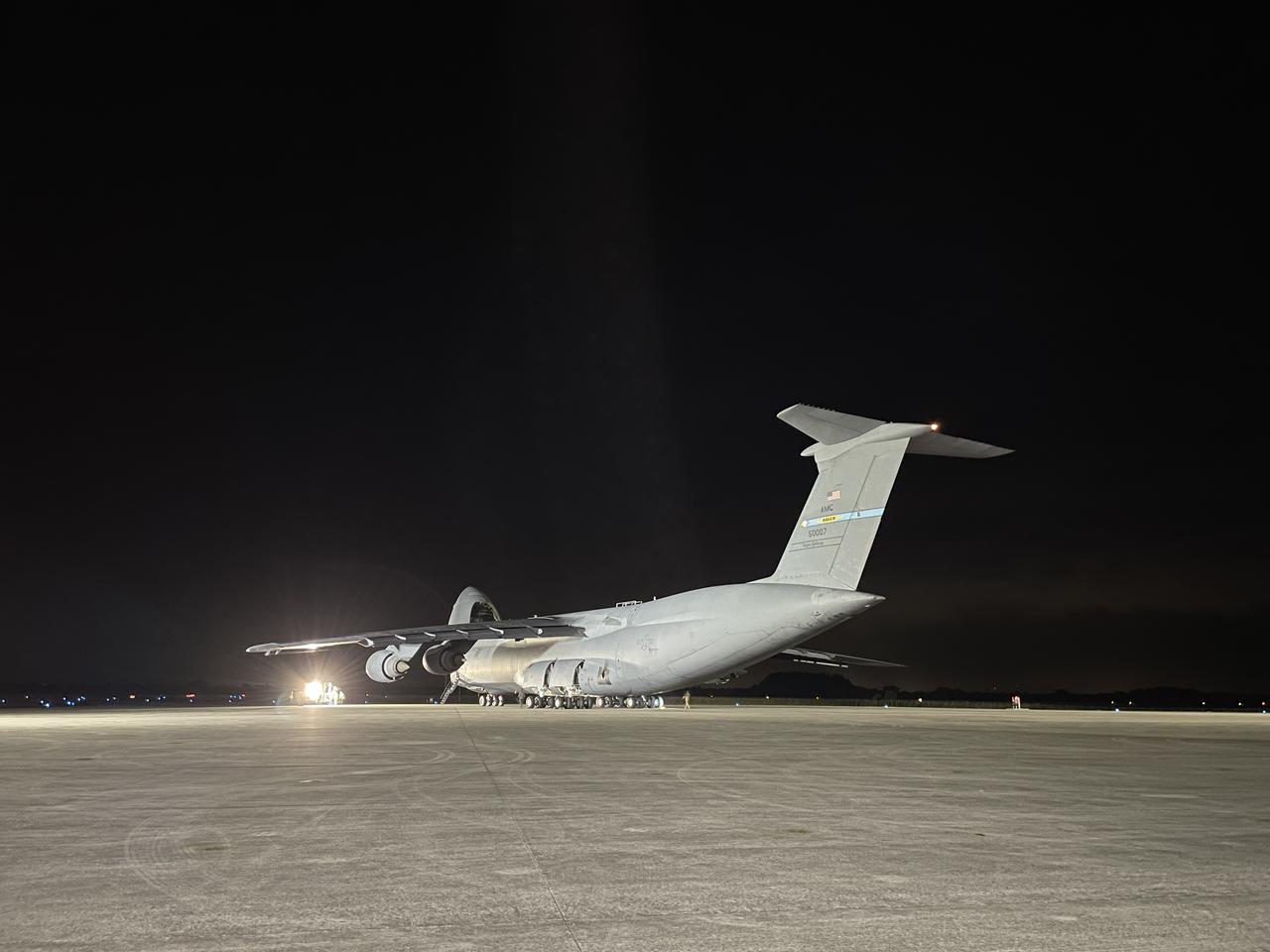
A C-5M Super Galaxy transport aircraft carrying NOAA’s Geostationary Operational Environmental Satellite-U (GOES-U) arrives at the Launch and Landing Facility at NASA’s Kennedy Space Center in Florida on Tuesday, Jan. 23, 2024. Crews offloaded and transported the satellite to the Astrotech Space Operations facility in nearby Titusville, Florida to prepare it for launch. Part of a collaborative NOAA and NASA program, GOES-U is the fourth in a series of four advanced geostationary weather satellites. Data from the GOES satellite constellation – consisting of the GOES-R, GOES-S, GOES-T and GOES-U spacecraft – enables forecasters to predict, observe, and track local weather events that affect public safety like thunderstorms, hurricanes, and wildfires.
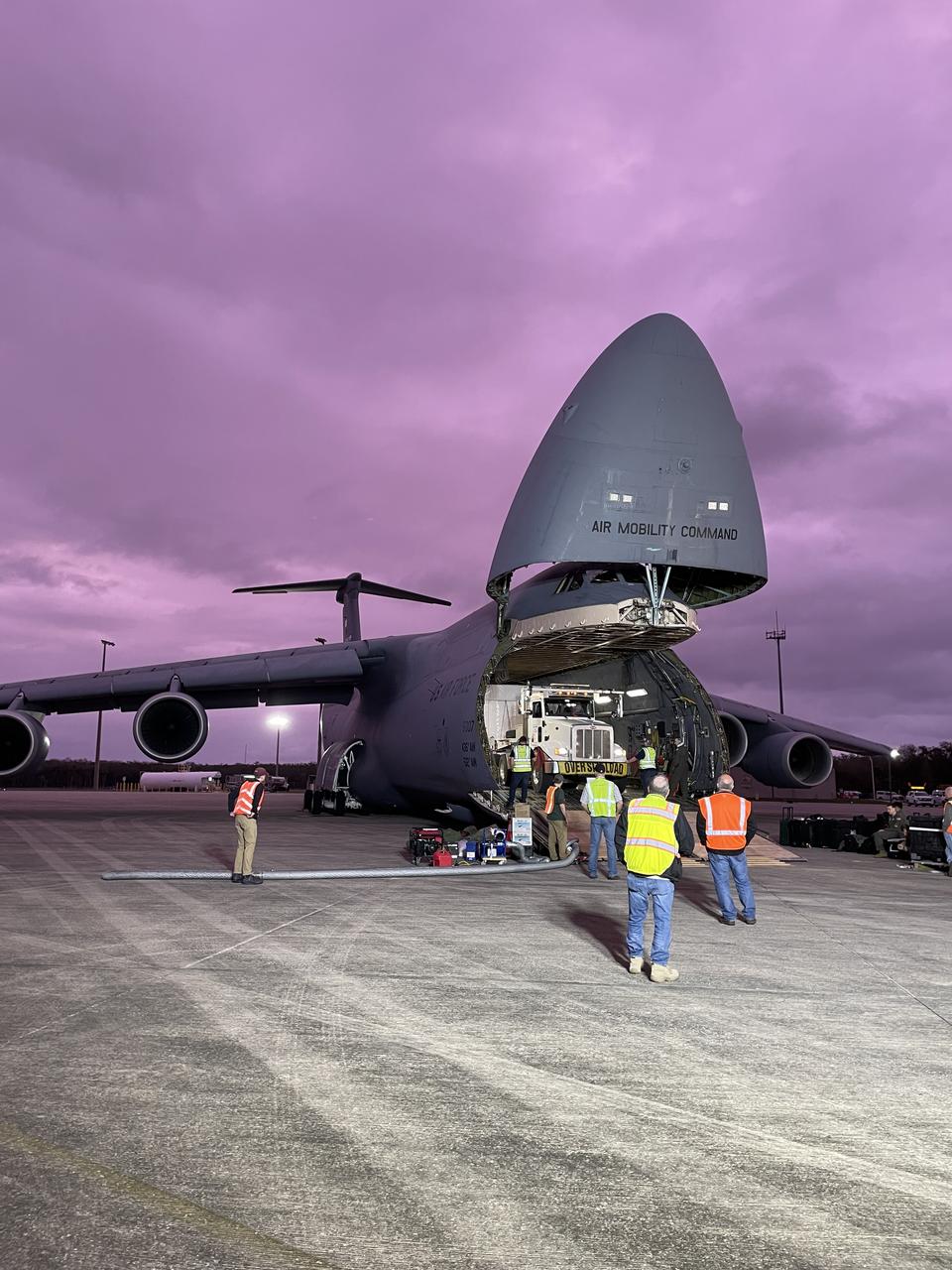
NOAA’s Geostationary Operational Environmental Satellite-U (GOES-U) is offloaded from a C-5M Super Galaxy transport aircraft onto the flatbed of a heavy-lift truck at the Launch and Landing Facility at NASA’s Kennedy Space Center in Florida on Tuesday, Jan. 23, 2024. Crews transported the satellite to the Astrotech Space Operations facility in Titusville, Florida to prepare it for launch. Part of a collaborative NOAA and NASA program, GOES-U is the fourth in a series of four advanced geostationary weather satellites. Data from the GOES satellite constellation – consisting of the GOES-R, GOES-S, GOES-T and GOES-U spacecraft – enables forecasters to predict, observe, and track local weather events that affect public safety like thunderstorms, hurricanes, and wildfires.

NOAA’s Geostationary Operational Environmental Satellite-U (GOES-U) is offloaded from a C-5M Super Galaxy transport aircraft onto the flatbed of a heavy-lift truck at the Launch and Landing Facility at NASA’s Kennedy Space Center in Florida on Tuesday, Jan. 23, 2024. Crews transported the satellite to the Astrotech Space Operations facility in Titusville, Florida to prepare it for launch. Part of a collaborative NOAA and NASA program, GOES-U is the fourth in a series of four advanced geostationary weather satellites. Data from the GOES satellite constellation – consisting of the GOES-R, GOES-S, GOES-T and GOES-U spacecraft – enables forecasters to predict, observe, and track local weather events that affect public safety like thunderstorms, hurricanes, and wildfires.

NOAA’s Geostationary Operational Environmental Satellite-U (GOES-U) is offloaded from a C-5M Super Galaxy transport aircraft onto the flatbed of a heavy-lift truck at the Launch and Landing Facility at NASA’s Kennedy Space Center in Florida on Tuesday, Jan. 23, 2024. Crews transported the satellite to the Astrotech Space Operations facility in Titusville, Florida to prepare it for launch. Part of a collaborative NOAA and NASA program, GOES-U is the fourth in a series of four advanced geostationary weather satellites. Data from the GOES satellite constellation – consisting of the GOES-R, GOES-S, GOES-T and GOES-U spacecraft – enables forecasters to predict, observe, and track local weather events that affect public safety like thunderstorms, hurricanes, and wildfires.
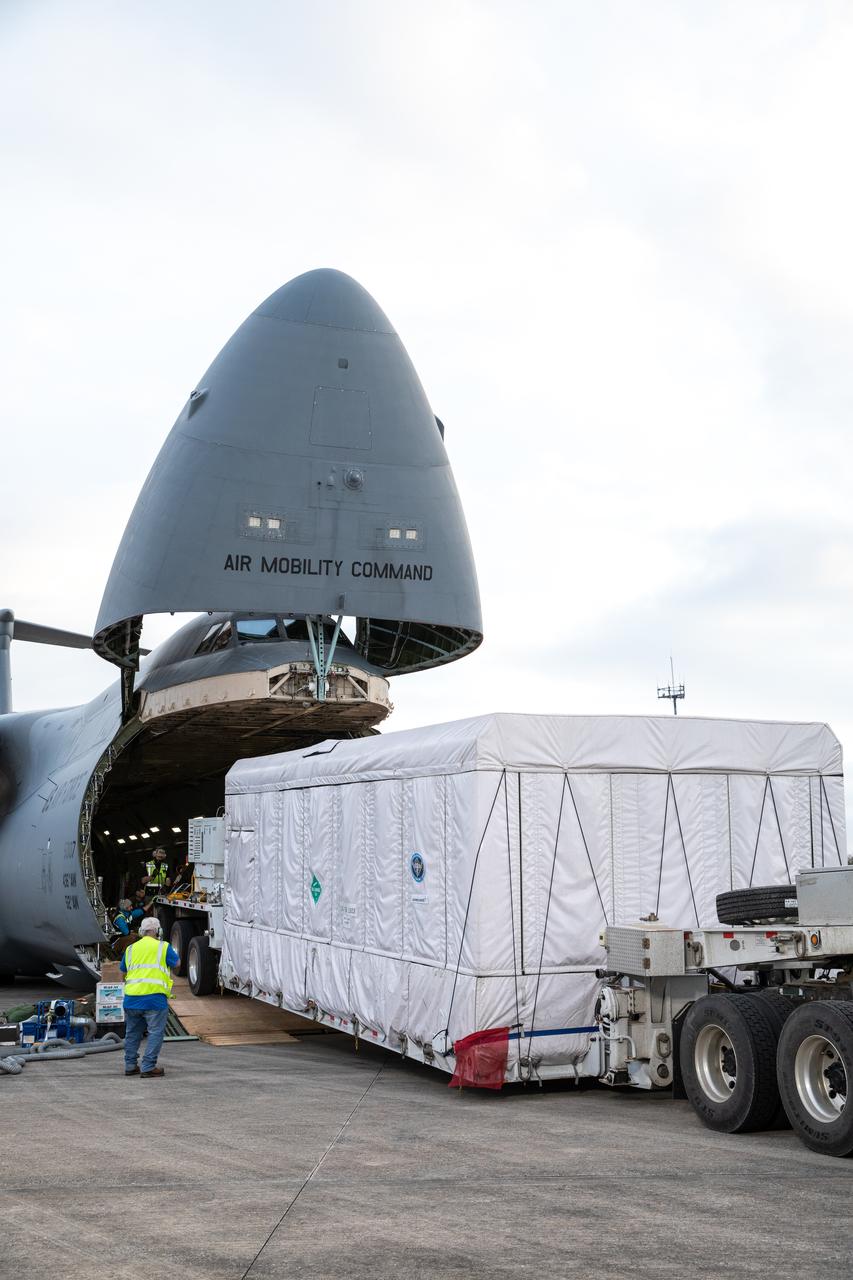
NOAA’s Geostationary Operational Environmental Satellite-U (GOES-U) is offloaded from a C-5M Super Galaxy transport aircraft onto the flatbed of a heavy-lift truck at the Launch and Landing Facility at NASA’s Kennedy Space Center in Florida on Tuesday, Jan. 23, 2024. Crews transported the satellite to the Astrotech Space Operations facility in Titusville, Florida to prepare it for launch. Part of a collaborative NOAA and NASA program, GOES-U is the fourth in a series of four advanced geostationary weather satellites. Data from the GOES satellite constellation – consisting of the GOES-R, GOES-S, GOES-T and GOES-U spacecraft – enables forecasters to predict, observe, and track local weather events that affect public safety like thunderstorms, hurricanes, and wildfires.

NOAA’s Geostationary Operational Environmental Satellite-U (GOES-U) is offloaded from a C-5M Super Galaxy transport aircraft onto the flatbed of a heavy-lift truck at the Launch and Landing Facility at NASA’s Kennedy Space Center in Florida on Tuesday, Jan. 23, 2024. Crews transported the satellite to the Astrotech Space Operations facility in Titusville, Florida to prepare it for launch. Part of a collaborative NOAA and NASA program, GOES-U is the fourth in a series of four advanced geostationary weather satellites. Data from the GOES satellite constellation – consisting of the GOES-R, GOES-S, GOES-T and GOES-U spacecraft – enables forecasters to predict, observe, and track local weather events that affect public safety like thunderstorms, hurricanes, and wildfires.

NOAA’s Geostationary Operational Environmental Satellite-U (GOES-U) is offloaded from a C-5M Super Galaxy transport aircraft onto the flatbed of a heavy-lift truck at the Launch and Landing Facility at NASA’s Kennedy Space Center in Florida on Tuesday, Jan. 23, 2024. Crews transported the satellite to the Astrotech Space Operations facility in Titusville, Florida to prepare it for launch. Part of a collaborative NOAA and NASA program, GOES-U is the fourth in a series of four advanced geostationary weather satellites. Data from the GOES satellite constellation – consisting of the GOES-R, GOES-S, GOES-T and GOES-U spacecraft – enables forecasters to predict, observe, and track local weather events that affect public safety like thunderstorms, hurricanes, and wildfires.

NOAA’s Geostationary Operational Environmental Satellite-U (GOES-U) is offloaded from a C-5M Super Galaxy transport aircraft onto the flatbed of a heavy-lift truck at the Launch and Landing Facility at NASA’s Kennedy Space Center in Florida on Tuesday, Jan. 23, 2024. Crews transported the satellite to the Astrotech Space Operations facility in Titusville, Florida to prepare it for launch. Part of a collaborative NOAA and NASA program, GOES-U is the fourth in a series of four advanced geostationary weather satellites. Data from the GOES satellite constellation – consisting of the GOES-R, GOES-S, GOES-T and GOES-U spacecraft – enables forecasters to predict, observe, and track local weather events that affect public safety like thunderstorms, hurricanes, and wildfires.
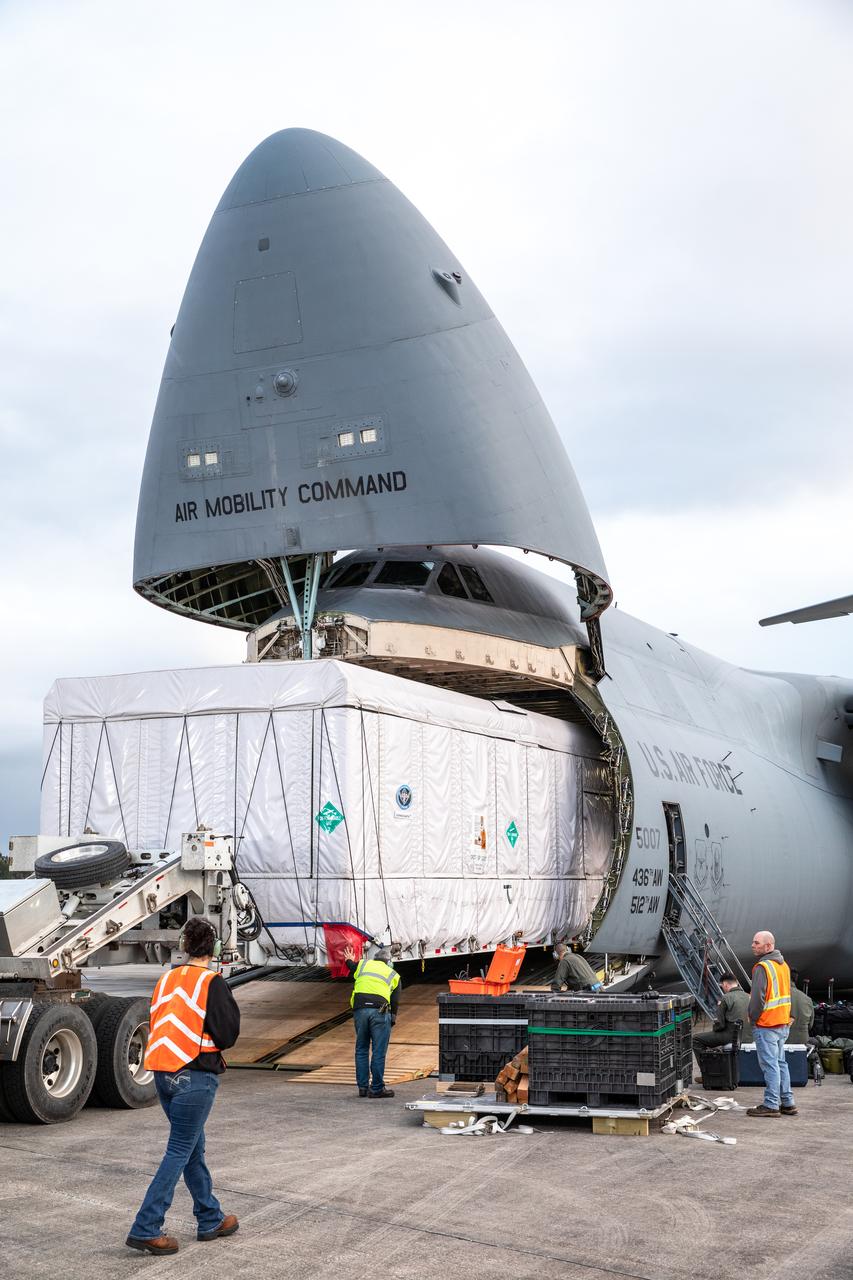
NOAA’s Geostationary Operational Environmental Satellite-U (GOES-U) is offloaded from a C-5M Super Galaxy transport aircraft onto the flatbed of a heavy-lift truck at the Launch and Landing Facility at NASA’s Kennedy Space Center in Florida on Tuesday, Jan. 23, 2024. Crews transported the satellite to the Astrotech Space Operations facility in Titusville, Florida to prepare it for launch. Part of a collaborative NOAA and NASA program, GOES-U is the fourth in a series of four advanced geostationary weather satellites. Data from the GOES satellite constellation – consisting of the GOES-R, GOES-S, GOES-T and GOES-U spacecraft – enables forecasters to predict, observe, and track local weather events that affect public safety like thunderstorms, hurricanes, and wildfires.

NOAA’s Geostationary Operational Environmental Satellite-U (GOES-U) is offloaded from a C-5M Super Galaxy transport aircraft onto the flatbed of a heavy-lift truck at the Launch and Landing Facility at NASA’s Kennedy Space Center in Florida on Tuesday, Jan. 23, 2024. Crews transported the satellite to the Astrotech Space Operations facility in Titusville, Florida to prepare it for launch. Part of a collaborative NOAA and NASA program, GOES-U is the fourth in a series of four advanced geostationary weather satellites. Data from the GOES satellite constellation – consisting of the GOES-R, GOES-S, GOES-T and GOES-U spacecraft – enables forecasters to predict, observe, and track local weather events that affect public safety like thunderstorms, hurricanes, and wildfires.

NOAA’s Geostationary Operational Environmental Satellite-U (GOES-U) is offloaded from a C-5M Super Galaxy transport aircraft onto the flatbed of a heavy-lift truck at the Launch and Landing Facility at NASA’s Kennedy Space Center in Florida on Tuesday, Jan. 23, 2024. Crews transported the satellite to the Astrotech Space Operations facility in Titusville, Florida to prepare it for launch. Part of a collaborative NOAA and NASA program, GOES-U is the fourth in a series of four advanced geostationary weather satellites. Data from the GOES satellite constellation – consisting of the GOES-R, GOES-S, GOES-T and GOES-U spacecraft – enables forecasters to predict, observe, and track local weather events that affect public safety like thunderstorms, hurricanes, and wildfires.

NOAA’s Geostationary Operational Environmental Satellite-U (GOES-U) is offloaded from a C-5M Super Galaxy transport aircraft onto the flatbed of a heavy-lift truck at the Launch and Landing Facility at NASA’s Kennedy Space Center in Florida on Tuesday, Jan. 23, 2024. Crews transported the satellite to the Astrotech Space Operations facility in Titusville, Florida to prepare it for launch. Part of a collaborative NOAA and NASA program, GOES-U is the fourth in a series of four advanced geostationary weather satellites. Data from the GOES satellite constellation – consisting of the GOES-R, GOES-S, GOES-T and GOES-U spacecraft – enables forecasters to predict, observe, and track local weather events that affect public safety like thunderstorms, hurricanes, and wildfires.

NOAA’s Geostationary Operational Environmental Satellite-U (GOES-U) is offloaded from a C-5M Super Galaxy transport aircraft onto the flatbed of a heavy-lift truck at the Launch and Landing Facility at NASA’s Kennedy Space Center in Florida on Tuesday, Jan. 23, 2024. Crews transported the satellite to the Astrotech Space Operations facility in Titusville, Florida to prepare it for launch. Part of a collaborative NOAA and NASA program, GOES-U is the fourth in a series of four advanced geostationary weather satellites. Data from the GOES satellite constellation – consisting of the GOES-R, GOES-S, GOES-T and GOES-U spacecraft – enables forecasters to predict, observe, and track local weather events that affect public safety like thunderstorms, hurricanes, and wildfires.

NOAA’s Geostationary Operational Environmental Satellite-U (GOES-U) is offloaded from a C-5M Super Galaxy transport aircraft onto the flatbed of a heavy-lift truck at the Launch and Landing Facility at NASA’s Kennedy Space Center in Florida on Tuesday, Jan. 23, 2024. Crews transported the satellite to the Astrotech Space Operations facility in Titusville, Florida to prepare it for launch. Part of a collaborative NOAA and NASA program, GOES-U is the fourth in a series of four advanced geostationary weather satellites. Data from the GOES satellite constellation – consisting of the GOES-R, GOES-S, GOES-T and GOES-U spacecraft – enables forecasters to predict, observe, and track local weather events that affect public safety like thunderstorms, hurricanes, and wildfires.
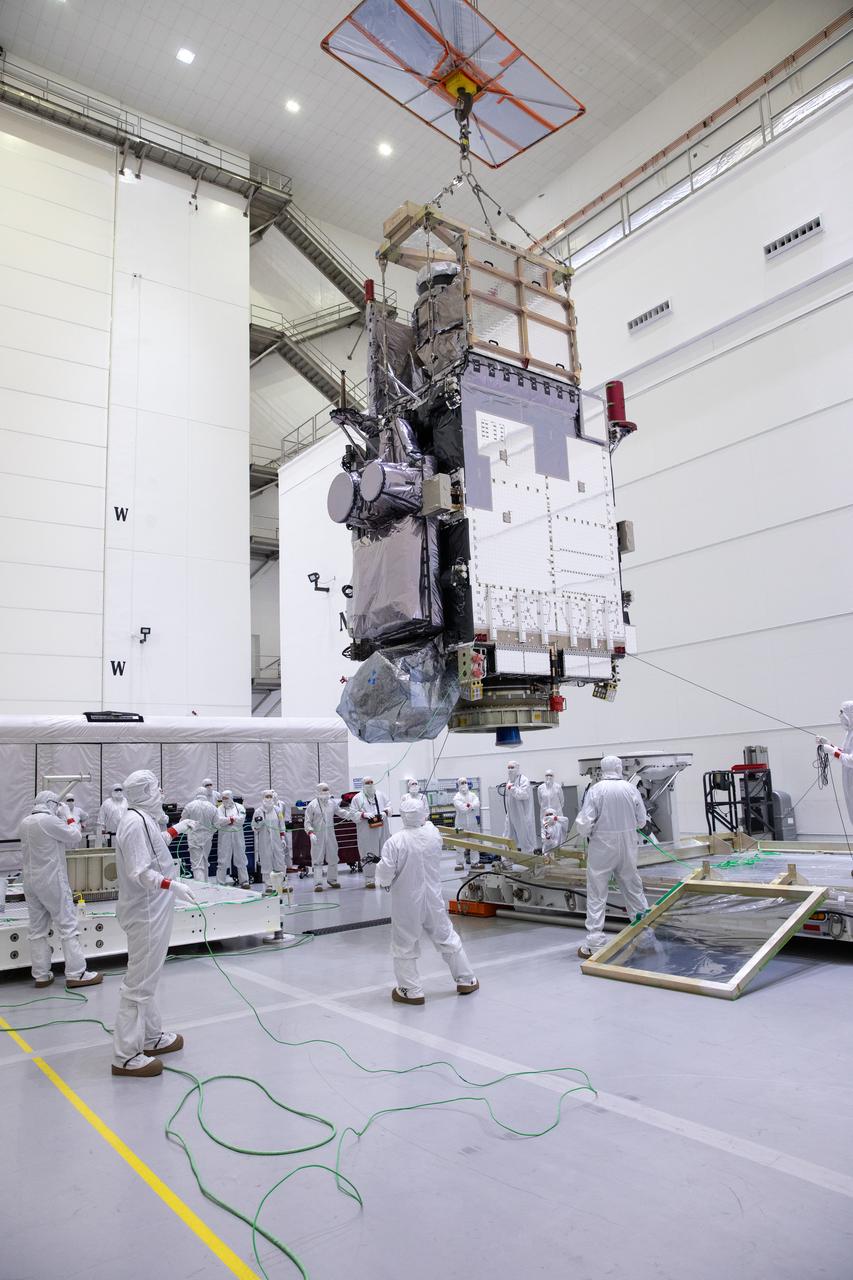
Technicians monitor movement as a crane hoists NOAA’s Geostationary Operational Environmental Satellite-U (GOES-U) after being uncrated and rotated into a vertical position on Wednesday, Jan. 24, 2024, at the Astrotech Space Operations Facility near the agency’s Kennedy Space Center in Florida. Part of a collaborative NOAA and NASA program, GOES-U is the fourth in a series of four advanced geostationary weather satellites. Data from the GOES satellite constellation – consisting of the GOES-R, GOES-S, GOES-T and GOES-U spacecraft – enables forecasters to predict, observe, and track local weather events that affect public safety like thunderstorms, hurricanes, and wildfires.
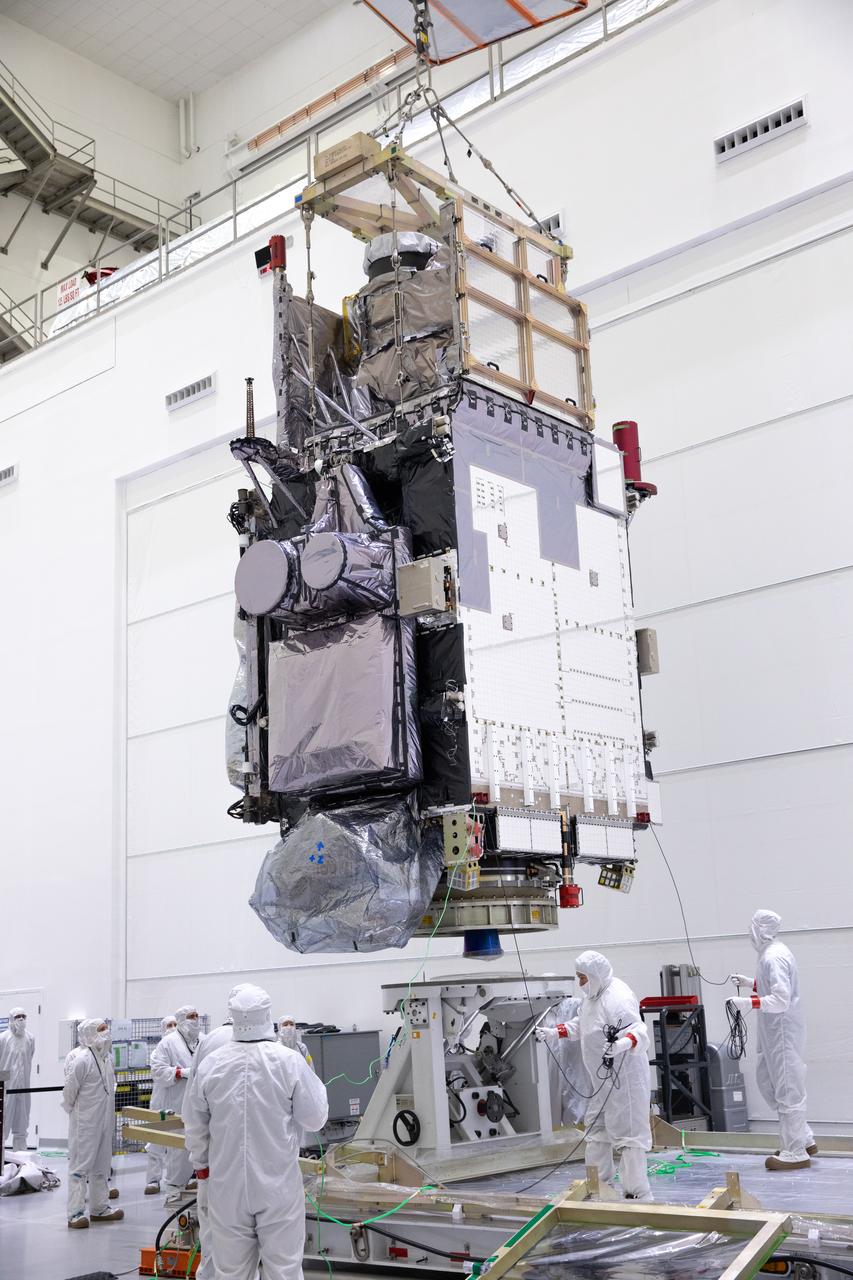
Technicians monitor movement as a crane hoists NOAA’s Geostationary Operational Environmental Satellite-U (GOES-U) after being uncrated and rotated into a vertical position on Wednesday, Jan. 24, 2024, at the Astrotech Space Operations Facility near the agency’s Kennedy Space Center in Florida. Part of a collaborative NOAA and NASA program, GOES-U is the fourth in a series of four advanced geostationary weather satellites. Data from the GOES satellite constellation – consisting of the GOES-R, GOES-S, GOES-T and GOES-U spacecraft – enables forecasters to predict, observe, and track local weather events that affect public safety like thunderstorms, hurricanes, and wildfires.
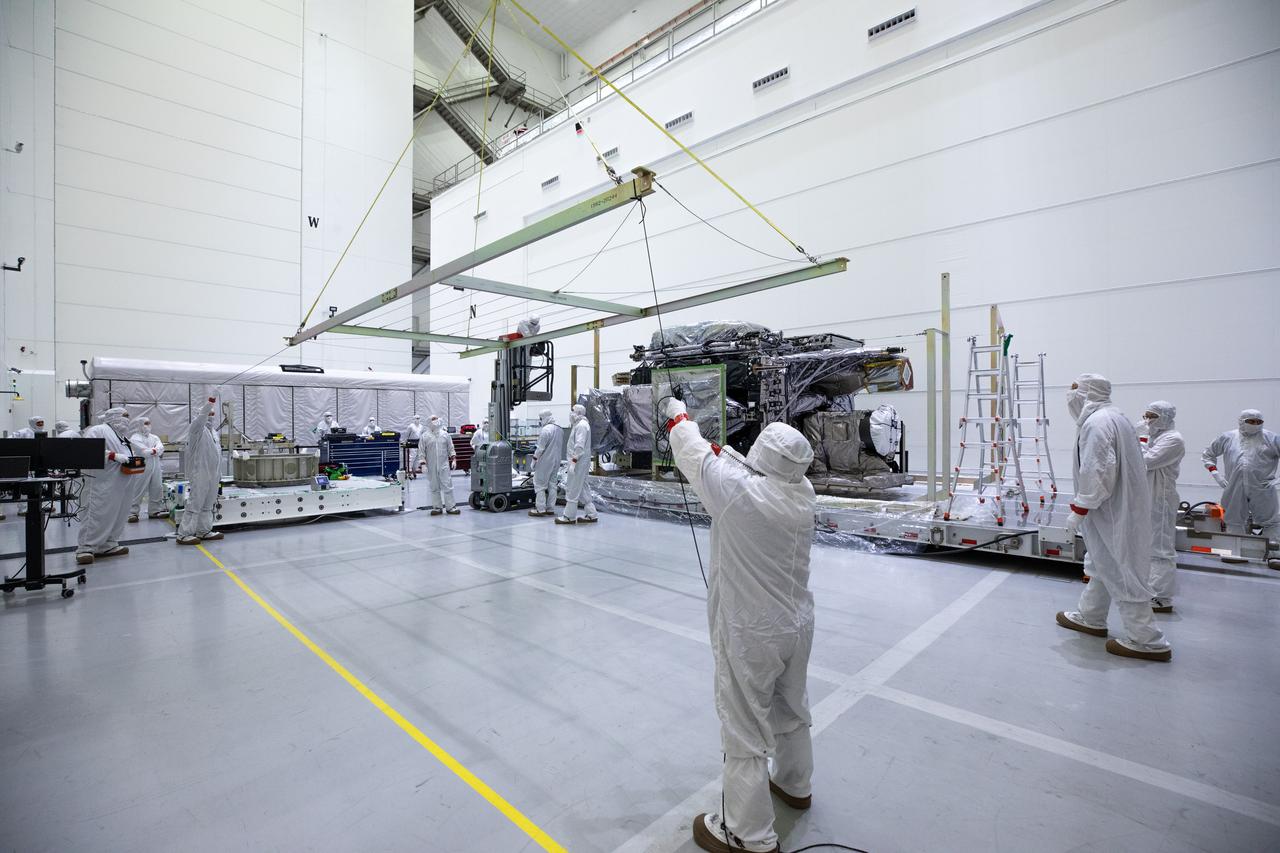
Technicians remove part of a protective enclosure as they prepare to rotate NOAA’s Geostationary Operational Environmental Satellite-U (GOES-U) vertical after being uncrated on Wednesday, Jan. 24, 2024, at the Astrotech Space Operations Facility near the agency’s Kennedy Space Center in Florida. Part of a collaborative NOAA and NASA program, GOES-U is the fourth in a series of four advanced geostationary weather satellites. Data from the GOES satellite constellation – consisting of the GOES-R, GOES-S, GOES-T and GOES-U spacecraft – enables forecasters to predict, observe, and track local weather events that affect public safety like thunderstorms, hurricanes, and wildfires.
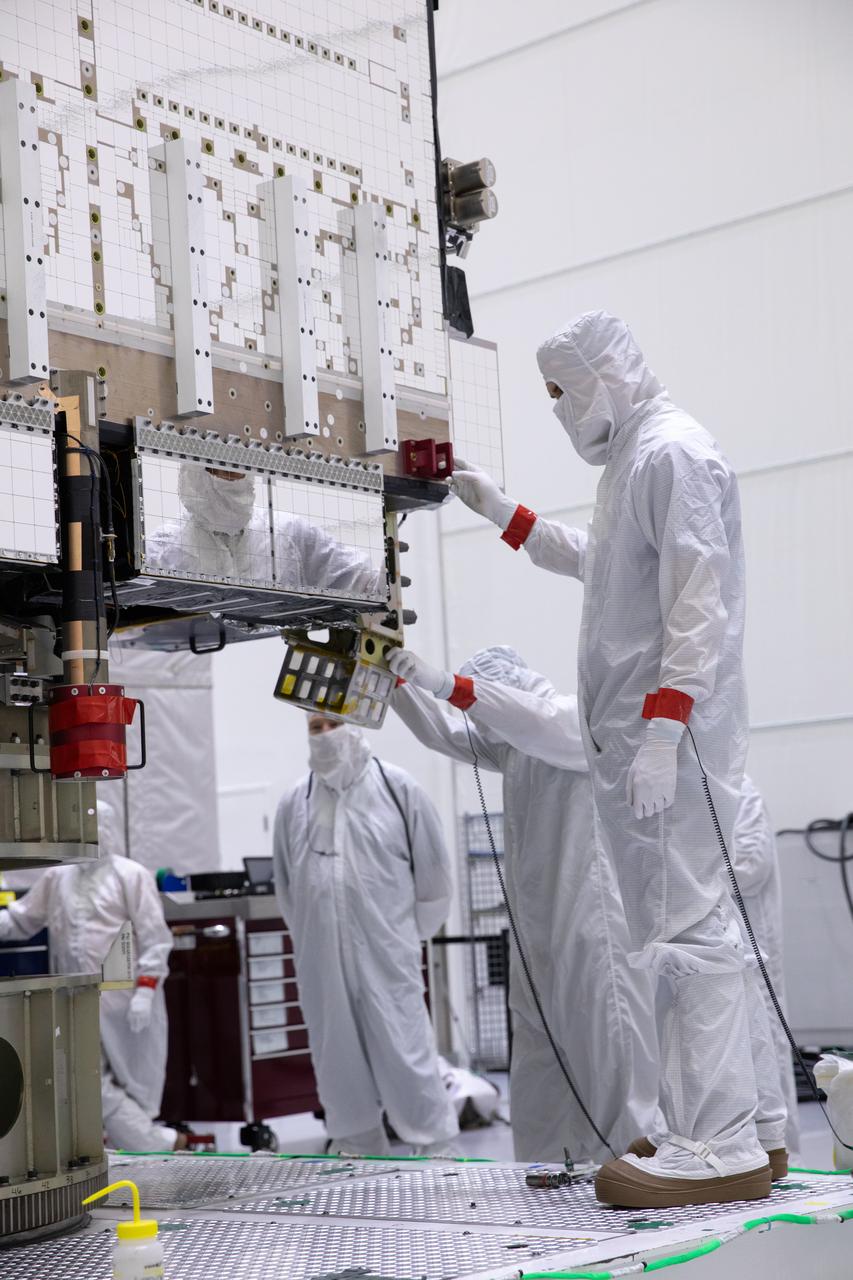
Technicians monitor movement and guide NOAA’s Geostationary Operational Environmental Satellite-U (GOES-U) as a crane hoists it on to a spacecraft dolly in a high bay at the Astrotech Space Operations Facility near the agency’s Kennedy Space Center in Florida. Part of a collaborative NOAA and NASA program, GOES-U is the fourth in a series of four advanced geostationary weather satellites. Data from the GOES satellite constellation – consisting of the GOES-R, GOES-S, GOES-T and GOES-U spacecraft – enables forecasters to predict, observe, and track local weather events that affect public safety like thunderstorms, hurricanes, and wildfires.
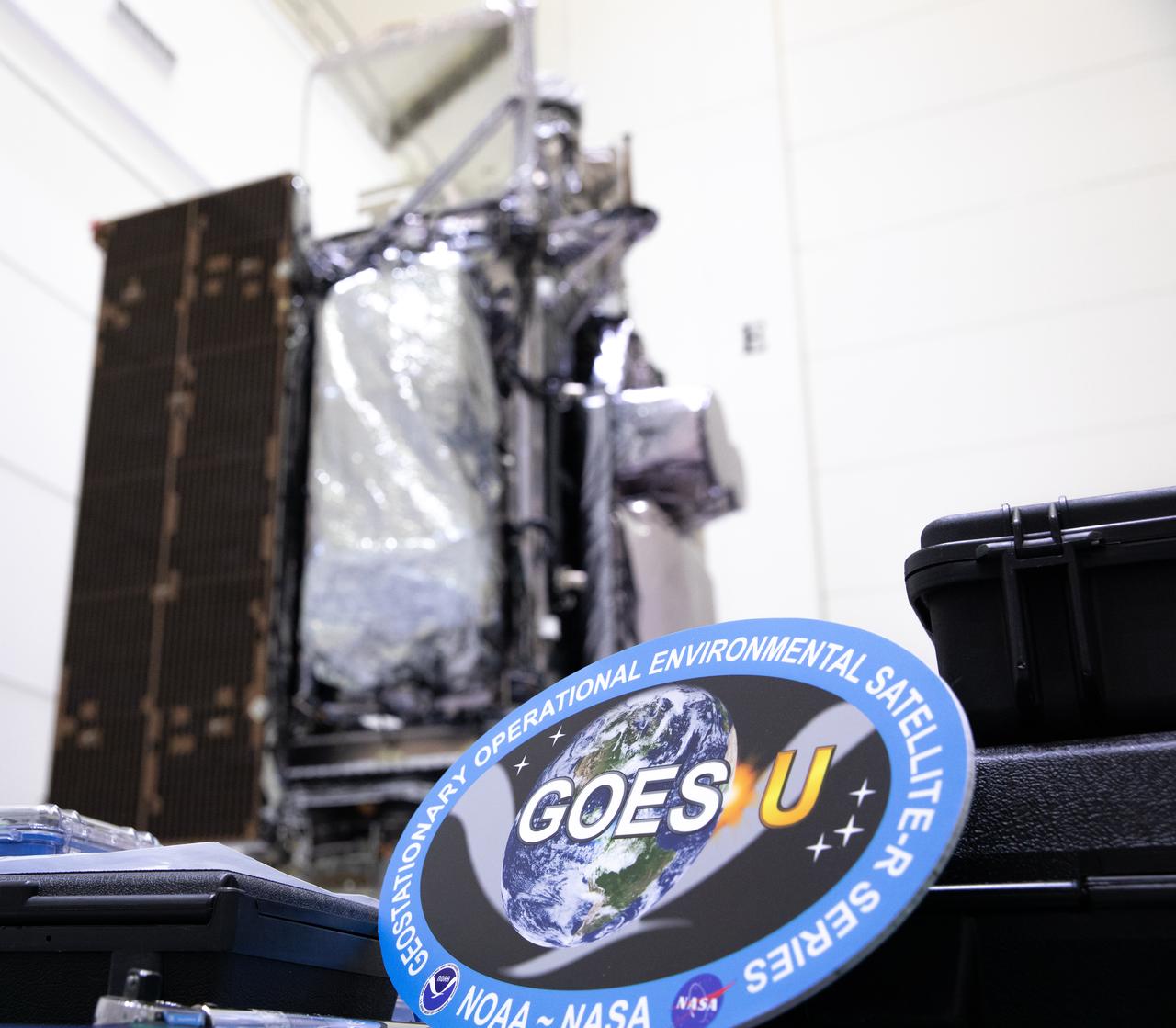
The mission insignia of NOAA’s Geostationary Operational Environmental Satellite-U (GOES-U) mission is pictured in front of the satellite in a vertical position on Wednesday, Jan. 24, 2024, at the Astrotech Space Operations Facility near the agency’s Kennedy Space Center in Florida. Part of a collaborative NOAA and NASA program, GOES-U is the fourth in a series of four advanced geostationary weather satellites. Data from the GOES satellite constellation – consisting of the GOES-R, GOES-S, GOES-T and GOES-U spacecraft – enables forecasters to predict, observe, and track local weather events that affect public safety like thunderstorms, hurricanes, and wildfires.
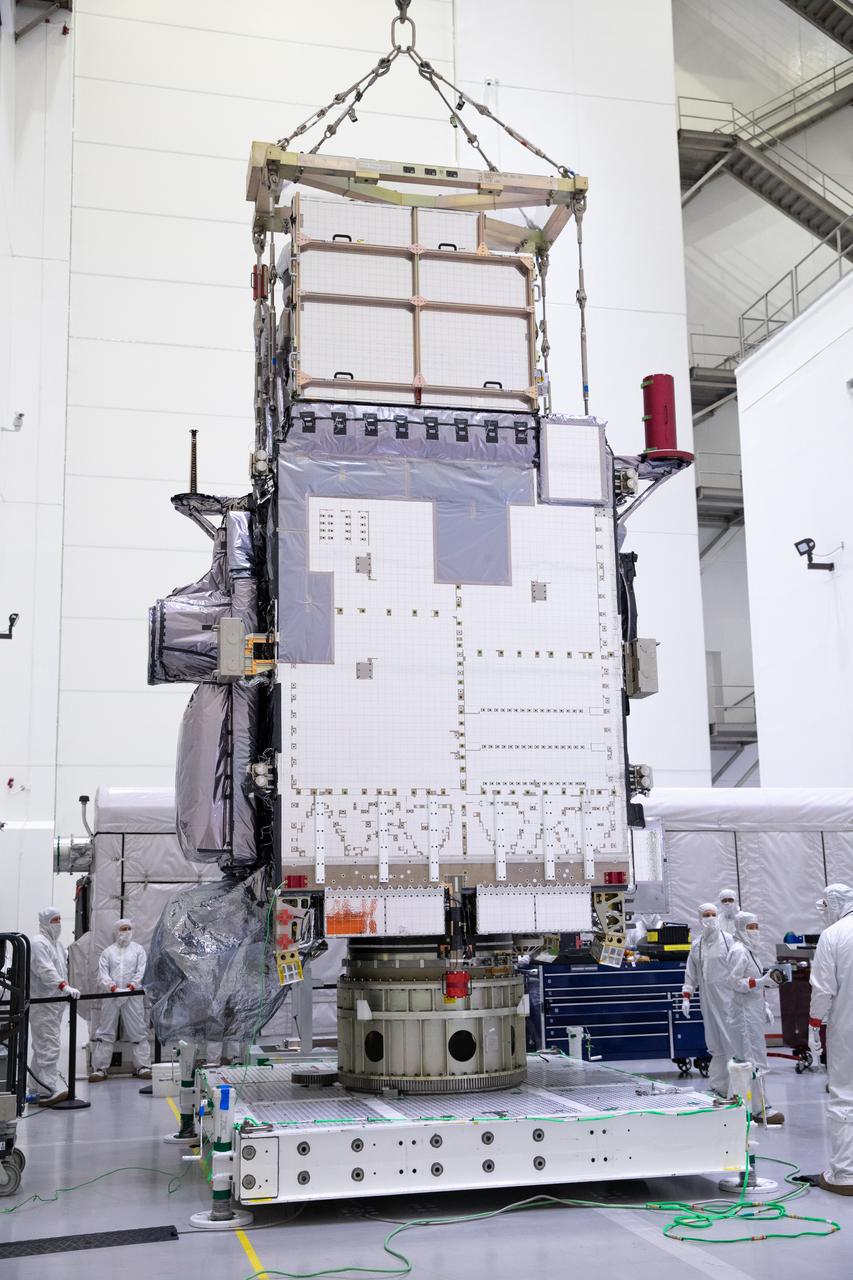
Technicians monitor movement and guide NOAA’s Geostationary Operational Environmental Satellite-U (GOES-U) as a crane hoists it on to a spacecraft dolly in a high bay at the Astrotech Space Operations Facility near the agency’s Kennedy Space Center in Florida. Part of a collaborative NOAA and NASA program, GOES-U is the fourth in a series of four advanced geostationary weather satellites. Data from the GOES satellite constellation – consisting of the GOES-R, GOES-S, GOES-T and GOES-U spacecraft – enables forecasters to predict, observe, and track local weather events that affect public safety like thunderstorms, hurricanes, and wildfires.
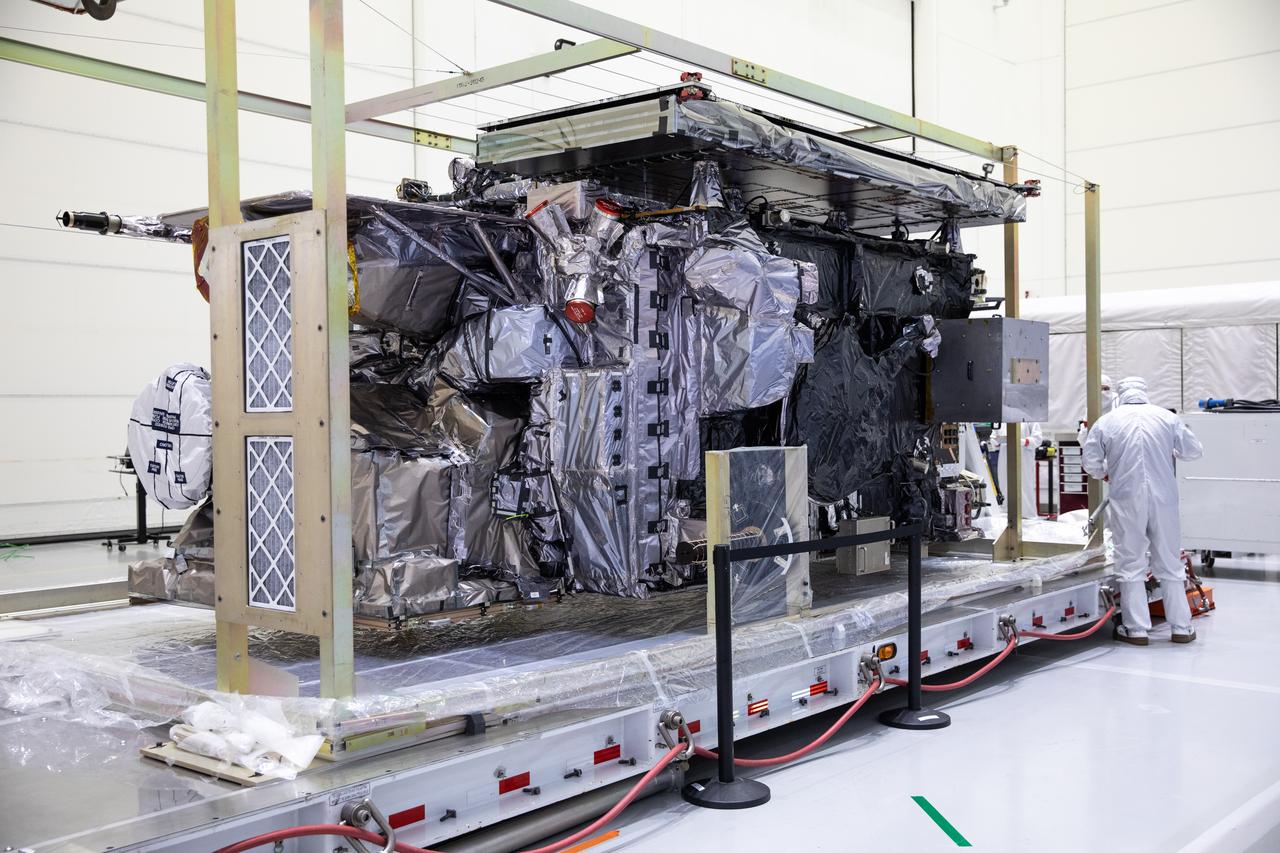
NOAA’s Geostationary Operational Environmental Satellite-U (GOES-U) is uncrated for prelaunch processing at the Astrotech Space Operations Facility near the agency’s Kennedy Space Center in Florida on Wednesday, Jan. 24, 2024. Part of a collaborative NOAA and NASA program, GOES-U is the final in a series of four advanced geostationary weather satellites. Data from the GOES satellite constellation – consisting of the GOES-R, GOES-S, GOES-T and GOES-U spacecraft – enables forecasters to predict, observe, and track local weather events that affect public safety like thunderstorms, hurricanes, and wildfires.

Technicians monitor movement and guide NOAA’s Geostationary Operational Environmental Satellite-U (GOES-U) as a crane hoists it on to a spacecraft dolly in a high bay at the Astrotech Space Operations Facility near the agency’s Kennedy Space Center in Florida. Part of a collaborative NOAA and NASA program, GOES-U is the fourth in a series of four advanced geostationary weather satellites. Data from the GOES satellite constellation – consisting of the GOES-R, GOES-S, GOES-T and GOES-U spacecraft – enables forecasters to predict, observe, and track local weather events that affect public safety like thunderstorms, hurricanes, and wildfires.
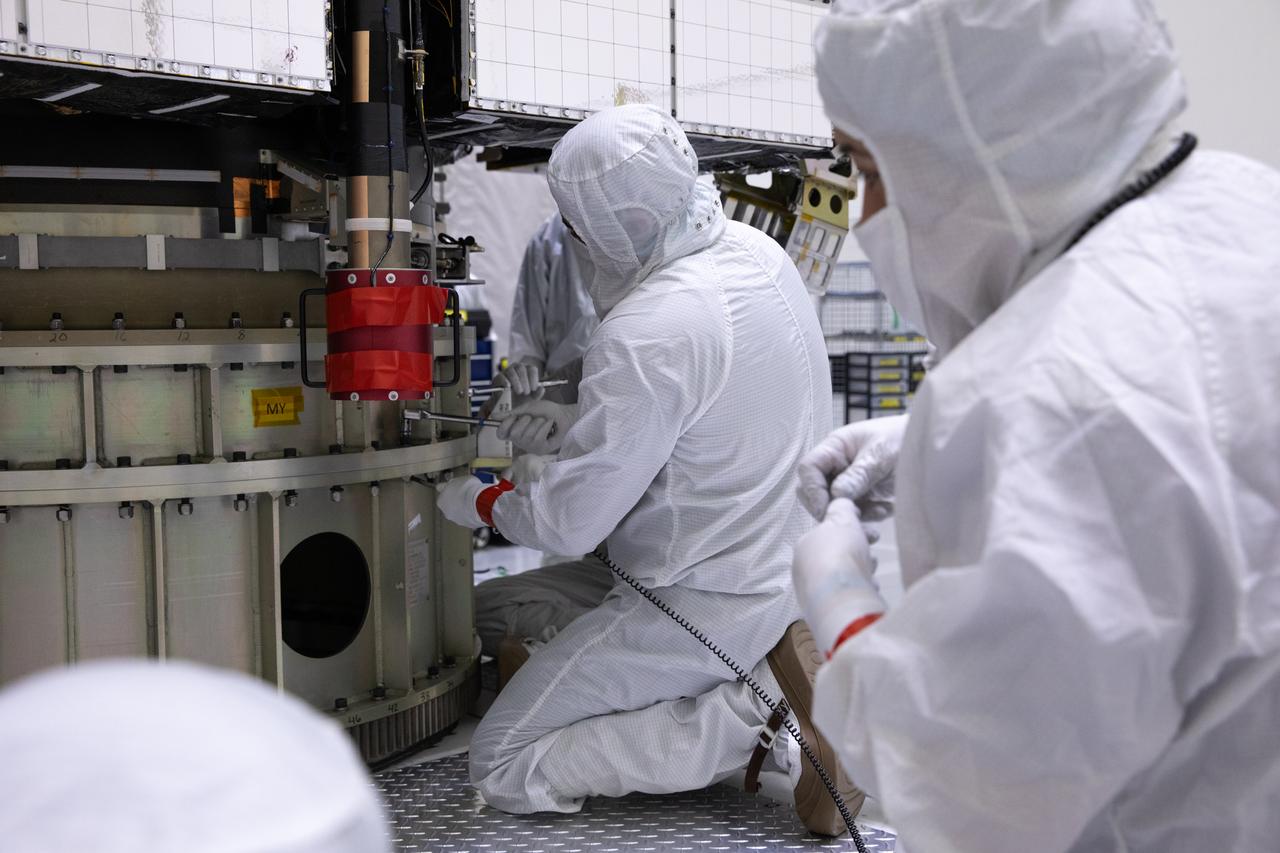
Technicians monitor movement and guide NOAA’s Geostationary Operational Environmental Satellite-U (GOES-U) as a crane hoists it on to a spacecraft dolly in a high bay at the Astrotech Space Operations Facility near the agency’s Kennedy Space Center in Florida. Part of a collaborative NOAA and NASA program, GOES-U is the fourth in a series of four advanced geostationary weather satellites. Data from the GOES satellite constellation – consisting of the GOES-R, GOES-S, GOES-T and GOES-U spacecraft – enables forecasters to predict, observe, and track local weather events that affect public safety like thunderstorms, hurricanes, and wildfires.
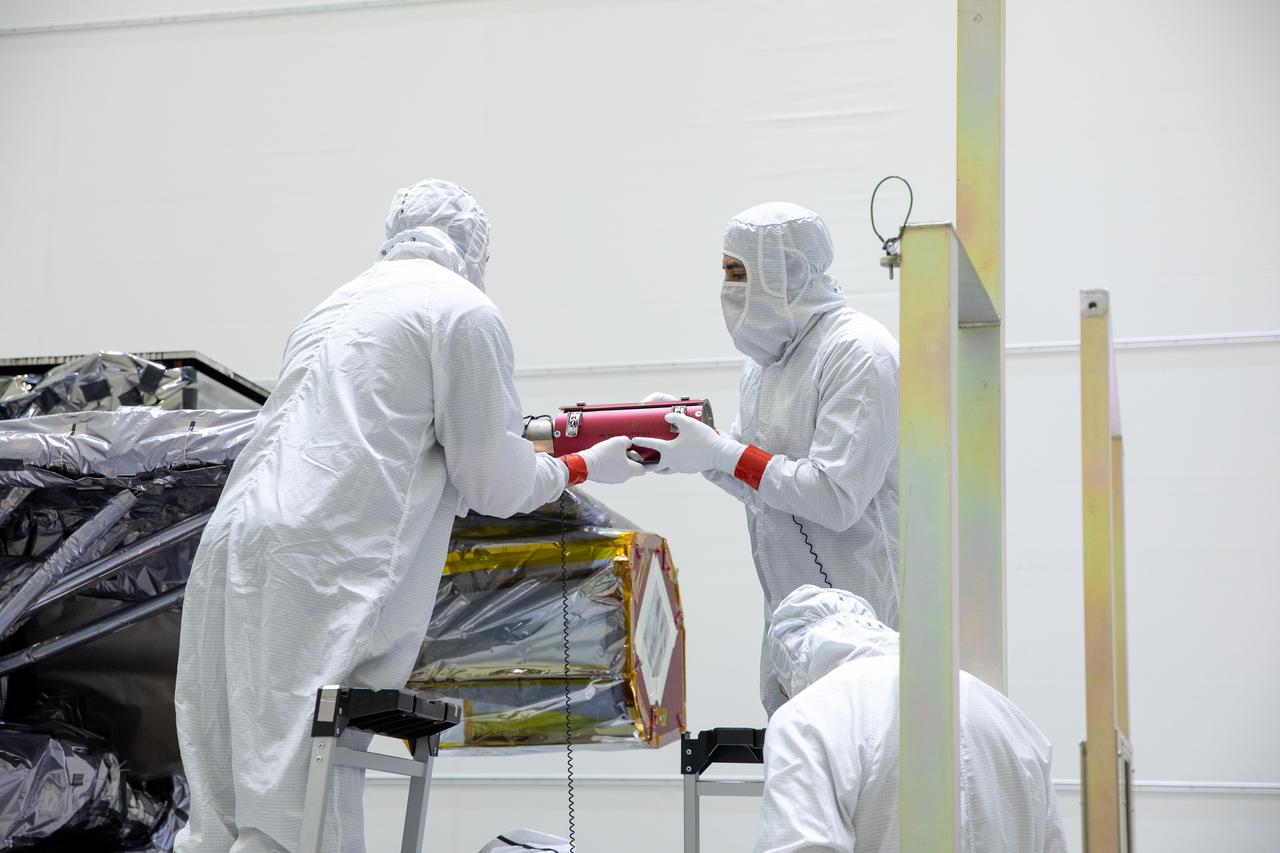
Technicians prepare to rotate NOAA’s Geostationary Operational Environmental Satellite-U (GOES-U) vertical after being uncrated on Wednesday, Jan. 24, 2024, at the Astrotech Space Operations Facility near the agency’s Kennedy Space Center in Florida. Part of a collaborative NOAA and NASA program, GOES-U is the fourth in a series of four advanced geostationary weather satellites. Data from the GOES satellite constellation – consisting of the GOES-R, GOES-S, GOES-T and GOES-U spacecraft – enables forecasters to predict, observe, and track local weather events that affect public safety like thunderstorms, hurricanes, and wildfires.
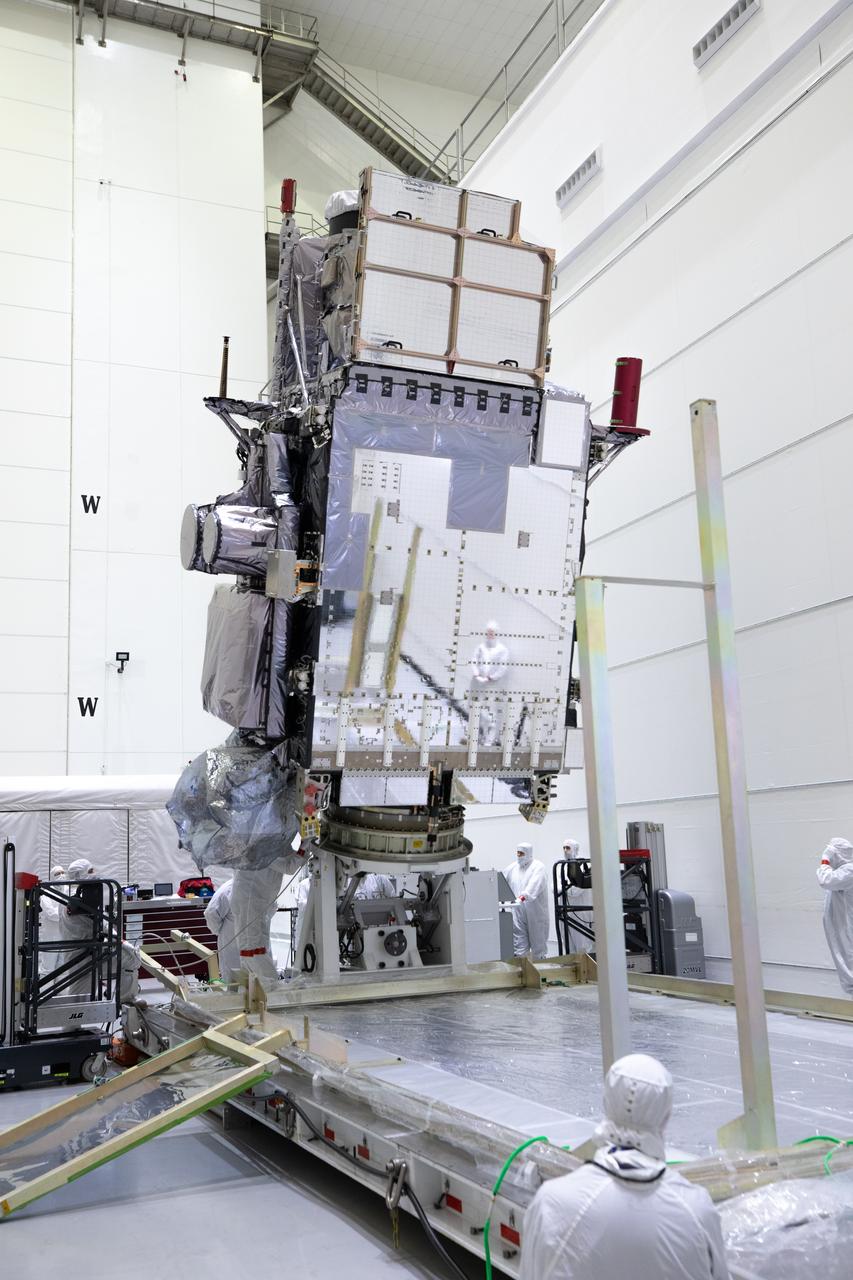
Technicians prepare to rotate NOAA’s Geostationary Operational Environmental Satellite-U (GOES-U) vertical after being uncrated on Wednesday, Jan. 24, 2024, at the Astrotech Space Operations Facility near the agency’s Kennedy Space Center in Florida. Part of a collaborative NOAA and NASA program, GOES-U is the fourth in a series of four advanced geostationary weather satellites. Data from the GOES satellite constellation – consisting of the GOES-R, GOES-S, GOES-T and GOES-U spacecraft – enables forecasters to predict, observe, and track local weather events that affect public safety like thunderstorms, hurricanes, and wildfires.
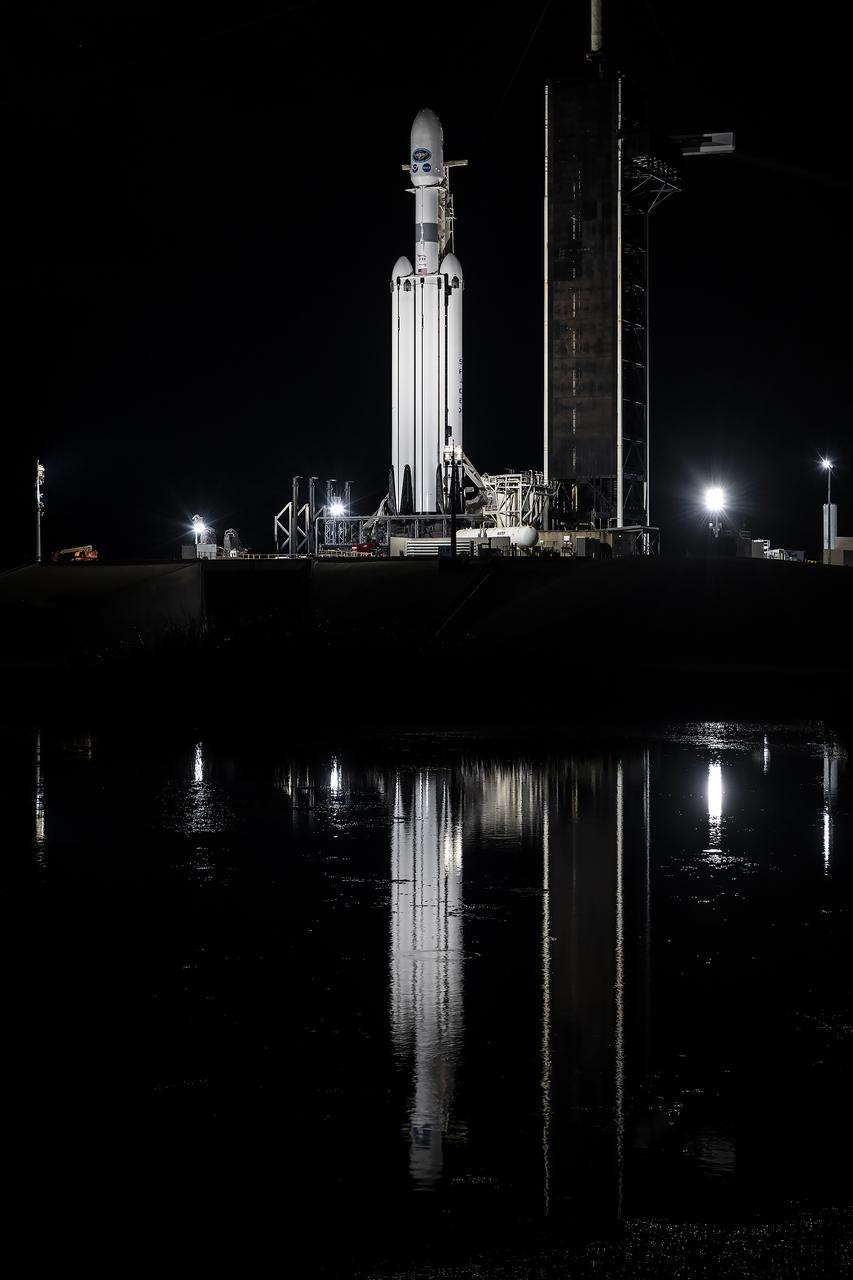
A SpaceX Falcon Heavy rocket carrying the National Oceanic and Atmospheric Administration (NOAA) GOES-U (Geostationary Operational Environmental Satellite U) stands vertical at Launch Complex 39A at NASA’s Kennedy Space Center in Florida on Monday, June 24, 2024. The GOES-U satellite is the final satellite in the GOES-R series, which serves a critical role in providing continuous coverage of the Western Hemisphere, including monitoring tropical systems in the eastern Pacific and Atlantic oceans. The two-hour launch window opens at 5:16 p.m. EDT. on Tuesday, June 25, 2024.
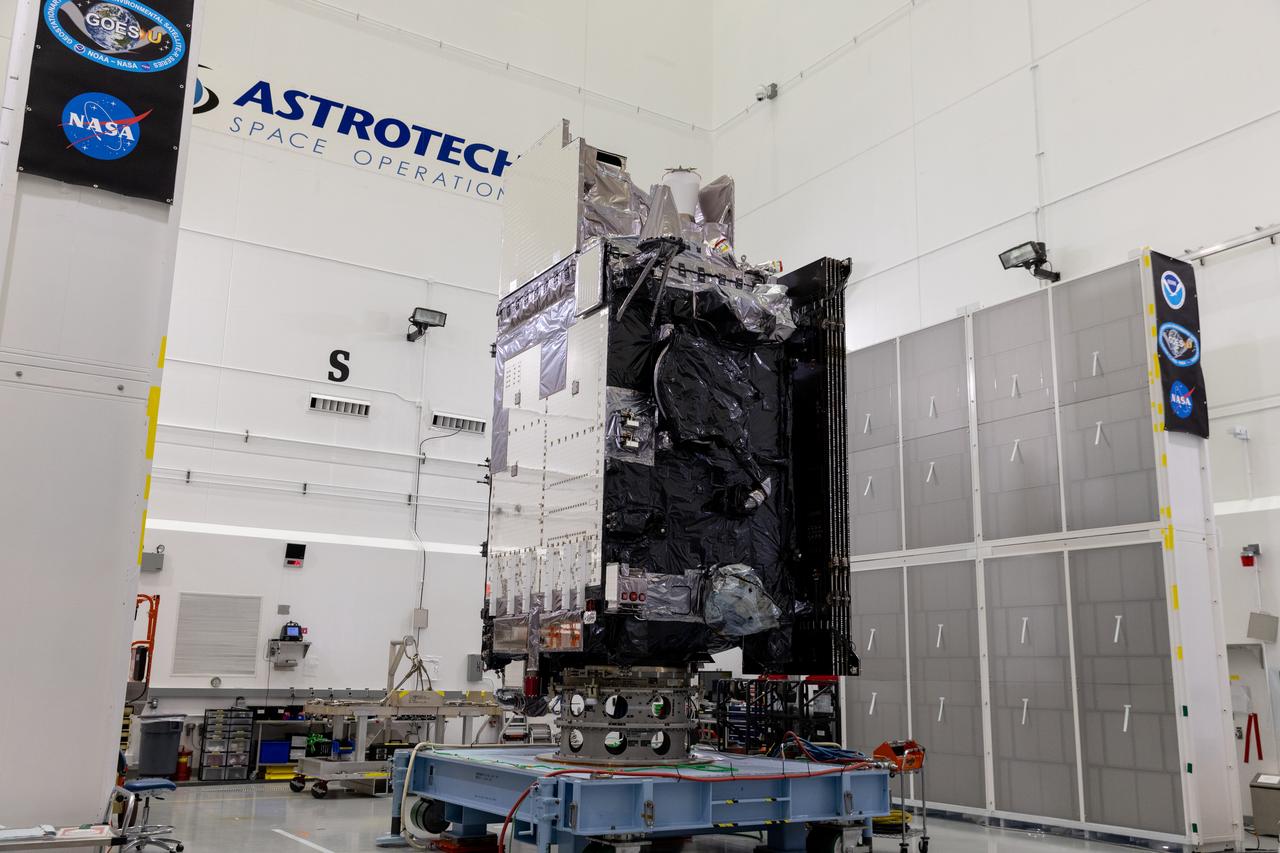
The National Oceanic and Atmospheric Administration (NOAA) Geostationary Operational Environmental Satellite-U (GOES-U) stands vertical on a spacecraft dolly in a high bay at the Astrotech Space Operations Facility near the agency’s Kennedy Space Center in Florida during a NASA-hosted media day on Thursday, June 6, 2024. Part of a collaborative NOAA and NASA program, GOES-U is the last in a series of advanced geostationary weather satellites. Data from the GOES-R satellite series enables forecasters to predict, observe, and track local weather events that affect public safety like thunderstorms, hurricanes, and wildfires.
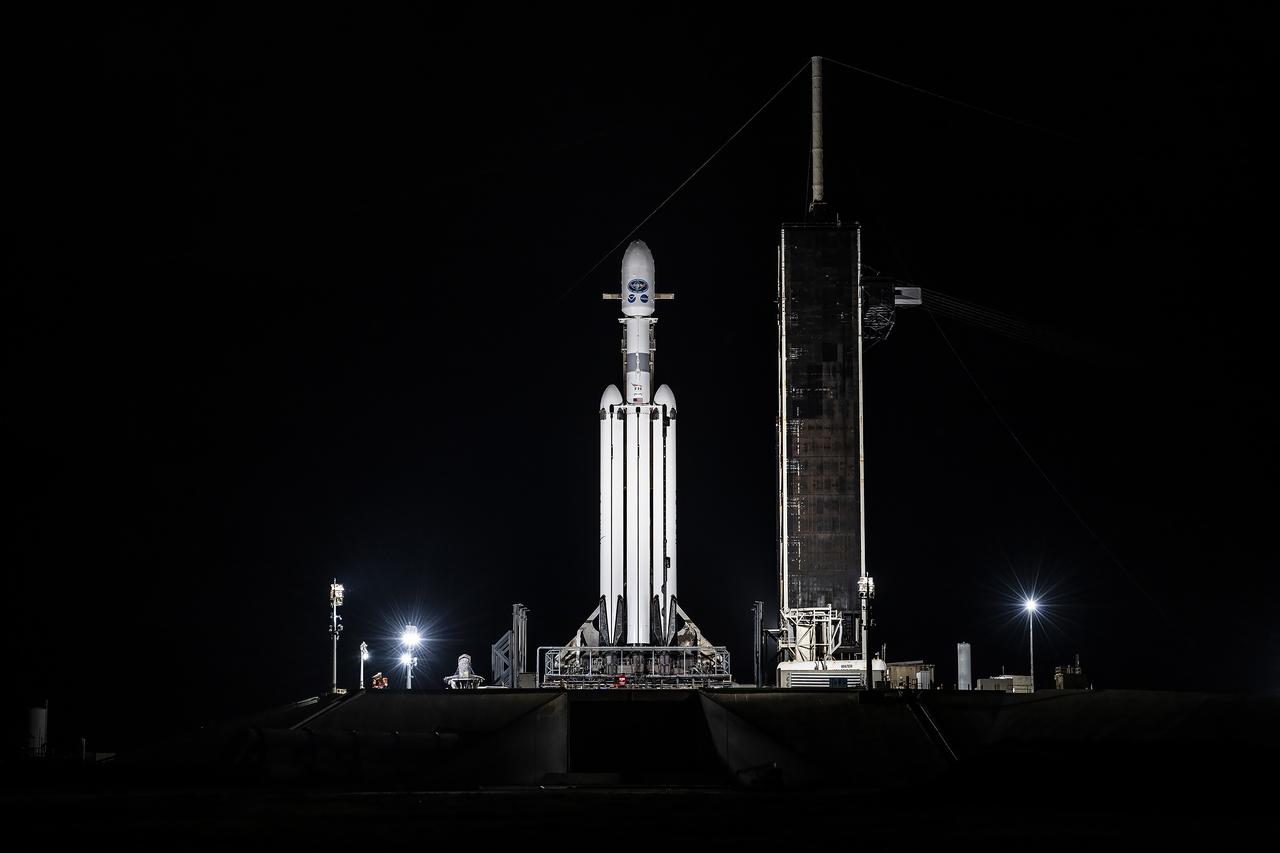
A SpaceX Falcon Heavy rocket carrying the National Oceanic and Atmospheric Administration (NOAA) GOES-U (Geostationary Operational Environmental Satellite U) stands vertical at Launch Complex 39A at NASA’s Kennedy Space Center in Florida on Monday, June 24, 2024. The GOES-U satellite is the final satellite in the GOES-R series, which serves a critical role in providing continuous coverage of the Western Hemisphere, including monitoring tropical systems in the eastern Pacific and Atlantic oceans. The two-hour launch window opens at 5:16 p.m. EDT. on Tuesday, June 25, 2024.
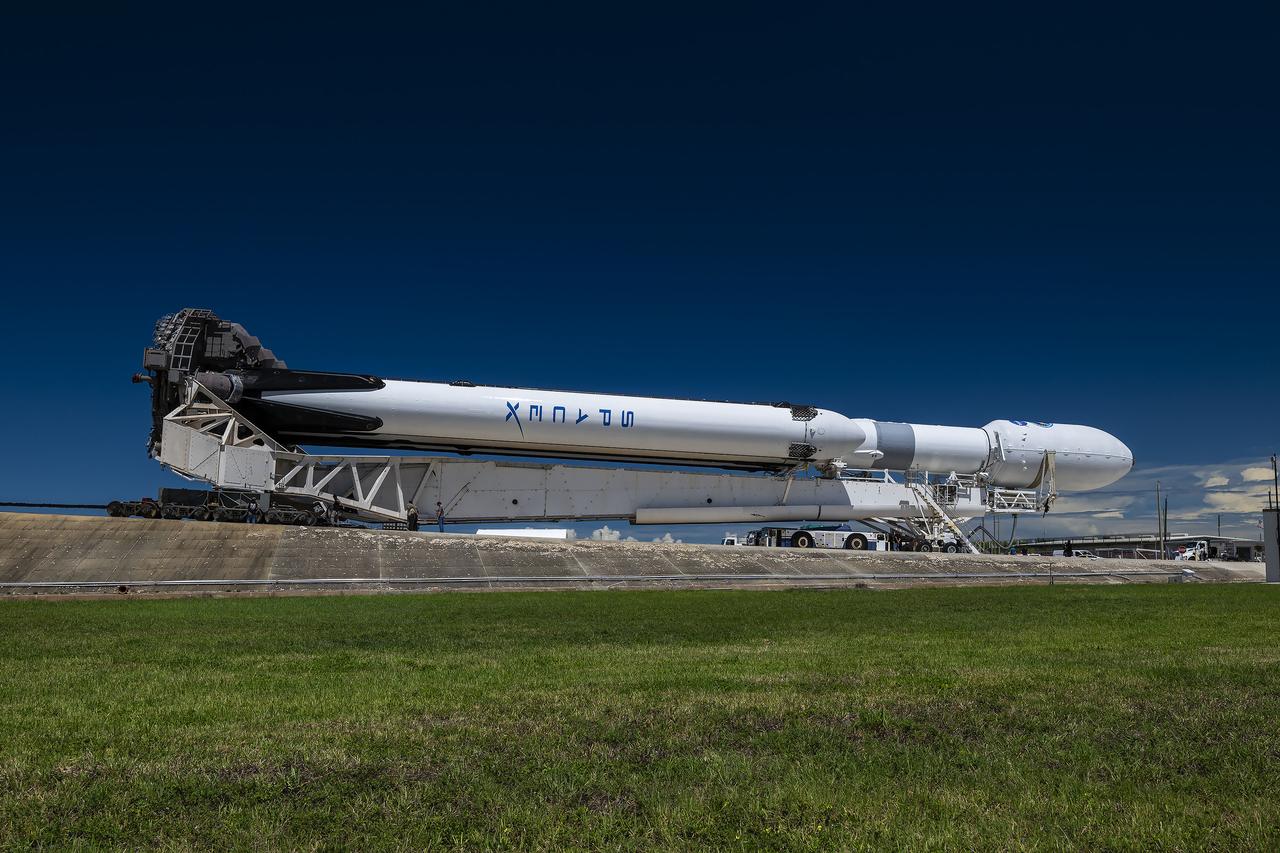
A SpaceX Falcon Heavy rocket carrying the National Oceanic and Atmospheric Administration (NOAA) GOES-U (Geostationary Operational Environmental Satellite U) moves from the hangar to the launch pad at Space Launch Complex 39A at NASA’s Kennedy Space Center in Florida on Monday, June 24, 2024. The GOES-U satellite is the final satellite in the GOES-R series, which serves a critical role in providing continuous coverage of the Western Hemisphere, including monitoring tropical systems in the eastern Pacific and Atlantic oceans. The two-hour launch window opens at 5:16 p.m. EDT Tuesday, June 25.
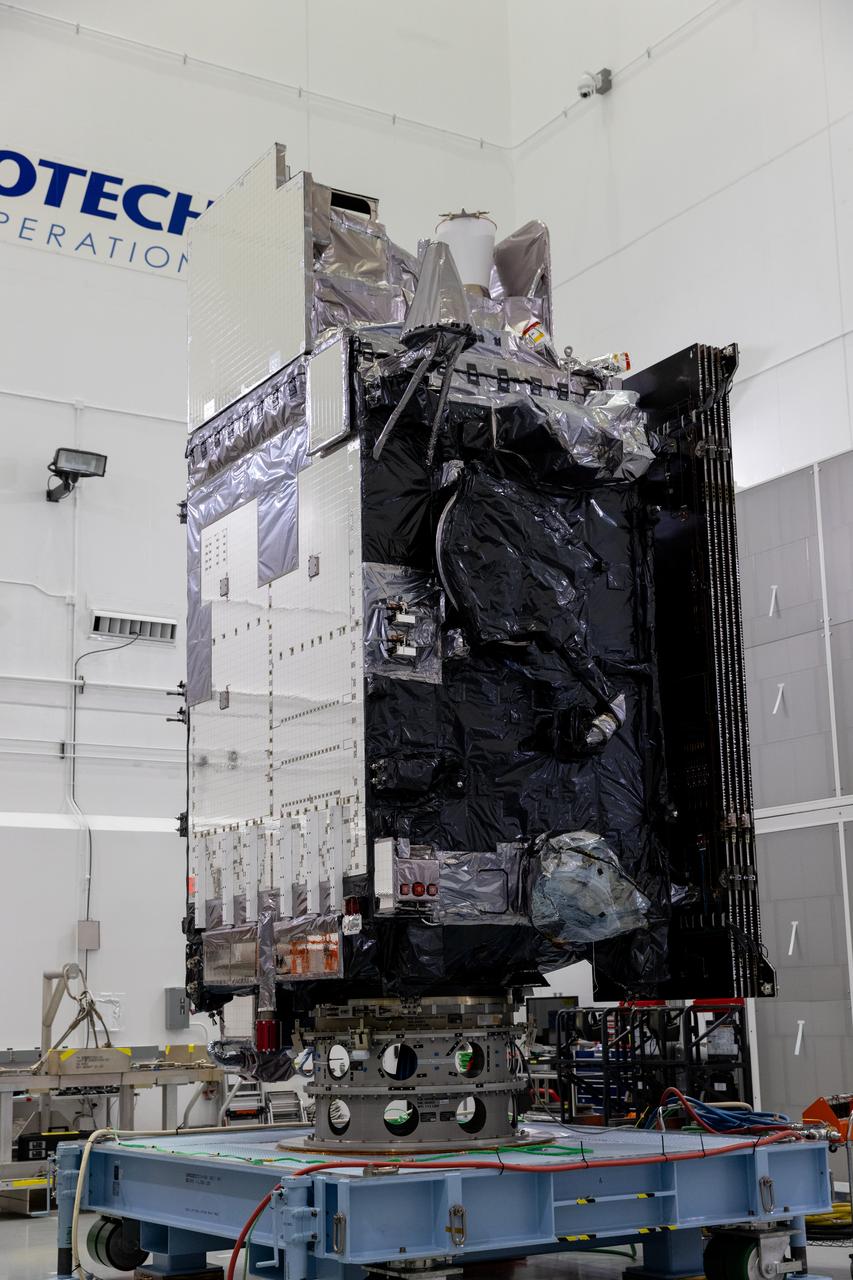
The National Oceanic and Atmospheric Administration (NOAA) Geostationary Operational Environmental Satellite-U (GOES-U) stands vertical on a spacecraft dolly in a high bay at the Astrotech Space Operations Facility near the agency’s Kennedy Space Center in Florida during a NASA-hosted media day on Thursday, June 6, 2024. Part of a collaborative NOAA and NASA program, GOES-U is the last in a series of advanced geostationary weather satellites. Data from the GOES-R satellite series enables forecasters to predict, observe, and track local weather events that affect public safety like thunderstorms, hurricanes, and wildfires.
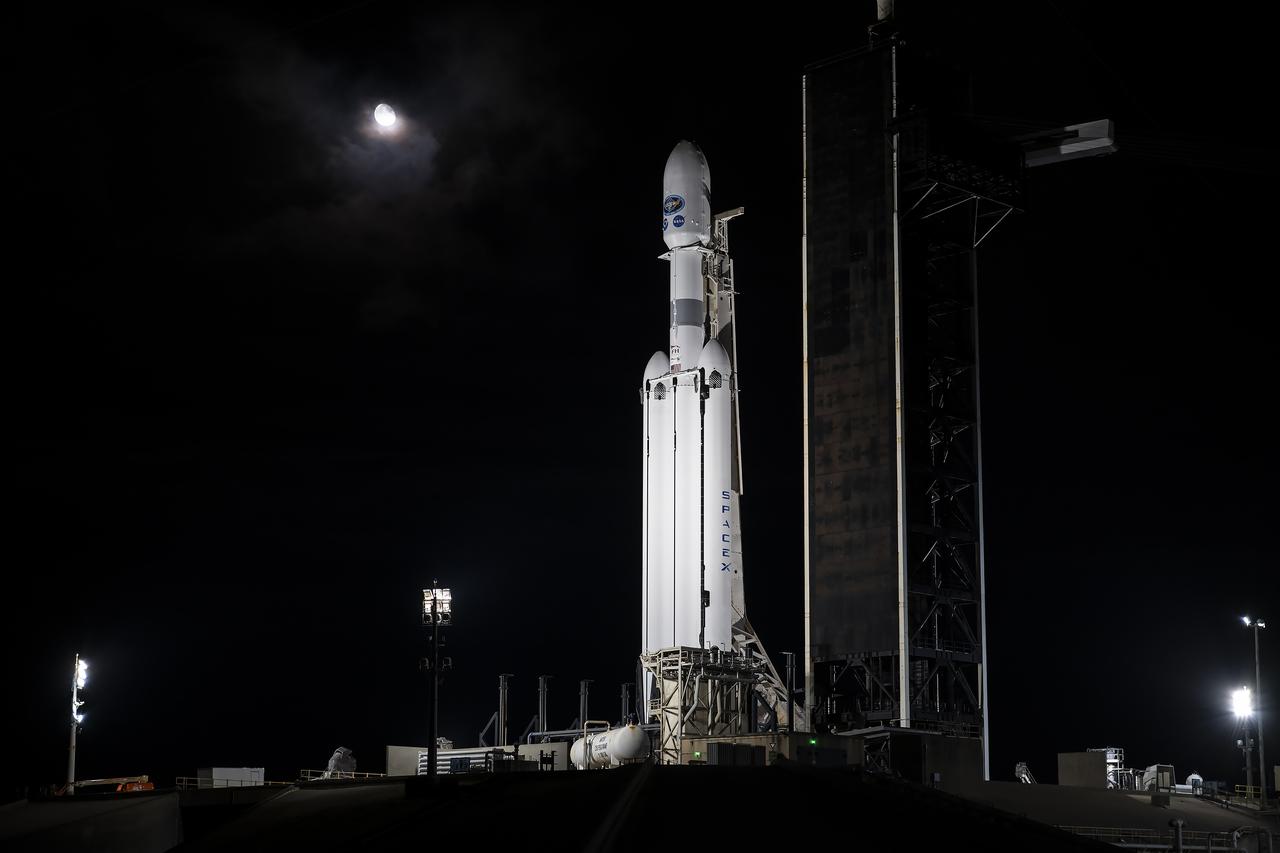
A SpaceX Falcon Heavy rocket carrying the National Oceanic and Atmospheric Administration (NOAA) GOES-U (Geostationary Operational Environmental Satellite U) stands vertical at Launch Complex 39A at NASA’s Kennedy Space Center in Florida on Monday, June 24, 2024. The GOES-U satellite is the final satellite in the GOES-R series, which serves a critical role in providing continuous coverage of the Western Hemisphere, including monitoring tropical systems in the eastern Pacific and Atlantic oceans. The two-hour launch window opens at 5:16 p.m. EDT. on Tuesday, June 25, 2024.
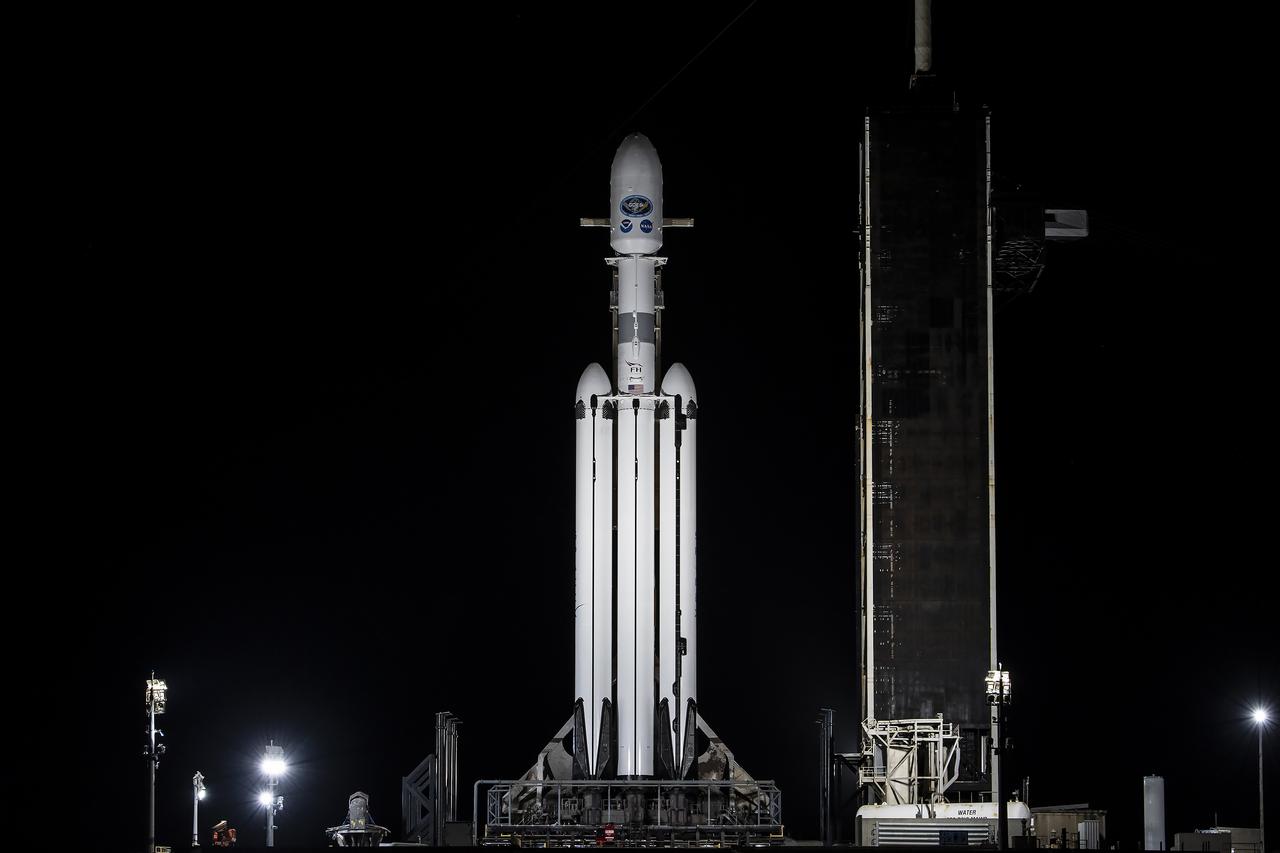
A SpaceX Falcon Heavy rocket carrying the National Oceanic and Atmospheric Administration (NOAA) GOES-U (Geostationary Operational Environmental Satellite U) stands vertical at Launch Complex 39A at NASA’s Kennedy Space Center in Florida on Monday, June 24, 2024. The GOES-U satellite is the final satellite in the GOES-R series, which serves a critical role in providing continuous coverage of the Western Hemisphere, including monitoring tropical systems in the eastern Pacific and Atlantic oceans. The two-hour launch window opens at 5:16 p.m. EDT. on Tuesday, June 25, 2024.
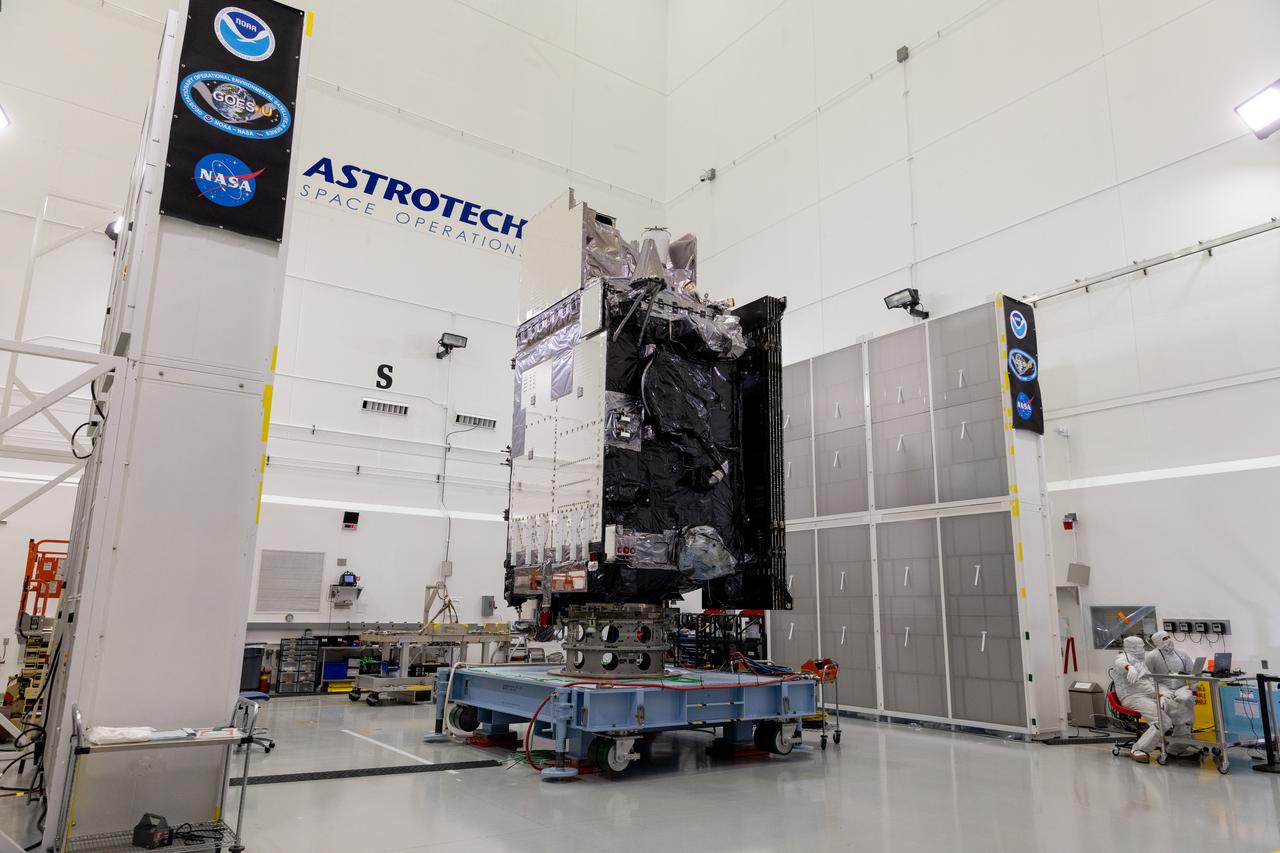
The National Oceanic and Atmospheric Administration (NOAA) Geostationary Operational Environmental Satellite-U (GOES-U) stands vertical on a spacecraft dolly in a high bay at the Astrotech Space Operations Facility near the agency’s Kennedy Space Center in Florida during a NASA-hosted media day on Thursday, June 6, 2024. Part of a collaborative NOAA and NASA program, GOES-U is the last in a series of advanced geostationary weather satellites. Data from the GOES-R satellite series enables forecasters to predict, observe, and track local weather events that affect public safety like thunderstorms, hurricanes, and wildfires.
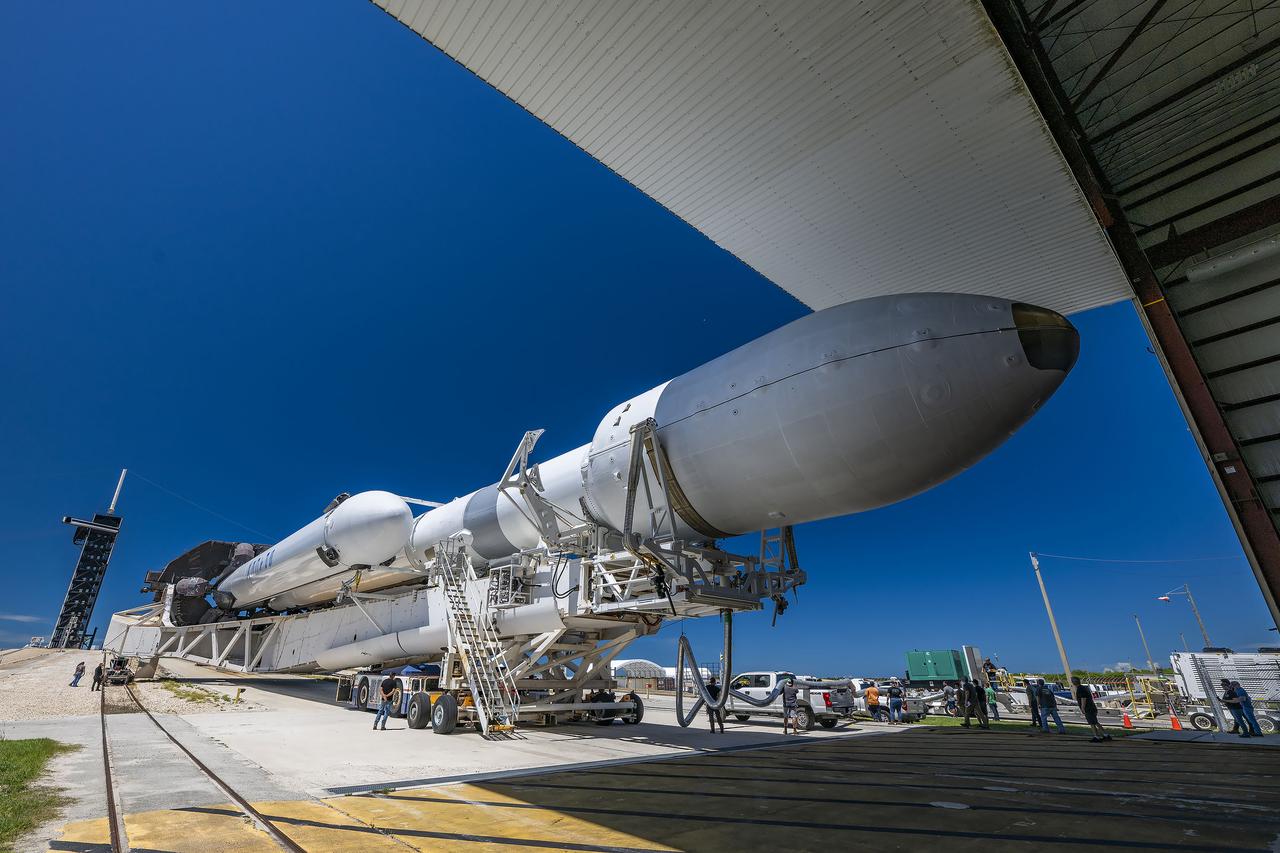
A SpaceX Falcon Heavy rocket carrying the National Oceanic and Atmospheric Administration (NOAA) GOES-U (Geostationary Operational Environmental Satellite U) moves from the hangar to the launch pad at Space Launch Complex 39A at NASA’s Kennedy Space Center in Florida on Monday, June 24, 2024. The GOES-U satellite is the final satellite in the GOES-R series, which serves a critical role in providing continuous coverage of the Western Hemisphere, including monitoring tropical systems in the eastern Pacific and Atlantic oceans. The two-hour launch window opens at 5:16 p.m. EDT Tuesday, June 25.
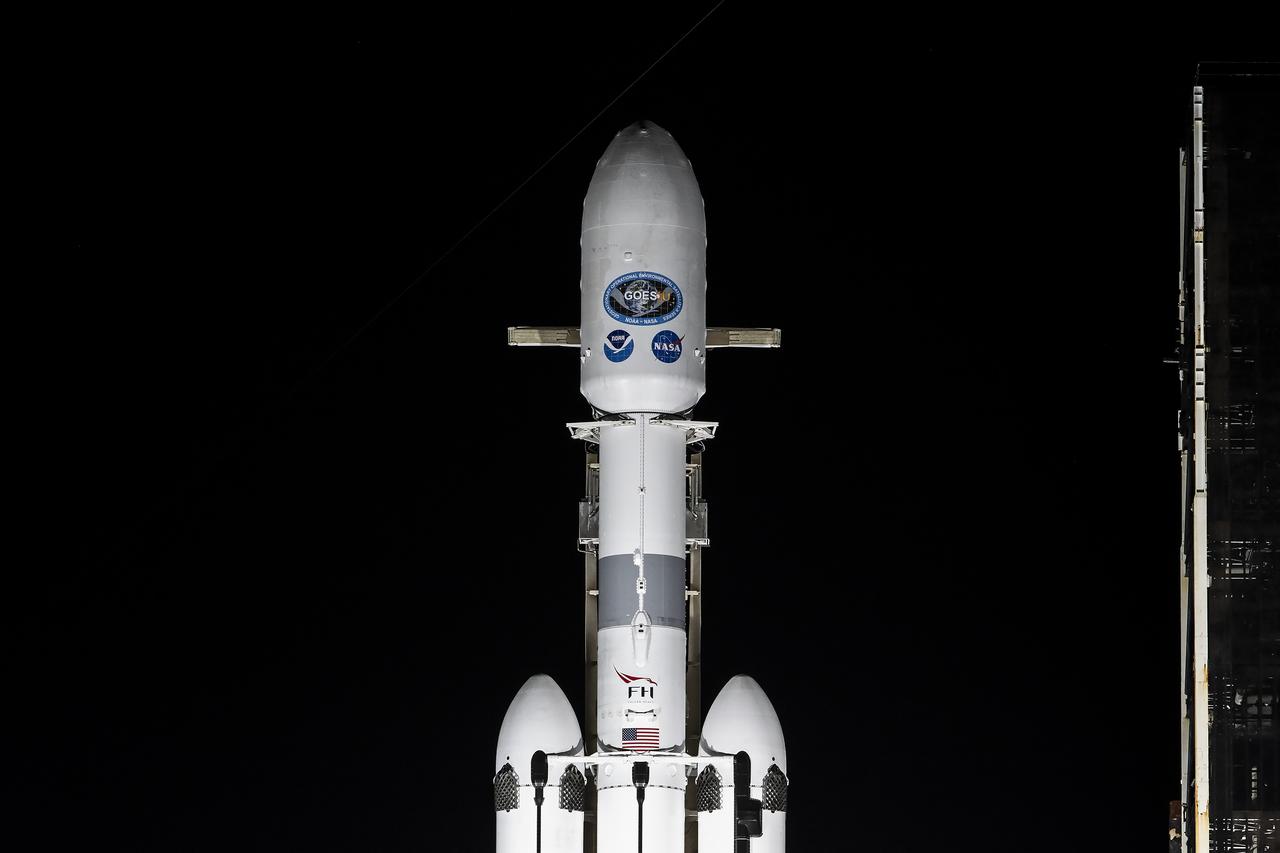
A SpaceX Falcon Heavy rocket carrying the National Oceanic and Atmospheric Administration (NOAA) GOES-U (Geostationary Operational Environmental Satellite U) stands vertical at Launch Complex 39A at NASA’s Kennedy Space Center in Florida on Monday, June 24, 2024. The GOES-U satellite is the final satellite in the GOES-R series, which serves a critical role in providing continuous coverage of the Western Hemisphere, including monitoring tropical systems in the eastern Pacific and Atlantic oceans. The two-hour launch window opens at 5:16 p.m. EDT. on Tuesday, June 25, 2024.
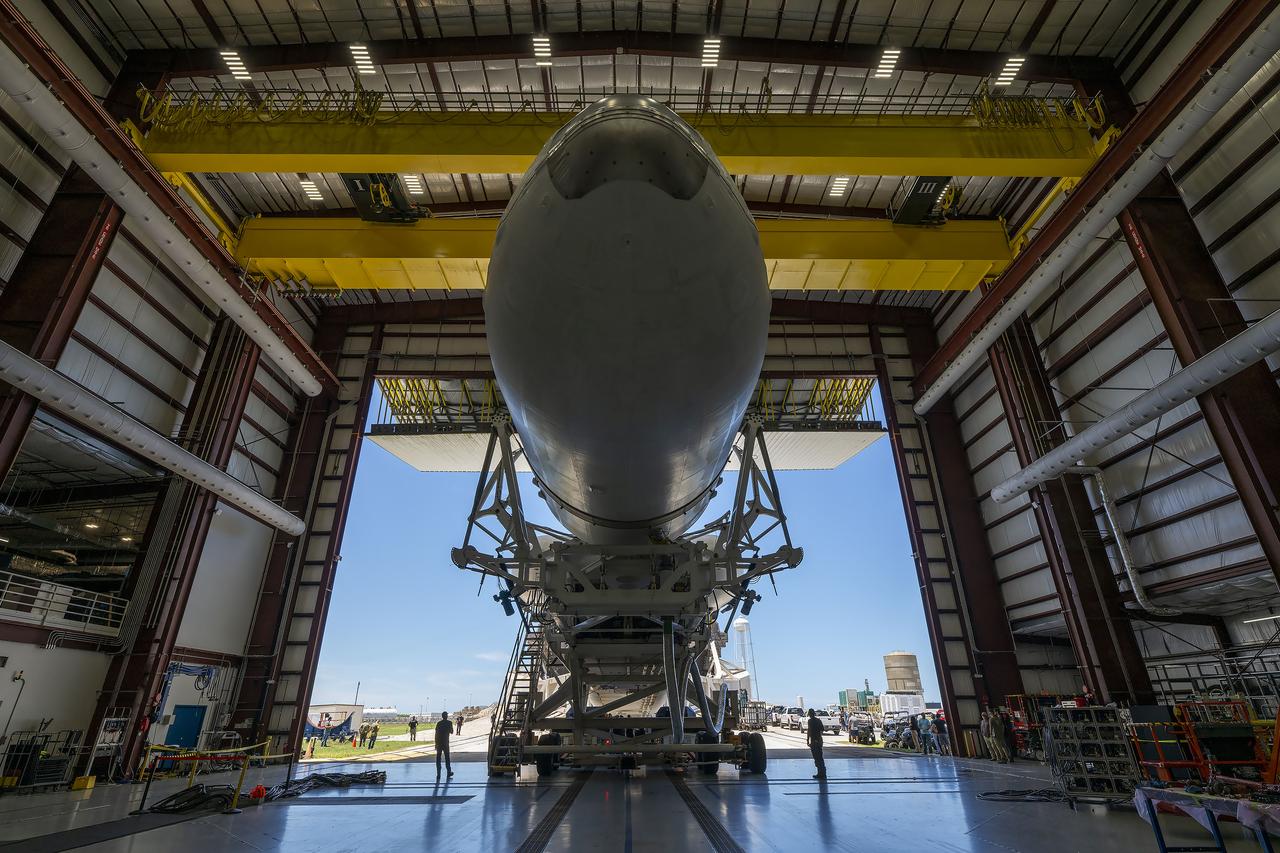
A SpaceX Falcon Heavy rocket carrying the National Oceanic and Atmospheric Administration (NOAA) GOES-U (Geostationary Operational Environmental Satellite U) moves from the hangar to the launch pad at Space Launch Complex 39A at NASA’s Kennedy Space Center in Florida on Monday, June 24, 2024. The GOES-U satellite is the final satellite in the GOES-R series, which serves a critical role in providing continuous coverage of the Western Hemisphere, including monitoring tropical systems in the eastern Pacific and Atlantic oceans. The two-hour launch window opens at 5:16 p.m. EDT Tuesday, June 25.
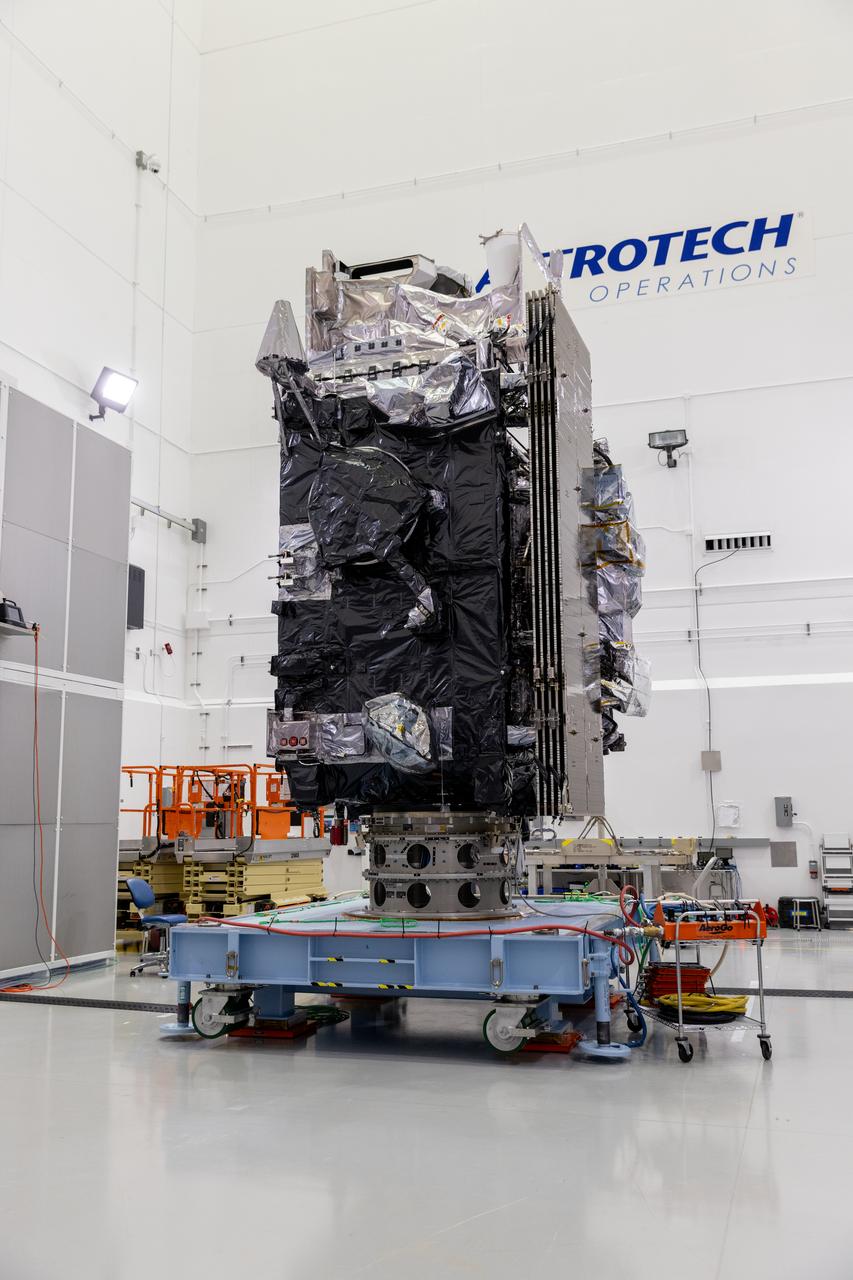
The National Oceanic and Atmospheric Administration (NOAA) Geostationary Operational Environmental Satellite-U (GOES-U) stands vertical on a spacecraft dolly in a high bay at the Astrotech Space Operations Facility near the agency’s Kennedy Space Center in Florida during a NASA-hosted media day on Thursday, June 6, 2024. Part of a collaborative NOAA and NASA program, GOES-U is the last in a series of advanced geostationary weather satellites. Data from the GOES-R satellite series enables forecasters to predict, observe, and track local weather events that affect public safety like thunderstorms, hurricanes, and wildfires.
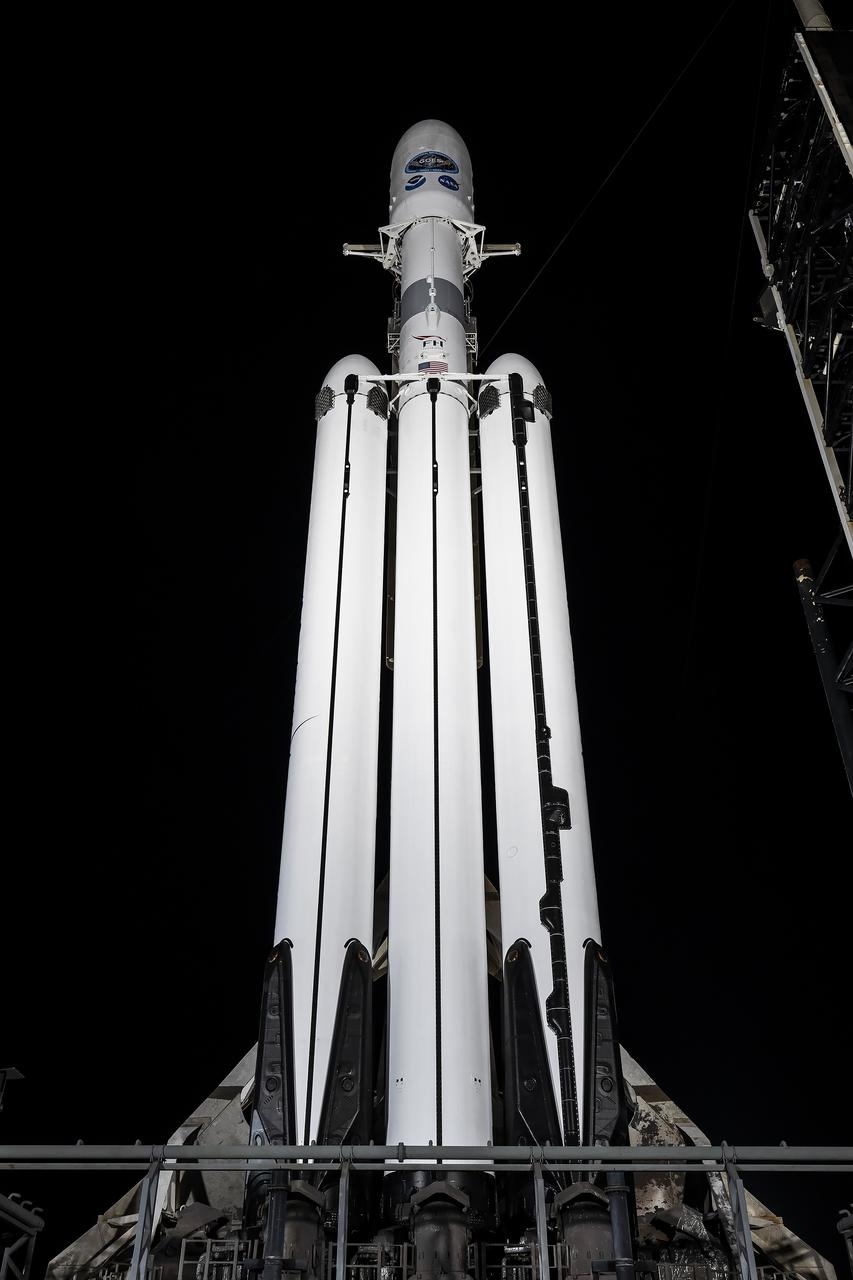
A SpaceX Falcon Heavy rocket carrying the National Oceanic and Atmospheric Administration (NOAA) GOES-U (Geostationary Operational Environmental Satellite U) stands vertical at Launch Complex 39A at NASA’s Kennedy Space Center in Florida on Monday, June 24, 2024. The GOES-U satellite is the final satellite in the GOES-R series, which serves a critical role in providing continuous coverage of the Western Hemisphere, including monitoring tropical systems in the eastern Pacific and Atlantic oceans. The two-hour launch window opens at 5:16 p.m. EDT. on Tuesday, June 25, 2024.
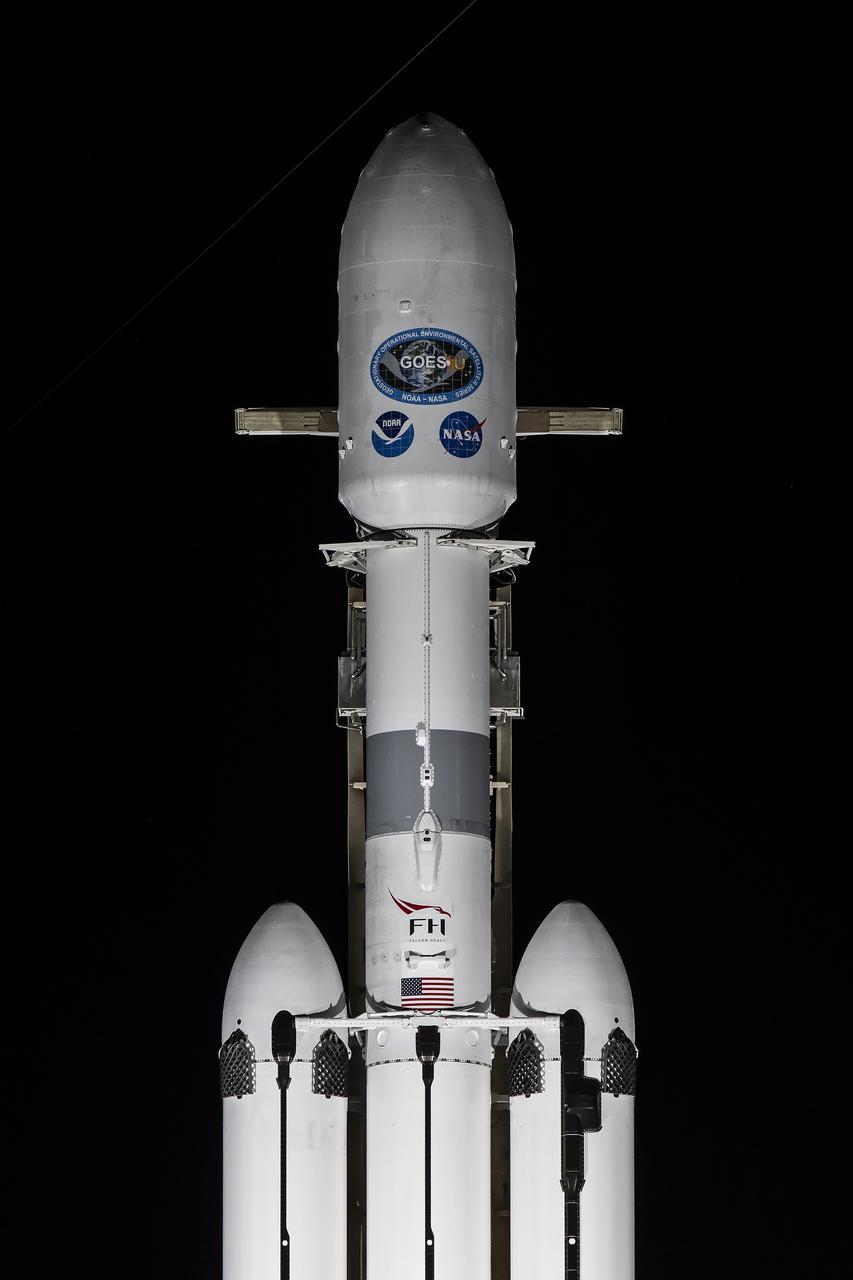
A SpaceX Falcon Heavy rocket carrying the National Oceanic and Atmospheric Administration (NOAA) GOES-U (Geostationary Operational Environmental Satellite U) stands vertical at Launch Complex 39A at NASA’s Kennedy Space Center in Florida on Monday, June 24, 2024. The GOES-U satellite is the final satellite in the GOES-R series, which serves a critical role in providing continuous coverage of the Western Hemisphere, including monitoring tropical systems in the eastern Pacific and Atlantic oceans. The two-hour launch window opens at 5:16 p.m. EDT. on Tuesday, June 25, 2024.
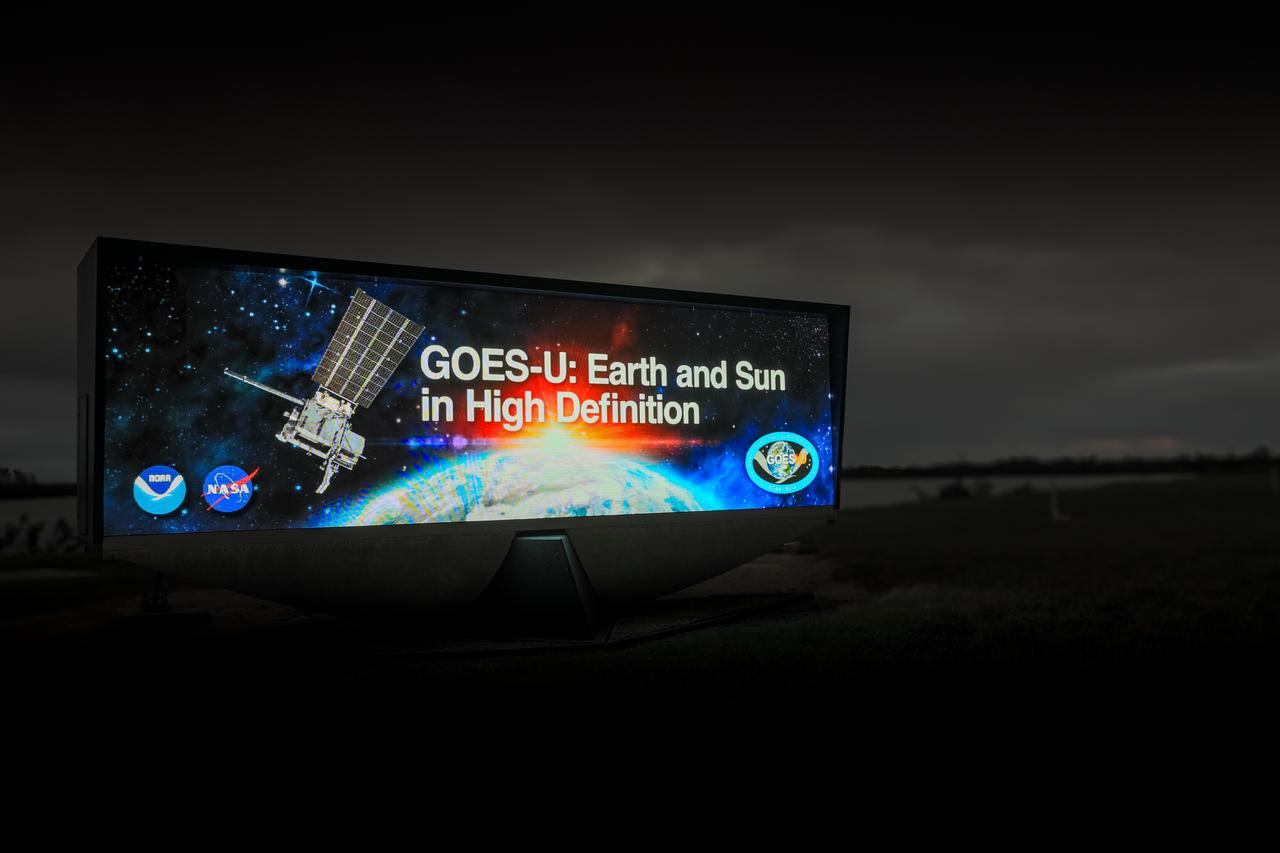
NOAA’s Geostationary Operational Environmental Satellite-U (GOES-U) mission graphic is displayed on the historic countdown clock at Kennedy Space Center’s NASA News Center in Florida on Tuesday, Jan. 23, 2024. GOES-U is the fourth and final satellite in NOAA's GOES-R series of advanced geostationary weather satellites. Data from the GOES satellite constellation – consisting of the GOES-R, GOES-S, GOES-T and GOES-U spacecraft – enables forecasters to predict, observe, and track local weather events that affect public safety like thunderstorms, hurricanes, and wildfires.
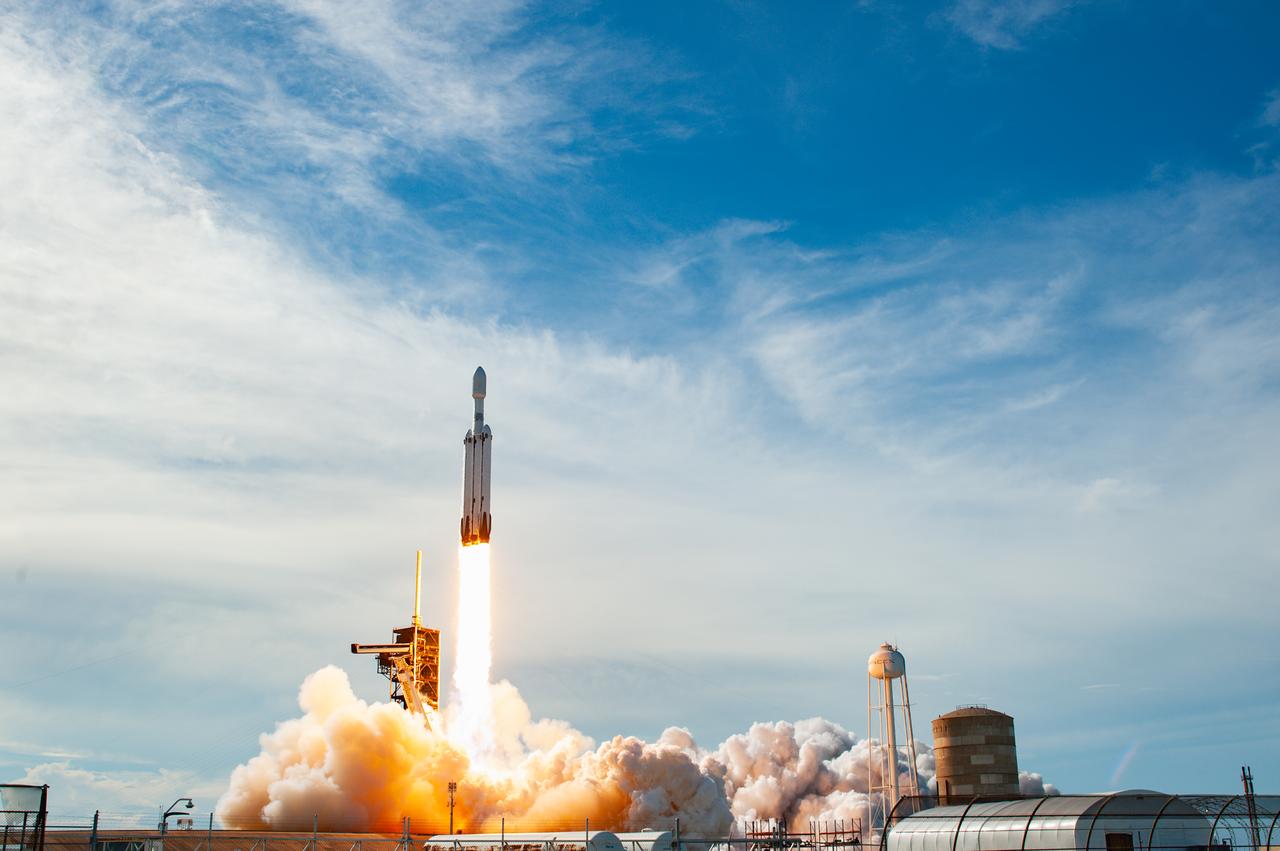
A SpaceX Falcon Heavy rocket carrying the National Oceanic and Atmospheric Administration (NOAA) GOES-U (Geostationary Operational Environmental Satellite U) lifts off from Launch Complex 39A at NASA’s Kennedy Space Center in Florida on Tuesday, June 25, 2024. The GOES-U satellite is the final satellite in the GOES-R series, which serves a critical role in providing continuous coverage of the Western Hemisphere, including monitoring tropical systems in the eastern Pacific and Atlantic oceans.
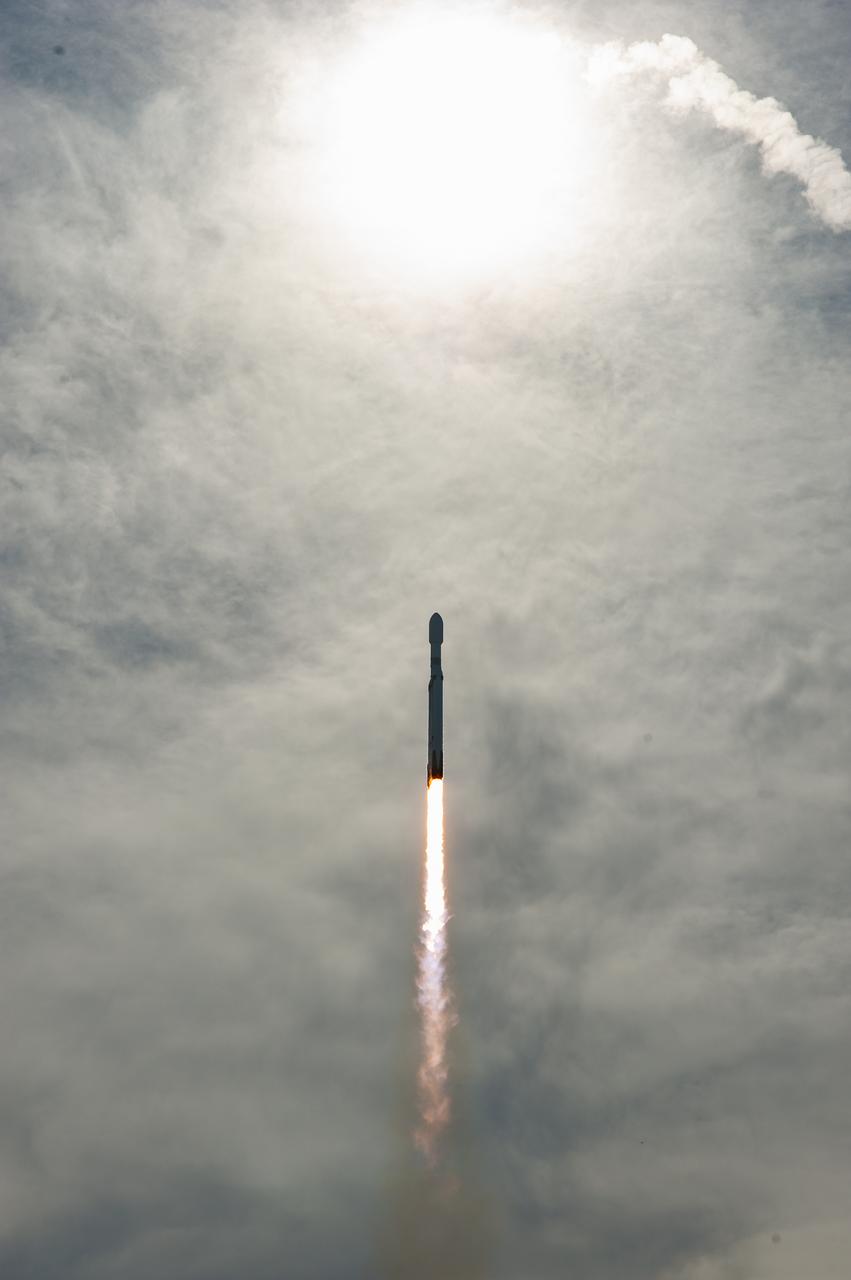
A SpaceX Falcon Heavy rocket carrying the National Oceanic and Atmospheric Administration (NOAA) GOES-U (Geostationary Operational Environmental Satellite U) lifts off from Launch Complex 39A at NASA’s Kennedy Space Center in Florida on Tuesday, June 25, 2024. The GOES-U satellite is the final satellite in the GOES-R series, which serves a critical role in providing continuous coverage of the Western Hemisphere, including monitoring tropical systems in the eastern Pacific and Atlantic oceans.
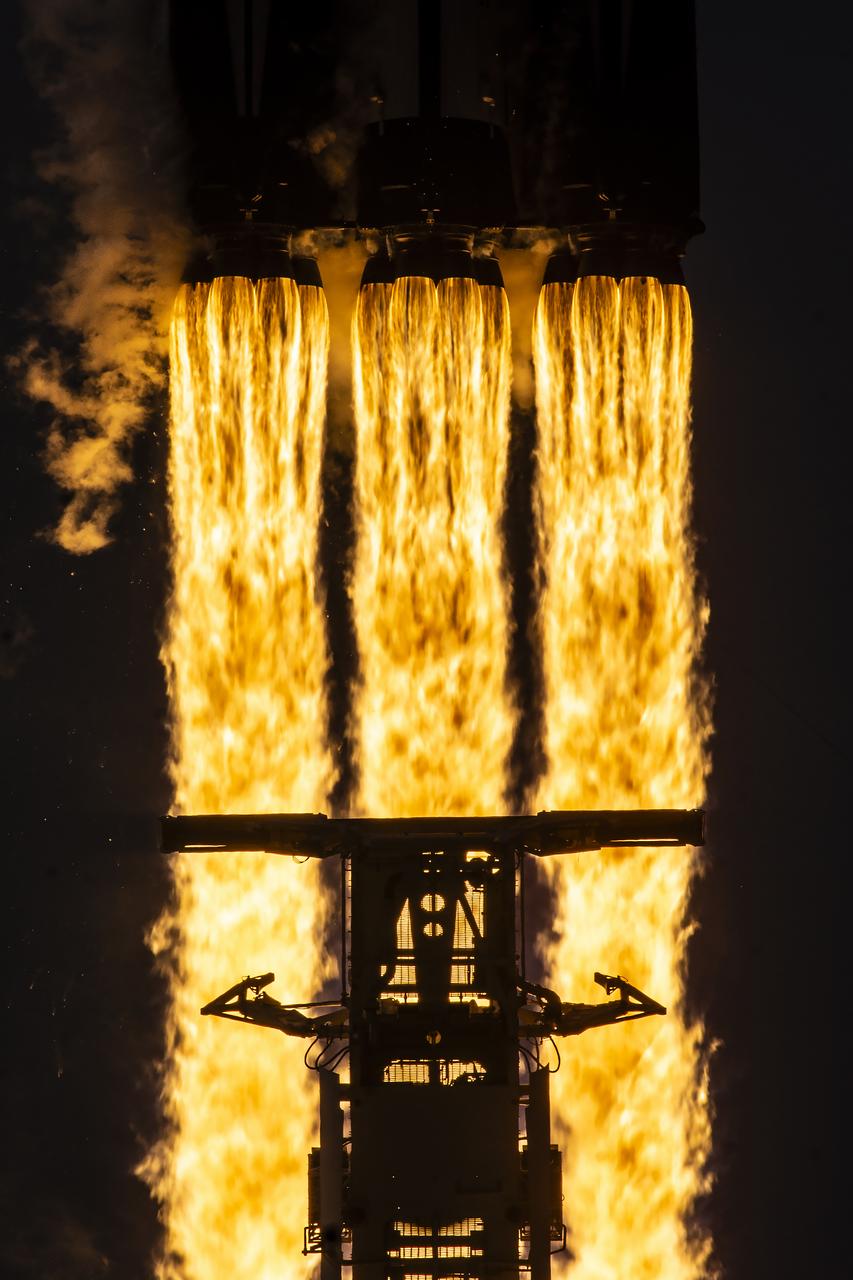
A SpaceX Falcon Heavy rocket carrying the National Oceanic and Atmospheric Administration (NOAA) GOES-U (Geostationary Operational Environmental Satellite U) lifts off from Launch Complex 39A at NASA’s Kennedy Space Center in Florida on Tuesday, June 25, 2024. The GOES-U satellite is the final satellite in the GOES-R series, which serves a critical role in providing continuous coverage of the Western Hemisphere, including monitoring tropical systems in the eastern Pacific and Atlantic oceans.
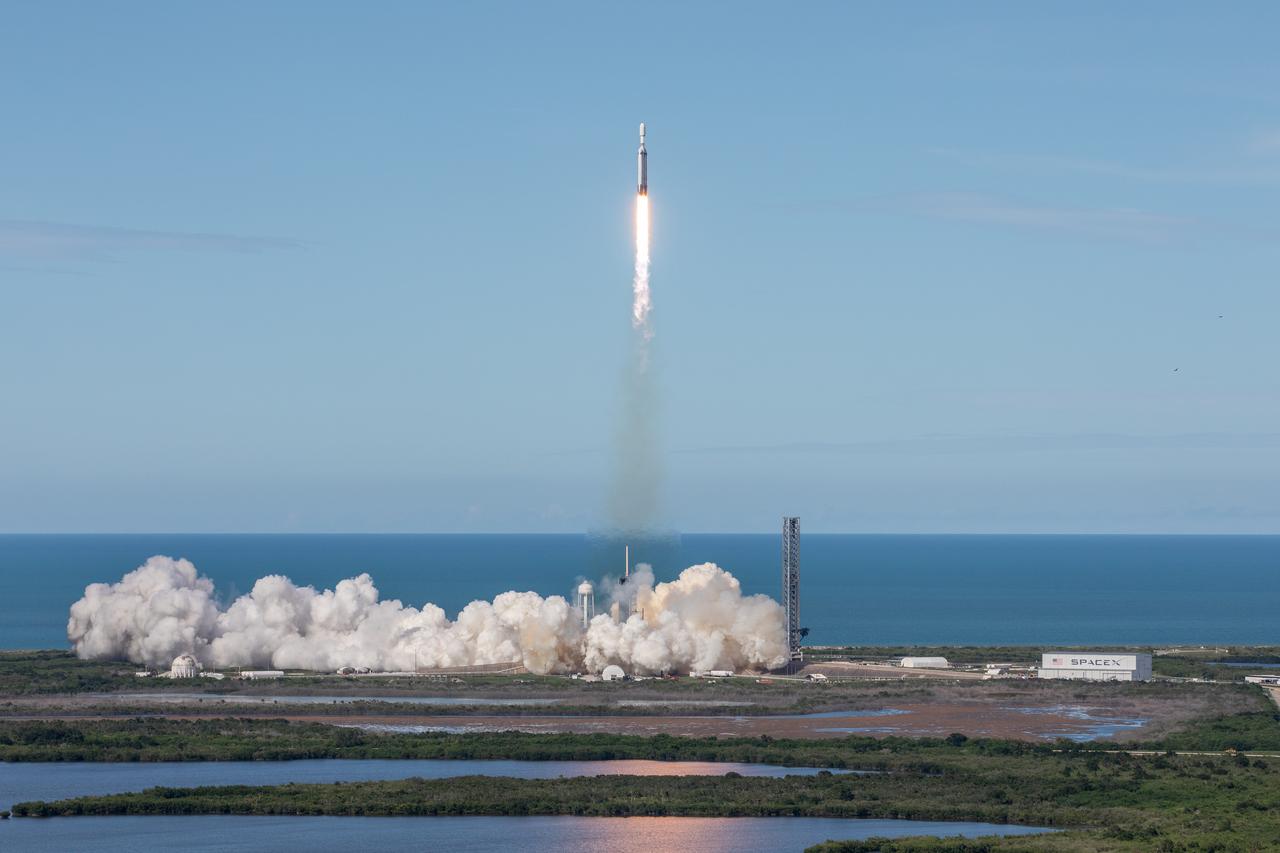
A SpaceX Falcon Heavy rocket carrying the National Oceanic and Atmospheric Administration (NOAA) GOES-U (Geostationary Operational Environmental Satellite U) lifts off from Launch Complex 39A at NASA’s Kennedy Space Center in Florida on Tuesday, June 25, 2024. The GOES-U satellite is the final satellite in the GOES-R series, which serves a critical role in providing continuous coverage of the Western Hemisphere, including monitoring tropical systems in the eastern Pacific and Atlantic oceans.
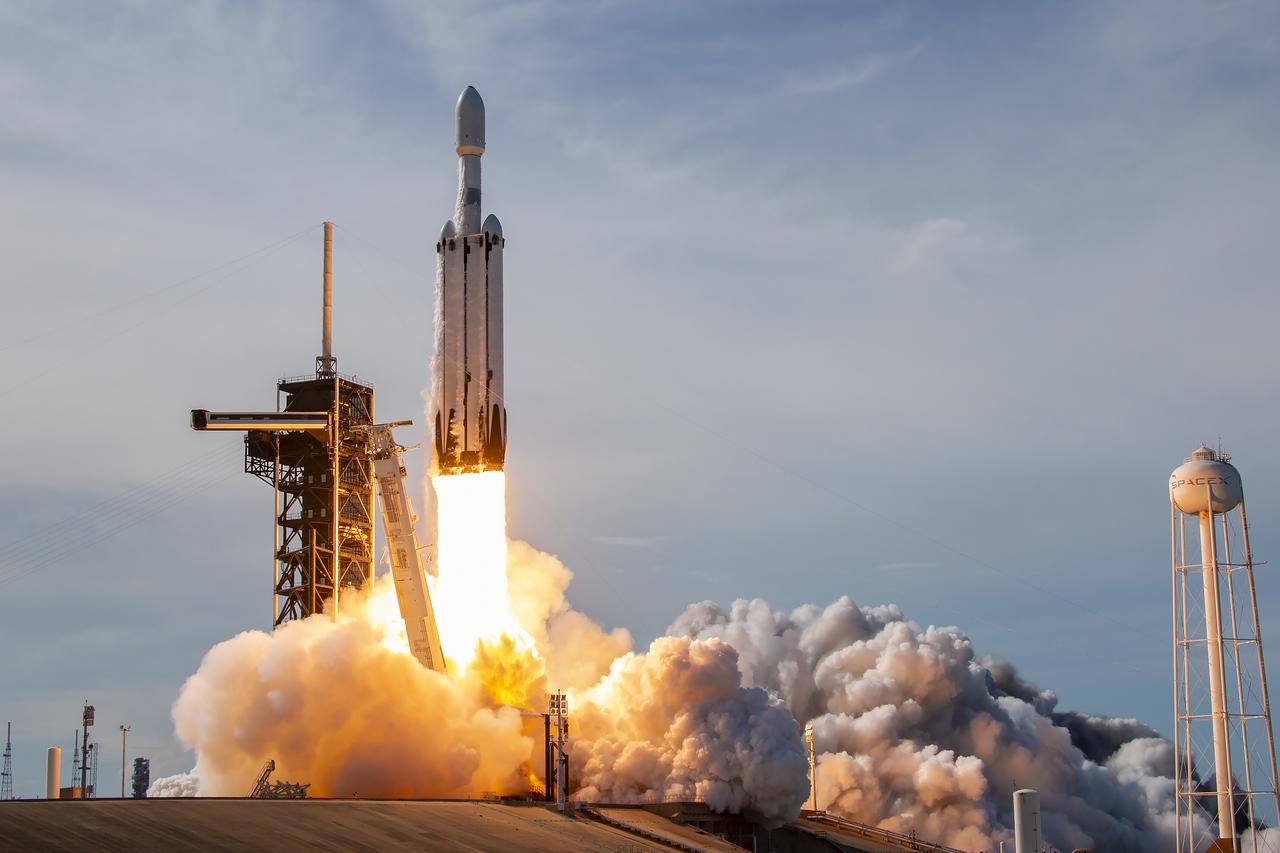
A SpaceX Falcon Heavy rocket carrying the National Oceanic and Atmospheric Administration (NOAA) GOES-U (Geostationary Operational Environmental Satellite U) lifts off from Launch Complex 39A at NASA’s Kennedy Space Center in Florida on Tuesday, June 25, 2024. The GOES-U satellite is the final satellite in the GOES-R series, which serves a critical role in providing continuous coverage of the Western Hemisphere, including monitoring tropical systems in the eastern Pacific and Atlantic oceans.
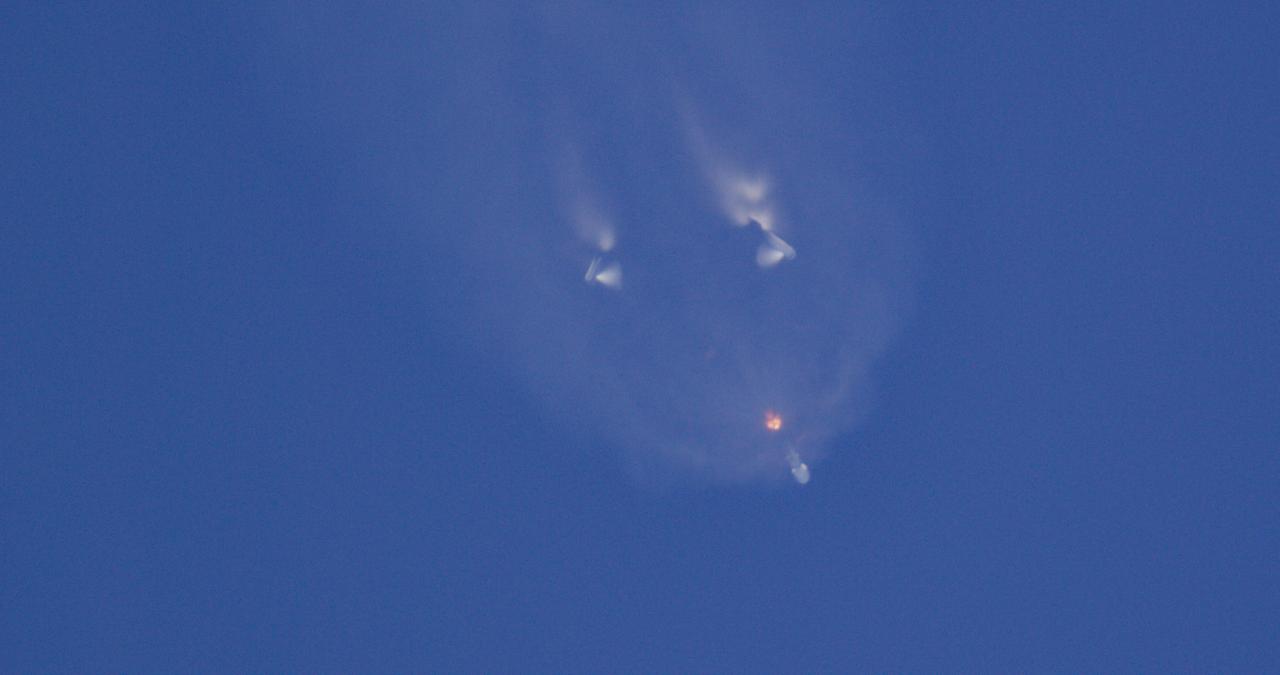
Side boosters separate from the center core on the SpaceX Falcon Heavy rocket carrying the National Oceanic and Atmospheric Administration (NOAA) GOES-U (Geostationary Operational Environmental Satellite U) after it lifts off from Launch Complex 39A at NASA’s Kennedy Space Center in Florida on Tuesday, June 25, 2024. The GOES-U satellite is the final satellite in the GOES-R series, which serves a critical role in providing continuous coverage of the Western Hemisphere, including monitoring tropical systems in the eastern Pacific and Atlantic oceans.
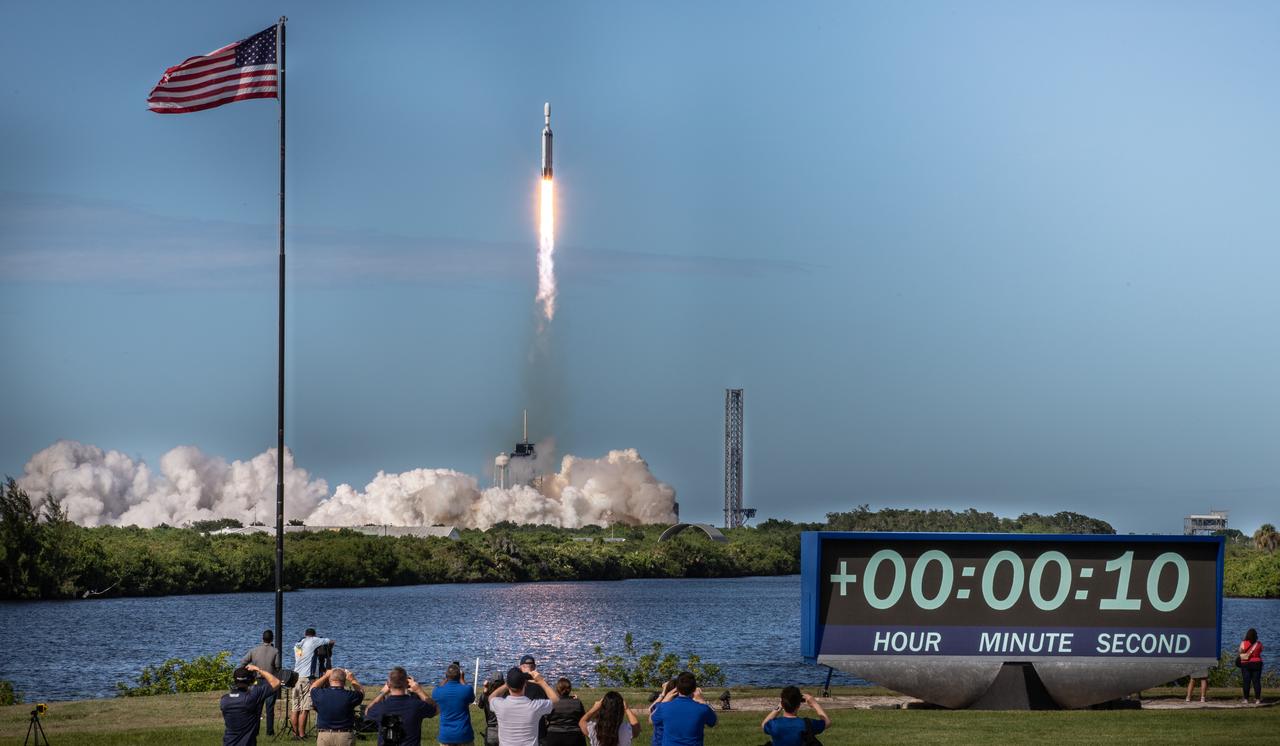
A SpaceX Falcon Heavy rocket carrying the National Oceanic and Atmospheric Administration (NOAA) GOES-U (Geostationary Operational Environmental Satellite U) lifts off from Launch Complex 39A at NASA’s Kennedy Space Center in Florida on Tuesday, June 25, 2024. The GOES-U satellite is the final satellite in the GOES-R series, which serves a critical role in providing continuous coverage of the Western Hemisphere, including monitoring tropical systems in the eastern Pacific and Atlantic oceans.
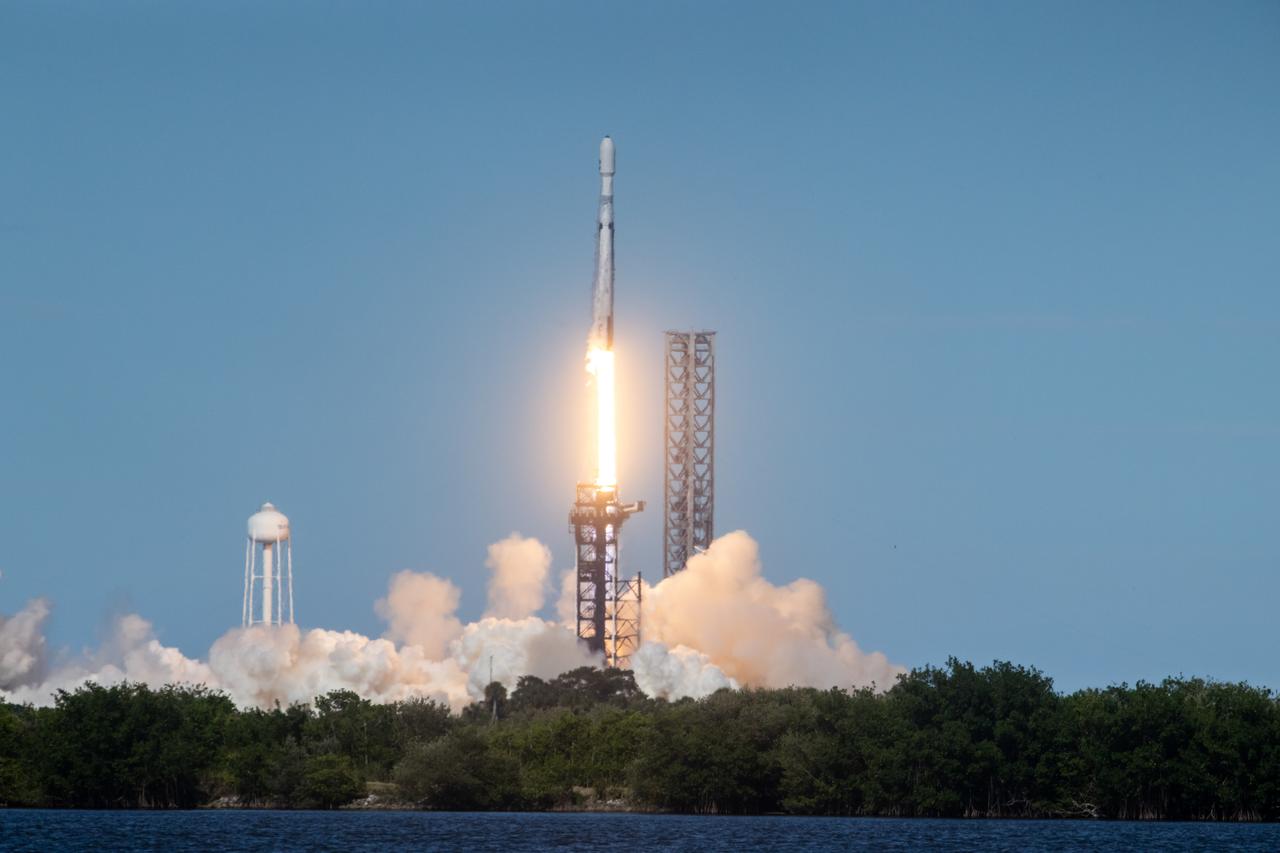
A SpaceX Falcon Heavy rocket carrying the National Oceanic and Atmospheric Administration (NOAA) GOES-U (Geostationary Operational Environmental Satellite U) lifts off from Launch Complex 39A at NASA’s Kennedy Space Center in Florida on Tuesday, June 25, 2024. The GOES-U satellite is the final satellite in the GOES-R series, which serves a critical role in providing continuous coverage of the Western Hemisphere, including monitoring tropical systems in the eastern Pacific and Atlantic oceans.
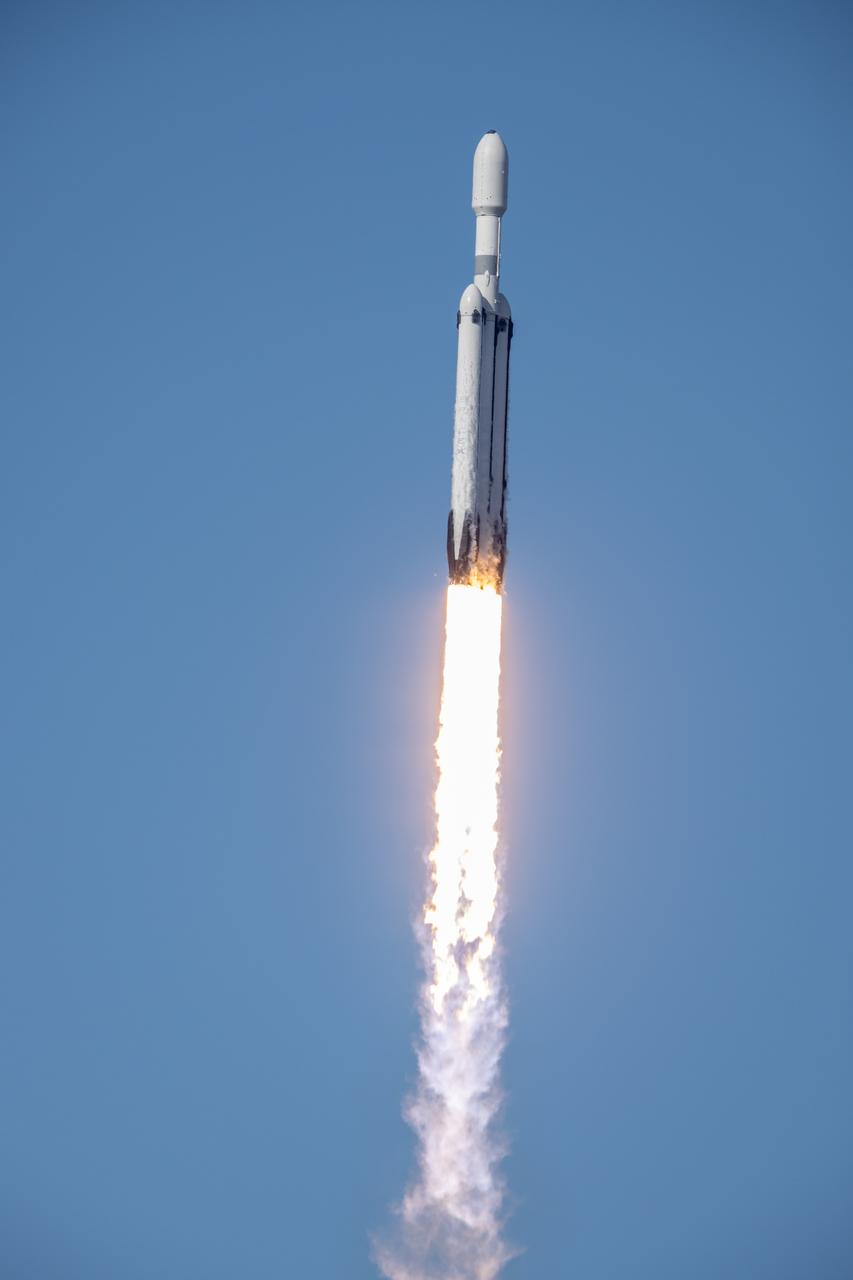
A SpaceX Falcon Heavy rocket carrying the National Oceanic and Atmospheric Administration (NOAA) GOES-U (Geostationary Operational Environmental Satellite U) lifts off from Launch Complex 39A at NASA’s Kennedy Space Center in Florida on Tuesday, June 25, 2024. The GOES-U satellite is the final satellite in the GOES-R series, which serves a critical role in providing continuous coverage of the Western Hemisphere, including monitoring tropical systems in the eastern Pacific and Atlantic oceans.
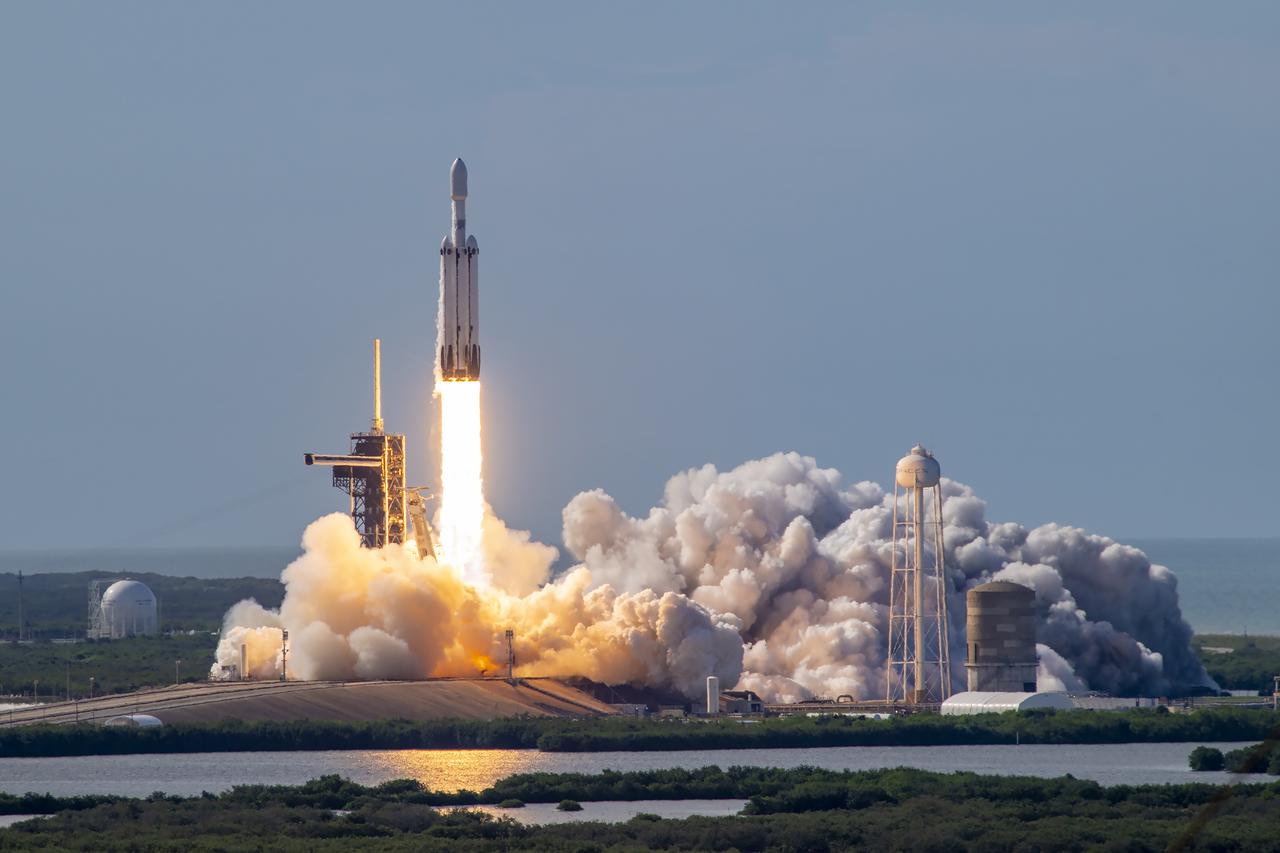
A SpaceX Falcon Heavy rocket carrying the National Oceanic and Atmospheric Administration (NOAA) GOES-U (Geostationary Operational Environmental Satellite U) lifts off from Launch Complex 39A at NASA’s Kennedy Space Center in Florida on Tuesday, June 25, 2024. The GOES-U satellite is the final satellite in the GOES-R series, which serves a critical role in providing continuous coverage of the Western Hemisphere, including monitoring tropical systems in the eastern Pacific and Atlantic oceans.
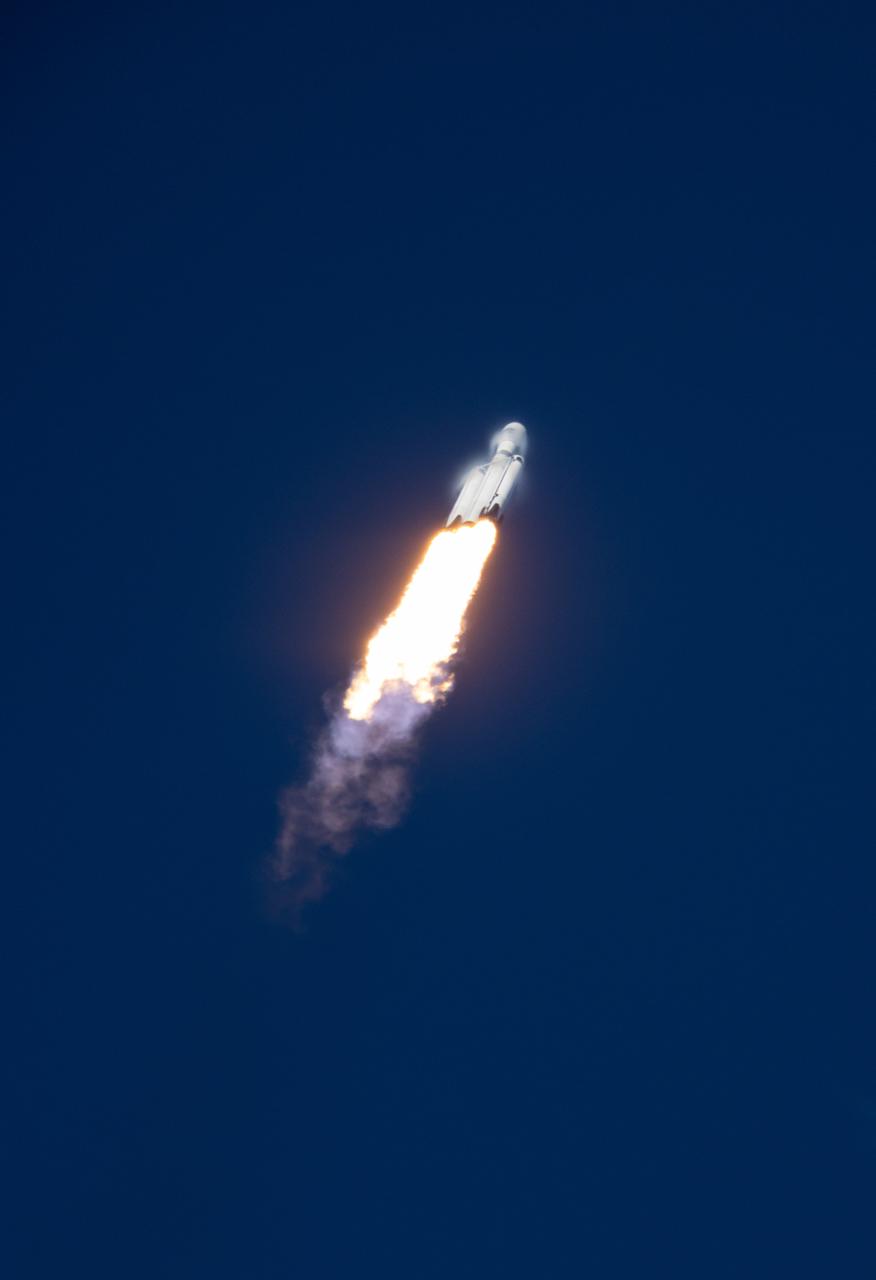
A SpaceX Falcon Heavy rocket carrying the National Oceanic and Atmospheric Administration (NOAA) GOES-U (Geostationary Operational Environmental Satellite U) launches from Launch Complex 39A at NASA’s Kennedy Space Center in Florida on Tuesday, June 25, 2024. The GOES-U satellite is the final satellite in the GOES-R series, which serves a critical role in providing continuous coverage of the Western Hemisphere, including monitoring tropical systems in the eastern Pacific and Atlantic oceans.
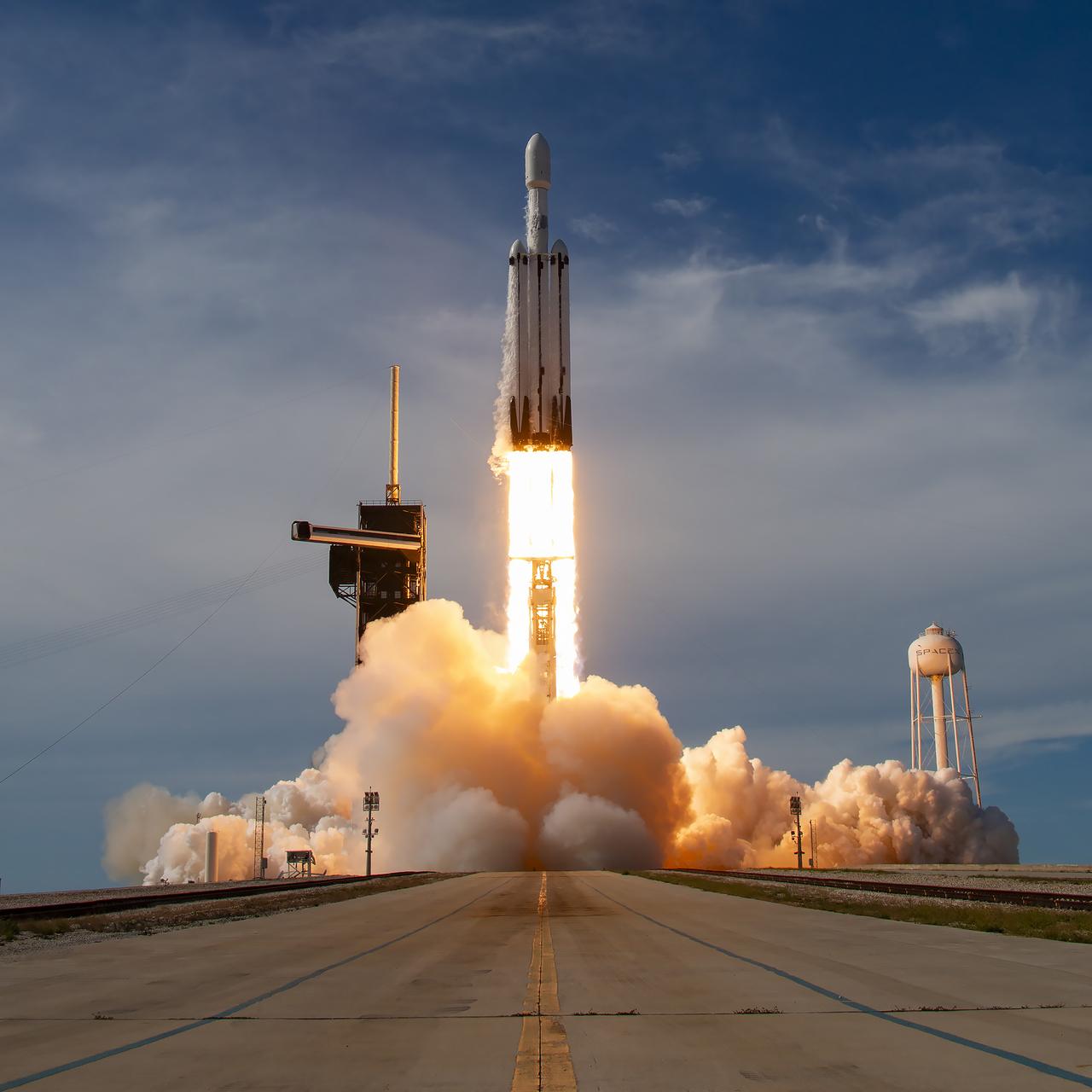
A SpaceX Falcon Heavy rocket carrying the National Oceanic and Atmospheric Administration (NOAA) GOES-U (Geostationary Operational Environmental Satellite U) lifts off from Launch Complex 39A at NASA’s Kennedy Space Center in Florida on Tuesday, June 25, 2024. The GOES-U satellite is the final satellite in the GOES-R series, which serves a critical role in providing continuous coverage of the Western Hemisphere, including monitoring tropical systems in the eastern Pacific and Atlantic oceans.

A SpaceX Falcon Heavy rocket carrying the National Oceanic and Atmospheric Administration (NOAA) GOES-U (Geostationary Operational Environmental Satellite U) lifts off from Launch Complex 39A at NASA’s Kennedy Space Center in Florida on Tuesday, June 25, 2024. The GOES-U satellite is the final satellite in the GOES-R series, which serves a critical role in providing continuous coverage of the Western Hemisphere, including monitoring tropical systems in the eastern Pacific and Atlantic oceans.
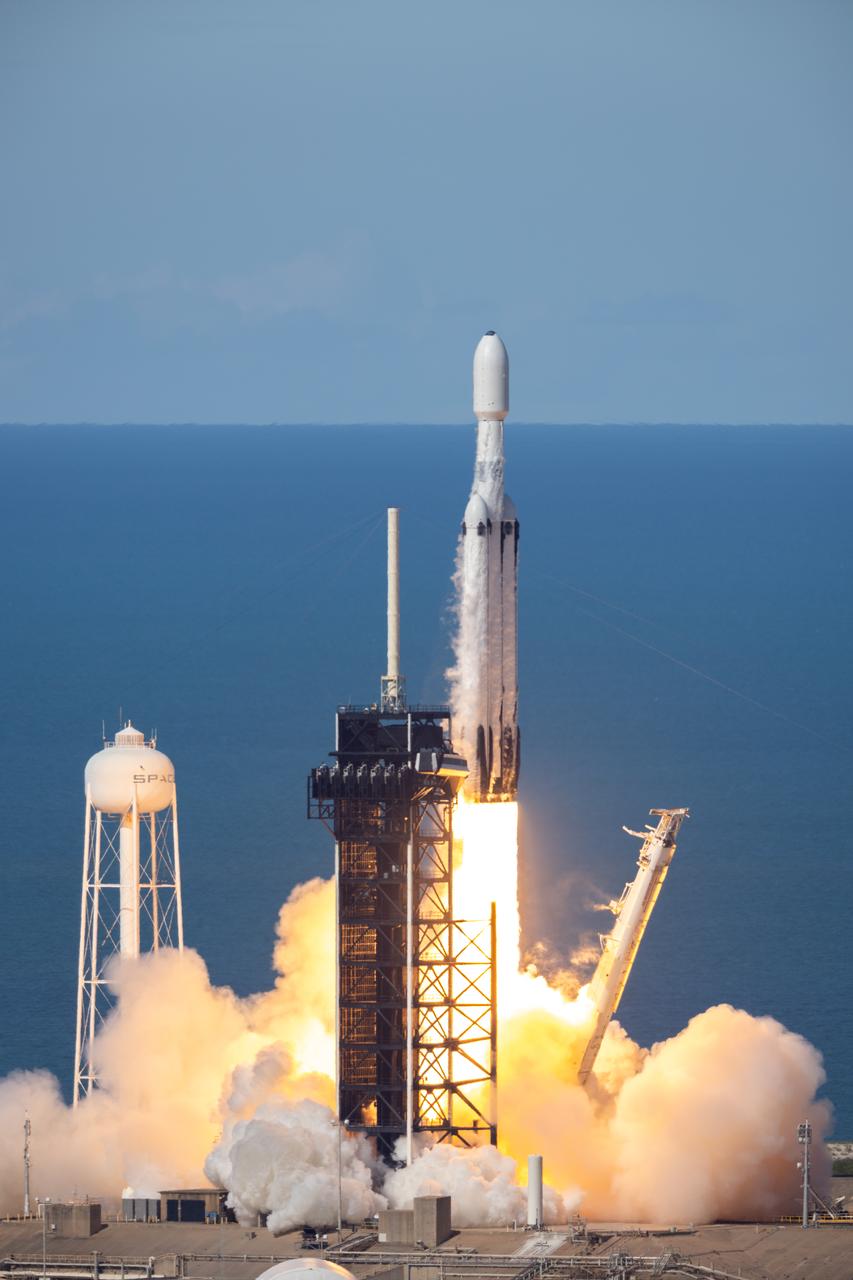
A SpaceX Falcon Heavy rocket carrying the National Oceanic and Atmospheric Administration (NOAA) GOES-U (Geostationary Operational Environmental Satellite U) lifts off from Launch Complex 39A at NASA’s Kennedy Space Center in Florida on Tuesday, June 25, 2024. The GOES-U satellite is the final satellite in the GOES-R series, which serves a critical role in providing continuous coverage of the Western Hemisphere, including monitoring tropical systems in the eastern Pacific and Atlantic oceans.
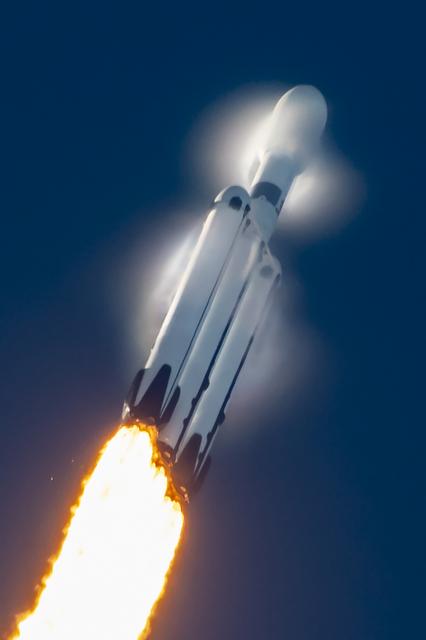
A SpaceX Falcon Heavy rocket carrying the National Oceanic and Atmospheric Administration (NOAA) GOES-U (Geostationary Operational Environmental Satellite U) lifts off from Launch Complex 39A at NASA’s Kennedy Space Center in Florida on Tuesday, June 25, 2024. The GOES-U satellite is the final satellite in the GOES-R series, which serves a critical role in providing continuous coverage of the Western Hemisphere, including monitoring tropical systems in the eastern Pacific and Atlantic oceans.
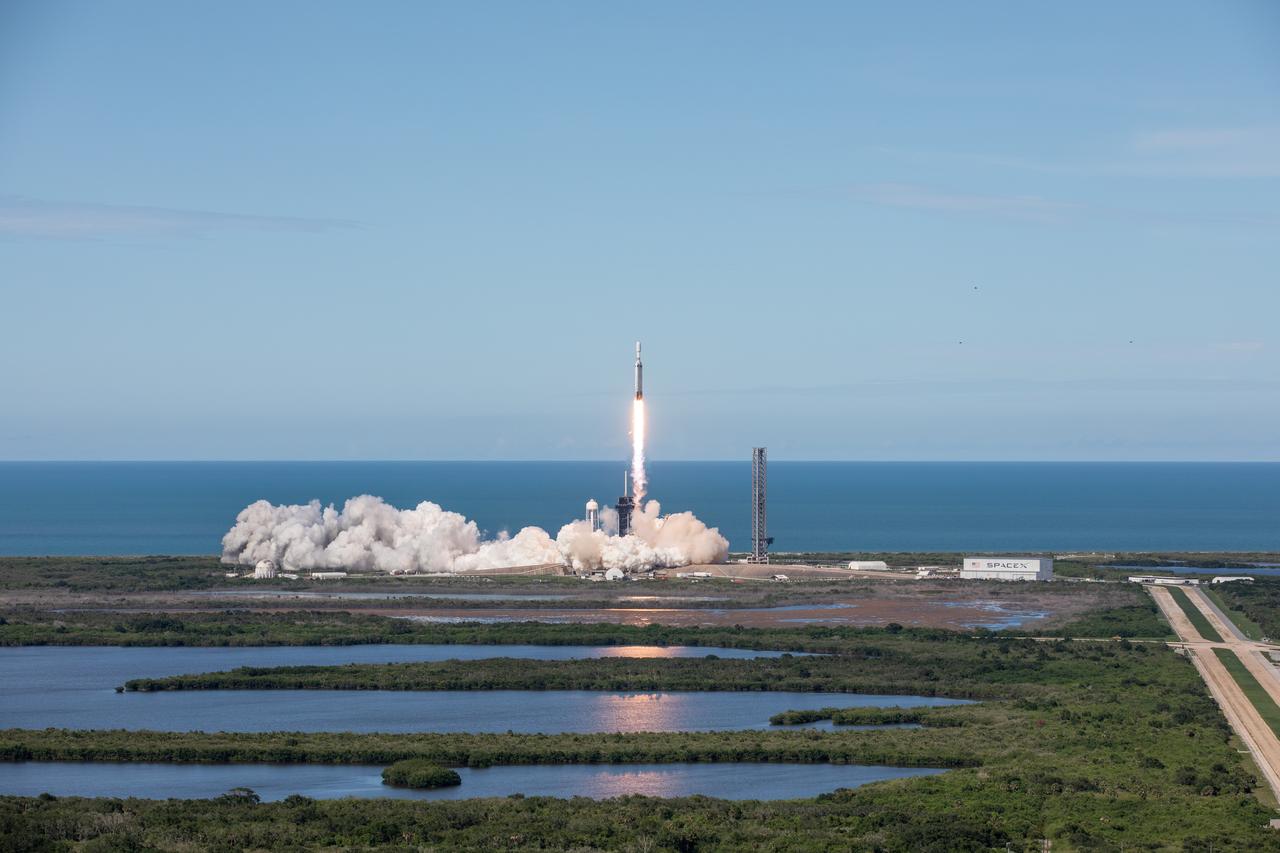
A SpaceX Falcon Heavy rocket carrying the National Oceanic and Atmospheric Administration (NOAA) GOES-U (Geostationary Operational Environmental Satellite U) lifts off from Launch Complex 39A at NASA’s Kennedy Space Center in Florida on Tuesday, June 25, 2024. The GOES-U satellite is the final satellite in the GOES-R series, which serves a critical role in providing continuous coverage of the Western Hemisphere, including monitoring tropical systems in the eastern Pacific and Atlantic oceans.
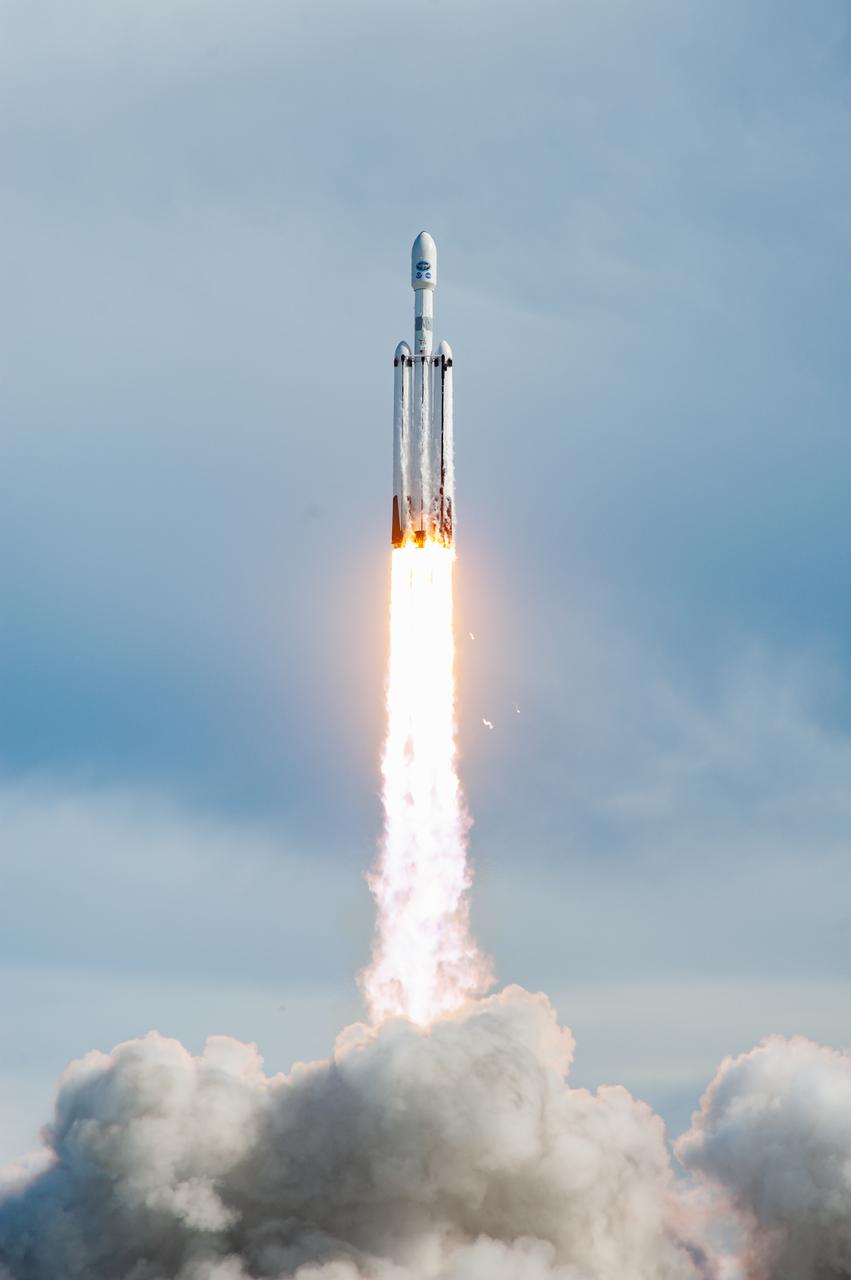
A SpaceX Falcon Heavy rocket carrying the National Oceanic and Atmospheric Administration (NOAA) GOES-U (Geostationary Operational Environmental Satellite U) lifts off from Launch Complex 39A at NASA’s Kennedy Space Center in Florida on Tuesday, June 25, 2024. The GOES-U satellite is the final satellite in the GOES-R series, which serves a critical role in providing continuous coverage of the Western Hemisphere, including monitoring tropical systems in the eastern Pacific and Atlantic oceans.
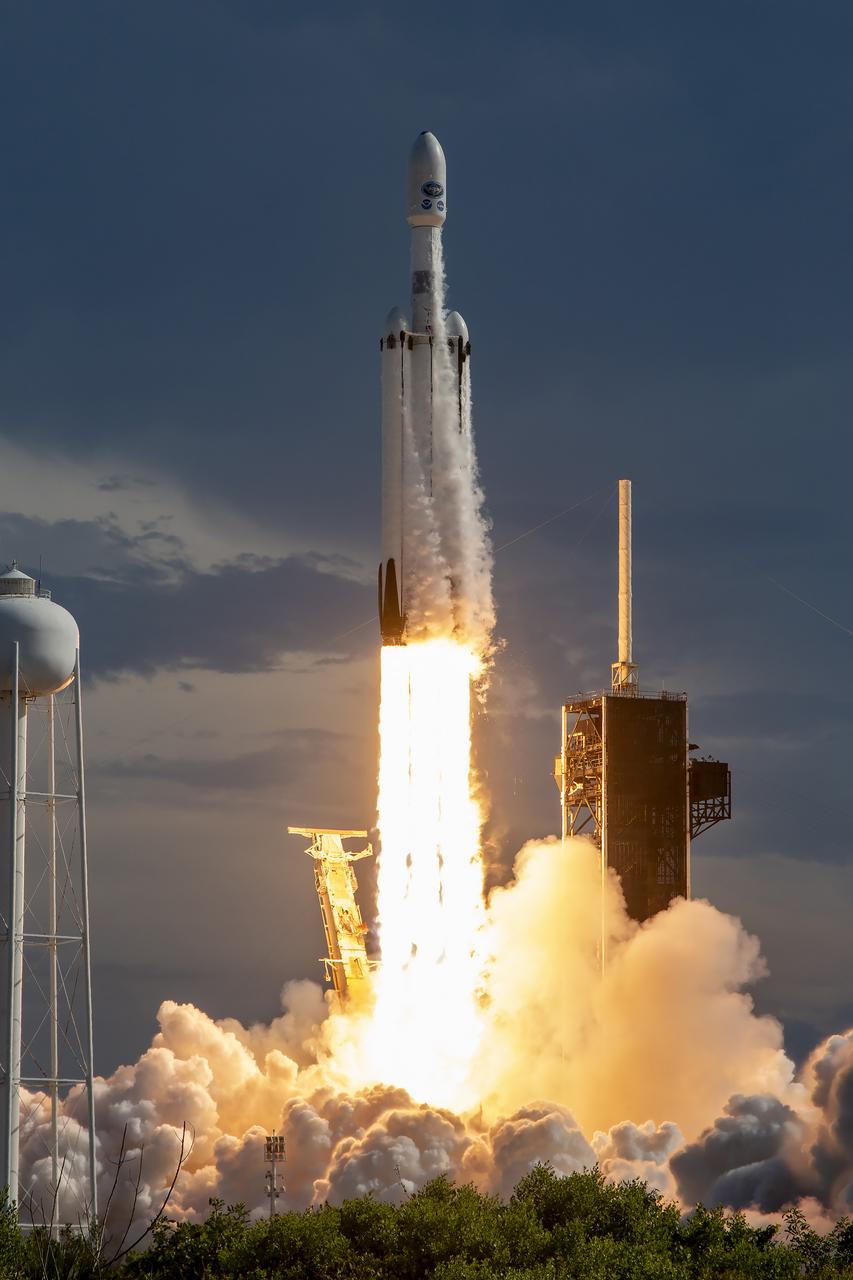
A SpaceX Falcon Heavy rocket carrying the National Oceanic and Atmospheric Administration (NOAA) GOES-U (Geostationary Operational Environmental Satellite U) lifts off from Launch Complex 39A at NASA’s Kennedy Space Center in Florida on Tuesday, June 25, 2024. The GOES-U satellite is the final satellite in the GOES-R series, which serves a critical role in providing continuous coverage of the Western Hemisphere, including monitoring tropical systems in the eastern Pacific and Atlantic oceans.
A SpaceX Falcon Heavy rocket carrying the National Oceanic and Atmospheric Administration (NOAA) GOES-U (Geostationary Operational Environmental Satellite U) lifts off from Launch Complex 39A at NASA’s Kennedy Space Center in Florida on Tuesday, June 25, 2024. The GOES-U satellite is the final satellite in the GOES-R series, which serves a critical role in providing continuous coverage of the Western Hemisphere, including monitoring tropical systems in the eastern Pacific and Atlantic oceans.
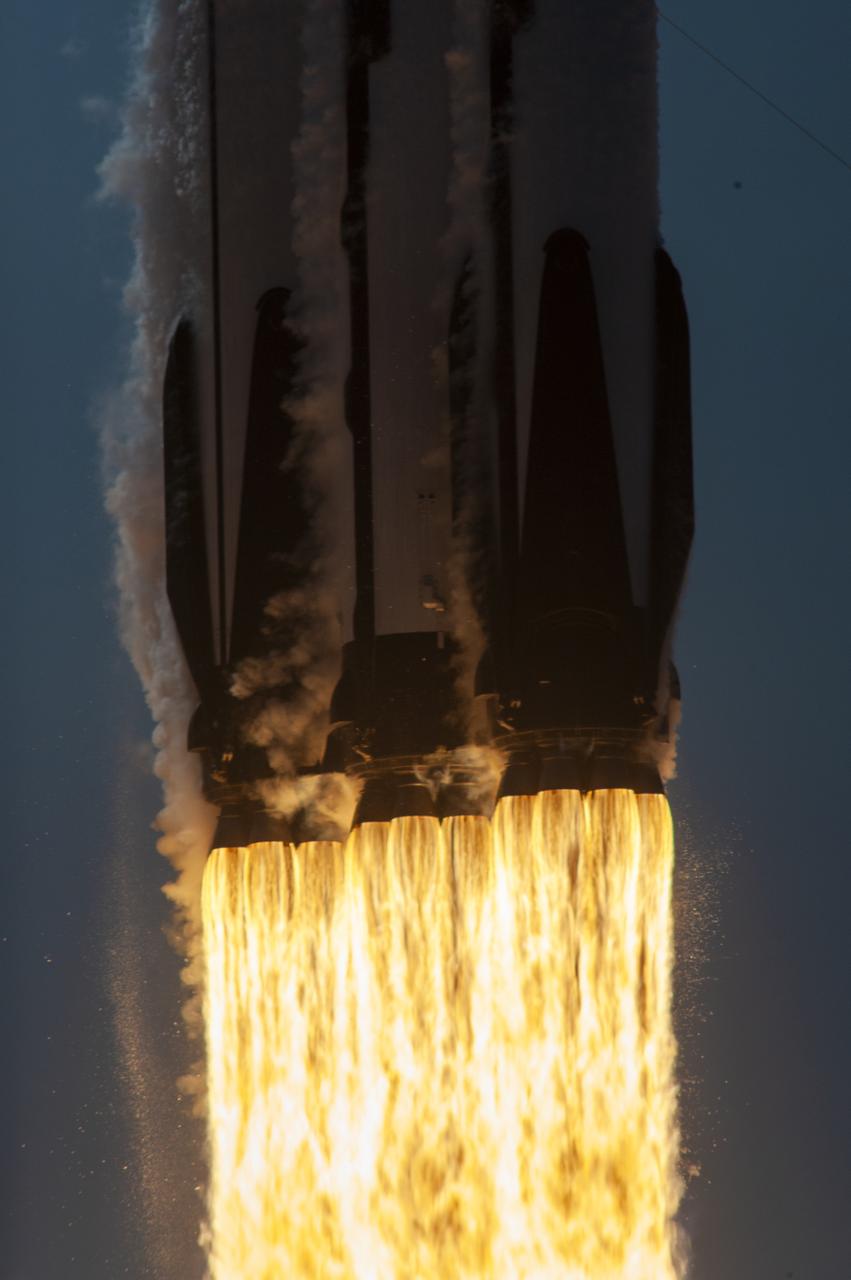
A SpaceX Falcon Heavy rocket carrying the National Oceanic and Atmospheric Administration (NOAA) GOES-U (Geostationary Operational Environmental Satellite U) lifts off from Launch Complex 39A at NASA’s Kennedy Space Center in Florida on Tuesday, June 25, 2024. The GOES-U satellite is the final satellite in the GOES-R series, which serves a critical role in providing continuous coverage of the Western Hemisphere, including monitoring tropical systems in the eastern Pacific and Atlantic oceans.
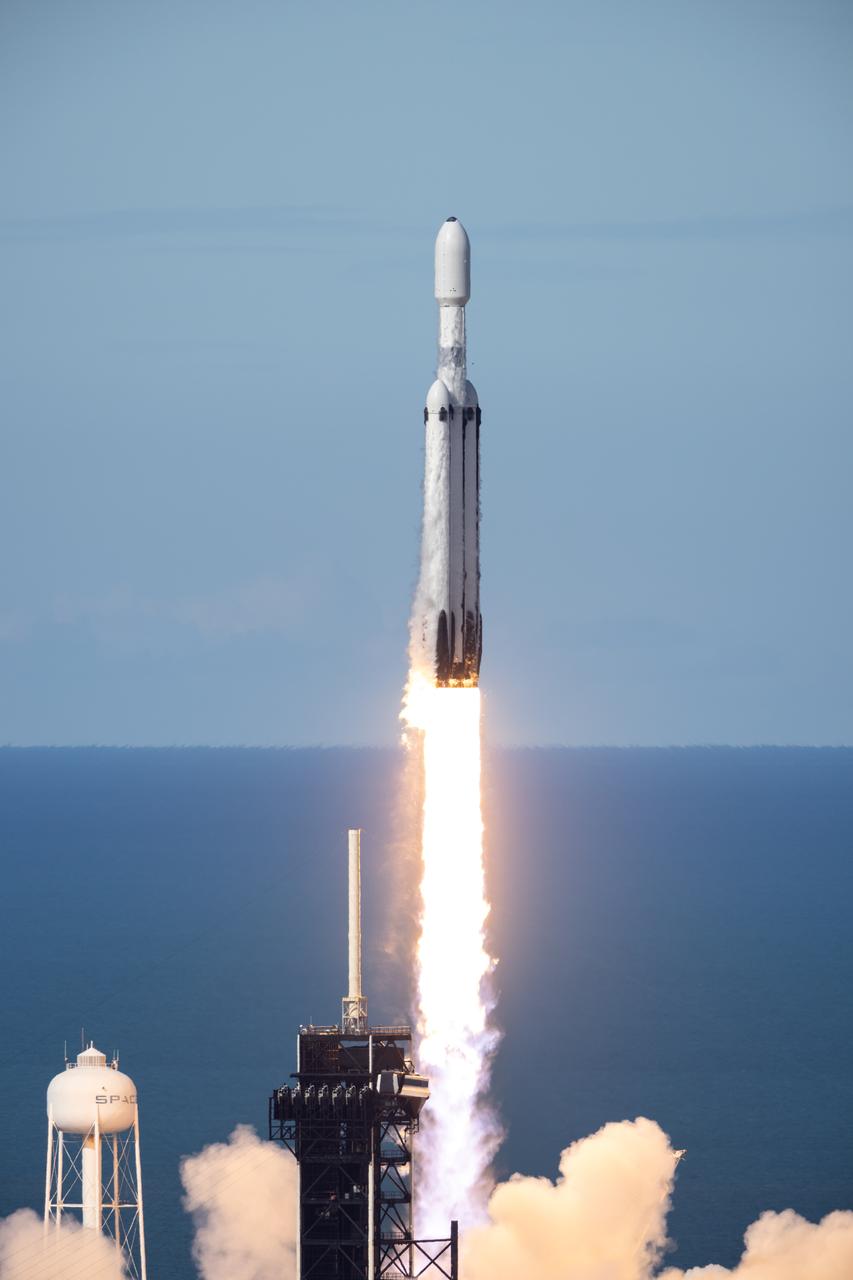
A SpaceX Falcon Heavy rocket carrying the National Oceanic and Atmospheric Administration (NOAA) GOES-U (Geostationary Operational Environmental Satellite U) lifts off from Launch Complex 39A at NASA’s Kennedy Space Center in Florida on Tuesday, June 25, 2024. The GOES-U satellite is the final satellite in the GOES-R series, which serves a critical role in providing continuous coverage of the Western Hemisphere, including monitoring tropical systems in the eastern Pacific and Atlantic oceans.
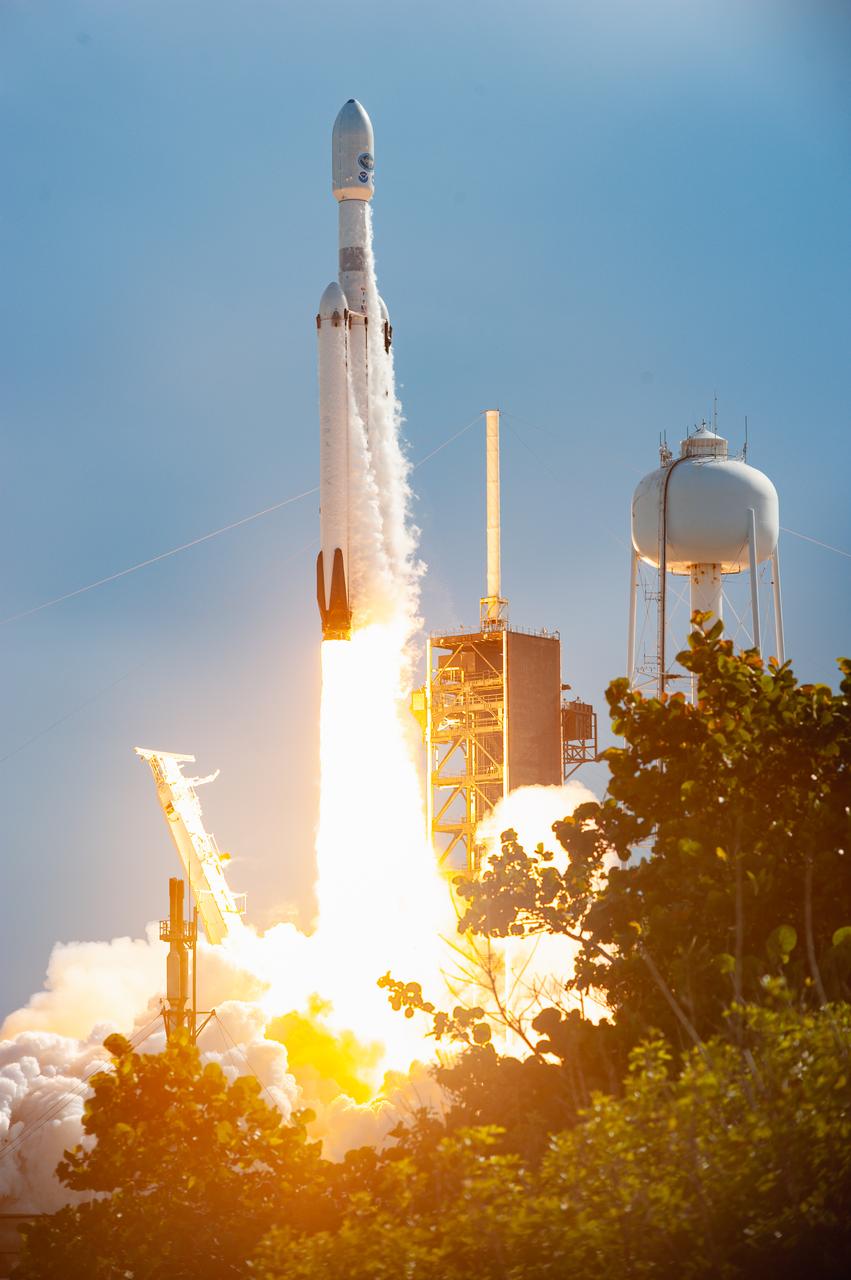
A SpaceX Falcon Heavy rocket carrying the National Oceanic and Atmospheric Administration (NOAA) GOES-U (Geostationary Operational Environmental Satellite U) lifts off from Launch Complex 39A at NASA’s Kennedy Space Center in Florida on Tuesday, June 25, 2024. The GOES-U satellite is the final satellite in the GOES-R series, which serves a critical role in providing continuous coverage of the Western Hemisphere, including monitoring tropical systems in the eastern Pacific and Atlantic oceans.

Derrol Nail, NASA Communications, participates in a science briefing on Monday, June 24, 2024, at NASA’s Kennedy Space Center in Florida to discuss National Oceanic and Atmospheric Administration (NOAA) GOES-U (Geostationary Operational Environmental Satellite U) mission. The GOES-U satellite is the final addition to GOES-R series, which serves a critical role in providing continuous coverage of the Western Hemisphere, including monitoring tropical systems in the eastern Pacific and Atlantic oceans. The two-hour launch window opens at 5:16 p.m. EDT Tuesday, June 25, for the satellite’s launch on a SpaceX Falcon Heavy rocket from Launch Complex 39A at NASA’s Kennedy Space Center in Florida.
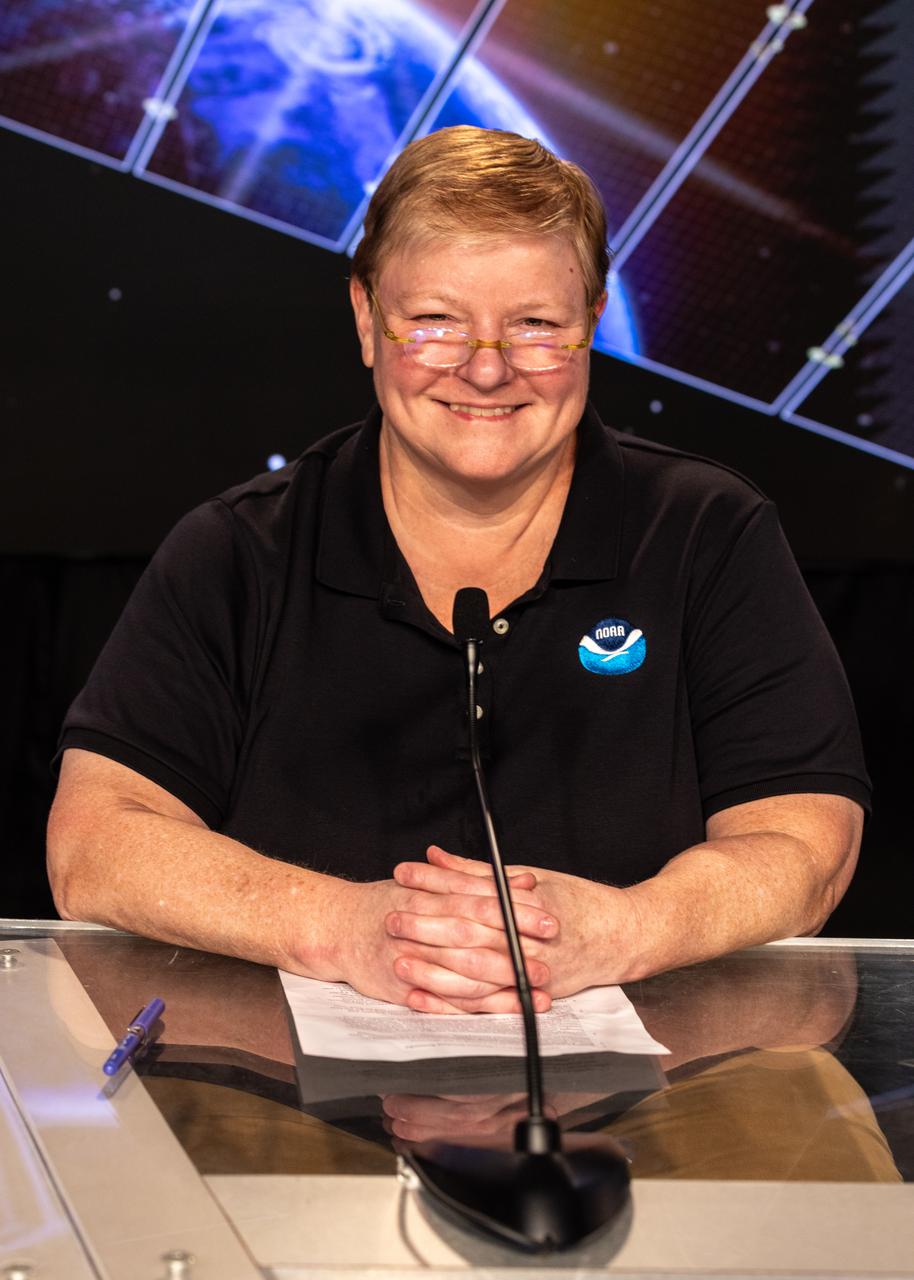
Pam Sullivan, director, GOES-R Program, NOAA, participates in a prelaunch news conference on Monday, June 24, 2024, at NASA’s Kennedy Space Center in Florida to discuss National Oceanic and Atmospheric Administration (NOAA) GOES-U (Geostationary Operational Environmental Satellite U) mission. The GOES-U satellite is the final addition to GOES-R series, which serves a critical role in providing continuous coverage of the Western Hemisphere, including monitoring tropical systems in the eastern Pacific and Atlantic oceans. The two-hour launch window opens at 5:16 p.m. EDT Tuesday, June 25, for the satellite’s launch on a SpaceX Falcon Heavy rocket from Launch Complex 39A at NASA’s Kennedy Space Center in Florida.
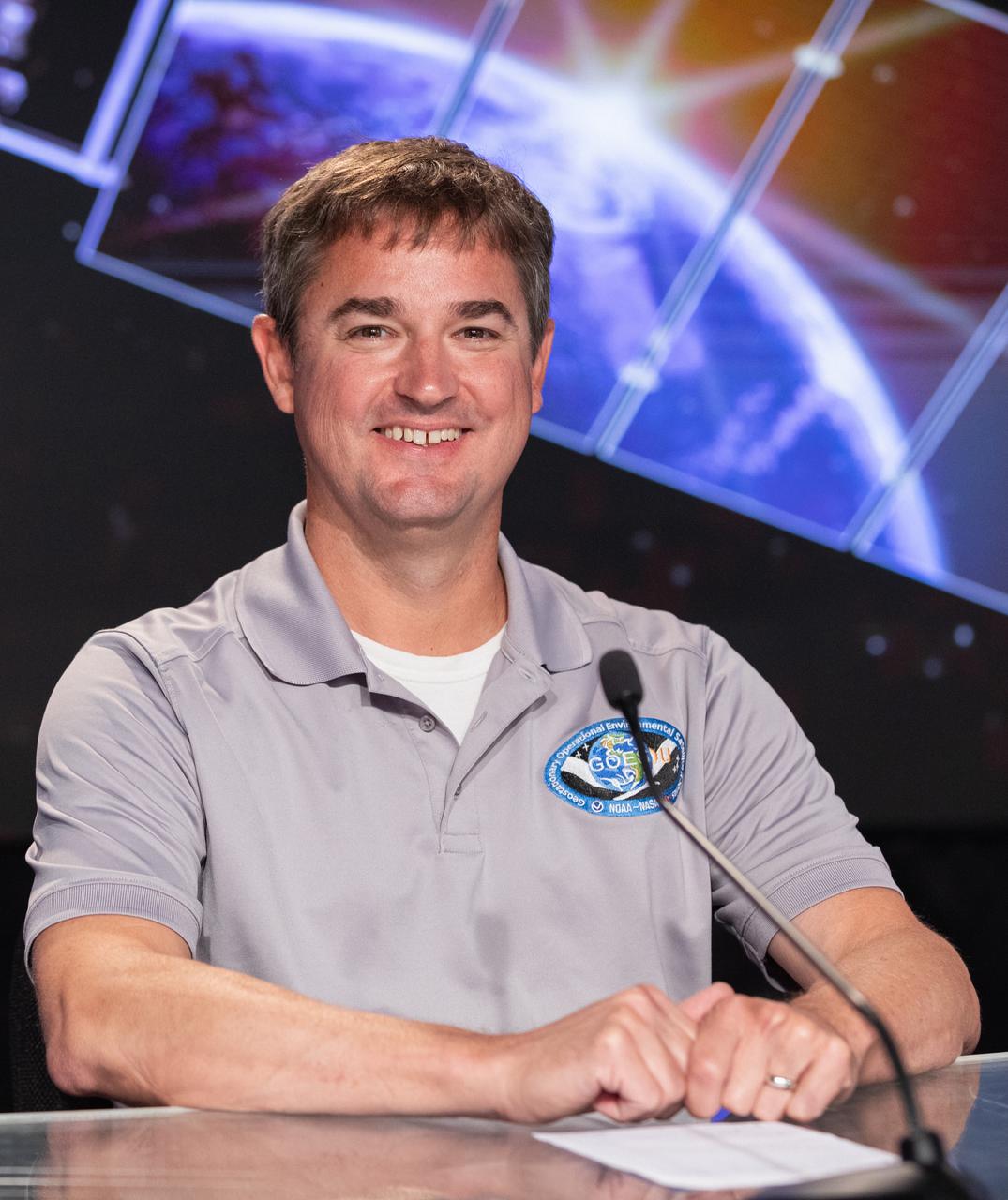
Dan Lindsey, chief scientist, GOES-R Program, NOAA, participates in a science briefing on Monday, June 24, 2024, at NASA’s Kennedy Space Center in Florida to discuss National Oceanic and Atmospheric Administration (NOAA) GOES-U (Geostationary Operational Environmental Satellite U) mission. The GOES-U satellite is the final addition to GOES-R series, which serves a critical role in providing continuous coverage of the Western Hemisphere, including monitoring tropical systems in the eastern Pacific and Atlantic oceans. The two-hour launch window opens at 5:16 p.m. EDT Tuesday, June 25, for the satellite’s launch on a SpaceX Falcon Heavy rocket from Launch Complex 39A at NASA’s Kennedy Space Center in Florida.
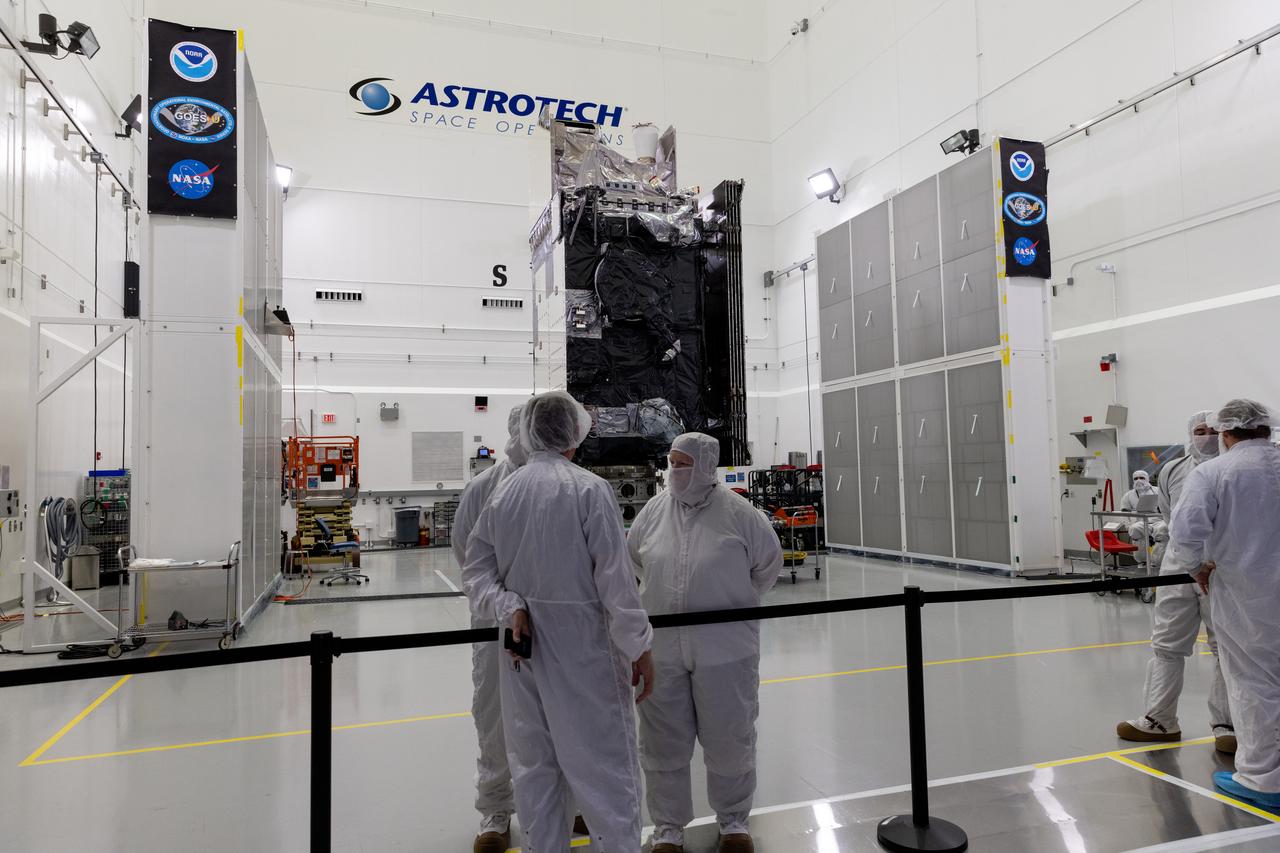
Members of the news media had an opportunity for an up-close look at the National Oceanic and Atmospheric Administration (NOAA) Geostationary Operational Environmental Satellite U (GOES-U) on Thursday, June 6, 2024, inside the Astrotech Space Operations Facility in Titusville, near NASA’s Kennedy Space Center in Florida. Journalists visited Astrotech as part of a NASA-hosted media day to conduct interviews and photograph the satellite that is the final addition to NOAA’s GOES-R satellite series, which serve a critical role in providing continuous coverage of the Western Hemisphere, including monitoring tropical systems in the eastern Pacific and Atlantic Oceans.
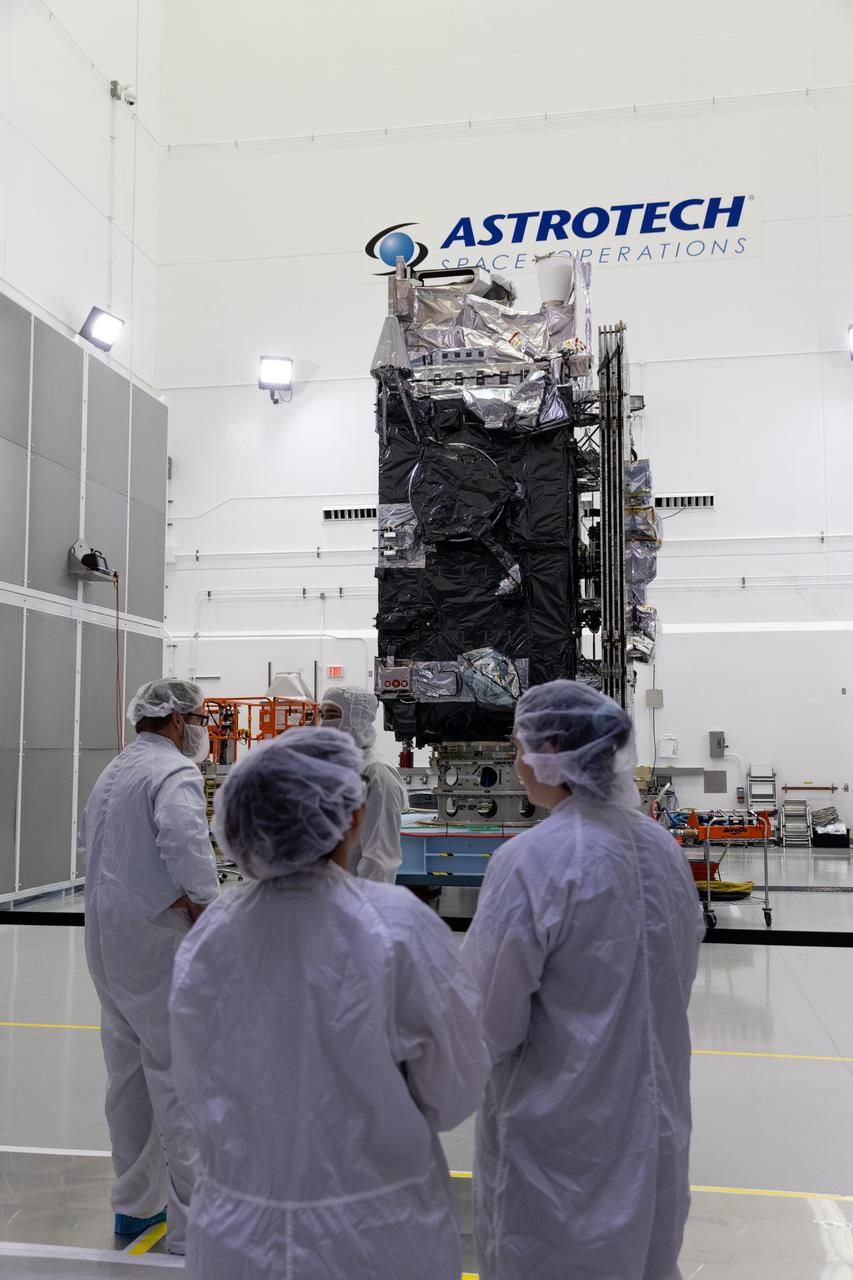
Members of the news media had an opportunity for an up-close look at the National Oceanic and Atmospheric Administration (NOAA) Geostationary Operational Environmental Satellite U (GOES-U) on Thursday, June 6, 2024, inside the Astrotech Space Operations Facility in Titusville, near NASA’s Kennedy Space Center in Florida. Journalists visited Astrotech as part of a NASA-hosted media day to conduct interviews and photograph the satellite that is the final addition to NOAA’s GOES-R satellite series, which serve a critical role in providing continuous coverage of the Western Hemisphere, including monitoring tropical systems in the eastern Pacific and Atlantic Oceans.

Brian Cizek, launch weather officer, 45th Weather Squadron, U.S. Space Force, participates in a prelaunch news conference on Monday, June 24, 2024, at NASA’s Kennedy Space Center in Florida to discuss National Oceanic and Atmospheric Administration (NOAA) GOES-U (Geostationary Operational Environmental Satellite U) mission. The GOES-U satellite is the final addition to GOES-R series, which serves a critical role in providing continuous coverage of the Western Hemisphere, including monitoring tropical systems in the eastern Pacific and Atlantic oceans. The two-hour launch window opens at 5:16 p.m. EDT Tuesday, June 25, for the satellite’s launch on a SpaceX Falcon Heavy rocket from Launch Complex 39A at NASA’s Kennedy Space Center in Florida.

Steve Volz, assistant administrator, NOAA’s Satellite and Information Service, participates in a prelaunch news conference on Monday, June 24, 2024, at NASA’s Kennedy Space Center in Florida to discuss National Oceanic and Atmospheric Administration (NOAA) GOES-U (Geostationary Operational Environmental Satellite U) mission. The GOES-U satellite is the final addition to GOES-R series, which serves a critical role in providing continuous coverage of the Western Hemisphere, including monitoring tropical systems in the eastern Pacific and Atlantic oceans. The two-hour launch window opens at 5:16 p.m. EDT Tuesday, June 25, for the satellite’s launch on a SpaceX Falcon Heavy rocket from Launch Complex 39A at NASA’s Kennedy Space Center in Florida.
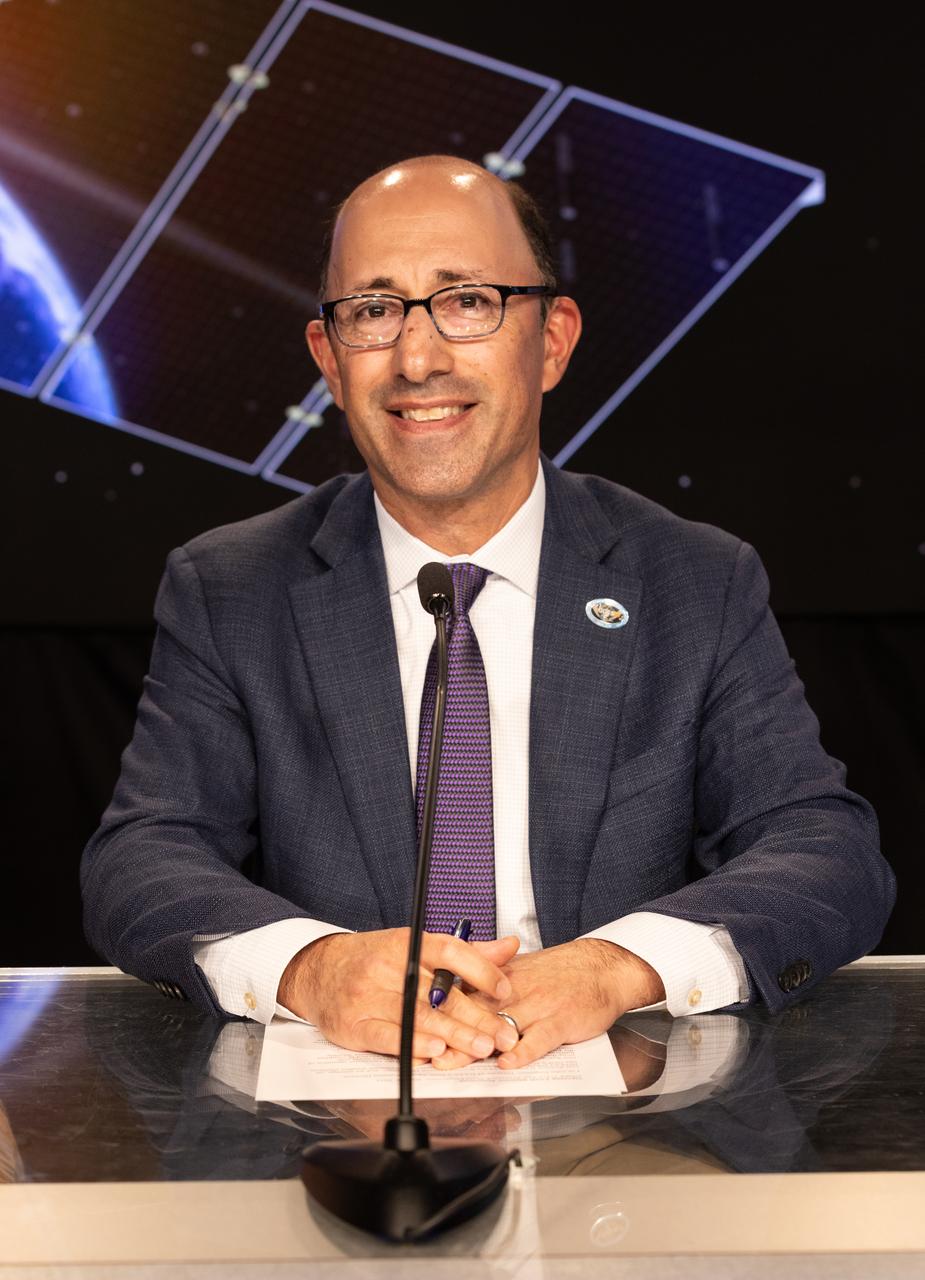
John Gagosian, director, Joint Agency Satellite Division, participates in a prelaunch news conference on Monday, June 24, 2024, at NASA’s Kennedy Space Center in Florida to discuss National Oceanic and Atmospheric Administration (NOAA) GOES-U (Geostationary Operational Environmental Satellite U) mission. The GOES-U satellite is the final addition to GOES-R series, which serves a critical role in providing continuous coverage of the Western Hemisphere, including monitoring tropical systems in the eastern Pacific and Atlantic oceans. The two-hour launch window opens at 5:16 p.m. EDT Tuesday, June 25, for the satellite’s launch on a SpaceX Falcon Heavy rocket from Launch Complex 39A at NASA’s Kennedy Space Center in Florida.
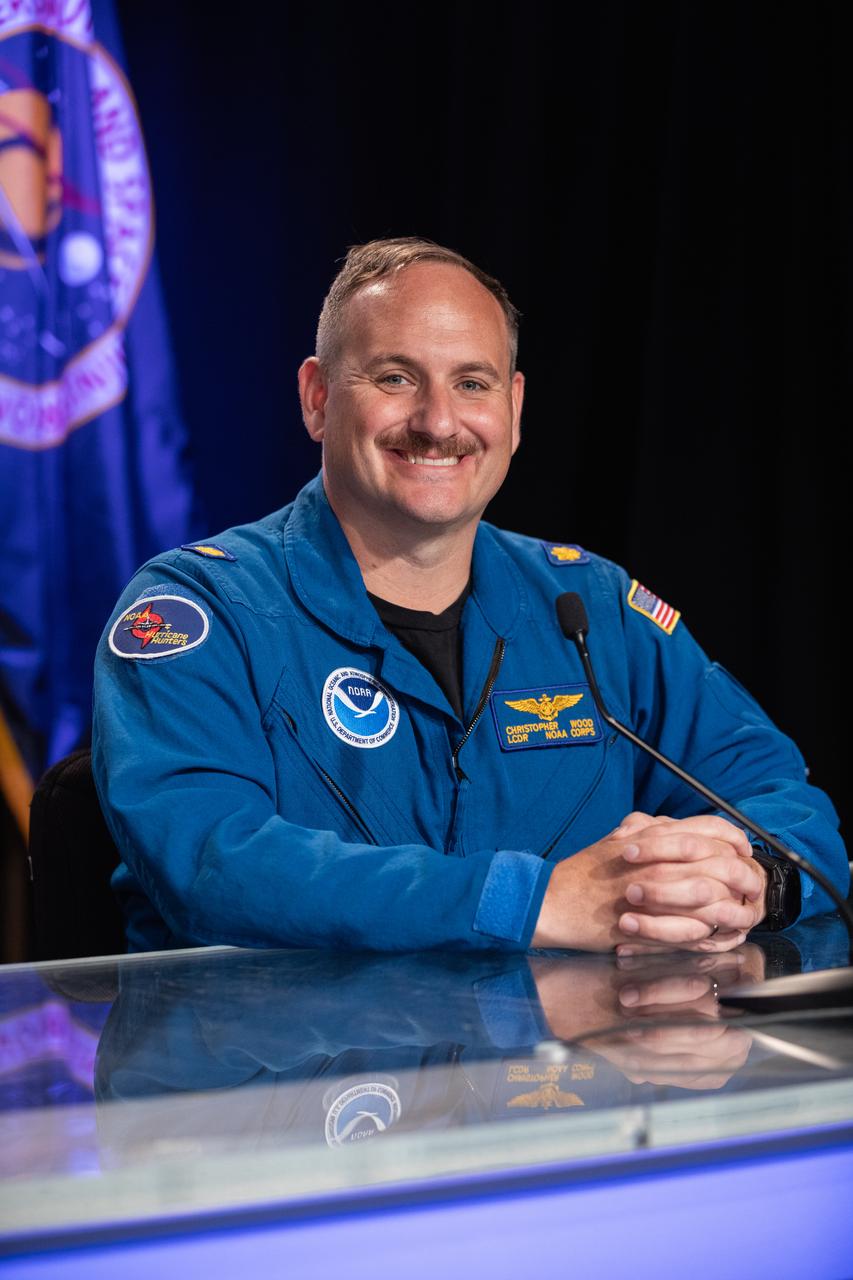
Chris Wood, NOAA Hurricane Hunter pilot, participates in a science briefing on Monday, June 24, 2024, at NASA’s Kennedy Space Center in Florida to discuss National Oceanic and Atmospheric Administration (NOAA) GOES-U (Geostationary Operational Environmental Satellite U) mission. The GOES-U satellite is the final addition to GOES-R series, which serves a critical role in providing continuous coverage of the Western Hemisphere, including monitoring tropical systems in the eastern Pacific and Atlantic oceans. The two-hour launch window opens at 5:16 p.m. EDT Tuesday, June 25, for the satellite’s launch on a SpaceX Falcon Heavy rocket from Launch Complex 39A at NASA’s Kennedy Space Center in Florida.

Denton Gibson, launch director, Launch Services Program, NASA, participates in a prelaunch news conference on Monday, June 24, 2024, at NASA’s Kennedy Space Center in Florida to discuss National Oceanic and Atmospheric Administration (NOAA) GOES-U (Geostationary Operational Environmental Satellite U) mission. The GOES-U satellite is the final addition to GOES-R series, which serves a critical role in providing continuous coverage of the Western Hemisphere, including monitoring tropical systems in the eastern Pacific and Atlantic oceans. The two-hour launch window opens at 5:16 p.m. EDT Tuesday, June 25, for the satellite’s launch on a SpaceX Falcon Heavy rocket from Launch Complex 39A at NASA’s Kennedy Space Center in Florida.

Charles Webb, deputy director, Joint Agency Satellite Division, NASA, participates in a science briefing on Monday, June 24, 2024, at NASA’s Kennedy Space Center in Florida to discuss National Oceanic and Atmospheric Administration (NOAA) GOES-U (Geostationary Operational Environmental Satellite U) mission. The GOES-U satellite is the final addition to GOES-R series, which serves a critical role in providing continuous coverage of the Western Hemisphere, including monitoring tropical systems in the eastern Pacific and Atlantic oceans. The two-hour launch window opens at 5:16 p.m. EDT Tuesday, June 25, for the satellite’s launch on a SpaceX Falcon Heavy rocket from Launch Complex 39A at NASA’s Kennedy Space Center in Florida.
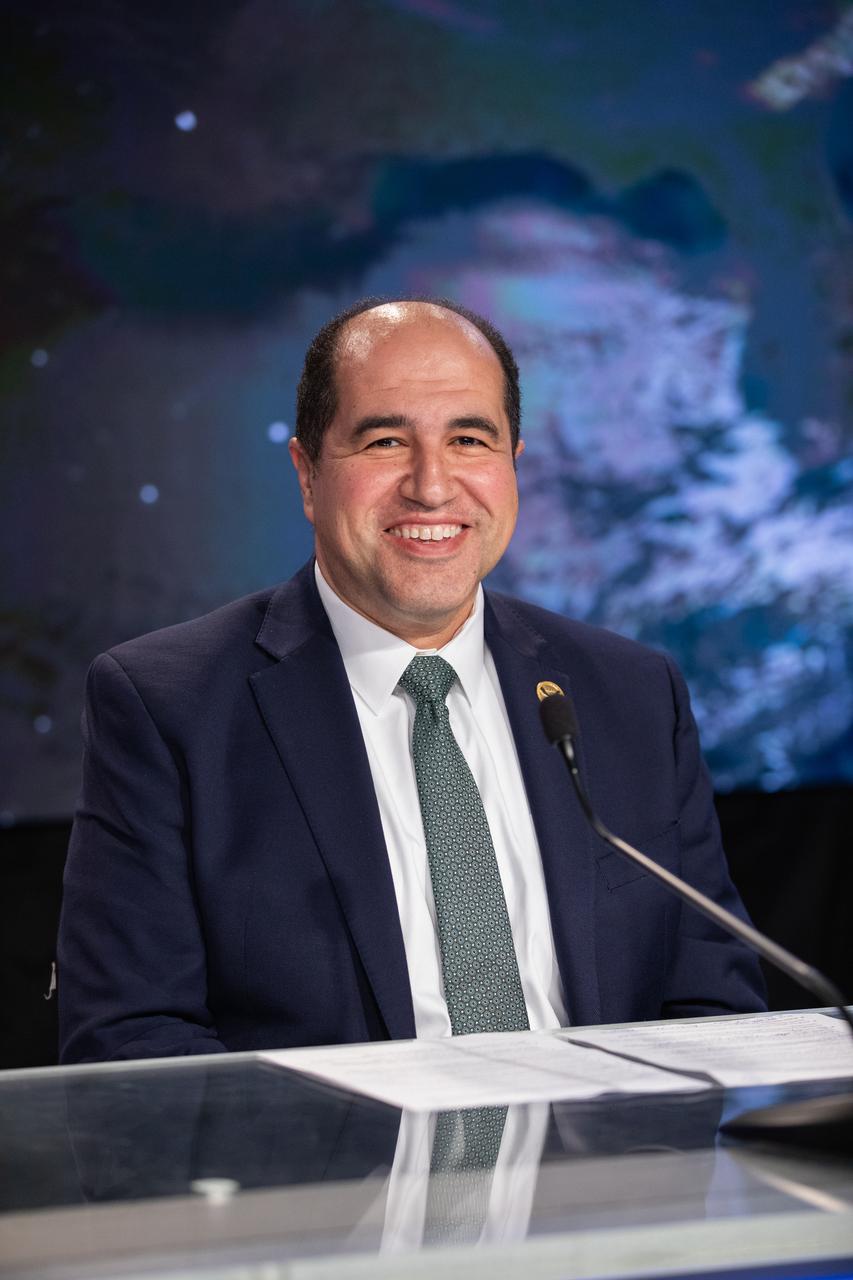
Elsayed Talaat, director, NOAA’s Office of Space Weather Observations, participates in a science briefing on Monday, June 24, 2024, at NASA’s Kennedy Space Center in Florida to discuss National Oceanic and Atmospheric Administration (NOAA) GOES-U (Geostationary Operational Environmental Satellite U) mission. The GOES-U satellite is the final addition to GOES-R series, which serves a critical role in providing continuous coverage of the Western Hemisphere, including monitoring tropical systems in the eastern Pacific and Atlantic oceans. The two-hour launch window opens at 5:16 p.m. EDT Tuesday, June 25, for the satellite’s launch on a SpaceX Falcon Heavy rocket from Launch Complex 39A at NASA’s Kennedy Space Center in Florida.

Julianna Scheiman, director, NASA Science Missions, SpaceX, participates in a prelaunch news conference on Monday, June 24, 2024, at NASA’s Kennedy Space Center in Florida to discuss National Oceanic and Atmospheric Administration (NOAA) GOES-U (Geostationary Operational Environmental Satellite U) mission. The GOES-U satellite is the final addition to GOES-R series, which serves a critical role in providing continuous coverage of the Western Hemisphere, including monitoring tropical systems in the eastern Pacific and Atlantic oceans. The two-hour launch window opens at 5:16 p.m. EDT Tuesday, June 25, for the satellite’s launch on a SpaceX Falcon Heavy rocket from Launch Complex 39A at NASA’s Kennedy Space Center in Florida.
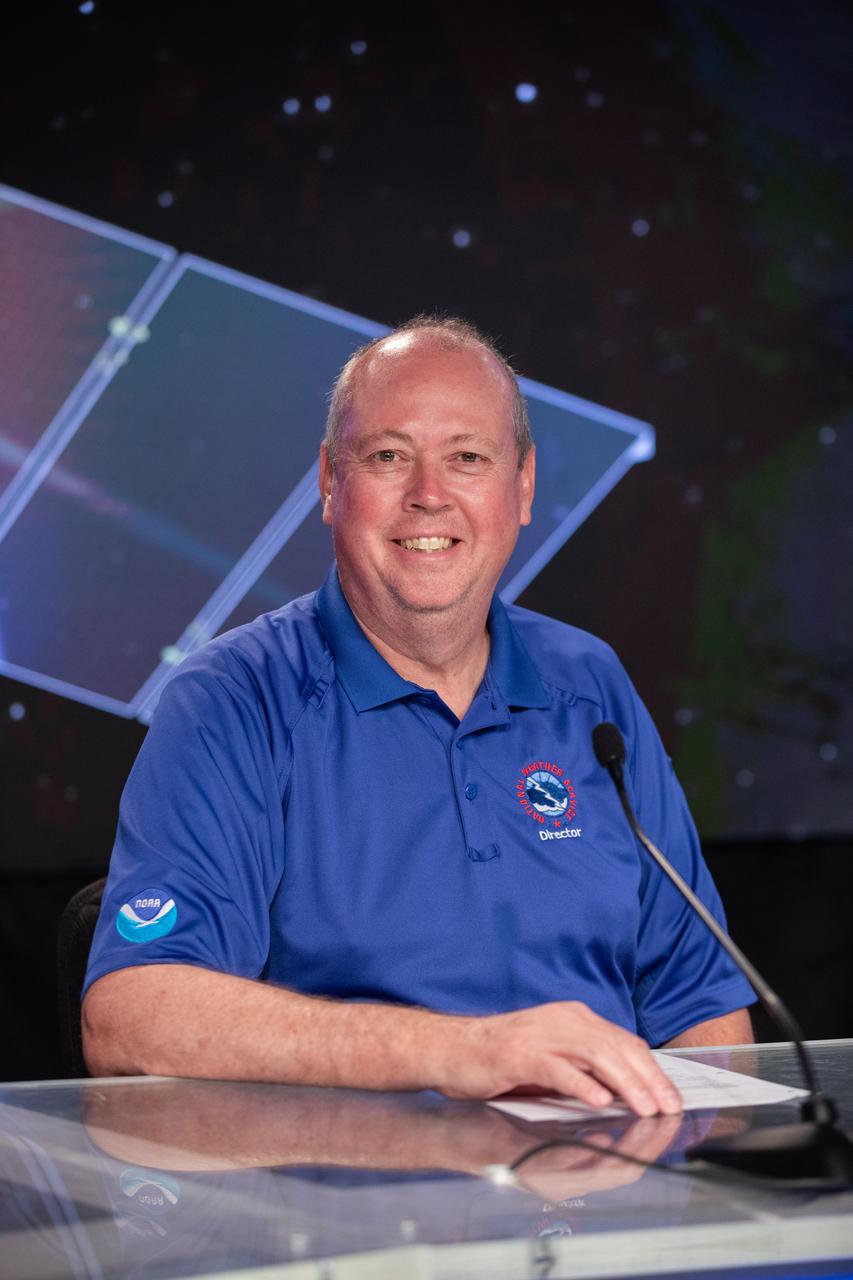
Ken Graham, director, NOAA’s National Weather Service, participates in a science briefing on Monday, June 24, 2024, at NASA’s Kennedy Space Center in Florida to discuss National Oceanic and Atmospheric Administration (NOAA) GOES-U (Geostationary Operational Environmental Satellite U) mission. The GOES-U satellite is the final addition to GOES-R series, which serves a critical role in providing continuous coverage of the Western Hemisphere, including monitoring tropical systems in the eastern Pacific and Atlantic oceans. The two-hour launch window opens at 5:16 p.m. EDT Tuesday, June 25, for the satellite’s launch on a SpaceX Falcon Heavy rocket from Launch Complex 39A at NASA’s Kennedy Space Center in Florida.
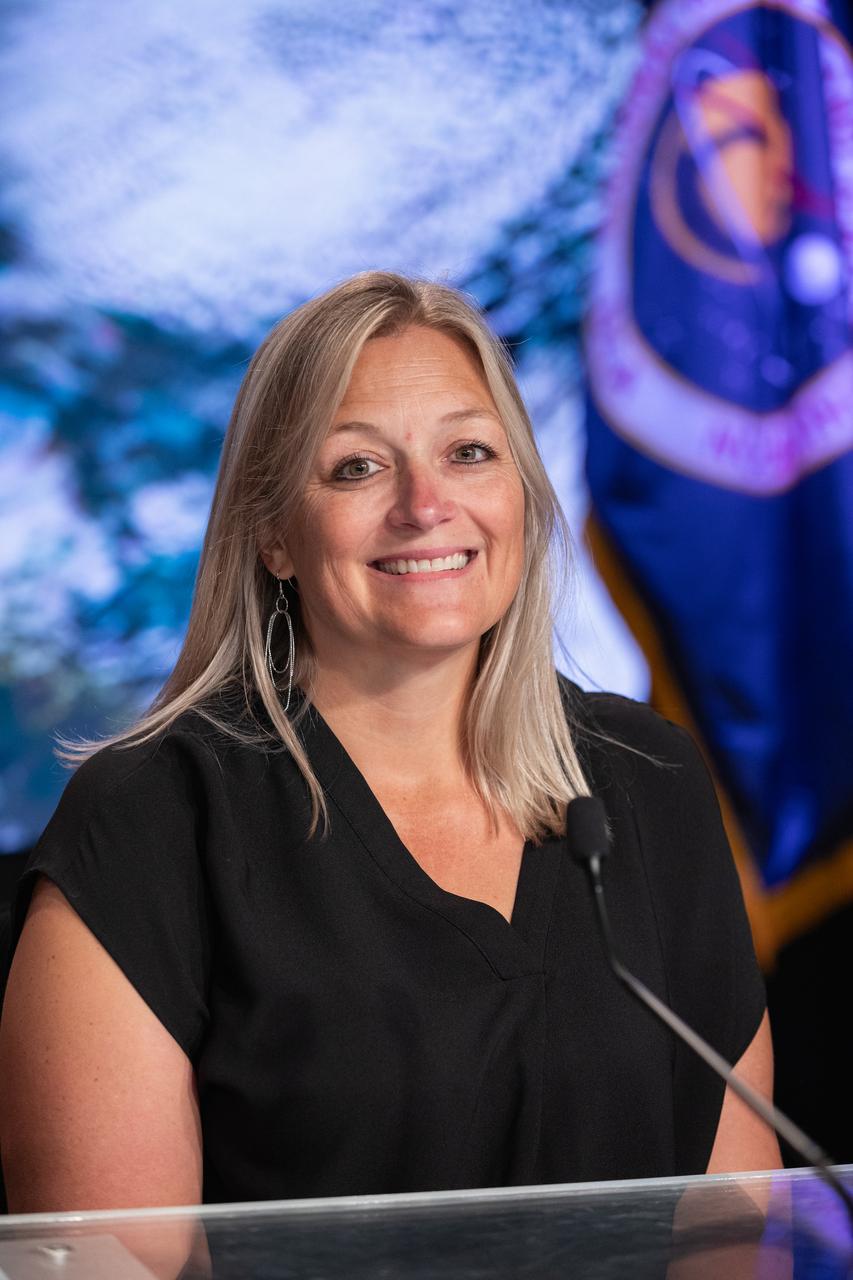
Allana Nepomuceno, senior manager, GOES-U Assembly, Test, and Launch Operations, Lockheed Martin, participates in a social panel on Monday, June 24, 2024, at NASA’s Kennedy Space Center in Florida to discuss National Oceanic and Atmospheric Administration (NOAA) GOES-U (Geostationary Operational Environmental Satellite U) mission. The GOES-U satellite is the final addition to GOES-R series, which serves a critical role in providing continuous coverage of the Western Hemisphere, including monitoring tropical systems in the eastern Pacific and Atlantic oceans. The two-hour launch window opens at 5:16 p.m. EDT Tuesday, June 25, for the satellite’s launch on a SpaceX Falcon Heavy rocket from Launch Complex 39A at NASA’s Kennedy Space Center in Florida.

Leah Martin, NASA Communications, participates in a social panel on Monday, June 24, 2024, at NASA’s Kennedy Space Center in Florida to discuss National Oceanic and Atmospheric Administration (NOAA) GOES-U (Geostationary Operational Environmental Satellite U) mission. The GOES-U satellite is the final addition to GOES-R series, which serves a critical role in providing continuous coverage of the Western Hemisphere, including monitoring tropical systems in the eastern Pacific and Atlantic oceans. The two-hour launch window opens at 5:16 p.m. EDT Tuesday, June 25, for the satellite’s launch on a SpaceX Falcon Heavy rocket from Launch Complex 39A at NASA’s Kennedy Space Center in Florida.
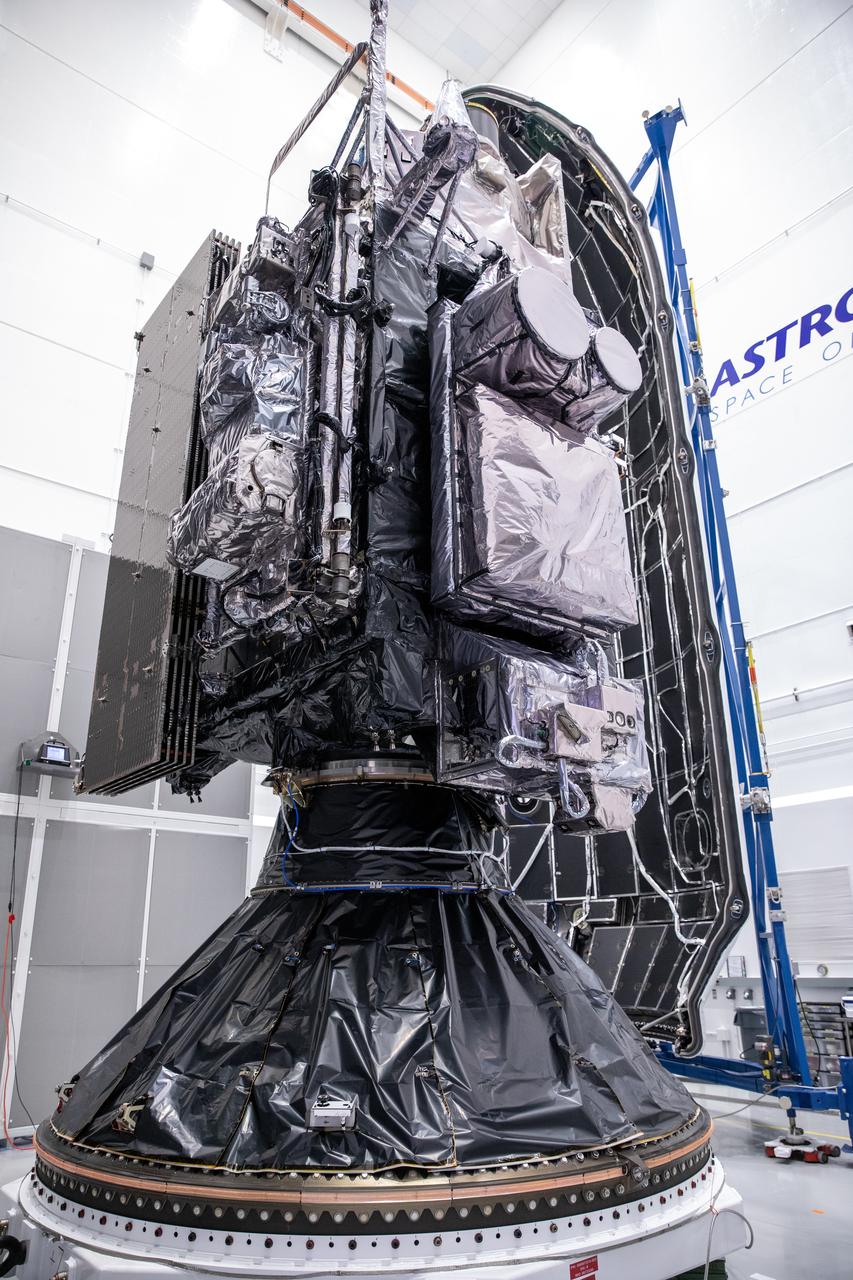
Technicians at the Astrotech Space Operations facility near NASA’s Kennedy Space Center in Florida connect NOAA’s (National Oceanic and Atmospheric Administration) Geostationary Operational Environmental Satellite (GOES-U) to the payload adapter on Thursday, June 13, 2024, in preparation for its upcoming launch. The fourth and final weather-observing and environmental monitoring satellite in NOAA’s GOES-R Series will assist meteorologists in providing advanced weather forecasting and warning capabilities. The two-hour window for liftoff opens 5:16 p.m. EDT Tuesday, June 25, aboard a SpaceX Falcon Heavy rocket from Launch Complex 39A at NASA’s Kennedy Space Center in Florida.
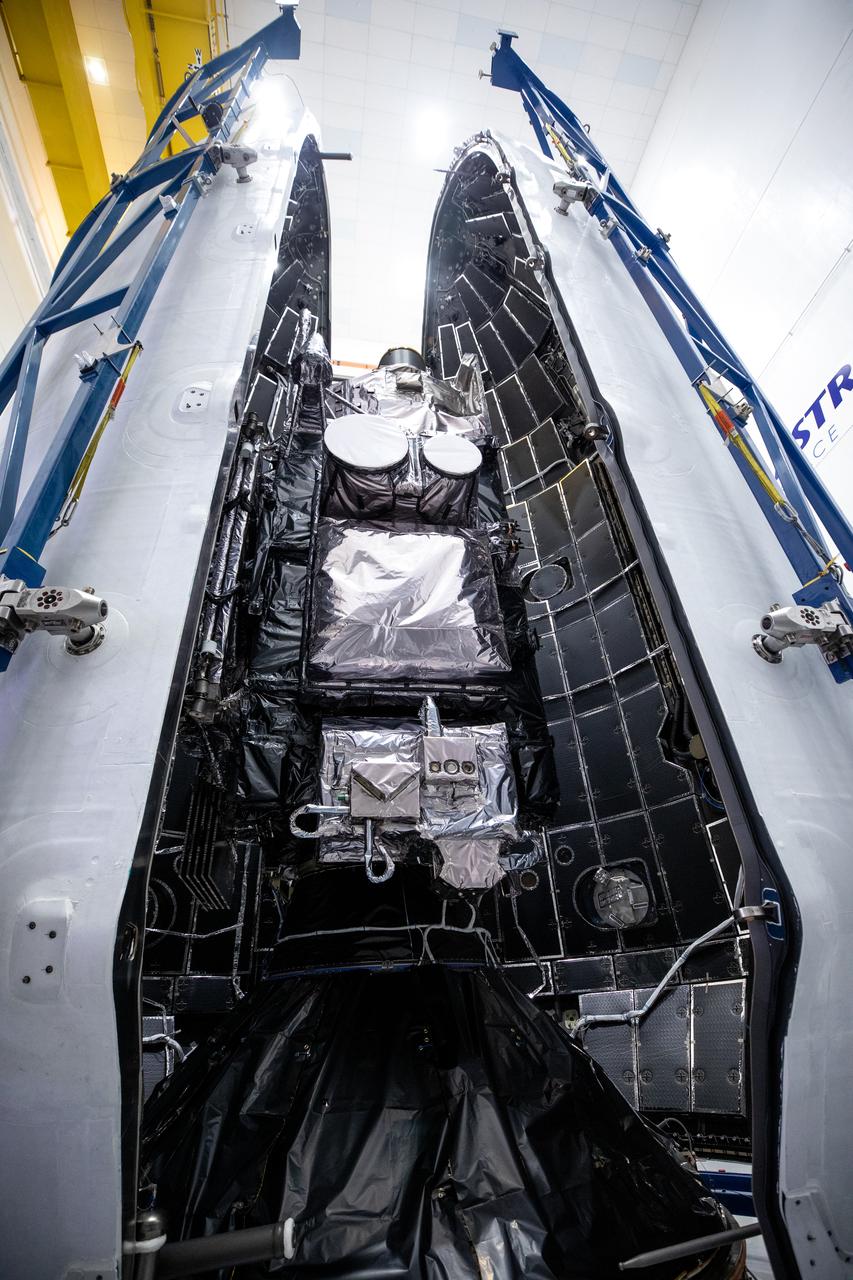
Technicians prepare NOAA’s (National Oceanic and Atmospheric Administration) Geostationary Operational Environmental Satellite (GOES-U) for encapsulation inside payload fairing halves on Thursday, June 13, 2024, at the Astrotech Space Operations facility in Titusville near NASA’s Kennedy Space Center in Florida. The fourth and final weather-observing and environmental monitoring satellite in NOAA’s GOES-R Series will assist meteorologists in providing advanced weather forecasting and warning capabilities. The two-hour window for liftoff opens 5:16 p.m. EDT Tuesday, June 25, aboard a SpaceX Falcon Heavy rocket from Launch Complex 39A at NASA’s Kennedy Space Center in Florida.
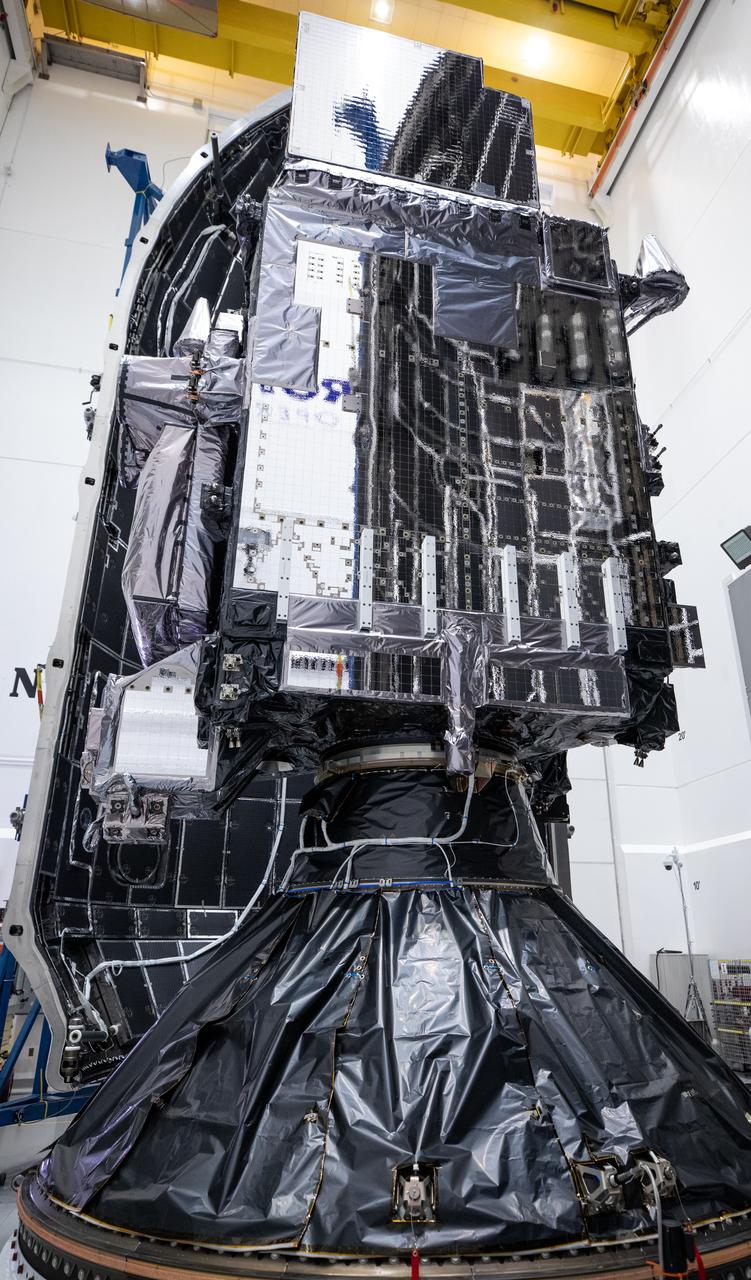
Technicians at the Astrotech Space Operations facility near NASA’s Kennedy Space Center in Florida connect NOAA’s (National Oceanic and Atmospheric Administration) Geostationary Operational Environmental Satellite (GOES-U) to the payload adapter on Thursday, June 13, 2024, in preparation for its upcoming launch. The fourth and final weather-observing and environmental monitoring satellite in NOAA’s GOES-R Series will assist meteorologists in providing advanced weather forecasting and warning capabilities. The two-hour window for liftoff opens 5:16 p.m. EDT Tuesday, June 25, aboard a SpaceX Falcon Heavy rocket from Launch Complex 39A at NASA’s Kennedy Space Center in Florida.
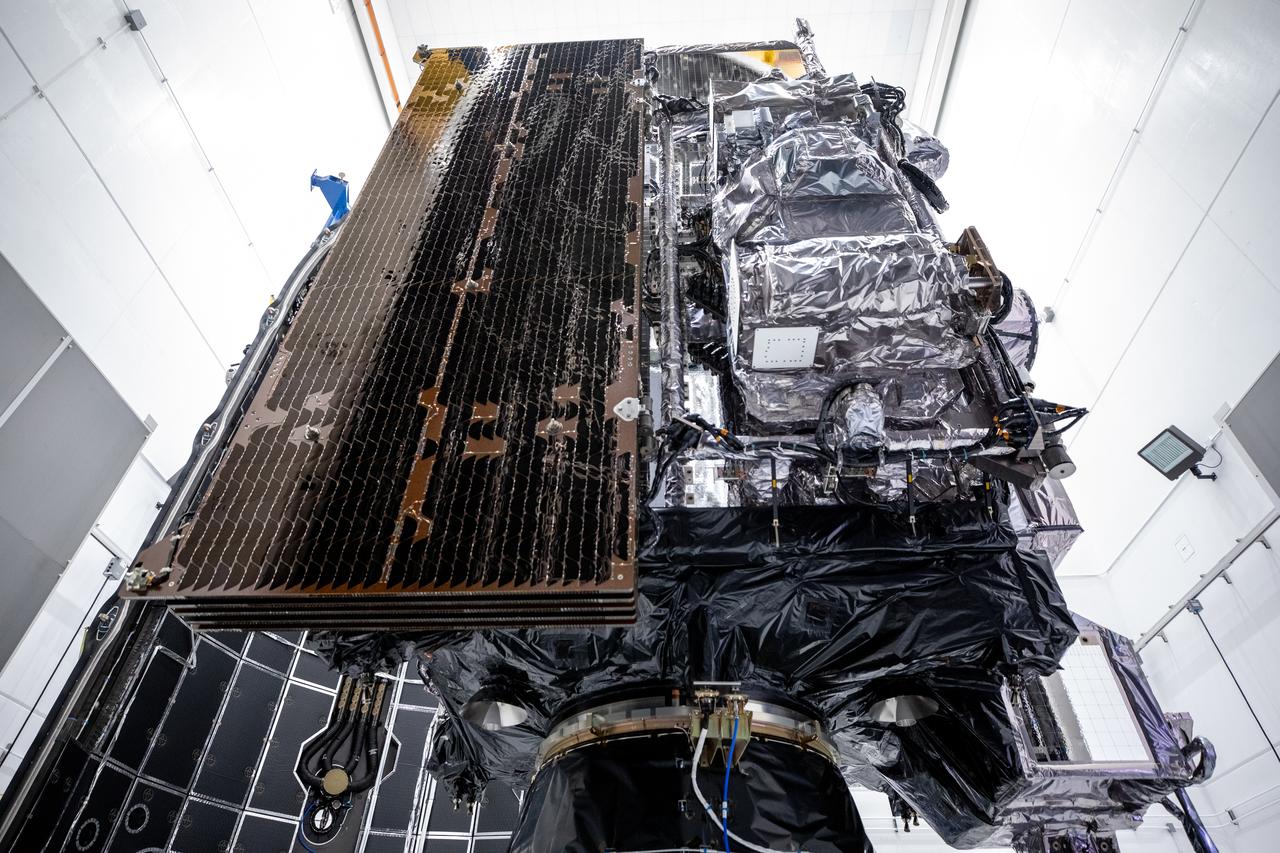
Technicians prepare NOAA’s (National Oceanic and Atmospheric Administration) Geostationary Operational Environmental Satellite (GOES-U) for encapsulation inside payload fairing halves on Thursday, June 13, 2024, at the Astrotech Space Operations facility in Titusville near NASA’s Kennedy Space Center in Florida. The fourth and final weather-observing and environmental monitoring satellite in NOAA’s GOES-R Series will assist meteorologists in providing advanced weather forecasting and warning capabilities. The two-hour window for liftoff opens 5:16 p.m. EDT Tuesday, June 25, aboard a SpaceX Falcon Heavy rocket from Launch Complex 39A at NASA’s Kennedy Space Center in Florida.

Officials from NASA, National Oceanic and Atmospheric Administration (NOAA), SpaceX participate in a prelaunch news conference on Monday, June 24, 2024, at NASA’s Kennedy Space Center in Florida for the launch of GOES-U (Geostationary Operational Environmental Satellite U) mission. From left to right, Steve Volz, assistant administrator, NOAA’s Satellite and Information Service; Pam Sullivan, director, GOES-R Program, NOAA; John Gagosian, director, Joint Agency Satellite Division; Denton Gibson, launch director, Launch Services Program, NASA; Julianna Scheiman, director, NASA Science Missions, SpaceX; Brian Cizek, launch weather officer, 45th Weather Squadron, U.S. Space Force

Officials from NASA, National Oceanic and Atmospheric Administration (NOAA), SpaceX participate in a prelaunch news conference on Monday, June 24, 2024, at NASA’s Kennedy Space Center in Florida for the launch of GOES-U (Geostationary Operational Environmental Satellite U) mission. From left to right, Steve Volz, assistant administrator, NOAA’s Satellite and Information Service; Pam Sullivan, director, GOES-R Program, NOAA; John Gagosian, director, Joint Agency Satellite Division; Denton Gibson, launch director, Launch Services Program, NASA; Julianna Scheiman, director, NASA Science Missions, SpaceX; Brian Cizek, launch weather officer, 45th Weather Squadron, U.S. Space Force

Dakota Smith, satellite analyst and communicator, NOAA’s Cooperative Institute for Research in the Atmosphere, participates in a social panel on Monday, June 24, 2024, at NASA’s Kennedy Space Center in Florida to discuss National Oceanic and Atmospheric Administration (NOAA) GOES-U (Geostationary Operational Environmental Satellite U) mission. The GOES-U satellite is the final addition to GOES-R series, which serves a critical role in providing continuous coverage of the Western Hemisphere, including monitoring tropical systems in the eastern Pacific and Atlantic oceans. The two-hour launch window opens at 5:16 p.m. EDT Tuesday, June 25, for the satellite’s launch on a SpaceX Falcon Heavy rocket from Launch Complex 39A at NASA’s Kennedy Space Center in Florida.

Chris Reith, program manager, Advanced Baseline Imager, L3Harris Technologies, participates in a social panel on Monday, June 24, 2024, at NASA’s Kennedy Space Center in Florida to discuss National Oceanic and Atmospheric Administration (NOAA) GOES-U (Geostationary Operational Environmental Satellite U) mission. The GOES-U satellite is the final addition to GOES-R series, which serves a critical role in providing continuous coverage of the Western Hemisphere, including monitoring tropical systems in the eastern Pacific and Atlantic oceans. The two-hour launch window opens at 5:16 p.m. EDT Tuesday, June 25, for the satellite’s launch on a SpaceX Falcon Heavy rocket from Launch Complex 39A at NASA’s Kennedy Space Center in Florida.

Ellen Ramirez, deputy division chief, Mission Operations Division, National Environmental Satellite, Data, and Information Service Office of Satellite and Product Operations, NOAA, participates in a social panel on Monday, June 24, 2024, at NASA’s Kennedy Space Center in Florida to discuss National Oceanic and Atmospheric Administration (NOAA) GOES-U (Geostationary Operational Environmental Satellite U) mission. The GOES-U satellite is the final addition to GOES-R series, which serves a critical role in providing continuous coverage of the Western Hemisphere, including monitoring tropical systems in the eastern Pacific and Atlantic oceans. The two-hour launch window opens at 5:16 p.m. EDT Tuesday, June 25, for the satellite’s launch on a SpaceX Falcon Heavy rocket from Launch Complex 39A at NASA’s Kennedy Space Center in Florida.
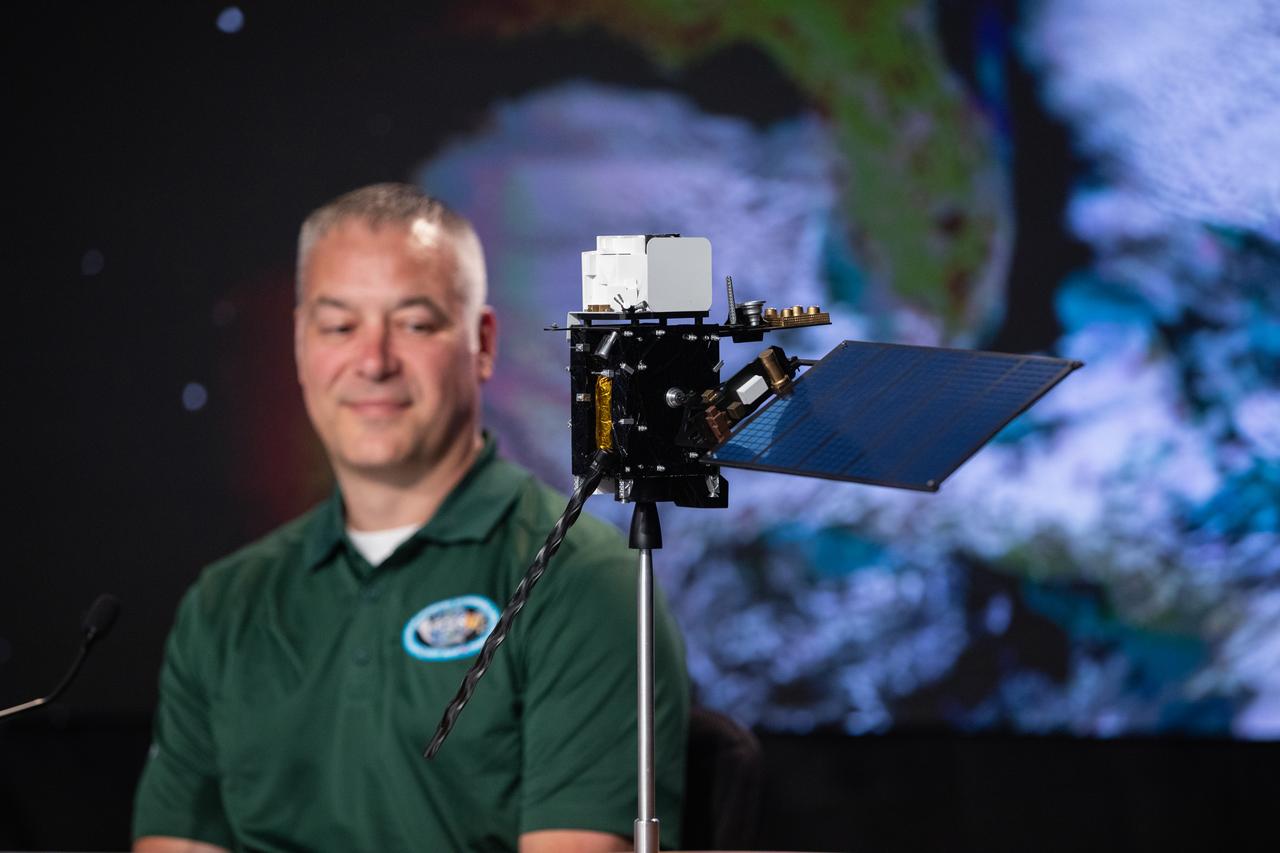
Chris Reith, program manager, Advanced Baseline Imager, L3Harris Technologies, participates in a social panel on Monday, June 24, 2024, at NASA’s Kennedy Space Center in Florida to discuss National Oceanic and Atmospheric Administration (NOAA) GOES-U (Geostationary Operational Environmental Satellite U) mission. The GOES-U satellite is the final addition to GOES-R series, which serves a critical role in providing continuous coverage of the Western Hemisphere, including monitoring tropical systems in the eastern Pacific and Atlantic oceans. The two-hour launch window opens at 5:16 p.m. EDT Tuesday, June 25, for the satellite’s launch on a SpaceX Falcon Heavy rocket from Launch Complex 39A at NASA’s Kennedy Space Center in Florida.

Jade Zsiros, telemetry engineer, NASA’s Launch Services Program, participates in a social panel on Monday, June 24, 2024, at NASA’s Kennedy Space Center in Florida to discuss National Oceanic and Atmospheric Administration (NOAA) GOES-U (Geostationary Operational Environmental Satellite U) mission. The GOES-U satellite is the final addition to GOES-R series, which serves a critical role in providing continuous coverage of the Western Hemisphere, including monitoring tropical systems in the eastern Pacific and Atlantic oceans. The two-hour launch window opens at 5:16 p.m. EDT Tuesday, June 25, for the satellite’s launch on a SpaceX Falcon Heavy rocket from Launch Complex 39A at NASA’s Kennedy Space Center in Florida.
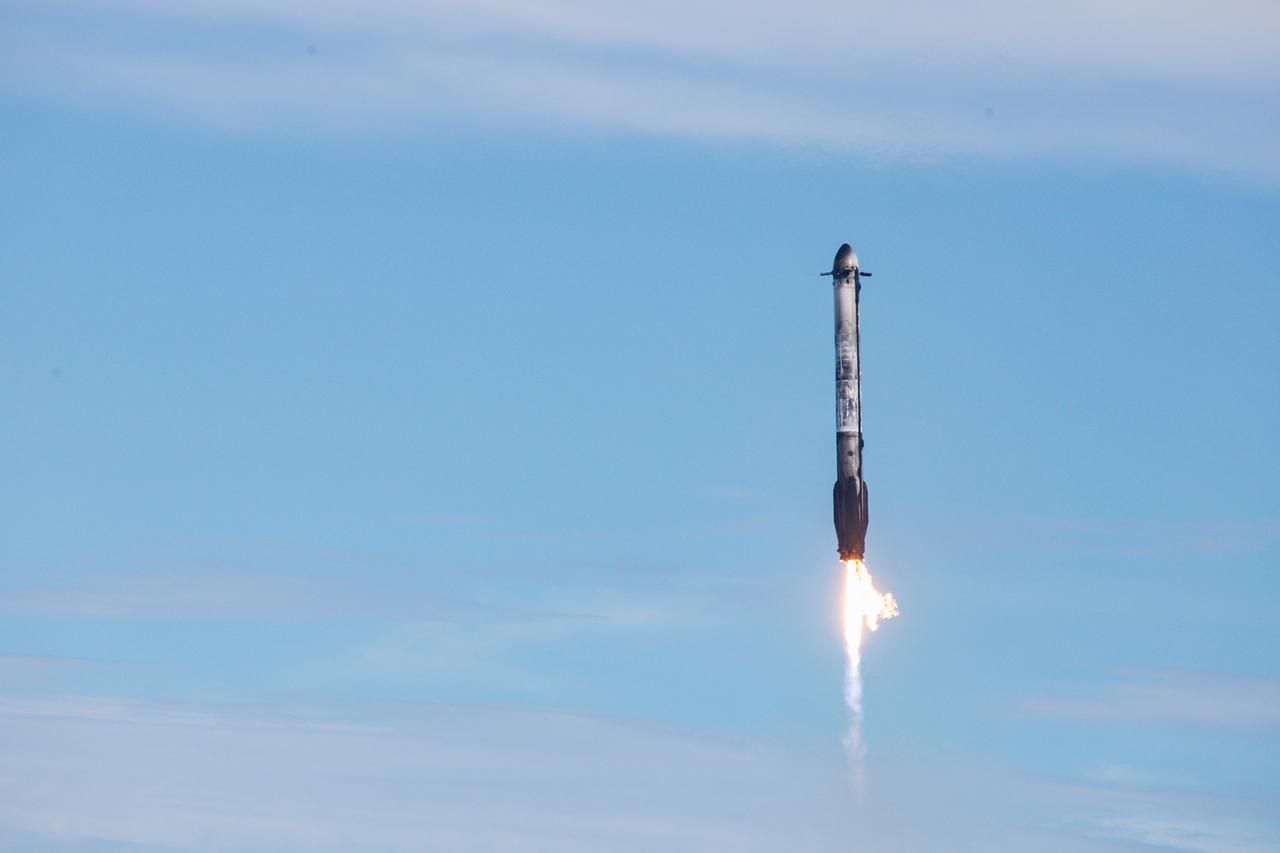
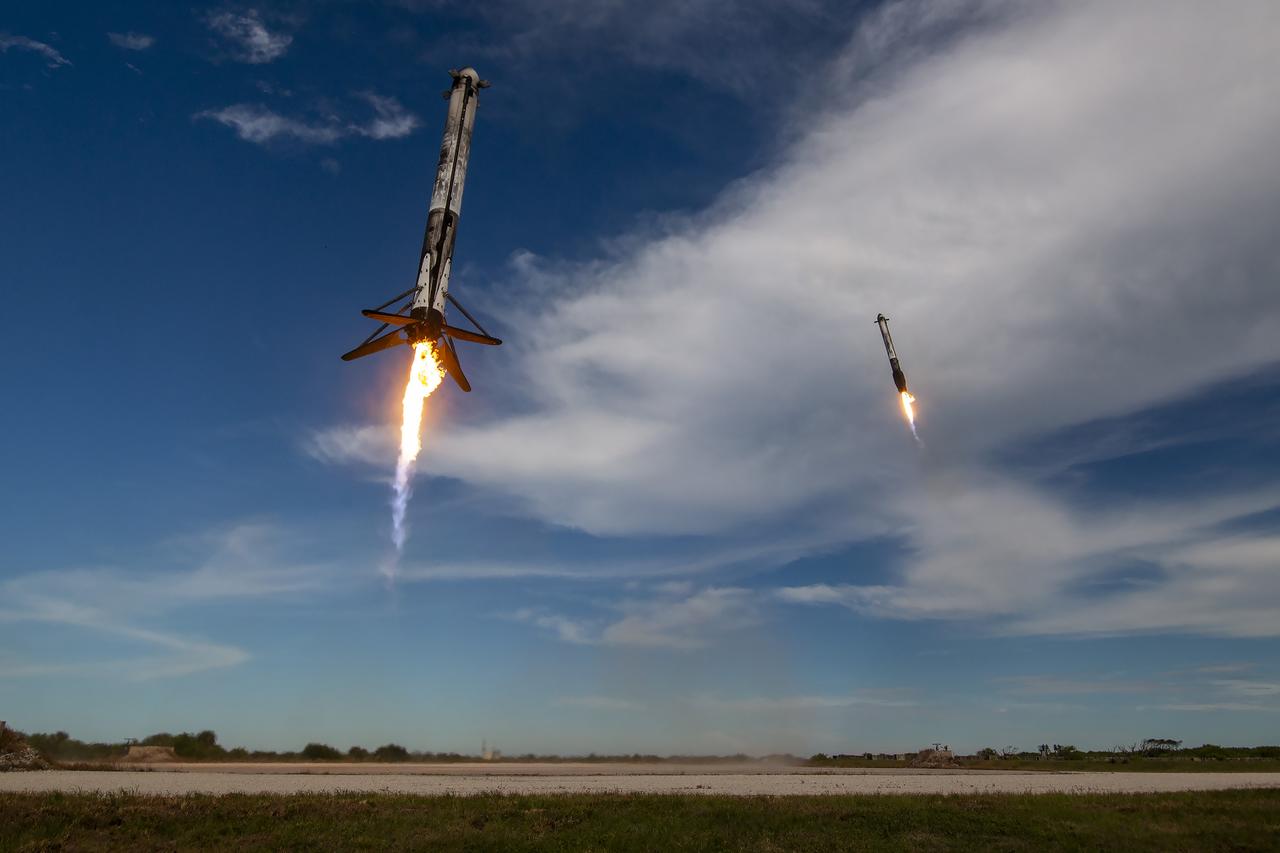
A SpaceX Falcon Heavy side booster lands at Cape Canaveral Space Force Station in Florida after the rocket launched NOAA’s (National Oceanic and Atmospheric Administration) Geostationary Operational Environmental Satellite (GOES-U) from NASA’s Kennedy Space Center in Florida on Tuesday, June 25, 2024.

Joan Misner, mission integration engineer with the Launch Services Program at NASA’s Kennedy Space Center, participates in a mission dress rehearsal on Monday, June 17, 2024, inside Hangar AE at Cape Canaveral Space Force Station in Florida for the National Oceanic and Atmospheric Administration (NOAA) GOES-U (Geostationary Operational Environmental Satellite U) mission. The GOES-U satellite, the final addition to GOES-R series, will serve a critical role in providing continuous coverage of the Western Hemisphere, including monitoring tropical systems in the eastern Pacific and Atlantic oceans launched Tuesday, June 25, 2024.
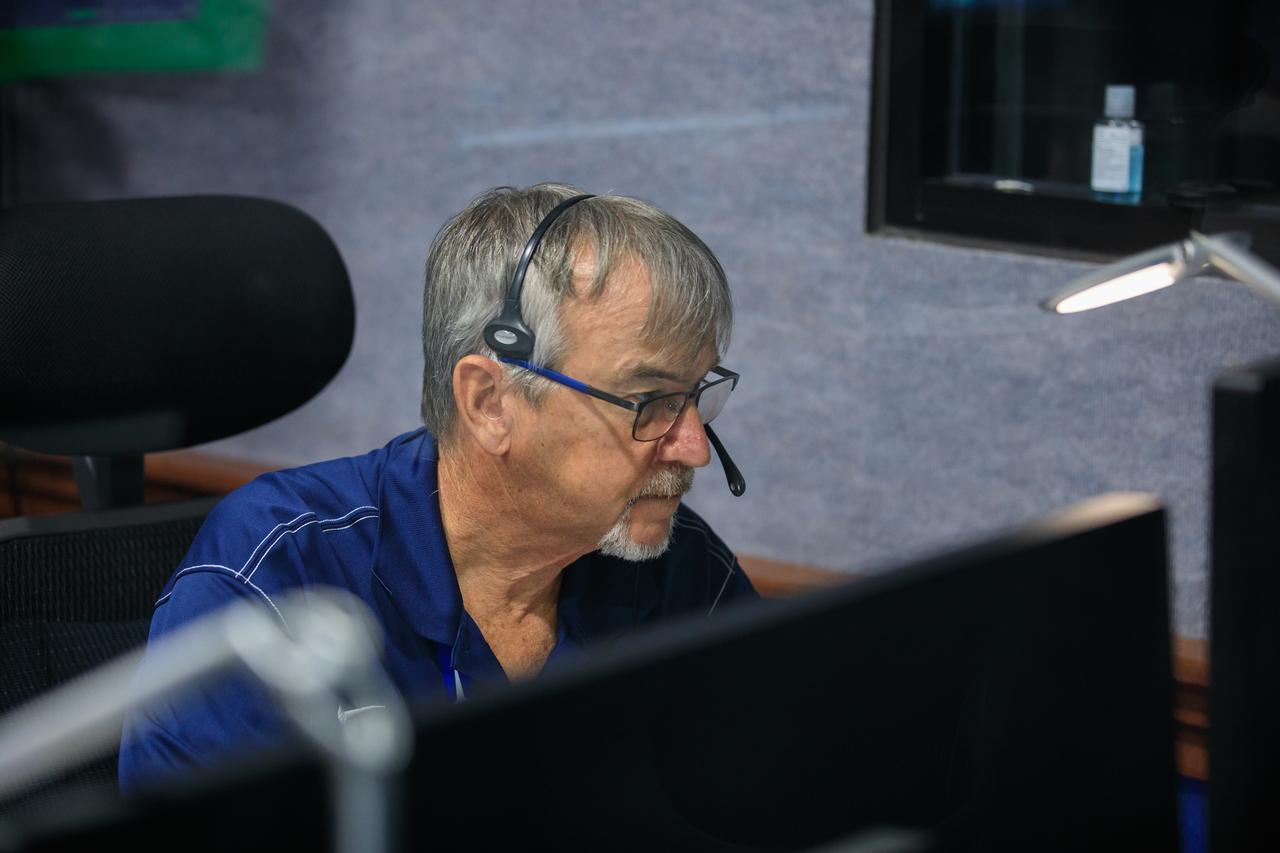
Brian Lawson, Chief Communications Engineer at a.i. solutions, participates in a mission dress rehearsal on Monday, June 17, 2024, inside Hangar AE at Cape Canaveral Space Force Station in Florida for the National Oceanic and Atmospheric Administration (NOAA) GOES-U (Geostationary Operational Environmental Satellite U) mission. The GOES-U satellite, the final addition to GOES-R series, will serve a critical role in providing continuous coverage of the Western Hemisphere, including monitoring tropical systems in the eastern Pacific and Atlantic oceans launched Tuesday, June 25, 2024.

From left, Megan Cruz, NASA Communications at NASA’s Kennedy Space Center and Mic Woltman, chief of Fleet Systems Integration for the Launch Services Program at NASA’s Kennedy Space Center participate in a mission dress rehearsal on Monday, June 17, 2024, inside Hangar AE at Cape Canaveral Space Force Station in Florida for the National Oceanic and Atmospheric Administration (NOAA) GOES-U (Geostationary Operational Environmental Satellite U) mission. The GOES-U satellite, the final addition to GOES-R series, will serve a critical role in providing continuous coverage of the Western Hemisphere, including monitoring tropical systems in the eastern Pacific and Atlantic oceans launched Tuesday, June 25, 2024.

Engineers with the Launch Services Program at NASA’s Kennedy Space Center and mission managers participate in a mission dress rehearsal on Monday, June 17, 2024, inside Hangar AE at Cape Canaveral Space Force Station in Florida for the National Oceanic and Atmospheric Administration (NOAA) GOES-U (Geostationary Operational Environmental Satellite U) mission. The GOES-U satellite, the final addition to GOES-R series, will serve a critical role in providing continuous coverage of the Western Hemisphere, including monitoring tropical systems in the eastern Pacific and Atlantic oceans launched Tuesday, June 25, 2024.
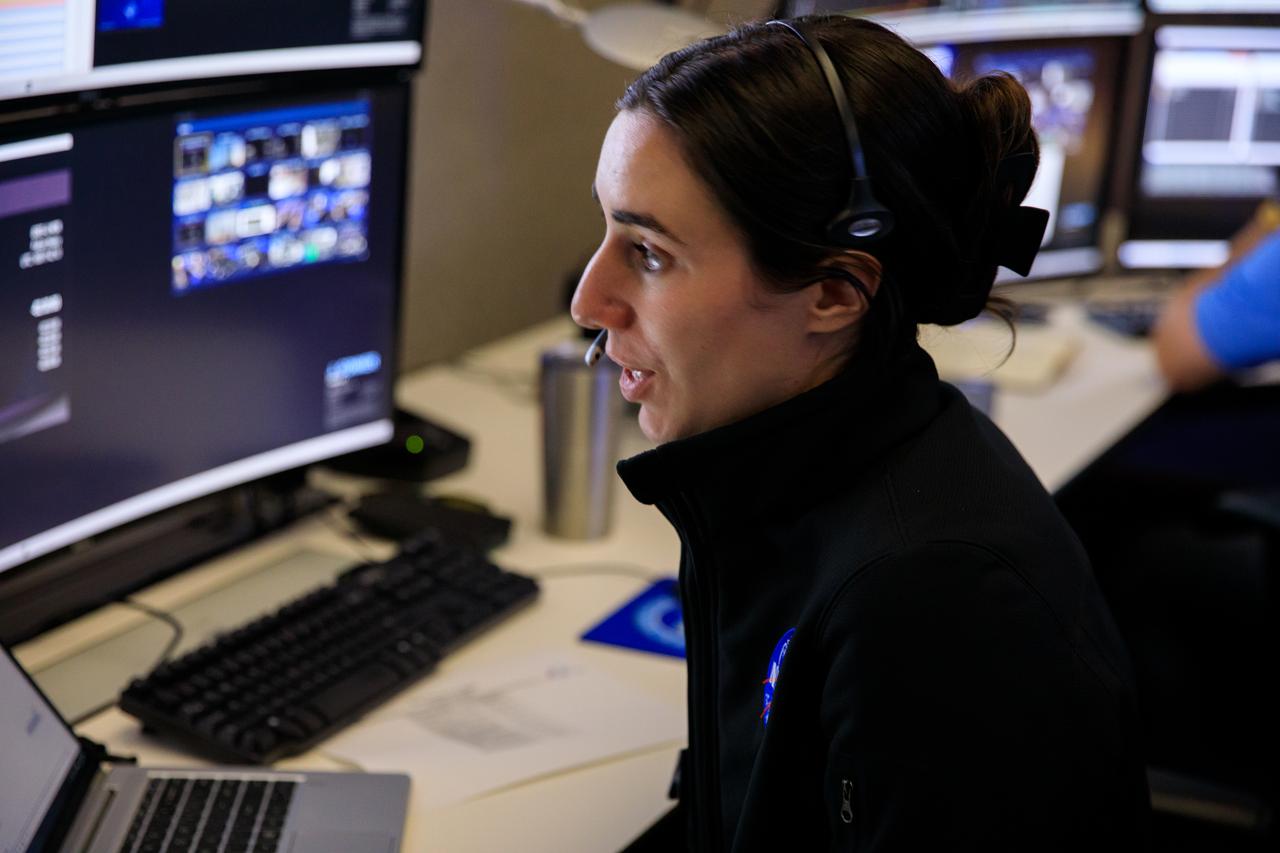
Jessica Conner, mission integration engineer at NASA’s Kennedy Space Center, participates in a mission dress rehearsal on Monday, June 17, 2024, inside Hangar AE at Cape Canaveral Space Force Station in Florida for the National Oceanic and Atmospheric Administration (NOAA) GOES-U (Geostationary Operational Environmental Satellite U) mission. The GOES-U satellite, the final addition to GOES-R series, will serve a critical role in providing continuous coverage of the Western Hemisphere, including monitoring tropical systems in the eastern Pacific and Atlantic oceans launched Tuesday, June 25, 2024.

From left, Lori Ulrich, deputy chief, Fleet and Systems Management Division with the Launch Services Program at NASA’s Kennedy Space Center, participates in a mission dress rehearsal on Monday, June 17, 2024, inside Hangar AE at Cape Canaveral Space Force Station in Florida for the National Oceanic and Atmospheric Administration (NOAA) GOES-U (Geostationary Operational Environmental Satellite U) mission. The GOES-U satellite, the final addition to GOES-R series, will serve a critical role in providing continuous coverage of the Western Hemisphere, including monitoring tropical systems in the eastern Pacific and Atlantic oceans launched Tuesday, June 25, 2024.

From left, Joan Misner, mission integration engineer with the Launch Services Program at NASA’s Kennedy Space Center and Jessica Conner, mission integration engineer at NASA Kennedy, participate in a mission dress rehearsal on Monday, June 17, 2024, inside Hangar AE at Cape Canaveral Space Force Station in Florida for the National Oceanic and Atmospheric Administration (NOAA) GOES-U (Geostationary Operational Environmental Satellite U) mission. The GOES-U satellite, the final addition to GOES-R series, will serve a critical role in providing continuous coverage of the Western Hemisphere, including monitoring tropical systems in the eastern Pacific and Atlantic oceans launched Tuesday, June 25, 2024.

Engineers with the Launch Services Program at NASA’s Kennedy Space Center and mission managers participate in a mission dress rehearsal on Monday, June 17, 2024, inside Hangar AE at Cape Canaveral Space Force Station in Florida for the National Oceanic and Atmospheric Administration (NOAA) GOES-U (Geostationary Operational Environmental Satellite U) mission. The GOES-U satellite, the final addition to GOES-R series, will serve a critical role in providing continuous coverage of the Western Hemisphere, including monitoring tropical systems in the eastern Pacific and Atlantic oceans launched Tuesday, June 25, 2024.

Engineers with the Launch Services Program at NASA’s Kennedy Space Center and mission managers participate in a mission dress rehearsal on Monday, June 17, 2024, inside Hangar AE at Cape Canaveral Space Force Station in Florida for the National Oceanic and Atmospheric Administration (NOAA) GOES-U (Geostationary Operational Environmental Satellite U) mission. The GOES-U satellite, the final addition to GOES-R series, will serve a critical role in providing continuous coverage of the Western Hemisphere, including monitoring tropical systems in the eastern Pacific and Atlantic oceans launched Tuesday, June 25, 2024.

Lois Clutter, Mission Communications Engineer, Flight Operations Engineer with the Launch Services Program at NASA’s Kennedy Space Center participates in a mission dress rehearsal on Monday, June 17, 2024, inside Hangar AE at Cape Canaveral Space Force Station in Florida for the National Oceanic and Atmospheric Administration (NOAA) GOES-U (Geostationary Operational Environmental Satellite U) mission. The GOES-U satellite, the final addition to GOES-R series, will serve a critical role in providing continuous coverage of the Western Hemisphere, including monitoring tropical systems in the eastern Pacific and Atlantic oceans launched Tuesday, June 25, 2024.