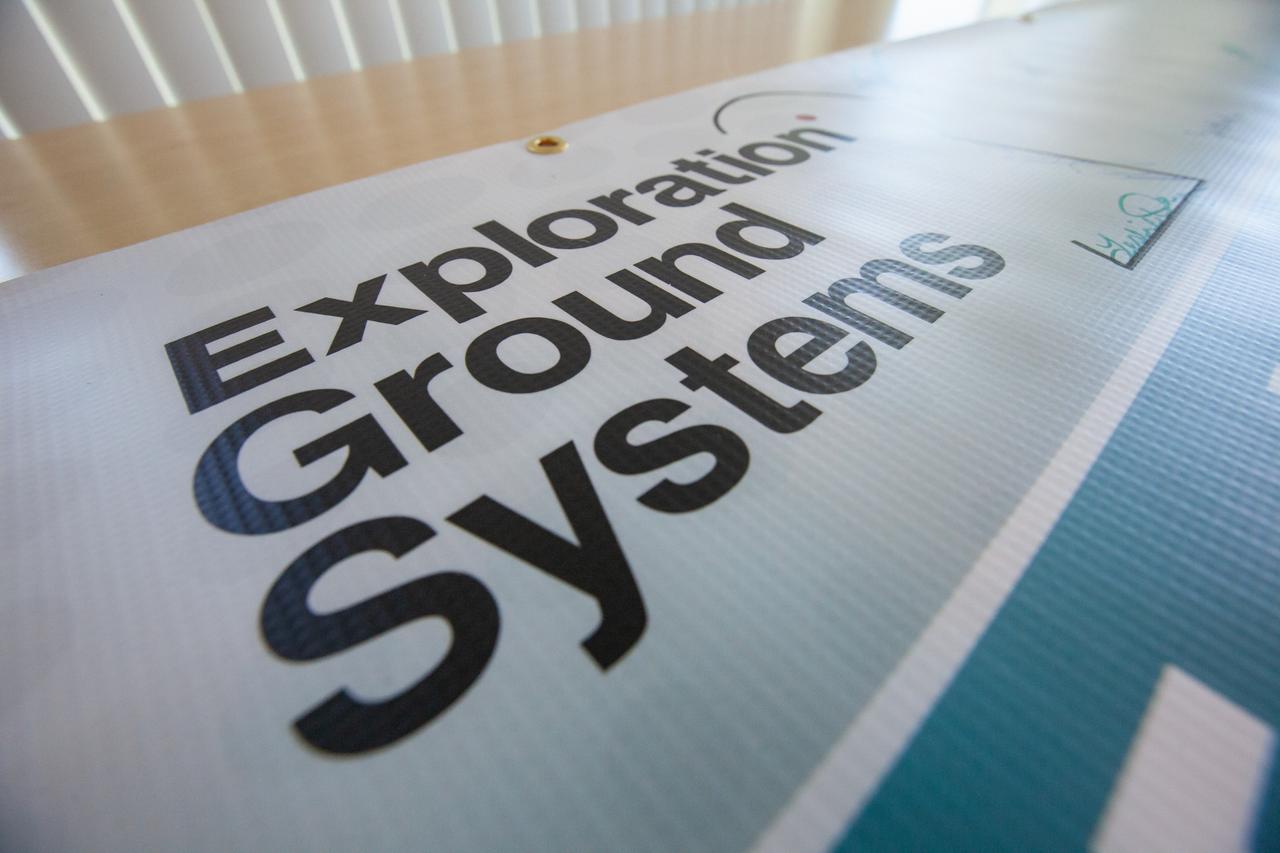
A banner signing event was held April 22, 2019, at NASA’s Kennedy Space Center in Florida, to mark the accomplishments of the Kennedy engineering team that supported the Ground Support Equipment (GSE) Subsystem Software development. This team includes the software leads, local developers, remote developers, modelers, project engineers, software quality assurance, build team members, integrators, system engineers, a chief engineer and some software managers. There are 60 unique instances of GSE Subsystem Software code. As of today, 58 of those 60 instances have completed software Level 5 Verification (L5V) and are in the process of completing Subsystem Verification & Validation.
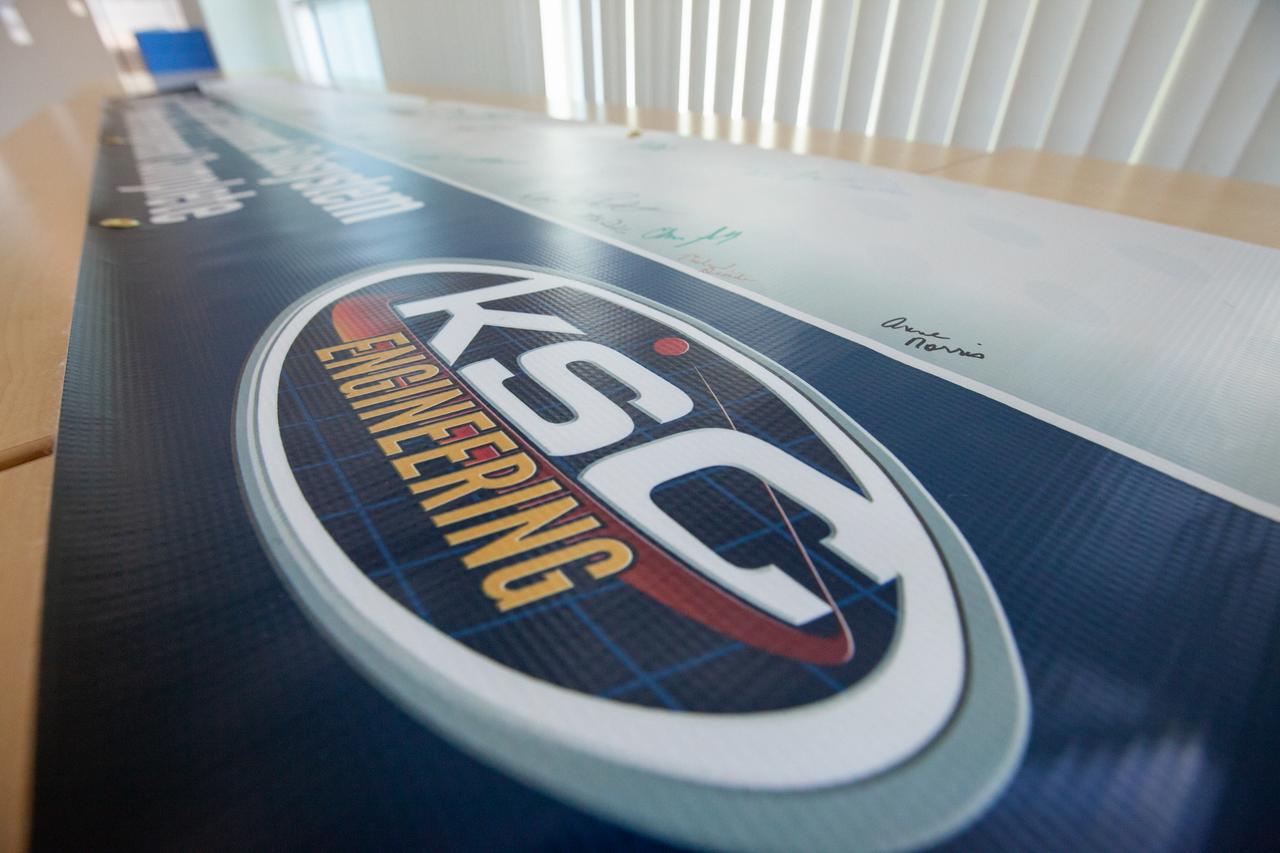
A banner signing event was held April 22, 2019, at NASA’s Kennedy Space Center in Florida, to mark the accomplishments of the Kennedy engineering team that supported the Ground Support Equipment (GSE) Subsystem Software development. This team includes the software leads, local developers, remote developers, modelers, project engineers, software quality assurance, build team members, integrators, system engineers, a chief engineer and some software managers. There are 60 unique instances of GSE Subsystem Software code. As of today, 58 of those 60 instances have completed software Level 5 Verification (L5V) and are in the process of completing Subsystem Verification & Validation.

A banner signing event was held April 22, 2019, at NASA’s Kennedy Space Center in Florida, to mark the accomplishments of the Kennedy engineering team that supported the Ground Support Equipment (GSE) Subsystem Software development. This team includes the software leads, local developers, remote developers, modelers, project engineers, software quality assurance, build team members, integrators, system engineers, a chief engineer and some software managers. There are 60 unique instances of GSE Subsystem Software code. As of today, 58 of those 60 instances have completed software Level 5 Verification (L5V) and are in the process of completing Subsystem Verification & Validation.
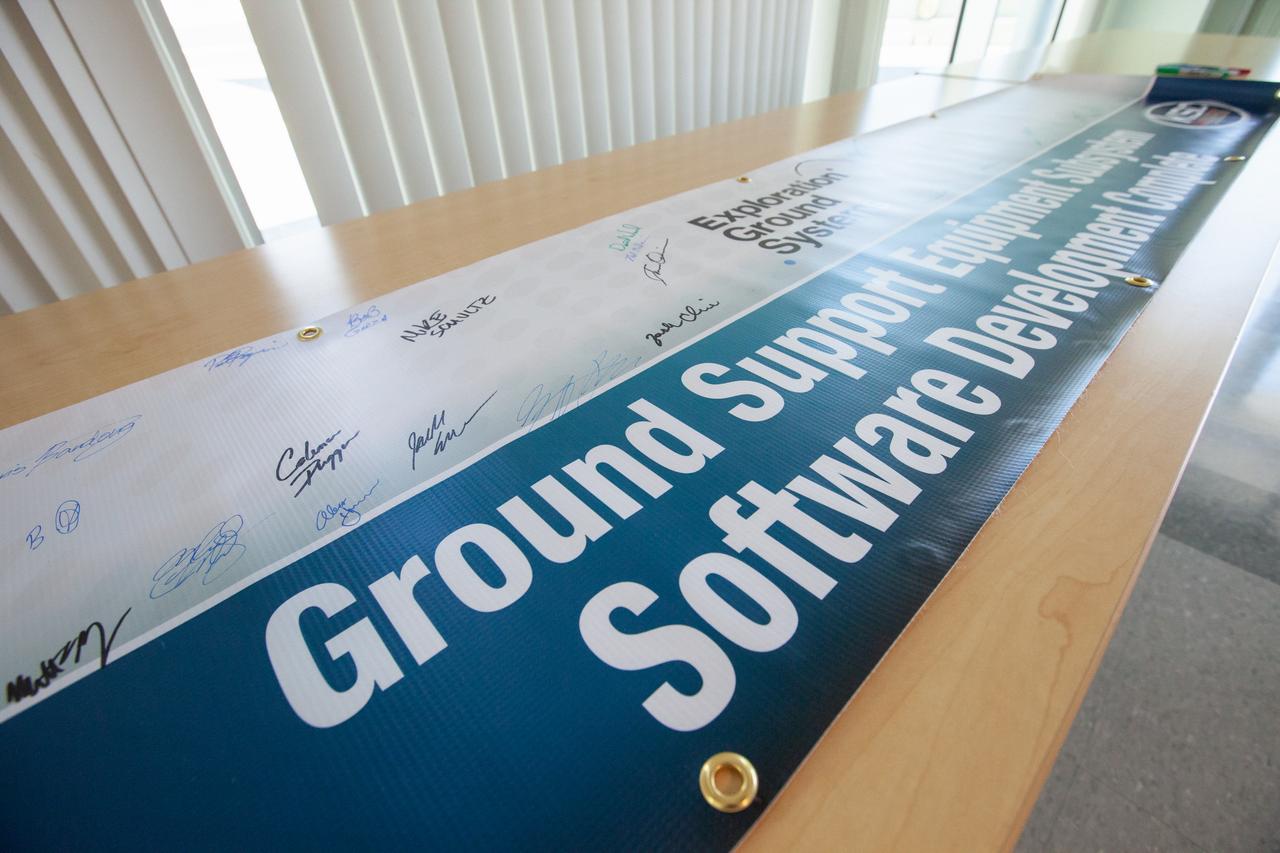
A banner signing event was held April 22, 2019, at NASA’s Kennedy Space Center in Florida, to mark the accomplishments of the Kennedy engineering team that supported the Ground Support Equipment (GSE) Subsystem Software development. This team includes the software leads, local developers, remote developers, modelers, project engineers, software quality assurance, build team members, integrators, system engineers, a chief engineer and some software managers. There are 60 unique instances of GSE Subsystem Software code. As of today, 58 of those 60 instances have completed software Level 5 Verification (L5V) and are in the process of completing Subsystem Verification & Validation.

A banner signing event was held April 22, 2019, at NASA’s Kennedy Space Center in Florida, to mark the accomplishments of the Kennedy engineering team that supported the Ground Support Equipment (GSE) Subsystem Software development. This team includes the software leads, local developers, remote developers, modelers, project engineers, software quality assurance, build team members, integrators, system engineers, a chief engineer and some software managers. There are 60 unique instances of GSE Subsystem Software code. As of today, 58 of those 60 instances have completed software Level 5 Verification (L5V) and are in the process of completing Subsystem Verification & Validation.
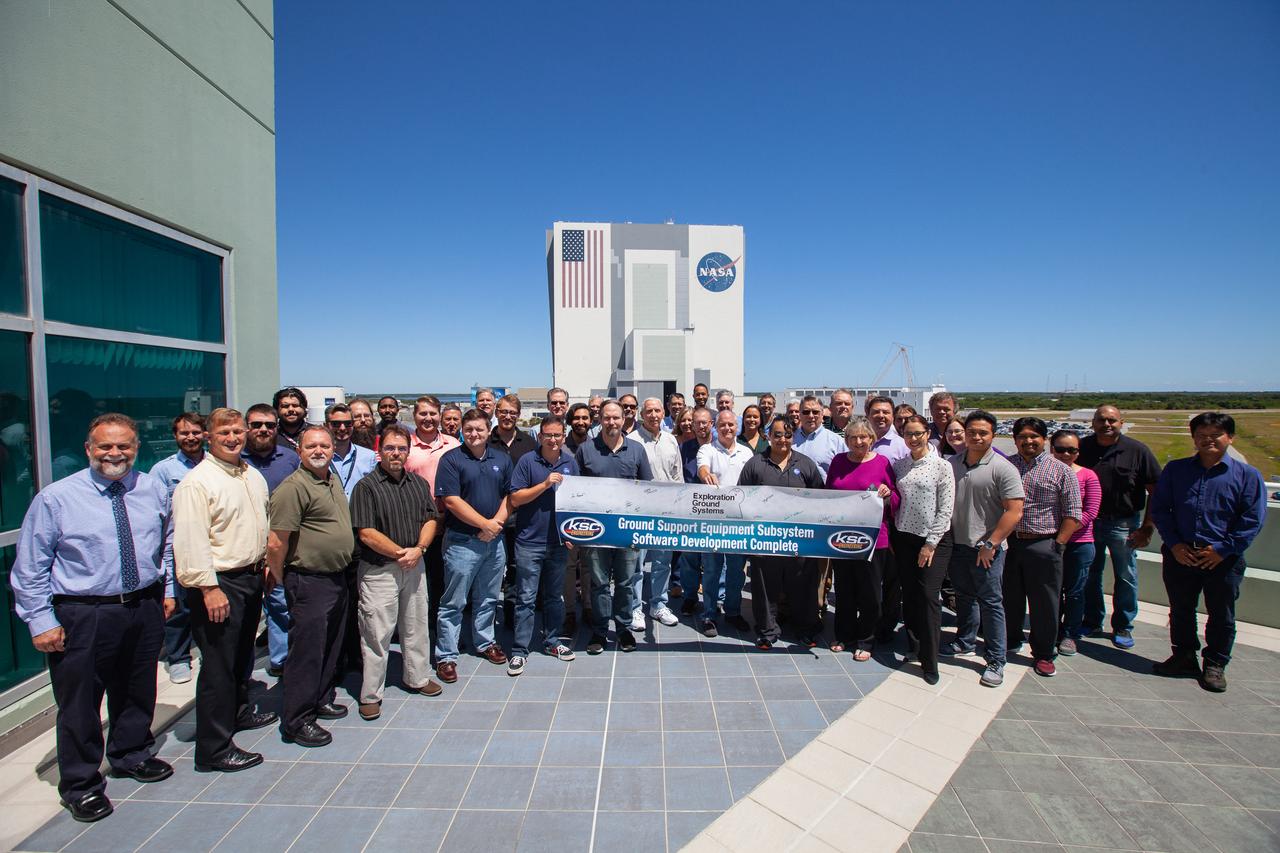
A banner signing event was held April 22, 2019, at NASA’s Kennedy Space Center in Florida, to mark the accomplishments of the Kennedy engineering team that supported the Ground Support Equipment (GSE) Subsystem Software development. The team gathered in the observation area of the Operations Support Building II with a view of the Vehicle Assembly Building behind them. This team includes the software leads, local developers, remote developers, modelers, project engineers, software quality assurance, build team members, integrators, system engineers, a chief engineer and some software managers. There are 60 unique instances of GSE Subsystem Software code. As of today, 58 of those 60 instances have completed software Level 5 Verification (L5V) and are in the process of completing Subsystem Verification & Validation.
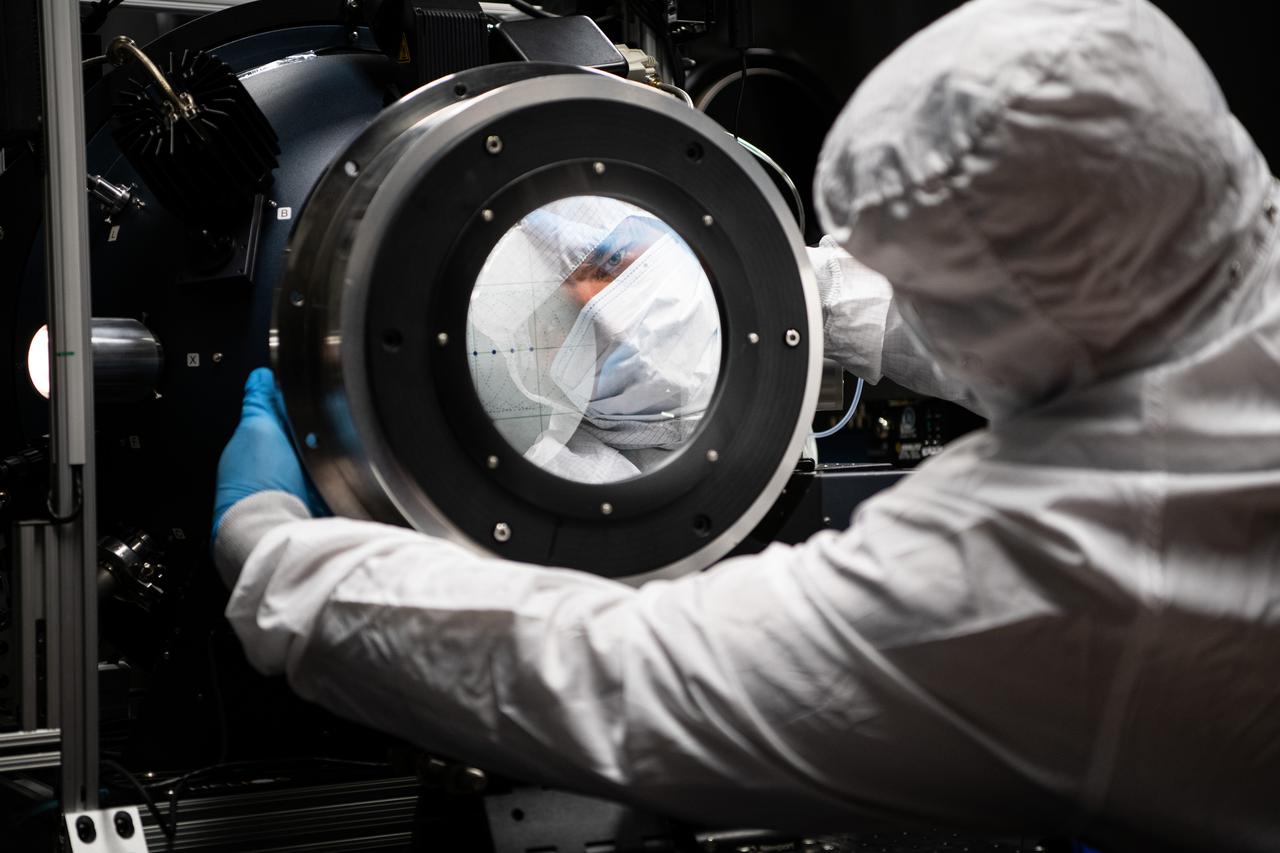
Senior Engineer George Hilton adjusts a polarizer during GSE testing of the Ocean Color Instrument Engineering Test Unit at NASA Goddard Space Flight Center on December 10th, 2020. Photo Credit: (NASA/Denny Henry)

KENNEDY SPACE CENTER, FLA. - At Vandenberg Air Force Base in California, the ground support equipment (GSE) is offloaded from the Antonov aircraft. The GSE will be used for processing the Cloud-Aerosol Lidar and Infrared Pathfinder Satellite Observation (CALIPSO) spacecraft to get it ready for launch. CALIPSO was offloaded earlier. CALIPSO will fly in combination with the CloudSat satellite to provide never-before-seen 3-D perspectives of how clouds and aerosols form, evolve, and affect weather and climate. CALIPSO and CloudSat will join three other satellites in orbit to enhance understanding of climate systems. The launch date for CALIPSO_CloudSat is no earlier than Aug. 22.
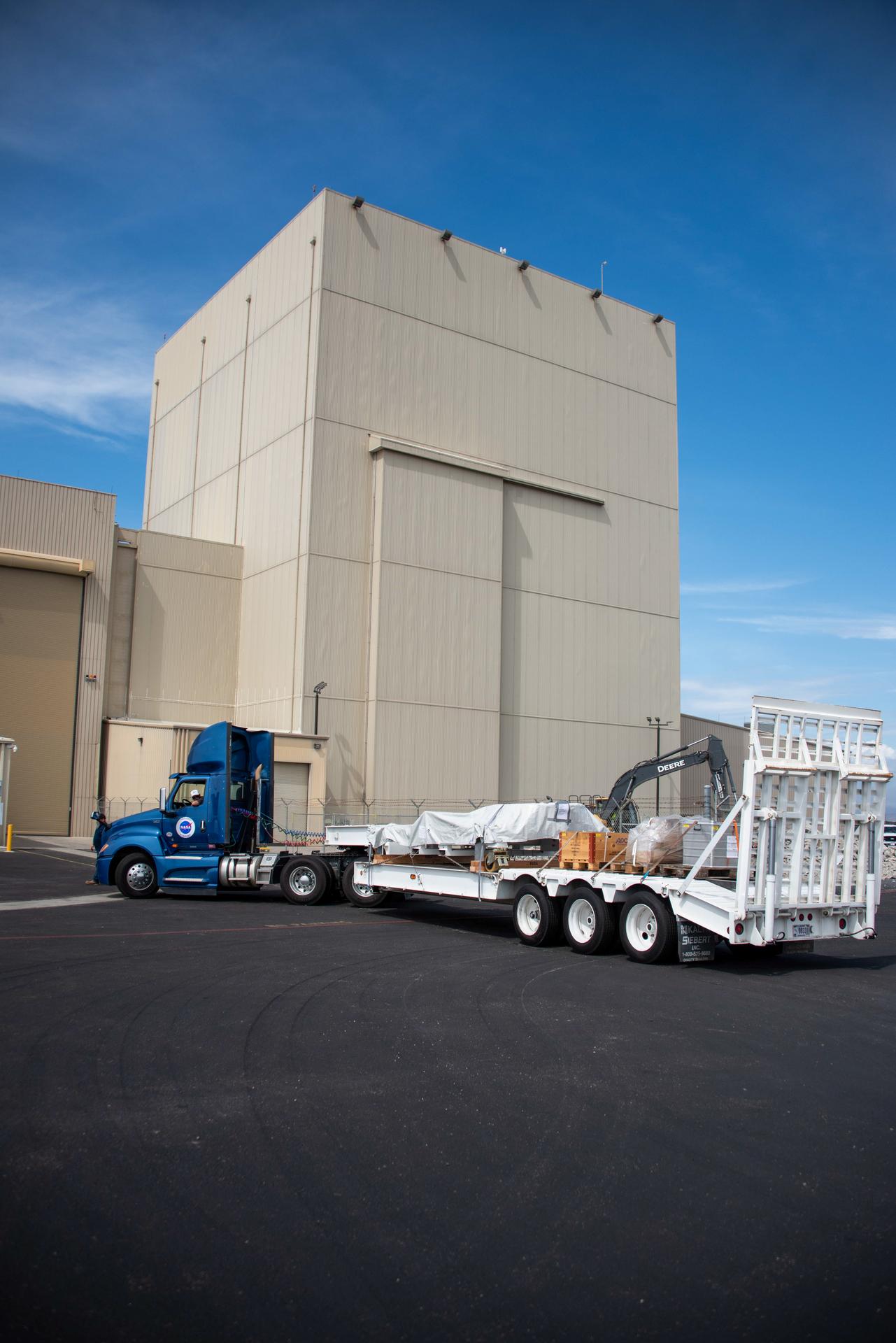
Packed in its shipping container, the Sentinel-6B spacecraft, a collaboration between NASA, ESA (European Space Agency), EUMETSAT (European Organisation for the Exploitation of Meteorological Satellites), and the National Oceanic and Atmospheric Administration (NOAA), arrives by truck to the Astrotech Space Operations payload processing facility at Vandenberg Space Force Base in California on Wednesday, Sept. 17, 2025. The second of two spacecraft that constitutes the Sentinel-6/Jason-CS (Continuity of Service) mission, Sentinel-6B will measure sea surface height and provide crucial information to help improve coastal planning, enabling local and state governments to make informed decisions about protecting coastal infrastructure, real estate, and energy sites. Launch is targeted for no earlier than November on a SpaceX Falcon 9 from Vandenberg.
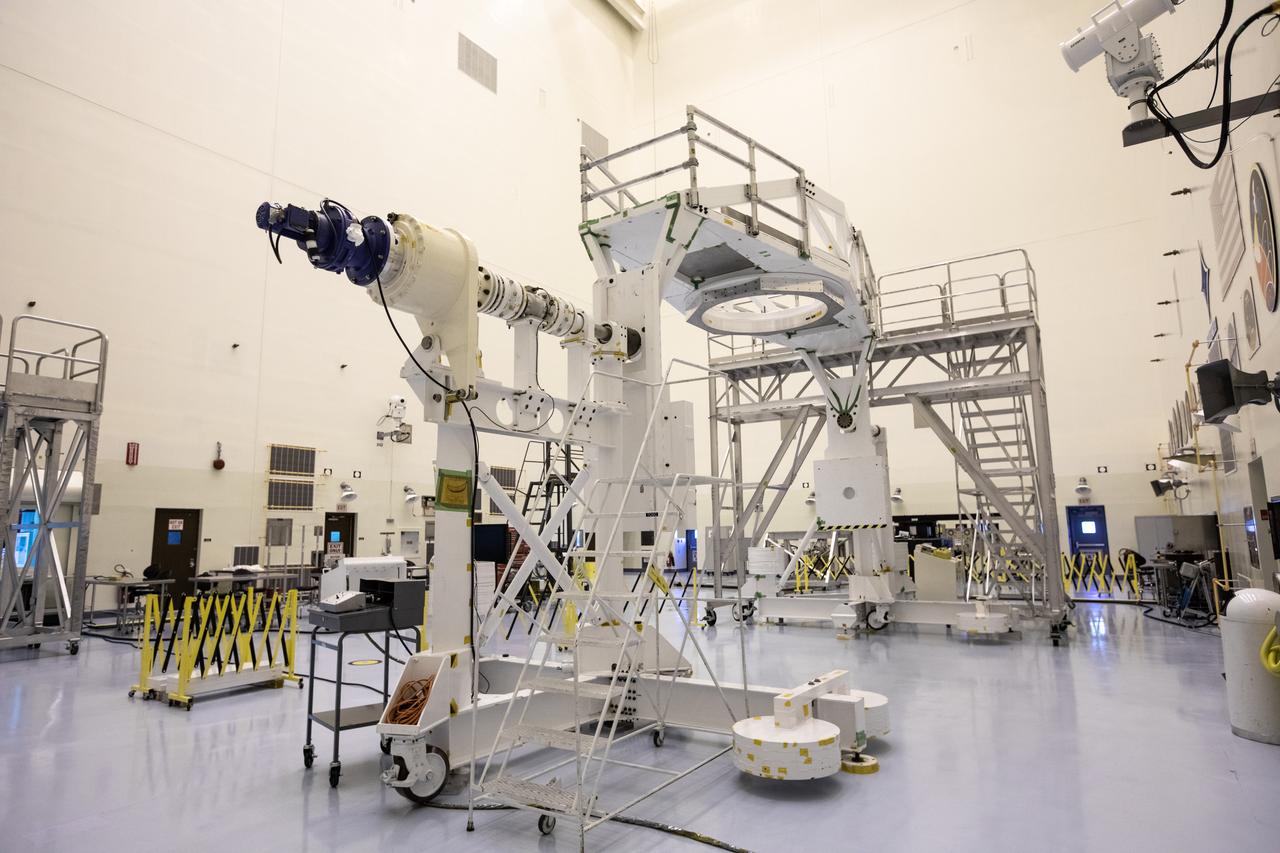
The Spacecraft Assembly and Rotation Fixture (SCARF) that will be used to process the Mars 2020 rover is photographed inside the Payload Hazardous Servicing Facility at NASA’s Kennedy Space Center in Florida on Nov. 22, 2019. Attached to the SCARF is an access stand that will allow personnel to reach the spacecraft when it’s held above ground level. The Mars 2020 rover is being manufactured at the agency’s Jet Propulsion Laboratory in California and, once complete, will be sent to Kennedy for assembly, prelaunch processing and checkouts. The rover is scheduled to launch from Cape Canaveral Air Force Station in summer 2020 aboard a United Launch Alliance Atlas V rocket procured from NASA’s Launch Services Program. The mission will help the agency better understand the geology of Mars, test new robotic technology and assist in determining if any form of life ever was supported on the Red Planet.
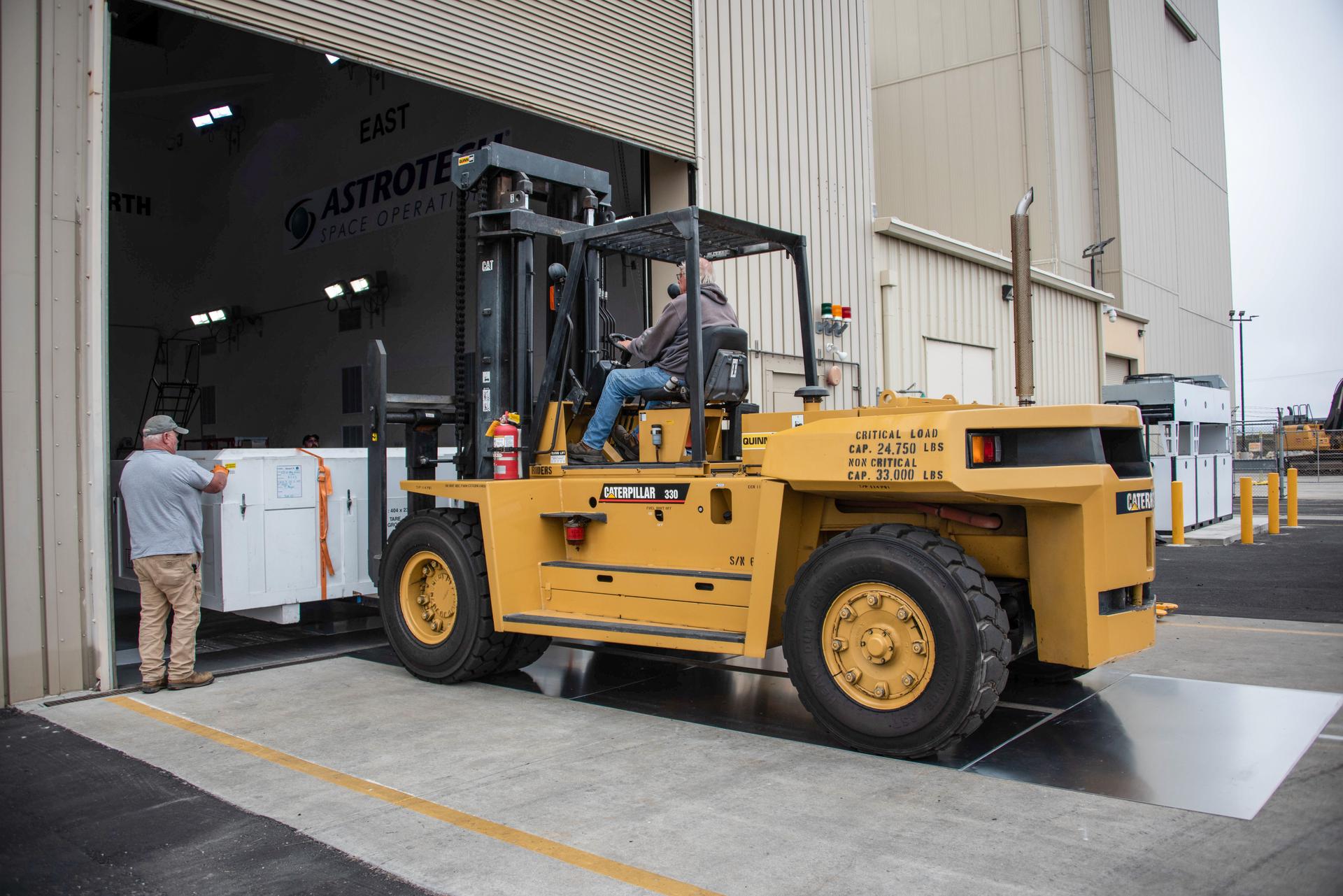
Packed in its shipping container, the Sentinel-6B spacecraft, a collaboration between NASA, ESA (European Space Agency), EUMETSAT (European Organisation for the Exploitation of Meteorological Satellites), and the National Oceanic and Atmospheric Administration (NOAA), arrives by truck to the Astrotech Space Operations payload processing facility at Vandenberg Space Force Base in California on Wednesday, Sept. 17, 2025. The second of two spacecraft that constitutes the Sentinel-6/Jason-CS (Continuity of Service) mission, Sentinel-6B will measure sea surface height and provide crucial information to help improve coastal planning, enabling local and state governments to make informed decisions about protecting coastal infrastructure, real estate, and energy sites. Launch is targeted for no earlier than November on a SpaceX Falcon 9 from Vandenberg.
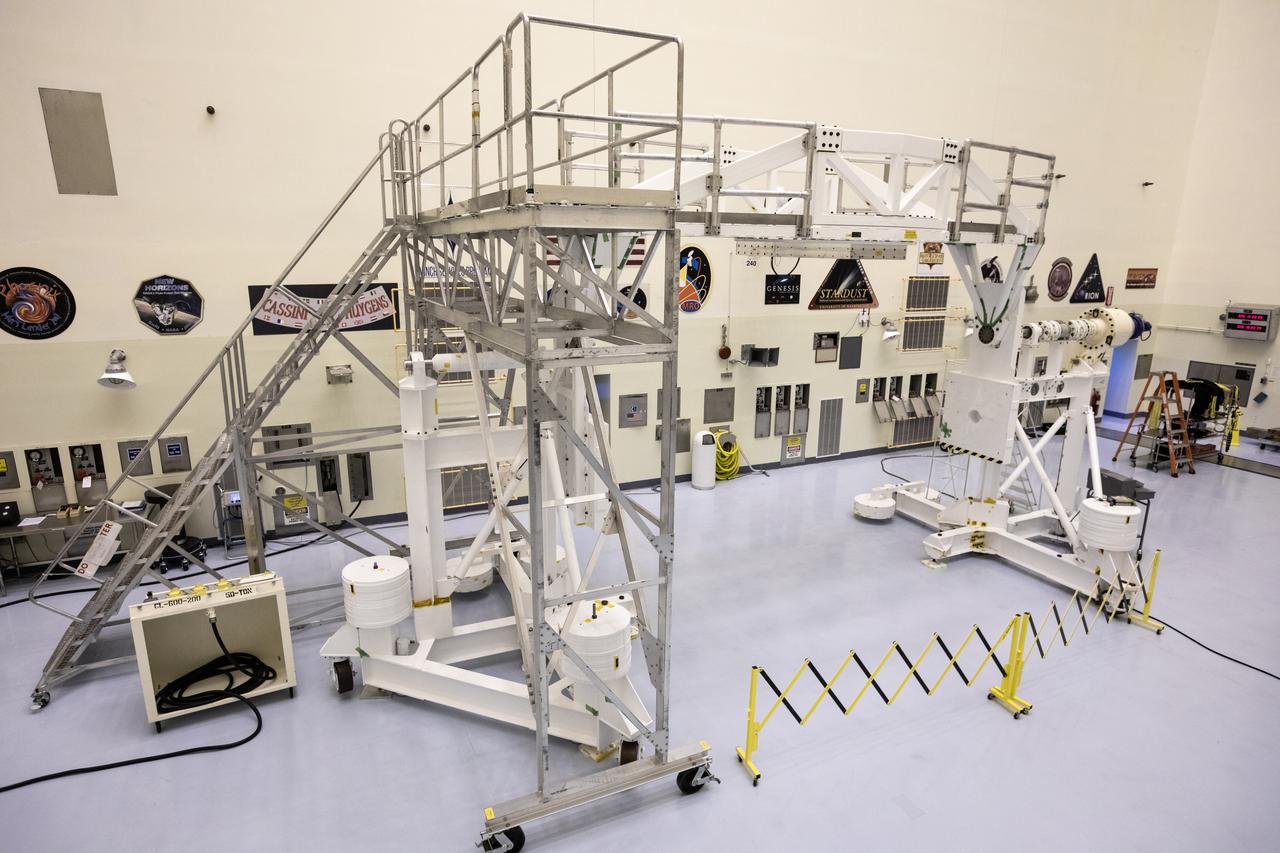
The Spacecraft Assembly and Rotation Fixture (SCARF) that will be used to process the Mars 2020 rover is photographed inside the Payload Hazardous Servicing Facility at NASA’s Kennedy Space Center in Florida on Nov. 22, 2019. Attached to the SCARF is an access stand that will allow personnel to reach the spacecraft when it’s held above ground level. The Mars 2020 rover is being manufactured at the agency’s Jet Propulsion Laboratory in California and, once complete, will be sent to Kennedy for assembly, prelaunch processing and checkouts. The rover is scheduled to launch from Cape Canaveral Air Force Station in summer 2020 aboard a United Launch Alliance Atlas V rocket procured from NASA’s Launch Services Program. The mission will help the agency better understand the geology of Mars, test new robotic technology and assist in determining if any form of life ever was supported on the Red Planet.
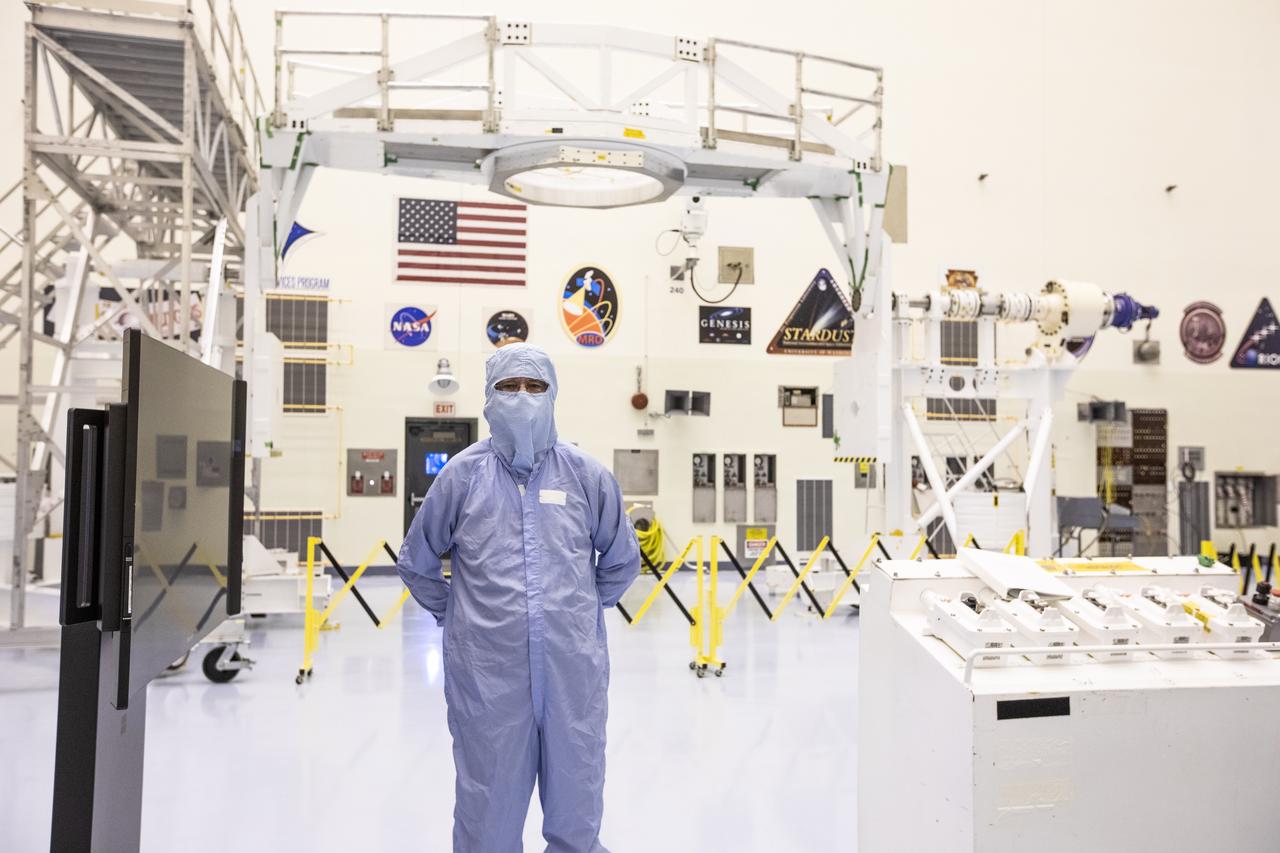
Buck Crenshaw, a quality assurance subject matter expert with NASA’s Jet Propulsion Laboratory (JPL), is photographed in front of the Spacecraft Assembly and Rotation Fixture (SCARF) that will be used to process the agency’s Mars 2020 rover inside the Kennedy Space Center’s Payload Hazardous Servicing Facility on Nov. 22, 2019. Attached to the SCARF is an access stand that will allow personnel to reach the spacecraft when it’s held above ground level. The Mars 2020 rover is being manufactured at JPL in California and, once complete, will be sent to the Florida spaceport for assembly, prelaunch processing and checkouts. The rover is scheduled to launch from Cape Canaveral Air Force Station in summer 2020 aboard a United Launch Alliance Atlas V rocket procured from NASA’s Launch Services Program. The mission will help the agency better understand the geology of Mars, test new robotic technology and assist in determining if any form of life ever was supported on the Red Planet.
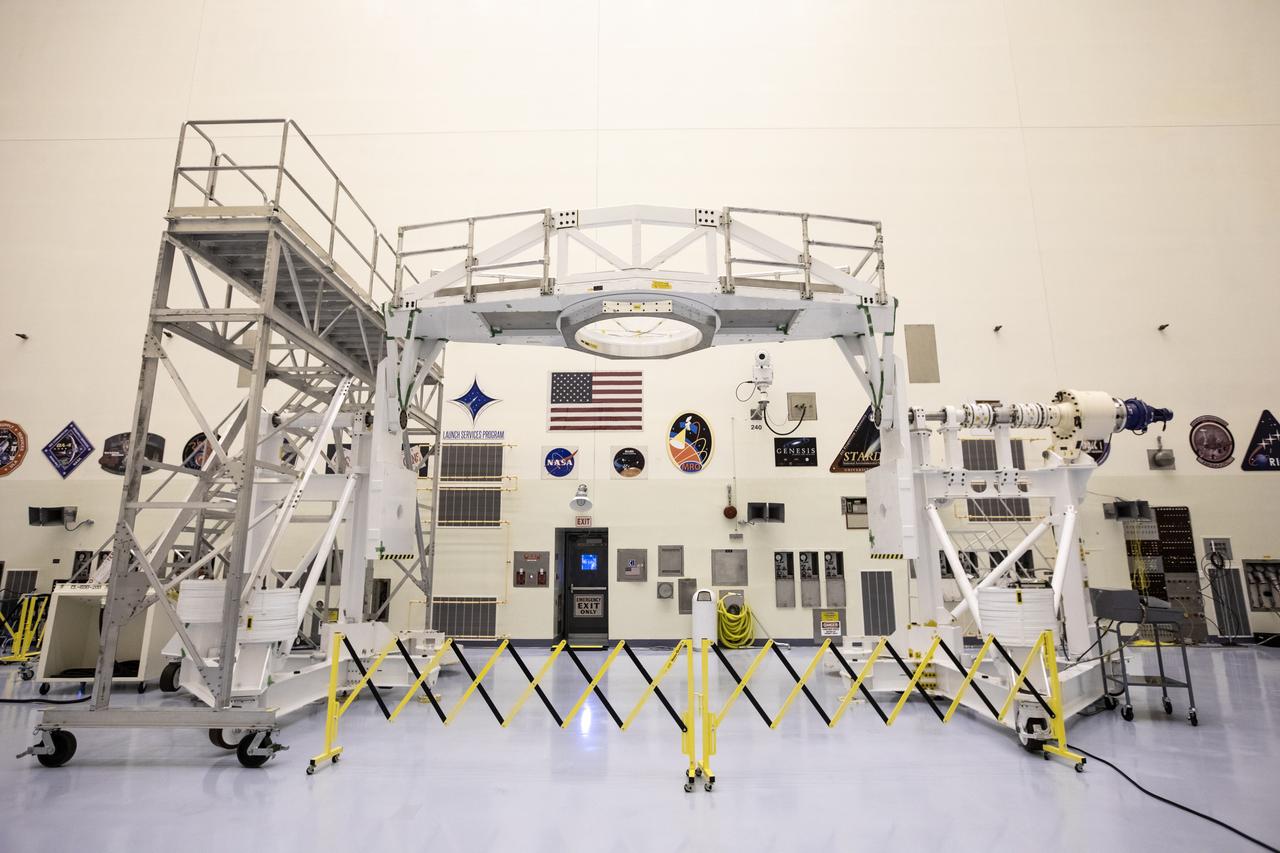
The Spacecraft Assembly and Rotation Fixture (SCARF) that will be used to process the Mars 2020 rover is photographed inside the Payload Hazardous Servicing Facility at NASA’s Kennedy Space Center in Florida on Nov. 22, 2019. Attached to the SCARF is an access stand that will allow personnel to reach the spacecraft when it’s held above ground level. The Mars 2020 rover is being manufactured at the agency’s Jet Propulsion Laboratory in California and, once complete, will be sent to Kennedy for assembly, prelaunch processing and checkouts. The rover is scheduled to launch from Cape Canaveral Air Force Station in summer 2020 aboard a United Launch Alliance Atlas V rocket procured from NASA’s Launch Services Program. The mission will help the agency better understand the geology of Mars, test new robotic technology and assist in determining if any form of life ever was supported on the Red Planet.
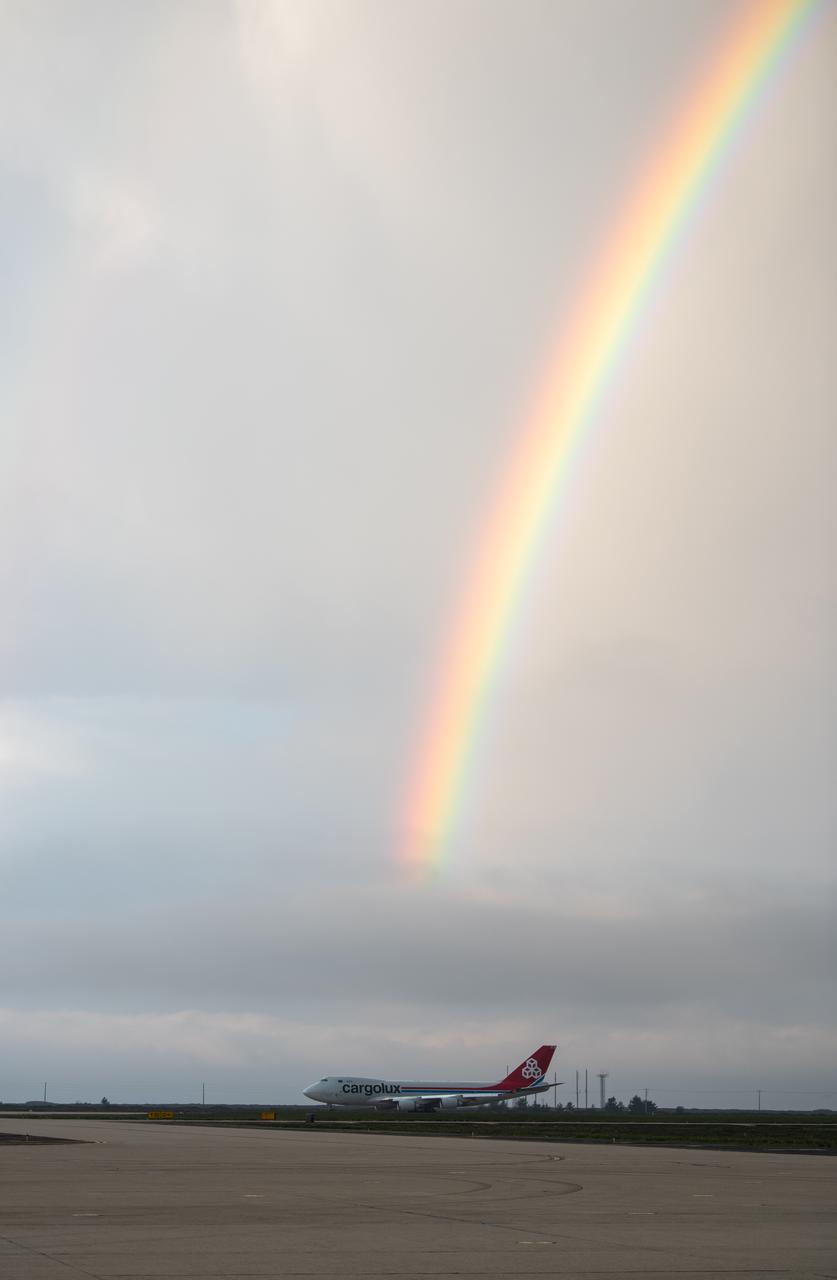
The ground service equipment for the Surface Water and Ocean Topography (SWOT) satellite arrives at Vandenberg Space Force Base in California on Oct. 13, 2022. SWOT is the first mission that will observe nearly all water on Earth’s surface, measuring the height of water in the planet’s lakes, rivers, reservoirs, and the ocean. The satellite is set to launch aboard a SpaceX Falcon 9 rocket in December from Vandenberg’s Space Launch Center-4 East. NASA’s Launch Services Program, based at the agency’s Kennedy Space Center in Florida, is managing the launch service.
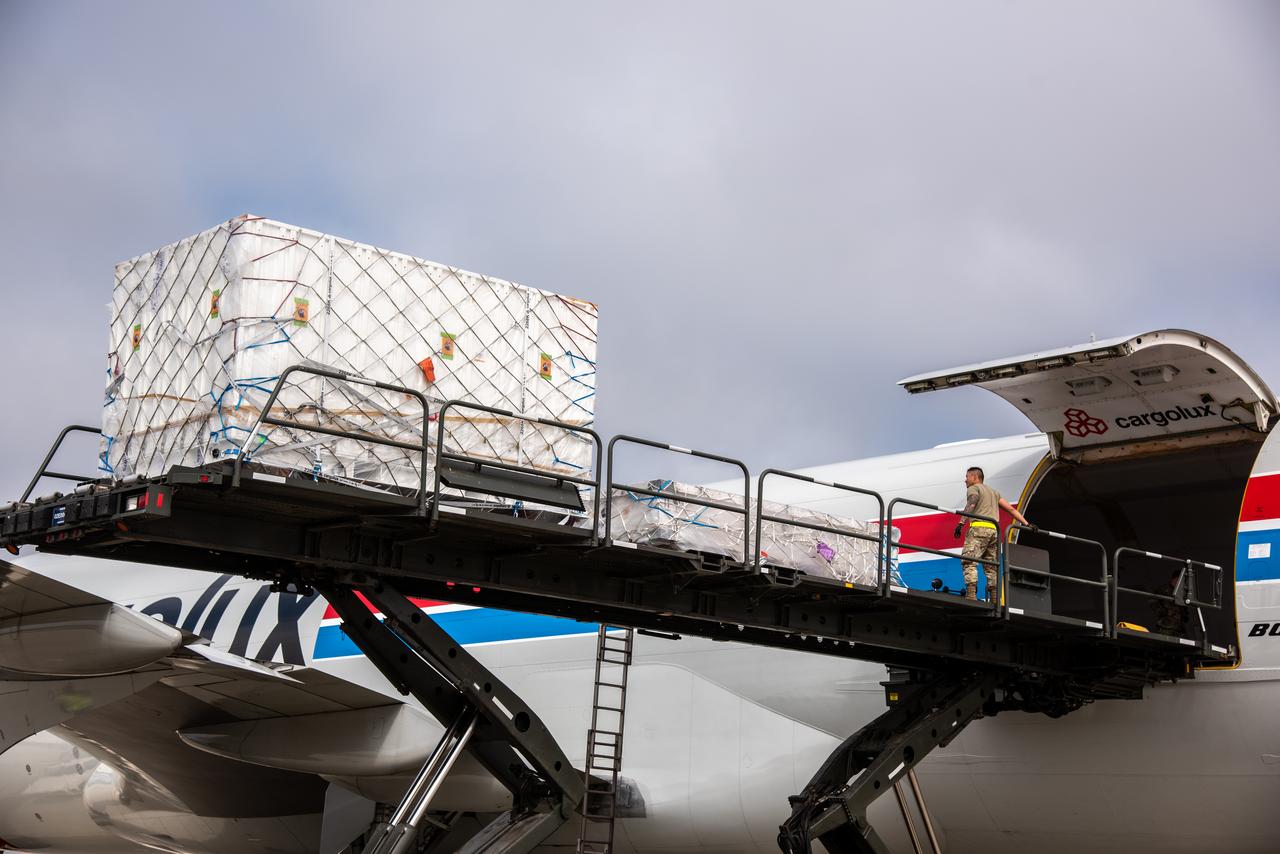
The ground service equipment for the Surface Water and Ocean Topography (SWOT) satellite arrives at Vandenberg Space Force Base in California on Oct. 13, 2022. SWOT is the first mission that will observe nearly all water on Earth’s surface, measuring the height of water in the planet’s lakes, rivers, reservoirs, and the ocean. The satellite is set to launch aboard a SpaceX Falcon 9 rocket in December from Vandenberg’s Space Launch Center-4 East. NASA’s Launch Services Program, based at the agency’s Kennedy Space Center in Florida, is managing the launch service.
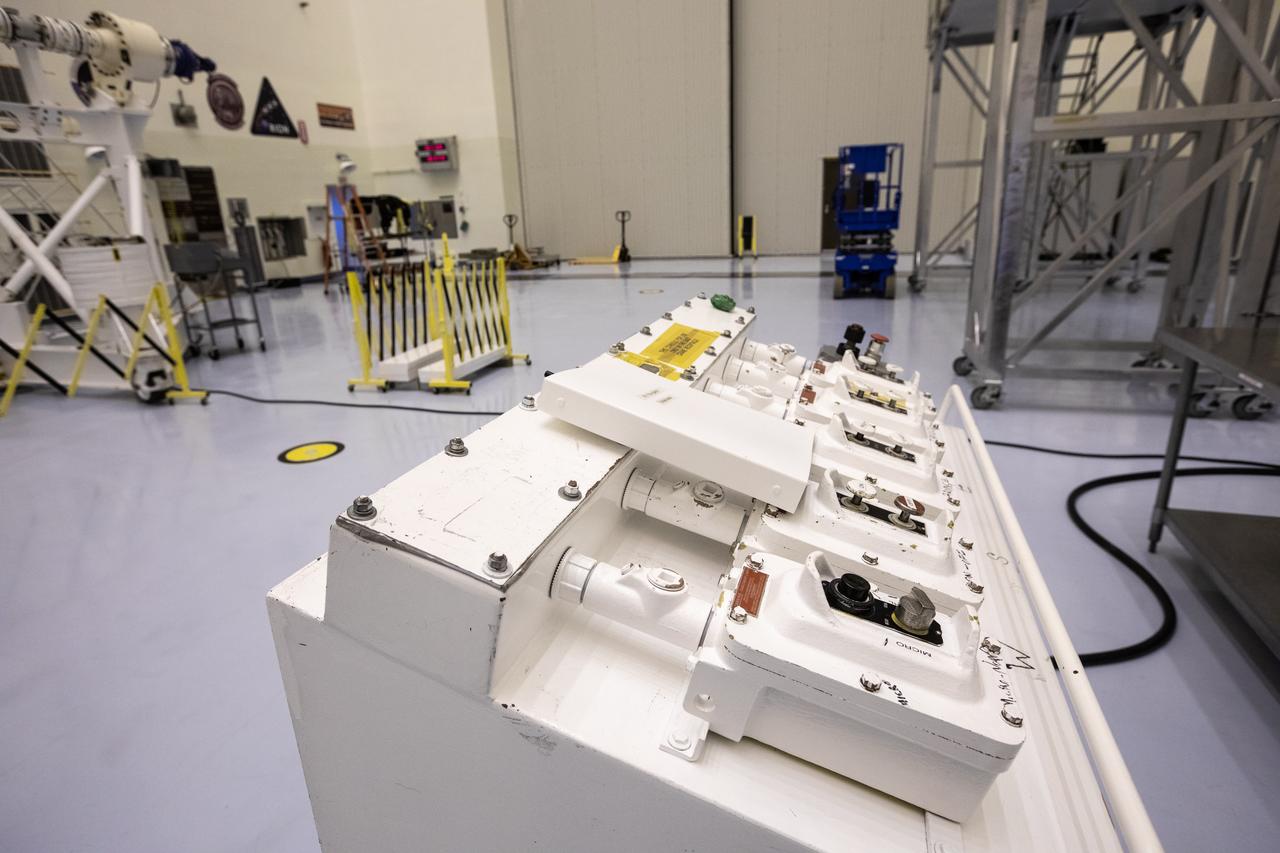
Critical ground support equipment that will be utilized to process the Mars 2020 rover is photographed inside the Payload Hazardous Servicing Facility on Nov. 22, 2019, at NASA’s Kennedy Space Center in Florida. The Mars 2020 rover is being manufactured at the agency’s Jet Propulsion Laboratory in California and, once complete, will be sent to Kennedy for assembly, prelaunch processing and checkouts. The rover is scheduled to launch from Cape Canaveral Air Force Station in summer 2020 aboard a United Launch Alliance Atlas V rocket procured from NASA’s Launch Services Program. The mission will help the agency better understand the geology of Mars, test new robotic technology and assist in determining if any form of life ever was supported on the Red Planet.
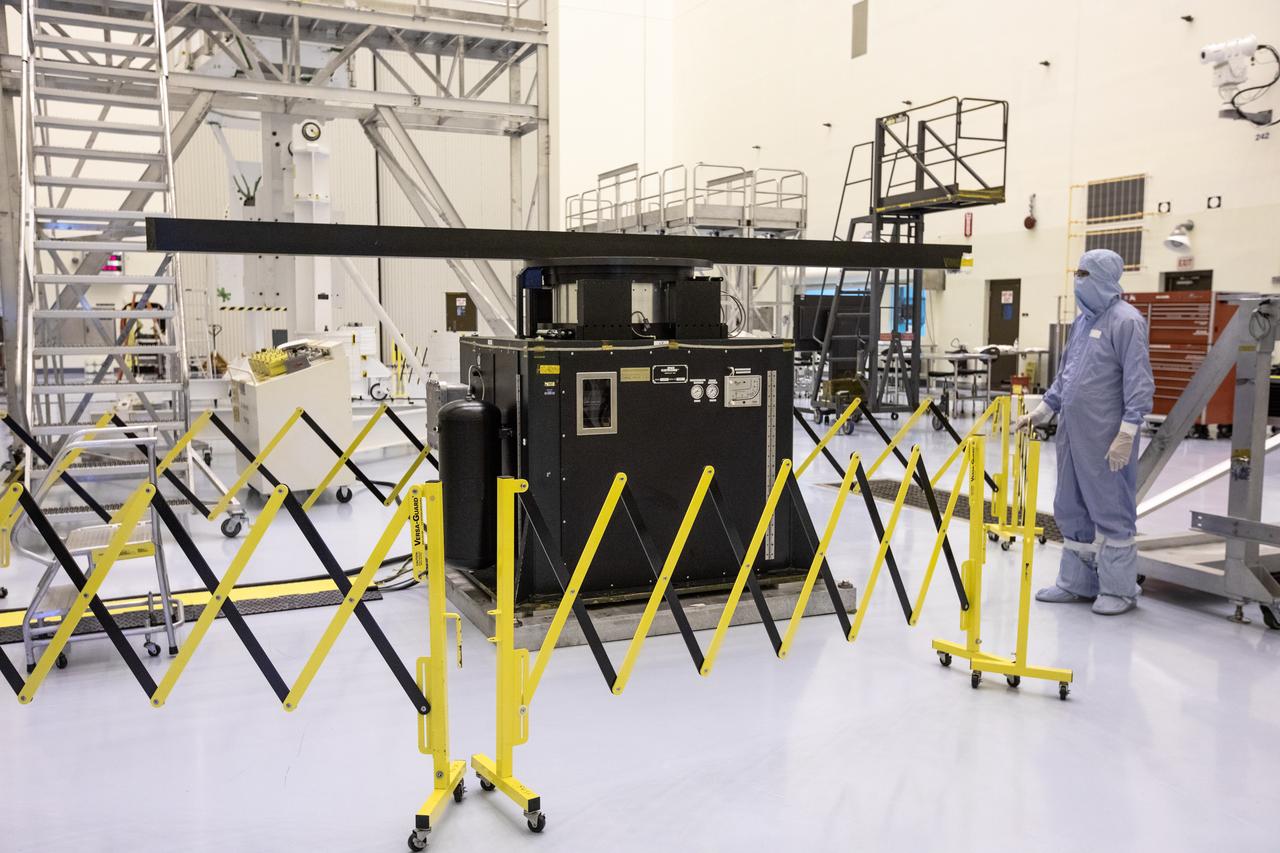
Buck Crenshaw, a quality assurance subject matter expert with NASA’s Jet Propulsion Laboratory (JPL), is photographed next to critical ground support equipment that will be utilized to process the agency’s Mars 2020 rover inside Kennedy Space Center’s Payload Hazardous Servicing Facility on Nov. 22, 2019. The Mars 2020 rover is being manufactured at JPL in California and, once complete, will be sent to the Florida spaceport for assembly, prelaunch processing and checkouts. The rover is scheduled to launch from Cape Canaveral Air Force Station in summer 2020 aboard a United Launch Alliance Atlas V rocket procured from NASA’s Launch Services Program. The mission will help the agency better understand the geology of Mars, test new robotic technology and assist in determining if any form of life ever was supported on the Red Planet.
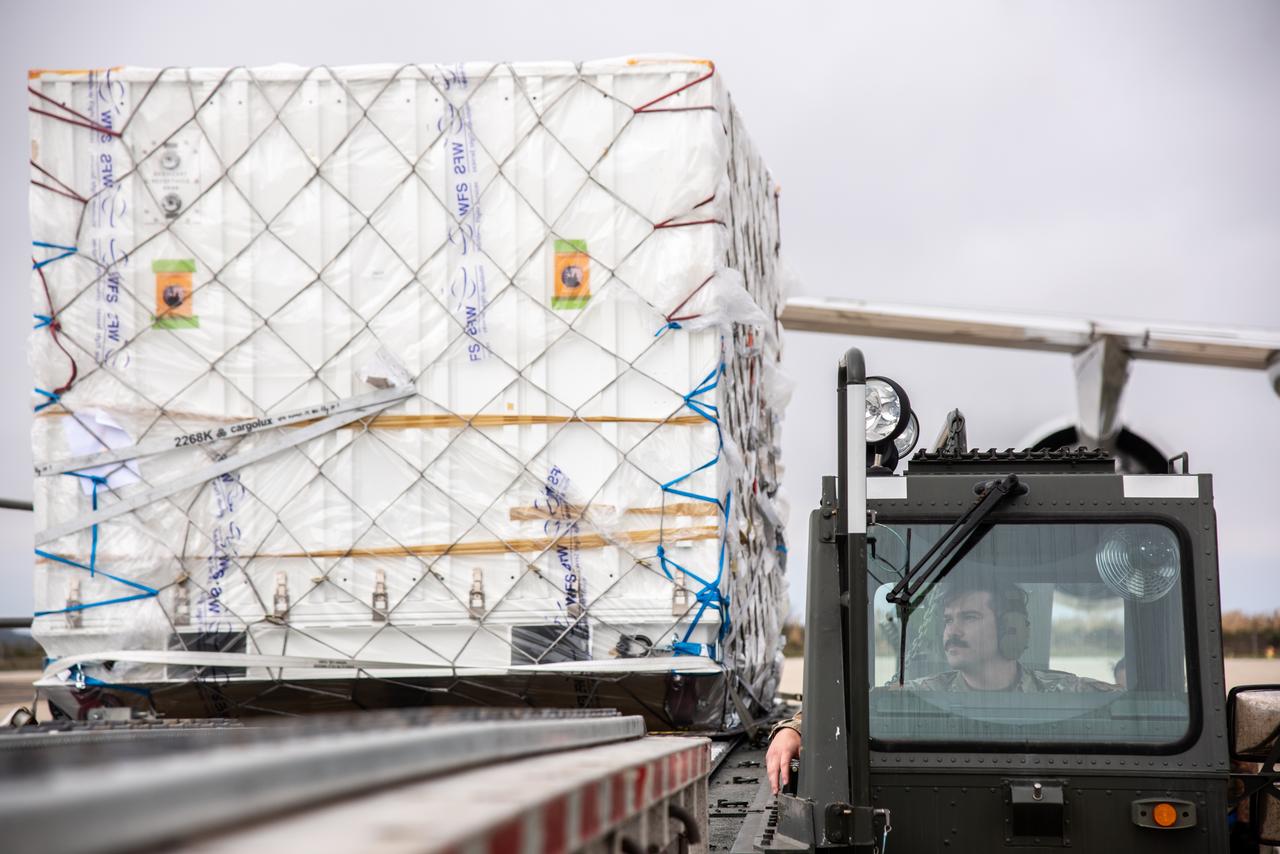
The ground service equipment for the Surface Water and Ocean Topography (SWOT) satellite arrives at Vandenberg Space Force Base in California on Oct. 13, 2022. SWOT is the first mission that will observe nearly all water on Earth’s surface, measuring the height of water in the planet’s lakes, rivers, reservoirs, and the ocean. The satellite is set to launch aboard a SpaceX Falcon 9 rocket in December from Vandenberg’s Space Launch Center-4 East. NASA’s Launch Services Program, based at the agency’s Kennedy Space Center in Florida, is managing the launch service.
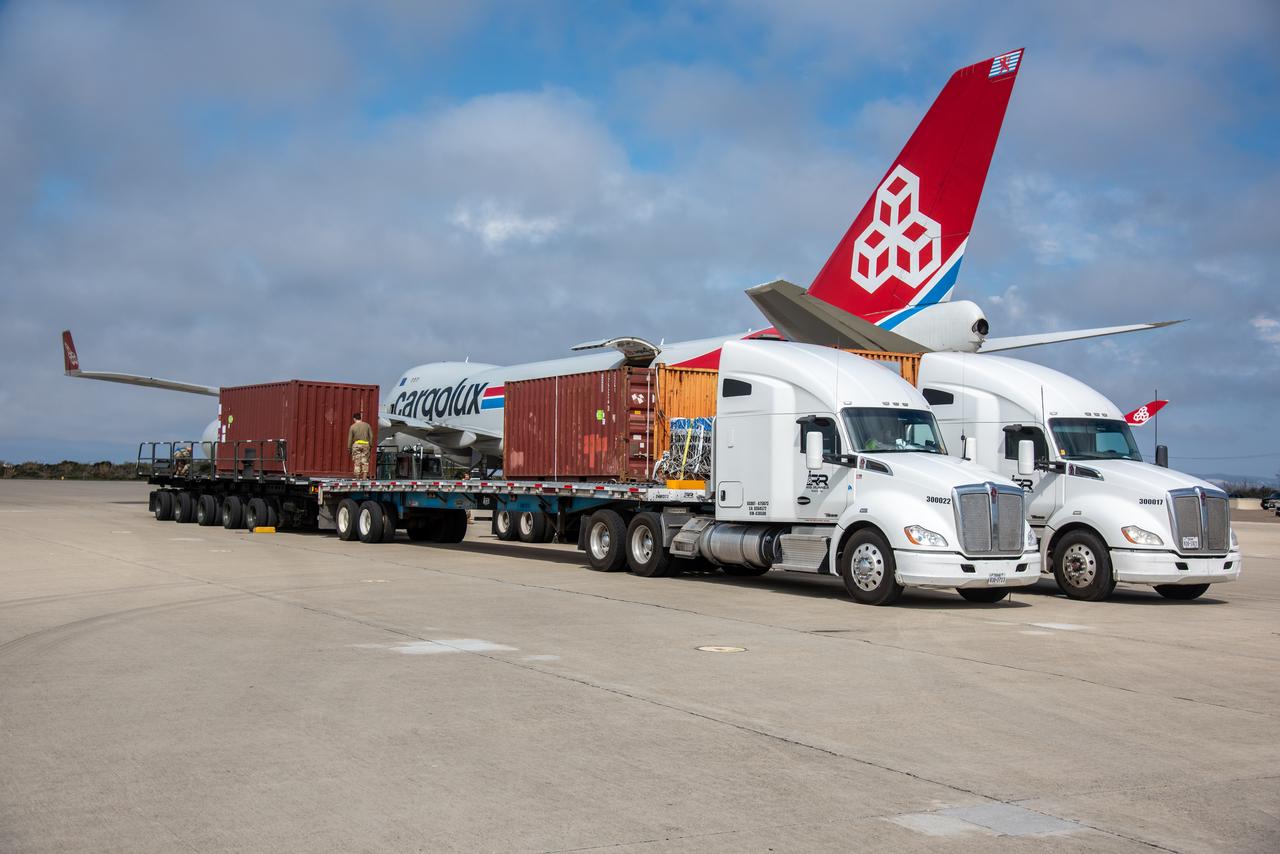
The ground service equipment for the Surface Water and Ocean Topography (SWOT) satellite arrives at Vandenberg Space Force Base in California on Oct. 13, 2022. SWOT is the first mission that will observe nearly all water on Earth’s surface, measuring the height of water in the planet’s lakes, rivers, reservoirs, and the ocean. The satellite is set to launch aboard a SpaceX Falcon 9 rocket in December from Vandenberg’s Space Launch Center-4 East. NASA’s Launch Services Program, based at the agency’s Kennedy Space Center in Florida, is managing the launch service.
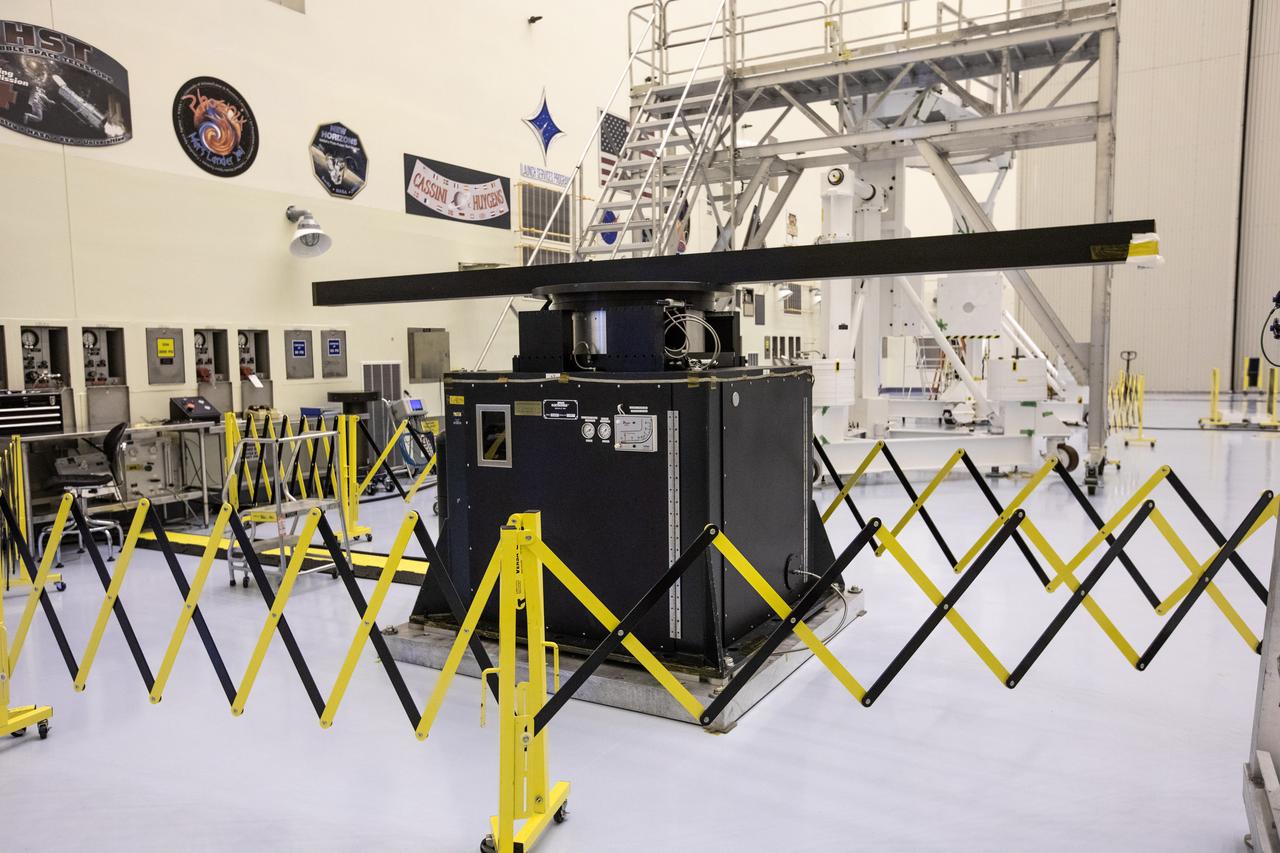
The spin table, one of the crucial hardware elements that will be utilized to process the Mars 2020 rover, is photographed inside the Payload Hazardous Servicing Facility at NASA’s Kennedy Space Center in Florida on Nov. 22, 2019. The Mars 2020 rover is being manufactured at the agency’s Jet Propulsion Laboratory in California and, once complete, will be sent to Kennedy for assembly, prelaunch processing and checkouts. The rover is scheduled to launch from Cape Canaveral Air Force Station in summer 2020 aboard a United Launch Alliance Atlas V rocket procured from NASA’s Launch Services Program. The mission will help the agency better understand the geology of Mars, test new robotic technology and assist in determining if any form of life ever was supported on the Red Planet.
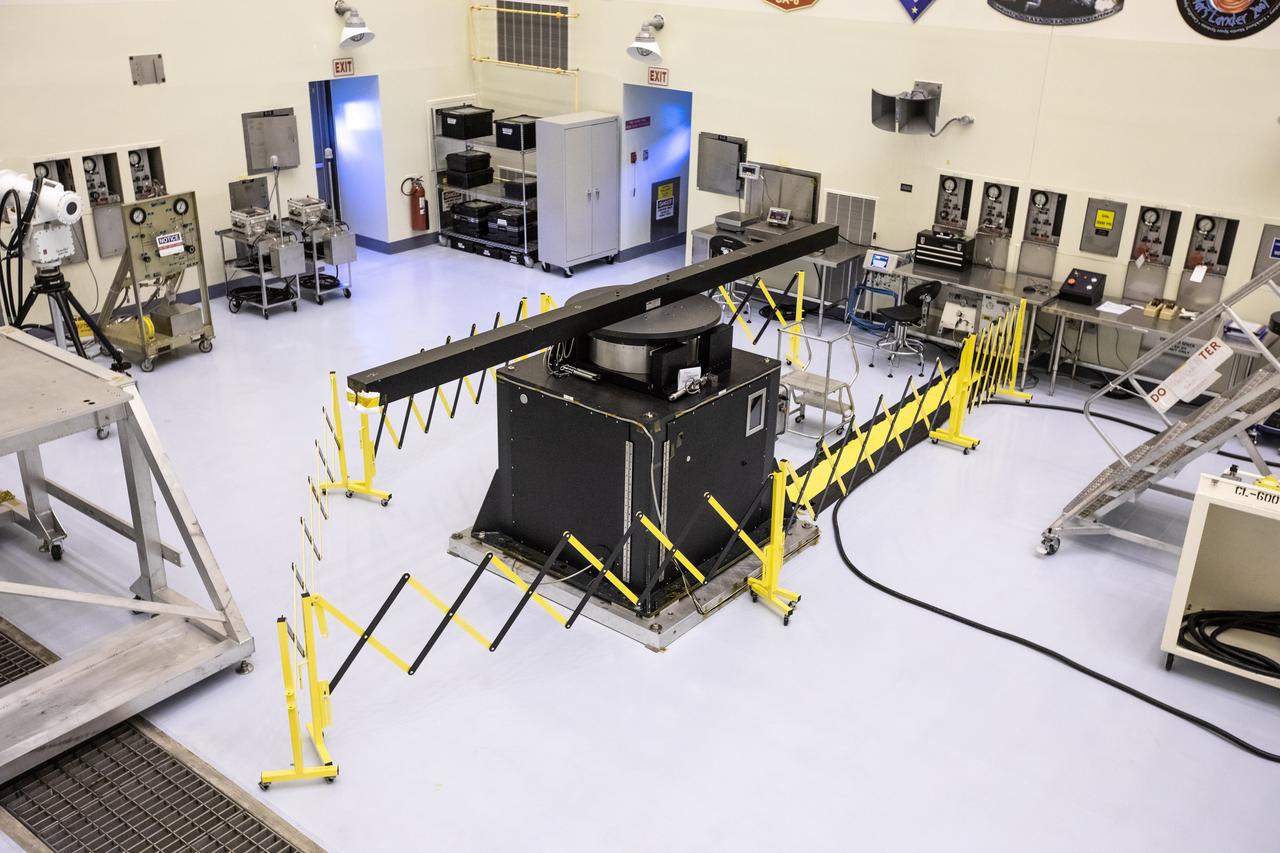
The spin table, one of the crucial hardware elements that will be utilized to process the Mars 2020 rover, is photographed inside the Payload Hazardous Servicing Facility at NASA’s Kennedy Space Center in Florida on Nov. 22, 2019. The Mars 2020 rover is being manufactured at the agency’s Jet Propulsion Laboratory in California and, once complete, will be sent to Kennedy for assembly, prelaunch processing and checkouts. The rover is scheduled to launch from Cape Canaveral Air Force Station in summer 2020 aboard a United Launch Alliance Atlas V rocket procured from NASA’s Launch Services Program. The mission will help the agency better understand the geology of Mars, test new robotic technology and assist in determining if any form of life ever was supported on the Red Planet.
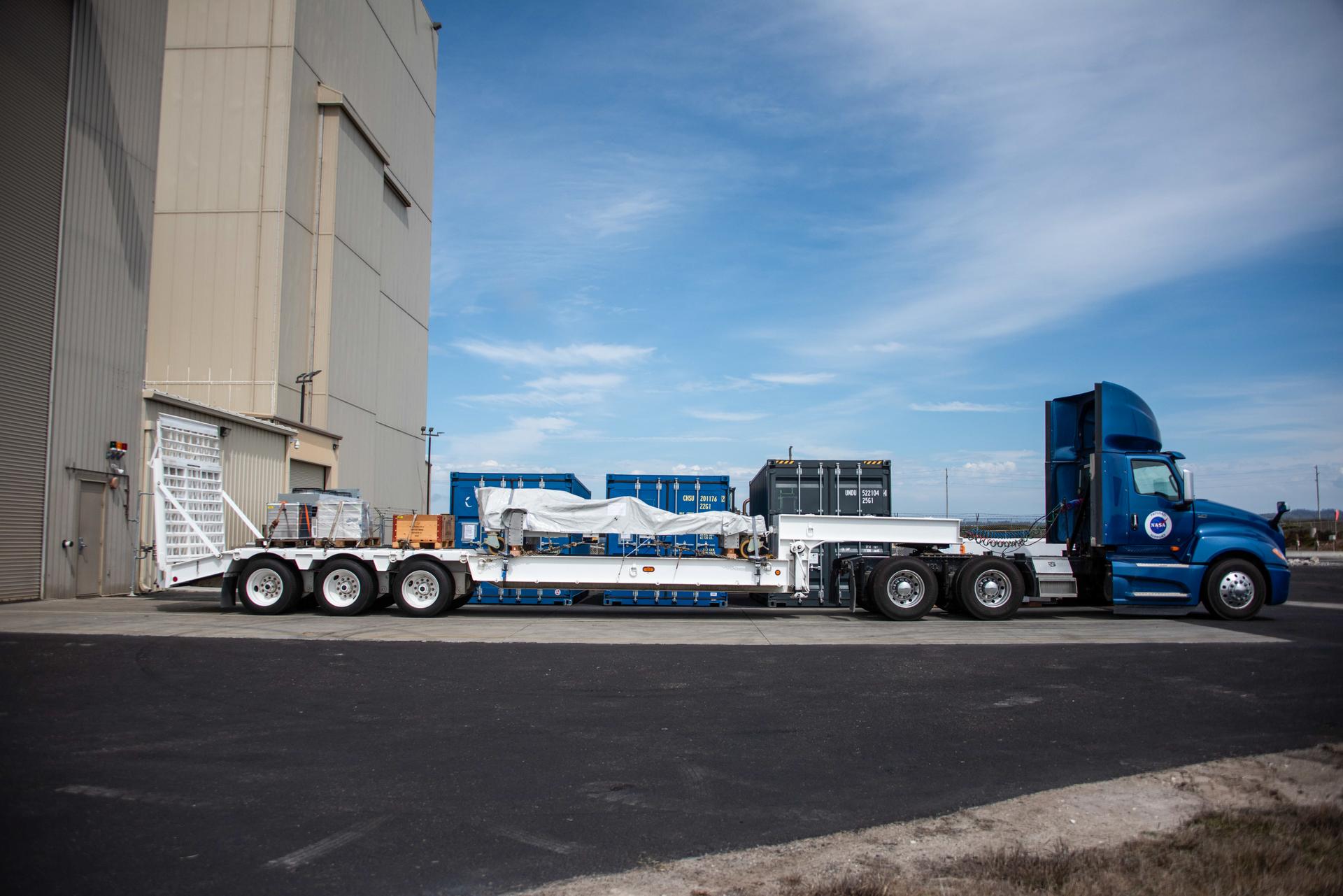
Packed in its shipping container, the Sentinel-6B spacecraft, a collaboration between NASA, ESA (European Space Agency), EUMETSAT (European Organisation for the Exploitation of Meteorological Satellites), and the National Oceanic and Atmospheric Administration (NOAA), arrives by truck to the Astrotech Space Operations payload processing facility at Vandenberg Space Force Base in California on Wednesday, Sept. 17, 2025. The second of two spacecraft that constitutes the Sentinel-6/Jason-CS (Continuity of Service) mission, Sentinel-6B will measure sea surface height and provide crucial information to help improve coastal planning, enabling local and state governments to make informed decisions about protecting coastal infrastructure, real estate, and energy sites. Launch is targeted for no earlier than November on a SpaceX Falcon 9 from Vandenberg.
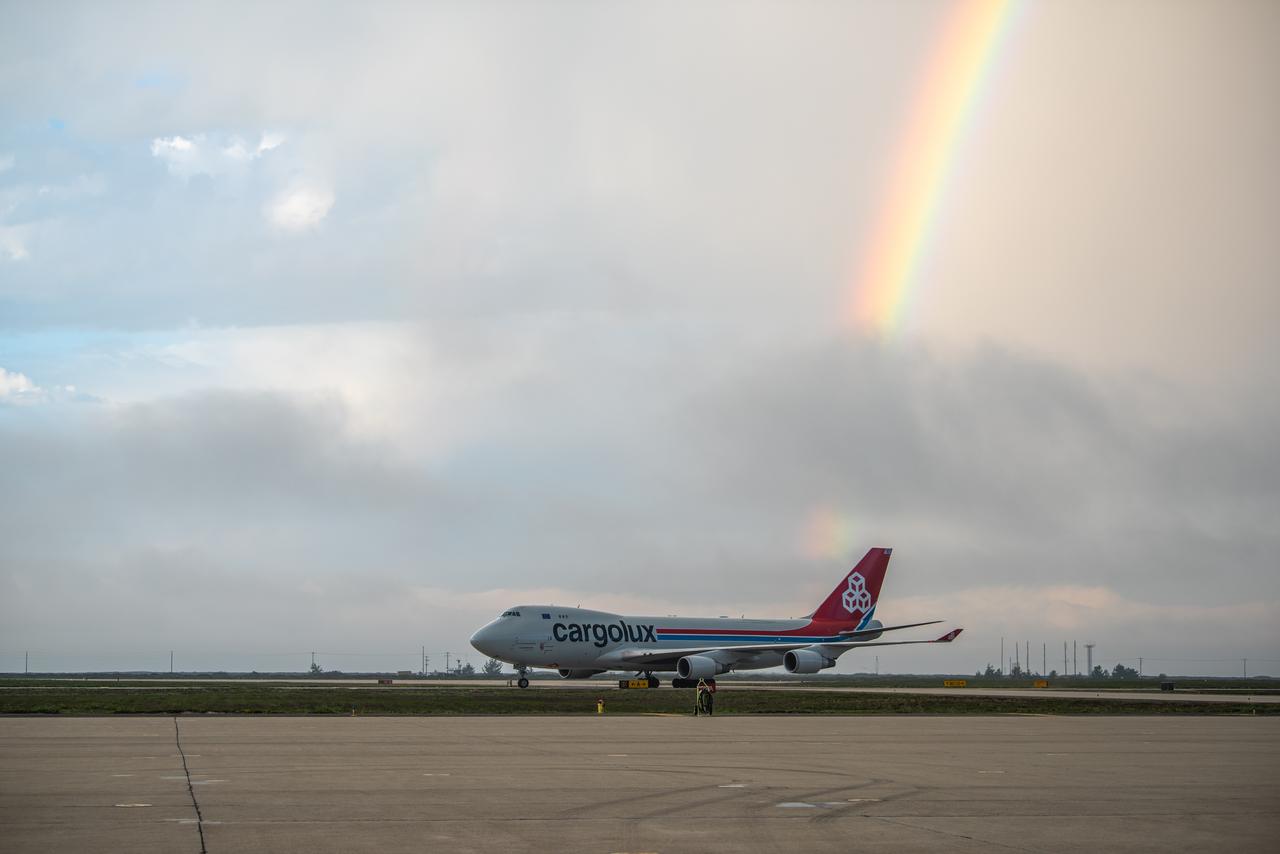
The ground service equipment for the Surface Water and Ocean Topography (SWOT) satellite arrives at Vandenberg Space Force Base in California on Oct. 13, 2022. SWOT is the first mission that will observe nearly all water on Earth’s surface, measuring the height of water in the planet’s lakes, rivers, reservoirs, and the ocean. The satellite is set to launch aboard a SpaceX Falcon 9 rocket in December from Vandenberg’s Space Launch Center-4 East. NASA’s Launch Services Program, based at the agency’s Kennedy Space Center in Florida, is managing the launch service.
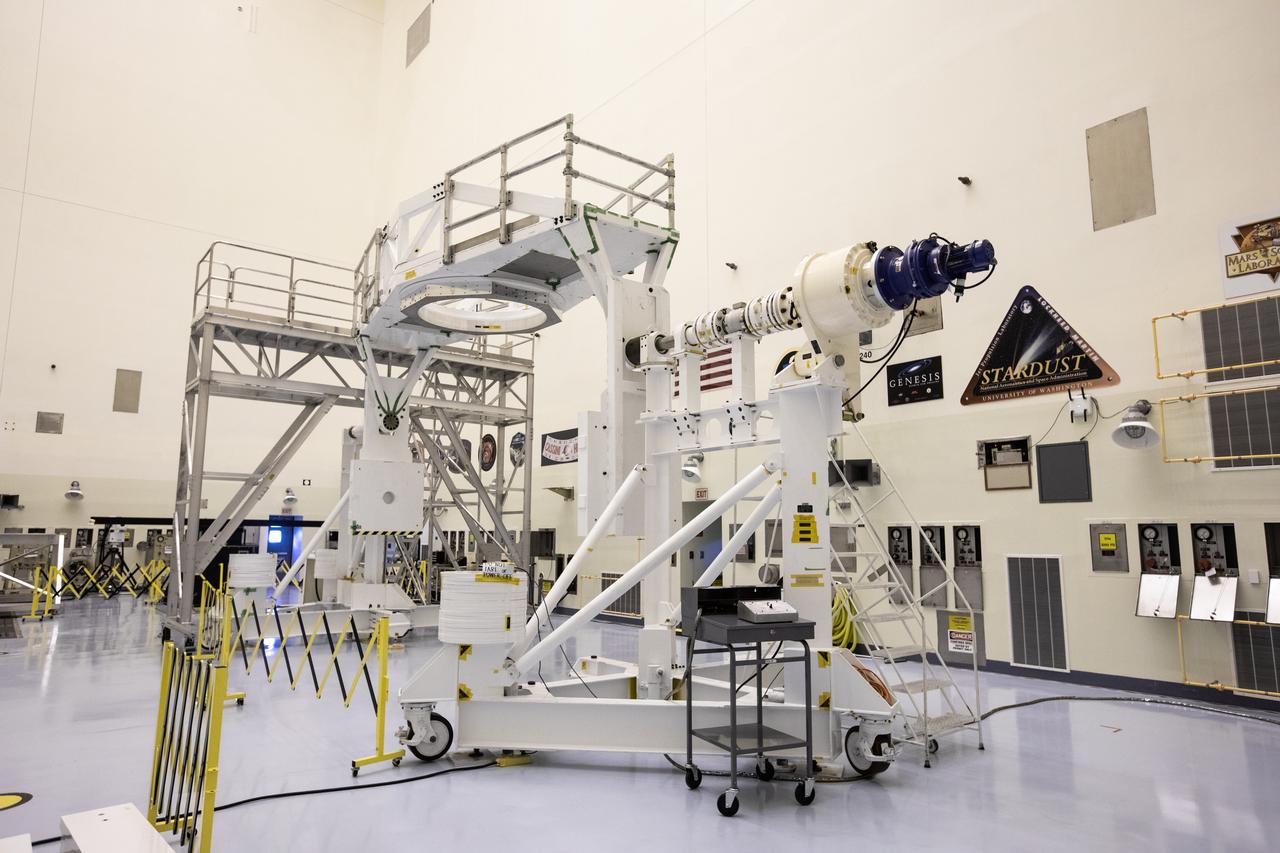
The Spacecraft Assembly and Rotation Fixture (SCARF) that will be used to process the Mars 2020 rover is photographed inside the Payload Hazardous Servicing Facility at NASA’s Kennedy Space Center in Florida on Nov. 22, 2019. Attached to the SCARF is an access stand that will allow personnel to reach the spacecraft when it’s held above ground level. The Mars 2020 rover is being manufactured at the agency’s Jet Propulsion Laboratory in California and, once complete, will be sent to Kennedy for assembly, prelaunch processing and checkouts. The rover is scheduled to launch from Cape Canaveral Air Force Station in summer 2020 aboard a United Launch Alliance Atlas V rocket procured from NASA’s Launch Services Program. The mission will help the agency better understand the geology of Mars, test new robotic technology and assist in determining if any form of life ever was supported on the Red Planet.
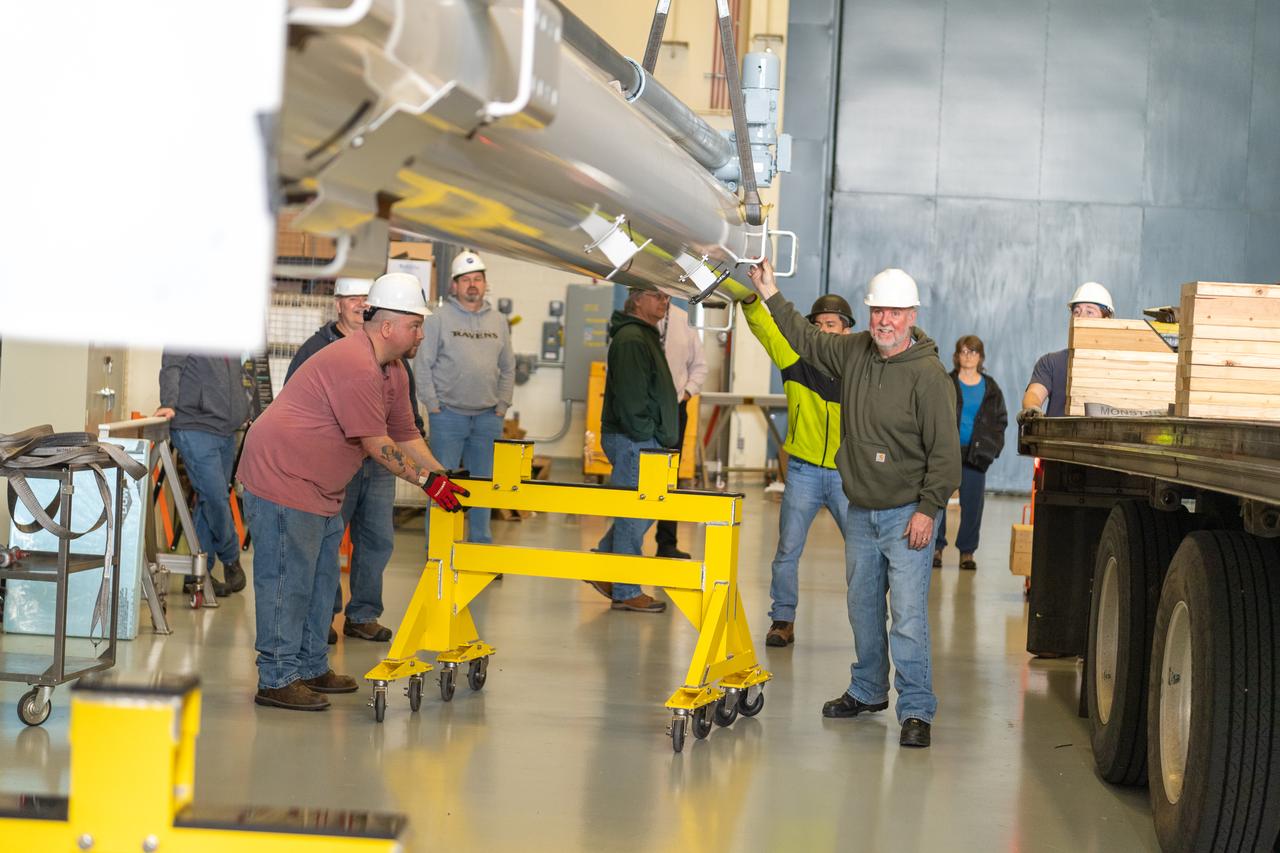
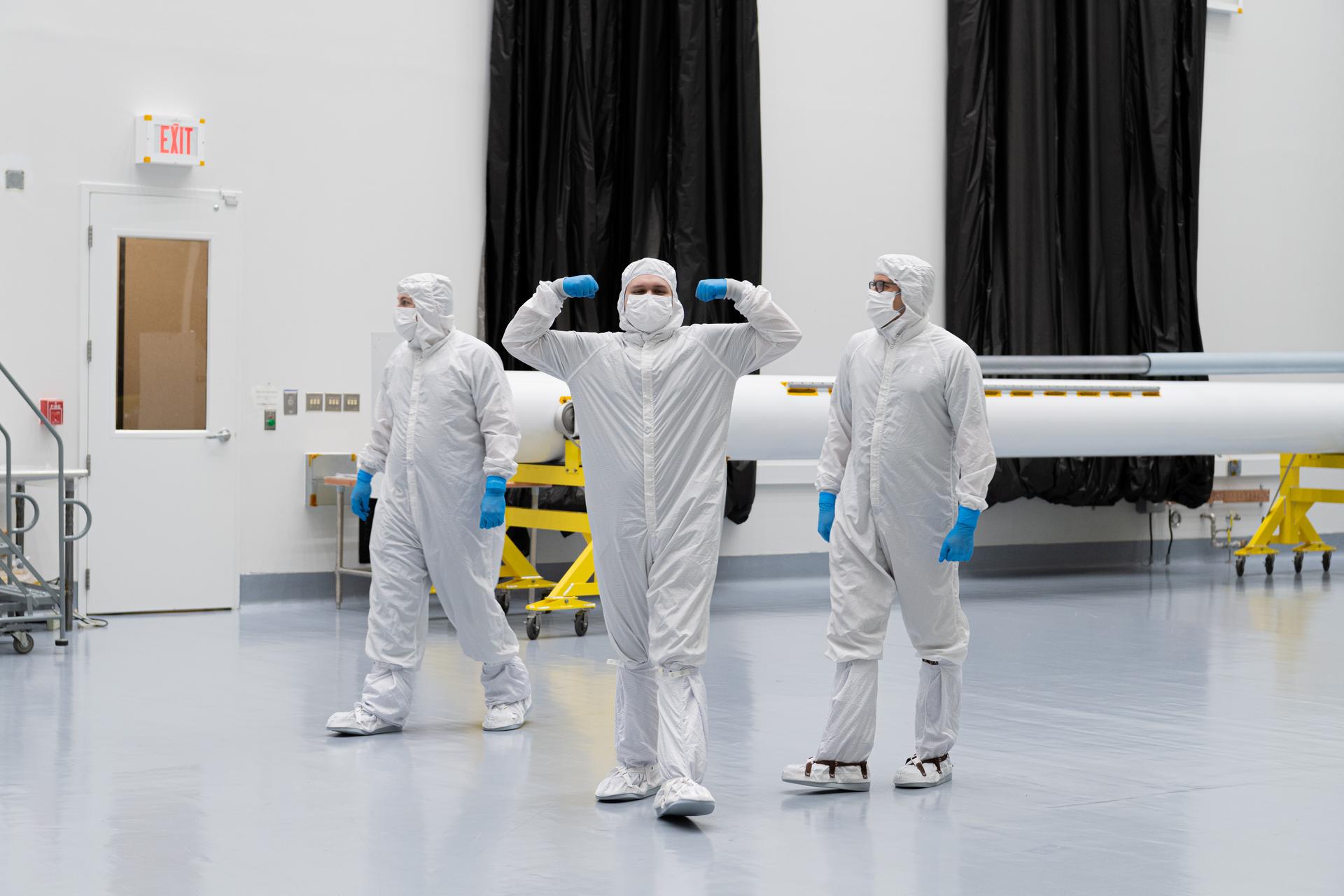
Lucas Keim, a mechanical engineering and integration technician, flexes after helping move ground support equipment into a cleanroom at Goddard Space Flight Center, Greenbelt, Md., Feb 20, 2023.
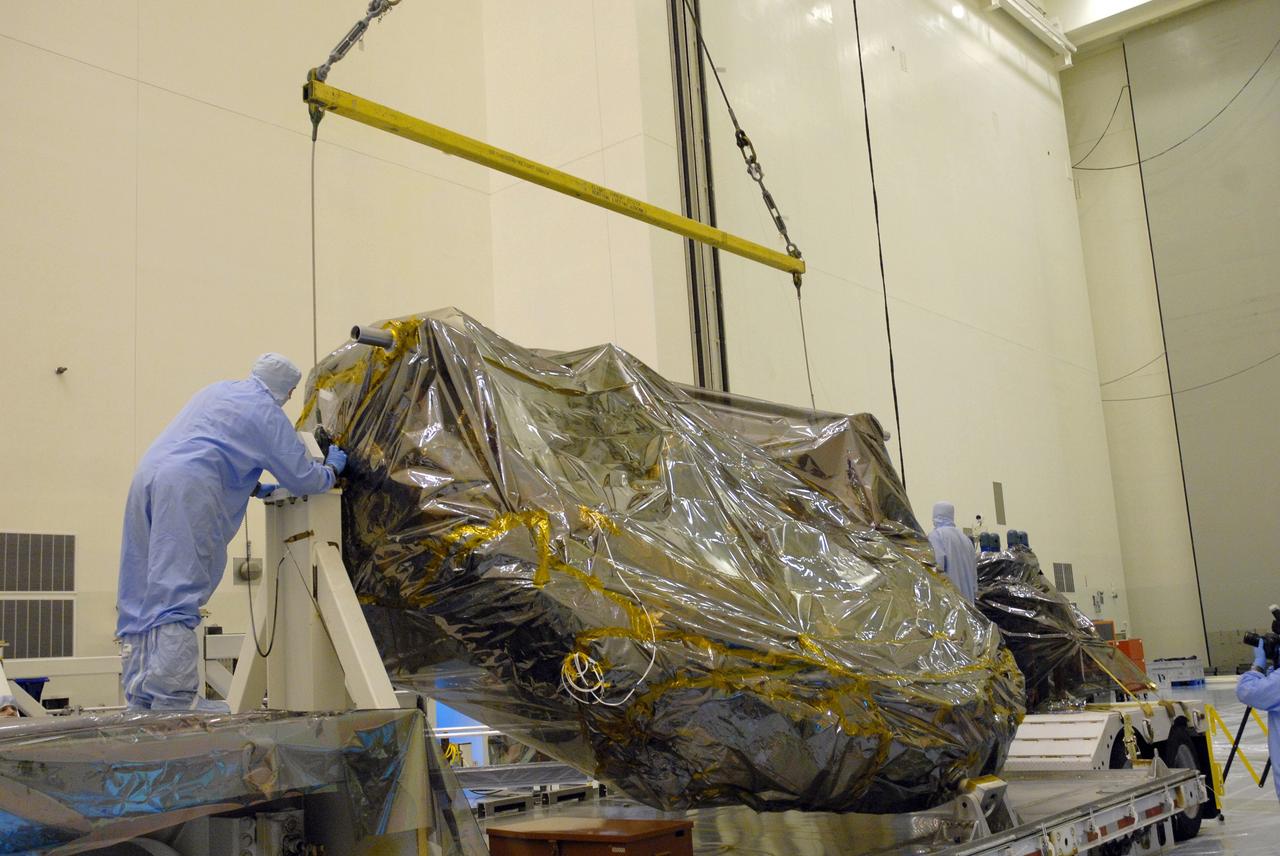
CAPE CANAVERAL, Fla. – In the Payload Hazardous Servicing Facility at NASA's Kennedy Space Center, a worker checks the position of the ground support equipment for the STS-125 Hubble Servicing Mission as it is lifted off the transporter. The GSE are carriers, or pallets, that will hold equipment in space shuttle Atlantis’ payload bay. This carrier will be moved to a work stand. The carriers will be prepared for the integration of telescope science instruments, both internal and external replacement components, as well as the flight support equipment to be used by the astronauts during the servicing mission. The three payload carriers or pallets are the Flight Support System, the Super Lightweight Interchangeable Carrier and the Orbital Replacement Unit Carrier. At the end of July, a fourth and final carrier, the Multi-Use Lightweight Equipment carrier will join the others in the Payload Hazardous Servicing Facility where the Hubble payload is being prepared for launch. Photo credit: NASA/Cory Huston
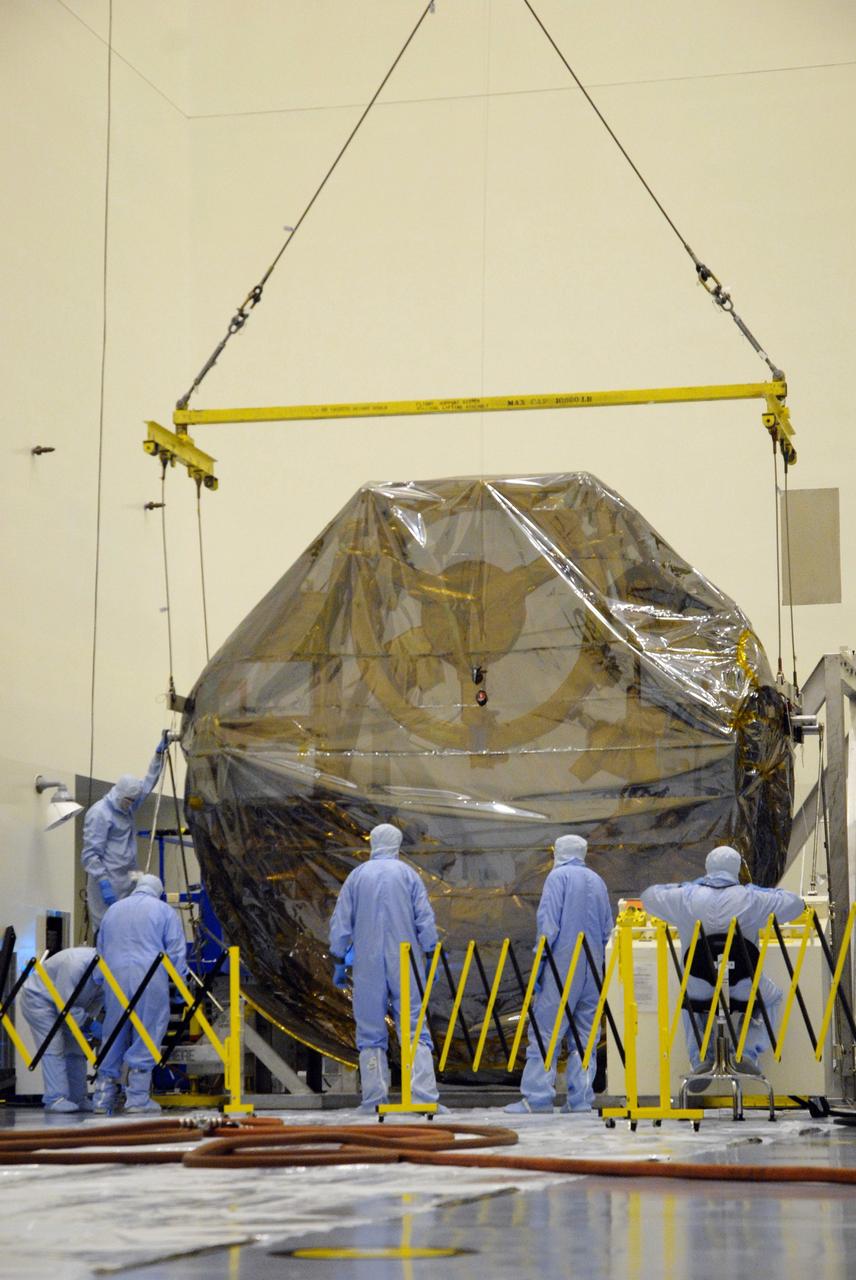
CAPE CANAVERAL, Fla. – In the Payload Hazardous Servicing Facility at NASA's Kennedy Space Center, workers get ready to release the crane that lowered the ground support equipment for the STS-125 Hubble Servicing Mission onto a work stand. The GSE are carriers, or pallets, that will hold equipment in space shuttle Atlantis’ payload bay. Under the protective covering of the carrier can be seen the soft capture mechanism. The carrier will be moved to a work stand. The carriers will be prepared for the integration of telescope science instruments, both internal and external replacement components, as well as the flight support equipment to be used by the astronauts during the servicing mission. The three payload carriers or pallets are the Flight Support System, the Super Lightweight Interchangeable Carrier and the Orbital Replacement Unit Carrier. At the end of July, a fourth and final carrier, the Multi-Use Lightweight Equipment carrier will join the others in the Payload Hazardous Servicing Facility where the Hubble payload is being prepared for launch. Photo credit: NASA/Cory Huston
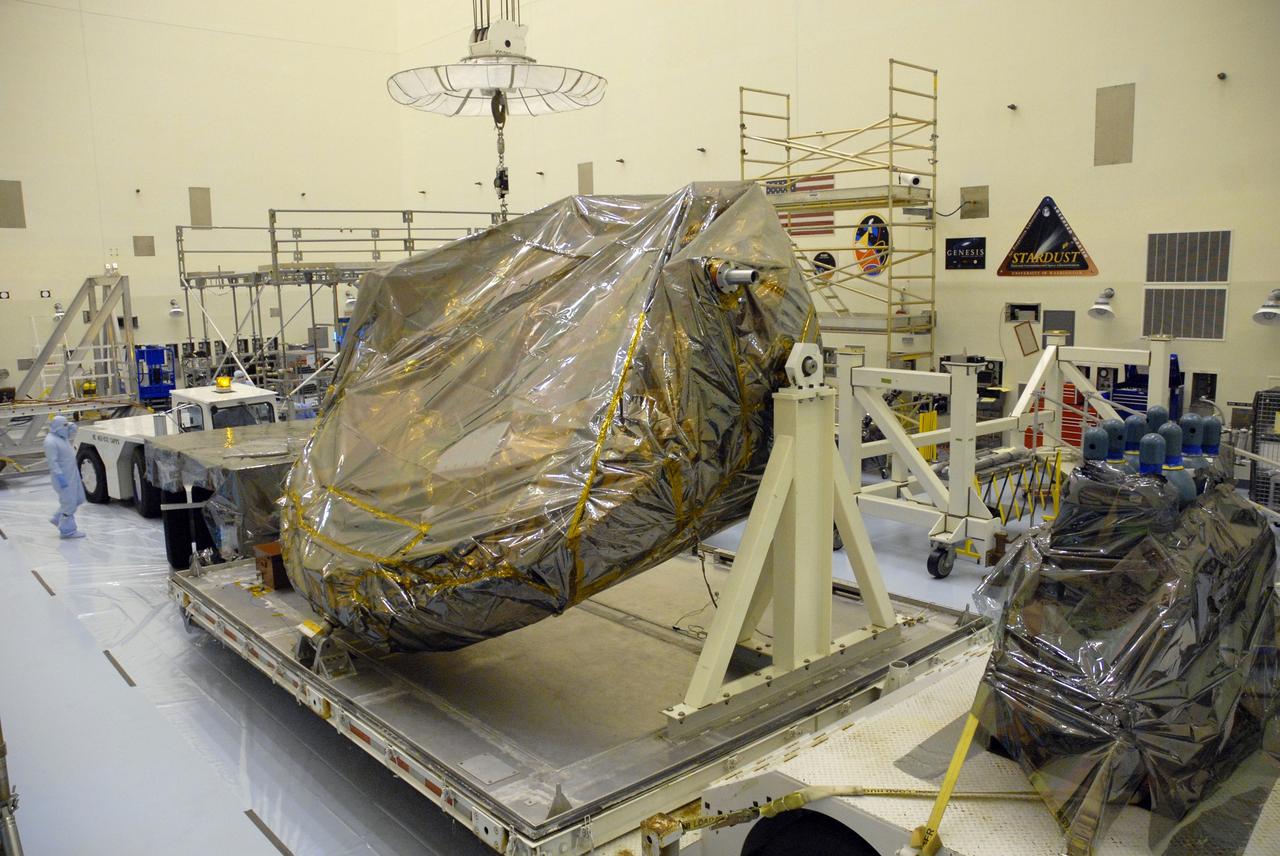
CAPE CANAVERAL, Fla. – In the Payload Hazardous Servicing Facility at NASA's Kennedy Space Center, workers begin to attach a crane to part of the ground support equipment for the STS-125 Hubble Servicing Mission. The GSE are carriers, or pallets, that will hold equipment in space shuttle Atlantis’ payload bay. This carrier will be moved to a work stand. The carriers will be prepared for the integration of telescope science instruments, both internal and external replacement components, as well as the flight support equipment to be used by the astronauts during the servicing mission. The three payload carriers or pallets are the Flight Support System, the Super Lightweight Interchangeable Carrier and the Orbital Replacement Unit Carrier. At the end of July, a fourth and final carrier, the Multi-Use Lightweight Equipment carrier will join the others in the Payload Hazardous Servicing Facility where the Hubble payload is being prepared for launch. Photo credit: NASA/Cory Huston
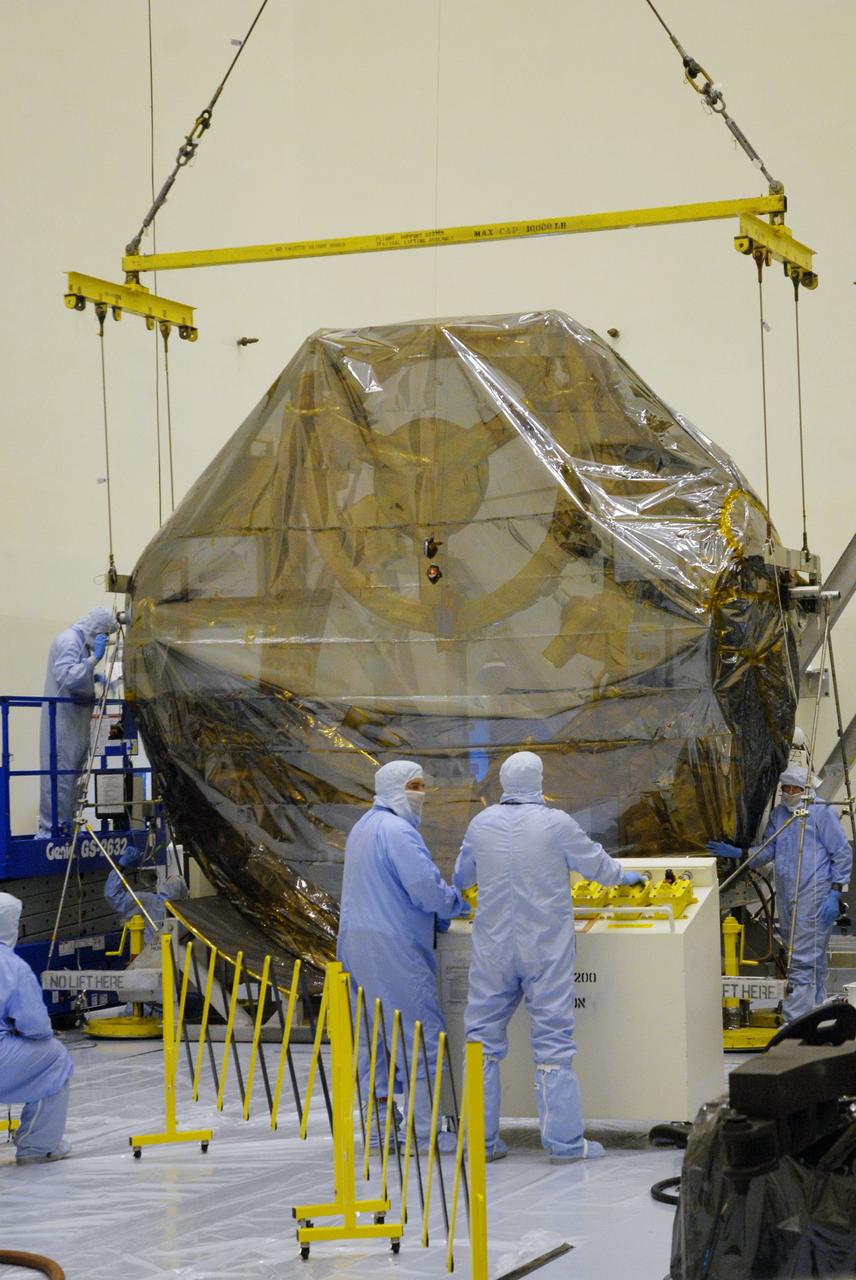
CAPE CANAVERAL, Fla. – In the Payload Hazardous Servicing Facility at NASA's Kennedy Space Center, workers get ready to release the crane that lowered the ground support equipment for the STS-125 Hubble Servicing Mission onto a work stand. The GSE are carriers, or pallets, that will hold equipment in space shuttle Atlantis’ payload bay. Under the protective covering of the carrier can be seen the soft capture mechanism. The carriers will be prepared for the integration of telescope science instruments, both internal and external replacement components, as well as the flight support equipment to be used by the astronauts during the servicing mission. The three payload carriers or pallets are the Flight Support System, the Super Lightweight Interchangeable Carrier and the Orbital Replacement Unit Carrier. At the end of July, a fourth and final carrier, the Multi-Use Lightweight Equipment carrier will join the others in the Payload Hazardous Servicing Facility where the Hubble payload is being prepared for launch. Photo credit: NASA/Cory Huston
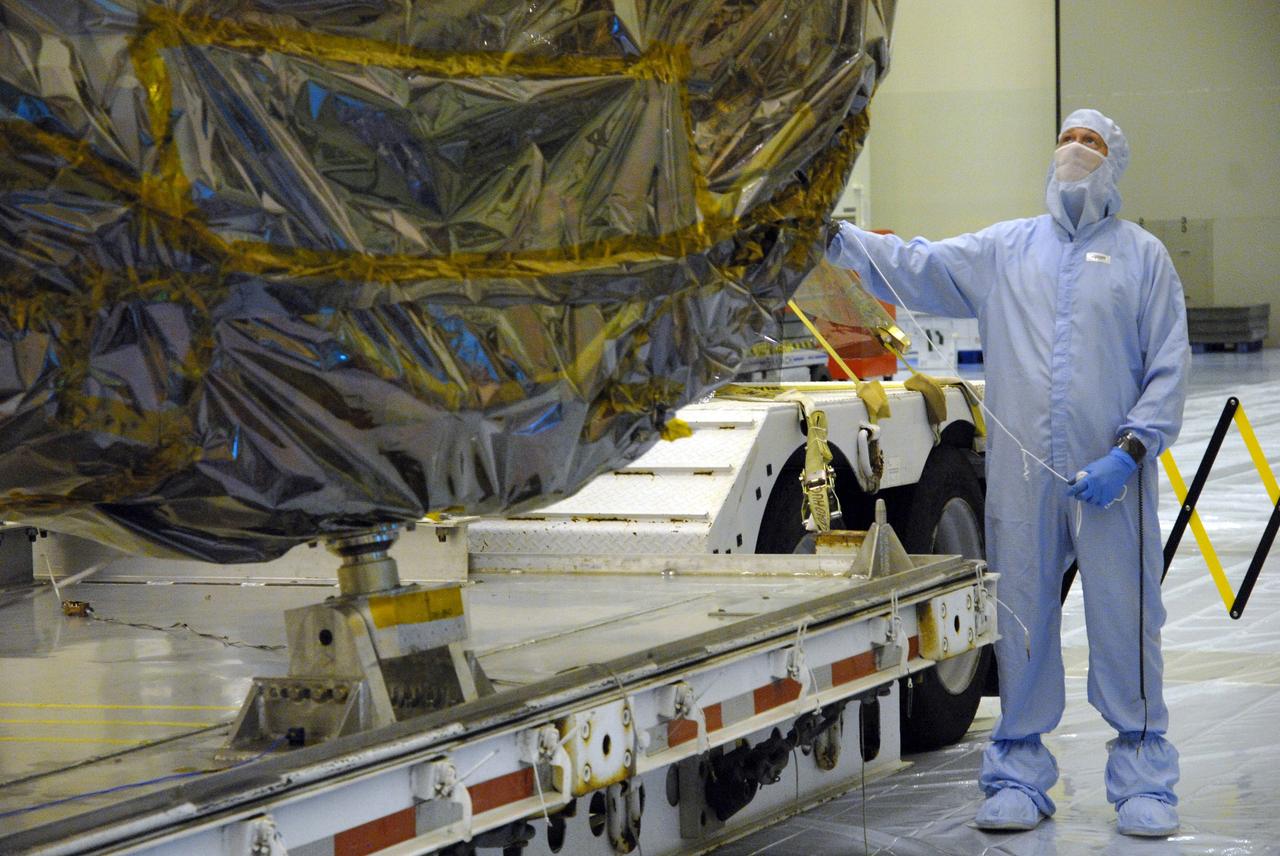
CAPE CANAVERAL, Fla. – In the Payload Hazardous Servicing Facility at NASA's Kennedy Space Center, an overhead crane lifts the newly arrived ground support equipment for the STS-125 Hubble Servicing Mission off its transporter. The GSE are carriers, or pallets, that will hold equipment in space shuttle Atlantis’ payload bay. Under the protective covering of the carrier can be seen the soft capture mechanism. This carrier will be moved to a work stand. The carriers will be prepared for the integration of telescope science instruments, both internal and external replacement components, as well as the flight support equipment to be used by the astronauts during the servicing mission. The three payload carriers or pallets are the Flight Support System, the Super Lightweight Interchangeable Carrier and the Orbital Replacement Unit Carrier. At the end of July, a fourth and final carrier, the Multi-Use Lightweight Equipment carrier will join the others in the Payload Hazardous Servicing Facility where the Hubble payload is being prepared for launch. Photo credit: NASA/Cory Huston
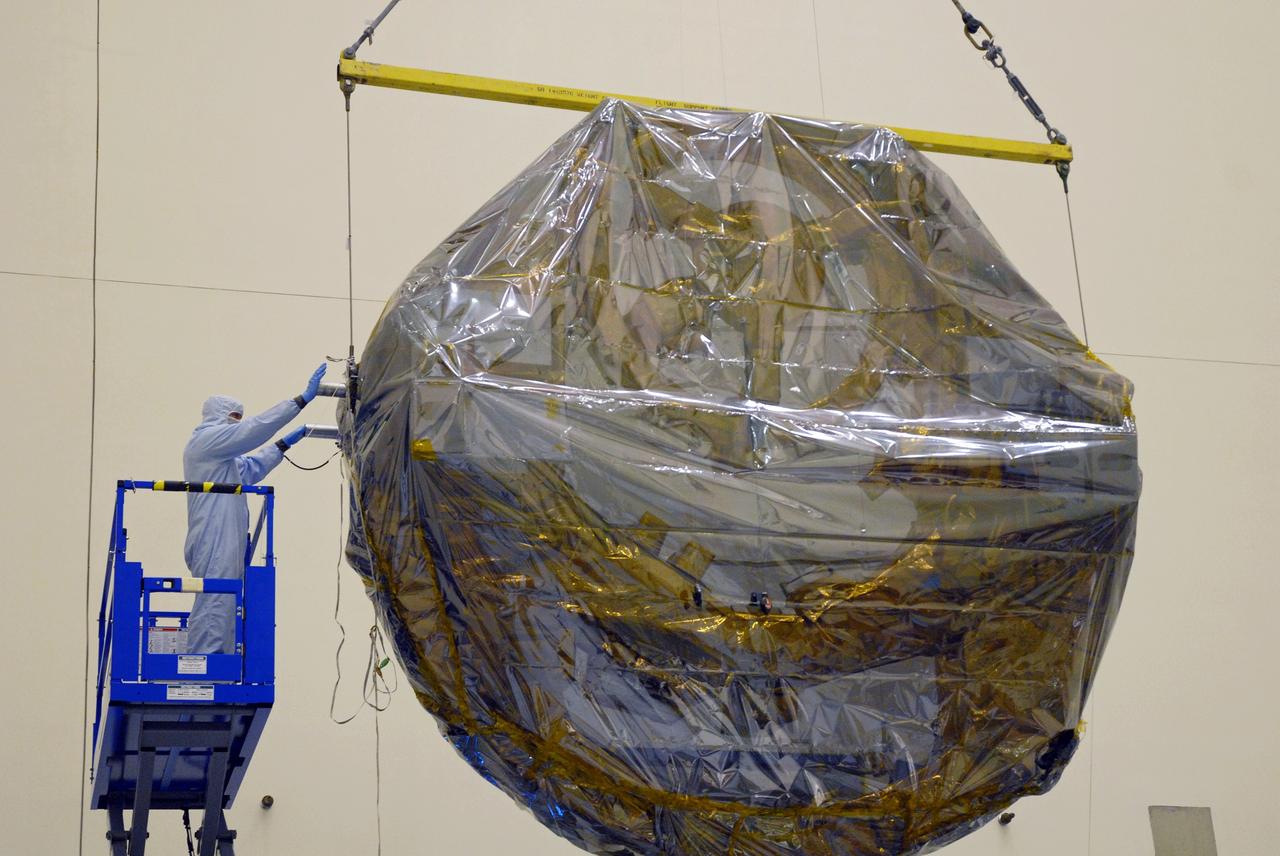
CAPE CANAVERAL, Fla. – In the Payload Hazardous Servicing Facility at NASA's Kennedy Space Center, an overhead crane lifts the newly arrived ground support equipment for the STS-125 Hubble Servicing Mission off its transporter. The GSE are carriers, or pallets, that will hold equipment in space shuttle Atlantis’ payload bay. Under the protective covering of the carrier can be seen the soft capture mechanism. This carrier will be moved to a work stand. The carriers will be prepared for the integration of telescope science instruments, both internal and external replacement components, as well as the flight support equipment to be used by the astronauts during the servicing mission. The three payload carriers or pallets are the Flight Support System, the Super Lightweight Interchangeable Carrier and the Orbital Replacement Unit Carrier. At the end of July, a fourth and final carrier, the Multi-Use Lightweight Equipment carrier will join the others in the Payload Hazardous Servicing Facility where the Hubble payload is being prepared for launch. Photo credit: NASA/Cory Huston
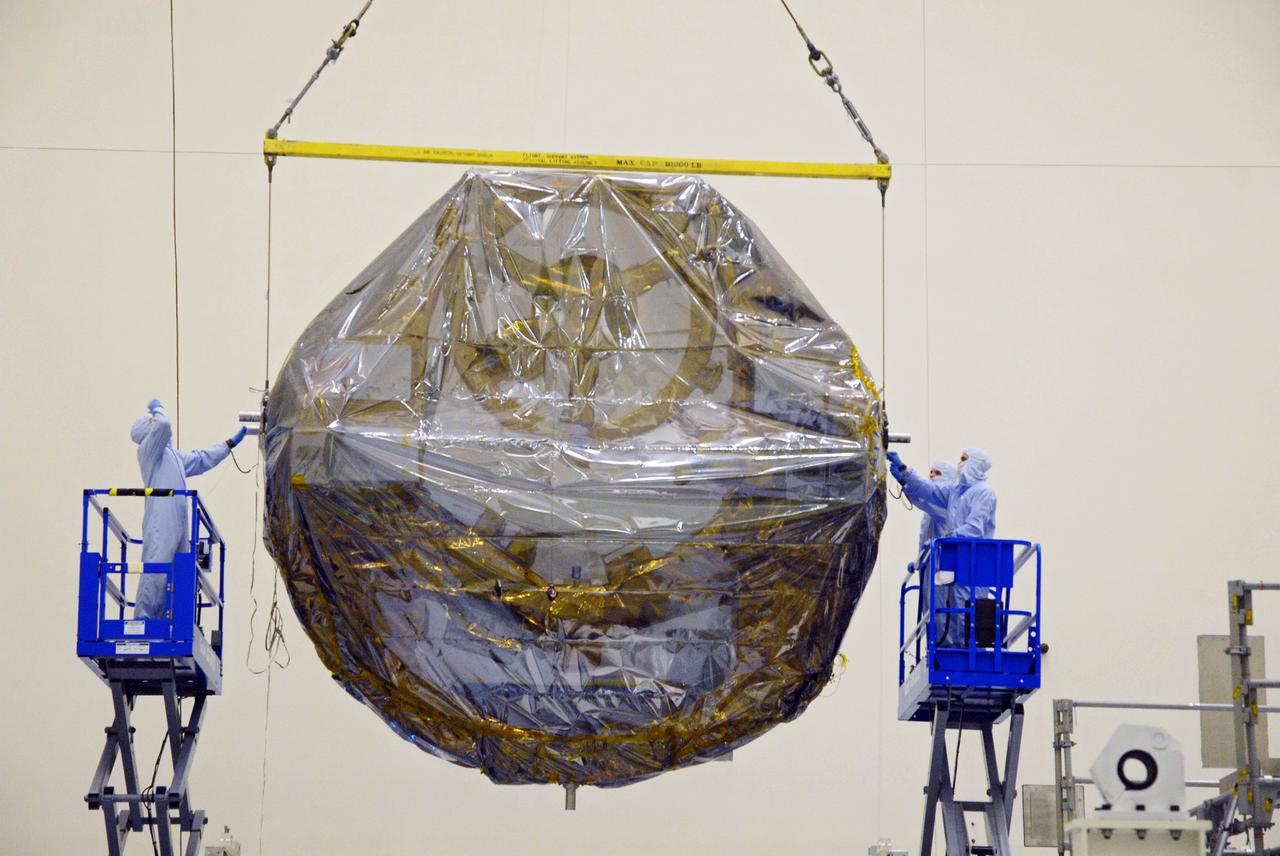
CAPE CANAVERAL, Fla. – In the Payload Hazardous Servicing Facility at NASA's Kennedy Space Center, workers check the attachments on the ground support equipment for the STS-125 Hubble Servicing Mission as it is transferred to a work stand. The GSE are carriers, or pallets, that will hold equipment in space shuttle Atlantis’ payload bay. Under the protective covering of the carrier can be seen the soft capture mechanism. The carriers will be prepared for the integration of telescope science instruments, both internal and external replacement components, as well as the flight support equipment to be used by the astronauts during the servicing mission. The three payload carriers or pallets are the Flight Support System, the Super Lightweight Interchangeable Carrier and the Orbital Replacement Unit Carrier. At the end of July, a fourth and final carrier, the Multi-Use Lightweight Equipment carrier will join the others in the Payload Hazardous Servicing Facility where the Hubble payload is being prepared for launch. Photo credit: NASA/Cory Huston
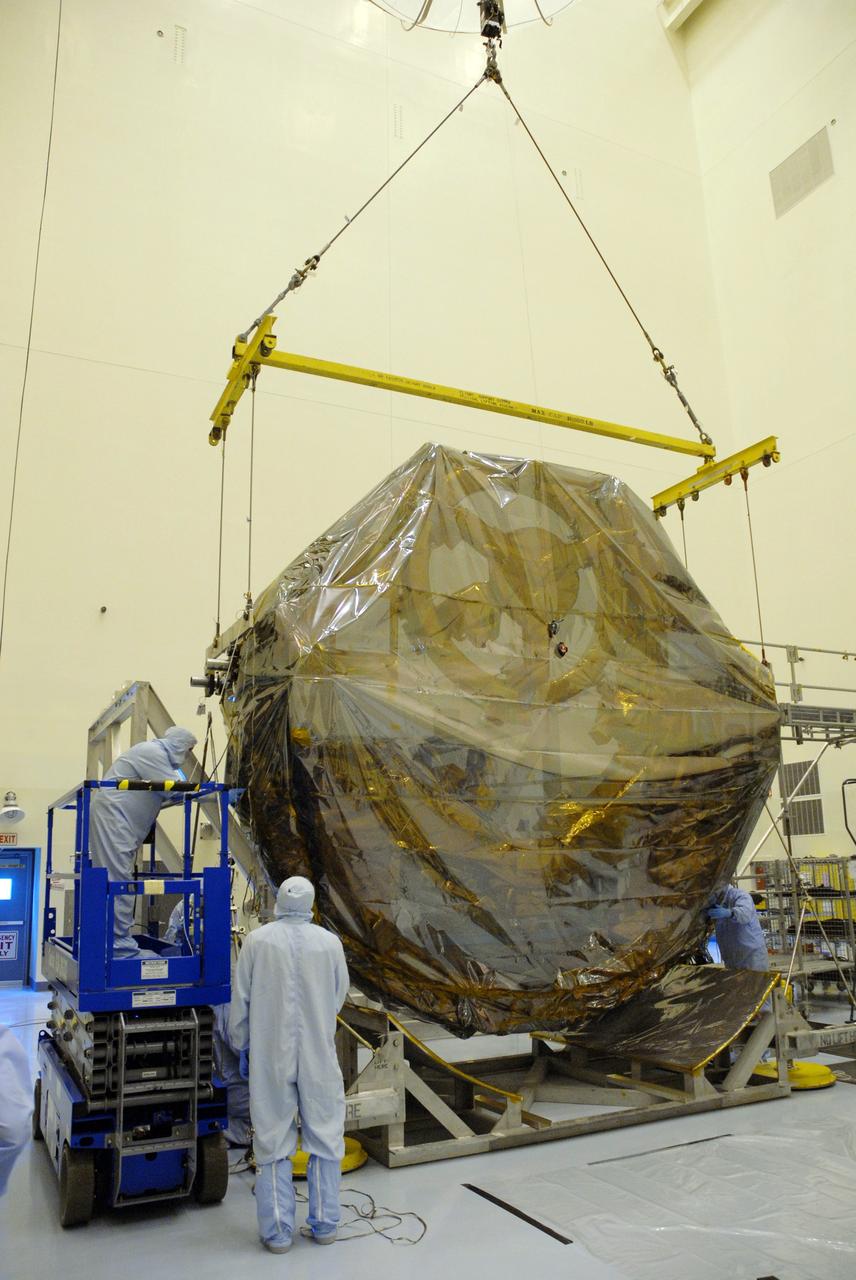
CAPE CANAVERAL, Fla. – In the Payload Hazardous Servicing Facility at NASA's Kennedy Space Center, the overhead crane lowers the ground support equipment for the STS-125 Hubble Servicing Mission onto a work stand. The GSE are carriers, or pallets, that will hold equipment in space shuttle Atlantis’ payload bay. Under the protective covering of the carrier can be seen the soft capture mechanism. The carriers will be prepared for the integration of telescope science instruments, both internal and external replacement components, as well as the flight support equipment to be used by the astronauts during the servicing mission. The three payload carriers or pallets are the Flight Support System, the Super Lightweight Interchangeable Carrier and the Orbital Replacement Unit Carrier. At the end of July, a fourth and final carrier, the Multi-Use Lightweight Equipment carrier will join the others in the Payload Hazardous Servicing Facility where the Hubble payload is being prepared for launch. Photo credit: NASA/Cory Huston
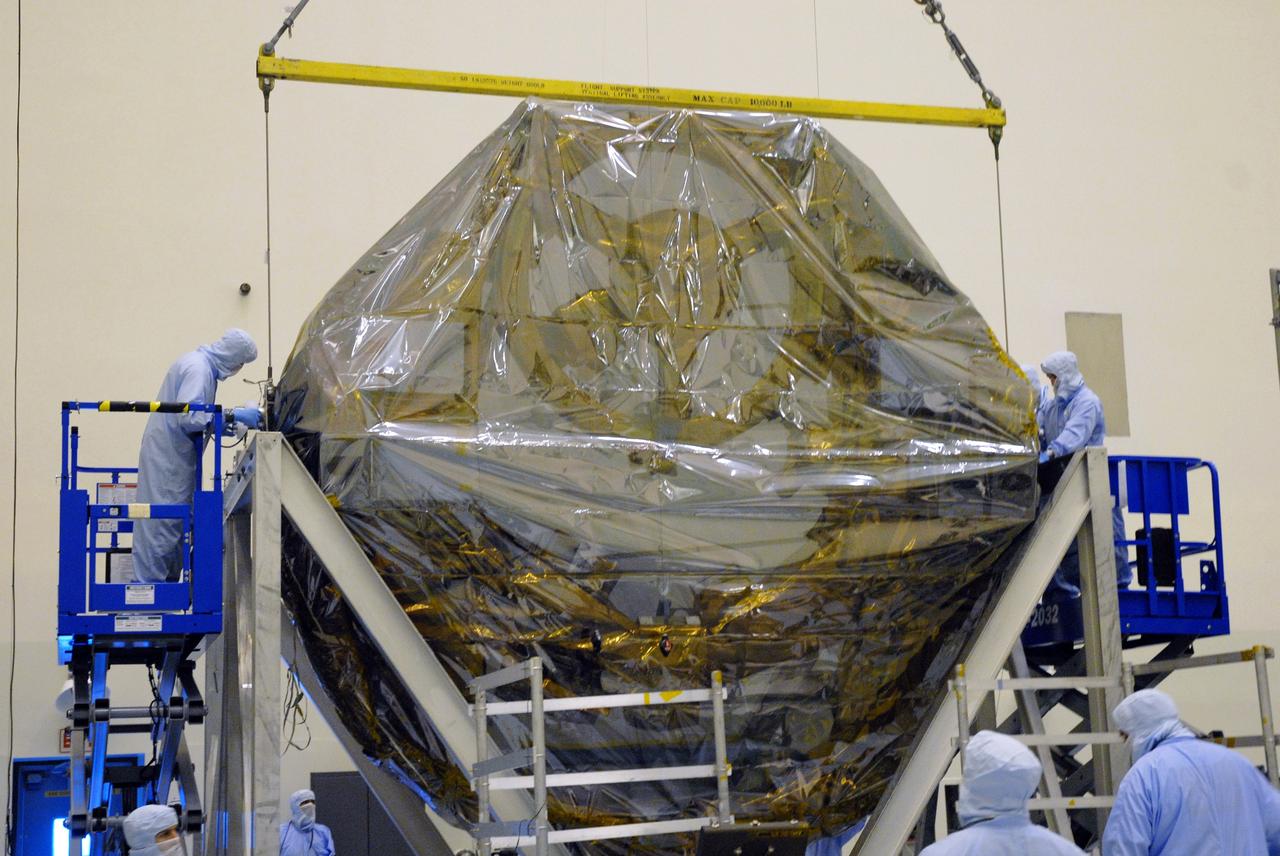
CAPE CANAVERAL, Fla. – In the Payload Hazardous Servicing Facility at NASA's Kennedy Space Center, the overhead crane lowers the ground support equipment for the STS-125 Hubble Servicing Mission into a thermal vacuum fixture. The GSE are carriers, or pallets, that will hold equipment in space shuttle Atlantis’ payload bay. Under the protective covering of the carrier can be seen the soft capture mechanism. The carriers will be prepared for the integration of telescope science instruments, both internal and external replacement components, as well as the flight support equipment to be used by the astronauts during the servicing mission. The three payload carriers or pallets are the Flight Support System, the Super Lightweight Interchangeable Carrier and the Orbital Replacement Unit Carrier. At the end of July, a fourth and final carrier, the Multi-Use Lightweight Equipment carrier will join the others in the Payload Hazardous Servicing Facility where the Hubble payload is being prepared for launch. Photo credit: NASA/Cory Huston

CAPE CANAVERAL, Fla. – In the airlock of the Payload Hazardous Servicing Facility at NASA's Kennedy Space Center, workers prepare to move the ground support equipment for the STS-125 Hubble Servicing Mission delivered July 16. The GSE are carriers, or pallets, that will hold equipment in space shuttle Atlantis’ payload bay. This carrier will be moved to a work stand. The carriers will be prepared for the integration of telescope science instruments, both internal and external replacement components, as well as the flight support equipment to be used by the astronauts during the servicing mission. The three payload carriers or pallets are the Flight Support System, the Super Lightweight Interchangeable Carrier and the Orbital Replacement Unit Carrier. At the end of July, a fourth and final carrier, the Multi-Use Lightweight Equipment carrier will join the others in the Payload Hazardous Servicing Facility where the Hubble payload is being prepared for launch. Photo credit: NASA/Cory Huston

CAPE CANAVERAL, Fla. – In the airlock of the Payload Hazardous Servicing Facility at NASA's Kennedy Space Center, workers prepare to move the ground support equipment for the STS-125 Hubble Servicing Mission delivered July 16. The GSE are carriers, or pallets, that will hold equipment in space shuttle Atlantis’ payload bay. This carrier will be moved to a work stand. The carriers will be prepared for the integration of telescope science instruments, both internal and external replacement components, as well as the flight support equipment to be used by the astronauts during the servicing mission. The three payload carriers or pallets are the Flight Support System, the Super Lightweight Interchangeable Carrier and the Orbital Replacement Unit Carrier. At the end of July, a fourth and final carrier, the Multi-Use Lightweight Equipment carrier will join the others in the Payload Hazardous Servicing Facility where the Hubble payload is being prepared for launch. Photo credit: NASA/Cory Huston
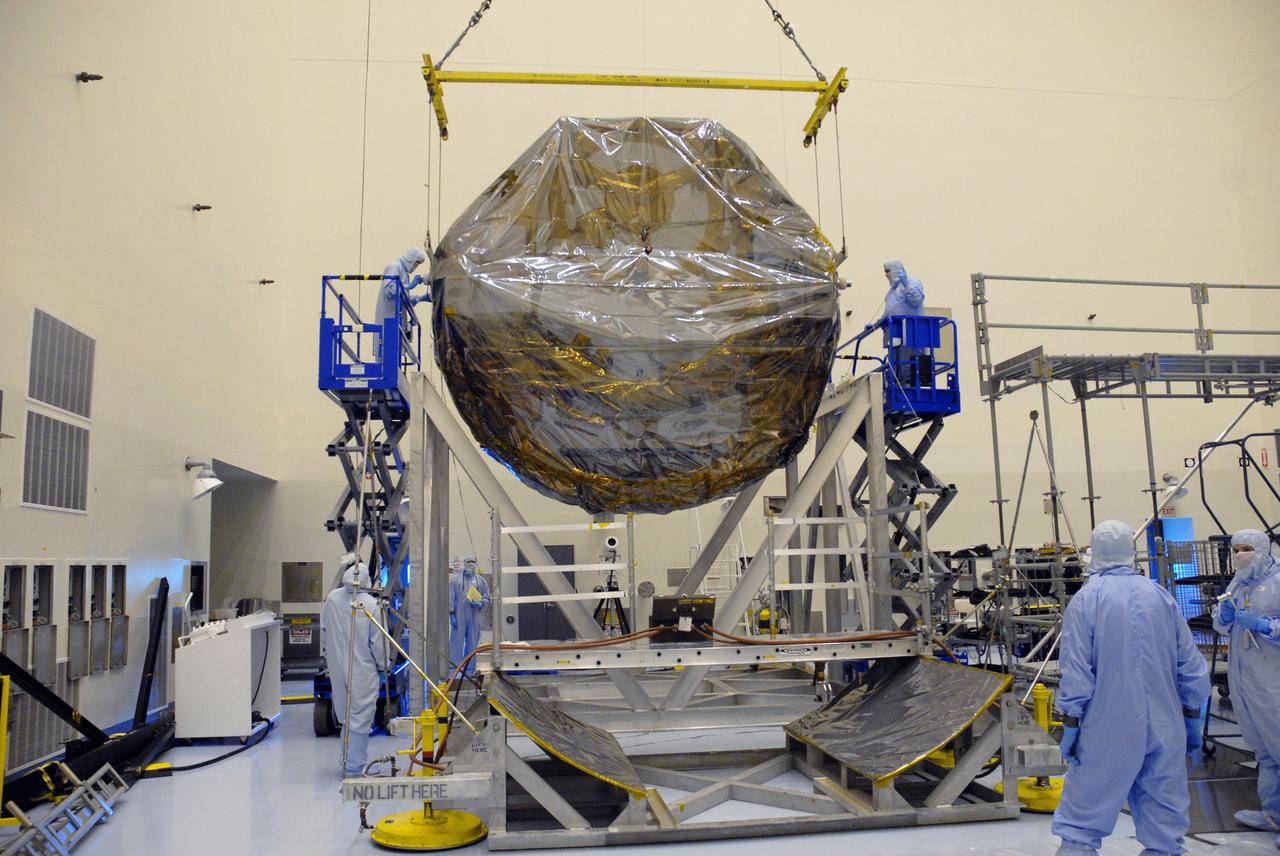
CAPE CANAVERAL, Fla. – In the Payload Hazardous Servicing Facility at NASA's Kennedy Space Center, the overhead crane lifts the ground support equipment for the STS-125 Hubble Servicing Mission out of the thermal vacuum fixture. The GSE are carriers, or pallets, that will hold equipment in space shuttle Atlantis’ payload bay. Under the protective covering of the carrier can be seen the soft capture mechanism. The carriers will be prepared for the integration of telescope science instruments, both internal and external replacement components, as well as the flight support equipment to be used by the astronauts during the servicing mission. The three payload carriers or pallets are the Flight Support System, the Super Lightweight Interchangeable Carrier and the Orbital Replacement Unit Carrier. At the end of July, a fourth and final carrier, the Multi-Use Lightweight Equipment carrier will join the others in the Payload Hazardous Servicing Facility where the Hubble payload is being prepared for launch. Photo credit: NASA/Cory Huston
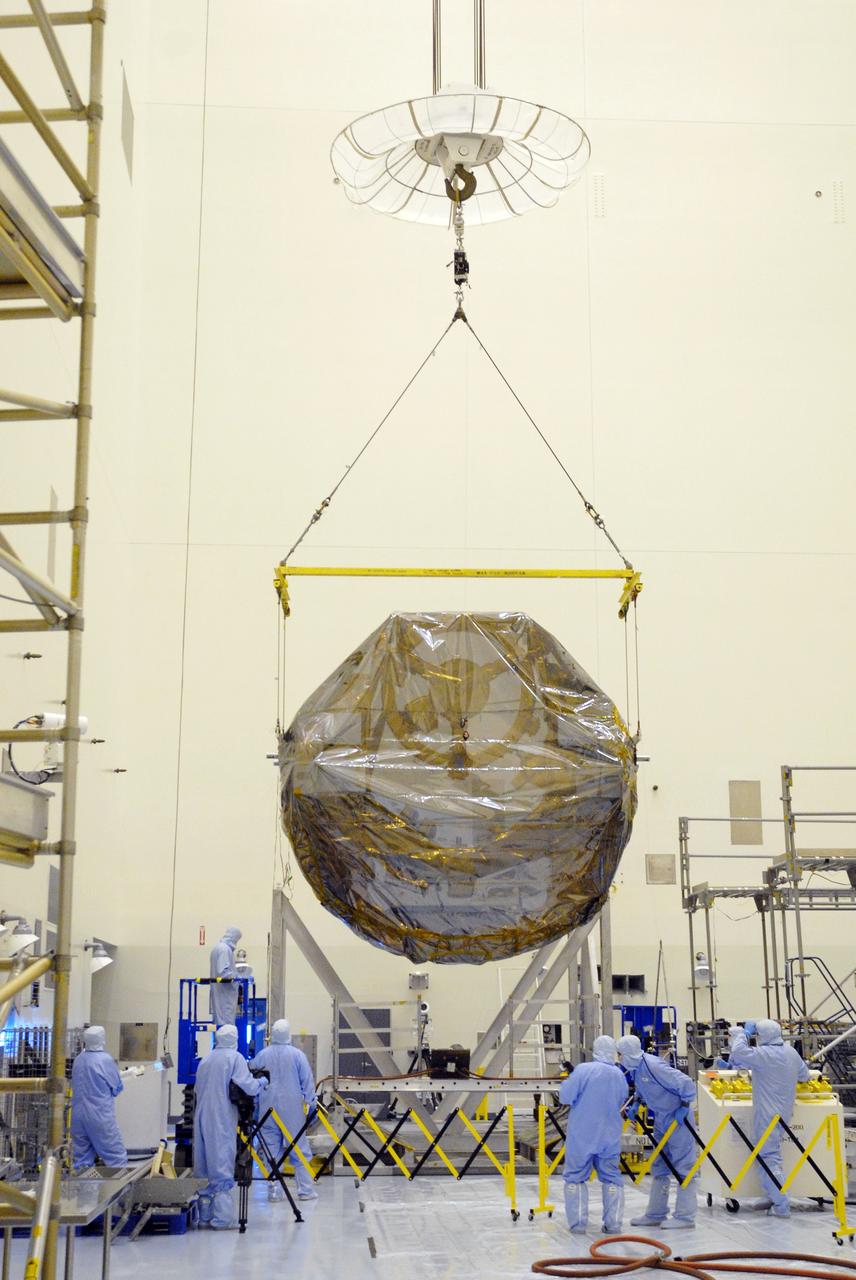
CAPE CANAVERAL, Fla. – In the Payload Hazardous Servicing Facility at NASA's Kennedy Space Center, the overhead crane lifts the ground support equipment for the STS-125 Hubble Servicing Mission away from the thermal vacuum fixture. The GSE are carriers, or pallets, that will hold equipment in space shuttle Atlantis’ payload bay. Under the protective covering of the carrier can be seen the soft capture mechanism. The carrier will be moved to a work stand. The carriers will be prepared for the integration of telescope science instruments, both internal and external replacement components, as well as the flight support equipment to be used by the astronauts during the servicing mission. The three payload carriers or pallets are the Flight Support System, the Super Lightweight Interchangeable Carrier and the Orbital Replacement Unit Carrier. At the end of July, a fourth and final carrier, the Multi-Use Lightweight Equipment carrier will join the others in the Payload Hazardous Servicing Facility where the Hubble payload is being prepared for launch. Photo credit: NASA/Cory Huston
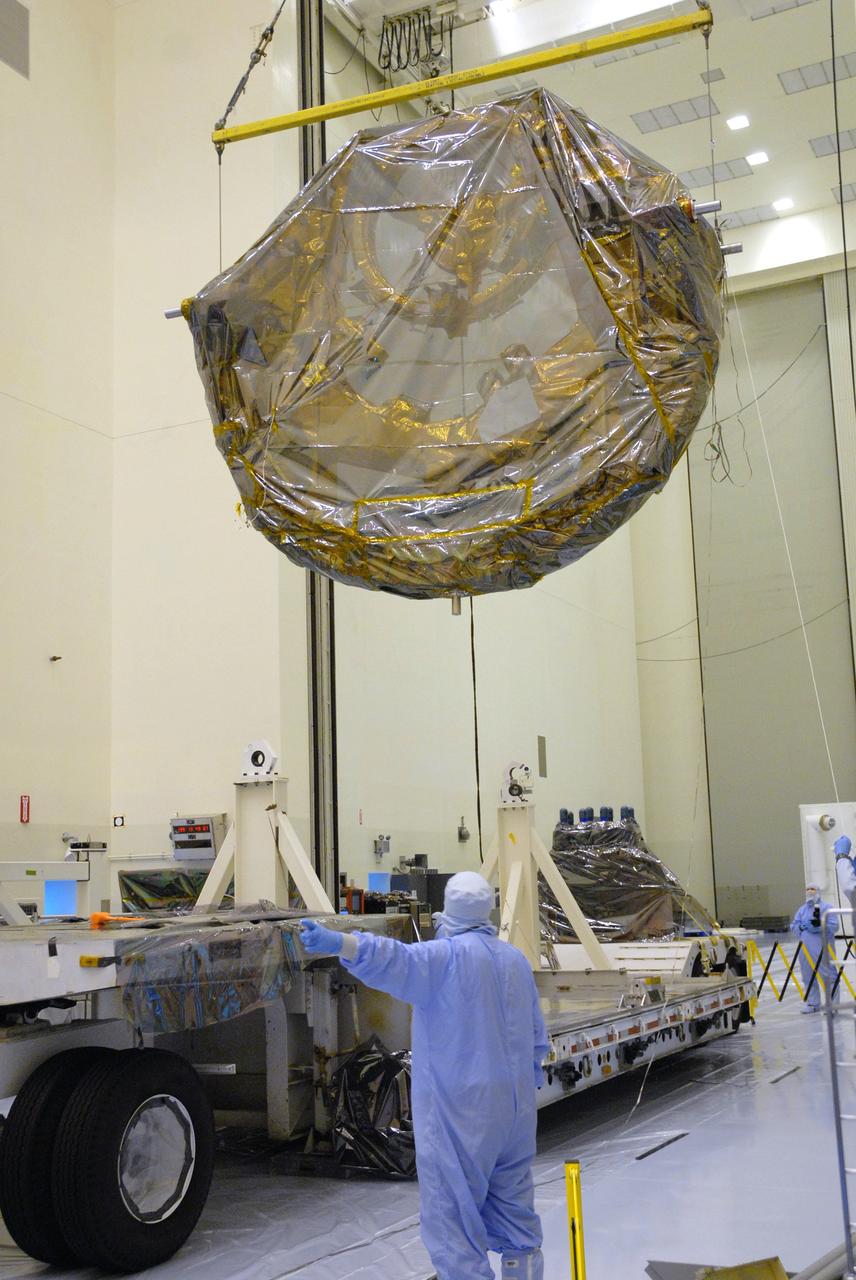
CAPE CANAVERAL, Fla. – Inside the Payload Hazardous Servicing Facility at NASA's Kennedy Space Center, the newly arrived ground support equipment for the STS-125 Hubble Servicing Mission waits to be moved to a work stand. The GSE are carriers, or pallets, that will hold equipment in space shuttle Atlantis’ payload bay. The carriers will be prepared for the integration of telescope science instruments, both internal and external replacement components, as well as the flight support equipment to be used by the astronauts during the servicing mission. The three payload carriers or pallets are the Flight Support System, the Super Lightweight Interchangeable Carrier and the Orbital Replacement Unit Carrier. At the end of July, a fourth and final carrier, the Multi-Use Lightweight Equipment carrier will join the others in the Payload Hazardous Servicing Facility where the Hubble payload is being prepared for launch. Photo credit: NASA/Cory Huston
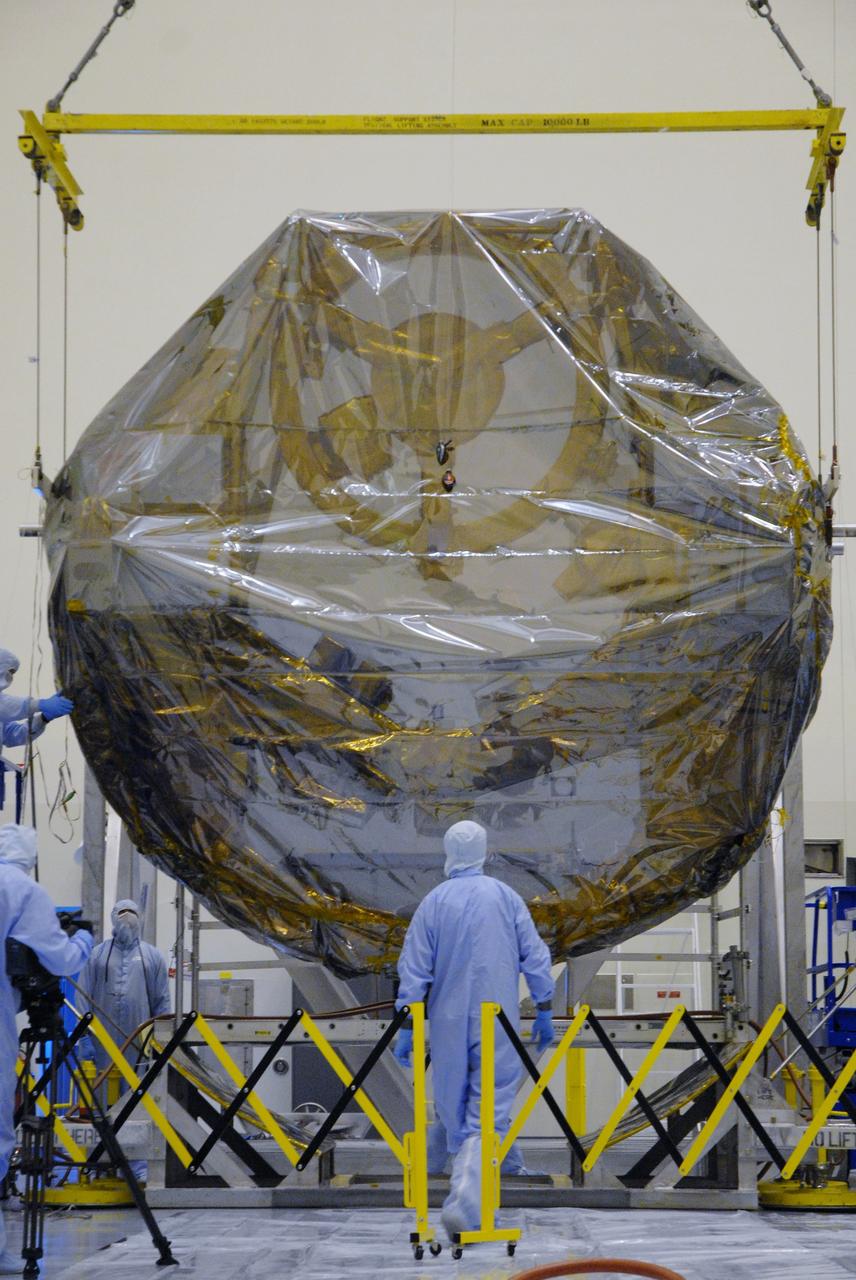
CAPE CANAVERAL, Fla. – In the Payload Hazardous Servicing Facility at NASA's Kennedy Space Center, the overhead crane lowers the ground support equipment for the STS-125 Hubble Servicing Mission toward a work stand. The GSE are carriers, or pallets, that will hold equipment in space shuttle Atlantis’ payload bay. Under the protective covering of the carrier can be seen the soft capture mechanism. The carriers will be prepared for the integration of telescope science instruments, both internal and external replacement components, as well as the flight support equipment to be used by the astronauts during the servicing mission. The three payload carriers or pallets are the Flight Support System, the Super Lightweight Interchangeable Carrier and the Orbital Replacement Unit Carrier. At the end of July, a fourth and final carrier, the Multi-Use Lightweight Equipment carrier will join the others in the Payload Hazardous Servicing Facility where the Hubble payload is being prepared for launch. Photo credit: NASA/Cory Huston
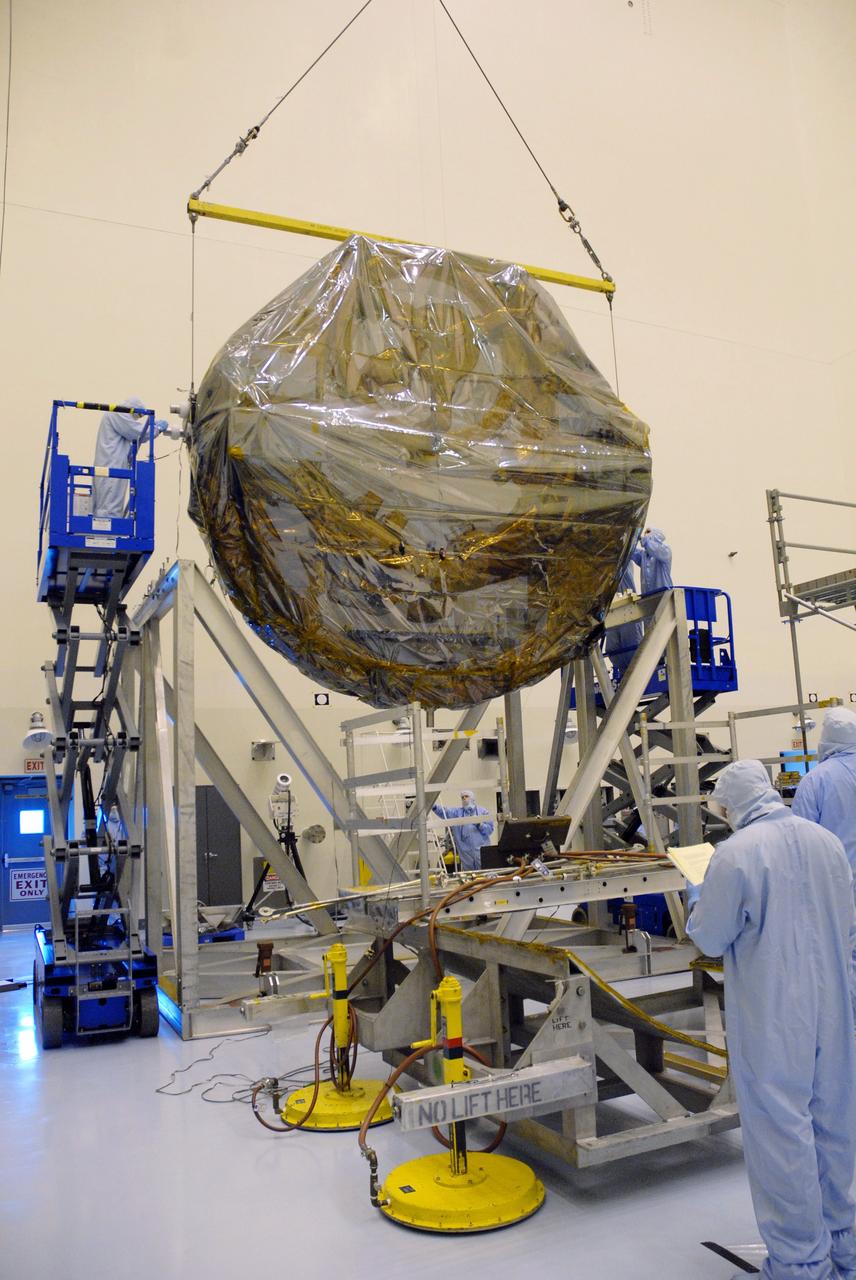
CAPE CANAVERAL, Fla. – In the Payload Hazardous Servicing Facility at NASA's Kennedy Space Center, the overhead crane lowers the newly arrived ground support equipment for the STS-125 Hubble Servicing Mission toward a thermal vacuum fixture. The GSE are carriers, or pallets, that will hold equipment in space shuttle Atlantis’ payload bay. Under the protective covering of the carrier can be seen the soft capture mechanism. The carriers will be prepared for the integration of telescope science instruments, both internal and external replacement components, as well as the flight support equipment to be used by the astronauts during the servicing mission. The three payload carriers or pallets are the Flight Support System, the Super Lightweight Interchangeable Carrier and the Orbital Replacement Unit Carrier. At the end of July, a fourth and final carrier, the Multi-Use Lightweight Equipment carrier will join the others in the Payload Hazardous Servicing Facility where the Hubble payload is being prepared for launch. Photo credit: NASA/Cory Huston
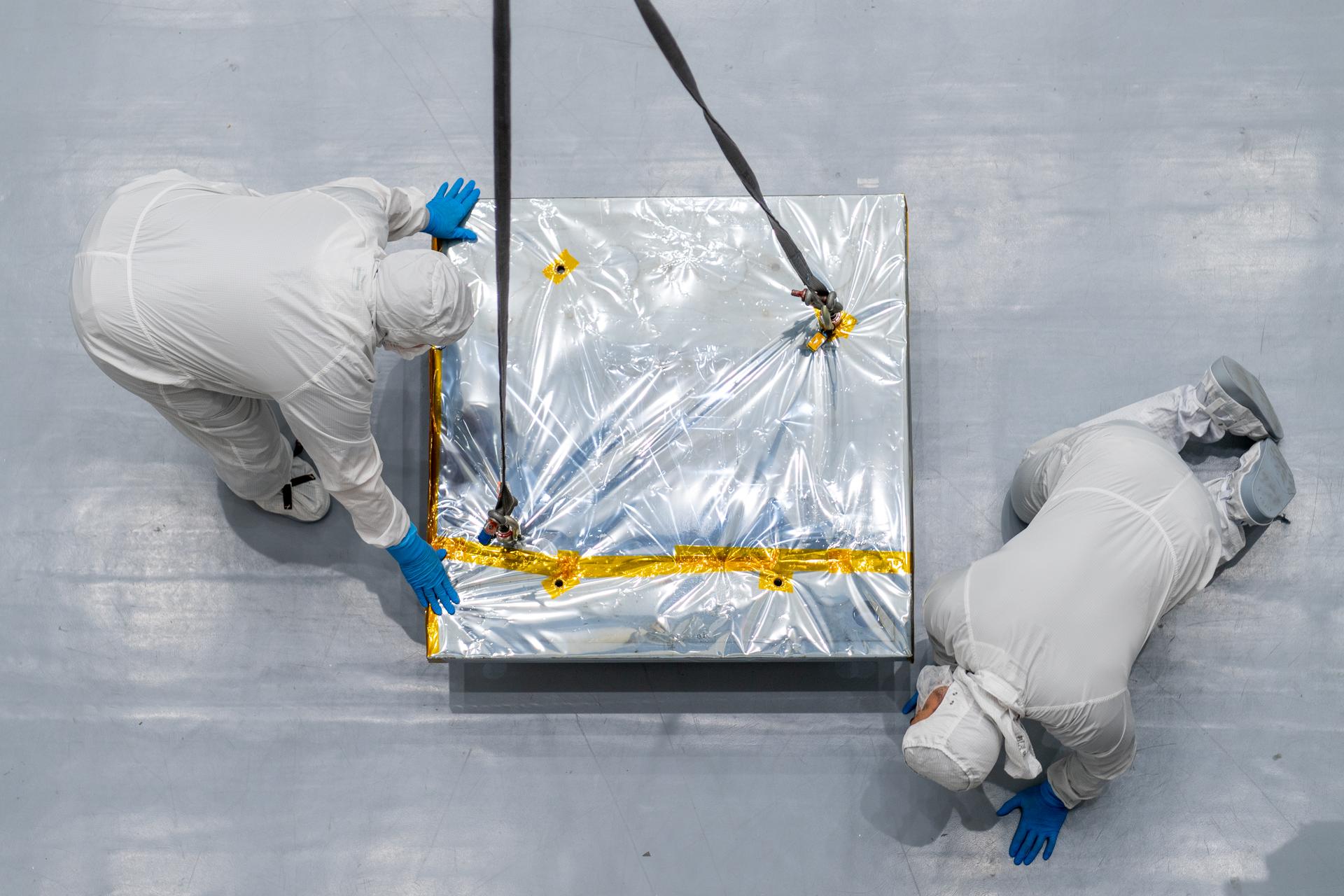
OSAM-1 team members prepare a weight to be crane lifted onto the SPIKA work platform as part of its commissioning workmanship test inside the cleanroom at Goddard Space Flight Center, Greenbelt Md., Mar 20, 2023. This photo has been reviewed by OSAM1 project management and the Export Control Office and is released for public view. NASA/Mike Guinto
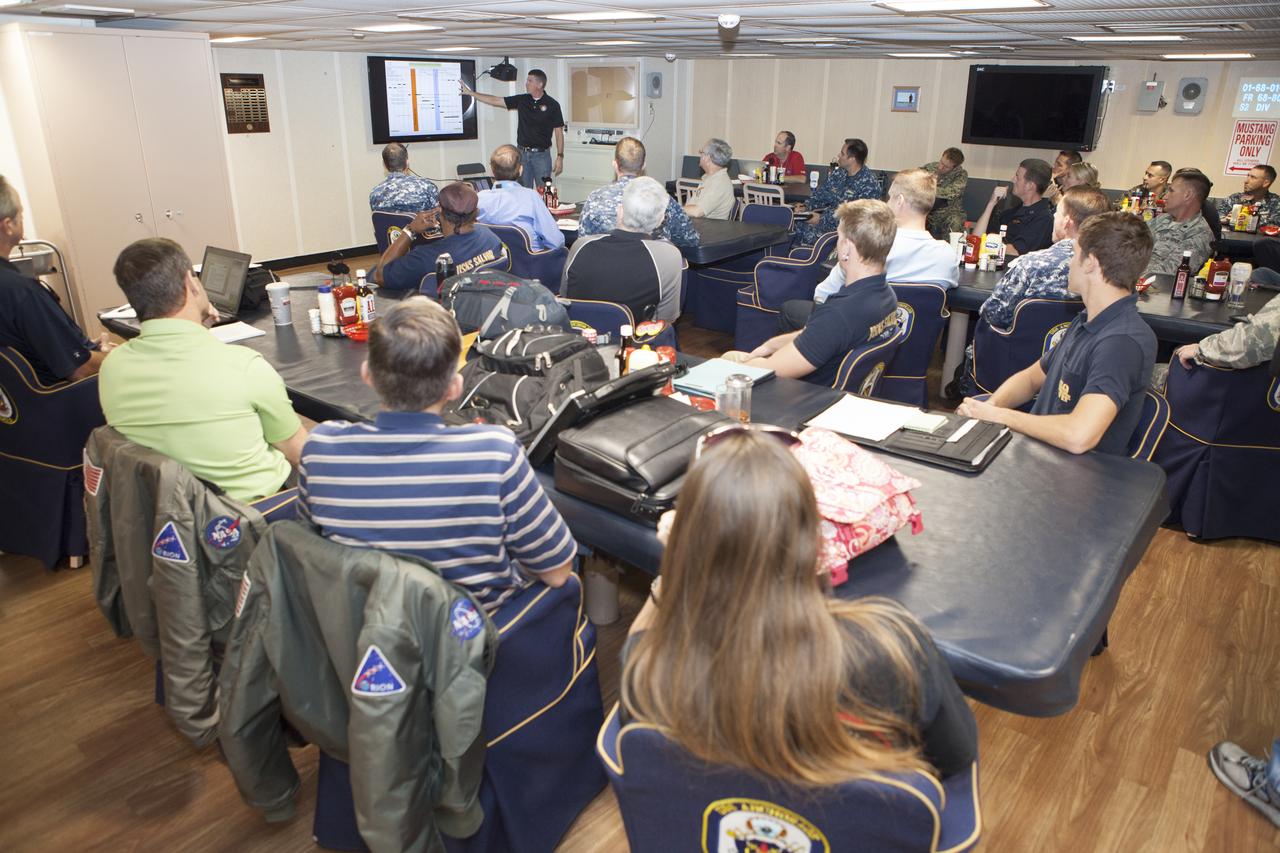
NASA Orion Recovery Director Jeremy Graeber, with the Ground Systems Development and Operations Program at Kennedy Space Center in Florida, reviews Orion recovery procedures with NASA, Lockheed Martin and U.S. Navy personnel aboard the USS Anchorage at Naval Base San Diego in California. Before the launch of Orion on its first flight test atop a Delta IV Heavy rocket from Cape Canaveral Air Force Station in Florida, NASA, Lockheed Martin and the U.S. Navy personnel will head out to sea in the USS Anchorage and the USNS Salvor, a salvage ship, and wait for splashdown of the Orion crew module in the Pacific Ocean. The GSDO Program will lead the recovery efforts. Orion is the exploration spacecraft designed to carry astronauts to destinations not yet explored by humans, including an asteroid and Mars. It will have emergency abort capability, sustain the crew during space travel and provide safe re-entry from deep space return velocities. The first unpiloted flight test of Orion is scheduled to launch in December atop a United Launch Alliance Delta IV Heavy rocket and in 2018 on NASA’s Space Launch System rocket.

Ground support equipment for use during an alternate recovery method of the Orion crew module after its first flight test, is being prepared for loading into the well deck of the USNS Salvor, a salvage ship, at Naval Base San Diego in California. Before launch of Orion on a Delta IV Heavy rocket from Cape Canaveral Air Force Station in Florida, NASA, Lockheed Martin and U.S. Navy personnel will head out to sea in the USS Anchorage and the USNS Salvor and wait for splashdown of the Orion crew module in the Pacific Ocean. The Ground Systems Development and Operations Program will lead the recovery efforts. Orion is the exploration spacecraft designed to carry astronauts to destinations not yet explored by humans, including an asteroid and Mars. It will have emergency abort capability, sustain the crew during space travel and provide safe re-entry from deep space return velocities. The first unpiloted flight test of Orion is scheduled to launch in December atop a United Launch Alliance Delta IV Heavy rocket and in 2018 on NASA’s Space Launch System rocket.

Inside the Space Station Processing Facility low bay at NASA’s Kennedy Space Center in Florida, technicians use a crane to lift the cover off ground support equipment for the Orbital ATK OA-7 commercial resupply services mission. The Orbital ATK CRS-7 with the Cygnus cargo module will lift off atop a United Launch Alliance Atlas V rocket from Space launch Complex 41 at Cape Canaveral Air Force Station. The commercial resupply services mission to the International Space Station will deliver thousands of pounds of supplies, equipment and scientific research materials that improve life on Earth and drive progress toward future space exploration.

Sealed in its shipping container, the ground support equipment for the Orbital ATK OA-7 commercial resupply services mission has arrived at the Space Station Processing Facility at NASA's Kennedy Space Center in Florida. The container will be moved inside the low bay of the facility. The Orbital ATK CRS-7 with the Cygnus cargo module will lift off atop a United Launch Alliance Atlas V rocket from Space launch Complex 41 at Cape Canaveral Air Force Station. The commercial resupply services mission to the International Space Station will deliver thousands of pounds of supplies, equipment and scientific research materials that improve life on Earth and drive progress toward future space exploration.
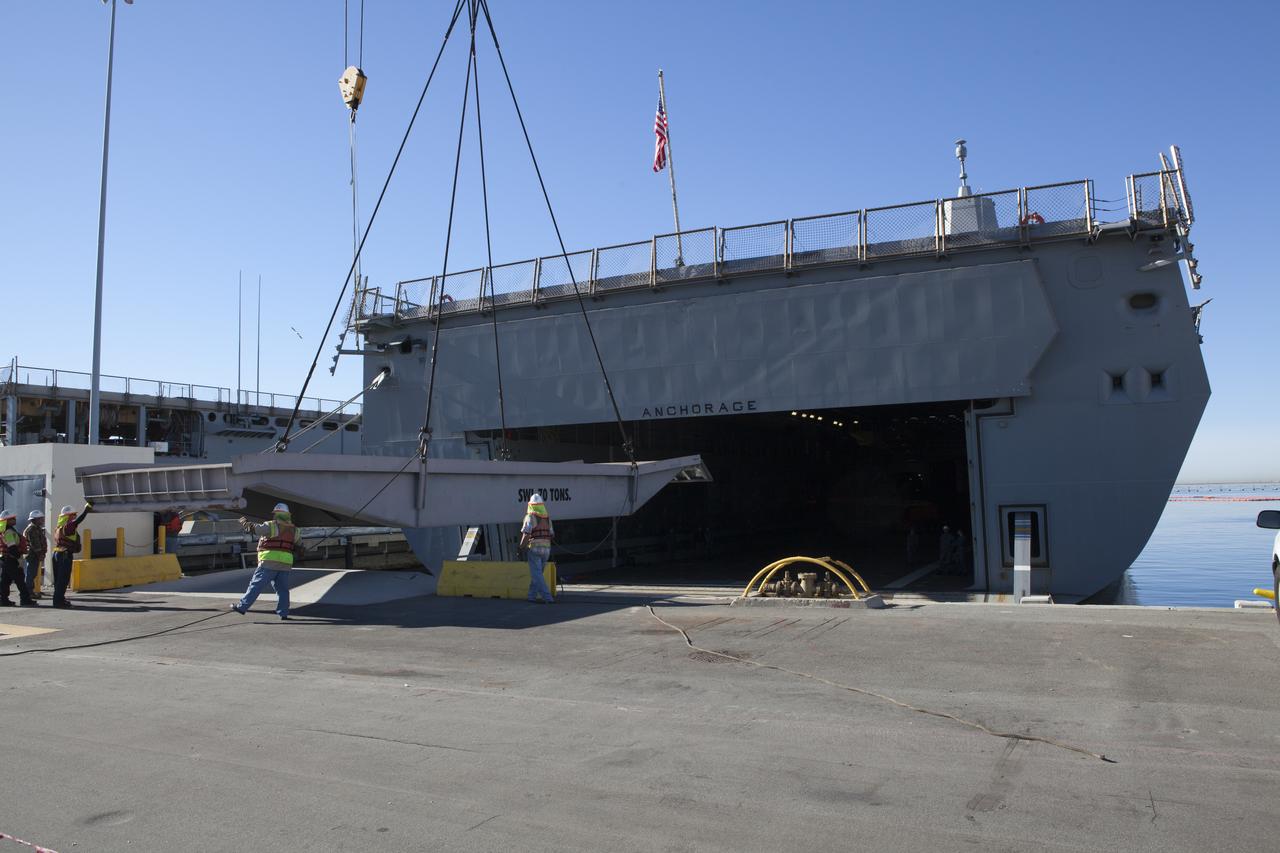
A ramp is being loaded on the USS Anchorage so that ground support equipment for use during recovery of the Orion crew module after its first flight test can be loaded into the well deck of the ship at Naval Base San Diego in California. Before launch of Orion on a Delta IV Heavy rocket from Cape Canaveral Air Force Station in Florida, NASA, Lockheed Martin and U.S. Navy personnel will head out to sea in the USS Anchorage and the USNS Salvor, a salvage ship, and wait for splashdown of the Orion crew module in the Pacific Ocean. The Ground Systems Development and Operations Program will lead the recovery efforts. Orion is the exploration spacecraft designed to carry astronauts to destinations not yet explored by humans, including an asteroid and Mars. It will have emergency abort capability, sustain the crew during space travel and provide safe re-entry from deep space return velocities. The first unpiloted flight test of Orion is scheduled to launch in December atop a United Launch Alliance Delta IV Heavy rocket and in 2018 on NASA’s Space Launch System rocket.
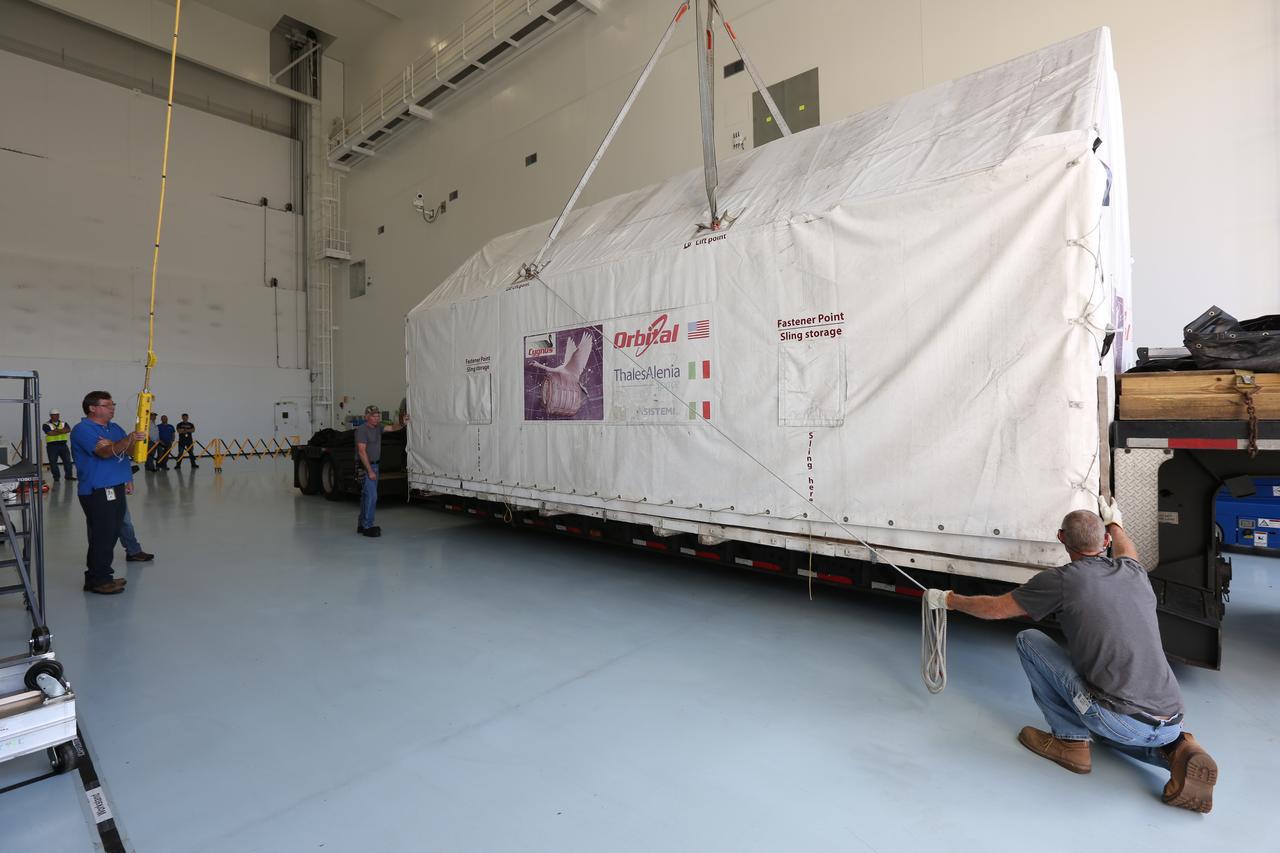
Sealed in its shipping container, the ground support equipment for the Orbital ATK OA-7 commercial resupply services mission was moved inside the low bay of the Space Station Processing Facility at NASA's Kennedy Space Center in Florida. The Orbital ATK CRS-7 with the Cygnus cargo module will lift off atop a United Launch Alliance Atlas V rocket from Space launch Complex 41 at Cape Canaveral Air Force Station. The commercial resupply services mission to the International Space Station will deliver thousands of pounds of supplies, equipment and scientific research materials that improve life on Earth and drive progress toward future space exploration.
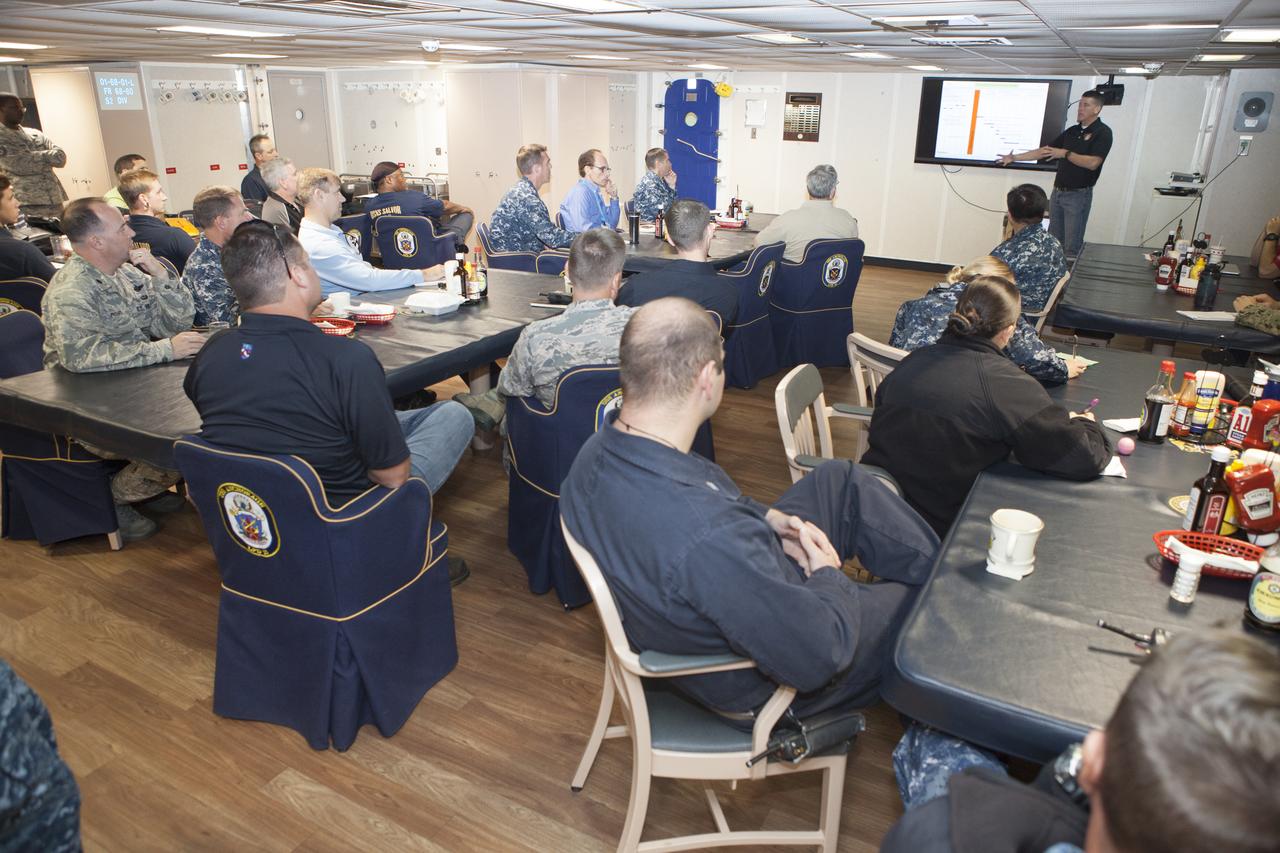
NASA Orion Recovery Director Jeremy Graeber, with the Ground Systems Development and Operations Program at Kennedy Space Center in Florida, reviews Orion recovery procedures with NASA, Lockheed Martin and U.S. Navy personnel aboard the USS Anchorage at Naval Base San Diego in California. Before the launch of Orion on its first flight test atop a Delta IV Heavy rocket from Cape Canaveral Air Force Station in Florida, NASA, Lockheed Martin and U.S. Navy personnel will head out to sea in the USS Anchorage and the USNS Salvor, a salvage ship, and wait for splashdown of the Orion crew module in the Pacific Ocean. The GSDO Program will lead the recovery efforts. Orion is the exploration spacecraft designed to carry astronauts to destinations not yet explored by humans, including an asteroid and Mars. It will have emergency abort capability, sustain the crew during space travel and provide safe re-entry from deep space return velocities. The first unpiloted flight test of Orion is scheduled to launch in December atop a United Launch Alliance Delta IV Heavy rocket and in 2018 on NASA’s Space Launch System rocket.
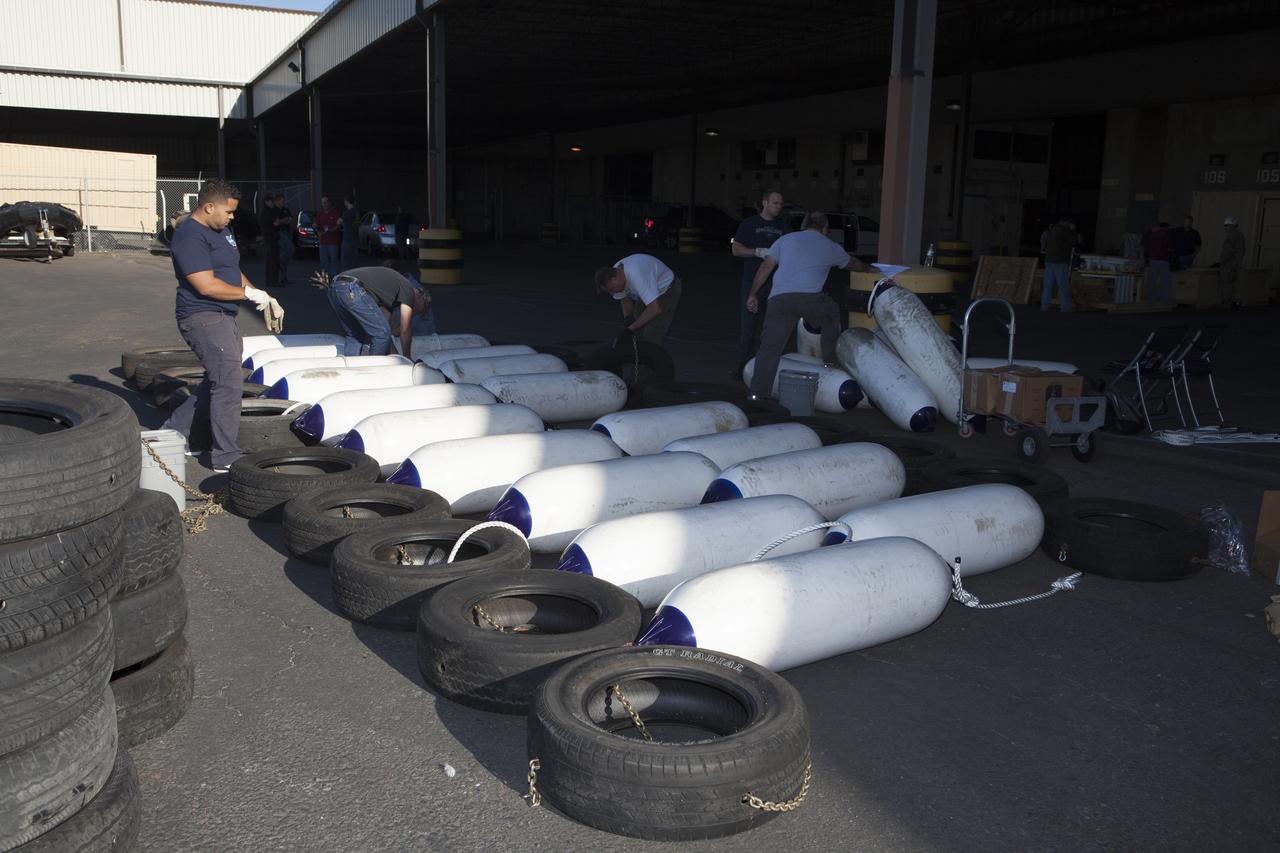
Ground support equipment for use during an alternate recovery method of the Orion crew module after its first flight test, is being prepared for loading onto the USNS Salvor, a salvage ship, at Naval Base San Diego in California. Before launch of Orion on a Delta IV Heavy rocket from Cape Canaveral Air Force Station in Florida, NASA, Lockheed Martin and U.S. Navy personnel will head out to sea in the USS Anchorage and the USNS Salvor and wait for splashdown of the Orion crew module in the Pacific Ocean. The Ground Systems Development and Operations Program will lead the recovery efforts. Orion is the exploration spacecraft designed to carry astronauts to destinations not yet explored by humans, including an asteroid and Mars. It will have emergency abort capability, sustain the crew during space travel and provide safe re-entry from deep space return velocities. The first unpiloted flight test of Orion is scheduled to launch in December atop a United Launch Alliance Delta IV Heavy rocket and in 2018 on NASA’s Space Launch System rocket.
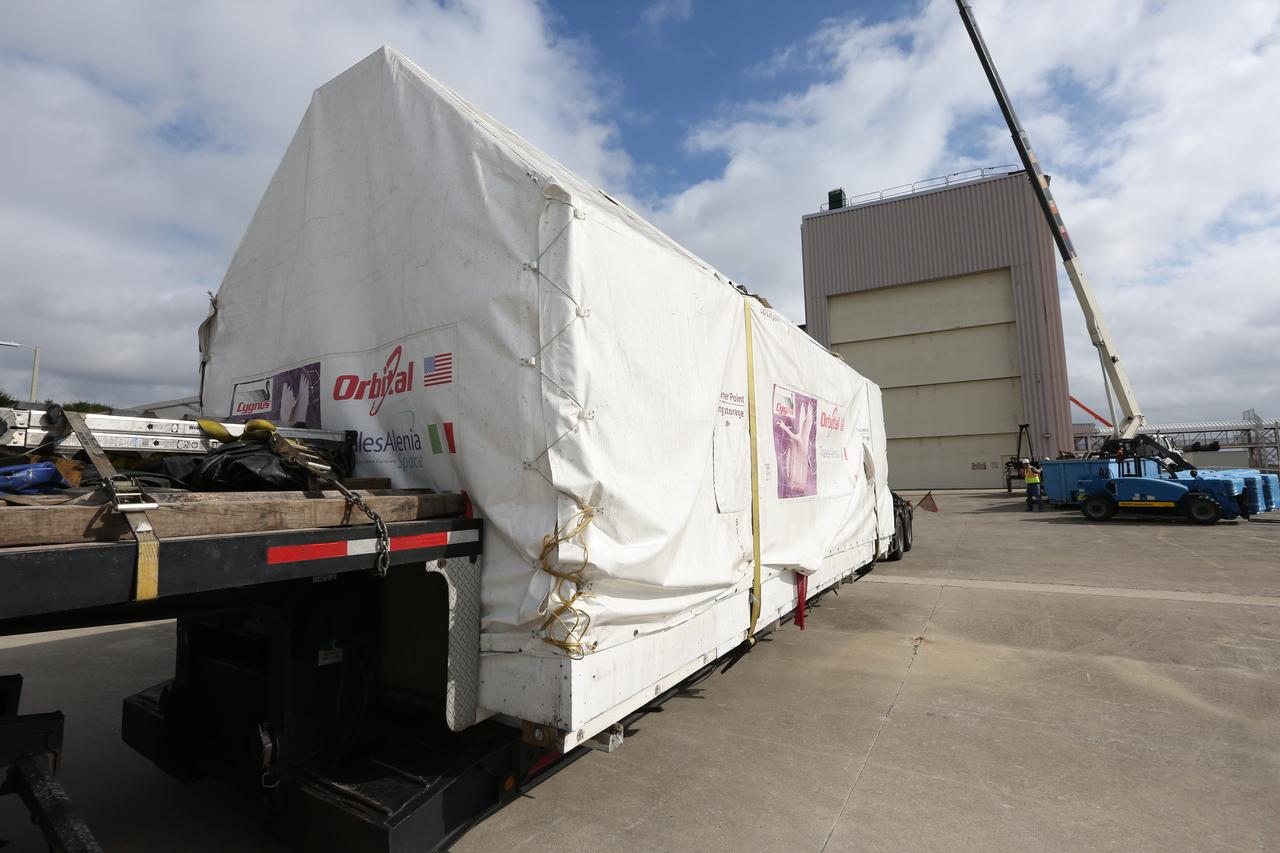
Sealed in its shipping container, the ground support equipment for the Orbital ATK OA-7 commercial resupply services mission has arrived at the Space Station Processing Facility at NASA's Kennedy Space Center in Florida. The container will be moved inside the low bay of the facility. The Orbital ATK CRS-7 with the Cygnus cargo module will lift off atop a United Launch Alliance Atlas V rocket from Space launch Complex 41 at Cape Canaveral Air Force Station. The commercial resupply services mission to the International Space Station will deliver thousands of pounds of supplies, equipment and scientific research materials that improve life on Earth and drive progress toward future space exploration.
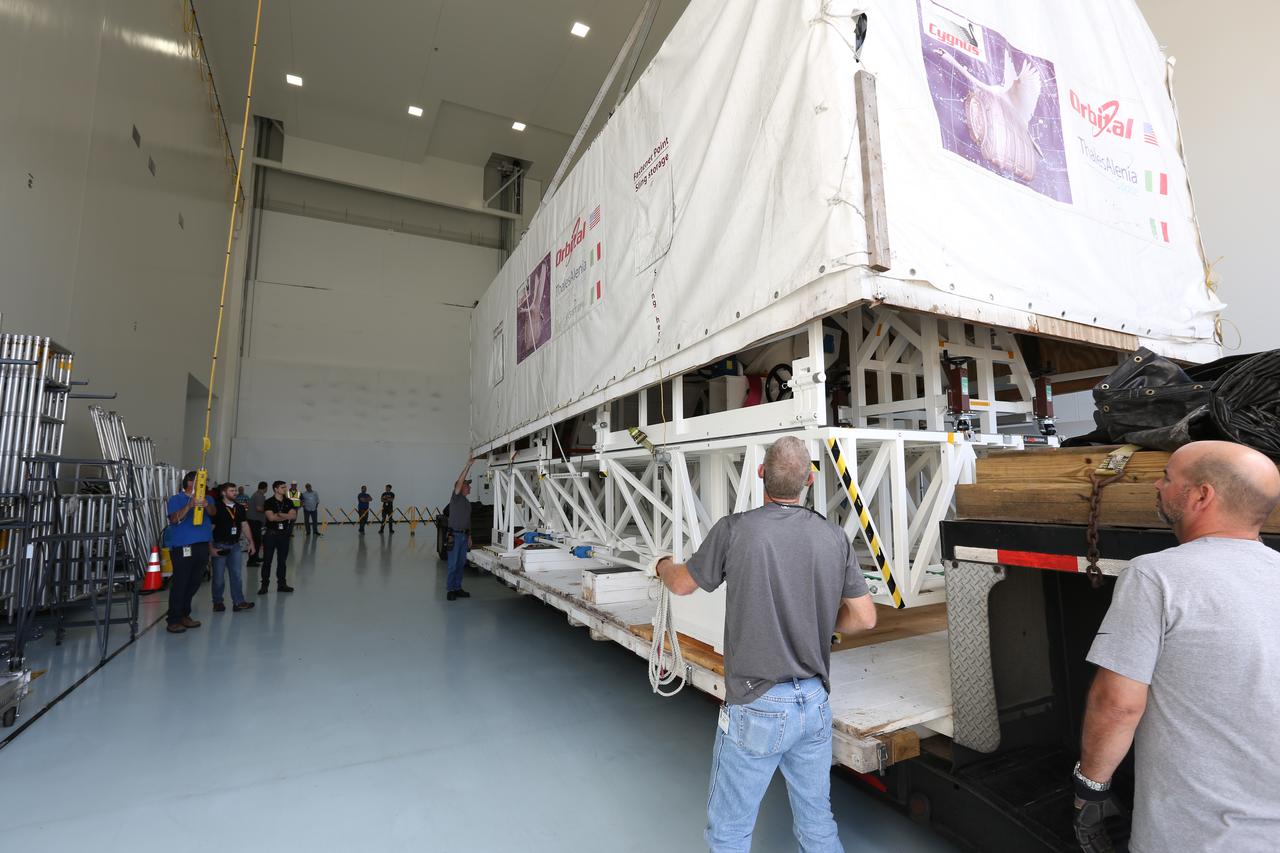
Inside the Space Station Processing Facility low bay at NASA’s Kennedy Space Center in Florida, technicians use a crane to lift the cover off ground support equipment for the Orbital ATK OA-7 commercial resupply services mission. The Orbital ATK CRS-7 with the Cygnus cargo module will lift off atop a United Launch Alliance Atlas V rocket from Space launch Complex 41 at Cape Canaveral Air Force Station. The commercial resupply services mission to the International Space Station will deliver thousands of pounds of supplies, equipment and scientific research materials that improve life on Earth and drive progress toward future space exploration.

The engine vertical installer for NASA’s Space Launch System (SLS) arrives inside the Vehicle Assembly at NASA’s Kennedy Space Center in Florida on April 25, 2019. The engine installer arrived from the manufacturer, Precision Fabrication and Cleaning in Canaveral Groves, Florida. The new ground support equipment will be ready for preflight processing in the event one of the four RS-25 engines on the core stage of the SLS rocket needs to be replaced. During launch of the SLS and Orion spacecraft, the four core stage engines will provide the thrust needed to lift the rocket and Orion spacecraft off Launch Pad 39B at Kennedy for Exploration Mission-1. The uncrewed Orion will travel on a three-week test mission thousands of miles beyond the Moon and back to Earth for a splashdown in the Pacific Ocean.
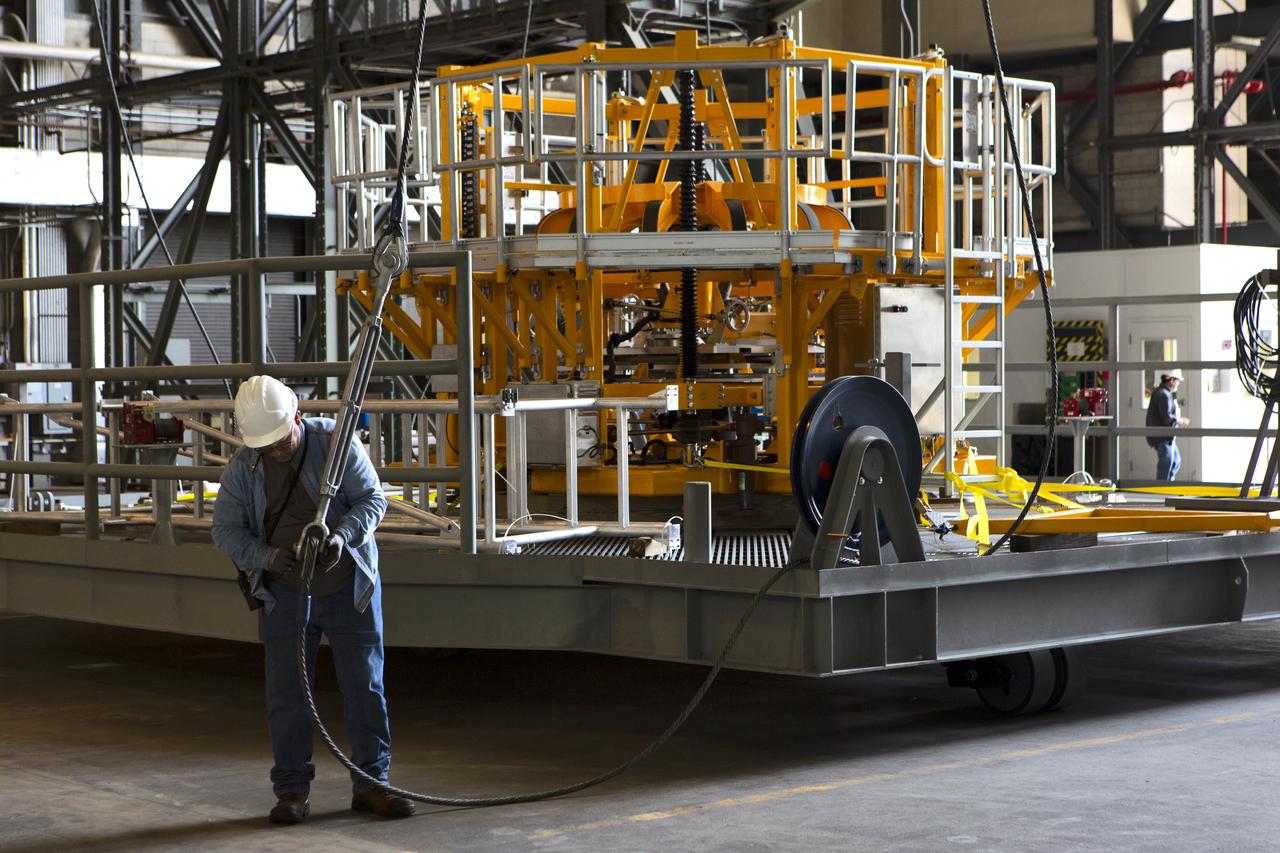
The engine vertical installer for NASA’s Space Launch System (SLS) is inside the Vehicle Assembly at NASA’s Kennedy Space Center in Florida on April 25, 2019. Preparations are underway to lift the engine installer up and into High Bay 3. The engine installer arrived from the manufacturer, Precision Fabrication and Cleaning in Canaveral Groves, Florida. The new ground support equipment will be ready for preflight processing in the event one of the four RS-25 engines on the core stage of the SLS rocket needs to be replaced. During launch of the SLS and Orion spacecraft, the four core stage engines will provide the thrust needed to lift the rocket and Orion spacecraft off Launch Pad 39B at Kennedy for Exploration Mission-1. The uncrewed Orion will travel on a three-week test mission thousands of miles beyond the Moon and back to Earth for a splashdown in the Pacific Ocean.
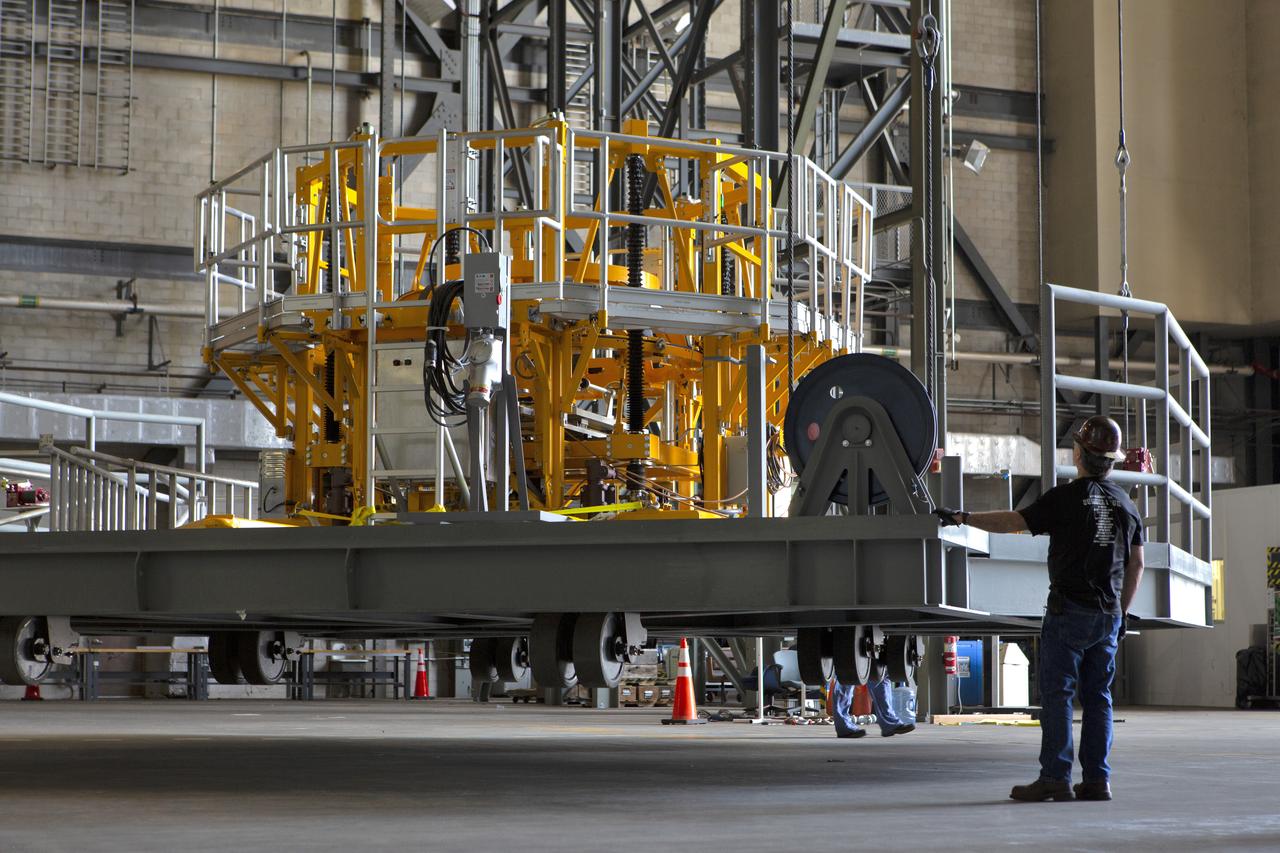
The engine vertical installer for NASA’s Space Launch System (SLS) is inside the Vehicle Assembly at NASA’s Kennedy Space Center in Florida on April 25, 2019. The engine installer is being lifted up by crane for transfer to High Bay 3. The engine installer arrived from the manufacturer, Precision Fabrication and Cleaning in Canaveral Groves, Florida. The new ground support equipment will be ready for preflight processing in the event one of the four RS-25 engines on the core stage of the SLS rocket needs to be replaced. During launch of the SLS and Orion spacecraft, the four core stage engines will provide the thrust needed to lift the rocket and Orion spacecraft off Launch Pad 39B at Kennedy for Exploration Mission-1. The uncrewed Orion will travel on a three-week test mission thousands of miles beyond the Moon and back to Earth for a splashdown in the Pacific Ocean.
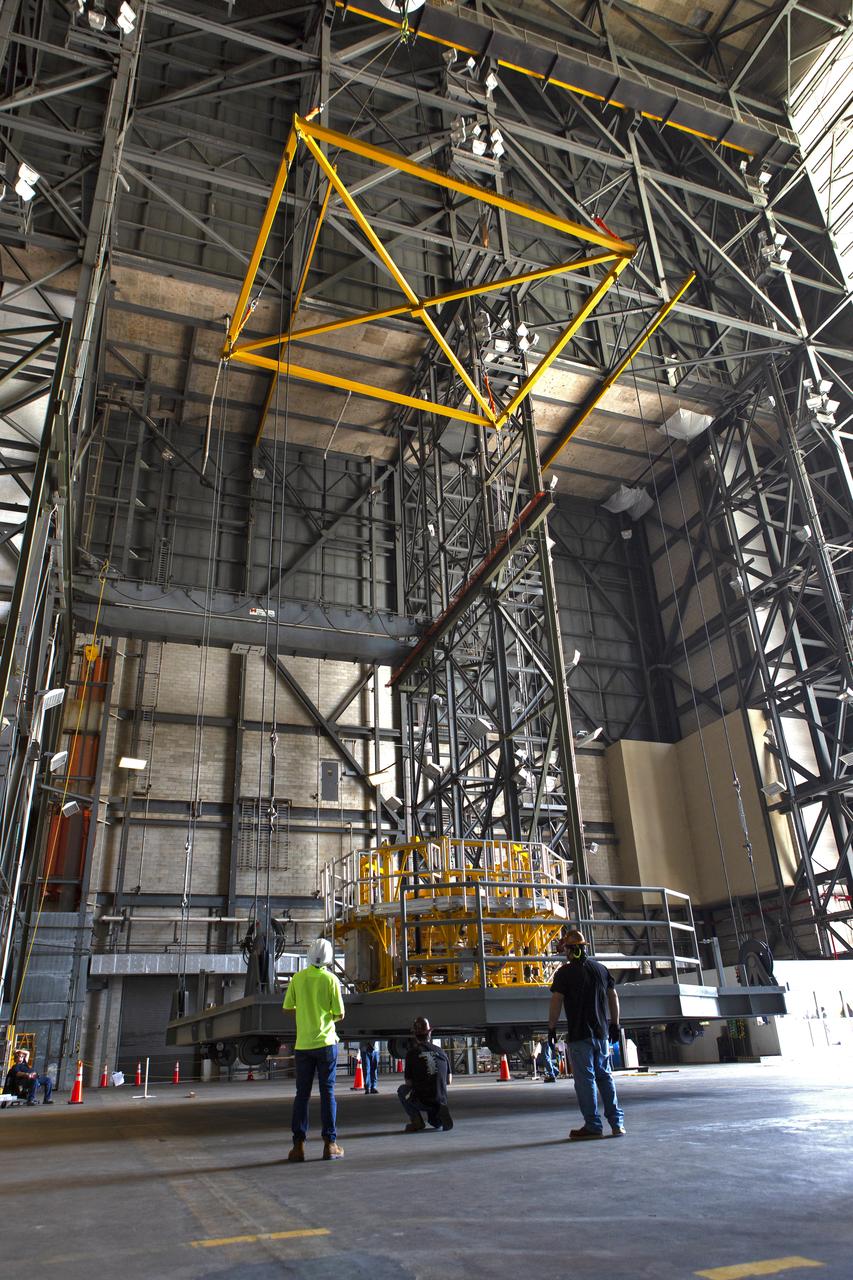
The engine vertical installer for NASA’s Space Launch System (SLS) is inside the Vehicle Assembly at NASA’s Kennedy Space Center in Florida on April 25, 2019. The engine installer is being lifted up by crane for transfer to High Bay 3. The engine installer arrived from the manufacturer, Precision Fabrication and Cleaning in Canaveral Groves, Florida. The new ground support equipment will be ready for preflight processing in the event one of the four RS-25 engines on the core stage of the SLS rocket needs to be replaced. During launch of the SLS and Orion spacecraft, the four core stage engines will provide the thrust needed to lift the rocket and Orion spacecraft off Launch Pad 39B at Kennedy for Exploration Mission-1. The uncrewed Orion will travel on a three-week test mission thousands of miles beyond the Moon and back to Earth for a splashdown in the Pacific Ocean.
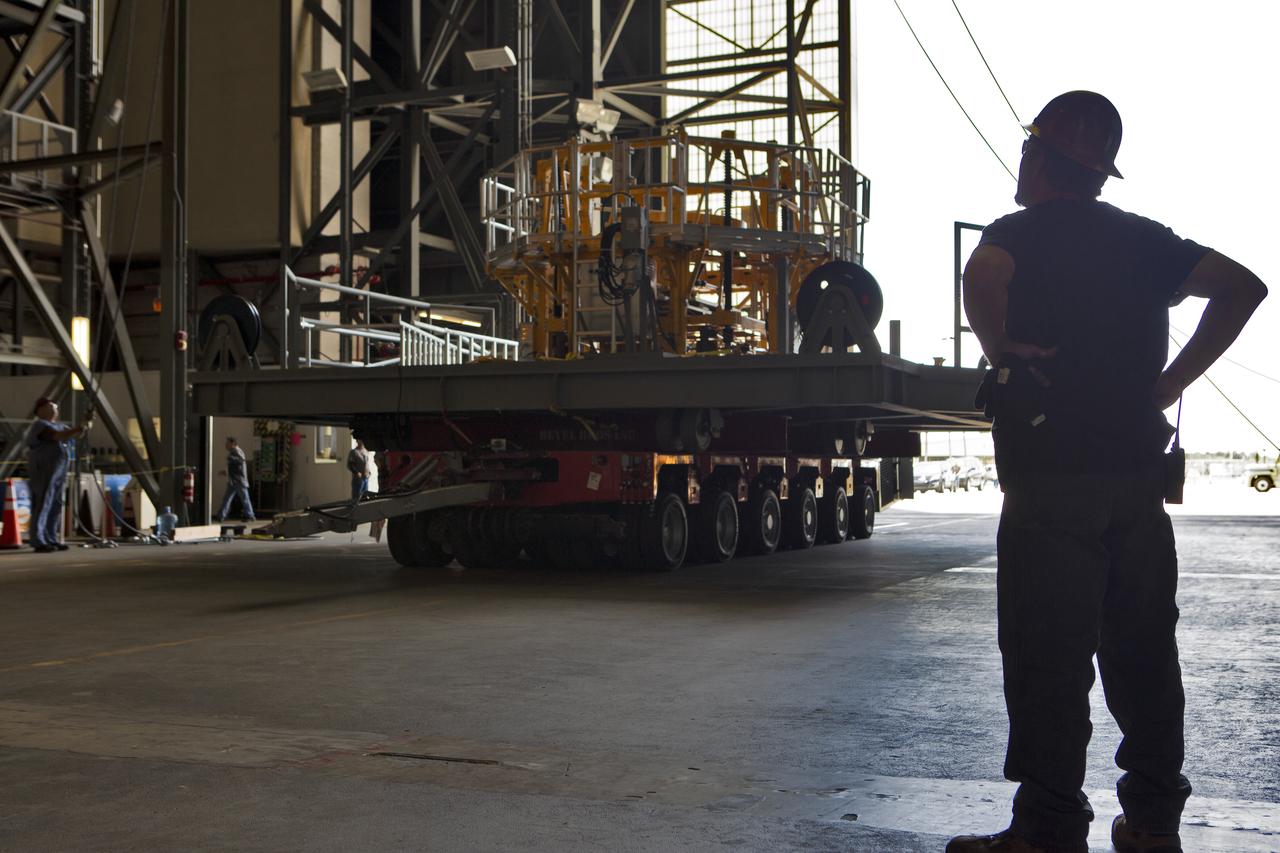
The engine vertical installer for NASA’s Space Launch System (SLS) is inside the Vehicle Assembly at NASA’s Kennedy Space Center in Florida on April 25, 2019. The engine installer will be lifted up by crane for transfer to High Bay 3. The engine installer arrived from the manufacturer, Precision Fabrication and Cleaning in Canaveral Groves, Florida. The new ground support equipment will be ready for preflight processing in the event one of the four RS-25 engines on the core stage of the SLS rocket needs to be replaced. During launch of the SLS and Orion spacecraft, the four core stage engines will provide the thrust needed to lift the rocket and Orion spacecraft off Launch Pad 39B at Kennedy for Exploration Mission-1. The uncrewed Orion will travel on a three-week test mission thousands of miles beyond the Moon and back to Earth for a splashdown in the Pacific Ocean.
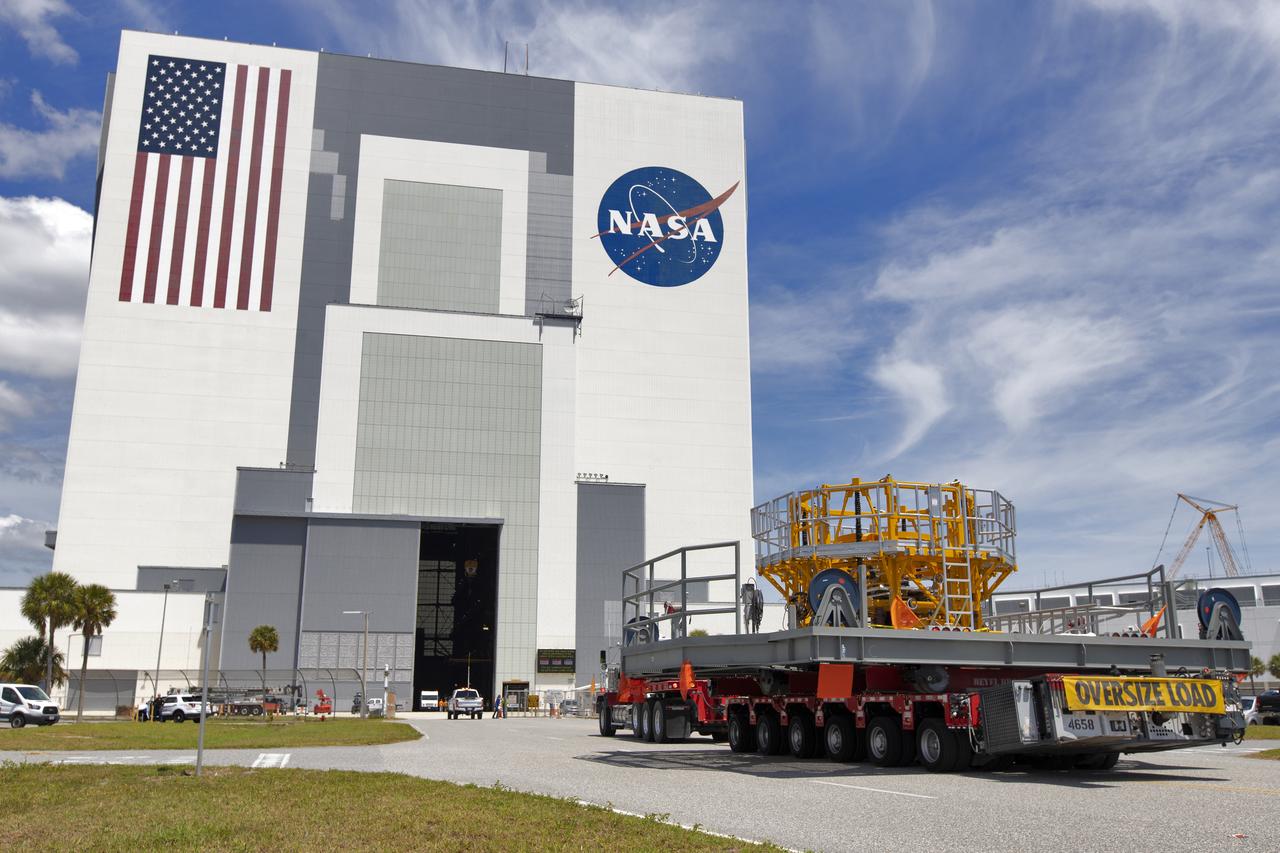
The engine vertical installer for NASA’s Space Launch System (SLS) arrives at the Vehicle Assembly at NASA’s Kennedy Space Center in Florida on April 25, 2019. The engine installer arrived from the manufacturer, Precision Fabrication and Cleaning in Canaveral Groves, Florida. The new ground support equipment will be ready for preflight processing in the event one of the four RS-25 engines on the core stage of the SLS rocket needs to be replaced. During launch of the SLS and Orion spacecraft, the four core stage engines will provide the thrust needed to lift the rocket and Orion spacecraft off Launch Pad 39B at Kennedy for Exploration Mission-1. The uncrewed Orion will travel on a three-week test mission thousands of miles beyond the Moon and back to Earth for a splashdown in the Pacific Ocean.
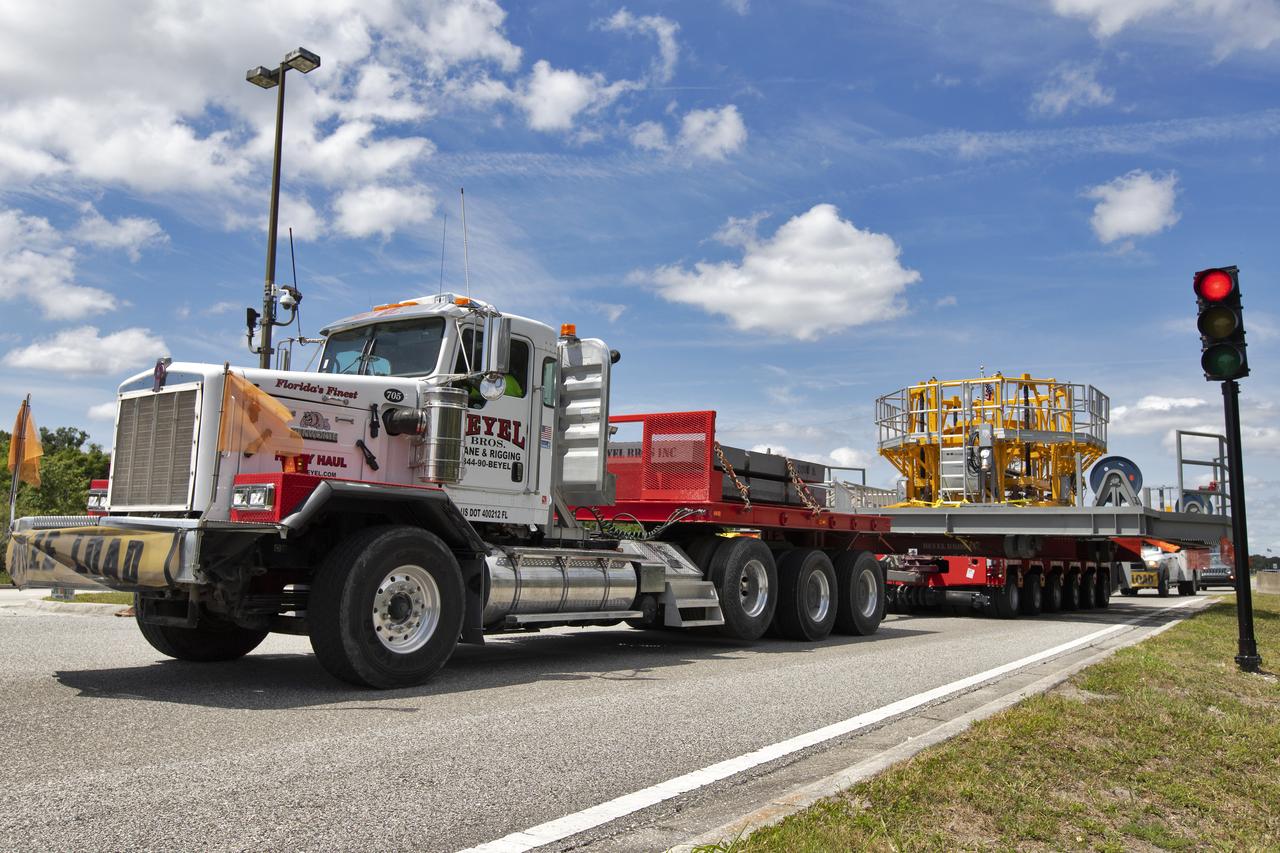
The engine vertical installer for NASA’s Space Launch System (SLS) arrives by large transport truck at NASA’s Kennedy Space Center in Florida on April 25, 2019. The engine installer arrived from the manufacturer, Precision Fabrication and Cleaning in Canaveral Groves, Florida. The new ground support equipment will be delivered to the Vehicle Assembly where it will be ready for preflight processing in the event one of the four RS-25 engines on the core stage of the SLS rocket needs to be replaced. During launch of the SLS and Orion spacecraft, the four core stage engines will provide the thrust needed to lift the rocket and Orion spacecraft off Launch Pad 39B at Kennedy for Exploration Mission-1. The uncrewed Orion will travel on a three-week test mission thousands of miles beyond the Moon and back to Earth for a splashdown in the Pacific Ocean.
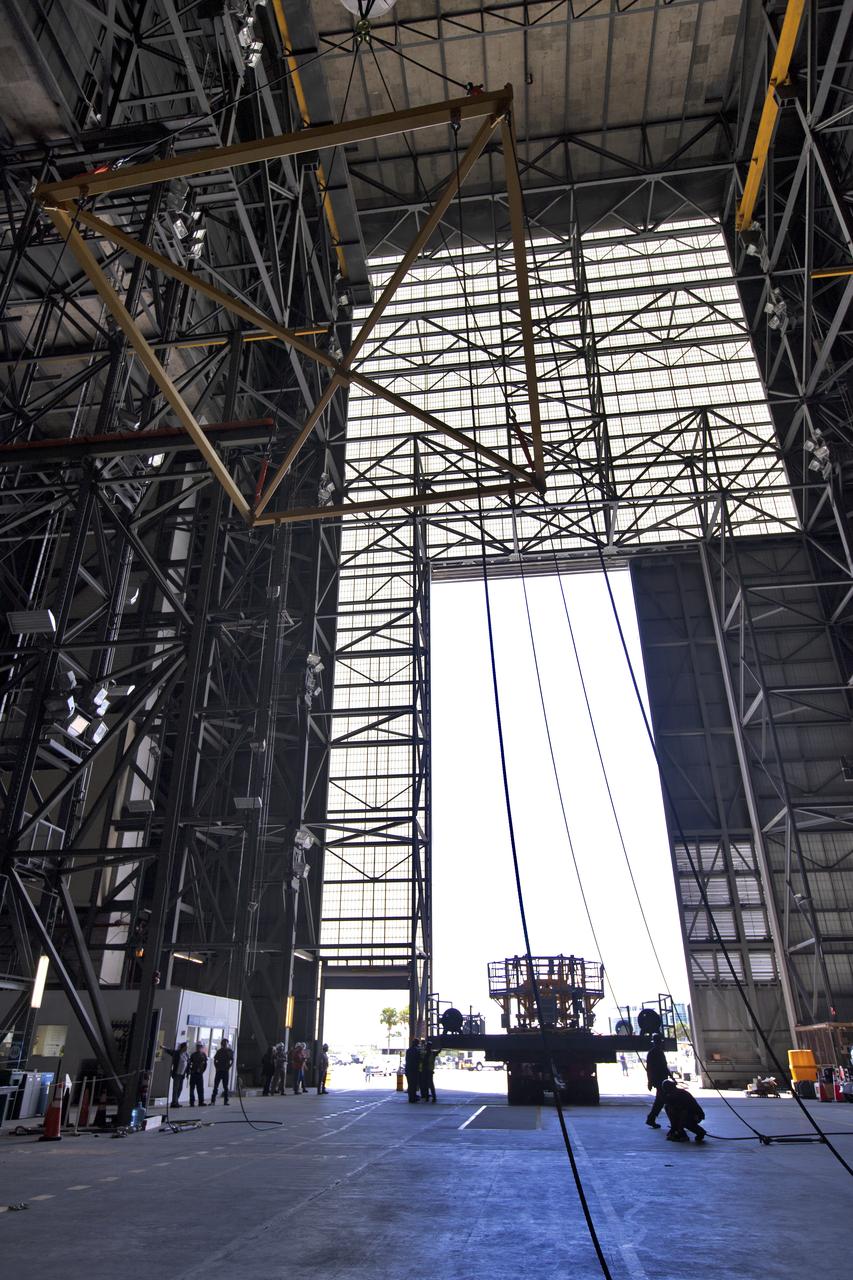
The engine vertical installer for NASA’s Space Launch System (SLS) arrives inside the Vehicle Assembly at NASA’s Kennedy Space Center in Florida on April 25, 2019. The engine installer arrived from the manufacturer, Precision Fabrication and Cleaning in Canaveral Groves, Florida. The new ground support equipment will be ready for preflight processing in the event one of the four RS-25 engines on the core stage of the SLS rocket needs to be replaced. During launch of the SLS and Orion spacecraft, the four core stage engines will provide the thrust needed to lift the rocket and Orion spacecraft off Launch Pad 39B at Kennedy for Exploration Mission-1. The uncrewed Orion will travel on a three-week test mission thousands of miles beyond the Moon and back to Earth for a splashdown in the Pacific Ocean.
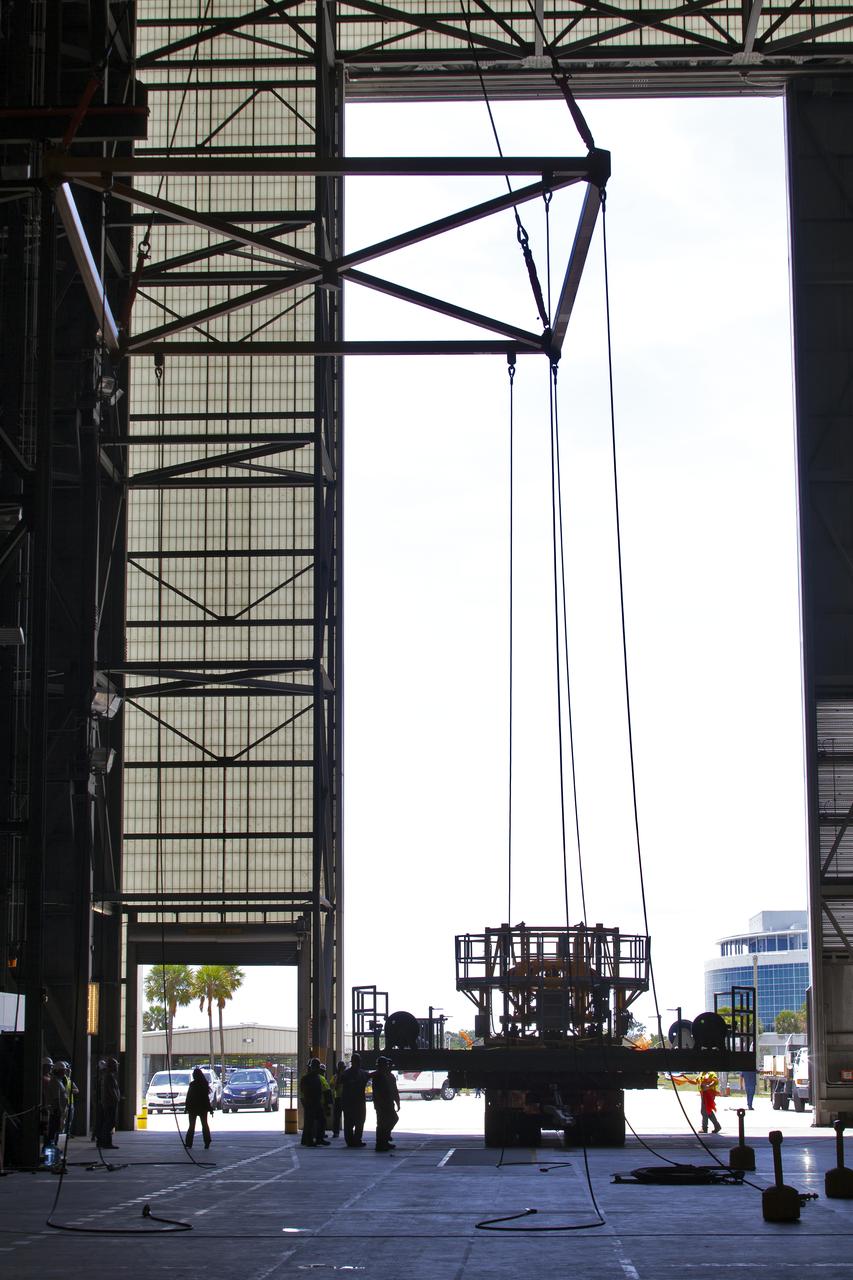
The engine vertical installer for NASA’s Space Launch System (SLS) is being lifted by crane in the Vehicle Assembly Building at NASA’s Kennedy Space Center in Florida on April 25, 2019. The engine installer arrived from the manufacturer, Precision Fabrication and Cleaning in Canaveral Groves, Florida. The new ground support equipment will be transferred into High Bay 3 where it will be ready for preflight processing in the event one of the four RS-25 engines on the core stage of the SLS rocket needs to be replaced. During launch of the SLS and Orion spacecraft, the four core stage engines will provide the thrust needed to lift the rocket and Orion spacecraft off Launch Pad 39B at Kennedy for Exploration Mission-1. The uncrewed Orion will travel on a three-week test mission thousands of miles beyond the Moon and back to Earth for a splashdown in the Pacific Ocean.
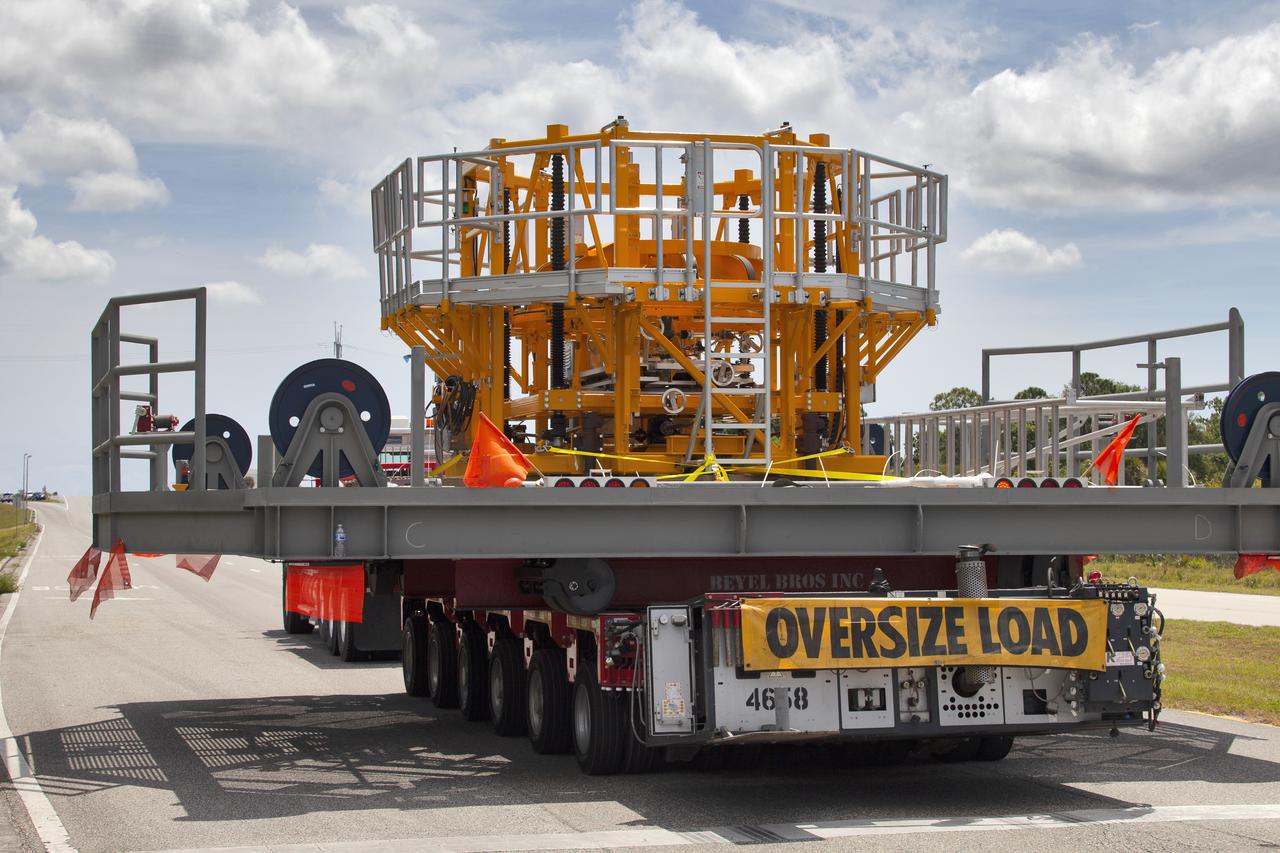
The engine vertical installer for NASA’s Space Launch System (SLS) arrives by large transport truck at NASA’s Kennedy Space Center in Florida on April 25, 2019, from the manufacturer, Precision Fabrication and Cleaning in Canaveral Groves, Florida. The new ground support equipment will be delivered to the Vehicle Assembly Building where it will be ready for preflight assembly in the event one of the four RS-25 engines on the core stage of the SLS rocket needs to be replaced. During launch of the SLS and Orion spacecraft, the four core stage engines will provide the thrust needed to lift the rocket and Orion spacecraft off Launch Pad 39B at Kennedy for Exploration Mission-1. The uncrewed Orion will travel on a three-week test mission thousands of miles beyond the Moon and back to Earth for a splashdown in the Pacific Ocean.
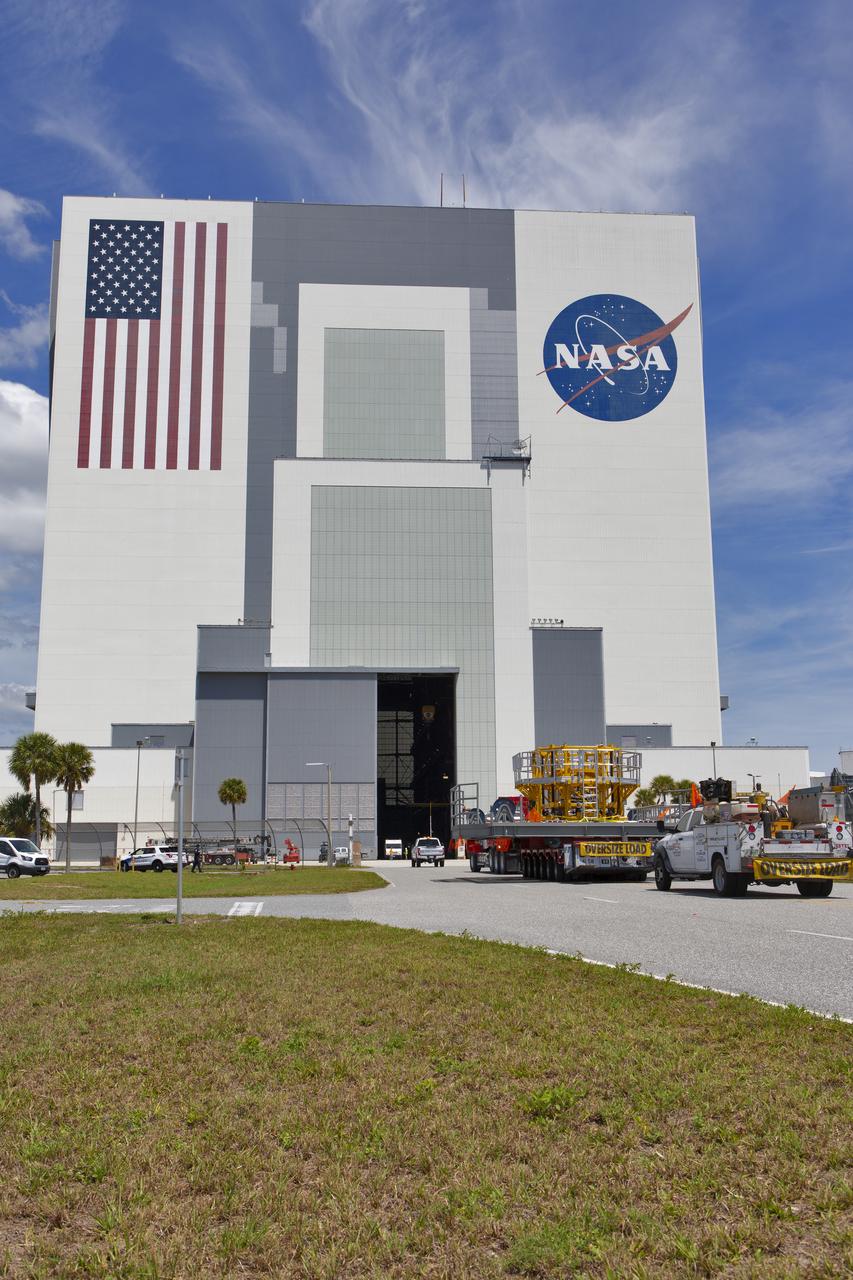
The engine vertical installer for NASA’s Space Launch System (SLS) arrives by large transport truck at the Vehicle Assembly Building at NASA’s Kennedy Space Center in Florida on April 25, 2019. The engine installer arrived from the manufacturer, Precision Fabrication and Cleaning in Canaveral Groves, Florida. The new ground support equipment will be ready for preflight assembly in the event one of the four RS-25 engines on the core stage of the SLS rocket needs to be replaced. During launch of the SLS and Orion spacecraft, the four core stage engines will provide the thrust needed to lift the rocket and Orion spacecraft off Launch Pad 39B at Kennedy for Exploration Mission-1. The uncrewed Orion will travel on a three-week test mission thousands of miles beyond the Moon and back to Earth for a splashdown in the Pacific Ocean.
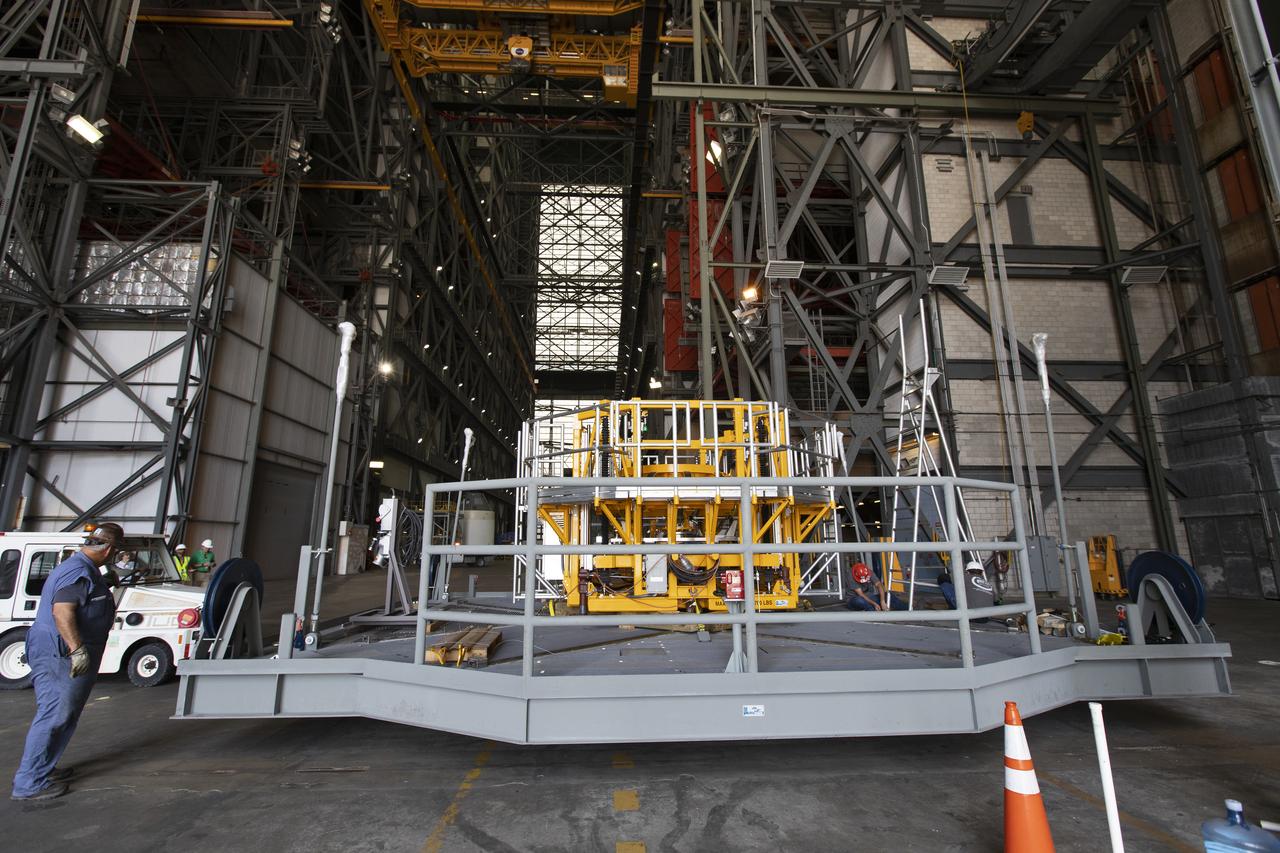
The engine vertical installer for NASA’s Space Launch System (SLS) arrives inside the Vehicle Assembly at NASA’s Kennedy Space Center in Florida on April 25, 2019. The engine installer arrived from the manufacturer, Precision Fabrication and Cleaning in Canaveral Groves, Florida. The new ground support equipment will be ready for preflight processing in the event one of the four RS-25 engines on the core stage of the SLS rocket needs to be replaced. During launch of the SLS and Orion spacecraft, the four core stage engines will provide the thrust needed to lift the rocket and Orion spacecraft off Launch Pad 39B at Kennedy for Exploration Mission-1. The uncrewed Orion will travel on a three-week test mission thousands of miles beyond the Moon and back to Earth for a splashdown in the Pacific Ocean.