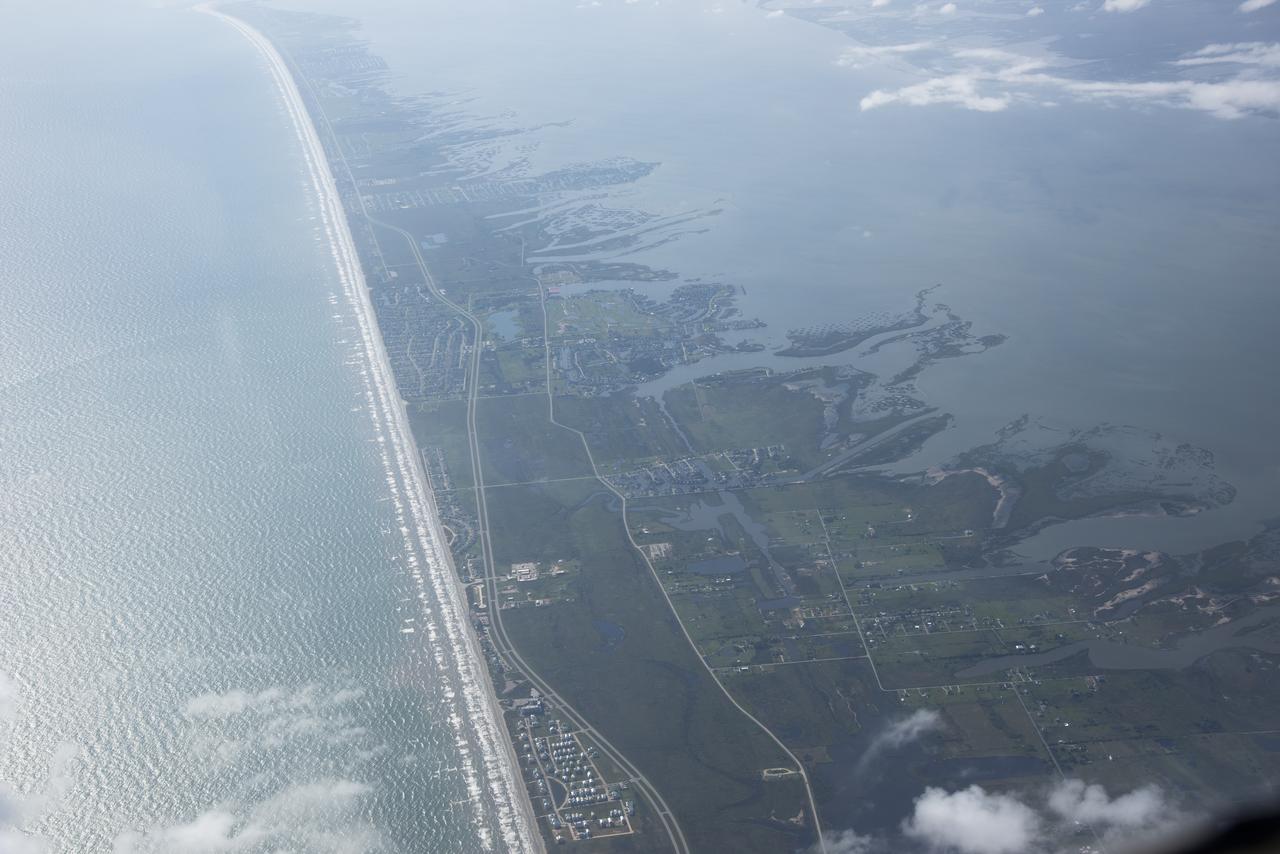
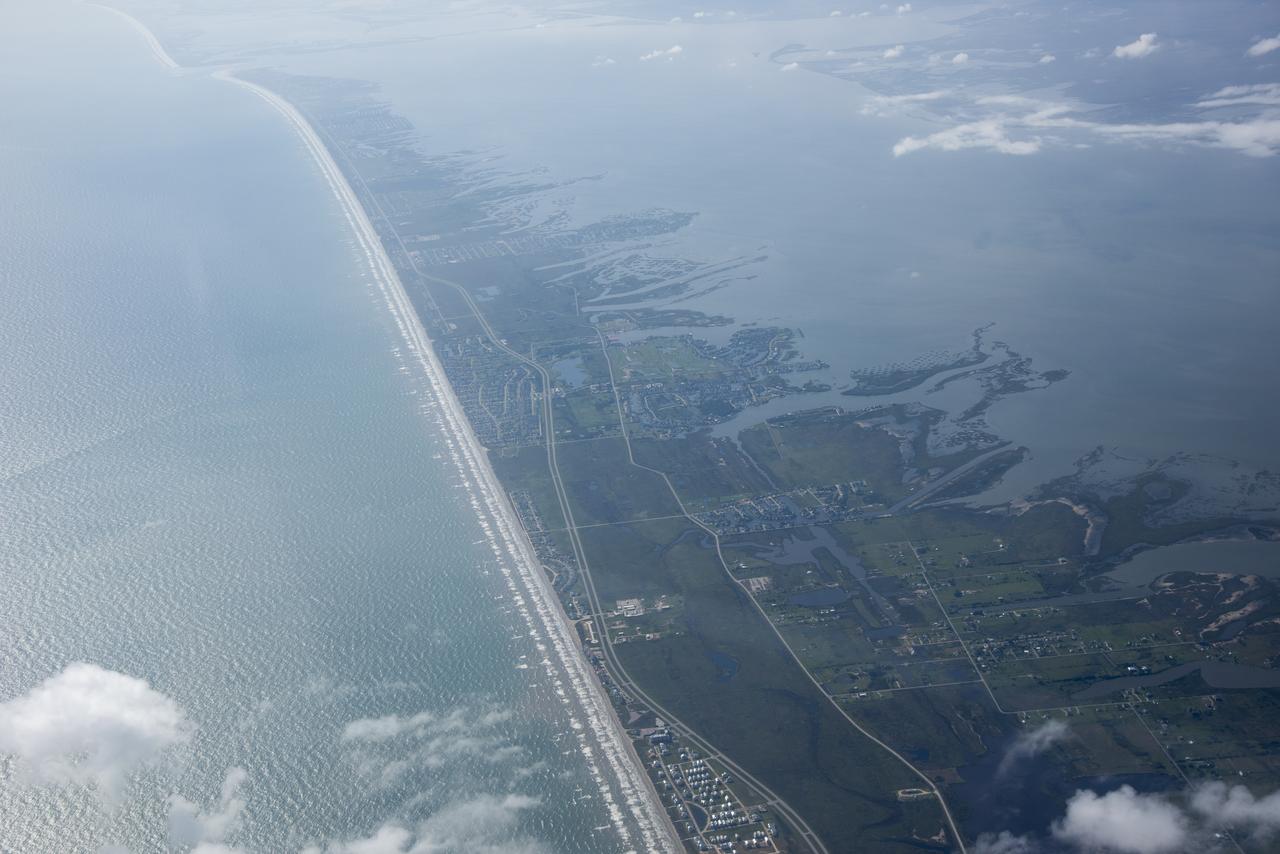
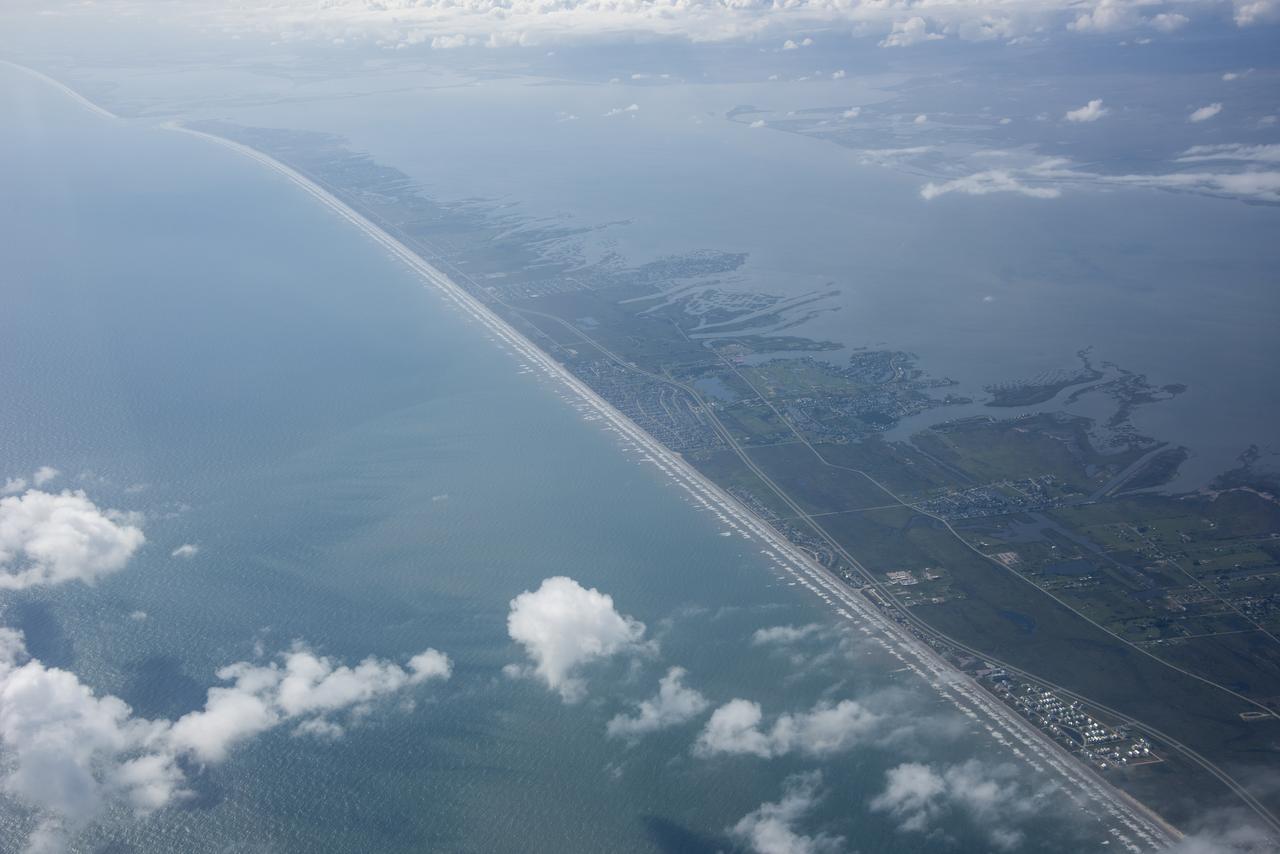
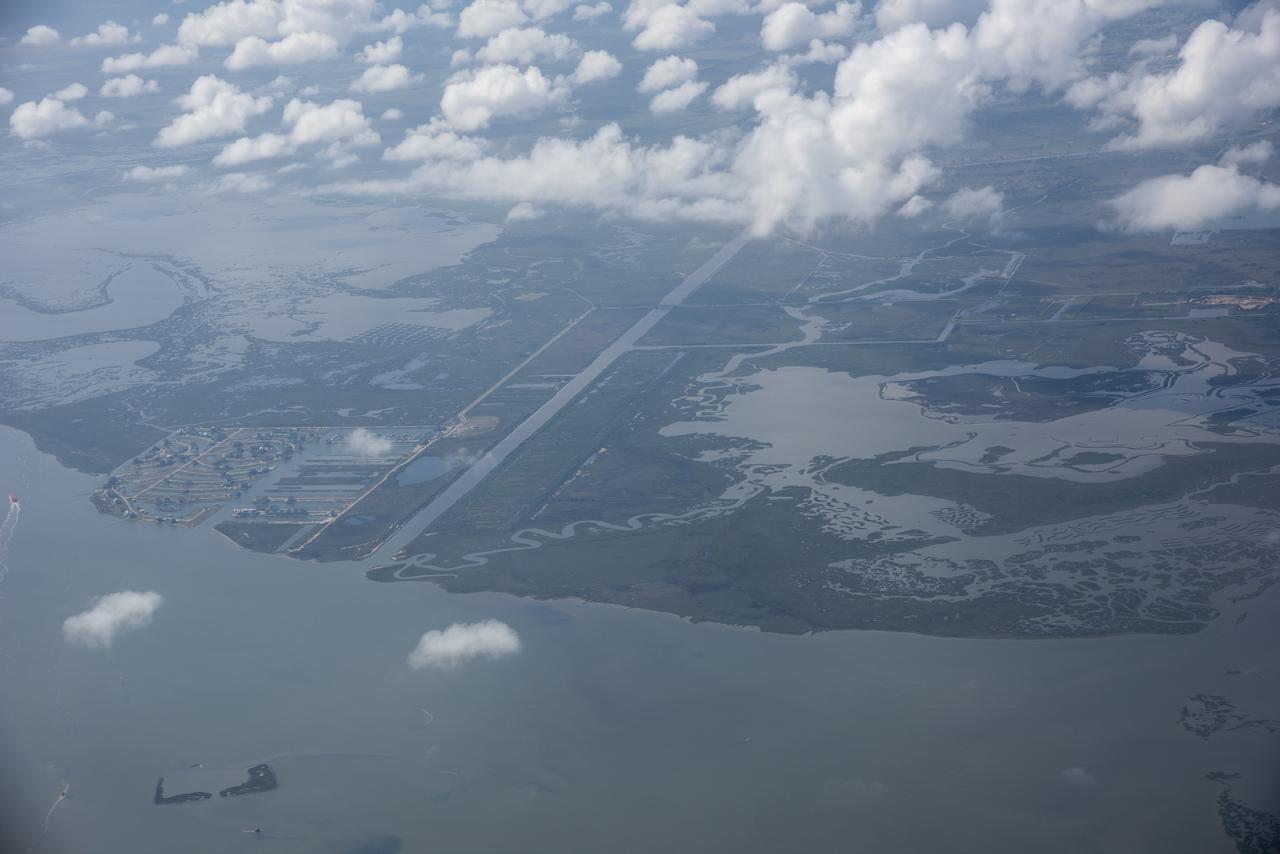
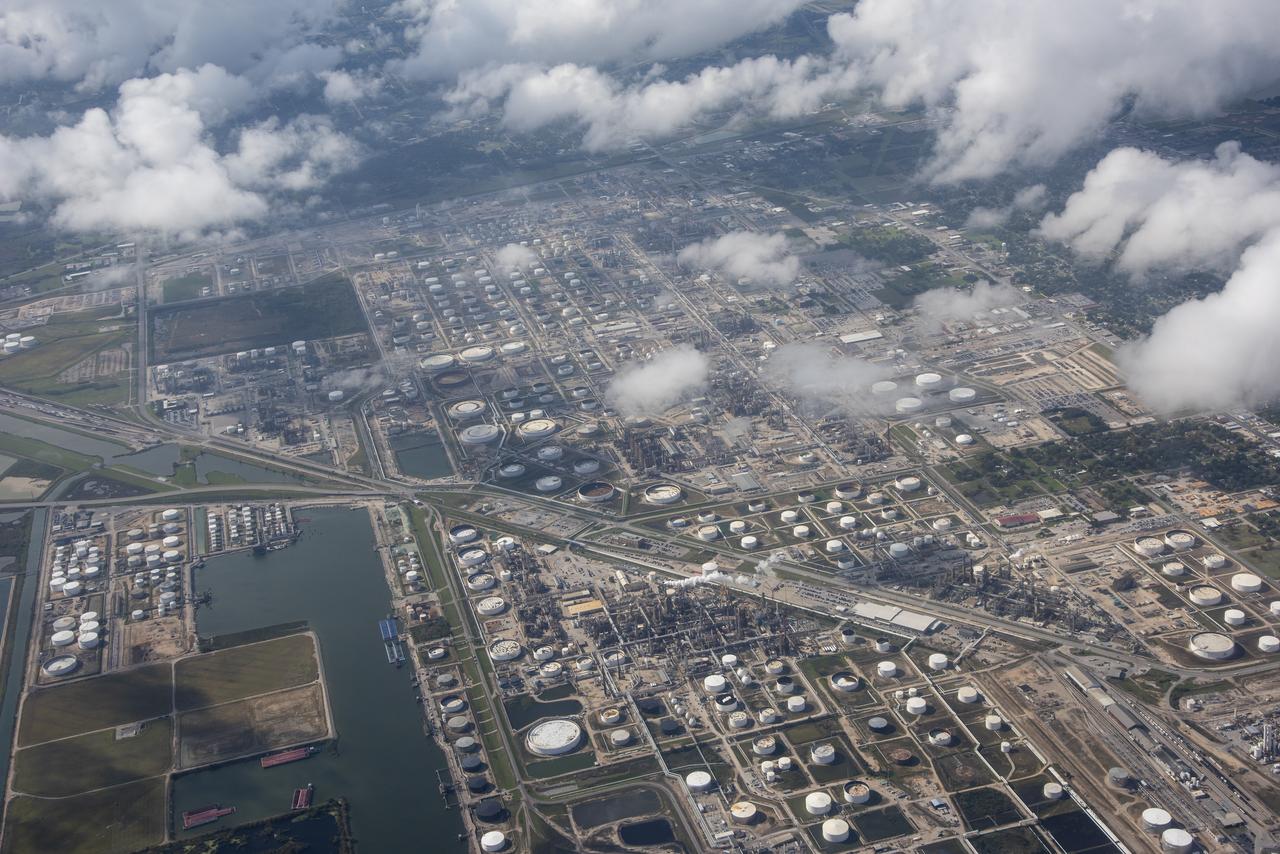
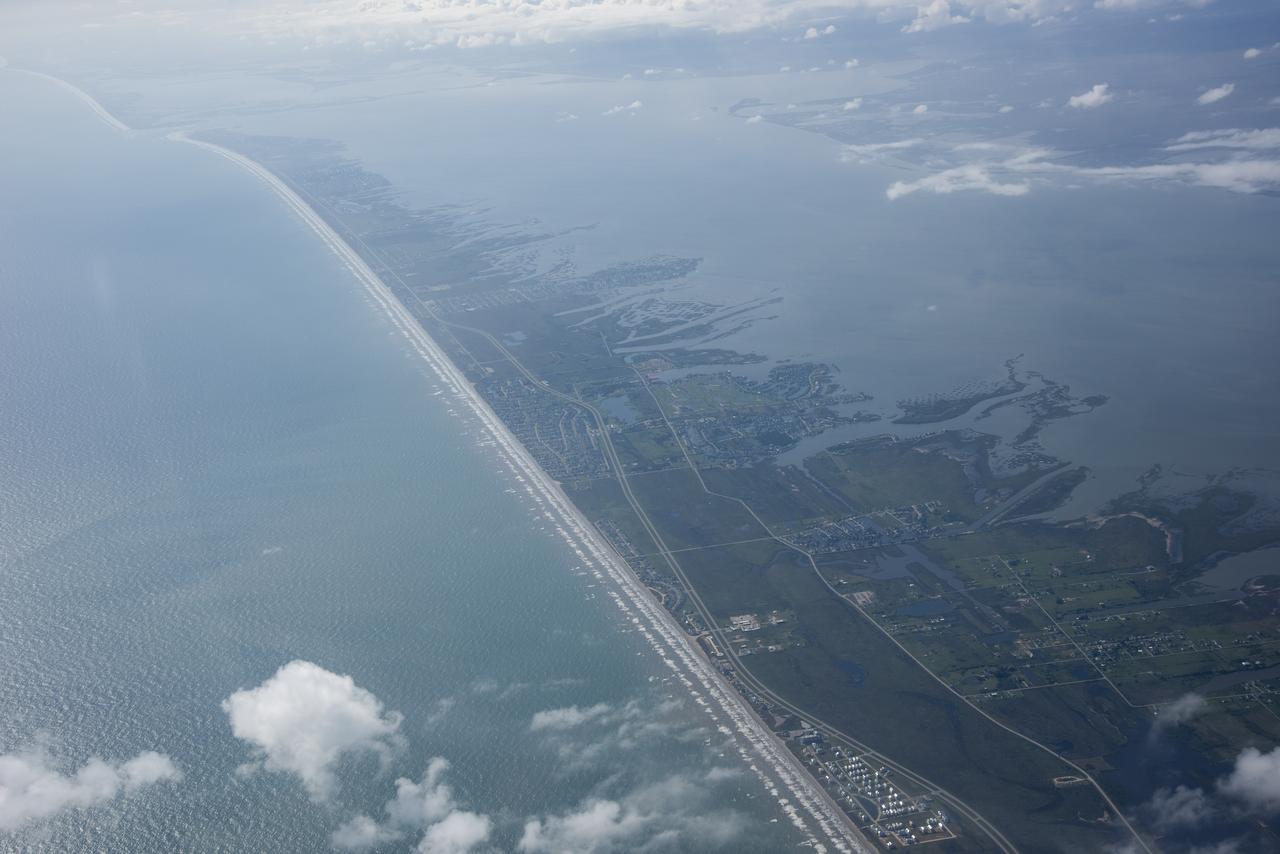
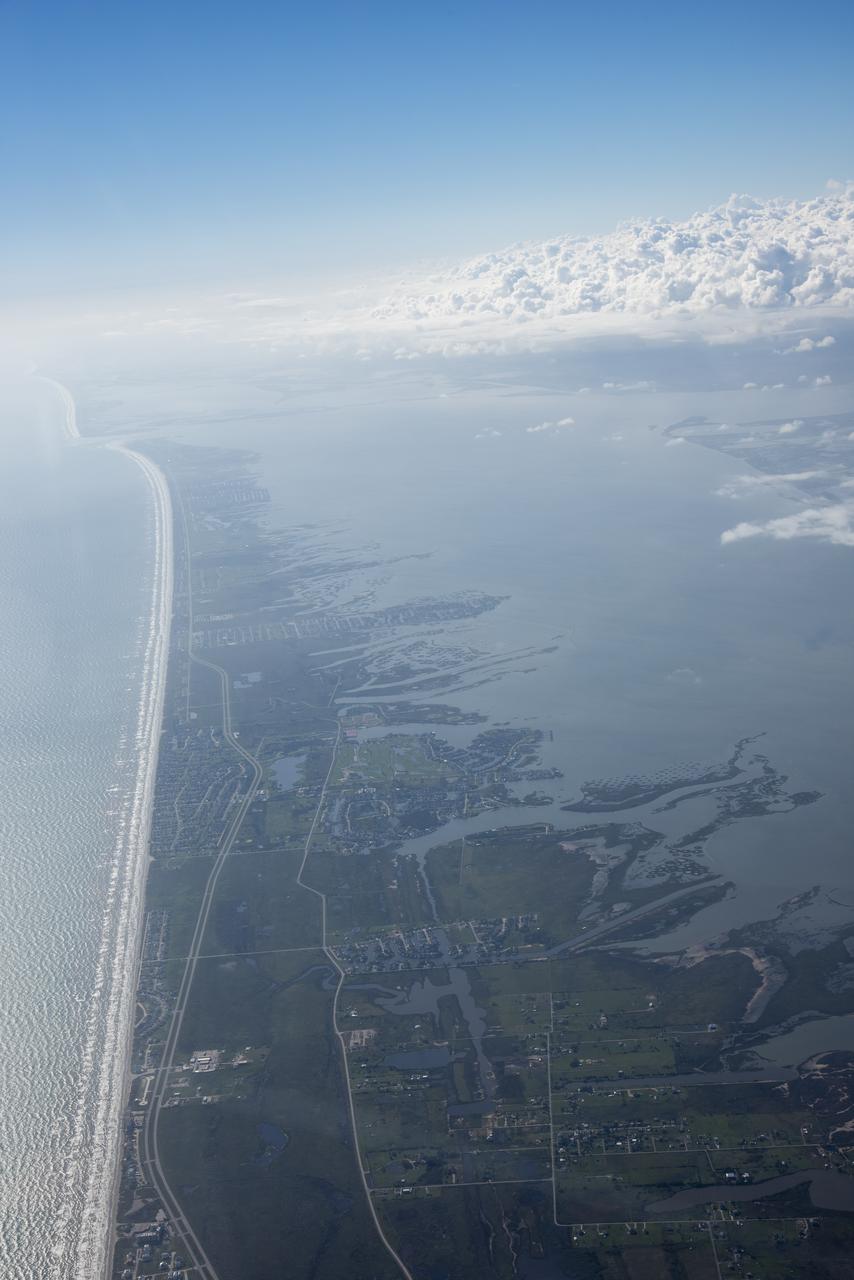
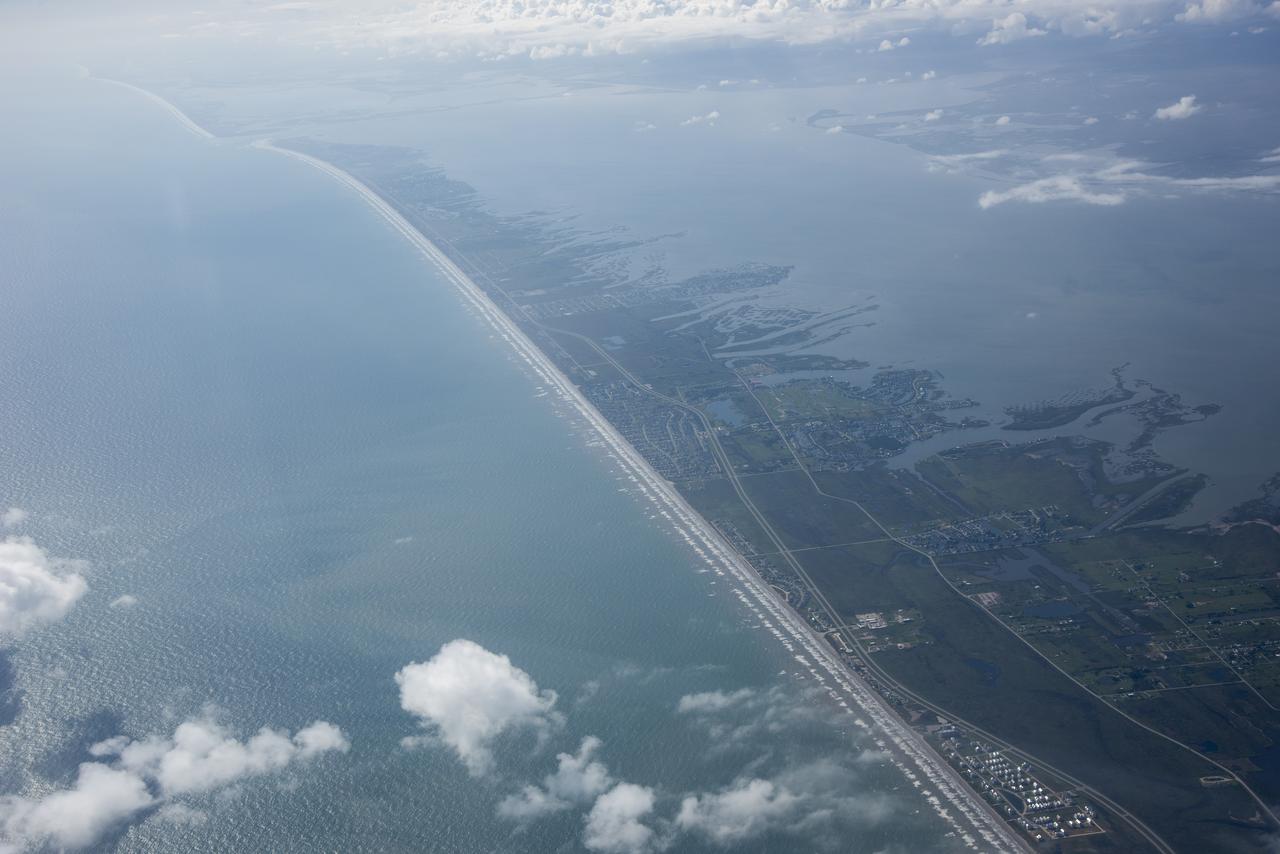
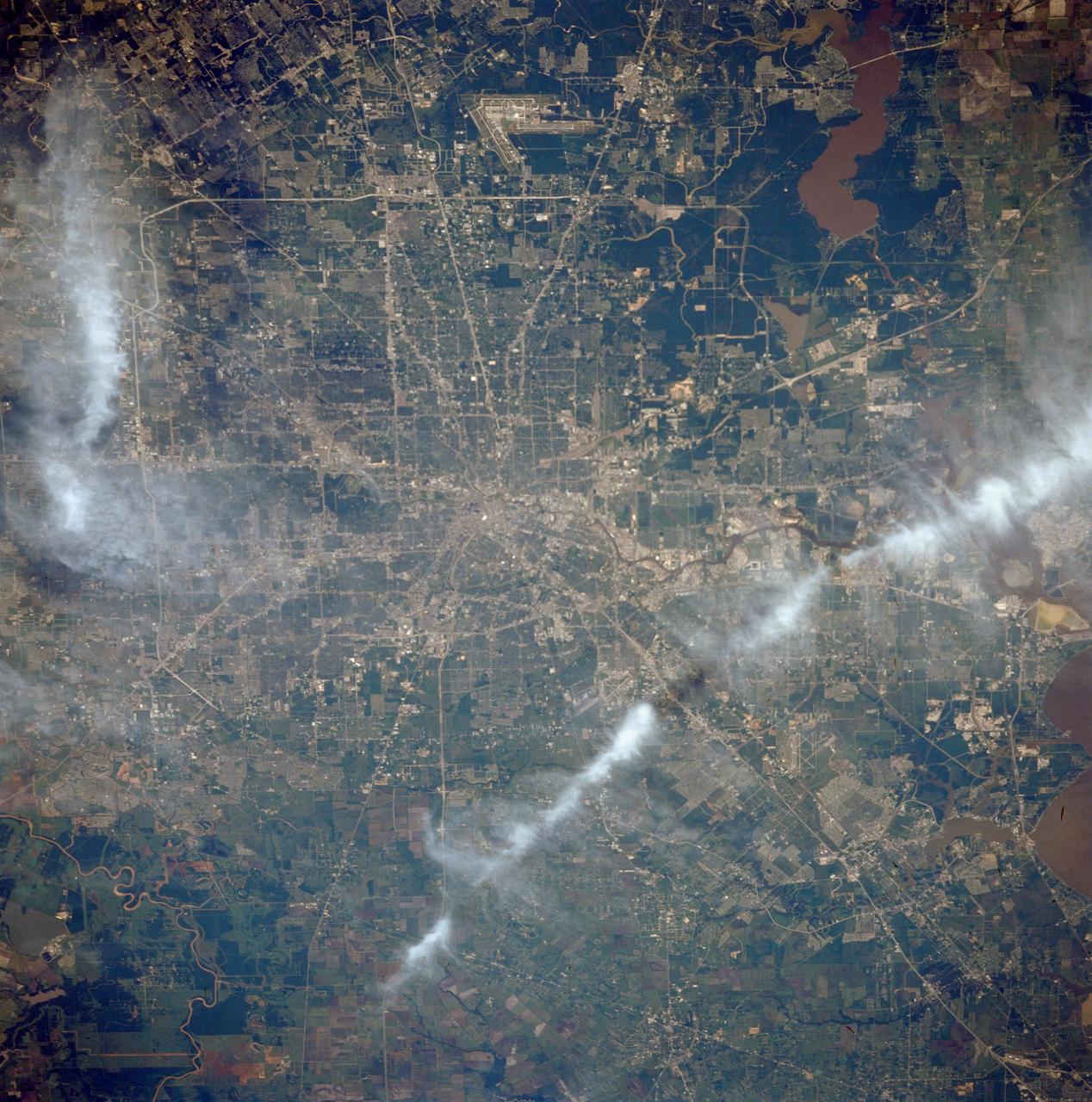
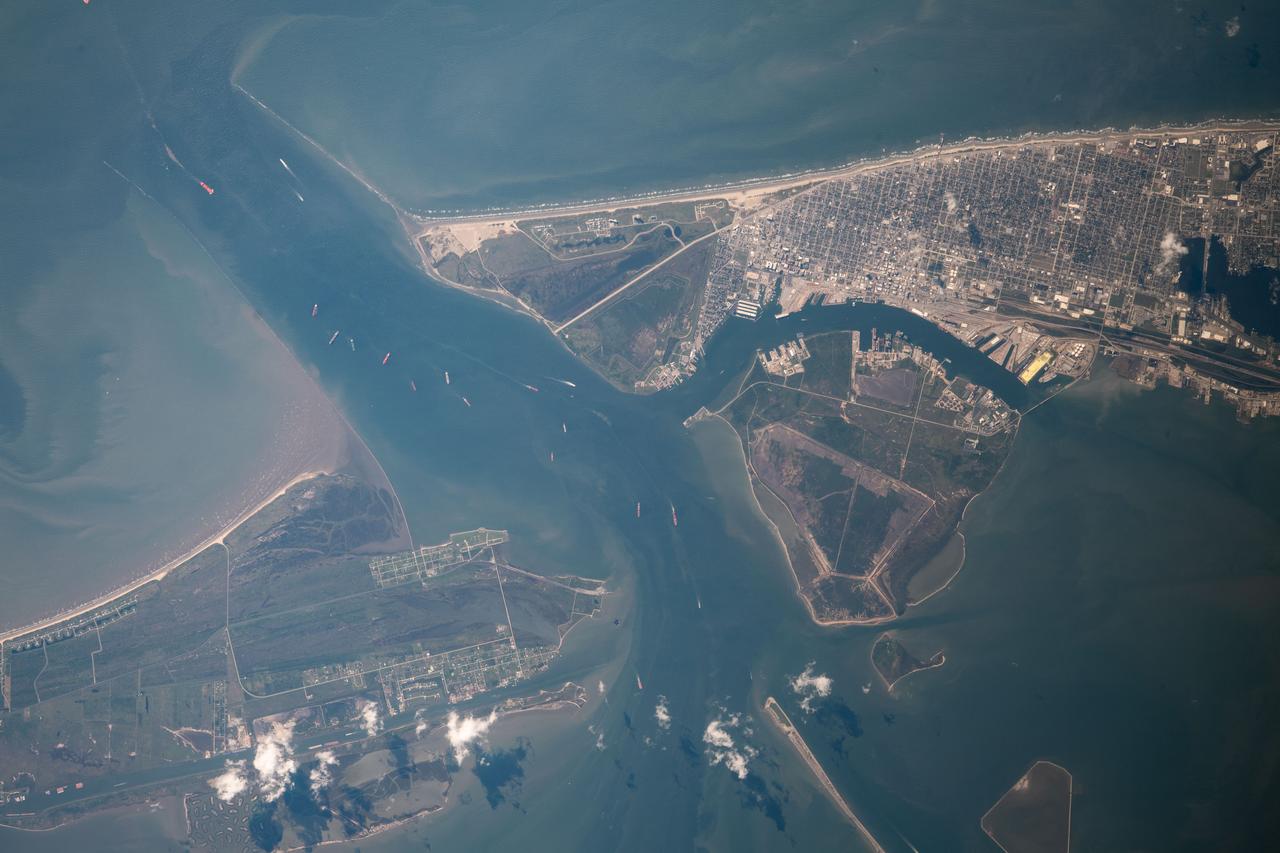
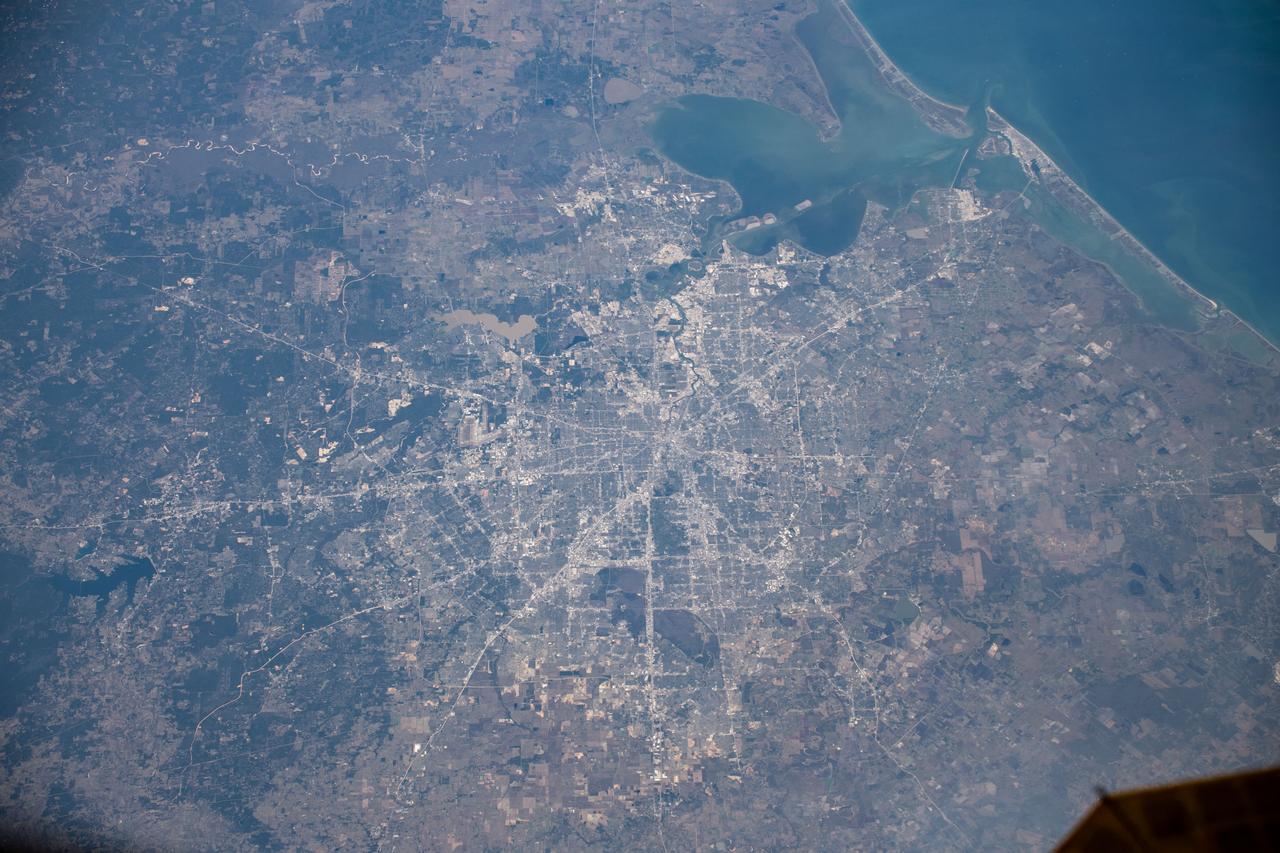
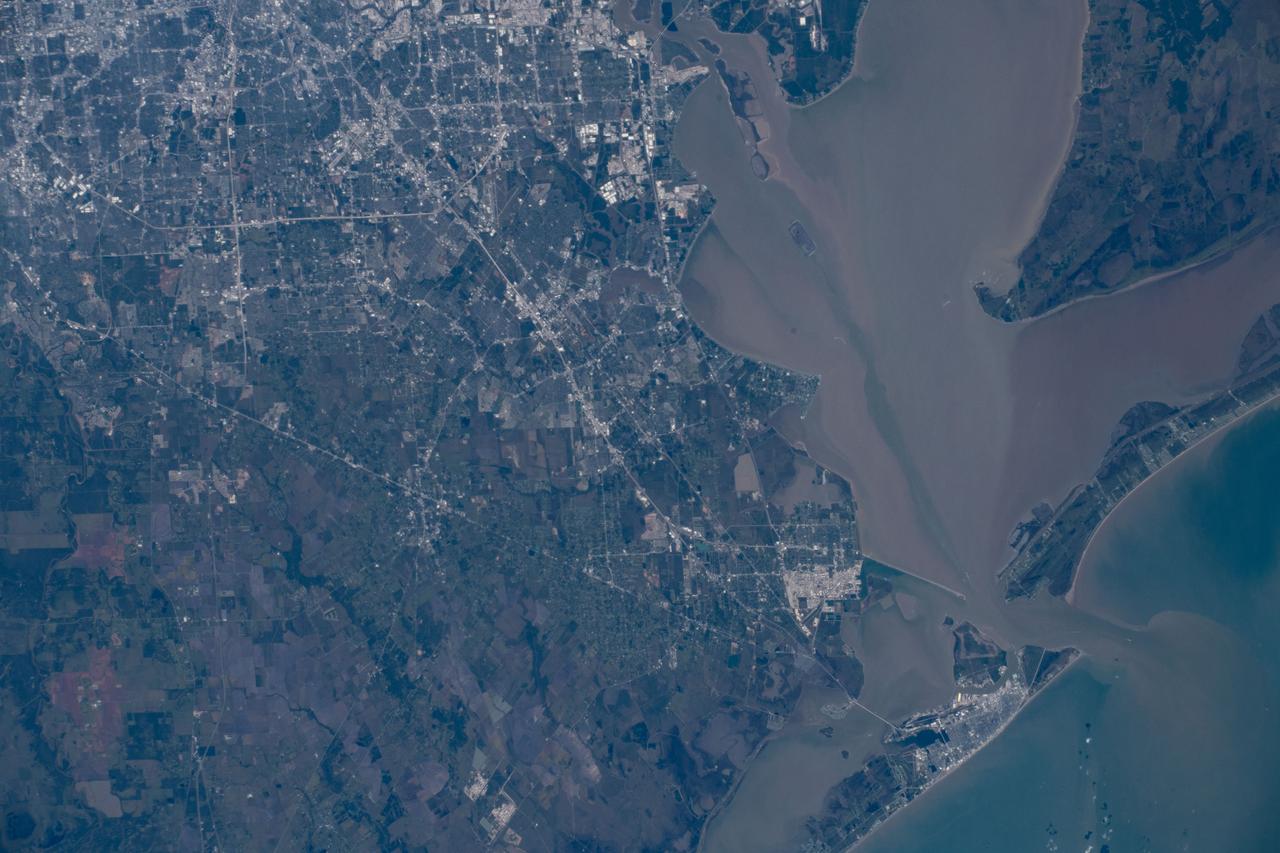
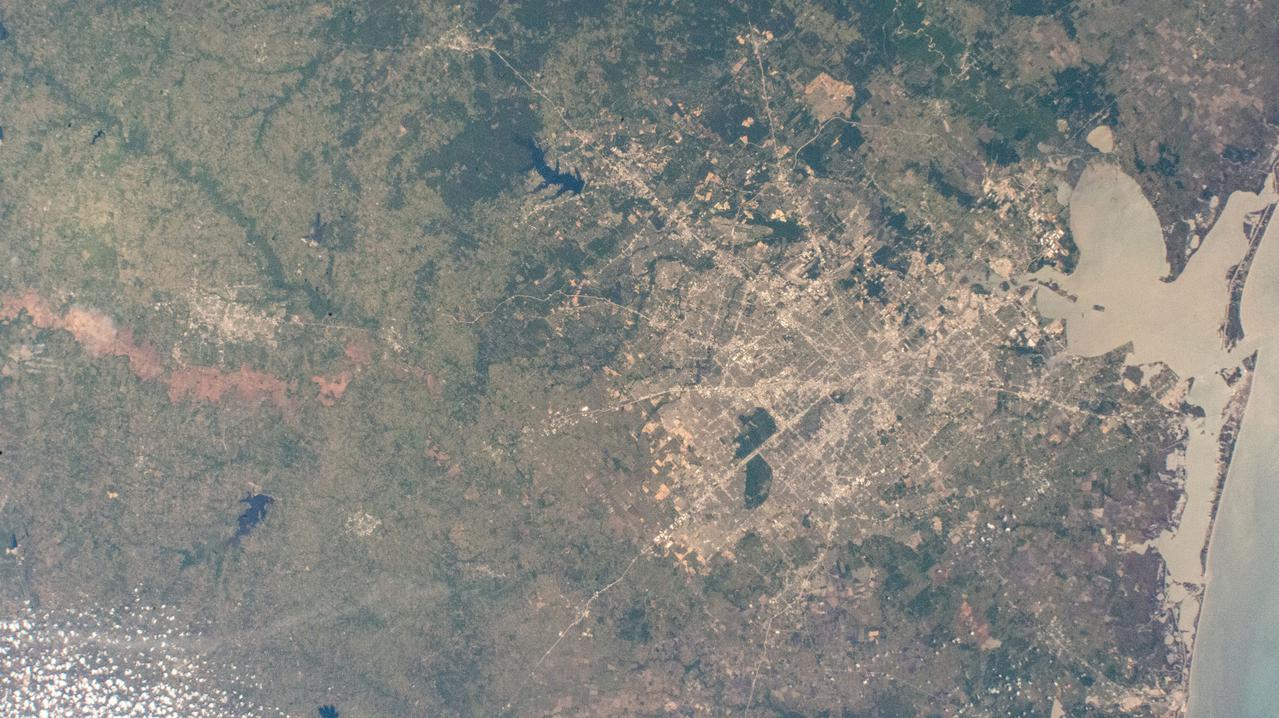
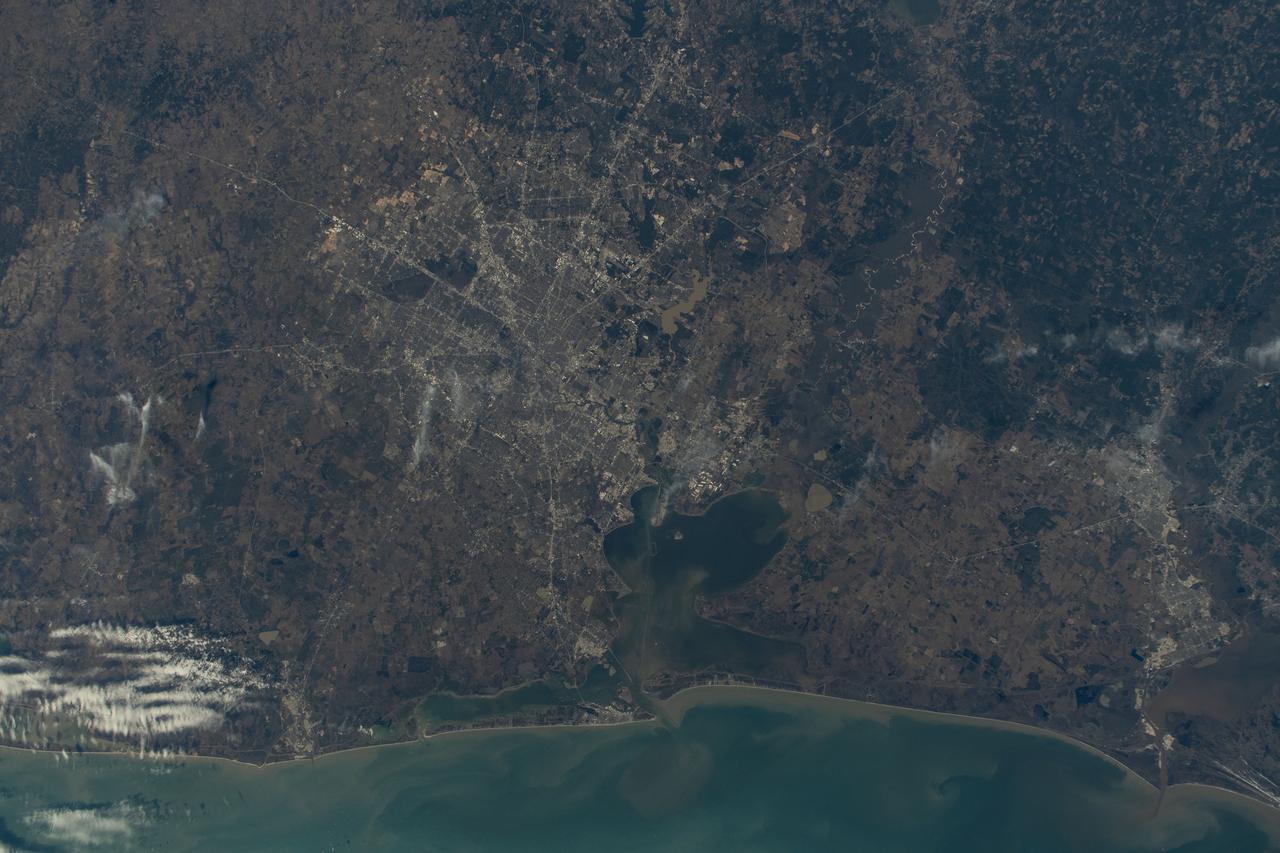
iss072e520778 (Jan. 23, 2025) --- The Houston-Galveston area with Trinity Bay, Galveston Bay, and Lake Livingston in Texas is pictured from the International Space Station as it orbited 259 miles above central Louisiana.
The Houston-Galveston area in Texas
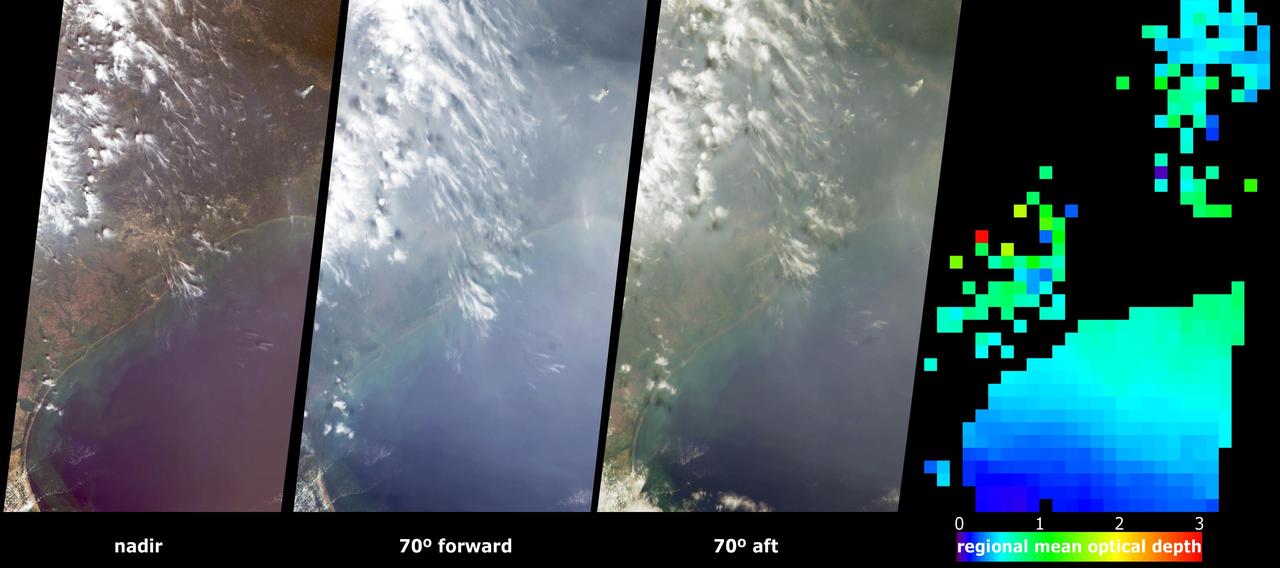
These views from NASA Terra spacecraft portray Houston and Galveston Bay on September 12, 2002, and display data from three of MISR nine cameras along with a map of retrieved aerosol optical thickness.
Aerosols over Houston and Galveston Bay
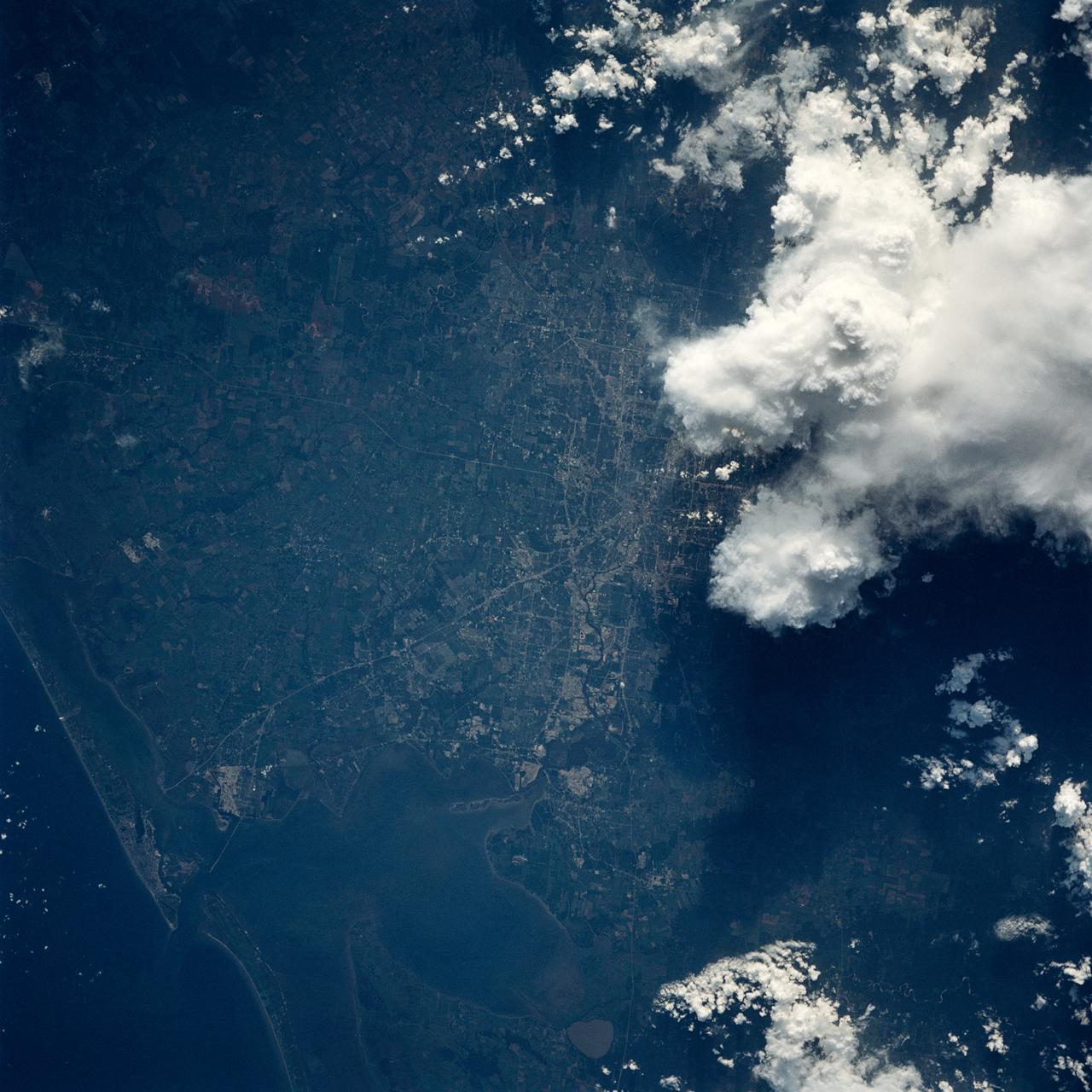
In this view of Houston/Galveston, Texas, USA (29.5N, 95.5W), heavy spring rains emphasize the several bodies of water in the area. Even though partially cloud covered, the progressive nature of the Houston highway and freeway system can easily be observed in this highly detailed view. To the south, the NASA, Clear Lake area just off of Galveston Bay can easily be seen. In the center, is the downtown business district.
Houston/Galveston, Texas, USA
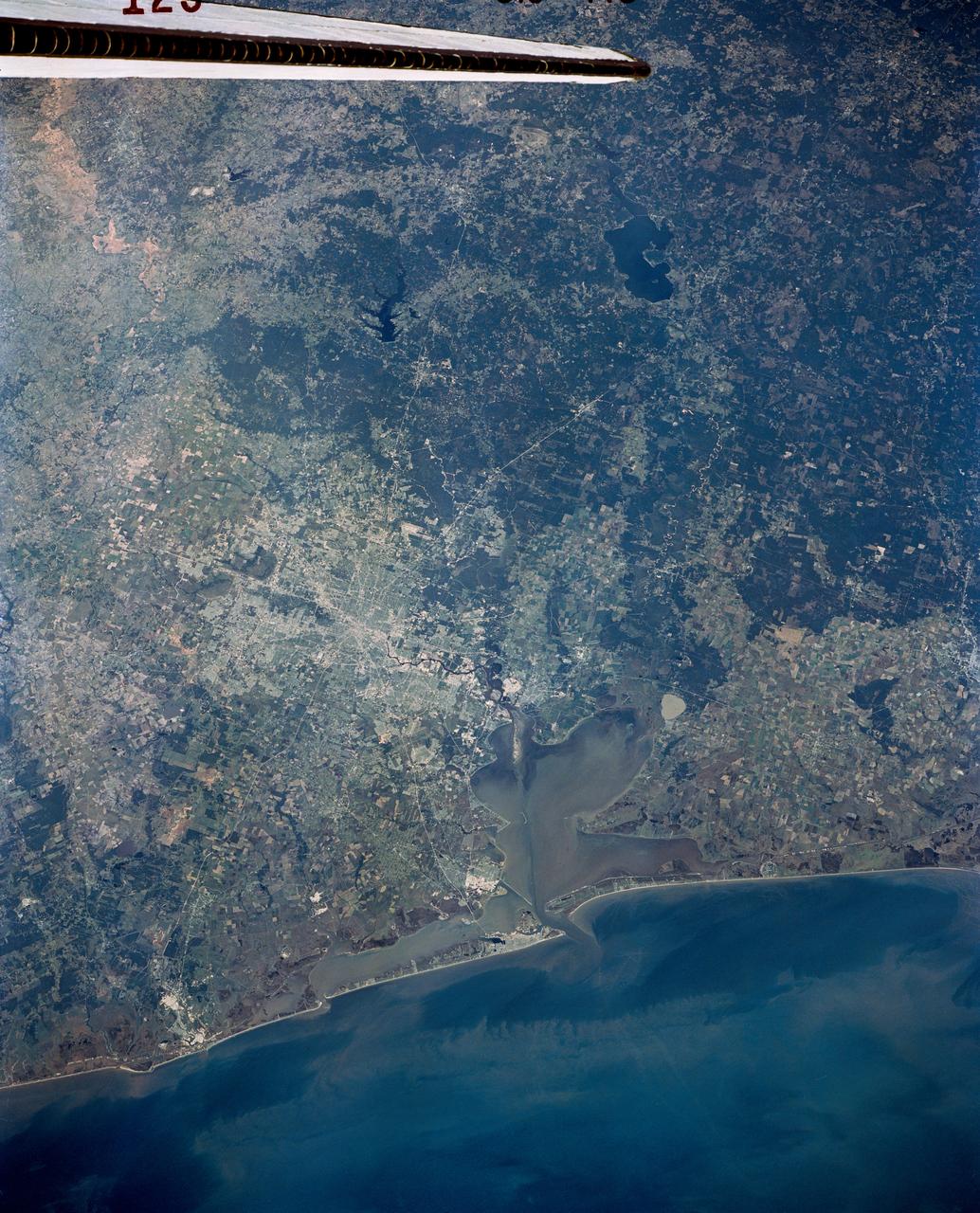
Long regarded as one of the best photo of Houston, Texas (29.5N, 95.0W), this view from space shows the entire greater Houston/Galveston region in remarkable detail and clarity. The dark north/south line in the water between Houston and Galveston is the Houston Ship Channel. NASA's Johnson Space Center and Mission Control is located on the north shore of Clear Lake west of the channel. The extensive road and highway network can be seen in great detail.
Houston, Galveston Bay, Texas, USA
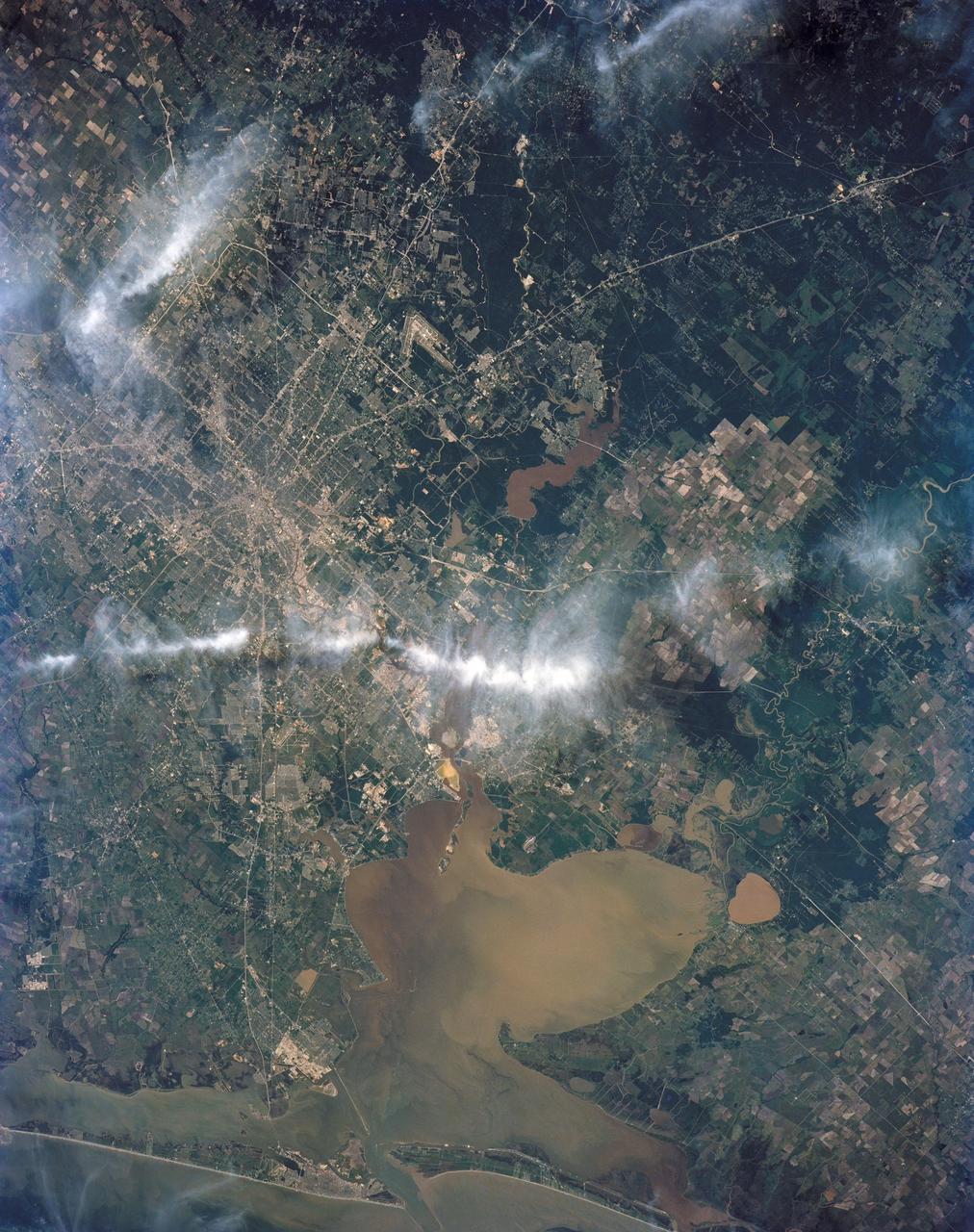
STS039-151-175 (28 April-6 May 1991) --- Large format (five-inch) frame of part of the greater Houston metropolitan area photographed from the Earth-orbiting Space Shuttle Discovery. (Hold photo vertically with Galveston at bottom so that north will be at top.) Heavier than normal spring rains emphasize the several bodies of water in the area. Thanks to Sun angle, the interstate highways, Houston's belt and loop systems and even city streets, farm-to-market roads and airport runways are easily observed in the frame. NASA and Clear Lake City, work and home areas of the seven Discovery astronaut crew members, are easily spotted near upper Galveston Bay in bottom (south portion) of the frame.  Houston's central business district and the Harris County Domed Stadium are seen in the upper left quadrant.
Houston/Galveston, Texas, USA
Part of the mission criteria that led to the decision to fly off the coast of Galveston for QSF18 was the convenience of having NASA Johnson Space Center’s facilities at Ellington Field.
Galveston as Seen From NASA F/A-18 Following Research Flight
Part of the mission criteria that led to the decision to fly off the coast of Galveston for QSF18 was the convenience of having NASA Johnson Space Center’s facilities at Ellington Field.
Galveston as Seen From NASA F/A-18 Following Research Flight
Part of the mission criteria that led to the decision to fly off the coast of Galveston for QSF18 was the convenience of having NASA Johnson Space Center's facilities at Ellington Field.
Galveston as Seen From NASA F/A-18 Following Research Flight
Part of the mission criteria that led to the decision to fly off the coast of Galveston for QSF18 was the convenience of having NASA Johnson Space Center’s facilities at Ellington Field.
Galveston as Seen From NASA F/A-18 Following Research Flight
Part of the mission criteria that led to the decision to fly off the coast of Galveston for QSF18 was the convenience of having NASA Johnson Space Center's facilities at Ellington Field.
Galveston as Seen From NASA F/A-18 Following Research Flight
Part of the mission criteria that led to the decision to fly off the coast of Galveston for QSF18 was the convenience of having NASA Johnson Space Center's facilities at Ellington Field.
Galveston as Seen From NASA F/A-18 Following Research Flight
Part of the mission criteria that led to the decision to fly off the coast of Galveston for QSF18 was the convenience of having NASA Johnson Space Center's facilities at Ellington Field.
Galveston as Seen From NASA F/A-18 Following Research Flight
Part of the mission criteria that led to the decision to fly off the coast of Galveston for QSF18 was the convenience of having NASA Johnson Space Center’s facilities at Ellington Field.
Galveston as Seen From NASA F/A-18 Following Research Flight
Part of the mission criteria that led to the decision to fly off the coast of Galveston for QSF18 was the convenience of having NASA Johnson Space Center's facilities at Ellington Field.
Galveston as Seen From NASA F/A-18 Following Research Flight
Part of the mission criteria that led to the decision to fly off the coast of Galveston for QSF18 was the convenience of having NASA Johnson Space Center's facilities at Ellington Field.
Galveston as Seen From NASA F/A-18 Following Research Flight
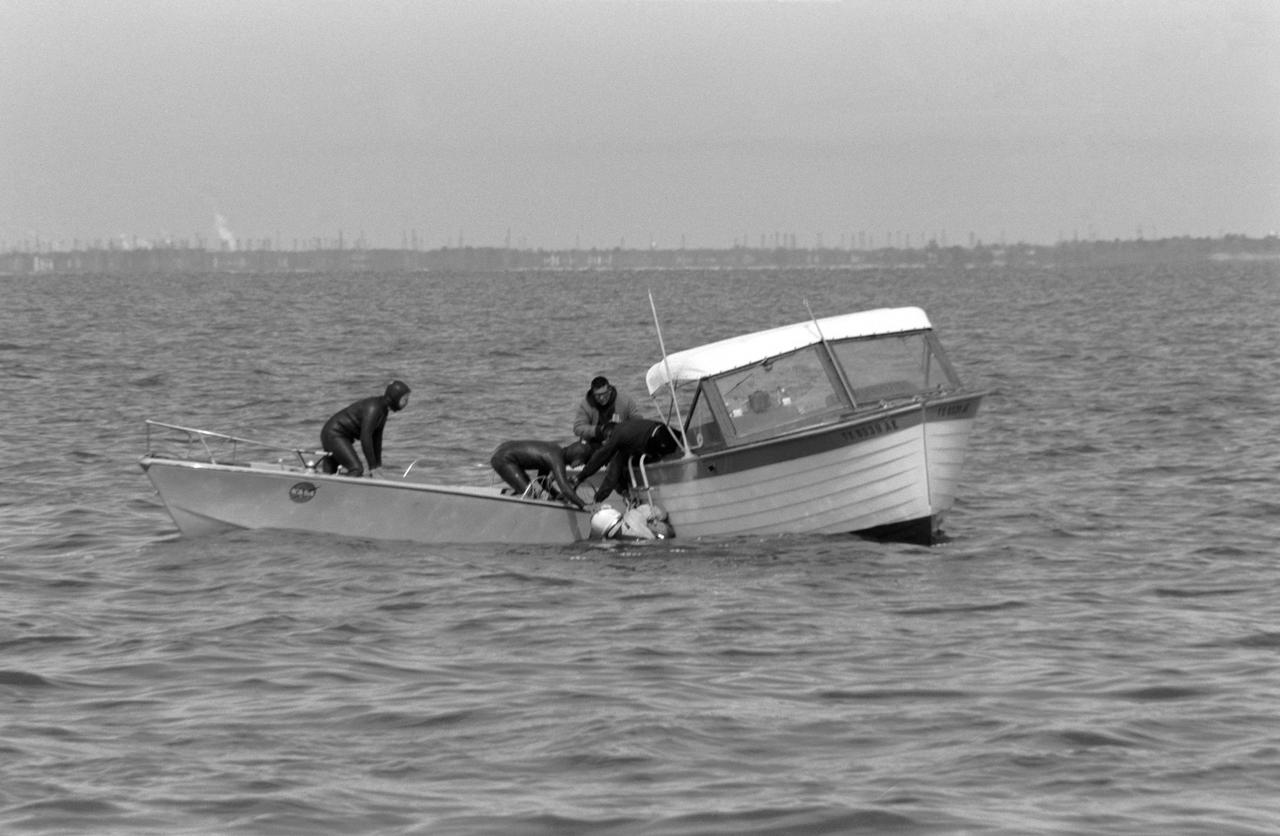
S65-10173 (2 Feb. 1965) --- Astronaut Walter M. Schirra Jr., the Gemini-Titan 3 backup crew command pilot, is shown during water egress para-drop training activity in nearby Galveston Bay.
WATER EGRESS (PARA-DROP) - TRAINING - GALVESTON, TX
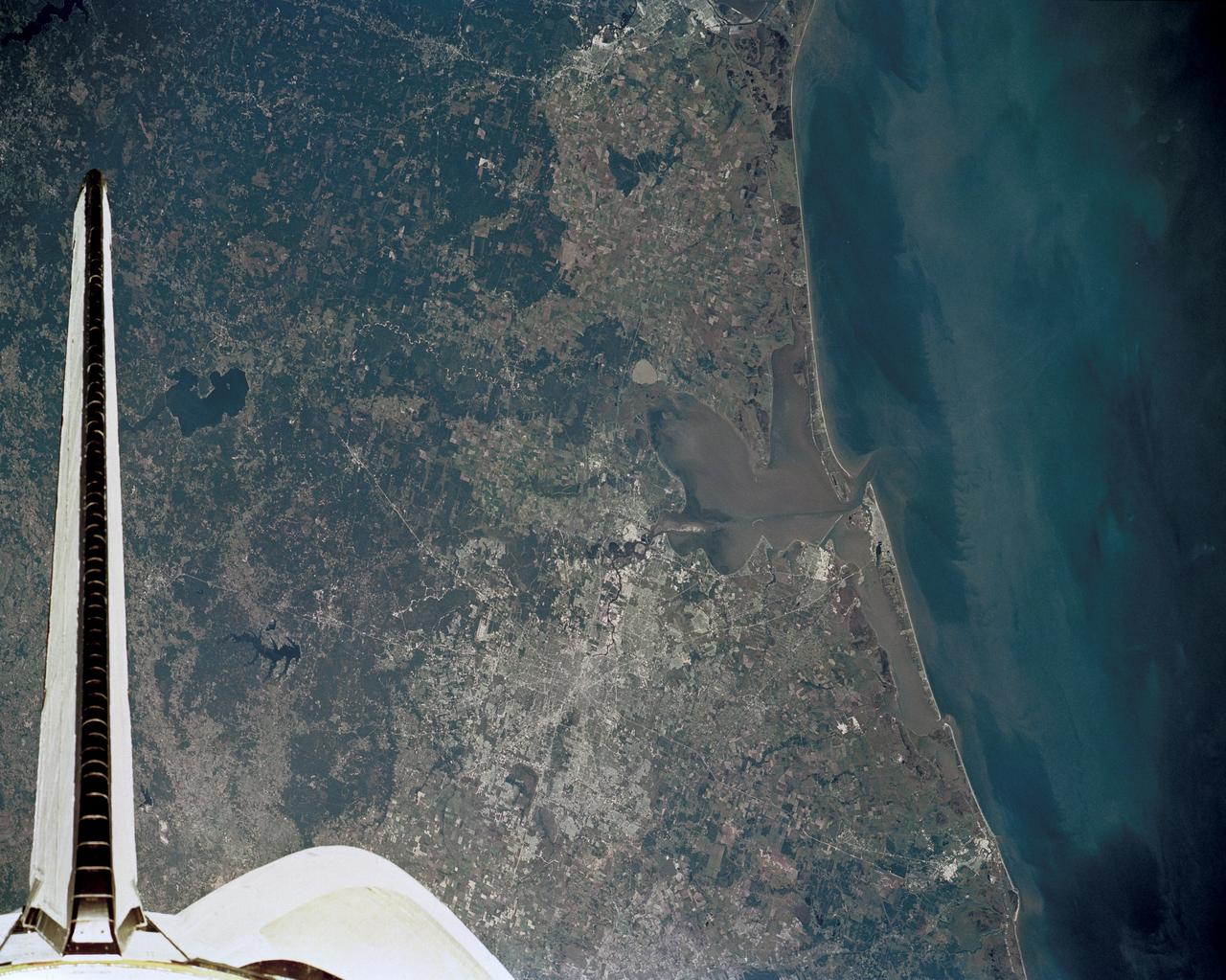
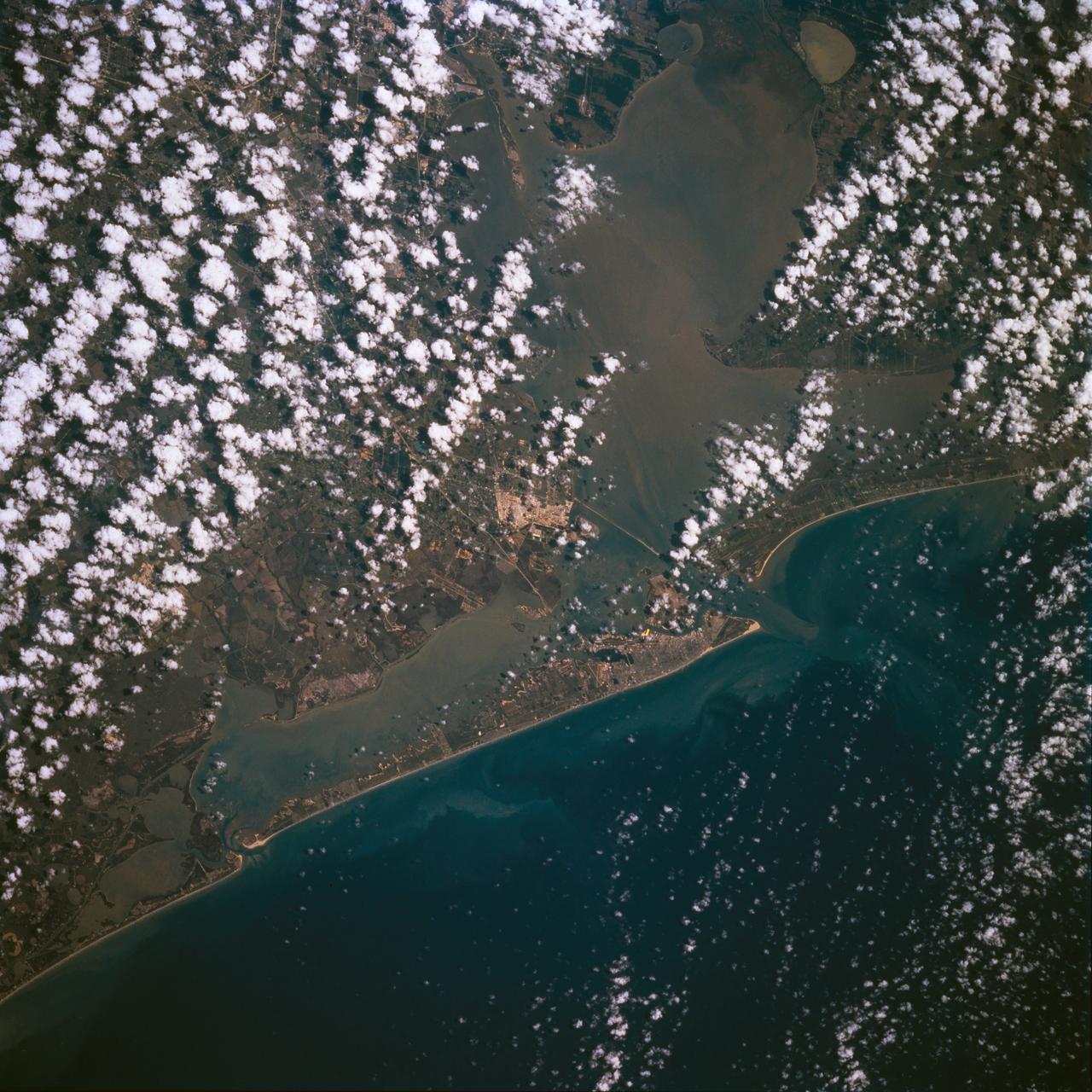
51J-143-126 (5 Oct. 1985) --- The vertical stabilizer of the Earth-orbiting Space Shuttle Atlantis serves to partially frame this scene of Metropolitan Houston. Hold photo with vertical tail at top so that north will be at top. America's fourth largest city, with its radiating highway network, lies at the junction between the East Texas piney woods, containing lakes Conroe and Livingston (near top center and top right, respectively), and the coastal prairie, now largely farmland (left side of frame). The coast stretches from the left at Freeport and the mouth of the Brazos River, past Galveston and Texas City, and the circle of the High Island Salt Dome (clearly seen at lower right near the Bolivar Peninsula), to Port Arthur on the Neches River (far right). Patterns of muddy and clear water are particularly well-displayed in Galveston and Trinity Bays, as well as in the Gulf of Mexico. With a close look, the Harris County Domed Stadium (Astrodome) can be recognized on Houston's south side. The NASA Johnson Space Center (JSC) and the Clear Lake City area are easily delineated some 25 miles southeast of downtown Houston. The scene was recorded on film by one of the STS-51J crewmembers using a handheld Hasselblad camera and 70mm film.
Houston, Galveston Bay, Texas, USA
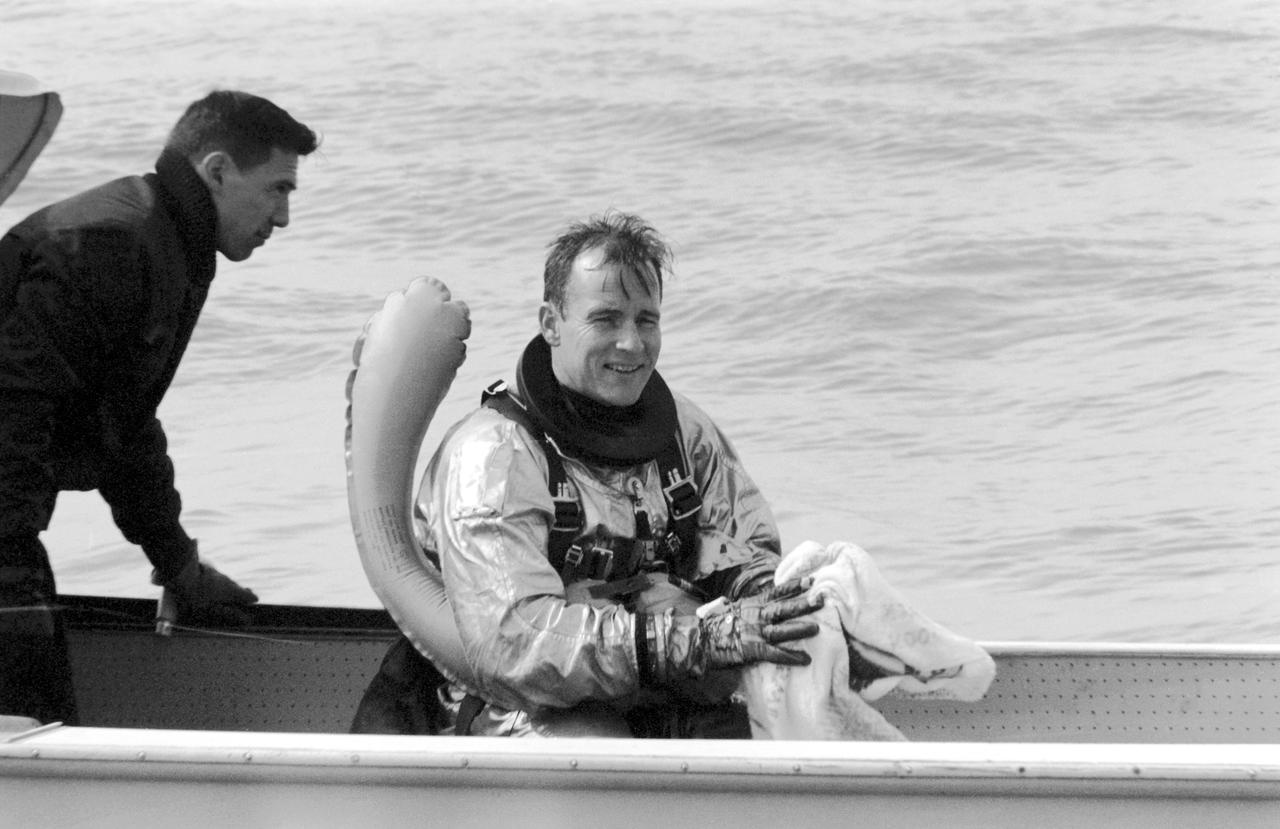
S65-10174 (2 Feb. 1965) --- Astronaut Edward H. White II, Gemini-Titan 4 prime crew pilot, is pictured during water egress para-drop training activity in nearby Galveston Bay.
GEMINI-TITAN (GT)-9 TEST - TRAINING - GALVESTON, TX
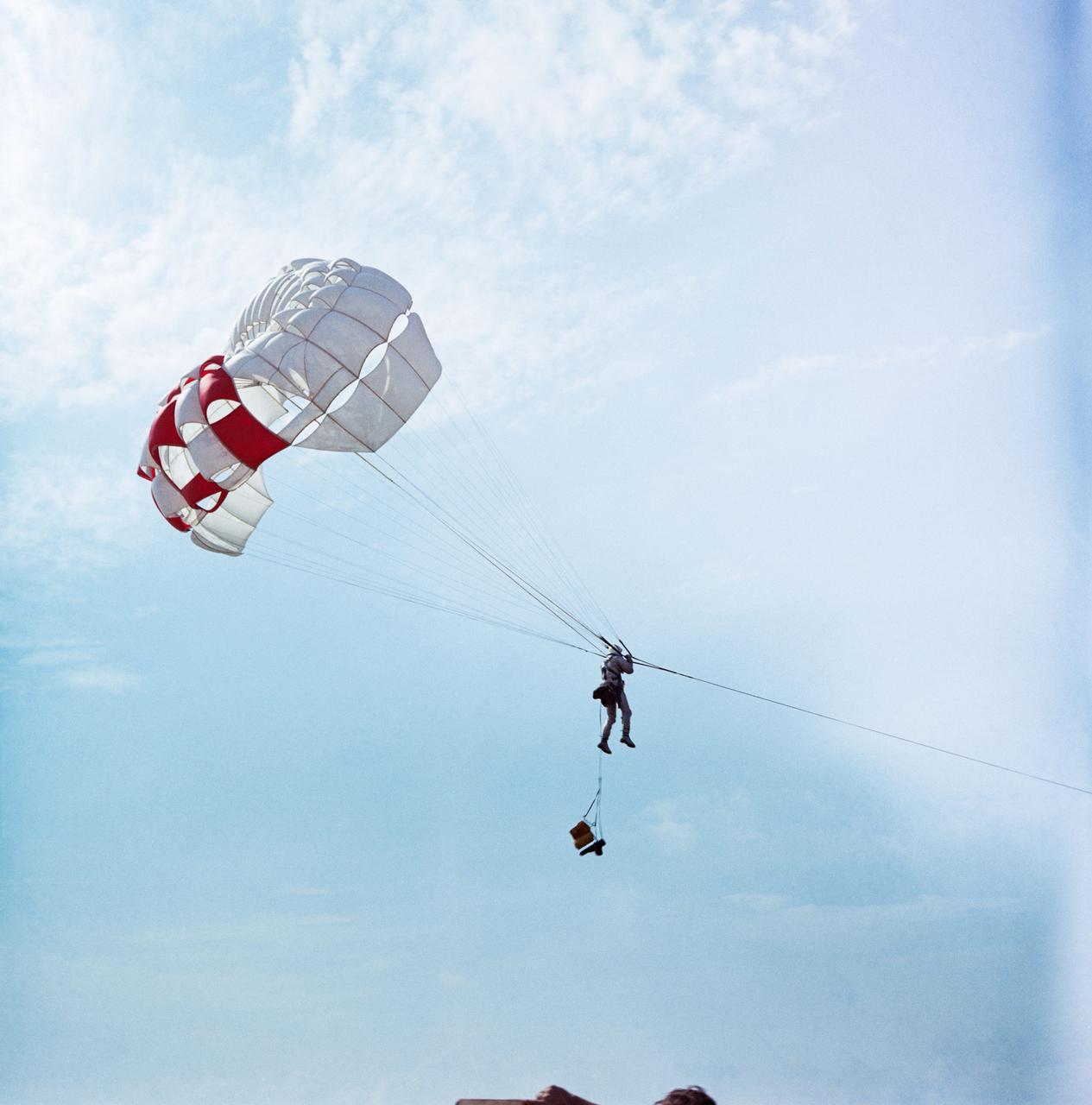
S65-51958 (23 Aug. 1965) --- Astronaut Thomas P. Stafford, Gemini-6 prime crew pilot, sails over Galveston Bay during parasail training. His water survival gear hangs below him. Photo credit: NASA or National Aeronautics and Space Administration
PARASAIL TRAINING - ASTRONAUT THOMAS P. STAFFORD - GALVESTON BAY, TX
STS039-85-036 (28 April-6 May 1991) --- An orbital pass took the Space Shuttle Discovery over the Houston area, allowing this nearly vertical 70mm photograph to be taken.  The north - south bounds extend from a line just north of the Intercontinental Airport at the top of the photo.  (Some printings have index numbers near south in the frame).  The east - west coverage extends from a line several miles outside the Sam Houston belt system left and right.  Parts of the belt system, especially in the south, are still under construction.  The Harris County Domed Stadium can be delineated just left of center, and the central business district of Houston is just above center.  The work and living areas of the seven astronaut crew members are in the lower right quadrant, including Clear Lake, Taylor Lake, the NASA complex and parts of upper Galveston Bay.  Many passes over the Houston area do not exist with the minimal cloud cover seen here.
Houston/Galveston, Texas, USA
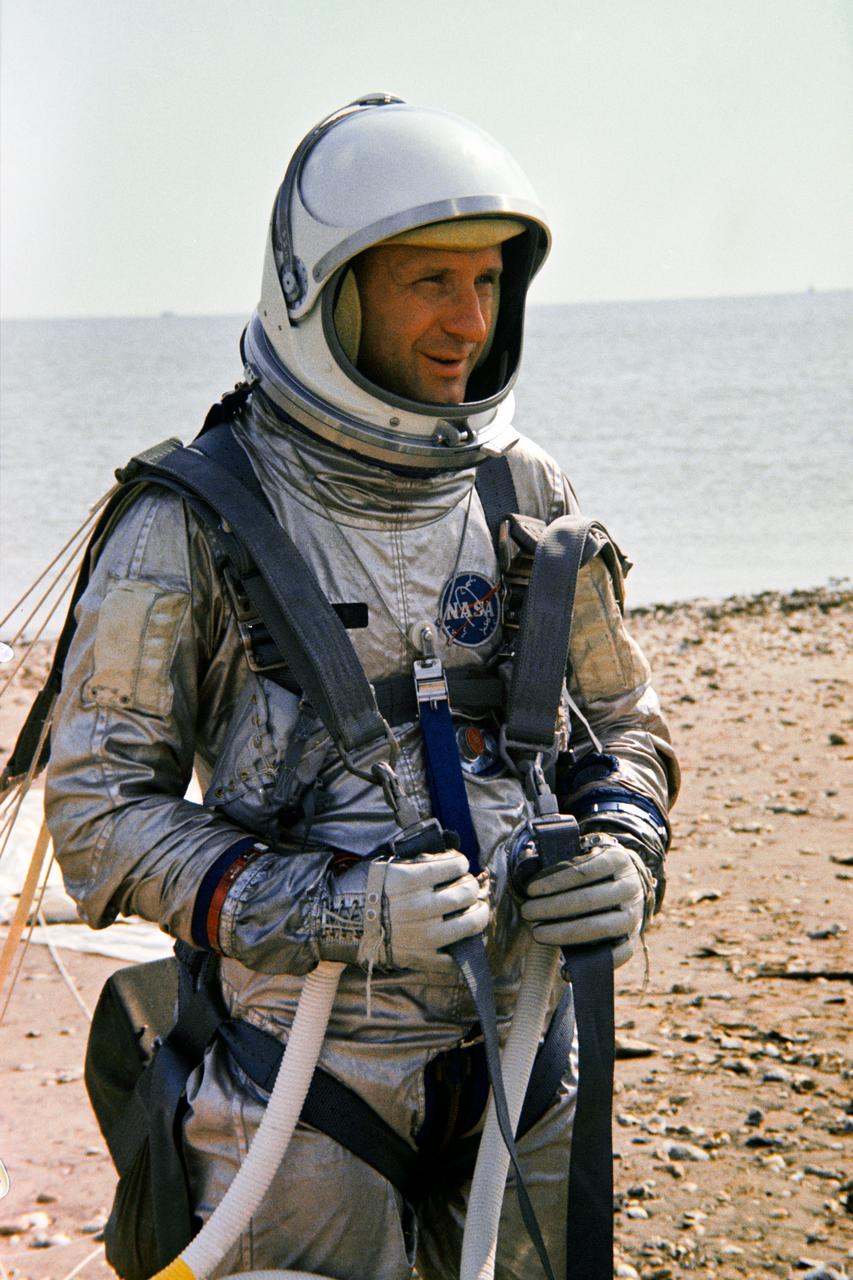
S65-51948 (23 Aug. 1965) --- Astronaut Thomas P. Stafford, Gemini-6 prime crew pilot, stands ready to take part in parasail training in Galveston Bay, Texas. Wearing spacesuit, helmet and carrying water survival gear, he will be lifted into the air by a deployed parachute and guided over the Bay where he will drop into the water to test airdrop and water survival techniques. Photo credit: NASA or National Aeronautics and Space Administration
Astronaut Thomas P. Stafford - Training - Parasail - Gemini-Titan (GT)-5 Pilot - Galveston Bay, TX
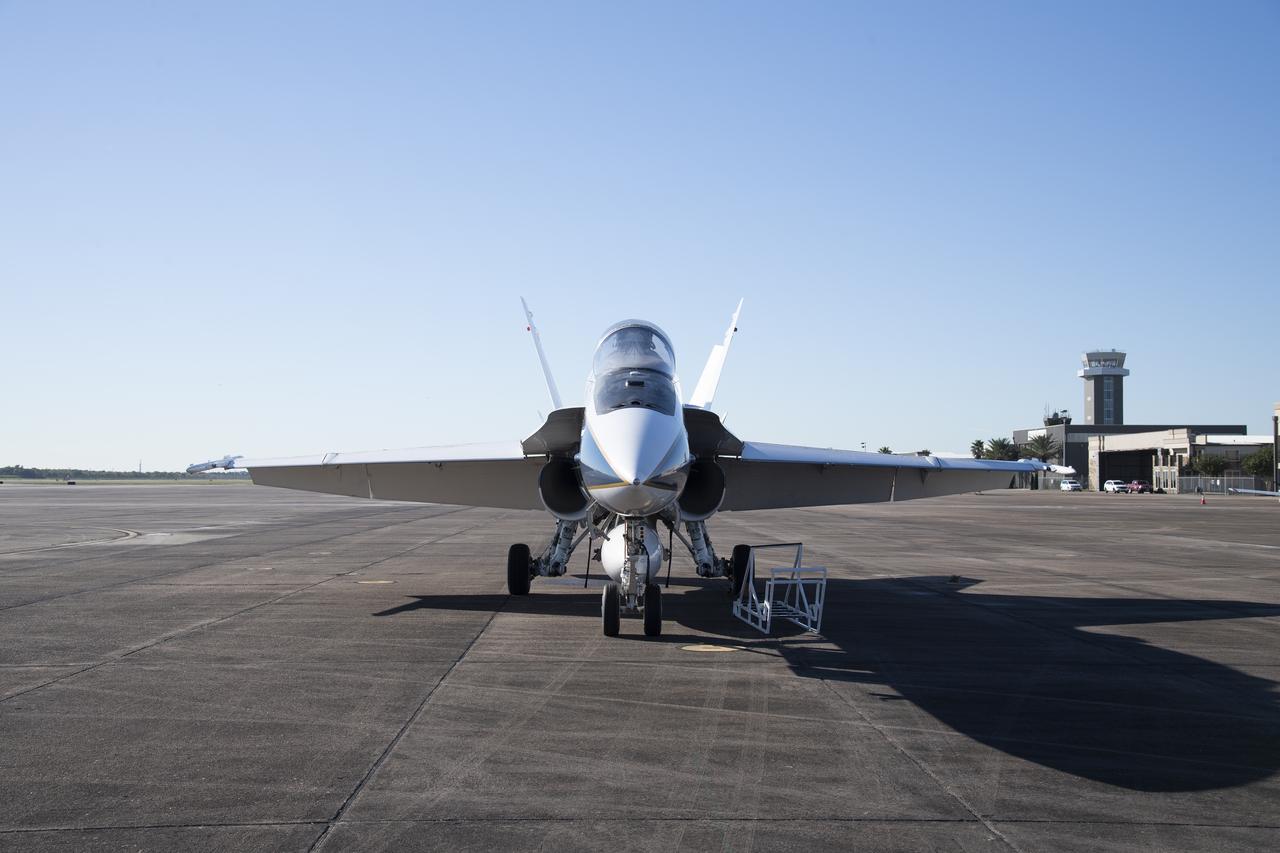
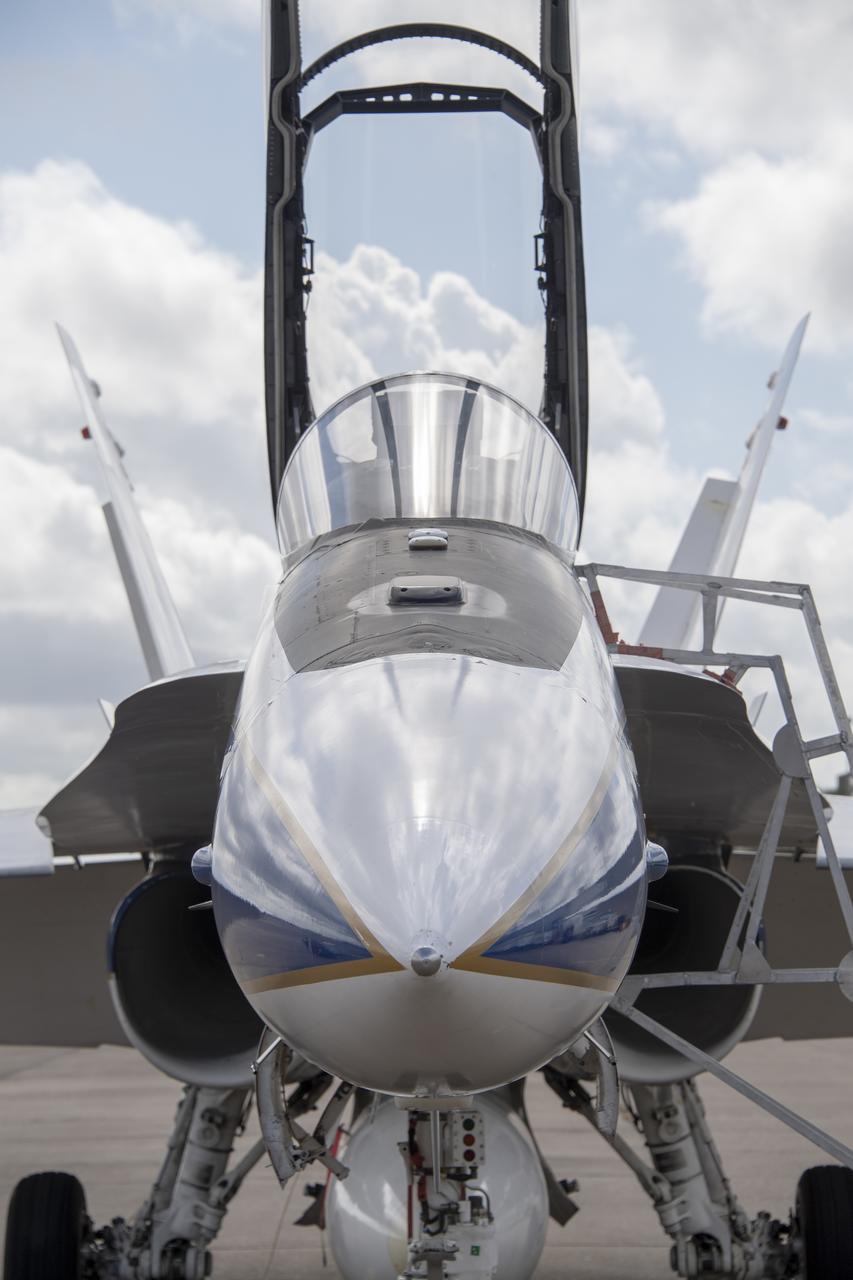
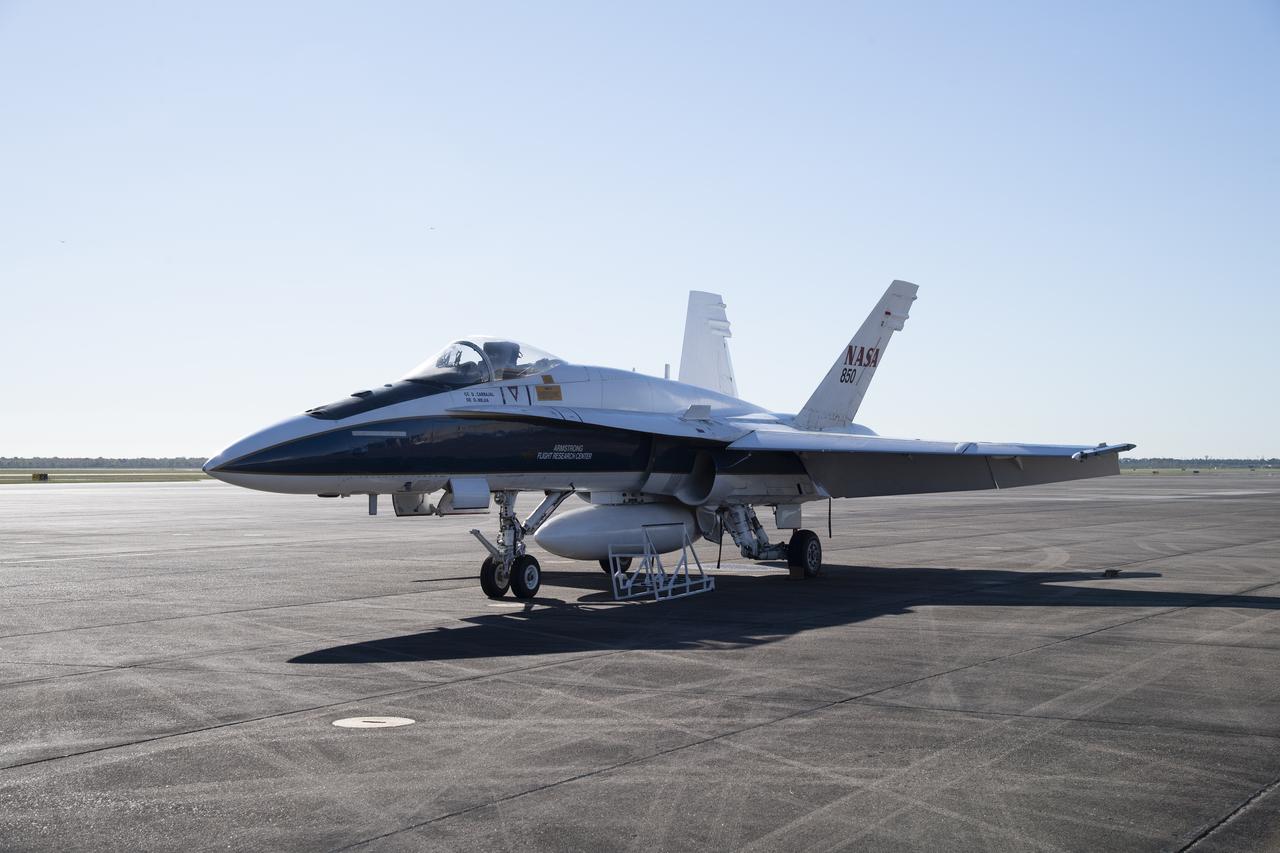
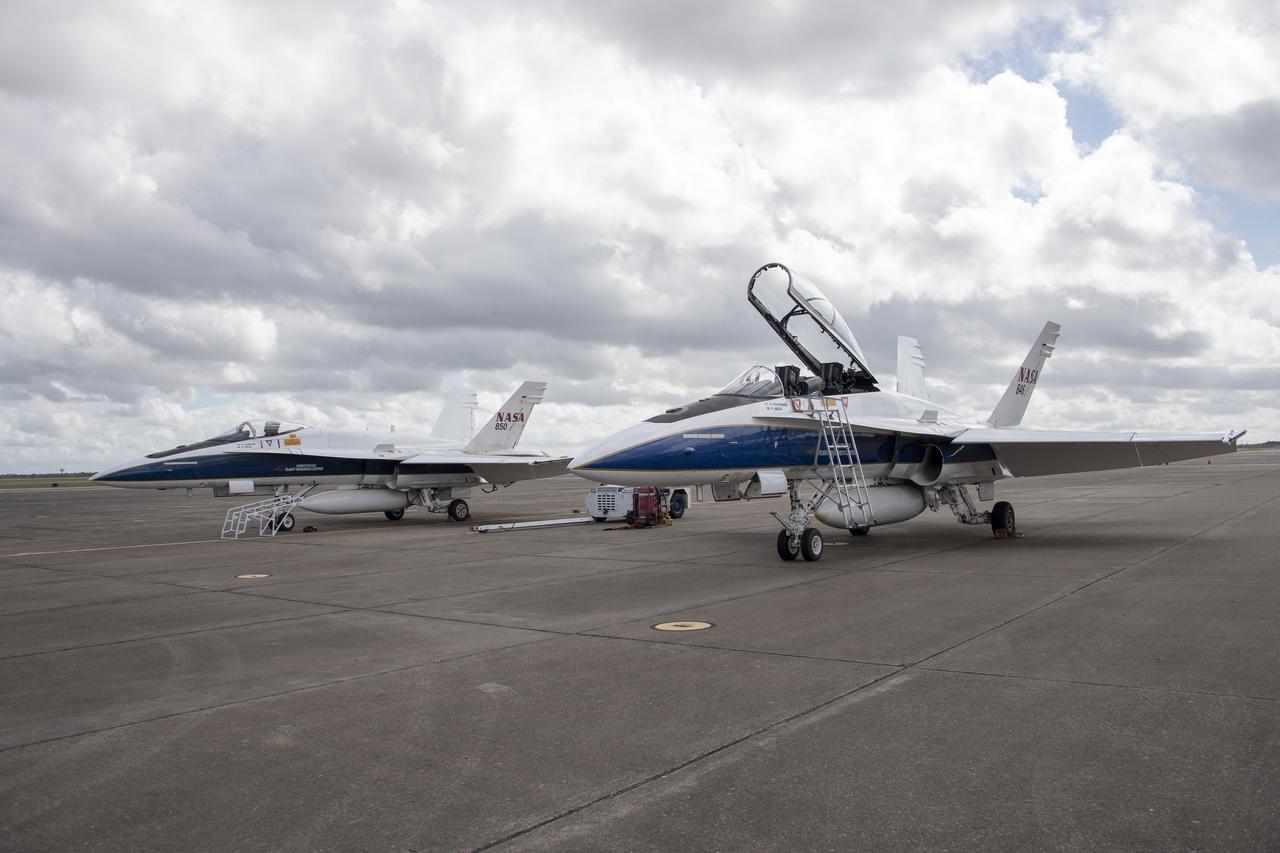
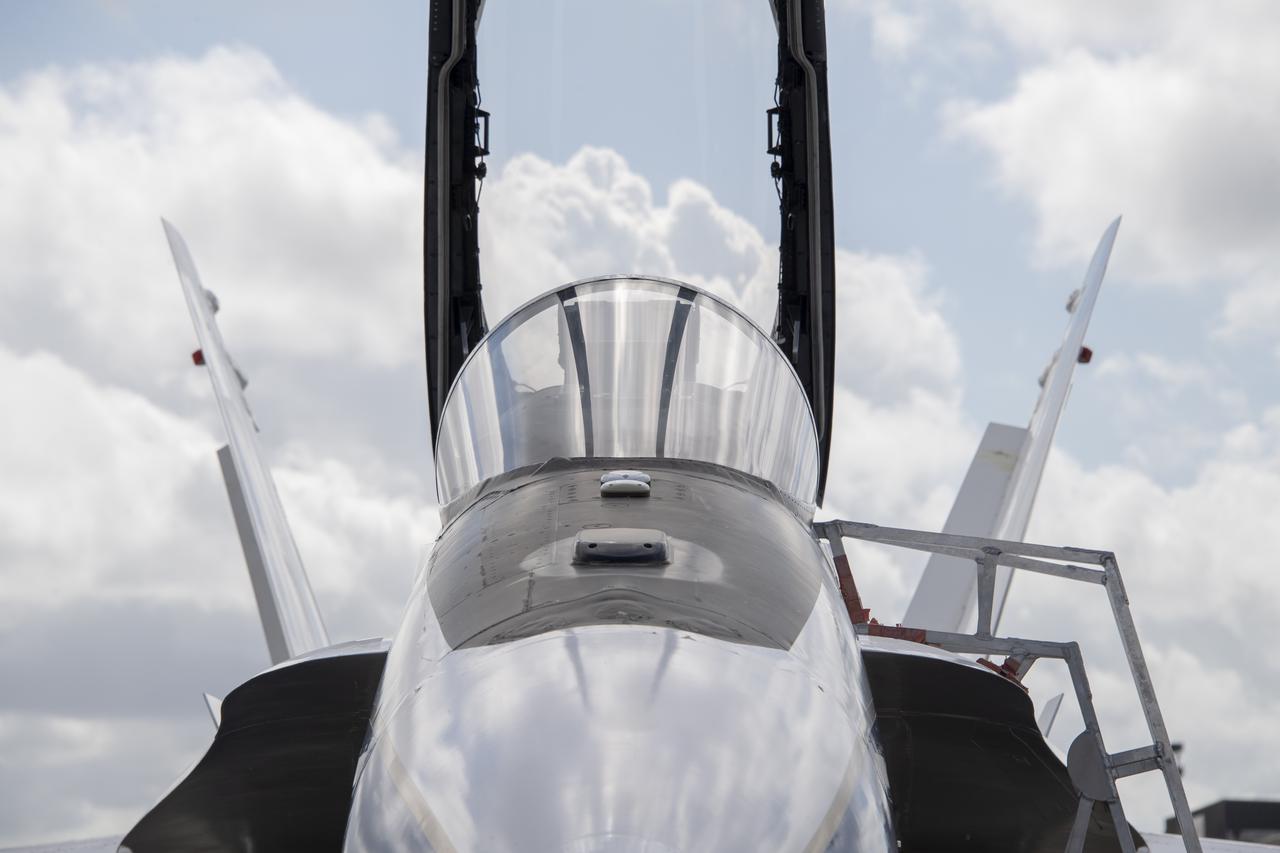
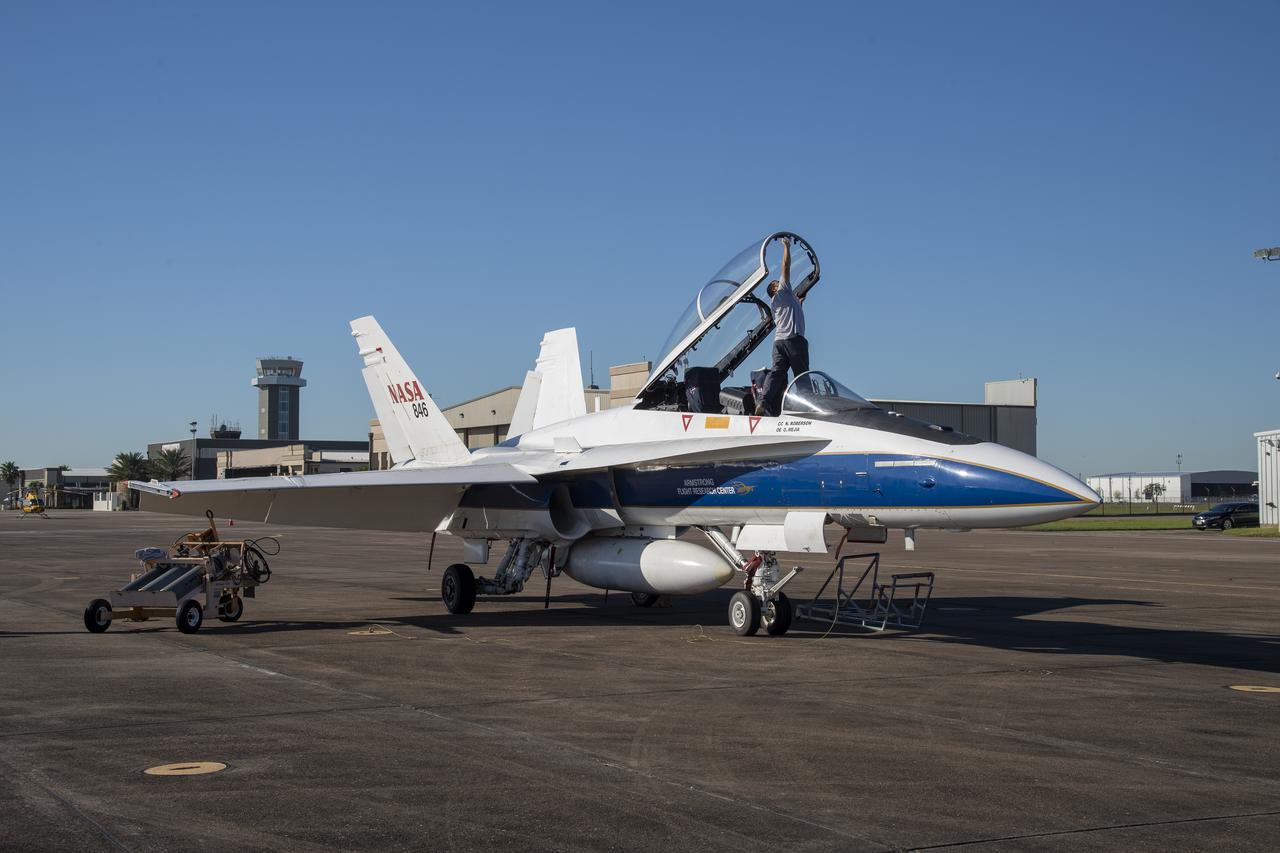
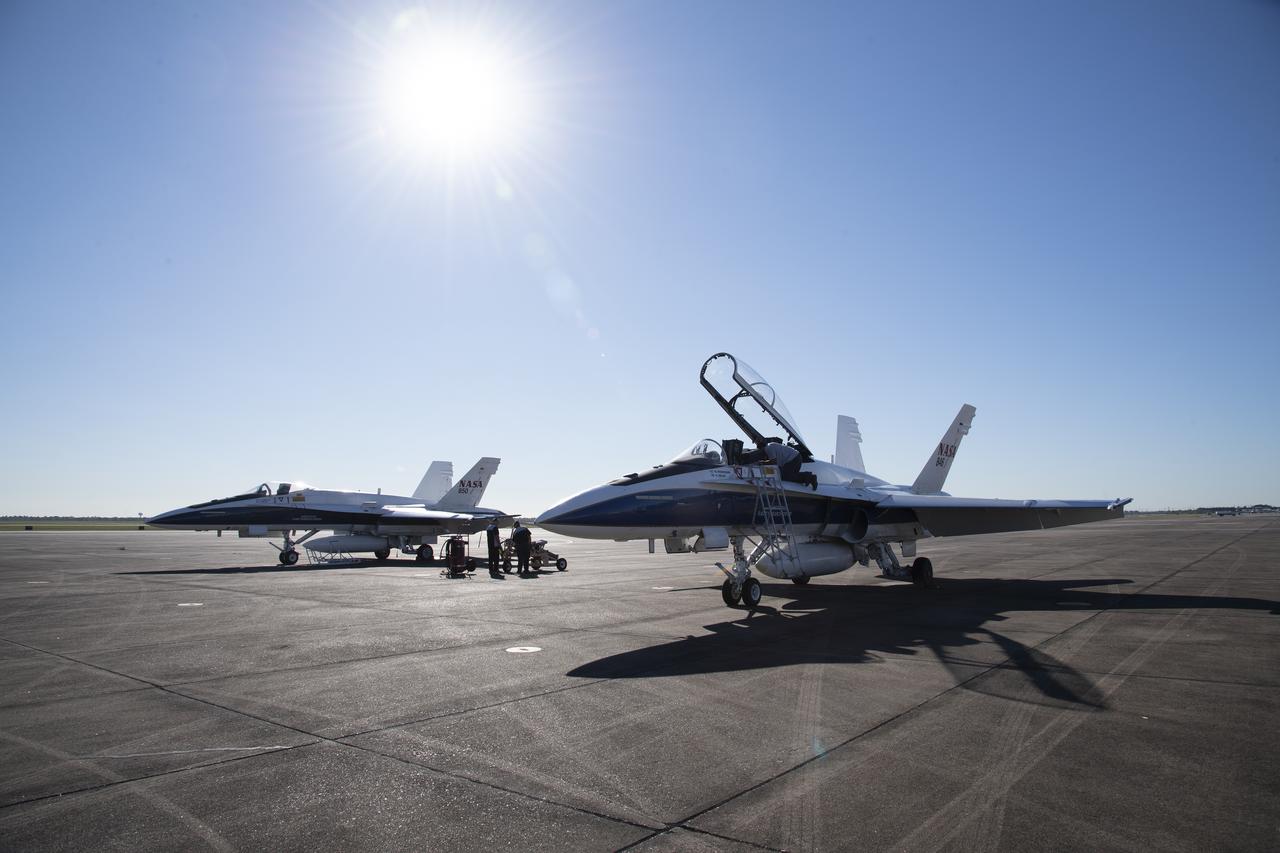
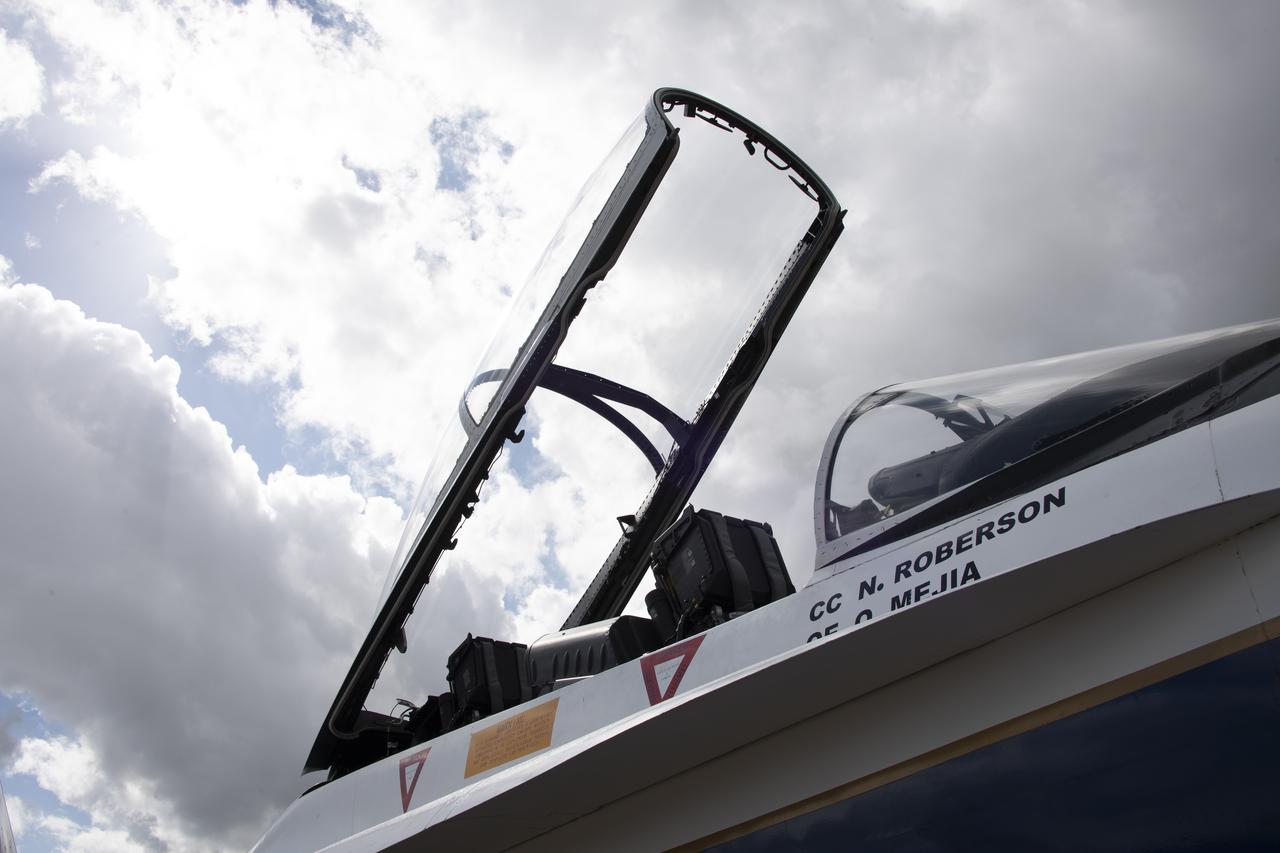
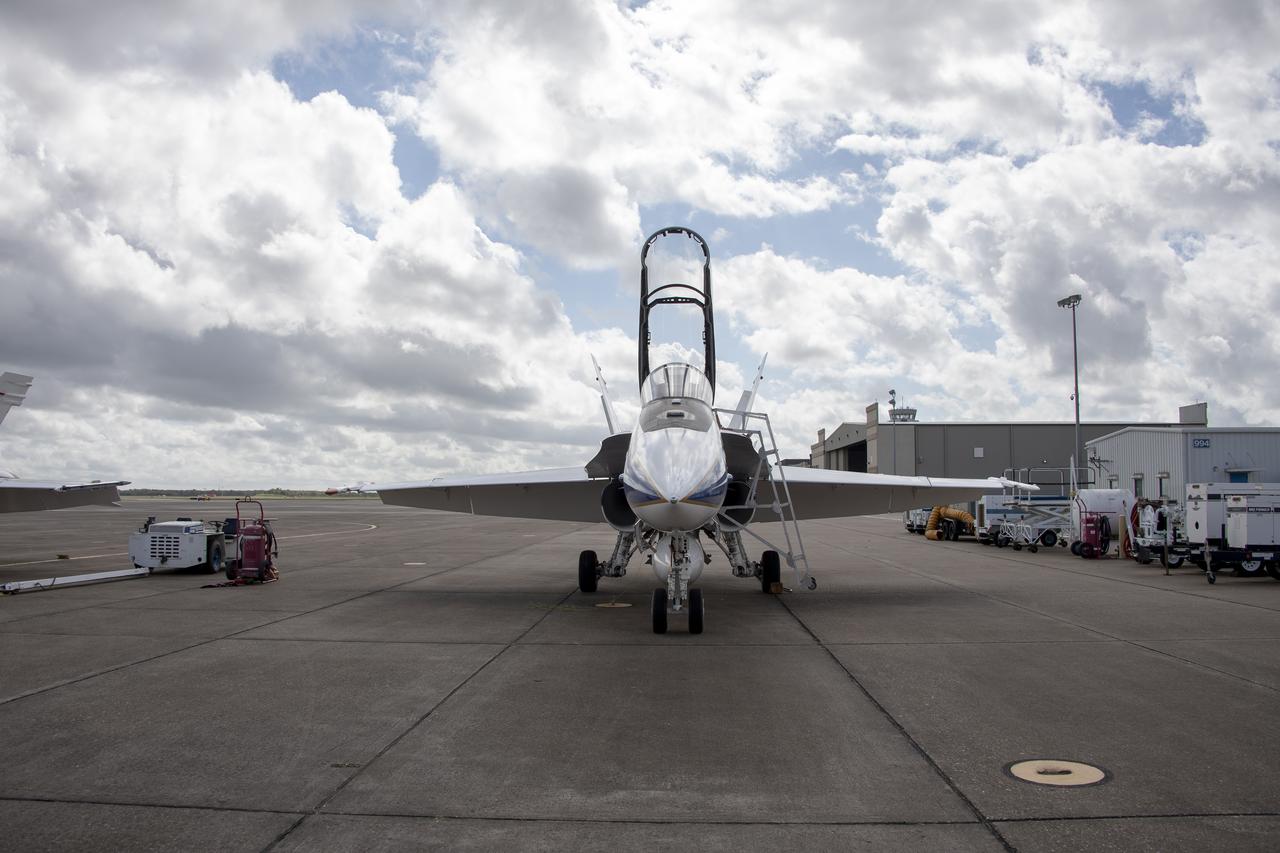
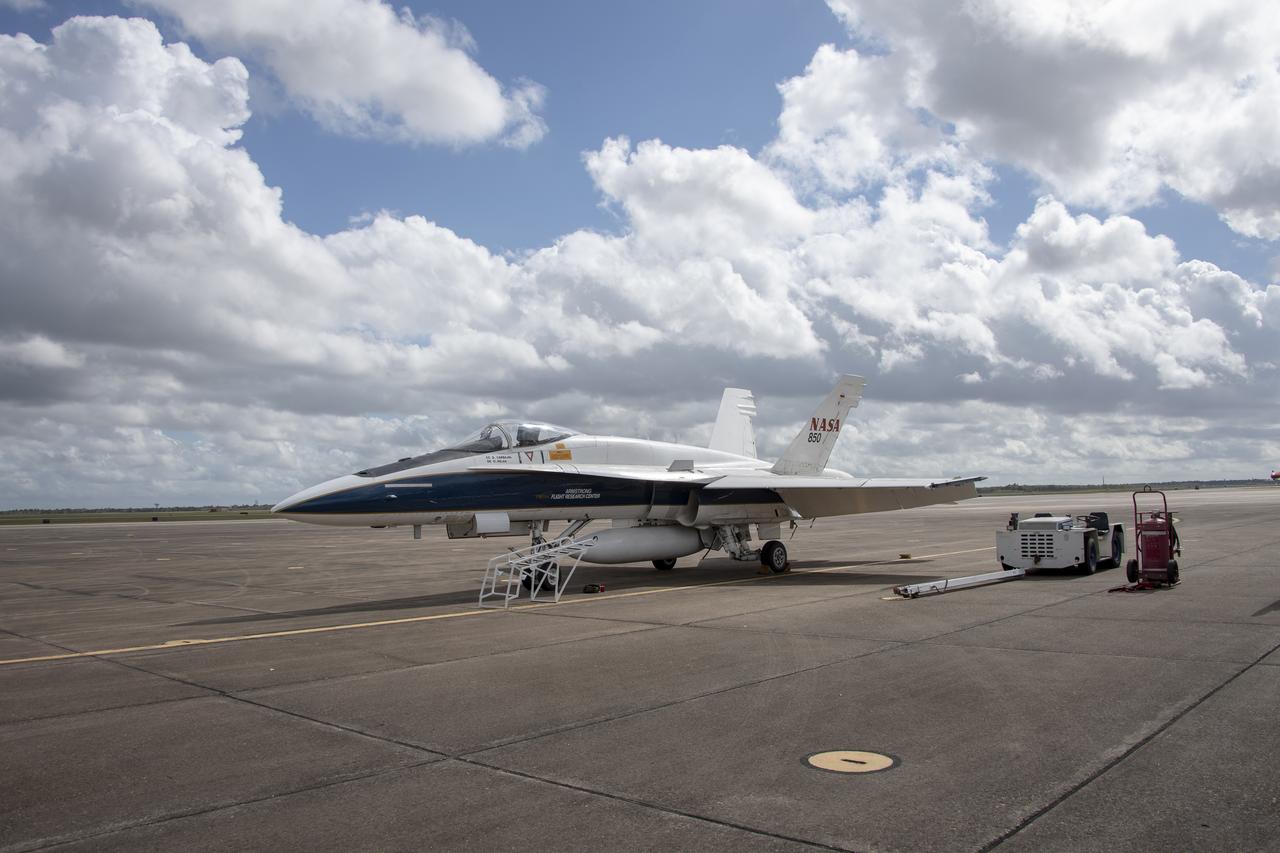
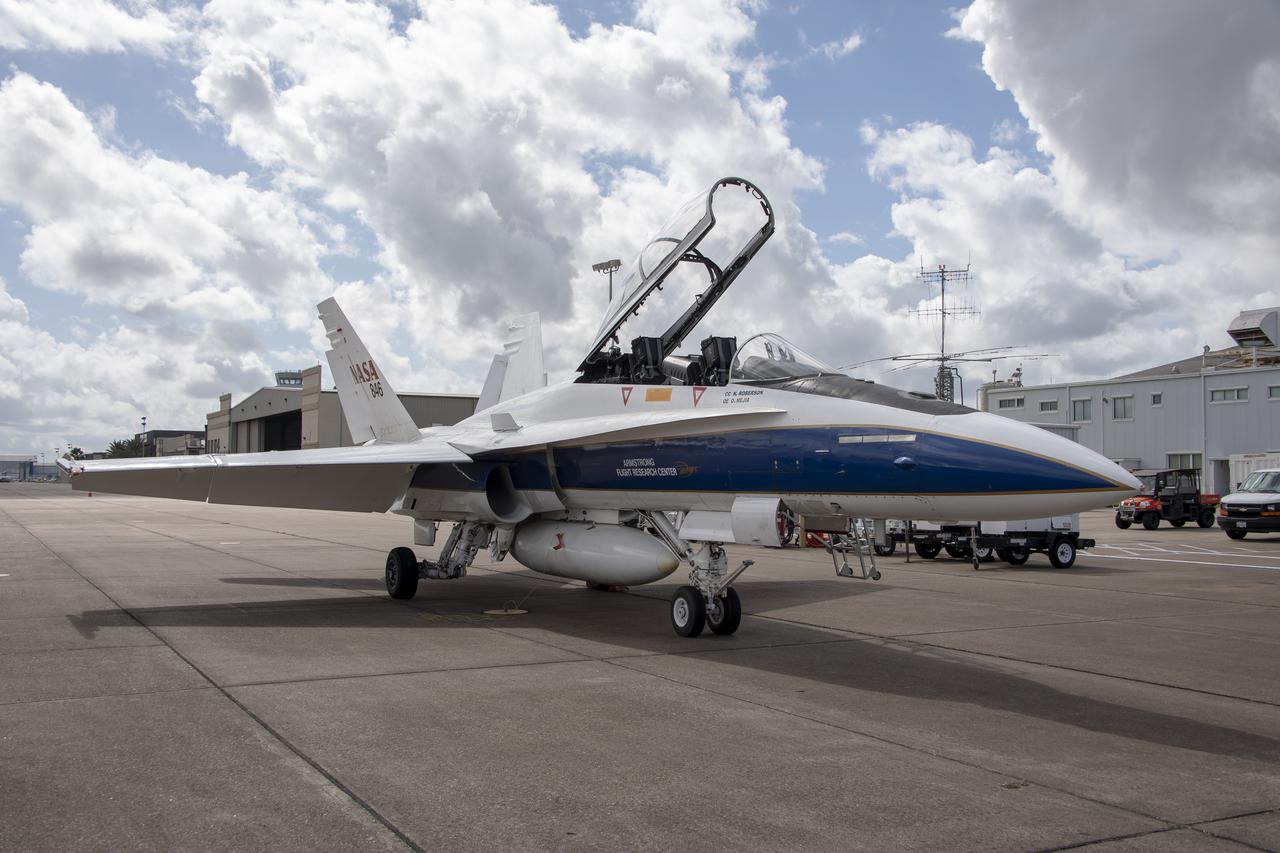
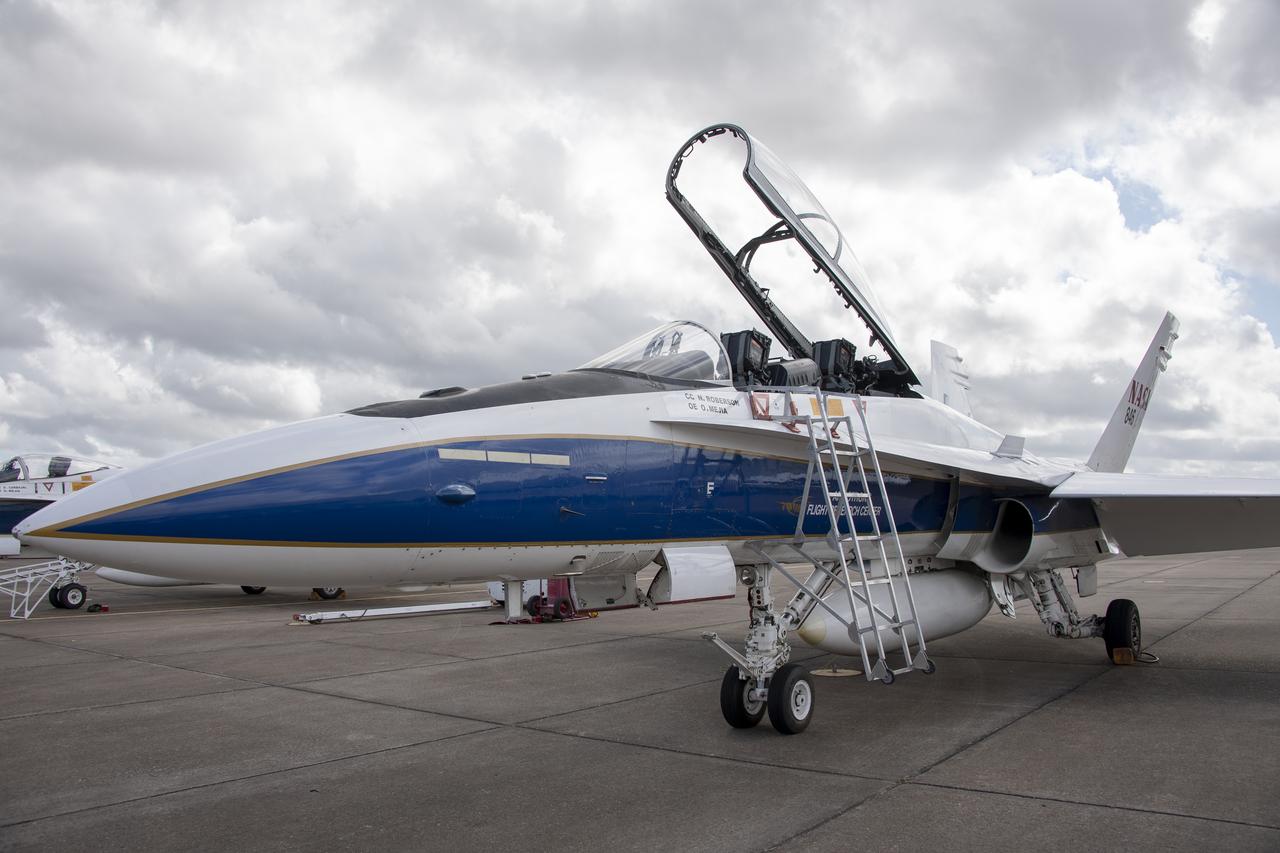
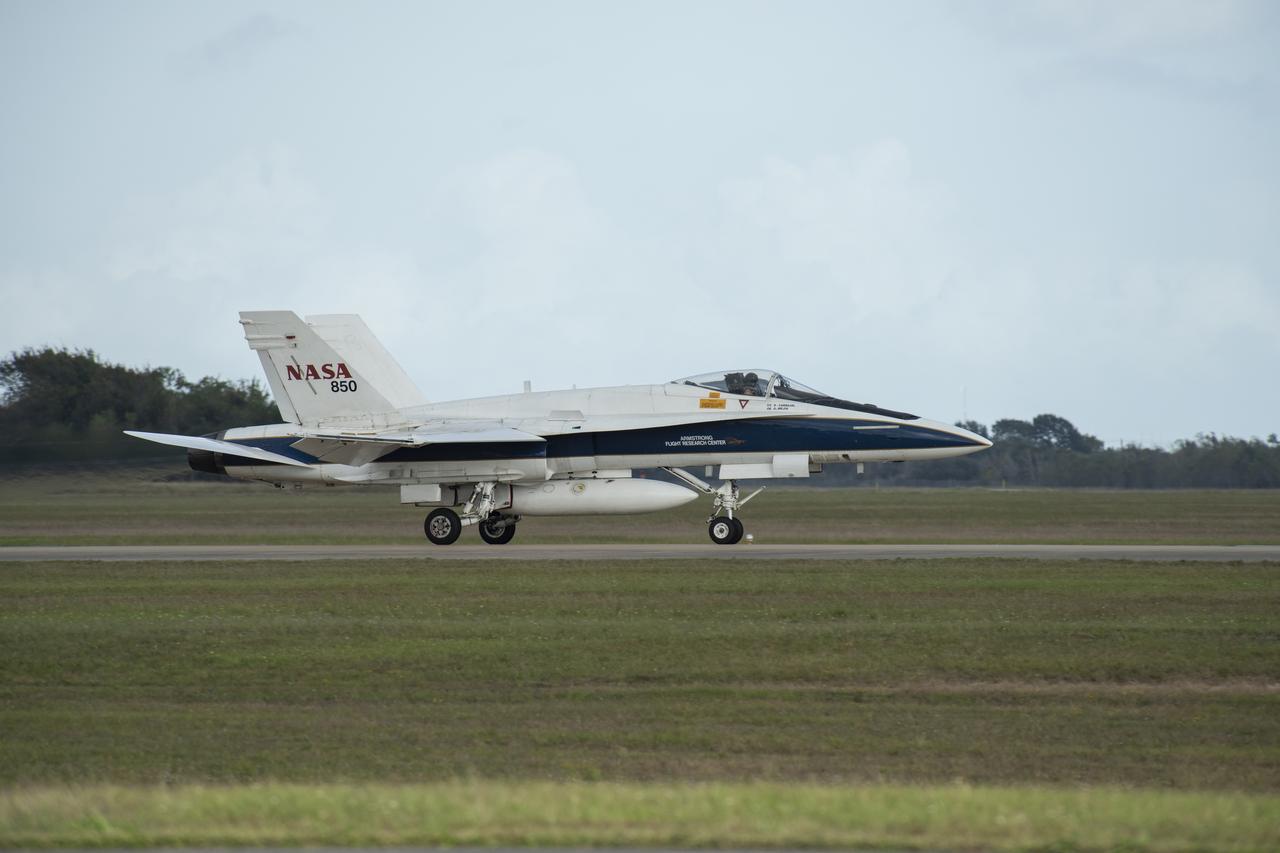
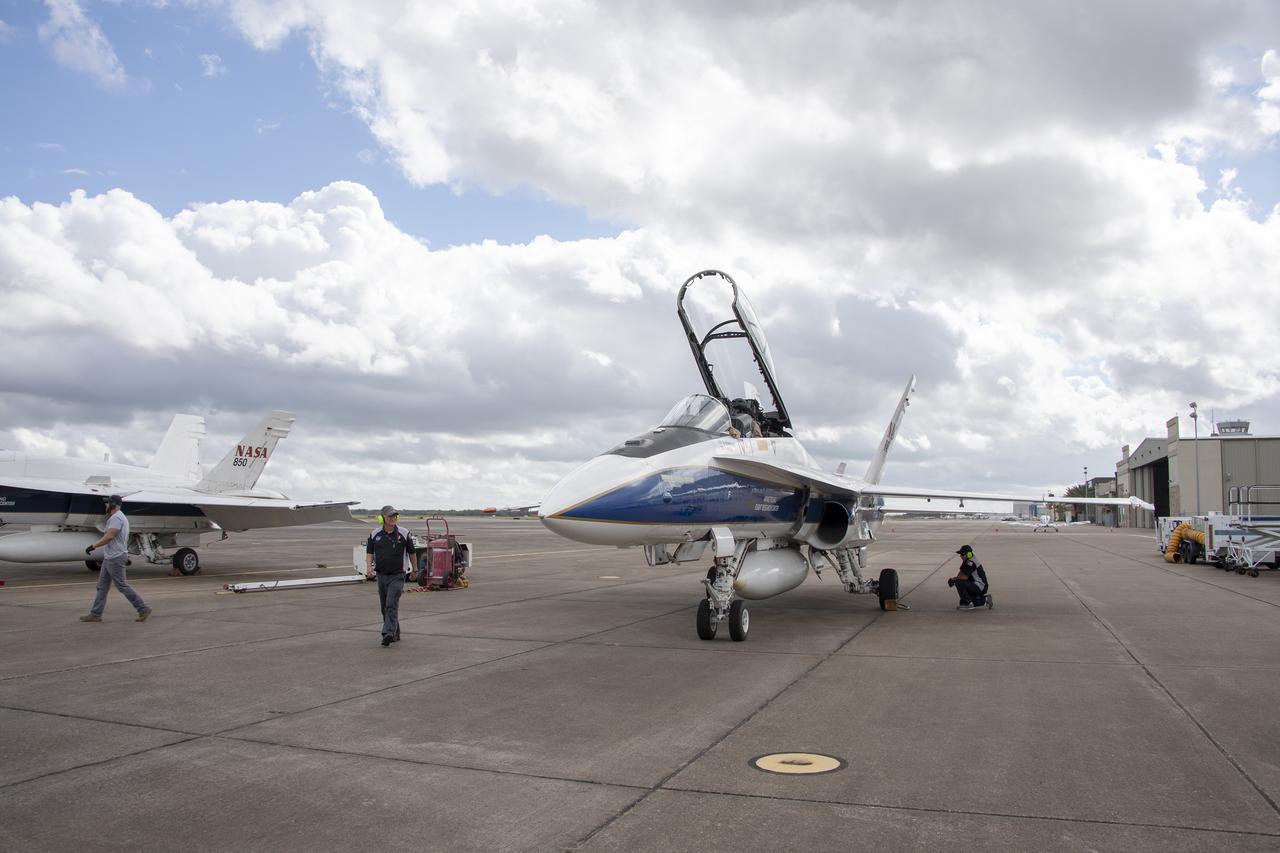
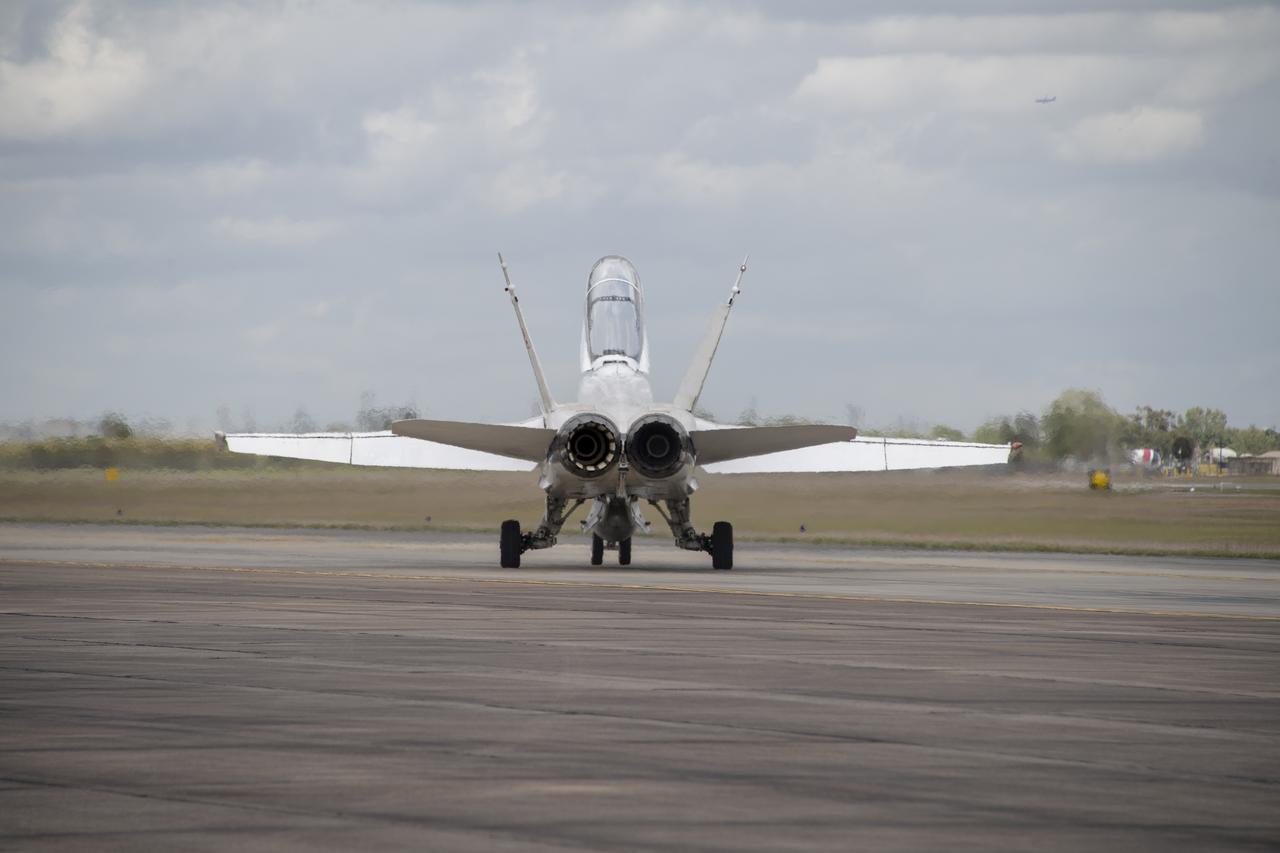
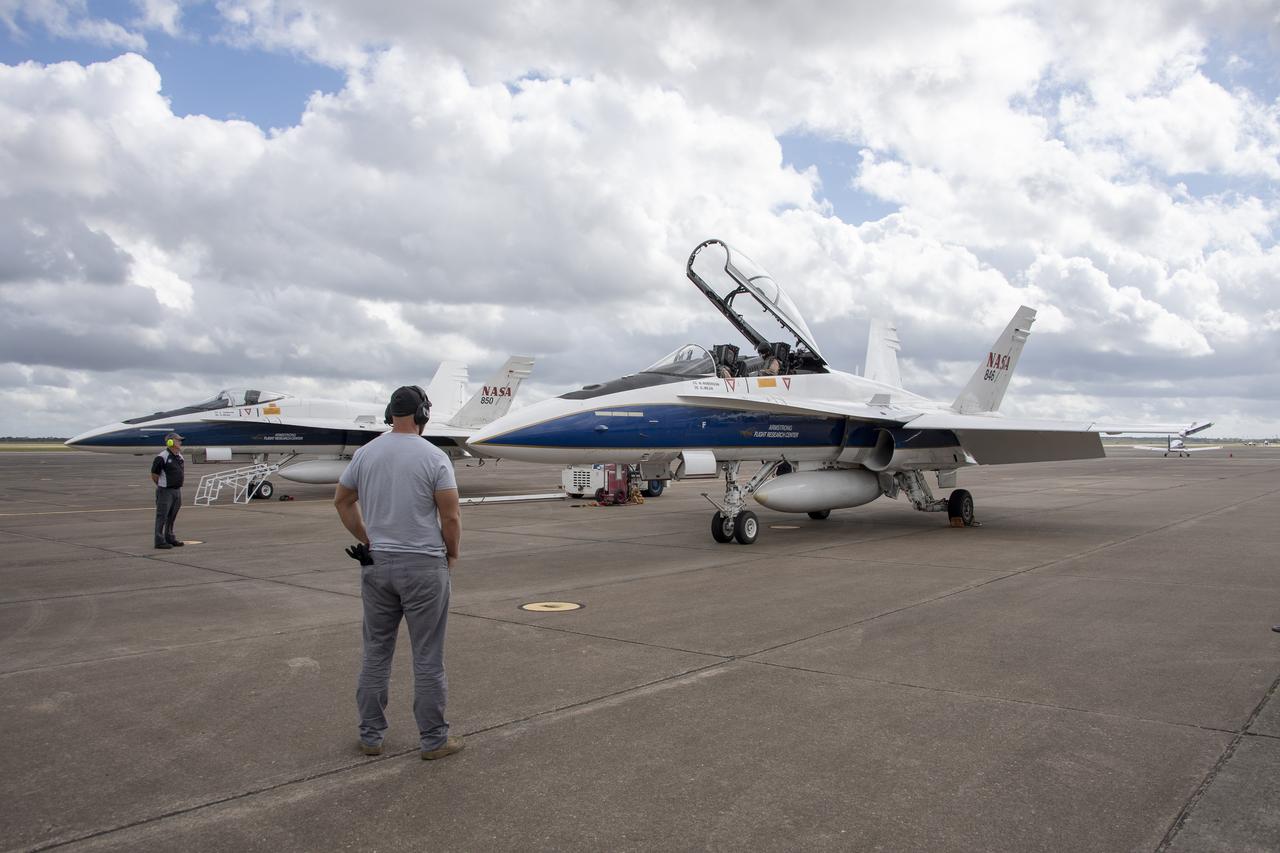
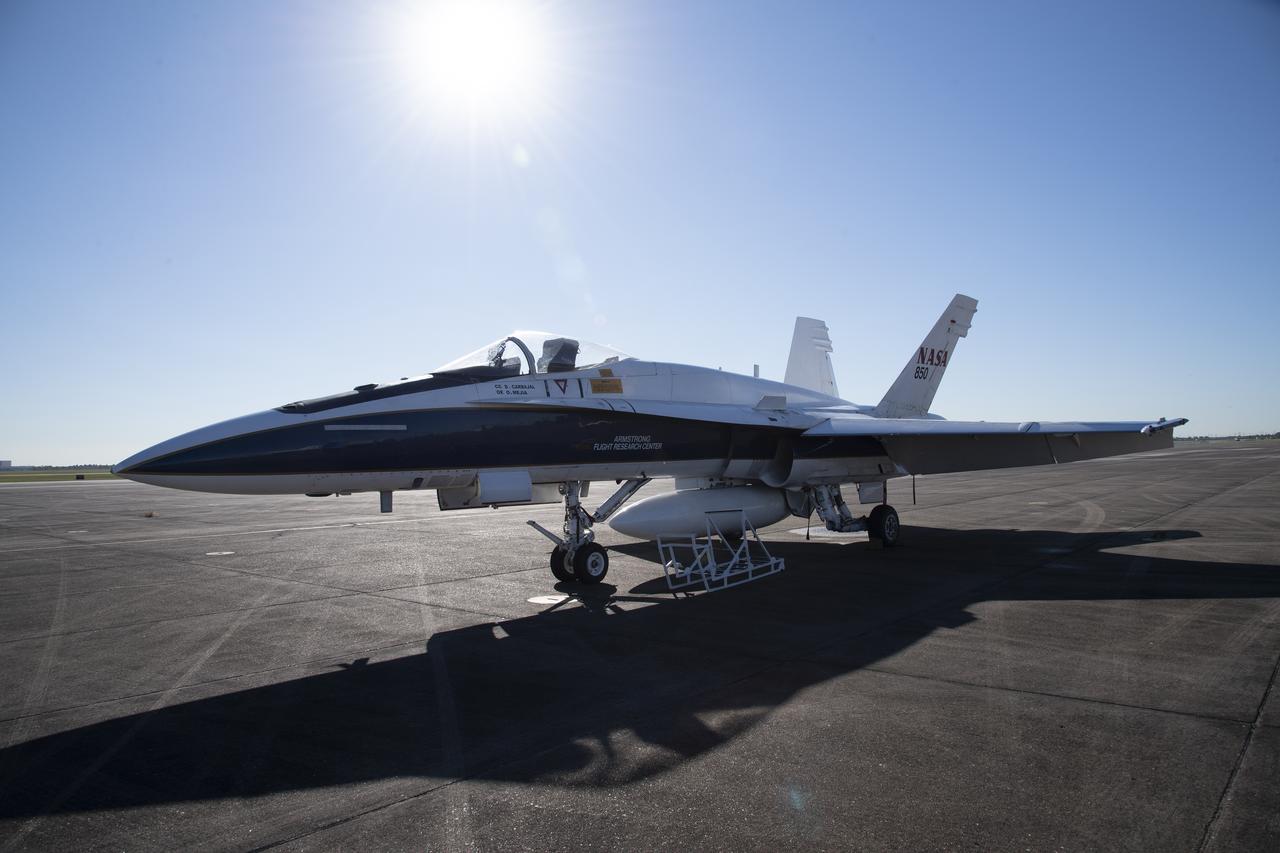
NASA’s F/A-18 research aircraft stands ready prior to a QSF18 supersonic research flight off the coast of Galveston, Texas.
NASA F/A-18 Research Aircraft Prior to QSF18 Flight
NASA's F/A-18 research aircraft stands ready prior to a QSF18 supersonic research flight off the coast of Galveston, Texas.
NASA F/A-18 Research Aircraft Prior to QSF18 Flight
NASA's F/A-18 research aircraft stands ready prior to a QSF18 supersonic research flight off the coast of Galveston, Texas.
NASA F/A-18 Research Aircraft Prior to QSF18 Flight
NASA’s F/A-18 research aircraft stands ready prior to a QSF18 supersonic research flight off the coast of Galveston, Texas.
NASA F/A-18 Research Aircraft Prior to QSF18 Flight
NASA's F/A-18 research aircraft stands ready prior to a QSF18 supersonic research flight off the coast of Galveston, Texas.
NASA F/A-18 Research Aircraft Prior to QSF18 Flight
NASA’s F/A-18 research aircraft stands ready prior to a QSF18 supersonic research flight off the coast of Galveston, Texas.
NASA F/A-18 Research Aircraft Prior to QSF18 Flight
NASA's F/A-18 research aircraft stands ready prior to a QSF18 supersonic research flight off the coast of Galveston, Texas.
NASA F/A-18 Research Aircraft Prior to QSF18 Flight
NASA's F/A-18 research aircraft stands ready prior to a QSF18 supersonic research flight off the coast of Galveston, Texas.
NASA F/A-18 Research Aircraft Prior to QSF18 Flight
NASA’s F/A-18 research aircraft stands ready prior to a QSF18 supersonic research flight off the coast of Galveston, Texas.
NASA F/A-18 Research Aircraft Prior to QSF18 Flight
NASA’s F/A-18 research aircraft stands ready prior to a QSF18 supersonic research flight off the coast of Galveston, Texas.
NASA F/A-18 Research Aircraft Prior to QSF18 Flight
NASA's F/A-18 research aircraft stands ready prior to a QSF18 supersonic research flight off the coast of Galveston, Texas.
NASA F/A-18 Research Aircraft Prior to QSF18 Flight
NASA’s F/A-18 research aircraft stands ready prior to a QSF18 supersonic research flight off the coast of Galveston, Texas.
NASA F/A-18 Research Aircraft Prior to QSF18 Flight
NASA’s F/A-18 research aircraft stands ready prior to a QSF18 supersonic research flight off the coast of Galveston, Texas.
NASA F/A-18 Research Aircraft Prior to QSF18 Flight
NASA's F/A-18 research aircraft stands ready prior to a QSF18 supersonic research flight off the coast of Galveston, Texas.
NASA F/A-18 Research Aircraft Prior to QSF18 Flight
NASA's F/A-18 research aircraft stands ready prior to a QSF18 supersonic research flight off the coast of Galveston, Texas.
NASA F/A-18 Research Aircraft Prior to QSF18 Flight
NASA's F/A-18 research aircraft stands ready prior to a QSF18 supersonic research flight off the coast of Galveston, Texas.
NASA F/A-18 Research Aircraft Prior to QSF18 Flight
NASA’s F/A-18 research aircraft stands ready prior to a QSF18 supersonic research flight off the coast of Galveston, Texas.
NASA F/A-18 Research Aircraft Prior to QSF18 Flight
STS077-704-001 (19-29 May 1996) --- Clouds cover most of Houston, Texas, but all of Galveston Island, Galveston Bay and mainland Galveston County are visible in this 70mm image from the Space Shuttle Endeavour.  Part of Interstate 10 shows up in the lower left corner.  Such clarity exists in the photo that Galveston?s two jetties, the Texas City Dike, the I-45 causeway, the new Baytown Bridge and the San Luis Pass Bridge can be delineated.
Earth observations taken during STS-77
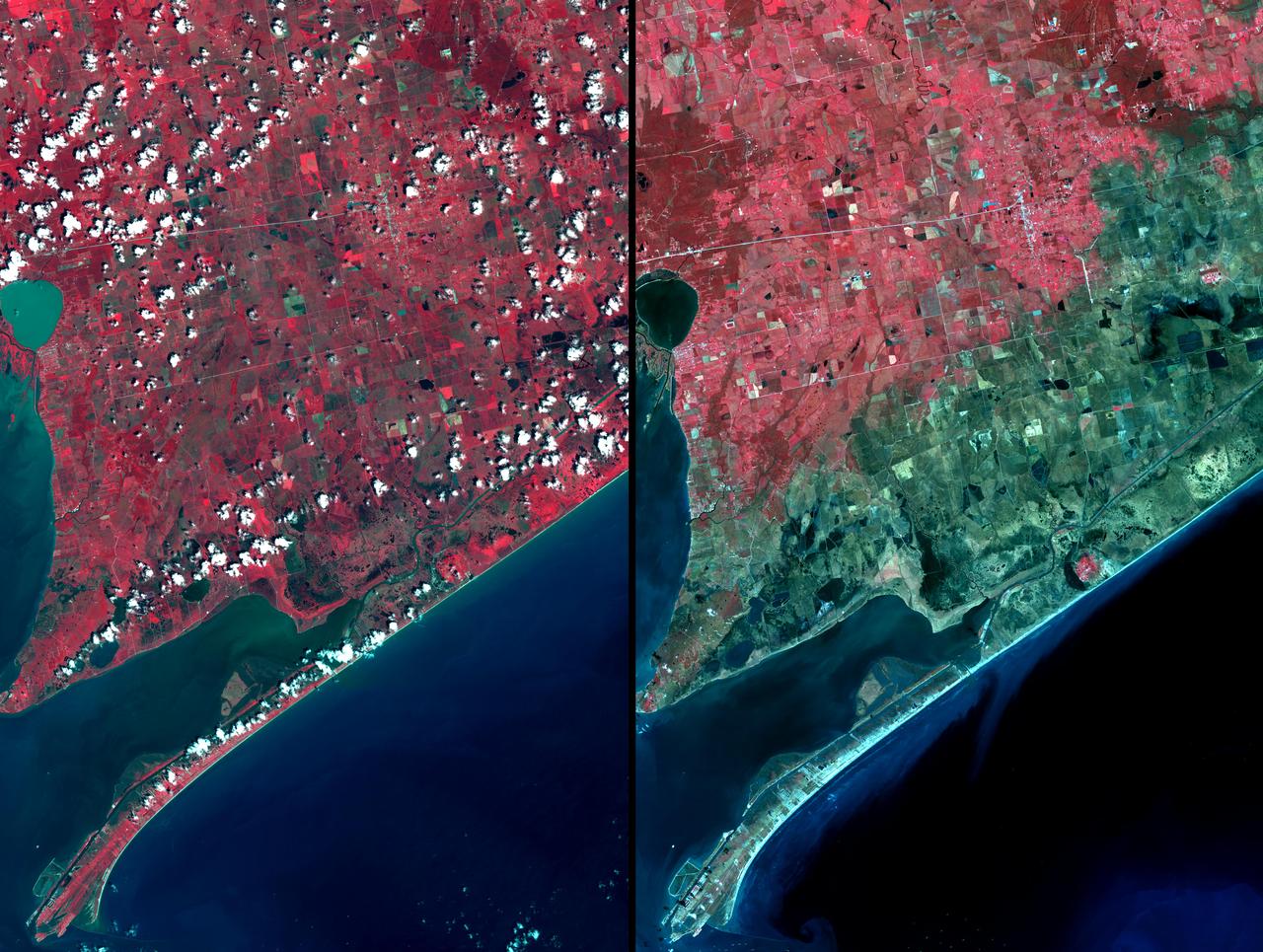
Three weeks after Hurricane Ike came ashore near Galveston, TX, residents returned to find their houses in ruins. Images were acquired by NASA Terra satellite on September 28, right, and August 15, 2006, left.
Aftermath of Hurricane Ike along Texas Coast
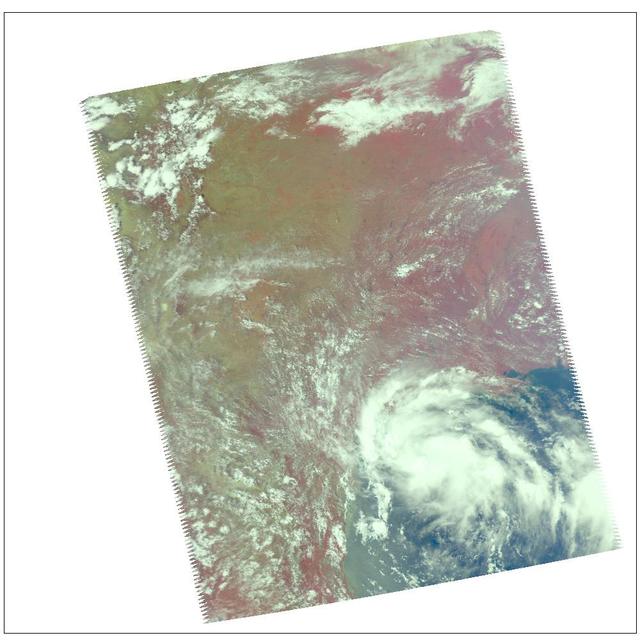
Visible image of Tropical Storm Erin, the Atlantic Ocean 210 miles south of Galveston, Texas, August, 2007, from the Atmospheric Infrared Sounder AIRS on NASA Aqua satellite.
Tropical Storm Erin
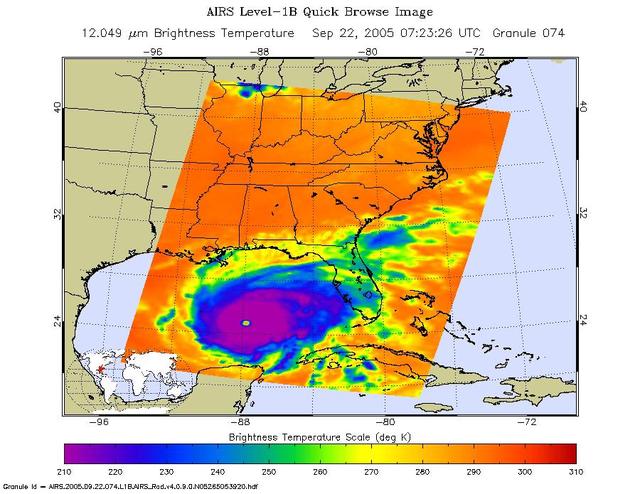
In September, 2005, Rita was a category 5 hurricane with sustained winds of 150 mph and a central pressure of 897 millibar when positioned approximately 470 southeast of Galveston, Texas.
Hurricane Rita as Observed by NASA Spaceborne Atmospheric Infrared Sounder AIRS
iss061e066680 (Dec. 3, 2019) --- Houston, Texas and its surrounding suburbs, including the island city of Galveston at the entrance of Galveston Bay at top right, is pictured from the International Space Station at an altitude of 257 miles.
iss061e066680
iss060e054125 (Sept. 4, 2019) --- The cities of Galveston and Bolivar Peninsula, separated by the Galveston Bay with the Texas City Dike at bottom, were pictured from the International Space Station as it orbited 262 miles above the Lone Star State.
iss060e054125
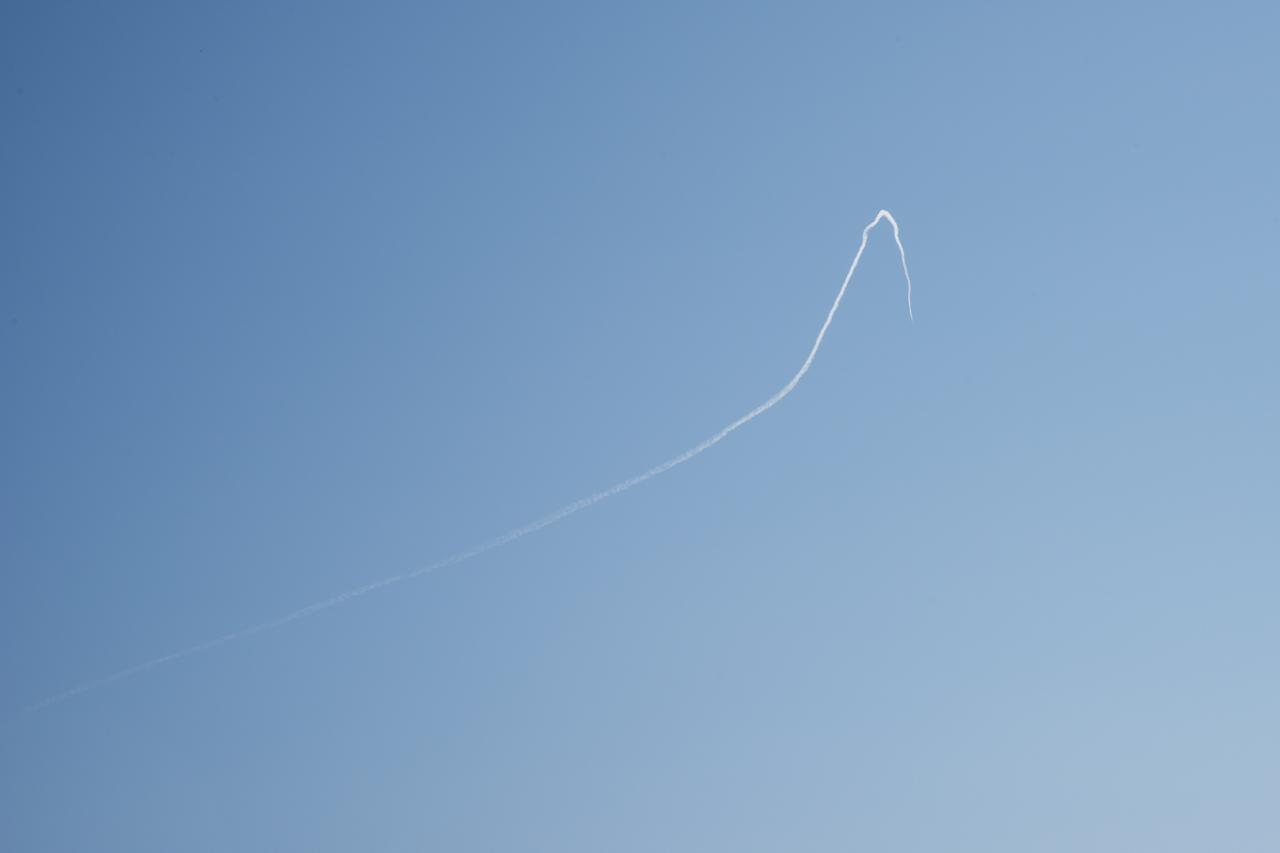
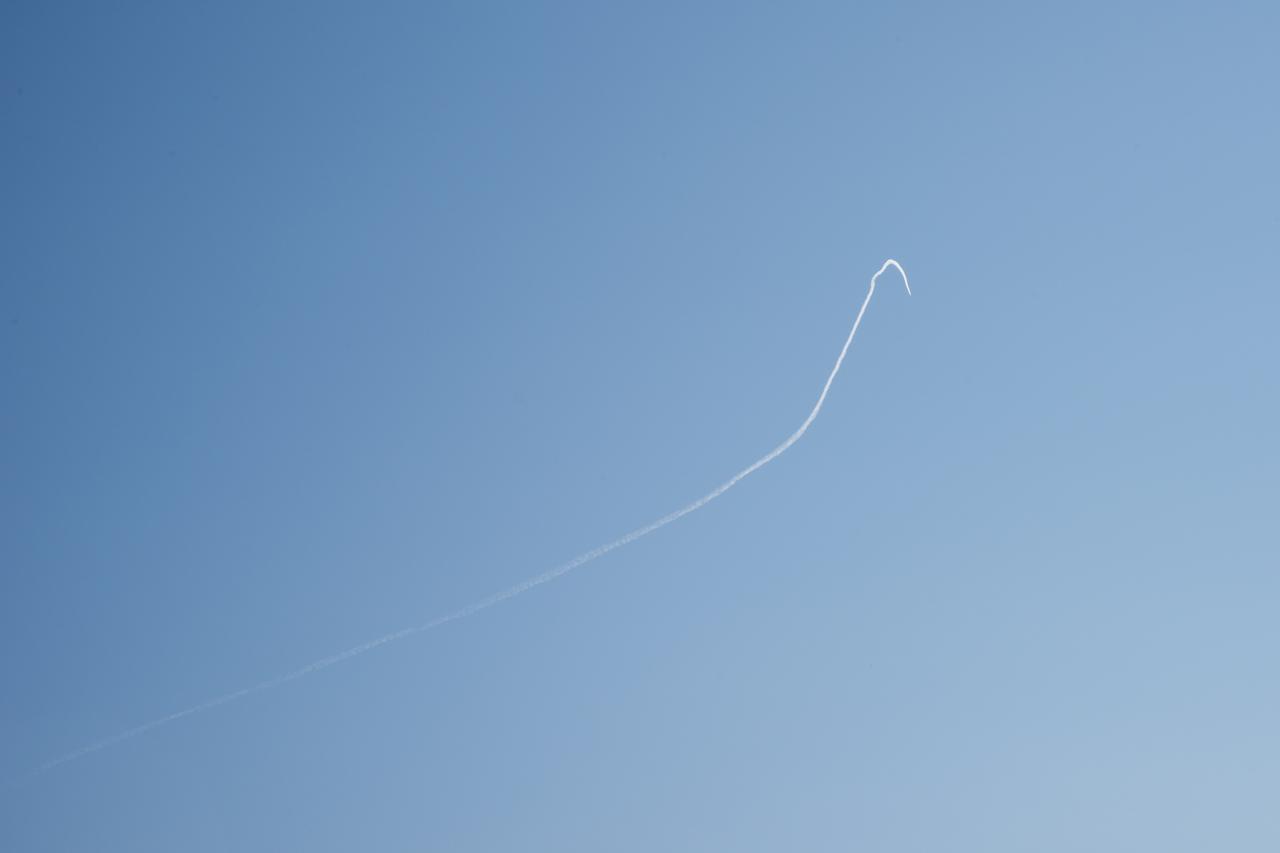
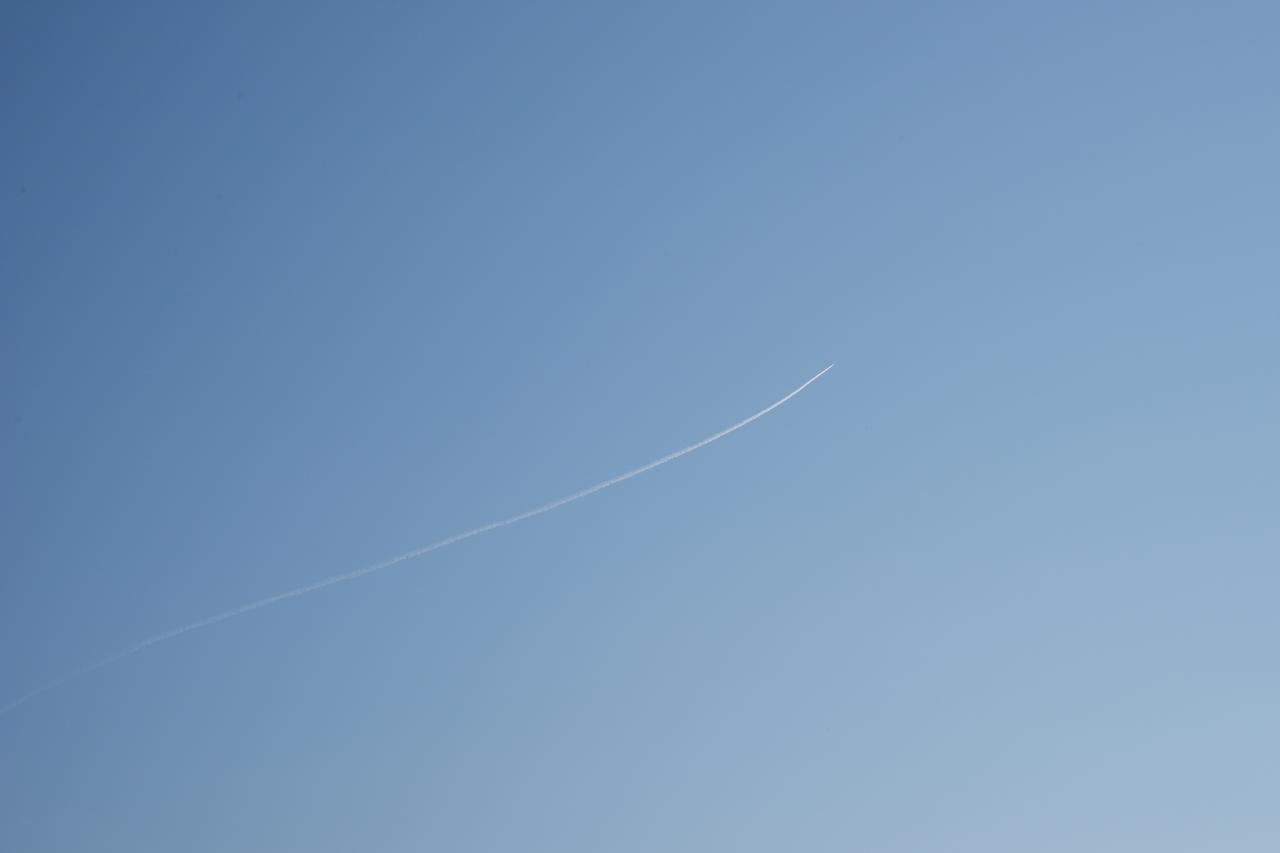
A contrail of the NASA F/A-18 research aircraft is seen off the coast of Galveston, performing the quiet supersonic dive maneuver in support of the QSF18 flight series.
Contrail of NASA F/A-18 Seen Off Coast During QSF18 Flight
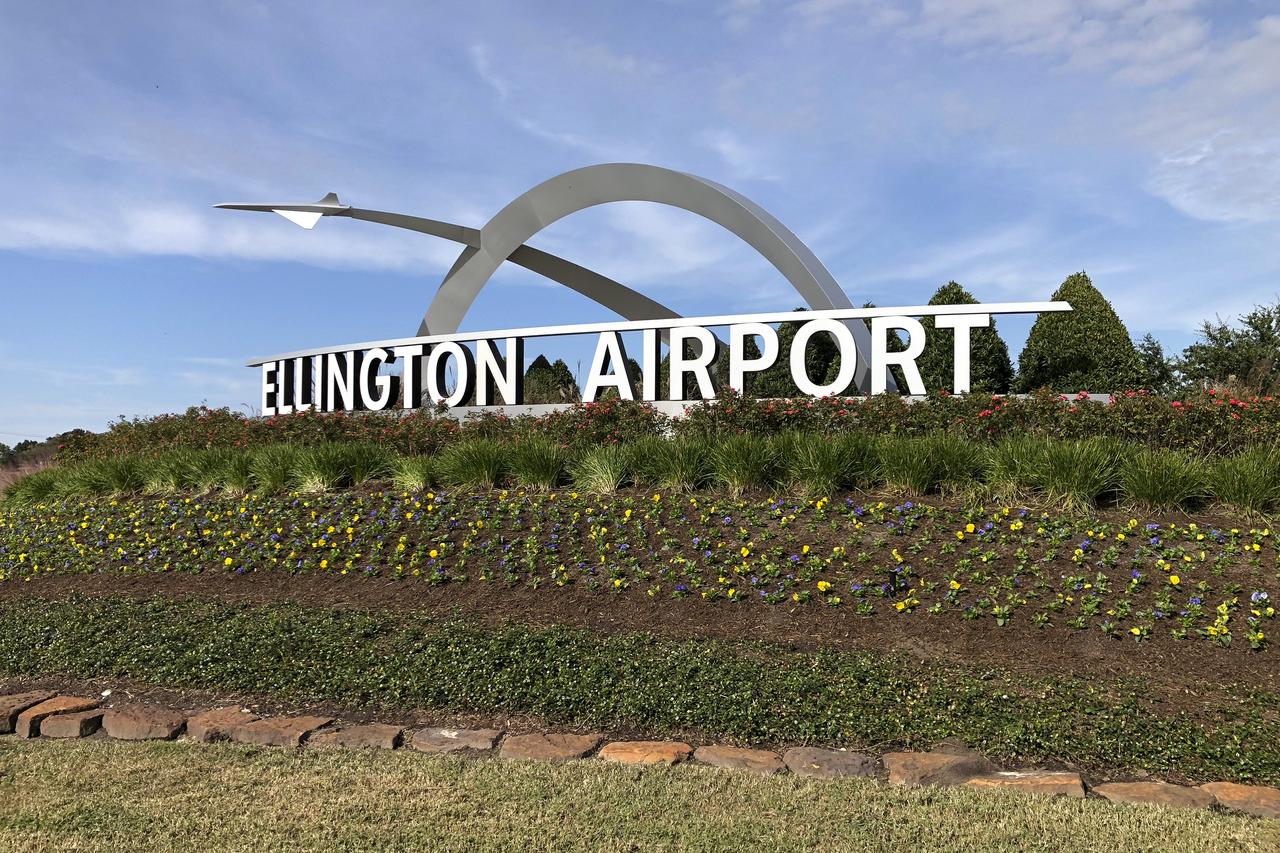
Part of the mission criteria that led to the decision to fly off the coast of Galveston for QSF18 was the convenience of having NASA Johnson Space Center’s facilities at Ellington Field.
NASA QSF18 Flights Taking Place at Ellington Field
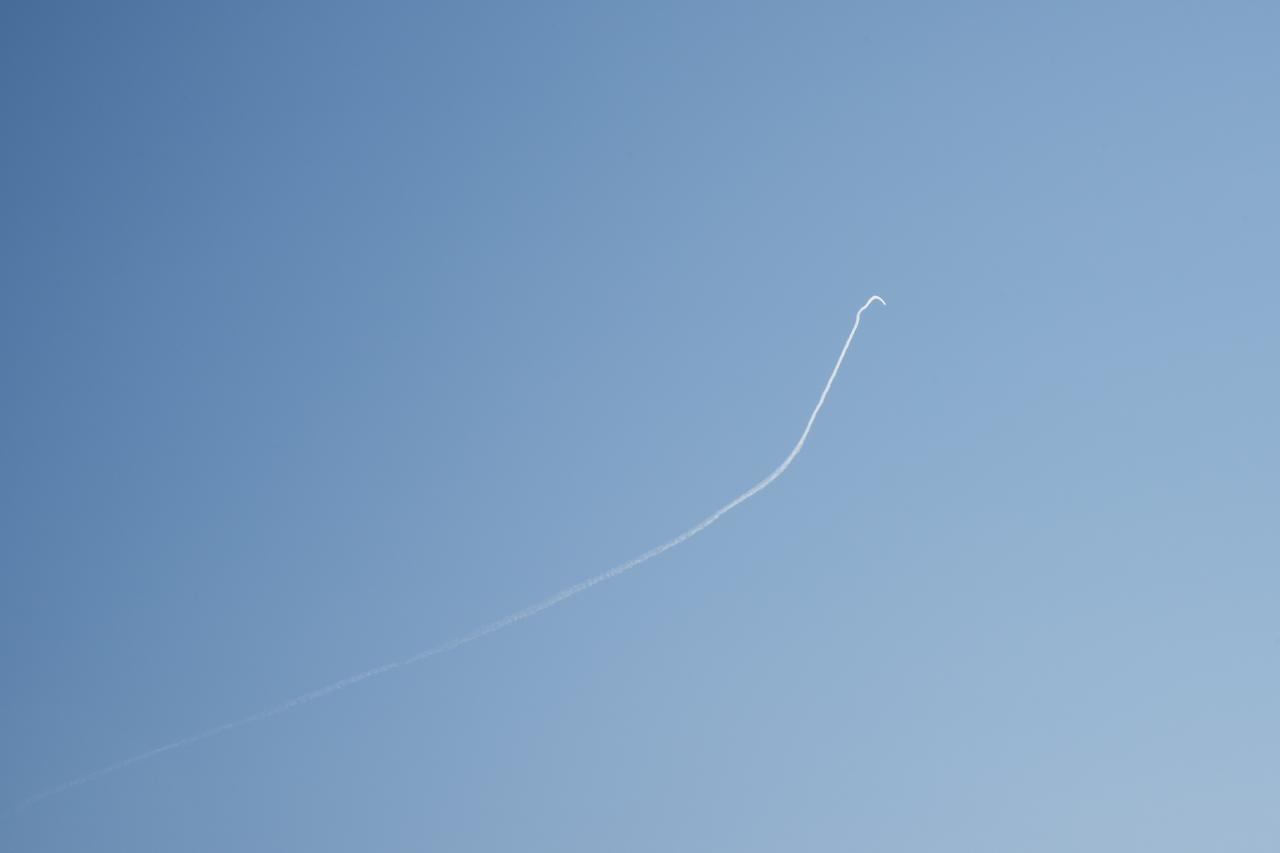
A contrail of the NASA F/A-18 research aircraft is seen off the coast of Galveston, performing the quiet supersonic dive maneuver in support of the QSF18 flight series.
Contrail of NASA F/A-18 Seen Off Coast During QSF18 Flight
A contrail of the NASA F/A-18 research aircraft is seen off the coast of Galveston, performing the quiet supersonic dive maneuver in support of the QSF18 flight series.
Contrail of NASA F/A-18 Seen Off Coast During QSF18 Flight
A contrail of the NASA F/A-18 research aircraft is seen off the coast of Galveston, performing the quiet supersonic dive maneuver in support of the QSF18 flight series.
Contrail of NASA F/A-18 Seen Off Coast During QSF18 Flight
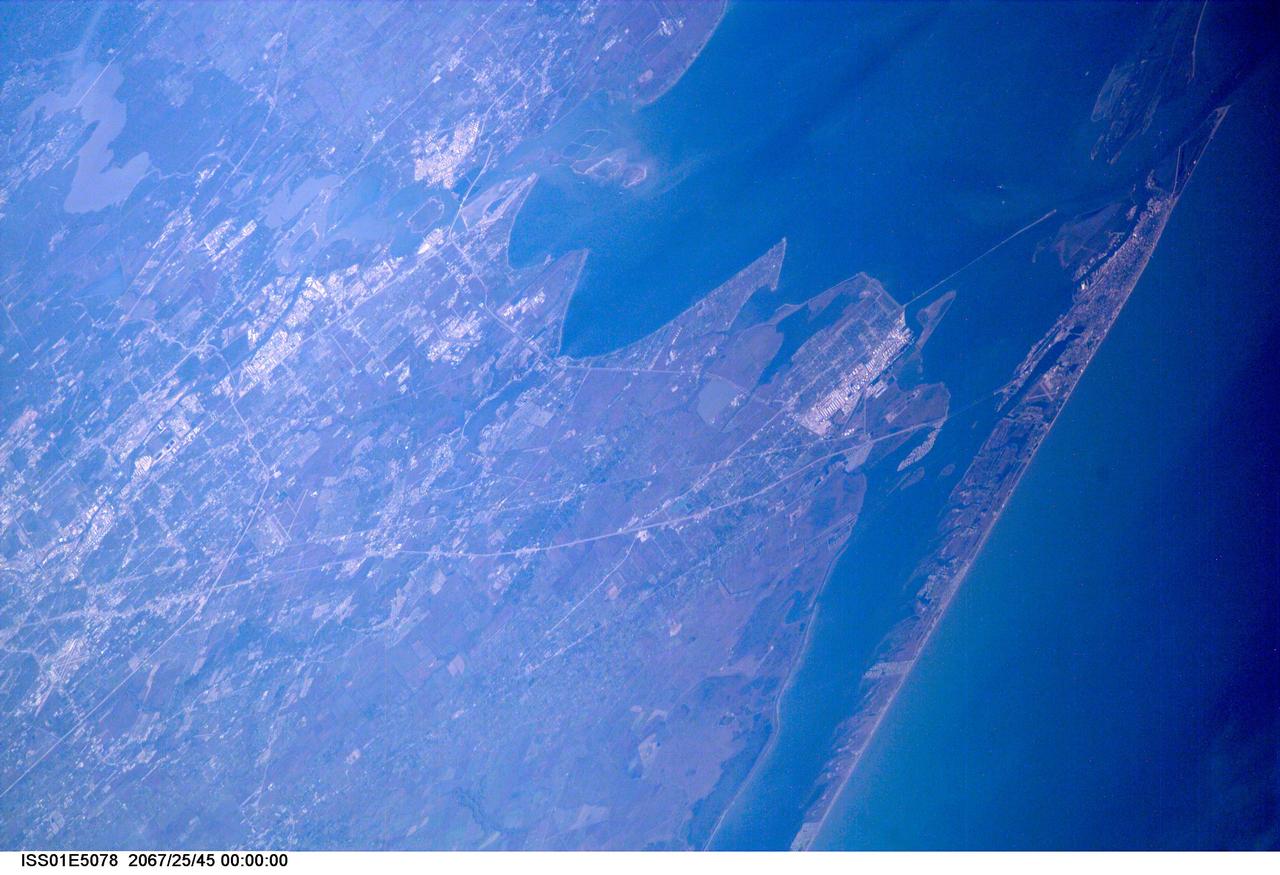
ISS01-E-5078 (December 2000) --- A northwesterly-looking view from over the Gulf of Mexico reveals much of Galveston and Harris Counties, as photographed with a digital still camera from the Earth-orbiting International Space Station (ISS). Galveston Island and Galveston Bay take up most of the right side of the frame, with parts of southern Harris County and even part of  north Harris County, including Lake Houston, are visible on the left side of the frame.  The Texas City Dike is in the upper right quadrant of the image.
Houston and Texas City as seen from ISS
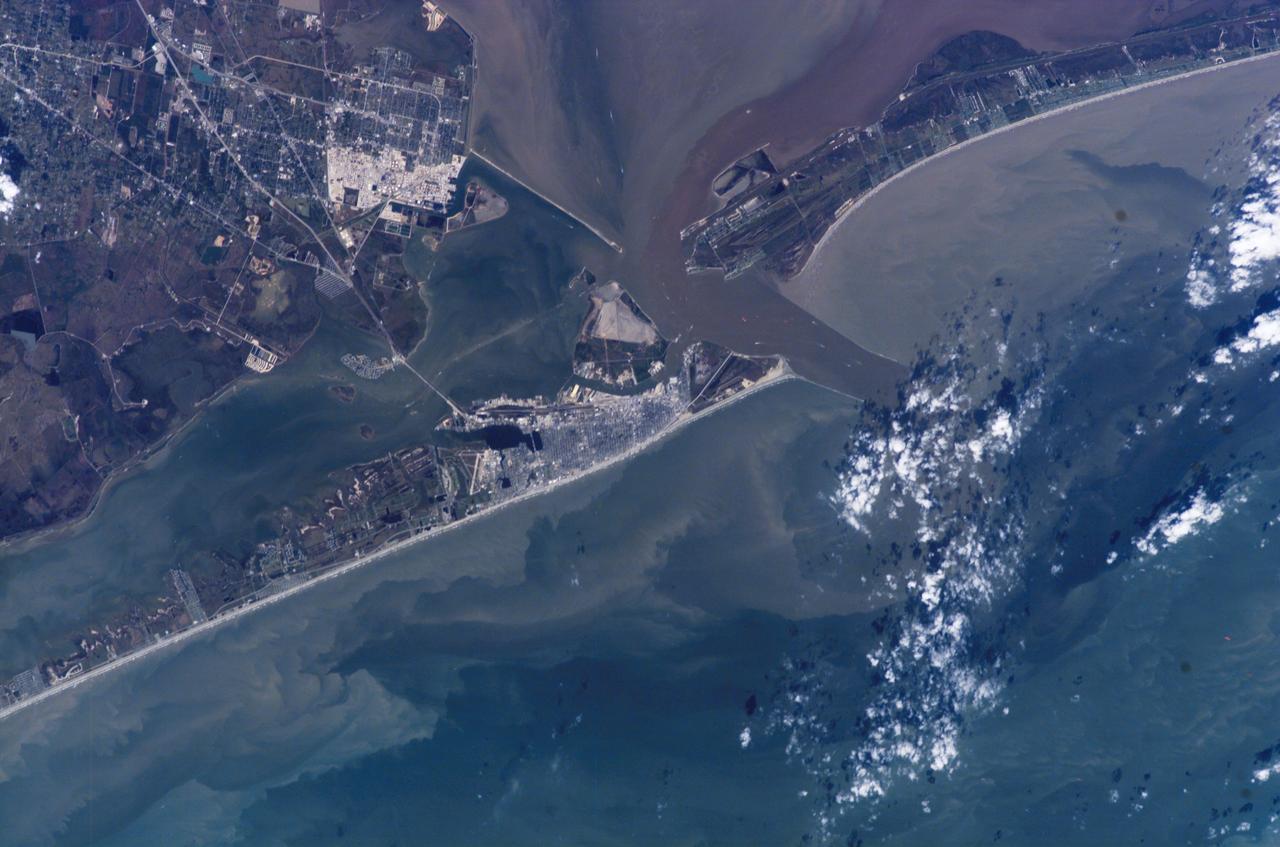
ISS014-E-07258 (4 Nov. 2006) --- Galveston, Texas is featured in this image photographed by an Expedition 14 crewmember on the International Space Station (ISS). Mexico established a port of entry (known as Galveston) in 1825, and following the Texas Revolution it was the capital of the Republic of Texas during 1836. The modern-day city of Galveston was incorporated in 1839, and became the major trading seaport of Texas during the latter half of the 19th century. The city was largely destroyed in early September of 1900 by a powerful hurricane; this, coupled with construction of the Houston Ship Channel and discovery of oil in eastern Texas shifted the center of trade northwest to Houston. Many human footprints are easily observed from the vantage point of low Earth orbit. The eastern half of Galveston Island is dominated by the city of Galveston (gray-white region at center). A large seawall along the Gulf of Mexico (southern coastline of Galveston Island) protects most of the city.  To the west of Galveston, coastal wetlands are largely submerged by regional subsidence--a result of ground water withdrawal by the petrochemical industry of Houston and Texas City. The entrance to Galveston Bay and the Houston Ship Channel is located between Galveston Island and the Bolivar Peninsula (upper right). Numerous ship wakes are visible along the Houston Ship Channel. Other visible features of the entrance to Galveston Bay include the five-mile long Texas City Dike, a structure that protects the Texas City channel and includes a fishing pier that extends 600 feet beyond the end of the Dike. Extensive petroleum processing facilities are located to the west of the Dike in Texas City. The Intracoastal Waterway runs through western Galveston Bay; new subdivisions built on dredge spoils are visible along the northern boundary of the Waterway. Geologists studying the ISS collection of down linked still imagery observe that complex estuarine sediment patterns are visible in this image. Dark brown to tan waters adjacent to the Bolivar Peninsula and Texas City Dike reflect increased sediment loads following heavy rains in mid-to-late October, coupled with northerly winds moving Bay water southwards. Turbidity currents to both the northwest and southeast of Galveston Island produce a more chaotic pattern of sediment-laden (light green to tan) and relatively sediment-free (dark green) water leading into the dark green Gulf of Mexico (lower right).
Earth Observations taken by the Expedition 14 crew
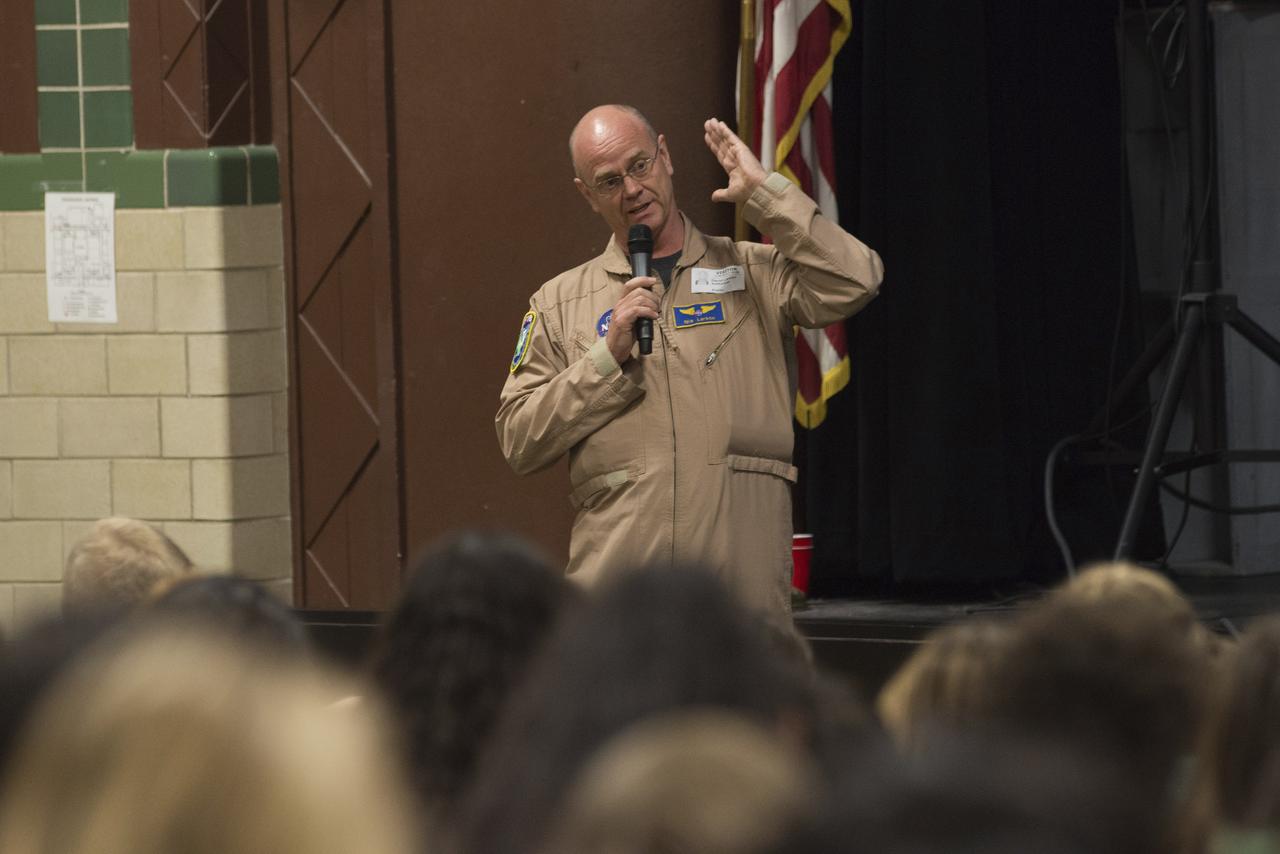
NASA Armstrong Chief Pilot Nils Larson presents NASA’s aeronautics research to students from Austin Middle School in Galveston, Texas during the QSF18 flight series.
NASA QSF18 Team Presents to Austin Middle School
iss067e031423 (April 27, 2022) --- Houston, Texas (home of NASA's Johnson Space Center) and its surrounding suburbs are pictured from the International Space Station as it orbited 261 miles above the Lone Star State. Also prominent in this photograph, are Galveston Bay and Galveston Island on the Gulf of Mexico.
iss067e031423
iss061e026105 (Oct. 31, 2019) --- Galveston, Texas (lower right) separates the Gulf of Mexico from Galveston Bay and Trinity Bay. At upper left is Houston in this photograph taken by an Expedition 61 crewmember aboard the International Space Station taken from an altitude of 256 miles.
iss061e026105
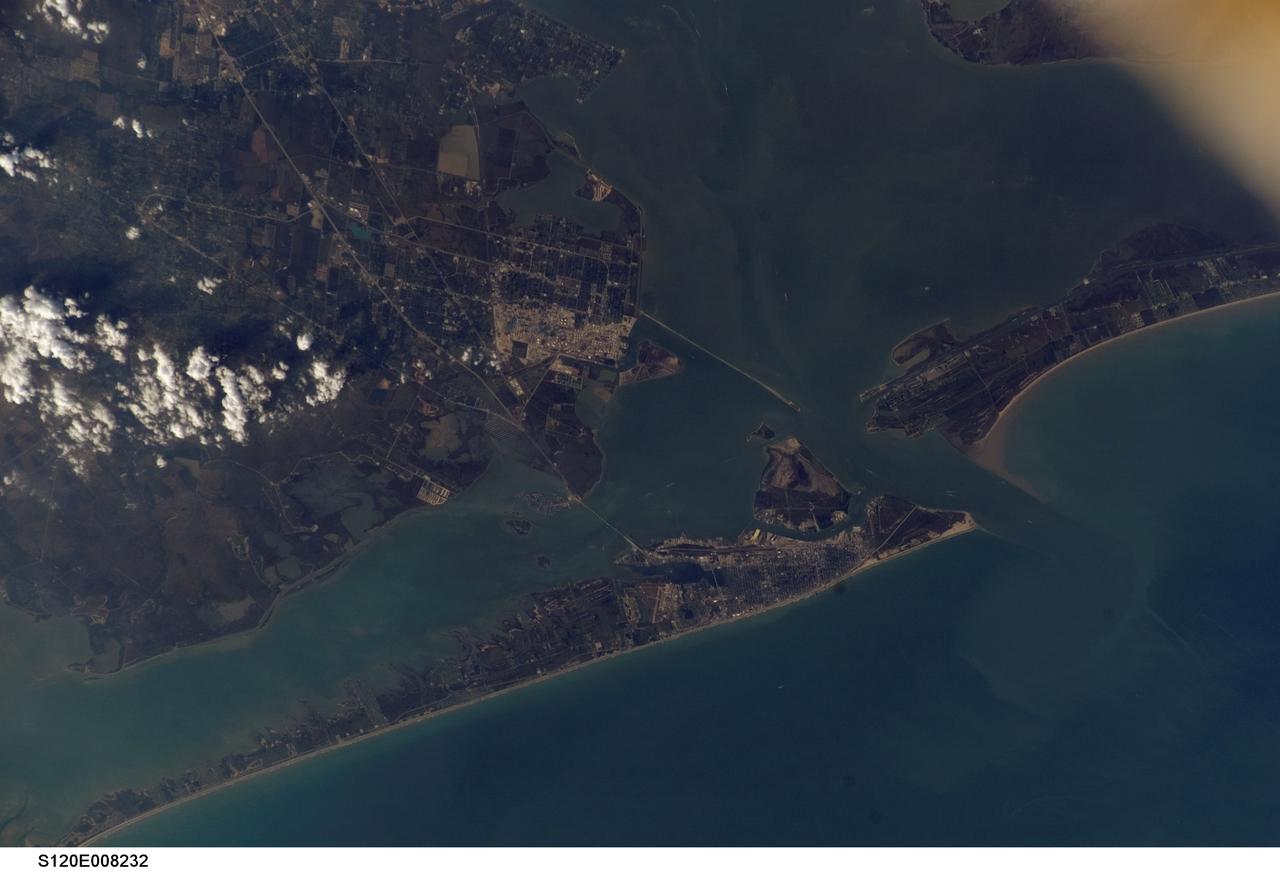
S120-E-008232 (2 Nov. 2007) --- Galveston Island, part of Galveston Bay and the Texas City area, not far from the Johnson Space Center (out of frame), are featured in this picture taken by a crewmember while the Space Shuttle Discovery was docked with the International Space Station. The Texas City Dike is near frame center.
Earth Observations taken by STS-120 crew.
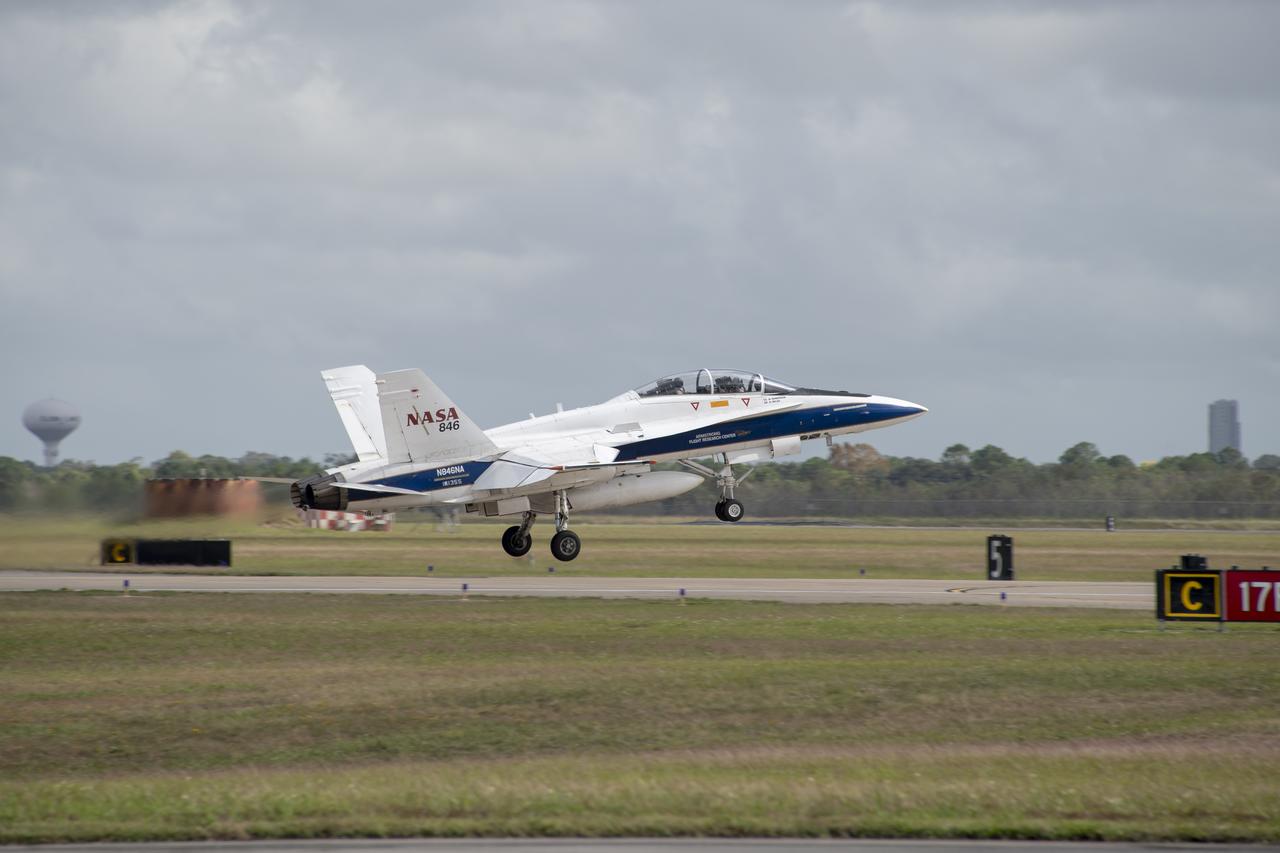
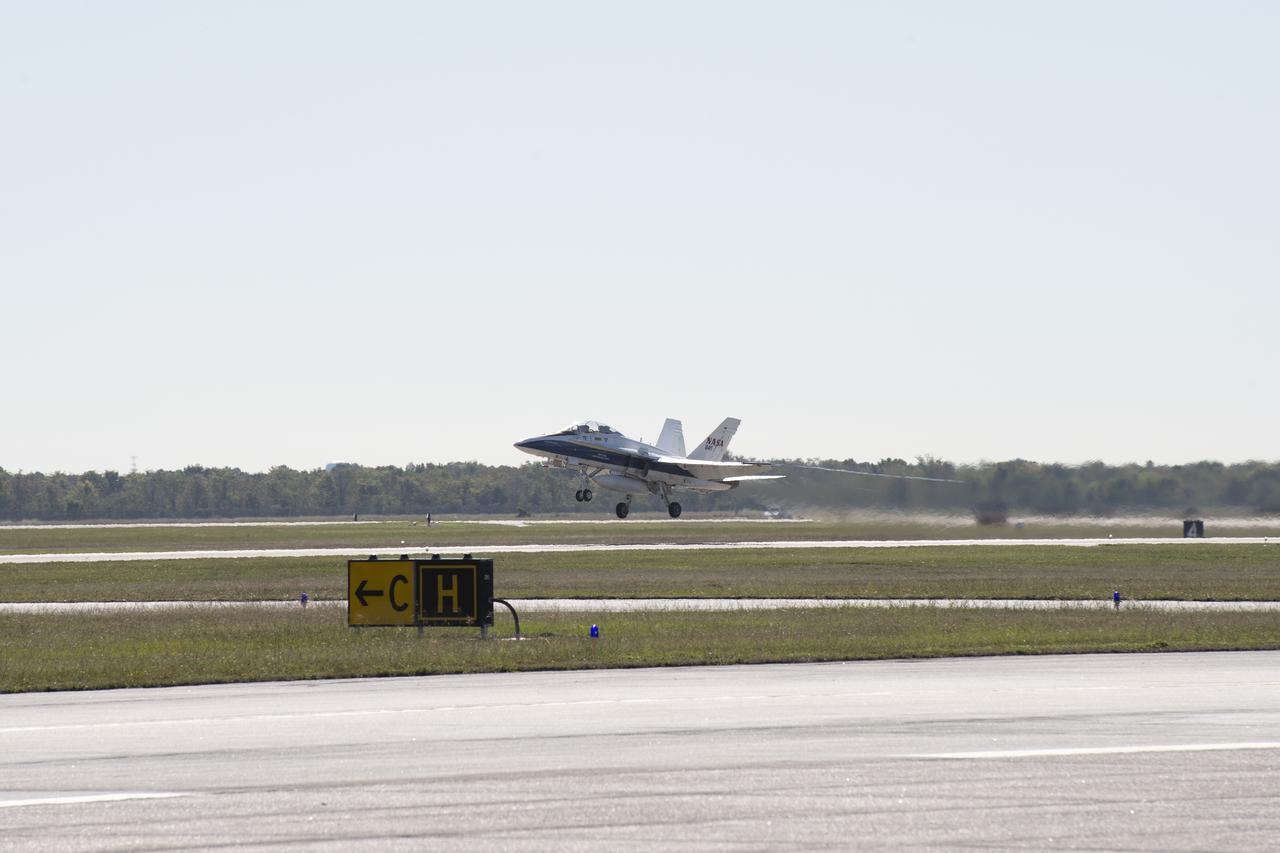
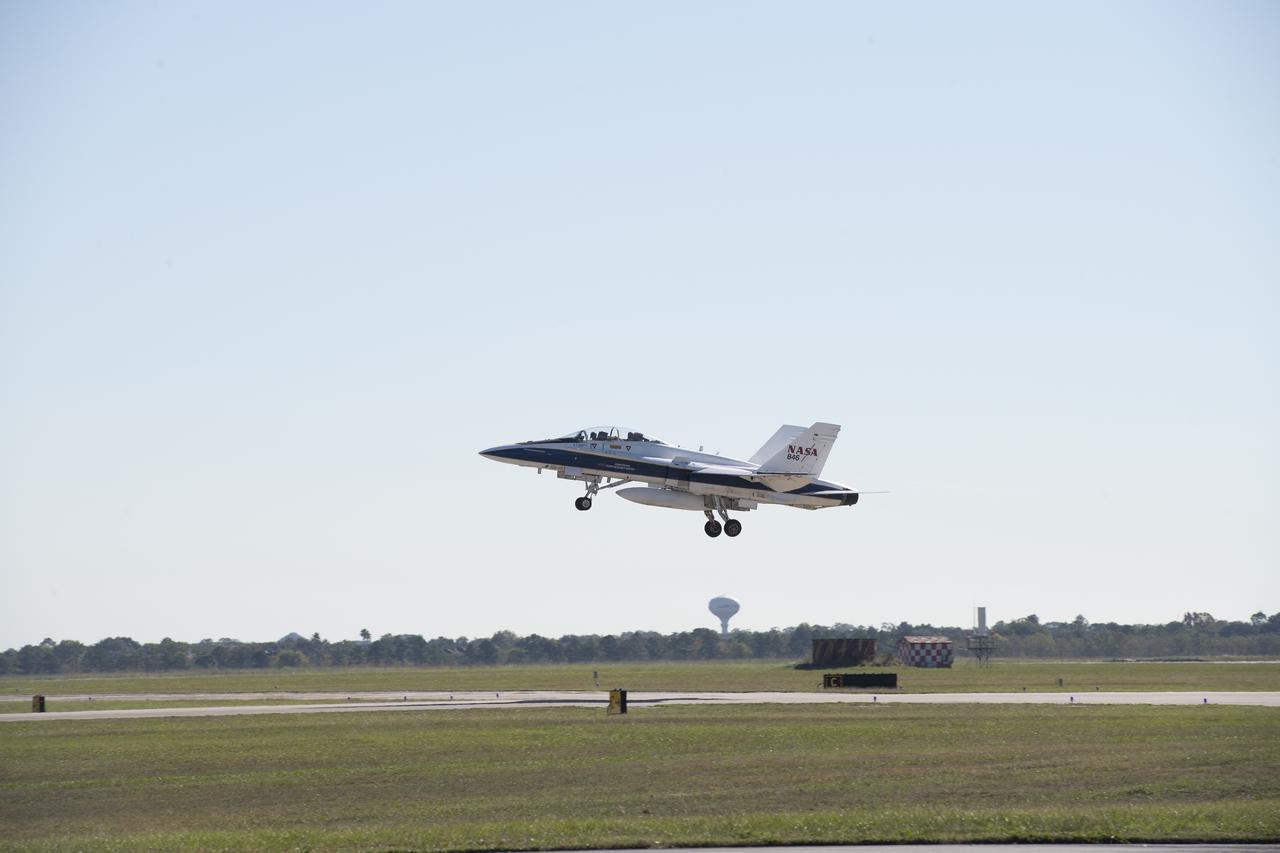
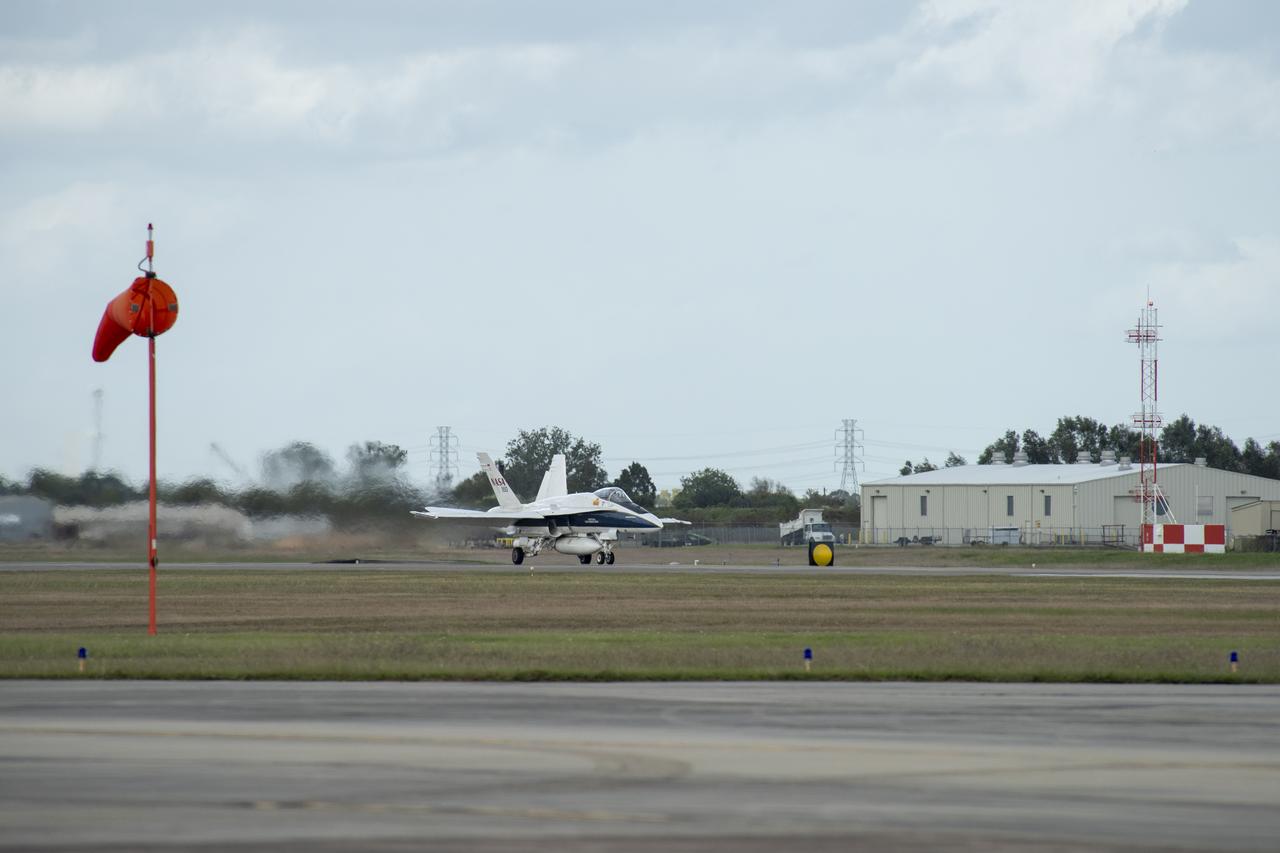
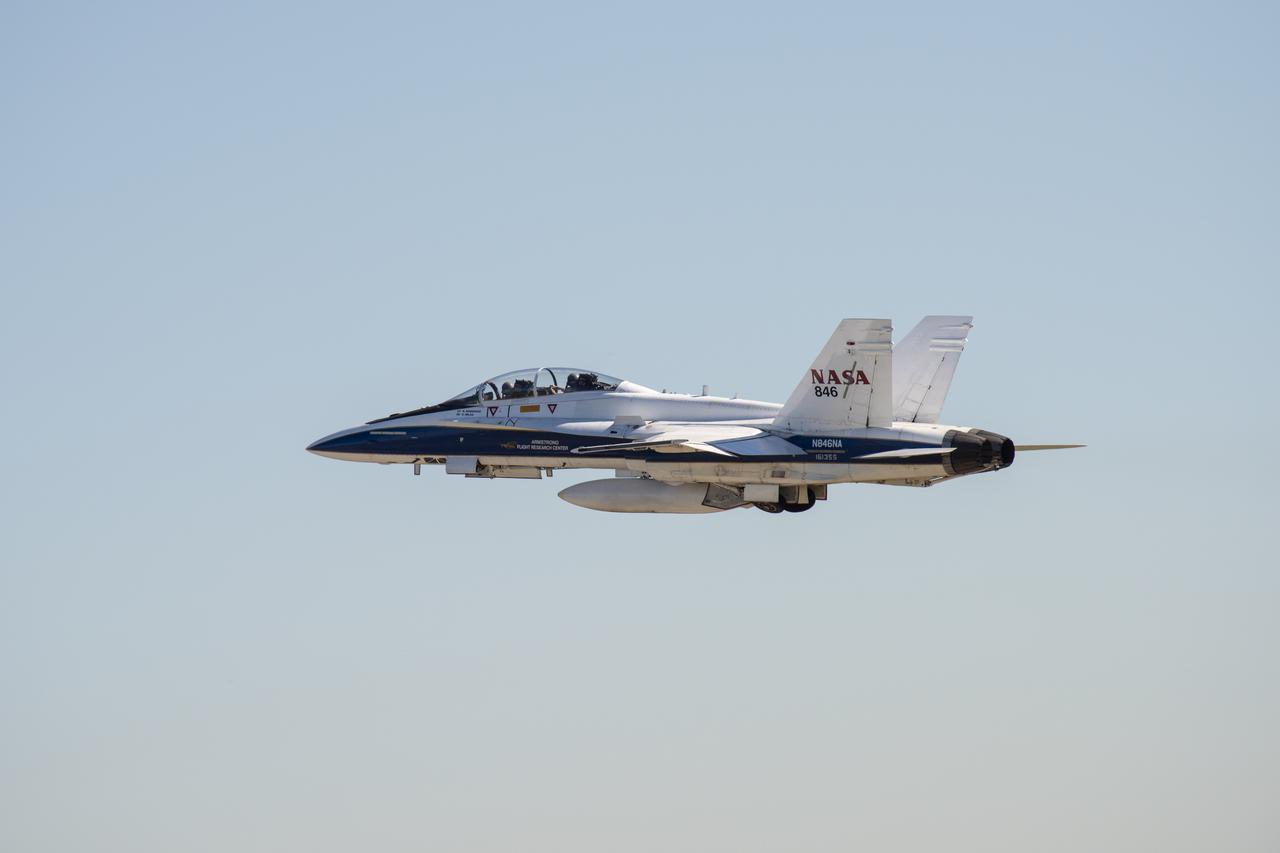
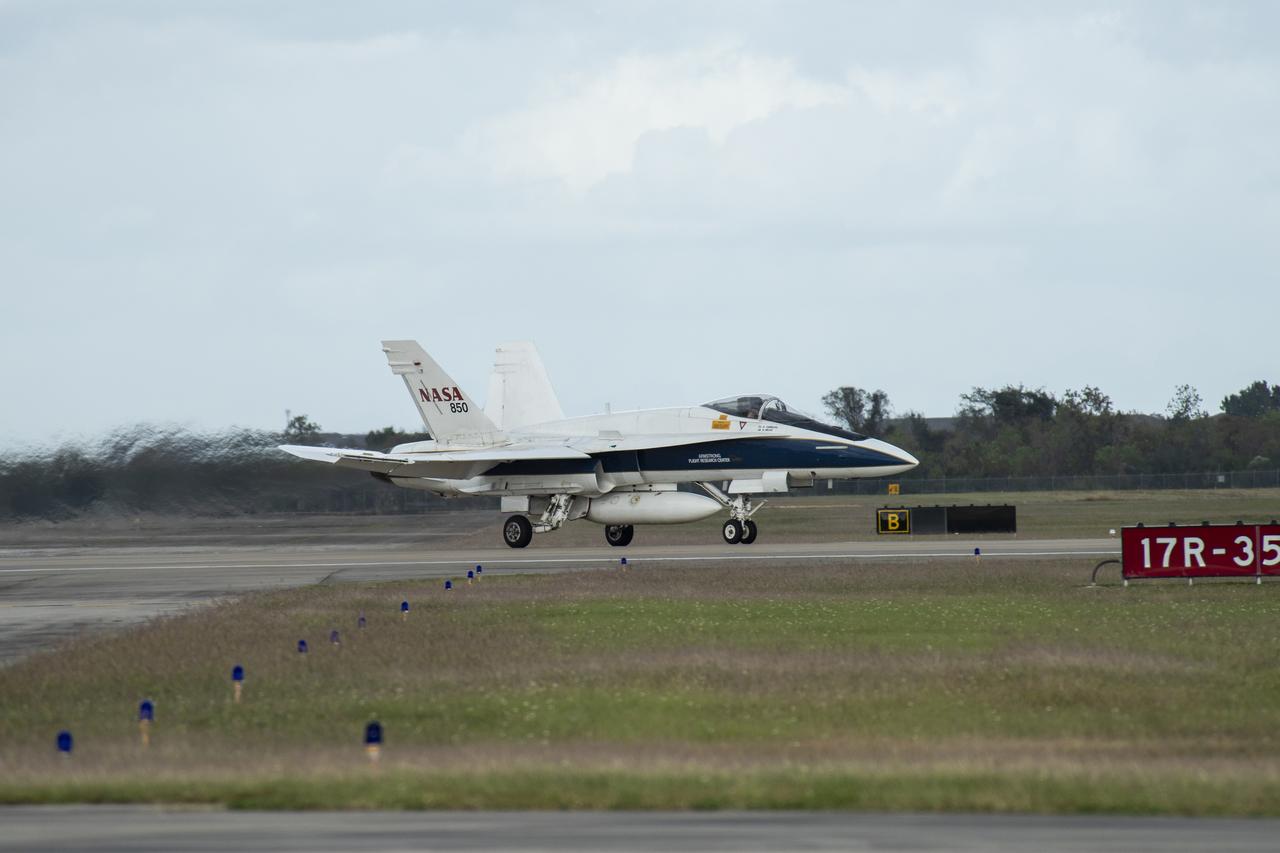
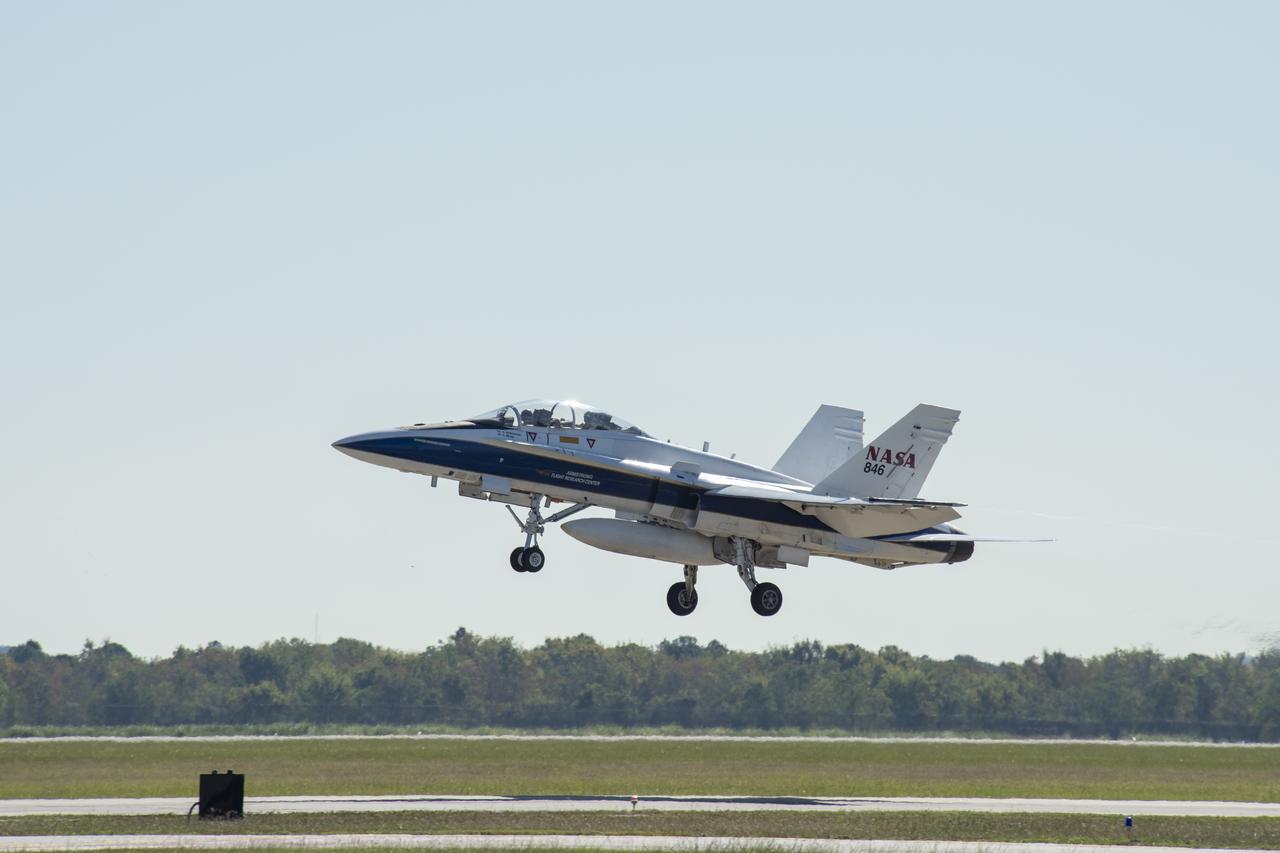
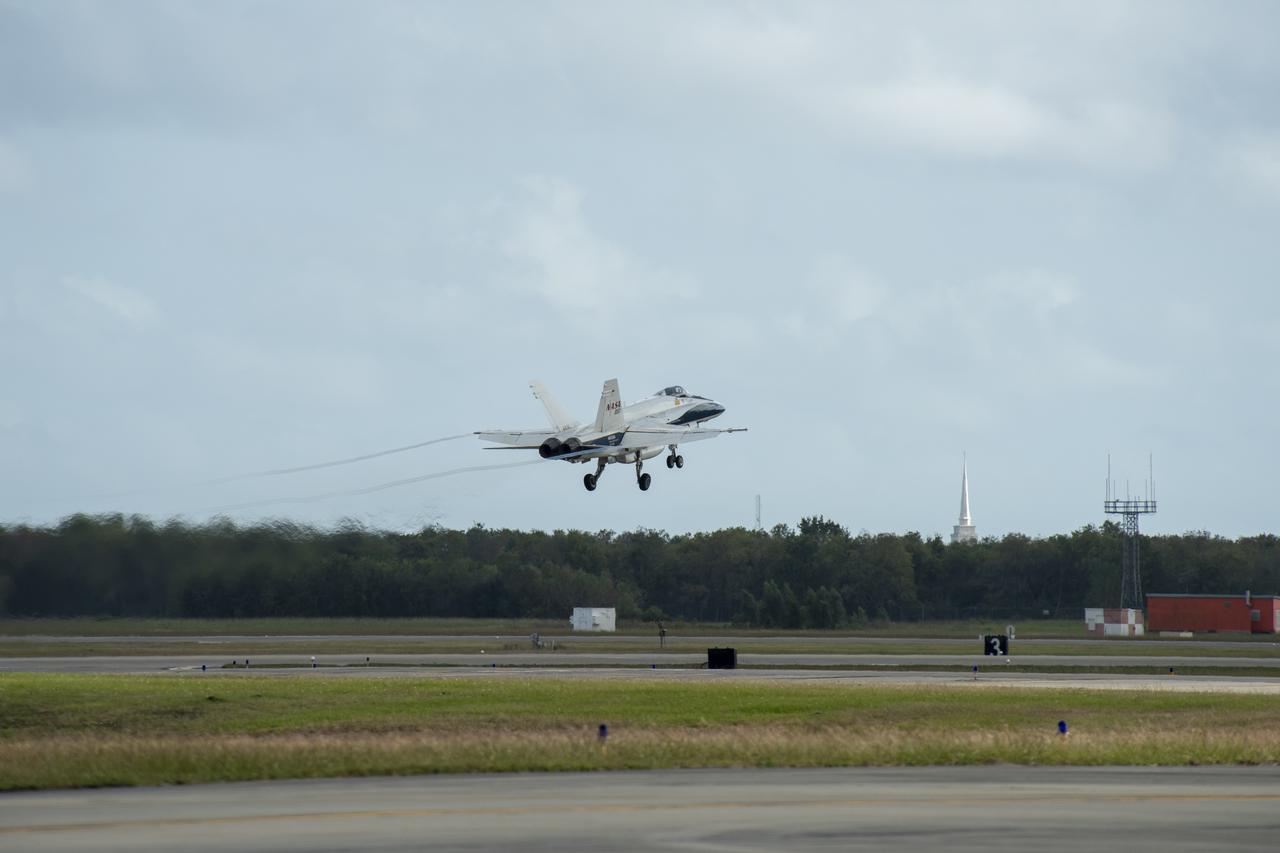
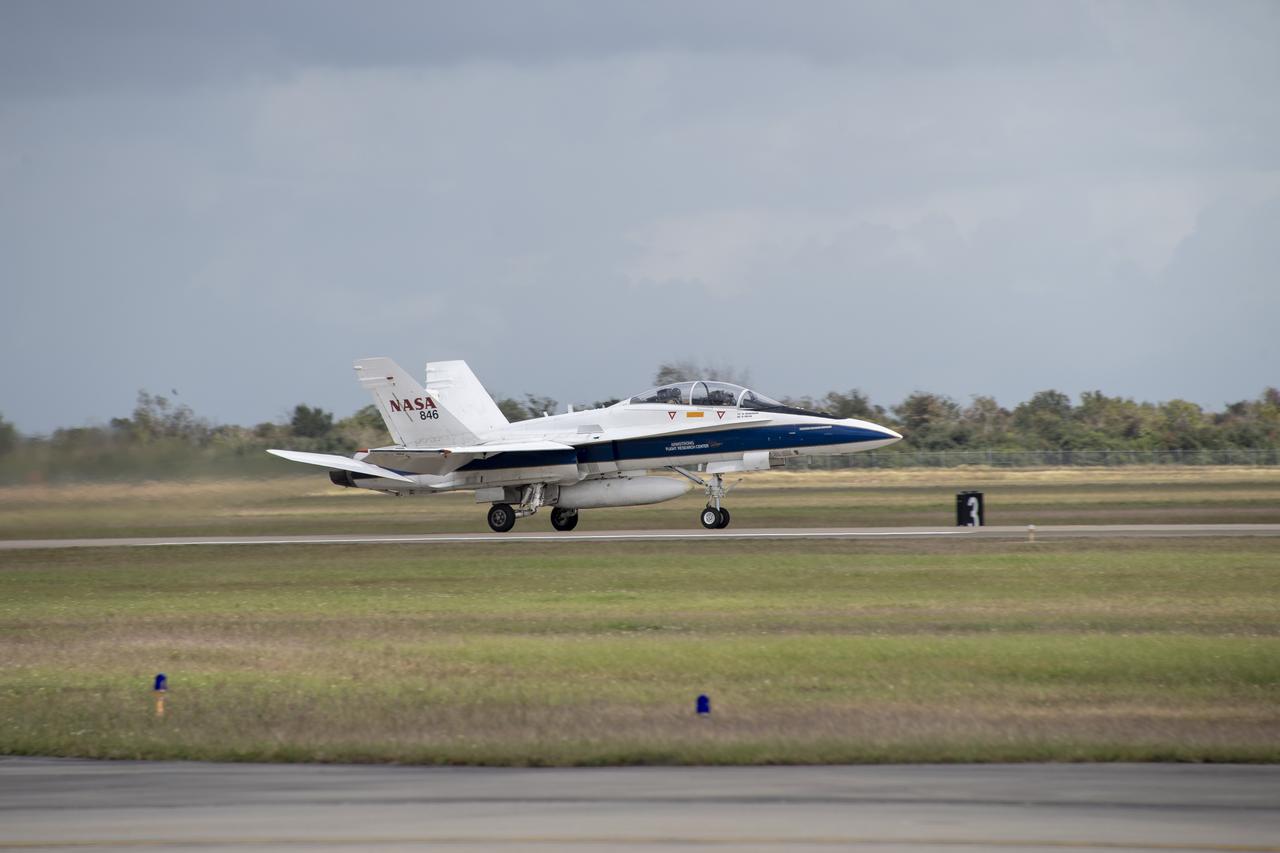
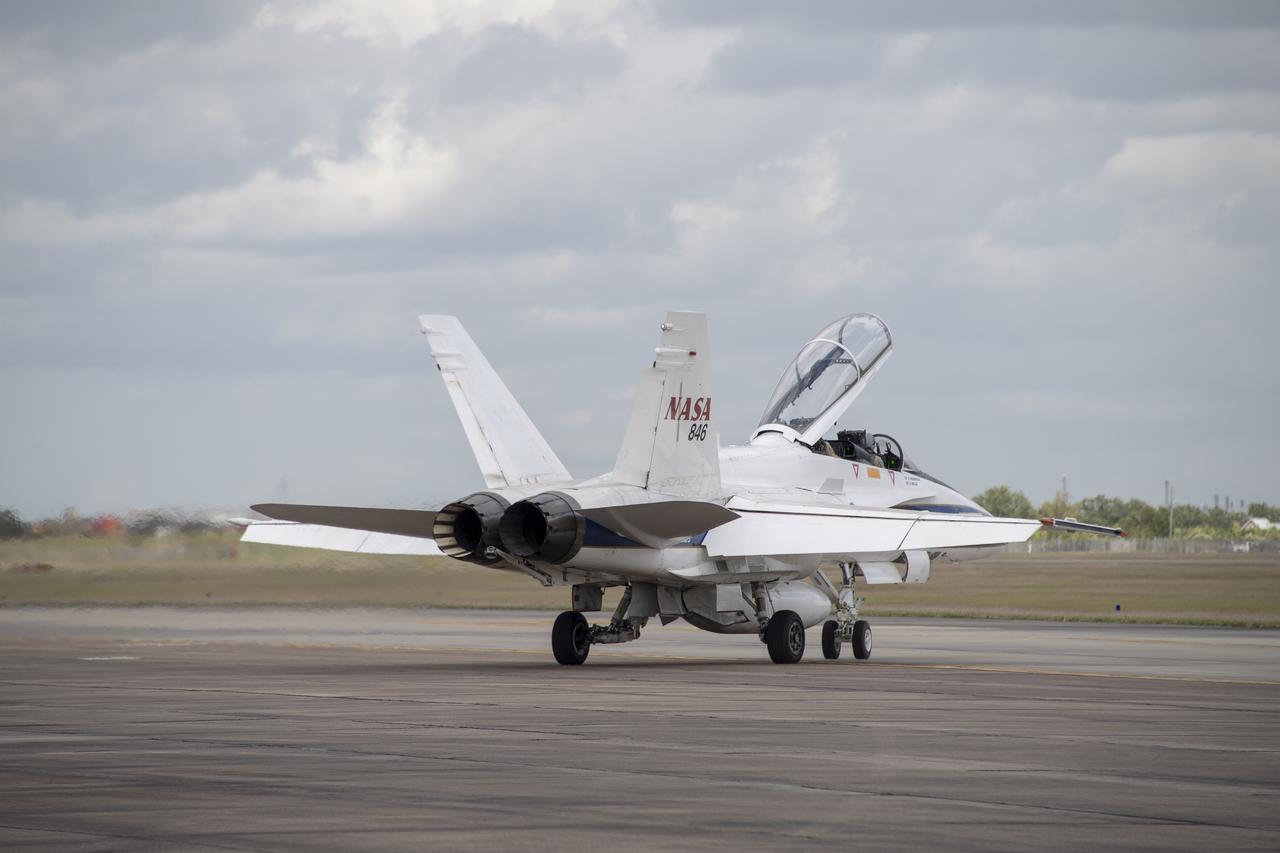
NASA’s F/A-18 research aircraft takes off from Ellington Field in Houston, Texas for a quiet supersonic research flight off the coast of Galveston, as part of the QSF18 flight series. The F/A-18 will climb to 50,000 feet over the Gulf of Mexico, where it will perform the quiet supersonic dive maneuver.
NASA F/A-18 Takes Off for QSF18 Supersonic Flight
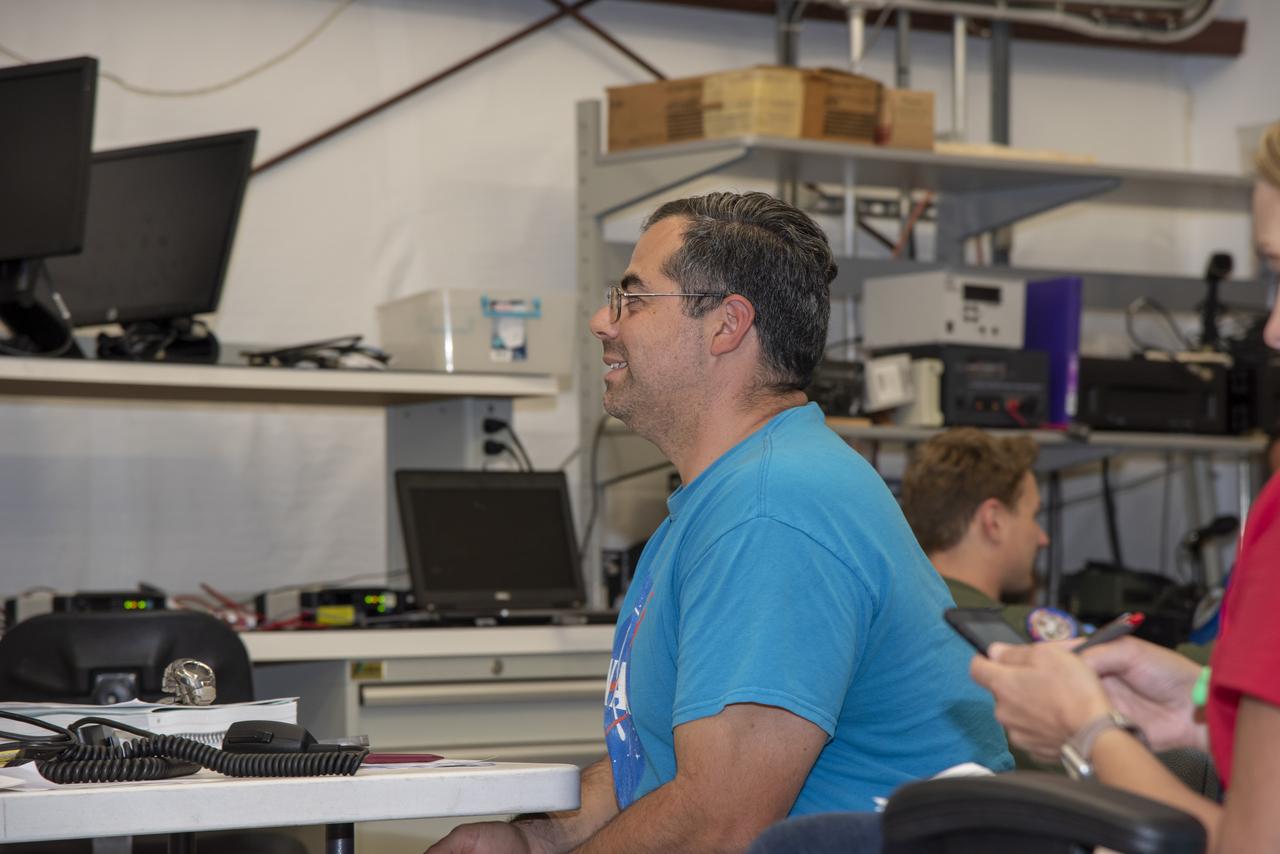
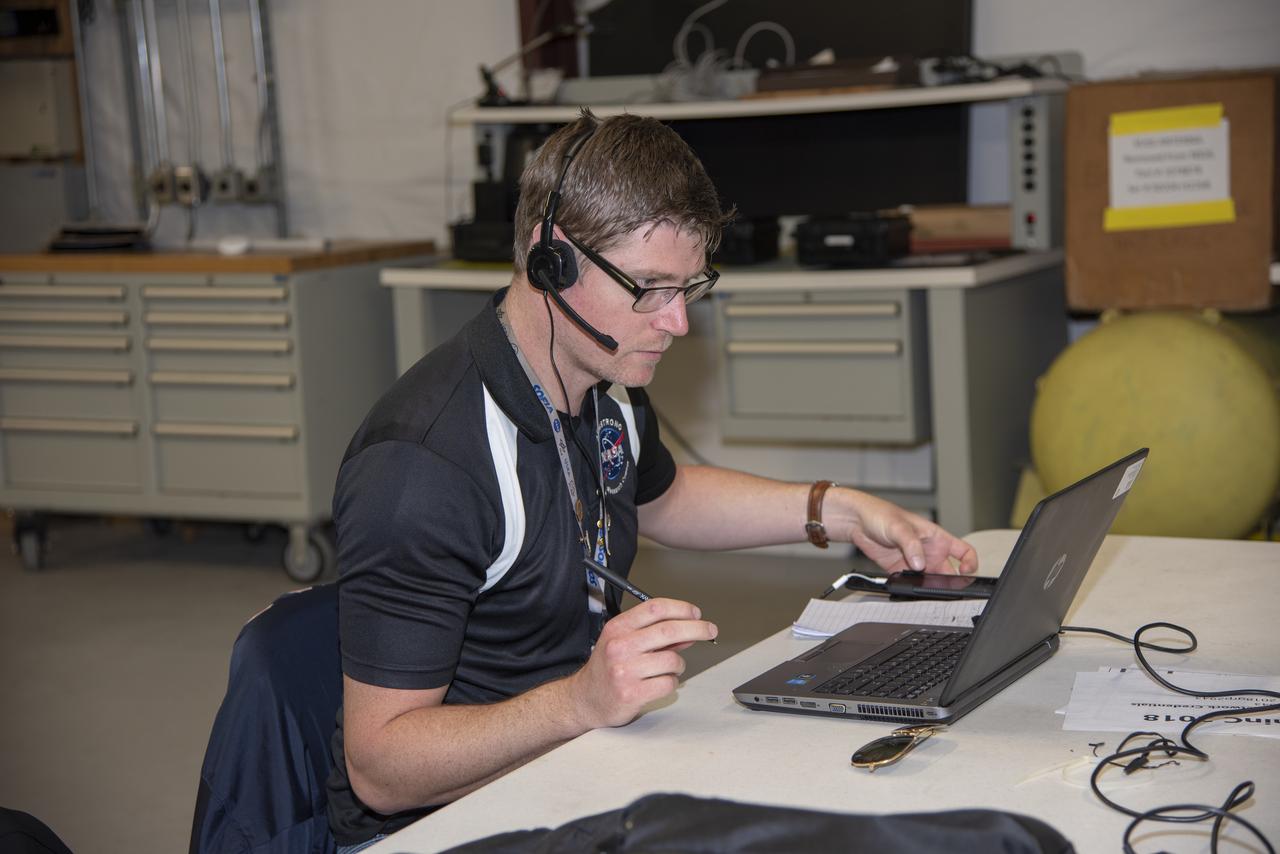
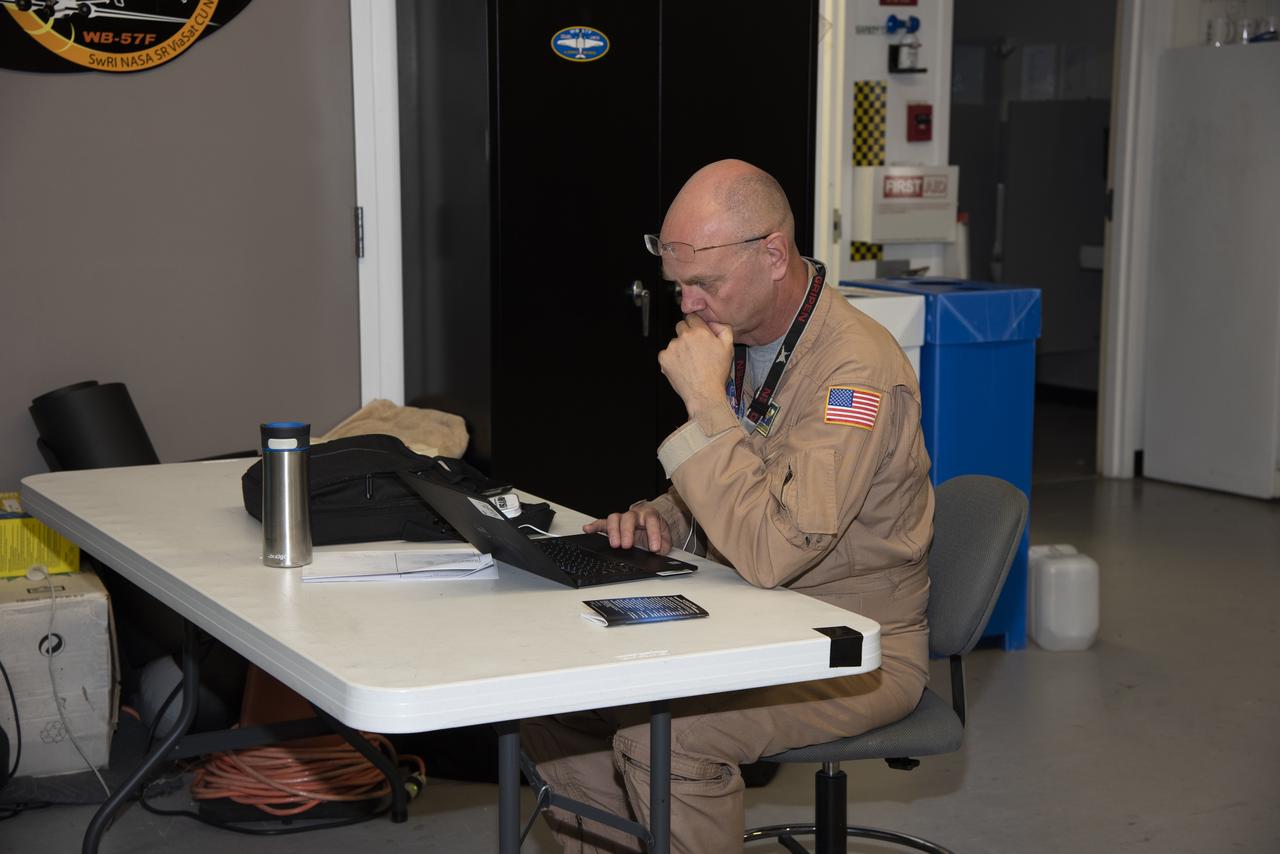
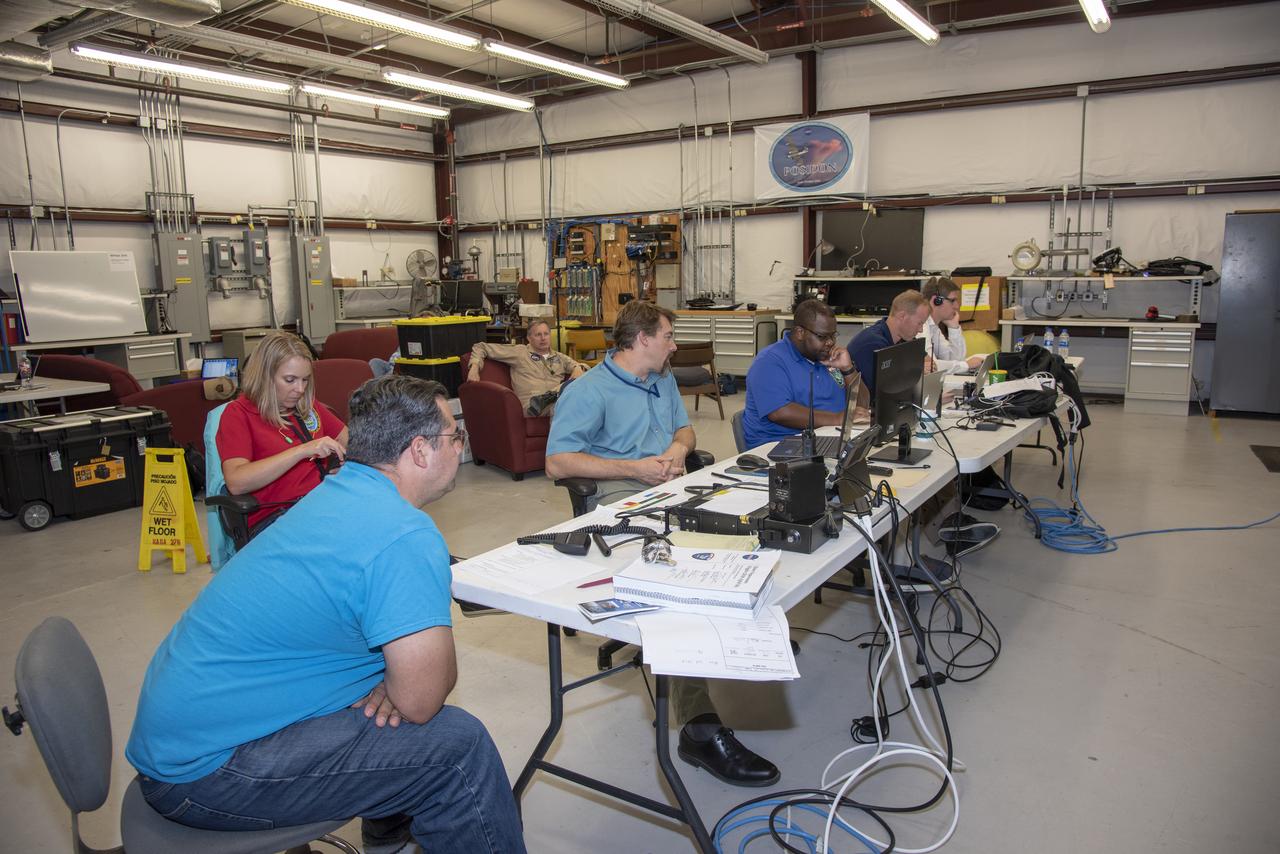
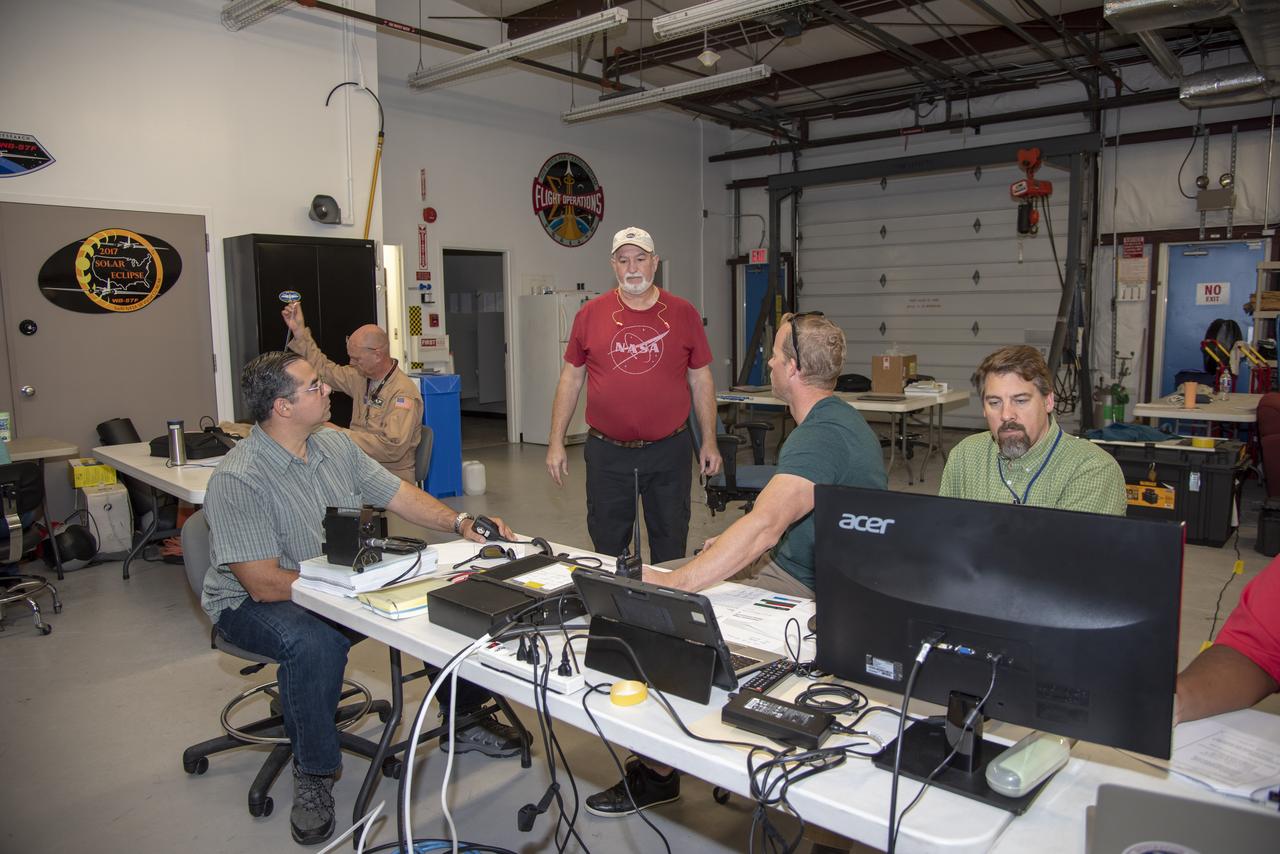
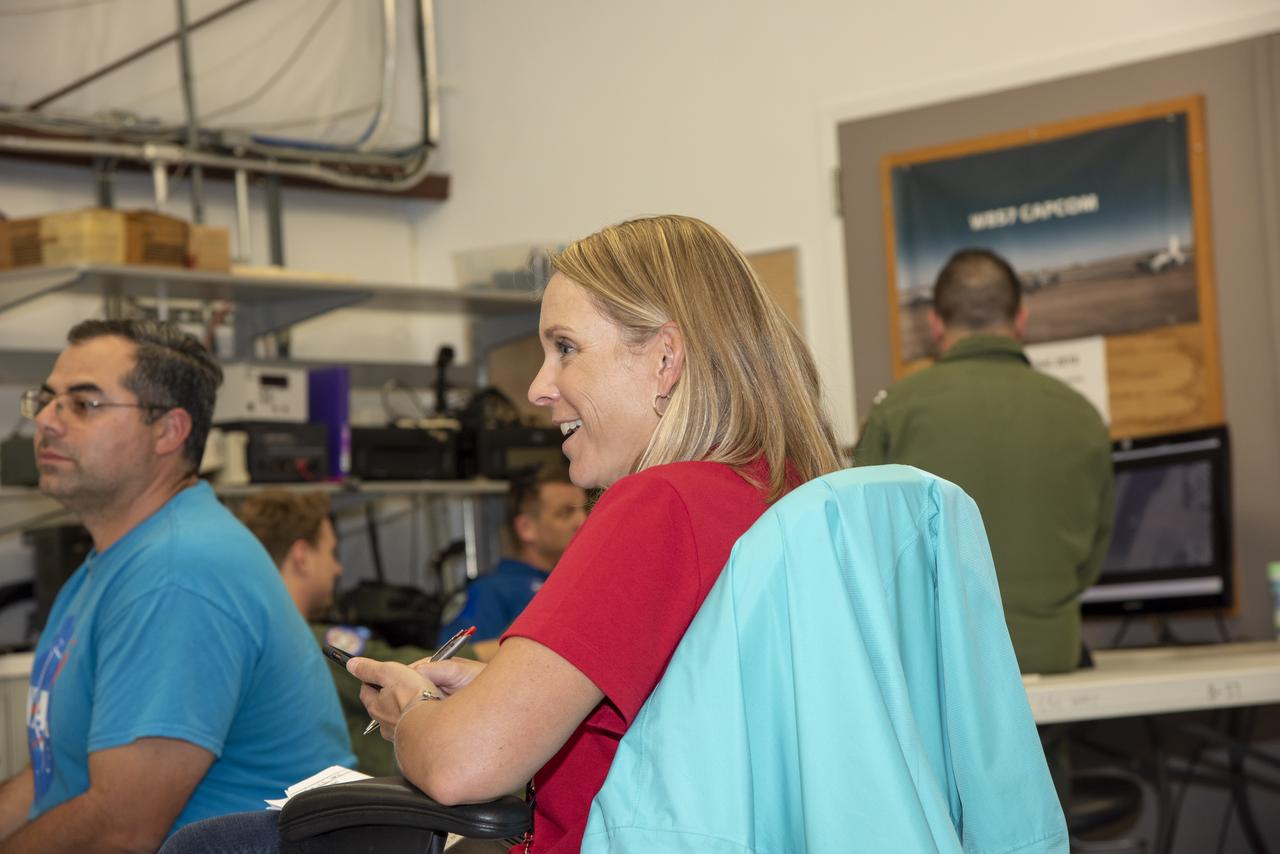
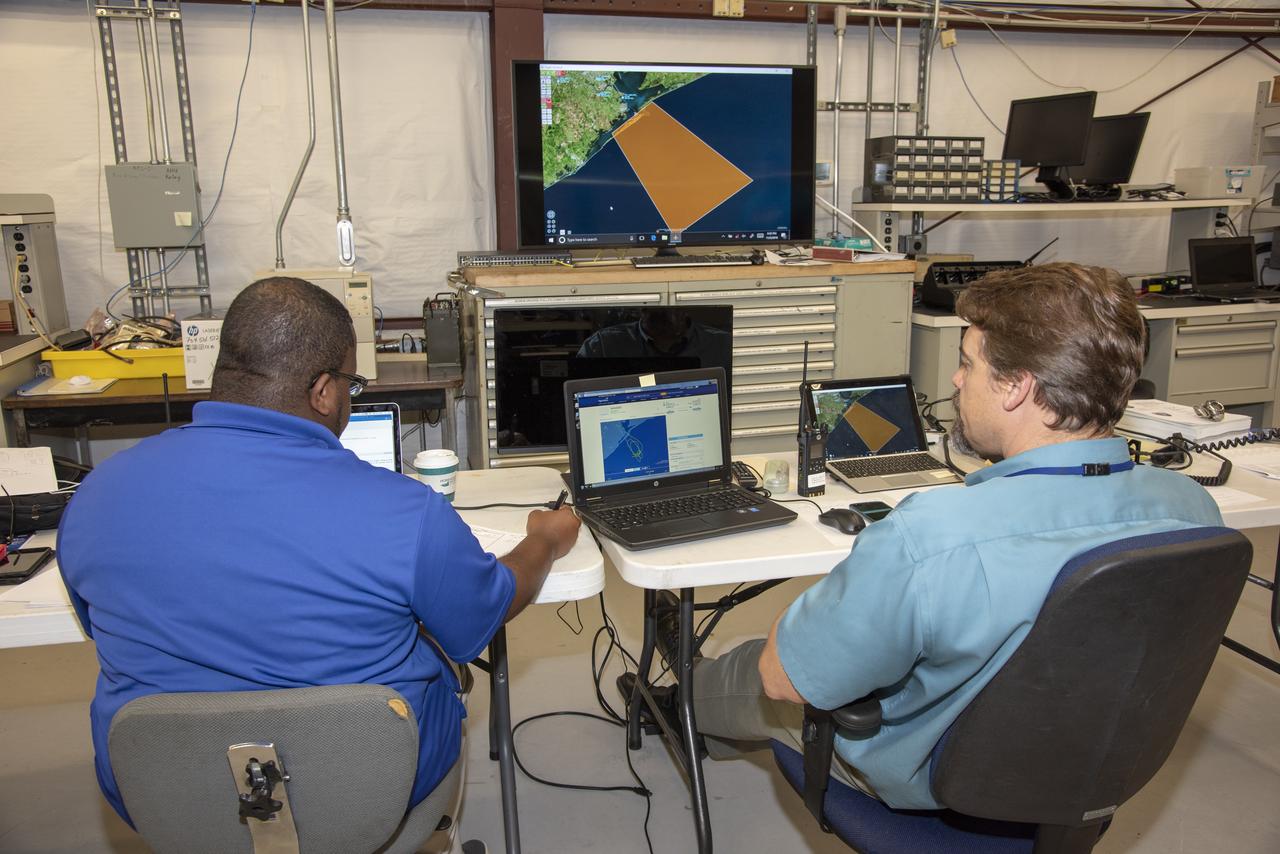
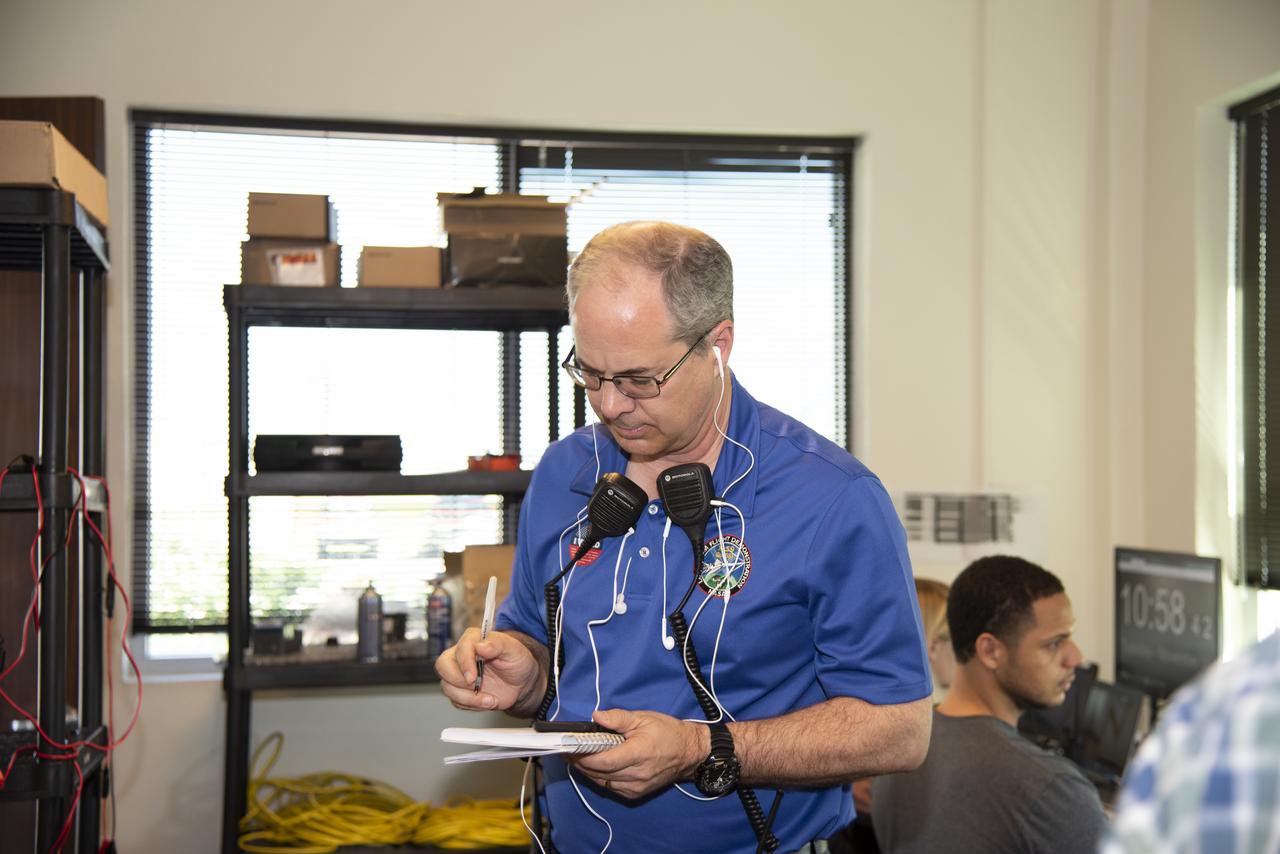
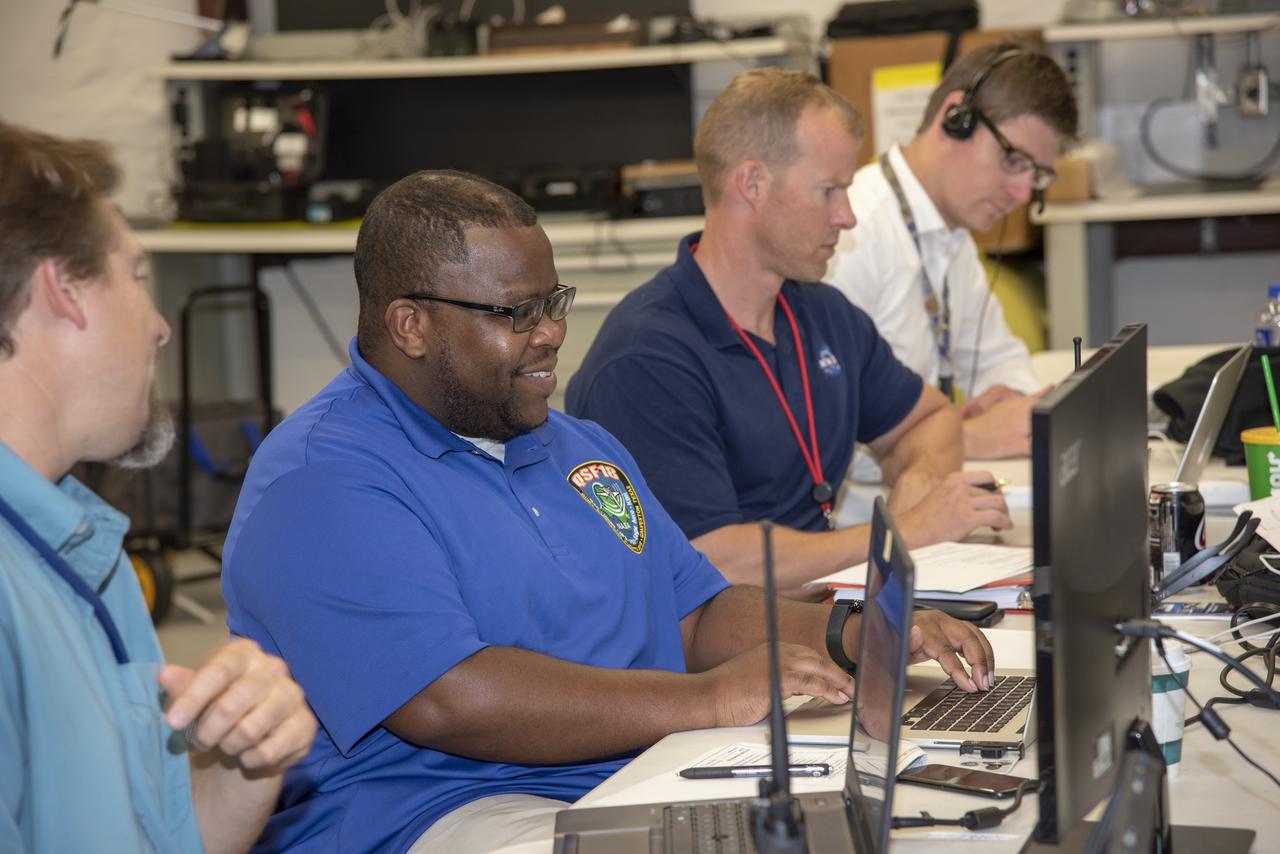
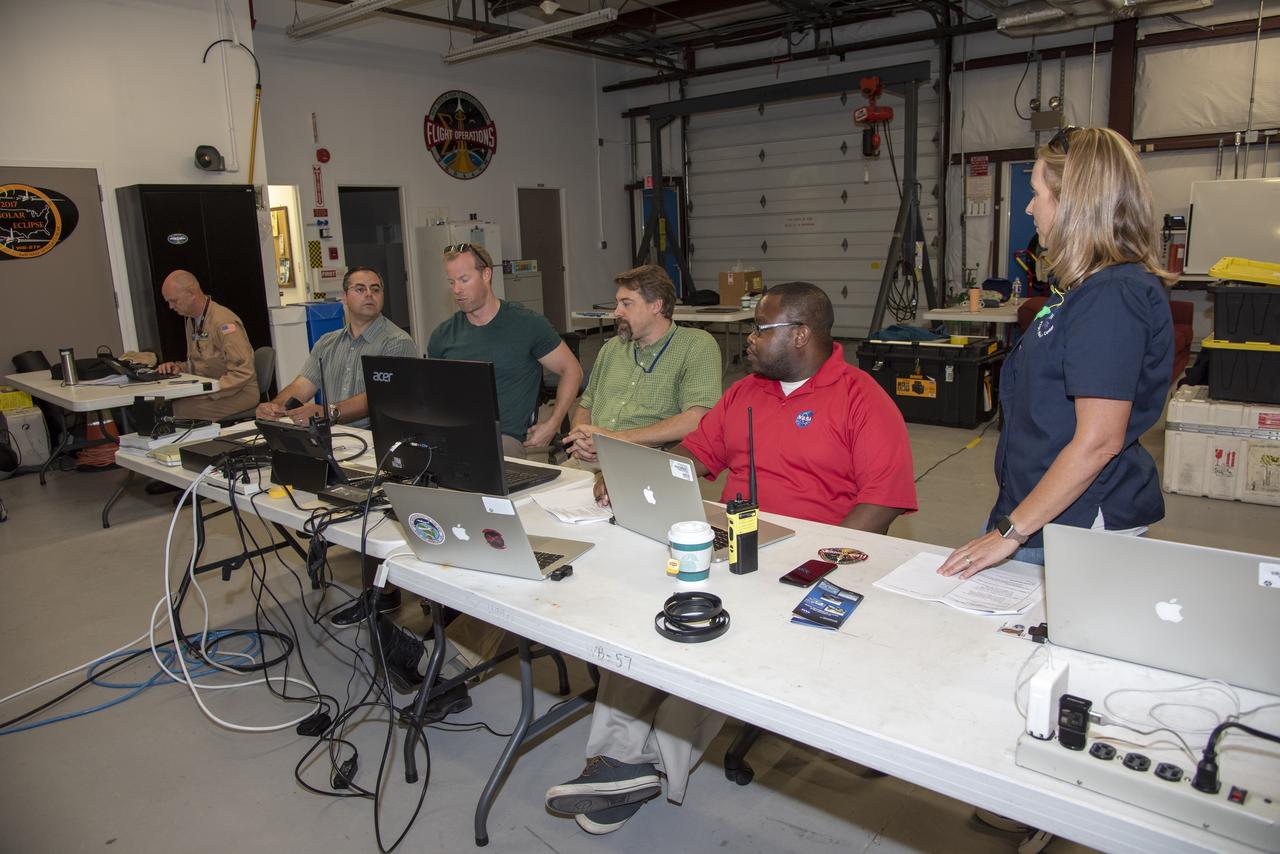
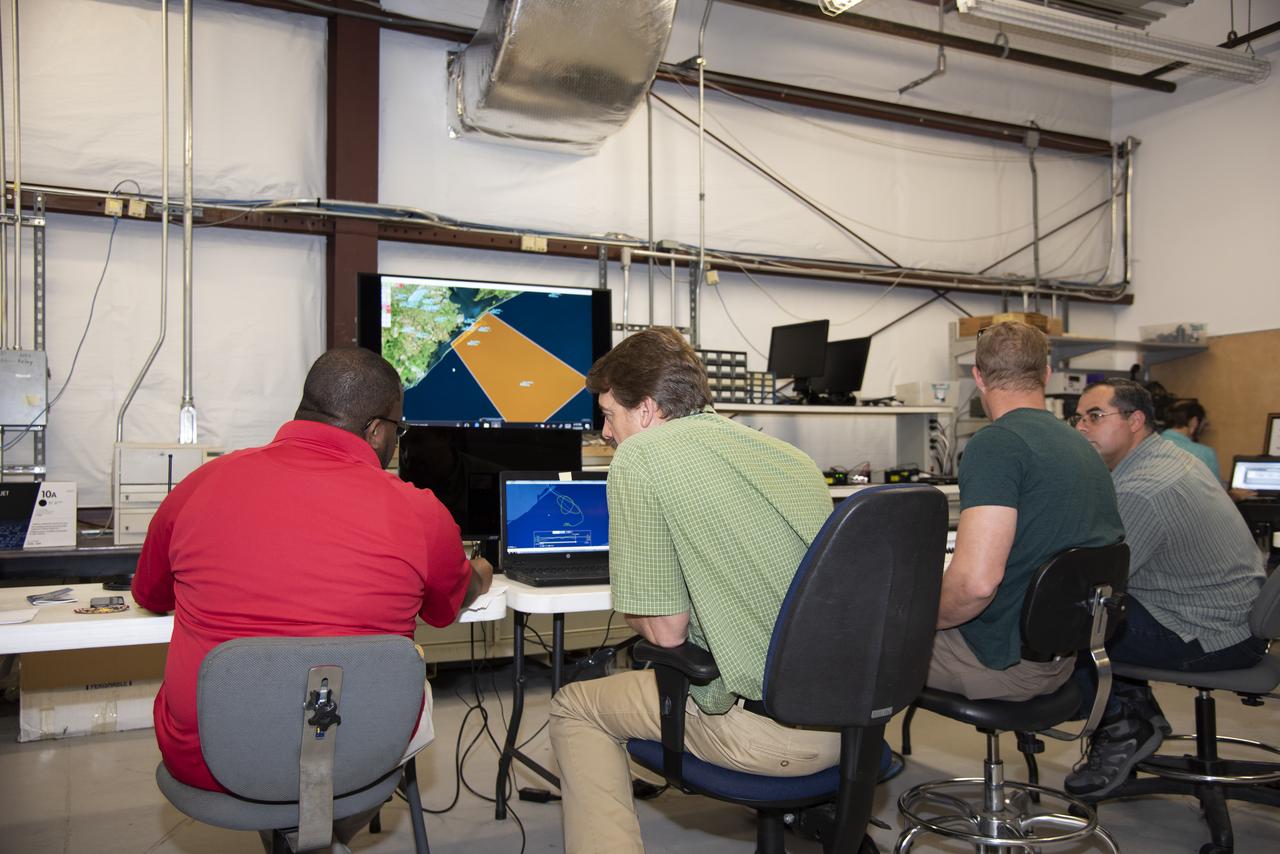
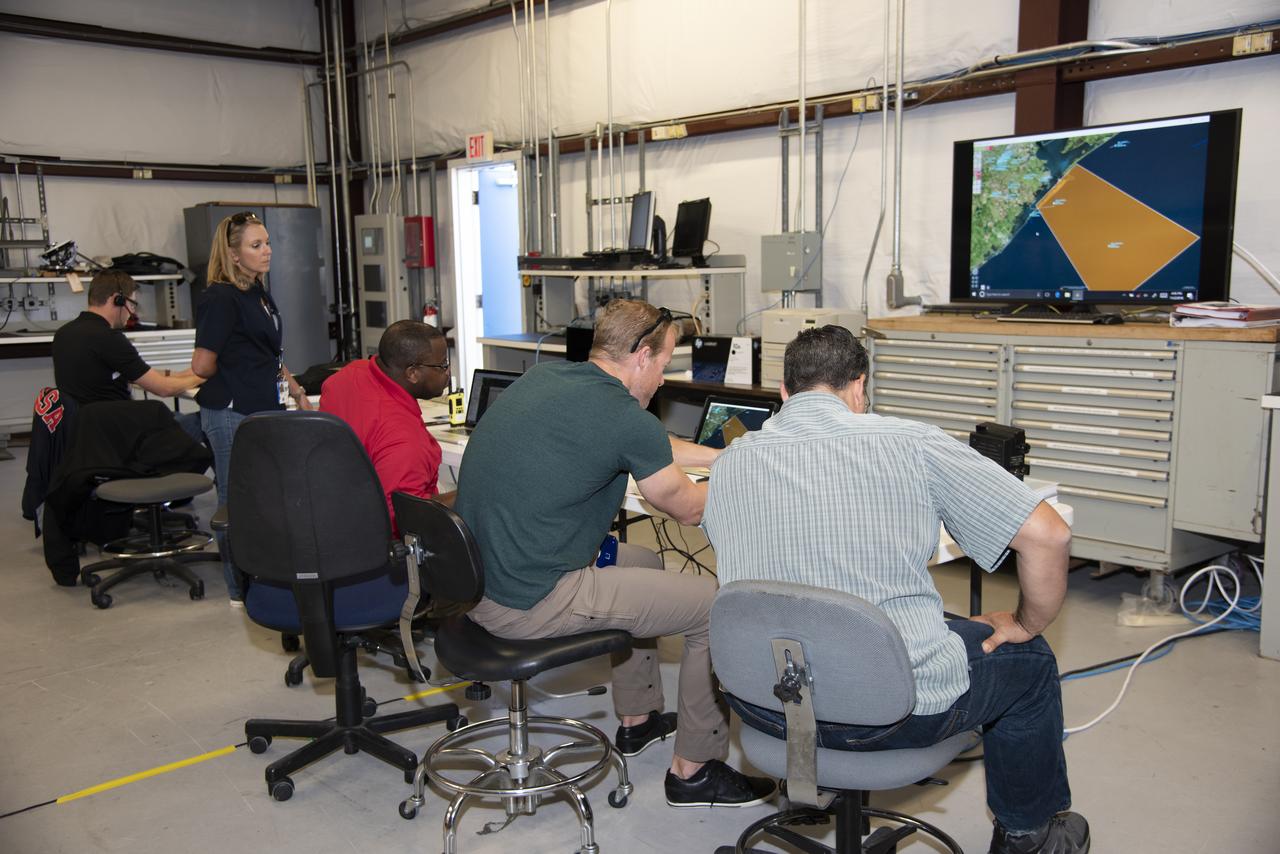
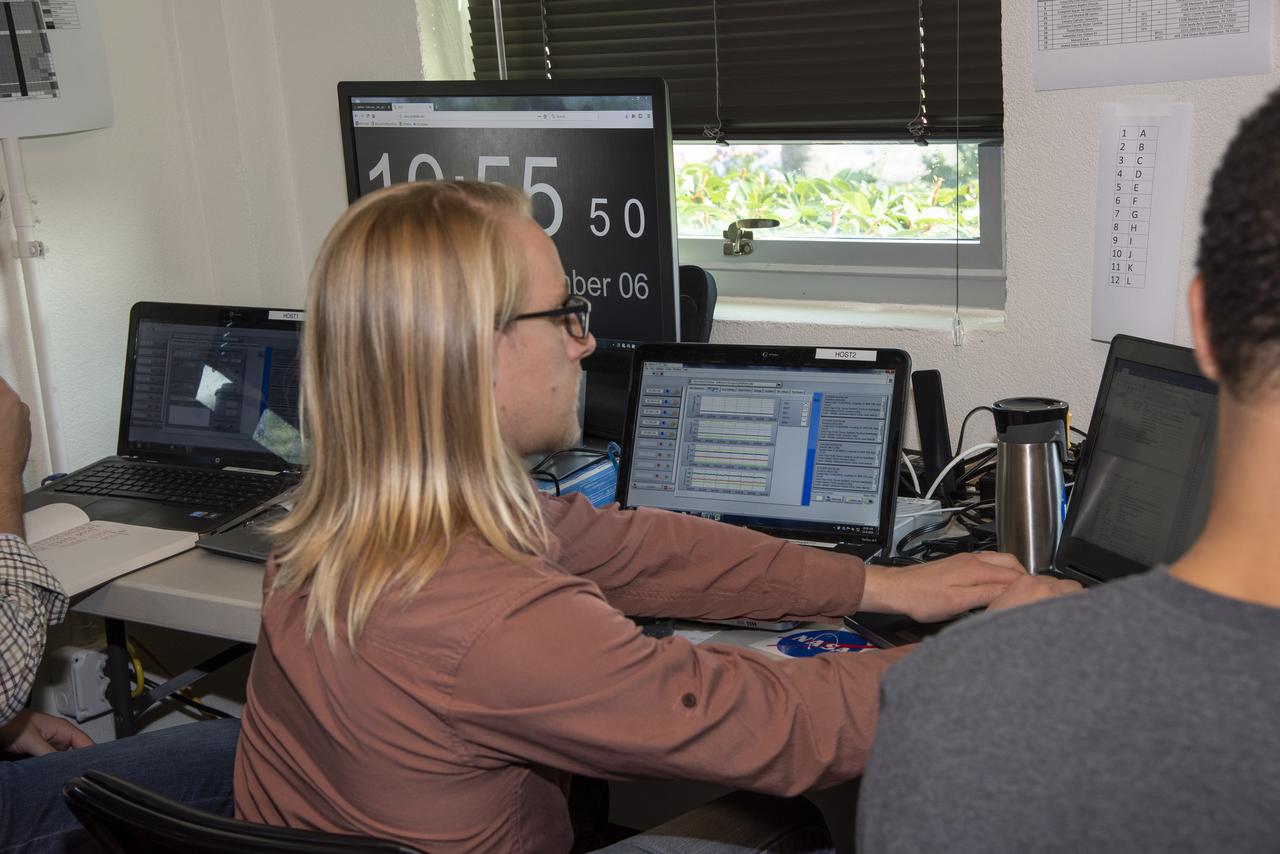
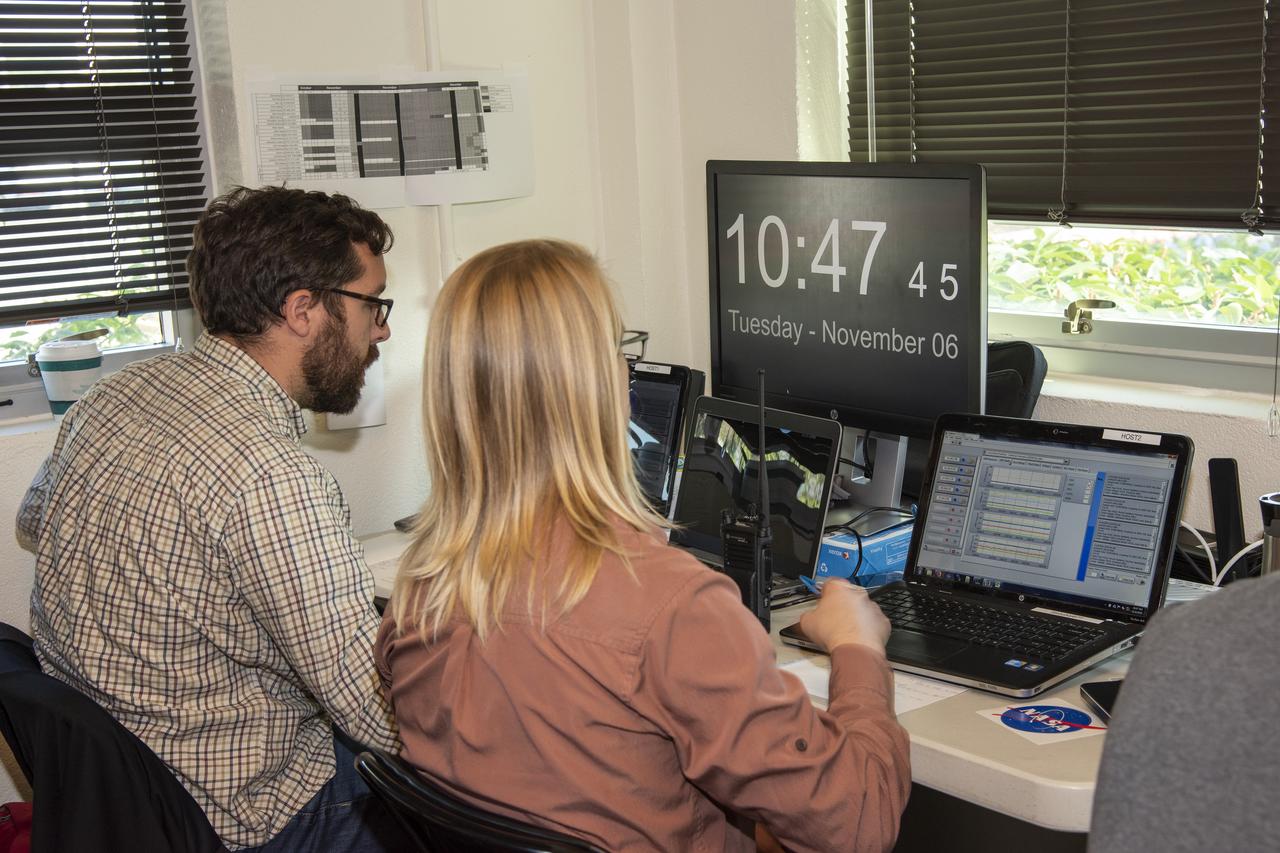
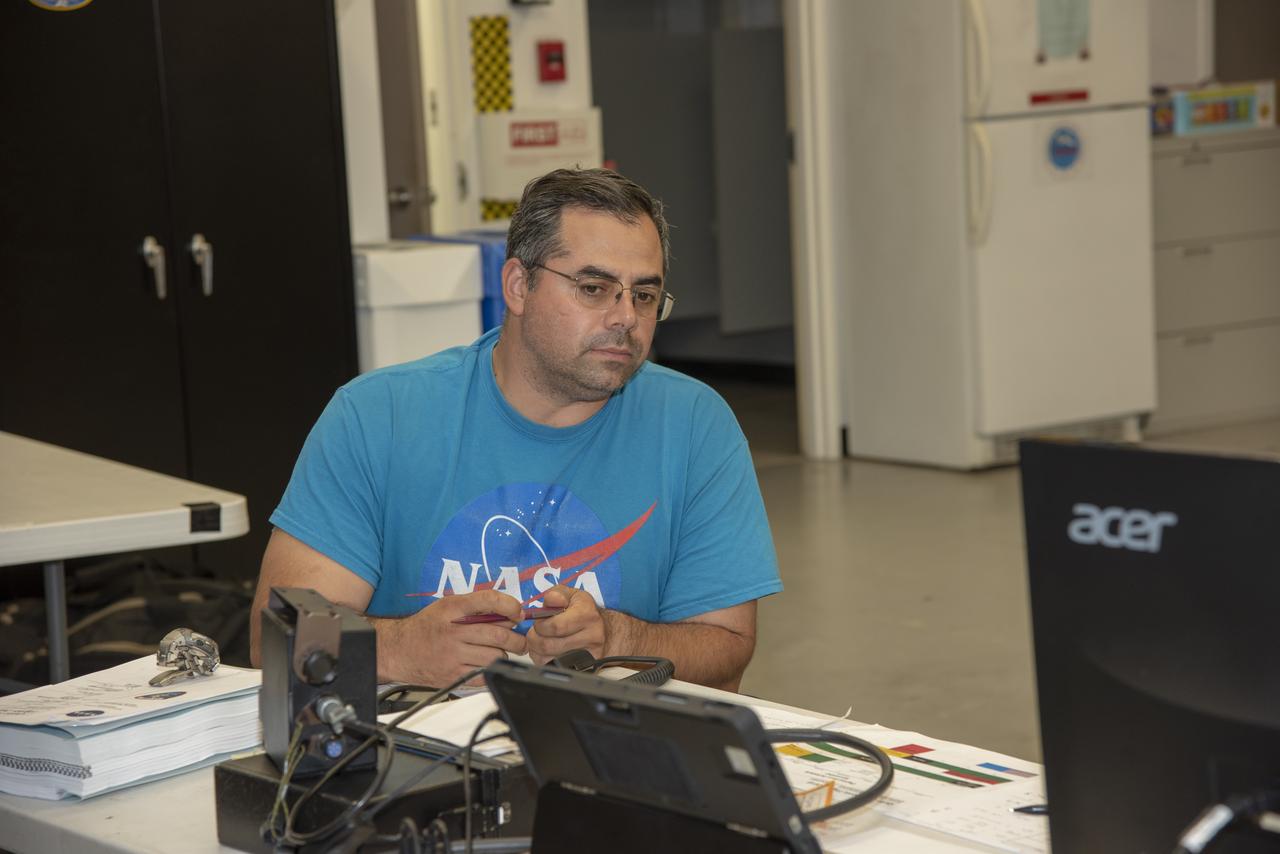
NASA mission controllers, engineers, pilots and communications specialists in the mission control room monitor the supersonic research flight off the coast of Galveston, as part of the QSF18 flight series. The flight operations crew tracks the status of the flights, maintains communications with the aircraft, communicates with U.S. Coast Guard, and coordinates community feedback data.
NASA Flight Operations Crew Monitors Supersonic Flight
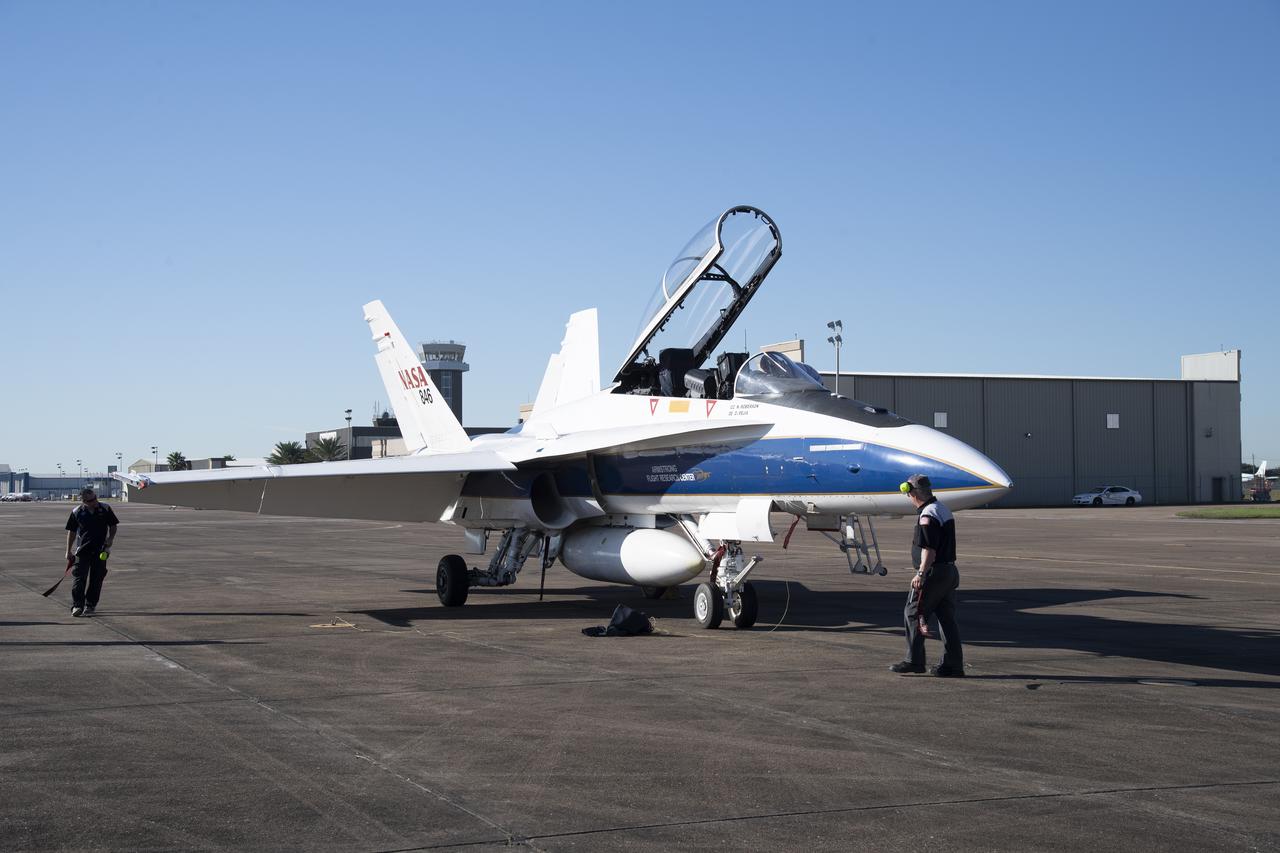
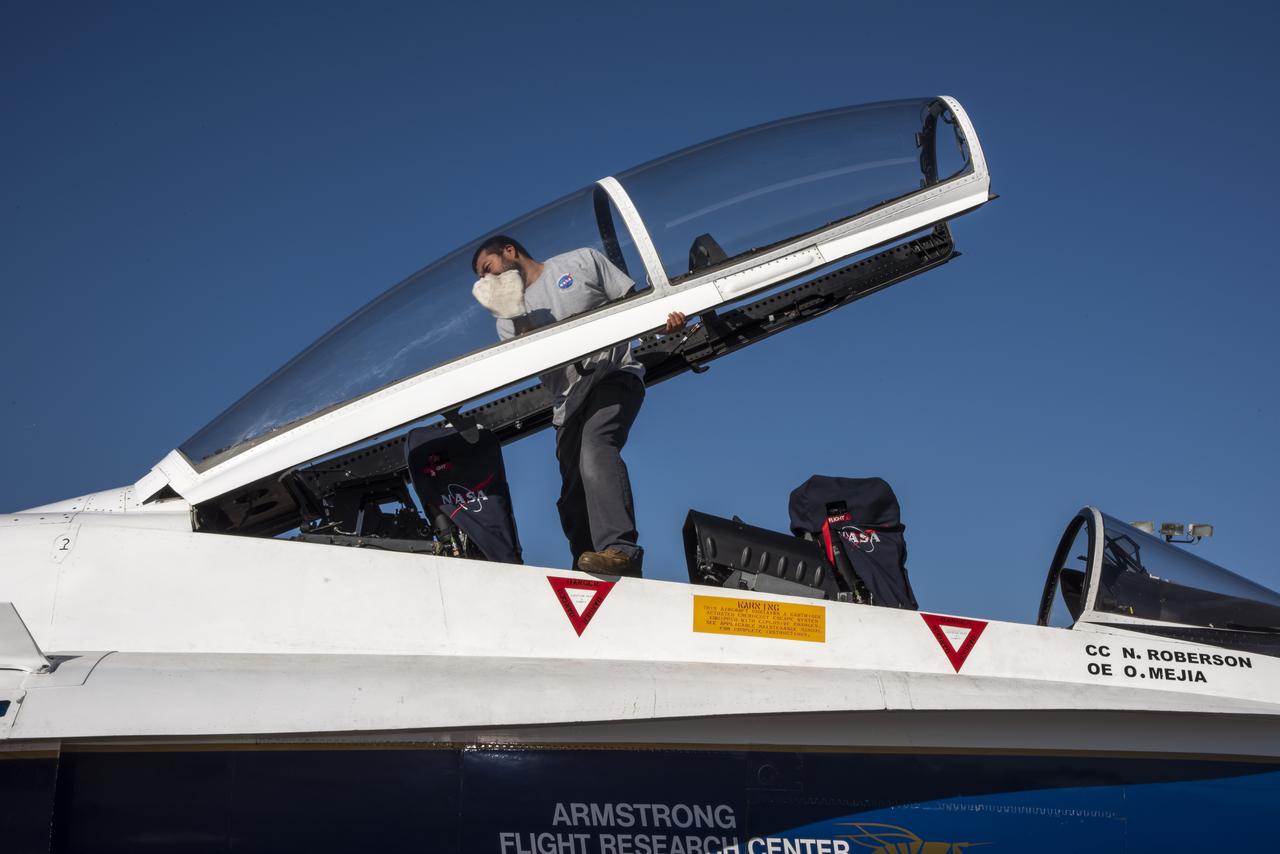
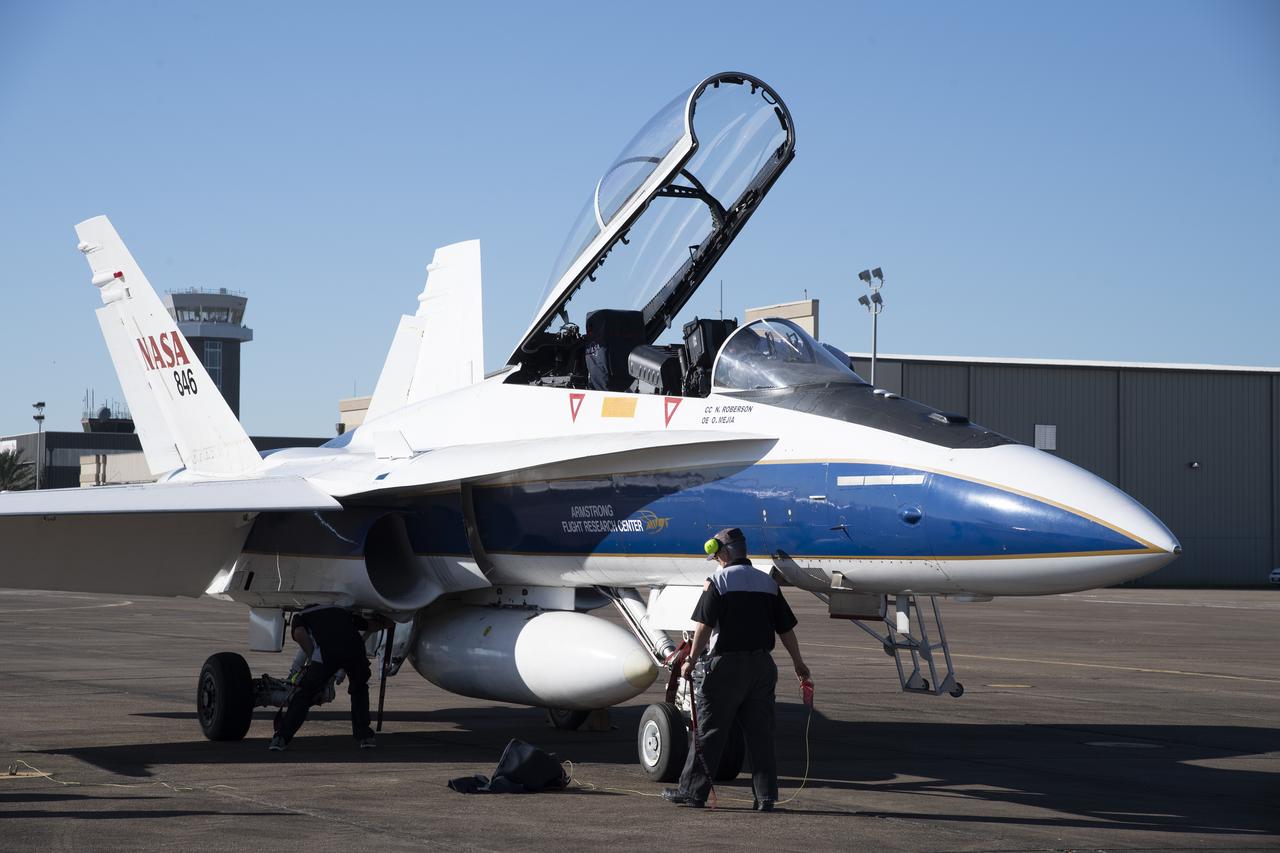
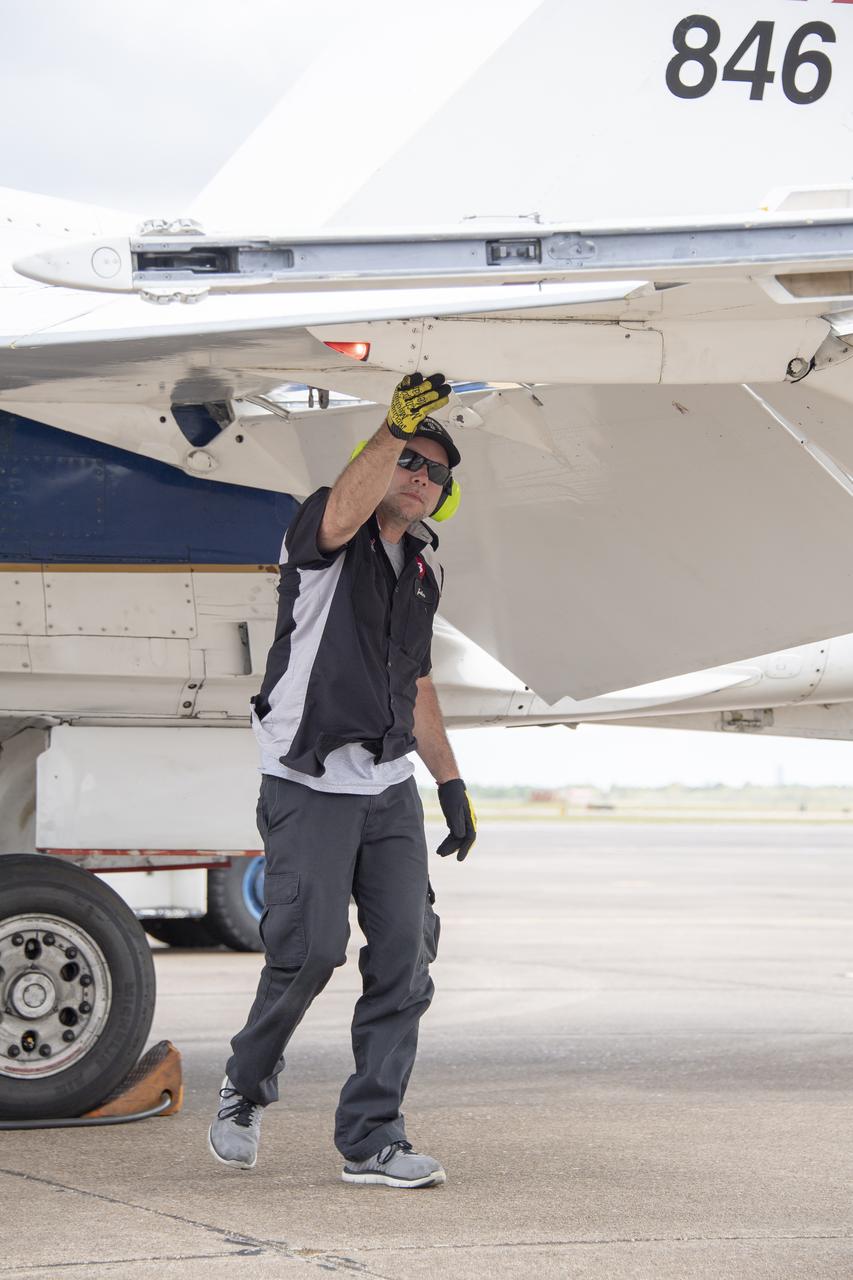
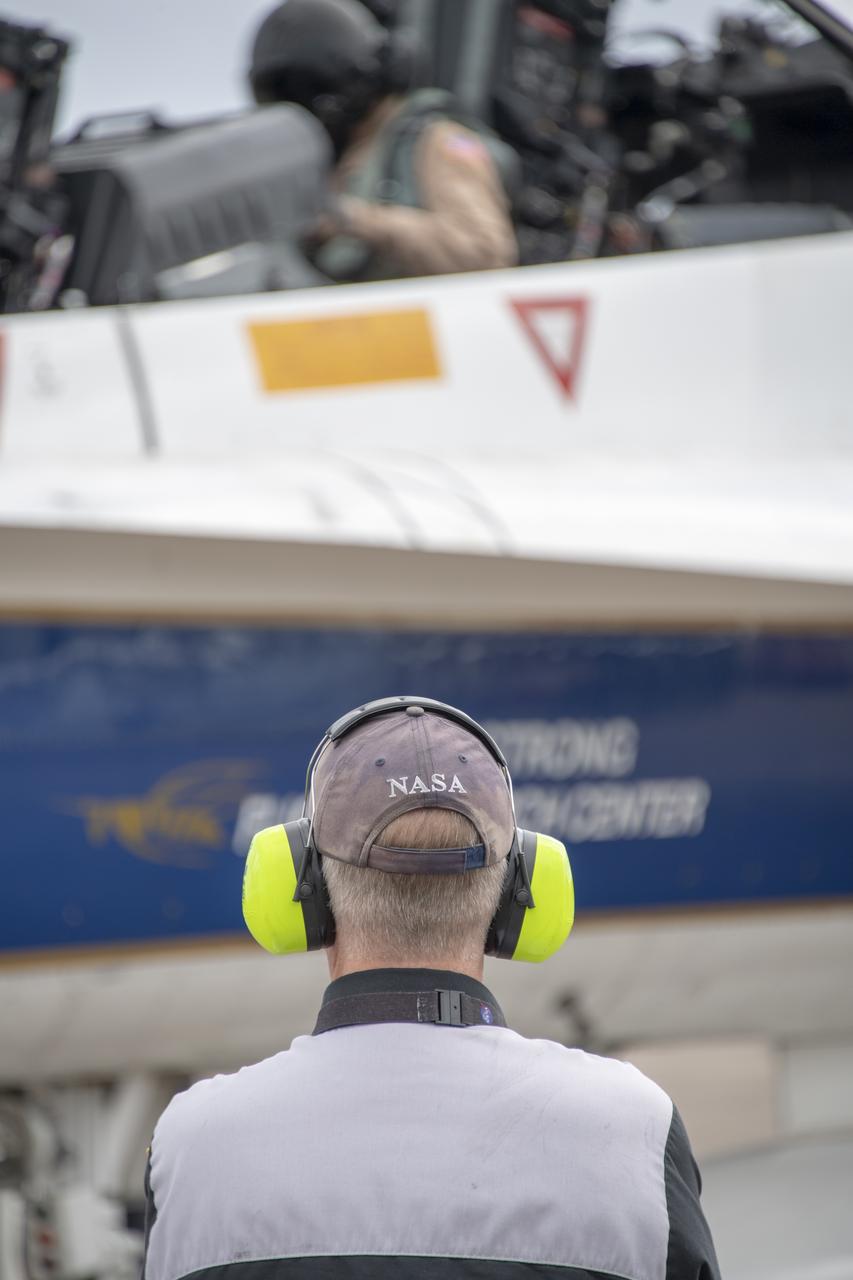
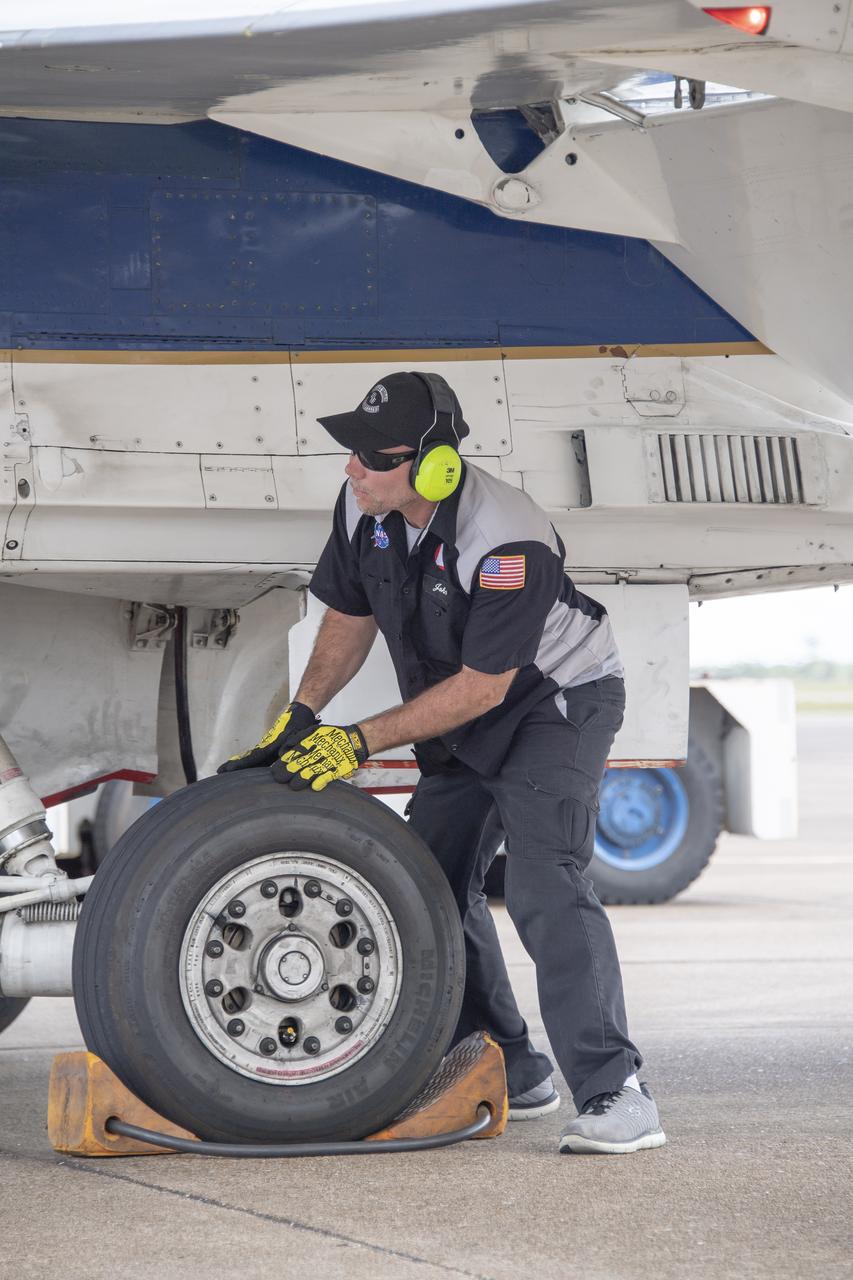
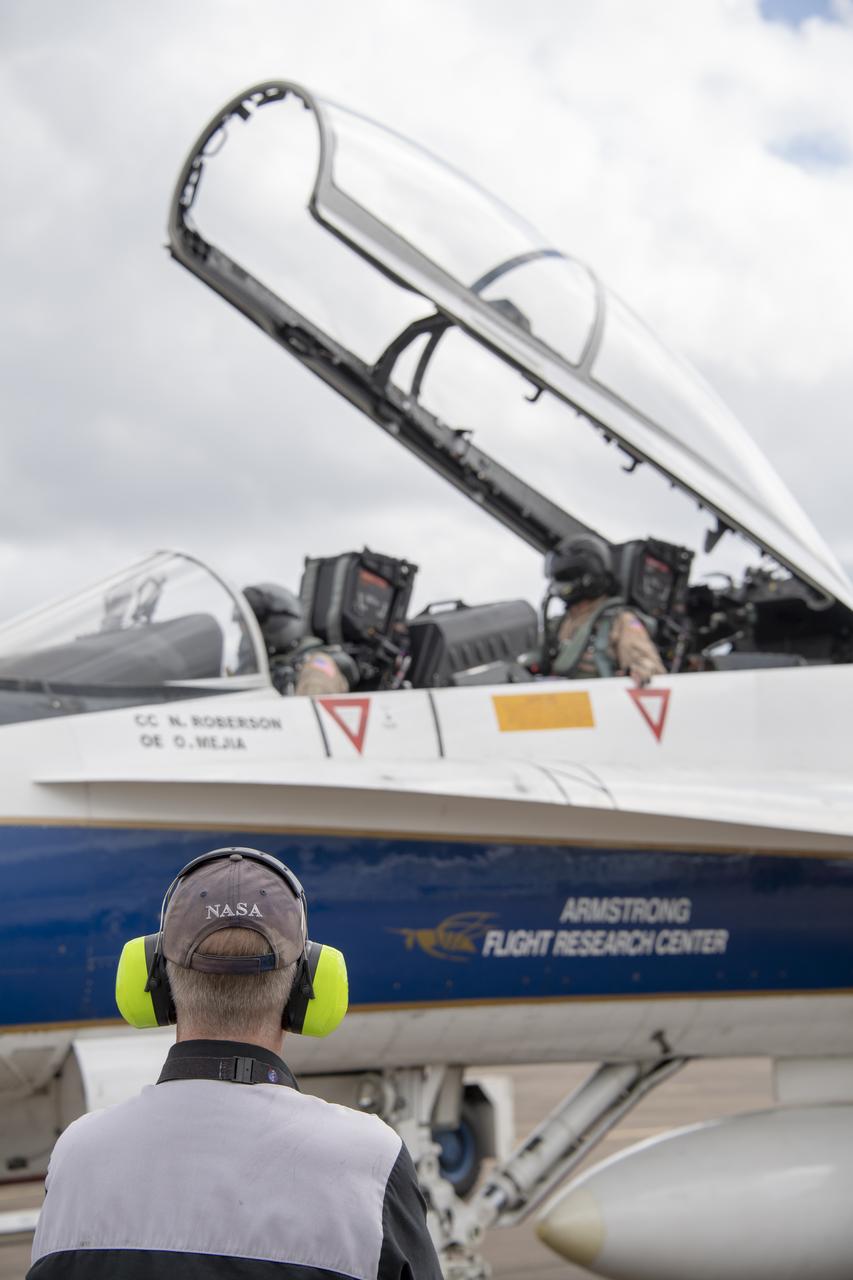
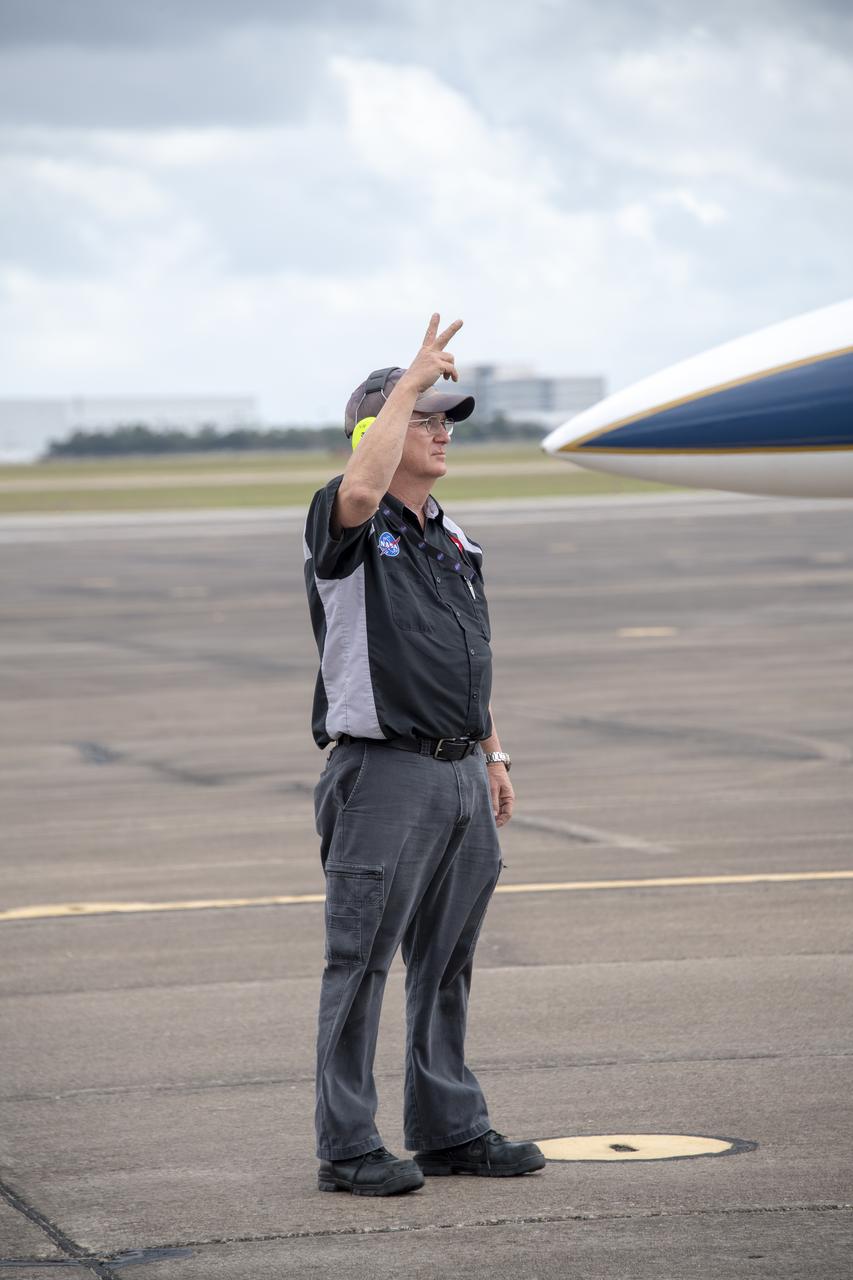
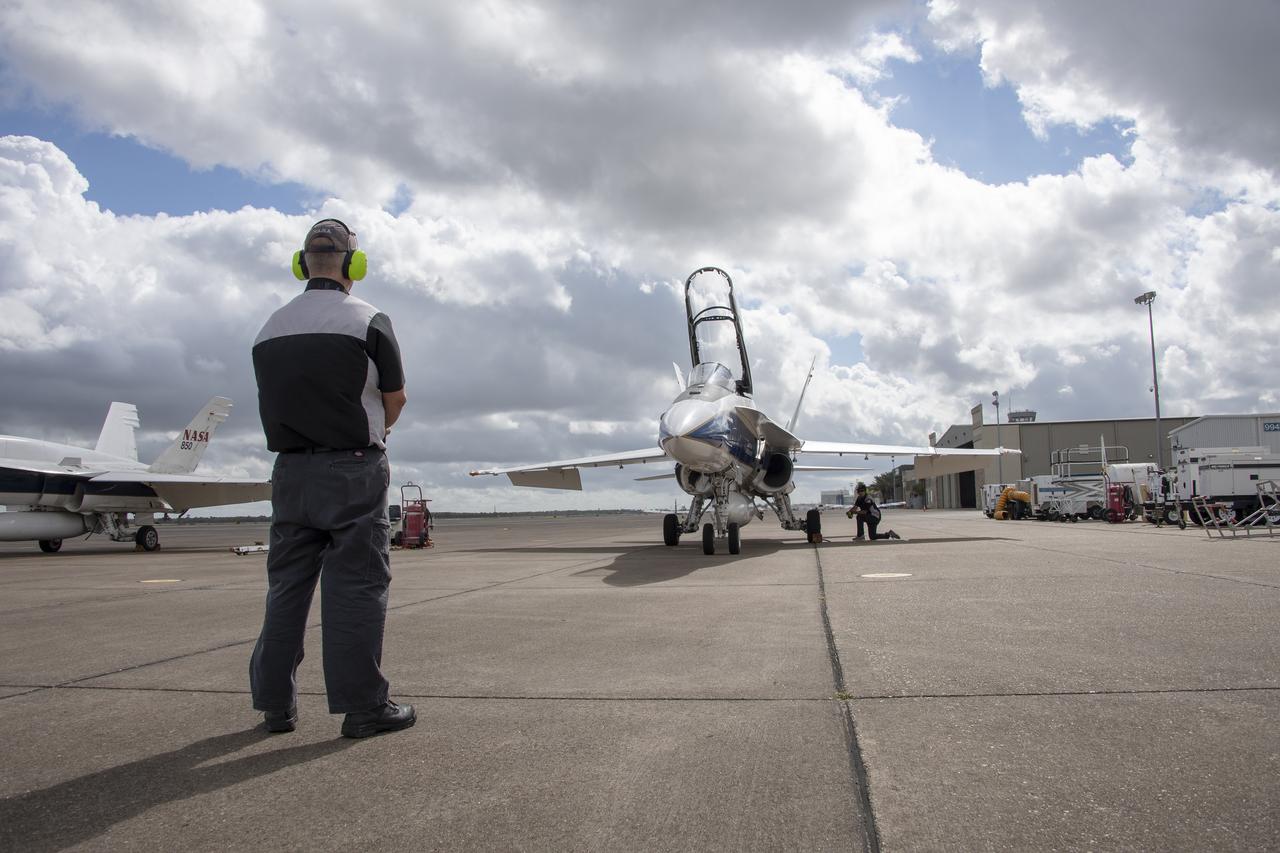
NASA ground and maintenance crews prepare the F/A-18 research aircraft for a supersonic research flight off the coast of Galveston, Texas in support of the QSF18 flight campaign. These crews are vital to making sure the aircraft is ready to operate safely and efficiently for NASA’s research.
NASA Ground Crews Prepare F/A-18 for QSF18 Takeoff
NASA ground and maintenance crews prepare the F/A-18 research aircraft for a supersonic research flight off the coast of Galveston, Texas in support of the QSF18 flight campaign. These crews are vital to making sure the aircraft is ready to operate safely and efficiently for NASA’s research.
NASA Ground Crews Prepare F/A-18 for QSF18 Takeoff
NASA mission controllers, engineers, pilots and communications specialists in the mission control room monitor the supersonic research flight off the coast of Galveston, as part of the QSF18 flight series. The flight operations crew tracks the status of the flights, maintains communications with the aircraft, communicates with U.S. Coast Guard, and coordinates community feedback data.
NASA Flight Operations Crew Monitors Supersonic Flight
NASA mission controllers, engineers, pilots and communications specialists in the mission control room monitor the supersonic research flight off the coast of Galveston, as part of the QSF18 flight series. The flight operations crew tracks the status of the flights, maintains communications with the aircraft, communicates with U.S. Coast Guard, and coordinates community feedback data.
NASA Flight Operations Crew Monitors Supersonic Flight
NASA ground and maintenance crews prepare the F/A-18 research aircraft for a supersonic research flight off the coast of Galveston, Texas in support of the QSF18 flight campaign. These crews are vital to making sure the aircraft is ready to operate safely and efficiently for NASA’s research.
NASA Ground Crews Prepare F/A-18 for QSF18 Takeoff
NASA ground and maintenance crews prepare the F/A-18 research aircraft for a supersonic research flight off the coast of Galveston, Texas in support of the QSF18 flight campaign. These crews are vital to making sure the aircraft is ready to operate safely and efficiently for NASA’s research.
NASA Ground Crews Prepare F/A-18 for QSF18 Takeoff
NASA ground and maintenance crews prepare the F/A-18 research aircraft for a supersonic research flight off the coast of Galveston, Texas in support of the QSF18 flight campaign. These crews are vital to making sure the aircraft is ready to operate safely and efficiently for NASA’s research.
NASA Ground Crews Prepare F/A-18 for QSF18 Takeoff
NASA mission controllers, engineers, pilots and communications specialists in the mission control room monitor the supersonic research flight off the coast of Galveston, as part of the QSF18 flight series. The flight operations crew tracks the status of the flights, maintains communications with the aircraft, communicates with U.S. Coast Guard, and coordinates community feedback data.
NASA Flight Operations Crew Monitors Supersonic Flight
NASA’s F/A-18 research aircraft takes off from Ellington Field in Houston, Texas for a quiet supersonic research flight off the coast of Galveston, as part of the QSF18 flight series. The F/A-18 will climb to 50,000 feet over the Gulf of Mexico, where it will perform the quiet supersonic dive maneuver.
NASA F/A-18 Takes Off for QSF18 Supersonic Flight
NASA mission controllers, engineers, pilots and communications specialists in the mission control room monitor the supersonic research flight off the coast of Galveston, as part of the QSF18 flight series. The flight operations crew tracks the status of the flights, maintains communications with the aircraft, communicates with U.S. Coast Guard, and coordinates community feedback data.
NASA Flight Operations Crew Monitors Supersonic Flight
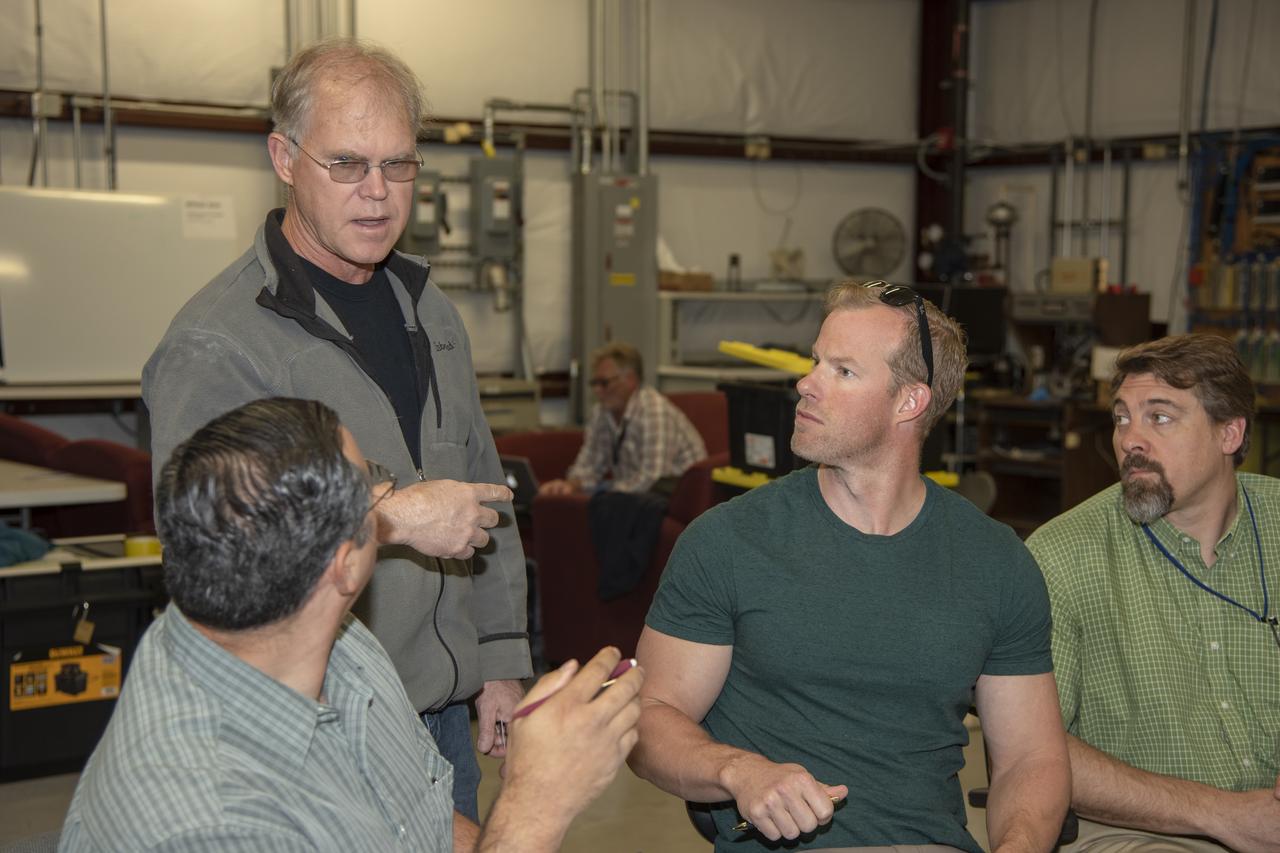
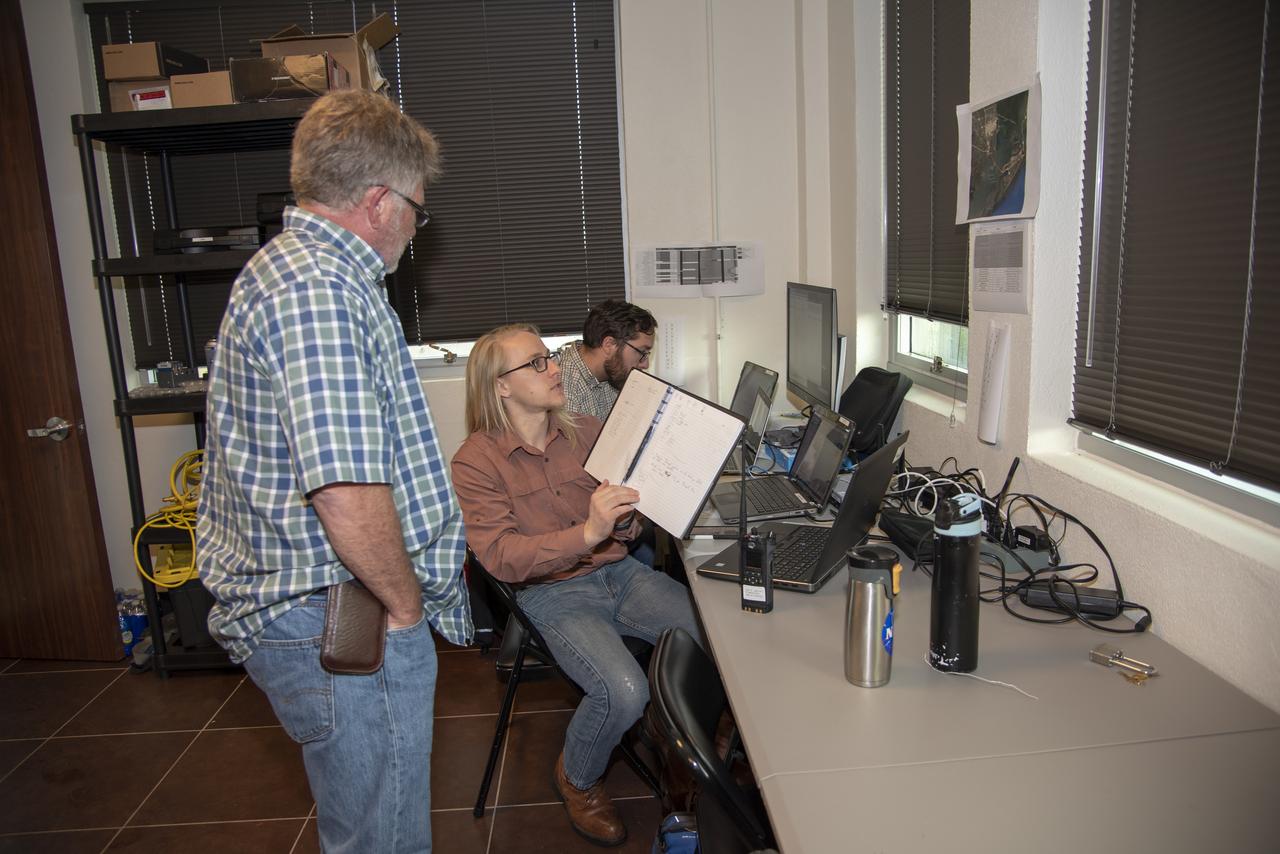
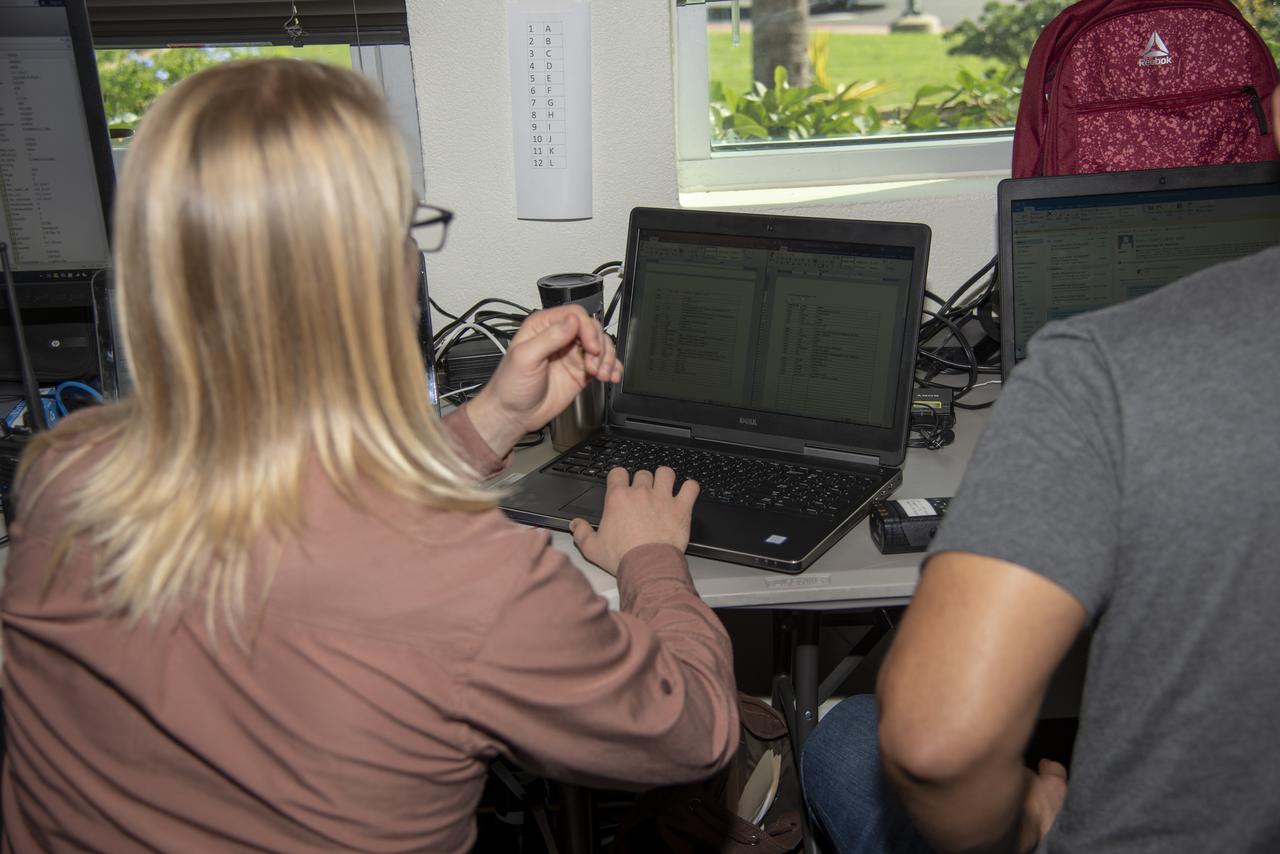
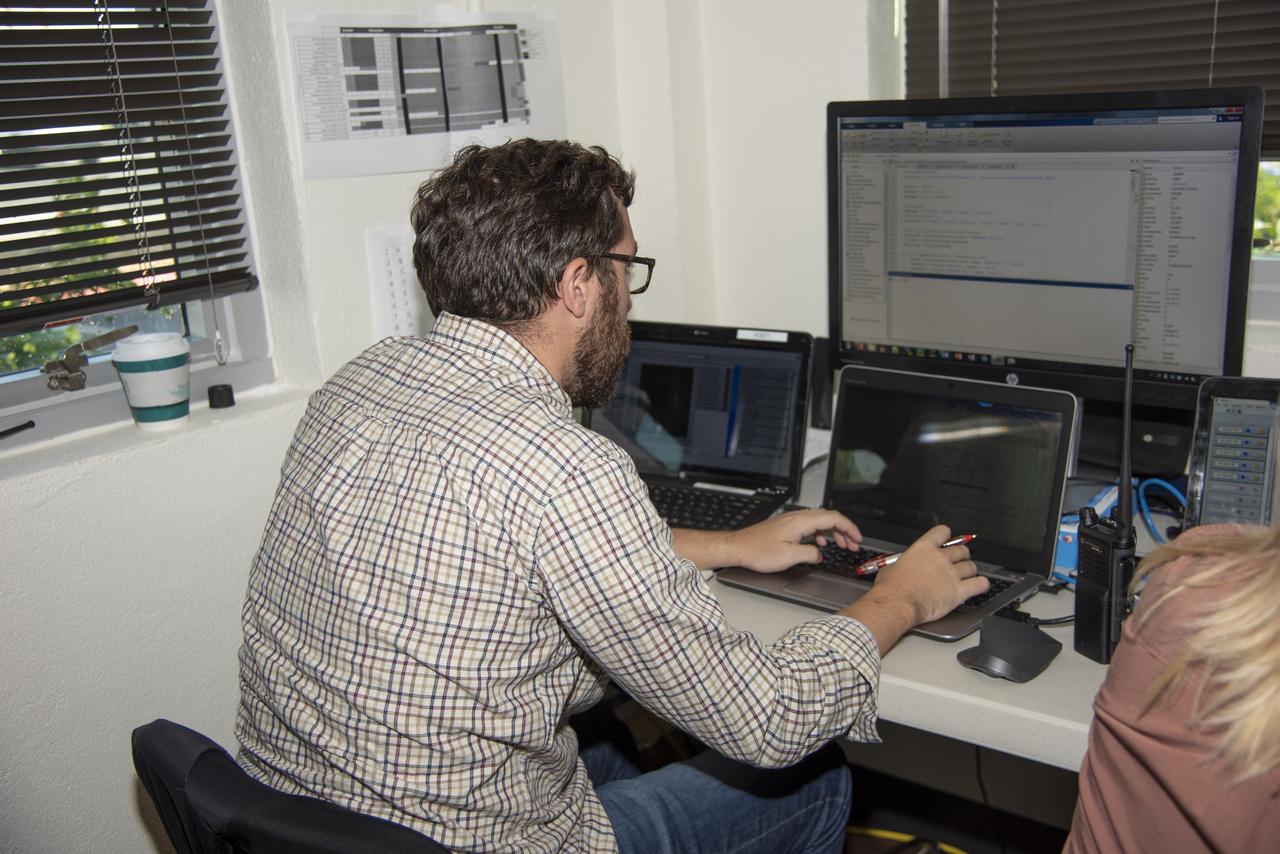
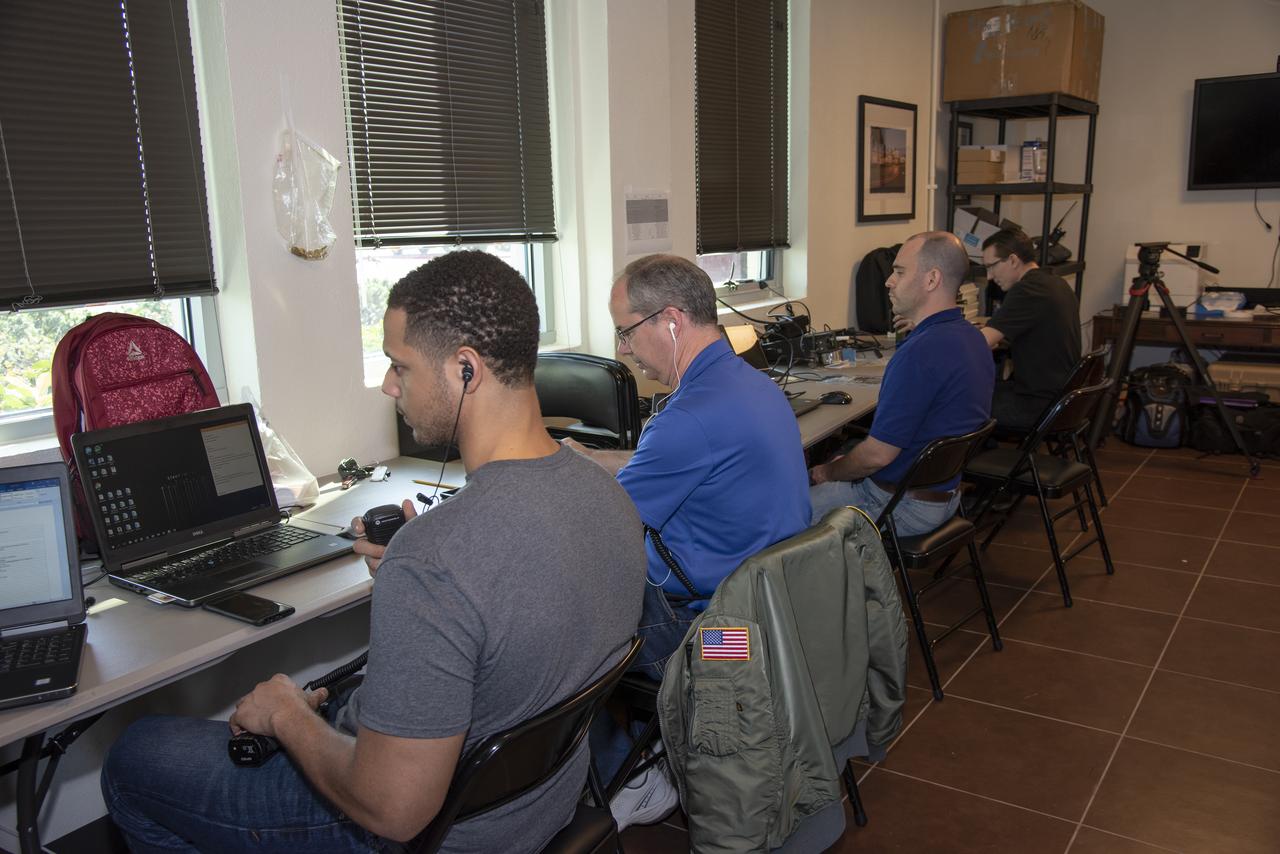
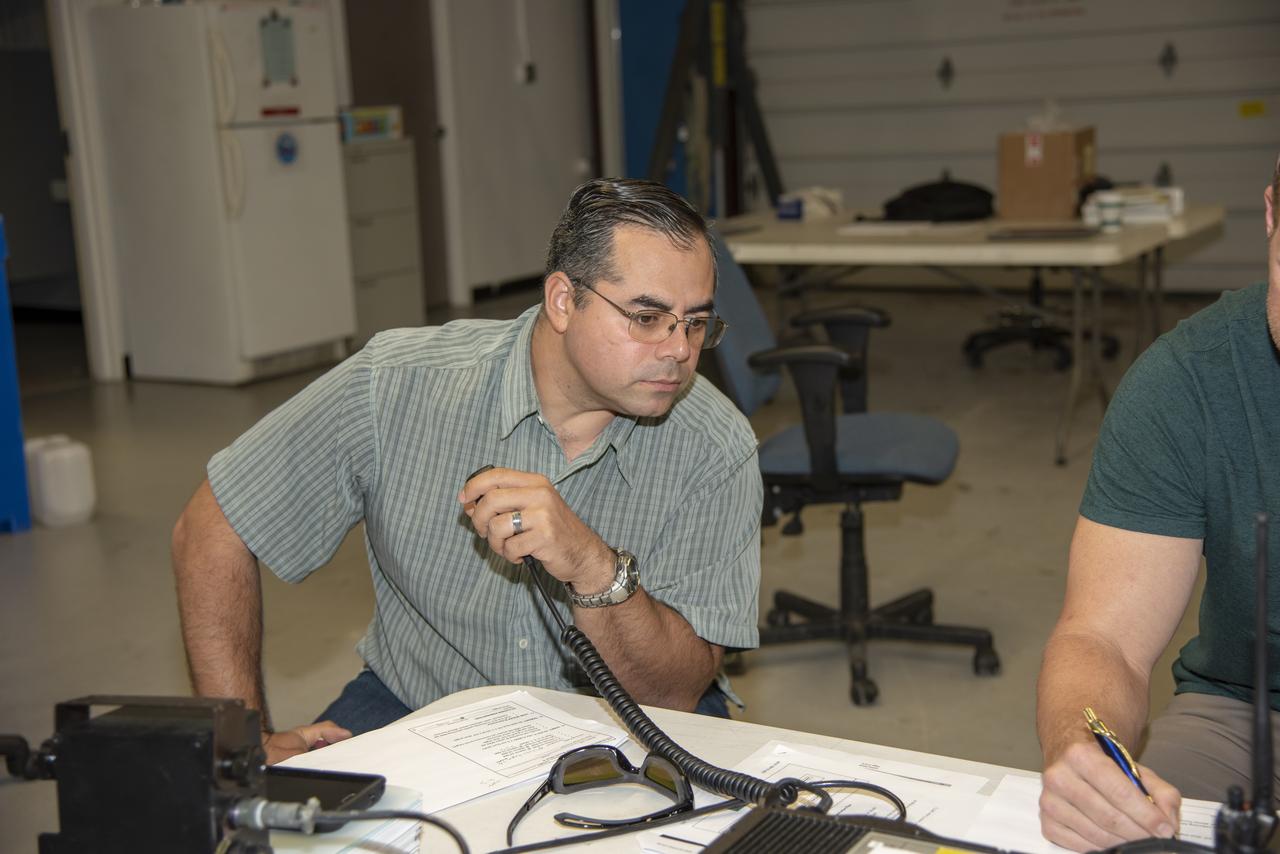
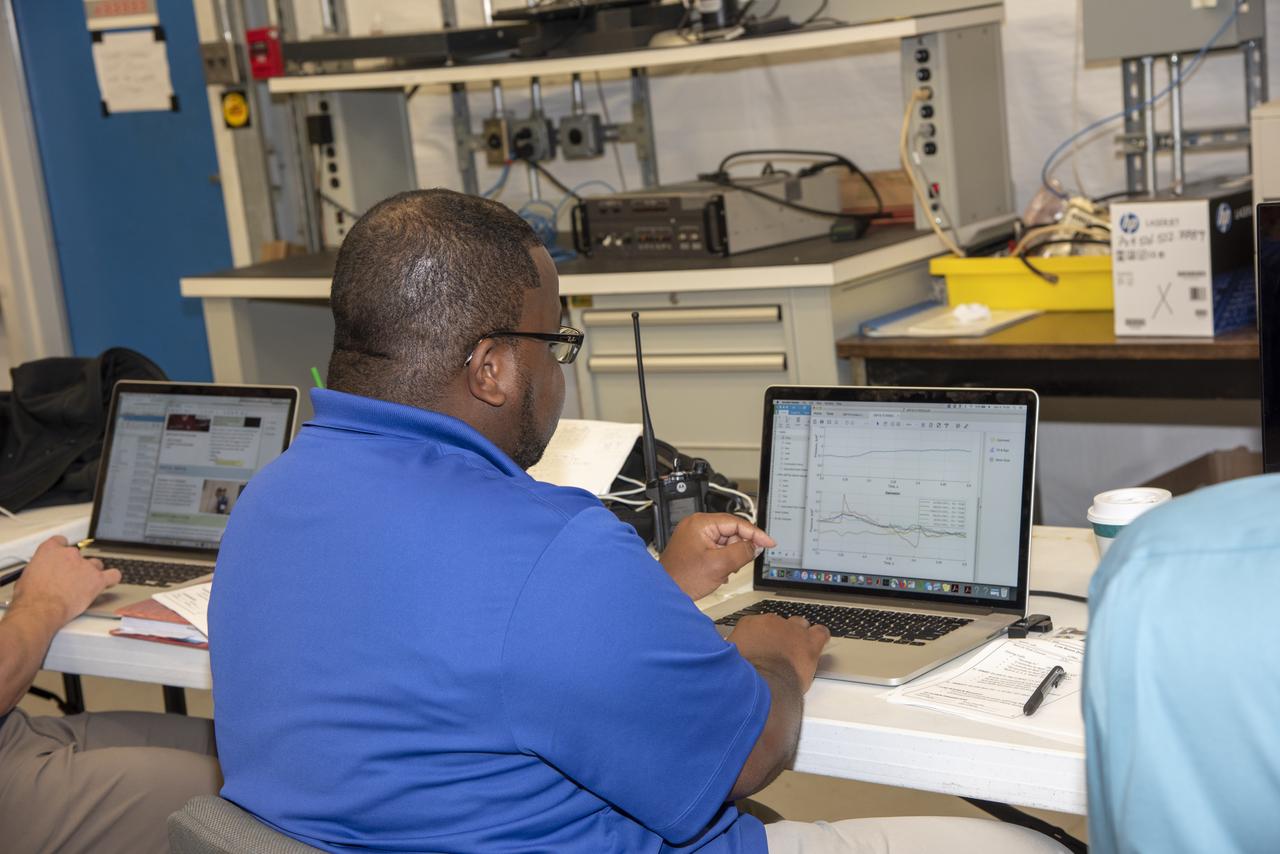
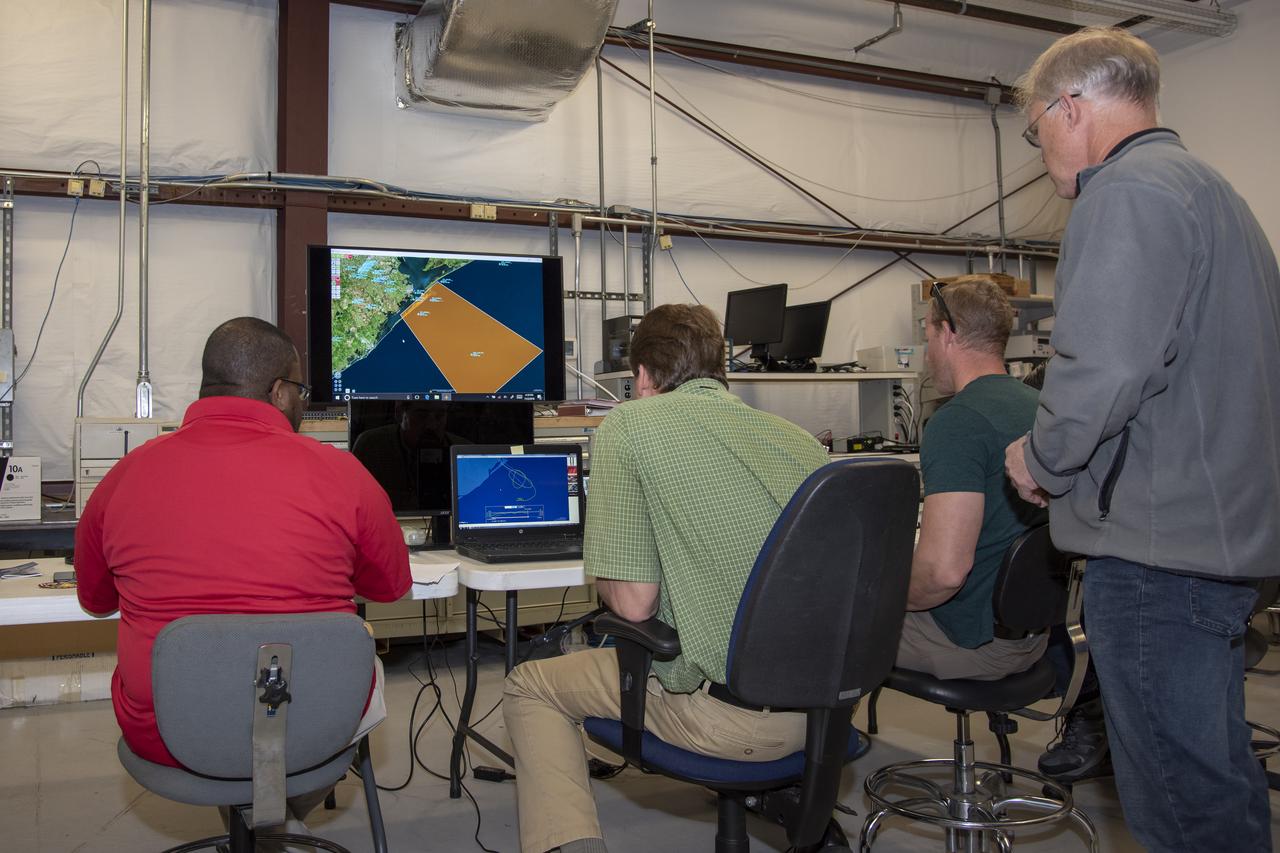
While NASA's F/A-18 goes supersonic off the coast, a team of researchers monitor the flight and operate multiple sound monitor stations around Galveston and its surrounding area. This allows NASA to obtain accurate sound level data, which gets matched to community response data.
QSF18 Field Research Team Monitors Data from Flight
NASA’s F/A-18 research aircraft takes off from Ellington Field in Houston, Texas for a quiet supersonic research flight off the coast of Galveston, as part of the QSF18 flight series. The F/A-18 will climb to 50,000 feet over the Gulf of Mexico, where it will perform the quiet supersonic dive maneuver.
NASA F/A-18 Takes Off for QSF18 Supersonic Flight
While NASA’s F/A-18 goes supersonic off the coast, a team of researchers monitor the flight and operate multiple sound monitor stations around Galveston and its surrounding area. This allows NASA to obtain accurate sound level data, which gets matched to community response data.
QSF18 Field Research Team Monitors Data from Flight
NASA ground and maintenance crews prepare the F/A-18 research aircraft for a supersonic research flight off the coast of Galveston, Texas in support of the QSF18 flight campaign. These crews are vital to making sure the aircraft is ready to operate safely and efficiently for NASA’s research.
NASA Ground Crews Prepare F/A-18 for QSF18 Takeoff
While NASA's F/A-18 goes supersonic off the coast, a team of researchers monitor the flight and operate multiple sound monitor stations around Galveston and its surrounding area. This allows NASA to obtain accurate sound level data, which gets matched to community response data.
QSF18 Field Research Team Monitors Data from Flight
NASA mission controllers, engineers, pilots and communications specialists in the mission control room monitor the supersonic research flight off the coast of Galveston, as part of the QSF18 flight series. The flight operations crew tracks the status of the flights, maintains communications with the aircraft, communicates with U.S. Coast Guard, and coordinates community feedback data.
NASA Flight Operations Crew Monitors Supersonic Flight
NASA’s F/A-18 research aircraft takes off from Ellington Field in Houston, Texas for a quiet supersonic research flight off the coast of Galveston, as part of the QSF18 flight series. The F/A-18 will climb to 50,000 feet over the Gulf of Mexico, where it will perform the quiet supersonic dive maneuver.
NASA F/A-18 Takes Off for QSF18 Supersonic Flight
NASA's F/A-18 research aircraft takes off from Ellington Field in Houston, Texas for a quiet supersonic research flight off the coast of Galveston, as part of the QSF18 flight series. The F/A-18 will climb to 50,000 feet over the Gulf of Mexico, where it will perform the quiet supersonic dive maneuver.
NASA F/A-18 Takes Off for QSF18 Supersonic Flight
NASA mission controllers, engineers, pilots and communications specialists in the mission control room monitor the supersonic research flight off the coast of Galveston, as part of the QSF18 flight series. The flight operations crew tracks the status of the flights, maintains communications with the aircraft, communicates with U.S. Coast Guard, and coordinates community feedback data.
NASA Flight Operations Crew Monitors Supersonic Flight
NASA mission controllers, engineers, pilots and communications specialists in the mission control room monitor the supersonic research flight off the coast of Galveston, as part of the QSF18 flight series. The flight operations crew tracks the status of the flights, maintains communications with the aircraft, communicates with U.S. Coast Guard, and coordinates community feedback data.
NASA Flight Operations Crew Monitors Supersonic Flight
NASA ground and maintenance crews prepare the F/A-18 research aircraft for a supersonic research flight off the coast of Galveston, Texas in support of the QSF18 flight campaign. These crews are vital to making sure the aircraft is ready to operate safely and efficiently for NASA’s research.
NASA Ground Crews Prepare F/A-18 for QSF18 Takeoff
NASA mission controllers, engineers, pilots and communications specialists in the mission control room monitor the supersonic research flight off the coast of Galveston, as part of the QSF18 flight series. The flight operations crew tracks the status of the flights, maintains communications with the aircraft, communicates with U.S. Coast Guard, and coordinates community feedback data.
NASA Flight Operations Crew Monitors Supersonic Flight
NASA ground and maintenance crews prepare the F/A-18 research aircraft for a supersonic research flight off the coast of Galveston, Texas in support of the QSF18 flight campaign. These crews are vital to making sure the aircraft is ready to operate safely and efficiently for NASA’s research.
NASA Ground Crews Prepare F/A-18 for QSF18 Takeoff
NASA’s F/A-18 research aircraft takes off from Ellington Field in Houston, Texas for a quiet supersonic research flight off the coast of Galveston, as part of the QSF18 flight series. The F/A-18 will climb to 50,000 feet over the Gulf of Mexico, where it will perform the quiet supersonic dive maneuver.
NASA F/A-18 Takes Off for QSF18 Supersonic Flight
NASA mission controllers, engineers, pilots and communications specialists in the mission control room monitor the supersonic research flight off the coast of Galveston, as part of the QSF18 flight series. The flight operations crew tracks the status of the flights, maintains communications with the aircraft, communicates with U.S. Coast Guard, and coordinates community feedback data.
NASA Flight Operations Crew Monitors Supersonic Flight
NASA mission controllers, engineers, pilots and communications specialists in the mission control room monitor the supersonic research flight off the coast of Galveston, as part of the QSF18 flight series. The flight operations crew tracks the status of the flights, maintains communications with the aircraft, communicates with U.S. Coast Guard, and coordinates community feedback data.
NASA Flight Operations Crew Monitors Supersonic Flight
NASA mission controllers, engineers, pilots and communications specialists in the mission control room monitor the supersonic research flight off the coast of Galveston, as part of the QSF18 flight series. The flight operations crew tracks the status of the flights, maintains communications with the aircraft, communicates with U.S. Coast Guard, and coordinates community feedback data.
NASA Flight Operations Crew Monitors Supersonic Flight
NASA's F/A-18 research aircraft takes off from Ellington Field in Houston, Texas for a quiet supersonic research flight off the coast of Galveston, as part of the QSF18 flight series. The F/A-18 will climb to 50,000 feet over the Gulf of Mexico, where it will perform the quiet supersonic dive maneuver.
QSF-18 (Quiet Supersonic Flight 2018)
While NASA’s F/A-18 goes supersonic off the coast, a team of researchers monitor the flight and operate multiple sound monitor stations around Galveston and its surrounding area. This allows NASA to obtain accurate sound level data, which gets matched to community response data.
QSF18 Field Research Team Monitors Data from Flight
NASA mission controllers, engineers, pilots and communications specialists in the mission control room monitor the supersonic research flight off the coast of Galveston, as part of the QSF18 flight series. The flight operations crew tracks the status of the flights, maintains communications with the aircraft, communicates with U.S. Coast Guard, and coordinates community feedback data.
NASA Flight Operations Crew Monitors Supersonic Flight
NASA’s F/A-18 research aircraft takes off from Ellington Field in Houston, Texas for a quiet supersonic research flight off the coast of Galveston, as part of the QSF18 flight series. The F/A-18 will climb to 50,000 feet over the Gulf of Mexico, where it will perform the quiet supersonic dive maneuver.
NASA F/A-18 Takes Off for QSF18 Supersonic Flight
NASA mission controllers, engineers, pilots and communications specialists in the mission control room monitor the supersonic research flight off the coast of Galveston, as part of the QSF18 flight series. The flight operations crew tracks the status of the flights, maintains communications with the aircraft, communicates with U.S. Coast Guard, and coordinates community feedback data.
NASA Flight Operations Crew Monitors Supersonic Flight
While NASA’s F/A-18 goes supersonic off the coast, a team of researchers monitor the flight and operate multiple sound monitor stations around Galveston and its surrounding area. This allows NASA to obtain accurate sound level data, which gets matched to community response data.
QSF18 Field Research Team Monitors Data from Flight
While NASA’s F/A-18 goes supersonic off the coast, a team of researchers monitor the flight and operate multiple sound monitor stations around Galveston and its surrounding area. This allows NASA to obtain accurate sound level data, which gets matched to community response data.
QSF18 Field Research Team Monitors Data from Flight
NASA ground and maintenance crews prepare the F/A-18 research aircraft for a supersonic research flight off the coast of Galveston, Texas in support of the QSF18 flight campaign. These crews are vital to making sure the aircraft is ready to operate safely and efficiently for NASA’s research.
NASA Ground Crews Prepare F/A-18 for QSF18 Takeoff
NASA’s F/A-18 research aircraft takes off from Ellington Field in Houston, Texas for a quiet supersonic research flight off the coast of Galveston, as part of the QSF18 flight series. The F/A-18 will climb to 50,000 feet over the Gulf of Mexico, where it will perform the quiet supersonic dive maneuver.
NASA F/A-18 Takes Off for QSF18 Supersonic Flight
NASA mission controllers, engineers, pilots and communications specialists in the mission control room monitor the supersonic research flight off the coast of Galveston, as part of the QSF18 flight series. The flight operations crew tracks the status of the flights, maintains communications with the aircraft, communicates with U.S. Coast Guard, and coordinates community feedback data.
NASA Flight Operations Crew Monitors Supersonic Flight
NASA mission controllers, engineers, pilots and communications specialists in the mission control room monitor the supersonic research flight off the coast of Galveston, as part of the QSF18 flight series. The flight operations crew tracks the status of the flights, maintains communications with the aircraft, communicates with U.S. Coast Guard, and coordinates community feedback data.
NASA Flight Operations Crew Monitors Supersonic Flight
NASA mission controllers, engineers, pilots and communications specialists in the mission control room monitor the supersonic research flight off the coast of Galveston, as part of the QSF18 flight series. The flight operations crew tracks the status of the flights, maintains communications with the aircraft, communicates with U.S. Coast Guard, and coordinates community feedback data.
NASA Flight Operations Crew Monitors Supersonic Flight
NASA ground and maintenance crews prepare the F/A-18 research aircraft for a supersonic research flight off the coast of Galveston, Texas in support of the QSF18 flight campaign. These crews are vital to making sure the aircraft is ready to operate safely and efficiently for NASA’s research.
NASA Ground Crews Prepare F/A-18 for QSF18 Takeoff
NASA’s F/A-18 research aircraft takes off from Ellington Field in Houston, Texas for a quiet supersonic research flight off the coast of Galveston, as part of the QSF18 flight series. The F/A-18 will climb to 50,000 feet over the Gulf of Mexico, where it will perform the quiet supersonic dive maneuver.
NASA F/A-18 Takes Off for QSF18 Supersonic Flight
While NASA's F/A-18 goes supersonic off the coast, a team of researchers monitor the flight and operate multiple sound monitor stations around Galveston and its surrounding area. This allows NASA to obtain accurate sound level data, which gets matched to community response data.
QSF18 Field Research Team Monitors Data from Flight
NASA’s F/A-18 research aircraft takes off from Ellington Field in Houston, Texas for a quiet supersonic research flight off the coast of Galveston, as part of the QSF18 flight series. The F/A-18 will climb to 50,000 feet over the Gulf of Mexico, where it will perform the quiet supersonic dive maneuver.
NASA F/A-18 Takes Off for QSF18 Supersonic Flight