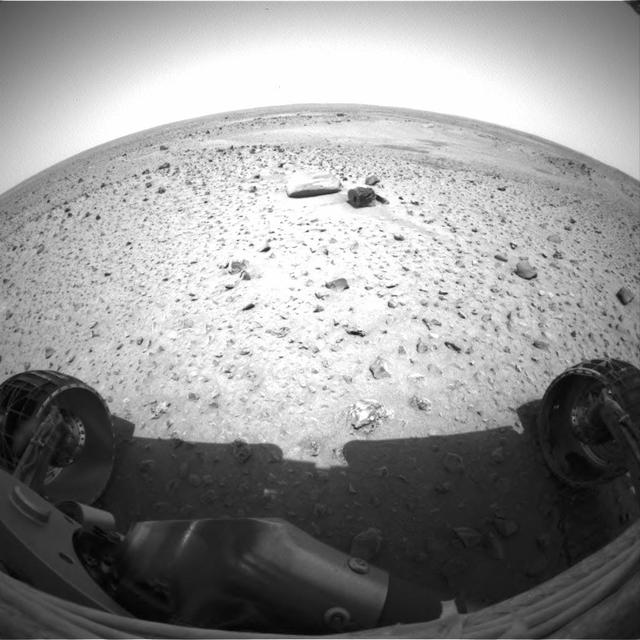
Spirit is Out the Gate
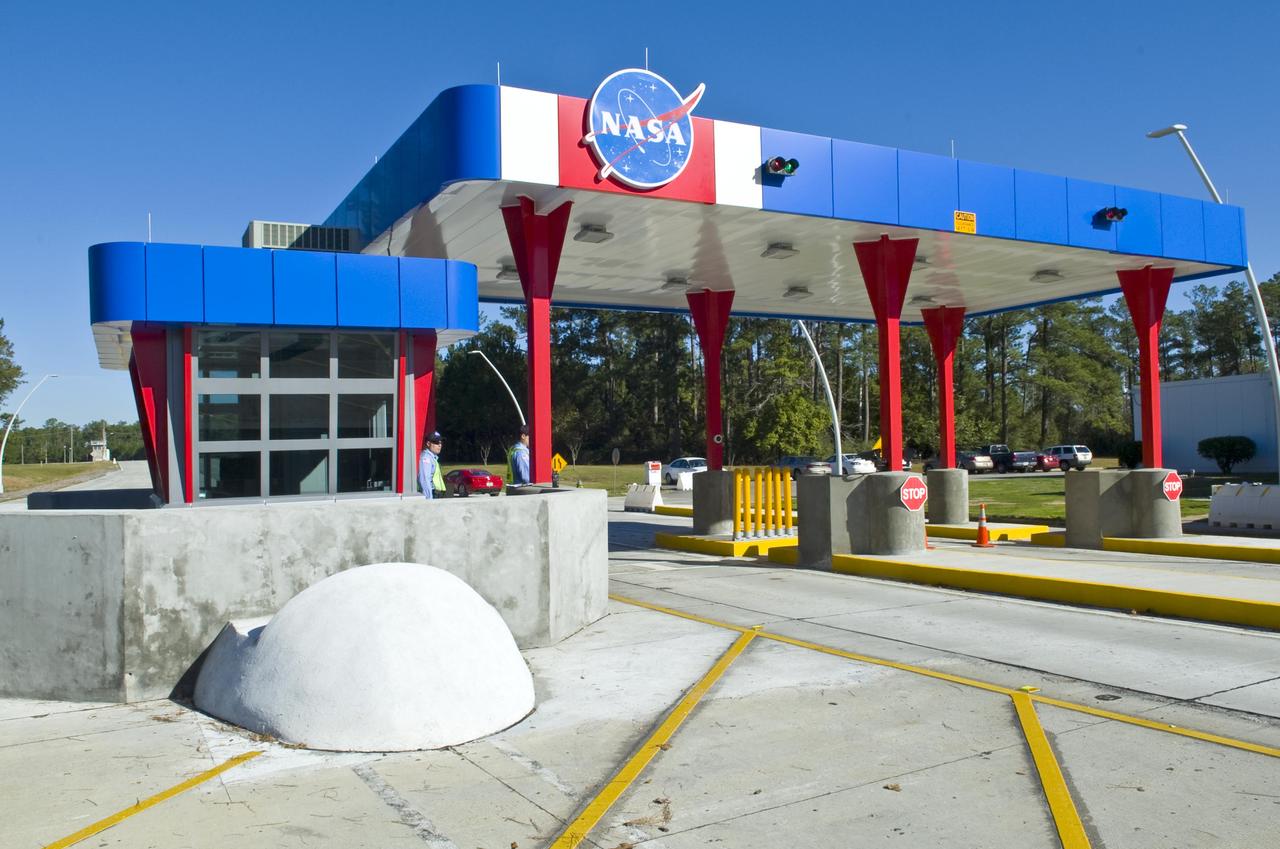
The north and south (shown) security gates at NASA's John C. Stennis Space Center were rebuilt in 2010 to enhance center appearance and increase the safety of Stennis employees.
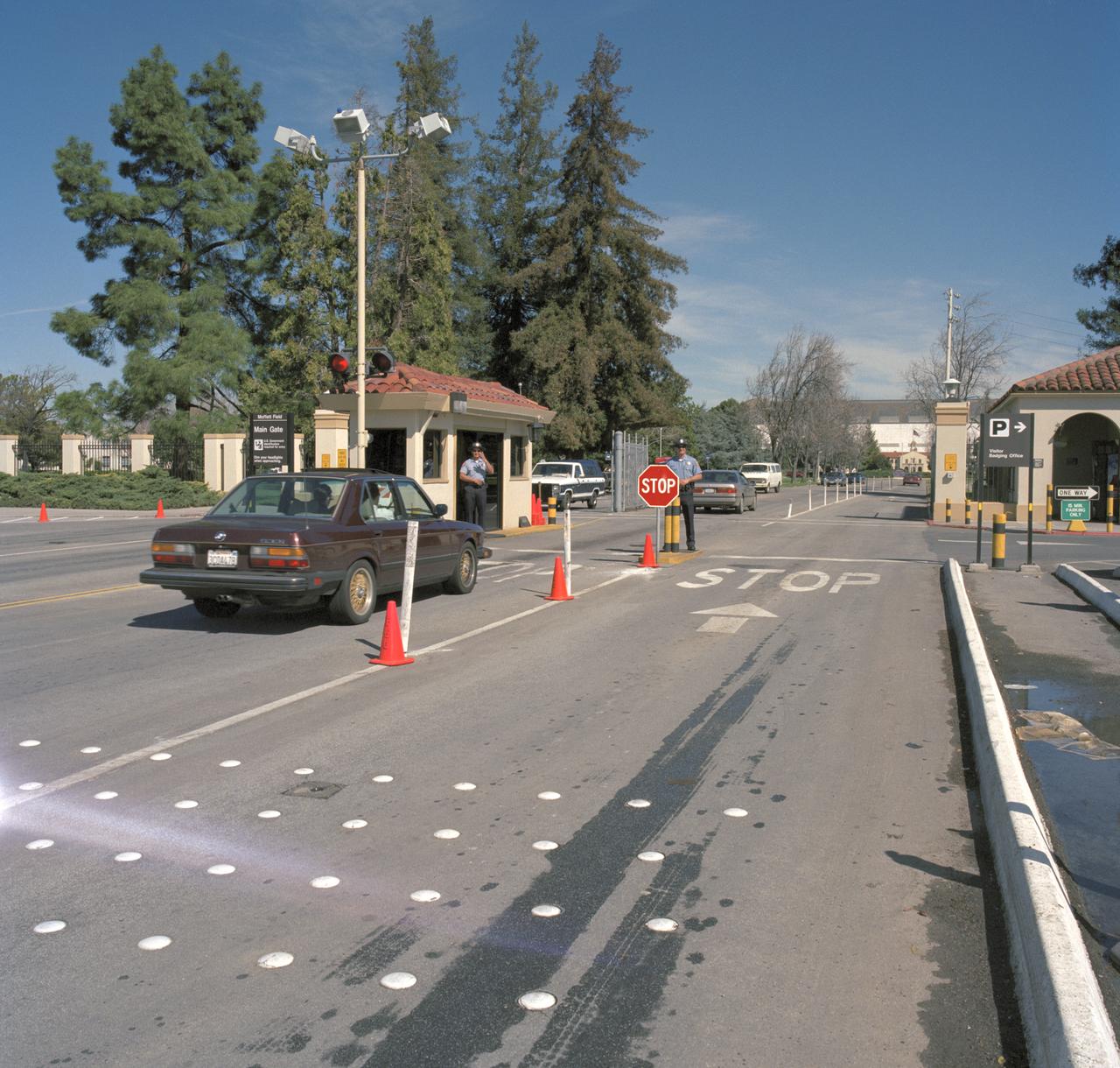
Protective Services Office (Code JP) Personnel On Duty. Main Gate Guards Rubin Cablgas and Robert Burja

The main gate (Gate 7) of the Michoud Assembly Facility has been demolished and replaced following the tornado that struck the area in February 2017. The project included moving the gate to a position of 300 feet off the property line (away from Old Gentilly Blvd). The configuration included expanding the entrance to the gate from 2 lanes to 3 while maintaining 2 exit lanes. This layout provides for a guard post shelter rain canopy over two of the entrance lanes. Assessments and repairs continue on various structures and facilities across the facility.

The main gate (Gate 7) of the Michoud Assembly Facility has been demolished and replaced following the tornado that struck the area in February 2017. The project included moving the gate to a position of 300 feet off the property line (away from Old Gentilly Blvd). The configuration included expanding the entrance to the gate from 2 lanes to 3 while maintaining 2 exit lanes. This layout provides for a guard post shelter rain canopy over two of the entrance lanes. Assessments and repairs continue on various structures and facilities across the facility.
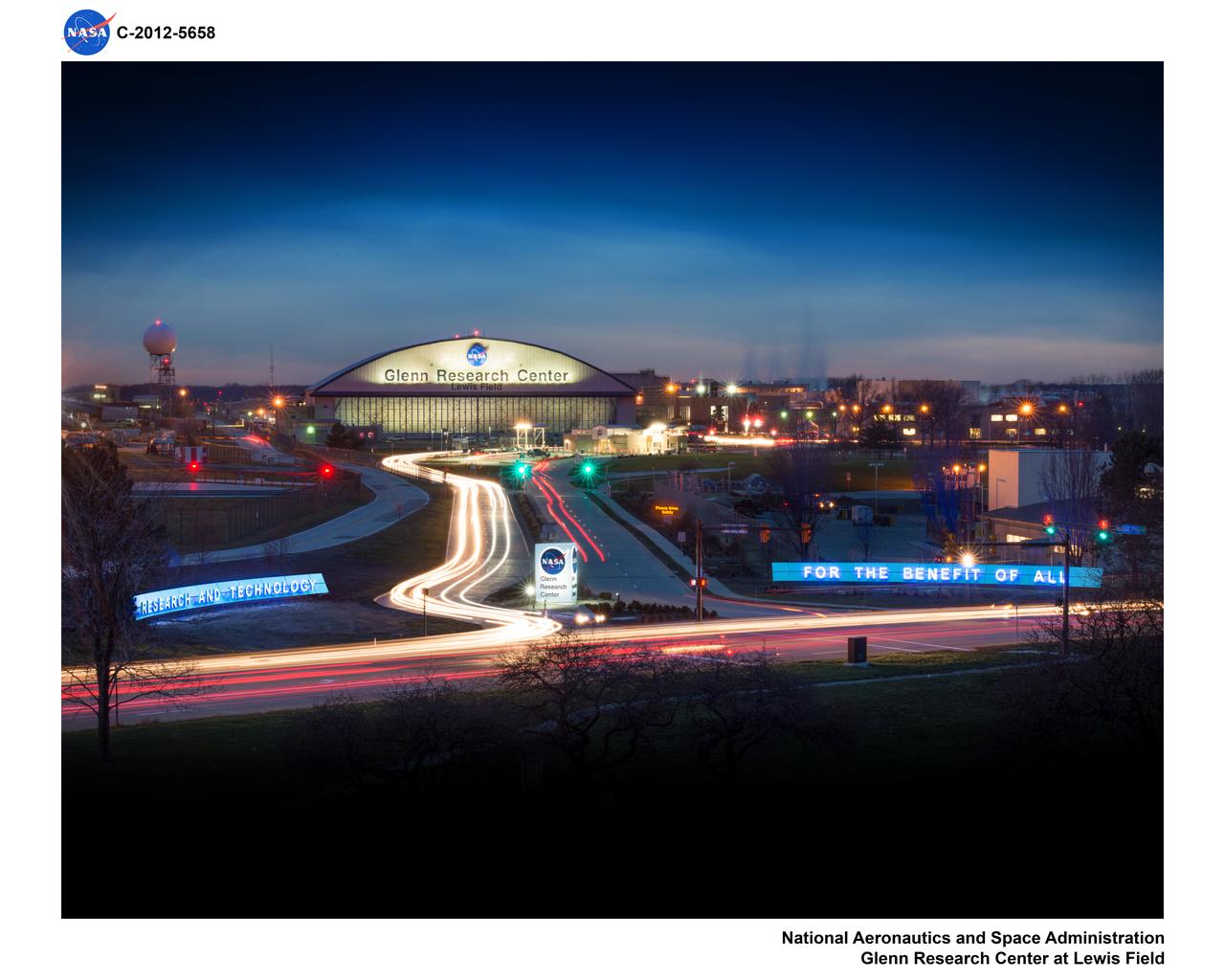
Main Gate, NASA Glenn Research Center, Cleveland, Ohio
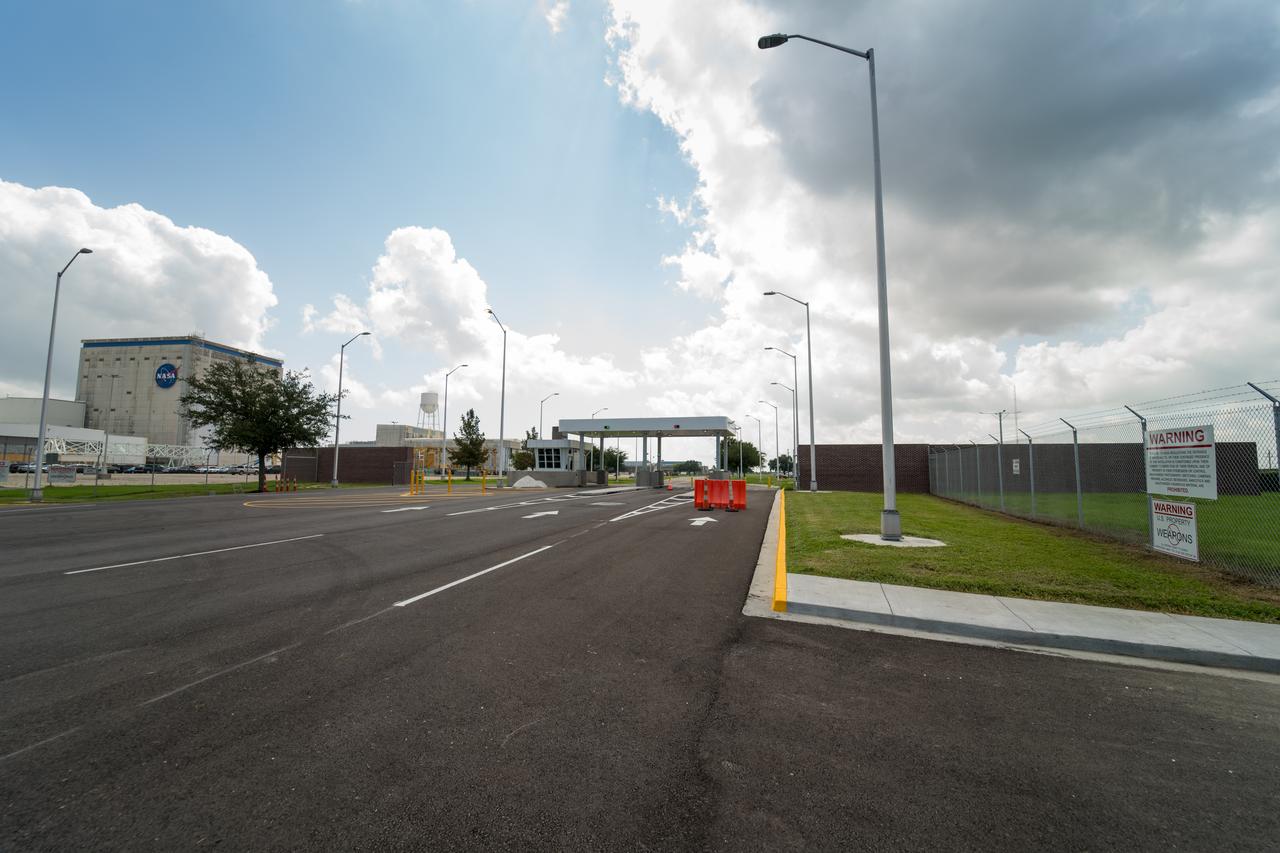
The main gate (Gate 7) of the Michoud Assembly Facility has been demolished and replaced following the tornado that struck the area in February 2017. The project included moving the gate to a position of 300 feet off the property line (away from Old Gentilly Blvd). The configuration included expanding the entrance to the gate from 2 lanes to 3 while maintaining 2 exit lanes. This layout provides for a guard post shelter rain canopy over two of the entrance lanes. Assessments and repairs continue on various structures and facilities across the facility.
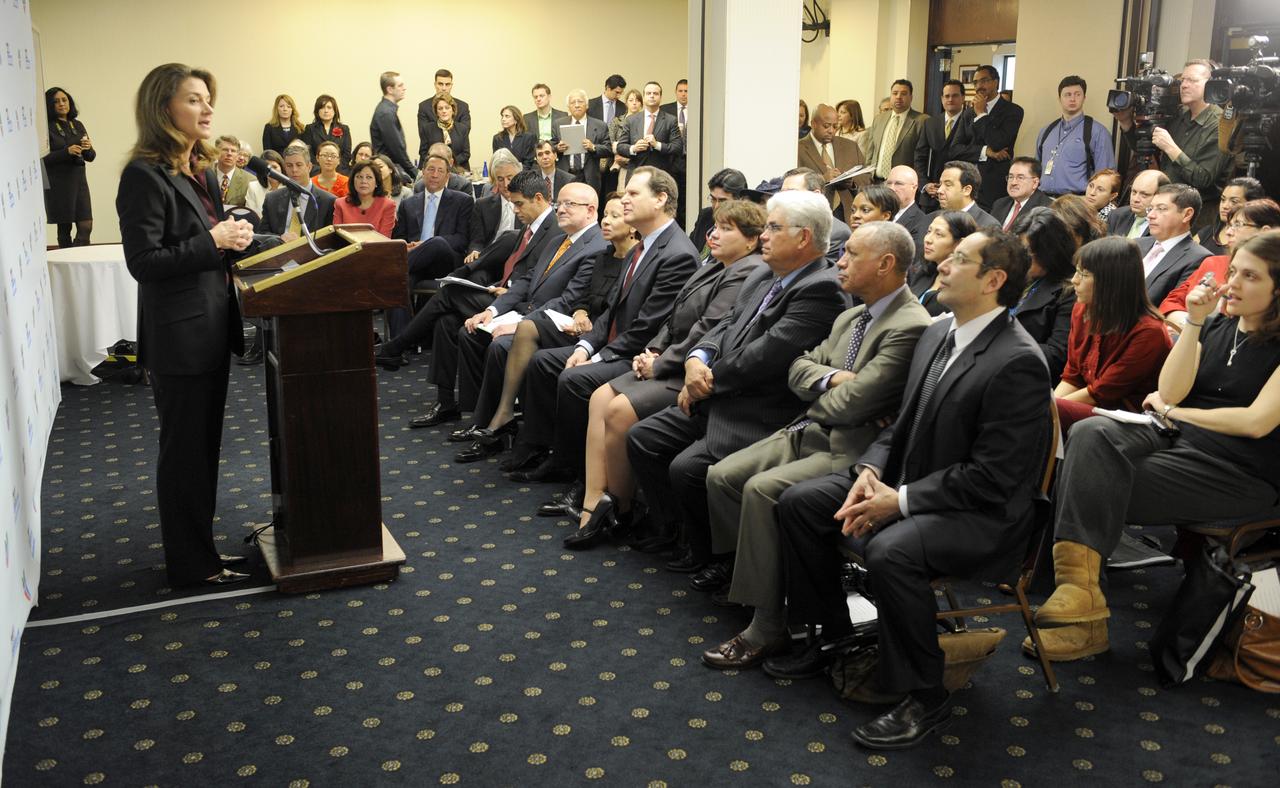
Melinda French Gates, of the Bill & Melinda Gates Foundation speaks at an event at the National Press Club in Washington, Tuesday, Feb. 23, 2010. NASA is working with Univision Communications Inc. to develop a partnership in support of the Spanish-language media outlet's initiative to improve high school graduation rates, prepare Hispanic students for college, and encourage them to pursue careers in science, technology, engineering and mathematics, or STEM, disciplines. Photo Credit: (NASA/Bill Ingalls)
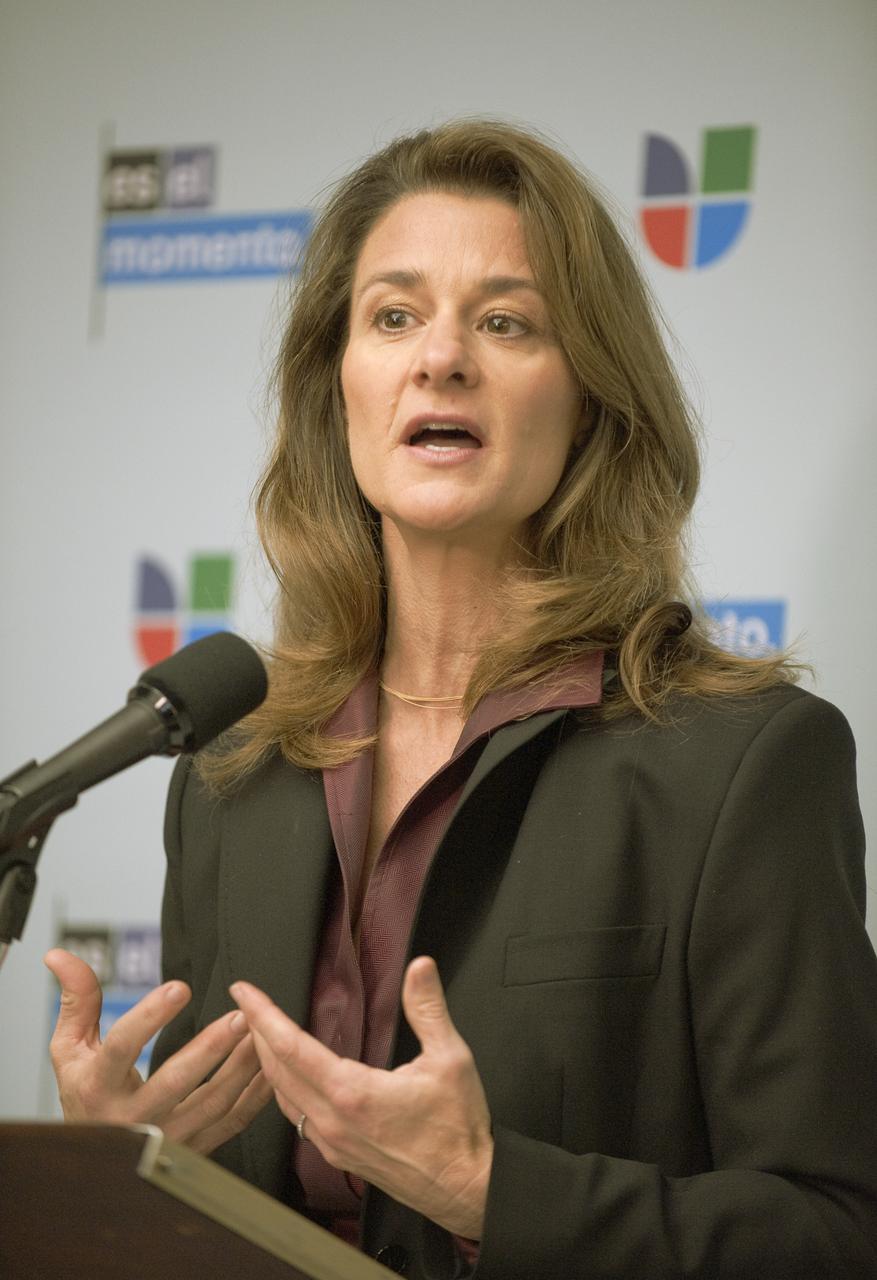
Melinda French Gates, of the Bill & Melinda Gates Foundation, speaks during an event at the National Press Club in Washington, Tuesday, Feb. 23, 2010. NASA is working with Univision Communications Inc. to develop a partnership in support of the Spanish-language media outlet's initiative to improve high school graduation rates, prepare Hispanic students for college, and encourage them to pursue careers in science, technology, engineering and mathematics, or STEM, disciplines. Photo Credit: (NASA/Bill Ingalls)
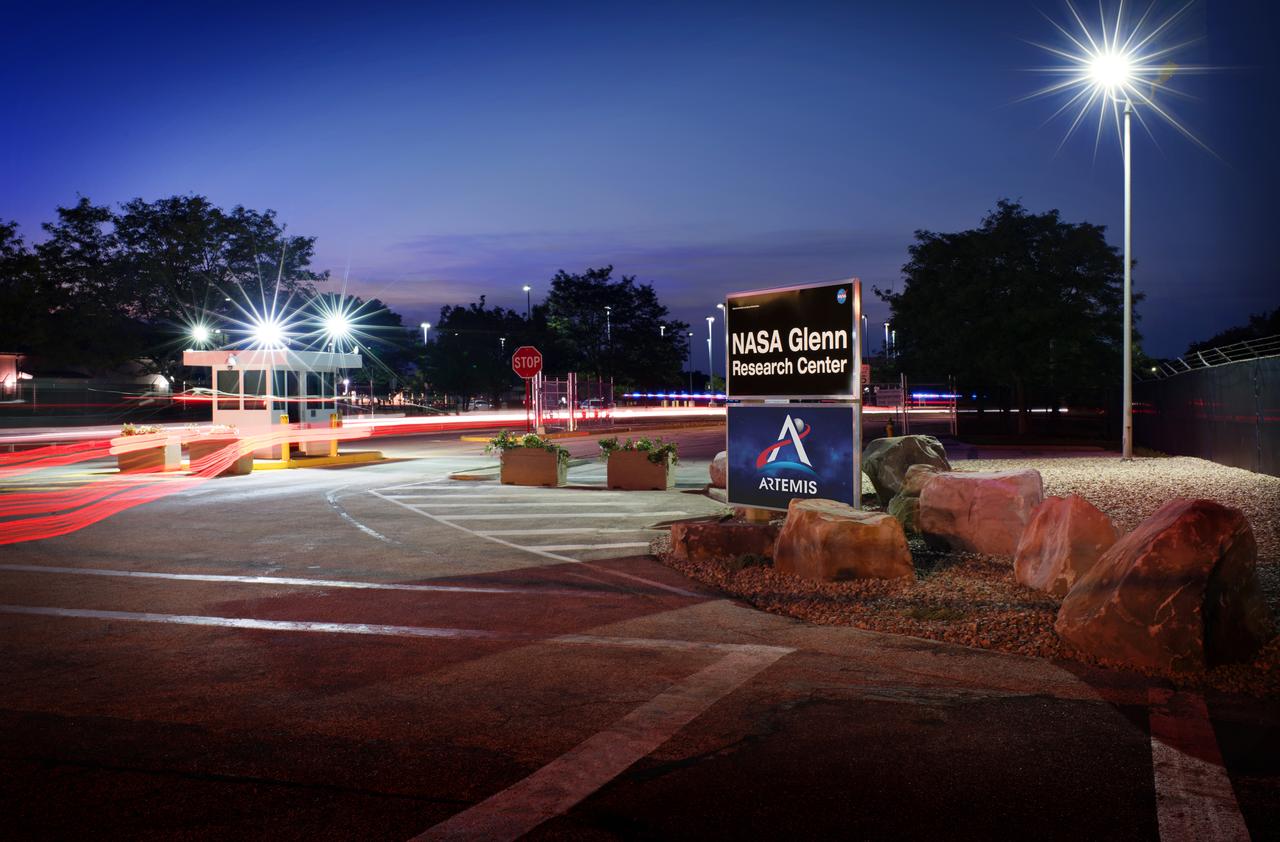
The newly renovated NASA Glenn Research Center, GRC Lewis Field West Gate at dusk.
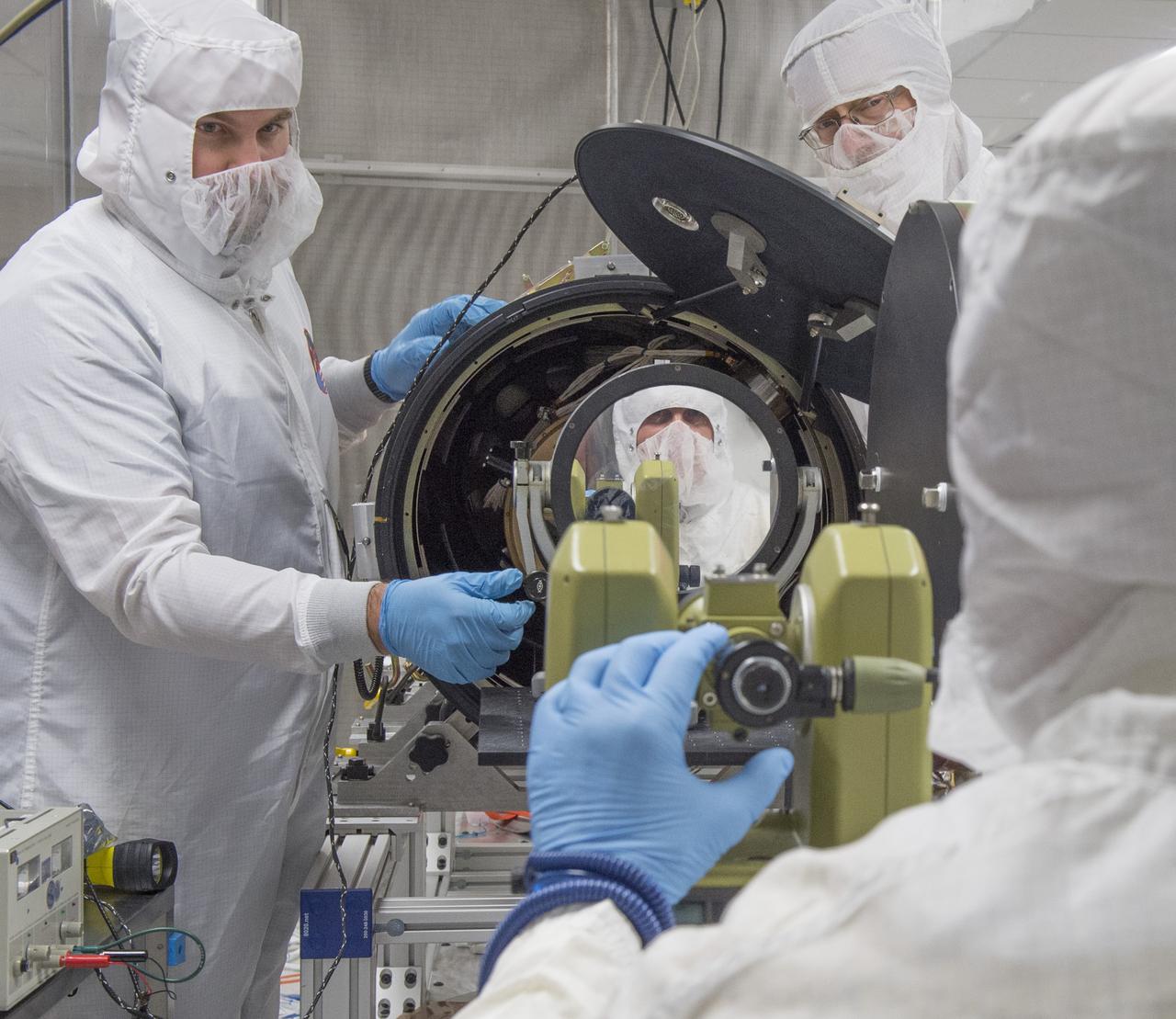
PATRICK CHAMPEY, (LEFT), DICK GATES, (RIGHT), AND BILL PODGORSKI, (SEATED), ALIGN SUN SENSOR TO HI-C TELESCOPE USING THEODOLITE
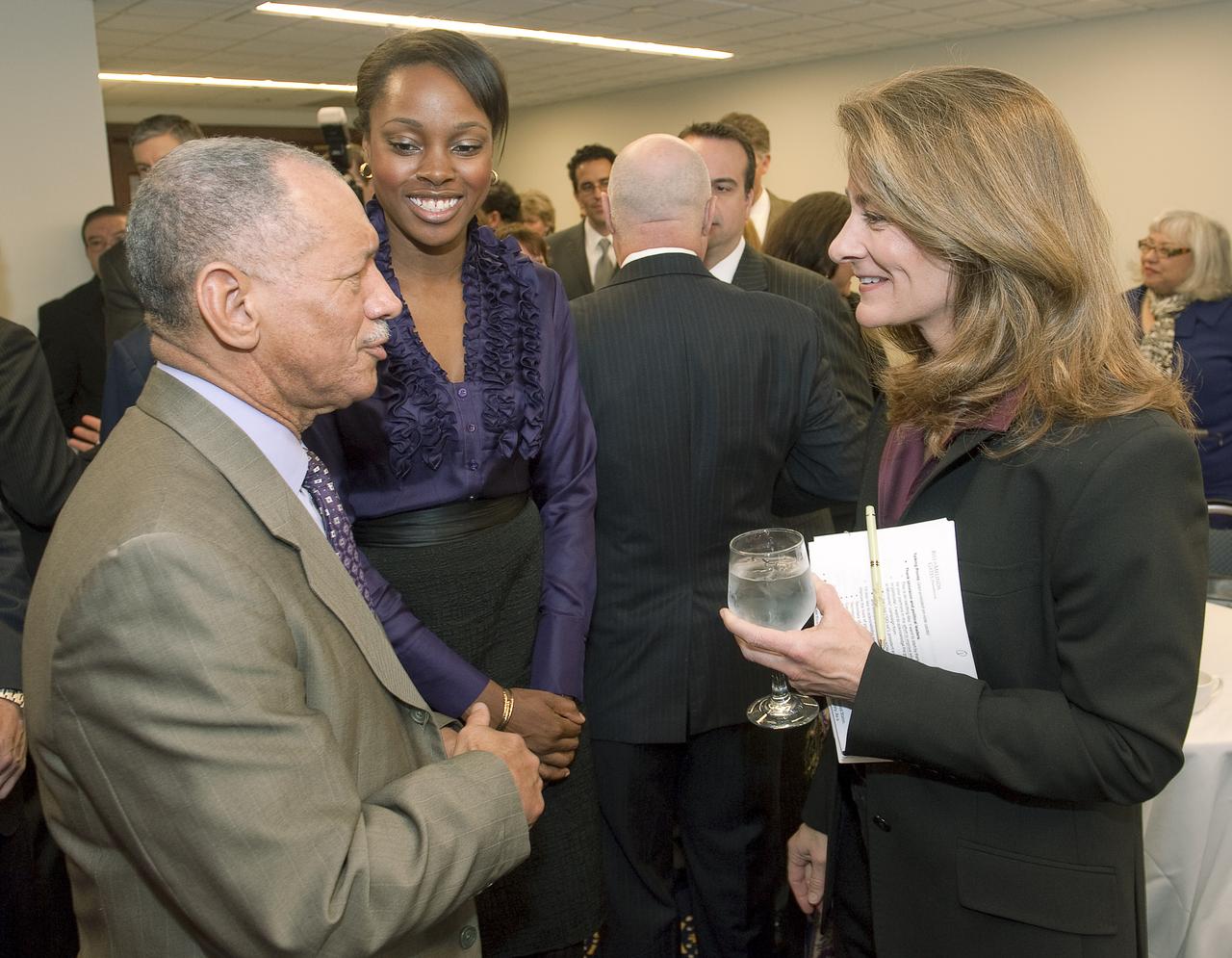
NASA Administrator Charles Bolden, left, speaks with Melinda French Gates, of the Bill & Melinda Gates Foundation, right, prior to the start of an event at the National Press Club in Washington, Tuesday, Feb. 23, 2010. NASA is working with Univision Communications Inc. to develop a partnership in support of the Spanish-language media outlet's initiative to improve high school graduation rates, prepare Hispanic students for college, and encourage them to pursue careers in science, technology, engineering and mathematics, or STEM, disciplines. Photo Credit: (NASA/Bill Ingalls)

American Airlines aircraft in the gate area at Charlotte Douglas International Airport where ATD-2 began in 2017.
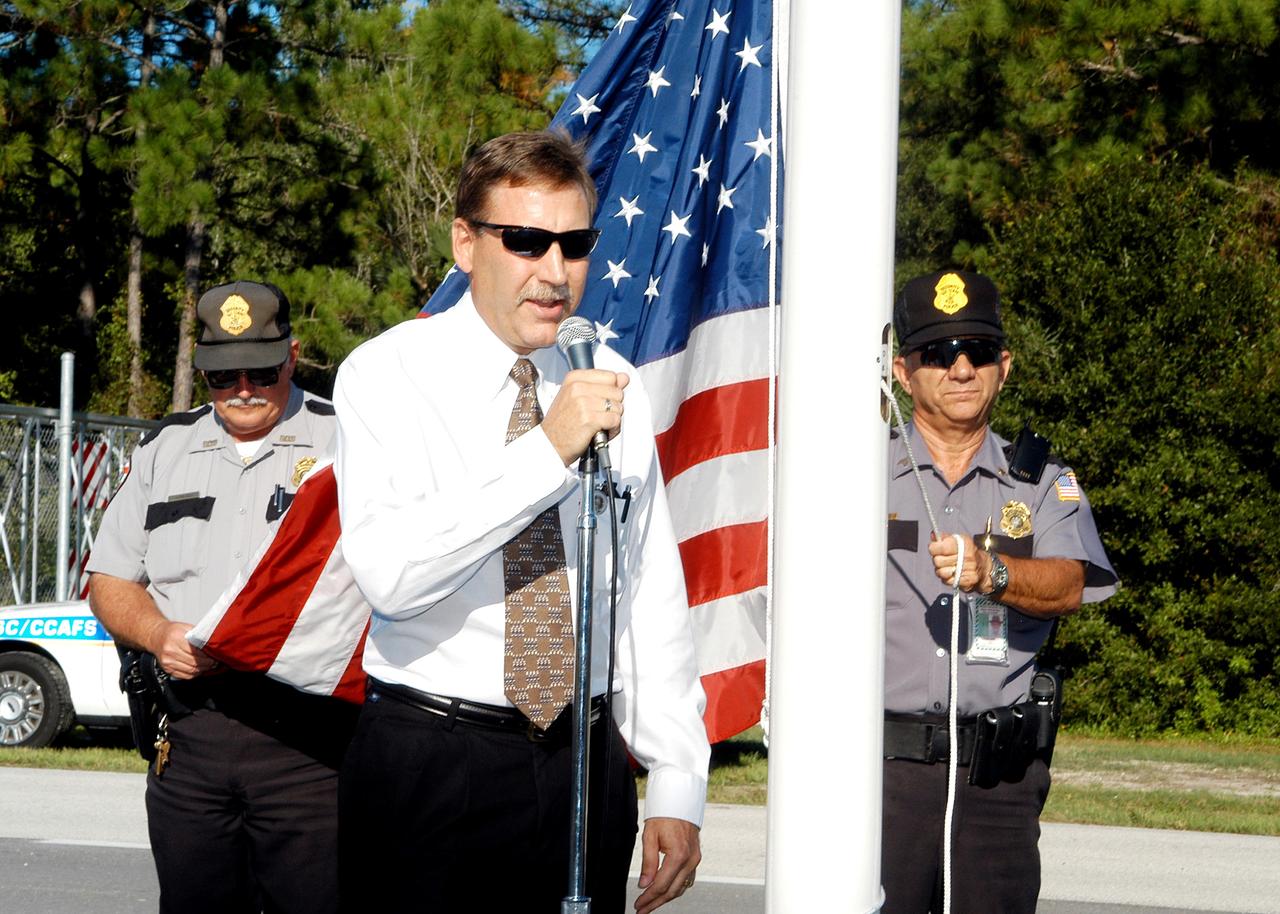
KENNEDY SPACE CENTER, FLA. - Daniel L. Tweed, with the Facilities Division, NASA Spaceport Services, addresses attendees at the ribbon cutting for the KSC Security gates. Tweed was project manager. The two new Security gates on Kennedy Parkway (Gate 2) and NASA Parkway (Gate 3) were activated Aug. 1, allowing the general public to have access to the new Space Commerce Way, which will provide access to the Research Park and KSC Visitor Complex, and providing an alternate route for the general public between Titusville and Merritt Island that is accessible 24 hours a day. The gates are staffed 24 hours daily. Others taking part in the ribbon cutting were Center Director Jim Kennedy; Chief, Protective & Safe Guards Office, Calvin L. Burch; SGS Deputy Program Manager William A. Sample; and Bobby Porter, with Oneida Construction.
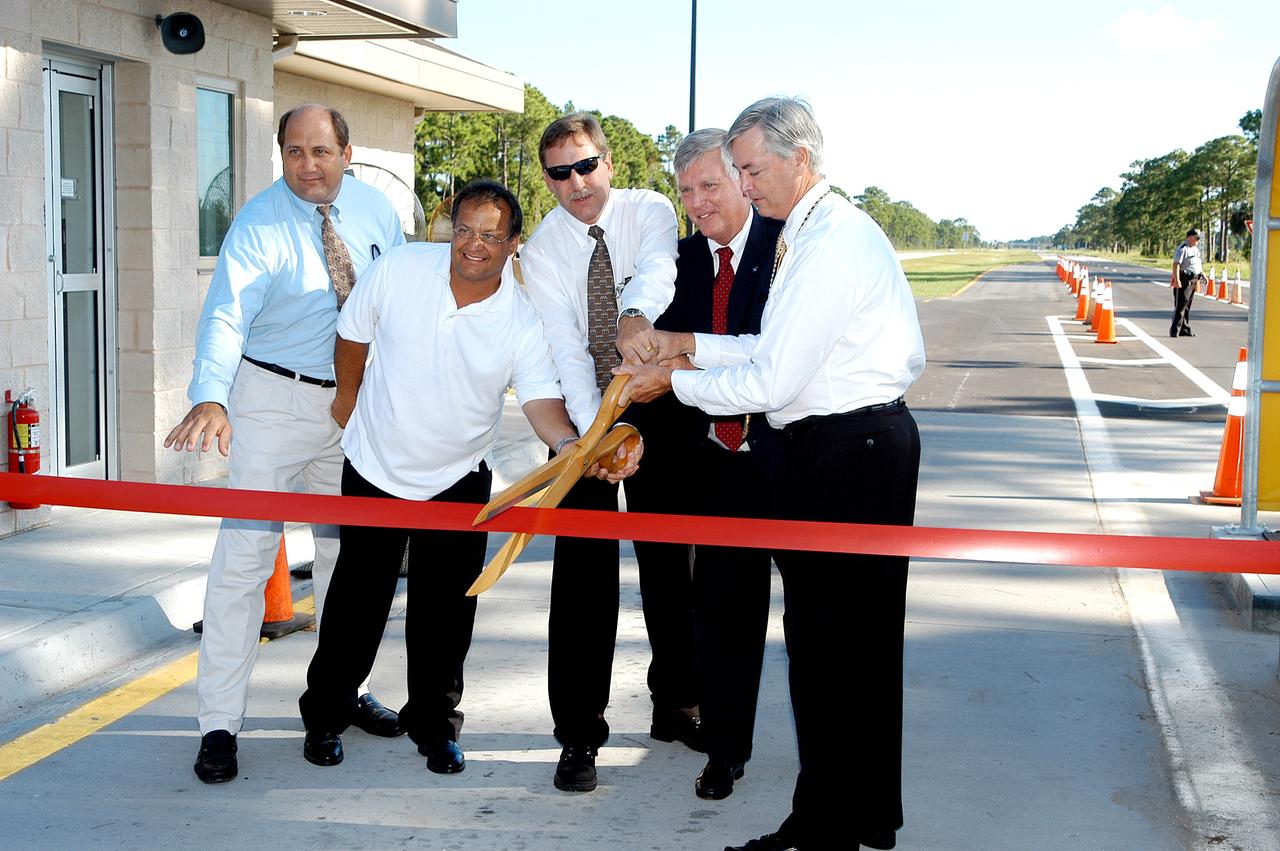
KENNEDY SPACE CENTER, FLA. - Key officials are poised to cut the ribbon officially dedicating the new Security gates on Kennedy Parkway (Gate 2) and NASA Parkway (Gate 3). From left are Wally Schroeder, with Jones, Edmunds & Associates; Bobby Porter, with Oneida Construction; Daniel Tweed, NASA project manager; Jim Kennedy, Center director; and William Sample, SGS deputy program manager. The new gates were activated Aug. 1, allowing the general public to have access to the new Space Commerce Way, which will provide access to the Research Park and KSC Visitor Complex, and providing an alternate route for the general public between Titusville and Merritt Island that is accessible 24 hours a day. The gates are staffed 24 hours daily.
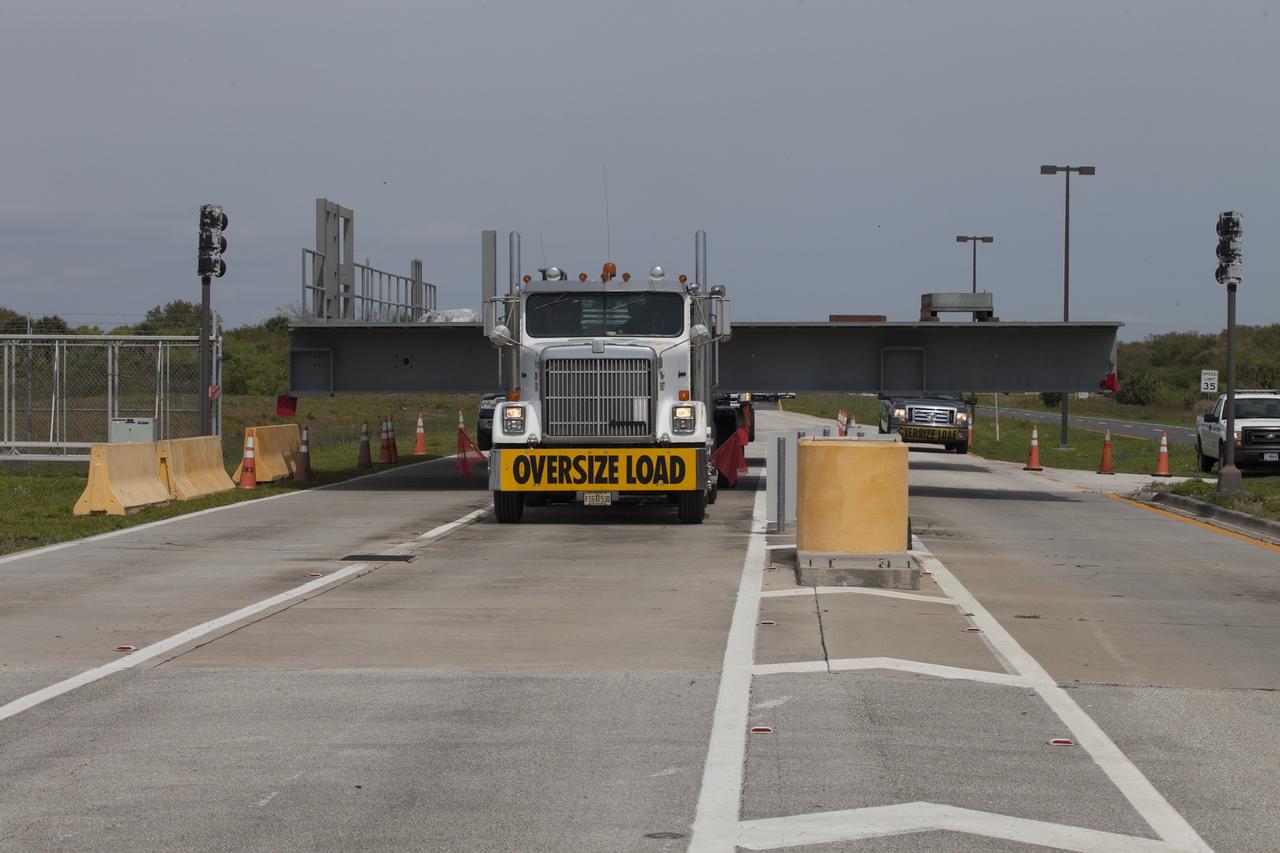
A heavy load transport truck arrives at the north entrance gate at NASA’s Kennedy Space Center in Florida, carrying the second half of the F-level work platforms for the agency’s Space Launch System (SLS) rocket. The platform will be delivered to the Vehicle Assembly Building (VAB) staging area in the west parking lot. The Ground Systems Development and Operations Program is overseeing upgrades and modifications to VAB High Bay 3 to support processing of the SLS and Orion spacecraft. A total of 10 levels of new platforms, 20 platform halves altogether, will surround the SLS rocket and Orion spacecraft and provide access for testing and processing. Delivery of this platform brings the total to 10 platforms, or half of the work platforms delivered to Kennedy.
A heavy load transport truck passes through the north entrance gate at NASA’s Kennedy Space Center in Florida, carrying the second half of the F-level work platforms for the agency’s Space Launch System (SLS) rocket. The platform will be delivered to the Vehicle Assembly Building (VAB) staging area in the west parking lot. The Ground Systems Development and Operations Program is overseeing upgrades and modifications to VAB High Bay 3 to support processing of the SLS and Orion spacecraft. A total of 10 levels of new platforms, 20 platform halves altogether, will surround the SLS rocket and Orion spacecraft and provide access for testing and processing. Delivery of this platform brings the total to 10 platforms, or half of the work platforms delivered to Kennedy.
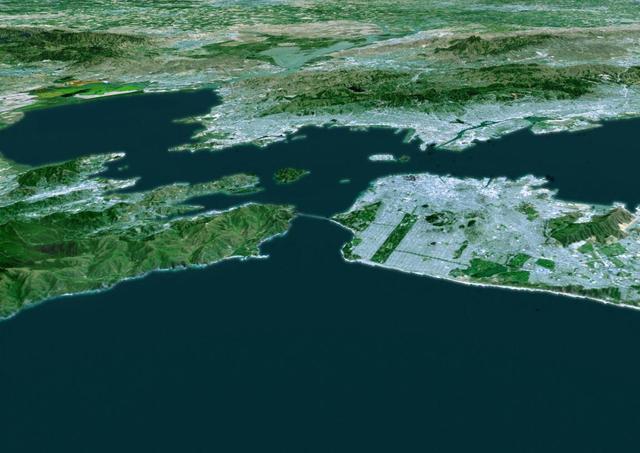
The cities of San Francisco and the East Bay are highlighted in this computer-generated perspective viewed from west of the Golden Gate.
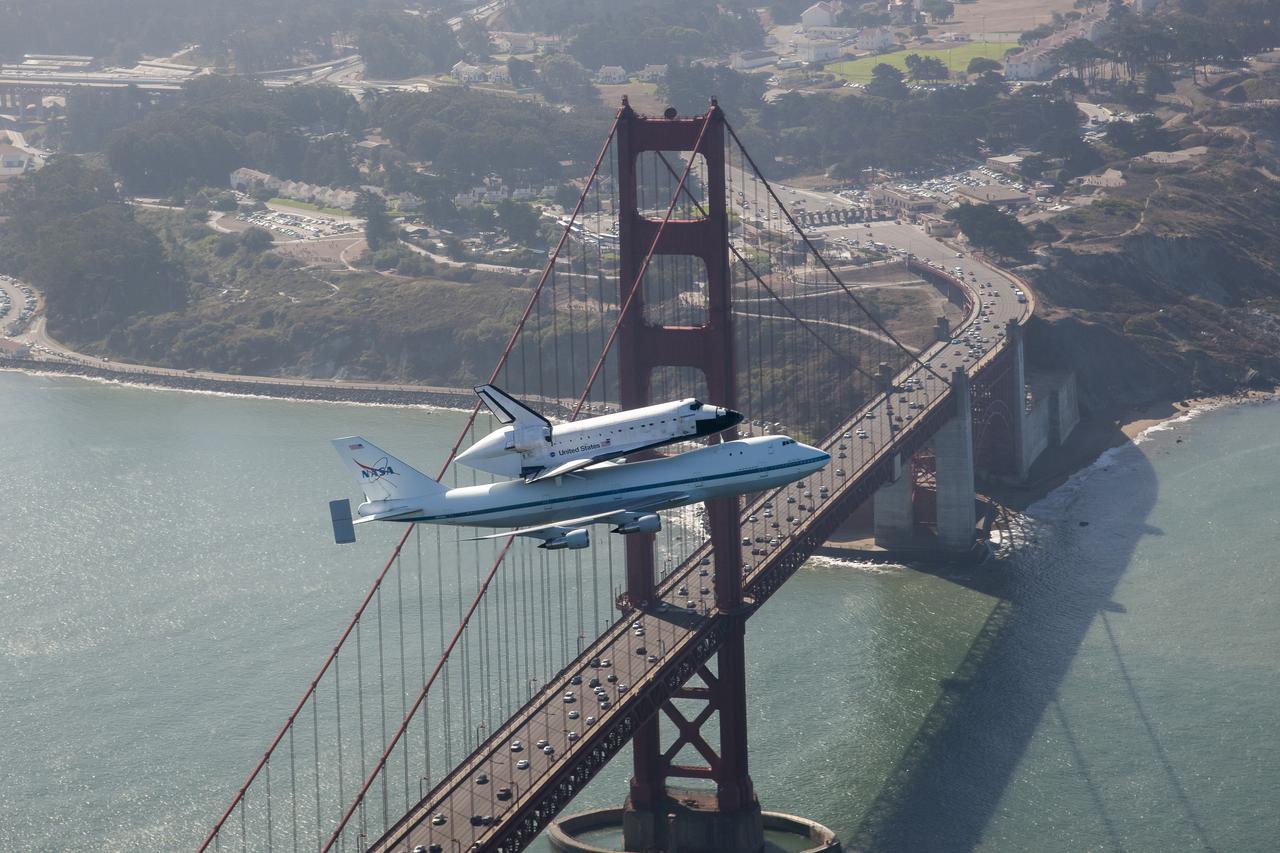
Space shuttle Endeavour and its host NASA 747 Shuttle Carrier Aircraft fly by the Golden Gate Bridge in 2012 on its way to the Los Angeles International Airport and an overland journey to the California Science Center. Californians looked up at the morning sky Sept. 21 to catch a glimpse of Endeavour. The final leg of Endeavour’s flight from NASA’s Kennedy Space Center, Florida, offered many people an opportunity to witness the historic flight. Space shuttle Endeavour and its host NASA 747 Shuttle Carrier Aircraft fly by the Golden Gate Bridge in 2012 on its way to the Los Angeles International Airport and an overland journey to the California Science Center. Californians looked up at the morning sky Sept. 21 to catch a glimpse of Endeavour. The final leg of Endeavour’s flight from NASA’s Kennedy Space Center, Florida, offered many people an opportunity to witness the historic flight.
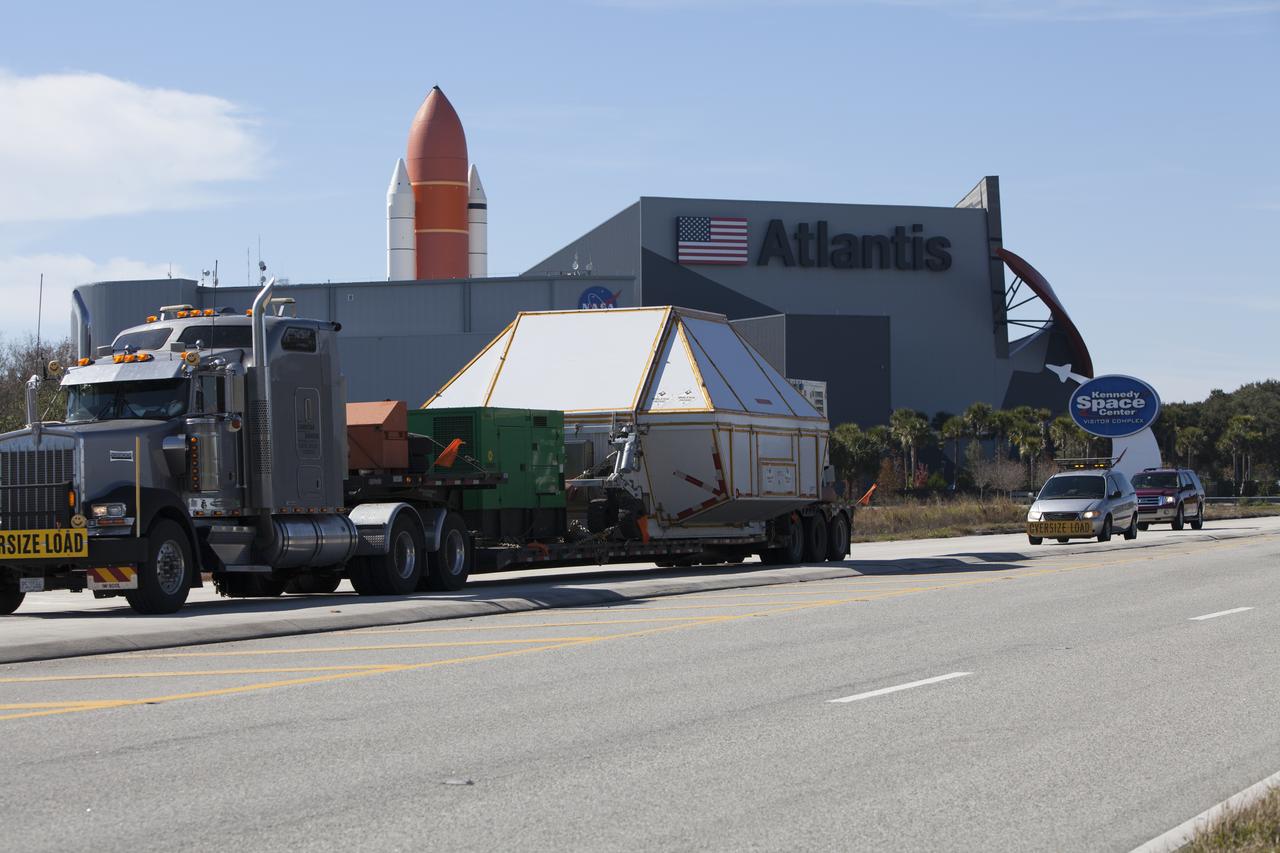
NASA's Orion crew module, enclosed in its crew module transportation fixture and secured on a flatbed truck passes by the Space Shuttle Atlantis building at the Kennedy Space Center Visitor Complex on its way to the entrance gate to Kennedy Space Center in Florida. Orion made the overland trip from Naval Base San Diego in California. Orion was recovered from the Pacific Ocean after completing a two-orbit, four-and-a-half hour mission Dec. 5 to test systems critical to crew safety, including the launch abort system, the heat shield and the parachute system. The Ground Systems Development and Operations Program led the recovery, offload and transportation efforts.
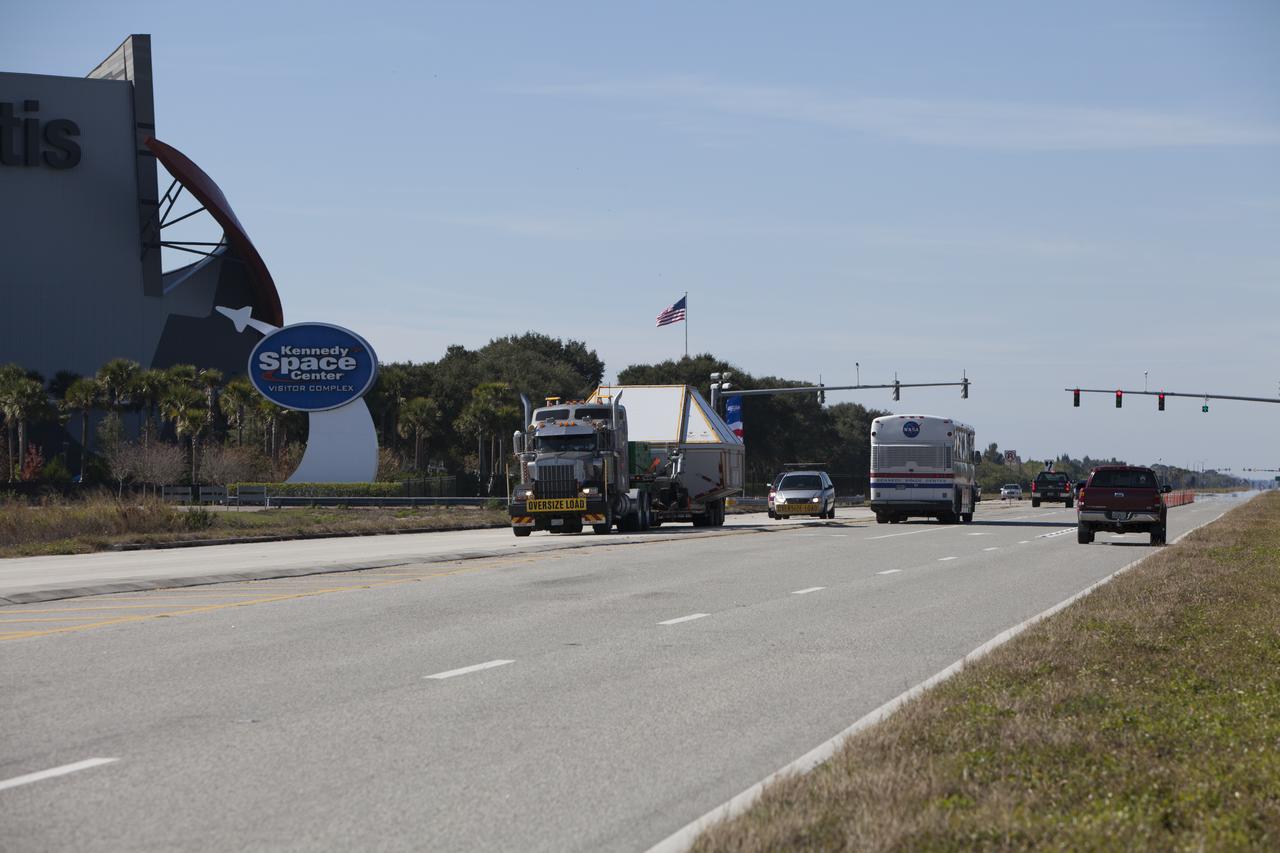
NASA's Orion crew module, enclosed in its crew module transportation fixture and secured on a flatbed truck passes by the Space Shuttle Atlantis building at the Kennedy Space Center Visitor Complex on its way to the entrance gate to Kennedy Space Center in Florida. Orion made the overland trip from Naval Base San Diego in California. Orion was recovered from the Pacific Ocean after completing a two-orbit, four-and-a-half hour mission Dec. 5 to test systems critical to crew safety, including the launch abort system, the heat shield and the parachute system. The Ground Systems Development and Operations Program led the recovery, offload and transportation efforts.

This archival image was released as part of a gallery comparing JPL's past and present, commemorating the 80th anniversary of NASA's Jet Propulsion Laboratory on Oct. 31, 2016. This photograph from 1949 shows the main entrance gate to the Jet Propulsion Laboratory in Pasadena, California, after a snowstorm. To the left is JPL's administration building at the time (Building 67). Building 67 is the Materials Research Building today. The Space Flight Operations Facility (Building 230), which houses JPL's Mission Control, now stands over the parking area on the right. As the lab expanded, the main entrance gate moved farther south. http://photojournal.jpl.nasa.gov/catalog/PIA21118
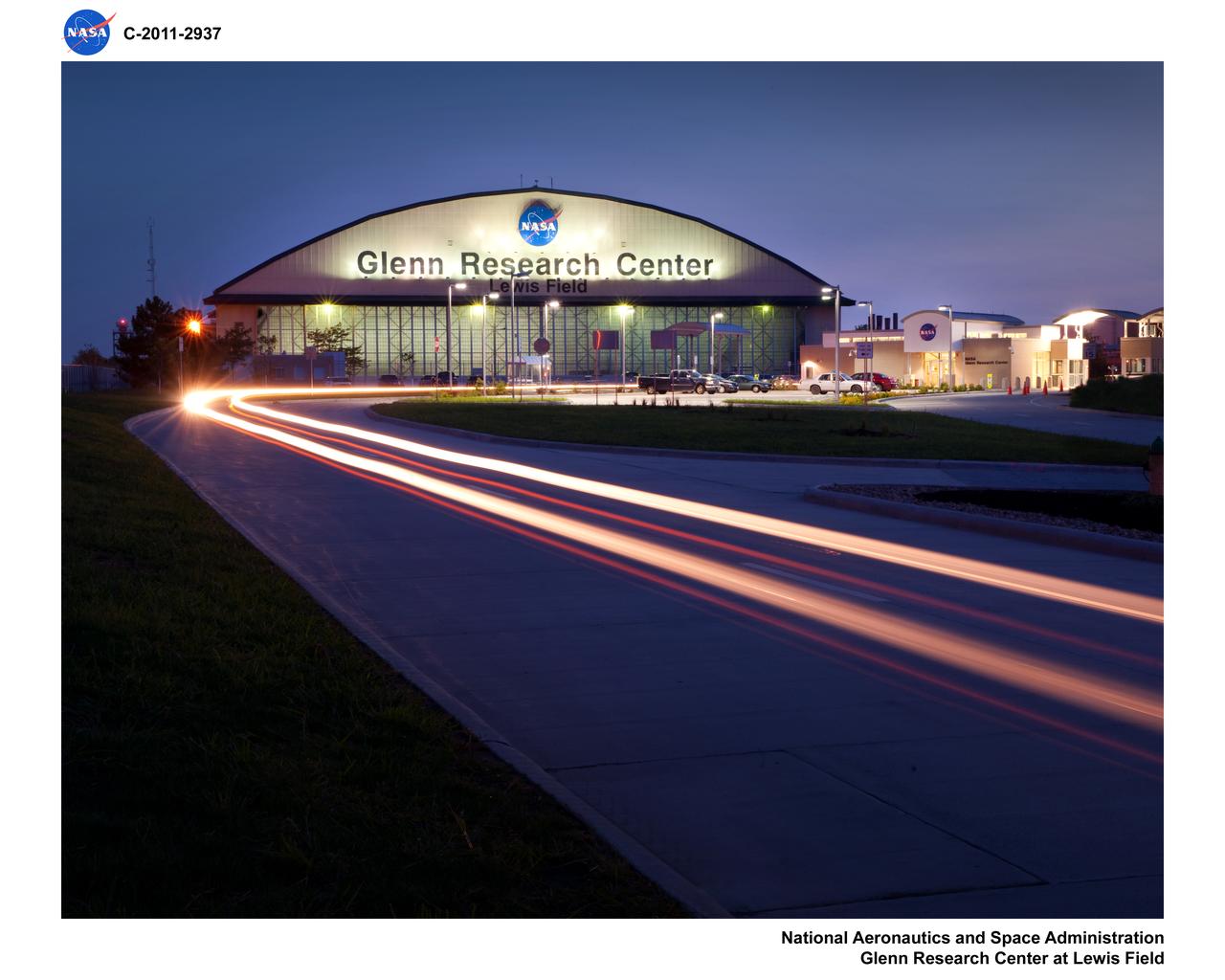
Main Gate and Hangar
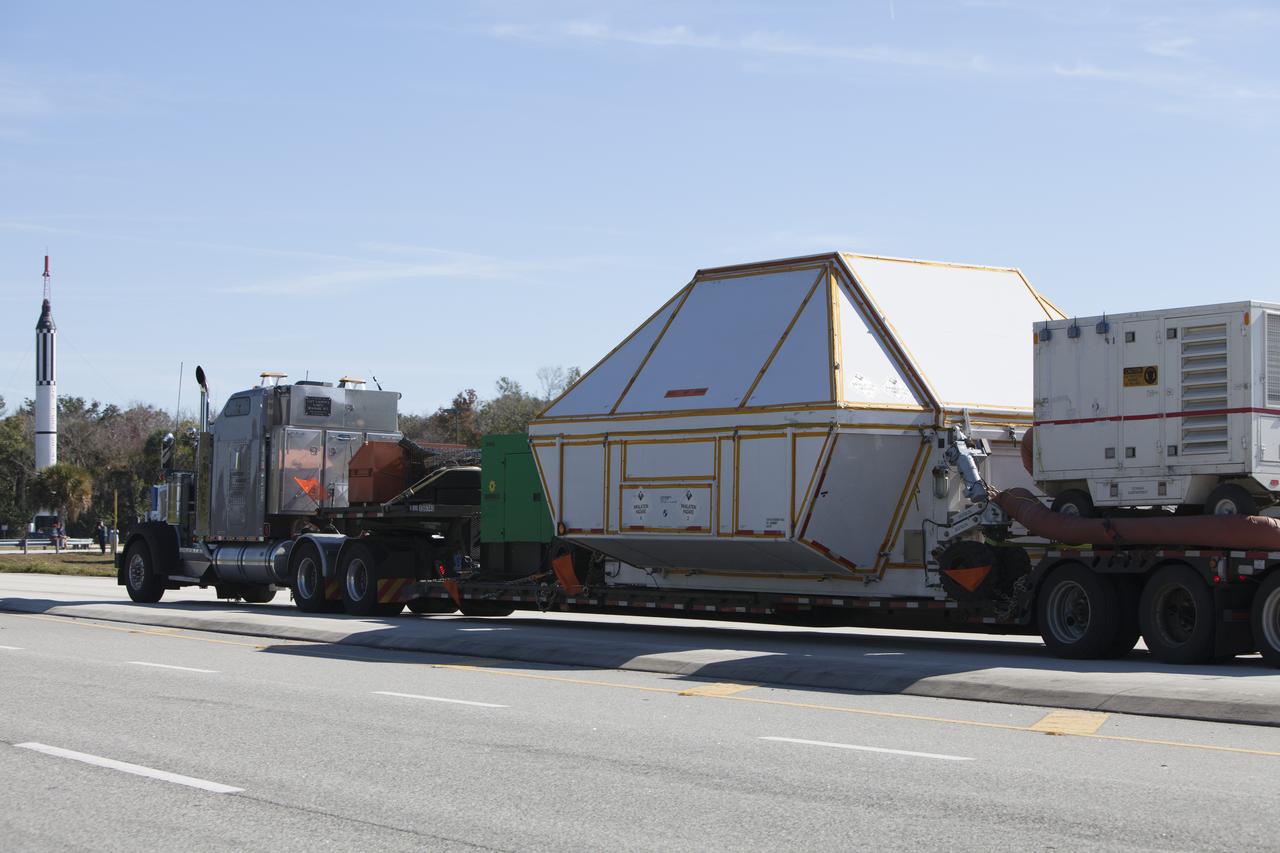
NASA's Orion crew module, enclosed in its crew module transportation fixture and secured on a flatbed truck nears the entrance gate to Kennedy Space Center in Florida. In the background is a full-scale mockup of the Mercury Redstone rocket that boosted NASA astronauts Alan Shepard and Virgil "Gus" Grissom on their 1961 sub-orbital missions that began America's human spaceflight program. Orion made the overland trip from Naval Base San Diego in California. Orion was recovered from the Pacific Ocean after completing a two-orbit, four-and-a-half hour mission Dec. 5 to test systems critical to crew safety, including the launch abort system, the heat shield and the parachute system. The Ground Systems Development and Operations Program led the recovery, offload and transportation efforts.
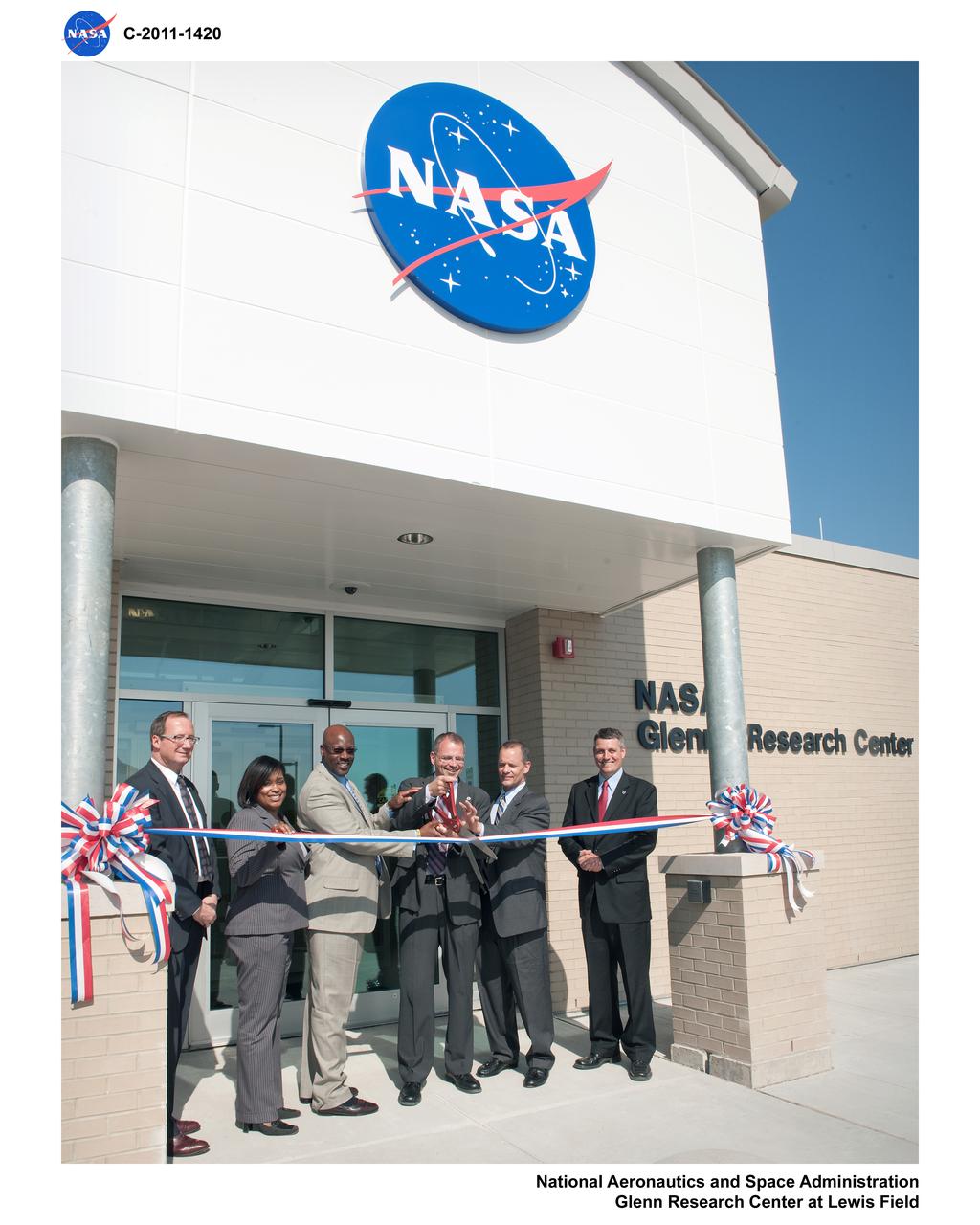
Ribbon Cutting Ceremony for the Newly Constructed Main Gate
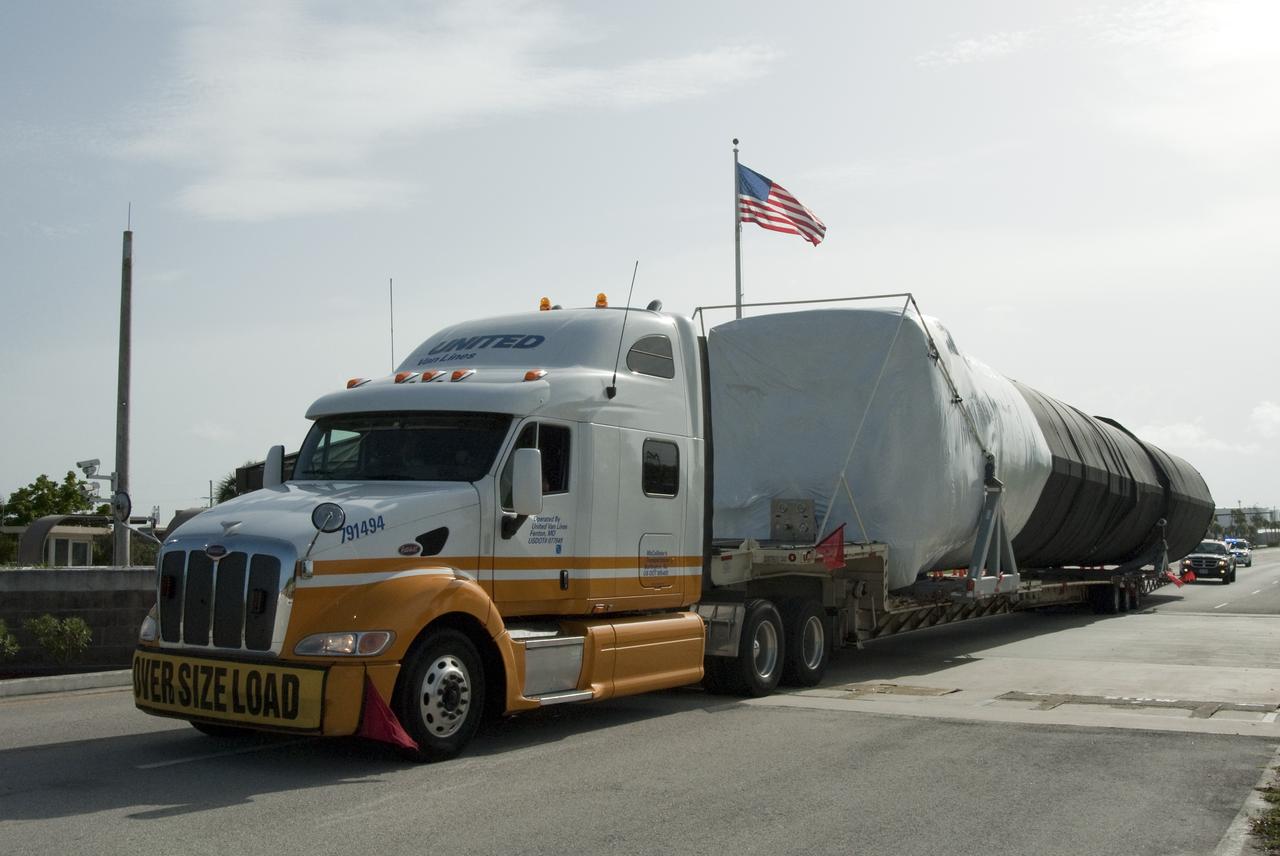
Space X 1st Stage Arrival at CCAFS Gate
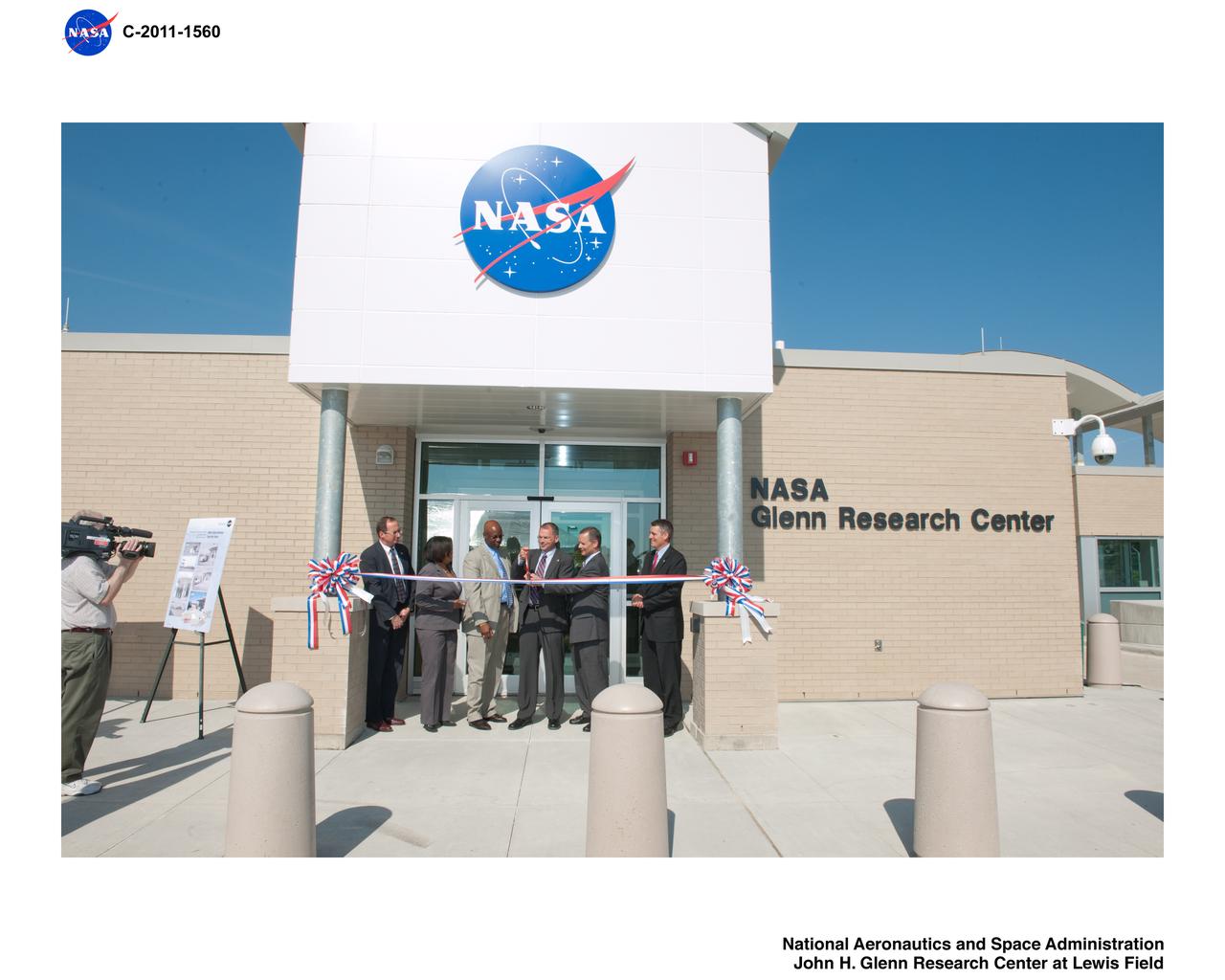
Ribbon Cutting Ceremony for the Newly Constructed Main Gate
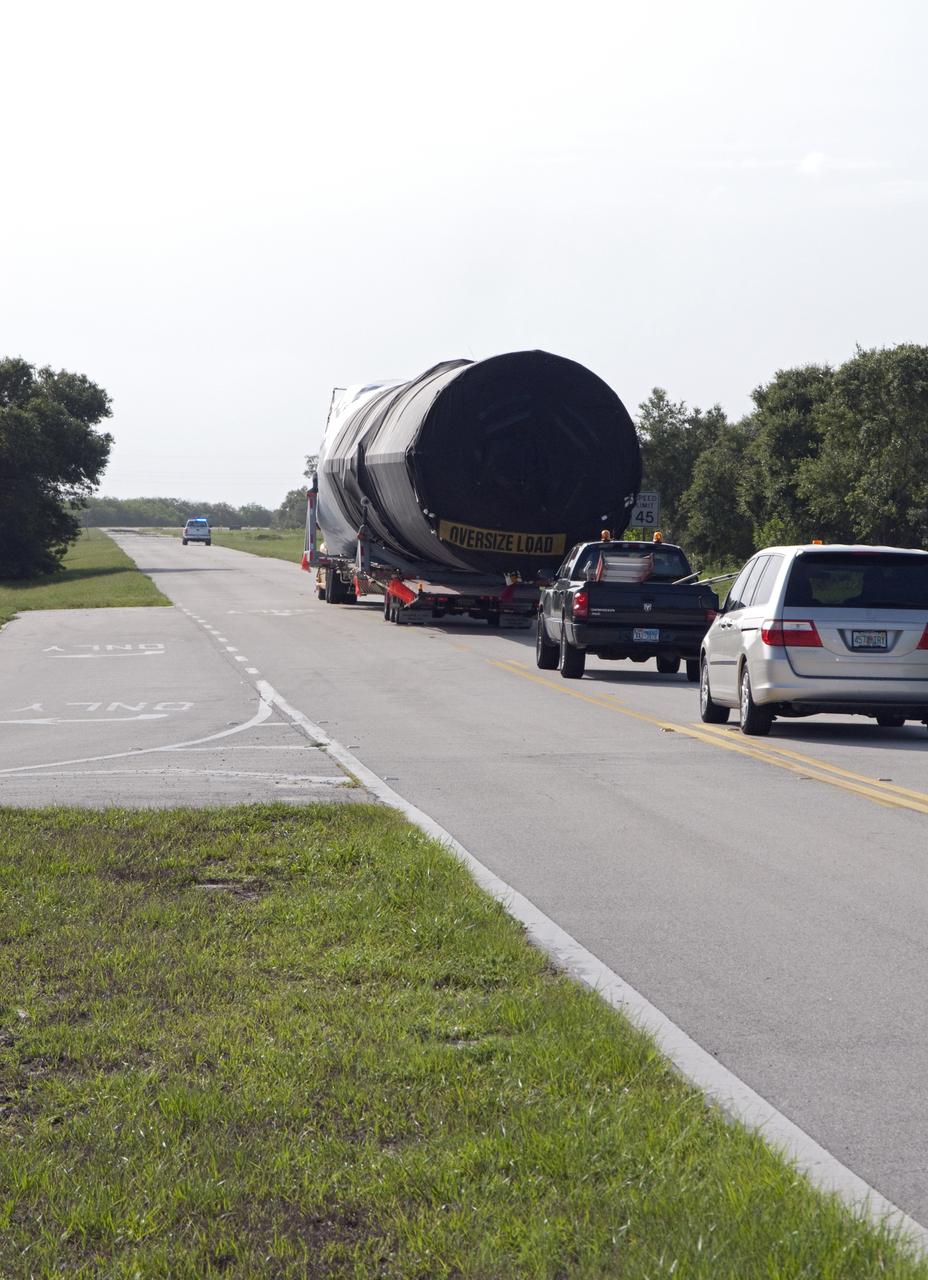
Space X 1st Stage Arrival at CCAFS Gate
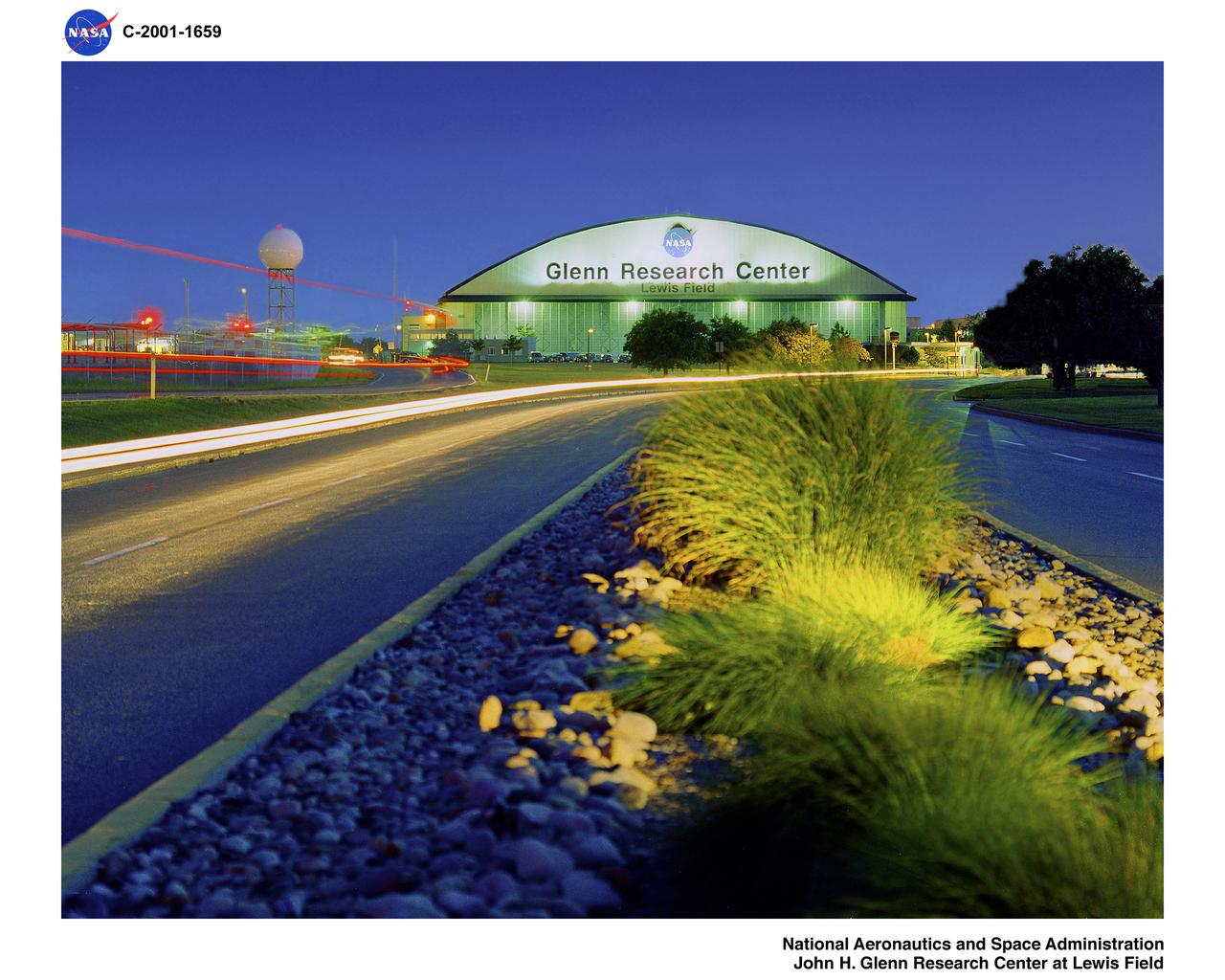
NASA GLENN RESEARCH CENTER MAIN GATE
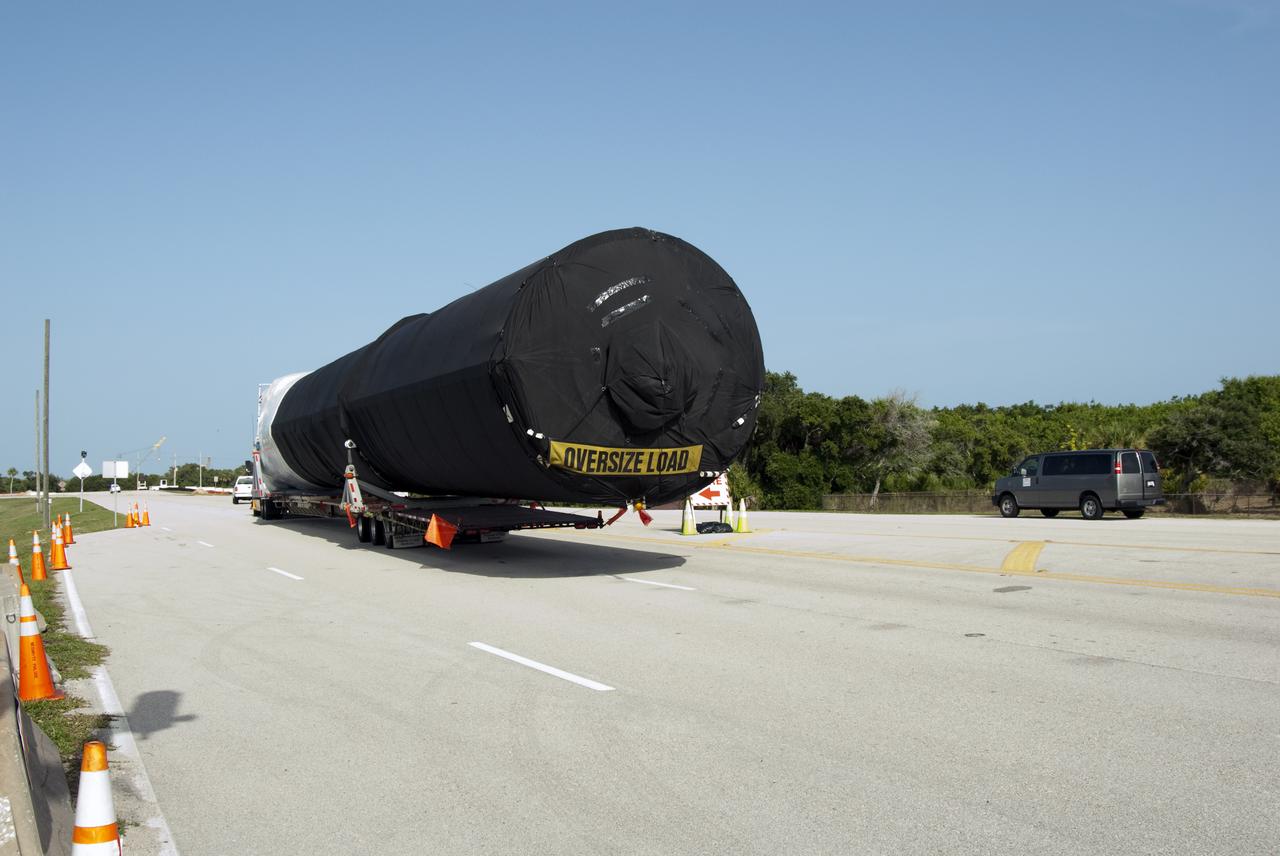
Space X 1st Stage Arrival at CCAFS Gate
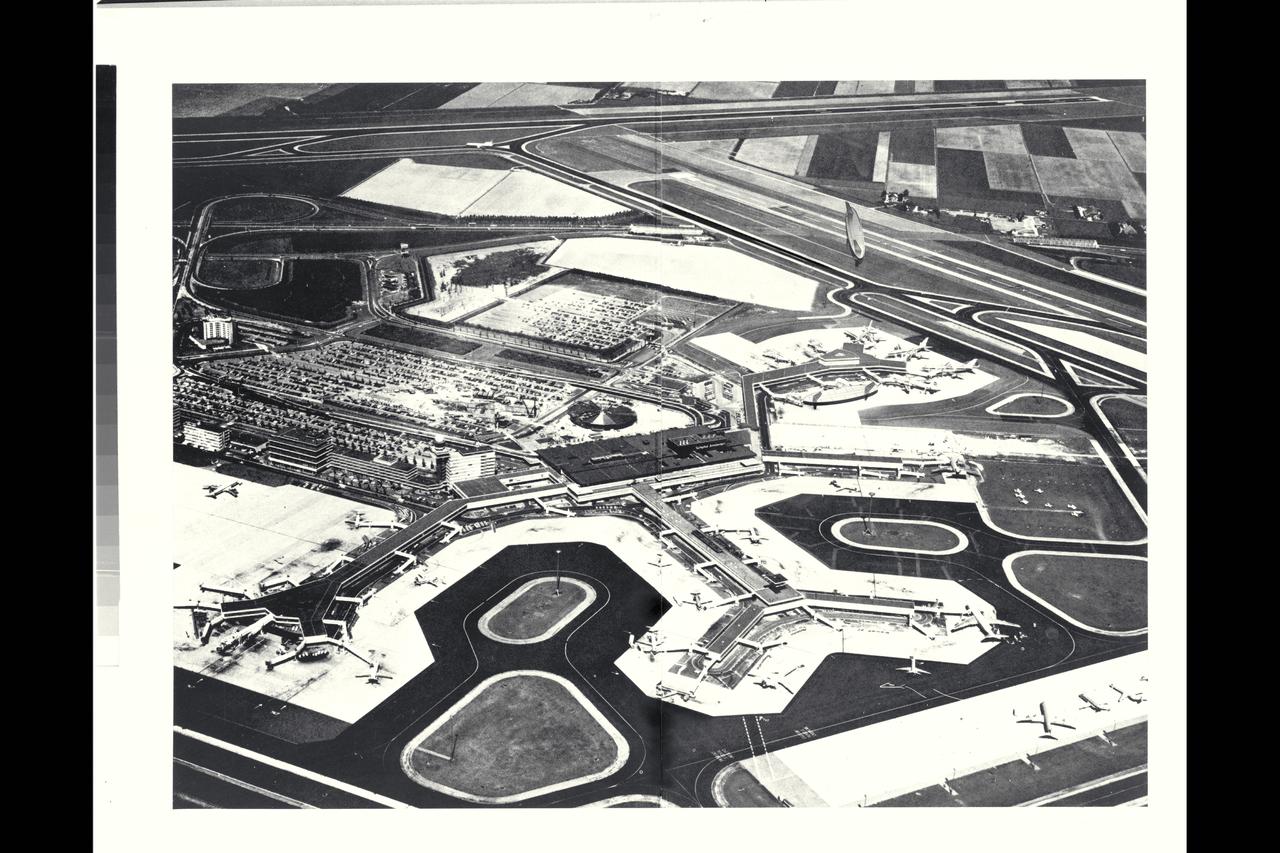
Artwork: N/A Flying Wing at Airport taxing to gate
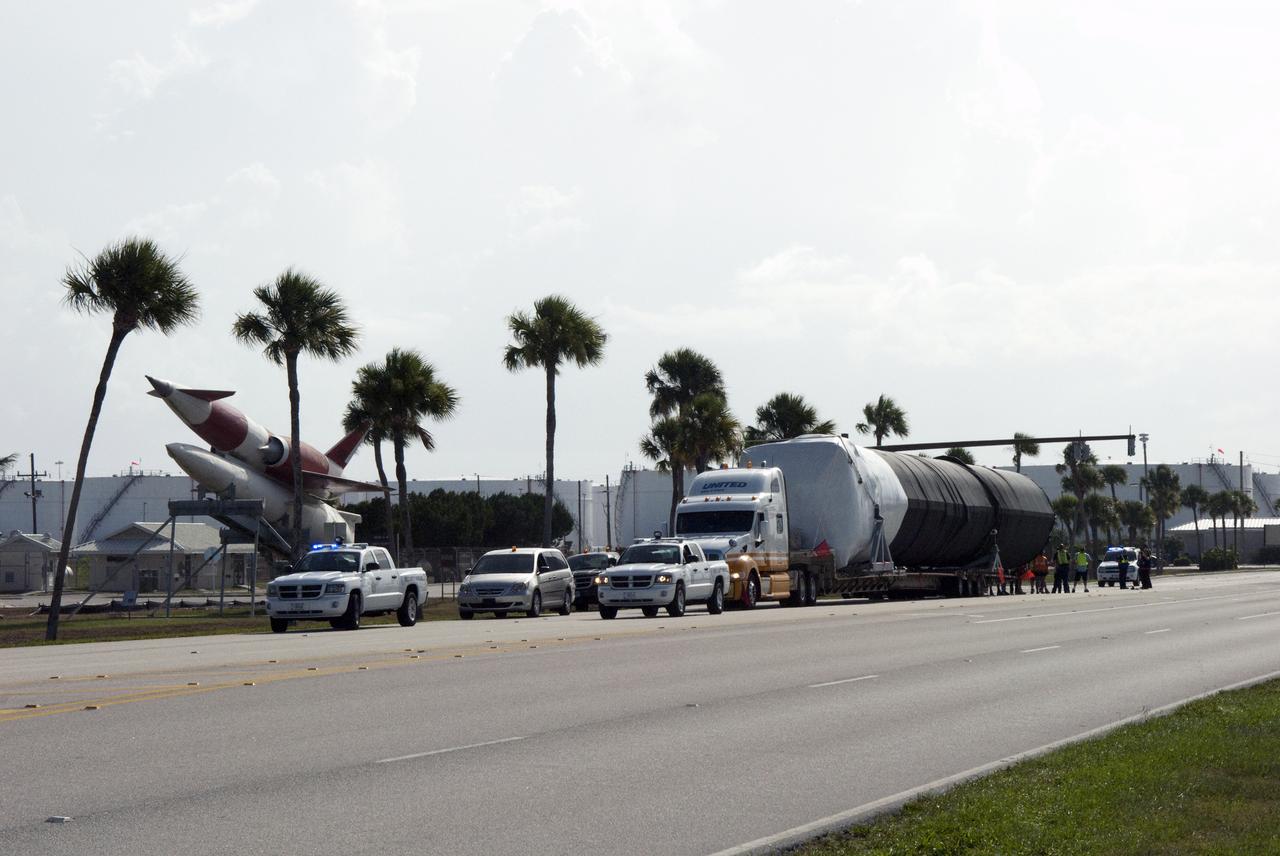
Space X 1st Stage Arrival at CCAFS Gate
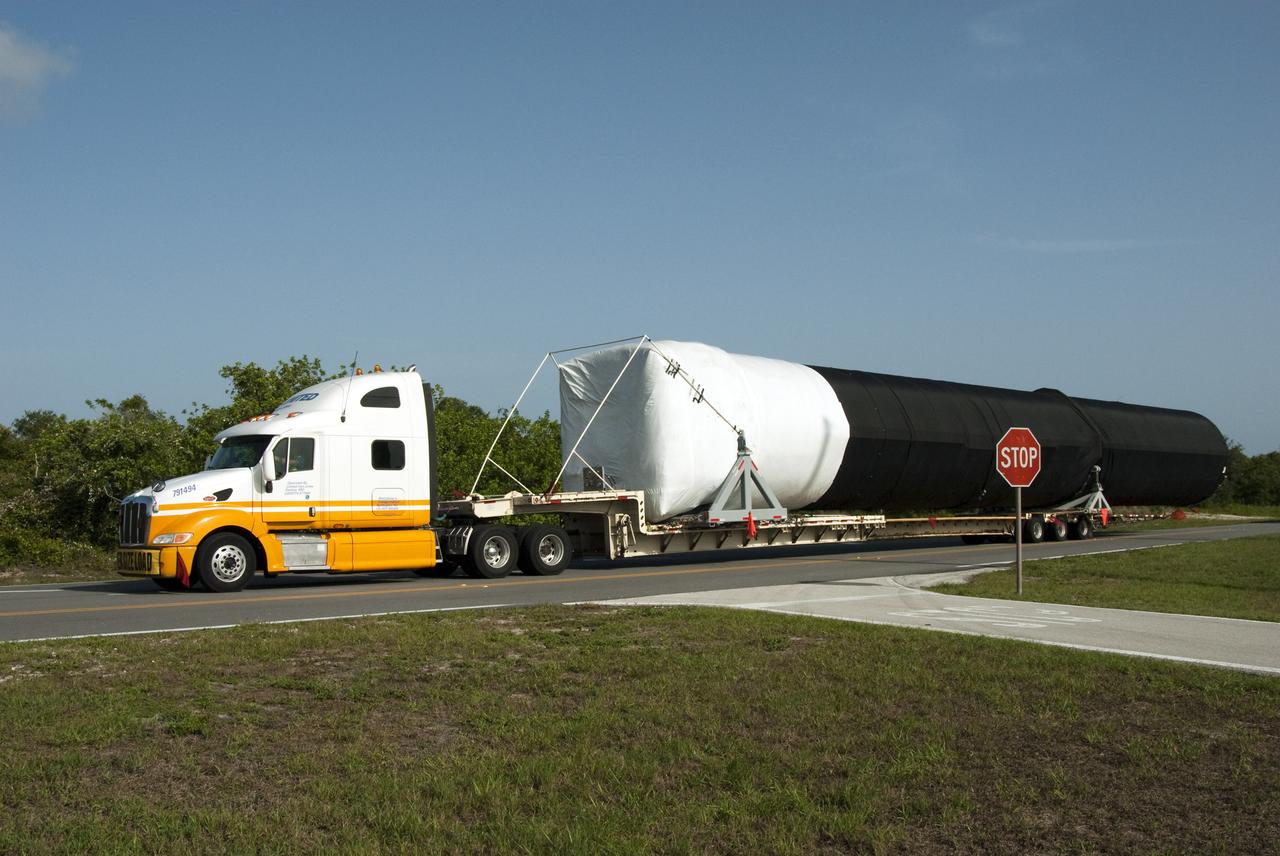
Space X 1st Stage Arrival at CCAFS Gate
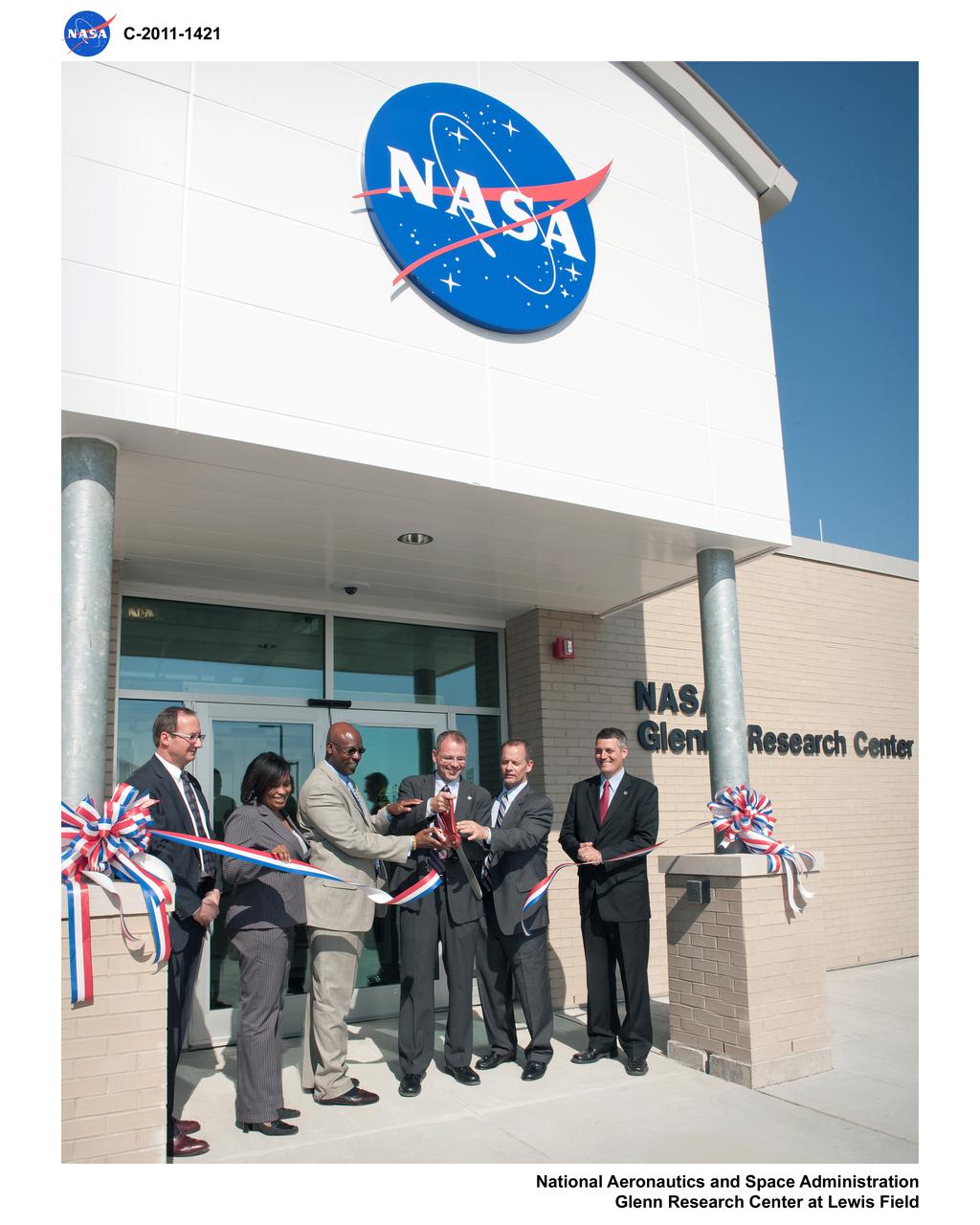
Ribbon Cutting Ceremony for the Newly Constructed Main Gate
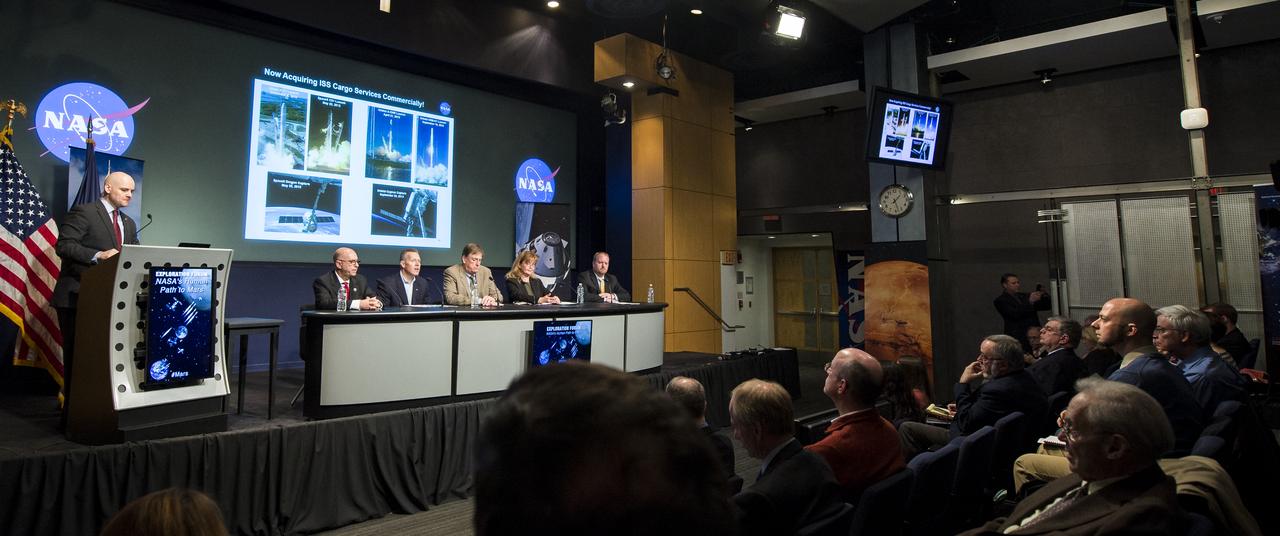
Sam Scimemi, Director of NASA's International Space Station Division, second from left, Phil McAlister, Director of NASA's Commercial Spaceflight Division, third from left, Dan Dumbacher, Deputy Associate Administrator of NASA's Exploration Systems Development, center, Michele Gates, Senior Technical Advisor of NASA's Human Exploration and Operations Mission Directorate, second from right, and Jason Crusan, Director of NASA's Advanced Exploration Systems Division, right, sit on a panel during an Exploration Forum showcasing NASA's human exploration path to Mars in the James E. Webb Auditorium at NASA Headquarters on Tuesday, April 29, 2014. Photo Credit: (NASA/Joel Kowsky)
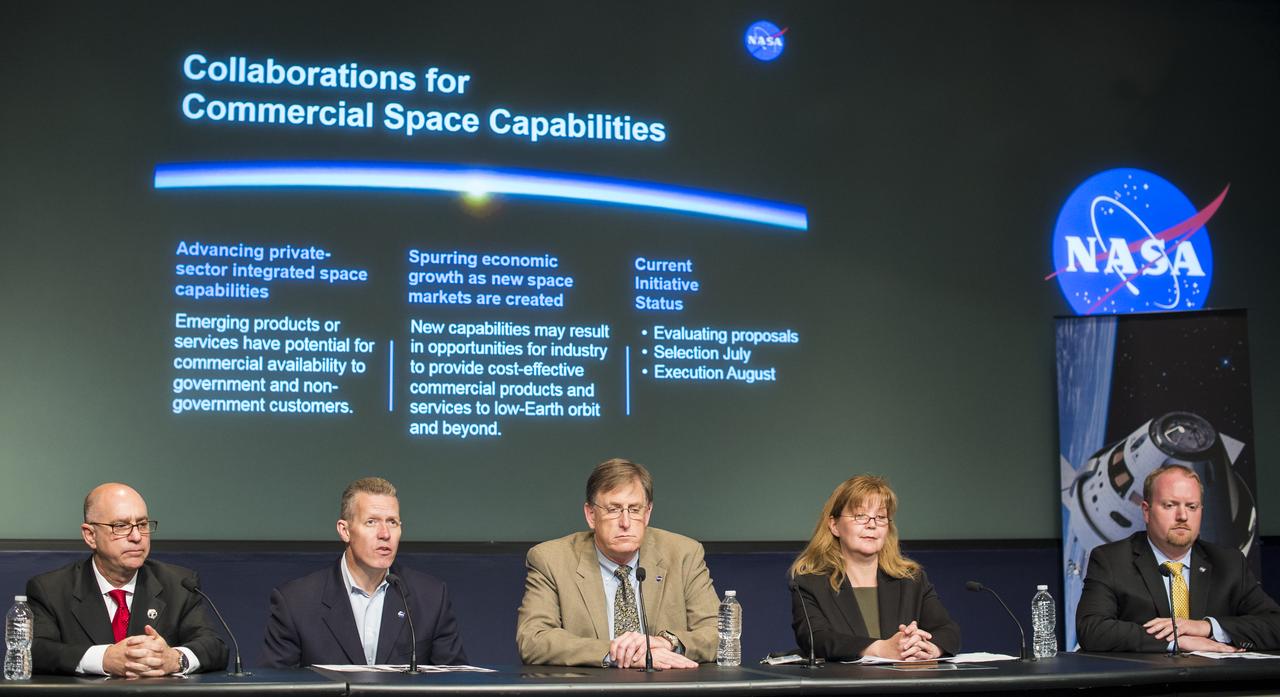
Sam Scimemi, Director of NASA's International Space Station Division, left, Phil McAlister, Director of NASA's Commercial Spaceflight Division, second from left, Dan Dumbacher, Deputy Associate Administrator of NASA's Exploration Systems Development, center, Michele Gates, Senior Technical Advisor of NASA's Human Exploration and Operations Mission Directorate, second from right, and Jason Crusan, Director of NASA's Advanced Exploration Systems Division, right, sit on a panel during an Exploration Forum showcasing NASA's human exploration path to Mars in the James E. Webb Auditorium at NASA Headquarters on Tuesday, April 29, 2014. Photo Credit: (NASA/Joel Kowsky)
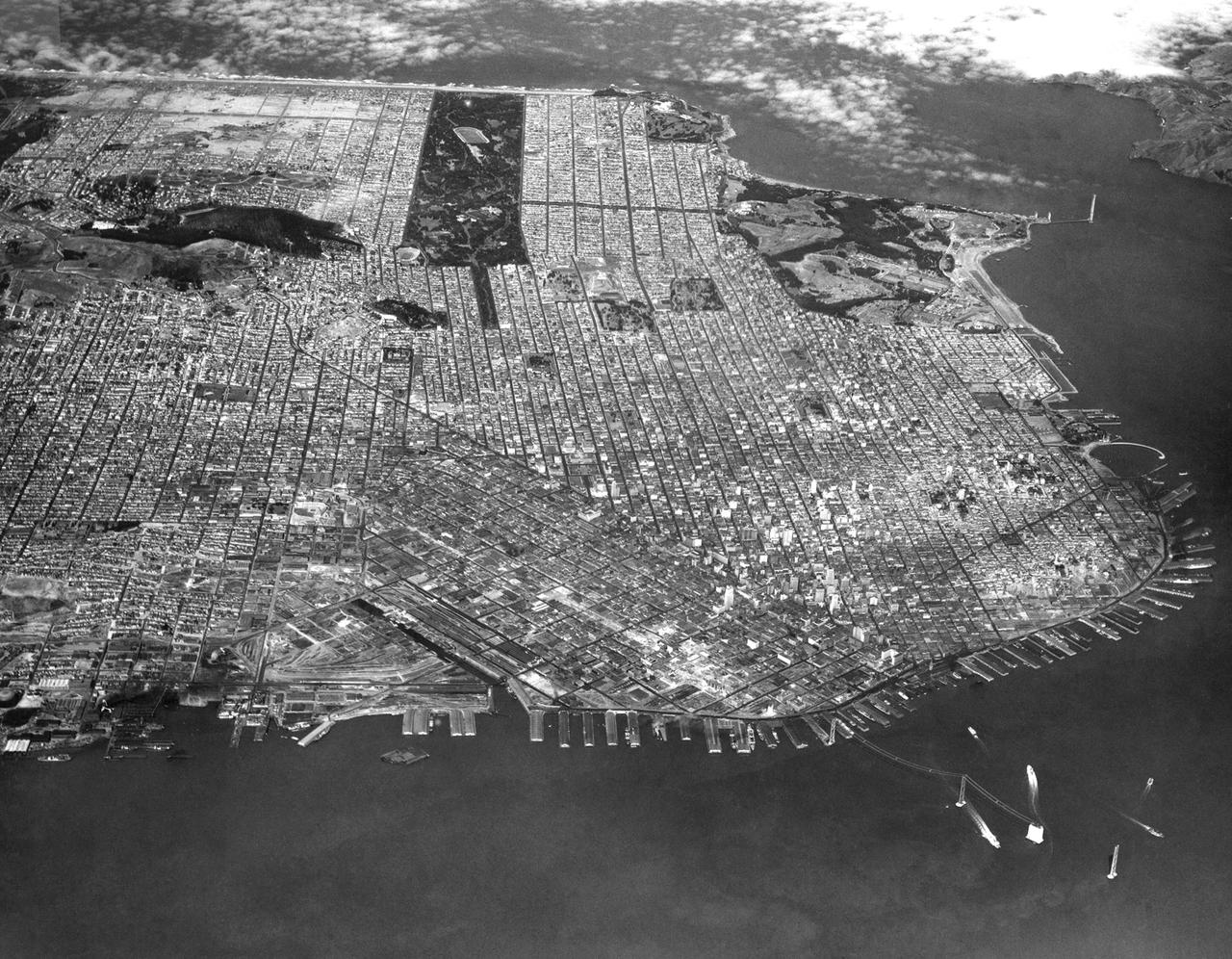
Navy Aerial of San Francisco, California; looking west across South Beach - China Basin to Golden Gate Park, includes Richmond District, Sea Cliff, Presidio, Marina, Fisherman's Wharf, and Telegraph Hill. - Note the beginings of the Golden Gate Bridge in the upper right and the Bay Bridge construction in the lower right of the image.
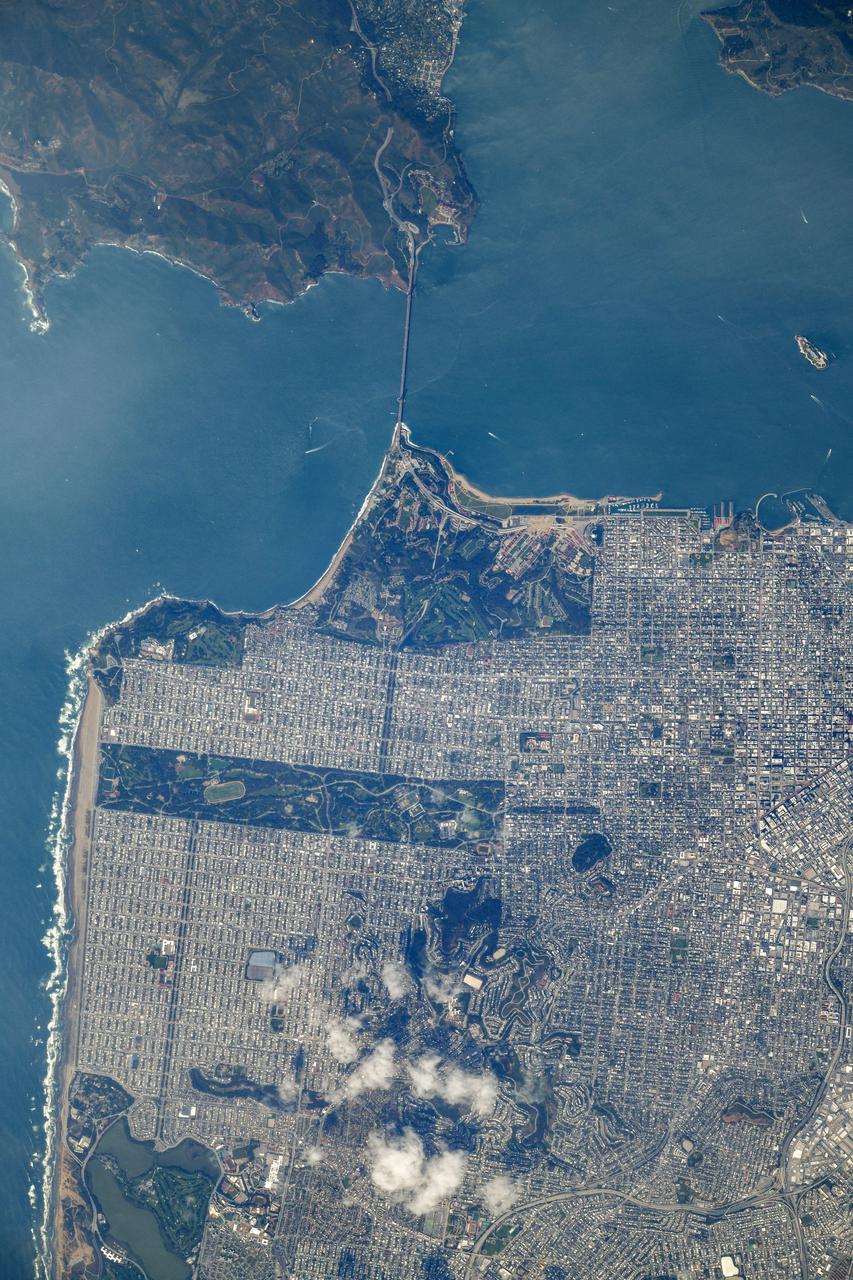
iss064e053178 (April 4, 2021) --- The Golden Gate Bridge links San Francisco with the Golden Gate National Recreation Area in northern California. The International Space Station was orbiting 264 miles above the Pacific Ocean just off the coast when this photograph was taken. Credit: Roscosmos
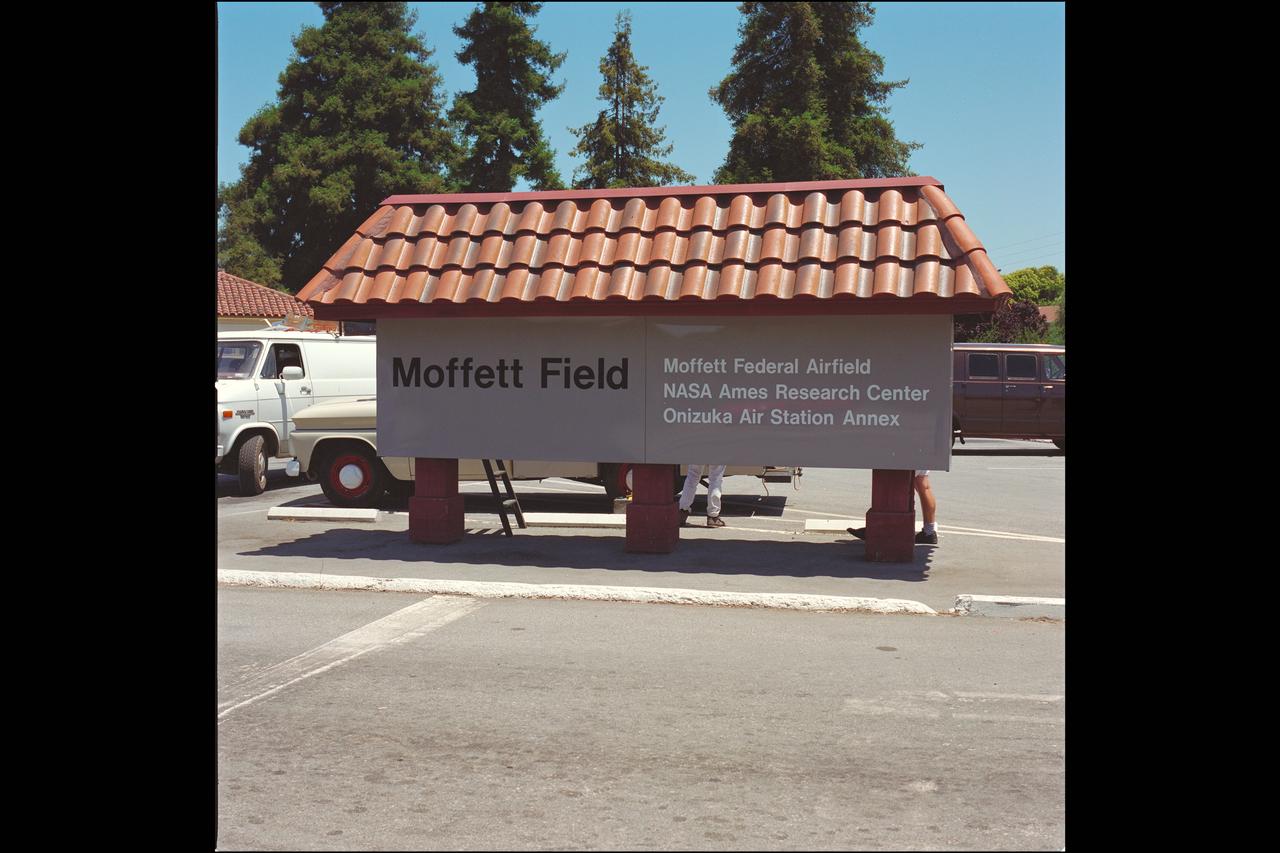
New Moffett Federal Airfield (MFA) sign at Main Gate
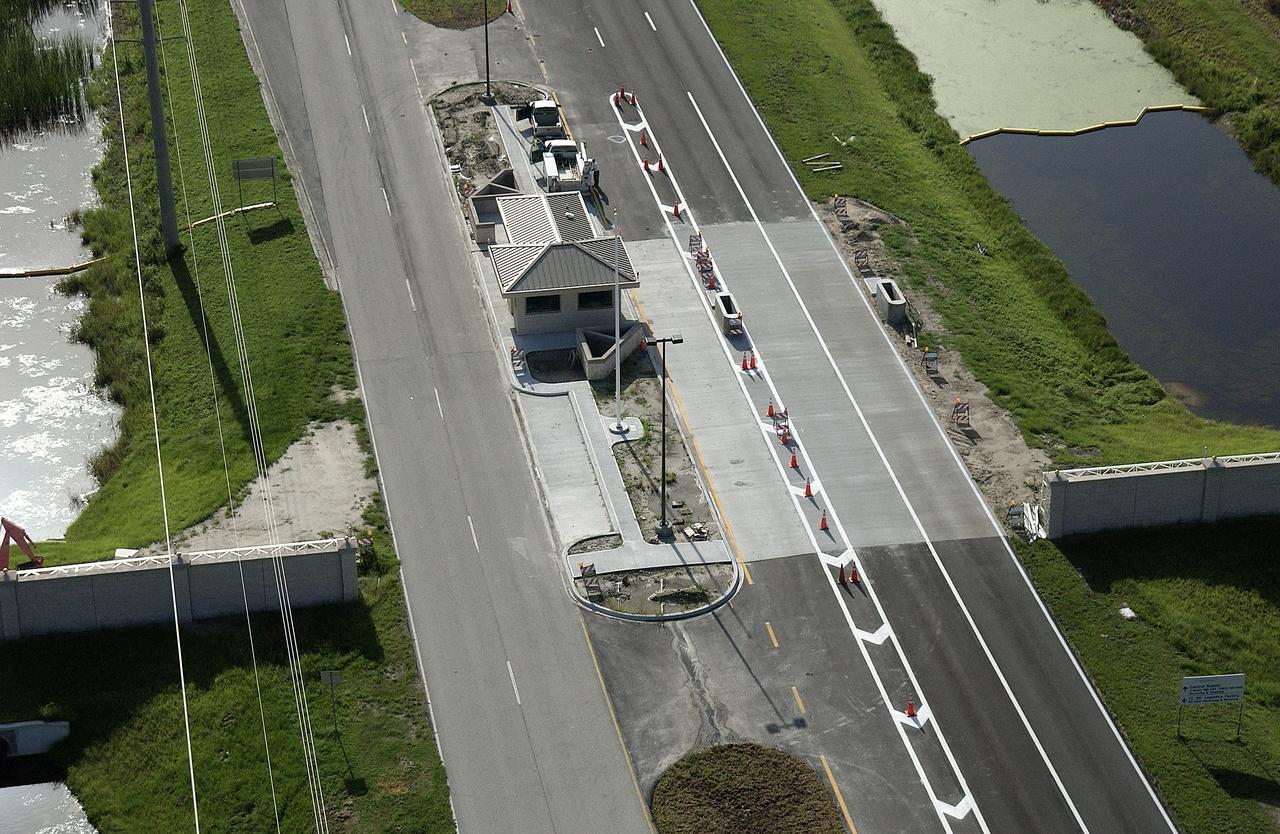
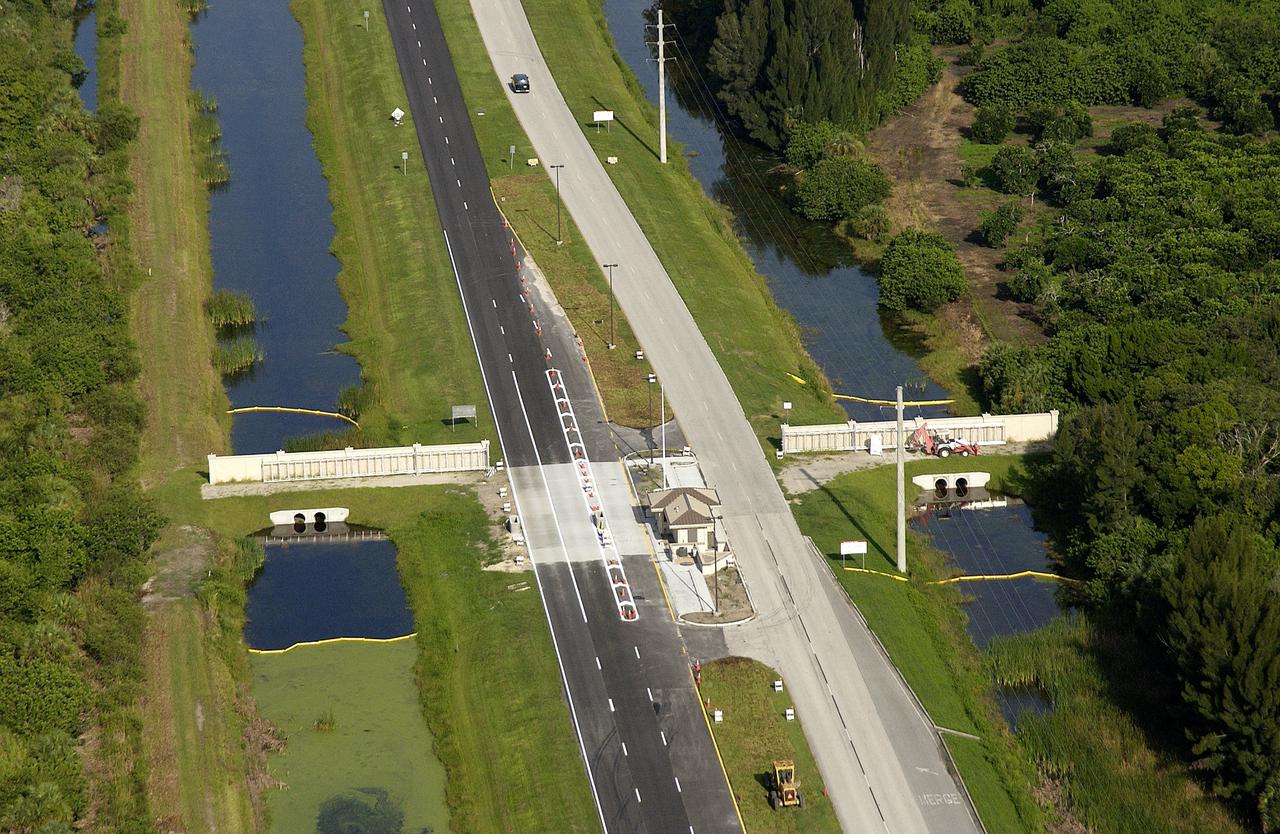
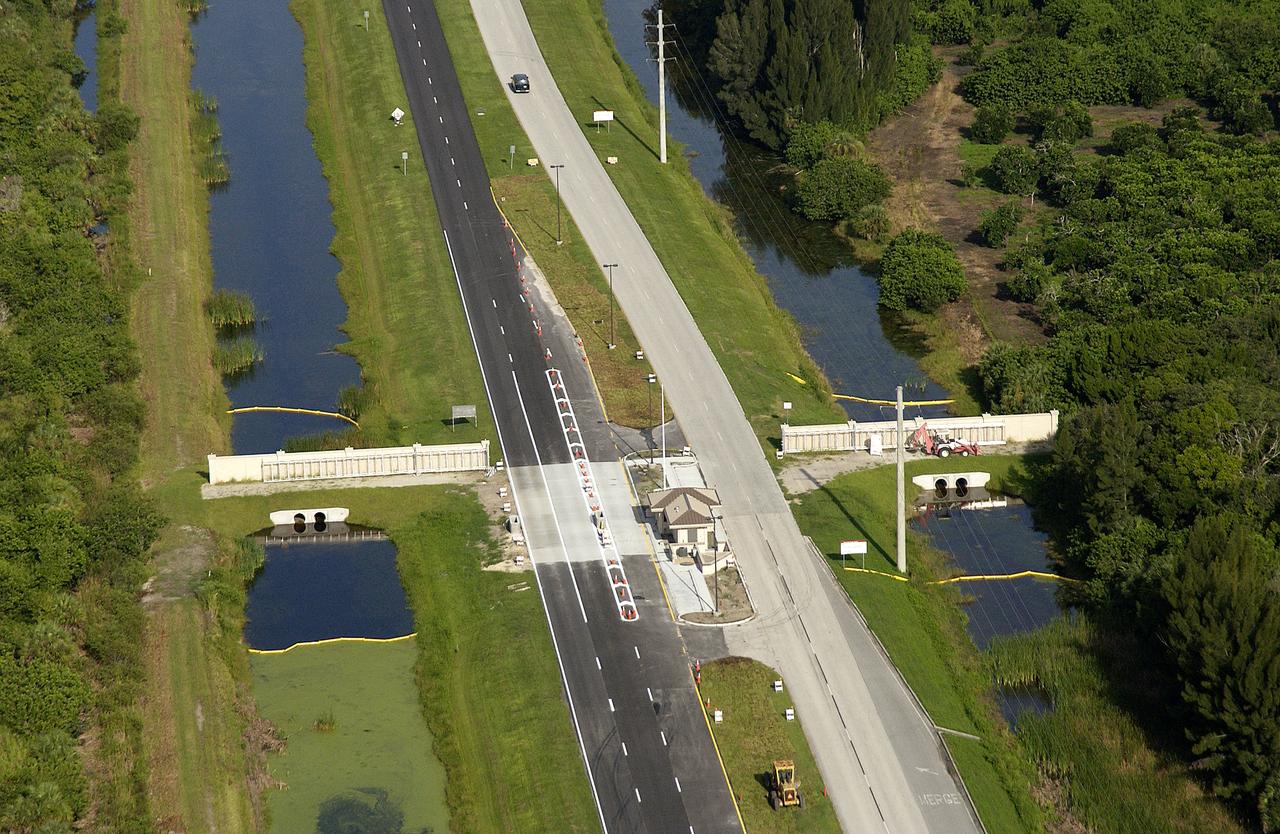
The new security gate on the NASA Causeway (S.R. 405) is seen from the air.
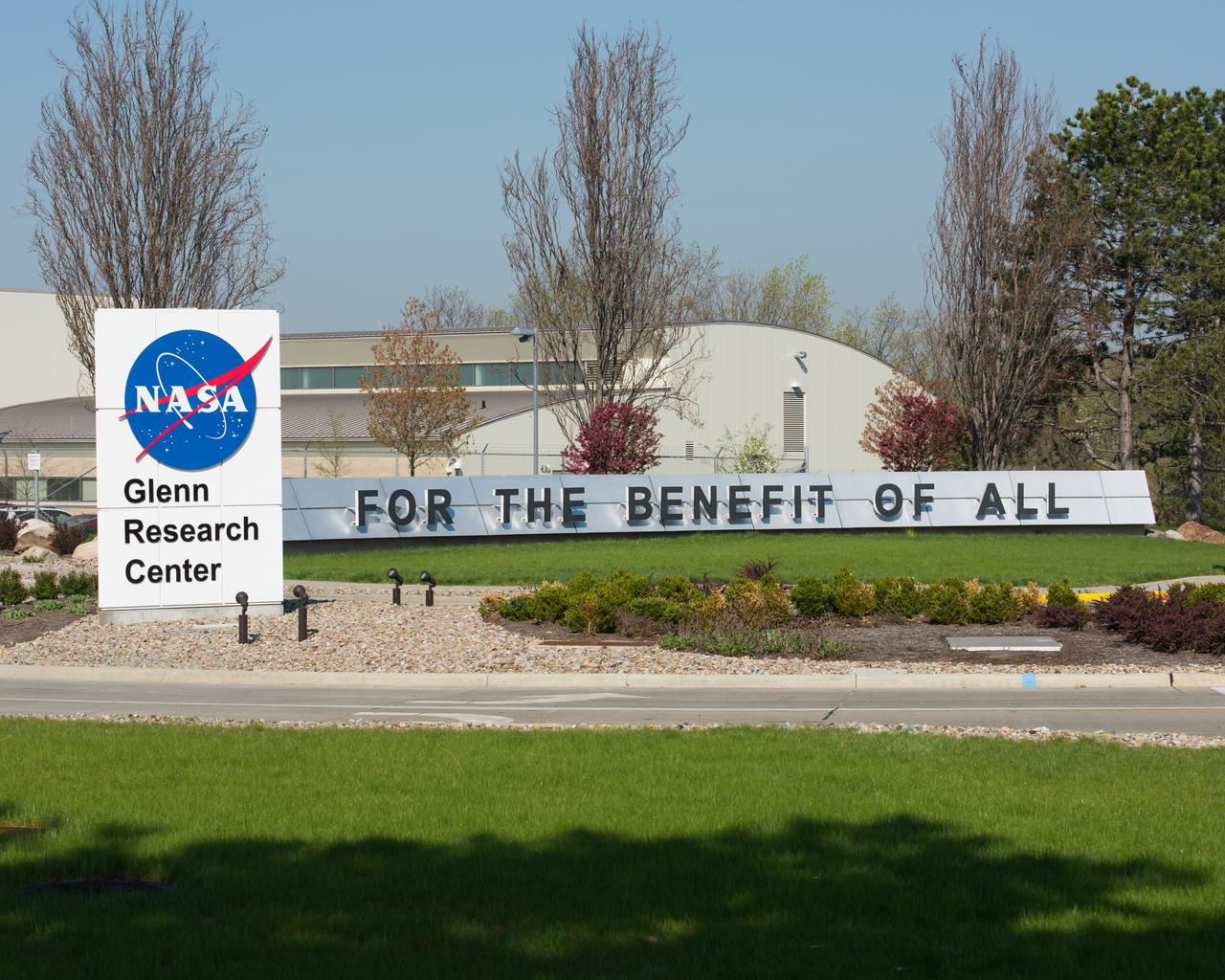
NASA Glenn Research Center Sign at the Intersection of NASA Parkway and Broiokpark Road. The sign reads: For The Benefit Of All
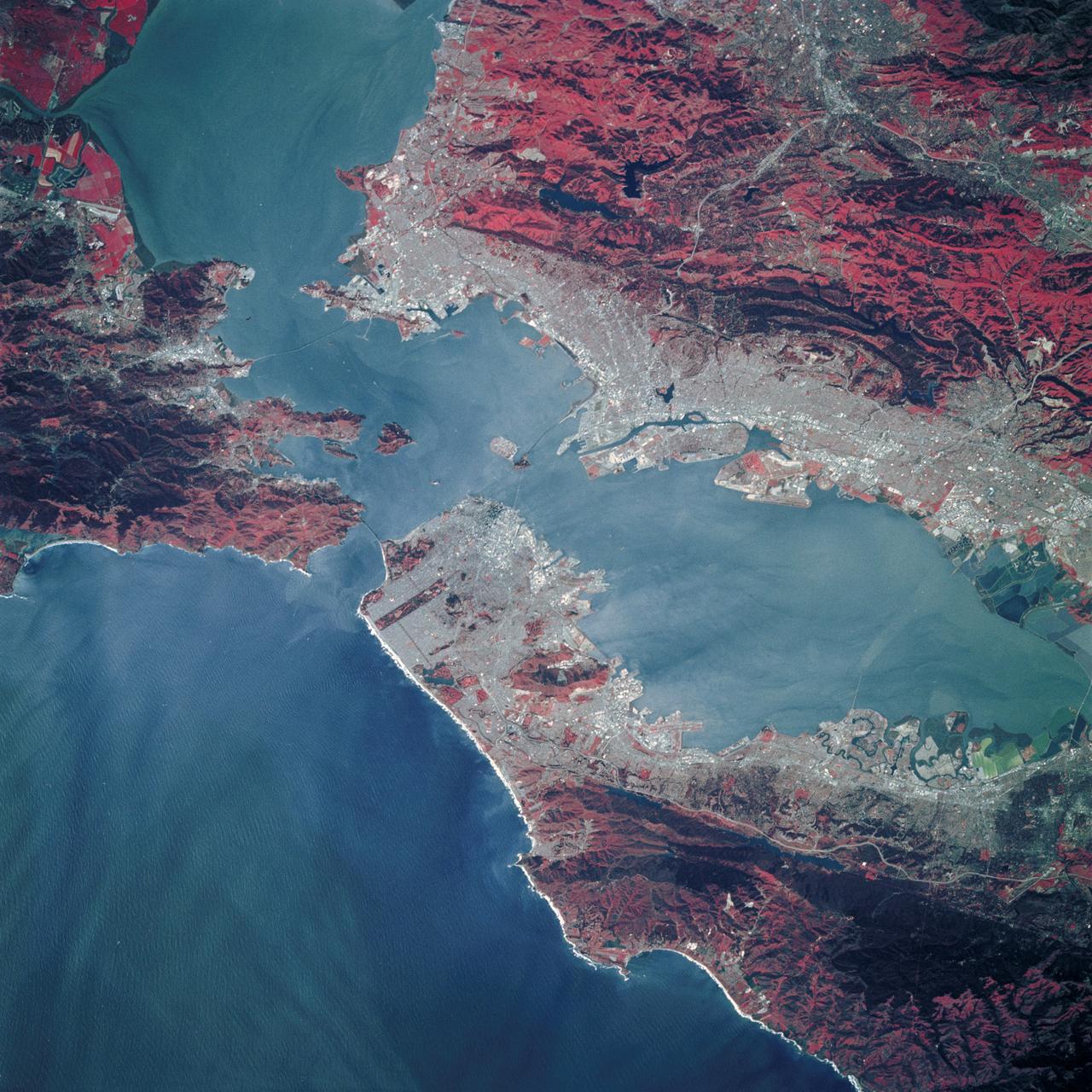
STS039-89-053 (28 April-6 May 1991) --- A 70mm, infrared frame of the city of San Francisco, taken on a clear day. The gray areas represent urban regions, and the red areas are vegetated. Within the city of San Francisco, parks like Golden Gate park and the Presidio at the base of the Golden Gate Bridge easily stand out from the well-developed parts of the city. Major thoroughfares and bridges (Golden Gate and Bay Bridges) are seen as are other landmarks such as Candlestick Park and Alcatraz. The trace of the San Andreas faults show as a straight valley running northerly along the San Francisco peninsula. Good detail is visible in the turbid waters of San Francisco Bay.
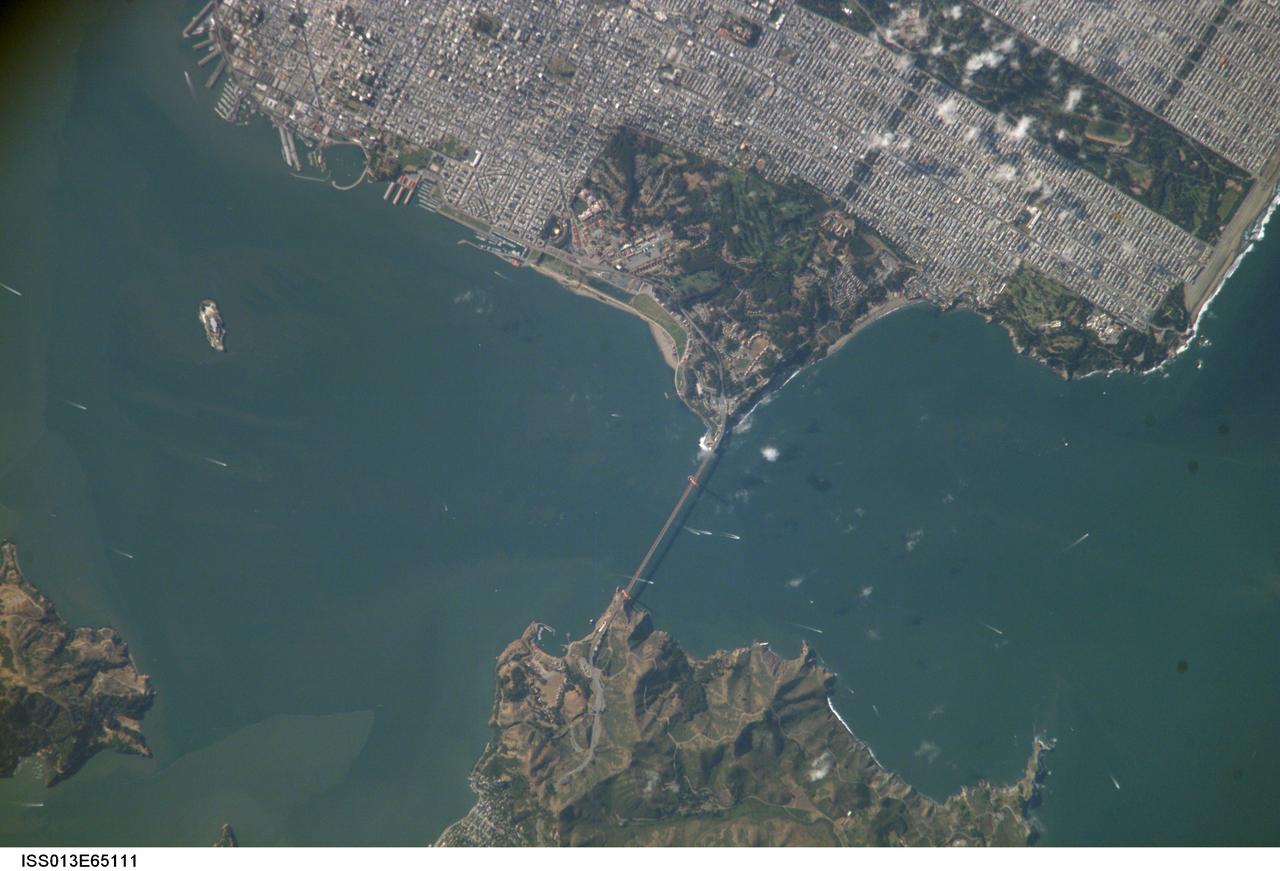
ISS013-E-65111 (6 Aug. 2006) --- Golden Gate, San Francisco, CA is featured in this image photographed by an Expedition 13 crewmember on the International Space Station. The Golden Gate of San Francisco Bay is one of the most recognizable straits in the world due to the Golden Gate Bridge that spans it. This image is a nearly cloud-free view of the northern San Francisco metropolitan area. The gridded pattern of streets, residential neighborhoods, and high-rise commercial blocks is clearly evident in the top half of the image. The twin support towers of the Golden Gate Bridge and its distinctive orange paint scheme can also be distinguished. The vegetated landscape of a portion of the Golden Gate National Recreation Area (green rectangular region at image center) connects the Bridge with steep, less vegetated hill slopes south of the city of Sausalito across the strait. Other features in this view include the former prison of Alcatraz, located on the island of the same name. Numerous boat wakes of commercial and pleasure craft are visible beneath and to the west of the Bridge. The shadow of the roadbed of the Bridge can be seen directly to the west of the Bridge itself. Regions of greenish-brown water visible in San Francisco Bay mark water masses with differing amounts of suspended sediment that are streamlined by the strong tidal currents that flow through the strait.
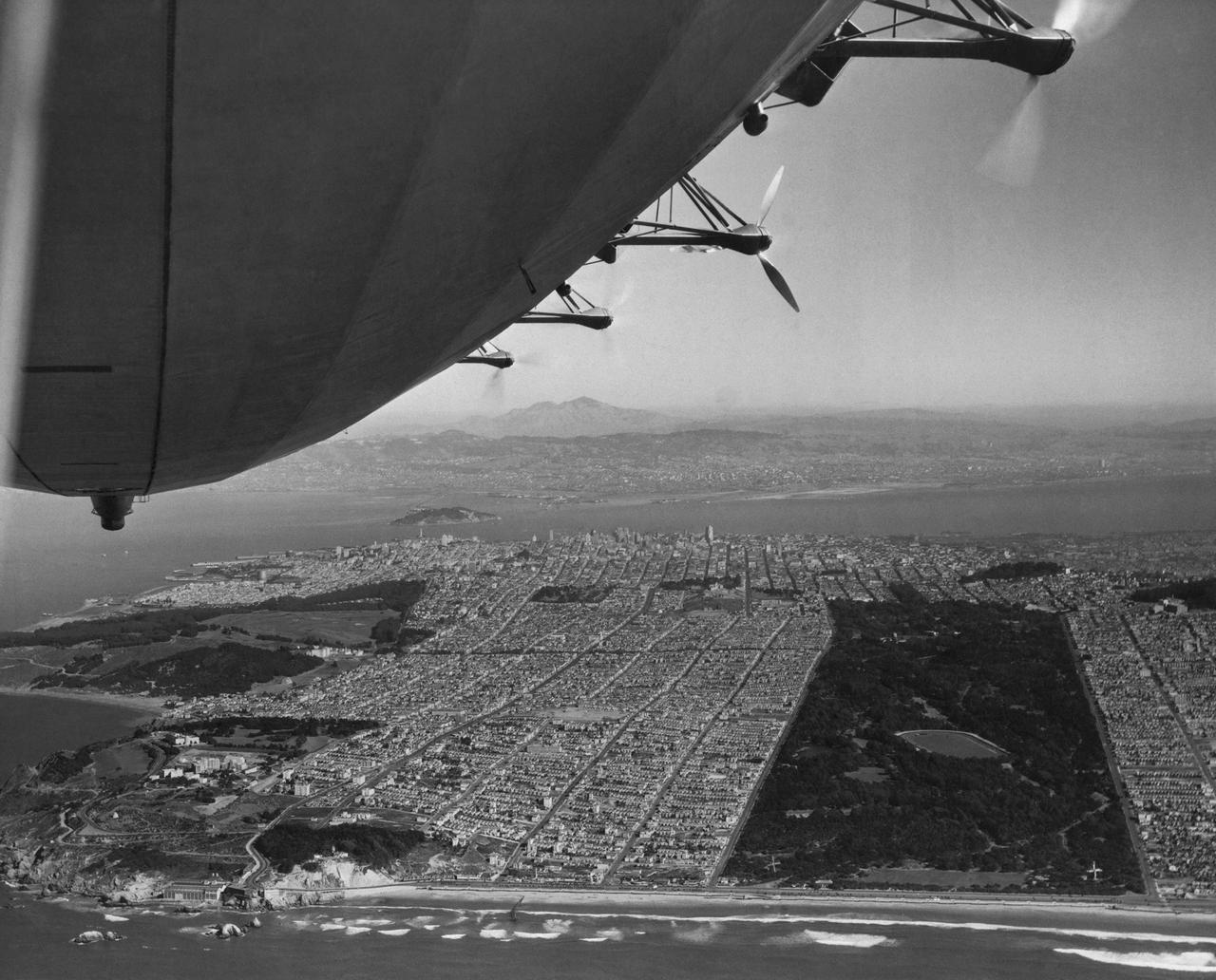
Navy Aerial of San Francisco, California; showing Sea Cliff, Ocean Beach, Golden Gate Park looking East
KENNEDY SPACE CENTER, FLA. - Looking west, the new security gate into KSC stretches across S.R. 405.
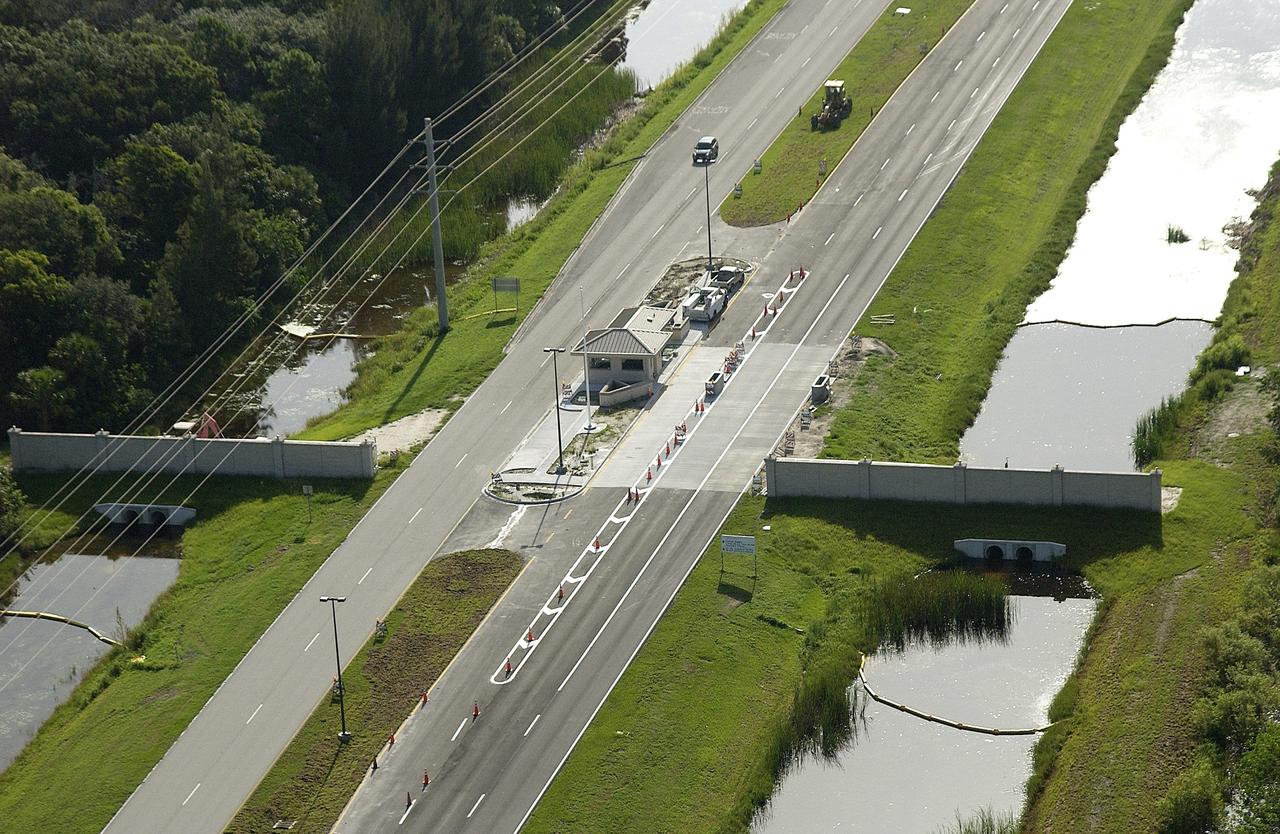
KENNEDY SPACE CENTER, FLA. - The new security gate on the NASA Causeway (S.R. 405) is seen from the air.
KENNEDY SPACE CENTER, FLA. – Looking west, the new security gate into KSC stretches across S.R. 405.
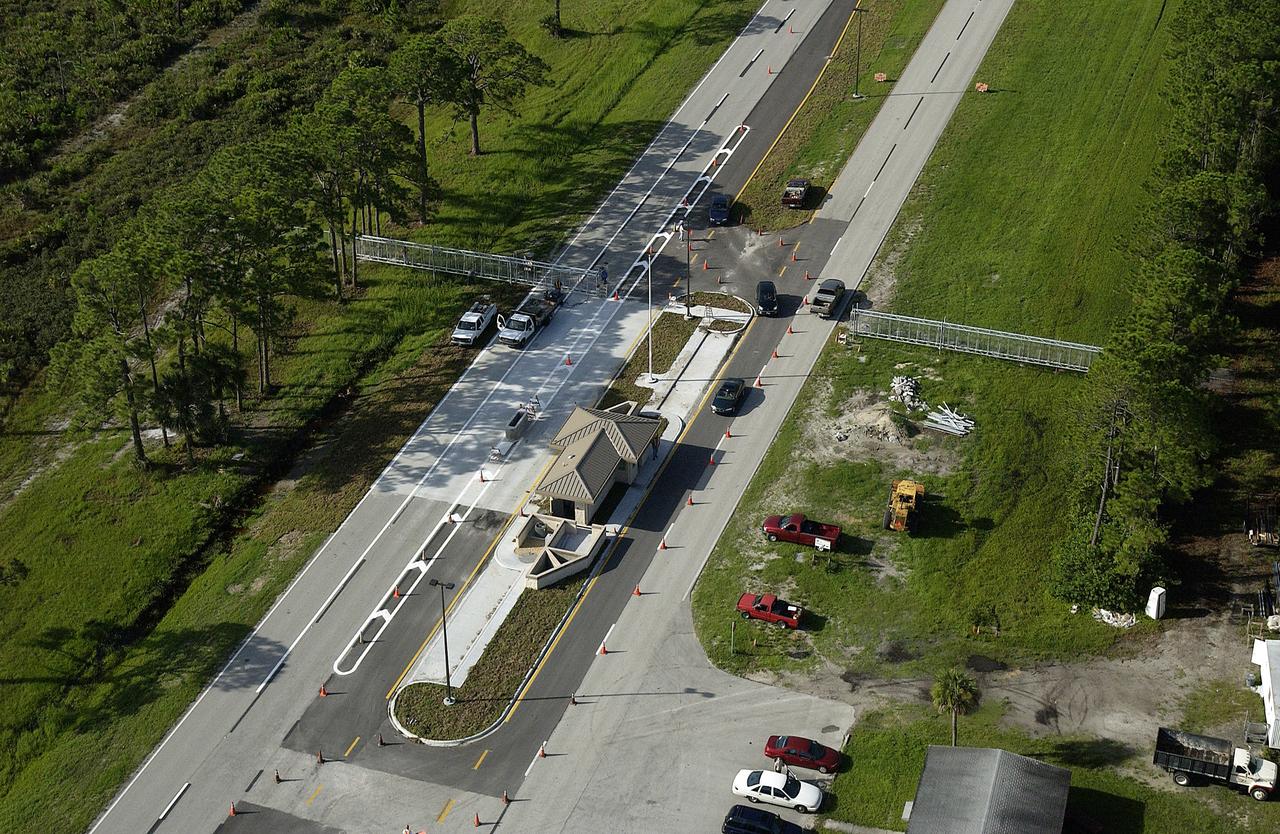
KENNEDY SPACE CENTER, FLA. - Looking south, the new security gate on S.R. 3 is seen from the air.

KENNEDY SPACE CENTER, FLA. – Looking south, the new security gate on S.R. 3 is seen from the air.
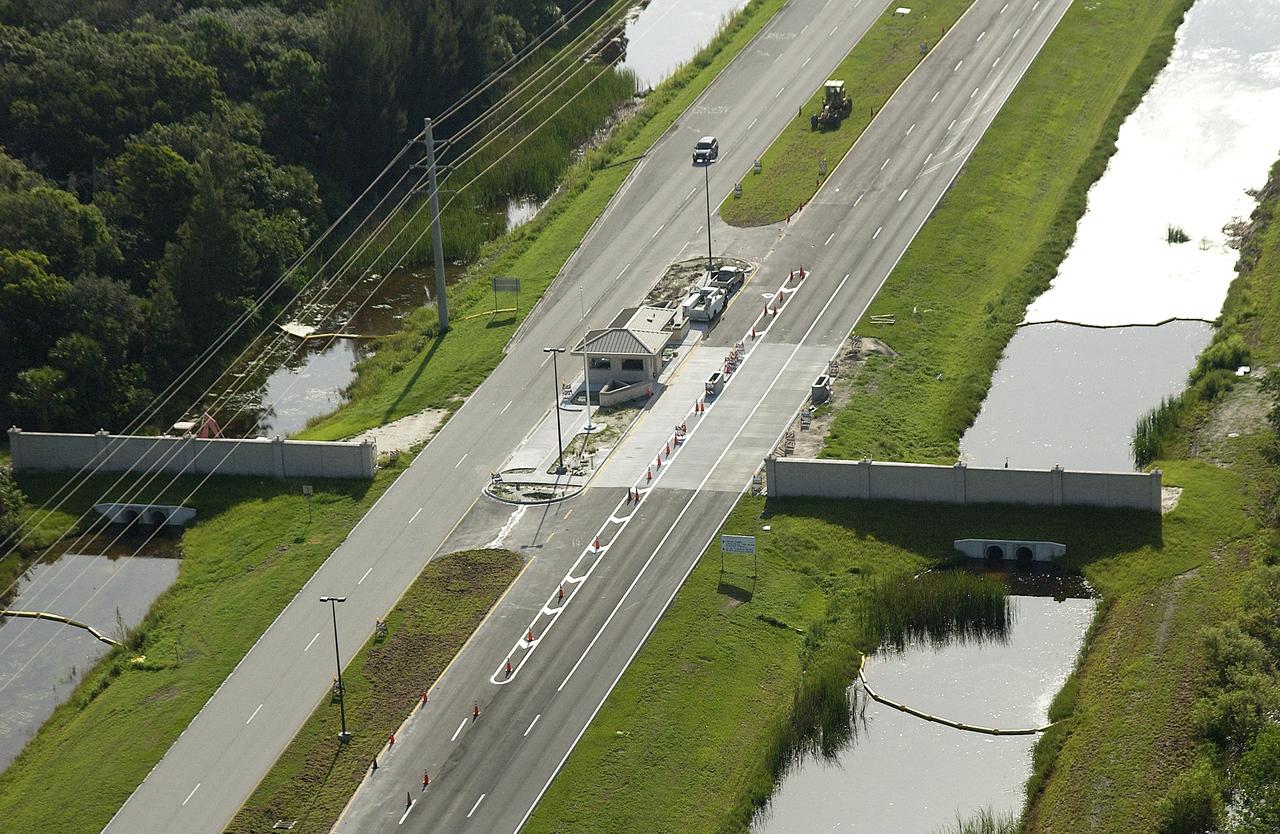
KENNEDY SPACE CENTER, FLA. – The new security gate on the NASA Causeway (S.R. 405) is seen from the air.
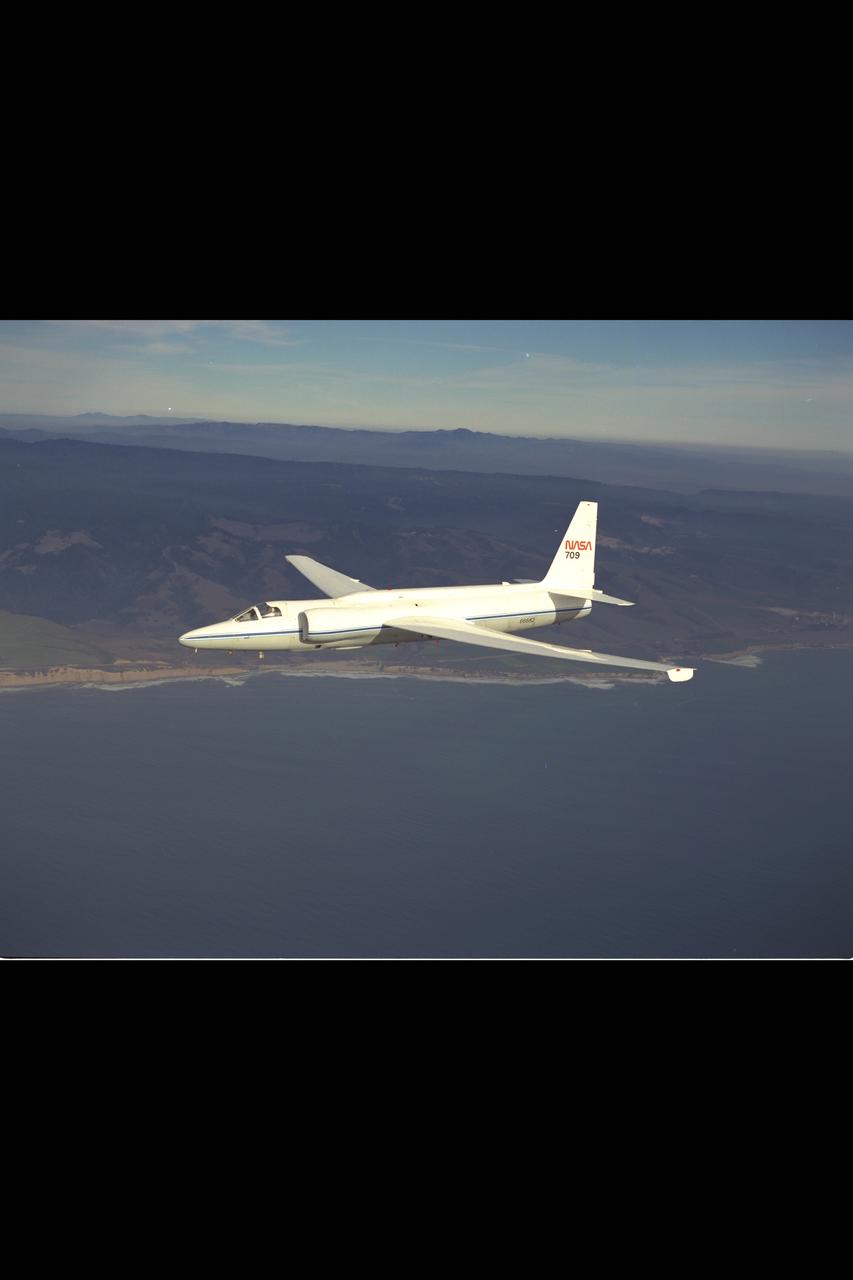
U-2 (NASA 709) in flight over Golden Gate Bridge, San Francisco, CA
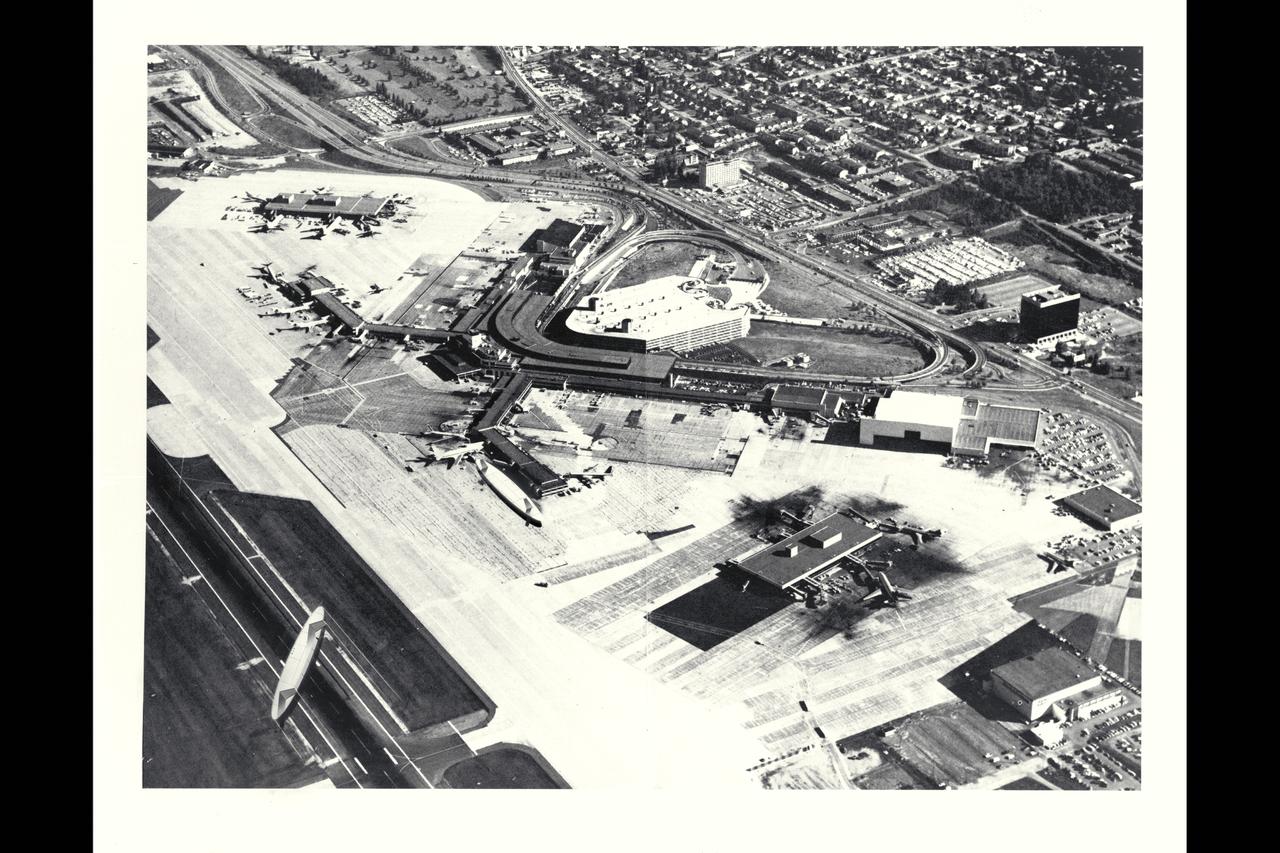
Artwork: N/A Flying Wing at Airport: approach on taxi way and at gate showing passenger loading concept
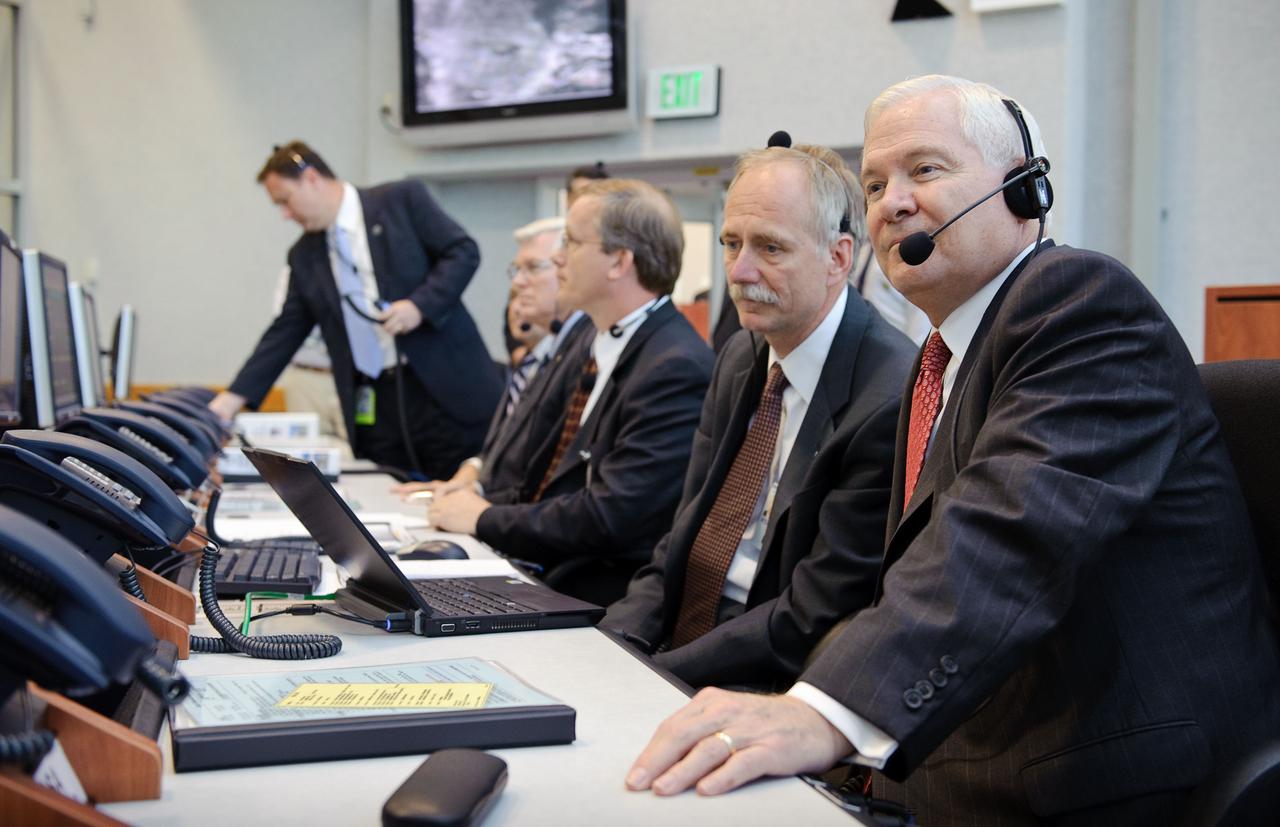
STS132-S-012 (14 May 2010) --- Secretary of Defense Dr. Robert M. Gates, right, NASA Associate Administrator for Space Operations William H. Gerstenmaier, center, and other NASA mission managers monitor the launch of the space shuttle Atlantis and the STS-132 mission from Firing Room Four of the NASA Kennedy Space Center Launch Control Center, Friday, May 14, 2010 in Cape Canaveral Florida. Space shuttle Atlantis is embarking on its final planned mission. During the 12-day flight, Atlantis and six astronauts will fly to the International Space Station, leaving behind a Russian Mini Research Module, a set of batteries for the station's truss and dish antenna, along with other replacement parts. Atlantis' 32nd flight is scheduled to last 12 days and include three spacewalks and extensive robotics work. Photo credit: NASA/Bill Ingalls
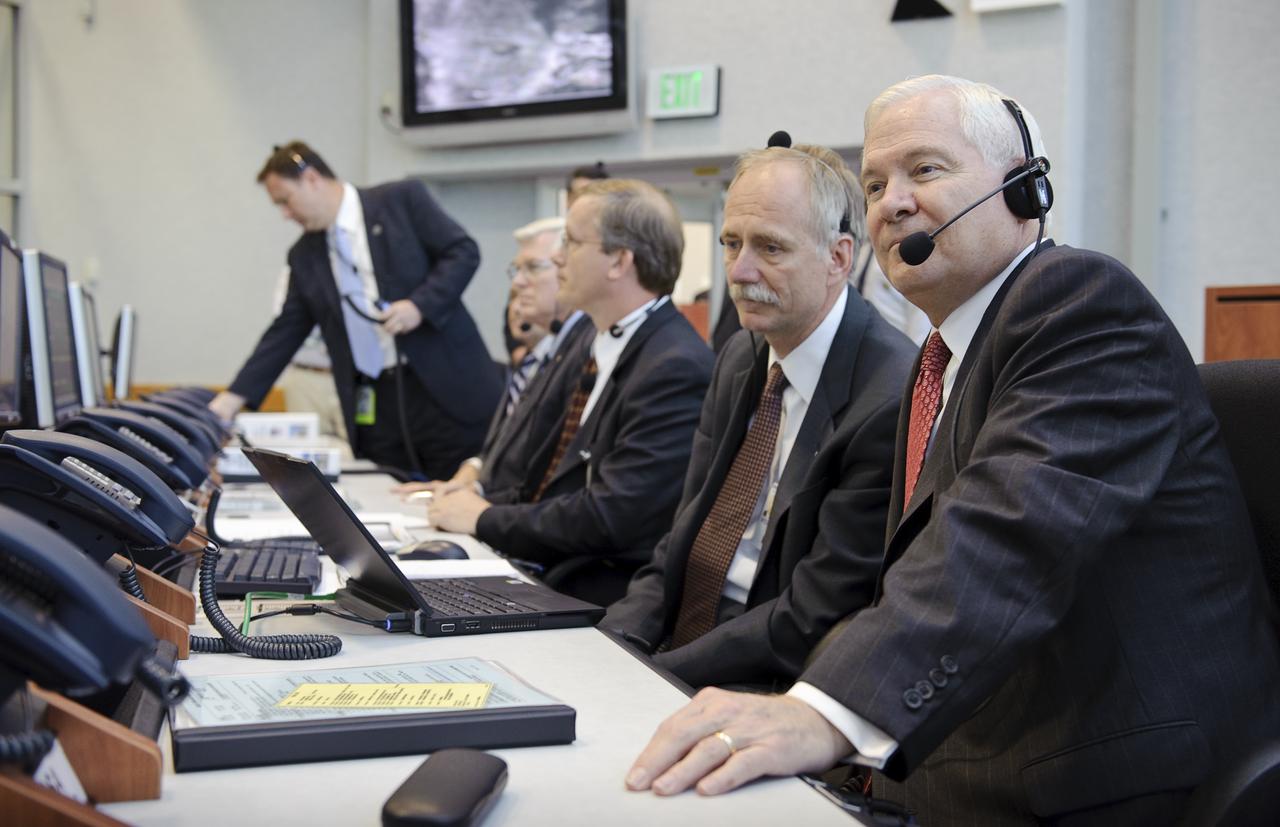
Secretary of Defense Dr. Robert M. Gates, right, NASA Associate Administrator for Space Operations William H. Gerstenmaier, center, and other NASA mission managers monitor the launch of the space shuttle Atlantis and the STS-132 mission from Firing Room Four of the NASA Kennedy Space Center Launch Control Center, Friday, May 14, 2010 in Cape Canaveral Florida. Space shuttle Atlantis is embarking on its final planned mission. During the 12-day flight, Atlantis and six astronauts will fly to the International Space Station, leaving behind a Russian Mini Research Module, a set of batteries for the station's truss and dish antenna, along with other replacement parts. Atlantis' 32nd flight is scheduled to last 12 days and include three spacewalks and extensive robotics work. Photo Credit: (NASA/Bill Ingalls)
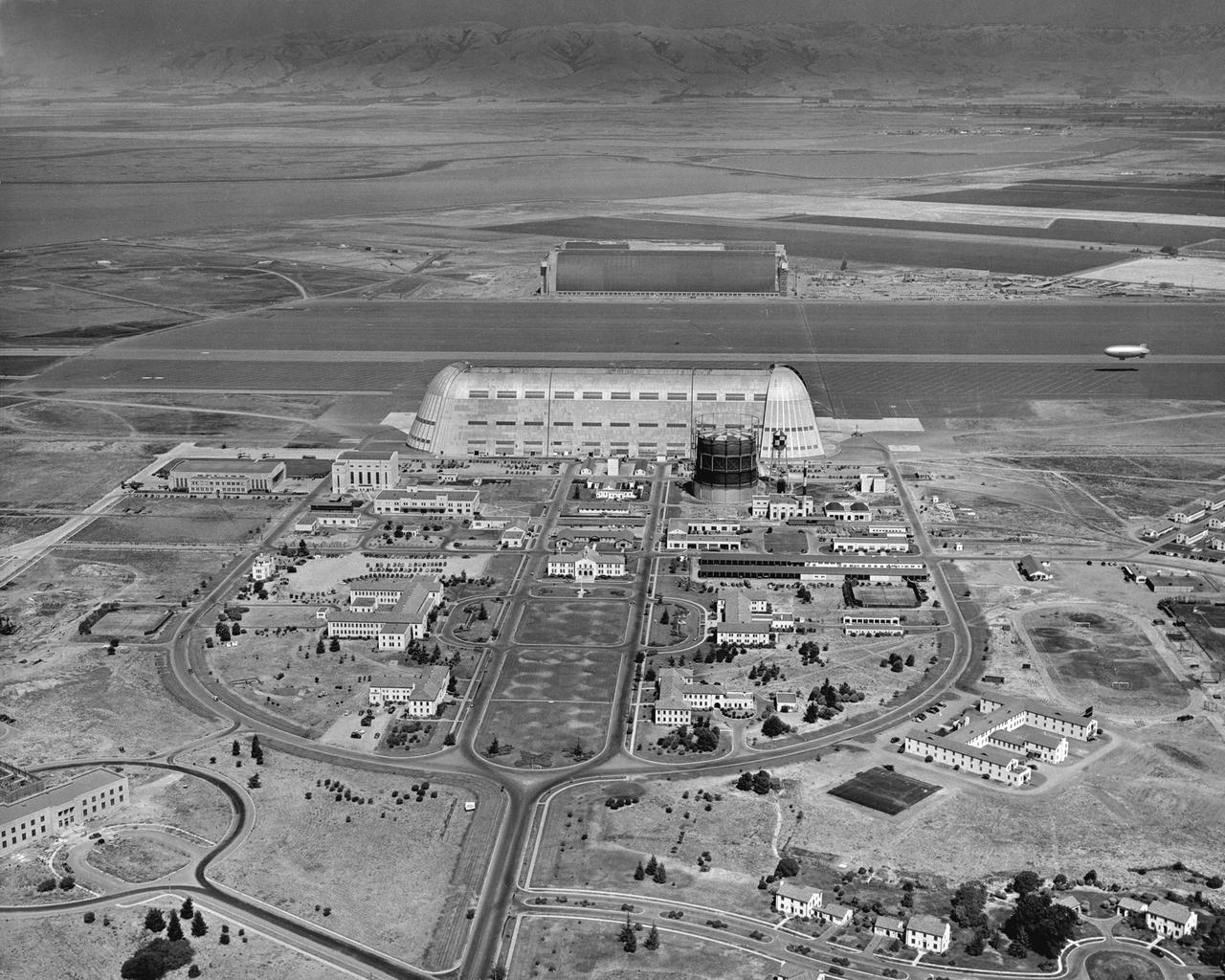
Navy NAS Sunnyvale, Moffett Field, Cat Altitude 1500ft E.S. East from front gate toward Shenandoah Plaza and Hangar One
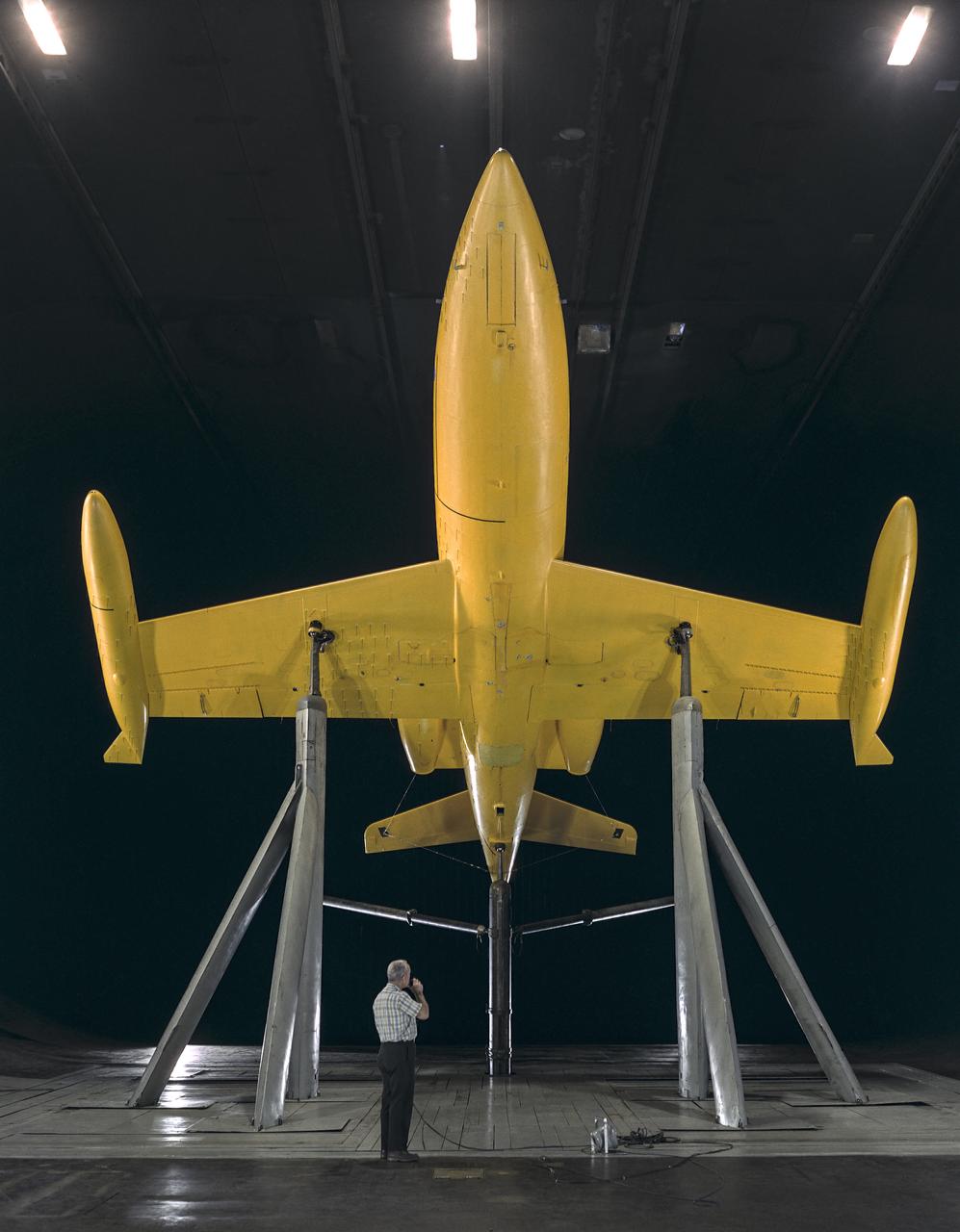
Front lower view of Gates Learjet in Ames 40x80 foot wind tunnel at high angel of attack. Test was part of a deep stall study.
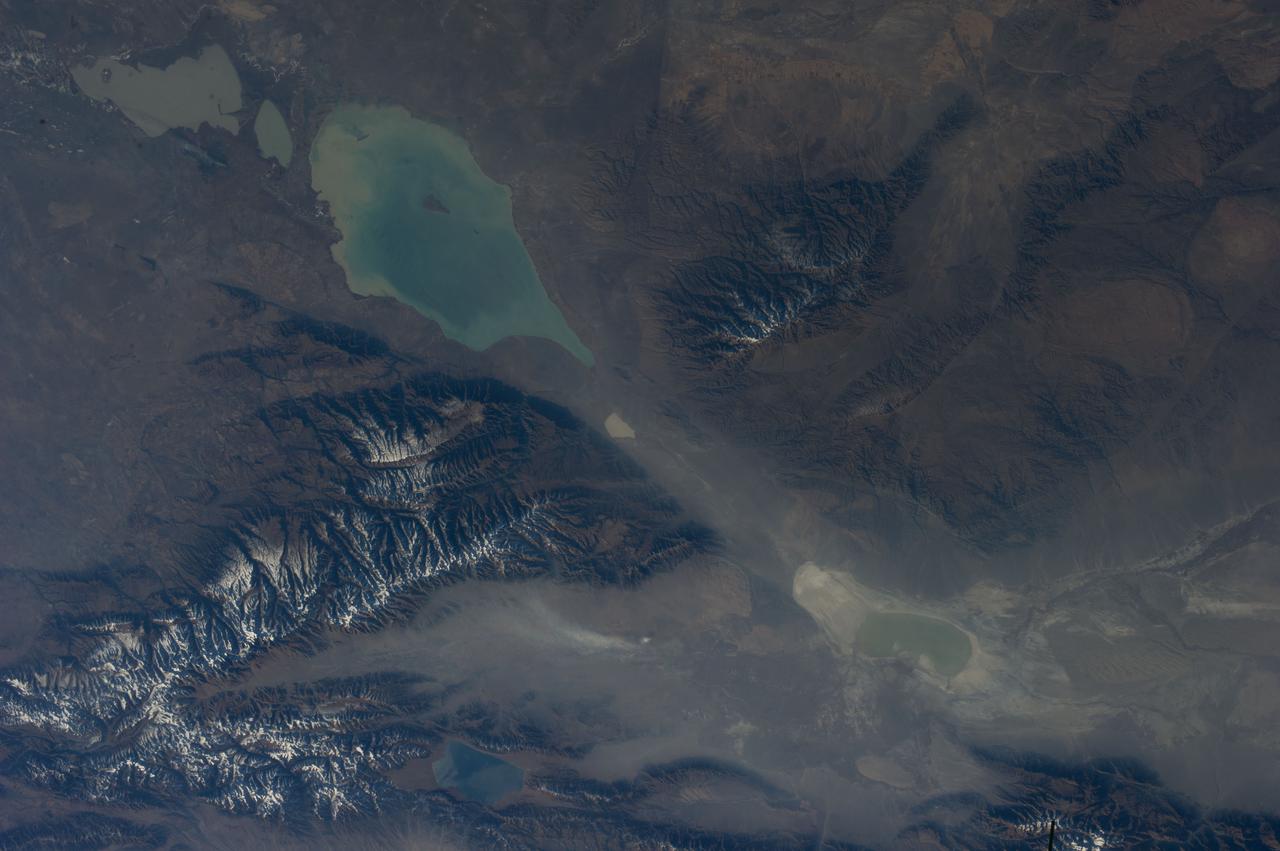
Earth observation taken during a day pass by the Expedition 37 crew. Possibly identified as Dzungarian Gate, mountain pass between China and Kazakhstan.
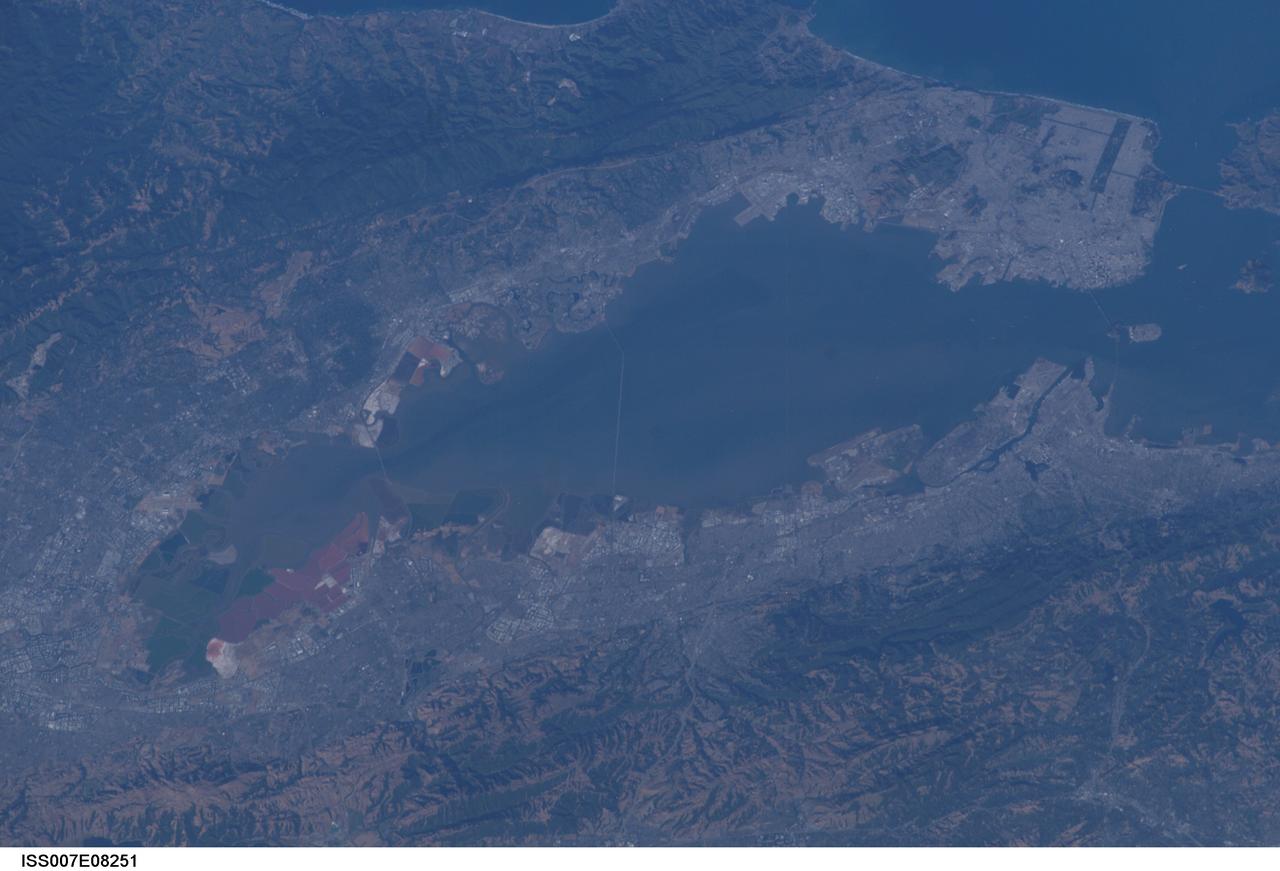
ISS007-E-08251 (25 June 2003) --- This photo featuring the San Francisco Bay area in California was photographed from the International Space Station (ISS) by astronaut Edward T. Lu, Expedition 7 NASA ISS science officer and flight engineer. The San Francisco Bay Bridge, Alcatraz Island, Golden Gate Bridge, and Golden Gate Park are visible at upper right. Stanford University and red salt ponds on the bay near Fremont at lower left.
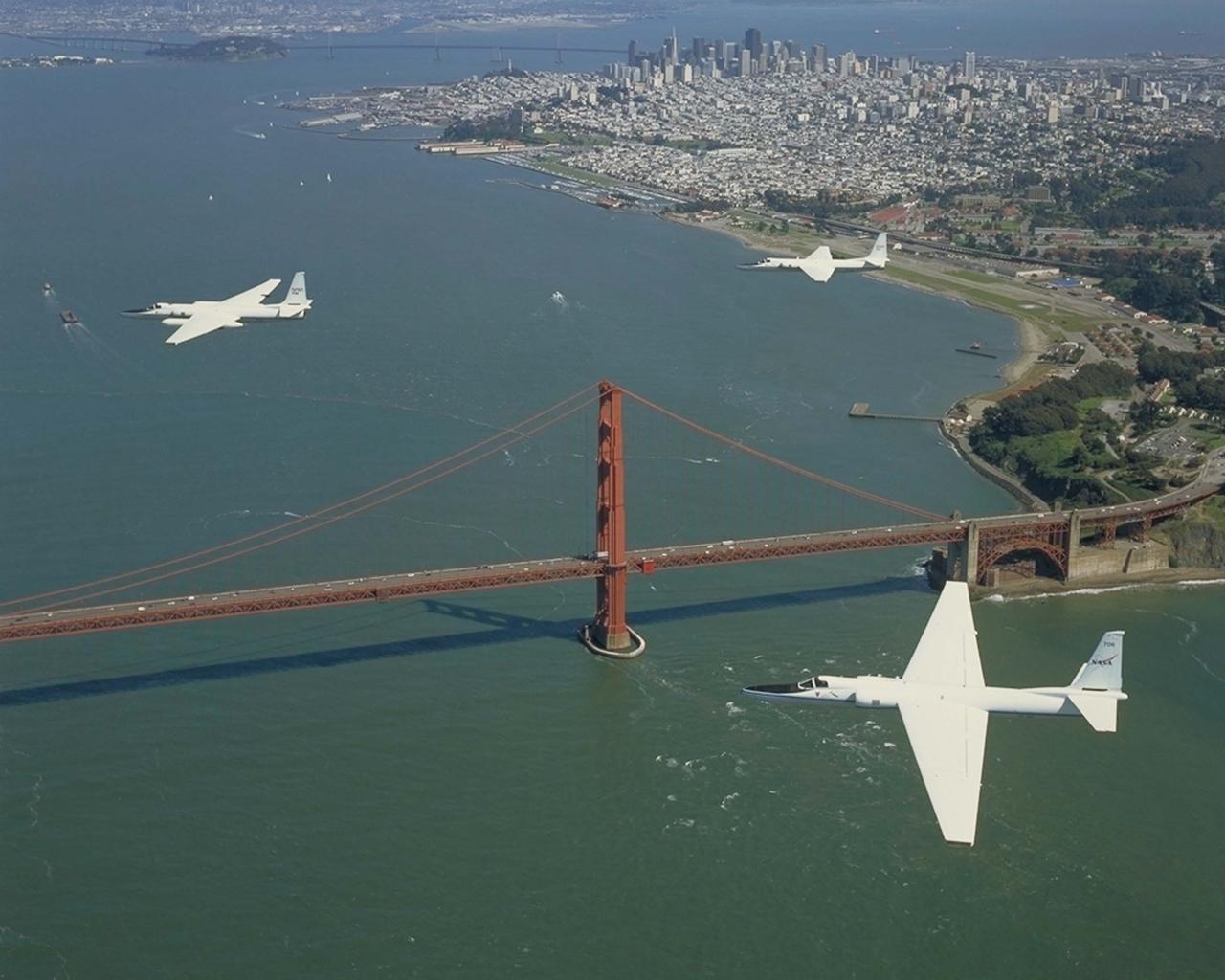
Three ER-2 Aircraft in formation over Golden Gate Bridge, San Francisco, CA on their final flight out of NASA Ames Research Center before redeployment to NASA's Dryden Flight Research Center, CA
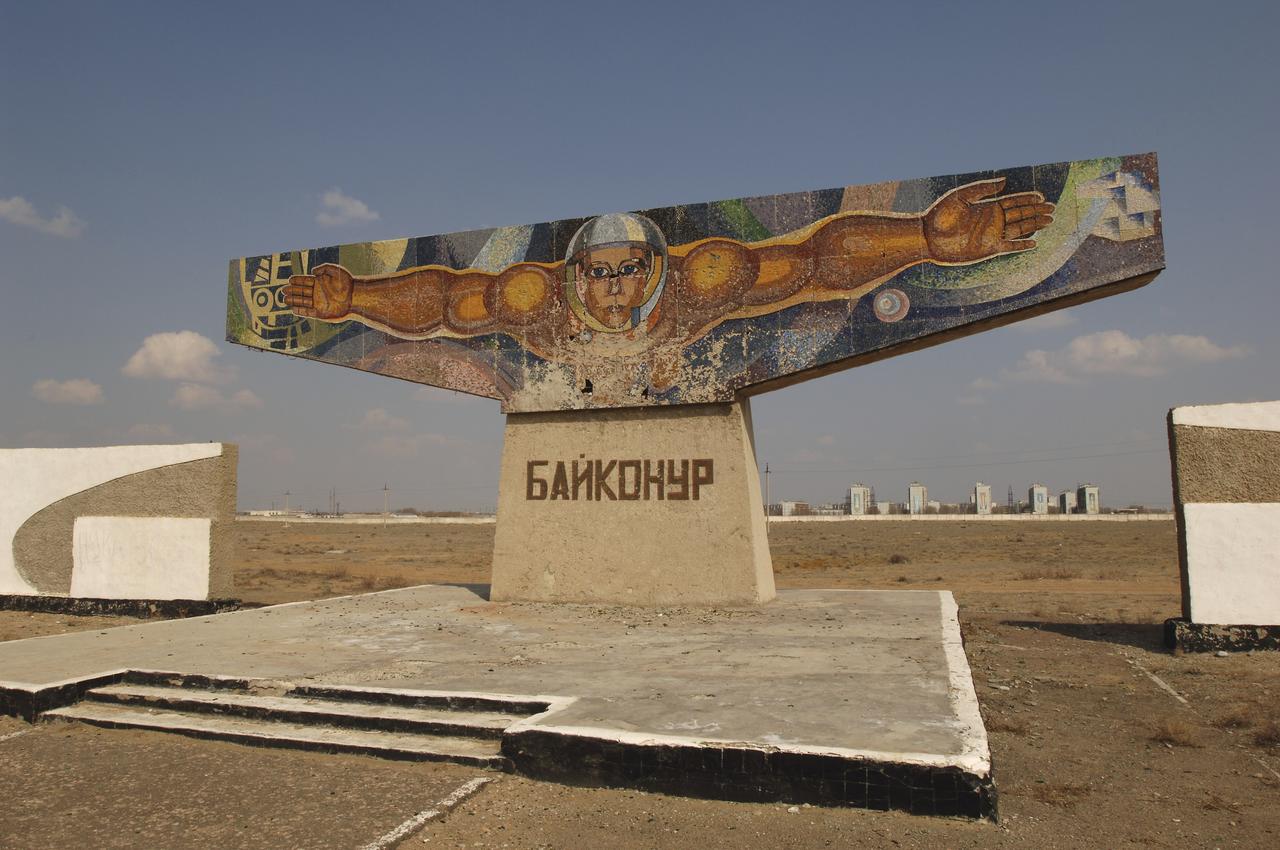
Cosmonauts and astronauts alike are welcomed by this tiled mosaic monument outside the city gates of Baikonur, Kazakhstan as seen Saturday, Oct. 9, 2005. Photo Credit: (NASA/Bill Ingalls)
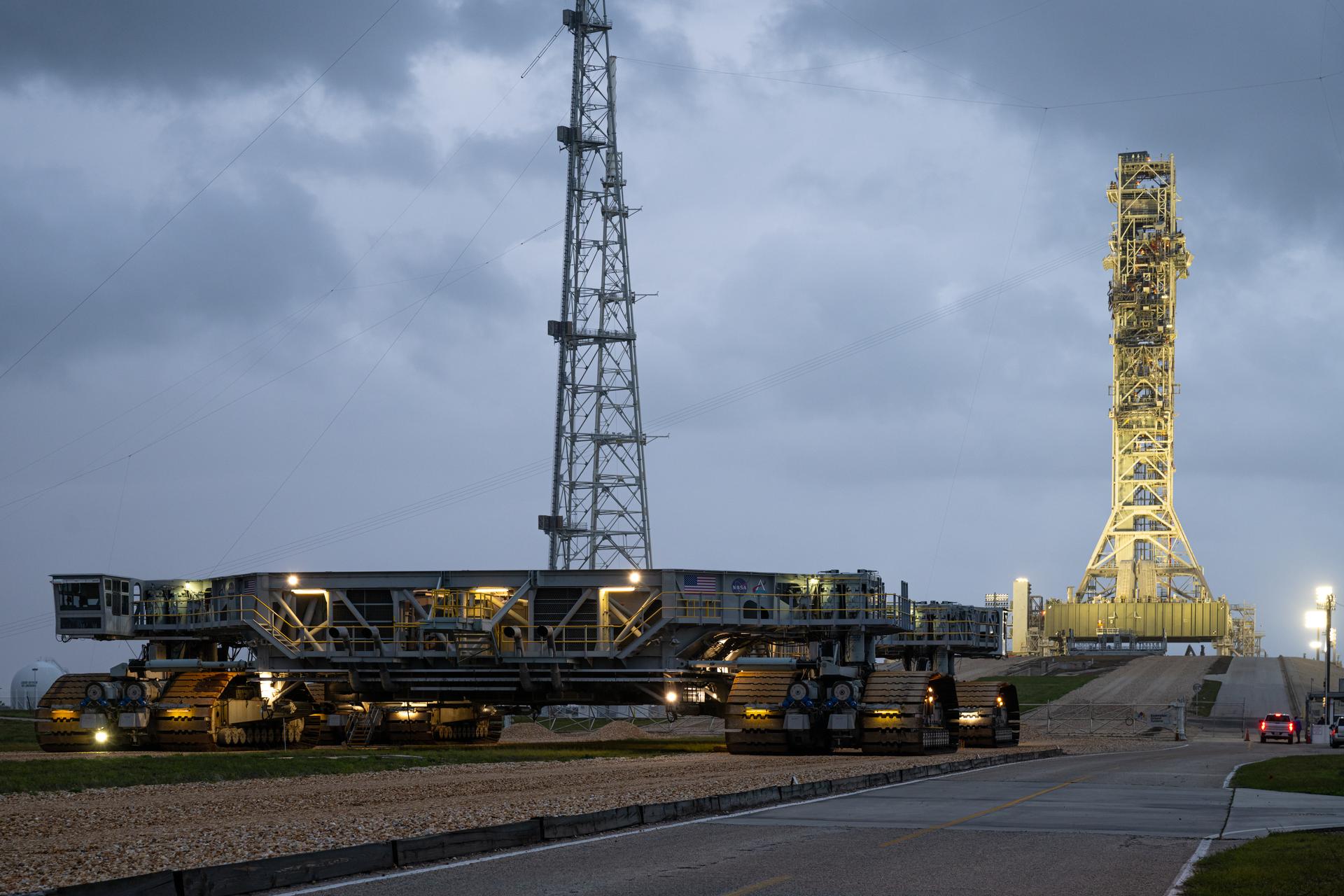
Crawler Transporter 2 is seen outside the gate of Launch Complex 39B, Wednesday, Apr. 8, 2026, at NASA’s Kennedy Space Center in Florida. Photo Credit: (NASA/John Kraus)
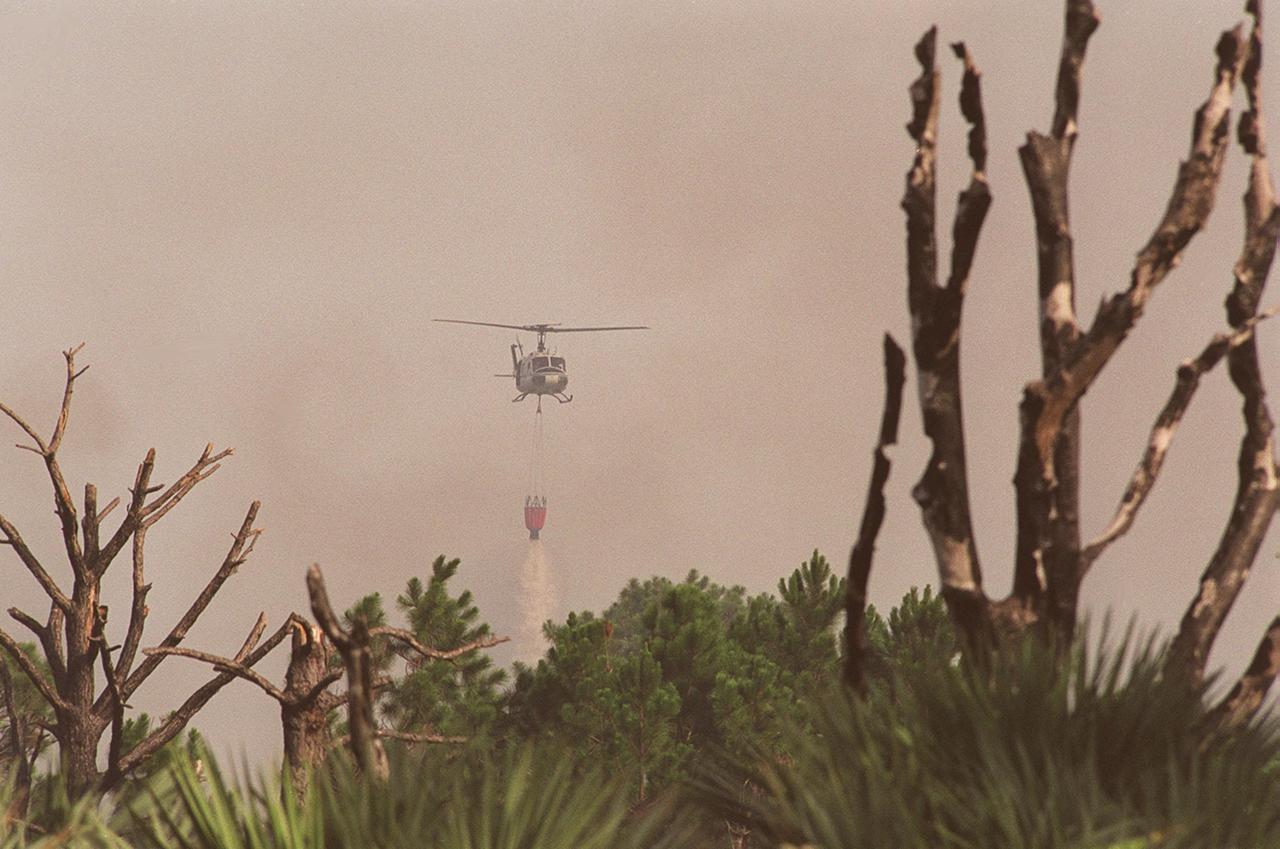
A NASA helicopter drops its cargo of water onto a wildfire at KSC. Before being extinguished, the fire burned about 20 acres at a site near gate 2C on Kennedy Parkway North (route 3)
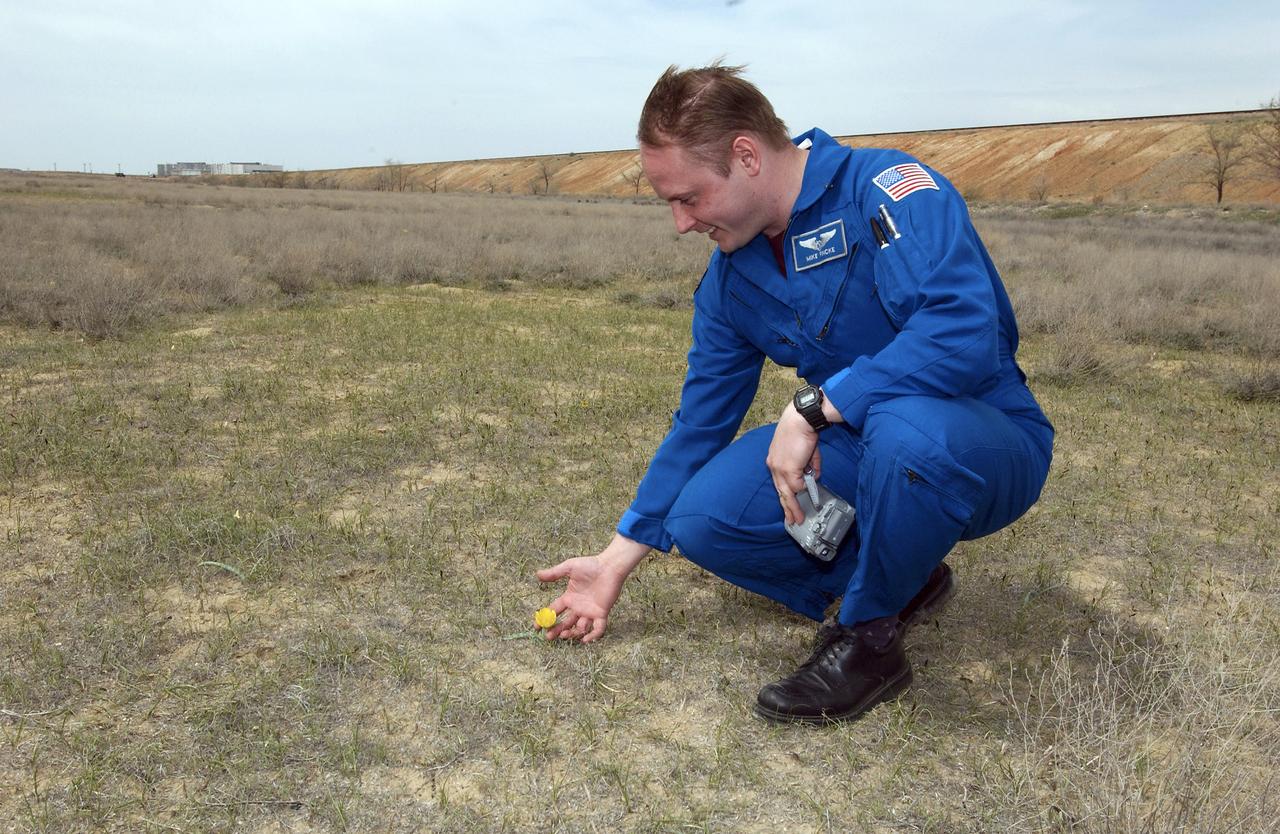
Flight Engineer and NASA Science Officer Mike Fincke looks at a desert tulip just outside the gates to the Soyuz launch pad, Wednesday, April 14, 2004 in Baikonur, Kazakhstan. Photo Credit: (NASA/Bill Ingalls)
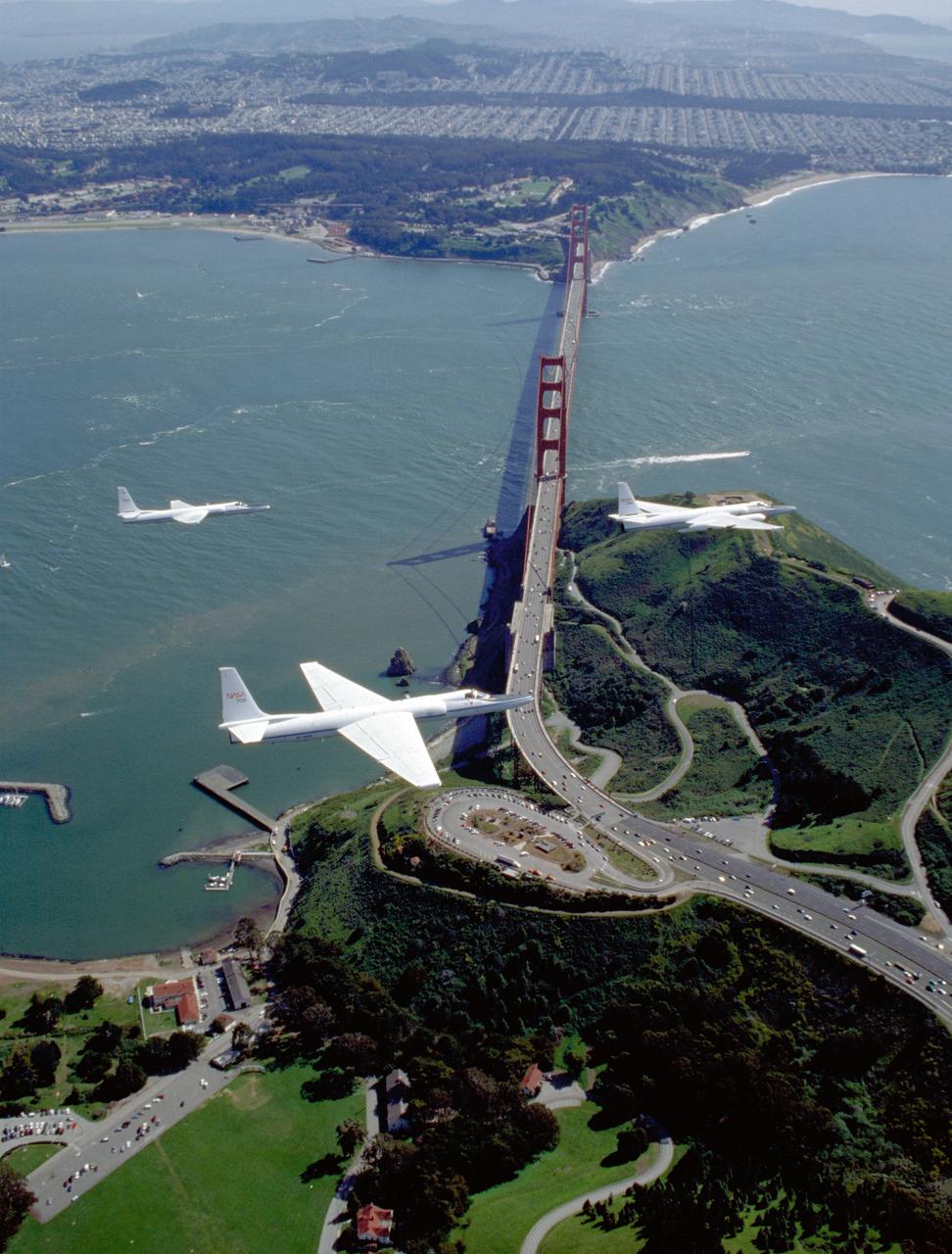
Three ER-2 Aircraft in formation over Golden Gate Bridge, San Francisco, CA on their final flight out of NASA Ames Research Center before redeployment to NASA's Dryden Flight Research Center, CA
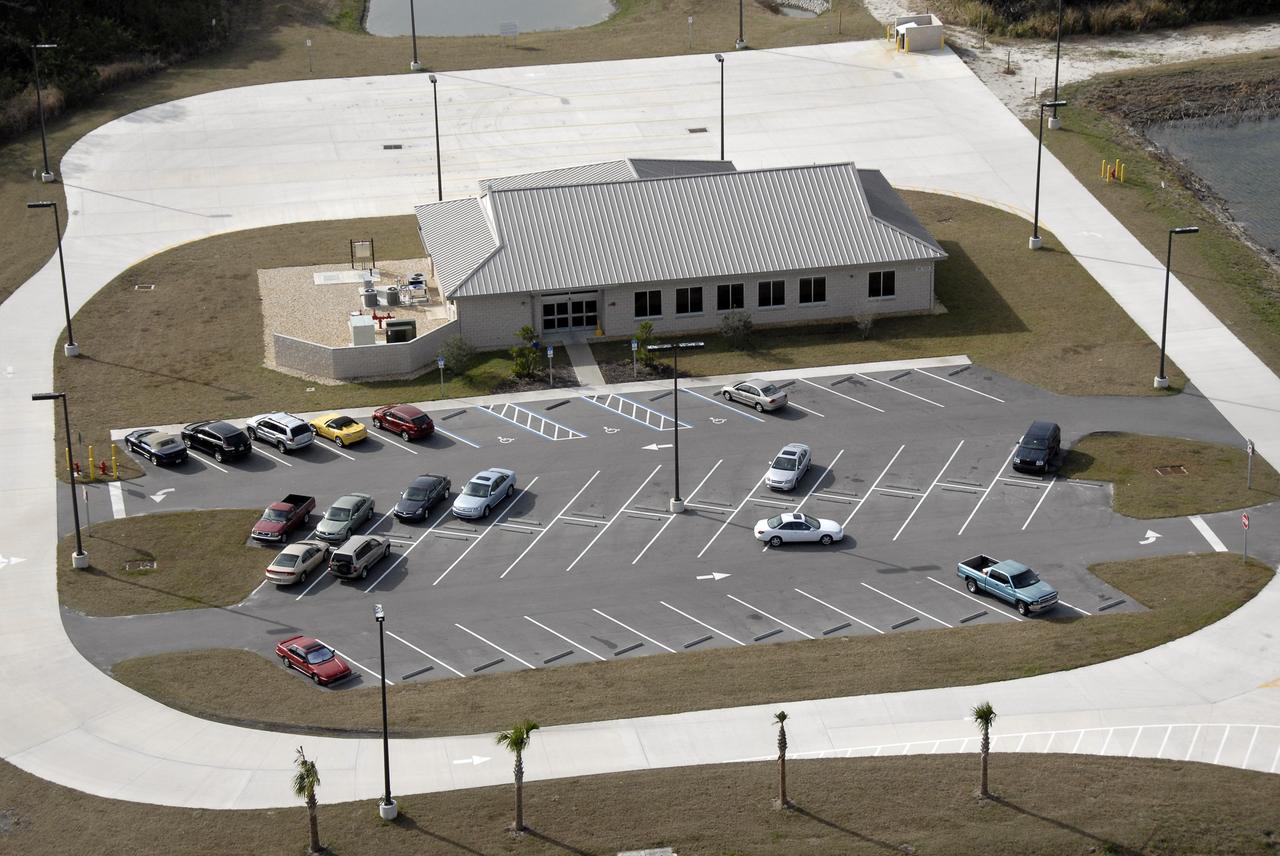
CAPE CANAVERAL, Fla. – An aerial view of the new pass and identification building near Gate 3 of NASA's Kennedy Space Center in Florida. Photo credit: NASA/Kim Shiflett
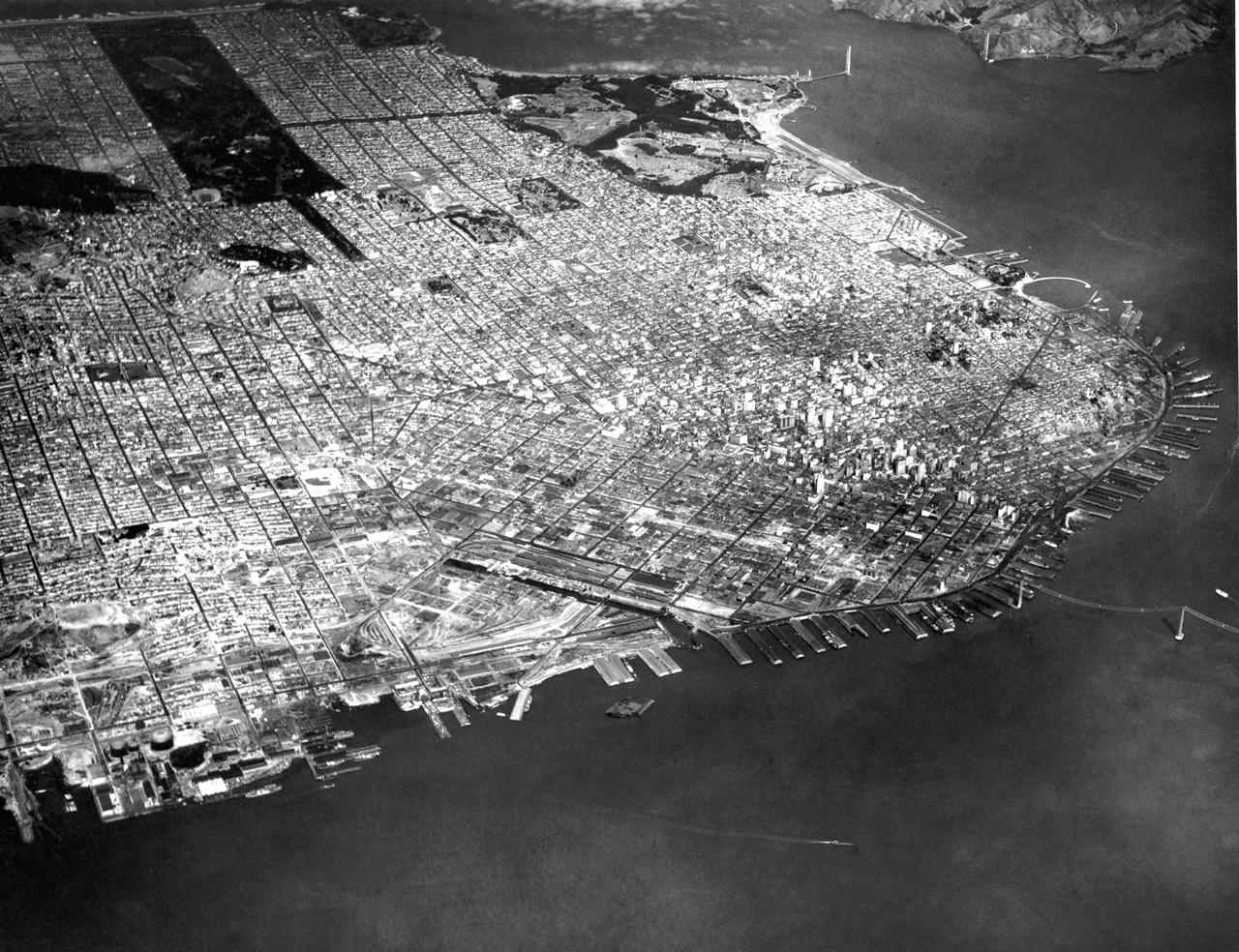
Navy Aerial of San Francisco, California (waterfront - China Basin) Note the beginings of the Golden Gate Bridge in the upper right and the Bay Bridge construction in the middle right of the image.
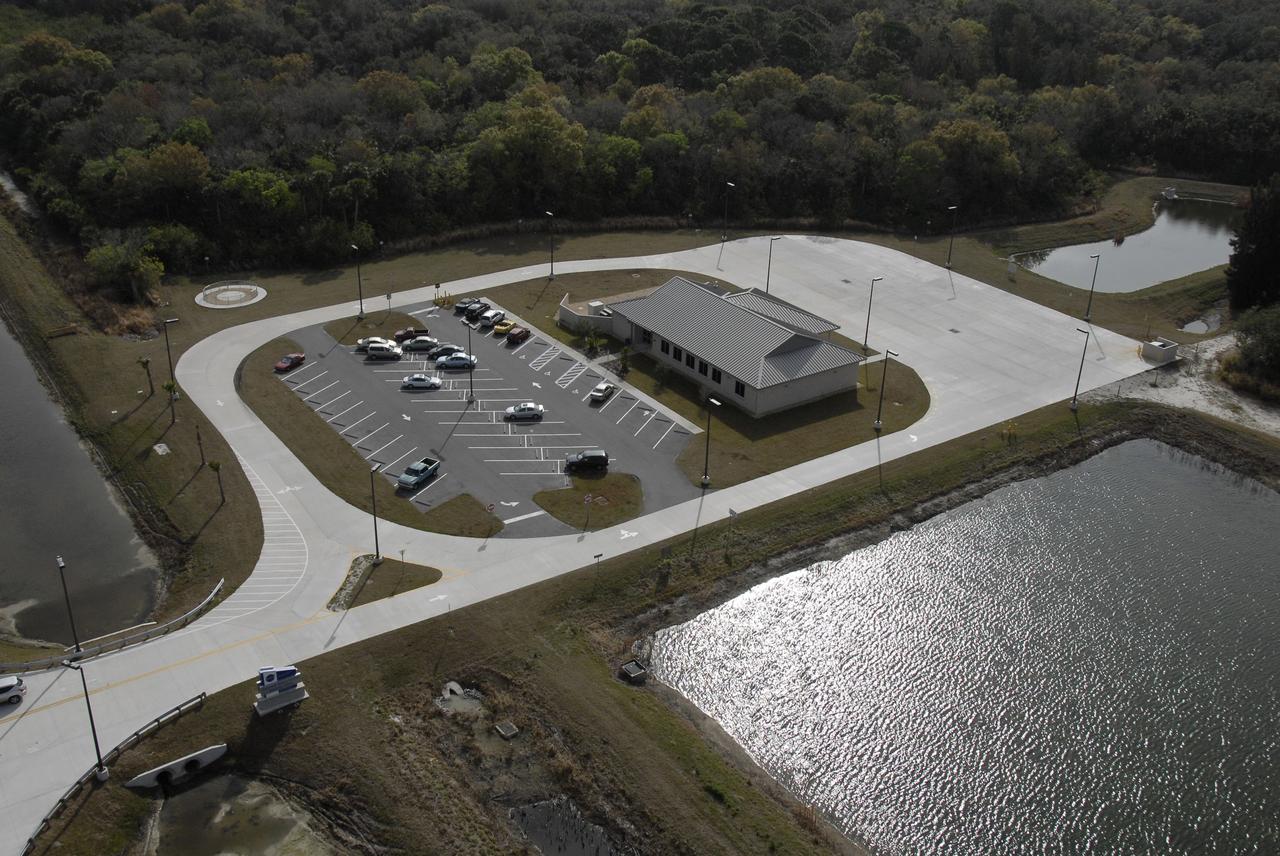
CAPE CANAVERAL, Fla. –An aerial view of the new pass and identification building near Gate 3 of NASA's Kennedy Space Center in Florida. Photo credit: NASA/Kim Shiflett
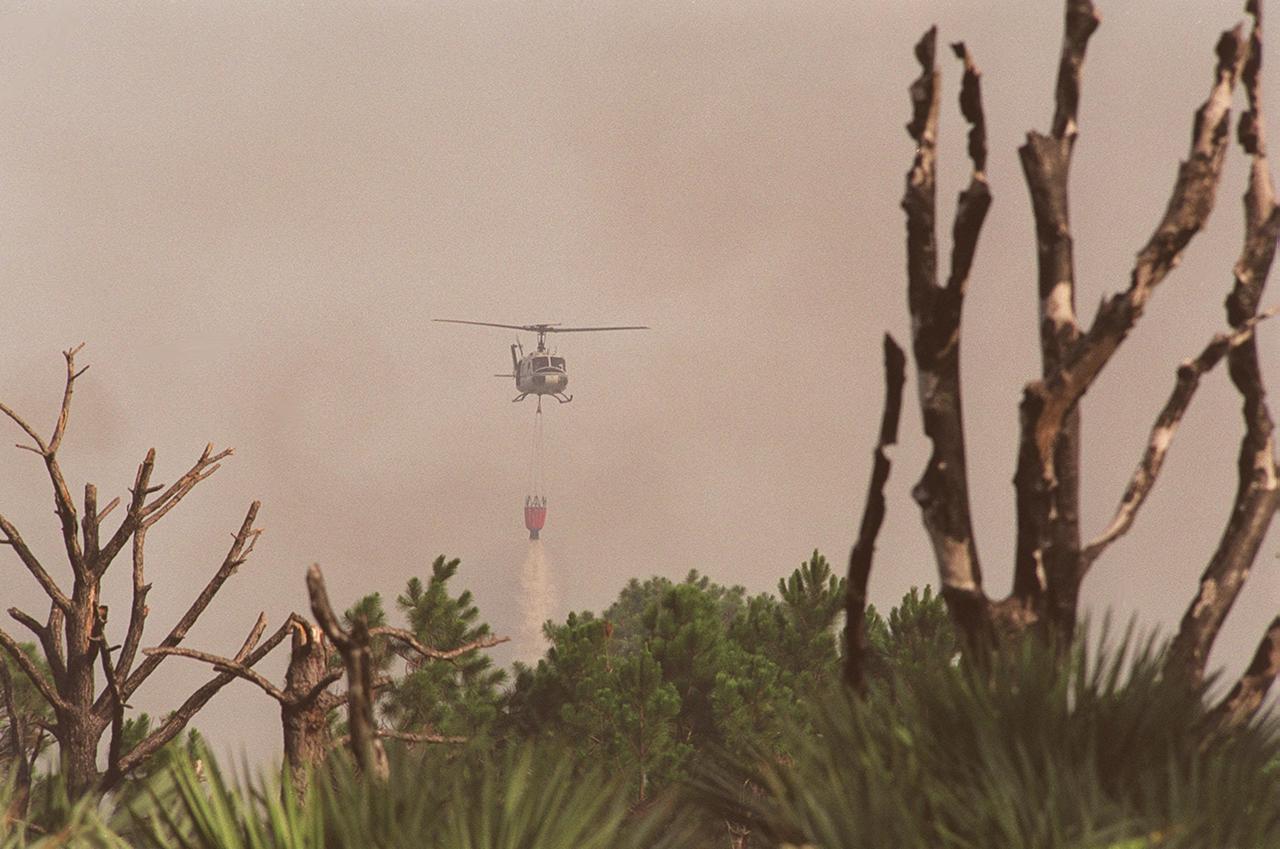
A NASA helicopter drops its cargo of water onto a wildfire at KSC. Before being extinguished, the fire burned about 20 acres at a site near gate 2C on Kennedy Parkway North (route 3)
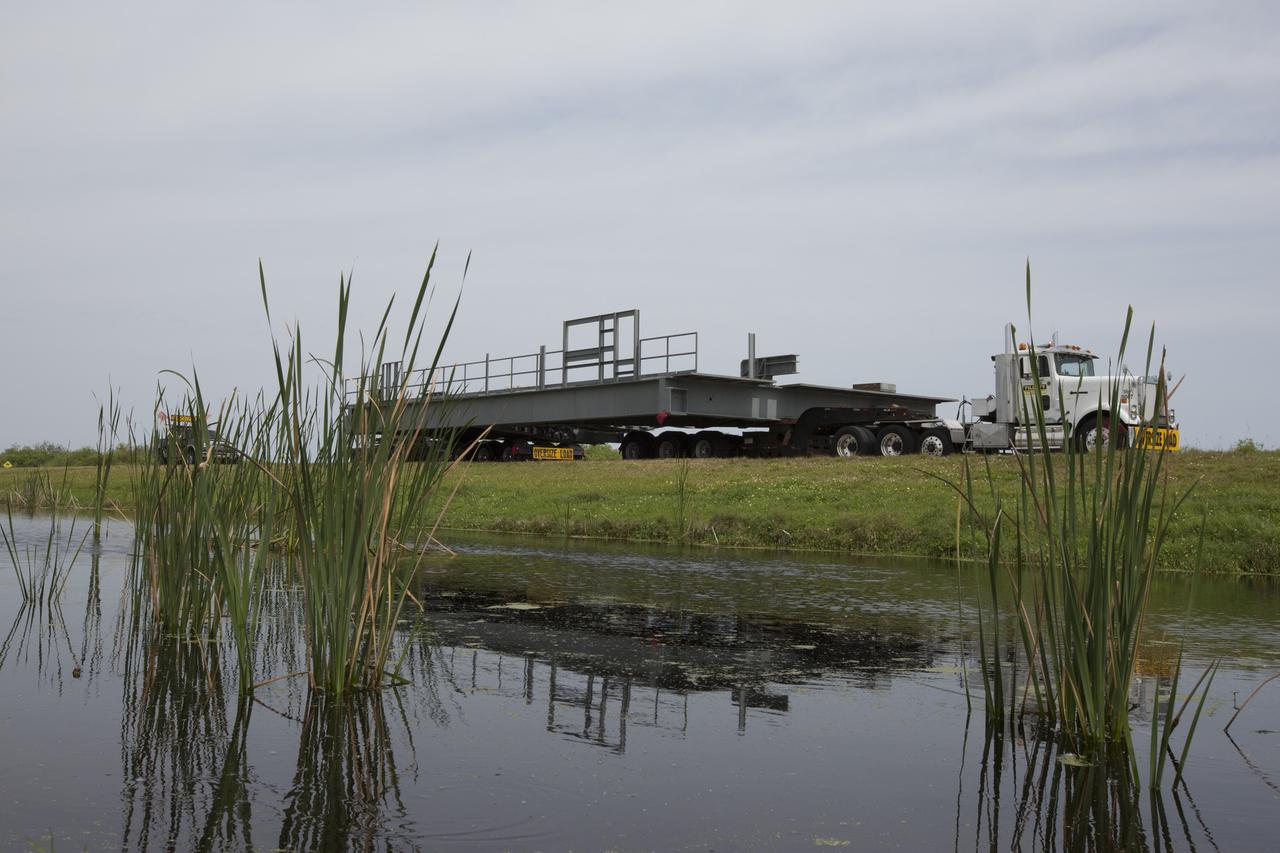
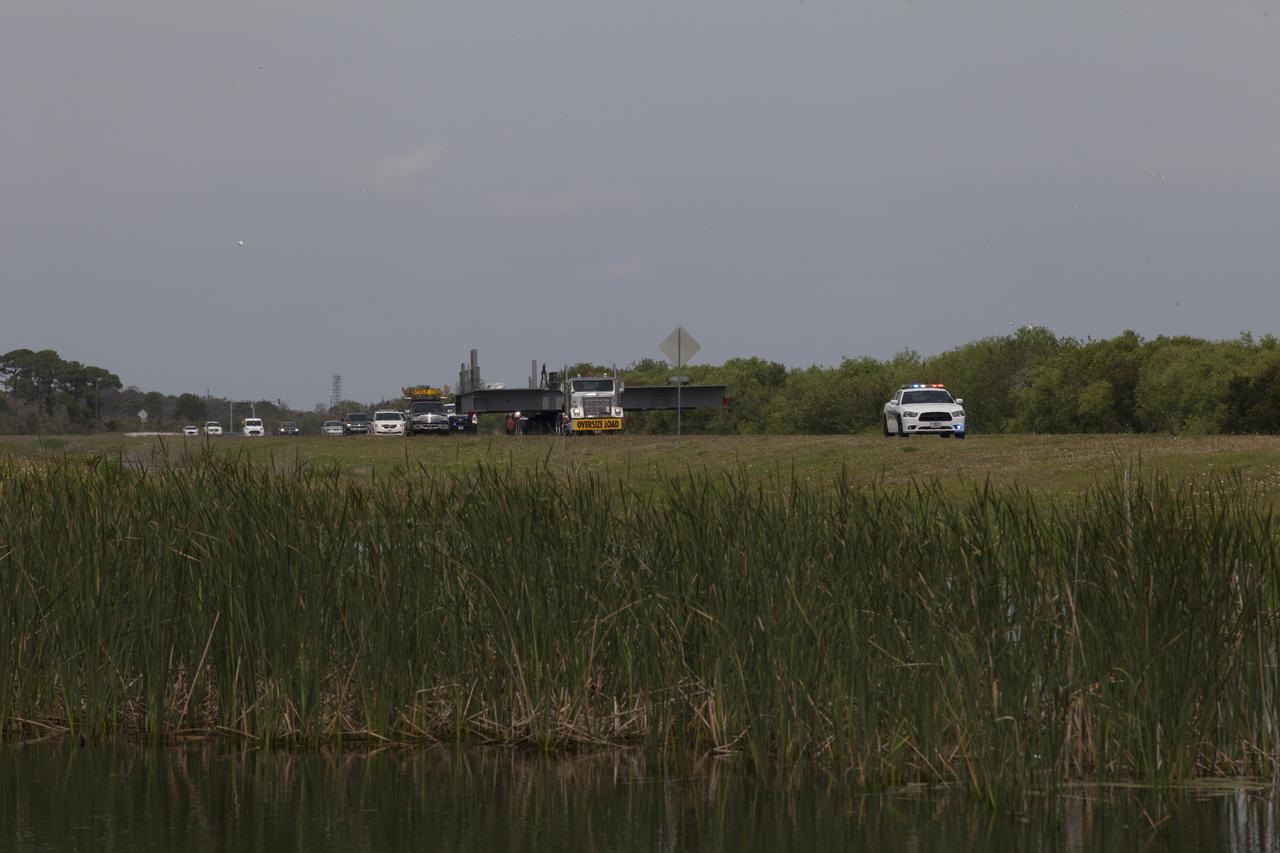
With its image reflected in the water, a heavy load transport truck proceeds along the road to the Vehicle Assembly Building (VAB) at NASA’s Kennedy Space Center in Florida, carrying the second half of the F-level work platforms for the agency’s Space Launch System (SLS) rocket. The platform will be delivered to the VAB staging area in the west parking lot. The Ground Systems Development and Operations Program is overseeing upgrades and modifications to VAB High Bay 3 to support processing of the SLS and Orion spacecraft. A total of 10 levels of new platforms, 20 platform halves altogether, will surround the SLS rocket and Orion spacecraft and provide access for testing and processing. Delivery of this platform brings the total to 10 platforms, or half of the work platforms delivered to Kennedy,
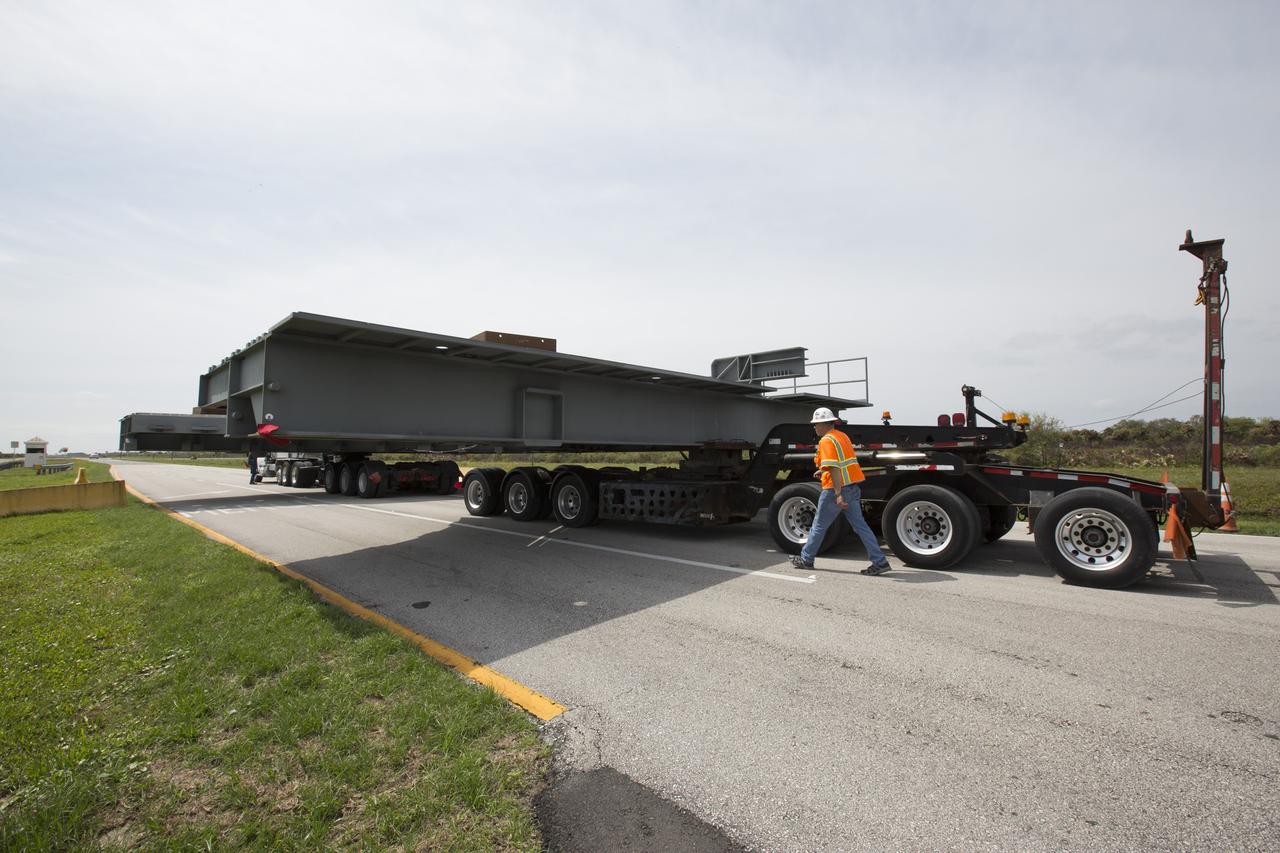
A heavy load transport truck proceeds along the road to the Vehicle Assembly Building (VAB) at NASA’s Kennedy Space Center in Florida, carrying the second half of the F-level work platforms for the agency’s Space Launch System (SLS) rocket. The platform will be delivered to the VAB staging area in the west parking lot. The Ground Systems Development and Operations Program is overseeing upgrades and modifications to VAB High Bay 3 to support processing of the SLS and Orion spacecraft. A total of 10 levels of new platforms, 20 platform halves altogether, will surround the SLS rocket and Orion spacecraft and provide access for testing and processing. Delivery of this platform brings the total to 10 platforms, or half of the work platforms delivered to Kennedy.
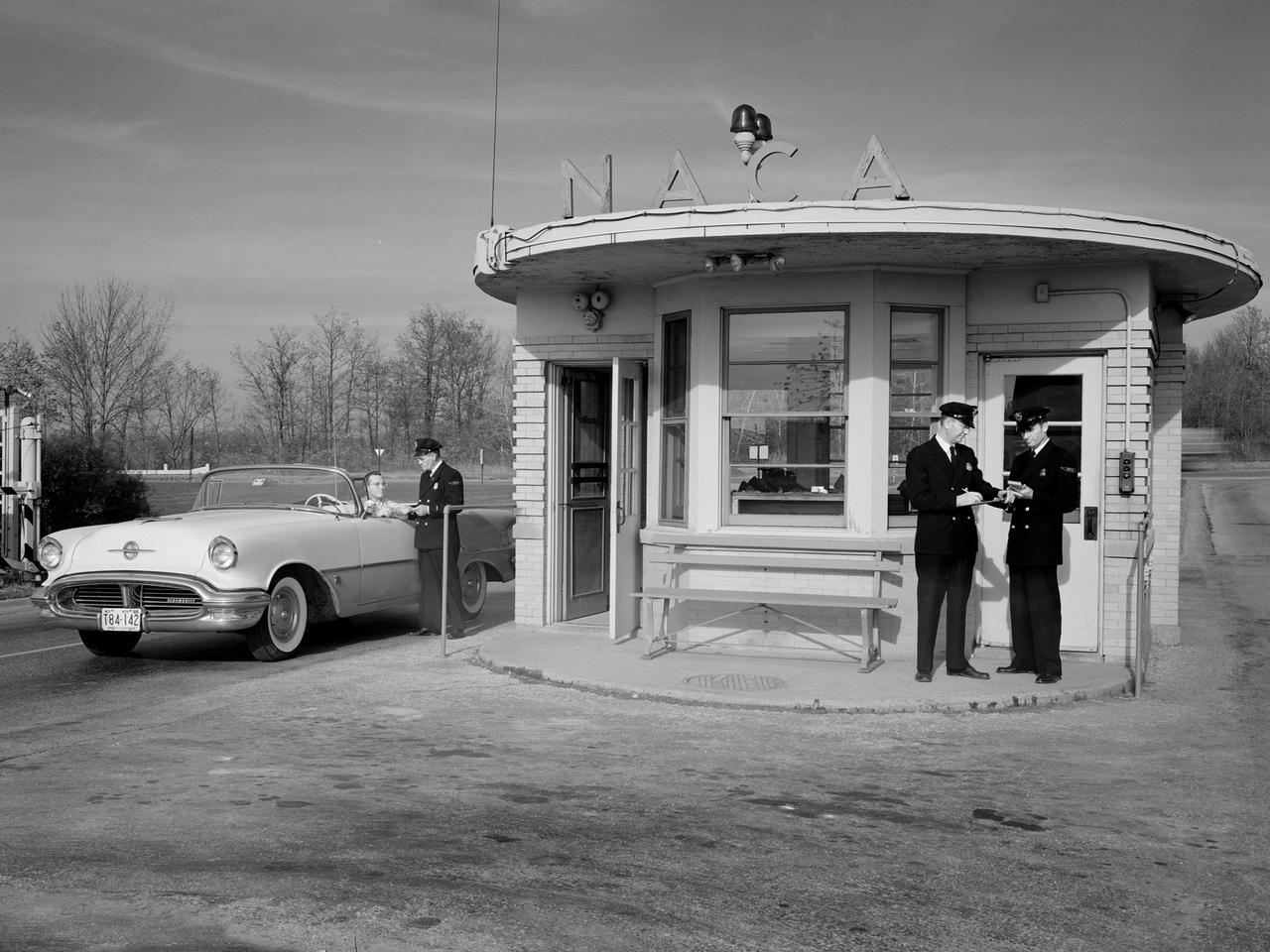
A vehicle leaves the National Advisory Committee for Aeronautics (NACA) Lewis Flight Propulsion Laboratory in Cleveland, Ohio. The guard house was on the main entrance to the laboratory from Brookpark Road. The original building was fairly small and easily crowded. In the early 1960s a new security facility was built several hundred feet beyond the original guard house. The original structure remained in place for several years, but was not utilized. The structure seen in this photograph was replaced in 2011 by a new building and entrance configuration. In September 1955, approximately a year before this photo was taken, the security staff was given new navy blue uniforms, seen here.
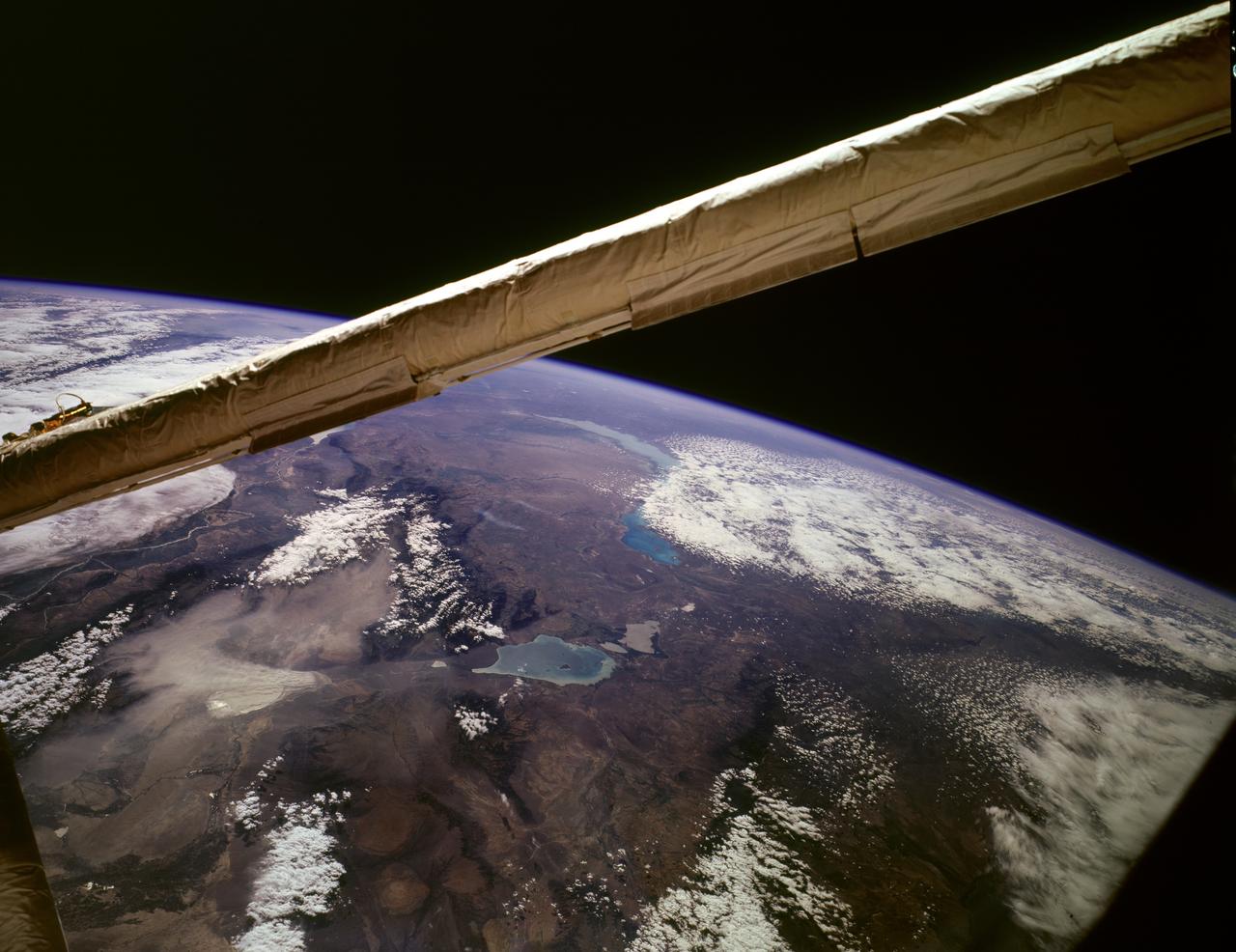
STS085-503-061 (7 - 19 August 1997) --- Lakes Balkhash and Alakol, southern uplands of Kazakhstan, central Asia. The long, 600 kilometers arc of Lake Balkhash occupies the center of this clear west-looking view. The left of the view shows clearly the westernmost Dzungarian Basin in the autonomous region of Xinjiang Uygur (Sinkiang), China. Kazakhstan's capital city Almaty (Alma-Ata) lies out of sight behind the boom. The Dzungarian Gate is the straight, fault-bounded valley cutting through the Dzhungarskiy Alatau Range. The Gate has acted as a major pass for centuries, allowing access between east Asia and central Asia (the valley floor is about 1,500 feet, whereas peaks reach 15,000 feet on the west and about 10,000 feet on the east side) -- it was one of the routes used by the Mongols when they began their invasion of central Asia and Europe in the 13th century. Lake Ebinur is the bright area beneath the dust plume (left center); strong north winds from the steppes of Kazakhstan and Russia are funneled through the Dzungarian Gate where they pick up sediment from dry lakebeds and blow it into China. The Ili River flows westward, parallel to the Dzhungarskiy Alatau Range, through Kapchagay Lake (partially visible beneath boom), then northwest across a large delta plain and into Lake Balkhash.
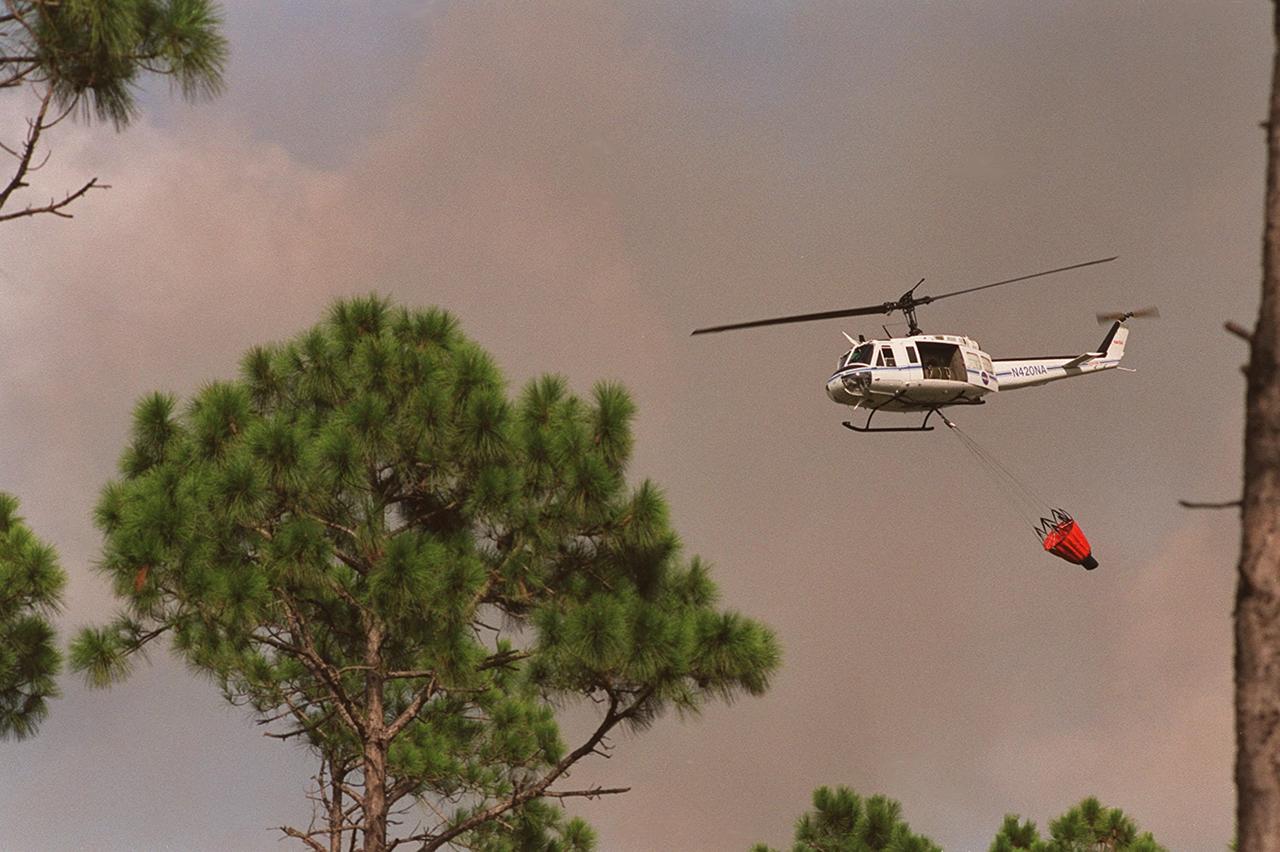
A NASA helicopter flies toward the source of the smoke to drop its load of water on a wildfire at KSC. Before being extinguished, the fire burned about 20 acres at a site near gate 2C on Kennedy Parkway North (route 3)

Flight Engineer and NASA Science Officer Mike Fincke, foreground, leaps over a ditch after the Expedition 9 prime and backup crews stopped to look at desert tulips just outside the gates to the Soyuz launch pad, Wednesday, April 14, 2004 in Baikonur, Kazakhstan. Photo Credit: (NASA/Bill Ingalls)
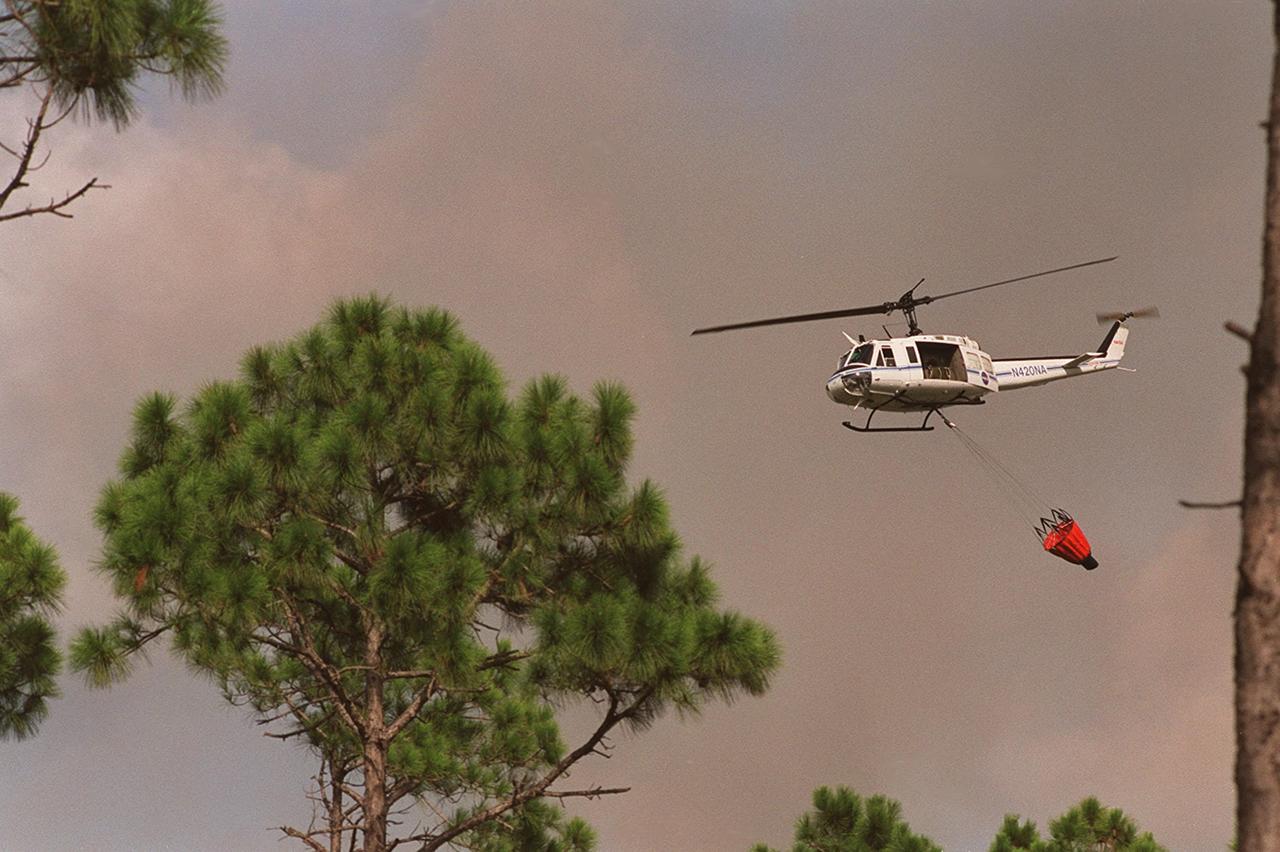
A NASA helicopter flies toward the source of the smoke to drop its load of water on a wildfire at KSC. Before being extinguished, the fire burned about 20 acres at a site near gate 2C on Kennedy Parkway North (route 3)
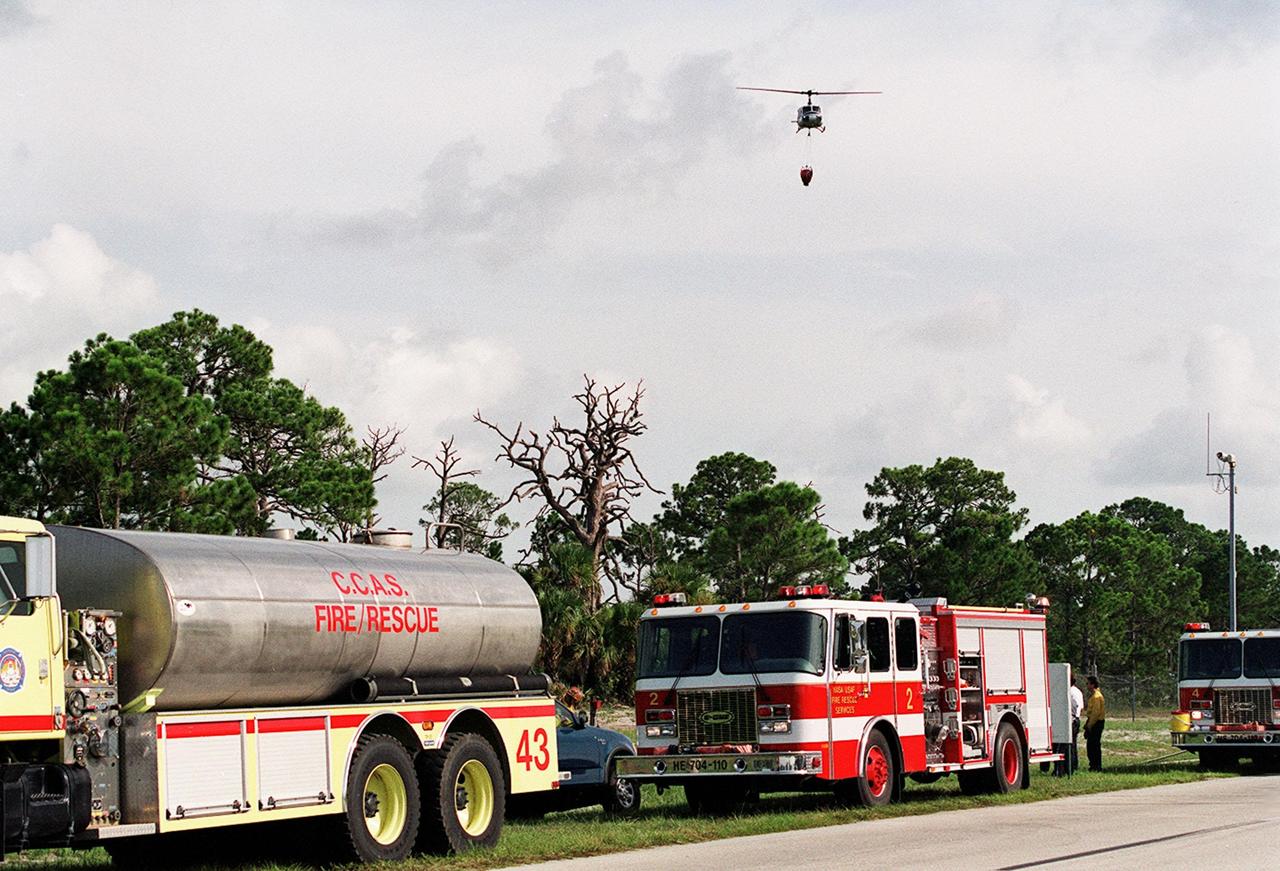
A NASA helicopter flies over fire-fighting equipment and personnel in order to drop its load of water on a wildfire at KSC. Before being extinguished, the fire burned about 20 acres at a site near gate 2C on Kennedy Parkway North (route 3)
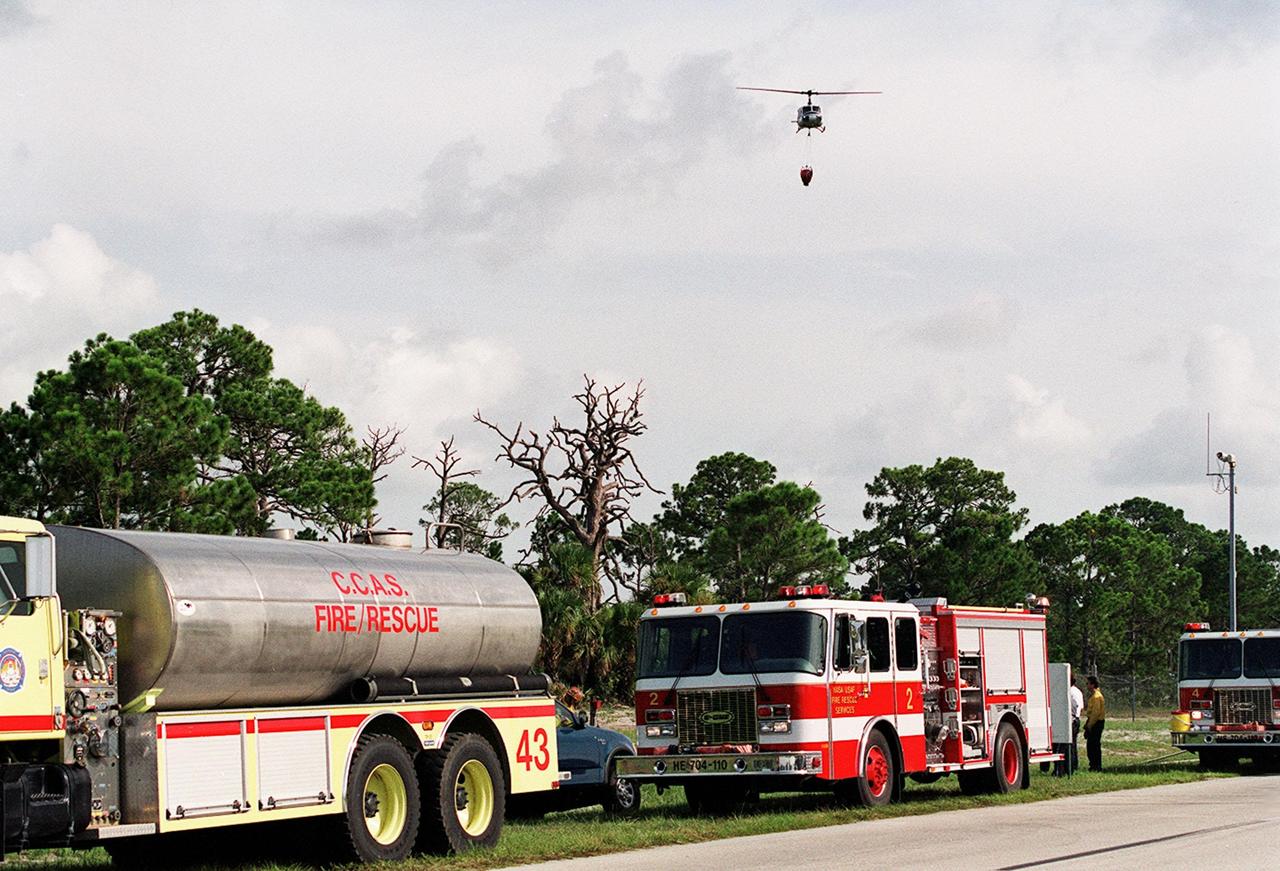
A NASA helicopter flies over fire-fighting equipment and personnel in order to drop its load of water on a wildfire at KSC. Before being extinguished, the fire burned about 20 acres at a site near gate 2C on Kennedy Parkway North (route 3)
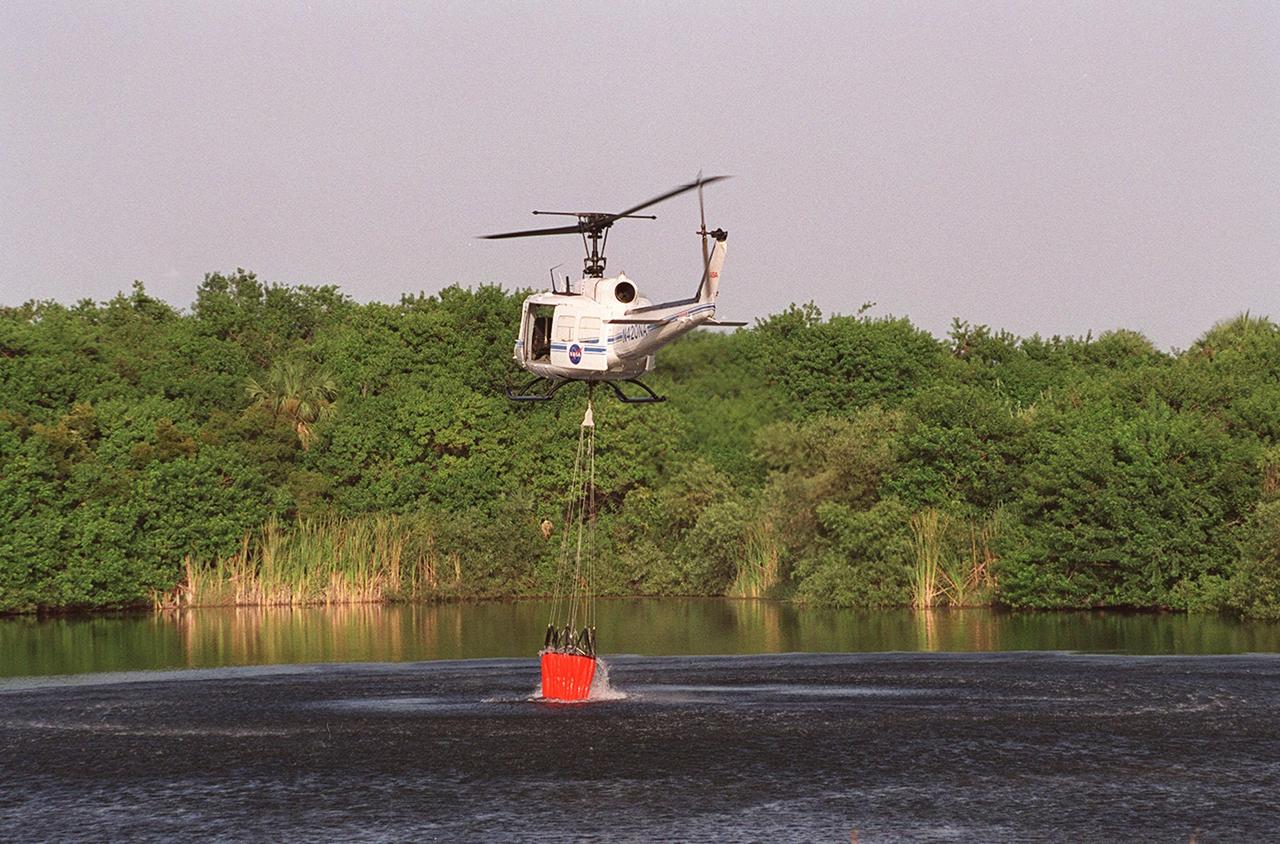
A NASA helicopter dips its fire-fighting bucket into the river to pick up and deliver a cargo of water to a wildfire at KSC. Before being extinguished, the fire burned about 20 acres at a site near gate 2C on Kennedy Parkway North (route 3)
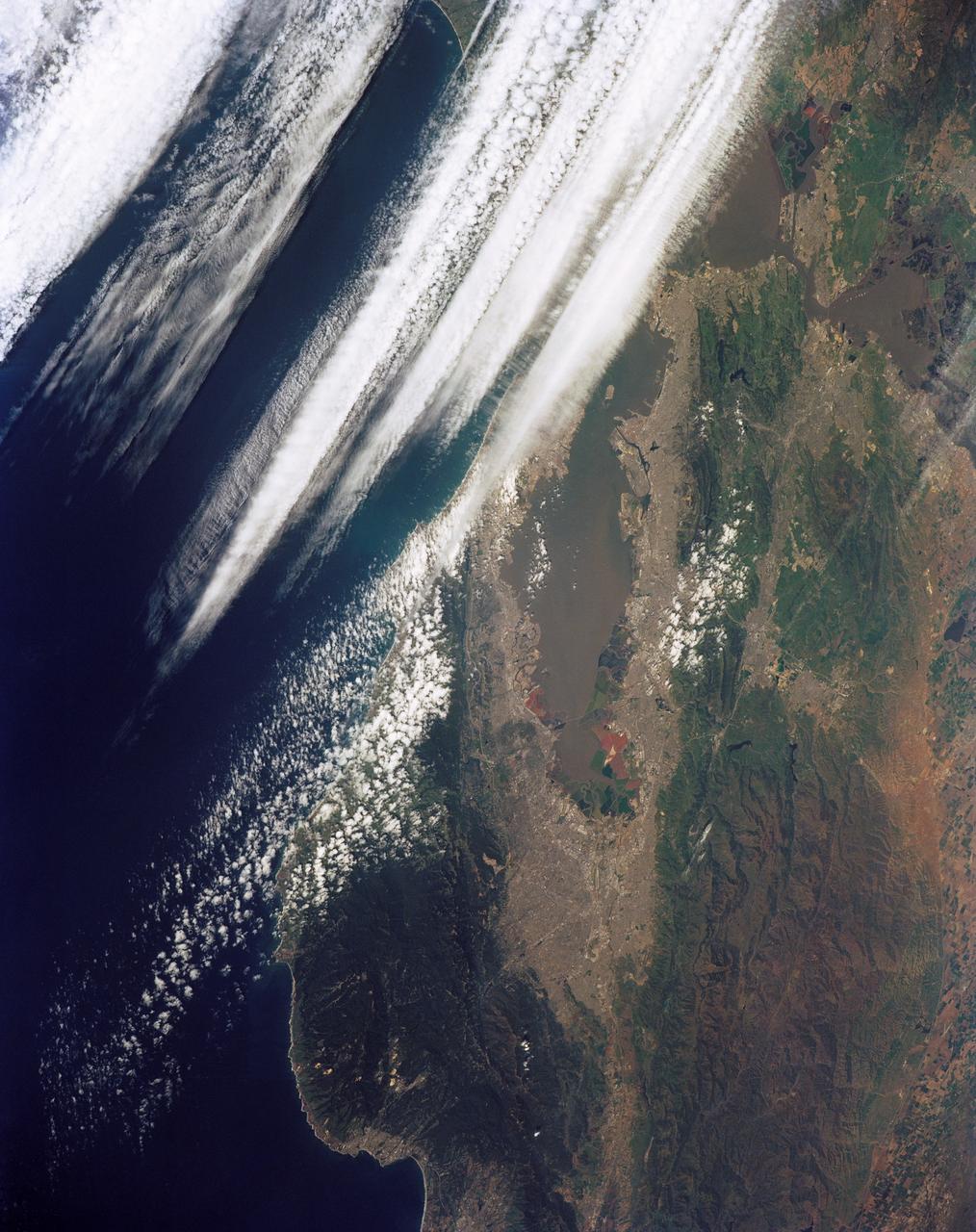
STS039-151-181A (28 April-6 May 1991) --- Large format (five-inch) frame of the San Francisco/Oakland Bay Area of northern California. Stratus clouds at 35,000 feet and cumulus clouds at about 15,000 feet are seen over the Pacific Coast, obscuring the Golden Gate Bridge.
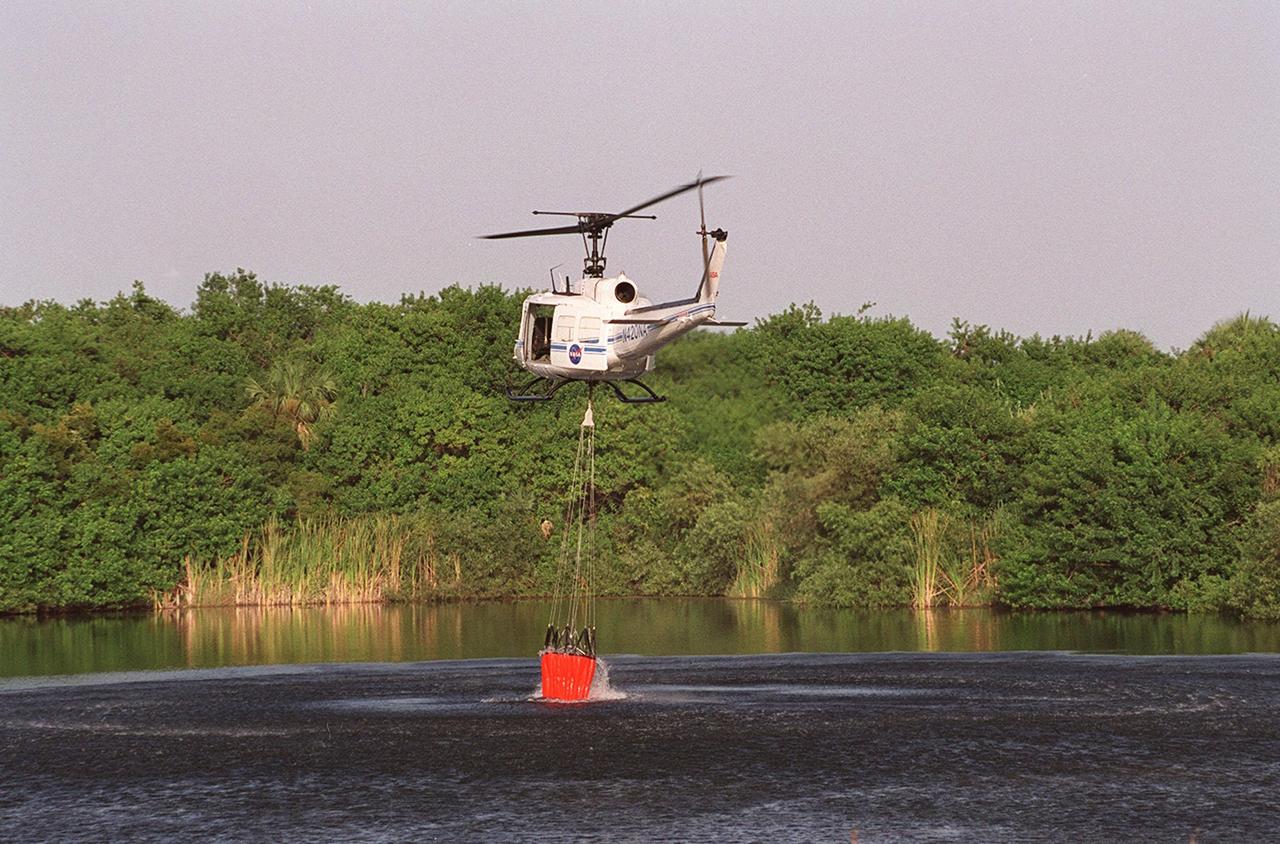
A NASA helicopter dips its fire-fighting bucket into the river to pick up and deliver a cargo of water to a wildfire at KSC. Before being extinguished, the fire burned about 20 acres at a site near gate 2C on Kennedy Parkway North (route 3)
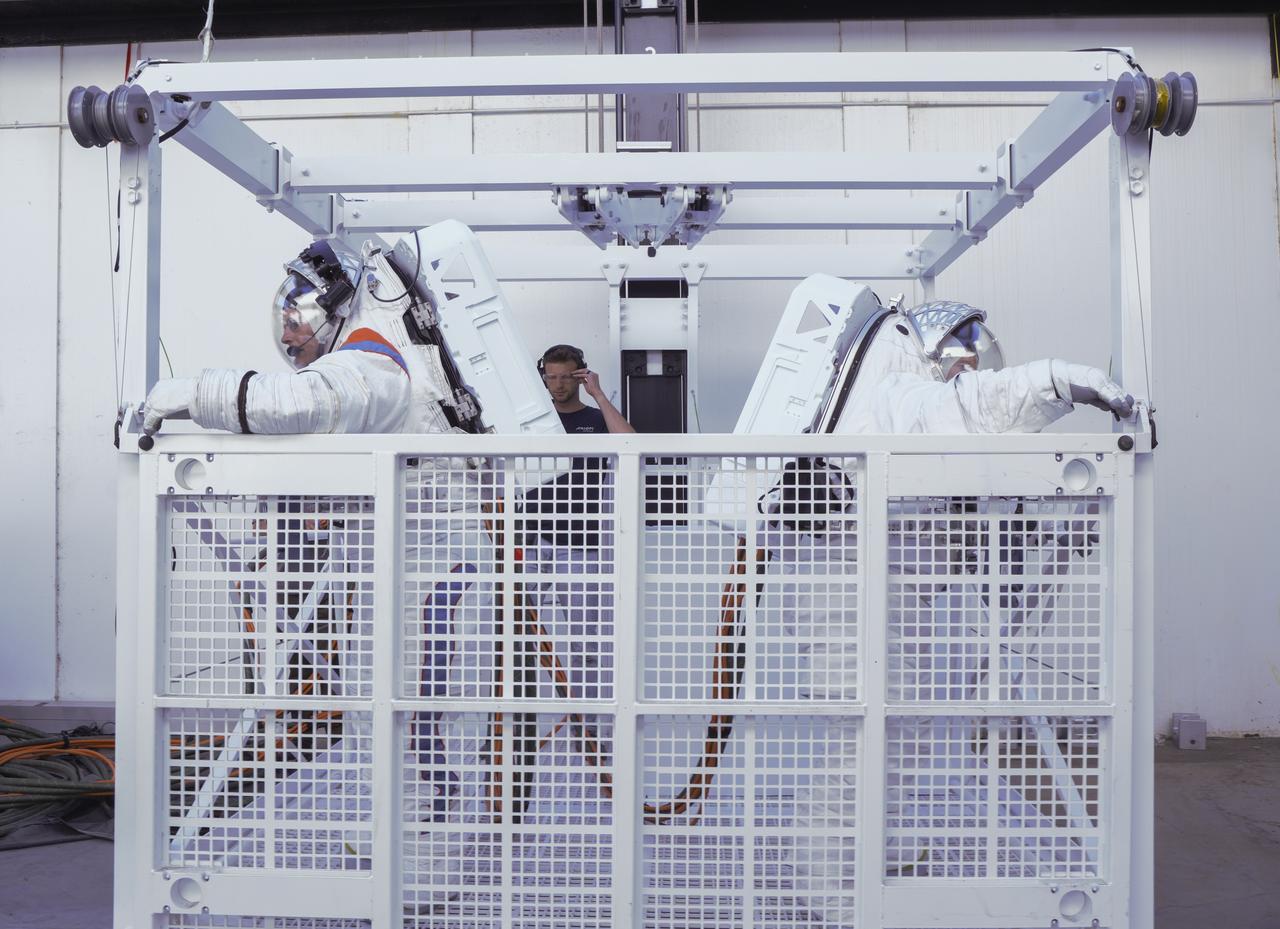
NASA astronaut Doug "Wheels" Wheelock and Axiom Space astronaut Peggy Whitson were able to test the agility of the spacesuits by conducting movements and tasks similar to those necessary during lunar surface exploration on Artemis missions, such as operating the full-scale mockup of Starship’s elevator gate. Image Credit: SpaceX
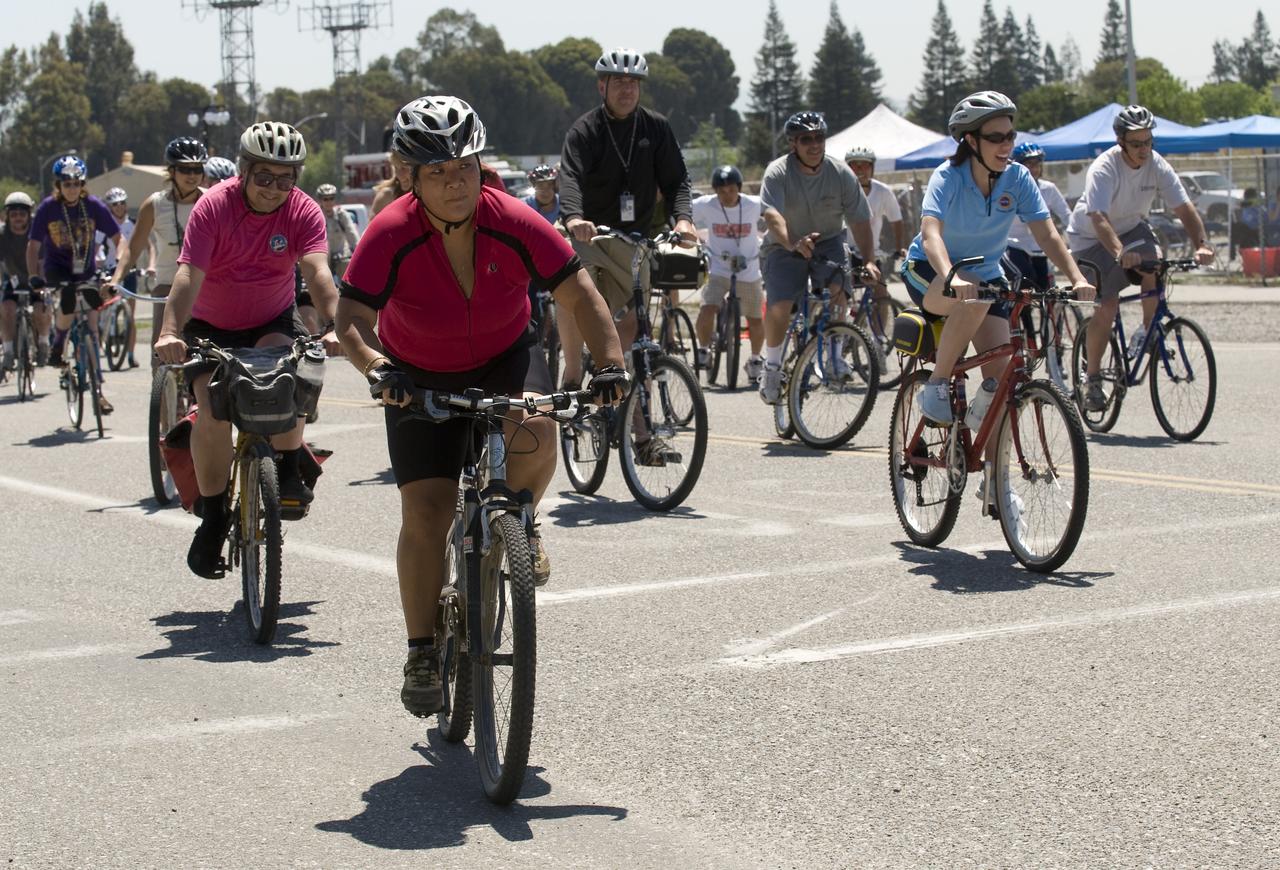
Tour DE Ames Bicycle event (start at Macon Road Gate - ending a the Old Mimi Mart on R.T. Jones Road) Deb Feng, Chief Center Operations (acting), starts off the race with fellow bikers on the first Tour de Ames
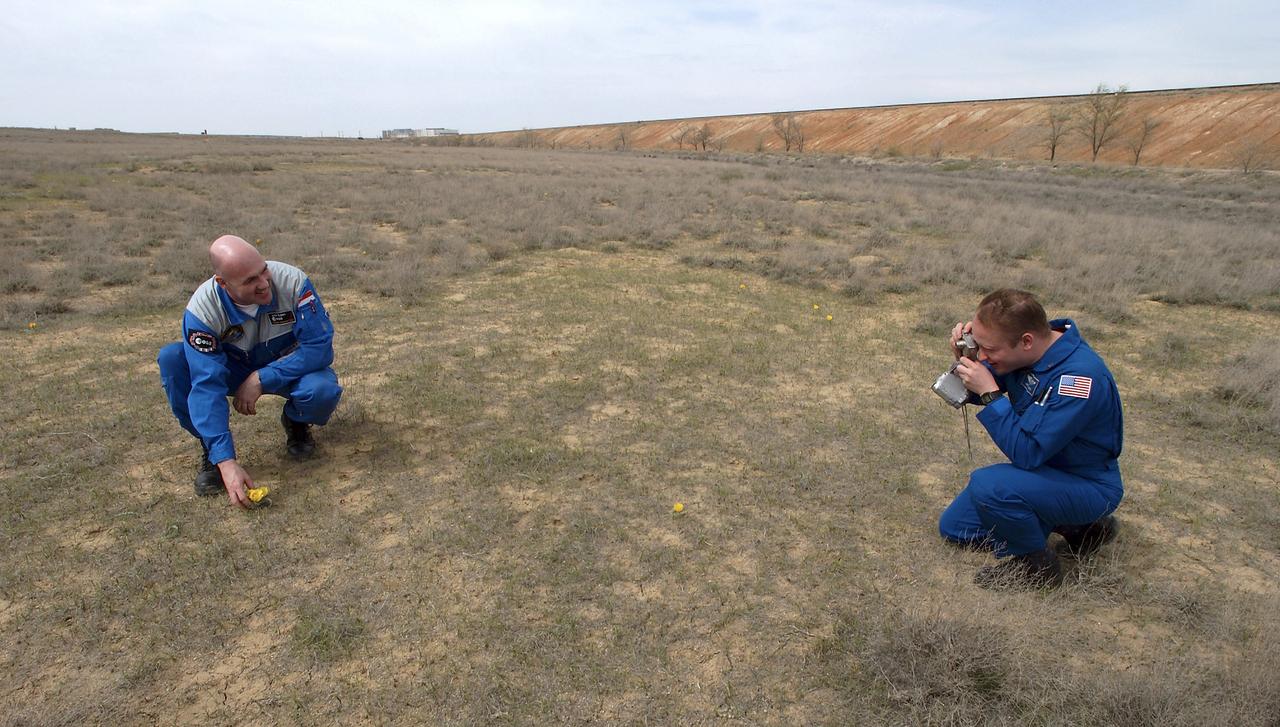
Flight Engineer and NASA Science Officer Mike Fincke, right, makes a photograph of European Space Agency astronaut Andre Kuipers of the Netherlands with a desert tulip just outside the gates to the Soyuz launch pad, Wednesday, April 14, 2004 in Baikonur, Kazakhstan. Photo Credit: (NASA/Bill Ingalls)
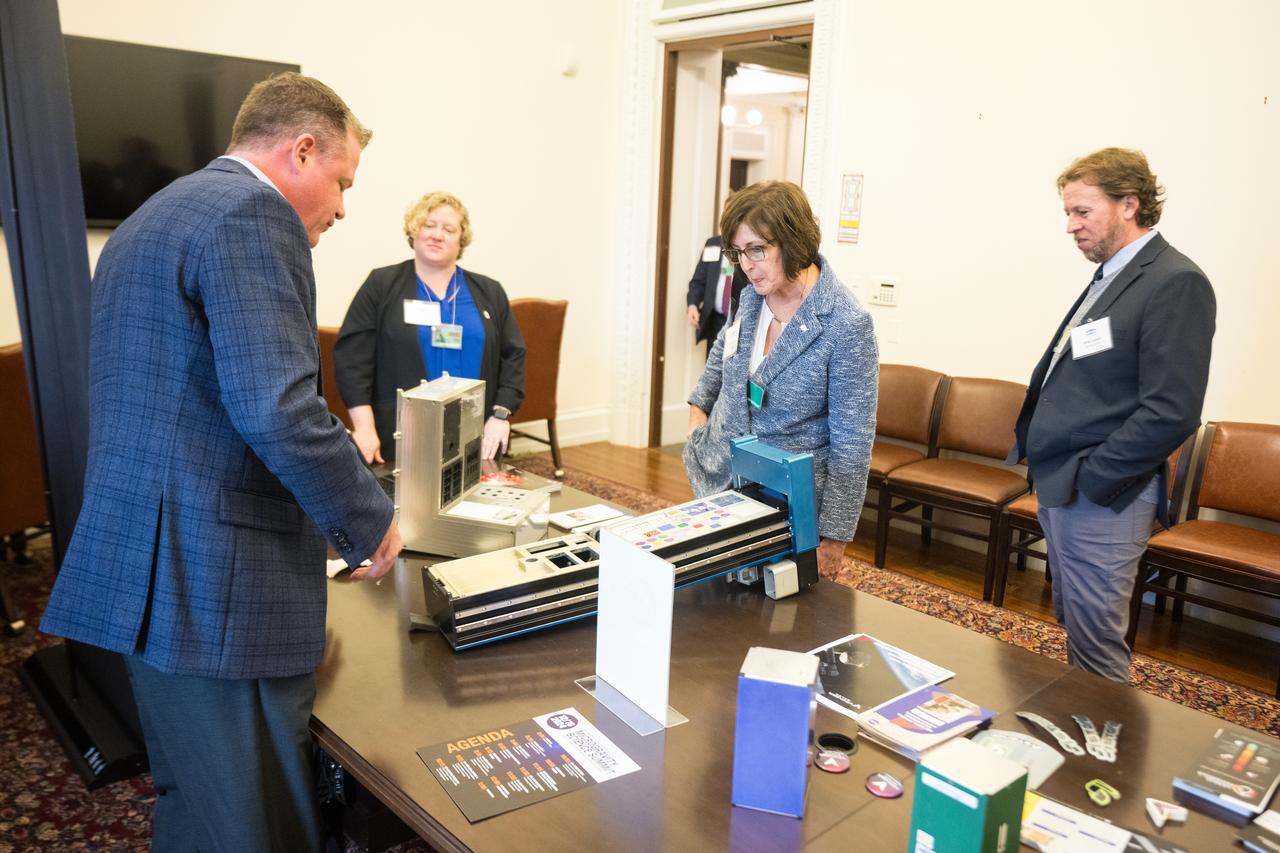
NASA's Director of the International Space Station and Commercial Spaceflight Divisions, Robyn Gates, views hardware used in microgravity at the Microgravity Science Summit at the Eisenhower Executive Office Building, Monday, Dec. 13, 2024 in Washington. Photo Credit: (NASA/Aubrey Gemignani)

Barbara Marino (left), Stennis Space Center education technology specialist, shows Astro Camp Counselor Beverly Fitzsimmons a LEGO model during a teambuilding exercise May 29 at SSC's North Gate computer lab as a part of the counselors' `new hire' orientation.
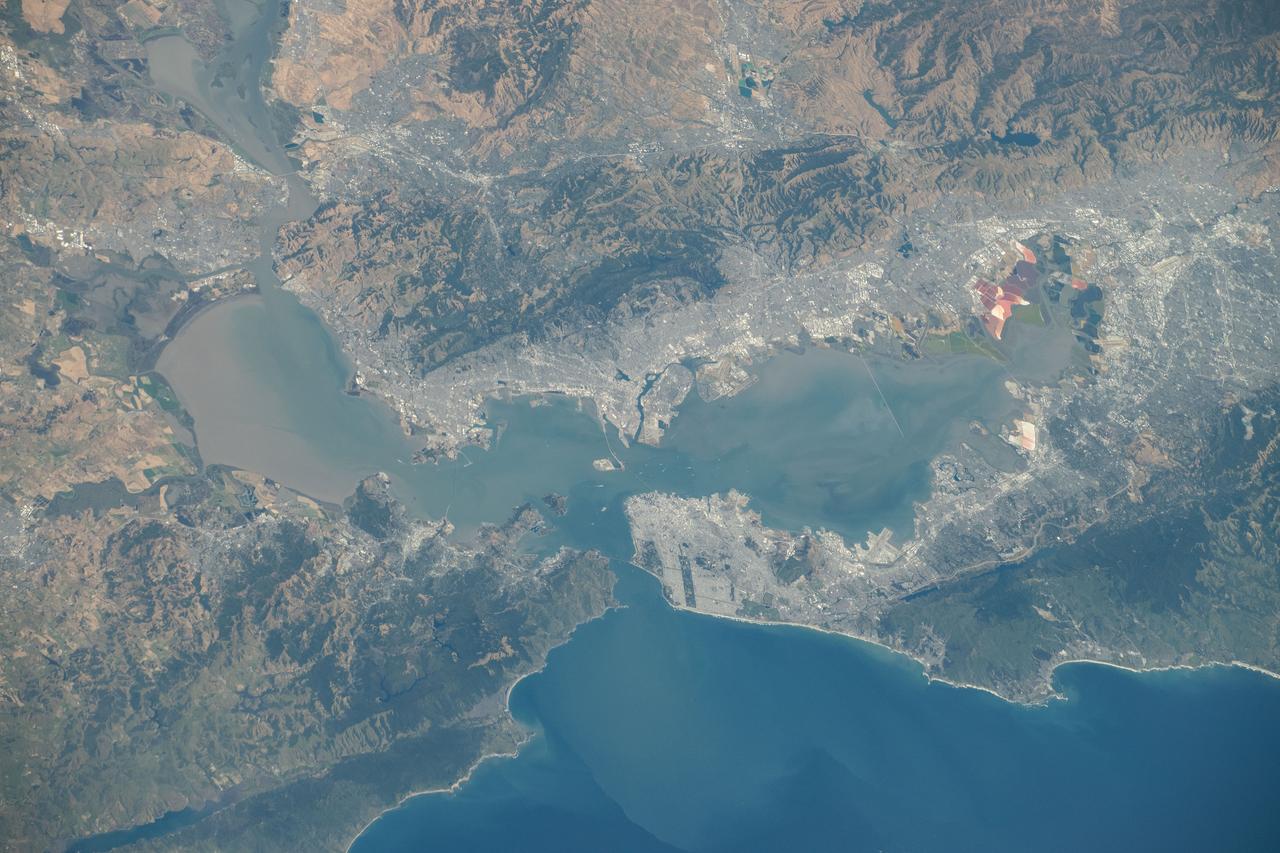
iss071e133353 (May 29, 2024) --- The San Francisco Bay Area in California, home to the Silicon Valley high-tech region and the Golden Gate Bridge, is pictured from the International Space Station as it orbited 262 miles above the Pacific Ocean.
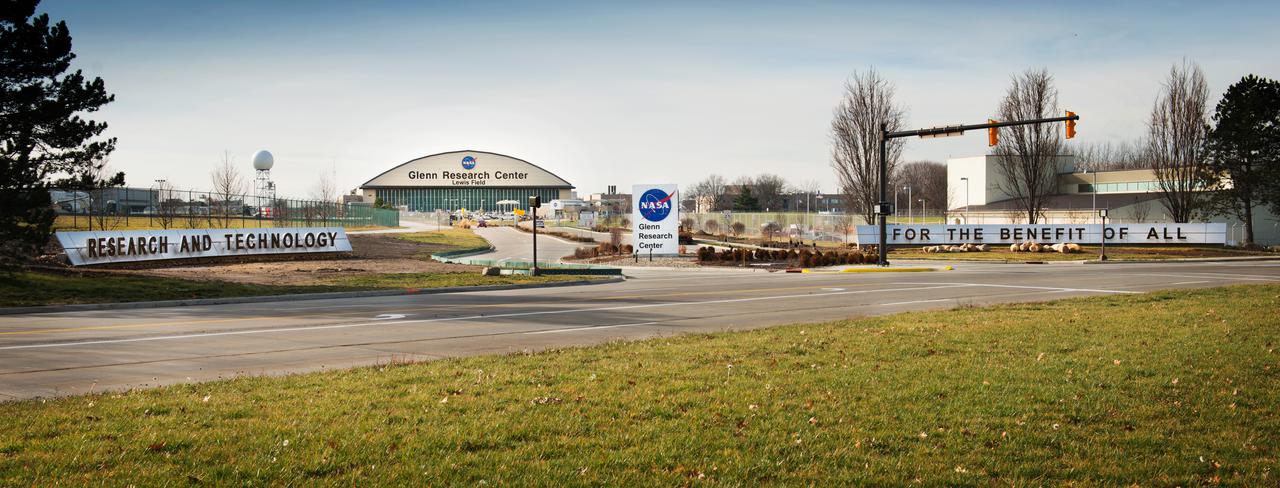
Main Entrance of NASA Glenn Research Center at Brookpark Road and NASA Parkway. The signs read: Research and Technology For The Benefit Of All.
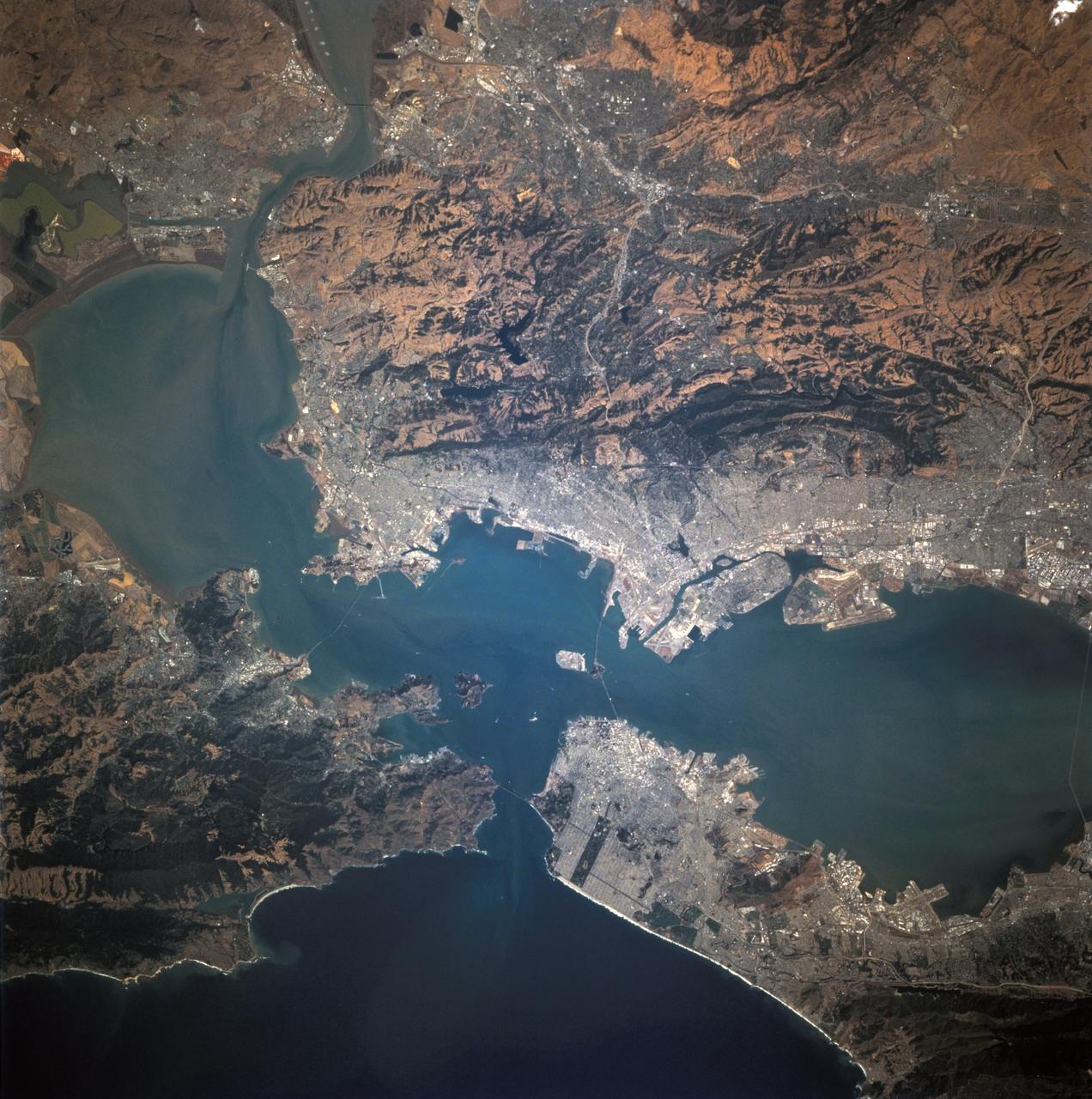
STS068-244-022 (30 September-11 October 1994) --- (San Francisco, San Pablo Bay Area) Photographed through the Space Shuttle Endeavour's flight deck windows, the heavily populated bay area is featured in this 70mm frame. The relatively low altitude of Endeavour's orbit (115 nautical miles) and the use of a 250mm lens on the Hasselblad camera allowed for capturing detail in features such as the Berkeley Marina (frame center). The region's topography is well depicted with the lowland areas heavily populated and the hills much more sparsely covered. The Oakland Hills in the right lower center appear to be re-vegetated after a devastating fire. The Golden Gate Recreation Area in the upper left also shows heavy vegetation. The three bridges across the main part of the bay and their connecting roads are prominent. Cultural features such as Golden Gate Park and the Presidio contrast with the gray of the city.
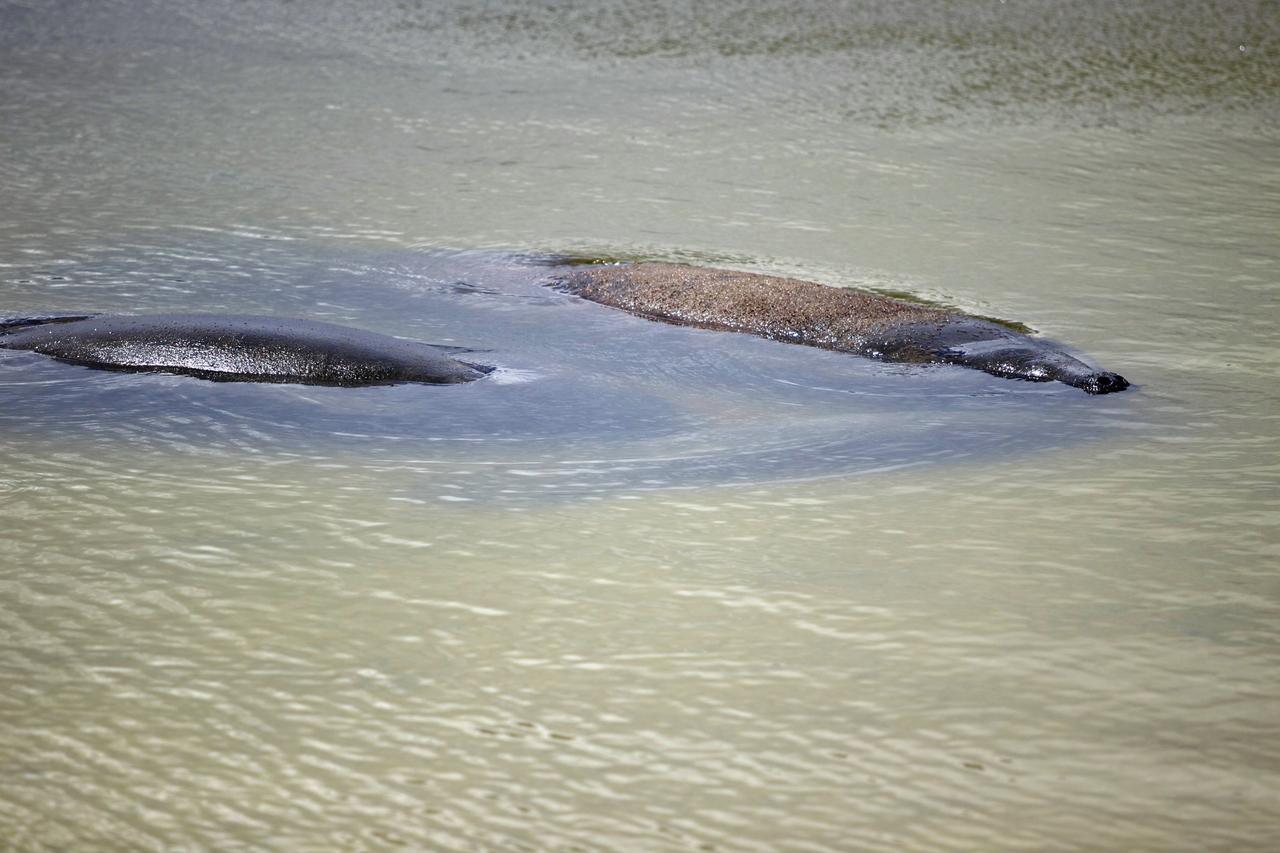
CAPE CANAVERAL, Fla. -- At NASA's Kennedy Space Center in Florida, two manatees congregate in brackish water off State Road 3, near the center's north guard gate. Kennedy coexists with the Merritt Island National Wildlife Refuge, habitat to more than 310 species of birds, 25 mammals, 117 fish and 65 amphibians and reptiles. Photo credit: NASA/Frank Michaux
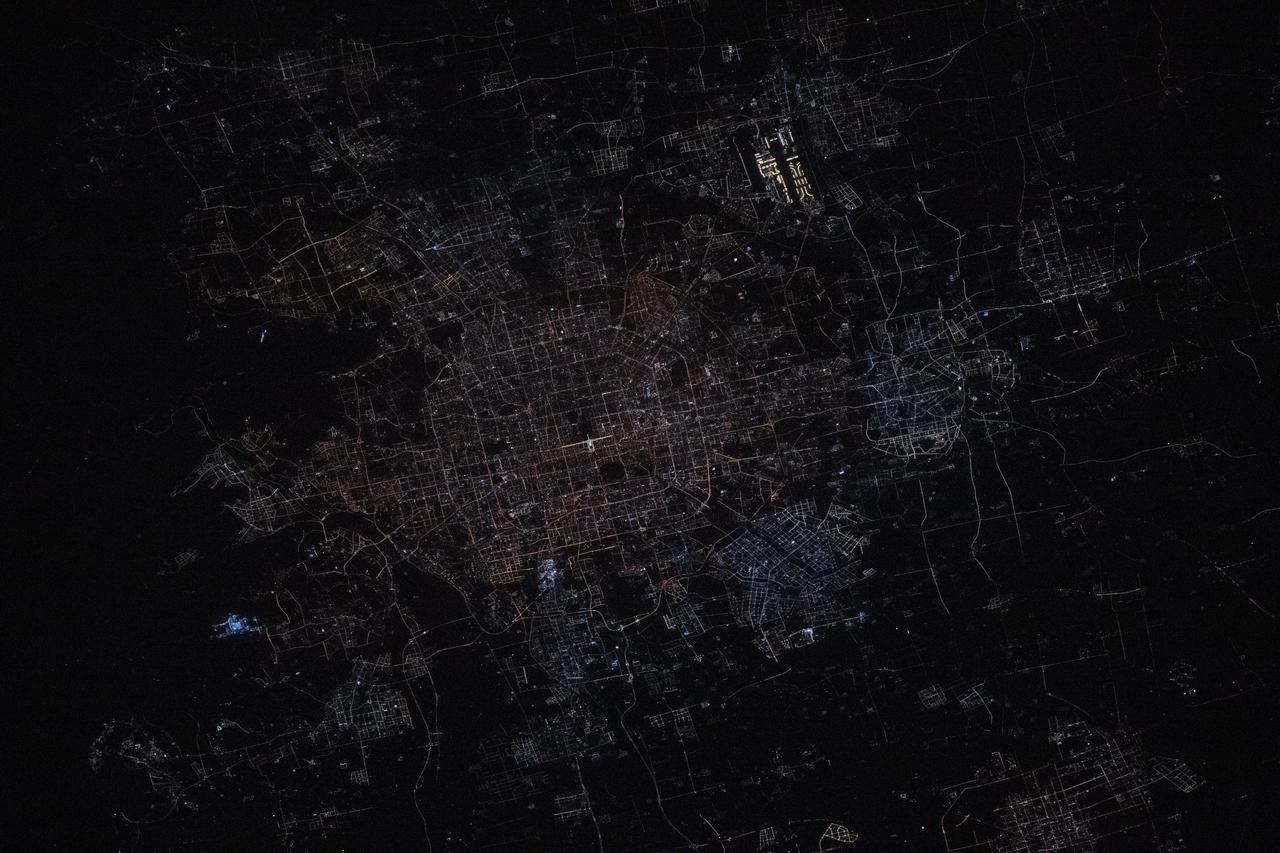
iss072e444944 (Dec. 28, 2024) --- Beijing, China's capital city with a population of about 21.9 million residents, is pictured at approximately 1:31 a.m. local time from the International Space Station as it orbited 259 miles above. Highlights in this photograph include the Forbidden City's well-lit Meridian Gate (center) and the Beijing Capital International Airport (upper right).
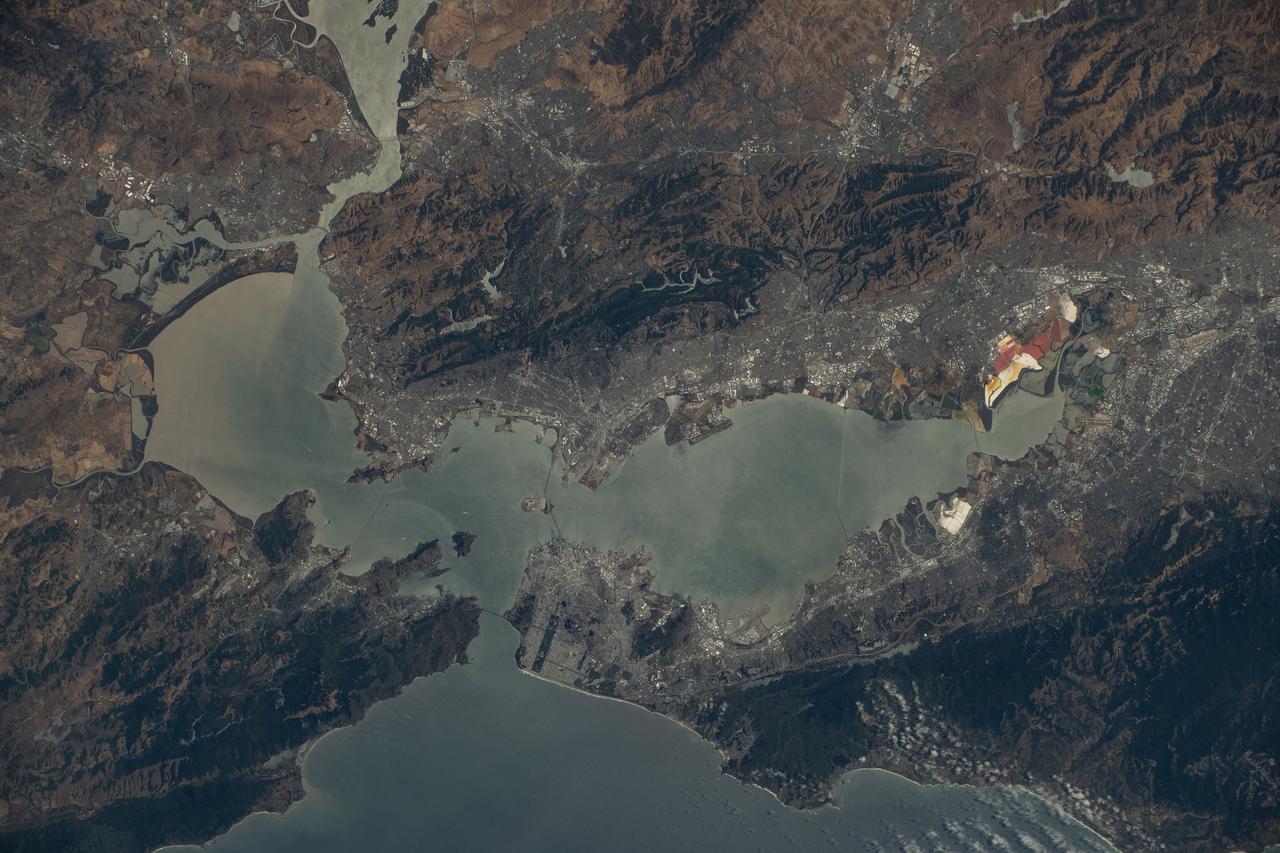
iss073e0420568 (Aug. 3, 2025) --- California's San Francisco Bay Area surrounded by the cities of San Francisico, Oakland, and San Jose, and their suburbs, is pictured from the International Space Station as it orbited 260 miles above the Golden State. Visible landmarks include the Golden Gate Bridge and the Don Edwards San Francisco Bay National Wildlife Refuge.
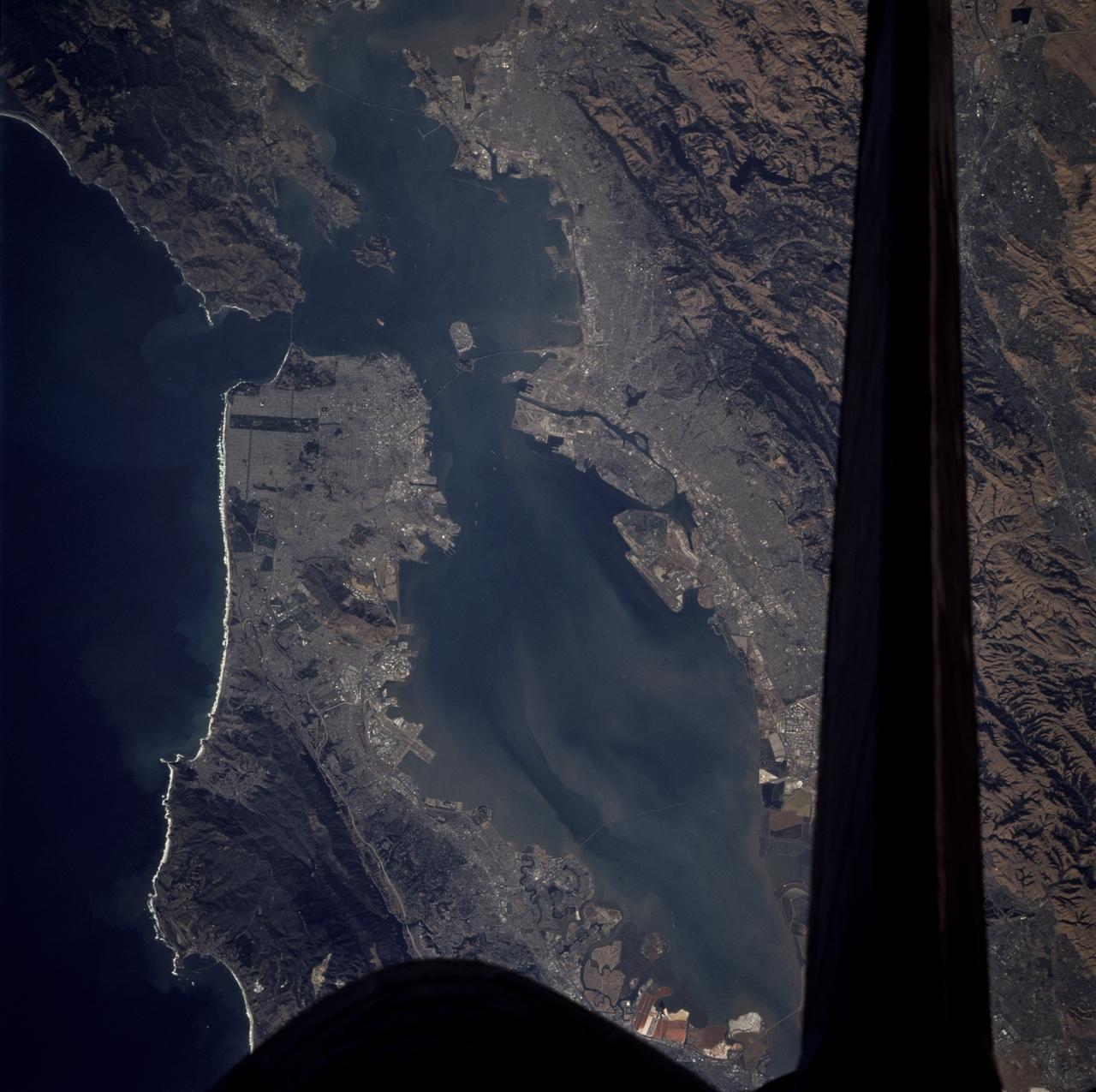
STS073-706-012 (22 October 1995) --- Each of the great bridges spanning San Francisco Bay are captured in this near-nadir photo of the San Francisco and Oakland, California, areas. Starting from the south (left in this photo), Dumbarton, San Mateo, Bay, Golden Gate, and San Rafael bridges are seen. Ribbons of run-off induced sediments color the bay, and multi-colored salt-production pens line the southernmost shore.
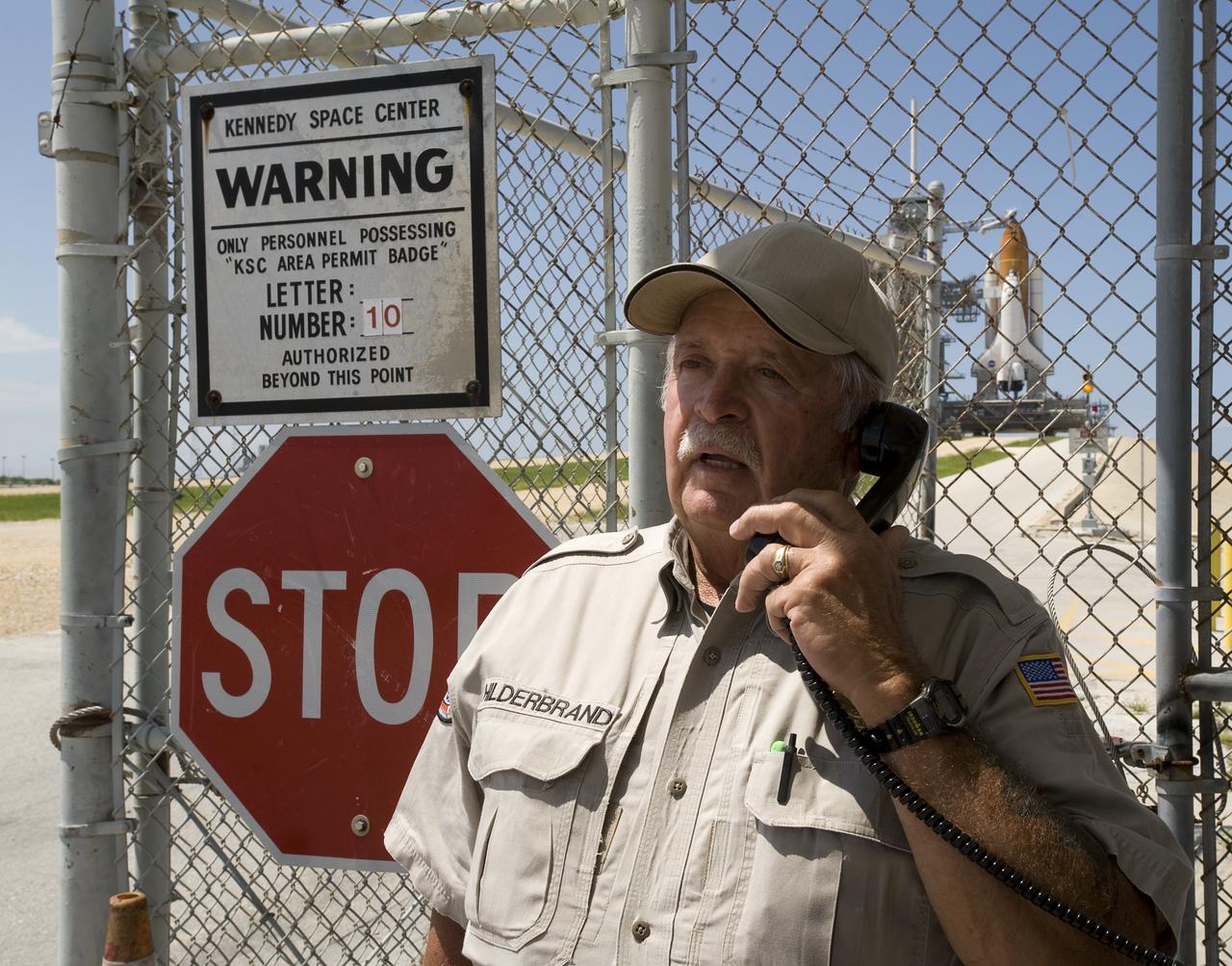
NASA Kennedy Space Center Security Officer, Jack "Supr Jac" Hilderbrand talks on the phone at the security gate to Pad 39a just a day shy of his 70th birthday and the planned launch of the space shuttle Endeavour with the STS-127 crew. Hilderbrand has been working for the space program since 1960. Photo Credit: (NASA/Bill Ingalls)

CAPE CANAVERAL, Fla. – A truck carries the first stage of the SpaceX Falcon 9 rocket through the gate at Cape Canaveral Air Force Station in Florida. The two-stage rocket will launch the company's Dragon spacecraft on the upcoming SpaceX CRS-2 mission. The flight will be the second commercial resupply mission to the International Space Station by Space Exploration Technologies, or SpaceX. NASA has contracted for a total of 12 commercial resupply flights from SpaceX and eight from the Orbital Sciences Corp. Photo credit: NASA/Jim Grossmann

Expedition 9 Commander Gennady Padalka, left, European Space Agency astronaut Andre Kuipers of the Netherlands, center and Flight Engineer and NASA Science Officer Mike Fincke stop to pose for a photograph with desert tulips just outside the gates to the Soyuz launch pad, Wednesday, April 14, 2004, in Baikonur, Kazakhstan. Photo Credit: (NASA/Bill Ingalls)
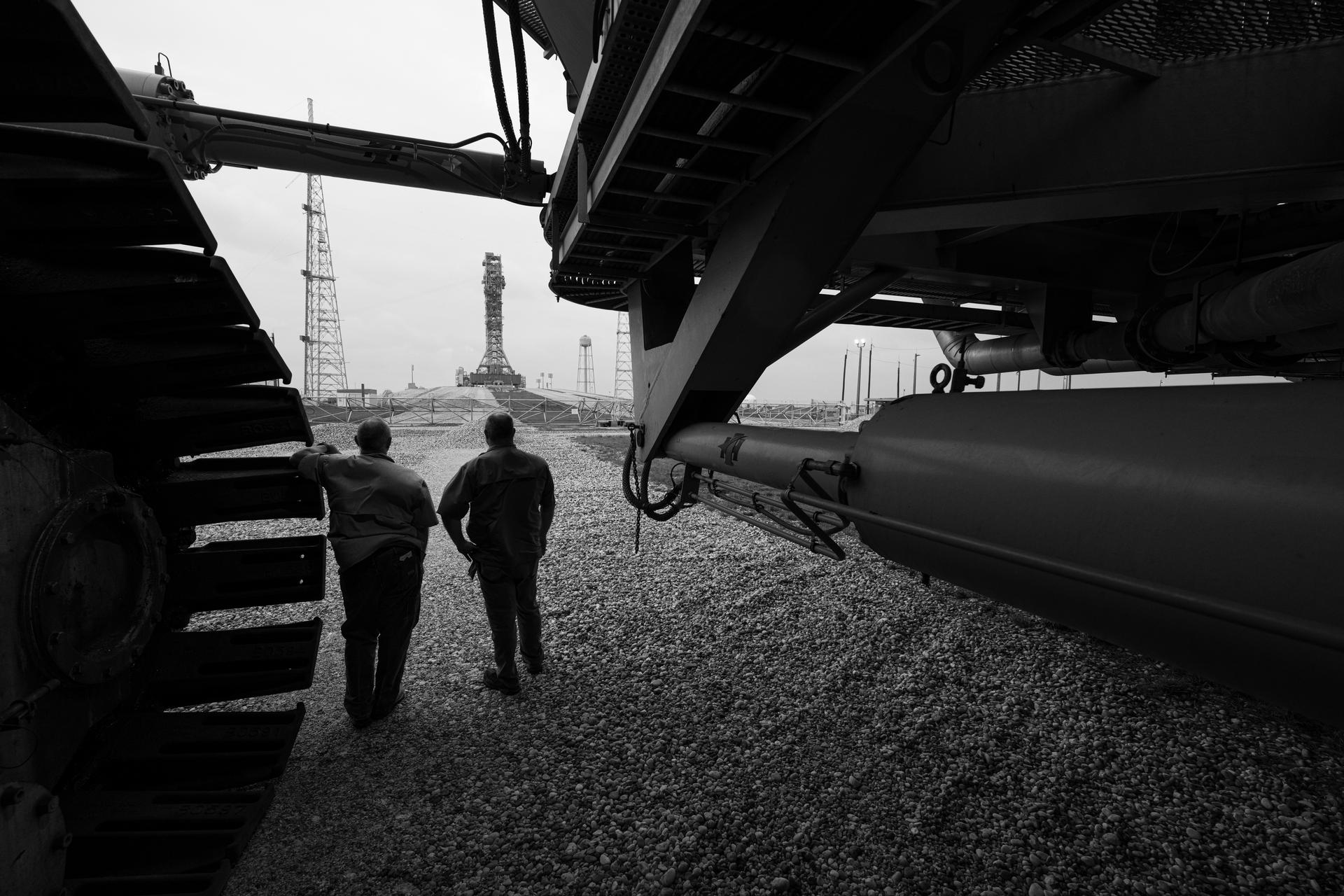
Clark Ford, element operations manager at NASA's Kennedy Space Center, left, and Doug Levine, contractor security manager at NASA's Kennedy Space Center, right, pose for a photograph with Crawler Transporter 2 outside the gate of Launch Complex 39B, Wednesday, Apr. 8, 2026, at NASA’s Kennedy Space Center in Florida. Photo Credit: (NASA/John Kraus)
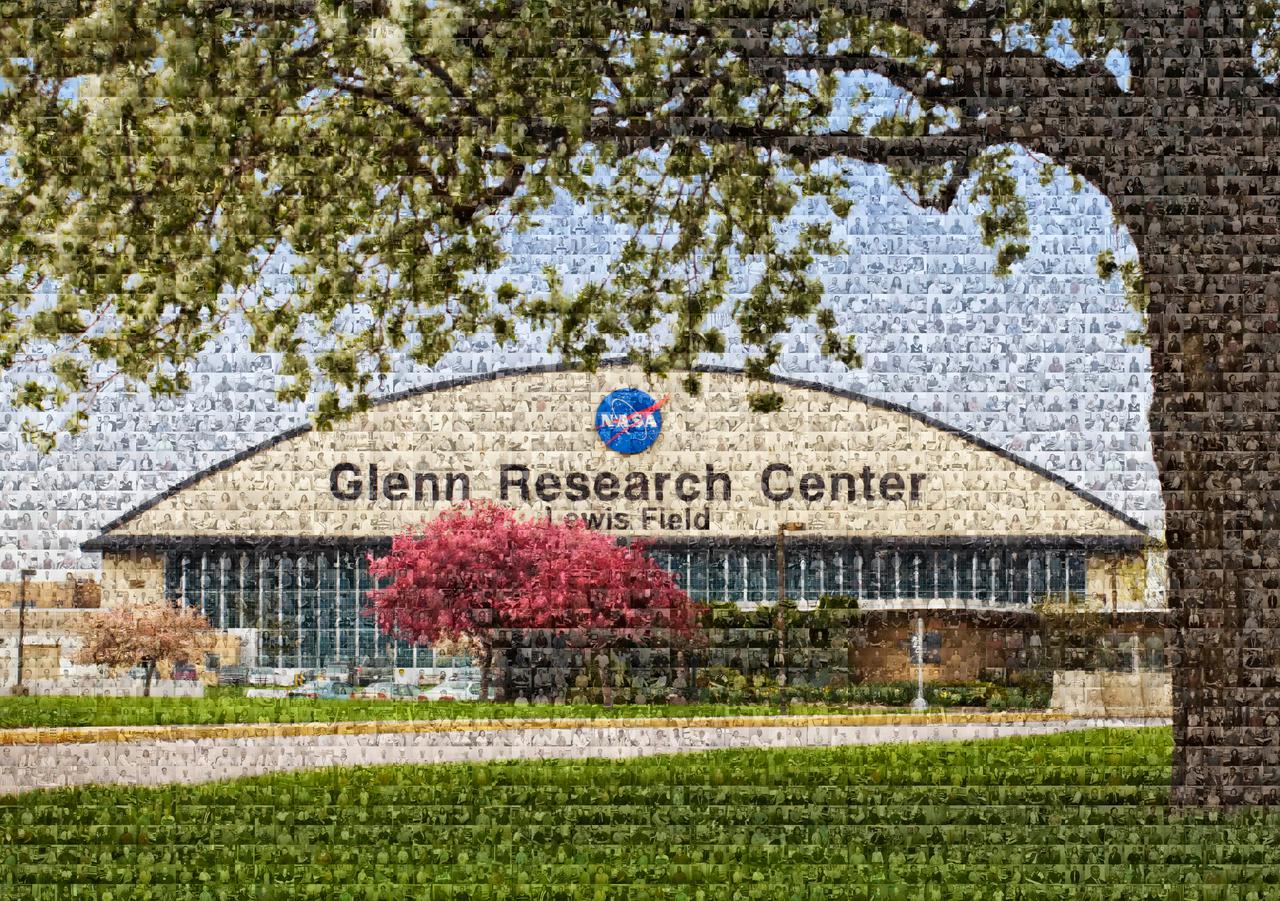
Over 2900 image tiles were used to assemble this mosaic image. Photographers photographed employees in their work areas, on the street and in public areas of every building on the Center to capture as many employees as possible. The final image was printed on a poster to commemorate NASA's 50th Anniversary on October 1, 2008.
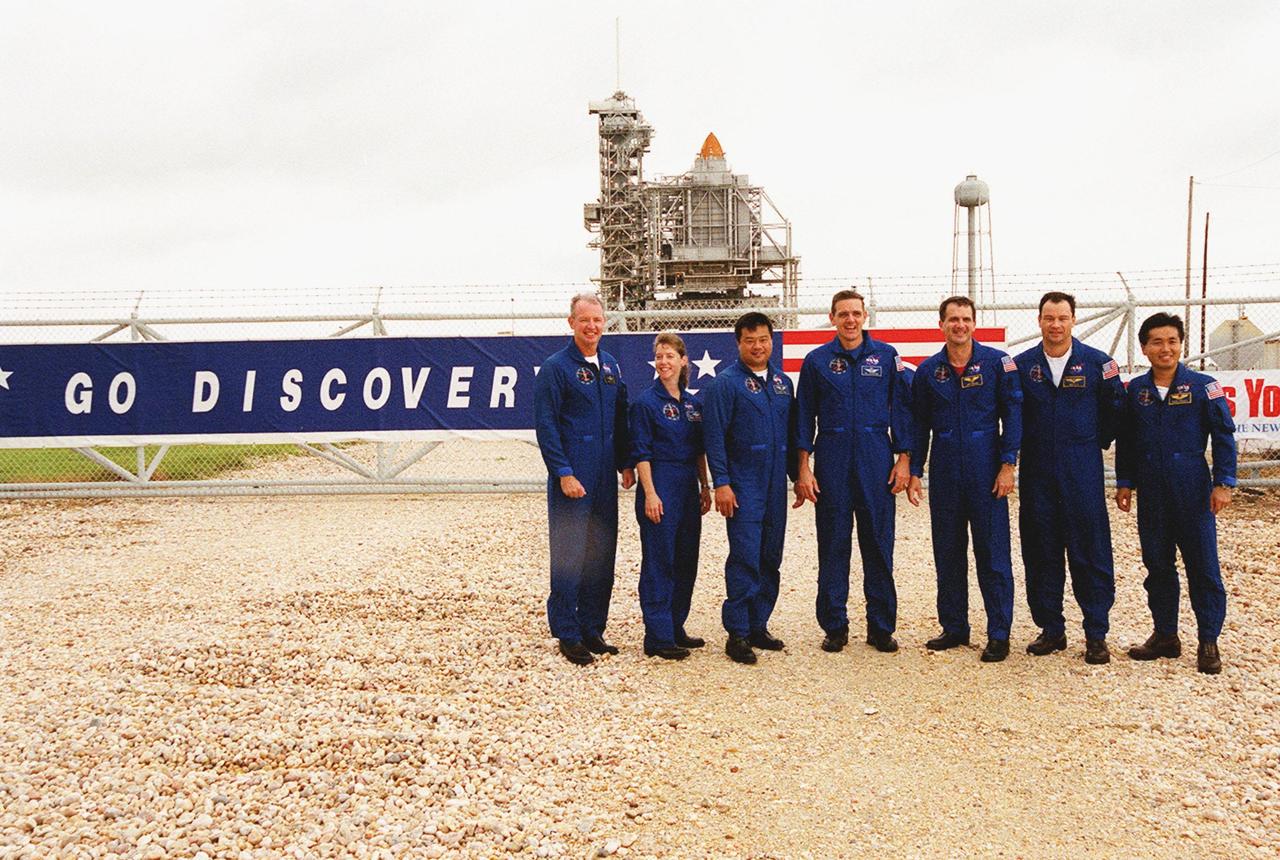
KENNEDY SPACE CENTER, Fla. -- The STS-92 crew gather outside the gate to Launch Pad 39A where the sign on the gate identifies Space Shuttle Discovery in the background. From left to right are Commander Brian Duffy, Pilot Pamela Ann Melroy, and Mission Specialists Leroy Chiao, William S. McArthur Jr., Peter J.K. “Jeff” Wisoff, Michael E. Lopez-Alegria and Koichi Wakata of Japan. The mission payload includes Integrated Truss Structure Z-1, an early exterior framework to allow the first U.S. solar arrays on a future flight to be temporarily installed on Unity for early power; Ku-band communication to support early science capability and U.S. television; and the third Pressurized Mating Adapter to provide a Shuttle docking port for solar array installation on the sixth ISS flight and Lab installation on the seventh ISS flight. The 11-day mission will include four spacewalks. Liftoff is scheduled for Oct. 5 at 9:38 p.m. EDT
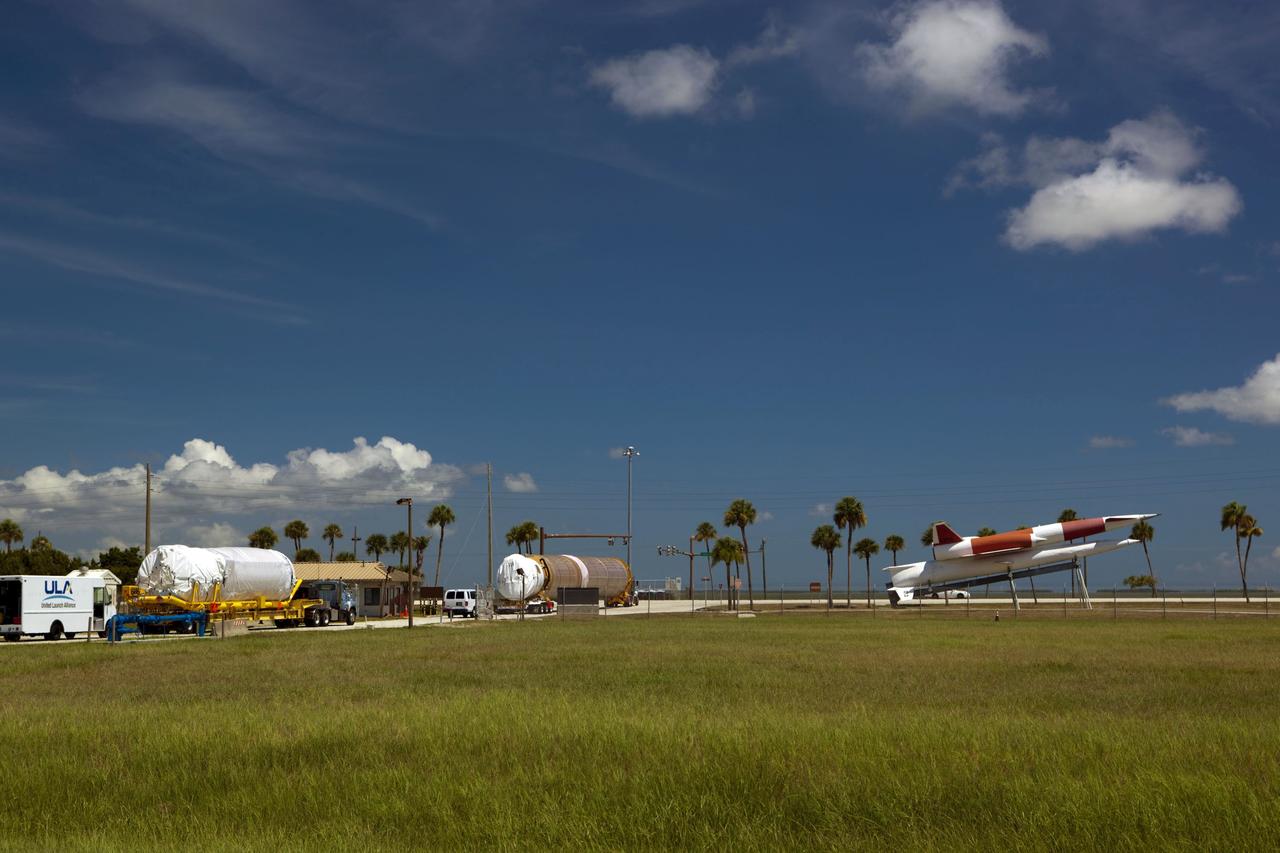
CAPE CANAVERAL, Fla. -- The Atlas V first stage (right) and Centaur upper stage to support the Mars Science Laboratory (MSL) mission pass through the main gate of Cape Canaveral Air Force Station on their way to the Atlas Spaceflight Operations Center in Florida. At the far right is a Navaho free-flying missile, on display at the station's main gate. MSL's components include a compact car-sized rover, Curiosity, which has 10 science instruments designed to search for evidence on whether Mars has had environments favorable to microbial life, including chemical ingredients for life. The unique rover will use a laser to look inside rocks and release its gasses so that the rover’s spectrometer can analyze and send the data back to Earth. Launch of MSL aboard a United Launch Alliance Atlas V rocket is scheduled for Nov. 25 from Space Launch Complex 41 on Cape Canaveral Air Force Station. For more information, visit http://www.nasa.gov/msl. Photo credit: NASA/Dimitri Gerondidakis
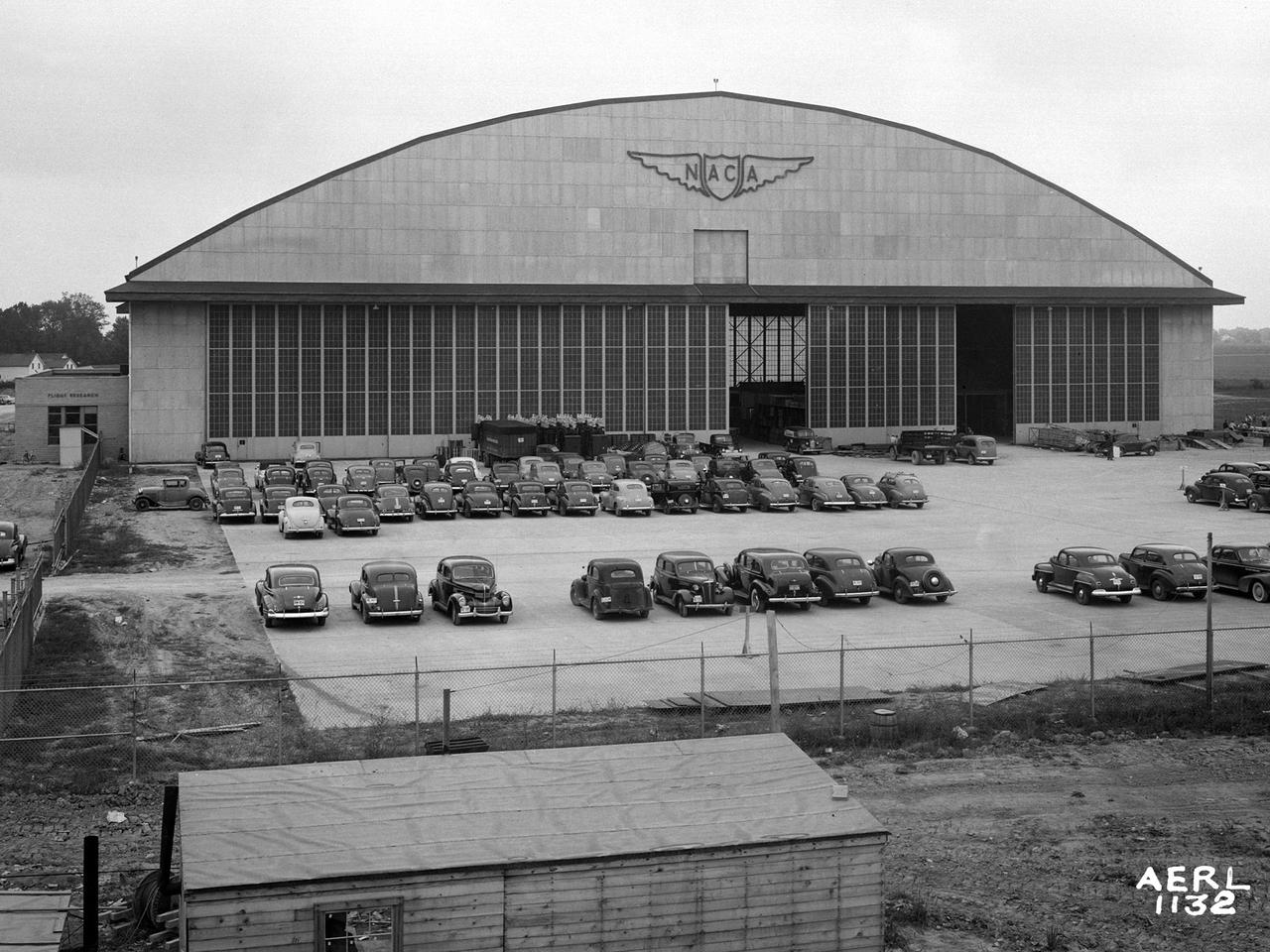
The Flight Research Building at the National Advisory Committee for Aeronautics (NACA) Aircraft Engine Research Laboratory is a 272- by 150-foot hangar with an internal height up to 90 feet. The hangar’s massive 37.5-foot-tall and 250-foot-long doors can be opened in sections to suit different size aircraft. The hangar has sheltered a diverse fleet of aircraft over the decades. These have ranged from World War II bombers to Cessna trainers and from supersonic fighter jets to a DC–9 airliner. At the time of this September 1942 photograph, however, the hangar was being used as an office building during the construction of the laboratory. In December of 1941, the Flight Research Building became the lab’s first functional building. Temporary offices were built inside the structure to house the staff while the other buildings were completed. The hangar offices were used for an entire year before being removed in early 1943. It was only then that the laboratory acquired its first aircraft, pilots and flight mechanics. The temporary one-story offices can be seen in this photograph inside the large sliding doors. Also note the vertical lift gate below the NACA logo. The gate was installed so that the tails of larger aircraft could pass into the hangar. The white Farm House that served as the Administration Building during construction can be seen in the distance to the left of the hangar.