
S66-25781 (16-17 March 1966) --- Closer view of the Agena Target Docking vehicle seen from the Gemini-8 spacecraft during rendezvous in space. Photo credit: NASA
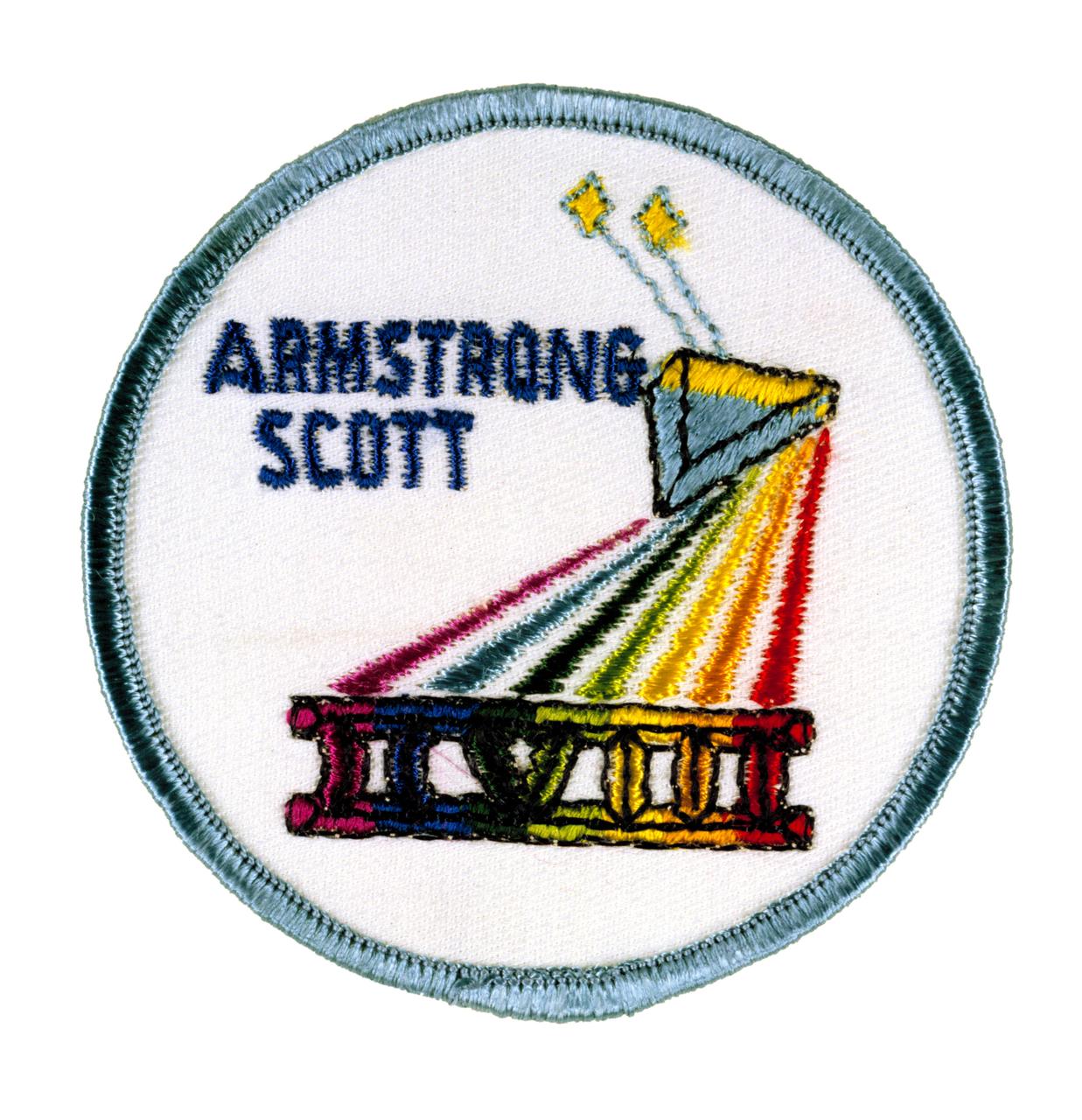
S66-23978 (March 1966) --- Color design for the emblem of the Gemini-8 spaceflight. Roman numeral indicates the eighth flight in the Gemini series. Prime crewmen for the mission are astronauts Neil A. Armstrong, command pilot; and David R. Scott, pilot. The NASA insignia design for Gemini flights is reserved for use by the astronauts and for other official use as the NASA Administrator may authorize. Public availability has been approved only in the form of illustrations by the various news media. When and if there is any change in this policy, which we do not anticipate, it will be publicly announced. Photo credit: NASA
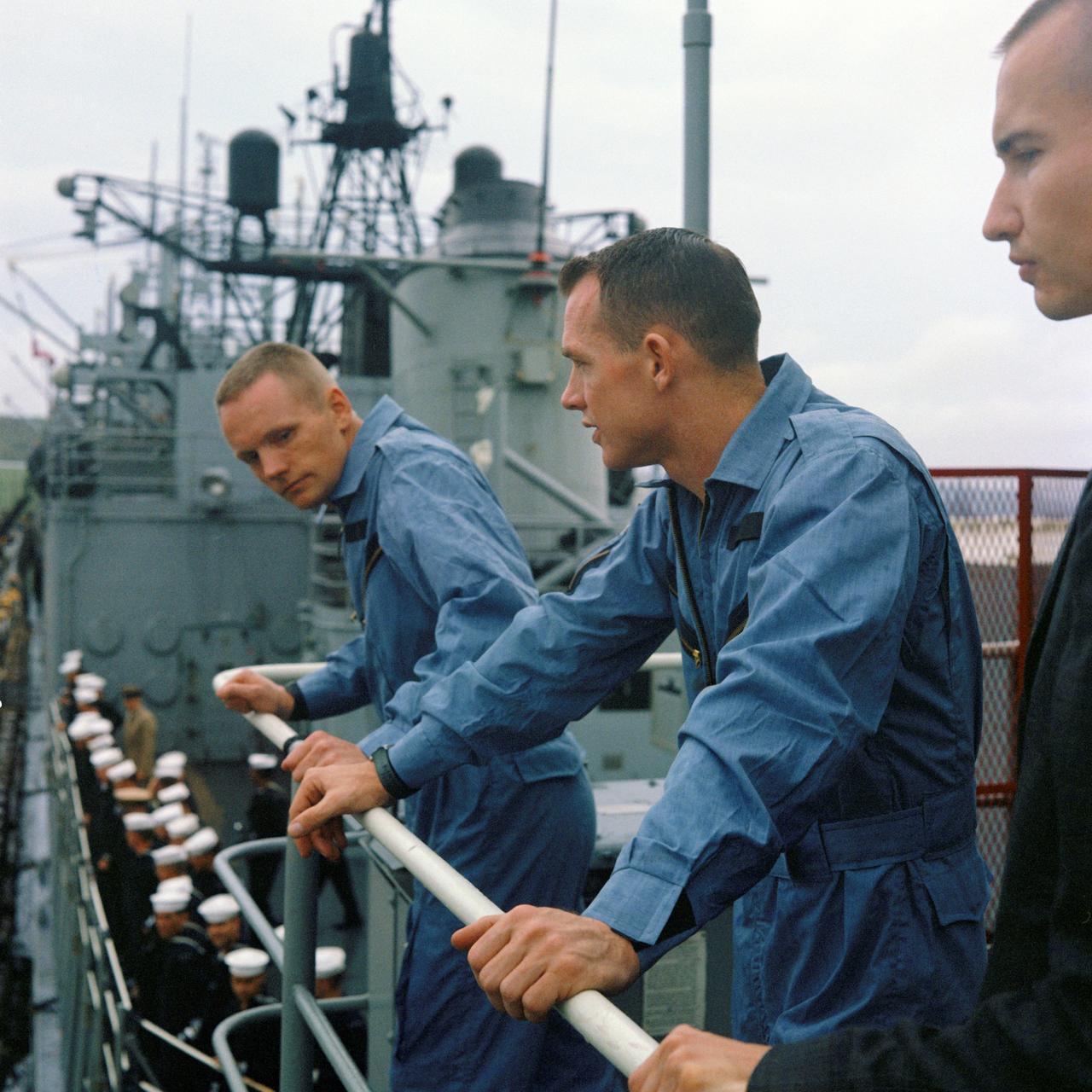
S66-18609 (17 March 1966) --- Astronauts David R. Scott (left), Gemini-8 pilot, and Neil A. Armstrong, command pilot, stand on the deck of the destroyer USS Leonard F. Mason upon its arrival at Nahs, Okinawa. Photo credit: NASA
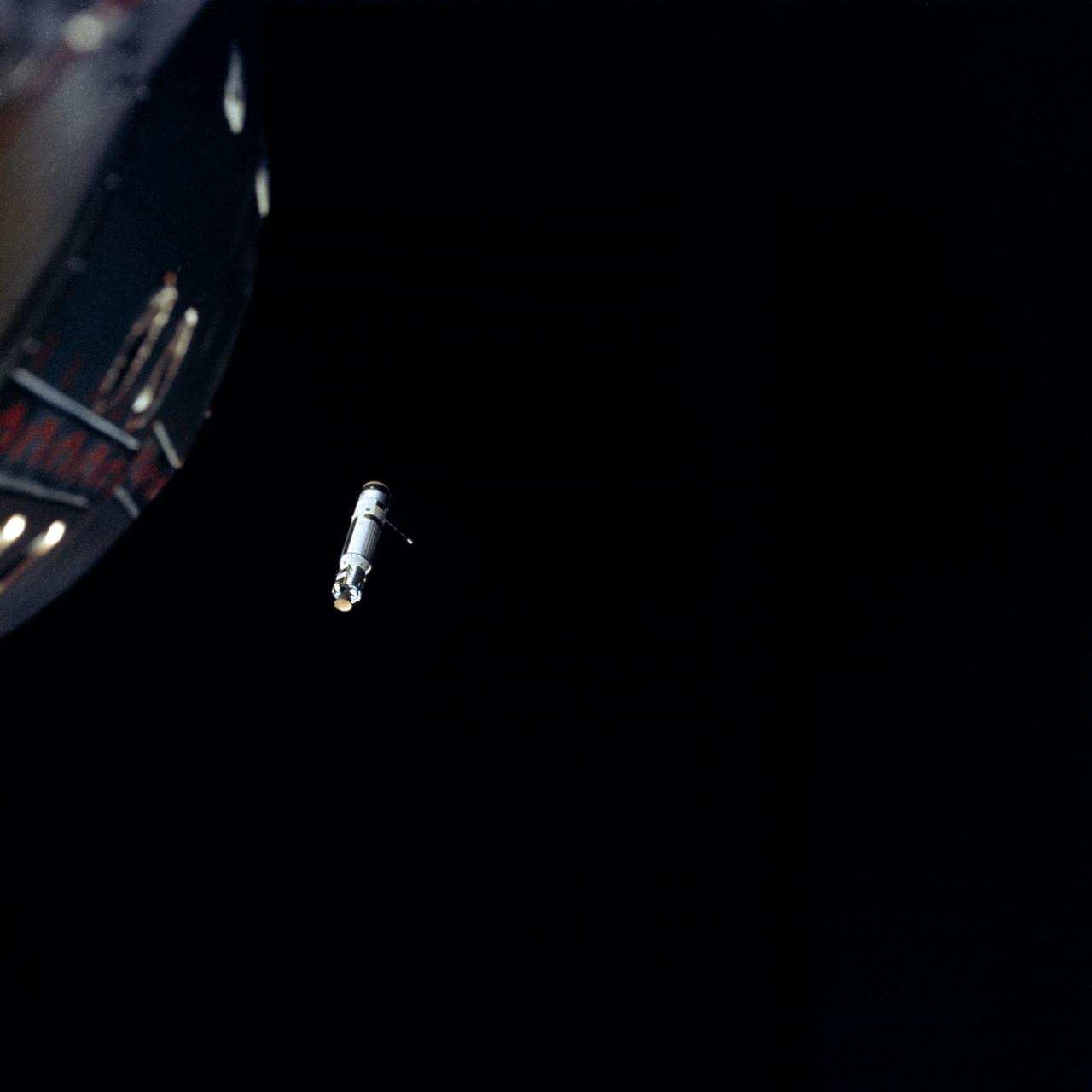
S66-25778 (16 March 1966) --? The Agena Target Docking Vehicle seen from the National Aeronautics and Space Administration?s Gemini-8 spacecraft during rendezvous in space. The Agena is approximately 260 feet away from the nose of the spacecraft (lower left). Crewmen for the Gemini-8 mission are astronauts Neil A. Armstrong, command pilot, and David R. Scott, pilot. Photo credit: NASA
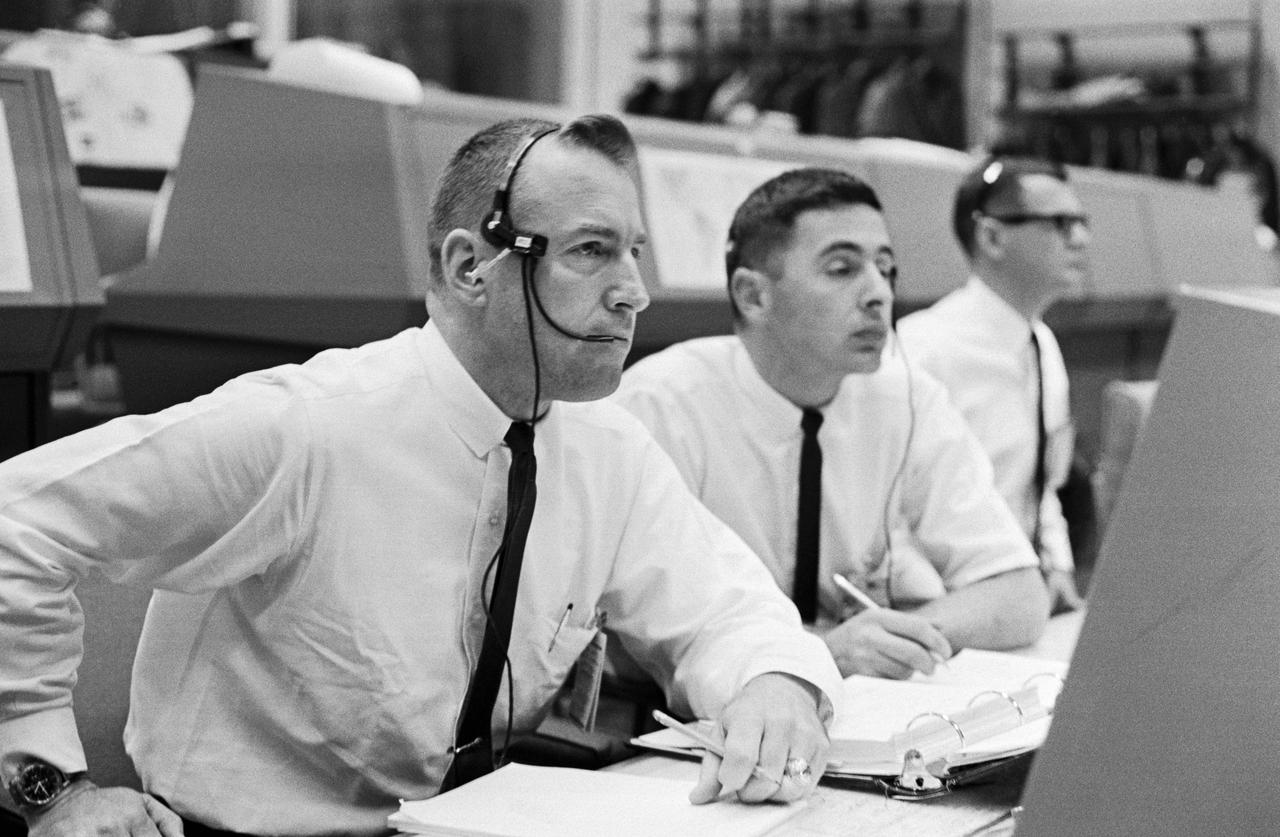
S66-24805 (16 March 1966) --- Personnel in Mission Control watch Gemini-8 launch on their screens. Photo credit: NASA
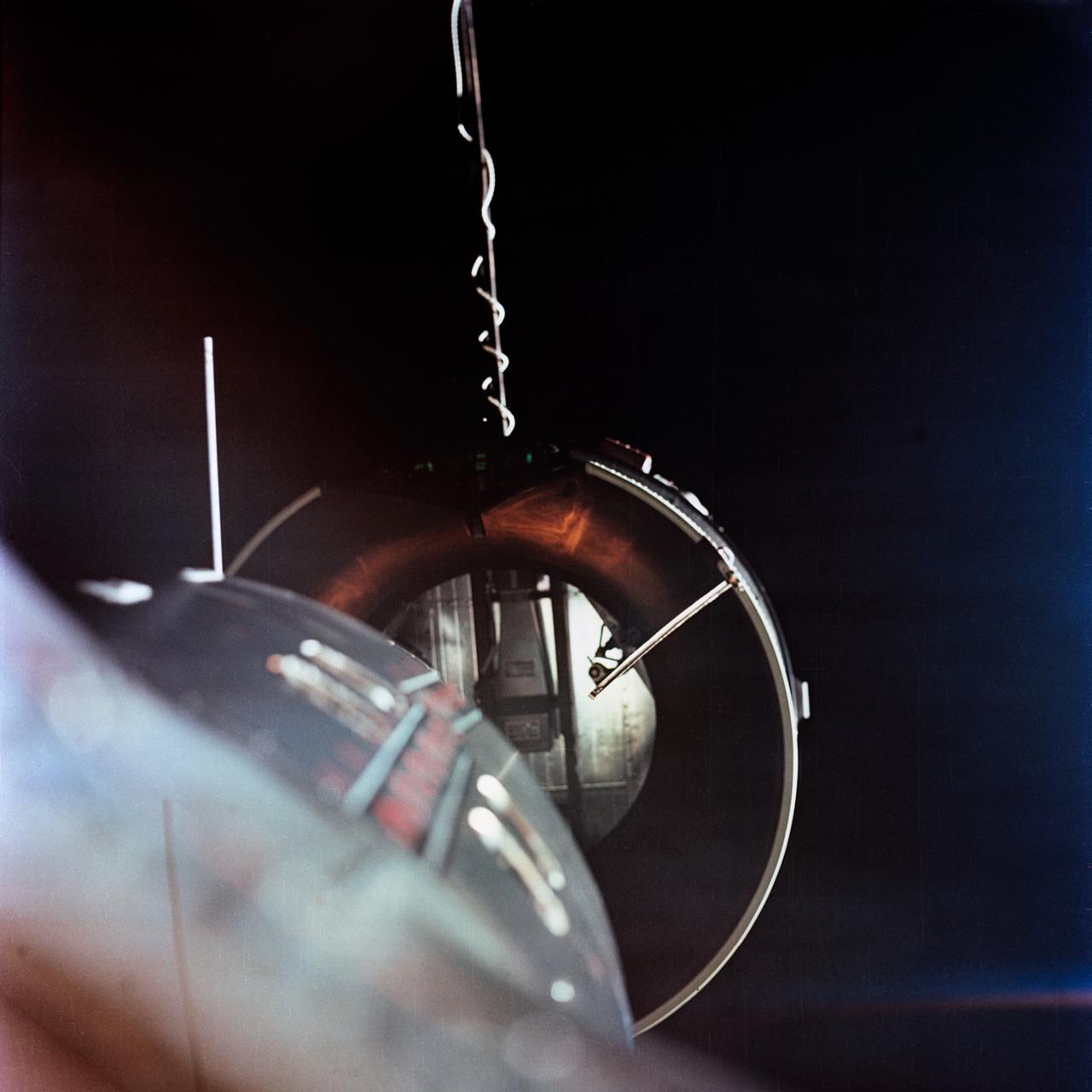
S66-25784 (16 March 1966) --? The Agena Target Docking Vehicle seen from the National Aeronautics and Space Administration?s Gemini adapter of the Agena is approximately two feet from the nose of the spacecraft (lower left). Crewmen for the Gemini-8 mission were astronauts Neil A. Armstrong, command pilot, and David R. Scott, pilot. Photo credit: NASA
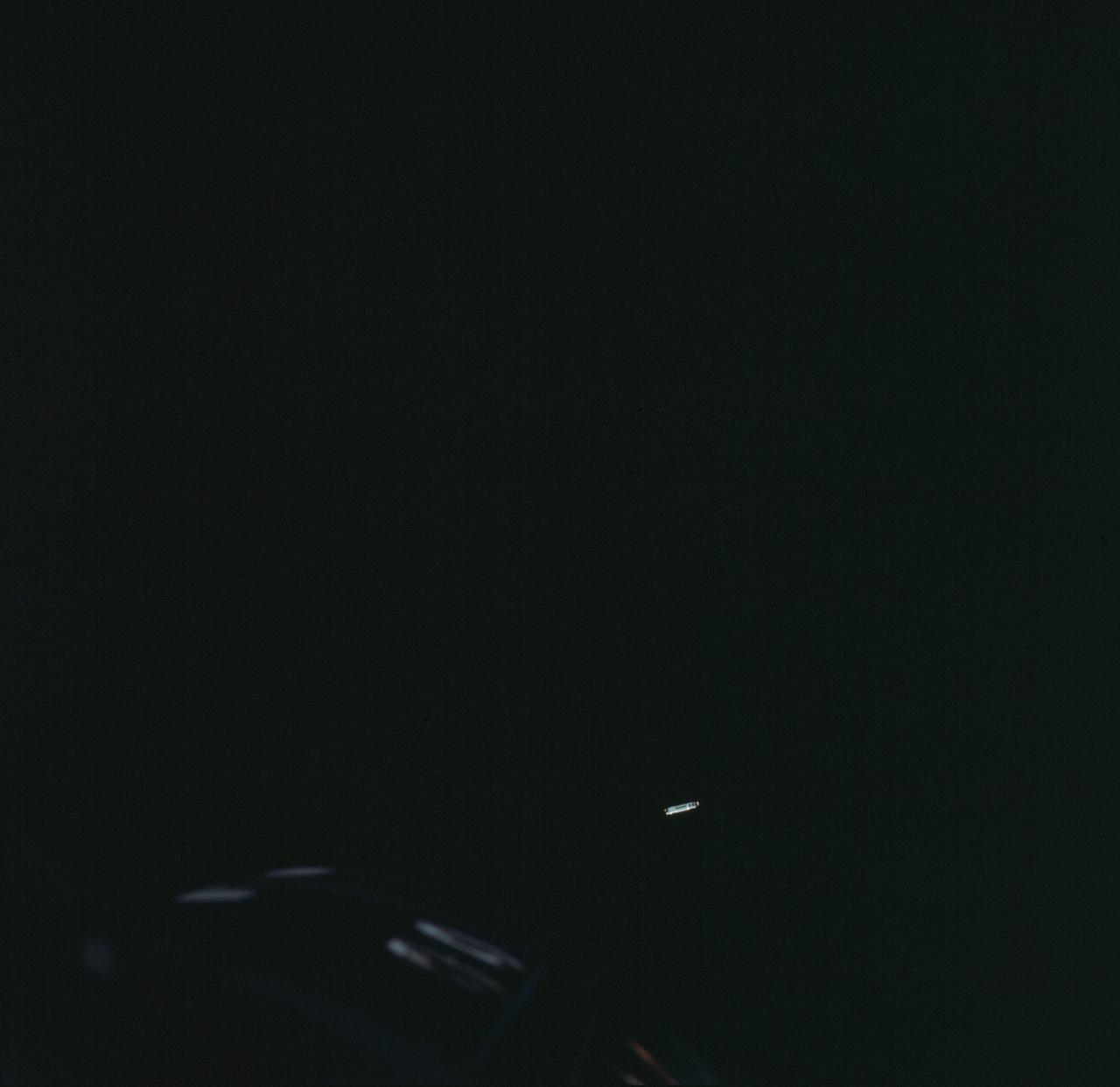
S66-25774 (16 March 1966) --- The Agena Target Docking vehicle seen from the Gemini-8 spacecraft during rendezvous in space. The Agena is approximately 1,000 feet away from the nose of the spacecraft (lower left). Photo credit: NASA
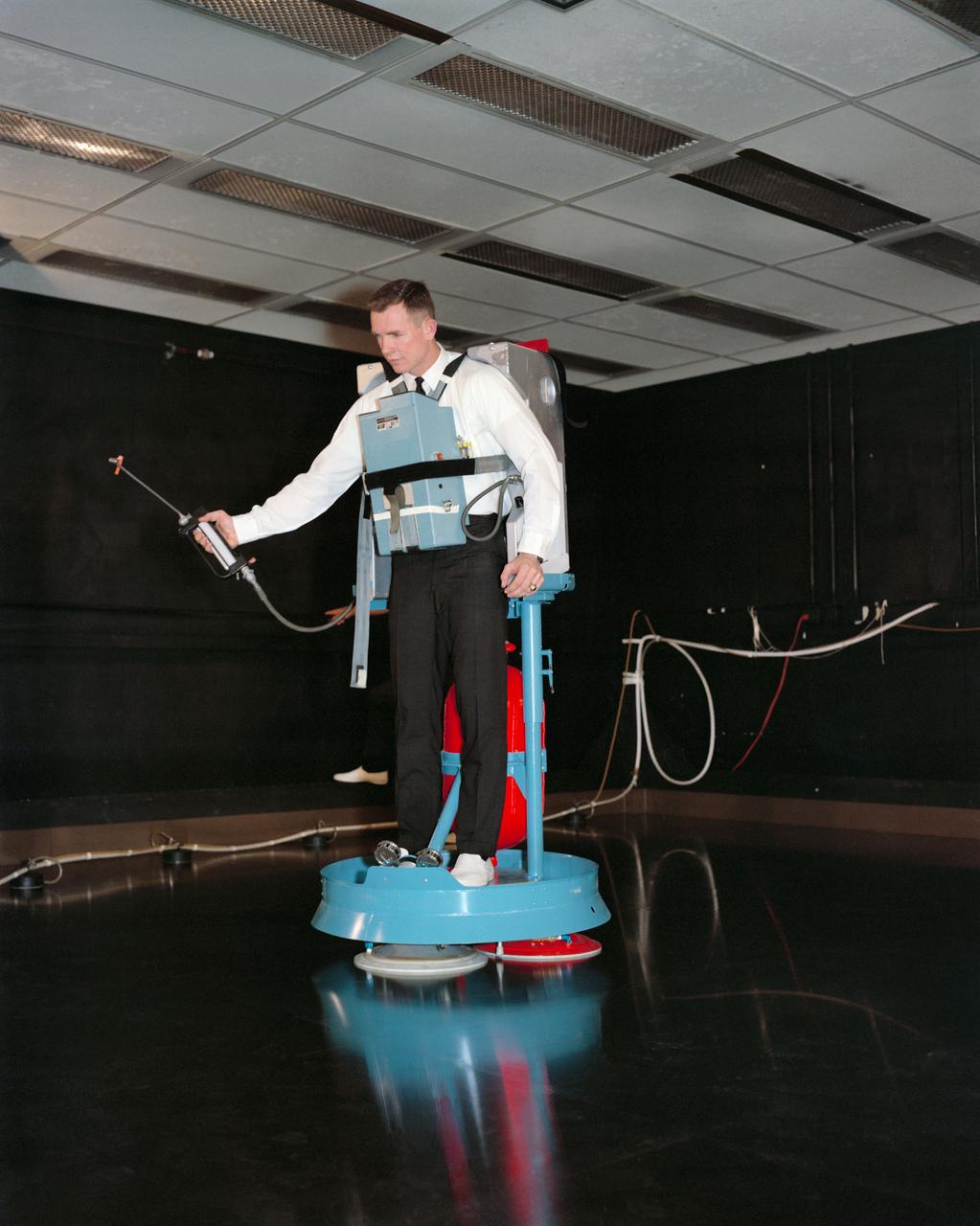
S66-19284 (1 Feb. 1966) --- Astronaut David R. Scott practicing for Gemini-8 extravehicular activity (EVA) in building 4 of the Manned Spacecraft Center on the air bearing floor. He is wearing the Hand-Held Maneuvering Unit which he will use during the EVA. Photo credit: NASA
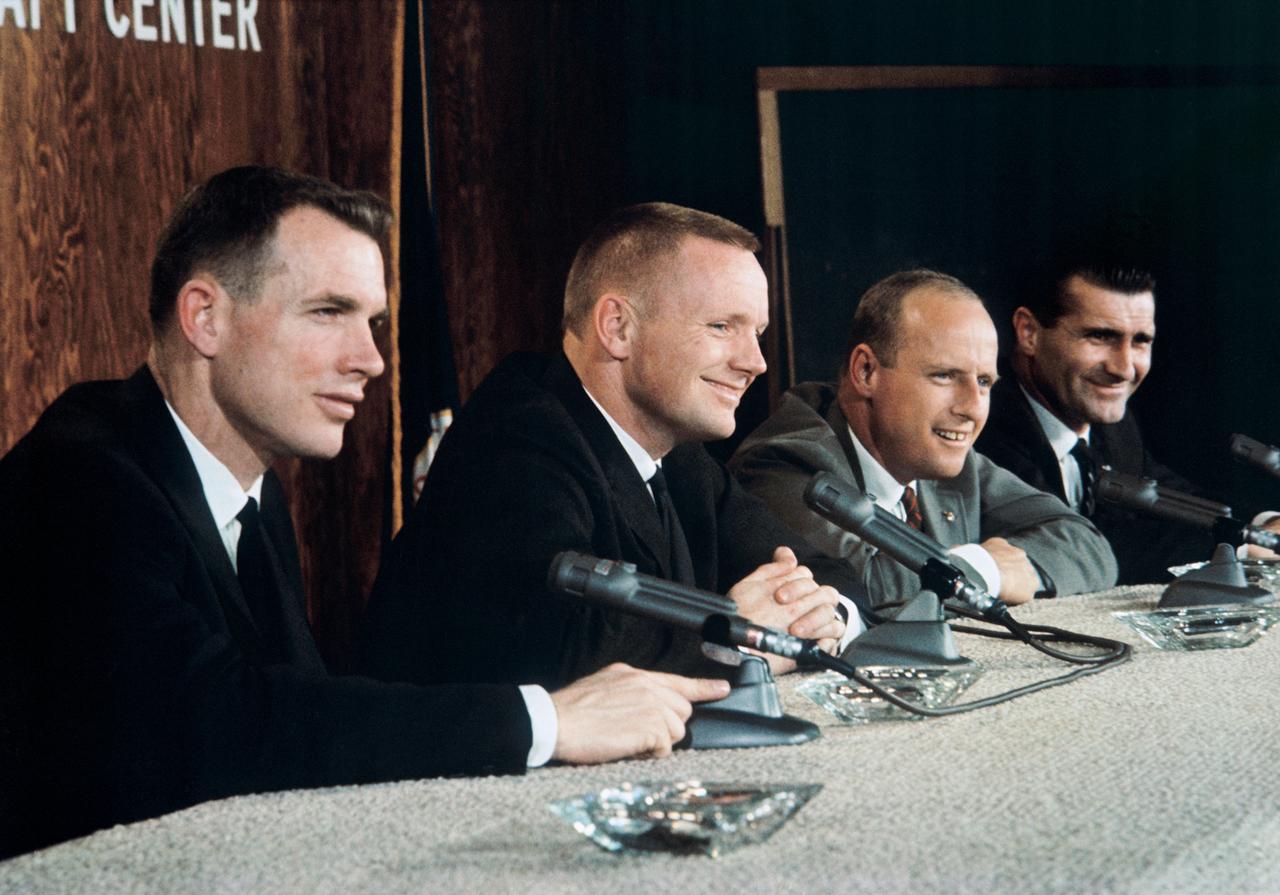
S66-24380 (26 Feb. 1966) --- Gemini-8 prime and backup crews during press conference. Left to right are astronauts David R. Scott, prime crew pilot; Neil A. Armstrong, prime crew command pilot; Charles Conrad Jr., backup crew command pilot; and Richard F. Gordon Jr., backup crew pilot. Photo credit: NASA
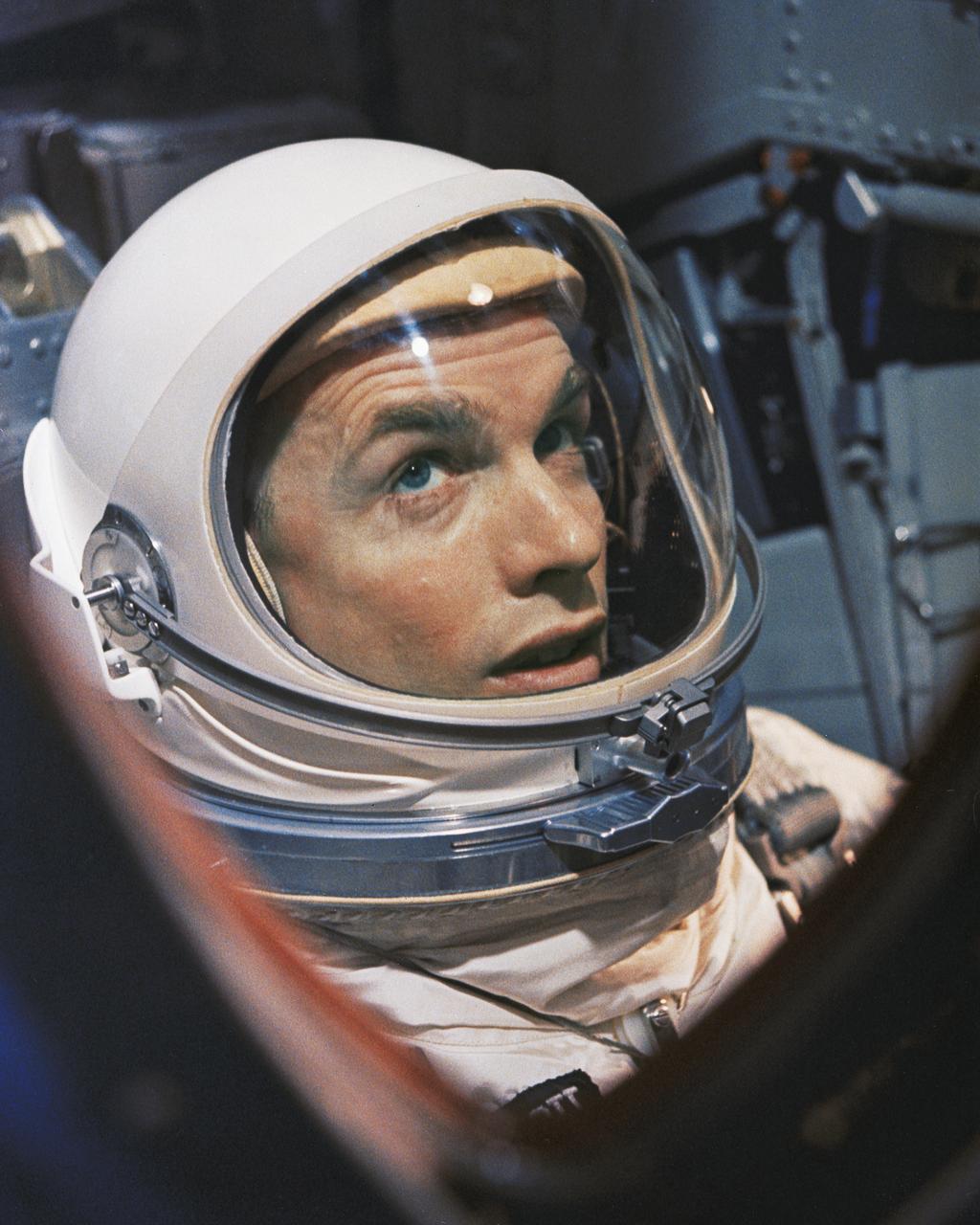
KSC-66C-1871 Gemini 8 Pilot David R. Scott seen through window of Gemini 8 Spacecraft just before liftoff. (jrs)
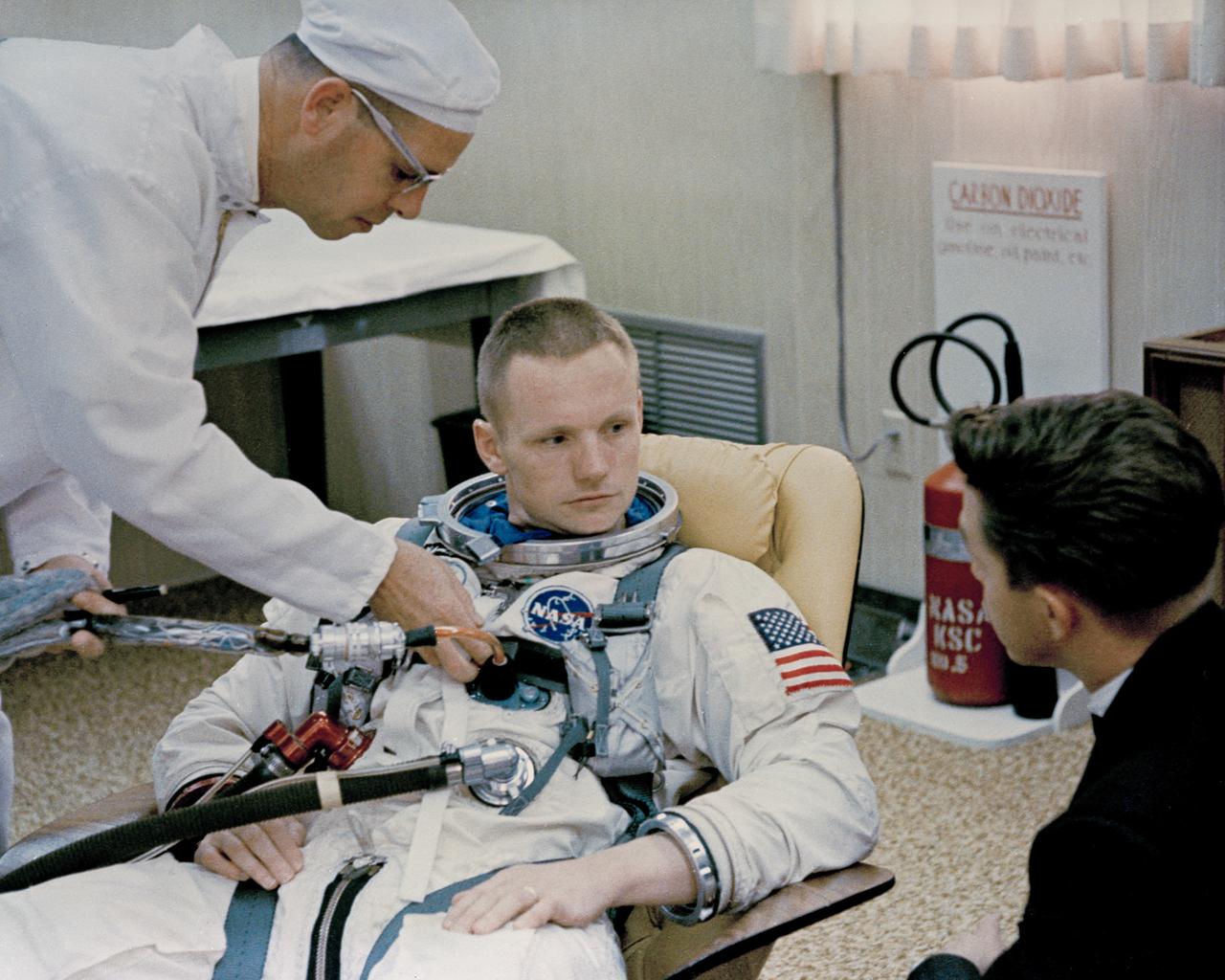
KSC-66C-1849 Gemini 8 Astronaut Neil Armstrong is aided by Suit Technician Jim Garrepy, during preparations for Gemini 8 Mission (jrs)

KSC-66C-1850 Gemini 8 Astronaut Neil Armstrong is aided by Suit Technician Jim Garrepy, during preparations for today’s Gemini 8 Mission (jrs)
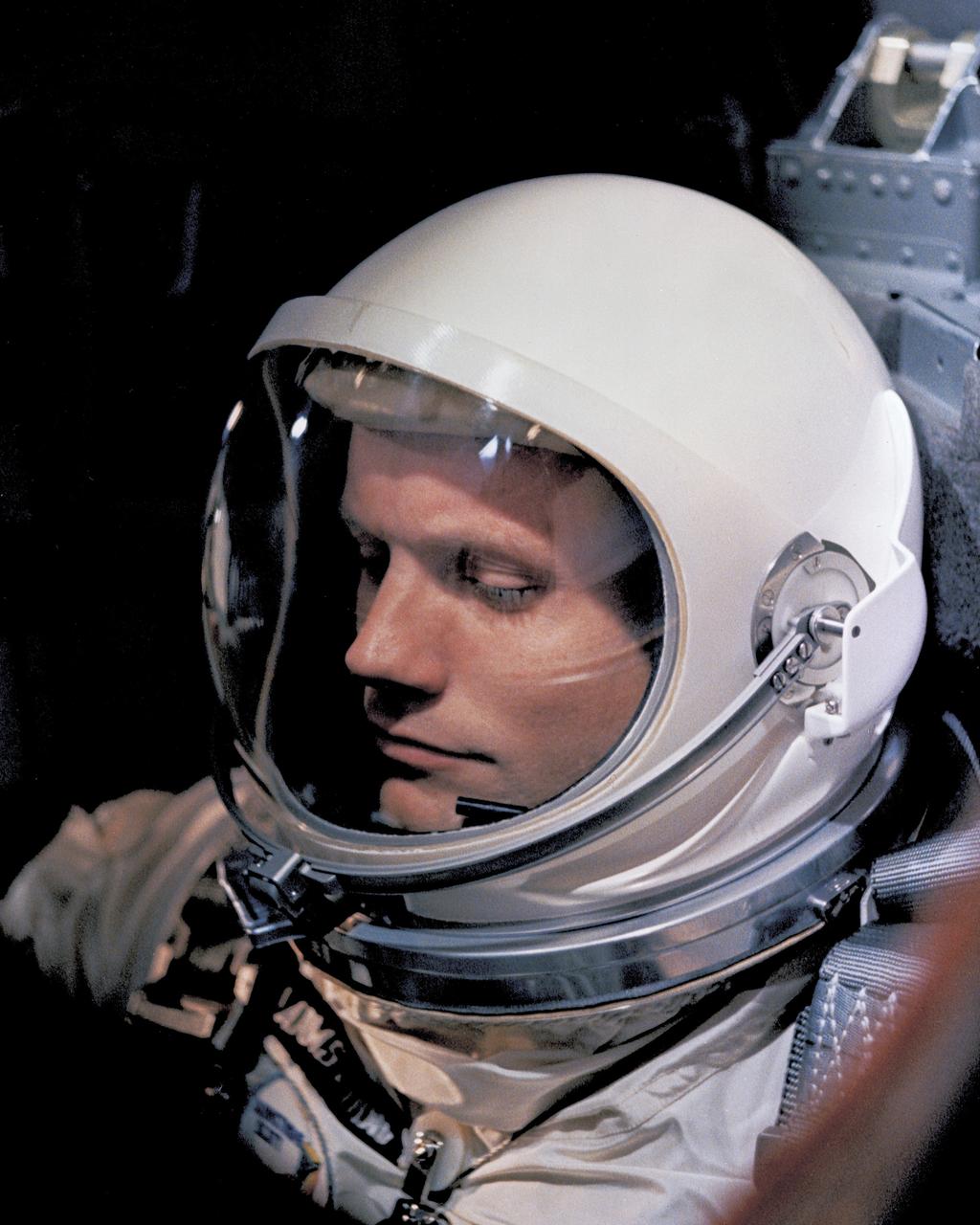
KSC-66C-1872 Gemini 8 Command Pilot Neil A. Armstrong seen through window of Gemini 8 Spacecraft just before liftoff. (jrs)
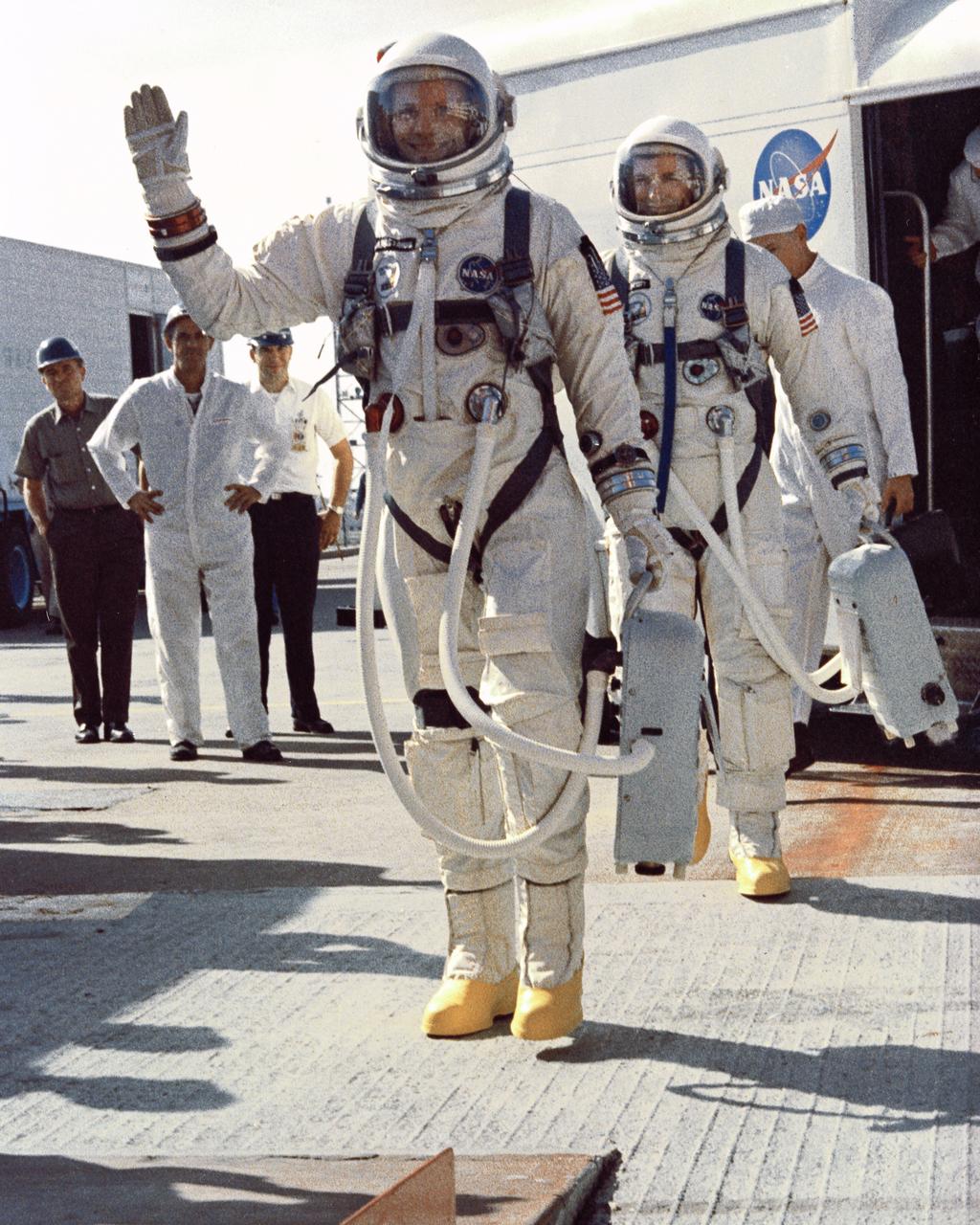
KSC-66C-1867 Gemini-8 Astronauts Neil A. Armstrong and David R. Scott leave Transfer Van at Complex 19, Cape Kennedy prior to boarding their Gemini 8 Spacecraft. (jrs)
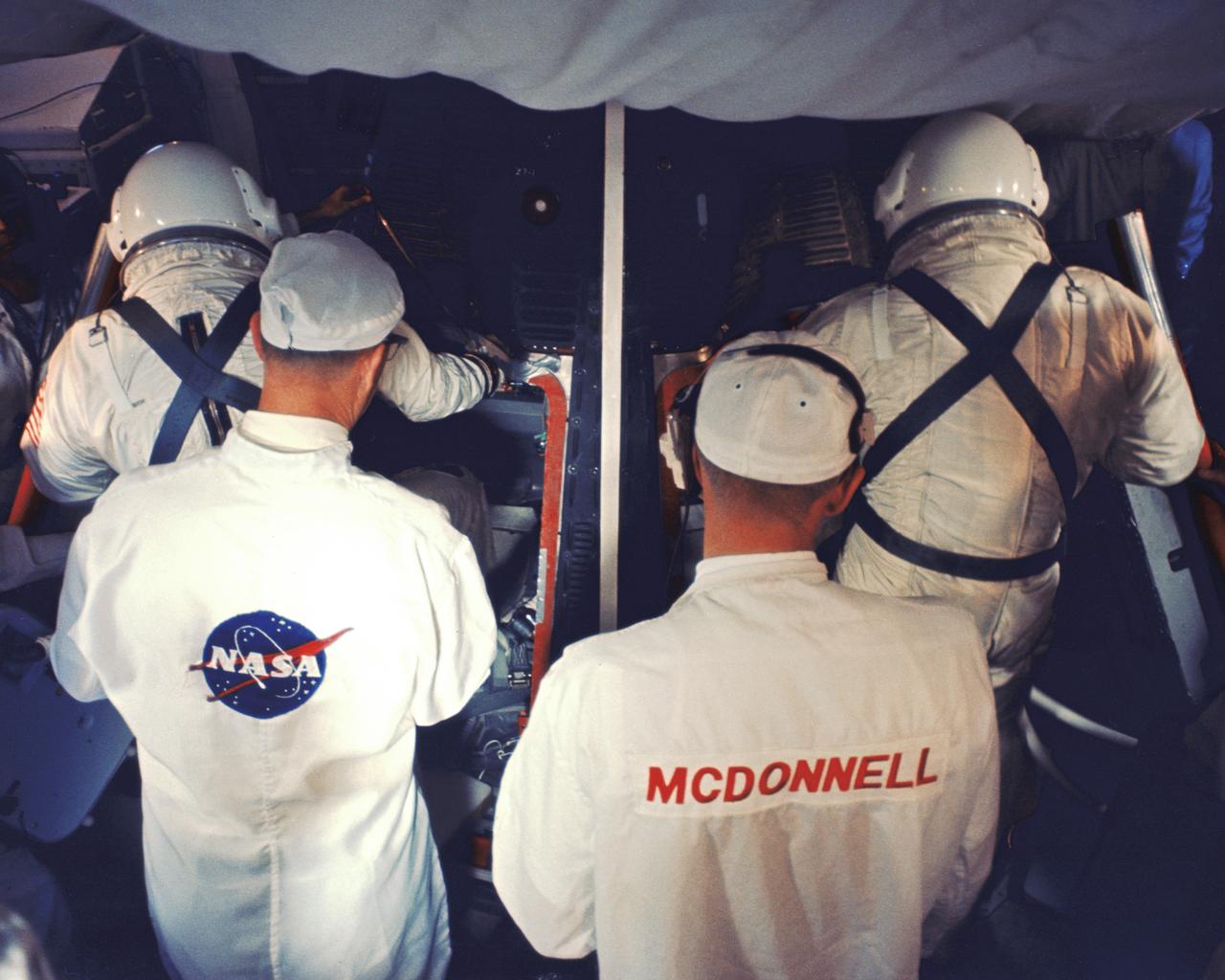
KSC-66C-1852 Gemini-8 Astronauts Neil A. Armstrong and David R. Scott are helped into their Gemini 8 Spacecraft by White Room technicians at Complex 19, Cape Kennedy, Prior to Liftoff. (jrs)
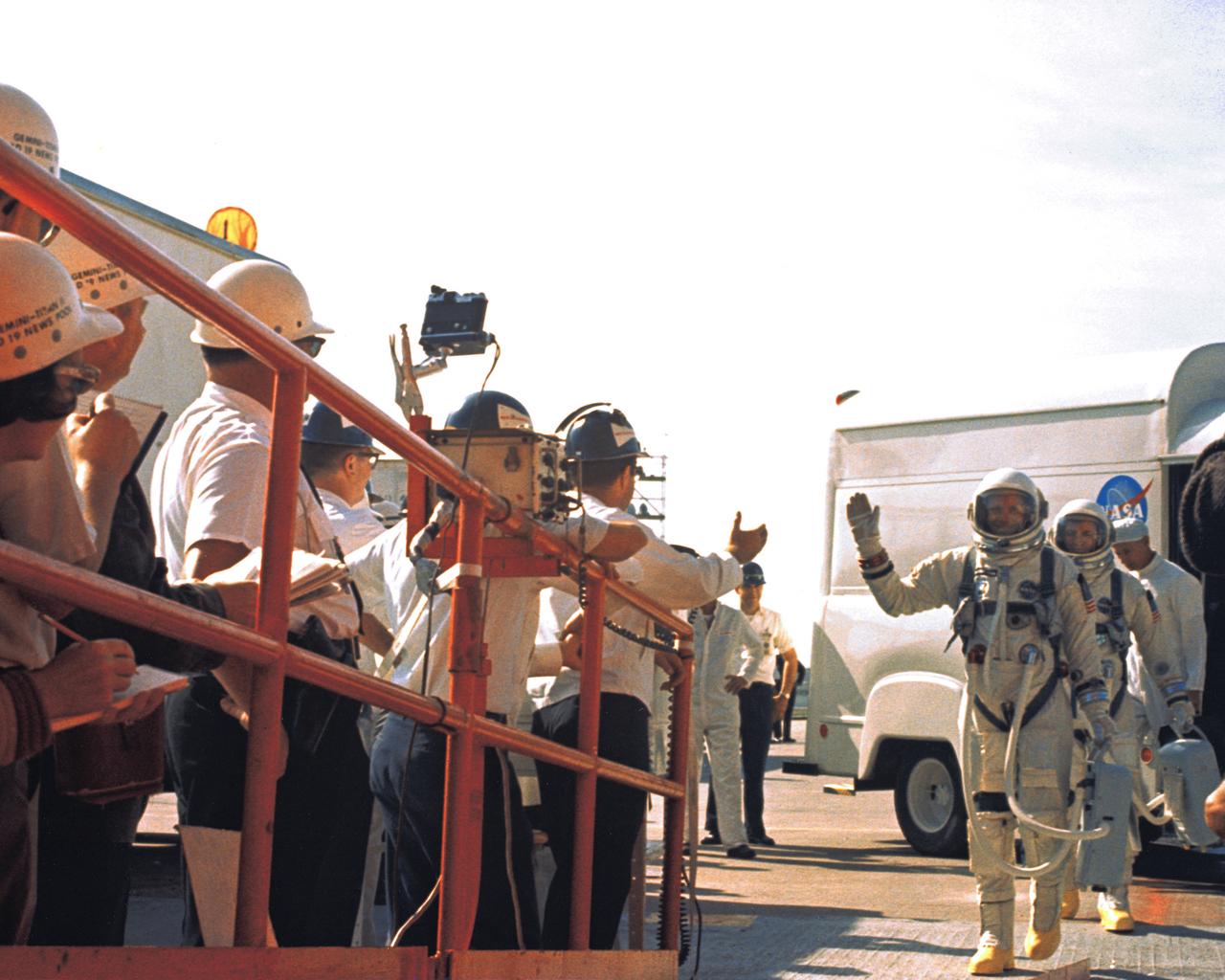
KSC-66C-1855 Gemini-8 Astronauts Neil A. Armstrong and David R. Scott leave Transfer Van at Complex 19, Cape Kennedy prior to boarding their Gemini 8 Spacecraft. (jrs)
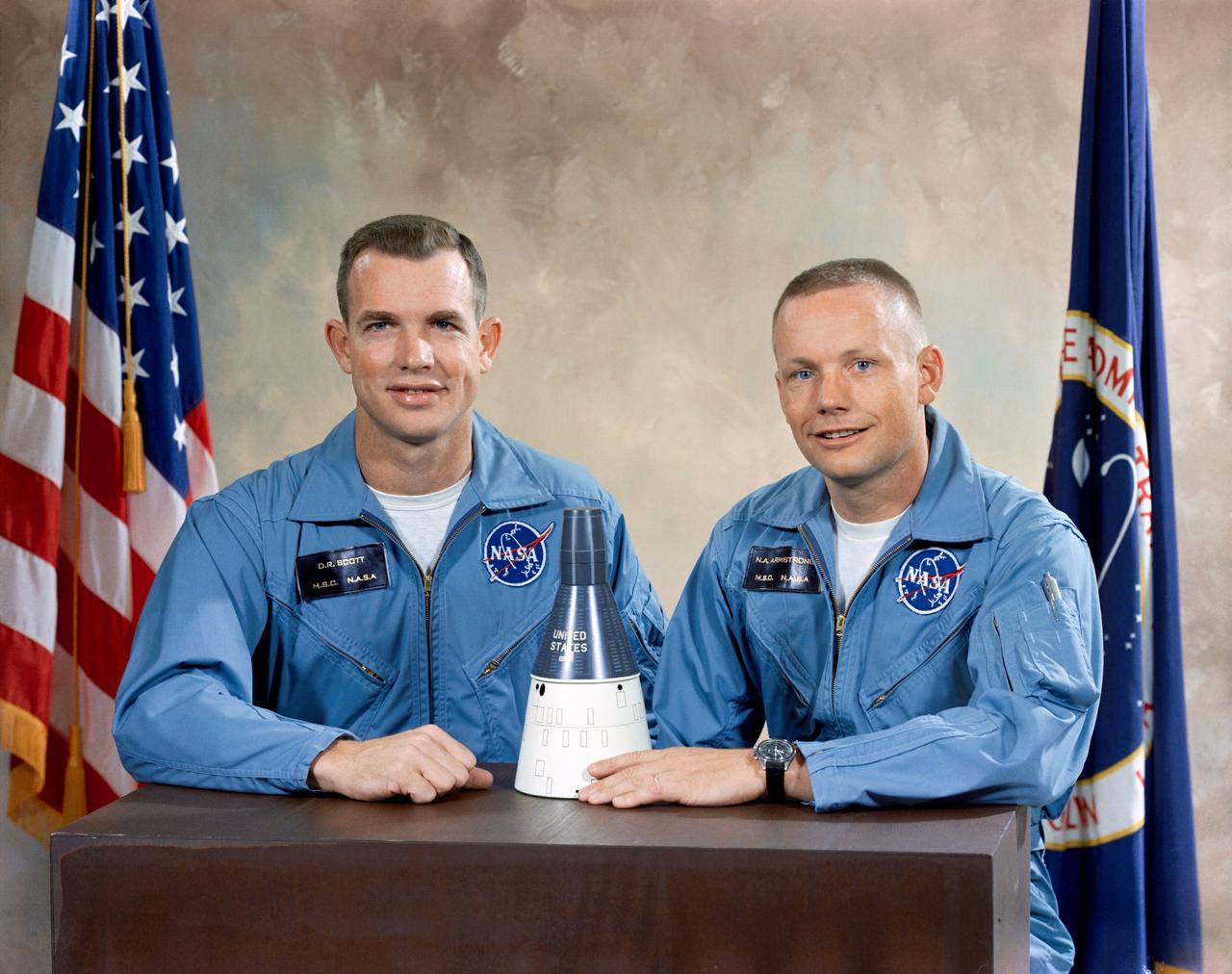
S65-58499 (4 Nov. 1965) --- Astronauts Neil A. Armstrong (right), command pilot; and David R. Scott, pilot, are the prime crewmen of the Gemini-8 space mission. Photo credit: NASA
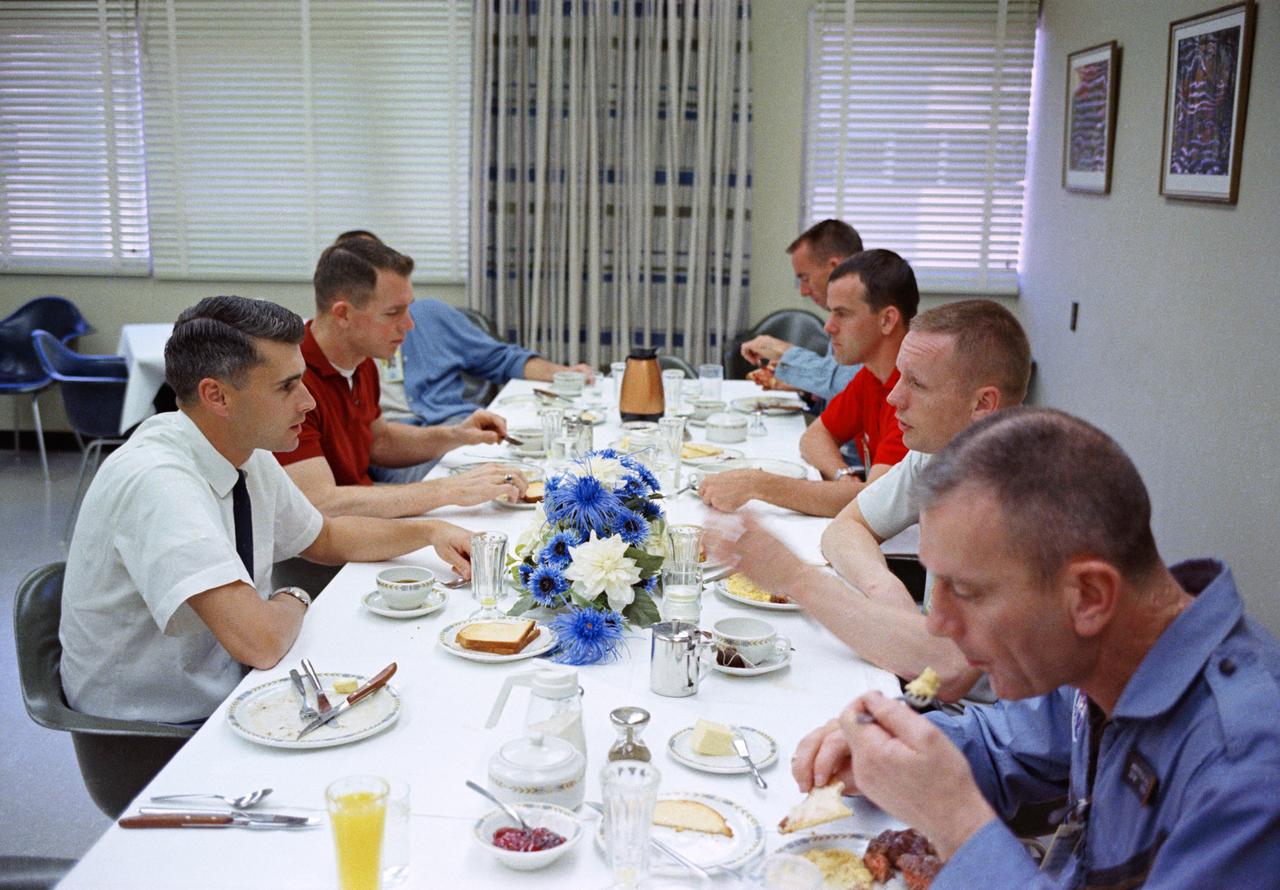
S66-24439 (16 March 1966) --- The Gemini-8 prime crew, along with several fellow astronauts, have a hearty breakfast of steak and eggs on the morning of the Gemini-8 launch. Seated clockwise around the table, starting at lower left, are Donald K. Slayton, Manned Spaceflight Center (MSC) Assistant Director for Flight Crew Operations; astronaut Neil A. Armstrong, Gemini-8 command pilot; scientist-astronaut F. Curtis Michel; astronaut R. Walter Cunningham; astronaut Alan B. Shepard Jr. (face obscured), Chief, MSC Astronaut Office; astronaut David R. Scott, Gemini-8 pilot; and astronaut Roger B. Chaffee. Photo credit: NASA
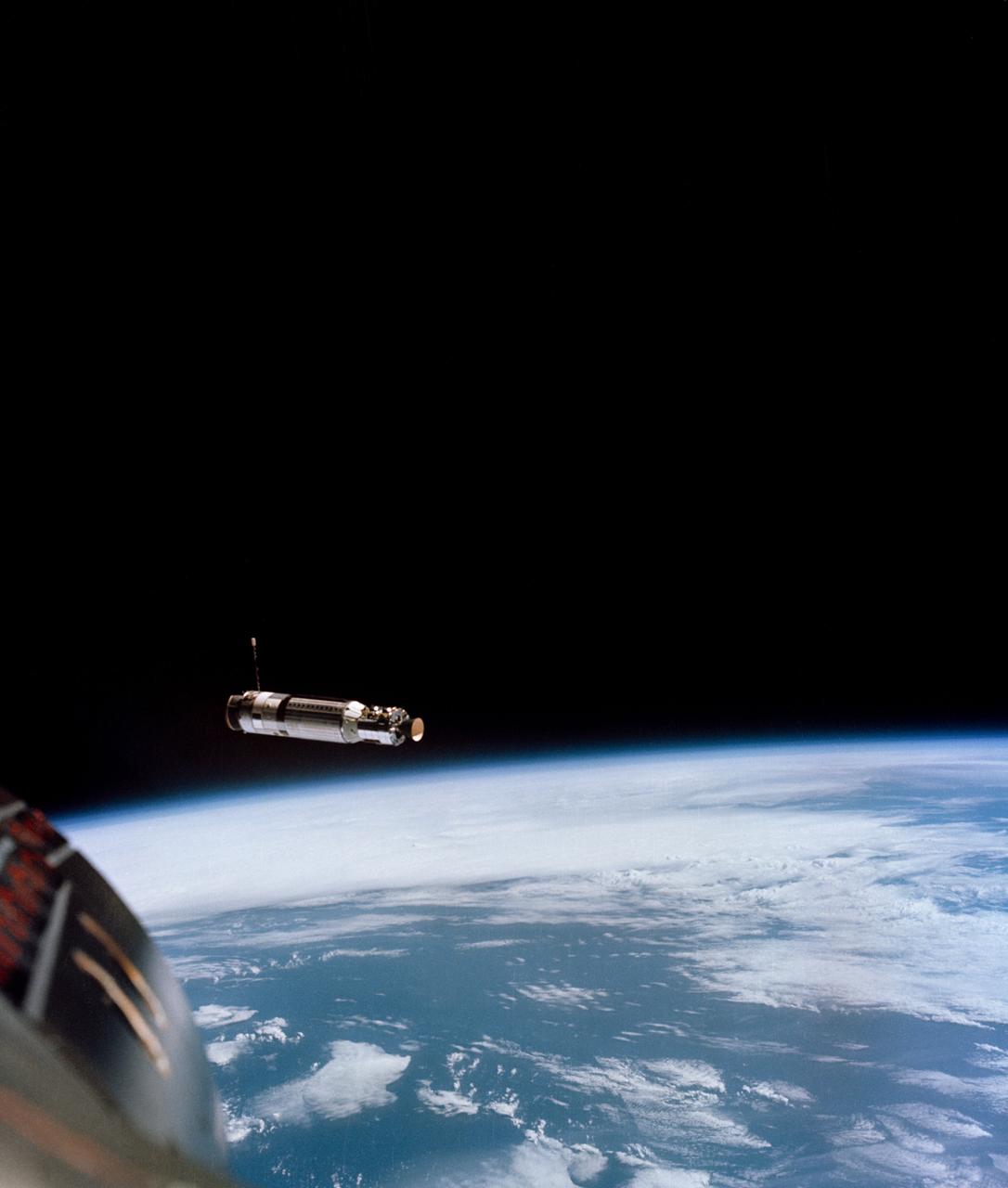
S66-25779 (16 March 1966) --? The Agena Target Docking Vehicle seen from the National Aeronautics and Space Administration?s Gemini-8 spacecraft during rendezvous in space. The Agena is approximately 210 feet away from the nose of the spacecraft (lower left). Crewmen for the Gemini-8 mission were astronauts Neil A. Armstrong, command pilot, and David R. Scott, pilot. Photo credit: NASA
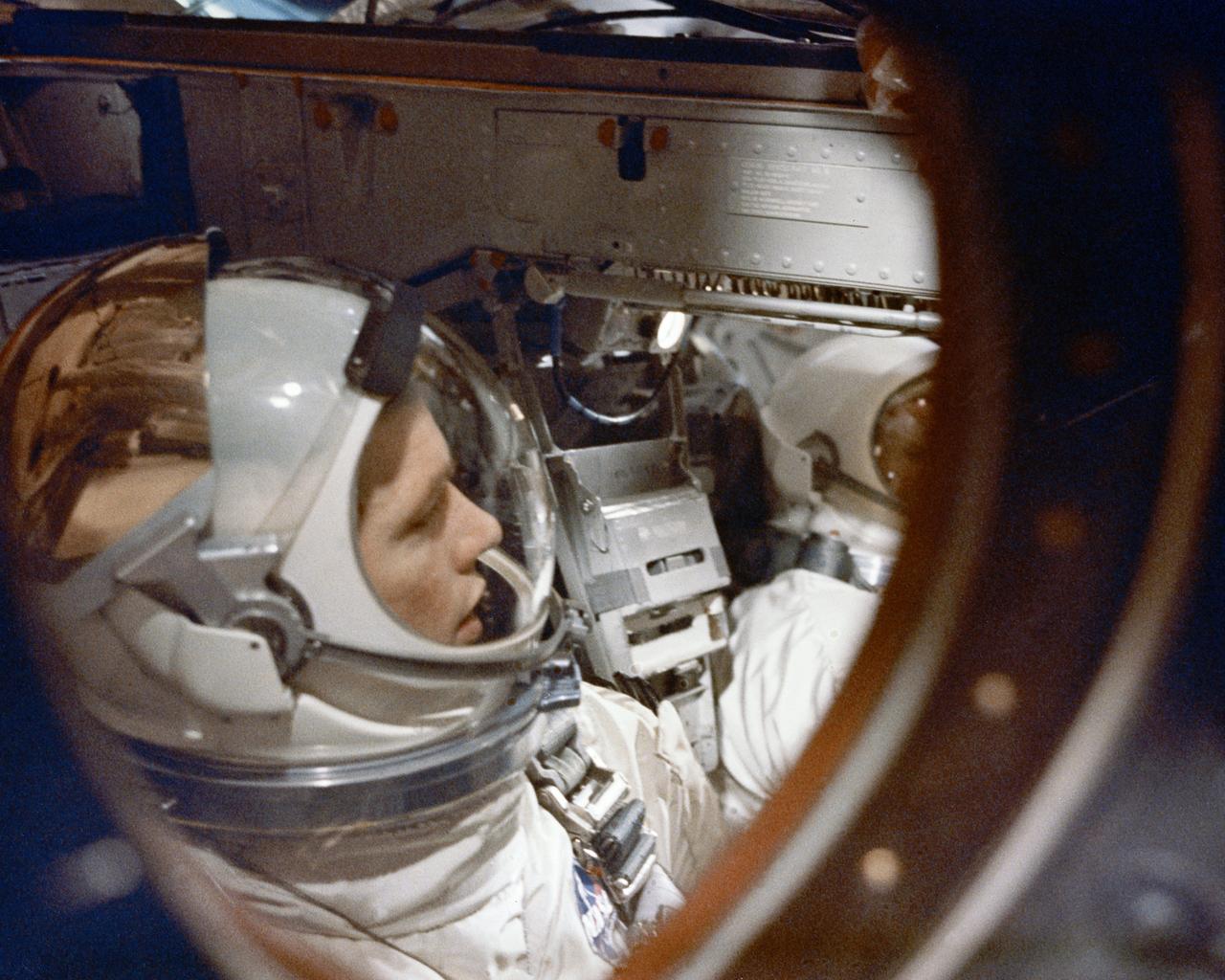
KSC-66C-1838 Gemini-8 Spacecraft is being checked out at Complex 19 during a Simulated Countdown.
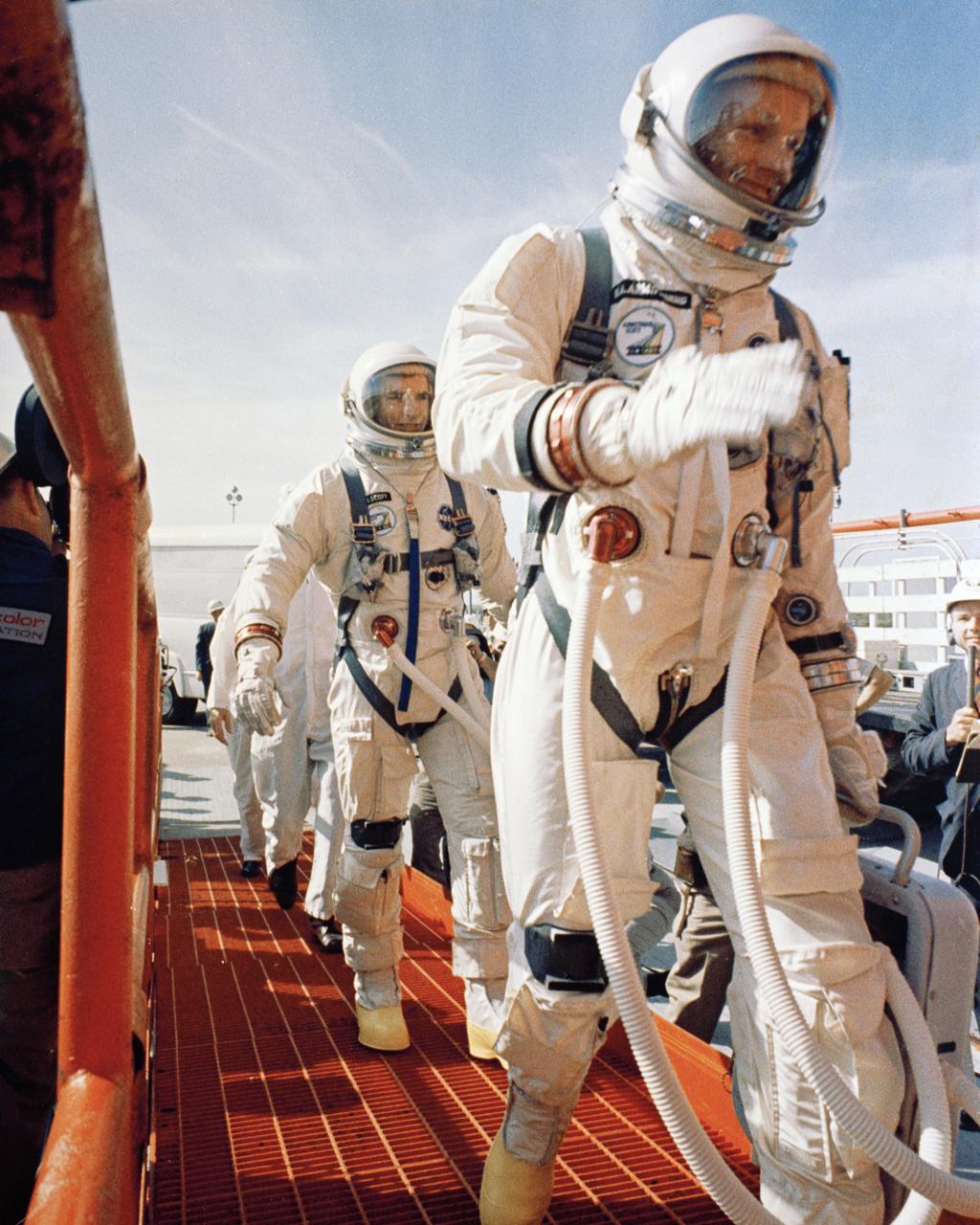
KSC-66C-1863 Gemini-8 Astronauts Neil Armstrong and David Scott prepare to enter elevator at Complex 19, Cape Kennedy. (jrs)
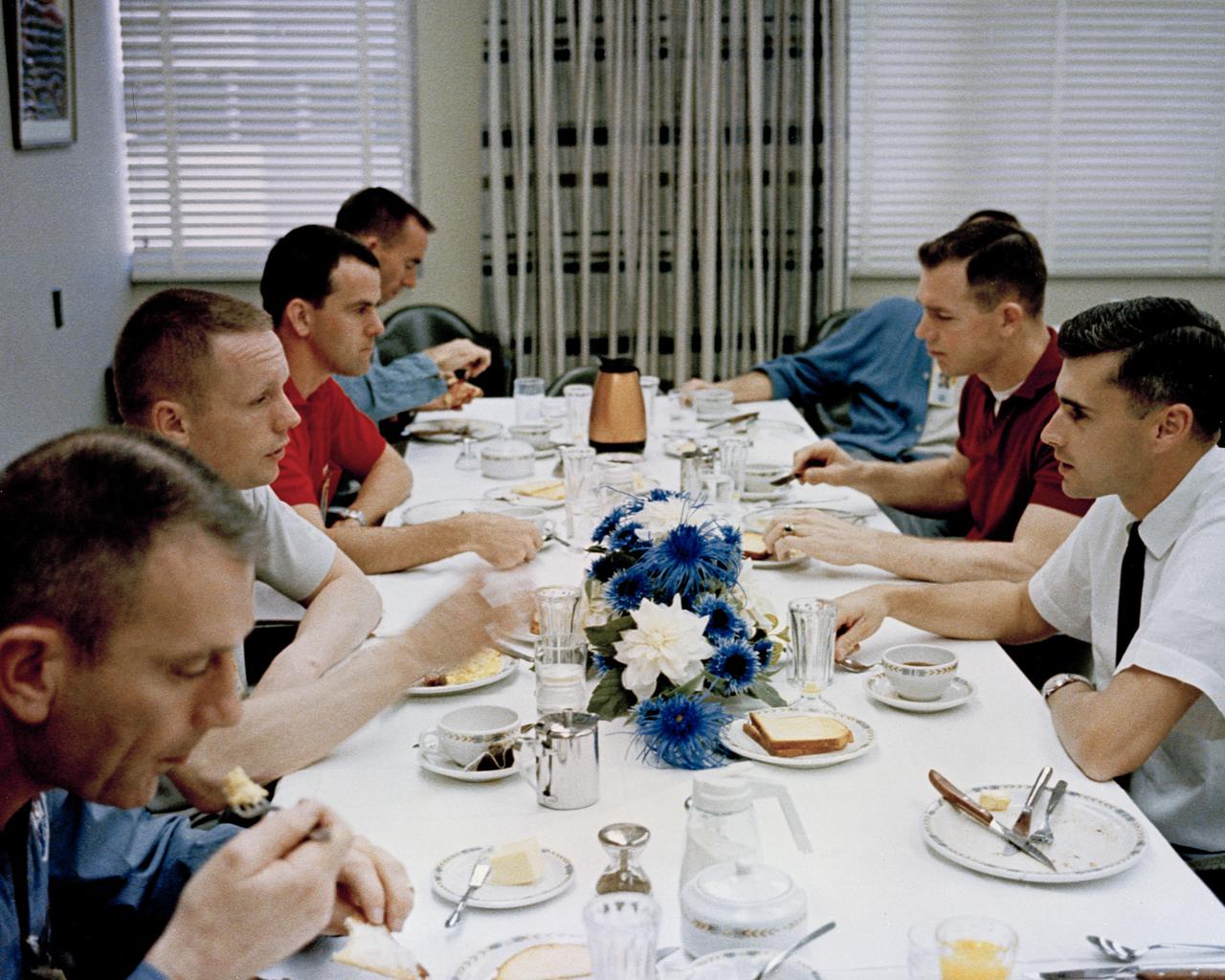
KSC-66C-1847 Gemini-8 Astronauts Neil Armstrong and David Scott enjoy breakfast with fellow Astronauts prior to Liftoff. (jrs)
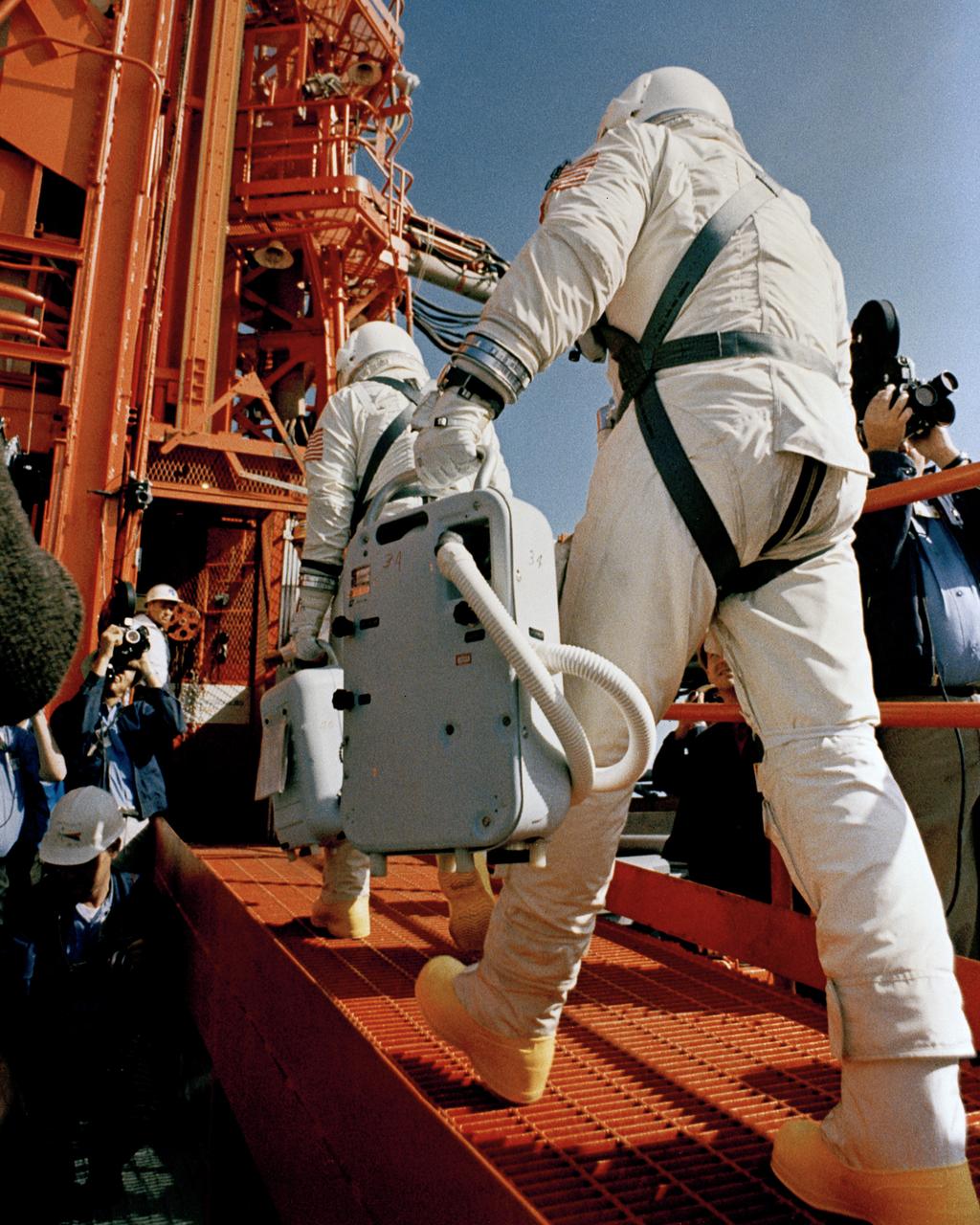
KSC-66C-1861 Gemini-8 Astronauts Neil Armstrong and David Scott are shown entering elevator at Complex 19, Cape Kennedy. (jrs)
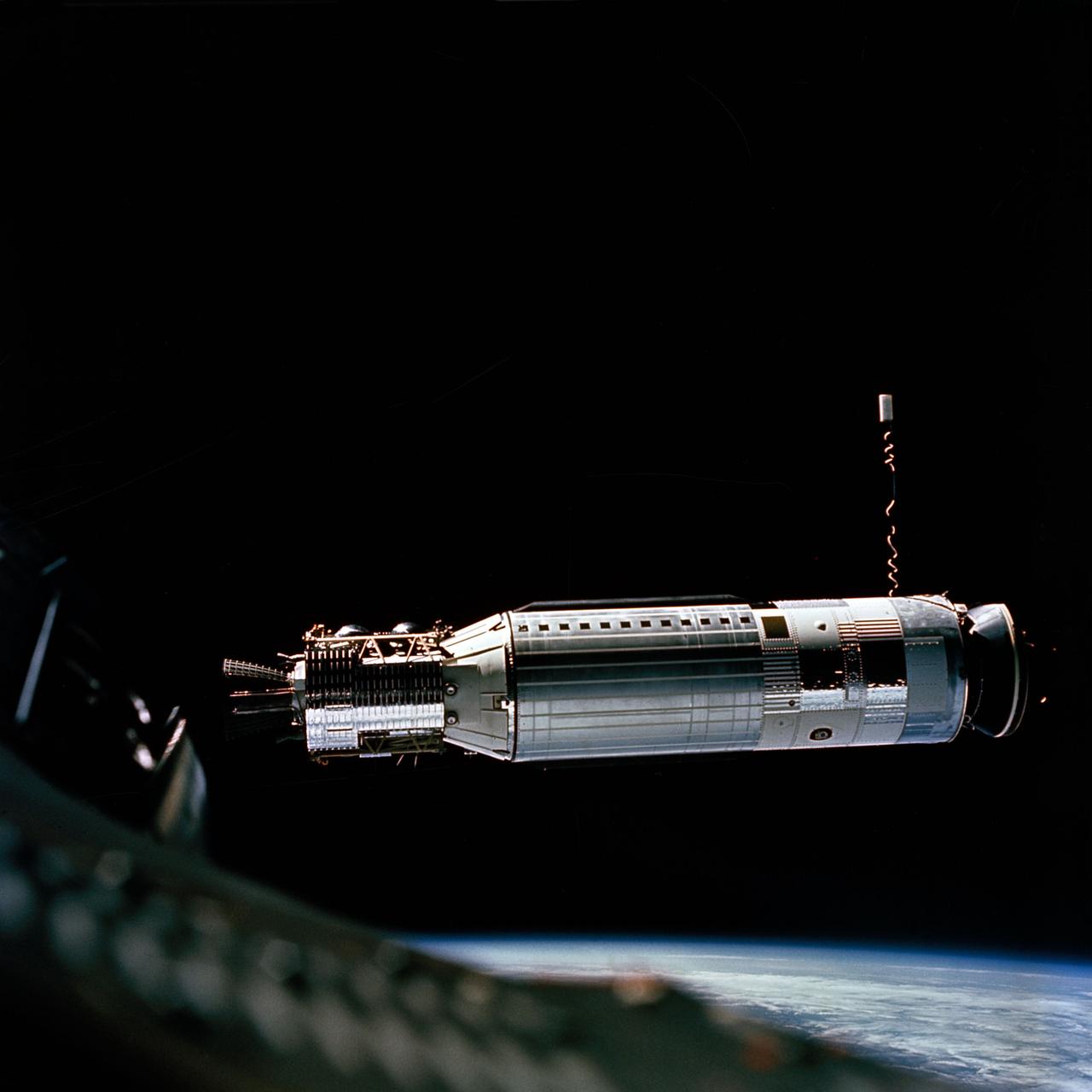
S66-25782 (16 March 1966) --- Closer view of the Agena Target Docking vehicle seen from the Gemini-8 spacecraft during rendezvous in space. Photo credit: NASA
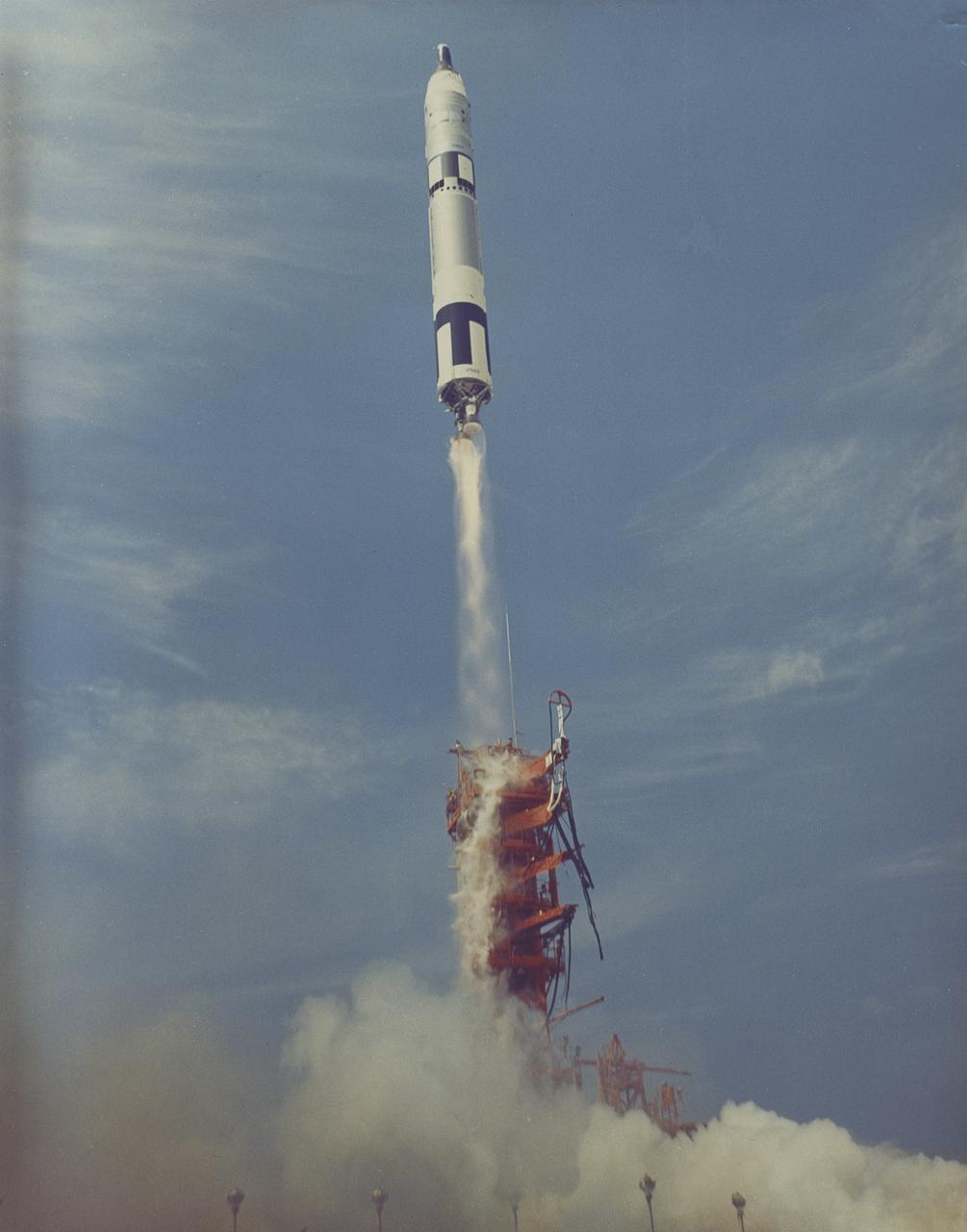
A Titan booster launched the Gemini 8 spacecraft on March 16, 1966 from launch complex 19 Cape Kennedy, Florida. The flight crew for the 3 day mission, astronauts Neil A. Armstrong and David R. Scott, achieved the first rendezvous and docking to Atlas/Agena in Earth orbit.
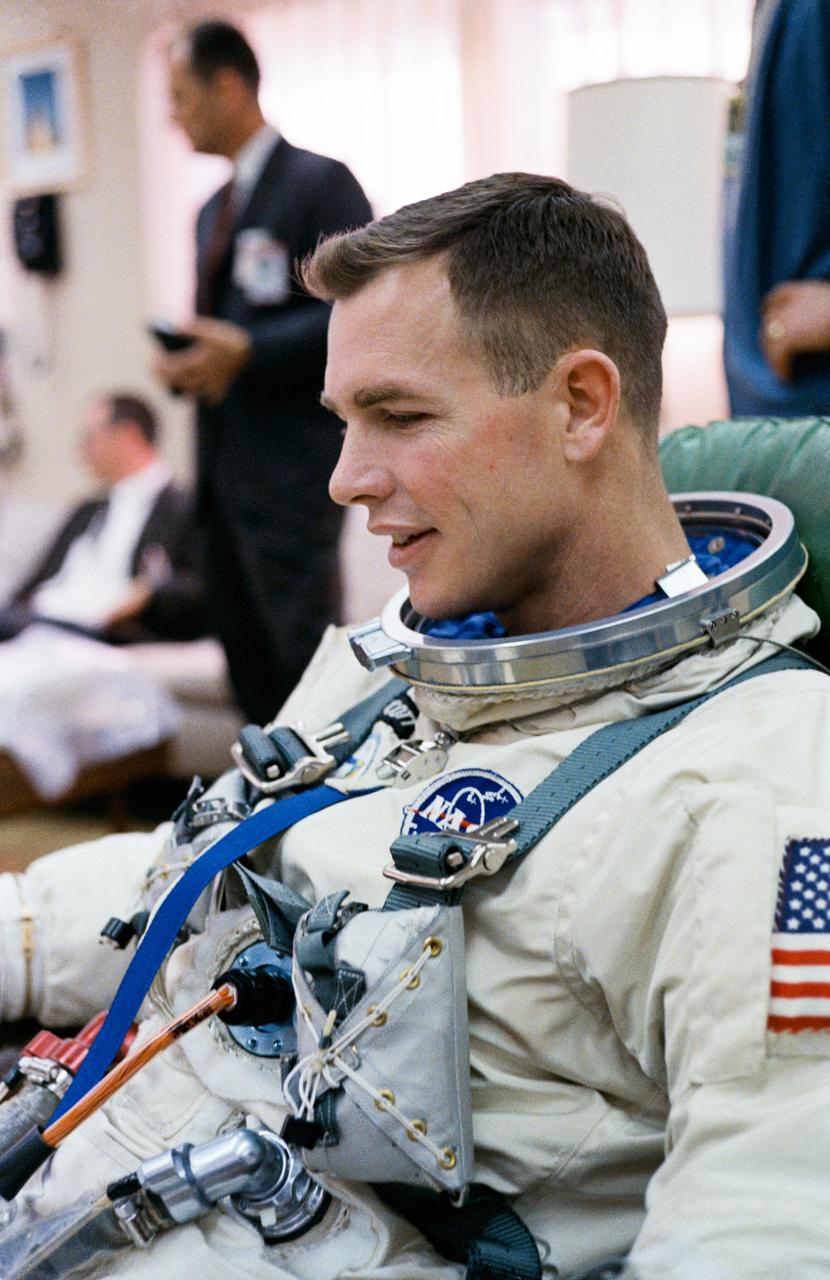
S66-24491 (16 March 1966) --- Astronaut David R. Scott, pilot of the Gemini-8 spaceflight, relaxes in the Launch Complex 16 trailer during suiting up operations for the Gemini-8 mission. Photo credit: NASA
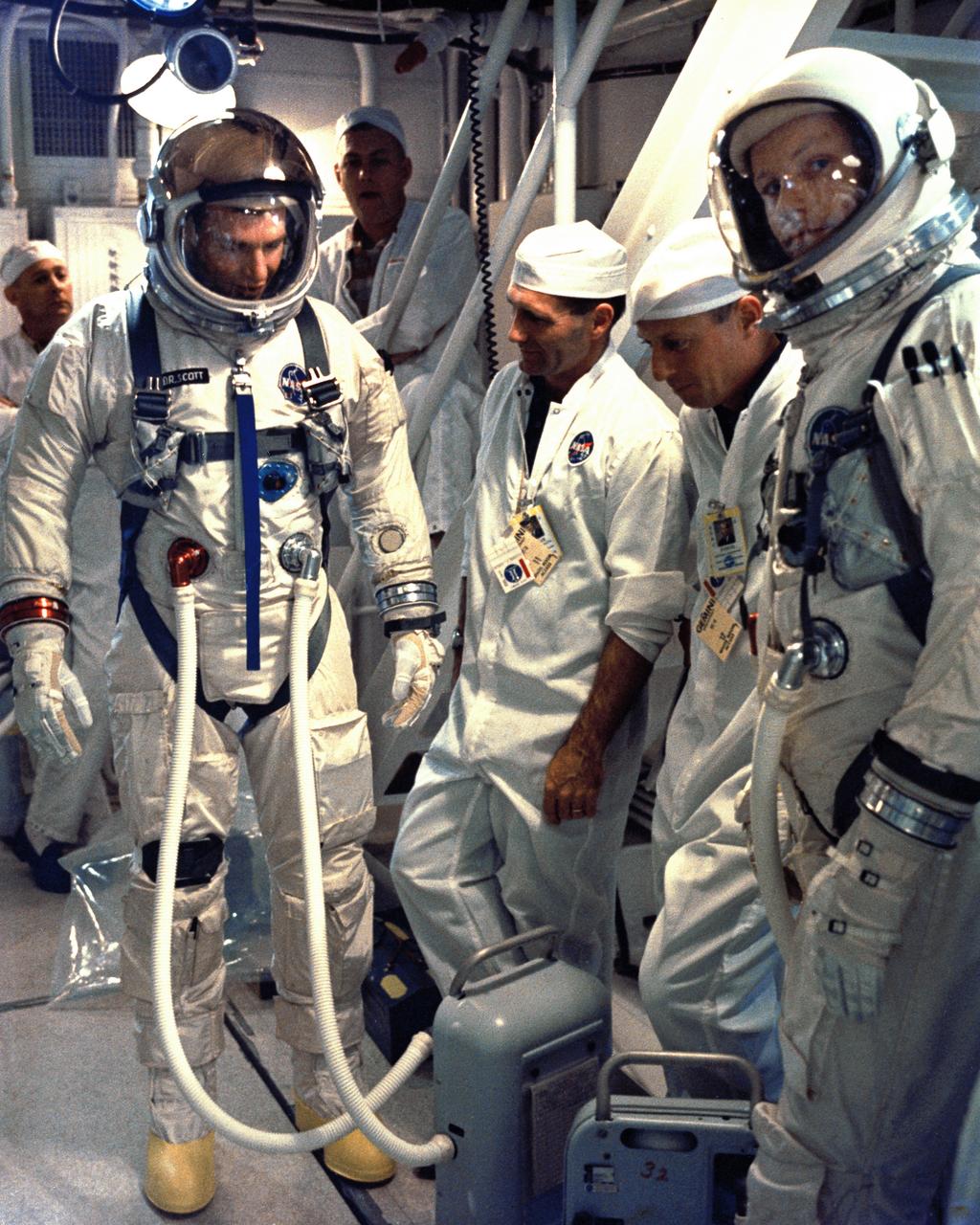
KSC-66C-1841 Gemini-8 Astronauts Neil A. Armstrong, Command Pilot, and David R. Scott, Pilot, arrive at White Room, Complex 19 to enter Spacecraft for Simulation Test. (jrs)
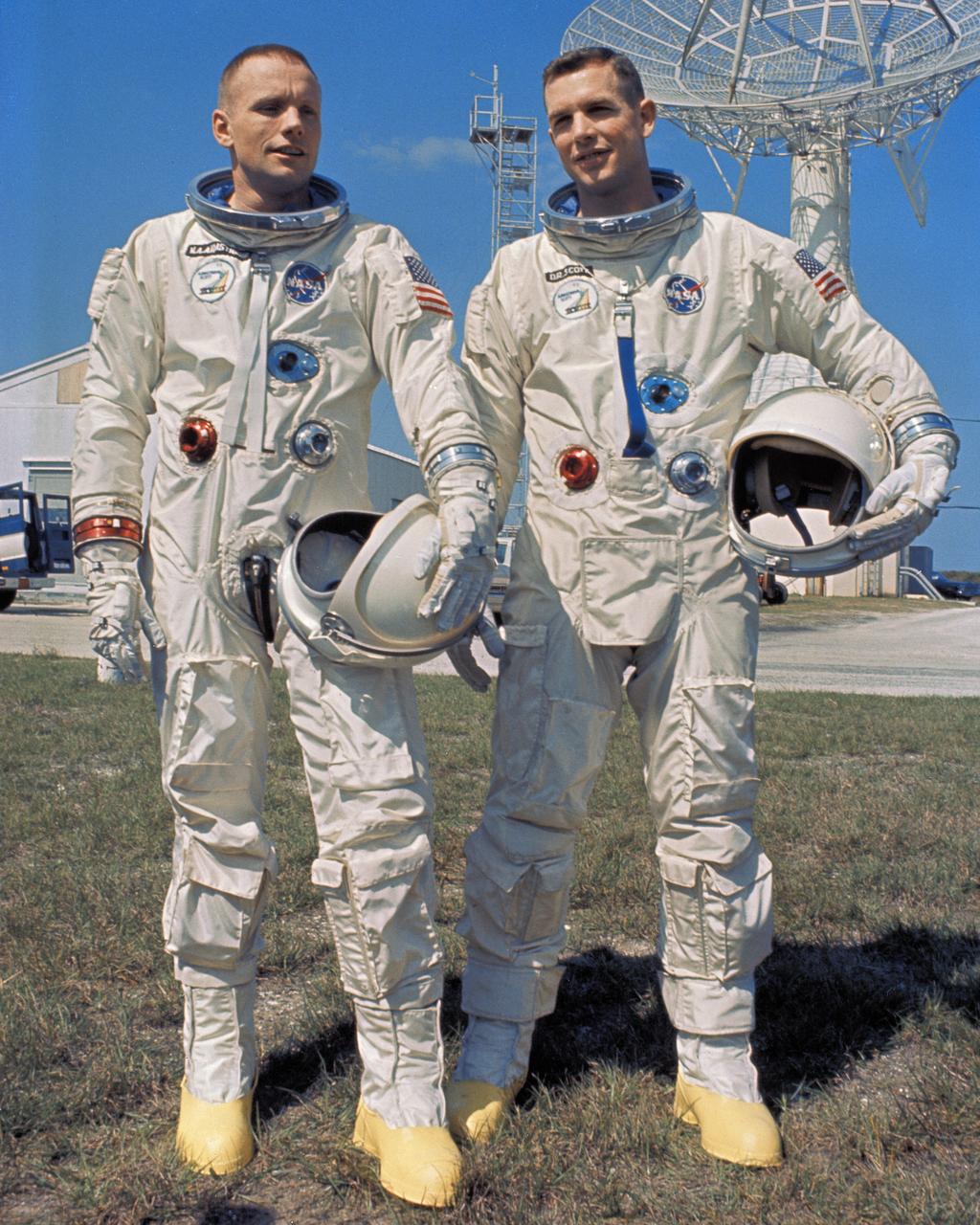
KSC-66C-1846 Gemini-8 Astronauts Neil A. Armstrong, Command Pilot, and David R. Scott, Pilot, during a Photo Session for the Press outside Mission Control Center, Cape Kennedy, FLA. (jrs)
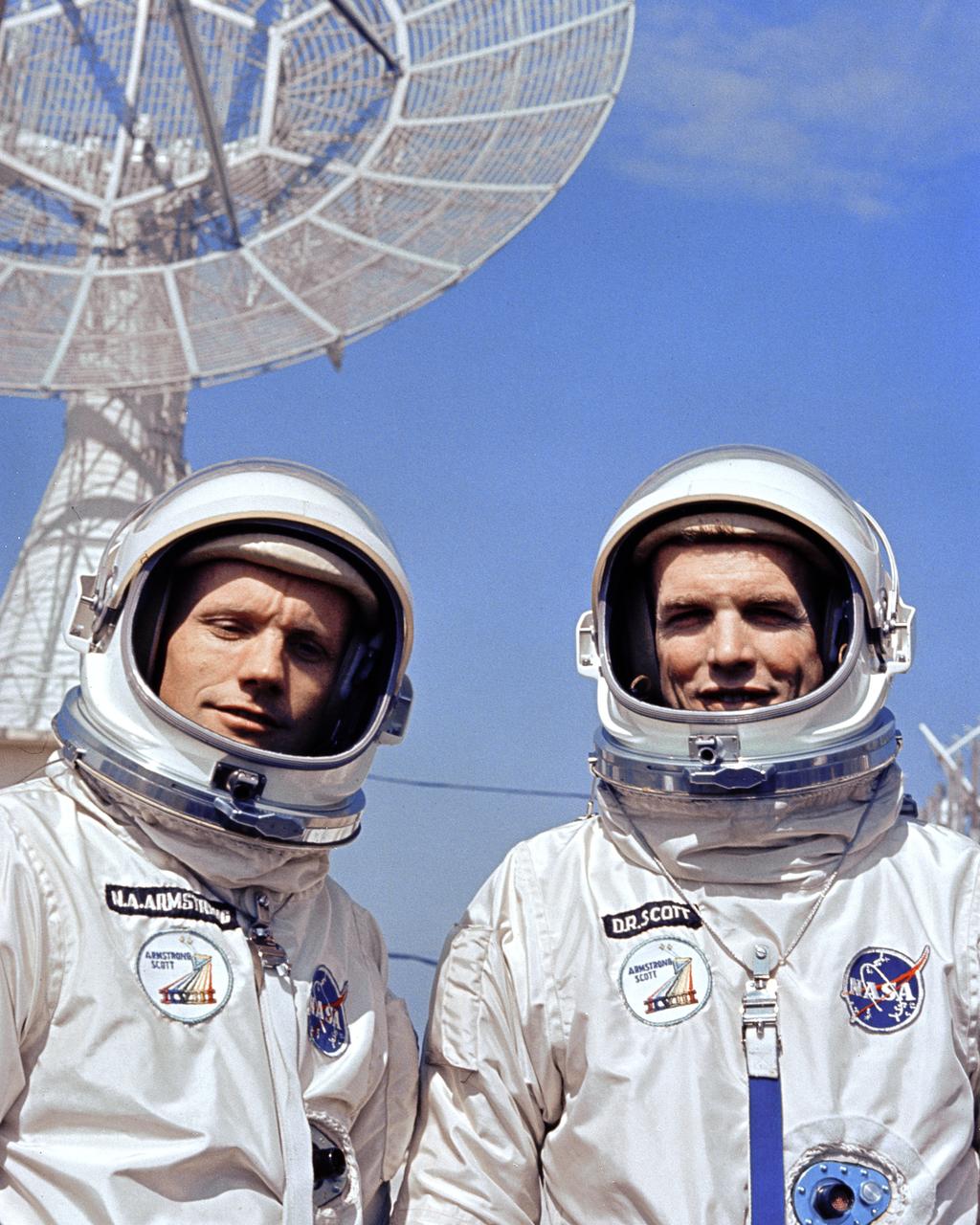
KSC-66C-1845 Gemini-8 Astronauts Neil A. Armstrong, Command Pilot, and David R. Scott, Pilot, during a Photo Session for the Press outside Mission Control Center, Cape Kennedy. (jrs)
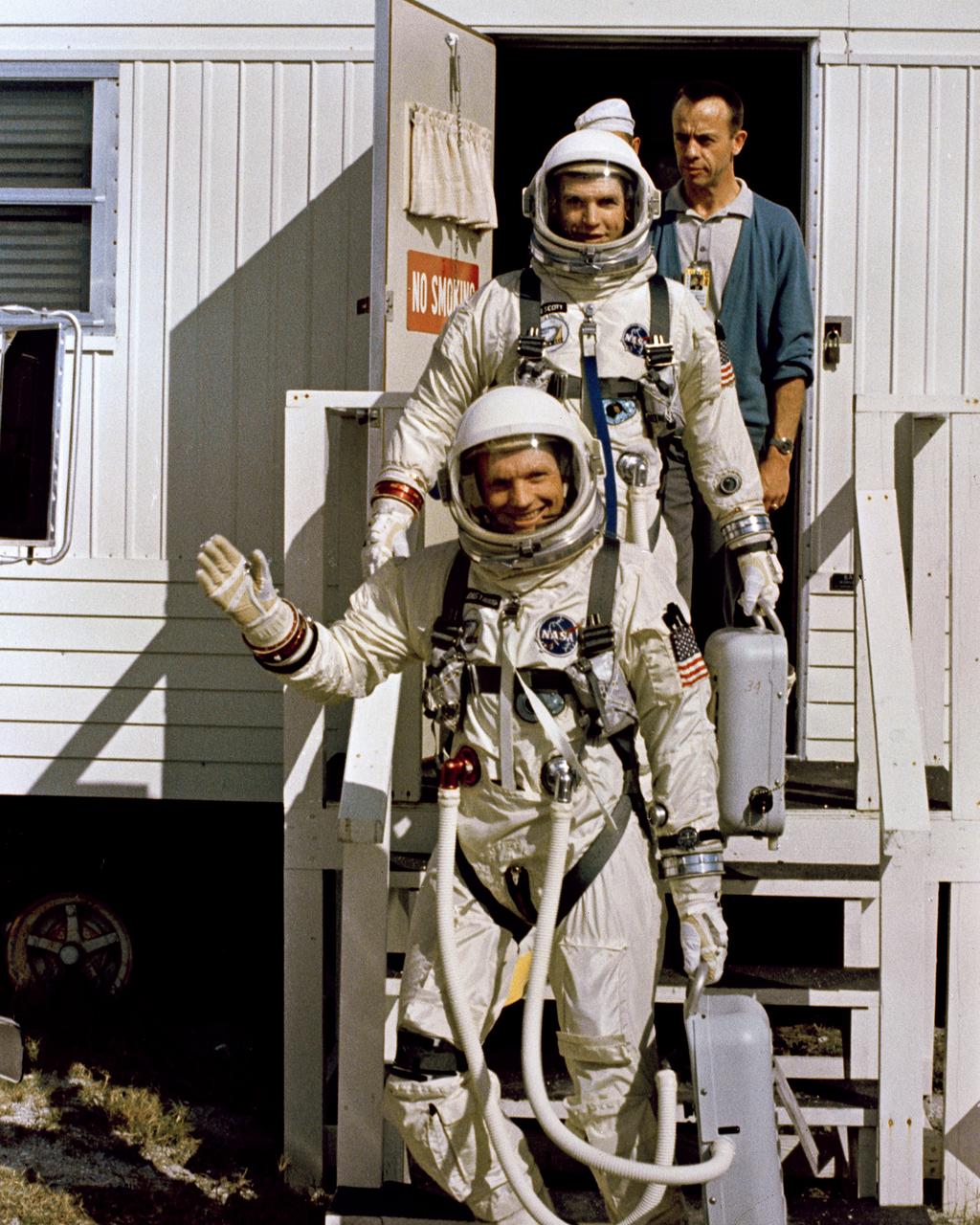
KSC-66C-1869 Astronauts Neil Armstrong and David Scott leave Suiting Trailer and enter Transfer Van at Cape Kennedy prior to boarding their Spacecraft for Gemini 8 Mission. (jrs)
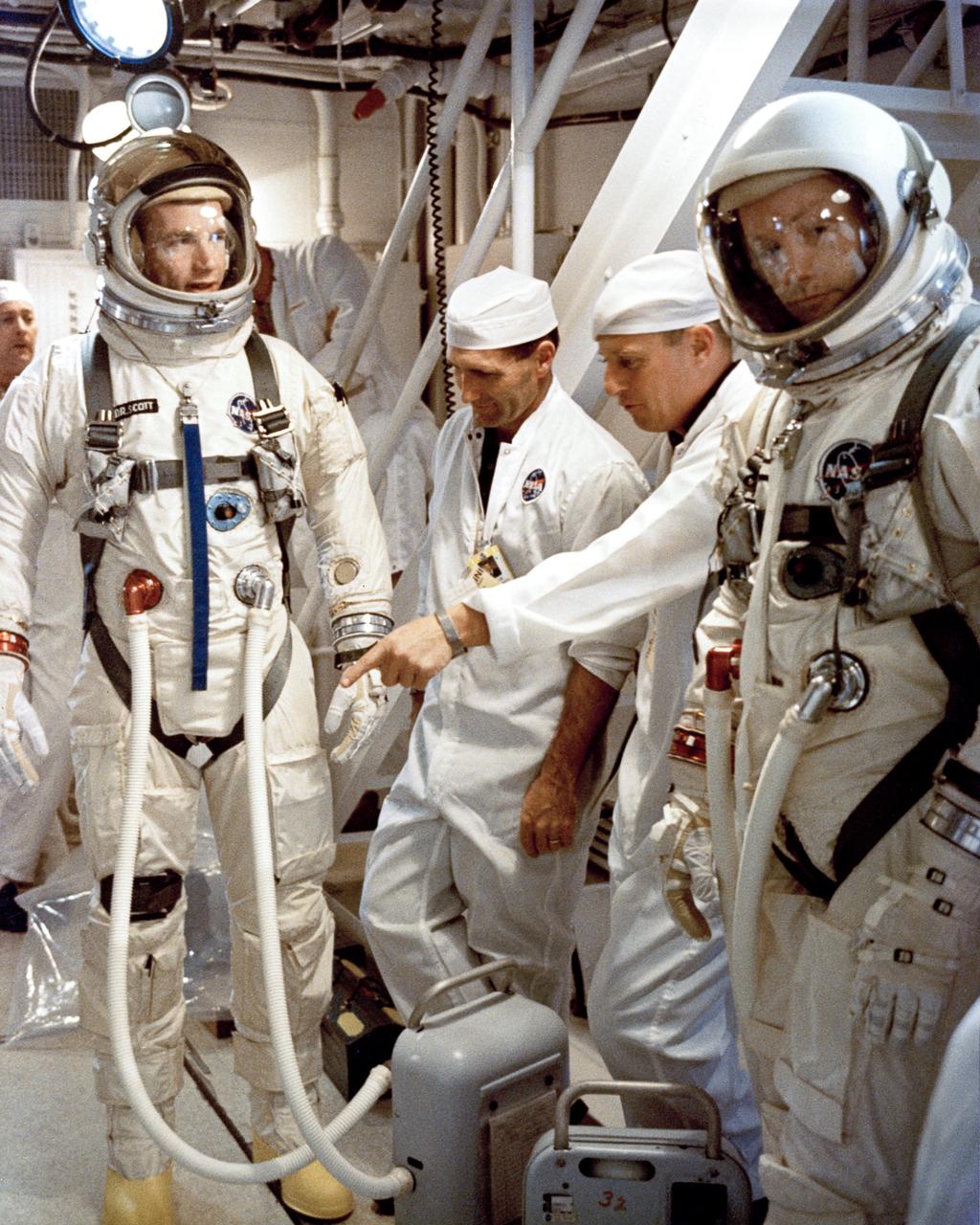
KSC-66C-1836 Gemini-8 Astronauts Neil A. Armstrong, Command Pilot, and David R. Scott, Pilot arrive at White Room, Complex 19 to enter Spacecraft for Simulation Test. (jrs)
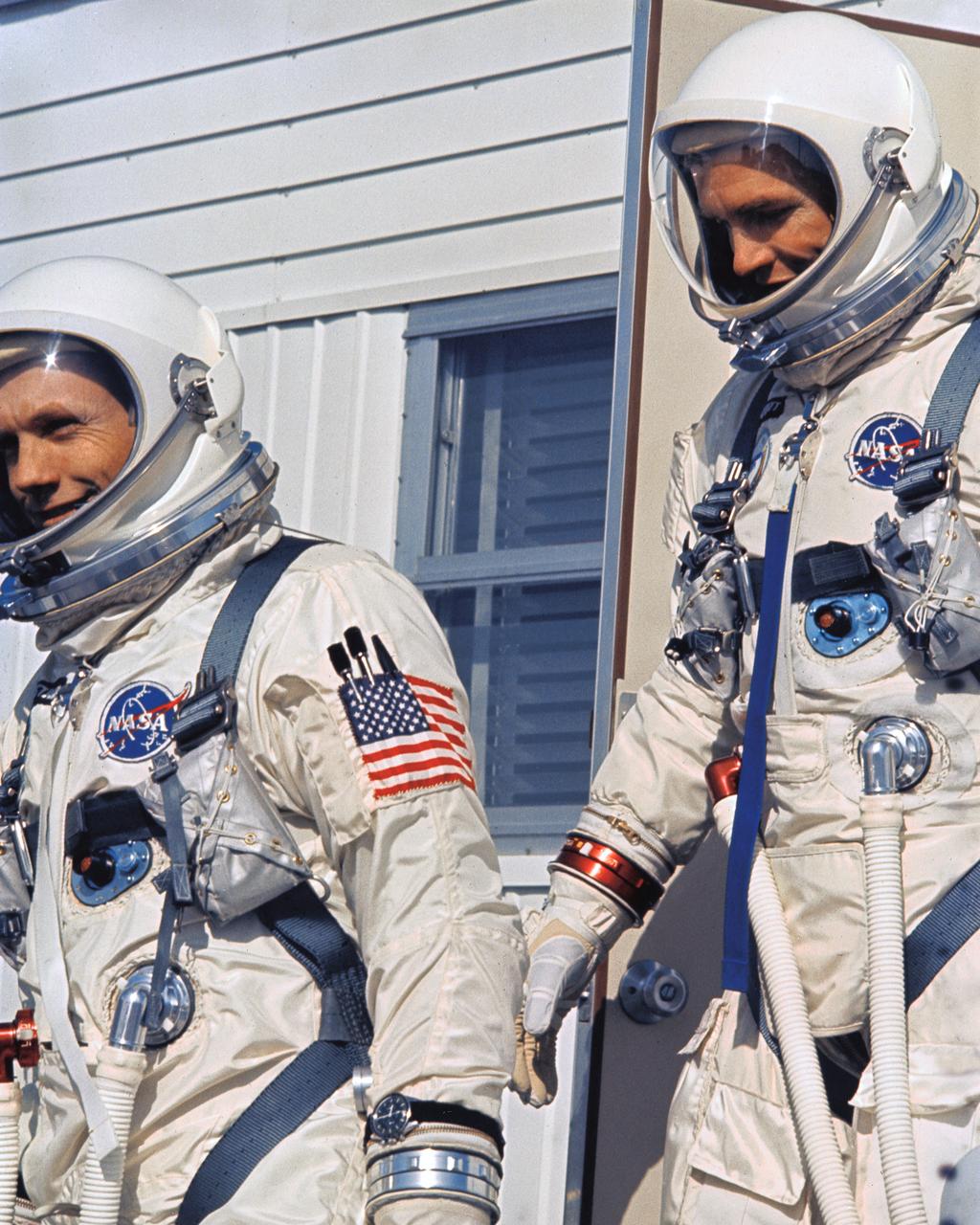
KSC-66C-1851 Astronauts Neil Armstrong and David Scott leave Suiting Trailer to enter Transfer Van, Complex 19, Cape Kennedy prior to boarding their Spacecraft for Gemini 8 Mission. (jrs)
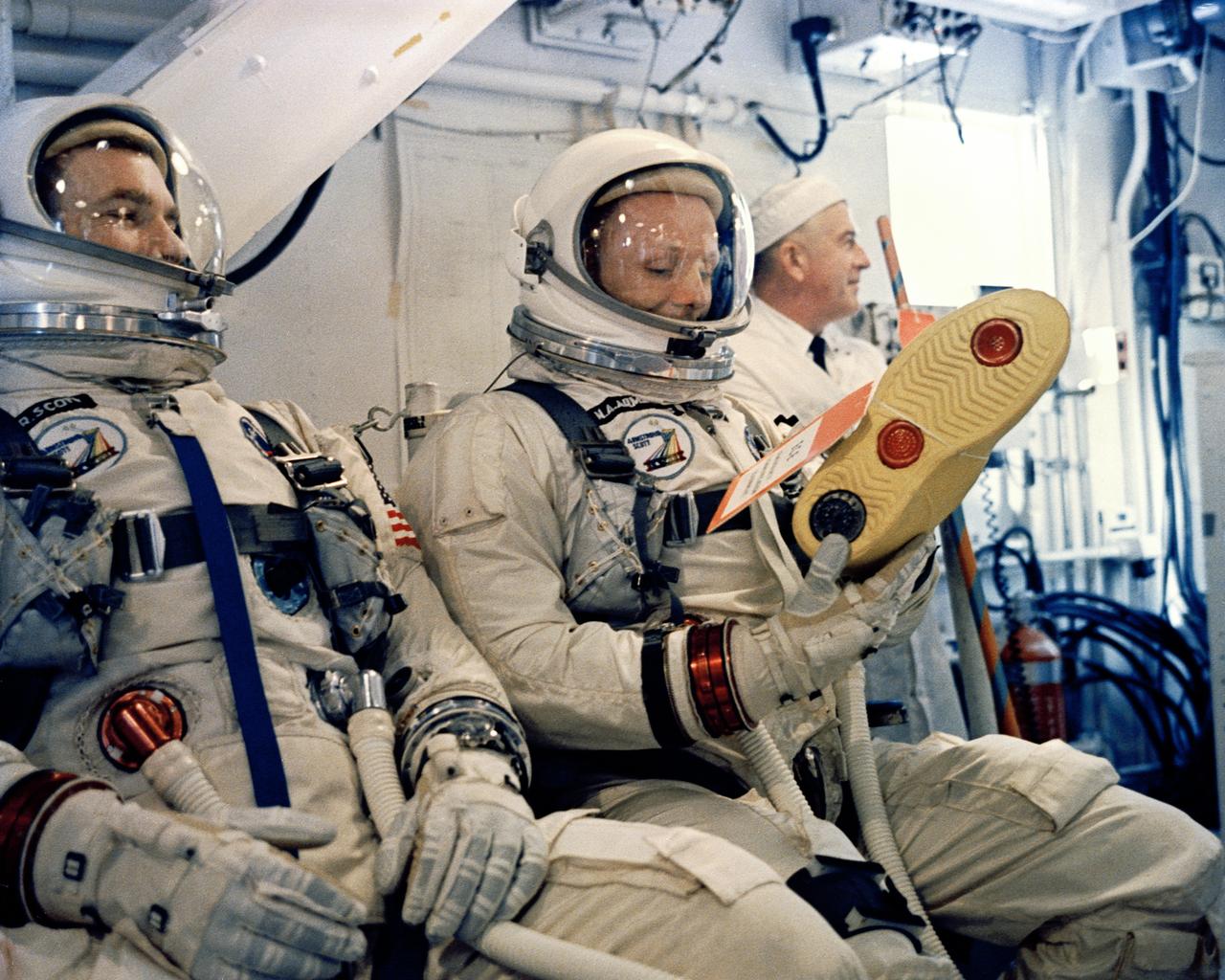
KSC-66C-1875 Astronauts David Scott and Neil Armstrong wait for the order to board their Gemini 8 Spacecraft in the White Room at Cape Kennedy, Complex 19. (jrs)
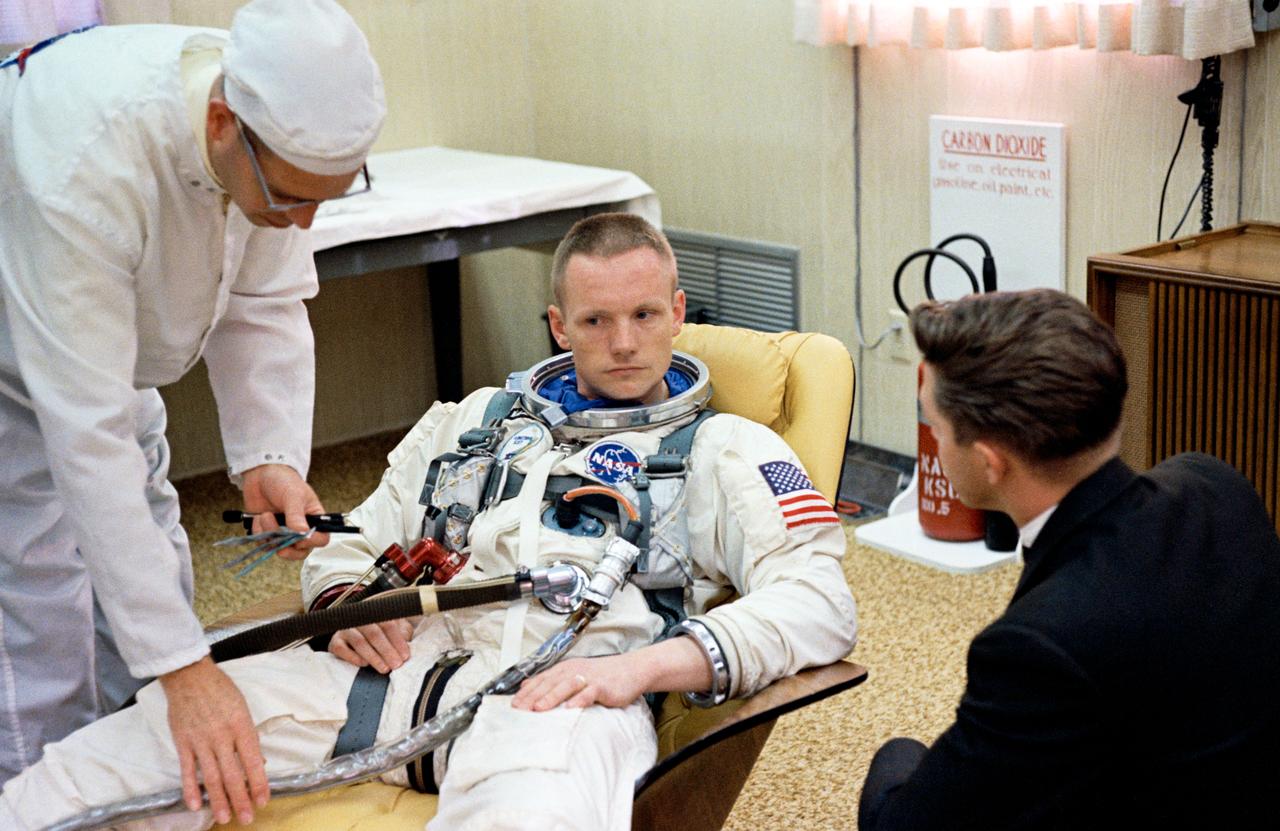
S66-24446 (16 March 1966) --- Astronaut Neil A. Armstrong, command pilot of the Gemini-8 spaceflight, sits in the Launch Complex 16 trailer during suiting up operations for the Gemini-8 mission. Suit technician Jim Garrepy assists. Photo credit: NASA

S66-24406 (16 March 1966) --- Close-up view of astronaut David R. Scott, pilot of the Gemini-8 spaceflight, making final adjustments and checks in the spacecraft during the Gemini-8 prelaunch countdown. In the background almost out of view is astronaut Neil A. Armstrong, command pilot. Photo credit: NASA
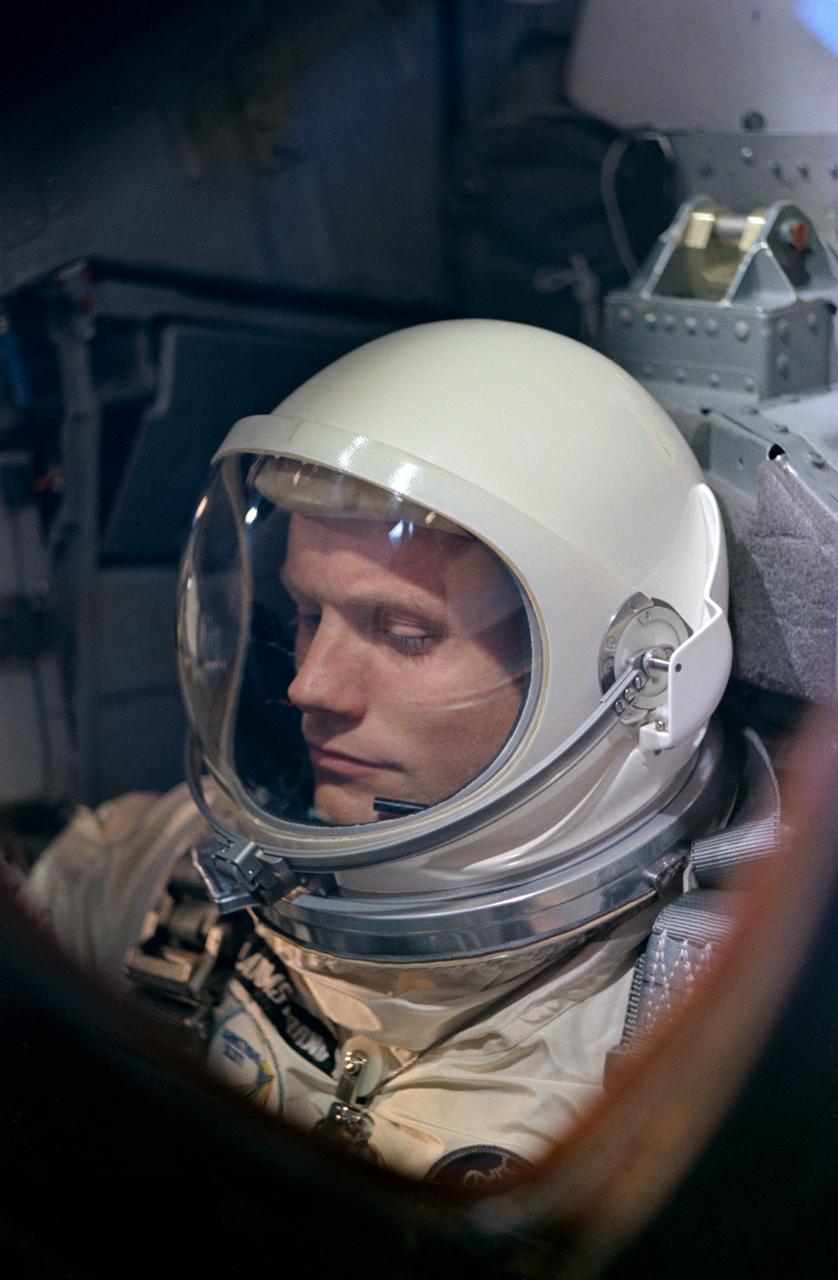
S66-24489 (16 March 1966) --- Close-up view of astronaut Neil A. Armstrong, command pilot of the Gemini-8 spaceflight, making final adjustments and checks in the spacecraft during the Gemini-8 prelaunch countdown. Photo credit: NASA
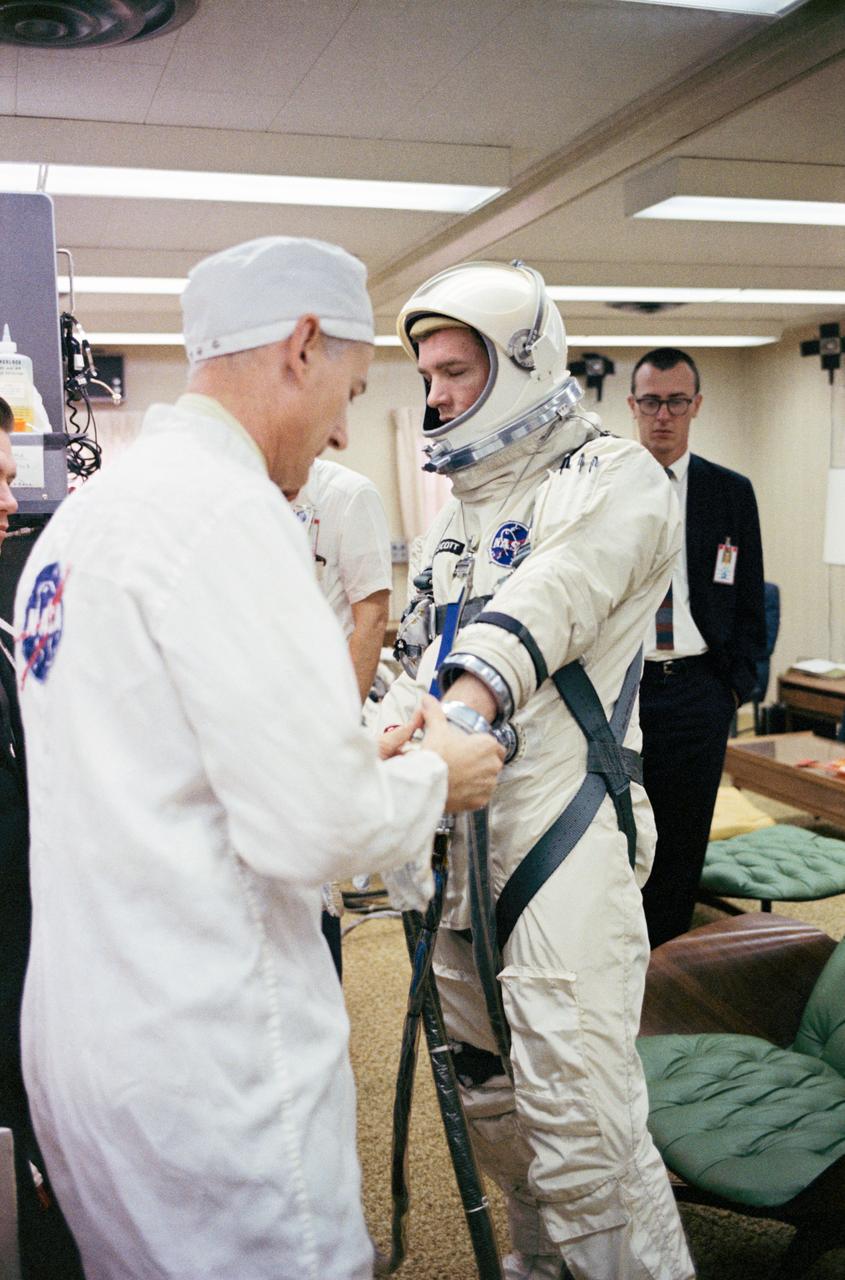
S66-24405 (16 March 1966) --- Astronaut David R. Scott, pilot of the Gemini-8 spaceflight, in the Launch Complex 16 trailer during suiting up operations for the Gemini-8 mission. NASA suit technician Joe Schmitt helps the astronaut put on his gloves. Photo credit: NASA
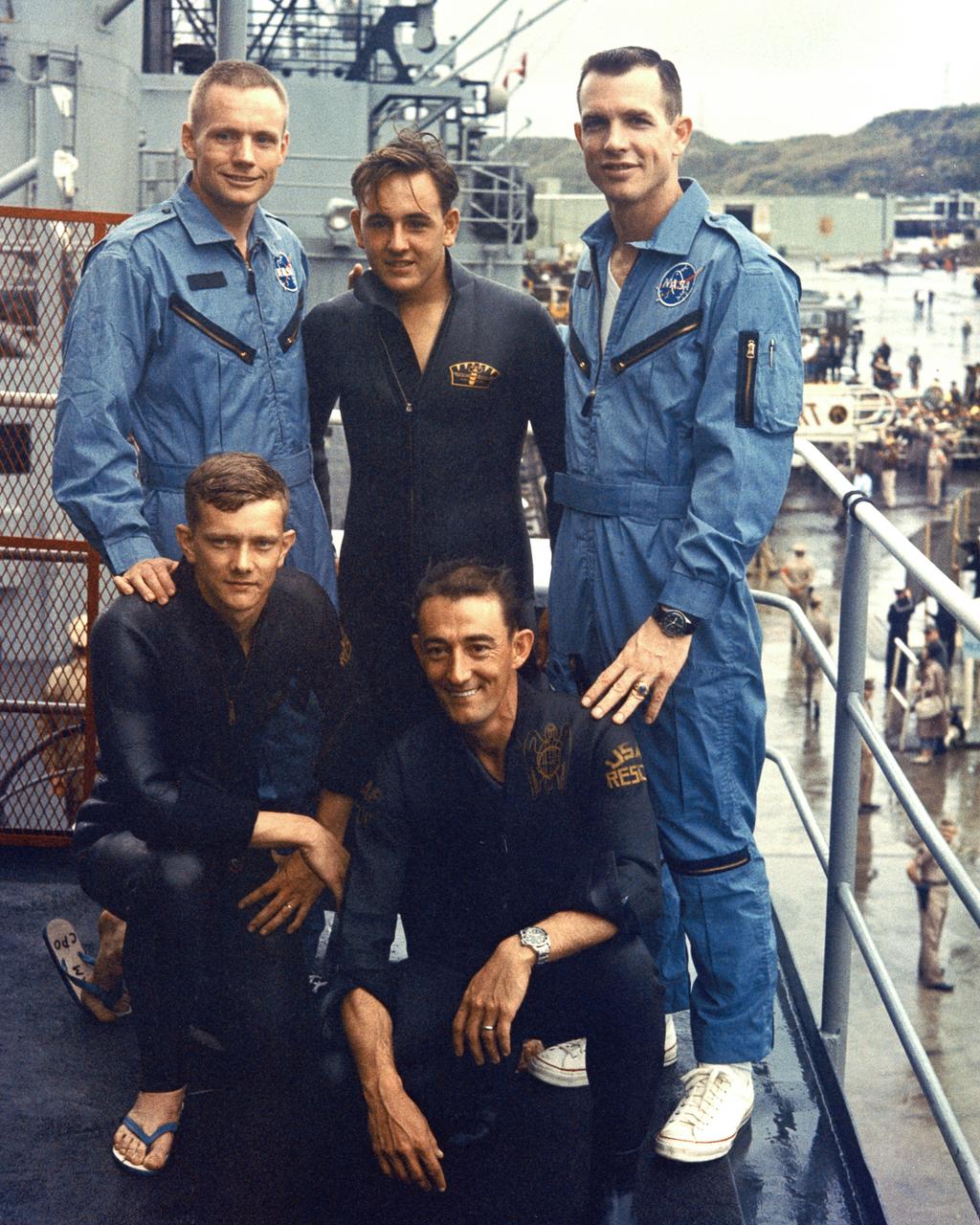
KSC-66C-1878 Gemini 8 Astronauts pose with the PARA-RESCUE team. Left-to-right, top: Neil Armstrong, E. M. Neil, David Scott; bottom row: L. D. Huyett and G. N. Moore. (jrs)
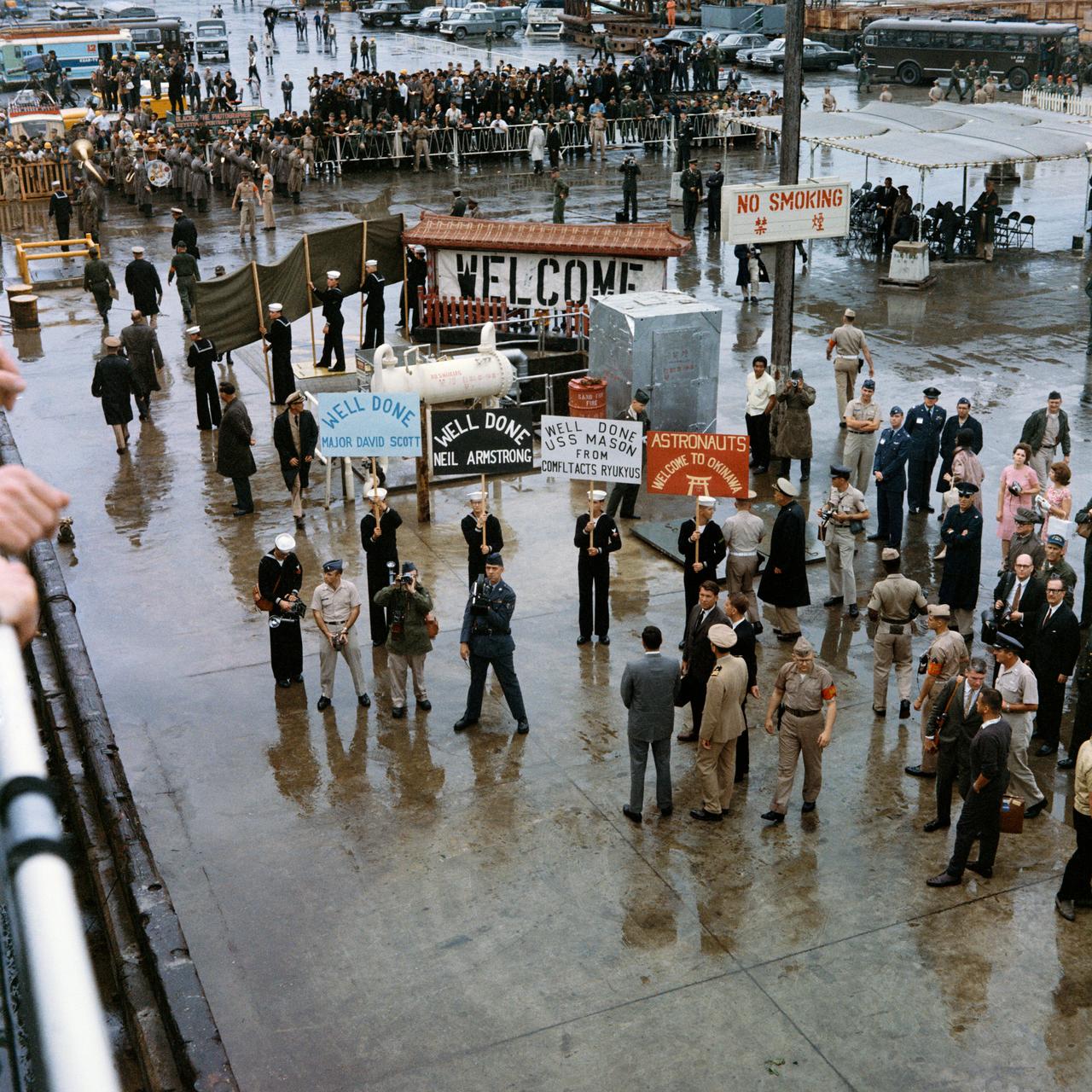
S66-18606 (17 March 1966) --- U.S. personnel at the Naha, Okinawa, military installation plan a welcome for the Gemini-8 crew. Photo credit: NASA

S66-18607 (18 March 1966) --- Astronauts Neil A. Armstrong (center), Gemini-8 command pilot, and David R. Scott, pilot, arrive at Hickam Field, Hawaii on their way from Naha, Okinawa, to Cape Kennedy, Florida. Astronaut Walter M. Schirra Jr. is at extreme left. Photo credit: NASA
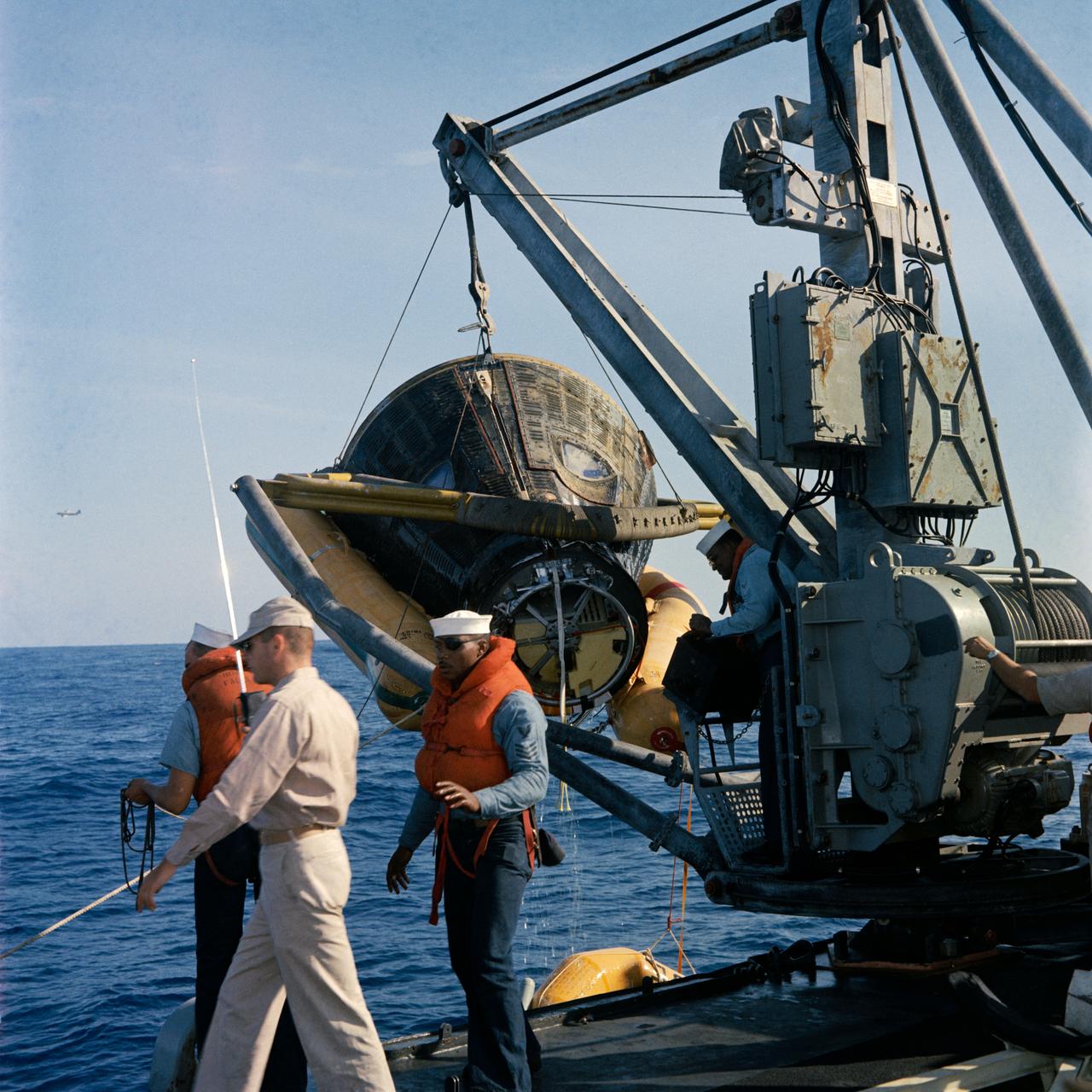
S66-26037 (16 March 1966) --- The Gemini-8 spacecraft, with astronauts Neil A. Armstrong and David R. Scott still aboard, is hoisted aboard the destroyer USS Leonard F. Mason. Trouble with the Gemini-8 Orbit Attitude and Maneuvering System (OAMS) forced an early termination of the mission. Photo credit: NASA
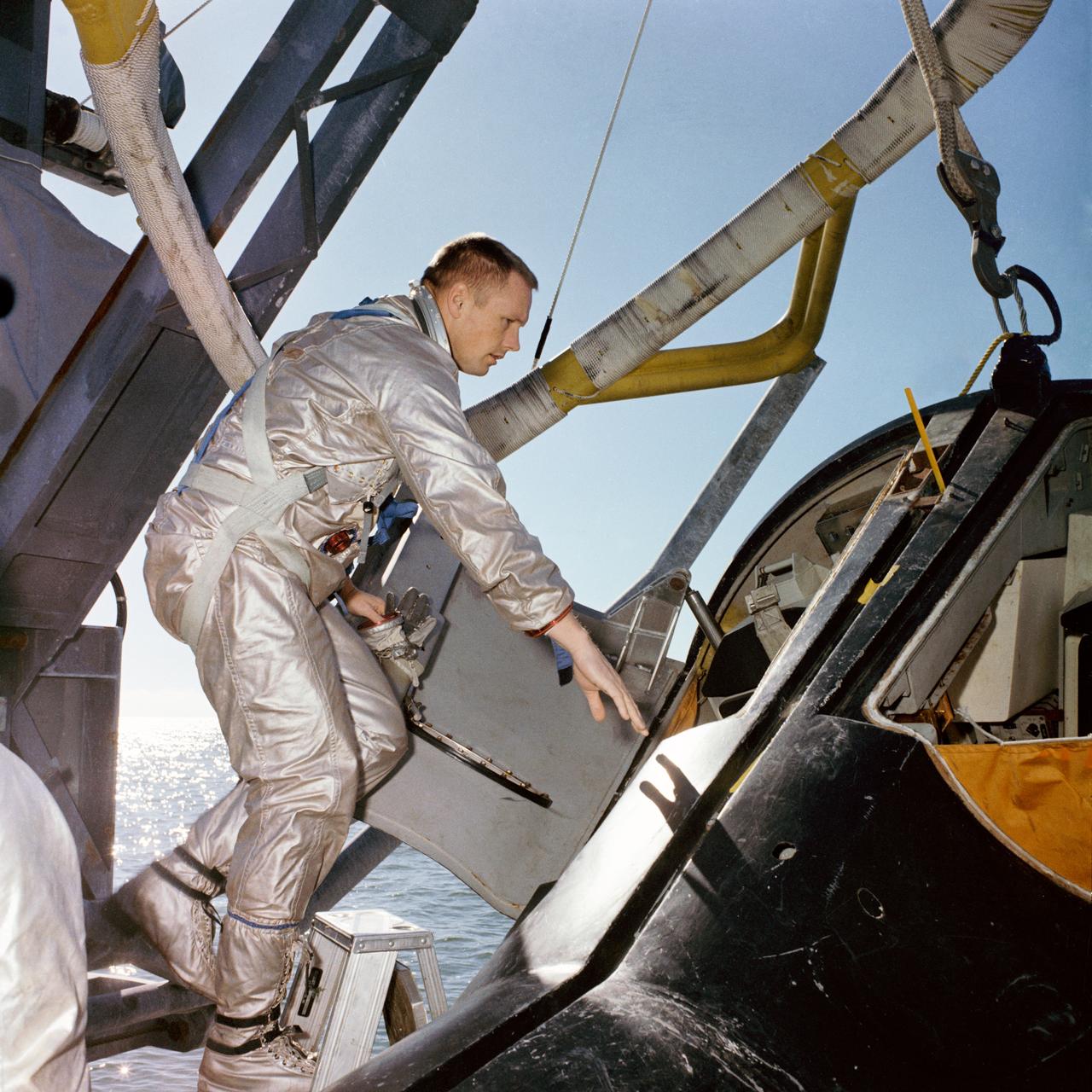
S66-17153 (15 Jan. 1966) --- Astronaut Neil A. Armstrong. Gemini-8 command pilot, climbs into a boilerplate model of the Gemini spacecraft during water egress training on the Gulf of Mexico. Photo credit: NASA
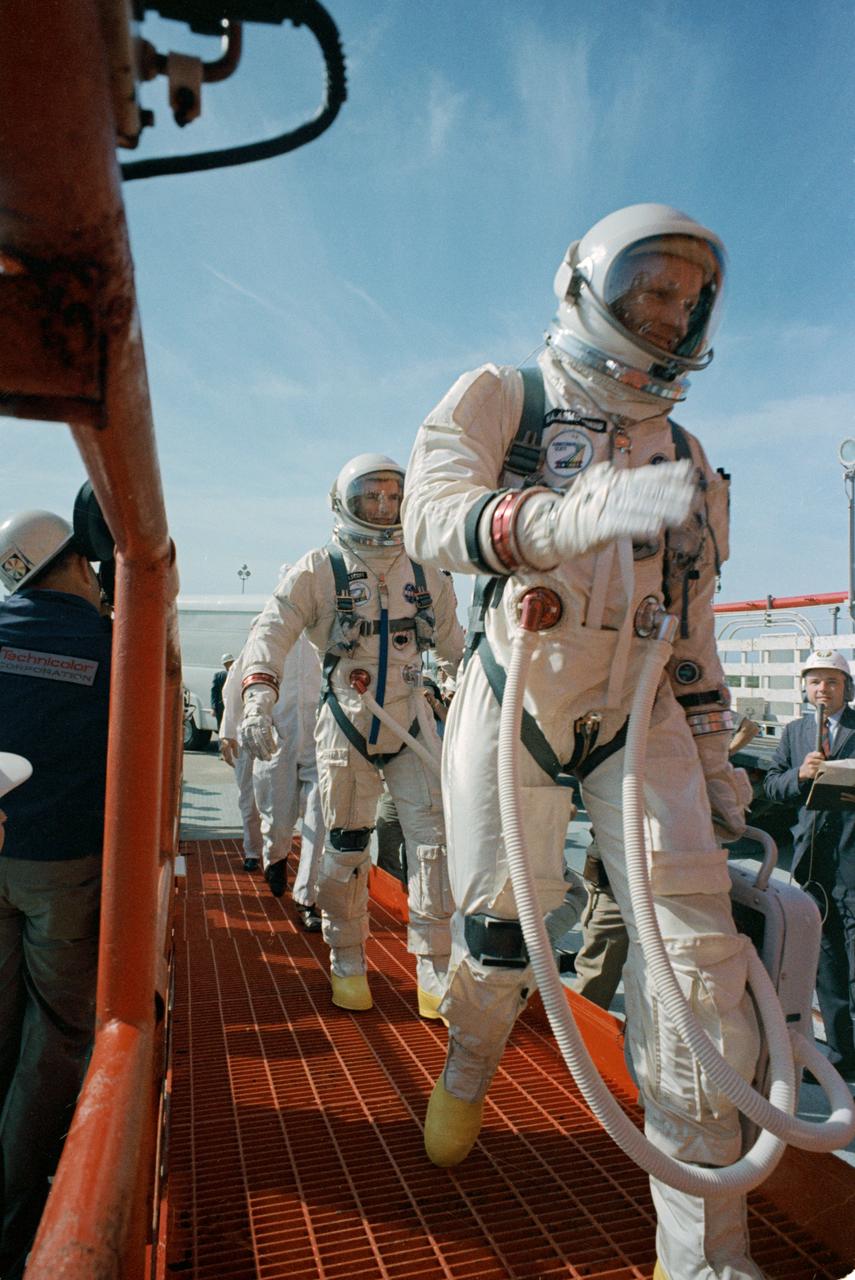
S66-24478 (16 March 1966) --- Astronauts Neil A. Armstrong (foreground), command pilot, and David R. Scott, pilot, walk up the ramp at Pad 19 during the Gemini-8 prelaunch countdown. Photo credit: NASA
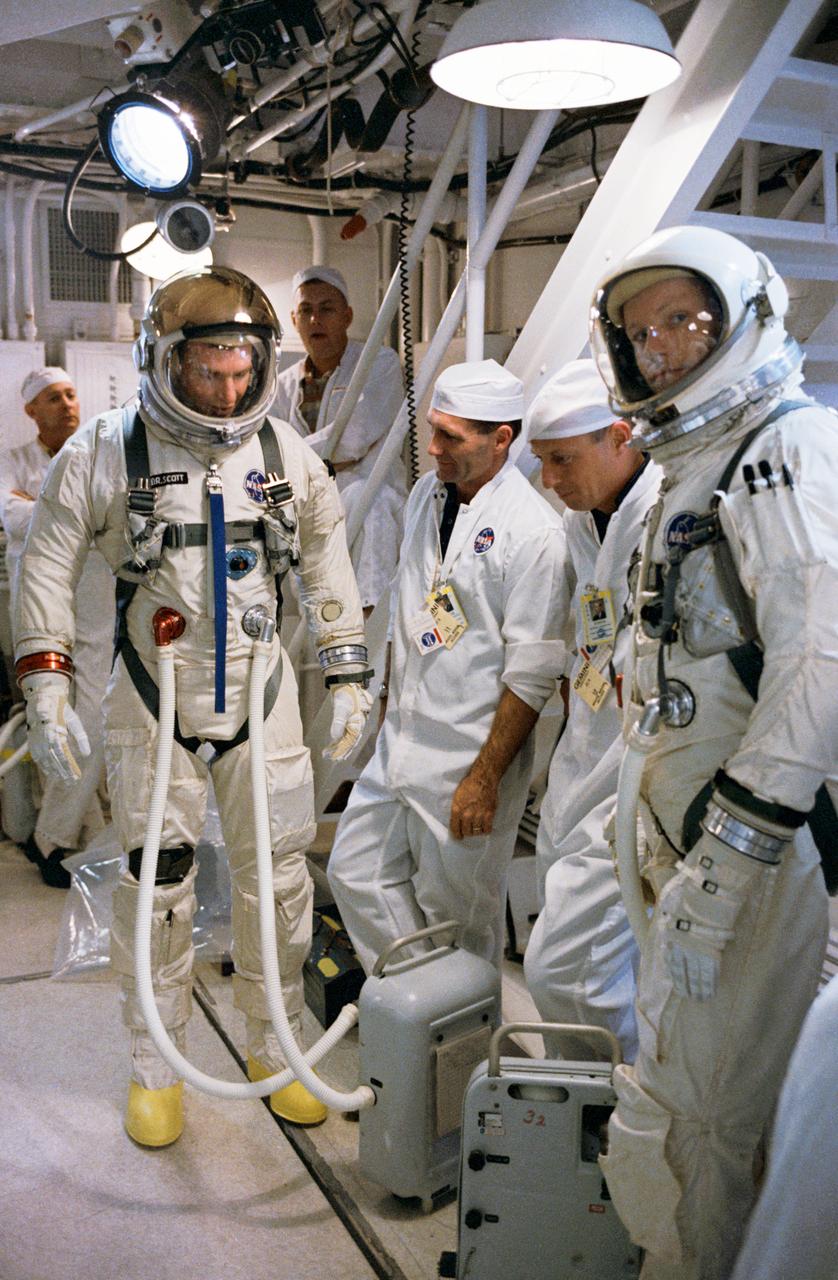
S66-24422 (11 March 1966) --- Astronauts David R. Scott (left) and Neil A. Armstrong, both in full spacesuits, in white room entering the Gemini-8 spacecraft during countdown simulation. Photo credit: NASA
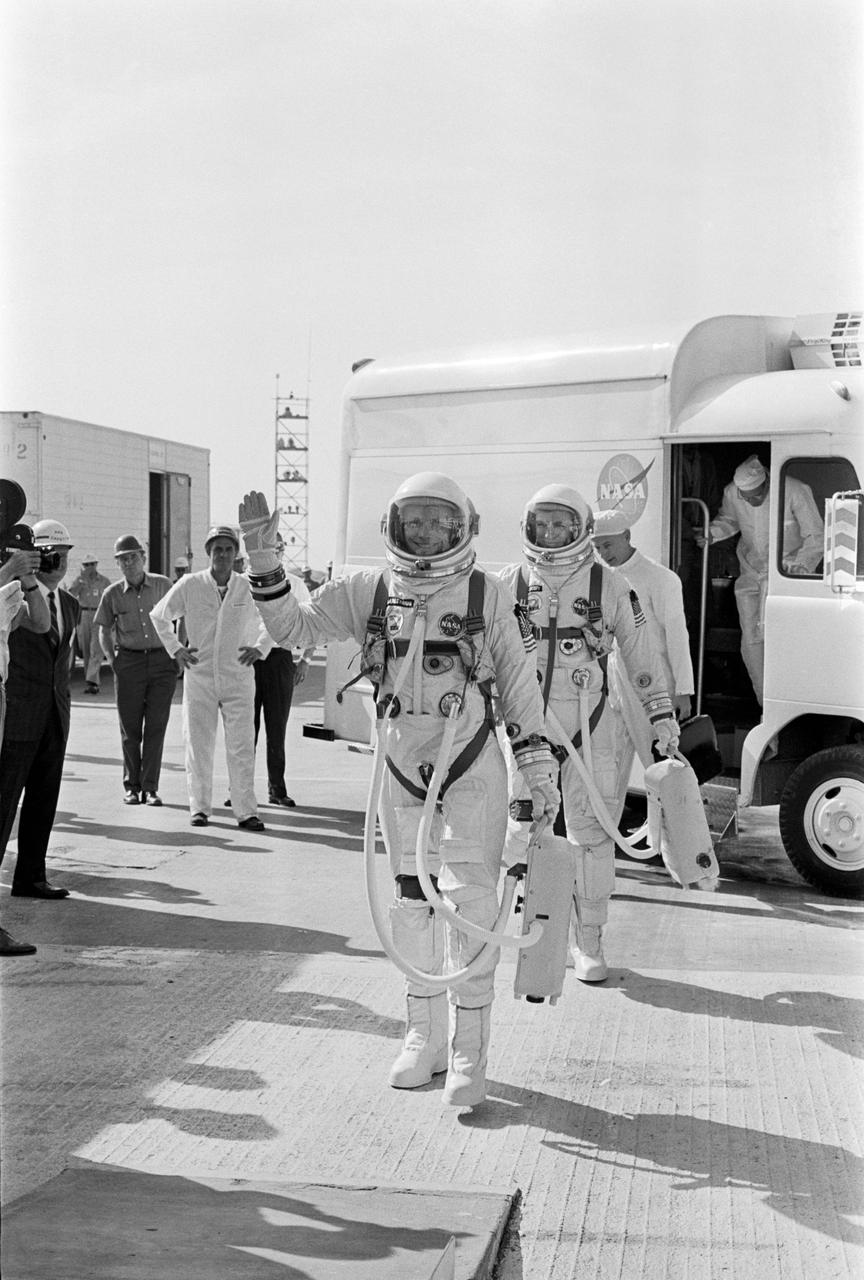
S66-24447 (16 March 1966) --- Astronauts Neil A. Armstrong and David R. Scott walk up the ramp at Pad 19 during Gemini-8 prelaunch countdown. Photo credit: NASA
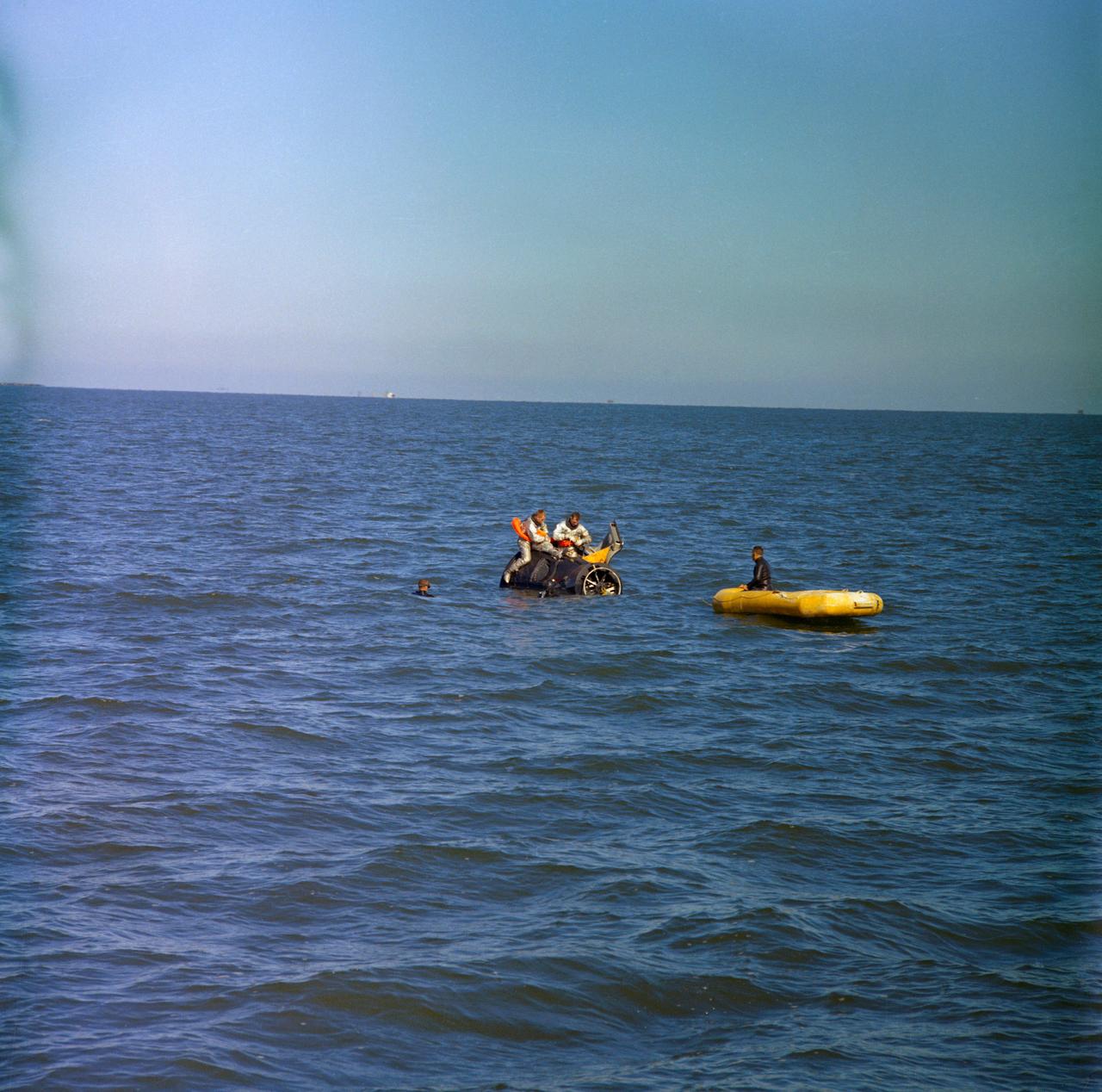
S66-17288 (15 Jan. 1966) --- Astronauts Neil A. Armstrong (on left), command pilot, and David R. Scott, pilot of the Gemini-8 prime crew, use a boilerplate model of a Gemini spacecraft during water egress training in the Gulf of Mexico. Three Manned Spacecraft Center swimmers assist in the training exercise. Photo credit: NASA
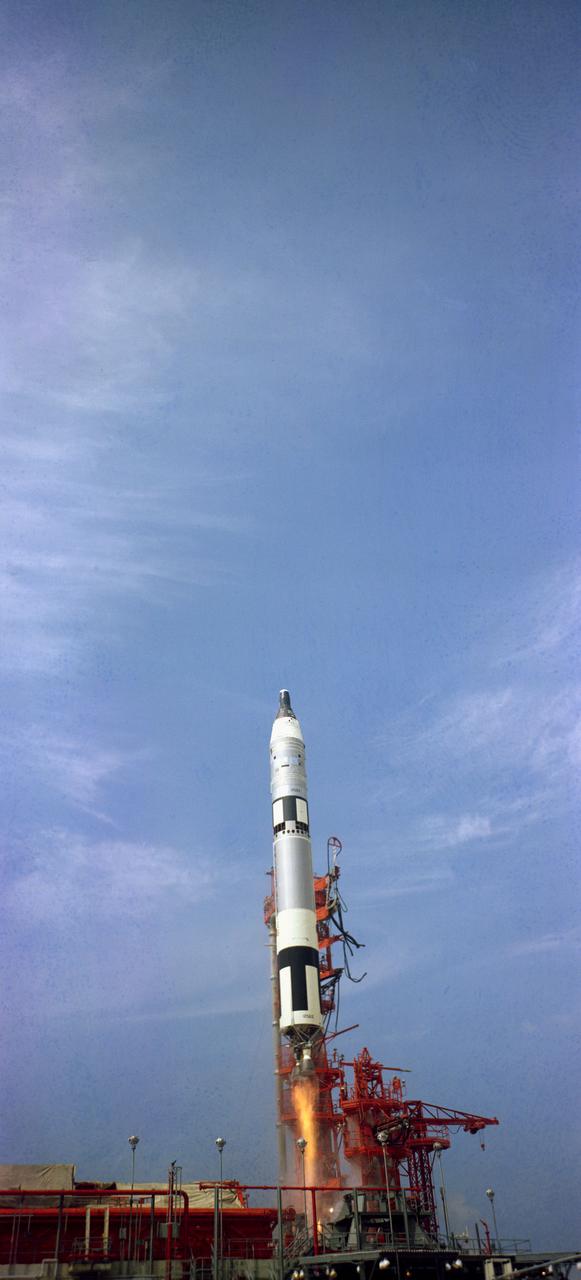
S66-24465 (16 March 1966) --- The Gemini-Titan 8 (GT-8), carrying astronauts Neil A. Armstrong, command pilot, and David R. Scott, pilot, was successfully launched by the National Aeronautics and Space Administration's (NASA) John F. Kennedy Space Center (KSC) at 11:41 a.m. (EST), March 16, 1966. An attempt will be made to rendezvous and dock the Gemini-8 spacecraft with Agena Docking Target Vehicle. Photo credit: NASA
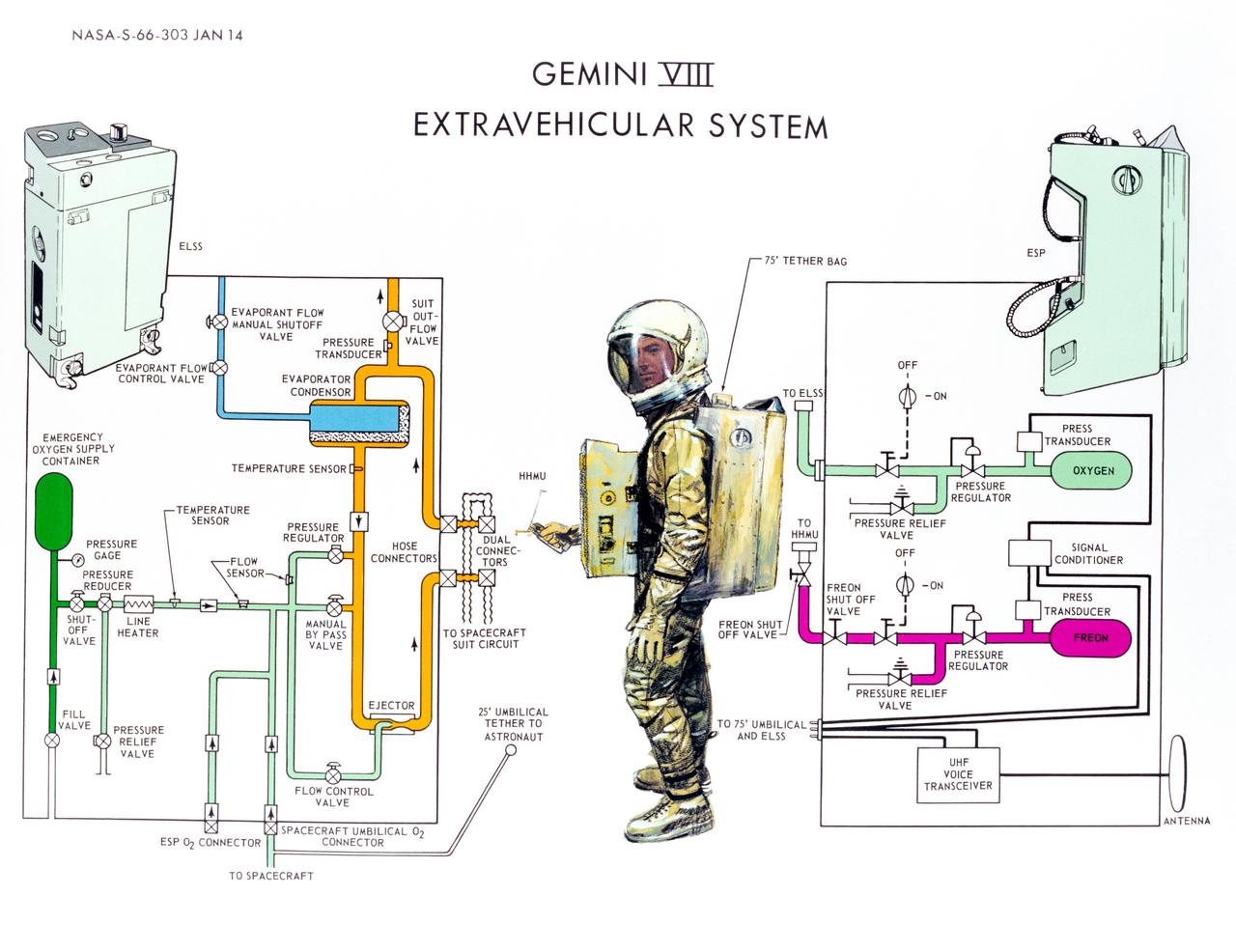
S66-00303 (14 Jan. 1966) --- Illustrative diagram showing the operation of the chest and backpacks of the Gemini-8 extravehicular system. Photo credit: NASA
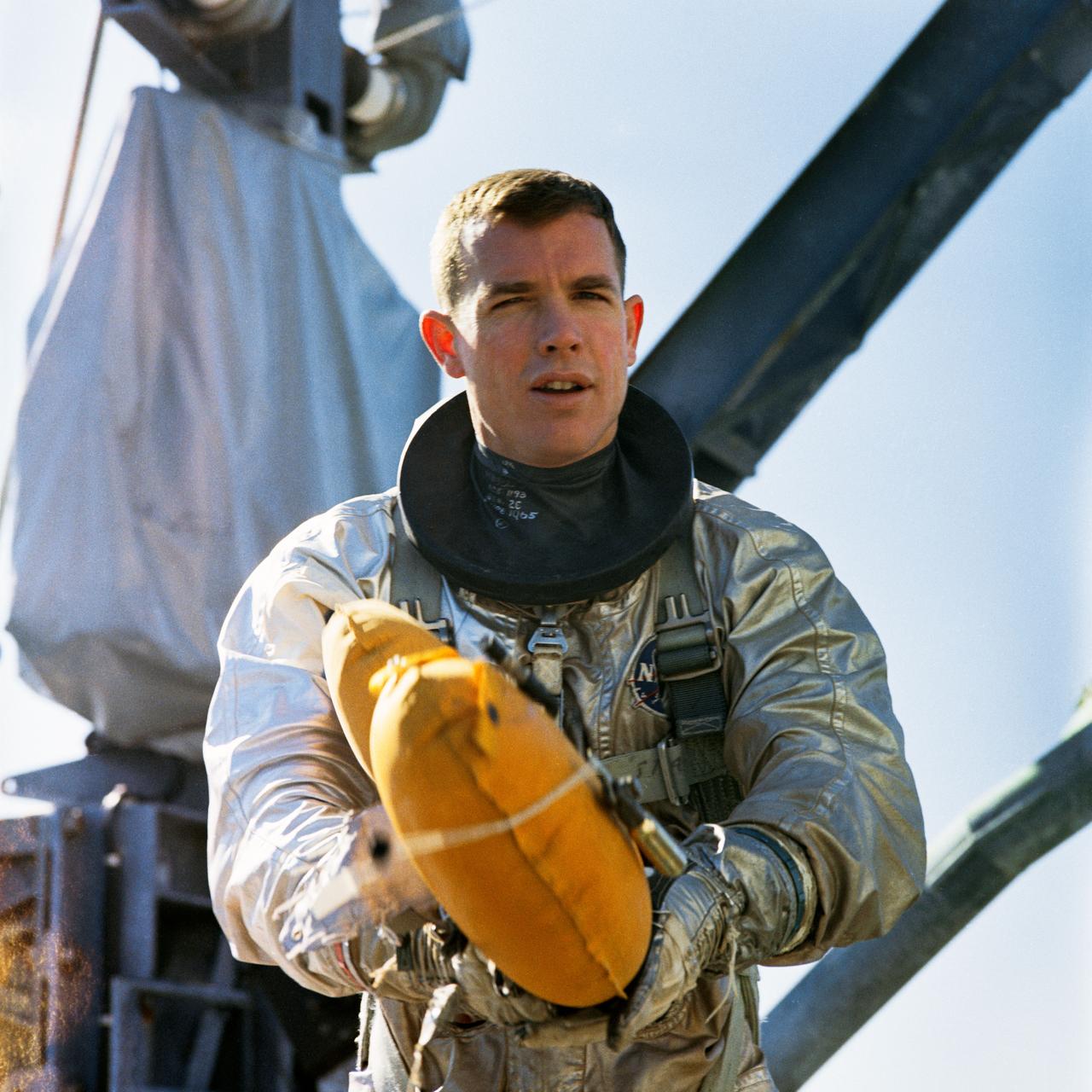
S66-17282 (15 Jan. 1966) --- Astronaut David R. Scott, pilot of the Gemini-8 prime crew, stands on deck of the NASA Motor Vessel Retriever after suiting up for water egress training in the Gulf of Mexico. Photo credit: NASA
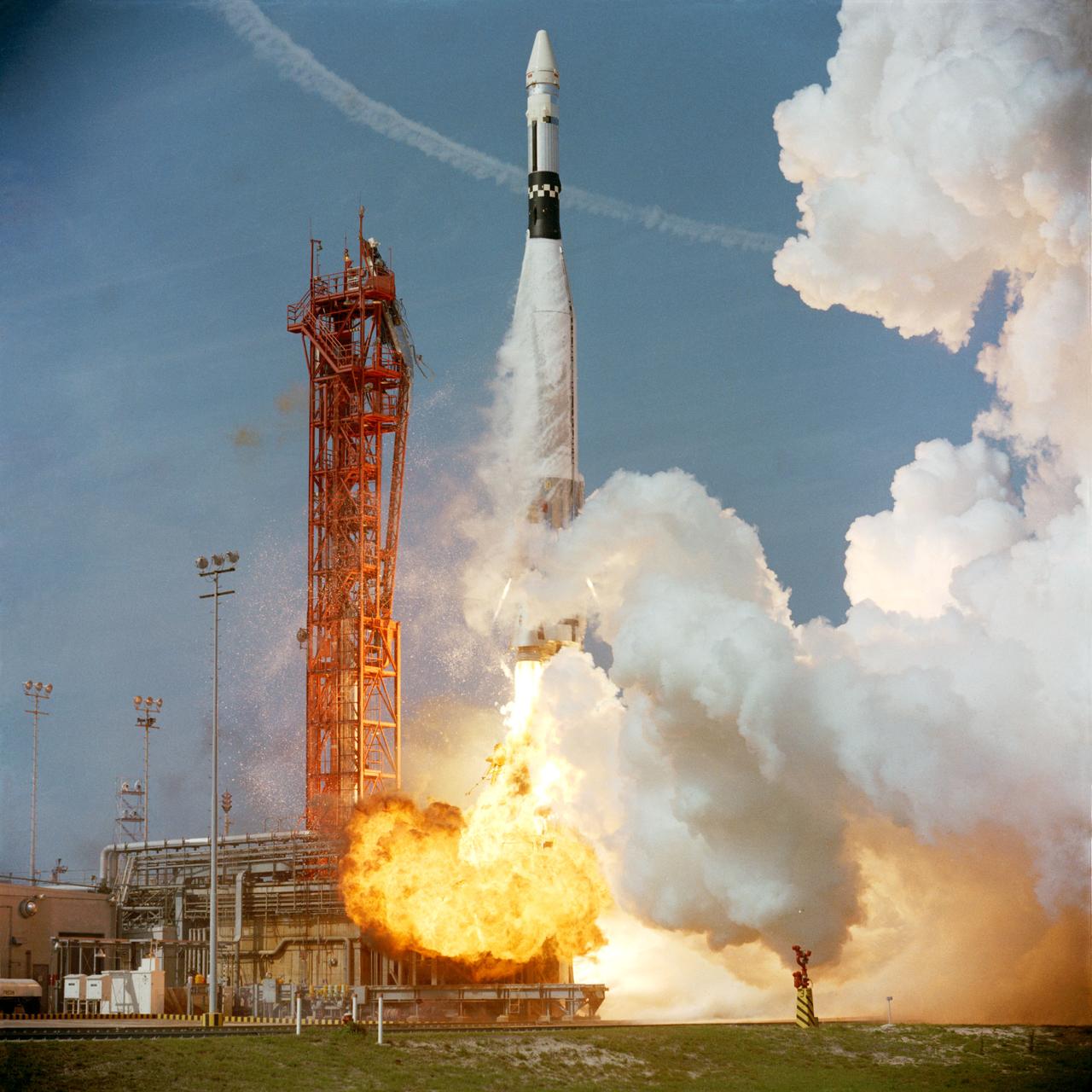
S66-24482 (16 March 1966) --- An Agena Target Docking Vehicle atop an Atlas rocket lifts off from Launch Complex 14 at Cape Kennedy at 10 a.m., March 16, 1966 just prior to the Gemini-8 liftoff at nearby Launch Complex 19. The Agena served as a rendezvous and docking vehicle for the Gemini-8 spacecraft. A chase plane leaves a contrail in the background. Photo credit: NASA

S66-18602 (16 March 1966) --- Astronauts Neil A. Armstrong and David R. Scott sit with their spacecraft hatches open while awaiting the arrival of the recovery ship, the USS Leonard F. Mason after the successful completion of their Gemini-8 mission. They are assisted by U.S. Navy divers. The overhead view shows the Gemini-8 spacecraft with the yellow flotation collar attached to stabilize the spacecraft in choppy seas. The green marker dye is highly visible from the air and is used as a locating aid. Photo credit: NASA
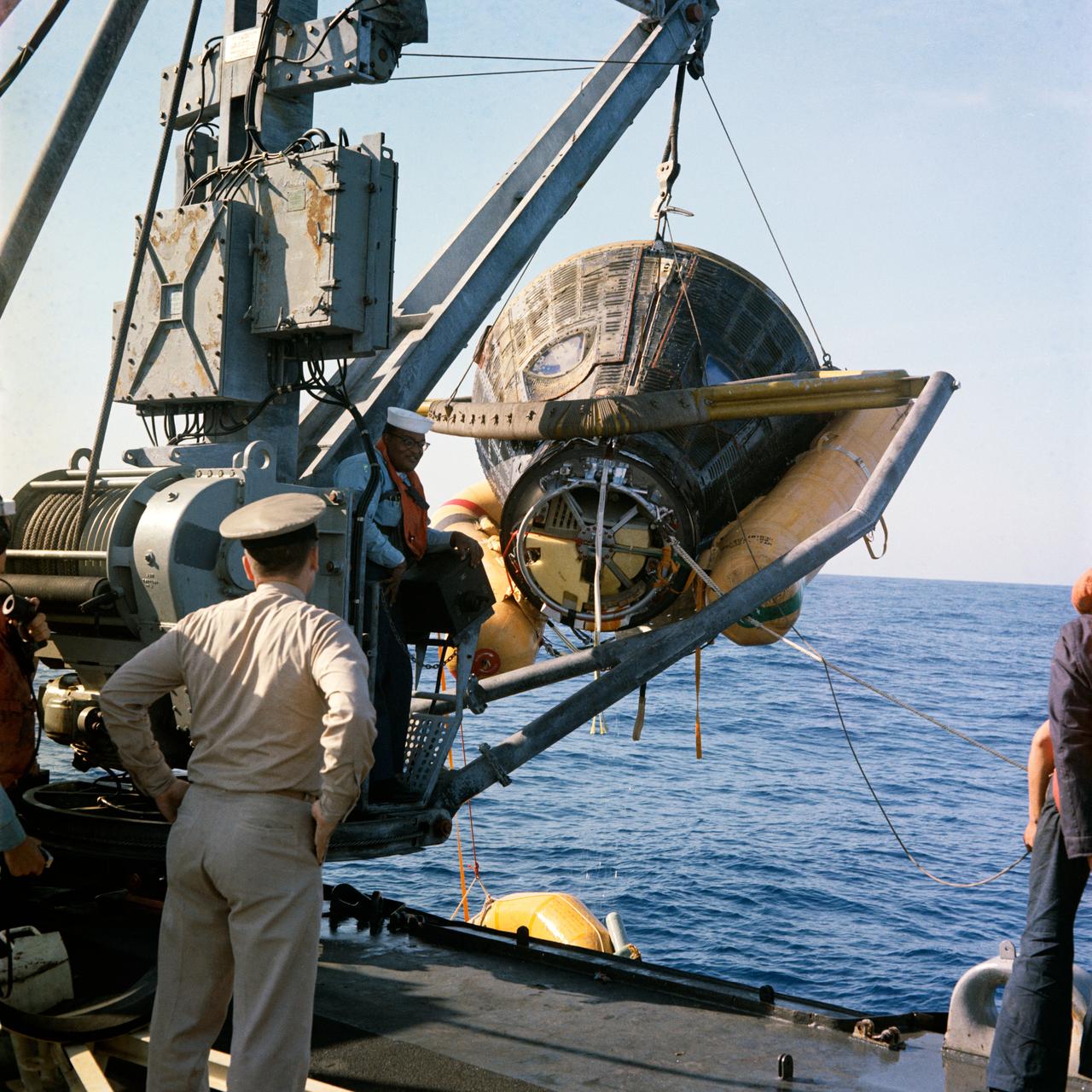
S66-18613 (16 March 1966) --- The Gemini-8 spacecraft, with astronauts Neil A. Armstrong and David R. Scott still aboard, is hoisted aboard the destroyer USS Leonard F. Mason. Trouble with the Gemini-8 Orbit Attitude and Maneuvering System (OAMS) forced an early termination of the mission. Photo credit: NASA
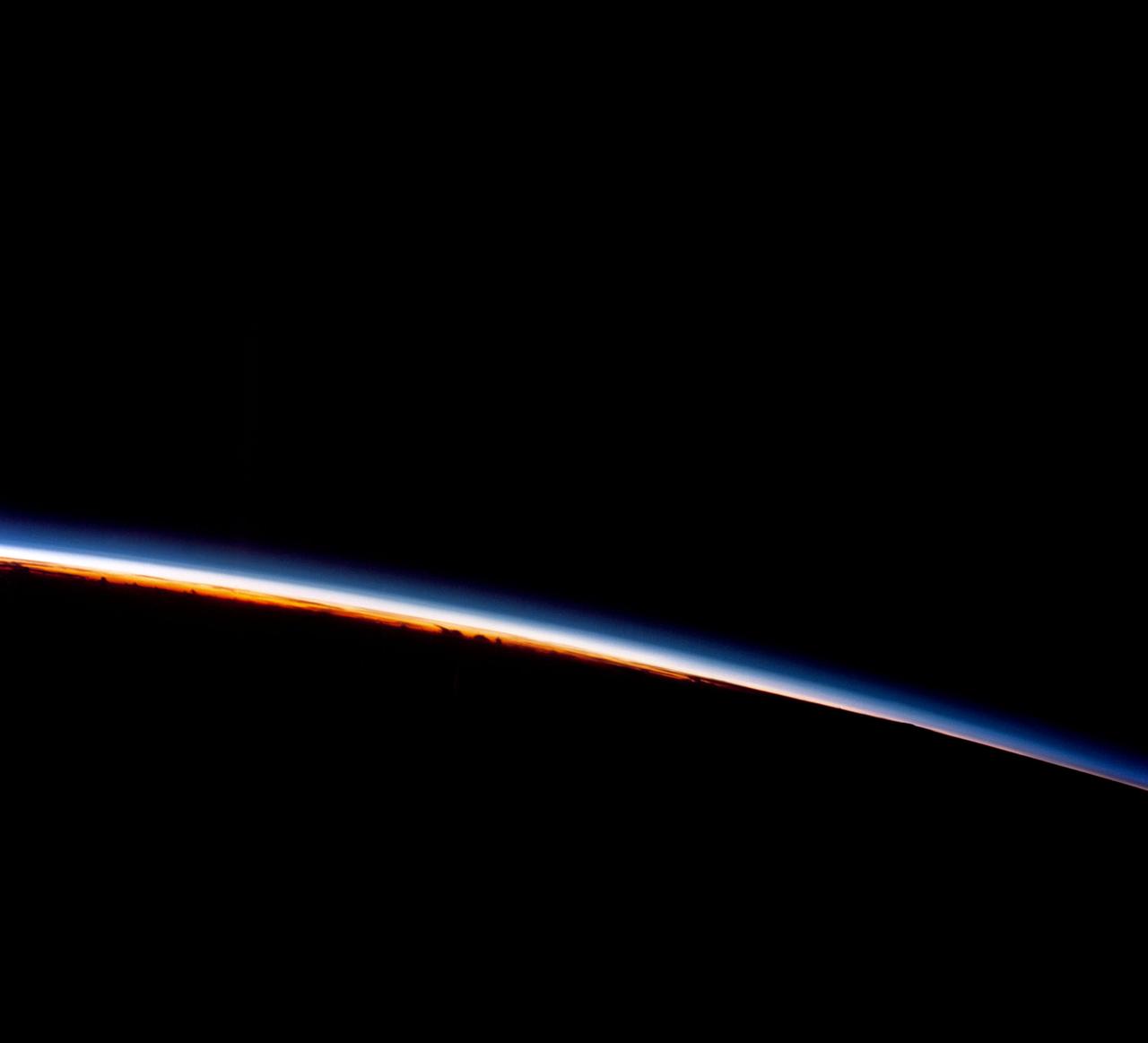
S66-25771 (16 March 1966) --- Earth's limb with cloud layers in silhouette, sunrise over Guam, as seen from the Gemini-Titan VIII (GT-8) spacecraft during its third revolution of the Earth.
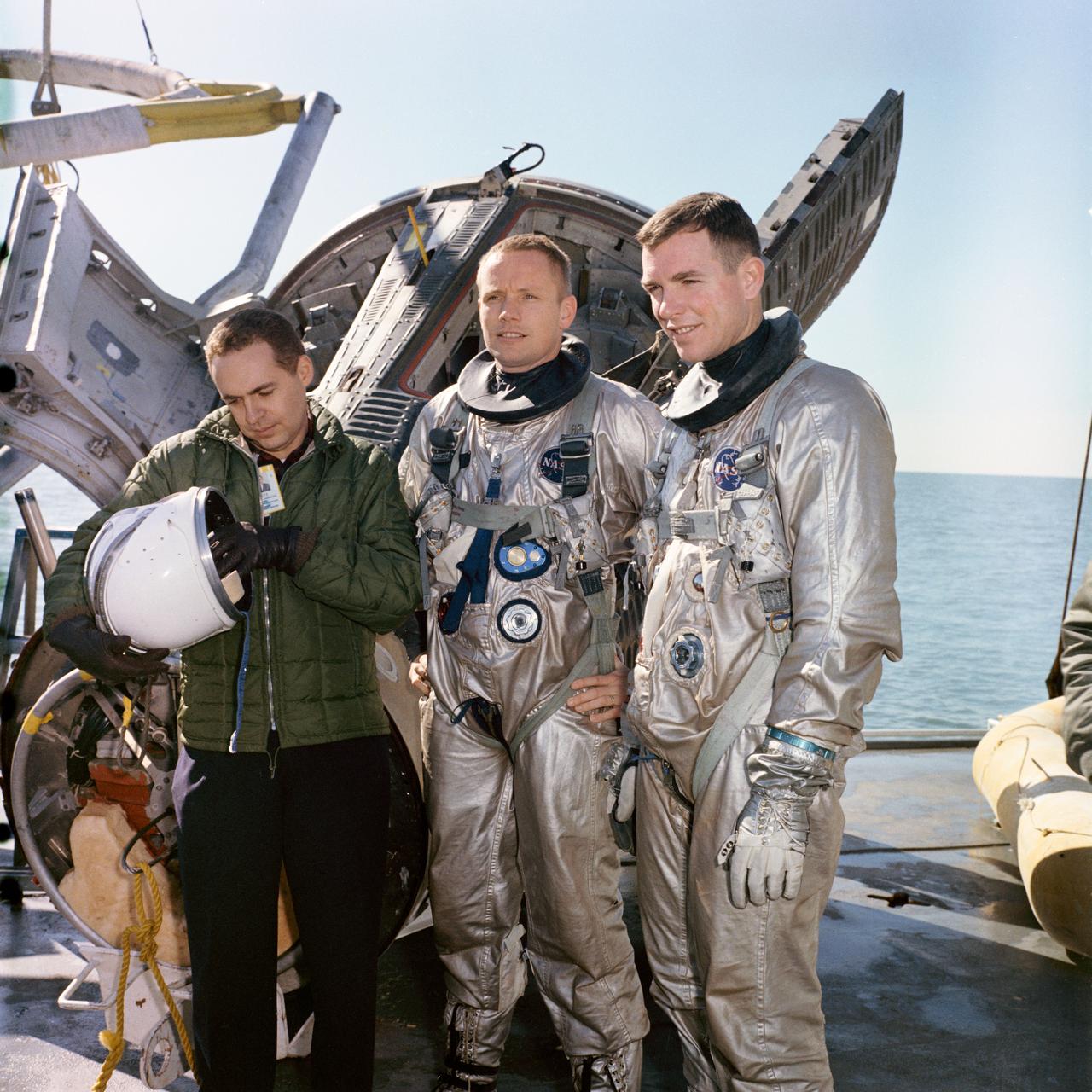
S66-17253 (15 Jan. 1966) --- Astronauts Neil A. Armstrong (center), command pilot, and David R. Scott (right), pilot of the Gemini-8 prime crew, are suited up for water egress training aboard the NASA Motor Vessel Retriever in the Gulf of Mexico. At left is Dr. Kenneth N. Beers, M.D., Flight Medicine Branch, Center Medical Office. Photo credit: NASA
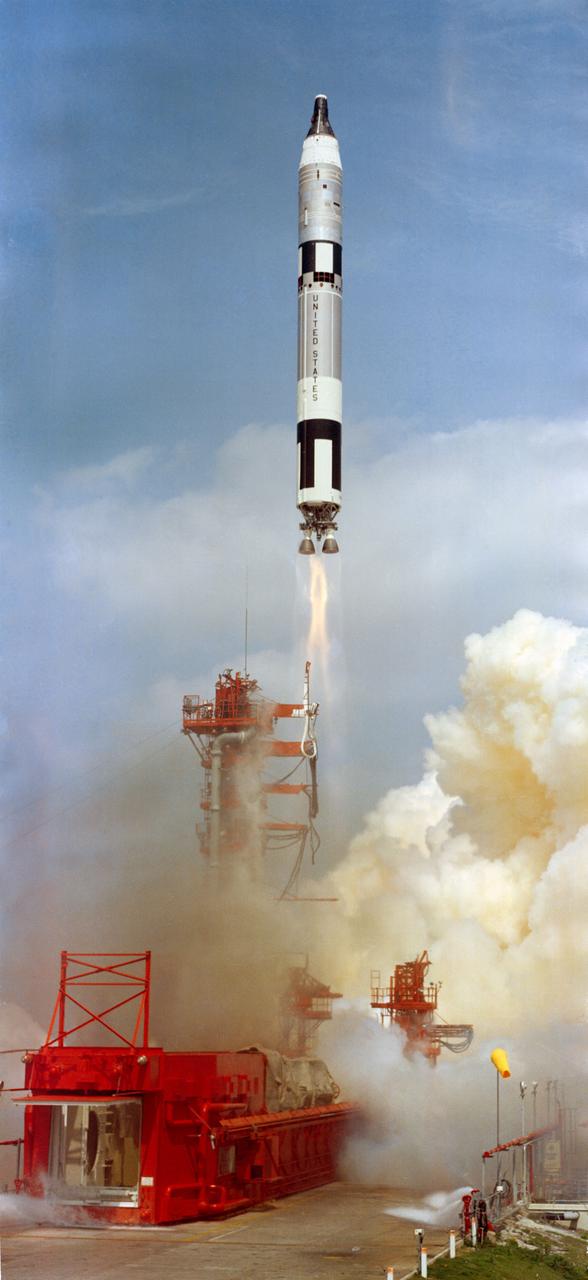
S66-18616 (16 March 1966) --- Gemini-Titan 8 (GT-8) spacecraft, carrying astronauts Neil A. Armstrong, command pilot, and David R. Scott, pilot, was successfully launched by the National Aeronautics and Space Administration's (NASA) John F. Kennedy Space Center (KSC) at 11:41 a.m. (EST), March 16, 1966. An attempt will be made to rendezvous and dock the GT-8 spacecraft with Agena Docking Target Vehicle. Photo credit: NASA
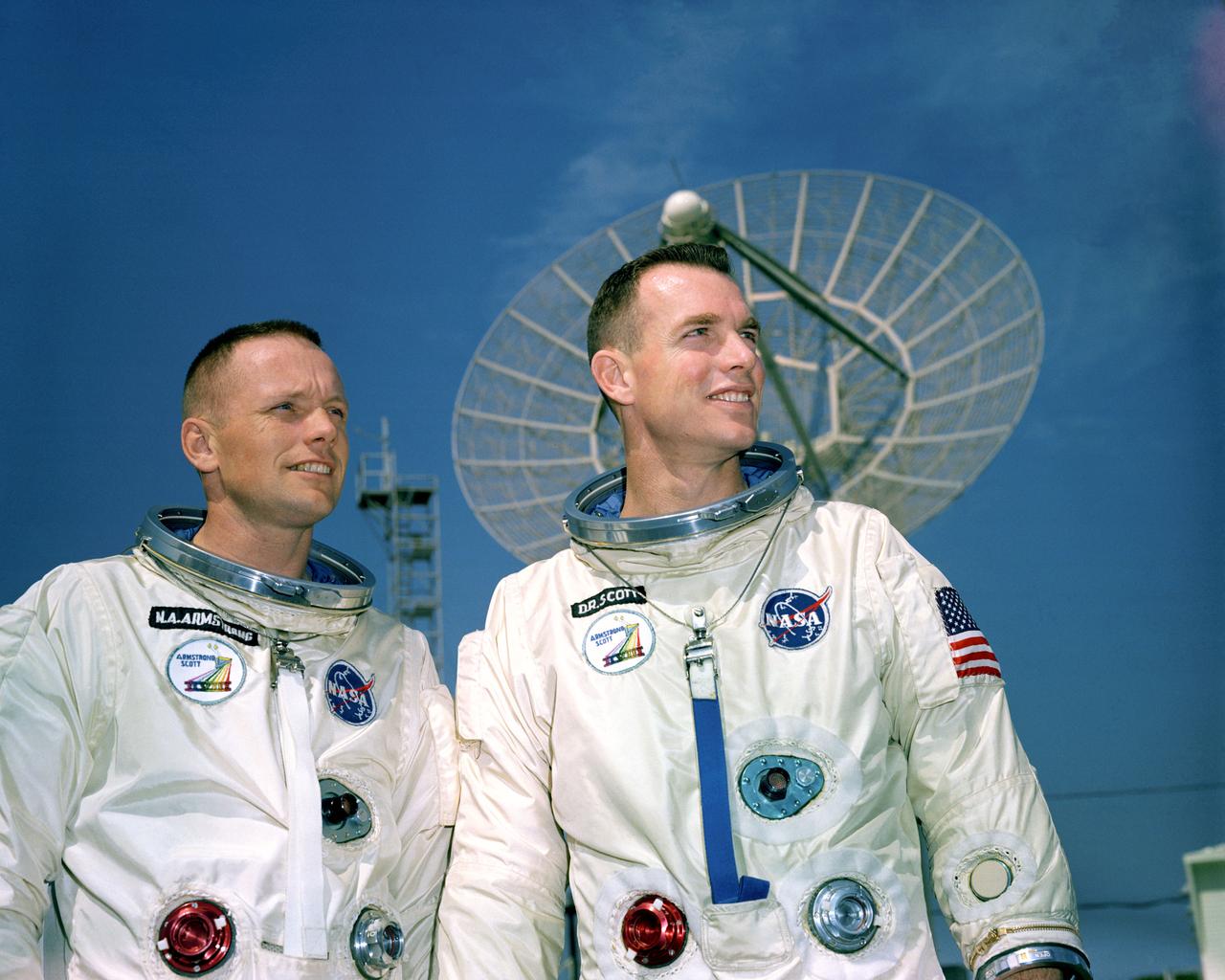
S66-27513 (11 March 1966) --- Astronauts Neil A. Armstrong (left), command pilot, and David R. Scott, pilot, the Gemini-8 prime crew, during a photo session outside the Kennedy Space Center (KSC) Mission Control Center. They are standing in front of a radar dish. Photo credit: NASA
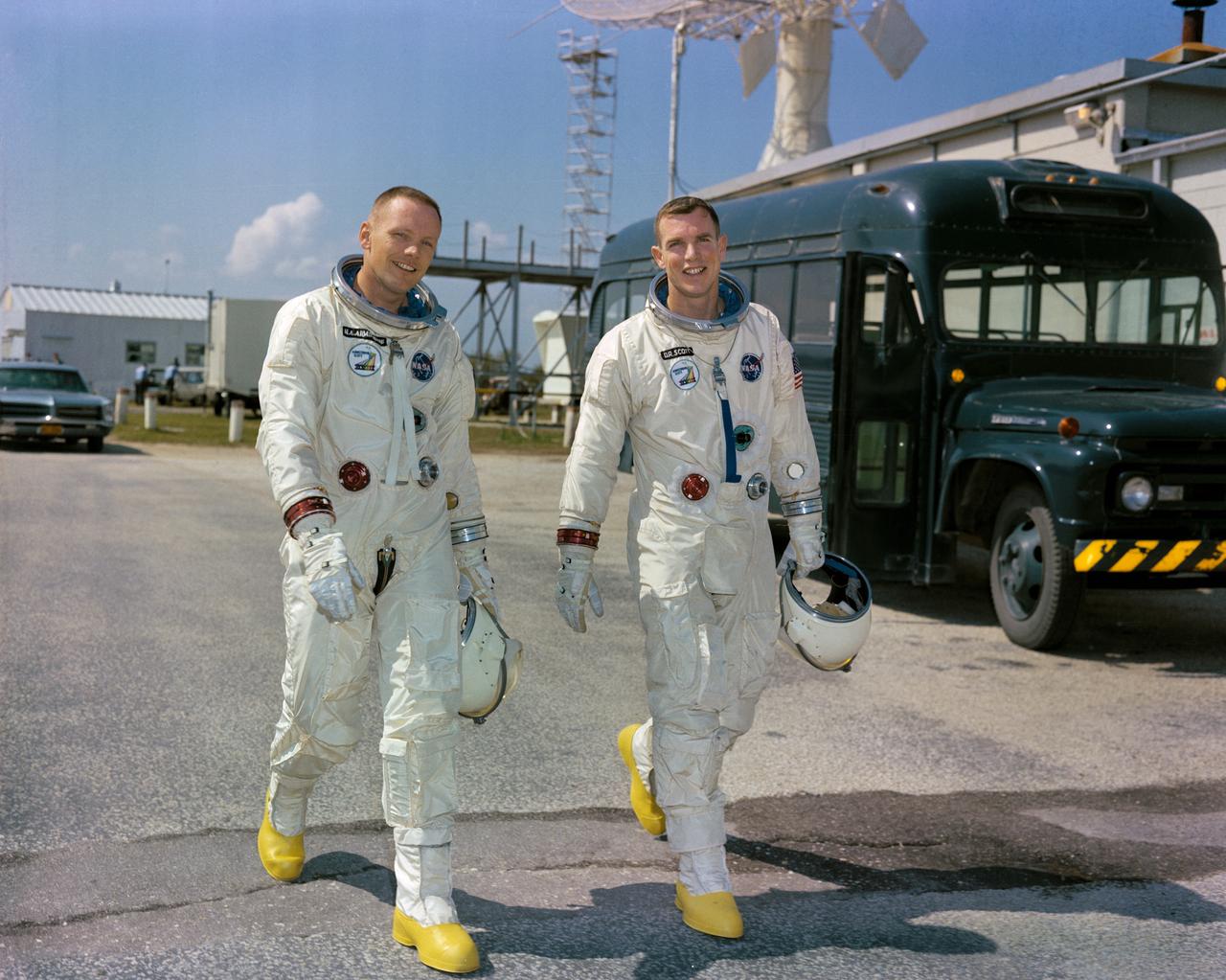
S66-27511 (11 March 1966) --- Astronauts Neil A. Armstrong (left), command pilot, and David R. Scott, pilot, the Gemini-8 prime crew, during a photo session outside the Kennedy Space Center (KSC) Mission Control Center. Both men are wearing full spacesuits and carrying their helmets. Photo credit: NASA
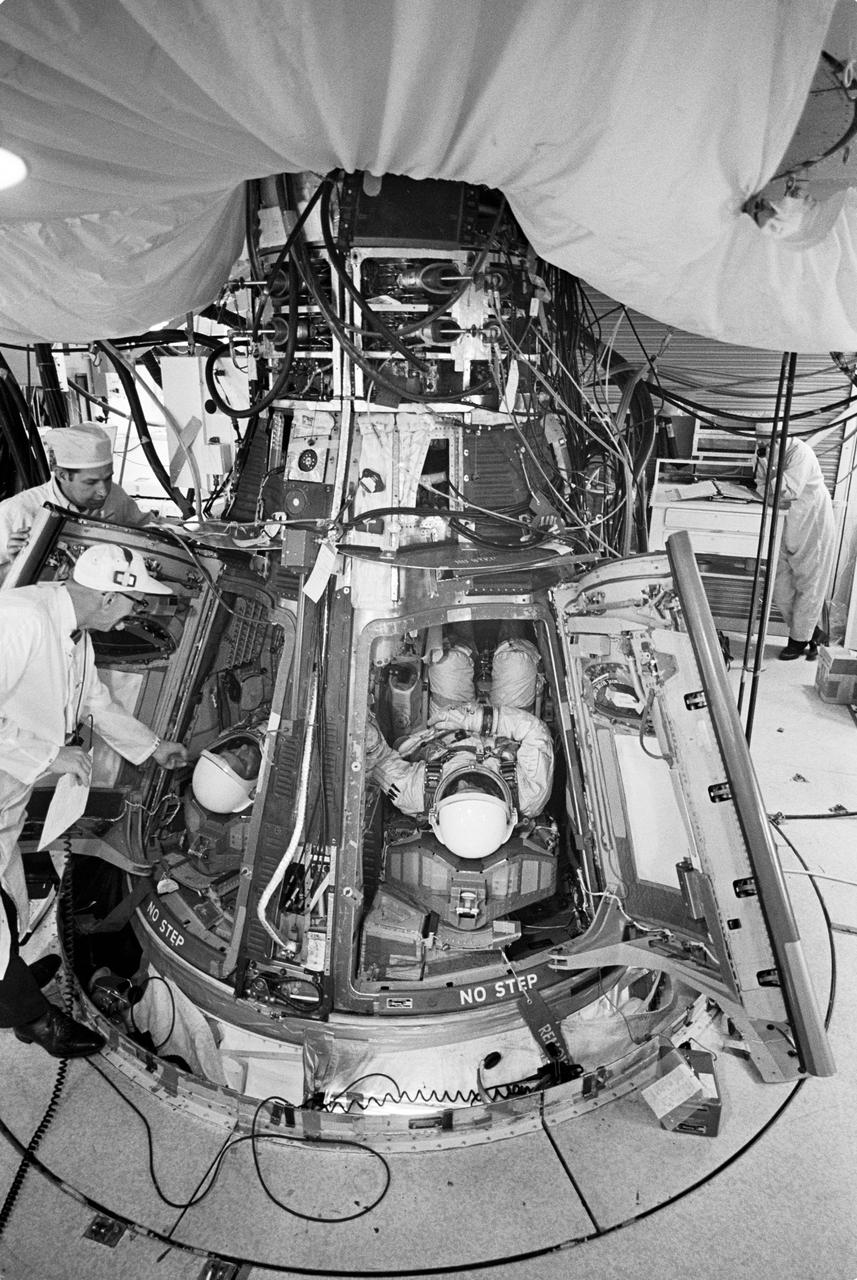
S66-24403 (16 March 1966) --- Astronauts David R. Scott and Neil A. Armstrong inserted into Gemini-8 spacecraft prior to liftoff. Photo credit: NASA
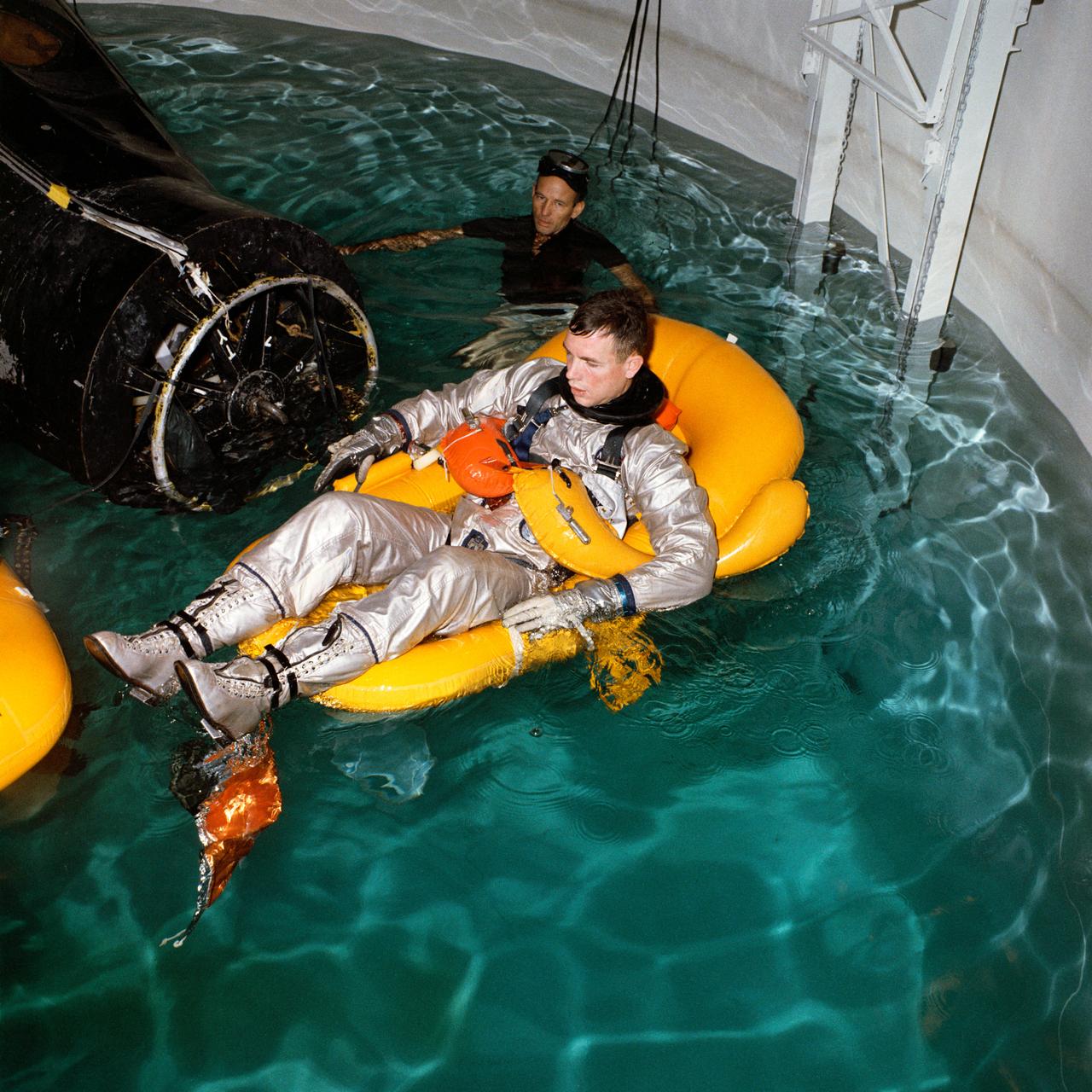
S66-15743 (5 Jan. 1966) --- Astronaut David R. Scott, pilot of the Gemini-8 prime crew, undergoes water egress training in a special tank in building 260A at the Manned Spacecraft Center (MSC), Houston, Texas. An MSC swimmer assists in the training exercise. A boilerplate model of a Gemini spacecraft floats in the water beside Scott. Photo credit: NASA
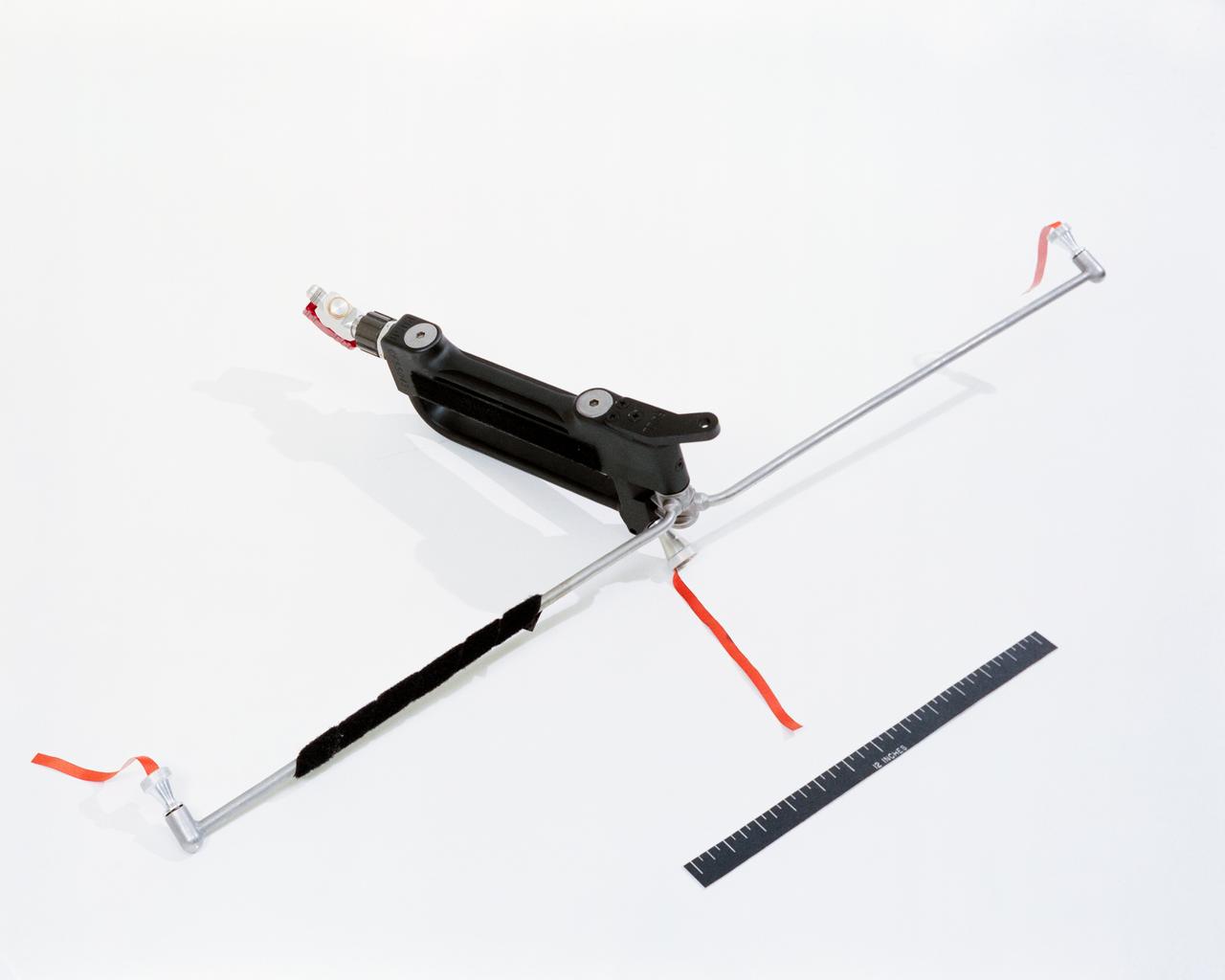
S66-19184 (1966) --- Close-up view of the Hand Held Maneuvering Unit which will be used by astronaut David R. Scott during the extravehicular activity on the Gemini-8 spaceflight. High pressure cold gas released through the unit's nozzles produces the required controlled thrust to maneuver in a zero-gravity environment. Photo credit: NASA
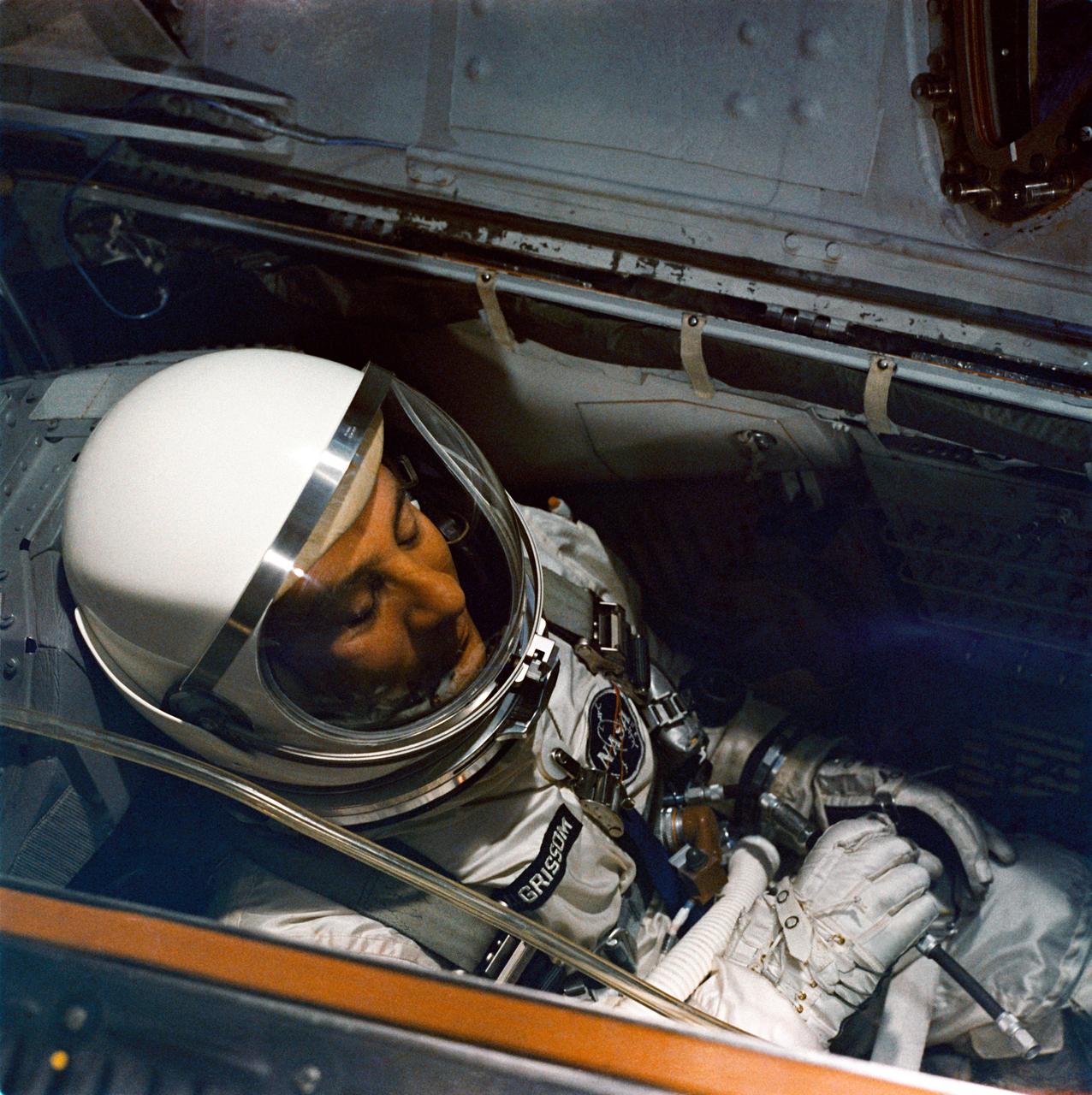
S65-22665 (8 March 1965) --- Astronaut Virgil I. Grissom, the command pilot of the Gemini-Titan 3 prime crew, is shown in the Gemini-3 spacecraft at Pad 19 during GT-3 checkout.
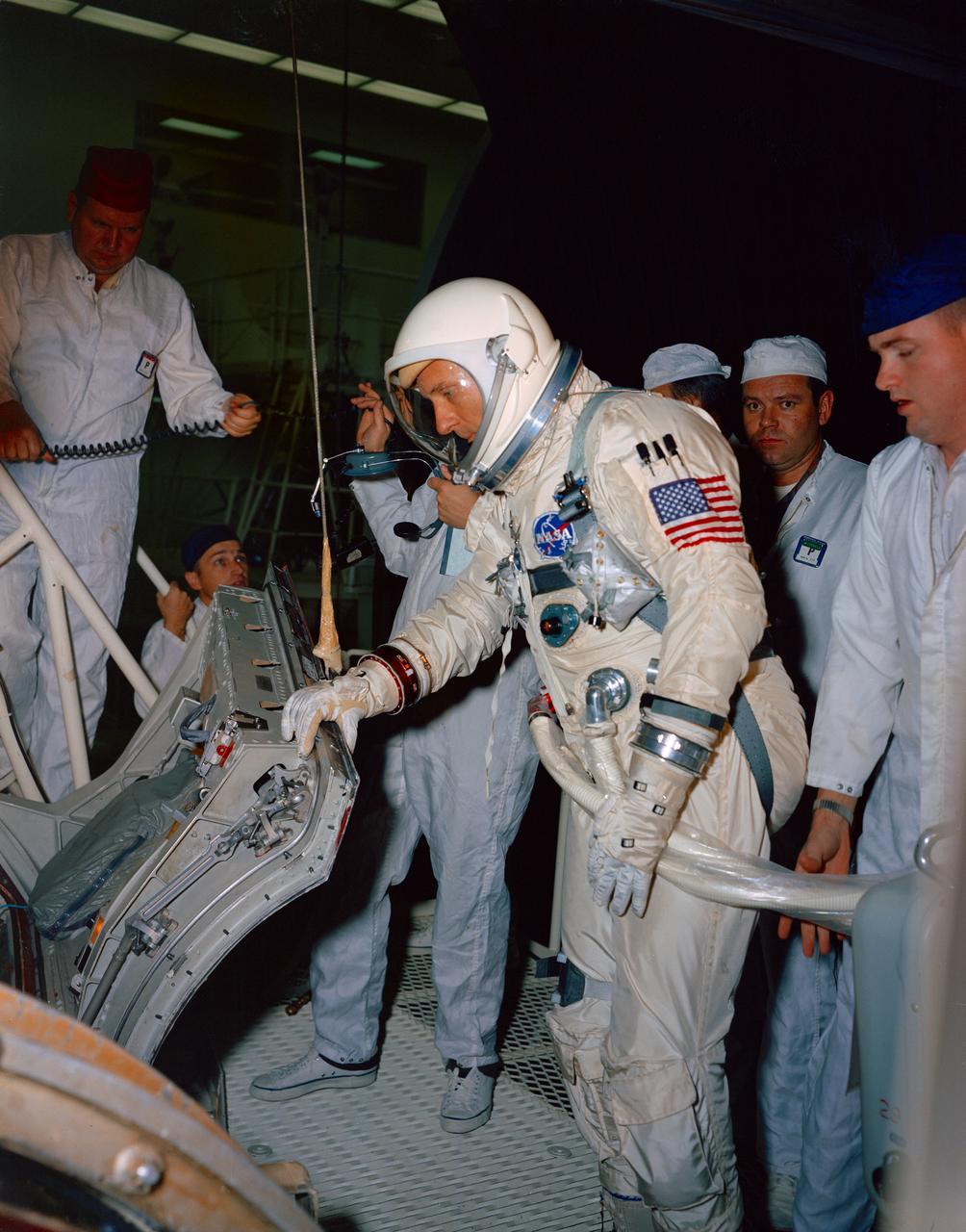
S66-23592 (8 Feb. 1966) --- Astronaut Thomas P. Stafford, command pilot of the Gemini-9 prime crew, undergoes familiarization training with the Gemini-9 spacecraft at the McDonnell plant in St. Louis. Photo credit: NASA
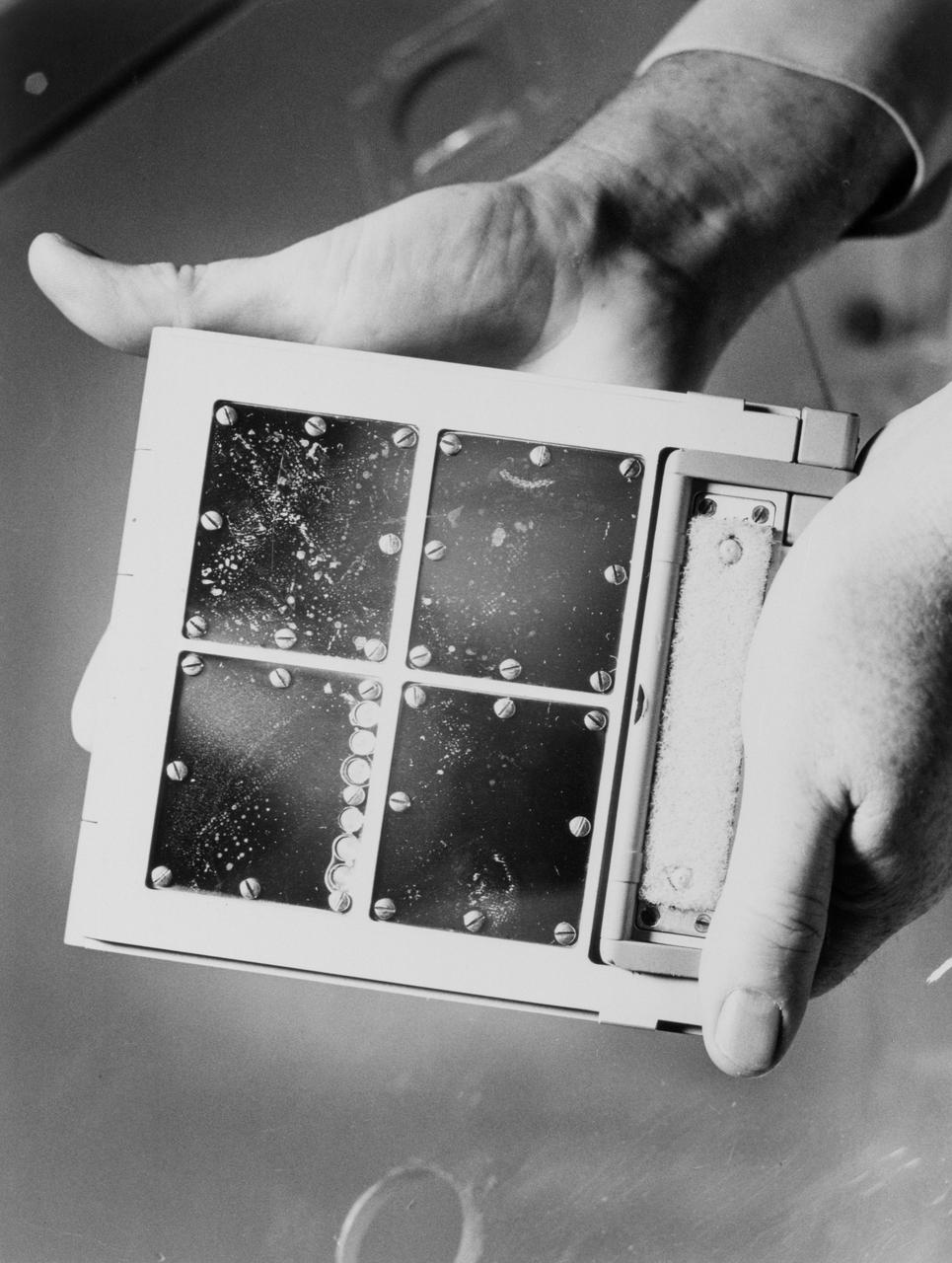
S66-44886 (1 Aug. 1966) --- Four panels of experiment S-10 carried on the Agena Target Vehicle launched for the Gemini-8 mission. This package of test panels was retrieved from the Gemini-8 Agena by astronaut Michael Collins during the Gemini-10 mission. Experimenters expected micrometeorites to bombard the panels during their stay in space. Photo credit: NASA
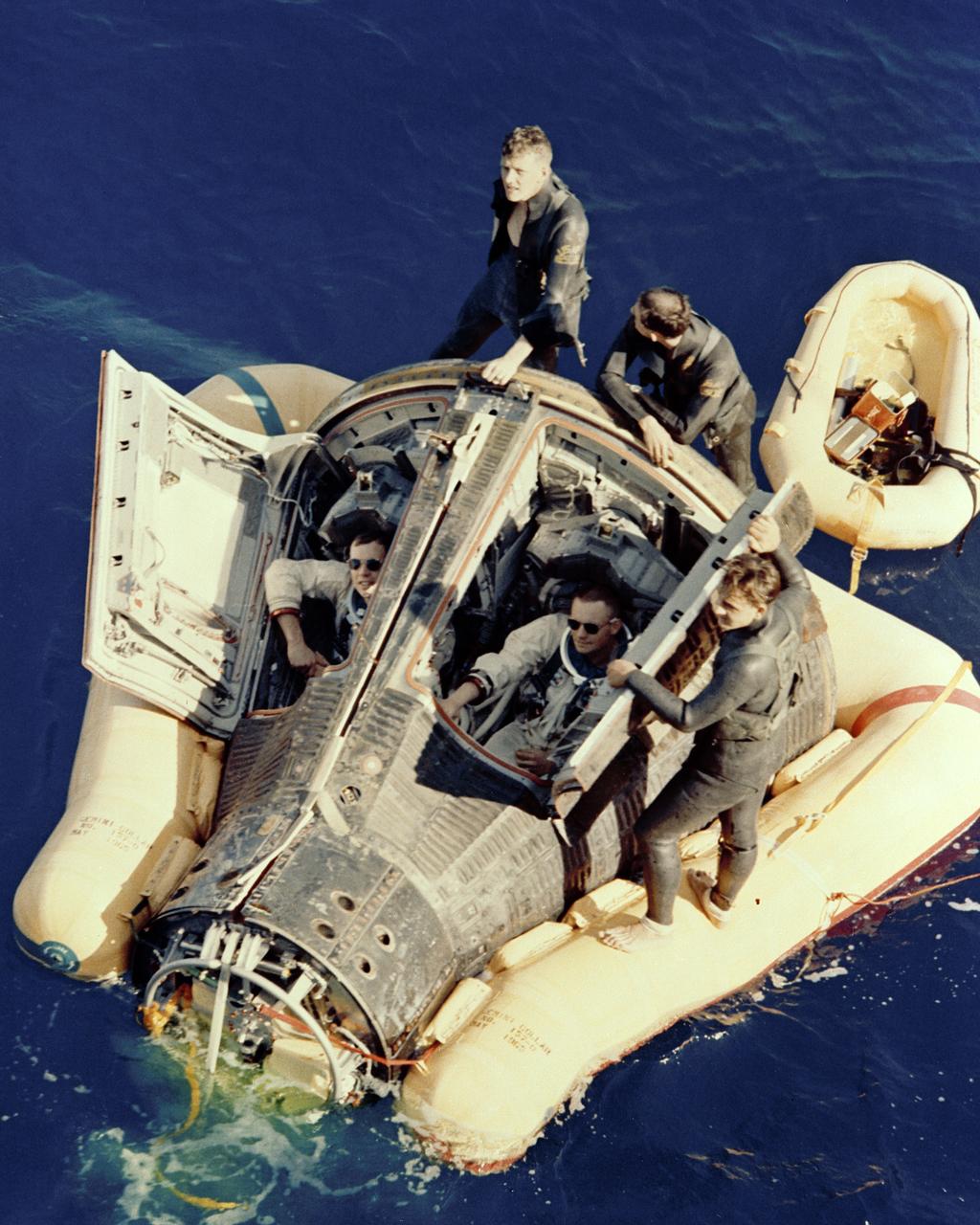
KSC-66C-1879 GT-8 recovery with Astronauts Neil A. Armstrong, Command Pilot and David R. Scott, Pilot in pacific after their GT-8 Flight.
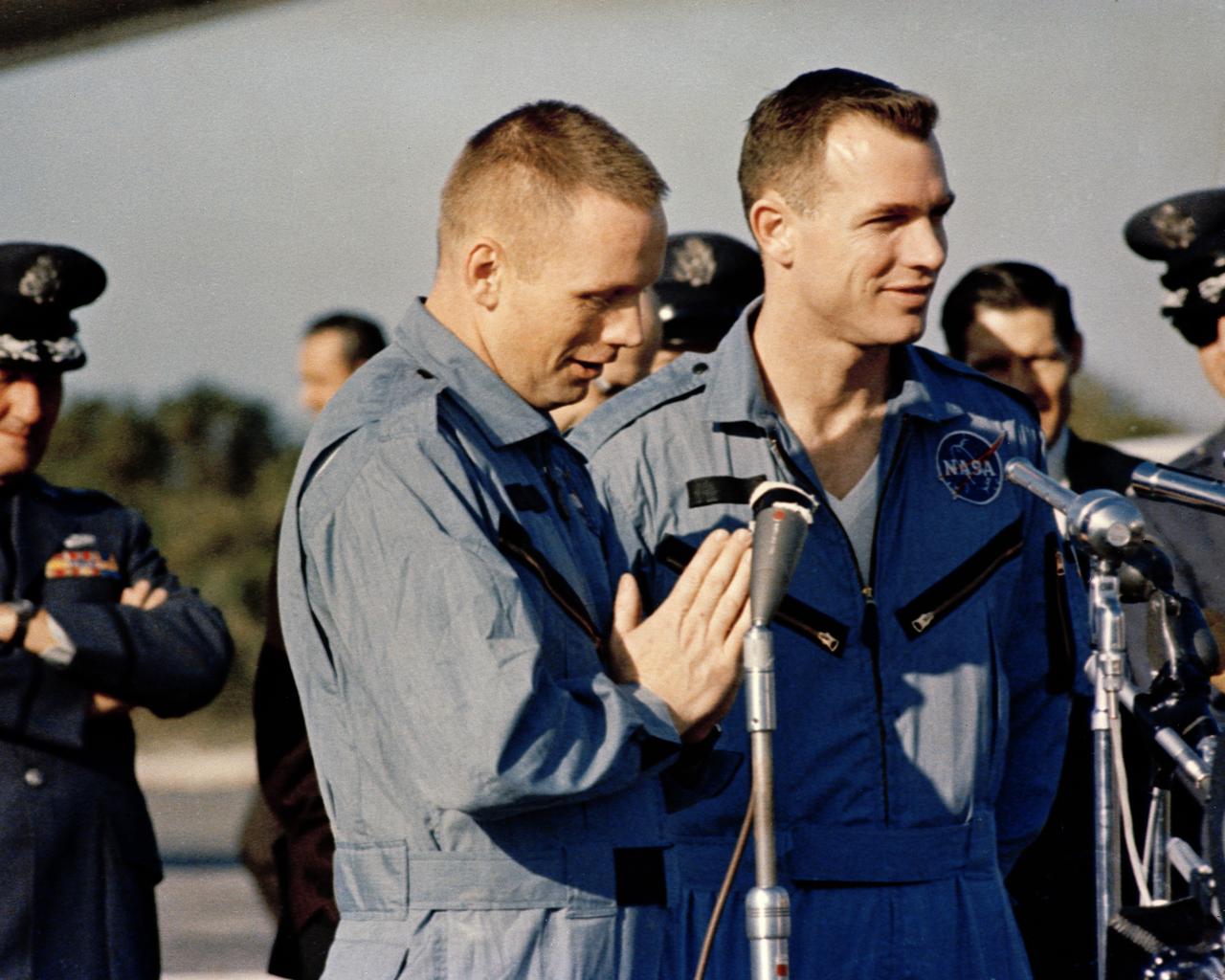
KSC-66C-1881 Astronauts Neil Armstrong and David Scott say a few words for the crowd that greeted them on their arrival at Skid Strip from Hawaii. (jrs)
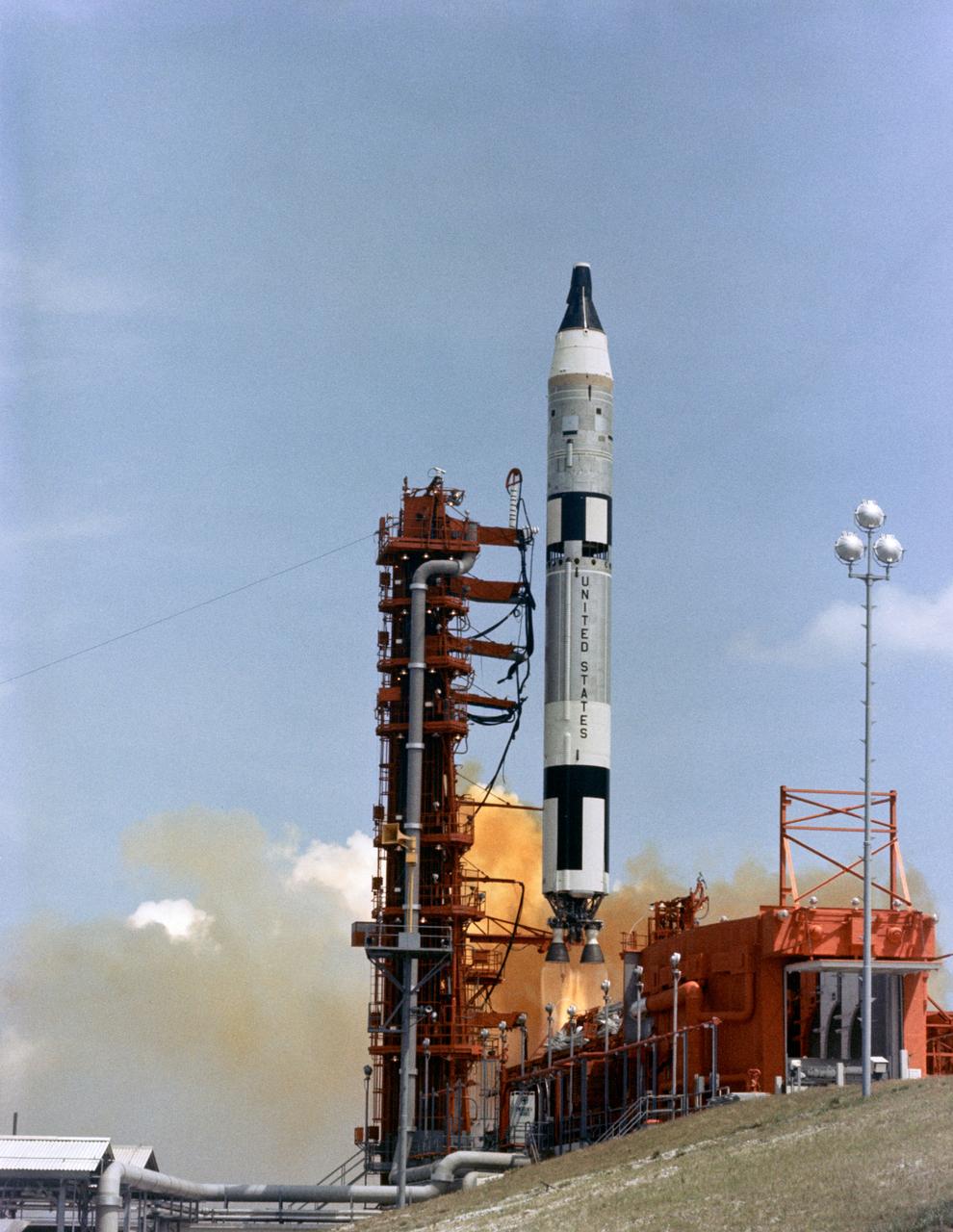
S64-21560 (8 April 1964) --- Gemini/Titan-II launch vehicle #1 liftoff at Cape Kennedy, Florida.
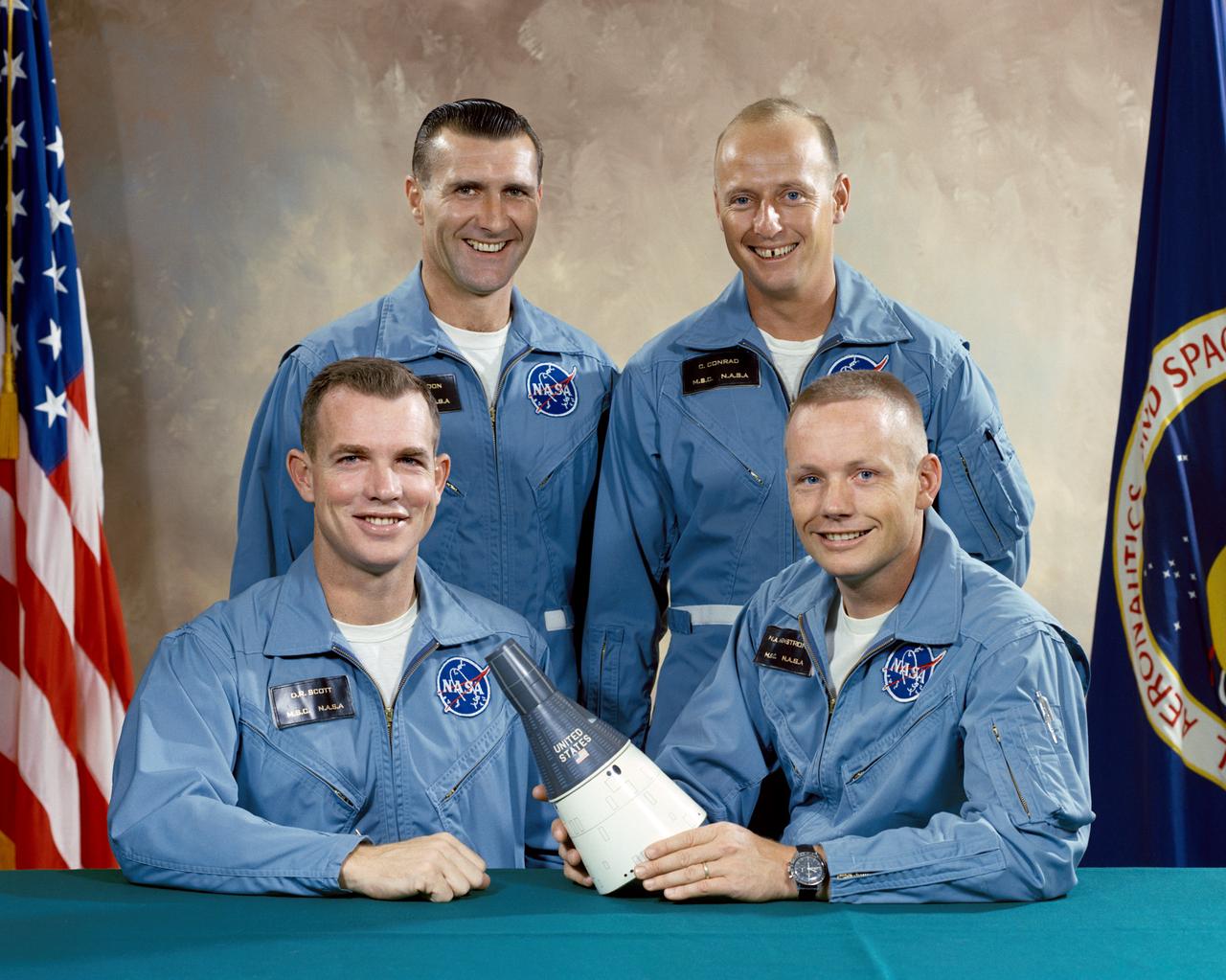
S65-58502 (4 Nov. 1965) --- This is the portrait of the prime and backup crew members of the Gemini-Titan 8 (GT-8) mission. Astronauts David R. Scott (left), pilot; and astronaut Neil A. Armstrong, command pilot, are the prime crew of the Gemini-8 mission. Backup crew (left to right, standing) are astronauts Richard F. Gordon Jr., pilot; and Charles Conrad Jr., command pilot. Photo credit: NASA
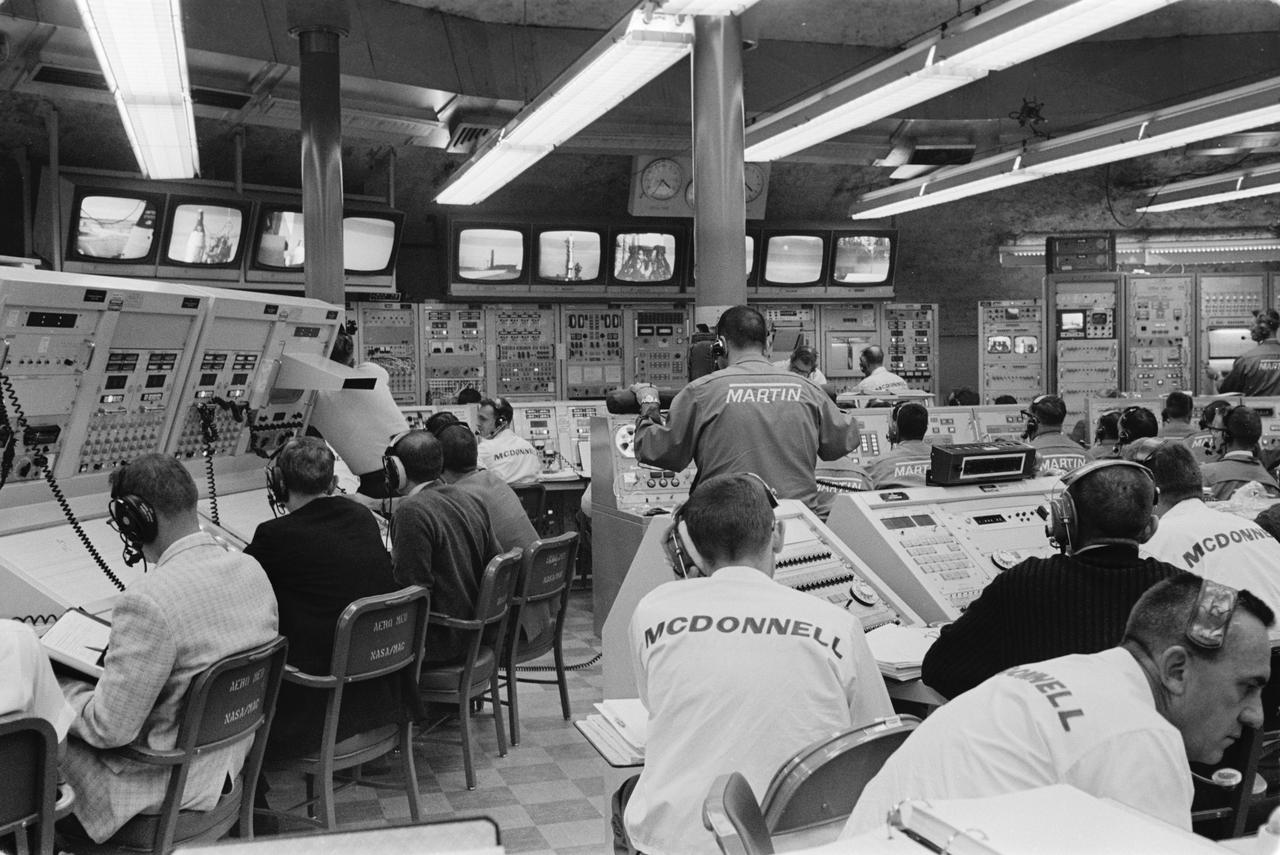
S65-61804 (15 Dec. 1965) --- Overall view of activity in blockhouse at Launch Complex 19 during the final moments of the Gemini-6 prelaunch countdown. The Gemini-6 spacecraft and launch vehicle at Pad 19 are seen on television monitors above consoles. In the spacecraft awaiting liftoff were astronauts Walter M. Schirra Jr., command pilot; and Thomas P. Stafford, pilot. The National Aeronautics and Space Administration successfully launched Gemini-6 at 8:37 a.m. (EST) on Dec. 15, 1965, on a two-day mission in space. An attempt will be made to rendezvous Gemini-6 with Gemini-7. Photo credit: NASA or National Aeronautics and Space Administration
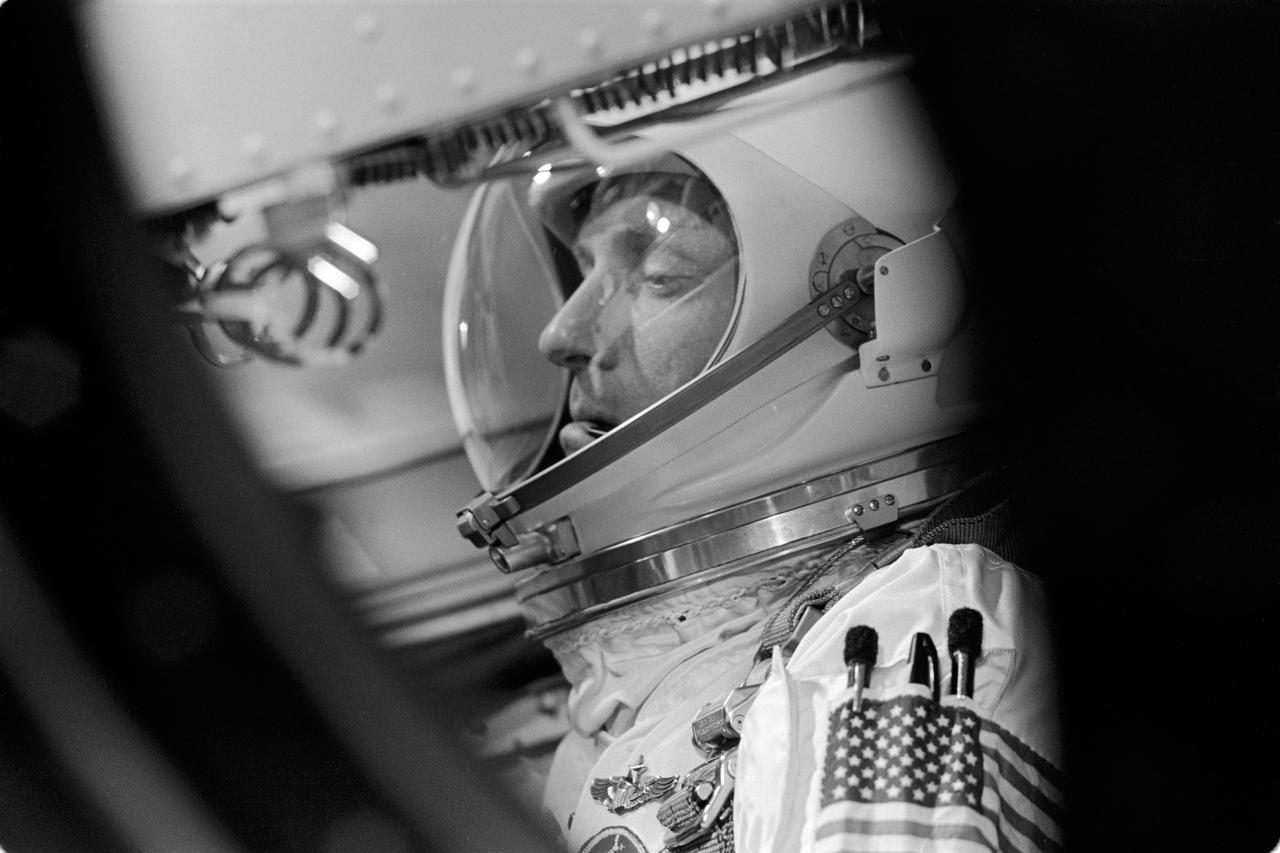
S65-61806 (15 Dec. 1965) --- Astronaut Thomas P. Stafford, Gemini-6 prime crew pilot, is seen through spacecraft window as he awaits the remaining minutes of the Gemini-6 prelaunch countdown. A two-day mission in space was scheduled for astronauts Stafford and Walter M. Schirra Jr. (out of frame), command pilot. NASA successfully launched Gemini-6 from Pad 19 at 8:37 a.m. (EST) on Dec. 15, 1965. An attempt will be made to rendezvous Gemini-6 with Gemini-7. Photo credit: NASA or National Aeronautics and Space Administration
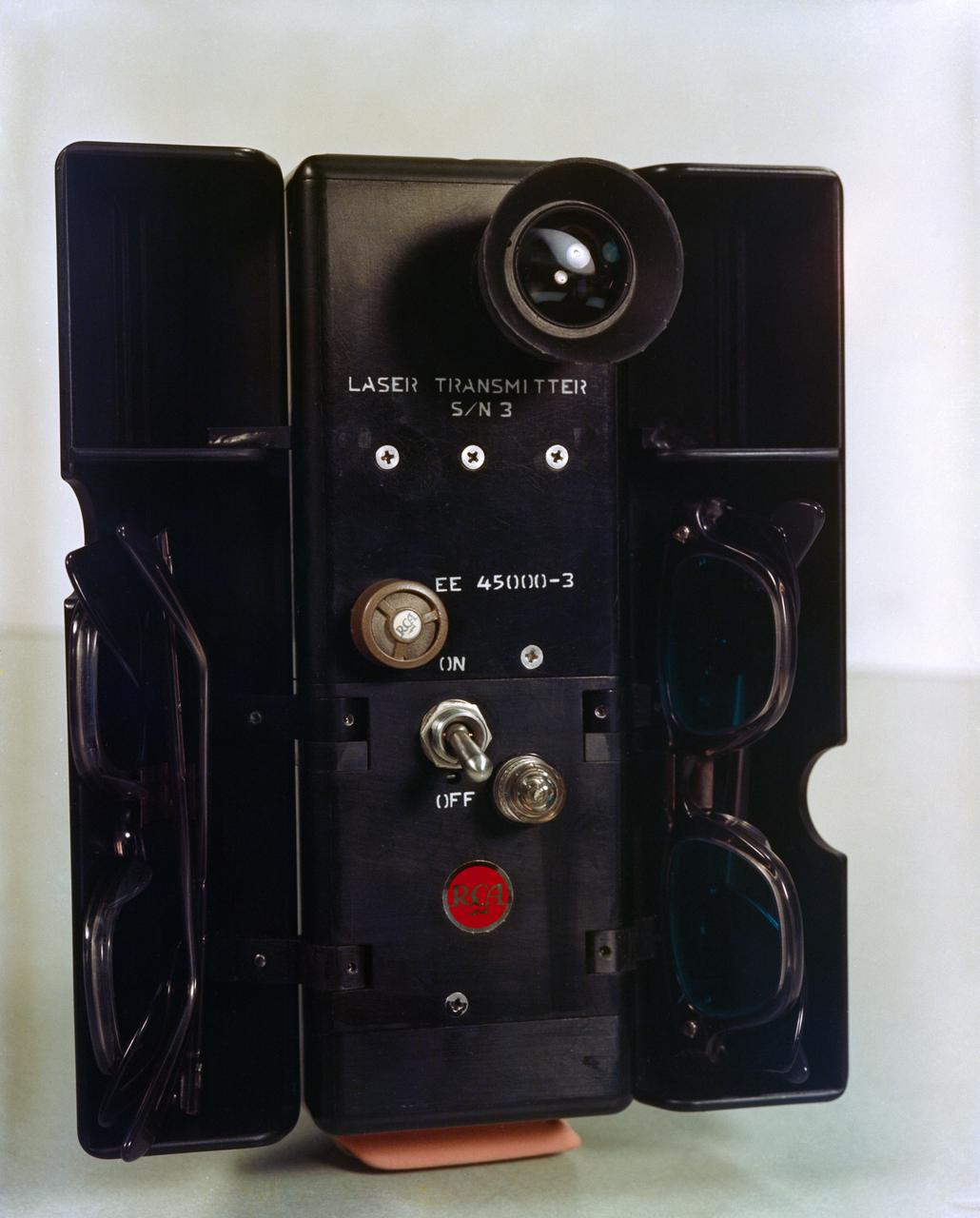
S65-61777 (8 Dec. 1965) --- Close-up view of a laser transmitter unit which is being used for the Gemini-7 Optical Communication (MSC-4) experiment. Astronauts Frank Borman, command pilot; and James A. Lovell Jr., pilot, are now orbiting Earth in NASA's Gemini-7 spacecraft. Photo credit: NASA
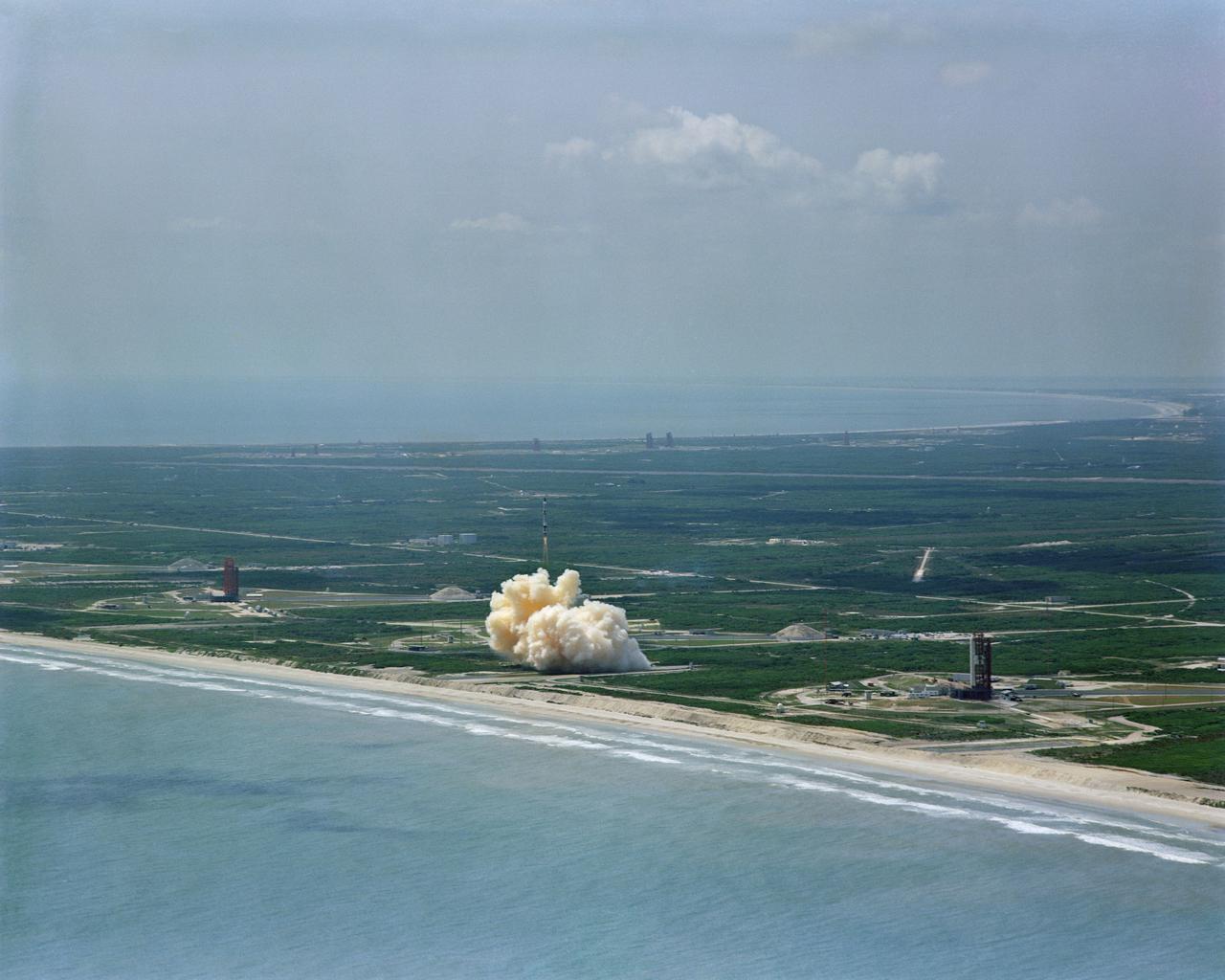
S64-22412 (8 April 1964) --- Aerial view of the Gemini/Titan-II launch vehicle #1 liftoff at Cape Kennedy, Florida.
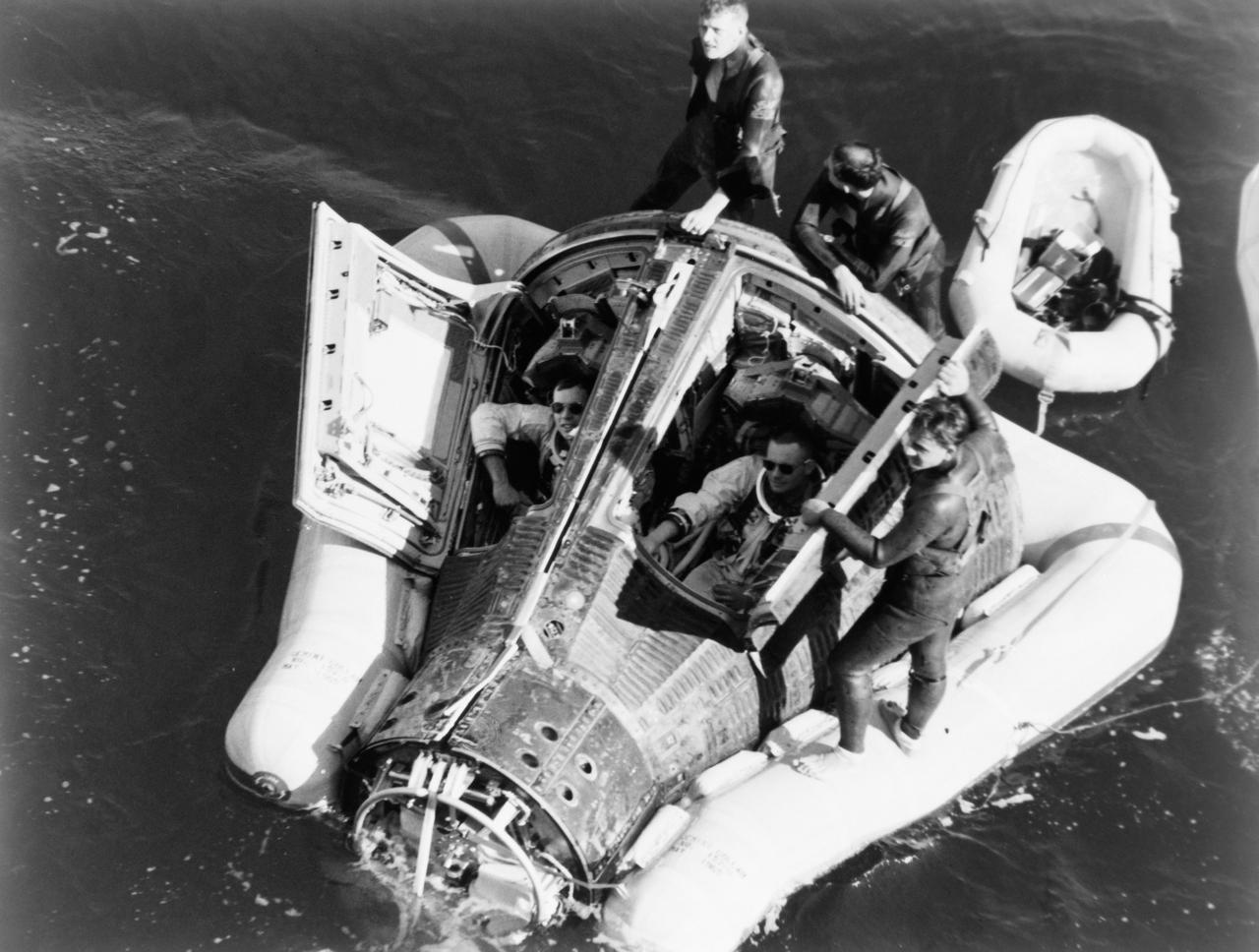
S66-18602_alt (16 March 1966) --- Astronauts Neil A. Armstrong and David R. Scott sit with their spacecraft hatches open while awaiting the arrival of the recovery ship, the USS Leonard F. Mason after the successful completion of their Gemini-8 mission. They are assisted by U.S. Navy divers. The overhead view shows the Gemini-8 spacecraft with the yellow flotation collar attached to stabilize the spacecraft in choppy seas. The green marker dye is highly visible from the air and is used as a locating aid. Photo credit: NASA
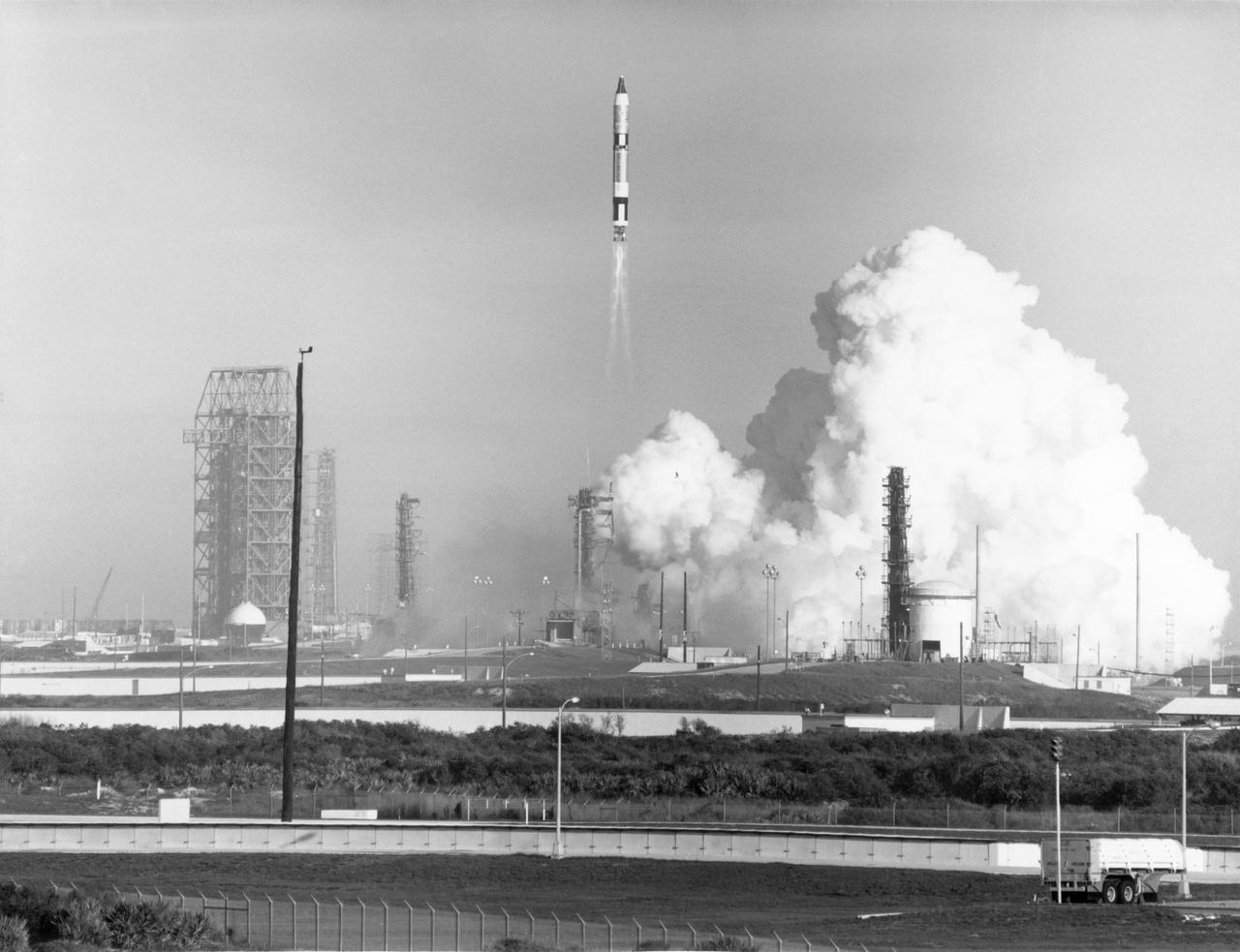
S65-44293 (15 Dec. 1965) --- Gemini-6, carrying astronauts Walter M. Schirra Jr., command pilot, and Thomas P. Stafford, pilot, was launched by the National Aeronautics and Space Administration?s John F. Kennedy Space Center at 8:37 a.m. (EST), Dec. 15, 1965. Gemini-6 completed a highly successful rendezvous mission with Gemini-7.
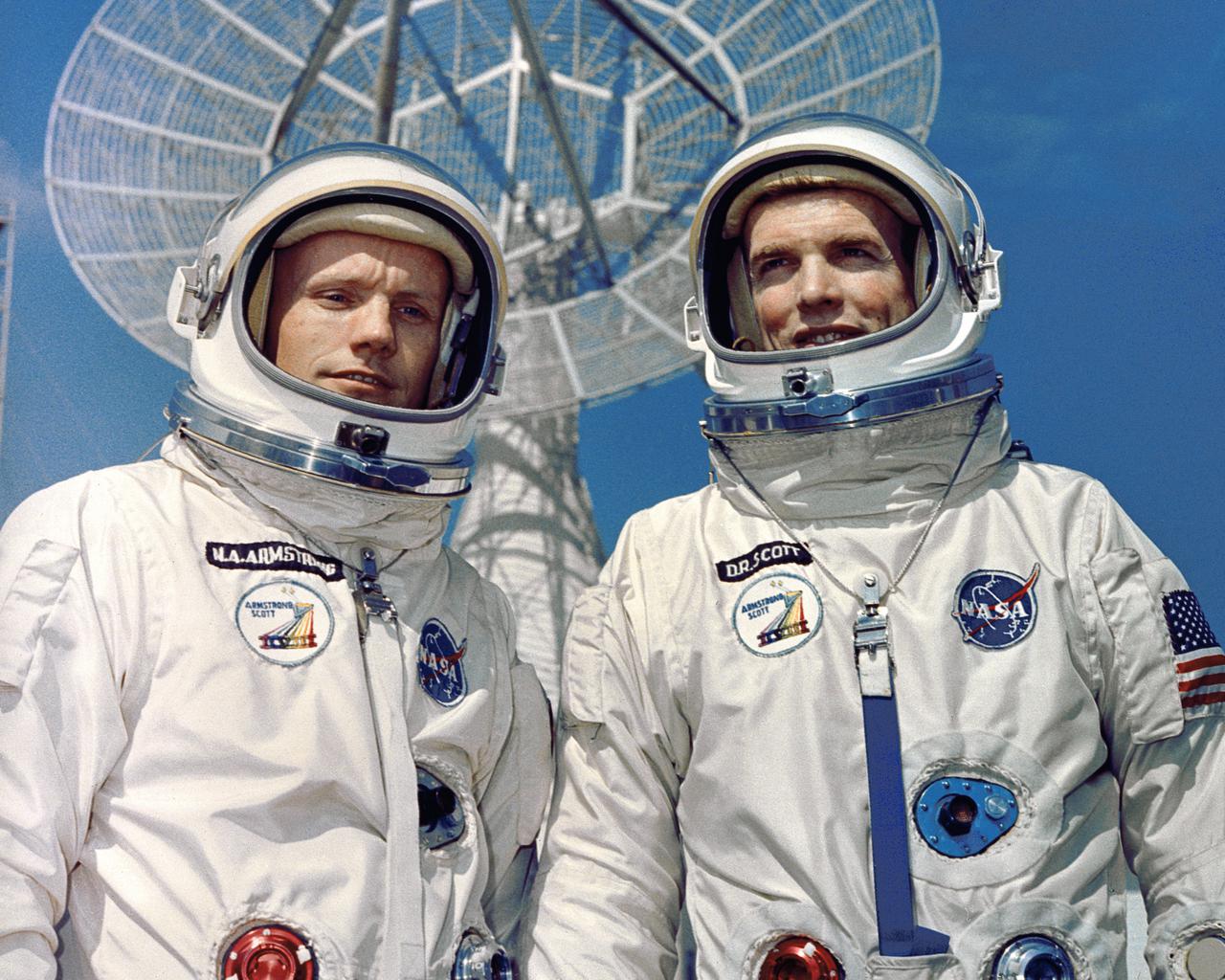
CAPE CANAVERAL, Fla. – Gemini 8 astronauts Neil A. Armstrong, command pilot, and David R. Scott, pilot, during a photosSession for the press outside Mission Control Center, Cape Kennedy. Photo credit: NASA
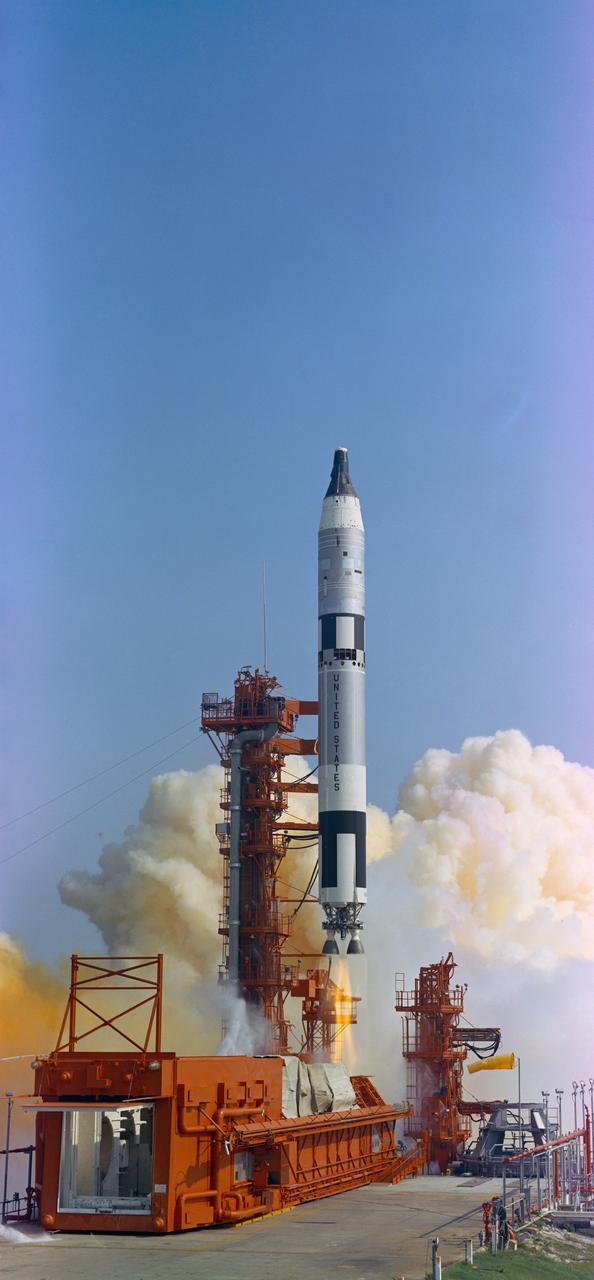
S66-34098 (3 June 1966) --- The Gemini-9 spacecraft was successfully launched from the Kennedy Space Center's Launch Complex 19 at 8:39 a.m. (EST), June 3, 1966. Photo credit: NASA
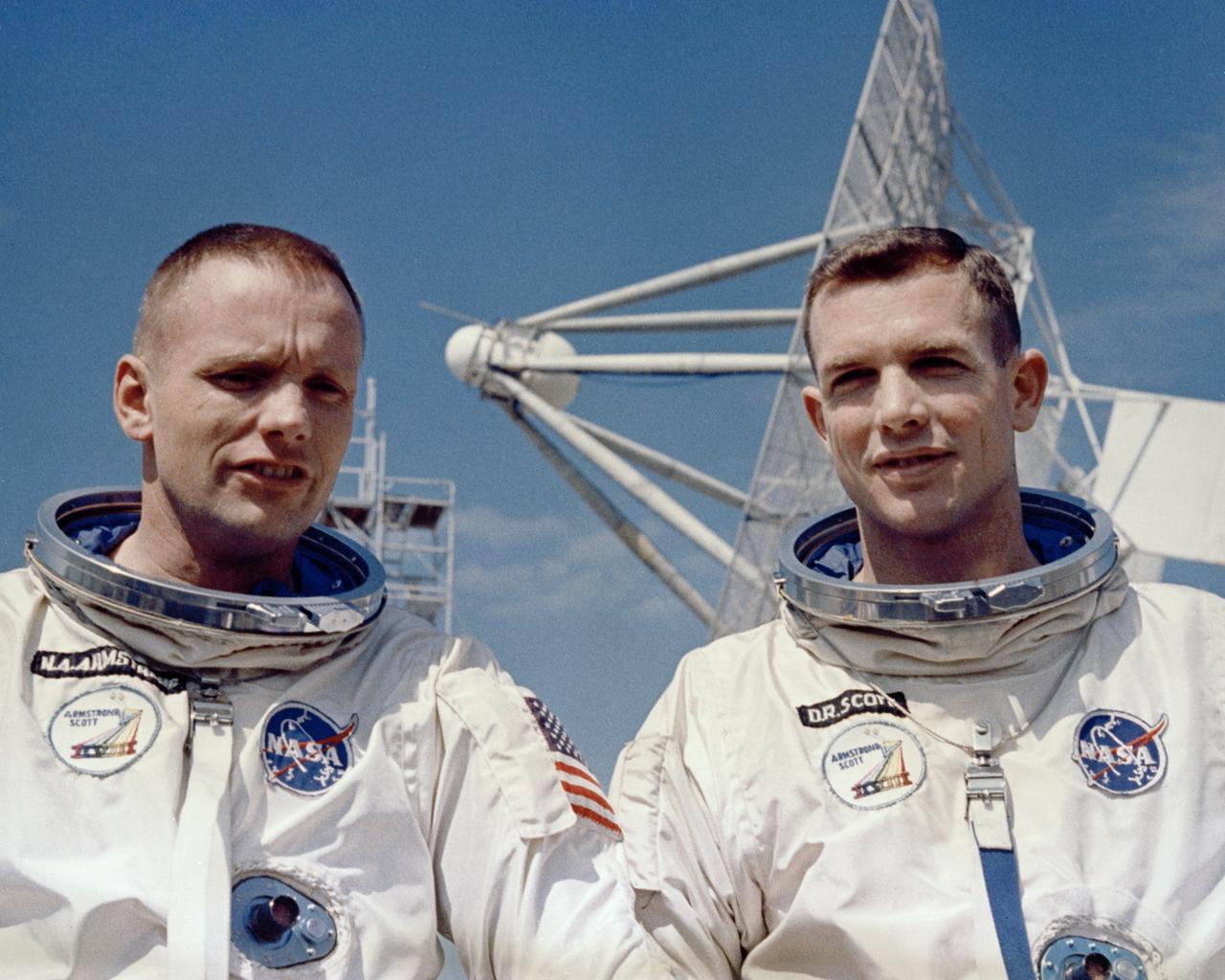
CAPE CANAVERAL, Fla. – Gemini 8 astronauts Neil A. Armstrong, command pilot, and David R. Scott, pilot, during a photosSession for the press outside Mission Control Center, Cape Kennedy. Photo credit: NASA
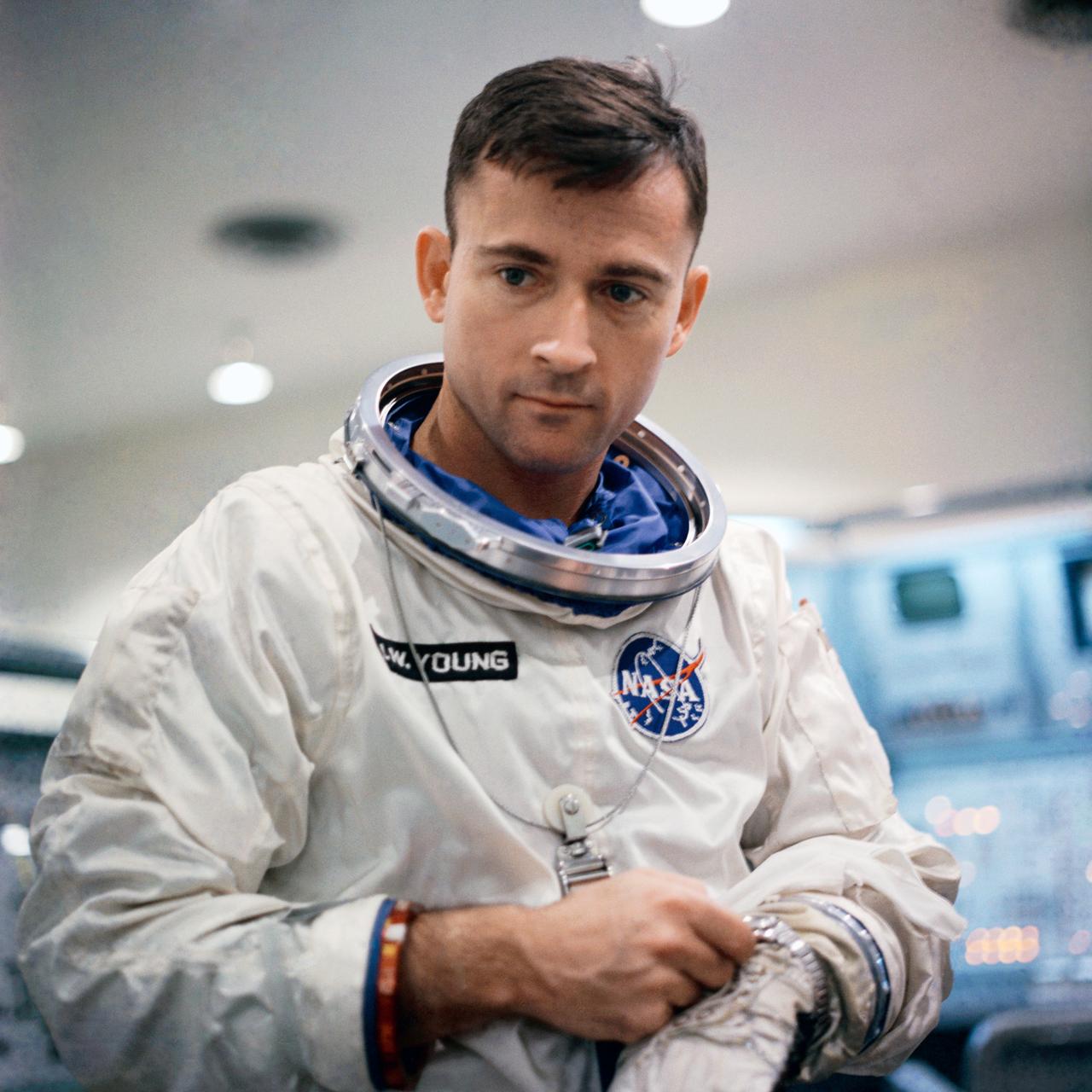
S65-22670 (8 March 1965) --- Astronaut John W. Young, the pilot of the Gemini-Titan 3 prime crew, is shown suited up for GT-3 prelaunch test exercises.
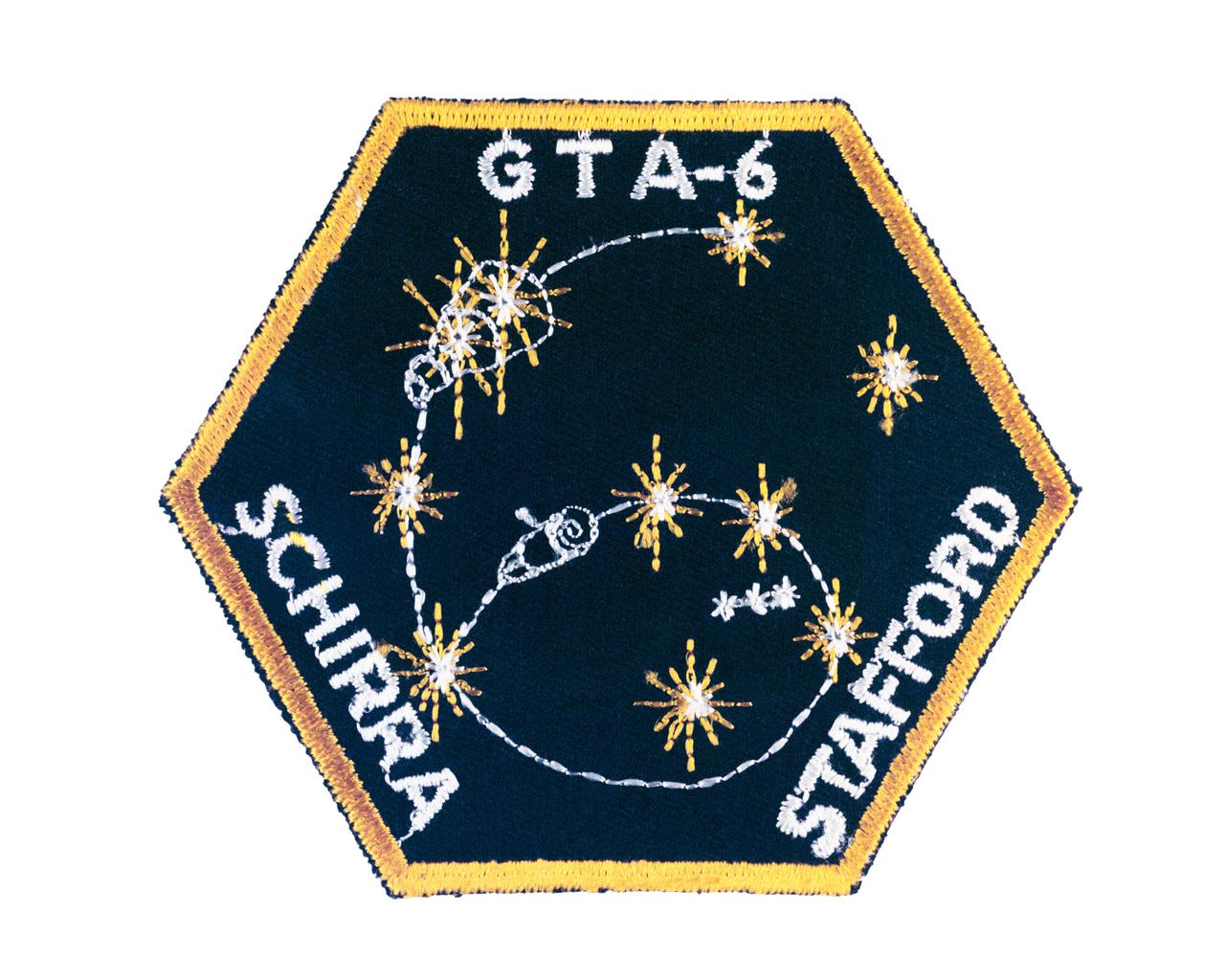
S65-55983 (8 Dec. 1965) --- This hexagonal-shaped insignia is the emblem of the Gemini-6 spaceflight. Astronauts Walter M. Schirra Jr., command pilot; and Thomas P. Stafford, pilot, are the prime crew. The National Aeronautics and Space Administration (NASA) has scheduled Gemini-6 as a two-day mission. Photo credit: NASA or National Aeronautics and Space Administration
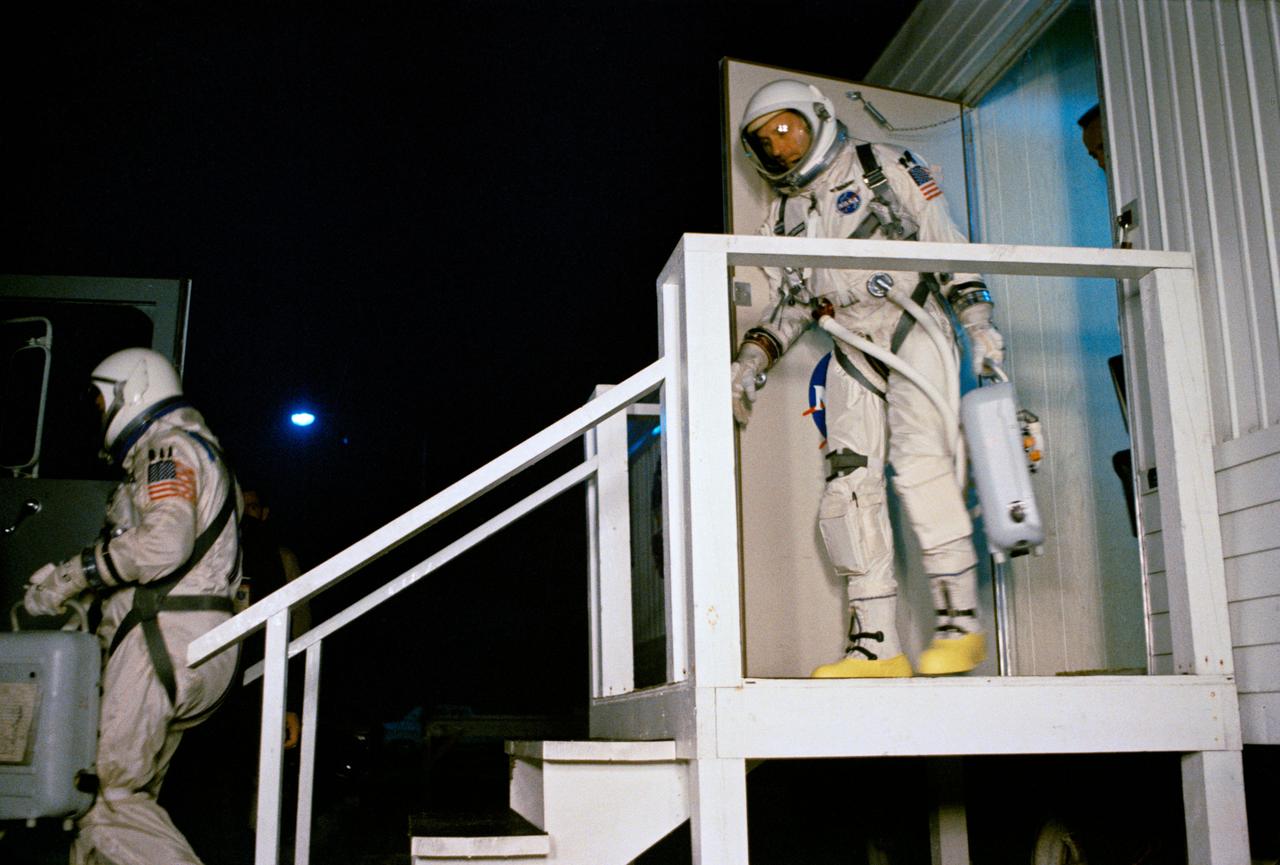
S65-59974 (15 Dec. 1965) --- Astronauts Walter M. Schirra Jr. (leading), command pilot; and Thomas P. Stafford, pilot, leave the suiting trailer at Launch Complex 16 during the Gemini-6 prelaunch countdown at Cape Kennedy, Florida. They entered a special transport van which carried them to Pad 19 and their spacecraft. Gemini-6 lifted off at 8:37 a.m. (EST) on Dec. 15, 1965. Photo credit: NASA or National Aeronautics and Space Administration
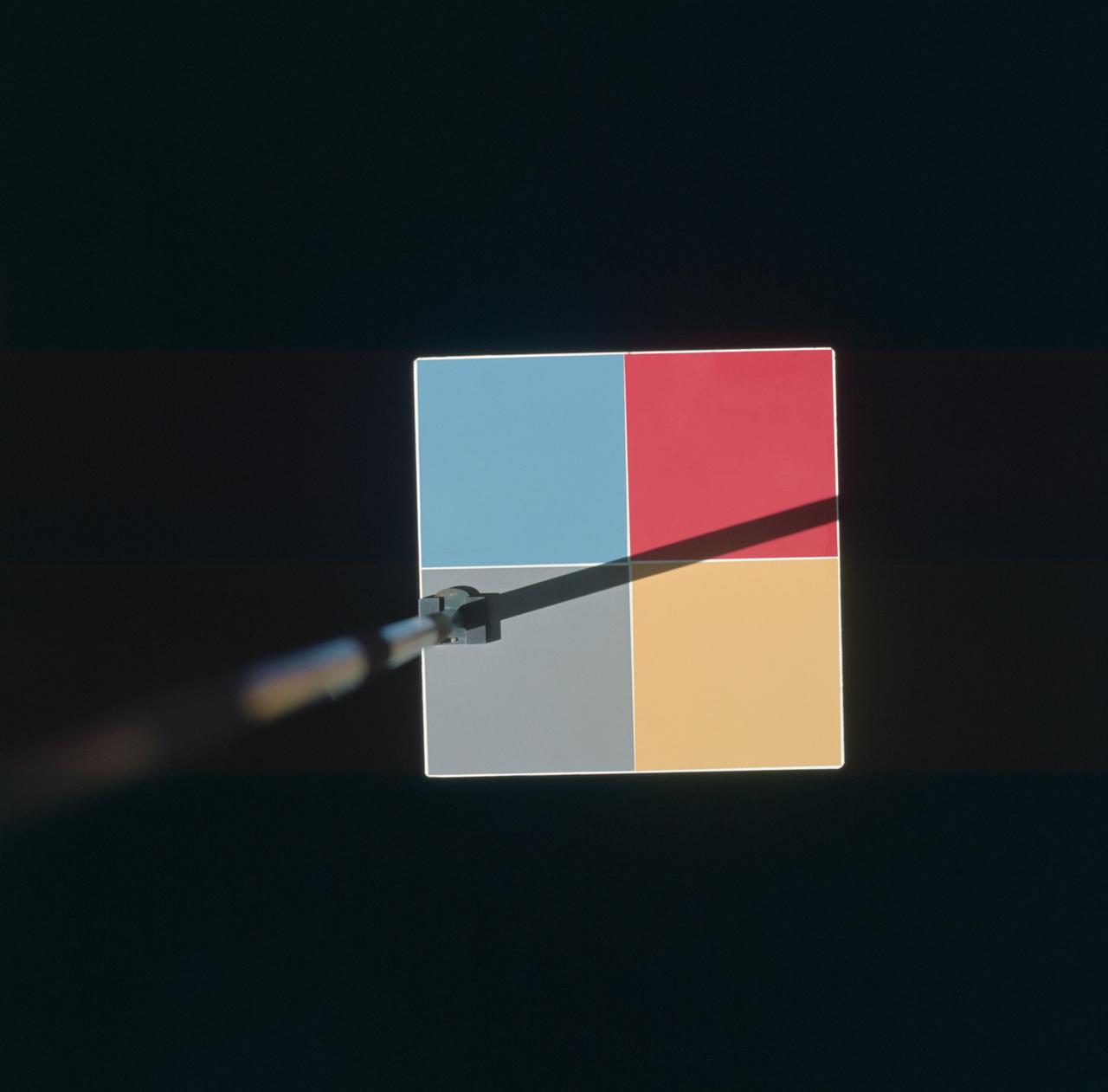
S66-46025 (18 July 1966) --- Astronaut Michael Collins, Gemini-10 pilot, photographed this MSC-8 color patch outside the spacecraft during the Gemini-10/Agena docking mission. The experiment was for the purpose of showing what effect the environment of space will have upon the color photography taken in cislunar space and on the lunar surface during an Apollo mission. Photo credit: NASA
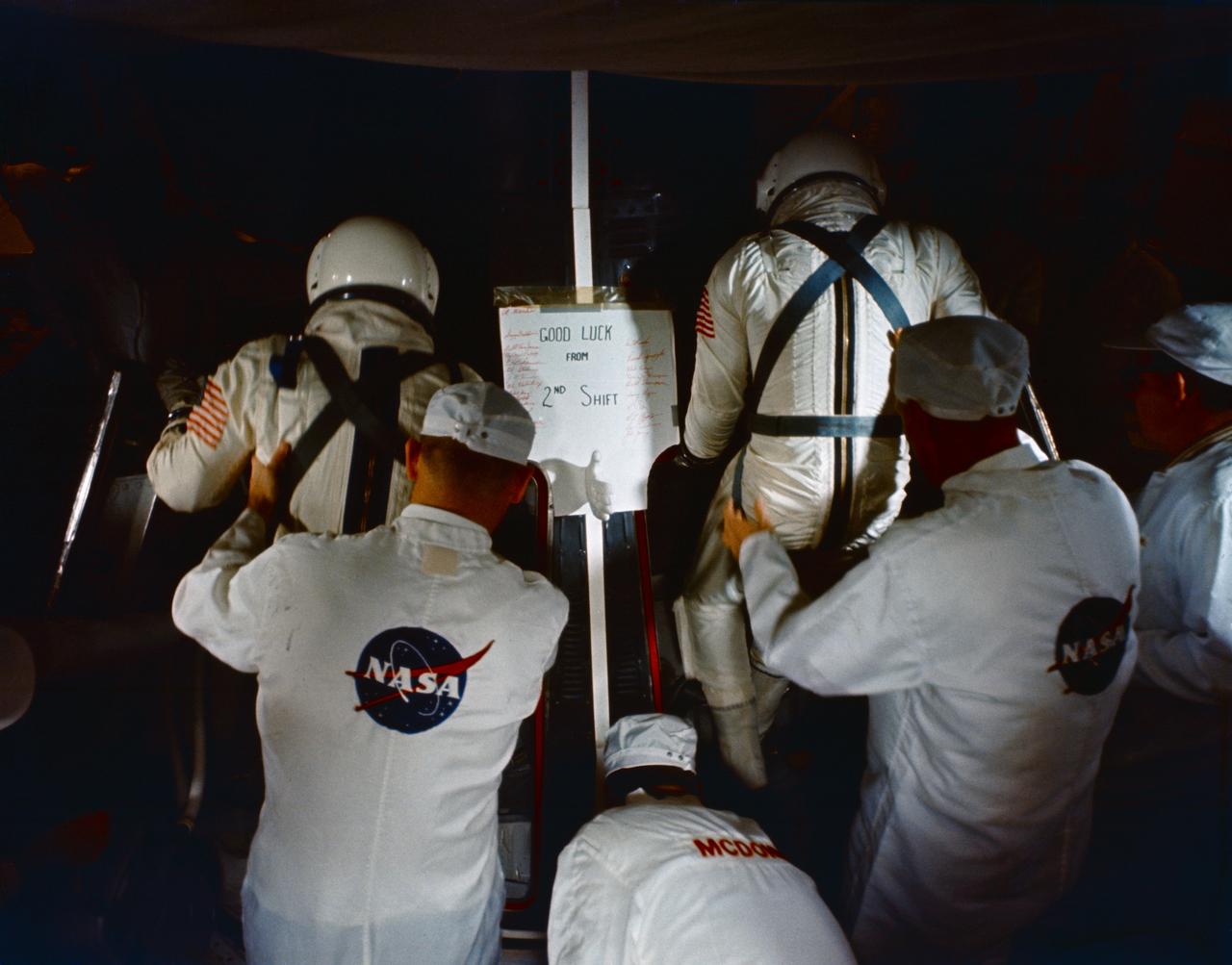
S65-59984 (15 Dec. 1965) --- NASA and McDonnell technicians assist the Gemini-6 prime crew into the spacecraft in the white room atop Pad 19 during the Gemini-6 prelaunch countdown at Cape Kennedy, Florida. Astronaut Walter M. Schirra Jr., command pilot, is on the left; and astronaut Thomas P. Stafford, pilot, is on the right. Liftoff was at 8:37 a.m. (EST) on Dec. 15, 1965. Photo credit: NASA or National Aeronautics and Space Administration
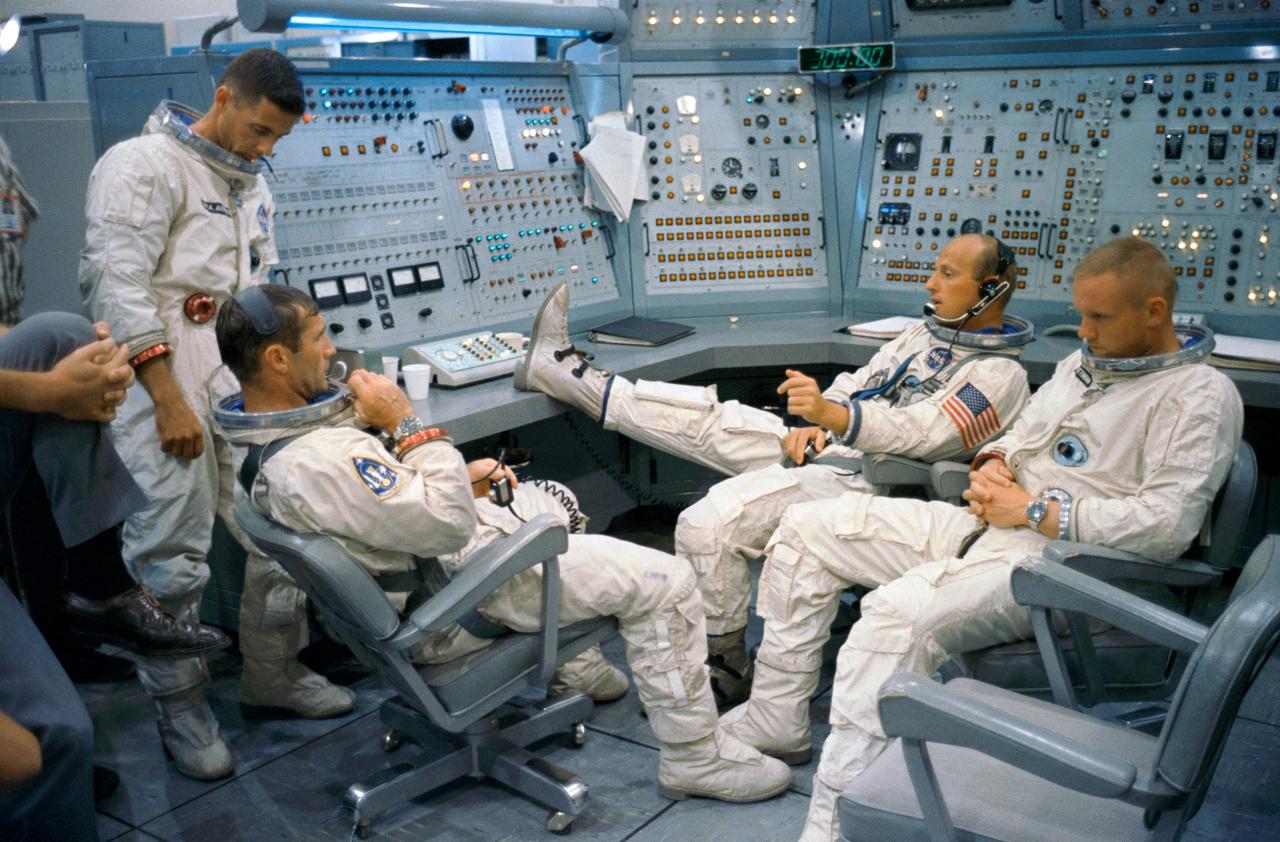
S66-50769 (8 Sept. 1966) --- Gemini-11 prime and backup crews are pictured at the Gemini Mission Simulator at Cape Kennedy, Florida. Left to right are astronauts William A. Anders, backup crew pilot; Richard F. Gordon Jr., prime crew pilot; Charles Conrad Jr. (foot on desk), prime crew command pilot; and Neil A. Armstrong, backup crew command pilot. Photo credit: NASA
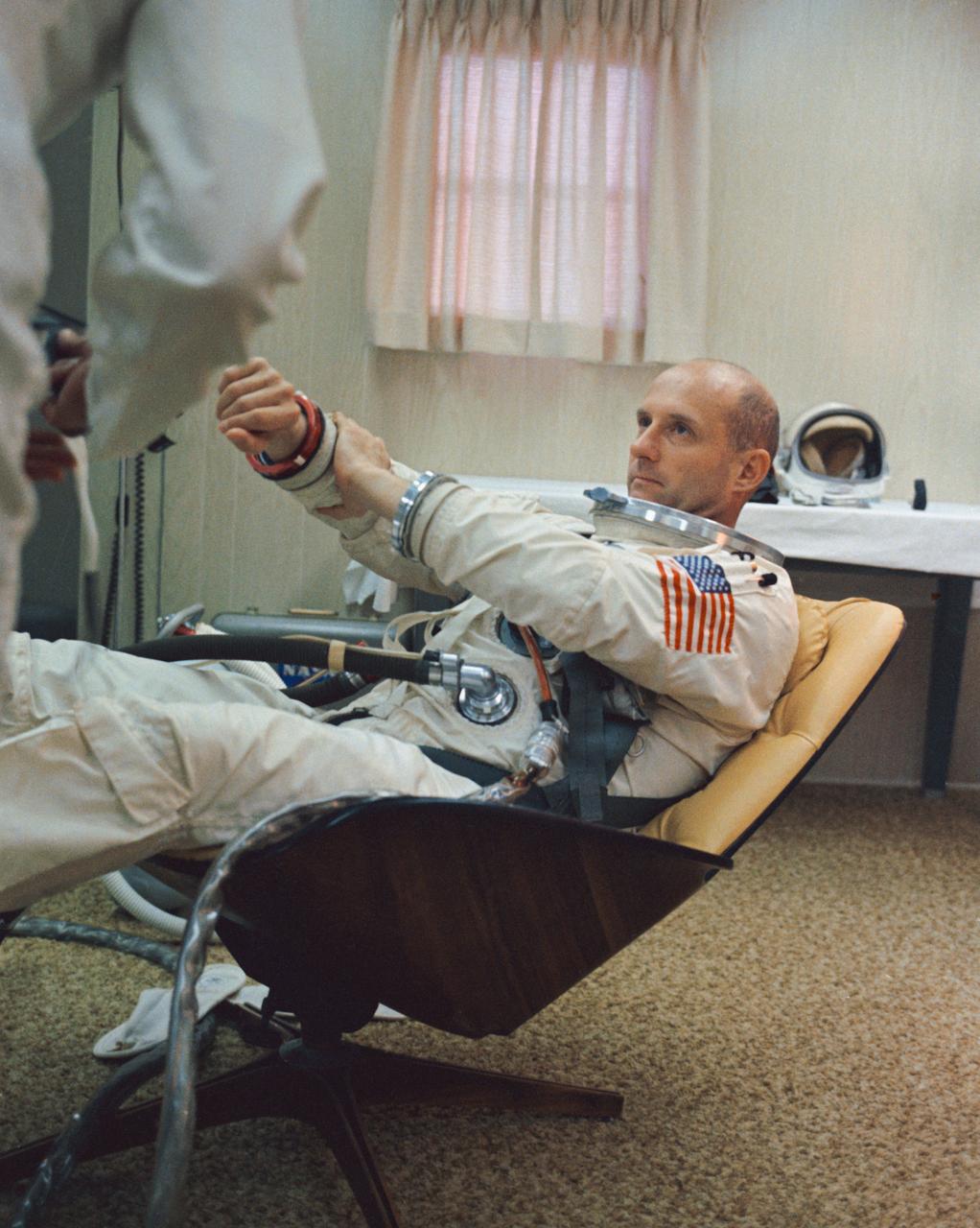
S66-34060 (3 June 1966) --- Astronaut Thomas P. Stafford, Gemini-9A prime crew command pilot, adjusts a sleeve of his spacesuit during suiting up procedures at Launch Complex 16, Kennedy Space Center. The Gemini-9A liftoff was at 8:39 a.m. (EST), June 3, 1966. Photo credit: NASA
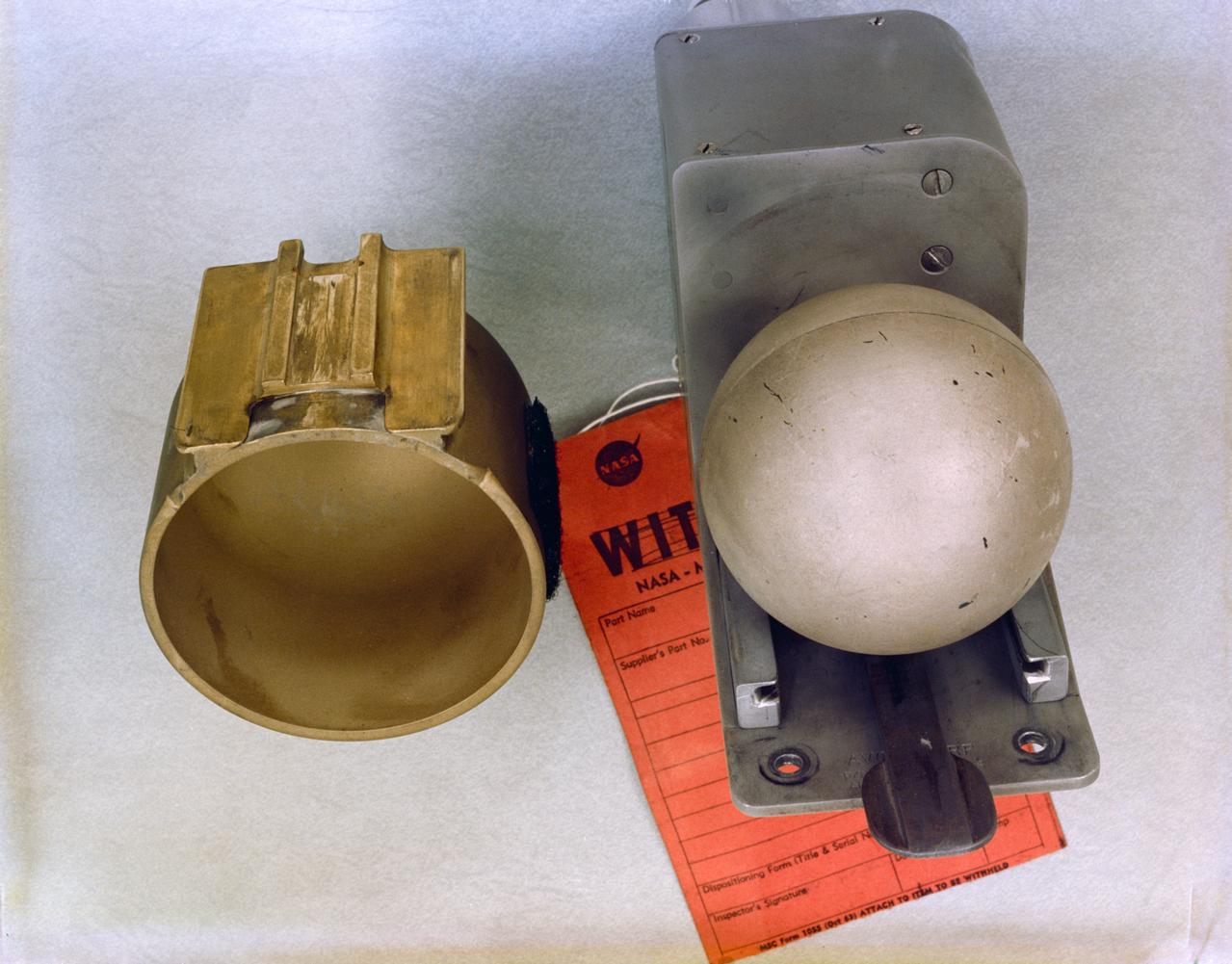
S65-58941 (27 Aug. 1965) --- U.S. Air Force Weapons Laboratory D-8 (Radiation in Space) experiment for Gemini-6 spaceflight. Kennedy Space Center alternative photo number is 104-KSC-65C-5533. Photo credit: NASA
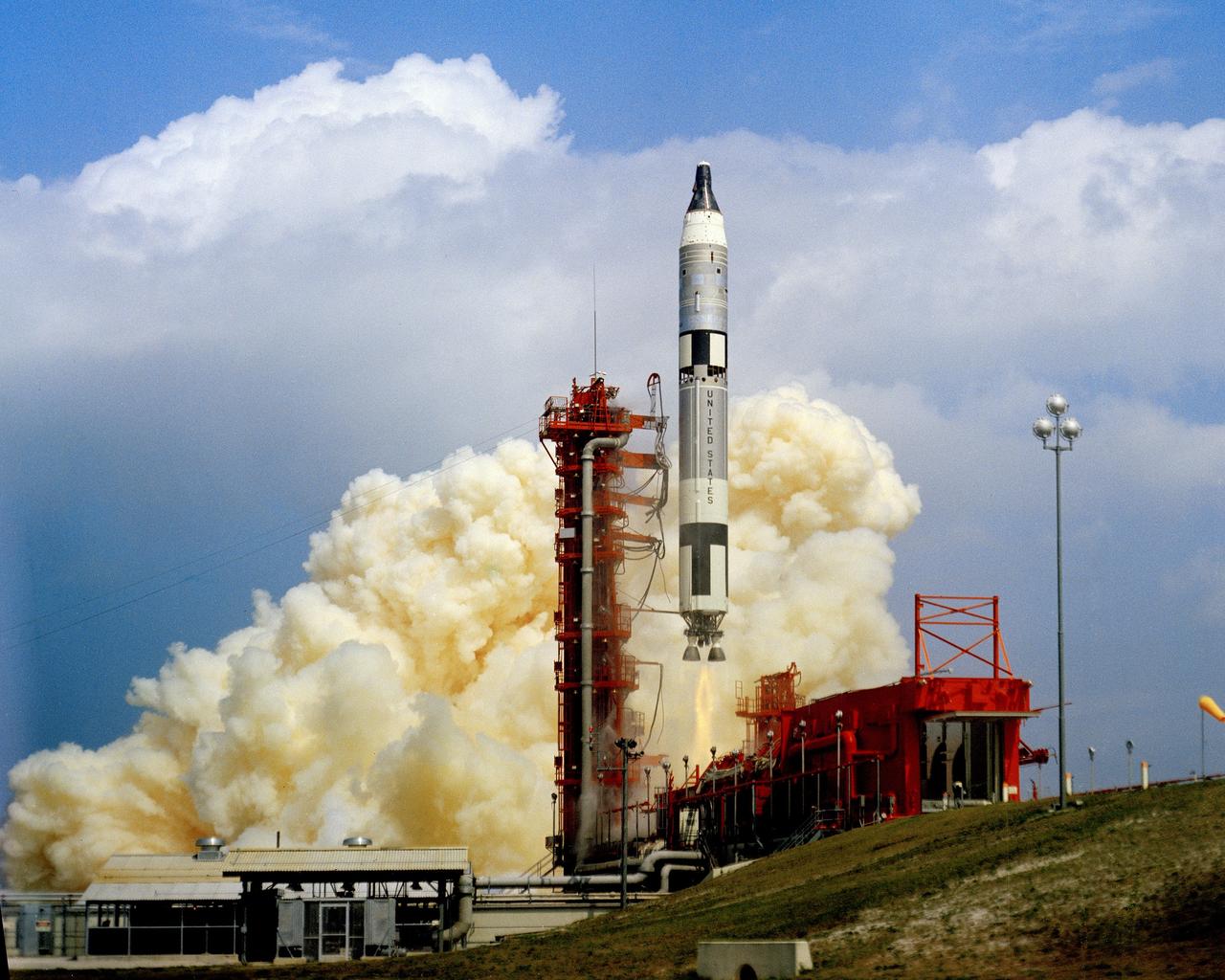
CAPE KENNEDY, Fla. -- At Cape Kennedy Air Force Station in Florida, Gemini 8 lifts off atop a Titan II rocket with command pilot Neil A. Armstrong and pilot David R. Scott aboard. They plan to rendezvous and dock with an Agena target satellite and Scott will perform a spacewalk. Photo Credit: NASA
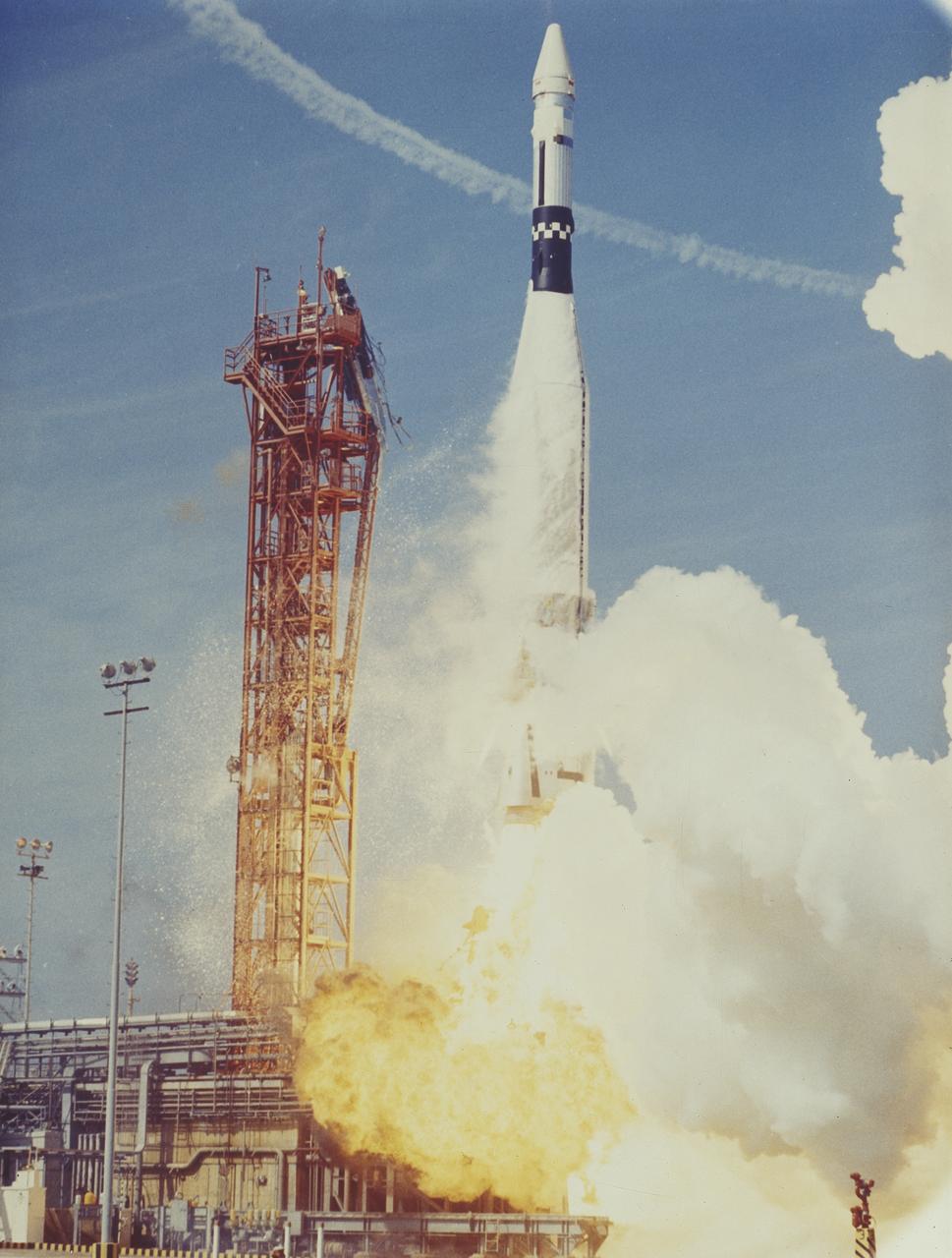
On March 16, 1966, an Atlas booster launched an Agena Target Vehicle for the Gemini 8 mission. The flight crew for the 3 day mission, astronauts Neil A. Armstrong and David R. Scott, achieved the first rendezvous and docking to Atlas/Agena in Earth orbit.
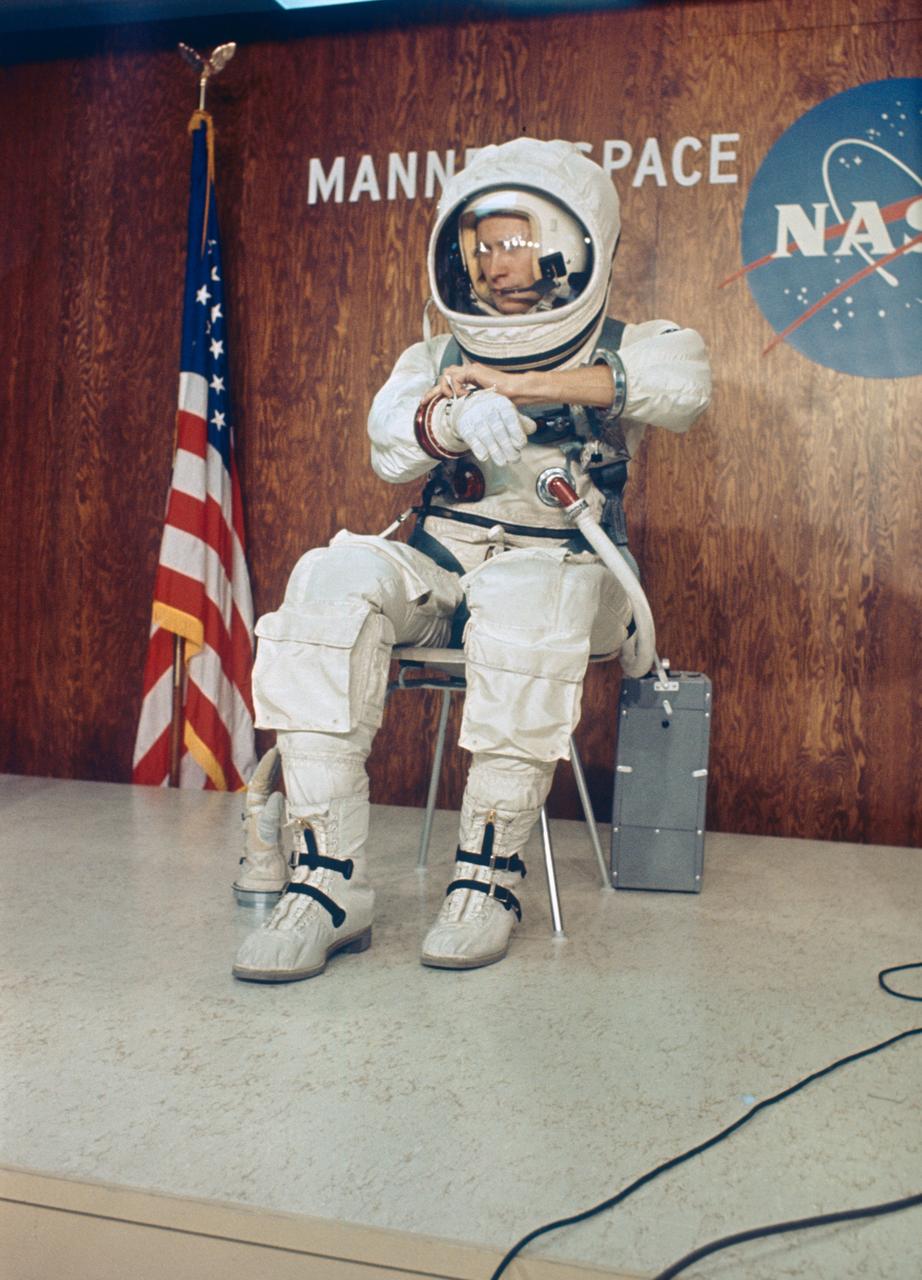
S65-60035 (6 Dec. 1965) --- The new light-weight spacesuit planned for possible use during the Gemini-7 mission is modeled by Fred R. Spross, Gemini Support Office, Crew Systems Division. The spacesuit weighs 16 pounds, including the aviator's crash helmet. The suit is designed so that it may be partially or completely removed during flight. It has two layers of material while the previously used Gemini spacesuit has four layers. Photo credit: NASA
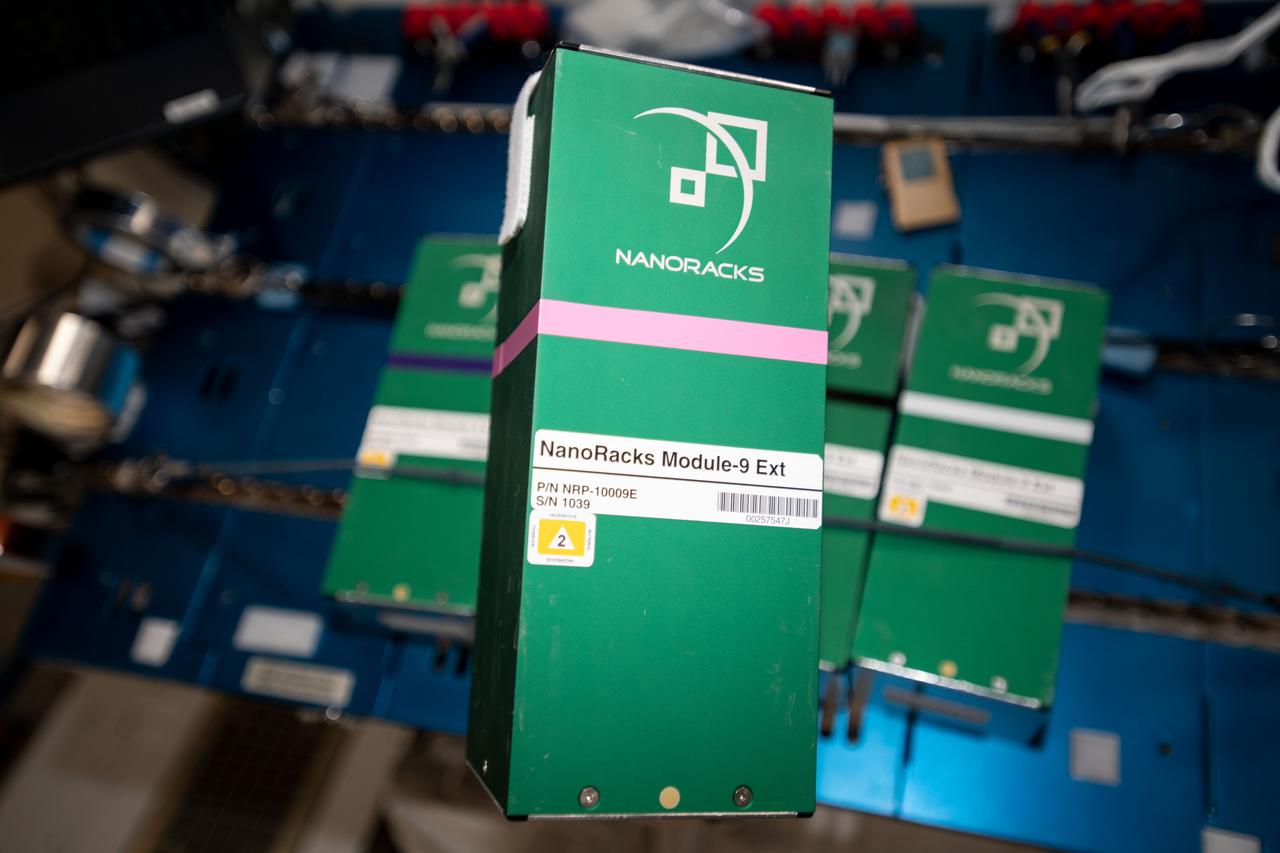
iss060e035407 (8/13/2019) --- A view the NanoRacks-NCESSE-Gemini NanoRacks-National Center for Earth and Space Science-Gemini (SSEP Mission 13) - Part of NanoRacks Module-9 Ext. The experiments range from examinations of water filtration and purification to synthetic soil production, rust formation, antibiotic effectiveness, growth and development of microacquatic organisms, and growth of plant, fungi, and bacteria. Each was chosen from more than 3,000 entries submitted by more than 23,000 U.S., Canadian, and Brazilian students. The experiments use NanoRacks MixStix, miniature laboratories activated by space station crew and eventually returned to the student teams on Earth for analysis.
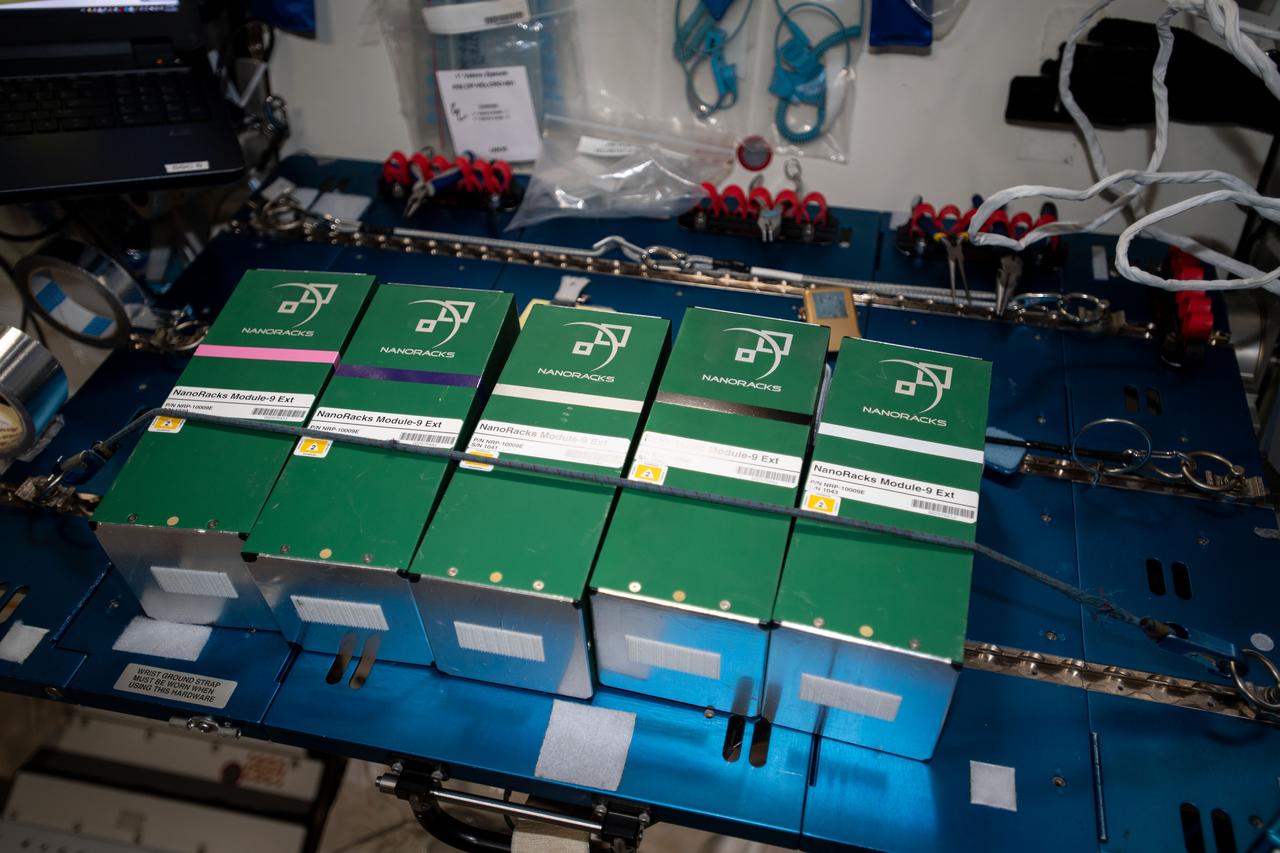
iss060e035405 (8/13/2019) --- A view the NanoRacks-NCESSE-Gemini NanoRacks-National Center for Earth and Space Science-Gemini (SSEP Mission 13) - Part of NanoRacks Module-9 Ext. aboard the International Space Station (ISS). The experiments range from examinations of water filtration and purification to synthetic soil production, rust formation, antibiotic effectiveness, growth and development of microacquatic organisms, and growth of plant, fungi, and bacteria. Each was chosen from more than 3,000 entries submitted by more than 23,000 U.S., Canadian, and Brazilian students. The experiments use NanoRacks MixStix, miniature laboratories activated by space station crew and eventually returned to the student teams on Earth for analysis.
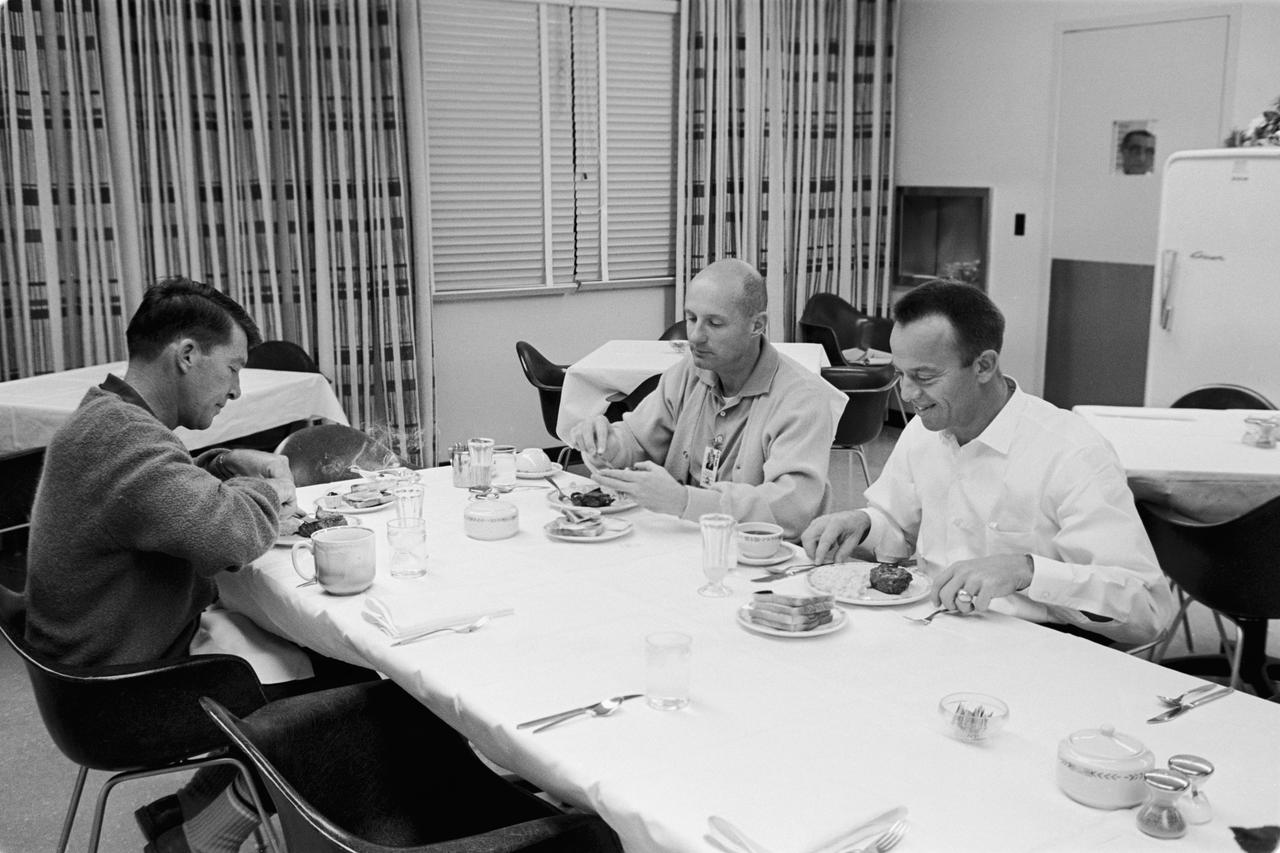
S65-61880 (15 Dec. 1965) --- Astronauts Walter M. Schirra Jr. (left), command pilot; and Thomas P. Stafford (center), pilot, enjoy a breakfast of steak and eggs in the Manned Spacecraft Operations Building, Merritt Island, during the Gemini-6 prelaunch countdown. Seated at right is astronaut Alan B. Shepard Jr., chief, Astronaut Office, Manned Spacecraft Center, Houston, Texas. Gemini-6 was successfully launched from Pad 19 at 8:37 a.m. (EST), Dec. 15, 1965. Photo credit: NASA or National Aeronautics and Space Administration
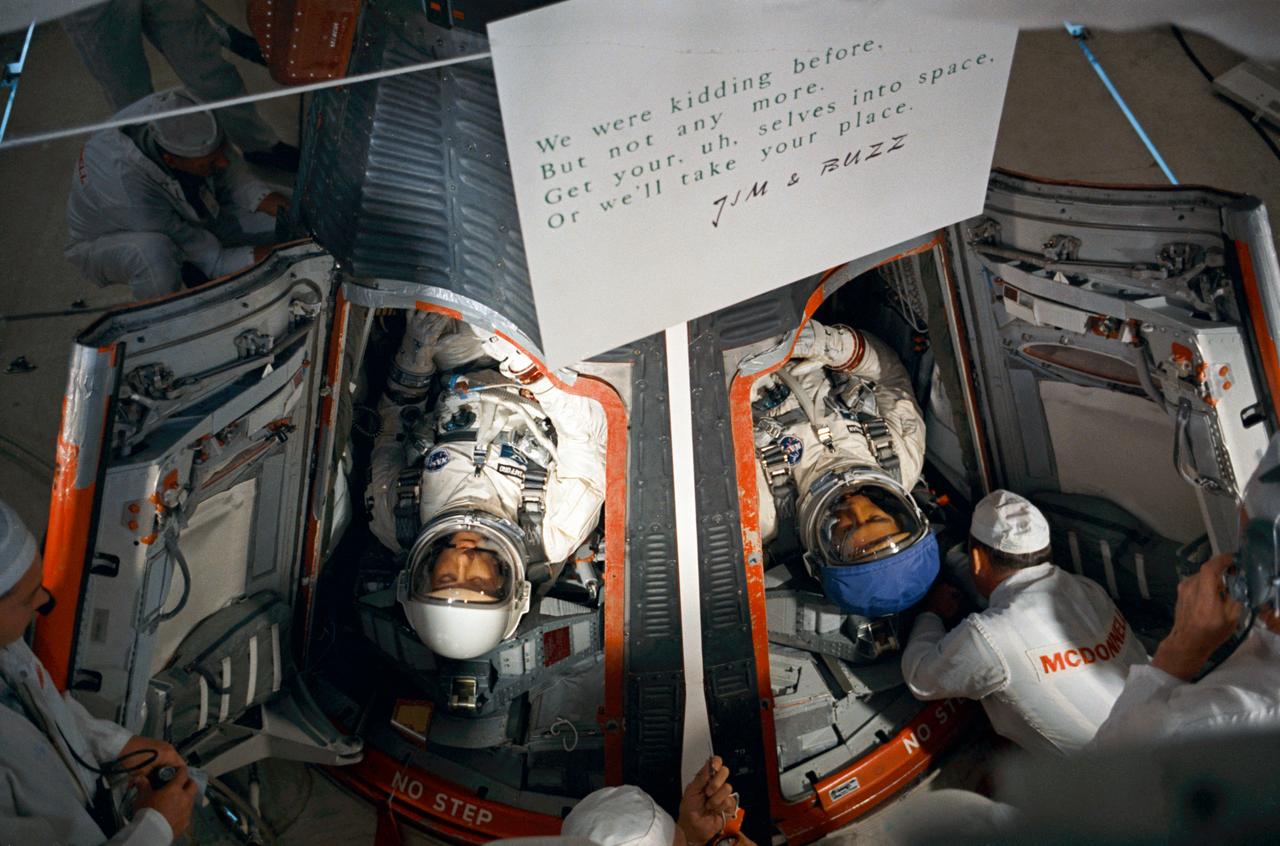
S66-34065 (3 June 1966) --- Technicians prepare to close the hatches on the Gemini-9A spacecraft in the White Room atop Pad 19 after insertion of astronauts Thomas P. Stafford (left) and Eugene A. Cernan. Liftoff was at 8:39 a.m., June 3, 1966. A humorous sign from backup crew, James A. Lovell Jr. and Edwin E. Aldrin Jr., was taped to the spacecraft. Photo credit: NASA
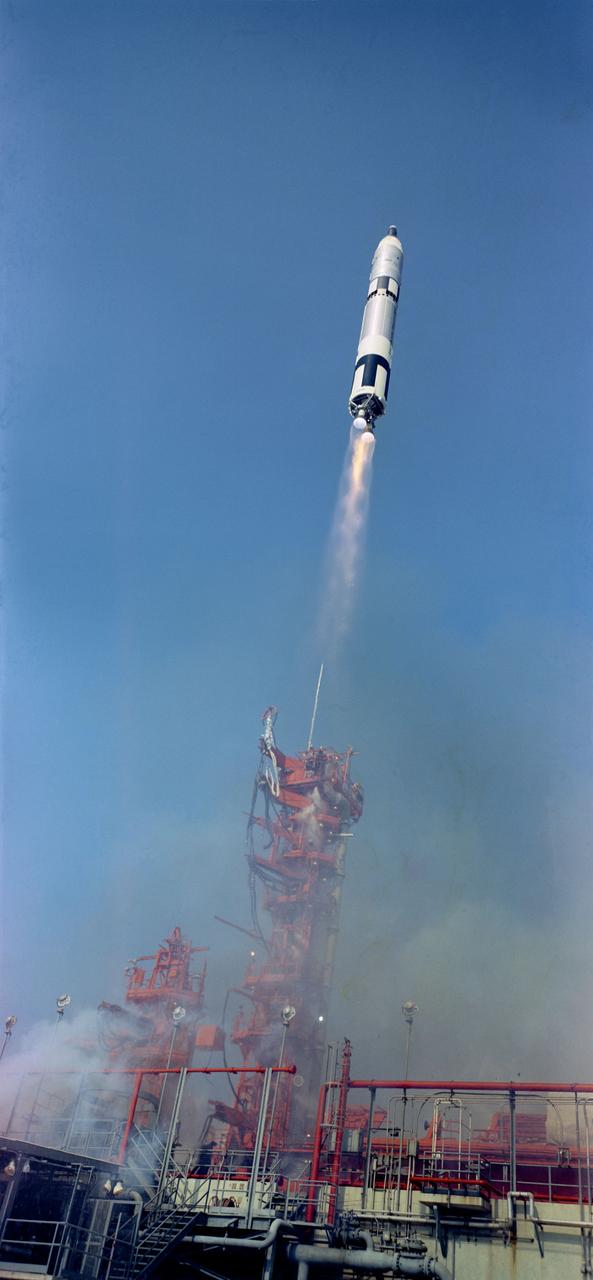
S66-34064 (3 June 1966) ?-- The Gemini-9 spacecraft, carrying astronauts Thomas P. Stafford, command pilot, and Eugene A. Cernan, pilot, was successfully launched by the National Aeronautics and Space Administration from the Kennedy Space Center?s Launch Complex 19 at 8:39 a.m. (EST), June 3, 1966. Photo credit: NASA
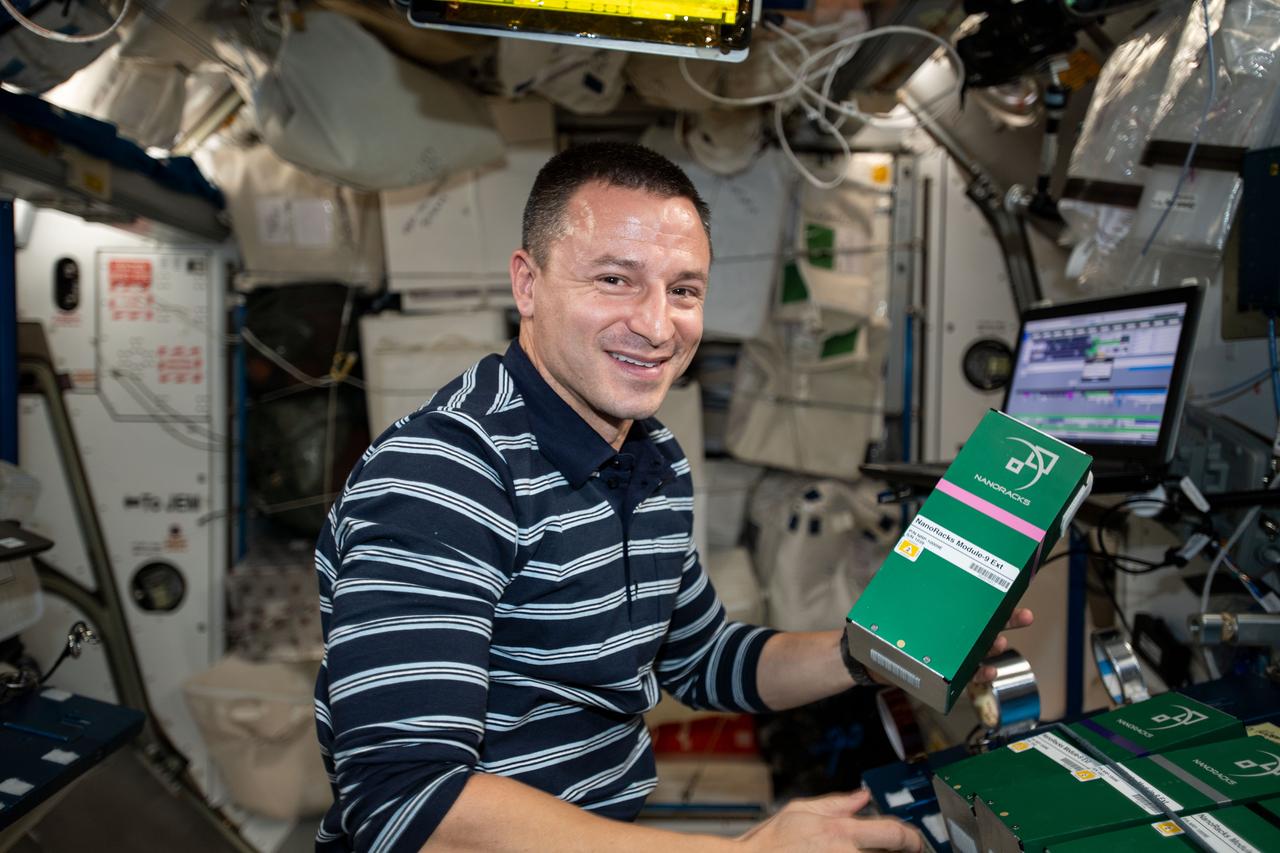
iss060e035409 (8/13/2019) --- A view of NASA astronaut Drew Morgan during the deactivation and/or shaking designated mixture tubes of NanoRacks-NCESSE-Gemini NanoRacks-National Center for Earth and Space Science-Gemini (SSEP Mission 13) - Part of NanoRacks Module-9 Ext. aboard the International Space Station (ISS). The experiments range from examinations of water filtration and purification to synthetic soil production, rust formation, antibiotic effectiveness, growth and development of microacquatic organisms, and growth of plant, fungi, and bacteria. Each was chosen from more than 3,000 entries submitted by more than 23,000 U.S., Canadian, and Brazilian students. The experiments use NanoRacks MixStix, miniature laboratories activated by space station crew and eventually returned to the student teams on Earth for analysis.
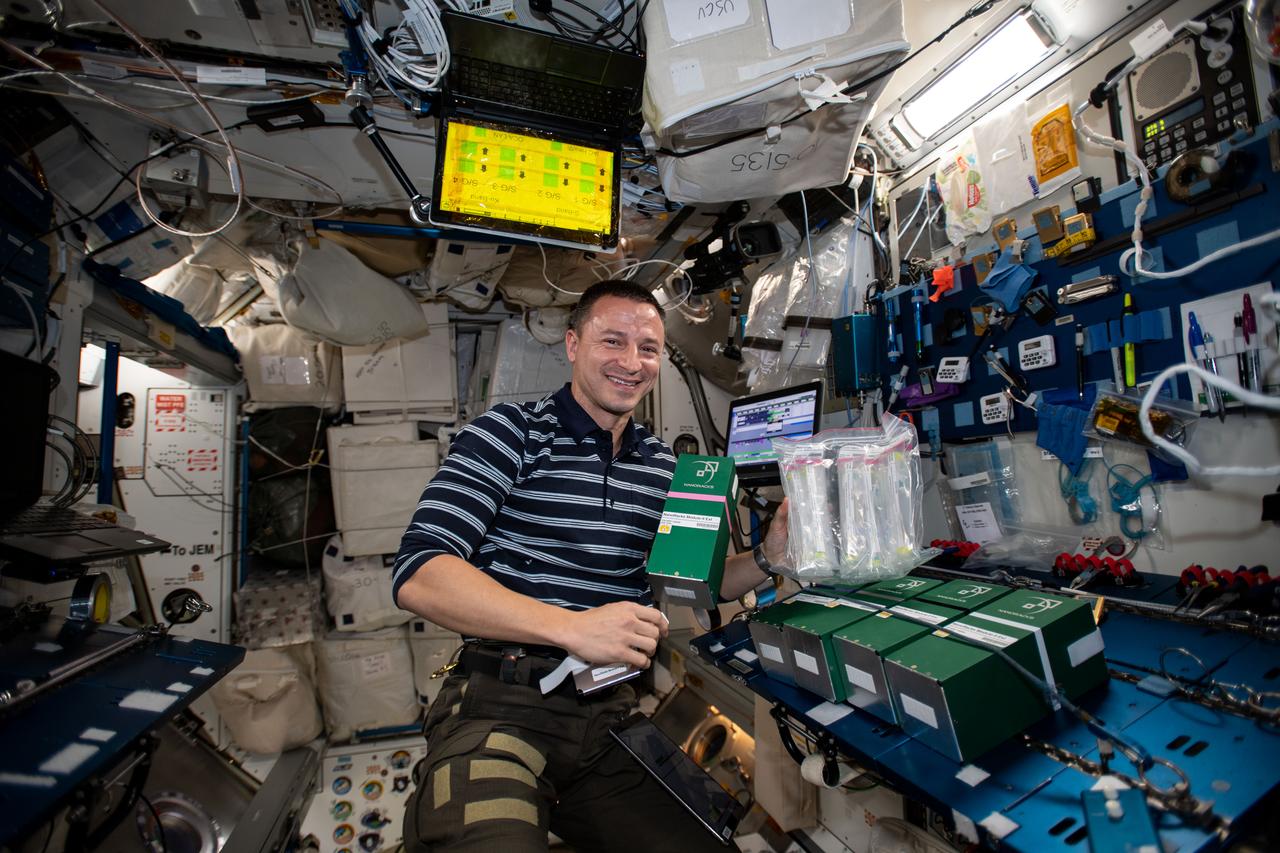
iss060e035415 8/13/2019) --- A view of NASA astronaut Drew Morgan during the deactivation and/or shaking designated mixture tubes of NanoRacks-NCESSE-Gemini NanoRacks-National Center for Earth and Space Science-Gemini (SSEP Mission 13) - Part of NanoRacks Module-9 Ext. aboard the International Space Station (ISS). The experiments range from examinations of water filtration and purification to synthetic soil production, rust formation, antibiotic effectiveness, growth and development of microacquatic organisms, and growth of plant, fungi, and bacteria. Each was chosen from more than 3,000 entries submitted by more than 23,000 U.S., Canadian, and Brazilian students. The experiments use NanoRacks MixStix, miniature laboratories activated by space station crew and eventually returned to the student teams on Earth for analysis.
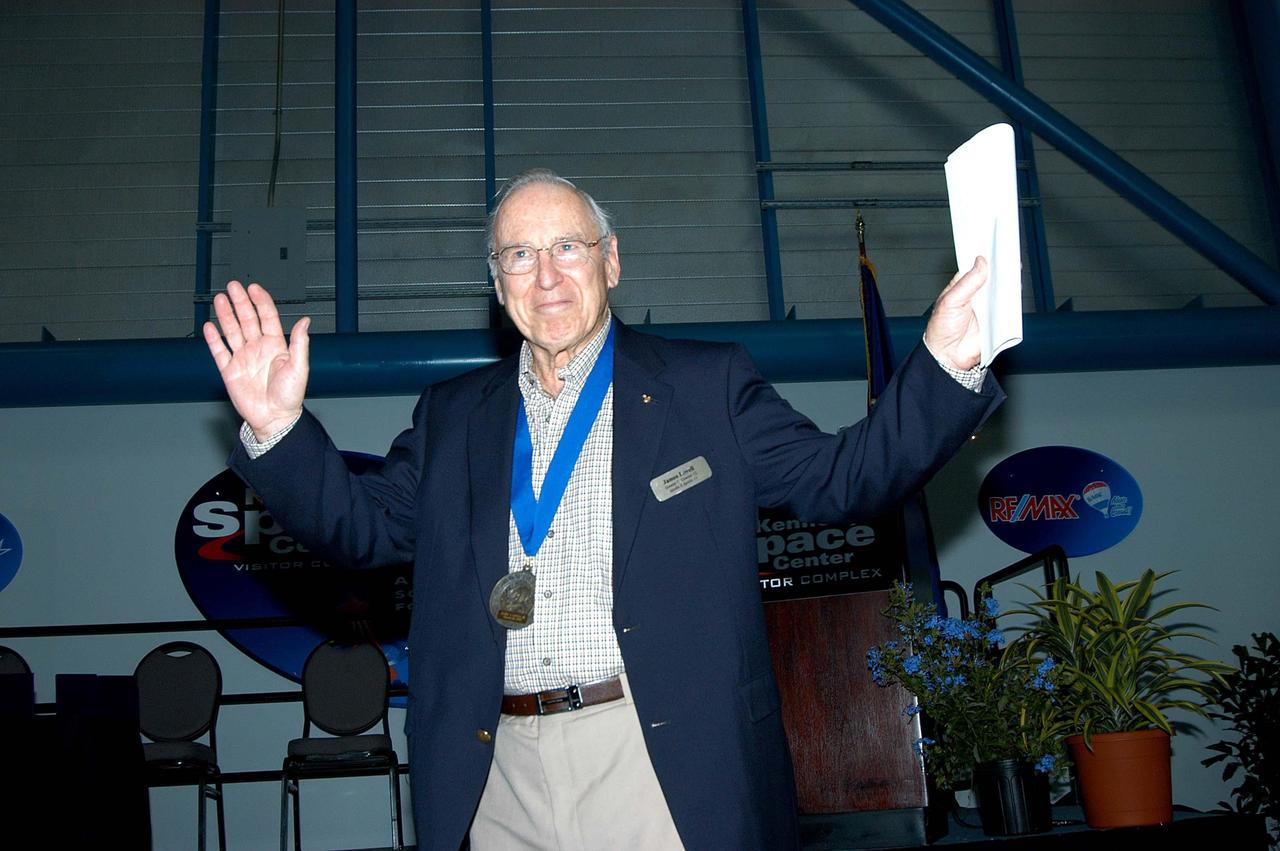
KENNEDY SPACE CENTER, FLA. -- Former astronaut Jim Lovell acknowledges the applause as he is introduced as a previous inductee into the U.S. Astronaut Hall of Fame. He and other Hall of Fame members were present for the induction of five new space program heroes into the U.S. Astronaut Hall of Fame: Richard O. Covey, commander of the Hubble Space Telescope repair mission; Norman E. Thagard, the first American to occupy Russia’s Mir space station; the late Francis R. "Dick" Scobee, commander of the ill-fated 1986 Challenger mission; Kathryn D. Sullivan, the first American woman to walk in space; and Frederick D. Gregory, the first African-American to command a space mission and the current NASA deputy administrator. Lovell piloted Gemini 7, commanded Gemini 12, orbited the Moon on Apollo 8 and commanded the aborted Apollo 13 moon flight. The induction ceremony was held at the Apollo/Saturn V Center at KSC. The U.S. Astronaut Hall of Fame opened in 1990 to provide a place where space travelers could be remembered for their participation and accomplishments in the U.S. space program. The five inductees join 52 previously honored astronauts from the ranks of the Gemini, Apollo, Skylab, Apollo-Soyuz, and Space Shuttle programs.
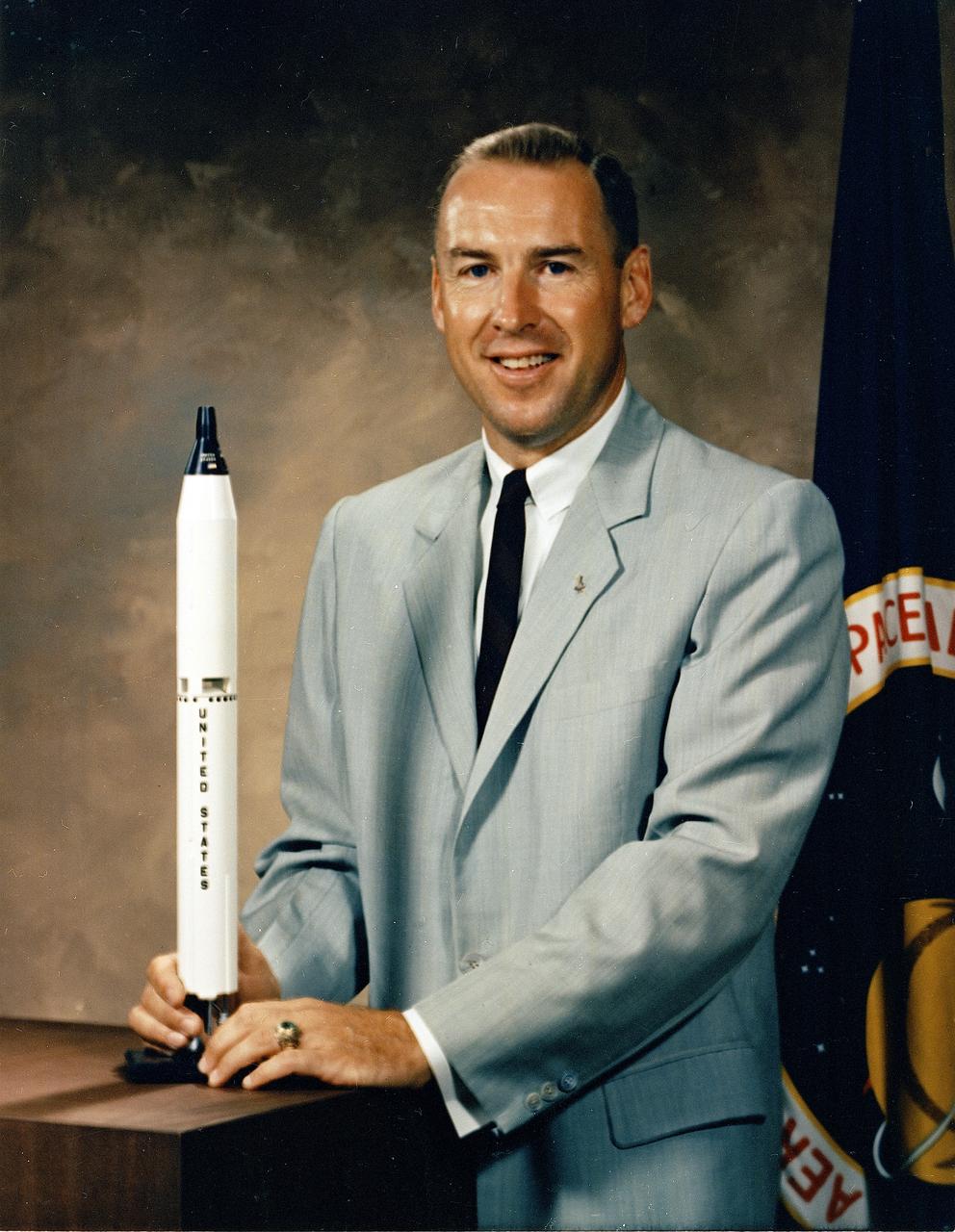
This is the official NASA portrait of astronaut James Lovell. Captain Lovell was selected as an Astronaut by NASA in September 1962. He has since served as backup pilot for the Gemini 4 flight and backup Commander for the Gemini 9 flight, as well as backup Commander to Neil Armstrong for the Apollo 11 lunar landing mission. On December 4, 1965, he and Frank Borman were launched into space on the history making Gemini 7 mission. The flight lasted 330 hours and 35 minutes and included the first rendezvous of two manned maneuverable spacecraft. The Gemini 12 mission, commanded by Lovell with Pilot Edwin Aldrin, began on November 11, 1966 for a 4-day, 59-revolution flight that brought the Gemini program to a successful close. Lovell served as Command Module Pilot and Navigator on the epic six-day journey of Apollo 8, the first manned Saturn V liftoff responsible for allowing the first humans to leave the gravitational influence of Earth. He completed his fourth mission as Spacecraft Commander of the Apollo 13 flight, April 11-17, 1970, and became the first man to journey twice to the moon. The Apollo 13 mission was cut short due to a failure of the Service Module cryogenic oxygen system. Aborting the lunar course, Lovell and fellow crewmen, John L. Swigert and Fred W. Haise, working closely with Houston ground controllers, converted their lunar module, Aquarius, into an effective lifeboat that got them safely back to Earth. Captain Lovell held the record for time in space with a total of 715 hours and 5 minutes until surpassed by the Skylab flights. On March 1, 1973, Captain Lovell retired from the Navy and the Space Program.
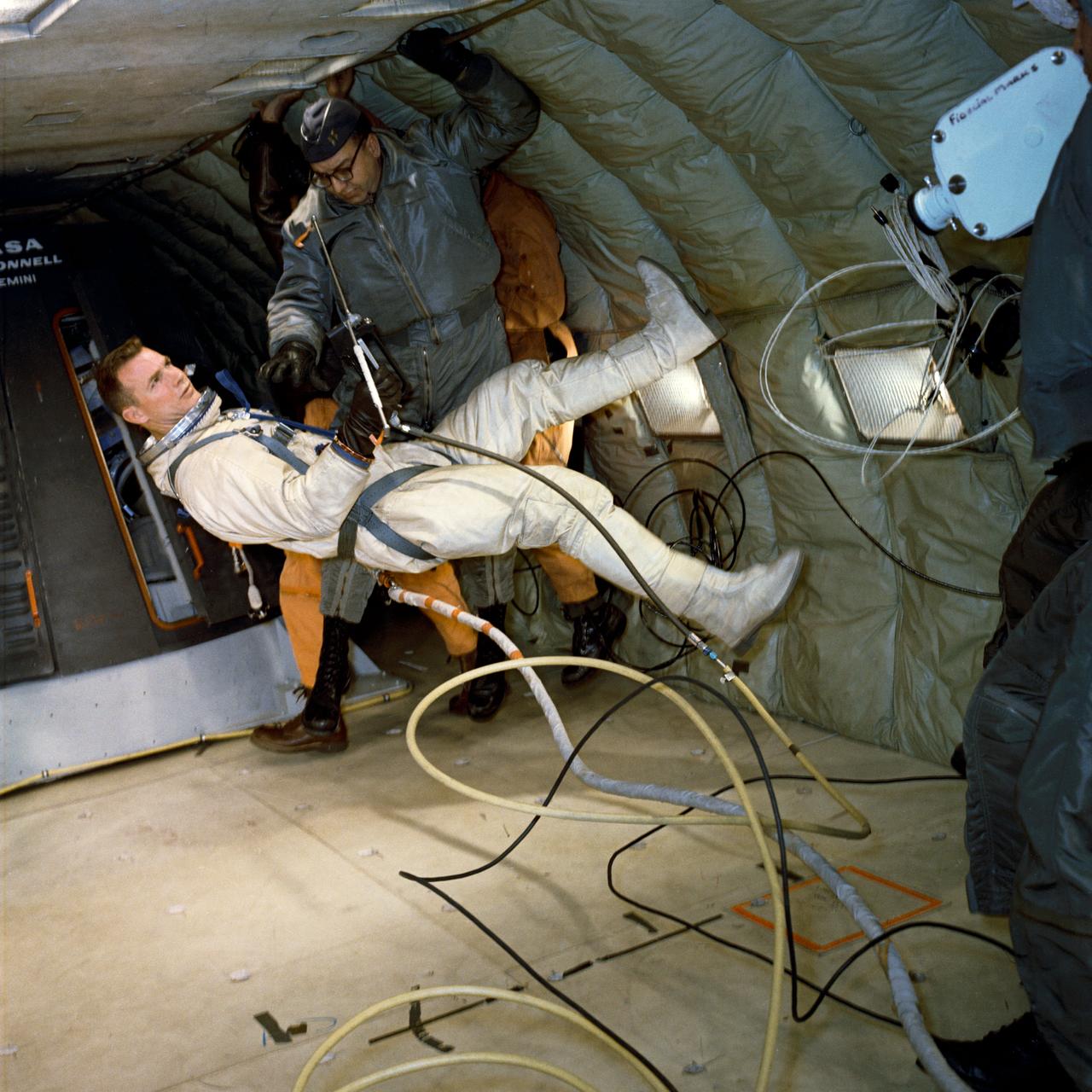
S66-20016 (3 Feb. 1966) --- Astronaut David R. Scott holds maneuvering unit while suspended in a weightless state during extravehicular activity (EVA) training in a C-135 Air Force plane. Photo credit: NASA
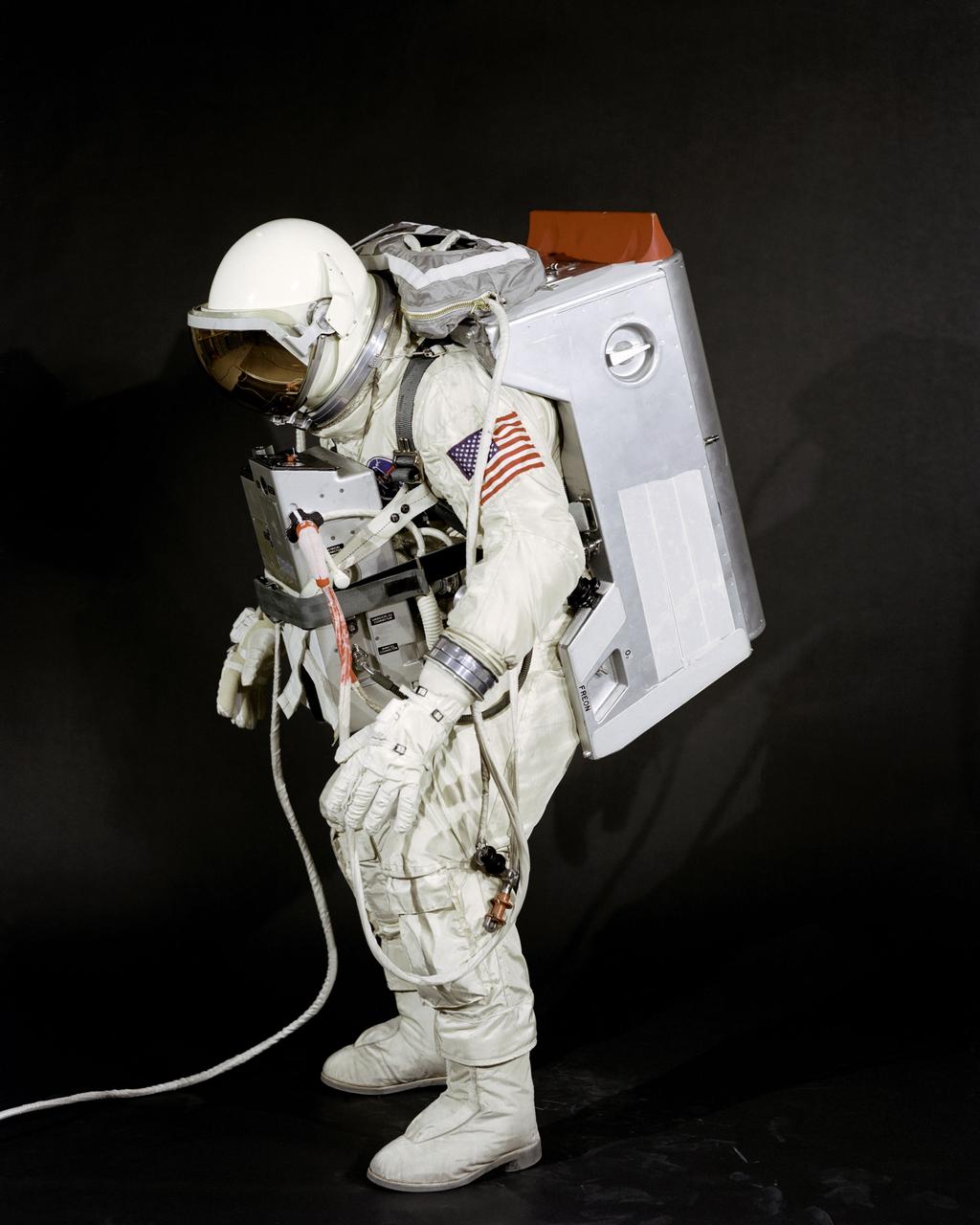
S66-17475 (18 Jan. 1966) --- Test subject Fred Spress, Crew Systems Division, wears the spacesuit and extravehicular equipment planned for use by astronaut David R. Scott. The helmet is equipped with a gold-plated visor to shield the astronaut's face from unfiltered sun rays. The system is composed of a life support pack worn on the chest and a support pack worn on the back. Photo credit: NASA
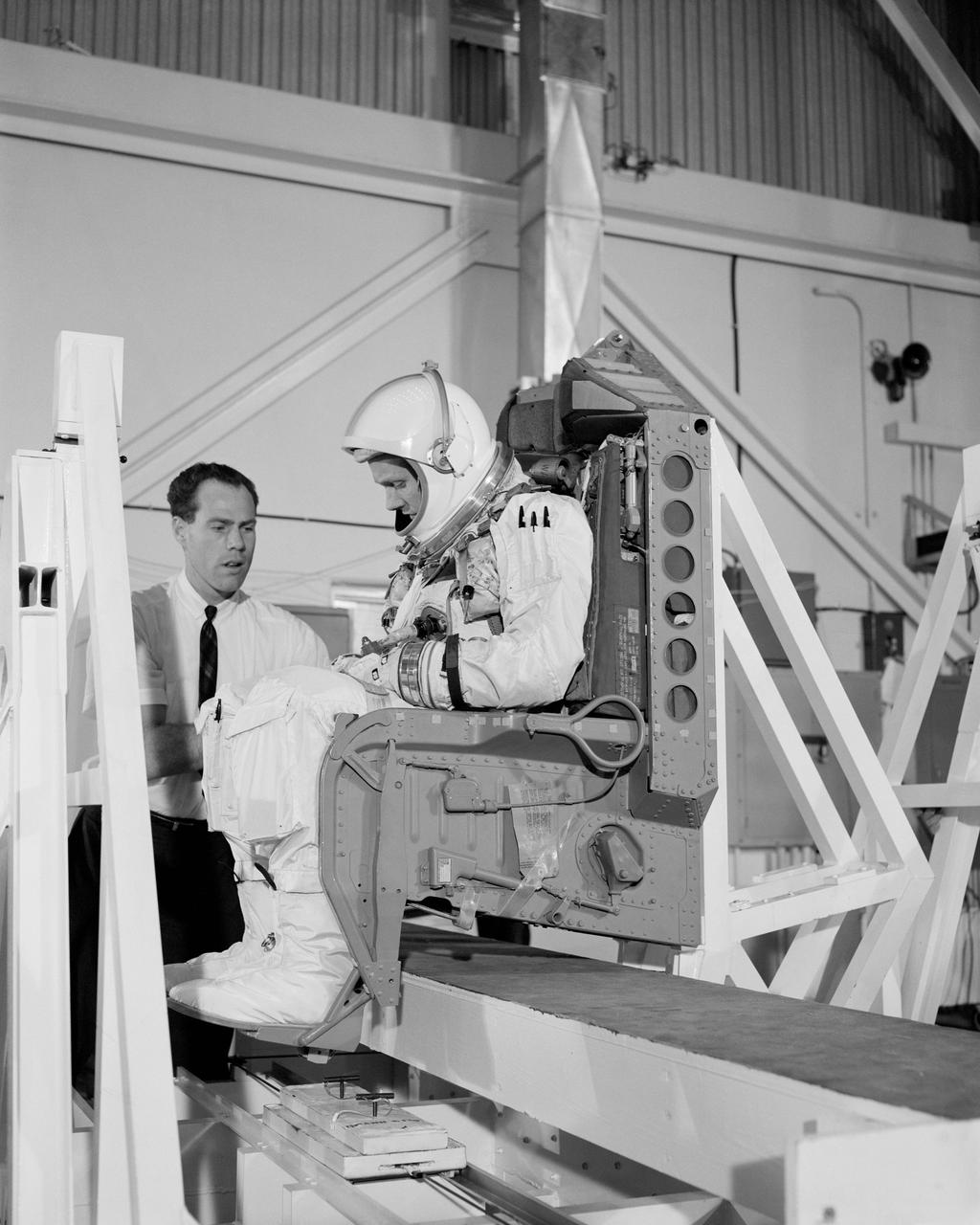
S66-22933 (18 Feb. 1966) --- Astronaut Neil A. Armstrong undergoes weight and balance tests in the Pyrotechnic Installation Building, Merritt Island, Kennedy Space Center, Florida. Photo credit: NASA
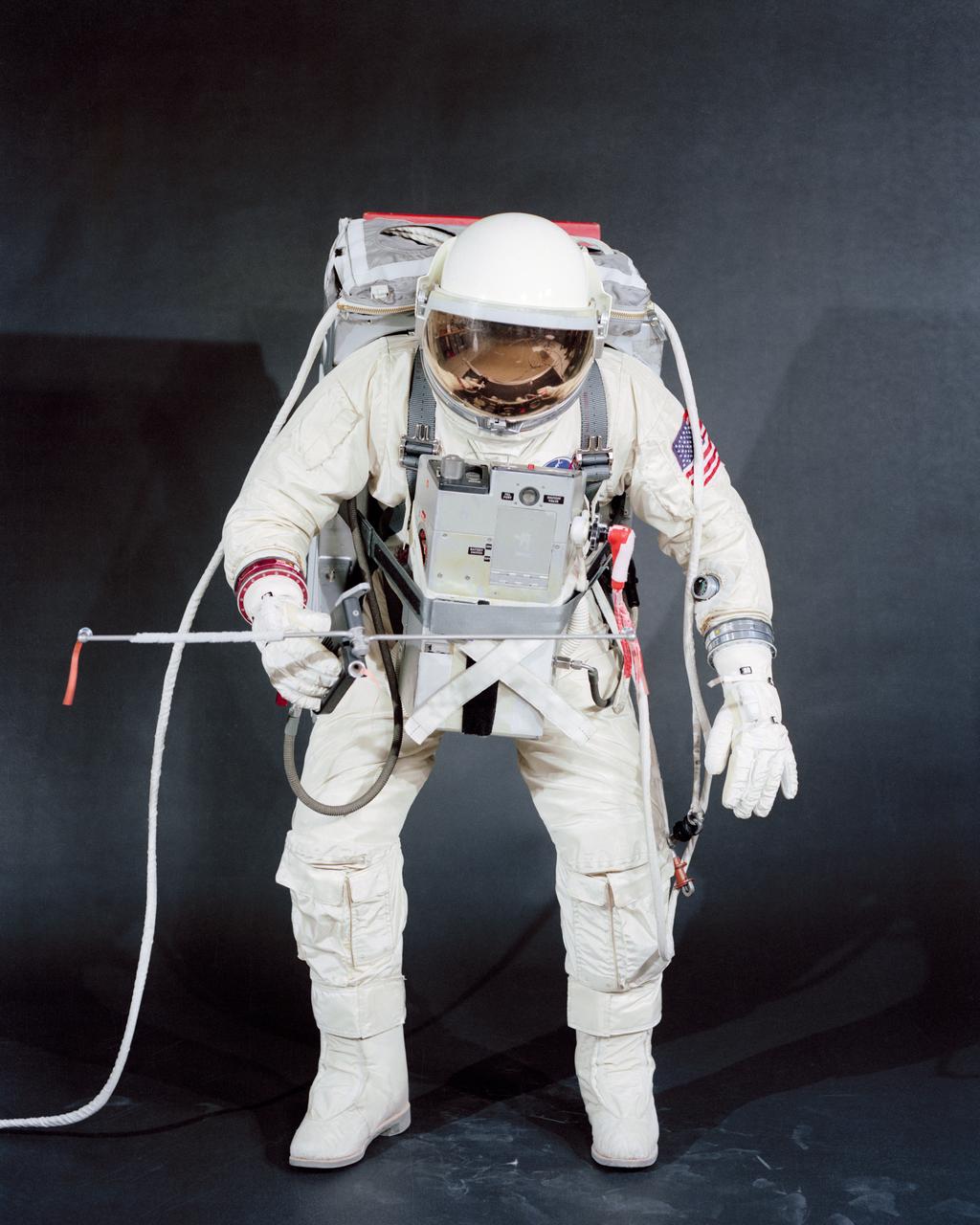
S66-17480 (18 Jan. 1966) --- Test subject Fred Spress, Crew Systems Division, wears the spacesuit and extravehicular equipment planned for use by astronaut David R. Scott. The helmet is equipped with a gold-plated visor to shield the astronaut's face from unfiltered sun rays. The system is composed of a life support pack worn on the chest and a support pack worn on the back. Photo credit: NASA