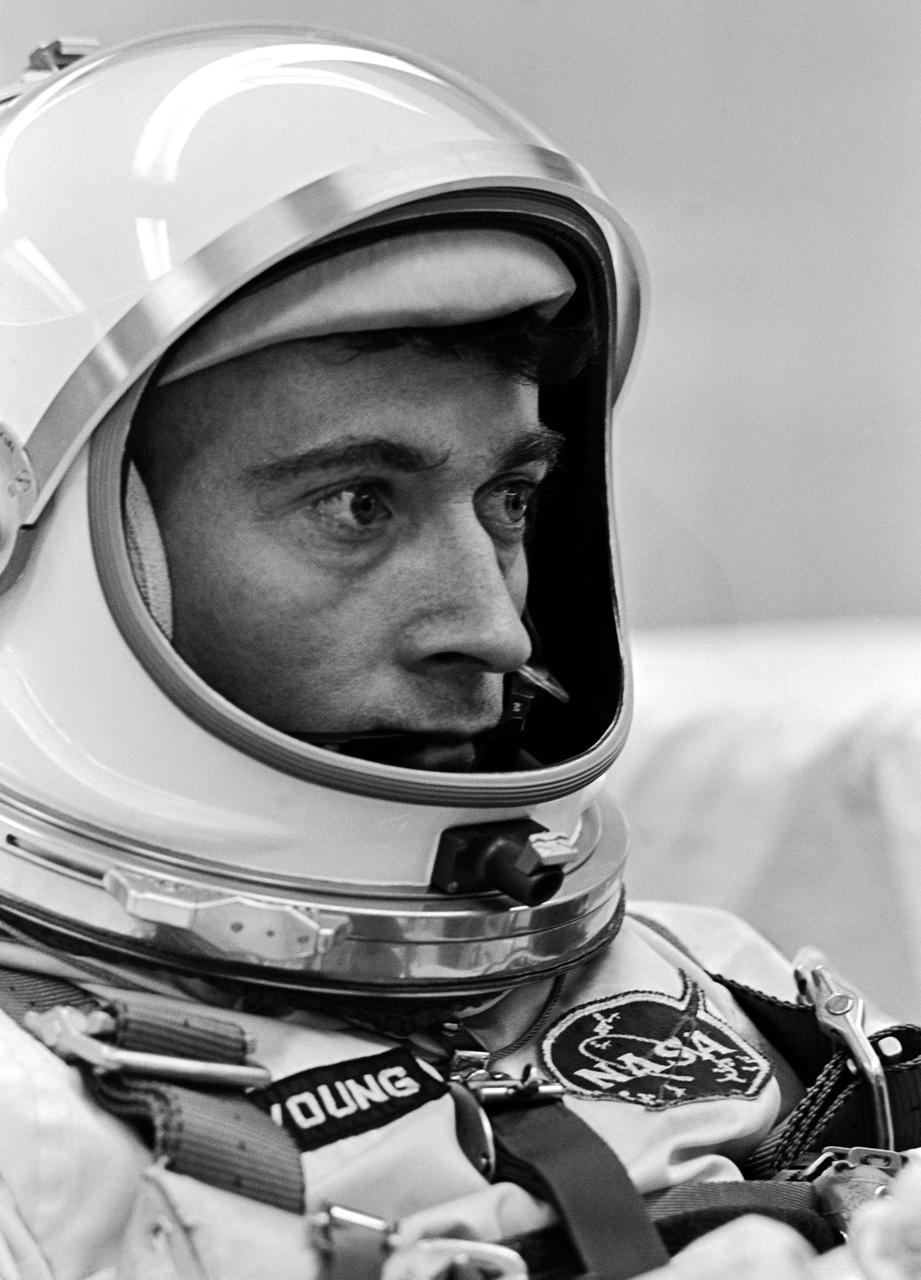
Closeup of Astronaut John W. Young, Pilot for the Gemini-III Spaceflight. CAPE KENNEDY, FL
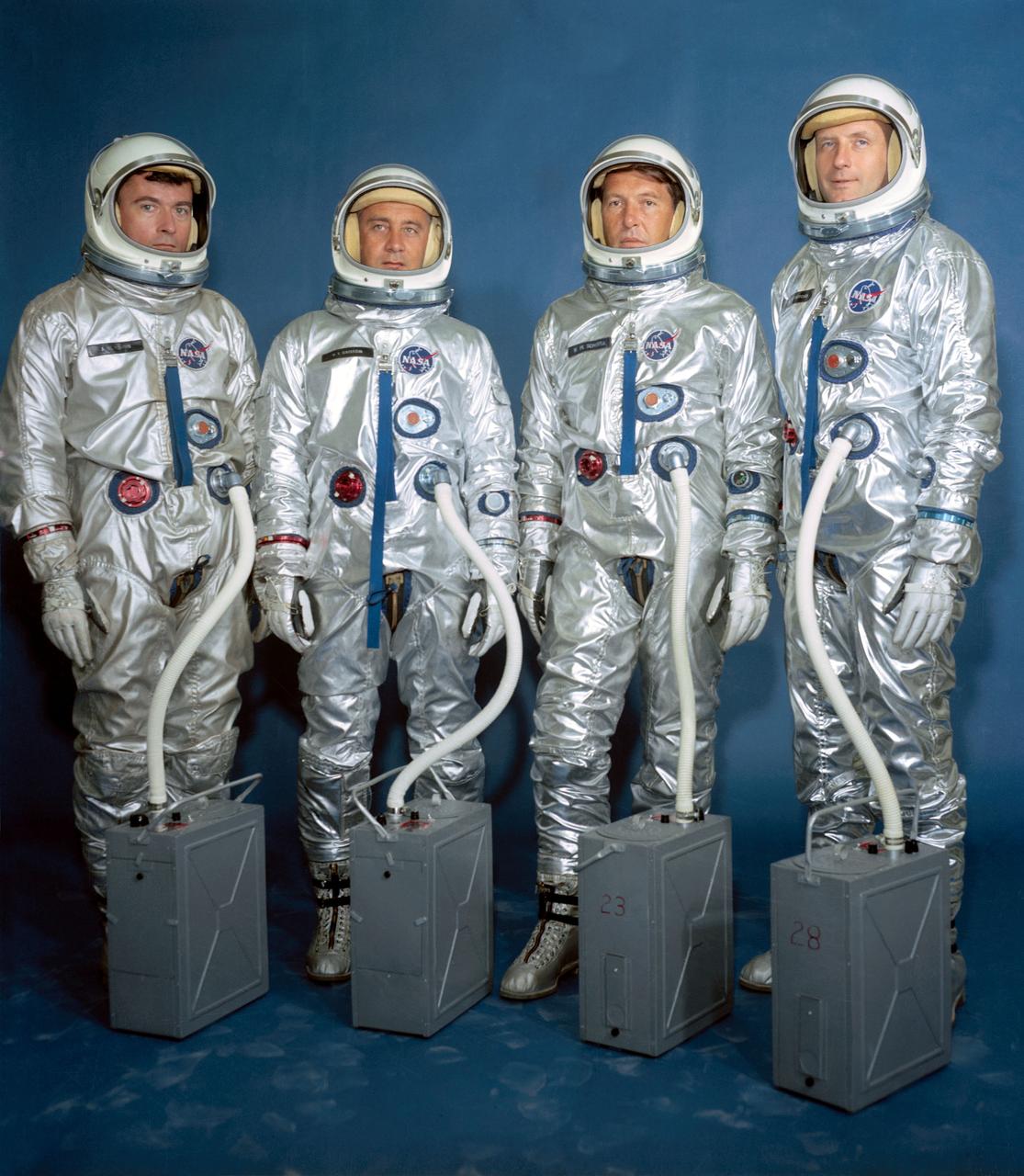
S64-19432 (13 April 1964) --- Left to right are astronauts John W. Young, Virgil I. Grissom, Walter M. Schirra Jr. and Thomas P. Stafford. Gemini III crew assignments are as follows: Grissom, command pilot; Young, pilot, on the prime crew, with Schirra (command pilot) and Stafford (pilot) serving as alternates. EDITOR'S NOTE: For the Gemini-Titan VI mission, Grissom and Young served as backups for Schirra and Stafford.

Delaware North COO Therrin Protze speaks during a ceremony at the Heroes and Legends exhibit at the Kennedy Space Center Visitor Complex. The brief memorial honoring NASA astronaut John Young took place on the afternoon of Jan. 11, 2018. Young died Jan. 5, 2018, in Houston at the age of 87. He was the only astronaut to fly in NASA's Gemini, Apollo and Space Shuttle Programs.
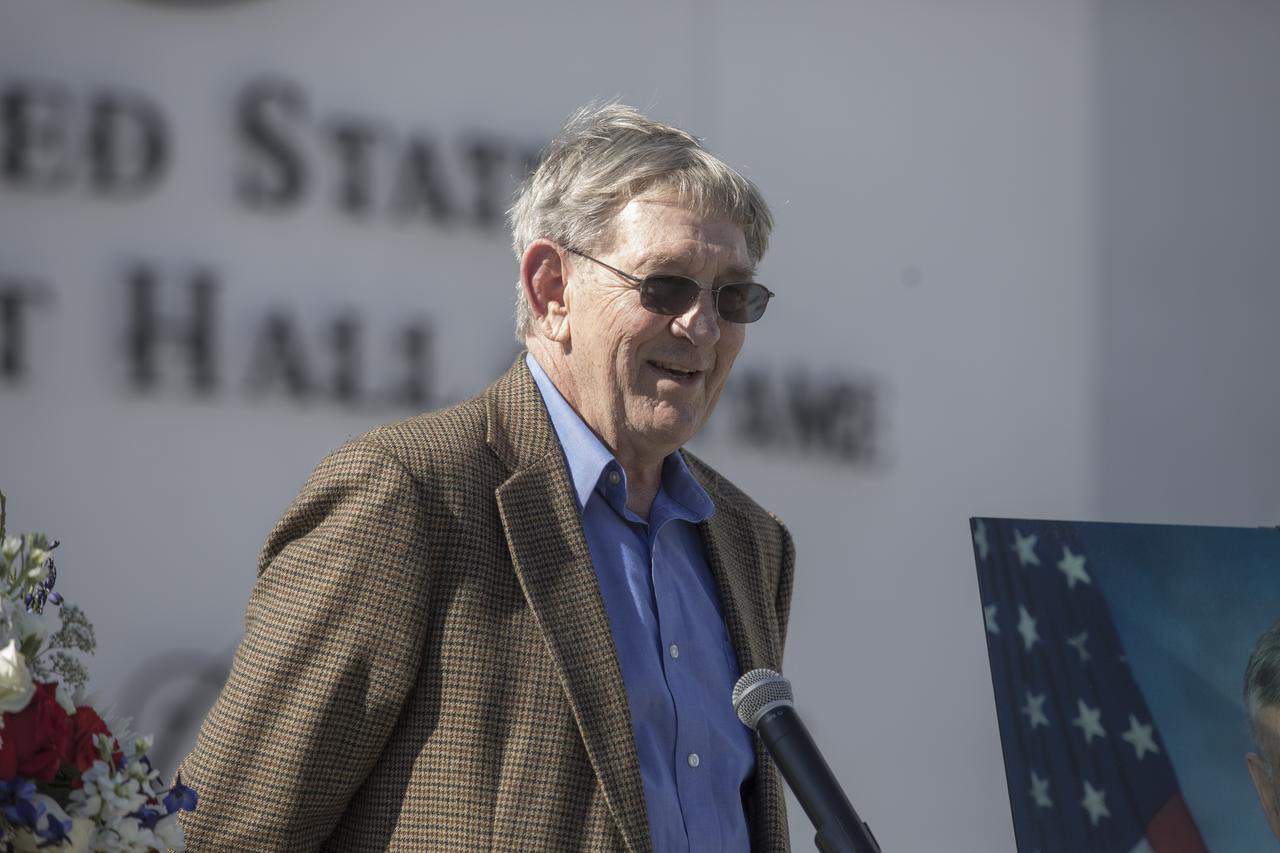
Former NASA astronaut Mike McCulley speaks during a ceremony at the Heroes and Legends exhibit at the Kennedy Space Center Visitor Complex. The brief memorial honoring NASA astronaut John Young took place on the afternoon of Jan. 11, 2018. Young died Jan. 5, 2018, in Houston at the age of 87.He was the only astronaut to fly in NASA's Gemini, Apollo and Space Shuttle Programs.

NASA astronaut John Young was remembered in a ceremony at the Heroes and Legends exhibit at the Kennedy Space Center Visitor Complex. The brief memorial took place on the afternoon of Jan. 11, 2018. Young died Jan. 5, 2018, in Houston at the age of 87. He was the only astronaut to fly in NASA's Gemini, Apollo and Space Shuttle Programs.
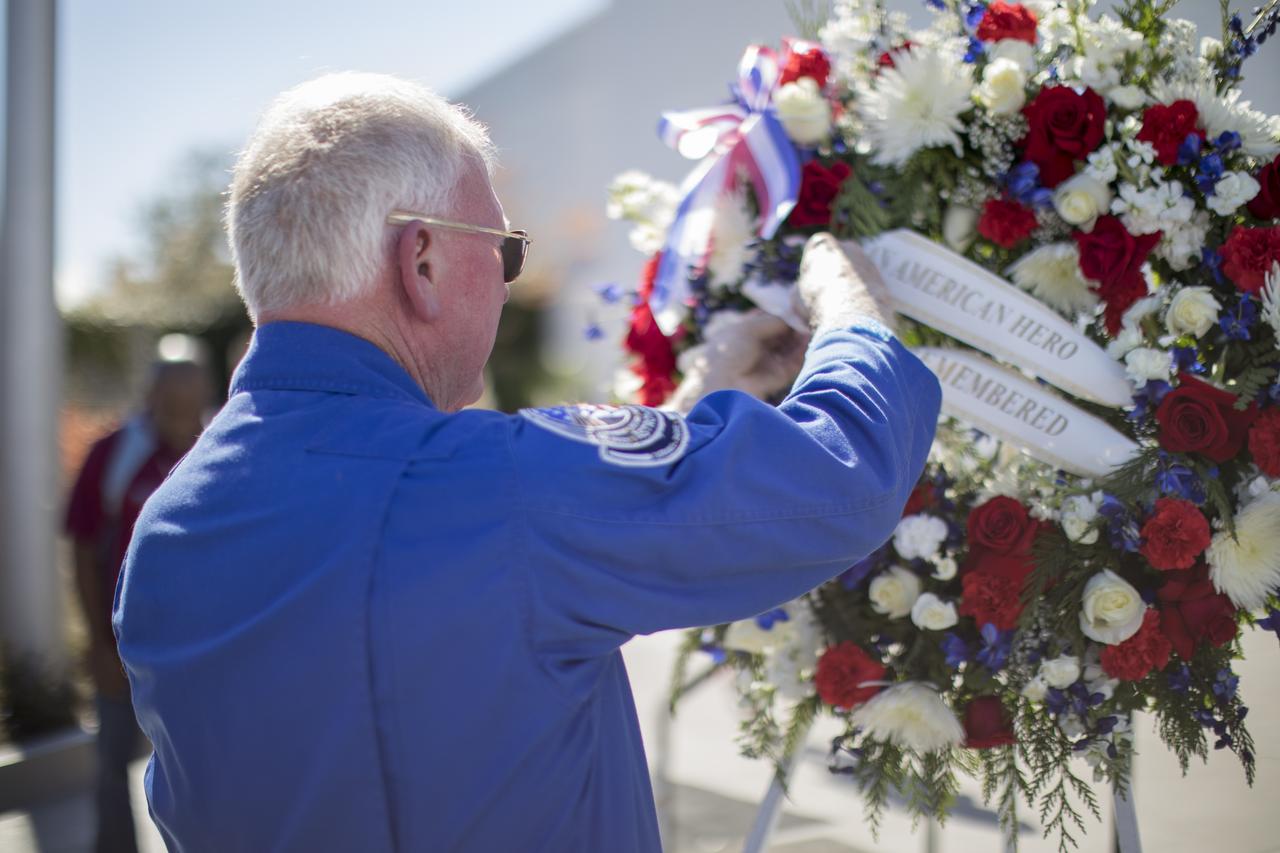
Former NASA astronaut Jon McBride places a wreath at the Heroes and Legends exhibit at the Kennedy Space Center Visitor Complex. The brief memorial honoring NASA astronaut John Young took place on the afternoon of Jan. 11, 2018. Young died Jan. 5, 2018, in Houston at the age of 87. He was the only astronaut to fly in NASA's Gemini, Apollo and Space Shuttle Programs.
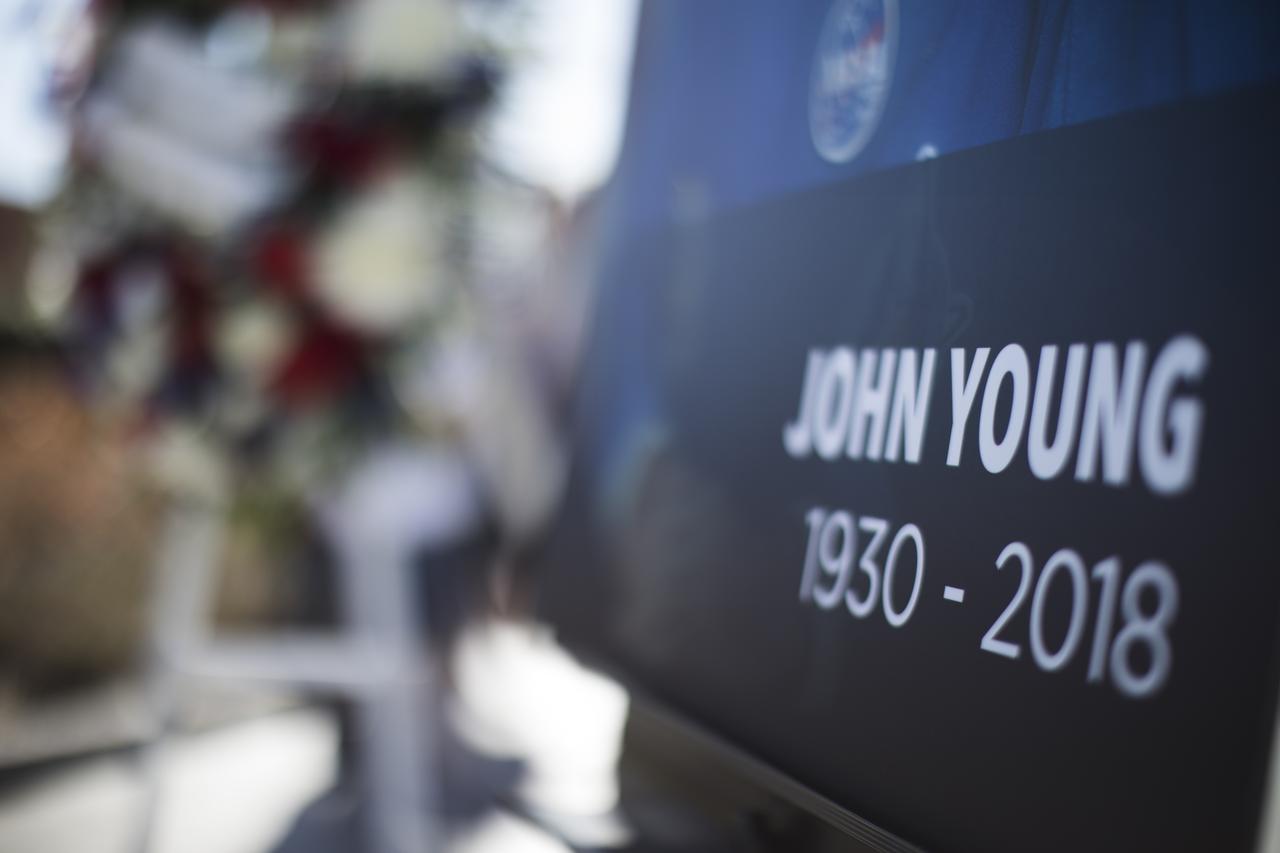
NASA astronaut John Young was remembered in a ceremony at the Heroes and Legends exhibit at the Kennedy Space Center Visitor Complex. The brief memorial took place on the afternoon of Jan. 11, 2018. Young died Jan. 5, 2018, in Houston at the age of 87. He was the only astronaut to fly in NASA's Gemini, Apollo and Space Shuttle Programs.
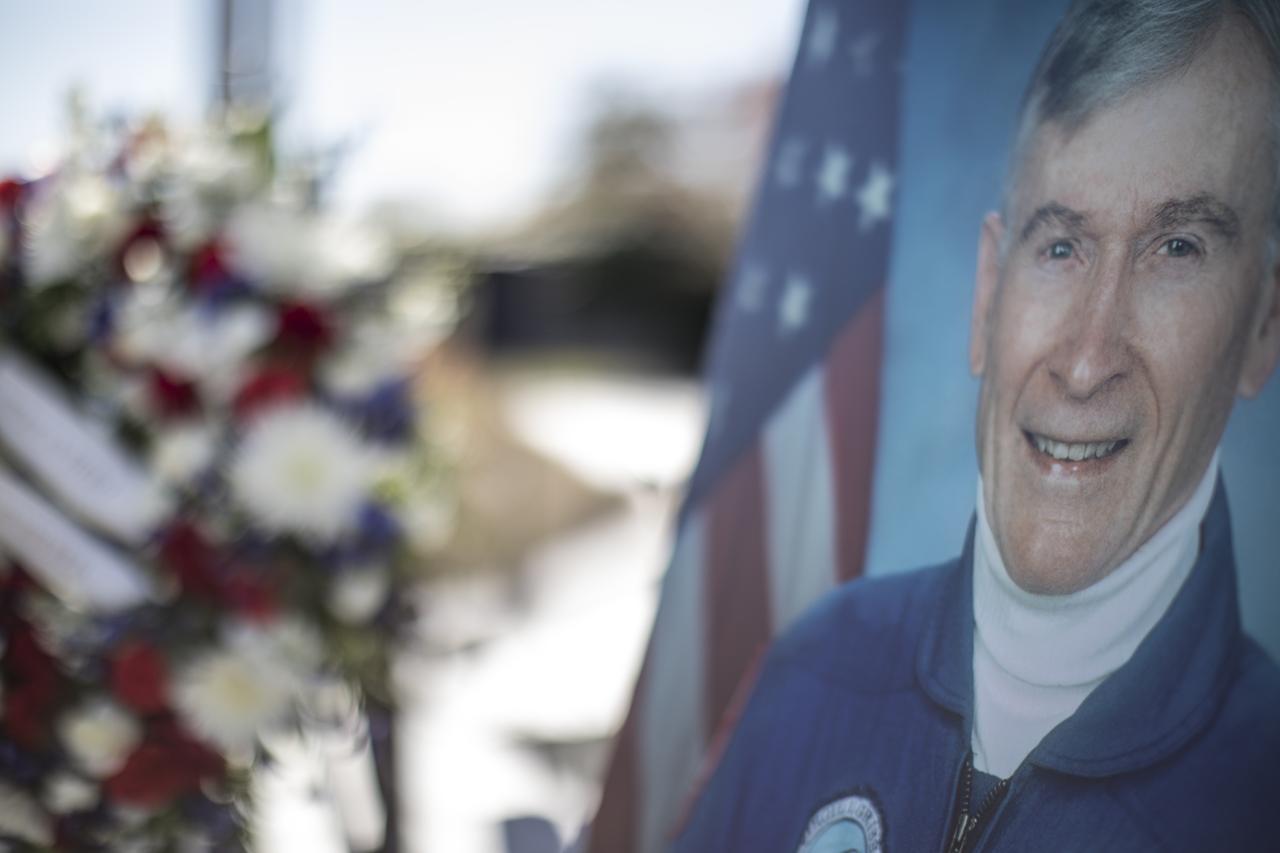
NASA astronaut John Young was remembered in a ceremony at the Heroes and Legends exhibit at the Kennedy Space Center Visitor Complex. The brief memorial took place on the afternoon of Jan. 11, 2018. Young died Jan. 5, 2018, in Houston at the age of 87. He was the only astronaut to fly in NASA's Gemini, Apollo and Space Shuttle Programs.
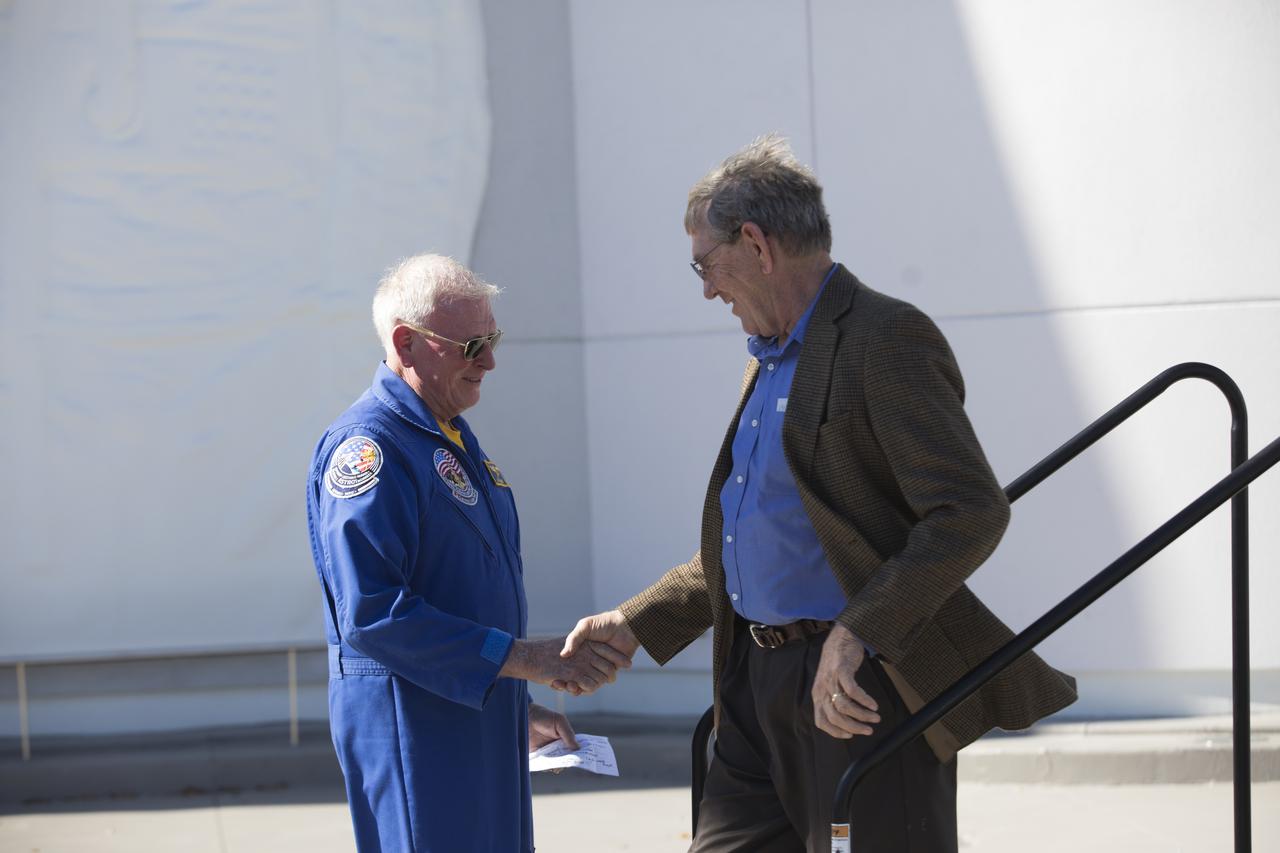
Former NASA astronaut Jon McBride, left, greets Mike McCulley during a ceremony at the Heroes and Legends exhibit at the Kennedy Space Center Visitor Complex. The brief memorial honoring NASA astronaut John Young took place on the afternoon of Jan. 11, 2018. Young died Jan. 5, 2018, in Houston at the age of 87. He was the only astronaut to fly in NASA's Gemini, Apollo and Space Shuttle Programs.
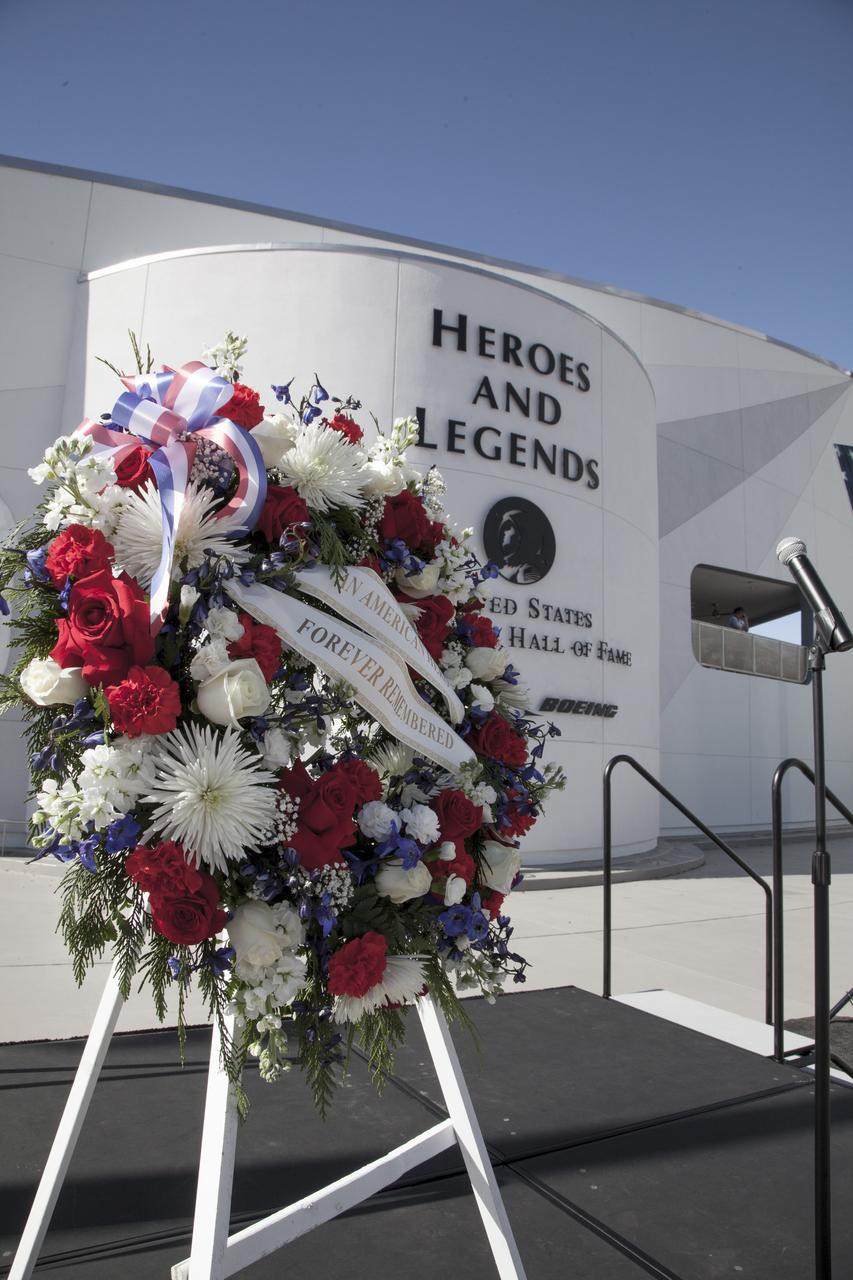
NASA astronaut John Young was remembered in a ceremony at the Heroes and Legends exhibit at the Kennedy Space Center Visitor Complex. The brief memorial took place on the afternoon of Jan. 11, 2018. Young died Jan. 5, 2018, in Houston at the age of 87. He was the only astronaut to fly in NASA's Gemini, Apollo and Space Shuttle Programs.
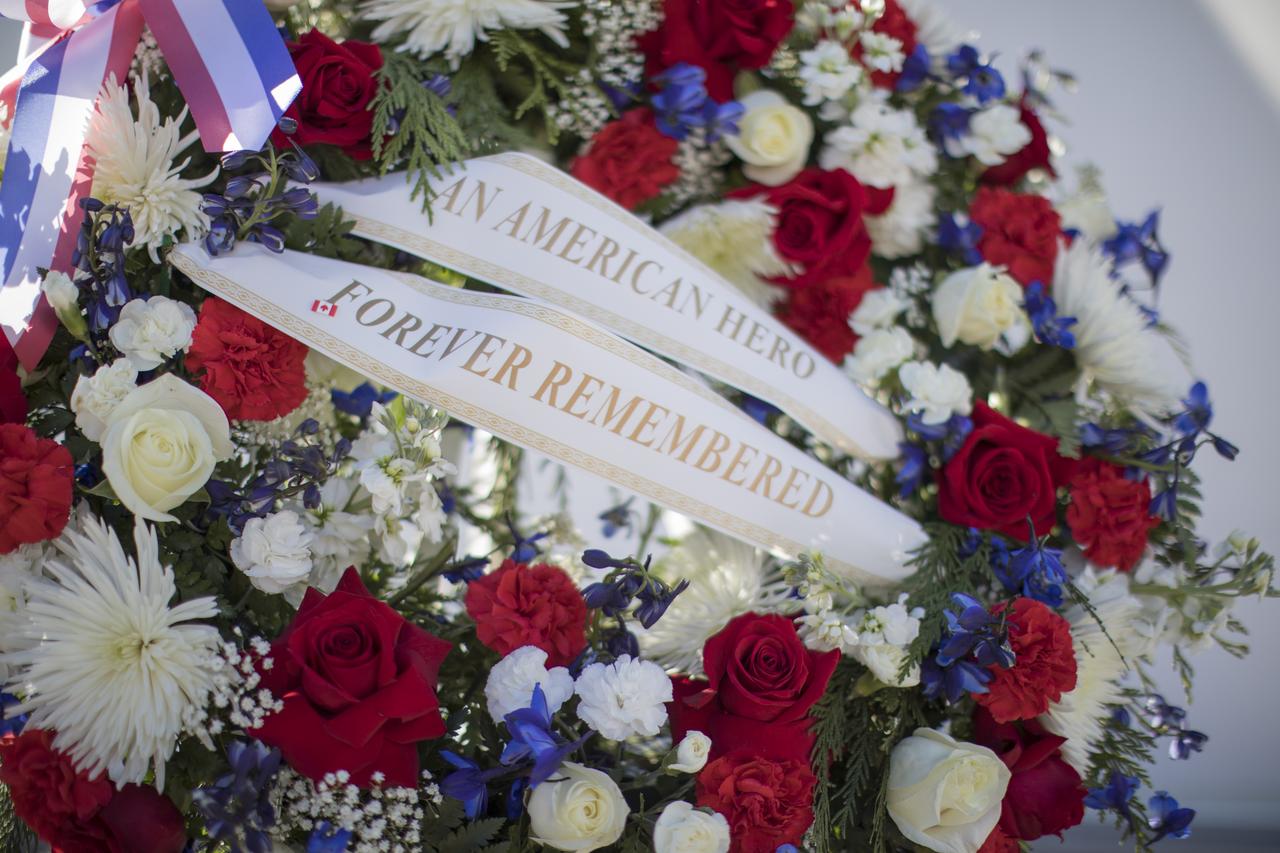
NASA astronaut John Young was remembered in a ceremony at the Heroes and Legends exhibit at the Kennedy Space Center Visitor Complex. The brief memorial took place on the afternoon of Jan. 11, 2018. Young died Jan. 5, 2018, in Houston at the age of 87. He was the only astronaut to fly in NASA's Gemini, Apollo and Space Shuttle Programs.
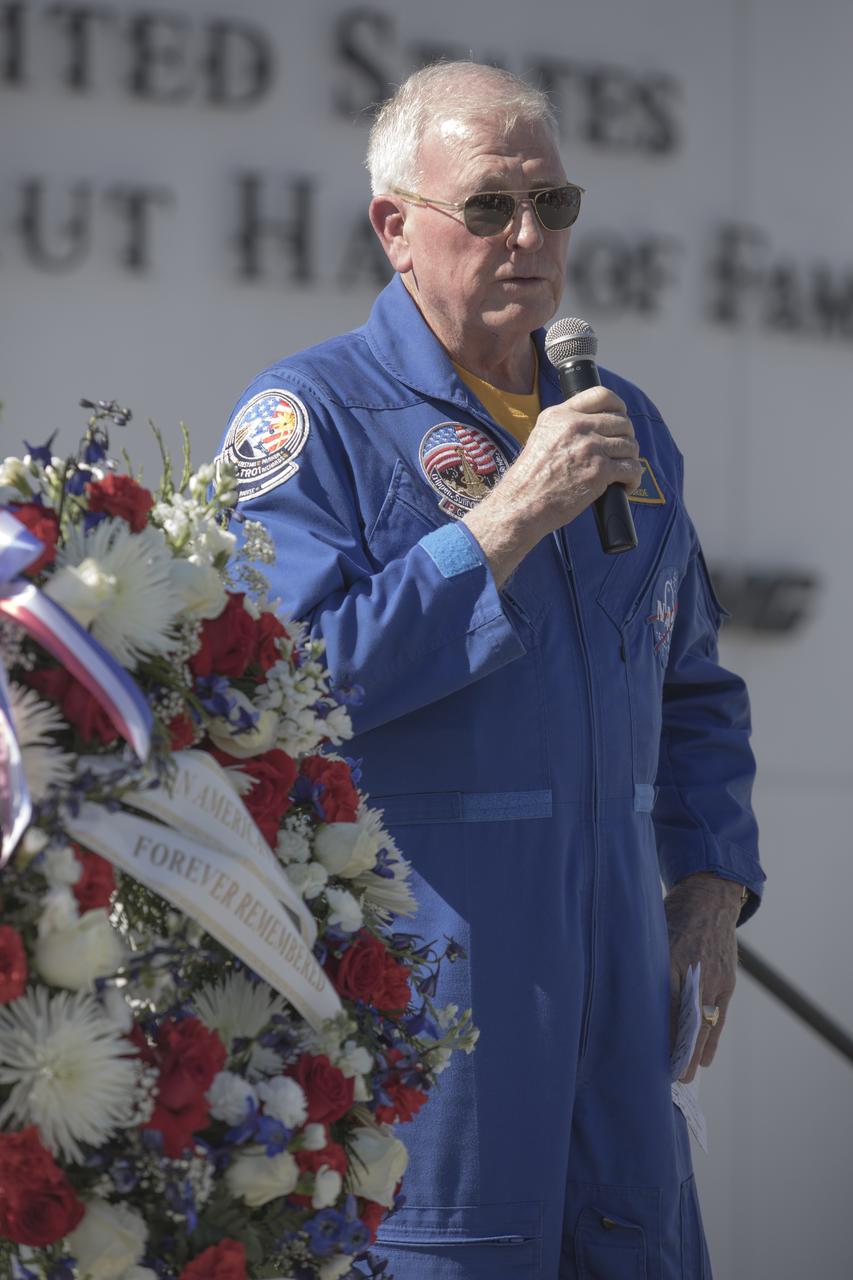
Former NASA astronaut Jon McBride speaks during a ceremony at the Heroes and Legends exhibit at the Kennedy Space Center Visitor Complex. The brief memorial honoring NASA astronaut John Young took place on the afternoon of Jan. 11, 2018. Young died Jan. 5, 2018, in Houston at the age of 87. He was the only astronaut to fly in NASA's Gemini, Apollo and Space Shuttle Programs.
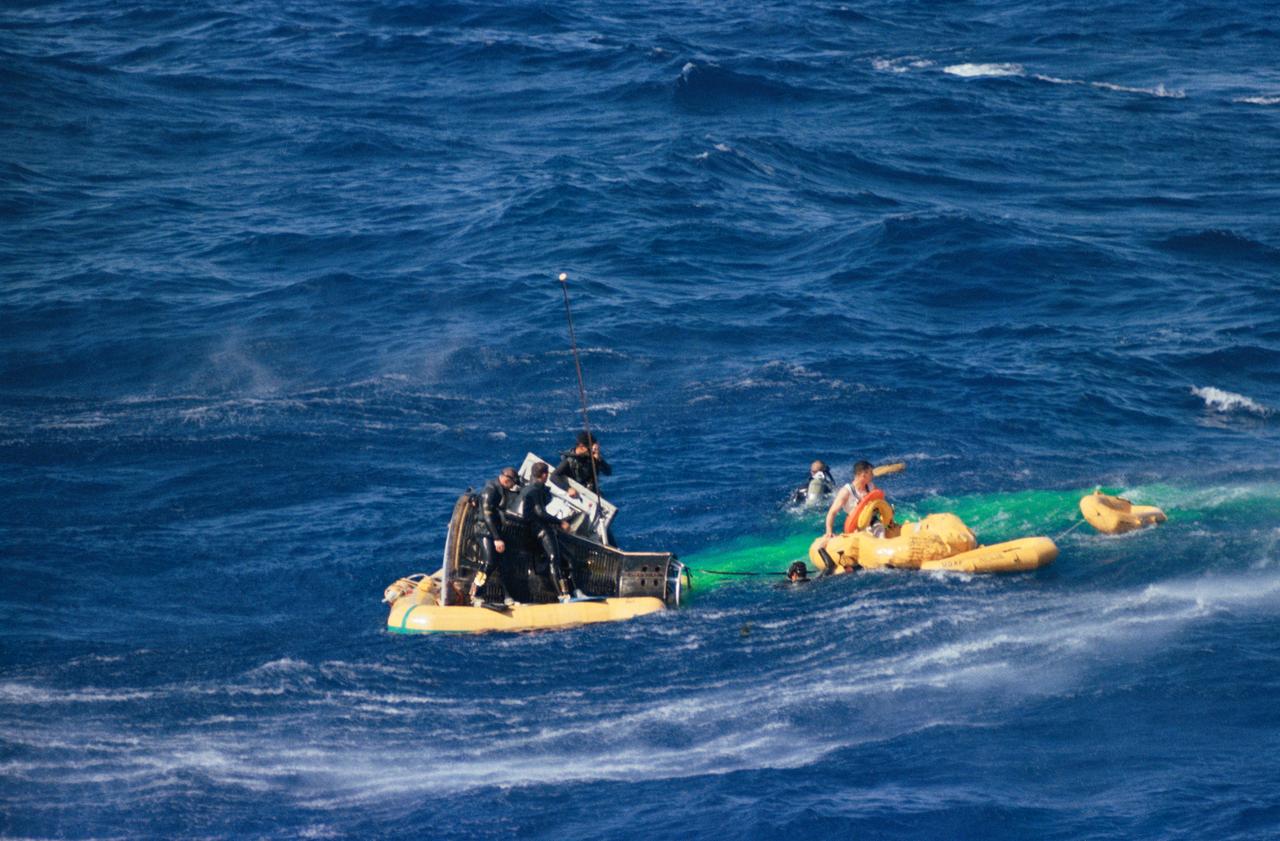
S65-22893 (23 March 1965) --- Astronaut John W. Young, the pilot of the Gemini-Titan III (GT-3) flight, waits in a life raft to be picked up by a helicopter during recovery operations following the successful three-orbit mission. Young and astronaut Virgil I. Grissom, command pilot, were flown by helicopter to the nearby recovery vessel, the USS Intrepid. The recovery ship later came alongside and retrieved the GT-3 spacecraft. United States Navy swimmers assisted in the GT-3 recovery operations.
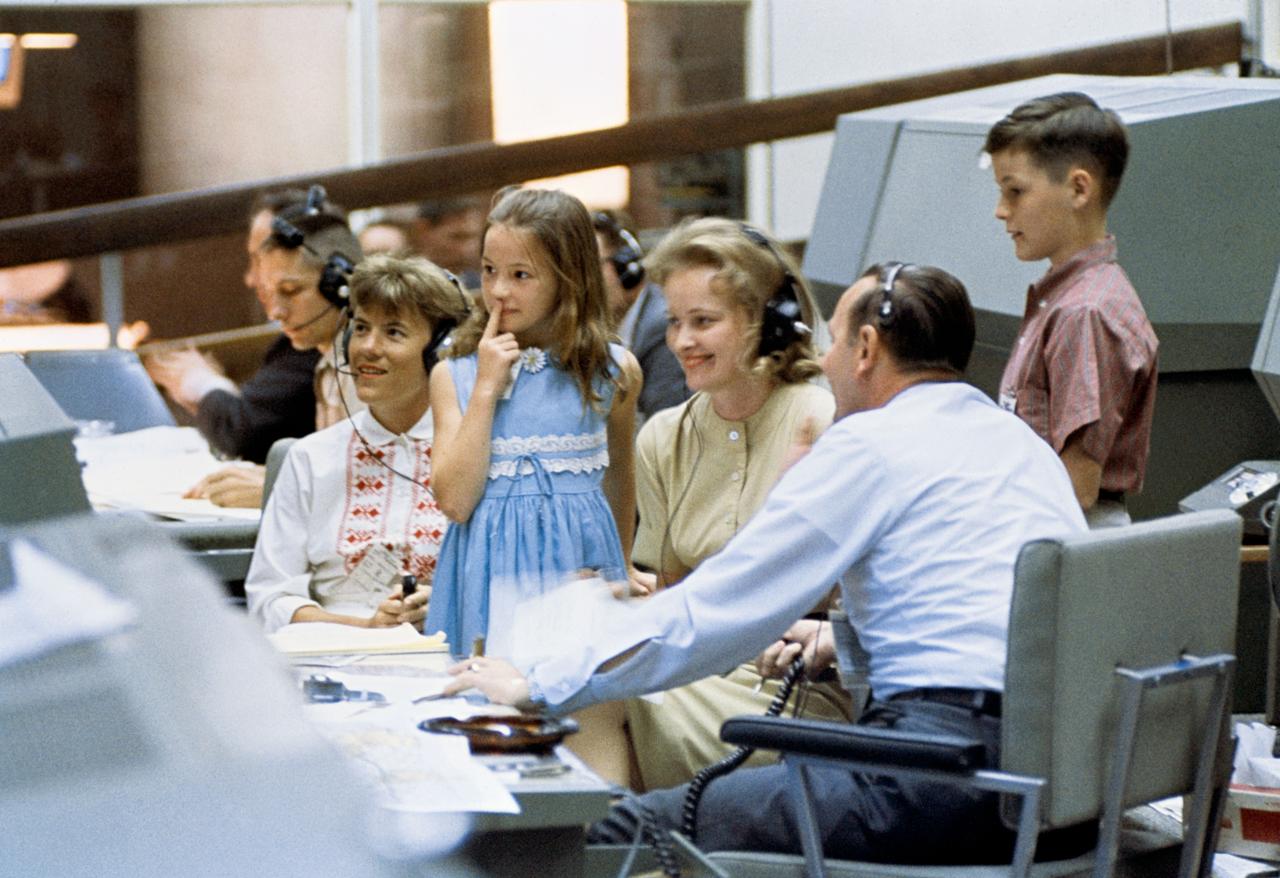
S65-30411 (9 June 1965) --- The families of Gemini 4 astronauts James A. McDivitt and Edward H. White II visited the Mission Control Center in Houston. In the foreground, left to right, are Mrs. Patricia McDivitt, daughter Bonnie White, Mrs. Patricia White, flight director Christopher C. Kraft Jr., and Edward White III. Each of the family members talked with the astronauts as they passed over the United States. Photo credit: NASA
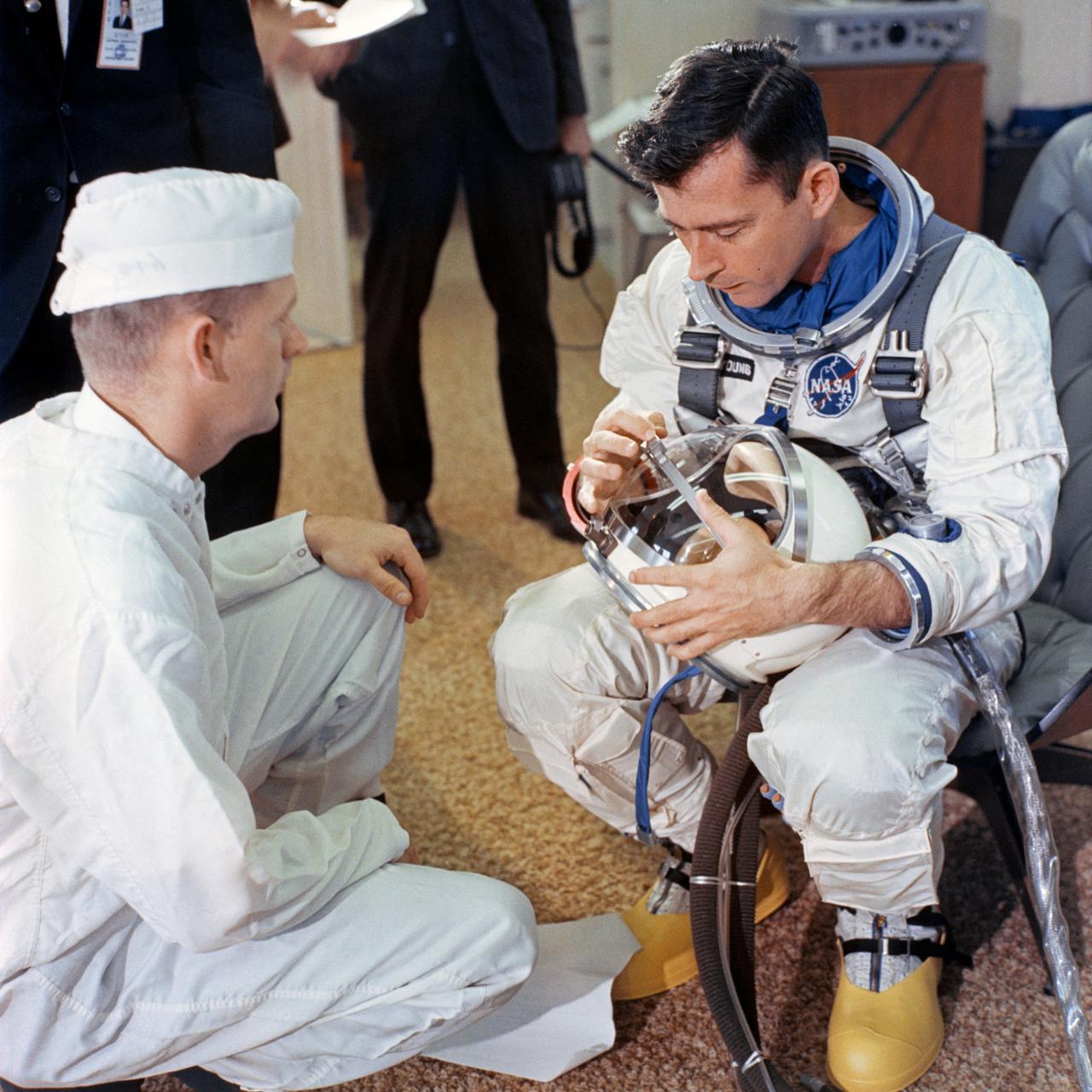
S65-23488 (23 March 1965) --- Astronaut John W. Young, pilot of the Gemini-Titan 3 space flight, checks over his helmet during suiting operations in the suiting trailer at Pad 16 prior to flight.
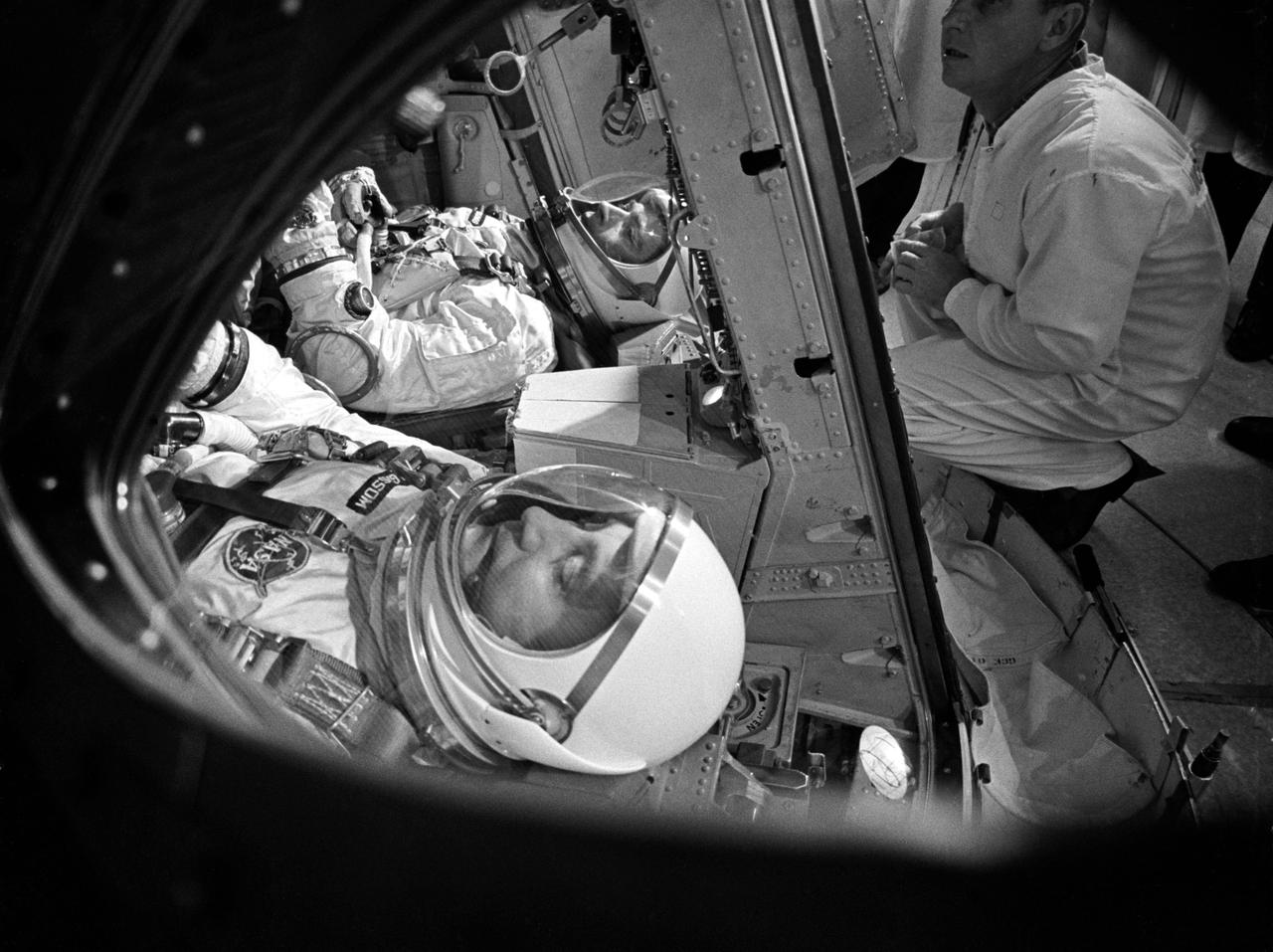
Final preparation for insertion of the crew members into the GT-III Spacecraft takes place in the white room atop the Launch Vehicle, Pad 19. CAPE KENNEDY, FL B&W
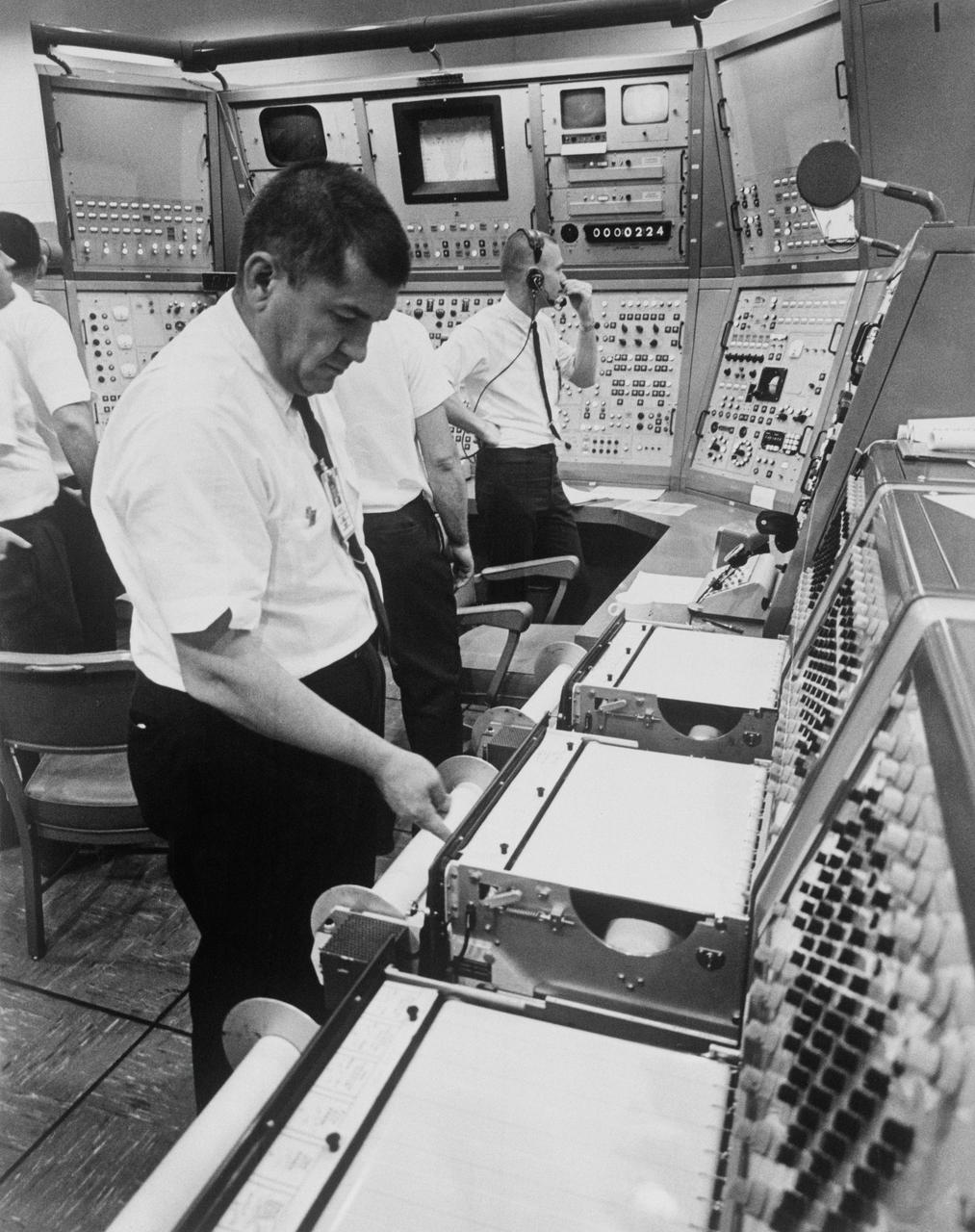
S65-18765 (19 March 1965) --- NASA technicians are shown operating the consoles for the Gemini mission simulator in the Mission Control center during simulations by the Gemini-Titan 3 crew members.
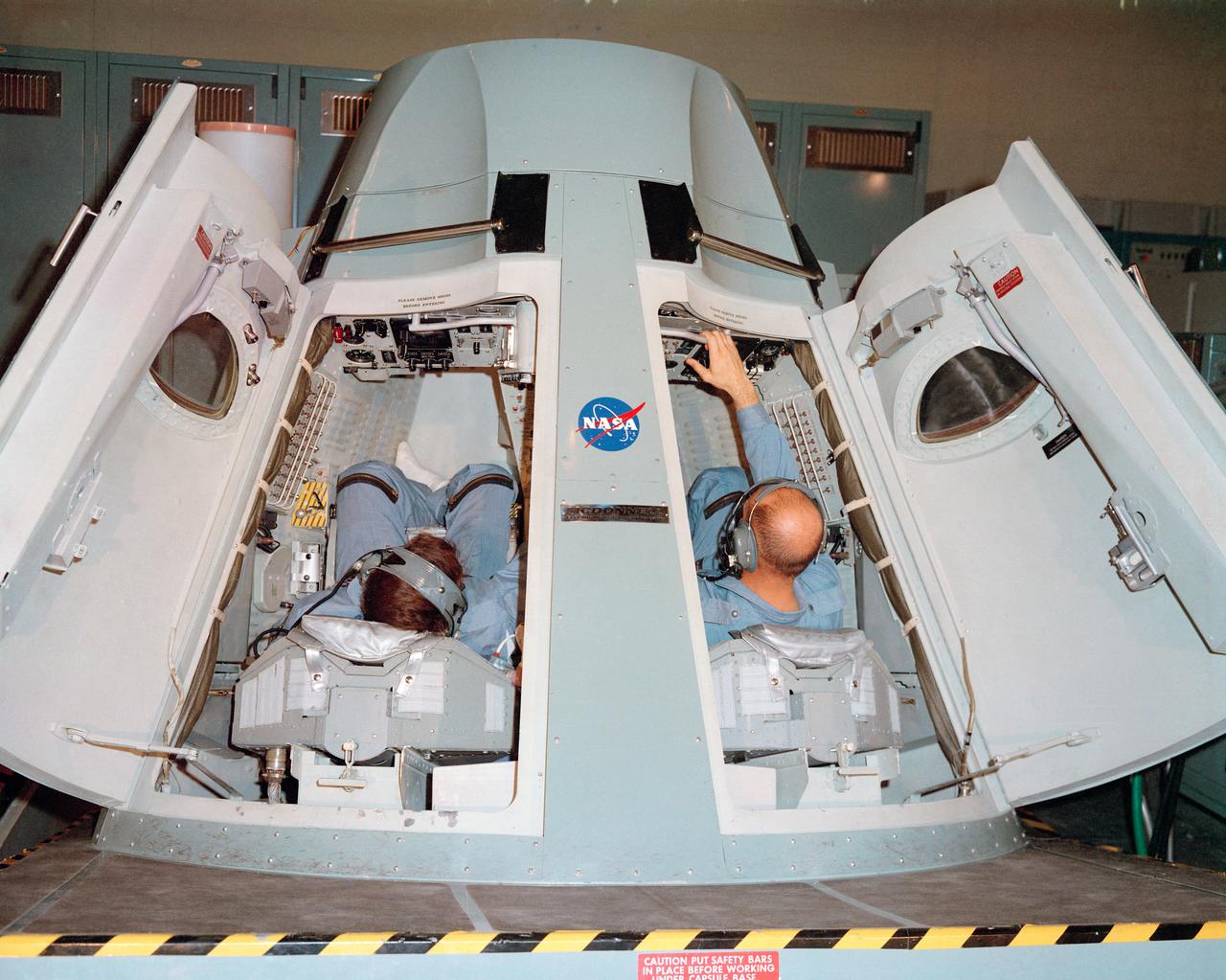
S65-13920 (15 Jan. 1965) --- The Gemini-6 prime crew, astronauts Walter M. Schirra Jr. (left), command pilot, and Thomas P. Stafford, pilot, are pictured in the Gemini simulator during training exercises at the Mission Control Center at Cape Kennedy, Florida. Photo credit: NASA or National Aeronautics and Space Administration
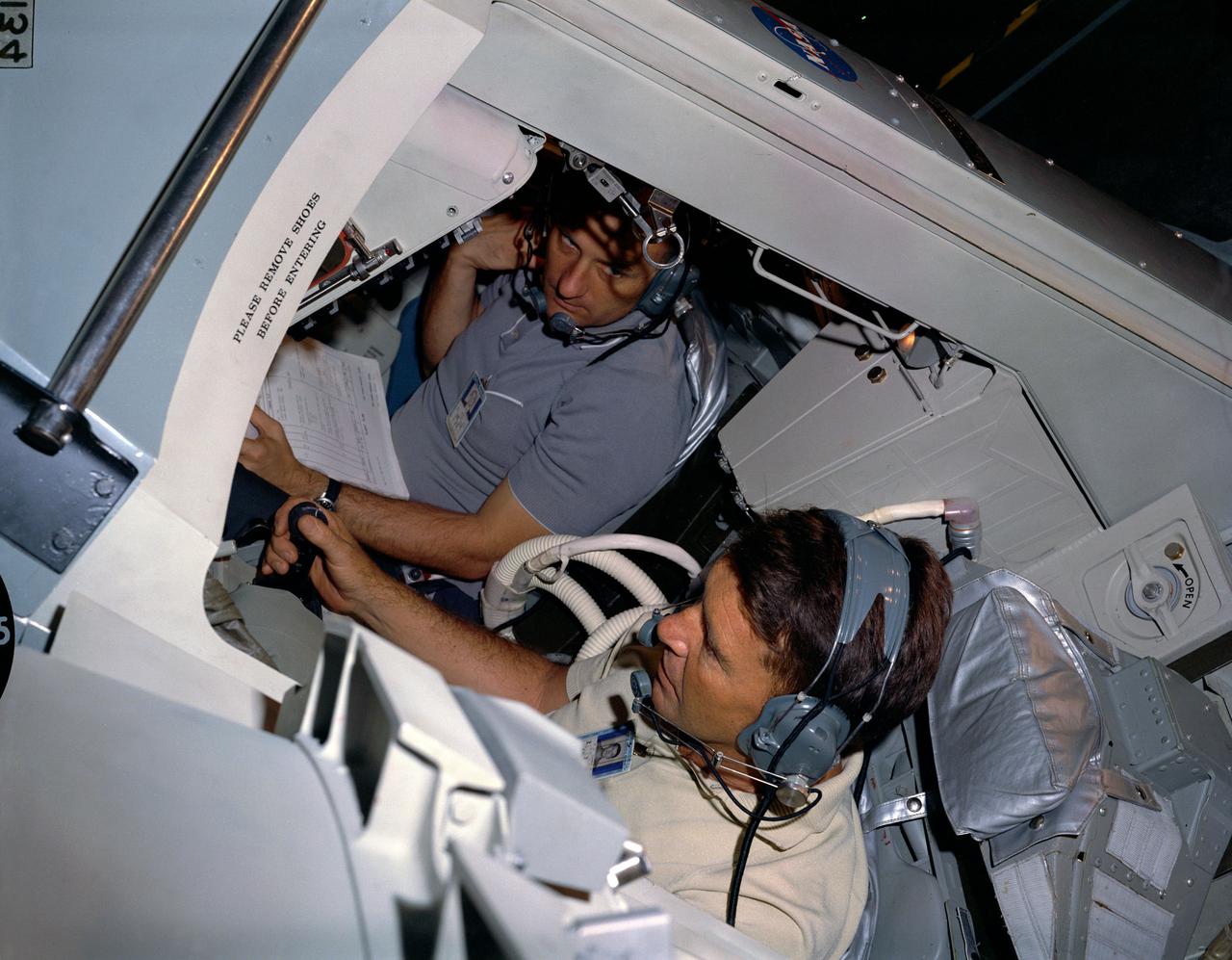
S65-13921 (1965) --- Overhead view of astronauts Walter M. Schirra Jr. (foreground), backup command pilot, and Thomas P. Stafford, backup pilot, as they prepare to run Gemini-Titan 3 simulations in the Gemini mission simulator in the Mission Control Center at Merritt Island, Florida.
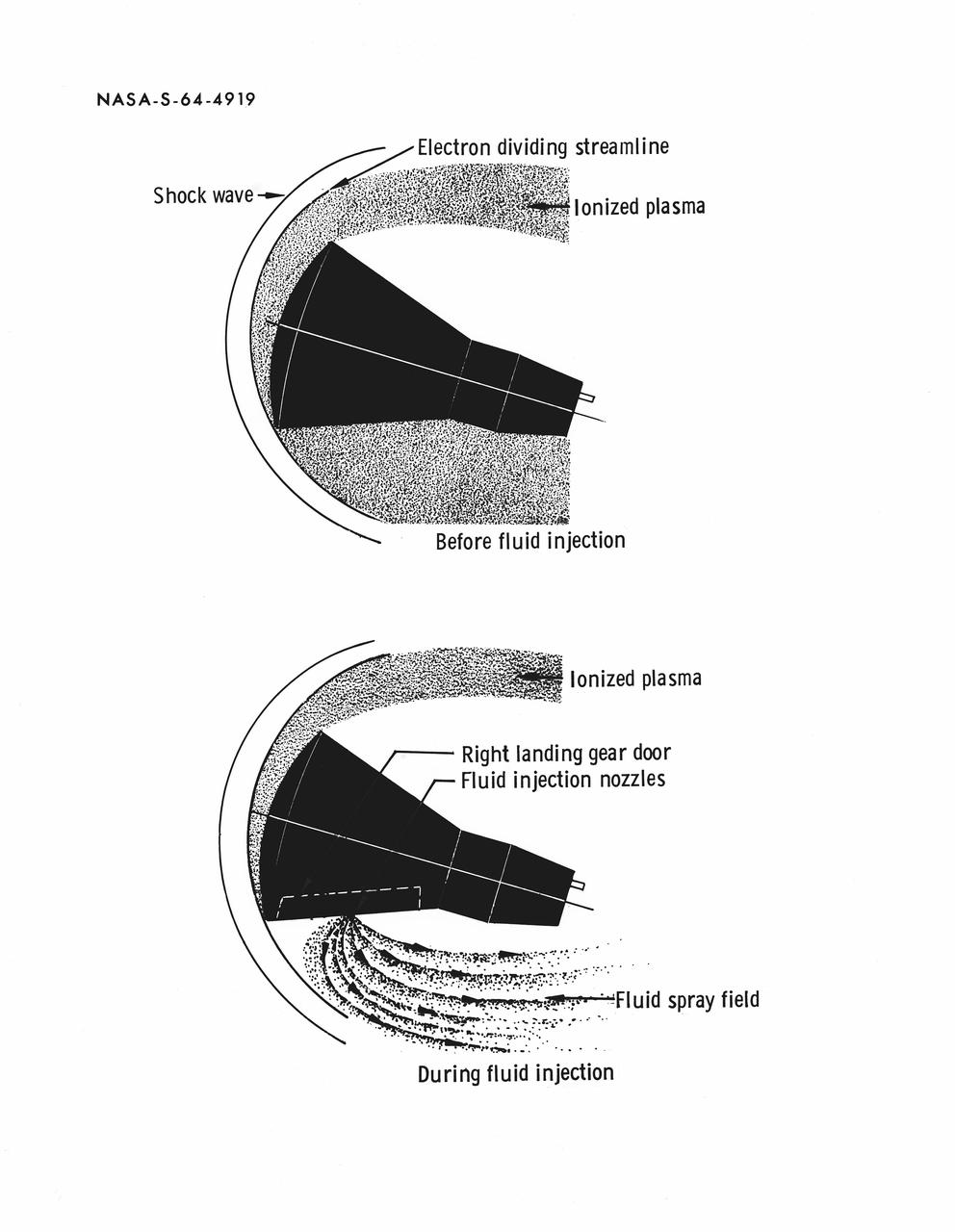
S64-04919 (September 1964) --- Diagram of reduction of the re-entry ionized plasma about a Gemini spacecraft by fluid injection, an experiment planned for the Gemini-Titan 3 orbital flight.
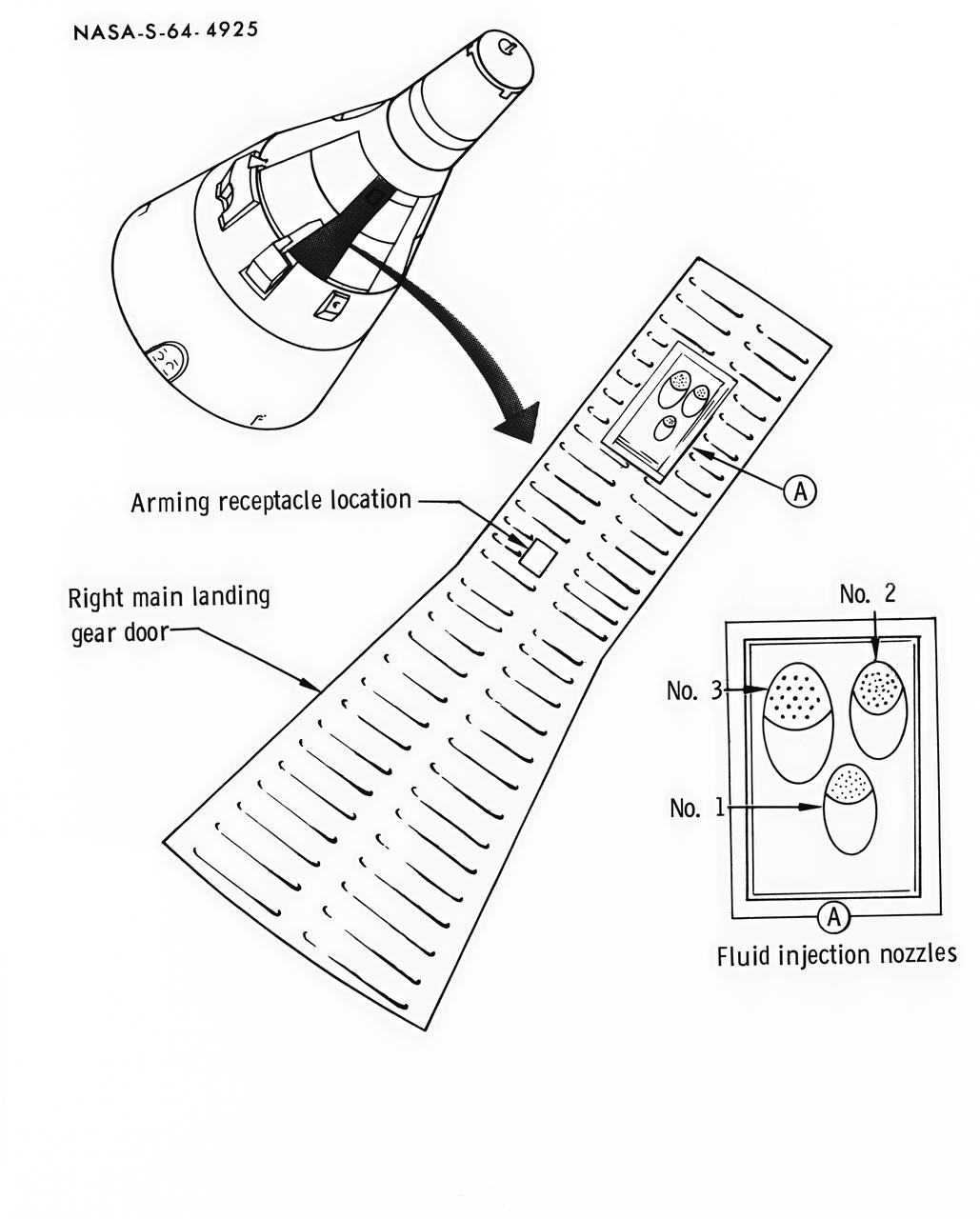
S64-04925 (September 1964) --- Diagram of Gemini spacecraft location of re-entry communications experiment planned for the Gemini-Titan 3 orbital flight.
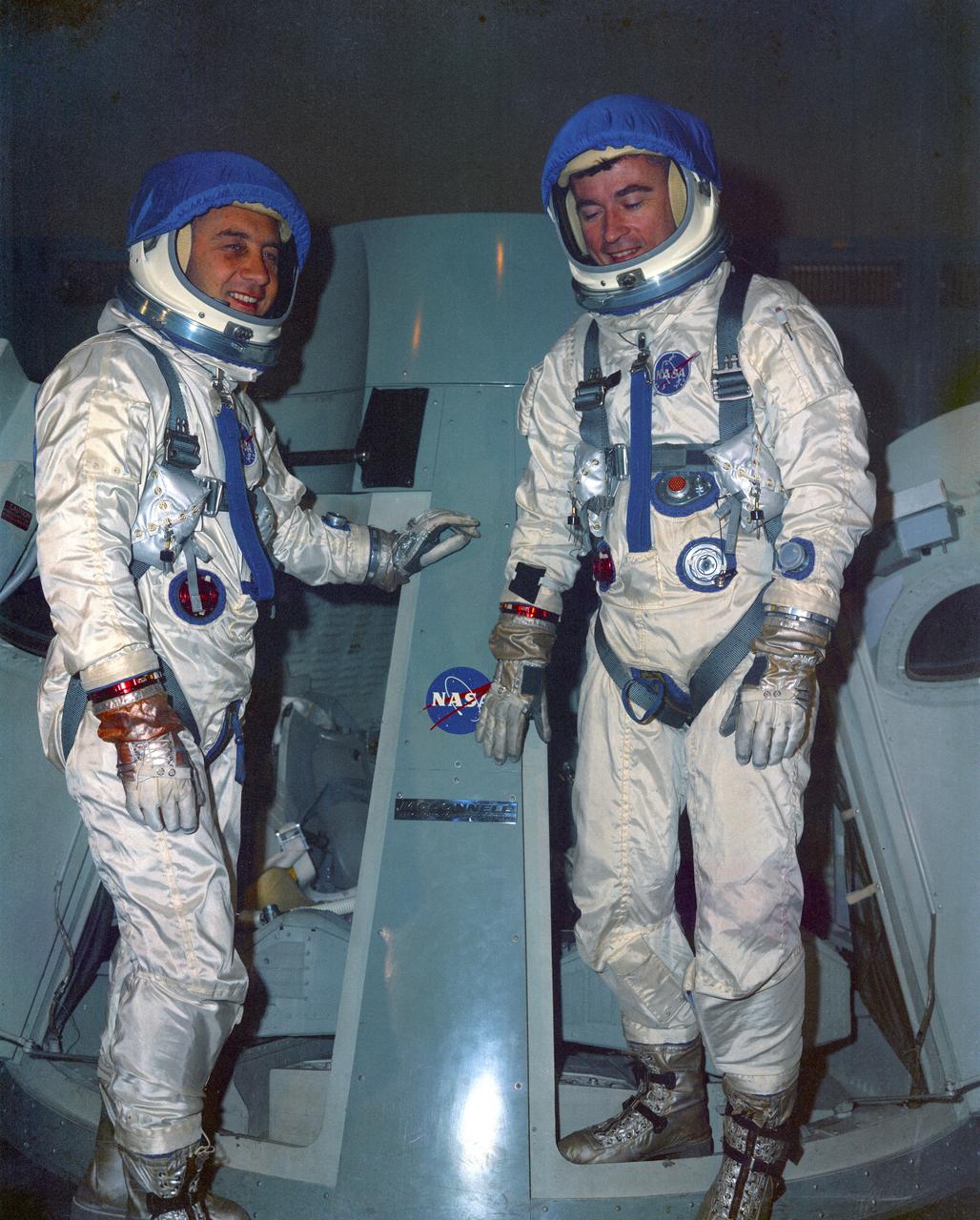
Seen in this view left to right Astronauts Virgil I. Grissom and John Young stand in front of Gemini trainer prior to test, MCC. MSC, HOUSTON, TX CN
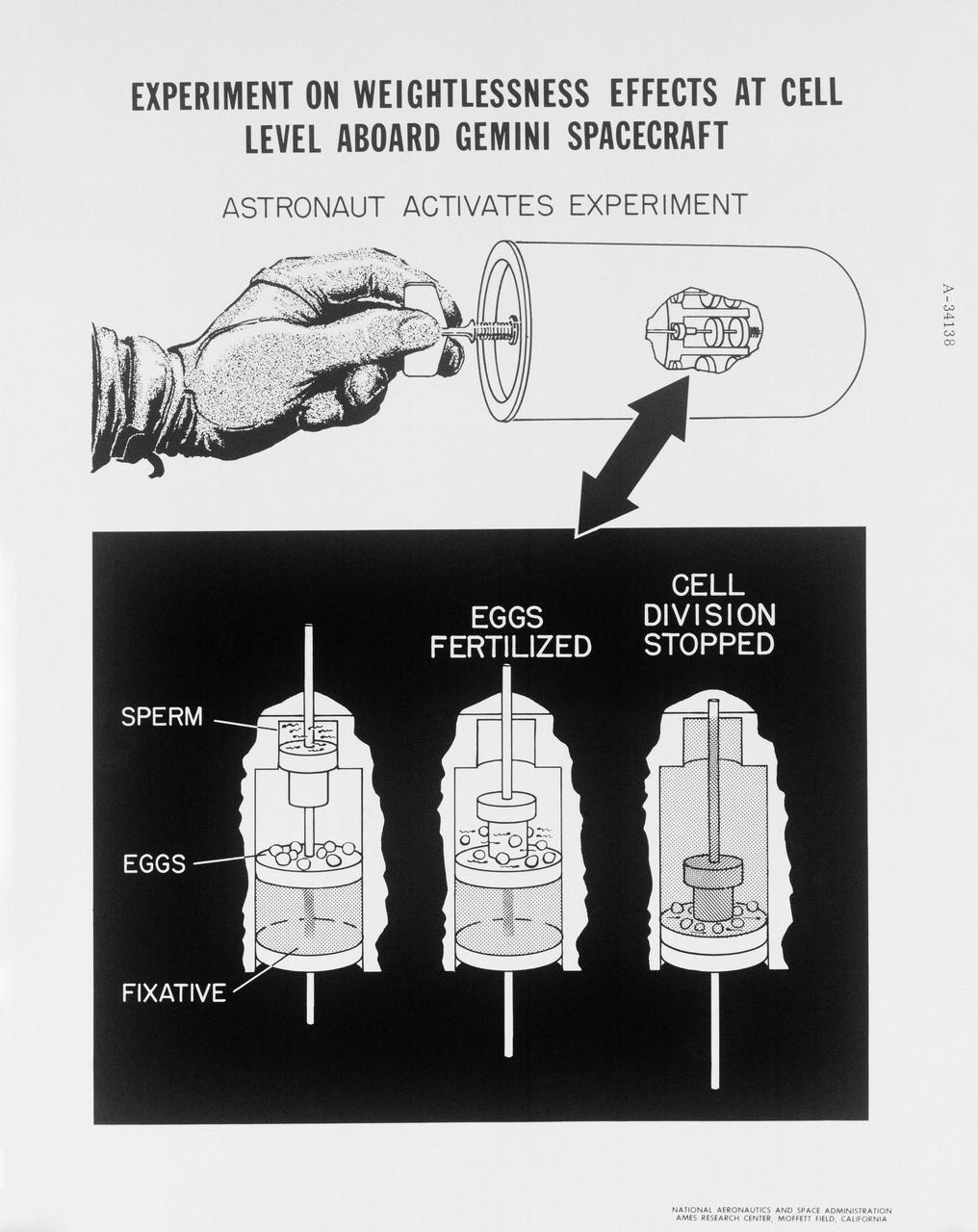
S65-18766 (March 1965) --- Diagram of experiment planned for the Gemini-Titan 3 mission scheduled on March 23, 1965, to find out if there are effects of weightlessness on individual living cells. The round canister (top) shows the experiment package. It will contain eight identical chambers, each with sections of sperm, eggs and fixative. Cells are eggs of the spiny, black sea animal, the sea urchin. Bottom panel shows the three stages of each chamber. From left in the first stage, sperm, eggs and fixative are separated. By turning the handle, astronauts will fertilize a certain portion of the eggs, which will begin to divide. At 20 minutes after launch, further turns of the handle will force fixative into two chambers and stop cell division. At 70 minutes after launch, cell division in four more chambers will be stopped, and just prior to re-entry, growth of the remaining two chambers will be terminated by a turn of the handle. This system will allow study after the flight of how cells divided after various time periods in weightlessness. Abnormalities would suggest weightlessness effects on living tissue and possible hazard to prolonged manned spaceflight.