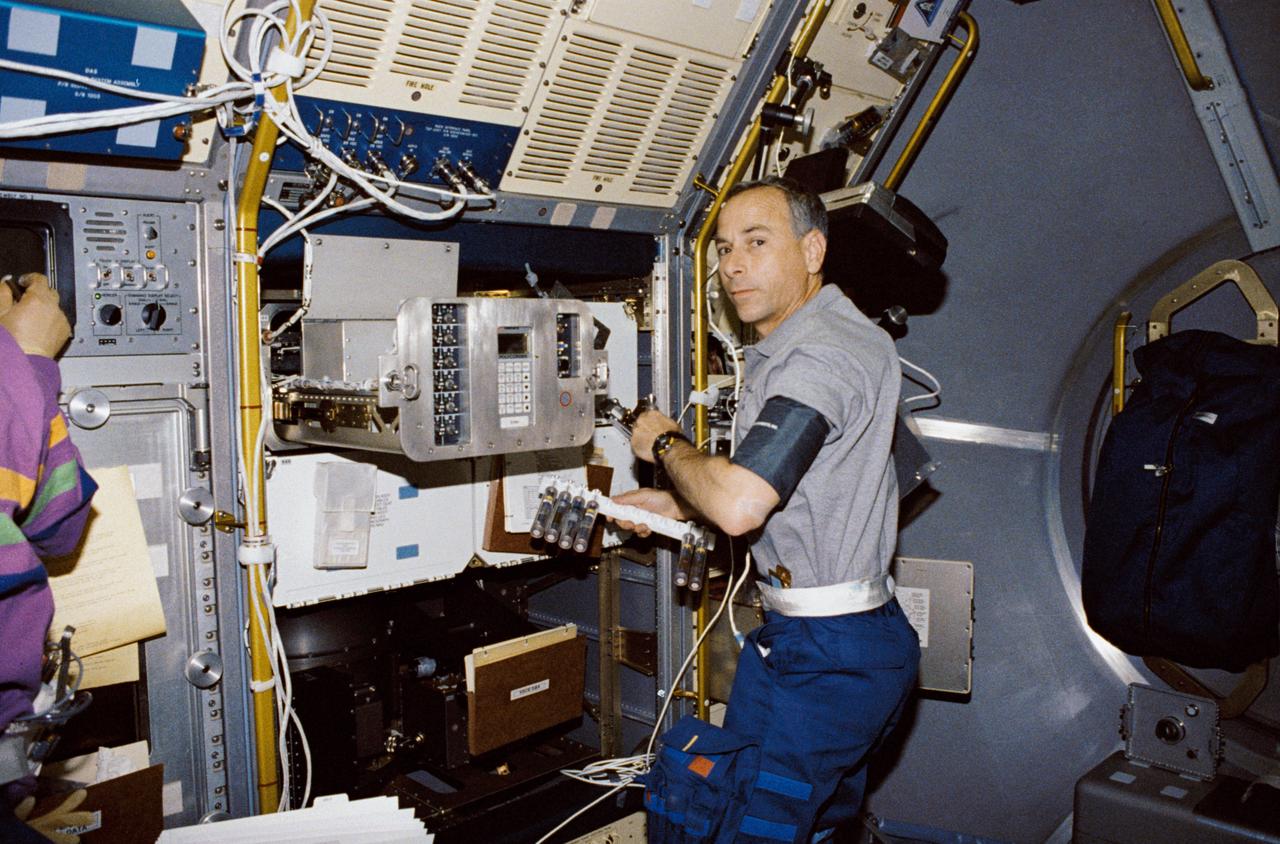
STS050-301-001 (25 June-9July 1992) --- Astronaut Carl J. Meade, mission specialist, works with the Generic Bioprocessing Apparatus in the science module aboard the Earth-orbiting Space Shuttle Columbia. Payload specialist Eugene H. Trinh is partially visible (left), monitoring an experiment in the Drop Physics Module (DPM). The two joined four other astronauts and a second scientist from the private sector for 14-days of scientific data-gathering.
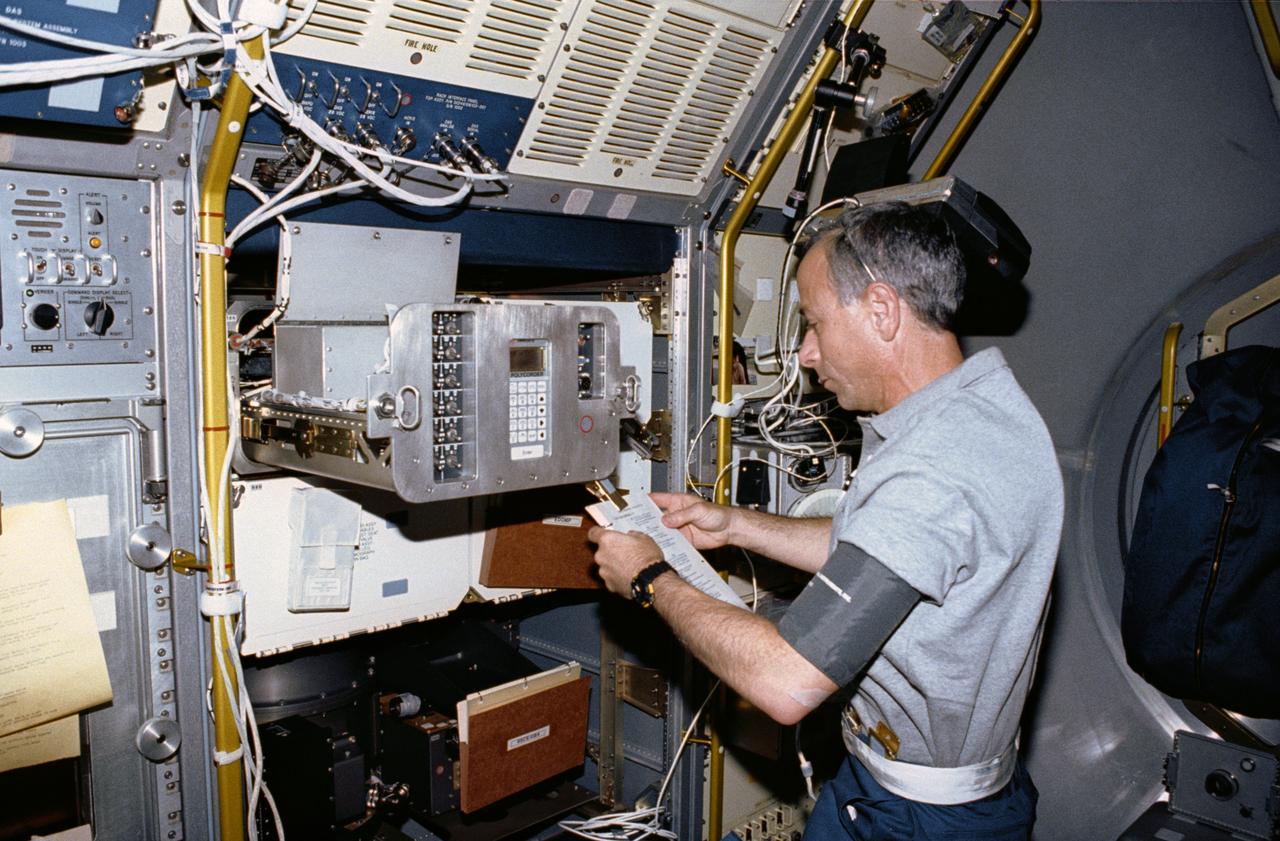
STS050-02-036 (25 June-9 July 1992) --- Astronaut Carl J. Meade, mission specialist, operates the Generic Bioprocessing Apparatus (GBA) in the Science Module aboard the Space Shuttle Columbia. Meade was joined by four astronauts and two scientists from the private sector for the record-setting 14-day United States Microgravity Lab 1 (USML-1) mission.
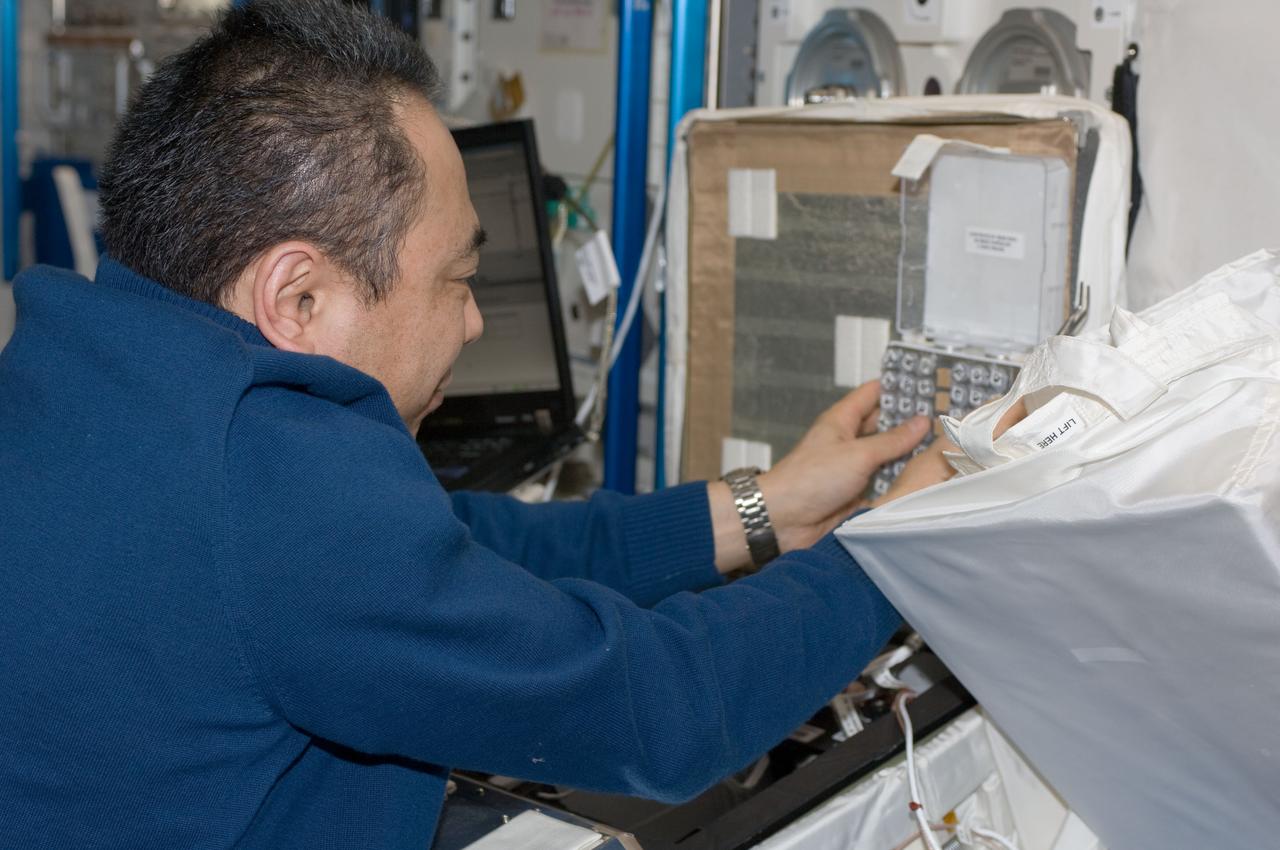
ISS029-E-028513 (18 Oct. 2011) --- Japan Aerospace Exploration Agency astronaut Satoshi Furukawa, Expedition 29 flight engineer, works on the Commercial Generic Bioprocessing Apparatus 5 / Science Insert-05 (CGBA-5/CSI-5) experiment in the Columbus laboratory of the International Space Station.
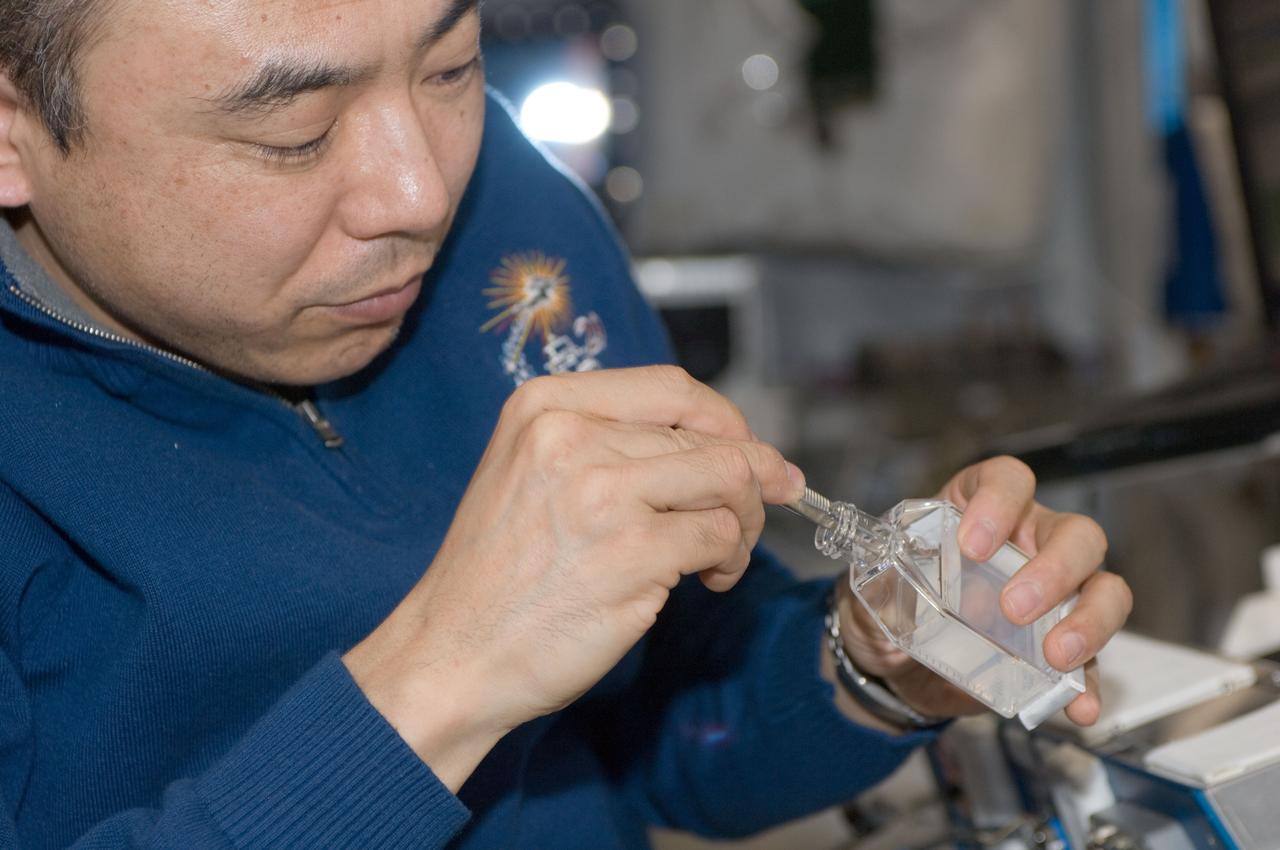
ISS029-E-028518 (18 Oct. 2011) --- Japan Aerospace Exploration Agency astronaut Satoshi Furukawa, Expedition 29 flight engineer, works on the Commercial Generic Bioprocessing Apparatus 5 / Science Insert-05 (CGBA-5/CSI-5) experiment in the Columbus laboratory of the International Space Station.
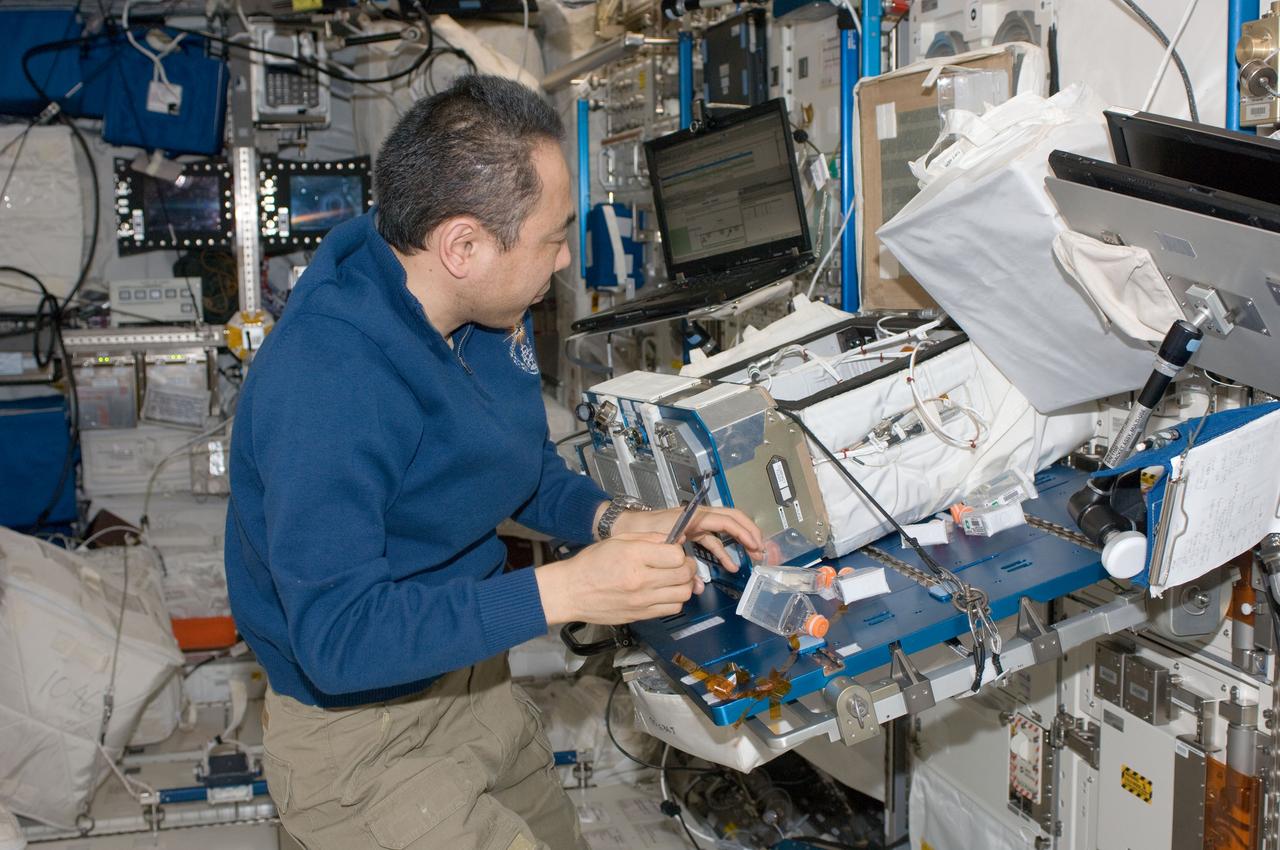
ISS029-E-028512 (18 Oct. 2011) --- Japan Aerospace Exploration Agency astronaut Satoshi Furukawa, Expedition 29 flight engineer, works on the Commercial Generic Bioprocessing Apparatus 5 / Science Insert-05 (CGBA-5/CSI-5) experiment in the Columbus laboratory of the International Space Station.
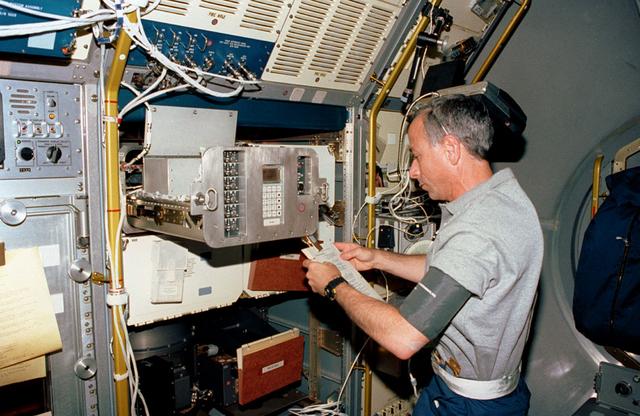
The first United States Microgravity Laboratory (USML-1) was one of NASA's science and technology programs and provided scientists an opportunity to research various scientific investigations in a weightless environment inside the Spacelab module. It also provided demonstrations of new equipment to help prepare for advanced microgravity research and processing aboard the Space Station. The USML-1 flew in orbit for extended periods, providing greater opportunities for research in materials science, fluid dynamics, biotechnology, and combustion science. In this photograph, astronaut Carl Meade is reviewing the manual to activate the Generic Bioprocessing Apparatus (GBA) inside the Spacelab module. The GBA for the USML-1 mission was a multipurpose facility that could help us answer important questions about the relationship between gravity and biology. This unique facility allowed scientists to study biological processes in samples ranging from molecules to small organisms. For example, scientists would examine how collagen, a protein substance found in cornective tissue, bones, and cartilage, forms fibers. In microgravity, it might be possible to alter collagen fiber assembly so that this material could be used more effectively as artificial skin, blood vessels, and other parts of the body. The USML-1 was managed by the Marshall Space Flight Center and waslaunched aboard the Space Shuttle Orbiter Columbia (STS-50) on June 25, 1992.
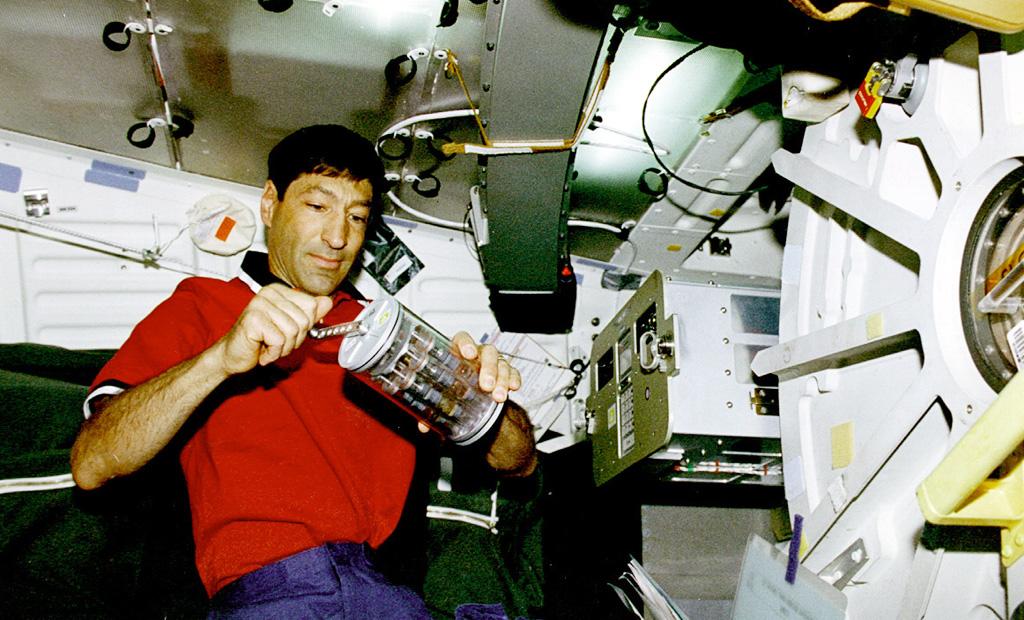
Manual activation of 8 FPAs in an earlier version of the Group Activation Pack. The Fluids Processing Apparatus is essentially a microgravity test tube that allows a variety of complex investigations to be performed in space. Developed by BioServe Space Technologies, a NASA Commercial Space Center. Flown on STS-95.
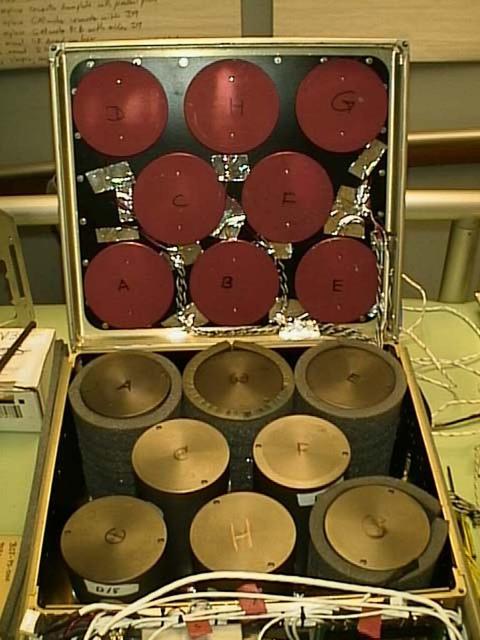
Isothermal Containment Modules are the temperature-controlling carrier that BioServe built to carry Commercial Generic Bioprocessing Apparatus (CGBA) and in the future, Space Automated Bioproduct Lab (SABL) to the International Space Station.
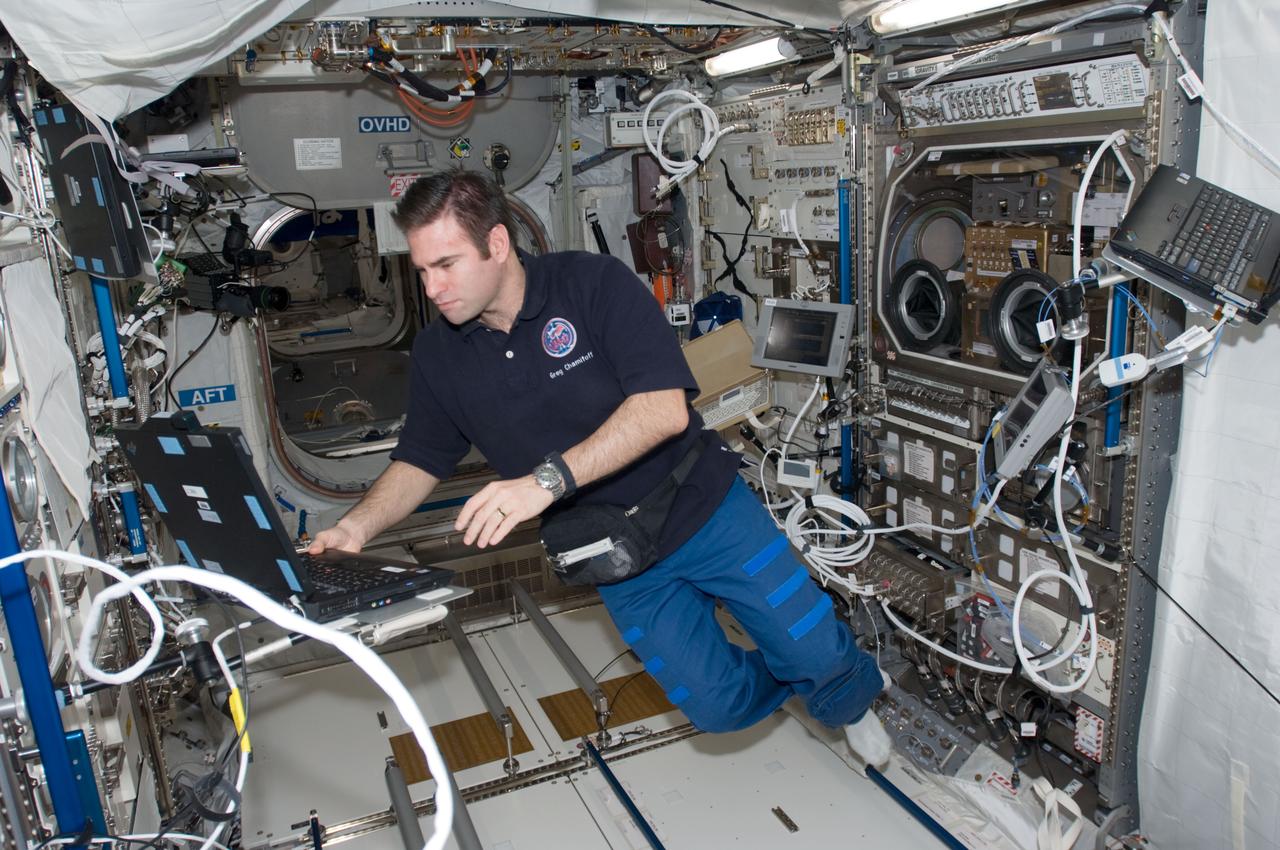
ISS017-E-014001 (23 Aug. 2008) --- Astronaut Greg Chamitoff, Expedition 17 flight engineer, works with the Microgravity Sciences Glovebox and the Commercial Generic Bioprocessing Apparatus in the Columbus laboratory on the International Space Station.
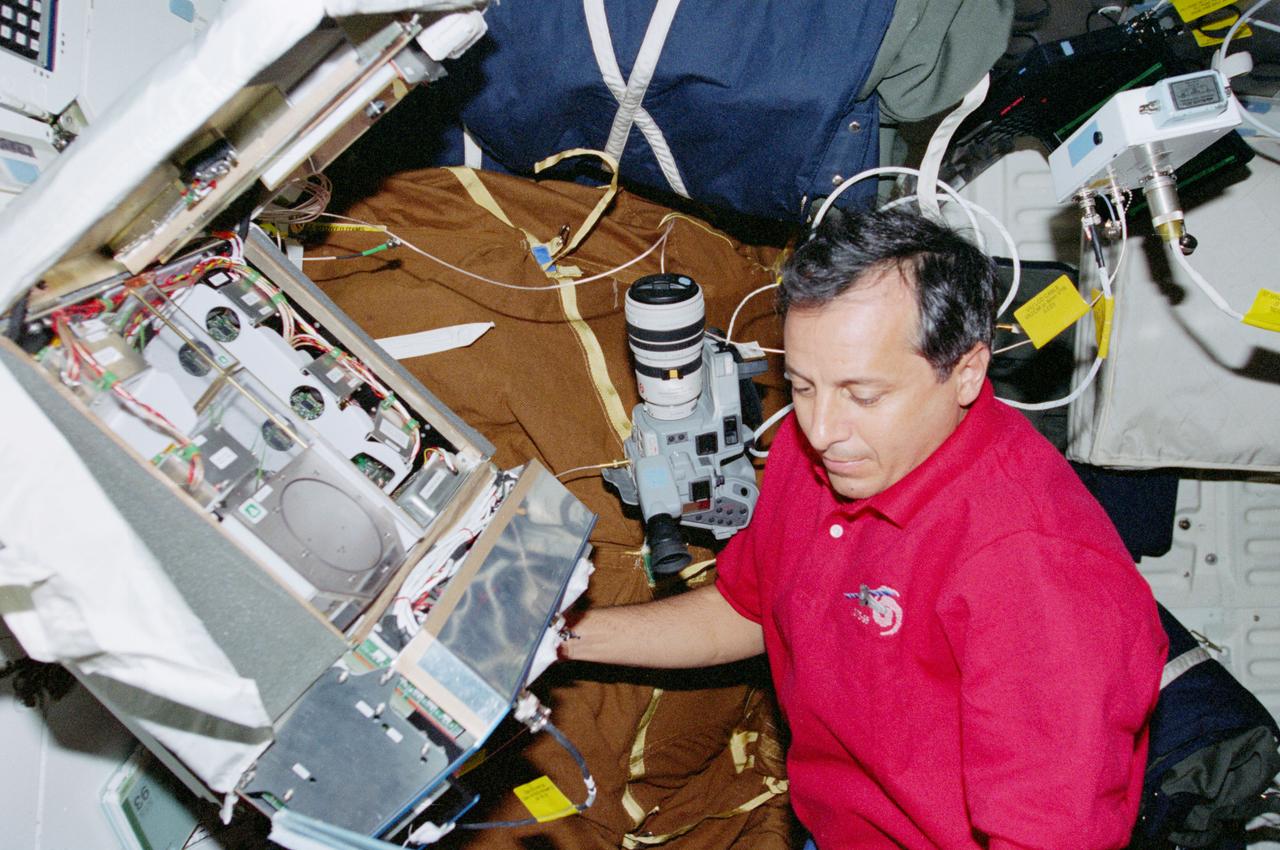
STS093-319-014 (22-27 July 1999) --- Astronaut Michel Tognini, mission specialist, works with the Commercial Generic Bioprocessing Apparatus (CGBA) on the mid deck of the Space Shuttle Columbia. Tognini represents France’s Centre National d’Etudes Spatiales (CNES).
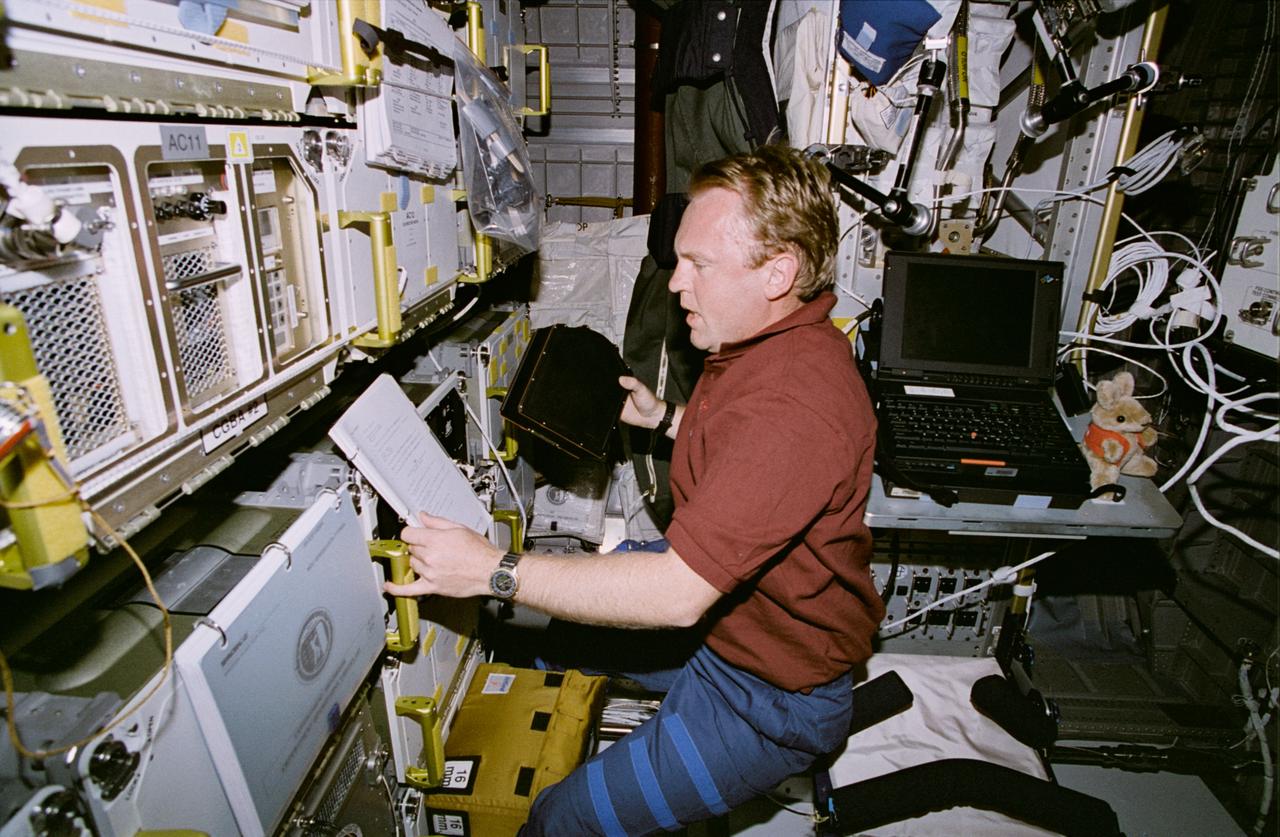
STS077-392-004 (19-29 May 1996) --- Inside the Spacehab Module onboard the Earth-orbiting Space Shuttle Endeavour, astronaut Andrew S. W. Thomas works with the Commercial Generic Bioprocessing Apparatus (CGBA) experiment. Thomas joined five other NASA astronauts for nine days of research and experimentation in Earth-orbit.
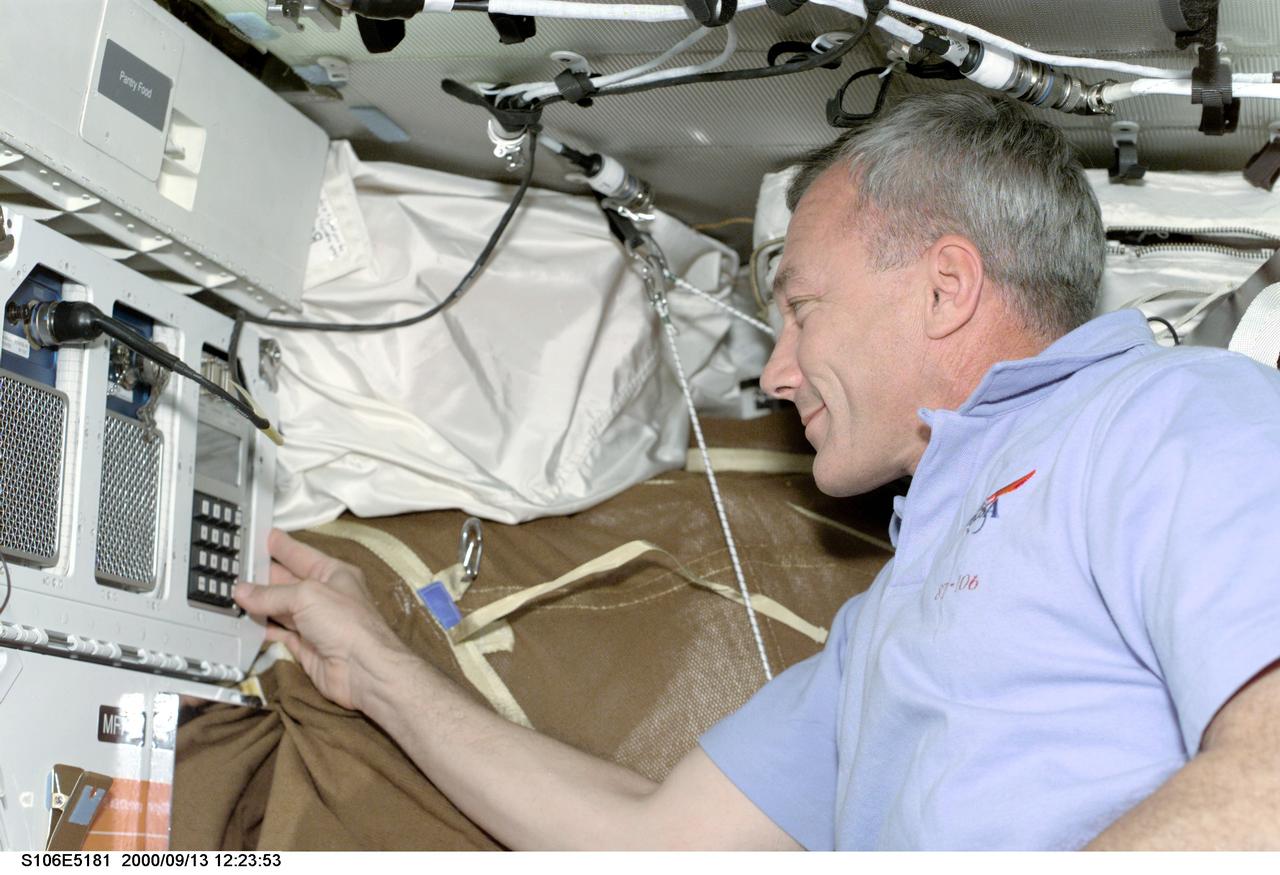
S106-E-5181 (13 September 2000) --- Astronaut Terrence W. Wilcutt, mission commander, works on the mid deck of the Earth-orbiting Space Shuttle Atlantis. The commander was likely doing a daily status check on the Commercial Generic Bioprocessing Apparatus (CGBA).
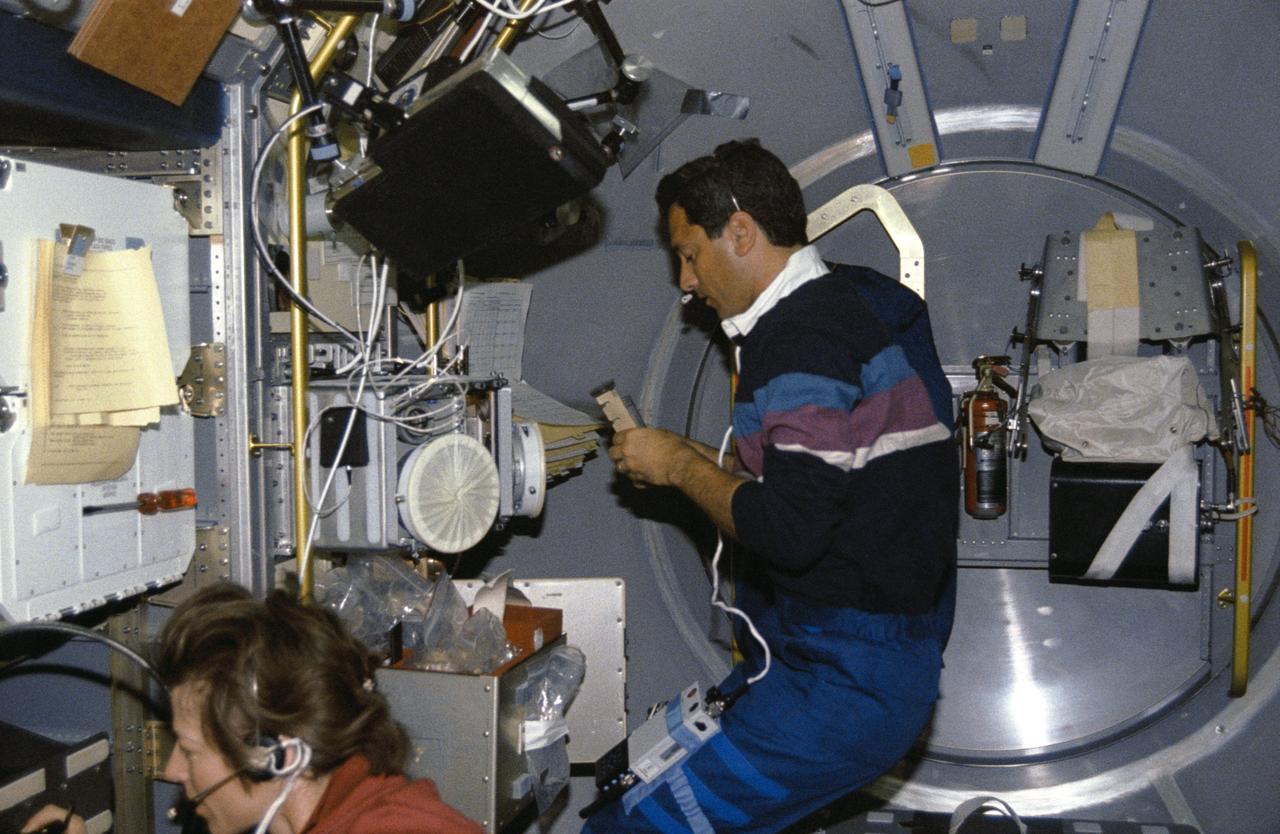
STS050-254-007 (25 June-9 July 1992) --- Lawrence J. DeLucas, payload specialist, handles a Protein Crystal Growth (PCG) sample at the multipurpose glovebox aboard the Earth-orbiting Space Shuttle Columbia. Astronaut Bonnie J. Dunbar, payload commander, communicates with ground controllers about the Solid Surface Combustion Experiment (SSCE), one of the United States Microgravity Laboratory 1’s (USML-1) three experiments on Rack 10. Five other crew members joined the pair for a record-setting 14-days of scientific data gathering.
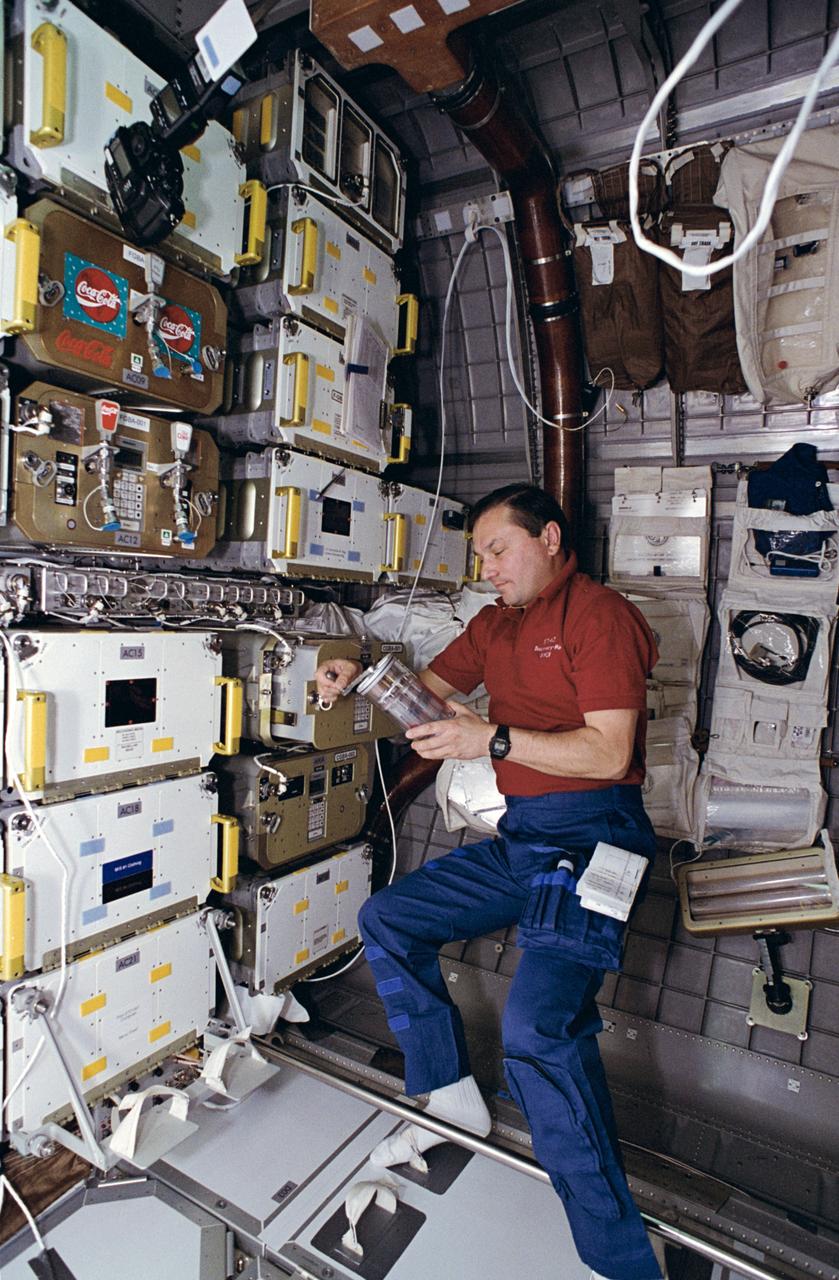
STS063-68-018 (3-11 Feb 1995) --- Russian cosmonaut Vladimir G. Titov, mission specialist, handles vials of samples for the Commercial Generic Bioprocessing Apparatus (CGBA) experiment in SpaceHab 3 Module onboard the Earth-orbiting Space Shuttle Discovery. Titov joined five NASA astronauts for eight days of research in Earth-orbit.
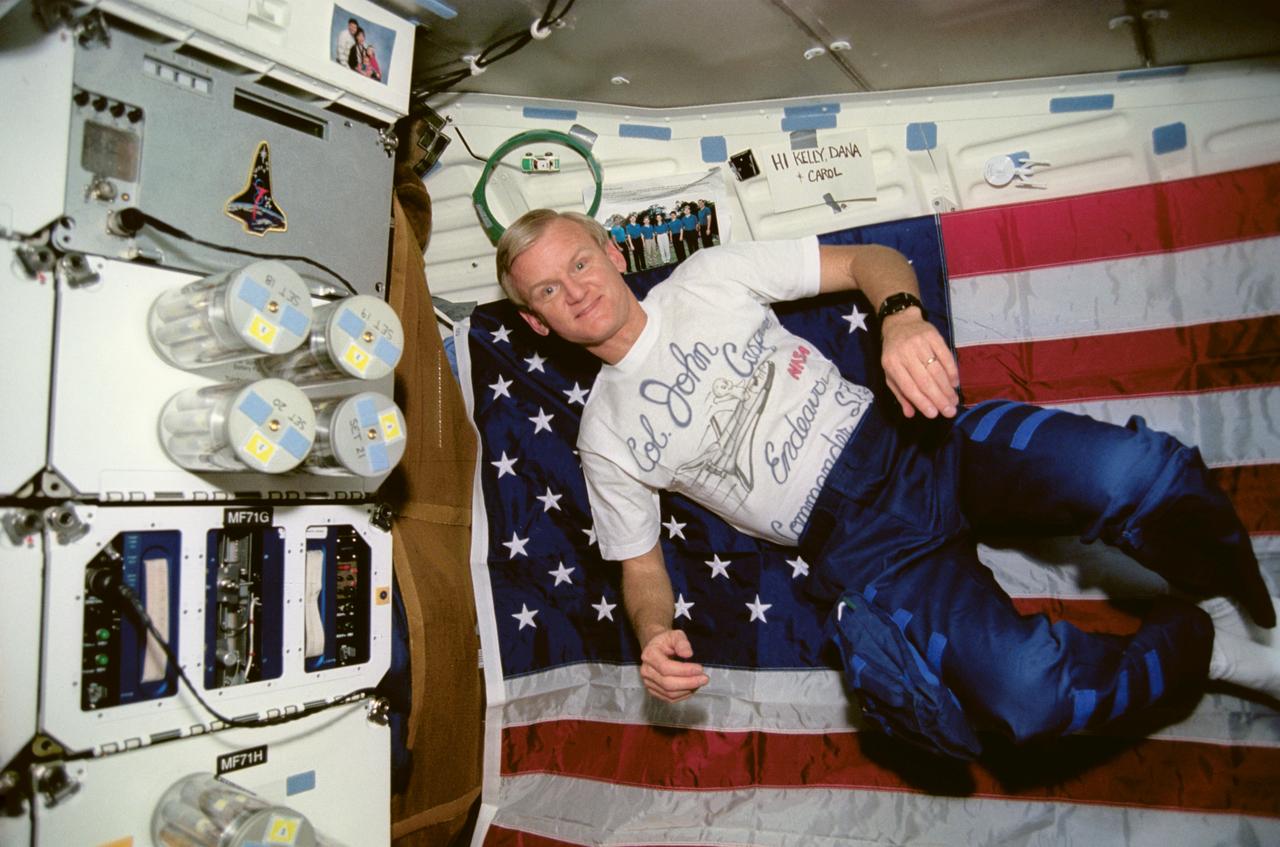
STS054-07-003 (13-19 Jan 1993) --- Astronaut John H. Casper, mission commander, floats near the Commercial Generic Bioprocessing Apparatus (CGBA) station on Endeavour's middeck. A friction car and its accompanying loop -- part of the Toys in Space package onboard -- can be seen just above Casper's head. The photograph was taken with a 35mm camera.
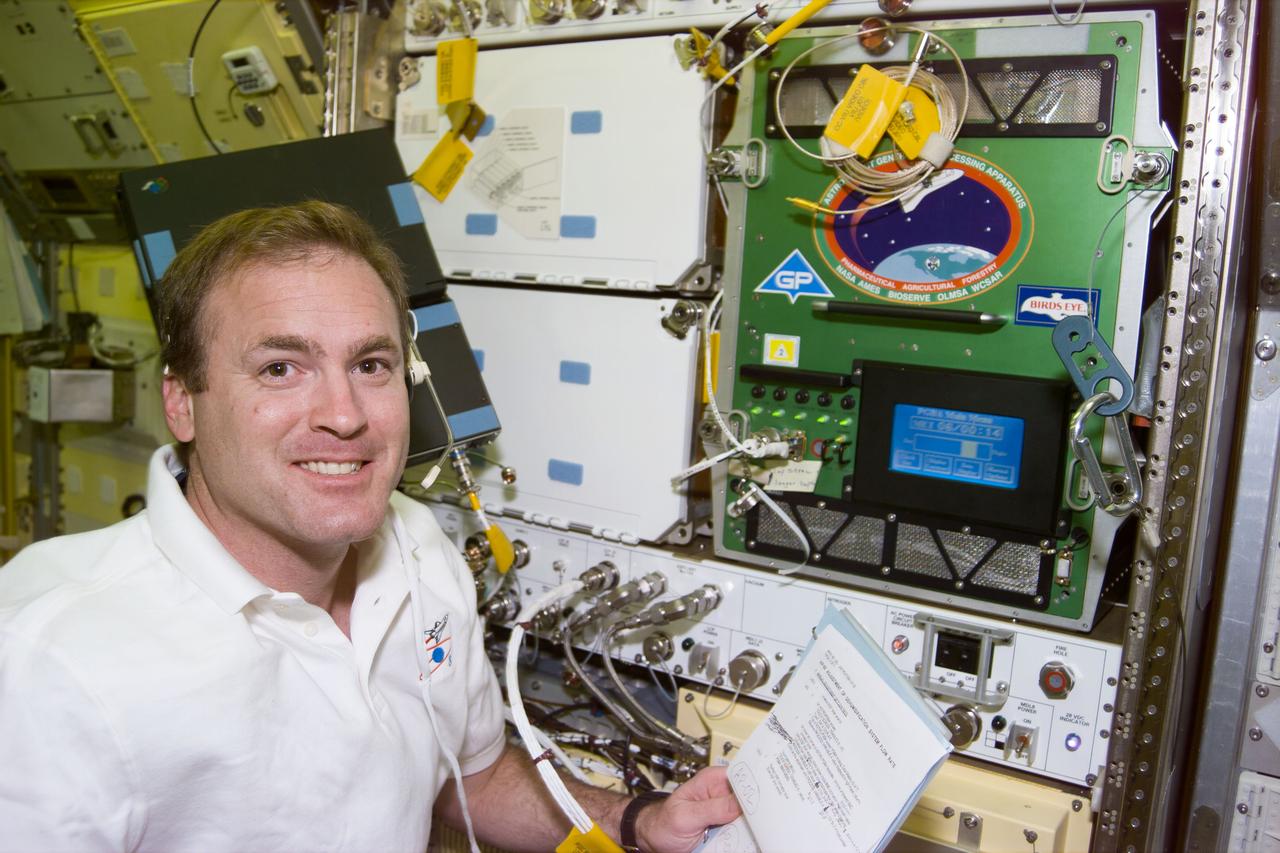
S94-E-5021 (6 July 1997) --- Astronaut James D. Halsell, Jr., mission commander, checks on an experiment in the Astro-Planet Generic Bioprocessing Apparatus onboard the Earth-orbiting Space Shuttle Columbia. The Microgravity Sciences Laboratory (MSL-1) had just completed the first one-third of its manifest time frame. The image was recorded with an Electronic Still Camera (ESC) and later downlinked to ground controllers in Houston, Texas.

STS083-489-021 (4-8 April 1997)--- Astronaut James D. Halsell, Jr., mission commander, checks on an experiment in the Astro-Planet Generic Bioprocessing Apparatus onboard the Earth-orbiting Space Shuttle Columbia. The Microgravity Sciences Laboratory (MSL-1) completed about one-fourth of its manifest time frame prior to being cut short by a power shortage.
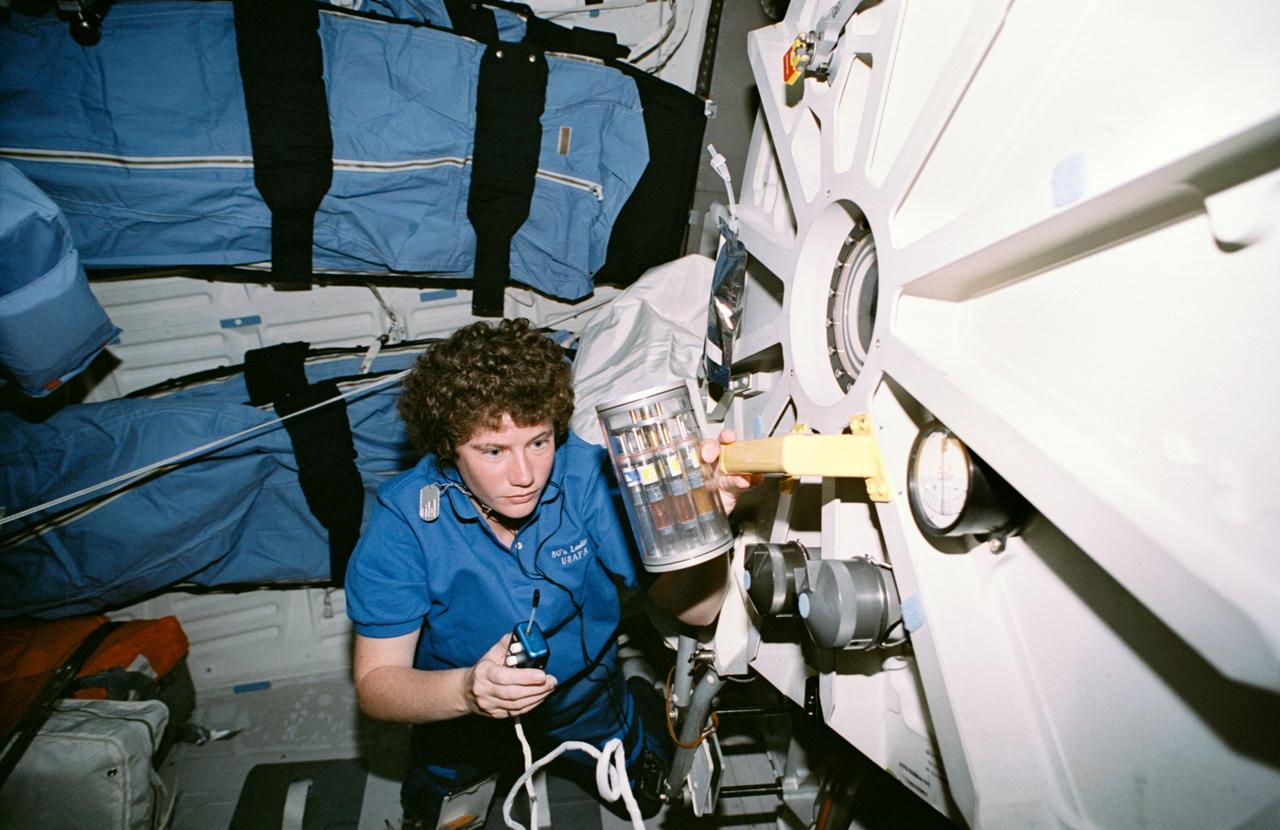
STS054-30-009 (13 Jan 1993) --- Astronaut Susan J. Helms communicates with ground controllers about the Commercial Generic Bioprocessing Apparatus (CGBA) on Endeavour's middeck. The mission specialist holds samples from the CGBA in her left hand. Sleep restraints can be seen in their temporary stow position in the left part of the frame, near the airlock hatch. Also onboard the spacecraft for the six-day mission were astronauts John H. Casper, Donald R. McMonagle, Gregory J. Harbaugh and Mario Runco Jr.
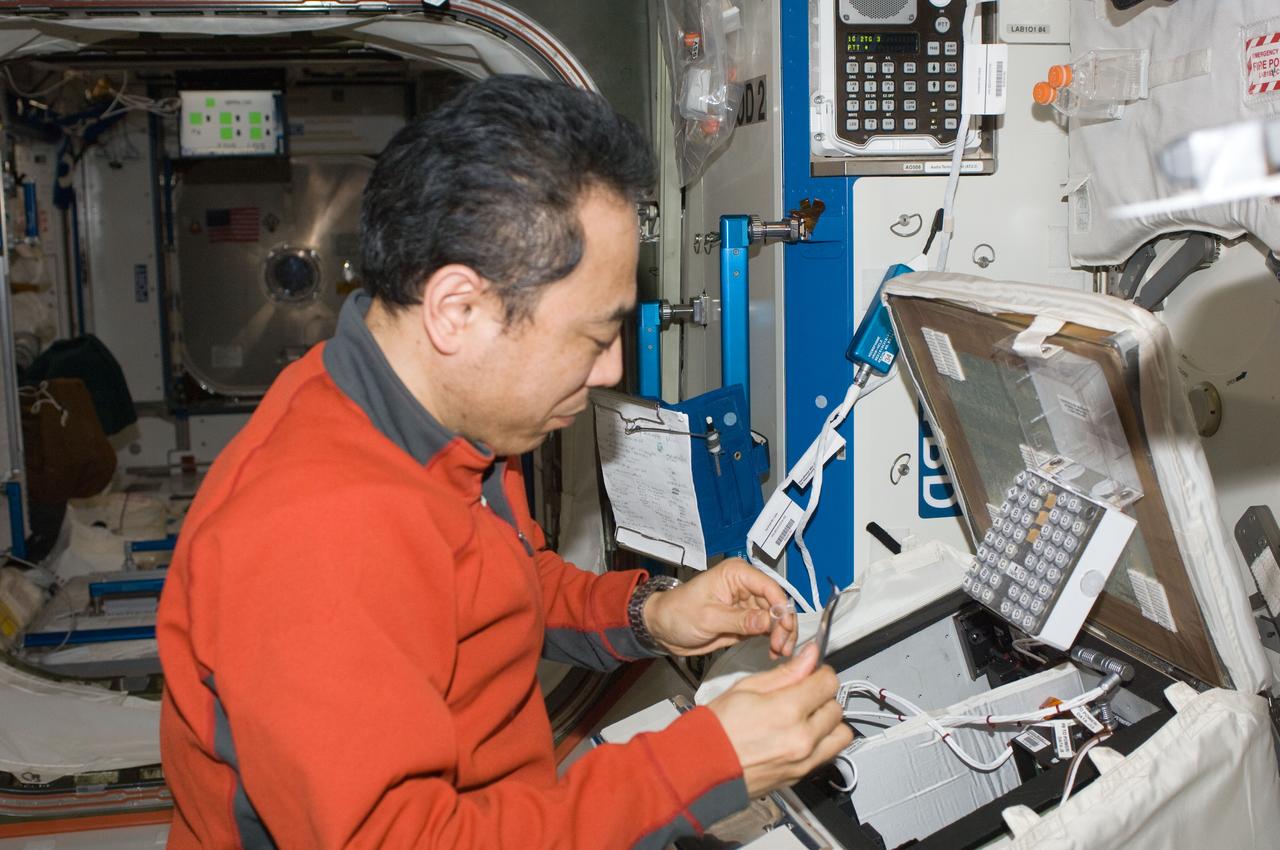
ISS029-E-011813 (29 Sept. 2011) --- In the International Space Station?s Destiny laboratory, Japan Aerospace Exploration Agency astronaut Satoshi Furukawa, Expedition 29 flight engineer, services the Science Insert 5/Plant Habitat (CSI-05 PHAB) in the Commercial Generic Bioprocessing Apparatus (CGBA-5). The CSI-05 plant experiment focuses on characteristics associated with successful germination in space.
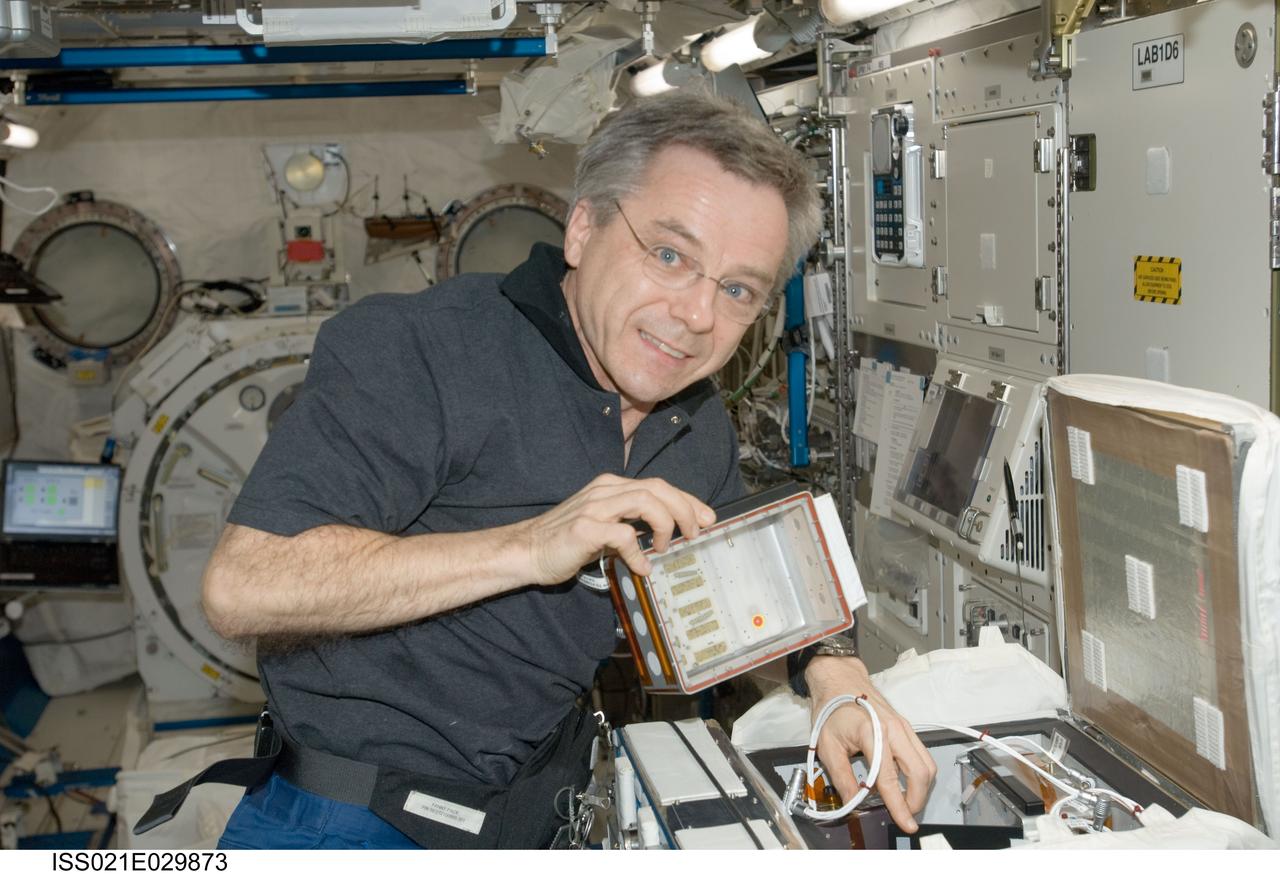
ISS021-E-029873 (18 Nov. 2009) --- Canadian Space Agency astronaut Robert Thirsk, Expedition 21 flight engineer, works with the new Commercial Generic Bioprocessing Apparatus (CGBA) Science Insert 03 (CSI-03) assembly in the Kibo laboratory of the International Space Station. CSI-03 is flying two butterfly habitats during this mission and will examine the complete life cycle of the butterflies as they eat, grow and undergo metamorphosis in space.
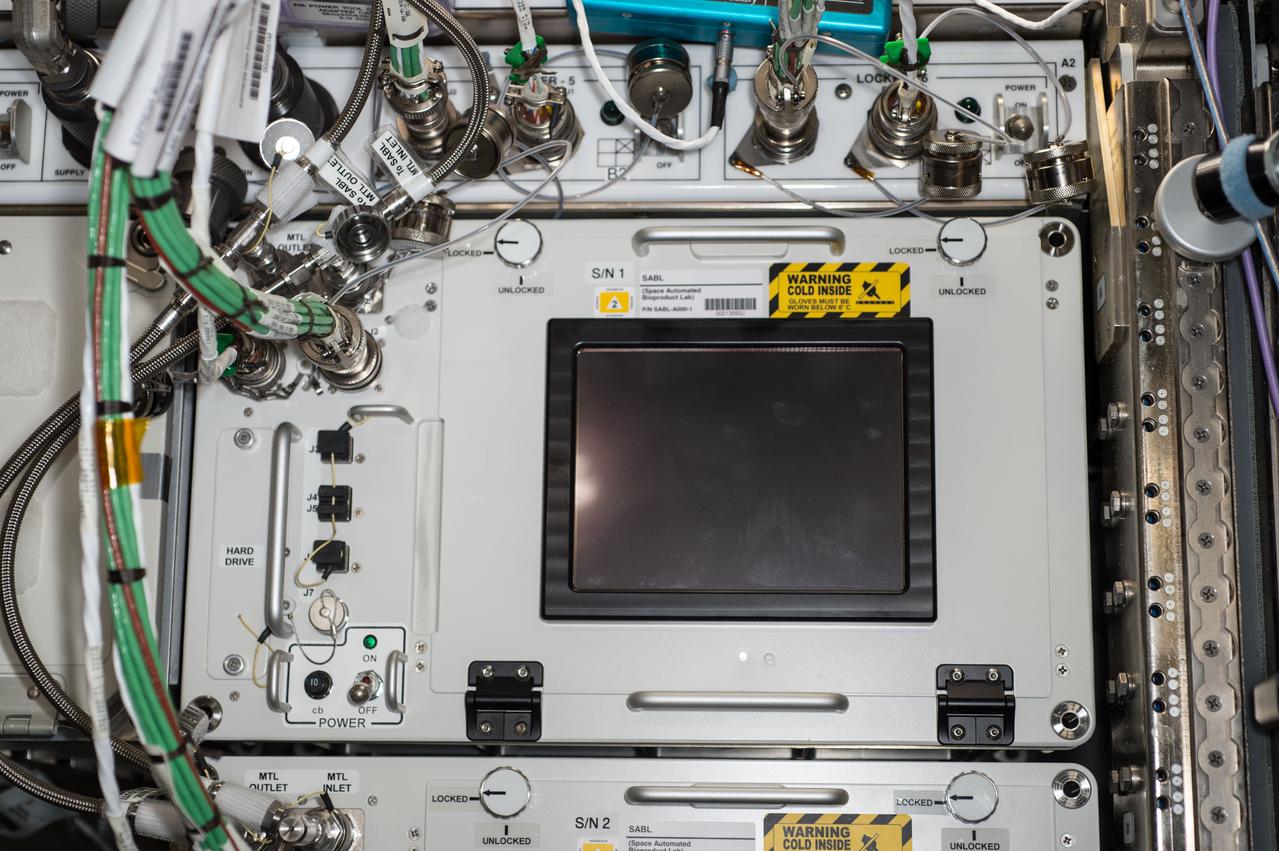
iss046e046607 (2/23/2016) --- A view of the newly installed Space Automated Bioproduct Laboratory (SABL) power, data, and thermal connections in the rack located in the U.S Lab. SABL is an upgrade to the long standing ISS incubator, Commercial Generic Bioprocessing Apparatus (CGBA). The Space Automated Bioproduct Laboratory (SABL) supports a wide variety of experiments in the life, physical and material sciences with a focus on supporting research of biological systems and processes.
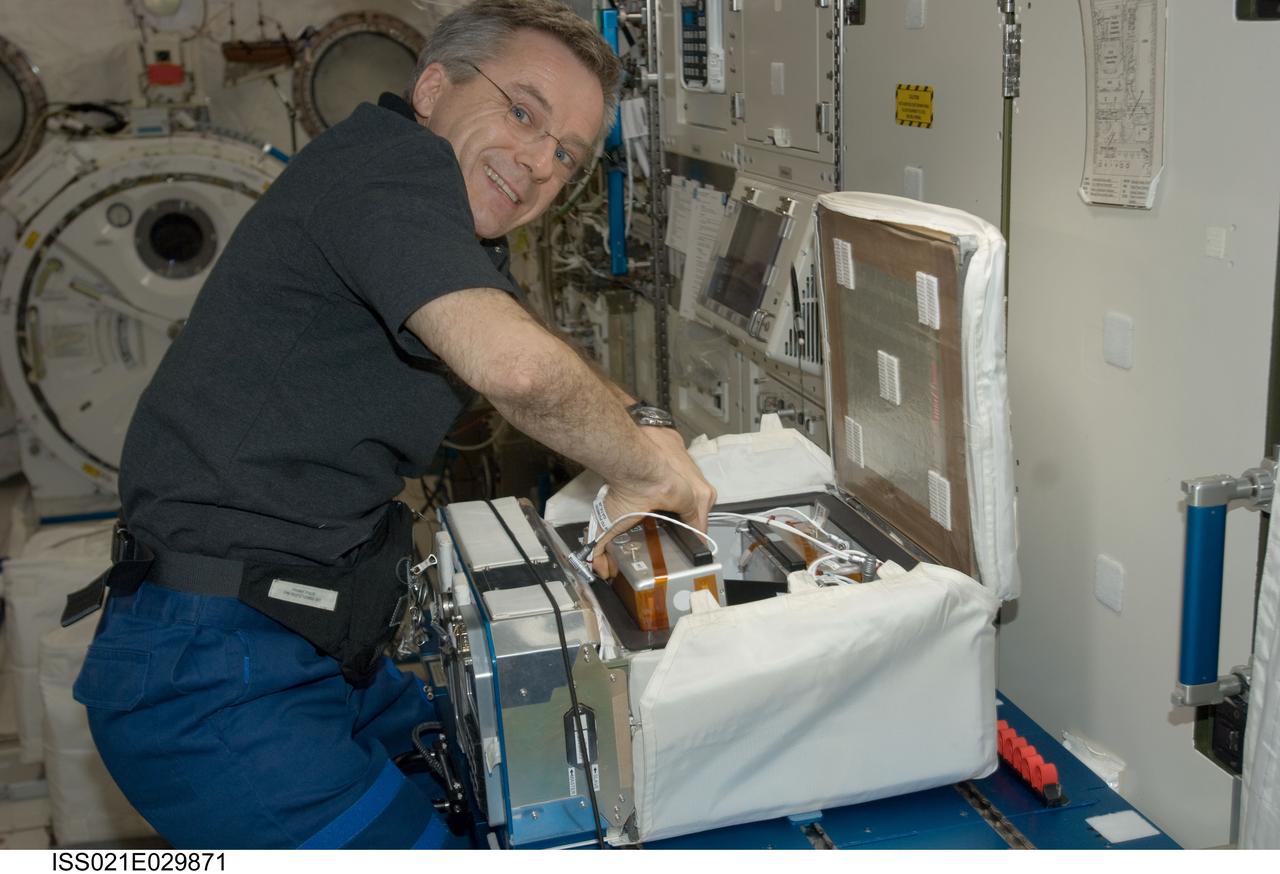
ISS021-E-029871 (18 Nov. 2009) --- Canadian Space Agency astronaut Robert Thirsk, Expedition 21 flight engineer, works with the new Commercial Generic Bioprocessing Apparatus (CGBA) Science Insert 03 (CSI-03) assembly in the Kibo laboratory of the International Space Station. CSI-03 is flying two butterfly habitats during this mission and will examine the complete life cycle of the butterflies as they eat, grow and undergo metamorphosis in space.
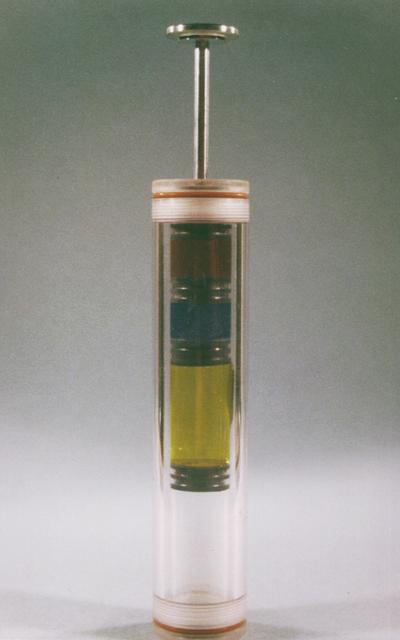
CGBA, a facility developed by BioServe Space Technologies, a NASA Commercial Generic Bioprocessing Space Center, allows a variety of sophisticated bioprocessing research to be performed using a common device. The Fluids Processing Apparatus is essentially a microgravity test tube that allows a variety of complex investigations to be performed in space. This is a glass barrel containing several chambers separated by rubber stoppers. Eight FPAs are placed together in a Group Activation Pack (GAP), which allows all of the research to be started simultaneously by turning a single crank. Eight GAPs, or similar-sized payloads, can be stored in a single CGBA temperature controlled locker, which now uses motor drives to automatically turn the cranks to start and stop experiments. On STS-95, research efforts cover eight major areas that will benefit Earth-based products ranging from the production of pharmaceuticals to fish hatcheries.
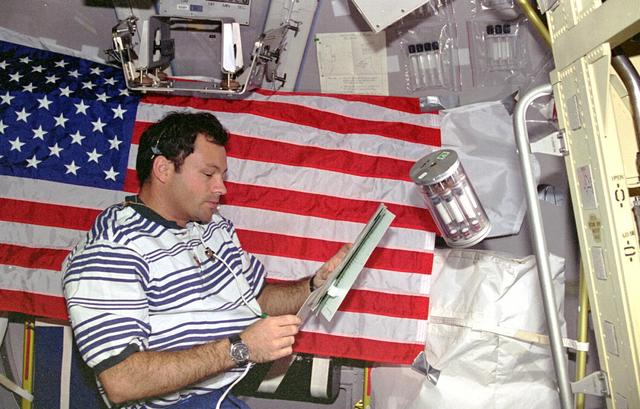
STS073-232-013 (20 October - 5 November 1995) --- Astronaut Michael E. Lopez-Alegria, STS-73 mission specialist, checks notes related to the Commercial Generic Bioprocessing Apparatus (CGBA) aboard the Earth-orbiting Space Shuttle Columbia. CGBA supported over one hundred individual experiments on small quantities of samples ranging from molecules to small organisms. Lopez-Alegria joined four other NASA astronauts and two guest researchers for 16-days of United States Microgravity Laboratory 2 (USML-2) research aboard the Space Shuttle Columbia.
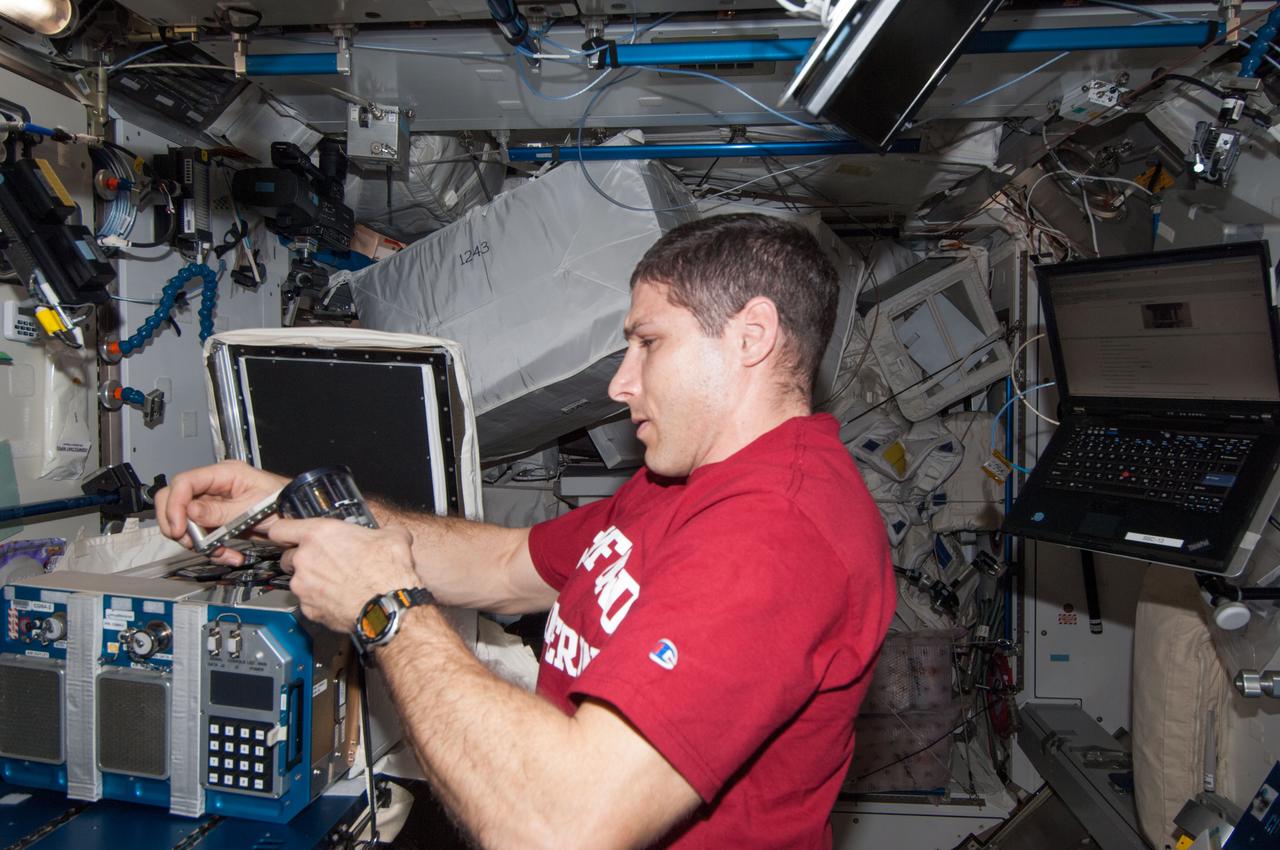
ISS038-E-031400 (14 Jan. 2014) --- NASA astronaut Mike Hopkins, Expedition 38 flight engineer, accesses the Commercial Generic Bioprocessing Apparatus-2 (CGBA-2) while working with the Vaccine-21 Group Activation Pack (GAP) experiment in the Harmony node of the International Space Station. This experiment also referred to as Antibiotic Effectiveness in Space-1 (AES-1) tests the hypothesis that antibiotics used to treat bacterial grown in space will exhibit reduced efficacy and will be associated with specific changes in bacterial gene expression that correlate with cell survival.
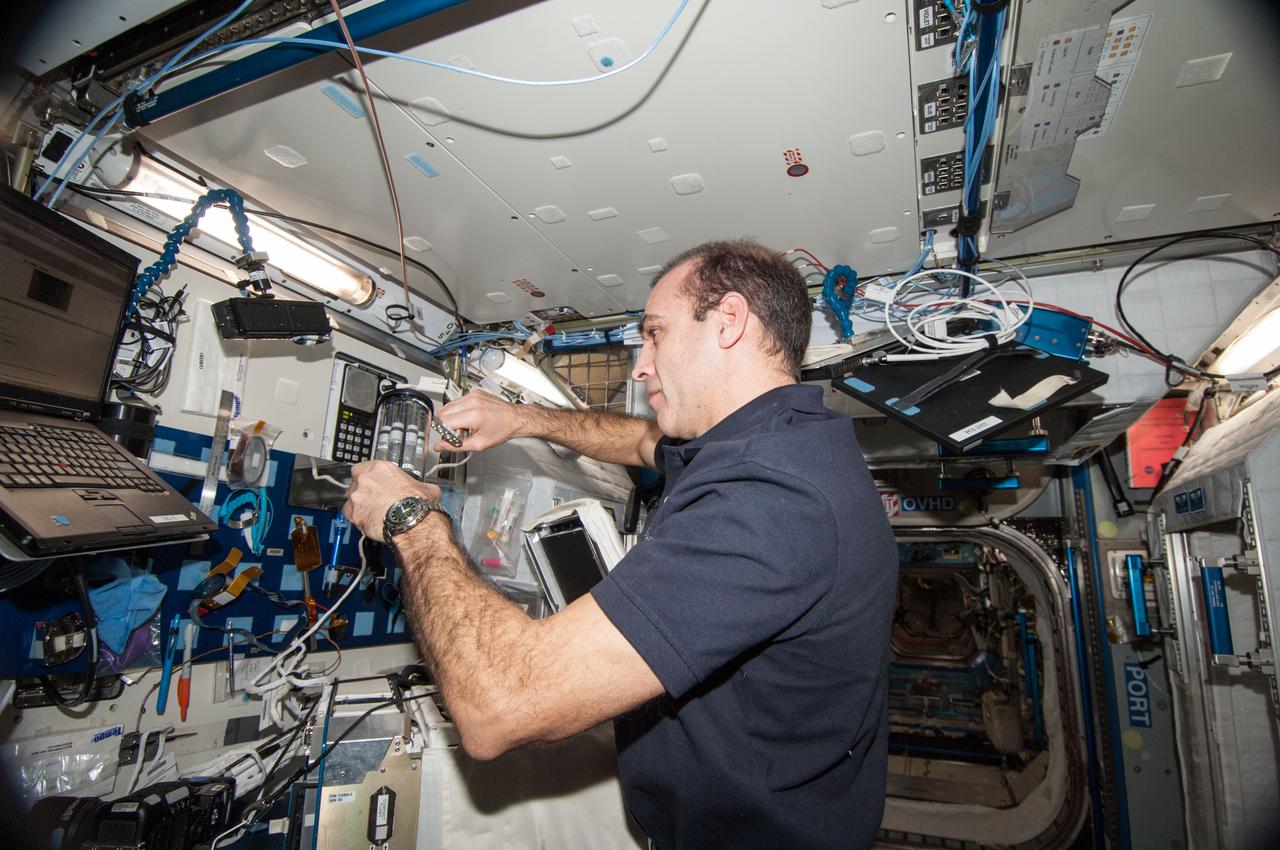
ISS038-E-031407 (16 Jan. 2014) --- NASA astronaut Rick Mastracchio, Expedition 38 flight engineer, accesses the Commercial Generic Bioprocessing Apparatus-2 (CGBA-2) while working with the Vaccine-21 Group Activation Pack (GAP) experiment in the Harmony node of the International Space Station. This experiment also referred to as Antibiotic Effectiveness in Space-1 (AES-1) tests the hypothesis that antibiotics used to treat bacterial grown in space will exhibit reduced efficacy and will be associated with specific changes in bacterial gene expression that correlate with cell survival.
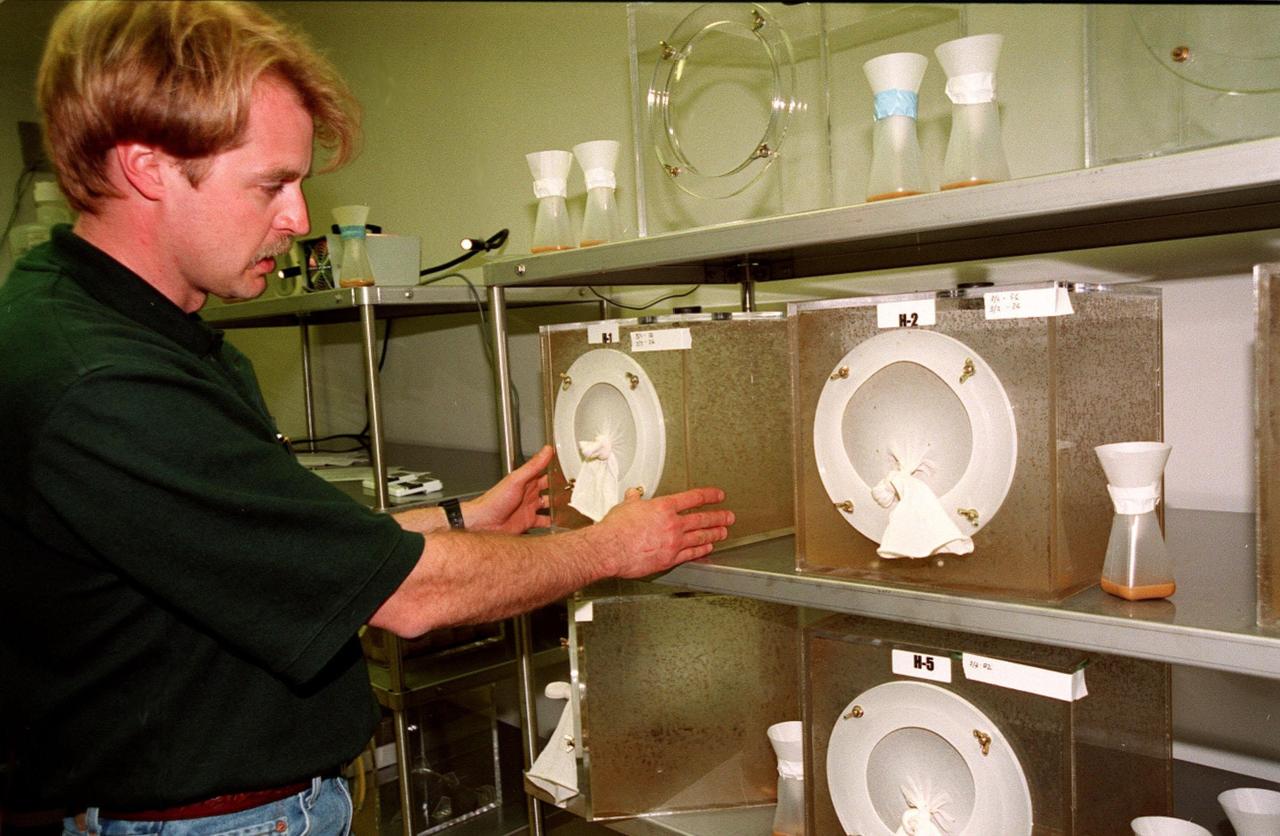
In the KSC Life Sciences Building, Hangar L, Cape Canaveral Air Station, Shawn Bengtson, with Lockheed Martin, checks population cages containing fruit flies. The larvae of the flies are part of an experiment that is a secondary payload on mission STS-93. The experiment will examine the effects of microgravity and space flight on the development of neural connections between specific motor neurons and their targets in muscle fibers. That information could lead to understanding the effect of microgravity on human nervous system connectivity. The larvae will be contained in incubators that are part of a Commercial Generic Bioprocessing Apparatus (CGBA), which can start bioprocessing reactions by mixing or heating a sample and can also initiate multiple-step, sequential reactions in a technique called phased processing. The primary payload of mission STS-93 is the Chandra X-ray Observatory, which will allow scientists from around the world to see previously invisible black holes and high-temperature gas clouds, giving the observatory the potential to rewrite the books on the structure and evolution of our universe. The target launch date for STS-93 is July 9, aboard Space Shuttle Columbia, from Launch Pad 39B
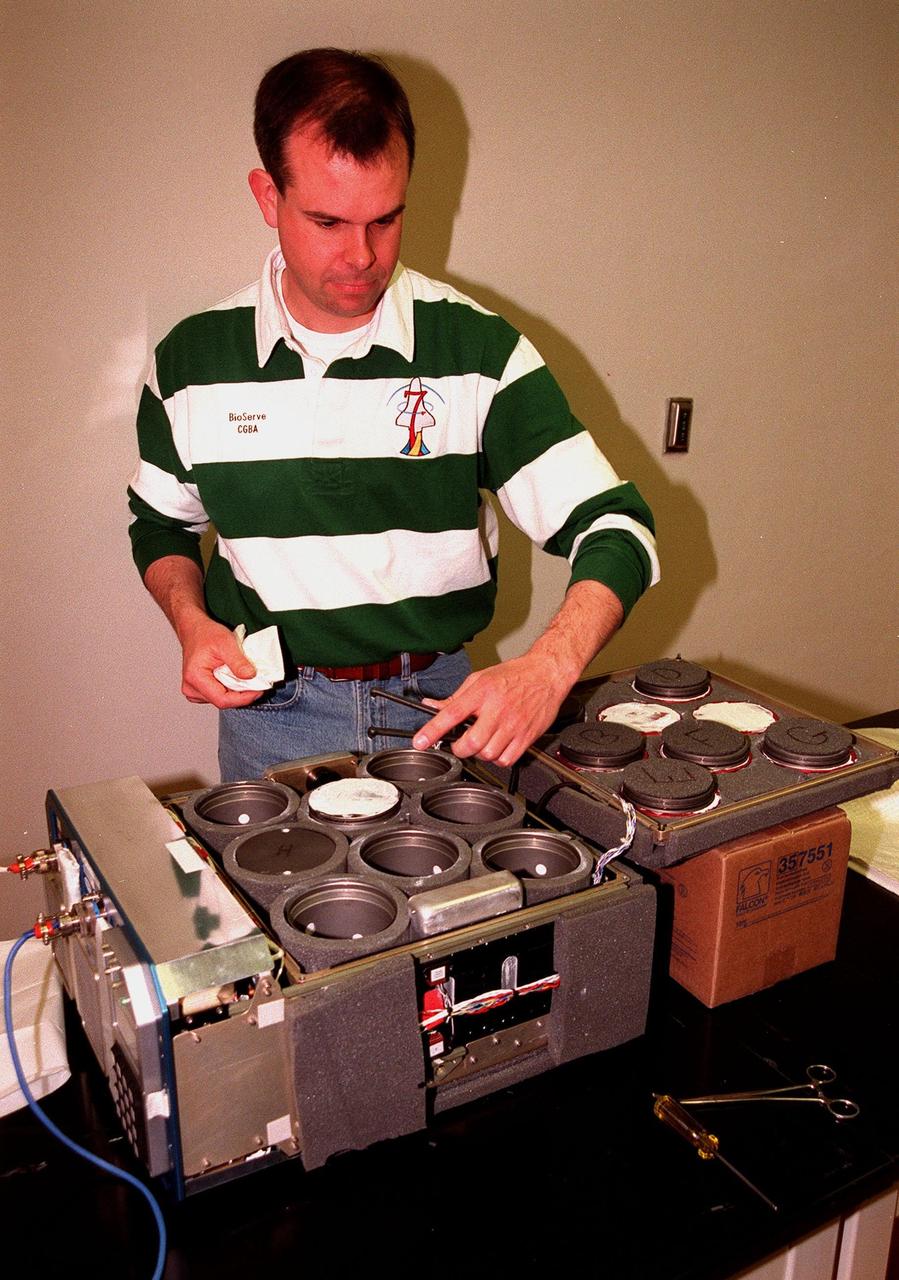
In the KSC Life Sciences Building, Hangar L, Cape Canaveral Air Station, Mark Rupert, with BioServe Space Technologies, checks the canisters, or incubators, that will hold an experiment to fly on mission STS-93. The incubators will hold a mix of fruit fly embryos and larvae to examine the effects of microgravity and space flight on the development of neural connections between specific motor neurons and their targets in muscle fibers. The incubators are part of a Commercial Generic Bioprocessing Apparatus (CGBA), which can start bioprocessing reactions by mixing or heating a sample and can also initiate multiple-step, sequential reactions in a technique called phased processing. The primary payload of mission STS-93 is the Chandra X-ray Observatory, which will allow scientists from around the world to see previously invisible black holes and high-temperature gas clouds, giving the observatory the potential to rewrite the books on the structure and evolution of our universe. The target launch date for STS-93 is July 9, aboard Space Shuttle Columbia, from Launch Pad 39B
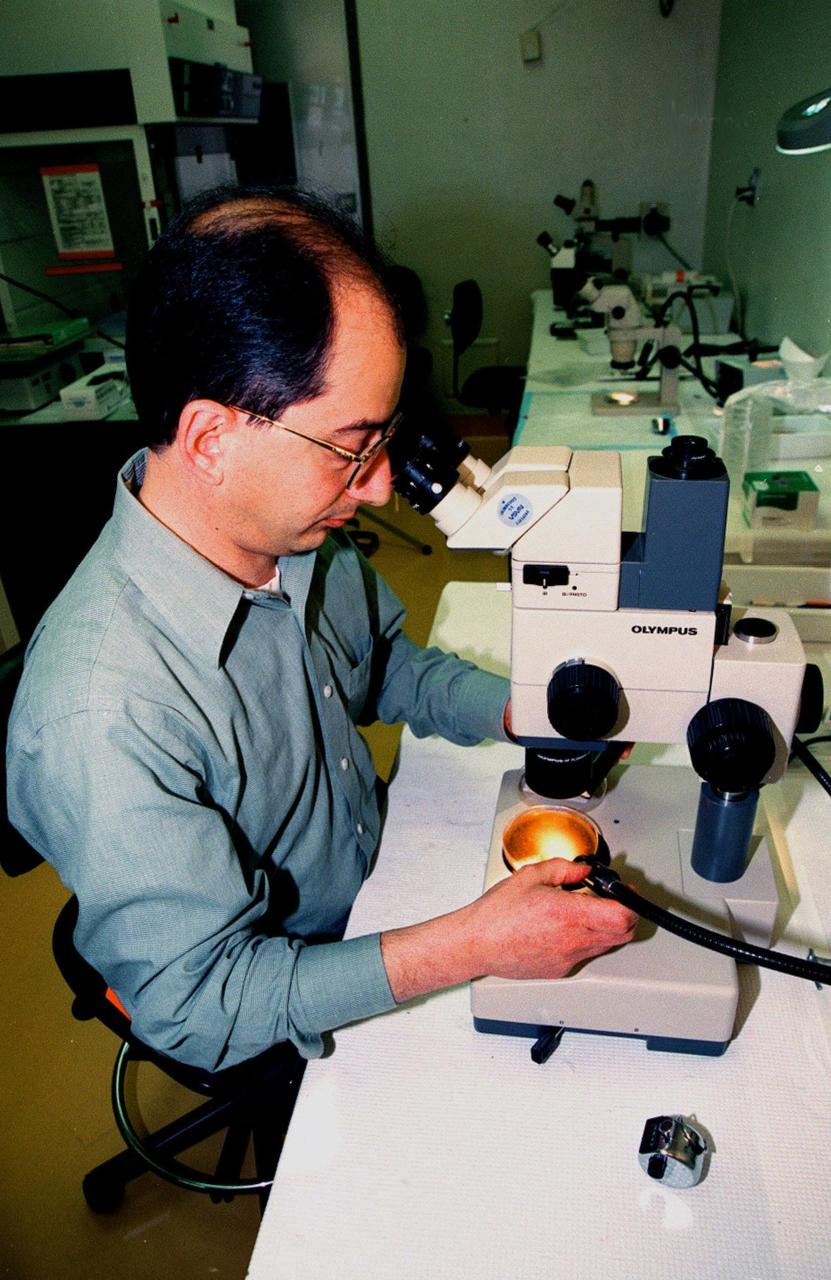
In the KSC Life Sciences Building, Hangar L, Cape Canaveral Air Station, Dr. Haig Keshishian checks fruit fly larvae in a petri dish. The larvae are part of an experiment that is a secondary payload on mission STS-93. The experiment will examine the effects of microgravity and space flight on the development of neural connections between specific motor neurons and their targets in muscle fibers. Dr. Keshishian, from Yale University, is the principle investigator for the experiment. The larvae will be contained in incubators that are part of a Commercial Generic Bioprocessing Apparatus (CGBA), which can start bioprocessing reactions by mixing or heating a sample and can also initiate multiple-step, sequential reactions in a technique called phased processing. The primary payload of mission STS-93 is the Chandra X-ray Observatory, which will allow scientists from around the world to see previously invisible black holes and high-temperature gas clouds, giving the observatory the potential to rewrite the books on the structure and evolution of our universe. The target launch date for STS-93 is July 9, aboard Space Shuttle Columbia, from Launch Pad 39B
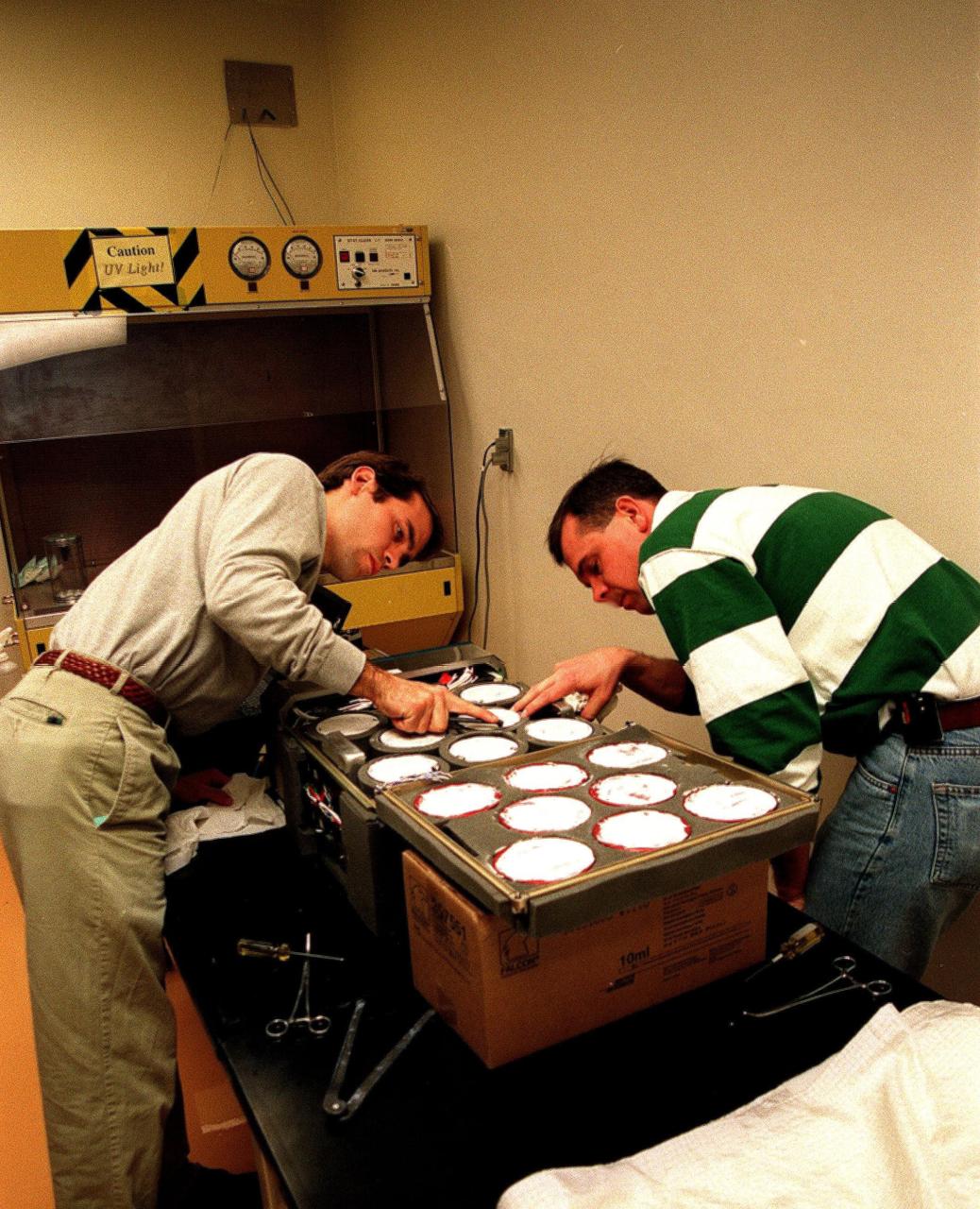
In the KSC Life Sciences Building, Hangar L, Cape Canaveral Air Station, Jake Freeman and Mark Rupert, with BioServe Space Technologies, check canisters, or incubators, that will hold fruit fly embryos and larvae for an experiment to fly on mission STS-93. The experiment will examine the effects of microgravity and space flight on the development of neural connections between specific motor neurons and their targets in muscle fibers. The incubators are part of the Commercial Generic Bioprocessing Apparatus (CGBA), which can start bioprocessing reactions by mixing or heating a sample and can also initiate multiple-step, sequential reactions in a technique called phased processing. The primary payload of mission STS-93 is the Chandra X-ray Observatory, which will allow scientists from around the world to see previously invisible black holes and high-temperature gas clouds, giving the observatory the potential to rewrite the books on the structure and evolution of our universe. The target launch date for STS-93 is July 9, aboard Space Shuttle Columbia, from Launch Pad 39B
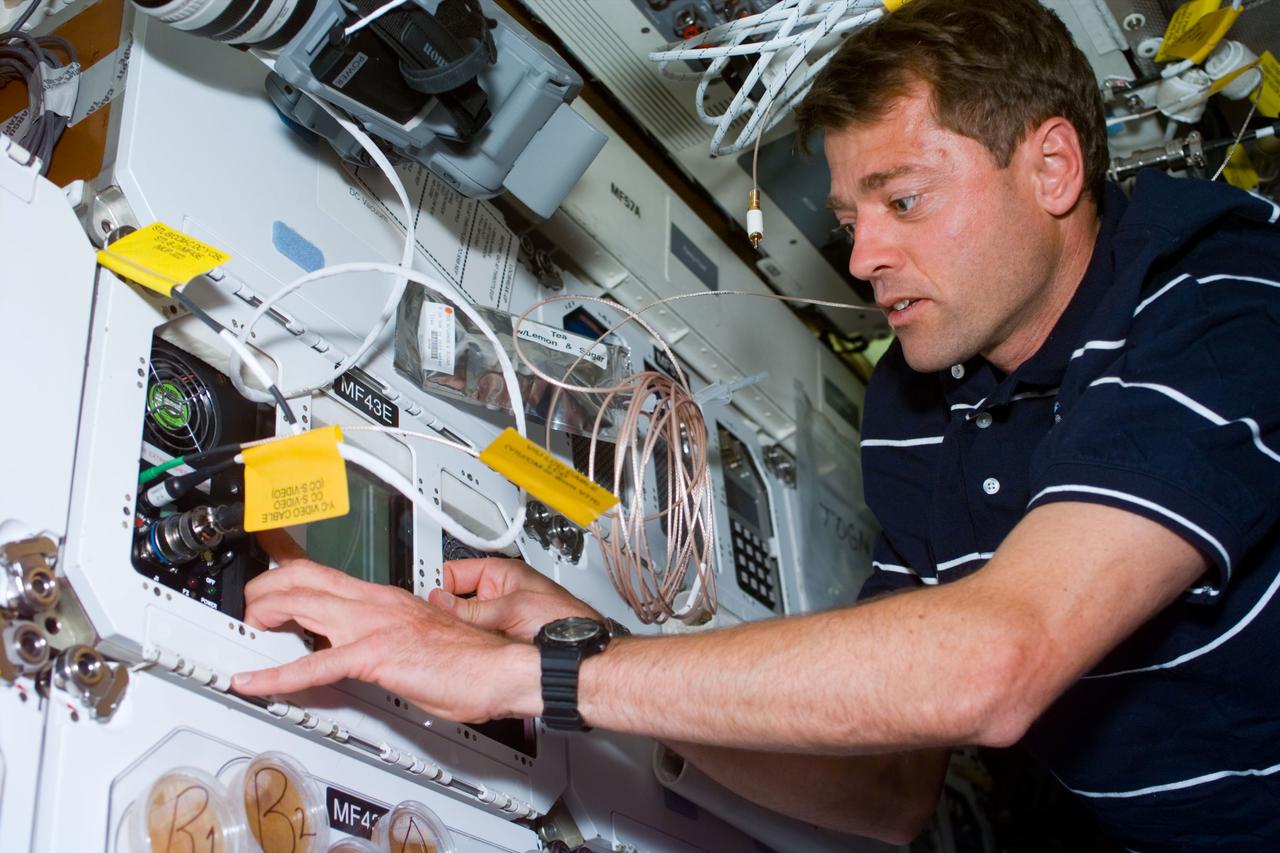
S93-E-5003 (23 July 1999) --- Astronaut Jeffrey S. Ashby, pilot, works at the Space Tissue Loss-B experiment on Space Shuttle Columbia's middeck. The experiment is set up to observe cells in culture with a video microscope imaging system to record near-real-time interactions of detecting and inducing cellular responses (macromorphological changes). Just above and to the right of STL-B is the part of the Commercial Generic Bioprocessing Apparatus (CGBA) for the National Institute of Health (NIH-B experiment). It is an experiment designed to investigate the effects of space flight on neural development in Drosophila melanogaster (fruit fly) larvae. This information may help scientists understand how gravity affects nerve growth and development and how neural connections to muscle fibers work. The photo was recorded with an electronic still camera (ESC) on Flight Day 1. Ashby and his four crew mates are scheduled to spend five days aboard Columbia in Earth orbit.
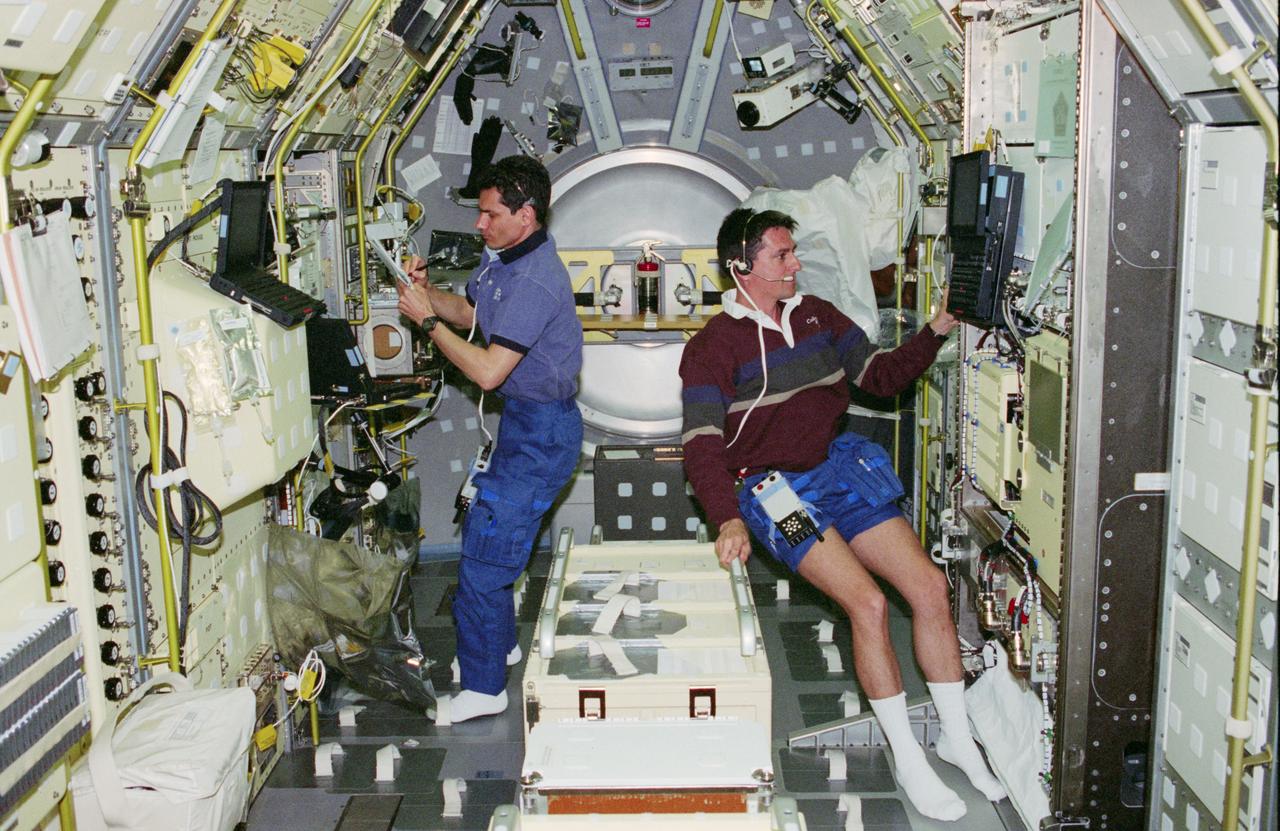
STS083-312-031 (4-8 April 1997) --- Payload specialist Gregory T. Linteris (left) is seen at the Mid Deck Glove Box (MGBX), while astronaut Donald A. Thomas, mission specialist, works at the Expedite the Processing of Experiments to Space Station (EXPRESS) rack. MGBX is a facility that allows scientists the capability of doing tests on hardware and materials that are not approved to be handled in the open Spacelab. It is equipped with photographic, video and data recording capability, allowing a complete record of experiment operations. Experiments performed on STS-83 were Bubble Drop Nonlinear Dynamics and Fiber Supported Droplet Combustion. EXPRESS is designed to provide accommodations for Sub-rack payloads on Space Station. For STS-83, it held two payloads. The Physics of Hard Colloidal Spheres (PHaSE) and ASTRO-Plant Generic Bioprocessing Apparatus (ASTRO-PGBA), a facility with light and atmospheric controls which supports plant growth for commercial research.