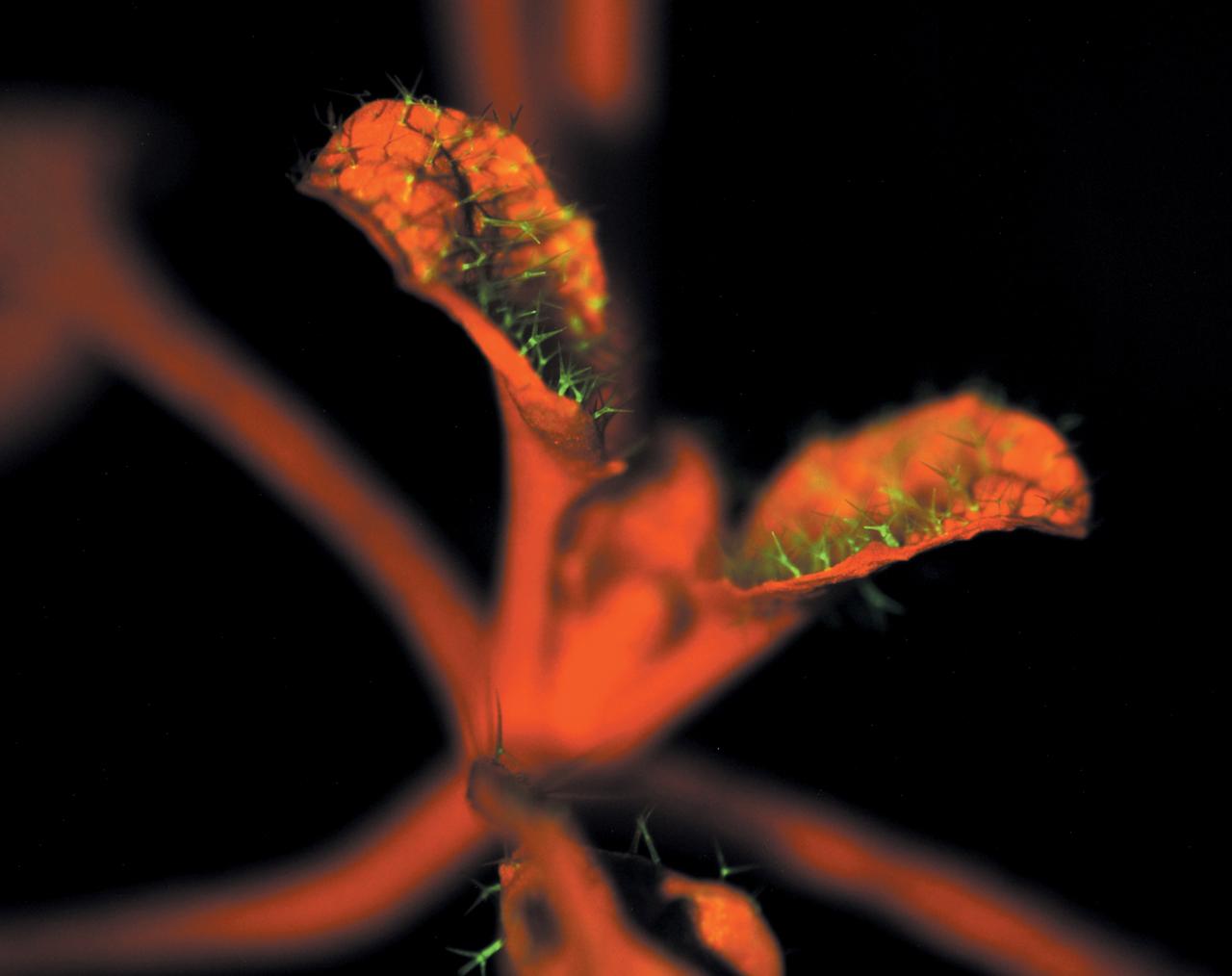
Researchers in Robert Ferl’s lab at the University of Florida in Gainesville, genetically altered this Arabdopsis Thaliana (a brassica species) plant to learn how extreme environments, such as the low atmospheric pressure on Mars, affect plant genes. They inserted green fluorescent protein (GFP) near the on/off switches for anoxia and drought genes. When those genes were turned on after exposure to reduced atmospheric pressure, GFP was turned on as well, causing cells expressing those genes to glow green under a blue light. The natural fluorescence of chlorophyll accounts for the red glow.
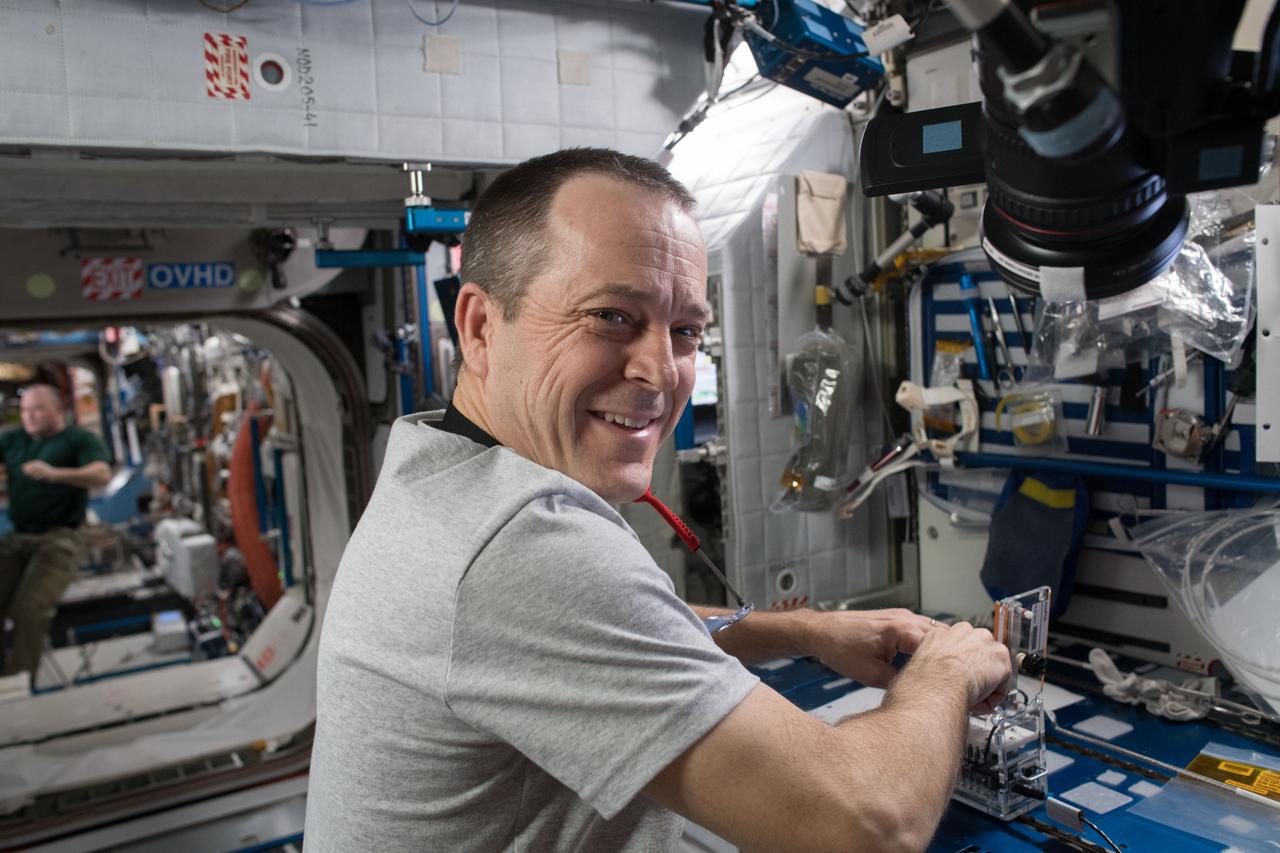
iss055e016051 (April 11, 2018) --- NASA astronaut and Flight Engineer Ricky Arnold works with the student-designed Genes in Space-5 experiment inside the Harmony module. The genetic research is helping scientists understand the relationship between DNA alterations and weakened immune systems possibly caused by living in space.
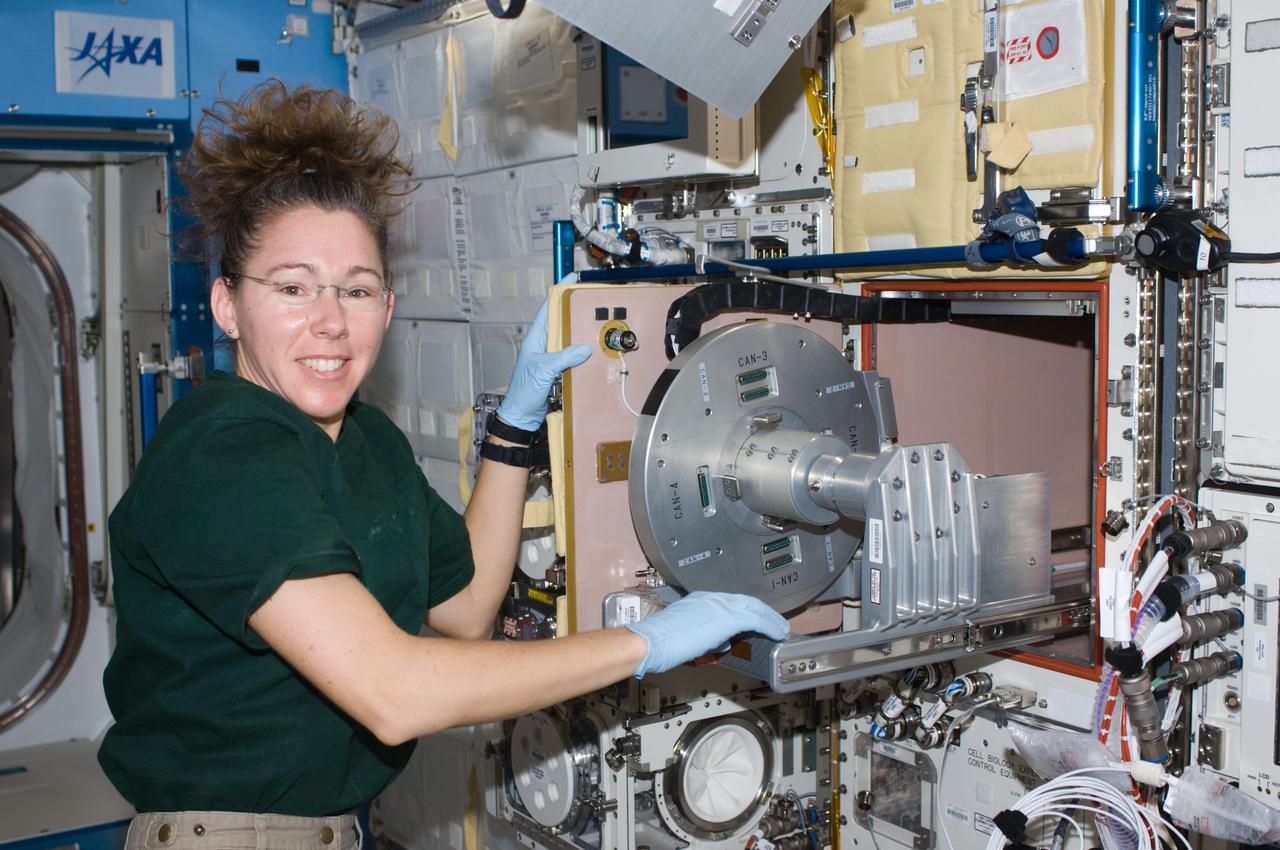
ISS018-E-034555 (20 Feb. 2009) --- Astronaut Sandra Magnus, Expedition 18 flight engineer, takes a moment for a photo while working with the LOH- RadGene experiment at the Cell Biology Experiment Facility (CBEF) in the Kibo laboratory of the International Space Station. This experiment investigates genetic alterations in immature immune cells that have been exposed to cosmic radiation. The samples were placed in culture bags and launched to the ISS on the STS-126 mission. After the experiment, frozen samples will be returned to the ground on the STS-119 mission.
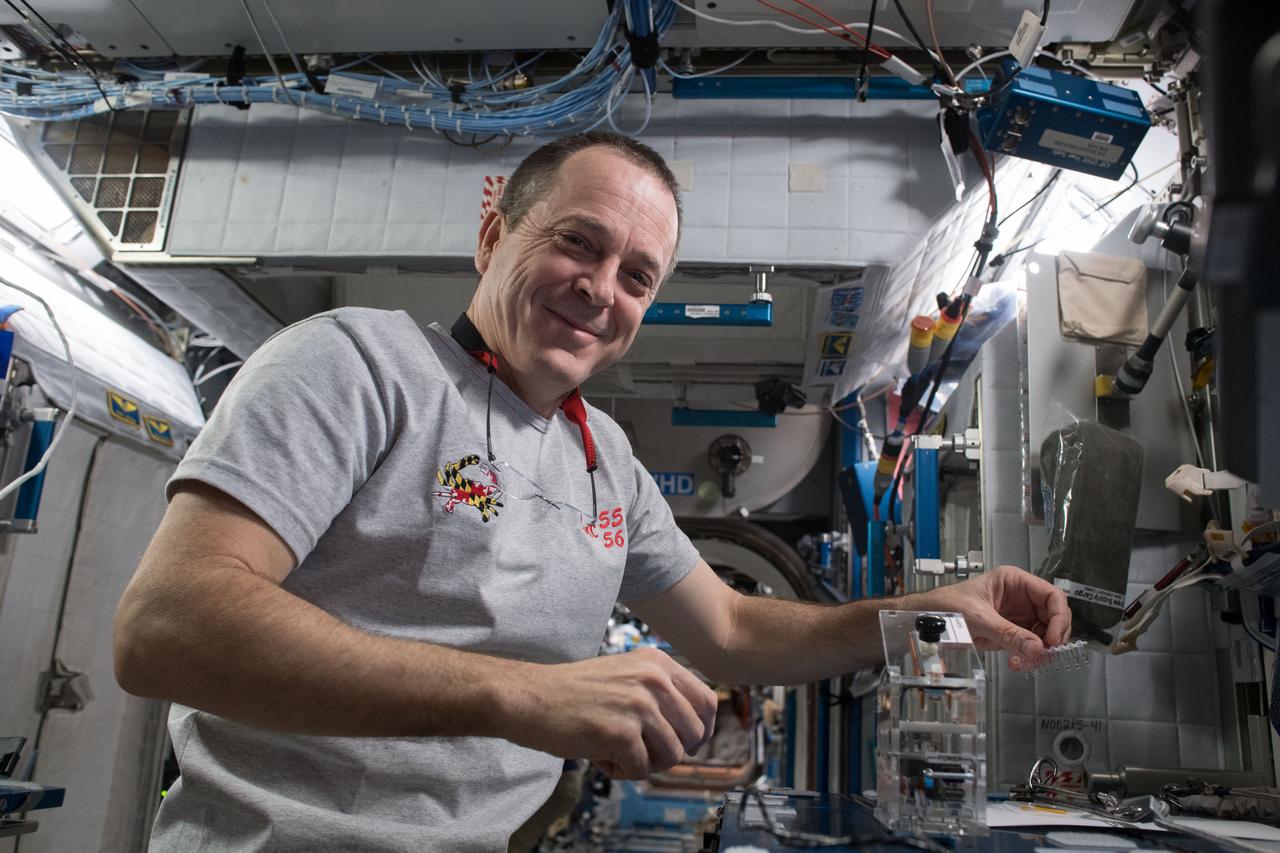
iss055e016053 (4/11/2018) --- NASA astronaut Ricky Arnold works with the student-designed Genes in Space-5 experiment inside the Harmony module. The genetic research is helping scientists understand the relationship between DNA alterations and weakened immune systems possibly caused by living in space. Genes in Space is an innovation challenge including students and teachers across the United States from grades 7 through 12. Students design a pioneering DNA-related experiment to fly on the ISS, providing real-world training in science, technology, engineering and math (STEM) fields and connecting students to the space program.
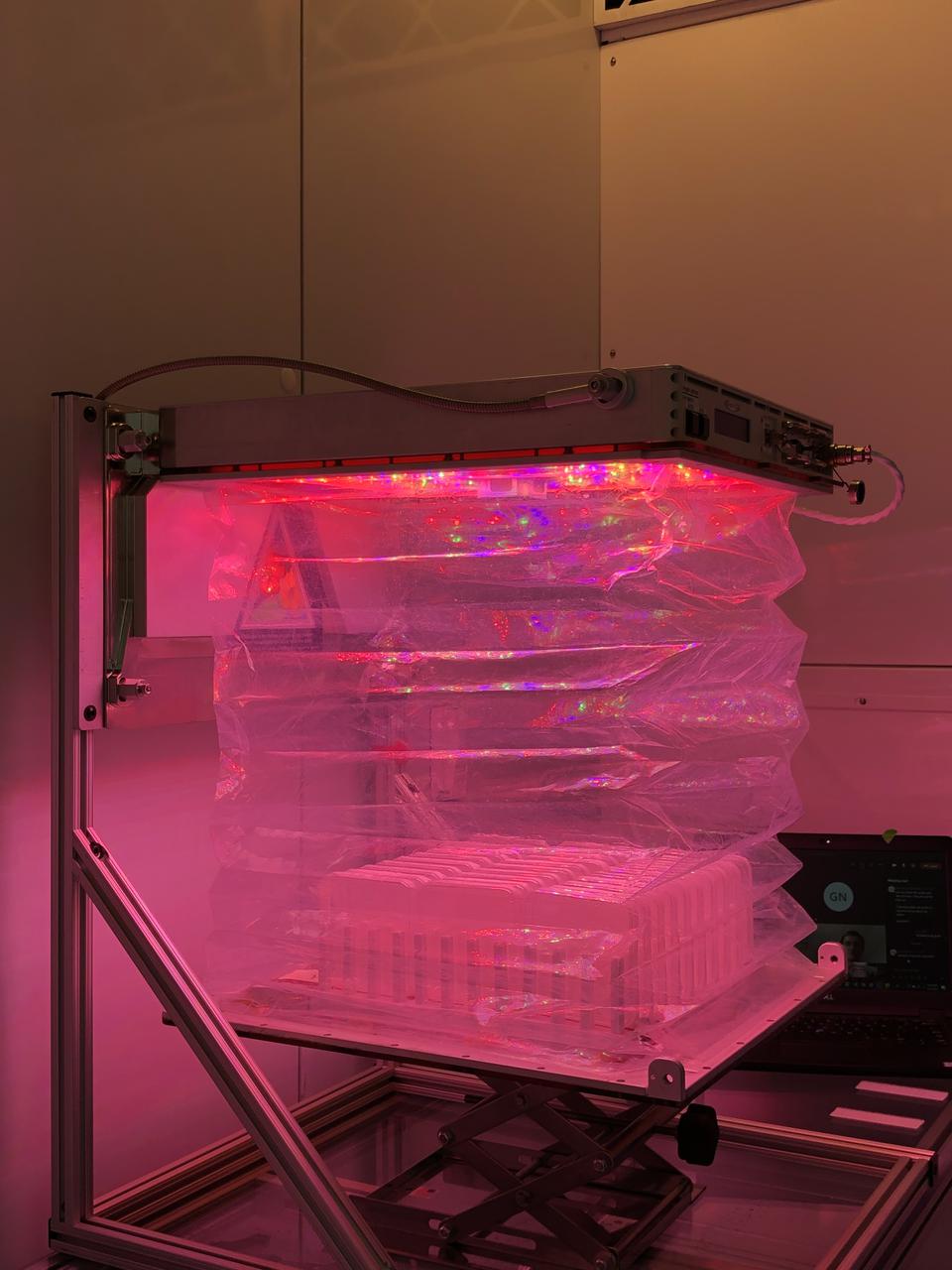
The Science Verification Test for NASA’s Advanced Plant Experiment-08 (APEX-08) testing Arabidopsis thaliana, a plant scientists routinely use for research, takes place inside the Veggie growth chamber at NASA’s Kennedy Space Center in Florida on Nov. 6, 2020. The test is part of the process for demonstrating readiness for space research ahead of its flight on SpaceX’s 23rd Commercial Resupply Services mission to the International Space Station. The APEX-08 study includes making genetic alterations that elicit a response in a group of organic compounds that modulate plant responses to environmental stress.
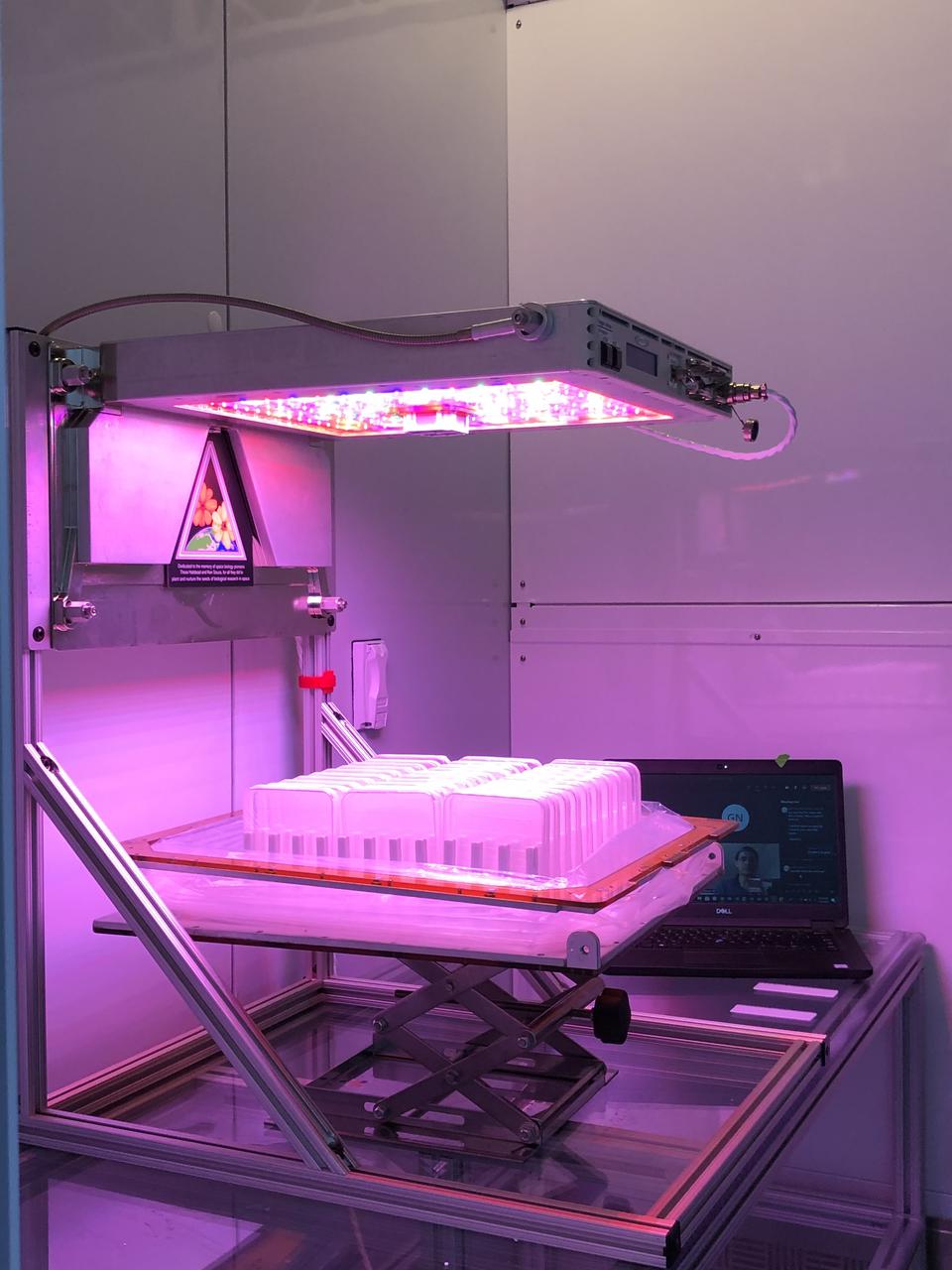
The Science Verification Test for NASA’s Advanced Plant Experiment-08 (APEX-08) testing Arabidopsis thaliana, a plant scientists routinely use for research, takes place inside the Veggie growth chamber at NASA’s Kennedy Space Center in Florida on Nov. 6, 2020. The test is part of the process for demonstrating readiness for space research ahead of its flight on SpaceX’s 23rd Commercial Resupply Services mission to the International Space Station. The APEX-08 study includes making genetic alterations that elicit a response in a group of organic compounds that modulate plant responses to environmental stress.
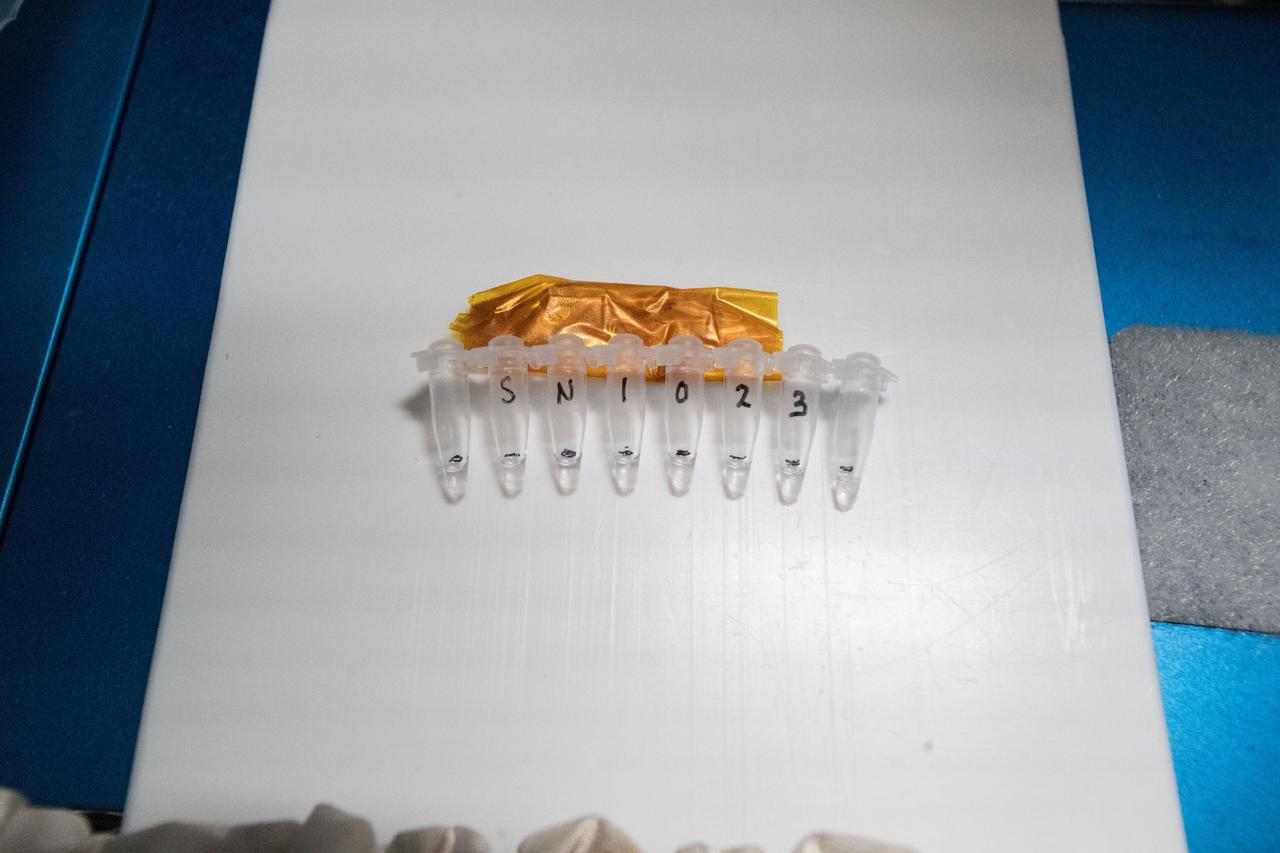
iss055e020316 (4/13/2018) --- Photographic documentation taken during processing of samples in the Miniature Polymerase Chain Reaction (miniPCR) for the Genes In Space-5 experiment onboard the International Space Station (ISS). The genetic research is helping scientists understand the relationship between DNA alterations and weakened immune systems possibly caused by living in space. Genes in Space is an innovation challenge including students and teachers across the United States from grades 7 through 12. Students design a pioneering DNA-related experiment to fly on the ISS, providing real-world training in science, technology, engineering and math (STEM) fields and connecting students to the space program.
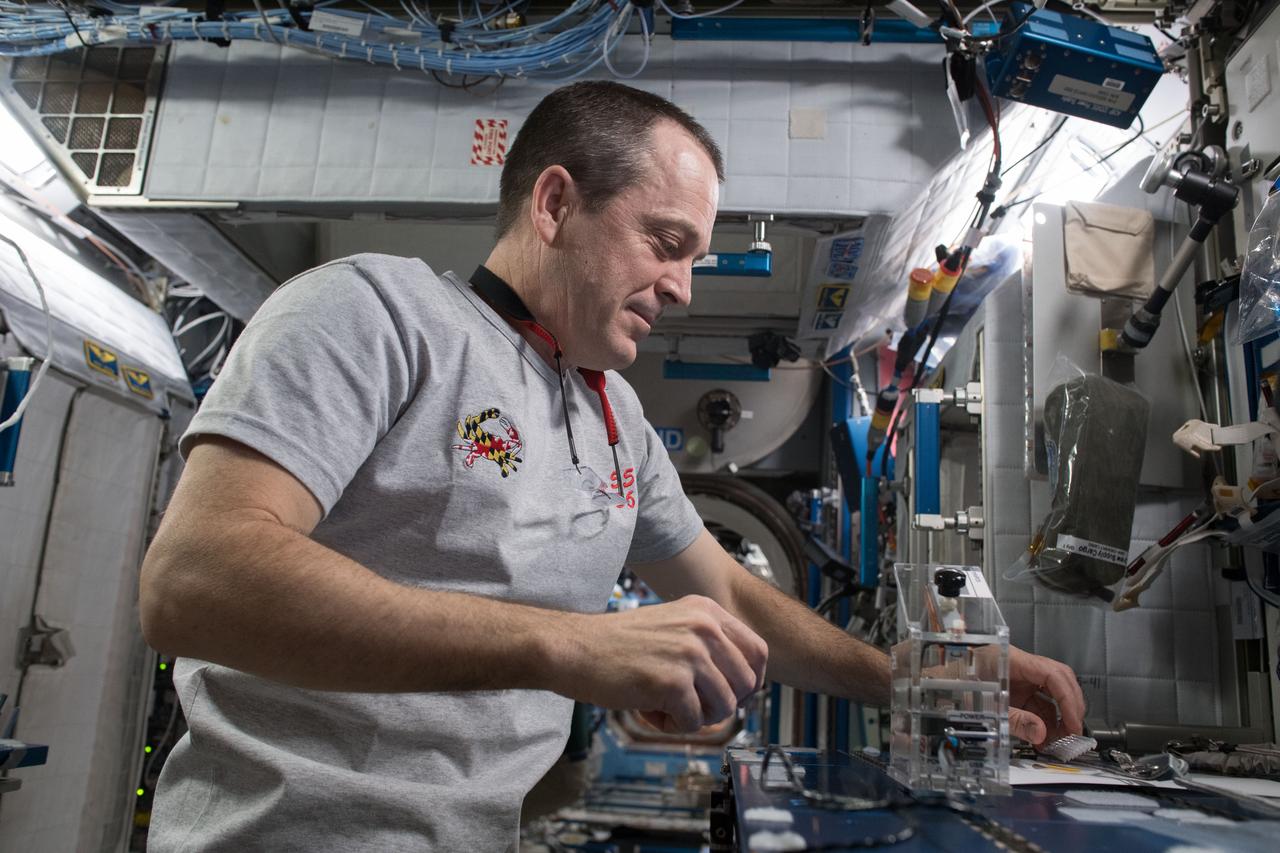
iss055e016052 (4/11/2018) --- NASA astronaut Ricky Arnold works with the student-designed Genes in Space-5 experiment inside the Harmony module. The genetic research is helping scientists understand the relationship between DNA alterations and weakened immune systems possibly caused by living in space. Genes in Space is an innovation challenge including students and teachers across the United States from grades 7 through 12. Students design a pioneering DNA-related experiment to fly on the ISS, providing real-world training in science, technology, engineering and math (STEM) fields and connecting students to the space program.