
Illustration of the twin spacecraft of the NASA/German Research Centre for Geosciences (GFZ) Gravity Recovery and Climate Experiment Follow-On (GRACE-FO) mission. GRACE-FO will continue tracking the evolution of Earth's water cycle by monitoring changes in the distribution of mass on Earth. https://photojournal.jpl.nasa.gov/catalog/PIA22445

Illustration of the twin spacecraft of the NASA/German Research Centre for Geosciences (GFZ) Gravity Recovery and Climate Experiment Follow-On (GRACE-FO) mission. GRACE-FO will continue tracking the evolution of Earth's water cycle by monitoring changes in the distribution of mass on Earth. https://photojournal.jpl.nasa.gov/catalog/PIA22440

Illustration of the twin spacecraft of the NASA/German Research Centre for Geosciences (GFZ) Gravity Recovery and Climate Experiment Follow-On (GRACE-FO) mission. GRACE-FO will continue tracking the evolution of Earth's water cycle by monitoring changes in the distribution of mass on Earth. https://photojournal.jpl.nasa.gov/catalog/PIA22441
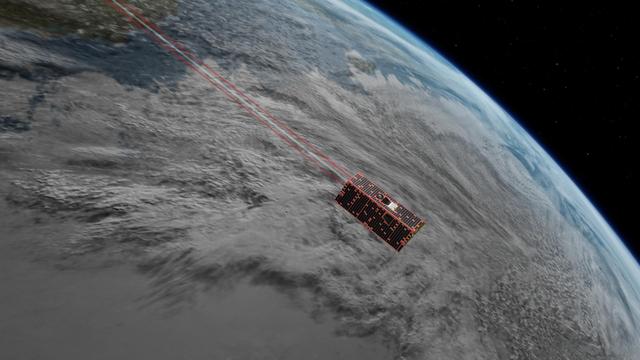
Illustration of the twin spacecraft of the NASA/German Research Centre for Geosciences (GFZ) Gravity Recovery and Climate Experiment Follow-On (GRACE-FO) mission. GRACE-FO will continue tracking the evolution of Earth's water cycle by monitoring changes in the distribution of mass on Earth. https://photojournal.jpl.nasa.gov/catalog/PIA22446

Illustration of the twin spacecraft of the NASA/German Research Centre for Geosciences (GFZ) Gravity Recovery and Climate Experiment Follow-On (GRACE-FO) mission. GRACE-FO will continue tracking the evolution of Earth's water cycle by monitoring changes in the distribution of mass on Earth. https://photojournal.jpl.nasa.gov/catalog/PIA22447
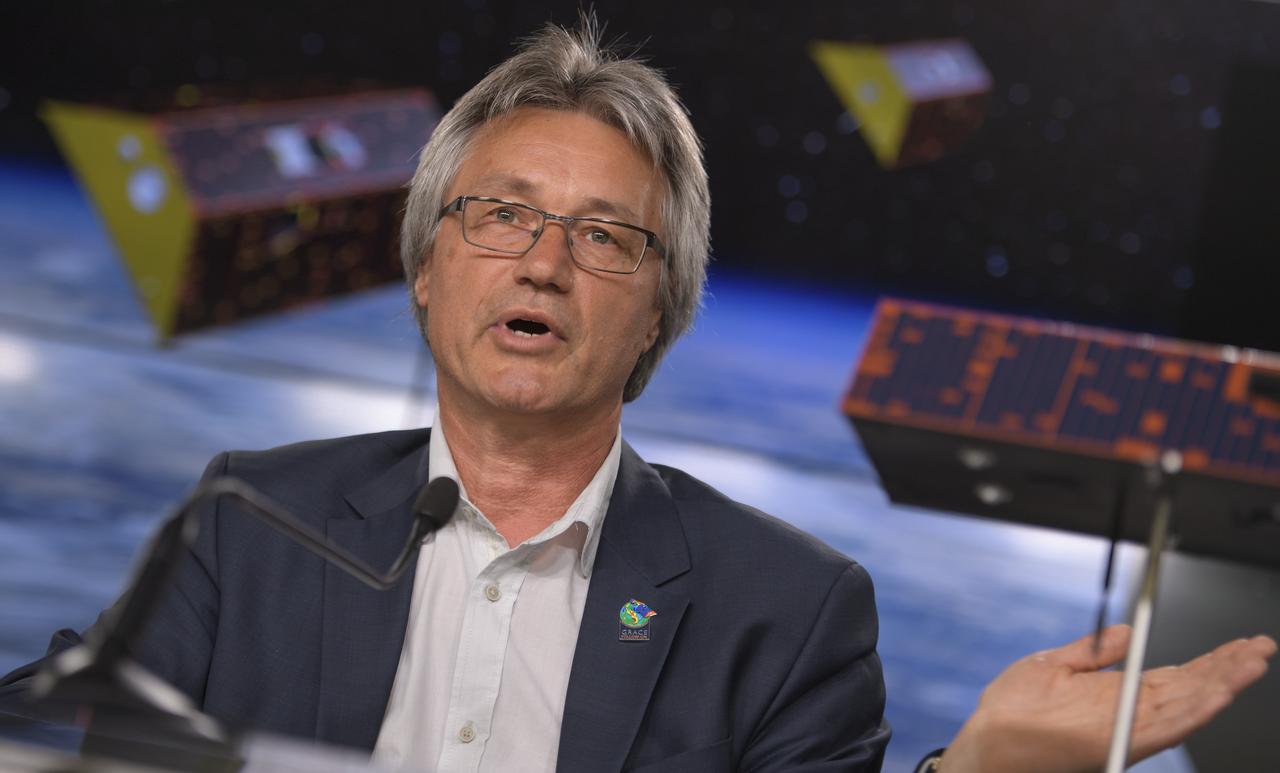
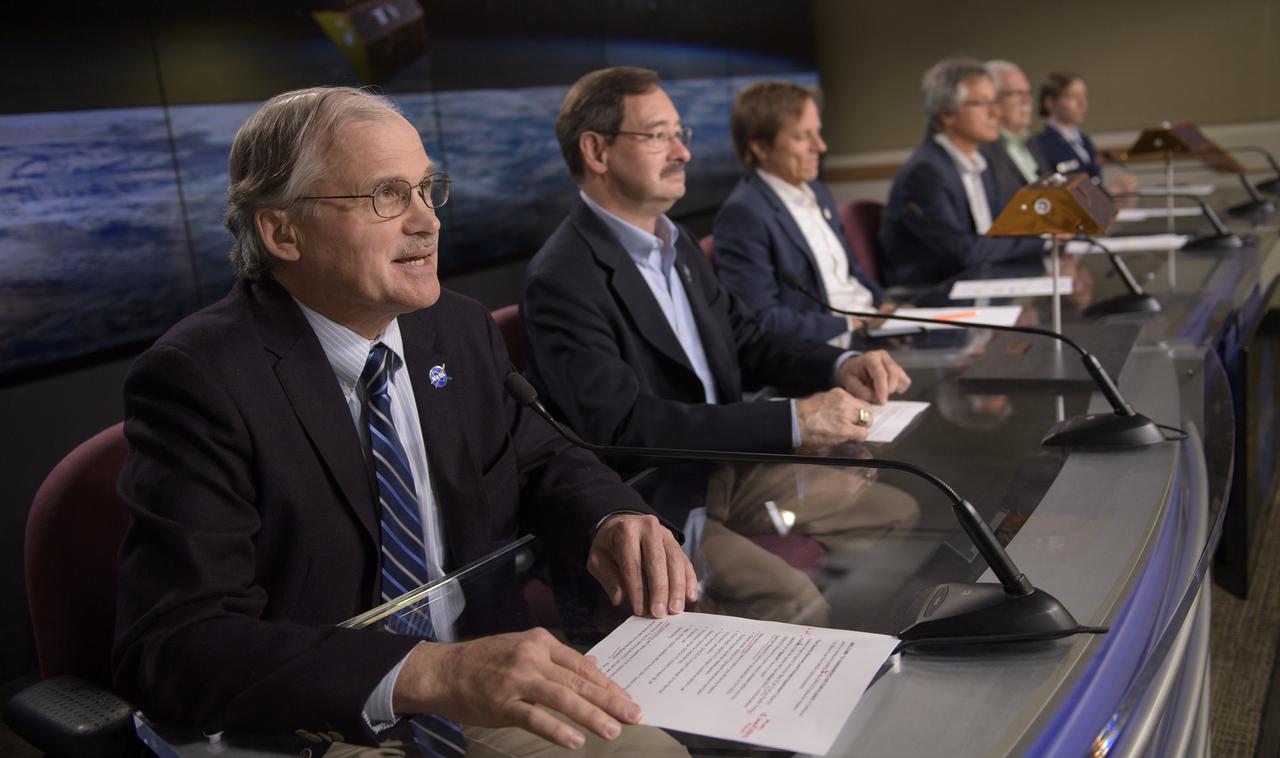
Frank Flechtner, GRACE-FO project manager for the German Research Centre for Geosciences (GFZ) in Potsdam, Germany, discusses the Gravity Recovery and Climate Experiment Follow-On (GRACE-FO) mission during a prelaunch media briefing, Monday, May 21, 2018, at Vandenberg Air Force Base in California. The twin GRACE-FO spacecraft will measure changes in how mass is redistributed within and among Earth's atmosphere, oceans, land and ice sheets, as well as within Earth itself. Photo Credit: (NASA/Bill Ingalls)
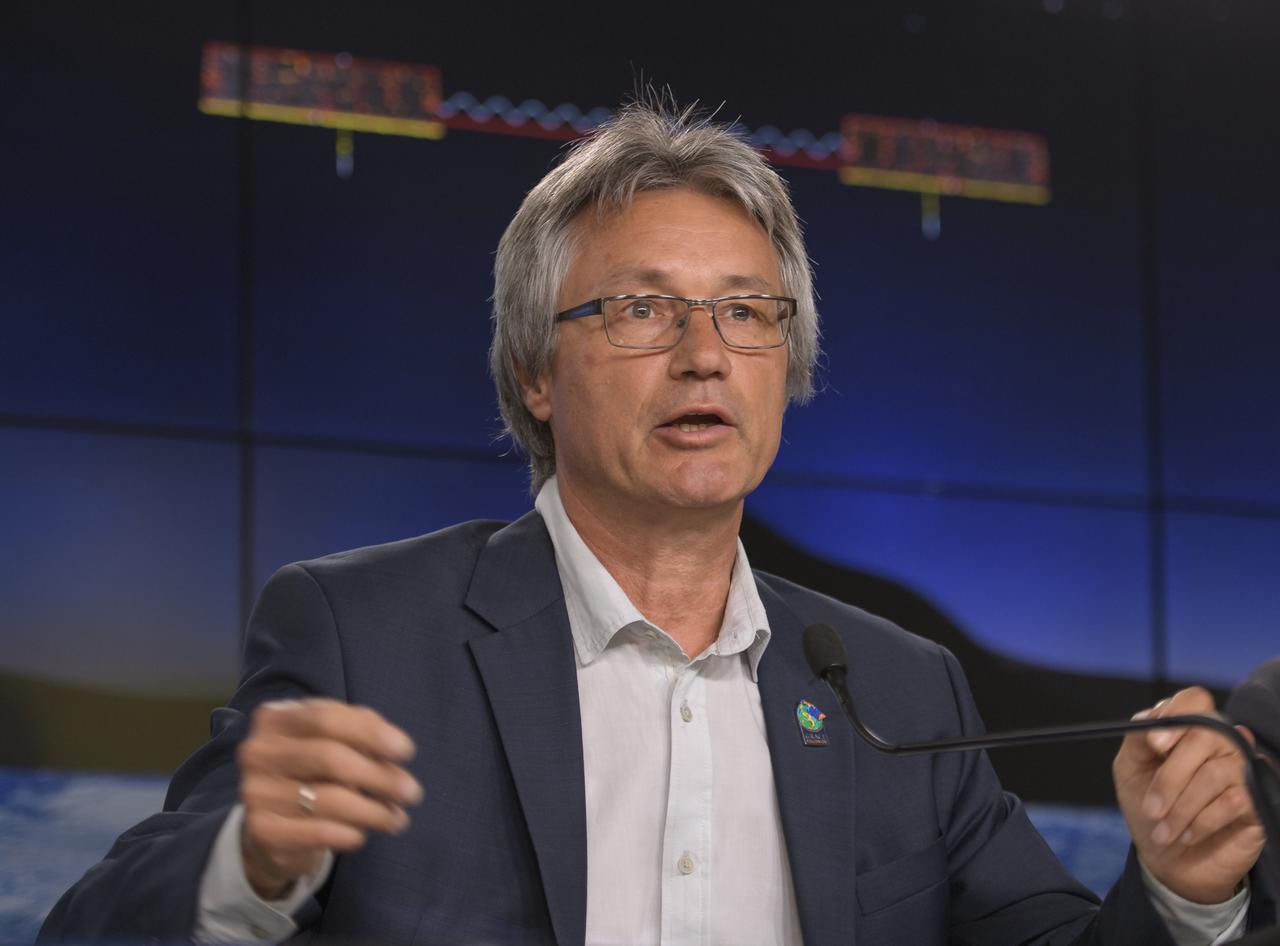
Frank Flechtner, GRACE-FO project manager for the German Research Centre for Geosciences (GFZ) in Potsdam, Germany, discusses the Gravity Recovery and Climate Experiment Follow-On (GRACE-FO) mission during a prelaunch media briefing, Monday, May 21, 2018, at Vandenberg Air Force Base in California. The twin GRACE-FO spacecraft will measure changes in how mass is redistributed within and among Earth's atmosphere, oceans, land and ice sheets, as well as within Earth itself. Photo Credit: (NASA/Bill Ingalls)
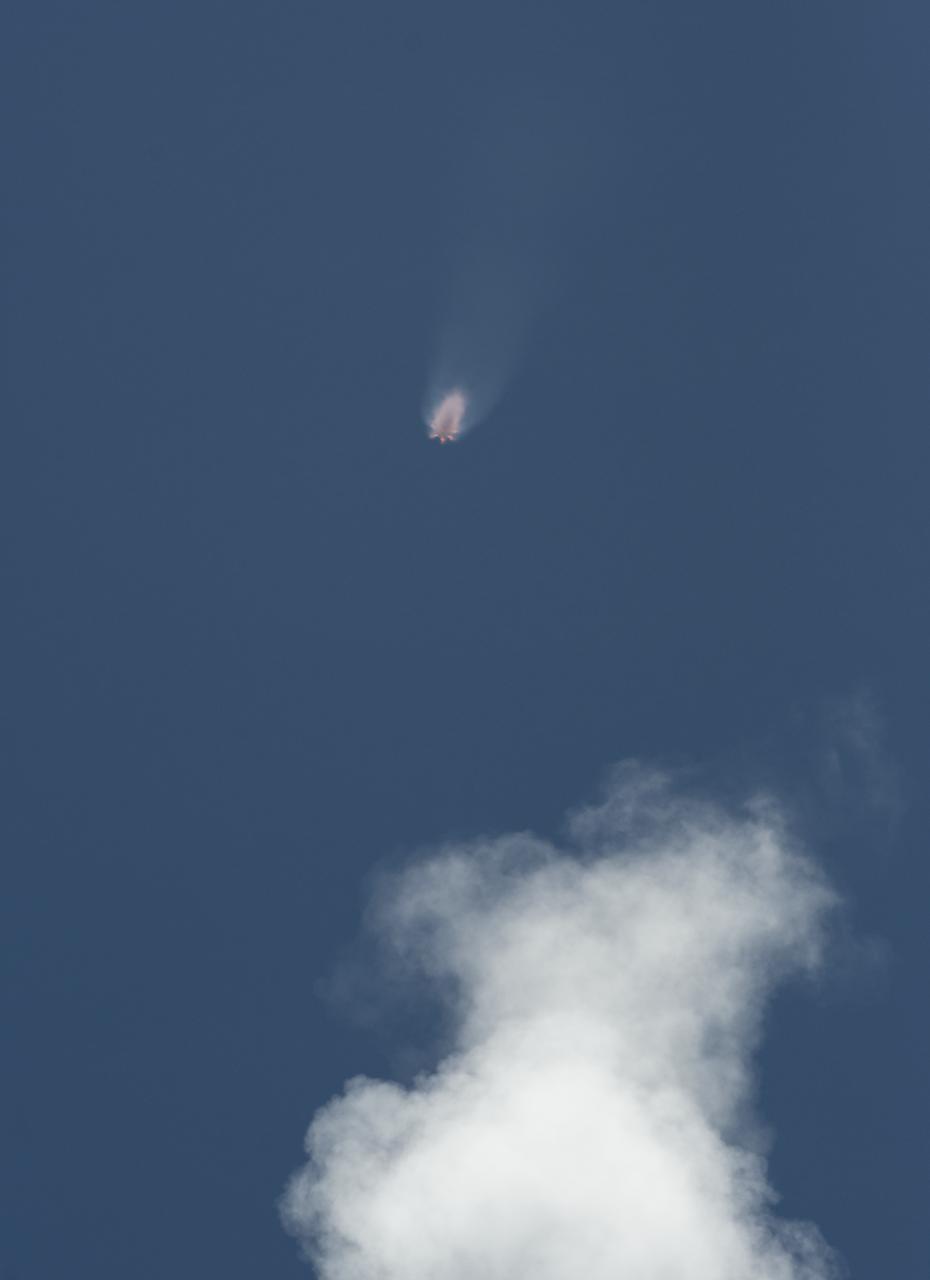
The NASA/German Research Centre for Geosciences GRACE Follow-On spacecraft launch onboard a SpaceX Falcon 9 rocket, Tuesday, May 22, 2018, from Space Launch Complex 4E at Vandenberg Air Force Base in California. The mission will measure changes in how mass is redistributed within and among Earth's atmosphere, oceans, land and ice sheets, as well as within Earth itself. GRACE-FO is sharing its ride to orbit with five Iridium NEXT communications satellites as part of a commercial rideshare agreement. Photo Credit: (NASA/Bill Ingalls)
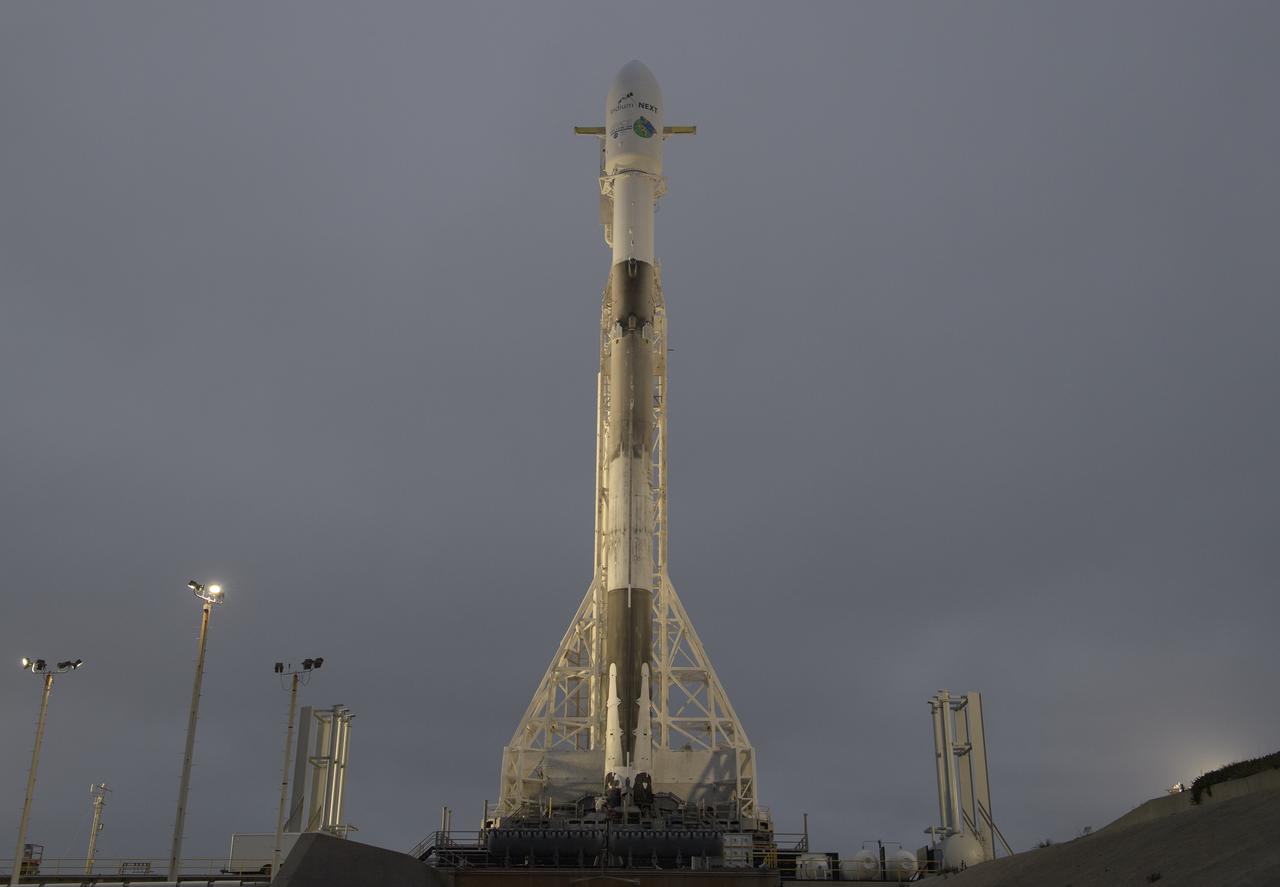
The SpaceX Falcon 9 rocket is seen with the NASA/German Research Centre for Geosciences GRACE Follow-On spacecraft onboard, Monday, May 21, 2018, at Space Launch Complex 4E at Vandenberg Air Force Base in California. The mission will measure changes in how mass is redistributed within and among Earth's atmosphere, oceans, land and ice sheets, as well as within Earth itself. GRACE-FO is sharing its ride to orbit with five Iridium NEXT communications satellites as part of a commercial rideshare agreement. Photo Credit: (NASA/Bill Ingalls)
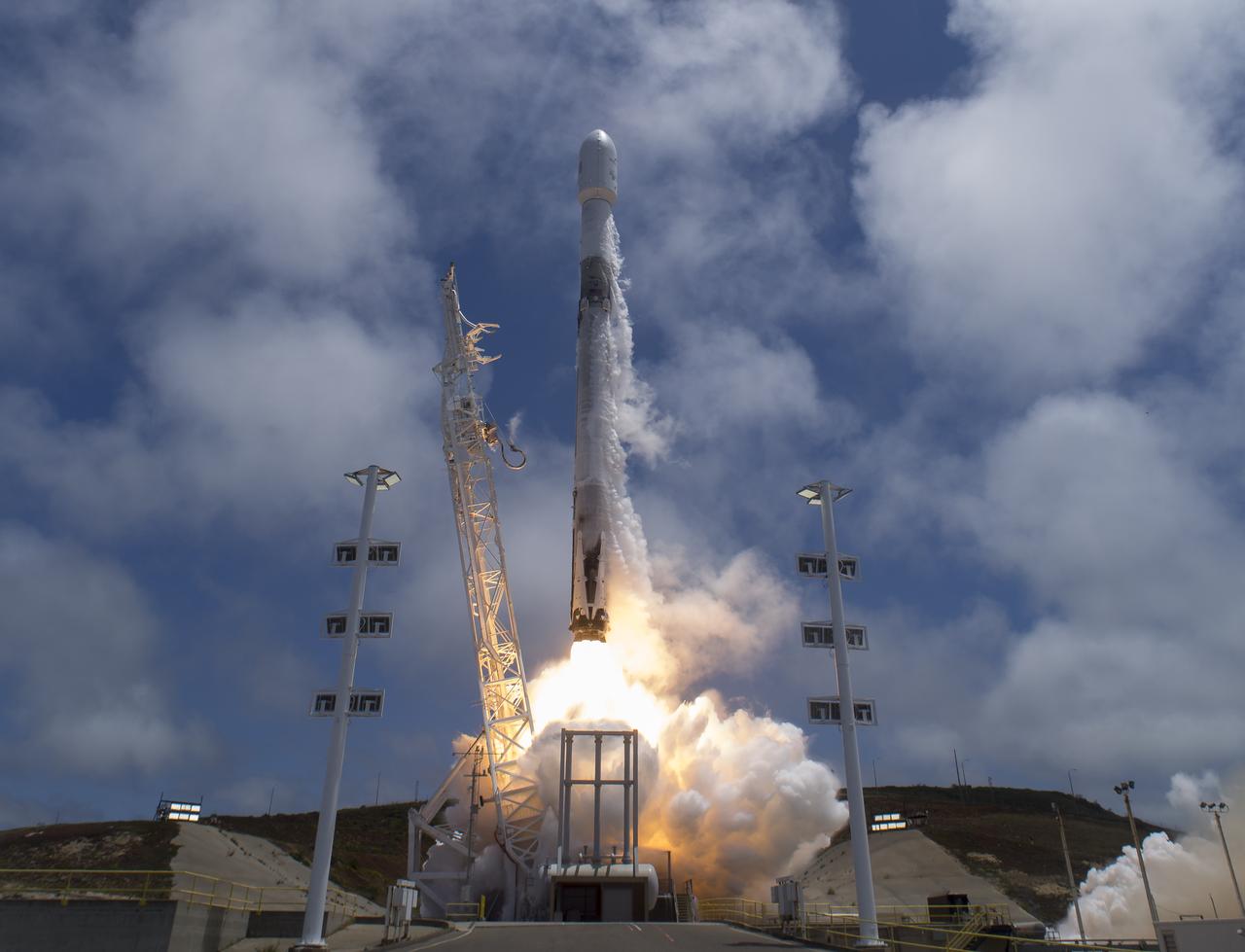
The NASA/German Research Centre for Geosciences GRACE Follow-On spacecraft launch onboard a SpaceX Falcon 9 rocket, Tuesday, May 22, 2018, from Space Launch Complex 4E at Vandenberg Air Force Base in California. The mission will measure changes in how mass is redistributed within and among Earth's atmosphere, oceans, land and ice sheets, as well as within Earth itself. GRACE-FO is sharing its ride to orbit with five Iridium NEXT communications satellites as part of a commercial rideshare agreement. Photo Credit: (NASA/Bill Ingalls)
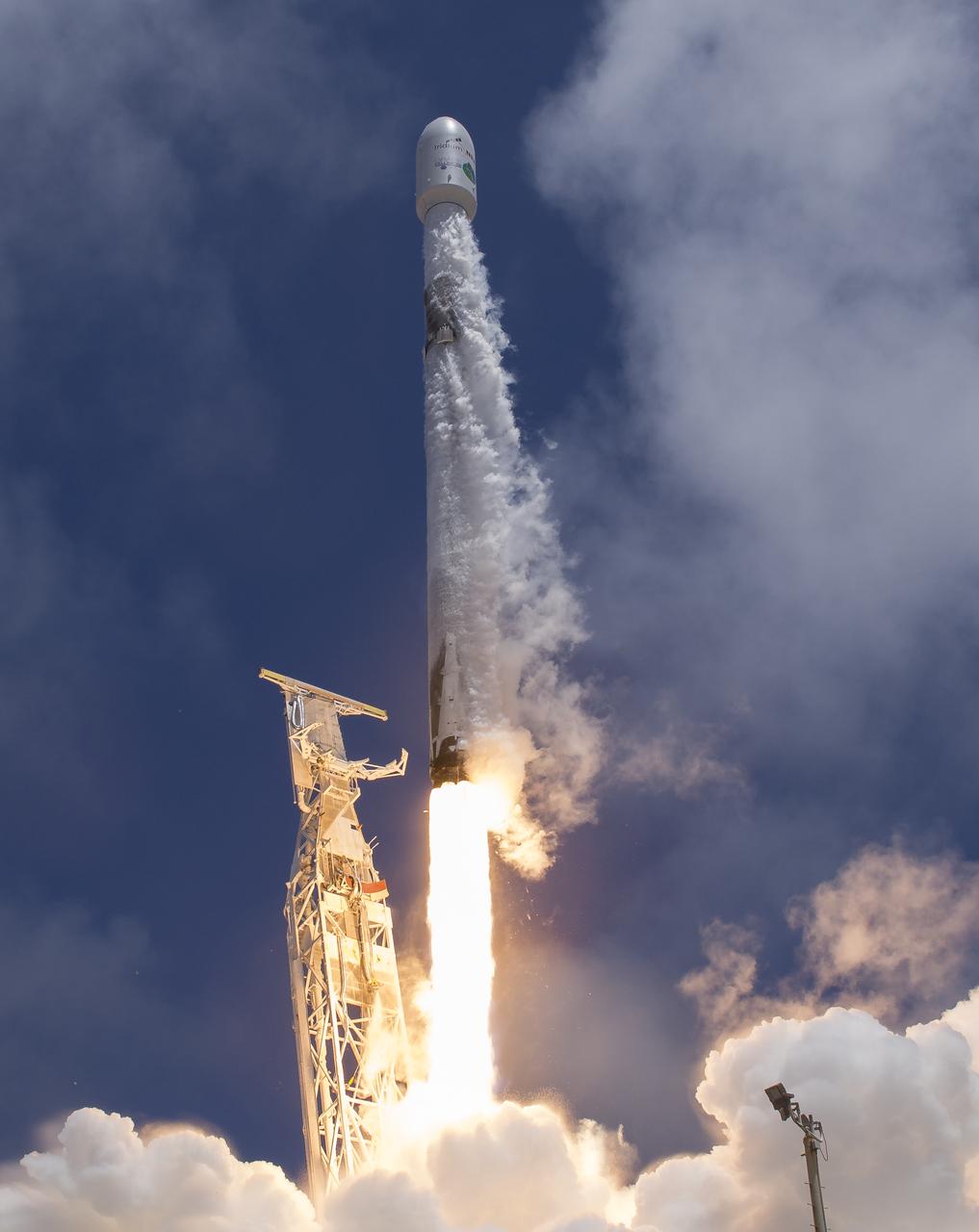
The NASA/German Research Centre for Geosciences GRACE Follow-On spacecraft launch onboard a SpaceX Falcon 9 rocket, Tuesday, May 22, 2018, from Space Launch Complex 4E at Vandenberg Air Force Base in California. The mission will measure changes in how mass is redistributed within and among Earth's atmosphere, oceans, land and ice sheets, as well as within Earth itself. GRACE-FO is sharing its ride to orbit with five Iridium NEXT communications satellites as part of a commercial rideshare agreement. Photo Credit: (NASA/Bill Ingalls)
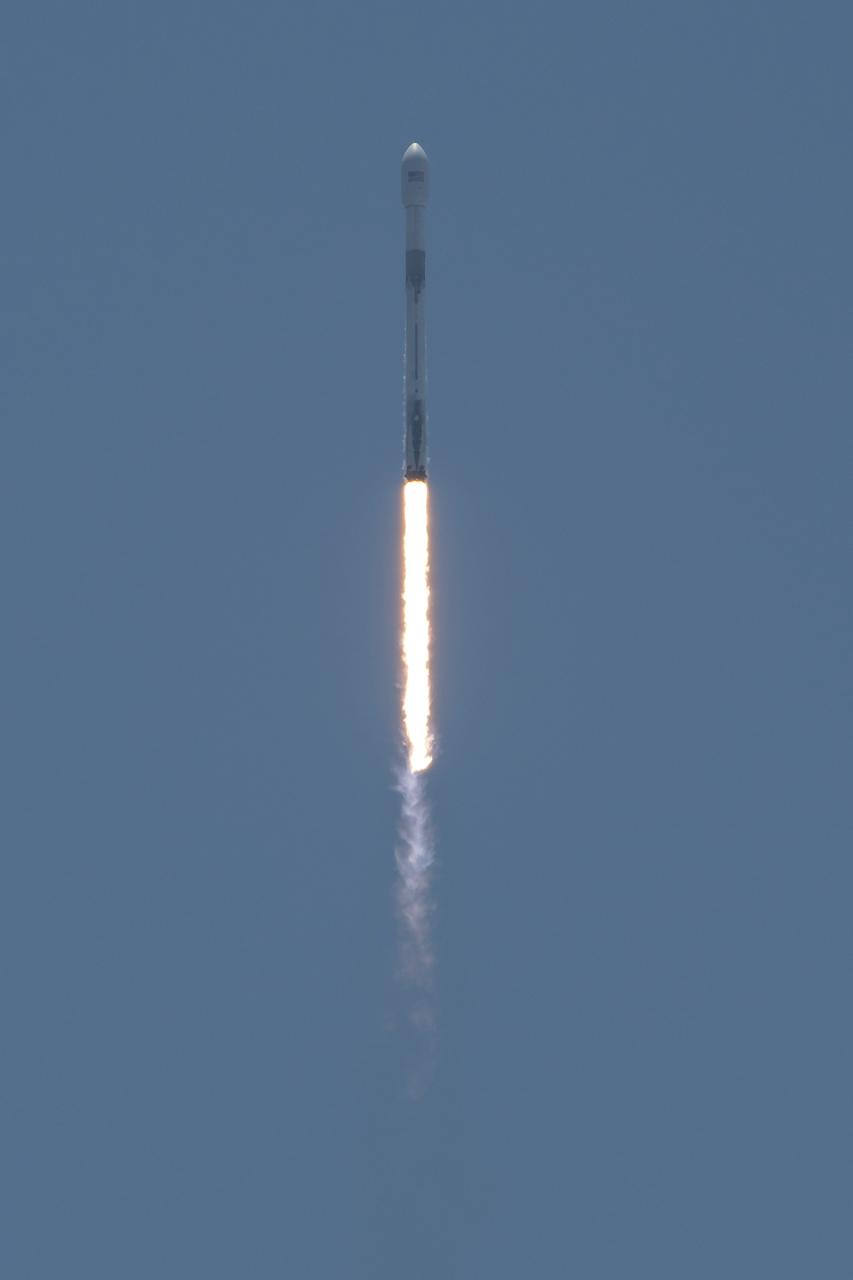
The NASA/German Research Centre for Geosciences GRACE Follow-On spacecraft launch onboard a SpaceX Falcon 9 rocket, Tuesday, May 22, 2018, from Space Launch Complex 4E at Vandenberg Air Force Base in California. The mission will measure changes in how mass is redistributed within and among Earth's atmosphere, oceans, land and ice sheets, as well as within Earth itself. GRACE-FO is sharing its ride to orbit with five Iridium NEXT communications satellites as part of a commercial rideshare agreement. Photo Credit: (NASA/Bill Ingalls)

Long exposure photograph showing the NASA/German Research Centre for Geosciences GRACE Follow-On spacecraft launching onboard a SpaceX Falcon 9 rocket, Tuesday, May 22, 2018, from Space Launch Complex 4E at Vandenberg Air Force Base in California. The mission will measure changes in how mass is redistributed within and among Earth's atmosphere, oceans, land and ice sheets, as well as within Earth itself. GRACE-FO is sharing its ride to orbit with five Iridium NEXT communications satellites as part of a commercial rideshare agreement. Photo Credit: (NASA/Bill Ingalls)
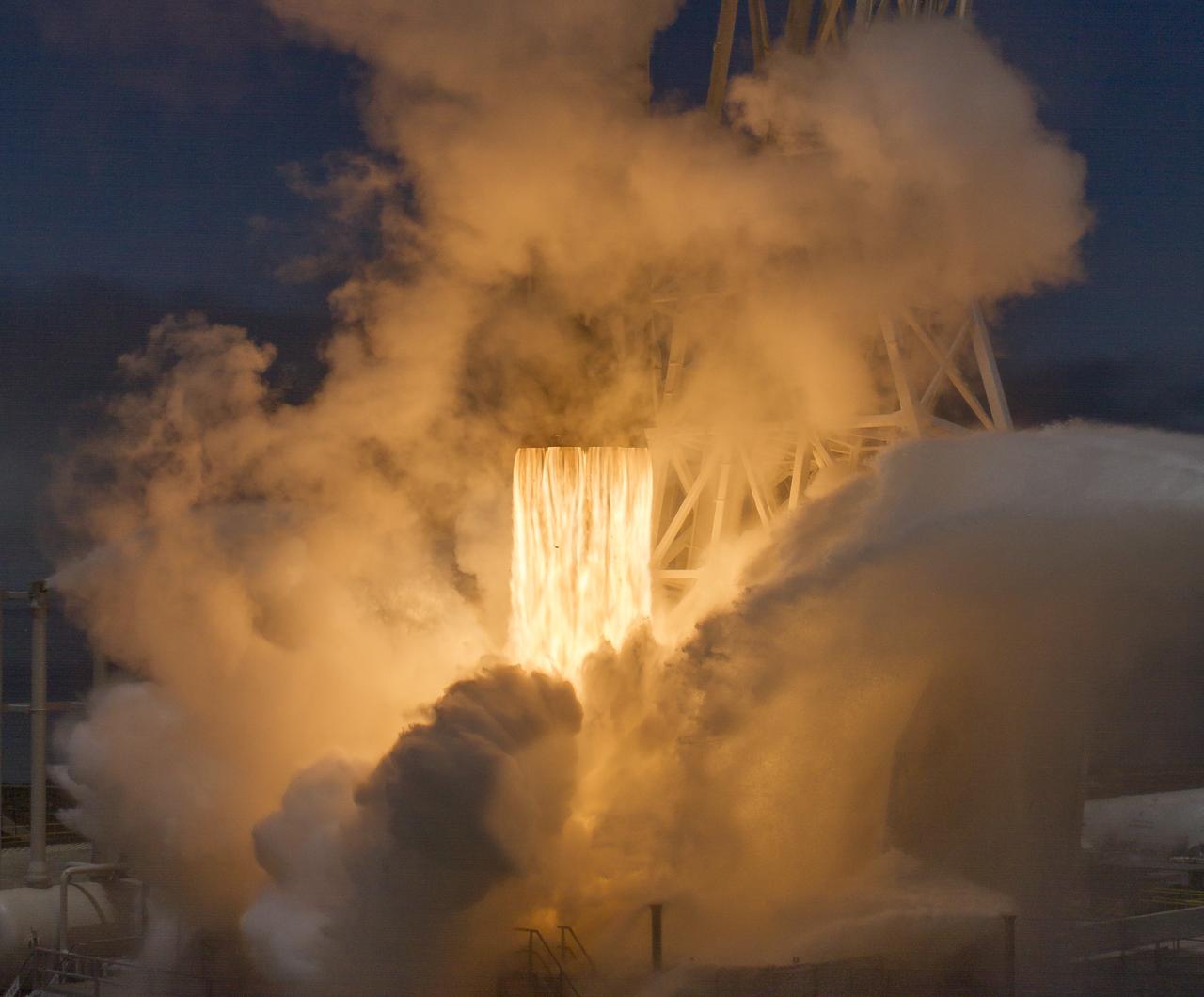
The NASA/German Research Centre for Geosciences GRACE Follow-On spacecraft launch onboard a SpaceX Falcon 9 rocket, Tuesday, May 22, 2018, from Space Launch Complex 4E at Vandenberg Air Force Base in California. The mission will measure changes in how mass is redistributed within and among Earth's atmosphere, oceans, land and ice sheets, as well as within Earth itself. GRACE-FO is sharing its ride to orbit with five Iridium NEXT communications satellites as part of a commercial rideshare agreement. Photo Credit: (NASA/Bill Ingalls)

The NASA/German Research Centre for Geosciences GRACE Follow-On spacecraft launch onboard a SpaceX Falcon 9 rocket, Tuesday, May 22, 2018, from Space Launch Complex 4E at Vandenberg Air Force Base in California. The mission will measure changes in how mass is redistributed within and among Earth's atmosphere, oceans, land and ice sheets, as well as within Earth itself. GRACE-FO is sharing its ride to orbit with five Iridium NEXT communications satellites as part of a commercial rideshare agreement. Photo Credit: (NASA/Bill Ingalls)
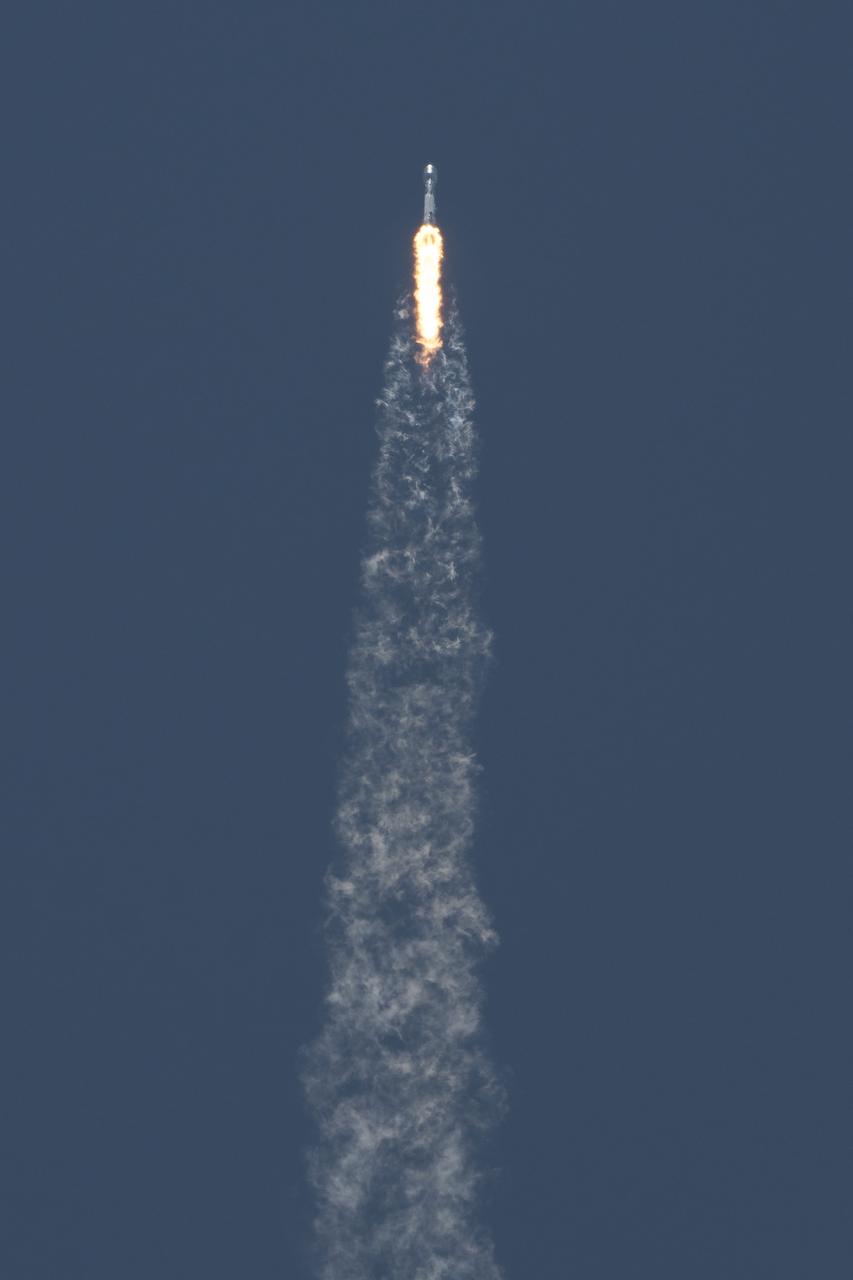
The NASA/German Research Centre for Geosciences GRACE Follow-On spacecraft launch onboard a SpaceX Falcon 9 rocket, Tuesday, May 22, 2018, from Space Launch Complex 4E at Vandenberg Air Force Base in California. The mission will measure changes in how mass is redistributed within and among Earth's atmosphere, oceans, land and ice sheets, as well as within Earth itself. GRACE-FO is sharing its ride to orbit with five Iridium NEXT communications satellites as part of a commercial rideshare agreement. Photo Credit: (NASA/Bill Ingalls)
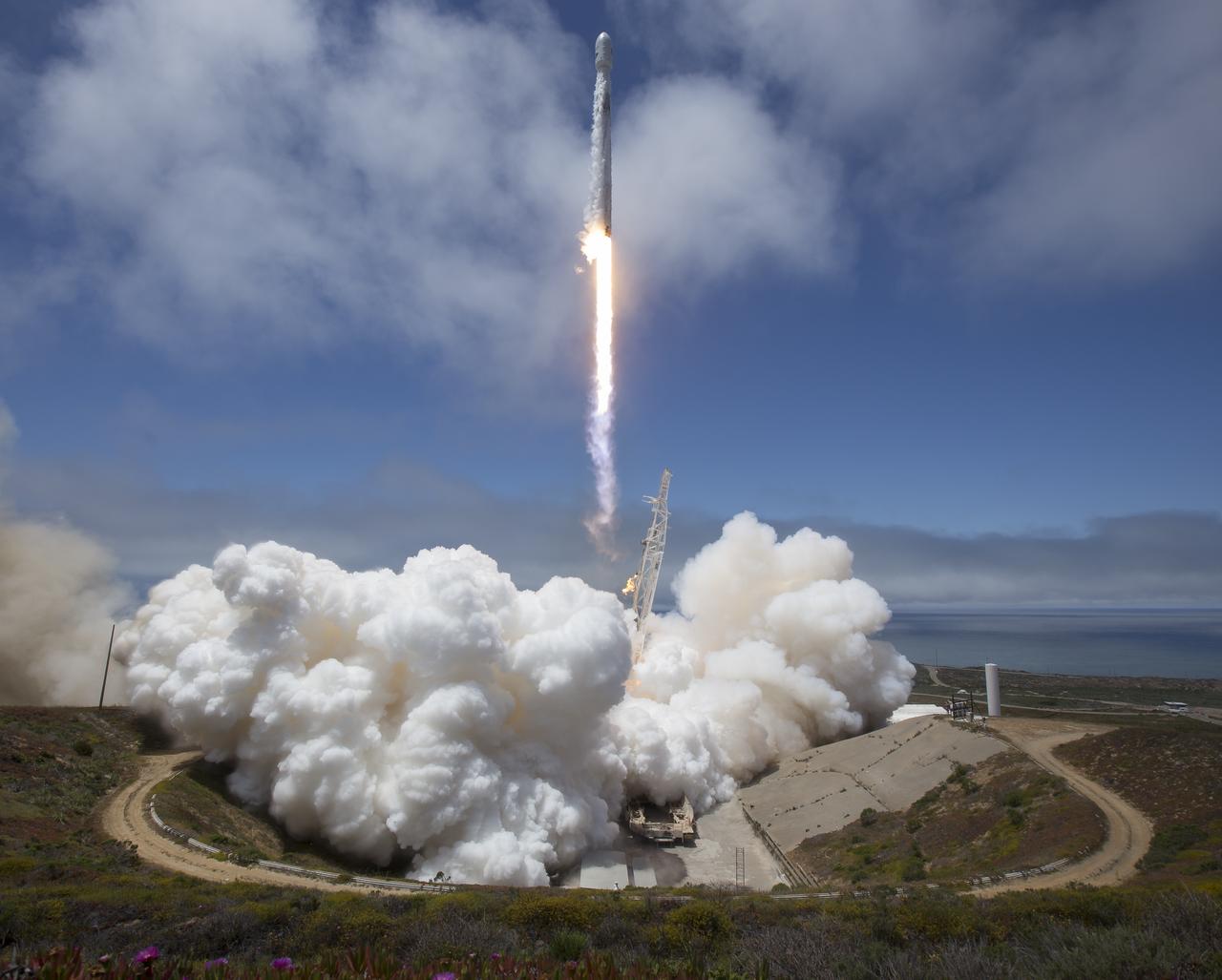
The NASA/German Research Centre for Geosciences GRACE Follow-On spacecraft launch onboard a SpaceX Falcon 9 rocket, Tuesday, May 22, 2018, from Space Launch Complex 4E at Vandenberg Air Force Base in California. The mission will measure changes in how mass is redistributed within and among Earth's atmosphere, oceans, land and ice sheets, as well as within Earth itself. GRACE-FO is sharing its ride to orbit with five Iridium NEXT communications satellites as part of a commercial rideshare agreement. Photo Credit: (NASA/Bill Ingalls)

The NASA/German Research Centre for Geosciences GRACE Follow-On spacecraft launch onboard a SpaceX Falcon 9 rocket, Tuesday, May 22, 2018, from Space Launch Complex 4E at Vandenberg Air Force Base in California. The mission will measure changes in how mass is redistributed within and among Earth's atmosphere, oceans, land and ice sheets, as well as within Earth itself. GRACE-FO is sharing its ride to orbit with five Iridium NEXT communications satellites as part of a commercial rideshare agreement. Photo Credit: (NASA/Bill Ingalls)
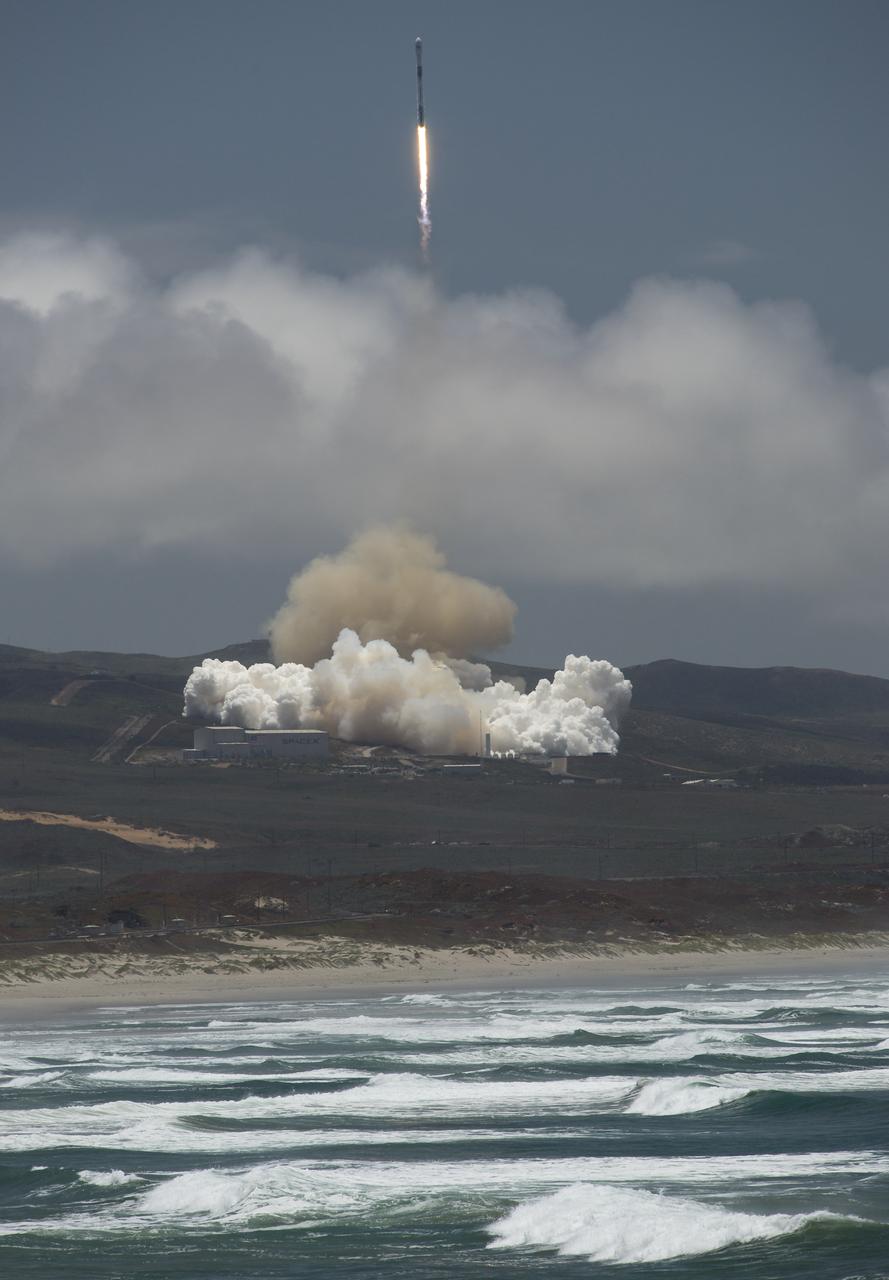
The NASA/German Research Centre for Geosciences GRACE Follow-On spacecraft launch onboard a SpaceX Falcon 9 rocket, Tuesday, May 22, 2018, from Space Launch Complex 4E at Vandenberg Air Force Base in California. The mission will measure changes in how mass is redistributed within and among Earth's atmosphere, oceans, land and ice sheets, as well as within Earth itself. GRACE-FO is sharing its ride to orbit with five Iridium NEXT communications satellites as part of a commercial rideshare agreement. Photo Credit: (NASA/Bill Ingalls)
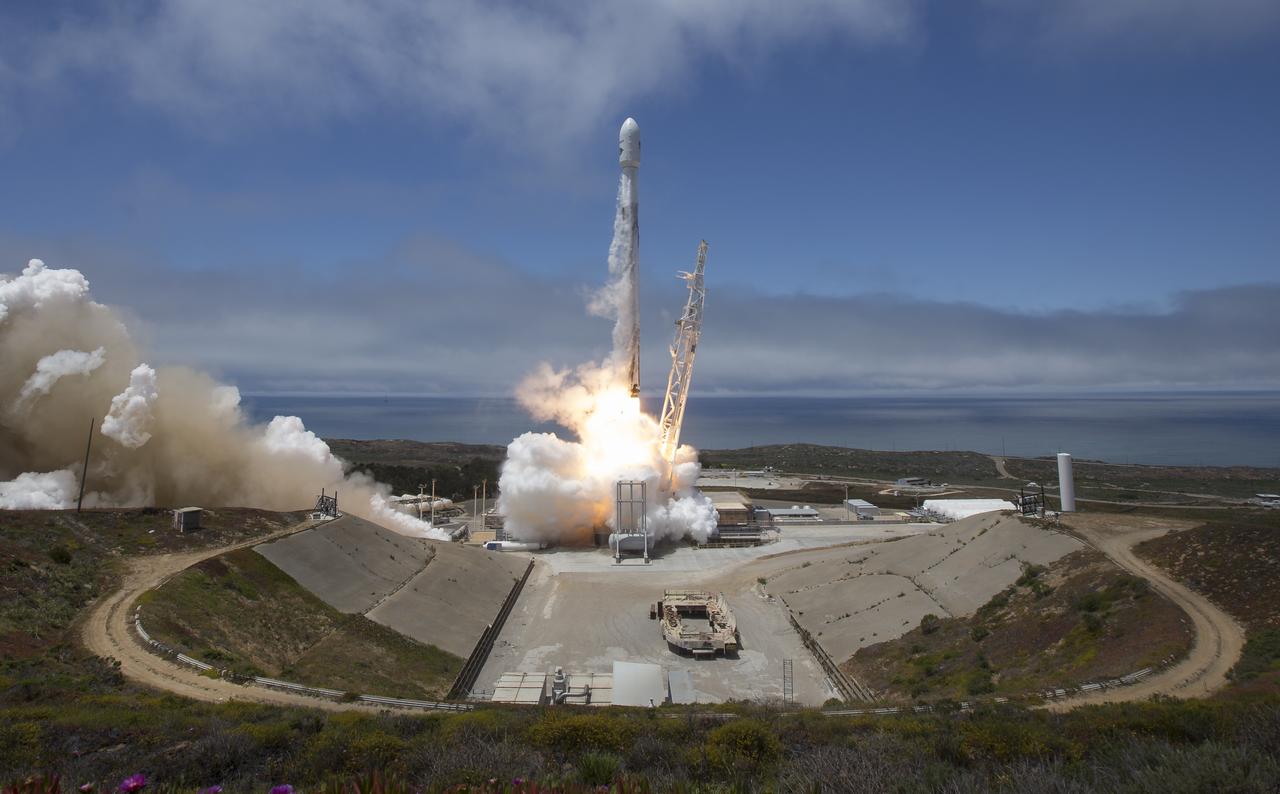
The NASA/German Research Centre for Geosciences GRACE Follow-On spacecraft launch onboard a SpaceX Falcon 9 rocket, Tuesday, May 22, 2018, from Space Launch Complex 4E at Vandenberg Air Force Base in California. The mission will measure changes in how mass is redistributed within and among Earth's atmosphere, oceans, land and ice sheets, as well as within Earth itself. GRACE-FO is sharing its ride to orbit with five Iridium NEXT communications satellites as part of a commercial rideshare agreement. Photo Credit: (NASA/Bill Ingalls)
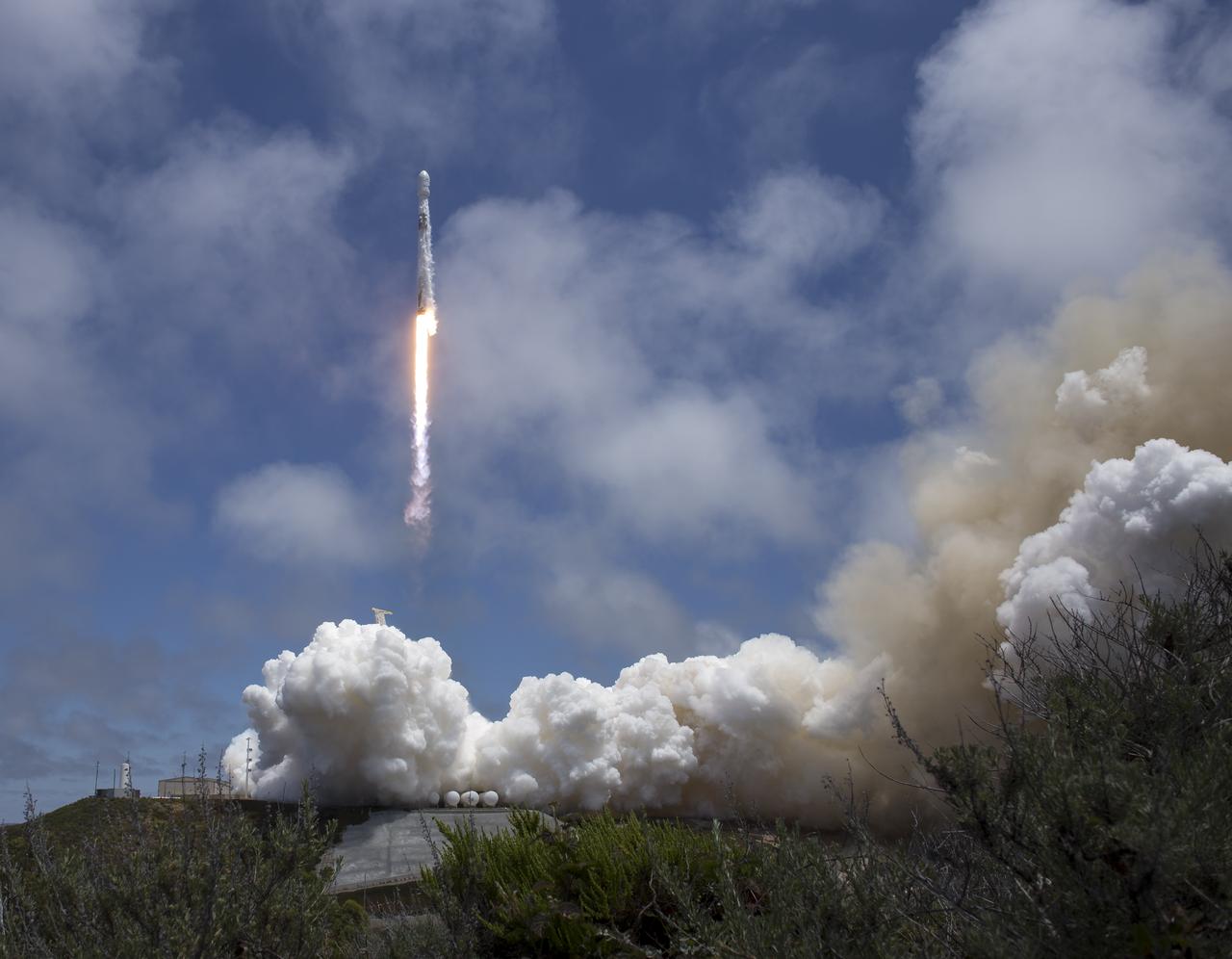
The NASA/German Research Centre for Geosciences GRACE Follow-On spacecraft launch onboard a SpaceX Falcon 9 rocket, Tuesday, May 22, 2018, from Space Launch Complex 4E at Vandenberg Air Force Base in California. The mission will measure changes in how mass is redistributed within and among Earth's atmosphere, oceans, land and ice sheets, as well as within Earth itself. GRACE-FO is sharing its ride to orbit with five Iridium NEXT communications satellites as part of a commercial rideshare agreement. Photo Credit: (NASA/Bill Ingalls)

The NASA/German Research Centre for Geosciences GRACE Follow-On spacecraft launch onboard a SpaceX Falcon 9 rocket, Tuesday, May 22, 2018, from Space Launch Complex 4E at Vandenberg Air Force Base in California. The mission will measure changes in how mass is redistributed within and among Earth's atmosphere, oceans, land and ice sheets, as well as within Earth itself. GRACE-FO is sharing its ride to orbit with five Iridium NEXT communications satellites as part of a commercial rideshare agreement. Photo Credit: (NASA/Bill Ingalls)
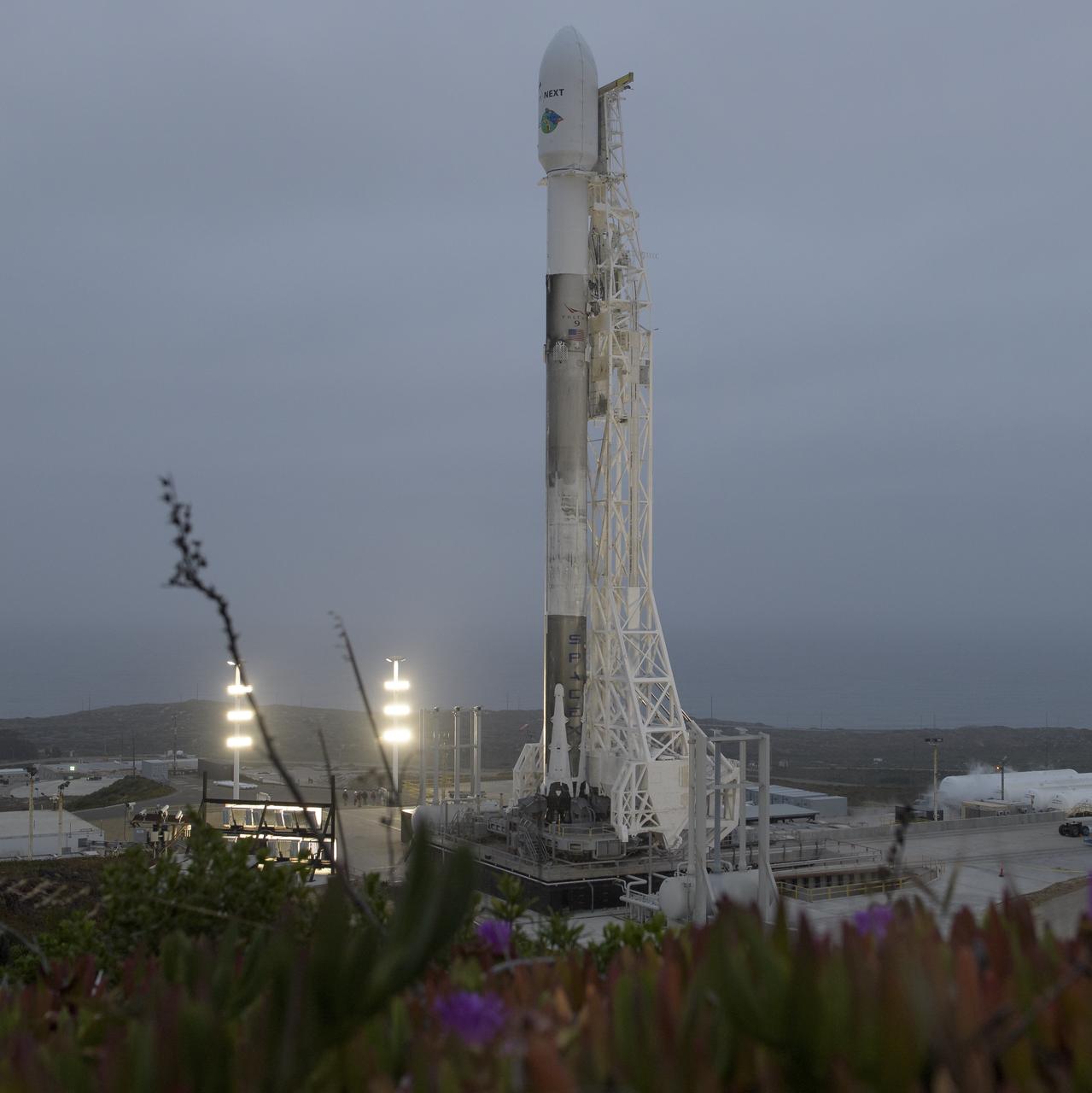
The SpaceX Falcon 9 rocket is seen with the NASA/German Research Centre for Geosciences GRACE Follow-On spacecraft onboard, Monday, May 21, 2018, at Space Launch Complex 4E at Vandenberg Air Force Base in California. The mission will measure changes in how mass is redistributed within and among Earth's atmosphere, oceans, land and ice sheets, as well as within Earth itself. GRACE-FO is sharing its ride to orbit with five Iridium NEXT communications satellites as part of a commercial rideshare agreement. Photo Credit: (NASA/Bill Ingalls)
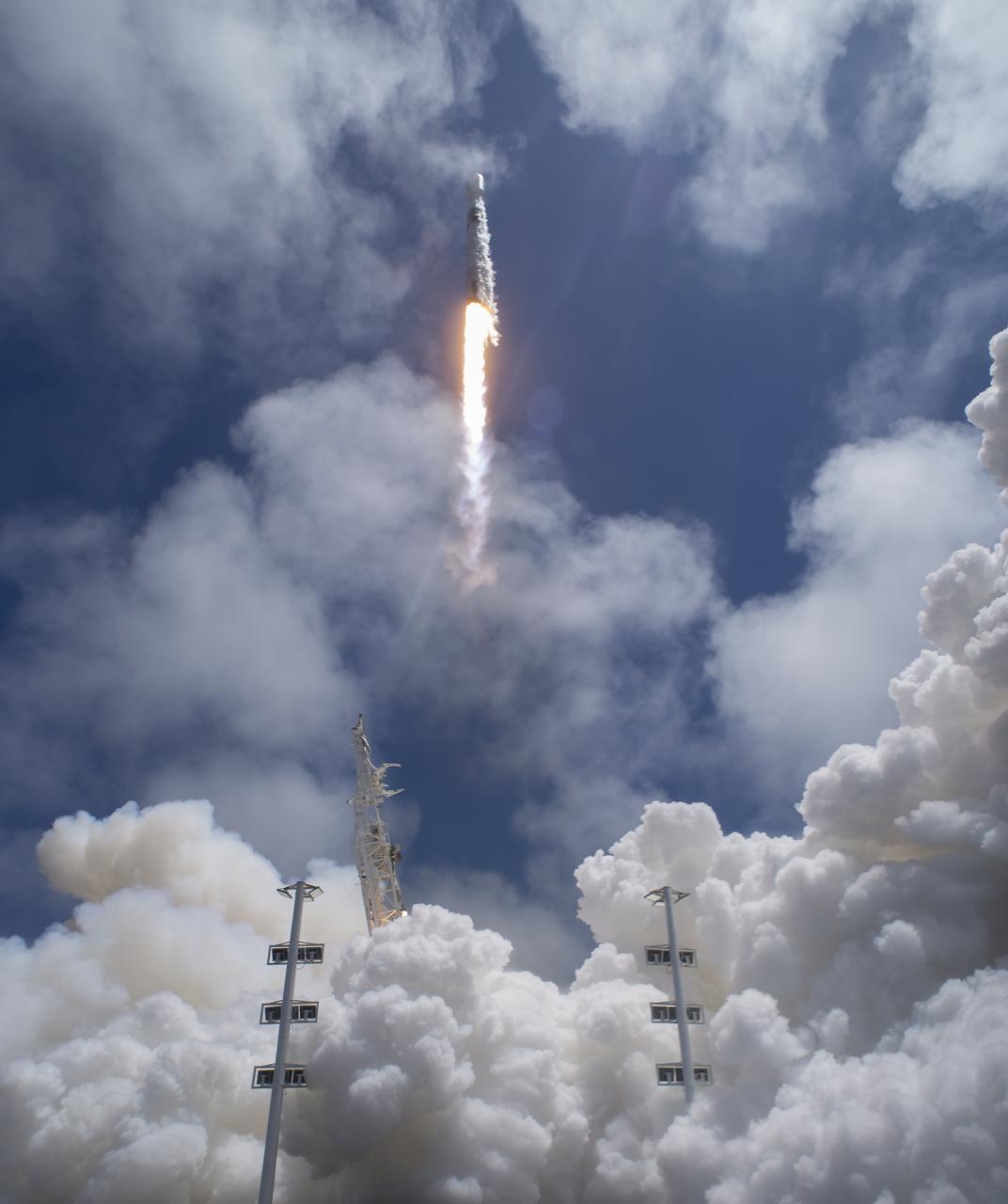
The NASA/German Research Centre for Geosciences GRACE Follow-On spacecraft launch onboard a SpaceX Falcon 9 rocket, Tuesday, May 22, 2018, from Space Launch Complex 4E at Vandenberg Air Force Base in California. The mission will measure changes in how mass is redistributed within and among Earth's atmosphere, oceans, land and ice sheets, as well as within Earth itself. GRACE-FO is sharing its ride to orbit with five Iridium NEXT communications satellites as part of a commercial rideshare agreement. Photo Credit: (NASA/Bill Ingalls)
The NASA/German Research Centre for Geosciences GRACE Follow-On spacecraft launch onboard a SpaceX Falcon 9 rocket, Tuesday, May 22, 2018, from Space Launch Complex 4E at Vandenberg Air Force Base in California. The mission will measure changes in how mass is redistributed within and among Earth's atmosphere, oceans, land and ice sheets, as well as within Earth itself. GRACE-FO is sharing its ride to orbit with five Iridium NEXT communications satellites as part of a commercial rideshare agreement. Photo Credit: (NASA/Bill Ingalls)
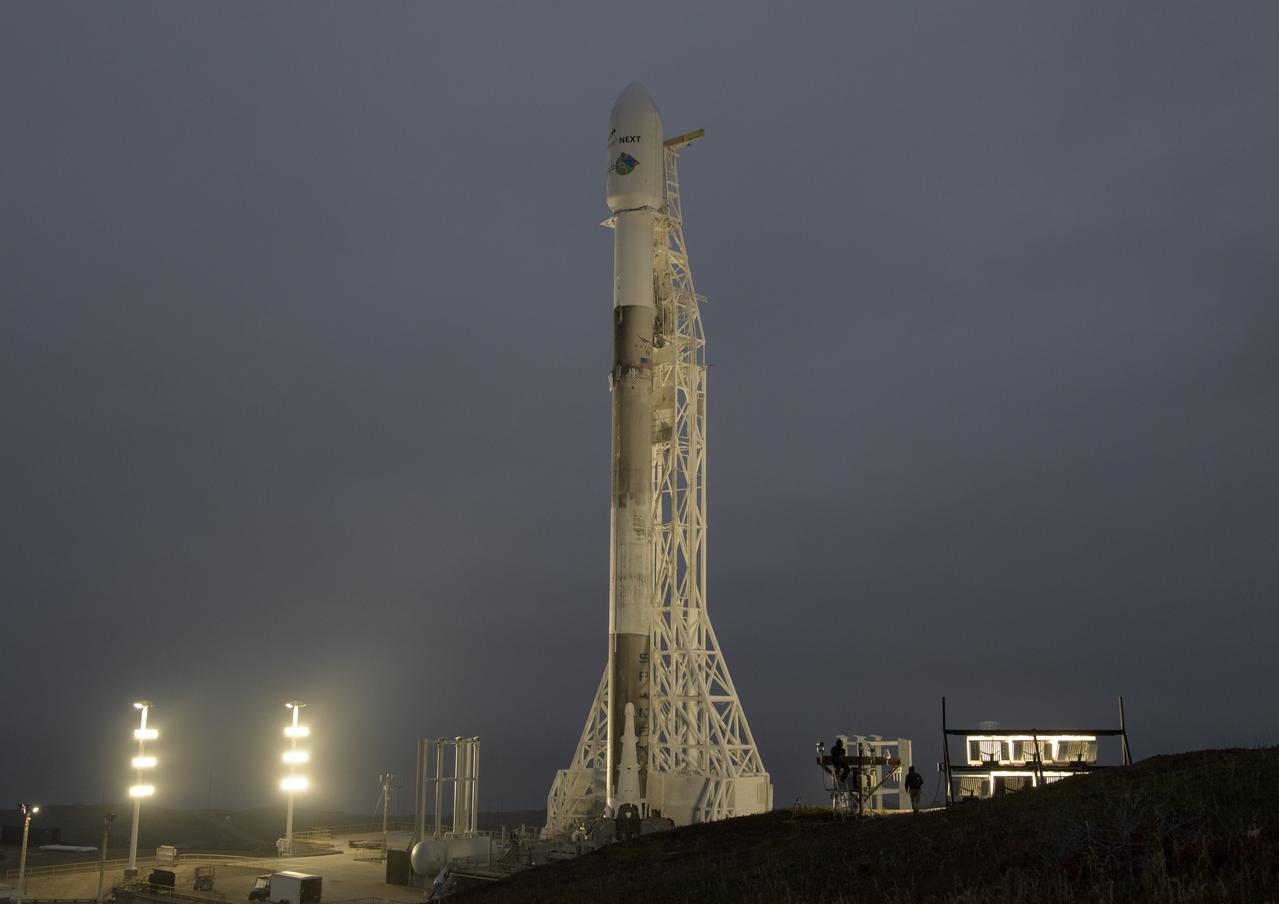
The SpaceX Falcon 9 rocket is seen with the NASA/German Research Centre for Geosciences GRACE Follow-On spacecraft onboard, Monday, May 21, 2018, at Space Launch Complex 4E at Vandenberg Air Force Base in California. The mission will measure changes in how mass is redistributed within and among Earth's atmosphere, oceans, land and ice sheets, as well as within Earth itself. GRACE-FO is sharing its ride to orbit with five Iridium NEXT communications satellites as part of a commercial rideshare agreement. Photo Credit: (NASA/Bill Ingalls)
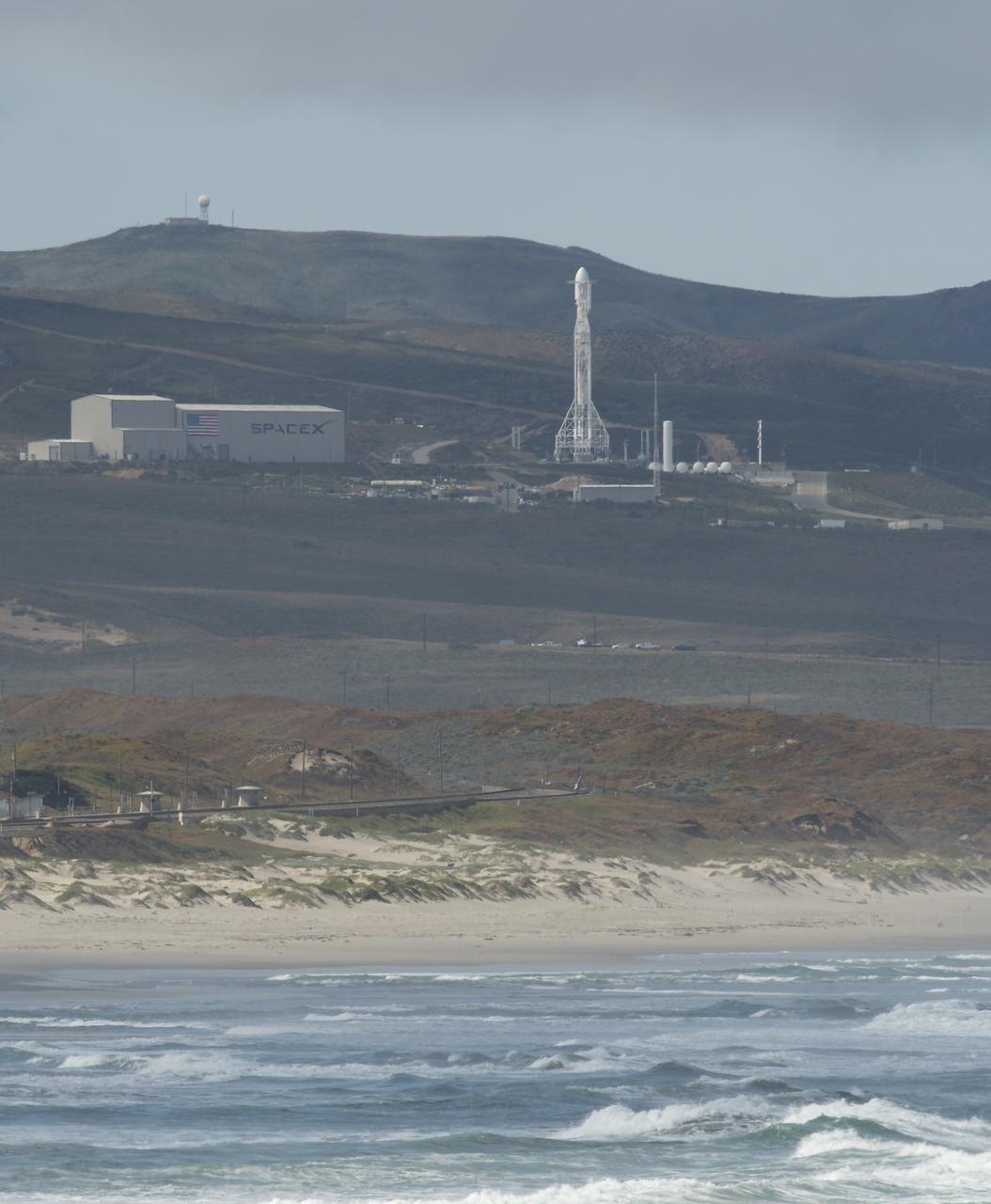
The SpaceX Falcon 9 rocket is seen with the NASA/German Research Centre for Geosciences GRACE Follow-On spacecraft onboard, Tuesday, May 22, 2018, at Space Launch Complex 4E at Vandenberg Air Force Base in California. The mission will measure changes in how mass is redistributed within and among Earth's atmosphere, oceans, land and ice sheets, as well as within Earth itself. GRACE-FO is sharing its ride to orbit with five Iridium NEXT communications satellites as part of a commercial rideshare agreement. Photo Credit: (NASA/Bill Ingalls)
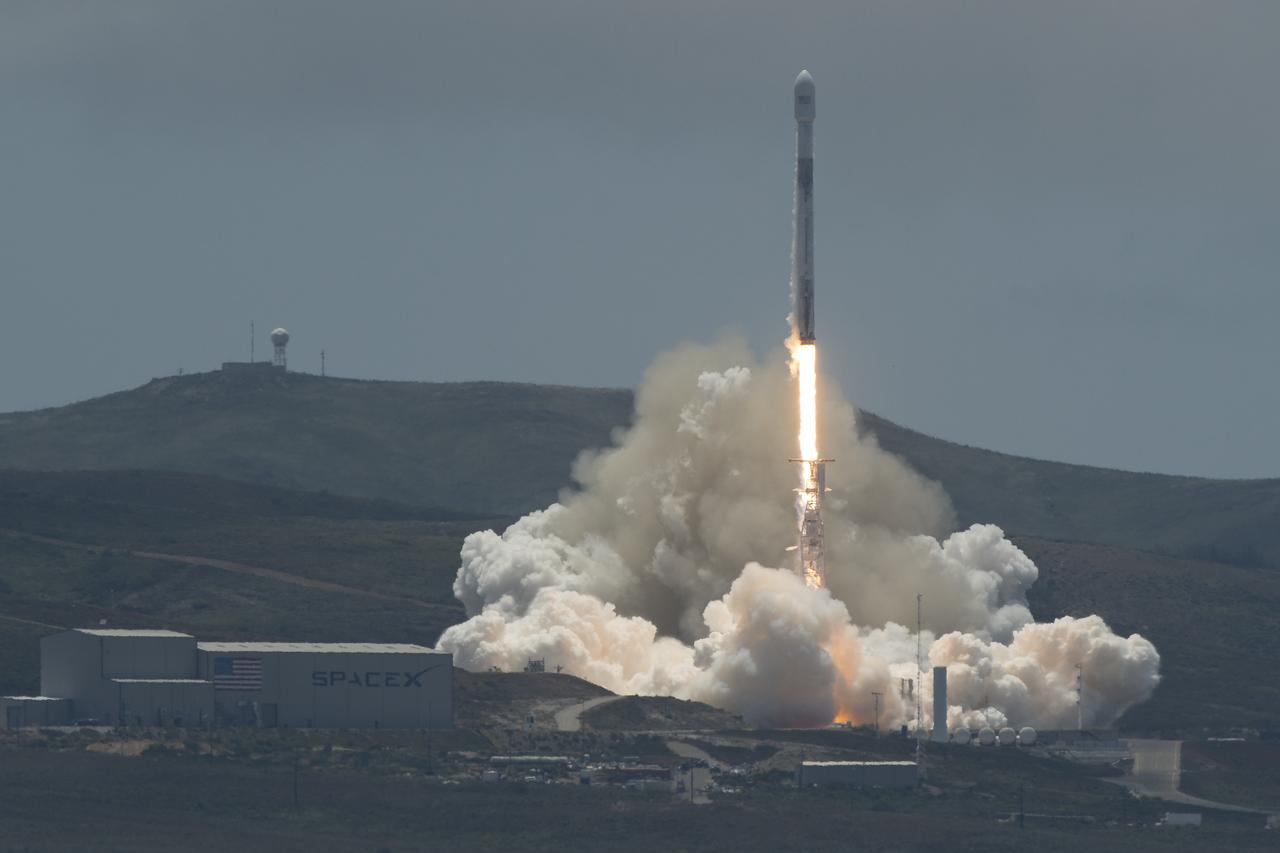
The NASA/German Research Centre for Geosciences GRACE Follow-On spacecraft launch onboard a SpaceX Falcon 9 rocket, Tuesday, May 22, 2018, from Space Launch Complex 4E at Vandenberg Air Force Base in California. The mission will measure changes in how mass is redistributed within and among Earth's atmosphere, oceans, land and ice sheets, as well as within Earth itself. GRACE-FO is sharing its ride to orbit with five Iridium NEXT communications satellites as part of a commercial rideshare agreement. Photo Credit: (NASA/Bill Ingalls)
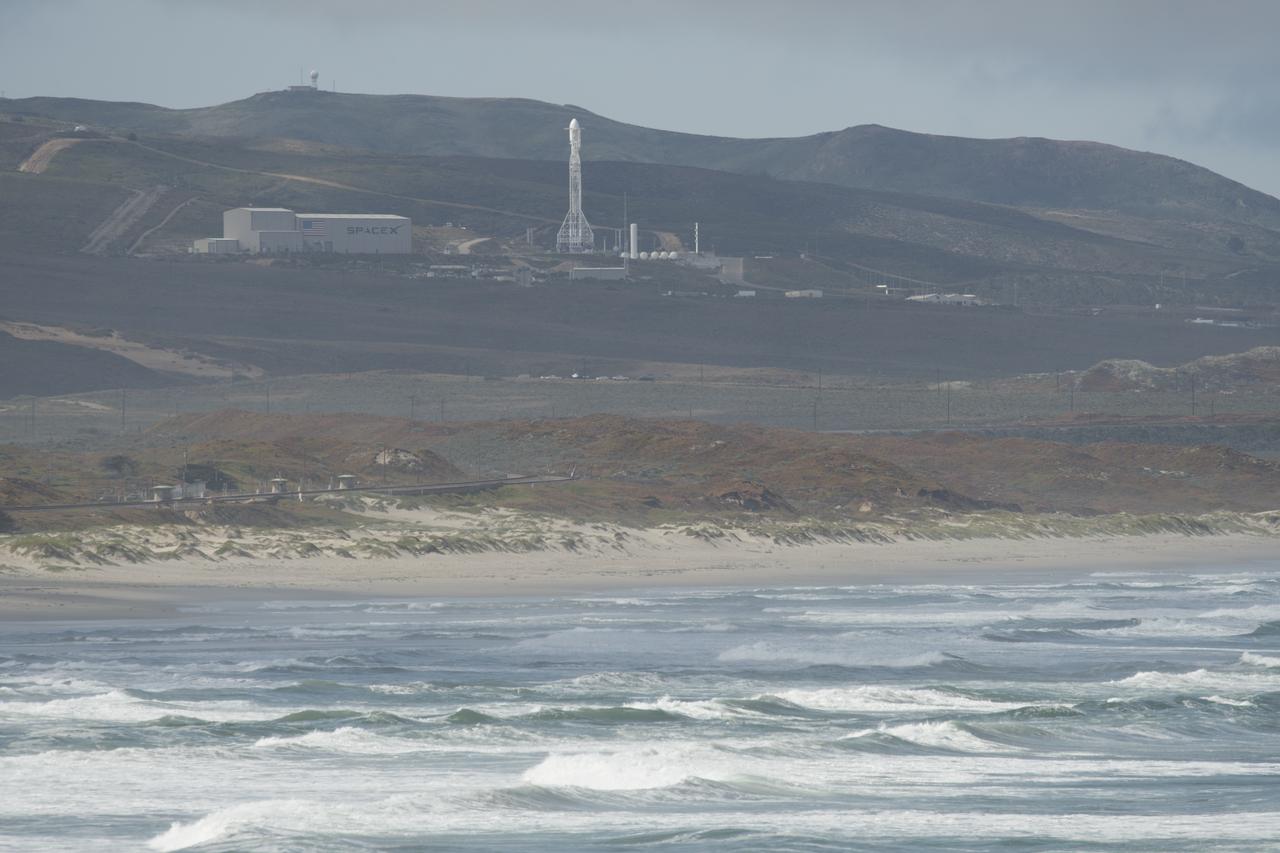
The SpaceX Falcon 9 rocket is seen with the NASA/German Research Centre for Geosciences GRACE Follow-On spacecraft onboard, Tuesday, May 22, 2018, at Space Launch Complex 4E at Vandenberg Air Force Base in California. The mission will measure changes in how mass is redistributed within and among Earth's atmosphere, oceans, land and ice sheets, as well as within Earth itself. GRACE-FO is sharing its ride to orbit with five Iridium NEXT communications satellites as part of a commercial rideshare agreement. Photo Credit: (NASA/Bill Ingalls)
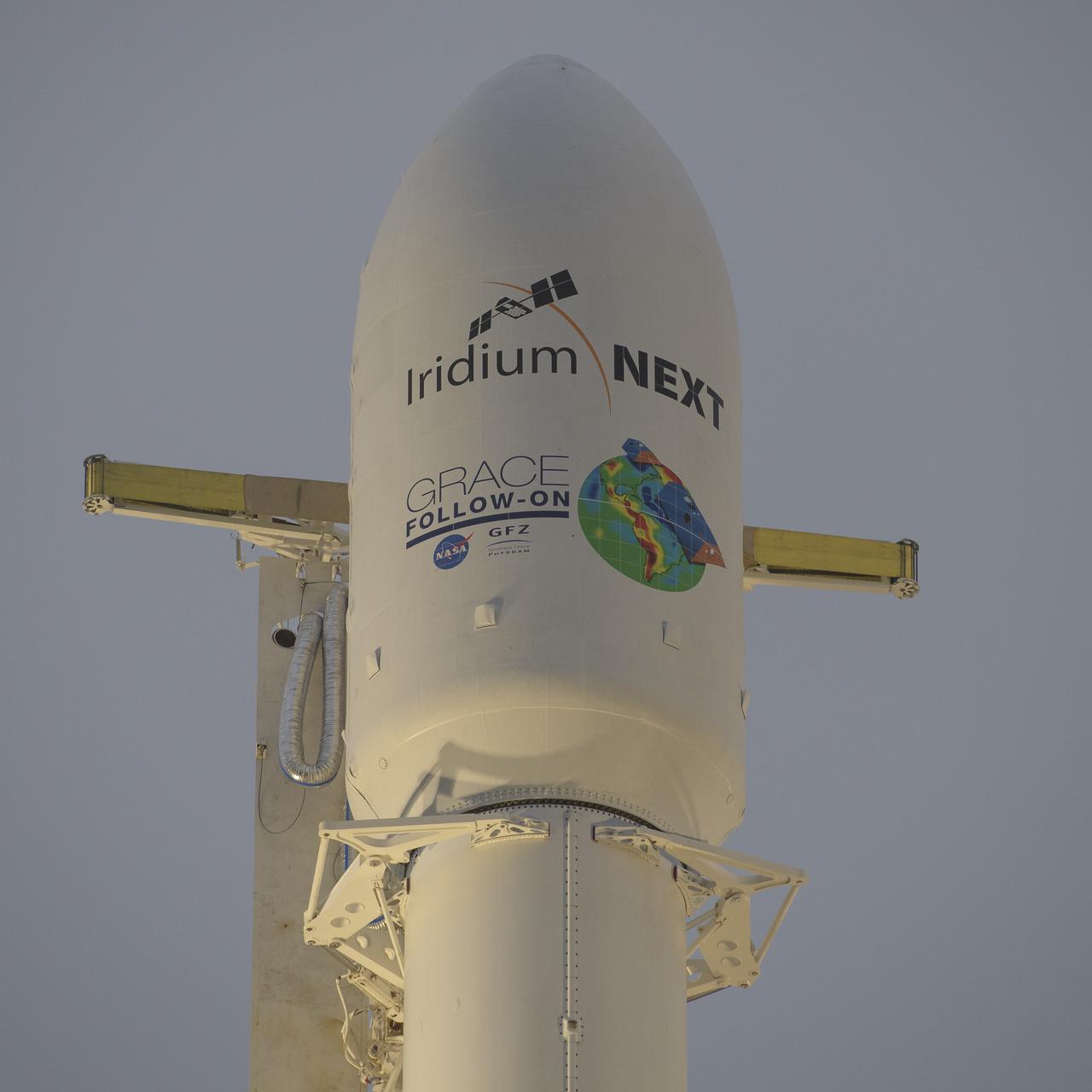
The SpaceX Falcon 9 rocket is seen with the NASA/German Research Centre for Geosciences GRACE Follow-On spacecraft onboard, Monday, May 21, 2018, at Space Launch Complex 4E at Vandenberg Air Force Base in California. The mission will measure changes in how mass is redistributed within and among Earth's atmosphere, oceans, land and ice sheets, as well as within Earth itself. GRACE-FO is sharing its ride to orbit with five Iridium NEXT communications satellites as part of a commercial rideshare agreement. Photo Credit: (NASA/Bill Ingalls)
NASA Headquarters Public Affairs Officer Steve Cole, left, moderates the Gravity Recovery and Climate Experiment Follow-On (GRACE-FO) mission prelaunch media briefing with David Jarrett, GRACE-FO program executive in the Earth Science Division at NASA Headquarters; Frank Webb, GRACE-FO project scientist at JPL; Frank Flechtner, GRACE-FO project manager for the German Research Centre for Geosciences (GFZ) in Potsdam, Germany; Phil Morton, NASA GRACE-FO project manager at JPL; and Capt. Jennifer Haden, weather officer, 30th Space Wing, Vandenberg Air Force Base, right, Monday, May 21, 2018, at Vandenberg Air Force Base in California. The twin GRACE-FO spacecraft will measure changes in how mass is redistributed within and among Earth's atmosphere, oceans, land and ice sheets, as well as within Earth itself. Photo Credit: (NASA/Bill Ingalls)
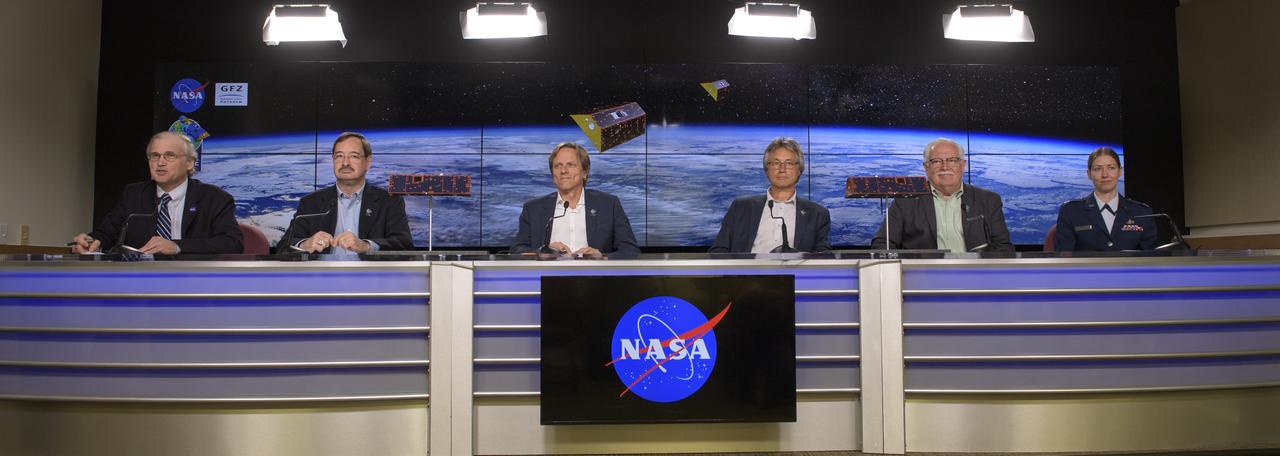
NASA Headquarters Public Affairs Officer Steve Cole, left, moderates the Gravity Recovery and Climate Experiment Follow-On (GRACE-FO) mission prelaunch media briefing with David Jarrett, GRACE-FO program executive in the Earth Science Division at NASA Headquarters; Frank Webb, GRACE-FO project scientist at JPL; Frank Flechtner, GRACE-FO project manager for the German Research Centre for Geosciences (GFZ) in Potsdam, Germany; Phil Morton, NASA GRACE-FO project manager at JPL; and Capt. Jennifer Haden, weather officer, 30th Space Wing, Vandenberg Air Force Base, right, Monday, May 21, 2018, at Vandenberg Air Force Base in California. The twin GRACE-FO spacecraft will measure changes in how mass is redistributed within and among Earth's atmosphere, oceans, land and ice sheets, as well as within Earth itself. Photo Credit: (NASA/Bill Ingalls)
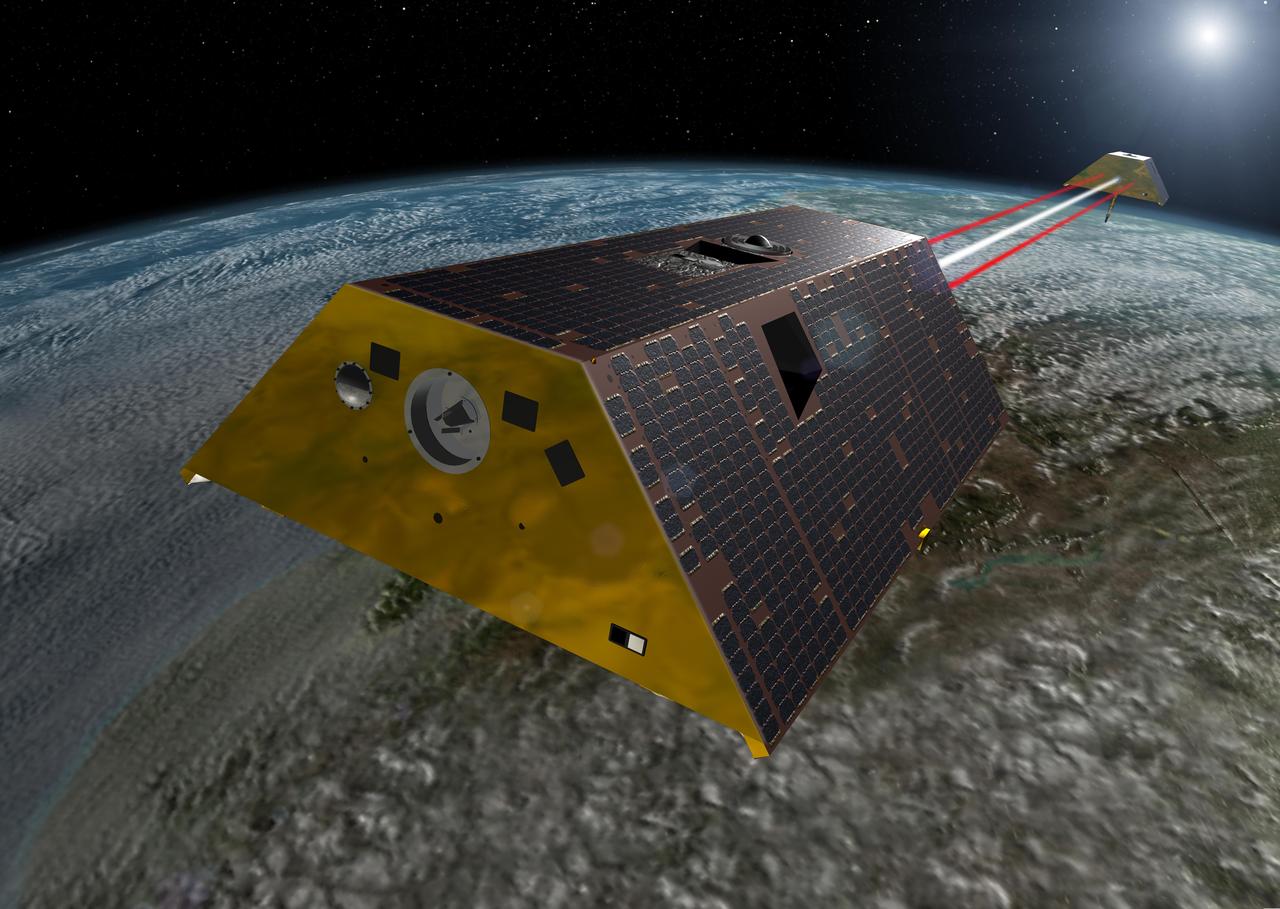
This artist's rendering shows the twin spacecraft of the Gravity Recovery and Climate Experiment Follow-On (GRACE-FO) mission, a partnership between NASA and the German Research Centre for Geosciences (GFZ). GRACE-FO is a successor to the original GRACE mission, which began orbiting Earth on March 17, 2002. GRACE-FO will carry on the extremely successful work of its predecessor while testing a new technology designed to dramatically improve the already remarkable precision of its measurement system. The GRACE missions measure variations in gravity over Earth's surface, producing a new map of the gravity field every 30 days. Thus, GRACE shows how the planet's gravity differs not only from one location to another, but also from one period of time to another. https://photojournal.jpl.nasa.gov/catalog/PIA21607
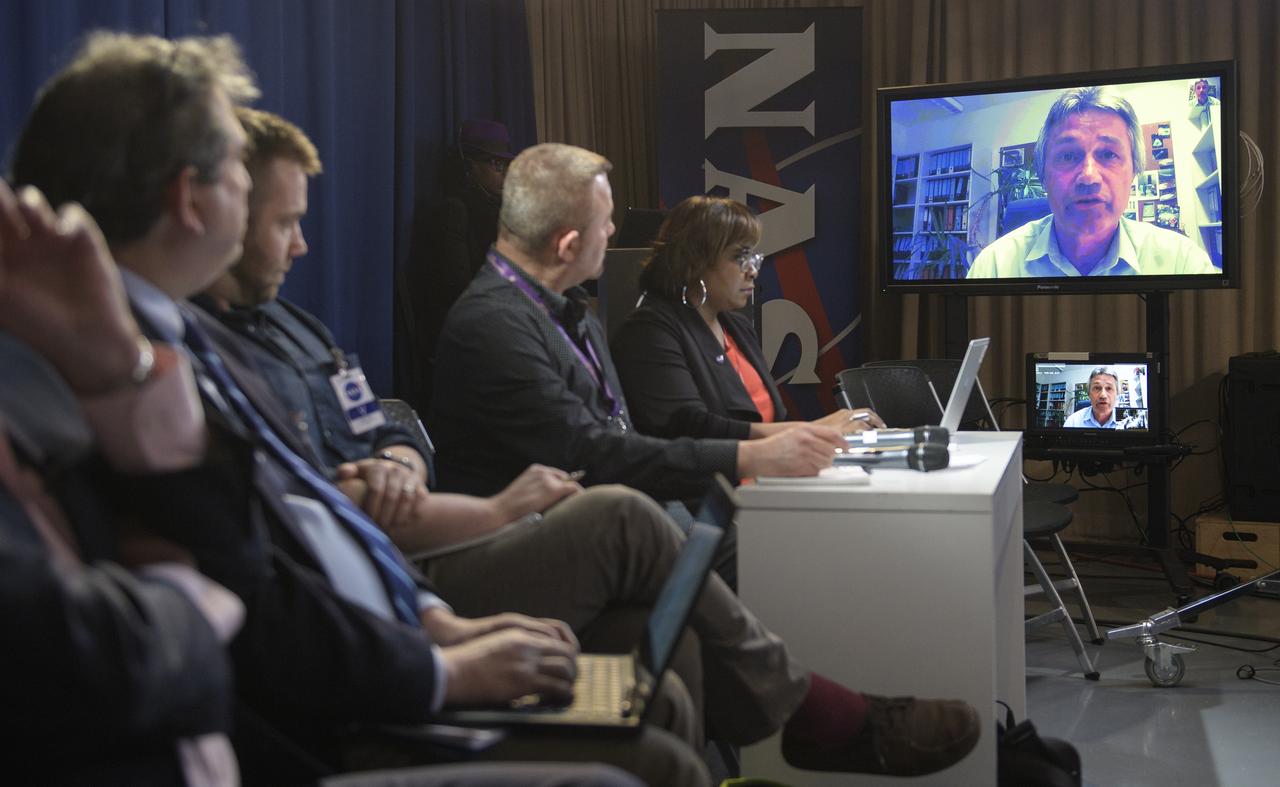
Frank Flechtner, GRACE-FO project manager for the German Research Centre for Geosciences (GFZ) in Potsdam, Germany, participates in a briefing on the upcoming launch of the Gravity Recovery and Climate Experiment Follow-On (GRACE-FO) mission via a remote video link, Monday, April 30, 2018 at NASA Headquarters in Washington. The twin GRACE-FO spacecraft will measure and monitor monthly changes in how mass is redistributed within and among Earth's atmosphere, oceans, land and ice sheets, as well as within Earth itself. Photo Credit: (NASA/Joel Kowsky)
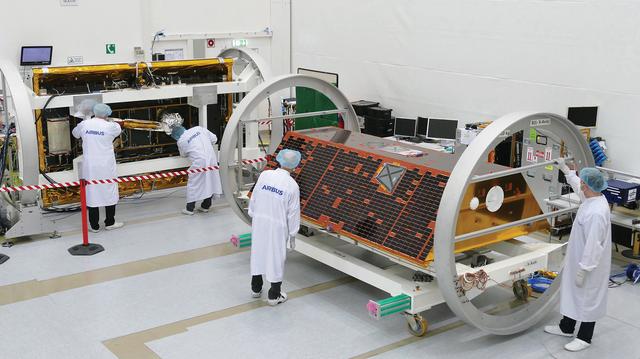
The Gravity Recovery and Climate Experiment Follow-on (GRACE-FO) mission is a partnership between NASA and the German Research Centre for Geosciences (GFZ). GRACE-FO is a successor to the original GRACE mission, which began orbiting Earth on March 17, 2002. GRACE-FO will carry on the extremely successful work of its predecessor while testing a new technology designed to dramatically improve the already remarkable precision of its measurement system. The GRACE missions measure variations in gravity over Earth's surface, producing a new map of the gravity field every 30 days. Thus, GRACE shows how the planet's gravity differs not only from one location to another, but also from one period of time to another. Airbus Defence and Space (Friedrichshafen/Germany) is the industrial prime contractor to build the satellites.
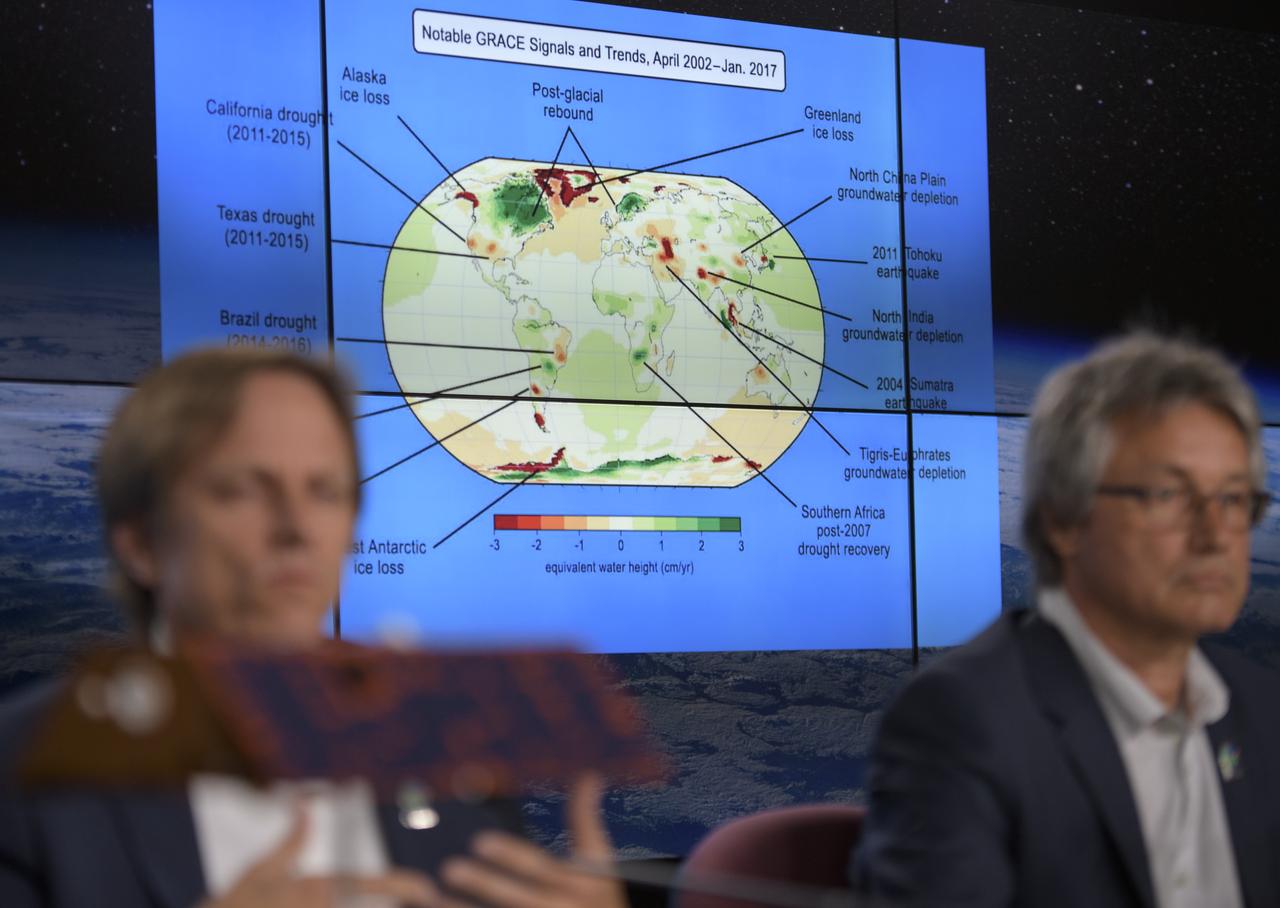
A graphic is shown as experts discuss the Gravity Recovery and Climate Experiment Follow-On (GRACE-FO) mission during a prelaunch media briefing, Monday, May 21, 2018, at Vandenberg Air Force Base in California. The twin GRACE-FO spacecraft will measure changes in how mass is redistributed within and among Earth's atmosphere, oceans, land and ice sheets, as well as within Earth itself. Photo Credit: (NASA/Bill Ingalls)
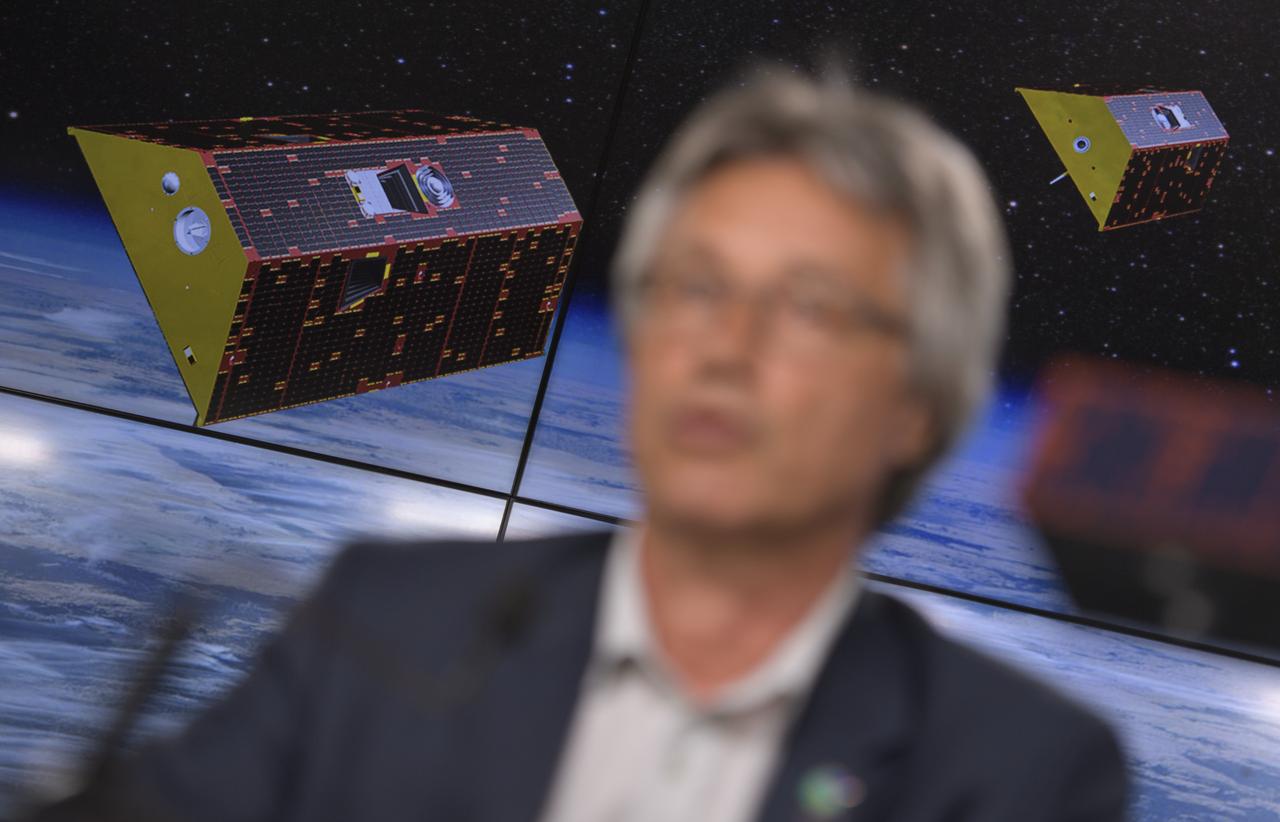
Experts discuss the Gravity Recovery and Climate Experiment Follow-On (GRACE-FO) mission during a prelaunch media briefing, Monday, May 21, 2018, at Vandenberg Air Force Base in California. The twin GRACE-FO spacecraft will measure changes in how mass is redistributed within and among Earth's atmosphere, oceans, land and ice sheets, as well as within Earth itself. Photo Credit: (NASA/Bill Ingalls)
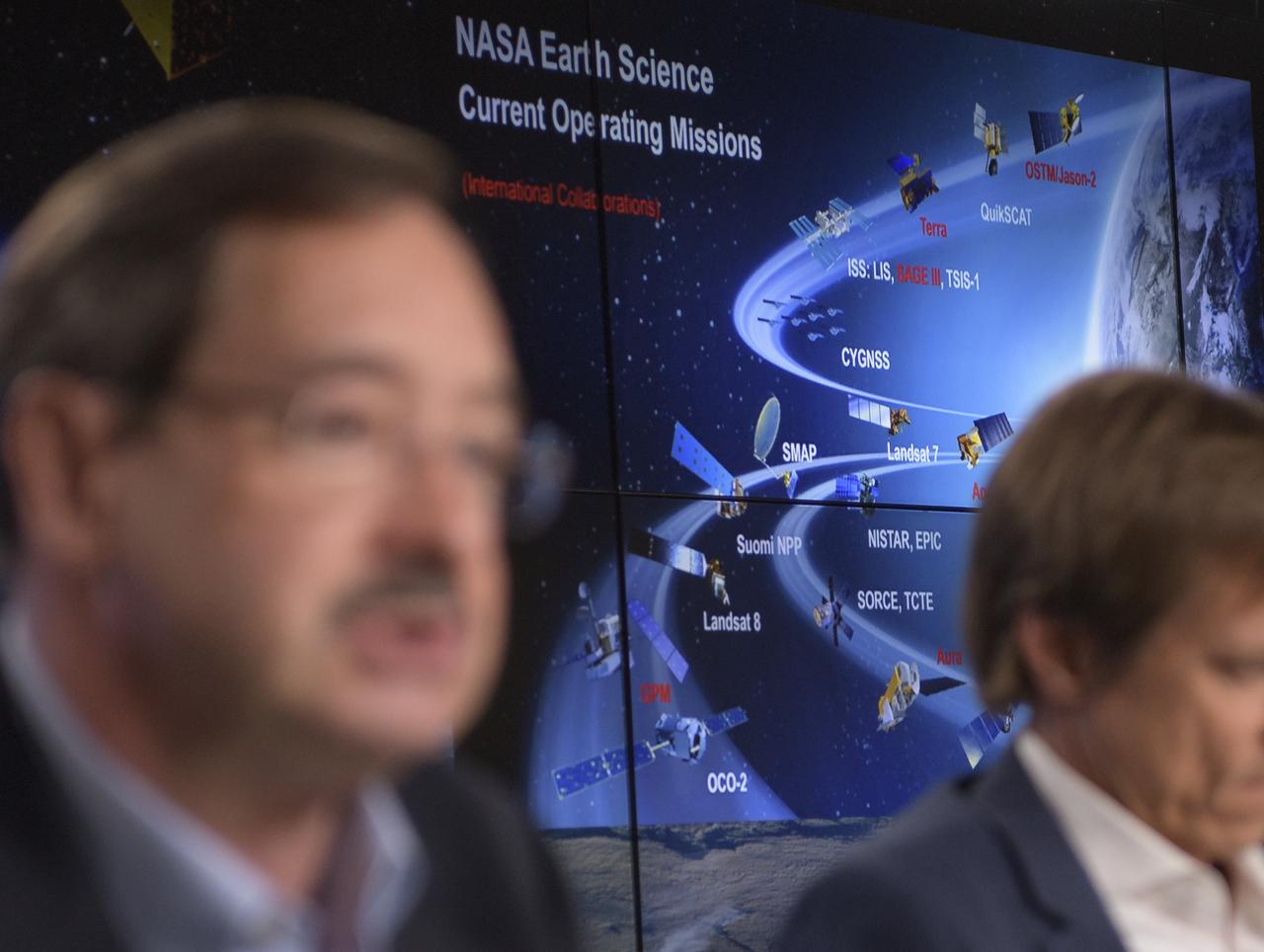
A graphic is shown as experts discuss the Gravity Recovery and Climate Experiment Follow-On (GRACE-FO) mission during a prelaunch media briefing, Monday, May 21, 2018, at Vandenberg Air Force Base in California. The twin GRACE-FO spacecraft will measure changes in how mass is redistributed within and among Earth's atmosphere, oceans, land and ice sheets, as well as within Earth itself. Photo Credit: (NASA/Bill Ingalls)
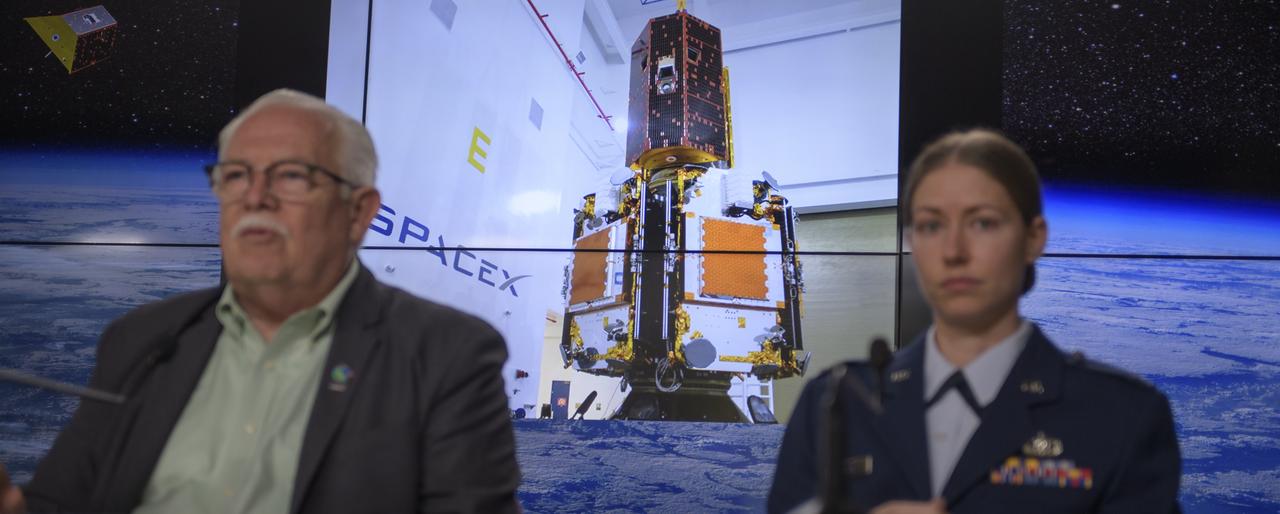
A photo showing the The twin GRACE-FO spacecraft installed on top of the five Iridium NEXT communications satellites is seen as experts discuss the Gravity Recovery and Climate Experiment Follow-On mission during a prelaunch media briefing, Monday, May 21, 2018, at Vandenberg Air Force Base in California. The twin GRACE-FO spacecraft will measure changes in how mass is redistributed within and among Earth's atmosphere, oceans, land and ice sheets, as well as within Earth itself. Photo Credit: (NASA/Bill Ingalls)
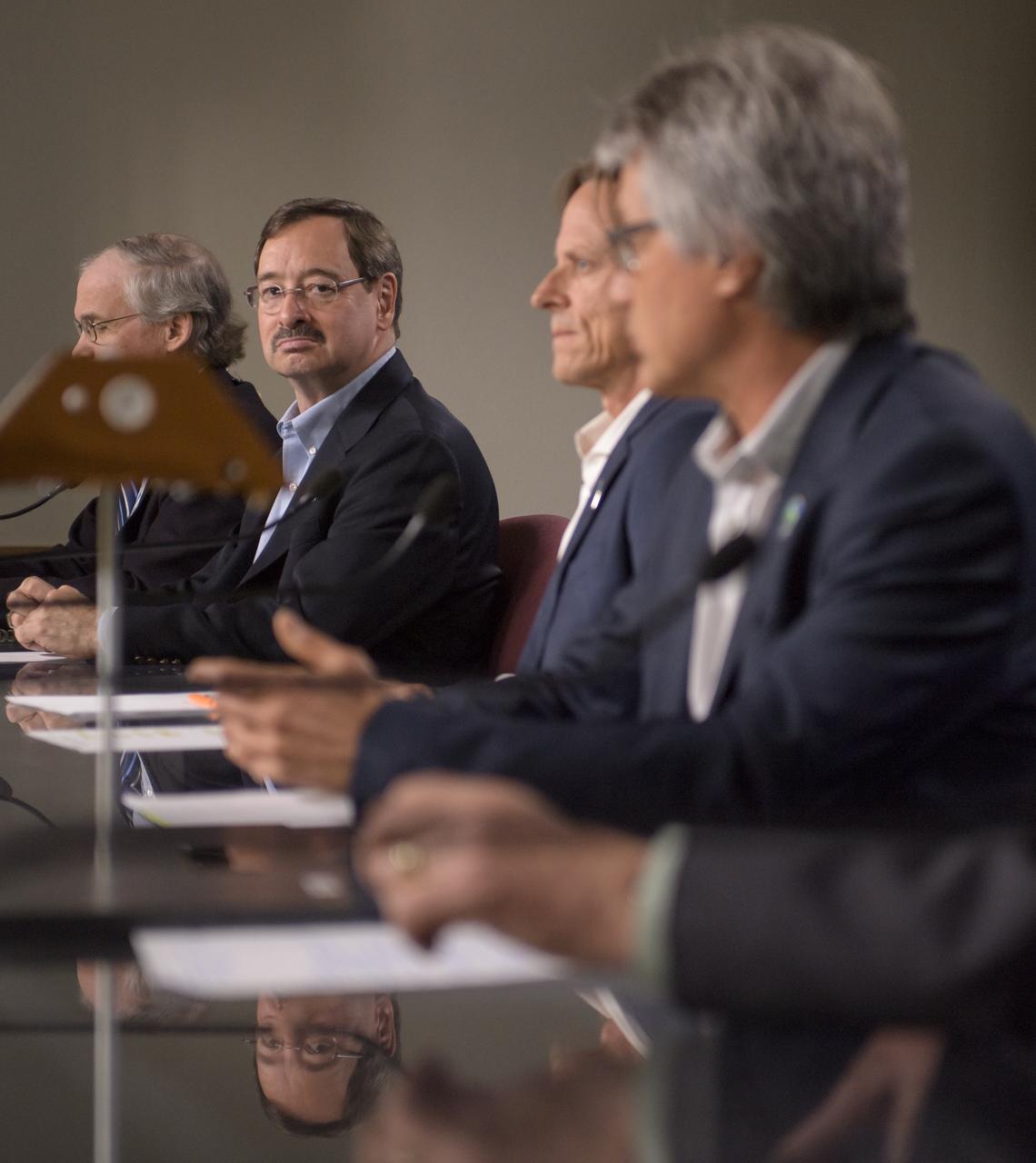
David Jarrett, GRACE-FO program executive in the Earth Science Division at NASA Headquarters is seen during a Gravity Recovery and Climate Experiment Follow-On (GRACE-FO) mission prelaunch media briefing, Monday, May 21, 2018, at Vandenberg Air Force Base in California. The twin GRACE-FO spacecraft will measure changes in how mass is redistributed within and among Earth's atmosphere, oceans, land and ice sheets, as well as within Earth itself. Photo Credit: (NASA/Bill Ingalls)
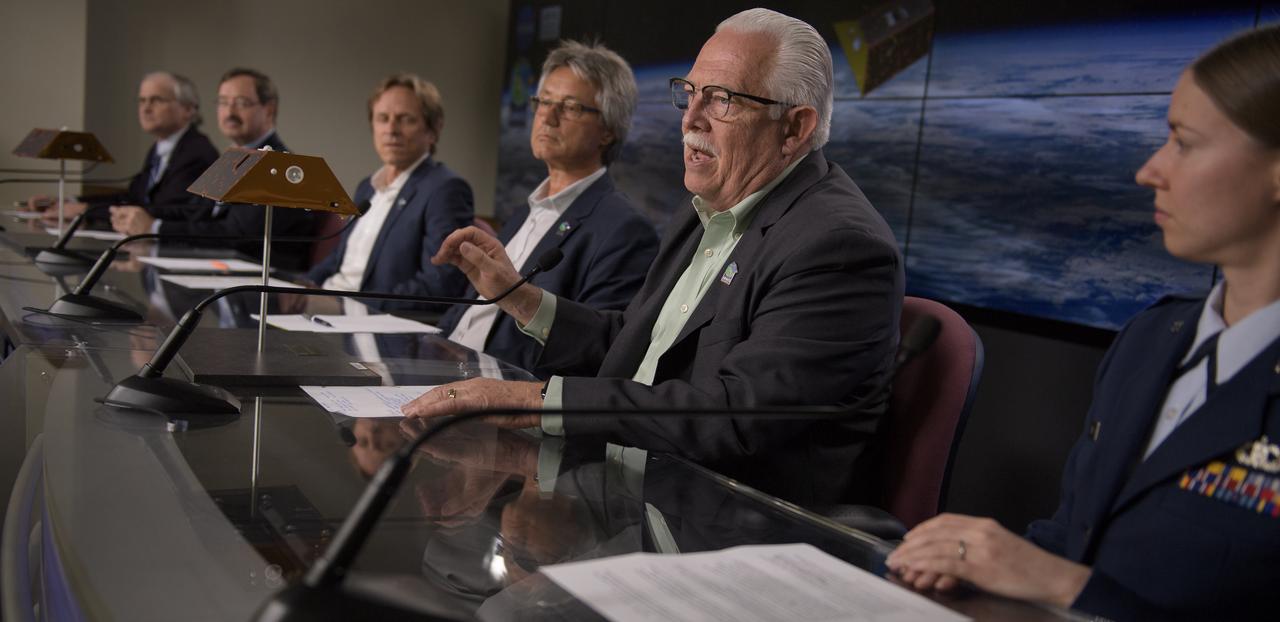
Phil Morton, NASA GRACE-FO project manager at JPL, second from right, discusses the Gravity Recovery and Climate Experiment Follow-On (GRACE-FO) mission during a prelaunch media briefing, Monday, May 21, 2018, at Vandenberg Air Force Base in California. The twin GRACE-FO spacecraft will measure changes in how mass is redistributed within and among Earth's atmosphere, oceans, land and ice sheets, as well as within Earth itself. Photo Credit: (NASA/Bill Ingalls)
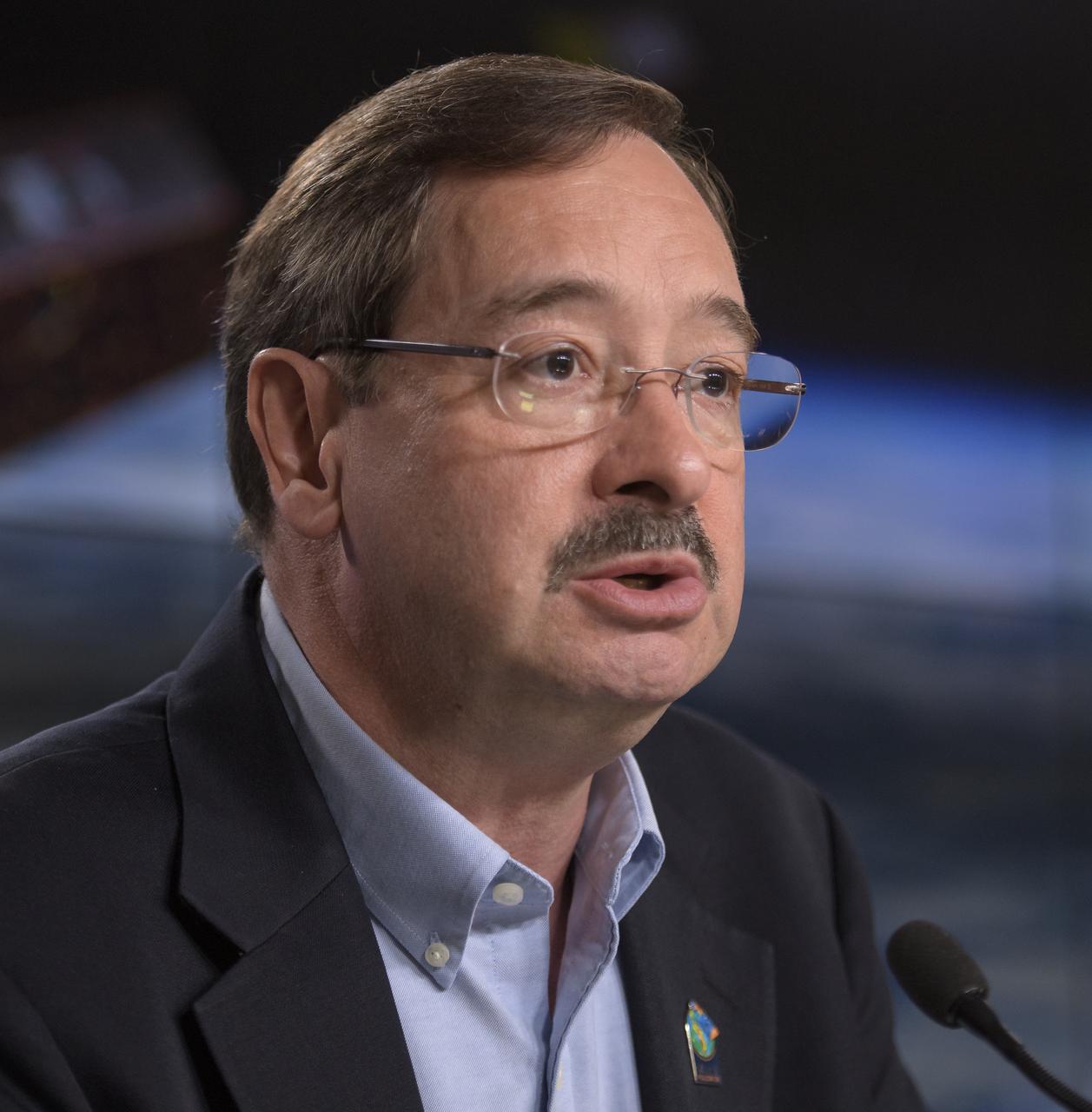
David Jarrett, GRACE-FO program executive in the Earth Science Division at NASA Headquarters, discusses the Gravity Recovery and Climate Experiment Follow-On (GRACE-FO) mission during a prelaunch media briefing, Monday, May 21, 2018, at Vandenberg Air Force Base in California. The twin GRACE-FO spacecraft will measure changes in how mass is redistributed within and among Earth's atmosphere, oceans, land and ice sheets, as well as within Earth itself. Photo Credit: (NASA/Bill Ingalls)
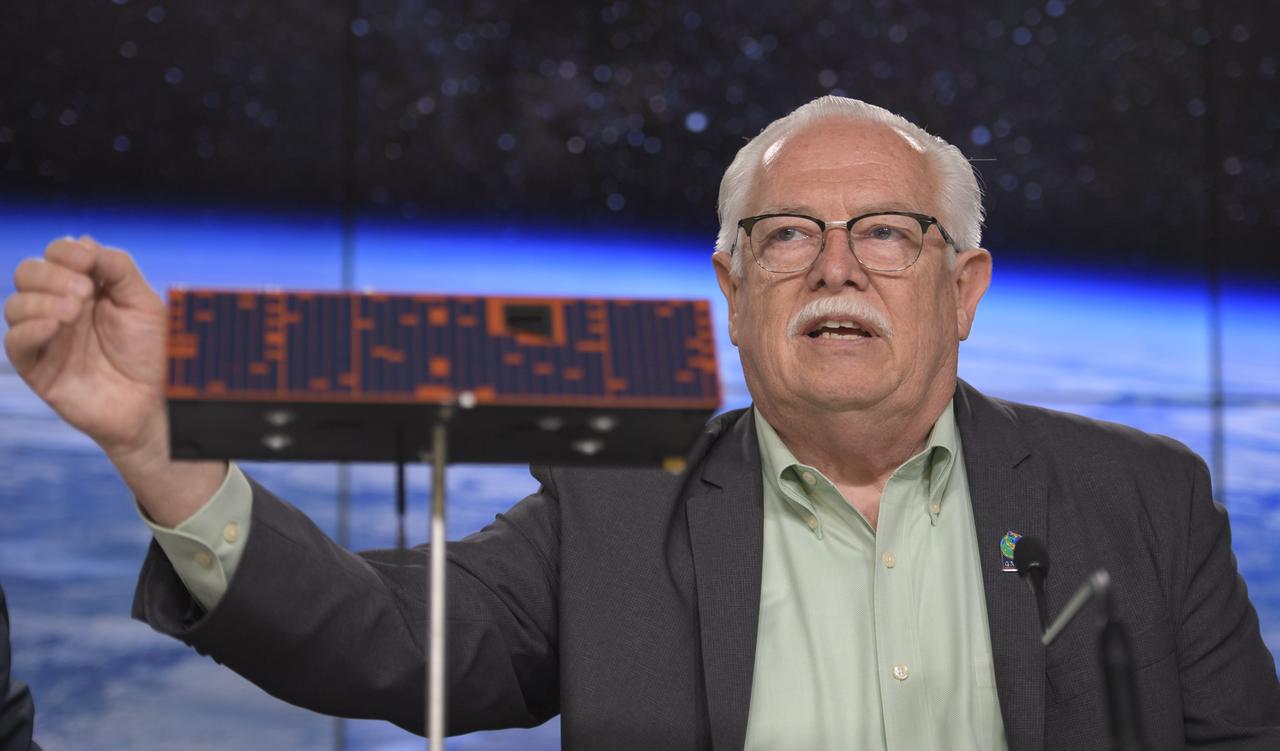
Phil Morton, NASA GRACE-FO project manager at JPL, discusses the Gravity Recovery and Climate Experiment Follow-On (GRACE-FO) mission during a prelaunch media briefing, Monday, May 21, 2018, at Vandenberg Air Force Base in California. The twin GRACE-FO spacecraft will measure changes in how mass is redistributed within and among Earth's atmosphere, oceans, land and ice sheets, as well as within Earth itself. Photo Credit: (NASA/Bill Ingalls)
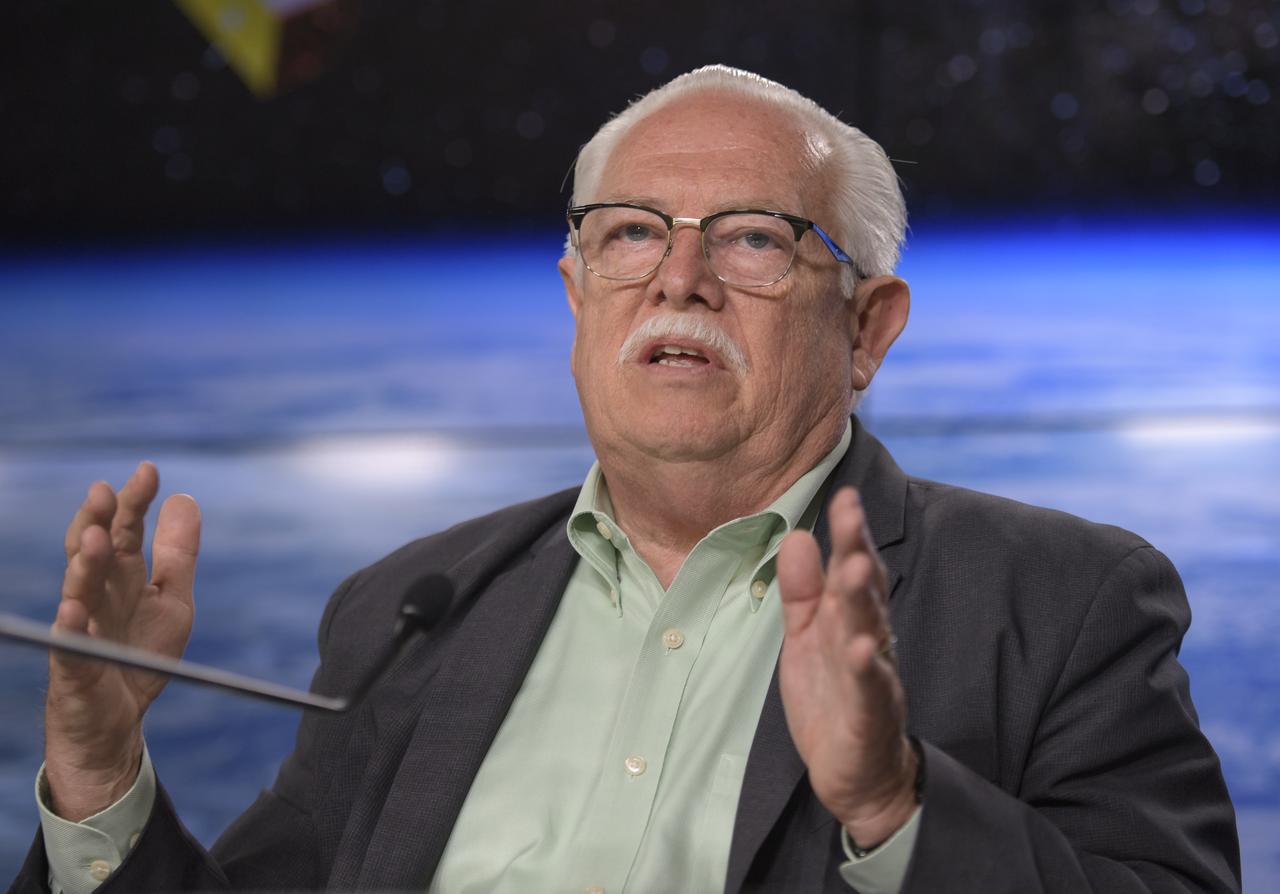
Phil Morton, NASA GRACE-FO project manager at JPL discusses the Gravity Recovery and Climate Experiment Follow-On (GRACE-FO) mission during a prelaunch media briefing, Monday, May 21, 2018, at Vandenberg Air Force Base in California. The twin GRACE-FO spacecraft will measure changes in how mass is redistributed within and among Earth's atmosphere, oceans, land and ice sheets, as well as within Earth itself. Photo Credit: (NASA/Bill Ingalls)
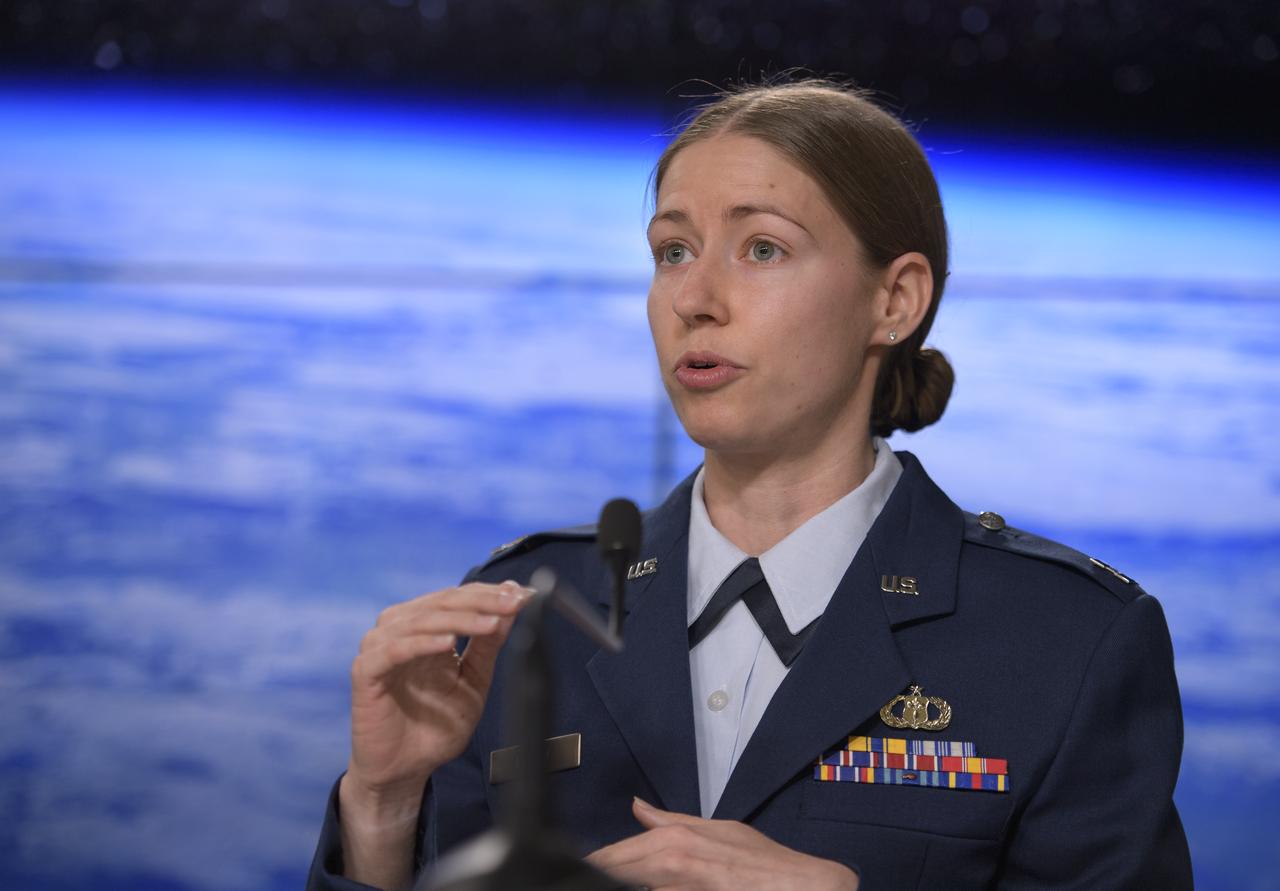
Capt. Jennifer Haden, weather officer, 30th Space Wing, Vandenberg Air Force Base, discusses the weather forecast during a Gravity Recovery and Climate Experiment Follow-On (GRACE-FO) mission prelaunch media briefing, Monday, May 21, 2018, at Vandenberg Air Force Base in California. The twin GRACE-FO spacecraft will measure changes in how mass is redistributed within and among Earth's atmosphere, oceans, land and ice sheets, as well as within Earth itself. Photo Credit: (NASA/Bill Ingalls)
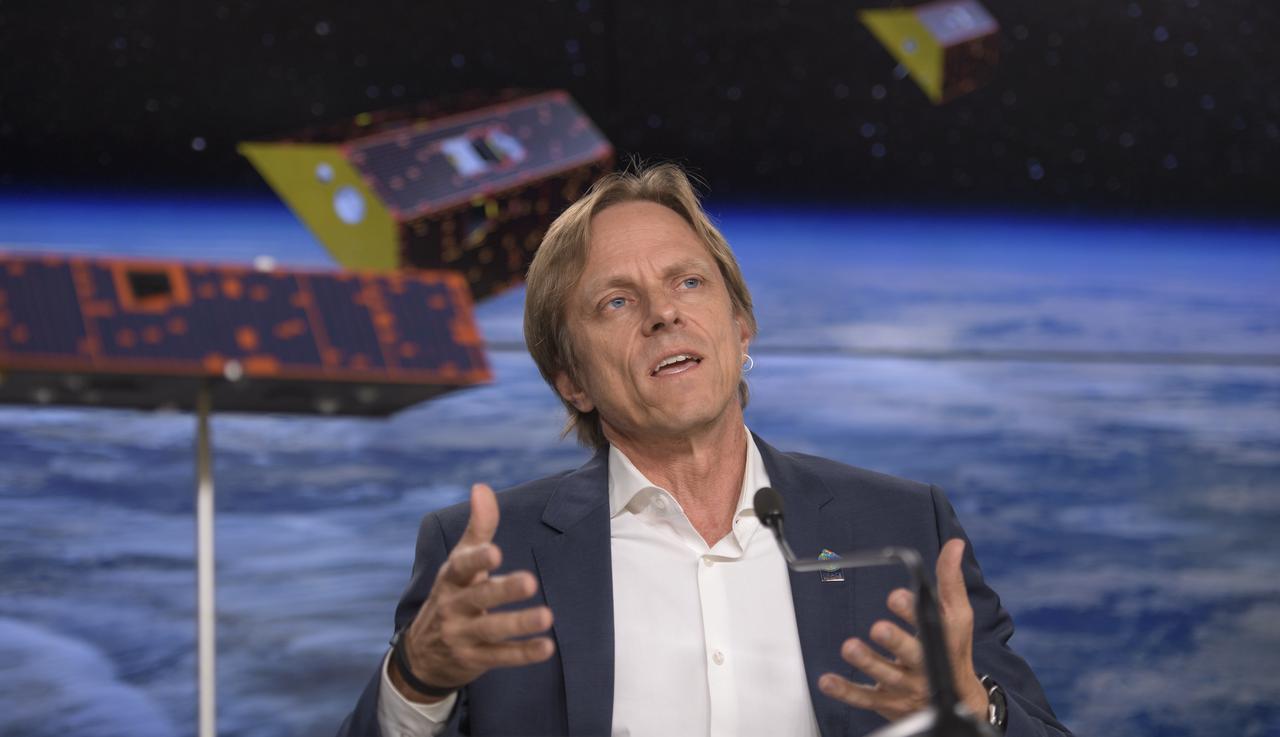
Frank Webb, GRACE-FO project scientist at JPL, discusses the Gravity Recovery and Climate Experiment Follow-On (GRACE-FO) mission during a prelaunch media briefing, Monday, May 21, 2018, at Vandenberg Air Force Base in California. The twin GRACE-FO spacecraft will measure changes in how mass is redistributed within and among Earth's atmosphere, oceans, land and ice sheets, as well as within Earth itself. Photo Credit: (NASA/Bill Ingalls)
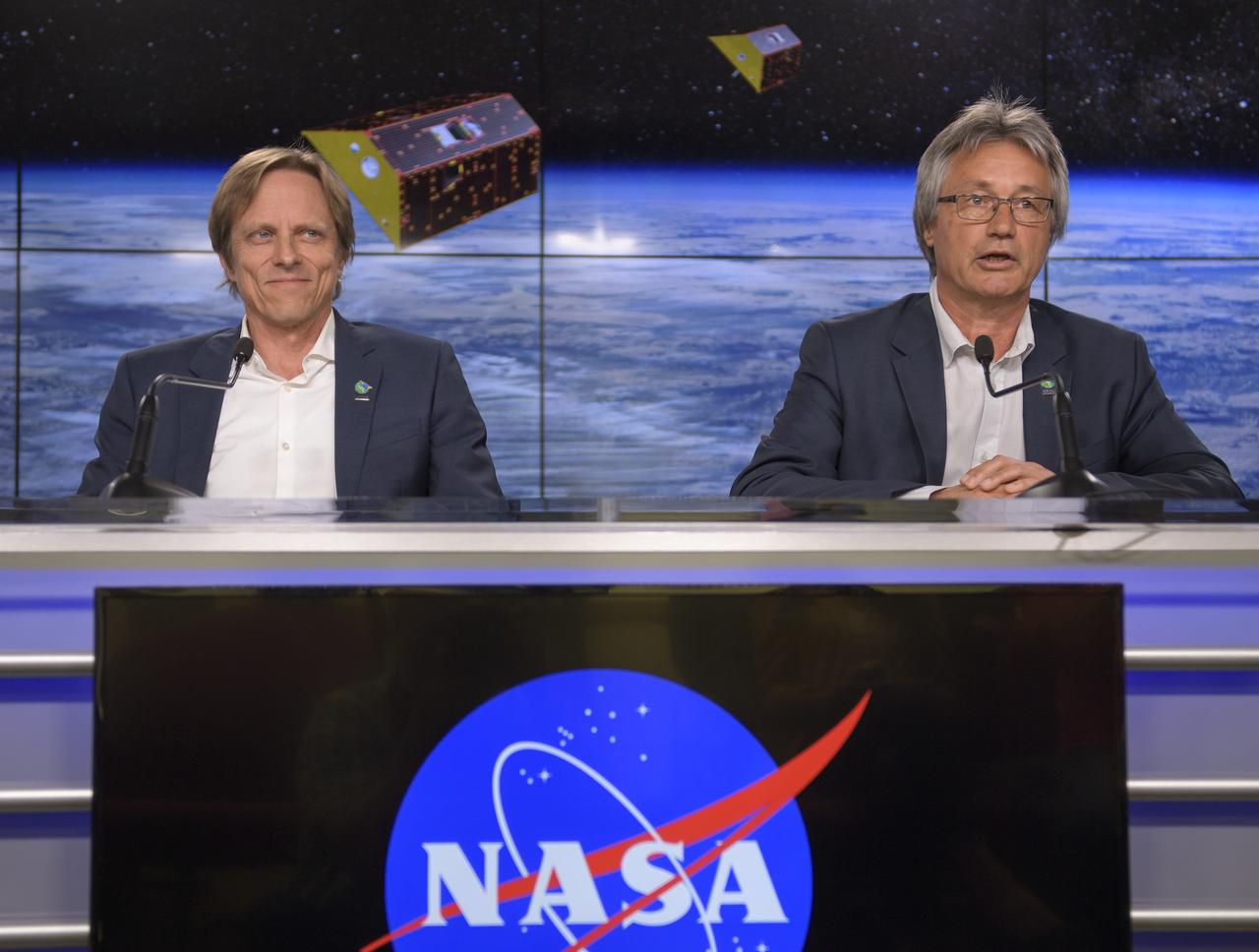
Frank Webb, GRACE-FO project scientist at JPL, left, and \Frank Flechtner, discuss the Gravity Recovery and Climate Experiment Follow-On (GRACE-FO) mission during a prelaunch media briefing, Monday, May 21, 2018, at Vandenberg Air Force Base in California. The twin GRACE-FO spacecraft will measure changes in how mass is redistributed within and among Earth's atmosphere, oceans, land and ice sheets, as well as within Earth itself. Photo Credit: (NASA/Bill Ingalls)
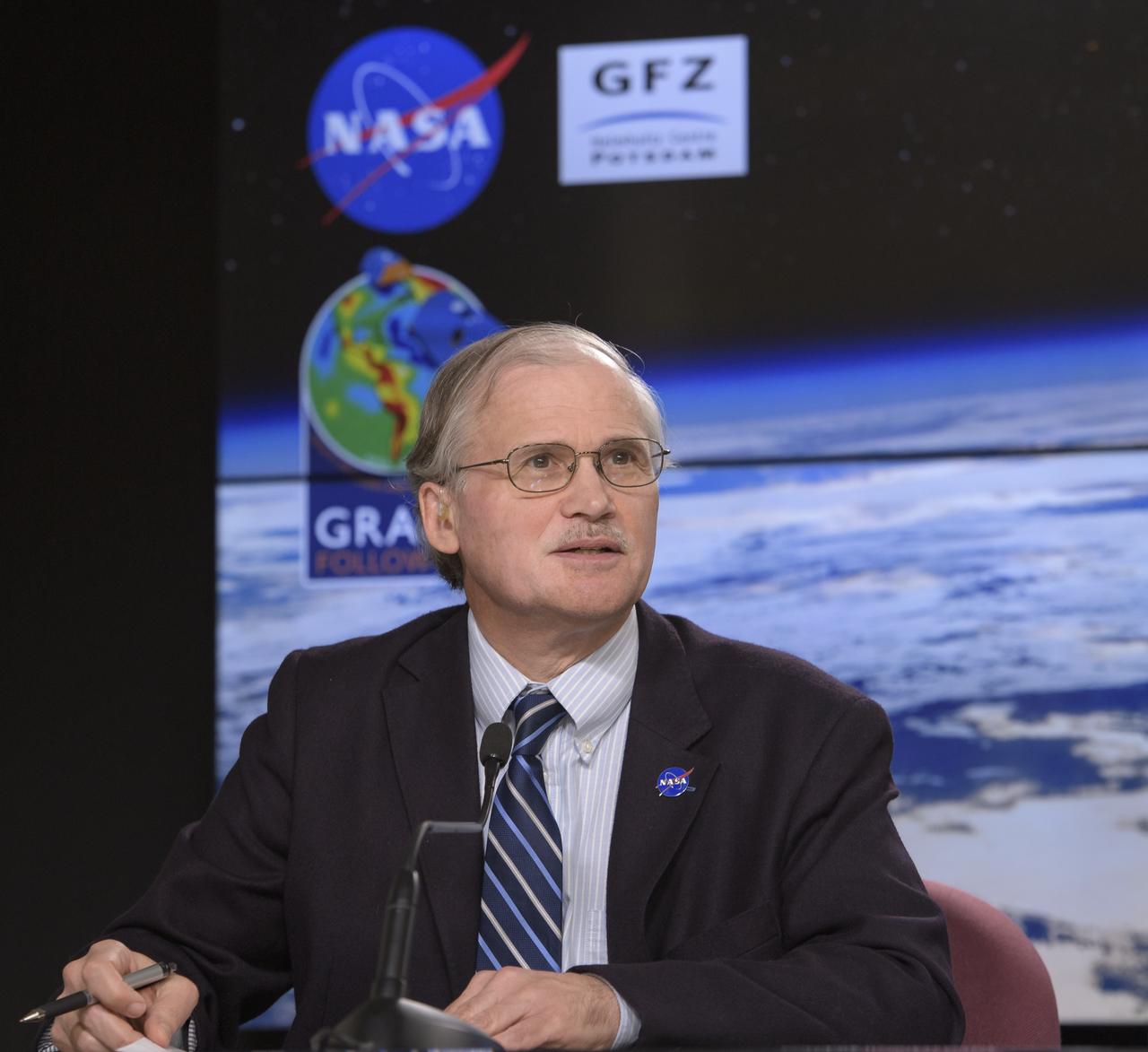
NASA Headquarters Public Affairs Officer Steve Cole moderates a Gravity Recovery and Climate Experiment Follow-On (GRACE-FO) mission prelaunch media briefing, Monday, May 21, 2018, at Vandenberg Air Force Base in California. The twin GRACE-FO spacecraft will measure changes in how mass is redistributed within and among Earth's atmosphere, oceans, land and ice sheets, as well as within Earth itself. Photo Credit: (NASA/Bill Ingalls)
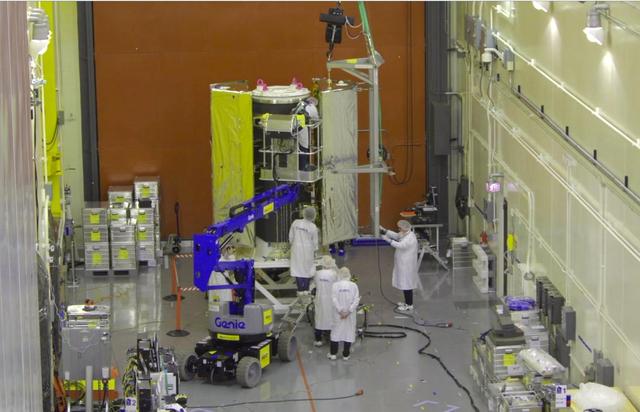
At the Harris Spaceport Systems facility at Vandenberg Air Force Base in California, the twin GRACE-FO satellites are integrated with the multi-satellite dispenser structure that will be used to deploy the satellites during launch on the SpaceX Falcon 9 launch vehicle. https://photojournal.jpl.nasa.gov/catalog/PIA22442